ALBEMARLE HEALTH & REHABILITATION CENTER

1540 FOUNDERS PLACE, CHARLOTTESVILLE, VA 22902 (434) 422-4800
For profit - Corporation 120 Beds LIFEWORKS REHAB Data: November 2025
Trust Grade
25/100
#170 of 285 in VA
Last Inspection: September 2022

Over 2 years since last inspection. Current conditions may differ from available data.

Overview

Albemarle Health & Rehabilitation Center has received a Trust Grade of F, indicating significant concerns about its quality of care. It ranks #170 out of 285 facilities in Virginia, placing it in the bottom half of all nursing homes in the state, and #5 out of 7 in Albemarle County, meaning only two local options are worse. While the facility is showing some improvement in its trend-issues decreased from 22 in 2024 to 7 in 2025-staffing remains a major concern, with a low staffing rating of 1 out of 5 stars and a high turnover rate of 59%, significantly above the state average of 48%. Additionally, the home has incurred fines totaling $63,294, which is higher than 91% of facilities in Virginia and suggests ongoing compliance problems. There are serious incidents reported, including the failure to provide timely treatment for residents with stage three pressure ulcers, leading to harm. In one case, a resident was not accurately assessed, delaying necessary treatment. Another finding revealed inadequate dietary staff on duty, resulting in delayed meal delivery for residents. While the facility has a high quality measure score of 5 out of 5, the combination of poor health inspections and staffing issues raises significant red flags for families considering this nursing home for their loved ones.

Trust Score
F
25/100
In Virginia
#170/285
Bottom 41%
Safety Record
High Risk
Review needed
Inspections
Getting Better
22 → 7 violations
Staff Stability
⚠ Watch
59% turnover. Above average. Higher turnover means staff may not know residents' routines.
Penalties
⚠ Watch
$63,294 in fines. Higher than 92% of Virginia facilities. Major compliance failures.
Skilled Nurses
⚠ Watch
Each resident gets only 20 minutes of Registered Nurse (RN) attention daily — below average for Virginia. Fewer RN minutes means fewer trained eyes watching for problems.
Violations
⚠ Watch
61 deficiencies on record. Higher than average. Multiple issues found across inspections.
★★☆☆☆
2.0
Overall Rating
★☆☆☆☆
1.0
Staff Levels
★★★★★
5.0
Care Quality
★☆☆☆☆
1.0
Inspection Score
Stable
2024: 22 issues
2025: 7 issues

The Good

  • 5-Star Quality Measures · Strong clinical quality outcomes
  • Full Sprinkler Coverage · Fire safety systems throughout facility
  • No fines on record

Facility shows strength in quality measures, fire safety.

The Bad

2-Star Overall Rating

Below Virginia average (3.0)

Below average - review inspection findings carefully

Staff Turnover: 59%

13pts above Virginia avg (46%)

Frequent staff changes - ask about care continuity

Federal Fines: $63,294

Above median ($33,413)

Moderate penalties - review what triggered them

Chain: LIFEWORKS REHAB

Part of a multi-facility chain

Ask about local staffing decisions and management

Staff turnover is elevated (59%)

11 points above Virginia average of 48%

The Ugly 61 deficiencies on record

2 actual harm
Jul 2025 1 deficiency
CONCERN (E) 📢 Someone Reported This

A family member, employee, or ombudsman was alarmed enough to file a formal complaint

Potential for Harm - no one hurt, but risky conditions existed

Abuse Prevention Policies (Tag F0607)

Could have caused harm · This affected multiple residents

Based on staff interview and facility document review, the facility staff failed to follow abuse prevention policies regarding volunteers for eight of nine volunteer records reviewed.The findings incl...

Read full inspector narrative →
Based on staff interview and facility document review, the facility staff failed to follow abuse prevention policies regarding volunteers for eight of nine volunteer records reviewed.The findings include:On 7/17/25 at 9:04 a.m., the activity director (other staff #5) was interviewed about current volunteers used in the facility and any required screening for volunteers. The activity director stated volunteers assisted at times with provision of activities including games and music. The activity director stated the facility had one pastor that came to the facility weekly, one previous resident that visited residents in the day area and several members from local churches that provided music, visits and assistance with games such as Bingo. The activities director stated prior to providing services, all volunteers were required to complete an application and a self-questionnaire about any past or pending criminal charges. The activities director stated the application and criminal questionnaire were reviewed by the administrator and if approved, human resources then performed a criminal background check. The activities director stated if the criminal background check was clear, she conducted an orientation/training regarding facility rules prior to the volunteer participating in any activities. The activity director stated the receptionist informed her when volunteers were in the facility.The list of current volunteers was requested and reviewed. The list included nine current volunteers. Review of screening documents for these volunteers revealed that eight of the nine volunteers had no criminal background check performed. Seven of the nine volunteers did not have a completed self-questionnaire about past or pending criminal charges.On 7/17/25 at 1:40 p.m., the human resources (HR) manager (other staff #7) was interviewed about any criminal background checks for the current volunteers. The HR manager stated she had worked at the facility since April 2025 and there had been no new volunteer screenings requested or performed since she had been hired. The HR manager stated she would search her portal for prior screenings on the current volunteers.On 7/17/25 at 1:30 p.m., the administrator and regional nurse consultant (administration #3) were interviewed. The administrator stated the HR manager searched the portal and that eight of the current volunteers had no criminal background check performed. The administrator stated the background checks were supposed to be done prior to any volunteer service. The administrator stated there were no self-questionnaires completed for seven of the volunteers that were from a local church. The administrator stated the activity director was responsible for getting volunteers to complete the application and questionnaire and that the HR manager was responsible for criminal background checks. The regional nurse consultant stated there had been no reports of any concerns or complaints regarding volunteers.On 7/17/25 at 1:40 p.m., the activity director was interviewed again about the missing screening documents. The activity director stated the seven volunteers without a self-questionnaire and background check were from a local church and had participated with one Bingo session which was supervised by activity staff. The activity director stated the other volunteer without a background check was a former resident who came periodically to visit/talk with residents in the day area. The activity director stated she should have obtained questionnaires and background checks from HR prior to the volunteers providing services in the facility.The facility's abuse prevention policy regarding volunteer services titled Pre-Screening Requirements (effective 11/1/23) documented, .The Recreation Director [activity director] and staff may utilize the services of volunteers to enhance the quality of life for patients if the volunteers working with patients in the Center have met the established pre-screening requirements .the Recreation Director will ask the potential candidate to complete the Center's Volunteer Application as well as the Center's Criminal Background Self-Questionnaire for Volunteer Applicant Pre-Screening .if the said questionnaire has any offenses marked 'yes' the applicant is automatically disqualified .Upon receiving a completed Volunteer Application and a qualifying Criminal Background Self-Questionnaire for Volunteer Applicant Pre-Screening, The Director will meet with the selected volunteer and the Center HR Manager to initiate a transmittal for a nationwide background check validation .Returned results of the National Background Check will be secured by HR and reviewed promptly with the Recreation Director. Once a qualifying validation is confirmed, the Recreation Director will notify the applicant that the prescreening is complete and their application for volunteer service has been approved .This finding was reviewed with the administrator and regional nurse consultant on 7/17/25 at 1:35 p.m. with no further information presented prior to the end of the survey.
Jun 2025 4 deficiencies
CONCERN (D) 📢 Someone Reported This

A family member, employee, or ombudsman was alarmed enough to file a formal complaint

Potential for Harm - no one hurt, but risky conditions existed

Deficiency F0554 (Tag F0554)

Could have caused harm · This affected 1 resident

**NOTE- TERMS IN BRACKETS HAVE BEEN EDITED TO PROTECT CONFIDENTIALITY** Based on observation, resident interview, staff interview, facility document review and clinical record review, the facility sta...

Read full inspector narrative →
**NOTE- TERMS IN BRACKETS HAVE BEEN EDITED TO PROTECT CONFIDENTIALITY** Based on observation, resident interview, staff interview, facility document review and clinical record review, the facility staff allowed self-administration of medications without a prior assessment or physician's order for two of eight residents in the survey sample (Residents #5 and #6). The findings include: Resident #5 (R5) was admitted to the facility with diagnoses that included diabetes, asthma, atrial fibrillation, anorexia, depression, neuropathy, chronic kidney disease, anxiety and insomnia. The minimum data set (MDS) dated [DATE] assessed R5 as cognitively intact. Resident #6 (R6) was admitted to the facility with diagnoses that included spinal stenosis, osteoporosis, peripheral vascular disease, gastroesophageal reflux disease, insomnia, depression, anxiety and hypertension. The MDS dated [DATE] assessed R6 as cognitively intact. 1. Oral medications were prepared and left at the bedside on 2/22/25 for R5 and R6 to self-administer when the residents had no prior assessment or physician's order to self-administer medications. Clinical records for R5 and R6 included no physician's order or assessments indicating the residents were deemed safe to self-administer medications. On 6/10/25 at 12:10 p.m., licensed practical nurse (LPN #1) caring for R5 and R6 on the evening of 2/22/25, was interviewed about an allegation that medications had been left at the bedside. LPN #1 stated R5 and R6 liked to be the first residents to get their evening medicines. LPN #1 stated on 2/22/25 around 5:30 or 6:00 p.m., R5 and R6 were in the dining room. LPN #1 stated she told R5 and R6 that she had prepared their bedtime medicines and had put the medicines on their bedside tables for them to take when they returned to their rooms. LPN #1 stated she was in hallway the entire evening passing medications to other residents and R5 and R6 returned to their rooms after dinner. LPN #1 stated R5 reported that she took her medications after she got back to the room, but she did not witness R5 take the medicines. LPN #1 stated later in the evening, R6 asked about her medications, she then accompanied R6 to the room and found the medicines still on the bedside table. LPN #1 stated she witnessed R6 take the prepared medications. LPN #1 stated the medications left for the residents were medicines scheduled for 9:00 p.m. When asked why she left the medications unsecured/unattended, LPN #1 stated she was trying to get them [medications] out of the way and get ahead. On 6/10/25 at 3:09 a.m., the director of nursing (DON) and registered nurse staff development coordinator (RN #1) were interviewed about LPN #1 preparing and leaving medicines for R5 and R6 to self-administer. RN #1 stated R5 and R6 had not been assessed for self-administration of medications. The DON stated nurses were not expected to leave medications at the bedside unattended. The DON stated residents desiring to self-administer medicines required a physician's order to do so and an assessment by the interdisciplinary team indicating the resident was safe to self-administer. The DON stated residents assessed as safe to self-administer medicines were provided a lock box for medication storage in the room. R5's clinical record documented the medications prepared and left for self-administration on 2/22/25 at 9:00 p.m. included montelukast sodium 10 mg (milligrams) and sodium bicarbonate 650 mg. R6's clinical record documented medications administered to R6 on 2/22/25 at 9:00 p.m. included atorvastatin 20 mg, gabapentin 300 mg (2 capsules), melatonin 6 mg, trazodone 400 mg, Tylenol 500 mg (2 tablets) and Cymbalta 30 mg. 2. R5 had the medication Trelegy Ellipta inhaler at the bedside without a prior physician's order or assessment to safely self-administer medications. On 6/10/25 at 10:45 a.m., R5 was observed in her room with a Trelegy Ellipta inhaler device located on the bedside table. R5 was interviewed at this time about the Trelegy Ellipta. R5 stated she was able to self-administer the Trelegy Ellipta and that she took the Trelegy Ellipta once per day. R5 stated she thought a nurse had left the Trelegy Ellipta inhaler in the room, but she did not recall when that occurred or how long the Trelegy Ellipta inhaler had been in her room. R5's clinical record documented a physician's order dated 6/27/24 for Trelegy Ellipta inhalation aerosol powder breath activated 100-62.5-25 micrograms/actuation with instructions to inhale one puff orally once per day with mouth rinse after for treatment of asthma. R5's clinical record documented no physician's order for self-administration and no assessment indicating the resident was deemed safe to self-administer medications. On 6/10/25 at 11:50 a.m., the licensed practical nurse (LPN #2) caring for R5 was interviewed about the Trelegy Ellipta inhaler. LPN #2 stated R5 had not been assessed to self-administer medications and that the Trelegy Ellipta inhaler should not be at the resident's bedside. Accompanied by LPN #2, the Trelegy Ellipta inhaler was observed on the resident's bedside table. LPN #2 stated four doses had been activated from the device. LPN #2 stated she was not aware the device was at the bedside. LPN #2 stated, A nurse must have left it in the room. On 6/10/25 at 3:09 a.m., the director of nursing (DON) and registered nurse staff development coordinator (RN #1) were interviewed about R5 having the Trelegy Ellipta inhaler at the bedside. RN #1 stated R5 had not been assessed for self-administration of medications. The DON stated nurses were not expected to leave medications at the bedside unattended. The DON stated residents desiring to self-administer medicines required a physician's order to do so and an assessment by the interdisciplinary team indicating the resident as safe to self-administer. The DON stated residents assessed as safe to self-administer medicines were provided a lock box for medication storage in the room. The facility's policy titled Self-Administration of Medication at Bedside (effective 1/29/24) documented, .A licensed nurse will assess patient's ability to self-administer medication .Complete Medication Self-Administration Safety Screen assessment .The Interdisciplinary Team will review the assessment and together, use clinical judgement to determine if the patient is eligible .If eligible, medications that are ordered by a provider to be self-administered will be identified in the medical record .The Medication Self-Administration Safety Screen assessment will be reviewed quarterly by the Interdisciplinary Team . These findings were reviewed with the administrator and regional nurse consultant during a meeting on 6/11/25 at 10:30 a.m. with no further information presented prior to the end of the survey.
CONCERN (D) 📢 Someone Reported This

A family member, employee, or ombudsman was alarmed enough to file a formal complaint

Potential for Harm - no one hurt, but risky conditions existed

Deficiency F0658 (Tag F0658)

Could have caused harm · This affected 1 resident

**NOTE- TERMS IN BRACKETS HAVE BEEN EDITED TO PROTECT CONFIDENTIALITY** Based on staff interview, facility document review and clinical record review, the facility staff failed to follow professional ...

Read full inspector narrative →
**NOTE- TERMS IN BRACKETS HAVE BEEN EDITED TO PROTECT CONFIDENTIALITY** Based on staff interview, facility document review and clinical record review, the facility staff failed to follow professional standards of quality during medication administration for two of eight residents in the survey sample (Residents #5 and #6). The findings include: On 2/22/25, oral medications were prepared ahead of the scheduled administration time and left unattended/unsecured at the bedside for two residents (Residents #5 and #6). The nurse failed to observe R5 take the prepared medications. Resident #5 (R5) was admitted to the facility with diagnoses that included diabetes, asthma, atrial fibrillation, anorexia, depression, neuropathy, chronic kidney disease, anxiety and insomnia. The minimum data set (MDS) dated [DATE] assessed R5 as cognitively intact. Resident #6 (R6) was admitted to the facility with diagnoses that included spinal stenosis, osteoporosis, peripheral vascular disease, gastroesophageal reflux disease, insomnia, depression, anxiety and hypertension. The MDS dated [DATE] assessed R6 as cognitively intact. On 6/10/25, R5, R6 and LPN #1 were interviewed regarding an allegation that medications were prepared ahead and left unattended in the residents' rooms on the evening of 2/22/25. On 6/10/25 at 10:45 a.m., R5 stated she did not remember a nurse leaving medications in her room during February (2025). On 6/10/25 at 10:50 a.m., R6 stated she did not remember a nurse leaving medications in her room during February (2025). On 6/10/25 at 12:10 p.m., licensed practical nurse (LPN #1) that cared for R5 and R6 on the evening of 2/22/25 was interviewed about an allegation that medications had been left at the bedside. LPN #1 stated R5 and R6 liked to be the first residents to get their evening medicines. LPN #1 stated on 2/22/25 around 5:30 or 6:00 p.m., R5 and R6 were in the dining room. LPN #1 stated she told R5 and R6 that she had prepared their bedtime medicines and had put the medicines on their bedside tables for them to take when they returned to their rooms. LPN #1 stated she was in hallway the entire evening passing medications to other residents. LPN #1 stated after dinner, R5 returned to her room. LPN #1 stated that R5 reported that she took the prepared medications but that she did not witness R5 take the medicines. LPN #1 stated later in the evening, R6 asked about her bedtime medications, that she then accompanied R6 to the room and found the medicines still on the bedside table. LPN #1 stated she witnessed R6 take the prepared medications. LPN #1 stated the medications prepared and left for the residents were medicines scheduled for 9:00 p.m. that evening. LPN #1 stated she was aware that she was not supposed to leave medicines unattended. When asked why she prepared the medicines ahead and left them unattended, LPN #1 stated she was trying to get them [medications] out of the way and get ahead. LPN #1 stated medications were supposed to be administered within an hour before or after the scheduled administration time. On 6/10/25 at 3:09 a.m., the director of nursing (DON) and registered nurse staff development coordinator (RN #1) were interviewed about LPN #1 preparing and leaving medicines for R5 and R6 to self-administer. RN #1 stated R5 and R6 had not been assessed for self-administration of medications. The DON stated nurses were not expected to leave medications at the bedside unattended or unsecured. The DON stated residents desiring to self-administer medicines required a physician's order to do so and an assessment by the interdisciplinary team indicating the resident as safe to self-administer medicines. RN #1 stated nurses were expected to observed residents taking medications to ensure proper administration. R5's clinical record documented the medications administered on 2/22/25 at 9:00 p.m. included montelukast sodium 10 mg (milligrams) and sodium bicarbonate 650 mg. R6's clinical record documented medications administered to R6 on 2/22/25 at 9:00 p.m. included atorvastatin 20 mg, gabapentin 300 mg (2 capsules), melatonin 6 mg, trazodone 400 mg, Tylenol 500 mg (2 tablets) and Cymbalta 30 mg. Clinical records for R5 and R6 included no physician's order or assessment indicating the residents were safe to self-administer medications. The facility's policy titled General Guidelines for Medication Administration (effective 9/2018) documented, Medications are administered as prescribed in accordance with good nursing principles and practices .When medications are administered by mobile cart taken to the resident's location (room, dining area, etc.), medications are administered at the time they are prepared. Medications are not prepoured either in advance of the med pass or for more than one resident at a time .Medications are administered within 60 minutes of the scheduled administration time .Residents are permitted to self-administer medications when specifically authorized by the attending physician and in accordance with procedures for self-administration of medications .The resident is always observed after administration to ensure that the dose was completely ingested .The individual who administers the medication dose records the administration on the resident's MAR [medication administration record] directly after the medication is given . These findings were reviewed with the administrator and regional nurse consultant during a meeting on 6/11/25 at 10:30 a.m. with no further information presented prior to the end of the survey.
CONCERN (D) 📢 Someone Reported This

A family member, employee, or ombudsman was alarmed enough to file a formal complaint

Potential for Harm - no one hurt, but risky conditions existed

Quality of Care (Tag F0684)

Could have caused harm · This affected 1 resident

**NOTE- TERMS IN BRACKETS HAVE BEEN EDITED TO PROTECT CONFIDENTIALITY** Based on staff interview, facility document review and clinical record review, the facility staff failed to follow physician ord...

Read full inspector narrative →
**NOTE- TERMS IN BRACKETS HAVE BEEN EDITED TO PROTECT CONFIDENTIALITY** Based on staff interview, facility document review and clinical record review, the facility staff failed to follow physician orders for medication administration for one of eight residents in the survey sample (Resident #4). The findings include: Resident #4 (R4) was admitted to the facility with diagnoses that included osteomyelitis, MRSA (methicillin resistant staphylococcus aureus), end stage renal disease, protein-calorie malnutrition, anemia, hypertension and diabetes. The minimum data set (MDS dated [DATE] assessed R4 as cognitively intact. R4's closed clinical record documented a physician's order dated 1/30/25 for Zosyn (piperacillin - tazobactam) intravenous (IV) solution reconstituted 4.5 (4-0.5) grams with instructions to give 4.5 grams intravenously every 12 hours until 3/5/25 for treatment of acute osteomyelitis. R4's medication administration record (MAR) for February 2025 documented Zosyn was scheduled for administration at 6:00 a.m. and 6:00 p.m. each day. The MAR documented Zosyn was not administered on 2/11/25 at 6:00 a.m. as ordered/scheduled. A nursing note dated 2/11/25 at 6:16 a.m. documented, .Informed IV completed. There was no other explanation in the clinical record indicating why the dose was not administered. The clinical record included no order to discontinue or stop the IV Zosyn. Medication administration continued after the 2/11/25 6:00 a.m. dose through 3/5/25 as ordered. On 6/10/25 at 3:09 p.m., the director of nursing (DON) and the registered nurse infection preventionist (RN #1) were interviewed about R4's missed dose of IV Zosyn on 2/11/25. RN #1 and the DON stated the Zosyn order was not discontinued or completed on 2/11/25 as listed in the note. RN #1 stated the medication was ordered every 12 hours through 3/5/25 and no changes were made to the order during the resident's stay. RN #1 and the DON stated they did not understand the note written on 2/11/15 by licensed practical nurse (LPN #3) indicating the IV medicine was complete. On 6/11/25 at 8:20 a.m., the regional nurse consultant (administration #3) was interviewed about R4's missed dose of Zosyn on 2/11/24. The regional nurse consultant stated the 6:00 a.m. dose on 2/11/25 was not given as ordered. The regional nurse consultant stated she was not sure why the medicine was not given. The regional nurse consultant stated the resident's Zosyn order was not completed or discontinued on 2/11/25 as written in the note. On 6/11/25 at 8:53 a.m., the nurse practitioner (other staff #1) caring for R4 was interviewed about the missed dose of IV Zosyn. The NP stated she was aware of the missed dose. The NP stated the resident's labs and vital signs remained stable during the resident's stay and there was no indication to add or extend the IV antibiotic treatment due the missed dose. The NP stated the Zosyn was administered per recommendations from the hospital. The NP stated R4 did not miss a significant number of doses and there was no change to the resident's overall outcome based on the missed dose of Zosyn. LPN #3, responsible for giving the 6:00 a.m. dose of Zosyn on 2/11/25 was not available for interview as she was not working during the survey and attempts to call her were unanswered. The facility's policy titled General Guidelines for Medication Administration (revised 8/2020) documented, .Medications are administered in accordance with written orders of the prescriber . This finding was reviewed with the administrator and regional nurse consultant during a meeting on 6/11/25 at 10:30 a.m. with no further information presented prior to the end of the survey.
CONCERN (D) 📢 Someone Reported This

A family member, employee, or ombudsman was alarmed enough to file a formal complaint

Potential for Harm - no one hurt, but risky conditions existed

Deficiency F0761 (Tag F0761)

Could have caused harm · This affected 1 resident

**NOTE- TERMS IN BRACKETS HAVE BEEN EDITED TO PROTECT CONFIDENTIALITY** Based on observation, resident interview, staff interview, facility document review and clinical record review, the facility sta...

Read full inspector narrative →
**NOTE- TERMS IN BRACKETS HAVE BEEN EDITED TO PROTECT CONFIDENTIALITY** Based on observation, resident interview, staff interview, facility document review and clinical record review, the facility staff failed to ensure medications remained secured in locked compartments and/or carts for two of eight residents in the survey sample (Residents #5 and #6). The findings include: Resident #5 (R5) was admitted to the facility with diagnoses that included diabetes, asthma, atrial fibrillation, anorexia, depression, neuropathy, chronic kidney disease, anxiety and insomnia. The minimum data set (MDS) dated [DATE] assessed R5 as cognitively intact. Resident #6 (R6) was admitted to the facility with diagnoses that included spinal stenosis, osteoporosis, peripheral vascular disease, gastroesophageal reflux disease, insomnia, depression, anxiety and hypertension. The MDS dated [DATE] assessed R6 as cognitively intact. 1. The medication Trelegy Ellipta inhaler was observed stored unsecured on Resident #5's bedside table. On 6/10/25 at 10:45 a.m., R5 was observed in her room with a Trelegy Ellipta inhaler device located on the bedside table. R5 was interviewed at this time about the Trelegy Ellipta. R5 stated she thought a nurse had left the Trelegy Ellipta inhaler in the room, but she did not recall when that occurred or how long the Trelegy Ellipta inhaler had been in her room. R5's clinical record documented a physician's order dated 6/27/24 for Trelegy Ellipta inhalation aerosol powder breath activated 100-62.5-25 micrograms/actuation with instructions to inhale one puff orally once per day with mouth rinse after for treatment of asthma. R5's clinical record documented no physician's order for self-administration of medications and no assessment indicating the resident was deemed safe to self-administer medications. On 6/10/25 at 11:50 a.m., the licensed practical nurse (LPN #2) caring for R5 was interviewed about the Trelegy Ellipta inhaler. LPN #2 stated R5 had not been assessed to self-administer medications and that the Trelegy Ellipta inhaler should not be at the resident's bedside. Accompanied by LPN #2, the Trelegy Ellipta inhaler was observed on the resident's bedside table. LPN #2 stated she was not aware the device was at the bedside. LPN #2 stated, A nurse must have left it in the room. LPN #2 stated four doses had been activated from the device and LPN #2 located an empty Trelegy Ellipta box in the medication cart labeled for R5. On 6/10/25 at 3:09 p.m., the director of nursing (DON) and registered nurse staff development coordinator (RN #1) were interviewed about the Trelegy Ellipta inhaler left unsecured/unattended in the resident's room. The DON stated medications were not to be left at the bedside. The DON stated residents assessed to self-administer medications were required to keep medications stored in a locked box. RN #1 stated it was not acceptable for nurses to leave medications unsecured and that R5 had no order or assessment for self-administration of medications. The facility's policy titled General Guidelines for Medication Administration (effective 9/2018) documented, .Medications are administered within 60 minutes of the scheduled administration time .During administration of medication, the medication cart is kept closed and locked when out of sight of the medication nurse or aide. No medications are kept on top of the cart .The resident is always observed after administration to ensure that the dose was completely ingested . 2. On the evening of 2/22/25, oral medications for R5 and R6 were prepared and left unsecured in the residents' rooms. On 6/10/25 at 12:10 p.m., licensed practical nurse (LPN #1) that cared for R5 and R6 on the evening of 2/22/25 was interviewed about an allegation that medications had been left at the bedside. LPN #1 stated R5 and R6 liked to be the first residents to get their evening medicines. LPN #1 stated on 2/22/25 around 5:30 or 6:00 p.m., R5 and R6 were in the dining room. LPN #1 stated she told R5 and R6 that she had prepared their bedtime medicines and had put the medicines on their bedside tables for them to take when they returned to their rooms. LPN #1 stated she was in hallway the entire evening passing medications to other residents. LPN #1 stated after dinner, R5 returned to her room. LPN #1 stated R5 reported that she took the prepared medications but that she did not witness R5 take the medicines. LPN #1 stated later in the evening, R6 asked about her bedtime medications, she then accompanied R6 to the room and found the medicines still on the bedside table. LPN #1 stated she witnessed R6 take the prepared medications. LPN #1 stated the medications prepared and left for the residents were medicines scheduled for 9:00 p.m. that evening. LPN #1 stated she was aware that she was not supposed to leave medicines unattended. When asked why she prepared the medicines ahead and left them unattended, LPN #1 stated she was trying to get them [medications] out of the way and get ahead. LPN #1 stated medications were supposed to be administered within an hour before or after the scheduled administration time. On 6/10/25 at 3:09 a.m., the director of nursing (DON) and registered nurse staff development coordinator (RN #1) were interviewed about LPN #1 preparing and leaving medicines for R5 and R6 to self-administer. The DON stated nurses were not expected to leave medications at the bedside unattended or unsecured. The DON stated residents assessed to self-administer medicines were required to keep medicines stored in a locked box in their rooms. The facility's policy titled General Guidelines for Medication Administration (effective 9/2018) documented, .Medications are administered within 60 minutes of the scheduled administration time .During administration of medication, the medication cart is kept closed and locked when out of sight of the medication nurse or aide. No medications are kept on top of the cart .The resident is always observed after administration to ensure that the dose was completely ingested . These findings were reviewed with the administrator and regional nurse consultant during a meeting on 6/11/25 at 10:30 a.m. with no further information presented prior to the end of the survey.
Feb 2025 2 deficiencies
CONCERN (D) 📢 Someone Reported This

A family member, employee, or ombudsman was alarmed enough to file a formal complaint

Potential for Harm - no one hurt, but risky conditions existed

Deficiency F0655 (Tag F0655)

Could have caused harm · This affected 1 resident

**NOTE- TERMS IN BRACKETS HAVE BEEN EDITED TO PROTECT CONFIDENTIALITY** Based on staff interview, facility document review and clinical record review, the facility staff failed to include insulin admi...

Read full inspector narrative →
**NOTE- TERMS IN BRACKETS HAVE BEEN EDITED TO PROTECT CONFIDENTIALITY** Based on staff interview, facility document review and clinical record review, the facility staff failed to include insulin administration in the baseline care plan for one of three residents in the survey sample (Resident #11). The findings include: Resident #11's baseline care plan included no goals/interventions regarding insulin administration with use of an insulin pump. Resident #11 (R11) was admitted to the facility with diagnoses that included Parkinson's, diabetes, asthma, hypertension, irritable bowel syndrome, self-imposed factitious disorder, chronic atrial fibrillation, and hyperlipidemia. An admission assessment date 8/1/24 listed R11 as cognitively intact and oriented to person, place, time and situation. R11's clinical record documented the resident was admitted to the facility with use of an insulin pump for insulin administration related to diabetes. R11's hospital Discharge summary dated [DATE] documented the resident had his own insulin pump and had demonstrated sufficient ability to change/manage the pump on multiple occasions. Hospital discharge recommendations documented instructions to contact R11's endocrinology office if assistance was needed with the insulin pump. R11's baseline care plan was documented as complete on 8/1/24. The baseline care plan documented the resident was at risk of hypoglycemia due to diabetic medications and included interventions for prevention of diabetic complications. The baseline care plan made no mention the resident used an insulin pump and included no immediate goals and/or interventions regarding insulin administration with the pump and the resident's ability to manage/maintain the pump. The nurse practitioner assessed R11 on 8/2/24 and documented the resident had demonstrated ability to manage the pump on multiple occasions while hospitalized . The nurse practitioner documented the resident was deemed ok to use the home insulin pump while in the facility as he did in the hospital. The nurse practitioner documented if the resident was unable to manage the pump on his own, orders for insulin administration would be changed/entered as needed. On 2/4/25 at 11:30 a.m., the regional nurse consultant (administration #3) was interviewed about R11's baseline care plan. The regional consultant stated R11 was admitted with the insulin pump and was approved by the NP as appropriate to manage the device. The regional consultant stated the baseline care plan should have included the resident's use and management of the insulin pump. The facility's policy titled Care Planning (effective 11/1/2019) documented, .A licensed nurse, in coordination with the interdisciplinary team, develops and implements an individualized care plan for each patient in order to provide effective, person-centered care, and the necessary health-related care and services to attain or maintain the highest practical physical, mental, and psychosocial well-being of the patient . This finding was reviewed with the administrator and regional nurse consultant during a meeting on 2/4/25 at 4:00 p.m. with no further information presented prior to the end of the survey.
CONCERN (D) 📢 Someone Reported This

A family member, employee, or ombudsman was alarmed enough to file a formal complaint

Potential for Harm - no one hurt, but risky conditions existed

Deficiency F0657 (Tag F0657)

Could have caused harm · This affected 1 resident

Based on staff interview and clinical record review the facility staff failed to review and revise a comprehensive care plan for one resident, Resident #13 (R13) out of three residents in the survey. ...

Read full inspector narrative →
Based on staff interview and clinical record review the facility staff failed to review and revise a comprehensive care plan for one resident, Resident #13 (R13) out of three residents in the survey. The findings included: The facility staff failed to review and revise R13's care plan with weight bearing status. On 2/4/25 at 9:45 a.m. an interview was conducted with the therapy manager. The therapy manager stated that R13 participated in physical therapy. He stated that R13 was non weight bearing to right leg. On 2/4/25 at 9:57 a.m. an interview was conducted with a certified nursing assistant, CNA#3 (CNA3). CNA3 said, if resident is non weight bearing therapy will evaluate and let us know. We don't know weight bearing status until therapy evaluates but sometimes the nurse reports it to us. On 2/4/25 at 10:00 a.m. an interview was conducted with a licensed practical nurse, LPN#3 (LPN3). LPN3 stated that when she receives report about the patient's weight bearing status that she would give report to the aide. LPN3 stated she would expect weight bearing status to be on the resident's care plan. LPN3 said, that if it is an order it will come up for us to sign off on. On 2/4/25 at 10:10 a.m. an interview was conducted with the interim director of nursing (IDON). The IDON stated that the aides were to get the residents weight bearing status from the nurse. IDON said, the aides had task to help them and that the care plan information generates to the aides task. IDON stated she would expect weight bearing status to be on the resident's care plan. On 2/4/25 at 10:14 a.m. an interview was conducted with the regional nurse consultant. She said, I don't see the weight bearing status on the care plan, but I do expect it to be on the care plan for staff to know. On 2/4/25 at approximately 11:00 a.m. a clinical record review was conducted. R13's care plan was reviewed and the weight bearing status for him was not on his care plan. R13's physician's orders were reviewed. R13 had an order on 8/6/24 that read, NWB [non weight bearing] to right lower extremity (RLE). On 8/26/24 R13 had an order that read, May apply weight to foot with transferring, try using heel. On 2/4/25 at 4:30 p.m. an end of day meeting was held with the administrator, regional nurse consultant and the regional vice president of operations to discuss the above concerns. No additional information was provided.
Nov 2024 9 deficiencies
CONCERN (D) 📢 Someone Reported This

A family member, employee, or ombudsman was alarmed enough to file a formal complaint

Potential for Harm - no one hurt, but risky conditions existed

Deficiency F0558 (Tag F0558)

Could have caused harm · This affected 1 resident

**NOTE- TERMS IN BRACKETS HAVE BEEN EDITED TO PROTECT CONFIDENTIALITY** Based on resident interview, staff interview, and clinical record review, the facility staff failed to accommodate a preference ...

Read full inspector narrative →
**NOTE- TERMS IN BRACKETS HAVE BEEN EDITED TO PROTECT CONFIDENTIALITY** Based on resident interview, staff interview, and clinical record review, the facility staff failed to accommodate a preference for showers twice each week for one of five residents in the survey sample (Resident #1). The findings include: Resident #1 (R1) was admitted to the facility with diagnoses that included congestive heart failure, hypertension, arthritis, and lymphedema. The minimum data set (MDS) dated [DATE] assessed R1 as cognitively intact and as requiring supervision and/or touch assistance with bathing. On 11/12/24 at 1:10 p.m., R1 was interviewed about his shower schedule and preference for bathing. R1 stated he wanted two showers each week. R1 stated at times he did not receive twice weekly showers according to his preference. R1's clinical record documented the resident did not receive showers twice per week during February 2024 and March 2024. R1's bath/shower records documented the resident had no showers during the week of 2/11/24 through 2/17/24; one shower (on 2/22/24) during the week of 2/18/24 to 2/24/24; one shower (on 2/28/24) during the week of 2/25/24 to 3/2/24; one shower (on 3/4/24) during week of 3/3/24 to 3/9/24; no showers during week of 3/10/24 to 3/16/24; one shower (on 3/20/24) during week of 3/17/24 to 3/23/24; and no showers from 3/24/24 to 3/31/24. The clinical record documented no mention of resident refusals or any explanation about why scheduled showers were not done. The certified nurses' aide routinely responsible for R1's showers during February 2024 and March 2024 was not available for interview, as she no longer worked at the facility. On 11/13/24 at 9:35 a.m., the licensed practical nurse unit manager (LPN #2) was interviewed about R1's showers. LPN #2 stated residents wanting showers were scheduled for showers twice per week. LPN #2 stated any shower refusals were supposed to be documented. LPN #2 stated she reviewed the clinical record and found no documented refusals or reasons the showers were not done. On 11/13/24 at 3:45 p.m., the director of nursing (DON) was interviewed about R1's missed showers in February and March (2024). The DON stated he was not working in the facility during the February/March 2024 time and could not speak to why the showers were not done. This finding was reviewed with the administrator, director of nursing, and regional director of clinical services during a meeting on 11/13/24 at 4:00 p.m. with no further information presented prior to the end of the survey.
CONCERN (D) 📢 Someone Reported This

A family member, employee, or ombudsman was alarmed enough to file a formal complaint

Potential for Harm - no one hurt, but risky conditions existed

Deficiency F0658 (Tag F0658)

Could have caused harm · This affected 1 resident

**NOTE- TERMS IN BRACKETS HAVE BEEN EDITED TO PROTECT CONFIDENTIALITY** Based on staff interview, facility document review, and clinical record review, the facility staff failed to follow professional...

Read full inspector narrative →
**NOTE- TERMS IN BRACKETS HAVE BEEN EDITED TO PROTECT CONFIDENTIALITY** Based on staff interview, facility document review, and clinical record review, the facility staff failed to follow professional standards of care for one of five residents in the survey sample (Resident #1). The findings include: Nursing staff failed to document treatments provided to Resident #1 at the time the care was provided. Resident #1 (R1) was admitted to the facility with diagnoses that included congestive heart failure, hypertension, arthritis, and lymphedema. The minimum data set (MDS) dated [DATE] assessed R1 as cognitively intact. R1's clinical record documented physician orders for the following treatments listed with the date ordered: 8/14/24 - Zeasorb-AF external powder 2%, apply to abdominal folds, gluteal cleft and behind left knee topically every day and evening shift for treatment of yeast. 8/24/24 - Apply zinc barrier cream twice per day to intergluteal cleft discoloration and leave open to air. 8/24/24 - Change bilateral Circaid wraps every day, inspect skin, wash/dry legs, apply lotion with new pair of liners each day shift. R1's treatment administration records (TARs) were reviewed from 9/1/24 through 11/13/24. The TARs had incomplete documentation regarding the physician ordered treatments. Zeasorb-AF external powder 2% was not signed off as completed during the evening shift on 9/9/24, 9/20/24, 9/27/24, 9/30/24, 10/9/24, and 11/9/24; not signed off on the day shift on 10/14/24. Zinc barrier cream was not signed off on the evening shift on 10/9/24, 10/20/24, 10/27/24, 10/30/24, 10/9/24, and 11/9/24; not signed off on the day shift on 10/14/24. Circaid wraps were not signed off as completed on 10/14/24 and 10/18/24. R1's clinical record including nursing notes, made no mention that treatments were not performed and there were no documented resident refusals of the treatments. On 11/12/24 at 3:40 p.m., R1's missing TAR documentation was reviewed with licensed practical nurse unit manager (LPN #2) and the director of nursing (DON). The DON stated at this time that nurses were expected to sign-off the TAR immediately after care was provided. On 11/13/24 at 11:00 a.m., LPN #2 stated that she had contacted the nurses caring for R1 on the dates with missing treatment documentation. LPN #2 presented statements from each nurse documenting the treatments were completed as ordered but that the nurses failed to document the care provided. Several statements documented the treatments/care were witnessed by an accompanying certified nurses' aide. LPN #2 stated nurses were expected to document all treatments at the time the care was provided. On 11/14/24 at 8:10 a.m., the DON stated the nurses providing R1's treatments did not document the care provided as required. The DON stated it was nursing 101 and a standard of practice for nurses to document care at the time performed. The facility's policy titled Administration Procedures for All Medications (revised 8/2020) documented, .Medications will be administered in a safe and effective manner. The guidelines in this policy apply to all medications . After administration, return to cart, replace medication container .and document administration in the MAR [medication administration record] or TAR . The Lippincott Manual of Nursing Practice 11th edition documented on page 15 concerning common departures from the standards of nursing care, .Legal claims most commonly made against professional nurses include the following departures from appropriate care: failure to .follow physician orders, follow appropriate nursing measures, communicate information about the patient, adhere to facility policy or procedure, document appropriate information in the medical record . Included in a list of common departures from standards of care on page 15 was, .Failure to make prompt, accurate entries in a patients' medical record . (1) This finding was reviewed with the administrator, director of nursing, and regional director of clinical services during a meeting on 11/13/24 at 4:00 p.m. with no further information presented prior to the end of the survey. (1) [NAME], [NAME] M. Lippincott Manual of Nursing Practice. Philadelphia: Wolters Kluwer Health/[NAME] & [NAME], 2019.
CONCERN (D) 📢 Someone Reported This

A family member, employee, or ombudsman was alarmed enough to file a formal complaint

Potential for Harm - no one hurt, but risky conditions existed

Quality of Care (Tag F0684)

Could have caused harm · This affected 1 resident

**NOTE- TERMS IN BRACKETS HAVE BEEN EDITED TO PROTECT CONFIDENTIALITY** Based on staff interview and clinical record review, the facility staff failed to follow physician orders for one of five reside...

Read full inspector narrative →
**NOTE- TERMS IN BRACKETS HAVE BEEN EDITED TO PROTECT CONFIDENTIALITY** Based on staff interview and clinical record review, the facility staff failed to follow physician orders for one of five residents in the survey sample (Resident #1). The findings include: Resident #1 did not have topical powder and zinc barrier cream applied or leg wraps changed as ordered by the physician. Resident #1 (R1) was admitted to the facility with diagnoses that included congestive heart failure, hypertension, arthritis, and lymphedema. The minimum data set (MDS) dated [DATE] assessed R1 as cognitively intact. R1's clinical record documented orders for the following treatments: 8/14/24 - Zeasorb-AF external powder 2%, apply to abdominal folds, gluteal cleft and behind left knee topically every day and evening shift for treatment of yeast. 8/24/24 - Apply zinc barrier cream twice per day to intergluteal cleft discoloration and leave open to air. 8/24/24 - Change bilateral Circaid wraps every day, inspect skin, wash/dry legs, apply lotion with new pair of liners each day shift. R1's clinical record documented the orders for the Zeasorb powder, zinc cream, and Circaid wraps were not completed on 10/29/24. R1's treatment administration record on 10/29/24 was blank. R1's clinical record documented no resident refusal of the treatments and provided no explanation of why the treatments were not done. On 11/12/24 at 3:40 p.m., R1's missing TAR documentation was reviewed with licensed practical nurse unit manager (LPN #2) and the director of nursing (DON). The DON stated at this time that nurses were expected to sign-off the TAR immediately after care was provided. On 11/13/24 at 11:00 a.m., LPN #2 stated that she had contacted the nurse providing care for R1 on 10/29/24. LPN #2 stated that the nurse reported that she did not change R1's leg wraps, apply the zinc cream or the Zeasorb powder as ordered on 10/29/24. LPN #2 stated there was no explanation of why the care was not done as ordered. R1's plan of care (revised 10/30/24) documented the resident had skin impairments related to lymphedema and was at risk of skin breakdown due to fragile skin and chronic health conditions. Interventions to prevent/heal skin impairments included, .Leg wraps/care as ordered to bilateral lower extremities .Treatment as ordered . This finding was reviewed with the administrator, director of nursing, and regional director of clinical services during a meeting on 11/13/24 at 4:00 p.m. with no further information presented prior to the end of the survey.
CONCERN (D) 📢 Someone Reported This

A family member, employee, or ombudsman was alarmed enough to file a formal complaint

Potential for Harm - no one hurt, but risky conditions existed

Deficiency F0804 (Tag F0804)

Could have caused harm · This affected 1 resident

Based on resident interview, observation, staff interview, and facility document review, the facility staff failed to provide food at an appetizing temperature on one of four units (200-unit). The fin...

Read full inspector narrative →
Based on resident interview, observation, staff interview, and facility document review, the facility staff failed to provide food at an appetizing temperature on one of four units (200-unit). The findings include: Review of monthly resident council minutes from May 2024 through October 2024 revealed ongoing complaints from residents about meals served with foods not at adequate temperature. There was no documented follow up on the council minutes regarding interventions or actions taken in response to the food complaints. On 11/12/24 at 1:10 p.m., the resident council president (Resident #1) was interviewed about any resident concerns with food/meals. The council president stated that residents reported and complained about cold food all the time. The council president stated cold food had been brought up in most of the council meetings during the last several months. On 11/12/24 at 12:20 p.m., the meal service from the 200-unit kitchenette was observed. The dietary aide (other staff #6) checked food temperatures, with multiple food items measured below the required 135 degrees (F). Steam table holding temperatures of the foods in degrees (F) were as follows: Sliced ham/glaze = 152.2 Mashed potatoes = 162.1 Mixed vegetables = 153.1 Pureed ham = 130.4 Ground ham = 123.8 Chicken breasts = 121.8 Pureed vegetable = 127.2 The dietary aide did not reheat any of the foods below the 135-degree minimum. Food service continued from the steam table. On 11/12/24 at 1:00 p.m., accompanied by dietary aide (other staff #6), a sample plate was tasted. The ham, mashed potatoes, and mixed vegetables tasted warm but not hot. When asked if he routinely checked food temperatures at the steam table prior to serving, the dietary aide stated that he thought the temperatures were checked in the kitchen. On 11/13/24 at 10:35 a.m., the registered dietitian (RD - other staff #10) was interviewed. The RD stated he performed a monthly audit and audits in the kitchenettes. The RD stated residents frequently complained about cold food or foods not being hot enough. The RD stated that he was not sure about the source of the cold food complaints. On 11/13/24 at 2:00 p.m., the dietary manager (other staff #8) was interviewed about the food served from the 200-unit that was warm and not hot. The dietary manager stated that she had been in the facility since June 2024 and occasionally had complaints about cold food mostly from new residents. The dietary manager stated that she was not aware of ongoing resident concerns with cold food. The dietary manager stated she attended resident council meetings at times and that she rounded and performed table touches to get resident feedback. The dietary manager stated that she was not aware of the foods served below the minimum temperature or that residents had ongoing complaints with cold food. These findings were reviewed with the administrator, director of nursing, and regional nurse consultant during a meeting on 11/13/24 at 4:00 p.m., with no further information presented prior to the end of the survey.
CONCERN (D) 📢 Someone Reported This

A family member, employee, or ombudsman was alarmed enough to file a formal complaint

Potential for Harm - no one hurt, but risky conditions existed

Deficiency F0806 (Tag F0806)

Could have caused harm · This affected 1 resident

**NOTE- TERMS IN BRACKETS HAVE BEEN EDITED TO PROTECT CONFIDENTIALITY** Based on resident interview, staff interview, clinical record review, and facility document review, the facility staff failed to...

Read full inspector narrative →
**NOTE- TERMS IN BRACKETS HAVE BEEN EDITED TO PROTECT CONFIDENTIALITY** Based on resident interview, staff interview, clinical record review, and facility document review, the facility staff failed to provide foods accommodating resident preferences for one of five residents in the survey sample (Resident #1). The findings include: Resident #1's food preferences were not honored. According to the clinical record review, Resident #1 (R1) was admitted to the facility with diagnoses that included congestive heart failure, hypertension, arthritis, and lymphedema. Also documented was a minimum data set (MDS) dated [DATE], which assessed R1 as cognitively intact. On 11/12/24 at 1:10 p.m., R1 was observed with lunch. The foods served to R1 were compared to the meal ticket provided with the meal. R1 was served two baked chicken breasts, mashed potatoes, mixed vegetables, a roll, chocolate cupcake and yogurt. R1's meal ticket included the baked chicken, yogurt, and vegetables but did not list the mashed potatoes, roll, or cupcake. The ticket listed a tossed salad with dressing, which was not served with the meal. R1 was interviewed at this time about foods served. R1 stated he rarely was served meals according to his preferences. R1 stated that facility staff knew he did not eat potatoes, canned vegetables, or the chocolate cupcake. R1 stated he frequently was served foods that he was not supposed to have or did not want. R1 stated he did not want the potatoes, roll, cupcake, or the mixed vegetables and that he did not know why he was served these items as they were not listed on the ticket. R1 stated that he wanted the tossed salad and that was not provided with the meal. R1 presented his meal ticket from lunch on 11/10/24. The meal ticket documented a double portion of baked chicken breast, vegetable, tossed salad with dressing, and yogurt. R1 had marked the ticket indicating that he did not receive the yogurt, vegetable, or tossed salad. R1 stated a roll was served that was not listed on the ticket and the yogurt, salad, and vegetable were not provided as per his preference. R1's clinical record documented a physician's order dated 8/23/24 for a heart healthy/low salt, regular textured diet with instructions for no pork products, no fried or breaded foods, no high sodium soups, no prepackaged hamburgers, chicken patties, salted frozen meatballs, chicken thighs, canned fruit or cooked vegetables. The order recommended baked chicken, fresh vegetables, fruit and yogurt. On 11/13/24 at 2:00 p.m., the dietary manager (other staff #8) was interviewed about R1's meal tickets and foods served not matching the tickets that were based on the resident's preferences. The dietary manager stated kitchen employees were supposed to serve foods as listed on the ticket that included resident preferences and therapeutic foods. Reviewing the meal ticket, the dietary manager confirmed that the meal tickets for R1's lunch meals were not followed. The dietary manager did not know why R1 was not served a salad as listed. R1's plan of care (revised 10/30/24) documented the resident was at risk of complications related to obesity, heart failure, therapeutic diet, and diet non-compliance. Care plan interventions to prevent complications related to obesity/nutrition included 'therapeutic diet as ordered' and 'reviewing/honoring preferences for foods/snacks.' This finding was reviewed with the administrator, director of nursing, and regional director of clinical services during a meeting on 11/13/24 at 4:00 p.m., with no further information presented prior to the end of the survey.
CONCERN (E) 📢 Someone Reported This

A family member, employee, or ombudsman was alarmed enough to file a formal complaint

Potential for Harm - no one hurt, but risky conditions existed

Deficiency F0800 (Tag F0800)

Could have caused harm · This affected multiple residents

**NOTE- TERMS IN BRACKETS HAVE BEEN EDITED TO PROTECT CONFIDENTIALITY** Based on observation, resident interview, staff interview, and clinical record review, the facility staff failed to ensure a the...

Read full inspector narrative →
**NOTE- TERMS IN BRACKETS HAVE BEEN EDITED TO PROTECT CONFIDENTIALITY** Based on observation, resident interview, staff interview, and clinical record review, the facility staff failed to ensure a therapeutic diet and provide foods correctly per meal ticket for four of five residents in the survey sample (Residents #1 through #4). The findings include: 1. Resident #2 (R2) was not provided a diabetic diet for lunch and was not provided foods per meal ticket for breakfast. Resident #3 (R3) was not provided a diabetic diet for lunch. Resident #4 (R4) was not provided foods per meal ticket for breakfast. The R2's clinical record indicated that R2 had diagnoses that included Diabetes, anemia, and anorexia. MDS (minimal Data Set) dated 11/5/24 indicated R2 was severely cognitively impaired. The R3's clinical record indicated that R3 had diagnoses that included: Diabetes, gout, and obesity. MDS (minimal Data Set) dated 9/30/24 indicated R3 was severely cognitively impaired. The R4's clinical record indicated that R4 had diagnoses that included: neuropathy and dysphasia. MDS (minimal Data Set) dated 9/1/24 indicated R4 was moderately cognitively impaired. On 11/12/24 at 12:30 p.m., lunch service and dining observations were made on the 100 and 400 units. On the 100 unit, R2's meal ticket was verified against the meal served. The meal ticket indicated R2 was to receive a diabetic diet that included a half a chocolate cup cake, but R2 was served a whole cup cake. The serving line was also observed and did not indicate any cup cakes were pre-cut in half. The 400 unit was then observed, R3 was also to receive a diabetic diet per the meal ticket, but also received a whole cup cake, instead of the noted half cup cake. The serving line was observed and did not indicate any cup cakes were pre-cut in half. The diabetic meal ticket was then compared to a regular diet ticket, which indicated that the only difference of the tickets was the serving size of the cup cake (a half for a diabetic and a whole piece for a regular). On 11/12/24 at 2:45 p.m., the dietary manager (other staff, OS #8) was interviewed regarding the above finding. OS #8 reviewed the meal tickets and verbalized that the software program defaults to what is supposed to be served based on the diet ordered and that the residents are supposed to be receiving what is on the ticket. On 11/13/24 at 8:30 a.m., breakfast was observed on the 100 unit. R2's meal ticket was verified against the meal served. R2 was missing 8 ounces of 2% milk and 3/4 cup of grits. When asked about the missing items, R2 verbalized not knowing where the missing food was. At this time a staff server came to the table, reviewed the meal ticket, and asked R2 if she would like the milk and grits. R2 replied, I want what I'm supposed to get. R4's meal ticket was also compared to the meal served and evidenced that the meal served was missing a sausage patty. R4 verbalized wanting the sausage patty. When asked if there were sausage patties available to be served, the dietary aide serving breakfast (identified as OS #5) indicated that there were. When asked several times the reason for not serving R4 a sausage patty, OS #5 appeared reluctant to answer the question. When asked if she didn't see the sausage patty on the meal ticket, OS #5 responded, Yeah. On 11/13/24 at 3:45 the above finding was presented to the administrator and director of nursing. No other information was presented prior to exit conference on 11/14/24. 2. Resident #1 was not served foods according to the meal ticket. Resident #1's meal ticket inaccurately documented the resident had a 1500 ml (milliliter) per day fluid restriction. Resident #1 (R1) was admitted to the facility with diagnoses that included congestive heart failure, hypertension, arthritis and lymphedema. The minimum data set (MDS) dated [DATE] assessed R1 as cognitively intact. On 11/12/24 at 1:10 p.m., R1 was observed with lunch. The foods served to R1 were compared to the meal ticket provided with the meal. R1 was served two baked chicken breasts, mashed potatoes, mixed vegetables, a roll, chocolate cupcake and yogurt. R1's meal ticket included the baked chicken, yogurt and vegetables but did not list the mashed potatoes, roll or cupcake. The ticket listed a tossed salad with dressing that was not served with the meal and documented the resident was on a 1500 ml per day fluid restriction. R1 was interviewed at this time about foods served. R1 stated he rarely was served meals according to the ticket. R1 stated he frequently was served foods that he was not supposed to have or did not want. R1 stated he did not want the potatoes, roll, cupcake or the mixed vegetables and he did not know why he was served these items as they were not listed on the ticket. R1 stated he wanted the tossed salad and that was not provided with the meal. R1 stated he was on a fluid restriction a long time ago but did not have a current order for a fluid restriction. R1 presented his meal ticket from lunch on 11/10/24. The meal ticket documented a double portion of baked chicken breast, vegetable, tossed salad with dressing and yogurt and listed the resident had a 1500 ml fluid restriction. R1 had marked the ticket indicating he did not receive the yogurt, vegetable or tossed salad. R1 stated a roll was served that was not listed on the ticket and the yogurt, salad and vegetable were not provided. R1's clinical record documented a physician's order dated 8/23/24 for a heart healthy/low salt, regular textured diet with instructions for no pork products, no fried or breaded foods, no high sodium soups, no prepackaged hamburgers, chicken patties, salted frozen meatballs, chicken thighs, canned fruit or cooked vegetables. The order recommended baked chicken, fresh vegetables, fruit and yogurt. The clinical record documented no current physician's order for a 1500 ml fluid restriction. On 11/13/24 at 2:00 p.m., the dietary manager (other staff #8) was interviewed about R1's meal tickets and foods served not matching the tickets. The dietary manager stated she was aware the fluid restriction on the meal ticket was inaccurate but that she did not know how to revise the information in the ticket system. The dietary manager stated she thought there was a software issue regarding the inaccurate ticket information. The dietary manager stated kitchen employees were supposed to serve foods as listed on the ticket that included resident preferences and therapeutic foods. The dietary manager stated the meal tickets for R1's lunch meals were not followed. The dietary manager did not know why R1 was not served a salad as listed. This finding was reviewed with the administrator, director of nursing and regional director of clinical services during a meeting on 11/13/24 at 4:00 p.m. with no further information presented prior to the end of the survey.
CONCERN (E) 📢 Someone Reported This

A family member, employee, or ombudsman was alarmed enough to file a formal complaint

Potential for Harm - no one hurt, but risky conditions existed

Food Safety (Tag F0812)

Could have caused harm · This affected multiple residents

**NOTE- TERMS IN BRACKETS HAVE BEEN EDITED TO PROTECT CONFIDENTIALITY** Based on observation, staff interview, and facility document review, the facility staff failed to store, prepare, and serve food...

Read full inspector narrative →
**NOTE- TERMS IN BRACKETS HAVE BEEN EDITED TO PROTECT CONFIDENTIALITY** Based on observation, staff interview, and facility document review, the facility staff failed to store, prepare, and serve food in a sanitary manner from the main kitchen and on two of four kitchenettes (200-unit, 300-unit). The findings include: In the main kitchen, multiple food items were stored beyond use-by dates, with no prep dates and/or opened dates and/or were unsealed in the freezer. Bulk condiment storage containers, flour/sugar bins and the manual can opener were dirty. An employee was observed in the kitchen during meal preparation without a hair restraint. Employee food items were stored in the walk-in refrigerator. On the 200 and 300 units, foods were held on the kitchenette steam tables below recommended safe temperatures and served to residents without reheating. a) The main kitchen was inspected on 11/12/24 at 10:50 a.m., accompanied by the dietary manager (other staff #8). Observed stored in the walk-in refrigerator was a plastic bag containing chopped chicken, cheese, and tortillas. The dietary manager stated this bag of food belonged to the cook and should not be stored in the kitchen's refrigerator. There was a pan of leftover macaroni salad in the refrigerator with no label indicating date prepared or a use-by date. There was a large container of leftover rice pudding prepared on 11/2/24. The dietary manager stated the rice pudding had been stored beyond seven days and should have been discarded. There were gallon containers of mustard, mayonnaise, and salad dressing stored on an upper shelf. The outside of each of these containers was smeared with mustard, mayonnaise, and dressing, making it impossible to pick up without getting the product on hands. A bag of frozen chopped carrots and a bag of frozen green peas were stored in the walk-in freezer. These bags were unsealed exposing the peas and carrots to air. During this inspection, a facility employee entered the kitchen without a hair restraint, and had a discussion with the dietary manager. The employee was not instructed to apply a hair net and had entered the kitchen during lunch preparation. The dietary manager identified this person as the speech therapist. The bulk flour bin was observed dirty with yellow/brown drips/stains along the edge of the bin top. There was a mug positioned inside the container nested in the flour. The bulk sugar bin was also dirty with yellow/brown stains/debris on the top. There was a bowl located inside the container nested in the sugar. The bench mounted can opener was dirty with black, brown buildup noted on the blade and on the mounted bracket. The dietary manager stated the can opener was supposed to go through the dishwasher at least once per day. The dietary manager stated kitchen employees knew to label and date foods when prepped and/or opened and that leftovers were supposed to be discarded after seven days. b) On 11/12/24 at 12:20 p.m., the meal service from the 200-unit kitchenette was observed. Temperature of the foods on the steam table was requested. After leaving the kitchenette to find a thermometer, the dietary aide (other staff #6) checked food temperatures, with multiple food items measuring below the required 135 degrees (F). A pan of pureed ham measured 130.4 degrees (F), ground ham measured 123.8 degrees (F); chicken breasts measured 121.8 degrees (F), and pureed vegetables measured at 127.2 degrees (F). The dietary aide did not reheat any of the low temperature foods and continued to serve residents from the steam table. When asked if he usually checked temperatures prior to food service, the dietary aide (other staff #6) stated the temperatures were usually checked in the kitchen. On 11/12/24 at 12:38 p.m., the meal service from the 300-unit kitchenette was observed. Temperature of the foods on the steam table was requested. After leaving the kitchenette to find a thermometer, the dietary aide (other staff #7) checked food temperatures, with multiple food items measuring below the required 135 degrees (F). A large pan of sliced ham/glaze measured 134.2 degrees (F), pureed vegetables measured 111.7 degrees (F), and ground ham measured 123.0 degrees (F). The dietary aide did not reheat any of the food items found below 135 degrees (F) and continued to plate and serve food to the remaining eight residents on the unit. When asked about checking food temperatures at the steam table, the dietary aide stated the temperatures were checked in the kitchen. On 11/13/24 at 2:00 p.m., the dietary manager (other staff #8) was interviewed about the main kitchen observations and low food temps on the 200 and 300-unit steam tables. The dietary manager stated employee food was not supposed to be stored in the kitchen refrigerator. The dietary manager stated she did not have a scoop for the bulk flour and sugar, so employees were using a mug and/or bowl to retrieve the product. The dietary manager stated scoops were not supposed to be stored in the flour/sugar. The dietary manager stated servers in the kitchenettes were supposed to be checking food temperatures at the steam table. The dietary manager stated foods below the 135 degrees (F) were supposed to be removed and reheated prior to serving. The dietary manager state she did not realize the servers were not checking steam table temperatures. The facility policy titled Food Safety FS-[NAME]-SOP (revised 8/13/24) documented regarding employee personal items, .Personal belongings should not be stored in preparation, production, storage, and warewashing areas . The facility's Food Storage Chart (undated) documented leftovers including deli meats, salads, opened canned fruits, and pudding should be stored in the refrigerator for no longer than 7 days, with day 1 considered the date of preparation. The facility's procedure titled TCS Food Labeling Guide (2024) documented, .All TCS [temperature control for safety] food we prepare and keep for over 24 hours must be labeled and used within 7 days . The facility's policy titled Staff Attire (undated) documented, .It is the center policy that all Dining Serivces [Services] employees wear approved attire for the performance of their duties .The Dining Services Director insures all staff members have their hair off the shoulders, confined in a hair net or cap . The kitchen's cleaning schedule (undated) documented daily and weekly cleaning of food containers, bins, and food preparation equipment. The U.S. Food Code 2022 documents on page 3-28 that hot holding temperatures of time/temperature control for safety foods shall be maintained at or above 135 degrees (F). These findings were reviewed with the administrator, director of nursing, and regional nurse consultant during a meeting on 11/13/24 at 4:00 p.m., with no further information provided prior to the end of the survey.
CONCERN (F) 📢 Someone Reported This

A family member, employee, or ombudsman was alarmed enough to file a formal complaint

Potential for Harm - no one hurt, but risky conditions existed

Deficiency F0802 (Tag F0802)

Could have caused harm · This affected most or all residents

Based on staff interview and facility document review, the facility staff failed to provide sufficient dietary staff to provide timely meal delivery on four of four units. The findings include: There ...

Read full inspector narrative →
Based on staff interview and facility document review, the facility staff failed to provide sufficient dietary staff to provide timely meal delivery on four of four units. The findings include: There was an insufficient number of dietary staff working on 6/9/24 to provide preparation and service of breakfast for residents within the facility. Review of the dietary department as-worked schedule for 6/9/24 revealed that no dietary employees worked in the main kitchen, other than the dietary manager. A hand-written employee schedule documented one cook, and five dietary aides were scheduled to work on 6/9/24 from 6:00 a.m. until 2:00 p.m. This schedule documented the cook and the five dietary aides either called out, went home, or were a no-show on 6/9/24. On 11/12/24 at 3:10 p.m., the dietary manager (other staff #8) was interviewed about kitchen staff on 6/9/24. The dietary manager stated that she was newly hired on 6/4/24. The dietary manager stated there were conflicts with the cook working at that time and all the kitchen staff scheduled for the day shift on 6/9/24 did not show for work. The dietary manager stated that she made the decision to provide cereal and milk for a continental breakfast, so she could concentrate on getting help and lunch prepared. The dietary manager stated the standard breakfast was not served on any of the units with the cereal/milk provided to residents around 10:30 a.m. The dietary manager stated a cook and an employee from another facility came in to assist with food prep but did not stay long. The dietary manager stated a dietary aide (other staff #9) came in later that morning to assist with lunch preparation. The dietary manager stated lunch and dinner were served at scheduled times but there was no cooked breakfast served. The dietary manager stated kitchen employees were contracted by the facility to provide food services. The dietary manager stated she contacted her regional director, and she thought they contacted the facility administrator about the lack of staff. The dietary manager stated she that did not anticipate all the employees not showing for work in 6/9/24 and again stated she made the decision to provide cereal/milk so lunch and dinner would be on schedule. The dietary manager stated she typically needed one cook and at least four dietary aides for timely meal service in the facility. On 11/12/24 at 3:30 p.m., the dietary aide (other staff #9) that assisted with meal service on 6/9/24 was interviewed. The dietary aide stated she was not scheduled to work on 6/9/24 but came in because there was no help. The dietary aide stated, Everybody called out that day. The dietary aide stated she did not know why those scheduled did not come to work on 6/9/24. The dietary aide said that call outs happened occasionally, and she frequently volunteered to fill-in. The dietary aide stated most of those employees no longer worked at the facility. The dietary aide stated 6/9/24 was unusual because all those scheduled to work did not show up. The dietary aide stated there was no cooked breakfast, only cereal/milk provided but that lunch was prepared and served on-time. On 11/13/24 at 3:45 p.m., the administrator and director of nursing (DON) were interviewed about no kitchen staff on 6/9/24. The administrator stated that she was new to the facility and was made aware that kitchen staff had called out. The administrator stated that she should have asked more questions about the staffing issue and did not realize at that time the significance of the missing staff. The administrator stated she and the dietary manager were new and there was poor communication about the meal service that day. The administrator stated that she did not realize breakfast was not being prepared. The administrator stated if the dietary manager had fully informed her of the situation and decision not to prepare breakfast, she would have brought in facility staff to assist as needed. The DON stated cereal, milk, and juice were served to residents around 10:30 a.m. and there were no issues experienced by residents due to the modified breakfast. The DON stated lunch and dinner were prepared that day and served on-time. The administrator stated again that there was poor communication concerning the staffing issue. This finding was reviewed with the administrator, DON and regional director of clinical services during a meeting on 11/13/24 at 4:00 p.m. with no further information presented prior to the end of the survey.
CONCERN (F) 📢 Someone Reported This

A family member, employee, or ombudsman was alarmed enough to file a formal complaint

Potential for Harm - no one hurt, but risky conditions existed

Deficiency F0809 (Tag F0809)

Could have caused harm · This affected most or all residents

**NOTE- TERMS IN BRACKETS HAVE BEEN EDITED TO PROTECT CONFIDENTIALITY** Based on staff interview and facility document review, the facility staff failed to provide timely breakfast service on four of ...

Read full inspector narrative →
**NOTE- TERMS IN BRACKETS HAVE BEEN EDITED TO PROTECT CONFIDENTIALITY** Based on staff interview and facility document review, the facility staff failed to provide timely breakfast service on four of four units. The findings include: There was no cooked breakfast provided to residents in the facility on the morning of 6/9/24. Posted breakfast times were 8:00 a.m. on the 200 and 300 units and at 8:30 a.m. on the 100 and 400 units. Posted mealtimes documented dinner was served daily at 5:00 p.m. (200, 300 units) and 5:30 p.m. (100, 400 units). Review of the dietary department as-worked schedule for 6/9/24 revealed no dietary employees worked in the main kitchen. A hand-written employee schedule documented one cook and five dietary aides were scheduled to work on 6/9/24, from 6:00 a.m. until 2:00 p.m. This schedule documented the cook, and the five dietary aides either called out, went home, or were a no show on 6/9/24. On 11/12/24 at 3:10 p.m., the dietary manager (other staff #8) was interviewed about kitchen staff on 6/9/24. The dietary manager stated she was newly hired on 6/4/24. The dietary manager stated there were conflicts with the cook at that time and all the kitchen staff scheduled for the day shift on 6/9/24 did not show for work. The dietary manager stated she made the decision to provide cereal and milk for a continental breakfast so she could concentrate on getting help and lunch prepared. The dietary manager stated the standard breakfast was not served on any of the units, with the cereal/milk provided to residents around 10:30 a.m. The dietary manager stated a cook and an employee from another facility came in to assist with food prep but did not stay long. The dietary manager stated a dietary aide (other staff #9) came in later that morning to assist with lunch preparation. The dietary manager stated lunch and dinner were served at scheduled times but there was no cooked breakfast served. The dietary manager stated kitchen employees were contracted by the facility to provide food services. The dietary manager stated she contacted her regional director, and she thought they contacted the facility administrator about the lack of staff. The dietary manager stated she did not anticipate all the employees not showing for work in 6/9/24 and again stated she made the decision to provide cereal/milk so lunch and dinner would be on schedule. The dietary manager stated she typically needed one cook and at least four dietary aides for timely meal service in the facility. On 11/12/24 at 3:30 p.m., the dietary aide (other staff #9) that assisted with meal service on 6/9/24 was interviewed. The dietary aide stated she was not scheduled to work on 6/9/24 but came in because there was no help. The dietary aide stated, Everybody called out that day. The dietary aide stated she did not know why those scheduled did not come to work on 6/9/24. The dietary aide stated that call outs happened occasionally, and she frequently volunteered to fill-in. The dietary aide stated 6/9/24 was unusual because all those scheduled to work did not show. The dietary aide stated there was no cooked breakfast, only cereal & milk were provided but that lunch was prepared and served on-time. On 11/13/24 at 3:45 p.m., the administrator and director of nursing (DON) were interviewed about no kitchen staff on 6/9/24. The administrator stated she was made aware that kitchen staff had called out. The administrator stated she should have asked more questions about the staffing issue and did not realize at that time the significance of the missing staff. The administrator stated she and the dietary manager were new and there was poor communication about the meal service that day. The administrator stated that she did not realize breakfast was not being prepared and served. The administrator stated that if the dietary manager had fully informed her of the situation and decision not to prepare breakfast, she would have brought in facility staff to assist as needed. The DON stated cereal, milk, and juice were served to residents around 10:30 a.m. and there were no issues experienced by residents due to the modified breakfast. The DON stated lunch and dinner were prepared that day and served on-time. The administrator stated again that there was poor communication concerning the staffing issue. The administrator stated meals were expected to be served in a timely manner according to the posted schedule. The facility's policy titled Frequency of Meals (revised 10/2019) documented, . It is the center policy to provide at least three meals daily, at regular times comparable to normal mealtimes in the community. The time between the a substantial evening meal and breakfast the following day will not exceed 14 hours, except when a nourishing snack is served at bedtime. Up to 16 hours may elapse between a substantial evening meal and breakfast the following day if a resident group agrees to this meal span and a substantial evening snack is provided . The Dining [NAME] Director [dietary manager] will ensure that each meal is served within the designated time frame unless there is an emergent situation or a resident request . (sic) This finding was reviewed with the administrator, DON, and regional director of clinical services during a meeting on 11/13/24 at 4:00 p.m., with no further information presented prior to the end of the survey.
Jul 2024 3 deficiencies
CONCERN (D) 📢 Someone Reported This

A family member, employee, or ombudsman was alarmed enough to file a formal complaint

Potential for Harm - no one hurt, but risky conditions existed

ADL Care (Tag F0677)

Could have caused harm · This affected 1 resident

**NOTE- TERMS IN BRACKETS HAVE BEEN EDITED TO PROTECT CONFIDENTIALITY** Based on observation, staff interview, clinical record review, and facility documentation review, the facility staff failed to p...

Read full inspector narrative →
**NOTE- TERMS IN BRACKETS HAVE BEEN EDITED TO PROTECT CONFIDENTIALITY** Based on observation, staff interview, clinical record review, and facility documentation review, the facility staff failed to provide feeding assistance for 2 of 5 resident in the survey sample, Resident #4 (R4) and Resident #5 (R5). The findings included: 1. The facility staff failed to assist R4 with dentures and ensure they were put in place prior to feeding the resident. R4 was admitted to the facility on [DATE]. Diagnoses for R4 included but are not limited to dysphagia, oral phase. R4's Minimum Data Set (an assessment protocol) with an Assessment Reference Date of 6/22/24 coded R4 with moderate cognitive impairment. R4 was coded in section G with needing extensive feeding assistance of one person. On 7/26/24 at 8:15 a.m. an observation was made of the breakfast meal. R4' s breakfast meal was taken in her room and left within in her reach without facility staff remaining in the resident's room. Facility staff did not assist R4 with placing her dentures in her mouth prior to eating breakfast. The licensed practical nurse, LPN#3 was observed standing over the resident while assisting R4 with feeding. R4 did not have dentures in her mouth while being fed breakfast. On 7/26/24 at 9:32 a.m., an interview was conducted with a certified nursing assistant, CNA#2. CNA#2 stated that dentures should be cleaned and placed in the resident's mouth before they assist the resident with feeding. CNA #2 stated that they know which residents need feeding assistance from the report received from the nurse. On 7/26/24 at 9:35 a.m., an interview was conducted with CNA#3. CNA#3 stated that meals were not to be left in the room of residents that require feeding assistance, if staff is not in the room. On 7/26/24 at 9:40 a.m., an interview was conducted with a licensed practical nurse, LPN#3. When questioned about the dentures, LPN#3 stated, She had feed herself some and then I assisted her with breakfast, but I didn't put her teeth in, because she had begun eating. 2. The facility staff failed to provide feeding assistance to R5, who required assistance during breakfast. R5 was admitted to the facility on [DATE]. Diagnoses for R5 included but are not limited to dysphagia, oropharyngeal phase and muscle weakness. R5's Minimum Data Set (an assessment protocol) with an Assessment Reference Date of 6/8/24 coded R5 with severe cognitive impairment. R5 was coded in section G with needing extensive feeding assistance with one person. On 7/26/24 at 8:15 a.m., observation was made of the breakfast meal. R5 was being served breakfast in the dining room on unit 100. During the meal, R5 was observed drinking her maple syrup, dipping her french toast in the oatmeal, putting her oatmeal into her cup of coffee, and eating with her hands versus utensils. There were CNA's (certified nursing assistants) present in the dining room, who did not provide R5 any assistance with the meal. There were other residents in the dining area, one of whom yelled out that R5 needed help with her meal because she was drinking her syrup and putting the oatmeal in her coffee, but there was no staff response. Another resident yelled out that R5 needed assistance, but facility staff did not respond or provide any assistance to R5. It was observed that CNA #2 turned and looked at R5 but did not intervene. On 7/26/24 at 9:32 a.m., an interview was conducted with CNA#2. CNA #2 stated that we know which residents need feeding assistance from the report received from the nurse.When asked to identify the residents that required assistance with meals, CNA #2 identified R5 as requiring staff assistance with eating. On 7/26/24 at 9:35 a.m. an interview was conducted with CNA#3. When questioned about feeding guidelines, CNA#3 stated that meals were not to be left in the reach of a resident that needs feeding assistance. On 7/26/24 at 12:30 p.m. a facility documentation review was performed. The Mosby's Textbook for Long-Term Care Nursing Assistants, which was provided by the facility administration in lieu of a facility policy, it was reviewed and read in part in chapter 20 page 323, .position the person in a comfortable position for eating, get the tray and place on the overbed table, place a chair where you can sit comfortably, sit facing the person, encourage the person to eat as much as possible, remove the tray and assist with oral hygiene and hand washing. On 7/26/24, during a pre-exit meeting, the facility administration was made aware of the above findings. No additional information was provided.
CONCERN (D) 📢 Someone Reported This

A family member, employee, or ombudsman was alarmed enough to file a formal complaint

Potential for Harm - no one hurt, but risky conditions existed

Incontinence Care (Tag F0690)

Could have caused harm · This affected 1 resident

Based on observation, staff interview, clinical record review, and facility documentation review, the facility staff failed to provide incontinence care to one resident (resident #2- R2), in a survey ...

Read full inspector narrative →
Based on observation, staff interview, clinical record review, and facility documentation review, the facility staff failed to provide incontinence care to one resident (resident #2- R2), in a survey sample of five residents. The findings included: On 7/25/24 at 12:18 p.m., the daughter of R2 met with the surveyors. The family member reported that she visits daily and stays for long periods of time because she has concerns about the facility staff not providing care to her mother. On 7/25/24 at approximately 3:55 p.m., the surveyor went to visit with R2. R2 was lying in bed and did not communicate or answer questions. The daughter of R2 was at the bedside and reported that from the time she arrived a little after 12 noon, until 3pm, no staff had entered her mother's room to provide any care. At 3 p.m., the family member went into the hall and sought out a staff member to assist with incontinence care of R2. During care, it was noted that R2 had saturated not only her incontinence brief, but her pants were visibly wet with urine all the way to the knees. The family member showed the surveyor the pants which were visibly wet. On 7/25/24 at 4 p.m., an interview was conducted with the unit manager and director of nursing (DON). When asked about incontinence care, the DON said, The standard of incontinent care is every two hours, unless they wet where the diaper can't contain it. Then it needs to be more often. When asked what the process is for providing care if family is present in the room, the DON said, We will ask the family to step out but if they are the RP [responsible party], they can stay in the room. The DON further confirmed that it is the responsibility of the facility to continue to provide care even if family is present and that it is not the expectation that the family provide the needed care. Following the above interview with the unit manager and director of nursing, they accompanied the surveyor to R2's room, and were shown the pants that were saturated with urine. The DON said, That is very much a lack of care, adding that he would speak to the aide and would call the family. On 7/26/24 at approximately 9 a.m., during a clinical record review, it was noted that an entry was made into R2's nursing progress notes on 7/25/24 at 6:41 p.m., by the director of nursing that read, Spoke with [name of R2's daughter redacted], regarding care concerns that were brought to this writer's attention today. Addressed all concerns that [daughter's name redacted] had and provided assurance that these would be addressed upon completion of our conversation and that ongoing observations by the Unit Manager and the DON would ensure that the concerns do not continue. [daughter's name redacted] discussed that she had not brought this forward as she was concerned that retaliation may be an issue. Discussed strict No Retaliation policy and [daughter's name redacted] expressed her gratitude. On 7/26/24, during the clinical record review, it was noted that R2's most recent MDS (minimum data set) (an assessment tool) was conducted on 6/27/24. That assessment coded R2 as rarely/never being understood, having memory loss, and severely impaired in decision making. That same assessment coded R2 as requiring maximum assistance with all activities of daily living and being always incontinent of bowel and bladder. On 7/26/24, R2's care plan was reviewed. The care plan identified that R2 was at risk for pressure ulcers related to immobility and incontinence. One of the interventions for this area was noted to read, Keep skin clean and dry as possible. The care plan also identified a focus area that had been revised on 7/1/24, and read, The resident has bladder incontinence r/t [related to] dementia, decreased mobility and predisposing disease. Interventions included, but were not limited to, Clean per-area with each incontinence episode, monitor/document for s/sx [signs and symptoms] UTI [urinary tract infection] . On 7/26/24, the facility administration was asked to provide the survey team with a facility policy with regards to incontinence care and assistance with activities of daily living. The facility's director of nursing and corporate nurse consultant reported they had no policy but followed standards of practice as noted in the Ninth Edition, Mosby's Textbook for Long-Term Care Nursing Assistants, and provided the survey team with copies of the related pages. The page related to urinary incontinence was provided which explained the various types of incontinence, but the next page, page 347 was omitted. On 7/26/24, during an end of day/pre-exit meeting, the facility administrator was made aware of the above findings. No further information was provided.
CONCERN (D) 📢 Someone Reported This

A family member, employee, or ombudsman was alarmed enough to file a formal complaint

Potential for Harm - no one hurt, but risky conditions existed

Medical Records (Tag F0842)

Could have caused harm · This affected 1 resident

**NOTE- TERMS IN BRACKETS HAVE BEEN EDITED TO PROTECT CONFIDENTIALITY** Based on staff interview and clinical record review, the facility staff failed to maintain a complete and accurate clinical reco...

Read full inspector narrative →
**NOTE- TERMS IN BRACKETS HAVE BEEN EDITED TO PROTECT CONFIDENTIALITY** Based on staff interview and clinical record review, the facility staff failed to maintain a complete and accurate clinical record for one resident (Resident #1- R1), in a survey sample of five residents. The findings included: For R1, the facility staff failed to maintain a complete clinical record with regards to the hospice services provided, including her death, which was pronounced by the hospice staff. On [DATE], a closed record review was conducted of R1's chart. This review revealed that the resident was admitted to the facility on [DATE] and discharged on [DATE]. R1 was admitted from an acute care hospital with the diagnosis to include, but not limited to, traumatic subdural hemorrhage and subarachnoid hemorrhage. According to the physician orders, on [DATE], an order was written for a hospice consult. On [DATE], another order was written, which noted a hospice company name. Within the clinical record there were no notes or details regarding hospice care, treatment, or involvement when R1 expired at the facility. The only documents within R1's clinical record with regards to hospice was a hospice contract which was in the documents tab of R1's chart. The hospice contract was a 5-page document that was the enrollment of R1 into hospice services, and was dated [DATE]. Also under the documents tab, was a document titled, Record of Death. This document indicated that a nurse with hospice had pronounced R1's death. On [DATE] at 3:35 p.m., an interview was conducted with the facility's director of nursing (DON). The DON stated that R1 was started on comfort care on the 14th and signed with hospice on the 16th. When asked if he would expect the hospice records to be a part of R1's clinical record at the facility, the DON indicated he would and would look to see if they had the records. On [DATE] at 8:15 a.m., the DON reported, We had to call hospice for the notes, they had not made their binder yet, but should have gotten it to us long before now. When asked if he would have expected the hospice notes to have been available for review when the surveyor accessed R1's closed record on [DATE], the DON confirmed it should have been. On [DATE] at 8:30 a.m., the DON provided the survey team with documentation that had been faxed to the facility on the afternoon of [DATE] from hospice regarding services provided for R1. Included in this hospice documentation were notes of a hospice nurse visit on [DATE] at 8:20 a.m. and another visit on [DATE] at 11:40 p.m., when the hospice nurse pronounced death. There was an extensive note included in the [DATE] charting, that explained that the medical examiner had been called and the reasoning. On [DATE], during an end of day/pre-exit meeting, the facility administrator was made aware of the above findings. No further information was provided.
May 2024 2 deficiencies
CONCERN (D) 📢 Someone Reported This

A family member, employee, or ombudsman was alarmed enough to file a formal complaint

Potential for Harm - no one hurt, but risky conditions existed

Tube Feeding (Tag F0693)

Could have caused harm · This affected 1 resident

**NOTE- TERMS IN BRACKETS HAVE BEEN EDITED TO PROTECT CONFIDENTIALITY** Based on observation, staff interview and clinical record review, the facility staff failed to provide care for a PEG (percutane...

Read full inspector narrative →
**NOTE- TERMS IN BRACKETS HAVE BEEN EDITED TO PROTECT CONFIDENTIALITY** Based on observation, staff interview and clinical record review, the facility staff failed to provide care for a PEG (percutaneous endoscopic gastrostomy) for one of nine residents in the survey sample (Resident #104). The findings include: There was no dressing applied to Resident #104's PEG tube site as required in the plan of care to prevent feeding tube complications. Resident #104 (R104) was admitted to the facility with diagnoses that included congestive heart failure, subarachnoid hemorrhage, hemiplegia, dysphagia with gastrostomy, hypertension, depression and anxiety. The minimum data set (MDS) dated [DATE] assessed R104 with moderately impaired cognitive skills. On 5/6/24 at 2:30 p.m., R104 was observed in bed with the abdomen uncovered and the feeding tube site visible. There was no dressing around R104's feeding tube with the insertion site exposed. No dislodged or old dressings were observed on or around the resident's bed. R104's clinical record documented a physician's order dated 3/10/24 to cleanse the PEG tube site with normal saline, dry and apply a dressing daily and as needed. R104's plan of care (revised 12/3/23) documented the resident was at risk of complications related to the PEG tube. Interventions to prevent tube insertion site infection and complications included, .Provide local care to G-tube [gastric tube] as ordered and monitor for s/sx [signs/symptoms] of infection . On 5/6/24 at 3:15 p.m., accompanied by the licensed practical nurse (LPN #3), R104's PEG site was observed. The PEG site was exposed with no dressing in place covering the insertion site. LPN #3 was interviewed at this time about the care of R104's feeding tube. LPN #3 stated the tube site was supposed to be cleansed daily and a split gauze applied to cover the insertion site. LPN #3 stated she had been in R104's room several times this shift but did not notice the site was without a dressing. LPN #3 stated R104 preferred to wear no shirt when in bed and that a dressing was supposed to remain over the insertion site. LPN #3 stated she did not know how long the resident's tube site had been without a dressing in place. On 5/6/24 at 3:35 p.m., the unit manager (LPN #2) was interviewed R104's feeding tube care. LPN #2 stated a dressing was supposed to be in place over the tube insertion site. LPN #2 stated R104 had a physician's order and plan of care for daily cleansing and dressing application to the site. On 5/7/24 at 8:50 a.m., the director of nursing (DON) was interviewed about R104's tube site dressing. The DON stated a dressing should cover R104's feeding tube site and be changed at least daily as ordered. This finding was reviewed with the administrator, director of nursing and regional nurse consultant during a meeting on 5/7/24 at 4:20 p.m. with no further information presented prior to the end of the survey.
CONCERN (D) 📢 Someone Reported This

A family member, employee, or ombudsman was alarmed enough to file a formal complaint

Potential for Harm - no one hurt, but risky conditions existed

Pharmacy Services (Tag F0755)

Could have caused harm · This affected 1 resident

**NOTE- TERMS IN BRACKETS HAVE BEEN EDITED TO PROTECT CONFIDENTIALITY** Based on staff interview, facility document review and clinical record review, the facility staff failed to ensure medications w...

Read full inspector narrative →
**NOTE- TERMS IN BRACKETS HAVE BEEN EDITED TO PROTECT CONFIDENTIALITY** Based on staff interview, facility document review and clinical record review, the facility staff failed to ensure medications were available for administration to one of nine residents in the survey sample (Resident #108). The findings include: Resident #108 was admitted to the facility with diagnoses that included deep vein thrombosis, metastatic cancer, hypertension, gastroenteritis, and cellulitis. The minimum data set (MDS) dated [DATE] assessed R108 as cognitively intact. R108's closed clinical record documented physician orders dated 3/11/24 for the following medications. Baclofen 5 mg (milligrams) two times per day for muscle spasms. Hydrocortisone ace-pramoxine external cream 2.5-1 % topically two times a day for treatment of separated foreskin. Potassium chloride crystals 20 milliequivalents (mEq) once daily for prevention of hypokalemia. R108's nursing notes documented the morning doses of Baclofen and the hydrocortisone ace-pramoxine cream were not available for administration on 3/12/24. Nursing notes documented the daily doses of potassium chloride were not available for administration on 3/13/24, 3/14/24, 3/16/24, 3/17/24, 3/19/24, 3/20/24 and 3/21/24. Notes listed waiting on pharmacy regarding the missed potassium chloride doses. The missed Baclofen dose and hydrocortisone ace-pramoxine cream were listed as on hold because they had not been delivered from pharmacy. On 5/7/24 at 3:35 p.m., the licensed practical nurse unit manager (LPN #2) was interviewed about the availability of R108's medicines. LPN #2 stated there had been issues with the pharmacy delivering medicines when expected. LPN #2 stated she did not know why the potassium chloride was not available for multiple days. On 5/7/24 at 3:40 p.m., the regional nurse consultant (administration #3) and LPN #2 were interviewed about R108's unavailable medications in March 2024. The nurse consultant stated medication orders entered prior to midnight were supposed to arrive the next day with the afternoon delivery. The nurse consultant stated nurses were expected to access medications from the facility's back-up supply while waiting for the pharmacy delivery. LPN #2 stated R108's potassium chloride order was erroneously entered as a house stock medicine and was not initially sent to the pharmacy. LPN #2 stated potassium chloride was not a facility stocked item and the unavailability was due to the delay in sending the order to pharmacy. The nurse consultant stated the back-up supply included Baclofen 10 mg tablets, but the 5 mg ordered dose was not available until the pharmacy delivery. The nurse consultant stated the hydrocortisone ace-pramoxine cream was not stocked in the back-up supply and was not available until delivered by pharmacy. The facility's policy titled Provider Pharmacy Requirements (revised 8/2020) documented, .The provider pharmacy agrees to perform all of, but not only, the following pharmaceutical services .Providing routine and timely pharmacy service as contracted, as well as emergency pharmacy service 24 hours per day, seven days per week. New medication orders are available for administration on the next routine delivery, unless otherwise requested by facility staff. Medications will be delivered by the primary pharmacy or back-up pharmacy or are available from the emergency medication kit/back-up medication supply . This finding was reviewed with the administrator, director of nursing and regional nurse consultant during a meeting on 5/7/24 at 4:20 p.m. with no further information provided prior to the end of the survey.
Mar 2024 8 deficiencies 1 Harm
SERIOUS (G) 📢 Someone Reported This

A family member, employee, or ombudsman was alarmed enough to file a formal complaint

Actual Harm - a resident was hurt due to facility failures

Pressure Ulcer Prevention (Tag F0686)

A resident was harmed · This affected 1 resident

**NOTE- TERMS IN BRACKETS HAVE BEEN EDITED TO PROTECT CONFIDENTIALITY** Based on observation, interviews, clinical record, and facility documentation, the facility staff failed to provide treatment an...

Read full inspector narrative →
**NOTE- TERMS IN BRACKETS HAVE BEEN EDITED TO PROTECT CONFIDENTIALITY** Based on observation, interviews, clinical record, and facility documentation, the facility staff failed to provide treatment and services to prevent a worsening stage three pressure ulcer for one of 12 residents, resulting in harm for Resident #8 (R8), and failed to assess and implement treatment timely for a stage three pressure ulcer for one of 12 residents in the survey sample, Resident #5 (R5). 1. R8 did not have an accurate skin assessment, resulting in a delay in treatment of a worsening stage three pressure ulcer/wound. 2. R5 had a delay in treatment of a stage three pressure ulcer/wound. The findings included: According to the clinical record, R8 was admitted to the facility with diagnoses that included, but not limited to hemiplegia, cerebral vascular accident, muscle weakness and aphasia. R8 had a 5 day minimum data set (MDS - assessment tool) dated 7/25/23 noted that the BIMS (Brief Interview of Mental Status) was unable to be obtained. The MDS coded R8 as requiring extensive assistance on staff for Activities of Daily Living care. Section M Skin Conditions of the MDS documented that R8 had a stage three pressure wound that was present upon admission. R8's clinical record included a skin observation tool dated 7/20/23 that indicated the coccyx had reddness and another one dated 7/27/23 that indicated the coccyx had a pressure area, but did not document the stage of the pressure wound. R8's admission assessment note, dated 7/19/23, documented that no wound was present, while a skilled note, dated 7/19/23, documented that R8 had a stage 3 pressure wound on the coccyx area. Another skilled note, dated 7/20/23, documented that no wound was present. However, none of the nurses notes included any description of the wound. R8's clinical record documented no notifications to the physician/provider about the pressure wound and listed no treatment orders for the pressure wound since admission to the facility on 7/19/23. Review of the wound consultant report, dated 7/24/23, documented a Stage 3 coccyx pressure wound was present on admission, with measurments of 1.0 cm x 1.0 cm x 0.2 cm depth (length by width by depth in centimeters). The note documented the coccyx wound had moderate amount of bloody drainage, no odor, and had reddened, fragile wound perimeters. A physician's order was entered on 7/26/23, upon recommendation from the wound consultant for treatment of the pressure wound to the coccyx. R8's treatment administration record (TAR) documented that the treatments were implemented on 7/27/23 as ordered. On 8/1/23, a comprehensive assessment, with a recommended change in treatment, was completed by the wound consultant. The assessment documented that the coccyx wound measured 3.5 cm x 2.0 cm x 2.0 cm, had moderate amount of bloody drainage, had reddened, fragile wound perimeters, and had a wound status that was noted as worsening. The wound consultant recommended cleansing the wound with 0.125% dakins solution, then apply dakins moistened fluffed gauze to wound bed, and cover with bordered foam and zinc barrier cream to reddended area. A physician's order was entered on 8/3/23, per the wound consultant's recommendation for the treatment change. R8's TAR documented that the treatment was implemented on 8/3/23. An interview was conducted with LPN# on 3/5/24 at 9:00 a.m. LPN# verbalized that the process for admission of a resident to the facility would include a head to toe assessment. LPN# verbalized that if a skin impairment was found, the process is to notify the provider, and to implement the orders given by the provider, unless the hospital sent wound treatment orders, which would be implemented. An interview was conducted with the wound consultant nurse practitioner (NP) on 3/5/24 at 12:35 p.m. The NP verbalized that the nurses notes are used for reference on the resident's skin obeservation on admission day. The NP verbalized that if no information is on the nurses notes, then the NP will talk to the resident. The NP verbalized that if the NP has never seen the resident before or anyone from the NP company, then the resident is considered a new patient for the company. An interview was conducted with license practical nurse (LPN#5 ) on 3/5/24 at 3:00 p.m. LPN# 5 verbalized that the process for admission of a resident to the facility would include a head -to-toe assessment. LPN#5 verbalized that if a skin impairment is found, the process is to notify the provider and to implement the orders given by the provider, unless the hospital sent wound orders, which would be implemented. An interview was conducted with a licensed practical nurse ( LPN#4, wound nurse). LPN#4 verbalized that the process for the skin observation tool on admission is that the floor nurse does the initial assessment when the patient comes into the facility and then a second skin assessment is completed after admission. LPN#4 verbalized that if the admission is Monday through Friday that LPN#4 completes the second skin assessment, as the wound consultant comes in twice weekly and completes a skin assessment. LPN#4 reviewed R8's clinical record and verbalized that no treatment was started from admission date of 7/19/23 until 7/27/23, adding that the nurses should have implemented skin care. When asked to identify the initial findings, the LPN#4 verbalized that there was some discrepancy from what the admitting nurse noted on admission skin assessment and what the wound nurse noted on their first skin assessment after admission. A review of the facility documents was conducted on 3/5/24. The facility policy titled, Skin Assessments, read in part, A licensed nurse will ensure that the skin risk assessment is done upon admission, care plan specific interventions will be developed based on skin risk assessment outcomes. The facility policy titled, Pressure Ulcer Monitoring and Documentation, read in part, A licensed nurse will assess patients for the prescence of pressure ulcers/injuries and if a pressure ulcer/injury is present, the nurse will evaluate for complications. Provide pain management prior to treatment of the pressure ulcer. The facility documentation of staff education, with the title of Basic Wound Care for Nurses and Aides, read in part, Documentation for wounds should include wound type, exudate, and the type of dressing that will be used . that all wounds should be correctly assessed and documented weekly in the resident's chart. On 3/5/24 at 5:00 p.m., the director of nursing (DON) verbalized that the process for skin observation on admission is for the nurse to assess, then if something is found the nurse is to notify the physician, to obtain an order, to implement the order, and to notify the wound nurse the following day, so the wound nurse can follow up. The DON stated, Skin assesssments not being conducted has been a pattern that has been identified. The DON verbalized that the same wound nurse makes rounds with the NP weekly for consistancy and that education is being provided to the nursing staff. The DON verbalized that wound orders should be implemented by the nurse that is making rounds with the NP and the orders should be entered while doing the rounds. These findings were reviewed with the director of nursing (DON), Administrator, and the regional clinical nurse during a meeting held on 3/5/24 at 5:00 p.m. On 3/6/24 at 2:08 p.m., the Administrator verbalized that with R8's medical conditions, that even though no treatment had been started, I don't know if there would have been a different outcome for this residen.t On 3/6/24 at 2:30 p.m., these findings were reviewed with the DON, Administrator, and regional clinical nurse and no other information was provided prior to exit conference. 2. R5 did not have a comprehensive assessment completed for 3 days after a pressure ulcer was identified. A treatment order was not implemented for R5's pressure ulcer until eleven days after the ulcer was identified. According to the clinical record, R5 was re-admitted to the facility on [DATE], with diagnoses that included, but not limited to, adult failure to thrive, pressure ulcer to sacal region Stage 3, hypertension, and anemia. A discharge return anticipated MDS (Minimum Data Set - assessment tool), dated 1/29/24, assessed R5 with no cognitive impairments. The Section M (Skin Conditions) documented R5 had a stage three pressure ulcer upon discharge to the hospital. Documentation indicated R5 returned to the facility on 2/3/23 with pressure ulcer. R5's nursing notes were reviewed from 2/4/24 through 2/7/24 and no documentation for the pressure wound was noted. R5's clinical record included a hospital record dated 1/31/24 that documented the Stage 3 pressure injury. On 2/3/24, the admission skin assessment documented that R5 had a stage 1 pressure ulcer on the sacral area. On 2/6/24, the wound consultant documented a Stage 3 to coccyx, with measurements of 0.3 cm x 0.2 cm x 0.6 cm prior to debridement (cutting away of dead tissue) and 0.4 cm x 0.2 cm x 0.2 cm depth post debridement. It was also noted that the wound perimeters were fragile, with a moderate amount of bloody drainage, for which treatment was recommmended. The NP assessed R5 on 2/13/24 for wound debridment without a change in the treatment. The NP followed up with R5 on 2/20/24 and 2/27/24 and documented the wound was improving. On 3/5/24, the NP documented that the occyx wound had resolved. Review of R5's TAR indicated treatments were started on 7/27/23 and were being carried out. Interview was conducted with LPN#4 (wound nurse) on 3/5/24 at 3:20 p.m. LPN#4 verbalized that there is a break in communication with the nurses about staging the wounds. LPN#4 reviewed R5's clinical recorded and verbalized that the treatment ordered was not updated until 2/14/24 by LPN#4 and that the wound should have been treated sooner. Interview was conducted with LPN#6 on 3/5/24 at 3:51 p.m. A review was done with LPN#6 to explain the skin assessment part of the admission note. LPN#6 verbalized that the hospital had documented the wound as a stage 3 in their report. LPN#6 verbalized that a skin assessment was completed, the dressing covering the coccyx wound was removed, and a skin observation was made, but that the wound . had appeared to be a stage 1 to me, not a stage 3 wound. A review of the facility documents was conducted on 3/5/24. The facility policy titled, Skin Assessments, read in part, A licensed nurse will ensure that the skin risk assessment is done upon admission, care plan specific interventions will be developed based on skin risk assessment outcomes. The facility policy titled, Pressure Ulcer Monitoring and Documentation, read in part, A licensed nurse will assess patients for the prescence of pressure ulcers/injuries and if a pressure ulcer/injury is present, the nurse will evaluate for complications. Provide pain management prior to treatment of the pressure ulcer. The facility documentation of staff education, with the title of Basic Wound Care for Nurses and Aides, read in part, Documentation for wounds should include wound type, exudate, and the type of dressing that will be used . that all wounds should be correctly assessed and documented weekly in the resident's chart. On 3/5/24 at 5:00 p.m., the director of nursing (DON) verbalized that the process for skin observation on admission is for the nurse to assess, then if something is found, the nurse is to notify the physician to obtain an order, to implement the order, and to notify the wound nurse the following day, so the wound nurse can follow up. The DON stated, Skin assesssments not being conducted has been a pattern that has been identified. The DON verbalized that the same wound nurse makes rounds with the NP weekly for consistancy and that education is being provided to the nursing staff. The DON verbalized that wound orders should be implemented by the nurse that is making rounds with the NP and the orders should be entered while doing the rounds. On 3/6/24 at 2:30 these findings were reviewed with the DON, Administrator, and regional clinical nurse and no further information was provided prior to exit conference
CONCERN (D) 📢 Someone Reported This

A family member, employee, or ombudsman was alarmed enough to file a formal complaint

Potential for Harm - no one hurt, but risky conditions existed

Notification of Changes (Tag F0580)

Could have caused harm · This affected 1 resident

Based on staff interview, clinical record review, and facility document review the facility failed to notify the responsibly party (RP) of a change in condition for one of 12 residents. The Findings I...

Read full inspector narrative →
Based on staff interview, clinical record review, and facility document review the facility failed to notify the responsibly party (RP) of a change in condition for one of 12 residents. The Findings Include: Resident #7 (R7) had a ground level fall, and the RP was not notified. According to the clinical record, diagnoses for R7 included peripheral vascular disease, diabetes, dementia, walking difficulty, and falls. The most current MDS (minimum data set - assessment tool) was an admission assessment with an ARD (assessment reference date) of 12/4/23. R7 was assessed with a cognitive score of 10 out of 15, indicating moderately impaired cognition. Review of a (late entry) progress note dated 1/16/24 noted . charge nurse placed residents bed in low position, resident then slid herself on the edge of the bed which this writer assist with lowering her to the floor unable to get the CNA [certified nursing assistant] on duty with assisting her back to bed, resident was able to hold to walker and stated I'm getting out of here The facilities progress notes documented that R7 was sent to the hospital on 1/17/24 due to not being able to ambulate and complaining of pain. The notes also indicated R7 had been diagnosed in the hospital with a fractured hip. On 3/5/24 at 11:00 AM, the director of nursing (DON) was interviewed. The DON verbalized that after being informed of R7's fracture, it was found that the nurse on evening shift had lowered R7 to the floor and had not consider being lowered to the floor a fall and therefore notification to the RP was not carried out. The DON verbalized that the nurse was educated on what is considered a fall, but the nurse (identified as license practical nurse, LPN #3) refused to consider being lowered to the floor a fall. The DON presented a statement from the CNA (identified as CNA #5), indicating that CNA #5 had helped LPN #3 assist R7 back to bed, after being lowered to the floor. On 3/5/24 at 4:15 PM, the above information was presented to the administrator, DON, and nurse consultant. No other information was presented prior to exit conference on 3/6/24.
CONCERN (D) 📢 Someone Reported This

A family member, employee, or ombudsman was alarmed enough to file a formal complaint

Potential for Harm - no one hurt, but risky conditions existed

Deficiency F0658 (Tag F0658)

Could have caused harm · This affected 1 resident

Based on staff interview, clinical record review, and facility document review, the facility failed to follow professional standards of practice for two of 12 residents (Resident 7 & Resident 9). 1. A...

Read full inspector narrative →
Based on staff interview, clinical record review, and facility document review, the facility failed to follow professional standards of practice for two of 12 residents (Resident 7 & Resident 9). 1. Assessments were not completed for Resident #7 (R7) after a fall. 2. A syringe with needle was not properly disposed of for R9. The Findings Include: 1. Assessments were not completed for Resident #7 (R7) after a fall. According to the clinical record, diagnoses for R7 included peripheral vascular disease, diabetes, dementia, walking difficulty, and falls. The most current MDS (minimum data set) was an admission assessment with an ARD (assessment reference date) of 12/4/23. R7 was assessed with a cognitive score of 10 out of 15, indicating moderately impaired cognition. Review of a (late entry) progress note dated 1/16/24 noted . charge nurse placed residents bed in low position, resident then slid herself on the edge of the bed which this writer assist with lowering her to the floor unable to get the CNA [certified nursing assistant] on duty with assisting her back to bed, resident was able to hold to walker and stated I'm getting out of here The facility's progress notes documented that R7 was sent to the hospital on 1/17/24 due to not being able to ambulate and complaining of pain. The notes also indicated R7 had been diagnosed in the hospital with a fractured hip. On 3/5/24 at 11:00 AM, the director of nursing (DON) was interviewed. The DON verbalized that after being informed of R7's fracture, it was determined that the nurse on evening shift had lowered R7 to the floor and had not consider being lowered to the floor a fall. When asked what the facility's responsibility after a fall is, the DON verbalized that the nurse is supposed to do a full assessment, a post fall assessment, and an investigation, along with the facility doing a post fall risk assessment. The DON verbalized that this was not done because the nurse did not recognize being lowered to the floor was considered a fall. Review of the facility's policy titled Falls Management Program documented in part: A fall risk scoring tool will be completed after a change in condition, complete a post fall investigation, notify the physician, and responsible party, evaluate, monitor, and document patient response for the first 24 hours. On 3/5/24 at 4:15 PM, the above information was presented to the administrator, DON, and nurse consultant. No other information was presented prior to exit conference on 3/6/24. 2. A syringe with needle was not properly disposed of for R9. The Findings Include: Diagnoses for R9 included diabetes, dementia, and abscess of right foot. The most current MDS (minimum data set) was a 5 day assessment with an ARD (assessment reference date) of 1/26/23. R9 was assessed with a cognitive score of 13 indicating cognitively intact. This was a closed record investigation. In review of an allegation of a needle being found on the floor of R9's room a Service Concern Report was presented. The report was dated 2/14/23 and documented that an insulin syringe was found on the floor in R9's room by R9's family member, the needle was given to the nurse on duty and the information was presented to the administrator employed at the time. The report indicated that education regarding sharps containers were presented to the nurse assigned to R9. A policy titled Syringe and Needle Disposal read in part: [ .] Immediately after use, syringes and needles are placed into puncture-resistant, one way containers specifically designed for this purpose [ .]. On 3/6/24 at 1:45 PM the above finding was presented to the administrator, director of nursing and nurse consultant. No other information was presented prior to exit conference on 3/6/24
CONCERN (D) 📢 Someone Reported This

A family member, employee, or ombudsman was alarmed enough to file a formal complaint

Potential for Harm - no one hurt, but risky conditions existed

Quality of Care (Tag F0684)

Could have caused harm · This affected 1 resident

Based on staff interview, and clinical record review, the facility failed to implement interventions for a skin condition for one of 12 residents (Resident #9). The Findings Include: Resident #9 (R9)...

Read full inspector narrative →
Based on staff interview, and clinical record review, the facility failed to implement interventions for a skin condition for one of 12 residents (Resident #9). The Findings Include: Resident #9 (R9) did not have interventions for a skin rash to the groin area. According to the closed record review, diagnoses for R9 included diabetes, dementia, and abscess of right foot. The most current MDS (minimum data set) was a 5 day assessment with an ARD (assessment reference date) of 1/26/23, which assessed R9 with a cognitive score of 13 out of 15, indicating intact cognition. Review of R9's Skin Observation Tool, dated 1/30/2023, 2/6/2023, and 2/10/2023 documented R9 had a Rash to the Groin. Review of the physician's orders did not evidence any interventions, including treatments, that were ordered for the rash. R9's care plan was also reviewed and did not show interventions for R9's rash. On 3/6/24 at 11:25 AM, license practical nurse (LPN #4, wound nurse) was interviewed. LPN #4 reviewed R9's clinical record and verbalized inability to evidence interventions for the rash and stated that the physician should have been notified of the rash so that a treatment could have been put in place. On 3/6/24 at 1:45 PM, the above information was presented to the administrator and director of nursing. No other information was presented prior to exit conference on 3/6/24.
CONCERN (D) 📢 Someone Reported This

A family member, employee, or ombudsman was alarmed enough to file a formal complaint

Potential for Harm - no one hurt, but risky conditions existed

Tube Feeding (Tag F0693)

Could have caused harm · This affected 1 resident

**NOTE- TERMS IN BRACKETS HAVE BEEN EDITED TO PROTECT CONFIDENTIALITY** Based on observation, staff interview, clinical record review, and facility documentation review, the facility failed to adminis...

Read full inspector narrative →
**NOTE- TERMS IN BRACKETS HAVE BEEN EDITED TO PROTECT CONFIDENTIALITY** Based on observation, staff interview, clinical record review, and facility documentation review, the facility failed to administer tube feeding per physician order for one resident (Resident #12, R12) in a survey sample of 12 residents. The findings include: R12 did not receive the correct amount of tube feeding per physicain's orders. R12 was admitted to the facility on [DATE]. Diagnoses for R12 included but are not limited to hemiplegia, dysphagia, asthma and epilepsy. R12's minumum data set (MDS - assessment tool), dated 12/11/23, coded R12 with severe cognitive impairment. R12 needs extensive assistance from the staff with activities of daily living. On 3/4/24 at 4:10 p.m., observation was made of the tube feeding pump not being on, no feeding being given, the feeding tube was disconnected from R12, and hanging over the feeding pump. On 3/4/24 at 4:32 p.m., an interview was conducted with the licensed practical nurse (LPN#7). LPN#7 verbalized that R12 has a down time for 2 hours between the current bottle of feeding is taken down and the new bottle of feeding is started, so LPN#7 said this was R12's 2 hours down time. LPN#7 then verbalized it had been 2 hours between feedings before a new bottle is started. LPN#7 then verbalized that it had been over 2 hours becaurse LPN#7 unhooked the peg tube from R12 at 2:20 p.m. today. On 3/5/24, a review of R12's physician orders included one for Jevity 1.5 at 50ml/hour for 22 hours or until a 1000 ml 's are infused and feeding to be stopped at 6:00 p.m. On 3/4/24 at 4:50 p.m., LPN#7 entered R12's room and observed the amount of formula left in the bottle. LPN#7 verbalized it was 450 cc remaining in the bottle currently hanging, that was started on 3/3/24 at 8:00 p.m., indicating that the bottle can hang until 8:00 p.m. tonight, and then LPN#7 will change the formula bottle. LPN#7 verbalized the formula bottle was good for 24 hours. On 3/5/24, a facility policy was reviewed with the title of, Care of the Patient with a Feeding Tube, read in part, .that staff is to ensure that tube feeding formula is administered per physician orders. The staff can hold the feeding if unable to verify placement of the feeding tube or if residual gastric content measures greater than 500 cc's. The staff is to notify the physician for directions to decrease the risk for aspiration. On 3/5/24 at 5:00 p.m. the findings were discussed at an end of day meeting with the administrator, the director of nursing (DON) and the regional clinical nurse. No other information was provided prior to exit conference on 3/6/24.
CONCERN (D) 📢 Someone Reported This

A family member, employee, or ombudsman was alarmed enough to file a formal complaint

Potential for Harm - no one hurt, but risky conditions existed

Pharmacy Services (Tag F0755)

Could have caused harm · This affected 1 resident

**NOTE- TERMS IN BRACKETS HAVE BEEN EDITED TO PROTECT CONFIDENTIALITY** Based on staff interview, facility document review and clinical record review, the facility staff failed to ensure medications w...

Read full inspector narrative →
**NOTE- TERMS IN BRACKETS HAVE BEEN EDITED TO PROTECT CONFIDENTIALITY** Based on staff interview, facility document review and clinical record review, the facility staff failed to ensure medications were available for administration to one of nine residents in the survey sample (Resident #108). The findings include: Resident #108 was admitted to the facility with diagnoses that included deep vein thrombosis, metastatic cancer, hypertension, gastroenteritis, and cellulitis. The minimum data set (MDS) dated [DATE] assessed R108 as cognitively intact. R108's closed clinical record documented physician orders dated 3/11/24 for the following medications. Baclofen 5 mg (milligrams) two times per day for muscle spasms. Hydrocortisone ace-pramoxine external cream 2.5-1 % topically two times a day for treatment of separated foreskin. Potassium chloride crystals 20 milliequivalents (mEq) once daily for prevention of hypokalemia. R108's nursing notes documented the morning doses of Baclofen and the hydrocortisone ace-pramoxine cream were not available for administration on 3/12/24. Nursing notes documented the daily doses of potassium chloride were not available for administration on 3/13/24, 3/14/24, 3/16/24, 3/17/24, 3/19/24, 3/20/24 and 3/21/24. Notes listed waiting on pharmacy regarding the missed potassium chloride doses. The missed Baclofen dose and hydrocortisone ace-pramoxine cream were listed as on hold because they had not been delivered from pharmacy. On 5/7/24 at 3:35 p.m., the licensed practical nurse unit manager (LPN #2) was interviewed about the availability of R108's medicines. LPN #2 stated there had been issues with the pharmacy delivering medicines when expected. LPN #2 stated she did not know why the potassium chloride was not available for multiple days. On 5/7/24 at 3:40 p.m., the regional nurse consultant (administration #3) and LPN #2 were interviewed about R108's unavailable medications in March 2024. The nurse consultant stated medication orders entered prior to midnight were supposed to arrive the next day with the afternoon delivery. The nurse consultant stated nurses were expected to access medications from the facility's back-up supply while waiting for the pharmacy delivery. LPN #2 stated R108's potassium chloride order was erroneously entered as a house stock medicine and was not initially sent to the pharmacy. LPN #2 stated potassium chloride was not a facility stocked item and the unavailability was due to the delay in sending the order to pharmacy. The nurse consultant stated the back-up supply included Baclofen 10 mg tablets, but the 5 mg ordered dose was not available until the pharmacy delivery. The nurse consultant stated the hydrocortisone ace-pramoxine cream was not stocked in the back-up supply and was not available until delivered by pharmacy. The facility's policy titled Provider Pharmacy Requirements (revised 8/2020) documented, .The provider pharmacy agrees to perform all of, but not only, the following pharmaceutical services .Providing routine and timely pharmacy service as contracted, as well as emergency pharmacy service 24 hours per day, seven days per week. New medication orders are available for administration on the next routine delivery, unless otherwise requested by facility staff. Medications will be delivered by the primary pharmacy or back-up pharmacy or are available from the emergency medication kit/back-up medication supply . This finding was reviewed with the administrator, director of nursing and regional nurse consultant during a meeting on 5/7/24 at 4:20 p.m. with no further information provided prior to the end of the survey.
CONCERN (D) 📢 Someone Reported This

A family member, employee, or ombudsman was alarmed enough to file a formal complaint

Potential for Harm - no one hurt, but risky conditions existed

Deficiency F0806 (Tag F0806)

Could have caused harm · This affected 1 resident

Based on resident interview, staff interview, and clinical record review, the facility staff failed to honor food preferences for one of twelve residents in the survey sample (Resident #6). The findin...

Read full inspector narrative →
Based on resident interview, staff interview, and clinical record review, the facility staff failed to honor food preferences for one of twelve residents in the survey sample (Resident #6). The findings include: According to the clincal record, Resident #6 (R6) was admitted to the facility with diagnoses that included lymphedema, congestive heart failure, hypertension, atrial fibrillation, osteoarthritis, sleep apnea, rheumatoid arthritis, and morbid obesity. The most recent minimum data set (MDS - assessment tool) dated 12/2/23 assessed R6 as cognitively intact for daily decision making. On 3/5/24 at 11:40 a.m., R6 was interviewed about quality of care in the facility. R6 stated he was supposed to get a heart healthy, low sodium diet, but that meals had been served not according to preferences. R6 stated he had requested baked chicken without any seasoning for lunch and dinner and that regular chicken with seasonings had been served. R6 stated he wanted only eggs with toast for breakfast and had been served sausage for breakfast. R6 stated he had been served chicken salad and hamburger that had been salty. R6 stated his diet restrictions were not new and that staff continued to serve him foods that he did not feel was part of his diet and not according to his preferences. R6's clinical record documented a physician's order dated 2/16/24 for heart healthy diet, regular texture, with thin liquids and 1.5 gram-sodium limit. On 3/6/24 at 8:35 a.m., the registered dietitian (RD - other staff #1) was interviewed about R6's diet/food preferences. The RD stated R6 was prescribed a heart healthy diet with restricted sodium due to edema and congestive heart failure. The RD stated a heart healthy diet included low fat, low cholesterol food options. The RD stated R6 requested baked chicken with a vegetable or salad for lunch and dinner and eggs, toast and yogurt for breakfast. The RD stated the R6's choices of baked chicken and the egg/toast breakfast met the requirements of a heart healthy diet along with the sodium restriction. The RD stated there had been issues over the past several months with providing R6's preferences for food items. The RD stated even when preferences had been updated in the meal ticket system, there had been problems with the tray line serving foods not according to R6's preferences. The RD stated R6 had been served a regular tray at times instead of the heart healthy, low sodium diet. The RD stated R6's weights/nutrition status had been very stable with no significant weight changes. On 3/6/24 at 9:45 a.m., the dietary manager (other staff #3) was interviewed about R6's food preferences/meals. The dietary manager stated she had met with R6 on 2/5/24 and updated the list of food preferences. The dietary manager stated the resident's preferences included baked chicken for lunch and dinner, no pork, no gravy, and boiled eggs, toast and yogurt at breakfast. R6's 3/7/24 meal tickets were reviewed at this time with the dietary manager. R6's breakfast ticket included sausage gravy, scrambled eggs, biscuit/wheat toast, and grits. R6's lunch ticket documented pork loin with garlic/herbs, broccoli, roasted red potatoes with the dinner meal ticket listing meatballs with beef gravy, broccoli and pasta. The dietary manager was asked at this time why the meal tickets did not match or include the resident's preferences. The dietary manager stated a new meal ticket system was started on Monday (3/4/24) and that the resident's preferences had not been uploaded into the new system. The dietary manager stated that kitchen staff had been educated about R6's preferences but his preferences had not been updated in the meal ticket system. The dietary manager demonstrated that R6's preferences were handwritten on a sheet of notebook paper, dated 2/5/24. On 3/6/24 at 10:00 a.m., the administrator was interviewed about R6's food preferences and issues with the meal ticket system. The administrator stated that he was aware there had been issues in the kitchen during the past several months. This finding was reviewed with the administrator, director of nursing, and regional director of clinical services during a meeting on 3/6/24 at 1:30 p.m. No further information was provided.
CONCERN (D) 📢 Someone Reported This

A family member, employee, or ombudsman was alarmed enough to file a formal complaint

Potential for Harm - no one hurt, but risky conditions existed

Medical Records (Tag F0842)

Could have caused harm · This affected 1 resident

Based on staff interview and clinical record review, the facility staff failed to ensure a complete and accurate clinical record for one of twelve residents in the survey sample (Resident #6) The find...

Read full inspector narrative →
Based on staff interview and clinical record review, the facility staff failed to ensure a complete and accurate clinical record for one of twelve residents in the survey sample (Resident #6) The findings include: Resident #6's treatment administration records were incomplete and did not accurately document dressing changes. According to the clinical record, Resident #6 (R6) was admitted to the facility with diagnoses that included lymphedema, congestive heart failure, hypertension, atrial fibrillation, osteoarthritis, sleep apnea, rheumatoid arthritis, and morbid obesity. The minimum data set (MDS - assesment tool) dated 12/2/23 assessed R6 as cognitively intact for daily decision making. R6's clinical record documented the following physician orders: 10/30/22 - house stock moisturizer barrier cream to bilateral lower extremities daily. 2/8/24 - Cleanse left medial ankle with cleanser, apply Xeroform and calcium alginate, cover with bordered gauze 3 times per week until healed. 2/23/24 - Change bilateral Circaid wraps every day, inspect skin and apply lotion to legs. R6's treatment administration record (TAR) for the daily stock moisturizer had blanks on 1/5/24 through 1/8/24, 1/15/24, 1/20/24, and 2/21/24. R6's nursing notes made no mention of the ordered moisturizer. R6's TAR was blank on 1/25/24 and 1/25/24 regarding changing of the Circaid leg wraps. R6's TAR regarding cleansing/treatment of the left ankle was blank on 2/9/24, 2/10/24, 2/11/24, 2/13/24, and 2/14/24. The February TAR for the left ankle treatment had spaces to record daily care when the treatment was ordered three times per week. On 3/6/24 at 9:00 a.m., the licensed practical nurse (LPN #1) that routinely cared for R6 was interviewed about the incomplete treatment records. PN #1 stated that to her knowledge the treatments/care had been provided for R6 and that she had documented dressing changes on the TAR. LPN #1 stated that R6 did not refuse the wraps or treatments. When questioned about the blanks in the documentation, LPN #1 stated nurses usually did not complete the wound care on days when the resident was assessed by the wound consultant because the nurse practitioner changed the dressings following her assessment. LPN #1 stated she did not know why the TAR records were incomplete. On 3/6/24 at 10:00 a.m., the director of nursing (DON) and regional director of clinical services (administration staff #3) were interviewed about the incomplete documentation. The regional director stated there had been confusion on the way some of the orders were entered and order clarification was required. The regional director and DON stated the wraps/dressing changes were done but the documentation was not always completed. This finding was reviewed with the administrator, director of nursing, and regional director of clinical services during a meeting on 3/6/24 at 1:30 p.m. No further information was provided.
Sept 2022 10 deficiencies 1 Harm
SERIOUS (G)

Actual Harm - a resident was hurt due to facility failures

Accident Prevention (Tag F0689)

A resident was harmed · This affected 1 resident

**NOTE- TERMS IN BRACKETS HAVE BEEN EDITED TO PROTECT CONFIDENTIALITY** 2. Resident #71 was admitted to the facility with the following diagnoses, including but not limited to: Left femur fracture, de...

Read full inspector narrative →
**NOTE- TERMS IN BRACKETS HAVE BEEN EDITED TO PROTECT CONFIDENTIALITY** 2. Resident #71 was admitted to the facility with the following diagnoses, including but not limited to: Left femur fracture, dementia, protein-calorie malnutrition, and hypertension. A quarterly MDS (minimum data set) with an ARD (assessment reference date) of 08/04/2022 assessed Resident #71 as having problems with both long and short term memory, as well as severely impaired with daily decision making skills. On 09/06/2022 at approximately 12:30 p.m., the lunch time meal was observed, Resident #71 was sitting up in her wheelchair, her lunch tray was on a table in front of her. She was attempting to feed herself. Her napkin was crumpled in the middle of her plate, her cold drink was spilled onto the tray, the plate, the table, her clothes, and the floor. She was asked if she needed any help. She stated, I spilled it. A nurse in the hallway was asked to come to the room. She spoke with Resident #71 and went to get her another tray and drink. On 09/07/2022 at approximately 8:30 a.m., Resident #71 was observed sitting in her bed. Her breakfast was on the bedside table in front of her. The front of her gown was wet. She had her coffee cup in her hand and was attempting to get it to her mouth. The coffee spilled down the front of her gown. CNA (certified nursing assistant) #1 was in the adjacent room. She was called to Resident #71's bedside and told about the spilled coffee. She removed the cup from Resident #71's hand. She was asked if the coffee cup was hot to touch, she nodded her head. She was asked if Resident #71 was hurt. She left the room and spoke with RN (registered nurse) #1. RN #1 came to the room. She and CNA #1 removed Resident #71's gown. Her chest was not red and she denied pain. The MDS (ARD 08/04/2022) was reviewed at approximately 8:45 a.m. Under section G, Functional Status, Resident #71 was assessed as a 1/2 for eating, meaning Supervision-oversight, encouragement, or cueing/One person physical assist. The care plan was reviewed. The Focus area ADL (activities of daily living) . contained the following intervention regarding eating: (Resident name) is able to feed herself after set up. she needs encouragement to complete meals. CNA #1 was interviewed at approximately 9:00 a.m. regarding Resident #71. CNA #1 stated that Resident #71's dementia had gotten worse over the last couple of weeks. She stated, She's been spilling more, her hand motions are more jerky. She was asked if the facility had cups with lids. She stated, The lids we have right now don't really fit the cups. She was asked if the facility had cups with spouts to prevent spills She spoke with LPN (licensed practical nurse) #5 who stated, We have those cups, we'll get her one to use (Name of Resident #71) just came out of isolation for COVID, before that she was up and around the unit. She hasn't gotten her strength back .she also needs to be up in the chair when she's eating not sitting up in the bed, that will help .I will update the care plan. During the lunchtime meal on 09/07/2022 Resident #71 was observed with a plastic cup, with handles on each side, and a spout on the lid. There were no spills observed. The above information was discussed during an end of the day meeting on 09/07/2022. The administrative team was asked if there was an assessment done regarding hot liquid safety. The corporate nurse consultant stated, The company has one, but I don't know if it has been implemented here. I will look. On 09/08/2022 a hot liquid assessment for Resident #71 was presented. It was dated 06/14/2022. The resident was not assessed as being at risk for drinking hot liquids. The corporate nurse consultant was asked if there was a policy on when the hot liquid assessment should be done. During a meeting on 09/08/2022 at approximately 10:30 a.m., the corporate nurse consultant stated that there was no policy regarding the hot liquid assessment, but it should be done quarterly, annually, and if there was a change. No further information was obtained prior to the exit conference on 09/08/2022. Based on staff interview, clinical record review, facility document review and during the course of a complaint investigation, the facility staff failed to ensure adequate supervision and/or interventions for the prevention of falls for one of 25 residents (Resident #111), which resulted in actual harm and failed to ensure one of 25 residents (Resident #7) was safe when consuming hot liquids. Findings include: 1.) Resident #111's diagnoses included, but were not limited to: ataxia [impaired coordination] following a non-traumatic intracerebral hemorrhage, myelodysplastic syndrome, pancytopenia, headache, anemia, cognitive communication deficit, abnormalities of gait and mobility, lack of coordination, dysphagia, mild protein calorie malnutrition, high blood pressure, atrial fibrillation, vertigo [dizziness/off balance feeling] and fracture of right femur. The most recent full MDS (minimum data set) was an admission assessment dated [DATE]. This MDS assessed the resident with a cognitive score of 11, indicating moderate impairment in daily decision making skills. The resident was assessed as requiring extensive assistance of two staff for transfers, bed mobility, dressing, eating and toileting. The resident was assessed as requiring total assistance of two staff for bathing. The resident was coded as incontinent of bowel and bladder A complaint investigation was conducted on Resident #111 on 09/06/22 through 09/08/22. An allegation within the complaint alleged that the resident had multiple falls at the facility, with the last fall (on 08/07/22) resulting in Resident #111 sustaining a right fractured hip. Resident #111's clinical records were reviewed and revealed the following: An admission assessment dated [DATE] and timed 2:50 PM documented, .on arrival: cognitively intact .Does the resident exhibit any signs of or complain of .pain? no admission Narrative note: Resident admitted from [name of hospital] following brain bleed and stroke. No surgical intervention pursued. Vitals are stable and c/o of headache persistently. Able to make all needs known. PT and OT will evaluate. History noted for pancytopenia, HTN, afib, CVA. Family in to visit. Monitor closely . Nursing notes were then reviewed and revealed that the resident had a fall on the following days: On 7/12/2022 at 6:27 PM, a skilled nursing note documented, .Nursing Focus: Continues skilled nursing care due to intracerebral hemorrhage. A&O (alert and oriented) x 2. Takes medication whole .2 person assist with ADLs. Incontinent to bowel and bladder No other complaints at this time . On 7/13/2022 at 6:00 PM, a nursing noted documented, .Alert Note .Patient found on the floor at 1500 [3:00 PM], fell from w/c [wheelchair], head was resting under the chair, patient indicated that he did hit head. 911 called . patient transported .Daughter .aware .VS [vital signs] stable post fall. A fall risk assessment dated [DATE] documented that the resident was on an antihypertensive and anti-seizure medication, the resident was chair bound, incontinent and had improper body position. The assessment did not address the areas of unsafe behavior or mobility (those areas were blank). This assessment did not indicate by a score and/or other means that the resident was at risk for fall or was at high risk for falls. A fall investigation dated 07/13/22 and timed 3:00 PM was reviewed and documented that the resident was, on an anti-seizure medication, was not alert and oriented, was confused and disoriented, was restless and was in the resident's room at the time of the fall, did not call for help and that the call light was not in reach and that the resident was not wearing proper shoes and that the resident had cognitive impairment. The fall on 07/13/22 was unwitnessed and occurred in the resident's room. There were no specific details in the investigation regarding the circumstances around the fall and there were no interviews from staff. The resident's CCP (comprehensive care plan) was then reviewed and documented, .ensure the resident wears shoes when ambulating created on: 07/07/2022, place bed in lowest position while resident is in bed created on: 07/07/2022, place common items within reach of the resident created on: 07/07/2022, remind the resident to use their call light to ask for assistance with ADLS created on: 07/07/2022, reorientation to the room to assist the resident to familiarize created on: 07/07/22, therapy referral created on: 07/07/2022 .ACTUAL FALL: [Name of Resident #111] is at risk for injury from fall/falls. Resident had a fall. Created on: 07/14/2022, The resident will resume usual activities without further incident through the review date. Continue interventions on the at-risk plan Created on: 07/14/2022 . On 07/27/22 at 4:50 PM, a skilled nursing note documented, .weakness. He is alert and oriented to self, cognitive status varies .no complaints of pain .Continues to be a two assist for transfers and ADL's . The resident's physician's orders were reviewed. A bed alarm was ordered on 07/27/22. The resident's July 2022 MARs (medication administration records) were reviewed. The MARs documented the bed alarm order on the MAR and it was signed off that this intervention was in place for the resident from 07/27/22 through 07/31/22. The resident's CCP was updated and documented, .bed alarm to bed created on: 07/28/2022 . On 7/30/2022 at 5:48 PM an SBAR [situation-background-assessment-recommendation] Summary note documented, .The Change In Condition/s reported on this Evaluation are/were: Falls .Code Status: DNR .Recommendations: n/a .New Testing Orders .n/a .New Intervention Orders: Other - n/a . On 7/30/2022 at 5:51 PM a progress note documented, .Health Status Note .Resident found sitting beside his bed, range of motion indicates no injury, assisted up off floor by 2 staff. Resident was belligerent when writer explained to him that he should always ring for assistance if he wants to get out of bed or back to bed. Stated I wanted to get up. Wife .informed. MD made aware. The fall on 07/30/22 was an unwitnessed fall. There was no fall investigation and/or fall risk assessment for the fall on 07/30/22. There was no information regarding the bed alarm, if it was in place and/or sounding. On 08/04/2022 at 7:21 PM, a progress note documented, .Fall Note .Skin tear on right shin. No other injuries noted at this time .What interventions were in place at the time of the fall?: Chair alarm, What are the risk factors that could have contributed to the fall?: Confusion and gait imbalance, What new interventions were implemented in response to the fall?: Education regarding call bell usage, Was the Provider/resident and RP notified at the time of the fall?: Yes . A late entry note documented, .Post Fall Documentation Late Entry: Situation: Date and time the fall occurred: 08/04/2022 4:00 PM .Background: Circumstances of the fall: unknown . Assessment (RN)/Appearance (LPN): Current status of the resident's injuries or reports of pain from the fall: no c/o pain .Recommendations: Interventions currently in place to prevent additional falls: Bed alarm and bed in lowest position .Resident's response to new interventions: no response A fall investigation dated 08/04/22 and timed 7:15 PM documented the resident was on an antihypertensive, was not alert and oriented, was confused and disoriented, was restless, the fall was in resident's room, did not call for help, call bell in reach and was wearing appropriate footwear and contributing factors was cognitive impairment. There was no specific information regarding the circumstances of the fall in this investigation or any interviews from staff. There was no information regarding the bed alarm, if it was in place and/or sounding. A fall risk assessment dated [DATE] documented that the resident was on an antihypertensive medication, tried to stand, transfer, or walk alone unsafely, propels or walks alone in unsafe places, uses assistive devices inconsistently, and that the resident was incontinent. The fall risk assessment did not address the resident's gait and balance [that section was blank] and the assessment did not provide a score or a means to quantify the resident's risk for falls. The fall on 08/04/22 was unwitnessed and occurred in the resident's room. A practitioner note dated 8/4/2022 and timed 1:00 AM documented, .Encounter . Date of Service: 08/04/2022 Visit Type: New Evaluation .This patient is a pleasant [AGE] year-old Caucasian male currently in the skilled nursing setting following a recent hospitalization .Nursing staff reports this patient has been having episodes of increased irritability and agitation and poor safety awareness. The patient's PCP recently started this patient on Depakote 125 mg twice daily dosing for improved mood stabilizing properties. The patient is also on Remeron 15 mg nightly for insomnia and depression. The patient appears to be tolerating these medications without any adverse side effects. When the patient is seen today he is noted to be lying down in bed and is in no obvious pain or discomfort. The patient is notably only oriented to person and somewhat to place . This provider assessed the patient's pain on a 0-10 pain scale and the patient reports a pain level of 0 .The patient does report minimal anxiety and depressive symptoms due to being in the skilled nursing setting .Care Plan Recommendations: Continue the medications at current dosages as the patient is stable at this dose and dose reduction would likely cause a deterioration of the patient's psychiatric illnesses/symptoms .Monitor patient for mood changes or behaviors: i.e. agitation/aggressiveness, irritability, sleep disturbances, appetite disturbances, significant change in energy level, paranoia, hallucinations, erratic behaviors, change in LOC, mood lability, anxiety, SI/HI, or potential side effects to current psychiatric medications. If any noted please notify TeamHealth . The resident's CCP was again reviewed. An intervention was added on 08/05/22, .Keep resident in high traffic area for safety Created on: 08/05/22 . On 08/06/2022 at 6:33 PM a skilled note documented, .Observations .BP 133/76 .bowel Status: incontinent .Pain: no .Non Pharmacological interventions provided: [blank] Pharmacological interventions provided: [blank] .Continues skilled nursing care due to intracerebral hemorrhage. A&O x 2 .2 person assist with ADLs .Resident fell this evening. States he slipped out of the bed. No injuries noted. Will continue to monitor for any changes. Vitals are within normal limits. A fall investigation dated 08/06/22 and timed 6:24 PM documented that the resident was on an antihypertensive, was alert and oriented, was not confused/disoriented, was calm, the fall occurred in the resident's room, he did call for help, call light was in reach and was wearing the proper footwear and contributing factors were listed as fatigue/weakness. There was no specific information regarding the circumstances of the fall or any interviews from staff. There was no information regarding the bed alarm, if it was in place and/or sounding. The fall on 08/06/22 was unwitnessed and occurred in the resident's room. On 08/07/22 2:19 PM, a progress note documented, .health Status Note . Resident had a fall after lunch in his room. CNA [certified nursing assistant] found resident at the foot of the bed laying on his left side. Resident states he was trying to get up to go to the bathroom. After examining resident, he presented with right side hip pain that was radiating down his leg. Skin tear was noted to right elbow. Vitals were stable. Resident states he also hit his head. Notified weekend supervisor [also known as LPN #1] and stated nurse was sending him to [name of hospital] ER due to possible fracture. Notified DON. Unable to get MD on the phone. Call and let emergency contact know and they were going to meet resident at the hospital. The fall on 08/07/22 that resulted in the resident sustaining a right hip fracture was unwitnessed and occurred in the resident room. There was no investigation completed on this fall. There was no documentation regarding the resident's bed alarm, whether it was in place and/or functioning. There were no interviews from staff regarding this fall. Resident #111 had the fall with injury on 08/07/22. The resident was sent to the hospital and admitted and returned to the facility on [DATE]. The resident's hospital Discharge summary dated [DATE] documented, .primary discharge diagnosis: Acute intertrochanteric fracture of the proximal RIGHT femur, closed, presumed pathologic due to osteoporosis .confusion, presumed not new since stroke .chronic pancytopenia, likely myelodysplastic syndrome variant .He was admitted on [DATE] after a fall out of bed. He was found to have an acute right hip fracture .hospital list: fall, closed right hip fracture . On 09/07/22 at 3:50 PM, LPN#1 [also known as the weekend supervisor] was interviewed regarding Resident #111's fall on 08/07/22 [Sunday]. LPN #1 stated that she remembered the resident and that he would get up and try to self transfer and fell and broke his hip. The LPN stated he would attempt to self transfer and we (staff) continually reminded him not to get up and to use the call bell. The LPN stated that the resident was confused and that this was an unwitnessed fall. The LPN was asked if an investigation was done on this resident for this fall. The LPN stated, As far as I know we did. The LPN then looked in the resident's record and stated that she did not see an investigation for that fall for Resident #111. No further information was provided by LPN #1. On 09/08/22 at 8:48 AM, RN #3 [also known as the corporate nurse] presented information regarding Resident #111. The RN stated that they had an investigation for the resident's falls for 07/13/22, 08/04/22, and 08/06/22 and also did fall risk assessments [documented above], but they did not have an investigation for the unwitnessed falls on 07/30/22 or on 08/07/22 when the resident sustained a femur fracture. The RN stated that the resident was sent out to the hospital on those days. The fall investigations and fall risk assessments were reviewed and RN #3 was made aware that the fall risk assessment did not score the resident for fall risks. The RN stated that she was aware of that and that they (facility) were working on a scoring system to better assess fall risk residents. The RN was made aware that the fall investigations were vague and did not provide any real details surrounding the resident's falls and did not have any staff interviews and/or statements that may provide additional information surrounding the falls. The RN was made aware of the serious concerns regarding the resident repeat falls and the resident's fall on 08/07/22, which resulted in harm. On 09/08/22 09:06 AM, LPN (Licensed Practical Nurse) #7 was interviewed regarding Resident #111. LPN #7 stated that the resident used to be in room [ROOM NUMBER] and that she normally worked that area and worked with that resident. The LPN stated, Since the resident first came to us, he was ., I wouldn't use the word non-compliant, but he was hard to get to do stuff, he didn't want to eat or drink, he'd raise the bed up and down and he was a big fall risk. We had to keep encouraging him to use the call bell, he would keep attempting to get up. We had an extended bed for him [he was tall] and he had a bed alarm .I think he had a bed alarm, he didn't have a chair alarm. LPN #7 further stated, When he came back from the hospital he was on hospice and they [hospice] ordered fall mats and had them delivered and we put them down, I remember because they were pink. I think he was in the chair some and we'd bring him out in the hall, but that was rare. He was a big sleeper and spent a lot of time in his room and in bed. For the most part while I was here he wanted to stay in the bed and sleep. The day he fell the last time [08/07/22], I did not hear an alarm that day, I'm not sure if it was on or not, but I had heard that in the past and remembered the sound it was really loud and annoying, but I didn't hear it that day. One of the girls working was a TNA (temp nurse aid) she is no longer working here and a CNA I don't recall her name. He (Resident #111) was my patient and I was doing med pass when that happened. Of course, it was an unwitnessed fall and from what I understand the CNA took the [lunch] tray in and left and then went to get his roommates tray and came back and he (Resident #111) was on the floor. He was not a big drinker and didn't eat much and we would have to encourage him. LPN #7 was asked who updates the care plans. The LPN stated that she thought it would be the unit managers or MDS, but she had not done that. The LPN stated that the Unit Manager was LPN #1 when the resident's last fall occurred, I believe it was a Saturday or Sunday and LPN #1 was the supervisor. LPN #7 stated that she went to the resident's room immediately, checked the resident out, checked his vitals, and stated, 'for me to even touch his leg he was screaming in pain.' LPN #7 stated that she went and got LPN #1 and they both went to the resident and both agreed that he needed to be sent out. LPN #7 stated that the resident's wife was there just before the resident fell and stated that his wife did tell the TNA that he had attempted to get up before she left. LPN #7 stated that she did not hear the resident's wife say that, but that is what the TNA told her and reported to her after the fall occurred. LPN #7 stated that 911 was called and when EMS [emergency medical services] got here, he [resident] was in so much pain that they had to medicate him and stated that she believed they gave him IV [intravenous] fentanyl to get him on the gurney because he was in so much pain. LPN #7 stated, He never did use the call bell to my knowledge. The LPN stated that she worked with him frequently and the resident seemed to decline pretty fast and the resident was typically quite most of the time. LPN #7 stated that she did not recall the resident being combative with care or anything like that. LPN #7 stated that was the first time he fell on her shift. LPN #7 stated, I had a feeling that was going to happen with him anyways. The facility's fall policy was presented, Falls Management Program .considers all patients to be at risk for falls and provides and environment as safe as practicable .a fall risk assessment will be completed upon admission, readmission, quarterly, and significant change of condition .incorporate identified interventions into the Comprehensive care plan .discuss risks and interventions .do not move or reposition until a licensed nurse has completed a physical and mental assessment .assess, intervene, and promptly provide the necessary interventions for any patient experiencing a fall .notify physician, responsible party and EMS .post fall include neurological assessment if the fall was unwitnessed .complete post fall assessment to determine, to the extent possible the cause of a patient fall .Investigate the fall, and record findings surrounding the fall .A licensed nurse will review, revise and implement interventions to the care plan based on: post fall assessment findings, review device assessment, review of fall risk assessment .unit manager will review the incident report and any post fall follow up .each fall will be reviewed for causative factors utilizing the post fall assessment, device assessment and incident report .the unit manager verifies care plan revisions, patient monitoring, appropriate referrals . On 09/08/22 at 10:19 AM, the survey team met with the administrator, DON, and corporate nurse. The staff were made aware of serious concerns regarding repeated falls for this resident and specifically the fall 08/07/2, which resulted in fractured hip. The facility staff were made aware of the concerns regarding the lack of supervision and/or interventions for the prevention of falls for this resident, who had been identified as known as being at risk. The facility staff stated that they would look for any additional information. On 09/08/22 at approximately 11:10 AM, the DON, administrator and corporate nurse returned and stated that they had additional information. The DON stated that the discharge summary documented that the resident's fracture was pathological and that it could not be proven that this fall (the fall from the bed on 08/07/22) is what caused the resident's fracture. The DON was made aware that the discharge summary documented, that the resident had an Acute intertrochanteric fracture of the proximal RIGHT femur . presumed pathologic due to osteoporosis. The discharge summary also that the resident had a fall out of bed and was found to have an acute right hip fracture and was then admitted to the hospital. The DON was also made aware according to Resident #111's clinical records, Resident #111 did not have a previous diagnosis of osteoporosis or a current diagnosis of osteoporosis. The facility staff were made aware that through the complaint investigation and interviews, the resident was in severe pain after the fall that resulted in the hip fracture and that, according to interviews the resident was screaming out in pain when the nursing staff attempted to touch and assess the resident's leg. It was also reported that the EMS had to medicate the resident to be able to get the resident on the gurney due to the severity of the pain he was experiencing. The DON, administrator and corporate nurse were also made aware that the resident's care plan was not updated with new fall interventions and/or supervision and that there was no investigation completed by the facility of this unwitnessed fall. The DON stated that they had interventions in place, but they weren't on the resident's care plan and they (staff) discussed the falls in their meetings and presented documentation to the survey team. The information documented, .7/13/22 [name of resident] fall ? head injury resident to ED for evaluation/continue interventions.[no new interventions added] 08/4/22 [name of resident] fall skin tear on right shin area resident will be place in a highly trafficked area when up to assist with fall prevention [this intervention was added to the care plan] .08/06/22 [name of resident] fall none [injury] resident will be monitored for adverse effects of medications to assist with fall prevention [this intervention was added to the care plan on 08/08/22 after the fall with injury] .08/07/22 [name of resident] fall right hip pain resident sent to ER for evaluation . No information was presented for the fall on 07/30/22. The facility staff were made aware that these interventions were the same interventions already in place and that the only new intervention for actual fall prevention was putting the resident in a high traffic area which was implemented on 08/05/22. The facility staff were also made aware that the all of the resident's falls occurred in the resident's room (not in a high traffic area) and all of the resident's falls were in unwitnessed. No further information and/or documentation was presented prior to the exit conference on 09/08/22 at 11:45 AM to evidence that adequate supervision and/or interventions were implemented for Resident #111 for the prevention of falls, which subsequently resulted in injury. Resident #111 had a total of five falls between 07/06/22 and 08/07/22. The resident sustained a right hip fracture as result of the last fall on 08/07/22 (the resident's last fall). This is a complaint deficiency.
CONCERN (D)

Potential for Harm - no one hurt, but risky conditions existed

Resident Rights (Tag F0550)

Could have caused harm · This affected 1 resident

Based on observation, clinical record review, staff interview, and review of facility documents, the facility failed for one of 25 residents in the survey sample (Resident # 109) to provide a dignifie...

Read full inspector narrative →
Based on observation, clinical record review, staff interview, and review of facility documents, the facility failed for one of 25 residents in the survey sample (Resident # 109) to provide a dignified dining experience. Staff were observed feeding Resident # 109 while standing next to him. The finding were: Resident # 109 was admitted with diagnoses that included Parkinson's Disease, history of COVID-19, macular degeneration, blindness left eye, benign prostatic hyperplasia, Vitamin-D deficiency, dysphagia, chronic prostatitis, psychotic disorder with hallucinations, difficulty in walking, and generalized muscle weakness. According to the most recent Minimum Data Set, a Quarterly Review, with an Assessment Reference Date of 8/29/2022, the resident was assessed under Section C (Cognitive Patterns) as having short and long term memory problems with severely impaired daily decision making skills. At 12:30 p.m. on 9/7/2022, Resident # 109 was observed seated at a table in the Unit Four dining area. The resident was being fed by a Certified Nursing Assistant, later identified as CNA # 2, who was standing next to the resident as she fed him. CNA # 2 fed the resident several spoons of mashed potatoes, and cut off several bites of a sandwich and offered them to the resident using a spoon. Resident # 109 reached for a short glass of juice and was able to pull it towards him, but was unable to lift it to drink. CNA # 2 held the glass and placed a straw in the resident's mouth so he could drink. CNA # 2 then offered the resident several spoons of chocolate pudding. After offering the pudding, CNA # 2 brought Resident # 109 a cup of coffee. The resident put his right index finger through the cup handle, but was unable to hold the cup without assistance from CNA # 2. CNA # 2 then held the cup as she guided it to the resident's lips so he could take a sip of coffee. After taking a sip of coffee, CNA # 2 walked away from the resident, leaving him holding the cup only by his index finger in the cup handle. The resident was unable to hold the cup and it tipped, spilling coffee on his lap. When CNA # 2 returned to the resident, she took the cup of coffee, placed it on the table and then walked away. CNA # 2 made no effort to check the resident or clean up the spilled coffee. After CNA # 2 left the resident's side, she was asked if Resident # 109 needed to be fed. CNA # 2 said, There has been a big change in him since he had COVID. We have to help him now. Resident # 109, who had been on 10 day isolation for COVID-19, was returned to his usual room on Unit Four on 9/6/2022. In response to a request for the facility's policy and procedure on feeding residents, the facility provided the following: Feeding the Person: Comfort: The person will eat better if not rushed. Sit to show the person that you have time for him or her. Standing communicates that you are in a hurry. Procedure: Place the chair where you can sit comfortably. Sit facing the person. (Ref. Mosby's Textbook for Long Term Care Nursing Assistants, Eighth Edition, Copyright 2020, Chapter 20, Page 299 - 302.) The findings were discussed during a meeting at 4:00 p.m. on 9/7/2022 that included the Administrator, Director of Nursing, and the survey team.
CONCERN (D)

Potential for Harm - no one hurt, but risky conditions existed

Deficiency F0578 (Tag F0578)

Could have caused harm · This affected 1 resident

**NOTE- TERMS IN BRACKETS HAVE BEEN EDITED TO PROTECT CONFIDENTIALITY** Based on clinical record review, staff interview, and facility document review, the facility staff failed to document a DNR (DO ...

Read full inspector narrative →
**NOTE- TERMS IN BRACKETS HAVE BEEN EDITED TO PROTECT CONFIDENTIALITY** Based on clinical record review, staff interview, and facility document review, the facility staff failed to document a DNR (DO NOT RESUSCITATE) status in the clinical record for one of 25 residents, Resident #93. Findings were: Resident #93 was admitted with the following diagnoses including but not limited to: COPD (chronic obstructive pulmonary disease), respiratory failure, abdominal aortic aneurysm, and hypertension. A quarterly MDS (minimum data set) with an ARD (assessment reference date) of [DATE] assessed Resident #93 as cognitively intact with a summary score of 15. Resident #93 was interviewed on [DATE] at approximately 2:00 p.m. regarding life at the facility. In the course of the conversation she was asked if she had any advance directives in place. She stated that she had chosen to be a DNR. The clinical record was reviewed on [DATE] at approximately 2:45 p.m. There were no physician orders for resuscitation status observed in the clinical record. There were no directions regarding advance directives on the care plan. On [DATE] at approximately 9:15 a.m., RN (registered nurse) #1 was asked about Resident #93's code status. She looked in the electronic record and stated, I don't see anything about it in here, so if there is nothing here, I would code her. LPN (licensed practical nurse) #5 was interviewed at approximately 9:30 a.m. and asked the same question. She looked in the clinical record and stated, I don't see anything here, but I am thinking she is a DNR .there is one more place I can look. She went to the nurse's station and stated, This is the Golden Rod Book .we keep the DNR information here. She looked in the book and stated, Here it is. She pulled out a piece of paper, Durable Do Not Resuscitate Order with Resident #93's name on it. The form was dated [DATE]. It was signed by the resident and a physician. LPN #5 stated, I thought I remembered seeing this .I'll make sure the order gets in the clinical record and the care plan is updated. She was asked what would have happened since there was no order on the record, if Resident #93 were to code. She stated, I always look in all the places, including here. The above information was discussed during an end of the day meeting on [DATE] with the DON (director of nursing), the administrator, and the corporate nurse consultant. The facility policy, Do Not Resuscitate was reviewed. The policy contained the following: CPR (cardiopulmonary resuscitation) will not be initiated when there is a valid Do Not Resuscitate (DNR) order located on the patient's permanent record. A meeting was held with the DON, the administrator, and the corporate nurse consultant at approximately 10:30 a.m. on [DATE]. The DNR policy was shown to the corporate nurse consultant. She was asked if she saw anything about care planning the DNR, or putting the order on the record. She stated, I don't see that either, but it should be care planned and the order should be in the record. No further information was obtained prior to the exit conference on [DATE].
CONCERN (D)

Potential for Harm - no one hurt, but risky conditions existed

Notification of Changes (Tag F0580)

Could have caused harm · This affected 1 resident

Based on complaint investigation, clinical record review, and staff interview, the facility failed for resident of 25 residents in the survey sample (Resident # 112), to notify the resident's family o...

Read full inspector narrative →
Based on complaint investigation, clinical record review, and staff interview, the facility failed for resident of 25 residents in the survey sample (Resident # 112), to notify the resident's family of a change in condition. Resident # 112 suffered a change in mental status that was not communicated to the resident's family. The findings were: Resident # 112 was admitted with diagnoses that included Multiple Sclerosis, non-pressure chronic ulcer of left lower leg, arteriosclerosis, peripheral vascular disease, restless leg syndrome, protein-calorie malnutrition, acute and chronic respiratory failure with hypoxia, chronic obstructive pulmonary disease, iron deficiency anemia, acute ischemic heart disease, hypertension, anxiety disorder, history of malignant neoplasm of bronchus and lung, absence of (part) lung, and generalized muscle weakness. According to a Medicare 5-Day Minimum Data Set with an Assessment Reference Date of 3/11/2021, the resident was assessed under Section C (Cognitive Patterns) as being cognitively intact with a Summary Score of 15 out of 15. Review of the Progress Notes in Resident # 112's closed Electronic Health Record revealed the following entries: 4/28/2021 - 7:56 p.m. - Skilled Note Resident has been confused today and keeps talking as if she thinks staff will harm her. She is suspicious of mediations and possible poisoning. No complaints of pain but is very difficult to redirect and get to cooperate with medication administration. Urine will be collected and will monitor closely. 4/28/2021 - 8:38 p.m. - Skilled Note .Res (Resident) has been stating to staff that staff is trying to kill her. Resident threw remote to TV and cup of full water at charge nurse. Res refuses to give staff urine for UA C&S (Urinalysis Culture and Sensitivity) .Resident yelling out loud help. Resident doesn't want staff to kill her. Res offered fluids and she threw her drink on the floor. MD will be made aware of change in mental status. Res refused vital signs. 4/29/2021 - 3:08 p.m. - Medical Note .has been having behaviors and throwing objects at staff. Told me she saw a TV show about her being a play girl which no one had business putting on TV!! 4/29/2021 - 9:34 p.m. - Skilled Note .Resident became confused and disoriented starting at around 9:00 p.m. Resident's son called expressing concern about his mother 3 times. Resident has called him and was very confused, she also called 911. Resident is stating that staff is trying to kill her, there are dead bodies in the basement and will not let us assist her to change into a gown and go to bed. Phoned Dr. (name) and we will keep an eye on her as this will be the third night in a row she has exhibited this behavior. Relayed message to Dr. (name) that son (name) would like to speak with him. 4/30/2021 - 11:12 p.m. - Skilled Note Night shift aide was doing rounds and found resident lying on floor .This nurse asked resident if we could help her up off the floor, Resident stated, 'Ya'll are going to kill me anyway, so just get it over with.' . At 3:00 p.m. on 9/7/2022, the Medical Director was interviewed regarding Resident # 112 and any conversations he may have had with the resident's son. The Medical Director reviewed Resident # 112's EHR, but was unable to remember whether or not he spoke with the resident's son. There was no documentation in Resident # 112's EHR that the family was was notified of her sudden change in mental status. The findings were discussed during a meeting at 10:30 a.m. on 9/8/2022 that included the Administrator, Director of Nursing, and the survey team. COMPLAINT DEFICIENCY
CONCERN (D)

Potential for Harm - no one hurt, but risky conditions existed

Deficiency F0645 (Tag F0645)

Could have caused harm · This affected 1 resident

**NOTE- TERMS IN BRACKETS HAVE BEEN EDITED TO PROTECT CONFIDENTIALITY** Based on clinical record review and staff interview, the facility staff failed for one of 25 residents in the survey sample, to ...

Read full inspector narrative →
**NOTE- TERMS IN BRACKETS HAVE BEEN EDITED TO PROTECT CONFIDENTIALITY** Based on clinical record review and staff interview, the facility staff failed for one of 25 residents in the survey sample, to ensure the resident had a completed Preadmission Screening and Resident Review (PASARR). Resident # 109 did not have a PASARR completed at admission. The findings include: Resident # 109 was admitted with diagnoses that included Parkinson's Disease, history of COVID-19, macular degeneration, blindness left eye, benign prostatic hyperplasia, Vitamin-D deficiency, dysphagia, chronic prostatitis, psychotic disorder with hallucinations, difficulty in walking, and generalized muscle weakness. According to the most recent Minimum Data Set, a Quarterly Review, with an Assessment Reference Date of 8/29/2022, the resident was assessed under Section C (Cognitive Patterns) as having short and long term memory problems with severely impaired daily decision making skills. A review of Resident # 109's Electronic Health Record (EHR) revealed the resident did not have a PASARR completed at admission. Resident # 109 was admitted on [DATE]. The Discharge Planner was identified at the person responsible for obtaining the PASARR for a resident. At approximately 10:45 a.m. on 9/7/2022, the Discharge Planner was interviewed regarding a PASARR for Resident # 109. The Discharge Planner, who said she was not in that position when the resident was admitted , reviewed the resident's EHR and stated, There is no PASARR. The findings were discussed during a meeting at 4:00 p.m. on 9/7/2022 that included the Administrator, Director of Nursing, and the survey team.
CONCERN (D)

Potential for Harm - no one hurt, but risky conditions existed

Deficiency F0655 (Tag F0655)

Could have caused harm · This affected 1 resident

**NOTE- TERMS IN BRACKETS HAVE BEEN EDITED TO PROTECT CONFIDENTIALITY** Based on observation, resident interview, staff interview and clinical record review, the facility staff failed to develop a bas...

Read full inspector narrative →
**NOTE- TERMS IN BRACKETS HAVE BEEN EDITED TO PROTECT CONFIDENTIALITY** Based on observation, resident interview, staff interview and clinical record review, the facility staff failed to develop a baseline care plan for one of 25 residents in the survey sample. Resident #107 did not have a baseline care plan for a PICC (peripherally inserted central catheter) line. The Findings Include: Diagnoses for Resident #107 included: Acute respiratory failure, pneumonia, MRSA (methicillin resistant staphylococcus aureus), and diabetes. The most current MDS (minimum data set) was a 5 day assessment with an ARD (assessment reference date) of 7/26/22. Resident #107's cognitive score was a 12 indicating moderately cognitively intact. Resident #107 was admitted to the facility on [DATE] On 9/06/22 at 3:45 PM an interview with Resident #107 was attempted. During the interview Resident #107 was asked about the PICC line observed in the right upper arm. Resident #107 verbalized she did not know what it was for. On 9/6/22 Resident #107 physician orders were reviewed and documented an order for the PICC line for antibiotic treatments. Resident #107's baseline care plan was reviewed and did not evidence a care plan was put in place for the PICC line. On 09/07/22 at 8:51 AM the director of nursing (DON) was interviewed regarding the care plan. The DON reviewed the care plan and said the baseline care plan becomes part of the resident's regular care plan after 14 days and a care plan should have been created for a PICC line upon admission. On 09/07/22 at 4:04 PM the above information was presented to the administrator, DON and nurse consultant. No other information was presented prior to exit conference on 9/8/22.
CONCERN (D)

Potential for Harm - no one hurt, but risky conditions existed

Comprehensive Care Plan (Tag F0656)

Could have caused harm · This affected 1 resident

**NOTE- TERMS IN BRACKETS HAVE BEEN EDITED TO PROTECT CONFIDENTIALITY** Based on resident interview, staff interview and clinical record review, the facility staff failed to develop a comprehensive ca...

Read full inspector narrative →
**NOTE- TERMS IN BRACKETS HAVE BEEN EDITED TO PROTECT CONFIDENTIALITY** Based on resident interview, staff interview and clinical record review, the facility staff failed to develop a comprehensive care plan for two of twenty-five residents in the survey sample. Resident #102 had no care plan developed regarding diabetic management, anticoagulant use and epilepsy. Residents #22 had no individualized care plan for recreational activities. The findings include: 1. Resident #102 was admitted to the facility with diagnoses that included osteomyelitis, epilepsy, cellulitis, diabetes, MRSA (methicillin resistant staphylococcus aureus) infection, depression, hypertension, heart failure, history of cerebral infarction, and acute deep vein embolism/thrombosis of lower extremity. The minimum data set (MDS) dated [DATE] assessed Resident #102 as cognitively intact. On 9/7/22 at 8:00 a.m., Resident #102 was interviewed about quality of care in the facility. Resident #102 stated she received blood sugar checks and insulin daily. The resident stated she was also prescribed a blood thinner and took medication for management of seizures. Resident #102's clinical record documented a physician's order dated 8/16/22 for blood sugar checks before meals, 4 units of Lispro insulin after each meal, sliding scale insulin with meals, 8 units of Lantus insulin at bedtime and Metformin 850 mg (milligrams) twice per day for diabetic management. The resident had a current physician's order dated 9/2/22 for the anticoagulant Eliquis 5 mg twice per day for prevention of deep vein thrombosis. The resident also had a physician's order dated 8/16/22 for levetiracetam 750 mg twice per day for prevention of seizures. The resident's medication administration record documented the blood sugar checks and medications were administered as ordered. Resident #102's plan of care (revised 8/31/22) included no problems, goals and/or interventions regarding insulin administration, diabetic management, anticoagulant use or seizure prevention. On 9/7/22 at 11:35 a.m., the licensed practical nurse (LPN #1) acting unit manager was interviewed about Resident #102's plan of care. LPN #1 reviewed the care plan and stated diabetic management, anticoagulant use and seizure prevention should have been included in the plan. LPN #1 stated the unit managers were responsible for care plan development and updates. This finding was reviewed with the administrator, director of nursing and regional director of clinical services during a meeting on 9/7/22 at 4:00 p.m. 2. Resident #22 was admitted to the facility with diagnoses that included myocardial infarction, end stage renal disease, seizures, heart failure, asthma, atherosclerotic heart disease, depression, peripheral vascular disease, obstructive sleep apnea, personality disorder, bipolar disorder, obesity and deep vein thrombosis. The minimum data set (MDS) dated [DATE] assessed Resident #22 as cognitively intact. On 9/6/22 at 2:45 p.m., Resident #22 was interviewed about quality of care/life in the facility. When asked about activities, Resident #22 stated she liked bingo but had experienced difficulty seeing the cards because of cataracts. Resident #22 stated she also participated in outings, went outside for fresh air and group activities. The MDS assessment dated [DATE] assessed Resident #22's recreational preferences as music, pets/animals, news, groups, fresh air/outside, religious services and listed that participating in her favorite activities as very important. Resident #22's plan of care (revised 7/18/22) included no individualized problems and/or interventions regarding recreational activities. The plan documented the resident was self-directed and independent with activities with goal of the resident participating in 3 to 5 activities weekly. Interventions documented were, Honor patient's preferences .Provide an opportunity for decision making, self-expression, creative expression. The plan made no mention of the resident's assessed preferences or interventions to promote the resident's participation. The plan made no mention of visual difficulties with bingo. On 9/7/22 at 2:42 p.m., the activities director (other staff #4) was interviewed about Resident #22's recreation care plan. The activities director stated Resident #22 participated in outings, liked bingo, music activities and socializing with other residents outside. The activities director stated she was aware the resident had visual difficulties when playing bingo. The activities directors stated she was responsible for the care plan section regarding recreational activities. The activities director stated Resident #22's care plan was listed the way she was taught and she had not been instructed to include specifics about residents' assessed preferences. This finding was reviewed with the administrator, director of nursing and regional director of clinical services during a meeting on 9/7/22 at 4:00 p.m.
CONCERN (D)

Potential for Harm - no one hurt, but risky conditions existed

Deficiency F0657 (Tag F0657)

Could have caused harm · This affected 1 resident

**NOTE- TERMS IN BRACKETS HAVE BEEN EDITED TO PROTECT CONFIDENTIALITY** Based on staff interview, clinical record review, facility document review and during the course of a complaint investigation, t...

Read full inspector narrative →
**NOTE- TERMS IN BRACKETS HAVE BEEN EDITED TO PROTECT CONFIDENTIALITY** Based on staff interview, clinical record review, facility document review and during the course of a complaint investigation, the facility staff failed to review and revise the CCP (comprehensive care plan) for one of 25 residents in the survey sample. Resident #111's CCP was not reviewed and revised for adequate fall interventions and/or supervision for the prevention of falls. Findings include: Resident #111's CCP was not reviewed and revised for adequate fall interventions and/or supervision for the prevention of falls. Resident #111's diagnoses included, but were not limited to: ataxia [impaired coordination] following a non-traumatic intracerebral hemorrhage, myelodysplastic syndrome, pancytopenia, headache, anemia, cognitive communication deficit, abnormalities of gait and mobility, lack of coordination, dysphagia, mild protein calorie malnutrition, high blood pressure, atrial fibrillation, vertigo (dizziness) and fracture of right femur. The most recent full MDS (minimum data set) was an admission assessment dated [DATE]. This MDS assessed the resident with a cognitive score of 11, indicating moderate impairment in daily decision making skills. The resident was assessed as requiring extensive assistance from two staff for transfers, bed mobility, dressing, eating and toileting. The resident was assessed as requiring total assistance from two staff for bathing. The resident was coded as incontinent of bowel and bladder. A complaint investigation was conducted on Resident #111 on 09/06/22 through 09/08/22. An allegation within the complaint alleged that the resident had multiple falls at the facility, with the last fall resulting in a fractured hip. Resident #111's clinical records were reviewed and revealed the following. An admission assessment dated [DATE] and timed 2:50 PM documented, .on arrival: cognitively intact .Does the resident exhibit any signs of or complain .of pain? no admission Narrative note: Resident admitted from [initial of hospital] following ICH [intracerebral hemorrhage] and CVA [stroke]. No surgical intervention pursued. Vitals are stable and c/o of headache persistently. Able to make all needs known .will evaluate. History noted for pancytopenia, HTN, afib, CVA. Family in to visit. Monitor closely . The resident's nursing progress notes were reviewed and documented the resident had a fall on 07/13/22. The resident's CCP was reviewed and the care plan included the following interventions: .place bed in lowest position while resident is in bed Created on: 07/07/2022, ensure the resident wears shoes when ambulating Created on: 07/07/2022, place common items within reach of the resident Created on: 07/07/2022, remind the resident to use their call light to ask for assistance with ADLS Created on: 07/07/2022, reorientation to the room to assist the resident to familiarize Created on: 07/07/22, therapy referral Created on: 07/07/2022 . On 07/14/22 the CCP documented, .ACTUAL FALL: [Name of Resident #111] is at risk for injury from fall/falls. Resident had a fall. Created on: 07/14/2022, The resident will resume usual activities without further incident through the review date. Continue interventions .Created on: 07/14/2022 . The resident CCP was then updated with an intervention on 07/28/22 to include: .bed alarm to bed created on: 07/28/2022 . The resident had another fall on 07/30/22. An SBAR Summary note dated 07/30/22 documented, .The Change In Condition/s reported on this Evaluation are/were: Falls .Code Status: DNR .Recommendations: n/a .New Testing Orders .n/a .New Intervention Orders: Other - n/a . A progress note dated 7/30/2022 and timed 5:51 PM documented, .Health Status Note .Resident found sitting beside his bed, range of motion indicates no injury, assisted up off floor by 2 staff. Resident was belligerent when writer explained to him that he should always ring for assistance if he wants to get out of bed or back to bed. Stated I wanted to get up. Wife .informed. MD made aware. No other interventions and/or supervision was added for the prevention of falls. On 08/04/2022 at 7:21 PM, a progress note documented, .Fall Note .Skin tear on right shin. No other injuries noted at this time .What interventions were in place at the time of the fall? Chair alarm, What are the risk factors that could have contributed to the fall?: Confusion and gait imbalance, What new interventions were implemented in response to the fall?: Education regarding call bell usage, Was the Provider/resident and RP notified at the time of the fall?: Yes . There was no evidence of a chair alarm intervention in the physician's orders and/or on the resident's care plan (only in the note above). The resident's CCP was again reviewed. An intervention was added on 08/05/22, .Keep resident in high traffic area for safety Created on: 08/05/22 . It was documented again on 08/06/22 that the resident had another fall. The note documented, 08/06/2022 6:33 PM .Observations .BP 133/76 . bowel Status: incontinent .Pain: no .Non Pharmacological interventions provided: [blank] Pharmacological interventions provided: [blank] .Continues skilled nursing care due to intracerebral hemorrhage. A&Ox2. Takes medication whole with no issues noted. 2 person assist with ADLs. Incontinent to bowel and bladder. Skin is intact. Resident fell this evening. States he slipped out of the bed. No injuries noted. Will continue to monitor for any changes. Vitals are within normal limits. There were no new interventions and/or supervision added to the resident's CCP. On 08/07/22 the resident had another fall, this fall resulted in Resident #111 sustaining a right hip fracture. On 08/07/22 2:19 PM, a progress note documented, .health Status Note . Resident had a fall after lunch in his room. CNA [certified nursing assistant] found resident at the foot of the bed laying on his left side. Resident states he was trying to get up to go to the bathroom. After examining resident, he presented with right side hip pain that was radiating down his leg. Skin tear was noted to right elbow. Vitals were stable. Resident states he also hit his head. Notified weekend supervisor [also known as RN #2] and stated nurse was sending him to [name of hospital] ER due to possible fracture. Notified DON. Unable to get MD on the phone. Call and let emergency contact know and they were going to meet resident at the hospital. On 09/08/22 at 10:19 AM, the survey team met with the administrator, DON, and corporate nurse regarding the repeated falls Resident #111 was having and the lack of adequate supervision and/or interventions for the prevention of falls. The staff were made aware that the resident's CCP did not reflect adequate supervision and/or interventions. A fall policy was requested. The facility staff stated they would look for any additional information regarding this resident. The facility fall policy was presented and documented, .Falls Management Program .considers all patients to be at risk for falls and provides and environment as safe as practicable .a fall risk assessment will be completed upon admission, readmission, quarterly, and significant change of condition .incorporate identified interventions into the Comprehensive care plan .discuss risks and interventions .Investigate the fall, and record findings surrounding the fall .A licensed nurse will review, revise and implement interventions to the care plan based .each fall will be reviewed for causative factors utilizing the post fall assessment, device assessment and incident report .the unit manager verifies care plan revisions, patient monitoring, appropriate referrals . On 09/08/22 at approximately 11:10 AM, the DON, administrator and corporate nurse returned. The administrator stated that they had additional information to present. The DON stated that they (facility) had interventions in place, but they weren't on the resident's care plan and that they discussed the falls in their meetings. The DON presented a meeting information sheet. The information documented, .7/13/22 [name of resident] fall ? head injury resident to ED for evaluation/continue interventions .08/4/22 [name of resident] fall skin tear on right shin area resident will be place in a highly trafficked area when up to assist with fall prevention .08/06/22 [name of resident] fall none [injury] resident will be monitored for adverse effects of medications to assist with fall prevention .08/07/22 [name of resident] fall right hip pain resident sent to ER for evaluation . No information was presented for the fall on 07/30/22. The facility staff were made aware that the only new interventions that were implemented was on 07/27/22, which was the bed alarm and on 08/05/22 it was added for the resident to be put in a high traffic area. The remaining interventions were in already in place and had not been effective for Resident #111. The DON, administrator and corporate nurse were also made aware that each fall the resident had was in the resident's room, not in a high traffic area. No further information and/or documentation was presented prior to the exit conference to evidence that the facility staff reviewed and revised the CCP to include adequate supervision and/or interventions for the prevention of falls for Resident #111. This was a complaint deficiency.
CONCERN (D)

Potential for Harm - no one hurt, but risky conditions existed

Drug Regimen Review (Tag F0756)

Could have caused harm · This affected 1 resident

**NOTE- TERMS IN BRACKETS HAVE BEEN EDITED TO PROTECT CONFIDENTIALITY** Based on staff interview, facility document review and clinical record review, the facility staff failed to respond to a pharmac...

Read full inspector narrative →
**NOTE- TERMS IN BRACKETS HAVE BEEN EDITED TO PROTECT CONFIDENTIALITY** Based on staff interview, facility document review and clinical record review, the facility staff failed to respond to a pharmacy recommendation for one of twenty-five residents in the survey sample. Resident #57's recommendation regarding continued use of antibiotics had no physician response. The findings include: Resident #57 was admitted to the facility with diagnoses that included prostate cancer, anemia, protein-calorie malnutrition, emphysema, heart failure, COPD (chronic obstructive pulmonary disease), depression, anxiety, obstructive uropathy, bladder cancer and chronic pain. The minimum data set (MDS) dated [DATE] assessed Resident #57 as cognitively intact. Resident #57's clinical record documented a pharmacy recommendation dated 6/29/22 documenting the following, This resident is on this Azithromycin and Bactrim DS since 6/20/22 without stop date. Prolonged use of antimicrobial agents can result in superinfection. Please indicate below the duration of therapy or reasons for continual usage . The response section on the form was blank with no response from the physician indicating a discontinue date or reason to continue the medications. The clinical record documented no response to the recommendation. On 9/7/22 at 2:07 p.m., the director of nursing (DON) was interviewed about a response to the pharmacy recommendation. After reviewing the clinical record, the DON stated she found no response to the recommendation. The DON stated she received recommendations from the pharmacist monthly and sent them to the physicians for a response. The DON stated when physician response was received, she made sure any orders were implemented. Regarding Resident #57's recommendation of 6/29/22, the DON stated the response just got overlooked. The facility's policy titled Medication Regimen Review (effective 8/2020) documented, .Resident-specific irregularities and/or clinically significant risks resulting from or associated with medication are documented in the resident's active record and reported to the Director of Nursing, Medical Director, and/or prescriber as appropriate .Recommendations are acted upon and documented by the facility staff and/or the prescriber .The prescriber accepts and acts upon recommendation or rejects provides an explanation for disagreeing . This finding was reviewed with the administrator, director of nursing and regional director of clinical services during a meeting on 9/7/22 at 4:00 p.m.
CONCERN (E)

Potential for Harm - no one hurt, but risky conditions existed

Food Safety (Tag F0812)

Could have caused harm · This affected multiple residents

Based on observation, staff interview and facility document review, the facility staff failed to serve food in a sanitary manner. Hot food items were served from the steam table on unit 3 below the sa...

Read full inspector narrative →
Based on observation, staff interview and facility document review, the facility staff failed to serve food in a sanitary manner. Hot food items were served from the steam table on unit 3 below the safe/recommended temperature of 135 degrees (F). Dietary staff entered the unit 3 kitchen during meal service without washing hands. A maintenance employee entered the unit 3 kitchen during food service without a hairnet. The findings include: On 9/6/22 at 12:16 p.m., lunch service from the unit 3 kitchen was observed. The dietary aide (other staff #2) placed trays of hot food on the steam table from a hot box. The dietary aide then left the kitchen stating he had to get a pen to record the food temperatures. The dietary aide returned a few minutes later, entered the kitchen and without prior hand hygiene, put on gloves. The food temperatures of items on the steam table measured by the dietary aide were as follows (in degrees F). shrimp stir-fry - 153 Salisbury steak - 155 steamed rice - 173 broccoli - 171 mixed vegetables - 137 mashed potatoes - 138 shredded/chopped shrimp - 105 pureed vegetable - 126 pasta noodles - 132 The dietary aide proceeded to plate and serve food items from the steam table to residents in the dining room and the remaining residents on unit 3 that ate lunch in their rooms. This included the shredded/chopped shrimp, pureed vegetable and pasta that was less than 135 degrees (F). The food items that were below 135 degrees (shredded/chopped shrimp, pureed vegetable, pasta) were not removed from the steam table or reheated prior to serving. On 9/6/22 at 12:30 p.m., a maintenance employee entered the unit 3 kitchen while food was served from the steam table. The maintenance employee had no hair net and performed no hand hygiene upon entrance to the kitchen. The maintenance employee had a hand-held device pointing it at kitchen equipment. The maintenance employee touched the top of the steam table surface with his bare hand, opened the ice machine and opened the refrigerator, pointing the device. The maintenance employee then left the kitchen. On 9/6/22 at 12:35 p.m., a facility employee entered the unit 3 kitchen. Without prior hand hygiene, this employee opened the refrigerator, retrieved a plated salad and then left the kitchen. On 9/6/22 at 12:43 p.m., another dietary aide brought an additional pan of shredded/chopped shrimp and placed it on the steam table. The dietary manager (other staff #1) entered the kitchen at this time and checked the temperature of the additional shredded/chopped shrimp at 130 degrees. This container of shredded/chopped shrimp remained on the steam table and was not reheated. On 9/6/22 at 12:45 p.m., the dietary manager (other staff #1) and dietary aide (other staff #2) were interviewed about food temperature requirements on the steam table. The dietary manager stated foods were supposed to be 140 degrees or higher when served from the steam table. The dietary manager stated foods under 140 degrees were to be returned to the kitchen and reheated prior to service. The dietary aide stated he thought the steam table would heat the food back up to temperature. The dietary manager stated any staff entering the kitchen should have on a hairnet and hands washed prior to touching any kitchen equipment or food items. The dietary manager stated the dietary aide should have washed his hands prior to putting on gloves after returning to the kitchen. The facility's policy titled Food: Preparation (October 2019) documented, It is the center policy that all foods are prepared in accordance with the guidelines of the FDA Food Code .The Dining Services Director insures that all staff practice proper hand washing technique and practice proper glove use .The Dining Services Director or Cook(s) are responsible for food preparation techniques, which minimize the amount of time, that food items are exposed to temperatures greater than 41 [degrees F] and/or less than 135 [degrees F] .The Cook(s) insures that all foods are held at appropriate temperatures, greater than 135 [degrees F] .for hot holding . The Service Line Check List (undated) used to record food temperatures documented, .Holding temperature guidelines (F) .hot food > [greater than or equal to] 135 [degrees] . This form stated reheated foods should reach 165 degrees F for 15 seconds prior to service. The facility policy titled Staff Attire (October 2019) documented, .The Dining Services Director insures that all staff members have their hair off the shoulders, confined in a hair net or cap . These findings were reviewed with the administrator, director of nursing and regional director of clinical services during a meeting on 9/7/22 at 4:00 p.m.
Mar 2021 13 deficiencies
CONCERN (D)

Potential for Harm - no one hurt, but risky conditions existed

Deficiency F0635 (Tag F0635)

Could have caused harm · This affected 1 resident

**NOTE- TERMS IN BRACKETS HAVE BEEN EDITED TO PROTECT CONFIDENTIALITY** Based on observation, staff interview and clinical record review, the facility staff failed to obtain physician orders for immed...

Read full inspector narrative →
**NOTE- TERMS IN BRACKETS HAVE BEEN EDITED TO PROTECT CONFIDENTIALITY** Based on observation, staff interview and clinical record review, the facility staff failed to obtain physician orders for immediate care for one of 22 residents in the survey sample. Resident #142 had no physician orders upon admission for care of pressure ulcers, impaired skin integrity, and monitoring of a dialysis access port. The findings include: Resident #142 was admitted to the facility on [DATE] with diagnoses that included pancreatitis, end stage renal disease with hemodialysis, depression, atherosclerotic heart disease, bullous pemphigoid, anxiety, diabetes, hypertension, atrial flutter, anemia and hip fracture. The admission assessment dated [DATE] assessed Resident #142 as alert, oriented to person with confusion and short-term memory problems. This assessment listed the resident as incontinent of bowel/bladder and as requiring physical assistance of two people for bed mobility and totally dependent upon staff for transfers. Resident #142's clinical record documented a skin assessment dated [DATE]. This skin assessment documented the resident was admitted with a catheter port on his chest, a pressure ulcer on the right buttock, a pressure ulcer on the left buttock, a scab on the right front lower leg, a skin tear on the front of the left lower leg and blisters on the top of both feet. This assessment documented, Dry skin noted throughout entire body. The section of this form documenting treatments was blank. Resident #142's clinical record documented no physician orders for care/treatment of the pressure ulcers, the skin tear, dry skin or the dialysis access port. There was a physician's order dated 3/12/21 for silver sulfadiazine cream 1% with instructions stating, Apply to affected area topically every 12 hours as needed for Wound. This order failed to specify for which wound the silver sulfadiazine cream was prescribed. Resident #142's treatment and medication administration records dated 3/12/21 through 3/16/21 were reviewed. These records documented no treatments and/or dressings applied to the pressure ulcers, skin tear or dry skin. The medication administration record documented no application of the as needed silver sulfadiazine cream to any wound. The clinical record documented no monitoring of the resident's dialysis access port since the resident's admission on [DATE]. On 3/17/21 at 9:55 a.m., the licensed practical nurse (LPN #1) caring for Resident #142 was interviewed about any orders for care and/or monitoring of the resident's dialysis port. LPN #1 stated he was not sure where the resident's dialysis access port was located. LPN #1 reviewed the resident's clinical record and stated he found no physician orders regarding monitoring of the access port. LPN #1 stated a skin assessment dated [DATE] documented a catheter port on the resident's chest. Concerning any orders for monitoring of the site, LPN #1 stated, I don't see any orders period. LPN #1 stated a dialysis access port was usually monitored for bleeding and to make sure the dressing remained intact. LPN #1 stated there were no orders entered regarding monitoring of the port and therefore no order was entered on the treatment record for ongoing monitoring of the site. On 3/17/21 at 10:17 a.m., LPN #1 was interviewed about any admission orders regarding Resident #142's pressure ulcers and skin tear. LPN #1 reviewed the clinical record and stated he found no orders regarding treatment of pressure ulcers or the skin tear. LPN #1 stated it was reported to him at shift change the resident had stage 2 pressure ulcers on his buttocks. LPN #1 stated he did not know what treatment or dressings were required for the pressure ulcers. LPN #1 stated there was an as needed order for the silver sulfadiazine cream to be applied to a wound but he did not know to which wound this was prescribed. On 3/17/21 at 2:15 p.m., with the resident's permission and accompanied by LPN #1, Resident #142's skin was assessed. The resident had a dialysis access port on his right upper chest. The resident had an open wound on the upper right buttock adjacent to the sacral area. This wound was irregular shaped, approximately the size of a nickel with no visible depth. Below this wound was a second, smaller open area on the right buttock also irregular in shape. The wound beds were red with pink surrounding tissue. LPN #1 measured the open areas with the upper wound measuring 2.0 x 1.1 (length by width in centimeters) and the second wound measuring 0.8 cm x 0.6 cm with no measurable depth. The resident had on an incontinence brief with neither right buttock wound covered with a bandage or dressing. The resident had a scab on the front of his right shin, an open skin tear on the left shin, linear scabs on the right forearm and top of the left hand and scabs/dry skin on the top of both feet and lower legs. There were foam, adhesive dressings in place on the bottom of both heels. LPN #1 removed the dressings. The bottom of both heels had areas of irregular shaped black, dry, flaking skin with tan colored flaking skin in the center of each area. On 3/17/21 at 2:54 p.m., the director of nursing (DON) was interviewed about the lack of physician orders for skin care upon Resident #142's admission. The DON stated the charge nurse completed Resident #142's admission assessment on 3/12/21. The DON stated the admitting nurse was supposed to consult with the physician and obtain any needed orders for care/treatments based upon the assessment. The DON stated upon admission, care/treatment of skin issues and medications were a priority. On 3/18/21 at 8:15 a.m., the DON was interviewed again about any physician orders for immediate care of Resident #142's pressure ulcers and skin impairments. The DON stated the admitting nurse that assessed the pressure ulcers, skin tear and dry skin should have notified the physician and obtained orders for care. Concerning the dialysis access port, the DON stated the port was listed on the baseline care plan but no orders were obtained/entered for monitoring of the site for complications. This finding was reviewed with the administrator and director of nursing during a meeting on 3/17/21 at 3:45 p.m.
CONCERN (D)

Potential for Harm - no one hurt, but risky conditions existed

Assessment Accuracy (Tag F0641)

Could have caused harm · This affected 1 resident

**NOTE- TERMS IN BRACKETS HAVE BEEN EDITED TO PROTECT CONFIDENTIALITY** Based on clinical record review and staff interview, the facility staff failed to ensure an accurate MDS (minimum data set) asse...

Read full inspector narrative →
**NOTE- TERMS IN BRACKETS HAVE BEEN EDITED TO PROTECT CONFIDENTIALITY** Based on clinical record review and staff interview, the facility staff failed to ensure an accurate MDS (minimum data set) assessment for one of 22 residents in the survey sample, Resident #9. Findings include: Resident #9 was admitted to the facility on [DATE]. Diagnoses for Resident #9 included, but were not limited to: CHF (congestive heart failure), PVD (peripheral vascular disease), history of stroke, dementia, malnutrition and depression. The most current MDS, a quarterly assessment dated [DATE] assessed the resident with a cognitive score of 7, indicating the resident had moderate impairment in daily decision making skills. The resident was also assessed as requiring limited assistance from at least one staff for most all ADLs (activities of daily living) and set up only for eating. This MDS also assessed the resident in Section K0300. as having a 5% weight loss in the last month or 10% weight loss in the last 6 months (not physician prescribed), and in Section K0310. assessed the resident as having a 5% weight gain in the last month or 10% weight gain in the last 6 months (physician prescribed). Resident #9's complete clinical records were reviewed and revealed that the resident had not had a weight loss or weight gain of 5% in the last month or 10% in the last 6 months. The resident's weight had remained stable (within a few pounds) for at least 18 month. On 03/17/21 at approximately 4:15 PM, the DON (director of nursing), administrator, and corporate nurse were made aware of the above information and was asked for clarification and/or any additional information regarding the above. On 03/18/21 at 8:00 AM, the DON, administrator, and corporate nurse stated that the RD (registered dietitian) who completed Section K. for Resident #9 was no longer employed and that audits were being conducted on records that this RD had completed. No further information and/or documentation was presented prior to exiting the facility on 03/19/21.
CONCERN (D)

Potential for Harm - no one hurt, but risky conditions existed

Deficiency F0655 (Tag F0655)

Could have caused harm · This affected 1 resident

**NOTE- TERMS IN BRACKETS HAVE BEEN EDITED TO PROTECT CONFIDENTIALITY** Based on observation, staff interview and clinical record review, the facility failed to develop a baseline care plan for one of...

Read full inspector narrative →
**NOTE- TERMS IN BRACKETS HAVE BEEN EDITED TO PROTECT CONFIDENTIALITY** Based on observation, staff interview and clinical record review, the facility failed to develop a baseline care plan for one of 22 residents in the survey sample, Resident #142. Resident #142's baseline care plan failed the include pressure ulcers, impaired skin integrity, fall/injury prevention, and anticoagulant use. The findings include: Resident #142 was admitted to the facility on [DATE] with diagnoses that included pancreatitis, end stage renal disease with hemodialysis, depression, atherosclerotic heart disease, bullous pemphigoid, anxiety, diabetes, hypertension, atrial flutter, anemia and hip fracture. The admission assessment dated [DATE] assessed Resident #142 as alert, oriented to person with confusion and short-term memory problems. This assessment listed the resident as incontinent of bowel/bladder and as requiring physical assistance of two people for bed mobility and totally dependent upon staff for transfers. Resident #142's clinical record documented an admission skin assessment dated [DATE]. The skin assessment dated [DATE] documented the resident had a pressure ulcer on the right buttock, a pressure ulcer on the left buttock, a scab on the right front lower leg, a skin tear on the front of the left lower leg and blisters on the top of both feet. This assessment documented, Dry skin noted throughout entire body. The section of this form documenting treatments was blank. The admission assessment dated [DATE] listed the resident had experienced a fall with a hairline hip fracture prior to admission. The clinical record documented a physician's order dated 3/12/21 for the anticoagulant Heparin 5000 units/milliliter with instructions to administer 5000 units subcutaneously three times per day for 7 days to prevent blood clots. Resident #142's baseline care plan initiated on 3/15/21 included no problems, goals and/or interventions regarding pressure ulcers, the skin tear, scabs, blisters, anticoagulant use or fall/injury prevention. The only care areas addressed on the baseline plan were contact-droplet precautions, renal failure/dialysis and nutrition. On 3/17/21 at 10:17 a.m., the licensed practical nurse (LPN #1) caring for Resident #142 was interviewed about the plan of care for Resident #142's skin impairments. LPN #1 reviewed the clinical record and stated he found no orders regarding treatment of pressure ulcers or the skin tear. LPN #1 stated it was reported to him at shift change the resident had stage 2 pressure ulcers on his buttocks. LPN #1 stated he did not know what treatments or dressings were required for the ulcers as there were no orders or plan of care. LPN #1 stated there was an as needed order for the silver sulfadiazine cream to be applied to a wound but he did not know for which wound this was prescribed. LPN #1 stated there was nothing on the care plan about wound/skin care. On 3/17/21 at 2:15 p.m., with the resident's permission and accompanied by LPN #1, Resident #142's skin was assessed. The resident had a dialysis access port on his right upper chest. The resident had an open wound on the upper right buttock adjacent to the sacral area. This wound was irregular shaped, approximately the size of a nickel with no visible depth. Below this wound was a second, smaller open area on the right buttock also irregular in shape. The wound beds were red with pink surrounding tissue. LPN #1 measured the open areas with the upper wound measuring 2.0 x 1.1 (length by width in centimeters) and the second wound measuring 0.8 cm x 0.6 cm with no measurable depth. The resident had a scab on the front of his right shin, an open skin tear on the left shin, linear scabs on the right forearm and top of the left hand and scabs/dry skin on the top of both feet and lower legs. There were pink, foam adhesive dressing in place on the bottom of both heels. LPN #1 removed the dressings. The bottom of both heels had areas of irregular shaped black, dry, flaking skin with tan colored flaking skin in the center of each area. On 3/17/21 at 3:22 p.m., the director of nursing (DON) was interviewed about Resident #142's baseline care plan. The DON stated the admitting nurse was responsible for initiating the baseline care plan at the time of admission. The DON stated the baseline plan was expected to address basic and major care concerns. The DON stated she expected pressure ulcers and skin care to be part of a baseline care plan and that skin care and medications were a priority at the time of admission. This finding was reviewed with the administrator and director of nursing during a meeting on 3/17/21 at 3:45 p.m.
CONCERN (D)

Potential for Harm - no one hurt, but risky conditions existed

Deficiency F0658 (Tag F0658)

Could have caused harm · This affected 1 resident

**NOTE- TERMS IN BRACKETS HAVE BEEN EDITED TO PROTECT CONFIDENTIALITY** Based on observation, staff interview, facility document review, and clinical record review, the facility staff failed to follow...

Read full inspector narrative →
**NOTE- TERMS IN BRACKETS HAVE BEEN EDITED TO PROTECT CONFIDENTIALITY** Based on observation, staff interview, facility document review, and clinical record review, the facility staff failed to follow professional standards of practice during medication administration for one of 22 residents, Resident #18. The findings include: Resident #18 was admitted to the facility on [DATE]. Diagnoses for Resident #18 included but was not limited to: Unspecified Dementia without behavioral disturbance, Heart failure, Chronic Atrial Fibrillation, Mild cognitive impairment, and Acute follicular conjunctivitis, left eye. The most current MDS (minimum data set) was a quarterly assessment with an ARD (assessment reference date) of 12/24/20. Resident #18 was assessed with a cognitive score of 06 indicating severe cognitive impairment. On 3/16/2021 at 10:40 AM, upon entering Resident #18's room, a medicine cup with several pills in it and a bottle of prescription nasal spray were observed on resident #18's bedside table. When asked about the medications, Resident #18 stated she was waiting for someone to bring some coffee so she could take her pills. Resident #18 was asked why she didn't take the pills when they were initially brought in, and the resident stated that she was eating breakfast at the time and didn't like taking her medications with breakfast. On 3/16/2021 at 10:50 AM, licensed practical nurse (LPN #3), who was sitting at the nurse's station, was asked if she had left the medications in Resident #18's room. LPN #3 stated that she did and that she had been told it was okay to do in a long term care setting. On 3/16/2021 at 2:15 PM, a review of Resident #18's clinical record was performed. Resident #18 did not have an assessment to self-administer medications. Resident #18's physician's order set (POS) lacked an order to self-administer medications. On 3/17/2021 at 2:45 PM, a review of facility policy, General Dose Preparation and Medication Administration (Revised 5/1/2010) documented: During medication administration, Facility staff should take all measures required by Facility policy and Applicable Law, including, but not limited to the following: (sic) Observe the resident's consumption of the medication(s). On 3/17/2021 at 4:00 PM, the administrator and DON were informed of the above findings and the DON stated, that's nursing 101 and the nurse has already been in-serviced. No other information was presented prior to exit conference on 3/19/21.
CONCERN (D)

Potential for Harm - no one hurt, but risky conditions existed

Quality of Care (Tag F0684)

Could have caused harm · This affected 1 resident

**NOTE- TERMS IN BRACKETS HAVE BEEN EDITED TO PROTECT CONFIDENTIALITY** Based on observation, staff interview, and clinical record review, the facility failed to follow physician orders for protective...

Read full inspector narrative →
**NOTE- TERMS IN BRACKETS HAVE BEEN EDITED TO PROTECT CONFIDENTIALITY** Based on observation, staff interview, and clinical record review, the facility failed to follow physician orders for protective arm sleeves for one of 22 resident's, Resident #8. The Findings Include: Resident #8 was admitted to the facility on [DATE]. Diagnoses for Resident #8 included: Cellulitis, diabetes, neuropathy and dementia. The most current MDS (minimum data set) was a quarterly assessment with an ARD (assessment reference date) of 12/5/20. Resident #8 was assessed with a cognitive score of 5 indicating severe cognitive impairment. On 03/16/21, Resident #8's medical record was reviewed. An active physician's order, originally dated 11/24/20 documented Tubi grip [arm protectors] to both forearms Q [every] shift for protection [ .] Resident #8's current care plan included a care plan regarding skin impairment. An intervention dated 11/25/20 read Tubi Grip sleeves to BUE [bilateral upper extremity]. On 03/16/21 at 10:58 AM, Resident #8 was interviewed. During the interview Resident #8's arms were observed with dime sized bruising and without protective arms sleeves in place. On 03/16/21 at 03:42 PM, Resident #8 was observed again without tubi grips to arms. Registered Nurse (RN #2) also observed Resident #8 without arm protectors, then went to Resident #8's room to look for the arm protectors but could not find them. RN #2 explained that she was just starting her shift and that the arm protectors were supposed to be on because Resident #8 picks at his arms and bruises easily and she would go get new ones and place them on Resident #8. On 3/17/21 at 3:45 PM, the above finding was presented to the director of nursing and administrator. No other information was presented prior to exit conference on 3/19/21.
CONCERN (D)

Potential for Harm - no one hurt, but risky conditions existed

Pressure Ulcer Prevention (Tag F0686)

Could have caused harm · This affected 1 resident

**NOTE- TERMS IN BRACKETS HAVE BEEN EDITED TO PROTECT CONFIDENTIALITY** Based on observation, staff interview, facility document review and clinical record review, the facility staff failed to assess ...

Read full inspector narrative →
**NOTE- TERMS IN BRACKETS HAVE BEEN EDITED TO PROTECT CONFIDENTIALITY** Based on observation, staff interview, facility document review and clinical record review, the facility staff failed to assess and provide care/treatment to pressure ulcers for one of 22 residents in the survey sample, Resident #142. Resident #142, assessed with pressure ulcers upon admission to the facility, had no assessment and interventions implemented for care/treatment of the wounds. The findings include: Resident #142 was admitted to the facility on [DATE] with diagnoses that included pancreatitis, end stage renal disease with hemodialysis, depression, atherosclerotic heart disease, bullous pemphigoid, anxiety, diabetes, hypertension, atrial flutter, anemia and hip fracture. The admission assessment dated [DATE] assessed Resident #142 as alert, oriented to person with confusion and short-term memory problems. This assessment listed the resident as incontinent of bowel/bladder and as requiring physical assistance of two people for bed mobility and totally dependent upon staff for transfers. Resident #142's clinical record documented a hospital Discharge summary dated [DATE]. The hospital discharge instructions documented, .has stage 2 ulcers sacrum/buttocks, dressing change daily - cleanse w/ [with] saline, cover w/ Allevyn [dressing] . Resident #142's clinical record documented an admission skin assessment dated [DATE]. This assessment documented the resident was admitted with a pressure ulcer on the right buttock and a pressure ulcer on the left buttock. The assessment documented that pink tissue was present in the wounds with no drainage, tunneling or undermining. There was no further description of the wounds, no staging of the ulcers, no measurements of wounds and no specific location of the wounds other than right and left buttock. Resident #142's clinical record as of 3/16/21 documented no further assessment of the pressure ulcers and no physician ordered care/treatment of the wounds. There was a physician's order dated 3/12/21 for silver sulfadiazine cream 1% with instructions stating, Apply to affected area topically every 12 hours as needed for Wound. This as needed order failed to specify for which wound the silver sulfadiazine cream was prescribed and treatment records documented no application of this cream as of 3/16/21. Nursing notes dated 3/13/21 at 5:10 a.m., 3/14/21 at 6:39 a.m., 3/15/21 at 3:11 a.m. and 3/17/21 at 4:02 a.m., documented a dressing to the resident's buttock was dry and intact but made no mention as to type of dressing or when the dressings were applied or changed. There were no physician orders for dressing changes or any treatment to the pressure ulcers. Treatment records from 3/12/21 through 3/16/21 included no entries of any pressure ulcer treatments or dressing applications. The physician and/or physician's assistant assessed Resident #142 on 3/15/21 and 3/16/21 and made no mention of pressure ulcers or a treatment plan for the wounds. On 3/17/21 at 10:17 a.m., the licensed practical nurse (LPN #1) caring for Resident #142 was interviewed about the pressure ulcers. LPN #1 reviewed the clinical record and stated he found no orders regarding treatment of pressure ulcers. LPN #1 stated it was reported to him at shift change the resident had stage 2 pressure ulcers on his buttocks but he was not sure of how many or exactly where the wounds were located. LPN #1 stated he did not know what treatments or dressing changes were required for the ulcers. LPN #1 stated there was an as needed order for silver sulfadiazine cream to be applied to a wound but he did not know for which wound this was prescribed as the resident had other skin impairments including scabs, blisters and a skin tear. On 3/17/21 at 2:15 p.m., with the resident's permission and accompanied by LPN #1, Resident #142's skin was assessed. The resident had an open wound on the upper right buttock adjacent to the sacral area. This wound was irregular shaped, approximately the size of a nickel with no visible depth. Below this wound was a second, smaller ulcer on the right buttock also irregular in shape. The wound beds were red with pink surrounding tissue. LPN #1 measured the open areas with the upper wound measuring 2.0 x 1.1 (length by width in centimeters) and the second wound measuring 0.8 cm x 0.6 cm with no measurable depth. The left buttock had scarred skin with no open wounds. The resident had on an incontinence brief with neither right buttock wound covered with a bandage or dressing. There were adhesive, foam dressings in place on the bottom of both heels. The dressings had no date or initials indicating when or who applied the dressings. LPN #1 removed the heel dressings. The bottom of both heels had areas of irregular shaped black, dry, flaking skin with tan colored flaking skin in the center of each area. LPN #1 stated at the time of this observation he did not know who applied the dressings or where they came from, as there were no orders for dressings for the resident's heels. Resident #142's baseline care plan dated 3/15/21 included no problems, goals and/or interventions regarding pressure ulcers or skin care. On 3/17/21 at 2:54 p.m., the director of nursing (DON) was interviewed about the lack of assessment and treatment for Resident #142's pressure ulcers. The DON stated the charge nurse completed Resident #142's admission assessment on 3/12/21. The DON stated the admitting nurse was supposed to consult with the physician and obtain any needed orders for care/treatments based upon the assessment. The DON stated upon admission, care/treatment of skin issues and medications were a priority. The DON stated a LPN completed the admission assessment but a registered nurse (RN) supervisor was available staging of pressure ulcers. The DON stated the admitting LPN should have notified the RN about the pressure ulcers for staging and assessment. On 3/18/21 at 8:15 a.m., the DON stated she did not know who applied the heel dressings observed on 3/17/21 or when they were applied. The DON stated again the nurse that admitted the resident should have called the doctor and obtained orders for care of the ulcers at the time of admission. The facility's policy titled Pressure Ulcer Monitoring & Documentation (effective 11/1/19) stated, All pressure ulcers will be monitored .A licensed nurse will assess patient for the presence of pressure ulcers/injuries; if a pressure ulcer/injury is present, the nurse will evaluate for complications .The Skin Wound Evaluation will be completed weekly by a licensed nurse for any patient with pressure ulcer/injuries .There will be a Wound Evaluation for each site. The National Pressure Injury Advisory Board defines a stage 2 pressure injury as, Partial-thickness loss of skin with exposed dermis. The wound bed is viable, pink or red, moist, and may also present as an intact or ruptured serum-filled blister. Adipose (fat) is not visible and deeper tissues are not visible .These injuries commonly result from adverse microclimate and shear in the skin over the pelvis and shear in the heel . (1) These findings were reviewed with the administrator and director of nursing during a meeting on 3/17/21 at 3:45 p.m. and on 3/18/21 at 8:45 a.m. (1) NPIAP Pressure Injury Stages. National Pressure Injury Advisory Panel. 3/19/21. https://npiap.com/
CONCERN (D)

Potential for Harm - no one hurt, but risky conditions existed

Incontinence Care (Tag F0690)

Could have caused harm · This affected 1 resident

**NOTE- TERMS IN BRACKETS HAVE BEEN EDITED TO PROTECT CONFIDENTIALITY** Based on observation, staff interview, facility document review and clinical record review, the facility staff failed to ensure ...

Read full inspector narrative →
**NOTE- TERMS IN BRACKETS HAVE BEEN EDITED TO PROTECT CONFIDENTIALITY** Based on observation, staff interview, facility document review and clinical record review, the facility staff failed to ensure infection control practices were followed for a Foley catheter for one of 22 residents in the survey sample, Resident #54. Findings include: Resident #54 was admitted to the facility on [DATE]. Diagnoses for Resident #54 included, but were not limited to: pneumonia, sleep apnea, altered mental status, anxiety disorder, depression, thyroid disorder, high blood pressure, history of stroke, seizure disorder and urinary retention. The most current full MDS (minimum data set) was a significant change assessment dated [DATE]. The resident was assessed as having short and long term memory impairment with severe impairment in daily decision making skills. The resident was assessed to require extensive to total assistance for all ADLs (activities of daily living). The resident was assessed as having a catheter on this MDS. On 03/16/21 at 12:20 PM, Resident #54 was sitting in a geri chair recliner in the dining room. The resident was pulled up to the table with his meal in front of him. The resident's Foley catheter bag did not have a privacy bag and the drainage valve tube was not in it's holder (extending downward) and was touching the floor. On 03/16/21 at 12:30 PM, CNA (certified nursing assistant) #8 came over to the table to assist the Resident #54 with his meal. CNA #8 assisted the resident for approximately 5 minutes, but did not address the resident's catheter being on the floor. For the next 15 minutes, CNA #8 and CNA #9 were both in and out of the dining room area assisting and setting up trays, and passing trays. Neither CNA addressed the resident's catheter drainage tubing being on the floor. On 03/16/21 at 12:44 PM, CNA #8 was back in the dining room assisting resident's. Resident #54's Foley drainage tubing was still touching the floor. On 03/16/21 at 1:03 PM, CNA #9 was interviewed regarding Resident #54. CNA #9 stated that Resident #54 was being taken care of by CNA #8. CNA #9 was asked if something needed to be fixed and/or addressed do they (the CNAs) help each other out. CNA #9 stated that they do help each other if something needs to be addressed and the other isn't available. CNA #9 stated that CNA #8 was in a patient room at this time. CNA #9 was made aware of Resident #54's Foley catheter drainage tube touching the floor. CNA #9 stated, It isn't supposed to be touching the floor. The CNA then turned and walked away. Approximately 3 to 4 minutes later the CNA #9 came back with gloved hands and picked up catheter off floor. On 03/17/21 at 8:09 AM, Resident #54 was observed in bed. The resident's Foley catheter bag was hanging on the side of bed rail; the valve clamp tubing was not in it's holder, it was extending downward toward the floor (as observed on 03//16/21), but was not touching the floor. There was no privacy bag on the resident's catheter bag. On 03/17/21 at approximately 4:15 PM, the DON (director of nursing), administrator and corporate nurse were made aware of the above observations. A policy was requested on the care and treatment of catheters. Resident #54's CCP (comprehensive care plan) was reviewed and documented, .The resident has an indwelling catheter .The resident will show no s/sx (signs and symptoms) of urinary infection through review date .The resident will be/remain free from catheter-related trauma through review date .catheter: Position catheter bag and tubing below the level of the bladder .monitor for s/sx of discomfort on urination and frequency .Monitor/document for pain/discomfort due to catheter .Monitor/record/report to MD (medical doctor) any s/sx UTI (urinary tract infection). Resident #54's orders were then reviewed and documented, .Change Foley Cath Q [every] 30 days and PRN [as needed] for clinical indications such as infection, obstruction, or when the closed system is compromised .every 24 hours as needed for urinary retention .Change Foley Cath Q 30 days and PRN for clinical indications such as infection, obstruction, or when the closed system is compromised .every night shift every 1 month(s) starting on the 6th . On 03/18/21 at 9:00 AM, the administrator, DON and corporate nurse were again made aware of the above observations and were again asked, for a policy on infection control related to Foley catheters and care. The policy was presented titled, Infection Prevention & Control Policies & Procedures .Indwelling urinary Foley catheter & drain bag changes . The policy documented, .protect the closed system .prevent ascending urinary tract infection .frequency of the system change .maintain the integrity of the closed system at all times. Properly secure catheter tubing . No further information and/or documentation was presented prior to the exit conference on 03/19/21 to evidence that Resident #54's Foley catheter was maintained and/or cared for in a manner to prevention infection of an indwelling catheter.
CONCERN (D)

Potential for Harm - no one hurt, but risky conditions existed

Deficiency F0698 (Tag F0698)

Could have caused harm · This affected 1 resident

**NOTE- TERMS IN BRACKETS HAVE BEEN EDITED TO PROTECT CONFIDENTIALITY** Based on observation, staff interview and clinical record review, the facility staff failed to monitor a dialysis access port fo...

Read full inspector narrative →
**NOTE- TERMS IN BRACKETS HAVE BEEN EDITED TO PROTECT CONFIDENTIALITY** Based on observation, staff interview and clinical record review, the facility staff failed to monitor a dialysis access port for one of 22 residents in the survey sample. For four days after admission, facility staff failed to assess Resident #142's dialysis access port for complications. The findings include: Resident #142 was admitted to the facility on [DATE] with diagnoses that included pancreatitis, end stage renal disease with hemodialysis, depression, atherosclerotic heart disease, bullous pemphigoid, anxiety, diabetes, hypertension, atrial flutter, anemia and hip fracture. The admission assessment dated [DATE] assessed Resident #142 as alert, oriented to person with confusion and short-term memory problems. This assessment listed the resident as incontinent of bowel/bladder and as requiring physical assistance of two people for bed mobility and totally dependent upon staff for transfers. Resident #142's clinical record documented an admission assessment dated [DATE] listing the resident had a catheter port on his chest. Resident #142's clinical record documented a physician's order dated 3/12/21 for hemodialysis each Monday, Wednesday and Friday. The resident's baseline care plan (dated 3/15/21) documented the resident had hemodialysis three times per week. Included in interventions to prevent complications was, Monitor and observe port use for dialysis. Notify MD [physician] of any pain at site or any signs and symptoms of Infection . Resident #142's clinical record including treatment records documented no assessment and or monitoring of the dialysis access port. Nursing notes from 3/12/21 through 3/16/21 made no mention of the access port or the appearance of the port dressing. Resident #142's clinical record documented no physician orders for monitoring of the dialysis access site. On 3/17/21 at 9:55 a.m., the licensed practical nurse (LPN #1) caring for Resident #142 was interviewed about the resident's dialysis port. LPN #1 stated he was did not know the location of the resident's port. LPN #1 reviewed the resident's clinical record and stated he found no physician orders regarding monitoring of the dialysis catheter. LPN #1 stated a skin assessment dated [DATE] documented a catheter port on the resident's chest. Concerning any orders for monitoring of the site, LPN #1 stated, I don't see any orders period. LPN #1 stated dialysis access ports were usually monitored for bleeding and to make sure the dressing remained intact. LPN #1 stated there were no orders entered regarding the port and therefore no entry on the treatment record for documenting checks of the site. On 3/17/21 at 2:15 p.m., with the resident's permission and accompanied by LPN #1, Resident #142's skin was assessed. The resident had a dialysis access port on his right upper chest. The dressing was dated 3/17/21 and was clean, dry and intact with no signs of complications. On 3/18/21 at 8:30 a.m., the director of nursing (DON) was interviewed about lack of assessment/monitoring of Resident #142's dialysis port. The DON stated dialysis care was listed on the baseline care plan but no orders were entered to monitor and check the access site each shift. The DON stated dialysis staff changed the dressing but facility nurses were supposed to check the site each shift for bleeding, dressing condition and signs of any complications. This finding was reviewed with the administrator and director of nursing during a meeting on 3/18/21 at 8:45 a.m.
CONCERN (D)

Potential for Harm - no one hurt, but risky conditions existed

Medical Records (Tag F0842)

Could have caused harm · This affected 1 resident

**NOTE- TERMS IN BRACKETS HAVE BEEN EDITED TO PROTECT CONFIDENTIALITY** Based on clinical record review and staff interview, the facility staff failed to maintain a complete and accurate clinical reco...

Read full inspector narrative →
**NOTE- TERMS IN BRACKETS HAVE BEEN EDITED TO PROTECT CONFIDENTIALITY** Based on clinical record review and staff interview, the facility staff failed to maintain a complete and accurate clinical record for one of 22 residents, Resident #188. An After Visit Summary dated [DATE] was not completely scanned into the electronic record. Page one of the summary was identified on the bottom of the page as Page 1 of 6. The remaining five pages were not in the clinical record. Findings were: Resident #188 was admitted to the facility on [DATE] following an approximate two month stay at a local hospital. Her diagnoses included, but were not limited to: Necrotizing faciitis with GBS (Group B Streptococcus), Cardiomyopathy with ejection fraction of 18% with ICD (implantable cardioverter defibrillator) in place and stents, diabetes mellitus, hypertension, Foley catheter (wound protection), loop colostomy (wound protection), morbid obesity and moderate protein calorie malnutrition. The admission MDS (minimum data set) with an ARD (assessment reference date) of [DATE], assessed Resident #188 as cognitively intact with a summary score of 15. Review of the medical record was conducted from [DATE] beginning at approximately 7:30 a.m. through [DATE]. Resident #188 was seen by her plastic surgeon on [DATE]. A consultation report from that visit was observed and contained the following: Findings: Unacceptable care; Patient has fluid overloading Diagnosis: pelvis and left thigh wound [secondary to] Fournier's [gangrene] Recommendations: Please see typed note. The typed note was located in the miscellaneous section of the electronic record. The first page of the note was identified as page 1 of 6. The other five pages were not in the electronic record. The DON (director of nursing) was interviewed at approximately 9:15 a.m. and the remaining pages of the physician note were requested. She stated that she would see what she could find. At approximately 12:00 p.m., the DON reported that the remaining five pages were not at the facility. She stated, After something is scanned in, it is shredded. She was asked to contact the plastic surgeon's office to see if they could send the facility another copy of the note. At approximately 2:10 p.m., the DON and nurse consultant reported that the physician's office had ben contacted regarding the five missing pages of the office visit note. Because the resident was deceased the notes could no longer be accessed. They had been directed to contact medical records at the hospital, which they had done but per medical records at the hospital, they did not have access to after visit summaries from the doctor's office. The DON stated, We don't even know if we got all the pages or not initially. She was asked if medical records should have questioned where the remaining pages were since the first page is identified as one of six, if all six had not been received. She stated, Yes, they should have. No further information was obtained prior to the exit conference on [DATE]. Complaint deficiency
CONCERN (E)

Potential for Harm - no one hurt, but risky conditions existed

Medication Errors (Tag F0758)

Could have caused harm · This affected multiple residents

**NOTE- TERMS IN BRACKETS HAVE BEEN EDITED TO PROTECT CONFIDENTIALITY** Based on clinical record review and staff interview, the facility failed to ensure one of 22 residents in the survey sample was ...

Read full inspector narrative →
**NOTE- TERMS IN BRACKETS HAVE BEEN EDITED TO PROTECT CONFIDENTIALITY** Based on clinical record review and staff interview, the facility failed to ensure one of 22 residents in the survey sample was free of unnecessary psychotropic medications. Resident #56 had physician orders for as needed (PRN) psychotropic medications that extended for more than 14 days without a stop date. The findings include: Resident #56 was originally admitted to the facility on [DATE] and readmitted on [DATE] with diagnoses that included unspecified dementia without behavioral disturbance, hyperlipidemia, colostomy, muscle weakness, hypertension, hypothyroidism, and encounter for palliative care - hospice. The most recent minimum data set (MDS) dated [DATE] which was a quarterly assessment, assessed Resident #56 as severely cognitive impaired for daily decision making with a score of 4 out of 15. On 03/17/2021 Resident #56's clinical record was reviewed. Observed on the physician order sheet was the following: Ativan Tablet 0.5 MG (milligrams) (LORazepam) Give 1 tablet by mouth every 6 hours as needed for anxiety/air hunger/end of life hospice patient. Order Status: Active. Order Date: 09/02/2020. Start Date: 09/02/2020. traZODone HCI Tablet 50 mg (milligrams). Give 0.5 tablet by mouth every 8 hours as needed for anxiety/agitation. Order Status: Active. Order Date: 02/21/2020. Start Date: 02/21/2020. There was no documented stop date for the PRN (as needed) Ativan or PRN Trazodone orders. A review of the medication administration record (MAR) for the period of August 2020 through March 2021 documented Resident #56 received the doses of the PRN Ativan on: 08/5/2020, 12/13/2020, 12/17/2020, 01/26/2021, and 02/19/2021. The MAR documented Resident #56 received the doses of the PRN Trazodone on 08/05/2020 and 12/14/2020. A review of the pharmacy consultation reports for the period of September 2020 through March 2021 documented the following recommendations for the PRN Ativan and PRN Trazodone orders: September 22, 2020 through September 24, 2020. [Resident #56] has a PRN order for an anxiolytic, without a stop dated: lorazepam and trazodone. **hospice**. Recommendation: If the medication cannot be discontinued at this time, please document: 1. the indication for use. 2. the intended duration for therapy (end date) ** perhaps 6 months in this hospice resident**. 3. the rationale for the extended time period. Rationale for Recommendations: CMS requires that PRN orders for non-antipsychotic psychotropic drugs be limited to 14 days unless the prescriber documents the diagnoses specific condition being treated, the rationale for the extended tie period, and the duration for the PRN order. References: 42 CFR 483, Subpart B - Requirements for Long Term Care Facilities. Physician's Response: I decline the recommendation(s) above and do not wish to implement any changes due to the reason below: Rationale: still needs. The form was signed by [Medical Director], no date was included. The DON who signed the form on 10/2/20 was no longer employed by the facility. January 23, 2021 through January 26, 2021. [Resident #56] has a PRN order for an anxiolytic, with a stop date: lorazepam and trazodone **hospice**. Recommendation: If the medication cannot be discontinued at this time, please document: 1. the indication for use. 2. the intended duration of therapy (end date) ** perhaps 6 months in this hospice resident. 3. the rationale for the extended time period. Rationale for Recommendation: CMS requires that PRN orders for non-antipsychotic psychotropic drugs be limited to 14 days unless the prescriber documents the diagnosed specific condition being treated, the rationale for the extended time period, and the duration of the PRN order. References: 42 CFR 483, Subpart B - Requirements for Long Term Care Facilities. Physician's Response: I decline the recommendation(s) above and do not wish to implement any changes due to the reasons below. Rationale: still needs. The form was signed by the [Medical Director], no date was included. The DON who signed the form on 03/05/2021 was no longer employed by the facility. On 03/17/2021 at 3:00 p.m. the administrator, DON (director of nursing), and corporate staff were informed of the above findings during a meeting. The DON was asked about the expectations for the rationale and/or end date of the PRN antipsychotic medications. The DON stated she could not speak directly for the medical director, however she would have a discussion with him because the resident was improving and was not receiving the medications. No further information was provided prior to exit.
CONCERN (E)

Potential for Harm - no one hurt, but risky conditions existed

Deficiency F0761 (Tag F0761)

Could have caused harm · This affected multiple residents

2. On 3/17/2021 at 8:30 AM, 400 hall medication cart #2 was inspected with licensed practical nurse (LPN #2). A Lantus Solostar insulin pen was found with no date to indicate when it was opened. LPN #...

Read full inspector narrative →
2. On 3/17/2021 at 8:30 AM, 400 hall medication cart #2 was inspected with licensed practical nurse (LPN #2). A Lantus Solostar insulin pen was found with no date to indicate when it was opened. LPN #2, confirmed the insulin pen had been used, and stated I keep telling them to they need to date these things when they open them. A review of the facility's medication storage policy with a revision date of 01/01/13 documented the following: .5. Once any medication or biological package is opened. Facility should follow manufacturer/supplier guidelines with respect to expiration dates for opened medications. Facility staff should record the date opened on the medication container when the medication has a shortened expiration date once opened . No other information was presented prior to exit conference on 3/19/21. Based on observation, staff interview, and facility document review, the facility staff failed to ensure expired medications were not readily available for distribution on the 200 unit and 300 unit, and failed to label an open vial of insulin on the 400 unit. The findings include: 1. On 03/17/2021 at 7:37 a.m. medication storage observations were conducted on the 300 all RN #1 (registered nurse). Observed on the 300 long hall medication cart were the following opened bottle of medications: 1. Rugby Vitamin B-12 1000 mcg (microgram) supplement 100 tablets, open date 9/8/20, expiration date 4/20. 2. Sunmark Loratadine 10 mg (milligram) antihistamine 90 tablets, open date 1/2/20, expiration date 11/20. 3. Gericare Theratabs High Potency Multivitamin formula 100 caplets, open date 8/9/20, expiration date 7/20. 4. Gericare Extra Strength Simethicone Gas Relief 125 mg (milligrams) 30 tablets, open date 8/1/20, expiration date 12/20. On 03/17/2021 at 8:02 a.m., RN #1 was interviewed regarding expiration medication. RN #1 stated, we are supposed to complete random checks for expired meds, there is probably not enough consistency with the checks if we are finding this many expired meds. 2. On 03/17/2021 at 8:22 a.m., medication storage observations were conducted on the 200 hall with LPN #1 (licensed practical nurse). Observed on the 200 hall medication cart was an open bottle of Gericare Ibuprofen 200 mg (milligram) 100 tablets, open date 1/16/21, expiration date 7/20. On 03/17/2021 at 8:30 p.m., LPN #1 was interviewed regarding the expired medication. LPN #1 stated, I am an agency nurse and have been here only about 2 weeks. I would think maybe there is a third shift nurse who routinely checks the cart for expired meds. On 03/17/2021 at 3:00 p.m. the administrator, DON (director of nursing), and corporate staff were informed of the above findings during a meeting. No other information was provided to the survey team prior to the exit conference on 03/19/2021.
CONCERN (E)

Potential for Harm - no one hurt, but risky conditions existed

Food Safety (Tag F0812)

Could have caused harm · This affected multiple residents

Based on observation, staff interview, and facility policy review, facility staff failed to store food in a sanitary manner in the main kitchen. Findings included: On 03/16/21 at 10:30 A.M. an initia...

Read full inspector narrative →
Based on observation, staff interview, and facility policy review, facility staff failed to store food in a sanitary manner in the main kitchen. Findings included: On 03/16/21 at 10:30 A.M. an initial tour of the main kitchen was conducted along with the dietary manager (other staff, OS #2). The walk in refrigerator was observed. An opened packet of a partial whole ham had no label indicating open or expiration date. A container of cooked egg noodles was open to air (not covered) and without a label. OS #2 was asked about the open container of egg noodles. OS #2 stated a larger pan of egg noodles had fallen and the staff had picked up the egg noodles and placed them into the small container and they should have been thrown away. The reach in refrigerator was then observed. A packet of sausage patties were open without a label indicating an open or expiration date, and a packet of sliced ham was also opened without a label. OS #2 stated that the packages should have labels on them. A Refrigerator Food Storage Schedule was attached to the front of the walk in refrigerator and indicated that whole ham could be stored for 7 days, and sliced opened ham could be stored for 5 days. Review of the facility's Dining Services Policies and Procedures read in part 1. All refrigerated and frozen foods shall be stored in sealed/closed containers no less than six (6) inches off the floor. 2. All refrigerated and frozen food containers will be labeled, indicating the name of the product and use-by-date. On 3/17/21 at 3:30 PM the above information was presented to the director of nursing and the administrator. No other information was presented prior to exit conference on 3/19/21.
CONCERN (E)

Potential for Harm - no one hurt, but risky conditions existed

Infection Control (Tag F0880)

Could have caused harm · This affected multiple residents

Based on observation, staff interview, and facility document review, the facility staff failed to follow infection prevention control practices during communal dining on one of four units, unit 4. The...

Read full inspector narrative →
Based on observation, staff interview, and facility document review, the facility staff failed to follow infection prevention control practices during communal dining on one of four units, unit 4. The findings include: On 3/16/2021 at 12:15 PM, 14 residents were observed seated in the 400 hall dining room during the lunch time meal. All residents were seated either across from each other or adjacent to each and were approximately less than six feet apart. Additionally, some dining room tables were positioned such that the resident's dining chair/wheelchair backs were nearly touching the backs of the chairs to the tables behind them. On 3/16/2021 at 12:35 PM, certified nursing assistant (CNA #9), who assisted in the 400 hall dining room during the observation, was interviewed regarding social distancing requirements for communal dining. CNA #9 stated that since everyone had gotten the second COVID vaccine, she was told they could start bringing the resident's into the dining room, with 2 at a table, and that although the resident's that were sitting adjacent to each other were not roommates, they had requested to be seated next to each other. When asked about seating the resident's six feet apart, CNA #9 stated, I'm just a CNA on the floor and have to do what they tell me to do. On 3/17/2021 at 1:30 PM, review of the facility's policy Albemarle Health & Rehabilitation Center COVID-19 Plan (no date)documented: Level 3 COVID-19 Status: Communal Dining; Maintain social distancing with no more than 4 patients at a table and spaced 6 ft [feet] apart (tables). On 3/18/2021 at 9:00 AM, the DON was interviewed regarding the follow-up to the dining room tables and stated the maintenance director (OS #5) measured the tables at 3 and ½ feet wide on all sides. The DON also stated we are working on fixing the situation now. CDC (Centers for Disease Control and Prevention) guidance dated March 13, 2021, Healthcare personnel at long-term care facilities should follow the recommended infection prevention and control practices described in the Preparing for COVID-19 in Nursing Homes and the Interim Infection Prevention and Control Recommendations for Healthcare Personnel During the Coronavirus Disease 2019 (COVID-19) Pandemic. These recommendations, which emphasize close monitoring of residents of long-term care facilities for symptoms of COVID-19, universal source control, physical distancing (when possible), hand hygiene, and optimizing engineering controls, are intended to protect healthcare personnel and residents from exposures to SARS-CoV-2 .Because information is currently lacking on vaccine effectiveness in the general population; the resultant reduction in disease, severity, or transmission; or the duration of protection, residents and healthcare personnel should continue to follow all current infection prevention and control recommendations to protect themselves and others from SARS-CoV-2 infection, regardless of their vaccination status. (1) No other information was presented prior to exit conference on 3/19/21. (1) CDC (Centers for Disease Control and Prevention), March 13, 2021, Post Vaccine Considerations for Residents, accessed March 19, 2021, <https://www.cdc.gov/coronavirus/2019-ncov/hcp/post-vaccine-considerations-residents.html>
May 2019 9 deficiencies
CONCERN (D)

Potential for Harm - no one hurt, but risky conditions existed

Deficiency F0558 (Tag F0558)

Could have caused harm · This affected 1 resident

**NOTE- TERMS IN BRACKETS HAVE BEEN EDITED TO PROTECT CONFIDENTIALITY** Based on resident interview, staff interview and clinical record review, the facility staff failed to ensure reasonable accommod...

Read full inspector narrative →
**NOTE- TERMS IN BRACKETS HAVE BEEN EDITED TO PROTECT CONFIDENTIALITY** Based on resident interview, staff interview and clinical record review, the facility staff failed to ensure reasonable accommodations of needs for the use of a urinal for one of 26 residents in the survey sample, Resident #4. Resident #4's urinal was in a plastic bag on the side of the resident's bed; the resident could not get the urinal out of the bag and urinated on himself in the process. The findings include: Resident #4 was originally admitted to the facility on [DATE], with the current readmission on [DATE]. Diagnoses for this resident included, but were not limited to: heart failure, high blood pressure, BPH (benign prostatic hyperplasia), GERD (reflux), DM (diabetes mellitus), arthritis, hemiplegia, hemiparesis, anxiety disorder, and depression. This resident suffered a stroke, which resulted in slow communication and total right sided weakness. The most recent MDS (minimum data set) was an annual assessment dated [DATE]. The resident was assessed on the BIMS (brief interview for mental status) as scoring 15, indicating the resident was intact for daily decision-making skills. The resident was coded as supervision with one person for bed mobility, walking in room and corridor, dressing, toileting and hygiene. Supervision with extensive assistance for transfers and bathing. The resident was coded as having upper and lower body impairments. The resident was additionally coded as occasionally incontinent (less than 7 episodes) and always continent for bowel. The resident triggered in the CAAS (care area assessment summary) section of this MDS for, but not limited to: communication, ADL, urinary, mood, and falls. 05/14/19 12:31 PM, Resident #4 was interviewed in his room. The resident was lying in bed, dressed with TED hose, socks and shoes on. Approximately 10 minutes into the interview, LPN (licensed practical nurse) #4 entered the room. The resident reported to this LPN that staff had put his urinal in a bag on the side of his bed last night, he couldn't get it off, he wet himself, and his wet clothes are over in the floor in a bag. The resident stated that the CNA (certified nursing assistant) didn't pick them up. LPN #4 stated that she would pick them up and left the room. When asked about the above incident, Resident #4 stated he didn't know why they did that (put his urinal in a bag), but it is difficult enough to get the urinal without fighting a bag. The resident stated that they (staff) often don't empty the urinal and he will get mad and usually empties it himself. Resident #4 stated that he could get around pretty good and do a lot for himself if things are set up and where they should be for him to be able to be as independent as possible. On 05/16/19 07:55 AM the resident was interviewed again about his urinal. Resident #4 stated that they (staff) don't usually check the urinals to see if I've used it in the night. The resident stated that they (staff) have never put a bag on the urinal before and he wasn't sure why that happened. The resident's urinal was observed, empty on resident's left side of the bed. On 05/16/19, 08:03 AM CNA (certified nursing assistant) #6 was interviewed about residents who use urinals. The CNA stated that the urinals are kept in a bag in the bathroom or near the bed in a bag. The CNA stated that Resident #4 likes his by the bed. The CNA was asked the purpose of the urinal being kept in a bag. CNA #6 stated that 'it keeps urine from dripping on stuff' and that Resident #4 takes his out of the bag to use it. The CNA was asked if that was a policy or if that is just what was done, the CNA stated that it was a policy for urinals and bedpans to be in bags. The DON (director of nursing), the corporate nurse and administrator were asked for a policy during a meeting with the survey team on 5/16/19 at approximately 9:00 AM. A policy for storage and care of urinals was requested. The DON stated that she didn't think that there is a policy on urinals, but the expectation is for the urinal to be easily accessible for use and CNA's/nurses should be making rounds on these residents every two hours to ensure they are being taken care of. The resident's current physician's orders were reviewed and documented the resident receives finasteride 5 mg (milligram) once a day and Flomax 0.4 mg once a day for BPH. The resident's current CCP (comprehensive care plan) documented in part: ADL deficit related to right sided weakness due to previous stroke .assist bars to bed .assist with toileting as needed .anticipate and meet the resident's needs .instructed resident to use urinal .at night .has episodes of bladder incontinence related to impaired mobility, BPH .ensure resident has unobstructed path to the bathroom provide per care as needed . On 5/16/19, the DON stated again, No policy on urinals. Expectation would be to have urinal where resident prefers the expectation is for it [urinal] not to be in a bag, staff should be emptying the urinal if it has urine and returning it to the location for use, the staff are expected to make rounds every two hours on residents. No further information and/or documentation was presented prior to the exit conference on 5/16/19.
CONCERN (D)

Potential for Harm - no one hurt, but risky conditions existed

Deficiency F0658 (Tag F0658)

Could have caused harm · This affected 1 resident

**NOTE- TERMS IN BRACKETS HAVE BEEN EDITED TO PROTECT CONFIDENTIALITY** Based on observation, staff interview and clinical record review, the facility staff failed to follow professional standards of ...

Read full inspector narrative →
**NOTE- TERMS IN BRACKETS HAVE BEEN EDITED TO PROTECT CONFIDENTIALITY** Based on observation, staff interview and clinical record review, the facility staff failed to follow professional standards of practice during medication administration for one of 26 residents in the survey sample, Resident #23. The medication Trelegy Ellipta was administered without any instruction or prompt from the nurse, for Resident #23 to rinse her mouth with water following inhalation of the medicine as recommended by the manufacturer. The findings include: A medication pass observation was conducted on 5/15/19 at 7:38 a.m. with licensed practical nurse (LPN) #2 administering medications to Resident #33. Among medications administered was Trelegy Ellipta 100 mcg [microgram]/62.5 mcg/25 mcg with use of an inhaler device. Resident #33 did not rinse and spit after the administration of the Trelegy Ellipta and was not instructed or prompted by LPN #2 to rinse her mouth following the medication. Resident #33's clinical record documented a physician's order dated 4/18/19 for Trelegy Ellipta Aerosol Powder Breath Activated 100/62.5/25 mcg/inhale with instructions for one inhalation orally each day for treatment of COPD (chronic obstructive pulmonary disease). On 5/15/19 at 8:35 a.m., LPN #2 was interviewed about the Trelegy Ellipta administered without a prompt for rinsing. LPN #2 stated he offered the resident a sip of water after the administration of Trelegy Ellipta but did not instruct or prompt her to rinse and spit. LPN #2 stated he knew that (Trelegy Ellipta) was a medication that required a mouth rinse. LPN #2 stated, You made me nervous. The manufacturer's documentation describes Trelegy Ellipta as a combination corticosteroid, anticholinergic and vilanterol medication used for the long-term treatment of COPD. The manufacturer's instructions for administration documented, Trelegy Ellipta should be administered as 1 inhalation once daily by the orally inhaled route only. After inhalation, the patient should rinse his/her mouth with water without swallowing to help reduce the risk of oropharyngeal candidiasis. (1) This finding was reviewed with the administrator and director of nursing during a meeting on 5/15/19 at 5:15 p.m. No further information was provided. (1) Trelegy Ellipta. 2018. Glaxo [NAME], Research Triangle Park, NC. 5/17/19. www.trelegy.com/
CONCERN (D)

Potential for Harm - no one hurt, but risky conditions existed

Pressure Ulcer Prevention (Tag F0686)

Could have caused harm · This affected 1 resident

**NOTE- TERMS IN BRACKETS HAVE BEEN EDITED TO PROTECT CONFIDENTIALITY** Based on observation, staff interview, and clinical record review, the facility staff failed to follow physician's orders for tr...

Read full inspector narrative →
**NOTE- TERMS IN BRACKETS HAVE BEEN EDITED TO PROTECT CONFIDENTIALITY** Based on observation, staff interview, and clinical record review, the facility staff failed to follow physician's orders for treatment and care of skin integrity to promote healing and prevent the development of pressure sores for one of 26 residents in the survey sample, Resident #287. The facility staff failed to ensure Resident #287's physician ordered air mattress was on and functioning. The findings include: Resident #287 was admitted to the facility on [DATE]. Diagnoses for Resident #287 included; Multidrug-resistant organism, quadriplegia, osteomyelitis, open wound to left hip. The most current MDS (minimum data set) was an initial assessment with an ARD (assessment reference date) of 5/3/19. Resident #287 was assessed with a score of 15 on the BIMS (brief interview for mental status) indicating cognitively intact. On 05/14/19, at 12:00 PM, Resident #287 was interviewed. When asked if everything was in working order in the room where Resident #287 resides, Resident #287 stated the air mattress hasn't worked since he was moved to the room on 5/13/19. Observation of the air mattress control panel revealed that the air mattress was not turned on. On 05/14/19 at 12:19 PM, certified nursing assistant (CNA #1, assigned to Resident #287) was asked to observe the air mattress in Resident #287's room. CNA #1 checked the connections of the air mattress then turned the air mattress on. CNA #1 stated that she had been in Resident #287's room earlier but did not notice that the air mattress was off and stated that the air mattress needed to be on. On 5/14/19 Resident #287's medical record evidenced (via physician's order), air mattress every shift. the order had been in effect since 4/27/19. Resident #287's care plan (dated 4/30/19) was also reviewed and indicated an air mattress was to be put in place due to pressure ulcer to the left buttock. On 05/15/19 at 5:15 PM, the above information was presented to the director of nursing (DON) administrator and nurse consultant. The nurse consultant verbalized awareness of the concern and verbalized that the air mattress is working now. No other information was presented prior to exit conference on 5/16/19.
CONCERN (D)

Potential for Harm - no one hurt, but risky conditions existed

Incontinence Care (Tag F0690)

Could have caused harm · This affected 1 resident

**NOTE- TERMS IN BRACKETS HAVE BEEN EDITED TO PROTECT CONFIDENTIALITY** 2. Resident # 7 was admitted to the facility 10/24/18 with diagnoses to include but not limited to: heart failure, high blood pr...

Read full inspector narrative →
**NOTE- TERMS IN BRACKETS HAVE BEEN EDITED TO PROTECT CONFIDENTIALITY** 2. Resident # 7 was admitted to the facility 10/24/18 with diagnoses to include but not limited to: heart failure, high blood pressure, urinary retention, and GERD (gatroespoheagel reflux disease). The most recent MDS (minimum data set) was a quarterly review dated 2/7/19. Resident # 7 was coded as cognitively intact with a total summary score of 14 out of 15 on the BIMS (breif interview for mental status). On 5/14/19 at 11:08 a.m., Resident # 7 was observed laying on his bed with the catheter bag beside him. When asked why the bag was not hung on the bottom bedframe, he stated Well, I was getting ready to hang it on my wheelchair over there .there's no where to hang it. I've only had it a couple of days . On 5/14/19 at 11:15 a.m. LPN (licensed practical nurse) # 3, identified as the charge nurse, was made aware of Resident # 7's catheter bag placement. She stated No, it should not be on the bed beside him. She stated she would find a place for him to hang it on bottom rung of the bed. During a meeting with facility staff 5/15/19 beginning at 5:15 p.m. the administrator, DON (director of nursing), and corporate nurse consultant were made aware of the above observation. No further information was provided prior to the exit conference. Based on Resident interview, staff interview, and medical record review, the facility failed to ensure appropriate treatment and services were provided concerning intermittent catheterization for one of 26 Resident's, Resident #68. and failed to ensure proper placement of a catheter bag for one of 26 Resident's, Resident #7 1. Resident #68 did not receive intermittent catheterization as ordered by the physician. 2. Resident #7's catheter bag was placed in the bed beside Resident #7. The findings include: 1. Resident #68 was admitted to the facility on [DATE]. Diagnoses for Resident #68 included: Pneumonia, neuromuscular bladder dysfunction, respiratory disorder, and reflux. The most current MDS (minimum data set) was a 30 day assessment with an ARD (assessment reference date) of 5/6/19. Resident #68 was assessed with a score of 15 on the BIMS (breif interview for mental status), indicating the resident was cognitively intact. On 05/15/19 at 9:41 AM, Resident #68 was interviewed. During the interview Resident #68 stated that a couple of weeks ago the night shift nurse came into the room to catheterize Resident #68 and was unable to complete the task so the nurse (not identified) left the room and didn't come back. Resident #68 stated that when the day shift nurse came in, Resident #68 complained to her (day shift nurse) so the day shift nurse catheterized Resident #68 and get a lot of urine out. Resident #68 was not able to identify the nurse or nurses that had left her without being catheterized. On 5/15/19 Resident #68's medical record was reviewed. A physician order dated 4/11/19 documented, in and out cath [catheterization] Q [every] 6 hours. The physician's orders also documented that Resident #68 was on Lasix 40 milligrams twice a day (a diuretic that promotes urination). Resident #68's care plan (dated 3/24/19) also documented Resident #68 was to be catheterized every 6 hours due to neurogenic bladder. Review of Resident #68's treatment administration record (TAR) for the month of May 2019 evidenced that the 6:00 AM documentation for 5/2/19, 5/3/19 and 5/10/19 was blank indicating that catheterization was not performed as ordered by the physician. Nurses notes from 5/1/19 through 5/15/19 were reviewed and did not evidence a concern or reason that Resident #68 did not receive catheterization on the above mentioned dates. On 05/16/19 at 08:38 AM, licensed practical nurse (LPN #6, unit manager) where Resident #68 resides was interviewed. LPN #6 stated that she was aware that Resident #68 unable to be catheterized a couple of weeks ago but said that incident happened on the evening shift. LPN #6 was shown the May TAR with blanks for three night shifts. LPN #6 stated she was unaware of the incident on night shift with the day shift finally catheterizing Resident #68. On 05/16/19 at 9:13 AM, the above information was brought to the attention of the director of nursing (DON) and nurse consultant. The DON was asked about the purpose of documenting on the TAR. The DON stated that signing the TAR indicates that a task was completed and an undocumented TAR indicates that the task was not performed. No other information was presented prior to exit conference on 5/16/19.
CONCERN (D)

Potential for Harm - no one hurt, but risky conditions existed

Deficiency F0761 (Tag F0761)

Could have caused harm · This affected 1 resident

Based on observation, staff interview, and facility document review, the facility staff failed to ensure drugs and biologicals were properly labeled and stored, on three of four facility units, (100, ...

Read full inspector narrative →
Based on observation, staff interview, and facility document review, the facility staff failed to ensure drugs and biologicals were properly labeled and stored, on three of four facility units, (100, 400, and 200 units). The facility staff also failed to ensure expired medications were not available for administration. 1. Expired insulin was available for administration on the 100 Unit. Two vials of insulin were not labeled properly on the 400 unit and were available for administration. 2. The facility staff failed to ensure drugs and biologicals were labeled and stored to ensure safe administration on the 200 Unit. A medication cart on the 200 Unit was observed with multiple insulin pens without proper labeling to include patient identification, appropriate temperature control, and discarding of medication per the labels. The findings include: 1. On 5/15/19 beginning at 7:45 a.m. the medication carts on the 100 unit and 400 unit were inspected. On the 100 unit, the cart inspection was conducted with LPN (licensed practical nurse) # 1. A vial of Novolog (insulin) dated 4/1/19 was observed in the cart. LPN # 1 confirmed the date on the vial and that the vial had been opened. The label from the pharmacy documented the vial was to be discarded 28 days after opening. LPN # 1 stated, You're right that should have been discarded days ago. I think I last worked this unit about 3 weeks ago, so I really don't have an answer as to why that's still in the cart. I was just called in this morning . The medication cart on the 400 unit was then inspected with LPN # 2. Two vials of insulin were located in the cart without an open date. One vial was Novolog and one vial was Lantus. LPN # 2 stated, I have no idea when those were opened; I do not think they have been used yet; I think they were just put in the cart as a replacement for the ones that expired. LPN # 2 then took the vials for disposal. On 5/15/19 at approximately 9:00 a.m., the DON (director of nursing) was asked for the policy on medication storage and labeling. The policy, Storage and Expiration Dating of Medications, Biologicals, Syringes, and Needles was received and reviewed. The policy documented, 5. Once any medication or biological package is opened, Facility should follow manufacturer/supplier guidelines with respect to expiration dates for opened medications. Facility staff should record the date opened on the medication container when the medication has a shortened expiration date once opened. The attached table to the policy for insulin included both types of insulin and directed Opened and stored at room temperature 28 days from opening. During a meeting with facility staff 5/15/19 beginning at 5:15 p.m. the administrator, DON (director of nursing), and corporate nurse consultant were made aware of the above findings. No further information was provided prior to the exit conference.2. On 5/15/19 at 8:12 AM, a medication storage cart was observed on the 200 Unit with RN (registered nurse) #1. The medication storage cart was found with a total of 7 insulin pens, which revealed the following: A Humalog insulin pen, was observed unopened. The pen did not have a patient's name for identification. The pen had a pharmacy label that documented, 'keep refrigerated until open', the pen was not opened, nor refrigerated. RN #1 did not know who the pen belonged to and did not know how long the pen had been out of refrigeration. A Levemir flex touch insulin pen was observed. The pen had been opened and used, the pen did not have a label with patient identification. RN #2 stated that she knew who the pen belonged to, that only one resident received this type of insulin. RN #2 stated that the insulin pen should have a label for identification. A Humalog insulin pen was observed opened, used and labeled with patient identification, and had a label to discard after 28 days, but there was not a date indicating when the pen was opened. RN #2 stated that she did not know how long the pen had been opened, as there was no open date documented. A Novolog insulin pen was observed opened, used, labeled with patient identification, and had a label to discard after 28 days, but no date was documented when the pen was opened. A Lantus insulin pen with a resident name, opened, and used had a label to discard after 28 days, but no date was documented indicatiing when the pen was opened. A Humalin-N insulin pen had been opened and used, had patient identification, and had a label to discard after 14 days of opening; however, there was no open date documented indicating when the pen was opened. A Humalin-N insulin pen without patient information, unopened, had a label that documented to discard after 14 day of opening and to keep refrigerated until open. The pen did not have patient identification, and was not refrigerated per the label. RN #2 stated that they receive multi packs of insulin pens and they are in a box in the refrigerator and the box is labeled, but the individual pens are not. A policy was requested on 5/15/19 at approximately 2:30 PM. The policy titled, Storage and Expiration Dating of medication ., documented the following: .Facility should ensure that medications and biologicals that (1) have an expired date on the label; (2) have [not] been retained longer than recommended by manufacturer or supplier guidelines .Once any medication or biological package is opened .follow manufacturers/supplier guidelines with respect to expiration dates for opened medications. Facility staff should record the date opened on the medication container when the medication has a shortened expiration date once opened .should ensure that the medications and biologicals for each resident are stored in the containers in which they were originally received .should ensure that medications and biologicals stored in their appropriate temperatures .' The DON (director of nursing), the corporate nurse and administrator were made aware in a meeting with the survey team on 5/15/19 at approximately 4:15 PM. No further information and/or documentation was presented by the exit conference on 5/16/19.
CONCERN (E)

Potential for Harm - no one hurt, but risky conditions existed

Deficiency F0679 (Tag F0679)

Could have caused harm · This affected multiple residents

**NOTE- TERMS IN BRACKETS HAVE BEEN EDITED TO PROTECT CONFIDENTIALITY** Based on resident interview, family interview, staff interview, and clinical record review, the facility staff failed to ensure ...

Read full inspector narrative →
**NOTE- TERMS IN BRACKETS HAVE BEEN EDITED TO PROTECT CONFIDENTIALITY** Based on resident interview, family interview, staff interview, and clinical record review, the facility staff failed to ensure one of 26 residents was provided accommodations to ensure individual activity interest were provided for Resident #15. The facility failed to ensure Resident #15 was provided accommodations for meeting the individual's activity preference based upon the resident's assessment. The findings include: Resident #15 was admitted to the facility on [DATE]. Diagnoses included but were not limited to: high blood pressure, major depressive disorder and Parkinson's disease. The most current MDS (minimum data set) was a quarterly assessment dated [DATE]. This MDS assessed the resident with a cognitive score of 14 on the BIMS (brief interview for mental status), indicating the resident is intact for daily decision-making skills. The resident was coded as supervision with one person assist for transfers and as supervision with set up only for walking in and in corridor, locomotion on and off unit and as not steady, but able to stabilize without staff assistance for 'balance during transitions and walking'. The resident's mode of transportation was documented as a walker. A significant change assessment for this resident dated 7/20/18 documented in Section F0500. 'Interview for Activity Preferences' as 'very important' for favorite activities and being able to go outside to get fresh air when the weather is good. Resident #15 and the resident's daughter was interviewed on 5/14/19 at approximately 3:00 PM. The resident stated that she wanted to know how long you had to be punished for having a fall. The resident went on to say that, she had a fall about a year ago on the patio and since then they will not allow the resident to go on the patio. The daughter stated that she will take the resident out some, but did not know the last time staff took the resident out. The resident stated that she could not remember the last time staff had taken her out on her patio. The resident's CCP (comprehensive care plan) was reviewed and documented, ' .support self-directed, independent leisure .activities .attain or maintain highest practical well being through activities of choice 1-5 x weekly to maintain quality of life .honor patient's preferences of leisure activities .enjoy time on her outside porch .Falls .keep environment free of trip hazards .assistance with watering flowers on patio safely .will have someone with her at all times when outside, staff to open patio door for her when she goes out .' The resident stated that the staff took her key and that she really has not been able to go out on the patio for almost a year, other than when her daughter has taken her out. A phone interview with the resident's daughter was conducted on 5/16/19 at 10:20 AM. The daughter stated that when her mother fell that we (she and staff) thought that it was best, but stated that it has been almost a year and that she wants her mother to be happy and that (going out on the patio) is something that the resident enjoys. The daughter stated that she felt that staff don't take her out is because they are short staffed. On 5/16/19 at 10:40 AM, the DON and corporate nurse were made aware in a meeting with the survey team. The DON stated that staff are supposed to take her (Resident #15) out. On 5/16/19 at 10:50 AM, the activity director was interviewed and stated that she didn't take this resident out on her porch, she will take her out front with other residents as a group activity and stated that the CNA's (certified nursing assistants) are supposed to take her (Resident #15) out. The activity director stated that the resident has to ask to go out. The activity director was asked for documentation for Resident #15 for individual activities for porch sitting from 2018 to present. The DON and corporate nurse were made aware of the above information. The DON stated, We have no documentation at all on taking her out. The DON stated that she thought that this was important and should be documented, but that it wasn't. The DON could not provide evidence that CNA's were taking this resident out at all. The activity director returned documentation at 11:15 AM for March 2019 through May 2019. The documentation did not evidence any individual activity for the resident, specifically for patio sitting in her private area. No further information and/or documentation was presented prior to the exit conference on 5/16/19 to evidence that the resident was provided and assisted with individual activity interest that were important to the resident.
CONCERN (E)

Potential for Harm - no one hurt, but risky conditions existed

Deficiency F0725 (Tag F0725)

Could have caused harm · This affected multiple residents

Based on individual resident interviews, the group interview, and staff interviews, the facility failed to answer call bells in a prompt manner. Residents complained that call bells either were not re...

Read full inspector narrative →
Based on individual resident interviews, the group interview, and staff interviews, the facility failed to answer call bells in a prompt manner. Residents complained that call bells either were not responded to, or it took anywhere from a half hour to an hour for a response. The residents cited the evening (3:00 p.m. - 11:00 p.m.) shift as having the slowest response time. The findings were: On 5/14/19 at 11:08 a.m., Resident # 7 was asked if he felt call bells were answered timely. Resident # 7 stated, Sometimes they come when I ring the bell, sometimes it takes them about an hour or more, and sometimes they don't come at all. Sometimes I have to go looking for them. I don't usually need a whole lot of assistance, so that's a good thing On 5/14/19 at 11:35 a.m., Resident #14 was interviewed about quality of life/care in the facility. Resident #14 stated call bell response on her unit was at times very lengthy. Resident #14 stated she had waited up to 45 minutes on the evening shift for response from aides for incontinence care. Resident #14 stated there were evenings that only one Certified Nurse's Aide (CNA) worked on her unit of 30 residents. Resident #14 stated she had limited use of one side of her body and her calls for assistance ranged from needing an out of reach item to incontinence care. Resident #14 stated her lengthy call bell waits ranged from 30 to 45 minutes at times with the slowest response on the evening (3:00 p.m. to 11:00 p.m.) shift. On 5/15/19 at 2:39 p.m., CNA #4, caring for Resident #14 was interviewed about call bell response and staffing. CNA #4 stated call lights were supposed to be answered within 5 minutes and all staff members were expected to respond when a light was activated. CNA #4 stated on most shifts there were two to three CNA's on the 30 resident unit. CNA #4 stated there had been a few shifts when she was the only CNA on the 30-bed unit but nurses and staff from other units came and helped with resident care/requests. On 5/15/19 at 4:30 p.m., CNA #5 that cared for Resident #14 on the evening shift was interviewed about call bell response. CNA #5 stated call bells were supposed to be answered as soon as possible. CNA #5 stated all staff were expected to respond when call bells were heard/seen. On 5/15/19 at 2:48 p.m., the Licensed Practical Nurse (LPN #2) caring for Resident #14 was interviewed about call bell response. LPN #2 stated all staff members were expected to answer call lights and either provide the requested help or get the appropriate person to meet the resident's needs. LPN #2 stated the call light system activated a sounding alarm and visual light above the resident's door. On 5/15/19 beginning at 10:30 a.m., a group interview was conducted with seven cognitive residents in attendance. The group was asked about call bell response. The Group was unanimous in the response There is anywhere from slow to no response when you ring your call bell. The March 2019 staffing schedule for Resident #14's living unit was reviewed. The schedule documented ten shifts during the month with one CNA assigned to the 30-bed unit. Of the ten shifts with one assigned CNA, one was during the evening shift and the other nine were on the night shifts. On 5/15/19 at 4:35 p.m., the director of nursing (DON) was interviewed about call bell response. The DON stated staff members were expected to respond to call lights within 3 to 5 minutes. The DON stated all staff members were expected to respond to call lights and either provide the requested assistance or promptly get appropriate staff to meet resident needs. The DON stated they did not have a tracking system of call light response times but performed visual audits occasionally to monitor response times. Regarding staffing, the DON stated she preferred to have 2 nurses and 3 CNA's per unit on the day shift and one nurse and 2 to 3 CNA's on the evening and night shifts. The DON stated there had been instances when one CNA was assigned to a 30-bed unit due to call outs. The DON stated when there was only one CNA, nurses assisted with direct care and floater CNA's from the other units assisted as needed. The DON stated the instances with one CNA usually occurred on the night shift. The DON stated medications were not scheduled on the night shift so nurses were available to help with incontinence care or other care needs.
CONCERN (F)

Potential for Harm - no one hurt, but risky conditions existed

Infection Control (Tag F0880)

Could have caused harm · This affected most or all residents

Based on staff interview and facility document review, the facility staff failed to follow infection control policies for monthly tracking/monitoring of infections in the facility. Facility infections...

Read full inspector narrative →
Based on staff interview and facility document review, the facility staff failed to follow infection control policies for monthly tracking/monitoring of infections in the facility. Facility infections were not thoroughly monitored from January 2019 through April 2019. Tracking information in January 2019 and April 2019 was incomplete. There were no records of facility infections for February and March of 2019. The findings include: The facility infection control policies and tracking information were reviewed on 5/16/19 at 7:47 a.m., accompanied by the registered nurse (RN #2) infection control coordinator and the corporate nursing consultant. Monthly infection tracking logs for January 2019 were incomplete and did not list all facility infections. There were no monthly tracking logs for February 2019 or March 2019. The April 2019 log had incomplete data for 28 out of the 55 infections listed. Missing data included date of onset, type of infection, diagnostic test results, infectious organism and/or treatment. On 5/16/19 at 8:00 a.m., RN #2 and the corporate nursing consultant were interviewed about the missing infection tracking information. The corporate nursing consultant stated there was no tracking information for February/March 2019 and only partial information for January 2019. The nursing consultant stated their previous infection control coordinator moved to another position and someone from another facility was filling in and did not complete the monthly tracking. RN #2 stated she started working in April 2019 and began tracking the infections. RN #2 stated some of the information for April was missing because when she started tracking, some of the residents were already discharged . The facility's infection control policy titled Collection Methods and Monitoring (effective 8/6/18) documented, The Center routinely monitors the work environment for infection prevention and control practices, and systematically collects, records, and monitors patient data related to healthcare-acquired infections, including infections prior to and after admission, in order to establish baselines, to assess infection prevention and control measures, and to reduce the risks of transmission or acquisition of infection . Step 3 of this policy documented, A licensed nurse routinely assesses patients for the presence of an infection at the time of admission as well as for patients who acquire an infection after being admitted to the Center. The Monthly Infection surveillance form will be utilized, completed and updated daily to facilitate prompt identification of potential infection patterns and trends with the Center. Data obtained will be utilized to develop appropriate interventions to decrease the risk of spreading potential infectious organisms throughout the Center. The policy documented the following information as essential for effective analysis of routine surveillance: patient name; room number; location in center; attending physician; site of infection; agent of infection; antibiotic sensitivities; date of admission; date of onset; and the antibiotic report. These findings were reviewed with the administrator and director of nursing during a meeting on 5/16/19 at 12:00 p.m.
CONCERN (F)

Potential for Harm - no one hurt, but risky conditions existed

Antibiotic Stewardship (Tag F0881)

Could have caused harm · This affected most or all residents

Based on staff interview and facility document review, the facility staff failed to implement an antibiotic stewardship program. The facility's documented program regarding protocols and monitoring of...

Read full inspector narrative →
Based on staff interview and facility document review, the facility staff failed to implement an antibiotic stewardship program. The facility's documented program regarding protocols and monitoring of antibiotic use was not implemented. The findings include: The antibiotic stewardship policies and tracking information were reviewed on 5/16/19 at 7:47 a.m., accompanied by the registered nurse (RN #2) infection control coordinator and the corporate nursing consultant. There was no evidence of any clinical justification or criteria requirements prior to use of antibiotics for listed infections. Monthly infection tracking logs for January 2019 were incomplete and did not list all facility infections, including use of antibiotics. There were no monthly tracking logs for February 2019 or March 2019. The April 2019 log had incomplete data for 28 out of the 55 infections listed. Missing data included date of onset, type of infection, diagnostic test results, infectious organism and what if any antibiotics were prescribed. On 5/16/19 at 8:00 a.m., the corporate nursing consultant was interviewed about the antibiotic stewardship program. The corporate nursing consultant stated there was no tracking information for February/March 2019 and only partial information for January 2019. The corporate nursing consultant stated the facility was supposed to use criteria forms (such as McGeer's for urinary tract infections) to determine if antibiotic treatment was appropriate to use. The corporate nursing consultant stated the antibiotic stewardship program had not been implemented in the facility. The corporate nursing consultant stated the criteria forms were supposed to be completed by nursing, sent to the physician and then the physician determined if criteria was met. The nursing consultant stated, At this point, we do not have that system [antibiotic stewardship] in place. The nursing consultant stated the previous infection control coordinator did not put the system in place and the new coordinator had not implemented the system yet. These findings were reviewed with the administrator and director of nursing during a meeting on 5/16/19 at 12:00 p.m.
Understanding Severity Codes (click to expand)
Life-Threatening (Immediate Jeopardy)
J - Isolated K - Pattern L - Widespread
Actual Harm
G - Isolated H - Pattern I - Widespread
Potential for Harm
D - Isolated E - Pattern F - Widespread
No Harm (Minor)
A - Isolated B - Pattern C - Widespread

Questions to Ask on Your Visit

  • "Why is there high staff turnover? How do you retain staff?"
  • "Can I speak with families of current residents?"
  • "What's your RN coverage like on weekends and overnight?"

Our Honest Assessment

Strengths
  • • Licensed and certified facility. Meets minimum state requirements.
Concerns
  • • Multiple safety concerns identified: 2 harm violation(s), $63,294 in fines. Review inspection reports carefully.
  • • 61 deficiencies on record, including 2 serious (caused harm) violations. Ask about corrective actions taken.
  • • $63,294 in fines. Extremely high, among the most fined facilities in Virginia. Major compliance failures.
  • • Grade F (25/100). Below average facility with significant concerns.
Bottom line: Trust Score of 25/100 indicates significant concerns. Thoroughly evaluate alternatives.

About This Facility

What is Albemarle Health & Rehabilitation Center's CMS Rating?

CMS assigns ALBEMARLE HEALTH & REHABILITATION CENTER an overall rating of 2 out of 5 stars, which is considered below average nationally. Within Virginia, this rating places the facility higher than 0% of the state's 100 nursing homes. A rating at this level reflects concerns identified through health inspections, staffing assessments, or quality measures that families should carefully consider.
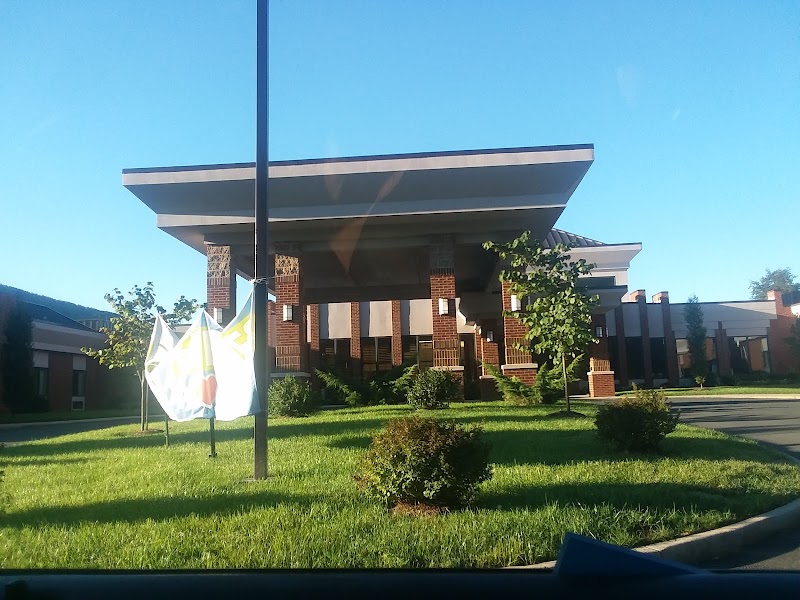
How is Albemarle Health & Rehabilitation Center Staffed?

CMS rates ALBEMARLE HEALTH & REHABILITATION CENTER's staffing level at 1 out of 5 stars, which is much below average compared to other nursing homes. Staff turnover is 59%, which is 13 percentage points above the Virginia average of 46%. High turnover can affect care consistency as new staff learn residents' individual needs.

What Have Inspectors Found at Albemarle Health & Rehabilitation Center?

State health inspectors documented 61 deficiencies at ALBEMARLE HEALTH & REHABILITATION CENTER during 2019 to 2025. These included: 2 that caused actual resident harm and 59 with potential for harm. Deficiencies causing actual harm indicate documented cases where residents experienced negative health consequences.
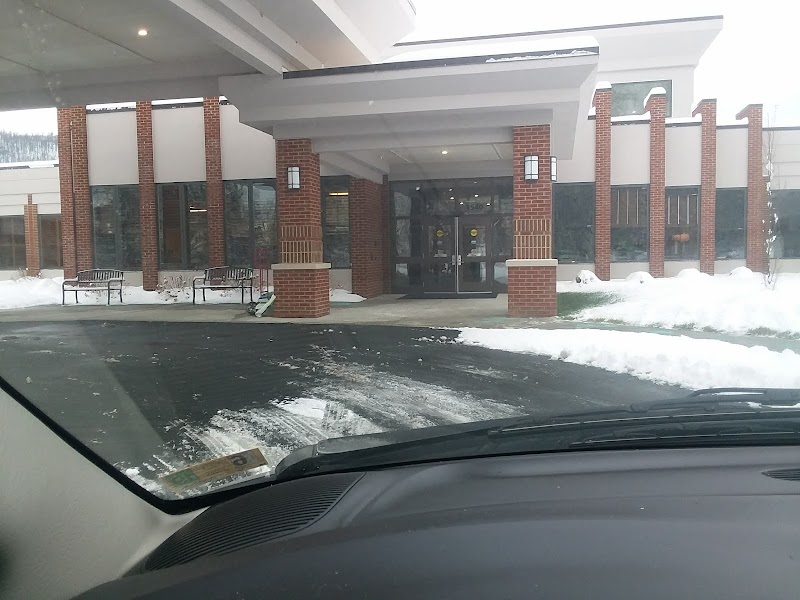
Who Owns and Operates Albemarle Health & Rehabilitation Center?

ALBEMARLE HEALTH & REHABILITATION CENTER is owned by a for-profit company. For-profit facilities operate as businesses with obligations to shareholders or private owners. The facility is operated by LIFEWORKS REHAB, a chain that manages multiple nursing homes. With 120 certified beds and approximately 116 residents (about 97% occupancy), it is a mid-sized facility located in CHARLOTTESVILLE, Virginia.
How Does Albemarle Health & Rehabilitation Center Compare to Other Virginia Nursing Homes?

Compared to the 100 nursing homes in Virginia, ALBEMARLE HEALTH & REHABILITATION CENTER's overall rating (2 stars) is below the state average of 3.0, staff turnover (59%) is significantly higher than the state average of 46%, and health inspection rating (1 stars) is much below the national benchmark.

What Should Families Ask When Visiting Albemarle Health & Rehabilitation Center?

Based on this facility's data, families visiting should ask: "How do you ensure continuity of care given staff turnover, and what is your staff retention strategy?" "Can you walk me through typical staffing levels on day, evening, and night shifts?" "Can I visit during a mealtime to observe dining assistance and food quality?" "How do you handle medical emergencies, and what is your hospital transfer rate?" These questions are particularly relevant given the facility's high staff turnover rate and the below-average staffing rating.

Is Albemarle Health & Rehabilitation Center Safe?

Based on CMS inspection data, ALBEMARLE HEALTH & REHABILITATION CENTER has a clean safety record: no substantiated abuse findings (meaning no confirmed cases of resident harm), no Immediate Jeopardy citations (the most serious violation level indicating risk of serious injury or death), and is not on the Special Focus Facility watch list (a federal program monitoring the lowest-performing 1% of nursing homes). The facility has a 2-star overall rating and ranks #100 of 100 nursing homes in Virginia. While no facility is perfect, families should still ask about staff-to-resident ratios and recent inspection results during their visit.

Do Nurses at Albemarle Health & Rehabilitation Center Stick Around?

Staff turnover at ALBEMARLE HEALTH & REHABILITATION CENTER is high. At 59%, the facility is 13 percentage points above the Virginia average of 46%. High turnover means new staff may not know residents' individual needs, medications, or preferences. It can also be disorienting for residents, especially those with dementia who rely on familiar faces. Families should ask: What is causing the turnover? What retention programs are in place? How do you ensure care continuity during staff transitions?

Was Albemarle Health & Rehabilitation Center Ever Fined?

ALBEMARLE HEALTH & REHABILITATION CENTER has been fined $63,294 across 1 penalty action. This is above the Virginia average of $33,712. Fines in this range indicate compliance issues significant enough for CMS to impose meaningful financial consequences. Common causes include delayed correction of deficiencies, repeat violations, or care failures affecting resident safety. Families should ask facility leadership what changes have been made since these penalties.

Is Albemarle Health & Rehabilitation Center on Any Federal Watch List?

ALBEMARLE HEALTH & REHABILITATION CENTER is not on any federal watch list. The most significant is the Special Focus Facility (SFF) program, which identifies the bottom 1% of nursing homes nationally based on persistent, serious quality problems. Not being on this list means the facility has avoided the pattern of deficiencies that triggers enhanced federal oversight. This is a positive indicator, though families should still review the facility's inspection history directly.