CEDARS HEALTHCARE CENTER
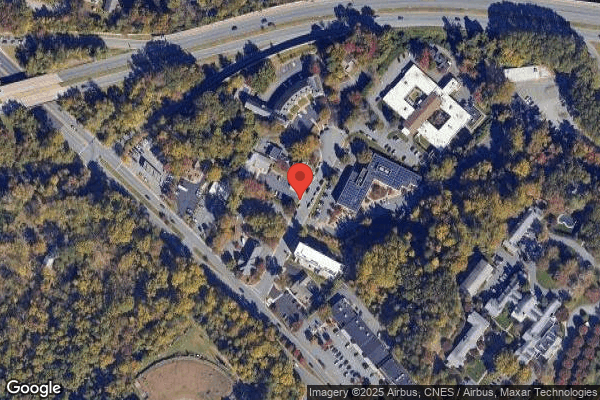

1242 CEDARS CT, CHARLOTTESVILLE, VA 22903 (434) 296-5611
For profit - Corporation 141 Beds COMMUNICARE HEALTH Data: November 2025
Trust Grade
45/100
#183 of 285 in VA
Last Inspection: November 2024

Within standard 12-15 month inspection cycle. Federal law requires annual inspections.

Overview

Cedars Healthcare Center has received a Trust Grade of D, indicating below-average performance with some significant concerns. It ranks #183 out of 285 facilities in Virginia, placing it in the bottom half, but it is the only nursing home in Charlottesville City County. The facility is improving, as the number of issues decreased from 27 in 2024 to 4 in 2025. However, staffing is a weakness, with a rating of 2 out of 5 stars and a turnover rate of 62%, which is higher than the state average, suggesting instability among staff. While there have been no fines reported, which is a positive sign, there are serious concerns regarding medication administration. For instance, one resident reported not receiving their morning medications on time, which was a recurring issue. Additionally, staff failed to accurately transcribe medication orders, leading to wrong dosages for some residents. These incidents highlight the need for improvement in medication management and overall care.

Trust Score
D
45/100
In Virginia
#183/285
Bottom 36%
Safety Record
Low Risk
No red flags
Inspections
Getting Better
27 → 4 violations
Staff Stability
⚠ Watch
62% turnover. Above average. Higher turnover means staff may not know residents' routines.
Penalties
✓ Good
No fines on record. Clean compliance history, better than most Virginia facilities.
Skilled Nurses
⚠ Watch
Each resident gets only 27 minutes of Registered Nurse (RN) attention daily — below average for Virginia. Fewer RN minutes means fewer trained eyes watching for problems.
Violations
⚠ Watch
54 deficiencies on record. Higher than average. Multiple issues found across inspections.
★★☆☆☆
2.0
Overall Rating
★★☆☆☆
2.0
Staff Levels
★★★★☆
4.0
Care Quality
★★☆☆☆
2.0
Inspection Score
Stable
2024: 27 issues
2025: 4 issues

The Good

  • 4-Star Quality Measures · Strong clinical quality outcomes
  • Full Sprinkler Coverage · Fire safety systems throughout facility
  • No fines on record

Facility shows strength in quality measures, fire safety.

The Bad

2-Star Overall Rating

Below Virginia average (3.0)

Below average - review inspection findings carefully

Staff Turnover: 62%

16pts above Virginia avg (46%)

Frequent staff changes - ask about care continuity

Chain: COMMUNICARE HEALTH

Part of a multi-facility chain

Ask about local staffing decisions and management

Staff turnover is elevated (62%)

14 points above Virginia average of 48%

The Ugly 54 deficiencies on record

Feb 2025 4 deficiencies
CONCERN (E) 📢 Someone Reported This

A family member, employee, or ombudsman was alarmed enough to file a formal complaint

Potential for Harm - no one hurt, but risky conditions existed

Deficiency F0658 (Tag F0658)

Could have caused harm · This affected multiple residents

Based on observation, resident and staff interviews, clinical record review, and facility documentation review, the facility staff failed to follow professional standards of practice with regards to m...

Read full inspector narrative →
Based on observation, resident and staff interviews, clinical record review, and facility documentation review, the facility staff failed to follow professional standards of practice with regards to medication administration for three residents (Resident #2- R2, Resident #4-R4, and Resident #5 -R5), in a survey sample of six residents. The findings included: 1. For Resident #2, the facility staff failed to administer medications timely. On 2/26/25 at 11:25 a.m., an interview was conducted with R2 in her room. R2 reported, I haven't gotten my morning medications yet. When asked what time they are scheduled, R2 reported, 8 a.m. When asked how often this happens, R2 said, A lot. When asked if she knows why, R2 said, No, I don't know why. The resident stated that she has told the head nurse and nurses, but it doesn't get any better. On 2/26/25, a clinical record review was conducted. According to R2's physician orders and medication administration record, four medications, including propanolol for hypertension and carbidopa-levodopa for Parkinson's, were scheduled at 7 a.m., gabapentin for nerve pain was scheduled 8 a.m., and 10-12 other medications were scheduled for 9 a.m. administration. According to the Medication Audit Report, R2 received her scheduled 8 a.m., dose of gabapentin on 2/26/25 at 11:39 a.m., with five other 9 a.m. scheduled medications. This same report noted that on 2/19/25, R2 had propranolol and carbidopa-levodopa scheduled for 7 a.m. and gabapentin scheduled for 8 a.m. that were not administered until 10:11 a.m., along with 12 other 9 a.m. medications. On 2/21/25, this report documented that the 7 a.m. doses of propanolol and carbidopa-levodopa were not administered until 9:22 a.m. On 2/22/25, R2's medications scheduled for 7 a.m., including the carbidopa-levodopa were given at 10:43 a.m., while the propranolol HCL tablet, which was also scheduled for 7a.m., was not administered until 5 p.m. It was also documented that the 12 noon dose of oxycodone for pain was not given to R2 until 2:59 p.m., along with 3 other meds also scheduled for noon. On 2/23/25, the report showed that the 6 p.m. dose of oxycodone for pain was not given to R2 until 11:28 p.m., along with the 5 p.m. dose of propanolol and 8 other medications scheduled between 7 p.m. and 9 p.m. On 2/24/25, the 6 a.m. doses of oxycodone for pain, levothyroxine for hypothyroidism, and alpralozam for anxiety were all documented as being given to R2 at 8:44 a.m. 2. For Resident #4 (R4), the facility staff failed to administer medications timely. On 2/26/25, a closed record review was conducted. According to R4's physician orders, she was ordered to receive albuterol nebulizers three times a day for COPD. R4 also had physician orders for Bevespi inhaler, and two puffs were to be administered twice daily for COPD. According to the Medication Admin Audit Report R4 had multiple instances where medications were not administered within an hour of the scheduled time. On numerous occasions, 12/28/24, 12/29/24, 12/30/24, 12/31/24 and 1/1/25, R4's medications scheduled for administration at 7 a.m., were not administered until after 10 a.m. On 1/2/25, medications scheduled to be administered at 5 p.m. were documented as having been administered at 9:30 p.m. On 1/3/25, medications ordered to be administered at 1 p.m., were documented as having been administered at 5:04 p.m. According to the Medication Admin Audit Report on 1/3/25, R4 was not given the scheduled 7 a.m. albuterol nebulizer treatment until 6:37 p.m. As a result, a prn as needed dose/administration of a nebulizer treatment had to be administered at 9:40 a.m. The administration was not documented until 6:40 p.m. 3. For Resident #5 (R5) the facility failed to follow professional standards of nurse practice with regards to the timely administration of Breo Ellipta Inhaler. On 2/26/25 at approximately 1:30 p.m., R5 stopped the surveyor and asked the surveyor to step into his room. R5 said, I have not had my inhaler for several days and I really need it. R5 opened the top drawer of his bedside table and removed the silver packaging that the Breo comes in and showed the surveyor, again saying that he needed it to breathe. R5 was observed to be on continuous oxygen per nasal cannula. On 2/26/25, a clinical record review was conducted of R5's chart. This review revealed that R5 had a diagnosis to include chronic obstructive pulmonary disease (COPD). According to the physician orders, R5's orders included, but were not limited to, Breo Ellipta Inhalation Aerosol Powder breath activated 200-25 MCG/ACT. On 2/27/25 at approximately 11:00 a.m., R5 reported he still had not received his Breo and said, This place ain't worth a damn! According to R5's medication administration record, R5 was to receive the Breo in the morning at 7:00 am, but as of 11:20 a.m., the Breo was still not documented as having been administered. Further review revealed that the Breo was documented as not being administered on 2/18/25, 2/20/25, 2/22/25, 2/23/25, 2/24/25, 2/25/25, and 2/26/25. R5's clinical record did not indicate that the physician had been notified of these omitted doses of this medication used to improve breathing. On 2/26/25 at 2:22 p.m., an interview was conducted with a registered nurse (RN #1). When asked about the discrepancies with administering medications, RN #1 stated that medications are to be given within an hour of the scheduled time. When asked why, RN #1 stated . to maintain therapeutic levels in the resident. On 2/27/25 at approximately 9:30 a.m., an interview was conducted with the medical director, who is the attending physician of many of the residents. When asked about medication administration and timing of medications, the medical director said, They are on a liberalized med pass here. When asked what he meant by that, the medical director said, Plus or minus an hour of the scheduled time. When asked why is this important, he indicated to maintain therapeutic levels of certain medications. On 2/27/25 at 10:50 a.m., an interview was conducted with licensed practical nurse #2 (LPN #2). LPN #2 was asked about the timing of medication administration. LPN #2 stated, We can give an hour before or after. When asked why that is, LPN #2 said, To give you grace since we have 30 patients, and to give you some time to get to them. On 2/27/25 at 1 p.m., during an end of day/pre-exit meeting with the facility administrator, director of nursing, and regional director of operations, the facility director of nursing stated that medications are given when ordered, 1 hour before or after the ordered time. They were made aware of the above findings. According to the facility's policy titled, Medication Administration, it read in part, . The purpose of this policy is to provide guidance for the process for providing monitoring that all medications are received and administered in a timely manner .II. Safety Precautions: a. Observe the 'five rights' for administration. i. the right resident, ii. the right time, iii. the right medicine, iv. the right dose, v. the right method of administration . According to Lippincott's Manual of Nursing Practice, Eighth Edition, on page 18 it read in part, Common Legal Claims for Departures from Standards of Care . Failure to administer medications properly and in a timely fashion, or to report and administer omitted doses appropriately . No additional information was provided.
CONCERN (E) 📢 Someone Reported This

A family member, employee, or ombudsman was alarmed enough to file a formal complaint

Potential for Harm - no one hurt, but risky conditions existed

Quality of Care (Tag F0684)

Could have caused harm · This affected multiple residents

Based on resident interview, staff interview, and clinical record review, the facility staff failed to follow physician orders for one resident (Resident #2- R2) in the survey sample of six residents....

Read full inspector narrative →
Based on resident interview, staff interview, and clinical record review, the facility staff failed to follow physician orders for one resident (Resident #2- R2) in the survey sample of six residents. The findings include: For R2, the facility staff failed to accurately transcribe a physician order, resulting in multiple occurrences of medications being administered at the wrong dose. On 2/26/25 at 11:25 a.m., R2 was visited in her room. When asked about medications, R2 reported she had difficulty getting her medications timely. On 2/26/25 and 2/27/25, a clinical record review was conducted of R2's chart. According to a progress note dated 2/10/25, from a neurologist that R2 saw that day, the note read in part, . Assessment/Plan: . Her exam is most notable for mild symmetric bradykinesia, minimal rigidity, and a prominent postural/action tremor that attenuates at rest . I am inclined to agree that this is likely drug-induced tremor; unfortunately, she is unable to reduce/stop VPA [valproic acid]. Since the postural/action component is most bothersome, we will restart propranolol at a very low dose . Drug-induced tremor/parkinsonism, restart propranolol: 5 mg daily for 2 weeks, then 5 mg bid [twice a day] for 2 weeks, then 5mg tid [three times a day], can continue to up-titrate from there . Medication changes as of 2/10/2025, added: propranolol (Inderal) 10 mg tablet, take 0.5 tablets by mouth three times daily, follow titration schedule . According to the physician orders and medication administration record, the propranolol was transcribed at the facility on 2/10/25 as Propranolol HCL oral tablet 10 mg, give 0.5 tablet by mouth three times a day for HTN [hypertension]. The MAR indicated that R2 received three doses daily on 2/12/25 - 2/21/25, then again on 2/24/25 - 2/25/25, until the supply was depleted. On 2/27/25 at 11 a.m., the surveyor approached the nurse working the medication cart where R2 resides. The nurse identified themselves as the unit manager. When asked to see R2's propranolol medication, the nurse was unable to find it in the medication cart. On 2/27/25 at 11:10 a.m., review of R2's medication administration record revealed that the propranolol was signed as having been administered that morning. The surveyor then went back to the nurse/unit manager to inquire about the medication being documented as having been administered, when the medication was not available in the medication cart. The nurse reported that he had given the last dose that morning. When asked to see the empty medication card, the nurse was unable to provide evidence to the surveyor. On 2/27/25 at 12:02 p.m., a telephone call was placed to the pharmacy and an interview was conducted with the pharmacist. The pharmacist confirmed that on 2/10/25, R2's propranolol was sent to the facility. The pharmacist also confirmed that 45 tablets were dispensed for a 30-day supply. When asked to confirm the order, the pharmacist stated it was to be given three times daily. When asked to explain how 45 tablets could be a 30-day supply if three tablets are being given daily, the pharmacist then stated that she needed to talk to the pharmacy manager. Upon returning to the call, the pharmacist stated that the pharmacy had provided the full 10 mg tablets, instead of the half tablets as ordered, . which was an error on our part. We are to cut the tablets and send. The pharmacist then confirmed that the resident likely received the full tablet of 10 mg three times daily, which was twice the ordered amount, as the facility was reporting that they had no supply left. The pharmacist also stated that they would need to talk to the physician about this before they can fill it again. On 2/27/25 at 1 p.m., during an end of day/pre-exit meeting with the facility administrator, director of nursing and regional director of operations, the facility's director of nursing was shown the above documentation, agreed that the order had been entered incorrectly, and stated that R2's dose should have been titrated up. The discrepancy with regards to the pharmacy sending full tablets versus 1/2 tabs was also discussed, adding that the pharmacist stated that they would have to talk with the doctor before the pharmacy could fill that medication again. On 2/27/25 at approximately 2 p.m., the facility's director of nursing let the surveyor know they had found a card of the propranolol for R1. No additional information was provided.
CONCERN (E) 📢 Someone Reported This

A family member, employee, or ombudsman was alarmed enough to file a formal complaint

Potential for Harm - no one hurt, but risky conditions existed

Pharmacy Services (Tag F0755)

Could have caused harm · This affected multiple residents

Based on observation, resident and staff interviews, clinical record review, and facility documentation review, the facility staff failed to ensure medications were available for administration for fo...

Read full inspector narrative →
Based on observation, resident and staff interviews, clinical record review, and facility documentation review, the facility staff failed to ensure medications were available for administration for four residents (Resident #4-R4, Resident #5-R5, Resident #1-R1, and Resident #20-R20) in a survey sample of 6 residents. The findings included: 1. For R1, the facility staff failed to have Gabapentin available for administration in accordance with physician orders. On 2/26/25 at 11:15 a.m., an interview was conducted with R1. During the interview, R1 said, This is my 3rd day without gabapentin. I think it has to do with agency nurses. They are just lazy and don't do like they should. According to the physician orders, it was noted that R1 had an order for Gabapentin Capsule 400 mg, give 2 capsules by mouth every 8 hours for neuropathy. On 2/25/25, it was documented that the order was put on hold. According to the medication administration record, R1 did not receive two doses of the scheduled Gabapentin on 2/24/25 and did not recieve any of the three doses on 2/25/25. The medication order was then placed on hold until the second scheduled dose on 2/26/25. On 2/27/25 at 9:30 a.m., an interview was conducted with the medical director and attending physician of R1. The physician was asked about medications and reported that the pharmacy delivers twice daily, and medications are given plus or minus within an hour of when scheduled. When asked about medications not being available, the physician said, It happens frequently. When asked about hold orders, the doctor stated that hold orders are happening if medications are not available to be given, .particularly narcotics when the pharmacy says they are waiting on a prescription. The doctor explained that he would send prescriptions electronically but frequently the pharmacy would say they don't receive it. The doctor also stated that the pharmacy would not fill for the entire quantity written on the prescription, which required more frequent reordering of the medication by facility staff, and added, We use a lot of agency staff that are unfamiliar with the residents. On 2/27/25 at 10:50 a.m., the surveyor asked the licensed practical nurse (LPN #2) to allow the surveyor to see R1's Gabapentin supply. The card of medication had a prescription label that noted it was filled 2/25/25 and received on 2/26/25, in a quantity of 30 capsules. The facility also had two additional cards with 30 capsules each, which, when totaled, would be about a 15-day supply. 2. For R2, the facility did not have the blood pressure medication propranolol available to administer as ordered by the physician. On 2/26/25 at 11:25 a.m., R2 was visited in her room. When asked about medications, R2 reported she had difficulty getting her medications timely. On 2/26/25 and 2/27/25, a clinical record review was conducted of R2's chart. According to the physician orders R2 had an order dated 2/10/25, that read, Propranolol HCL oral tablet 10 mg, give 0.5 tablet by mouth three times a day for HTN [hypertension]. According to the medication administration record for February 2025, R2 did not receive the Propranolol on the following occasions: two missed doses on 2/11/25, three missed doses on 2/22/25, and one missed dose each on 2/23/25 and 2/26/25. According to the nursing progress note entries, on 2/11/25, it was documented not available. On 2/16/25, the nurse documented, The resident's medication is out of stock at this time, reordered from pharmacy 2/16 will monitor for s/s [signs and symptoms] hypertension. On 2/22/25, it was documented, Awaiting meds from pharmacy. On 2/23/25, the nursing note read, on order. On 2/26/24, the documentation read, being delivered. On 2/27/25 at 11 a.m., the surveyor approached the nurse working the medication cart where R2 resides. The nurse identified themselves as the unit manager. When asked to see R2's propranolol medication, the nurse was unable to find it in the medication cart. On 2/27/25 at 12:02 p.m., a telephone call was placed to the pharmacy and an interview was conducted with the pharmacist. The pharmacist confirmed that on 2/10/25, R2's propranolol was sent to the facility. The pharmacist confirmed that 45 tablets were dispensed for a 30-day supply. When asked to confirm the order, the pharmacist stated it was to be given three times daily. When asked to explain how 45 tablets could be a 30-day supply if three tablets are being given daily, the pharmacist paused, then stated that she needed to talk to the pharmacy manager. Upon returning to the call, the pharmacist stated that the pharmacy had provided the full 10 mg tablets, instead of the half tablets as ordered, . which was an error on our part. We are to cut the tablets and send. The pharmacist then confirmed that the resident likely received the full tablet of 10 mg three times daily, which was twice the ordered amount, as the facility was reporting that they had no supply left. The pharmacist also stated that they would need to talk to the physician about this before they can fill it again. 3. For Resident #4 (R4), the facility did not have the respiratory medication Bevespi available to administer as ordered by the physician. On 2/26/25, a closed record review was conducted. According to the physician orders, R4 was ordered Bevespi inhaler, and two puffs were to be administered twice daily for COPD. According to the medication administration record (MAR), R4 did not receive the Bevespi from 12/27/24 through 12/31/24. According to the nursing progress note dated 12/30/24, it read, Awaiting medicine from pharmacy. Will contact pharmacy to follow-up. On 2/27/25 at 12:02 p.m., the surveyor contacted the facility's contracted pharmacy via telephone. An interview was conducted with a pharmacist, who reported that R4's Bevespi order was received by the pharmacy on 12/27/24 but was not dispensed until 1/1/25. The pharmacy manager confirmed that deliveries are made to the facility daily by the pharmacy. When questioned about the delay in R4's Bevespi being delivered, the pharmacist stated, it was not covered by insurance, so they were probably waiting to hear back from the facility about how to proceed. 4. For Resident #5 (R5), the facility did not have the respiratory medication Breo Ellipta available to administer as ordered by the physician. On 2/26/25 at approximately 1:30 p.m., R5 stopped the surveyor and asked the surveyor to step into his room. R5 stated he has not had his inhaler for several days and really needs it. R5 opened the top drawer of his bedside table and removed the silver packaging that the Breo comes in and showed the surveyor, again saying he needed it to breathe. R5 was observed to be receiving continuous oxygen per nasal cannula. On 2/26/25, a clinical record review was conducted of R5's chart. This review revealed that R5 had a diagnosis to include chronic obstructive pulmonary disease (COPD). According to the physician orders, R5's orders included, but were not limited to, O2 at 2 LPM [liters per minute] via NC [nasal cannula] continuously for COPD and Breo Ellipta Inhalation Aerosol Powder breath activated 200-25 MCG/ACT. According to the medication administration record (MAR), R5 was noted as not receiving the daily Breo inhaler on 2/18/25, 2/20/25, 2/22/25, 2/23/25, 2/24/25, 2/25/25, and 2/26/25. According to R5's nursing progress notes, an entry dated 2/18/25 read, On order, RP [responsible party] notified. R5's nursing note dated 2/20/25 read, in route from pharmacy. R5's nursing note entry dated 2/22/25 read, on hold. On 2/23/25, the nurse documented, too soon to order on hold. On 2/26/25 at approximately 4:30 p.m., the surveyor approached the nurse and asked about R5's Breo and requested to see if it was in the medication cart. The nurse, RN #1 stated it was not available, that she had notified the unit manager, and called the pharmacy, who had reported it would be out on the next run. On 2/26/25 at 4:35 p.m., the surveyor conducted an interview with the assistant director of nursing/unit manager (Administrative Staff #2- AS#2). When asked about R5's Breo, AS#2 said, He needs a new one, the pharmacy said it was too soon, so I told them to fill it anyway. On 2/27/25 at 9:30 a.m., an interview was conducted with the medical director, the attending physician for R5. When asked about medications, the physician reported that the pharmacy delivers twice daily, and that medications are given plus or minus an hour of when scheduled. When asked about medications not being available for administration, the physician said, It happens frequently. The physician went on to state that R5 . really needs it [referring to the Breo] because he has COPD and is on oxygen. On 2/27/25 at 12:02 p.m., a phone conversation was held with the pharmacist at the facility's contracted pharmacy. The pharmacist reported that R5's Breo Ellipta was most recently filled on 1/30/25, which included 30 inhalations. The pharmacist further reported that it was delivered on 2/26/25 at 9:25 p.m., to the facility. On 2/27/25 at approximately 12:15 p.m., R5 reported that he still had not received his Breo and said, This place ain't worth a damn! On 2/26/25 at 2:22 p.m., an interview was conducted with a registered nurse (RN #1). When asked what the process is when a medication is not available, RN #1 said, We call the pharmacy to see if they have it in the Omnicell [emergency supply of medications]. If not available, we can ask the pharmacy to send it STAT [urgently]. We have to write a note that it is not available. On 2/26/25 at 4:29 p.m., an interview was conducted with the Assistant Director of Nursing (ADON). The ADON was asked to explain the process staff are to take when a medication is not available for administration. The ADON stated that staff can see if the medication is in the Omnicell, get an order from the doctor to hold the medication, contact the pharmacy to see when it is coming, identify what the issue is that they haven't received it, and let the responsible party know. On 2/27/25 at approximately 9:30 a.m., an interview was conducted with the medical director, who is also the attending physician for many of the residents. When asked about his expectations with regards to medication orders, the physician stated that he expects residents to receive their medications as ordered. The medical director went on to report that the pharmacy delivers to the facility twice daily. When notified of the above findings of residents not receiving medications as ordered, the physician said, It happens frequently We use a lot of agency staff who are unfamiliar with the residents. According to the facility policy titled, Medication Administration was reviewed. The policy read in part, . The purpose of this policy is to provide guidance for the process for providing monitoring that all medications are received and administered in a timely manner . The facility policy titled, Missed Medication/Medication Error was received and reviewed. The policy read in part, Medication error/incident: any physician/provider prescribed medication that is not administered to the resident as prescribed regardless of the category or the reason for not providing the medication . II. For any medication(s) not available during a routine medication pass: 1. The charge nurse will check the E-kit to attempt to offer medication in a timely manner. 2. If medication is taken from the E-kit, the pharmacy will be notified so the E-kit can be exchanged . 3. In the event the medication is not available from the E-kit or the Emergency Pharmacy, the charge nurse will notify the physician immediately and receive guidance on how to proceed . On 2/27/25 at 1 p.m., during an end of day/pre-exit meeting, the facility administrator, director of nursing and regional director of operations, was made aware of the above findings. No additional information was provided.
CONCERN (E) 📢 Someone Reported This

A family member, employee, or ombudsman was alarmed enough to file a formal complaint

Potential for Harm - no one hurt, but risky conditions existed

Food Safety (Tag F0812)

Could have caused harm · This affected multiple residents

Based on observation, staff interview, and facility documentation review, the facility staff failed to store, prepare and serve food in a sanitary manner in the main kitchen, having the potential to a...

Read full inspector narrative →
Based on observation, staff interview, and facility documentation review, the facility staff failed to store, prepare and serve food in a sanitary manner in the main kitchen, having the potential to affect multiple residents on 4 of 4 nursing units. The findings included: 1. The facility staff failed to let dishes air dry and were stacking dishes wet or wet nesting, which can cause bacteria growth. On 11/19/24, during the lunch meal, observations were conducted in the dining room of the meal service. The dietary aide (Other Employee #17) was at the tray line plating food without wearing a beard guard, although facial hair was visible. On 11/20/24 at 1:40 p.m., during a follow-up visit to the kitchen, the cook (Other Employee #14) was observed in the area by the stove, preparing food without wearing a hair net. The dietary aide (Other Employee #15) was observed preparing beverages and her hair net was only covering the ends of her hair in the back. When asked about hair nets, Other Employee #15 stated that they don't have any large enough to cover her hair and that she usually has to wear two. The food services district manager, who was also present, stated that Other Employee #15 could put two on as she normally does, and that he would have some larger ones sent to the facility. On 11/20/24 at approximately 1:45 p.m., following the surveyor's conversation with Other Employee #15 about the hair net, the cook exited the kitchen and upon return, while walking through the kitchen, was donning a hair net. When asked why the hair net was not worn prior to the surveyor entering the kitchen, the cook gave no response On 11/20/24 at approximately 1:48 p.m., the dietary district manager confirmed that all kitchen staff should wear hair nets and beard guards as appropriate when in the kitchen. On 11/20/24, during an end of day meeting, the facility administrator was made aware of the above concerns. On 11/21/24, at approximately 12:30 p.m., an observation was made in the dining room. The kitchen employee that was working the steam table was distributing food to plates, had visible facial hair but had no beard guard on. On 11/21/24 at 2:24 p.m., as the surveyor was walking past the kitchen, the door was open, and the surveyor observed the facility's social services director standing by the stove without a hair net on. On 11/21/24, in the afternoon, an interview was conducted with the social services director. When the surveyor discussed that the employee had been observed in the kitchen, the social services director stated she was dropping off some food that had been brought in. According to the facility policy titled, Staff Attire, it read in part, 1. All staff members will have their hair off the shoulders, confined in a hair net or cap, and facial hair properly restrained . On 11/21/24, during the end of day meeting, the facility administrator was made aware of the additional observations of facility staff in food preparation areas without proper hair restraints. No further information was provided. 2. The facility staff failed to wash dishes in a manner to properly clean and sanitize the items. On 11/20/24 at approximately 1:45 p.m., a dietary aide was observed manually washing dishes in the three-compartment sink. The employee was only using 2 of the 3 sinks. He was washing the dishes in the wash sink and then immediately removing them and taking them to the sanitizer, then took the dishes and placed them on a drying rack. No rinse was provided for the dishes as the middle sink was empty. The surveyor attempted to interview the staff member, but he didn't speak English. The dietary services district manager was present and confirmed the above observations. The district manager was giving gestures to instruct the dietary aide to fill the middle sink and to rinse dishes before dipping into the sanitizer. The facility policy titled, Manual Warewashing was reviewed. The policy didn't address dishes being rinsed. On 11/20/24, in the afternoon, during a follow-up visit to the kitchen it was observed that following dishes being washed in the dish washer, they were being stacked wet, causing wet nesting. An interview was conducted with the dietary aide (Other Employee #15), who confirmed the observation and stated that not allowing dishes to air dry could cause bacteria growth. According to the facility policy titled, Warewashing, it read in part, .4. All dishware will be air dried and properly stored. On 11/20/24, during an end of day meeting, the facility administrator was made aware of the above findings. No additional information was provided.
Nov 2024 18 deficiencies
CONCERN (D) 📢 Someone Reported This

A family member, employee, or ombudsman was alarmed enough to file a formal complaint

Potential for Harm - no one hurt, but risky conditions existed

Report Alleged Abuse (Tag F0609)

Could have caused harm · This affected 1 resident

2. The facility staff failed to notify all required agencies of an allegation of abuse that involved R11 and certified nursing assistant, CNA#3. On 11/21/24 a review of facility documentation was cond...

Read full inspector narrative →
2. The facility staff failed to notify all required agencies of an allegation of abuse that involved R11 and certified nursing assistant, CNA#3. On 11/21/24 a review of facility documentation was conducted, which includent the incident summary and the facility synopsis of an allegation of abuse that involved R11 and CNA#3. No documentation was found that showed that the Virginia Department of Health professions (DHP) was notified of the determination of abuse that involved a certified nursing assistant, identified as CNA3. While the incident summary was completed on 9/15/24. the facility fax confirmation read, no answer, for the DHP on 9/16/24 and 9/19/24, On 11/21/24 at 2:00 p.m., an interview was conducted with the administrator. The Administrator said, Sometimes the fax numbers are busy, and we have to keep faxing. The Administrator was not able to show that the incident had been successfully faxed to fulfill the required abuse reporting. On 11/22/24 a review of facility documentation was completed. CNA#3's employee file was reviewed and there was no sworn statement or criminal background check in her file. 3. The facility staff failed to notify all required agencies of an allegation of abuse for R55. On 11/21/24 a review of facility documentation was completed, which included a facility incident dated 9/13/24. The facility documentation showed that the required agencies were not notified of this allegation of resident to resident abuse of R55 until two days after the allegation was made. The administrator only had one faxed confirmation to all agencies in the facility summary and it was dated 9/15/24. On 11/21/24 at 2:15 p.m., an interview was conducted with the administrator. When asked about the reporting timelines for abuse, the administrator said, We have 2 hours to report allegations of abuse, and the investigation is supposed to begin immediately. When shown the documentation of this abuse allegation, the administrator stated that he did not know why this was reported on 9/15/24 instead of 9/13/24, which was when the incident summary was completed. On 11/21/24 and 11/22/24, during an end of day meeting, the facility administrator was made aware of these findings noted above. No additional information was provided. Based on staff interviews, resident interviews, clinical record review, and facility documentation review, the facility staff failed to report allegations of abuse for three residents, Resident #11 (R11), Resident #55 (R55) and Resident #120 (R120) out of a survey sample of 30 residents. The findings included: 1. For Resident #120 - R120, who reported an allegation of rape, the facility reported the initial allegation to the state survey agency but failed to submit a follow-up report with the investigation findings. On 11/20/24, the surveyor reviewed the facility documentation and electronic health record of R120, which noted the resident was no longer a resident of the facility and therefore was not available for interview. On 11/20/24, in the afternoon, the facility administrator was asked to provide any information they had with regards to R120. On 11/20/24, in the afternoon, the facility provided a one-page document that was dated 9/26/24. It read in part, [City name redacted] Police Detective [name redacted] reported to a facility that [R120's name redacted] stated she was raped while she was a resident at the facility. The investigation started immediately. All residents were assessed for injury and harm; none were noted or reported. Per the detective, no identifying information was given by the resident. The form was signed by the director of nursing (DON). The facility administrator stated that no follow-up report was sent because they determined that according to hospital records that R120's allegation was against the hospital and not the facility. The administrator also stated that they would be providing education to the DON. On 11/20/24, the DON was interviewed that afternoon. When questioned about reporting of R120's allegations, the DON stated that the facility doctor had access to the hospital electronic records and noted that the allegation was against the hospital and not this nursing facility. The DON stated that she didn't feel a follow-up report was warranted. However, the DON confirmed that she had filed the initial report, and this information had been determined as part of their investigation process. On 11/20/24, the facility also provided the survey team with copies of R120's hospital records that read in part, .Of note, patient called a nursing hotline while in the ED [emergency department] and endorsed she was being neglected and sexually assaulted under the ED's care . On 11/22/24 at 10:20 a.m., a follow-up interview was conducted with the facility administrator, who stated he was the abuse coordinator of the facility. When asked about R120's allegation, and evidence of the investigation that included the residents being assessed as indicated in the form reported to the state survey agency on 9/26/24. The administrator confirmed that they didn't have any evidence of an investigation nor that the investigation results had been reported. When questioned further, the facility administrator confirmed that all allegations of abuse should be reported immediately but no more than two hours if there is bodily harm and all other incidents within 24 hours. The administrator explained that an investigation is started and . once the investigation is concluded, we report with a final report within five days. When asked what was done regarding R120's allegation, the administrator said, We reached out to the hospital for more information, and they said the allegation was against [hospital name redacted] emergency department. The administrator was asked why the DON was handling the allegation involving R120, since the administrator was the facility's abuse coordinator. The Administrator stated, At that time I had not commandeered that process yet and was I will still in training. The administrator stated that they provided the DON with a teachable moment and a copy was provided to the survey team. The document was dated 11/20/24, and read, DON submitted an FRI [facility reported incident] without completing an investigation or 5-day final. Moving forward DON will follow risk escalation process and involve the ED [executive director] in all FRI's. On 11/21/24, a review of the facility's abuse policy was conducted. The policy read in part, . V. Reporting of Incidents and Facility Response: . 3. The results of the facility's investigation must be reported to the survey agency, the ED/Designee [executive director] and other officials in accordance with state law, within five working days of the incident . On 11/21/24 and 11/22/24, during an end of day meeting, the facility administrator was made aware of the above findings. No additional information was provided.
CONCERN (D) 📢 Someone Reported This

A family member, employee, or ombudsman was alarmed enough to file a formal complaint

Potential for Harm - no one hurt, but risky conditions existed

Investigate Abuse (Tag F0610)

Could have caused harm · This affected 1 resident

Based on staff interview, clinical record review, and facility documentation review, the facility staff failed to provide credible evidence of an investigation being conducted following an allegation ...

Read full inspector narrative →
Based on staff interview, clinical record review, and facility documentation review, the facility staff failed to provide credible evidence of an investigation being conducted following an allegation of sexual abuse for one resident (Resident #120-R120) in a survey sample of 30 residents. The findings included: For Resident #120- R120, who made an allegation of being raped, the facility staff failed to have credible evidence of an investigation being conducted. On 11/20/24, the surveyor reviewed the facility documentation and electronic health record of R120, which noted that R120 discharged from the facility on 9/20/24. According to progress notes dated 9/20/24, which read in part, .Patient had a recent ECO [emergency custody order] for similar symptoms, primarily mania. Due to her current mental status, she likely does not have capacity to make appropriate medical decisions for herself. Because of patient's severe psychiatric symptoms, her interfering with staffs' ability to provide care to herself and others, and her creation of a hostile environment, she would be best served by hospitalization with an ECO for further evaluation . On 11/20/24, in the afternoon, the facility administrator was asked to provide any information they had with regards R120's allegation of rape. On 11/20/24, in the afternoon, the facility provided a one-page document that was dated 9/26/24. It read in part, [City name redacted] Police Detective [name redacted] reported to a facility that [R120's name redacted] stated she was raped while she was a resident at the facility. The investigation started immediately. All residents were assessed for injury and harm; none were noted or reported. Per the detective, no identifying information was given by the resident. The form was signed by the director of nursing (DON). The facility administrator stated that he had no additional information to provide and stated that he would be providing education to the DON. On 11/20/24, in the afternoon, the DON was interviewed. The DON stated that an investigator with the police department had called her and reported that R120 alleged she was raped. The DON stated that because R120 was a resident of the facility when sent to the hospital, the detective was informing the facility. The DON stated the facility doctor had access to the hospital electronic records and noted that the allegation was against the hospital and not this nursing facility, so she didn't feel any further action was needed. On 11/20/24, the facility provided the survey team with copies of R120's hospital records that read in part, .Of note, patient called a nursing hotline while in the ED [emergency department] and endorsed she was being neglected and sexually assaulted under the ED's care . On 11/22/24 at 10:20 a.m., a follow-up interview was conducted with the facility administrator, he confirmed he was the abuse coordinator of the facility. When asked about R120's allegation, and the initial report of the allegation indicating that, The investigation started immediately. All residents were assessed for injury and harm, none were noted or reported . The surveyor asked for the evidence of the investigation and resident assessments/interviews. The administrator confirmed that they didn't have any evidence of an investigation nor that the investigation results were reported. The administrator was asked why the DON was handling the allegation involving R120, since the administrator was the facility's abuse coordinator. The Administrator stated, At that time I had not commandeered that process yet and was I will still in training. The administrator stated that they provided the DON with a teachable moment and a copy was provided to the survey team. The document was dated 11/20/24, and read, DON submitted an FRI [facility reported incident] without completing an investigation or 5-day final. Moving forward DON will follow risk escalation process and involve the ED [executive director] in all FRI's. On 11/22/24, a review of the facility's abuse policy was conducted. The policy read in part, . V. Investigation of Incidents: 1. In the event a situation is identified as abuse, neglect or misappropriation, an investigation by the executive leadership will immediately follow. a. The Director of Nursing (DON) and Executive Director (ED) receives reports of resident incidents. The Executive Director determine when an investigation is required and directs the investigation . No additional information was provided.
CONCERN (D)

Potential for Harm - no one hurt, but risky conditions existed

Comprehensive Care Plan (Tag F0656)

Could have caused harm · This affected 1 resident

**NOTE- TERMS IN BRACKETS HAVE BEEN EDITED TO PROTECT CONFIDENTIALITY** Based on staff interview and clinical record review, the facility failed to develop a care plan for one of thirty one residents....

Read full inspector narrative →
**NOTE- TERMS IN BRACKETS HAVE BEEN EDITED TO PROTECT CONFIDENTIALITY** Based on staff interview and clinical record review, the facility failed to develop a care plan for one of thirty one residents. Resident #5 (R5) did not have a complete care plan developed for incontinence. The Findings Included Review of R5's clinical record noted diagnoses for R5 included incontinence of bowel and bladder, chronic congestive heart failure, and chronic atrial fibrillation. The most current MDS (minimum data set) was a quarterly assessment with an ARD (assessment reference date) of 9/27/24, which assessed R5 with a cognitive score of 14 out of 15, indicating cognitively intact. On 11/19/24 at 11:41 a.m. during an interview, R5 verbalized having incontinent episodes and that the staff did a good job at keeping her clean and dry. Review of R5's MDS dated [DATE], Section H - Bowel and Bladder, documented that R5 was Always Incontinent of bowel and bladder. Review of R5's care plan did not indicate a care plan had been developed for incontinence. On 11/21/24 at 11:54 a.m., license practical nurse (LPN #2, MDS coordinator) was interviewed. After reviewing the MDS and the care plan, LPN #2 verbalized that the nurse should have created a care plan regarding incontinence based on the assessment when first being admitted to the facility, which should have been updated into the care plan. On 11/21/24 at 4:54 p.m., the above finding was presented to the administrator during an end of day staff meeting. No other information was presented prior to exit conference on 11/22/24.
CONCERN (D) 📢 Someone Reported This

A family member, employee, or ombudsman was alarmed enough to file a formal complaint

Potential for Harm - no one hurt, but risky conditions existed

Respiratory Care (Tag F0695)

Could have caused harm · This affected 1 resident

Based on observation, resident interview, staff interview, clinical record review, and facility documentation review, the facility staff failed to provide respiratory care for three residents, Residen...

Read full inspector narrative →
Based on observation, resident interview, staff interview, clinical record review, and facility documentation review, the facility staff failed to provide respiratory care for three residents, Resident #77 (R77), Resident #83 (R83), and Resident #5 (R5) out of a survey sample of 30 residents. The findings included: 1. The facility staff failed to administer oxygen to R77, according to the physician's order. On 11/20/24 at 9:20 a.m., an interview was conducted with R77. R77 said, Staff says all concentrators are broken and sometimes at night I am short of breath. At this time, it was observed that R77's oxygen concentrator setting was on 2.5 liters per minute. On 11/20/24 at 11:00 a.m., a review of R77's clinical record was conducted. The clinical record revealed that R77's physician's order was for oxygen therapy at 5 liters per min via tracheostomy mask every shift for hypercarbia. On 11/20/24 12:22 p.m., an interview was conducted with a licensed practical nurse, LPN5. LPN5 read the physician's order for R77's oxygen and stated that the setting should be at 5 liters per minute. Accompanying the surveyor to R77's room, LPN5 observed that the oxygen concentrator and stated that it was set on 2.5 liters per minute. LPN5 said, [R77] needs a concentrator that will do the 5 liters per minute. On 11/21/24 at 9:00 a.m., an observation was made of a new oxygen concentrator in R77's room. The oxygen concentrator was set at 2 liters per minute. LPN5 came in the room and observed the oxygen concentrator setting. On 11/21/24 at 9:00 a.m., an observation was made of a new oxygen concentrator in R77's room. The oxygen concentrator was set at 2 liters per minute. LPN5 came in the room and observed the oxygen concentrator setting and tried to adjust to the correct setting, but it would not go to 5 liters. LPN5 stated that the oxygen concentrator was not working and will get R77 another concentrator that would go up to 5 liters. On 11/22/24 at 10:15 a.m., an interview was conducted with the corporate executive administrator (ED). The ED stated that R77 has a rental oxygen concentrator, and that the oxygen setting is on 5 liters per minute. The surveyor observed that R77's oxygen concentrator was set on 5 liters per minute. 2. The facility staff failed to administer oxygen to R83, according to the physician's order. On 11/20/24 at 9:41 a.m., an observation was made of R83's oxygen concentrator setting. R83's oxygen concentrator was set at 5 liters per minute. 11/20/24 a clinical record was conducted. R83's physician's order reads,O2 [oxygen] at 2LPM [liters per minute] via NC [nasal canula] continuous, and was written on 9/16/24. On 11/20/24 at 9:45 a.m., an interview was conducted with LPN5. LPN5 stated that R83's order for oxygen is 2 liters per minute by nasal canula. Accompanying the surveyor to R83's room, LPN5 observed that the oxygen concentrator was set on 5 liters per minute and corrected the setting to 2 liters per minute. LPN5 said, I do not know why it was set on the wrong setting. On 11/20/24 at 4:30 p.m., an end of day meeting was conducted with the administrator and corporate staff, with the above concerns were discussed. No additional information was provided.3. The facility failed to administer oxygen to R5 based on the physician's order. According to the clinical record, diagnoses for R5 included; Incontinence of bowel and bladder, chronic congestive heart failure, and chronic atrial fibrillation. The most current MDS (minimum data set) was a quarterly assessment with an ARD (assessment reference date) of 9/27/24, which assessed R5 with a cognitive score of 14 out of 15, indicating cognitively intact. On 11/19/24 at 11:41 a.m., during an interview, R5 was observed receiving oxygen at 2 liters per minute (O2 at 2 LPM). R5 verbalized not having any difficulty with getting oxygen. Review of R5's clinical record revealed a physician order that documented an order placed on 7/3/24 for oxygen at 5 liters/minute continuous via nasal cannula for every shift. R5's oxygen rate was observed two other times on 11/20/24 at 12:30 p.m. set at 3.5 LPM and again at 1:40 p.m. set at 3.5 LPM. At this time license practical nurse (LPN #1), assigned to R5, was asked to check R5's oxygen saturation (O2 SAT) level. The O2 SAT result was observed at 96 percent, indicating R5's oxygen level was within normal range. LPN #1 also observed the oxygen setting, verbalizing that the setting looked to be between 3.5 LPM and 4.0 LPM. LPN #1 then reviewed the order and indicated that the oxygen level was not correctly set. On 11/20/24 at 4:37 p.m., the above finding was presented to the administrator and other corporate staff. No other information was presented prior to exit conference on 11/22/24.
CONCERN (D)

Potential for Harm - no one hurt, but risky conditions existed

Unnecessary Medications (Tag F0759)

Could have caused harm · This affected 1 resident

Resident #15's (R15) Lactulose (given for constipation) was not available for distribution during a medication pass and pour review resulting in a total medication error rate of 6.67 percent. The Find...

Read full inspector narrative →
Resident #15's (R15) Lactulose (given for constipation) was not available for distribution during a medication pass and pour review resulting in a total medication error rate of 6.67 percent. The Findings Include: On 11/20/24 at 8:00 a.m. during a medication pass and pour, license practical nurse (LPN #1) began to pull medications from the medication cart for R15 based on physician orders. LPN #1 was unable to locate physician ordered Lactulose in the medication cart. LPN #1 then went to the medication room to look for the Lactulose and returned verbalized that the pharmacy had not sent it to the facility. LPN #1 verbalized that sometimes R15 refuses the Laculose and proceeded to gather other medications and went into R15's room. LPN #1 did not offer R15 the Lactulose. LPN #1 was asked when do nurses usually reorder medications to ensure medications are available. LPN #1 verbalized orders are usually placed two to three days ahead of time saying she had sent the pharmacy a reorder for the Laculose on Monday (11/18/24). When asked to see the reorder, LPN #1 reviewed the reorder on the computer and verbalized the computer did not evidence a reorder was completed. Review of physicians orders indicated an order dated 10/23/24 for Lactulose Solution give 20 grams once a day for constipation. On 11/20/24 at 4:37 p.m. the above finding was presented to the administrator and other corporate staff. A facility policy titled Ordering and receiving Non-controlled Medications was obtained and read in part: Reorder medications based on the estimated refill date on the pharmacy Rx label, or at least three days in advance, to ensure adequate supply is on hand. A facility policy titled Missed Medication/Medication Error was obtained and defined a medication error/incident as: any physician/provider prescribed medication that is not administered to the resident as prescribed regardless of the category or the reason for not providing the medication. No other information was presented prior to exit conference on 11/22/24. Based on observation, staff interview and clinical record review, the facility staff failed to ensure a medication error rate of less than 5 percent. Medication pass observations resulted in two errors out of thirty opportunities for an error rate of 6.67%. The findings include: 1. R274 was not administered a dose of gentamicin eye drops as ordered by the physician. A medication pass observation was conducted on 11/20/24 at 8:07 a.m. with registered nurse (RN #1) observed administering medications to Resident #274 (R274). R274 was administered all scheduled medications except gentamicin eye drops. RN #1 searched the medication cart and did not locate the drops. RN #1 stated the gentamicin eye drops were not available and that she would contact the pharmacy. R274's clinical record documented a physician's order dated 11/14/24 for gentamicin sulfate ophthalmic solution 0.3% with instructions to instill one drop in the left eye two times per day for 6 months. R274's medication administration record documented the drops were scheduled for administration each morning and evening. On 11/20/24 at 3:55 p.m., RN #1 was interviewed about the status of R274's gentamicin drops. RN #1 stated the gentamicin drops were reordered from the pharmacy today (11/20/24) and that R274 was not administered the morning dose of the medication. This finding was reviewed with administrator and regional consultants during a meeting on 11/21/24 at 5:00 p.m. with no further information presented prior to the end of the survey.
CONCERN (D)

Potential for Harm - no one hurt, but risky conditions existed

Dental Services (Tag F0791)

Could have caused harm · This affected 1 resident

Based on resident interview, staff interview, clinical record review, and facility documentation review, the facility staff failed to provide routine dental services to two residents (Resident #80-R80...

Read full inspector narrative →
Based on resident interview, staff interview, clinical record review, and facility documentation review, the facility staff failed to provide routine dental services to two residents (Resident #80-R80 and Resident #4-R4) in a survey sample of 30 residents. The findings included: 1. For R80, the facility staff failed to provide dental services following a recommendation for extractions. On 11/19/24 at 11:24 a.m., an interview was conducted with R80. R80 stated he is unable to eat because of his teeth and cancer and relies solely on nutritional drinks. When asked about his dental status, R80 said that he had gone to a dental clinic but was unable to be seen due to having expired identification. On 11/20/24, a clinical record review of R80's chart was conducted. According to a physician progress note dated 11/7/24, R80 was s/p [status post] antineoplastic chemotherapy and had a history of synovial sarcoma who had complications of dysphagia related to the pharyngeal/cervical mass . According to R80's dental services note dated 4/3/23, R80 was seen and the note read in part, Recommend extractions of all remaining teeth and retained roots in order to fabricate upper and lower denture to aide in mastication . Action required by Nursing Home Staff: Refer to oral surgeon if pain or swelling develops; refer to OS [oral surgeon] for extractions of all remaining teeth and retained root tips in order to prepare for fabrication of Upper and Lower Full Dentures; Refer to oral surgeon to evaluate upper left lesion. Within the clinical record, there was no evidence of any oral surgeon consultations or that the facility had attempted to make any arrangements for further dental services/follow-up, since the dental recommendations on 4/3/23. On 11/21/24 at 10:16 a.m., an interview was conducted with the facility social workers (SW). Both social workers stated they had no knowledge of R80 being refused dental care due to an expired identification. The SW reported that they have a dentist that comes on-site to the facility quarterly. When made aware of the recommendations for extractions and dentures in April 2023, the SW's were both asked to provide any evidence of any follow-up, since . On 11/21/24, in the afternoon, the facility staff provided the survey team with evidence of residents that were seen during follow-up visits by the dentist. There was no indication that R80 was seen by the in-house dentist or by an oral surgeon, following the dental service on 4/3/23. The facility did provide a progress note dated 11/21/24, indicating an appointment had been made for R80 to see a dentist outside of the facility on 12/12/24. No other information was provided prior to exit. 2. For R4, who reported difficulty eating due to not having upper teeth, the facility failed to arrange for routine dental services. On 11/19/24 at 2:20 p.m., during an interview with R4, the resident reported he has difficulty eating due to not having any upper teeth. R4 reported that his top teeth were pulled while at another facility and that they had said they were going to replace them but didn't. R4 went on to say that he told the doctor at this facility that he needed to see a dentist. On 11/21/24 at 10:16 a.m., an interview was conducted with the two facility social workers (SW). The SW assistant said, I was informed recently from a unit manager that [R4's name redacted] requested he needed to be seen by a dentist, so I put him on the list with our dentist. He is not going to be able to be seen on the 25th of November, because it was too soon. When asked why R4 had not previously been seen, since according to the census tab of his clinical record R4 had been admitted to the facility 2/23/24. The SW assistant stated, They [the resident] should be asked if they would like to see the dentist and should be put on the list. It doesn't look like he was seen before. According to the facility provided documents of residents that were seen on the dentist's visits to the facility, R4 had never been seen for dental services. On 11/21/24 at 10:59 a.m., R4 was visited again. R4 again stated that he has difficulty chewing foods because, I don't have anything to chew with. When asked if he would like a different consistency of foods, such as ground meats, R4 declined and said that he would continue to manage. R4 again stated, I have told the doctor I want to see a dentist. These teeth [pointing to his bottom teeth] need cleaning and I want to see about getting upper dentures. On the afternoon of 11/21/24, the social workers provided the surveyor with a list of residents scheduled to be seen by the dentist on 11/25/24, noting that R4 had been added to the list. On 11/21/24, during an end of day meeting, the facility administrator and corporate staff were made aware of the above findings. The facility policy regarding dental services was requested, but not received prior to conclusion of the survey. No additional information was provided.
CONCERN (D)

Potential for Harm - no one hurt, but risky conditions existed

Deficiency F0800 (Tag F0800)

Could have caused harm · This affected 1 resident

**NOTE- TERMS IN BRACKETS HAVE BEEN EDITED TO PROTECT CONFIDENTIALITY** Based on observation, staff interview, and clinical record review, the facility staff failed to ensure a therapeutic diet and co...

Read full inspector narrative →
**NOTE- TERMS IN BRACKETS HAVE BEEN EDITED TO PROTECT CONFIDENTIALITY** Based on observation, staff interview, and clinical record review, the facility staff failed to ensure a therapeutic diet and correctly provide foods per the meal ticket for one of thirty residents in the survey samplec, (Residents #103). Resident #103 (R103) was not provided foods per meal ticket for lunch. The findings include: According to the clinical record, diagnoses for R103 included severe protein calorie malnutrition, dementia, and iron deficiency anemia. The most current MDS (minimum data set) was a quarterly assessment with an ARD (assessment reference date) of 10/31/24. R103 was assessed with a cognitive score of 12 out of 15, indicating intact cognition. An annual MDS, dated [DATE], Section K documented that R103 had un-prescribed weight loss. On 11/19/24 at 12:45 p.m., R103 lunch meal was observed, R103's meal ticket was verified against the meal served. The meal ticket indicated R103 was to receive a regular advanced dysphagia diet, with an added half cup of fortified pudding parfait and a bowl of pureed meat with gravy. Compared against the meal ticket, the fortified pudding and bowl of pureed meat with gravy were missing from the tray. At this time, registered nurse (RN #1), assigned to R103, also observed the meal ticket, reviewed R103's meal, verified that not all the listed food items had been served, and verbalized she would let the kitchen know. On 11/19/24 at 1:15 p.m., the dietary manager (other staff, OS #1) was interviewed regarding the missing food items from R103's tray. OS #1 verbalized that the food was available but had not been added to the meal tray. Review of R103's clinical record included a dietary progress note, dated 8/2/24, that indicated R103 had a history of weight loss, no longer wanted magic cups or house shakes, and noted that fortified pudding parfait had been recommended with two meals. R103's diet orders indicated that an order was placed on 8/2/24 to include fortified pudding parfait to lunch and dinner. On 11/20/24 at 4:37 p.m., the above finding was presented to the administrator and director of nursing during an end of day staff meeting. No other information was presented prior to exit conference on 11/22/24.
CONCERN (D)

Potential for Harm - no one hurt, but risky conditions existed

Deficiency F0806 (Tag F0806)

Could have caused harm · This affected 1 resident

**NOTE- TERMS IN BRACKETS HAVE BEEN EDITED TO PROTECT CONFIDENTIALITY** Based on observation, resident interview, staff interview and clinical record review, the facility staff failed to honor food pr...

Read full inspector narrative →
**NOTE- TERMS IN BRACKETS HAVE BEEN EDITED TO PROTECT CONFIDENTIALITY** Based on observation, resident interview, staff interview and clinical record review, the facility staff failed to honor food preferences for one of thirty residents in the survey sample (Resident #93). The findings include: Resident #93 was not provided a fruit salad as listed on the meal ticket and according to assessed food preferences. According to the clincal record, Resident #93 (R93) was admitted to the facility with diagnoses that included spinal stenosis, bradycardia, sick sinus syndrome, hypertension, neurogenic bladder, depression and insomnia. The minimum data set (MDS) dated [DATE] assessed R93 as cognitively intact. On 11/19/24 at 11:38 a.m., R93 was interviewed about quality of life/care in the facility. R93 stated that he was supposed to get a fruit salad each day for lunch and that he never gets the fruit. R93's clinical record documented the resident was prescribed a regular diet. A food preference assessment dated [DATE] listed that R93 liked/preferred fresh fruit. On 11/20/24 at 12:32 p.m., R93's served meal was observed during lunch. R93's meal ticket listed a fresh fruit plate, in addition to roast pork sandwich, green beans, mashed potatoes, and lemon cake. R93 was served all the items listed on the meal ticket except the fresh fruit plate. R93 stated again at this time that he was never served the fresh fruit plate, even though it was listed on the ticket. On 11/20/24 at 4:00 p.m., the dietary manager (other staff #1) was interviewed about R93 not being served fresh fruit as listed on the meal ticket. The dietary manager stated he did not realize the fresh fruit had not been served to R93. The dietary manger stated fruit plates were prepared and available each day. The dietary manager stated kitchen staff were supposed to serve foods according to the meal ticket. The dietary manager stated a previous manager assessed R93's preferences and had added the fresh fruit to the meal ticket based upon preference. R93's plan of care (revised 6/21/24) listed the resident was at risk of nutrition problems related to dependency on staff for eating and history of weight changes. Care plan interventions to maintain proper nutrition and prevent significant weight loss included the provision of diet as ordered and identification of resident food/beverage preferences. This finding was reviewed with administrator and regional consultants during a meeting on 11/21/24 at 5:00 p.m., with no further information presented prior to the end of the survey.
CONCERN (D)

Potential for Harm - no one hurt, but risky conditions existed

Medical Records (Tag F0842)

Could have caused harm · This affected 1 resident

**NOTE- TERMS IN BRACKETS HAVE BEEN EDITED TO PROTECT CONFIDENTIALITY** Based on staff interview and clinical record review, the facility staff failed to ensure an accurate clinical record for one of ...

Read full inspector narrative →
**NOTE- TERMS IN BRACKETS HAVE BEEN EDITED TO PROTECT CONFIDENTIALITY** Based on staff interview and clinical record review, the facility staff failed to ensure an accurate clinical record for one of thirty residents in the survey sample (Resident #94). The findings include: Resident #94's clinical record included documented hospice notes for three other residents (Residents #10, #26 and #101). According to the clinical record, Resident #94 (R94) was admitted to the facility with diagnoses that included diabetes, adult failure-to-thrive, protein-calorie malnutrition, chronic kidney disease, anxiety, and depression. The minimum data set (MDS) dated [DATE] assessed R94 with having short and long-term memory problems and severely impaired cognitive skills. Review of R94's clinical record revealed documentation regarding hospice care/services. Included in R94's clinical record were hospice notes/documentation for three other current residents in the facility, who were also receiving hospice services. The other residents' notes scanned into R94's clinical record were as follows: Resident #10 - hospice notes dated 10/11/24, 10/16/24, 10/17/24, 10/21/24, and 10/24/24. Resident #26 - hospice notes dated 10/24/24 and 10/25/24. Resident #101 - hospice notes dated 10/16/24, 10/17/24, and 10/21/24. On 11/20/24 at 3:22 p.m., the medical records clerk (other staff #3) was interviewed about the co-mingled and mis-filed hospice notes. The medical records clerk stated hospice sent notes to the facility on paper. The medical records clerk stated that she scanned the documentation upon receipt and uploaded the notes to the clinical record. The medical records clerk stated, I must have uploaded incorrectly. I scanned [notes] together and put into his [R94's] record by mistake. This finding was reviewed with administrator and regional consultants during a meeting on 11/21/24 at 5:00 p.m., with no further information presented prior to the end of the survey.
CONCERN (D)

Potential for Harm - no one hurt, but risky conditions existed

Infection Control (Tag F0880)

Could have caused harm · This affected 1 resident

Based on observation, staff interview, and facility document review, the facility staff failed to follow infection control practices during medication pass and pour observation on one of two units. T...

Read full inspector narrative →
Based on observation, staff interview, and facility document review, the facility staff failed to follow infection control practices during medication pass and pour observation on one of two units. The findings include: License practical nurse (LPN #1) was observed handling medications with cross contaminated gloved hands, during medication pass on unit 400. on 11/20/24 at 8:00 a.m., during a medication pass for Resident #15 (R15), LPN #1 (LPN1)was observed sanitizing her hands and applying gloves. Then LPN1 began using the computer to view information, before reaching into the medication cart draw to pull out needed medications (consisting of bulk bottled medications and medication card packs). LPN1 started popping medications into her hand, reaching into bulk bottled medications with her fingers, and placing the medications into the medication cup, before distributing the medications to R15. After giving medications to R15, LPN #1 then pushed the medication cart to R42's room, sanitized her hands, applied gloves, and again used the computer, placed hands on the table top of the medication cart, reached into the medication draws, popped pills into her hands, and reached into medication bottles using her fingers, before placing medications into the medication cup and distributing the medications to R42. The above finding was presented to LPN #1 at the end of the medication pass observation. LPN #1 verbalized that sometimes it is hard to get the medications out of the bottles when there are just a few left. On 11/20/24 at 4:37 p.m., the above finding was presented to the director of nursing (DON) and administrator. The DON verbalized that the nurses should not be handling medications in that manner. Upon review, the facility's policy titled Medication Administration read in part: K. Use Standard Precautions for medication administration. No other information was presented prior to exit conference on 11/22/24.
CONCERN (D)

Potential for Harm - no one hurt, but risky conditions existed

Deficiency F0887 (Tag F0887)

Could have caused harm · This affected 1 resident

Based on staff interview, facility document review, and clinical record review, the facility staff failed to educate about and offer COVID-19 immunizations according to the facility's infection contro...

Read full inspector narrative →
Based on staff interview, facility document review, and clinical record review, the facility staff failed to educate about and offer COVID-19 immunizations according to the facility's infection control policy for two of five residents reviewed (Residents #20 and #94). The findings include: On 11/21/24 at 11:45 a.m., accompanied by the regional infection preventionist (RN #2), five residents were reviewed for immunizations as part of the infection control survey task. Review of clinical records revealed no documentation of COVID-19 immunization status for Residents #20 and #94. The clinical records documented no education about or offering of the COVID-19 vaccine since their admission to the facility. On 11/21/24 at 2:09 p.m., the regional infection preventionist (RN #2) stated that she reviewed the clinical records and did not find any evidence Residents #20 or #94 had been offered the COVID-19 vaccine. The regional infection preventionist stated immunization status was supposed to be obtained upon admission to the facility and vaccines offered if not already received. The facility's policy titled Covid-19 Vaccination-education and Administration for Resident, Education for Healthcare Worker (undated) documented, .Residents residing in the facility are provided education in a manner they understand related to the risk/benefits of the Covid-19 vaccine .Screening residents prior to offering the vaccination for prior immunization, medical precautions, and contraindication is necessary for determining whether they are appropriate candidates for vaccination .Documentation in the resident medical record will include, at a minimum .The resident received the Covid-19 Vaccine .The resident/resident representative received education PRIOR to the immunization, regarding the benefits and potential side effects .monitoring of resident post vaccination .Document the vaccine administration in the eMAR [medication administration record] and PCC [Point Click Care] Immunization Tab . These findings were reviewed with administrator and regional consultants during a meeting on 11/21/24 at 5:00 p.m. with no further information presented prior to the end of the survey.
CONCERN (D) 📢 Someone Reported This

A family member, employee, or ombudsman was alarmed enough to file a formal complaint

Potential for Harm - no one hurt, but risky conditions existed

Room Equipment (Tag F0908)

Could have caused harm · This affected 1 resident

Based on observations, resident interview, staff interview, and facility document review, the facility staff failed to ensure oxygen concentrators were in proper working condition for one resident, Re...

Read full inspector narrative →
Based on observations, resident interview, staff interview, and facility document review, the facility staff failed to ensure oxygen concentrators were in proper working condition for one resident, Resident #77 (R77) out of a survey sample of 30 residents. The findings included: The facility staff failed to provide an oxygen concentrator that would administer the ordered liters of oxygen. On 11/20/24 at 9:20 a.m., an interview was conducted with R77. R77 said, Staff says all concentrators are broken and sometimes at night I am short of breath. At this time, it was observed that R77's oxygen concentrator setting was on 2.5 liters per minute. On 11/20/24 at 11:00 a.m., a review of R77's clinical record was conducted. The clinical record revealed that R77's physician's order was for oxygen therapy at 5 liters per min via tracheostomy mask every shift for hypercarbia. On 11/20/24 12:22 p.m., an interview was conducted with a licensed practical nurse, LPN5. LPN5 read the physician's order for R77's oxygen and stated that the setting should be at 5 liters per minute. Accompanying the surveyor to R77's room, LPN5 observed the oxygen concentrator setting and stated that it was set on 2.5 liters per minute. LPN5 said, [R77] needs a concentrator that will do the 5 liters per minute. On 11/21/24 at 9:00 a.m., an observation was made of a new oxygen concentrator in R77's room. The oxygen concentrator was set at 2 liters per minute. LPN5 came in the room and observed the oxygen concentrator setting and tried to adjust to the correct setting, but it would not go to 5 liters. LPN5 stated that the oxygen concentrator was not working and will get R77 another concentrator that will go up to 5 liters. On 11/21/24 at 5:00 p.m., an end of day meeting was conducted with the administrator and corporate staff and the above concerns were discussed. No additional information was provided.
CONCERN (E)

Potential for Harm - no one hurt, but risky conditions existed

Abuse Prevention Policies (Tag F0607)

Could have caused harm · This affected multiple residents

Based on staff interview and facility documentation review, the facility staff failed to implement their abuse policy with regards to the pre-screening of employees for 24 employees in a survey sample...

Read full inspector narrative →
Based on staff interview and facility documentation review, the facility staff failed to implement their abuse policy with regards to the pre-screening of employees for 24 employees in a survey sample of 26 employee records reviewed. The findings included: On 11/19/24, a random sample of 26 employees was selected for review of evidence of pre-screening in accordance with state licensure survey activity and compliance with the facility's abuse policy. On 11/21/24, a meeting was held with the human resources director to review the sampled employees' files, and the following was noted: 1. For fourteen employees, the facility staff obtained a criminal background check from the Virginia State Police, beyond 30 days from hire. For Staff #1, #5, #6, #7, #8, #9, #13, #15, #16, #17, #18, #19, #20, and #22, the facility staff obtained a criminal background check from the Virginia State Police on 10/8/24 and 10/9/24, following an audit of employee files. Some of the employees were hired as much as 1 year and 8 months prior to the criminal background being obtained. On 11/21/24 at approximately 9:15 a.m., an interview was conducted with the Human Resource Manager (HRM). The HRM explained that A criminal background check [CBC] is obtained when we send their offer letter. We receive the CBC before they come through orientation. If they change their hire date and it is beyond 30 days, we have to run it again. When asked why a CBC is obtained, the HRM stated, To make sure they don't' have barrier crimes. We can't have anyone with barrier crimes, we have to protect our residents and ourselves. On 11/21/24, during the interview, the HRM explained that she had conducted an audit of all employee files and said, I pretty much re-ran everybody's criminal background, because when I was doing an audit and if I didn't find one, I re-ran them. We QAPI'ed [quality assurance and performance improvement] it. The HRM was asked to provide a copy of her audit. Review of the audit provided revealed that the HRM had identified each of the 14 staff noted above and obtained a criminal background check at that time. 2. For nine employees (Staff #3, #10, #11, #14, #21, #23, #24, #25, and #26), the facility staff failed to obtain a criminal background check. For Staff #3, who was hired 1/17/23, the facility staff did not have a criminal background check on file from the Virginia State Police (VSP). For Staff #10, who was the human resources manager and hired 8/21/23, the facility had no evidence that a criminal background check had been obtained from the VSP. For Staff #11, who was a physical therapist and was hired 11/21/23, the facility staff had no evidence of a criminal background check being obtained. For Staff #14, who was the director of nursing and was hired 4/3/24, the facility staff had no evidence that a criminal background check from the VSP was obtained. For Staff #21, who was hired as a nurse aide in training on 8/26/24, the facility had no evidence of a criminal background check (CBC) being obtained from VSP. For Staff #23, who was hired as a physical therapist on 9/23/24, the facility had no CBC from VSP on file. For Staff #24 and Staff #25, who were both registered nurses and hired in October 2024, the facility staff failed to have a CBC from VSP on file. For Staff #26, who was an agency CNA and was subject of an abuse investigation, the facility had no evidence of a CBC from VSP being obtained. It was noted that 7 of the 9 employees with no CBC had also been identified during the HRM's audit of employee files as not having a CBC on file. At the time of survey, there was still no CBC available/on file. Staff #24 and #25, were hired after the HRM's audit and were both beyond 30 days of hire at the time of survey. They had no criminal background check on file. Therefore, past non-compliance was not achieved. 3. For five employees (Staff #2, #8, #9, #17, and #20), the facility staff failed to verify the employee's professional license prior to allowing the staff member to work with residents. For Staff #2, who was a certified nursing assistant (CNA), the license verification indicated that the employee had additional public information noted against their license. The facility had no evidence that they had looked at the additional information to determine if Staff #2 was eligible for employment with the facility and what the adverse actions were. For Staff #8, who was hired 6/12/23, as a licensed practical nurse (LPN), the facility did not verify that the employee held a current and unencumbered license to practice until 8/7/23. According to the license look-up verification conducted on 8/7/23, Staff #8 had additional public information against their nursing license. The facility staff had no evidence that they had reviewed this information to determine if the nurse had any disciplinary action against their license that could have been a factor in their ability to work in a nursing home. For Staff #9, who was a CNA hired 7/6/23, the facility staff failed to verify that the employee held a current certification to practice as a nurse aide until 8/3/23. For Staff #17, who was the facility administrator, the facility had no evidence that they verified that the employee held a current, active, and unencumbered license to practice as a nursing home administrator with the department of health professions. The facility only had a copy of the license on file for Staff #17, which only indicated that the employee held the license as some point. For Staff #20, who was hired as a CNA on 1/18/24, the facility staff failed to verify the employee held a current, active, and unencumbered certificate with the board of nursing until 3/12/24. On 11/21/24, in the morning, an interview was conducted with the HRM. The HRM stated, A license look-up is to make sure their license is active, and they don't have anything pending on their record, to prevent them from giving care to our residents. When asked, when the license look-up is conducted, the HRM stated, We look it up when we do the interview. When asked, what if they have information on their license? The HRM stated, I print it off and give it to the ED or DON [executive director/administrator or director of nursing], they review, and I reach out to my regional. They sign off on it to say if we can hire. We don't want someone in the building if they can cause harm to the residents. We want to know if they are safe to work with residents. According to the facility policy titled, Abuse, Neglect, and Exploitation Policy- Virginia, it read in part, . I. Screening: 1. Employees seeking hire will complete an application including three (3) personal references as well as a work history of the last three (3) positions held, if applicable. a. Following the personal interview and upon recommendation from the interviewer, a background check will be performed . 2. A criminal background check will be completed to meet state requirements . 4. Licensure/registry check will also be performed, as applicable, after the interview to verify a. The Nurse Aide Registry b. State Board of Nursing, c. Other professional registries. 5. This facility will not employ individuals who have had a disciplinary action taken against their professional license by a state licensure body as a result of a finding of abuse, neglect, mistreatment of residents or misappropriate of their property . On 11/21/24 at 2:50 p.m., the HRM was given a detailed listing of the above findings include the employees' names and items noted above. On 11/21/24, during an end of day meeting, the facility administrator was made aware of the above findings. No additional information was provided.
CONCERN (E) 📢 Someone Reported This

A family member, employee, or ombudsman was alarmed enough to file a formal complaint

Potential for Harm - no one hurt, but risky conditions existed

Quality of Care (Tag F0684)

Could have caused harm · This affected multiple residents

**NOTE- TERMS IN BRACKETS HAVE BEEN EDITED TO PROTECT CONFIDENTIALITY** 6. The facility staff failed to administer R77's pain medication as ordered. On 11/20/24 9:16 a.m., an interview was conducted w...

Read full inspector narrative →
**NOTE- TERMS IN BRACKETS HAVE BEEN EDITED TO PROTECT CONFIDENTIALITY** 6. The facility staff failed to administer R77's pain medication as ordered. On 11/20/24 9:16 a.m., an interview was conducted with R77. R77 said, The staff don't order my pain meds, and I am out for days. Then I just get Tylenol and that does not help. I am without my pain medication, and I have been out since this weekend. On 11/20/24 a clinical record review was conducted. R77 had an order that read, Oxycodone HCI 5 mg tablet give 7.5 mg by mouth every 4 hours for pain. The medication administration record shows that R77 was taking the medication several times daily and had not received any of the pain medication since Saturday 11/16/24. According to the medication administration record, the nursing staff noted that Tylenol was effective following administration. There was no indication that R77's pain was increased or that an alternate pain medication was provided when the Oxycodone was not available. On 11/20/24 at 4:00 p.m., an interview was conducted with a licensed practical nurse, LPN5. LPN5 stated that R77's pain medication . came in today. When questioned further, LPN5 said, [R77's name redacted] was without her pain medication for 3-4 days, but it was ordered. We have problems with getting medications here timely from the pharmacy. On 11/22/24 at 11:00 a.m. an interview was conducted with OS18, who was a pharmacist at the facility's contracted pharmacy. When asked about the unavailable mediations, OS18 stated that R77's prescription was received on 11/19/24 at 6:45 p.m. at the pharmacy and that the pharmacy delivered the medication to the facility on [DATE] at 9:46 a.m. On 11/21/24 11:33 a.m., an interview was conducted with the director of nursing (DON). The DON stated that the nurse should go to the E-Kit, which is the facility's stock of medications and get the medication needed. The DON said that if the medication was not available, then the nurse should contact the doctor to obtain a prescription and send it to the pharmacy to have the medication filled. The DON stated that she expected that follow up on medication ordered from the pharmacy was to be ongoing and should be done until the medication has arrived at the facility. On 11/22/24, an end of day meeting was conducted with the administrator and corporate staff about the above findings. No additional information was provided. 7. The facility staff failed to have R323's pain medication available. On 11/19/24 at 4:20 p.m., R323 was observed sitting on the side of her bed. R323 appeared to be anxious, observed to have both hands shaking and shifting weight from side to side. R323 was observed requesting Imodium and Tylenol at 4:30 pm and inquired about her Methadone and Gabapentin medication, which she stated had been missed that morning due to being unavailable. On 11/19/24 4:31 p.m., an interview was conducted with R323. R323 stated that she had not received her pain medications because they are not available. R323 said, I arrived yesterday around 1:30 p.m. and have missed all doses of my medication except for Tylenol. I have not had my Methadone or Gabapentin at all. It was also observed that the nurse returned and administered the Tylenol and Imodium at 5:00p.m. The nurse told R323 that the doctor had sent in a prescription to the pharmacy and the other medications would come in that night. On 11/20/24 at 4:00 p.m., an interview was conducted with LPN5. When asked about R323's pain medications, LPN5 stated, while showing the med drawer, that R323's Methadone and Gabapentin was not at the facility. LPN5 stated that R323 had received one dose of Methadone at the facility and that R323 would go out to the clinic on Friday to get more pain medication. On 11/21/24 11:33 a.m., an interview was conducted with the director of nursing (DON) regarding R323's unavailable medications. The DON stated that Methadone was not available in the E-Kit but Gabapentin should have been available. On 11/22/24 at 11:00 a.m. an interview was conducted with OS18, who was a pharmacist at the facility's contracted pharmacy. OS18 stated that the prescription for the Methadone was sent to the pharmacy on 11/20/24 but did not have an appropriate diagnosis for the medication. OS18 stated that R323's medication order was pending due to an attempted contact with the facility about the prescription, that had not been addressed by the facility. OS18 stated that the pharmacy records did not indicate that the facility had tried to follow up with the pharmacy regarding the issue with the pain medication. On 11/22/24 9:52 a.m., an interview was conducted with the medical director. The medical director said, I put an e-script in for [R323's] narcotics on the 19th at 7am and was notified yesterday on the 21st of a missed diagnosis on the script and needing a new script. I wasn't aware of any missed dose of Methadone until yesterday. No one notified me of needing to contact pharmacy until yesterday, or that they needed a new script for the methadone. On 11/22/24 a clinical record review was conducted. R323's physician order read, Methadone HCI solution 5mg/5ml give 130 ml by mouth once daily for chronic pain. Gabapentin oral capsule 100 mg give one capsule three times daily for peripheral vascular disease. R323's medication administration record showed that the Methadone was not given on the 19th and that the first dose of Gabapentin R323 received was on 11/21/24 at 9:24 a.m. On 11/22/24 a facility documentation was reviewed. The policy titled, Missed Medications/Medication Error, read in part, .The purpose of this policy is to provide guidance for the process for providing monitoring that all medications are received and administered in a timely manner. In the event the medication is not received in the next pharmacy delivery, the charge nurse will contact the pharmacy to attempt to resolve. The charge nurse will check the E-Kit to attempt to offer medication as prescribed. On 11/22/24, an end of day meeting was conducted with the administrator and corporate staff about the above findings. No additional information was provided. 4. For Resident #80 (R80), who was on methadone for pain, the facility staff failed to administer the medication in accordance with physician orders. On 11/19/24 at 11:18 a.m., R80 was visited and interviewed in his room. During the interview R80 reported that he had cancer and suffers with continuous, unrelieved pain, despite being on pain medication. On 11/19/24-11/20/24, a clinical record review was conducted. According to the physician orders, R80 had a current and active order that read, Methadone HCl Oral Tablet 5 MG (Methadone HCl) Give 7.5 mg by mouth two times a day for Pain Give 3 half tabs to equal 7.5mg. According to the medication administration record (MAR), R80 was not given the Methadone as ordered on 11/2/24, and 11/3/24. According to the nursing notes, an entry dated 11/2/24, read, On hold MD [medical doctor] aware, waiting for it to come from pharmacy. A nursing note entry dated 11/3/24, read, awaiting pharmacy delivery, MD/RP [medical doctor/responsible party] aware. Documentation indicated that on 11/8/24 and 11/12/24, R80 only received one dose. On 11/13/24, R80 didn't receive either of the two ordered doses and on 11/14/24, only the evening dose was administered. On 11/20/24, in the afternoon, an interview was conducted with R80. R80 confirmed that at times he doesn't receive his Methadone for pain. R80 reported he has pain all the time due to the cancer and can't say that his pain is any worse when he goes without the Methadone. On 11/20/24, during an end of day meeting, the facility leadership was made aware of the above findings. No additional information was provided. 5. For Resident #70 (R70), the facility staff failed to administer Suboxone as ordered by the physician. On 11/19/24 at 10:58 a.m., an interview was conducted with R70. During the interview, R70 reported he doesn't always get his medication. On 11/19/24-11/20/24, a clinical record review was conducted. This review revealed that R70 had an active physician's order that read, Suboxone Sublingual Film 4-1 MG (Buprenorphine HCl-Naloxone HCl Dihydrate) Give 1 film sublingually two times a day for Opioid dependence. The medication administration record documented that R70 did not receive either of the scheduled doses on 11/7/24. R70's nursing note entries were made with regards to the Suboxone that read, waiting for script and hold on order. On 11/20/24 at 3:56 p.m., an interview was conducted with licensed practical nurse #4 (LPN #4) and registered nurse #1 (RN #1). Both nurses explained that if they are administering medications and a medication is not available, they would search for the medication, then would look in the Pixis [an on-site back-up supply of medications], and if still not available, they would call the doctor to notify them that the dose may be missed or delayed, and ask what they wanted the nurse to do. On 11/20/24 at 4:16 p.m., an interview was conducted with the Director of Nursing (DON). When notified of finding multiple instances where residents are not being administered their medications, the DON said that many times there is an insurance issue that prevents the pharmacy from sending the medications. On 11/20/24 at 4:40 p.m., an interview was conducted with the facility's medical director (MD), who was also the attending physician for both R80 and R70. When the MD was made aware that numerous instances were documented when R80 and R70 were not administered medications as ordered, the MD stated, The pharmacy won't send the amount I write for them. [Pharmacy name redacted] has been difficult to work with lately. I send prescriptions via e-script [electronically] and they will say they didn't get it, and it takes multiple calls. Then there are a few days delay in getting them delivered to the facility. A review of the facility policy titled, Missed Medication/Medication Error, was conducted. The policy read in part, Medication error/incident: any physician/provider prescribed medication that is not administered to the resident as prescribed regardless of the category or the reason for not providing the medication . It is the policy of this facility to provide resident centered care that meets the psychosocial, physical and emotional needs and concerns of residents. The purpose of this policy is to provide guidance for the process for providing monitoring that all medications are received and administered in a timely manner .II. For any medication(s) not available during a routine medication pass: 1. The charge nurse will check the E-kit [emergency kit/ on-site back-up supply of medications] to attempt to offer medication in a timely manner. 2. If medication is taken from the E-kit, the pharmacy will be notified so the E-Kit can be exchanged. 3. In the event the medication is not available from the E-kit or Emergency Pharmacy, the charge nurse will notify the physician immediately and receive guidance on how to proceed. The physician may give orders to HOLD the medication or an order to change the medication to something that is currently available. 4. The charge nurse will notify the pharmacy and attempt to obtain the medication. 5. The charge nurse will notify the DON of any medication that is not available . On 11/20/24, during an end of day meeting, the facility administrator was made aware of the above findings. No additional information was provided.Based on resident interview, staff interview, facility document review and clinical record review, the facility staff failed to follow physician orders for seven of thirty residents in the survey sample (Residents #20, #40, #70, #77, #80, #93 and #323). The findings include: 1. Resident #20 was not administered the medication methadone as ordered by the physician. According to the clinical record, Resident #20 (R20) was admitted to the facility with diagnoses that included diabetes, peripheral vascular disease, neuropathy, congestive heart failure, hypertension, and gastroesophageal reflux disease. The minimum data set (MDS) dated [DATE] assessed R20 as cognitively intact. R20's clinical record documented a physician's order dated 11/1/24 for methadone 10 milligrams with instructions to give one tablet twice per day for pain management. R20's medication administration record documented the methadone was not administered as ordered on 11/15/24, 11/16/24, and 11/17/24 (morning dose). Nursing notes on 11/15/24, 11/16/24, and 11/17/24 documented that the methadone was not available in the medication cart and was pending delivery from the pharmacy. A nursing note dated 11/16/24 documented R20's methadone was reordered on 11/12/24. On 11/20/24 at 3:12 p.m., the licensed practical nurse unit manager (LPN #3) caring for R20 was interviewed about the missed methadone doses. LPN #3 stated the scripts were sent to the pharmacy prior to running out but the pharmacy was not timely with deliveries. LPN #3 stated the pharmacy reported the medications were to be delivered but did not show up. LPN #3 stated the pharmacy at times will report that they do not have the needed scripts when the scripts have already been sent. LPN #3 stated methadone was not kept in the backup supply. LPN #3 stated there had been ongoing issues with the pharmacy regarding timely deliveries. On 11/20/24 at 3:33 p.m., R20 was interviewed about the missed doses of methadone. R20 stated she was recently made aware that the methadone had not been received from the pharmacy. R20 denied any pain concerns from the missed doses. R20 stated, I'm on a bunch of stuff and again stated she had no issues with pain control. On 11/20/24 at 4:16 p.m., the director of nursing (DON) was interviewed about medications not available from the pharmacy. When asked if she was aware that nurses reported ongoing issues with getting medicines delivered timely, the DON had no response. The DON stated nurses were able to reorder medications from the refill screen in the computerized health record. This finding was reviewed with administrator and regional consultants during a meeting on 11/21/24 at 5:00 p.m., with no further information presented prior to the end of the survey. 2. Resident #40 was not administered Calmoseptine ointment as ordered by the physician. According to the clinical record, Resident #40 (R40) was admitted to the facility with diagnoses that included COPD (chronic obstructive pulmonary disease), dementia, diabetes, cellulitis, depression, coronary artery disease, and anemia. The minimum data set (MDS) dated [DATE] assessed R40 with severely impaired cognitive skills. R40's clinical record documented a physician's order dated 10/29/24 for Calmoseptine external ointment 0.44-20.6 % (menthol-zinc oxide) with instructions to apply to bilateral buttocks every shift for folliculitis. R40's medication administration record documented the Calmoseptine ointment was not applied on 11/15/24, 11/16/24 or 11/17/24. Nursing notes on 11/15/24, 11/16/24 and 11/17/24 documented the Calmoseptine ointment was on order from the pharmacy and not available for administration. On 11/20/24 at 3:11 p.m., the licensed practical nurse unit manager (LPN #3) was interviewed about the Calmoseptine ointment administration. LPN #3 stated the Calmoseptine ointment was not ordered from the pharmacy but was an in-house stocked item. LPN #3 stated she was not sure why the Calmoseptine ointment was not available. On 11/21/24 at 10:05 a.m., the supply clerk (other staff #4) was interviewed about R40's Calmoseptine ointment. The supply clerk stated nursing usually informed her of needed ointments/creams. The supply clerk stated, Calmoseptine is not something I've ordered. The supply clerk stated she had received no request from nursing or hospice for the Calmoseptine ointment. The supply clerk stated the Calmoseptine ointment was not kept in stock but could be ordered if needed. This finding was reviewed with administrator and regional consultants during a meeting on 11/21/24 at 5:00 p.m., with no further information presented prior to the end of the survey. 3. Resident #93 was not administered Pataday 0.2% eye drops and Azelastine 0.05% eye drops as ordered by the physician. According to the clinical record, Resident #93 (R93) was admitted to the facility with diagnoses that included spinal stenosis, bradycardia, sick sinus syndrome, hypertension, neurogenic bladder, depression, and insomnia. The minimum data set (MDS) dated [DATE] assessed as cognitively intact. On 11/19/24 at 11:44 a.m., R93 was interviewed about quality of care in the facility. R93 stated during this interview that he had not received eye drops as ordered by the physician. R93 stated the eye doctor had ordered two medications for his eyes due to itching/redness. R93 stated he had missed several doses of the drops, and he was told they ran out and were not available for some reason. R93 denied any problems from missing the drops but stated he wanted his medications administered as ordered. R93's clinical record documented the following physician orders for eye drops, listed with the order date. 7/6/24 - Azelastine HCL ophthalmic solution 0.05% drops with instructions to instill one drop in both eyes two times per day for allergic conjunctivitis. 11/12/24 - Pataday ophthalmic solution 0.2% with instructions to instill one drop in both eyes each day for itch/redness relief. R93's medication administration record (MAR) documented the Pataday drops were not administered on 11/2/24, 11/3/24, 11/4/24 and 11/11/24. Nursing notes on these dates documented the medication was on order from the pharmacy and not available for administration. R93's MAR documented the Azelastine drops were not administered on 11/14/24, 11/15/24 and 11/17/24. Nursing notes on these dates documented the last dose was given on the morning of 11/14/24. Notes documented the medication was ordered from the pharmacy and not available for administration starting on the evening of 11/14/24. On 11/20/24 at 3:05 p.m., the licensed practical nurse unit manager (LPN #3) was interviewed about R93's missed eye medications. LPN #3 stated R93's missed eye drop doses were because the medications were not available in the cart. LPN #3 stated that nurses were required to reorder medications when approximately eight doses were left so that medications could be delivered prior to running out. LPN #3 stated there had been trouble with the pharmacy delivering medications timely even when ordered on time. On 11/20/24 at 4:16 p.m., the director of nursing (DON) was interviewed about medications not available from the pharmacy. When asked if she was aware that nurses reported ongoing issues with getting medicines delivered timely, the DON had no response. The DON stated nurses were able to reorder medications from the refill screen in the computerized health record. The facility's policy titled Missed Medication/Medication Error (undated) documented, .The purpose of this policy is to provide guidance for the process for providing monitoring that all medications are received and administered in a timely manner .For any medication(s) not available during a routine medication pass .The Charge Nurse will check the E-kit [backup supply] to attempt to offer medication in a timely manner .In the event the medication is not available from the E-kit or the Emergency Pharmacy, the Charge Nurse will notify the Physician immediately .The Charge Nurse will notify the pharmacy and attempt to obtain the medication .The DON/designee is responsible for monitoring undocumented medications to assure residents are receiving their medications as ordered . This finding was reviewed with administrator and regional consultants during a meeting on 11/21/24 at 5:00 p.m., with no further information presented prior to the end of the survey.
CONCERN (E)

Potential for Harm - no one hurt, but risky conditions existed

Pharmacy Services (Tag F0755)

Could have caused harm · This affected multiple residents

**NOTE- TERMS IN BRACKETS HAVE BEEN EDITED TO PROTECT CONFIDENTIALITY** Based on observation, resident and staff interviews, clinical record review, and facility documentation review, the facility sta...

Read full inspector narrative →
**NOTE- TERMS IN BRACKETS HAVE BEEN EDITED TO PROTECT CONFIDENTIALITY** Based on observation, resident and staff interviews, clinical record review, and facility documentation review, the facility staff failed to ensure medications were available for administration for six residents (Resident #80-R80, Resident #69-R69, Resident #70-R70, Resident #20-R20, Resident #40-R40, and Resident #93-R93) in a survey sample of 30 residents. The facility staff also failed to ensure medications were available during medication administration on two units (200 unit and 400 unit) out of four units. The findings included: 1. For R69, the facility staff failed to ensure medications were available for administration as ordered by the physician for pain control. On 11/20/24 at 9:30 a.m., during an interview with R69, the resident reported she had a fall and broke her right foot. R69 was observed to have a cast on her right lower leg. R69 reported that she had several occurrences of running out of her pain medication oxycodone. On 11/20/24, a clinical record review was conducted. According to the medication administration record (MAR), R69 had orders for Percocet 5-325 mg (Oxycodone w/ Acetaminophen) to be given every 6 hours for pain, totalling 4 administrations per day. It was noted on the MAR that R69 did not receive the doses on 11/1/24 as ordered. According to R69's nursing note dated 11/1/24, the entries read in part, Per pharmacy medication will be delivered in am. Awaiting delivery resident made aware-stated That ok, I'll wait I got my Oxy. Thank you, [NAME], [sic] and Medication per pharmacy to be delivered in am. 2. For Resident #80 (R80), the facility staff failed to ensure pharmacy services were adequate to ensure medications were available for administration as ordered by the physician. On 11/19/24 at 11:18 a.m., R80 was visited and interviewed in his room. During the interview, R80 reported that he had cancer and has continuous, unrelieved pain, despite being on methadone for pain management. On 11/19/24-11/20/24, a clinical record review was conducted. According to the physician orders, R80 had a current and active order that read, Methadone HCl Oral Tablet 5 MG (Methadone HCl) Give 7.5 mg by mouth two times a day for Pain Give 3 half tabs to equal 7.5mg. According to the medication administration record (MAR), R80 was not given the Methadone as ordered on 11/2/24, and 11/3/24. According to R80's nursing notes, an entry dated 11/2/24, read, on hold MD [medical doctor] aware, waiting for it to come from pharmacy. Another nursing note entry dated 11/3/24, read in part, awaiting pharmacy delivery, MD/RP [medical doctor/responsible party] aware. On 11/8/24 and 11/12/24, documentation reflects that R80 only received one dose of Methadone. On 11/13/24, R80 didn't receive either of the two ordered doses and on 11/14/24, only the evening dose was administered. On 11/20/24, in the afternoon, an interview was conducted with R80. R80 confirmed that at times he doesn't receive his Methadone for pain. R80 reported he experienced pain all the time, due to the cancer and couldn't say that it the pain is any worse when he goes without the Methadone. 3. For Resident #70 (R70), the facility staff failed to maintain a system to account for controlled drugs to accurately reflect the quantity of Suboxone available and failed to ensure the medication was available to be administered to the resident. On 11/19/24 at 10:58 a.m., an interview was conducted with R70. During the interview, R70 reported he doesn't always get his medication. On 11/19/24-11/20/24, a clinical record review was conducted. This review revealed that R70 had an active physician's order that read, Suboxone Sublingual Film 4-1 MG (Buprenorphine HCl-Naloxone HCl Dihydrate) Give 1 film sublingually two times a day for Opioid dependence. According to the medication administration record, R70 did not receive either of the scheduled doses on 11/7/24. According to R70's nursing notes, entries were made with regards to the Suboxone that read, waiting for script and hold on order. On 11/20/24 at 3:56 p.m., an interview was conducted with licensed practical nurse #4 (LPN #4) and registered nurse #1 (RN #1). Both nurses explained that if they are administering medications and a medication is not available, they would search for the medication, then would look in the Pixis (an on-site back-up supply of medications), and if still not, available they would call the doctor to notify them that the dose may be missed or delayed and ask what they wanted the nurse to do. Following the above interview with LPN #4 and RN #1, the surveyor asked to see R70's Suboxone. LPN #4 opened the medication cart and retrieved a clear bag which contained 5 individually wrapped packages of Suboxone film. Upon review of the Controlled Drug Administration Record Tablet, it was noted that 6 doses should be remaining. RN #1 spoke up and stated that she had not signed off on the dose given to R70 that morning. RN #1 stated that she should have recorded it at the time of administration. According to the facility policy titled, Medication Administration, it read in part, VI. Narcotic. a. Sign out narcotic controlled substance from narcotic count card when removed . On 11/20/24 at 4:16 p.m., an interview was conducted with the Director of Nursing (DON). When notified of multiple findings where residents are not being administered their medications, the DON stated that many times there is an insurance issue that prevents the pharmacy from sending the medications. On 11/20/24 at 4:40 p.m., an interview was conducted with the facility's medical director (MD), who was also the attending physician for R69, R80 and R70. When the MD was made aware that the surveyor saw numerous findings when R80 and R70 were not administered medications as ordered, the MD said, The pharmacy won't send the amount I write for them. [Pharmacy name redacted] has been difficult to work with lately. I send prescriptions via e-script [electronically] and they will say they didn't get it. It takes multiple calls, then there are a few days delay in getting them delivered to the facility. On 11/20/24, during an end of day meeting, the facility administrator was made aware of the above findings. No additional information was provided. Resident #15's (R15) Lactulose (given for constipation) was not available for distribution during a medication pass and pour review. The Findings Include: On 11/20/24 at 8:00 a.m. during a medication pass and pour, license practical nurse (LPN #1) began to pull medications from the medication cart for R15 based on physician orders. LPN #1 was unable to locate physician ordered Lactulose in the medication cart. LPN #1 then went to the medication room to look for the Lactulose and returned verbalized that the pharmacy had not sent it to the facility. LPN #1 verbalized that sometimes R15 refuses the Laculose and proceeded to gather other medications and went into R15's room. LPN #1 did not offer R15 the Lactulose. LPN #1 was asked when do nurses usually reorder medications to ensure medications are available. LPN #1 verbalized orders are usually placed two to three days ahead of time saying she had sent the pharmacy a reorder for the Laculose on Monday (11/18/24). When asked to see the reorder, LPN #1 reviewed the reorder on the computer and verbalized the computer did not evidence a reorder was completed. Review of physicians orders indicated an order dated 10/23/24 for Lactulose Solution give 20 grams once a day for constipation. On 11/20/24 at 4:37 p.m. the above finding was presented to the administrator and other corporate staff. A facility policy titled Ordering and receiving Non-controlled Medications was obtained and read in part: Reorder medications based on the estimated refill date on the pharmacy Rx label, or at least three days in advance, to ensure adequate supply is on hand. No other information was presented prior to exit conference on 11/22/24. 4. The medication methadone was not available for administration to Resident #20 as ordered by the physician. Resident #20 (R20) was admitted to the facility with diagnoses that included diabetes, peripheral vascular disease, neuropathy, congestive heart failure, hypertension and gastroesophageal reflux disease. The minimum data set (MDS) dated [DATE] assessed R20 as cognitively intact. R20's clinical record documented a physician's order dated 11/1/24 for methadone 10 milligrams with instructions to give one tablet twice per day for pain management. R20's medication administration record documented the methadone was not administered on 11/15/24, 11/16/24 and 11/17/24 (morning dose). Nursing notes on 11/15/24, 11/16/24 and 11/17/24 documented the methadone was not available in the medication cart and as pending delivery from the pharmacy. A nursing note dated 11/16/24 documented R20's methadone was reordered on 11/12/24. On 11/20/24 at 3:12 p.m., the licensed practical nurse unit manager (LPN #3) caring for R20 was interviewed about the missed methadone doses. LPN #3 stated the scripts were sent to the pharmacy prior to running out but the pharmacy was not timely with deliveries. LPN #3 stated the pharmacy reported the medications were to be delivered but did not show up. LPN #3 stated the pharmacy at times will report that they do not have the needed scripts when the scripts have already been sent. LPN #3 stated methadone was not kept in the backup supply. LPN #3 stated there had been ongoing issues with the pharmacy regarding timely deliveries. On 11/20/24 at 3:33 p.m., R20 was interviewed about the missed doses of methadone. R20 stated she was recently made aware that the methadone had not been received from the pharmacy. On 11/20/24 at 4:16 p.m., the director of nursing (DON) was interviewed about medications not available from the pharmacy. When asked if she was aware that nurses reported ongoing issues with getting medicines delivered timely, the DON had no response. The DON stated nurses were able to reorder medications from the refill screen in the computerized health record. This finding was reviewed with administrator and regional consultants during a meeting on 11/21/24 at 5:00 p.m. with no further information presented prior to the end of the survey. 5. Calmoseptine ointment 0.44-20.6% ointment was not available for administration to Resident #40 as ordered by the physician. Resident #40 (R40) was admitted to the facility with diagnoses that included COPD (chronic obstructive pulmonary disease), dementia, diabetes, cellulitis, depression, coronary artery disease and anemia. The minimum data set (MDS) dated [DATE] assessed R40 with severely impaired cognitive skills. R40's clinical record documented a physician's order dated 10/29/24 for Calmoseptine external ointment 0.44-20.6 % (menthol-zinc oxide) with instructions to apply to bilateral buttocks every shift for folliculitis. R40's medication administration record documented the Calmoseptine ointment was not applied on 11/15/24, 11/16/24 or 11/17/24. Nursing notes on 11/15/24, 11/16/24 and 11/17/24 documented the Calmoseptine ointment was on order from the pharmacy and not available for administration. On 11/20/24 at 3:11 p.m., the licensed practical nurse unit manager (LPN #3) was interviewed about the Calmoseptine ointment administration. LPN #3 stated the Calmoseptine ointment was not ordered from the pharmacy but was an in-house stocked item. LPN #3 stated she was not sure why the Calmoseptine ointment was not available. On 11/21/24 at 10:05 a.m., the supply clerk (other staff #4) was interviewed about R40's Calmoseptine ointment. The supply clerk stated nursing usually informed her of needed ointments/creams. The supply clerk stated, Calmoseptine is not something I've ordered. The supply clerk stated she had received no request from nursing or hospice for the Calmoseptine ointment. The supply clerk stated the Calmoseptine ointment was not kept in stock but could be ordered if needed. This finding was reviewed with administrator and regional consultants during a meeting on 11/21/24 at 5:00 p.m. with no further information presented prior to the end of the survey. 6. The medications Pataday 0.2% eye drops and Azelastine 0.05% eye drops were not available for administration to Resident #93 as ordered by the physician. Resident #93 (R93) was admitted to the facility with diagnoses that included spinal stenosis, bradycardia, sick sinus syndrome, hypertension, neurogenic bladder, depression and insomnia. The minimum data set (MDS) dated [DATE] assessed as cognitively intact. On 11/19/24 at 11:44 a.m., R93 was interviewed about quality of care in the facility. R93 stated during this interview that he had not received eye drops as ordered by the physician. R93 stated the eye doctor had ordered two medications for his eyes due to itching/redness. R93 stated he had missed several doses of the drops, and he was told they ran out and were not available for some reason. R93 denied any problems from missing the drops but stated he wanted his medications administered as ordered by the physician. R93's clinical record documented the following physician orders for eye drops, listed with the order date. 7/6/24 - Azelastine HCL ophthalmic solution 0.05% drops with instructions to instill one drop in both eyes two times per day for allergic conjunctivitis. 11/12/24 - Pataday ophthalmic solution 0.2% with instructions to instill one drop in both eyes each day for itch/redness relief. R93's medication administration record (MAR) documented the Pataday drops were not administered on 11/2/24, 11/3/24, 11/4/24 and 11/11/24. Nursing notes on these dates documented the medication was on order from the pharmacy and not available for administration. R93's MAR documented the Azelastine drops were not administered on 11/14/24, 11/15/24 and 11/17/24. Nursing notes on these dates documented the last dose was given on the morning of 11/14/24. Notes documented the medication was order from the pharmacy and not available for administration starting on the evening of 11/14/24. On 11/20/24 at 3:05 p.m., the licensed practical nurse unit manager (LPN #3) was interviewed about R93's missed eye medications. LPN #3 stated R93's missed eye drop doses were because the medication was not available in the cart. LPN #3 stated that nurses were required to reorder medications when approximately eight doses were left so that medications could be delivered prior to running out. LPN #3 stated there had been trouble with the pharmacy delivering medications timely even when ordered on time. On 11/20/24 at 4:16 p.m., the director of nursing (DON) was interviewed about medications not available from the pharmacy. When asked if she was aware that nurses reported ongoing issues with getting medicines delivered timely, the DON had no response. The DON stated nurses were able to reorder medications from the refill screen in the computerized health record. This finding was reviewed with administrator and regional consultants during a meeting on 11/21/24 at 5:00 p.m. with no further information presented prior to the end of the survey. 7. Gentamicin eye drops were not available for administration to Resident #274 during a medication pass observation. A medication pass observation was conducted on 11/20/24 at 8:07 a.m. with registered nurse (RN #1) observed administering medications to Resident #274 (R274). R274 was administered all scheduled medications except gentamicin eye drops. RN #1 searched the medication cart and did not locate the drops. RN #1 stated the gentamicin eye drops were not available and that she would contact the pharmacy. R274's clinical record documented a physician's order dated 11/14/24 for gentamicin sulfate ophthalmic solution 0.3% with instructions to instill one drop in the left eye two times per day for 6 months. R274's medication administration record documented the drops were scheduled for administration each morning and evening. On 11/20/24 at 3:14 p.m., the licensed practical nurse unit manager (LPN #3) was interviewed about R274's unavailable gentamicin drops. LPN #3 stated the eye drops should not have run out. LPN #3 stated nurses were supposed to reorder the medications prior to exhausting the current supply. LPN #3 stated the gentamicin drops were not kept in the backup supply. On 11/20/24 at 3:55 p.m., RN #1 was interviewed about the status of R274's gentamicin drops. RN #1 stated the gentamicin drops were reordered from the pharmacy and that R274 was not administered the morning dose of the medication. The facility's policy titled Missed Medication/Medication Error (undated) documented, .The purpose of this policy is to provide guidance for the process for providing monitoring that all medications are received and administered in a timely manner .For any medication(s) not available during a routine medication pass .The Charge Nurse will check the E-kit [backup supply] to attempt to offer medication in a timely manner .In the event the medication is not available from the E-kit or the Emergency Pharmacy, the Charge Nurse will notify the Physician immediately .The Charge Nurse will notify the pharmacy and attempt to obtain the medication .The DON/designee is responsible for monitoring undocumented medications to assure residents are receiving their medications as ordered . This finding was reviewed with administrator and regional consultants during a meeting on 11/21/24 at 5:00 p.m. with no further information presented prior to the end of the survey.
CONCERN (E)

Potential for Harm - no one hurt, but risky conditions existed

Deficiency F0761 (Tag F0761)

Could have caused harm · This affected multiple residents

Based on observation, staff interview and facility document review, the facility failed to properly store medications on two of four units (200-unit, 300-unit). The findings include: On the 200-unit a...

Read full inspector narrative →
Based on observation, staff interview and facility document review, the facility failed to properly store medications on two of four units (200-unit, 300-unit). The findings include: On the 200-unit and 300-unit, it was observed that unopened insulin and eye drops were stored at room temperature when refrigeration was required. In the medication refrigerator on the 300-unit, the controlled medication lorazepam was not stored in a separately locked, permanently affixed compartment. On 11/20/24 at 1:57 p.m., accompanied by the licensed practical nurse unit manager (LPN #3), a 300-unit medication cart was inspected. Stored in the cart at room temperature was an unopened vial of Humalog insulin for a current resident. The label on the insulin directed to refrigerate until opened. On 11/20/24 at 2:05 p.m., accompanied by LPN #3, the medication room on the 300-unit was inspected. Stored in the medication refrigerator was a 30 ml (milliliter) bottle of liquid lorazepam. The lorazepam was stored along with other medications in a tray on the refrigerator shelf. There was no separate, permanently affixed compartment or lock box inside the refrigerator for storage of controlled medications. LPN #3 was interviewed at this time about the insulin and lorazepam storage. LPN #3 stated that she did not know why the unopened insulin was stored on the medication cart. When asked about why the narcotic was not secured, LPN #3 stated that there was no separate lock box for controlled medications in the refrigerator. On 11/20/24 at 2:10 p.m., accompanied by registered nurse (RN) #1, a medication cart on the 200-unit was inspected. Two unopened bottles of Xalatan eye drops (2.5 ml each) for current residents were stored in the cart. The Xalatan drops were labeled from the pharmacy with instructions to refrigerate until opened. There was three Promethegan suppositories for a current resident stored in the medication cart. These suppositories were labeled to store under refrigeration. RN #1 was interviewed at this time about the medications stored at room temperature that were labeled to be refrigerated. RN #1 checked the two bottles of eye drops and verified that they had not been opened. RN #1 stated that she did not know why the drops and suppositories had been placed on the medication cart and not in the refrigerator. On 11/20/24 at 3:00 p.m., the director of nursing (DON) was interviewed about the improperly stored medications. The DON stated medications were supposed to be refrigerated as labeled. The DON stated someone must have placed the medications on the cart instead of the refrigerator. The facility's policy titled Storage of Medications (revised 8/2024) documented, .Medications and biologicals are stored safely, securely, and properly, following manufacturer's recommendations or those of the supplier .All medications are maintained within the temperature ranges noticed in the United States Pharmacopoeia (USP) and by the Centers for Disease Control (CDC) .Medications requiring refrigeration are kept in a refrigerator at temperatures between 36 [degrees] F .and 46 [degrees] F .Controlled substances that require refrigeration are stored within a locked box within the refrigerator that is attached to the inside of the refrigerator . These findings were reviewed with administrator and regional consultants, during a meeting on 11/21/24 at 5:00 p.m., with no further information presented prior to the end of the survey.
CONCERN (E)

Potential for Harm - no one hurt, but risky conditions existed

Food Safety (Tag F0812)

Could have caused harm · This affected multiple residents

Based on observation, staff interview, and facility documentation review, the facility staff failed to store, prepare, and serve food in a sanitary manner in the main kitchen and in the dining room. ...

Read full inspector narrative →
Based on observation, staff interview, and facility documentation review, the facility staff failed to store, prepare, and serve food in a sanitary manner in the main kitchen and in the dining room. The findings included: 1. The facility staff failed to wear hair restraints (hair nets and beard guards) while preparing and distributing food, to prevent the contamination of food items. On 11/19/24, during lunch, meal service observations were conducted in the dining room. The dietary aide (Other Employee #17) was observed at the tray line, plating food without wearing a beard guard and visible facial hair. On 11/20/24 at 1:40 p.m., during a follow-up visit to the kitchen, the cook (Other Employee #14) was observed by the stove, preparing food without wearing a hair net. The dietary aide (Other Employee #15) was observed preparing beverages, with her hair net was only covering the ends of her hair in the back. When asked about hair nets, Other Employee #15 stated that they don't have any large enough to cover her hair and that she usually has to wear two. The food services district manager was present and stated that OS #15 could put two on as she normally does, and that he would have some larger ones sent to the facility. On 11/20/24 at approximately 1:45 p.m., following the surveyor's conversation with Other Employee #15 about the lack of hair net, OS #14 exited the kitchen and upon return, while walking through the kitchen, was observed putting on a hair net. When asked why he didn't have one on prior to the surveyor entering the kitchen, no response was given. On 11/20/24 at approximately 1:48 p.m., the dietary district manager confirmed that all kitchen staff should wear hair nets and beard guards as appropriate when in the kitchen. On 11/20/24, during an end of day meeting, the facility administrator was made aware of the above concerns. On 11/21/24, at approximately 12:30 p.m., an observation was made in the dining room. The kitchen employee that was working the steam table was distributing food to plates, had visible facial hair but had no beard guard on. On 11/21/24 at 2:24 p.m., walking past the open kitchen door, the surveyor observed the facility's social services director standing by the stove, without a hair net on. On 11/21/24, in the afternoon, an interview was conducted with the social services director. When the surveyor discussed the earlier observation of the employee in the kitchen, the social services director stated that she was dropping off some food that had been brought in. According to the facility policy titled, Staff Attire, it read in part, 1. All staff members will have their hair off the shoulders, confined in a hair net or cap, and facial hair properly restrained . On 11/21/24, during the end of day meeting, the facility administrator was made aware of the additional observations of facility staff in food preparation areas without proper hair restraints. No further information was provided. 2. The facility staff failed to wash dishes in a manner to prevent contamination of food. On 11/20/24 at approximately 1:45 p.m., a dietary aide was observed manually washing dishes in the three-compartment sink. The employee was only using 2 of the 3 sinks., washing the dishes in the wash sink, then immediately removing them, and taking them to the sanitizer, before placing them on a drying rack. No rinse was provided for the dishes as the middle sink was empty. The surveyor attempted to interview the staff member, but he didn't speak English. The dietary services district manager was present and confirmed the above observations. The district manager was then observed giving gestures to instruct the dietary aide to fill the middle sink and to rinse dishes before dipping into the sanitizer. The facility policy titled, Manual Warewashing was reviewed. The policy didn't address dishes being rinsed. On 11/20/24, in the afternoon, during a follow-up visit to the kitchen, it was observed that after dishes had been washed in the dish washer, they were being stacked wet or wet nesting. An interview was conducted with the dietary aide (Other Employee #15), who confirmed the observation, and stated that not allowing dishes to air dry could cause bacteria growth. According to the facility policy titled, Warewashing, the process guidance read in part, .4. All dishware will be air dried and properly stored. On 11/20/24, during an end of day meeting, the facility administrator was made aware of the above findings. No additional information was provided.
CONCERN (E)

Potential for Harm - no one hurt, but risky conditions existed

Deficiency F0883 (Tag F0883)

Could have caused harm · This affected multiple residents

**NOTE- TERMS IN BRACKETS HAVE BEEN EDITED TO PROTECT CONFIDENTIALITY** Based on staff interview, facility document review and clinical record review, the facility staff failed to educate about and of...

Read full inspector narrative →
**NOTE- TERMS IN BRACKETS HAVE BEEN EDITED TO PROTECT CONFIDENTIALITY** Based on staff interview, facility document review and clinical record review, the facility staff failed to educate about and offer pneumococcal immunizations according to the facility's infection control policy for three of five residents reviewed (Residents #20, #93, and #94). The pneumococcal immunization status was not documented and/or up to date in the clinical record for five of five residents reviewed (Residents #20, #53, #84, #93, and #94). The findings include: On 11/21/24 at 11:45 a.m., accompanied by the regional infection preventionist (RN #2), five residents were reviewed for immunizations, as part of the infection control survey task. Clinical records for Residents #20, #93 and #94 documented no education or offering of the pneumococcal vaccine and their records documented no status/history of pneumococcal immunizations. Resident #84's clinical record did not include the resident's pneumococcal immunization status. Resident #53's record documented the administration of pneumococcal 23 immunization on 1/3/18, prior to age [AGE]. The regional infection preventionist stated that she would investigate the missing information. On 11/21/24 at 2:09 p.m., the infection preventionist stated that she did not find any documentation regarding pneumococcal immunization status for Residents #20, #93, or #94. The regional infection preventionist stated she found no documentation that Residents #20, #93 or #94 had been educated about or offered the pneumococcal vaccine. On 11/21/24 at 4:11 p.m., the regional infection preventionist stated records for Residents #53 and #84 had not been updated with the most recent pneumococcal vaccine status. The regional infection preventionist presented vaccine records indicating Resident #53 had received an additional pneumococcal vaccine (Prevnar 13) on 9/13/18 and Resident #84 had the pneumococcal 23 vaccine on 10/20/21. The regional infection preventionist stated the clinical records for Residents #53 and #84 should have been updated to include vaccines doses administered and that immunization history was supposed to be obtained upon admission. The facility's policy titled Resident Pneumococcal Vaccines (undated) documented, . Residents in the facility will be offered education regarding the pneumococcal vaccine . Residents in the facility will be offered the pneumococcal vaccine unless medically contraindicated or the resident has already been immunized according to the schedule . The resident and/or responsible party will be provided the CDC vaccination education regarding pneumococcal pneumonia and pneumococcal vaccine . This information includes .risks and benefits of receiving the vaccine, and what can be expected as a result of receiving the vaccine and potential side effects . Document administration in the EMR [electronic medical record], on the MAR [medication administration record], and in the immunization tab . These findings were reviewed with administrator and regional consultants during a meeting on 11/21/24 at 5:00 p.m. with no further information presented prior to the end of the survey.
Aug 2024 9 deficiencies
CONCERN (D) 📢 Someone Reported This

A family member, employee, or ombudsman was alarmed enough to file a formal complaint

Potential for Harm - no one hurt, but risky conditions existed

Deficiency F0552 (Tag F0552)

Could have caused harm · This affected 1 resident

**NOTE- TERMS IN BRACKETS HAVE BEEN EDITED TO PROTECT CONFIDENTIALITY** Based on review of facility's documentation and staff interview, it was determined that the facility failed to allow the residen...

Read full inspector narrative →
**NOTE- TERMS IN BRACKETS HAVE BEEN EDITED TO PROTECT CONFIDENTIALITY** Based on review of facility's documentation and staff interview, it was determined that the facility failed to allow the resident to make decisions regarding her treatment for one of nine residents, Resident #2. The findings included: The facility failed to allow the resident to make decisions regarding her treatment. Resident #2 was admitted to the facility on [DATE] with diagnosis that included but were not limited to encephalopathy, COPD (chronic obstructive pulmonary disease), CHF (congestive heart failure) and DM (diabetes mellitus). The most recent MDS (minimum data set) assessment, a Medicare 5-day assessment, with an ARD (assessment reference date) of 12/31/23, coded the resident as scoring a 13 out of 15 on the BIMS (brief interview for mental status) score, indicating the resident was not cognitively impaired. A review of the MDS Section G-functional status coded the resident as requiring total dependence for transfer, bathing, bed mobility, dressing, hygiene and supervision for eating. A review of the comprehensive care plan dated 2/3/22 revealed, FOCUS: Resident is at risk for nausea/vomiting and stomach pain related to Gastroenteritis/IBS (irritable bowel syndrome) and history of episodes of partial intestinal obstruction. INTERVENTIONS: Observe signs/symptoms of complication of nausea and vomiting (dehydration {hypotension, dry mucous membranes, fever, dry skin, tachycardia}, weight loss, pain, weakness and fatigue). A review of the progress note dated 11/13/23 at 7:41 AM, revealed, 11p-7a. at the beginning of the shift resident was requesting to go to the hospital secondary to stomach cramping resident received Miralax, senna & Bentyl just prior to this shift. incontinent care was provided with a large stool. resident also coughed up a large amount of clear mucous. VS: 174/80 - 98.3 - 108 - 20 - O2sats 97% with O2 via NC. resident stated that she is starting to feel better since she got that stuff out of my throat. resident decided to not go to the ER at this time. resident slept well during the rest of the night. call bell in reach & is able to make needs known. will continue to monitor. A review of the progress note dated 11/23/23 at 9:20 PM, revealed, Resident is complaining of abdominal cramping on upper part of her abdomen. Dicyclomine 10mg capsule given as needed medication. After few minutes resident called daughter and daughter came to the facility and called 911. Notify MD and made him aware and updated. A review of the progress note dated 11/23/23 at 9:40 PM, revealed, The Change In Condition/s reported on this CIC Evaluation are/were: Other change in condition. At the time of evaluation resident/patient vital signs, weight and blood sugar were: Blood Pressure: 134/67, Pulse: 83, RR: 20, Temp: T 96.2, Pulse Oximetry: O2 94.0 % - Oxygen via Nasal Cannula, Blood Glucose: 170.0. Outcomes of Physical Assessment: Positive findings reported on the resident/patient evaluation for this change in condition were: Does the resident/patient have pain? Yes. Nursing observations, evaluation, and recommendations are: Complaining of abdominal cramping- Dicyclomine HCl Oral Capsule 10 MG as needed medication given as per ordered. Daughter called 911. Notify MD that resident wants to go to the hospital and advised to send him to the ER for further management and evaluation. Primary Care Provider responded with the following feedback: advised to send him to the ER for further management and evaluation. On 8/15/24 at 7:00 AM an interview was conducted with LPN (licensed practical nurse) #1. LPN #1 stated, yes, I remember Resident #2. She would call EMS herself, if meds were not given how and when she wanted it, or she would call her daughter. She complained about abdominal pain. She has something like IBS (irritable bowel syndrome). When asked if the resident requests to go to the ER, do they have the right to go to the ER, LPN #1 stated, yes, they have that right. We try to treat them in the meantime based on their concerns. I will contact the physician or telehealth, but if resident is adamant about going, certainly will send her to the ER. An interview was conducted on 8/16/24 at 8:00 AM with RN (registered nurse) #1. When asked if she remembered Resident #2, RN #1 stated, yes, she was an amputee, difficulty breathing, SOB, stomach. If the resident wants to go out, people know their bodies and how they feel. I do know she had been complaining about her stomach and she was hollering out in pain and she said was needing to go out, and the aide said she had called 911. It is a right for the resident to make their treatment decisions. I have heard another nurse tell a patient that if they wanted to go out, they could call 911 themselves. 8/16/24 at 8:45 AM ASM #1, the executive director, ASM #2, the director of nursing and ASM #3, the interim executive director were made aware of the findings. A review of the facility's Resident Rights policy revealed, It is the policy of this facility to provide resident centered care that meets the psychosocial, physical and emotional needs and concerns of the residents. The purpose of this policy is to guide employees in the general principles of dignity and respect of caring for residents, including the right to refuse treatment and care and the rights and safety of other residents, staff and visitors. Residents have a choice and a voice in how they will be treated. No further information was provided prior to exit.
CONCERN (D) 📢 Someone Reported This

A family member, employee, or ombudsman was alarmed enough to file a formal complaint

Potential for Harm - no one hurt, but risky conditions existed

Report Alleged Abuse (Tag F0609)

Could have caused harm · This affected 1 resident

**NOTE- TERMS IN BRACKETS HAVE BEEN EDITED TO PROTECT CONFIDENTIALITY** Based on observation, resident/staff interview, facility document review, and clinical record review, the facility staff failed ...

Read full inspector narrative →
**NOTE- TERMS IN BRACKETS HAVE BEEN EDITED TO PROTECT CONFIDENTIALITY** Based on observation, resident/staff interview, facility document review, and clinical record review, the facility staff failed to report an allegation of resident who was on the roof with potential for self-harm for 1 of 9 residents, Resident #3. The findings include: The facility failed to report an allegation that a resident was on the roof with potential for self-harm, Resident #3. Resident #3 was admitted to the facility on [DATE] with diagnosis that included but were not limited to trach, hypertension and psychoactive substance abuse. The most recent MDS (minimum data set) assessment, an admission assessment, with an ARD (assessment reference date) of 6/27/24, coded the resident as scoring a 15 out of 15 on the BIMS (brief interview for mental status) score, indicating Resident #3 was cognitively intact. A review of the MDS Section GG-functional abilities and goals coded Resident #3 (R3) as being independent for walking/bathing/transfer/dressing/toileting, and eating. A review of R3 comprehensive care plan with a revision date of 1/5/23, revealed, FOCUS: Resident is noted with impulsive behaviors related to loss of independence, ADHD, attempting to exit from unauthorized doors on unit, attempting to climb out of facility window. INTERVENTIONS: Behavioral health consults as needed. Monitor behavioral episodes and attempt to determine underlying causes. Notify medical provider of increased episodes of behaviors. A review of the facility event synopsis dated 3/14/24 revealed, The resident climbed out of the window of the wing 2 hallway. He has a BIMS score of 14. The unit 2 window was fixed immediately. Resident had an immediate psych eval. The psych physician recommended the resident be sent to the ED for eval. However, EMS refused to take the resident as he refused to go to the ED. EMS stated he is in his right mind. A skin assessment was completed. The resident stated he was fine. One to one staffing initiated. 100% of all other windows were completed and functional safety in place. The fax confirmation documented that this synopsis was faxed to the VDH-OLC (Virginia Department of Health-Office Licensure Certification) on 3/14/24 at 3:31 PM. R3's progress note dated 3/10/24 at 8:03 PM revealed, At 5:00 PM this writer was alerted to 3 staff members saying my name and then saying resident was climbing out of window. This writer who was passing medications asked staff to please get him out and away from the window. Resident ends up on the floor with a small abrasion above his left eyebrow. Neuro checks started and WNL's (within normal limits). Physician and DON (director of nursing) notified. Resident is his own RP (responsible party). Will continue Neuro checks. A review of R3's psych NP (nurse practitioner) progress note dated 3/12/24 at 1:00 AM, revealed, Chief Complaint /Nature of Presenting Problem: Suicidal ideation with plan. Patient is a [AGE] year-old male with past psychiatric history of attention-deficit hyperactive disorder and major depressive disorder. Since last encounter, there have been no changes to psychotropic medications. Per staff reports, patient jumped off the roof last week. Today, staff reports that patient tried jumping again from the roof but this time his pants leg got caught on something and he hit his head on the way down. I was able to speak with him today and he states that, Next time he will walk out in traffic. He has been made aware that he cannot remain in the facility, as his behavior is very unsafe. He agrees to go to the hospital for further psych evaluation and states, Well, I will have a roof over my head and 3 meals. Recommendations: Patient is being treated for depression. He is suicidal with a plan. RECOMMENDATION: Send to ED for further psychiatric evaluation. A review of R3's progress note written 3/12/24 at 4:57 PM revealed, Situation: The Change in Condition/s reported on this CIC Evaluation are/were: Behavioral symptoms (e.g. agitation, psychosis) Other change in condition. Behavioral Status Evaluation: Danger to self or others Suicide potential. Other behavioral symptoms. Nursing observations, evaluation, and recommendations are Resident told Psych NP that he had a plan to attempt to comminute suicide. Stated he was going to walk in front of bus out front. Primary Care Provider Feedback: Primary Care Provider responded with the following feedback: Recommendations: send for PYSCH EVAL. A review of R3's progress note written 3/12/24 at 5:43 PM revealed, Officer came out to assess patient. Resident stated he was fine. They said only way they can take him is to obtain ECO (emergency custody order). Resident is in room resting will continue to monitor. Physician and Psych NP made aware. An interview was conducted on 8/14/24 at 3:45 PM with R3. When asked to describe the incident on the roof, R3 stated, It was nothing and I have not gone back on the roof since March. An interview was conducted on 3/15/24 at approximately 12:00 PM with ASM #1, the executive director. When asked if this was the complete facility event synopsis folder for Resident #3's roof incident, ASM #1 stated, Yes, that is the copy of the entire folder. On 8/16/24 at 8:45 AM, ASM (administrative staff member) #1, the executive director, ASM #2, the director of nursing and ASM #3, the interim executive director were made aware of these findings. A review of the facility's Occurrence Reporting policy revealed, The administrator is responsible for the oversight of timely reporting to Federal, State, and Local authorities as appropriate. The facility provided their enacted a plan of correction, which contained the following 5 points: STEP 1: On 3/10/24, Resident (Resident #3) got out of the window and had a fall attempting to get back into the building through the window. 1. Resident was assessed for injuries related to fall on 3-10-24. 2. Neuro checks initiated. 3. Change in condition completed 4. UDA triggers, fall follow up and post fall assessment completed. 5. Nursing to therapy referral done. 6. MD/DON/Self/RP notified. 7. PTSD screen done. 8. Pain assessment done. 9. Head count done. 10. Resident was seen by psychiatric nurse practitioner on 3/13/24. 11. Resident's care plan was updated for mood and behavior on 3/16/24. 12. Resident's behavior management plan will be initiated by 3/18/24 and will be reviewed weekly to ensure progress is made on a continual basis. 13. Resident was educated on 3/15/24 by the ED on resident appropriate areas and safety. 14. Resident placed on 1 to 1 monitoring on 3/12/24. 15. Statements obtained from resident and staff. 16. Pharmacy medication review on 3/18/24. 17. Social Services assessment and follow up for psychosocial impact and support. STEP 2: 1.Resident #3 and like residents with potential similar risks were identified and reviewed with care plans updated. 2. Window to roof top secured immediately and lock mechanism placed on 3-12-24. 3. Audit of all facility windows checked for lock mechanism and secured, completed on 3-15-24. See floor diagram. 4. ED/DON/ADON conducted in-service training for all staff to be completed by 3-18-24. Training included reporting of maintenance and repair issues in the work order system (TELS). 5. Staff education on timely clinical investigation and documentation. 6. Staff to be educated on risk protocol reporting. 7. Review risk escalation policy with ED and DON. STEP 3: 1. The facility maintenance director or designee will perform weekly audits of facility windows to ensure lock mechanism in place for the next 4 weeks, monthly for the next quarter and then quarterly. 2.ED to hold a resident meeting on 3-18-24 to discuss safety concerns and unauthorized areas. STEP 4: 1.IDT QAPI team will review the abatement plan during QAPI on 3-18-24. The plan will then be updated as needed to include any new interventions that have been identified. Plan will be reviewed monthly for the next two quarters. STEP 5: Completion date 3-18-24 The credible evidence supporting the Plan of Correction, including observation of windows accessing the roof top, education, in-service sign in sheets, audits, and Quality Council minutes, was reviewed and found to be in order. Random interviews were conducted with staff on varying shifts regarding abuse education and training and failed to reveal any concerns. Review of current residents failed to identify any concerns. Therefore, the above deficient practice was cited as Past Noncompliance.
CONCERN (D) 📢 Someone Reported This

A family member, employee, or ombudsman was alarmed enough to file a formal complaint

Potential for Harm - no one hurt, but risky conditions existed

Incontinence Care (Tag F0690)

Could have caused harm · This affected 1 resident

**NOTE- TERMS IN BRACKETS HAVE BEEN EDITED TO PROTECT CONFIDENTIALITY** Based on staff interview, facility document review and clinical record review, it was determined that the facility staff failed ...

Read full inspector narrative →
**NOTE- TERMS IN BRACKETS HAVE BEEN EDITED TO PROTECT CONFIDENTIALITY** Based on staff interview, facility document review and clinical record review, it was determined that the facility staff failed to provide treatment and services for one of nine resident's indwelling catheter, Residents #1. The findings include: The facility staff failed to provide treatment and services for Resident #1's indwelling catheter. Resident #1 was admitted to the facility on [DATE] with diagnosis that included but were not limited to toxic encephalopathy, obstructive/reflux uropathy and neuromuscular dysfunction of the bladder. The most recent MDS (minimum data set) assessment, an admission assessment, with an ARD (assessment reference date) of 6/16/24, coded the resident as scoring a 03 out of 15 on the BIMS (brief interview for mental status) score, indicating the resident was severely cognitively impaired. A review of the MDS Section GG-functional abilities and goals coded the resident as being dependent for bathing/transfer/dressing/toileting and eating. A review of the comprehensive care plan dated 1/8/19 revealed, FOCUS: Resident has Obstructive uropathy and neurogenic bladder and uses a foley catheter. INTERVENTIONS: Monitor and document intake and output as per facility policy. Foley catheter care as needed and daily. A review of the physician orders dated 6/17/24 revealed, : Indwelling Urinary (Foley) Catheter: measure and record output every shift. A review of Resident #1's June TAR (treatment administration record) revealed missing documentation for foley care on 6/20 day/night shift and on 6/22 day/evening shift. Missing output documentation on following shifts and dates: day shift: 6/20, 6/22, 6/23; evening shift 6/21, 6/22, 6/29 and night shift 6/20 and 6/30. An interview was conducted on 8/15/24 at 2:30 PM with LPN (licensed practical nurse) #3. When asked about resident's foley catheter care, LPN #3 stated, we do it every shift. When asked where the care would be evidenced, LPN #3 stated, we document it on the TAR. When asked about output documentation, LPN #3 stated, we document it on the TAR based on the physician orders. On 8/16/24 at 8:45 AM, ASM (administrative staff member) #1, the executive director, ASM #2, the director of nursing and ASM #3, the interim executive director was made aware of the concerns. A review of the facility's Catheter Care policy revealed, Catheter Care at the bedside is performed to promote cleanliness and dignity and is performed by the nursing staff twice daily for residents who have an indwelling catheter. No further information provided prior to exit.
CONCERN (E) 📢 Someone Reported This

A family member, employee, or ombudsman was alarmed enough to file a formal complaint

Potential for Harm - no one hurt, but risky conditions existed

Comprehensive Care Plan (Tag F0656)

Could have caused harm · This affected multiple residents

Based on staff interview, facility document review, and clinical record review, the facility staff failed to implement the comprehensive care plan for one of nine residents in the survey sample, Resid...

Read full inspector narrative →
Based on staff interview, facility document review, and clinical record review, the facility staff failed to implement the comprehensive care plan for one of nine residents in the survey sample, Resident #4. The findings include: For Resident #4 (R4), the facility staff failed to implement the resident's comprehensive care plan for pressure injury treatments. R4's comprehensive care plan dated 9/6/23 documented, Resident with potential impaired skin integrity or actual impaired skin integrity r/t (related to) pressure ulcer to right heel .Treatments as ordered .Left Achillies wound on admission 3/05/24 .TX (Treatment) as ordered . A review of R4's clinical record revealed the following physician's orders: 2/27/24-cleanse the stage three right heel wound with wound cleanser. Apply silvasorb gel to the wound bed and cover with gauze, ABD (wound dressing), and rolled gauze daily. 3/5/24-cleanse the left Achillies wound with wound cleanser, apply silvasorb, abd, kerlix every day. A wound physician note dated 5/7/24 documented a stage three right heel pressure injury measuring 1.9 cm (centimeters) (length) x 2.2 cm (width) x 0.5 cm (depth), with 75-99% slough (dead skin tissue) and a stage four left Achilles pressure injury measuring 1.5 cm x 2.3 cm x 0.4 cm with 75-99% slough. A review of R4's May 2024 TAR (treatment administration record) revealed the same physician's orders. Further review of R4's May 2024 TAR failed to reveal treatments were administered for both pressure injuries on 5/11/24, 5/16/24, 5/18/24, and 5/26/24 (as evidenced by blank spaces on the TAR). Nurses' notes for those dates failed to reveal documentation that the treatments were done. On 8/15/24 at 2:31 p.m., an interview was conducted with LPN (licensed practical nurse) #3. LPN #3 stated the care plan, specifies what's going on with that patient and make it ideal to them as best as we capture their stuff. LPN #3 stated the care plan individualizes care for residents. LPN #3 stated nurses can pull up residents' care plans and read them to make sure they are implementing them. LPN #3 stated pressure injury treatments display on the TAR and the nurses evidence the treatments are done by signing off on the TAR. On 8/16/24 at 8:43 A.M., ASM (administrative staff member) #1 (the executive director) and ASM #2 (the director of nursing) were made aware of the above concern. The facility policy titled, Plan of Care Overview documented, PoC: for the purpose of this policy the Plan of Care, also Care Plan is the written treatment provided for a resident that is resident-focused and provides for optimal personalized care. No further information was presented prior to exit.
CONCERN (E) 📢 Someone Reported This

A family member, employee, or ombudsman was alarmed enough to file a formal complaint

Potential for Harm - no one hurt, but risky conditions existed

ADL Care (Tag F0677)

Could have caused harm · This affected multiple residents

**NOTE- TERMS IN BRACKETS HAVE BEEN EDITED TO PROTECT CONFIDENTIALITY** Based on resident/staff interview, facility document review and clinical record review, it was determined that the facility staf...

Read full inspector narrative →
**NOTE- TERMS IN BRACKETS HAVE BEEN EDITED TO PROTECT CONFIDENTIALITY** Based on resident/staff interview, facility document review and clinical record review, it was determined that the facility staff failed to provide incontinence care for dependent residents for three of nine residents, Resident #3, Resident #6 and #7. The findings include: 1.The facility staff failed to provide evidence of incontinence care for dependent Resident #3. Resident #3 was admitted to the facility on [DATE] with diagnosis that included but were not limited to: DM (diabetes mellitus), COPD (chronic obstructive pulmonary disease), congestive heart failure and encephalopathy. The most recent MDS (minimum data set) assessment, a Medicare 5-day assessment, with an ARD (assessment reference date) of 12/31/23, coded the resident as scoring a 13 out of 15 on the BIMS (brief interview for mental status) score, indicating the resident was not cognitively impaired. A review of the MDS Section G-functional status coded the resident as being dependent for toileting, bathing and hygiene. A review of the comprehensive care plan with a revision date of 2/29/22, revealed, FOCUS: Resident is incontinent of urine due to impaired mobility, Max-Dependent with ADL (activities of daily living) assist for toileting. INTERVENTIONS: Check resident for incontinence. Wash, rinse and dry perineum. Change clothing as needed after incontinence episodes. Apply barrier creams as needed. A review of the December 2023 ADL (activities of daily living) record revealed missing documentation for following shifts and dates: Day: 12/2, 12/9, 12/29; Evening: 12/29, 12/30, 12/31 and Night: 12/2, 12/7, 12/27, 12/28, 12/29 and 12/31. A review of the January 2024 ADL record revealed missing documentation for following shifts and dates: Day: 1/1; Evening: 1/5, 1/8 and Night: ½, 1/3 and 1/9. On 8/14/24 at 12:35 PM an interview was conducted with CNA (certified nursing assistant) #1. When asked the process for incontinence care, CNA #1 stated, we round every two hours and provide the incontinence, turning/repositioning at those times. When asked where the incontinence care would be evidenced, CNA #1 stated, we document on our tablets into PCC (point click care). On 8/16/24 at 8:25 AM an interview was conducted with CNA #2. When asked the process for incontinence care, CNA #2 stated, we provide incontinence care every two hours, we start rounds when we come on shift. When asked where this would be documented, CNA #2 stated, in the ADL form in PCC. On 8/16/24 at 8:45 AM, ASM (administrative staff member) #1, the executive director, ASM #2, the director of nursing and ASM #3, the interim executive director was made aware of the concerns. A review of the facility's Routine Resident Care policy revealed Provide routine daily care by a certified nursing assistant with specialized training in rehabilitation/restorative care under the supervision of a licensed nurse including but not limited to: Toileting, providing care for incontinence with dignity and maintaining skin integrity. No further information was provided prior to exit. 2.The facility staff failed to provide evidence of incontinence care for dependent Resident #6. Resident #6 was admitted to the facility on [DATE] with diagnosis that included but were not limited to: ESRD (end stage renal disease), DM (diabetes mellitus), Mitral valve stenosis and post kidney transplant. The most recent MDS (minimum data set) assessment, a quarterly assessment, with an ARD (assessment reference date) of 6/15/24, coded the resident as scoring a 14 out of 15 on the BIMS (brief interview for mental status) score, indicating the resident was not cognitively impaired. A review of the MDS Section G-functional status coded the resident as being dependent for toileting, bathing and hygiene. A review of the comprehensive care plan with a revision date of 3/25/24, revealed, FOCUS: Resident is incontinent of urine and requires assistance with toileting hygiene. INTERVENTIONS: Check resident for incontinence. Wash, rinse and dry perineum. Change clothing as needed after incontinence episodes. Apply barrier creams as needed. A review of the June ADL (activities of daily living) record revealed missing documentation for following shifts and dates: Day: 6/1, 6/2, 6/3, 6/10, 6/16, 6/25; Evening: 6/12, 6/16, 6/29, 6/30 and Night: 6/1, 6/4, 6/14, 6/17, 6/24 and 6/30. A review of the July ADL record revealed missing documentation for following shifts and dates: Day: 7/6, 7/17 and Night: 7/1, 7/5, 7/16, 7/21 and 7/24. On 8/14/24 at 10:25 AM an interview was conducted with Resident #6. When asked about incontinence care being provided, Resident #6 stated, they are usually pretty good. Sometimes there is waiting. On 8/14/24 at 12:35 PM an interview was conducted with CNA (certified nursing assistant) #1. When asked the process for incontinence care, CNA #1 stated, we round every two hours and provide the incontinence, turning/repositioning at those times. When asked where the incontinence care would be evidenced, CNA #1 stated, we document on our tablets into PCC (point click care). On 8/16/24 at 8:25 AM an interview was conducted with CNA #2. When asked the process for incontinence care, CNA #2 stated, we provide incontinence care every two hours, we start rounds when we come on shift. When asked where this would be documented, CNA #2 stated, in the ADL form in PCC. On 8/16/24 at 8:45 AM, ASM (administrative staff member) #1, the executive director, ASM #2, the director of nursing and ASM #3, the interim executive director was made aware of the concerns. A review of the facility's Routine Resident Care policy revealed Provide routine daily care by a certified nursing assistant with specialized training in rehabilitation/restorative care under the supervision of a licensed nurse including but not limited to: Toileting, providing care for incontinence with dignity and maintaining skin integrity. No further information was provided prior to exit. 3. The facility staff failed to provide evidence of incontinence care for dependent Resident #7. Resident #7 was admitted to the facility on [DATE] with diagnosis that included but were not limited to: CVA (cerebrovascular accident), aphasia, hemiparesis/hemiplegia and DM (diabetes mellitus). The most recent MDS (minimum data set) assessment, an annual assessment, with an ARD (assessment reference date) of 7/15/24, coded the resident as scoring a 11 out of 15 on the BIMS (brief interview for mental status) score, indicating the resident was moderately cognitively impaired. A review of the MDS Section G-functional status coded the resident as being dependent for toileting, bathing and hygiene. A review of the comprehensive care plan with a revision date of 10/26/23, revealed, FOCUS: Resident is incontinent of urine and requires assistance with toileting hygiene. INTERVENTIONS: Check resident for incontinence. Wash, rinse and dry perineum. Change clothing as needed after incontinence episodes. Apply barrier creams as needed. A review of the June ADL (activities of daily living) record revealed missing documentation for following shifts and dates: Day: 6/1, 6/2, 6/29; Evening: 6/11 and Night: 6/1, 6/4, 6/7, 6/23, 6/24 and 6/30. A review of the July ADL record revealed missing documentation for following shifts and dates: Night: 7/9, 7/16, 7/29 and 7/31. A review of the August ADL record revealed missing documentation on night shift 8/11. On 8/14/24 at 11:25 AM an interview was conducted with Resident #7. When asked about incontinence care being provided, Resident #7 stated, it is okay. When asked do they come when she calls, Resident #7 stated, yes. On 8/14/24 at 12:35 PM an interview was conducted with CNA (certified nursing assistant) #1. When asked the process for incontinence care, CNA #1 stated, we round every two hours and provide the incontinence, turning/repositioning at those times. When asked where the incontinence care would be evidenced, CNA #1 stated, we document on our tablets into PCC (point click care). On 8/16/24 at 8:25 AM an interview was conducted with CNA #2. When asked the process for incontinence care, CNA #2 stated, we provide incontinence care every two hours, we start rounds when we come on shift. When asked where this would be documented, CNA #2 stated, in the ADL form in PCC. On 8/16/24 at 8:45 AM, ASM (administrative staff member) #1, the executive director, ASM #2, the director of nursing and ASM #3, the interim executive director was made aware of the concerns. No further information was provided prior to exit.
CONCERN (E) 📢 Someone Reported This

A family member, employee, or ombudsman was alarmed enough to file a formal complaint

Potential for Harm - no one hurt, but risky conditions existed

Quality of Care (Tag F0684)

Could have caused harm · This affected multiple residents

Based on staff interview, facility document review, and clinical record review, the facility staff failed to provide care and services to maintain residents' highest level of well-being for two of nin...

Read full inspector narrative →
Based on staff interview, facility document review, and clinical record review, the facility staff failed to provide care and services to maintain residents' highest level of well-being for two of nine residents in the survey sample, Residents #4 and #5. The findings include: 1. For Resident #4 (R4), the facility staff failed to provide physician ordered treatments for the resident's arterial wound on multiple dates in May 2024. A review of R4's clinical record revealed a physician's order dated 4/23/24 to cleanse the arterial left lateral heel with wound cleanser, apply silvasorb, gauze, abd pad (wound dressing), kerlix and ace wrap every day. A wound physician note dated 5/7/24 documented the wound as an arterial left lateral heel wound measuring 1.2 cm (centimeters) (length) x 1 cm (width) x 0.1 cm (depth). A review of R4's May 2024 TAR (treatment administration record) revealed the same physician's order. Further review of R4's May 2024 TAR failed to reveal treatment was administered on 5/11/24, 5/16/24, 5/18/24, and 5/26/24 (as evidenced by blank spaces on the TAR). Nurses' notes for those dates failed to reveal documentation that the treatments were done. On 8/15/24 at 2:31 p.m., an interview was conducted with LPN (licensed practical nurse) #3. LPN #3 stated wound treatments display on the TAR and the nurses evidence the treatments are done by signing off on the TAR. On 8/16/24 at 8:43 A.M., ASM (administrative staff member) #1 (the executive director) and ASM #2 (the director of nursing) were made aware of the above concern. The facility policy titled, Wound Care documented, Residents/patients admitted with or develop skin integrity issues will receive treatment as indicated based on location, stage and drainage. No further information was presented prior to exit. 2. For Resident #5 (R5), the facility staff failed to measure and record nephrostomy tube (1) output per a physician's order on multiple dates in July 2024 and August 2024. A review of R5's clinical record revealed a physician's order with a start date of 7/24/24 that documented, Nephrostomy Tube measure and record output every shift. A review of R5's July 2024 and August 2024 TARs (treatment administration records) revealed the same physician's order. Further review of R5's July 2024 and August 2024 TARs failed to reveal the resident's nephrostomy tube output was monitored and recorded on 7/26/24 during the night shift, 7/28/24 during the evening shift, 7/31/24 during the night shift, 8/8/24 during the evening shift, 8/9/24 during the day shift, and 8/9/24 during the evening shift (as evidenced by blank spaces on the TAR). Nurses' notes for those dates failed to reveal documentation that the nephrostomy tube output was monitored and recorded on those dates. On 8/15/24 at 2:31 p.m., an interview was conducted with LPN (licensed practical nurse) #3. LPN #3 stated the purpose of monitoring and recording nephrostomy tube output is to see how much urine is coming out. LPN #3 stated nurses should document output on the TAR. On 8/16/24 at 8:43 A.M., ASM (administrative staff member) #1 (the executive director) and ASM #2 (the director of nursing) were made aware of the above concern. The facility did not have a specific policy regarding the monitoring and recording of nephrostomy tube output. No further information was presented prior to exit. Reference: (1) A percutaneous nephrostomy is the placement of a small, flexible tube (catheter) through your skin into your kidney to drain your urine. It is inserted through your back or flank. This information was obtained from the website: https://medlineplus.gov/ency/article/007375.htm
CONCERN (E) 📢 Someone Reported This

A family member, employee, or ombudsman was alarmed enough to file a formal complaint

Potential for Harm - no one hurt, but risky conditions existed

Pressure Ulcer Prevention (Tag F0686)

Could have caused harm · This affected multiple residents

Based on staff interview, facility document review, and clinical record review, the facility staff failed to provide care and services for the treatment of pressure injuries for one of nine residents ...

Read full inspector narrative →
Based on staff interview, facility document review, and clinical record review, the facility staff failed to provide care and services for the treatment of pressure injuries for one of nine residents in the survey sample, Resident #4. The findings include: For Resident #4 (R4), the facility staff failed to provide physician ordered treatments for the resident's stage three right heel pressure injury (1) and stage four left Achillies pressure injury (1) on multiple dates in May 2024. A review of R4's clinical record revealed the following physician's orders: 2/27/24-cleanse the stage three right heel wound with wound cleanser. Apply silvasorb gel to the wound bed and cover with gauze, ABD (wound dressing), and rolled gauze daily. 3/5/24-cleanse the left Achillies wound with wound cleanser, apply silvasorb, abd, kerlix every day. A wound physician note dated 5/7/24 documented a stage three right heel pressure injury measuring 1.9 cm (centimeters) (length) x 2.2 cm (width) x 0.5 cm (depth), with 75-99% slough (dead skin tissue) and a stage four left Achilles pressure injury measuring 1.5 cm x 2.3 cm x 0.4 cm with 75-99% slough. A review of R4's May 2024 TAR (treatment administration record) revealed the same physician's orders. Further review of R4's May 2024 TAR failed to reveal treatments were administered for both pressure injuries on 5/11/24, 5/16/24, 5/18/24, and 5/26/24 (as evidenced by blank spaces on the TAR). Nurses' notes for those dates failed to reveal documentation that the treatments were done. On 8/15/24 at 2:31 p.m., an interview was conducted with LPN (licensed practical nurse) #3. LPN #3 stated pressure injury treatments display on the TAR and the nurses evidence the treatments are done by signing off on the TAR. On 8/16/24 at 8:43 A.M., ASM (administrative staff member) #1 (the executive director) and ASM #2 (the director of nursing) were made aware of the above concern. The facility policy titled, Slough Treatment documented, 6. Implement treatment as ordered. No further information was presented prior to exit. Reference: (1) A pressure injury is localized damage to the skin and underlying soft tissue usually over a bony prominence or related to a medical or other device. The injury can present as intact skin or an open ulcer and may be painful. Stage 3 Pressure Injury: Full-thickness skin loss Full-thickness loss of skin, in which adipose (fat) is visible in the ulcer and granulation tissue and epibole (rolled wound edges) are often present. Stage 4 Pressure Injury: Full-thickness skin and tissue loss Full-thickness skin and tissue loss with exposed or directly palpable fascia, muscle, tendon, ligament, cartilage or bone in the ulcer. This information was obtained from the website: https://cdn.ymaws.com/npiap.com/resource/resmgr/online_store/npiap_pressure_injury_stages.pdf
CONCERN (E) 📢 Someone Reported This

A family member, employee, or ombudsman was alarmed enough to file a formal complaint

Potential for Harm - no one hurt, but risky conditions existed

Accident Prevention (Tag F0689)

Could have caused harm · This affected multiple residents

**NOTE- TERMS IN BRACKETS HAVE BEEN EDITED TO PROTECT CONFIDENTIALITY** Based on staff interview, facility document review and clinical record review, it was determined that the facility staff failed ...

Read full inspector narrative →
**NOTE- TERMS IN BRACKETS HAVE BEEN EDITED TO PROTECT CONFIDENTIALITY** Based on staff interview, facility document review and clinical record review, it was determined that the facility staff failed to provide a safe environment by monitoring the wander guard for one of nine residents, Residents #9. The findings include: During the abbreviated complaint survey 8/14/24 through 8/16/24 review of the facility event synopsis, the elopement of Resident #9 on 6/30/24 was reviewed. Resident #9 was admitted to the facility on [DATE] with diagnosis that included but were not limited to dementia, hypertension and macular degeneration. The most recent MDS (minimum data set) assessment, a quarterly assessment, with an ARD (assessment reference date) of 8/6/24, coded the resident as scoring a 04 out of 15 on the BIMS (brief interview for mental status) score, indicating the resident was severely cognitively impaired. A review of the MDS Section GG-functional abilities and goals coded the resident as being dependent for bathing/transfer/dressing/toileting and supervision for eating. A review of the comprehensive care plan dated 4/30/24 revealed, FOCUS: Resident is an elopement risk. INTERVENTIONS: Apply secured device. Check placement every shift, check function and door transmitter daily. Document in the order the expiration date of the secured device. Notify staff of elopement risk. A review of the physician orders dated 4/30/24 revealed, Wander bracelet placed on Left ankle. Check placement every shift, and properly functioning daily. A review of the May/June/August TAR (treatment administration record) revealed missing wander guard functioning day shift documentation on the following dates: 5/3, 5/10, 5/30, 6/2, 6/7, 6/8, 6/10, 6/11, 6/18, 6/21, 6/28, and 8/7. A review of the May/June/July TAR revealed missing wander guard placement every shift documentation on the following shifts and dates: day shift: 5/3, 5/10, 5/30, 6/2, 6/7, 6/8, 6/10, 6/11, 6/18, 6/21, 6/28, 8/7; evening shift: 6/1, 6/2, 6/10, 6/11, 6/18, 6/21, 6/28 and night shift: 5/10, 5/17, 6/7, 6/8, 6/13, 7/4 and 7/16. A review of the progress note dated 6/30/24 at 1:45 PM revealed, Resident psychotropic medication was reviewed with pharmacy and IDT (interdisciplinary team). Target behaviors for resident include yelling, hitting, cussing, and scratching. Recommendation is for GDR (gradual dose reduction) of Quetiapine 50 MG in the morning to 12.5 mg two times a day. A review of the progress note dated 6/30/24 at 5:00 PM revealed, At 1:00PM resident was observed outside building in parking lot by social worker. Resident assisted back in building. Resident was upset that staff brought her inside and refused vital sign check and skin check. Offered to take resident outside in courtyard, resident also refused. Wander guard by nurse again and was functioning properly. Physician aware no new orders. POA (power of attorney) aware. An interview was conducted on 8/15/24 at 2:30 PM with LPN (licensed practical nurse) #3. When asked about the purpose of the wander guard LPN #3 stated, we first do an elopement assessment which determines if they need a wander guard. The wander guard will trigger an alarm if the resident gets too close to the exit doors. We check it for functioning daily and placement every shift. When asked where evidence of checking for function and placement would be found, LPN #3 stated, we document it on the TAR either daily or each shift. An interview was conducted on 8/16/24 at 8:25 AM with CNA (certified nursing assistant) #2. When asked what role they have in monitoring residents with a wander guard, CNA #2 stated, we check that it is present during bathing and during the day. The nurse checks also and documents the presence. On 8/16/24 at 8:45 AM, ASM (administrative staff member) #1, the executive director, ASM #2, the director of nursing and ASM #3, the interim executive director was made aware of the concerns. A review of the facility's Wander Guard policy revealed Wander Guard or Wanderer Bracelet: A device made of durable, comfortable, waterproof plastic or silicone that has technology embedded in the form of a signal transmitter for the purpose of monitoring a resident's movement away from a safe area. TAR: Treatment Administration Record - documentation record for recording treatments that are being administered to the resident. Placement will be monitored each shift and documented on the TAR. Check for proper functioning of the bracelet daily utilizing the function tester and document on the TAR. No further information was provided prior to exit.
CONCERN (E) 📢 Someone Reported This

A family member, employee, or ombudsman was alarmed enough to file a formal complaint

Potential for Harm - no one hurt, but risky conditions existed

Safe Environment (Tag F0921)

Could have caused harm · This affected multiple residents

**NOTE- TERMS IN BRACKETS HAVE BEEN EDITED TO PROTECT CONFIDENTIALITY** Based on resident/staff interview, facility document review and clinical record review, it was determined that the facility staf...

Read full inspector narrative →
**NOTE- TERMS IN BRACKETS HAVE BEEN EDITED TO PROTECT CONFIDENTIALITY** Based on resident/staff interview, facility document review and clinical record review, it was determined that the facility staff failed to maintain a safe environment for one of nine residents, Resident #3. The findings include: The facility staff failed to ensure a safe environment for Resident #3. According to the clinical record, Resident #3 (R3) was admitted to the facility on [DATE] with diagnosis that included, but were not limited to, trach, hypertension, and psychoactive substance abuse. The most recent MDS (minimum data set) assessment, an admission assessment, with an ARD (assessment reference date) of 6/27/24, coded R3 as scoring a 15 out of 15 on the BIMS (brief interview for mental status) score, indicating intact cognition. A review of the MDS (minimum data set) Section GG-functional abilities and goals coded R3 as being independent for walking/bathing/transfer/dressing/toileting, and eating. A review of R3's comprehensive care plan with a revision date of 1/5/23, revealed, FOCUS: Resident is noted with impulsive behaviors related to loss of independence, ADHD, attempting to exit from unauthorized doors on unit, attempting to climb out of facility window. INTERVENTIONS: Behavioral health consults as needed. Monitor behavioral episodes and attempt to determine underlying causes. Notify medical provider of increased episodes of behaviors. A review of the facility event synopsis dated 3/14/24 reveals, The resident climbed out of the window of the wing 2 hallway. He has a BIMS score of 14. The unit 2 window was fixed immediately. Resident had an immediate psych eval. The psych physician recommended the resident be sent to the ED for eval. However, EMS refused to take the resident as he refused to go to the ED. EMS stated he is in his right mind. A skin assessment was completed. The resident stated he was fine. One to one staffing initiated. 100% of all other windows were completed and functional safety in place. The fax confirmation documented that this synopsis was faxed to the VDH-OLC (Virginia Department of Health-Office Licensure Certification) on 3/14/24 at 3:31 PM. A review of the facility corrective action plan following the 3/12/24 incident with Resident #3 on the roof, revealed, What immediate actions were taken to identify all potentially affected: like residents with potential similar risks identified and reviewed with care plan updated, window to roof top secured immediately and lock mechanism placed 3//12/24, audit of all facility windows checked for lock mechanism and secured, completed on 3/15/24, education of all staff to include reporting of maintenance and repair issues in the work order system and timely clinical investigation /documentation. A review of R3's progress note dated 3/10/24 at 8:03 PM revealed, At 5:00 PM this writer was alerted to 3 staff members saying my name and then saying resident was climbing out of window. This writer who was passing medications asked staff to please get him out and away from the window. Resident ends up on the floor with a small abrasion above his left eyebrow. Neuro checks started and WNL's (within normal limits). Physician and DON (director of nursing) notified. Resident is his own RP (responsible party). Will continue Neuro checks. A review of R3's psych NP (nurse practitioner) progress note dated 3/12/24 at 1:00 AM, revealed, Chief Complaint / Nature of Presenting Problem: Suicidal ideation with plan. Patient is a [AGE] year-old male with past psychiatric history of attention-deficit hyperactive disorder and major depressive disorder. Since last encounter, there have been no changes to psychotropic medications. Per staff reports, patient jumped off the roof last week. Today, staff reports that patient tried jumping again from the roof but this time is pants leg got caught on something and he hit his head on the way down. I was able to speak with him today and he states that, Next time he will walk out in traffic. He has been made aware that he cannot remain in the facility as his behavior is very unsafe. He agrees to go to the hospital for further psych evaluation and states, Well, I will have a roof over my head and 3 meals. Recommendations: Patient is being treated for depression. He is suicidal with a plan. RECOMMENDATION: Send to ED for further psychiatric evaluation. A review of R3's progress note written 3/12/24 at 4:57 PM revealed, Situation: The Change in Condition/s reported on this CIC Evaluation are/were: Behavioral symptoms (e.g. agitation, psychosis) Other change in condition. Behavioral Status Evaluation: Danger to self or others Suicide potential. Other behavioral symptoms. Nursing observations, evaluation, and recommendations are Resident told Psych NP that he had a plan to attempt to comminute suicide. Stated he was going to walk in front of bus out front. Primary Care Provider Feedback: Primary Care Provider responded with the following feedback: Recommendations: send for PYSCH EVAL. A review of R3's progress note written 3/12/24 at 5:43 PM revealed, Officer came out to assess patient. Resident stated he was fine. They said only way they can take him is to obtain ECO (emergency custody order). Resident is in room resting will continue to monitor. Physician and Psych NP made aware. An interview was conducted on 8/14/24 at 3:45 PM with Resident #3. When asked to describe the incident on the roof, Resident #3 stated, It was nothing and I have not gone back on the roof since March. An interview was conducted on 8/15/24 at 8:13 AM with OSM (other staff member) #5, the maintenance director. When asked to describe the notification process regarding the window on Unit 2, OSM #5 stated, The work ticket was in TELS, that the window had been damaged. I went up to repair the window. The stops had been broken off of the window. After I repaired the window, an employee told me a resident had gone out on the roof. When it happened, I spoke with the Fire Marshall about what I could do. The Fire Marshall reviewed fire evacuation plan and fire drill and said there was more danger on the roof top; so, screws could go in frame or brackets to keep the window from being raised. No further instances of resident trying to climb out onto the roof. On 8/16/24 at 8:45 AM, ASM (administrative staff member) #1, the executive director, ASM #2, the director of nursing and ASM #3, the interim executive director was made aware of these findings. A review of the facility's Elopement Prevention and Management Overview policy revealed, Unsafe wandering is defined as when a resident/patient enters an area that is physically hazardous or contains potential safety hazards. Check all exit doors and windows are secure. The facility provided their enacted plan of correction, which contained the following 5 points: STEP 1: On 3/10/24, Resident (Resident #3) got out of the window and had a fall attempting to get back into the building through the window. 1. Resident was assessed for injuries related to fall on 3-10-24. 2. Neuro checks initiated. 3. Change in condition completed 4. UDA triggers, fall follow up and post fall assessment completed. 5. Nursing to therapy referral done. 6. MD/DON/Self/RP notified. 7. PTSD screen done. 8. Pain assessment done. 9. Head count done. 10. Resident was seen by psychiatric nurse practitioner on 3/13/24. 11. Resident's care plan was updated for mood and behavior on 3/16/24. 12. Resident's behavior management plan will be initiated by 3/18/24 and will be reviewed weekly to ensure progress is made on a continual basis. 13. Resident was educated on 3/15/24 by the ED on resident appropriate areas and safety. 14. Resident placed on 1 to 1 monitoring on 3/12/24. 15. Statements obtained from resident and staff. 16. Pharmacy medication review on 3/18/24. 17. Social Services assessment and follow up for psychosocial impact and support. STEP 2: 1.Resident #3 and like residents with potential similar risks were identified and reviewed with care plans updated. 2. Window to roof top secured immediately and lock mechanism placed on 3-12-24. 3. Audit of all facility windows checked for lock mechanism and secured, completed on 3-15-24. See floor diagram. 4. ED/DON/ADON conducted in-service training for all staff to be completed by 3-18-24. Training included reporting of maintenance and repair issues in the work order system (TELS). 5. Staff education on timely clinical investigation and documentation. 6. Staff to be educated on risk protocol reporting. 7. Review risk escalation policy with ED and DON. STEP 3: 1. The facility maintenance director or designee will perform weekly audits of facility windows to ensure lock mechanism in place for the next 4 weeks, monthly for the next quarter and then quarterly. 2.ED to hold a resident meeting on 3-18-24 to discuss safety concerns and unauthorized areas. STEP 4: 1.IDT QAPI team will review the abatement plan during QAPI on 3-18-24. The plan will then be updated as needed to include any new interventions that have been identified. Plan will be reviewed monthly for the next two quarters. STEP 5: Completion date 3-18-24 The credible evidence supporting the Plan of Correction, including observation of windows accessing the roof top, education, in-service sign in sheets, audits, and Quality Council minutes, was reviewed and found to be in order. Random interviews were conducted with staff on varying shifts regarding abuse education and training and failed to reveal any concerns. Review of current residents failed to identify any concerns. Therefore, the above deficient practice was cited as Past Noncompliance.
Dec 2023 1 deficiency
CONCERN (D) 📢 Someone Reported This

A family member, employee, or ombudsman was alarmed enough to file a formal complaint

Potential for Harm - no one hurt, but risky conditions existed

Deficiency F0557 (Tag F0557)

Could have caused harm · This affected 1 resident

**NOTE- TERMS IN BRACKETS HAVE BEEN EDITED TO PROTECT CONFIDENTIALITY** Based on resident interview, staff interview, clinical record review, and facility document review, the facility failed to ensur...

Read full inspector narrative →
**NOTE- TERMS IN BRACKETS HAVE BEEN EDITED TO PROTECT CONFIDENTIALITY** Based on resident interview, staff interview, clinical record review, and facility document review, the facility failed to ensure dignity and respect for one resident. Resident #1's (R1) personal belongs were removed and staff did not leave room after being asked. The Findings Include: Diagnoses for R1 included: Congestive heart failure, anxiety, depression, and chronic obstructive pulmonary disease. The most current MDS (minimum data set) was a significant change assessment with an ARD (assessment reference date) of 10/4/23. R1 was assessed with a cognitive score of 14 out of 15, indicating intact cognition. Review of R1's clinical record documented a progress note dated 9/22/23, written by the administrator, indicating that R1 was selling food and beverages in the hallway and that it was explained to R1 that the practice of selling food was not allowed due to the diet orders of other residents. This note documented that food and beverage items were removed from the resident's possession, and that family had been contacted to pick up the food items, which were stored in the administrator's office. On 12/26/23 at 12:00 PM, R1 was interviewed concerning the removal of snacks and drinks from R1's room. R1 explained that she sells and gives away snacks and drinks because snacks and drinks are not always available on weekends or in the evenings. R1 stated that the administrator came in her room and said to R1 that he was taking her snacks and soda's and would have family pick them up. R1 went onto say that the administrator was told (by R1) to not take those items, that they were her belongings, and to get out of her room. R1 verbalized that the administrator ignored her, continued to put all her snacks and sodas in a bag, and took them out of the room. R1 then played a video on her cell phone, showing the administrator bagging up food items and verbalizing to R1 that R1's family would pick the items up. R1 also said that she called the Ombudsman and reported it. R1 stated that after the Ombudsman came to the facility and met with the administrator, all food items were returned. R1 was asked if there were any physical contact made while the administrator was in the room gathering items. R1 verbalized that there had been no physical contact made, indicating that R1 had not pushed or physically moved. During the interview, R1 verbalized being very upset at the time of the event, but since the incident there have been no more concerns with the administrator and felt content in the facility. On 12/26/23 at 2:15 PM, the facility administrator was interviewed. The administrator verbalized that R1 was selling food and drinks to residents, which posed a safety concern regarding dietary restrictions of other residents. The administrator stated that R1 had been asked on multiple occasions to stop selling food because of the safety concerns. The administrator also stated that prior to the incident, a care plan meeting had been conducted, during which R1 had agreed to stop selling food, but soon after the meeting R1 began selling food again. The administrator verbalized because of the concern for the other resident's safety, he (the administrator) had gone to R1's room, discussed with R1 the concerns for the selling of food to residents, and removed the soft drinks from the hallway outside R1's room. The administrator stated that he returned to R1's room with the social worker and began to gather all food items from R1's room. The administrator verbalized that R1 had said to him to get out of the room, while the food was being gathered. The administrator stated that he took all food items and drinks and left R1's room. When asked if there was a policy prohibiting residents from selling food items, the administrator verbalized that there was not, but that R1 had agreed (during a care plan meeting) to stop selling food items. When asked if there was a contract with R1 regarding the selling of food items, the administrator verbalized that the facility had not done a contract. When asked if any resident had a negative outcome or had been identified as being at risk related to R1's selling of the food items, the administrator was unable to answer directly regarding any specific resident, but verbalized that the concern was if a cognitively impaired resident with food allergies or restrictions received food from R1 that it could pose a potential safety risk to that resident. The facility presented an investigation regarding the incident and possible misappropriation of personal property. Statements from the investigation were reviewed. A statement dated 9/25/23 from the social worker that went with the administrator to R1's room read in part [Administrators name] came to my office as a witness to enter [R1's] room to get items out of her room. We walked to the room and knocked before entering [administrator explained that he was coming in to remove items that did not belong that she was selling that could be a safety issue for other residents. [Resident name] tried to block him from entering but [administrators name] explained that he needed to remove the items [ . The administrator] then went into the room to start collecting drinks and snacks and bring them out of the room [ . The administrator] came back into the room. [R1] at this time was yelling, cursing, and holding her arms out. [administrator] went around her on the left side [ .] Another witness statement by a certified nursing assistant (CNA #1) assigned to R1 on the day of the incident read in part, On Friday, September 22nd around 11 AM-12 [SIC] I witnessed [administrator] go into room [ROOM NUMBER] belonging to [R1]. [R1] began yelling at [administrator] to get out and leave her things alone. next thing I see is [administrator] bringing the red bucket of ice cold drinks and a bag full of snacks to the front and take them to the office [ .] A witness statement written by license practical nurse (LPN #1, unit manager) read in part, I was standing at the nurses station, overheard [administrator] stating, I have spoke with you before about selling items. Either you can give me all the items or I am taking it. [R1] said no [administrators name]. You are not taking my stuff and don't go in my room. [Administrator] then grabbed a red bucket, went into her room dumped out the bucket. Stated, your stuff will be in my office waiting for your family to pick it up [ .] On 12/26/23 at 1:10 PM, LPN #1 was interviewed. LPN #1 verbalized being at the nurse's station and heard R1 yelling for the administrator to get out of the room and not to take the snacks in the room, but the administrator took the snacks to his office. On 12/26/23 at 3:30 PM, registered nurse (RN #1, working as charge nurse on the day of the incident) was interviewed. RN #1 verbalized seeing the administrator going into R1's room and heard R1 started yelling for the administrator to get out, but that the administrator started bringing drinks and snacks out of R1's room. When questioned further, RN #1 said that if a resident tells us to get out of the room, we are supposed to leave the room. On 12/26/23 at 3:40 PM, CNA #1 was interviewed. When questioned about the incident, CNA #1 verbalized that R1 had been selling snacks and drinks, the administrator entered R1's room and R1 asked the administrator to get out of the room, the administrator said no and proceeded to collect items, which he took with him when he left. CNA #1 stated that the administrator returned with the social worker and collected more items, but that no physical contact had been seen. On 12/27/23 at 10:30 AM, the above information was presented to the administrator, director of nursing (DON), and assistant director of nursing. The administrator verbalized that he viewed the incident as a safety issue regarding other residents buying snacks that they may be allergic to or should not be eaten because of diet restrictions. The administrator stated that since the items were in plain sight and that R1 had agreed not to sell snacks, he felt he took the snacks for the right reason. No other information was provided prior to exit conference on 12/27/23.
Sept 2023 2 deficiencies
CONCERN (D) 📢 Someone Reported This

A family member, employee, or ombudsman was alarmed enough to file a formal complaint

Potential for Harm - no one hurt, but risky conditions existed

Deficiency F0727 (Tag F0727)

Could have caused harm · This affected 1 resident

Based on staff interview and facility document review, the facility staff failed to provide a registered nurse (RN) at least eight consecutive hours per day for four out of thirty days in September 20...

Read full inspector narrative →
Based on staff interview and facility document review, the facility staff failed to provide a registered nurse (RN) at least eight consecutive hours per day for four out of thirty days in September 2022. The findings include: The facility's PBJ (payroll based journal) data for September 2022 documented no RN coverage was provided on 9/5/22, 9/10/22, 9/11/22 and 9/25/22. The facility's as-worked schedule documented no RN working on these dates. On 9/12/23 at 8:45 a.m., the director of nursing (DON) was interviewed about the lack of RN coverage during September 2022. The DON stated she had been working in the facility since April 2023 and registered nurses had been hired since September 2022 to meet the coverage requirement. The DON stated the RN coverage requirement was being met with currently employed registered nurses and contracted staff were also available if needed. On 9/12/23 at 11:42 a.m., the administrator was interviewed about RN coverage. The administrator reviewed the payroll records and confirmed that no RN worked on 9/5/22, 9/10/22, 9/11/22 and 9/25/22. On 9/12/23 at 4:00 p.m., the administrator stated an action plan was implemented starting in October 2022 to hire additional registered nurses to meet the coverage requirements. The administrator stated hiring efforts from October 2022 and through February 2023 resulted in seven RN hires for the facility. The administrator stated the facility currently employed seven RNs assigned to patient care/floor nursing. The administrator stated RN coverage was provided with one RN assigned to the 11:00 p.m. to 7:00 a.m. shift, three RNs assigned to 3:00 p.m. to 11:00 p.m. shift and three RNs assigned to 7:00 a.m. to 3:00 p.m. shift. The administrator stated theses RNs provided adequate hours to meet the RN requirement. The administrator stated since the hiring of the additional RNs, the eight hour/day coverage requirement had been met. The administrator provided a correction date for the lack of RN coverage as 3/7/23. The PBJ staffing data report for the quarter 1/1/23 through 3/31/23 documented no triggered days for lack of RN hours. The as-worked schedules for the past thirty days documented no days without required RN coverage. The survey team accepted the facility's corrective plan regarding RN coverage with a correction date of 3/7/23. This deficiency cited as past non-compliance.
CONCERN (E) 📢 Someone Reported This

A family member, employee, or ombudsman was alarmed enough to file a formal complaint

Potential for Harm - no one hurt, but risky conditions existed

Deficiency F0725 (Tag F0725)

Could have caused harm · This affected multiple residents

Based on resident council interview, staff interview and facility document review, the facility staff failed to response promptly to call bells on three of four nursing units (100-unit, 200-unit and 3...

Read full inspector narrative →
Based on resident council interview, staff interview and facility document review, the facility staff failed to response promptly to call bells on three of four nursing units (100-unit, 200-unit and 300-unit). The findings include: On 9/11/23 at 4:00 p.m., eleven members of the facility's resident council were interviewed about call bell response. Resident #5 stated slow call bell response was an ongoing problem in the facility, especially on weekends. The other council members agreed with Resident #5 and described wait times from 15 minutes up to an hour. Resident #5 stated the poor call bell response had been a problem for months and had been discussed in monthly council meetings. Resident #5 stated there were times when only one aide was assigned to work on a unit and response times were slow because staff had to cover from another unit. Resident #5 stated she had experienced an incontinence accident because she was unable to hold her urine while waiting for assistance. Resident #6 stated she also waited at times beyond 15 minutes for her brief to be changed. Resident #7 stated he had waited up to an hour for staff to respond to his call light. Resident #8 stated at times staff answered the call bell, turned off the light saying they would return but did not come back. The council members stated the slow response was worse on the weekends but that it occurred on all shifts. Resident council members interviewed represented the 100-unit, 200-unit and 300-unit. With permission of the resident council president, council meeting minutes were reviewed since April 2023. Council meeting minutes documented the following regarding slow call bell response. 4/24/23 - Call bells not answered in timely manner mostly 3:00 p.m. to 11:00 p.m. shift. 5/29/23 - Call bell issue improved but not completely resolved. 6/26/23 - Slow call bell responses especially on 11:00 p.m. to 7:00 a.m. shift. 7/31/23 - Not enough staff, residents being told to wait - issue not resolved. On 9/12/23 at 10:00 a.m., the activity director (other staff #5) that routinely assisted with resident council meetings was interviewed. The activity director stated slow call bell response had been an ongoing issue expressed by council members. The activity director stated most of the problems occurred on weekends. The activity director stated the council meeting minutes were reviewed by the administrator each month and call bell audits were included as part of management rounds in the facility. On 9/12/23 at 11:42 a.m., the administrator was interviewed about call bell response times. The administrator stated that he reviewed the council meeting minutes and was aware there were complaints about slow call bell response. The administrator stated the problem was more pronounced on weekends and the manager on duty was supposed to monitor weekend call bell response. The administrator stated all staff members were expected to respond to call lights, leave the light on and get the appropriate staff person to assist the resident. The administrator stated expectations about prompt call bell response had been communicated to all staff. On 9/13/23 at 830 a.m., the administrator was interviewed again about call bell response times. The administrator stated there was no documented facility policy regarding call light response. The administrator stated again that all staff were expected to respond to call bells and lights were to be left on until needs had been met or service provided. The administrator stated the goal for call bell response was 10 minutes or less. This finding was reviewed with the administrator on 9/12/23 at 4:00 p.m. with no further information provided prior to the end of the survey.
Jun 2021 10 deficiencies
CONCERN (D)

Potential for Harm - no one hurt, but risky conditions existed

Resident Rights (Tag F0550)

Could have caused harm · This affected 1 resident

**NOTE- TERMS IN BRACKETS HAVE BEEN EDITED TO PROTECT CONFIDENTIALITY** Based on observation, resident interview, staff interview, facility document review and clinical record review, the facility sta...

Read full inspector narrative →
**NOTE- TERMS IN BRACKETS HAVE BEEN EDITED TO PROTECT CONFIDENTIALITY** Based on observation, resident interview, staff interview, facility document review and clinical record review, the facility staff failed to promote dignity and respect for one of 27 residents in the survey sample, Resident #43. Facility staff provided incontinence care and a bed linen change while the resident was verbally refusing the care. The findings include: Resident #43 was admitted to the facility on [DATE] with diagnoses that included chronic kidney disease, atherosclerotic heart disease, heart failure, diabetes, cellulitis, anemia, peripheral vascular disease, major depressive disorder, left eye blindness and peripheral neuropathy. The minimum data set (MDS) dated [DATE] assessed Resident #43 with moderately impaired cognitive skills, as frequently incontinent of bladder, with little interests in doing things and having feelings of being down, depressed and/or hopeless. The MDS dated [DATE] documented the resident required the extensive assistance of two people for bed mobility and the extensive assistance of one person for toileting/hygiene. On 6/22/21 at 3:00 p.m., Resident #43's door was closed. Resident #43 was heard from the hall outside his room shouting loudly that he did not want to be changed. The resident cursed multiple times stating he did not want to be changed and shouted, Leave me alone. Resident #43 loudly shouted that if they did not leave him alone he would piss all over everything. The resident continued to curse and verbally stated he did not want to be changed. On 6/22/21 at 3:08 p.m., two staff members exited the resident's room. Resident #43 was observed sitting on the bedside at this time and was interviewed about what just occured and why he was upset/shouting. Resident #43 was shaking his head and stated he was upset because, They made me change my clothes .made me change my whole bed. Resident #43 stated he was resting, not bothering anyone and staff just came in and said he had to be changed. Resident #43 stated, They were giving me hell .said I was wet and I wasn't wet. Resident #43 stated, I was sleeping, feeling good and they come in and changed everything. Resident #43 stated again, They put me through hell .I did not want to go through that. I was fine. On 6/22/21 at 3:21 p.m., licensed practical nurse (LPN #4) that was with Resident #43 during the incontinence care/bed change was interviewed. LPN #4 stated she noted the resident's left foot was hanging off the bed and she attempted to reposition it. LPN #4 stated the resident was not ready earlier for a brief or bed change and the aide had been in several times but the resident refused. LPN #4 stated she and certified nurses' aide (CNA) #2 attempted to pull the resident up in bed and saw the sheets were wet. LPN #4 stated the resident denied he was wet, accused them of pouring water in the bed, cursed loudly and called them names repeatedly. LPN #4 stated they were able to complete the brief/linen change because the resident was turning as he was cursing. LPN #4 stated Resident #43 attempted to hit at CNA #2 when she tried to assist him. LPN #4 stated she and CNA #2 completed the brief/linen change despite the resident cursing. LPN #4 stated the resident was turning in bed in the midst of cursing. When asked about the protocol for providing care for residents refusing or being combative, LPN #4 stated usually they would leave them and attempt care at a different time. LPN #4 stated they had attempted care with Resident #43 earlier in the shift but the resident refused. On 6/23/21 at 10:30 a.m., CNA #2 that was with Resident #43 during the brief/linen change on 6/22/21 was interviewed. CNA #2 stated Resident #43 wet the bed all the time. CNA #2 stated, You can't go home and leave a patient wet in bed. CNA #2 stated it was the end of her shift yesterday (6/22/21) and she was not going to leave Resident #43 and his bed wet for the next shift. CNA #2 stated Resident #43 did not want to be changed. CNA #2 stated, I had to do it [change resident] or they will write me up. CNA #2 stated she and LPN #4 changed the resident's t-shirt, brief and sheets. CNA #2 stated the resident followed instructions to turn from side to side so they could change him but the resident was cursing and shouting the entire time. CNA #2 stated the resident did not want his brief or bed changed and again stated she had to change the resident because it was the end of her shift. CNA #2 stated Resident #43 at times would say he was dry when he was actually wet and the resident gets angry at times when care was attempted. When asked why they proceeded with the brief/linen change when the resident was shouting and refusing, CNA #2 stated she was not going to leave him wet for the next shift. When asked what she does when residents refuse care, CNA #2 stated she was supposed to report the refusal to the nurse. CNA #2 stated the nurses usually told her to wait and attempt care later. CNA #2 stated yesterday (6/22/21) she had tried earlier in the shift to change Resident #43 but he refused. CNA #2 stated again she proceeded with the change against the resident's refusal because she was not leaving him and the bed wet for the next shift. On 6/23/21 at 5:30 p.m., the director of nursing (DON) was interviewed about Resident #43's care provided while the resident was verbally refusing. The DON stated if the resident was exhibiting behaviors, the CNA should go get the nurse and attempt care later or with different staff members. Resident #43's plan of care (revised 6/7/21) documented the resident had behaviors that included feelings of wanting to die, not wanting to live, cursing at staff, refusing care/assistance including incontinence care, calling staff names and throwing items. The plan of care documented the resident required assistance with activities of daily living (ADL's) due to right above knee amputation and deteriorated physical condition. Interventions for behaviors and providing ADL care included, .Honor [Resident #43's] choices and preferences whenever possible .coordinate [Resident #43's] preferred dressing/grooming routine .Allow [Resident #43] to make decisions about treatment regime, to provide sense of control .If possible, negotiate a time for ADLs so that the resident participates in the decision making process. Return at the agreed upon time .If resident resists with ADLs, reassure resident, leave and return 5 - 10 minutes later and try again .Caregivers to provide opportunity for positive interaction, attention .give resident 1:1 time to express feeling/concerns . The facility's policy titled Refusal of Care and Treatment (effective 2/18/19) documented, .It is the policy of this facility to provide resident centered care that meets the psychosocial, physical and emotional needs and concerns of the residents .The facility honors the cognitively intact residents right to refuse care and treatments .The facility will make consideration for residents to the extent possible who are cognitively impaired and attempt to determine the reason for the refusal and provide potential solutions . This finding was reviewed with the administrator and director of nursing (DON) during a meeting on 6/23/21 at 5:10 p.m.
CONCERN (D)

Potential for Harm - no one hurt, but risky conditions existed

Deficiency F0558 (Tag F0558)

Could have caused harm · This affected 1 resident

**NOTE- TERMS IN BRACKETS HAVE BEEN EDITED TO PROTECT CONFIDENTIALITY** Based on observation, resident interview, staff interview and clinical record review, the facility staff failed to provide an ac...

Read full inspector narrative →
**NOTE- TERMS IN BRACKETS HAVE BEEN EDITED TO PROTECT CONFIDENTIALITY** Based on observation, resident interview, staff interview and clinical record review, the facility staff failed to provide an accessible light switch for one of 27 residents in the survey sample, Resident #21. Resident #21's over-bed light was not equipped with a cord so the resident could turn the light on/off as desired. The findings include: Resident #21 was admitted to the facility on [DATE] with a re-admission on [DATE]. Diagnoses for Resident #21 included right shoulder/hand contracture, spinal stenosis, dysphagia, hypertension, dementia with behaviors, congestive heart failure, lymphedema, seizures, osteoarthritis, cerebral infarction and neuropathy. The minimum data set (MDS) dated [DATE] assessed Resident #21 with moderately impaired cognitive skills and adequate vision (sees fine details). On 6/22/21 at 12:45 p.m., Resident #21 was observed in his room and was interviewed at this time about quality of care and life in the facility. The resident stated he was not able to turn his over-bed light on/off because he had no string/cord attached. Resident #21 stated he used the outlet on the over-bed light fixture for charging his cell phone and he was not able to reach the short chain on the light. The over-bed light was inspected at this time. The chain attached to the on/off switch was approximately 3 inches in length and not accessible from the bed or the resident's wheelchair. There was a cell phone charger plugged into the outlet on the over-bed light fixture. On 6/23/21 at 3:46 p.m., accompanied by the licensed practical nurse unit manager (LPN #3), Resident #21's over-bed light was observed. LPN #3 was interviewed at this time about the short chain and lack of accessibility for the resident. LPN #3 stated he was not aware of the short chain. LPN #3 stated the resident was able to turn the light on/off and there should be a cord attached. Resident #21's plan of care (revised 2/18/21) documented the resident had degenerative joint disease, contractures, was at risk of falls due to balance problems, poor safety awareness and cognitive impairment. Interventions to minimize pain and promote safe environment included, Anticipate and meet resident's needs .Provide safe environment .adequate, glare-free light .personal items within reach . This finding was reviewed with the administrator and director of nursing during a meeting on 6/23/21 at 5:15 p.m.
CONCERN (D)

Potential for Harm - no one hurt, but risky conditions existed

Comprehensive Assessments (Tag F0636)

Could have caused harm · This affected 1 resident

**NOTE- TERMS IN BRACKETS HAVE BEEN EDITED TO PROTECT CONFIDENTIALITY** Based on staff interview and clinical record review, the facility staff failed to ensure a complete minimum data set (MDS) for t...

Read full inspector narrative →
**NOTE- TERMS IN BRACKETS HAVE BEEN EDITED TO PROTECT CONFIDENTIALITY** Based on staff interview and clinical record review, the facility staff failed to ensure a complete minimum data set (MDS) for two of 27 residents in the survey sample. MDS assessments for Resident #32 and #43 were incomplete with no indicators of cognitive status or mood. The findings include: 1. Resident #43 was admitted to the facility on [DATE] with diagnoses that included chronic kidney disease, atherosclerotic heart disease, heart failure, diabetes, cellulitis, anemia, peripheral vascular disease, major depressive disorder, left eye blindness and peripheral neuropathy. The minimum data set (MDS) dated [DATE] assessed Resident #43 with moderately impaired cognitive skills, with little interests in doing things and having feelings of being down, depressed and/or hopeless. Resident #43's clinical record documented an annual MDS dated [DATE]. Sections C for cognitive patterns and section D for mood indicators were not completed. The interview questions and assessment indicators were marked as not assessed or marked with dashes. On 6/23/21 at 3:25 p.m., the registered nurses (RN #1 and #2) responsible for MDS assessments were interviewed about Resident #43's incomplete MDS. RN #1 stated sections C and D were not completed on the 4/14/21 assessment. RN #2 stated the interviews and assessments required for sections C and D had to be done prior to or on the assessment reference date in order to be included on the MDS. RN #1 stated the interviews and assessments for Resident #43's annual MDS dated [DATE] were not done timely and caused the incomplete MDS. The Long-Term Care Facility Resident Assessment Instrument 3.0 User's Manual (version 1.17.1) documents on page C-1 concerning assessment of cognitive status, .The items in this section are intended to determine the resident's attention, orientation and ability to register and recall new information. These items are crucial factors in many care-planning decisions .Attempt to conduct the interview with ALL residents. This interview is conducted during the look-back period of the Assessment Reference Date (ARD) and is not contingent upon item B0700, Makes Self Understood . Page D-1 of the manual documents concerning mood assessment, The items in this section address mood distress, a serious condition that is underdiagnosed and undertreated in the nursing home and is associated with significant morbidity. It is particularly important to identify signs and symptoms of mood distress among nursing home residents because these signs and symptoms can be treatable . (1) This finding was reviewed with the administrator and director of nursing during a meeting on 6/23/21 at 5:15 p.m. (1) Long-Term Care Facility Resident Assessment Instrument 3.0 User's Manual, Version 1.17.1, Centers for Medicare & Medicaid Services, October 2019.2. Resident # 32 was most recently readmitted to the facility on [DATE] with diagnoses that included anemia, hypertension, renal insufficiency, diabetes mellitus, non-Alzheimer's dementia, anxiety disorder, depression, chronic obstructive pulmonary disease, gastroesophageal reflux disease, history of COVID-19, polyosteoarthritis, generalized muscle weakness, and insomnia. Review of the resident's most recent Quarterly Minimum Data Set (MDS), with an Assessment Reference Date of 4/28/2021, revealed that Section C (Cognitive Patterns) and Section D (Mood) were not completed. At Section C (Cognitive Patterns), Item C0100 (Should brief interview for Mental Status be conducted) was answered Yes. Items C0200 through C0400, and C0600 through C1000 were answered as Not Assessed. Item C0500 was blank. At Section D (Mood), Item D0100 (Should Resident Mood Interview be Conducted) was answered Yes. Items D0200, D0500, and D0600 were answered as Not Assessed. Item D0300 was blank. At approximately 3:00 p.m. on 6/23/2021, RN # 1 (Registered Nurse) was asked about the incomplete information at Sections C and D on the resident's Quarterly MDS. RN # 1 indicated she would look into the matter. At approximately 4:45 p.m. on 6/23/2021, RN # 1 was asked again about the incomplete information at Sections C and D. RN # 1 said the sections were not done, but she did not know why. Asked who signed off on the MDS as it having been complete, RN # 1 said the person that the MDS was no longer employed. At approximately 5:30 p.m. on 6/23/2021, during an end of day meeting that included the Administrator, Director of Nursing, and the survey team, Resident # 32's incomplete Quarterly MDS was discussed.
CONCERN (D)

Potential for Harm - no one hurt, but risky conditions existed

Pressure Ulcer Prevention (Tag F0686)

Could have caused harm · This affected 1 resident

**NOTE- TERMS IN BRACKETS HAVE BEEN EDITED TO PROTECT CONFIDENTIALITY** Based on observation, staff interview and facility document review, the facility staff failed to ensure necessary care and treat...

Read full inspector narrative →
**NOTE- TERMS IN BRACKETS HAVE BEEN EDITED TO PROTECT CONFIDENTIALITY** Based on observation, staff interview and facility document review, the facility staff failed to ensure necessary care and treatment to prevent infection during a dressing change for one of 27 residents (Resident #35). Findings include: Resident #35 was admitted to the facility on [DATE], with the most recent readmission on [DATE]. Diagnoses for Resident #35 included, but were not limited to: muscle weakness, muscle wasting, atrophy, weakness, chronic pain, diabetes, heart failure and stage 4 pressure ulcer. The most current MD (minimum data set) was a quarterly assessment dated [DATE]. This MDS assessed the resident with a cognitive status of 15, indicating the resident was intact for daily decision making skills. This MDS also assessed the resident with a stage 4 pressure ulcer that was present upon admission. During an interview with Resident #35 on 06/22/21 at approximately 11:00 AM. Resident #35 was asked about his pressure ulcer. The resident stated that was what brought him into the facility and that he has had it for a long time and it was present on admission. On 06/23/21 at 8:20 AM, the wound physician was observed debriding the resident's wound. Resident #35 was rolled over on his right side. The resident had a chuck pad laying on the back side on the bed at his buttocks. The physician cleaned and debrided the wound and discarded the soiled gauzes onto the chuck pad. LPN (Licensed Practical Nurse) #5 and LPN #6 prepared to apply a new dressing to the stage 4 pressure area. A gnat was flying around the area and the physician waved his hand to get the gnat away from the resident. LPN #5 was assisting LPN #6 with the dressing change. LPN #5 was holding Resident #35 on his right side and was handing supplies to LPN #6 as needed. LPN #6 used hand sanitizer, applied gloves and went to the area where the chuck pad was with the soiled cleaning supplies from the debridement/cleaning. LPN #6 gathered up the soiled cleaning materials, discarded in the trash, removed his gloves, used hand sanitizer and applied a new pair of gloves. A used glove was laying on the bed. LPN #6 picked up the used glove with his gloved hand and put it in a trash bag that was laying at the bottom of the resident's bed. LPN #6 preceded to take a dressing material and place it in the resident's wound, pushing it in with a sterile Q-tip and pushing the edges with his gloved finger. LPN #6 took another type of dressing material from LPN #5 and put that into the wound bed. LPN #5 stated, Now take your gloves off and wash up. LPN #6 took off the gloves and again used hand sanitizer. LPN #6 put on a new pair of gloves, placed an ABD pad over the wound dressing and covered with an adherent dressing. LPN #6 took off his gloves and washed his hands with soap and water. LPN #6 came back to the bed side to dress another smaller wound. LPN #6 was made aware that a gnat landed on the bottom of the resident's bed. LPN #6 waved his hand in an effort to get rid of the gnat, without success, then LPN #6 then took his hand and brushed the bed quickly to get the gnat off the bed. LPN #6 applied gloves without washing or sanitizing, and proceeded to cleanse the smaller wound and then dressed the wound. At the completion of the dressing change. LPN #5 and LPN #6 were asked about the procedure for hand washing and glove changes. LPN #5 stated that he wasn't sure if when packing a wound if the hands had to be cleaned with soap and water or if hand sanitizer was ok, and stated he wasn't sure what the policy said. LPN #6 stated that he should have washed his hands after he brushed the bed with his hand to get the gnat off the bed and when he picked up the used glove off the bed. On 06/23/21 at approximately 10:15 AM, the DON (director of nursing) was asked for a policy and procedure on dressing changes, hand washing and glove changing. A competency simple wound dressing change was presented and documented, .obtain supplies .perform hand hygiene .don gloves and remove old dressing-discard in trash .remove gloves and perform hand hygiene without turning back to work area .don gloves-cleanse wound .apply medications with applicators .secure dressing .remove gloves and perform hand hygiene A standard precautions policy was presented and documented, .Hand Hygiene .Two Techniques for hand hygiene 1. Alcohol-based Hand Sanitizer .2. Handwashing with soap and water .When to perform hand hygiene before and after direct contact with a resident's skin .wound dressings .after glove removal . No information on glove changing was provided. No further information and/or documentation was presented prior to the exit conference on 06/24/21.
CONCERN (D)

Potential for Harm - no one hurt, but risky conditions existed

Pharmacy Services (Tag F0755)

Could have caused harm · This affected 1 resident

**NOTE- TERMS IN BRACKETS HAVE BEEN EDITED TO PROTECT CONFIDENTIALITY** Based on medication pass observation, staff interview, and clinical record review, the facility failed to ensure medications wer...

Read full inspector narrative →
**NOTE- TERMS IN BRACKETS HAVE BEEN EDITED TO PROTECT CONFIDENTIALITY** Based on medication pass observation, staff interview, and clinical record review, the facility failed to ensure medications were available for one of 27 residents, Resident #61. Resident #61 did not have Lactulose solution (for treatment of constipation and liver disease) available to give during the morning medication pass. The findings include: Resident #61 was admitted to the facility on [DATE] with a readmission on [DATE]. Diagnoses for Resident #61 included: Chronic obstructive pulmonary disease, schizoaffective disorder, chronic kidney disease, viral hepatitis C, and constipation. The most current MDS (minimum data set) was a quarterly assessment with an ARD (assessment reference date) of 5/1/21. Resident #61 was assessed with a cognitive score of 12 indicating cognitively intact. On 6/23/21 at 8:10 AM, during medication pass and pour, license practical nurse (LPN #1 ) began pulling medications for Resident #61. LPN #1 said Resident #61's Lactulose was not on the cart and was going to check in the medication room to see if pharmacy had delivered it. LPN #1 came back and said that the medication had not been delivered. LPN #1 then explained to the nurse practitioner that Resident #61's lactulose was not delivered. The nurse practitioner gave an order to hold the medication until it arrived. LPN #1 stated that the pharmacy comes twice daily, early in the morning and again in the evening. On 6/23/21 Resident #61's medication order for Lactulose was reviewed and documented Lactulose Solution 10 GM [gram]/15 ML [Milliliter] Give 30 ml by mouth three times a day for acities. The times of the medication to be given were 8:00 AM, 12:00 PM, and 5:00 PM. On 6/23/21 at 11:10 AM, LPN #1 stated that the Lactulose had been delivered by the alternate pharmacy and was going to be given. On 06/23/21 at 5:07 PM, the above information was presented to the administrator and director of nursing. No other information was presented prior to exit conference on 6/24/21.
CONCERN (D)

Potential for Harm - no one hurt, but risky conditions existed

Deficiency F0800 (Tag F0800)

Could have caused harm · This affected 1 resident

**NOTE- TERMS IN BRACKETS HAVE BEEN EDITED TO PROTECT CONFIDENTIALITY** Based on resident interview, staff interview, clinical record review, and facility document review, the facility staff failed to...

Read full inspector narrative →
**NOTE- TERMS IN BRACKETS HAVE BEEN EDITED TO PROTECT CONFIDENTIALITY** Based on resident interview, staff interview, clinical record review, and facility document review, the facility staff failed to implement food preferences for two of 27 in the survey sample, Resident #109 and Resident #481. The findings include: 1. Resident #109 was admitted to the facility on [DATE] with diagnoses that included paraplegia, surgical wound aftercare, osteomyelitis, multiple pressure wounds, muscle weakness, anemia, Vitamin B-12 deficiency, and embolism and thrombosis of veins. The most recent minimum data set (MDS) dated [DATE] was the admission assessment and assessed Resident #109 as cognitively intact for daily decision making with a score of 15 out of 15. On 06/22/21 at 12:28 p.m., Resident #109 was observed in his room watching television. Resident #109 was interviewed regarding his quality of care since being admitted to the facility. Resident #109 stated, one of my biggest issues is the food, I believe it could be better. Resident #109 was about his food and dining preferences. Resident #109 stated, the food can be cold sometimes but they will reheat it. They offer us different alternatives and choices but you rarely get what you ask for. Resident #109 was asked if anyone had discussed his food preferences with him since his admission. Resident #109 stated, no, not that I remember. Resident #109 was asked how he was able to make alternative meal choices. Resident #109 stated, we get a daily menu sheet that we fill out and turn back in to the nurses and I guess they turn it into the kitchen. But you rarely get what you ask for. It doesn't make sense to offer alternatives, but we can never get them. Resident #109 was asked if he received snacks. Resident #109 stated, again, there is no need to ask or request them because you either won't get what you ask for or you won't get anything at all. On 06/22/21, Resident #109's clinical record was reviewed. Observed was the Dietary Nutritional Assessment completed by the dietitian on 05/28/21. Under Section B - Food Nutrition Related History - #11 Food preferences on record - was documented as No. Observed within the clinical record was the Resident Preference Evaluation completed by the activities manager on 05/25/21. Under Daily Preferences - #4 How important is it to you to have snacks available between meals was documented very important. The form documented Resident #109's snacking preferences times as between breakfast and lunch, between lunch and dinner and PRN (as needed/requested). The form documented Resident #109's daily preferences as enjoying drinks more than snacks. On 06/23/21 at 2:45 p.m., the dietary manager (OS #2) was interviewed regarding how and when food preferences were discussed with residents. OS #2 stated, I have not been doing them on time. OS #2 was asked about the timeframe to complete the preferences, and he stated 48 hours of admission. OS #2 was asked why was there a delay in completing the new admission dietary preference interviews. OS #2 stated, I've been busy and working long hours and just got behind. OS #2 was asked if the dietary department provided snacks. OS #2 stated, yes, dietary provides snacks 3 times a day and residents can request items with their preferences interview. OS #2 also stated the activities department provides a snack cart one to two days per week. OS #2 was asked if the facility provided fresh fruits. OS #2 stated, yes we have bananas and oranges available. OS #2 was asked how did residents make changes or select alternative meal choices. OS #2 stated, each day the residents are given a daily news gazette from the activities department which also includes a menu for the next day and they are able to make alternative choices from the items listed on the menu and the form must be turned in by 9 a.m. the next day for any alternative selections to be made with lunch and/or dinner. OS #2 was asked if he entered the food preferences information into the electronic clinical record. OS #2 stated, no I don't have access to the [electronic clinical record]. I enter the information into the dietary meal tracker system. OS #2 was asked when did he complete Resident #109's the food preferences interview and enter the info into the meal tracker system. OS #2 stated, to be honest I don't remember. A review of Resident #109's food preferences interview was reviewed. The form was 2 pages and included various categories for breakfast, lunch and supper food preferences and drink/beverage preferences, admission information, diet order, food allergies, food intolerance, ethnic/religious preferences, and snack preferences. The form documented Resident #109's name and the boxes for broccoli and canned tuna were checked. There was no additional information completed on the form to indicate Resident #109's preferences and/or dislikes and dietary needs. On 06/23/21 at 3:30 p.m., the activities manager (OS #4) was interviewed regarding snacks being provided to the residents. OS #4 stated the activities department provided a snack cart to the residents one to two days a week depending on activity schedule. The above findings were shared with the administrator and director of nursing during a meeting on 06/23/21 at 5:08 p.m. 2. Resident #481 was admitted to the facility on [DATE] with diagnoses that included paraplegia, colostomy, hypothyroidism, intestinal bypass, depression, anemia, and conversion disorder with seizures. The most recent minimum data set (MDS) dated [DATE] was the 5 day assessment and assessed Resident #481 as cognitively intact for daily decision making with a score of 15 out of 15. On 06/22/21 at 12:45 p.m., Resident #481 was interviewed regarding the quality of care since her admission to the facility. Resident #481 stated, the food isn't good. They provide us with a list of bistro items to select from and when you choose the items you want you never get what you selected. I have a urostomy and colostomy and require fruits and veggies to help me with bowel movements. I request a salad with each meal and rarely get them. It just doesn't make sense. I get so gassy with all of these heavy food items. It seems like there are some form of onions included in everything and they don't work with my condition. I don't understand why I can't get some fruits and veggies more often. Last week I had to ask a friend to bring me fresh bananas to have here in my room because the facility was out of bananas. I also don't get snacks in the afternoon or in between meals. I enjoy chips and I don't think it's too much to ask to receive a salad, some bananas and some chips. Resident #481 was asked if anyone had discussed her food preferences with her since admission. Resident #481 stated, no one has been in here to ask me anything. When I get something I don't won't or like or if it isn't what I selected on my menu sheet I just tell one of the staff and they notify the kitchen and eventually I get something else. On 06/22/21, Resident #481's clinical record was reviewed. Observed within the clinical record was the Resident Preferences Evaluation completed on 06/15/21 by the activities manager. Under Daily Preferences - #4 How important is it to you to have snacks available between meals was documented very important. The form documented Resident #481's snacking preferences times as between lunch and dinner, Evening/HS (bedtime) and PRN (as needed/requested). The form documented Resident #481's daily preferences as snacks: chips, peanut butter crackers, fresh fruit, bananas and apples On 06/23/21 at 2:45 p.m., the dietary manager (OS #2) was interviewed regarding how and when food preferences were discussed with residents. OS #2 stated, I have not been doing them on time. OS #2 was asked what was the timeframe to complete the preferences and he stated 48 hours of admission. OS #2 was asked why was there a delay in completing the new admission dietary preference interviews. OS #2 stated, I've been busy and working long hours and just got behind. OS #2 was asked if the dietary department provided snacks. OS #2 stated, yes, dietary provides snacks 3 times a day and residents can request items with their preferences interview. OS #2 also stated the activities department provides a snack cart one to two days per week. OS #2 was asked if the facility provided fresh fruits. OS #2 stated, yes we have bananas and oranges available. OS #2 was asked if there had been a problem with keeping bananas in stock. OS #2 stated, we were out of bananas one day last week due to a shipping delay. OS #2 was asked how did the residents make changes or select alternative meal choices. OS #2 stated, each day the residents are given a daily news gazette from the activities department which also includes a menu for the next day and they are able to make alternative choices from the items listed on the menu and the form must be turned in by 9 a.m. the next day for any alternative selections to be made with lunch and/or dinner. OS #2 was asked if he entered the food preferences information into the electronic clinical record. OS #2 stated, no I don't have access to the [electronic clinical record]. I enter the information into the dietary meal tracker system. OS #2 was asked when did he complete Resident #481's the food preferences interview and enter the info into the meal tracker system. OS #2 stated, to be honest I don't remember. A review of Resident #481's food preferences interview was reviewed. The form was 2 pages and included various categories for breakfast, lunch and supper food preferences and drink/beverage preferences, admission information, diet order, food allergies, food intolerance, ethnic/religious preferences, and snack preferences. The form documented Resident #481's name and the boxes for prune juice, oatmeal and cold cereal, and spinach were checked. Observed handwritten on the form was the following: no onions, not a fan of bread, wants chips. There was no additional information completed on the form to indicate Resident #481's preferences and/or dislikes and dietary needs. On 06/23/21 at 3:30 p.m., the activities manager (OS #4) was interviewed regarding snacks being provided to the residents. OS #4 stated the activities department provided a snack cart to the residents one to two days a week depending on activity schedule. A review of the Food Preferences policy (May 2014) documented the following 2. The Food Services Director or designee will complete a Food Preference Interview within 72 hours of admission for purpose of identifying food and beverage preferences The above findings were shared with the administrator and director of nursing during a meeting on 06/23/21 at 5:08 p.m.
CONCERN (E)

Potential for Harm - no one hurt, but risky conditions existed

Safe Environment (Tag F0584)

Could have caused harm · This affected multiple residents

**NOTE- TERMS IN BRACKETS HAVE BEEN EDITED TO PROTECT CONFIDENTIALITY** Based on resident interview, staff interview, facility document review and during the course of a complaint investigation, the f...

Read full inspector narrative →
**NOTE- TERMS IN BRACKETS HAVE BEEN EDITED TO PROTECT CONFIDENTIALITY** Based on resident interview, staff interview, facility document review and during the course of a complaint investigation, the facility staff failed to ensure reasonable care and protection of resident property from loss and/or theft for one of 27 residents (Resident #10) regarding an iPad and a framed painting; and failed to ensure a safe homelike environment for one of 27 residents (Resident #21) regarding the resident's room, room equipment and room furnishings. Findings include: 1. Resident #10 was admitted to the facility originally on 12/13/19, with the most current readmission on [DATE]. Diagnoses for Resident #10 included, but were not limited to: repeated falls, conversion disorder with seizures, narcolepsy, history of a stroke with left side paralysis, major depressive disorder, cognitive communication deficit, and dementia without behaviors. The most current MDS (minimum data set) was a quarterly assessment dated [DATE], which assessed the resident with a cognitive score of 15, indicating the resident was intact for daily decision making skills. The resident required extensive assistance from at least one staff person for most ADL's (activities of daily living). On 06/23/21 at 11:36 AM, Resident #10 was interviewed in her room. Resident #10 stated that she had a framed painting of the Canadian mountains taken out of her room and that she was told it was now in the maintenance director's office and his name was [OS (other staff #8]. The resident stated that staff had told her that the glass was cracked and that is why it was removed from the resident's room to that office and that it was supposed to be repaired and brought back to her room. Resident #10 could not say exactly when that occurred, but stated it had been a long while. Resident #10 also stated that she had a brand new iPad that was lost or stolen. The resident couldn't recall the exact time that happened, but stated probably 6 months or longer. Resident #10 stated that since the iPad was taken, a friend of the resident had purchased her another iPad and stated that the other one has never been found or recovered. Resident #10 could not remember specific dates as to when the items were lost or stolen, but stated that she had reported this to the SW [social worker] and also stated that she thought she had reported it to the UM [unit manager, also known as LPN (licensed practical nurse) #8]. The resident's clinical records were reviewed. Three personal effects inventory records were located in the resident's clinical record. An inventory record dated 12/14/19 documented a pair of brown pants, a wallet and a red checkbook. No other information was listed, nor any further description provided. An inventory record dated 02/22/20 documented, a computer desk, computer, keyboard, mouse and printer. No other information was listed, nor any other description provided. An inventory record dated 03/22/21 documented no changes, nothing was listed and only had no changes documented. 06/23/21 2:27 PM, the SW was interviewed, regarding Resident #10's iPad and painting. The SW stated that she was aware of the items and had spoken with maintenance regarding the painting and that maintenance director said it was in the office. The SW stated that it had a crack in it. The SW was asked if she knew about the painting and was aware it was missing. The SW stated that she was aware of it. The SW was asked where the painting was and which office. The SW stated, It's in the building. The SW was asked where in the building and was asked to locate the painting. The SW stated that she didn't know exactly where the painting was and wasn't sure who was responsible for repairing the painting and wasn't sure why it had not been done. The SW also stated she did not know how long the painting had been in ill repair or how long it had been in the maintenance office. The SW stated that she did recall something about an iPad, but stated that was back during COVID and stated maybe September or October [2020]. The SW stated she would have to look at her records and see what she could find and see if she had any information in her office. The SW was asked for assistance in finding the resident's personal inventory records, as the one's listed in the resident's EMR [electronic medical records] did not include the personal property in question. On 06/24/21 at approximately 8:15 AM, the administrator, DON (director of nursing) and the UM were interviewed regarding Resident #10 and the concerns regarding the resident's painting and iPad. The UM stated as far as the iPad, that was during COVID [probably around September] and the resident was on Unit 1 [currently residing on Unit 4] and when the resident moved to unit 4 and the resident's belongings were being put away in the new room, the iPad was gone, since then the UM stated that the resident purchased another iPad. The UM stated that she remembered Resident #10 having a new iPad [still in the box] and the resident was asking and wanting staff to help her set it up, but that the resident had a history of being accusatory of staff on different occasions regarding staff taking or moving her personal items and that staff were afraid to help her with it. The UM stated that Resident #10 had a room change from unit 1 to unit 4 and when the move was complete, then the iPad couldn't be found. The UM voiced that she thought she had documented about that, but wasn't sure if an investigation or anything had been done. The DON, administrator and UM were made aware that the resident stated a friend purchased another iPad after the first one was lost or stolen. The UM stated that she didn't know if an investigation was done, but would check with the SW. The UM stated as far as the painting, the UM was aware of the painting and thought it had been put up somewhere due to it being cracked. At approximately 9:00 AM, the SW was asked again to locate the painting in the facility for observation. The SW was also asked for assistance in locating any inventory records for Resident #10 and was asked if an investigation was conducted on the lost/stolen iPad. The SW stated that she would have to look and see what she had in her office. On 06/24/21 at 9:30 AM, the SW was asked if the painting had been found. The SW stated, I've never seen the painting, I believe it was in the maintenance department. The SW was asked where was the painting now. The SW stated, I don't know that I have seen it. The SW stated that she was aware of the painting and the iPad, but didn't know where they were. The SW stated, I was told that it may have gotten moved to another area, but we have not located it and it was not on her [the resident's] inventory sheet. The SW was asked why it wasn't on her inventory record, as several staff were aware of these items. The SW stated, I can't answer that. The SW was asked what was supposed to happen if a resident has personal property brought in. The SW stated it should go on the inventory list when the items were brought in. The SW was asked what was supposed to happen if resident belongings go missing. The SW stated that if a resident has a missing item, the staff write up a missing report or concern form and investigate and try to find the item. The SW was asked if this was done for Resident #10 for her iPad and her painting. The SW stated, I can't find any documentation regarding the iPad and the same for the painting. The SW presented an inventory list for Resident #10 dated 01/08/20, which documented items of clothing, stuffed animals, throw pillows, a blanket and two hand braces, but did not document either of the the resident's iPads or the painting. This inventory sheet the SW presented came from the SW office, was hand written and did not match or include any items from the three inventory lists that were located in the resident's EMR [listed above]. The SW was asked who was OS #5. The SW stated he was the previous maintenance director and stated that they have had two since he left. The SW stated she was unsure of when he left, but it had been a while. On 06/24/21 at 10:00 AM, the maintenance director was interviewed. The maintenance director stated that he had not seen a painting/portrait of any kind. He stated that his assistant, OS #6, told him that he had seen it and that the glass was broken and that it was stored in the control room. The maintenance director stated that OS #6 did not have any knowledge of where it was now. At 10:20 AM, OS #6 was interviewed. OS #6 stated that he remembered first seeing the painting maybe April and it was located in the electric room at that time. OS #6 stated that he last saw it about a month ago, and that it was a fairly large painting. OS #6 looked around the activity room and compared a wall hanging to the size of the resident's painting and and guessed the resident's painting to be about the size of approximately 2-3 foot wide by 1 - 1/2 to 2 foot long. OS #6 couldn't remember exactly what the painting was of, but did remember that it was cracked. OS #6 stated that he really didn't pay that much attention to it. OS #6 stated that when the phone lines were being put in, about a month or so ago that the facility had contractors in and out of the building and that they were cleaning out stuff from that room where the painting had been located. OS #6 stated that the contractors were doing work in there and cleaned a bunch of stuff out and didn't know if it had been thrown out while the construction was being completed. OS #6 stated that he hasn't seen it since and doesn't know what happened to it. A review of the resident's nursing/progress notes documented the following: A social services note dated, 09/09/20 at 3:58 PM documented, .She [resident] needed reminder of where 2 pieces of some framed art were .beside her dresser .signature of SW. A social worker note dated, 11/21/20 at 12:33 PM documented, .She reads, works on her computer or iPad .signature of SW. A nursing note dated 04/06/21 at 6:00 PM documented, .resident is also noted frequently accusing staff of removing/taking her belongings. For example, resident has a painting that she brought from home on admission. One being a large painting that there is not enough room for in her room. This painting was with her belongings in her room but unable to hang, painting was noted with glass broken to frame and was removed and placed in storage for safety .her painting is put up for safety/safe keeping .signature of UM [LPN #8]. The resident's current CCP (comprehensive care plan) documented, .resident with a history of making false allegations towards staff .accuses staff of multiple things including stealing items from her room (that are found in her room untouched) .2 people to assist resident with care needs at a time .anticipate and meet resident's needs frequent encouragement to purge items to maintain a clean and tidy living area . On 06/24/21 at 12:00 PM, the administrator and DON were made aware of the above concerns with Resident #10's personal belongings not being logged to ensure better inventory, and not being investigated when the resident voiced concern over the items being lost and/or stolen. The administrator and DON were made aware of the concerns regarding the resident's personal property and that according to interviews conducted and progress notes that the facility staff were aware that these personal items belonging to Resident #10 and failed to ensure proper safeguards were taken to ensure the resident's belongings were safe and secure from loss and/or theft, and as a result the items could not be located and there was no evidence of an investigation regarding the lost/stolen items. The DON was asked for a policy on inventory of resident's personal items and a policy or procedure on what staff were supposed to do when a resident reports items missing, stolen or damaged. At approximately 11:00 AM, a policy documented, .Inventory of personal effects .resident has the right to retain and use personal property including some furnishings .as space permits unless to do so would infringe upon the rights or health and safety of other residents .labeling resident's personal property, having door on all closets, and investigating incidents of loss or damage .nursing department will complete the inventory sheet at time of admission .staff will sign and date .staff will request capacitated resident or legal representation .to sign .the social worker will mail .to responsible party .the social worker will place a copy of the inventory listing on the active record until the original is returned .Upon receipt of an oral, written or anonymous grievance submitted by a resident .will take immediate action to prevent further potential violations of any resident right while the alleged violation is being investigated .misappropriation of property .will immediately notify the administrator and the allegation will reported and investigated The DON and administrator stated that they could not locate any previous documentation and/or investigations regarding Resident #10's personal property, but stated that an investigation should have been completed and that personal items are supposed to be logged on the resident's personal property inventory record. No further information and/or documentation was presented prior to the exit conference on 06/24/21 at 12:30 PM. This is a complaint deficiency. 2. Resident #21 was admitted to the facility on [DATE] with a re-admission on [DATE]. Diagnoses for Resident #21 included right shoulder/hand contracture, spinal stenosis, dysphagia, hypertension, dementia with behaviors, congestive heart failure, lymphedema, seizures, osteoarthritis, cerebral infarction and neuropathy. The minimum data set (MDS) dated [DATE] assessed Resident #21 with moderately impaired cognitive skills. On 6/22/21 at 11:45 a.m. Resident #21's room/furnishings were inspected. The doorknob to the restroom was dented and partially detached from the door. The bathroom door was difficult to open and/or close with use of the loose knob. The door to Resident #21's wardrobe was detached from the hinges and positioned in the floor beside the wardrobe leaning against the wall. The edges to the top of the resident's dresser were deteriorated with particleboard visible. Veneer was stripped and hanging on the bottom left frame of the dresser. The wall above the air conditioning/heat unit had two holes with the drywall cracked/missing. The wall to the right of the air conditioning/heat unit was scraped and missing paint in a section from the unit toward the wardrobe. The resident's over-bed light had cobwebs attached and hanging from the fixture. There were multiple areas of patched drywall near the restroom door and behind the room door that were white and without paint. The bedside table had missing veneer along the top edges with particleboard exposed. There was a hand-written note posted above the resident's bed dated 3/24/21 stating, Wraps are not to be removed at night. (will be changed three times a week per wound nurse). On 6/22/21 at 11:50 a.m., Resident #21 was interviewed about the detached wardrobe door and room items in disrepair. Resident #21 stated he did not know what happened to the wardrobe door but it had been off the hinges for about two weeks. Resident #21 stated the restroom doorknob had been broken for awhile and made it difficult to open. Resident #21 stated he knew nothing about the hand-written note above the bed. Resident #21 stated the end of his bed was broken and someone had put tape on it. On 6/22/21 at 11:52 a.m., Resident #21's bed footboard was inspected. The right side of the footboard frame was broken and detached from the bed frame. Black tape was applied to the broken frame joint. The footboard was loose and completely detached from the frame on the right side (when standing in room facing end of bed). On 6/23/21 at 2:30 p.m., the licensed practical nurse (LPN #2) caring for Resident #21 was interviewed about the items in disrepair. LPN #2 stated there was a work order system used to report repair needs to maintenance. LPN #2 stated she was not aware of any recently submitted work orders regarding Resident #21's room or furnishings. On 6/23/21 at 2:33 p.m., accompanied by the unit manager (LPN #3), Resident #21's room and furnishings were observed. LPN #3 was interviewed at this time about the items in disrepair. LPN #3 stated he saw the wardrobe door was off yesterday (6/22/21) and got maintenance to replace the door. LPN #3 stated he was not aware of the broken footboard or doorknob. LPN #3 stated the furniture was not in good condition as the dresser drawers were not easily opened/closed. LPN #3 stated when items needed repair a work order was entered and maintenance was responsible for fixing or replacing items. LPN #3 stated he did not know who posted the sign above the resident's bed about the lymphedema wraps or who taped the broken footboard. On 6/23/21 at 3:45 p.m., the maintenance director (other staff #3) was interviewed about the condition of Resident #21's room and furnishings. The maintenance director stated he had received no prior work orders about repairs needed for Resident #21 and was not aware of the broken footboard. The maintenance director stated there was a long-range work order for painting and wall repair in the facility and they were concentrating on painting rooms when they were empty. These findings were reviewed with the administrator and director of nursing during a meeting on 6/23/21 at 5:15 p.m. The administrator stated at this time they had recognized the poor condition of the furniture in the facility.
CONCERN (E)

Potential for Harm - no one hurt, but risky conditions existed

Deficiency F0657 (Tag F0657)

Could have caused harm · This affected multiple residents

**NOTE- TERMS IN BRACKETS HAVE BEEN EDITED TO PROTECT CONFIDENTIALITY** Based on staff interview, clinical record review and facility document review, the facility staff failed to review and revise a ...

Read full inspector narrative →
**NOTE- TERMS IN BRACKETS HAVE BEEN EDITED TO PROTECT CONFIDENTIALITY** Based on staff interview, clinical record review and facility document review, the facility staff failed to review and revise a care plan for four of 27 residents in the survey sample, and failed to ensure residents were extended an invitation to the care plan meetings and active participation from the facility's required interdisciplinary team members for two of 27 residents in the survey sample. Resident #24, Resident #75, and Resident #21 care plans were not reviewed and revised regarding code status changes and Resident #35's care plan was not reviewed regarding medication changes. Resident #94 and Resident #12 were not extended invitations to the care plans meetings and facility's required interdisciplinary team members did not actively participate in the care plan meetings. The findings include: 1. Resident #24 was originally admitted to the facility on [DATE] and readmitted on [DATE] with diagnoses that included dementia with behavioral disturbance, muscle contractures, anemia, hyperlipidemia, dysphasia, depression, hypokalemia, and unspecified psychosis. The most recent minimum data set (MDS) dated [DATE] was a quarterly assessment and assessed Resident #24 was severely impaired for daily decision making with a score of 2 out of 15 On [DATE], Resident #24's clinical record was reviewed. Observed on the physician order summary was the following: Do not Administer CPR. Order Status: Active. Order Date: [DATE]. Observed on Resident #24's care plan was the following: .Code Status: Full Code [Resident #24] has end of life choices related to code status, living will. Dated Initiated: [DATE]. Revision on [DATE] On [DATE] at 2:16 p.m., the social services director (OS #1) was interviewed regarding the code status change and who was responsible for updating the care plans with changes. OS #1 stated either herself and/or nursing were responsible for care plan revisions if there was a code status change. OS #1 stated nursing will write the new order and sometimes they will update the care plan otherwise she will update the care plan. OS #1 stated she would review the hard/paper chart to make sure [Resident #24] had a DNR (do not resuscitate) order on file. A copy of the signed DNR form was provided by OS #1 which documented the code status change including the signatures of the physician and Resident #24's daughter/POA (power of attorney) on [DATE]. OS #1 stated this was during the time the facility was completing a code status audit and the care plan revision was missed. The above findings were discussed with the administrator and director of nursing during a meeting on [DATE] at 5:08 p.m. 2. Resident #75 was originally admitted to the facility on [DATE] and readmitted on [DATE] with diagnoses that included schizoaffective disorder, bipolar disorder, dysphasia, post traumatic stress disorder (PTSD), insomnia, anxiety disorder, borderline personality, depression and hypertension. The most recent minimum data set (MDS) dated [DATE] was a quarterly assessment and assessed Resident #15 as cognitively intact for daily decision making with a score of 15 out of 15. On [DATE] Resident #75's clinical record was reviewed. Observed on the physician's order summary was the following: DNR (do not resuscitate). Order Status: Active. Order Date: [DATE] Observed on Resident #75's care plans was the following: [Resident #75] has an advance Directive as evidenced by: Full code. Date Initiated: [DATE]. Revision: [DATE] On [DATE] at 2:16 p.m., the social services director (OS #1) was interviewed regarding the code status change and who was responsible for updating the care plans with changes. OS #1 stated either herself and/or nursing were responsible for care plan revisions if there was a code status change. OS #1 stated nursing will write the new order and sometimes they will update the care plan otherwise she will update the care plan. OS #1 stated she would review the hard/paper chart to make sure [Resident #75] had a DNR (do not resuscitate) order on file. A copy of the signed DNR form was provided by OS #1 which documented the code status change including the signatures of the physician and Resident #75's daughter on [DATE]. Hand written on the form was the following: Patient is OK with intubation, no to CPR. OS #1 stated this was during the time the facility was completing a code status audit and the care plan revision was missed. The above findings were discussed with the administrator and director of nursing during a meeting on [DATE] at 5:08 p.m. 5. Resident #12 was admitted to the facility on [DATE]. Diagnoses for Resident #12 included: Congestive heart failure, kidney disease, anxiety, and depression. The most current MDS (minimum data set) was a quarterly assessment with an ARD (assessment reference date) of [DATE]. Resident #12 was assessed with a cognitive score of 15 indicating cognitively intact. On [DATE] at 12:21 PM Resident #12 was interviewed. During the interview, Resident #12 was asked about being invited and attending care plan meetings. Resident #12 said she had not been invited or attended any care plan meetings. On [DATE] at 9:41 AM, the social worker (SW) was interviewed regarding Resident #12's care plan meetings. The SW said, about a year ago the facility stopped sending out invitation letters and started calling responsible parties and having verbal care plan meetings to the residents. When asked how the SW could evidence that invitations were being done, the SW stated that she was not able to evidence invites were being done. On [DATE] at 10:54 AM the SW, stated she was not able to find any invitations (for Resident #12) for a care plan meeting looking back a year. On [DATE] SW progress notes along with care plan meeting sign off sheets were reviewed from [DATE] to present and indicated that Resident #12 was not in attendance at any care plan meetings. The sheets also indicated only the social worker, activities director, and unit manager were in the meetings. The SW progress notes also did not indicate what was discussed during the meetings and did not show any documentation for the reasoning for Resident #12 not attending. On [DATE] at 05:07 PM the above information was presented to the administrator and director of nursing. On [DATE] at 10:30 AM, the Social Worker did present a copy of a care plan sign in sheet dated [DATE] with Resident #12's signature. The SW was asked, why the necessary IDT (interdisciplinary team) representatives were not at the meetings (based on the care plan meeting signature sheet). The SW said I don't know I can't answer that, but a schedule is sent to the departments. A facility Process for Care Plan meetings was presented and read in part: [ .] 3. Social Services will be responsible to assure the care plan meeting invitation is completed and sent to the resident and responsible party. A copy of the letter is to be placed in the chart. [ .] 6. The following team members will be present during the care plan meeting: A clinical representative, Dietary, Social Services, Activities, and Therapy. [ .] 13. A care plan note must be created at the time of the meeting to include a brief discussion of the meeting, concerns, follow up, etc. [ .] No other information was presented prior to exit conference on [DATE]. 6. Resident #35 was admitted to the facility on [DATE], with the most current readmission on [DATE]. Diagnoses for Resident #35 included, but were not limited to: muscle weakness, muscle wasting, atrophy, weakness, and chronic pain. The most current MDS (minimum data set) was a quarterly assessment dated [DATE]. This MDS assessed the resident with a cognitive status of 15, indicating the resident was intact for daily decision making skills. During an interview with Resident #35 on [DATE] at approximately 11:00 AM, the resident was asked if he had pain concerns. Resident #35 stated that he really didn't have much pain and stated that he gets scheduled pain medications [by mouth] and that probably helps with him not having pain. Resident #35's CCP was reviewed .[date initiated: [DATE]] is resistive to care related to refusing Lidocaine patch per orders .allow to make decisions about treatment regimen . Resident #35's physician's orders were reviewed. There were no physician's order for a Lidocaine patch. Further review of the resident's record revealed the Lidocaine patch had been discontinued on [DATE]. On [DATE] at approximately 3:00 PM, the DON (director of nursing) was made aware that the care plan had not been reviewed and revised regarding this medication. The DON stated that MDS makes care plan changes, as well as nursing and that his may not have been updated because the resident had went out to the hospital, but wasn't sure. No further information was presented prior to the exit conference on [DATE]. 3. Resident #21 was admitted to the facility on [DATE] with a re-admission on [DATE]. Diagnoses for Resident #21 included right shoulder/hand contracture, spinal stenosis, dysphagia, hypertension, dementia with behaviors, congestive heart failure, lymphedema, seizures, osteoarthritis, cerebral infarction and neuropathy. The minimum data set (MDS) dated [DATE] assessed Resident #21 with moderately impaired cognitive skills. Resident #21's clinical record documented a physician's order dated [DATE] for DNR/DNI (do not resuscitate/do not intubate) in case of cardiac or respiratory arrest. The record documented a Durable Do Not Resuscitate Order form dated [DATE] that was signed by the resident's representative and the physician. Resident #21's plan of care (revised [DATE]) was not revised to reflect the do not resuscitate status. The resident's care plan documented, [Resident #21] has an advance Directive as evidenced by: Full Code with interventions listed to perform cardiopulmonary resuscitation in case of cardiac or respiratory arrest. On [DATE] at 2:18 p.m., the facility's social worker (other staff #1) was interviewed about Resident #21's resuscitation status. The social worker stated the resident had a do not resuscitate order and the care plan had not been revised to reflect the change in code status. On [DATE] at 2:43 p.m., the licensed practical nurse unit manager (LPN #3) was interviewed about Resident #21's code status. LPN #3 stated the resident's code status was changed to do not resuscitate in [DATE] and the care plan may not have been updated with the DNR status. This finding was reviewed with the administrator and director of nursing during a meeting on [DATE] at 5:15 p.m. 4. Resident #94 was admitted to the facility on [DATE] with diagnoses that included chronic kidney disease with hemodialysis, schizoaffective disorder, psychosis, hypertension, chronic pain syndrome, history of COVID-19 and cognitive communication deficit. The minimum data set (MDS) dated [DATE] assessed Resident #94 as cognitively intact. On [DATE] at 11:30 a.m., Resident #94 was interviewed about quality of care in the facility. Resident #94 stated during the interview he was not aware of a recent care plan meeting and did not recall an invitation to a meeting. Resident #94's clinical record documented no care plan meeting since [DATE]. A Care Conference Review sheet documented Resident #94's last care plan meeting occurred on [DATE]. The care conference signature sheet documented the activities director and the unit manager as the only attendees. There was no evidence the resident had been invited to the conference and no documentation in the record indicating a resident refusal or any efforts made to include the resident in the meeting. Resident #94's clinical record documented an annual review note by the social worker on [DATE] and a quarterly review note dated [DATE]. There was no mention of a care plan meeting or any documented explanation about a care conference for Resident #94. The record documented MDS assessments dated [DATE], [DATE], [DATE] and [DATE]. There were no care meetings associated with the MDS assessments. On [DATE] at 10:40 a.m., the social worker (other staff #1) was interviewed about care plan reviews for Resident #94. After researching, the social worker stated Resident #94 had not had a care conference since around [DATE]. The social worker stated she did not know why a conference had not been conducted. Concerning the last care plan meeting conducted on [DATE], the social worker stated, He [Resident #94] may have been verbally invited but I don't have evidence of it. The social worker stated the unit manager and activities director might have been the only attendees at the [DATE] meeting. When asked why the other disciplines did not attend, the social worker stated, I don't know. I can't answer that. The social worker stated the resident meetings should occur every three months. These findings were reviewed with the administrator and director of nursing during a meeting on [DATE] at 12:30 p.m.
CONCERN (E)

Potential for Harm - no one hurt, but risky conditions existed

Deficiency F0685 (Tag F0685)

Could have caused harm · This affected multiple residents

**NOTE- TERMS IN BRACKETS HAVE BEEN EDITED TO PROTECT CONFIDENTIALITY** Based on observation, resident interview, staff interview, and clinical record review, the facility failed to ensure glasses wer...

Read full inspector narrative →
**NOTE- TERMS IN BRACKETS HAVE BEEN EDITED TO PROTECT CONFIDENTIALITY** Based on observation, resident interview, staff interview, and clinical record review, the facility failed to ensure glasses were ordered to maintain vision for two of 27 residents, Resident's #12 and #94. The Findings Include: 1. Resident #12 was admitted to the facility on [DATE]. Diagnoses for Resident #12 included: Congestive heart failure, kidney disease, anxiety, and depression. The most current MDS (minimum data set) was a quarterly assessment with an ARD (assessment reference date) of 3/25/21. Resident #12 was assessed with a cognitive score of 15 indicating cognitively intact. Section B of the current MDS documented Resident #12's vision was adequate with corrective lenses. On 06/22/21 at 12:21 PM. Resident #12 was interviewed. During the interview, Resident #12 discussed that she had an eye exam about a year ago and she was supposed to receive new glasses but never did get them. Resident #12's glasses were observed to have scratches on the lenes only one ear piece. On 06/23/21 at 9:41 AM, the social worker (SW) was interviewed regarding Resident #12's eye glasses. The SW said the eye doctor had been coming to the facility but had stopped during the COVID pandemic and has recently started coming back to the facility. The SW stated she would check and see if Resident #12 had been seen by the eye doctor during the past year. The SW was asked to also check to see if a Medicaid adjustment had been completed to help pay for the glasses. On 06/23/21 at 10:54 AM, the SW said she had talked with Resident #12 earlier in the morning regarding glasses and Resident #12 wanted some glasses. The SW said she did not observe the state of Resident #12's current glasses. The SW also said that she checked with business office to see if an adjustment had been made to pay for glasses but it had not. On 06/23/21 at 11:57 AM, the SW provided documentation that Resident #12 had been seen by the facility optometrist on 12/4/19 and had been prescribed bifocal glasses and said they never got ordered. The SW also said that she talked with Resident #12 again and let Resident #12 know that the eye doctor will be in the facility within a week and Resident #12 agreed to be put on he list to be seen again. The SW said after the optometrist comes in the proper paper work will be completed to have the glasses ordered and paid for. On 06/23/21 at 05:07 PM, the above information was presented to the administrator and director of nursing. No other information was presented prior to exit conference on 6/24/21. 2. Resident #94 was admitted to the facility on [DATE] with diagnoses that included chronic kidney disease with hemodialysis, schizoaffective disorder, psychosis, hypertension, chronic pain syndrome, history of COVID-19 and cognitive communication deficit. The minimum data set (MDS) dated [DATE] assessed Resident #94 as cognitively intact. On 6/22/21 at 11:30 a.m., Resident #94 was interviewed about quality of care and life in the facility. When asked about any vision problems, Resident #94 stated he had been to an eye doctor since his admission and was told he needed prescription glasses. Resident #94 stated the eye exam had been months ago and he had never received any glasses or further information about the glasses. Resident #94 stated he had blurry vision especially with near vision. Resident #94's clinical record documented the resident was evaluated by a local ophthalmologist on 8/27/19. The ophthalmologist's progress note dated 8/27/19 documented, Patient states that his vision is pretty blurry at times and has a real hard time looking at small print .Lost glasses 4 - 5 years ago, and since then has had trouble with vision, especially at near. The physician diagnosed presbyopia and provided a glasses prescription that was attached to progress note. The clinical record documented a nursing note dated 8/27/19 stating, Resident returned from appoint [appointment] with prescription for glasses . On 6/24/21 at 11:18 a.m., the social worker (other staff #1) was interviewed about why the resident had not been assisted with obtaining prescription glasses since the 2019 eye doctor visit. The social worker stated she was not informed the resident had been to the eye doctor or that he needed prescription glasses. The social worker stated Resident #94 went outside the facility to a local eye doctor and nursing made arrangements for those type of visits. The social worker stated if she had been informed about the prescription, resources were available to obtain the glasses. This finding was reviewed with the administrator and director of nursing during a meeting on 6/24/21 at 12:30 p.m.
CONCERN (E)

Potential for Harm - no one hurt, but risky conditions existed

Deficiency F0925 (Tag F0925)

Could have caused harm · This affected multiple residents

**NOTE- TERMS IN BRACKETS HAVE BEEN EDITED TO PROTECT CONFIDENTIALITY** Based on observation, resident interview, staff interview, and facility document review, the facility staff failed to ensure eff...

Read full inspector narrative →
**NOTE- TERMS IN BRACKETS HAVE BEEN EDITED TO PROTECT CONFIDENTIALITY** Based on observation, resident interview, staff interview, and facility document review, the facility staff failed to ensure effective pest control in the facility for two resident rooms on the 400 unit (room [ROOM NUMBER] and 413), and in the hallway on the 400 unit, where gnats were observed; and failed to ensure effective pest control for flies and gnats observed in room [ROOM NUMBER] and 120 and 100 unit area. Findings include: Resident #35 (a resident with a cognitive score of 15) was interviewed on 06/22/21 at approximately 11:00 AM. The resident had his bedside table over him with a banana peel laying on the table. Several gnats were observed on the banana peel. Resident #35 was made aware of the gnats. The resident stated, Where? Resident #35 stated that he couldn't see very well and that he had poor vision and couldn't see the gnats. On 06/23/21 at 8:20 AM, Resident #35 was observed for a dressing change. The resident's physician was in the room performing a debridement of the resident's wound. Gnats were observed flying in the area of the resident. LPN (licensed practical nurse) # 5 was asked about the gnats in the room. LPN #5 stated, I don't like it. After the physician completed the debridement of the wound a gnat was observed flying in the area. The physician waved his gloved hand to remove the gnat from the area. Towards the end of the dressing change for Resident #35, a gnat landed on the bottom of the resident's bed. The gnat was pointed out to LPN #6 who stated, eww and brushed the bed with his hand to the get the gnat off the bed and out of the area. On 06/23/21 at 8:00 AM, Resident #116 [a resident with short and long term memory impairment and severe impairment in daily decision making skills] was observed sitting across from the nursing station. Resident #116 had a bedside table in front of her, with her breakfast uncovered. A peeled [uneaten] banana was laying on the tray with gnats observed on the banana. Resident #114 [a resident with a cognitive score of 15] was standing at the nurse's station and commented that the gnats are allover. On 06/23/21 at approximately 10:45 AM, Resident #10 [a resident with a cognitive status of 15] was interviewed in her room. Several gnats were observed flying around in the resident's room between the resident's bed and the window. Resident #10 was asked if there was a problem with gnats. The resident stated, Yes, there are plenty of gnats and flies. 06/23/21 03:45 PM, the maintenance director was interviewed regarding pest control, specifically for gnats and flies and was asked if he was aware, and had this been reported to him. The maintenance director stated, We've [maintenance department] been contacted for the drain flies and gnats and it's been reported to [name of pest control company] and has been treated with a certain chemical. The maintenance director stated that the pest control company was using the strongest treatment they could, but couldn't use certain kinds in the patient areas. The maintenance director stated that they were last in the facility on 06/22/21. The maintenance director stated that they come every other Tuesday and that it's an ongoing battle and again stated that [name of pest control company] was using the most potent chemical that they could in resident areas. The maintenance director stated that they did not have an operating air curtain in the facility and did not have any type of lights or other treatment interventions for pest control. The maintenance director stated that he was first made aware of the problem about four weeks ago. The maintenance director stated that he he started working a tthe facility on May 7, and had been at the facility for about 6 or 7 weeks. The maintenance director was not sure if this had been an issue prior to him, but stated that he would try to locate information regarding pest control. 06/24/21 10:07 AM, the maintenance director presented pest control records from January 2021 through 06/22/21. There was no indication in any of the records of what types of pests were being treated inside the facility. The records did not evidence that there had been any reported sightings from the facility staff to the pest control company or that the facility had requested treatment for gnats or flies for specific locations, such a resident rooms. The pest control records documented, Activity - Dead Treatment rendered . with the dates of 03/22/2019 and 04/05/2019. This was consistent documentation from January through June 2021. The maintenance director stated, that the facility was planning to go with another pest control company due to having had proven better results by other companies in other buildings. On 01/12/21 a pest control log documented, .inspected/treated perimeter for pest activity .window frames, exterior bait station .door frames, doorway .foundation .perimeter only .observation: Flies (kitchen/dining) Status: Pending Responsibility: Customer [facility] Date entered: 09/06/2017 . On 01/19/21 a pest control log documented, .Covid cases inside .Covid 19 precautions .Bait stations inspection, perimeter only .Observation: Door Sweep Needed Recommendation: Add/Repair Door Sweep Status: Pending Responsibility: Customer Date Entered: 11/07/18 .Flies (kitchen/dining) Status: Pending Responsibility: Customer [facility] Date entered: 09/06/2017 . On 02/08/21 a pest control log documented, .Covid precautions .Bait stations inspection, perimeter only .Observation: Door Sweep Needed Recommendation: Add/Repair Door Sweep Status: Pending Responsibility: Customer Date Entered: 11/07/18 .Flies (kitchen/dining) Status: Pending Responsibility: Customer [facility] Date entered: 09/06/2017 . On 2/15/21 and 03/01/21 pest control logs documented: .Covid precautions .Bait stations inspection, inspected equipment .fly light inspected .treated bathrooms, inspected/treated common areas .kitchen .office areas .Observation: Door Sweep Needed Recommendation: Add/Repair Door Sweep Status: Pending Responsibility: Customer Date Entered: 11/07/18 .kitchen/dining) Status: Pending Responsibility: Customer [facility] Date entered: 09/06/2017 . 03/10/21 documented, .inspected/treated breakroom, inspected patient care area .Observation: Door Sweep Needed Recommendation: Add/Repair Door Sweep Status: Pending Responsibility: Customer Date Entered: 11/07/18 .Flies (kitchen/dining) Status: Pending Responsibility: Customer [facility] Date entered: 09/06/2017 . No other pest control logs or documentation was presented to evidence that an effective pest control system was in place for the prevention and/or treatment of gnats and flies. The administrator and DON (director of nursing) were made aware in meeting with the survey team on 06/23/21 at 5:45 PM and again on 06/24/21 at 11:15 AM. No further information and/or documetnation was presented to evidence that an effective pest control system was in place.2. On 6/22/21 at 12:15 p.m., Resident #43 was observed in bed with his legs out of the bed covers. Four flies and several gnats were observed flying about the room and landing on the resident's sheets, leg, and snack items stored in a nearby chair. On 6/22/21 at 12:41 p.m., flies and gnats were observed again in Resident #43's room. Resident #43 stated at this time that flies were in his room frequently and he had reported the flies to the nurses. Resident #43 stated he had to cover up with the sheet to keep the flies off him. On 6/23/21 at 2:46 p.m., several flies and gnats were observed in Resident #43's room landing on the bed sheets, stored snack items and furniture in the room. On 6/23/21 at 10:30 a.m., the certified nurses' aide (CNA #2) caring for Resident #43 was interviewed about the flies and gnats. CNA #2 stated flies were in Resident #43's room yesterday (6/22/21) and she had seen them before in the room. CNA #2 stated she had not reported the flies but frequently encountered them in Resident #43's room. On 6/23/21 at 4:00 p.m., the maintenance director (other staff #3) was interviewed about the flies/gnats observed in resident rooms. The maintenance director stated flies and gnats had been reported and the contracted exterminator came once every two weeks for treatments. The maintenance director stated the exterminator was using the most powerful chemical allowed in the resident areas but it had not been effective in eliminating the pests. The maintenance director described the flies/gnats as an ongoing battle and efforts to date had been ineffective. The maintenance director stated there were no operating air curtains in the facility and the air curtain installed near the kitchen/laundry entrance was out of service. The maintenance director stated he had not had time to troubleshoot the inoperable air curtain. This finding was reviewed with the administrator and director of nursing during a meeting on 6/24/21 at 12:30 p.m.
Aug 2019 10 deficiencies
CONCERN (D)

Potential for Harm - no one hurt, but risky conditions existed

Comprehensive Care Plan (Tag F0656)

Could have caused harm · This affected 1 resident

**NOTE- TERMS IN BRACKETS HAVE BEEN EDITED TO PROTECT CONFIDENTIALITY** Based on observation, staff interview, and resident interview, the facility staff failed to implement care plan interventions fo...

Read full inspector narrative →
**NOTE- TERMS IN BRACKETS HAVE BEEN EDITED TO PROTECT CONFIDENTIALITY** Based on observation, staff interview, and resident interview, the facility staff failed to implement care plan interventions for vision deficit for one of 29 residents, Resident #56; and failed to develop a care plan for a hand splint for one of 28 residents, Resident #1. Findings were: 1. Resident #56 was admitted to the facility on [DATE] with the following diagnoses, included, but not limited to: Major depressive disorder, elevated blood pressure, absolute glaucoma, legal blindness, hypokalemia and diabetes mellitus. The most recent MDS (minimum data set) was a quarterly assessment with an ARD (assessment reference date) of 06/17/2019 assessed Resident #56 as cognitively intact with a summary score of 15. On 07/30/2019 at approximately 12:15 p.m., Resident #56 was observed in her room. After knocking on the door, Resident #56 turned her head to the door and stated, Who's there? Resident #56 also stated, I'm blind .I can see your shape, but that's it. On 07/31/2019 at approximately 8:30 a.m., Resident #56 was observed sitting on the side of her bed eating breakfast. Her cup of coffee and juice were directly in front of her, her plate of food was to her right, at the back of her tray was a plate of fruit covered with plastic wrap. Resident #56 was asked if she knew where everything was on her tray. She stated, I feel around for it. She was asked if anyone had told her where things were located on her tray, she stated, No. At approximately 10:00 a.m., Resident #56 was sitting in her room. LPN (licensed practical nurse) # 2 was in the room speaking with her. In the course of the conversation Resident #56 stated that she often got food she didn't like on her trays at meal times. LPN # 2 asked Resident #56 if she filled out her menu each day. Resident #56 stated, No .I can't see it. Resident #56 was asked if anyone reviewed it with each day. She stated, No. LPN # 2 looked on Resident #56's bedside table, The menu for 07/31/2019 was on the bedside table, no choices had been selected. LPN # 2 was asked if the menus were given to the residents one day in advance. She stated, Yes. LPN # 2 completed Resident #56's menu for 07/31/2019 and the additional one on her bedside table for 08/01/2019. At approximately 10:15 a.m., a volunteer came in and laid an activities calendar for August on Resident #56's bedside table. Resident #56 asked, What is that? The volunteer stated, It is the calendar of activities for August. Resident #56 was asked (by this surveyor) if she could read the calendar. She stated, No .I don't know what is going on unless they come in here everyday and tell me. The care plan was reviewed at approximately 11:30 a.m. Interventions on the care plan included, .Read activities calendar and menu to resident so she can make choices. On 07/31/2019 at approximately 1:40 p.m., the activities assistant (Other Staff #2) came to the conference room. She stated, We try to go over the activities with (name of Resident #56) but she cuts us off. The CNA (certified nursing assistants) review the menus with her everyday. She was informed of the observations documented above. The administrator and the DON (director of nursing) were informed of the above information during an end of the day meeting on 07/31/2019. No further information was obtained prior to the exit conference on 08/01/2019. 2. Resident # 1 was admitted to the facility 4/4/19 with a readmission date of 5/28/19. Diagnoses for Resident # 1 included, but not limited to: chronic congestive heart failure, cortical blindness, spina bifida, diabetes, history of stroke, and hemiplegia/hemiparesis of left side following stroke. The most recent MDS (minimum data set) was a quarterly review dated 7/19/19. Resident # 1 was assessed as being cognitively intact with a total summary score of 13 out of 15. During the initial tour of the facility on 7/30/19 beginning at 10:15 a.m., Resident # 1 was observed with a splint on his left hand. When asked about the splint, Resident # 1 stated I had a stroke and a heart attack on the operating table; I wear this now because my hand is contracted. I think it's to help straighten out my fingers. Resident # 1 was then asked how many hours per day the splint was worn. Resident # 1 stated Well, pretty much I wear it all the time . A review of the clinical record was conducted 7/30/19 at 2:00 p.m. The current POS (physican order summary) did not include any orders for the use of the splint, and there were no therapy orders for management of the splint. A review of the care plan revealed the hand splint was not care planned. On 7/31/19 during an end of the day meeting with facility staff beginning at 4:05 p.m. the DON (director of nursing), when informed of the above findings, and stated Well, he did come from the hospital to us with the hand splint, but there were no orders for it, so it didn't get put in the system here. That's why it wasn't on the care plan. No further information was provided prior to the exit conference.
CONCERN (D)

Potential for Harm - no one hurt, but risky conditions existed

ADL Care (Tag F0677)

Could have caused harm · This affected 1 resident

**NOTE- TERMS IN BRACKETS HAVE BEEN EDITED TO PROTECT CONFIDENTIALITY** Based on observation, staff interview, resident interview, and facility document review, the facility staff failed to provide na...

Read full inspector narrative →
**NOTE- TERMS IN BRACKETS HAVE BEEN EDITED TO PROTECT CONFIDENTIALITY** Based on observation, staff interview, resident interview, and facility document review, the facility staff failed to provide nail care for one of 29 residents, Resident #56. Findings were: Resident #56 was admitted to the facility on [DATE] with the following diagnoses, included, but not limited to: Major depressive disorder, elevated blood pressure, absolute glaucoma, legal blindness, hypokalemia and diabetes mellitus. The most recent MDS (minimum data set) was a quarterly assessment with an ARD (assessment reference date) of 06/17/2019 assessed Resident #56 as cognitively intact with a summary score of 15. On 07/31/2019 at approximately 8:30 a.m., Resident #56 was observed sitting on the side of her bed eating breakfast. The thumb nail on her right hand and the pinky nail of her left hand were observed as long, dark in color and curved. All of her other nails were cut short. She was asked why those two nails were long. She stated, Nobody has cut them. She was asked why the others were short. She stated, I chew those off, I can't get those two. She was asked if the long nails bothered her. She stated, Yes, they hurt .I hit them and it pulls the skin .they came and worked on my feet but they didn't do my hands. At approximately 10:00 a.m., Resident #56 was sitting in her room. LPN (licensed practical nurse) # 2 was in the room speaking with her. She stated that LPN #3 would be coming to cut her nails for her. LPN #3 came to the room and cut and filed both of the long nails. The facility policy for nail care was requested and received. The policy, Nail and Hair Hygiene Services contained the following information: .Nail Hygiene Services: refers to the routine trimming, cleaning, filling but not polishing of undamaged nails, and on an individual basis, care for ingrown or damaged nails Routine Nail Hygiene: Residents will have routine nail hygiene .as part of the bath or shower. Nails should be trimmed immediately after bathing or alternatively, soaking nails in warm soapy water prior to trimming or filing to reduce tearing and provide ease of trimming and filing . The administrator and the DON (director of nursing) were informed of the above information during an end of the day meeting on 07/31/2019. No further information was obtained prior to the exit conference on 08/01/2019.
CONCERN (D)

Potential for Harm - no one hurt, but risky conditions existed

Quality of Care (Tag F0684)

Could have caused harm · This affected 1 resident

**NOTE- TERMS IN BRACKETS HAVE BEEN EDITED TO PROTECT CONFIDENTIALITY** Based on staff interview, facility document review and clinical record review, the facility staff failed to physician orders for...

Read full inspector narrative →
**NOTE- TERMS IN BRACKETS HAVE BEEN EDITED TO PROTECT CONFIDENTIALITY** Based on staff interview, facility document review and clinical record review, the facility staff failed to physician orders for three of 29 residents in the survey sample. Facilty staff failed to obtain vital signs every 4 hours after a medication error for Resident #105; failed to follow orders for medication administration for Resident #123, and failed to implement a bowel management program for Resident #76. The findings include: 1. Resident #105 was originally admitted to the facility on [DATE] and readmitted on [DATE] with diagnoses that included dysphasia, hypertension, depression, hemiplegia/hemiparesis, muscle weakness, anemia, and complex regional pain syndrome. The minimum data set (MDS) dated [DATE] coded the resident as being moderate cognitively impaired for daily decision making with a score of 8 out of fifteen. Resident #105's clinical record was reviewed on 07/31/19 at 9:30 a.m. Resident #105's clinical record documented a nursing note dated 07/04/19 at 11:57 a.m. as followed: This am (morning) res. (resident) received medication in error, MD notified and will monitor for drowsiness and monitor vs (vitals) q4 24H (every 4 hours for 24 hours). Res (resident) at this time has no ill effects from the medication and is participating with therapy this am (morning), she is alert and pleasant. Res (resident) is aware, attempt to notify daughter no answer to number listed and voice mailbox is full. VS (vitals) at time of incident . The facility's investigation of Resident #105's medication error dated 07/04/19 documented, This resident was coming down the hall with therapy and nurse mistaken her for another resident with similar appearance and administered wrong medication. Res (resident) made comment (I don't take my medications crushed). Error caught and MD's notified. Therapist commented to staff that this is [Name of Resident #105] Med Error Cause . Did not id resident .mistaken for another resident . Recommendation: nursing staff to properly identify all residents prior to medication administration. The Medication Error Report documented the incident was reported on 07/04/19 at 10:00 a.m. and the MD was notified at 10:30 a.m. The facility's medication investigation report documented the following: Immediate Action Taken: Treatment ordered per MD, monitor vs q4H x24 H and observe for drowsiness. Resident #105's clinical record documented vitals taken at the following times: 1. 07/04/19 at 11:57 a.m. 2. 07/04/19 at 12:22 p.m. 3. 07/04/19 at 21:43 (9:43 p.m.) 4. 07/04/19 at 21:45 (9:45 p.m.) 5. 07/05/19 at 00:50 (12:50 a.m.) 6. 07/05/19 at 09:24 a.m. A review of the nurses notes revealed only three nurses notes during the 24 hour period after the medication error incident on 07/04/19. There we no notes that Resident #105 refused to have her vitals taken during that period. A review of the facility's policy titled Medication Administration revised on 12/14/17, documents the following: I. General Procedures f. Observe the five rights in giving medication: i. the right resident j. Full attention should be given during preparation of medications. II. Preparation . d. Identify the resident by picture and state name. e. Provide privacy and dignity . A review of the facility's policy titled Medication Incident, documented the following: II. Adverse Events: a. Access the resident for adverse events when medication errors or discrepancies are identified. Include full vitals. Signs and symptoms the resident may be experience that are new or different . IV. Document in the medical record . d. Resident conditions including follow up assessments, if indicated. These findings were reviewed with the administrator, director of nursing (DON) and corporate consultant during a meeting on 07/31/19 at 4:00 p.m. 2. On 07/31/19 at 8:00 AM, during a medication pass and pour observation, LPN #4 prepared medications for Resident #123. A medication included for Resident #123 was Symbicort 80/4.5 mcg (micrograms) inhaler. LPN #4 administered the prepared medications to the resident and then handed the resident the Symbicort inhaler. The resident self administered herself two inhalations, one right after another. LPN #4 did not provide the resident with instruction prior to, during or after for the self administration of Symbicort. Resident #123 completed the self administration and then took a drink of water and swallowed it. LPN #4 was asked if Resident #123 was supposed to swish and spit after the Symbicort inhalations. LPN #4 stated that the resident didn't have an order to swish and spit and maybe the resident took the medication this way at home (without rinsing her mouth after). LPN #4 was made aware that this is usually a manufacturer's recommendation. LPN #4 pulled the Symbicort box out of the medication cart and looked at it and stated, See it doesn't say that. The medication package insert was attached to the box and removed and reviewed. The package insert documented, .Dosage and Administration .After inhalation, the patient should rinse the mouth with water without swallowing. At approximately 8:30 AM, a medication reconciliation was completed for Resident #123. The resident's current physician's orders dated 07/31/19 documented, .Symbicort Aerosol 80-4.5 MCG .2 puff inhale orally two times a day .gargle after administration . The resident's July 2019 MARs (medication administration records) were reviewed and documented the same as the above physician's order for the Symbicort. On 07/31/19 at 8:40 AM, a policy on medication administration was requested from the DON (director of nursing). The policy documented, .Administer medication only as prescribed by the provider .always follow manufacturer's guidelines for specific medication use .a minimum period of one minute is suggested between puffs of same inhalers .rinse mouth after steroid inhalers . 07/31/19 09:41 AM, an interview with LPN #4 was conducted regarding the above findings. The LPN stated, Ok, we can get that changed. No further information and/or documentation was presented prior to the exit conference on 8/1/19. 3. Resident #76 was admitted to the facility on originally on 2/8/19, with the most current readmission on [DATE]. Diagnoses for this resident included, but were not limited to: history of a stroke, urinary retention with catheter placement, history of pressure ulcer, muscle weakness, diabetes mellitus, high blood pressure, hyponatremia, and protein calorie malnutrition. The resident's most current MDS was a quarterly assessment dated [DATE]. This MDS assessed the resident with a cognitive score of 14, indicating the resident was cognitively intact for daily decision making skills. The resident was also assessed as requiring extensive assistance from staff for most all ADL's, including toileting with assistance of at least one staff person. The resident was also assessed as frequently incontinent of bowel on this MDS. An interview was conducted with Resident #76 on 07/30/19 at 11:34 AM. Resident #76 was asked if he had any problems with his bowels. Resident #76 stated, I've been constipated since I've been here. Resident #76 was asked if the facility gave him anything to help with his bowels. He stated he thought the staff gave him stuff but stated that it didn't help much and he wasn't sure what they gave him. He also stated that he wore an incontinent pad for protection and that staff help him get cleaned up. Resident #76 stated that he calls staff when he needs to be changed. He stated that he used to have a peg tube, but not longer has that and is eating a regular diet now. The resident's current physician's orders were reviewed. The resident did not have any medications ordered to promote bowel movements and/or bowel regularity. The resident's MARs were reviewed and did not evidence the resident had received any medications to promote bowel movements and/or bowel regularity. The resident's CCP (comprehensive care plan) was reviewed and documented, has dehydration or potential fluid deficit related to .administer medications as ordered .monitor/document bowel sounds and frequency of BM [bowel movement]: provide medication per order . The resident's bowel records were reviewed and documented that the resident did not have a documented bowel movement from July 1st through July 5th; five days without a bowel movement. The bowel records also documented the resident did not have a bowel movement from July 10th through July 13th; four days without a bowel movement. On 07/31/19 at 2:29 PM, the Director of Nursing (DON) was asked if the facility uses standing orders that would include a bowel protocol. The DON stated that the facility does not use standing orders and if a resident doesn't have anything ordered for bowels the nurse will call and get an order for it. The DON was asked if there was a facility bowel protocol. The DON stated that the facility did have a bowel protocol. The DON also stated that there is a notification/reminder that pops up for the nurse to let them know if a resident hasn't had a bowel movement after a couple of days and the nurse is to address this. The DON was asked if there was a written policy or protocol. A policy titled, Policies and Standard Procedures documented, .Report immediately (unless values are consistently at this level and the physician is aware) .Non-immediate (Report next office day) .Constipation Severe abdominal pain, rigid, abdomen, absent bowel sound [this was under the report immediately column] .less than 1 BM (bowel movement) in a week [this was under the non-immediate column/report the next office day] . No notification was found regarding this resident for bowels. The DON was made aware of the above concerns regarding Resident #76. The DON stated that the resident has never complained and that his bowel sounds are being assessed. The DON was made aware of the resident's interview and made aware of the resident's bowel records, in addition to the resident's CCP. No further information and/or documentation was presented prior to the exit conference on 8/1/19 to evidence that a bowel management program had been implemented for Resident # 76 or that the resident had a BM during the time above.
CONCERN (D)

Potential for Harm - no one hurt, but risky conditions existed

Pressure Ulcer Prevention (Tag F0686)

Could have caused harm · This affected 1 resident

**NOTE- TERMS IN BRACKETS HAVE BEEN EDITED TO PROTECT CONFIDENTIALITY** Based on observation, staff interview, and clinical record review, the facility staff failed to follow physician's orders to flo...

Read full inspector narrative →
**NOTE- TERMS IN BRACKETS HAVE BEEN EDITED TO PROTECT CONFIDENTIALITY** Based on observation, staff interview, and clinical record review, the facility staff failed to follow physician's orders to float heels while in bed, for one of 29 residents in the survey sample, Resident #121. The Findings Include: Resident #121 was admitted to the facility on [DATE]. Diagnoses for Resident #121 included; Diabetes, dementia, Alzheimer's disease, and dysphagia. The most current MDS (minimum data set) was a quarterly assessment with an ARD (assessment reference date) of 7/10/19. Resident #121 was assessed with a score of 4 indicating severe cognitive impairment. On 7/30/19 Resident # 121's medical record was reviewed. An active physician's order dated 10/4/16 documented float heels when in bed to decrease pressure on heels. On 7/31/19 at 9:50 AM, Resident #121 was observed laying in bed. Resident #121's certified nursing assistant (CNA #3) was standing just outside Resident #121's door and was asked to observe Resident #121's heels while in bed. Resident #121's heels were observed laying against the mattress and were not floated. CNA #3 was then interviewed and stated that she was unaware that Resident #121 had a physician's order to float heels when in bed. On 07/31/19 at 4:00 PM, the above information was presented to the director of nursing (DON) administrator and nurse consultant. No other information was presented prior to exit conference on 8/1/19.
CONCERN (D)

Potential for Harm - no one hurt, but risky conditions existed

Medication Errors (Tag F0758)

Could have caused harm · This affected 1 resident

**NOTE- TERMS IN BRACKETS HAVE BEEN EDITED TO PROTECT CONFIDENTIALITY** Based on clinical record review and staff interview, the facility failed to ensure one of 29 residents in the survey sample was ...

Read full inspector narrative →
**NOTE- TERMS IN BRACKETS HAVE BEEN EDITED TO PROTECT CONFIDENTIALITY** Based on clinical record review and staff interview, the facility failed to ensure one of 29 residents in the survey sample was free of unnecessary medications. Resident # 71 in the survey sample had a PRN (as needed) order for Ativan for longer than 14 days without a stop date. The findings were: Resident # 71 was admitted to the facility on [DATE], and readmitted on [DATE] with diagnoses that included hyperlipidemia, Cerebral Palsy, Non-Alzheimer's dementia, seizure disorder, anxiety disorder, depression, psychotic disorder, dysphagia, cognitive communication deficit, moderate intellectual disabilities, generalized muscle weakness, tracheostomy status, and gastroesophageal reflux disease. According to the most recent Minimum Data Set, a Quarterly review with an Assessment Reference Date of 6/6/19, the resident was assessed under Section C (Cognitive Patterns) as being severely cognitively impaired, with a Summary Score of 02 out of 15. Resident 71 had the following order, dated 10/9/17, for Ativan solution 2 mg/ml (milligrams per milliliter) (Lorazepam). Inject 1 mg intramuscularly every 15 minutes as needed for seizures. The Ativan, in the same dosage, was reordered on 10/4/18. Neither order had a stop date. (NOTE: Ativan [Lorazepam] is a short acting benzodiazepine used to treat anxiety and irritability with psychiatric or organic disorders. Given orally, it has an onset of one hour with a peak of two hours. Ref. Mosby's 2017 Nursing Drug Reference, 30th Edition, page 722.) According to a review of the Electronic Medication Administration Records in the resident's Electronic Health Record, the PRN Ativan was not administered in April, May, and June of 2019, and not in July as of 7/30/10, the date of record review. At approximately 10:00 a.m. on 7/31/19, the Director of Nursing (DON) was interviewed regarding the PRN Ativan order for Resident # 71. The DON indicated there was an exception to the 14 day PRN limitation when Ativan was used for someone with seizures. Review of Resident # 71's hard copy clinical record revealed a Consultant Pharmacist Recommendation to Physician dated 7/30/18. The consultant pharmacist made the following recommendation, Recommend discontinue PRN use of Ativan, or reorder for a specific number of days up to 60 per the following federal guidelines There were two options for the physician's response to the pharmacist's recommendation: Discontinue PRN order, and Continue PRN use of Ativan for ________ days (specify duration) as the benefit outweighs the risks. Resident # 71's physician accepted the pharmacist's recommendation of Continue PRN use of Ativan for ________ days (specify duration) as the benefit outweighs the risks. The duration for PRN Ativan use was not specified by the physician. The recommendation was signed by the physician on 8/7/18. The findings were discussed during a meeting at 4:00 p.m. on 7/31/19 that included the Administrator, Director of Nursing, Corporate Nurse Consultant, and the survey team.
CONCERN (D)

Potential for Harm - no one hurt, but risky conditions existed

Deficiency F0761 (Tag F0761)

Could have caused harm · This affected 1 resident

**NOTE- TERMS IN BRACKETS HAVE BEEN EDITED TO PROTECT CONFIDENTIALITY** Based on observation, staff interview and clinical record review, the facility staff failed to label a medication accurately for...

Read full inspector narrative →
**NOTE- TERMS IN BRACKETS HAVE BEEN EDITED TO PROTECT CONFIDENTIALITY** Based on observation, staff interview and clinical record review, the facility staff failed to label a medication accurately for one of 29 residents in the survey sample. Resident #42's medication Synthroid was labeled by the pharmacy with inaccurate dosage instructions. The findings include: Resident #42 was admitted to the facility on [DATE] with a re-admission on [DATE]. Diagnoses for Resident #42 included cerebral infarction, lymphedema, diabetes, hypothyroidism, atrial fibrillation, obesity and high blood pressure. The minimum data set (MDS) dated [DATE] assessed Resident #42 as cognitively intact. A medication pass observation was conducted on 7/31/19 at 7:40 a.m., with licensed practical nurse (LPN #1) administering medication to Resident #42. Among the medications administered to Resident #42 was Synthroid 50 mcg. Resident #42's clinical record documented a physician's order dated 1/7/18 for Synthroid 50 mcg each morning with instructions to give the 50 mcg tablet along with a 12.5 mcg tablet for a total dose of 62.5 mcg. The Synthroid medication label from the pharmacy had the same order/instructions for a 62.5 mcg daily dose. On 7/31/19 at 8:50 a.m., LPN #1 was interviewed about Resident #42's Synthroid dosage. LPN #1 reviewed the resident's Synthroid medication supply card that included instructions to give the 50 mcg tablet along with a 12.5 mcg tablet for a total dose of 62.5 mcg. LPN #1 stated the order was confusing and she thought the resident was ordered only the 50 mcg daily dose. On 7/31/19 at 9:15 a.m., the director of nursing (DON) was interviewed about Resident #42's Synthroid. After researching, the DON stated at one time the resident was prescribed 62.5 mcg but that dosage was discontinued and changed to 50 mcg each day. The DON stated when the order was discontinued, the instructions to give with 12.5 mcg for a total dose of 62.5 mcg were not removed from the clinical record, MAR or the pharmacy label. A copy of the order to discontinue the 62.5 mcg dose was requested. On 7/31/19 at 10:50 a.m., the DON presented a copy of the physician's order dated 1/7/18 to discontinue the 12.5 mcg dose of Synthroid for Resident #42 and give 50 mcg each day. On 7/31/19 at 1:13 p.m., the DON stated the resident had been administered the 50 mcg dose of Synthroid since it was ordered on 1/7/18. The DON stated she checked with the pharmacy and the 12.5 mcg Synthroid dose had not been filled and/or sent from the pharmacy since January 2018. The DON stated the pharmacy reported the label instructions were not updated when the 12.5 mcg dose was discontinued. The DON stated the pharmacy had missed the inaccurate label for the Synthroid. This finding was reviewed with the administrator and director of nursing during a meeting on 7/31/19 at 4:15 p.m.
CONCERN (D)

Potential for Harm - no one hurt, but risky conditions existed

Deficiency F0773 (Tag F0773)

Could have caused harm · This affected 1 resident

**NOTE- TERMS IN BRACKETS HAVE BEEN EDITED TO PROTECT CONFIDENTIALITY** Based on staff interview and clinical record review, the facility staff failed to ensure laboratory results were promptly report...

Read full inspector narrative →
**NOTE- TERMS IN BRACKETS HAVE BEEN EDITED TO PROTECT CONFIDENTIALITY** Based on staff interview and clinical record review, the facility staff failed to ensure laboratory results were promptly reported to the physician for one of 29 residents (Resident #77). Findings include: Resident #77 was admitted to the facility on [DATE], with the most current readmission 4/17/19. Diagnoses for Resident #77 included, but were not limited to: history of a stroke, diabetes mellitus, obesity, hyponatremia, neuropathy, high blood pressure, peripheral vascular disease, above the knee amputation of the left leg and seizure disorder. The most current MDS (minimum data set) was a quarterly assessment dated [DATE]. This MDS assessed the resident with a cognitive score of 12, indicating the resident had moderate impairment in daily decision making skills During clinical record review, the resident's nursing notes documented that on 6/10/19 (Monday) the resident had new onset of involuntary extremity jerking on the right side and the resident was administered lorazepam 0.5 mg (milligrams) as a one time dose. The NP (nurse practitioner) wrote the following on 6/10/19 2:35 PM, [Name of Resident #77] was seen today for eval of new onset of right sided involuntary jerking of his leg, arm, abdomen and face. Pt (patient) reports he feels cold when he is jerking but otherwise says he feels fine. He had some reported seizure like activity during one of his previous hospital stays, and was kept on his keppra for this reason . On 6/12/2019 at 2:16 PM, Nurse Practitioner/PA Progress Note documented, CHIEF COMPLAINT: f/u on jerking movements .seen today for f/u on jerking movements. His repeat labs were essentially unchanged and nurse is still working on getting the head CT ordered. He has still had some jerking today but not as severe as Monday. Nurse also notes that the 1x dose of ativan did not seem to have any impact. He notes he feels more depressed today and that he is just not getting any better .jerking- labs stable, awaiting CT of head. Has a history of seizures and is currently on Keppra. will check a keppra level and cont to monitor. He does not appear to be bothered by the jerking and is in NAD so will just cont to closely monitor . 6/12/2019 (Wednesday) at 3:28 PM, Nurses Note Note documented, .Resident alert and verbal .Resident continues with lethargy and twitching .NP in today and New Orders: 1. Check Keppra level today . 6/16/2019 (Sunday)12:01 PM, Nurses Note documented, Keppra level elevated per lab result and [Name of physician] notified and new order to change Keppra to 750 mg in am and 500 mg in pm . The resident's current physician's orders were reviewed and documented, that the resident was ordered and receiving 750 mg (milligrams) of keppra twice daily everyday from 4/17/19 to 6/16/19. The resident's CCP (comprehensive care plan) documented, .seizure disorder related to stroke .give medications as ordered, monitor/document for effectiveness and side effects .obtain and monitor lab/diagnostic work as ordered. Report results to MD (medical doctor) and follow up as indicated .location of seizure activity, type of seizure activity [jerks, convulsive movements, trembling], duration, level of consciousness .sleeping or dazed . The resident's laboratory section was reviewed. A keppra level was ordered on 6/12/19 and results were completed on 6/14/19. The resident's keppra level result value was 63.2 and was indicated that the result was H (High). The reference range for keppra is 6.0 - 46.0. The DON (director of nursing) was made aware of concerns with the delay in notification to the physician of the abnormally high keppra level for Resident #77. The DON stated that the resident was having symptoms of a sub-therapeutic level by exhibiting seizure like symptoms and that they (the facility) did not feel like the resident's keppra level being high was the concern. The DON stated that the NP then ordered for the keppra level to be drawn on 6/12/19. The DON stated, It takes a while to get those [keppra levels] back. The DON was made aware that the level was ordered on 6/12/19 and was completed on 6/14/19 and that the physician was not notified until 6/16/19 of the high level. The DON stated, It was high, not critical. The DON was asked for a policy on the expectation for prompt notification of lab testing. A policy was presented. The policy documented, delays may adversely affect a resident's diagnosis, treatment, assessment, and interventions .nurses will have a sense of urgency for reporting critical lab .findings .the facility assumes responsibility for the timeliness and quality of the laboratory .services .the facility will review the results in a timely manner and notify the ordering physician/provider of the results and document reporting and follow up care in the progress notes .labs and/or other diagnostic results will reviewed by a nurse before placing on /in the medical chart to determine if additional follow up is needed .A sense of urgency is required .lab values that reflect a dangerous level (high or low) such as bleeding time or drug levels . The DON and NP were made aware of the concerns with the delay in reporting the lab results to the physician for a high level that was well beyond the therapeutic range. No further information and/or documentation was presented prior to the exit conference on 8/1/19.
CONCERN (D)

Potential for Harm - no one hurt, but risky conditions existed

Infection Control (Tag F0880)

Could have caused harm · This affected 1 resident

Based on a medication pass and pour observation, staff interview and facility document review, the facility staff failed to ensure infection control practices were followed for medication administrati...

Read full inspector narrative →
Based on a medication pass and pour observation, staff interview and facility document review, the facility staff failed to ensure infection control practices were followed for medication administration. Finding include: On 07/31/19 at 7:45 AM during a medication pass and pour observation, LPN (Licensed Practical Nurse) #4 applied gloves and began preparing medications for Resident #74. LPN #4 prepared ordered medications, which included two baclofen tablets. LPN #4 took the medications to the resident with gloved hands. Resident#74 took the cup of pills and dropped one onto the bed, which then fell to the floor. The medication tablet was picked up by LPN #4 with her gloved hand. The medication was identified as baclofen. LPN #4 took the pill and the resident's water cup and threw it into the trash can. LPN #4 told the resident that she would replace the dropped medication with a new pill. LPN #4 went to the medication cart, pushed a new baclofen tablet pill out of a blister card package, touching the pill with her gloved hand and put the tablet into the medication cup and took the medication to the resident. LPN #4 administered the medication to the resident, exited the room, removed the gloves and cleansed her hands with sanitizer. LPN #4 was asked if she was aware of what had just happened regarding her gloves. LPN #4 stated, Yes, that was just nerves. A policy on infection control practices during medication administration and gloves was requested. The policies were presented and reviewed. The policy titled, Personal Protective Equipment Gloves documented, . and documented, .worn when delivering medication or working with materials that may be absorbed via the skin .applying or removing patches .understand the concept .inside the glove is clean .outside the glove is contaminated .remove gloves at resident door way, before leaving the room .perform hand hygiene before and after the use of non-sterile gloves .limit surfaces and items touched with gloved hands . The policy titled, documented, .Do not touch the medication, either when opening a liquid or a dose pack . dropped medications will be discarded .safety and avoiding adverse effects is considered a high priority for medication administration . The DON (director of nursing) and the administrator were made aware of the above concerns in a meeting with the survey team on 7/31/19 at approximately 4:00 PM. No further information and/or documentation was presented prior to the exit conference on 8/1/19.
CONCERN (E)

Potential for Harm - no one hurt, but risky conditions existed

Deficiency F0658 (Tag F0658)

Could have caused harm · This affected multiple residents

**NOTE- TERMS IN BRACKETS HAVE BEEN EDITED TO PROTECT CONFIDENTIALITY** Based on staff interview, facility document review and clinical record review, the facility staff failed to follow professional ...

Read full inspector narrative →
**NOTE- TERMS IN BRACKETS HAVE BEEN EDITED TO PROTECT CONFIDENTIALITY** Based on staff interview, facility document review and clinical record review, the facility staff failed to follow professional standards of care for two of 29 residents in the survey sample, Resident #105 and Resident #42. Resident #105 was administered another resident's medications in error. Nurses failed to clarify a physician's order prior to administration of a medication to Resident #42. The findings include: 1. Resident #105 was originally admitted to the facility on [DATE] and readmitted on [DATE] with diagnoses that included dysphasia, hypertension, depression, hemiplegia/hemiparesis, muscle weakness, anemia, and complex regional pain syndrome. The minimum data set (MDS) dated [DATE] coded the resident as being moderate cognitively impaired for daily decision making with a score of 8 out of fifteen. Resident #105's clinical record was reviewed on 07/31/19 at 9:30 a.m. Resident #105's clinical record documented a nursing note dated 07/04/19 at 11:57 a.m. as follows: This am (morning) res. (resident) received medication in error, MD notified and will monitor for drowsiness and monitor vs (vitals) q4 24H (every 4 hours for 24 hours). Res (resident) at this time has no ill effects from the medication and is participating with therapy this am (morning), she is alert and pleasant. Res (resident) is aware, attempt to notify daughter no answer to number listed and voice mailbox is full. VS (vitals) at time of incident . The facility's investigation of Resident #105's medication error dated 07/04/19 at 11:21 a.m. documented, This resident was coming down the hall with therapy and nurse mistaken her for another resident with similar appearance and administered wrong medication. Res (resident) made comment (I don't take my medications crushed). Error caught and MD's notified. Therapist commented to staff that this is [Name of Resident #105] Med Error Cause . Did not id resident .mistaken for another resident . Recommendation: nursing staff to properly identify all residents prior to medication administration. On 07/31/19 at 10:50 a.m., the director of nursing (DON) was interviewed about the documented medication error with Resident #105. The DON stated the nurse did not properly identify the resident and had mistaken her for another resident who looked similar. The DON was asked how nurses identify residents for medication administration. The DON stated the nurse is supposed look at the picture on the electronic medical record (EMR), look at the names on the room and verbally state the resident's name prior to adminstering the medication to ensure they are administering the medications to the correct resident. The DON stated the nurse was standing at the med cart near the Resident's room and mistook the resident's identity. On 07/31/19 at 2:50 p.m., the occupational therapist (OS #1) who was transporting Resident #105 to therapy was interviewed regarding the medication error incident on 07/04/19. OS #1 stated she was transporting Resident #105 to therapy when the nurse stopped them and said let me give her her meds now. OS #1 stated when the nurse gave Resident #105 the medications, that Resident #105 said I don't take my medications crushed, however Resident #105 did take the medications. OS #1 stated she observed the electronic medical record screen (EMR) and noticed the picture was not Resident #105, rather another resident who looked similar to Resident #105 and told the nurse of her observation. OS #1 stated the nurse said oh no and immediately made the calls to notify the appropriate staff of the medication error. A review of the facility's policy titled Medication Administration revised on 12/14/17, documents the following: I. General Procedures f. Observe the five rights in giving medication: i. the right resident j. Full attention should be given during preparation of medications. II. Preparation . d. Identify the resident by picture and state name. e. Provide privacy and dignity . These findings were reviewed with the administrator, director of nursing (DON) and corporate consultant during a meeting on 07/31/19 at 4:00 p.m. 2. Resident #42 was admitted to the facility on [DATE] with a re-admission on [DATE]. Diagnoses for Resident #42 included cerebral infarction, lymphedema, diabetes, hypothyroidism, atrial fibrillation, obesity and high blood pressure. The minimum data set (MDS) dated [DATE] assessed Resident #42 as cognitively intact. A medication pass observation was conducted on 7/31/19 at 7:40 a.m., with licensed practical nurse (LPN #1) administering medication to Resident #42. Among the medications administered to Resident #42 was Synthroid 50 mcg. Resident #42's clinical record documented a physician's order dated 1/7/18 for Synthroid 50 mcg each morning with instructions to give the 50 mcg tablet along with a 12.5 mcg tablet for a total dose of 62.5 mcg. The resident's MAR and the medication label from the pharmacy had the same order/instructions for a 62.5 mcg daily dose. On 7/31/19 at 8:50 a.m., LPN #1 was interviewed about Resident #42's Synthroid dosage. LPN #1 reviewed the MAR and stated the order was confusing and she thought the resident was ordered only the 50 mcg dose. LPN #1 looked through the medication supply and stated there was no Synthroid 12.5 mcg for Resident #42 in the cart. On 7/31/19 at 9:15 a.m., the director of nursing (DON) was interviewed about Resident #42's Synthroid. After researching, the DON stated at one time the resident was prescribed 62.5 mcg but that dosage was discontinued and changed to 50 mcg each day. The DON stated when the order was discontinued, the instructions to give with 12.5 mcg for a total dose of 62.5 mcg were not removed from the clinical record or MAR. A copy of the order to discontinue the 62.5 mcg dose was requested. On 7/31/19 at 10:50 a.m., the DON presented a copy of the physician's order dated 1/7/18 to discontinue the 12.5 mcg dose of Synthroid for Resident #42 and give 50 mcg each day. On 7/31/19 at 1:13 p.m., the DON stated the resident had been administered the 50 mcg dose of Synthroid since it was ordered on 1/7/18. The DON stated she checked with the pharmacy and the 12.5 mcg Synthroid dose had not been filled and/or sent from the pharmacy since January 2018. The DON had no explanation of why nurses had not questioned and/or clarified the Synthroid dosage order since January 2018. The facility's policy titled Physician Orders (revised 12/1/18) documented concerning taking/executing a physician's order, .Write down the order as stated .Discontinue any previous contradicting order (ex: for dose changes, dressing treatments) .Place orders in electronic Medical Record .Contact pharmacy for changes .The nurse that takes the physician order will be responsible for executing the order or provide for the safe hand-off to the next nurse .Update MAR .with changes or new orders . The Nursing 2017 Drug Handbook on page 1585 documented concerning best practices to avoid medication errors, .A drug order with incomplete or unclear information can result in giving the wrong drug or wrong dose, by the wrong route, or at the wrong time .each order should specify the correct drug name, concentration, dosage, route, and frequency of administration .Clarify all incomplete or unclear orders with the prescriber . (1) This finding was reviewed with the administrator and director of nursing during a meeting on 7/31/19 at 4:15 p.m. (1) [NAME], [NAME], [NAME] and [NAME]. Nursing 2017 Drug Handbook. Philadelphia: Wolters Kluwer, 2017.
CONCERN (E)

Potential for Harm - no one hurt, but risky conditions existed

Deficiency F0688 (Tag F0688)

Could have caused harm · This affected multiple residents

Based on observation, resident interview, staff interview and clinical record review, the facility staff failed to ensure physican's orders were in place for a hand splint for Resident # 1. Findings i...

Read full inspector narrative →
Based on observation, resident interview, staff interview and clinical record review, the facility staff failed to ensure physican's orders were in place for a hand splint for Resident # 1. Findings include: Resident # 1 was admitted to the facility 4/4/19 with a readmission date of 5/28/19. Diagnoses for Resident # 1 included, but not limited to: chronic congestive heart failure, cortical blindness, spina bifida, diabetes, history of stroke, and hemiplegia/hemiparesis of left side following stroke. The most recent MDS (minimum data set) was a quarterly review dated 7/19/19. Resident # 1 was assessed as being cognitively intact with a total summary score of 13 out of 15. During the initial tour of the facility 7/30/19 beginning at 10:15 a.m., Resident # 1 was observed with a splint on his left hand. When asked about the splint, Resident # 1 stated I had a stroke and a heart attack on the operating table; I wear this now because my hand is contracted. I think it's to help straighten out my fingers. Resident # 1 was then asked how many hours per day the splint was worn. Resident # 1 stated Well, pretty much I wear it all the time . A review of the clinical record was conducted 7/30/19 at 2:00 p.m. The current POS (physican order summary) did not include any orders for the use of the splint, and there were no therapy orders for management of the splint. A review of the care plan revealed the hand splint was not care planned. On 7/31/19 at 8:00 a.m. after observation of Resident # 1's dressing change, CNA (certified nursing assistant) # 2 came in to apply the hand splint. The covering was observed stained and dirty. CNA # 2 was asked about the application of the splint. Neither CNA # 2 nor the resident were sure about the frequency of application, or how to wash it. CNA # 2 stated I will check with therapy how to wash the foam insert. As far as when he is to wear it, we just put it on whenever he wants. On 7/31/19 at 8:30 a.m. the therapy director, identified as Other Staff (OS) # 5 was asked about the hand splint, and if therapy was working with Resident # 1 with the management of the splint. OS # 5 stated We are looking about that order now; we're not sure not sure where it (splint) came from, so we will see about getting the doctor to put the order in OS # 5 was then asked how long Resident # 1 had been using the splint. She stated I honestly don't know; let me do some digging and I will get back to you. On 7/31/19 at 1:15 p.m. LPN (licensed practical nurse) # 4, who was the charge nurse, and RN (registered nurse) # 1, who was the unit manager, were interviewed about the hand splint. They each stated the resident had the hand splint on admission; it was assumed the doctor at the hospital had applied it prior to admission, and was not noted upon admission by facility staff. LPN # 4 stated I think it was just for his comfort RN # 1 stated It was just missed . On 7/31/19 at 1:45 p.m. OS # 5 stated, We now have orders for the hand splint. I went down and assessed him, and put a different hand splint on that is better suited to his hand contracture as that one will separate his fingers and straighten out his hand .it's also more comfortable than what he had. As far as how long he's been using it, he's been using it since admission. Even though we had him in therapy, the hand was not the focus of treatment, and wasn't dealt with .we now have him on caseload for contracture management. On 7/31/19 during an end of the day meeting with facility staff beginning at 4:05 p.m. the DON (director of nursing) stated, Well, he did come from the hospital to us with the hand splint, but there were no orders for it, so it didn't get put in the system here. That's also why it wasn't on the care plan. The DON was asked when Resident # 1 was admitted , even without orders for the hand splint, what was the expectation for staff admitting residents? The DON stated The splint should have been noted on admission, and since there were no orders should alert the physician here so referrals could be done to therapy. No further information was provided prior to the exit conference.
Understanding Severity Codes (click to expand)
Life-Threatening (Immediate Jeopardy)
J - Isolated K - Pattern L - Widespread
Actual Harm
G - Isolated H - Pattern I - Widespread
Potential for Harm
D - Isolated E - Pattern F - Widespread
No Harm (Minor)
A - Isolated B - Pattern C - Widespread

Questions to Ask on Your Visit

  • "Why is there high staff turnover? How do you retain staff?"
  • "Can I speak with families of current residents?"
  • "What's your RN coverage like on weekends and overnight?"

Our Honest Assessment

Strengths
  • • No major safety red flags. No abuse findings, life-threatening violations, or SFF status.
  • • No fines on record. Clean compliance history, better than most Virginia facilities.
Concerns
  • • 54 deficiencies on record. Higher than average. Multiple issues found across inspections.
  • • Grade D (45/100). Below average facility with significant concerns.
  • • 62% turnover. Above average. Higher turnover means staff may not know residents' routines.
Bottom line: Trust Score of 45/100 indicates significant concerns. Thoroughly evaluate alternatives.

About This Facility

What is Cedars Healthcare Center's CMS Rating?

CMS assigns CEDARS HEALTHCARE CENTER an overall rating of 2 out of 5 stars, which is considered below average nationally. Within Virginia, this rating places the facility higher than 0% of the state's 100 nursing homes. A rating at this level reflects concerns identified through health inspections, staffing assessments, or quality measures that families should carefully consider.
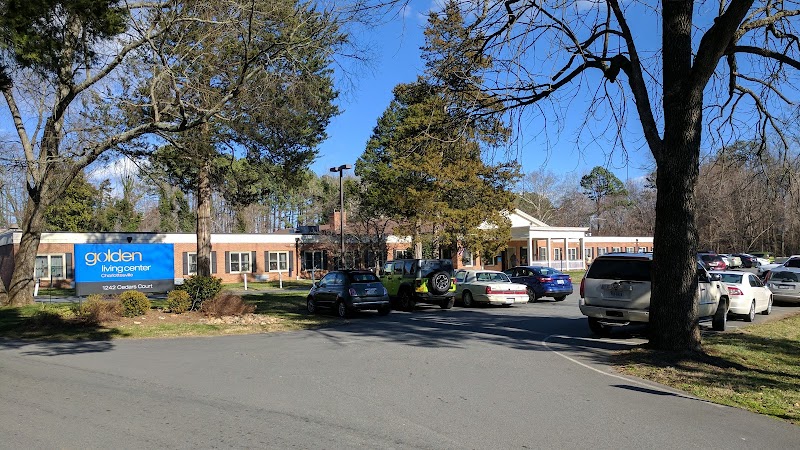
How is Cedars Healthcare Center Staffed?

CMS rates CEDARS HEALTHCARE CENTER's staffing level at 2 out of 5 stars, which is below average compared to other nursing homes. Staff turnover is 62%, which is 16 percentage points above the Virginia average of 46%. High turnover can affect care consistency as new staff learn residents' individual needs. RN turnover specifically is 90%, which is notably high. RNs provide skilled clinical oversight, so turnover in this role can affect medical care quality.

What Have Inspectors Found at Cedars Healthcare Center?

State health inspectors documented 54 deficiencies at CEDARS HEALTHCARE CENTER during 2019 to 2025. These included: 54 with potential for harm. While no single deficiency reached the most serious levels, the total volume warrants attention from prospective families.

Who Owns and Operates Cedars Healthcare Center?

CEDARS HEALTHCARE CENTER is owned by a for-profit company. For-profit facilities operate as businesses with obligations to shareholders or private owners. The facility is operated by COMMUNICARE HEALTH, a chain that manages multiple nursing homes. With 141 certified beds and approximately 119 residents (about 84% occupancy), it is a mid-sized facility located in CHARLOTTESVILLE, Virginia.
How Does Cedars Healthcare Center Compare to Other Virginia Nursing Homes?

Compared to the 100 nursing homes in Virginia, CEDARS HEALTHCARE CENTER's overall rating (2 stars) is below the state average of 3.0, staff turnover (62%) is significantly higher than the state average of 46%, and health inspection rating (2 stars) is below the national benchmark.

What Should Families Ask When Visiting Cedars Healthcare Center?

Based on this facility's data, families visiting should ask: "How do you ensure continuity of care given staff turnover, and what is your staff retention strategy?" "Can you walk me through typical staffing levels on day, evening, and night shifts?" "Can I visit during a mealtime to observe dining assistance and food quality?" "How do you handle medical emergencies, and what is your hospital transfer rate?" These questions are particularly relevant given the facility's high staff turnover rate and the below-average staffing rating.

Is Cedars Healthcare Center Safe?

Based on CMS inspection data, CEDARS HEALTHCARE CENTER has a clean safety record: no substantiated abuse findings (meaning no confirmed cases of resident harm), no Immediate Jeopardy citations (the most serious violation level indicating risk of serious injury or death), and is not on the Special Focus Facility watch list (a federal program monitoring the lowest-performing 1% of nursing homes). The facility has a 2-star overall rating and ranks #100 of 100 nursing homes in Virginia. While no facility is perfect, families should still ask about staff-to-resident ratios and recent inspection results during their visit.

Do Nurses at Cedars Healthcare Center Stick Around?

Staff turnover at CEDARS HEALTHCARE CENTER is high. At 62%, the facility is 16 percentage points above the Virginia average of 46%. Registered Nurse turnover is particularly concerning at 90%. RNs handle complex medical decisions and coordinate care — frequent RN changes can directly impact care quality. High turnover means new staff may not know residents' individual needs, medications, or preferences. It can also be disorienting for residents, especially those with dementia who rely on familiar faces. Families should ask: What is causing the turnover? What retention programs are in place? How do you ensure care continuity during staff transitions?

Was Cedars Healthcare Center Ever Fined?

CEDARS HEALTHCARE CENTER has no federal fines on record. CMS issues fines when nursing homes fail to meet care standards or don't correct problems found during inspections. The absence of fines suggests the facility has either maintained compliance or corrected any issues before penalties were assessed. This is a positive indicator, though families should still review recent inspection reports for the full picture.

Is Cedars Healthcare Center on Any Federal Watch List?

CEDARS HEALTHCARE CENTER is not on any federal watch list. The most significant is the Special Focus Facility (SFF) program, which identifies the bottom 1% of nursing homes nationally based on persistent, serious quality problems. Not being on this list means the facility has avoided the pattern of deficiencies that triggers enhanced federal oversight. This is a positive indicator, though families should still review the facility's inspection history directly.