CHARLOTTESVILLE HEALTH & REHABILITATION CENTER
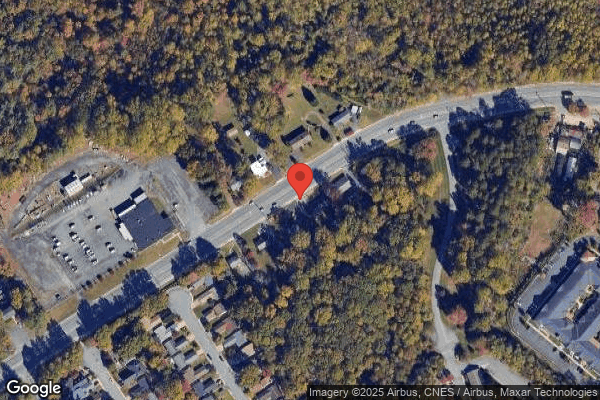

505 WEST RIO ROAD, CHARLOTTESVILLE, VA 22901 (434) 978-7015
For profit - Corporation 105 Beds LIFEWORKS REHAB Data: November 2025
Trust Grade
60/100
#128 of 285 in VA
Last Inspection: July 2024

Within standard 12-15 month inspection cycle. Federal law requires annual inspections.

Overview

Charlottesville Health & Rehabilitation Center has a Trust Grade of C+, which means it is slightly above average but not exceptional. It ranks #128 out of 285 facilities in Virginia, placing it in the top half, and #4 out of 7 in Albemarle County, indicating only three local options are better. The facility is improving, with a decrease in issues from 18 in 2024 to 5 in 2025. Staffing is below average with a 2/5 star rating and a turnover rate of 54%, which is about the state average. However, it has good RN coverage, exceeding 87% of Virginia facilities, which is beneficial for residents' care. Despite these strengths, there are some concerns, including specific incidents where the staff failed to serve meals according to the posted menu, affecting multiple residents, and they did not provide adequate liquids for hydration. Additionally, there were issues with not preparing meals according to residents' dietary needs, particularly for those requiring diabetic diets. Overall, while the facility is making progress, families should weigh these strengths and weaknesses when considering care options.

Trust Score
C+
60/100
In Virginia
#128/285
Top 44%
Safety Record
Low Risk
No red flags
Inspections
Getting Better
18 → 5 violations
Staff Stability
⚠ Watch
54% turnover. Above average. Higher turnover means staff may not know residents' routines.
Penalties
✓ Good
No fines on record. Clean compliance history, better than most Virginia facilities.
Skilled Nurses
✓ Good
Each resident gets 44 minutes of Registered Nurse (RN) attention daily — more than average for Virginia. RNs are trained to catch health problems early.
Violations
⚠ Watch
47 deficiencies on record. Higher than average. Multiple issues found across inspections.
★★★☆☆
3.0
Overall Rating
★★☆☆☆
2.0
Staff Levels
★★★★★
5.0
Care Quality
★★☆☆☆
2.0
Inspection Score
Stable
2024: 18 issues
2025: 5 issues

The Good

  • 5-Star Quality Measures · Strong clinical quality outcomes
  • Full Sprinkler Coverage · Fire safety systems throughout facility
  • No fines on record

Facility shows strength in quality measures, fire safety.

The Bad

3-Star Overall Rating

Near Virginia average (3.0)

Meets federal standards, typical of most facilities

Staff Turnover: 54%

Near Virginia avg (46%)

Higher turnover may affect care consistency

Chain: LIFEWORKS REHAB

Part of a multi-facility chain

Ask about local staffing decisions and management

The Ugly 47 deficiencies on record

Mar 2025 5 deficiencies
CONCERN (D) 📢 Someone Reported This

A family member, employee, or ombudsman was alarmed enough to file a formal complaint

Potential for Harm - no one hurt, but risky conditions existed

Deficiency F0806 (Tag F0806)

Could have caused harm · This affected 1 resident

2. For R10, the facility staff failed to uphold the resident's meal preference for a salad and sandwich. On 3/18/25, during the lunch meal, R10's meal tray was observed as the kitchen staff prepared ...

Read full inspector narrative →
2. For R10, the facility staff failed to uphold the resident's meal preference for a salad and sandwich. On 3/18/25, during the lunch meal, R10's meal tray was observed as the kitchen staff prepared it. According to the meal ticket, R10 was to receive deli sandwich, tossed salad, dressing, mixed vegetables, scalloped potatoes, chocolate cake with chocolate frosting. R10's meal included a slice of ham, mixed vegetables, diced red potatoes, and a roll. On 3/18/25 at approximately 12:20 p.m., R10 was observed in the dining room eating his lunch meal of the ham. When asked, R10 reported that the meal was not what he wanted. According to the facility policy titled, Menus read in part, . 6. Menus are served as written, unless changed in response to preference, unavailability of an item, or a special meal. On 3/18/25, during an end of day meeting, the facility administrator, director of nursing, and regional director of clinical services were made aware of the above findings. No additional information was provided. Based on observation, resident interviews, staff interviews, clinical record reviews, and facility documentation reviews, the facility staff failed to provide meals in accordance with resident preference for 2 residents (Resident #2 - R2 and Resident #10 - R10) out of a survey sample of 8 residents. The findings included: 1. The facility staff failed to serve R2's choice of an entree and a lidded cup with the lunch time meal. On 3/18/25 at 12:15 p.m. an observation was made of R2's lunch meal. R2's meal ticket read that a baked pork chop was the entree requested, but it was observed that she received the flat baked ham and no lidded cup for R2's beverage was observed on her meal tray. On 3/18/25 at 12:30 p.m. an interview was conducted with R2. R2 said, I usually get a pork chop and not ham. R2 stated that she liked a lidded cup but was never given a lid on the cup with meals. On 3/18/25 at 2:00 p.m. a review of the clinical record was conducted. R2's care plan was reviewed and documented that R2 preferred lidded cups with meals. On 3/18/25 at 4:00 p.m. a review of resident council meeting minutes was conducted. The minutes had several dietary concerns that had not been resolved over several months. The documented resident concerns about the food, included meal tickets not being followed, resident choices not being granted,and needing more snacks to be offered. On 3/18/25 at 4:30 p.m. an end of day meeting was conducted with the administrator, the director of nursing, and the regional clinical director. The above concerns were discussed. No further information was provided prior to the conclusion of the survey.
CONCERN (E) 📢 Someone Reported This

A family member, employee, or ombudsman was alarmed enough to file a formal complaint

Potential for Harm - no one hurt, but risky conditions existed

Menu Adequacy (Tag F0803)

Could have caused harm · This affected multiple residents

Based on observation, resident interview, staff interview, and facility documentation review, the facility staff failed to follow the menu for both meals observed, affecting multiple residents, includ...

Read full inspector narrative →
Based on observation, resident interview, staff interview, and facility documentation review, the facility staff failed to follow the menu for both meals observed, affecting multiple residents, including Resident #2-R2, Resident #3 - R3, Resident #4 -R4, and Resident #5-R5, who resided on two of two nursing units. The findings included: 1. The facility staff failed to prepare and serve foods in accordance with the posted menu. On 3/18/25, the daily menu was observed to be posted on each of the nursing units and outside the main dining room. The menu indicated breakfast included: scrambled eggs, sausage patty, cranberry muffin, orange juice, hot coffee or tea, and assorted milk options. On 3/18/25, at approximately 8:00 a.m., observations were conducted on each of the units. Residents were noted to be served sausage patty, scrambled eggs, toast, and oatmeal. Residents were also noted to be eating breakfast with no beverages on their tray. A certified nursing assistant was observed taking a beverage cart down the hallway and serving residents beverages which consisted of one cup of coffee or a cup of juice. There was no milk noted. Several residents' meal trays and tickets were observed, which included but were not limited to, Resident #3 and Resident #4. Each of the meal/tray tickets noted cranberry muffin, which none of the residents were served. On 3/18/25 at approximately 8:20 a.m., the surveyor went to the kitchen and spoke with the cook (Other Employee #1- OE #1). When asked about the cranberry muffin, OE #1 stated that he had not prepared it and had substituted it with toast. When asked how he knows what to substitute items with, OE #1 said, I don't know, whatever I can pull out of there. When asked about a substitution log, OE #1 stated that he had not seen a substitution log. On 3/18/25, observations were conducted of the lunch meal/tray line service in the kitchen. The posted menu indicated that the menu was to include baked ham, carrots, scalloped potatoes, dinner roll, dessert: chocolate cake, hot coffee or tea, and assorted milk options. On 3/18/25, at approximately 11:30 a.m., observations in the kitchen noted the cook pouring mixed vegetable blend out of a bag into the pan and placing it on the steam table. The dietary aide (Other employee #3- OE #3) was observed with a sheet pan of yellow cake at a food preparation table. OE #3 had a gloved hand and was scooping handfuls of the cake into bowls that she placed a dollop of whipped cream on top. When asked about the cake, OE #3 said, I messed it up. On 3/18/25 at 11:45 a.m., the dietary staff started meal service on the tray line. It was noted that no scalloped potatoes were prepared, diced red potatoes were being served. The meal tickets indicated that the dessert was a chocolate cake with chocolate frosting, which also was not being served. Multiple resident meal trays were identified to indicate a heart healthy diet, and the protein was listed as a baked pork chop. When asked about the baked pork chop, OE #1 stated that he didn't prepare it, and all those residents were observed to be served the ham. Multiple residents were listed to have large portions and/or double portions. The cook did provide extra vegetables on some of the plates, on one he provided extra potatoes, and some received no extra servings. When asked about the double portions and what that means, the cook said, I was told to only give 3 oz of meat, and this is more than 3 oz. So its whatever I can get on the plate. Continued observations revealed that the residents listed with a diabetic diet were listed to receive a half serving of the cake. None of those residents received a half portion, instead it was a full bowl of the crumbled cake served. Part way through the meal service they ran out of cake and the remaining trays, which was approximately thirty residents, received a sherbert cup for dessert. Several resident trays were observed to not receive a roll. The dietary aides put the trays onto the meal delivery cart without making any adjustments or questioning the cook when the plate/meal served did not match the meal slip. For residents that had orders for chopped meats, the cook was observed to take a slice of ham to a food preparation table, place the ham on a cutting board and use a knife to cut the ham into large chunks and strips that were not consistent in size. Most of the chunks of ham averaged the size of a quarter. On 3/18/25, interviews were conducted with the two dietary aides, (other employee #2 - OE #2 and other employee #3 - OE #3). Both dietary aides stated that the cook (OE #1) didn't do like he was supposed to and cooked whatever, not following the menu and didn't prepare alternates, unless a manager was present, at which time he did better. OE #2 said, The cook knows what he is supposed to cook but when no manger is here, he does his own thing, but when the manager is here, he does what he is supposed to. On 3/18/25 at 10 a.m., an interview was conducted with the registered dietician (RD). The RD reported that he is at the facility once or twice weekly. The RD confirmed that a lot of the residents had expressed concerns about the diabetic diets, and that he had met with the residents recently. The RD explained that the facility doesn't prepare different foods for diabetics, they do a carbohydrate-controlled diet, and said, Every meal should get the same amount of carbs. It is less carbs than the regular diet and less calories. The RD went on to explain that the diabetic diets are controlled through portions and sometimes a substitution, such as a roll or pasta dish may be substituted for another vegetable or fruit. The RD explained that the meal/tray tickets would correspond with the system and show the serving sizes. The RD confirmed that the kitchen maintains a log of menu substitutions made that he reviews periodically. The RD was then made aware by the surveyor that the dietary staff had reported no knowledge of a substitution log or where to find it. The surveyor accompanied the RD to the kitchen and noted that he was not able to find a substitution log. The RD also confirmed that the facility had an interim dietary manager, who is not on-site daily. On 3/18/25, in the afternoon, an interview was conducted with the evening cook, (other employee #4 - OE #4). When asked about the cranberry muffins, OE #4 explained that they have a muffin mix and that the fruit must be added. OE #4 explained that the cooks look ahead at the menu so they can thaw frozen items for the next day. OE #4 explained that they do not have muffin pans and usually use a sheet pan and have to cut it into slices. Observations revealed that muffin mix was available, cranberries were in the freezer, as was the carrots and pork chops. On 3/18/25, the facility administrator was made aware of the above observations and provided the surveyor with a listing of residents on each diet. The facility provided report indicated that four residents were on a heart healthy diet and two were ordered a heart healthy/diabetic diet, of which none received the baked pork chop at lunch. The listing noted that eleven residents were ordered a diabetic diet that were not served portion controlled foods during the lunch meal service. According to the resident council minutes reviewed from November 2024-February 2025, the residents expressed concerns each month about meal tickets not matching what was served and two of the four months residents expressed concerns about diabetic diets not being followed/provided. According to the grievance log, nine residents filed a grievance with regards to food, which included food preferences and concerns about served items not matching the meal ticket. On 3/19/25 at 8:27 a.m., the activities director (AD) was interviewed. The AD stated that she works closely with resident council and started posting the daily menus because residents expressed concerns that they were not getting posted. The AD reported that the residents have had ongoing complaints regarding the menu/meal tickets not matching what is served and the lack of diabetic diets. The AD reported she has set-up meetings with the contracted dietary company and with the dietician and residents to help resolve the concerns. When asked about alternates, the AD stated that the alternates include a ham or turkey sandwich and said, Yesterday, I had several residents that couldn't eat the ham. So I got them a sandwich. The AD reported, Frequently, they don't get what is on the menu. Yesterday, they didn't have scalloped potatoes, carrots, or the chocolate cake at lunch. The AD went on to explain that she had arranged a meeting with the regional director from dietary and the residents but said, He wasn't actively listening to them. He was very dismissive. The AD explained that the residents were talking about not being provided a diabetic diet and the AD said she told the dietary regional manager, That day they had a plate full of biscuits and gravy for breakfast and at lunch had beef stroganoff, it was a full plate of noodles. It's not that they can't have those items, but it is too many carbohydrates, and it is intense portions. The AD stated that the regional director suggested the registered dietician (RD) educate the residents. The AD explained that the RD had held a meeting with the residents and the residents explained that they know they can eat the foods served but not a plate full. On 3/19/25, the activities director provided the surveyor with email communications she had made with the contracted dietary company management and the dietician. Among the emails, one dated 2/5/25, to the regional dietary manager read, My residents would like to meet with you. I was informed that you were visiting us February 12th. Do you have time in mind that you could have a meeting with them? The response from the regional dietary manager included, . I am happy to spend a small amount of time with the residents but understandably it would need to be quick. The AD responded with, I am available to facilitate a meeting at 11 a.m. However, I cannot guarantee that this meeting will be quick. The problems with residents and the kitchen have escalated to an extreme level. If changes aren't made, we may face significant issues ahead. I have a resident council president who is eager to approach our ombudsman and gather signatures for a petition to remove [contracted dietary company name redacted] from the building. If the ombudsman gets involved, this could potentially lead to APS [adult protective services] concerns. According to another email dated 2/15/25-2/18/25, following the regional dietary manager's meeting with the residents, he reached out to the RD. The email to the RD read in part, . There was a trend among the comments with which I hoped you could help. Comments suggest that diabetic information regarding our menu design and how items on the menu are appropriate. Residents shared that 'my doctor told me to never eat ___ (pasta, rice, any type of starch).' . According to an email from the RD dated 3/6/25, to the activity's director, it read in part, I met with the residents today to discuss the issues with the menu, diabetic diets, and overall complaints. I have a whole list of changes/issues that I will send to [name redacted/kitchen manager] and my big bosses to see what we can change . On 3/18/25, the activities director sent the regional dietary manager another email requesting a follow-up meeting to . assess dietary progress and review menu choices . The response from the regional dietary manager included, . Given the turnover in the kitchen, it would be wise to wait until we have a new manager in position (recruiting ongoing) to introduce the residents. I'll keep in touch with you when this happens so that it can be one of the first things on their list. 2. The facility staff failed to serve the food on the menu to Resident #2 (R2). On 3/18/25 at 12:15 p.m., an observation was made of R2's lunch meal. The meal tray was served in R2's room. The menu was baked pork chop for heart healthy diets, mixed vegetables, scalloped potatoes, dinner roll, chocolate cake with chocolate frosting, 8 oz of 2% milk hot coffee or hot tea. R2's meal tray was observed to contain ham, white cake with cool whip on top, no scalloped potatoes, and no milk. On 3/18/25 at 12:30 p.m. an interview was conducted with R2. R2 said, I usually get a pork chop and not ham. When asked about the beverages not being on the meal tray, R2 stated that beverages were served after the trays and sometimes when the meal is completed. R2 said, Not sure what this dessert is but it's not chocolate. On 3/18/25 at 2:00 p.m. a review of R2's clinical record was conducted. On 9/3/24, a diet order was written, which read, Regular diet with thin liquids. 3. The facility staff failed to serve the meal as listed on the meal ticket to Resident #5 (R5). On 3/18/25 at 12:20 p.m., an observation was made of R5's lunch meal. The meal tray was served in R5's room. R5's meal ticket noted the lunch meal as mechanical advanced chopped baked ham, mixed vegetables, scalloped potatoes, dinner roll, chocolate cake with chocolate frosting, 8 oz 2% milk, hot coffee or hot tea. R5's meal tray was observed with no dinner roll, no chocolate cake with chocolate frosting, no scalloped potatoes, and no milk. On 3/18/25 at 12:40 p.m., an interview was conducted with R5. When asked, R5 stated that the food was good, but it was observed that R5 had only eaten the dessert at lunch meal. On 3/18/25 at 2:30 p.m., a review of the clinical record was conducted. R5's diet order on 11/12/24 read, Regular Dysphagia Advanced thin liquids. On 3/18/25 at 4:00 p.m., a review of facility documentation was conducted. The Resident Council Meeting minutes were reviewed. The meal tickets not matching the meal being served was an ongoing issue in the minutes from November 2024 until present. On 3/18/25 at 4:30 p.m., an end of day meeting was conducted with the administrator, the director of nursing, and the regional clinical director, during which the above concerns were discussed. On 3/19/25 at 10:00 a.m. a review of facility documentation was conducted. The policy titled, Menus, read in part, .2. Menu cycles will be developed and tailored to the needs and requirements of the center . 6. Menus are served as written, unless changed in response to preference, unavailability of an item, or a special meal. 7. A menu substitution log will be maintained on file . No further information was provided prior to the conclusion of the survey.
CONCERN (E) 📢 Someone Reported This

A family member, employee, or ombudsman was alarmed enough to file a formal complaint

Potential for Harm - no one hurt, but risky conditions existed

Deficiency F0807 (Tag F0807)

Could have caused harm · This affected multiple residents

Based on observation, resident and staff interviews, and facility documentation review, the facility staff failed to provide liquids consistent with resident needs and preferences affecting multiple r...

Read full inspector narrative →
Based on observation, resident and staff interviews, and facility documentation review, the facility staff failed to provide liquids consistent with resident needs and preferences affecting multiple residents on two of two units. The findings included: 1. For residents on each of the two units, the facility staff failed to provide milk and other liquids in a quantity sufficient to maintain hydration. On 3/18/25, the daily menu was observed to be posted on each of the nursing units and outside the main dining room. The menu indicated breakfast included: scrambled eggs, sausage patty, cranberry muffin, orange juice, hot coffee or tea, and assorted milk options. On 3/18/25 at approximately 8:00 a.m., observations were conducted on each of the units. Residents were noted to be served sausage patty, scrambled eggs, toast and oatmeal. Residents were also noted to be eating breakfast with no beverages on their tray. A certified nursing assistant was observed taking a beverage cart down the hallway and serving residents beverages which consisted of one cup of coffee or a cup of juice for each resident. There was no milk noted. Several residents' meal trays and tickets were observed, which included but were not limited to Resident #3 and Resident #4. Both residents' meal tickets noted orange juice- 4 oz, hot coffee or hot tea- 8 oz and milk 8 oz. Resident #3's meal tray was observed having only had a cup of juice. Resident #4's meal tray was observed having had not received any beverages yet. On 3/18/25 at approximately 8:20 a.m., an interview was conducted with certified nursing assistant #2 (CNA #2). When asked about milk, CNA #2 said, We just do cream for the coffee in the morning, it's easier. No milk was observed on the beverage cart. On 3/18/25 at 8:20 a.m., the residents residing on unit one, the hallway consisting of rooms 20-33, were just receiving their beverages for their meal, when trays had been distributed at 8 a.m. On 3/18/25 at approximately 8:25 a.m., an interview was conducted with another certified nursing assistant (CNA #5), who reported that milk was put on the trays from the kitchen and they only distributed the juice and coffee from the beverage cart. On 3/18/25 at approximately 8:30 a.m., an interview was conducted with a dietary aide, (other employee #2- OE #2). When asked about milk being on the resident's meal ticket but no one was observed to have received milk at breakfast, OE #2 reported they put milk on the trays in the kitchen but added, Normally when it says that they don't drink it and it goes to waste, so we only put it on a select few that ask for it. On 3/18/25 at 10 a.m., an interview was conducted with the registered dietician (RD). The RD indicated that residents were to receive all items as listed on their meal/tray tickets. The RD was notified of the observation of no residents receiving milk at breakfast and the comments from staff. The RD said, I don't know why they are not getting milk. On 3/18/25, interviews were conducted with residents to include resident #3 and resident #4, both who stated they don't get milk and just one cup of juice with meals. According to the resident grievances, filed on 1/25/25 and 2/3/25, residents expressed a desire to have milk with meals. Both grievances were noted as having been resolved. On 3/18/25 at 11:45 a.m., observations were conducted in the kitchen of the lunch meal service. Trays were observed being prepared, food plated and being put on the delivery carts which were taken to each unit. Resident's meal/tray tickets were observed which included milk and another beverage for each of the residents. None of the residents were served any milk. On 3/18/25 at 4 p.m., observations were conducted in the kitchen, and it was noted that they had 9 milk crates filled with individual cartons of milk, in addition to two, gallon jugs of milk. On 3/18/25, during an end of day meeting, the facility administrator was made aware of the above findings. On 3/19/25 at 8:27 a.m., an interview was conducted with the facility's activity director (AD). The AD reported that residents who eat in the dining room are served their food by the dietary staff, but then the staff in the dining room must prepare their beverages from the hydration station [a counter with various beverages in the dining room] for each resident. The AD went on to state, The hydration station is not done [set up] a lot of times. When asked what is done when there is no hydration station, the AD said, I have to put on a hair net and go in the kitchen to fix it. A lot of times, residents in the dining room get their food but not beverage. A facility policy regarding beverages was requested but the facility stated they had no such policy. No additional information was provided.
CONCERN (E) 📢 Someone Reported This

A family member, employee, or ombudsman was alarmed enough to file a formal complaint

Potential for Harm - no one hurt, but risky conditions existed

Deficiency F0808 (Tag F0808)

Could have caused harm · This affected multiple residents

Based on observation, resident interview, staff interview, and facility documentation review, the facility staff failed to follow the menu for both meals observed, affecting multiple residents who res...

Read full inspector narrative →
Based on observation, resident interview, staff interview, and facility documentation review, the facility staff failed to follow the menu for both meals observed, affecting multiple residents who resided on two of two nursing units. The findings included: 1. The facility staff failed to prepare and serve foods in accordance with physician ordered therapeutic diets affecting seventeen residents. On 3/18/25 at 10 a.m., an interview was conducted with the registered dietician (RD). The RD reported he is at the facility once or twice weekly. The RD confirmed that a lot of the residents had expressed concerns about the diabetic diets, and he had met with the residents recently. The RD explained that the facility doesn't prepare different foods for diabetics, they do a carbohydrate-controlled diet, and said, every meal should get the same amount of carbs, it is less carbs than the regular diet and less calories. The RD went on to explain that the diabetic diets are controlled through portions and sometimes a substitution, such as a roll or pasta dish may be substituted for another vegetable or fruit. The RD explained that the meal/tray tickets would correspond with the system and show the serving sizes. On 3/18/25 at 11:45 a.m., observations were conducted of the lunch meal/tray line service in the kitchen. The posted menu indicated that the menu was to include baked ham, carrots, scalloped potatoes, dinner roll, dessert: chocolate cake, hot coffee or tea and assorted milk options. Multiple resident meal trays were identified to indicate a heart healthy diet, and the protein was listed as a baked pork chop. The cook was asked about the baked pork chop and stated he didn't prepare it, and all those residents were observed to be served the ham. Multiple residents were listed to have large portions and/or double portions. The cook did provide extra vegetables on some of the plates, on one he provided extra potatoes, and some received no extra servings. When asked about the double portions and what that means, the cook said, I was told to only give 3 oz of meat, and this is more than 3 oz., so its whatever I can get on the plate. Continued observations revealed that the residents listed with a diabetic diet were listed to receive a half serving of the cake. None of those residents received a half portion, it was a full bowl of the crumbled cake served. Part way through the meal service they ran out of cake and the remaining trays, which was approximately thirty residents, received a sherbert cup for dessert. Several resident trays were observed to not receive a roll. The dietary aides put the trays onto the meal delivery cart without making any adjustments or questioning the cook when the plate/meal served did not match the diet. For residents that had orders for chopped meats, the cook was observed to take a slice of ham to a food preparation table, place the ham on a cutting board and use a knife to cut the ham into large chunks and strips that were not consistent in size. Most of the chunks of ham averaged the size of a quarter. On 3/18/25, interviews were conducted with the two dietary aides, (other employee #2- OE #2 and other employee #3- OE #3). OE #2 said, the cook knows what he is supposed to cook but when no manger is here, he does his own thing, but when the manager is here, he does what he is supposed to. On 3/18/25, the facility administrator was made aware of the above observations and provided the surveyor with a listing of residents on each diet. The facility provided report indicated that four residents were on a heart healthy diet and two were ordered a heart healthy/diabetic diet, that did not receive the baked pork chop at lunch. The listing noted that eleven residents were ordered a diabetic diet that were affected during the lunch meal service. According to the resident council minutes reviewed from November 2024-February 2025, the residents expressed concerns on two of the four months about diabetic diets not being followed/provided. According to the grievance log, nine residents filed a grievance with regards to food which included food preferences and concerns about items served not matching the meal ticket. On 3/19/25 at 8:27 a.m., the activities director (AD) was interviewed. The AD stated that she works closely with resident council and started posting the daily menus because residents expressed concerns that they were not getting posted. The AD reported that the residents have had ongoing complaints regarding the menu/meal tickets not matching what is served and the lack of diabetic diets. The AD reported she has set-up meetings with the contracted dietary company and with the dietician and residents to help resolve the concerns. When asked about alternates, the AD stated that the alternates include a ham or turkey sandwich and said, yesterday I had several residents that couldn't eat the ham, so I got them a sandwich. The AD reported that frequently they don't get what is on the menu, yesterday they didn't have scalloped potatoes, carrots or the chocolate cake at lunch. The AD went on to explain that she had arranged a meeting with the regional director from dietary and the residents but said, he wasn't actively listening to them. He was very dismissive. The AD explained that the residents were talking about not being provided a diabetic diet and the AD said she told the dietary regional manager, That day they had a plate full of biscuits and gravy for breakfast and at lunch had beef stroganoff, it was a full plate of noodles. It's not that they can't have those items, but it is too many carbohydrates, and it is intense portions. The AD stated that the regional director suggested the registered dietician (RD) educate the residents. The AD explained that the RD held a meeting with the residents and the residents explained they know they can eat the foods served but not plate full. On 3/19/25, the activities director provided the surveyor with email communications she had made with the contracted dietary company management and the dietician. According to the emails, one dated 2/5/25, to the regional dietary manager read, My residents would like to meet with you. I was informed that you were visiting us February 12th. Do you have time in mind that you could have a meeting with them? The response from the regional dietary manager included, . I am happy to spend a small amount of time with the residents but understandably it would need to be quick. The AD responded with, I am available to facilitate a meeting at 11 a.m., However, I cannot guarantee that this meeting will be quick. The problems with residents and the kitchen have escalated to an extreme level. If changes aren't made, we may face significant issues ahead. I have a resident council president who is eager to approach our ombudsman and gather signatures for a petition to remove [contracted dietary company name redacted] from the building. If the ombudsman gets involved, this could potentially lead to APS [adult protective services] concerns. According to another email dated 2/15/25-2/18/25, following the regional dietary manager's meeting with the residents, he reached out to the RD. The email to the RD read in part, . There was a trend among the comments with which I hoped you could help. Comments suggest that diabetic information regarding our menu design and how items on the menu are appropriate. Residents shared that 'my doctor told me to never eat ___ (pasta, rice, any type of starch).' . According to an email from the RD dated 3/6/25, to the activity's director, it read in part, I met with the residents today to discuss the issues with the menu, diabetic diets, and overall complaints. I have a whole list of changes/issues that I will send to [name redacted/kitchen manager] and my big bosses to see what we can change . On 3/18/25, the activities director sent the regional dietary manager another email requesting a follow-up meeting to . assess dietary progress and review menu choices . The response from the regional dietary manager included, . Given the turnover in the kitchen, it would be wise to wait until we have a new manager in position (recruiting ongoing) to introduce the residents. I'll keep in touch with you when this happens so that it can be one of the first things on their list. 2. The facility failed to provide R5 with a mechanically altered diet. On 3/18/25 at 12:20 p.m. an observation was made of R5's lunch meal. The meal tray was served in R5's room. The meal ticket noted the resident was to receive mechanical advanced chopped baked ham, and the ham was not chopped. The ham was served cut in long strips. On 3/18/25 at 2:30 p.m. a review of the clinical record was conducted. R5's diet order on 11/12/24 read, Regular Dysphagia Advanced thin liquids. Dietician notes on 2/13/25 read in part.Nutrition Rec-cont w/[continue with] current mech. diet + supplement order. To cont POC [plan of care], comfort care. Wt (weight) loss anticipated, wt maintenance desired. MD [medical doctor], Nursing, RP [responsible party] notified & aware. On 3/18/25 at 4:00 p.m. a review of facility documentation was conducted. The Resident Council Meeting minutes were reviewed. The minutes had that mechanical diets were not being given. The concern about the mechanically altered foods was voiced in the meeting held in January 2025. On 3/18/25 at 4:30 p.m. an end of day meeting was conducted with the administrator, the director of nurses and the regional clinical director. The above concerns were discussed. On 3/19/25 at 10:00 a.m. a review of facility documentation was conducted. The policy titled, Therapeutic Diets, read in part, Therapeutic diet is defined as a diet ordered by a physician or delegated registered or licensed dietician as part of the treatment for a disease or clinical condition, to eliminate or decrease specific nutrients in the diet, or to increase specific nutrients in the diet, or to provide food that a resident is able to eat. Mechanically altered diet means one in which the texture of the diet is altered. When the texture is modified, the type of texture must be specific and part of the physicians or delegated registered or licensed dietitian's order . Action Steps . 3. Diets are prepared in accordance with the guidelines in the approved diet manual and the individualized plan of care. No further information was provided prior to the conclusion of the survey.
CONCERN (E) 📢 Someone Reported This

A family member, employee, or ombudsman was alarmed enough to file a formal complaint

Potential for Harm - no one hurt, but risky conditions existed

Room Equipment (Tag F0908)

Could have caused harm · This affected multiple residents

Based on observation, staff interview, and facility documentation review, the facility staff failed to maintain essential equipment in safe, operating condition the main kitchen. The findings include...

Read full inspector narrative →
Based on observation, staff interview, and facility documentation review, the facility staff failed to maintain essential equipment in safe, operating condition the main kitchen. The findings included: 1. The facility staff failed to maintain the kitchen's walk-in freezer in operating condition. On 3/18/25 at approximately 4 p.m., during observations of the kitchen, it was noted that the freezer door was damaged and did not close completely. When the freezer door was opened, a significant amount of ice buildup was observed around the door jamb, which extended about 4 inches up the door frame. The food packages closest to the door had a buildup of frost. The gasket on the door was not attached at the bottom, about 12 inches of the gasket moved when the door was opened. On the back wall of the freezer was frozen streams of ice and the rear floor was incapsulated with ice build-up that covered the back 1/3 of the walk-in freezer floor. The ice incapsulated a milk crate that was sitting in the floor. On 3/18/25 at 4:05 p.m., an interview was conducted with the cook (other employee #4- OE #4). OE #4 reported that the freezer door had been messed up for a long time. On 3/19/25 at approximately 9:30 a.m., an interview was conducted with the facility's maintenance director (other employee #11- OE #11). OE #11 was asked about the walk-in freezer and stated, The freezer door was in bad shape forever, before I got here. It had a bad seal. We got a new seal, but the door is so bent up, it doesn't close properly. The freezer has always held temperature, so it wasn't a priority until about 3 weeks ago, a drain line burst. So now there are massive chunks of ice everywhere. OE #11 reported he had reached out to a vendor and sent them measurements of the door to see if they can find a replacement door or if they would have to build onto what is there to install a new door and is waiting to hear back. On 3/19/25, the facility administrator provided the survey team with emails that showed communication with a vendor regarding the freezer door. The email was dated 3/5/25 and was communication between OE #11 and a vendor. It read in part, . As you said, you have an old Southern Stainless walk-in freezer that the door has completely gone bad and needs to be replaced. I personally have never heard of Southern Stainless WIF [walk-in freezer] and as you said they're out of business . If you could supply us with dimensions, photos, etc. we might be able to supply you with a replacement option which might be a bump-out . On 3/11/25, OE #11 responded with measurements and photos. No additional information was provided. 2. The facility staff failed to maintain the main kitchen pellet warmer in operating condition. On 3/18/25, during the lunch meal service, observations were conducted in the kitchen of the meal service/tray line. It was observed that facility staff were not using the pellets to sit the plate on to keep the food warm. The plate of food was sat directly onto the meal tray with a pellet lid to cover it. When asked why the pellets were not being used, two dietary aides reported that it wasn't working. On 3/18/25 at 4 p.m., upon a return visit to the kitchen, an interview was conducted with the evening cook, OE #4. When asked about the pellet warmer, OE #4 reported the pellet warmer had been out of service for about two months. She went on to report, It had a burning smell and wasn't getting warm. On 3/18/25, a review of the resident council minutes from November 2024 through February 2025 were reviewed. Each month there were dietary concerns noted. According to the resident council meeting minutes dated 12/19/24 and 2/20/25 noted that residents repeatedly complained of cold food. The administrator's response was that meetings were held and/or communication with the contracted dietary management staff and that dietary had a new manager. On 3/18/25, a review of the grievance log was conducted and grievances related to food services were requested and received. According to a grievance dated 12/16/24, a resident reported concern with food temperature when getting meals in the room. The response included, pellet warmer fixed . On the afternoon of 3/18/25, during an end of day meeting held at approximately 4 p.m., the facility administrator was made aware of the above concerns and asked to provide any evidence he had with regards to the pellet warmer and repairs made to it. On 3/19/25 at 8:27 a.m., the activities director (AD) was interviewed. The AD arranges and coordinates the resident council meetings and reported, Resident council was talking about cold food and there was an issue with the plate warmer. I keep asking about it and the last time was 2 1/2 weeks ago and was told it is not fixed; they are still waiting on a part. On 3/19/25 at approximately 9:30 a.m., an interview was conducted with the facility's maintenance director (other employee #11- OE #11). When asked about the pellet warmer, OE #11 stated that the pellet warmer had been fixed 2-3 times. OE #11 said, It is not set to run indefinitely. I have replaced the thermostat, wire, and switch. It is only like 6 parts, and I have replaced everything in it. They kept plugging it in, hours ahead of time, and when it reaches 220 degrees, it would trip the switch inside of it and shut it off. OE #11 said that he had checked, and it reaches 190 degrees in 25 minutes. OE#11 stated that he told the kitchen staff to not cut it on until they are putting food on the steam table, . but they kept cutting it on and letting it run too long, and it would cut off. OE #11 stated that he had reached out to the company with about five phone calls and an email and then got a response that the technician had come out. OE #11 reported that he didn't even know the technician had come, . they never told me. On 3/19/25, the facility administrator provided an email that was between OE #11 and a vendor for the pellet warmer. The email was dated 3/18/25 and read in part, . We have spoken with tech support, our corporate parts department, and we have any searched online [sic] and cannot find the part information that is needed. Do you have the original purchase order or equipment information that has the model and serial number. This will help him to get what is needed, but we have searched for weeks and contacted our corporate parts department. I have added the technician notes to this work order . Tech notes: 2/21/25 Arrived to look at the plate warmer. I have to put this call on hold to find information on it. Date plate sticker is worn and only has serial number visible. Have to do some digging to find the correct info and parts . On 3/19/25 at approximately 10 a.m., the Regional Director for the contracted dietary services management company was made aware of the above findings. No additional information was provided.
Dec 2024 1 deficiency
CONCERN (D) 📢 Someone Reported This

A family member, employee, or ombudsman was alarmed enough to file a formal complaint

Potential for Harm - no one hurt, but risky conditions existed

Notification of Changes (Tag F0580)

Could have caused harm · This affected 1 resident

Based on staff interview and clinical record review, the facility staff failed to notify the responsible party of a change in condition for one of four residents in the survey sample, (Residents #3). ...

Read full inspector narrative →
Based on staff interview and clinical record review, the facility staff failed to notify the responsible party of a change in condition for one of four residents in the survey sample, (Residents #3). Resident #3's (R3) responsible party was not notified of a fall with injury. This was a closed record review. The findings include: According to the clinical record, diagnoses for R3 included; Encephalopathy, fractured right pubis, dementia, pneumonia, and aseptic necrosis of the left femur. The most current MDS (minimum data set) was a significant change assessment with an ARD (assessment reference date) of 11/22/23. R3 was assessed with a cognitive score of 3 out of 15, indicating severely cognitively impaired. On 12/3/24 R3's clinical record was reviewed regarding a fall incident occurring on 11/12/23. The note indicated R3 got up out of wheelchair with right leg still crossed behind left foot. Before the nurse could catch R3, R3 landed on knees and obtained a skin tear to the left elbow. Review of the SBAR (Situation Background Appearance Review) notification section; it was documented the person notified was self own rp. R3's clinical record documented a friend as the RP indicating R3 was not his own RP. On 12/3/24 at 3:00 p.m. license practical nurse (LPN #1) was interviewed regarding notification of change of condition (fall). LPN #1 verbalized anytime there is a change of condition or fall with injury the physician and RP should be notified, if the resident has an RP then documentation of the notification should be documented on the eINTERACT assessment form. LPN #1 then reviewed the form for notification. After seeing documentation on the form indicating R3 was his own RP, LPN #1 verbalized that is not correct, verbalizing R3 had an RP and that person should have been notified. On 12/4/24 at 9:15 a.m. the above finding was presented to the director of nursing (DON). The DON also reviewed the documentation and agreed that R3 was not his own RP and the RP should have been notified. No other information was provided prior to exit conference on 12/4/24.
Jul 2024 14 deficiencies
CONCERN (D)

Potential for Harm - no one hurt, but risky conditions existed

Deficiency F0554 (Tag F0554)

Could have caused harm · This affected 1 resident

Based on observation, resident interview, staff interviews, facility documentation review and clinical record review, the facility staff failed to assess and determine if a Resident was safe to self-a...

Read full inspector narrative →
Based on observation, resident interview, staff interviews, facility documentation review and clinical record review, the facility staff failed to assess and determine if a Resident was safe to self-administer medications that were at the bedside, for one Resident (Resident #28) in a survey sample of 26 Residents. The findings included: For Resident #28 (R28), who had multiple medications stored on the over bed table and bedside table, in their room, the facility staff failed to assess if the resident was safe to self-administer medications. On 7/8/24 at 12:42 p.m., observations were conducted in R28's room and an interview with R28 was conducted. During the interview, it was observed that R28 had prescription nasal spray which was Ipratropium Bromide and had a pharmacy label with an RX # and date of 4/16/24. Also at the bedside was sterile eye drops and a toothache cream on the over bed table which was positioned at the bedside. When asked, R28 said she is supposed to use the nasal spray 3 times a day, but most days only uses it twice. R28 also said, she uses the eye drops routinely and when asked about the toothache cream, she reported she had dentures but that she wipes her mouth a lot and gets sores in the corners of her mouth. R28 reported she used the cream on the corners of her mouth. Additional observations revealed a tube of Bengay on the over bed table. On 7/8/24 at 1:15 p.m., a clinical record review was conducted of R28's chart, which included physician orders. The orders included an active order that was started on 5/16/23, and read, Ipratropium Bromide Nasal Solution 0.03 % (Ipratropium Bromide (Nasal) 2 sprays in both nostrils three times a day for allergies . and an order dated 3/3/24, for Visine Dry Eye Relief Ophthalmic Solution 1 % (Polyethylene Glycol 400 (Ophth)) Instill 2 drop in both eyes in the morning for dry eyes. There were no orders for toothache cream, Bengay, or voltaren. During the clinical record review, R28's care plan was reviewed. There was no indication that R28 had been assessed for the ability to, nor had been approved by the interdisciplinary team that it was clinically appropriate for the resident to self-administer medications. Review of the assessment tab of the clinical record, revealed no evidence of an assessment having been conducted to assess the resident's ability to self-administer medication. On 07/08/24 at 03:27 p.m., observations revealed all the above noted medications still at the bedside. On 07/08/24 at 03:57 p.m., an interview was conducted with LPN #1 (licensed practical nurse), who was assigned to and routinely cares for R28. LPN #1 was asked about residents who are permitted to self-administer medications. LPN #1 explained that all medications are kept in the medication cart, which is maintained by the nurses and locked for safety. LPN #1 went on to say that if the resident is able, she will allow them to use inhalers and things of that nature while she is in the room and watching. LPN #1 went on to say at times families come and sneak stuff in. When asked what they do when this happens, LPN #1 said that they remove the items if they see them and tell the family. On 7/8/24, at approximately 4 p.m., following the above interview, LPN #1 accompanied the surveyor into R28's room. LPN #1 confirmed that the nasal spray was an item that had come from the facility's pharmacy. LPN #1 removed the nasal spray, Bengay, and voltaren gel that was also at the bedside. LPN #1 then asked the surveyor to accompany her to the medication cart and showed the surveyor where she had the prescription nasal spray for R28 in the medication cart that she said she administers. On 7/9/24 at 8:03 a.m., LPN #1 was observed performing medication administration with R28. Following the administration, R28 did not want to give LPN #1 the nasal spray back. LPN #1 had to engage the unit manager and said, We are going to get an order from the doctor, she is a strong woman. On 7/9/24 at 12:23 p.m., the facility conducted an assessment titled, Medication Self-Administration Safety Screen, to determine if R28 could self-administer the nasal spray and Voltaren Gel. According to the assessment it was determined that R28 could self-administer these two medications and store them at the bedside. On 7/9/24 at 2:38 p.m., the director of nursing (DON) was interviewed. The DON said that if a resident can self-administer medications, they can get them a lock box to keep the medications in. When asked why the medications are stored in a lock box, the DON said, so other residents can't access it. The DON confirmed that the facility does have residents that wander. When asked what the expectation is if families bring in over-the-counter medications, the DON said, if they see, they will take them and give to the nurse. The facility's policy regarding medication storage and self-administration of medications was requested. On 7/9/24, in the afternoon, it was noted that R28 had a box at the bedside that was locked for the medications to be stored in. It was also noted that the facility had obtained a physician order for the Voltaren which included unsupervised self-administration and updated the order for the nasal spray to include, . unsupervised self-administration. A review was conducted of the facility policy titled, Self-Administration of Medication at Bedside, which had an effective date of 1/29/24. Excerpts from the policy read, 1. The patient may request to keep medications at bedside for self-administration in a lock box. 2. Complete Medication Self-Administration Safety Screen Assessment. 3. The Interdisciplinary Team will review the assessment and together, use clinical judgement to determine if the patient is eligible. 4. If eligible, medications that are ordered by a provider to be self-administered will be identified in the medical record . On 7/9/24, in the late afternoon, during an end of day meeting, the facility Administrator and director of nursing were made aware of the above findings. No further information was provided.
CONCERN (D)

Potential for Harm - no one hurt, but risky conditions existed

Deficiency F0559 (Tag F0559)

Could have caused harm · This affected 1 resident

**NOTE- TERMS IN BRACKETS HAVE BEEN EDITED TO PROTECT CONFIDENTIALITY** Based on family interview, staff interview, facility document review and clinical record review, the facility staff failed to pr...

Read full inspector narrative →
**NOTE- TERMS IN BRACKETS HAVE BEEN EDITED TO PROTECT CONFIDENTIALITY** Based on family interview, staff interview, facility document review and clinical record review, the facility staff failed to provide advance written notice of a room change for one of twenty-six residents in the survey sample (Resident #77). The findings include: Resident #77 (R77) nor R77's responsible party were provided a written notice prior to a room change. R77 was admitted to the facility with diagnoses that included adult failure to thrive, deep vein thrombosis, insomnia, severe protein-calorie malnutrition, major depressive disorder, cancer, and gastroesophageal reflux disease. The minimum data set (MDS) dated [DATE] assessed R77 with moderately impaired cognitive skills. On 7/8/24 at 2:30 p.m., R77's family member (other #7) was interviewed. R77's family member stated the facility moved the resident to a different room on 7/1/24 and that there had been no advance notice of the room change. The family member stated she was not aware of any written notice provided about the room change. R77's clinical record documented the resident changed rooms on 7/1/24. A note written by the admissions coordinator documented verbal notification to the resident on the same day as the room change. The admissions coordinator note dated 7/1/24 at 2:49 p.m. documented, .[R77] notified of room change on 07/01/2024 12:00 AM. Family/Responsible party notified of change . R77's clinical record documented a room change notification form dated 7/1/24 listing the reason for R77's room change and indicated the resident and/or responsible party were provided with a copy of the room change notification. On 7/9/24 at 10:30 a.m., the admissions coordinator (other staff #5) was interviewed about any written, advance notice of R77's room change. The admissions coordinator stated she notified R77 verbally on the day of the room change. The admissions coordinator stated, We looked at her as her own responsible party. The admissions coordinator stated she called the resident's listed responsible party (RP) and left a voice message that the resident was moving rooms. The admissions coordinator stated the notifications were made on the same day as the room change and no written notice of the change was provided to the resident or the RP. When asked about the documentation on the room change notification form indicating that a copy had been provided, the admission coordinator stated that no actual copy was provided. The admissions coordinator stated, I just marked yes about the notification. The admissions coordinator stated she asked the resident about the move on 7/1/24 and left a voice message for the RP. The admissions coordinator stated, There was no piece of paper. The admission director stated the current protocol was to complete the room change form in the electronic health record and that the facility no longer provided paper copies of the room change notice. The facility's current admissions/business contract documented residents had a right to advance notice of room and/or roommate changes. This finding was reviewed with the administrator, director of nursing and regional nurse consultant during a meeting on 7/9/24 at 4:30 p.m. with no further information provided prior to the end of the survey.
CONCERN (D)

Potential for Harm - no one hurt, but risky conditions existed

PASARR Coordination (Tag F0644)

Could have caused harm · This affected 1 resident

**NOTE- TERMS IN BRACKETS HAVE BEEN EDITED TO PROTECT CONFIDENTIALITY** Based on facility staff interview, clinical record review and facility documentation review, the facility staff failed to obtain...

Read full inspector narrative →
**NOTE- TERMS IN BRACKETS HAVE BEEN EDITED TO PROTECT CONFIDENTIALITY** Based on facility staff interview, clinical record review and facility documentation review, the facility staff failed to obtain and incorporate the recommendations from a level II PASARR (preadmission screening and resident review) into the Resident's assessment and care plan for one Resident (Resident #46) in a survey sample of 26 Residents. The findings included: For Resident #46 (R46), who had a level II PASARR, the facility staff were unaware until requested by the survey team, that the Resident had a level II screening and failed to incorporate the recommendations into the Resident's assessment and care planning. On 7/8/24, a clinical record review was conducted of R46's electronic health record. The census tab of the clinical record revealed R46 was initially admitted to the facility on [DATE]. R46 did have several hospitalizations and the most recent readmission was on 10/7/23. R46's diagnosis included but were not limited to hemiplegia and hemiparesis following other cerebrovascular disease affecting right dominant side, paranoid schizophrenia, schizoaffective disorder, bipolar type, major depressive disorder/recurrent/moderate, other symptoms, and signs involving cognitive functions and awareness, and generalized anxiety disorder. During the above review, the surveyor was unable to find a PASSAR. The care plan did not address that R46 had a level II PASARR, nor any recommendations contained within the assessment. According to the care plan, it read in part, The resident has signs and symptoms of depression and is at risk for adverse reactions secondary to major depressive disorder, recurrent, anxiety disorder and schizoaffective disorder, bipolar type. Another focus area read, The resident exhibits adverse behavioral symptoms such as restlessness (agitation), hitting, increase in complaints, delusions, hallucinations, psychosis, aggression, refusing care. According to the documents tab of R46's chart, a document with an upload date of 10/29/2018, that was titled, UAI (uniform assessment instrument) 102918, was a one-page document which contained the Medicaid Funded Long-Term Care Service Authorization Form. On this document it indicated that a level II PASARR was referred, active treatment not needed. On 7/10/24 at 11:44 a.m., an interview was conducted with Other Employee #8 (OE8), who was the discharge planner/social services director. OE 8 was asked about the PASARR for R46. OE8 provided the surveyor with a level I PASARR that was completed 10/8/2023, that indicated, No referral for Level II evaluation for active treatment needs required because individual: Has a severe physical illness (e.g. documented evidence of coma, functioning at brain-stem level, or other conditions which results in a level of impairment so severe that the individual could not be expected to benefit from specialized services.) OE 8 also said that R46 had been admitted from a sister facility and they did not have the PASARR either. A review was conducted of the discharge summary from the hospital dated 10/7/23. The document read in part, . Reason for admission: . Suicidal ideation, schizoaffective disorder. Hospital Course: . Suicidal Ideation/Schizoaffective disorder. Patient has a history of SI [suicidal ideation] and schizoaffective disorder. Patient initially endorse SI but denies on day of discharge. Psychiatry consulted and has evaluated patient to be at low risk to act on SI and does not require suicide precautions at this time, in terms of his chronic mental illness, patient's home facility meds has been reconciled and restarted while admitted . Recommendations: Melatonin 10 mg nightly, Mirtazapine 7.5 mg nightly, Olanzapine 10 mg daily, Risperdal 2mg BID [twice daily], Buspirone 10 mg BID, Clonazepam 0.5 mg BID, Valproic acid 250 mg morning, 375mg nightly . On 7/10/24 at approximately 12 noon, OE 8 confirmed he had completed the PASARR form dated 10/8/23. When asked what severe physical illness the resident had that made him not qualify for a Level II? OE 8 stated, he is pretty low functioning and bed bound. The surveyor explained that R46 was alert and had been able to communicate with the surveyor and impaired physical functioning was not reason to not perform a PASARR. Review of the facility policy titled, Level II PASRR- Virginia was conducted. Excerpts from this policy read, 1. Prior to center admission, the admission director will review preadmission information to determine if a Level II PASRR has been triggered by a completed Level I PASRR. a. If a Level II PASRR was triggered, and results are included in preadmission documents, the patient can be admitted to the center. No later than five (5) days after admission confirm that the Level II PASRR is uploaded into PCC and ensure that any requirements outlined in the Level II determination are incorporated into the care plan for the patient. 2. If a Level II PASRR was triggered by the Level I PASRR provided by the transferring hospital and the patient was admitted without a completed Level II PASRR, the center Social Work and Discharge Planner will initiate the discharge planning process by contacting: [name of company that performs Level II PASRR assessments redacted and phone number redacted] . On 7/10/24, during an end of day meeting, the facility Administrator was made aware of the above findings. No further information was provided.
CONCERN (D)

Potential for Harm - no one hurt, but risky conditions existed

Accident Prevention (Tag F0689)

Could have caused harm · This affected 1 resident

Based on observation, staff interview, clinical record review and facility documentation review, the facility staff failed to ensure that residents receive devices to prevent accidents for one residen...

Read full inspector narrative →
Based on observation, staff interview, clinical record review and facility documentation review, the facility staff failed to ensure that residents receive devices to prevent accidents for one resident (Resident #28- R28), in a survey sample of 26 residents. The findings included, For R28, who had a recent fall, the facility staff failed to ensure the resident had fall interventions in place to prevent further accidents. On 07/08/24 at 1:19 p.m., an interview was conducted with R28. R28 reported that she has had several falls while at the facility. When asked what interventions were put in place to prevent future falls, the resident said she didn't know. Observations revealed no fall mat within the room. On 7/8/24, a clinical record review was conducted of R28's chart. According to the Post Fall Investigation document in the assessment tab of the chart, it indicated that R28's most recent fall was on 6/16/24. There were also Post Fall Investigation assessments completed on 12/15/23, 10/26/23, 9/19/23, 9/18/23, and 9/14/23. According to the care plan R28 had a focus area initiated on 5/15/23, which was the day of admission that read, the resident is at risk for falls due to history of falls with injury with impaired gait and mobility. The care plan was last revised on 6/7/24. Interventions to prevent falls and injuries included but were not limited to: fall mats to side of bed (left), which was initiated 10/26/23, and concave mattress to help with bed parameters, which was initiated 9/14/23. On 07/08/24 at 12:42 p.m., and again at 3:27 p.m., observations were conducted in R28's room. It was observed that R28 had a regular mattress, not a concave mattress and there was no fall mat present. On 07/09/24 at approximately 8:00 a.m., R28 was visited in her room. R28 was in bed, lying on a regular mattress and there was no fall mat at the bedside. R28 was asked about the fall mat, and she reported they didn't put anything on the floor by the bed to prevent injury in the event of a fall. On 7/9/24 at 03:01 p.m., an interview was conducted with LPN #1 (licensed practical nurse), who routinely cares for R28. LPN #1 was asked about R28's fall history. LPN #1 reported R28 had been treated for pneumonia recently and had some confusion and during that time had a fall. LPN #1 was shown R28's care plan which indicated she was to have a fall mat and concave mattress. On 7/9/24 at 3:03 p.m., LPN #1 accompanied the surveyor into R28's room and confirmed there was no fall mat present in the room to be used. LPN #1 also confirmed that R28 did not have a concave mattress and went on to say that the resident had not had that since she moved to her current room. LPN #1 reported that R28 transfers in and out of bed independently and was concerned that a fall mat would post more of a risk to the resident and was not aware why that would have been a part of the resident's care plan. Review of the facility policy titled, Fall Management Program, was conducted. The policy read in part, The center considers all patients to be at risk for falls and provides an environment as safe as practicable for all patients. The center utilizes a systematic approach to a falls management program that facilitates an interdisciplinary approach with evidence-based interventions to develop individual care strategies . Prevention: . 2. Discuss fall risks and interventions with patient and/or responsible party. 3. Incorporate any identified interventions into the care plan as applicable Fall Occurrence: 2. Complete the Post-Fall Investigation to determine, to the extent possible, the cause of patient fall . 3. A licensed nurse will review, revise, and implement interventions to the care plan . On 6/9/24, during the end of day meeting, the facility administrator and director of nursing were made aware of the above findings. No additional information was provided.
CONCERN (D) 📢 Someone Reported This

A family member, employee, or ombudsman was alarmed enough to file a formal complaint

Potential for Harm - no one hurt, but risky conditions existed

Respiratory Care (Tag F0695)

Could have caused harm · This affected 1 resident

**NOTE- TERMS IN BRACKETS HAVE BEEN EDITED TO PROTECT CONFIDENTIALITY** Based on observations, staff interviews, facility document review, and clinical record review, the facility staff failed to ensu...

Read full inspector narrative →
**NOTE- TERMS IN BRACKETS HAVE BEEN EDITED TO PROTECT CONFIDENTIALITY** Based on observations, staff interviews, facility document review, and clinical record review, the facility staff failed to ensure that each resident received the necessary respiratory care, services, and failed to appropriately store respiratory equipment, in accordance with professional standards of practice for two residents (Resident #84 and Resident #28) in a survey sample of 26 residents. The findings included: 1. The facility staff failed to obtain a physician order prior to administering oxygen to Resident #84 (R84) and failed to label the oxygen tubing with the date. According to the clinical record, R84 was admitted to the facility on [DATE] and has diagnoses that include but are not limited to congestive heart failure, pressure ulcer of sacral region - Stage 3, pressure ulcer of the right buttocks - Stage 3, and cutaneous abscess of back. R84's Minimum Data Set (an assessment protocol) with an Assessment Reference Date of 6/18/24 coded R84 with no cognitive impairment with daily decision making. 07/09/24 08:30 a.m. a tour of unit one was conducted. During the tour, R84 was observed with oxygen being administered by nasal cannula at 3 liters per minute, without having any dated labels on the tubing or humidifier bottle. On 07/09/24 a clinical record review was conducted, which included R84's physician orders. This revealed that there was no order for oxygen to be administered to R84. On 07/09/24 a clinical record review was conducted. The daily skilled documentation dated 6/27/24, read in part, .Continues on 3L oxygen therapy R/T [related to] acute respiratory failure. A daily skilled note dated 7/7/24, read in part, . 2 l/min [liters per minute]via nasal cannula. A daily skilled note dated 7/8/24, read in part, .2 l/min via nasal cannula. On 07/09/24 at 1:30 p.m. LPN#5 (LPN5) was interviewed. LPN5 reviewed R84 physician orders and stated that R84 had no order for the oxygen that was in use. On 07/09/24 at 2:50 p.m. an interview was conducted with the director of nursing (DON). During the interview, the DON reviewed the physician orders for R84 and stated that there was no physician order for oxygen to be used. On 07/9/24 at 4:30 p.m. an end of day meeting was held with the administrator, director of nursing, and regional nurse consultant to discuss the above concerns. The facility policy was requested. On 07/10/24 a review of facility documentation was conducted. The policy titled, Patient Care Equipment, was reviewed and read in part, .Oxygen humidifier bottles, cannulas/mask, and tubing's are changed weekly. On 07/10/24 at 1:30 p.m. a exit conference was conducted with the administrator, director of nursing and regional nurse consultant and no more information was provided. 2. For Resident #28 (R28), the facility staff failed to ensure respiratory equipment was stored in a manner to prevent contamination while not in use and failed to change the tubing on a routine basis, in accordance with professional standards. On 7/8/24 at 3:25 p.m., during observations of R28's room, it was noted that the resident had a nebulizer machine on the bedside table. Observations revealed that the nebulizer mask and tubing was dated as having last been changed on 6/25/24. There was an oxygen concentrator at the bedside and the nasal cannula was hanging over the top of the concentrator, open to air. The oxygen tubing was dated 6/1/24. R28 was not in the room at the time. R28's roommate reported to the surveyor that R28 had pneumonia recently and used the oxygen at that time. On 7/9/24 at 2:13 p.m., observations were conducted in R28's room and revealed all the same findings as noted on 7/8/24 at 3:25 p.m. On 7/8/24-7/9/24, a clinical record review was conducted of R28's chart. This review included but was not limited to the physician orders, medication administration records (MAR), and treatment administration record (TAR). According to the physician order dated 6/13/24, the order for oxygen read, Administer 2 liters of oxygen via nasal cannula when 02 < 90% [oxygen saturation is less than 90 percent], as needed for 02 less than 90%. On 6/16/24, an order was written that read, Oxygen Therapy - Oxygen at 3 liters per minute via nasal cannula. Increase to 4 liter if oxygen btw [between] 89-90%. The physician order for the nebulizer treatments was dated 5/15/23, and read as, Albuterol Sulfate HFA Inhalation Aerosol Solution 108 (90 Base) MCG/ACT (Albuterol Sulfate) 1 puff inhale orally every 6 hours as needed for COPD wheezing/SOB [shortness of breath]. According to the TAR, on 4/26/24, an order was entered to change the nebulizer tubing setup weekly and as needed. This order was discontinued on 6/10/24. According to the TAR for June 2024, documentation indicated that this was only changed on 6/2/24. On 7/9/24 at 3:01 p.m., an interview was conducted with LPN #1. When asked about R28's use of oxygen and nebulizers, LPN #1 said, [R28] had pneumonia about a month ago and was really confused. When asked if R28 uses oxygen and the nebulizer, LPN #1 said, It is prn [as needed], she still has a cough, I think it is recurring. They said it happened on unit 2 too [referring to when the resident was living on a different unit in the facility]. Her O2 [oxygen] sats go down in the 80's, she is non-complaint with that too. LPN #1 explained that oxygen tubing and nebulizers are changed every Sunday, by the night shift. When asked why it is changed weekly, LPN #1 said, it's for germs and for protection. When asked how they are stored when not in use, LPN #1 said, they are supposed to always have a bag. On 7/9/24, following the above interview, LPN #1 accompanied the surveyor into R28's room. LPN #1 confirmed that the oxygen nasal cannula was open to air, was not stored in a bag, and had last been changed on 6/1/24. LPN #1 also confirmed that the nebulizer had last been changed on 6/25/24. According to the facility policy titled, Patient Care Equipment, section 4 read in part, . i. Oxygen humidifier bottles, cannulas/masks, and tubing are changed weekly. j. Nebulizer/aerosol masks and tubing are changed weekly . m. Tubing not in use should be kept in labeled, dated bag . On 7/9/24 at 4:45 p.m., during and end of day meeting, the facility administrator and director of nursing (DON) were made aware of the above findings. The DON confirmed that respiratory equipment tubing, and set-up is to be changed on a weekly basis. No additional information was provided.
CONCERN (D)

Potential for Harm - no one hurt, but risky conditions existed

Medication Errors (Tag F0758)

Could have caused harm · This affected 1 resident

Based on resident interview, staff interview, clinical record review and facility documentation review, the facility staff failed to ensure prn (as needed) orders for psychotropic medication was limit...

Read full inspector narrative →
Based on resident interview, staff interview, clinical record review and facility documentation review, the facility staff failed to ensure prn (as needed) orders for psychotropic medication was limited to 14 days, affecting 1 resident (Resident #82- R82), in a survey sample of 26 residents. The findings included: For R82, the facility staff failed to ensure that a prn order for lorazepam was limited to 14 days. On 7/8/24 at 2:33 p.m., R82 was visited in her room. R82 was able to communicate with the surveyor but confusion was evident. R82 appeared calm and not anxious during the interview. On 7/8/24, a clinical record review was conducted of R82's chart. This review included a review of the physician orders, progress notes and medication administration records (MARs). It was noted that R82 had a physician order dated 5/1/24, that read, Lorazepam oral concentrate 2 mg/ml (Lorazepam) give 1 ml by mouth every 1 hours as needed of end-of-life anxiety. The order had no end date and remained an active and current order. According to the MAR, R82 received the lorazepam on 5/3/24, 6/30/24, and 7/2/24. According to the nursing progress notes, the following entries were made with regards to why the lorazepam had been given. There were no nursing notes to indicate why the lorazepam was administered on 5/3/24. The nursing note dated 6/30/24, read, Resident was agitation [sic], give resident 1 ml of lorazepam to help with agitation md aware. The note dated 7/2/24, read, Resident showing anxiety and taking off clothes. give resident 1 ml of lorazepam to help with anxiety md [medical doctor] aware. According to the physician notes R82 was seen on 5/2/24. The note made no reference to R82's medications or order for lorazepam as needed. On 5/15/24, R82 was seen by the physician, the note did indicate that R82 had been admitted to hospice services but made no reference to the residents' medications or the order for the lorazepam ordered as needed. R82's last visit with the physician was on 6/2/24, according to the progress notes and the note from the doctor did not reference the resident's medication orders or rational for having a prn order for lorazepam that was not being used routinely. On 7/10/24 at 8:15 a.m., the corporate nursing consultant confirmed that prn orders for psychotropics are not to exceed 14 days. She stated that the facility did not have a policy regarding this. On 7/10/24 at approximately 11:30 a.m., the facility administrator and director of nursing were made aware of the above findings. No additional information was provided.
CONCERN (D)

Potential for Harm - no one hurt, but risky conditions existed

Deficiency F0806 (Tag F0806)

Could have caused harm · This affected 1 resident

Based on observation, resident interview, staff interview, and facility documentation review, the facility staff failed to provide meal substitutions in accordance with resident preferences for one re...

Read full inspector narrative →
Based on observation, resident interview, staff interview, and facility documentation review, the facility staff failed to provide meal substitutions in accordance with resident preferences for one resident (Resident #32- R32), in a survey sample of 26 residents. The findings included: On 7/8/24 at approximately 12:30 p.m., R32 was observed being served her lunch meal in the dining room by a dietary aide, (Other Employee #9-OE9). R32 asked OE9 for a grilled cheese sandwich and OE9 was heard to say to the resident, That's what you ordered, and walked away. A few minutes later OE9 served another resident their plate and as OE9 walked by R32, R32 again asked for a grilled cheese sandwich. OE9 told R32 again, That's what you ordered, it's not pork. When the surveyor then walked over to R32, OE9 said to the the surveyor, That's what she ordered. R32 then said to the surveyor, I don't want that. I want a grilled cheese sandwich. On 7/8/24 at 12:45 p.m., R32 was observed in the dining room, eating a cold turkey and cheese sandwich. When asked about the sandwich, R32 said, It wasn't what I wanted, but I guess I have to eat it. On the afternoon of 7/8/24 at approximately 3 p.m., an interview was conducted with the dietary manager. When asked what she expects to be done when a resident doesn't want what is served and requests a grilled cheese, the dietary manager said, I expect them to make the grilled cheese. When told of the above interactions with R32, the dietary manager said, That should never happen. I had 3 cooks here and myself. We could have made the grilled cheese. On 7/9/24 at approximately 9 a.m., the dietary manager told the surveyor that she had talked to OE9. The dietary manager said that OE9 had told her that she didn't notify the cook of the request for the grilled cheese sandwich because OE9 didn't think the cook would want to make it. The dietary manager again said, That's not right, I would have made it. On 7/9/24, during an end of day meeting, the facility administrator and director of nursing were made aware of the above findings. A facility policy regarding food preferences was requested. No further information was received prior to conclusion of the survey.
CONCERN (D) 📢 Someone Reported This

A family member, employee, or ombudsman was alarmed enough to file a formal complaint

Potential for Harm - no one hurt, but risky conditions existed

Deficiency F0808 (Tag F0808)

Could have caused harm · This affected 1 resident

Based on observation, staff interview, clinical record review and facility documentation review, the facility staff failed to provide a therapeutic diet in accordance with physician orders for one res...

Read full inspector narrative →
Based on observation, staff interview, clinical record review and facility documentation review, the facility staff failed to provide a therapeutic diet in accordance with physician orders for one resident (Resident #82- R82) in a survey sample of 26 residents. The findings included: For R82, who had a physician order for nectar thickened liquids (NTL), the facility staff failed to provide thickened liquids. On 7/8/24 at approximately 12:30 p.m., observations were conducted of R82 during the lunch meal. R82 was served a beverage with her lunch meal that was an amber color, which appeared to be apple juice. There was ice in the cup, and it was noted to be a thin consistency. R82 also had a water pitcher that when picked up you could tell there was a liquid with ice that was able to be swirled around in the pitcher. According to the meal ticket that was on the lunch tray, R82 was noted to have been on NTL. On 7/8/24 at 12:47 p.m., LPN #6 accompanied the surveyor to the room of R82. LPN #6 confirmed that the resident was served thin liquids, and she opened the water pitcher and confirmed it was a thin consistency. LPN #6 said, she is not supposed to have a water pitcher, and removed both items from the room. When LPN #6 was asked what the risk to the resident is, LPN #6 said the resident could aspirate. On 7/9/24 at 08:01 a.m., R82 was observed again to have a water pitcher on the over bed table which had thin water consistency with ice in it. On 7/9/24 at 08:20 a.m., during the breakfast meal service, it was observed that the CNA's were delivering beverages to the residents prior to the meal trays being delivered to the unit. CNA #9 delivered regular consistency cranberry juice to R82 and sat it on the over bed table, in front of the resident. On 7/9/24 at 8:30 a.m., an interview was conducted with CNA #10. CNA #10 was asked how they know if a resident gets thickened liquids? CNA #10 said, it's on their ticket [referring to the meal ticket], but I've been here long enough, I know them. CNA #10 was asked about R82 and said, She prefers thin liquids and she's ok, she can drink it. On 7/9/24 at 8:35 a.m., when R82 was delivered her meal tray, an interview was conducted with CNA #9. They surveyor asked CNA #9 about the meal ticket on the tray indicating R82 was to have nectar thick liquids. CNA #9 said, her family wanted her on regular food. On 7/9/24, a clinical record review was conducted of R82's chart. This review revealed a physician order dated 5/15/24, that read, Regular diet Regular texture, Nectar Thick Liquid consistency. Review of the discharge summary from the hospital immediately preceding the resident's admission to this facility read in part, .She did pass for a diet consisting of pureed foods with thickened liquids on post-trauma day 5, but subsequently refused most PO [by mouth] intake. SLP [speech language pathology] made numerous attempts to work with her but patient refused to participate with subsequent therapy sessions. TF [tube feeding] via NGT [nasogastric tube] were continued to provide adequate caloric intake. Several appetite stimulants were started without any improvement in PO intake . On 7/9/24 at 2:07 p.m., an interview was conducted with the therapy director (Other Employee #6- OE6). When asked about R82, OE6 accessed his computer system and confirmed that R82 had not been on speech therapy caseload while a resident of the facility. OE6 confirmed that the speech therapist was not at the facility for an interview. When asked about thickened liquids and a resident being served thin liquids, he confirmed that the risk to the resident is aspiration. OE6 said he was accustomed that nursing could advance a resident's diet to a higher level, such as someone on thin liquids, nursing could change them to thickened liquids until speech therapy could evaluate the resident, but not downgrade from thickened liquids to thin. OE6 did say, I don't know how hospice works, they may have a different set of rules. On 7/9/24 at 3:30 p.m., an interview was conducted with LPN #1. LPN #1 was asked about R82's diet and liquids. LPN #1 said, family wanted her to have regular food. LPN #1 went on to say that R82 had NTL in the water pitcher yesterday, but it had thinned down. The nurse said that she had removed the water pitcher and the resident now had thickened liquids at the bedside. On 7/9/24 at 4:45 p.m., during an end of day meeting, the facility administrator and director of nursing were made aware of the above findings. No additional information was provided.
CONCERN (D)

Potential for Harm - no one hurt, but risky conditions existed

Medical Records (Tag F0842)

Could have caused harm · This affected 1 resident

**NOTE- TERMS IN BRACKETS HAVE BEEN EDITED TO PROTECT CONFIDENTIALITY** Based on staff interview and clinical record review, the facility staff failed to provide a complete and accurate clinical recor...

Read full inspector narrative →
**NOTE- TERMS IN BRACKETS HAVE BEEN EDITED TO PROTECT CONFIDENTIALITY** Based on staff interview and clinical record review, the facility staff failed to provide a complete and accurate clinical record for one of twenty-six residents in the survey sample (Resident #77). The findings include: Resident #77's clinical record did not include recent hospice notes/documentation. Resident #77 (R77) was admitted to the facility with diagnoses that included adult failure to thrive, deep vein thrombosis, insomnia, severe protein-calorie malnutrition, major depressive disorder, cancer, and gastroesophageal reflux disease. The minimum data set (MDS) dated [DATE] assessed R77 with moderately impaired cognitive skills. R77's clinical record documented the resident had been receiving hospice care/services since 1/19/24. R77's clinical record documented no hospice notes or record of provided hospice services since mid-April 2024. On 7/10/24 at 8:35 a.m., the director of nursing (DON) was interviewed about R77's hospice notes. The DON stated hospice was required to provide notes after visits and notes were then uploaded to the clinical record by the medical records coordinator. The DON stated he was not sure why R77 had no hospice notes since April 2024. On 7/10/24 at 8:50 a.m., the medical records coordinator (other staff #3) was interviewed. The medical records coordinator stated hospice nurses and providers were supposed to leave their notes in a binder located on the unit. The medical records coordinator stated that she was not made aware of when the notes were placed in the binder and that at times the notes were not provided timely by hospice. The medical records coordinator reviewed R77's record and stated hospice notes had not been updated since mid-April (2024). The medical records coordinator stated the system to upload hospice notes was not clear and there were times when hospice provided a stack of notes at one time instead of providing after each visit. The medical records coordinator obtained the most recent hospice notes prior to the end of the survey. There were nineteen notes by hospice nurses, social workers and a spiritual counselor dated from 4/15/24 through 6/21/24, that were missing from R77's clinical record. This finding was reviewed with the administrator, DON and regional nurse consultant during a meeting on 7/10/24 at 12:25 p.m. with no further information provided prior to the end of the survey.
CONCERN (D) 📢 Someone Reported This

A family member, employee, or ombudsman was alarmed enough to file a formal complaint

Potential for Harm - no one hurt, but risky conditions existed

Infection Control (Tag F0880)

Could have caused harm · This affected 1 resident

**NOTE- TERMS IN BRACKETS HAVE BEEN EDITED TO PROTECT CONFIDENTIALITY** Based on observation, staff interview, clinical record review, and facility document review, the facility staff failed to follow...

Read full inspector narrative →
**NOTE- TERMS IN BRACKETS HAVE BEEN EDITED TO PROTECT CONFIDENTIALITY** Based on observation, staff interview, clinical record review, and facility document review, the facility staff failed to follow infection control practices for one of 26 residents. The findings include: For Resident #84 (R84), who was on enhanced barrier precautions, the facility staff failed to wear PPE (personal protective equipment) while providing direct care. According to the clinical record, R84 was admitted to the facility on [DATE]. Diagnoses for R84 included but are not limited to pressure ulcer of sacral region - Stage 3, pressure ulcer of the right buttocks - Stage 3, and cutaneous abscess of back. R84's Minimum Data Set (an assessment protocol) with an Assessment Reference Date of 6/18/24 coded R84 with no cognitive impairment with daily decision making. On 7/9/24 at 8:15 a.m. a tour of unit one was conducted. During the tour, R84 observed residing in the A bed, which was closest to the door. The room had a sign outside the room, above the resident's name that indicated enhanced barrier precautions were in place and that facility staff were to wear PPE when providing direct resident care, such as bathing, dressing, wound care, etc. Observations were made of two certified nursing assistants, CNA#3 (CNA3) and CNA#1 (CNA1) in R84's room, providing direct care without following the enhanced barrier precautions. CNA1 and CNA3 assisted R84 with bathing, dressing, transferring from the bed to the wheelchair, and changing the bed linen, but were not wearing the required PPE. On 07/09/24 at 08:21 a.m. an interview was conducted with CNA3. CNA3 said that if the sign is above the name, it's for the A- bed resident and if below the names, it is for B- bed resident. CNA3 said that wearing the protective clothing depends on the color of the sign and stated, I don't know if I need to wear the protective gown when taking care of the patient. I haven't been here that long, and I always wondered that myself. On 07/09/24 at 08:34 a.m. a interview was conducted with CNA4. When asked about the signage, CNA4 said, We don't know which patient the sign is for so when we enter, we just put on gown and gloves when we go into the room. It is mainly for catheters but neither of these residents have catheters. So I don't know why the sign is up but we keep carts on all the units with the PPE. On 07/09/24 at 08:39 a.m. an interview was conducted with licensed practical nurse, LPN#5 (LPN5). LPN5 stated, Enhanced barrier precautions was on the care plan and we give report to the CNA's. When the aides are giving direct contact, they have to wear gloves and gowns but non direct care they don't have to gown up. On 07/09/24 at 09:11 a.m. an interview with CNA1 was conducted. When asked about the signage, CNA1 said that if the sign is above the room names it is for A- bed resident and if below the names it is for the B- bed resident. CNA1 stated, I would wear my PPE for direct care and take it off and place in the red can prior to leaving room. The PPE is on the cart in the hallway on each unit. On 07/09/24 at 11:02 a.m. CNA4 approached the surveyor and stated that she went and checked on how to know who is on enhanced precautions and said, The sign is by the name of the one on it, and top is A- bed and bottom is B- bed. On 7/9/24 at 4:30 p.m. an end of day meeting was held with the administrator, director of nursing, and regional nurse consultant to discuss the above concerns. On 7/10/24, a clinical record review was conducted. R84 was noted to have a care plan dated 7/8/24 which documented enhanced barrier precautions to be followed by all staff. The clinical record also revealed that R84 has a physician's order dated 6/28/24 for enhanced barrier precautions, which remained on active order at the time of the survey. On 7/10/24, observations conducted during morning care noted that CNA1 and CNA3 were again providing direct care to R84, without wearing any PPE. The Director of Nursing was present, confirmed the observation, and asked the staff to step out of the room for him to speak to them. On 7/10/24, a facility document was reviewed. The facility document titled, Enhanced Barrier Precautions (EBP's), read in part, .EBP's require the use of gown and gloves by staff during high-contact patient care activities as defined below: dressing, bathing/showering, transferring, changing linens, providing hygiene, changing briefs or assisting with toileting, device care or use (central line, urinary catheter, feeding tube, tracheostomy, etc.) and wound care for chronic wounds. The Centers for Disease Control and Prevention has guidance titled, Implementation of Personal Protective Equipment (PPE) use in Nursing Homes to Prevent Spread of Multidrug-resistant Organisms (MDROs), which reads in part, .Enhanced Barrier Precautions expand the use of PPE and refer to the use of gown and gloves during high-contact resident care activities that provide opportunities for transfer of MDROs to staff hands and clothing [11-15]. MDROs may be indirectly transferred from resident-to-resident during these high-contact care activities. Nursing home residents with wounds and indwelling medical devices are at especially high risk of both acquisition of and colonization with MDROs [3,5,6]. The use of gown and gloves for high-contact resident care activities is indicated, when Contact Precautions do not otherwise apply, for nursing home residents with wounds and/or indwelling medical devices regardless of MDRO colonization as well as for residents with MDRO infection or colonization . On 7/10/24 at 1:30 p.m. an exit conference was conducted with the administrator, director of nursing and. regional nurse consultant. No more information was provided.
CONCERN (D)

Potential for Harm - no one hurt, but risky conditions existed

Deficiency F0947 (Tag F0947)

Could have caused harm · This affected 1 resident

Based on staff interview and facility documentation review the facility staff failed to ensure CNA's (certified nursing assistant) received 12 hours of in-service training per year for one CNA (CNA #8...

Read full inspector narrative →
Based on staff interview and facility documentation review the facility staff failed to ensure CNA's (certified nursing assistant) received 12 hours of in-service training per year for one CNA (CNA #8), in a survey sample of two CNA's reviewed. The findings included: For CNA #8, the facility staff failed to ensure that a minimum of 12 hours of in-service training per year was provided. On 7/9/24, a sample of two CNA's was selected for review of annual education. CNA #8, who was hired 8/30/22, was selected for review. The facility administrator was asked to provide all of CNA #8's training from 8/30/22-8/30/23, for review. Review of the Relias Official Transcript provided, revealed CNA #8 only had 4.75 hours of training during the timeframe reviewed, none of which included dementia management or care of the cognitively impaired. Also provided was the transcript for CNA #8 for 2024, which included 1.5 hours of training, which consisted of: HIPAA (privacy and confidentiality), Infection Control and Bloodborne Pathogens. According to the facility assessment, in part 2 titled, Services and Care/Offered Based on Resident Needs, it indicated that the facility provides .care of someone with cognitive impairment . In section 3 of the facility assessment section 3.4 read, Staff training/education and competencies . Required in-service training for nurse aides. In-service training must: Be sufficient to ensure the continuing competence of nurse aides but must be no less than 12 hours per year. Include dementia management training and resident abuse prevention training . For nurse aides providing services to individuals with cognitive impairments, also address the care of the cognitively impaired . Review Relias Annual Calendar for a list of all staff training . On 7/10/24 at 8:10 a.m., the above findings were reviewed with the facility administrator and corporate nurse consultant. No additional information was provided.
CONCERN (E)

Potential for Harm - no one hurt, but risky conditions existed

Deficiency F0570 (Tag F0570)

Could have caused harm · This affected multiple residents

Based on staff interview and facility record review, the facility staff failed to have a surety bond to assure the security of all personal funds of residents deposited with the facility, which affect...

Read full inspector narrative →
Based on staff interview and facility record review, the facility staff failed to have a surety bond to assure the security of all personal funds of residents deposited with the facility, which affected 72 residents who had funds deposited with the facility. The findings included: On 7/10/24 the facility staff provided a surety bond which was in the amount of $165,000. On 7/10/24, a review of the resident trust accounts revealed that there were 72 residents with funds deposited at the facility. The total balance was $180,783.50. The surety bond did not have sufficient coverage to cover the funds deposited with the facility. On 7/10/24, during an end of day meeting, the facility administrator was made aware of the above findings. Following the end of day meeting, the administrator came to the conference room and a list of residents that she said the business office said they needed to close the accounts for. The surveyor then went to the business office manager's (BOM) office. The BOM said she had just started at the facility and had identified several accounts that need to be closed, but that had not been done yet. No additional information was provided.
CONCERN (E) 📢 Someone Reported This

A family member, employee, or ombudsman was alarmed enough to file a formal complaint

Potential for Harm - no one hurt, but risky conditions existed

Deficiency F0725 (Tag F0725)

Could have caused harm · This affected multiple residents

**NOTE- TERMS IN BRACKETS HAVE BEEN EDITED TO PROTECT CONFIDENTIALITY** Based on resident interviews, staff interviews, and facility documentation review, the facility staff failed to maintain suffici...

Read full inspector narrative →
**NOTE- TERMS IN BRACKETS HAVE BEEN EDITED TO PROTECT CONFIDENTIALITY** Based on resident interviews, staff interviews, and facility documentation review, the facility staff failed to maintain sufficient nurse staffing to assure resident safety and highest practicable well-being of each resident, to meet their daily needs in accordance with the facility assessment, for 2 of 2 nursing units. The findings included: On 7/8/24, during initial tour of the facility and interviews with the residents, numerous residents expressed concerns about the facility staffing. The residents reported having to wait long periods of time, that they described as over an hour, for call bell responses. On 7/8/24 at 2:20 p.m., the Ombudsman met with the survey team. The Ombudsman reported, staffing is horrible. I think it is dangerous. Especially on weekends, people feel like they can just call out, it is like a revolving door. I worry, they don't have an intercom system, if they put their call light on, it is on for an hour. If someone has fallen, this is dangerous. On 7/8/24 at 3:07 p.m., a group meeting was held with the resident council and survey team. Five residents were in attendance. They reported concern with call bell responses and said, sometimes we have to wait a long time, up to an hour. When asked if this was specific times of the day, they said, it's just anytime . I need help with bathroom and can't hold it. The resident council went on to say, some days there are only 2 aides on the floor [unit]. On 7/8/24-7/10/24, interviews were conducted with various staff, which included: CNA #11 (certified nursing assistant). CNA #11 reported that staffing was not good, that people call out all the time. CNA #9 reported staffing was horrible and said she can't provide the care Residents need. CNA #9 reported that 95% of the time I have over 20 residents to take care of, they are supposed to get showers twice a week but 95% of the time we don't have enough staff to do them. CNA #10 reported, staffing is very short, especially on weekends, a few weeks ago there was only 2 CNAs for the entire unit. It's not always that bad, but it is hard to get everything done. CNA #7 confirmed staffing was challenging and reported she can't provide all the care residents needs due to lack of staff. LPN #2 described the staff as, rachet and went on to say, do they get the care they need and deserve, no. When asked if there are times there is only one CNA for the entire unit, LPN #2 said, yes, the weekends are really bad. On 7/10/24, a review was conducted of the resident council minutes from November 2023-June 2024. The minutes revealed the following complaints directly related to nursing staffing and lack of care/services due to staffing: November 2023, concerns were shared regarding call bell response times. December 2023, concerns were shared regarding lack of showers. January 2024, staffing and staff leaving at 3 p.m., and leaving the unit short. CNA's complaining to residents about being short staffed, long call bell wait times, not seeing staff for a 4-hour period, and rounds not being conducted. February 2024- call lights not being answered in a timely manner. March 2024, long call bell wait time, staff turning off light [call bell], especially bad at night, 2 CNAs per unit, . beds not made, and sheets not changed. April 2024, staffing being an issue . Under the section G. titled, Administration is read, Asking for more staff and what can we do to keep the staff we have. May 2024, read in part, The weekdays staffing has increased. However, weekends are still bad . June 2024, read in part, . Nursing: back to call light being on long [sic]. Some residents not getting there showers [sic]. Staff on the weekend is really bad . Administration: Residents wanting to know about the staffing shortage . On 7/10/24, the facility assessment was reviewed. According to that document, the facility needed 34.2 FTE's (full time equivalents) for nurse aides, per day. Which would equate to 16 CNAs per unit, per 24-hour period. Also noted as 5 nursing assistants per shift, per unit. The document went on to say, department heads are responsible for staff review. Needs are discussed daily . On 7/10/24, the facility staffing/nursing assignment sheets were reviewed from June 1, 2024-July 8, 2024. This review revealed on multiple instances there were only 3 CNAs to care for all residents on one of the two units. Those dates included, but were not limited to: 6/1/24, 6/2/24, 6/3/24, 6/4/24, 6/6/24, 6/8/24, 6/9/24, 6/10/24, 6/11/24, 6/12/24, 6/13/24, 6/14/24, 6/17/24, 6/20/24, 6/21/24, 6/24/24, 6/27/24, 6/29/24, 7/1/24, 7/3/24, 7/6/24, 7/7/24, 7/8/24, and 7/9/24. Additional details according to the staffing assignment sheets included: On 6/1/24, units 1 and 2, each only had 2 CNA's from 7 pm-7 am. On 6/2/24, unit 2 only had 2 CNA's from 7 pm-7am. On 6/8/24, unit 2 only had 2 CNAs on the over-night shift. On 6/13/24, on unit 2 after 3 p.m., there was only 1 CNA until 7 pm. On 6/14/24, unit 2 from 3-7 p.m., there was only 2 CNAs for the unit. On 6/15/24, unit 1 only had two CNA's from 7 am-7pm. On 6/19/24, unit 2 only had 2 CNAs for the 7am-7pm shift. On 6/21/21, unit 2 only had 2 CNA's from 7am until 5 pm, and from 7pm-7am, there was only 2 CNA's. On 6/22/24, both units only had 2 CNA's from 7am-3pm. On 6/23/24 unit 2 only had 2 CNAs for first shift, 7am-3pm. On 6/24/24, unit 2 only had 2 CNAs for the 12-hour shift from 7am-7pm. On 6/29/24, unit 2 had a nurse work the floor as a CNA to make 2 staff to provide for all resident needs on the unit from 7am-7pm. On 6/30/24 there were 4 total CNAs for the entire facility from 7am-3pm and 7pm-7am. On 7/5/24, unit 2 only had 2 CNA's from 7am-7pm. On 7/6/24, unit 1 only had 2 CNA's. On 7/10/24 at 10:28 a.m., an interview was conducted with the Director of Nursing (DON). The DON was asked about nurse staffing of each nursing unit. The DON confirmed that standard staffing is 4 CNAs on each side during day shift, we come as close to that as we can with the staffing, we have available. We would rather over staff than under staff, not to mention call outs, when we can, go up to 5 and 5 [5 CNAs per unit]. During the above interview, the DON was asked about agency staffing and how they manage when people call out for their scheduled shift. The DON explained that they have been using agency since 2019. The company will only allow them to use one staffing agency, which is also owned by the same company, so they are limited in agency staff available. He went on to say, they are unreliable, they are just no shows [do not call or show up for their scheduled shift], but it all we have, and I can't do anything to hold them accountable. As for call outs, the DON said, It is difficult, I did some research recently and found that majority of the time when people call out, they had worked the previous 6 days because we are so low on staffing. I have a really hard time writing them up when they bailed me out in the week and picked up 12-hour shifts. I [NAME] these CNA's they bail us out and bail us out, but then call out because they are tired. The DON went on to say, Staffing has got me, that's the enemy in this place. When asked if there are times there are only 2 CNAs for a unit, he said, Oh yeah, it's happening but that's my worst days, I will come in and help do what I can, my unit manager comes in. We lost a unit manager recently because she got sick of coming in. I agree with you, staffing is bad. The DON further confirmed that the facility's average census runs around 100, which equates to 60 on one unit, and 40 on another. He explained that unit 2, where 40 residents are, is skilled, with families, the families more involved, they are scared, the residents are more needy and are more demanding, the residents more complicated and a higher acuity, so they need just as many staff as the other unit. On 7/10/24, during an end of day, pre-decision making meeting, the above findings were discussed. No further information was provided.
CONCERN (E)

Potential for Harm - no one hurt, but risky conditions existed

Food Safety (Tag F0812)

Could have caused harm · This affected multiple residents

Based on observation, staff interview, and facility documentation review, the facility staff failed to store, prepare, and serve food accordance with professional standards for food safety in the main...

Read full inspector narrative →
Based on observation, staff interview, and facility documentation review, the facility staff failed to store, prepare, and serve food accordance with professional standards for food safety in the main kitchen, which has the potential to affect multiple residents on 2 of 2 nursing units. The findings included: 1. The facility staff failed to store food at an appropriate temperature in the walk-in refrigerator. On 7/8/24 at 11 a.m., a tour of the kitchen was conducted with a dietary aide and cook (other employee #11- OE11), in the absence of the dietary manager. On 7/8/24 at 11 a.m., upon entry into the walk-in cooler, it was noted that the temperature did not feel cool enough to ensure food safety. The internal thermometer located within the fridge was observed to be reading 55 degrees Fahrenheit. OE11 was asked about the cooler, and he reported, It feels cold enough to me. When asked about the temperature readings and records, OE11 said, maintenance checks that, and said the logs should be hanging on the wall. There were no temperature logs available for any of the food storage areas, to include the walk-in cooler, walk-in freezer, the stand alone cooler or stand-alone freezer. The following items were noted to be in the cooler: approximately 12 cartons of milk, sliced sandwich ham, boiled eggs, ground beef, macaroni salad, cups of sliced watermelon, tossed garden salad, sandwiches, and macaroni salad, cases of margarine, cheese, whipped topping, various items of produce to include fruits and vegetables. The cook (other employee #10- OE10) was asked about temperature logs and he also said, maintenance checks them daily. On 7/8/24 at 11:47 a.m., OE11 was asked to take the temperature of foods on the steam table. OE11 went to the dietary manager's office to obtain a thermometer, the surveyor followed him. While in the dietary manager's office, it was observed that other employee #12 (OE12) was sitting at a desk filling in the temperature logs. When asked, OE12 said, I am catching them up. When the surveyor asked how she knew what the temperatures were on those days, no response was given. On 7/8/24 at 11:55 a.m., the dietary manager arrived in the kitchen. The dietary manager was asked about the walk-in cooler and reported they had been having problems with the cooler for a few weeks. When notified that they surveyor wanted the temperature of the milk taken, the dietary manager and surveyor walked into the walk-in cooler. When asked if she felt it was cool enough, the manager said, yes. The thermometer was pointed out that it was reading 56 degrees. The dietary manager did take the temperature of the milk stored in the walk-in cooler and the temperature was 52 degrees. The dietary manager said, that's not good, it should be way lower than that. When asked about temperatures of the food storage areas, she said that the dietary staff take temperatures twice daily. She was notified that each of the dietary employees had reported maintenance did this and there were no logs of temperature monitoring. On 7/8/24 at 2:44 p.m., the dietary manager accompanied the surveyor into the walk-in cooler. It was noted that there was a rack containing 3 shelves of fruit cups and tuna stored in the walk-in cooler, in addition to the previously identified items. The dietary manager replaced the thermometer in the walk-in cooler, and it was now reading 55 degrees. On 7/8/24 at 2:50 p.m., the surveyor observed the even cook preparing a ground beef dish that was to be served as a taco salad. The cook was asked where she got the ground beef being prepared from and responded that it was in the walk-in cooler and had come on the truck delivery that morning. The dietary manager was asked what was going to be done with the remaining ground beef, she said it had just been delivered that morning and she was sure it was ok. The surveyor asked the ground beef, which was still stored in the walk-in cooler to have the temperature taken. The dietary manager took the temperature of the ground beef, and it was 47 degrees. On 7/9/24 at 8:55 a.m., an interview was conducted with the maintenance director. The maintenance director reported that his department checked the temperature of the walk-in cooler and freezer daily, but dietary staff were to do it twice daily. The maintenance director went on to say that their department doesn't work on weekends, and therefore no temperatures are taken those days. When asked about the walk-in cooler, the maintenance director reported that when they check the temperature in the mornings the temperature is in the 30's. He accompanied the surveyor into the walk-in cooler and confirmed the thermometer was reading 53 degrees. The maintenance director then used a laser thermometer to check the temperature of the air coming from the cooling fans, it registered 50-degree air coming from the left fan and 48-degree air from the right fan. Review of the facility policy titled, Food Storage: Cold, was conducted. That policy read in part, . 2. The dining services director/cook(s) ensure that all perishable foods will be maintained at temperature of 41 degrees F [farenheight] or below except during necessary periods of preparation and service . 4. The dining services director/cook(s) ensures that an accurate thermometer will be kept in each refrigerator and freezer. A written record of daily temperatures is recorded . On 7/9/24 at 4:45 p.m., during an end of day meeting, the facility administrator and director of nursing were made aware of the above findings. 2. The facility staff failed to label and date foods that had been opened and failed to store food in a manner to prevent contamination. On 7/8/24 at 11 a.m., a tour of the kitchen was conducted with a dietary aide and cook (other employee #11- OE11), in the absence of the dietary manager. On 7/8/24 at 11 a.m., upon entry into the walk-in cooler, it was noted that a bag of onions was sitting on the floor of the walk-in cooler. There were multiple items that were not labeled with the date of when they were prepared, or when to be used by, which included but were not limited to: left over pureed eggs in a bag tied closed, boiled eggs in a liquid appearing to be water, covered with saran wrap, which had no date. There was a garden salad on a plate, which had no date(s). There was a zip lock bag, which was open and not closed and contained sliced sandwich ham. There was a container of macaroni salad, container of what appeared to be stewed tomatoes, macaroni and cheese, and multiple sandwiches all of which had no label or date of when they were prepared or to be used by. Additionally there were approximately 50 cups of cut watermelon that were open to air, not covered and had no date. Under one of the food preparation tables in the kitchen was a box of hotdog buns on the floor. OE11 was asked if this is where bread is normally stored and he said, when in a rush we put it there and put it up later. In the walk-in freezer there was a case of diced carrots and a case of green peas, that were open to air and not secured or dated of when opened. In the stand-alone cooler there was a container of egg salad that was covered with saran wrap and had no date of when it was prepared. There were multiple bottles of apple and cranberry juices that had been opened and not dated. On 7/8/24 at approximately 11:55 a.m., the dietary manager arrived and was asked about food storage. The dietary manager said, everything is to be labeled and dated. When asked why, the dietary manager said, we don't want anyone getting food poison. On 7/8/24 at 2:44 p.m., during a follow up visit to the kitchen, it was noted that in the walk-in cooler tuna salad was stored without any date. There were 3 racks of bowls of fruit cocktail. The dietary manager said they had just made them and would make a label for them. The walk-in freezer had a case of bacon that was not secured, was open to air and had no date as to when it was opened. There were also rolls and green peas that were observed to not be secured and were stored open to air and had no date of when opened. On 7/9/24 at 4:20 p.m., during a follow-up visit to the kitchen, observations were conducted with the dietary manager. In the walk-in cooler, the bag of onions remained stored on the floor of the cooler. The stand-alone cooler had 3 pitchers of juice that had no label of contents or date of when prepared. A review was conducted of the facility policy titled, Food Storage: Cold. The policy read in part, . 1. The dining services director is responsible for storing all items 6 inches above the floor and 18 inches below the sprinkler unit . 5. The dining services director/cook(s) ensures that all food items are stored properly in covered containers, labeled and dated and arranged in a manner to prevent cross contamination. The CFR [Federal code] read, 3-305.11 Food Storage .D. A date marking system that meets the criteria . (2) Marking the date or day of preparation, with a procedure to discard the food on or before the last date or day by which the food must be consumed on the premises, sold, or discarded . According to the 2017 Food Code published by the U.S. Public Health Service, FDA U.S. Food & Drug Administration chapter 3, section 3-302.15, page 64 stated: Package Integrity. Food packages shall be in good condition and protect the integrity of the contents so that the food is not exposed to adulteration or potential contaminants. On 7/9/24 at 4:45 p.m., during an end of day meeting, the facility administrator and director of nursing were made aware of the above findings. No additional information was provided. 3. The facility staff failed to wash dishes in a manner to prevent micro-organism growth, by wet nesting dishes. On 7/8/24 at approximately 11:15 a.m., observations were conducted of the facility staff washing dishes. It was noted that a dietary aide, (other employee #9-OE9) was observed removing dishes from the dish washer and immediately stacking them, while wet. This included tulip bowls and plates. When asked about the silverware that was wet, OE9 said she was going to get a towel and dry them. A few minutes later, OE9 was observed to have one towel that she was using to dry the eating utensils. On 7/8/24 at 2:50 p.m., OE9 was again observed to be stacking dishes directly out of the dishwasher that were still wet. This included trays and plate warmer bottoms. Another dietary aide, OE11 was observed taking silverware directly from the rack that go through the dishwasher on and putting them into a container where the spoons were stacked in a manner that they could not air dry. Joining this surveyor, the dietary manager observed the items and confirmed that water was in them. The dietary manager stated that this was wet nesting, which could allow the growth of bacteria. The dietary manager said that all items are to be air dried. Review of the facility policy titled, Ware Washing read in part, . 4. The dining services director ensure that all dishware is air dried and properly stored. According to the 2017 Food Code published by the U.S. Public Health Service, FDA U.S. Food & Drug Administration chapter 4, section 4-901.11, titled Equipment and Utensils, Air-Drying Required pages 151-152 stated: After cleaning and sanitizing, equipment, and utensils: (A) Shall be air-dried or used after adequate draining as specified in the first paragraph of 40 CFR 180.940 Tolerance exemptions for active and inert ingredients for use in antimicrobial formulations (food-contact surface sanitizing solutions), before contact with food; and (B) May not be cloth dried except that utensils that have been air-dried may be polished with cloths that are maintained clean and dry. On 7/9/24 at 4:45 p.m., during an end of day meeting, the facility administrator and director of nursing were made aware of the above findings. No additional information was provided. 4. The facility staff failed to sanitize food preparation areas and dishes washed in the 3-compartment sink. On 7/8/24 at 11 a.m., during the initial tour of the kitchen, the following was observed. OE11, who was a dietary aide was at the food preparation table preparing a rice pudding for the meal. Following the completion, OE11 used a rag from a green bucket to wipe down the food prep table. Sanitizer strips were used, and the solution had no sanitizer in it and registered a reading of 0 ppm [parts per million]. On 7/8/24, during the above observation in the initial kitchen tour, the cook was observed removing dishes from the 3 compartment sink and putting them on storage racks to dry and be available for use. It was noted that the gallon jug of sanitizer solution was empty, and the hose and plunger were hanging on the outside of the container. The cook was asked about the sanitizer, and he stated he didn't know where it was kept and did not know how long it had been empty. Review of the Sanitizer Dispenser Log which was posted on the wall to the left of the 3-compartment sink had not been filled out since 6/4/24 at 7:30 a.m. On 7/8/24 at 11:55 a.m., when the dietary manager arrived, she was made aware of the above findings. The dietary manager confirmed that the green buckets are used for soapy water to clean food prep area and then a red bucket is used to have sanitizer which is used to sanitize the food prep areas. The dietary manager was made aware that there were no red buckets nor any sanitizer available for use in the kitchen. Review of the facility policy titled, Ware Washing read in part, . It is the center policy that all dishware and service ware will be cleaned and sanitized after each use . 3. The dining services director is responsible for insuring appropriate completion of temperature and/or sanitizer concentration logs as appropriate . On 7/9/24 at 4:45 p.m., during an end of day meeting the facility administrator and director of nursing were made aware of the above findings. No further information was provided. 5. The facility staff failed to monitor and record the temperature of foods to ensure they were cooked to appropriate internal temperatures and failed to monitor and record the temperatures foods were held at, on the steam table, to ensure temperatures prevent the growth of food-borne illness causing bacteria. On 7/8/24 at approximately 11:30 a.m., during initial tour of the kitchen, the cook (OE10) had prepared the food for the lunch meal and had it on the steam table. OE10 was asked about temperatures and OE10 reported that he had already taken temperatures of the food. OE10 was asked where the record of food temperatures was located and OE10 went to the dietary managers office and started shuffling through papers and reported he could not find where he had written it. On 7/8/24 at approximately 11:45 a.m., the surveyor was provided a 3-ring binder that had food temperature logs. Review of this log revealed that food temperatures were recorded May 1-17, and June 2-June 6, 2024. Additionally temperatures were recorded for the breakfast meal on 6/7/24. There was no evidence of food temperatures cooked temperature or holding temperatures being monitored since 6/7/24. On 7/8/24 at approximately 12 noon, when the dietary manager arrived, she was made aware of the above findings and reported facility staff are to record food temperatures at every meal on the log. Review of the policy titled, Food: Preparation was conducted. This policy read in part, . 9. The cook(s) will prepare all cooked food items, in a fashion that permits rapid heating to appropriate minimum internal temperature. 10. Time/Temperature control for safety (TCS) hot food items will be heated according to the following guidelines: poultry and stuffed foods 165 degrees, ground meat 155 degrees, fish, and other meats 145 degrees for 15 seconds, . 11. The cook(s) ensure that all foods are held at appropriate temperatures, greater than 135 degrees (or as state regulation requires) for hot holding and less than 41 degrees for cold food holding. 12. Temperature for Time/Temperature Control for Safety (TCS) foods recorded at time of service, and monitored periodically during meal service periods as indicated . On 7/9/24 at 4:45 p.m., during an end of day meeting, the facility administrator was made aware of the above findings. No further information was provided. 6. The facility staff failed to ensure that dietary staff wore proper hair restraints while in the kitchen. On 7/8/24 at 11:05 a.m., upon the surveyor's entry to the kitchen, a dietary aide/other employee #11- OE11, was observed in the kitchen/food preparation area without a hair net on. OE11 was observed to walk to the back of the kitchen and obtained a hair net and put on. On 7/8/24 at approximately 12 noon, a nursing employee was observed to enter the kitchen and start to put juice into a pitcher from the juice machine and did not put on a hair net. The employee was advised by kitchen staff and then returned to the doorway to put on a hair net. On 7/8/24 at approximately 12:15 p.m., a dietary aide- other employee #13 (OE13) was observed to enter the kitchen through the back door and walk through the food service area without a hair net or beard guard. On 7/8/24 at 2:44 p.m., on a follow-up visit to the kitchen, two dietary staff (OE11 and OE13) were observed in the kitchen without any hair net on. During the above observation of OE11 and OE13, the dietary manager was asked about hair nets. The dietary manager was asked about hair restraints. The dietary manager stated that all staff are to put on hairnets before entering the kitchen. The dietary manager observed OE11 and OE13 and directed them to put on a hair nets. On 7/9/24, during an end of day meeting, the facility administrator and director of nursing were made aware of the above findings. 7. The facility staff failed to maintain the kitchen and kitchen equipment in a clean and sanitary manner. On 7/8/24 at approximately 11:15 a.m., during an initial tour of the kitchen the following was observed: Under the food steamer was a black pan approximately 8 inches deep that was filled with a liquid that had a grease film across the top. A dietary aide/other employee 11 (OE11), who was touring with the surveyor in the absence of the dietary manager, confirmed it was grease. OE11 stated that it is supposed to be dumped each day but could not answer why it had not been dumped from the previous day. There was a blender canister that was observed on the shelf beside the hand washing sink. The blender canister had a liquid in it, that was clear in color. When the cook, OE10 was asked about it and the contents, OE10 said, honey, I don't know. There was a metal 2 shelf cart beside a food prep table near the oven that had a hammer on the shelf that had left a brown, rust colored area of the claw hammer. There was significant debris on the cart, and it was observed that food service utensils/scoops and other food storage containers were stored on the cart. On 7/8/24 at 2:50 p.m., during a follow-up visit to the kitchen, observations revealed the pan of grease under the food steamer was still in place. The metal cart with the hammer, containing a rust stain and debris remained. Under the oven was a disposable fork. Under the 3-compartment sink was a copious amount of debris and dirt build-up that was black in color around the wall. The front of the oven had food spills down the front doors. On 7/9/24 at 4:20 p.m., during a return visit to the kitchen, the cart with the claw hammer was still present. The dietary manager was asked about it and shown the brown rust stain and she said maintenance must have left it there. She was asked about the cleaning of equipment and said her manager was going to get her a check list, but that equipment and floors are to be cleaned daily. When it was pointed out that the disposable fork under the oven had been observed yesterday and was still present, she confirmed the observation but made no comment. She was shown that under the 3 compartment sink it was significant debris build-up, and the oven had food spills down the front. The dietary manager said they are to clean the ovens every 2 months but are to wipe them down daily. A review was conducted of the facility policy titled, Equipment. This policy read in part, 1. The dining services director will ensure that all equipment is routinely cleaned and maintained in accordance with manufacturer directions and training materials. 2. The dining services director will ensure that all staff members are properly trained in the cleaning and maintenance of all equipment. 3. The dining services director ensure that all food contact equipment is cleaned and sanitized after every use. 4. The dining services director ensures that all non-foods contact equipment is clean . On 7/9/24 at 4:45 p.m., during an end of day meeting, the facility administrator and director of nursing were made aware of the above findings. No further information was provided.
Apr 2024 3 deficiencies
CONCERN (D) 📢 Someone Reported This

A family member, employee, or ombudsman was alarmed enough to file a formal complaint

Potential for Harm - no one hurt, but risky conditions existed

Notification of Changes (Tag F0580)

Could have caused harm · This affected 1 resident

Based on staff interview and clinical record review, the facility staff failed to notify the responsible party of changes in medications for one of ten residents in the survey sample (Resident #7). T...

Read full inspector narrative →
Based on staff interview and clinical record review, the facility staff failed to notify the responsible party of changes in medications for one of ten residents in the survey sample (Resident #7). The findings include: Resident #7 (R7) had multiple medication changes with no notification to R7's family/responsible party. Resident #7 was admitted to the facility with diagnoses that included hip fracture, Alzheimer's, traumatic brain dysfunction, hypothyroidism, anemia, osteoporosis, anxiety, depression, seizures, and protein-calorie malnutrition. The minimum data set (MDS - assessment tool) dated 5/23/23 assessed R7 with severely impaired cognitive skills for daily decision making. R7's clinical record documented physician ordered medication and/or medication dose changes as follows: 5/18/23 Celexa increased from 10 mg (milligrams) per day to 20 mg per day for treatment of depression. 5/26/23 Celexa was discontinued and the antidepressant Zoloft 75 mg per day was started. 6/03/23 Antibiotic cephalexin 500 mg every 12 hours for 7 days for treatment of a leg abrasion with cellulitis. 6/05/23 Zoloft dose was increased to 100 mg per day. 6/05/23 Namenda increased to 5 mg twice per day for treatment of dementia. 6/05/23 Buspar 5 mg three times per day for treatment of anxiety. R7's clinical record, including nursing notes, documented no notification to R7's responsible party (RP) regarding the medication orders/changes. On 4/9/24 at 3:15 p.m., the director of nursing (DON) was interviewed about any notifications regarding R7's medication/treatment changes. The DON stated he reviewed the clinical record and did not find any notifications to the RP. The DON stated nurses were expected to notify families and responsible parties regarding changes in condition or treatment, including medication changes. On 4/10/24 at 8:45 a.m., the licensed practical nurse unit manager (LPN #2) was interviewed about any notifications regarding the above medication/dose changes for R7. LPN #2 stated that changes in medications and/or dosages should have been reported to R7's family/RP. LPN #2 stated that any notifications would have been documented in R7's clinical notes. This finding was reviewed with the administrator and DON during a meeting on 4/9/24 at 4:40 p.m.
CONCERN (E) 📢 Someone Reported This

A family member, employee, or ombudsman was alarmed enough to file a formal complaint

Potential for Harm - no one hurt, but risky conditions existed

Menu Adequacy (Tag F0803)

Could have caused harm · This affected multiple residents

Based on observation, resident interview, staff interview, facility document review, and clinical record review, the facility staff failed to follow posted menus for six of ten residents in the survey...

Read full inspector narrative →
Based on observation, resident interview, staff interview, facility document review, and clinical record review, the facility staff failed to follow posted menus for six of ten residents in the survey sample (Residents #1, #2, #3, #5, #6 and #10). The findings include: Residents #1, #2, #3, #5, #6 and #10 were not served food items as listed on the posted menu and/or meal tickets. On 4/8/24 at 2:20 p.m., the resident council president (Resident #5) was interviewed about meals/food service in the facility. The council president stated that foods served rarely matched the posted menus or meal tickets. The council president stated concerns with food had been discussed in council meetings for several months and dietary staff reported they were working to improve. The posted breakfast menu for 4/9/24 included scrambled eggs, bran muffin, oatmeal, whole milk, orange juice with alternates listed as hard-boiled eggs, wheat toast, and assorted cold cereals in addition to coffee or hot tea. On 4/9/24 at 8:30 a.m., meals served to Residents #1, #2, #3, #5, #6 and #10 were observed and compared to the meal ticket and posted menu with discrepancies noted as follows. Resident #1's tray had 1% milk and two sausage patties when the meal ticket listed whole milk. Sausage was not on ticket or menu. Residents #2 and #3 were served no bran muffin and 1% milk when their meal tickets listed bran muffin and whole milk. Resident #5's tray had 1% milk and no oatmeal when the ticket listed whole milk and oatmeal. Resident #6's tray had 1% milk when the meal ticket listed whole milk. Resident #10's tray had no oatmeal, 1% milk and sausage when the meal ticket listed whole milk, oatmeal. Sausage was not on the ticket or menu. On 4/9/24 at 8:40 a.m., Resident #10 was interviewed about foods provided. Resident #10 stated, We never get what's on the ticket. The steam table for lunch service was observed on 4/9/24 at 11:20 a.m. Posted menu items for the 4/9/24 lunch included mixed Italian vegetables and whole milk. There were no mixed Italian vegetables prepared or served to residents on 4/9/24 at lunch. Lunch trays were observed served to unit 1 residents starting on 4/9/24 at 12:15 p.m. Residents in rooms 24 through 33 were not served any milk with their meals. On 4/9/24 at 12:55 p.m., the dietary manager (other staff #2) was interviewed about the missing food items, 1% milk instead of whole milk, and food items not matching menus/tickets. The dietary manager stated the 1% milk was served because there had been an issue with the milk supplier not providing 2% and whole milk in small cartons. The dietary manager stated whole milk was available in the kitchen only in gallon jugs. Regarding the sausage served that was not on the menu/ticket, the dietary manager stated, We just know that some residents want meat. The dietary manager stated that she did not know why the muffins and oatmeal were not served as listed on the tickets. The dietary manager stated the mixed Italian vegetables did not come in so were not available to prepare/serve for lunch on 4/9/24. The dietary manager was not sure why milk was not served on the 4/9/24 lunch trays. The dietary manager stated foods served were supposed to match the tickets/menus. On 4/9/24 at 2:35 p.m., certified nurses' aide (CNA) #2 working on unit 1 was interviewed. CNA #2 stated drinks were provided from the kitchen and distributed by the unit staff during meals. CNA #2 stated that no milk was sent from the kitchen for lunch on 4/9/24. Clinical records for Residents #1, #2, #3, #5, #6, and #10 were reviewed. The meal tickets matched the prescribed therapeutic diets with consistencies (regular, mechanical soft, chopped, pureed) provided as ordered. The facility's policy titled Meal Distribution (October 2019) documented, It is the center policy that meals are transported to the dining locations in a manner that insures proper temperature maintenance, protects against contamination, and are delivered in a timely and accurate manner . The Dining Service Director will ensure that all meals are assembled in accordance with the individualized diet order, plan of care, and preferences . This finding was reviewed with the administrator and director of nursing during a meeting on 4/9/24 at 4:40 p.m.
CONCERN (E) 📢 Someone Reported This

A family member, employee, or ombudsman was alarmed enough to file a formal complaint

Potential for Harm - no one hurt, but risky conditions existed

Deficiency F0804 (Tag F0804)

Could have caused harm · This affected multiple residents

Based on observation, resident interview, staff interview, and facility document review, the facility staff failed to serve food at an appetizing temperature on one of two units (unit 1). The findings...

Read full inspector narrative →
Based on observation, resident interview, staff interview, and facility document review, the facility staff failed to serve food at an appetizing temperature on one of two units (unit 1). The findings include: On 4/8/24 at 2:50 p.m., the resident council president, Resident #5 (R5), was interviewed about food/meals in the facility. R5 stated meals served to residents in rooms were usually cold. R5 stated issues with cold food and missing food items had been discussed multiple times in the council meetings and dietary staff reported they were working to improve. With the council president's permission, the resident council meeting minutes were reviewed from January, February and March (2024). Minutes documented residents expressed concerns that the overall appearance/taste of food needed improvement and foods were not served hot. The posted menu for 4/9/24 lunch included spaghetti with meatballs, Italian mixed vegetables, garlic bread, chocolate chip cookie, whole milk, coffee and tea. The alternate menu included grilled marinated chicken breast, whole kernel corn, mashed potatoes, and buttered pasta. On 4/9/24 at 11:20 a.m., the tray line lunch service was observed. Food temperatures (degrees F) on the steam table were as follows. Spaghetti with meatballs = 192 Chicken breasts = 197 Mashed potatoes = 191 Buttered pasta = 185 Whole kernel corn = 189 On 4/9/24 at 12:06 p.m., a regular diet test tray was prepared and went with resident trays to unit 1 on 4/9/24 at 12:06 p.m. Three CNAs were observed delivering trays to residents on the hallway with rooms 24 to 33. The last resident was served from the unit 1 meal cart on 4/9/24 at 12:52 p.m. At this time, accompanied the dietary manager (other staff #2), the temperatures of the test tray food items were measured. The dietary manager measured the food temperatures as follows. Spaghetti with meatballs = 135 (loss of 57 degrees from steam table) Whole kernel corn = 133 (loss of 56 degrees from steam table) The test tray food items were then tasted. The spaghetti/meatballs and corn had good taste but were not hot and not considered palatable, due to the low temperature. The garlic bread was cold, chewy, and not palatable. The dietary manager tasted the same food items and stated that she agreed that the food was lukewarm and the bread was not tasty or warm. The dietary manager stated that it took too long for the food to get served after delivery to the floor. On 4/9/24 at 2:35 p.m., certified nurses' aide (CNA #2) assisting with meal delivery on unit 1 was interviewed. CNA #2 stated she experienced delay because the kitchen did not send enough beverages to the floor. CNA #2 stated that she ran out of tea and had to go to the kitchen to get additional tea for the remaining residents on the unit. CNA #2 stated the kitchen had sent no milk to the unit with the lunch trays. On 4/9/24 at 2:40 p.m., the licensed practical nurse unit manager (LPN #1) was interviewed about the lengthy meal service and cold food served during lunch. LPN #1 stated that the meal service normally did not take that long. LPN #1 stated that she and the other nurses usually helped to get meals served, in addition to the CNAs. LPN #1 stated beverages were provided from the kitchen. LPN #1 stated that all unit staff were expected to help with meal service. The facility's policy titled Meal Distribution (October 2019) documented, It is the center policy that meals are transported to the dining locations in a manner that insures proper temperature maintenance, protects against contamination, and are delivered in a timely and accurate manner .The nursing staff shall be responsible for verifying meal accuracy and timely delivery of meals to residents/patients . This finding was reviewed with the administrator and director of nursing during a meeting on 4/9/24 at 4:40 p.m.
Dec 2023 2 deficiencies
CONCERN (D) 📢 Someone Reported This

A family member, employee, or ombudsman was alarmed enough to file a formal complaint

Potential for Harm - no one hurt, but risky conditions existed

Comprehensive Care Plan (Tag F0656)

Could have caused harm · This affected 1 resident

**NOTE- TERMS IN BRACKETS HAVE BEEN EDITED TO PROTECT CONFIDENTIALITY** Based on observation, staff interview, and clinical record review, the facility failed to develop a resident centered care plan ...

Read full inspector narrative →
**NOTE- TERMS IN BRACKETS HAVE BEEN EDITED TO PROTECT CONFIDENTIALITY** Based on observation, staff interview, and clinical record review, the facility failed to develop a resident centered care plan for one of 4 resident's. Resident #1 (R1) did not have resident specific interventions for nutrition, vision, activities of daily living (ADL's), and bowel incontinence. The Findings Include: Diagnoses for R1 included; irritable bowel syndrome (IBS), lactose intolerant, chronic diarrhea, and retinopathy with macular edema. The most current MDS (minimum data set) was a quarterly assessment with an ARD (assessment reference date) of 9/14/23. R1 was assessed with a cognitive score of 15 out of 15, indicating intact cognition. During an interview on 12/4/23 at 11:20 AM, R1 verbalized that he could only see the outline of a person and shapes, but was able to get to the bathroom by counting steps and feeling the wall. R1 went on to say that he is lactose intolerant and that foods cooked with milk upsets his stomach, requiring the immediate use of the bathroom. R1 verbalized that if the urge hits while eating in the dining room, he needs to use the bathroom right away, but help is not always quick enough, which results in a bowel incontinence episode. When questioned further, R1 said that the aides come in and put the meal tray down, but do not say what the meal is or where the items are. R1 said that if he knew what was on the tray, then he would be able to make a choice if the food will upset his stomach. On 12/4/23 at 12:25 PM, certified nursing assistant (CNA #3) was observed leading R1 down the hallway back to R1's room. R1 was assisted with taking a seat on the side of the bed. CNA #1 then took the lid off the plate of food, pushed it close enough to be within R1's reach, and verbalized to R1 that his tray was in front of him. CNA #3 then left the room. After CNA #3 left the room, CNA #3 was later asked if he knew that R1 was unable to see what food was on the plate or the location of each food item. CNA #3 verbalized that he was aware that R1 needed guidance in the hallway, but was unaware that R1 could not see what the meal consisted of. Review of R1's clinical record had a diagnoses of chronic diarrhea, macular retinopathy with macular edema, and lactose intolerant. Further review of the admission assessment dated [DATE] documented that R1 is visually impaired, which is not corrected with glasses or contacts, as well as being blind in the right eye. Further review of R1's clinical record also indicated that R1 has a corneal ulcer of the left eye. Review of R1's care plan indicates the nutrition care plan does not address R1's lactose intolerance, what assistive devices are needed for food intake, or what assistance is needed for food intake. R1's vision care plan interventions are documented as Assess residents vision [and] Refer to ophthalmology as needed. There are nothing specific to R1's vision needs regarding guidance or the placement of items. R1's ADL care plan does indicate vision impairment, but the intervention is documented as provide assistance with feeding. There is nothing specific to the level of assistance or what assistance is needed. R1's bowel incontinent care plan does not include management of fecal incontinence or treating with respect to enhance dignity. On 12/5/23 at 11:15 AM, the above finding was presented to the director of nursing and administrator. The administrator verbalized according to the CNA's [NAME] R1 is care planned for extensive assistance for feeding, but agreed that R1's care plan was not resident specific. No other information was presented prior to exit conference on 12/5/23.
CONCERN (D) 📢 Someone Reported This

A family member, employee, or ombudsman was alarmed enough to file a formal complaint

Potential for Harm - no one hurt, but risky conditions existed

Deficiency F0806 (Tag F0806)

Could have caused harm · This affected 1 resident

Based on observation, staff interview, and clinical record review, the facility failed to provide meals to accommodate food allergies/intolerance for one of 4 resident's. Resident #1 (R1) was served f...

Read full inspector narrative →
Based on observation, staff interview, and clinical record review, the facility failed to provide meals to accommodate food allergies/intolerance for one of 4 resident's. Resident #1 (R1) was served food that exacerbated his medical condition. The Findings Include: Diagnoses for R1 included irritable bowel syndrome (IBS), lactose intolerant, chronic diarrhea, and retinopathy with macular edema. The most current MDS (minimum data set) was a quarterly assessment with an ARD (assessment reference date) of 9/14/23, which assessed R1 with a cognitive score of 15 out of 15, indicating intact cognition. During an interview on 12/4/23 at 11:20 AM, R1 verbalized that he is lactose intolerant but is served food containing milk, which upsets his stomach and results in needing to use the bathroom right away. R1 verbalized that the aides will serve his food but don't say what the meal is or where the items are on the tray. R1 said that because of the inability to see, he eats what he is served, but that if he knew what was on the tray, then he would be able to make a choice if the food would upset his stomach. On 12/4/23 at 12:25 PM, certified nursing assistant (CNA #3) was observed leading R1 down the hallway, back to R1's room. R1 was helped to take a seat on the side of the bed, with a table being poistioned into place. CNA #3 took the lid off the plate of food, which was sitting on the table, pushed it within reach of R1, verbalized to R1 that his tray was in front of him, and then left the room. R1's meal tray was observed to consist of Chicken Alfredo, vegetables, a dinner roll, and ice cream. R1's meal ticket was also observed but did not indicate that R1 had an intolerance to lactose. Later, CNA #3 was asked if he knew that R1 was unable to see what food was on the plate or the location of each food item. CNA #3 verbalized that he knew R1 needed guidance in the hallway but was unaware that R1 could not see what the meal consisted of. On 12/4/23 at 12:35 PM, the dietary cook (other staff, OS #1) was interviewed. When asked what ingredients were in the Chicken Alfredo, OS #1 verbalized that it was made in house and gave a list of ingredients, one being whole milk. OS #1 was asked if lactose free milk was ever substituted for whole milk. OS #1 said that there is lactose-free milk in the individual containers, but it is not used to cook with. OS #1 then pointed to the whole milk in the refrigerator and stated, That's what we used to make the Chicken Alfredo. The dietary manager (OS #2) was then interviewed regarding how dietary is notified of food allergies. OS #2 verbalized that information usually comes from nursing, as well as talking to the residents and reviewing food preferences and allergies. OS #2 was asked about lactose intolerance not showing up on R1's meal ticket. OS #2 reviewed the meal ticket, then reviewed the computer documentation, and verbalized uncertainty. OS #2 then looked through paper slips, found the information regarding R1's food intolerance, and verbalized uncertainty as to how it had been missed. The administrator and director of nursing (DON) was made aware of the above finding on 12/4/23. On 12/5/23 at 11:15 AM, the administrator verbalized that R1's documentation had been entered incorrectly into the dietary software system, which prevented the system from recognizing the food allergy. The administrator verbalized, Had the information been put in the system correctly, the software program would have populated a completely different meal to serve R1 and also would have indicated the food allergy on the meal ticket. No other information was presented prior to exit conference on 12/5/23.
Mar 2023 4 deficiencies
CONCERN (D) 📢 Someone Reported This

A family member, employee, or ombudsman was alarmed enough to file a formal complaint

Potential for Harm - no one hurt, but risky conditions existed

Deficiency F0569 (Tag F0569)

Could have caused harm · This affected 1 resident

**NOTE- TERMS IN BRACKETS HAVE BEEN EDITED TO PROTECT CONFIDENTIALITY** Based on staff interview, facility document review and clinical record review, the facility staff failed to disposition resident...

Read full inspector narrative →
**NOTE- TERMS IN BRACKETS HAVE BEEN EDITED TO PROTECT CONFIDENTIALITY** Based on staff interview, facility document review and clinical record review, the facility staff failed to disposition resident funds within thirty days of discharge for one of five residents in the survey sample (Resident #3). The findings include: Disposition of Resident #3's personal funds to a crematory and the family was beyond 30 days after discharge. Resident #3 was admitted to the facility with diagnoses that included hip fracture, C-diff (clostridium difficile), urinary tract infection, protein-calorie malnutrition, encephalopathy, depression, and dysphagia. The minimum data set (MDS) dated [DATE] assessed Resident #3 with moderately impaired cognitive skills. Resident #3's clinical record documented the resident was transferred to the hospital on [DATE] due to stroke symptoms. The clinical record documented the resident did not return to the facility with the final discharge date listed as [DATE]. The facility's log documenting refund for resident accounts (printed [DATE]) documented partial disposition of funds from the account on [DATE] and the remaining balance on [DATE]. Forty-one percent of the resident's balance was issued by check to the family on [DATE]. The remaining 51 percent of the account balance was sent to a crematory society on [DATE]. Disposition of the funds to the family and funeral service were beyond thirty days from the resident's discharge date of [DATE]. On [DATE] at 3:55 p.m., the regional business manager (other staff #1) was interviewed about the disposition of Resident #3's funds after discharge. The business manager stated their records documented the resident died at the hospital on [DATE]. The business manager stated approval to disburse the funds was documented on [DATE] but the checks were not issued until [DATE] and [DATE]. The business manager stated she had no explanation of why the checks were not issued when approved. The business manager stated funds were normally refunded and/or distributed within 30 days of discharge. The business manager stated it was customary for the facility to pay the funeral service/crematory from the funds as a service to the family. The business manager stated there were no notes documented about Resident #3's account providing any explanation about the delayed refunds. The business manager stated, Both checks were approved on [DATE]. Why it took so long to cut the checks, I don't know. This finding was reviewed with the administrator, director of nursing and regional director of clinical services during a meeting on [DATE] at 12:40 p.m.
CONCERN (D) 📢 Someone Reported This

A family member, employee, or ombudsman was alarmed enough to file a formal complaint

Potential for Harm - no one hurt, but risky conditions existed

Abuse Prevention Policies (Tag F0607)

Could have caused harm · This affected 1 resident

**NOTE- TERMS IN BRACKETS HAVE BEEN EDITED TO PROTECT CONFIDENTIALITY** Based on staff interview, facility document review and clinical record review, the facility staff failed to follow abuse prevent...

Read full inspector narrative →
**NOTE- TERMS IN BRACKETS HAVE BEEN EDITED TO PROTECT CONFIDENTIALITY** Based on staff interview, facility document review and clinical record review, the facility staff failed to follow abuse prevention policies for reporting and investigating an allegation of neglect for two of five residents in the survey sample (Residents #1 and #5). The findings include: The facility's abuse prevention policy for reporting and investigating were not implemented regarding an allegation of neglect of Resident #1 and #5 reported from adult protective services (APS) to the facility. Resident #1 was admitted to the facility with diagnoses that included brain injury, seizure disorder, anxiety, depression and hypotension. The minimum data set (MDS) dated [DATE] assessed Resident #1 with moderately impaired cognitive skills. Resident #5 was admitted to the facility with diagnoses that included stroke, anemia, hypertension, peripheral vascular disease and obstructive uropathy. The MDS dated [DATE] assessed Resident #5 with short and long-term memory problems and severely impaired cognitive skills. On 3/20/23 at 1:15 p.m., the survey team requested to review any facility reported incidents from July 2022 regarding an APS report alleging neglect of Residents #1 and #5 when an assigned certified nurses' aide (CNA) left the facility without notice. The administrator presented documentation provided to APS on 7/13/22 in response to the allegations. The information included a work schedule and time clock information indicating that CNA #1 reported to work on 6/30/22 at 6:45 p.m. and clocked out on 7/1/22 at 1:58 a.m., five hours prior to the end of the shift. On 3/20/23 at 3:40 p.m., the director of nursing (DON) was interviewed about the neglect allegations and implementation of abuse policies regarding reporting and investigation of the incident. The DON stated APS came to the facility and requested treatment records regarding Resident #1 and #5 concerning allegations that care was not provided after a CNA walked off the job. The DON stated on 7/1/22 that registered nurse (RN) #1 reported to the on-call supervisor that CNA #1 walked off the floor during the 7:00 p.m. to 7:00 a.m. shift that started on 6/30/22. The DON stated she talked with RN #1 on the morning of 7/1/22 about CNA #1 leaving the unit. The DON stated there were two nurses, including RN #1 and two CNAs working that unit/shift in addition to CNA #1. The DON stated RN #1 reported that she missed CNA #1 from the floor after about an hour of searching. The DON stated CNA #1 was an agency employee. The DON was not aware of any reporting to the state agency about the incident or documented investigation by the facility. On 3/21/23 at 8:25 a.m., the on-call supervisor on 7/1/22 (licensed practical nurse #1) was interviewed about CNA #1 leaving the facility. Licensed practical nurse (LPN) #1 stated RN #1 texted him around 3:00 a.m. on 7/1/22 that CNA #1 disappeared from the unit. LPN #1 stated RN #1 reported that residents were assigned to the other aides and the care was provided successfully with reassignments. LPN #1 stated two nurses were working on the unit in addition to two other experienced CNAs. LPN #1 stated CNA #1 was an agency employee and he reported the situation to the DON, administrator and department heads during the morning meeting. On 3/21/23 at 10:10 a.m., the administrator, DON and the regional director of clinical services (administration staff #3) were interviewed about implementation of the abuse prevention policies regarding reporting/investigating the APS allegation of neglect that referenced Residents #1 and #5. The DON stated on the evening of 6/30/22 that CNA #1 clocked in at 6:45 p.m. and clocked out on 7/1/22 at 1:58 a.m. The DON stated RN #1 reported that at some point after 2:00 a.m., staff members on the unit could not locate CNA #1. The DON stated after approximately an hour of looking for her they realized she had left the facility. The DON stated APS came to the facility with allegations about this incident (7/13/22). The administrator stated APS reported allegations to her in July 2022 and requested documentation regarding the incident and care for Residents #1 and #5. The administrator stated, We took it as she [CNA#1] walked off the job. We did not think that it was a FRI [facility reported incident]. The administrator stated there was no report to the state agency of the allegations and no formal investigation implemented. The administrator stated APS investigated and reported no findings of neglect. The DON stated there was no neglect and RN #1 regrouped after confirming CNA #1 had left and prevented any unsafe conditions for residents. The DON stated she reported the incident to the CNA's agency and requested CNA #1 not work again in the facility. The DON stated from statements from the two nurses working the unit that night, there was nothing that affected patient care, so she saw no need for the incident to be reported to the state agency. The DON stated if the CNA had been a facility staff member, it might have been reportable. The DON stated she thought the agency would tend to reporting CNA #1 for leaving the floor/facility. The regional director stated all points of care were reviewed for residents on the unit during that shift with no care concerns identified. The administrator stated there were no reports from residents and/or families about any care concerns related to CNA #1 walking off. On 3/21/23 at 10:20 a.m., LPN #2 that worked during the early morning hours on 7/1/22 was interviewed. LPN #2 stated she did not remember the exact date but recalled an agency CNA leaving the floor without telling anyone. LPN #2 stated staff looked for her inside and outside of the facility for about an hour. LPN #2 stated she and RN #1 reassigned the residents to the other two aides working. LPN #2 stated the two aides working were strong, experienced aides and they worked together to cover for the missing aide. On 3/21/23 at 11:13 a.m., RN #1 that worked the early morning shift on 7/1/22 was interviewed. RN #1 stated she was the charge nurse during that shift/unit. RN #1 stated CNA #1 was an agency employee and new to the building. RN #1 stated CNA #1 told her around 1:00 a.m. to 1:30 a.m. that she was going on dinner break. RN #1 stated the other nurse and two aides were doing rounds, changing residents and at some point, realized CNA #1 did not return to the floor. RN #1 stated they searched in the building and when outside, realized her car was gone. RN #1 stated she reported this to the on-call supervisor around 3:00 a.m. and care was provided with reassignments. RN #1 stated she had no knowledge of any residents neglected during her shift, even after CNA #1 left the floor. RN #1 stated there was enough staffing without CNA #1 to meet resident needs. RN #1 stated she last saw CNA #1 about 1:30 a.m. when she left for dinner and reported around 3:00 a.m. that she had left the facility. RN #1 stated she had provided no written statement about the incident and had not previously been interviewed by administration about the incident. On 3/21/23 at 11:40 a.m., the APS worker (other staff 4) was interviewed and verified she visited the facility on 7/13/22 and reported to administration the allegation of neglect regarding Residents #1 and #5. On 3/21/23 at 12:25 p.m., CNA #2 that worked the early morning shift on 7/1/22 was interviewed. CNA #2 stated CNA #1 asked for her badge around the middle of the shift so she could go on break. CNA #2 stated since CNA #1 was agency, she had no badge to enter/exit facility. CNA #2 stated at some point they missed CNA #1 on the floor and after searching, found the badge near the front door. CNA #2 stated CNA #1 never returned to the unit. CNA #2 stated residents were reassigned after the nurses realized CNA #1 was missing. CNA #2 stated, We got to everybody [residents]. CNA #2 stated she did not think all the documentation was entered for CNA #1's residents, but care was provided to all residents on the unit with help of the nurses and the other aide. There was no facility report to the state agency regarding the allegations of neglect to Residents #1 and #5 related to CNA #1 leaving her assigned residents during the early morning of 7/1/22. The facility had knowledge that CNA #1 left her assignment on the morning of 7/1/22. The administration was made aware of neglect allegations on 7/13/22 after a visit and communication from an APS worker. The facility had reviewed treatment records and provided documentation to APS but had no formal, documented investigation. There were no written statements from the staff working at the time and no report of CNA#1 to the department of health professions regarding the incident. The facility's policy titled Abuse/Neglect/Misappropriation/Crime (2022) documented, .All alleged violations involving abuse, neglect, exploitation or mistreatment .are to be reported immediately but . not later than 24 hours if the events that cause the allegation do not involve abuse and do not result in serious bodily injury .An incident report must be completed by a licensed nurse .The Administrator and/or his/her designee will immediately notify the State Survey Agency by filing the initial Facility Reported Incident Form, and other appropriate agencies .Within five (5) working days of the initial reported incident, the State Survey Agency is to receive a written follow-up letter from the Administrator or his/her designee summarizing in general the findings of the investigation . This finding was reviewed with the administrator, director of nursing and regional director of clinical services during a meeting on 3/21/23 at 12:40 p.m.
CONCERN (D) 📢 Someone Reported This

A family member, employee, or ombudsman was alarmed enough to file a formal complaint

Potential for Harm - no one hurt, but risky conditions existed

Report Alleged Abuse (Tag F0609)

Could have caused harm · This affected 1 resident

**NOTE- TERMS IN BRACKETS HAVE BEEN EDITED TO PROTECT CONFIDENTIALITY** Based on staff interview, facility document review and clinical record review, the facility staff failed to report to the state ...

Read full inspector narrative →
**NOTE- TERMS IN BRACKETS HAVE BEEN EDITED TO PROTECT CONFIDENTIALITY** Based on staff interview, facility document review and clinical record review, the facility staff failed to report to the state agency and thoroughly investigate an allegation of neglect for two of five residents in the survey sample (Residents #1 and #5). The findings include: Allegations of neglect involving Residents #1 and #5 and investigation of the allegations were not reported to the state agency. Resident #1 was admitted to the facility with diagnoses that included brain injury, seizure disorder, anxiety, depression and hypotension. The minimum data set (MDS) dated [DATE] assessed Resident #1 with moderately impaired cognitive skills. Resident #5 was admitted to the facility with diagnoses that included stroke, anemia, hypertension, peripheral vascular disease and obstructive uropathy. The MDS dated [DATE] assessed Resident #5 with short and long-term memory problems and severely impaired cognitive skills. On 3/20/23 at 1:15 p.m., the survey team requested to review any facility reported incidents from July 2022 regarding an APS report alleging neglect of Residents #1 and #5 when an assigned certified nurses' aide (CNA) left the facility without notice. The administrator presented documentation provided to APS on 7/13/22 in response to the allegations. The information included a work schedule and time clock information indicating that CNA #1 reported to work on 6/30/22 at 6:45 p.m. and clocked out on 7/1/22 at 1:58 a.m., five hours prior to the end of the shift. On 3/20/23 at 3:40 p.m., the director of nursing (DON) was interviewed about the neglect allegations and implementation of abuse policies regarding reporting and investigation of the incident. The DON stated APS came to the facility and requested treatment records regarding Resident #1 and #5 concerning allegations that care was not provided after a CNA walked off the job. The DON stated on 7/1/22 that registered nurse (RN) #1 reported to the on-call supervisor that CNA #1 walked off the floor during the 7:00 p.m. to 7:00 a.m. shift that started on 6/30/22. The DON stated she talked with RN #1 on the morning of 7/1/22 about CNA #1 leaving the unit. The DON stated there were two nurses, including RN #1 and two CNAs working that unit/shift in addition to CNA #1. The DON stated RN #1 reported that she missed CNA #1 from the floor after about an hour of looking for her. The DON stated CNA #1 was an agency employee. The DON was not aware of any reporting to the state agency about the incident or documented investigation by the facility. On 3/21/23 at 8:25 a.m., the on-call supervisor on 7/1/22 (licensed practical nurse #1) was interviewed about CNA #1 leaving the facility. Licensed practical nurse (LPN) #1 stated RN #1 texted him around 3:00 a.m. on 7/1/22 that CNA #1 disappeared from the unit. LPN #1 stated RN #1 reported that residents were assigned to the other aides and the care was provided successfully with reassignments. LPN #1 stated two nurses were working on the unit in addition to other two experienced CNAs. LPN #1 stated CNA #1 was an agency employee and he reported the situation to the DON, administrator and department heads during the morning meeting. On 3/21/23 at 10:10 a.m., the administrator, DON and the regional director of clinical services (administration staff #3) were interviewed about implementation of the abuse prevention policies regarding reporting/investigating the APS allegation of neglect that referenced Residents #1 and #5. The DON stated on the evening of 6/30/22 that CNA #1 clocked in at 6:45 p.m. and clocked out on 7/1/22 at 1:58 a.m. The DON stated RN #1 reported that at some point after 2:00 a.m., staff members on the unit could not locate CNA #1. The DON stated after approximately an hour of looking for her they realized she had left the facility. The DON stated APS came to the facility with allegations about this incident (7/13/22). The administrator stated APS reported allegations to her in July 2022 and requested documentation regarding the incident and care for Residents #1 and #5. The administrator stated, We took it as she [CNA#1] walked off the job. We did not think that it was a FRI [facility reported incident]. The administrator stated there was no report to the state agency of the allegations and no formal investigation implemented. The administrator stated APS investigated and reported no findings of neglect. The DON stated there was no neglect and RN #1 regrouped after confirming CNA #1 had left and prevented any unsafe conditions for residents. The DON stated she reported the incident to the CNA's agency and requested CNA #1 not work again in the facility. The DON stated from statements from the two nurses working the unit that night, there was nothing that affected patient care, so she saw no need for the incident to be reported to the state agency. The DON stated if the CNA had been a facility staff member, it might have been reportable. The DON stated she thought the agency would tend to reporting CNA #1 for leaving the floor/facility. The regional director stated all points of care were reviewed for residents on the unit during that shift with no care concerns identified. The administrator stated there were no reports from residents and/or families about any care concerns related to CNA #1 walking off. On 3/21/23 at 10:20 a.m., LPN #2 that worked during the early morning hours on 7/1/22 was interviewed. LPN #2 stated she did not remember the exact date but recalled an agency CNA leaving the floor without telling anyone. LPN #2 stated staff looked for her inside and outside of the facility for about an hour. LPN #2 stated she and RN #1 reassigned the residents to the other two aides working. LPN #2 stated the two aides working were strong, experienced aides and they worked together to cover for the missing aide. On 3/21/23 at 11:13 a.m., RN #1 that worked the early morning shift on 7/1/22 was interviewed. RN #1 stated she was the charge nurse during that shift. RN #1 stated CNA #1 was an agency employee and new to the building. RN #1 stated CNA #1 told her around 1:00 a.m. to 1:30 a.m. that she was going on dinner break. RN #1 stated the other nurse and two aides were doing rounds, changing residents and at some point, realized CNA #1 did not return to the floor. RN #1 stated they searched in the building and when outside realized her car was gone. RN #1 stated she reported this to the on-call supervisor around 3:00 a.m. and care was provided with reassignments. RN #1 stated she had no knowledge of any residents neglected during her shift, even after CNA #1 left the floor. RN #1 stated there was enough staffing without CNA #1 to meet resident needs. RN #1 stated she last saw CNA #1 about 1:30 a.m. when she left for dinner and reported around 3:00 a.m. that she had left the facility. RN #1 stated she had provided no written statement about the incident and had not previously been interviewed by administration about the incident. On 3/21/23 at 11:40 a.m., the APS worker (other staff 4) was interviewed and verified she visited the facility on 7/13/22 and reported to administration the allegation of neglect regarding Residents #1 and #5. On 3/21/23 at 12:25 p.m., CNA #2 that worked the early morning shift on 7/1/22 was interviewed. CNA #2 stated CNA #1 asked for her badge around the middle of the shift so she could go on break. CNA #2 stated since CNA #1 was agency, she had no badge to enter/exit facility. CNA #2 stated at some point they missed CNA #1 on the floor and after searching, found the badge near the front door. CNA #2 stated CNA #1 never returned to the unit. CNA #2 stated residents were reassigned after the nurses realized CNA #1 was missing. CNA #2 stated, We got to everybody [residents]. CNA #2 stated she did not think all the documentation was entered for CNA #1's residents, but care was provided to all residents on the unit with help of the nurses and the other aide. There was no facility report to the state agency regarding the allegations of neglect by APS to Residents #1 and #5 related to CNA #1 leaving her assigned residents during the early morning of 7/1/22. The facility had knowledge that CNA #1 left her assignment on the morning of 7/1/22. The administration was made aware of neglect allegations on 7/13/22 after a visit and communication from an APS worker. The facility had reviewed treatment records and provided documentation to APS but had no formal, documented investigation. There were no written statements from the staff working at the time and no report of CNA#1 to the department of health professions regarding the incident. This finding was reviewed with the administrator, director of nursing and regional director of clinical services during a meeting on 3/21/23 at 12:40 p.m.
CONCERN (D) 📢 Someone Reported This

A family member, employee, or ombudsman was alarmed enough to file a formal complaint

Potential for Harm - no one hurt, but risky conditions existed

Investigate Abuse (Tag F0610)

Could have caused harm · This affected 1 resident

**NOTE- TERMS IN BRACKETS HAVE BEEN EDITED TO PROTECT CONFIDENTIALITY** Based on staff interview, facility document review and clinical record review, the facility staff failed to provide evidence tha...

Read full inspector narrative →
**NOTE- TERMS IN BRACKETS HAVE BEEN EDITED TO PROTECT CONFIDENTIALITY** Based on staff interview, facility document review and clinical record review, the facility staff failed to provide evidence that allegations of neglect were thoroughly investigated with investigative results reported to the state agency for two of five residents in the survey sample (Residents #1 and #5). The findings include: Allegations of neglect involving Residents #1 and #5 were not thoroughly investigated. Resident #1 was admitted to the facility with diagnoses that included brain injury, seizure disorder, anxiety, depression and hypotension. The minimum data set (MDS) dated [DATE] assessed Resident #1 with moderately impaired cognitive skills. Resident #5 was admitted to the facility with diagnoses that included stroke, anemia, hypertension, peripheral vascular disease and obstructive uropathy. The MDS dated [DATE] assessed Resident #5 with short and long-term memory problems and severely impaired cognitive skills. On 3/20/23 at 1:15 p.m., the survey team requested to review any facility reported incidents from July 2022 regarding an APS report alleging neglect of Residents #1 and #5 when an assigned certified nurses' aide (CNA) left the facility without notice. The administrator presented documentation provided to APS on 7/13/22 in response to the allegations. The information included a work schedule and time clock information indicating that CNA #1 reported to work on 6/30/22 at 6:45 p.m. and clocked out on 7/1/22 at 1:58 a.m., five hours prior to the end of the shift. On 3/20/23 at 3:40 p.m., the director of nursing (DON) was interviewed about the neglect allegations and implementation of abuse policies regarding reporting and investigation of the incident. The DON stated APS came to the facility and requested treatment records regarding Resident #1 and #5 concerning allegations that care was not provided after a CNA walked off the job. The DON stated on 7/1/22 that registered nurse (RN) #1 reported to the on-call supervisor that CNA #1 walked off the floor during the 7:00 p.m. to 7:00 a.m. shift that started on 6/30/22. The DON stated she talked with RN #1 on the morning of 7/1/22 about CNA #1 leaving the unit. The DON stated there were two nurses, including RN #1 and two CNAs working that unit/shift in addition to CNA #1. The DON stated RN #1 reported that she missed CNA #1 from the floor after about an hour of looking for her. The DON stated CNA #1 was an agency employee. The DON was not aware of any reporting to the state agency about the incident or documented investigation by the facility. On 3/21/23 at 8:25 a.m., the on-call supervisor on 7/1/22 (licensed practical nurse #1) was interviewed about CNA #1 leaving the facility. Licensed practical nurse (LPN) #1 stated RN #1 texted him around 3:00 a.m. on 7/1/22 that CNA #1 disappeared from the unit. LPN #1 stated RN #1 reported that residents were assigned to the other aides and the care was provided successfully with reassignments. LPN #1 stated two nurses were working on the unit in addition to other two experienced CNAs. LPN #1 stated CNA #1 was an agency employee and he reported the situation to the DON, administrator and department heads during the morning meeting. On 3/21/23 at 10:10 a.m., the administrator, DON and the regional director of clinical services (administration staff #3) were interviewed about implementation of the abuse prevention policies regarding reporting/investigating the APS allegation of neglect that referenced Residents #1 and #5. The DON stated on the evening of 6/30/22 that CNA #1 clocked in at 6:45 p.m. and clocked out on 7/1/22 at 1:58 a.m. The DON stated RN #1 reported that at some point after 2:00 a.m., staff members on the unit could not locate CNA #1. The DON stated after approximately an hour of looking for her they realized she had left the facility. The DON stated APS came to the facility with allegations about this incident (7/13/22). The administrator stated APS reported allegations to her in July 2022 and requested documentation regarding the incident and care for Residents #1 and #5. The administrator stated, We took it as she [CNA#1] walked off the job. We did not think that it was a FRI [facility reported incident]. The administrator stated there was no report to the state agency of the allegations and no formal investigation implemented. The administrator stated APS investigated and reported no findings of neglect. The DON stated there was no neglect and RN #1 regrouped after confirming CNA #1 had left and prevented any unsafe conditions for residents. The DON stated she reported the incident to the CNA's agency and requested CNA #1 not work again in the facility. The DON stated from statements from the two nurses working the unit that night, there was nothing that affected patient care, so she saw no need for the incident to be reported to the state agency. The DON stated if the CNA had been a facility staff member, it might have been reportable. The DON stated she thought the agency would tend to reporting CNA #1 for leaving the floor/facility. The regional director stated all points of care were reviewed for residents on the unit during that shift with no care concerns identified. The administrator stated there were no reports from residents and/or families about any care concerns related to CNA #1 walking off. On 3/21/23 at 10:20 a.m., LPN #2 that worked during the early morning hours on 7/1/22 was interviewed. LPN #2 stated she did not remember the exact date but recalled an agency CNA leaving the floor without telling anyone. LPN #2 stated staff looked for her inside and outside of the facility for about an hour. LPN #2 stated she and RN #1 reassigned the residents to the other two aides working. LPN #2 stated the two aides working were strong, experienced aides and they worked together to cover for the missing aide. On 3/21/23 at 11:13 a.m., RN #1 that worked the early morning shift on 7/1/22 was interviewed. RN #1 stated she was the charge nurse during that shift. RN #1 stated CNA #1 was an agency employee and new to the building. RN #1 stated CNA #1 told her around 1:00 a.m. to 1:30 a.m. that she was going on dinner break. RN #1 stated the other nurse and two aides were doing rounds, changing residents and at some point, realized CNA #1 did not return to the floor. RN #1 stated they searched in the building and when outside realized her car was gone. RN #1 stated she reported this to the on-call supervisor around 3:00 a.m. and care was provided with reassignments. RN #1 stated she had no knowledge of any residents neglected during her shift, even after CNA #1 left the floor. RN #1 stated there was enough staffing without CNA #1 to meet resident needs. RN #1 stated she last saw CNA #1 about 1:30 a.m. when she left for dinner and reported around 3:00 a.m. that she had left the facility. RN #1 stated she had provided no written statement about the incident and had not previously been interviewed by administration about the incident. On 3/21/23 at 11:40 a.m., the APS worker (other staff 4) was interviewed and verified she visited the facility on 7/13/22 and reported to administration the allegation of neglect regarding Residents #1 and #5. On 3/21/23 at 12:25 p.m., CNA #2 that worked the early morning shift on 7/1/22 was interviewed. CNA #2 stated CNA #1 asked for her badge around the middle of the shift so she could go on break. CNA #2 stated since CNA #1 was agency, she had no badge to enter/exit facility. CNA #2 stated at some point they missed CNA #1 on the floor and after searching, found the badge near the front door. CNA #2 stated CNA #1 never returned to the unit. CNA #2 stated residents were reassigned after the nurses realized CNA #1 was missing. CNA #2 stated, We got to everybody [residents]. CNA #2 stated she did not think all the documentation was entered for CNA #1's residents but care was provided to all residents on the unit with help of the nurses and the other aide. The administration was made aware of neglect allegations on 7/13/22 after a visit and communication from an APS worker. The facility had reviewed treatment records and provided documentation to APS but had no formal, documented investigation. There were no written statements from the staff working at the time and no report of CNA#1 to the department of health professions regarding the incident. This finding was reviewed with the administrator, director of nursing and regional director of clinical services during a meeting on 3/21/23 at 12:40 p.m.
Nov 2021 6 deficiencies
CONCERN (D)

Potential for Harm - no one hurt, but risky conditions existed

Deficiency F0655 (Tag F0655)

Could have caused harm · This affected 1 resident

**NOTE- TERMS IN BRACKETS HAVE BEEN EDITED TO PROTECT CONFIDENTIALITY** Based on resident interview, staff interview, clinical record review and facility document review, the facility staff failed to ...

Read full inspector narrative →
**NOTE- TERMS IN BRACKETS HAVE BEEN EDITED TO PROTECT CONFIDENTIALITY** Based on resident interview, staff interview, clinical record review and facility document review, the facility staff failed to develop a baseline care plan for one of 22 in the survey sample, Resident #289. Resident #289's baseline care plan failed to include a problems/focus area, goals and interventions for the anticoagulant medication, Apixaban. The findings include: Resident #289 was admitted to the facility on [DATE] with diagnoses that included pulmonary embolism, history of COVID 19, respiratory failure with hypoxia, hypercholesteromia, hypertension, osteoarthritis, and long term use of anticoagulants. The nursing admission assessment dated [DATE] assessed Resident #289 as alert and oriented to person, place, time and situation, having intact cognition and with the ability to express ideas/wants. On 11/08/2021 at 2:13 p.m., Resident #289 was interviewed regarding the quality of care since admission to the facility. Resident #289 stated she was admitted after a hospital stay due to testing positive for COVID 19, developing pneumonia and developing weakness and pains in her legs. Resident #289 stated this resulted in blood clots in her legs and she was now on Eliquis to prevent the blood clots. On 11/08/2021 Resident #289's clinical record was reviewed. Observed on the order summary report was the following: Apixaban [an anticoagulant] Tablet 5 MG (milligram) Give 1 tablet by mouth two times a day for immobility. Order Date: 10/25/2021. Start Date: 10/31/2021. A review of the medication administration report (MAR) documented Resident #289 was receiving the Apixaban as ordered since 10/31/2021. A review of the baseline care plan was completed and it did not include a problem/focus area, goals, and interventions for the use of the Apixaban. On 11/09/2021 at 7:45 a.m., the director of nursing (DON) was interviewed regarding the baseline care plan. The DON stated nursing was responsible for completing the careplans. The DON was asked if the Apixaban should have been included on the baseline care plan. The DON stated, yes. A review of the facility's Care Planning policy effective 11/01/19 documented the following: 1. The computerized baseline Care Plan is initiated and activated within 48 hours. 2 . the base line care plan includes, but is not limited to: the initial goals of the patient, a summary of the patient's medications list . These findings were reviewed with administrator, DON, and regional consultant during a meeting on 11/08/2021 at 4:40 p.m. No additional information was provided to the survey time prior to exit on 11/09/2021.
CONCERN (D)

Potential for Harm - no one hurt, but risky conditions existed

Comprehensive Care Plan (Tag F0656)

Could have caused harm · This affected 1 resident

**NOTE- TERMS IN BRACKETS HAVE BEEN EDITED TO PROTECT CONFIDENTIALITY** Based on staff interview and clinical record review, the facility staff failed to develop a comprehensive care plan for one of 2...

Read full inspector narrative →
**NOTE- TERMS IN BRACKETS HAVE BEEN EDITED TO PROTECT CONFIDENTIALITY** Based on staff interview and clinical record review, the facility staff failed to develop a comprehensive care plan for one of 22 in the survey sample, Resident #60. Resident #60's comprehensive care plan did not include a problem/focus area with goals and interventions for the use the anticoagulant medication, Heparin Sodium Solution. The findings include: Resident #60 was originally admitted to the facility on [DATE] and readmitted on [DATE] with diagnoses that included hyperlipidemia, depression, acute embolism and thrombosis of left popliteal vein, hypothyroidism, osteoarthritis, difficulty walking and orthopedic aftercare. The nursing admission assessment dated [DATE] assessed Resident #60 as alert and oriented to person, place and situation, having intact cognition and the ability to express wants/ideas. On 11/09/2021, Resident #60's clinical record was reviewed. Observed on the order summary report was the following: Heparin Sodium (Porcine) [an anticoagulant] Solution 5000 Unit/ML Inject 1 ml (milliliter) subcutaneously three times a day for DVT (deep vein thrombosis). Order Date: 10/21/2021. Start Date: 10/21/2021. A review of the medication administration record (MAR) documented Resident #60 was receiving the Heparin Sodium Solution as ordered since 10/21/2021. A review of the comprehensive care plan was completed and it did not include a problem/focus area, goals and interventions for the use of the Heparin Sodium Solution. On 11/09/2021 at 9:49 a.m., the director of nursing was interviewed regarding the care plans. The DON reviewed Resident #60's electronic record including the orders and care plan and stated the Heparin Sodium Solution should have been included on the comprehensive care plan. The findings were reviewed during a meeting with the administrator, DON and regional consultant on 11/09/2021 at 11:15 a.m. No additional information was provided to the survey team prior to exit on 11/09/2021.
CONCERN (D)

Potential for Harm - no one hurt, but risky conditions existed

Pressure Ulcer Prevention (Tag F0686)

Could have caused harm · This affected 1 resident

**NOTE- TERMS IN BRACKETS HAVE BEEN EDITED TO PROTECT CONFIDENTIALITY** Based on observation, staff interview, facility document review and clinical record review, the facility staff failed to perform...

Read full inspector narrative →
**NOTE- TERMS IN BRACKETS HAVE BEEN EDITED TO PROTECT CONFIDENTIALITY** Based on observation, staff interview, facility document review and clinical record review, the facility staff failed to perform a pressure ulcer dressing change in a manner to prevent infection for one of twenty-two residents in the survey sample, Resident #33. A nurse failed to perform hand hygiene between glove changes during dressing changes to Resident #33's pressure ulcers. The findings include: Resident #33 was admitted to the facility on [DATE] with a re-admission on [DATE]. Diagnoses for Resident #33 included atherosclerotic heart disease, glaucoma, peripheral vascular disease, benign prostatic hypertrophy, atrial fibrillation, chronic kidney disease, anemia, gastroesophageal reflux disease, depression, dysphagia, urinary tract infection and congestive heart failure. The minimum data set (MDS) dated [DATE] assessed Resident #33 with moderately impaired cognitive skills. Resident #33's clinical record documented the resident had three stage 3 pressure ulcers on his buttocks. A consultant wound practitioner documented on 11/2/21 the following pressure ulcers: .full thickness ulceration of the right upper buttock that measures 3.1 x 1.2 x 0.2 cm [length by width by depth in centimeters] .full thickness ulceration of the right mid buttock that measures 1.3 x 3.1 x 0.2 cm .full thickness ulceration of the right lower buttock that measures 2.1 x 1.4 x 0.2 cm . The resident was also assessed with moisture associated skin damage (MASD) on the left buttock. Resident #33's clinical record documented physician orders dated 11/3/21 to cleanse each pressure ulcer with wound cleanser, pat dry and apply a hydrocolloid dressing each day shift. The record also documented a physician's order dated 11/3/21 to cleanse the moisture associated skin damage on the left buttock with wound cleanser, pat dry and apply zinc paste cream each day and night shift. On 11/8/21 11:25 a.m., with the resident's permission, licensed practical nurse (LPN) #4 was observed performing dressing changes and wound care to the pressure ulcers. LPN #4 washed her hands, put on clean gloves, removed a foot cushion from the bed, assisted the resident to turn/reposition in bed and pulled back the resident's incontinence brief. LPN #4 removed her gloves and without prior hand hygiene, placed a clean pad on the bedside. LPN #4 then opened gauze pads and clean dressings positioning them on the pad. LPN #4 sprayed wound cleanser onto the gauze pads and applied a dollop of zinc paste onto the pad. LPN #4 then put on clean gloves. LPN #4 cleansed the MASD on the left buttock and then each of the right buttock pressure ulcers with a separate cleanser soaked gauze and then patted each area dry with a separate clean gauze pad. There were no gloves changes or hand hygiene performed between the cleansing and drying of each wound. LPN #4 then applied the zinc paste using her gloved finger to the MASD on the right buttock. LPN #4 removed her gloves and without prior hand hygiene, put on new gloves and applied hydrocolloid dressings to the left buttock pressure ulcers. LPN #4 then put on clean gloves, assisted to replace the resident's incontinence brief, adjusted the resident's bed covers, replaced the foot cushion, discarded used supplies, removed gloves and then washed her hands. LPN #4 performed no hand hygiene between any of the glove changes during the dressing changes. There were no glove changes or hand hygiene performed between the three separately assessed pressure ulcers on the right buttock. On 11/8/21 at 11:40 a.m., LPN #4 was interviewed about hand hygiene between glove changes. LPN #4 stated, We are supposed to hand sanitize in-between glove changes. On 11/9/21 at 10:10 a.m., the director of nursing (DON) was interviewed about the observed dressing changes without hand hygiene between gloves changes and wounds. The DON stated best practices for wound care included hand hygiene after each glove change and glove changes between each separate ulcer. The facility's policy titled Handwashing Requirements (effective 2/6/20) documented, .Employees will wash hands at appropriate times to reduce the risk of transmission and acquisition of infections .The following is a list of some situations that require hand hygiene .before and after direct patient contact .After handling soiled equipment .After removing gloves .After any contact with potentially contaminated materials (used wound/treatment dressings . (Sic) The Lippincott Manual of Nursing Practice 11th edition documents on page 843, Hand hygiene is the single most recommended measure to reduce the risks of transmitting microorganisms .Hand hygiene should be performed between patient contacts; after contact with blood, body fluids, secretions, excretions, and contaminated equipment or articles; before donning and after removing gloves is vital for infection control. It may be necessary to clean hands between tasks on the same patient to prevent cross-contamination of different body sites . (1) These findings were reviewed with the administrator and director of nursing during a meeting on 11/8/21 at 4:40 p.m. (1) [NAME], [NAME] M. Lippincott Manual of Nursing Practice. Philadelphia: Wolters Kluwer Health/[NAME] & [NAME], 2019.
CONCERN (D)

Potential for Harm - no one hurt, but risky conditions existed

Accident Prevention (Tag F0689)

Could have caused harm · This affected 1 resident

**NOTE- TERMS IN BRACKETS HAVE BEEN EDITED TO PROTECT CONFIDENTIALITY** Based on observation, staff interview and clinical record review, the facility staff failed to implement use of safety devices f...

Read full inspector narrative →
**NOTE- TERMS IN BRACKETS HAVE BEEN EDITED TO PROTECT CONFIDENTIALITY** Based on observation, staff interview and clinical record review, the facility staff failed to implement use of safety devices for one of twenty-two residents in the survey sample, Resident #36. Resident #36 was observed in a wheelchair without anti-rollback devices as required in his plan of care for fall/injury prevention. The findings include: Resident #36 was admitted to the facility on [DATE] with diagnoses that included cerebral infarction with right side hemiplegia, atherosclerotic heart disease, hypertension, vascular dementia, osteoarthritis, anxiety disorder, depression, gastroesophageal reflux disease, chronic kidney disease, mood disorder and urinary tract infection. The minimum data set (MDS) dated [DATE] assessed Resident #36 with short and long-term memory loss and moderately impaired cognitive skills. On 11/8/21 at 9:09 a.m., Resident #36 was observed seated in his wheelchair, self-propelling about in his room. No anti-rollback devices were installed or in use on the wheelchair. Resident #36 was observed again on 11/8/21 at 9:50 a.m. and on 11/9/21 at 8:12 a.m. in his wheelchair without installed anti-rollback devices. Resident #36's clinical record documented the resident had a history of recent falls and attempts to stand from the wheelchair without assistance. Nursing notes documented the following regarding falls and poor safety awareness. 9/17/21 - .unwitnessed fall .no injuries, walks unsafely, impulsive .Recommendations: rollbacks to wc [wheelchair] . 9/19/21 - .resident slid from W/C [wheelchair] .Hx [history] of falls . 9/21/21 - .resident stood up to wash his hands .Repeated falls . 10/20/21 - .Resident has been up in wheel chair today. Stood up and fell back in wheel chair did not have wheels locked chair rolled back was observed no injuries . Resident #36's plan of care (print date 11/8/21) documented the resident had experienced actual falls and was at risk of further falls due to right sided hemiplegia/hemiparesis, impaired balance, history of falling and dementia. Interventions to prevent serious injuries from falls included, Anti rollbacks to wheelchair. On 11/9/21 at 8:30 a.m., accompanied by licensed practical nurse unit manager (LPN #5), Resident #36 was observed in his wheelchair without anti-rollback devices in place. LPN #5 was interviewed at this time about the anti-rollback devices. LPN #5 stated he did not see the anti-rollback devices on Resident #36's wheelchair. LPN #5 stated the resident's current wheelchair looked like a newer model and not the chair previously in use that had anti-rollbacks in place. On 11/9/21 at 8:50 a.m., LPN #5 stated therapy staff worked with Resident #36 during this past weekend. LPN #5 stated therapy staff removed the anti-rollbacks from the wheelchair during a therapy session and the anti-rollback devices were not put back in place. These findings were reviewed with the administrator and director of nursing during a meeting on 11/9/21 at 11:25 a.m.
CONCERN (E)

Potential for Harm - no one hurt, but risky conditions existed

Quality of Care (Tag F0684)

Could have caused harm · This affected multiple residents

**NOTE- TERMS IN BRACKETS HAVE BEEN EDITED TO PROTECT CONFIDENTIALITY** Based on observation, clinical record review, and staff interview the facility staff failed to follow physicians orders for the ...

Read full inspector narrative →
**NOTE- TERMS IN BRACKETS HAVE BEEN EDITED TO PROTECT CONFIDENTIALITY** Based on observation, clinical record review, and staff interview the facility staff failed to follow physicians orders for the administration of the correct formulation of a multi-vitamin for one of 22 residents in the survey sample, Resident # 9. Resident # 9 was ordered Men's Daily Health Formula and instead was administered a regular multi-vitamin for a period of five months. Findings include: Resident # 9 was admitted to the facility 6/1/21. Diagnoses for Resident # 9 included, but were not limited to: Malignant neoplasm of the rectum and pancreas, diabetes, depression, congestive heart failure, and peripheral vascular disease. The most recent MDS (minimum data set) was a quarterly assessment dated [DATE] with the resident being scored with moderate impairment in cognition with a score of 11 out of 15. On 11/8/21 a medication pass and pour observation was conducted with LPN (licensed practical nurse) # 1 beginning at 7:55 a.m. Medications administered to Resident # 9 were then reconciled against physician orders. Resident # 9 was observed having been administered a standard multi-vitamin and mineral formula; the order, carried forward from 6/2/21 read Daily Men's Health Formula Tablet- Give one tablet by mouth one time a day for supplement. The MAR (medication administration record) was then reviewed. The supplement was identified as Men's Health Formula on the MAR, and staff initials were documented as having administered that formula, rather than the multivitamin he was actually receiving. On 11/8/21 at approximately 9:30 a.m. LPN # 2 was interviewed about the supplement as LPN # 1 had been pulled from the medication cart to do a treatment. LPN # 2 was asked about the difference in the formulas. LPN # 2 stated I don't really know; I see where he's ordered the men's health formula, but that's not what we have in the house stock; that doesn't come from the pharmacy. I am agency; I am helping [name of LPN # 1] get a list together of meds we need to order so I can put that one on the list . On 11/8/21 at 10:00 a.m. the DON (director of nursing) was informed of the above findings, and asked what the difference in the vitamin formula's were, how long he had been administered the plain multivitamin, and what was the expectation for documenting what was given. The DON stated she would call the pharmacy and get back to me. On 11/8/21 at 11:00 a.m. the DON and the regional director of clinical services returned to the conference room. The DON stated I called the pharmacy, and there are a few things in the men's formula that aren't in the regular vitamins. I also found out that [name of Resident # 9] has only gotten the regular formula since the order date in June (2021). That is a 'house stock' item, and does not come from our pharmacy. We are going to take this opportunity to educate the staff about notifying administration immediately that what is available is not what's ordered; this should have been resolved immediately, and staff should not have documented that the resident was getting something he was not. The nurse has notified the doctor and he has changed the order today to give the regular multivitamin. Documentation provided by the DON evidenced that there were five additional ingredients in the men's formula than in the regular formula: Vit. E, Vit. K, Vit. B1 and B2, and Folic Acid. The administrator, DON, and regional director of clinical services were informed of the above findings during a meeting with facility staff 11/8/21 beginning at 4:40 p.m. No further information was provided prior to the exit conference.
CONCERN (E)

Potential for Harm - no one hurt, but risky conditions existed

Infection Control (Tag F0880)

Could have caused harm · This affected multiple residents

Based on observation, staff interview, facility document review and clinical record review, the facility staff failed to follow infection control practice during a medication pass observation on one o...

Read full inspector narrative →
Based on observation, staff interview, facility document review and clinical record review, the facility staff failed to follow infection control practice during a medication pass observation on one of two units. Thirteen oral medications were touched by the nurse's bare hands/fingers prior to administering them to residents during a medication pass on unit two. The findings include: On 11/8/21 at 7:37 a.m., a medication pass observation was conducted on unit two with registered nurse (RN) # 1 administering oral medications to Resident #23. During this observation, RN #1 touched and/or handled each of seven medication tablets with her bare hands and/or fingers prior to administering them to the resident. RN #1 popped six of the seven tablets from the medication supply cards into her bare hand prior to placing them in a cup. RN #1 reached her index finger into the supply bottle and retrieved an aspirin tablet before placing in the medication cup. Tablet medications touched then administered to Resident #23 included vitamin D, ferrous sulfate, aspirin, Fenofibrate, lisinopril, metformin and metoprolol. RN #1 used hand sanitizer after administering the medications. On 11/8/21 at 8:02 a.m., RN #1 prepared oral medications for Resident #42. RN #1 popped three out of four medications from the supply card directly into her bare hands before placing in the medication cup. RN reached her index finger into a bottle and retrieved a vitamin before placing the pill into the cup. With her bare hands, RN #1 handled and then broke in half a bumetidine tablet. Medications administered to Resident #42 included a probiotic tablet, omeprazole, multivitamin and 1.5 tablets of bumetidine. RN #1 used hand sanitizer after administering medications to Resident #42. On 11/8/21 at 8:08 a.m., RN #1 prepared and administered a pain medication to Resident #41. RN #1 popped a Tramadol tablet from the supply card into her bare hand prior to placing in the medication cup. The resident dropped this medication prior to taking it. RN #1 discarded the tablet and prepared another tablet of Tramadol in the same manner, popping the pill into her bare hand prior to administration. On 11/8/21 at 8:21 a.m., RN #1 was interviewed about contacting all the oral medications with her bare fingers and/or hands prior to placing in the medication cup. RN #1 stated she was nervous. RN #1 stated she should have put gloves on to handle the medicines or popped them directly into the medication cup. On 11/9/21 at 10:15 a.m., the director of nursing (DON) was interviewed about RN #1 touching the oral medications barehanded. The DON stated the accepted practice was not to touch pills directly with hands or fingers. The DON stated nurses were supposed to use a spoon if necessary to retrieve pills from bottles or place them directly into the medication cup from the supply card or bottle. The facility's policy titled General Guidelines for Medication Administration (revised 8/2020) documented, Medications are administered as prescribed in accordance with good nursing principles and practices .The person administering medications adheres to good hand hygiene, which includes washing hands thoroughly .Before beginning a medication pass .Prior to handling any medication .Examination gloves are worn when necessary . These findings were reviewed with the administrator and director of nursing on 11/8/21 at 4:40 p.m.
Feb 2019 12 deficiencies
CONCERN (D)

Potential for Harm - no one hurt, but risky conditions existed

Deficiency F0645 (Tag F0645)

Could have caused harm · This affected 1 resident

Based on clinical record review and staff interview, the facility failed for one of 23 residents in the survey sample (Resident # 145), to ensure a PASARR, used to screen for a mental disorder or inte...

Read full inspector narrative →
Based on clinical record review and staff interview, the facility failed for one of 23 residents in the survey sample (Resident # 145), to ensure a PASARR, used to screen for a mental disorder or intellectual disability, was completed prior to the resident's admission to the facility. Resident # 145 was admitted to the facility without a PASARR, which prevented the facility from knowing if the resident required specialized treatment or services to address a mental disorder or intellectual disability. The findings were: Resident # 145 was admitted to the facility from his home on 2/5/19 with diagnoses that included major depressive disorder, bipolar disorder, hypertension, hypothyroidism, hyperlipidemia, benign prostatic hyperplasia, Vitamin D deficiency, and chronic kidney disease. At the time of the survey, the resident's admission Minimum Data Set was not yet completed. On the date of admission, 2/5/19, the resident received the following medication order: Prozac Capsule 40 mg. (milligrams). Give 1 capsule by mouth one time a day related to Major Depressive Disorder. (NOTE: Prozac [Fluoxetine] is an antidepressant used in the treatment of major depressive disorders. Ref. Mosby's 2017 Nursing Drug Reference, 30th Edition, page 519.) A thorough review of Resident # 145's Electronic Health Record failed to reveal a PASARR for the resident. At approximately 9:15 a.m. on 2/13/19, the Discharge Planner was asked if he was involved with the PASARR process. The Discharge Planner said that he does the PASARR's for those residents who do not have one. Asked when he does the PASARR, the Discharge Planner said, Usually within a week or two of admission. The findings were discussed at a meeting held at 4:40 p.m. on 2/13/19 that included the Administrator, Director of Nursing, the Corporate Nurse Consultant, and the survey team.
CONCERN (D)

Potential for Harm - no one hurt, but risky conditions existed

Deficiency F0655 (Tag F0655)

Could have caused harm · This affected 1 resident

**NOTE- TERMS IN BRACKETS HAVE BEEN EDITED TO PROTECT CONFIDENTIALITY** Based on staff interview, clinical record review and facility document review, the facility staff failed to develop a baseline c...

Read full inspector narrative →
**NOTE- TERMS IN BRACKETS HAVE BEEN EDITED TO PROTECT CONFIDENTIALITY** Based on staff interview, clinical record review and facility document review, the facility staff failed to develop a baseline care plan for one of 23 residents, Resident #344. Resident #344's baseline care plan failed to include any problems, goals, and/or interventions for ADL assistance (activities of daily living) and dietary instructions. The findings include: Resident #344 was admitted to the facility on [DATE] with diagnoses that included urinary tract infection, change in bowel habit, vitamin deficiency, unspecified joint pain, seizures, constipation, acute embolism and thrombosis of veins - lower extremities, and atrial fibrillation. The nursing admission assessment dated [DATE] assessed Resident #344 as alert and oriented to person. This assessment documented the resident as incontinent of bowels and bladder, total dependence with one person physical assist for toileting. The assessment documented the resident requiring extensive assistance, with one personal physical assist for eating. Resident #344's clinical record was reviewed on 02/13/19. The physician's orders were reviewed and documented the dietary order as: Regular diet Level 4 - Pureed texture, Regular Liquids consistency, for Hip FX (fracture). The baseline care plan was created on 02/12/19 (six days after admission). The baseline care plan did not include care plans for ADL assistance (activities of daily living) and dietary instructions. On 02/13/19 at 3:11 p.m., the staff development coordinator (RN #1), responsible for chart audits was interviewed about the above finding. RN #1 reviewed Resident #344's care plans and stated she completed the baseline care plan on yesterday (2/12/19) after noting it had not been completed during the chart audit. RN #1 was asked who was responsible for the baseline care plan. RN #1 stated the baseline care plan should have been completed by the nurse who completed the admission on [DATE]. RN #1 stated the baseline care plans for ADL assistance and dietary instructions should have been put into place. A review of the facility's Care Planning policy, effective 11/28/17 documented the following: 1. The computerized baseline Care Plan is initiated and activated within 48 hours. 2. the baseline care plan that includes, but is not limited to: the initial goals of the patient, a summary of the medications list. the patient's dietary instructions, any services and treatments to be administered by the Center and personnel acting on behalf of the center These findings were reviewed with the administrator, director of nursing and corporate consultant during a meeting on 02/13/19 at 4:25 p.m.
CONCERN (D)

Potential for Harm - no one hurt, but risky conditions existed

Comprehensive Care Plan (Tag F0656)

Could have caused harm · This affected 1 resident

**NOTE- TERMS IN BRACKETS HAVE BEEN EDITED TO PROTECT CONFIDENTIALITY** 3. Resident #23 was admitted to the facility on [DATE] with a re-admission on [DATE]. Diagnoses for Resident #23 included epilep...

Read full inspector narrative →
**NOTE- TERMS IN BRACKETS HAVE BEEN EDITED TO PROTECT CONFIDENTIALITY** 3. Resident #23 was admitted to the facility on [DATE] with a re-admission on [DATE]. Diagnoses for Resident #23 included epilepsy, cerebrovascular disease, cervical disc disorder, insomnia, neurogenic bladder, high blood pressure, hemiplegia, depression, heart failure and atrial fibrillation. The minimum data set (MDS) dated [DATE] assessed Resident #23 as cognitively intact. On 2/13/19 at 1:08 p.m., Resident #23 stated he had been asking to see a dentist for about 3 months because of some broken teeth that were making it difficult to chew. Resident #23 stated his teeth hurt at times and they were now cutting his meats into smaller pieces so he could chew it easier. Resident #23 stated he did not recall the last time he saw a dentist. Resident #23 stated the broken teeth had bothered him when eating for several months. The MDS interview summary sheet dated 11/29/18 documented Resident #23, .C/o [complained of] tooth pain, diff [difficulty] chewing food. Dietician and social worker notified . (sic) The dental section of Resident #23's MDS dated [DATE] documented the resident had mouth or facial pain, discomfort or difficulty chewing. Resident #23's plan of care (revised 2/4/19) included no problems, goals and/or interventions regarding broken teeth, difficulty chewing or tooth pain. On 2/13/19 at 1:30 p.m., the licensed practical nurse (LPN #1) caring for Resident #23 was interviewed about any plan or interventions regarding the broken teeth/mouth pain. LPN #1 stated she was not aware the resident had any teeth problems and did not know whether dental services were available in the facility or if residents were sent out for dental care. On 2/13/19 at 2:15 p.m., the registered nurse responsible for care plans, (RN #2) was interviewed about a plan of care regarding Resident #23's teeth problems identified on the MDS dated [DATE]. RN #2 stated she completed the MDS interview on 11/29/18 and he reported broken teeth, difficulty chewing and sometimes pain. RN #2 reviewed Resident #23's plan of care and did not locate any problems, goals and/or interventions on the plan regarding dental problems. This finding was reviewed with the administrator and director of nursing during a meeting on 2/13/19 at 4:30 p.m. Based on clinical record review and staff interview, the facility failed for two of 23 residents in the survey sample (Resident # 23 and 46), to develop a plan of care that encompassed the resident's total care needs. 1. For Resident # 46, the facility failed to develop a plan of care that addressed the resident's whirlpool treatments for localized edema, and for the refusal of the treatments; and, failed to develop a plan of care to address the resident's use of psychotropic medications. 2. Resident #23 had no care plan developed regarding tooth pain and difficulty chewing due to broken teeth. The findings were: 1.a. Resident # 46 was admitted to the facility on [DATE], and most recently readmitted on [DATE] with diagnoses that included congestive heart failure, hypertension, diabetes mellitus, hyperlipidemia, Non-Alzheimer's dementia, anxiety disorder, depression, chronic obstructive pulmonary disease, difficulty walking, chronic kidney disease, generalized muscle weakness, urge incontinence, dermatitis, localized edema, and arteriosclerotic heart disease. According to the most recent Minimum Data Set, a Quarterly review with an Assessment Reference Date of 12/28/18, the resident was assessed under Section C (Cognitive Patterns) as being moderately cognitively impaired, with a Summary Score of 9 out of 15. Resident # 46 had the following order, dated 7/30/18: Whirlpool bath for BLE (Bilateral Lower Extremity) circulation every day shift Mon., Wed., Fri. related to localized edema. According to the Electronic Treatment Administration Record (E-TAR) in the the resident's Electronic Health Record, she refused the whirlpool baths 15 times between 11/9/18 and 2/13/19. The number of refusals and the refusal dates were as follows: November 2018 - two refusals - 11/9 and 11/30 December 2018 - three refusals - 12/10, 12/28, and 12/31 January 2019 - four refusals - 1/7, 1/11, 1/16, and 1/25 February 2019 - six refusals - 2/1, 2/4, 2/6, 2/8, 2/11, and 2/13 A thorough review of Resident # 46's care plan failed to identify any problems, goals, or interventions associated with Resident # 46's whirlpool treatments for localized edema, or her refusal of the whirlpool treatments. At approximately 2:30 p.m. on 2/13/19, RN # 2 (Registered Nurse), who was identified as being involved in care planning, was interviewed regarding the care plan for Resident # 46's whirlpool treatments. RN # 2 indicated the treatments should have been care planned, as well as the resident's refusal of treatments. The findings were discussed at a meeting held at 4:40 p.m. on 2/13/19 that included the Administrator, Director of Nursing, the Corporate Nurse Consultant, and the survey team. 1.b. At readmission to the facility on 3/4/18, Resident # 46's diagnoses included Non-Alzheimer's dementia, anxiety disorder, and depression. Resident # 46 had the following medication orders: Escitalopram (Lexapro) Tablet 10 mg (milligrams), Give 1 tablet by mouth one time a day for depression. The order was dated 3/4/18. (NOTE: Escitalopram (Lexapro) is an antidepressant used in the treatment of general anxiety disorder and major depressive disorder. Ref. Mosby's 2017 Nursing Drug Reference, 30th Edition, page 457.) Memantine (Namenda) Tablet 5 mg. Give 1 tablet two times a day for dementia. The order was dated 3/4/18. (NOTE: Memantine (Namenda) is an Anti-Alzheimer agent used to treat moderate to severe dementia in Alzheimer's disease. Ref. Mosby's 2017 Nursing Drug Reference, 30th Edition, page 748.) Buspirone (Buspar) Tablet 5 mg. Give 1.5 tablet two times a day related to major depressive disorder. The order was dated 1/3/19. (NOTE: Buspirone (Buspar) is antianxiety agent used in the management and short-term relief of generalized anxiety disorders. Ref. Mosby's 2017 Nursing Drug Reference, 30th Edition, page 175.) A thorough review of Resident # 46's care plan failed to any identify any problems, goals, or interventions associated with the use of the three listed psychotropic medications to treat her Non-Alzheimer's dementia, anxiety disorder, or depression. At approximately 2:30 p.m. on 2/13/19, RN # 2 was also interviewed regarding the care plan for Resident # 46's use of psychotropic medications. RN # 2 indicated the use of the psychotropic medications should have been care planned. The findings were discussed at a meeting held at 4:40 p.m. on 2/13/19 that included the Administrator, Director of Nursing, the Corporate Nurse Consultant, and the survey team.
CONCERN (D)

Potential for Harm - no one hurt, but risky conditions existed

Deficiency F0657 (Tag F0657)

Could have caused harm · This affected 1 resident

**NOTE- TERMS IN BRACKETS HAVE BEEN EDITED TO PROTECT CONFIDENTIALITY** Based on observation, staff interview, and clinical record review, the facility staff failed to review and revise the comprehens...

Read full inspector narrative →
**NOTE- TERMS IN BRACKETS HAVE BEEN EDITED TO PROTECT CONFIDENTIALITY** Based on observation, staff interview, and clinical record review, the facility staff failed to review and revise the comprehensive care plan for one of 23, Resident #65. Resident #65's care plan was not revised to reflect interventions for skin integrity. The Findings Include: Resident #65 was admitted to the facility on [DATE]. Diagnoses for Resident #65 included: Subdural hemorrhage, hemiplegia affecting the right side, muscle weakness, and schizoaffective disorder. The most current MDS (minimum data set) was a quarterly assessment with an ARD (Assessment Reference Date) of 1/25/19. Resident #65 had a cognitive score of 15, indicating cognitively intact. On 02/12/19 at 1:48 PM, Resident #65 was interviewed. Resident #65 verbalized he prefered to spend most the day in bed but would like to get out of bed for short periods of time during the day. During the interview Resident #65 was observed laying in bed without any heel protectors. On 2/13/19 Resident #65's medical record was reviewed. A physician order dated 12/31/18 evidenced an order for Prevlon Boots every shift. Resident #65's care plan was then reviewed and evidenced a care plan for skin impairment was created on 12/29/18 with a revision on 1/8/19. Interventions included moisture barrier cream, pressure reduction mattress, and weekly skin assessments, but did not indicate an intervention for heel protectors. On 02/13/19 at 10:15 AM, Resident #65 was observed again laying in the bed and without heel protectors. Resident #65 was asked about heel protectors. Resident #65 verbalized that the staff had not put any heel protectors on since he has been admitted . On 02/13/19 at 10:30 AM, the certified nursing assistant (CNA #1) working with Resident #65 was asked to observe Resident #65 with this surveyor. When asked about Resident #65's heel protectors, CNA #1 verbalized this was her first day working with Resident #65 and was in the Resident's room earlier but was not aware that Resident #65 was ordered Prevlon boots. When asked how the aides know how to care for residents, CNA #1 verbalized that they (CNA's) look at the care plan. On 02/13/19 at 2:27 PM, registered nurse (RN #2, MDS coordinator) was interviewed regarding care planning Prevlon boots. RN #2 reviewed the chart and agreed that an intervention for heel protectors should have been placed on the care plan and linked to the [NAME] so the CNAs can be aware of the needs of Resident #65. On 02/13/19 on 4:27 PM during an end of day meeting, the director of nursing and administrator was made aware of the finding. No other information was provided prior to exit conference on 2/14/19.
CONCERN (D)

Potential for Harm - no one hurt, but risky conditions existed

Deficiency F0676 (Tag F0676)

Could have caused harm · This affected 1 resident

**NOTE- TERMS IN BRACKETS HAVE BEEN EDITED TO PROTECT CONFIDENTIALITY** Based on observation, resident interview, family interview, staff interview and clinical record review, the facility staff faile...

Read full inspector narrative →
**NOTE- TERMS IN BRACKETS HAVE BEEN EDITED TO PROTECT CONFIDENTIALITY** Based on observation, resident interview, family interview, staff interview and clinical record review, the facility staff failed to assess and implement interventions to maintain and/or improve the ability to carry out activities of daily living (ADLs) for one of 23 residents in the survey sample. Resident #196, with no restricted activities, remained in bed for one week following a re-admission to the facility after a hospitalization. Staff reported they were waiting for a therapy assessment before getting the resident out of bed. There was no assessment by any discipline during the week following the re-admission regarding the resident's transfer and mobility needs. The findings include: Resident #196 was admitted to the facility on [DATE] with a re-admission on [DATE]. Diagnoses for Resident #196 included chronic obstructive pulmonary disease, heart failure, respiratory failure, obesity, urinary retention and anxiety. The minimum data set (MDS) dated [DATE] assessed Resident#196 as cognitively intact. This MDS listed the resident required the extensive assistance of two people for bed mobility and transfers and the extensive assistance of one person for toilet needs, hygiene and locomotion within her room and on the unit. On 2/13/19 at 8:48 a.m., Resident #196 was observed in bed and was interviewed at this time about quality of life/care in the facility. Resident #196 stated that she had not been out of the bed in a week since her re-admission. The resident stated she did not know why she was not assisted out of bed. The resident stated she was re-admitted to the facility on hospice after a long hospital stay. The resident stated she revoked the hospice services soon after admission because she wanted therapy in attempt to get better. The resident stated she asked about why she could not get up and she was told they were waiting for therapy to evaluate her. The resident stated she was assisted with bed baths and using the bedpan instead of going to the bathroom since re-admission. The resident's family member was present during this interview and stated he was concerned that the resident had not been out of bed since returning from the hospital. The family member stated the resident was very sick in the hospital but had improved. The family member stated they wanted her to try therapy and give her every chance to get better. The family member stated he was not aware of any restrictions and did not know why it had been a week since she had been out of bed and without therapy services. Resident #196's clinical record documented the resident was re-admitted to the facility on [DATE] after hospitalization for hypoxia and respiratory failure. The nursing admission assessment dated [DATE] documented the resident was alert and oriented, cognitively intact, had no history of falls, could move all of her extremities and was short of breath with exertion. The ADL section of this assessment listed the resident was independent with eating and required extensive assistance of one person with toilet use and bed mobility. The sections for transfers, transfer support and locomotion (moving between locations, in chair or ambulation) were marked not assessed. There were no devices indicated as used by the resident such as a walker or wheelchair. The resident's care plan upon admission (revised 12/13/18) listed the resident had ADL self-care deficit due to muscle weakness and difficulty walking. Interventions to improve current level of functioning included staff assistance for bathing, dressing, bed mobility, toilet use, hygiene/oral care and transfers. The clinical record documented the resident's payer source switched from hospice to Medicare skilled services on 2/8/19. The clinical record documented no physician orders for therapy following the resident's change from hospice services to skilled services. The clinical record documented no therapy evaluation or assessment of the resident's transfer and/or locomotion needs since the re-admission on [DATE]. A note documented by the hospice nurse dated 2/5/19 included no mention of any needs for the resident and no assessment of transfer or ADL requirements. Nursing notes dated 2/11/19 and 2/12/19 documented, Resident continues skill care .participates in therapy . when the resident at that point had not been evaluated or treated by therapy and had not been assisted out of bed. On 2/13/19 at 1:00 p.m., the certified nurses' aide (CNA #2) caring for Resident #196 was interviewed. CNA #2 stated to her knowledge, Resident #196 had not been out of bed since her re-admission. CNA #2 stated therapy evaluated residents when admitted to determine what assistance was required and what if any type of lift was needed. CNA #2 stated she had been told the resident had not been evaluated by therapy and was to remain in bed until evaluated. CNA #2 stated on days she worked, she provided Resident #196 a bed bath and the bedpan as needed instead of getting her up. On 2/13/19 at 1:37 p.m., the licensed practical nurse (LPN #2) caring for Resident #196 was interviewed about why the resident had not been out of bed in the last week. LPN #2 stated routinely new admits were evaluated by therapy shortly after admission and therapy instructed direct care staff about assistance required for ADLs. LPN #2 stated Resident #196 was re-admitted on hospice services so therapy had not evaluated her. LPN #2 stated she did not know how that [assessment] worked when residents were admitted on hospice. LPN #2 stated the resident had no physician orders for bed rest or limited activities. LPN #2 stated Resident #196 did not like the mechanical lift and aides told her she refused to get in the lift to get out of bed. When asked why the resident had not been out of bed in a week, LPN #2 stated, Only thing I know, she [Resident#196] was in the hospital for a good while. On 2/13/19 at 2:40 p.m., the director of nursing (DON) was interviewed about Resident #196. The DON stated the resident did not have orders for bed rest. The DON stated the resident revoked the hospice services because she wanted therapy to see if she could improve. The DON stated she did not know why the resident was not assisted out of bed. The DON stated staff members told her that the resident did not want to get up. On 2/13/19 at 3:30 p.m., the physical therapist (PT) was interviewed about Resident #196. The PT stated therapy did not routinely assess residents admitted on hospice services. The PT stated nursing and/or hospice services were responsible for assessing needs of residents not admitted on skilled services. The PT stated there had been no request from nursing to evaluate or screen Resident #196 prior to 2/12/19 regarding transfer assistance. The PT stated no therapy services had been provided for the resident until an order was received on 2/12/19. The PT stated she was going now (2/13/19) to evaluate the resident. On 2/13/19 at 3:40 p.m., Resident #196 was interviewed about any refusal to get up because of the mechanical lift. Resident #196 stated, Nobody has been in here with a lift. Absolutely not. Resident #196 stated she had not refused a lift transfer as no staff members had offered use of a lift. On 2/14/19 at 9:50 a.m., the nurse practitioner (NP) caring for Resident #196 was interviewed. The NP stated she thought things fell through the cracks with Resident #196 because she came in on hospice and switched to skilled services. The NP stated the resident had no restrictions or limitations about getting out of bed upon her re-admission on [DATE]. On 2/14/19 at 11:35 a.m., the corporate nursing consultant stated nursing was responsible for assessing the immediate needs for mobility and transfers upon admission or re-admission. These findings were reviewed with the administration and director of nursing during a meeting on 2/14/19 at 11:30 a.m.
CONCERN (D)

Potential for Harm - no one hurt, but risky conditions existed

Quality of Care (Tag F0684)

Could have caused harm · This affected 1 resident

**NOTE- TERMS IN BRACKETS HAVE BEEN EDITED TO PROTECT CONFIDENTIALITY** Based on resident interview, staff interview and clinical record review, the facility staff failed to follow physician orders fo...

Read full inspector narrative →
**NOTE- TERMS IN BRACKETS HAVE BEEN EDITED TO PROTECT CONFIDENTIALITY** Based on resident interview, staff interview and clinical record review, the facility staff failed to follow physician orders for one of 23 residents in the survey sample. A dose of the medication Neurontin was not administered to Resident #82 as prescribed by the physician. The findings include: Resident #82 was admitted to the facility on [DATE] with a re-admission on [DATE]. Diagnoses for Resident #82 included urinary tract infection, history of sepsis, pyelonephritis, chronic kidney disease, dysphagia, restless leg syndrome, gastroesophageal reflux disease and anxiety. The minimum data set (MDS) dated [DATE] assessed Resident #82 as cognitively intact. Resident #82 was interviewed on 2/13/19 at 8:25 a.m. about quality of life/care in the facility. Resident #82 stated that at times she got her medications late. The resident stated as recent as last week she missed a dose of Neurontin because the nurse did not administer it on time. Resident #82 stated she was due a dose of Neurontin each night at midnight. Resident #82 stated about a week ago, she rang her call bell after 1:00 a.m. and told the nurse working that she had not received her Neurontin. Resident #82 stated the nurse told her it was after the allowed time to give the medication and the nurse did not give her the scheduled Neurontin. Resident #82 stated she had multiple health issues and it was important for her to get her medications on time. Resident #82's clinical record documented a physician's order for Gabapentin (Neurontin) 600 milligrams to be given every 6 hours for treatment of restless leg syndrome. The resident's medication administration record (MAR) for February 2019 documented the Neurontin was scheduled each day for administration at 12:00 a.m. (midnight), 6:00 a.m., 12:00 p.m. (noon) and 6:00 p.m. The February MAR documented the dose of Neurontin scheduled for 12:00 a.m. on 2/7/19 was not administered. A nursing note dated 2/7/19 at 3:03 a.m. documented, this writer received cart at 130 am and resident was sleep when attempt to administer medication. (sic) On 2/13/19 at 4:45 p.m., the corporate nursing consultant was interviewed about Resident #82's missed Neurontin. The corporate nursing consultant stated nurses were expected to wake residents when sleeping to administer medications as ordered. The corporate nursing consultant stated he did not know why this dose was not given. This finding was reviewed with the administrator and director of nursing during a meeting on 2/13/19 at 4:30 p.m.
CONCERN (D)

Potential for Harm - no one hurt, but risky conditions existed

Pressure Ulcer Prevention (Tag F0686)

Could have caused harm · This affected 1 resident

**NOTE- TERMS IN BRACKETS HAVE BEEN EDITED TO PROTECT CONFIDENTIALITY** Based on observation, resident interview, staff interview, and clinical record review, the facility staff failed to follow physi...

Read full inspector narrative →
**NOTE- TERMS IN BRACKETS HAVE BEEN EDITED TO PROTECT CONFIDENTIALITY** Based on observation, resident interview, staff interview, and clinical record review, the facility staff failed to follow physician's orders for treatment and care of skin integrity for two of 23 resident's, Resident #65 and Resident #196. 1. Resident #65 did not have physician ordered heel protectors (prevlon boots) on while in bed. 2. Resident #196 developed a stage 2 pressure ulcer on her left upper buttock after remaining in bed for one week following a re-admission and without application of a specialized mattress as required in her plan of care for pressure ulcer prevention. The Findings Include: 1. Resident #65 was admitted to the the facility on 12/28/18. Diagnoses for Resident #65 included: Subdural hemorrhage, hemiplegia affecting the right side, muscle weakness, and schizoaffective disorder. The most current MDS (minimum data set) was a quarterly assessment with an ARD (Assessment Reference Date) of 1/25/19. Resident #65 had a cognitive score of 15, indicating cognitively intact. On 02/12/19 at 1:48 PM, Resident #65 was interviewed. Resident #65 verbalized he prefered to spend most the day in bed but would like to get out of bed for short periods of time during the day. During the interview Resident #65 was observed laying in bed without any heel protectors. On 2/13/19 Resident #65's medical record was reviewed. A physician order dated 12/31/18 evidenced an order for Prevlon Boots every shift. Resident #65's care plan was then reviewed and did not indicate an intervention for heel protectors. Also review of January and February Treatment Administration Record (TAR) did not evidence that the order for prevlon boots was transferred onto the TAR. On 02/13/19 at 10:15 AM, Resident #65 was observed again laying in the bed and without heel protectors. Resident #65 was asked about heel protectors. Resident #65 verbalized that the staff had not put any heel protectors on since he has been admitted . On 02/13/19 at 10:30 AM, the certified nursing assistant (CNA #1) working with Resident #65 was asked to observe Resident #65 with this surveyor. When asked about Resident #65's heel protectors, CNA #1 verbalized this was her first day working with Resident #65 and was in the Resident's room earlier but was not aware that Resident #65 was ordered Prevlon boots. When asked how do the aides know how to care for residents, CNA #1 verbalized that they (CNAs) look at the care plan. At this time CNA #1 then looked around the room and did not find the prevlon boots. Resident #65's heels were observed and did not show pressure ulcers at this time. On 02/13/19 at 4:27 PM, during an end of day meeting, the director of nursing and administrator was made aware of the finding. No other information was provided prior to exit conference on 2/14/19.2. Resident #196 was admitted to the facility on [DATE] with a re-admission on [DATE]. Diagnoses for Resident #196 included chronic obstructive pulmonary disease, heart failure, respiratory failure, obesity, urinary retention and anxiety. The minimum data set (MDS) dated [DATE] assessed Resident#196 as cognitively intact. This MDS listed the resident required the extensive assistance of two people for bed mobility and transfers and the extensive assistance of one person for toilet needs, hygiene and locomotion within her room and on the unit. On 2/12/19 at 8:50 a.m., Resident #196 was observed in bed and was interviewed at this time about quality of life/care in the facility. Resident #196 stated that she had not been out of the bed in a week since her re-admission. The resident stated she did not know why she was not assisted out of bed. The resident stated she was re-admitted to the facility on hospice after a long hospital stay. The resident stated she revoked the hospice services soon after admission because she wanted therapy in attempt to get better. The resident stated she asked about why she could not get up and she was told they were waiting for therapy to evaluate her. On 2/12/19 at 2:51 p.m., Resident #196 stated she had been told upon re-admission that she was to get a special mattress but she had not yet received the mattress. The resident stated she was told she had to get out of bed first before they put the mattress on the bed. When asked about any skin problems, the resident stated she had a small open area on her bottom that was acquired during her hospital stay. The resident stated the aides helped her move up in the bed but she had not been up and out of the bed since 2/5/19. The resident was observed at this time in bed with a standard bed mattress. Resident #196's clinical record documented the resident was re-admitted to the facility on [DATE] after hospitalization for hypoxia and respiratory failure. The nursing admission assessment dated [DATE] documented the resident was incontinent of bowel, had a urinary catheter due to retention and required extensive assistance of one person with toilet use and bed mobility. The sections for transfers, transfer support and locomotion (moving between locations, in chair or ambulation) were marked not assessed. There were no devices indicated as used by the resident such as a walker or wheelchair. Resident #196's skin assessment dated [DATE] documented the resident was re-admitted to the facility on [DATE] with a stage 2 pressure ulcer on her sacrum measuring 2.2 x 2.2 (length by width in centimeters) with no depth listed. The record documented a physician's order dated 2/6/19 for barrier cream to be applied to the sacrum and bottom daily for protection. The resident's care plan upon re-admission (revised 12/13/18) listed the resident was at risk of skin impairment and pressure ulcer development due to incontinence. Interventions listed to prevent skin impairment included an alternating air mattress, keeping skin dry/clean, weekly skin assessments and wound care as ordered. The clinical record documented no therapy evaluation or assessment of the resident's transfer and/or locomotion needs since the re-admission on [DATE]. A note documented by the hospice nurse dated 2/5/19 included no mention of any needs for the resident and no assessment of required transfer or ADL assistance. The hospice note made no mention of the pressure ulcer, specialized air mattress or any interventions for pressure ulcer prevention. On 2/13/19 at 1:00 p.m., the certified nurses' aide (CNA #2) caring for Resident #196 was interviewed. CNA #2 stated to her knowledge, Resident #196 had not been out of bed since her re-admission. CNA #2 stated therapy evaluated residents when admitted to determine what assistance was required and what if any type of lift was needed. CNA #2 stated she had been told the resident had not been evaluated by therapy and was to remain in bed until evaluated. CNA #2 stated on days she worked, she provided Resident #196 a bed bath and the bedpan as needed instead of getting her up. On 2/13/19 at 1:37 p.m., the licensed practical nurse (LPN #2) that routinely cared of Resident #196 was interviewed about why the resident had not been out of bed in the last week and about the alternating air mattress listed on the care plan. LPN #2 stated routinely new admits were evaluated by therapy shortly after admission and therapy instructed direct care staff about assistance required for ADLs. LPN #2 stated Resident #196 was re-admitted on hospice services so therapy had not evaluated her. LPN #2 stated she did not know how that [assessment] worked when residents were admitted on hospice. LPN #2 stated the resident had no physician orders for bed rest or limited activities. LPN #2 stated Resident #196 did not like the mechanical lift and aides told her that she refused to get in the lift to get out of bed. When asked why the resident had not been out of bed in a week, LPN #2 stated, Only thing I know, she [Resident#196] was in the hospital for a good while. LPN #2 stated Resident #196 was on a standard mattress and an alternating air mattress had not been put on the bed yet. On 2/13/19 at 2:40 p.m., the director of nursing (DON) was interviewed about Resident #196. The DON stated the resident did not have orders for bed rest. The DON stated the resident revoked hospice services because she wanted therapy to see if she could improve. The DON stated she did not know why the resident was not assisted out of bed. The DON stated staff members told her that the resident did not want to get up. When asked about the alternating air mattress, the DON stated, That [air mattress] was ordered yesterday. When asked why the resident went a week without the specialty mattress when she was admitted with a pressure ulcer, the DON stated hospice was supposed to provide the needed mattress upon re-admission. The DON stated when hospice was discontinued, the alternating air mattress was not ordered. The DON stated staff members told her that the resident refused to get in the mechanical lift to get out of bed. On 2/13/19 at 3:30 p.m., the physical therapist (PT) was interviewed about Resident #196. The PT stated therapy did not routinely assess residents admitted on hospice services. The PT stated nursing and/or hospice services were responsible for assessing needs of residents not admitted on skilled services. The PT stated there had been no request from nursing to evaluate or screen Resident #196 prior to 2/12/19. The PT stated no therapy services had been provided for the resident until an order was received on 2/12/19. The PT stated she was going now (2/13/19) to evaluate the resident. On 2/13/19 at 3:36 p.m., accompanied by LPN #2, a skin assessment was conducted with Resident #196. The resident's sacrum area was slightly dark in color with a pinpoint size opening in the center. The resident also had a small open area on the top of her left buttock cheek. The open area was circular, approximately dime size with red tissue noted in the wound bed. LPN #2 stated that buttock wound looked like a stage 2 pressure area. On 2/13/19 at 3:40 p.m., Resident #196 was interviewed about any refusal to get up because of the mechanical lift. Resident #196 stated, Nobody has been in here with a lift. Absolutely not. Resident #196 stated she had not refused a lift transfer as no staff members had offered the lift. The resident denied refusing to get out of bed. There were no nursing notes or care plan problems mentioning any refusal by the resident to get out of bed or any mention of using a mechanical lift with Resident #196. On 2/14/19 at 9:50 a.m., the nurse practitioner (NP) caring for Resident #196 was interviewed. The NP stated she thought things fell through the cracks with Resident #196 because she came in on hospice and switched to skilled services. The NP stated the resident had no restrictions or limitations about getting out of bed upon her re-admission on [DATE]. On 2/14/19 at 11:35 a.m., the corporate nursing consultant stated nursing was responsible for assessing the immediate needs for mobility and transfers upon admission or re-admission. The National Pressure Ulcer Advisory Panel (NPUAP) defines a pressure injury as localized damage to the skin and underlying soft tissue usually over a bony prominence or related to a medical or other device. The injury can present as intact skin or an open ulcer and may be painful. The injury occurs as a result of intense and/or prolonged pressure or pressure in combination with shear. The tolerance of soft tissue for pressure and shear may also be affected by microclimate, nutrition, perfusion, co-morbidities and condition of the soft tissue. This reference defines a stage 2 pressure ulcer as, Partial-thickness loss of skin with exposed dermis. The wound bed is viable, pink or red, moist, and may also present as an intact or ruptured serum-filled blister. Adipose (fat) is not visible and deeper tissues are not visible .These injuries commonly result from adverse microclimate and shear in the skin over the pelvis and shear in the heel . (1) These findings were reviewed with the administrator and director of nursing during a meeting on 2/13/19 at 4:30 p.m. (1) NPUAP Pressure Injury Stages. 2016. National Pressure Ulcer Advisory Panel. 2/15/19. www.npuap.org/
CONCERN (D)

Potential for Harm - no one hurt, but risky conditions existed

Accident Prevention (Tag F0689)

Could have caused harm · This affected 1 resident

Based on observation, staff interview, and clinical record review, the facility staff failed to ensure safety interventions were in place to help prevent accidents and injury for one of 23 residents ,...

Read full inspector narrative →
Based on observation, staff interview, and clinical record review, the facility staff failed to ensure safety interventions were in place to help prevent accidents and injury for one of 23 residents , Resident #16. Resident #16 was not moved closer to the nurses station as indicated in the Resident's care plan intervention for falls. The Findings Include: Resident #16 was admitted to the the facility on 11/12/18. Diagnoses for Resident #16 included: COPD, Major depression, , anxiety, hypoxemia, bilateral knee replacements. The most current MDS (minimum data set) was an admission assessment with an ARD (Assessment Reference Date) of 11/19/18. Resident #16 had a cognitive score of 14 indicating cognitively intact. On 02/13/19 at 9:01 AM, an interview was conducted with Resident #16. During the interview Resident #16 mentioned she has had a couple of falls recently but without injuries. Resident #16 verbalized a walker was used for mobilization and that she gets up without assistance. Resident #16 was also observed with a wandergaurd in place. On 2/13/19 Resident #16's care plan was reviewed and documented a care plan focusing on falls with injury related to gait/balance problems. Interventions for falls and safety awareness included Resident moved closer to nurse's station. This intervention was put in place on 1/10/19 following a fall on 1/9/19. Resident #16 resides in a room at the far end of the unit farthest from the nurses station. Resident #16's nursing notes were then reviewed and evidenced that Resident #16 had a fall on 1/2/19 and 1/9/19 without injury. On 2/13/19 at 10:00 AM, Resident #16 was interviewed about if the staff put her in a room closer to the nurses station or asked if she would be willing to move closer to the nurses station after falling twice in January 2019. Resident #16 verbalized that the staff never asked, and did not move her closer to the nurses station after the falls. On 02/13/19 at 2:08 PM, registered nurse (RN) #1, (the nurse that developed the nursing intervention) was interviewed regarding the intervention. RN #1 reviewed the intervention and verbalized uncertainty as to why it was put in at the time and why it was not done. On 02/13/19 04:27 PM during an end of day meeting the director of nursing and administrator was informed of the above finding. On 2/14/19 at 9:45 AM, the nurse consultant was asked about a fall risk assessment that was put in place on 11/12/18 for Resident #16. The nurse consultant verbalized that the facility does not do assessment that puts a Resident into a category of high and low risk and verbalized that all Residents are a fall risk. No other information was presented prior to exit conference on 2/14/19.
CONCERN (D)

Potential for Harm - no one hurt, but risky conditions existed

Dental Services (Tag F0791)

Could have caused harm · This affected 1 resident

**NOTE- TERMS IN BRACKETS HAVE BEEN EDITED TO PROTECT CONFIDENTIALITY** Based on resident interview, staff interview and clinical record review, the facility staff failed to provide dental services fo...

Read full inspector narrative →
**NOTE- TERMS IN BRACKETS HAVE BEEN EDITED TO PROTECT CONFIDENTIALITY** Based on resident interview, staff interview and clinical record review, the facility staff failed to provide dental services for two of 23 residents in the survey sample. Resident #23 was not provided dental services regarding assessed broken, painful teeth that caused chewing difficulty. Resident #82 was not provided services to replace two dislodged dental crowns. The findings include: 1. Resident #23 was admitted to the facility on [DATE] with a re-admission on [DATE]. Diagnoses for Resident #23 included epilepsy, cerebrovascular disease, cervical disc disorder, insomnia, neurogenic bladder, high blood pressure, hemiplegia, depression, heart failure and atrial fibrillation. The minimum data set (MDS) dated [DATE] assessed Resident #23 as cognitively intact. On 2/13/19 at 1:08 p.m., Resident #23 stated he had been asking to see a dentist for about 3 months because of some broken teeth that were making it difficult to chew. Resident #23 stated his teeth hurt at times and they were now cutting his meats into smaller pieces so he could chew it. Resident #23 stated he did not recall the last time he saw a dentist. Resident #23 stated the broken teeth had bothered him when eating for several months. The MDS interview summary sheet dated 11/29/18 documented Resident #23, .C/o [complained of] tooth pain, diff [difficulty] chewing food. Dietician and social worker notified . (sic) The dental section of Resident #23's MDS dated [DATE] documented the resident had mouth or facial pain, discomfort or difficulty chewing. Resident #23's plan of care (revised 2/4/19) included no problems, goals and/or interventions regarding broken teeth, difficulty chewing or tooth pain. On 2/13/19 at 1:30 p.m., the licensed practical nurse (LPN #1) caring for Resident #23 was interviewed about any plan or interventions regarding the broken teeth/mouth pain. LPN #1 stated she was not aware the resident had any teeth problems and did not know whether dental services were available in the facility or if residents were sent out for dental care. On 2/13/19 at 1:35 p.m., the facility's social worker was interviewed about dental services for Resident #23. The social worker stated that Resident #23 had not been sent to a dentist and they previously did not have effective arrangements for a dentist to come to the facility. The social worker stated Resident #23 did not transfer well into a dental chair and that was required for residents when going to the free dental clinic in the community. The social worker stated dental services were supposed to be provided for residents with tooth pain or if referred by the physician. On 2/13/19 at 2:00 p.m., the administrator was interviewed about dental care for Resident #23. The administrator stated Resident #23 had not seen a dentist. The administrator stated they were in the process of signing a new contract for a dentist to come to the facility but prior to this, residents had to be sent out to the free community clinic. The administrator stated she was not aware Resident #23 needed dental services. On 2/13/19 at 2:30 p.m., the facility's registered dietitian (RD) was interviewed about Resident #23. The RD stated the resident recently requested meats cut into smaller pieces due to difficulty chewing. The RD stated the regular diet was provided with chopped meats as requested. The RD stated the resident had not experienced weight loss but had difficulty chewing due to the broken teeth. This finding was reviewed with the administrator and director of nursing during a meeting on 2/13/19 at 4:30 p.m. 2. Resident #82 was admitted to the facility on [DATE] with a re-admission on [DATE]. Diagnoses for Resident #82 included urinary tract infection, history of sepsis, pyelonephritis, chronic kidney disease, dysphagia, restless leg syndrome, gastroesophageal reflux disease and anxiety. The minimum data set (MDS) dated [DATE] assessed Resident #82 as cognitively intact. The dental section of this MDS listed the resident had mouth pain, discomfort or difficulty chewing. During an interview with Resident #82 on 2/13/19 at 8:25 a.m., Resident #82 stated she had been begging to go to the dentist because two crowns had come off. The resident had the crowns in a small dish on her bed table. Resident #23 stated the crowns came off over two weeks ago and she had not seen a dentist. The resident stated the missing crowns were not painful but made eating more difficult. On 2/13/19 at 1:17 p.m., the licensed practical nurse (LPN #1) caring for Resident #82 was interviewed about the missing crowns. LPN #1 stated she was not aware Resident #82 had lost any teeth. LPN #1 stated she was an agency nurse and was not sure how dental services were provided for residents in the facility. On 2/13/19 at 1:35 p.m., the social worker was interviewed about dental services for Resident #82. The social worker stated he was made aware of Resident #82's dislodged crowns approximately two weeks ago. The social worker stated Resident #82 was able to transfer to a dental chair and was eligible for the free dental clinic. The social worker stated, I don't know why she [Resident #82] has not seen the dentist yet. This finding was reviewed with the administrator and director of nursing during a meeting on 2/13/19 at 4:30 p.m.
CONCERN (E)

Potential for Harm - no one hurt, but risky conditions existed

Medication Errors (Tag F0758)

Could have caused harm · This affected multiple residents

**NOTE- TERMS IN BRACKETS HAVE BEEN EDITED TO PROTECT CONFIDENTIALITY** 2. Resident #73 was admitted to the facility on [DATE]. Diagnoses included: Dementia, diabetes, and anxiety disorder. The most r...

Read full inspector narrative →
**NOTE- TERMS IN BRACKETS HAVE BEEN EDITED TO PROTECT CONFIDENTIALITY** 2. Resident #73 was admitted to the facility on [DATE]. Diagnoses included: Dementia, diabetes, and anxiety disorder. The most recent MDS was a quarterly assessment with an ARD (Assessment Reference Date) of 1/18/19. Resident #73 had a cognitive status indicating long and short-term memory problems and severely cognitively impaired. On 2/13/19 Resident #73's medication review was conducted. According to physician orders Resident #73 was started on Ativan 0.5 MG (milligrams) every 6 hours PRN (as needed) for agitation/anxiety. Review of a pharmacy consultation dated 8/11/18 recommended that the PRN Ativan be discontinued or if not discontinued please give specific diagnoses to condition, the rational for the extended time period, and the duration for the PRN order. The physician's response to the recommendation was declined stating Continues to have episodes of anxiety. Please continue. Signed and dated 9/19/18. The response did not evidence the duration of the PRN Ativan. Another request was made by the pharmacy to discontinue the PRN Ativan with the original request date of 8/11/18, the request was signed by the physician or extender [signature illegible] on 10/3/18. The physician's response to the recommendation was to decrease the Ativan to 0.25 MG as needed every 6 hours. The response did not yield the specific condition being treated, the rational for the extended time period or the duration for the PRN Ativan. The most current physician order set (February 2019) evidenced Resident #73 remained on Ativan 0.25 MG every 6 hours. This order has been in place since 10/3/18. Review of the Medication Administration Record (MAR) for January and February 2019 evidenced that Resident #73 received the PRN Ativan twice in January and twice in February. On 02/13/19 at 4:27 PM, the director of nursing (DON), administrator and nurse consultant was made aware of the above finding. The nurse consultant expressed understanding and verbalized that all involved need to be on board with this concern. On 2/14/19 at 10:30 AM, the pharmacist was contacted via telephone with the above concern. The pharmacist verbalized the it can be hard at times to get the physician's and extenders to complete the required information needed to continue the PRN Antipsychotics. On 02/14/19 11:37 AM the survey team met again with the DON, administrator and nurse consultant and voiced findings regarding PRN medications. No other information was presented prior to exit conference on 2/14/19. Based on staff interview and clinical record review, the facility staff failed to ensure two of 23 residents were free from unnecessary medications. Residents #13 and #73 had physician orders for as needed (prn) psychotropic medications in place for greater than 14 days. These as needed prescriptions were continued beyond the 14-day limit without a specified duration. 1. Resident #13 had a physician's order for prn (as needed) Lorazepam in place greater than 14 days. This prescription was continued without a specified duration. 2. Resident #73 was prescribed Ativan (psychotropic medication) on an as needed basis for longer that 14 days without thorough justification. The findings include: 1. Resident #13 was admitted to the facility on [DATE] with diagnoses that included dementia, intracranial abscess, gastroesophageal reflux disease, dysphagia, heart failure, kidney failure, depression, anxiety disorder and osteoarthritis. The minimum data set (MDS) dated [DATE] assessed Resident #13 as cognitively intact. Resident #13's clinical record documented a current physician's order dated 10/29/18 for the anti-anxiety medication Lorazepam 0.5 mg (milligrams) to be administered every 6 hours as needed for management of anxiety. The record documented a pharmacist recommendation dated 10/31/18 stating Resident #13 had a PRN order for lorazepam without a stop date. This recommendation documented, Please discontinue PRN lorazepam after 14 days. If the medication cannot be discontinued at this time, current regulations require that the prescriber document the indication for use, the intended duration of therapy, and the rationale for the extended time period. The physician declined this recommendation on 12/12/18 stating the resident continued to have occasional anxiety with the drug needed to aid in care for her wounds and rehabilitation. The physician documented no specified duration for the extension of the prn order. On 2/14/19 at 10:37 a.m., the consultant pharmacist was interviewed by telephone about Resident #13's prn Lorazepam order. The pharmacist stated she made the recommendation based upon the regulation but the physician declined to change the order. The pharmacist stated the physician listed a rationale to continue the medication but did not include a specified duration for the medication order. The Nursing 2017 Drug Handbook on pages 902 describes lorazepam as an anxiolytic used for the treatment of anxiety. Page 903 of this reference documents, Use cautiously in elderly, acutely ill, or debilitated patients . (1) This finding was reviewed with the administrator and director of nursing during a meeting on 2/13/19 at 4:30 p.m. (1) [NAME], [NAME], [NAME] and [NAME]. Nursing 2017 Drug Handbook. Philadelphia: Wolters Kluwer, 2017.
MINOR (B)

Minor Issue - procedural, no safety impact

Deficiency F0625 (Tag F0625)

Minor procedural issue · This affected multiple residents

**NOTE- TERMS IN BRACKETS HAVE BEEN EDITED TO PROTECT CONFIDENTIALITY** Based on staff interview, facility document review and clinical record review, the facility staff failed to provide written noti...

Read full inspector narrative →
**NOTE- TERMS IN BRACKETS HAVE BEEN EDITED TO PROTECT CONFIDENTIALITY** Based on staff interview, facility document review and clinical record review, the facility staff failed to provide written notice of the bed-hold policy at the time of transfer for one of 23 residents in the survey sample. No written copy of the bed-hold policy was provided when Resident #195 was transferred to the hospital. In addition, staff reported no practice of providing written bed-hold policy information to residents or their families at the time of transfer out of the facility. The findings include: Resident #195 was admitted to the facility on [DATE] and was discharged to the hospital on 7/2/18. Diagnoses for Resident #195 included acute necrotizing pancreatitis, congestive heart failure, coronary artery disease, high blood pressure, cerebrovascular accident (stroke), atrial fibrillation, history of sepsis and urinary tract infection. The minimum data set (MDS) dated [DATE] assessed Resident #195 as cognitively intact. On 2/14/19 at 10:53 a.m., the admissions director was interviewed about any written bed-hold policy notification for Resident #195 when she was transferred to the hospital on 7/2/18. The admissions director stated the bed-hold policy was included in the admission packet for residents. The admissions director stated they did not provide written bed-hold policy notices for Resident #195 or any other residents when transferred from the facility. The admission director stated communication about desired bed-holds had been done verbally and no written documentation or policies were provided to residents or their families at the time of transfer. The facility's policy titled Bed Reserve (effective 2/5/15) documented, The Admissions Director will ensure the proper documentation is executed for any patient desiring to voluntarily reserve a bed . These findings were reviewed with the administrator and director of nursing during a meeting on 2/14/19 at 11:30 a.m.
MINOR (C)

Minor Issue - procedural, no safety impact

Transfer Notice (Tag F0623)

Minor procedural issue · This affected most or all residents

**NOTE- TERMS IN BRACKETS HAVE BEEN EDITED TO PROTECT CONFIDENTIALITY** Based on staff interview and clinical record review, the facility staff failed to ensure notification in writing to the state om...

Read full inspector narrative →
**NOTE- TERMS IN BRACKETS HAVE BEEN EDITED TO PROTECT CONFIDENTIALITY** Based on staff interview and clinical record review, the facility staff failed to ensure notification in writing to the state ombudsman office of a transfer for one of 23 residents in the survey sample. A written notification of Resident #195's transfer to the hospital was not sent a representative of the state ombudsman office. In addition, facility staff reported no discharges and/or transfers in the facility were reported in writing to the ombudsman office unless a resident left against medical advice. The findings include: Resident #195 was admitted to the facility on [DATE] and was discharged to the hospital on 7/2/18. Diagnoses for Resident #195 included acute necrotizing pancreatitis, congestive heart failure, coronary artery disease, high blood pressure, cerebrovascular accident (stroke), atrial fibrillation, history of sepsis and urinary tract infection. The minimum data set (MDS) dated [DATE] assessed Resident #195 as cognitively intact. Resident #195's clinical record documented a transfer to the hospital emergency room for treatment on 7/2/18. The record included no documentation of notification to the state ombudsman office. On 2/14/19 at 8:45 a.m., the facility's discharge planner was interviewed about notifications of transfers/discharges to the ombudsman office. The discharge planner stated the local ombudsman only wanted to be notified about residents that left the facility against medical advice. The discharge planner stated, We are not notifying the ombudsman of discharges. The discharge planner stated he was not usually involved in transfers to the hospital. The discharge planner stated nursing made notifications to the families regarding hospital transfers but there was nothing sent in writing about the transfers to the ombudsman. This finding was reviewed with the administrator and director of nursing during a meeting on 2/14/19 at 11:30 a.m.
Understanding Severity Codes (click to expand)
Life-Threatening (Immediate Jeopardy)
J - Isolated K - Pattern L - Widespread
Actual Harm
G - Isolated H - Pattern I - Widespread
Potential for Harm
D - Isolated E - Pattern F - Widespread
No Harm (Minor)
A - Isolated B - Pattern C - Widespread

Questions to Ask on Your Visit

  • "Can I speak with families of current residents?"
  • "What's your RN coverage like on weekends and overnight?"

Our Honest Assessment

Strengths
  • • No major safety red flags. No abuse findings, life-threatening violations, or SFF status.
  • • No fines on record. Clean compliance history, better than most Virginia facilities.
Concerns
  • • 47 deficiencies on record. Higher than average. Multiple issues found across inspections.
Bottom line: Mixed indicators with Trust Score of 60/100. Visit in person and ask pointed questions.

About This Facility

What is Charlottesville Health & Rehabilitation Center's CMS Rating?

CMS assigns CHARLOTTESVILLE HEALTH & REHABILITATION CENTER an overall rating of 3 out of 5 stars, which is considered average nationally. Within Virginia, this rating places the facility higher than 0% of the state's 100 nursing homes. This mid-range rating indicates the facility meets federal standards but may have areas for improvement.

How is Charlottesville Health & Rehabilitation Center Staffed?

CMS rates CHARLOTTESVILLE HEALTH & REHABILITATION CENTER's staffing level at 2 out of 5 stars, which is below average compared to other nursing homes. Staff turnover is 54%, compared to the Virginia average of 46%.

What Have Inspectors Found at Charlottesville Health & Rehabilitation Center?

State health inspectors documented 47 deficiencies at CHARLOTTESVILLE HEALTH & REHABILITATION CENTER during 2019 to 2025. These included: 45 with potential for harm and 2 minor or isolated issues.

Who Owns and Operates Charlottesville Health & Rehabilitation Center?

CHARLOTTESVILLE HEALTH & REHABILITATION CENTER is owned by a for-profit company. For-profit facilities operate as businesses with obligations to shareholders or private owners. The facility is operated by LIFEWORKS REHAB, a chain that manages multiple nursing homes. With 105 certified beds and approximately 95 residents (about 90% occupancy), it is a mid-sized facility located in CHARLOTTESVILLE, Virginia.

How Does Charlottesville Health & Rehabilitation Center Compare to Other Virginia Nursing Homes?

Compared to the 100 nursing homes in Virginia, CHARLOTTESVILLE HEALTH & REHABILITATION CENTER's overall rating (3 stars) is below the state average of 3.0, staff turnover (54%) is near the state average of 46%, and health inspection rating (2 stars) is below the national benchmark.

What Should Families Ask When Visiting Charlottesville Health & Rehabilitation Center?

Based on this facility's data, families visiting should ask: "Can you walk me through typical staffing levels on day, evening, and night shifts?" "Can I visit during a mealtime to observe dining assistance and food quality?" "How do you handle medical emergencies, and what is your hospital transfer rate?" "Can I speak with family members of current residents about their experience?" These questions are particularly relevant given the below-average staffing rating.

Is Charlottesville Health & Rehabilitation Center Safe?

Based on CMS inspection data, CHARLOTTESVILLE HEALTH & REHABILITATION CENTER has a clean safety record: no substantiated abuse findings (meaning no confirmed cases of resident harm), no Immediate Jeopardy citations (the most serious violation level indicating risk of serious injury or death), and is not on the Special Focus Facility watch list (a federal program monitoring the lowest-performing 1% of nursing homes). The facility has a 3-star overall rating and ranks #100 of 100 nursing homes in Virginia. While no facility is perfect, families should still ask about staff-to-resident ratios and recent inspection results during their visit.

Do Nurses at Charlottesville Health & Rehabilitation Center Stick Around?

CHARLOTTESVILLE HEALTH & REHABILITATION CENTER has a staff turnover rate of 54%, which is 8 percentage points above the Virginia average of 46%. Moderate turnover is common in nursing homes, but families should still ask about staff tenure and how the facility maintains care continuity when employees leave.

Was Charlottesville Health & Rehabilitation Center Ever Fined?

CHARLOTTESVILLE HEALTH & REHABILITATION CENTER has no federal fines on record. CMS issues fines when nursing homes fail to meet care standards or don't correct problems found during inspections. The absence of fines suggests the facility has either maintained compliance or corrected any issues before penalties were assessed. This is a positive indicator, though families should still review recent inspection reports for the full picture.

Is Charlottesville Health & Rehabilitation Center on Any Federal Watch List?

CHARLOTTESVILLE HEALTH & REHABILITATION CENTER is not on any federal watch list. The most significant is the Special Focus Facility (SFF) program, which identifies the bottom 1% of nursing homes nationally based on persistent, serious quality problems. Not being on this list means the facility has avoided the pattern of deficiencies that triggers enhanced federal oversight. This is a positive indicator, though families should still review the facility's inspection history directly.