THE LAURELS OF CHARLOTTESVILLE
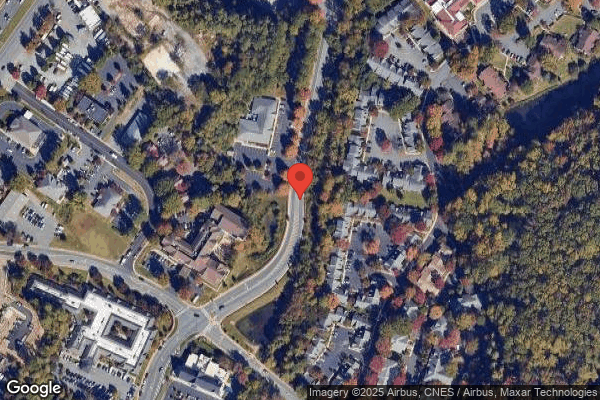

490 HILLSDALE DRIVE, CHARLOTTESVILLE, VA 22901 (434) 951-4200
For profit - Corporation 120 Beds CIENA HEALTHCARE/LAUREL HEALTH CARE Data: November 2025
Trust Grade
38/100
#226 of 285 in VA
Last Inspection: April 2022

Over 2 years since last inspection. Current conditions may differ from available data.

Overview

The Laurels of Charlottesville has received a Trust Grade of F, indicating significant concerns about the quality of care provided. With a state ranking of #226 out of 285 facilities, they are in the bottom half of nursing homes in Virginia, and they rank #7 out of 7 in Albemarle County, meaning there are better local options available. The facility's performance is worsening, as the number of issues found in inspections increased from 3 in 2024 to 7 in 2025. While staffing is a relative strength with a turnover rate of 36%, which is below the state average, the facility has a concerning $8,824 in fines, which is higher than 75% of Virginia facilities. Specific incidents include a resident suffering serious injuries from not being properly secured during transport and multiple residents developing serious pressure ulcers due to inadequate care and monitoring. Overall, while there are some strengths, the facility has critical weaknesses that families should consider carefully.

Trust Score
F
38/100
In Virginia
#226/285
Bottom 21%
Safety Record
Moderate
Needs review
Inspections
Getting Worse
3 → 7 violations
Staff Stability
○ Average
36% turnover. Near Virginia's 48% average. Typical for the industry.
Penalties
⚠ Watch
$8,824 in fines. Higher than 78% of Virginia facilities, suggesting repeated compliance issues.
Skilled Nurses
○ Average
Each resident gets 30 minutes of Registered Nurse (RN) attention daily — about average for Virginia. RNs are the most trained staff who monitor for health changes.
Violations
⚠ Watch
50 deficiencies on record. Higher than average. Multiple issues found across inspections.
★★☆☆☆
2.0
Overall Rating
★★★☆☆
3.0
Staff Levels
★★★★☆
4.0
Care Quality
★★☆☆☆
2.0
Inspection Score
Stable
2024: 3 issues
2025: 7 issues

The Good

  • 4-Star Quality Measures · Strong clinical quality outcomes
  • Full Sprinkler Coverage · Fire safety systems throughout facility
  • No fines on record
  • Staff turnover below average (36%)

    12 points below Virginia average of 48%

Facility shows strength in quality measures, fire safety.

The Bad

2-Star Overall Rating

Below Virginia average (3.0)

Below average - review inspection findings carefully

Staff Turnover: 36%

Near Virginia avg (46%)

Typical for the industry

Federal Fines: $8,824

Below median ($33,413)

Minor penalties assessed

Chain: CIENA HEALTHCARE/LAUREL HEALTH CARE

Part of a multi-facility chain

Ask about local staffing decisions and management

The Ugly 50 deficiencies on record

2 actual harm
Jul 2025 7 deficiencies
CONCERN (D) 📢 Someone Reported This

A family member, employee, or ombudsman was alarmed enough to file a formal complaint

Potential for Harm - no one hurt, but risky conditions existed

Assessment Accuracy (Tag F0641)

Could have caused harm · This affected 1 resident

**NOTE- TERMS IN BRACKETS HAVE BEEN EDITED TO PROTECT CONFIDENTIALITY** Based on staff interview and clinical record review, the facility staff failed to complete an accurate minimum data set (MDS) fo...

Read full inspector narrative →
**NOTE- TERMS IN BRACKETS HAVE BEEN EDITED TO PROTECT CONFIDENTIALITY** Based on staff interview and clinical record review, the facility staff failed to complete an accurate minimum data set (MDS) for one of thirty-three residents in the survey sample (Resident #132)The findings include:Resident #132 (R132) was admitted to the facility with diagnoses that included cerebrovascular accident (stroke), hemiplegia, atrial fibrillation, aphasia, cognitive communication deficit, diabetes, dysphagia with gastrostomy, dementia, hypertension, and pressure ulcer. The minimum data set (MDS) dated [DATE] assessed R132 with severely impaired cognitive skills. R132's clinical record documented an admission assessment dated [DATE] listing the resident had a stage 2 pressure ulcer on the sacrum. R132's clinical record documented physician orders entered on 2/17/24 for treatment of a sacral pressure ulcer with normal saline, medi-honey and foam dressing daily. R132's treatment administration records documented daily wound care to the sacral pressure ulcer as ordered. Section M0210 of R132's admission MDS with reference date of 2/20/24, documented the resident had no unhealed pressure ulcers/injuries. This MDS included no mention of the sacral pressure ulcer present upon admission on [DATE] with ongoing treatments. On 7/24/25 at 8:20 a.m., the registered nurse MDS coordinator (RN #1) was interviewed about the pressure ulcer not indicated on R132's admission MDS. RN #1 reviewed R132's admission assessment and stated there was a sacral pressure ulcer identified upon admission and listed on the treatment records. RN #1 stated the pressure ulcer should have been indicated on the 2/20/24 MDS as present upon admission. RN #1 stated, It was an oversight. The Long-Term Care Facility Resident Assessment Instrument 3.0 User's Manual (October 2024) documents on page M-5 regarding steps for assessment of unhealed pressure injuries, .Code based on the presence of any pressure ulcer/injury (regardless of stage) in the past 7 days .Code 1, yes: if the resident had any pressure ulcer/injury (Stage 1, 2, 3, 4, or unstageable) in the 7-day look-back period. Proceed to M0300, Current Number of Unhealed Pressure Ulcers/Injuries at Each Stage . (1) This finding was reviewed with the administrator, director of nursing and regional nurse consultant on 7/24/25 at 12:45 p.m. with no further information presented prior to the end of the survey. (1) Long-Term Care Facility Resident Assessment Instrument 3.0 User's Manual, Version 1.19.1, Centers for Medicare & Medicaid Services, Revised October 2024.
CONCERN (D) 📢 Someone Reported This

A family member, employee, or ombudsman was alarmed enough to file a formal complaint

Potential for Harm - no one hurt, but risky conditions existed

Deficiency F0658 (Tag F0658)

Could have caused harm · This affected 1 resident

**NOTE- TERMS IN BRACKETS HAVE BEEN EDITED TO PROTECT CONFIDENTIALITY** Based on observation, resident and staff interviews, clinical record review, and facility documentation review, the facility sta...

Read full inspector narrative →
**NOTE- TERMS IN BRACKETS HAVE BEEN EDITED TO PROTECT CONFIDENTIALITY** Based on observation, resident and staff interviews, clinical record review, and facility documentation review, the facility staff failed to follow professional standards of nurse practice for three residents (Resident #22-R22, Resident #35-R35, and Resident #132-R132) in a survey sample of thirty-three residents. The findings included: 1. For R22, the facility staff failed to administer medications timely, within the professional standard of one hour of scheduled time, which had the potential to affect the next scheduled dose and affect level of medication within the resident’s system at a given time. On 7/22/25 at 8:20 a.m., during an interview with R22, she verbalized concern about the administration of her insulin. R22 said frequently in the morning they do not give her morning insulin until 10:30-11 a.m., and about a week ago the nurse had to not administer the afternoon dose of insulin because she had just given the morning dose. R22 said, “I think the insulin is important and you can’t just put one on top of the other, you shouldn’t be taking your medications at lunch time.” On 7/23/25, a clinical record review was conducted. This review revealed R22 had multiple physician orders for insulin. The orders included: a. Basaglar Kwik pen 100UNIT/1ML insulin pen, Inject 34 unit subcutaneously two times a day for Diabetes, hold for BG [blood glucose] less than 100, Notify MD [medical doctor]. According to the medication administration record (MAR), the basaglar Kwik pen was scheduled for administration at 9 a.m., and 9 p.m., daily. b. Humalog Injection Solution (Insulin Lispro) Inject as per sliding scale: if 160-200 = 1unit inject sub Q [subcutaneous]; 201- 240 = 2 units inject sub Q; 241-280 = 3 units inject sub Q; 281-320 = 4 units; 321-360 = 5 units; 361-400 = 6units; 401+ contact Doctor for orders, subcutaneously before meals and at bedtime for diabetes. According to the MAR, the Humalog sliding scale was to be administered at 6:30 a.m., 11:30 a.m., 4:30 p.m., and 9 p.m. daily. c. Humalog Kwik Pen Subcutaneous Solution Pen injector 100 UNIT/ML (Insulin Lispro) Inject 16 unit subcutaneously three times a day for Diabetes Mellitus. According to the MAR, the 16 units of Humalog was scheduled to be given at 9 a.m., 1 p.m., and 5 p.m., respectively. d. Trulicity Subcutaneous Solution Auto-injector 0.75 MG/0.5ML (Dulaglutide) Inject 0.5 ml subcutaneously one time a day every Fri for DM2 [type 2 diabetes]. The MAR indicated the Trulicity was to be administered at 4:30 p.m. weekly on Fridays. On 7/23/25, the facility’s Director of Nursing (DON) provided the surveyor with a “Location of Administration” report which noted the administration times and administration location of insulin. It noted on numerous occasions insulin was not given in accordance with professional standards of practice to administer medications within an hour of the scheduled time. Some of the incidents of non-compliance included, but were not limited to: On 7/7/25, 7/11/25, 7/14/25, 7/17/25, 7/20/25, and 7/23/25, the 9 a.m., dose of Basaglar insulin was administered after 11:00 a.m. The Humalog sliding scale insulin scheduled before meals and at bedtime was not administered within an hour of being scheduled on the following instances: On 7/4/25 the 11:30 a.m., dose was given at 2:44 p.m. On 7/5/25, the 4:30 p.m. dose was administered at 6:28 p.m. On 7/14/25, the 11:30 a.m. dose was given at 1:42 p.m., which would have been after the resident had eaten. On 7/17/25 and 7/19/25, the 11:30 a.m dose was given at 1:15 p.m. and 12:56 p.m., respectively, which also would have been after the lunch meal. Regarding the 16 units of Humalog scheduled for 9 a.m., 1 p.m., and 5 p.m., daily, there were fifteen instances in July 2025 that it was administered outside of the 1-hour window of the time it was scheduled. Some of the instances were as great as two hours and thirty-eight minutes after the scheduled time. The Trulicity was given on 7/4/25 at 2:40 p.m., which was over five hours after the scheduled time. On 7/23/25, during an interview with the director of nursing, she confirmed that medications are to be given within an hour of the scheduled time. On 7/23/25 at 4:08 p.m., during an end of day meeting, the above concerns were discussed. No additional information was provided prior to the conclusion of the survey. 2. For R35, the facility staff provided the resident with medication and walked away without observing the resident swallow/ingest the medication(s). On 7/23/25, an interview was conducted with R35. During the interview she was asked about an incident where medications were lying on her bed, she had no recall of the incident. On 7/23/25 a clinical record review was conducted, and the progress notes gave no details. On 7/24/25 at 8:46 a.m., an interview was conducted with the unit manager, who was registered nurse #4 (RN #4). RN #4 confirmed that there was an incident where a licensed practical nurse #5 (LPN #5) left medications in the room. RN #4 said she heard that the family of R35 came in and medications were on the resident’s bed. RN #4 said, “the nurse said she [R35] was putting them in her mouth and she [LPN #5] walked out of the room. She was reprimanded and told she can’t walk out.” On 7/24/25 at 9:03 a.m., an interview was conducted with LPN #5. LPN #5 was asked about an incident involving R35 and medications. LPN #5 explained that the resident was taking her medications, and she walked away. When the family came in medications were on her bed. LPN #5 said, “I’m not perfect, but I’m a good nurse. I was written up for it.” On 7/24/25, the employee file of LPN #5 was reviewed. There was an “Employee Disciplinary Record” dated 6/3/25 that was a written warning and noted, “… Medication are never to be left with a guest.” According to The Lippincott Manual of Nursing Practice 11th edition on page 15 documents regarding common departures for standards of care, . Failure to administer medications properly and in a timely fashion…” (1) On 7/23/25 at 4:08 p.m., during an end of day meeting, the above concerns were discussed. No additional information was provided prior to the conclusion of the survey. 3. Facility staff failed to document a thorough assessment of Resident #132's pressure ulcer that included size, appearance and/or description of the wound. Resident #132 (R132) was admitted to the facility with diagnoses that included cerebrovascular accident (stroke), hemiplegia, atrial fibrillation, aphasia, cognitive communication deficit, diabetes, dysphagia with gastrostomy, dementia, hypertension, and pressure ulcer. The minimum data set (MDS) dated [DATE] assessed R132 with severely impaired cognitive skills. R132's clinical record documented an admission nursing assessment dated [DATE] listing the resident was assessed with a stage 2 pressure ulcer on the sacrum. The assessment included no description of the wound's appearance indicating the size, skin color, wound bed or presence of drainage/odor. Physician orders were entered on 2/17/24 for treatment of the pressure ulcer. R132's treatment administration record (TAR) documented treatment of the pressure ulcer with normal saline, medi-honey and foam dressing daily as ordered. Clinical notes from 2/17/24 through 2/27/24 documented ongoing treatment of the ulcer with no changes in status noted but included no descriptive assessment of the wound including size or appearance of the wound bed or surrounding tissue. A wound evaluation dated 2/28/24 documented the pressure ulcer was present upon admission and listed the status as unstageable due to the presence of slough and/or eschar with measurements listed as 5.9 cm (centimeters) by 2.7 cm (length by width) with no determined depth. This assessment listed the wound bed had 30% granulation, 30% slough, 40% eschar with no signs of infection, moderate exudate, and no odor with surrounding tissue normal in color/temperature. The consultant wound nurse practitioner assessed the ulcer on 2/28/24, listing a detailed assessment and ordered treatments to continue with normal saline, medi-honey and foam dressing daily. On 7/24/25 at 8:33 a.m., the registered nurse unit manager (RN #4) that completed R132's admission assessment was interviewed about any description or assessment of the identified pressure ulcer. RN #4 stated she listed the resident had a stage 2 pressure ulcer on the sacrum but that she did not document any other details about the wound. RN #4 stated she remembered the resident, that she had a wound on the sacrum but was unable to recall what the ulcer looked like. RN #4 stated, We usually describe the wound in some fashion. RN #4 stated not all nurses were able to stage pressure ulcers but that there should have been some description of the wound's appearance. RN #4 stated the consultant wound nurse practitioner measured wounds weekly and provided detailed assessments. RN #4 stated the wound was treated and monitored during daily dressing changes but there were no descriptive assessments of the wound's status until 2/28/24 when the wound practitioner assessed the wound. RN #4 stated, I would think there should have been more of a description of the wound. On 7/24/25 at 8:42 a.m., the director of nursing (DON) was interviewed about a documented assessment of R132's pressure ulcer upon admission and during the first week of the resident's stay. The DON stated all nurses were not able to stage pressure ulcers but that nurses were expected to document what they see regarding the appearance of the wound. The DON stated the consultant wound practitioner routinely assessed wounds and provided detailed assessments but that nurses should have documented a descriptive assessment upon admission and prior to the first wound consultant visit. The DON stated, I would think there would be a descriptive assessment, especially since it was a week before the wound NP [nurse practitioner] assessed the wound. The DON stated the expectation was for nurses to document what they see, describe the wound appearance. The facility's policy titled Skin Management (revised 8/14/24) documented, .Residents with wounds and/or pressure injury and those at risk for skin compromise are identified, evaluated and provided appropriate treatment to promote prevention and healing. Ongoing monitoring and evaluation are provided to ensure optimal guest/resident outcomes .Residents admitted with any skin impairment will have: Appropriate interventions implemented to promote healing, A physician's order for treatment, and Skin impairment location, measurement and characteristics documented .Residents with pressure injury and lower extremity ulcers will be evaluated, measured and staged weekly (pressure injury and vascular ulcers only) in accordance with the practice guidelines until resolved . The Lippincott Manual of Nursing Practice 11th edition on page 15 documents regarding common departures for standards of care, .A deviation from the protocol should be documented in the patient's chart with clear, concise statements of the nurse's decisions, actions and reasons for the care provided, including any deviation. This should be done at the time the care is rendered because passage of time may lead to a less than accurate recollection of the specific events . (1) This finding was reviewed with the administrator, DON and regional nurse consultant during a meeting on 7/24/25 at 11:15 a.m. with no further information presented prior to the end of the survey. (1) [NAME], [NAME] M. Lippincott Manual of Nursing Practice. Philadelphia: Wolters Kluwer Health/[NAME] & [NAME], 2019.
CONCERN (D) 📢 Someone Reported This

A family member, employee, or ombudsman was alarmed enough to file a formal complaint

Potential for Harm - no one hurt, but risky conditions existed

ADL Care (Tag F0677)

Could have caused harm · This affected 1 resident

**NOTE- TERMS IN BRACKETS HAVE BEEN EDITED TO PROTECT CONFIDENTIALITY** Based on observations, resident interviews, staff interviews, clinical record and facility documentation the facility staff fail...

Read full inspector narrative →
**NOTE- TERMS IN BRACKETS HAVE BEEN EDITED TO PROTECT CONFIDENTIALITY** Based on observations, resident interviews, staff interviews, clinical record and facility documentation the facility staff failed to provide activity of daily living (ADL) assistance for three residents Resident #131 (R131), Resident #89 (R89) and Resident #35 (R35) out of a survey sample of 33 residents.The findings included: R131 was not shaved by the facility staff during his stay. R131 was no longer a resident at the facility so was unable to be interviewed. On 7/23/25 at 2:55 p.m., an interview was conducted with a certified nursing assistant, CNA#3 (CNA3). CNA3 stated that some aides were scared to shave R131. She stated she may have shaved him for an aide while he was here at the facility. CNA3 stated that she shaved him on the day of his discharge. CNA3 stated he had a lot of hair on his face and needed to be shaved. On 7/23/25 at 3:30 p.m., a clinical record review was conducted. R131's care plan was that he needed assistance with all self-care. The minimum data set (MDS) dated [DATE] coded that R131 was requiring moderate to maximum assistance from staff for his ADL's. On 7/24/25 at 10:00 a.m., the administrator provided a copy of their grievance log and a grievance that was filed by Resident #131's (R131) responsible person during his stay at the facility. Reviewing the grievance form, R131's spouse had five concerns that were listed on the grievance form and one of the concerns was about R131 not being shaved by staff. The concern read in part, .asked for him to be shaved from admission 5/9/ finally did it with him on 5/15. The grievance was filed on 5/15/24 and had a resolution date of 6/4/24, which was R131's discharge date . The resolution for the concern of being assisted with shaving was dated 6/4/25 and read in part, .staff educated that spouse preferences is us to shave him. 2. For Resident #89 (R89), the facility staff failed to set up the residents’ meals and failed to provide the necessary assistance and utensils, so the resident could feed herself. On 7/23/25 at approximately 8:30 a.m., R89 called out and motioned for the surveyor to enter her room. R89 was observed crying and very upset. When asked what was wrong, R89 explained that her breakfast had not been set-up, nor was she provide the items needed so she could eat/feed herself and had no milk for her cereal. R89 had observed to have limited range of motion in her arms and reported to the surveyor limited use of her arms and hands. R89 stated she was not able to remove the lid on the cereal and was limited in her ability to cut up her food. R89’s breakfast tray was observed to have a bowl of cold/dry cereal, that had a lid the resident was unable to remove. There was no milk for the cereal. The resident had no fork, and her egg was so hard she couldn’t cut it. On 7/23/25 at approximately 8:40 a.m., the dietary manager was asked to come to R89’s room. Upon the dietary manager’s arrival, the above items were pointed out. The dietary manager immediately began saying she didn’t know why she didn’t have a fork, nursing staff should have given her milk and opened her items. The dietary manager confirmed the egg was so hard/tough that it couldn’t be cut. On 7/23/25, a clinical record review was conducted of R89’s chart. According to R89’s most recent minimum data set assessment, which was an annual assessment and had a reference date of 6/12/25, R89 was noted with range of motion [movement] impairments of her upper extremities [shoulder, elbow, wrist, hand] on both sides. According to that same assessment, R89 was coded as having required “setup or clean-up assistance” for eating in section GG. R89’s diagnosis included, but was not limited to, impingement syndrome of right shoulder, pain in right shoulder, and polyneuropathy. According to the facility policy titled, Activities of Daily Living (ADL) Program, assistance with daily care needs was not addressed. The policy only referred to a restorative nursing program. On 7/23/25 at 4:08 p.m., the facility administrator and director of nursing were made aware of the above findings. No additional information was provided. 3. For Resident #35 (R35), the facility staff failed to help with activities of daily living, that resulted in the resident calling 911. On 7/21/25 at 3:23 p.m., during an interview with R35, she and her roommate both reported that on July 3rd or 4th, they had been sitting up in their wheelchairs all day and wanted to lay down. They reported, “we rang and rang our bell. We waited over two and a half hours, and no one came. We were hurting from sitting up all day.” R35 reported she called her son to report the issue, and he then called 911. On 7/22/25 at 10:55 a.m., during a second interview, R35 reported the incident again from July 3rd or 4th and reported after getting out of bed that morning they received no other care until late that night, despite ringing the call bell for over two and a half hours. On 7/23/25, a clinical record review was conducted of R35’s chart. According to a minimum data set (an assessment) with an assessment reference date of 6/13/25, R35 was cognitively intact with a brief interview for mental status score of 13 of 15. According to section G, R35 required extensive assistance and two-person physical assistance with bed mobility, transfers, and toilet use. According to the activities of daily living documentation, on 7/3/25, there was no indication that any assistance with daily care needs was provided on the evening shift from 3pm-11 pm, as the documentation was blank. On 7/24/25 at 8:15 a.m., an interview was conducted with a certified nursing assistant #8 (CNA#8). CNA #8 explained that all care is documented in the electronic health record. When asked what is means if it is blank, CNA #8 said, “No care was done.” On 7/24/25 at 8:30 a.m., an interview was conducted with the unit manager, registered nurse #4 (RN #4). RN #4 explained that care is documented throughout the day as care is provided. When asked what it means if it is blank, RN #2 said, “I have to assume care wasn’t provided. If nothing is charted, care wasn’t provided.” RN #4 was told of R35’s allegation of not receiving care and calling her son after being up all day and calling for assistance for 2 ½ hours with no response. It was explained that on 7/3/25, no documentation was in the clinical record regarding care being provided. RN #4 said, “Yeah, you would have to agree it wasn’t done.” RN #4 went on to say, “There is no excuse for that. They informed me when I returned to work that it did occur and by the time the police got here, she had been put in bed.” When asked if a grievance was filed, RN #4 said, “Not that I am aware of.” I spoke to the staff about it; their reasoning was that they were attending to each resident as fast as they could. That group is heavy [require more care], and it takes time.” According to the grievance log there was no record of R35’s complaint that resulted in the police responding to the facility. On 7/24/25 at 8:45 a.m., the facility’s director of nursing (DON) was asked if she had information regarding R35’s allegation regarding the lack of care on 7/3/25. The DON stated she would have to look, since the previous DON was in charge at that time. On 7/24/25 at approximately 9 a.m., an interview was conducted with the facility administrator. When the surveyor asked about her knowledge of R35’s allegation regarding the lack of care on 7/3/25, the facility administrator reported she had no knowledge. On 7/24/25 at 11:13 a.m., during a meeting with the facility administrator and director of nursing, the above concerns were discussed. On 7/24/25 at 12:30 p.m., just prior to the survey exit conference, the facility’s DON provided the survey team with a statement and stated that she had spoken to the nurse that was on duty on 6/4/25. The document was reviewed and identified to reference a date that was different from the day of the resident’s allegation. The written statement indicated there were no resident or family complaints and no police in the facility on 6/4/25. The DON also had a statement that she had spoken to the weekend supervisor who worked 6/5/25-6/6/25, which was not the dates in question/of concern previously discussed with the DON. According to the DON's interview with the weekend supervisior, the supervisor reported R35’s son was in and complained of the resident’s pain and being out of bed too long. The weekend supervisor reported she resolved all of the son’s concerns with no further complaints and indicated the unit manager (RN #4) followed up with a call on Monday to address any further concerns. On 7/24/25 at 12:30 p.m, within the documents the facility's director of nursing gave the surveyor was an email that was from R35's son. The email was dated 7/4/25 and read, I am trying to reach someone there today because my mother is in severe pain and cannot get a response from anyone. I'm sure you're probably off today, but I'm trying anything I can. I'm 6 hours away but if I need to come over there to help her, then I may need to call 911 to get her help before I can get there. I'm currently on hold waiting for someone to pick up. This is not acceptable. No additional information was provided.
CONCERN (D) 📢 Someone Reported This

A family member, employee, or ombudsman was alarmed enough to file a formal complaint

Potential for Harm - no one hurt, but risky conditions existed

Medical Records (Tag F0842)

Could have caused harm · This affected 1 resident

**NOTE- TERMS IN BRACKETS HAVE BEEN EDITED TO PROTECT CONFIDENTIALITY** Based on staff interview, and clinical record review the facility failed to ensure a complete and accurate record for one of thi...

Read full inspector narrative →
**NOTE- TERMS IN BRACKETS HAVE BEEN EDITED TO PROTECT CONFIDENTIALITY** Based on staff interview, and clinical record review the facility failed to ensure a complete and accurate record for one of thirty-three residents, Resident #134.The findings Include:The facility did not document wound care on the Treatment Administration Record (TAR) for Resident #134 (R134).R134 was admitted to the facility with diagnoses that included cellulitis, right toes amputation, congestive heart failure, MRSA, and diabetes. The most recent minimum data set (MDS) was a 5-day assessment dated [DATE], R134 was assessed as being conatively intact.Review of R134's clinical record indicated an order dated 3/12/25 to complete wound care and dressing change to R134's root foot every day and evening shift starting on 3/13/25.Review of R134's TAR indicated on 3/16/25 day shift and 3/17/25 evening shift was not signed off to indicate the dressing change was completed. On 7/22/25 at 1:40 p.m. the unit manager (license practical nurse, LPN #1) where R134 resided while at the facility, was interviewed. LPN #1 reviewed documentation and verbalized there should be no blanks on the TAR and would see who was assigned on the days in question and find out what happened.On 7/22/2025 at 4:11 p.m. LPN #1 came back and gave information regarding treatments not being documented. LPN #1 verbalized that both nurses were contacted and verbalized that R134 had refused the treatment change. LPN #1 said the nurses should have coded the refusal on the TAR and wrote a progress note about the refusal.On 07/22/2025 at 4:16 p.m. registered nurse RN #2 was interviewed regarding treatments. RN #2 said that he was assigned to R134 on 3/16/25 and R134 had refused treatment to the foot. RN #2 verbalized he had gotten busy and forgot to document the refusal. RN #2 verbalized R134 refused the dressing changes often. The above information was presented to the administrator and director of nursing on 7/23/25. No other information was provided prior to the exit conference.
CONCERN (D) 📢 Someone Reported This

A family member, employee, or ombudsman was alarmed enough to file a formal complaint

Potential for Harm - no one hurt, but risky conditions existed

Deficiency F0940 (Tag F0940)

Could have caused harm · This affected 1 resident

Based on staff interviews and facility documentation review the facility staff failed to ensure that staff received required training related to the care of residents with cognitive impairments, inclu...

Read full inspector narrative →
Based on staff interviews and facility documentation review the facility staff failed to ensure that staff received required training related to the care of residents with cognitive impairments, including dementia, for two of five staff reviewed for training. The findings included:Two certified nursing assistants were not in compliance with the training requirements for caring for cognitive impaired residents. On 7/24/25 at 8:30 a.m. an interview was conducted with a registered nurse, RN#3 (RN3). RN3 was asked if she was over staff training and she stated she was. Five employee training records were requested, RN3 stated that it was yearly training required and completed on Relias and then she had some in-services as well.On 07/24/2025 at 9:36 a.m. The requested training records for staff was reviewed. Certified nurse assistant (CNA), CNA#4 (CNA4), CNA#5 (CNA5) CNA#6 (CNA6), licensed practical nurse (LPN), LPN#4 (LPN4) LPN#5 (LPN5) training records were reviewed. Two employees, CNA4 and CNA6 out of the five employee records reviewed, did not receive the required training for the care of residents with cognitive impairments.On 7/24/25 at 10:30 a.m. a review of facility documentation was conducted. The facility document that read, Staff development, read in part, the staff development coordinator provides training and orientation to assist staff in performing their assigned functions. The annual training schedule should include programs relating to but not limited to dementia care and quality of care problems.On 7/24/25 at 12:30 p.m. a meeting was held with the administrator, the director of nurses, the assistant director of nurses and the regional clinical director and they were informed of the above concerns. No additional information was provided prior to the exit conference.
CONCERN (E) 📢 Someone Reported This

A family member, employee, or ombudsman was alarmed enough to file a formal complaint

Potential for Harm - no one hurt, but risky conditions existed

Grievances (Tag F0585)

Could have caused harm · This affected multiple residents

Based on observation, resident interview, staff interview and facility documentation, the facility staff failed to resolve a grievance in a timely manner, failed to post the identification of the grie...

Read full inspector narrative →
Based on observation, resident interview, staff interview and facility documentation, the facility staff failed to resolve a grievance in a timely manner, failed to post the identification of the grievance officer, and failed to post the grievance procedure in the facility.The findings included: The facility did not have the grievance procedure or who the officer was posted and did not respond to a grievance timely. On 7/21/25 at 2:00 p.m., a tour of the facility's nursing unit one, unit two and unit three was conducted. There was no posting for who the grievance officer was or how to file a grievance on the nursing units or in the lobby area of the facility. On 7/22/25/at 3:00 p.m., a resident council meeting was held. During the meeting questions were asked about how to file a grievance and who the grievance officer was at the facility. There were 15 residents in attendance at the meeting, and no one knew who the grievance officer was or how to file a grievance. During the meeting Resident #114 said, I guess we could tell the nurses our concerns and they could pass it on to us. Resident #82 said, We were not aware of a grievance form, and we don't know who the grievance officer is or even if we have one here. On 7/22/25 at 3:30 p.m., the activity's director was asked if she knew who the grievance officer was and she said, no. On 7/23/25 at 8:49 a.m., the social service director stated that she was not aware of who the grievance officer was at the facility. On 07/24/2025 at 8:22 a.m., an interview was conducted with the administrator. The administrator said, I am the grievance officer at this time because there has been so much turnover with the social workers. The administrator stated there was no posting about the grievance officer or procedure, but the guest could go to any staff with their concerns. On 7/24/25 at 10:00 a.m., the administrator provided a copy of their grievance log and a grievance that was filed by Resident #131's (R131) responsible person during his stay at the facility. Reviewing the grievance form R131's spouse had five concerns that were listed on the grievance form. The grievance was filed on 5/15/24 and had a resolution date of 6/4/24, which was R131's discharge date . On 7/24/25 a facility policy was reviewed. The policy titled, Care Program, read in part, . Sharing pertinent resident concerns with the IDT [interdisciplinary team] at morning meetings and establishing communication with the family. A=Action section 2. All concerns shall be discussed with the Department Managers during the morning interdisciplinary Team (IDT) meeting following the day of receipt. During the meeting the team will determine who will investigate the concern if the investigation has not been initiated. The Department manager/designee assigned has 5-7 business days following receipt of the concern to complete the investigation and document his/her conclusions. On 7/24/25 at 11:13 a.m., an end of day meeting was held with the administrator, the director of nurses, the assistant director of nurses and the regional clinical director. They were informed of the above concern. No additional information was provided prior to the exit interview.
CONCERN (E) 📢 Someone Reported This

A family member, employee, or ombudsman was alarmed enough to file a formal complaint

Potential for Harm - no one hurt, but risky conditions existed

Quality of Care (Tag F0684)

Could have caused harm · This affected multiple residents

**NOTE- TERMS IN BRACKETS HAVE BEEN EDITED TO PROTECT CONFIDENTIALITY** Based upon observations, resident & staff interviews, clinical record review, and facility documentation review, the facility fa...

Read full inspector narrative →
**NOTE- TERMS IN BRACKETS HAVE BEEN EDITED TO PROTECT CONFIDENTIALITY** Based upon observations, resident & staff interviews, clinical record review, and facility documentation review, the facility failed to follow physician's orders for seven of thirty-three residents in the survey sample, Resident #134 (R134), Resident #41 (R41), Resident #49 (R49), Resident #22 (R29), Resident #31 (R31), Resident #38 (R38), and Resident #43 (R43).The Findings Include: 1. Resident #134 (R134) did not receive Cefazolin (antibiotic) as ordered. R134 was admitted to the facility with diagnoses that included cellulitis, right toes amputation, congestive heart failure, MRSA, and diabetes. The most recent minimum data set (MDS) was a 5-day assessment dated [DATE], R134 was assessed as being conatively intact. Review of R134’s clinical record indicated an order for “Cefazolin sodium inject 2 grams IM three times a day.” The order was written on 3/12/25 to start 3/13/25. Review of R134’s medication Administration Record (MAR) indicated R134 did not get morning dose of antibiotic on 3/13/25 (6;00 a.m. dose), the physician was notified, and the medication was put on hold. On 7/22/25 at 1:40 p.m. the unit manager (license practical nurse, LPN #1) where R134 resided while at the facility, was interviewed. LPN #1 reviewed documentation and verbalized R134 entered the facility on 3/12/25 at 7:13 p.m. and the medication may not have been available due to the time of admission being late in the evening and would contact the nurse on duty that night to find out what happened. LPN #1 then went to automated medication dispensing storage (Omni-cell) to see if the facility keeps the medication on hand and showed the medication was not available. LPN #1 then reviewed the contents in the unit's STAT medication box and found the box contained two 1-gram vials of Cefazolin. LPN #1 said that the nurse on duty should have used the medication in the STAT box. On 7/22/2025 at 4:11 p.m. LPN #1 came back and gave information regarding medication not given. LPN #1 said the nurse on duty the day in question was unable to be contacted, but called pharmacy and said the antibiotic in question was not pulled from the stat box and could have been. The above information was presented to the administrator and director of nursing on 7/23/25. No other information was provided prior to the exit conference. 2. Resident #41 was administered 10 mg (milligrams) of the medication Bacoflen when the physician's order required a 5 mg dose. A medication pass observation was conducted on 7/22/24 at 8:44 a.m. with licensed practical nurse (LPN #5) administering medications to Resident #41 (R41). Among the medications administered to R42 was Baclofen 10 mg. R42's clinical record documented a physician's order dated 5/1/25 for Baclofen 5 mg once daily for treatment of muscle spasms. R42's medication administration record documented the Baclofen 5 mg was scheduled each day for administration at 9:00 a.m. The record also included a physician's order dated 5/1/25 for Baclofen 10 mg to be administered at each bedtime with the scheduled time listed on the administration record at 9:00 p.m. On 7/22/25 at 8:50 a.m., LPN #5 was interviewed about administering a 10 mg dose of Baclofen instead of the ordered 5 mg dose. LPN #5 reviewed the medication card and stated she gave the bedtime dose instead of the 5 mg dose scheduled for 9:00 a.m. LPN #5 reviewed the medicine supply cards and located R41's Baclofen 5 mg labelled for administration at 9:00 a.m. On 7/22/25 at 8:55 a.m., the registered nurse unit manager (RN #4) was interviewed about the medication error with R41's Baclofen. RN #4 reviewed and stated LPN #5 obtained the 10 mg dose from the supply card labelled for bedtime. RN #4 displayed that the supply card with the 5 mg dose was available in the medication cart. This finding was reviewed with the administrator, director of nursing and regional nurse consultant during a meeting on 7/23/25 at 4:15 p.m. with no further information presented prior to the end of the survey. 3. Resident #49 did not have vital signs assessed each shift as ordered by the physician. Resident #49 (R49) was admitted to the facility with diagnoses that included tibia fracture, venous thrombosis, fractured metatarsal bones, depression, benign prostatic hyperplasia, sacrum fracture, pneumothorax, anemia, multiple rib fractures, and back contusion. The minimum data set (MDS) dated [DATE] assessed R49 as cognitively intact. R49's clinical record documented a physician's order dated 7/8/25 for vital signs every shift for 14 days. Vitals signs listed on the medication administration record (MAR)included assessment of blood pressure, temperature, pulse rate, respiration rate and oxygen saturation. R49's MAR documented no vital signs were assessed on the day shift on 7/12/25 and 7/19/25. Clinical notes documented no explanation of why vital signs were not obtained on these dates. On 7/22/25 at 3:54 p.m., the licensed practical nurse unit manager (LPN #1) was interviewed about R49's missed vital signs. LPN #1 stated she reviewed the clinical record and did not find vital signs for 7/12/25 or 7/19/25. LPN #1 stated, I don't see where they [vital signs] were done. LPN #1 stated vital signs were supposed to be documented in the clinical record as ordered. This finding was reviewed with the administrator, director of nursing and regional nurse consultant during a meeting on 7/23/25 at 4:15 p.m. with no further information presented prior to the end of the survey. 4. For Resident #22 (R22), the facility staff failed to administer insulin in accordance with physician orders and the standard of practice to administer medications within an hour of scheduled dose. On 7/22/25 at 8:20 a.m., during an interview with R22, she verbalized concern about the administration of her insulin. R22 said frequently in the morning they do not give her morning insulin until 10:30-11 a.m., and about a week ago the nurse had to not administer the afternoon dose of insulin because she had just given the morning dose. R22 said, “I think the insulin is important and you can’t just put one on top of the other, you shouldn’t be taking your medications at lunch time.” On 7/23/25, a clinical record review was conducted. This review revealed R22 had multiple physician orders for insulin. The orders included an order for sliding scale insulin, which read, “Humalog Injection Solution (Insulin Lispro) Inject as per sliding scale: if 160-200 = 1unit inject sub Q [subcutaneous]; 201- 240 = 2 units inject sub Q; 241-280 = 3 units inject sub Q; 281-320 = 4 units; 321-360 = 5 units; 361-400 = 6units; 401+ contact Doctor for orders, subcutaneously before meals and at bedtime for diabetes.” According to the MAR, the Humalog sliding scale was to be administered at 6:30 a.m., 11:30 a.m., 4:30 p.m., and 9 p.m. daily. On 7/3/25, R22’s blood sugar was not checked at 11:30 a.m., and therefore, no insulin was administered. On 7/19/25 the 6:30 a.m. blood glucose check, R22’s sugar was recorded as 170 and no insulin was administered. According to the physician order 1 unit of insulin was to be given for blood sugar levels between 160-200. There was no documentation that the doctor was notified of this omission of administration. On 7/23/25, during an interview with the director of nursing, she was made aware of the insulin not being administered as ordered. According to the Institute for Safe Medication Practices (ISMP) document titled, ISMP Guidelines for Optimizing Safe Subcutaneous Insulin Use in Adults, it read in part, . Medications that are associated with the highest risk of injury when used in error are known as high-alert medications. Insulin has long been identified as belonging to this group of medications . For many years, insulin has been shown to be associated with more medication errors than any other type or class of drugs . Types and Causes of Insulin Errors: A variety of error types have been associated with insulin therapy, including administration of the wrong insulin product, improper dosing (under-dosing and overdosing), dose omissions, incorrect use of insulin delivery devices, wrong route (intramuscular versus subcutaneous), and improper patient monitoring. Many errors result in serious hypoglycemia or hyperglycemia . Hypoglycemia is often caused by a failure to adjust insulin therapy in response to a reduction in nutritional intake, or an excessive insulin dose stemming from a prescribing or dose measurement error. Other factors that contribute to serious hypoglycemia include inappropriate timing of insulin doses with food intake, creatinine clearance, body weight, changes in medications that affect blood glucose levels, poor communication during patient transfer to different care teams, and poor coordination of blood glucose testing with insulin administration at meal times . The above referenced document went on to read, .Poor coordination of insulin with meals and glucose monitoring in inpatient settings: Coordinating glucose monitoring, meal delivery, and insulin administration within the ideal time frame for rapid-acting insulin is a significant challenge often not being met in inpatient settings. Studies suggest that glucose monitoring and insulin administration occur within an acceptable range less than half of the time in hospitalized patients prescribed insulin. In two studies, less than half of patients met the goal of receiving a rapid-acting insulin within 10-15 minutes of a meal, and 35% received glucose monitoring within one hour prior to insulin administration. Timing for meals, blood glucose testing, and rapid-acting insulin administration varied significantly and was not well synchronized among the various facilities . Accessed online at: 2017 ISMP Guidelines for Optimizing Safe Subcutaneous Insulin Use in Adults On 7/23/25 at 4:08 p.m., during an end of day meeting, the above concerns were discussed. No additional information was provided prior to the conclusion of the survey. 5. For Resident #31 (R31), who had orders for daily weights and to notify the physician of significant weight changes, the facility staff failed to notify the physician when the weight exceeded the parameters set by the doctor. On 7/21/25, R31 was visited in her room. R31 reported she had recently been readmitted to the facility following hospitalization. She reported she had been a resident of the facility prior but had gone home but was thankful they accepted her back. On 7/22/25, during a clinical record review, it was noted that R31’s diagnosis included but were not limited to: Chronic diastolic/congestive heart failure, chronic kidney disease stage 3A, and acute kidney failure. On 7/18/25, the doctor ordered, “Weight: Daily Notify MD of 3 lb. [pound] weight gain in 1 day or 5 lb. weight gain in 1 week. every day shift.” According to R31’s recorded weights, on 7/19/25 the resident weighed 215.2 pounds. On 7/20/25 and 7/21/25 the resident weighed 221.4 pounds and 221.6 pounds. There was no indication that the doctor was made aware of this weight gain of six pounds in one day. On 7/23/25 at 2 p.m., an interview was conducted with registered nurse #4 (RN #4), who was a unit manager. When asked about physician orders for daily weights, RN #4 explained that this is particularly important with residents who have congestive heart failure, impaired kidney function, or are not consuming enough of their meals. “Weight is so important,” she said. She said it is important to let the doctor of weight changes as ordered because it could mean they are retaining fluid, medications need to be adjusted, etc. On 7/23/25 at 2:13 p.m., an interview was conducted with licensed practical nurse #9 (LPN #9) who was also a unit manager and the manager on the unit where R31 was a resident. When asked about daily weights, LPN #9 said at times nursing will write it on paper and then put it in the computer/electronic health record of the resident. When R31 weight loss was discussed and according to the doctor’s order, the physician should have been notified, LPN #9 agreed. She was unable to find evidence of the provider being made aware of the significant weight change in 24 hours. 6. For Resident #38 (R38), the facility staff failed to obtain daily weights as ordered by the physician. On 7/21/25, in the afternoon, an interview was conducted with R38. R38 was observed in bed and appeared very thin and frail. On 7/22/25, a clinical record review was conducted that revealed R38 was admitted to the facility on [DATE] and diagnosis included gastric ulcer and helicobacter pylori. According to the physician orders, R38 had an order dated 7/10/25, that read, “Daily weight.” According to the recorded weights in R38’s chart, her weight was as follows: On 7/11/25- 135 pounds. On 7/13/25- 136.1 pounds. On 7/17/25- 138.2 pounds. On 7/19/25- 138 pounds and on 7/21/25 R38’s weight dropped to 121.6 pounds. On 7/22/25 R38’s weight was 122.4 pounds. There were no other recorded weights in R38’s chart. According to the care plan, it indicated to notify the doctor of a change of 5% or more. On 7/23/25 at 10:18 a.m., an interview was conducted with R38’s attending physician. The doctor noted that they felt the weight change recorded was not an accurate weight. When asked about his expectation regarding weights for R38. The doctor said, if he orders daily weights, he expects it to be done and documented. On 7/23/25 at 2:13 p.m., an interview was conducted with licensed practical nurse #9 (LPN #9) who was also a unit manager and the manager on the unit where R38 was a resident. When asked about daily weights, LPN #9 said at times nursing will write it on paper and then put it in the computer/electronic health record of the resident. When it was discussed that R38’s physician had ordered daily weights, but weights were not recorded for 7/12/25, 7/14/25, 7/16/25, 7/18/25, and 7/20/25. LPN #9 reviewed the chart and paper logs and was not able to find any weights recorded for those days. On 7/23/25 at 4:08 p.m., during an end of day meeting, the facility administrator and director of nursing were made aware of the above findings. No additional information was provided. 7. For Resident #43 (R43), the facility staff failed to obtain daily weights and notify the doctor of a weight change as ordered by the physician. On 7/22/25 at 10:34 a.m., during an interview with R43 he expressed concerns about the food and reported he had lost some weight. On 7/23/25, a clinical record review was conducted of R43’s chart. R43’s diagnosis included, but were not limited to, chronic diastolic/congestive heart failure, atrioventricular block-complete, and atherosclerotic heart disease of native coronary artery. A physician order dated 5/12/25 read, “Weight: Daily every day shift Notify provider if gain 3 lbs. in 24hrs or 5 lbs. in 1 week.” According to the weights recorded in R43’s chart, there were numerous days that weights were not obtained/recorded: which included, but were not limited to: 6/19/25, 6/21/25, 6/27/25, 7/4/25, 7/10/25, 7/12/25, and 7/18/25. According to the weight record of R43, on 6/28/25 the resident weighed 186 pounds. On 6/29/25 the resident weighed 193.3, which was a 7.3-pound variance in one day. According to the physician order any weight gain of three pounds in 24 hours or five pounds in a weight was to be communicated to the doctor. There was no evidence that the weight gain from 6/28/25 or 6/29/25 was communicated to the doctor. According to the facility policy titled, “Physician’s Order,” it read in part, “… Treatment rendered to a resident must be in accordance with the specific standing, written, verbal, or telephone order of a physician…” According to the facility’s “Weight Management” policy, with a revision date of 9/22/23, it read in part, “Residents will be monitored for significant weight changes on a regular basis… 7. Dietary manager, unit manager and/or RD [registered dietician] are to communicate weight changes to the IDT [interdisciplinary team], attending physician and resident’s responsible party. This is documented in the medical record…” On 7/23/25 at 4:08 p.m., during an end of day meeting, the above concerns regarding residents’ 38, 31, 43 and 22 were discussed with the facility administrator and director of nursing. No additional information was provided prior to the conclusion of the survey.
May 2024 1 deficiency
CONCERN (D) 📢 Someone Reported This

A family member, employee, or ombudsman was alarmed enough to file a formal complaint

Potential for Harm - no one hurt, but risky conditions existed

Tube Feeding (Tag F0693)

Could have caused harm · This affected 1 resident

Based on observations, staff interview, clinical record and facility documentation the facility staff failed to follow physician's orders for tube feeding flushes for one resident, (Resident #1, R1) i...

Read full inspector narrative →
Based on observations, staff interview, clinical record and facility documentation the facility staff failed to follow physician's orders for tube feeding flushes for one resident, (Resident #1, R1) in a survey sample of 4 residents. The findings included: The facility staff failed to administer tube feeding flushes between medications, before the bolus feeding and after the bolus feeding with the volume of water flushes that were ordered by the physician. On 5/21/24 at 10:00 a.m. an observation of a medication and bolus tube feeding being administered to R1 was conducted. During the observation, this surveyor observed LPN#1 (LPN1) administering one liquid medication, one cup with crushed medications diluted with water, a bolus tube feeding, and water flushes. During the observation, LPN1 was not observed flushing the peg tube with 15cc's of water before and between medications and not flushing with 50cc's of water prior to the bolus feeding, but did flush with 120cc's of water after the bolus feeding was completed. On 5/21/24 at 10:30 a.m., an interview was conducted with LPN1. LPN1 verbalized that the orders for the flushes for R1 were 50 cc's of water before and after the bolus feeding, 15 cc's before and after medications, and 120 cc's every shift. LPN1 verbalized that she was suppose to do 15 cc flushes between the medications and 50 cc flushes before and after the bolus feeding. LPN1 verbalized that she did not follow the physician order and stated, I just misread the orders. On 5/21/24, a clinical record review was conducted. This surveyor reviewed R1's physician's orders and the physician orders read in part, .every shift flush peg tube with 120cc of water, flush peg tube with at least 15 cc of water before and after medication administration and at least 15cc of water in between each medication, flush peg tube with 50cc before and after each bolus tube feeding four times daily. On 5/21/24, a review of the facility documentation was conducted. The policy titled, Medications Administration-Enteral, read in part, .verify medication order on the MAR [medication administration record] by checking it against the physician's order, instill at least 15ml of water into syringe and flush between each medication, with at least 15ml of water, after giving all medications, instill at least 15ml of water to irrigate tube. On 5/21/24 at 10:51 a.m., a meeting with the administrator, the director of nursing, and the regional clinical care coordinator was held to discuss the above concerns. On 5/21/24 at 11:00 a.m, an exit conference was conducted with the administrator, the director of nursing and the regional clinical coordinator and no more information was provided prior to exit conference. This allegation is substantiated with deficiency, F693.
Jan 2024 1 deficiency 1 Harm
SERIOUS (G) 📢 Someone Reported This

A family member, employee, or ombudsman was alarmed enough to file a formal complaint

Actual Harm - a resident was hurt due to facility failures

Accident Prevention (Tag F0689)

A resident was harmed · This affected 1 resident

**NOTE- TERMS IN BRACKETS HAVE BEEN EDITED TO PROTECT CONFIDENTIALITY** Based on resident interview, staff interview, facility document review, and clinical record review, the facility staff failed, d...

Read full inspector narrative →
**NOTE- TERMS IN BRACKETS HAVE BEEN EDITED TO PROTECT CONFIDENTIALITY** Based on resident interview, staff interview, facility document review, and clinical record review, the facility staff failed, during transport in the facility's van, to secure safety restraints for one of four residents in the survey sample (Resident #1). Upon sudden braking during a transport, Resident #1 was thrown from the wheelchair onto the van floor, and was found with an unattached lap/shoulder safety belt. Resident #1 experienced a painful right ankle fracture and left lower leg fracture that required hospitalization, surgical treatment, and a blood transfusion (harm) as a result of the accident. The findings include: Resident #1 (R1) was admitted to the facility with diagnoses that included atrial fibrillation, cardiomyopathy, congestive heart failure, hypertension, respiratory failure, osteoarthritis, osteoporosis and hypothyroidism. The minimum data set (MDS) dated [DATE] assessed R1 as cognitively intact. R1's clinical record documented a nursing note dated 1/11/24 stating, .This guest was taken to .hospital on the day shift. This guest has been admitted . R1's hospital history and physical dated 1/11/24 documented, .presents with right ankle and left knee pain. Patient was in a wheelchair transport van when it suddenly hit the brakes and [R1] .was thrown forward out of her wheelchair and pinned underneath the chair in front of her. She was unable to get up after this accident. She was found to have significant amount of bleeding from her right ankle . The hospital physician's physical exam dated 1/11/24 documented the right lower extremity with a large medial ankle wound with exposed bone and the left lower extremity was tender to palpation over left proximal tibia .ecchymosis noted over proximal tibia . R1 was diagnosed with an open right ankle fracture and left tibia fracture. R1 was hospitalized for surgical treatment of the injuries. The hospital Discharge summary dated [DATE] documented R1 had surgical repair of the fractures on 1/12/24 and experienced blood loss anemia, which required a blood transfusion. It also documented that R1 had a cast applied to the right lower leg/ankle and dressing applied to the left lower leg. Per the hospital discharge summary, R1 was discharged to the nursing facility on 1/16/24 with orders for non-weight bearing status on both legs due to the fractures, in addition to the medication orders for pain management. On 1/29/24 at 10:50 a.m., R1 was interviewed about the van incident of 1/11/24. R1 stated she was transported in the facility van on 1/11/24 with the usual driver (certified nurses' aide #1) to go to an eye appointment. R1 stated that she evidently was not buckled in properly at the time of the incident. R1 stated, Something happened in the road and the driver applied the brakes suddenly. R1 stated that when the driver hit the brakes, I went on the floor and my legs went under the seats. R1 stated that she broke both of her legs due to the incident. R1 stated that she bled bad because she was on Coumadin. R1 stated that she remembered the driver locking the wheelchair and placing the seat/shoulder straps across her. R1 stated she had a strap across her chest prior to leaving and described the strap as loose, flimsy. R1 stated that she thought the safety belts were attached but obviously something was not locked because the strap was not attached after the accident. R1 stated that there were no other residents in the van and the driver immediately called 911 after the incident. R1 stated the pain at the time of the accident was terrible. R1 stated that she had surgery, had to get a blood transfusion, and now had a cast on the right ankle with a dressing on the left leg. R1 stated that she was now non-weight bearing on both legs for approximately six to eight weeks and taking extra medication to manage the pain from the injuries. R1 stated, Something wasn't hooked right. R1 stated that she had been in transport vans before and not experienced any problems. R1 stated that prior to the accident, she was able to walk with use of a rolling walker and had plans to discharge home the next week. On 1/29/24 at 11:40 a.m., the certified nurses' aide (CNA #1) that was driving the transport van at the time of R1's accident was interviewed. CNA #1 stated that she was the designated van driver for the facility and transported residents routinely to medical appointments. CNA #1 stated that she was not new to driving the transport van and had approximately 1.5 years' experience with transporting patients. CNA #1 stated that on 1/11/24, she assisted R1, who was in a wheelchair, into the transport van for an appointment. CNA #1 stated that she secured the wheelchair to the four floor brackets and attached the lap and shoulder straps on R1 prior to leaving in the van. CNA #1 stated that on the way to the doctor's office, the car in front of her suddenly braked due to roadside construction. CNA #1 stated that this caused her to brake suddenly and harder than normal. CNA #1 stated that there was no impact with the car in front of her, only sudden braking. CNA #1 stated, I assumed the seat belt broke. CNA #1 stated that when she hit the brakes, R1 went into the floor. CNA #1 stated she pulled the van over and called 911. CNA #1 stated that when she got to R1 on the van floor, the seat/shoulder strap was unattached and laying across the resident's hip. CNA #1 stated the safety belt was unattached from the pin/bracket near the right, rear wheel of the wheelchair. CNA #1 stated that the wheelchair remained locked in place, but the safety belt was unattached. CNA #1 stated, I checked it [safety belt] before I left. I check it every time. CNA #1 stated she was not speeding as she was traveling approximately 25 mph (miles per hour) in a 35-mph speed limit zone. CNA #1 stated that she had driven the same van during her six months at the facility and had experienced no previous issues or concerns with the safety belts or lock down mechanisms. On 1/29/24 at 12:00 p.m., the administrator was interviewed about R1's van accident of 1/11/24. The administrator stated the van was immediately taken out of service after the reported incident on 1/11/24. The administrator stated she, the director of nursing, and the maintenance director had CNA #1 provide a demonstration of how she secured R1 in the van. The administrator stated CNA #1's demonstration was per procedure. The administrator stated her understanding of the events included CNA #1 hitting the brakes suddenly in response to the vehicle in front of her stopping suddenly due to road work. The administrator stated the wheelchair remained locked in position during the incident, and the resident came out of the chair. The administrator stated CNA #1 reported that the seat/shoulder strap was found unattached when she found R1 on the floor of the van. The administrator stated there had been no previous incidents or concerns with the transport van. The administrator stated the van was reviewed by the maintenance director and then sent to a local dealership for a safety inspection. On 1/29/24 at 1:20 p.m., the maintenance director (other staff #3) was interviewed. The maintenance director stated he inspected the transport van immediately after the incident. The maintenance director stated, My observation was that the belts were in perfect condition. The maintenance director stated the safety belts had a latch that, when secured, were snapped onto a pin located on the right back wheel locking mechanism. The maintenance director stated he checked the straps, pin, and locking brackets after the incident and found no malfunction or disrepair. The maintenance director stated he snapped the safety belt bracket in place, pulled on the belts, and found the locking mechanism and belts to be in proper working order. The maintenance director stated that on 1/11/24, CNA #1 demonstrated her procedure for locking/strapping the resident in the van and this was per procedure. The maintenance director stated CNA #1 reported that the seat/shoulder strap was unattached and positioned across the resident's hip after the incident. The maintenance director stated there had been no reported malfunctions or concerns with the transport van. The maintenance director stated the van had a preventive maintenance inspection performed monthly that included checking the seat restraint system. The maintenance director stated the transport van was checked prior to the incident in December 2023 with no issues identified. The maintenance director stated immediately after the incident, the van was taken out of service and then transported to a local dealership for inspection/service. The maintenance director stated his only conclusion about the incident was that the belt bracket was not securely locked or became dislodged somehow. On 1/29/24 at 3:13 p.m., the administrator was interviewed again about R1's transport van incident. The administrator stated she received the report today (1/29/24) from the dealership and there were no problems found with the safety restraint system. The administrator stated from their review of the accident, the facility had identified two possible causes leading to the unattached seat belt. The administrator stated the safety belts were either not connected securely or they were connected and inadvertently dislodged from the locking mechanism. The administrator stated CNA #1 had previous training on use of the transport van and restraint system. The administrator stated the facility only had this one transport van. The administrator stated there were no other employees trained to drive the transport van and if CNA #1 was out, a local transport service was used to take residents to appointments. The administrator presented a copy of CNA #1's initial training dated 8/1/23 that included training on safety guidelines for assisting residents with wheelchair transport and demonstrated competency in securing and releasing the wheelchair and resident with the van's restraint system per manufacturer's recommendations. The administrator presented a copy of the last preventive maintenance check of the transport van conducted by the maintenance department. The report was dated 12/18/23 and documented the wheelchair locking mechanism and seat belts were in good working order with no wear or disrepair of the belts (not frayed, torn or cut). The administrator presented a copy of the dealership service report dated 1/24/24. The dealership report documented, Check for proper function of wheel chair lift seatbelt .checked verified proper operation of the wheel chair lift .Checked for proper operation of wheel chair restraints .restraints seem to be working properly at this time . The facility's policy titled Transportation of a Resident in Facility Van (revised 2/9/23) documented, Residents will be safely transported via the facility transport van .Processes are in place to promote the safety of residents and employees during transport in company vehicles and to minimize resident/employee injury and property damage associated with vehicle accidents . Safety instructions in this policy included, .Keep all seat belts, safety restraints, and wheelchairs secure following the manufacturer instructions .The wheelchair is secured following manufacturer guidelines and facility procedure upon entering the vehicle .All resident wheelchairs are secured using the Qstraint QRT restraint system .and are secured with the lap and shoulder restraints before movement of the van These findings were reviewed with the administrator on 1/29/24 at 3:15 p.m. The administrator stated that immediate actions were taken in response to R1's accident/injury of 1/11/24 and presented a plan of correction for deficient practice listed as, Facility's van's seat belt gave way while car was in motion. Corrective actions taken in response to R1's accident/injury included the following. 1/11/24 - Transport van taken out of service after the incident. Maintenance, administrator and director of nursing (DON) inspected van and restraint system immediately following the incident. CNA #1 performed demonstration to administrator, DON, and maintenance director of procedure for locking wheelchair and securing safety belts. The transport van was taken to a local dealership for inspection of the safety restraint system. 1/11/24 - Audit was conducted identifying all other resident transports with the facility's van/driver within last 30 days. Dates of transports reviewed were from 12/5/23 through 1/11/24. All residents were interviewed/reviewed with no concerns or issues with the van's seat belt system identified. 1/11/24 - The maintenance director educated the van driver (CNA #1) with return demonstration on securing the wheelchair and resident in the van and verified competency for securing and releasing the wheelchair and resident per restraint system manufacturer's recommendations. Ongoing monitoring - the van driver will complete return demonstration of the seat belt system five times a week for four weeks, then two times per week for another four weeks, starting after the van has cleared inspection and been returned to the facility. Findings and interventions will be reviewed/discussed during QAPI (quality assurance and performance improvement) meetings to ensure ongoing compliance and to identify any further corrective actions needed. The administrator was documented in the plan of correction as the person responsible for ensuring compliance with the plan of correction. The correction date was listed as 1/11/24. The facility's transport van remained located at the local dealership at the time of the survey. A local transport company was currently being used to transport residents to appointments. On 1/30/24 at 8:15 a.m., CNA #1 was interviewed about actions taken on 1/11/24 following the incident. CNA #1 stated when she got back to the facility on 1/11/24, she demonstrated to the administrator, DON and maintenance director how she applied the safety restraints in the van. CNA #1 verified that she was re-educated on 1/11/24 about the van restraint system by the maintenance director and watched a video from the manufacturer about safely locking/releasing the resident/wheelchair in the van. The facility audits of transports with the facility van prior to the 1/11/24 incident were reviewed. The audit included documentation of 51 resident transports with no reports or concerns identified with seat belt safety. On 1/30/24 at 9:30 a.m., CNA #2 responsible for coordinating resident transports was interviewed. CNA #2 stated the van was taken out of service immediately after R1's accident on 1/11/24. CNA #2 stated no other residents were transported in the van and the van was sent to a local dealership for safety checks. CNA #2 stated scheduled transports were reassigned with use of a local transportation company. The facility's QAPI program was reviewed. According to the administrator, a meeting was held with the QAPI committee on 1/22/24 that included review/monitoring of R1's accident/injury of 1/11/24. Two residents (Resident #2 and #3) were added to the survey sample and had been identified as recently transported with the local transport company. On 1/30/24 at 8:50 a.m., Resident #2 was interviewed and stated she had experienced no problems with the local transport service and had no issues with her seat/safety belts. On 1/30/24 at 9:40 a.m., Resident #3 was interviewed about the local transportation van. Resident #3 stated she had no problems with transport and her seat belts had been applied/secured. The plan of correction was deemed acceptable with interventions implemented as listed. There were no deficiencies identified since the correction date of 1/11/24 regarding resident safety/accidents. This deficiency was cited as past non-compliance.
Jan 2024 1 deficiency
CONCERN (D) 📢 Someone Reported This

A family member, employee, or ombudsman was alarmed enough to file a formal complaint

Potential for Harm - no one hurt, but risky conditions existed

Medical Records (Tag F0842)

Could have caused harm · This affected 1 resident

**NOTE- TERMS IN BRACKETS HAVE BEEN EDITED TO PROTECT CONFIDENTIALITY** Based on staff interview and clinical record review, the facility staff failed to ensure a complete and accurate clinical record...

Read full inspector narrative →
**NOTE- TERMS IN BRACKETS HAVE BEEN EDITED TO PROTECT CONFIDENTIALITY** Based on staff interview and clinical record review, the facility staff failed to ensure a complete and accurate clinical record for one of six residents in the survey sample (Resident #6). Resident #6's communication forms for dialysis were incomplete. The findings include: Resident #6 (R6) was admitted to the facility with diagnoses that included end stage renal disease (ESRD) with hemodialysis, anemia, thrombocytopenia, aortic valve stenosis, urinary tract infection, history of Covid-19, history of MRSA (methicillin-resistant staphylococcus aureus), dysphagia, pressure ulcers and atherosclerosis of extremity arteries with ulceration. The minimum data set (MDS) dated [DATE] assessed R6 with severely impaired cognitive skills. Resident #6's clinical record documented a physician's order dated 7/26/23 for hemodialysis twice per week on each Tuesday and Thursday. Resident #6's plan of care (revised 7/25/23) documented the resident was at risk for complications related to hemodialysis. Interventions to prevent/minimize complications included, .Facility will utilize the Dialysis Communication form to communicate with the dialysis center. Send the dialysis communication book to the dialysis center with each appointment. Review of R6's August 2023 hemodialysis communication forms revealed five communication forms. Four of the forms had missing/incomplete information documented. The facility's portion (top section of form) to be completed prior to departure was blank on three of the forms. The missing documentation included vital signs, medication changes, pertinent labs, condition of access site, special instructions, and the nurse's signature. The section titled Completed by the Facility upon Return (bottom section) was incomplete on four of the five forms. This missing information included vital signs, mental status, condition of access site, nurse's signature and date. Incomplete forms were dated 8/1/23 and 8/8/23, with two of the incomplete forms undated. On 1/17/24 at 3:40 p.m., the licensed practical nurse unit manager (LPN #1) was interviewed about the incomplete forms. LPN #1 stated the communication form was sent with the resident for each dialysis treatment. LPN #1 stated nurses were responsible for completing the facility portions of the form prior to the resident leaving for dialysis and upon return. LPN #1 stated she did not know why R6's communication forms for August (2023) were incomplete. The facility's policy titled Hemodialysis (revised 9/26/23) documented under guidelines, .The facility completes the appropriate section of the hemodialysis communication form prior to resident receiving each dialysis session and again when the resident returns from hemodialysis. This finding was reviewed with the administrator and director of nursing during a meeting on 1/17/24 at 4:20 p.m. No additional information was provided.
Apr 2022 16 deficiencies 1 Harm
SERIOUS (G)

Actual Harm - a resident was hurt due to facility failures

Pressure Ulcer Prevention (Tag F0686)

A resident was harmed · This affected 1 resident

**NOTE- TERMS IN BRACKETS HAVE BEEN EDITED TO PROTECT CONFIDENTIALITY** Based on observation, resident interview, staff interview, facility document review, clinical record review and complaint invest...

Read full inspector narrative →
**NOTE- TERMS IN BRACKETS HAVE BEEN EDITED TO PROTECT CONFIDENTIALITY** Based on observation, resident interview, staff interview, facility document review, clinical record review and complaint investigation, the facility staff failed to assess and implement interventions for prevention/care of pressure ulcers for three of twenty-nine residents in the survey sample, Resident #215, #216, and #5. Resident #215 developed a pressure ulcer initially identified at a stage 3 status. There were no skin assessments in the weeks prior to the stage 3 ulcer and no follow up assessment of the pressure injury for sixteen consecutive days. Resident #215's pressure ulcer developed necrotic tissue, foul odor/drainage resulting in hospitalization due to sepsis from the infected wound. Resident #216 was admitted with a stage 2 pressure ulcer. There was no thorough assessment or interventions implemented for treatment of the ulcer. Resident #5 clincal record failed to include an assessment or treatment orders for a wound aquired at the facility. The findings include: 1. Resident #215 was admitted to the facility with diagnoses that included traumatic spinal cord injury with quadriplegia, hypertension, benign prostatic hyperplasia, urinary tract infection, diabetes and spinal stenosis. The minimum data set (MDS) dated [DATE] assessed Resident #215 as cognitively intact, always incontinent of bowel/bladder and as requiring the extensive assistance of two people for bed mobility and toileting. Resident #215's closed clinical record documented an admission evaluation dated 10/24/20 listing the resident was admitted with a deep tissue injury to the left heel and bogginess on the right heel. There were no other skin impairments identified upon the resident's admission. The form documented Resident #215 was at risk for impaired skin integrity/pressure injuries with interventions that included, Conduct weekly head to toe skin assessments, document and report abnormal findings to the physician .cue to reposition self as needed .Follow facility policies/protocols for the prevention/treatment of impaired skin integrity .Turn/reposition resident every 2 hours .(Resident #215) is at risk for impaired skin integrity/pressure injury R/T (related to) decreased mobility d/t (due to) Quadriplegia . A Braden Scale for Predicting Pressure Sore Risk was completed on 10/24/20 documenting Resident #215 was a high risk for pressure ulcer development due to completely limited sensory perception, skin exposure to moisture, bedfast status, complete immobility and problems with friction/shear due to immobility. A physician's order was documented on 10/26/20 for Resident #215's buttocks to be washed/dried and a barrier cream applied each shift and as needed following incontinence. The treatment administration record (TAR) documented this order was implemented each shift as ordered until the resident's discharge on [DATE]. Resident #215's clinical record documented a physician's order dated 10/28/20 for weekly skin assessments on Wednesdays by the evening shift. There were no skin assessments documented for the week ending 10/31/20 or 11/7/20. The resident's TARs listed the weekly body audits as completed on 10/28/20 and 11/4/20 but there were no results of these assessments providing any description or condition of the resident's skin. Resident #215's clinical record documented a wound evaluation form dated 11/6/20 listing, MASD - IAD (moisture-associated skin damage - incontinence associated dermatitis) on the resident's coccyx measuring 5.18 cm (centimeters) x 1.98 cm x 0.2 cm (length by width by deepest point). The form listed notification to the physician. There were no new treatment orders entered in response to acquired moisture-associated skin damage. A total body skin assessment was completed on 11/11/20 and documented only that the resident had no new wounds. There was no description of the resident's skin, no mention of the previously identified moisture-associated skin damage on the coccyx or the condition of the resident's heels. A nursing note dated 11/12/20 documented continued presence of the moisture-associate skin damage on the buttocks. This nursing note documented, .Skin breakdown: IAD to sacral/buttocks areas .Add Active Liquid protein 30 ml (milliliters) once a day for wound healing . The first assessment indicating a sacral/coccyx pressure ulcer was on 11/18/20 with the ulcer status listed as stage 3. A nursing note dated 11/18/20 documented, .Stage 3 pressure wound on bottom .Unit Manager .notified of pressure wound . There was no other assessment on this date of the stage 3 ulcer indicating the exact location, measurements, wound bed type/appearance, presence of pain, odor or drainage or the condition of surrounding skin. A physician's order was entered for treatment of the stage 3 ulcer on 11/19/20 that stated, Cleanse buttocks and coccyx with soap and water, pat dry. Place Silver Alginate in wound bed, and cover with foam dressing. The first descriptive assessment of Resident #215's stage 3 pressure ulcer was five days later by a wound consultant nurse practitioner (NP) on 11/23/20. This wound assessment dated [DATE] documented, .Patient is seen for evaluation and management of pressure injury at left heel, and new ulceration at sacrum. Staff noted deep purple ecchymosios (ecchymosis) at site with smal (small) open area a few days ago . Physical Exam .full-thickness wound of the sacrum that measure 9.0 x 8.5 x 0.2 (length x width x depth in centimeters) .Wound base 25% slough and 75% area of purple deep ecchymosis before debridement .small to moderate serous, odorless drainage, Periwound without erythema, induration or signs of cellulitis . The wound NP performed excisional debridement of the wound with Removal of devitalized necrotic tissue . (sic) A physician's order was entered on 11/23/20 for an air mattress to the resident's bed. This was five days after the identification of the resident's stage 3 pressure ulcer. The physician's assistant (PA) assessed Resident #215 on 11/27/20, 12/2/20 and on 12/8/20 with no mention of the resident's sacral pressure injury. These PA notes documented regarding skin, No Rash, ulcers or cyanosis . There were no assessments of Resident #215's sacral pressure ulcer from 11/23/20 when assessed by the consultant wound NP, until sixteen days later on 12/9/20 when the wound was listed as unstageable and covered with slough and eschar. The skin and wound evaluation form dated 12/9/20 documented the resident had an acquired coccyx pressure ulcer classified as unstageable due to slough and eschar. This assessment listed the wound was 10.5 cm x 8.0 cm (length by width) with 80% of wound bed covered with eschar and 20% covered with slough. The wound progress was listed as deteriorating. A physician assessed Resident #215 on 12/9/20 and listed the resident with confusion and disorientation to time and place. The physician's progress note dated 12/9/20 documented the resident had a pressure ulcer with eschar on the left heel but made no mention of the sacral pressure ulcer. The wound consultant NP assessed Resident #215's sacral pressure ulcer on 12/9/20 and documented, .full-thickness wound of sacrum that measures 10.5 x 7.5 x 0.2 cm. Wound base 100% moist eschar before debridement .moderate purulent, malodorous drainage .Please treat empirically for sacral wound infection with Doxycycline 100 mg PO (by mouth) BID (twice per day) x 14 days .Wound care to sacrum as follows: Cleanse site with normal saline or wound cleanser .Apply 1/4 strength Dakins moistened gauze to wound base .Cover with ABD pad and tape or foam dressing. Provide this care BID and as needed . The clinical record documented a physician's order dated 12/9/20 for the dressing changes with Dakin's solution twice per day as recommended by the wound consultant. There was no order entered for the antibiotic Doxycyline as recommended by the wound consultant NP. The PA assessed Resident #215 on 12/10/20 for confusion and a buttock wound. The PA progress note dated 12/10/20 documented, .RN (registered nurse) states concern for worsening buttock wound that was first noted in early November .Buttock wound examined with RN. Stage 3 wound, with foul odor consistent with pseudomonas, with worsening surrounding erythema noted. Dark blood noted in dressing . The PA diagnosed Resident #215 with a urinary tract infection, wound infection and ordered Bactrim DS 800 - 160 mg (milligrams) twice per day for one week. A nursing note on 12/11/20 documented Resident #215 was assessed with low blood pressure (90/52), increased heart rate (115/minute) and respiration rate (20/minute). The physician was notified and ordered the resident to the emergency room for evaluation and treatment. The emergency room report dated 12/11/20 documented upon the physical exam, .stage IV decubitus ulcer involving sacrum with eschar and foul smelling greenish drainage . (patient) with history of incomplete quadriplegia . presents from his nursing home with concerns for sepsis secondary to either urinary tract infection and/or infected sacral decubitus ulcer .on examination patient's decubitus ulcer with eschar and necrotic tissue with foul smelling drainage .Patient is septic . The emergency room discharge summary documented Resident #215 was hospitalized and treated with antibiotics for a complicated urinary tract infection and infected pressure ulcer. The discharge summary documented, .hospital course was prolonged and characterized large sacral decubitus ulceration requiring surgical debridement . The family chose palliative care and the resident was admitted to inpatient hospice services on 12/30/20. Resident #215's plan of care (revised 11/5/20) made no mention of the sacral pressure ulcer. The care plan documented Resident #215 was at risk of skin impairment and pressure injury due to decreased mobility related to quadriplegia and incontinence and was admitted with a pressure ulcer to the left heel. Interventions to prevent pressure ulcer development included, .Braden scale per protocol .Conduct weekly head to toe skin assessments, document and report abnormal findings to the physician .Cue to reposition self as needed .Follow facility policies/protocols for the prevention/treatment of impaired skin integrity .Turn/reposition every 2 hours . On 4/13/22 at 3:55 p.m., the DON was interviewed about Resident #215's sacral pressure ulcer, lack of prior skin assessments and initially finding the ulcer at stage 3 status. The DON stated she was not working in the facility during Resident #215's stay. The DON stated the unit manager and nurses that cared for Resident #215 during his stay no longer worked at the facility. On 4/14/22 at 8:00 a.m., the DON stated she reviewed the clinical record and found no skin assessments documented in the weeks prior to the identified stage 3 pressure ulcer. The DON stated she found no rationale of why the pressure ulcer was found at stage 3 and not identified earlier. The DON stated the facility policy required a body audit/skin assessment every seven days. The DON stated the audits were supposed to be completed by nursing and the results documented on an assessment form. The DON stated an assessment should have included a description of the skin and characteristics of any wounds. The DON stated when wounds were found, the unit managers were responsible for following wounds. The DON stated a wound consultant came weekly to the facility and typically assessed/monitored stage 3 or higher wounds making recommendations as needed regarding treatments. The DON stated she had no rationale for why the skin impairment was not recognized earlier even with staff applying cream to the buttocks daily. These findings were reviewed with the administrator and director of nursing during a meeting on 4/13/22 at 4:30 p.m. and on 4/14/22 at 11:10 a.m. This was a complaint deficiency. 2. Resident #216 was admitted to the facility with diagnoses that included septic arthritis, cellulitis of left lower leg, sacral pressure ulcer, diabetes, constipation and muscle weakness. The admission assessment dated [DATE] assessed Resident #216 as alert and orient to time, place and person. Resident #216's admission assessment dated [DATE] documented, . (Resident #216) has a pressure wound to the coccyx . There was no documented assessment of the coccyx pressure ulcer indicating the exact location, measurement, wound bed appearance, odor, drainage or pain presence. There was no notification to the physician and/or provider concerning the pressure ulcer and no orders for treatment initiated. Resident #216's treatment administration record (TAR) for April 2022 made no mention of a pressure ulcer or any treatment to the coccyx area. On 4/12/22 at 4:13 p.m., Resident #216 was interviewed about a coccyx wound. Resident #216 stated she had an open area on her bottom upon admission. Resident #216 stated staff applied a cream to her bottom after using the bathroom. Resident #216 stated her bottom was not painful and she thought the area was doing ok. On 4/13/22 at 10:38 a.m., the nurses' aide (CNA #3) caring for Resident #216 was interviewed. CNA #3 stated Resident #216 was incontinent of urine at times and wore a brief or pull-up. CNA #3 stated the resident's coccyx was clearing up. CNA #3 stated she washed the resident, applied a barrier cream and nurses at one time had a patch on the coccyx area. On 4/13/22 at 10:43 a.m., the licensed practical nurse (LPN) #3 caring for Resident #216 was interviewed. LPN #3 stated she did not know anything about the resident having a pressure ulcer. LPN #3 stated skin assessments were done by the evening shift nurses. LPN #3 stated there were no current orders for treatment of a pressure ulcer. On 4/13/22 at 10:47 a.m., the unit manager (LPN #4) was interviewed about Resident #216. After reviewing the clinical record, LPN #4 stated the physician entered an order for dry dressings every other day on 4/6/22 but the order was incomplete and not activated in the electronic health record. LPN #4 stated the order did not include a wound site and the order was never implemented. LPN #4 stated the admitting nurse should have contacted the provider and obtained orders for care at the time the wound was found. LPN #4 stated the admission nurse should have thoroughly assessed the wound and included documentation of the exact location, size and appearance of the wound. LPN #4 stated the wound consultant nurse practitioner (NP) assessed Resident #216 yesterday (4/12/22) and indicated the pressure ulcer had resolved but the resident had eroded skin. The wound consultant NP note dated 4/12/22 documented, .Central buttock with inflammation, and scattered areas of superficial eroded skin .scant amount of serous, odorless drainage noted in brief . The NP diagnosed MASD (moisture-associated skin damage) and prescribed a zinc-based cream each shift as treatment with instructions to monitor skin for sign of infection, pain, redness, increased warmth, foul odor and increased drainage. Resident #216's plan of care (initiated 4/5/22) listed the resident had a pressure wound to the coccyx. Interventions to prevent complications included, .Observe location, size and treatment of skin injury. Report abnormalities, failure to heal, s/sx (signs/symptoms) of infection, maceration .Treatment to skin as ordered . This finding was reviewed with the administrator and director of nursing during a meeting on 4/13/222 at 4:30 p.m. The facility's policy titled Skin Management (originated 5/1/10, revised 7/14/21) documented prevention/treatment of skin impairments, .those at risk for skin compromise are identified, evaluated and provided appropriate treatment to promote prevention and healing. Ongoing monitoring and evaluation are provided to ensure optimal guest/resident outcomes .The licensed nurse will monitor, evaluate and document changes regarding skin condition (to include: dressing, surrounding skin, possible complications and pain) in the medical record .A weekly total body skin evaluation is completed for each guest/resident by the licensed nurse. The licensed nurse will document findings of the skin evaluation. The CNA's will report any new skin impairment to the licensed nurse that is identified during daily care .resident's (residents) with pressure injury .will be evaluated, measured and staged weekly .in accordance with the practice guidelines until resolved . The National Pressure Injury Advisory Panel (NPIAP) defines a pressure injury as, .localized damage to the skin and underlying soft tissue usually over a bony prominence or related to a medical or other device. The injury can present as intact skin or an open ulcer and may be painful. The injury occurs as a result of intense and/or prolonged pressure or pressure in combination with shear . (1) The NPIAP defines a stage 2 pressure injury as, partial-thickness loss of skin with exposed dermis. The wound bed is viable, pink or red, moist, and may also present as an intact or ruptured serum-filled blister. Adipose (fat) is not visible and deeper tissues are not visible. Granulation tissue, slough and eschar are not present. These injuries commonly result from adverse microclimate and shear in the skin over the pelvis . (1) The NPIAP defines a stage 3 pressure injury as, Full-thickness loss of skin, in which adipose (fat) is visible in the ulcer and granulation tissue and epibole (rolled wound edges) are often present. Slough and/or eschar may be visible. The depth of tissue damage varies by anatomical location .Undermining and tunneling may occur . (1) The NPIAP defines a stage 4 pressure injury as, Full-thickness skin and tissue loss with exposed or directly palpable fascia, muscle, tendon, ligament, cartilage or bone in the ulcer. Slough and/or eschar may be visible. Epibole (rolled edges), undermining and/or tunneling often occur . (1) The NPIAP defines an unstageable pressure injury as, Full-thickness skin and tissue loss in which the extent of tissue damage within the ulcer cannot be confirmed because it is obscured by slough or eschar. If slough or eschar is removed, as Stage 3 or Stage 4 pressure injury will be revealed . (1) The NPIAP defines a deep tissue pressure injury as, Intact or non-intact skin with localized area of persistent non-blanchable deep red, maroon, purple discoloration or epidermal separation revealing a dark wound bed or blood filled blister .This injury results from intense and/or prolonged pressure and shear forces at the bone-muscle interface. The wound may evolve rapidly to reveal the actual extent of tissue injury . (1) (1) NPIAP Pressure Injury Stages. National Pressure Injury Advisory Panel. 4/15/22. www.npiap.org3. Resident # 5 was admitted with diagnoses that included traumatic spinal cord dysfunction, incomplete lesion at C8 level of spinal cord, spinal stenosis, neuromuscular dysfunction of the bladder, neurogenic bladder, hypertension, renal insufficiency, diabetes mellitus, hyperlipidemia, morbid obesity, neurogenic bowel, gastroesophageal reflux disease, and history of COVID-19. According to the most recent Minimum Data Set, a Quarterly review with an Assessment Reference Date of 4/4/2022, the resident was assessed under Section C (Cognitive Patterns) as being cognitively intact, with a Summary Score of 15 out of 15. Review of the Progress Notes in the resident's Electronic Health Record revealed the following entry: 3/15/2022 - 1:07 p.m. - Skin/Wound Progress Note - Resident has a three inch open area on his left mid buttock that is open and has slough, zinc ointment and sacral patch applied, supervisor notified. A thorough review of the resident's Electronic Health Record failed to reveal an assessment of the wound or treatment orders for the wound. At approximately 4:00 p.m. on 4/12/2022, documentation of the assessment and the treatment orders was requested. No documentation was provided in response to the request. At approximately 10:30 a.m. on 4/14/2022, LPN # 1 (Licensed Practical Nurse), the Unit Manager on Unit 2 where Resident # 5's room was located, was interviewed regarding the open area on Resident # 5 identified on 3/15/2022. Asked if she was aware of the area on Resident # 5's buttock, LPN # 1 said she thought she was told about it. Asked if the area was assessed to determine the nature of the wound, and if treatment orders were obtained, LPN # 1 said there was no assessment and no treatment orders. LPN # 1 went on to say she could not explain why there was no follow-up. Asked about skin assessments, LPN # 1 said the assessments are done weekly. A review of the PCC Skin & Wound - Total Body Skin Assessments, found in Resident # 5's Electronic Health Record revealed an assessment dated [DATE] that noted the resident had no new wounds. The next PCC Skin & Wound - Total Body Skin Assessment was dated 3/16/2022, three weeks after the assessment of 2/24/2022, which noted the resident had one new wound. On 4/13/2022, during an end of day meeting with the administrative staff documentation of the assessment and the treatment orders was requested. No documentation was provided in response to the request. At 10:00 a.m. on 4/14/2022, after receiving permission from the resident, an observation of the wound was made. Also present for the observation was LPN # 7. The wound was an open area measuring 1 cm by 1 cm (centimeter) with no depth and no drainage. There was an approximately three (3) inch scar visible. The findings were discussed at 11:40 a.m. on 4/14/2022 during a meeting with the Administrator, Director of Nursing, corporate consultant, and the survey team.
CONCERN (D)

Potential for Harm - no one hurt, but risky conditions existed

Abuse Prevention Policies (Tag F0607)

Could have caused harm · This affected 1 resident

Based on review of the facility's personnel files, facility policy and procedures, and staff interviews, the facility staff failed to implement the policy and procedure to ensure applicants for employ...

Read full inspector narrative →
Based on review of the facility's personnel files, facility policy and procedures, and staff interviews, the facility staff failed to implement the policy and procedure to ensure applicants for employment completed a Sworn Disclosure Statement disclosing .any criminal convictions or pending criminal charges . and also failed to ensure a criminal background check was obtained within 30 days of hire for one of 25 records reviewed. The findings include: On 04/14/2022 at 8:00 a.m., 25 employee files were reviewed. The files included the facility's administrator's personnel file that did not have a signed Sworn Disclosure Statement to disclose any criminal convictions or pending criminal charges. This identified employee file also did not contain a criminal background report from the State police office within 30 days of hire. On 04/14/2022 at 8:45 a.m., the human resources/payroll manager (OS #7) who was responsible for ensuring the employee files were complete and accurate was interviewed about the missing information. OS #7 stated, I think the information was pulled in Richmond during the hiring process and I didn't receive the information. You can ask (Administrator) about the missing information. On 04/14/2022 at 8:50 a.m., the facility's Administrator was interviewed regarding the missing information. The Administrator stated, It was doesn't done. We realized yesterday the recruiter didn't complete all of the new hire screening paperwork. The facility's policy titled Abuse Prohibition, Investigation, and Reporting (REV 07/19) documented the following: A. Screening: 1a. All applicants are to complete an employment application and complete the section regarding their history of criminal conviction(s) 1e. In states where criminal background checks are conducted (Indiana, Michigan, North Carolina, Ohio, Virginia), the policy and procedure for these checks must be followed 2. A review of the applicant's past history must be considered prior to hiring and reasonable efforts must be made to uncover information about any past criminal history The administrator was informed of the above findings on 04/14/2022 at 8:50 a.m. The information was reviewed with the facility's administrative team including the administrator, director of nursing, corporate nurse and corporate regional vice president on 04/14/2022 at 11:30 a.m. No additional information was provided to the facility prior to exit on 04/14/2022 at 12:15 p.m.
CONCERN (D)

Potential for Harm - no one hurt, but risky conditions existed

Transfer Requirements (Tag F0622)

Could have caused harm · This affected 1 resident

**NOTE- TERMS IN BRACKETS HAVE BEEN EDITED TO PROTECT CONFIDENTIALITY** Based on staff interview and clinical record review, the facility failed to document a discharge to the hospital in the clinical...

Read full inspector narrative →
**NOTE- TERMS IN BRACKETS HAVE BEEN EDITED TO PROTECT CONFIDENTIALITY** Based on staff interview and clinical record review, the facility failed to document a discharge to the hospital in the clinical record for one of 29 residents, Resident #42. The Findings Include: Resident #42 was admitted to the facility with diagnoses that included: Spleen rupture, congestive heart failure, acute on chronic hypoxic respiratory failure, and muscle weakness. The most current MDS (minimum data set) was a 5 day assessment with an ARD (assessment reference date) of 2/16/22. Resident #42 was assessed with a cognitive score of 14, indicating cognitively intact. On 4/13/22 Resident #42's medical record was reviewed. The MDS list indicated Resident #42 had been discharged to the hospital on 1/31/22. Review of the progress notes documentation dated 2/1/22 and 2/2/22 read pt (patient) still in hosp (hospital). There were no other progress notes or assessment/discharge notes indicating why Resident #42 had gone to the hospital. Review of the hospital notes documented Resident #42 was admitted to the hospital on [DATE] with acute on chronic respiratory failure. On 04/13/22 at 2:49 PM, licensed practical nurse (LPN) #1 reviewed Resident #42's medical record and could not find any documentation regarding the discharge to the hospital. LPN #1 said there should be a progress note or a transfer assessment when a resident goes out to the hospital. On 04/13/22 at 2:59 PM, the facility regional nurse was also interviewed and reviewed Resident #42's medical record and agreed that there was no documentation of Resident #42's transfer to the hospital, and stated a transfer assessment should have been completed. On 4/13/22 at 5:15 PM the above information was presented to the DON and administrator. No other information was presented prior to exit conference.
CONCERN (D)

Potential for Harm - no one hurt, but risky conditions existed

Assessment Accuracy (Tag F0641)

Could have caused harm · This affected 1 resident

Based on clinical record review, staff interview, and resident interview, the facility failed to accurately complete a Minimum Data Set (MDS) for two of twenty-nine (29) residents in the survey sample...

Read full inspector narrative →
Based on clinical record review, staff interview, and resident interview, the facility failed to accurately complete a Minimum Data Set (MDS) for two of twenty-nine (29) residents in the survey sample, Residents # 28 and 29. The facility failed to accurately assess Section C (Cognitive Patterns), Section D (Mood), and Section E (Behavior) for both residents. The findings include: 1. Resident # 28 was admitted with diagnoses that included hypertension, viral hepatitis, hyperlipidemia, cerebrovascular accident, left side hemiplegia, malnutrition, depression, chronic pain, glaucoma, dysphagia, insomnia, and abnormal posture. A review of the most recent Minimum Data Set (MDS), a Quarterly review with an Assessment Reference Date (ARD) of 2/4/2022 found Section C (Cognitive Patterns), Section D (Mood), and Section E (Behavior) was not completed. At approximately 2:00 p.m. on 4/12/2022, Resident # 28 was interviewed. The resident was alert and oriented, and answered all questions appropriately. At 3:50 p.m. on 4/13/2022, the Social Worker (SW), who was identified as responsible for completing MDS Section C, D, and E, was interviewed. The SW said the person who actually completed the three sections in question on the Quarterly MDS for Resident # 28 was a Social Worker intern who came in on Friday, Saturday and Sunday. When asked, the SW was unable to say who supervised or reviewed the assessments completed by the intern. The SW agreed that Resident # 28 was alert, oriented, and capable of appropriate conversation. The findings were discussed at 11:00 a.m. on 4/14/2022 during a meeting with the Administrator, Director of Nursing, corporate consultant, and the survey team. 2. Resident # 29 was admitted to the facility with diagnoses that included charcot's joint disease, hypertension, hyperlipidemia, anxiety disorder, depression, gastroesophageal reflux disease, right below the knee amputation, and a history of COVID-19. A review of the most recent MDS, a Quarterly review with an ARD of 2/4/2022 found Section C (Cognitive Patterns), Section D (Mood), and Section E (Behavior) was not completed. At approximately 2:30 p.m. on 4/13/2022, Resident # 29, was interviewed. The resident was alert and oriented, and answered all questions appropriately. At 3:50 p.m. on 4/13/2022, the Social Worker (SW), who was identified as responsible for completing MDS Section C, D, and E, was interviewed. The SW said the person who actually completed the three sections in question on the Quarterly MDS for Resident # 29 was a Social Worker intern who came in on Friday, Saturday and Sunday. When asked, the SW was unable to say who supervised or reviewed the assessments completed by the intern. The SW said Resident # 29 was not only very alert and oriented, but was the Resident Council president. The findings were discussed at 11:00 a.m. on 4/14/2022 during a meeting with the Administrator, Director of Nursing, corporate consultant.
CONCERN (D)

Potential for Harm - no one hurt, but risky conditions existed

Deficiency F0657 (Tag F0657)

Could have caused harm · This affected 1 resident

**NOTE- TERMS IN BRACKETS HAVE BEEN EDITED TO PROTECT CONFIDENTIALITY** 2. Resident #92 was admitted to the facility with diagnoses that included displaced left tibial fracture, multiple right side ri...

Read full inspector narrative →
**NOTE- TERMS IN BRACKETS HAVE BEEN EDITED TO PROTECT CONFIDENTIALITY** 2. Resident #92 was admitted to the facility with diagnoses that included displaced left tibial fracture, multiple right side rib fractures, atrial fibrillation, hypertension, hyperlipidemia, and muscle weakness. The most recent minimum data set (MDS) dated [DATE] was a 5-day admission assessment and assessed Resident #92 as cognitively intact for daily decision making with a score of 15 out of 15. Resident #92's electronic health record (EHR) was reviewed on [DATE] at 4:15 p.m. Observed on the order summary report was the following order: Do Not Resuscitate (No CPR). Order Date [DATE]. Observed on the care plans was the following: (Resident #92) is a full code. Date Initiated/Created: [DATE]. Observed within the clinical record was a signed durable do not resuscitate (DDNR) order dated and signed by the physician and Resident #92 on [DATE]. On [DATE] at 9:59 a.m., the MDS coordinator (RN #3) who was responsible for the care plans was interviewed. RN #3 reviewed Resident #92's EHR and stated Resident #92's code status was a DNR. RN #3 was asked if MDS staff were notified about code status changes. RN #3 stated, Yes we're normally notified; however, I can't say if we were notified about this one. The care plan should have been updated when the code status change took place. The above findings were reviewed with the administrator, director of nursing (DON) and corporate staff during a meeting on [DATE] at 4:30 p.m. Based on staff interview and clinical record review, the facility failed to review and revise a comprehensive care plan for two of 29 residents, Resident #64 and #92. Resident #64 did not have an ADLs (activities of daily living) care plan updated and Resident #92 did not have code status updated. The Findings Include: 1. Diagnoses for Resident #64 included: Parkinson's disease, urinary tract infection, anxiety, and muscle weakness. The most current MDS (minimum data set) was a significant change assessment with an ARD (assessment reference date) of [DATE]. Resident #64 was assessed with a cognitive score of 15 indicating cognitively intact. Under Section G, Functional Status, Resident #64 was assessed for bed mobility, transfer, eating, and toileting use at a 3-2 for all areas indicating extensive assistance with one person assist. A 5 day MDS assessment with an ARD of [DATE] was reviewed for comparison. Section G, Functional Status indicated bed mobility, transfer, and toileting as a 2-2 indicating limited assistance with one person assist, and eating as 1-1 indicating supervision with set up. Based on the comparison of the 5 day and significant change MDS, Resident #64 had a decline in functional status. Resident #64's ADL care plan was reviewed and did not evidence that the care plan had been revised for the ADL areas listed above. The last date that these areas were revised was on [DATE]. On [DATE] at 7:39 AM, registered nurse (RN) #2 reviewed MDS and said it should have been revised. On [DATE] at 11:44 AM, the above information was presented to the administrator and DON (director of nursing). No other information was provided prior to exit conference on [DATE].
CONCERN (D)

Potential for Harm - no one hurt, but risky conditions existed

Quality of Care (Tag F0684)

Could have caused harm · This affected 1 resident

**NOTE- TERMS IN BRACKETS HAVE BEEN EDITED TO PROTECT CONFIDENTIALITY** 2. Resident # 49 was admitted to the facility with diagnoses to include, but were not limited to: stroke, depression, anxiety, a...

Read full inspector narrative →
**NOTE- TERMS IN BRACKETS HAVE BEEN EDITED TO PROTECT CONFIDENTIALITY** 2. Resident # 49 was admitted to the facility with diagnoses to include, but were not limited to: stroke, depression, anxiety, and heart failure. The most recent MDS (minimum data set) was a quarterly review dated 2/11/22 and assessed the resident as having long term and short term memory problems, and severe impairment in cognition. The clinical record was reviewed 4/13/22 at approximately 2:30 p.m. A pharmacy recommendation dated 2/21/22 documented: Comment: (name of resident) has received Buspirone (an anti-anxiety medication) 10 mg tid (three times a day) for anxiety. Recommendation: Please attempt a gradual dose reduction with the end goal being discontinuation . The physician response was checked on the form for I accept the recommendations(s) above, please implement as written. The physician order was written for Buspirone tablet 10 mg. Give 1 tablet by mouth two times a day for 30 days, then 1 tablet a day. The form was signed by the nurse practitioner 2/28/22. The former DON (director of nursing) signature for implementation was 3/14/22. A review of the MAR (medication administration record) revealed the new order was implemented 3/14/22. On 4/13/22 the regional nurse consultant was interviewed about the delay in implementing the order. She stated I agree, that's a bit of a delay .let me see if we have a policy . The nurse consultant stated there was no policy to address the timeliness of implementing a dose reduction, but the expectation was it should be done as soon as possible, and a 2 week delay was too long. The administrator, DON (director of nursing), and regional nurse consultant were informed of the above findings during an end of the day meeting 4/13/22 at 4:00 p.m. No further information was provided prior to the exit conference. Based on observation, resident interview, staff interview, facility document review and clinical record review, the facility staff failed to assess and initiate treatment for a wound for one of twenty-nine residents in the survey sample, Resident #216; and failed to follow physician orders for one of twenty-nine residents in the survey sample, Resident #49. Resident #216, assessed with a leg wound upon admission, had no treatment orders implemented or ongoing monitoring of the wound. Resident #49 did not have a medication dosage change as ordered by the physician. The findings include: 1. Resident #216 was admitted to the facility with diagnoses that included septic arthritis, cellulitis of left lower leg, sacral pressure ulcer, diabetes, constipation and muscle weakness. The admission nursing assessment dated [DATE] assessed Resident #216 as alert and oriented to time, place and person. Resident #216's admission assessment dated [DATE] documented, .has a pressure wound to the coccyx and a wound from cellulitis to the left lower leg . There was no other description or assessment of the leg wound indicating any characteristics or location of the wound. There was no treatment order initiated for the leg wound. The resident's treatment administration record (TAR) included no entries about a leg wound. On 4/12/22 at 4:15 p.m., Resident #216 was observed in bed. There were dried skin flakes scattered about the bedcovers surrounding the left lower leg. Resident #216 was interviewed at the time about the left lower leg. Resident #216 stated she had cellulitis in the left lower leg and at one time had scattered open areas on the leg. The resident stated the areas were dried up now. The resident pulled her pant leg up and sock down showing her left lower leg. The lower leg was purplish in color and covered with dry, flaky skin with a small open area on the shin. Multiple scabbed areas were on the shin and lower leg. The resident rubbed the shin area and dislodged a scab that started bleeding. The resident stated a dressing had previously been on the leg but the last instruction was to leave the leg open to air. The clinical record included no assessment of the left lower leg wounds/skin impairments since the admission note that described a wound that area. There were no treatment orders for any topical treatment and/or dressings applied to the area. On 4/13/22 at 10:38 a.m., the nurses' aide (CNA #3) caring for Resident #216 was interviewed. CNA #3 stated the resident at one time had a dressing on the left lower leg. CNA #3 stated the dressing was no longer in use and the resident had really scaly skin on the leg. CNA #3 stated she washed the leg and Resident #216 kept a sock over the area. On 4/13/22 at 10:43 a.m., the licensed practical nurse (LPN #3) caring for Resident #216 was interviewed. LPN #3 stated she had never seen the resident's left lower leg and was not aware of any skin impairments or treatments. On 4/13/22 at 10:37 a.m., the unit manager (LPN #4) was interviewed about Resident #216's left lower leg. LPN #4 stated there was the physician entered an order on 4/6/22 for dry dressings every other day. LPN #4 stated the order did not specify a location, was incomplete and never activated in the electronic health record. LPN #4 stated there were no orders and/or treatments documented for the resident's left lower leg until the wound consultant assessed the resident on 4/12/22. LPN #4 stated the nurse should have contacted the provider at the time of admission about orders for care of the leg/skin. LPN #4 stated an assessment should include a description of the wound. On 4/14/22 at 7:55 a.m., the director of nursing (DON) was interviewed about Resident #216's leg wound. The DON stated she reviewed the record and there were no orders of care and treatment for the left lower leg initiated upon admission. The facility's policy titled Skin Management (originated 5/1/10, revised 7/14/21) documented, .residents admitted with any skin impairment will have .Appropriate interventions implemented to promote healing .A physician's order for treatment, and .Wound location, measurements and characteristics documented . This finding was reviewed with the administrator and director of nursing during a meeting on 4/13/22 at 4:30 p.m.
CONCERN (D)

Potential for Harm - no one hurt, but risky conditions existed

Deficiency F0692 (Tag F0692)

Could have caused harm · This affected 1 resident

Based on observation, resident interview, staff interview and clinical record review, the facility staff failed to provide a therapeutic diet as ordered by the physician for one of twenty-nine residen...

Read full inspector narrative →
Based on observation, resident interview, staff interview and clinical record review, the facility staff failed to provide a therapeutic diet as ordered by the physician for one of twenty-nine residents in the survey sample, Resident #53. Resident #53 was not provided a double-portioned meal as ordered by the physician due to weight loss. The findings include: Resident #53 was admitted to the facility with diagnoses that included protein-calorie malnutrition, cellulitis of right leg, right foot burn, diabetes, cirrhosis of liver without ascites, dementia, COVID-19, hemiplegia from cerebrovascular accident, hypertension and gastroesophageal reflux disease. The minimum data set (MDS) assessed Resident #53 as cognitively intact. Resident #53's clinical record documented a physician's order dated 3/18/22 for consistent carbohydrate regular diet with double portions. The registered dietitian (RD) documented an evaluation on 3/25/22 listing the resident as underweight with a history of weight loss. The nutrition note documented the resident had good appetite and consumption of greater than 75% of meals and supplements. The RD recommended to continue the double portion regular diet, Magic Cup twice per day and snacks. On 4/13/22 at 8:40 a.m., Resident #52 was observed with breakfast served in his room. The resident's breakfast included one muffin, 2 bacon slices, a serving of applesauce, and a bowl of Cheerios with a 8 ounce carton of whole milk. The meal ticket with the breakfast documented regular consistent carbohydrate diet with double portions. Resident #52 was interviewed at this time about the double portions. Resident #52 stated he did not always get what was on the ticket and he was not sure if the breakfast served was double portioned. On 4/13/22 at 10:30 a.m., the dietary manager (other staff #1) was interviewed about Resident #52's observed breakfast. The dietary manager stated double portions would be double on everything. The dietary manager stated the double portion breakfast should have included two muffins, four slices of bacon and two scoops of applesauce. The dietary manager stated one bowl of cereal was provided for all diet types. The dietary manager was not sure why the double portions were not provided as indicated on the meal ticket. This finding was reviewed with the administrator and director of nursing during a meeting on 4/13/22 at 4:30 p.m.
CONCERN (D)

Potential for Harm - no one hurt, but risky conditions existed

Pharmacy Services (Tag F0755)

Could have caused harm · This affected 1 resident

Based on observation, staff interview and clinical record review, the facility staff failed to ensure medications were available for administration to one of five residents in the medication pass, Res...

Read full inspector narrative →
Based on observation, staff interview and clinical record review, the facility staff failed to ensure medications were available for administration to one of five residents in the medication pass, Resident #84. Calcium carbonate and Natural Balance Tears were not available for administration to Resident #84 during a medication pass. The findings include: A medication pass observation was conducted on 4/12/22 at 4:36 p.m. with licensed practical nurse (LPN) #6 administering medicines to Resident #84. During this observation, LPN #6 prepared and administered Colace 100 mg (milligrams), famotidine 20 mg and gabapentin 300 mg. LPN #6 stated she was unable to give two scheduled medicines as they were not available in the cart or the supply room. LPN #6 identified the omitted medicines as calcium carbonate 600 mg and Natural Balance Tears. Resident #84's clinical record documented a physician's order dated 3/23/22 for calcium carbonate 600 mg twice per day as a supplement and an order dated 2/2/22 for Natural Balance Tears solution 0.1-0.3% with one drop in the right eye two times per day for pink eye. On 4/12/22 at 5:30 p.m., LPN #6 was interviewed about the prescribed medicines not administered to Resident #84. LPN #6 stated, The meds (medications) are not here. LPN #6 stated she looked in the cart and the supply room and was unable to locate the medicines. LPN #6 stated the eye drops were supplied by the pharmacy and the calcium carbonate was a bulk item ordered by the facility. LPN #6 was not sure why the medications were out of stock. On 4/13/22 at 8:00 a.m., the unit manager (LPN #1) was interviewed about the omitted medicines for Resident #84. LPN #1 stated the calcium and Natural Tears were not administered on the evening of 4/12/22 as ordered/scheduled. LPN #1 stated she was not sure why the medicines were not available. This finding was reviewed with the administrator and director of nursing during a meeting on 4/13/22 at 4:30 p.m.
CONCERN (D)

Potential for Harm - no one hurt, but risky conditions existed

Unnecessary Medications (Tag F0759)

Could have caused harm · This affected 1 resident

Based on a medication pass and pour observation, staff interview, and clinical record review the facility staff failed to ensure a medication error rate of less than 5 percent. There were three errors...

Read full inspector narrative →
Based on a medication pass and pour observation, staff interview, and clinical record review the facility staff failed to ensure a medication error rate of less than 5 percent. There were three errors out of twenty-six opportunities for an error rate of 11.54 percent. Findings include: A medication pass and pour observation was conducted 4/13/22 beginning at 8:15 a.m. with LPN (licensed practical nurse) # 2. LPN # 2 pulled the medications for administration to Resident # 36. The label for Folic Acid 1 mg (milligram) directed Place and dissolve 1 tablet buccally (in the cheek) one time a day for supplement. LPN # 2 was observed pushing the tablet from the pill card into the medicine cup with the other medications to be swallowed by Resident #36. On 4/13/22 at 8:45 a.m., the medications observed as administered to Resident # 36 were reconciled. The current physician order for the Folic Acid matched the label directions (to give bucally). On 4/13/22 at 8:50 a.m. LPN # 2 was asked about the Folic Acid administration, and advised what the order and label directed. LPN # 2 then pulled up the resident's order summary, and also pulled the medication card, reviewed both and stated Oh, yes, it does say that .Ok . The administrator, DON (director of nursing), and regional nurse consultant were informed of the above findings during an end of the day meeting 4/13/22 at 4:00 p.m. No further information was provided prior to the exit conference.2. A medication pass observation was conducted on 4/12/22 at 4:36 p.m. with licensed practical nurse (LPN) #6 administering medicines to Resident #84. During this observation, LPN #6 prepared and administered Colace 100 mg (milligrams), famotidine 20 mg and gabapentin 300 mg. LPN #6 stated she was unable to give two scheduled medicines as they were not available in the cart or in the supply room. LPN #6 identified these omitted medicines as calcium carbonate 600 mg and Natural Balance Tears. Resident #84's clinical record documented a physician's order dated 3/23/22 for calcium carbonate 600 mg twice per day as a supplement and an order dated 2/2/22 for Natural Balance Tears solution 0.1-0.3% with one drop in the right eye two times per day for pink eye. On 4/12/22 at 5:30 p.m., LPN #6 was interviewed about the prescribed medicines not administered to Resident #84. LPN #6 stated, The meds (medications) are not here. LPN #6 stated she looked in the cart and the supply room and was unable to locate the medicines. LPN #6 stated the eye drops were supplied by the pharmacy and the calcium carbonate was a bulk item ordered by the facility. LPN #6 stated she did not know why the medicines were out of stock. On 4/13/22 at 8:00 a.m., the unit manager (LPN #1) was interviewed about the omitted medicines for Resident #84. LPN #1 stated the calcium and Natural Tears were not administered on the evening of 4/12/22 as ordered/scheduled. LPN #1 stated she was not sure why the medicines were not available. This finding was reviewed with the administrator and director of nursing during a meeting on 4/13/22 at 4:30 p.m.
CONCERN (D)

Potential for Harm - no one hurt, but risky conditions existed

Deficiency F0761 (Tag F0761)

Could have caused harm · This affected 1 resident

Based on observation, staff interview, and facility document review, the facility staff failed to ensure drugs and biologicals were labeled appropriately on one of three nursing units, Unit 2 medicati...

Read full inspector narrative →
Based on observation, staff interview, and facility document review, the facility staff failed to ensure drugs and biologicals were labeled appropriately on one of three nursing units, Unit 2 medication room. The facility failed to appropriately label one, multi dose vial of Tuberculin on Unit 2. Findings include: On 04/13/22 at 7:30 AM, the Unit 2 medication room was observed with LPN (Licensed Practical Nurse) #1. The refrigerator had one vial of tuberculin medication in it's original box. The vial of tuberculin had been opened and accessed with approximately three quarters of the medication remaining in the vial. Neither the vial of tuberculin, nor the original box had an open date indicating when the the medication had been opened and accessed. LPN #1 stated that the vial of tuberculin should have an open date on it. The manufacturer's label on the vial documented that the medication should be discarded 30 after opening. LPN #1 stated, We don't know when that is because there's not an open date. The policy titled, Storage and Expiration Dating of Medications documented, .Once any medication or biological package is opened .follow manufacturer/supplier guidelines with respect to expiration dates for opened medication. Facility should record the date opened on the primary medication container (vial, bottle, inhaler) when the medication has a shortened expiration date once opened . The administrator and DON (director of nursing) were made aware in a meeting with the survey team on 04/13/22 at approximately 5:00 PM.
CONCERN (D)

Potential for Harm - no one hurt, but risky conditions existed

Deficiency F0804 (Tag F0804)

Could have caused harm · This affected 1 resident

**NOTE- TERMS IN BRACKETS HAVE BEEN EDITED TO PROTECT CONFIDENTIALITY** 3. Resident #92 was admitted to the facility with diagnoses that included displaced left tibial fracture, multiple right side ri...

Read full inspector narrative →
**NOTE- TERMS IN BRACKETS HAVE BEEN EDITED TO PROTECT CONFIDENTIALITY** 3. Resident #92 was admitted to the facility with diagnoses that included displaced left tibial fracture, multiple right side rib fractures, atrial fibrillation, hypertension, hyperlipidemia, and muscle weakness. The most recent minimum data set (MDS) dated [DATE] was a 5-day admission assessment and assessed Resident #92 as cognitively intact for daily decision making with a score of 15 out of 15. Resident #92 was interviewed on 04/12/2022 at 11:00 a.m. about the quality of life and quality of care in the facility since being admitted to the facility. Resident #92 stated during the interview that the dinner meals were often cold, maybe room temperature at best. Breakfast and lunch are fine, but no one wants to eat a meal, unless the food item is supposed to be cold. Resident #92 was asked if this information had been reported to anyone. Resident #92 stated, Yes they know I've heard other resident's complain too. Resident #92 was asked if dietary had reviewed/discussed food likes/dislikes since being admitted to the facility. Resident #92 stated, Yes they did when I first got here and I was given a form for alternatives. I like the food items they serve, it's just having cold food doesn't make sense. Resident #92 was interviewed on 04/13/2022 regarding the dinner meal served the previous night on 04/12/2022 which included a BBQ sandwich, onion rings, coleslaw and pudding. Resident #92 stated, I enjoyed the BBQ sandwich and onion rings, but the food was still only room temperature and should have been warmer. If they could get that straight things would be so much better. I don't understand why breakfast and lunch are fine, but dinner is always cold. The above findings were reviewed with the administrator, director of nursing (DON), and corporate staff during a meeting on 04/13/2022 at 4:30 p.m. Based on resident interview, staff interview, and during a test tray observation, the facility staff failed to ensure food was prepared in a manner that was palatable and at appetizing temperatures for three of 29 residents in the survey sample, Resident #71, Resident #92, and Resident #46. Findings include: 1. Resident #71's was admitted with diagnoses included, but were not limited to: CHF (congestive heart failure), atrial fibrillation, gastric reflux, increased lipids, arthritis, depression, and sleep apnea. The most recent MDS (minimum data set) was an admission assessment dated [DATE]. This MDS assessed the resident with a cognitive score of 15, indicating Resident #71 was intact for daily decision making skills. Resident #71 was assessed as independent for meal consumption, with set up only. On 04/12/22 at 12:31 PM, Resident #71 was interviewed. Resident #71 had just finished his lunch and was asked about the food and meals at the facility. Resident #71 stated that the breakfast and lunch time meals aren't that bad, but the supper meal was almost always cold. Resident #71 stated, It just isn't hot. Resident #71 stated that they serve a lot of french fries and onion rings and those things are hard to keep hot. Resident #71 stated that he doesn't ask them to heat anything up and or ask for an alternate at that time and stated, They don't have time for that. Resident #71 stated that he has complained about the food to several people, but he doesn't know to who. The resident stated that he hasn't complained to the dietitian or food service people that he is aware of. On 04/12/22 at 5:15 PM, the tray line began in the kitchen. The temperatures of the food had been taken. The BBQ temperature was 179 degrees and the onion rings were 171 degrees. The dinner trays were added to the cart for transport, with the last tray placed on the cart at 5:40 PM. The temperature of the last tray plated was taken at this time. The BBQ was now at 144.5 degrees and the onion rings were at 113.0 degrees. The tray was covered and returned to the cart for transport to unit 3. The cart left the kitchen at 5:43 PM. The tray cart arrived to unit 3 at 5:46 PM and staff began to pass out meal trays. At 5:56 PM, the last tray to be served from this cart was going to be for room # 317 B, (this tray was held for the test tray meal observation). At 5:58 PM, the kitchen was called and asked for a new meal tray for room # 317 B. The DM (dietary manager) was asked to come to the unit with the thermometer for the test tray meal observation. The DM arrived on the unit at 6:00 PM with a new meal tray for room [ROOM NUMBER] B. At 6:01 PM, the DM took the temperature of the meal tray, which included: BBQ sandwich, coleslaw, banana/vanilla pudding & onion rings. The BBQ temperature was 128 degrees and the onion rings temperature was 110 degrees. The food was then tasted by two surveyors and the DM. The onion rings were lukewarm, were greasy and bland in flavor. The BBQ was warmer in temperature than the onion rings, but was not hot. The flavor of the BBQ was palatable. The DM agreed that the onion rings were not palatable in flavor or temperature and agreed that the BBQ had a palatable flavor and was edible, but did not have a palatable temperature. On 04/13/22 at 11:03 AM, Resident #71 was asked how his supper meal was (the night before). Resident #71 stated that the food was again cold to him. Resident #71 was made aware that a test tray observation had been completed. Resident #71 stated that he was hoping the food temperatures would get better. Resident #71 stated, Thank you and maybe it will help someone else. On 04/13/22 at 5:00 PM, the administrator, DON (director of nursing), and corporate nurse were made aware of the above information. No further information and/or documentation was presented prior to the exit conference on 04/14/22.2. Resident #46 was admitted to the facility with diagnoses that included cerebrovascular accident (stroke) with hemiplegia, hypertension, diabetes, depression and bipolar disorder. The minimum data set (MDS) dated [DATE] assessed Resident #46 as cognitively intact. On 4/12/22 at 11:45 a.m., Resident #46 was interviewed about quality of life in the facility. Resident #42 stated he was not pleased with the food. Resident #46 stated the food doesn't taste good and was most all the time served cold. Resident #42 stated he ate meals in his room and meals more times than not were lukewarm. A test tray was conducted during dinner on 4/12/22 at 6:00 p.m. The test tray evaluation determined that food items were inadequate with temperature and taste at the time of service to residents. This finding was reviewed with the administrator and director of nursing during a meeting on 4/13/22 at 4:30 p.m.
CONCERN (D)

Potential for Harm - no one hurt, but risky conditions existed

Deficiency F0806 (Tag F0806)

Could have caused harm · This affected 1 resident

**NOTE- TERMS IN BRACKETS HAVE BEEN EDITED TO PROTECT CONFIDENTIALITY** Based on resident interview and staff interview the facility staff failed to ensure food preferences were honored for one of 29 ...

Read full inspector narrative →
**NOTE- TERMS IN BRACKETS HAVE BEEN EDITED TO PROTECT CONFIDENTIALITY** Based on resident interview and staff interview the facility staff failed to ensure food preferences were honored for one of 29 resident's in the survey sample, Resident #71. Findings include: Resident #71's most recent MDS (minimum data set) was an admission assessment dated [DATE]. This MDS assessed the resident with a cognitive score of 15, indicating the resident was intact for daily decision making skills. The resident's diagnoses included, but were not limited to: CHF (congestive heart failure), atrial fibrillation, gastric reflux, increased lipids, arthritis, depression, and sleep apnea. The resident was assessed as independent for meal consumption with set up only. On 04/12/22 at 12:31 PM, Resident #71 was interviewed and had just finished his lunch. The resident was asked about food. Resident #71 stated that the supper meal is cold and he will often fill out the alternate menu. Resident #71 stated that they serve a lot of french fries and onion rings and stated that he likes vegetables. Resident #71 stated that the vegetables aren't served as often as he'd like. Resident #71stated that he will fill out an alternate food choices menu by circling what he wants and giving it to the aides. Resident #71 stated that even though he fills the menu out, You may or may not get what alternate you asked for. The resident stated that there have been several occasions where he doesn't get what he has requested. Resident #71 stated that he likes green vegetables, and stated that you don't get a lot here, not much at all. Resident #71 showed the alternate menu that was completed for that evening's meal (04/12/22). Resident #71 circled chicken with steamed vegetables and noted to get extra vegetables. Resident #71 stated that the facility lacks on green vegetables and that's what he likes. Resident #71 stated that once staff pick up his tray, he will give the alternate ticket to the aide to take to the kitchen. The resident stated that he doesn't leave it on the tray because it may get put in the trash. On 04/13/22 at 11:03 AM, Resident #71 stated that the food last night was again cold to him. Resident #71 stated that he had filled out the alternate ticket the day before to get the chicken with extra vegetables, but all that was brought was the chicken. Resident #71 stated that the chicken was cold and he got banana pudding with extra banana pudding, and no steamed vegetables at all. Resident #71 stated that he had a can of pork and beans in his night stand and that is what he ate with his chicken. On 04/13/22 at 5:00 PM, the administrator, DON (director of nursing), and corporate nurse were made aware of the above information. On 04/14/22 at 9:28 AM, the DM was interviewed and was asked about the alternate menu and some items not being available or not being given to residents. The DM stated that they served coleslaw for the vegetable the previous night for an alternate vegetable. The DM stated that the menu had gotten messed up and there were foods they didn't have and she was trying to fix it. The DM was made aware that Resident #71 had asked for steamed vegetables and that they did not have steamed vegetables available last night during the meal observation. The DM stated that they didn't prepare the steamed vegetables on 04/12/22 and sometimes they don't have them. The DM was made aware that the alternate menu should be updated to reflect foods that are actually available and be of similar nutritive value to what is listed on the regular menu. The DM agreed. The DM stated that as far as the resident's alternate menu choices getting to the kitchen that is done by the CNAs (certified nursing assistants). The DM stated that they honor those alternates, as best they can when they get the tickets. On 04/14/22 at approximately 10:00 AM, the administrator, DON, and corporate nurse were again made aware of the above information regarding alternate food choices not being honored for Resident #71. No further information and/or documentation was presented prior to the exit conference on 04/14/22.
CONCERN (D)

Potential for Harm - no one hurt, but risky conditions existed

Food Safety (Tag F0812)

Could have caused harm · This affected 1 resident

Based on observation, staff interview and facility document review, the facility failed to ensure food in the main kitchen was stored prepared, distributed and served in a safe and sanitary manner. F...

Read full inspector narrative →
Based on observation, staff interview and facility document review, the facility failed to ensure food in the main kitchen was stored prepared, distributed and served in a safe and sanitary manner. Findings include: On 04/12/22 at 10:30 AM, during the initial tour of the facility kitchen with the DM (dietary manager), the walk in refrigerator was observed. An open container of cottage cheese did not have an open date or use by date. The DM removed the cottage cheese container and disposed of it. The DM was asked if that was supposed to be dated. The DM stated, Yes. Two prepared packages of sliced cheese (approximately 12-16 slices per package) were wrapped in plastic wrap. On each package was a sticker with the prepared date of 04/07/22, but there was no use by date. The DM stated that there should be a use by date on each prepared package of cheese slices. Two partial bags of shredded cheese (one mozzarella and one cheddar), each were wrapped in plastic wrap. The bag of mozzarella had an open date of 04/08/22, but no use by date. The bag of cheddar had an open date of 04/07/22, but no use by date. A large, opened bag of mixed lettuce (for salads) was wrapped in plastic wrap, but did not have any date at all. At approximately 10:45 AM, the kitchen griddle/grill area was observed. On the bottom corner of the griddle/grill was a soiled wash cloth hanging that was partially stuffed into the underside corner of the grill (on the bottom front corner). The DM manager was asked what that was. The DM stated, It leaks oil/grease. The DM stated that the grill had been like that for a few months and it had been called in for repair about a month ago and was supposed to be fixed/repaired next week. The DM did not have an active work order to evidence that the concern had been addressed. The DM was asked for any documentation regarding the griddle repair and a policy on food storage and labeling. On 04/12/22 at approximately 12:30 PM, a policy was presented on food storage. The policy included a Use by Date Storage Chart, which documented, .cheese/sour cream opened 7 days or expiration date (soonest) All food items must be properly dated and labeled, and must be stored in either containers with lids, foil/film wrapped, sealed food storage bags or their original containers .all food items will in refrigerators will be properly dated, labeled, and placed in containers with lids, will be wrapped, or stored in sealed food bags . On 04/13/22 at 5:00 PM, the DON (director of nursing), administrator and corporate nurse were made aware in a meeting with the survey team. No further information and/or documetnation was presented prior to the exit conference on 04/14/22.
CONCERN (D)

Potential for Harm - no one hurt, but risky conditions existed

Medical Records (Tag F0842)

Could have caused harm · This affected 1 resident

**NOTE- TERMS IN BRACKETS HAVE BEEN EDITED TO PROTECT CONFIDENTIALITY** Based on staff interview and clinical record review, the facility staff failed to ensure an accurate clinical record for one of ...

Read full inspector narrative →
**NOTE- TERMS IN BRACKETS HAVE BEEN EDITED TO PROTECT CONFIDENTIALITY** Based on staff interview and clinical record review, the facility staff failed to ensure an accurate clinical record for one of twenty-nine residents in the survey sample, Resident #216. Resident #216's record had conflicting documentation of her resuscitation status. The findings include: Resident #216 was admitted to the facility with diagnoses that included septic arthritis, cellulitis of left lower leg, sacral pressure ulcer, diabetes, constipation and muscle weakness. The admission assessment dated [DATE] assessed Resident #216 as alert and orient to time, place and person. Resident #216's admission assessment dated [DATE] listed the resident as a full code indicating a requirement for cardiopulmonary resuscitation in case of cardiac arrest. The record documented a physician's order dated 4/5/22 stating, Full Resuscitation. The resident's initial care plan (dated 4/5/22) documented the resident as a full code. Resident #216's clinical record also contained a Durable Do Not Resuscitate Order (DDNR) signed by the physician and resident on 4/6/22 to withhold cardiopulmonary resuscitation in case of cardiac arrest. On 4/13/22 at 1:35 p.m., the licensed practical nurse (LPN) #4, unit manager was interviewed about the conflicting resuscitation status for Resident #216. LPN #4 stated staff were supposed to follow the gold DDNR form if completed. LPN #4 reviewed the clinical record and stated the resident had a gold DDNR form signed on 4/6/22 and that the clinical record had not been updated to reflect the change in code status. LPN #4 stated when the DDNR order was completed, the change in status was supposed to be communicated to nursing and the record updated. This finding was reviewed with the administrator and director of nursing on during a meeting on 4/13/22 at 4:30 p.m.
CONCERN (E)

Potential for Harm - no one hurt, but risky conditions existed

Incontinence Care (Tag F0690)

Could have caused harm · This affected multiple residents

Based on clinical record review, resident interview, and staff interview, the facility staff failed to follow physician's orders for catheterization for one of 29 residents in the survey sample, Resid...

Read full inspector narrative →
Based on clinical record review, resident interview, and staff interview, the facility staff failed to follow physician's orders for catheterization for one of 29 residents in the survey sample, Resident # 5. Facility staff failed to catheterize the resident as scheduled according to physician's orders. The findings were: Resident # 5 in the survey sample was admitted with diagnoses that included traumatic spinal cord dysfunction, incomplete lesion at C8 level of spinal cord, spinal stenosis, neuromuscular dysfunction of the bladder, neurogenic bladder, hypertension, renal insufficiency, diabetes mellitus, hyperlipidemia, morbid obesity, neurogenic bowel, gastroesophageal reflux disease, and history of COVID-19. According to the most recent Minimum Data Set, a Quarterly review with an Assessment Reference Date of 4/4/2022, the resident was assessed under Section C (Cognitive Patterns) as being cognitively intact, with a Summary Score of 15 out of 15. Resident # 5 had the following physician's order, IO (In and Out) cath (catheter) q (every) 6 hours for neurogenic bladder. The order date and start date for the order was 2/9/2022. Review of the Progress Notes in the resident's Electronic Health Record revealed the following entry: 3/13/2022 - 4:48 p.m. Nurses Notes - This guest said he did not get cathed (catheterized) all day on the 12th. I just cathed him and got 1600 (milliliters) out. He said he had a BM yesterday but was not cathed. MD aware. Review of the Treatment Administration Record (TAR) for the month of March 2022 revealed entries for all four catheterization opportunities on 3/13/2022, with an entry of 1600 ml for the 6:00 a.m. catheterization. Further review of the March 2022 TAR revealed there was no catheterization documented for 10 out of 124 opportunities (4 opportunities per day times 31 days). Review of the February 2022 TAR revealed there was no catheterization documented for 20 out of 77 opportunities. Review of the April 2022 TAR, as of the date of the survey, revealed there was no catheterization documented for 4 out of 48 opportunities. Resident # 5's care plan included the following problem, (Name of resident) is at risk for inadequate bladder emptying, bladder discomfort and infections r/t (related to) neurogenic bladder dysfunction; I&O caths; CKD (Chronic Kidney Disease). The goals for the problem were, Resident will be free from complications of BPH (Benign Prostatic Hyperplasia) such as decreased or abnormal urinary output, infection, or UTI (Urinary Tract Infection) through the review date. Resident will be free from bladder pain or discomfort associated with urinary retention through the review date. Interventions to the stated problem included, Administer medications as ordered (to assist in relaxing the bladder and aide in urinary output and flow) and observe for effectiveness and side effects, report abnormal findings to the physician; Evaluate fluid needs PRN (as needed); Notify MD ASAP (as soon as possible) if resident experiences s/s (signs and symptoms) of UTI. Obtain UA (urinalysis), C&S (culture and sensitivity) as ordered. Report findings to MD and initiate treatment if indicated; Observe for changes in output. Obtain PVRs (post void residual urine test) as ordered. Notify MD if greater than (no residual amount specified); Observe for side effects of medications: dizziness, headache, nausea, weakness, drowsiness, body aches, chest pain, rash/hives. Notify MD if side effects occur; Observe for signs and symptoms; decrease in urine output, bloody or concentrated urine, difficulty initiating stream, distended bladder and or dribbling and report to physician as needed; and, Urology consult as ordered. At 10:00 a.m. on 4/13/2022, Resident # 5 was interviewed regarding his catheterizations. Asked if any of his catheterizations were missed, the resident said, Yes they have missed some from time to time. When asked if he experienced any pain or discomfort when the catheterizations were missed, Resident # 5 responded, There is no pain, but it is very, very uncomfortable. At 11:20 a.m. on 4/14/2022, the attending physician's Physician's Assistant (PA) was interviewed. When told Resident # 5 was not being consistently catheterized, the PA said he was not aware of that. The PA went on to say he usually only reviews the Progress Notes and not the TARs. Asked about the ramifications of not being catheterized as ordered, the PA said it would cause the resident discomfort and could lead to what the PA termed .urinary overflow. When asked about parameters for the amount of urinary output, the PA said that to his knowledge there were none. The findings were discussed at 11:40 a.m. on 4/14/2022 during a meeting with the Administrator, Director of Nursing, corporate consultant.
MINOR (C)

Minor Issue - procedural, no safety impact

Garbage Disposal (Tag F0814)

Minor procedural issue · This affected most or all residents

Based on observation, staff interview and facility document review, the facility staff failed to ensure waste was properly disposed of in garbage and refuse containers located outside of the main kitc...

Read full inspector narrative →
Based on observation, staff interview and facility document review, the facility staff failed to ensure waste was properly disposed of in garbage and refuse containers located outside of the main kitchen. Findings include: On 04/12/22 at approximately 10:50 AM, the facility dumpster/refuse area, located outside of the main kitchen was observed with the DM (dietary manager). The DM stated that these were the only two dumpsters for the facility. On the ground in front of the dumpsters were two used latex type gloves, a plastic fork, scattered pieces of plastic wrap and pieces of scattered cardboard lying on the ground around the dumpsters. The DM stated that the dumpster area is supposed to be kept clean of debris. The DM was asked for a policy for the dumpster/refuse area. On 04/12/22 at approximately 12:30 p.m., the corporate nurse stated that they did not have a policy regarding the dumpster/refuse area. On 04/13/22 at 5:00 PM, the DON (director of nursing), the administrator and corporate nurse were made aware in a meeting with the survey team. No further information was presented prior to the exit conference on 04/14/22.
Feb 2020 13 deficiencies
CONCERN (D)

Potential for Harm - no one hurt, but risky conditions existed

Deficiency F0554 (Tag F0554)

Could have caused harm · This affected 1 resident

**NOTE- TERMS IN BRACKETS HAVE BEEN EDITED TO PROTECT CONFIDENTIALITY** Based on observation, resident interview, staff interview, facility document review, and clinical record review, facility staff ...

Read full inspector narrative →
**NOTE- TERMS IN BRACKETS HAVE BEEN EDITED TO PROTECT CONFIDENTIALITY** Based on observation, resident interview, staff interview, facility document review, and clinical record review, facility staff failed to assess one of 27 residents in the survey sample, Resident #321, for self administration of a medication, Aspercreme. Findings included: Resident #321 was admitted to the facility on [DATE] and readmitted on [DATE] with diagnoses including, but not limited to: Acute Cholecystitis with drain placement, Difficulty walking, Muscle weakness and Gout. The most recent MDS (minimum data set) was an initial assessment with an ARD (assessment reference date) of 12/16/2019. Resident #321 was assessed as moderately impaired in his cognitive status with a total cognitive score of 11 out of 15. Resident #321 was interviewed on 02/18/2020 at 3:05 p.m. Resident #321 was observed sitting up in a chair with a bedside table in front of him. Lying on the table was tube of Aspercreme. Resident #321 stated, I use that when my leg starts aching. I rub it on my right knee. It helps a little. During the review of Resident #321's clinical record on 02/19/2020 at approximately 2:00 p.m., no physician order or resident assessment for self administration of medications was noted in the record. It was also not included in the CCP (comprehensive care plan). An assessment for self administration of medications was requested during a meeting with the Administrator and the DON (director of nursing) on 02/19/2020 at approximately 4:00 p.m. On 02/20/2020 at 8:15 a.m. the ADON (assistant director of nursing) stated, There isn't one. The facility policy, Medication self-administration, long-term care, Revised: 06/14/2019, included, .the interdisciplinary (ID) team is responsible for determining whether it's safe for the resident to do so before the resident may exercise that right. The ID team must also determine who will be responsible for storing and documenting administration of drugs as well as the site of drug administration. You should document this information in the resident's care plan. The resident's ability to self-administer medications is subject to quarterly reevaluation; it may be needed more frequently if the resident's status changes . Document your assessment findings concerning the resident's medication self-administration competency using a facility-approved documentation form. Record your teaching and the resident's ability to teach back what you taught . No further information was received by the survey team prior to the exit conference.
CONCERN (D)

Potential for Harm - no one hurt, but risky conditions existed

Abuse Prevention Policies (Tag F0607)

Could have caused harm · This affected 1 resident

**NOTE- TERMS IN BRACKETS HAVE BEEN EDITED TO PROTECT CONFIDENTIALITY** Based on observation, resident interview, staff interview, facility document review and clinical record review, the facility sta...

Read full inspector narrative →
**NOTE- TERMS IN BRACKETS HAVE BEEN EDITED TO PROTECT CONFIDENTIALITY** Based on observation, resident interview, staff interview, facility document review and clinical record review, the facility staff failed to implement their abuse prevention policies regarding reporting of an allegation of mistreatment/abuse for one of 27 residents in the survey sample. Resident #209's allegations of mistreatment/abuse/misappropriation of property reported to a therapist and a physician were not immediately reported to the administrator as required in their abuse prevention policies for abuse prevention. The findings include: Resident #209 was admitted to the facility on [DATE] with diagnoses that included lower limb cellulitis, dementia with behaviors, chronic obstructive pulmonary disease, morbid obesity, high blood pressure, delusional disorder and osteoarthritis. The admission nursing assessment dated [DATE] assessed Resident #209 as alert and oriented to person only. Resident #209's clinical record documented a physician's history and physical note dated 2/10/20 stating, .She [Resident #209] said she slept well however the nurse told me that she did not sleep well last night because she was trying to call her daughter at 2:00 in the morning and said that she was expecting a call from her daughter. Patient told me that people took her phone. When I asked the nurse who brought patient's purse while I was in the room, she told me that patient was calling 911 at nighttime so the nurses took away the phone . Under the physician's assessment the physician documented, .Mild dementia, patient is not on any medication at currently. Has been seen by .psychiatry for history of persistent delusions/paranoia. The fact that she said the maintenance person may have done something to her is probably an evidence of her paranoia . (Sic) On 2/19/20 at 9:46 a.m., Resident #209 was interviewed about her cell phone and her quality of care since her admission to the facility. Resident #209 stated, I have been abused here. Resident #209 was tearful and stated staff members took her pocketbook and cell phone not long after she came to the facility. Resident #209 stated two guys walked around, messed with her cell phone and then took it from her. Resident #209 stated one of the staff members told her he was going to flush the phone if she did not stop calling numbers. When asked if she had called 911, Resident #209 stated, That's what they said. I was trying to call my daughter. Resident #209 stated a guy came in the other night and made her take her clothes off in front of him, would not give her clothes back to her and made her go to bed. Resident #209 stated the staff at bedtime were demanding and made her go to bed. When asked if she had reported the abuse/mistreatment to anyone in the facility, the resident stated she reported being mistreated to one of the therapist in the gym but nobody had done anything. The resident stated she now had her pocketbook but she did not have her cell phone and she had no idea what happened to it. The resident, tearful and crying, again stated staff took her cell phone shortly after she arrived at the facility and she had not seen it since. Resident #209's clinical record nursing notes made no mention of the resident calling 911 or any issues with the resident's cell phone. There was no documentation regarding staff members taking the resident's phone as listed in the physician's 2/10/20 note. A skilled nursing notes dated 2/8/20 documented the resident was alert, confused and restless at times but easily redirected. The resident's plan of care (revised 2/11/20) listed the resident had behavior problems due to delusions, paranoia and dementia. The plan documented, Calling 911 at night but did not mention the resident's cell phone. Interventions for behaviors included, Anticipate and meet resident's needs .Approach in calm manner .Stop and talk with him/her as passing by .Document behaviors, and resident response to interventions .Explain/reference why behavior is inappropriate and/or unacceptable to resident .Provide program of activities that is of interest .Review concerns as needed . On 2/19/20 at 10:11 a.m., the certified nurses' aide (CNA #2) caring for Resident #209 was interviewed about the cell phone. CNA #2 stated other staff members told her the resident kept calling 911 so the nurse locked up the phone. CNA #2 stated the resident had a cell phone when she first came but she did not know where it was now located. On 2/19/20 at 10:12 a.m., the licensed practical nurse (LPN #2) caring for Resident #209 was interviewed about the cell phone and any reports of mistreatment. LPN #2 stated she was not aware of any reported mistreatment and nothing had been reported to her about the resident's cell phone. On 2/19/20 at 10:13 a.m., accompanied by LPN #2 and CNA #2, the medication cart on Resident #209's unit was inspected. A black cell phone was locked in the narcotic box on the medication cart. CNA #2 identified the cell phone as belonging to Resident #209. On 2/19/20 at 10:45 a.m., the physical therapist (other staff #1) that treated Resident #209 was interviewed about any report from the resident of mistreatment, abuse or missing cell phone. The therapist stated, Yes. She mentioned it. The therapist stated Resident #209 reported that everyone was mean to her and said someone knocked her down. The therapist stated the resident was frequently tearful and has a little bit of psychosis and paranoia. The therapist stated the resident reported missing items but did not state one particular item that had been taken. The therapist stated the resident's stories were unspecific and all over the place and from his understanding when she tells you stuff it is not reliable. The therapist stated the resident reported mistreatment by family, staff and visitors. The therapist stated Resident #209 comes in the gym, cries and tells him great long stories that go all over the place. The therapist stated he did not report any of the concerns of mistreatment to the administrator. The therapist stated he did not think the resident's report of mistreatment was cause for concern. The therapist stated the resident was labile and considered the stories related to the resident's diagnoses of paranoia and psychosis. The therapist stated the resident cried frequently and most recently cried in therapy yesterday (2/18/20). On 2/19/20 at 10:52 a.m., the administrator and director of nursing (DON) were interviewed about any allegations of mistreatment, abuse or misappropriation of the resident's property (cell phone). The administrator stated there had been no reports from any staff members, including therapy, nursing or the physician regarding allegations of mistreatment, abuse or missing personal items. The administrator stated from reviewing the physician's note of 2/10/20, he was not sure why the physician had not reported the alleged mistreatment by a maintenance employee. The DON stated, Only thing I know, when she was first admitted , she was calling 911. The DON stated she was not aware the resident's phone was taken or locked in the medication cart. The DON stated all allegations of abuse and/or mistreatment were supposed to be immediately reported to the administrator for investigation. The facility's policy titled Abuse Prohibition, Investigation, and Reporting (revised 7/2019) documented, It is the policy of this facility to prohibit mistreatment, neglect, and abuse of guests/residents and/or misappropriation of guest/resident property or resources. The facility shall not allow verbal, mental, sexual, or physical abuse, corporal punishment, involuntary seclusion, or exploitation and all facility personnel will promptly report any incident or suspected incident of guest mistreatment, injuries of unknown source or misappropriation of property/resources. Reports of alleged abuse and/or misappropriation will be immediately reported to the Administrator and thoroughly investigated .Misappropriation of guest property/resources is defined as the deliberate misplacement, exploitation, or wrongful (temporary or permanent) use of an guest's belongings or money without the guest's/legal representative's consent .All allegations involving mistreatment, neglect, or abuse, including injuries of unknown source and misappropriation of resident property must be reported immediately to the Administrator . This finding was reviewed with the administrator and director of nursing on 2/19/20 at 10:52 a.m. and during meetings on 2/19/20 at 4:00 p.m. and on 2/20/20 at 2:15 p.m.
CONCERN (D)

Potential for Harm - no one hurt, but risky conditions existed

Report Alleged Abuse (Tag F0609)

Could have caused harm · This affected 1 resident

**NOTE- TERMS IN BRACKETS HAVE BEEN EDITED TO PROTECT CONFIDENTIALITY** Based on observation, resident interview, staff interview and clinical record review, the facility staff failed to immediately r...

Read full inspector narrative →
**NOTE- TERMS IN BRACKETS HAVE BEEN EDITED TO PROTECT CONFIDENTIALITY** Based on observation, resident interview, staff interview and clinical record review, the facility staff failed to immediately report to the administrator allegations of mistreatment and potential misappropriation of property for one of 27 residents in the survey sample. Resident #209's report of mistreatment/misappropriation of property to a therapist and a physician were not reported to the administrator. Nursing staff locked Resident #209's personal cell phone in a medication cart without consent and without any report to nursing or facility administration. The findings include: Resident #209 was admitted to the facility on [DATE] with diagnoses that included lower limb cellulitis, dementia with behaviors, chronic obstructive pulmonary disease, morbid obesity, high blood pressure, delusional disorder and osteoarthritis. The admission nursing assessment dated [DATE] assessed Resident #209 as alert and oriented to person only. Resident #209's clinical record documented a physician's history and physical note dated 2/10/20 stating, .She [Resident #209] said she slept well however the nurse told me that she did not sleep well last night because she was trying to call her daughter at 2:00 in the morning and said that she was expecting a call from her daughter. Patient told me that people took her phone. When I asked the nurse who brought patient's purse while I was in the room, she told me that patient was calling 911 at nighttime so the nurses took away the phone . Under the physician's assessment the physician documented, .Mild dementia, patient is not on any medication at currently. Has been seen by .psychiatry for history of persistent delusions/paranoia. The fact that she said the maintenance person may have done something to her is probably an evidence of her paranoia . (Sic) On 2/19/20 at 9:46 a.m., Resident #209 was interviewed about her cell phone and her quality of care since her admission to the facility. Resident #209 stated, I have been abused here. Resident #209 was tearful and stated staff members took her pocketbook and cell phone not long after she came here. Resident #209 stated two guys walked around, messed with her cell phone and then took it from her. Resident #209 stated one of the staff members told her he was going to flush the phone if she did not stop calling numbers. When asked if she had called 911, Resident #209 stated, That's what they said. I was trying to call my daughter. Resident #209 stated a guy came in the other night and made her take her clothes off in front of him, would not give her clothes back to her and made her go to bed. Resident #209 stated the staff at bedtime were demanding and made her go to bed. When asked if she had reported any abuse/mistreatment to anyone in the facility, the resident stated she reported being mistreated to one of the therapist in the gym but nobody had done anything. The resident stated she now had her pocketbook but she did not have her cell phone and she had no idea what happened to it. The resident, tearful and crying, again stated staff took her cell phone shortly after she arrived at the facility and she had not seen it since. Resident #209's clinical record nursing notes made no mention of the resident calling 911 or any issues with the resident's cell phone. There was no documentation regarding staff members taking the resident's phone as listed in the physician's 2/10/20 note. A skilled nursing note dated 2/8/20 documented the resident was alert, confused and restless at times but easily redirected. The resident's plan of care (revised 2/11/20) listed the resident had behavior problems due to delusions, paranoia and dementia. The plan documented, Calling 911 at night but did not mention the resident's cell phone. Interventions for behaviors included, Anticipate and meet resident's needs .Approach in calm manner .Stop and talk with him/her as passing by .Document behaviors, and resident response to interventions .Explain/reference why behavior is inappropriate and/or unacceptable to resident .Provide program of activities that is of interest .Review concerns as needed . On 2/19/20 at 10:11 a.m., the certified nurses' aide (CNA #2) caring for Resident #209 was interviewed about the cell phone. CNA #2 stated other staff members told her that the resident kept calling 911 so the nurse locked up the phone. CNA #2 stated the resident had a cell phone when she first came but she did not know where it was now located. On 2/19/20 at 10:12 a.m., the licensed practical nurse (LPN #2) caring for Resident #209 was interviewed about the cell phone and any reports of mistreatment. LPN #2 stated she was not aware of any reported mistreatment and nothing had been reported to her about the resident's cell phone. On 2/19/20 at 10:13 a.m., accompanied by LPN #2 and CNA #2, the medication cart on Resident #209's unit was inspected. A black cell phone was locked in the narcotic box on the medication cart. CNA #2 identified the cell phone as belonging to Resident #209. On 2/19/20 at 10:45 a.m., the physical therapist (other staff #1) that treated Resident #209 was interviewed about any report from the resident of mistreatment and/or abuse. The therapist stated, Yes. She mentioned it. The therapist stated Resident #209 reported that everyone was mean to her and said someone knocked her down. The therapist stated the resident was frequently tearful and has a little bit of psychosis and paranoia. The therapist stated the resident reported missing items but did not state one particular item that had been taken. The therapist stated the resident's stories were unspecific and all over the place and from his understanding when she tells you stuff it is not reliable. The therapist stated the resident reported mistreatment by family, staff and visitors. The therapist stated the resident comes in the gym, cries and tells him great long stories that go all over the place. The therapist stated he did not report any of the concerns of mistreatment to the administrator. The therapist stated he did not think the resident's report of mistreatment was cause for concern. The therapist stated the resident was labile and considered the stories related to the resident's diagnoses of paranoia and psychosis. The therapist stated the resident cried frequently and most recently cried in therapy yesterday (2/18/20). On 2/19/20 at 10:52 a.m., the administrator and director of nursing (DON) were interviewed about any allegations of mistreatment, abuse or misappropriation of the resident's property (cell phone). The administrator stated there had been no reports from any staff members, including therapy, nursing or the physician regarding allegations of mistreatment, abuse or personal items taken. The administrator stated from reviewing the physician's note of 2/10/20, he was not sure why the physician had not reported the alleged mistreatment by a maintenance employee. The DON stated, Only thing I know, when she was first admitted , she was calling 911. The DON stated she was not aware the resident's phone was taken or locked in the medication cart. The DON stated all allegations of abuse and/or mistreatment were supposed to be immediately reported to the administrator for investigation. This finding was reviewed with the administrator and director of nursing on 2/19/20 at 10:52 a.m. and during meetings on 2/19/20 at 4:00 p.m. and on 2/20/20 at 2:15 p.m.
CONCERN (D)

Potential for Harm - no one hurt, but risky conditions existed

Accident Prevention (Tag F0689)

Could have caused harm · This affected 1 resident

**NOTE- TERMS IN BRACKETS HAVE BEEN EDITED TO PROTECT CONFIDENTIALITY** Based on observation, resident interview, staff interview, clinical record review and facility document review, the facility sta...

Read full inspector narrative →
**NOTE- TERMS IN BRACKETS HAVE BEEN EDITED TO PROTECT CONFIDENTIALITY** Based on observation, resident interview, staff interview, clinical record review and facility document review, the facility staff failed to safely store portable oxygen cylinders for one of 27 residents (Resident #214). Findings include: Resident #214 was admitted to the facility on [DATE] with diagnoses that included metastatic colon cancer, depression, and edema. The admission nursing assessment dated [DATE] assessed Resident #214 as alert and oriented to time, place and person. On 2/18/20 at 11:05 a.m., Resident #214 was observed in his room. Five small oxygen cylinders (6 cubic feet) were stored in the floor against the left wall upon entrance to the room. The cylinders were not secured in any type of rack or cart. Resident #214 was interviewed at this time about the cylinders. Resident #214 stated four of the cylinders were empty and one was full. Resident #214 stated he used the small oxygen tanks when he left the facility for outings and was able to attach the tubing and use the oxygen on his own. Resident #214 was carrying a small tote bag with a small oxygen cylinder enclosed in the bag and stated, I have a full one [oxygen tank] in here. Resident #214 stated the oxygen company representative told him they were going to come back and provide a rack for storage of the cylinders but they had not returned. Resident #214 stated he was going to a meeting outside the facility today. Resident #214, carrying the oxygen cylinder manually in the tote bag, ambulated out of his room and left the facility. On 2/18/20 at 11:37 a.m., the five unsecured oxygen cylinders were stored in the floor along the left wall upon entrance to Resident #214's room. Resident #214's roommate was observed at this time self-propelling in a wheelchair into the room to the right of the unsecured tanks. The tanks were observed again on 2/18/20 at 12:51 p.m. stored unsecured in Resident #214's room. On 2/18/20 at 2:23 p.m., Resident #214 was observed walking in the hall near the front lobby, carrying the small oxygen cylinder in a tote bag. Resident #214 stated he was looking for his room. After finding his room, Resident #214 placed the tote bag with oxygen tank on the seat of a rolling walker located beside his bed. On 2/18/20 at 2:45 p.m., Resident #214 had one small cylinder of oxygen on his bed with tubing connected. The regulator on this small cylinder indicated the tank was less than half-full. Resident #214 stated he was using the oxygen remaining in the small tank before connecting to the oxygen concentrator in his room. Resident #214 stated concerning his use/placement of the tanks, I just set it [tank] down wherever I am. I lay it down usually. On 2/18/20 at 2:49 p.m., the licensed practical nurse (LPN #1) caring for Resident #214 was interviewed about the unsecured oxygen. LPN #1 stated the resident went out of the facility to meetings a few times each week and took the small oxygen tanks with him. LPN #1 stated the resident had an as needed order for oxygen and the resident liked to have the oxygen with him in case he became short of breath. When asked about a rack or any type of secure storage of the cylinders, LPN #1 stated hospice provided the oxygen and she did not know anything about a rack. LPN #1 stated, Hospice would be taking care of that [storage]. Resident #214's clinical record documented a physician's order dated 2/8/20 for oxygen at 2 liters per minute as needed for shortness of breath. Resident #214's plan of care (initiated 2/10/20) made no mention of the resident's use of oxygen, use of the portable oxygen tanks or the resident's independent handling of the full oxygen cylinders. The clinical record documented no plan of care from hospice. On 2/19/20 at 4:26 p.m., the administrator was interviewed about Resident #214's unsecured oxygen cylinders. The administrator stated the portable oxygen tanks were provided by hospice and were delivered directly to Resident #214's room by the oxygen vendor. The administrator stated the tanks were supposed to be in a rack or secured in some manner. On 2/20/20 at 9:26 a.m., the director of nursing (DON) was interviewed about Resident #214's unsecured oxygen tanks. The DON stated she called hospice and hospice reported that the oxygen vendor brought the portable tanks and placed them directly in Resident #214's room without notifying staff. The DON stated the vendor indicated the oxygen cylinders were delivered on 2/12/20 but the nurse working that day did not recall the oxygen delivery. The DON stated the tanks were supposed to be in a rack. The facility's policy titled Oxygen Storage & Assembly (revised 10/2019) documented, Oxygen and oxygen equipment is stored in a safe manner .Secure each tank individually, by a chain, on a cart, or on a stand .When oxygen is discontinued or empty, place in the designated oxygen storage area . Concerning small tanks this policy documented, .Place cylinder in stand or cart . A reference provided by the facility from Lippincott procedures - Oxygen administration, long term care (print date 2/18/20) documented concerning use of oxygen tanks, Commonly used for residents who need oxygen on a standby basis .an oxygen tank has several disadvantages, including its cumbersome design and the need for frequent replacement. Because oxygen is stored under high pressure, an oxygen tank also poses a potential for fire or explosion hazard . This finding was reviewed with the administrator and director of nursing during a meeting on 2/19/20 at 4:00 p.m. and on 2/20/20 at 2:15 p.m.
CONCERN (D)

Potential for Harm - no one hurt, but risky conditions existed

Deficiency F0761 (Tag F0761)

Could have caused harm · This affected 1 resident

Based on observation, staff interview and facility document review, the facility staff failed to ensure a medication was properly labeled on one of three nursing units. An insulin pen was stored in th...

Read full inspector narrative →
Based on observation, staff interview and facility document review, the facility staff failed to ensure a medication was properly labeled on one of three nursing units. An insulin pen was stored in the medication cart on unit one with no resident name or date opened. The findings include: On 2/19/20 at 2:00 p.m., accompanied by licensed practical nurse (LPN) #3, the medication cart on unit one was inspected. Stored in the cart was an opened and unlabeled Humalog Kwick insulin pen (100 units/milliliter). The insulin pen was not labeled with a resident name and was not marked with the date opened. The pen was stored in a plastic bag along with another insulin pen labeled for a current resident. On 2/19/20 at 2:03 p.m., LPN #3 was interviewed about the unlabeled insulin pen. LPN #3 stated the unlabeled insulin pen was not in the medication cart yesterday (2/18/20). LPN #3 stated, I don't know who put it [insulin pen] there. LPN #3 stated the insulin should have been labeled from the pharmacy with a resident name and nurses were supposed to write the date opened on the label. The facility's pharmacy reference titled Insulin Storage Recommendations (April 2019) documented Humalog U-100 pens should be used within 28 days after opening. The facility's policy titled Storage and Expiration of Medications, Biologicals, Syringes and Needles (revised 1/1/13) documented, .Once any medication or biological package is opened, Facility should follow manufacturer/supplier guidelines with respect to expiration dates for opened medications. Facility staff should record the date opened on the medication container when the medication has a shortened expiration date once opened .Facility should destroy and reorder medications and biologicals with soiled, illegible, worn, makeshift, incomplete, damaged or missing labels . This finding was reviewed with the administrator and director of nursing during a meeting on 2/19/20 at 4:00 p.m.
CONCERN (D)

Potential for Harm - no one hurt, but risky conditions existed

Deficiency F0825 (Tag F0825)

Could have caused harm · This affected 1 resident

**NOTE- TERMS IN BRACKETS HAVE BEEN EDITED TO PROTECT CONFIDENTIALITY** Based on resident interview, family interview, clinical record review, and staff interview, the facility staff failed to ensure ...

Read full inspector narrative →
**NOTE- TERMS IN BRACKETS HAVE BEEN EDITED TO PROTECT CONFIDENTIALITY** Based on resident interview, family interview, clinical record review, and staff interview, the facility staff failed to ensure one of 27 residents received restorative nursing services. Restorative services for Resident #21 was not provided per the PT (Physical Therapist) recommendations and physician's order. Findings include: Resident #21 was admitted to the facility on [DATE]. Diagnoses for Resident #21 included, but were not limited to: osteoarthritis, osteoporosis, muscle weakness, atrial fibrillation, over active bladder and difficulty walking. The resident's most current full MDS (minimum data set) was the admission assessment dated [DATE]. This MDS assessed the resident with a cognitive score of 13, indicating the resident is intact for daily decision making skills. The resident was assessed as requiring extensive assistance from one staff person for transfers, dressing, toileting and hygiene. The resident was assessed as requiring limited assistance with one staff person for ambulation. On 02/18/20 at approximately 11:00 AM, Resident #21 and her daughter were interviewed. Resident #21 stated that she felt the facility was short staffed and that the CNAs (certified nursing assistants) were doing all they could do. Resident #21 stated that she was admitted in November 2019 and was getting rehab services. Resident #21 stated that the rehab was stopped and she was now supposed to be getting restorative services for ambulation and strengthening. Resident #21 stated that she had not received any restorative services. Resident #21's daughter confirmed that the resident had not been getting any type of restorative services. Resident #21 and the resident's daughter stated that staff were supposed to come and walk with her and do exercises to keep the resident's strength up. Resident #21 stated that she felt like she had lost some of her strength, since therapy stopped. Resident #21 stated that she can do a lot for herself and does as much as she can, but she needs restorative to keep her from losing what she gained and to continue to walk. The resident's daughter stated that she had spoken with the resident's physician the other day [did not provide a date] in the hall. Resident #21's daughter stated that the physician told her that the resident was already ordered restorative services and should be getting it. The current physician's orders were reviewed and included an order for: May participate in nursing restorative programs .Active [Start Date: 11/08/19] . The resident's clinical record was reviewed and there were no PT/OT (physical therapy/occupational therapy) notes found. There were no restorative nursing notes or documentation related to restorative services. On 02/20/20 at 11:00 AM, RN [Registered Nurse] #4 was asked for restorative nursing documentation for Resident #21. RN #4 stated that it was in the computer. No documentation could be found. RN #4 then stated that it wasn't in computer yet, that it was on paper. RN #4 stated that she was over the restorative program and was late getting the information in the computer. RN #4 stated that the CNAs (certified nursing assistants) were documenting restorative on paper if it isn't in the computer. RN #4 stated that she has two restorative aids and if one or both call out sick or is on vacation, then there is restorative that doesn't get done. RN #4 stated that if the two restorative aids get pulled to the floor to work in regular staffing the restorative isn't getting done. RN #4 was asked if there was a separate care plan for restorative nursing. RN #4 stated that if it isn't on the regular nursing care plan, then there isn't one. On 02/20/20 at approximately 11:20 AM, the rehab director was interviewed. The rehab director stated that Resident #21 was released from therapy on January 3, 2019 and it was recommended at that time for the resident to receive restorative nursing services. The PT Discharge summary dated [DATE] through 01/03/20 was reviewed and documented, .patient .prognosis to maintain CLOF [current level of functioning] = Good with consistent staff follow-through .D/C [discharge] per physicians .Discharge recommendations: Restorative nursing for maintaining ambulation .restorative ambulation program .referred to restorative nursing . At approximately 12:20 PM, RN #4 presented restorative documentation for Resident #21. According to the documentation Resident #21 received restorative on the 10th, 11th, 12th and 14th of February. RN #4 was made aware that the resident was discharged from therapy on 01/03/20. RN #4 stated that therapy was supposed to put it into PCC (point click care) to complete and put it in her box, then she does evaluations and then gets the physician's order and then it is care planned. RN #4 stated that wasn't done. RN #4 was made aware that the resident had an order. RN #4 stated that wasn't a real order, it's a batch order and never should have been on the resident's order sheet. RN #4 was then asked if the resident didn't have a physician's order for restorative, then how were the restorative aides doing restorative nursing on the dates above and how would they know what type of exercises to do and for how long if there wasn't an order? RN #4 stated, Our restorative program is broken, I know that. The resident's CCP (comprehensive care plan) was reviewed and documented, .provide therapy and encourage participation as ordered [12/02/19] .encourage physical activity and daily ambulation .use assistive device if necessary [12/02/19] .if unsteady on feet, use cane, walker, or have someone help you walk .self care performance .requires assistance with ADL's and mobility related to generalized weakness .encourage resident to participate to the fullest .use bell/call light to call for assistance .PT/OT [physical therapy/occupational therapy] evaluation and treatment as needed/as ordered [11/08/19] .provide assistance as needed for each activity until resident performs skill competently and is safe in independent care; re-evaluate regularly to be certain that the skill level is maintained and the resident remains safe in the environment A late entry progress note dated effective for 02/18/20 and timed 7:35 PM, written by the NP (Nurse Practitioner) documented, .CC [chief complaint]: restorative nursing request .request for restorative therapy need .generalized osteoarthritis .muscle weakness .difficulty in walking .Muscle weakness: restorative therapy .please walk the patient 3-4 days a weak [sic] .activity as tolerated .NP. On 02/20/20 at approximately 2:00 PM, the administrator, DON (director of nursing) and the corporate consultant were made aware of the above information. The facility staff did not have any questions and did not comment on the above information. No further information and/or documentation was presented prior to the exit conference on 02/20/20 at 3:00 PM to evidence that restorative services were provided to Resident #21 as ordered by the physician and as recommended by PT.
CONCERN (D)

Potential for Harm - no one hurt, but risky conditions existed

Infection Control (Tag F0880)

Could have caused harm · This affected 1 resident

**NOTE- TERMS IN BRACKETS HAVE BEEN EDITED TO PROTECT CONFIDENTIALITY** Based on observation, staff interview, facility document review, and clinical record review, facility staff failed to ensure pro...

Read full inspector narrative →
**NOTE- TERMS IN BRACKETS HAVE BEEN EDITED TO PROTECT CONFIDENTIALITY** Based on observation, staff interview, facility document review, and clinical record review, facility staff failed to ensure proper infection control practices for contact isolation were implemented for one of 27 residents in the survey sample, Resident #318. Findings included: Resident #318 was originally admitted to the facility on [DATE] and readmitted on [DATE] with diagnoses including, but not limited to: UTI with ESBL (urinary tract infection with extended spectrum beta lactamase), PICC (peripherally inserted central catheter) Line placement, and Contact Isolation. The most recent MDS (minimum data set) was an initial assessment with an ARD (assessment reference date) of 02/18/2020. Resident #318 was assessed as cognitively intact with a total cognitive score of 14 out of 15. The clinical record review included a physician order sheet dated February 2020 documenting, .Contact Isolation for ESBL in urine . The current comprehensive care plan documented: .has a potential for impaired social interaction or social isolation R/T [related to]: Medical Isolation: ESBL in urine . Resident #318 was interviewed on 02/19/2020 at 10:45 a.m. A single lumen PICC line was noted in her left, upper arm. The PICC line was capped and saline locked at the time of the observation. During this interview, housekeeping came into the room mopping the floor. The Housekeeper was not wearing a gown and only had a glove on her left hand. The Housekeeper was observed moving the bedside table, picked up Resident #318's glasses, picked up an empty yogurt container, removed a spoon from the yogurt container with a tissue, and emptied the trash. Also, during this interview with Resident #318, CNA #4 (certified nursing assistant) was observed obtaining vital signs on Resident #318. CNA #4 did not have a gown on, but was wearing gloves. Other #4 (Housekeeper) was interviewed at 11:00 a.m. about contact isolation. Other #4 stated, No, I haven't been wearing a gown into the room. I am aware that I should gown and glove before going into the room. I will from now on. CNA #4 was interviewed at 11:05 a.m. regarding contact isolation. CNA #4 stated, I didn't put a gown on. I should have. The contact isolation policy was requested and received on 02/19/2020 at 2:15 p.m. from the ADON (assistant director of nursing). The policy, Infection Control 403.00, Contact Precautions included, .II. Gloves, Gowns and Hand Hygiene: A. Healthcare personnel caring for guests/residents on Contact Precautions wear a gloves (sic) and gowns for all interactions that may involve contact with the guest/resident or potentially contaminated areas in the guest's/resident's environment . The housekeeping isolation policy was requested and received on 02/19/2020 at 3:15 p.m. from the ADON. The policy, Guest Room - Isolation Procedure included, Policy: To prevent the cross contamination of bacteria from the isolation room to the rest of the facility .Procedure: 1. Tools and materials needed: .PPE [personal protective equipment] .2. Prior to entering the isolation room: Wash hands thoroughly. [NAME] PPE . The Administrator and DON (director of nursing) were informed of the above observations during a meeting with the survey team on 02/19/2020 at approximately 3:55 p.m. No further information was received prior to the exit conference on 02/20/2020.
CONCERN (E)

Potential for Harm - no one hurt, but risky conditions existed

Deficiency F0557 (Tag F0557)

Could have caused harm · This affected multiple residents

**NOTE- TERMS IN BRACKETS HAVE BEEN EDITED TO PROTECT CONFIDENTIALITY** Based on observation, resident interview, staff interview and clinical record review, the facility staff failed to ensure the ri...

Read full inspector narrative →
**NOTE- TERMS IN BRACKETS HAVE BEEN EDITED TO PROTECT CONFIDENTIALITY** Based on observation, resident interview, staff interview and clinical record review, the facility staff failed to ensure the right to retain and use of personal property for one of 27 residents in the survey sample, Resident #209. Resident #209's cell phone was locked in the medication cart for over a week without the resident's permission or knowledge and without identifying the phone as the resident's property. The findings include: Resident #209 was admitted to the facility on [DATE] with diagnoses that included lower limb cellulitis, dementia with behaviors, chronic obstructive pulmonary disease, morbid obesity, high blood pressure, delusional disorder and osteoarthritis. The admission nursing assessment dated [DATE] assessed Resident #209 as alert and oriented to person only. Resident #209's clinical record documented a physician's history and physical note dated 2/10/20 stating, .She [Resident #209] said she slept well however the nurse told me that she did not sleep well last night because she was trying to call her daughter at 2:00 in the morning and said that she was expecting a call from her daughter. Patient told me that people took her phone. When I asked the nurse who brought patient's purse while I was in the room, she told me that patient was calling 911 at nighttime so the nurses took away the phone . (Sic) On 2/19/20 at 9:46 a.m., Resident #209 was interviewed about her cell phone and her quality of care since her admission to the facility. Resident #209 was tearful and stated staff members took her pocketbook and cell phone not long after she came here. Resident #209 stated two guys walked around, messed with her cell phone and then took it from her. Resident #209 stated one of the staff members told her he was going to flush the phone if she did not stop calling numbers. When asked if she had called 911, Resident #209 stated, That's what they said. I was trying to call my daughter. Resident #209 stated she now had her pocketbook but she did not have her cell phone and she had no idea what happened to it. Resident #209, tearful and crying, again stated staff took her cell phone shortly after she arrived at the facility and she had not seen it since. Resident #209's clinical record nursing notes made no mention of the resident calling 911 or any issues with the resident's cell phone. There was no documentation regarding staff members taking the resident's phone as listed in the physician's 2/10/20 note. A skilled nursing notes dated 2/8/20 documented the resident was alert, confused and restless at times but easily redirected. Resident #209's plan of care (revised 2/11/20) listed the resident had behavior problems due to delusions, paranoia and dementia. The plan documented, Calling 911 at night but did not mention the resident's cell phone. Interventions for behaviors included, Anticipate and meet resident's needs .Approach in calm manner .Stop and talk with him/her as passing by .Document behaviors, and resident response to interventions .Explain/reference why behavior is inappropriate and/or unacceptable to resident .Provide program of activities that is of interest .Review concerns as needed . Resident #209's clinical record documented no inventory list of personal items with the resident at the time of her admission. On 2/19/20 at 10:00 a.m., the registered nurse (RN #2) working on Resident #209's living unit was interviewed about the location of the resident's cell phone. RN #2 stated she cared for Resident #209 at times and was not aware of any information about the resident's cell phone. On 2/19/20 at 10:04 a.m., the licensed practical nurse (LPN #2) caring for Resident #209 was interviewed about the cell phone. LPN #2 stated nothing had been reported to her about any problems and/or issues regarding the resident's cell phone or that staff had taken the phone from the resident. On 2/19/20 at 10:07 a.m., the social worker (other staff #3) was interviewed about Resident #209's cell phone. The social worker stated she had no knowledge of an issue with the resident's cell phone and no staff members had reported to her that the cell phone was taken from the resident. The social worker stated certified nurses' aides were responsible for recording a personal property inventory for residents at the time of admission. On 2/19/20 at 10:11 a.m., the certified nurses' aide (CNA #2) caring for Resident #209 was interviewed about the cell phone. CNA #2 stated other staff members told her that the resident kept calling 911 so the nurse locked up the phone. CNA #2 stated the resident had a cell phone when she first came to the facility but she did not know where the cell phone was now located. On 2/19/20 at 10:13 a.m., accompanied by LPN #2 and CNA #2, the medication cart on Resident #209's living unit was inspected. A black cell phone was locked in the narcotic box on the medication cart. CNA #2 identified the cell phone as belonging to Resident #209. The cell phone was not labeled with any resident name or any information indicating ownership of the phone. On 2/19/20 at 2:54 p.m., the unit manager (RN #1) was interviewed about Resident #209's cell phone. RN #1 stated she was not aware the cell phone was locked in the medication cart. After reviewing records, RN #1 stated she found no inventory list of personal items completed for Resident #209. RN #1 identified CNA #3 as working when Resident #209 was admitted . On 2/19/20 at 3:12 p.m., CNA #3 was interviewed about Resident #209's cell phone and personal items inventory. CNA #3 stated Resident #209 had a purse, a bag of chips, a pair of pants and a shirt upon admission. CNA #3 stated the resident refused to let her look through her purse. CNA #3 stated, We took the cell phone away from her, me and the nurse [LPN #1]. CNA #3 stated this happened on 2/9/20, the day after the resident was admitted . CNA #3 stated the resident was on her cell phone and said she was calling an Uber. CNA #3 stated she was listening to the conversation and she took the phone and the person on the phone was actually a 911 operator. CNA #3 stated the 911 operator reported the resident kept calling them and was asking to speak to someone. CNA #3 stated the 911 operator told her to take the phone away from the resident. CNA #3 stated she reported this to the nurse and the nurse took the phone from the resident. CNA #3 stated it was a busy shift and she did not know why she did not complete an inventory sheet for Resident #209's personal items. On 2/20/20 at 8:06 a.m., LPN #1 caring for Resident #209 on 2/9/20 was interviewed about the cell phone. LPN #1 stated CNA #3 reported to her that the resident had been calling different numbers and was argumentative on the phone. LPN #1 stated the CNA reported the resident had also called 911. LPN #1 stated, The phone was put in the cart. LPN #1 stated the resident was able to use the phone whenever she wanted and the resident was not upset when they took the phone. LPN #1 stated, We told her [Resident #209] we would put it [cell phone] away so it would be safe. LPN #1 stated she did not think to put the resident's name on the phone. When asked why the other nurses knew nothing about the phone's location, LPN #1 stated she passed the information along during the shift report and the nurse caring for Resident #209 on 2/19/20 was new. LPN #1 stated, It could have fell through with the communication about it. When told that Resident #209 did not know what happened to the phone or the location of the phone, LPN #1 stated the resident had confusion. LPN #1 stated she would have let Resident #209 use the phone if she asked. On 2/19/20 at 11:00 a.m., the director of nursing (DON) was interviewed about Resident #209's cell phone. The DON stated, Only thing I know, when she was first admitted , she was calling 911. The DON stated she was not aware the resident's phone was taken or locked in the medication cart. On 2/20/20 at 10:54 a.m., the administrator was interviewed about Resident #209. The administrator stated he talked with Resident #209 and confirmed that the cell phone found locked in the medication cart belonged to Resident #209. The administrator stated no inventory sheet was completed upon admission listing Resident #209's personal items, including the cell phone. These findings were reviewed with the administrator and director of nursing during a meeting on 2/20/20 at 2:15 p.m.
CONCERN (E)

Potential for Harm - no one hurt, but risky conditions existed

Deficiency F0655 (Tag F0655)

Could have caused harm · This affected multiple residents

**NOTE- TERMS IN BRACKETS HAVE BEEN EDITED TO PROTECT CONFIDENTIALITY** Based on observation, staff interview, facility document review, and clinical record review, facility staff failed to develop a ...

Read full inspector narrative →
**NOTE- TERMS IN BRACKETS HAVE BEEN EDITED TO PROTECT CONFIDENTIALITY** Based on observation, staff interview, facility document review, and clinical record review, facility staff failed to develop a baseline care plan for a PICC (peripherally inserted central catheter) line, for one of 27 residents in the survey sample, Resident #318. Findings included: Resident #318 was originally admitted to the facility on [DATE] and readmitted on [DATE] with diagnoses including, but not limited to: UTI with ESBL (urinary tract infection with extended spectrum beta lactamase), PICC Line placement, and Contact Isolation. The most recent MDS (minimum data set) was an initial assessment with an ARD (assessment reference date) of 02/18/2020. Resident #318 was assessed as cognitively intact with a total cognitive score of 14 out of 15. Resident #318 was readmitted to the facility on [DATE] with a PICC line in place. This resident was receiving IV (intravenous) antibiotics for a UTI. Resident #318's CCP (comprehensive care plan) was reviewed on 02/19/2020 at approximately 1:00 p.m. No documentation was included regarding a PICC line or care of a PICC line. RN #4 (registered nurse) was interviewed on 02/20/2020 at 11:05 a.m. RN #4 stated, Care plans are updated by MDS, by using morning report, admission data, physician orders and during required assessments. Regarding Resident #318's PICC line, RN #4 stated, I remember talking about that. I guess we haven't gotten to it yet. The Administrator and DON (director of nursing) were informed of the above findings during a meeting with survey team on 02/20/2020 at 2:10 p.m. No further information was received prior to the exit conference.
CONCERN (E)

Potential for Harm - no one hurt, but risky conditions existed

Comprehensive Care Plan (Tag F0656)

Could have caused harm · This affected multiple residents

**NOTE- TERMS IN BRACKETS HAVE BEEN EDITED TO PROTECT CONFIDENTIALITY** Based on observation, staff interview, facility document review, and clinical record review, facility staff failed to develop a ...

Read full inspector narrative →
**NOTE- TERMS IN BRACKETS HAVE BEEN EDITED TO PROTECT CONFIDENTIALITY** Based on observation, staff interview, facility document review, and clinical record review, facility staff failed to develop a comprehensive care plan for one of 27 residents in the survey sample, Resident #318, for care of a PICC (peripherally inserted central catheter) line. Findings included: Resident #318 was originally admitted to the facility on [DATE] and readmitted on [DATE] with diagnoses including, but not limited to: UTI with ESBL (urinary tract infection with extended spectrum beta lactamase), PICC Line placement, and Contact Isolation. The most recent MDS (minimum data set) was an initial assessment with an ARD (assessment reference date) of 02/18/2020. Resident #318 was assessed as cognitively intact with a total cognitive score of 14 out of 15. Resident #318 was readmitted to the facility on [DATE] with a PICC line in place. This resident was receiving IV (intravenous) antibiotics for a UTI. Resident #318's CCP (comprehensive care plan) was reviewed on 02/19/2020 at approximately 1:00 p.m. No documentation was included regarding a PICC line or care of a PICC line. RN #4 (registered nurse) was interviewed on 02/20/2020 at 11:05 a.m. RN #4 stated, Care plans are updated by MDS, by using morning report, admission data, physician orders and during required assessments. Regarding Resident #318's PICC line, RN #4 stated, I remember talking about that. I guess we haven't gotten to it yet. The Administrator and DON (director of nursing) were informed of the above findings during a meeting with survey team on 02/20/2020 at 2:10 p.m. No further information was received prior to the exit conference.
CONCERN (E)

Potential for Harm - no one hurt, but risky conditions existed

Quality of Care (Tag F0684)

Could have caused harm · This affected multiple residents

**NOTE- TERMS IN BRACKETS HAVE BEEN EDITED TO PROTECT CONFIDENTIALITY** Based on observation, resident interview, staff interview, and clinical record review, facility staff failed to obtain a physici...

Read full inspector narrative →
**NOTE- TERMS IN BRACKETS HAVE BEEN EDITED TO PROTECT CONFIDENTIALITY** Based on observation, resident interview, staff interview, and clinical record review, facility staff failed to obtain a physician order for use of Aspercreme, for one of 27 residents in the survey sample, Resident #321; and failed to coordinate with Hospice services for one of 27 residents, Resident #214. Findings include: 1. Resident #321 was admitted to the facility on [DATE] and readmitted on [DATE] with diagnoses including, but not limited to: Acute Cholecystitis with drain placement, Difficulty walking, Muscle weakness and Gout. The most recent MDS (minimum data set) was an initial assessment with an ARD (assessment reference date) of 12/16/2019. Resident #321 was assessed as moderately impaired in his cognitive status with a total cognitive score of 11 out of 15. Resident #321 was interviewed on 02/18/2020 at 3:05 p.m. Resident #321 was observed sitting up in a chair with a bedside table in front of him. Lying on the table was tube of Aspercreme. Resident #321 stated, I use that when my leg starts aching. I rub it on my right knee. It helps a little. During the review of Resident #321's clinical record on 02/19/2020 at approximately 2:00 p.m., no physician order was located. The Administrator and DON (director of nursing) were informed of Resident #321's use of Aspercreme during a meeting with the survey team on 02/19/2020 at approximately 4:00 p.m. LPN #4 (licensed practical nurse) was interviewed on 02/20/2020 at 8:25 a.m. regarding Resident #321's use of Aspercreme. LPN #4 stated, I wasn't aware of that. His family sometimes brings stuff into him. No further information was received prior to the exit conference on 02/20/2020.2. Resident #214 was admitted to the facility on [DATE] with diagnoses that included metastatic colon cancer, depression, and edema. The admission nursing assessment dated [DATE] assessed Resident #214 as alert and oriented to time, place and person. Resident #214's clinical record documented a physician's order dated 2/8/20 for hospice services. Resident #214's plan of care (revised 2/10/20) documented the resident received hospice services to address a potential for a decline in function, pain, weight loss and depression due to a terminal diagnosis. Interventions for end of life care included, .Coordinate with hospice to see what they are providing: medication, treatment, supplies, O2 [oxygen], etc .Refer to Hospice POC [plan of care] .Work cooperatively with hospice team so that the resident's spiritual, emotional, intellectual, physical and social needs are met . Resident #214's clinical record documented no assessment, plan of care, or nursing visits by the contracted hospice service. There was no plan of care indicating hospice services provided versus facility provided services. On 2/19/20 at 11:20 a.m., Resident #214 was interviewed about hospice care/services provided for him in the facility. Resident #214 stated nurses and aides from hospice had visited him but he did not remember when or the frequency of the visits. On 2/20/20 at 8:10 a.m., the registered nurse unit manager (RN #1) was interviewed about any hospice assessments, plan of care or visit notes for Resident #214. RN #1 stated she looked and did not find any hospice plan of care or visit notes for Resident #214. RN #1 stated she would check with the hospice and advise. On 2/20/20 at 8:45 a.m., RN #4 responsible for MDS assessments was interviewed about a hospice care plan, assessments and care visits. RN #4 stated, We don't have a plan of care about services from hospice. RN #4 stated no visit notes or care plan had been provided since the resident's admission. RN #4 stated she called hospice last night (2/19/20) and they reported visits had been conducted with Resident #214. RN #4 stated she did not have any notes and/or documentation of the visits. RN #4 stated hospice was supposed to leave documentation of their visits and provide a plan of care regarding coordination of their services with the facility. On 2/20/20 at 8:47 a.m., the unit manager (RN #1) stated she did not know if or when the hospice nurses came to assess or treat Resident #214. RN #1 stated again, there were no records of the hospice visits or communication from hospice regarding care provided to Resident #214. On 2/20/20 at 12:15 p.m., RN #4 stated she contacted hospice and hospice had no explanation of why the hospice care plan, visit notes and assessments were not provided to the facility. Resident #214's patient agreement with the contracted hospice service dated 2/18/20 documented, Hospice assumes responsibility for the professional management of the Hospice Patient's hospice services provided in accordance with the Plan of Care .Hospice and Facility shall communicate with one another regularly and as needed for each particular Hospice Patient. Each party is responsible for documenting such communications in its respective clinical records to ensure that the needs of Hospice Patients are met 24 hours per day .All services provided to Hospice Patients .must be in accordance with the Plan of Care .The Plan of Care shall identify the care and services needed and specifically identify whether Hospice or Facility is responsible for performing the respective functions that have been agreed upon and included in the Plan of Care . This finding was reviewed with the administrator and director of nursing during a meeting on 2/20/20 at 2:15 p.m.
CONCERN (E)

Potential for Harm - no one hurt, but risky conditions existed

Deficiency F0725 (Tag F0725)

Could have caused harm · This affected multiple residents

Based on observation, resident interview and staff interview, the facility staff failed to ensure sufficient staffing on one of three nursing units (Unit 1) in the facility. Findings include: During t...

Read full inspector narrative →
Based on observation, resident interview and staff interview, the facility staff failed to ensure sufficient staffing on one of three nursing units (Unit 1) in the facility. Findings include: During the survey on 02/18/20 through 02/20/20, Unit 1 was observed and toured multiple times throughout the survey process. On 02/18/20 at approximately 11:00 AM, during the initial tour of the facility on Unit 1, Resident #21 and her daughter were interviewed. Resident #21 stated that the facility was short staffed and that the CNAs (certified nursing assistants) were doing all they could do. Resident #21stated that she was admitted in November 2019 and was getting rehab services for strengthening. The resident stated that rehab services stopped in January. Resident #21 stated that after rehab therapy ended, she was now supposed to be get restorative services. Resident #21 stated that she had not received any restorative services and that this was attributed to short staffing. Resident #21's daughter stated that she believed her mother wasn't getting restorative because they don't have enough staff to do it. On 02/18/20 at approximately 11:30 AM, LPN (Licensed Practical Nurse) #3 was interviewed regarding staffing on the unit. LPN #3 stated that there were three staff today on day shift (02/18/20), two CNA's (certified nursing assistants) and herself (one LPN). LPN #3 was asked if there was a supervisor or manager to help. LPN #3 stated, That's me, I'm the manager. LPN #3 was asked about the census on the unit for today. LPN #3 stated, Twenty-eight. LPN #3 stated that it can be difficulty at times. LPN #3 stated that, usually they (on Unit 1) like to have three CNAs, but sometimes they just have two. On 02/19/20 at 8:23 AM, CNA #5 was interviewed regarding staffing and was asked about tasks, such as bathing. CNA #5 stated that if they can't give all the baths on day shift, then they will give them in the evening. CNA #5 stated that she typically works 8 hours shifts, but sometimes will work 16 hours due to not enough staff. CNA #5 stated that if there isn't anyone to come in, she will work. CNA #5 stated that was by choice and that if management asks her to work because someone called off on the the evening shift, most of the time she will work to cover. On 02/19/20 approximately 10:00 AM, a resident was heard yelling for help. LPN (Licensed Practical Nurse) #3 was attempting to give out medications, while two CNAs were down the hall assisting other residents. Approximately three to four minutes later, CNA #5 yelled to LPN #3, Stat. LPN #3 ran down the hall to Resident #258's room, where Resident #258 was found laying on the floor in her room. On 02/19/20 at 10:12 AM, LPN #3 was asked about staffing again. LPN #3 stated that they (on Unit 1) had three again, herself and the two CNAs. LPN #3 stated that they had three all morning, until just now. LPN #3 stated that CNA #7 just came in to help. LPN #3 stated that CNA #6 called CNA #7 and CNA #7 came in. LPN #3 stated, I am just now giving meds. LPN #3 stated that everyone calls on me and it's hard to get things done. On 02/19/20 at 4:36 PM, the DON (director of nursing), the administrator and the corporate consultant were made aware of the above information. The DON and administrator stated that they try to have three (CNAs) on that Unit. On 02/20/20 at 8:50 AM, CNA #5 was asked about staffing. CNA #5 stated that there are only two CNAs on this unit and that they are supposed to have three. CNA #5 stated that the other person was on vacation and sometimes they will try to send someone over to help, but if they do, they don't stay long. CNA #5 stated that a lot of times it was just two of them (CNA #5 and CNA #6). CNA #5 stated that night shift is short handed and that sometimes they only have one CNA and one nurse and stated, One person can't get all of the residents up. CNA #5 stated, then she and CNA #6 come in and We are running around like chickens with their head cut off. CNA #5 stated that a lot of times they don't get breaks or even get to eat lunch because they are so busy when it is just two of them working. The CNA stated, We have a lot of feeders. CNA #5 stated that the day Resident #258 fell (02/19/20), the resident was trying to take herself to the bathroom. CNA #5 stated that after the fall, staff got the resident up off the floor and put her in the bed. CNA #5 stated that later, after the fall, the resident used the call bell for assistance. CNA #5 stated that by the time she got to the room the resident was sitting on the side of the bed and had already had a bowel moment. CNA #5 stated that it's just hard to get to everyone on time. The CNA was asked if more staff would have helped to prevent Resident #258's fall. CNA #5 stated, We can't prevent falls, but if we have enough staff we'd have a lot less .these people need care and they try to go to the bathroom then they fall. On 02/20/20 at approximately 9:00 AM, LPN #3 was again interviewed regarding staffing and presented the staffing sheet. LPN #3 confirmed that again Unit 1 had three staff (one nurse and two CNA's) for 27 residents. At 9:45 AM, LPN #3 stated that they needed more staff. LPN #3 stated, We do better with three and they aren't going to put another nurse back here. On 02/20/20 at 11:00 AM, RN [Registered Nurse] #4 was asked for restorative nursing documentation for Resident #21, a resident on Unit 1. RN #4 stated that it was in the computer; however, no documentation could be found. RN #4 then stated that it wasn't in computer yet, it was on paper. RN #4 stated that she was over the restorative program and was late getting the information in the computer. RN #4 stated that she has two restorative aids and if one calls out sick or is on vacation, then restorative doesn't get done. RN #4 stated that if the one or both restorative aids get pulled to the floor to work in regular staffing then there was restorative that doesn't get done. RN #4 was made aware of Resident #21 not getting restorative nursing as recommended by therapy and that the resident had an order for restorative. At approximately 12:20 PM, RN #4 stated, Our restorative program is broken, I know that. On 02/20/20 at approximately 2:45 PM, the DON, administrator, and corporate consultant were again made aware of concerns with staffing. The corporate consultant stated that they were trying to recruit additional staff, but that it has been challenging. No further information and/or documentation was presented prior to the exit conference on 02/20/20 at 3:00 PM, to evidence that sufficient nursing staff were available to provide nursing and related services to assure resident safety and attain/maintain the highest practicable physical, mental, and psychosocial well-being of each resident.
CONCERN (E)

Potential for Harm - no one hurt, but risky conditions existed

Food Safety (Tag F0812)

Could have caused harm · This affected multiple residents

Based on observation and staff interview, facility staff failed to procure, store and prepare food in a sanitary manner in the main kitchen. Findings included: A tour of the main kitchen was conducted...

Read full inspector narrative →
Based on observation and staff interview, facility staff failed to procure, store and prepare food in a sanitary manner in the main kitchen. Findings included: A tour of the main kitchen was conducted on 02/18/2020 at 10:45 a.m. with the Dietary Manager (DM). A rack of 58 bowls was observed and three (3) were found with dried food debris. The hood over the cooking area was observed with dust particles on the top surface of the hood. Dust was also noted on the chains holding a hanging utensil/pot rack, as well as on top of the rack itself. The can opener was observed with black, sticky, built-up debris. Dust, food particles and debris were noted on the bottom shelves of the food prep tables. In the dry storage room a bag of pancake mix was observed opened, and not sealed or placed in a storage container. The Dietary Manager was interviewed on 02/18/2020 at 11:25 a.m. The Dietary Manager stated, The can opener should go in the dishwasher everyday, clearly it was not. It will be my expectation that everything will be wiped down everyday. I have only been here a little over a week. It is a work in progress. The Administrator and DON (director of nursing) were informed of the above findings during a meeting with the survey team on 02/19/2020 at approximately 4:00 p.m. No further information was received prior to the exit conference on 02/20/2020.
Dec 2018 11 deficiencies
CONCERN (D)

Potential for Harm - no one hurt, but risky conditions existed

Deficiency F0604 (Tag F0604)

Could have caused harm · This affected 1 resident

**NOTE- TERMS IN BRACKETS HAVE BEEN EDITED TO PROTECT CONFIDENTIALITY** Based on observation, resident interview, staff interview, facility document review, and clinical record review, facility staff ...

Read full inspector narrative →
**NOTE- TERMS IN BRACKETS HAVE BEEN EDITED TO PROTECT CONFIDENTIALITY** Based on observation, resident interview, staff interview, facility document review, and clinical record review, facility staff failed to ensure one of 26 residents was free from physical restraints, Resident #109. Resident #109 was observed with her left leg tied to the leg of her wheelchair using a theraband on two separate occasions on 12/04/18. Findings included: Resident #109 was admitted to the facility on [DATE] with diagnoses of s/p (status post) fracture of left knee without surgical repair and vascular dementia. The most recent MDS (Minimum Data Set) was a thirty day assessment with an ARD (Assessment Reference Date) of 11/13/18. Resident #109 was assessed as severely impaired in her cognitive status with a total cognitive score of 7 out of 15. Resident #109 was observed in her room on 12/04/18 at 9:30 a.m., sitting in her w/c (wheelchair). Her left leg was in an immobilizer, bent at the knee and not on the w/c leg rest. A red, stretch band (theraband) was noted tied around the w/c leg and this resident's left, lower leg. The resident stated, I do exercises with that. It hurts when I do it. Yes, I get pain medicine and it does help. At approximately 10:15 a.m. Resident #109 was observed sitting at the nurse's station in her w/c with her left leg elevated on the w/c leg rest, with her immobilizer in place. Resident's leg was stretched outright and had a red, rubber, stretch band (theraband) tied around the leg rest and the resident's lower, left leg. LPN #1 (Licensed Practical Nurse), Manager on Unit Three and this surveyor went to the therapy department and spoke with Resident #109's PTA (Physical Therapy Assistant). The PTA stated when asked about the stretch band, We use that to keep her leg up on the leg rest because her leg falls off. I have not seen her today. I have her scheduled at 2:00 p.m. I do not know who tied the stretch band around her leg. It should be just looped around and not tied in a knot so the resident can remove it. LPN #1 and this surveyor went back to Resident #109 sitting in the hallway and observed the stretch band tied in a double knot around her leg at mid shin and the w/c leg. LPN #1 removed the band and the resident's shin was assessed. No redness or open areas were noted. LPN #1 stated, I do not know who did this, but I will find out. CNA #2 (Certified Nursing Assistant) came to the conference room at approximately 10:25 a.m. and stated, I was instructed by therapy to tie her leg with this stretch band. [She had the actual red, stretch band that LPN #1 had removed from Resident #109's leg earlier]. We do that to keep her leg from falling off the leg rest. I tied it loosely, one time. I did not tie it in a knot. I moved her to the hallway and then went on break. I am not sure how it got tied in a double knot. She has been here for awhile and we have been doing that all along. I don't remember who told me to do that from therapy. On 12/05/18 at 8:00 a.m., the Rehab Director was interviewed regarding Resident #109's plan of care for therapy. This resident's actual plan of care was reviewed and no notations were discovered regarding tying the resident's leg to the w/c with a theraband to keep her leg in position on the w/c leg rest. The Rehab Director stated, In the beginning she was in a lot of pain and would internally rotate her leg for comfort. Her leg would fall off the leg rest, so we implemented using a theraband looped around her leg and the chair to keep her leg from falling off. I only ever saw the band tied loosely with a bow, never in a knot and she was able to untie the bow. At 8:10 a.m. the Physical Therapist (PT) that completed Resident #109's admission assessment and instituted her plan of care was interviewed. The PT stated, Yes, we would use the theraband to keep her leg in place. We would loop it around the chair and her leg loosely with a bow, never in a knot. No, I never instructed anyone to tie her leg to the chair. There was no physician's order in the clinical record for the use of the theraband, nor restraint assessments, documentation or other interventions attempted prior to the use of the theraband as a restraint. The facility's physical restraint policy was requested and received on 12/06/18 at 9:35 a.m. from the DON (director of nursing). The policy, Restraints: Physical Restraint Evaluation included, Policy: Restraints shall only be used for the safety and well-being of our guests and only after all other alternatives have been tried unsuccessfully. Restraints must be used only as a last resort, and the medical record must indicate the events which led up to the necessity for restraint usage. Restraints are not to be used for a punishment, for the convenience of the staff, or as a substitute for supervision .A Restraint is any manual method or physical or mechanical device, material, or equipment attached to or adjacent to the guest's body that the guest cannot remove easily which restricts freedom of movement or normal access to one's body . The Administrator and Director of Nursing were informed of the above findings during an end of the day meeting with the survey team on 12/05/18 at 4:20 p.m. No further information was received by the survey team prior to the exit conference on 12/06/18.
CONCERN (D)

Potential for Harm - no one hurt, but risky conditions existed

Comprehensive Assessments (Tag F0636)

Could have caused harm · This affected 1 resident

**NOTE- TERMS IN BRACKETS HAVE BEEN EDITED TO PROTECT CONFIDENTIALITY** Based on observations, clinical record review, resident interview, and staff interview, the facility failed, for one of 26 resid...

Read full inspector narrative →
**NOTE- TERMS IN BRACKETS HAVE BEEN EDITED TO PROTECT CONFIDENTIALITY** Based on observations, clinical record review, resident interview, and staff interview, the facility failed, for one of 26 residents in the survey (Resident # 30), to ensure a complete and accurate Minimum Data Set (MDS-an assessment tool). Resident # 30's use of a CPAP (Continuous Positive Airway Pressure) was not identified on his admission Minimum Data Set. The findings included: Resident # 30, a [AGE] year-old male, was admitted to the facility on [DATE] with diagnoses that included hypertension, hyperlipidemia, Parkinson's Disease, depression, difficulty walking, generalized muscle weakness, malignant neoplasm of the prostate, and obstructive sleep apnea. According to the most recent Minimum Data Set (MDS), a Quarterly assessment with an Assessment Reference Date (ARD) of 10/5/18, the resident was assessed under Section C (Cognitive Patterns) as being cognitively intact, with a Summary Score of 15 out of 15. During the initial tour of the facility, the resident was not in the room at the time, but his roommate was present. While in the room, the surveyor observed a CPAP unit on the night stand next to Resident # 30's bed. Attached to the unit was the oxygen tubing, and attached to the end of the tubing was the frame for the CPAP mask. At 2:10 p.m. on 12/5/18, Resident # 30 was interviewed regarding his CPAP use. I use it every night, Resident # 30 said. When asked where the CPAP came from, Resident # 30 said, I brought it with me from home when I was admitted . It was already set up for use. Resident # 30's admission MDS, with an ARD of 12/27/17, was reviewed. Under Section O (Special Treatments and Programs), at Item O0100-G, BiPAP/CPAP, the resident was not identified as using either a BiPAP or CPAP while not a resident of the facility, or while a resident of the facility. (CPAP use is only addressed on full MDS assessments, including admission and Significant Change assessments). At 9:05 a.m. on 12/6/18, RN # 3 (Registered Nurse), the MDS Coordinator on Unit 2, was interviewed regarding Section O (Special Treatments and Programs) on Resident # 30's admission MDS. When asked how data is obtained to enter on Section O of the MDS, RN # said, We get it from the physician's orders or from nursing. Sometimes we get it from interviews. RN # 3 was not aware the resident had a CPAP on admission. The resident's assessment under Section O of his admission MDS, in which he was identified as not using a BiPAP or CPAP, was discussed during a meeting at 4:30 p.m. on 12/5/18 that included the Administrator, DON, ADON, and the survey team.
CONCERN (D)

Potential for Harm - no one hurt, but risky conditions existed

Comprehensive Care Plan (Tag F0656)

Could have caused harm · This affected 1 resident

**NOTE- TERMS IN BRACKETS HAVE BEEN EDITED TO PROTECT CONFIDENTIALITY** Based on observation, resident interview, staff interview, facility document review, and clinical record review, facility staff ...

Read full inspector narrative →
**NOTE- TERMS IN BRACKETS HAVE BEEN EDITED TO PROTECT CONFIDENTIALITY** Based on observation, resident interview, staff interview, facility document review, and clinical record review, facility staff failed to develop a comprehensive care plan for the use of a restraint for one of 26 residents, Resident #109. Resident #109 was observed with her left leg tied to the leg of her wheelchair using a theraband on two separate occasions on 12/04/18, however the use of the theraband was not included in the comprehensive care plan. Findings included: Resident #109 was admitted to the facility on [DATE] with diagnoses of s/p (status post) fracture of left knee without surgical repair and vascular dementia. The most recent MDS (minimum data set) was a thirty day assessment with an ARD (Assessment Reference Date) of 11/13/18. Resident #109 was assessed as severely impaired in her cognitive status with a total cognitive score of seven out of 15. Resident #109 was observed in her room on 12/04/18 at 9:30 a.m., sitting in her w/c (wheelchair). Her left leg was in an immobilizer, bent at the knee and not on the w/c leg rest. A red, stretch band (theraband) was noted tied around the w/c leg and the resident's left, lower leg. The resident stated, I do exercises with that. It hurts when I do it. Yes, I get pain medicine and it does help. At approximately 10:15 a.m. Resident #109 was observed sitting at the nurse's station in her w/c with her left leg elevated on the w/c leg rest, with her immobilizer in place. Resident's leg was stretched outright and had a red, rubber, stretch band (theraband) tied around the leg rest and the resident's lower, left leg. Subsequent review of Resident #109's clinical record did not reveal any physician orders for use of a restraint. No documentation was located in the record for use of a theraband for positioning in nursing progress notes, physical therapy notes or occupational therapy notes. Review of the comprehensive care plan (CCP) did not include any interventions for use of a theraband for positioning. LPN #5 (licensed practical nurse), MDS coordinator was interviewed on 12/05/18 at 9:25 a.m. LPN #5 stated, I didn't know anything about the use of a theraband until yesterday, so I added it to her care plan. Then, she went to the doctor and he changed her order to allow some flexion with her immobilizer in place. Her leg no longer needs to stay elevated on the w/c leg rest, so I removed it from her care plan this morning. The Administrator and Director of Nursing were informed of the above findings during an end of the day meeting with the survey team on 12/05/18 at 4:20 p.m. No further information was received by the survey team prior to the exit conference on 12/06/18.
CONCERN (D)

Potential for Harm - no one hurt, but risky conditions existed

Pressure Ulcer Prevention (Tag F0686)

Could have caused harm · This affected 1 resident

**NOTE- TERMS IN BRACKETS HAVE BEEN EDITED TO PROTECT CONFIDENTIALITY** Based on observation, resident interview, staff interview and clinical record review, the facility staff failed to implement int...

Read full inspector narrative →
**NOTE- TERMS IN BRACKETS HAVE BEEN EDITED TO PROTECT CONFIDENTIALITY** Based on observation, resident interview, staff interview and clinical record review, the facility staff failed to implement interventions for the prevention of pressure ulcers for one one of 22 residents in the survey sample (Resident #31). The facility staff failed to implement interventions for the prevention of pressure injury/ulcers for Resident #31. Resident #31, an [AGE] year old, frail female resident with a body weight of approximately 87 lbs (pounds) had very fragile skin, the resident was not provided interventions to protect the resident's compromised skin integrity. Findings included: Resident #31 was admitted to the facility on [DATE]. Diagnoses for Resident #31 included, but not limited to: dysphagia, muscle weakness, emphysema, COPD, anxiety disorder, hypokalemia, anemia, high blood pressure, depression, and difficulty walking. The most current MDS (minimum data set) was a significant change assessment dated [DATE]. This MDS assessed the resident with a cognitive score of 11, indicating the resident had moderate impairment in daily decision making skills. The resident required extensive assistance of one person for all ADL's (activities of daily living) except for eating (supervision/setup only) and walking in room/walking in corridor (activity did not occur/ADL activity itself did not occur), the resident required total assistance for bathing. The resident's mode of transportation was documented for a w/c (wheelchair) use. The resident was documented as weighing 95 lbs on this MDS and as receiving a pressure reducing mattress, pressure ulcer/injury care, applications of ointments/medications (other than to feet) and as receiving applications of non-surgical dressings (other than to the feet) for skin. The resident was documented as requiring oxygen. The resident also triggered in the CAA's (care area assessment) section of this MDS for, but not limited to, ADL's and pressure ulcers. On 12/04/18 at 11:11 AM Resident #31, was observed in her room sitting in her w/c. The resident stated that she has had the shingles and didn't think she was going to get over it. The resident stated that her feet are swelled (visibly swollen on observation). The resident's shoes were ill fitting, with the resident's feet swelled out of the shoes, with the shoes pressing on top of the resident's feet. On 12/04/18 at 11:52 AM Resident #31 stated that she has 'spots' on her from the shingles and has some spots on her back that hurt. The resident stated that the dressing on her back had been changed, but did not mind if it was observed on the next dressing change. On 12/04/18 at 1:22 PM Resident #31 was observed again, sitting in her w/c in the same position. The resident stated that the w/c isn't comfortable. The resident was sitting in a w/c with moderate back support (regular length, not a high back w/c), which comes up to about the resident's bra strap area or just below the bra strap area on the spine. The resident was approximately 87 lbs (according to the clinical record). The resident was on continuous oxygen via NC (nasal cannula) attached to an oxygen concentrator. The resident's w/c had a portable oxygen tank cylinder attached to the back of the resident's w/c, the oxygen cylinder had an 'O-ring' on top of the oxygen tank and when the resident was relaxed and leaning back in the w/c, the resident's protruding spine is resting on the hard, metal 'O-ring' on the oxygen cylinder. RN (Registered Nurse) #2 was interviewed regarding Resident #31. The RN was asked if the resident had a dressing change to the areas on her back. The RN stated that she didn't know, that RN #1 was the wound nurse and was supposed to have dressed the wound this morning. The RN stated that during the medication pass and pour, the resident's dressing was off and it was reported to the wound nurse. RN #2 was asked to observe the resident in her room in her w/c and was asked to look at the resident's back. The resident sitting in the w/c with the resident's back resting on the portable oxygen tank O-ring', the RN asked the resident to lean forward and the RN pulled up the back of the resident's shirt. The resident had several small open areas which appeared to be the same as the other shingles lesions and had a linear indention approximately 3 inches long, which was darkened. The RN stated that the resident is supposed to have a dressing on that area and that during the medication pass this morning the dressing/bandage came off and the wound nurse was supposed to re-dress the area. The RN stated in reference to the resident's spine resting on the 'O-ring' on the oxygen cylinder on the w/c, She needs a high back w/c. 12/04/18 01:58 PM Resident's w/c back, was observed not tall and not padded to provide support the resident's spine No areas on the skin assessments for the spine were listed in the clinical record. The resident's current CCP was reviewed and documented interventions for skin dated 07/13/18, which included: perform weekly skin assessments and report abnormal findings, conduct a weekly head to toe skin assessment, document and report abnormal findings, cue resident to reposition, encourage to float heels while in bed, pressure reduction mattress, provide assistance to reposition frequently and as needed, and use draw sheet or pad to help move up in bed. On 12/05/18 at 08:30 AM The resident was observed eating breakfast and a dressing change to be performed by the RN #1 after the resident finished eating. The resident's w/c is the same as observed the day before. The moderate back, small w/c with the oxygen cylinder tank attached on the back with the metal O ring around the top of the tank. The oxygen cylinder tank is in a cloth sleeve the length of the tank and attached to the w/c via snap straps over the handles of the w/c and at the lower frame of the w/c. RN #1 stated that the resident's dressing changes have been changed, due to irritation. On 12/05/18 at 08:59 AM Resident #31 was observed in bed and stated that she has one bump on her back and stated it's probably where that knob is poking me in the back. On 12/05/18 at 09:04 AM The Rehab director was interviewed regarding w/c positioning and was asked who looks at that. Per the Rehab director, it is primarily OT (Occupational Therapy) for positioning. The director stated, we have to get an order for w/c positioning for evaluation and stated that almost all of our residents are seen by therapy. The director stated we do screens once a week about 5 people, and will do everybody in the facility, it usually takes about 11 weeks to see everyone. On 12/05/18 at 09:47 AM, RN #1 changed the dressing for Resident #31, while in bed. The resident was observed with her spine protruding at mid back. The resident had the same shingles lesions which appeared to have blistered and peeled off and an indentation across her back, which appeared to be from the edge of the thick pad under the resident. RN #1 stated, the resident isn't padded to prevent pressure back here and I will have to get someone to help me adjust her. At approximately 10:30 AM the resident was observed in the hall with restorative therapy. The resident was sitting in her w/c with no support and/or cushioning to prevent pressure related issues to the resident's bony prominence's. The restorative aide took the resident back to her room and was asked if she was aware of the resident's w/c with the 'O-ring' and the resident leaning back on it, with the resident's spine resting on the hard metal ring. The restorative aide stated that the resident usually has a pillow behind her back. The restorative aide was made aware that the resident did not have a pillow/cushion or support for her back during multiple observations the day before or for today, until this point. The restorative aide put a pillow behind the resident's back. At approximately 10:45 AM the rehab director (RD) was interviewed again and asked to look at the resident. The rehab director looked at the resident in the w/c and stated that the oxygen tank cylinder was not attached to the w/c correctly to prevent the 'O-ring' from being right on the resident' spine. The RD stated that the resident's skin is very fragile and should have padding or support, as well. The RD repositioned the oxygen cylinder. The resident stated, She found the problem and fixed, thank you. On 12/05/18 at 4:21 PM at the end of day meeting with the DON, ADON, Administrator, the corporate MDS nurse, and clinical corporate nurse was conducted and they were made aware of the above concerns regarding interventions not implemented for the prevention of pressure injury/ulcer for Resident #31 for the resident's back. No further information and/or documentation was presented prior to the exit conference on 12/06/18. .
CONCERN (D)

Potential for Harm - no one hurt, but risky conditions existed

Medication Errors (Tag F0758)

Could have caused harm · This affected 1 resident

**NOTE- TERMS IN BRACKETS HAVE BEEN EDITED TO PROTECT CONFIDENTIALITY** Based on clinical record review and staff interview, the facility failed for one of 26 residents in the survey sample (Resident ...

Read full inspector narrative →
**NOTE- TERMS IN BRACKETS HAVE BEEN EDITED TO PROTECT CONFIDENTIALITY** Based on clinical record review and staff interview, the facility failed for one of 26 residents in the survey sample (Resident # 30), to ensure the resident was free from unnecessary medications. Resident # 30 had an order for a PRN (as needed) psychotropic medication that extended for more than 14 days, and that did not have an end date. The findings were: Resident # 30, a [AGE] year-old male, was admitted to the facility on [DATE] with diagnoses that included hypertension, hyperlipidemia, Parkinson's Disease, depression, difficulty walking, generalized muscle weakness, malignant neoplasm of the prostate, and obstructive sleep apnea. According to the most recent Minimum Data Set, a Quarterly assessment with an Assessment Reference Date of 10/5/18, the resident was assessed under Section C (Cognitive Patterns) as being cognitively intact, with a Summary Score of 15 out of 15. Review of the Electronic Medication Administration Record (EMAR) in the resident's Electronic Health Record (EHR) for the month of December 2018, revealed the following medication order: Lorazepam Tablet 0.5 mg. (milligrams). Give 0.25 mg by mouth every 24 hours as needed for moderate anxiety, 0.5 mg QD (everyday) for breakthrough. Take at least 8 hours after AM dose. The start date for the PRN Lorazepam was 9/13/18. There was no end date for the Lorazepam order. According to a review of the EMAR's in Resident # 30's EHR, beginning with the order dated 9/13/18, and extending through October, November, and as of 12/5/18, the date of record review, the resident had not received any PRN Lorazepam. (NOTE: Lorazepam [Ativan] is a short acting benzodiazepine used in the treatment of anxiety and anxiety with depression. Ref. Mosby's 2017 Nursing Drug Reference, 30th Edition, page 722.) At 10:15 a.m. on 12/5/18, the DON (Director of Nursing) and the ADON (Assistant Director of Nursing) were interviewed regarding the order for PRN Lorazepam for greater than 14 days and without an end date. Neither the DON nor the ADON was aware of the order, and both were unable to explain why the resident's physician would have written the order for longer than 14 days, and without an end date. The PRN order for Lorazepam was also discussed during a meeting at 4:30 p.m. on 12/5/18 that included the Administrator, DON, ADON, and the survey team.
CONCERN (D)

Potential for Harm - no one hurt, but risky conditions existed

Deficiency F0761 (Tag F0761)

Could have caused harm · This affected 1 resident

Based on observation, staff interview and facility document review, the facility staff failed to ensure Tuberculin PPD (purified protein derivative) solution was disposed of within 30 days of opening ...

Read full inspector narrative →
Based on observation, staff interview and facility document review, the facility staff failed to ensure Tuberculin PPD (purified protein derivative) solution was disposed of within 30 days of opening per manufacturer's instructions, in one of three refrigerators in the facility. One multi-dose vial of PPD solution was observed opened and available for administration on the 100 unit refrigerator. The vial and box were dated 10/24/2018. The findings were: On 12/05/2018 at approximately 9:30 a.m., the refrigerator on the 100 unit was inspected with LPN (licensed practical nurse) # 2. Observed in the refrigerator was an opened multi-dose vial of Tuberculin PPD solution. The box and the vial were both dated 10/24/2018. LPN #2 was asked what the date indicated. She stated, That's when it was opened. She was asked how long a multi-dose vial of PPD solution could be opened before it would need to be discarded. She stated that she thought the vial was good until the expiration date. She looked at the vial and stated, It expires May 2020. She was asked if the vial would be considered OK to use until that time. She stated, Yes, I think so. At approximately 9:45 a.m., the DON (Director of Nursing) was asked for the facility policy on storage of multi-dose vials and their usage. A copy of the facility policy, Storage and Expiration of Medications, Biologicals, Syringes and Needles was presented. Per the facility policy, .Once any medication or biological package is opened, Facility should follow manufacturer/supplier guidelines with respect to expiration dates for opened medications. Facility staff should record the date opened on the medication container when the medication has a shortened expiration date once opened. Facility staff may record the calculated expiration date based on date opened on the medication container. Also presented was the package insert from the Tuberculin PPD box. Per the manufacturer's guidelines, Storage .Vials in use more than 30 days should be discarded due to possible oxidation and degradation which may affect potency. The above information was discussed during an end of the day meeting on 12/05/2018 with the DON, the ADON (Assistant Director of Nursing) and the Administrator. No further information was obtained prior to the exit conference on 12/06/2018.
CONCERN (E)

Potential for Harm - no one hurt, but risky conditions existed

Deficiency F0692 (Tag F0692)

Could have caused harm · This affected multiple residents

**NOTE- TERMS IN BRACKETS HAVE BEEN EDITED TO PROTECT CONFIDENTIALITY** Based on observation, staff interview, clinical record review, and facility document review, the facility staff failed to ensure...

Read full inspector narrative →
**NOTE- TERMS IN BRACKETS HAVE BEEN EDITED TO PROTECT CONFIDENTIALITY** Based on observation, staff interview, clinical record review, and facility document review, the facility staff failed to ensure that one of 26 residents maintained acceptable parameters of nutritional status, Resident #39. Resident #39 was identified as having a significant weight loss. The facility staff failed to monitor the effectiveness of ordered nutrition supplements, and the resident continued to experience unplanned weight loss. At the time of the survey, the resident had lost an additional 1.5 pounds in three weeks. Findings were: Resident #39 was most recently admitted to the facility on [DATE] with the following diagnoses, but not limited to: Type II diabetes mellitus, contractures of both hands, hypertension, Alzheimer's disease, major depressive disorder, and dysphagia. The most recent MDS (minimum data set) was quarterly assessment with an ARD (assessment reference date) of 10/12/2018, assessed Resident #39 as severely impaired with a cognitive summary score of 03. Resident #39 was coded as needing set-up and supervision with meals. The next most recent MDS was a quarterly assessment with an ARD of 7/13/2018. Resident #39 was coded as needing supervision with one person physical assist on this assessment. Resident #39 was coded on the 10/12/2018 MDS as not experiencing any significant weight loss from the previous assessment, even though her weight declined from 96 pounds in July, to 77 pounds on the October assessment (20% weight loss). On 12/04/2018 at approximately 9:00 a.m., Resident #39 was observed in the Assistive Dining Room eating her breakfast. She was wearing a clothing protector and was sitting at a table with other residents. Her diet was pureed and a plate guard was in place. While Resident #39 was feeding herself, her tongue was observed thrusting out of her mouth with each bite. There was puree food on the table around her plate and down the front of her clothing protector. She took her spoon and attempted to scrape up the spilled food. Her hands were contracted and several bites were spilled before reaching her mouth. No assistance was observed from the staff in the room. The clinical record was reviewed. Weights (in pounds) recorded were: 05/24/2018: 97.5 06/05/2018: 95.7 07/05/2018: 95.7 08/02/2018: 85.2 08/29/2018: 79.3 09/03/2018: 77.0 09/12/2018: 82.7 09/17/1018: 87.1 10/05/2018: 76.6 wheelchair 10/31/2018: 84.3 wheelchair 11/06/2018: 84.2 standing 11/06/2018: 84.2 11/12/2018: 80.9 wheelchair 11/14/2018: 81.3 wheelchair There were no weights obtained after 11/14/2018. A Nutritional Re-Evaluation dated 10/09/2018 was observed an contained the following information: Most recent Height: 58 Most recent weight: 76.6 Usual Body Weight: 75-90 lb BMI: 16 IBW: 84% Percent of Weight Change in 1 month: 0 Percent of Weight Change in 3 months: 20 Percent of Weight Change in 6 months: 20 Current Weight Trend: Guest with significant weight loss over the past 90/180 days Needs Supplemental/Fortified Foods: SF [sugar free] healthshakes TID [3 times per day], Boost Breeze BID [twice a day] at meals, Glucerna added BID. Ability to Chew/Swallow: no difficulties noted % of Food Intake: 50-75% Fluid Intake Consistency: 75% Ability to Feed Self: Max assistance Adaptive Devices: [none listed] Dietary Note: Guest with significant weight loss. Weight's have been fluctuating but appears to have had overall loss. Diet changed to Pureed in August with improvement noted in appetite and intake. Multiple supplements provided. Observed at noon meal drinking boost breeze. Supplements alone provide: 1440 kcals, 58 g protein, which should be sufficient to meet baseline nutrition needs. Needs increase assistance with feeding. Remains significantly underweight for height. Guest screens at high nutritional risk a this time. P: 1. Continue to follow in NAR [nutrition at risk]; 2. Encourage po intake >75% of meals and supplements; 3. Follow weights; 4. Follow per protocol. A Nutritional Risk Score dated 10/09/2018 was also observed. Resident #39 was identified to have a high Risk score of 12. The care plan was reviewed and contained the following information: Potential for wt [weight] loss guest is on a therapeutic diet with poor po intake . Goal: Guest will maintain weight within 1-3 lbs and consume at least 50 - 75% of meals thru next review .Interventions: Encourage to eat slowly, Follow NAR [nutrition at risk] protocol; meals to be eaten in Assertive [sic] Dining Room; Obtain weight at a minimum of monthly. Report significant weight changes of 5% X 30 days, 7.5% X 90 days, or 10% X 180 days to physician and dietician; Offer HS [hour of sleep] snacks while awake; Provide supplements per order; provide diet as ordered; staff to set up meals and assist as needed. On 12/04/2018 at approximately 1:00 p.m., Resident #39 was observed in the assistive dining room eating lunch. Per CNA (certified nursing assistant) #1 there are usually Three CNAs in here with about 15 residents. She explained that residents were seated according to the amount of assistance needed. She pointed to the table where Resident #39 had eaten breakfast and stated, Those residents don't need much help .they are pretty independent .this table [where CNA #1 was sitting] need the most assistance. Resident #39 was sitting at the table with CNA #1 for her lunch time meal. Resident #39 was observed feeding herself lunch. She was observed to consistently place the spoon to the left of her mouth and drag it into her mouth. As the food entered her mouth her tongue would thrust and the food would go down her chin, or the spoon in her contracted hand would spill before she could get the food into her mouth. She spilled food, down her clothing protector and onto the table. She attempted to get the spilled food up with spoon and put it into her mouth. There was no assistance from staff. When Resident #39 was done she took off clothing protector and pushed away from the table. CNA #1 was asked what assistance Resident #39 needed as her last nutritional evaluation indicated she was Extensive assistance. CNA #1 stated that resident is usually seated at a table with a staff member and is assisted and queued while eating .she has a plate guard to help her. She stated that when food is served they assist her with a first few bites and then she Gets to going pretty good when she slows down we offer to her .you saw what she just did .she was done so she took off her clothing protector and pushed away .she let's you know what she wants. Further review of the clinical record was conducted on 12/05/2018. A Weight Change Note dated 08/30/2018 was observed in the progress note section and contained the following: WEIGHT WARNING: Value: 79.3 Vital Date: 2018-08-29 09:56:00.0 MDS: -5% change over 30 day(s) [6.9%, 5.9] MDS: -10% change over 180 day(s) [15.4%, 14.4] -5.0% change [6.9%, 5.9] -7.5% change [17.1%, 16.4] -10% change [15.4%, 14,4] Resident continues with gradual weight loss. Meal recently downgraded to puree with increase meal intake noted. New order per Dietitian to increase Med Pass BID. Order transcribed and faxed to pharmacy. RP [responsible party] aware of weight loss. The physician order sheet was reviewed. The following orders regarding diet and supplements were observed: 9/9/2018 Glucerna BID 8/13/2018 Consistent Carbohydrate Diet, Pureed texture, regular consistency (downgraded from CCD Reg texture reg consistency) 1/10/2018 Sugar Free Health Shake TID (Increased from BID orig order 11/14/2017) 12/12/2017 Boost BID The MAR (medication administration record) was reviewed. The Boost and the Sugar Free Health Shakes had check marks on each day with a nurse's initials. The amount of the supplement consumed was not documented. The Glucerna also had check marks but the total amount of supplement consumed was also documented. At approximately 11:45 a.m. on 12/05/2018, the DM (dietary manager) was interviewed regarding Resident #39. She stated that she handled likes and dislikes for the residents, and the RD (registered dietitian) handled the clinical side. She was asked about Resident #39's weights. She stated, She should be weighed weekly, she is a significant loss .let me see what I can find. She returned with a handwritten form. She stated, This is from our NAR (Nutrition at Risk) meetings. We do these at our meetings. The RD note on the NAR was dated 11/15/2018 and contained the following information: Current Wt: 81.3 lb Prior Wt: 75.6 lb Current Diet CCD Puree with supplements Notes: Observed guest at noon meal. Ate 100% of her tray. Uses divided plate & sides to feed self with supervision. Tolerates pureed diet well. Wt [increased] 7 lb/6% + 30 days .wt gain desired .remains thin for ht [height]. Recommendations: 1) Cont current nutr [nutrition] plan. 2) goal is for additional wt gain 1-2 lb/month. The DM stated, I called her [the RD] and she will be here today at 2:00 to talk to you about [name of resident]. The RD was interviewed on 12/05/2018 at 2:00 p.m. Resident #39's weights were discussed. A weight of 79.8 lbs, obtained earlier that day was observed in the clinical record, indicating an additional weight loss of 1.5 lbs since November 14th. The RD stated that the resident had been discussed in the NAR meeting the previous day. She was asked what was discussed. She stated, That she should have been getting weekly weights .that's all we discussed about her. The RD was asked if a weight was requested or if she had documented the discussion anywhere. The RD stated that she had documented on Resident #39 on 11/15/2018 and would document on her again on 12/15/2018. She stated, We have a plan in place. She pointed to the NAR note from 11/15/2018 and stated, We are going to continue her current nutrition plan and our goal is for additional weight gain of 1-2 pounds per month .she is eating 75 percent of her meals and she is getting supplements. The dining observation of breakfast and lunch on 12/05/2018 were discussed with the RD. She stated, Yes she has a tongue thrust that makes it difficult for her to eat .but her supplements alone provide adequate calories and protein for her to gain weight. The MAR was shown to the RD and she was asked how she knew how much of each supplement Resident #39 was taking in since the amount consumed was not recorded. She stated, They are giving them to her. The RD was asked what the next step was for Resident #39 as no new interventions had been implemented since 09/09/2018 and she continued to lose weight. She stated, I don't think it is her diet .maybe it is something medical. She was asked if the she had spoken to the physician about the weight loss. She stated, He is aware. She was asked what he wanted to do. She stated, I don't know what his plan is. The RD was asked about the possibility of fortified foods. She stated, She is a diabetic .fortified foods are high in carbohydrates and fat .I don't want to overload her .the way I see it she is a tiny little lady and she is over [AGE] years old .I will look at her again and document on her on December 15th. On 12/05/2018 at approximately 4:30 p.m., an end of the day meeting was held with the DON (director of nursing), the ADON (assistant director of nursing) the administrator and the corporate consultants. The above information was discussed and any further documentation from the physician or the nurse practitioner regarding Resident #39's weight loss was requested. The DON was also asked to provide any documentation regarding the amount of supplements consumed by Resident #39. A copy of any policies or procedures regarding the Nutrition at Risk Protocol were also requested. On 12/06/2018 at approximately 8:00 a.m., LPN (licensed practical nurse) #4 was interviewed regarding documentation on the MARS for Resident #39's supplements. He looked at the MAR and stated, The check mark means that she got the supplement, we gave it to her .the Boost it comes with her tray and the CNA [certified nursing assistant] writes down the totals . the health shakes are given as snacks .the CNAs write down those amounts, but the glucerna the nurses give, that is why there is a place to enter the amount that she actually drank. LPN #4 was asked if the CNAs documented the supplements separately during the meal times or in the daily intake totals. He stated, No, it is all together in the percentage of the meal eaten and in the fluid taken in .it is not broken down between the food and the supplements . LPN #4 was asked how someone could tell how much of each supplement Resident #39 was actually taking in. He stated, I see what you are saying, we maybe should enter it on the MAR to see how much she is drinking of her supplements. At approximately 9:00 a.m., the DON came to the conference room. She stated, I don't have any documentation from the physician about her weight loss she [Resident #39] is being seen by speech therapy this morning. The DON also presented the Nutrition At Risk Overview which contained the following information: If, despite appropriate interventions by the disciplinary team, the guest is not consuming sufficient nutritional support to meet his/her nutritional needs, the responsible party, guest and the physician shell be consulted for guidance regarding the course of care desired .there shall be documented clinical basis for any conclusion that the nutritional status or significant weight change is likely to stabilize, improve or decline further by the physician within the medical record (e.g., documentation as to why weight loss is clinically unavoidable). At approximately 9:30 a.m., the speech therapist was interviewed. She stated that she had worked with Resident #39 in August (2018) due to her difficulty chewing and her weight loss. She stated, Her problem is mostly oral due to her Tardive Dyskinesia and she doesn't wear her dentures .she has them but her tongue thrust from her Tardive Dyskinesia is so strong she pushes them out even when an adhesive is used I downgraded her diet to puree and she did better with that I went in her room today to watch her eat breakfast. She had just gotten out of the shower and a CNA was in there feeding her this morning .she normally feeds herself but they were feeding her this morning. The observations from earlier in the week were discussed. She stated, I can't downgrade her any further .I'll watch her at lunch today and see if there is anything else we can do. No further information was obtained prior to the exit conference on 12/06/2018.
CONCERN (E)

Potential for Harm - no one hurt, but risky conditions existed

Respiratory Care (Tag F0695)

Could have caused harm · This affected multiple residents

**NOTE- TERMS IN BRACKETS HAVE BEEN EDITED TO PROTECT CONFIDENTIALITY** Based on observation, clinical record review, resident interview, staff interview, and review of facility documents, the facilit...

Read full inspector narrative →
**NOTE- TERMS IN BRACKETS HAVE BEEN EDITED TO PROTECT CONFIDENTIALITY** Based on observation, clinical record review, resident interview, staff interview, and review of facility documents, the facility failed for one of 26 residents in the survey sample (Resident # 30), to ensure the resident had a physician's order for the use of a CPAP (Continuous Positive Airway Pressure) unit. Resident # 30 used a CPAP unit for 11 and a half months without a physician's order. The findings were: Resident # 30, a [AGE] year-old male, was admitted to the facility on [DATE] with diagnoses that included hypertension, hyperlipidemia, Parkinson's Disease, depression, difficulty walking, generalized muscle weakness, malignant neoplasm of the prostate, and obstructive sleep apnea. According to the most recent Minimum Data Set, a Quarterly assessment with an Assessment Reference Date (ARD) of 10/5/18, the resident was assessed under Section C (Cognitive Patterns) as being cognitively intact, with a Summary Score of 15 out of 15. During the initial tour of the facility, the resident was not in the room at the time, but his roommate was present. While in the room, the surveyor observed a CPAP unit on the night stand next to Resident # 30's bed. Attached to the unit was the oxygen tubing, and attached to the end of the tubing was the frame for the CPAP mask. A thorough review of Resident # 30's Electronic Health Record (EHR) failed to reveal any orders for the resident's use of a CPAP unit. Resident # 30's care plan, dated 12/20/17, included the following problem, Respiratory, (Name of resident) has a DX (diagnosis) of obstructive sleep apnea. Potential for respiratory distress. The goal for the problem was, (Name of resident) will be free from s/sx (signs and symptoms) of respiratory difficulty qd (everyday) through next review. The interventions to the stated problem were: Administer medications and and treatments per physician orders; Encourage fluids as appropriate/tolerated; Encourage frequent rest periods; Observe guest's respiratory status PRN (as needed), Report abnormalities to physician; Observe for and document signs and symptoms of respiratory difficulty, report abnormal finding to physician. There was no mention in the Resident # 30's care plan of his CPAP use. At approximately 8:00 a.m. on 12/5/18, the surveyor spoke with the Director of Nursing (DON), and explained there was no order in Resident # 30's EHR for his use of a CPAP unit. The DON said she would look for the order. During a meeting with the DON and the ADON (Assistant Director of Nursing) at 10:15 a.m. on 12/5/18, the DON was asked about the CPAP order for Resident # 30. The order for the CPAP was obtained this morning, the DON said. Neither the DON nor the ADON could offer an explanation as to why there had not been an order for Resident # 30's CPAP until 12/5/18. Further review of Resident # 30's EHR revealed the following order, dated 12/5/18 at 8:27 a.m., CPAP with nasal mask to be worn during HS (at night). During the 10:15 a.m. meeting with the DON and ADON, the surveyor requested a copy of the facility policy regarding CPAP use. At approximately 10:30 a.m. on 12/5/18, the ADON gave the surveyor the facility's policy on CPAP-Continuous Positive Airway Pressure. The following was noted during review of the policy: Policy: CPAP MUST NOT be use for life support. It is not a ventilator. CPAP requires a physician's order and the initial settings must be established by a respiratory therapist/respiratory provider. All orders must include the following: 1. CPAP unit (CPAP) 2. Pressure setting(s) 3. Oxygen order (if applicable) 4. Delivery device and size (mask) 5. Frequency of therapy (continuous, at HS, etc.) 6. Need for humidifier The order obtained on 12/5/18 for CPAP use by Resident # 30 failed to include any information regarding pressure settings, an oxygen order, delivery device size, or need for humidifier. At 11:15 a.m. on 12/5/18, the Rehab Director was interviewed regarding the availability of a Respiratory Therapist. The Rehab Director said, We do not have Respiratory Therapist on staff. Asked how CPAP units are set up for residents, the Rehab Director said, Nurses take care of the settings on CPAP. They get them from the physician, or from home if the resident brings it (CPAP) in. At 2:10 p.m. on 12/5/18, Resident # 30 was interviewed regarding his CPAP use. I use it every night, Resident # 30 said. When asked where the CPAP came from, Resident # 30 said, I brought it with me from home when I was admitted . It was already set up for use. Resident # 30's CPAP use was discussed during a meeting at 4:30 p.m. on 12/5/18 that included the Administrator, DON, ADON, and the survey team.
CONCERN (E)

Potential for Harm - no one hurt, but risky conditions existed

Food Safety (Tag F0812)

Could have caused harm · This affected multiple residents

Based on observation, staff interview and facility document review, the facility failed to procure, serve and store food in a sanitary manner in the main kitchen. Food temperatures were not obtained i...

Read full inspector narrative →
Based on observation, staff interview and facility document review, the facility failed to procure, serve and store food in a sanitary manner in the main kitchen. Food temperatures were not obtained in a sanitary manner. The thermometer used to check the food temperatures was not properly sanitized before and between obtaining each food temperature. The findings include: On 12/04/18 at 7:30 AM the main kitchen was entered for initial tour. The steam table of prepared foods was set up for plating and distribution. Three dietary aides were in the kitchen for breakfast. Dietary Aide (DA) #7 stated that the food temperatures had not yet been obtained. This DA found a thermometer and attempted to calibrate the thermometer for approximately 10 minutes. The thermometer could not be calibrated by the DA. The DA was asked if this was the only thermometer in the kitchen. DA #9 stated that she would look in the office of the dietary manager. A few minutes later DA #9 came with a brand new thermometer, still in the packaging. DA #7 unwrapped the thermometer and rinsed in water and again began to calibrate the thermometer for approximately 5 minutes. DA #7 then stuck the thermometer down into the sausage for a temperature, removed the thermometer and then went to put the thermometer into the egg omelettes. DA #7 was asked if there were sanitary wipes available for the thermometer to be used before and between thermometer use. DA #7 then asked DA #9 to go and check to see if there were any sanitary wipes. DA #9 went to the dietary manager's office again and came out and stated that there were none. DA #7 then told DA #9 that she needed something to clean the thermometer with. DA #9 then left the area and returned with a dry wash cloth. DA #7 wet the wash cloth and wiped the thermometer (no soap and/or sanitation applied). DA #7 was asked if this was how they normally cleanse the thermometer. DA #7 stated, I can user paper towels. DA #7 then went to the sink and pulled out some paper towels and proceeded to wipe the thermometer with a paper towel after each temperature was obtained. At approximately 9:00 AM, the dietary manager (DM) was interviewed and made aware of the above. The DM was asked how this process is normally performed. The DM stated that the thermometer is supposed to sanitized before and after each food temperature is taken and stated, They know that. The DM stated that the wipes were in her office and they (the dietary aides) knew where they were. The DM was made aware that the DA's checked the office and area and the sanitizing wipes were not found. The DM was asked for a policy for proper sanitation of the thermometer for checking food temperatures. On 12/04/18 at approximately 1:15 PM, a policy was presented and reviewed. The policy titled, Thermometer calibration and sanitation documented, .thermometers shall be sanitized prior to use, between each food item tested and before storing .remove any visible soil with paper towel .using an alcohol prep swab or an approved sanitizer .wipe the stem of the thermometer .new alcohol swab shall be used for each sanitation . The DON (director of nursing) and the administrator were made aware in a meeting on 12/04/18 at approximately 4:30 PM No further information and/or documentation was provided prior to the exit conference.
MINOR (C)

Minor Issue - procedural, no safety impact

Deficiency F0567 (Tag F0567)

Minor procedural issue · This affected most or all residents

**NOTE- TERMS IN BRACKETS HAVE BEEN EDITED TO PROTECT CONFIDENTIALITY** Based on Resident interview and staff interview and group interview, the facility failed to ensure money was available to reside...

Read full inspector narrative →
**NOTE- TERMS IN BRACKETS HAVE BEEN EDITED TO PROTECT CONFIDENTIALITY** Based on Resident interview and staff interview and group interview, the facility failed to ensure money was available to residents after banking hours. Residents were unable to get petty cash (money less than $100.00) after banking hours. The findings include: On 12/04/18 at 10:02 AM Resident #70 was interviewed. Resident #70 was admitted to the facility on [DATE]. The most current MDS (minimum data set) was a quarterly assessment with an ARD (assessment reference date) of 11/7/18. Resident #70 was assessed as being cognitively intact. Diagnoses for Resident #70 included: Neuropathy, reflux, and diabetes. During the interview Resident #70 verbalized that he was not sure if money was available to him at anytime. On 12/4/18 during a group interview with 12 residents, the residents were asked if money was available after banking hours and on weekends. The group verbalized money was not available after banking hours. On 12/4/18 at 3:25 PM Licensed Practical Nurse (LPN #2) was interviewed regarding money availability after banking hours. LPN #2 verbalized there was no money available on weekends or after banking hours. On 12/04/18 at 3:42 PM The regional director business manager (other staff, OS #6) was also interviewed regarding availability of money after banking hours. OS #6 verbalized that banking hours are from 9:00 AM to 7:00 PM Monday through Friday and on weekends from 9:00 AM to 3:00 PM. When asked about the availability of money after banking hours, OS #6 verbalized that the facility does not have money available after banking hours. On 12/5/18 at 10:19 AM the above finding was brought to the attention of the Administrator and Director of Nursing (DON). No other information was provided prior to exit conference on 12/6/18.
MINOR (C)

Minor Issue - procedural, no safety impact

Transfer Notice (Tag F0623)

Minor procedural issue · This affected most or all residents

**NOTE- TERMS IN BRACKETS HAVE BEEN EDITED TO PROTECT CONFIDENTIALITY** Based on resident record review and staff interview the facility failed to notify the Office of the State Long-Term Care Ombudsm...

Read full inspector narrative →
**NOTE- TERMS IN BRACKETS HAVE BEEN EDITED TO PROTECT CONFIDENTIALITY** Based on resident record review and staff interview the facility failed to notify the Office of the State Long-Term Care Ombudsman and the responsible party (RP) in writing of discharge to the hospital for two of 26 Resident's, Resident #37 and Resident #117. 1. Resident #37 was discharged to hospital and the facility did not notify the State Ombudsman's office or the RP in writing. 2. Resident #117 was discharged to hospital and the facility did not notify the State Ombudsman's office or the RP in writing. The Findings Include: 1. Resident #37 was admitted to the facility on [DATE] with a readmission on [DATE]. The most current MDS (Minimum Data Set) was a significant change assessment with an ARD (Assessment Reference Date) of 10/10/18. Resident #37 was assessed as short and long-term memory impairment and severely cognitively impaired. Diagnoses for Resident #37 included: Traumatic subarachnoid hemorrhage, dementia, and muscle weakness. According to documentation in Resident #37's nursing notes dated 10/1/18, Resident #37 was discharged to the hospital on [DATE] due to a fall, and returned to the facility on [DATE]. On 12/5/18 at 9:00 AM the Director of Nursing (DON) was asked to present evidence that Resident #37's responsible party and the State Ombudsman's office had been notified in writing of the discharge to the hospital. On 12/05/18 10:19 AM during a meeting with the DON and Administrator they were asked about written notification in regard to being discharged to the hospital. The DON and Administrator verbalized unawareness of the regulation. No other information was presented prior to exit conference on 12/6/18. 2. Resident #117 was admitted to the facility on [DATE]. The most current MDS (Minimum Data Set) was a 14 day assessment with an ARD (Assessment Reference Date) of 8/31/18. Resident #117 was assessed as being cognitively intact with a score of 15 out of 15. Diagnoses for Resident #117 included: Intracranial abscess, muscle weakness, delusional disorder. According to documentation in Resident #117's nursing notes dated 9/5/18, Resident #117 was discharged to the hospital on 9/5/18 due to a fall and did not return. On 12/5/18 at 9:00 AM the Director of Nursing (DON) was asked to present evidence that Resident #117's responsible party and the State Ombudsman's office had been notified in writing of the discharge to the hospital. On 12/05/18 10:19 AM during a meeting with the DON and Administrator, they were asked about written notification in regard to being discharged to the hospital. The DON and Administrator verbalized unawareness of the regulation. No other information was presented prior to exit conference on 12/6/18.
Understanding Severity Codes (click to expand)
Life-Threatening (Immediate Jeopardy)
J - Isolated K - Pattern L - Widespread
Actual Harm
G - Isolated H - Pattern I - Widespread
Potential for Harm
D - Isolated E - Pattern F - Widespread
No Harm (Minor)
A - Isolated B - Pattern C - Widespread

Questions to Ask on Your Visit

  • "Can I speak with families of current residents?"
  • "What's your RN coverage like on weekends and overnight?"

Our Honest Assessment

Strengths
  • • 36% turnover. Below Virginia's 48% average. Good staff retention means consistent care.
Concerns
  • • 50 deficiencies on record, including 2 serious (caused harm) violations. Ask about corrective actions taken.
  • • Grade F (38/100). Below average facility with significant concerns.
Bottom line: Trust Score of 38/100 indicates significant concerns. Thoroughly evaluate alternatives.

About This Facility

What is The Laurels Of Charlottesville's CMS Rating?

CMS assigns THE LAURELS OF CHARLOTTESVILLE an overall rating of 2 out of 5 stars, which is considered below average nationally. Within Virginia, this rating places the facility higher than 0% of the state's 100 nursing homes. A rating at this level reflects concerns identified through health inspections, staffing assessments, or quality measures that families should carefully consider.

How is The Laurels Of Charlottesville Staffed?

CMS rates THE LAURELS OF CHARLOTTESVILLE's staffing level at 3 out of 5 stars, which is average compared to other nursing homes. Staff turnover is 36%, compared to the Virginia average of 46%. This relatively stable workforce can support continuity of care.

What Have Inspectors Found at The Laurels Of Charlottesville?

State health inspectors documented 50 deficiencies at THE LAURELS OF CHARLOTTESVILLE during 2018 to 2025. These included: 2 that caused actual resident harm, 45 with potential for harm, and 3 minor or isolated issues. Deficiencies causing actual harm indicate documented cases where residents experienced negative health consequences.
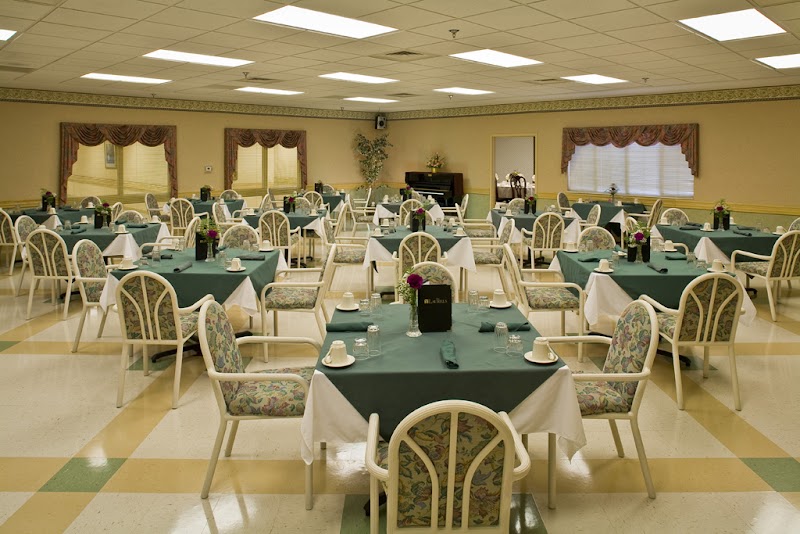
Who Owns and Operates The Laurels Of Charlottesville?

THE LAURELS OF CHARLOTTESVILLE is owned by a for-profit company. For-profit facilities operate as businesses with obligations to shareholders or private owners. The facility is operated by CIENA HEALTHCARE/LAUREL HEALTH CARE, a chain that manages multiple nursing homes. With 120 certified beds and approximately 108 residents (about 90% occupancy), it is a mid-sized facility located in CHARLOTTESVILLE, Virginia.

How Does The Laurels Of Charlottesville Compare to Other Virginia Nursing Homes?

Compared to the 100 nursing homes in Virginia, THE LAURELS OF CHARLOTTESVILLE's overall rating (2 stars) is below the state average of 3.0, staff turnover (36%) is near the state average of 46%, and health inspection rating (2 stars) is below the national benchmark.

What Should Families Ask When Visiting The Laurels Of Charlottesville?

Based on this facility's data, families visiting should ask: "Can I visit during a mealtime to observe dining assistance and food quality?" "How do you handle medical emergencies, and what is your hospital transfer rate?" "Can I speak with family members of current residents about their experience?"

Is The Laurels Of Charlottesville Safe?

Based on CMS inspection data, THE LAURELS OF CHARLOTTESVILLE has a clean safety record: no substantiated abuse findings (meaning no confirmed cases of resident harm), no Immediate Jeopardy citations (the most serious violation level indicating risk of serious injury or death), and is not on the Special Focus Facility watch list (a federal program monitoring the lowest-performing 1% of nursing homes). The facility has a 2-star overall rating and ranks #100 of 100 nursing homes in Virginia. While no facility is perfect, families should still ask about staff-to-resident ratios and recent inspection results during their visit.

Do Nurses at The Laurels Of Charlottesville Stick Around?

THE LAURELS OF CHARLOTTESVILLE has a staff turnover rate of 36%, which is about average for Virginia nursing homes (state average: 46%). Moderate turnover is common in nursing homes, but families should still ask about staff tenure and how the facility maintains care continuity when employees leave.

Was The Laurels Of Charlottesville Ever Fined?

THE LAURELS OF CHARLOTTESVILLE has been fined $8,824 across 1 penalty action. This is below the Virginia average of $33,167. While any fine indicates a compliance issue, fines under $50,000 are relatively common and typically reflect isolated problems that were subsequently corrected. Families should ask what specific issues led to these fines and confirm they've been resolved.

Is The Laurels Of Charlottesville on Any Federal Watch List?

THE LAURELS OF CHARLOTTESVILLE is not on any federal watch list. The most significant is the Special Focus Facility (SFF) program, which identifies the bottom 1% of nursing homes nationally based on persistent, serious quality problems. Not being on this list means the facility has avoided the pattern of deficiencies that triggers enhanced federal oversight. This is a positive indicator, though families should still review the facility's inspection history directly.