GREENBRIER REGIONAL MEDICAL CENTER
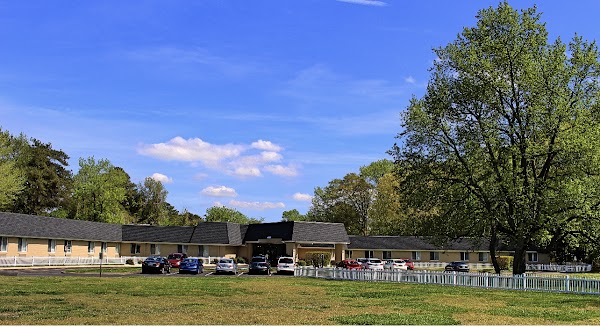
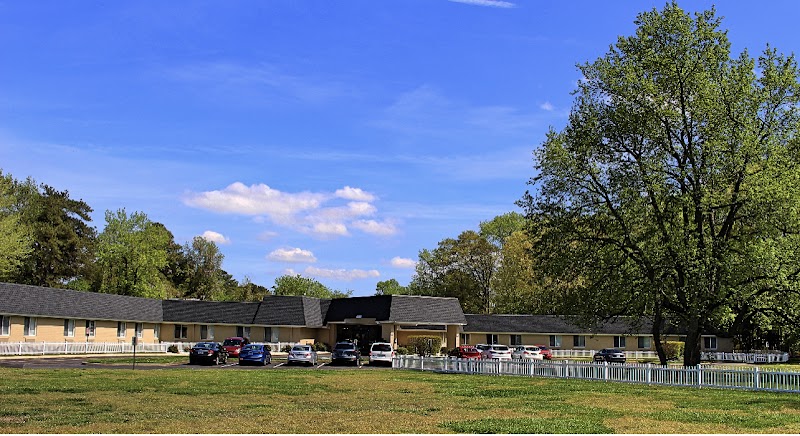
1017 GEORGE WASHINGTON HIGHWAY NORTH, CHESAPEAKE, VA 23323 (757) 485-5500
For profit - Partnership 120 Beds Independent Data: November 2025
Trust Grade
35/100
#254 of 285 in VA
Last Inspection: July 2021

Over 2 years since last inspection. Current conditions may differ from available data.

Overview

Greenbrier Regional Medical Center in Chesapeake, Virginia, has received a Trust Grade of F, which indicates significant concerns and poor overall performance. Ranked #254 out of 285 facilities in Virginia, they are in the bottom half of the state and last among four local options. The facility is worsening, with issues increasing from 2 in 2023 to 6 in 2025, highlighting a troubling trend. Staffing is below average, with a rating of 2 out of 5 stars and a turnover rate of 58%, which is concerning for consistency in resident care. Additionally, while there have been no fines, there are serious deficiencies, including failures to manage water safety and pest control effectively, as well as not ensuring resident safety regarding smoking policies. Overall, while the absence of fines is a positive aspect, the facility's numerous compliance issues and poor rankings suggest families should approach with caution.

Trust Score
F
35/100
In Virginia
#254/285
Bottom 11%
Safety Record
Low Risk
No red flags
Inspections
Getting Worse
2 → 6 violations
Staff Stability
⚠ Watch
58% turnover. Above average. Higher turnover means staff may not know residents' routines.
Penalties
✓ Good
No fines on record. Clean compliance history, better than most Virginia facilities.
Skilled Nurses
⚠ Watch
Each resident gets only 21 minutes of Registered Nurse (RN) attention daily — below average for Virginia. Fewer RN minutes means fewer trained eyes watching for problems.
Violations
⚠ Watch
58 deficiencies on record. Higher than average. Multiple issues found across inspections.
★☆☆☆☆
1.0
Overall Rating
★★☆☆☆
2.0
Staff Levels
★☆☆☆☆
1.0
Care Quality
★★☆☆☆
2.0
Inspection Score
Stable
2023: 2 issues
2025: 6 issues

The Good

  • Full Sprinkler Coverage · Fire safety systems throughout facility
  • No fines on record

Facility shows strength in fire safety.

The Bad

1-Star Overall Rating

Below Virginia average (3.0)

Significant quality concerns identified by CMS

Staff Turnover: 58%

12pts above Virginia avg (46%)

Frequent staff changes - ask about care continuity

Staff turnover is elevated (58%)

10 points above Virginia average of 48%

The Ugly 58 deficiencies on record

Sept 2025 6 deficiencies
CONCERN (D) 📢 Someone Reported This

A family member, employee, or ombudsman was alarmed enough to file a formal complaint

Potential for Harm - no one hurt, but risky conditions existed

Deficiency F0582 (Tag F0582)

Could have caused harm · This affected 1 resident

**NOTE- TERMS IN BRACKETS HAVE BEEN EDITED TO PROTECT CONFIDENTIALITY** Based on interview, record review, facility document review, and facility policy review, the facility failed to provide resident...

Read full inspector narrative →
**NOTE- TERMS IN BRACKETS HAVE BEEN EDITED TO PROTECT CONFIDENTIALITY** Based on interview, record review, facility document review, and facility policy review, the facility failed to provide residents with advanced beneficiary notices, with enough information to make informed decisions, for 2 (Resident #45 and Resident #46) of 3 residents sampled for beneficiary notices. Findings included:An undated facility policy titled Skilled Nursing Facility (SNF) Notices of Non-Coverage specified delivery requirements included, Correct form must be given and properly completed. 1. An admission Record indicated the facility admitted Resident #45 on 01/11/2025. According to the admission Record, the resident had a medical history that included diagnoses of sequelae of cerebral infraction (stroke) and chronic respiratory failure with hypoxia (failure of the lungs to adequately exchange oxygen from the air to the bloodstream). A quarterly Minimum Data Set (MDS), with an Assessment Reference Date (ARD) of 07/20/2025, revealed Resident #45 had a Brief Interview for Mental Status (BIMS) score of 8, which indicated the resident had moderate cognitive impairment. The MDS assessment also revealed Resident #45's end date of the most recent Medicare stay was on 03/20/2025. Resident #45's Care Plan Report included a focus area initiated 07/24/2025 that indicated the resident had impaired cognition or impaired thought process due to dementia. Interventions directed staff to communicate with the resident/family/caregivers regarding the resident's capabilities and needs. The Care Plan Report also included a focus area initiated on 01/19/2025 that indicated the resident had a communication problem related to aphasia, difficulty understanding others, and difficulty making decisions, making self-understood and had slurred speech. Interventions directed staff to monitor and document the resident's ability to express and comprehend language, memory reasoning ability, and problem-solving ability. A SNF Beneficiary Notification Review indicated Resident #45's Medicare Part A skilled services episode started on 01/11/2025, and their last covered day of Part A services was to end on 03/20/2025. The SNF Beneficiary Notification Review indicated the facility had initiated the discharge from Medicare Part A services when benefit days were not exhausted. A Notice of Medicare Non-Coverage [NOMNC]-CMS [Centers for Medicare & Medicaid Services]-10123-NOMNC form revealed the document was signed by Resident #45 on 03/14/2025. The document did not include what Medicare Part A services were to end. A Skilled Nursing Facility Advance Beneficiary Notice of Non-Coverage (SNF ABN) CMS-10055 form revealed the document was signed by Resident #45 on 03/14/2025. The document indicated that, beginning on 03/20/2025, the resident may have to pay out of pocket for care. The form did not include the reason the care was no longer going to be provided, nor did it provide an estimate of the cost the resident may have to pay per day if they wished for services to continue. 2. An admission Record indicated the facility admitted Resident #46 on 11/01/2006 with a recent readmission on [DATE]. According to the admission Record, the resident had a medical history that included diagnoses of metabolic encephalopathy (condition when the brain does not receive adequate oxygen or nutrients) and hemiplegia (paralysis on one side of the body) and hemiparesis (weakness on one side of the body that affects the arm, leg or face) following cerebral infraction (stroke) affecting right dominant side. A five-day Minimum Data Set (MDS) assessment, with an Assessment Reference Date (ARD) of 07/02/2025, revealed Resident #46 had a Brief Interview of Mental Status (BIMS) score of 6, which indicated the resident had severe cognitive impairment. The MDS assessment did not include an end date of the most recent Medicare stay. Resident #46's Care Plan Report included a focus area initiated 09/15/2024 that indicated the resident had a communication problem related to unclear speech, difficulty understanding others, and difficulty making their needs known. Interventions directed staff to ask yes/no questions if appropriate, use simple, brief, consistent words, and use alternate communication tools as needed. A SNF Beneficiary Notification Review indicated Resident #46's Medicare Part A skilled services episode started on 06/30/2025, and their last covered day of Part A services was to end on 07/30/2025. The SNF Beneficiary Notification Review indicated the facility had initiated the discharge from Medicare Part A when benefit days were not exhausted. The document also revealed a Skilled Nursing Facility [SNF] Advance Beneficiary Notice [ABN] of Non-Coverage (SNF-ABN Form CMS [Centers for Medicare & Medicaid Services] 10055) had not been provided to the resident. A Notice of Medicare Non-Coverage-CMS-10095 form indicated a verbal authorization was obtained from Resident #46 and the document was signed by staff on behalf of the resident on 07/28/2025. The document indicated the residents' services were to end on 07/30/2025 but did not indicate what Medicare Part A services were to end. During an interview on 09/16/2025 at 10:59 AM, the Business Office Manager (BOM) stated that the Social Service Director (SSD) got notification from the resident's insurance company of services ending. She stated that the BOM was responsible for maintaining a copy of the notices in a binder once the last covered day was identified, and a copy of the discharge letter was signed by the resident or their representative. During an interview on 09/17/2025 at 8:27 AM, the Social Services Director (SSD) stated that she was responsible for completing and issuing the ABN and the NOMNC notices to the resident or representatives if the resident was going home, but stated if the resident stayed in the facility, she did not provide them any forms. The SSD reviewed the NOMNC provided to Resident #45 and confirmed that the form did not contain the type of services which were to end. She stated that Resident #45 was also issued an ABN but confirmed that the reason Medicare may not pay for services and the estimated cost for the services were not included on the document. The SSD stated that therapy typically provided her with a document that indicated why the service was ending, but she did not transcribe that information on the forms that were issued to Resident #45. She stated that regarding the estimated cost, she did not have knowledge of that information and could not include it on the document. The SSD then stated that all areas of each form should be fully completed for the resident or family to make informed choices. The SSD stated that she was unsure why Resident #46's Medicare Part A services ended but thought it was ended by the resident's insurance company. The SSD reviewed the NOMNC provided to Resident #46 and acknowledged Resident #46 was not provided with the ABN document at the same time. She then stated that the NOMNC issued to Resident #46 should have included what services were to end and Resident #46 should have been provided with an ABN document. SSD then stated that all areas of each form should be fully completed for both Resident #45 and Resident #46 in order for the resident or resident's representative to make an informed choice. During an interview on 09/19/2025 at 5:01 PM, the Director of Nursing (DON) stated she was unaware there were concerns with the issuing of ABN documents. She stated her expectation was that they meet state and federal requirements, and the forms were accurate and issued timely. During an interview on 09/19/2025 at 4:44 PM, Administrator (ADM) #2 stated he was unaware there were any concerns with the issuing of ABN documents. He said he expected the ABNs to be completed, issued, and reviewed with the resident/representative at least 48 hours prior to each resident's discharge from Medicare Part A services. He stated that all appropriate areas should be completed on the form.
CONCERN (D) 📢 Someone Reported This

A family member, employee, or ombudsman was alarmed enough to file a formal complaint

Potential for Harm - no one hurt, but risky conditions existed

ADL Care (Tag F0677)

Could have caused harm · This affected 1 resident

Based on observation, interview, record review, and facility policy review, the facility failed to provide incontinence care to 1 (Resident #12) of 3 sampled residents reviewed who were dependent on s...

Read full inspector narrative →
Based on observation, interview, record review, and facility policy review, the facility failed to provide incontinence care to 1 (Resident #12) of 3 sampled residents reviewed who were dependent on staff for assistance with activities of daily living (ADLs). Findings included:A policy titled, Activities of Daily Living (ADL), Supporting, revised 03/2018 revealed a section titled Policy Interpretation and Implementation that specified, 2. Appropriate care and services will be provided for residents who are unable to carry out ADLs independently, with the consent of the resident and in accordance with the plan of care, including appropriate support and assistance with: c. Elimination (toileting). An admission Record indicated the facility admitted Resident #12 on 08/14/2025. The admission Record indicated diagnoses that included the need for assistance with personal care. An admission Minimum Data Set (MDS) assessment, with an Assessment Reference Date (ARD) of 08/21/2025, revealed Resident #12 had a Brief Interview of Mental Status (BIMS) score of 15, which indicated the resident had intact cognition. The MDS also revealed Resident #12 had the ability to understand, to be understood, required substantial/moderate assistance of staff for toileting and personal hygiene, was not assessed to perform toilet transfers, and was always incontinent of bowel and bladder. A Care Plan Report, included a focus area revised 08/23/2025, that indicated the resident had ADL self-care performance deficits related to an unfamiliar environment, impaired mobility, and numerous medical issues. Interventions directed staff to encourage the use of the call bell to request assistance and for staff to help with ADL functions to keep the resident clean, dry, odor free, and neatly groomed. A concurrent observation and interview on 09/17/2025 at 9:40 AM revealed Resident #12 in their room seated upright in bed. A clock was observed on the wall. Resident #12 stated the resident turned their call light on around 7:00 AM that morning (09/17/2025), and when Certified Nursing Assistant (CNA) #3 responded to the call light, Resident #12 told CNA #3 that they needed incontinence care. Resident #12 stated CNA #3 told the resident that breakfast trays were about to come out, but that she would notify the assigned CNA, (CNA #6), that the resident needed incontinence care. CNA #6 then turned off the resident's call light and left the room. Resident #12 stated they received their breakfast, waited an unspecified time, then turned their call light back on. Resident #12 then said that after they put their call light back on, Licensed Practical Nurse (LPN) #5 answered the call light. The resident told LPN #5 that they needed incontinence care, and LPN #5 told the resident that the assigned CNA would be right there. Resident #12 stated that no one had changed their brief yet, and the resident had remained in a soiled brief since 7:00 AM that morning. During an interview on 09/17/2025 at 9:45 AM, CNA #6 stated she was familiar with Resident #12, and she provided nursing care to Resident #12 before. CNA #6 described Resident #12 as incontinent of bowel and bladder. CNA #6 stated she arrived at work that morning (09/17/2025) at 7:00 AM and provided Resident #12 with their breakfast tray around 7:40 AM or 7:45 AM, but that she had not been back to see the resident or provide any morning care yet. CNA #6 said she started her rounds for morning care about 45 minutes before, around 9:00 AM, and she was working her way towards Resident #12. When the surveyor shared that Resident #12 said they had been waiting for incontinence care since 7:00 AM, CNA #6 said no one told her that Resident #12 needed care, but she would continue to work her way towards Resident #12 and give the resident care as soon as she could. During an interview on 09/17/2025 at 9:50 AM, LPN #5 revealed she was about to enter a resident's room around 9:30 or 9:40 AM that morning (09/17/2025) and Resident #12's call light was illuminated. LPN #5 stated she went to Resident #12's room and asked the resident what they needed, and the resident said they needed incontinence care. LPN #5 stated that CNA #6 stuck her head out of another resident's room and said, Tell [the resident] I will be right there, so she told Resident #12 that the CNA would be right there. LPN #5 said that since CNA #6 said that she would be right there to help the resident, she did not tell CNA #6 that the resident said they needed incontinence care. During an interview on 09/17/2025 at 9:55 AM, CNA #3 said she answered the call light for Resident #12 that morning (09/17/2025) about 7:15 AM. CNA #3 said the resident said they needed incontinence care. CNA #3 said she told the resident that breakfast trays were about to come out, and she would tell CNA #6, the assigned CNA, that the resident needed incontinence care. CNA #3 further stated that there was a lot going on that morning (09/17/2025), and she forgot to tell CNA #6 that Resident #12 needed incontinence care. During a follow-up interview on 09/17/2025 at 10:30 AM, CNA #6 revealed she provided incontinence care to Resident #12 about 15 minutes prior at approximately 10:15 AM. CNA #6 clarified that she did not tell LPN #5 that she would be right there, but that she told the nurse to notify therapy staff that another resident was ready for therapy. CNA #6 said she was talking about a different resident who was waiting for her to complete morning care to attend therapy and CNA #6 stated she was not aware that Resident #12 was waiting for incontinence care. During an interview on 09/17/2025 at 10:26 AM, the Director of Nursing (DON) revealed she expected CNA #3 or LPN #5 to provide incontinence care when they answered the call light or to notify CNA #6, the assigned CNA, so that the care could be provided promptly. The DON stated residents should not be left in soiled briefs, and passing meal trays was not a reason to delay care. The DON further stated that she expected incontinence care to be provided while other staff assisted with meals. During an interview on 09/17/2025 at 4:05 PM, the Administrator (ADM) revealed he expected staff to provide the necessary care immediately. He further stated that if the assigned CNA was providing care to another resident, the staff member who answered the call light should get another CNA, or the nurse to provide incontinence care, if a CNA was unavailable.
CONCERN (E) 📢 Someone Reported This

A family member, employee, or ombudsman was alarmed enough to file a formal complaint

Potential for Harm - no one hurt, but risky conditions existed

Accident Prevention (Tag F0689)

Could have caused harm · This affected multiple residents

Based on interview, record review, facility document review, and facility policy review, the facility failed to secure smoking materials to ensure resident safety in accordance with the facility's smo...

Read full inspector narrative →
Based on interview, record review, facility document review, and facility policy review, the facility failed to secure smoking materials to ensure resident safety in accordance with the facility's smoking policy for 1 (Residents #59) of 3 residents sampled for smoking. The facility also failed to ensure an assessment was conducted to determine if a resident could safely smoke independently for 1 (Resident #72) of 3 residents sampled for smoking and failed to conduct smoking safety assessments quarterly for 1 (Resident #66) of 3 residents sampled for smoking. Findings included:A facility policy titled Smoking Policy-Residents, revised 01/2020, indicated This facility shall establish and maintain safe resident smoking practices. The Policy Interpretation and Implementation section specified the following:- 6. The resident will be evaluated on admission to determine if he or she is a smoker or non-smoker.- 7. A resident's ability to smoke safely will be re-evaluated quarterly, upon significant change (physical or cognitive) and as determined by the staff.- 11. Residents are not permitted to keep cigarettes, e-cigarettes, pipes, tobacco, and other smoking articles in their possession. Only disposable safety lighters are permitted. All other forms of lighters, including matches, are prohibited. 1. An admission Record revealed the facility admitted Resident #59 on 03/12/2025. According to the admission Record, the resident had a medical history that included diagnoses of multiple sclerosis and generalized muscle weakness. A quarterly Minimum Data Set (MDS), with an Assessment Reference Date (ARD) of 06/19/2025, revealed Resident #59 had a Brief Interview for Mental Status (BIMS) score of 14, which indicated the resident had intact cognition. A Smoking Safety Evaluation dated 03/12/2025 indicated that Resident #59 did not utilize tobacco at the time of the resident's admission. There were no further Smoking Safety Evaluations noted in Resident #59's record. Physician Encounter notes dated from 03/17/2025 to 09/16/2025 indicated that Resident #59 was a current daily smoker. The Encounter notes indicated that smoking cessation was advised. A Progress Note dated 04/01/2025 indicated that Resident #59 was found lying in bed smoking a cigarette. The note indicated staff removed the cigarettes and lighter and educated the resident about the facility smoking policy and designated smoking area. There was no evidence to indicate the resident was found smoking in non-designated areas after this date. During an interview on 09/18/2025 at 7:20 AM, Resident #59 stated they smoked non-mentholated organic cigarettes. Resident #59 stated after dressing daily they went outside to smoke just before or after lunch and stayed outside all day. Resident #59 stated that they were not supervised while smoking and were allowed by staff to always maintain control of their smoking materials (cigarettes and lighter). Resident #59 stated they kept their cigarette and lighter in their nightstand when they were in their room and on their person when out of the room. During an interview on 09/18/2025 at 7:38 AM, Administrator (ADM) #1 stated that all smokers were able to smoke independently throughout the day except for one named resident. During an interview on 09/19/2025 at 10:10 AM, Certified Nursing Assistant (CNA) #7 stated that if a resident was an independent smoker they were allowed to smoke at any time and keep their smoking material in their possession. She stated that she was familiar with Resident #59 and was aware the resident was an independent smoker and able to maintain their own smoking materials. During an interview on 09/19/2025 at 10:14 AM, Licensed Practical Nurse (LPN) #8 stated that if a resident was assessed as an independent smoker, the resident was allowed to maintain possession of their smoking materials and was authorized to go out to the smoking patio whenever they wanted. She stated that if a resident was dependent on staff for smoking, they were monitored, and nursing would hold their smoking supplies. LPN #8 stated that Resident #59 was an independent smoker and kept their smoking supplies in their possession. During an interview on 09/18/2025 at 9:57 AM, the Physician's Assistant-Certified (PA-C) stated that Resident #59 was observed to smoke daily and this was documented in the PA-C's notes. The PA-C stated that she had counseled Resident #59 on long-term risks of smoking and had offered the resident smoking cessation program, and the resident had declined. During an interview on 09/18/2025 at 12:16 PM, the former Interim Administrator (ADM) #2 stated that he was the interim Administrator for the facility from 07/2025 until a week prior to the survey when ADM #1 started. He stated that the residents' smoking supplies were to be locked in the medication cart and residents were required to ask for them when they went to smoke. 2. An admission Record revealed the facility admitted Resident #72 on 03/05/2024. According to the admission Record, the resident had a medical history that included diagnosis of nicotine dependence. A quarterly Minimum Data Set (MDS), with an Assessment Reference Date (ARD) date of 06/07/2025, revealed Resident #72 had a BIMS score of 15, which indicated the resident was cognitively intact. Resident #72's Care Plan Report included a focus area initiated 06/13/2025 that indicated the resident was a smoker. Interventions directed staff to instruct the resident about smoking risks and hazards and about smoking cessation aides that were available; instruct resident about the facility policy on smoking to include locations, times, and safety concerns; as well as observe clothing and skin for signs of cigarette burns. Review of the Resident #72's medical record revealed no evidence that a Smoking Safety Evaluation had been completed for the resident. During an interview on 09/19/2025 at 10:14 AM, Licensed Practical Nurse (LPN) #8 stated Resident #72 was an independent smoker and kept their smoking supplies with them. During an interview on 09/18/2025 at 12:16 PM, the former Interim Administrator (ADM) #2 stated that he was the interim Administrator for the facility from 07/2025 until a week prior to the survey when ADM #1 started. He stated that when a resident was admitted to the facility who smoked, a smoking assessment was to be completed on admission. ADM #2 also stated that the residents' smoking supplies were to be locked in the medication cart and residents would be required to ask for them when they went to smoke. During a follow-up interview on 09/19/2025 at 4:44 PM, ADM #2 stated that the previous administration eliminated or loosened some of the restrictions and monitoring of individuals who smoked to honor the rights for those residents who were more independent with smoking. He stated the reason smoking assessments were overlooked was because of repeated changes in administration, and the current administration being unaware they were not completed. He stated he expected smoking assessments to be completed on admission, quarterly, and with all changes in the residents' condition. During an interview on 09/19/2025 at 5:01 PM, the Director of Nursing (DON) stated she was unaware of concerns that the facility was not completing required smoking assessments. The DON stated she expected smoking assessments to be completed on admission, quarterly, and as needed. 3. An admission Record revealed the facility admitted Resident #66 on 12/08/2022. According to the admission Record, the resident had a medical history that included diagnoses of nicotine dependence and respiratory conditions due to smoke inhalation. A quarterly Minimum Data Set (MDS), with an Assessment Reference Date (ARD) date of 08/05/2025, revealed Resident #66 had a Brief Interview of Mental Status (BIMS) score of 9, which indicated the resident had moderately impaired cognition. Resident #66's Care Plan Report included a focus area initiated 07/26/2025 that indicated the resident used tobacco. Interventions directed staff to conduct a Smoking Safety Evaluation on admission. A Smoking Safety Evaluation dated 05/31/2024 indicated that Resident #66 could not safely light smoking materials, was not able to hold smoking material safely, was not able to extinguish materials completely in the appropriate receptacle and had been known to have cigarettes in their possession. The Smoking Safety Evaluation included recommendations that all smoking materials were to be kept at the nurses' station. A Smoking Safety Evaluation dated 08/05/2025 indicated that Resident #66 utilized tobacco and that supervision would be utilized for all residents during designated smoking times. There was no documentation of quarterly smoking safety assessments conducted between 05/31/2024 and 08/05/2025. During an interview on 09/19/2025 at 4:44 PM, Administrator (ADM) #2 stated that the previous administration eliminated or loosened some of the restrictions and monitoring of individuals who smoked to honor the rights for those residents who were more independent with smoking. He stated the reason smoking assessments were overlooked was because of repeated changes in administration, and the current administration being unaware they were not completed. He stated he expected smoking assessments to be completed on admission, quarterly, and with all changes in the residents' condition. During an interview on 09/19/2025 at 5:01 PM, the Director of Nursing (DON) stated she was unaware of concerns that the facility was not completing required smoking assessments. The DON stated she expected smoking assessments to be completed on admission, quarterly, and as needed. During the survey, no concerns were identified with unsafe handling of lit cigarettes/lighters or residents smoking outside the designated smoking area.
CONCERN (E) 📢 Someone Reported This

A family member, employee, or ombudsman was alarmed enough to file a formal complaint

Potential for Harm - no one hurt, but risky conditions existed

Administration (Tag F0835)

Could have caused harm · This affected multiple residents

Based on observation, interview, record review, and facility policy review, the facility's administration failed to require adherence to the facility's smoking policy or revise the policy to appropria...

Read full inspector narrative →
Based on observation, interview, record review, and facility policy review, the facility's administration failed to require adherence to the facility's smoking policy or revise the policy to appropriately direct staff on ensuring residents' smoking safety. Interviews revealed the facility's prior administration directed staff that strict adherence to the supervision and smoking material storage aspects of the policy was no longer required; however, the policy was not revised accordingly. Additionally, administration failed to identify and address inconsistencies with adherence to the policy's requirement for quarterly smoking safety assessments. The failed practice affected 3 (Residents #59, #66, and #72) of 3 residents sampled for smoking. Findings included:A facility policy titled Smoking Policy-Residents, revised 01/2020, indicated, This facility shall establish and maintain safe resident smoking practices. The Policy Interpretation and Implementation section of the policy specified the following:- 7. A resident's ability to smoke safely will be re-evaluated quarterly, upon significant change (physical or cognitive) and as determined by the staff.- 11. Residents are not permitted to keep cigarettes, e-cigarettes, pipes, tobacco, and other smoking articles in their possession. Only disposable safety lighters are permitted. All other forms of lighters, including matches, are prohibited. 1. An admission Record revealed the facility admitted Resident #59 on 03/12/2025. A Smoking Safety Evaluation dated 03/12/2025 indicated that Resident #59 did not utilize tobacco upon admission. There was no other Smoking Safety Evaluation noted in Resident #59's medical record. During an interview on 09/18/2025 at 7:20 AM, Resident #59 stated they began smoking after admission to the facility and were now independent with smoking and required no supervision. Resident #59 stated that they kept their cigarette and lighter in a purse their nightstand when in their room and on their person when out of the room. During an interview on 09/19/2025 at 10:10 AM, Certified Nursing Assistant (CNA) #7 stated that if a resident was an independent smoker they were allowed to keep their smoking materials in their possession. During an interview on 09/19/2025 at 10:14 AM, Licensed Practical Nurse (LPN) #8 stated that if a resident was assessed as an independent smoker, they were allowed to maintain possession of their own smoking supplies and were authorized to go out to the smoking patio whenever they wanted. LPN #8 stated that Resident #59 was an independent smoker and kept their smoking supplies on them. She stated that the former administrator modified the smoking rules to allow residents to smoke at their leisure and maintain their own smoking materials. During an interview on 09/19/2025 at 5:01 PM, the Director of Nursing (DON) stated she was unaware of concerns that the facility was not completing required smoking assessments. She stated previously, all smoking materials were kept by nursing and all smoking was supervised 2. An admission Record revealed the facility admitted Resident #66 on 12/08/2022. Resident #66's Care Plan Report included a focus area initiated on 07/26/2025 that indicated the resident used tobacco. Interventions directed staff to conduct Smoking Safety Evaluation on admission and as needed. Resident #66's medical record contained Smoking Safety Evaluations dated 05/31/2024 and 08/05/2025 that indicated the resident utilized tobacco and that supervision would be utilized for all residents during designated smoking times. There was no evidence that Smoking Safety Evaluations were completed quarterly between 05/31/2024 and 08/05/2025. During an interview on 09/19/2025 at 4:44 PM, Administrator (ADM) #2 stated that the previous administration eliminated or loosened some of the restrictions and monitoring of individuals who smoked to honor the rights for those residents who were more independent with smoking. He stated the reason smoking assessments were overlooked was because of repeated changes in administration, and the current administration being unaware they were not completed. He stated he expected smoking assessments to be completed on admission, quarterly, and with all changes in the residents' condition. During an interview on 09/19/2025 at 5:01 PM, the Director of Nursing (DON) stated she was unaware of concerns that the facility was not completing required smoking assessments. The DON stated she expected smoking assessments to be completed on admission, quarterly, and as needed. 3. An admission Record revealed the facility admitted Resident #72 on 03/05/2024. Resident #72's medical record contained no evidence that a smoking safety assessment had been conducted. During an interview on 09/19/2025 at 10:14 AM, Licensed Practical Nurse (LPN) #8 stated Resident #72 was an independent smoker and kept their smoking supplies with them. During an interview on 09/19/2025 at 4:44 PM, the former Administrator (ADM) #2 stated with the repeated changes in administration, smoking assessments were overlooked, and the facility's current administration was unaware they were not completed. He stated he expected smoking assessments to be completed on admission, quarterly, and with all changes in the residents' condition. During an interview on 09/19/2025 at 5:01 PM, Director of Nursing (DON) stated she was unaware of concerns that the facility was not completing required smoking assessments. The DON stated she expected smoking assessments to be completed on admission, quarterly, and as needed.
CONCERN (F) 📢 Someone Reported This

A family member, employee, or ombudsman was alarmed enough to file a formal complaint

Potential for Harm - no one hurt, but risky conditions existed

Infection Control (Tag F0880)

Could have caused harm · This affected most or all residents

Based on interview and facility policy review, the facility failed to ensure an effective water management program was developed and implemented to prevent the growth of opportunistic waterborne patho...

Read full inspector narrative →
Based on interview and facility policy review, the facility failed to ensure an effective water management program was developed and implemented to prevent the growth of opportunistic waterborne pathogens, including Legionella, which had the potential to affect all residents residing in the facility. According to the Midnight Census report, dated 09/15/2025, the facility census was 89. Findings included:A facility policy titled, Legionella Water Management Program, revised 07/2017, revealed Our facility is committed to the prevention, detection, and control of water-borne contaminates, including Legionella. The policy also revealed a section titled, Policy Interpretation and Implementation that specified, 1. As part of the infection prevention and control program, our facility has a water management program which is overseen by the water management team. 3. The purposes of the water management program are to identify areas in the water system where Legionella bacteria can grow and spread, and to reduce the risk of Legionnaire's disease. 5. The water management program includes the following elements: a. An interdisciplinary water management team; b. A detailed description and diagram of the water system in the facility, including the following: 1) receiving; 2) cold water distribution; 3) heating; 4) hot water distribution; and 5) waste; c. The identification of areas in the water system that could encourage the growth and spread of Legionella or other waterborne bacteria, including: 1) Storage tanks; 2) Water heaters; 3) Filters; 4) Aerators; 5) Showerheads and hoses; 6) Misters, atomizers, air washers, and humidifiers; 7) Hot tubs; 8) Fountains; and 9) Medical devices such as CPAP machines, hydrotherapy equipment, etc. d. The identification of situations that can lead to Legionella growth, such as 1) Construction; 2) Water main breaks; 3) Changes in municipal water quality; 4) The presence of biofilm scale or sediment; 5) Water temperature fluctuations; 6) Water pressure changes; 7) Water stagnation and 8) Inadequate disinfection. G. A diagram of where control measures are applied, and j. Documentation of the program. During an interview on 09/19/2025 at 2:52 PM, the Maintenance Director stated the facility had a water management plan prior to his employment as the Maintenance Director approximately two years prior and no current testing was being performed to monitor areas for potential sources of Legionella. The Maintenance Director stated he performed checks of the water temperatures and monitored the ice machine, but he did not document that. The Maintenance Director also acknowledged he did not have a diagram or list of any areas that could be potentially at risk of being a source of waterborne bacteria and stated, This is an old building, and I don't have a clue about the plumbing. During an interview on 09/19/2025 at 4:53 PM, the Director of Nursing (DON) stated she felt that the water management plan was overseen by administration. She stated she expected the facility to develop and implement a water management plan as part of the infection control program. During an interview on 09/19/2025 at 1:57 PM, Administrator (ADM) #1 stated they no longer had a water management program after the previous administrator shut that down when the facility turned off the water fountain in the front of the building. During an interview on 09/19/2025 at 4:36 PM, the previous interim Administrator (ADM) #2 stated the facility should have an implemented water management program. He stated the facility previously had one in place until they removed all the fountains that should have extended through the entire inside and outside of the facility and included anywhere water could become stagnant in order to prevent the spread of waterborne bacteria.
CONCERN (F) 📢 Someone Reported This

A family member, employee, or ombudsman was alarmed enough to file a formal complaint

Potential for Harm - no one hurt, but risky conditions existed

Deficiency F0925 (Tag F0925)

Could have caused harm · This affected most or all residents

**NOTE- TERMS IN BRACKETS HAVE BEEN EDITED TO PROTECT CONFIDENTIALITY** Based on observation, interview, facility document review, and facility policy review, the facility failed to maintain an effect...

Read full inspector narrative →
**NOTE- TERMS IN BRACKETS HAVE BEEN EDITED TO PROTECT CONFIDENTIALITY** Based on observation, interview, facility document review, and facility policy review, the facility failed to maintain an effective pest control program. Specifically, observations were made of pest activity on 2 of 2 units and in the conference room, kitchen, and communal bathroom. Findings included:A facility policy titled, “Pest Control,” revised 05/2008, revealed a section titled, “Policy Interpretation and Implementation” that specified, “This facility maintains an on-going pest control program to ensure that the building is kept free of insects and rodents.” The policy also indicated, “6. Maintenance services assist, when appropriate and necessary, in providing pest control services.” A Commercial Pest Control Service Agreement,” dated 10/10/2023 and signed by a facility representative on 11/07/2023, indicated, “This agreement is for an initial period of twelve months from the date of the first service and unless canceled by the purchaser, will automatically continue on a monthly basis until canceled by either party upon thirty day notice.” The document indicated the service frequency was monthly and included that the interior and exterior of the building would be serviced every three months, in January, April, July, and October. Additional interior services would be provided monthly. The document's “Terms and Conditions” indicated the services were conditioned upon payment in full of the initial charge and all regular service charges and that failure to pay such charges would result in cancelation of the plan. A document titled, “Greenbrier Regional Medical Center (GRMC) Maintenance Log” revealed observations of pest activity occurred as follows: - 12/13/2023: Southeast Unit room [ROOM NUMBER] - roaches observed in the bathroom. - 03/2024-04/2024: Southeast Unit room [ROOM NUMBER]W and room [ROOM NUMBER]W - ants observed. - 04/2024: Southeast Unit Rooms 105, 203, 209, and 213 - ants observed. - 06/2024: Southeast Unit room [ROOM NUMBER] - ants observed. - 07/2024: Southeast Unit room [ROOM NUMBER] - two separate entries indicated ants were observed and were observed all over the room. - 02/2025: Southeast Unit room [ROOM NUMBER] - ants observed. - 04/2025: Southeast Unit room [ROOM NUMBER] and room [ROOM NUMBER] – ants observed. - 06/2025: Southeast Unit room [ROOM NUMBER] and room [ROOM NUMBER] - ants observed. - 07/2025: Southeast Unit room [ROOM NUMBER] and room [ROOM NUMBER] - ants observed. Invoices dated from 11/2023 through 08/2025 indicated the facility received and was billed for pest control services for all months except January 2024, June 2024, September 2024, November 2024, and March 2025 through September 2025. 1. Observations on 09/16/2025 beginning at 9:08 AM revealed one wall-mounted fly trap with an illuminated bulb in the administrative hall near the front lobby. A second wall-mounted fly trap with an illuminated bulb was noted in the hall near the courtyard. A third wall-mounted fly trap with a bulb that was not illuminated was in the hall across from the courtyard. Each door to the courtyard was observed to have an industrial air blower mounted above the doors. During a Resident Council meeting on 09/16/2025 from 11:15 AM to 11:45 AM, six (Residents #20, # 26, 55, #61, #77, and #84) of six residents who attended the meeting reported ongoing pest activity in their rooms, described as ants, flies, gnats, and spiders. During the survey, pests were observed as follows: - 09/16/2025 at 11:15 AM: a spider was observed in the public bathroom. - 09/16/2025 at 11:25 AM: flies were observed in the dining room during a Resident Council meeting. - 09/16/2025 at 2:56 PM: flies were observed in the conference room. - 09/16/2025 at 4:30 PM: gnats were observed at the 200/300/400 hall nurses' stations. - 09/17/2025 at 1:51 PM: flies were observed at the 300/400 hall nurses' stations. - 09/18/2025 at 11:05 AM: flies were observed at the 200, 300, and 400 hall nurse's station. During an interview on 09/16/2025 at 2:51 PM, Administrator (ADM) #1 stated that the facility did not have a current pest control contract because the vendor required the facility to provide a credit card to keep on file due to a history of late payments on the account. The facility did not agree to provide a credit card, so the pest control company's services ceased after February 2025. During a phone interview on 09/16/2025 at 4:28 PM, the Executive Administrative Assistant (EAA) for the facility's prior pest control service revealed that the facility signed an initial pest control contract on 10/10/2023, and the first monthly pest service was provided on 11/10/2023. The EAA stated the facility's contract was terminated after services were provided on 02/28/2025 because of non-payment. The EAA stated the facility was notified via email of the status, and the account was then paid in full. The EAA stated that she contacted the facility to renew the contract and resume the pest control services but did not receive a return call from the facility. During an interview on 09/17/2025 at 3:33 PM, the Maintenance Director stated he was the facility contact for the pest control provider and was responsible for addressing any pest activity reported between monthly pest services. He stated that if pest activity was reported between monthly pest services, he sprayed the facility to kill the pests with products he purchased independently through a vendor available to the public. The Maintenance Director stated he was aware there was a lapse in pest services, but he was not sure why the lapse occurred. He stated the facility was in transition with different administrators, and he thought the reason for the lapse in pest services may have been a lack of payment. He further stated that the last pest control service was provided s in February 2025 and he was aware pest control services were not provided by the vendor for the last few months. The Maintenance Director stated he was aware of two resident rooms in the facility where recurrent pest activity was identified and had been difficult to manage. The Maintenance Director also stated that he had a replacement bulb for the wall mounted fly light traps, but he had not yet been able to replace the bulb. During a follow-up interview on 09/17/2025 at 3:56 PM, ADM #1 stated that if residents observed pest activity in the facility, he expected them to notify staff, so the pest activity was addressed by the Maintenance Director with appropriate pest control products. He stated that if that did not resolve the pest problem, then a pest service provider would be contacted. The ADM stated if staff witnessed pest activity, he expected staff to report to their supervisor and have it discussed in morning meeting and resolved that day by the Maintenance Director. ADM #1 stated that he expected the Maintenance Director to resolve the pest issue and to contact the pest control vendor if he could not resolve the pest issue. The Administrator said he expected pest control services to be provided to maintain an effective pest control program. During an interview on 09/17/202 at 2:53 PM, the Director of Nursing (DON) stated she expected staff to record in the maintenance logbooks at each nursing station any pest activity observed or to report pest activity directly to the Maintenance Director. The DON stated that she expected the Maintenance Director to review the maintenance logbooks daily, address any concerns, and report on the follow-up during the morning meetings. The DON stated that if the Maintenance Director could not resolve the pest activity, then he should coordinate with management and contact the pest control vendor for the pest activity to be addressed. The DON stated that she was aware of the facility's current pest activity, described as “gnats,” from discussions during the facility's morning meetings. The DON said she expected the facility to provide and maintain a pest control program that minimized pest activity. During an interview on 09/17/2025 at 3:16 PM, the former Interim Administrator (ADM #2) stated that he was the Administrator for the facility from July 2025 until Friday, 09/12/2025, and that he was aware of residents who had voiced concerns in August 2025 regarding flies in the facility. He stated the flies were coming from the door to the smoking patio. He stated that residents propped the smoking patio door open, which allowed pests to enter the facility. He stated staff were educated to monitor the door to the smoking patio to ensure the doors were closed and not held open for extended periods of time. He stated he was not aware that the pest control contract was terminated. He stated the facility received an email from the pest control provider for the account to be paid in full, and payment was made. He said after he observed pest activity in the facility in the last month, he spoke to the Maintenance Director about pest services and was told that pest services from the vendor were on hold due to lack of payment. ADM #2 stated he contacted the corporate payable clerk and verified that the facility's bill was paid, so he expected the pest control vendor to resume services, but he did not contact the pest control vendor to verify the status of current services for the facility. 2. During a tour of the kitchen on 09/17/2025 at 11:15 AM, a fly was observed flying around in the kitchen. During an interview on 09/17/2025 at 11:15 AM, the Certified Dietary Manager (CDM) stated that there were flies in the kitchen periodically. The CDM stated the occasional observations of pests in the kitchen were no comparison to the seriousness of pests observed in the rest of the building. He stated that to minimize the flies in the kitchen, staff were to ensure the double entry doors that led to the exterior of the building near the back parking area were kept closed and staff used rolled up parchment paper to swat the flies.
Nov 2023 1 deficiency
CONCERN (D) 📢 Someone Reported This

A family member, employee, or ombudsman was alarmed enough to file a formal complaint

Potential for Harm - no one hurt, but risky conditions existed

Accident Prevention (Tag F0689)

Could have caused harm · This affected 1 resident

**NOTE- TERMS IN BRACKETS HAVE BEEN EDITED TO PROTECT CONFIDENTIALITY** Based on a family interview, staff interviews, clinical record review, and review of documents, the facility's staff failed to a...

Read full inspector narrative →
**NOTE- TERMS IN BRACKETS HAVE BEEN EDITED TO PROTECT CONFIDENTIALITY** Based on a family interview, staff interviews, clinical record review, and review of documents, the facility's staff failed to adequately position Resident #1 on an unfamiliar piece of equipment, an egg crate mattress used as a transfer/slide device for obese residents. The facility staff also failed to provide supervision by leaving the resident's room and not leaving the bed in the lowest position. Resident #1, one (1) of Seven (7) residents in the survey sample, fell from the bed and sustained injuries. The findings included: Resident #1 was no longer a resident of the facility; therefore, a closed record review was conducted. Resident #1 was originally admitted to the facility on [DATE] and readmitted on [DATE] after an acute care hospital stay. She was discharged from the facility on the same day back to an acute care hospital. The current diagnoses included end-stage renal disease with dependence on hemodialysis and morbid obesity. The admission Minimum Data Set (MDS) assessment with an assessment reference date (ARD) of 02/16/23 coded the resident as completing the Brief Interview for Mental Status (BIMS) and scoring an 8. This indicated Resident #1 cognitive abilities for daily decision-making were moderately impaired. In section G(Physical functioning) the resident was coded as requiring total care of one person with bed mobility, transfers, locomotion, dressing, eating, toileting, personal hygiene and bathing, and supervision after set-up. Resident #1's person-centered care plan revised on 2/16/2023 identified the resident as having end stage renal disease. The goal for the resident was that she would have no complications related to hemodialysis (resident received Dialysis on Tuesdays, Thursdays, and Saturdays from 9:45 a.m. to 1:30 p.m.). An intervention was that the staff monitor vital signs as ordered and notify the physician of abnormal findings. A review of the incident report dated 7/31/23 at 4:35 p.m., read that Resident #1 had a fall from the bed, was observed lying face down on the floor, sustained a deep laceration to her left lower extremity, a knot with bleeding on her face above her right eye. The staff applied dressing to open areas and the resident was sent to the emergency room at 4:50 p.m. The family member was notified at 5:15 p.m. A late entry nurse's note dated 8/02/23 at 6:05 p.m., read on 7/31/23 around 4:30 p.m., Resident #1 was transferred on an air crate mattress left under her from the hospital. The resident was alert and verbal. Certified Nursing Assistants (CNAs) went into the resident's room to get her situated, but one of the CNAs noticed the resident wasn't wearing a brief, so the staff went to find briefs, and moments later a CNA yelled down the hall for help. An interview was conducted on 11/14/23 at approximately 12:30 p.m., with Certified Nursing Assistant (CNA) #2. CNA #2 said that Resident #1 was brought into her room by transport via stretcher, laying on a blow-up mattress that the hospital used, once they got her on the bed, transport left the room. CNA #2 also said that she came out of the door of the resident's room and stood in the hallway, calling down the hall for another CNA to come help her with Resident #1. CNA #2 said that she noticed as she turned around the resident had her foot hanging off the blow-up mattress and hit the floor face-first. She said the incident happened so quickly. CNA #2 said that the bed was in an up position, and the top side rails were down. CNA #2 also said that transportation usually wouldn't have that type of mattress when transferring a resident and used a flat pad for transferring which is left under a resident. CNA #2 said that she told the other CNA to get everybody and bring the crash cart after the resident fell. She stated after the nurses arrived, she left the room. An interview was conducted on 11/14/23 at approximately 12:50 p.m., with CNA #1. CNA #1 said that she noticed transport in the hallway heading to the resident's room. They had dropped the resident off and didn't let anyone know they were leaving her; normally they would have waited for a CNA to check the residents in a room. CNA #1 also said that she heard a loud sound, entered the resident's room noticed the resident was on the floor face down, and yelled for help. CNA #1 said that she was the first one on the scene and noticed that the skin on the resident's leg was split open, she had a knot on her head and noticed that she had been left on a plastic egg crate. CNA #1 said that Resident #2 responded when she asked her if she could hear her and said that her leg was hurting. On 11/14/23 at approximately 1:00 p.m., an interview was conducted with the Assistant Director of Nursing (ADON). The ADON said transport was observed wheeling the resident towards her room, and then shortly afterward he heard someone (Licensed Practical Nurse (LPN) #1) yelling for help. The ADON said that upon entering the room, Resident #1 was observed lying face down on the floor with an open area on the skin on one of her legs with the resident saying Ouch, ooh. The ADON said the bed appeared to be extremely high and he noticed a pink, foam, plastic device used as a slide transfer for the resident. On 11/14/23 at approximately 1:15 p.m., a telephone call was made to Licensed Practical Nurse (LPN) #1 concerning the incident. LPN #1 said when Resident #1 arrived from the hospital medical transport transferred Resident #1 from their stretcher to the resident's bed with a bubble mattress left under her. The CNA was in the room at the time but went to get briefs to perform Activities of Daily Living (ADL) care. LPN #1 said that the resident shouldn't have been left alone with the bed left up. LPN #1 said that the resident was lying face down beside the bed with visible blood on the floor. She stated she observed a skin tear on her leg and a gash on her forehead. She said that Gauze was applied to the open areas until Emergency Medical Services (EMS) came. LPN #1 was asked if she was aware that Resident #1 was admitted back to the facility. She stated, Yes, but I didn't anticipate her coming back to the facility because we hadn't received a call from the hospital admissions concerning the resident's discharge. On 11/14/23 an interview was conducted with the Director of Nursing (DON), the Administrator and the Corporate Consultant Nurse (CCN) at 3:18 p.m. The DON said that if they needed to leave the room to get supplies, the bed should have been left in low position, and one staff should have stayed with the resident. The DON also said, The egg-crate device caused the fall, the hospital said they didn't send it and the transport company said they didn't have it. It wasn't documented. Normally a transport sheet from the stretcher to the bed is under the resident. The Corporate Nurse Consultant (CCN) said, They should have removed the thing (plastic egg-crate device) from under the resident. She slid on the floor because of that piece of equipment. On 11/14/23 at approximately 3:50 p.m. an interview was conducted with the transportation dispatcher, Other Staff Member (OSM) #2. OSM #2 said that when they transport residents to the facility they stop at the front desk or the nurses' station to find out which room the resident is going in. OSM #2 also said that they transfer residents to their beds and never leave the room without staff being present. A telephone interview was conducted with the Responsible Party (RP) of Resident #1 on 11/16/23 at 11:05 a.m. The RP said that Resident #1 fell out of her bed onto the floor sustaining a fracture of her left leg, left ankle, a goose egg on her forehead, and a bruise to her brain. The RP said the fall incident occurred after two CNAs came to her room to change her bed linen and briefs leaving her alone on a transfer device. The RP also said that they operated on the resident's leg but because she had weak, brittle bones from diabetes the procedure didn't go well. The RP said that the doctors wanted to amputate the resident's leg due to an infection and her hardware not working well. A telephone interview was conducted on 11/16/23 at approximately 12:10 p.m., with RN #2, a local dialysis center employee. RN #2 said that Resident #1 would come to the center with a lot of blankets, but he never saw anything underneath the resident during her transport to the center. He also said on the day she was receiving services she pulled out her needles and had to be transported to the hospital due to excessive bleeding. An interview was conducted with the non-medical transport owner, OSM #4 on 11/16/23 at approximately 1:50 p.m. OSM #4 said that they used a stretcher with a pad and hospital sheets on top to transfer residents. OSM #4 also said that they will usually see one or two vinyl egg crate devices in a month. If a patient is heavy, they transport with four people called a Lyft assist. The transport devices and sheets are left with the resident at the facility. Everything stays at the facility with the resident. OSM #4 also said that they were not the company that transported the resident on 7/31/23 because the run was canceled. An interview was conducted on 11/16/23 at approximately 2:00 p.m., concerning the plastic egg crate device left under Resident #1, with the inpatient case manager. The case manager said that the egg-crate device was a sliding mechanism used for overweight residents when a strong bed sheet does not help with transfers. In a synopsis of the event dated 7/31/23, the Director of Nursing (DON) detailed the events of Resident #1's fall that read, the resident was being transported to the facility from the hospital via transport around 4:30 p.m. and that the facility was not expecting the residents return to the facility because they hadn't received a report from the hospital. The resident was received on a plastic egg crate mattress, along with the hospital sheets under her. Once the resident was in bed, the staff stepped out of the room to get Activities of Daily Living (ADL) supplies and briefs, when they heard a loud crash and ran back into the room to find that Resident #1 had slid off the plastic egg crate and hit the floor face down, sustaining a large hematoma to the center of her forehead above the eyes and a large wound on her left leg. The Certified Nursing Assistant (CNA) immediately called for assistance and the nursing team with the DON arrived to provide first aid to the resident while waiting for 911. The X-ray report dated 7/31/23 of the resident's left knee revealed that Resident #1 X-ray results revealed a comminuted and displaced distal femur fracture of the left knee. Compression fracture in the lateral tibial plateau and proximal tibia suspected. Fibular neck fracture of indeterminate age and left chronic appearing distal tibial shaft fracture, distal fibular fracture. Distal Femur (Thighbone) Fractures of the Knee. A fracture is a broken bone. Fractures of the thighbone that occur just above the knee joint are called distal femur fractures. The distal femur is where the thighbone flares out like an upside-down Funnel. https://orthoinfo.aaos.org/en/diseases--conditions/distal-femur-thighbone-fractures-of-the-knee/ A review of hospital records read on 7/31/23 Resident #1 was transferred to the hospital at 5:14 p.m., According to the hospital records Resident #1 sustained a moderate right forehead hematoma, a mild superficial hemorrhagic contusion in the left frontal cortex, a femur fracture and Tibial Fibular fracture. A review of a trauma surgery note dated 7/31/23 at 5:31 p.m., read that the resident fell from her bed and on arrival was confused, not communicating well, and had an obvious open wound to her left lateral knee, suspicious of a fracture. A review of the hospital History and Physical (H&P) dated 7/31/23 revealed that Resident #1 was in mild distress and had a hematoma on the right forehead with an overlying bleeding abrasion. An obvious deformity of the left thigh with laceration, significant tenderness, and right elbow abrasion, able to move all extremities, eyes opened spontaneously and to command, followed some commands, and spoke incomprehensible words. The hospital admission report dated 7/31/23 read, Presented to the emergency room (ER) on 7/31/23 as trauma after a fall from her bed at the nursing home. She was found to have an open distal left femur fracture. On 8/2/23 she was taken for an Open reduction and internal fixation (ORIF) of a distal femur fracture (fx). She was recovering well for several days post-surgery. On 8/13/23 an infected hematoma of the left leg incision site, started on antibiotics with the plan to return to the OR the next day but later that day she was transferred to the Intensive Care Unit (ICU). A repeat Left Lower Leg Extremity Cat Scan (CT) revealed failure of hardware construct with proximal displacement of medial femoral condyle no longer secured with distal locking screws and much varus alignment at the fracture. At this time Orthopedic Surgery was recommended above the knee amputation and the family opted to treat with non-operative management. On 8/18/23 the family decided to forego surgery. On 8/22/23 the family opted to transition to comfort care. An interview was conducted with the Director of Nursing (DON) on 11/13/23 at approximately 3:50 p.m. concerning falls with major injuries in the facility. She said that Resident #1 had sustained a major fall with injuries on 7/31/23 after being transported back to the facility from a brief hospital stay. The DON also said that the transport company transferred the resident to the bed with everything under her. The CNAs left to get things the resident needed but left her bed high and she suffered a fall with injuries. On 11/16/23 at approximately 4:15 p.m., the above findings were shared with the Administrator, Director of Nursing, and Corporate Consultant. An opportunity was offered to the facility's staff to present additional information, but no additional information was provided.
Mar 2023 1 deficiency
CONCERN (D) 📢 Someone Reported This

A family member, employee, or ombudsman was alarmed enough to file a formal complaint

Potential for Harm - no one hurt, but risky conditions existed

Accident Prevention (Tag F0689)

Could have caused harm · This affected 1 resident

Based on staff interviews, clinical record view and facility documentation/document review the facility staff failed follow the resident's assessment and person-centered care plan related to bed mobil...

Read full inspector narrative →
Based on staff interviews, clinical record view and facility documentation/document review the facility staff failed follow the resident's assessment and person-centered care plan related to bed mobility for one (1) out of two (2) residents (Resident #1) in the survey sample. The findings included: Resident #1 was originally admitted to the nursing facility on 10/29/21. Diagnosis for Resident #1 included but are not limited to Alzheimer's, major depressive disorder with recurrent, severe psychosis symptoms. The most recent Minimum Data Set (MDS - an assessment protocol) a quarterly assessment with an Assessment Reference Date (ARD) of 12/27/22 coded Resident #1 with a 01 out of a possible score of 15 on the Brief Interview for Mental Status (BIMS), indicating severely impaired cognitive skills for daily decision-making. In section G (Physical functioning) the MDS coded Resident #1 requiring total dependence of two with transfer, dressing, hygiene, bathing and toilet use, extensive assistance of two with bed mobility and supervisor with one assist with eating for Activities of Daily Living (ADL) care. Resident #1's care plan revised on 03/01/22 identified the resident required extensive assistance with grooming, toileting, bathing, dressing, and eating. The goal set for the resident by the staff the resident will maintain a clean, neat, and odor free appearance. One of the interventions/approaches the staff would use to accomplish this goal is to always use two (2) staff to aid with ADL's every shift and as needed. The care plan revised on 03/08/22 identified Resident #1 with aggressive behaviors towards staff during ADL care and extremely combative to staff. The goal set for the resident by the staff the resident will allow staff to assist her during care without being aggressive towards staff. One of the interventions/approaches the staff would use to accomplish this goal is to have a witness in room when ADL care is being provided. A review of a nurses note created by License Practical Nurse (LPN) #1 on 03/05/23 revealed Resident #1 observed with a raised area measuring 4.5 (centimeter) cm to the side of her forehead and a scratch measuring 1.5 cm x 0.5 cm, a scratch to the left cheek measuring 0.5 cm. The note further stated the area to the forehead was consistent with the resident hitting her head on the side rail and the scratches were consistent with self-infliction. The nurse attempted to trim and file the resident fingernails but was unsuccessful due to resident fighting and throwing her hands during care. An interview was conducted with Certified Nursing Assistant (CNA) #4 on 03/21/23 at approximately 4:20 p.m., who stated Resident #1 was never to be turned and repositioned with only one person. She stated the resident required at least two (2) people if not three (3) because she gets very aggressive when ADL care is provided. She stated the resident hits, spits, kicks, and bites while care is being provided. On 03/21/23 at approximately 4:25 p.m., an interview was conducted with CNA #5. She stated it takes 2 people to provide care for Resident #1. She stated the resident has physical behaviors when she is being touched. She stated Resident #1 scratches, hits, and kicks. She stated that extra person is needed to help keep the resident safe as well as the staff. An interview was conducted with the MDS Coordinator on 03/22/23 at approximately 9:40 a.m. She stated Resident #1 requires 2 people with all her ADLs except for eating. She stated two people are required due to the resident aggressive behavior when care is being provided. She stated the two (2) people were required to protect the resident from hitting the side rail; just protecting the resident from injury. On 03/22/23 at approximately 12:00 p.m., an interview was conducted with the Unit Manager. She stated Resident #1 requires two (2) assist with bed mobility, incontinent care and repositioning due to residents' aggressive behaviors towards staff when care is provided. On 03/22/23 at 1:00 p.m., the Administrator and Director of Nursing were informed of the above findings. No further information was provided prior to exit.
Jul 2021 17 deficiencies
CONCERN (D)

Potential for Harm - no one hurt, but risky conditions existed

Resident Rights (Tag F0550)

Could have caused harm · This affected 1 resident

Based on observations, clinical record review, and staff interview, the facility's staff failed to maintain a resident's dignity by ensuring the bedside drainage bag fluid was concealed from view for ...

Read full inspector narrative →
Based on observations, clinical record review, and staff interview, the facility's staff failed to maintain a resident's dignity by ensuring the bedside drainage bag fluid was concealed from view for 1 of 56 residents (Resident #14), in the survey sample. The findings included: Resident #14 was originally admitted to the facility 12/11/18 and has never been discharged from the facility. The current diagnoses included; Multiple Sclerosis and neurogenic bladder. The quarterly Minimum Data Set (MDS) assessment with an assessment reference date (ARD) of 3/11/21 coded the resident as completing the Brief Interview for Mental Status (BIMS) and scoring 7 out of a possible 15. This indicated Resident #14's cognitive abilities for daily decision making were severely impaired. In section G (Physical functioning) the resident was coded as requiring total care of two people with bed mobility and transfers, total care of one person with dressing, toileting, personal hygiene and bathing, and supervision after set-up with eating. In section H (Bladder and Bowel) the resident was coded at H0100 as requiring use of an indwelling catheter. The current Physician's Order summary revealed an order which read; suprapubic catheter 18 French/10 milliliters bulb to bedside drainage, diagnosis neuromuscular dysfunction of the bladder. Catheter change by the urologist. On 7/20/21 at approximately 1:45 p.m., Resident #14 was observed in bed with a bedside drainage bag viewable from the hallway. The drainage bag contained yellow urine. On 7/21/21 at approximately 11:00 a.m., Resident #14 was again observed in bed. Viewable from the hallway was a bedside drainage bag holding yellow urine with whitish looking particles. An interview was conducted with the Unit Manager on 7/21/21 at approximately 10:55 a.m. The Unit Manager stated the resident should have a fig leaf drainage bag (is a urinary drain bag that preserves the dignity of the patient by hiding the fluid from view with a built in Fig Leaf Cover) and it would be taken care of immediately. On 7/22/21 at approximately 4:00 p.m., the above findings were shared with the Administrator, Director of Nursing and Clinical Specialist. The facility's Clinical Specialist the resident's drainage bag contents should not have been viewable from the hallway.
CONCERN (D)

Potential for Harm - no one hurt, but risky conditions existed

Deficiency F0577 (Tag F0577)

Could have caused harm · This affected 1 resident

Based on information obtained during the Resident Council Meeting, and interviews, the facility staff failed to inform residents of the location of the survey book which listed the results of the most...

Read full inspector narrative →
Based on information obtained during the Resident Council Meeting, and interviews, the facility staff failed to inform residents of the location of the survey book which listed the results of the most recent surveys. The findings included: A resident council meeting was held in the resident dining hall on 7/21/21 at approximately, 11:00 AM. Six residents attended the meeting. The residents stated they were not aware of the location of the survey results book or were not aware they could see the results of past surveys conducted . Upon inspection of the survey results book it was determined that the most recent complaint survey results were not posted in the survey book. The last survey posted in the survey book was dated 12/23/2019. According to the Office of Licensure and Certification complaint surveys were conducted on the following dates: 12/12/20, 2/12/21 and 4/15/21. These surveys should have been posted in the survey book for residents, family members and legal representatives to view. On 7/21/21 at approximately 11:45 AM an interview was conducted with the Activity Director (OSM/Other Staff Member #2) regarding the residents in the Resident Council staff stating they were not aware of the location of the survey book or the purpose of the survey book. The Activity Director stated, I haven't been working here that long. The above findings were shared with the Administrator, The Director of Nursing, The Assistant Director of Nursing (ADON) and the Corporate Nurse on 7/21/21 at approximately 4:40 PM during the pre-exit interview. No further comments were made.
CONCERN (D)

Potential for Harm - no one hurt, but risky conditions existed

Deficiency F0582 (Tag F0582)

Could have caused harm · This affected 1 resident

Based on clinical record review, staff interview and facility documentation, the facility staff failed to ensure Medicare Beneficiary Notices in accordance with applicable Federal regulations, were is...

Read full inspector narrative →
Based on clinical record review, staff interview and facility documentation, the facility staff failed to ensure Medicare Beneficiary Notices in accordance with applicable Federal regulations, were issued to 2 of 3 residents (Resident #34 and Resident 55) in the survey sample. The findings included: 1. The facility staff failed to issue an Advanced Beneficiary Notice (ABN) letter to Resident #34 who was discharged from skilled services with Medicare days remaining. Resident #34 was originally admitted to the nursing facility on 03/17/21. Diagnosis for Resident #34 included but not limited to Congestive Heart Failure (CHF). Resident #34's Minimum Data Set (MDS) an OBRA quarterly assessment with an Assessment Reference Date (ARD) date of 03/22/21 coded Resident #34 a 10 out of a possible score of 15 on the Brief Interview for Mental Status (BIMS), indicated moderate cognitive impairment. Review of the SNF Beneficiary Notification Review provided by the facility to surveyor, was noted that Resident #34 was not listed for having been issued the SNF ABN (Skilled Nursing Facility-Advanced Beneficiary Notice.). The resident had received a NOMNC (Notice of Medicare Provider Non-Coverage), however; no copy of the SNF ABN was provided. Resident #34 started a Medicare Part A stay on 03/17/21 and the last covered day of this stay was 04/02/20. Resident #34 was discharged from Medicare Part A services when benefit days were not exhausted. Resident #34 had only used 32 days of his Medicare Part A services with 68 days remaining. Resident #34 should have been issued a SNF ABN and an NOMNC. Resident #34 was only issued an NOMNC. An interview was conducted with Social Worker (SW) on 07/21/21 at approximately 11:10 a.m. When asked if Resident #34 was issued and ABN, she replied, No, I thought an ABN was only to be issued if the resident wanted to continue with skilled services and knowing that Medicaid wasn't' going to pay for the rest of their stay. 2. The facility staff failed to issue an Advanced Beneficiary Notice (ABN) letter to Resident #55 who was discharged from skilled services with Medicare days remaining. Resident #55 was admitted to the nursing facility on 01/08/21. Diagnosis for Resident #55 included but not limited to muscle weakness. Resident #55's Minimum Data Set (MDS) an OBRA Quarterly Assessment with an Assessment Reference Date (ARD) date of 04/09/21 coded Resident #55 a 09 out of a possible score of 15 on the Brief Interview for Mental Status (BIMS), indicated moderate cognitive impairment. Review of the SNF Beneficiary Notification Review provided by the facility to surveyor, was noted that Resident #55 was not listed for having been issued the SNF ABN (Skilled Nursing Facility-Advanced Beneficiary Notice.) The resident had received a NOMNC (Notice of Medicare Provider Non-Coverage), however; no copy of the SNF ABN was provided. Resident #55 started a Medicare Part A stay on 01/08/21, and the last covered day of this stay was 02/08/21. Resident #55 was discharged from Medicare Part A services when benefit days were not exhausted. Resident #55 only used 17 days of her Medicare Part A services with 83 days remaining. Resident #55 should have been issued a SNF ABN and an NOMNC. Resident #55 was only issued an NOMNC. An interview was conducted with Social Worker (SW) on 07/21/21 at approximately 11:10 a.m. When asked if Resident #55 was issued and ABN, she replied, No, I thought an ABN was only to be issued if the resident wanted to continue with skilled services and knowing that Medicaid wasn't' going to pay for the rest of their stay. The Administrator and Director of Nursing DON) was informed during the debriefing on 07/21/21 at approximately 1:45 p.m. The facility did not present any further information about the findings. The facility did not have a policy on NOMNC, ABN or Cut Letter.
CONCERN (D)

Potential for Harm - no one hurt, but risky conditions existed

Transfer Requirements (Tag F0622)

Could have caused harm · This affected 1 resident

**NOTE- TERMS IN BRACKETS HAVE BEEN EDITED TO PROTECT CONFIDENTIALITY** Based on staff interview, facility document review and clinical record review, it was determined that facility staff failed to e...

Read full inspector narrative →
**NOTE- TERMS IN BRACKETS HAVE BEEN EDITED TO PROTECT CONFIDENTIALITY** Based on staff interview, facility document review and clinical record review, it was determined that facility staff failed to ensure all the required documentation including care plan goals and physician/RP (responsible party) contact information were sent with one of 56 residents; Resident #48 upon transfer to the hospital on 1/19/21. The findings included: Resident #48 was admitted to the facility on [DATE] and readmitted on [DATE] with diagnoses that included but were not limited to heart failure, high blood pressure, diabetes mellitus, high cholesterol, Alzheimer's disease, and dementia. Resident #48's most recent MDS (minimum data set) assessment was a quarterly assessment with an ARD (Assessment Reference Date) of 4/2/21. Resident #48 was coded as being severely impaired in cognitive function scoring 00 out of 15 on the BIMS (Brief Interview for Mental Status Exam). Review of Resident #48's clinical record revealed that she was sent out to the hospital on 1/19/21. The following nursing note was documented in part: During nursing rounds, this writer noted that resident was sweating profusely. No elevation in temp (temperature) at this time. Blood pressure was noted to be 166/144, BS (Blood Sugar) 188. Eyes fixed and dilated, non reactive to light. Resident started to display some seizure like activity. Oxygen applied at 2 lpm (liters per minute) via nasal cannula .Upon reassessment, resident noted to have some facial distortion and continued convulsions. 911 called and resident transferred to (Name of hospital) for further eval. (Evaluation). There was no evidence in the clinical record or on the SBAR (Situation, background, assessment and recommendation) form dated 1/19/21 that the following documentation was sent with Resident #48 upon transfer to the hospital: (A) Contact information of the practitioner responsible for the care of the resident. (B) Resident representative information including contact information (C) Comprehensive care plan goals On 7/21/21 at 10:04 a.m. and 12:04 p.m., an interview was attempted with Resident #48's responsible party. She could not be reached for an interview. On 7/22/21 at 1:51 p.m., an interview was conducted with LPN (Licensed Practical Nurse) #2. Resident #48's current nurse. When asked what was sent with each resident to the hospital at the time of an acute care transfer, LPN #2 stated that the facesheet, medication list, care plan goals, and the bed hold policy would be sent with the resident. When asked if information sent would be documented, LPN #2 stated that all documents sent with the resident should be documented in a nursing note. When asked how we would know if these documents were sent if there is no evidence of a nursing note or documentation showing evidence that the above documents were sent with the resident at the time of transfer, LPN #2 stated, We wouldn't know. On 7/22/21 as of 3:00 p.m., the nurse who had sent Resident #48 out to the hospital on 1/19/21 could not be reached for an interview. On 7/22/21 at approximately 4:30 p.m., ASM (Administrative Staff Member) #1, the interim Administrator; ASM #2, the DON (Director of Nursing), ASM #3, the ADON (Assistant Director of Nursing) and the Corporate Nurse #1 were made aware of the above concerns. No further information was presented prior to exit. Facility policy titled, Transfer or Discharge notice did not address the above concerns. No further information was presented prior to exit.
CONCERN (D)

Potential for Harm - no one hurt, but risky conditions existed

Transfer Notice (Tag F0623)

Could have caused harm · This affected 1 resident

**NOTE- TERMS IN BRACKETS HAVE BEEN EDITED TO PROTECT CONFIDENTIALITY** Based on staff interview, facility document review, and clinical record review, it was determined that facility staff failed to ...

Read full inspector narrative →
**NOTE- TERMS IN BRACKETS HAVE BEEN EDITED TO PROTECT CONFIDENTIALITY** Based on staff interview, facility document review, and clinical record review, it was determined that facility staff failed to notify the local long term care ombudsman of an acute care transfer to the hospital for two of 56 sampled residents; Resident #48 and #52. The findings included: 1. Resident #48 was admitted to the facility on [DATE] and readmitted on [DATE] with diagnoses that included but were not limited to heart failure, high blood pressure, diabetes mellitus, high cholesterol, Alzheimer's disease, and dementia. Resident #48's most recent MDS (minimum data set) assessment was a quarterly assessment with an ARD (Assessment Reference Date) of 4/2/21. Resident #48 was coded as being severely impaired in cognitive function scoring 00 out of 15 on the BIMS (Brief Interview for Mental Status Exam). Review of Resident #48's clinical record revealed that she was sent out to the hospital on 1/19/21. The following nursing note was documented in part: During nursing rounds, this writer noted that resident was sweating profusely. No elevation in temp (temperature) at this time. Blood pressure was noted to be 166/144, BS (Blood Sugar) 188. Eyes fixed and dilated, non reactive to light. Resident started to display some seizure like activity. Oxygen applied at 2 lpm (liters per minute) via nasal cannula .Upon reassessment, resident noted to have some facial distortion and continued convulsions. 911 called and resident transferred to (Name of hospital) for further eval. (Evaluation). Further review of Resident #48's clinical record revealed that Resident #48 had returned to the facility on 1/24/21. Facility staff could not provide evidence that the local long term care (LTC) ombudsman was notified of this acute transfer to the hospital. On 7/22/21 at 11:00 a.m., an interview was conducted with OSM (Other Staff Member) #1, the social services assistant as the facility did not have a social worker. When asked the process for notifying the long term care ombudsman of facility discharges; OSM #1 stated that in her computer system she will just hit a button that says Discharges and send that generated report every month to the long term care ombudsman. OSM #1 then stated that it looked like the generated report was not capturing residents who were transferred to the hospital. OSM #1 stated that she was not aware of this until survey. When asked if she does a check system to ensure that all transfers are being reflected monthly to the LTC ombudsman, OSM #1 stated that the they were going to start doing that. OSM #1 confirmed that she could not find evidence that the LTC ombudsman was notified of Resident #48's transfer to the hospital. On 7/22/21 at approximately 4:30 p.m., ASM (Administrative Staff Member) #1, the interim Administrator; ASM #2, the DON (Director of Nursing), ASM #3, the ADON (Assistant Director of Nursing) and the Corporate Nurse #1 were made aware of the above concerns. 2. Resident #52 was admitted to the facility initially on 8/12/20 and readmitted on [DATE] with diagnoses to include but not limited to Diabetes Mellitus, Hypertension and Major Depressive Disorder. Resident #52's most recent MDS (Minimum Data Set) was a Quarterly with an ARD (Assessment Reference Date) of 6/4/21. Resident #52's BIMS (Brief Interview for Mental Status) was coded as a 7 out of a possible 15 indicating the resident was moderately cognitively impaired but capable of some daily decision making. Resident #52's Face Sheet was reviewed and is documented in part, as follows: Last Qualifying Hospital Stay: 06/25/2020-06/29/2020 Resident #52's Progress Notes were reviewed and are documented in part, as follows: 6/25/2020 3:22 A.M.: resident vs (vital signs) 114/66 (blood pressure), 83 (pulse), 18 (respirations), 98.2 (temperature), O2 sats (oxygen saturations) 86% percent on room air at 3 liters via n/c (nasal cannula). Nursing call placed to md(medical doctor)/awaiting return call. resident sent out via 911 to Name (hospital) for eval(evaluation) and tx (treatment). be hold and car plan sent with resident. rp (representative ) called. 6/25/20 12:58 P.M.: RP notified of resident's admittance to Name (hospital). On 7/21/21 the ASM(Administrative Staff Member) #1 was asked for documentation that the local Ombudsman was notified of Resident #55's discharge on [DATE]. On 7/22/21 at 11:02 A.M. an interview was conducted with OSM(Other Staff Member)#1 regarding Ombudsman notification for Resident #52 hospital discharge on [DATE]. OSM#1 stated, I wasn't here when she was discharged , I started in September. I looked through the the binder and I did not see where the Ombudsman was notified of the discharge. OSM#1 was asked when should the Ombudsman be notified. OSM #1 stated, The Ombudsman should be notified of all discharges and if there are any resident concerns. The facility policy titled Transfer or Discharge Notice last revised December 2016 was reviewed and is documented in part, as follows: Policy Interpretation and Implementation: 4. A copy of the notice will be sent to the Office of the State Long-Term Care Ombudsman. On 7/22/21 at 4:25 P.M. a pre-exit debriefing was held with the ASM #1, ASM #, ASM #3 and ASM #4 were the above information was shared. Prior to exit no further information was provided.
CONCERN (D)

Potential for Harm - no one hurt, but risky conditions existed

Deficiency F0625 (Tag F0625)

Could have caused harm · This affected 1 resident

**NOTE- TERMS IN BRACKETS HAVE BEEN EDITED TO PROTECT CONFIDENTIALITY** Based on staff interview, facility document review and clinical record review, it was determined that facility staff failed to e...

Read full inspector narrative →
**NOTE- TERMS IN BRACKETS HAVE BEEN EDITED TO PROTECT CONFIDENTIALITY** Based on staff interview, facility document review and clinical record review, it was determined that facility staff failed to ensure the written bed hold policy was sent with one of 56 residents; Resident #48 upon transfer to the hospital on 1/19/21. The findings included: Resident #48 was admitted to the facility on [DATE] and readmitted on [DATE] with diagnoses that included but were not limited to heart failure, high blood pressure, diabetes mellitus, high cholesterol, Alzheimer's disease, and dementia. Resident #48's most recent MDS (minimum data set) assessment was a quarterly assessment with an ARD (Assessment Reference Date) of 4/2/21. Resident #48 was coded as being severely impaired in cognitive function scoring 00 out of 15 on the BIMS (Brief Interview for Mental Status Exam). Review of Resident #48's clinical record revealed that she was sent out to the hospital on 1/19/21. The following nursing note was documented in part: During nursing rounds, this writer noted that resident was sweating profusely. No elevation in temp (temperature) at this time. Blood pressure was noted to be 166/144, BS (Blood Sugar) 188. Eyes fixed and dilated, non reactive to light. Resident started to display some seizure like activity. Oxygen applied at 2 lpm (liters per minute) via nasal cannula .Upon reassessment, resident noted to have some facial distortion and continued convulsions. 911 called and resident transferred to (Name of hospital) for further eval. (Evaluation). There was no evidence in the clinical record or on the SBAR (Situation, background, assessment and recommendation) form dated 1/19/21 that the written bed hold notice was sent with Resident #48 upon transfer to the hospital. On 7/21/21 at 10:04 a.m. and 12:04 p.m., an interview was attempted with Resident #48's responsible party. She could not be reached for an interview. On 7/22/21 at 1:51 p.m., an interview was conducted with LPN (Licensed Practical Nurse) #2. Resident #48's current nurse. When asked what was sent with each resident to the hospital at the time of an acute care transfer, LPN #2 stated that the facesheet, medication list, care plan goals, and the bed hold policy would be sent with the resident. When asked if information sent would be documented, LPN #2 stated that all documents sent with the resident should be documented in a nursing note. When asked how we would know if these documents were sent if there is no evidence of a nursing note or documentation showing evidence that the above documents were sent with the resident at the time of transfer, LPN #2 stated, We wouldn't know. On 7/22/21 as of 3:00 p.m., the nurse who had sent Resident #48 out to the hospital on 1/19/21 could not be reached for an interview. On 7/22/21 at approximately 4:30 p.m., ASM (Administrative Staff Member) #1, the interim Administrator; ASM #2, the DON (Director of Nursing), ASM #3, the ADON (Assistant Director of Nursing) and the Corporate Nurse #1 were made aware of the above concerns. No further information was presented prior to exit. Facility policy titled, Bed-Holds and Returns documents in part, the following: Prior to a transfer, written information will be given to the residents and the resident representative that explains in detail: a. The rights and limitations of the resident regarding bed holds; b. The reserve bed payment policy as indicated by the state plan (Medicaid residents); c. The facility per diem rate required to hold a bed (non-Medicaid residents), or to hold a bed beyond that state bed-hold periods (Medicaid residents); and d. The details of the transfer (per the Notice of Transfer) .
CONCERN (D)

Potential for Harm - no one hurt, but risky conditions existed

Deficiency F0637 (Tag F0637)

Could have caused harm · This affected 1 resident

**NOTE- TERMS IN BRACKETS HAVE BEEN EDITED TO PROTECT CONFIDENTIALITY** Based on staff interview, facility document review, and clinical record review, it was determined that facility staff failed to ...

Read full inspector narrative →
**NOTE- TERMS IN BRACKETS HAVE BEEN EDITED TO PROTECT CONFIDENTIALITY** Based on staff interview, facility document review, and clinical record review, it was determined that facility staff failed to complete a significant change MDS (Minimum Data Set) assessment for one of 56 residents; Resident #41, after being admitted to hospice services. The findings included: Resident #48 was admitted to the facility on [DATE] and readmitted on [DATE] with diagnoses that included but were not limited to heart failure, high blood pressure, diabetes mellitus, high cholesterol, Alzheimer's disease, and dementia. Resident #48's most recent MDS (minimum data set) assessment was a quarterly assessment with an ARD (Assessment Reference Date) of 4/2/21. Resident #48 was coded as being severely impaired in cognitive function scoring 00 out of 15 on the BIMS (Brief Interview for Mental Status Exam). Review of Resident #48's clinical record revealed that he was put on hospice services on 6/17/21. The following current order was documented: admission to receive hospice services from (Name of Hospice Provider). Review of Resident #48's care plan dated 6/21/21 documented the following: Special Services- Hospice. Resident requires hospice R/T (related to) family wishes and current condition .Resident will experience death with dignity and physical comfort. Advanced Directive wishes will be honored. Administer pain medication as ordered. Communicate with hospice when any changes are indicated to the plan of care. Identify the care and services to be provided by the facility and the hospice agency. Involve responsible party in care and decision making to maximal potential. Manage pain and other uncomfortable symptoms shceduled anagesicis. Medication and medical supplies to be provided by hospice as needed for palliation and management of the terminal illness and related conditions . Review of Resident #48's MDS assessments revealed that a significant change MDS had not been completed for Resident #48. The last completed MDS in Resident #48's recored was the quarterly assessment dated [DATE]. On 7/22/21 at 11:48 a.m., a telephone interview was conducted with RN #1 , the regional MDS nurse. The facility during survey did not have a MDS nurse onsite. When asked if a resident was admitted to hospice services, if a significant change MDS assessment would be completed, RN #1 stated, It's supposed to be. When asked when a significant change assessment would be completed for Resident #48 who had been admitted to hospice on 6/17/21; RN #1 stated that a significant change assessment should have been completed by 7/1/21 and then transcribed on 7/22/21 (that day). RN #1 stated the reason why a significant change assessment had not been completed for Resident #48 was because he was never changed on the census side to hospice. On 7/22/21 at approximately 4:30 p.m., ASM (Administrative Staff Member) #1, the interim Administrator; ASM #2, the DON (Director of Nursing), ASM #3, the ADON (Assistant Director of Nursing) and the Corporate Nurse #1 were made aware of the above concerns. No further information was presented prior to exit. Facility policy titled, Change in a Resident's Condition or Status documents in part, the following: If a significant change in the resident's physical or mental condition occurs, a comprehensive assessment of the resident's condition will be conducted as required by the current OBRA regulations governing resident assessments and as outlined in the MDS RAI (Resident Assessment Instrument) Instruction Manual.
CONCERN (D)

Potential for Harm - no one hurt, but risky conditions existed

Deficiency F0657 (Tag F0657)

Could have caused harm · This affected 1 resident

**NOTE- TERMS IN BRACKETS HAVE BEEN EDITED TO PROTECT CONFIDENTIALITY** Based on resident interview, staff interview, facility document review and clinical record review, it was determined that the fa...

Read full inspector narrative →
**NOTE- TERMS IN BRACKETS HAVE BEEN EDITED TO PROTECT CONFIDENTIALITY** Based on resident interview, staff interview, facility document review and clinical record review, it was determined that the facility staff failed to inform one resident representative of care plan meetings and follow ups after conducting CP meetings. The findings included: Resident #7 was admitted to the facility on [DATE] and readmitted on [DATE] with diagnoses that included but were not limited to End Stage Renal Disease and Major Depressive Disorder. Resident #7's most recent MDS (Minimum Data Set Assessment) was a quarterly revision assessment with an ARD (assessment reference date) of 03/03/21. Resident #7 was coded as scoring 5 out of possible 15 on the BIMS (Brief Interview for Mental Status exam). This indicated Resident #7's cognitive abilities for daily decision making were severely impaired. On 7/21/21 at approximately, 9:09 A.M., an interview was conducted with Resident #7 during the initial tour. She could not recall receiving a recent invitation for a care plan meeting. Resident #7 stated, What care plan meeting. On 7/22/21 at approximately 10:56 A.M., a phone call was made to Resident #7's RP (Responsible Party) concerning care plan meetings. She stated, They used to call me for the meetings then they stopped calling me. She was asked if anyone from the facility was calling her with updates concerning the care plan meeting outcomes. She stated, No. On 07/22/21 at approximately 11:04 AM an interview was conducted with OSM (Other Staff Member/Social Services Worker) #1 concerning Resident #7's care plan meetings. She stated. The care plan meetings are every three months on Tuesday and Thursdays. The notices are generated at the end of each month. I asked the residents if they wanted their families to participate. Resident #7 has a right to make her own decision and chooses not to have her sister attend the meetings. Resident #7 had a care plan meeting on June 10th but refused to attend. Me and the MDS (Minimum Data Set) coordinator attended the meeting. I didn't document it (The care plan meeting). On 7/22/1 Surveyor received a copy of the care plan invite letter from OSM #1. The document Reads: The care plan meeting is scheduled on 6/10/21 at 1:00 PM. Refused to allow notification of other parties was marked on the document as well. According to Resident #7's face sheet her sister is her RP (Responsible Party). According to the MDS. Resident #7 BIMS was coded as a 5 out of 15 which indicated that Resident's cognitive abilities for daily decision making were severely impaired. On 7/22/21 at approximately 5:05 PM Spoke to Resident #7 concerning her sister attending her care plan meetings. She stated, It don't make no difference if my sister want to go to the meetings. [NAME] do what I want anyway. On 7/22/21 at approximately 5:15 PM The above information discussed with Resident #7 was shared with OSM #1. She stated that she would reach out to the resident's sister for now on. On 7/22/21 at approximately 4:20 PM a Pre-exit meeting was conducted with the Administrator, Director of Nursing, The Assistant Director of Nursing and with the Corporate Clinical Nurse concerning the above issues. No comments were voiced. The facility staff failed to ensure the timeliness of each resident's person-centered, comprehensive care plan, and that each resident and resident representative were involved in developing and making care plan decisions. Past Non Compliance: An Ad Hoc QAPI meeting date 06/21/21 with an Estimated completion date:08/30/21 The Identified Opportunity for Improvement/Deficient Practice: Care Plan Meeting 1. Immediate Corrective Action for those affected by the deficient practice: The IDT will be present to speak on each discipline that contributes to the patient's holistic care. Proof of communication to the patient and the RP will be made in concerns of the date and time of the care plan meeting to ensure that the time and date works for them by way of charting in the Matrix System. Care Conference will be charted in Matrix of what was discussed and who attended. Proof of documents provided to the resident and the RP. Care Plan will be updated after each assessment is completed. 2. Process/Steps to identify others having the potential to be impacted by the same deficient practice: Ensure care plan reflects resident current state Chart in matrix in concerns of care plan Review assessment dates IDT 3. Measures put in to place/systematic changes to ensure the deficient practice does not recur Social Services/Designee to schedule care plan meetings with residents and their family/RP's Daily clinical meeting with IDT to discuss residents care conference that will be approaching Charting all care plan meetings and the attendee Charting that RP and resident received a copy of care plan documents 4. Plan to monitor performance to ensure solutions are sustained: Weekly wound reviews of all care plan meeting notes with IDT QIPI for any non-compliant areas
CONCERN (D)

Potential for Harm - no one hurt, but risky conditions existed

Pressure Ulcer Prevention (Tag F0686)

Could have caused harm · This affected 1 resident

**NOTE- TERMS IN BRACKETS HAVE BEEN EDITED TO PROTECT CONFIDENTIALITY** Based on observation, staff interview, facility document review, and clinical record review, it was determined that the facility...

Read full inspector narrative →
**NOTE- TERMS IN BRACKETS HAVE BEEN EDITED TO PROTECT CONFIDENTIALITY** Based on observation, staff interview, facility document review, and clinical record review, it was determined that the facility staff failed to complete weekly wound assessments for a pressure ulcer* to the right heel that was present upon admission for one of 56 sampled residents, Resident #57. *Pressure Injury (ulcer)- A pressure injury is localized damage to the skin and underlying soft tissue usually over a bony prominence or related to a medical or other device. The injury can present as intact skin or an open ulcer and may be painful. The injury occurs as a result of intense and/or prolonged pressure or pressure in combination with shear. The tolerance of soft tissue for pressure and shear may also be affected by microclimate, nutrition, perfusion, co-morbidities and condition of the soft tissue. https://npuap.org/page/PressureInjuryStages. The findings included: Resident #57 was admitted to the facility on [DATE] with diagnoses that included but were not limited to Anemia, atrial fibrillation, renal insufficiency requiring dialysis, and high blood pressure. Resident #57's most recent MDS (Minimum Data Set) assessment was a quarterly assessment with an ARD (assessment reference date) of 4/11/21. Resident #57 was coded as being intact in cognitive function scoring 15 out of possible 15 on the BIMS (Brief Interview for Mental Status) exam. Resident #57 was coded as having one unstageable pressure ulcer (1). Review of Resident #57's clinical record revealed that she was admitted from the hospital was an unstageable pressure ulcer to her right heel. The following was documented on the hospital Discharge summary dated [DATE]: Hospitalist progress note .Right heel ulcer, unstageable with eschar (dead tissue), present on admission. Review of a weekly wound assessment dated [DATE] documented the following: Wound Location: Right heel. Present on admission- Yes. Length: 2 Width 1.3. Can depth be measured: No. Exudate: Moderate. Tissue Type: Necrotic Tissue .Comments: Resident seen by wound MD (medical doctor), A/O (Alert/Oriented) with confusion, 0/10 pain level. this wound is inflammatory stage, necrotic tissue removed and viable tissue was established. wound cleaned and dressed, (Name of RP (responsible party) made aware of wound update. An order dated 10/19/20 for Skin prep daily (2) was documented as being implemented by staff as evidence by the October TAR (Treatment Administration Record). This order was changed to Rt (Right) heel: Paint with betadine (3) daily on 10/29/20 through 3/16/21. Further review of Resident #57's clinical record revealed weekly wound assessments until 11/23/20. No other weekly wound assessments or notes from the wound care physician could be found after 11/23/20 until 3/4/21 (13 weeks). The following was documented on the 11/23/20 weekly wound assessment from the wound care physician: Unstageable due to necrosis of the right heel 2.3 x 2.7 x not measurable. Thick adherent black necrotic tissue 100 percent. Wound status: Improved. Primary Dressing: Betadine once daily. Further review of the November, December 2020 and January, February and March 2021 TARS revealed that staff continued to implement the order for Betadine daily. Review of the next wound assessment from the wound care physician dated 3/4/21 documented the following: Unstageable due to necrosis of the right heel. Wound size: 3.0 x 2.5 x not measurable. Exudate: None. 100 percent thick adherent black necrotic tissue. Wound Progress: No Change. Dressing: Betadine apply twice daily for 30 days. Reason for no debridement: Non -infected heel necrosis. There was no evidence of any further weekly wound assessments from the wound care physician or facility staff after 3/12/21 until 4/7/21 (3 weeks). The following was documented on the 4/7/21 weekly wound assessment: Unstagebale due to necrosis of the right heel: 3.5 x 3.5 x not measurable. 100 percent thick adherent necrotic tissue. Wound progress: No change. Dressing: Betadine apply twice daily for 30 days. Review March 2021 TARS revealed that staff were implementing the above orders for Betadine until 4/15/21 when the order had changed to Santyl apply once daily for 30 days; apply calcium alginate for 30 days. Gauze roll. Skin prep. Further review of the weekly wound assessments revealed assessments up until 6/14/21. There was no evidence of any assessments conducted after 6/14/21 to current (5 weeks). The most recent weekly wound assessment dated [DATE] documented the following: Right heel. 1.5 x 1 x 0.1 (Depth). Stage III (4). Tissue Type: Granulation Tissue. Wound healing status improving: Improving. The treatment for Santyl remained unchanged at that time. Review of Resident #57's current wound care orders for July 2021 revealed that her Santyl (5) orders had not changed. Further review of the June and July 2021 TARS revealed that staff were implementing the above order for Santyl daily. Review of Resident #57's current care plan dated 10/22/20 documented in part, the following: Pressure Injury .(Name of Resident #57's will heal without complications through next review date .Assess the pressure ulcer for location, stage, size, (length, width, depth), presence/absence of granulation tissue and epithelization . On 7/22/21 at 2:12 p.m., an interview was conducted with ASM #2, the DON (Director of Nursing). This interview was conducted after multiple requests for the facility to obtain the above missing weekly wound assessments for Resident #57. When asked how often already identified wounds were assessed, ASM #2 stated that wounds should be assessed weekly by the wound care physician. When asked who was responsible for assessing wounds if the wound care physician is not present or cannot see the resident, ASM #2 stated that they used to have a wound care nurse who was doing all the weekly wound assessments but that she had left the job a month and 1/2 ago. ASM #2 stated that the floor nurses should dress the wounds per order and that they should measure the wounds weekly. ASM #2 stated that the nurses should then call on her (the DON) to come in and stage the wound for every resident wound. ASM #2 stated that she would then measure the wound as well. ASM #2 stated that she then expected her nursing staff to document her own observations of stages and measurements in the computer system (the clinical record) on a weekly wound management document. When asked if her nursing staff were coming to get her from 6/14/21 through current to stage and measure wounds on Resident #57, ASM #2 stated that they were. When asked where the documentation was located for these dates, ASM #2 stated that she thought her staff were documenting but that they were not. When asked why her staff were expected to document on a weekly wound measurement assessment if they were in fact her observations; ASM #2 stated that she would give them the assessment and they were supposed to enter into the computer. ASM #2 handed this writer At Risk Management Meetings for dates June 20th through July 3rd (two week period). This form had a measurement documented for Resident #57's right heel of 1.5 x 1.5 x 0.2. Stage 3. There was no date showing when this measurement was obtained. There was no description of the wound during this time. ASM #2 also handed this writer an At risk Management Meeting for date July 4th through July 17th. The form had a measurement documented for Resident #57's right heel of 2.5 x 1.5 x 0.1 cm No stage was documented. There was no date showing when this measurement was obtained. There was no description of the wound during this time. When asked the exact dates of when these measurements were obtained, ASM #2 stated that she could not recall the exact dates the measurements were obtained that were located on the At Risk Meeting forms. When asked about the location of all other missing weekly wound measurements from 11/23/21 through 3/4/21 and 3/12/21 through 4/7/21; ASM #2 stated that she would have to look for those. When asked the purpose of weekly wound assessments, ASM #2 stated that the purpose was to see if the wound was making progress with healing or to see if it was declining, to see if a treatment/medication/intervention needed to be changed to promote healing. On 7/22/21 at approximately 2:30 p.m., the Corporate Nurse #1, stated that Resident #57 had arrived back from dialysis and that she was going to make staff do a current measurement and assessment to see if the wound to her right heel had declined or improved. When asked why the wound care physician hadn't been coming in on weekly basis for periods at at time, the Corporate Nurse #1 stated that she thought it was because the resident would always be at dialysis when the wound care physician would make her rounds. When asked if they should coordinate the wound care physician's schedule with Resident #57's dialysis, the Corporate Nurse #1 stated that she was going to start working on a plan for that. On 7/22/21 at approximately 3:00 p.m., wound care observation was conducted with ASM (Administrative Staff Member) #3, the ADON (Assistant Director of Nursing) and LPN (Licensed practical nurse) #1, Resident #57's assigned nurse. Resident #57's wound appeared to remain a Stage three; with no depth. The following measurements were recorded: 1.4 x 1 cm (centimeters); indicating that her right heel wound had not declined since 6/14/21. There was no evidence of escarp (necrotic) tissue). On 7/22/21 at approximately 4:30 p.m., ASM (Administrative Staff Member) #1, the interim Administrator; ASM #2, the DON (Director of Nursing), ASM #3, the ADON (Assistant Director of Nursing) and the Corporate Nurse #1 were made aware of the above concerns. No further information was presented prior to exit. The only policy that could be provided was a policy on performing wound care. (1) Unstageable pressure ulcer: Full thickness tissue loss in which the base of the ulcer is covered by slough (yellow, tan, gray, green or brown) and/or eschar (tan, brown or black) in the wound bed. Further description: Until enough slough and/or eschar is removed to expose the base of the wound, the true depth, and therefore stage, cannot be determined. Stable (dry, adherent, intact without erythema or fluctuance) eschar on the heels serves as the body's natural (biological) cover and should not be removed. This information was obtained from: National Pressure Ulcer Advisory Panel website at http://www.npuap.org/pr2.htm. (2) Skin-Prep Protective Barrier Wipes: Skin-Prep is a liquid film-forming dressing that forms a protective film to help reduce friction during removal of tapes and films. The Skin Prep also protects fragile skin and reduces adhesive removal trauma. This information was obtained from the website: www.allegromedical.com (3) Betadine is used to help treat and prevent infection in minor cuts, scrapes and burns. This information was obtained from https://betadine.com/what-is-betadine/. (4) Stage three pressure ulcer: Full thickness tissue loss. Subcutaneous fat may be visible but bone, tendon or muscle are not exposed. Slough may be present but does not obscure the depth of tissue loss. May include undermining and tunneling. Further description: The depth of a stage III pressure ulcer varies by anatomical location. The bridge of the nose, ear, occiput and malleolus do not have subcutaneous tissue and stage III ulcers can be shallow. In contrast, areas of significant adiposity can develop extremely deep stage III pressure ulcers. Bone/tendon is not visible or directly palpable. This information was obtained from: National Pressure Ulcer Advisory Panel website at http://www.npuap.org/pr2.htm. (5) Santyl- *SANTYL® Ointment is an FDA-approved active enzymatic therapy that continuously removes necrotic tissue from wounds at the microscopic level. This works to free the wound bed of microscopic cellular debris, allowing granulation to proceed and epithelialization to occur. (<http://www.santyl.com/about>).
CONCERN (D)

Potential for Harm - no one hurt, but risky conditions existed

Accident Prevention (Tag F0689)

Could have caused harm · This affected 1 resident

Based on observation, staff interview, and clinical record review, the facility's staff failed to ensure the resident's call bell was kept within reach for 1 of 56 residents (Resident #39), in the sur...

Read full inspector narrative →
Based on observation, staff interview, and clinical record review, the facility's staff failed to ensure the resident's call bell was kept within reach for 1 of 56 residents (Resident #39), in the survey sample. The findings included: Resident #39 was originally admitted to the facility 5/2/15 and has never been discharged from the facility. The current diagnoses included; schizophrenia and a psychotic disorder. The annual Minimum Data Set (MDS) assessment with an assessment reference date (ARD) of 3/22/21 coded the resident as not completing the Brief Interview for Mental Status (BIMS) therefore a staff interview was conducted. It revealed the resident recalls the season, staff names and faces, room location and that he is in a nursing home. The conclusion was with modified independence decision making in new situations. In section G (Physical functioning) the resident was coded as requiring total care with bathing, extensive assistance of one person with personal hygiene and bathing, limited assistance with transfers and toileting and supervision after set-up with eating. On 7/20/21 at approximately 1:35 p.m., Resident #39 was observed in bed without the call bell within reach. The resident was asked to push the call bell but was unable to locate the end of the call bell with the push button. On 7/21/21 at approximately 10:50 a.m., Resident #39 was again observed in bed. The call bell was observed to be connected in the wall and the resident was asked to activate the call bell. Resident #39 reached for the call bell but was unable to obtain the call button. Beneath the bed two call bell buttons were observed. One was red, the other white. The Unit Manager was asked to make an observation of the resident's call bell status. There was signage on the resident's wall which read; ensure the call bell is within reach and the mat is beside the bed when the resident is in bed. Review of Resident #39's care plan was a Fall problem dated 4/7/21. The goal read; The resident will remain free from serious injury related to falls through 7/7/21. The interventions included; keep the call light within reach at all times. An interview was conducted with the Unit Manager on 7/21/21 at approximately 10:55 a.m. The Unit Manager stated the resident wasn't capable of using the call bell because of it's positioning. The Unit Manager retrieved the resident's call bell from beneath the bed and placed it to the resident's left side attaching it to the bed linen. The Unit Manager further stated he wasn't aware of the signage on the wall but after reading it he felt it was inappropriate and it would be removed. On 7/22/21 at approximately 4:00 p.m., the above findings were shared with the Administrator, Director of Nursing and Clinical Specialist. The Clinical Specialist stated the Unit Manager was new in the role and she was sure he appreciated receiving the information. The Clinical Specialist also stated the resident's call bell should be within reach at all times.
CONCERN (D)

Potential for Harm - no one hurt, but risky conditions existed

Deficiency F0761 (Tag F0761)

Could have caused harm · This affected 1 resident

Based on observation, staff interview and facility document review, it was determined that facility staff failed to appropriately store medications on one of four facility medication carts; the 400 ha...

Read full inspector narrative →
Based on observation, staff interview and facility document review, it was determined that facility staff failed to appropriately store medications on one of four facility medication carts; the 400 hall medication cart. The findings included: On 7/21/21 at 11:56 a.m., observation of the 400 hall medication cart was conducted. The top drawer to the medication cart had a medication cup full of eight pills that were unidentified. When asked the nurse (LPN (Licensed Practical Nurse) #3 who the pills belonged to, LPN #3 stated that the pills belonged to a resident who didn't want to take them right away at 9 a.m. LPN #3 stated that this resident wanted her to leave the pills in his room but that she didn't think that was appropriate. LPN #3 stated that she left the pills in the top drawer because she as going to attempt to give him his medication later. When asked if his medication should have been discarded at the time of refusal,. LPN #3 stated, Yes. LPN #3 stated that she shouldn't have left the cup of pills in the first drawer of the medication cart. On 7/22/21 at approximately 4:30 p.m., ASM (Administrative Staff Member) #1, the interim Administrator; ASM #2, the DON (Director of Nursing), ASM #3, the ADON (Assistant Director of Nursing) and the Corporate Nurse #1 were made aware of the above concerns. No further information was presented prior to exit. A policy regarding medication storage could not be provided.
CONCERN (D)

Potential for Harm - no one hurt, but risky conditions existed

Garbage Disposal (Tag F0814)

Could have caused harm · This affected 1 resident

Based on observation and staff interview, the facility staff failed to ensure that the garbage disposal area was free from garbage and refuse. The findings included: On 07/20/21 at approximately 11:40...

Read full inspector narrative →
Based on observation and staff interview, the facility staff failed to ensure that the garbage disposal area was free from garbage and refuse. The findings included: On 07/20/21 at approximately 11:40 a.m., a tour of the outside dumpster area was made with the Dietary Manager. Four dumpsters were observed outside in the dumpster area. The smallest dumpster observed with the following: The bottom of the dumpster was coming apart with used briefs, used gloves, trash coming from the opening (front and back of the dumpster). Surrounding the dumpster on the ground (front and back) were used gloves, used briefs, paper, plastic bottles and food. Flies and nets were observed flying around the garbage and refuse that was coming from the bottom of dumpster where it was coming apart. Behind the dumpster was the following: 3 old ripped/torn mattresses with standing water on the top mattress and trash scattered all over the back area near the fence. The Dietary Manager was asked, Who is responsible for ensuring the dumpster area is free from garbage and refuse, she replied, I must be honest, I really don't know. On 07/20/21 at approximately 1:10 p.m., the dumpster area was toured with the Maintenance Director. He stated, I had no idea the dumpster area looked like that (trash, debris and refuse) everywhere. The Maintenance Director also stated, I had no idea the dumpster was coming apart; it need to be replaced right away. The Maintenance Director called (name of trash/dumpster Company), informed them there was a dumpster that was coming apart and need to be replaced as soon as possible. After the Maintenance Director got off the phone, he replied, They will be here to tomorrow to replace the small dumpster that is falling apart. On 07/21/21 at approximately 2:05 p.m., the Maintenance Director came into the conference room and stated, (name of dumpster company) just delivered a new dumpster and removed the dumpster that was coming apart. The Administrator and Director of Nursing (DON) was informed during the debriefing on 07/21/21 at approximately 1:45 p.m. When asked who is responsible for keeping the dumpster area free from debris and refuse, the Administrator replied, Maintenance, they should be making daily rounds of the dumpster area. The Facility Policy titled, Food-Related Garbage and Refuse Disposal with a revision date of 10/2017. Policy statement: Food-related garbage and refuse are disposed of in accordance with current state laws. Policy Interpretation and Implementation include but not limited to: 5. Garbage and refuse containing food wastes will be store in a manner that is inaccessible to pets. 7. Outside dumpster provided by garbage pickup services will be kept closed and free of surrounding litter.
CONCERN (D)

Potential for Harm - no one hurt, but risky conditions existed

Deficiency F0947 (Tag F0947)

Could have caused harm · This affected 1 resident

Based on review of facility documents and staff interviews, the facility's staff failed to ensure two of two Certified Nurse Aides (CNA) in-service training included dementia management and resident a...

Read full inspector narrative →
Based on review of facility documents and staff interviews, the facility's staff failed to ensure two of two Certified Nurse Aides (CNA) in-service training included dementia management and resident abuse prevention training. The findings included; A review was conducted on two CNA's training program. The training records didn't include dementia management and resident abuse prevention training. On 7/21/21 at approximately 11:40 a.m., an interview was conducted with CNA #1. CNA #1 stated she had received training in working with dementia residents and she was capable of stating best practice information regarding working with resident's with dementia with or without behaviors. CNA #1 was also capable of stating some types of abuse and what to do if a resident was not compliant with care. An observation was made on 7/21/21 as CNA #1 provided care to a resident with dementia and behaviors. No concerns were observed. CNA #1 stated education is always welcomed. On 7/22/21 at approximately 4:00 p.m., the above findings were shared with the Administrator, Director of Nursing and Clinical Specialist. The Clinical Specialist stated the facility was in the process of regrouping and boosting morale and all staff education would be a priority.
CONCERN (E)

Potential for Harm - no one hurt, but risky conditions existed

Deficiency F0578 (Tag F0578)

Could have caused harm · This affected multiple residents

**NOTE- TERMS IN BRACKETS HAVE BEEN EDITED TO PROTECT CONFIDENTIALITY** 8. Resident #7 was admitted to the facility on [DATE] and readmitted on [DATE] with diagnoses that included but were not limited...

Read full inspector narrative →
**NOTE- TERMS IN BRACKETS HAVE BEEN EDITED TO PROTECT CONFIDENTIALITY** 8. Resident #7 was admitted to the facility on [DATE] and readmitted on [DATE] with diagnoses that included but were not limited to End Stage Renal Disease and Major Depressive Disorder. Resident #7's most recent MDS (Minimum Data Set Assessment) was a quarterly revision assessment with an ARD (assessment reference date) of 03/03/21. Resident #7 was coded as scoring 5 out of possible 15 on the BIMS (Brief Interview for Mental Status exam). This indicated Resident #7's cognitive abilities for daily decision making were severely impaired. A review of the clinical records on 7/21/21 revealed there were no advance directives in the clinical record for resident #7. 9. Resident #32 was admitted to the facility on [DATE] and readmitted on [DATE]. The current diagnoses included; Parkinson's disease and Unspecified Dementia without Behavioral Disturbance. ** Resident #32's most recent MDS (Minimum Data Set Assessment) was an annual assessment with an ARD (assessment reference date) of 03/10/21. Resident #32 was coded as scoring 10 out of possible 15 on the BIMS (Brief Interview for Mental Status exam). This indicated Resident #32's cognitive abilities for daily decision making were moderately impaired. A review of the clinical records on 7/21/21 revealed there were no advance directives in the clinical record for resident #32. 10. Resident #94 was admitted to the facility on [DATE] and readmitted on [DATE]. The current diagnoses included; Unspecified Dementia without Behavioral Disturbance and Essential Hypertension. Resident #94's most recent MDS (Minimum Data Set Assessment) an annual assessment with an ARD (assessment reference date) of 05/23/21. Resident #94 was coded as scoring 3 out of possible 15 on the BIMS (Brief Interview for Mental Status exam). This indicated Resident #94's cognitive abilities for daily decision making were severely impaired. A review of Resident #94's clinical record on 7/21/21 revealed no Advanced Directive. On 07/21/21 at approximately 12:52 PM an interview was conducted with OSM #1 concerning Advance Directives on Resident #7, Resident #25 and Resident #94. She stated, No advance directives are on file. On 07/22/21 at approximately 9:45 AM an interview was conducted with the Administrator and DON (Director of Nursing) concerning Advance Directives. The Administrator stated, There is no document supporting that the Advance Directives were reviewed upon admission. On 7/22/21 at approximately 4:20 PM a Pre-exit meeting was conducted with the Administrator, Director of Nursing, The Assistant Director of Nursing and with the Corporate Clinical Nurse concerning the above issues. No supporting documents were offered. 5) Resident #26 was admitted to the facility on [DATE] and readmitted on [DATE] with diagnoses that included but were not limited to high blood pressure, high cholesterol, dementia, and schizophrenia. Resident #26's most recent MDS (Minimum data set) assessment was a quarterly assessment with an ARD (assessment reference date) of 3/15/21. Resident #26 was coded as being severely impaired in cognitive function scoring 00 out of possible 15 on the BIMS (Brief Interview for Mental Status) exam. On 7/21/21 at 10:12 a.m., an interview was conducted with Resident #26's responsible party, her husband. Her husband had stated that upon admission, staff had only went over DNR (Do Not Resuscitate) or Full Code Status. Her husband stated that the discussion regarding additional life prolonging measures such as enteral feeding, intravenous fluids and a ventilator/tracheotomy if needed; did not occur. Review of Resident #26's clinical record revealed a Durable Do Not Resuscitate Order signed by the physician and dated for 2008 from the hospital. The following was documented: The patient is incapable of making an informed decision about providing, withholding, or withdrawing a specific medical treatment or course of medical treatment because he/she is unable to understand the nature, extent, or probable consequences of the proposed medical decision, or to make a rational evaluation of the risks and benefits of alternative to the decision .While capable of making an informed decision, the patient has executed a written advanced directive which directs that life prolonging measures be withheld or withdrawn. This document was signed by the Responsible Party. Resident #26's advanced directive could not be found in her clinical record. On 7/22/21 at 9:50 a.m., an interview was conducted with ASM (Administrative Staff Member) #1 and ASM #2, the DON (Director of Nursing). ASM #1 stated that they didn't have the advanced directive for Resident #26. ASM #1 stated that if residents have an advanced directive upon admission from the hospital, they will file that into the record. ASM #1 stated that they will offer residents to formulate an advanced directive, but if the resident refuses, they do not attempt again. ASM #1 stated that they didn't have the documentation to support that advanced directives was discussed with each resident upon admission. On 7/22/21 at approximately 4:30 p.m., ASM (Administrative Staff Member) #1, the interim Administrator; ASM #2, the DON (Director of Nursing), ASM #3, the ADON (Assistant Director of Nursing) and the Corporate Nurse #1 were made aware of the above concerns. No further information was presented prior to exit. 6) Resident #57 was admitted to the facility on [DATE] with diagnoses that included but were not limited to Anemia, atrial fibrillation, renal insufficiency requiring dialysis, and high blood pressure. Resident #57's most recent MDS (Minimum Data Set) assessment was a quarterly assessment with an ARD (assessment reference date) of 4/11/21. Resident #57 was coded as being intact in cognitive function scoring 15 out of possible 15 on the BIMS (Brief Interview for Mental Status) exam. On 7/21/21 at 2:00 p.m., an interview was conducted with Resident #57. Resident #57 could not determine if she was offered to formulate an advanced directive upon admission. Resident #57 seemed confused about what an advanced directive was. Review of Resident #57's clinical record revealed a Durable Do Not Resuscitate Order signed by the physician and resident on 7/8/20 from the hospital. The following was documented: The patient is CAPABLE of making an informed decision about providing, withholding, or withdrawing a specific medical treatment or course of medical treatment . The next section regarding whether Resident #57 had executed an advanced directive was left blank. Resident #57's advanced directive could not be found in her clinical record or any evidence that the facility offered to assist Resident #57 with formulating an advanced directive. On 7/22/21 at 9:50 a.m., an interview was conducted with ASM (Administrative Staff Member) #1 and ASM #2, the DON (Director of Nursing). ASM #1 stated that they didn't have the advanced directive for Resident #57. ASM #1 stated that if residents have an advanced directive upon admission from the hospital, they will file that into the record. ASM #1 stated that they will offer residents to formulate an advanced directive, but if the resident refuses, they do not attempt again. ASM #1 stated that they didn't have the documentation to support that advanced directives was discussed with each resident upon admission. On 7/22/21 at approximately 4:30 p.m., ASM (Administrative Staff Member) #1, the interim Administrator; ASM #2, the DON (Director of Nursing), ASM #3, the ADON (Assistant Director of Nursing) and the Corporate Nurse #1 were made aware of the above concerns. No further information was presented prior to exit. 7) Resident #48 was admitted to the facility on [DATE] and readmitted on [DATE] with diagnoses that included but were not limited to heart failure, high blood pressure, diabetes mellitus, high cholesterol, Alzheimer's disease, and dementia. Resident #48's most recent MDS (minimum data set) assessment was a quarterly assessment with an ARD (Assessment Reference Date) of 4/2/21. Resident #48 was coded as being severely impaired in cognitive function scoring 00 out of 15 on the BIMS (Brief Interview for Mental Status Exam). Review of Resident #48's clinical record revealed a Durable Do Not Resuscitate Order signed by the physician and responsible party on 4/20/20 from the hospital. The following was documented: The patient is incapable of making an informed decision about providing, withholding, or withdrawing a specific medical treatment or course of medical treatment because he/she is unable to understand the nature, extent, or probable consequences of the proposed medical decision, or to make a rational evaluation of the risks and benefits of alternative to the decision .While capable of making an informed decision, the patient has executed a written advanced directive which directs that life prolonging measures be withheld or withdrawn. This document was signed by the Responsible Party .The patient has not executed a written advanced directive (living will or durable power of attorney for health care). There was no evidence that the facility offered and assisted Resident #48 with formulating an advanced directive. On 7/22/21 at 9:50 a.m., an interview was conducted with ASM (Administrative Staff Member) #1 and ASM #2, the DON (Director of Nursing). ASM #1 stated that they didn't have the advanced directive for Resident #48. ASM #1 stated that if residents have an advanced directive upon admission from the hospital, they will file that into the record. ASM #1 stated that they will offer residents to formulate an advanced directive, but if the resident refuses, they do not attempt again. ASM #1 stated that they didn't have the documentation to support that advanced directives was discussed with each resident upon admission. On 7/22/21 at approximately 4:30 p.m., ASM (Administrative Staff Member) #1, the interim Administrator; ASM #2, the DON (Director of Nursing), ASM #3, the ADON (Assistant Director of Nursing) and the Corporate Nurse #1 were made aware of the above concerns. No further information was presented prior to exit. Based on medical record review, staff interviews and facility document review the facility failed to ensure that 10 of 56 residents in the survey sample were afforded the opportunity to formulate an Advance Directive upon admission, Residents' #52, #257, #258, #255, #26, #57, #48, #7, #25 and #94. The findings included: 1. Resident #52 was admitted to the facility initially on 8/12/20 and readmitted on [DATE] with diagnoses to include but not limited to Diabetes Mellitus, Hypertension and Major Depressive Disorder. Resident #52's most recent MDS (Minimum Data Set) was a Quarterly with an ARD (Assessment Reference Date) of 6/4/21. Resident #52's BIMS (Brief Interview for Mental Status) was coded as a 7 out of a possible 15 indicating the resident was moderately cognitively impaired but capable of some daily decision making. Resident #52's Physician Progress Note dated 7/7/21 was reviewed and is documented in part, as follows: Care Plan: Recommendations: Code Status-Full Code Resident #52's Comprehensive Care Plan last revised 6/29/21 was reviewed and is documented in part, as follows: Full Code Resident #52's Physician Orders were reviewed and are documented in part, as follows: Start Date: 10/22/19 Order Description: Full Code Resident #52's electronic medical record was reviewed and there was no advance directive document located. On 7/21/21 at 2:15 P.M. the ASM (Administrative Staff Member) #1 was asked if he could located the advance directive for Resident #52. On 7/22/21 at 9:53 A.M. an interview was conducted with the ASM#1. The ASM#1 stated, We don't have any documentation to support that an Advance Directive was reviewed with the resident upon admission. The facility policy titled Advance Directives revised December 2006 was reviewed and is documented in part, as follows: Policy Statement: Advance Directives will be respected in accordance with state law and facility policy. Policy Interpretation and Implementation: 1. Upon admission, the resident will be provided with written information concerning the right to refuse or accept medical or surgical treatment and to formulate an advance directive if he or she chooses to do so. 6. Prior to or upon admission of a resident, the Social Services Director or designee will inquire of the resident, his/her family members and/or his or her legal representative, about the existence of any written advance directives. 7. Information about whether or not the resident has executed an advance directive shall be displayed prominently in the medical record. 8. If the resident indicates that he or she has not established advance directives, the facility staff will offer assistance in establishing advance directives. On 7/22/21 at 4:25 P.M. a pre-exit debriefing was held with the ASM #1, ASM #, ASM #3 and ASM #4 were the above information was shared. Prior to exit no further information was provided. 2. Resident #257 was admitted to the facility on [DATE] with diagnoses to include but not limited to Fracture of Right Lower Leg, Diabetes Mellitus, Hypertension and Acute Kidney Failure. Resident #257's most recent MDS (Minimum Data Set) was an admission 5-Day with an ARD (Assessment Reference Date) of 7/6/21. Resident #257's BIMS was coded as a 12 out of a possible 15 indicating the resident was cognitively intact and capable of daily decision making. Resident #257's Physician Progress Note dated 7/14/21 was reviewed and is documented in part, as follows: History: Code Status-Full Code Resident #257's Comprehensive Care Plan last revised 7/14/21 was reviewed and is documented in part, as follows: Full Code Resident #257's Physician Orders were reviewed and are documented in part, as follows: Start Date: 6/30/21 Order Description: Full Code Resident #257's electronic medical record was reviewed and there was no advance directive document located. On 7/21/21 at 2:15 P.M. the ASM#1 was asked if he could located the advance directive for Resident #257. On 7/22/21 at 9:53 A.M. an interview was conducted with the ASM#1. The ASM#1 stated, We don't have any documentation to support that an Advance Directive was reviewed with the resident upon admission. The facility policy titled Advance Directives revised December 2006 was reviewed and is documented in part, as follows: Policy Statement: Advance Directives will be respected in accordance with state law and facility policy. Policy Interpretation and Implementation: 1. Upon admission, the resident will be provided with written information concerning the right to refuse or accept medical or surgical treatment and to formulate an advance directive if he or she chooses to do so. 6. Prior to or upon admission of a resident, the Social Services Director or designee will inquire of the resident, his/her family members and/or his or her legal representative, about the existence of any written advance directives. 7. Information about whether or not the resident has executed an advance directive shall be displayed prominently in the medical record. 8. If the resident indicates that he or she has not established advance directives, the facility staff will offer assistance in establishing advance directives. On 7/22/21 at 4:25 P.M. a pre-exit debriefing was held with the ASM #1, ASM #, ASM #3 and ASM #4 were the above information was shared. Prior to exit no further information was provided. 3. Resident #258 was admitted to the facility on [DATE] with diagnoses to include but not limited to Spinal Stenosis, Hypertension and Anxiety Disorder. Resident #258's admission 5-day MDS is in progress due to resident being a new admission. Resident #258's BIMS was coded as a 14 out of a possible 15 indicating the resident was cognitively intact and capable of daily decision making. Resident #258's Physician Progress Note dated 7/20/21 was reviewed and is documented in part, as follows: History: Code Status-Full Code Resident #258's Baseline Care Plan last revised 7/20/21 was reviewed and is documented in part, as follows: Full Code Resident #258's Physician Orders were reviewed and are documented in part, as follows: Start Date: 7/12/21 Order Description: Full Code Resident #258's electronic medical record was reviewed and there was no advance directive document located. On 7/21/21 at 2:15 P.M. the ASM#1 was asked if he could located the advance directive for Resident #258. On 7/22/21 at 9:53 A.M. an interview was conducted with the ASM#1. The ASM#1 stated, We don't have any documentation to support that an Advance Directive was reviewed with the resident upon admission. The facility policy titled Advance Directives revised December 2006 was reviewed and is documented in part, as follows: Policy Statement: Advance Directives will be respected in accordance with state law and facility policy. Policy Interpretation and Implementation: 1. Upon admission, the resident will be provided with written information concerning the right to refuse or accept medical or surgical treatment and to formulate an advance directive if he or she chooses to do so. 6. Prior to or upon admission of a resident, the Social Services Director or designee will inquire of the resident, his/her family members and/or his or her legal representative, about the existence of any written advance directives. 7. Information about whether or not the resident has executed an advance directive shall be displayed prominently in the medical record. 8. If the resident indicates that he or she has not established advance directives, the facility staff will offer assistance in establishing advance directives. On 7/22/21 at 4:25 P.M. a pre-exit debriefing was held with the ASM #1, ASM #, ASM #3 and ASM #4 were the above information was shared. Prior to exit no further information was provided. 4. Resident #255 was admitted to the facility on [DATE] with diagnoses to include but not limited to Dementia, Paraplegia and Pressure Ulcers. Resident #255's admission 5-day MDS is in progress due to resident being a new admission. Resident #255's BIMS was coded as a 5 out of a possible 15 indicating the resident was severely cognitively impaired but capable of some daily decision making. Resident #255's Physician Progress Note dated 7/12/21 was reviewed and is documented in part, as follows: History: Code Status-Full Code Resident #255's Baseline Care Plan last revised 7/12/21 was reviewed and is documented in part, as follows: Full Code Resident #255's Physician Orders were reviewed and are documented in part, as follows: Start Date: 7/9/21 Order Description: Full Code Resident #255's electronic medical record was reviewed and there was no advance directive document located. On 7/21/21 at 2:15 P.M. the ASM#1 was asked if he could located the advance directive for Resident #255. On 7/22/21 at 9:53 A.M. an interview was conducted with the ASM#1. The ASM#1 stated, We don't have any documentation to support that an Advance Directive was reviewed with the resident upon admission. The facility policy titled Advance Directives revised December 2006 was reviewed and is documented in part, as follows: Policy Statement: Advance Directives will be respected in accordance with state law and facility policy. Policy Interpretation and Implementation: 1. Upon admission, the resident will be provided with written information concerning the right to refuse or accept medical or surgical treatment and to formulate an advance directive if he or she chooses to do so. 6. Prior to or upon admission of a resident, the Social Services Director or designee will inquire of the resident, his/her family members and/or his or her legal representative, about the existence of any written advance directives. 7. Information about whether or not the resident has executed an advance directive shall be displayed prominently in the medical record. 8. If the resident indicates that he or she has not established advance directives, the facility staff will offer assistance in establishing advance directives. On 7/22/21 at 4:25 P.M. a pre-exit debriefing was held with the ASM #1, ASM #, ASM #3 and ASM #4 were the above information was shared. Prior to exit no further information was provided.
CONCERN (E)

Potential for Harm - no one hurt, but risky conditions existed

Deficiency F0638 (Tag F0638)

Could have caused harm · This affected multiple residents

Based on clinical record review and staff interviews, the facility's staff failed to complete a quarterly Minimum Data Set (MDS) assessment at least every 92 days for each resident. The findings incl...

Read full inspector narrative →
Based on clinical record review and staff interviews, the facility's staff failed to complete a quarterly Minimum Data Set (MDS) assessment at least every 92 days for each resident. The findings included; During the course of the survey 7/20/21 through 7/22/21 many residents reviewed didn't have a current MDS assessment in the clinical record. Twenty residents were included in the survey for investigations. Eight of the twenty were missing a quarterly review and two of the twenty had missing annual MDS assessments. The Quarterly assessment is an OBRA non-comprehensive assessment for a resident that must be completed at least every 92 days following the previous OBRA assessment of any type. It is used to track a resident's status between comprehensive assessments to ensure critical indicators of gradual change in a resident's status are monitored. (CMS Resident Assessment Instrument Version 3.0 Manual, dated October 2019, Chapter 2, page 2-33) On 7/20/21 at approximately 4:10 p.m., the Director of Nursing was asked to identify the MDS Coordinator and she stated the MDS Coordinator position was currently vacant but; they could telephone the regional MDS Coordinator for any questions. On 7/21/21 at approximately 2:00 p.m., the Clinical Specialist provided a schedule of late MDS assessment, a total of forty-five. On 7/22/21 at approximately 4:00 p.m., the above findings were shared with the Administrator, Director of Nursing and Clinical Specialist. The Clinical Specialist stated the Regional MDS Coordinator knew of the problem and was working towards addressing it. The Administrator stated a MDS Coordinator for the facility had been hired this week.
CONCERN (E)

Potential for Harm - no one hurt, but risky conditions existed

MDS Data Transmission (Tag F0640)

Could have caused harm · This affected multiple residents

Based on clinical record review and staff interviews, the facility's staff failed to complete the resident required discharge Minimum Data Set (MDS) assessment within the required timeframe after each...

Read full inspector narrative →
Based on clinical record review and staff interviews, the facility's staff failed to complete the resident required discharge Minimum Data Set (MDS) assessment within the required timeframe after each discharge from the facility. The findings included; On 7/20/21 at the end of the day meeting, a review of all offsite selected residents was conducted. CMS had identified 12 residents. Of the 12 residents six had been discharged from the facility, four had been discharged for more than 28 calendar days yet the discharge MDS assessment wasn't included in the clinical record or transmitted to CMS. CMS's Resident Assessment Instrument Version 3.0 Manual, dated October 2019, Chapter 2, page 2-37 instructions read; a discharge MDS assessment must be completed (item Z0500B) within 14 days after the discharge date (A2000 + 14 calendar days) and the assessment must be submitted within 14 days after the MDS completion date (Z0500B + 14 calendar days). On 7/20/21 at approximately 4:10 p.m., the Director of Nursing was asked to identify the MDS Coordinator and she stated the MDS Coordinator position was currently vacant but; they could telephone the regional MDS Coordinator for any questions. On 7/21/21 at approximately 2:00 p.m., the Clinical Specialist provided a schedule of discharge MDS assessment which hadn't been completed as required among many others. On 7/22/21 at approximately 4:00 p.m., the above findings were shared with the Administrator, Director of Nursing and Clinical Specialist. The Clinical Specialist stated the Regional MDS Coordinator knew of the problem and was working towards addressing it. The Administrator stated a MDS Coordinator for the facility had been hired this week.
CONCERN (E)

Potential for Harm - no one hurt, but risky conditions existed

Deficiency F0727 (Tag F0727)

Could have caused harm · This affected multiple residents

Based on review of facility documents and staff interview, the facility's staff failed to ensure a Registered Nurse was on duty for 8 consecutive hours each day The findings included: During review o...

Read full inspector narrative →
Based on review of facility documents and staff interview, the facility's staff failed to ensure a Registered Nurse was on duty for 8 consecutive hours each day The findings included: During review of staffing it was identified that a Registered Nurse (RN) had not worked at least 8 consecutive hours a day, 7 days a week over a six month timespan. The deficits were on the weekends and major holidays. An interview was conducted with the previous staffing coordinator. After a careful review of the schedules she concluded the RN coverage wasn't available 8 consecutive hours a day, 7 days a week. On 7/22/21 at approximately 4:00 p.m., the above findings were shared with the Administrator, Director of Nursing and Clinical Specialist. The Clinical Specialist stated she wasn't aware of the RN staffing concerns. The Director of Nursing stated that was in the past but the review revealed as recent as 7/11/21 and 7/17/21, a RN didn't work 8 consecutive hours.
Apr 2019 17 deficiencies
CONCERN (D)

Potential for Harm - no one hurt, but risky conditions existed

Deficiency F0582 (Tag F0582)

Could have caused harm · This affected 1 resident

Based on clinical record review, staff interviews and facility documentation review, the facility staff failed to ensure Medicare Beneficiary Notices in accordance with applicable Federal regulations,...

Read full inspector narrative →
Based on clinical record review, staff interviews and facility documentation review, the facility staff failed to ensure Medicare Beneficiary Notices in accordance with applicable Federal regulations, were issued to 2 of 3 discharged residents (Resident #38 and #94) in the survey sample. 1. The facility staff failed to issue an Advanced Beneficiary Notice (ABN) letter to Resident #38 who was discharged from skilled services with Medicare days remaining. 2. The facility staff failed to issue an Advanced Beneficiary Notice (ABN) letter to Resident #94 who was discharged from skilled services with Medicare days remaining. The findings included: 1. Resident #38 was re-admitted to the nursing facility on 12/06/18. Diagnosis for Resident #38 included but not limited to Muscle Weakness. Resident #38's Minimum Data Set (MDS) with an Assessment Reference Date (ARD) date of 02/14/19 coded Resident #38 a 15 out of a possible score of 15 on the Brief Interview for Mental Status (BIMS) that indicated no cognitive impairment. On review of the Beneficiary Notification Checklist provided by the facility to the surveyor it was noted that Resident #38 was not listed for having been issued the SNF ABN (Skilled Nursing Facility-Advanced Beneficiary Notice, form CMS-10055). The resident had received a NOMNC (Notice of Medicare Provider Non-Coverage-form CMS-10123), however no copies of the SNF ABN (CMS-10055) were provided. Resident #38 started a Medicare Part A stay on 12/06/18 and the last covered day of this stay was 01/18/19. Resident #38 was discharged from Medicare Part A services when benefit days were not exhausted and should have been issued a SNF ABN (CMS-10055) and an NOMNC (CMS-10123). Resident #38 had only used 44 days of her Medicare Part A services. Only an NOMNC was issued, with written notification to Resident #38 on 01/16/19. An interview was conducted with the Assistant Social Worker on 04/09/19 at approximately 4:00 p.m., stated, I did not starting issuing the cut letters until January 19, 2019 and before then it was the Social Worker who is no longer here. The Assistant Social Worker stated, I was unable to locate an ABN letter for Resident #38; I really have no idea what an ABN letter is. 2. Resident #94 was admitted to the nursing facility on 03/15/19. Diagnosis for Resident #94 included but not limited to Respiratory Failure. Resident #94's Minimum Data Set (MDS) with an (ARD) date of 03/22/19 coded Resident #94 a 09 out of a possible score of 15 on the Brief Interview for Mental Status (BIMS) that indicated moderate cognitive impairment. On review of the Beneficiary Notification Checklist provided by the facility to surveyor was noted that Resident #94 was not listed for having been issued the SNF ABN (Skilled Nursing Facility-Advanced Beneficiary Notice, form CMS-10055). The resident had received a NOMNC (Notice of Medicare Provider Non-Coverage-form CMS-10123), however no copies of the SNF ABN (CMS-10055) were provided. Resident #94 started a Medicare Part A stay on 03/15/19, and the last covered day of this stay was 04/03/19. Resident #94 was discharged from Medicare Part A services when benefit days were not exhausted and should have been issued a SNF ABN (CMS-10055) and an NOMNC (CMS-10123). Resident #94 only used 20 days of his Medicare Part A services. Only an NOMNC was issued, with written notification to Resident #94 on 04/01/19. An interview was conducted with the Assistant Social Worker on 04/09/19 at approximately 5:00 p.m., stated, I did not starting issuing the cut letters until January 19, 2019 and before then it was the Social Worker who is no longer here. The Assistant Social Worker stated, I was unable to locate an ABN letter for Resident #94; I really have no idea what an ABN letter is. A briefing was conducted via phone with the Administrator and Interim Director of Nursing (IDON) on 04/11/19 at approximately 4:55 p.m. The facility did not present any further information about the findings. The facility's policy titled Advanced Beneficiary Notice with a revision date of 01/04/18. Policy: It is the policy of this facility to provide timely notices regarding Medicare eligibility and coverage. Policy Explanation and Compliance Guidelines included but not limited to: -4. The facility shall inform Medicare beneficiaries of his or her potential liability for payment. -b. For Part A items and services, the facility shall use the Skilled Facility Advanced Beneficiary Notice (SNF/ABN), Form CMS-10055. -6. To ensure that the resident, or representative, has enough time to make a decision whether or not to receive the services in question and assume financial responsibility, the notice shall be provided within two days of the last anticipated covered day.
CONCERN (D)

Potential for Harm - no one hurt, but risky conditions existed

Assessment Accuracy (Tag F0641)

Could have caused harm · This affected 1 resident

**NOTE- TERMS IN BRACKETS HAVE BEEN EDITED TO PROTECT CONFIDENTIALITY** 2. Resident #41 was a [AGE] year old admitted to the facility originally on 4/6/15 and readmitted on [DATE] with diagnoses to in...

Read full inspector narrative →
**NOTE- TERMS IN BRACKETS HAVE BEEN EDITED TO PROTECT CONFIDENTIALITY** 2. Resident #41 was a [AGE] year old admitted to the facility originally on 4/6/15 and readmitted on [DATE] with diagnoses to include but not limited to Dysphagia (difficulty swallowing), Major Depressive Disorder, Type 2 Diabetes Mellitus and Dementia. Resident #41 was triggered for Restraints under MDS (Minimum Date Set) Indicators. The most recent Minimum Data Set assessment was a Significant Change with an Assessment Reference Date (ARD) of 1/29/19. The Brief Interview for Mental Status(BIMS) was a 4 out of a possible 15, indicating Resident #41 has severe cognitive impairment. Resident #41's Quarterly MDS with an ARD of 2/8/19 was reviewed and is documented in part, as follows: Section P Restraints and Alarms P0100 Physical Restraints c. Limb Restraint: 1-Used less than daily. On 4/11/19 at 4:00 P.M. an interview was conducted with the MDS Coordinator regarding Resident #41 being coded for a restraint on the 2/8/19 Quarterly MDS. The MDS Coordinator stated, A MDS Coordinator from another facility that help us prn (as needed) did that assessment. That is an error on the MDS for the restraint she was never restrained. I will have to modify the assessment. The Modified Quarterly MDS for 2/8/19 was completed on 4/11/19. Under Section P Restraints and Alarms, P0100 Physical Restraints Resident #41 was coded as 0-Not Used. The facility policy titled Certifying Accuracy of the Resident Assessment revised 12/2009 was reviewed and is documented in part, as follows Policy Statement: All personnel who complete any portion of the Resident Assessment (MDS) must sign and certify the accuracy of that portion of the assessment. 2 All personnel who complete any portion of the MDS assessment, tracking form, or correction request form must sign a hard copy of such assessment certifying the accuracy of that portion of that assessment. On 4/16/19 at 1:25 P.M. a pre-exit debriefing was held with the Administrator, the Director of Nursing and the Regional Director of Operations were the above information was shared. Prior to exit no further information was shared by facility staff. Based on observations, clinical record review, staff interviews, and review of the facility's policy the facility staff failed to assure Minimum Data Set (MDS) assessments accurately reflected the resident's status at the time of the assessment for 2 of 44 residents (Resident #11 and #41), in the survey sample. 1. The facility staff failed to assure Resident #11's 1/14/19, quarterly MDS assessment was accurately coded at section P0100 (Physical Restraints). 2. The facility staff failed to ensure that Resident #41's Quarterly Minimum Data Set (MDS) with an Assessment Reference Date (ARD) of 2/8/19 was accurately coded under Section P (Restraints and Alarms). The findings included: 1. Resident #11 was originally admitted to the facility 3/12/15 and readmitted [DATE] after an acute care hospital stay. The current diagnoses included; intellectual disability, right hemiparesis and cerebral palsy. The quarterly Minimum Data Set (MDS) assessment with an assessment reference date (ARD) of 1/14/19, coded the resident as completing the Brief Interview for Mental Status (BIMS) and scoring 15 out of a possible 15. This indicates Resident #11's cognitive abilities for daily decision making are intact. In section G (Physical functioning) the resident was coded as requiring supervision of one person with eating, extensive assistance of one person with bed mobility, transfers, locomotion, dressing, and personal hygiene and total care with toileting, and bathing. On the 1/14/19, MDS assessment in section P0100 (Physical Restraints), Resident #11 was coded as utilizing a limb restraint daily. On 4/11/19 at 12:30 p.m., the resident was observed in the dining room during lunch; the resident presented with right upper extremity hemiparesis, no type of restraint was observed in use. Again on 4/12/19 at approximately 12:15 p.m., resident #11 was observed in the dining room during the lunch meal, use of a restraint was not observed. Review of the April 2019, physician order summary revealed orders for a right hand palm protector at bedtime to be donned/doffed by nursing staff. Review of the care plan revealed a problem dated 9/20/18, which read; the resident has an ADL self-care performance deficit related to intellectual ability and history of stroke. The goal read; the resident will demonstrate the appropriate use of adaptive to increase ability in ADL functional care through the review date 3/17/19. The approaches included: splint/brace program #1. An interview was conducted with the MDS Coordinator on 4/15/19 at approximately 1:30 p.m. The MDS Coordinator stated the coding for physical restraints used daily was incorrect for the palm protector and the pommel cushion are not restraints therefore the MDS assessment would be modified. On 4/16/19 at approximately 10:30 a.m. the modified 1/14/19 MDS assessment was present and it no longer was coded that resident #11 required use of a limb restraint daily. The above findings were shared with the Administrator, Director of Nursing and the Corporate Consultant on 4/16/19 at approximately 1:40 p.m. The facility staff provided no additional information. The facility's policy titled Certifying Accuracy of the Resident Assessment dated 12/2009 read; all personnel who complete any portion of the Resident Assessment (MDS) must sign and certify the accuracy of that portion of the assessment.
CONCERN (D)

Potential for Harm - no one hurt, but risky conditions existed

Deficiency F0657 (Tag F0657)

Could have caused harm · This affected 1 resident

**NOTE- TERMS IN BRACKETS HAVE BEEN EDITED TO PROTECT CONFIDENTIALITY** Based on record review, individual and staff interviews the facility staff failed to develop a care plan for seizures for one re...

Read full inspector narrative →
**NOTE- TERMS IN BRACKETS HAVE BEEN EDITED TO PROTECT CONFIDENTIALITY** Based on record review, individual and staff interviews the facility staff failed to develop a care plan for seizures for one resident (Resident #27) in the survey sample of 44 residents. The findings included: Resident #27 was admitted to the facility on [DATE] and re-admitted on [DATE] with diagnoses which included seizures, depression, anxiety, bipolar disorder, hypertension, contractures of left hand, COPD, hypokalemia, dementia and cardiovascular disease. The facility staff failed to care plan seizure activity for Resident #27. A Quarterly Minimum Data Set, dated [DATE] assessed this resident in the area of Hearing, Speech, and Vision as makes himself understood and usually understands. This resident was assessed as having impaired vision. In the area of Cognitive Patterns this resident was assessed as scoring a 12 on the Brief Interview for Mental Status. In the area of Behavior this resident was assessed as having behaviors directed towards others, verbal behaviors directed towards other, and other behavioral symptoms not directed towards others. In the area of Activities of Daily Living (ADL'S) this resident was assessed as requiring extensive assistance of one person in the areas of transfer, bed mobility, dressing, toilet use and personal hygiene. In the area of activity diagnoses this resident was coded as having a diagnoses of seizure disorder or epilepsy. A review of the Medication Administration Record dated April 2019 indicated: Keppra tablet 750 MG give two times a day related to unspecified convulsions. A review of a revised Care Plan dated 03/27/19 did not included goals and needs for this resident's seizures. A nursing note dated 4/11/19 at 08:01:04 (8:01 A.M.) indicated: Seizure activity noted at approximate 6:55 am, resident noted with tremors lasting 30 seconds the started snoring and went to sleep. V/S 97.9-87-18-129/87. Physician answering service notified, message left to return call. HOB (head of bed) elevated SR (side rails) up X 2. Resident noted with eye contact but non-verbal at this time. During an interview on 4/11/19 at 6:15 P.M. with Resident #27 he stated, he was feeling much better, had a rough morning but got plenty of sleep, felt much better. During an interview on 4/12/19 with the Care Plan Coordinator she was asked about Resident #27 not having a care plan to address his seizure activity and she stated, We must have missed it. The facility staff failed to develop a care plan to address the goals and needs of Resident #27's seizure activity.
CONCERN (D)

Potential for Harm - no one hurt, but risky conditions existed

Quality of Care (Tag F0684)

Could have caused harm · This affected 1 resident

**NOTE- TERMS IN BRACKETS HAVE BEEN EDITED TO PROTECT CONFIDENTIALITY** Based on complaint investigations, staff interviews, facility document review, and clinical record review the facility staff fai...

Read full inspector narrative →
**NOTE- TERMS IN BRACKETS HAVE BEEN EDITED TO PROTECT CONFIDENTIALITY** Based on complaint investigations, staff interviews, facility document review, and clinical record review the facility staff failed to ensure that one (1) of 44 residents in the survey sample received treatment and care in accordance with professional standards of practice, Resident # 22. The facility staff failed to administer five consecutive doses of scheduled Ativan. The findings included: Resident #22 was admitted to the facility on [DATE] and readmitted on [DATE] with diagnoses that included but were not limited to anxiety disorder, hyponatremia (low sodium), severe panic disorder, muscle weakness, Hepatitis C, protein-calorie malnutrition and diabetes (type two). Resident #22's most recent MDS (minimum data set) assessment was a quarterly assessment with an ARD (assessment reference date of 1/31/19. Resident #22 was coded as being moderately impaired in cognitive function scoring 11 out of 15 on the BIMS (Brief Interview for Mental Status) exam. Review of Resident #22's clinical record revealed the following order for Ativan on his December 2017 physician order summary: Ativan 2 MG (milligrams): 1 tablet by mouth three times a day daily. Review of Resident #22's December 2017 MAR (Medication Administration Record) revealed that he missed five consecutive doses of his scheduled Ativan 2 mg on the following dates and times: 12/9/17 at 2 p.m., 12/9/17 at 10 p.m., 12/10/17 at 6 a.m., 12/10/17 at 2 p.m. and 12/10/17 at 10 p.m. The back of the December 2017 MAR documented the following: 12/9/17 2:00 p.m. Ativan 2 mg Medication not available/pharmacy contacted. 12/9/17 10:00 p.m. Ativan 2 mg Medication not available. 12/10/17 at 6:00 a.m. Ativan 2 mg 6 a.m. Not in from pharmacy, pharmacy contacted. 12/10/17 at 2 p.m. Ativan 2 mg Medication not available. 12/10/17 at 10 p.m. Ativan 2 mg Medication not available. Review of Resident #22's clinical record revealed a script for his Ativan was not signed and dated by the physician until 12/10/17. Review of the December 2017 Ativan narcotic logs revealed that his Ativan did not arrive to the facility until 12/11/17. Further review of the December 2017 narcotic logs confirmed that the did not receive Ativan on the above dates and times. Review of the facility's emergency STAT box list revealed that Ativan 0.5 mg was in the emergency STAT box. Review of Resident #22's nursing notes revealed that was sent out to the hospital on [DATE]. The following nursing note was written: 12/11/17 4:46 AM VS (vital signs) 96.2 (temperature), 106 (pulse), 30 (respirations), 175/95 (blood pressure), 02 sats 95% (percent) ORA (on room air) Resident observed at about 12:56 am presenting with seizure activity which lasted about 2 minutes long, resident came around but unable to communicate with staff resident, (sic) observed with a blank stare bleeding from mouth unable to assess residents (sic) mouth safely after seizure activity, resident not responding so 911 contacted to transfer resident to (Name of Emergency Room) for eval (evaluation) and treatment, resident LOA (leave of absence) to ER at 115 am via 911 stretcher, oncall (sic) MD (medical doctor) made aware, RP (responsible party) made aware, supervisor made aware, DON (Director of Nursing) aware will (sic) pass onto oncoming shift residents whereabouts . Review of the hospital course stay summary dated 12/15/17, documented the following: Patient is a 64 yo (year old) with liver cirrhosis, quit alcohol 2 years ago, hep C, hyponatremia, chronic benzodiazepine use, comes in with seizure .Patient takes ativan TID (three times a day) but has not had it in three days. Tonight he had witnessed seizure with mouth bleeding. He was brought to ER (emergency room), altered mental status. Patient had another seizure in the ER. he (sic) vomited several times and was coughing with suspicion for aspiration. Patient is awake but not providing any history which according to his sister not his baseline. She last saw him three days ago. Hospital course by problem: New onset seizures due to [NAME] withdrawal and hyponatremia. Severe hyponatremia, symptomatic. Continues to improve steadily .Resolving with Na (Sodium) 134. Suspect [NAME] withdrawal. Continue home dose of Ativan .Plan: Neurochecks and seizure precaution .I will recommend treatment of hyponatremia but avoid rapid correction .Continue symptomatic treatment for seizures with Ativan 2 mg IV (intravenous) as needed .Continue other medical management including the treatment of possible benzodiazepine withdrawal as per admitting hospitalist. Further review of the hospital records, revealed that his sodium level was 119 in the ER on [DATE]. Review of Resident #22's hospital history and physical from the physician dated 12/11/17 documented the following: .He does not have a history of .seizure disorder .Impression: 1. Recurrent generalized seizure, most likely secondary to severe hyponatremia and Ativan withdrawal. Review of Resident #22's clinical record revealed that he had a history of low sodium but did not have a history of seizures. The most recent ordered CMP (complete metabolic panel) (a test that would have shown sodium levels) (2) prior to his hospitalization was on 7/6/18. There was no evidence that this CMP was drawn. Staff could not provide this result. Further review of Resident #22's clinical record revealed that Resident #22 was on fluid restrictions for his hyponatremia and was non-compliant with these restrictions. Review of the facility's Drug Guide for Nurses p. 700- 701, documents the following under adverse/toxic reactions for Ativan: Abrupt or too rapid withdrawal may result in pronounced restlessness, irritability, insomnia, hand tremor, abdominal cramping, muscle cramps, diaphoresis (excessive sweating), vomiting and seizures. Further review of the clinical record revealed that Resident #22 returned to the facility on [DATE] with the following changed order from the hospital: Ativan 2 mg Take 1 tablet by mouth every (8) hours PRN (as needed) for anxiety. A physician's note could not be found regarding Resident #22's transfer to the hospital on [DATE]. On 4/11/19 at 3:51 p.m., an interview was conducted with a floor nurse, LPN (Licensed Practical Nurse) #1. When asked the process if she were to administer Ativan but it wasn't in the medication cart, LPN #1 stated that if Ativan was not available in the medication cart, she would check the PIXIS (STAT box) to see if it was in there. LPN #1 stated that pharmacy has to be called to receive a code to retrieve the Ativan from the PIXIS. LPN #1 stated that a script was still needed for Ativan to be pulled from PIXIS. LPN #1 stated that if the Ativan needed a new prescription from the doctor, that she would have to send that to pharmacy before she could take out Ativan from PIXIS. LPN #1 stated in that situation, she would call the physician or on-call physician to obtain a script. On 4/12/19 at 8:51 a.m., an interview was conducted with OSM (other staff member) #1, the pharmacy director. When asked if she could track what was going on with Resident #22's Ativan on 12/9/17 through 12/11/17, OSM #1 stated that pharmacy had sent them a fax that his Ativan needed a new script on 12/5/17. OSM #1 stated that the facility did not fax over a script until 12/10/17 at 8:59 p.m. OSM #1 stated that the night run for pharmacy usually leaves around 8:30 p.m. and that the pharmacy was two hours away from the facility. OSM #1 stated that pharmacy could not send narcotics without a hard script. When asked if Ativan was in the STAT box, OSM #1 stated that Ativan 0.5 mg was in PIXIS. OSM #1 stated that facility staff could have called the MD to get a new one time order for Ativan 0.5 mg, 4 tabs to equal the 2 mg after a script was sent over. On 4/12/19 at 9:26 a.m., an interview was conducted with LPN #2, the LPN who documented on most occasions that Resident #22's Ativan was not available. When asked the process if she were to administer Ativan and it wasn't available on the medication cart, LPN #2 stated that she would contact pharmacy and if pharmacy states that she needs a hard script, she would call the physician and ask him to send a script to pharmacy. LPN #2 stated that she could also ask the physician for an alternative medication for the time being that is in the facility STAT box. When asked if Ativan was in the facility STAT box, LPN #2 stated that she was not sure because she has never had to go into the STAT box. When asked if she would call the physician right away to obtain a script, LPN #2 stated that she would call before she shift ended and that was not a task she would pass onto the next shift nurse because it would be a delay in treatment. When asked the negative outcomes for a resident who misses five consecutive doses of Ativan, LPN #2 stated that the resident could go into withdrawal or have an increase in behaviors. When asked if she could recall what had happened with Resident #22's Ativan on 12/9/17 through 12/10/17, LPN #2 stated that she could not remember. LPN #2 stated, It probably wasn't there and I notified pharmacy. Maybe it needed a hard script or maybe it was on its way. I think we need to have our pharmacy closer. When asked if she was working the day Resident #22 went into a seizure, LPN #2 stated that she was not on shift that morning. LPN #2 could not recall what had happened to his Ativan. LPN #2 stated there should have been a nursing note. When asked of you could get Ativan from the PIXIS system without a had script, LPN #2 stated that you could not get narcotics from PIXIS if a hard script is needed. When asked if pharmacy notifies the facility if a medication needs a new script, LPN #2 stated that pharmacy will put a pink slip around the medication card alerting staff that the prescription needs to be filled for the next time the narcotic is ordered. On 4/12/19 at 9:33 a.m., further interview was conducted with OSM #1. When asked any negative outcomes for a resident who abruptly stops Ativan and misses 5 consecutive doses, OSM #1 stated that a resident using Ativan long term could have withdrawal symptoms. When asked if this could lead to seizures OSM #1 stated, It could, potentially yes. I couldn't say 100 percent. On 4/12/19 at 9:57 a.m., an interview was conducted with ASM (administrative staff member) #2, the ADON (Assistant Director of Nursing). When asked the process if her nurses were to pull an Ativan medication and it was not in the medication cart, ASM #2 stated that she would notify the Medical Doctor for a script and call pharmacy to get a code from the STAT box. ASM #2 stated that if Ativan is not in the PIXIS, she would notify the MD for alternative orders. ASM #2 stated she would expect to see nursing notes regarding the reasons why the medication was unavailable and the steps taken to obtain the medication. When asked if there were any negative outcomes for a resident who abruptly stops taking Ativan and misses 5 consecutive doses, ASM #2 stated that the resident could have withdrawal symptoms. ASM #2 could not recall what had happened with Resident #22's Ativan. ASM #2 looked at Resident #22's MAR and confirmed that he had missed 5 doses of Ativan. ASM #2 stated that if the nurse was having a hard time getting in touch with the physician or medical director for a script, she should have notified administration (herself, the DON and/or administrator). On 4/12/19 at 12:46 p.m., an interview was conducted with ASM #3, the medical director and Resident #22's physician. When asked how often he was at the facility, ASM #3 stated that he was at the facility two days a week and his partner was at the facility one day a week. ASM #3 stated that on the days he and the other physician were not in the building, two nurse practitioners made rounds in the facility. ASM #3 stated that there was a medical professional present every day of the week except the weekends. When asked the process if a resident needs a script filled for a narcotic, ASM #3 stated that he and the other physicians/NPs can write a prescription while at the facility and if they are not there, the nurses can call his office. ASM #3 stated that if staff wait until the weekend, they will not be able to get a script until Monday. ASM #3 stated that nurses should ensure the resident has the medication or enough medication to last over the weekend. When asked why an on-call physician could not call in a script, ASM #3 stated that most pharmacies will not take a verbal order for a narcotic. When asked the potential negative outcomes for a resident who misses 5 consecutive doses of Ativan, ASM #3 stated that some people will have increased anxiety. ASM #3 stated that the resident could also go into withdrawal, which could be more violent. ASM #3 stated that adverse effects depended on how long the resident was on Ativan. When asked if Resident #22 had been on Ativan a long time prior to December 2017, ASM #3 stated that he had. On 4/12/19 at 1:32 p.m., ASM #1, the Administrator and ASM #4, the DON were made aware of the concern for potential harm related to Resident #22's missed doses of Ativan that contributed to his seizures and lead to his hospitalization on 12/11/17. On 4/16/19 ASM #4 presented a copy of a physician note (ASM #3) dated 4/15/19 (during the survey) The following was written: 4/15/19 Review of events on about 12/11/17 til 12/15/17-pt on chronic Ativan therapy for anxiety-Comorbid conditions include liver cirrhosis, Hep. C. and recurrent hyponatremia on fluid restriction but pt (patient) is non-compliant with restriction. pt (patient) with no ativan 2-3 days since 12/8/17. Rx (script) given by myself in writing at facility 12/10. unknown why medication was not delivered 12/10. pt (patient) transferred to ER (emergency room) and subsequently hospitalized due to seizure activity. Serum sodium in ER 119. Seizure responded to IV Ativan and sodium improved with Intravenous saline solution. pt's mental status returned back to normal once seizure controlled and post-ilctal state subsided. Although it is almost impossible to say with certainty what was the etiology of his seizure, the following makes it unlikely to be due to Ativan withdrawal. 1-pt exhibited no signs of withdrawal prior to seizure activity such as tremors, sweating, confusion . 2. Serum Sodium less than 120 is associated with significantly increased risk of seizure. 3- pt's mental status returned to normal as soon as seizure activity was controlled- Benzodiazapiane withdrawal will take significantly longer period to return to normal. 4-pt was discharged only on prn (as needed) ativan not on a standing dose which is not the standard practice to treat withdrawal. According to The National Institutes of Health, Abrupt termination of Ativan treatment may be accompanied by withdrawal symptoms. Symptoms reported following discontinuation of benzodiazepines include headache, anxiety, tension, depression, insomnia, restlessness, confusion, irritability, sweating, rebound phenomena, dysphoria, dizziness, derealization, depersonalization, hyperacusis, numbness/tingling of extremities, hypersensitivity to light, noise, and physical contact/perceptual changes, involuntary movements, nausea, vomiting, diarrhea, loss of appetite, hallucinations/delirium, convulsions/seizures, tremor, abdominal cramps, myalgia, agitation, palpitations, tachycardia, panic attacks, vertigo, hyperreflexia, short-term memory loss, and hyperthermia.Convulsions/seizures may be more common in patients with pre-existing seizure disorders or who are taking other drugs that lower the convulsive threshold such as antidepressants.(3) Review of Resident #22's December 2017 physician order summary revealed that he was on Zoloft 25 MG (antidepressant) daily for depression. His order documented the following: **Do Not Give with Ativan.** Further review of Resident #22's December 2017 MAR revealed that he was receiving Ativan 2 MG (milligrams) and Zoloft 25 MG (milligrams) every day. Zoloft was documented as being administered daily at 10:00 a.m. *Ativan (benzodiazepine) that is indicated for the management of anxiety/panic disorders or for the short-term relief of the symptoms of anxiety or anxiety associated with depressive symptoms. (1) (1) This information was obtained from the National Institutes of Health. https://dailymed.nlm.nih.gov/dailymed/drugInfo.cfm?setid=ba6ce50e-c5a9-47ca-9803-a1ed82172b0e (2) This information was obtained from The National Institutes of Health. https://aidsinfo.nih.gov/understanding-hiv-aids/glossary/2992/comprehensive-metabolic-panel (3) This information was obtained from the National Institutes of Health. https://dailymed.nlm.nih.gov/dailymed/drugInfo.cfm?setid=89057c93-8155-4040-acec-64e877bd2b4c. Complaint Deficiency.
CONCERN (D)

Potential for Harm - no one hurt, but risky conditions existed

Pressure Ulcer Prevention (Tag F0686)

Could have caused harm · This affected 1 resident

**NOTE- TERMS IN BRACKETS HAVE BEEN EDITED TO PROTECT CONFIDENTIALITY** Based on a complaint investigation, clinical record review, facility document review and staff interviews the facility staff fai...

Read full inspector narrative →
**NOTE- TERMS IN BRACKETS HAVE BEEN EDITED TO PROTECT CONFIDENTIALITY** Based on a complaint investigation, clinical record review, facility document review and staff interviews the facility staff failed to ensure timely physician orders for the care of multiple pressure ulcers were obtained for 1 of 44 residents in the survey sample, Resident #106. The facility staff failed to obtain physician orders for the care of multiple pressure ulcers upon admission for Resident #106 within a timely manner. The findings included: Resident #106 was admitted to the facility on [DATE] with diagnoses to include but not limited to Decubitus Ulcer of the sacral region, Malnutrition and Alcohol Abuse. The most recent Minimum Data Set (MDS) assessment was an admission 5/Day with an Assessment Reference Date (ARD) of 6/25/18. The Brief Interview for Mental Status was a 15 out of a possible 15 indicating Resident #106 was cognitively intact and capable of daily decision making. Under Section M Skin Conditions, Resident #106 was coded to have 2 Stage II, 4 Stage III, and 2 Stage IV pressure areas present upon admission. Resident #106's admission Physician Orders dated 6/18/18 were reviewed and there were no physician orders obtained for any pressure ulcer treatments Resident #106's Admit/Readmit Screener dated 6/19/19 was reviewed and is documented in part, as follows: Section C 10. Skin Integrity Site: 53) Sacrum Type: Pressure Stage: II* Site: 25) Right Trochanter (hip) Type: Pressure Stage: III* Site: 26) Left Trochanter (hip) Type: Pressure Stage: III* There were no measurements or description of the pressure areas documented in the assessment. Resident #106's Progress Notes were reviewed and are documented in part, as follows: 6/18/18 21:39 (9:39 PM) admission Summary: Resident arrived via stretcher from (name) hospital, Resident admitted to room (number) under the care of doctor. Resident oriented to room and call bell system and voiced understanding. Orders previously verified with NP (Nurse Practitioner). 6/20/18 23:14 (11:14 PM) Skin/Wound Note: At approximately 1600 (4 PM) the CNA ( Certified Nursing Assistant) assigned to resident called this nurse to the room to apply new dressings on resident. Resident has been having loose stools and therefore soiled applied dressings. New dressings were applied temporarily until treatment orders were reviewed to see what the proper dressings and ointments are. Upon reviewing resident's chart, no documentation or treatment orders were put in at that time. Wound nurse did assessment on 6/19/18. Will follow up on proper care and treatments needed for resident. Resident #106's Physician Orders dated 6/20/18 were reviewed and are documented in part, as follows: 1. Calcium Alginate Apply to left hip topically every day shift for wound care, clean left hip with wound cleanse, apply Calcium Alginate and dry dressing daily and as needed. 2. Calcium Alginate Apply to right hip topically every day shift for wound care, clean right hip with wound cleanse, apply Calcium Alginate and dry dressing daily and as needed. 3. Dakins Solution Apply to sacrum topically every day shift for wound care, clean sacrum with wound cleanse, apply dakins soaked gauze and dry dressing daily and as needed. On 4/16/18 at 10:26 AM an interview was conducted with the Director of Nursing about Resident #106's admission orders. The Director of Nursing was asked if the facility failed to obtain wound care orders at the time of admission for Resident #106's sacrum, right trochanter and left trochanter pressure ulcers. The Director of Nursing stated, Yes, we did fail to obtain the orders on admission for the resident's pressure ulcer and we should have obtained them. We are responsible to make sure we have a continuity of care for the resident from the hospital. The facility policy titled Admission/readmission Orders revised 9/2017 was reviewed and is documented in part, as follows: Policy Statement: Physicians shall provide appropriate admission and readmission orders. Outcomes: 1. Residents/patients will receive appropriate treatments and services upon admission. 2. Residents and patients will not suffer complications because of incomplete, inaccurate, or delayed admission orders. 3. The facility's care will be consistent with related standards and will comply with applicable laws and regulations. Procedure: 1. The attending physician will authorize admission and readmission orders based on his/her knowledge of the resident/patient and on a review by facility staff. 2. admission and readmission orders will include: b. Orders related to interventions, including medications, treatments, and equipment. On 4/16/19 at 1:25 P.M. a pre-exit debriefing was held with the Administrator, the Director of Nursing and the Regional Director of Operations were the above information was shared. No further information was provided prior to exit. This is a Complaint Deficiency. *The National Pressure Ulcer Advisory Panel (NPUAP.org) descriptions: Stage 2 Pressure Injury: Partial-thickness skin loss with exposed dermis Partial-thickness loss of skin with exposed dermis. The wound bed is viable, pink or red, moist, and may also present as an intact or ruptured serum-filled blister. Adipose (fat) is not visible and deeper tissues are not visible. Granulation tissue, slough and eschar are not present. These injuries commonly result from adverse microclimate and shear in the skin over the pelvis and shear in the heel. This stage should not be used to describe moisture associated skin damage (MASD) including incontinence associated dermatitis (IAD), intertriginous dermatitis (ITD), medical adhesive related skin injury (MARSI), or traumatic wounds (skin tears, burns, abrasions). Stage 3 Pressure Injury: Full-thickness skin loss Full-thickness loss of skin, in which adipose (fat) is visible in the ulcer and granulation tissue and epibole (rolled wound edges) are often present. Slough and/or eschar may be visible. The depth of tissue damage varies by anatomical location; areas of significant adiposity can develop deep wounds. Undermining and tunneling may occur. Fascia, muscle, tendon, ligament, cartilage and/or bone are not exposed. If slough or eschar obscures the extent of tissue loss this is an Unstageable Pressure Injury
CONCERN (D)

Potential for Harm - no one hurt, but risky conditions existed

Deficiency F0687 (Tag F0687)

Could have caused harm · This affected 1 resident

**NOTE- TERMS IN BRACKETS HAVE BEEN EDITED TO PROTECT CONFIDENTIALITY** Based on a complaint investigation, facility record review, staff interviews, resident interviews and facility document review t...

Read full inspector narrative →
**NOTE- TERMS IN BRACKETS HAVE BEEN EDITED TO PROTECT CONFIDENTIALITY** Based on a complaint investigation, facility record review, staff interviews, resident interviews and facility document review the facility staff failed ensure 2 of 44 residents in the survey sample received their diabetic shoes in a timely manner, Resident #17 and Resident #24. 1. The facility staff failed to ensure a pair of diabetic shoes was provided to Resident #24 in a timely manner. 2. The facility staff failed to provide Resident #17 with physician ordered diabetic shoes. The findings included: 1. Resident #24 was a [AGE] year old admitted to the facility on [DATE] with diagnoses to include but not limited to Type 2 Diabetes Mellitus and Peripheral Vascular Disease. The most recent Minimum Data Set was an Annual assessment with an Assessment Reference Date of 1/21/19. The Brief Interview for Mental Status was a 12 out of a possible 15 indicating Resident #24 was cognitively intact and capable of daily decision making. Resident #24's Telephone Physician Order dated 3/7/18 was reviewed and is documented in part, as follows: 3/7/18; Diabetic Shoes (Name) Shoes with phone number listed. On 4/15/19 at 10:15 A.M. an interview was conducted with Resident #24 about her diabetic shoes. Resident #24 pointed to a pair of shoes near the wall at the head of her bed and stated, There they are, it took forever but I finally got then. It took a long time to get them but I like them. On 4/15/19 at 2:00 P.M. an interview was conducted with the Pediorthist who was the company owner that was called to size and order Resident #24's diabetic shoes. The Pediorthist stated, We went out on 3/21/18 to size her (Resident #24) and do an evaluation. Also on 3/21/18 we faxed over the documents we needed to be completed by the residents physician. We re-faxed the same documents on 4/25/18, 7/18/18, and again on 12/19/18. We finally received the completed and signed documents from the physician on 1/4/19. The diabetic shoes were delivered to the resident on 1/19/19. Once we have obtained all the necessary documentation from the physician it is only a 2 week turn around time for the shoes to arrive for the resident. The hold-up for her (Resident #24's ) shoes was not us it was the physician. Documents provided from the Pediorthist for Resident #24's diabetic shoes were reviewed and revealed the Attending Physician's signature on 1/3/19. The facility policy titled Assistive Devices and Equipment revised 7/2017 was reviewed and is documented in part, as follows: Policy Statement: Our facility provides, maintains, trains and supervises the use of assistive devices and equipment for residents. 1. Devices and equipment that assist with resident mobility, safety and independence are provided for residents. These include, but are not limited to: a. Wheelchairs; b. Walkers; and c. Canes. 7. Requests or the need for special equipment should be referred to the Social Services Department. On 4/16/19 at 1:25 P.M. a pre-exit debriefing was held with the Administrator, the Director of Nursing and the Regional Director of Operations were the above information was shared. The Director of Nursing was asked when would she have expected Resident #24 to have received her diabetic shoes and if ten and a half months was a reasonable amount of time to have to wait for them. The Director of Nursing stated, She should have received them as soon as the provider could get them shipped to the facility and yes she should have had them much sooner. We should have followed-up and had better communication with the physician and the shoe provider. The Regional Director of Operations stated, This is dually noted and we know that this is something we need to work on. Prior to exit no further information was shared. This is a Complaint Deficiency. 2. Resident #17 was admitted to the facility on [DATE] with diagnoses of hypertension, cardiovascular disease, epilepsy, anxiety, diabetes, and dementia. The facility staff failed to provide Resident #17 with physician ordered diabetic shoes. An Annual MDS dated [DATE] assessed this resident as having no hearing, or speech difficulty. Resident #17 was assessed as needing glasses. In the area of Cognitive Patterns this resident was assessed as having a BIMS score of 15 which indicated no cognitive impairment. A Care Plan revised 2/4/19 indicated: Focus: The resident has an ADL self-care deficit due to seizures. Goal: The resident will maintain current level of function within the scope of the disease process. Approaches: Monitor/document/report PRN any changes, potential for improvement, reasons, for self-care deficit, expected course, declines in function. The resident is at risk for falls due to seizures, anxiety, diabetes, cardiovascular disease, pain, Goal-resident will not sustain serious injury through the review; Approaches/Tasks-Ensure that the resident is wearing appropriate footwear when ambulating. A Physician order dated 2/28/19 indicated: Resident #17 was ordered to have diabetic shoes. During an interview on 4/15/19 at 2:15 P.M. with the Social Worker, she stated, She was not aware Resident #17 had a order for diabetic shoes. During an interview with the Unit South Nurse Manager, she stated, she did not know the reason for the hold up for Resident #17 not having diabetic shoes. The facility staff failed to provide Resident #17 with physician ordered diabetic shoes.
CONCERN (D)

Potential for Harm - no one hurt, but risky conditions existed

Deficiency F0697 (Tag F0697)

Could have caused harm · This affected 1 resident

**NOTE- TERMS IN BRACKETS HAVE BEEN EDITED TO PROTECT CONFIDENTIALITY** Based on record review, staff interview and a complaint investigation, the facility staff failed to adequately assess and obtain...

Read full inspector narrative →
**NOTE- TERMS IN BRACKETS HAVE BEEN EDITED TO PROTECT CONFIDENTIALITY** Based on record review, staff interview and a complaint investigation, the facility staff failed to adequately assess and obtain pain medication for one resident (Resident #57) in the survey sample of 44 residents. The findings included: Resident #57 was re-admitted to the facility on [DATE] with diagnoses which included a history of sepsis due to Escherichia coli (E.Coli) esophagitis, muscle weakness, dysphagia, abnormalities of gait, hypertension, COPD, depression, diabetes, cardiovascular disease, hyperlipidemia, and contracture of left hand. The facility staff failed to provide routine pain medications to Resident #57. A Re-entry Minimum Data Set (MDS) dated [DATE] assessed this resident as having no difficulties in the area of hearing, speech, vision or understanding and the ability to be understood. In the area of Cognitive Patterns this resident was assessed for a brief Interview for mental Status (BIMS) and scored a (13). This resident was assessed in the area of Activities of Daily Living (ADL'S) as requiring supervision and one person set-up in the area of bed mobility, transfers, and locomotion on unit. This resident was assessed as requiring extensive assistance with one person set-up in the area of dressing and personal hygiene. In the area of Pain Management this resident was assessed as having pain within the last 5 days. This resident was assessed as having frequent pain. This resident was assessed as having pain which made it difficult to sleep at night. In the area of Pain Intensity this resident rated pain in the last 5 days as a (10) on a scale from 0 to 10. A Care Plan dated 8/6/18 indicated: Focus- The resident has c/o pain r/t history hip fracture. History of CVA, tooth fx r/t falls, UTI. Goal- The resident will verbalize adequate relief of pain or ability to cope with incompletely relieved pain through the review date. Approaches/Tasks - Administer analgesia as per orders. Anticipate the resident's need for pain relief and respond immediately to any complaint of pain. Evaluate the effectiveness of pain interventions. Review for compliance, alleviation of symptoms, dosing schedules and resident satisfaction with results, impact on functional ability and impact on cognition. Monitor/document for probable cause of each pain episode. Remove/limit causes where possible. A Re- admission summary dated [DATE] at 33:00 (12:33 A.M.) indicated: Resident arrived via WC, accompanied by two unknown individuals and admitted to Rm. (number). Grocery bag w/bottles of medications left at nurses station. members of administration evaluated resident and determined, due to his poor condition and presentation, he was to be sent back out to ER for further evaluation. Transport arrived at approximately 18:35. Resident refused to go to hospital. Transport expressed that since resident is A & O X 3, he has the right to refuse. A Medication Order Summary dated 7/10/18 Indicated: The following medications: Norco Tablet 5-325 MG (Hydrocodene Acetaminophen ) give 1 tablet by mouth every 4 hours as needed for PAIN. Percocet Tablet 10-325 MG (Oxycodone- Acetaminophen) give 1 tablet by mouth every 4 hours as needed for Pain max daily amount 12 tabs. Percocet Tablet 10-325 MG (Oxycodone-Acetaminophen) give 2 tablets by mouth every 4 hours as needed for Pain Max daily amount 12 tabs. A Medication Manifesto signed and dated 7/11/18 indicated: the following medications were received for Resident #57. Quantity- 30- Baclofen tab 20 mg 60- Benztropine tab 0.5 mg 30 -Citalopram tab 20 mg 40 -Cephalexin cap 500 mg 30 -Glipizide tab 5 mg 30 -Atorvastatin tab 40 mg 30 -Lisinopril tab 2.5 mg 60- Metformin tab 500 mg 30 -Clopidogrel tab 75 mg 30 -Finasteride tab 5 mg Resident #57's pain medications were not available. An admission summary dated [DATE] at 22:36 (10:36 P.M.) indicated: Resident arrived at 1743, on stretcher, able to make wants and needs known. No complaints of pain, Resident has a Foley 16 French. Foley is draining clear yellow urine. No dentures or hearing aides seen. clear lungs sound. weak left side of body. Dressing on the right upper on where PICC line was in place. Dry and intact, no bruises or marks on the body. No open areas. Resident has redness on the scrotum and on the sacrum area. Call bell within reach will continue to monitor. A Orders-Administration Note dated 1/28/19 at 22:23 (10:23 P.M.) indicated: Pharmacy called about the residents medication and stated that the insurance paid for his medication for the month and he would not be able to send all his meds. Stated that they would send some of his medication and then when the month started over they would send all the medication. A review of the Medication Administration Record (MAR) dated January 2019 indicated: Pain level every shift for Pain start date 7/10/18. A review of the MAR from January 28 through January 31 indicated Resident #57 was not assessed for pain nor did he receive pain medications during this time period. During an interview on 4/16/19 at 11:15 A.M. with the Assistant Director of Nursing (ADON) she was asked if Resident #57 should have received his medications and she stated, Yes. When asked were the pain medications given to Resident #57 she stated, No. When asked if the facility had stat meds for use, the ADON stated, Yes. When asked why staff did not provide this resident pain meds from the stat box she stated, she did not know. The facility staff failed to provide pain medications.
CONCERN (D)

Potential for Harm - no one hurt, but risky conditions existed

Pharmacy Services (Tag F0755)

Could have caused harm · This affected 1 resident

**NOTE- TERMS IN BRACKETS HAVE BEEN EDITED TO PROTECT CONFIDENTIALITY** Based on record review, staff interview and a complaint investigation, the facility staff failed to have available pain medicati...

Read full inspector narrative →
**NOTE- TERMS IN BRACKETS HAVE BEEN EDITED TO PROTECT CONFIDENTIALITY** Based on record review, staff interview and a complaint investigation, the facility staff failed to have available pain medication to one resident (Resident #57) in the survey sample of 44 residents. The findings included: Resident #57 was re-admitted to the facility on [DATE] with diagnoses which included a history of sepsis due to Escherichia coli (E.Coli) esophagitis, muscle weakness, dysphagia, abnormalities of gait, hypertension, COPD, depression, diabetes, cardiovascular disease, hyperlipidemia, and contractures of left hand. The facility staff failed to have routine pain medications available to Resident #57. A Re-entry Minimum Data Set (MDS) dated [DATE] assessed this resident as having no difficulties in the area of hearing, speech, vision or understanding and the ability to be understood. In the area of Cognitive Patterns this resident was assessed for a brief Interview for mental Status (BIMS) and scored a (13). This resident was assessed in the area of Activities of Daily Living (ADL'S) as requiring supervision and one person set-up in the area of bed mobility, transfers, and locomotion on unit. This resident was assessed as requiring extensive assistance with one person set-up in the area of dressing and personal hygiene. In the area of Pain Management this resident was assessed as having pain within the last 5 days. This resident was assessed as having frequent pain. This resident was assessed as having pain which made it difficult to sleep at night. In the area of Pain Intensity this resident rated pain in the last 5 days as a (10) on a scale from 0 to 10. A Care Plan dated 8/6/18 indicated: Focus- The resident has c/o pain r/t history hip fracture. History of CVA, tooth fx r/t falls, UTI. Goal- The resident will verbalize adequate relief of pain or ability to cope with incompletely relieved pain through the review date. Approaches/Tasks - Administer analgesia as per orders. Anticipate the resident's need for pain relief and respond immediately to any complaint of pain. Evaluate the effectiveness of pain interventions. Review for compliance, alleviation of symptoms, dosing schedules and resident satisfaction with results, impact on functional ability and impact on cognition. Monitor /document for probable cause of each pain episode. Remove/limit causes where possible. A Re- admission summary dated [DATE] at 33:00 (12:33 A.M.) indicated: Resident arrived via WC, accompanied by two unknown individuals and admitted to Rm. (number). Grocery bag w/bottles of medications left at nurses station. members of administration evaluated resident and determined, due to his poor condition and presentation, he was to be sent back out to ER for further evaluation. Transport arrived at approximately 18:35. Resident refused to go to hospital. Transport expressed that since resident is A & O X 3, he has the right to refuse. A Medication Order Summary dated 7/10/18 Indicated: The following medications: Norco Tablet 5-325 MG (Hydrocodene Acetaminophen ) give 1 tablet by mouth every 4 hours as needed for PAIN. Percocet Tablet 10-325 MG (Oxycodone- Acetaminophen) give 1 tablet by mouth every 4 hours as needed for Pain max daily amount 12 tabs. Percocet Tablet 10-325 MG (Oxycodone-Acetaminophen) give 2 tablets by mouth every 4 hours as needed for Pain Max daily amount 12 tabs. A Medication Manifesto signed and dated 7/11/18 indicated: the following medications were received for Resident #57. Quantity- 30- Baclofen tab 20 mg 60- Benztropine tab 0.5 mg 30 -Citalopram tab 20 mg 40 -Cephalexin cap 500 mg 30 -Glipizide tab 5 mg 30 -Atorvastatin tab 40 mg 30 -Lisinopril tab 2.5 mg 60- Metformin tab 500 mg 30 -Clopidogrel tab 75 mg 30 -Finasteride tab 5 mg Resident #57's pain medications were not available. An admission summary dated [DATE] at 22:36 (10:36 P.M.) indicated: Resident arrived at 1743, on stretcher, able to make wants and needs known. No complaints of pain, Resident has a Foley 16 French. Foley is draining clear yellow urine. No dentures or hearing aides seen. clear lungs sound. weak left side of body. Dressing on the right upper on where PICC line was in place. Dry and intact, no bruises or marks on the body. No open areas. Resident has redness on the scrotum and on the sacrum area. Call bell within reach will continue to monitor. A Orders-Administration Note dated 1/28/19 at 22:23 (10:23 P.M.) indicated: Pharmacy called about the residents medication and stated that the insurance paid for his medication for the month and he would not be able to send all his meds. Stated that they would send some of his medication and then when the month started over they would send all the medication. During an interview on 4/16/19 at 11:15 A.M. with the Assistant Director of Nursing (ADON) she was asked if Resident #57 should have received his medications and she stated, Yes. When asked were the pain medications given to Resident #57 she stated, No. A facility Policy on Pharmacy and Therapeutics Oversight: Policy Statement - Physicians shall help the facility monitor its use of medications and biologicals as well as the quality of its pharmacy services. Procedure: B.- Safe procurement, storage, distribution, use and disposal of drugs and biologicals. The facility staff failed to ensure pharmaceutical services were provided to acquire medications
CONCERN (D)

Potential for Harm - no one hurt, but risky conditions existed

Deficiency F0810 (Tag F0810)

Could have caused harm · This affected 1 resident

**NOTE- TERMS IN BRACKETS HAVE BEEN EDITED TO PROTECT CONFIDENTIALITY** Based on observation, resident interview, staff interviews, clinical record review, and review of the facility's policy, the fac...

Read full inspector narrative →
**NOTE- TERMS IN BRACKETS HAVE BEEN EDITED TO PROTECT CONFIDENTIALITY** Based on observation, resident interview, staff interviews, clinical record review, and review of the facility's policy, the facility staff failed to provide an assistive eating device to a resident who needed it to improve their ability to eat independently for 1 of 44 residents (Resident #11), in the survey sample. The facility staff failed to provide Resident #11 with the ordered Rocker knife during the midday meal on 4/11/19 and 4/12/19. The findings included: Resident #11 was originally admitted to the facility 3/12/15 and readmitted [DATE] after an acute care hospital stay. The current diagnoses included intellectual disability, right hemiparesis and cerebral palsy. The quarterly Minimum Data Set (MDS) assessment with an assessment reference date (ARD) of 1/14/19, coded the resident as completing the Brief Interview for Mental Status (BIMS) and scoring 15 out of a possible 15. This indicated Resident #11's cognitive abilities for daily decision making are intact. In section G (Physical functioning) the resident was coded as requiring supervision of one person with eating, extensive assistance of one person with bed mobility, transfers, locomotion, dressing, and personal hygiene and total care with toileting, and bathing. On the 1/14/19, MDS assessment in section P0100 (Physical Restraints), Resident #11 was coded as utilizing a limb restraint daily. Review of the April 2019, physician order summary revealed the following order dated 5/21/18: Regular diet, regular texture, Lactose intolerance. Serve 2 boiled eggs, no gravy, and Rocker knife with scoop plate related to hemiplegia affecting the right dominant side. Dysphagia, oropharyngeal phase, and other mega colon. Review of the nutrition care plan dated 7/31/18, didn't include the assistive eating devices; a Rocker knife or scoop plate. On 4/11/19 at 12:30 p.m., the resident was observed in the dining room during lunch. The resident presented with right upper extremity hemiparesis, his meal was served in a scoop plate but the Rocker knife wasn't present. The resident had a grilled cheese sandwich which required cutting but experienced difficulty because he didn't have the most appropriate assistive device. An interview was conducted with the Dietary Manager on 4/11/19 at 12:50 p.m., the Dietary Manager stated Resident #11 utilized a specialty knife at each meal and apparently it didn't come back to the kitchen from the breakfast meal but she would follow-up on it. Upon return the Dietary Manager stated she had retrieved the Rocker knife and she would consult with the Rehabilitation Department to obtain a second Rocker knife for events such as had occurred. On 4/12/19 at approximately 12:15 p.m., Resident #11 was again observed in the dining room during the lunch meal, his meal consisted of a piece of crusted fish served in a scoop plate. The Rocker knife needed to cut the fish wasn't present but a regular butter knife was included in his eating utensils. An interview was conducted with the Dietary Manager 4/12/19 at approximately 12:45 p.m. The Dietary Manager stated Resident #11's Rocker knife was cleaned after breakfast and package for use at the midday meal. The Dietary Manager spoke with the staff on duty in the dining room. She stated the staff reported the utensils all come from the kitchen package the same therefore; they are unable to determine if it is a resident specific item or general utensils. The Dietary Manager stated Resident #11's Rocker knife was located; they had been given to another resident by mistake. The Dietary Manager further stated she needed a system to identify resident specific assistive devices from the general population utensils. The above findings were shared with the Administrator, Director of Nursing and the Corporate Consultant on 4/16/19 at approximately 1:40 p.m. The facility staff provided no additional information. The facility's policy titled Assistance with Meals dated 7/2017 read under the heading Residents who may benefit from assistive devices read at #1., adaptive devices (special eating equipment and utensils) will be provided for residents who need or request them, These may include devices such as silverware with enlarged/padded handles, plate guards and/or specialized cups.
CONCERN (D)

Potential for Harm - no one hurt, but risky conditions existed

Infection Control (Tag F0880)

Could have caused harm · This affected 1 resident

**NOTE- TERMS IN BRACKETS HAVE BEEN EDITED TO PROTECT CONFIDENTIALITY** Based on observations, staff interviews, facility documentation review, the facility failed to ensure a sanitary environment to ...

Read full inspector narrative →
**NOTE- TERMS IN BRACKETS HAVE BEEN EDITED TO PROTECT CONFIDENTIALITY** Based on observations, staff interviews, facility documentation review, the facility failed to ensure a sanitary environment to prevent the development and transmission of disease and infection. The facility staff failed to store the resident's clothing and failed to store resident towels in a manner to prevent the potential spread of infection. The findings included: On 04/10/19 at approximately 2:25 p.m., an observation was made of the laundry room with Laundry Assistant #1. Located in the clean area of the laundry room the following was observed: 1. Two large trash bags with the resident's socks were sitting on the floor under the folding table; the bags were open to air. 2. Two large trash bags with the resident's clothing were sitting on the floor next to the dryers; the bags were open to air. 3. A large stack of towels was sitting on top of a large trash bag of resident's clothing leaning up against the wall. An interview was conducted with Laundry Assistant # 1 on 04/10/19 at approximately 2:37 p.m., who stated, I guess the resident's clothing should not be on the floor but we have a small amount of space. On the same day at approximately 4:45 p.m., another observation was made of the laundry room but with Laundry Assistant #2. The two bags of socks were observed in two hampers but the bags of clothing and towels remains unchanged. The surveyor asked, Should the residents clothing be sitting on the floor even if they are in trash bags or the towels leaning up against the wall. She replied, I have no idea, the residents clothing have always been placed in trash bags sitting on the floor since I started here. On 04/10/19 at approximately 4:50 p.m., an observation was made with the District Manager of Housekeeping of the laundry room. The surveyor asked, Do you put the resident clean personal belonging (clothing) on the floor in trash bags. He stated, Absolutely not, the residents clothing should be in a bin and covered at all times. He observed the clothing on the floor in trash bags and the towels leaning up against the wall. He stated, The clothes and towels have to be washed again because they are now soiled. He said this could cause a major infection control problem because the germs can also fall from the ceiling and settle on the floor where the resident's clothing are being stored. The resident clothes need to be off the floor and kept off the floor at all times. A briefing was conducted on 04/11/19 at approximately 4:55 p.m., with the Administrator and Interim Director of Nursing (IDON). The facility did not present any further information about the findings. Based on observation, staff interview, facility document review, and clinical record review, it was determined that facility staff failed to maintain infection control practices during wound care observation for one of 44 residents in the survey sample, Resident #79. For Resident #79, facility staff failed to maintain infection control practices during wound care observation of his right heel pressure ulcer (1). (1) A pressure ulcer is an inflammation or sore on the skin over a bony prominence (e.g., shoulder blade, elbow, hip, buttocks, or heel), resulting from prolonged pressure on the area, usually from being confined to bed. Most frequently seen in elderly and immobilized persons, decubitus ulcers may be prevented by frequently change of position, early ambulation, cleanliness, and use of skin lubricants and a water or air mattress. Also called bedsores. Pressure sores. Barron ' s Dictionary of Medical Terms for the Non Medical Reader 2006; [NAME] A. Rothenberg, M.D. and [NAME] F. [NAME]. Page 155. The findings include: Resident #79 was admitted to the facility on [DATE] with diagnoses that included but were not limited to Pressure Ulcer of the right heel, stage 4 (2), type two diabetes mellitus, multiple sclerosis (3) and high blood pressure. Resident #79's most recent MDS (minimum data set) assessment was a quarterly assessment with an ARD (assessment reference date) of 3/18/19. Resident #79 was coded as being cognitively intact in the ability to make daily decisions scoring 13 out of 15 on the BIMS (Brief Interview for Mental Status) exam. Review of Resident #79's April 2019 Physician Order Sheet revealed the following order: Dakins Solution Apply to right heel topically every day shift for wound care cleanse area with dakins, pat dry, and skin prep periwound area, apply dakins moisten gauze to wound bed. cover (sic) with dry dressing and wrap kerlix loosely. On 4/10/19 at 1:29 p.m., wound care observation with LPN (Licensed Practical Nurse) #2 was conducted. LPN #2 stated that the wound care nurse was not available that day and that she had to do wound care. LPN #2 was first observed to grab gauze from a stock package with her bare hands and then place the gauze onto a piece of paper on top of the treatment cart. The gauze was not wrapped in individual wrapping. LPN #2 was then observed running plain water over paper towels and then used these towels to wipe off Resident #79's bedside table. LPN #2 stated, You gotta little bit of lunch here. LPN #2 donned gloves and then put dry paper towels on top of Resident #79's bedside table. LPN #2 then put supplies (house stock bottle of normal saline, house stock bottle of Dakins, and package of Kerlix on top Resident #79's bedside table. LPN #2 then took her scissors from her scrub pocket and placed them onto the table with the supplies. LPN #2 did not sanitize her scissors at this time. LPN #2 donned a new pair of gloves and removed the old dressing. This dressing was dated 4/9/18. LPN #2 then removed her gloves and washed her hands. LPN #2 donned new gloves and cleaned Resident #79's wound with normal saline and gauze pads that she had touched with her bare hands prior. Next, LPN #2 applied skin prep to the outside of the wound. LPN #2 then applied dakins to a gauze pad that she had touched with her bare hands, and placed it over the wound bed. LPN #2 then covered the gauze pad with a mepilex border. LPN #2 then wrapped Resident #79's heel in Kerlix and cut the kerlix using the unsanitized scissors. LPN #2 put the rest of the unused kerlix back in the package and placed it into her scrub pocket. The wrapper was open in her scrub pocket. LPN #2 then washed her hands. LPN #2 then placed the house stock saline, Dakins solution and kerlix back into the treatment cart. LPN #2 did not sanitize the house stock bottles of saline and Dakins prior to putting them back into the treatment cart. LPN #2 was not observed to sanitize her scissors after wound care. On 4/11/19 at 2:55 a.m., an interview was conducted with LPN #2. When asked how to maintain infection control during wound care, LPN #2 stated that she would wash hands and wear gloves during wound care. When asked how she cleaned Resident #79's bedside table, LPN #2 stated that she used hand sanitizer from the wall on paper towels to clean his bedside table. When told LPN #2 the above observations, LPN #2 stated that she had wiped his table down again with water because some food debris was stuck on the table from lunch. When asked how she is to gather supplies, LPN #2 stated that she didn't have to wear gloves when removing gauze pads from the house stock because had washed her hands after doing her last wound (on a different resident). LPN #2 did confirm that all gauze pads were used directly on Resident #79's wound. When asked if the piece of paper that she placed all the gauze pads on top of was clean, LPN #2 stated that it was not okay to put gauze pads on a piece of paper because of infection control. When asked if the normal saline and Dakins solution used to clean Resident #79's wound was a house stock that could be used on all residents, LPN #2 confirmed that it was. When asked if it was okay to take the house stock bottles into the residents' rooms, LPN #2 stated that nurses could take house stock bottles into resident's rooms. LPN #2 stated that house stock bottles did not have to be disinfected prior to placing them back into the treatment cart. LPN #2 stated only if the bottles were contaminated. When asked if it was okay to store her scissors in her scrub pocket and not sanitize them prior to use on a resident, LPN #2 stated that she usually wipes (cleans) her scissors before doing a dressing. When asked if her scrub top was clean, LPN #2 stated, I would think it was clean. When asked what else was in her scrub top pocket with the scissors on 4/10/19, LPN #2 stated her pens. If asked if her pens were clean, LPN #2 stated, I guess not completely clean. On 4/12/19 at 1:32 p.m., ASM (administrative staff member) #1, the administrator and ASM #4, the DON (Director of Nursing) were made aware of the above concerns. Facility policy titled, Wound Care, documented in part, the following: Wipe reusable supplies with alcohol wipes as indicated. (i.e. outsides of containers that were touched by unclean hands, scissor blades, etc.). Return reusable supplies to resident's drawer in treatment cart. This policy did not address the other above concerns. No further information was presented by facility staff prior to exit. (2) Stage IV: Full thickness tissue loss with exposed bone, tendon or muscle. Slough or eschar may be present on some parts of the wound bed. Often include undermining and tunneling. Further description: The depth of a stage IV pressure ulcer varies by anatomical location. The bridge of the nose, ear, occiput and malleolus do not have subcutaneous tissue and these ulcers can be shallow. Stage IV ulcers can extend into muscle and/or supporting structures (e.g., fascia, tendon or joint capsule) making osteomyelitis possible. Exposed bone/tendon is visible or directly palpable. This information was obtained from the National Pressure Ulcer Advisory Panel website at http://www.npuap.org/pr2.htm. (3) Multiple sclerosis (MS) is a nervous system disease that affects your brain and spinal cord. It damages the myelin sheath, the material that surrounds and protects your nerve cells. This damage slows down or blocks messages between your brain and your body, leading to the symptoms of MS. This information was obtained from The National Institutes of Health. https://medlineplus.gov/multiplesclerosis.html.
CONCERN (E)

Potential for Harm - no one hurt, but risky conditions existed

Transfer Requirements (Tag F0622)

Could have caused harm · This affected multiple residents

**NOTE- TERMS IN BRACKETS HAVE BEEN EDITED TO PROTECT CONFIDENTIALITY** Based on staff interview, facility document review, and clinical record review, it was determined that facility staff failed to ...

Read full inspector narrative →
**NOTE- TERMS IN BRACKETS HAVE BEEN EDITED TO PROTECT CONFIDENTIALITY** Based on staff interview, facility document review, and clinical record review, it was determined that facility staff failed to evidence that all the required documentation (including care plan goals) was sent with the resident during a facility-initiated transfer to the hospital for 5 of 44 residents in the survey sample, Resident #21, 31, 22, 35, 41. 1. For Resident #21, facility staff failed to evidence that care plan goals were sent with the resident during a transfer to the hospital on 1/13/19. 2. For Resident #31, facility staff failed to evidence that care plan goals were sent with the resident during a transfer to the hospital on 1/18/19. 3. For Resident #22, facility staff failed to evidence that care plan goals were sent with the resident during a transfer to the hospital on 3/4/19. 4. The facility staff failed to convey to the receiving provider, Resident #35's Plan of Care Summary upon transfer to the hospital 12/18/18. 5. The facility staff failed to send care plan goals upon Resident #41's discharge to the hospital on 1/18/19. The findings include: 1. For Resident #21, facility staff failed to evidence that care plan goals were sent with the resident during a transfer to the hospital on 1/13/19. Resident #21 was admitted to the facility on [DATE] and readmitted on [DATE] with diagnoses that included but were not limited to, high blood pressure, dementia, and diabetes. Resident #21's most recent MDS (minimum data set) assessment was a significant change assessment with an ARD (assessment reference date) of 1/28/19. Resident #21 was coded as being severely impaired in cognitive function on the Staff Assessment for Mental Status Exam. Review of Resident #21's nursing notes, revealed that she had been transferred to the hospital on 1/13/19. The following note was written: reported from am nurse that resident had episode of emesis in the shift. v/s (vital signs) 102.3 (temp) 98 (pulse), 22 (respirations), 146/55 (blood pressure). Notified long term of (physician) on call and received New (sic) order to send to ER (emergency room) for evaluation and treatment. Responsible party (Son) notified, DON (Director of Nursing) notified by this nurse leaving message on phone. Report called into (Name of ER (emergency room). Review of Resident #21's Nursing Home to Hospital Transfer Form (INTERACT) dated 1/13/19, failed to evidence that care plan goals were sent with the resident upon transfer to the hospital. On 4/12/19 at 9:57 A.M., an interview was conducted with ASM (administrative staff member) #2, the ADON (assistant director of nursing). When asked what paperwork was sent with residents at time of a transfer to the hospital, ASM #2 stated that nurses will fill out and send an INTERACT tool form, an SBAR (situation, background, assessment, recommendation) form, the residents history and physical, bed hold policy, and any pertinent labs, orders etc. When asked if the care plan was sent with the resident upon transfer to the hospital, ASM #2 stated that the care plan goals should be able to be pulled through to the INTERACT form electronically. ASM #2 stated that nursing started pulling the care plan goals to the INTERACT form in June of 2018. ASM #2 stated that the nurses do not document in a note what items were sent with the resident to the hospital. ASM #2 confirmed that she did not see the care plan goals on Resident #21's INTERACT form. ASM #2 stated that if it was not documented then it was not done. On 4/12/19 at 1:32 p.m., ASM (administrative staff member) #1, the administrator and ASM #4, the DON (Director of Nursing) were made aware of the above concerns. 2. For Resident #31, facility staff failed to evidence that care plan goals were sent with the resident during a transfer to the hospital on 1/18/19. Resident #31 was admitted to the facility on [DATE] and readmitted on [DATE] with diagnoses that included but were not limited to Alzheimer's Disease, type one diabetes, high blood pressure and psychotic disorder. Resident #31's most recent MDS (minimum data set) assessment was a significant change assessment with an ARD (assessment reference date) of 2/3/19. Resident #31 was coded as being severely impaired in cognitive function on the Staff Assessment for Mental Status Exam. Review of Resident #31's nursing notes, revealed that she had been transferred to the hospital on 1/18/19. The following note was written: v/s (vital signs) 99.7, 64 (pulse), 16 (respirations), 103/66 (blood pressure) Resident had 2 episodes of vomiting this eve (evening) shift. On call NP (nurse practitioner) called and a new order was given for Zofran (1) 4 mg (milligrams) po (by mouth) q (every) six hours prn (as needed) for nausea and vomitting, STAT (immediate) *KUB (2) labs to draw CBC (complete blood count) (3), CMP (complete metabolic panel) (4), amylase (5) ans (sic) lipase (6) levels. Cont (continue) on PO (by mouth) abt (antibiotics) with no adverse reactions noted. KUB done this shift, awaiting results. Review of the KUB results documented the following: Mild Paralytic ileus (6). The next note dated 1/18/19 documented the following: Resident sent to ER (emergency room) for evaluation to KUB results. RP (responsible party) aware. Review of Resident #31's Nursing Home to Hospital Transfer Form (INTERACT) dated 1/13/19, failed to evidence that care plan goals were sent with the resident upon transfer to the hospital. On 4/12/19 at 9:57 A.M., an interview was conducted with ASM (administrative staff member) #2, the ADON (assistant director of nursing). When asked what paperwork was sent with residents at time of a transfer to the hospital, ASM #2 stated that nurses will fill out and send an INTERACT tool form, an SBAR (situation, background, assessment, recommendation) form, the residents history and physical, bed hold policy, and any pertinent labs, orders etc. When asked if the care plan was sent with the resident upon transfer to the hospital, ASM #2 stated that the care plan goals should be able to be pulled through to the INTERACT form electronically. ASM #2 stated that nursing started pulling the care plan goals to the INTERACT form in June of 2018. ASM #2 stated that the nurses do not document in a note what items were sent with the resident to the hospital. ASM #2 confirmed that she did not see the care plan goals on Resident #31's INTERACT form. ASM #2 stated that if it was not documented then it was not done. On 4/12/19 at 1:32 p.m., ASM (administrative staff member) #1, the administrator and ASM #4, the DON (Director of Nursing) were made aware of the above concerns. (1) Zofran is indicated for the prevention of nausea and vomiting. This information was obtained from The National Institutes of Health. https://dailymed.nlm.nih.gov/dailymed/drugInfo.cfm?setid=555f81bc-4ce0-4f77-b394-b974838c4440. (2) KUB (Kidneys, Ureters, Bladder) radiographic examination of abdomen providing information about the kidneys, ureters, bladder. This information was obtained from The National Institutes of Health. https://www.ncbi.nlm.nih.gov/pubmed/3537252. (3) CBC -Your blood contains red blood cells (RBC), white blood cells (WBC), and platelets. Blood count tests measure the number and types of cells in your blood. This helps doctors check on your overall health. The tests can also help to diagnose diseases and conditions such as anemia, infections, clotting problems, blood cancers, and immune system disorders. This information was obtained from The National Institutes of Health. https://www.ncbi.nlm.nih.gov/pubmed/3537252. (4) CMP-A group of blood tests that measures several parameters, including blood sugar (glucose), proteins, electrolytes (such as sodium and potassium), waste products (such as blood urea nitrogen [BUN] and creatinine), and enzymes. The comprehensive metabolic panel (CMP) is used to assess overall health and to diagnose and guide treatment of numerous diseases. This information was obtained from The National Institutes of Health. https://aidsinfo.nih.gov/understanding-hiv-aids/glossary/2992/comprehensive-metabolic-panel. (5) Amyalse and Lipase- The diagnosis of acute pancreatitis requires the presence of at least two of the three diagnostic criteria - characteristic abdominal pain, elevated serum amylase or lipase, and radiological evidence of pancreatitis. This information was obtained from The National Institutes of Health. https://www.ncbi.nlm.nih.gov/pmc/articles/PMC4653980/. (6) Mild Paralytic ileus is a condition in which the muscles of the intestines do not allow food to pass through, resulting in a blocked intestine. Paralytic ileus may be caused by surgery, inflammation, and certain drugs. This information was obtained from The National Institutes of Health. https://www.cancer.gov/publications/dictionaries/cancer-terms/def/paralytic-ileus. 3. For Resident #22, facility staff failed to evidence that care plan goals were sent with the resident during a transfer to the hospital on 3/4/19. Resident #22 was admitted to the facility on [DATE] and readmitted on [DATE] with diagnoses that included but were not limited to, anxiety disorder, severe panic disorder, muscle weakness, Hepatitis C, protein-calorie malnutrition and diabetes (type two). Resident #22's most recent MDS (minimum data set) assessment was a quarterly assessment with an ARD (assessment reference date of 1/31/19. Resident #22 was coded as being moderately impaired in cognitive function scoring 11 out of 15 on the BIMS (Brief Interview for Mental Status) exam. Review of Resident #22's nursing notes, revealed that she had been transferred to the hospital on 3/4/19. The following was documented: Labs (Laboratory) results call in to LTC (long term care-physician) regarding Glucose (sugar) Critical Value.On call nurse (Name of On call nurse) made aware, awaiting call back. The next note dated 3/4/19 documented the following: Send Resident to ER for evaluation of Critical lab/glucose level. Review of Resident #22's Nursing Home to Hospital Transfer Form (INTERACT) dated 3/4/19, failed to evidence that care plan goals were sent with the resident upon transfer to the hospital. On 4/12/19 at 9:57 A.M., an interview was conducted with ASM (administrative staff member) #2, the ADON (assistant director of nursing). When asked what paperwork was sent with residents at time of a transfer to the hospital, ASM #2 stated that nurses will fill out and send an INTERACT tool form, an SBAR (situation, background, assessment, recommendation) form, the residents history and physical, bed hold policy, and any pertinent labs, orders etc. When asked if the care plan was sent with the resident upon transfer to the hospital, ASM #2 stated that the care plan goals should be able to be pulled through to the INTERACT form electronically. ASM #2 stated that nursing started pulling the care plan goals to the INTERACT form in June of 2018. ASM #2 stated that the nurses do not document in a note what items were sent with the resident to the hospital. ASM #2 confirmed that she did not see the care plan goals on Resident #22's INTERACT form. ASM #2 stated that if it was not documented then it was not done. On 4/12/19 at 1:32 p.m., ASM (administrative staff member) #1, the administrator and ASM #4, the DON (Director of Nursing) were made aware of the above concerns. 5. The facility staff failed to send care plan goals upon Resident #41's discharge to the hospital on 1/18/19. Resident #41 was a [AGE] year old admitted to the facility originally on 4/6/15 and readmitted on [DATE] with diagnoses to include but not limited to Dysphagia (difficulty swallowing), Major Depressive Disorder, Type 2 Diabetes Mellitus and Dementia. The most recent Minimum Data Set (MDS) assessment was a Significant Change with an Assessment Reference Date (ARD) of 1/29/19. The Brief Interview for Mental Status (BIMS) was a 4 out of a possible 15, indicating Resident #41 has severe cognitive impairment. Resident #41's MDS submit history was also reviewed and is documented in part, as follows: 1. Unplanned Hospital Discharge Return Anticipated Assessment with ARD of 1/18/19. 2. Facility Entry Assessment with ARD of 1/22/19. Resident #41's Progress Notes were reviewed and are documented in part, as follows: 1/18/19 4:31 AM: resident vomiting large amounts of beige colored phlegm, emesis X3, diminished lung sounds right side upper lobes, nasal congestion. resident transported via 911 to Name (hospital) at 4:30 am. 1/18/19 14:37 (2:37) PM: resident admitted to Name (hospital) with diagnosis of Hypoxia. Resident #41's Care Plan that were last revised on 3/19/19 were reviewed and are documented in part, as follows: Potential for alteration in dietary intake related to poor appetite with history of weight loss. The resident has an ADL (activities of daily living) self care performance deficit with history of hemiplegia. The resident has a behavior problem (getting angry). The resident uses snuff. The resident has hypertension. The resident has diabetes mellitus. The resident is at risk for falls. The resident has pain related to arthritis. On 4/12/19 at approximately 1:30 P.M. the Assistant Director of Nursing (ADON) was asked if Resident #41's Care Plan Goals had been sent with the resident upon discharge to the hospital on 1/18/19. The ADON stated, No we have not been sending the care plan goals with the residents upon discharge to the hospital. Upon request the facility was unable to provide a policy for Care Plan Goals to be sent upon discharge to the hospital for their residents. On 4/16/19 at 1:25 P.M. a pre-exit debriefing was held with the Administrator, the Director of Nursing and the Regional Director of Operations were the above information was shared. Prior to exit no further information was shared. 4. Resident #35 was originally admitted to the facility 10/4/15, and was readmitted to the facility 12/31/18, after an acute care hospital stay. The current diagnoses included: diabetes, hemiparesis, GERD and Alzheimer's disease. The quarterly Minimum Data Set (MDS) assessment with an assessment reference date (ARD) of 2/7/19, coded the resident as completing the Brief Interview for Mental Status (BIMS) and scoring 2 out of 15. This indicated Resident #35's daily decision making abilities were severely impaired. In section G (Physical functioning) the resident was coded as requiring extensive assistance of one with bed mobility, total care of two with transfers, total care of one with eating, locomotion dressing, personal hygiene, toileting and bathing. Review of the discharge MDS assessment dated [DATE], revealed Resident #35 was discharged -return not anticipated. Review of the clinical record revealed a nurse's note dated 12/18/18, at 7:55 p.m., which stated Resident #35 was assessed at 5:35 p.m., in a deep sleep and abnormal vital signs. Tylenol was administered for temperature and the on-call physician was made aware of the resident's condition/abnormal vital signs. A nebulizer treatment was administered for wheezing and wasn't successful therefore the physician was notified again. The physician gave an order to transfer the resident to the local acute care hospital for evaluation and treatment. No documentation was included which stated the facility staff conveyed to the receiving providers the resident's summary of the comprehensive care plan goals at the time of discharge or as soon as possible to the actual time of transfer. The above findings were shared with the Administrator, Director of Nursing and the Corporate Consultant on 4/16/19 at approximately 1:40 p.m. The facility staff provided no additional information.
CONCERN (E)

Potential for Harm - no one hurt, but risky conditions existed

Transfer Notice (Tag F0623)

Could have caused harm · This affected multiple residents

**NOTE- TERMS IN BRACKETS HAVE BEEN EDITED TO PROTECT CONFIDENTIALITY** Based on staff interview, facility document review, and clinical record review, it was determined that facility staff failed to ...

Read full inspector narrative →
**NOTE- TERMS IN BRACKETS HAVE BEEN EDITED TO PROTECT CONFIDENTIALITY** Based on staff interview, facility document review, and clinical record review, it was determined that facility staff failed to provide written documentation that the ombudsman was notified of a resident transfer for 8 of 44 residents in the survey sample, Resident #21, #31, #22, 35, 41, 17, 57, and 103. 1. For Resident #21, facility staff failed to provide written documentation that the Office of the State Long-Term Care Ombudsman was notified of her transfer to the hospital on 1/13/19. 2. For Resident #31, facility staff failed to provide written documentation that the Office of the State Long-Term Care Ombudsman was notified of his transfer to the hospital on 1/18/19. 3. For Resident #22, facility staff failed to provide written documentation that the Office of the State Long-Term Care Ombudsman was notified of his transfer to the hospital on 3/4/19. 4. The facility staff failed to notify the Office of the State Long-Term Care Ombudsman of Resident #35's transfer to the local acute care hospital 12/18/18. 5. The facility staff failed to notify the Office of the State Long-Term Care Ombudsman of Resident #41's discharge to the hospital on 1/18/19. 6. The facility staff failed to provide a notice of discharge and send a copy to the Office of the State Long-Term Care Ombudsman for Residents #57. 7. The facility staff failed to provide Resident #17 with a hospital notice of discharge and send a copy to the Office of the State Long-Term Care Ombudsman. 8. The facility staff failed to provide Resident #103 with a hospital notice of discharge and send a copy to the Office of the State Long-Term Care Ombudsman. The findings include: 1. Resident #21 was admitted to the facility on [DATE] and readmitted on [DATE] with diagnoses that included but were not limited to high blood pressure, dementia, and diabetes. Resident #21's most recent MDS (minimum data set) assessment was a significant change assessment with an ARD (assessment reference date) of 1/28/19. Resident #21 was coded as being severely impaired in cognitive function on the Staff Assessment for Mental Status Exam. Review of Resident #21's nursing notes, revealed that she had been transferred to the hospital on 1/13/19. The following note was written: reported from am nurse that resident had episode of emesis in the shift. v/s (vital signs) 102.3 (temp) 98 (pulse), 22 (respirations), 146/55 (blood pressure). Notified long term of Virginia on call and received New (sic) order to send to ER (emergency room) for evaluation and treatment. Responsible party (Son) notified, DON (Director of Nursing) notified by this nurse leaving message on phone. Report called into (Name of ER (emergency room). There was no further evidence in the clinical record that the ombudsman was made aware of this transfer. On 4/12/19 at 11:20 a.m., an interview was conducted with OSM (other staff member) #2, the social worker assistant. OSM #2 stated that she had no role when a resident was sent to the hospital. OSM #2 stated that she was not sure of the social worker had notified the ombudsman for hospital transfers in the past. OSM #2 stated that the social worker had left the facility in January of 2019 and was no longer employed. OSM #2 stated that she was never told to notify the ombudsman for hospital transfers. On 4/12/19 at 1:32 p.m., ASM (administrative staff member) #1, the administrator and ASM #4, the DON (Director of Nursing) were made aware of the above concerns. 2. For Resident #31, facility staff failed to provide written documentation that the ombudsman was notified for his transfer to the hospital on 1/18/19. Review of Resident #31's nursing notes, revealed that she had been transferred to the hospital on 1/18/19. The following note was written: v/s (vital signs) 99.7, 64 (pulse), 16 (respirations), 103/66 (blood pressure) Resident had 2 episodes of vomiting this eve (evening) shift. On call NP (nurse practitioner) called and a new order was given for Zofran 4 mg (milligrams) po (by mouth) q (every) six hours prn (as needed) for nausea and vomiting, STAT (immediate) KUB (kidney, ureters, bladder) labs to draw CBC (complete blood count), CMP (complete metabolic panel), amylase ans (sic) lipase levels. Cont (continue) on PO (by mouth) abt (antibiotics) with no adverse reactions noted. KUB done this shift, awaiting results. Review of the KUB (kidney ureter bladder) results documented the following: Mild Paralytic ileus. The next note dated 1/18/19 documented the following: Resident sent to ER (emergency room) for evaluation to KUB results. RP (responsible party) aware. There was no further evidence in the clinical record that the ombudsman was made aware of this transfer. On 4/12/19 at 11:20 a.m., an interview was conducted with OSM (other staff member) #2, the social worker assistant. OSM #2 stated that she had no role when a resident was sent to the hospital. OSM #2 stated that she was not sure of the social worker had notified the ombudsman for hospital transfers in the past. OSM #2 stated that the social worker had left the facility in January of 2019 and was no longer employed. OSM #2 stated that she was never told to notify the ombudsman for hospital transfers. On 4/12/19 at 1:32 p.m., ASM (administrative staff member) #1, the administrator and ASM #?, the DON (Director of Nursing) were made aware of the above concerns. 3. For Resident #22, facility staff failed to provide written documentation that the ombudsman was notified for his transfer to the hospital on 3/4/19. Resident #22 was admitted to the facility on [DATE] and readmitted on [DATE] with diagnoses that included but were not limited to anxiety disorder, severe panic disorder, muscle weakness, Hepatitis C, protein-calorie malnutrition and diabetes (type two). Resident #22's most recent MDS (minimum data set) assessment was a quarterly assessment with an ARD (assessment reference date of 1/31/19. Resident #22 was coded as being moderately impaired in cognitive function scoring 11 out of 15 on the BIMS (Brief Interview for Mental Status) exam. Review of Resident #22's nursing notes, revealed that she had been transferred to the hospital on 3/4/19. The following was documented: Labs (Laboratory) results call in to LTC (long term care-physician) regarding Glucose (sugar) Critical Value.On call nurse (Name of On call nurse) made aware, awaiting call back. The next note dated 3/4/19 documented the following: Send Resident to ER for evaluation of Critical lab/glucose level. There was no further evidence in the clinical record that the ombudsman was made aware of this transfer. On 4/12/19 at 11:20 a.m., an interview was conducted with OSM (other staff member) #2, the social worker assistant. OSM #2 stated that she had no role when a resident was sent to the hospital. OSM #2 stated that she was not sure of the social worker had notified the ombudsman for hospital transfers in the past. OSM #2 stated that the social worker had left the facility in January of 2019 and was no longer employed. OSM #2 stated that she was never told to notify the ombudsman for hospital transfers. On 4/12/19 at 1:32 p.m., ASM (administrative staff member) #1, the administrator and ASM #4, the DON (Director of Nursing) were made aware of the above concerns. 5. Resident #41 was a [AGE] year old admitted to the facility originally on 4/6/15 and readmitted on [DATE] with diagnoses to include but not limited to *Dysphagia (difficulty swallowing), *Major Depressive Disorder, *Type 2 Diabetes Mellitus and *Dementia. The most recent Minimum Data Set (MDS) assessment was a Significant Change with an Assessment Reference Date (ARD) of 1/29/19. The Brief Interview for Mental Status (BIMS) was a 4 out of a possible 15, indicating Resident #41 has severe cognitive impairment. Resident #41's MDS submit history was also reviewed and is documented in part, as follows: 1. Unplanned Hospital Discharge Return Anticipated Assessment with ARD of 1/18/19. 2. Facility Entry Assessment with ARD of 1/22/19. Resident #41's Progress Notes were reviewed and are documented in part, as follows: 1/18/19 4:31 AM: resident vomiting large amounts of beige colored phlegm, emesis X3, diminished lung sounds right side upper lobes, nasal congestion. resident transported via 911 to Name (hospital) at 4:30 am. 1/18/19 14:37 (2:37) PM: resident admitted to Name (hospital) with diagnosis of Hypoxia. On 4/15/19 at approximately 2:39 P.M. an interview was conducted with the Assistant Social Worker regarding ombudsman notification of resident discharges. The Assistant Social Worker stated, I didn't sent it to the ombudsman for her when she (Resident #41) was discharged . The other Social Worker was doing it but she left in the middle of January and I didn't know it had to be done. I know now to do it and will do it if they discharge. The facility policy titled Transfer or Discharge Notice last revised on 12/2016 was reviewed and is documented in part, as follows: 3. A copy of the notice will be sent to the Office of the State Long-Term Care Ombudsman. On 4/16/19 at 1:25 P.M. a pre-exit debriefing was held with the Administrator, the Director of Nursing and the Regional Director of Operations were the above information was shared. Prior to exit no further information was presented by facility staff. 4. Resident #35 was originally admitted to the facility 10/4/15, and was readmitted to the facility 12/31/18, after an acute care hospital stay. The current diagnoses included; diabetes, hemiparesis, GERD and Alzheimer's disease. The quarterly Minimum Data Set (MDS) assessment with an assessment reference date (ARD) of 2/7/19, coded the resident as completing the Brief Interview for Mental Status (BIMS) and scoring 2 out of 15. This indicated Resident #35's daily decision making abilities were severely impaired. In section G (Physical functioning) the resident was coded as requiring extensive assistance of one with bed mobility, total care of two with transfers, total care of one with eating, locomotion dressing, personal hygiene, toileting and bathing. Review of the discharge MDS assessment dated [DATE], revealed Resident #35 was discharged - return not anticipated. Review of the clinical record revealed a nurse's note dated 12/18/18, at 7:55 p.m., which stated Resident #35 was assessed at 5:35 p.m., in a deep sleep and abnormal vital signs. Tylenol was administered for temperature and the on-call physician was made aware of the resident's condition/abnormal vital signs. A nebulizer treatment was administered for wheezing and wasn't successful therefore the physician was notified again. The physician gave an order to transfer the resident to the local acute care hospital for evaluation and treatment. An interview was conducted with the Social Worker Assistant 4/11/19, at approximately 3:49 p.m. The Social Worker Assistant stated she had never notified the Ombudsman of discharges to the hospital but it could have been a responsibility of the Social Worker Director but she wasn't instructed to do so. The above findings were shared with the Administrator, Director of Nursing and the Corporate Consultant on 4/16/19 at approximately 1:40 p.m., the Director of Nursing stated at the time of Resident 35's hospital transfer the facility staff was not aware of the requirement to notify the Long-Term Care Ombudsman but in late February or early March she had in-serviced the facility's staff of the requirement and how they would meet the requirements using the Interact form. 6. Resident #57 was re-admitted to the facility on [DATE] with diagnoses which included a history of sepsis due to Escherichia coli (E.Coli) esophagitis, muscle weakness, dysphagia, abnormalities of gait, hypertension, COPD, depression, diabetes, cardiovascular disease, hyperlipidemia, and contractures of left hand. The facility staff failed to provide Resident #57 with a notice of discharge and send a copy to the office of the Ombudsman. A Re-entry Minimum Data Set (MDS) dated [DATE] assessed this resident as having no difficulties in the area of hearing, speech, vision or understanding and the ability to be understood. In the area of Cognitive Patterns this resident was assessed for a brief Interview for mental Status (BIMS) and scored a (13). This resident was assessed in the area of Activities of Daily Living (ADL'S) as requiring supervision and one person set-up in the area of bed mobility, transfers, and locomotion on unit. This resident was assessed as requiring extensive assistance with one person set-up in the area of dressing and personal hygiene. In the area of Pain Management this resident was assessed as having pain within the last 5 days. This resident was assessed as having frequent pain. This resident was assessed as having pain which made it difficult to sleep at night. In the area of Pain Intensity this resident rated pain in the last 5 days as a (10) on a scale from 0 to 10. A Nursing note dated 8/19/18 at 18:44 (6:44 P.M.) indicated: Pt complaining of groin pain. Pt is in tears. Pt. stated that the pain has been off and on all week but pt has failed to report the pain. Pt does have Foley that is patent and flowing yellow urine. Foley was flushed with NS (normal saline) with increased pain noted by pt. Pt stated that he has been down to decrease pain with no relief. Pt requested to be sent out to ER for eval an if I don't that he will. Pt is self responsible, on call NP (Nurse Practitioner) notified. Resident transported by fast track medical to hospital. During an interview with the social worker on 4/11/19 at 2:55 P.M. she stated, Resident #57 was not provided with a notice of discharge nor was a copy sent to the Ombudsman. The facility staff to provide Resident #57 with a hospital notice of discharge and send a copy to the office of the Ombudsman. 7. Resident #17 was admitted to the facility on [DATE] with diagnoses of hypertension, cardiovascular disease, epilepsy, anxiety, and dementia. The facility staff failed to provide Resident #17 with a hospital notice of discharge and send a copy to the office of the Ombudsman. An Annual MDS dated [DATE] assessed this resident as having no hearing, or speech difficulty. Resident #17 was assessed as needing glasses. In the area of Cognitive Patterns this resident was assessed as having a BIMS score of 15 which indicated no cognitive impairment. A Nursing Note dated 4/8/19 at 22:45 (10:45 P.M.) indicated: CNA (certified nursing assistant) came and got this nurse to go into the residents room because something was wrong. When walking into the residents room the resident was sitting up in the chair slummed over with vomit all over her chest and her mouth was over to the side and her eyes were open. This nurse kept calling out the residents name the resident did not respond but just looked at this nurse but did not say anything. Got nurse from the unit to help. When calling the residents name the resident still did not respond to her name, she just looked and moved around. We then repositioned the resident on her with HOB elevated to about 65 degrees. CNA got vitals within normal range the residents skin was cold and clammy, blood sugar was checked read at 186. Supervisor was brought to the room to see the condition of the resident. 911 was called. All responsible parties were called and notified. During an interview with the social worker on 4/11/19 at 2:55 P.M. she stated, Resident #17 was not provided with a notice of discharge nor was a copy sent to the Ombudsman. The facility staff failed to provide Resident #17 with a hospital notice of discharge and send a copy to the office of the Ombudsman. 8. Resident #103 was admitted to the facility on [DATE] with diagnoses of hypertension, diabetes mellitus, dysphagia, cardiovascular accident, neuropathy, and over active bladder. The facility staff failed to provide Resident #103 with a hospital notice of discharge and send a copy to the office of the Ombudsman. A 2/20/19 MDS assessed this resident in the area of Cognitive Status as having scored a 10 on the BIMS assessment which indicated . A Nursing Note dated 11/24/18 at 23:36 (11:36 P.M.) indicated: Resident was admitted to hospital daughter was notified of his status. DON (Director of Nursing) was informed. During an interview with the social worker on 4/11/19 at 2:55 P.M. she stated, Resident #103 was not provided with a notice of discharge nor was a copy sent to the Ombudsman. The facility staff failed to provide Resident #103 with a hospital notice of discharge and send a copy to the office of the Ombudsman.
CONCERN (E)

Potential for Harm - no one hurt, but risky conditions existed

Deficiency F0625 (Tag F0625)

Could have caused harm · This affected multiple residents

**NOTE- TERMS IN BRACKETS HAVE BEEN EDITED TO PROTECT CONFIDENTIALITY** Based on staff interview, facility document review, and clinical record review, it was determined that facility staff failed to ...

Read full inspector narrative →
**NOTE- TERMS IN BRACKETS HAVE BEEN EDITED TO PROTECT CONFIDENTIALITY** Based on staff interview, facility document review, and clinical record review, it was determined that facility staff failed to provide written notification of the bed hold policy at the time of a facility-initiated transfer for 8 of 44 residents in the survey sample, Resident #21, 31, 22, , 35, 41, 17, 57, and 103. 1. The facility staff failed to provide Resident #21 or the resident's representative written notification of the bed hold policy when the resident was transferred to the hospital on 1/13/19. 2. The facility staff failed to provide Resident #31 or the resident's representative written notification of the bed hold policy when the resident was transferred to the hospital on 1/18/19. 3. The facility staff failed to provide Resident #22 or the resident's representative written notification of the bed hold policy when the resident was transferred to the hospital on 3/4/19. 4. The facility failed to provide Resident #35 with a written notice of the facility's Bed-Hold Policy upon transfer to the hospital 12/18/18. 5. The facility staff failed to provide a Bed-Hold Notice to Resident #41 upon discharge to the hospital on 1/18/19. 6. The facility staff failed to provide a notice of bed hold to Resident #57 who was transferred to the hospital. 7. The facility staff failed to provide a notice of bed hold to Resident #17 who was transferred to the hospital. 8. The facility staff failed to provide a notice of bed hold prior to Resident #103 who was transferred to the hospital. The findings include: 1. Resident #21 was admitted to the facility on [DATE] and readmitted on [DATE] with diagnoses that included but were not limited to high blood pressure, dementia, and diabetes. Resident #21's most recent MDS (minimum data set) assessment was a significant change assessment with an ARD (assessment reference date) of 1/28/19. Resident #21 was coded as being severely impaired in cognitive function on the Staff Assessment for Mental Status Exam. Review of Resident #21's nursing notes, revealed that she had been transferred to the hospital on 1/13/19. The following note was written: reported from am nurse that resident had episode of emesis in the shift. v/s (vital signs) 102.3 (temp) 98 (pulse), 22 (respirations), 146/55 (blood pressure). Notified long term (physician) on call and received New (sic) order to send to ER (emergency room) for evaluation and treatment. Responsible party (Son) notified, DON (Director of Nursing) notified by this nurse leaving message on phone. Report called into (Name of ER (emergency room). Review of Resident #21's clinical record failed to evidence that the bed hold policy was sent with the resident at the time of transfer to the hospital. On 4/12/19 at 9:57 A.M., an interview was conducted with ASM (administrative staff member) #2, the ADON (assistant director of nursing). When asked what paperwork was sent with residents at time of a transfer to the hospital, ASM #2 stated that nurses will fill out and send an INTERACT tool form, an SBAR (situation, background, assessment, recommendation) form, the residents history and physical, bed hold policy, and any pertinent labs, orders etc. When asked how we would know that the bed hold policy was sent with the resident upon transfer to the hospital, ASM #2 stated that nurses should be documenting in the clinical record that the bed hold policy was sent with the resident. ASM #2 stated that if it was not documented anywhere in the clinical record that the bed hold policy was sent with the resident, then it was not done. On 4/12/19 at 1:32 p.m., ASM (administrative staff member) #1, the administrator and ASM #4, the DON (Director of Nursing) were made aware of the above concerns. 2. The facility staff failed to provide Resident #31 or the resident's representative written notification of the bed hold policy when the resident was transferred to the hospital on 1/18/19. Resident #31 was admitted to the facility on [DATE] and readmitted on [DATE] with diagnoses that included but were not limited to Alzheimer's Disease, type one diabetes, high blood pressure and psychotic disorder. Resident #31's most recent MDS (minimum data set) assessment was a significant change assessment with an ARD (assessment reference date) of 2/3/19. Resident #31 was coded as being severely impaired in cognitive function on the Staff Assessment for Mental Status Exam. Review of Resident #31's nursing notes, revealed that she had been transferred to the hospital on 1/18/19. The following note was written: v/s (vital signs) 99.7, 64 (pulse), 16 (respirations), 103/66 (blood pressure) Resident had 2 episodes of vomiting this eve (evening) shift. On call NP (nurse practitioner) called and a new order was given for Zofran (1) 4 mg (milligrams) po (by mouth) q (every) six hours prn (as needed) for nausea and vomiting, STAT (immediate) KUB (2) labs to draw CBC (complete blood count) (3), CMP (complete metabolic panel) (4), amylase (5) ans (sic) lipase (6) levels. Cont (continue) on PO (by mouth) abt (antibiotics) with no adverse reactions noted. KUB done this shift, awaiting results. Review of the KUB results documented the following: Mild Paralytic ileus (6). The next note dated 1/18/19 documented the following: Resident sent to ER (emergency room) for evaluation to KUB results. RP (responsible party) aware. Review of Resident #31's clinical record failed to evidence that the bed hold policy was sent with the resident at the time of transfer to the hospital. On 4/12/19 at 9:57 A.M., an interview was conducted with ASM (administrative staff member) #2, the ADON (assistant director of nursing). When asked what paperwork was sent with residents at time of a transfer to the hospital, ASM #2 stated that nurses will fill out and send an INTERACT tool form, an SBAR (situation, background, assessment, recommendation) form, the residents history and physical, bed hold policy, and any pertinent labs, orders etc. When asked how we would know that the bed hold policy was sent with the resident upon transfer to the hospital, ASM #2 stated that nurses should be documenting in the clinical record that the bed hold policy was sent with the resident. ASM #2 stated that if it was not documented anywhere in the clinical record that the bed hold policy was sent with the resident, then it was not done. On 4/12/19 at 1:32 p.m., ASM (administrative staff member) #1, the administrator and ASM #4, the DON (Director of Nursing) were made aware of the above concerns. (1) Zofran is indicated for the prevention of nausea and vomiting. This information was obtained from The National Insitutes of Health. https://dailymed.nlm.nih.gov/dailymed/drugInfo.cfm?setid=555f81bc-4ce0-4f77-b394-b974838c4440. (2) KUB (Kidneys, Ureters, Bladder) radiographic examination of abdomen providing information about the kidneys, urterers, bladder. This information was obtained from The National Institutes of Health. https://www.ncbi.nlm.nih.gov/pubmed/3537252. (3) CBC -Your blood contains red blood cells (RBC), white blood cells (WBC), and platelets. Blood count tests measure the number and types of cells in your blood. This helps doctors check on your overall health. The tests can also help to diagnose diseases and conditions such as anemia, infections, clotting problems, blood cancers, and immune system disorders. This information was obtained from The National Institutes of Health. https://www.ncbi.nlm.nih.gov/pubmed/3537252. (4) CMP-A group of blood tests that measures several parameters, including blood sugar (glucose), proteins, electrolytes (such as sodium and potassium), waste products (such as blood urea nitrogen [BUN] and creatinine), and enzymes. The comprehensive metabolic panel (CMP) is used to assess overall health and to diagnose and guide treatment of numerous diseases. This information was obtained from The National Institutes of Health. https://aidsinfo.nih.gov/understanding-hiv-aids/glossary/2992/comprehensive-metabolic-panel. (5) Amyalse and Lipase- The diagnosis of acute pancreatitis requires the presence of at least two of the three diagnostic criteria - characteristic abdominal pain, elevated serum amylase or lipase, and radiological evidence of pancreatitis. This information was obtained from The National Institutes of Health. https://www.ncbi.nlm.nih.gov/pmc/articles/PMC4653980/. (6) Mild Paralytic ileus is a condition in which the muscles of the intestines do not allow food to pass through, resulting in a blocked intestine. Paralytic ileus may be caused by surgery, inflammation, and certain drugs. This information was obtained from The National Institutes of Health. https://www.cancer.gov/publications/dictionaries/cancer-terms/def/paralytic-ileus. 3. The facility staff failed to provide Resident #22 or the resident's representative written notification of the bed hold policy when the resident was transferred to the hospital on 3/4/19. Resident #22 was admitted to the facility on [DATE] and readmitted on [DATE] with diagnoses that included but were not limited to anxiety disorder, severe panic disorder, muscle weakness, Hepatitis C, protein-calorie malnutrition and diabetes (type two). Resident #22's most recent MDS (minimum data set) assessment was a quarterly assessment with an ARD (assessment reference date of 1/31/19. Resident #22 was coded as being moderately impaired in cognitive function scoring 11 out of 15 on the BIMS (Brief Interview for Mental Status) exam. Review of Resident #22's nursing notes, revealed that she had been transferred to the hospital on 3/4/19. The following was documented: Labs (Laboratory) results call in to LTC (long term care-physician) regarding Glucose (sugar) Critical Value.On call nurse (Name of On call nurse) made aware, awaiting call back. The next note dated 3/4/19 documented the following: Send Resident to ER for evaluation of Critical lab/glucose level. Review of Resident #22's clinical record failed to evidence that the bed hold policy was sent with the resident at the time of transfer to the hospital. On 4/12/19 at 9:57 A.M., an interview was conducted with ASM (administrative staff member) #2, the ADON (assistant director of nursing). When asked what paperwork was sent with residents at time of a transfer to the hospital, ASM #2 stated that nurses will fill out and send an INTERACT tool form, an SBAR (situation, background, assessment, recommendation) form, the residents history and physical, bed hold policy, and any pertinent labs, orders etc. When asked how we would know that the bed hold policy was sent with the resident upon transfer to the hospital, ASM #2 stated that nurses should be documenting in the clinical record that the bed hold policy was sent with the resident. ASM #2 stated that if it was not documented anywhere in the clinical record that the bed hold policy was sent with the resident, then it was not done. On 4/12/19 at 1:32 p.m., ASM (administrative staff member) #1, the administrator and ASM #4, the DON (Director of Nursing) were made aware of the above concerns. 5. The facility staff failed to provide a Bed-Hold Notice to Resident #41 upon discharge to the hospital on 1/18/19. Resident #41 was a [AGE] year old admitted to the facility originally on 4/6/15 and readmitted on [DATE] with diagnoses to include but not limited to Dysphagia (difficulty swallowing), Major Depressive Disorder, Type 2 Diabetes Mellitus and Dementia. The most recent Minimum Data Set (MDS) assessment was a Significant Change with an Assessment Reference Date (ARD) of 1/29/19. The Brief Interview for Mental Status (BIMS) was a 4 out of a possible 15, indicating Resident #41 has severe cognitive impairment. Resident #41's MDS submit history was also reviewed and is documented in part, as follows: 1. Unplanned Hospital Discharge Return Anticipated Assessment with ARD of 1/18/19. 2. Facility Entry Assessment with ARD of 1/22/19. Resident #41's Progress Notes were reviewed and are documented in part, as follows: 1/18/19 4:31 AM: resident vomiting large amounts of beige colored phlegm, emesis X3, diminished lung sounds right side upper lobes, nasal congestion. resident transported via 911 to Name (hospital) at 4:30 am. 1/18/19 14:37 (2:37) PM: resident admitted to Name (hospital) with diagnosis of Hypoxia. On 4/12/19 at approximately 1:30 P.M. the Assistant Director of Nursing (ADON) was asked if a Bed-Hold Notice had been sent with the resident upon discharge to the hospital on 1/18/19. The ADON stated, I can't find any documentation that the bed-hold notice was sent. The facility policy titled Bed-Holds and Returns last revised on 3/2017 was reviewed and is documented in part, as follows: Policy Statement: Prior to transfers and therapeutic leaves, residents or resident representatives will be informed in writing of the bed-hold policy and return policy. 3. Prior to a transfer, written information will be given to the residents and the resident representatives that explain in detail: a. The rights and limitations of the resident regarding bed-holds; b. The reserve bed payment policy as indicated by the state plan (Medicaid residents); c. The facility per diem rate required to hold a bed , or to hold a bed beyond the state bed-hold period, and d. The details of the transfer. On 4/16/19 at 1:25 P.M. a pre-exit debriefing was held with the Administrator, the Director of Nursing and the Regional Director of Operations were the above information was shared. Prior to exit no further information was presented by facility staff.4. Resident #35 was originally admitted to the facility 10/4/15, and was readmitted to the facility 12/31/18, after an acute care hospital stay. The current diagnoses included; diabetes, hemiparesis, GERD and Alzheimer's disease. The quarterly Minimum Data Set (MDS) assessment with an assessment reference date (ARD) of 2/7/19, coded the resident as completing the Brief Interview for Mental Status (BIMS) and scoring 2 out of 15. This indicated Resident #35's daily decision making abilities were severely impaired. In section G (Physical functioning) the resident was coded as requiring extensive assistance of one with bed mobility, total care of two with transfers, total care of one with eating, locomotion dressing, personal hygiene, toileting and bathing. Review of the discharge MDS assessment dated [DATE], revealed Resident #35 was discharged -return not anticipated. Review of the clinical record revealed a nurse's note dated 12/18/18, at 7:55 p.m., which stated Resident #35 was assessed at 5:35 p.m., in a deep sleep and abnormal vital signs. Tylenol was administered for temperature and the on-call physician was made aware of the resident's condition/abnormal vital signs. A nebulizer treatment was administered for wheezing and wasn't successful therefore the physician was notified again. The physician gave an order to transfer the resident to the local acute care hospital for evaluation and treatment. The above findings were shared with the Administrator, Director of Nursing and the Corporate Consultant on 4/16/19 at approximately 1:40 p.m., the Director of Nursing stated at the time of Resident 35's hospital transfer the facility staff was not aware of the requirement to provide written information to the resident and/or resident representative of the facility's bed-hold policy but; in late February or early March she had in-serviced the facility's staff of the requirement and how they would meet the requirements. 6. Resident #57 was re-admitted to the facility on [DATE] with diagnoses which included a history of sepsis due to Escherichia coli (E.Coli) esophagitis, muscle weakness, dysphagia, abnormalities of gait, hypertension, COPD, depression, diabetes, cardiovascular disease, hyperlipidemia, and contractures of left hand. The facility staff failed to provide Resident #57 with a notice of bed hold policy prior to transfer to a hospital. A re-entry Minimum Data Set (MDS) dated [DATE] assessed this resident as having no difficulties in the area of hearing, speech, vision or understanding and the ability to be understood. In the area of Cognitive Patterns this resident was assessed for a brief Interview for mental Status (BIMS) and scored a (13). A Nursing note dated 8/19/18 at 18:44 (6:44 P.M.) indicated: Pt complaining of groin pain. Pt is in tears. Pt. stated that the pain has been off and on all week but pt has failed to report the pain. Pt does have Foley that is patent and flowing yellow urine. Foley was flushed with NS with increased pain noted by pt. Pt stated that he has been down to decrease pain with no relief. Pt requested to be sent out to ER for eval an if I don't that he will. Pt is self responsible, on call NP (Nurse Practitioner) notified. Resident transported by fast track medical to hospital. During an interview with the social worker on 4/11/19 at 2:55 P.M. she stated, Resident #57 was not provided with a notice of bed policy prior to a discharge to the hospital. The facility staff to provide Resident #57 with a notice of bed hold policy. 7. Resident #17 was admitted to the facility on [DATE] with diagnoses of hypertension, cardiovascular disease, epilepsy, anxiety, and dementia. The facility staff failed to provide Resident #17 with a notice of bed hold policy. An Annual MDS dated [DATE] assessed this resident as having no hearing, or speech difficulty. Resident #17 was assessed as needing glasses. In the area of Cognitive Patterns this resident was assessed as having a BIMS score of 15. A Nursing Note dated 4/8/19 at 22:45 (10:45 P.M.) indicated: CNA (certified nursing assistant) came and got this nurse to go into the residents room because something was wrong. When walking into the residents room the resident was sitting up in the chair slummed over with vomit all over her chest and her mouth was over to the side and her eyes were open. This nurse kept calling out the residents name the resident did not respond but just looked at this nurse but did not say anything. Got nurse from the unit to help. When calling the residents name the resident still did not respond to her name, she just looked and moved around. We then repositioned the resident on her with HOB elevated to about 65 degrees. CNA got vitals within normal range the residents skin was cold and clammy, blood sugar was checked read at 186. Supervisor was brought to the room to see the condition of the resident. 911 was called. All responsible parties were called and notified. During an interview with the social worker on 4/11/19 at 2:55 P.M. she stated, Resident #17 was not provided with a notice of be hold policy prior to a hospital transfer. The facility staff failed to provide Resident #17 with a bed hold policy prior to a hospital transfer. 8. Resident #103 was admitted to the facility on [DATE] with diagnoses of hypertension, diabetes mellitus, dysphagia, cardiovascular accident, neuropathy, and over active bladder. The facility staff failed to provide Resident #103 with a bed hold policy prior to a hospital transfer. A 2/20/19 MDS assessed this resident in the area of Cognitive Status as having scored a 10 on the BIMS assessment. A Nursing Note dated 11/24/18 at 23:36 (11:36 P.M.) indicated: Resident was admitted to hospital daughter was notified of his status. DON (Director of Nursing) was informed. During an interview with the social worker on 4/11/19 at 2:55 P.M. she stated, Resident #103 was not provided with a bed hold policy prior to being transferred to a hospital. The facility staff failed to provide Resident #103 with a bed hold policy prior to being transferred to a hospital.
CONCERN (E)

Potential for Harm - no one hurt, but risky conditions existed

Deficiency F0645 (Tag F0645)

Could have caused harm · This affected multiple residents

**NOTE- TERMS IN BRACKETS HAVE BEEN EDITED TO PROTECT CONFIDENTIALITY** 3. Resident # 68 was a [AGE] year old admitted to the facility on [DATE] with diagnosis to include but not limited to Bipolar Di...

Read full inspector narrative →
**NOTE- TERMS IN BRACKETS HAVE BEEN EDITED TO PROTECT CONFIDENTIALITY** 3. Resident # 68 was a [AGE] year old admitted to the facility on [DATE] with diagnosis to include but not limited to Bipolar Disorder, Major Depressive Disorder, Anxiety Disorder and Schizoaffective Disorder. The most recent Minimum Data Set (MDS) assessment was a 60 day with an Assessment Reference Date (ARD) of 2/8/19. The Brief Interview for Mental Status (BIMS) was a 15 out of a possible 15 which indicated Resident #68 is cognitively intact and capable of daily decision making. Resident #68's Comprehensive Care Plan last revised 4/11/19 was reviewed and is documented in part, as follows: Focus: The resident has little of no activity involvement related to Depression, Disinterest, resident wishes not to participate. History of Schizoaffective, Bipolar, prefers own leisure time The facility policy titled admission Criteria version 2.1 was reviewed and is documented in part, as follows: Policy Statement: Our facility admits only residents whose medical and nursing care needs can be met. 9. All new admissions and readmissions are screened for mental disorders (MD), intellectual disabilities (ID) or related disorders(RD) per the Medicaid Pre-admission Screening and Resident Review (PASARR) process. a. The facility conducts a Level I PASARR screen for all potential admissions, regardless of payer source, to determine if the individual meets criteria for a MD, ID or RD. b. If the level I screen indicates that the individual may meet the criteria for a MD, ID, or RD, he or she is referred to the state PASARR representative for the Level II (evaluation and determination) screening process. On 4/11/19 at 2:30 P.M. and interview was conducted with the Marketing Director who also oversees the admission Department. The Marketing Director stated, We do not have a Level I PASARR for (Name) Resident #68. The Marketing Director was asked what was the facility process for obtaining Level I PASARR's. The Marketing Director stated, Earlier this week I spoke with the hospital case managers and asked them if PASARR's (Level I's) were being done. They said that they have just starting being asked for them by facilities. The Marketing Director was asked if the facility had been receiving completed Level I PASARR's or completing Level I PASARR's prior to talking to the hospital earlier this week. The Marketing Director stated, No we have not been receiving them or doing them here for the residents. On 4/16/19 at 1:25 P.M. a pre-exit debriefing was held with the Administrator, the Director of Nursing and the Regional Director of Operations were the above information was shared. The Regional Director of Operations stated, We have hired a new social worker who will be starting soon and if the Level I PASARR's are not received from the hospital the social worker will be able to complete them. Prior to exit no further information was shared by the facility staff. Based on record review, staff interviews and review of the facility's policy the facility staff failed to ensure a Level I PASARR (Preadmission Screening and Resident Review) a pre-admission screening for a mental disorder (MD) or intellectual disability was completed prior to admission for 3 of 44 residents (Resident #83, #104 and #68), in the survey sample. 1. The facility staff failed to ensure Resident #83's Level I PASARR was completed prior to admission to the nursing facility. 2. The facility staff failed to ensure Resident #104's Level I PASARR was completed prior to admission to the nursing facility. 3. The facility staff failed to ensure a Level 1 PASARR was completed prior to admission to the nursing facility for Resident #68. The findings included; 1. Resident #83 was originally admitted to the facility 1/17/17 and the resident has never been discharged from the facility. The current diagnoses included; dementia, traumatic brain injury, hemiparesis, psychotic disorder, depression and an anxiety disorder. The quarterly Minimum Data Set (MDS) assessment with an assessment reference date (ARD) of 3/15/19 coded the resident as completing the Brief Interview for Mental Status (BIMS), and scoring 9 out of a possible 15. This indicated Resident #83's cognitive abilities for daily decision making was moderately impaired. An interview was conducted with the Social Worker Assistant 4/11/19, at approximately 3:49 p.m. The Social Worker Assistant stated it wasn't something she took care of for she was not the Social Service Director. The Admission's Coordinator stated on 4/11/19, at approximately 4:30 p.m., that it wasn't something she asked for during the admission process and review of the resident's record didn't reveal the document. On 4/16/18, at 1:40 p.m., the above findings were shared with the Administrator, Director of Nursing, and the Corporate Consultant. No additional information was provided. 2. Resident #104 was admitted to the facility on [DATE] with diagnoses of schizophrenia, diabetes mellitus, Non-Alzheimer's Dementia, hemiplegia and seizure disorder. The facility staff failed to provide a (Preadmission Screening and Resident Review) (PASARR) to assess the need of Resident #104 for a mental disorder or intellectual disability prior to admission. An Initial Minimum Data Set (MDS) dated [DATE] assessed Resident #104 in the area of hearing, speech and vision as having no difficulty's. In the area of Cognitive Patterns this resident had a BIMS score of 3. In the area of Functional Status Activities of Daily Living (ADL'S) this resident was assessed in the areas of bed mobility, transfer, dressing, eating toilet use and personal hygiene as requiring extensive assistance of one person physical assist. A Care Plan dated 3/19/19 indicated: Problem/Need- Resident #104 has little or no activity involvement r/t new admit to facility needs time for adjustment. Resident has history of schizophrenia. Goal- Resident to participate in activities of choice. Approaches/tasks - Encourage the resident's participation by friendly visits with reminders. Focus- The resident has a behavior problem drinking water from o2 concentrator; Goal- The resident will have fewer episodes of inappropriate behaviors through the review date. Approaches/ Tasks - Administer medications as ordered. Monitor/document for side effects and effectiveness. During an interview on 4/11/19 at 2:50 P.M. with the facility Social Worker, she stated, Resident #104 was not provided with a Level I PASARR screening prior to admissions. The facility staff failed to provide Resident #104 with a Level I PASARR screening prior to admissions.
CONCERN (E)

Potential for Harm - no one hurt, but risky conditions existed

Deficiency F0727 (Tag F0727)

Could have caused harm · This affected multiple residents

Based on staff interviews and facility documentation review, the facility staff failed to staff a Registered Nurse (RN) for at least 8 hours a day, 7 days a week and failed to ensure the Director of N...

Read full inspector narrative →
Based on staff interviews and facility documentation review, the facility staff failed to staff a Registered Nurse (RN) for at least 8 hours a day, 7 days a week and failed to ensure the Director of Nursing (DON) worked as a supervisor/charge nurse only when the facility had a census of 60 or less. The findings included: A review of the as work schedules from October 2018 through April 14, 2019, were reviewed which resulted in further review of the RN weekend coverage. The review concluded there was no RN coverage for at least 8 consecutive hours and the DON worked as a supervisor/charge nurse when the facility had a census of more than 60 residents on the following days: 1. Sunday, October 7, 2018, the scheduled RN called out, there was a RN in the facility but she was on orientation. She worked 5.5 hours (9:45 a.m.-3.15 p.m.). 2. Saturday, October 20, 2018, the Director of Nursing (DON) worked as the supervisor/charge nurse. She worked 5.5 hours (10:45 a.m.-4:15 p.m.) with a facility census of 108. 3. Sunday, October 21, 2018, the Director of Nursing (DON) worked as the supervisor/charge nurse. She worked 7.25 hours (8:15 a.m.-3:30 p.m.) with a facility census of 108. 4. Sunday, January 06, 2019, the RN only worked 7.5 hours (7:02 a.m. - 3:07 p.m.). 5. Saturday, January 19, 2019, the RN only worked 7.75 hours (6:59 a.m. - 3-15 p.m.). 6. Sunday, March 17, 2019, the RN only worked 7.75 hours (6.57 a.m. - 3:22 p.m.). 7. Saturday, March 23, 2019, the RN only worked 4.75 hours (7:02 a.m. - 11:40 a.m.). 8. Saturday, March 23, 2019, the Director of Nursing (DON) worked as the supervisor/charge nurse. The DON did a split shift with another nurse on 03/23/19 (a.m.-3:30 p.m. shift). The DON worked from (11:14 a.m.-4:24 p.m.) with a facility census of 103. 9. Saturday, April 06, 2019, the Director of Nursing (DON) worked as the supervisor/charge nurse. She worked 9.5 hours (7:28 a.m. - 5:08 p.m.) with a facility census of 106. 10. Saturday, April 13, 2019, the RN only worked 7.75 hours (7:00 a.m.-3:15 p.m.). A phone interview was conducted with the Staffing Coordinator on 04/12/19 at approximately 10:15 a.m. She said she does not work on weekend so if someone calls out, the nursing staff will call the nurse on call to provide the necessary RN coverage. The Staffing Coordinator stated, The nurses know they should be working 8 hours when they are providing RN coverage on the weekends. A briefing was conducted via phone with the Administrator and Interim Director of Nursing (IDON) on 04/12/19 at approximately 4:55 p.m. No other information was provided. A phone interview was conducted with the IDON on 04/15/19 at approximately 11:45 a.m. The IDON stated, The DON can only work as a charge nurse or supervisor when the facility has a census of 60 or less. She also said the RN providing weekend coverage must work at least 8 consecutive hours.
CONCERN (E)

Potential for Harm - no one hurt, but risky conditions existed

Laboratory Services (Tag F0770)

Could have caused harm · This affected multiple residents

Based on clinical record review, staff interviews, and review of the facility's policy the facility staff failed to meet the needs of the residents by collecting specimens and obtain laboratory servic...

Read full inspector narrative →
Based on clinical record review, staff interviews, and review of the facility's policy the facility staff failed to meet the needs of the residents by collecting specimens and obtain laboratory services for 1 of 44 residents (Resident #51), in the survey sample. The facility staff failed to obtain Resident #51's monthly complete blood count ordered 6/4/18, and the facility staff failed to obtain a complete metabolic panel, thyroid stimulating hormone, hemoglobin A1C levels, magnesium, uric acid, and a lipid profile ordered every April, August and December beginning 6/4/18. The findings included: Resident #51 was originally admitted to the facility 6/29/15 and the resident has never been discharged from the facility. The current diagnoses include; stroke with hemiparesis, renal insufficiency and anemia. The quarterly Minimum Data Set (MDS) assessment with an assessment reference date (ARD) of 2/15/19 coded the resident as completing the Brief Interview for Mental Status (BIMS) and scoring 13 out of a possible 15. This indicates Resident #51's cognitive abilities for daily decision making were intact. In section G (Physical functioning) the resident was coded as requiring supervision after set-up with off unit locomotion, dressing and eating, limited assistance of one with toileting and personal hygiene, extensive assistance of one with person with bed mobility, transfers, and bathing. A review of the April 2019, physician order summary revealed orders dated 6/4/18, for a monthly complete blood count, and complete metabolic panel, thyroid stimulating hormone, hemoglobin A1C levels, magnesium, uric acid, and lipid profile ordered every April, August and December. Review of the laboratory reports revealed monthly complete blood counts were obtained 7/2018, 8/2018, 11/2018, 1/2019, 2/2019 and 4/2019, therefore monthly labs for 9/18, 10/18, 12/18 and 3/19 were not obtained. The complete metabolic panel, thyroid stimulating hormone, hemoglobin A1C levels, magnesium, uric acid, and lipid profile levels were not obtained August 2018, December 2018 or scheduled for April 2019. An interview was conducted with the Assistant Director of Nursing 4/11/19, at approximately 4:45 p.m. The Assistant Director of Nursing stated she audited the resident's clinical record and presented a list of all labs the resident had obtained since 6/4/18. The audit revealed as above, many labs were not obtained. She also stated the orders were active but some of them should have been discontinued therefore; the physician had given new orders reducing the number of labs ordered. The above findings were shared with the Administrator, Director of Nursing and the Corporate Consultant on 4/16/19 at approximately 1:40 p.m. The Director of Nursing stated the orders had been reviewed and new orders were obtained. The facility's policy titled Lab and Diagnostic Test Results-Clinical Protocol dated 9/2012 read; the physician will identify and order diagnostic and lab testing based on diagnostic and monitoring needs. The staff will process test requisitions. and arrange for test. The laboratory, diagnostic radiology provider, or other testing source will report test results to the facility.
MINOR (B)

Minor Issue - procedural, no safety impact

MDS Data Transmission (Tag F0640)

Minor procedural issue · This affected multiple residents

Based on clinical record review, staff interview, and review of the facility's policy the facility staff failed to electronically transmit encoded and complete Minimum Data Set (MDS), data to the Cent...

Read full inspector narrative →
Based on clinical record review, staff interview, and review of the facility's policy the facility staff failed to electronically transmit encoded and complete Minimum Data Set (MDS), data to the Centers for Medicare/Medicaid System, for 1 of 44 residents (Resident #1), in the survey sample of 44 residents. The facility's staff failed to transmit Resident #1's encoded 1/25/19, annual Minimum Data Set (MDS) assessment. The findings included: Resident #1 was originally admitted to the facility 11/25/16 and was discharged from the facility to an acute care facility 7/3/17, and returned to the facility 7/7/17. The current diagnoses schizophrenia and high blood pressure. The quarterly MDS assessment with an assessment reference date (ARD) of 10/25/18, coded the resident as completing the Brief Interview for Mental Status (BIMS) and scoring 15 out of a possible 15. This indicates Resident #1's cognitive abilities for daily decision making were intact. In section G (Physical functioning) the resident was coded as independent with all activities of daily living. During the Resident Assessment review Resident #1 triggered for not having a MDS assessment completed in greater than 120 days (the prior MDS assessment accepted in the CMS databank was dated 10/25/18), therefore an interview was conducted with the MDS Coordinator on 4/11/19, at approximately 2:10 p.m. The MDS Coordinator stated Resident #1's annual MDS assessment with an ARD of 1/25/19, was in the computer, it was completed 2/7/19, and showed it had been exported (batched to send). The MDS Coordinator stated she was unable to locate the validation report from the CMS databank indicating the 1/25/19, assessment was accepted or rejected. The MDS Coordinator stated she had reached out to their software company to aid her in unlocking the 1/25/19, MDS assessment so she could attempt to transmit it the CMS databank. On 4/12/19, at approximately 11:15 a.m., the MDS Coordinator present Resident #1's submitted 1/25/19, annual MDS assessment and the CMS validation report revealing it had been accepted. The above findings were shared with the Administrator, Director of Nursing and the Corporate Consultant on 4/16/19 at approximately 1:40 p.m. The facility staff provided no additional information. The facility's policy titled Electronic Transmission of the MDS dated 9/2010, read at #5; MDS electronic submissions shall be conducted in accordance with current Omnibus Budget Reconciliation Act regulations governing the transmission of such data.
Jul 2017 16 deficiencies
CONCERN (D)

Potential for Harm - no one hurt, but risky conditions existed

Deficiency F0159 (Tag F0159)

Could have caused harm · This affected 1 resident

**NOTE- TERMS IN BRACKETS HAVE BEEN EDITED TO PROTECT CONFIDENTIALITY** Based on resident interview, staff interview, facility documentation review, clinical record review, and in the course of a comp...

Read full inspector narrative →
**NOTE- TERMS IN BRACKETS HAVE BEEN EDITED TO PROTECT CONFIDENTIALITY** Based on resident interview, staff interview, facility documentation review, clinical record review, and in the course of a complaint investigation, the facility staff failed to ensure Residents had access to funds available during posted hours for 1 Resident (Resident #34) of 35 Residents in the survey sample. The findings included: Resident #34 was admitted to the facility on [DATE]. Diagnoses for Resident #34 included but are not limited to Heart Failure (1), Benign Prostatic Hyperplasia (2) (BPH), Manic Depression (Bipolar Disease) (3), Chronic Obstructive Pulmonary Disease (COPD) (4), Difficulty in Walking, Patient Non-Compliance with Medical Treatment, Diabetes Type II (5), Presence of Automatic Implantable Cardiac Defibrillator (6) and Cellulitis (7) of Lower Legs. Resident #34's Quarterly Minimum Data Set (MDS - an assessment protocol) with an Assessment Reference Date (ARD) of 7/21/17 coded Resident #34 with a BIMS score of 15 of 15 indicating no cognitive impairment. In addition the Quarterly MDS scored Resident #34 to require extensive assistance with two staff person assistance in bed mobility and transfer. Resident #34 was coded to require limited assistance with one staff person assistance for dressing and personal hygiene. Resident #34 was coded to require extensive assistance with one staff person assistance for toilet use and bathing. The Surveyor interviewed Resident #34 on 7/26/17 at approximately 5:27 p.m One concern verbalized by Resident #34 was that on 7/23/17 (Sunday) at approximately 6:00 p.m. he went to obtain money from his account. Resident #34 stated that he asked the Receptionist sitting at the Front Lobby Desk and was told that the person with the key to the safe left earlier. Resident #34 stated that he pointed to the posted hours at the Business Office Door of 8:00 a.m. to 8:00 p.m. and asked for his money. The ADON (Assistant Director of Nursing) #3 was called to assist. Resident #34 stated that the ADON said that she could not get the code or key to the safe and that he would have to wait until Monday 7/24/17. Resident #34 stated that he wanted the money to order take out food as he was not satisfied with the facility food. The ADON was interviewed on 7/27/17 at approximately 10:30 a.m. She stated when asked about Resident #34's attempts to obtain his money on 7/23/17, that his statement is correct. He was not able to obtain his money as the person with the key had left the facility early. A sign was observed posted at the Business Office door that listed times available: 8 a.m. to 8 p.m. The facility administration was informed of the findings during a briefing on 7/27/17 at approximately 5:15 p.m. The facility did not present any further information about the findings. DEFINITIONS (1) Heart Failure: Medline plus documented: Heart failure is a condition in which the heart can't pump enough blood to meet the body's needs. (2) Benign Prostatic Hyperplasia: Medline plus documented: The prostate is a gland in men. It helps make semen, the fluid that contains sperm. The prostate surrounds the tube that carries urine out of the body. As men age, their prostate grows bigger. If it gets too large, it can cause problems. (3) Manic Depression/Bipolar: Medline plus documented: Bipolar disorder is a serious mental illness. People who have it go through unusual mood changes. They go from very happy, up, and active to very sad and hopeless, down, and inactive, and then back again. They often have normal moods in between. The up feeling is called mania. The down feeling is depression. (4) Chronic Obstructive Pulmonary Disease: Medline Plus documented: COPD (chronic obstructive pulmonary disease) makes it hard for you to breathe. The two main types are chronic bronchitis and emphysema. The main cause of COPD is long-term exposure to substances that irritate and damage the lungs. This is usually cigarette smoke. Air pollution, chemical fumes, or dust can also cause it. (5) Diabetes Type II: Medline Plus documented: your body does not make or use insulin well. Without enough insulin, the glucose stays in your blood. (6) Cardiac Defibrillator: An arrhythmia is any disorder of your heart rate or rhythm. It means that your heart beats too quickly, too slowly, or with an irregular pattern. Most arrhythmias result from problems in the electrical system of the heart. (7) Cellulitis: Cellulitis is an infection of the skin and deep underlying tissues. Group A strep (streptococcal) bacteria are the most common cause. The bacteria enter your body when you get an injury such as a bruise, burn, surgical cut, or wound.
CONCERN (D)

Potential for Harm - no one hurt, but risky conditions existed

Deficiency F0241 (Tag F0241)

Could have caused harm · This affected 1 resident

**NOTE- TERMS IN BRACKETS HAVE BEEN EDITED TO PROTECT CONFIDENTIALITY** Based on observation, staff interview, clinical record review and facility document review, the facility staff failed to maintai...

Read full inspector narrative →
**NOTE- TERMS IN BRACKETS HAVE BEEN EDITED TO PROTECT CONFIDENTIALITY** Based on observation, staff interview, clinical record review and facility document review, the facility staff failed to maintain dignity during a wound dressing change for 1 of 35 residents in the survey sample, Resident #6. The facility staff failed to maintain dignity for Resident #6 by labeling the wound dressing while on the resident with date and initials. The findings included: Resident #6 was admitted to the facility on [DATE] with a readmission date of 4/14/17. Diagnoses for Resident #6 included but not limited to, Type arthritis, high blood pressure and depression. The most recent Minimum Data Set with an assessment reference date of 7/18/17, coded Resident #6 with a score of 15 out of possible 15 on the Brief Interview for Mental Status (BIMS), indicating Resident #6's cognitive abilities for daily decision making are intact. On 7/26/17 at 2:15 PM, the surveyor observed LPN (Licensed Practical Nurse) #2 perform a wound dressing change on Resident #6's wounds on the right heel and left heel. LPN #2 performed the procedure for the left heel wound as follows: Washed hands; Prepared supplies; Assessed Resident #6 for pain; Cleaned and disinfected overbed table; Placed barrier on the overbed table; Washed hands; Applied clean pair of gloves; Removed soiled wound dressing and discarded; Assessed the wound; Removed soiled gloves; Washed hands; Applied a clean pair of gloves; Cleansed the wound; Removed soiled gloves; Washed hands; Applied clean pair gloves; Applied (Brand name) dressing on the wound; Placed adhesive tape on the dressing; Labeled the adhesive tape with date and initials on the resident. Washed hands. LPN #2 repeated the same procedure for the right heel wound but this time she dated the adhesive tape prior to application; she placed the labeled adhesive tape on the right heel wound dressing. LPN #2 missed labeling the adhesive tape with her initials, so she took a marker and wrote her initials on the dressing that had been applied on Resident #6's wound. She missed the proper procedure twice for labeling the wound dressing prior to application. When LPN #2 was asked what the proper procedure was for labeling the wound dressing, she stated, Label before applying the dressing. On 7/27/17 at 9:50 am, the DON (Director of Nursing) was asked regarding the proper procedure for wound dressing change and labeling dressing, in particular, and she replied, Label the dressing before you apply; do not label on the resident. When asked why this was the proper procedure, she stated, It may cause injury to a resident's sensitive skin .It is a dignity issue. On 7/27/17, the most current Wound Care Specialist Evaluation record dated 7/6/17 provided by the facility was reviewed. It stated that Resident #6 had a Stage 3 pressure wound of the left heel and a Stage 3 pressure wound of the right heel, both had improved. On 7/26/27 at approximately 12:30 PM, the facility policy and procedure titled, Dressing, Dry/Clean was reviewed. The policy stated, in part, as follows, Purpose: The purpose of this procedure is to provide guidelines for the application of dry, clean, dressings .Steps in the Procedure: 1. Clean bedside stand. Establish a clean field .10. Label tape or dressing with date, time and initials. Place on clean field . The Administrator, DON and Corporate VP were made aware of these findings on 7/27/17 at approximately 5:15 PM. No further information was provided.
CONCERN (D)

Potential for Harm - no one hurt, but risky conditions existed

Deficiency F0281 (Tag F0281)

Could have caused harm · This affected 1 resident

**NOTE- TERMS IN BRACKETS HAVE BEEN EDITED TO PROTECT CONFIDENTIALITY** Based on staff interviews, clinical record review, facility document review and in the course of a complaint investigation the f...

Read full inspector narrative →
**NOTE- TERMS IN BRACKETS HAVE BEEN EDITED TO PROTECT CONFIDENTIALITY** Based on staff interviews, clinical record review, facility document review and in the course of a complaint investigation the facility staff failed to follow professional standards of practice for one of 35 residents in the survey sample, Resident #25. The facility staff failed to transcribe the physician order for a sacral wound treatment to include Dakins solution from [DATE]-[DATE]. The findings included: Resident #25 was originally admitted to the facility on [DATE], discharged to a local hospital on [DATE] through [DATE] after a fall resulting in right femur fracture; returned to facility on [DATE] then discharged to a local hospital on [DATE]. Resident #25 did not return to the nursing facility. Diagnoses for Resident #25 included but not limited to: Sacral Pressure Ulcer (1), Type II Diabetes (2), Cerebrovascular Accident (CVA) (3), Anorexia (4), and Urinary Tract Infection (UTI) (5). Resident #25's Quarterly MDS (Minimum Data Set) with an Assessment Reference Date (ARD) of [DATE] was coded 00 out of a possible 15 indicating severe cognitive impairment. Resident #25 was coded as requiring total dependence of one with personal hygiene and bathing, extensive assistance of two with bed mobility, transfer and dressing, extensive assistance of one with eating and toilet use for Activities of Daily Living care. Under section G for functional limitation in Range of Motion (ROM) was coded for impairment one side for both upper and lower extremity and under section H for bladder and bowel was coded for indwelling Foley (6) catheter always incontinent of bowel. The MDS with an ARD of [DATE] under section M (Skin Condition - M0100) was coded: Resident has a stage 1 or greater pressure ulcer. Under section (M0150) at risk for developing pressure ulcers was coded yes, under section (M0210) for unhealed pressure ulcers was coded yes, under section (M0300) for having stage 3 (7) pressure ulcer and unstageable (8) pressure ulcer was coded yes. Under section (M0610) for dimension of unhealed stage 3 or 4 pressure ulcers or eschar was to identify the pressure ulcer with the largest surface area (length x width) was measured (4.5 cm x 3.0 cm x 0 cm). Under section (M0700) most severe tissue type for any pressure ulcer was coded 4 for eschar (black, brown, or tan tissue that adheres firmly to the wound bed or ulcer edges, may be shorter or harder that an surrounding skin) and under section (M1200) for skin and treatments was coded for having pressure reducing device for chair and bed, turning /repositioning program, nutrition or hydration intervention to manage skin problems, pressure ulcer care, application of nonsurgical dressings and applications of ointments/medications other than feet. Resident #25's Comprehensive care plan documented resident with potential for further skin breakdown due to (d/t) decreased mobility, incontinent of bowel elimination and cognitive deficits. Resident has use of splints and pressure reductions devices; history of healed pressure ulcers with an unstageable to sacrum and right heel with ongoing treatments to sacrum and heel. The goal: to have no increase in size of pressure ulcer or signs or symptoms (s/s) infection by next review. Some of the intervention/approaches to manage goal included: wound nurse and Wound Physician as needed and treatment as ordered, pressure relief device as needed in bed and chair and assist with turning and positioning to relieve pressure on bony prominences as needed. According to the nursing documentation on [DATE] at approximately 12:48 p.m., Resident #25 re-entered the facility on [DATE] with a stage II to sacrum measuring 1.5 cm x 0.5 cm x 0.1 cm; being pale red in color and no drainage but surrounding skin pink, closed but fragile. On [DATE] at approximately 8:05 a.m., an interview was conducted with LPN #6 who stated she remembered (name of Resident #25) having a pressure ulcer to her heel but was not sure which heel and a wound to a sacrum but can't tell you anything else about (name of Resident #25). The surveyor asked if she remembered anything about the sacral wound and she replied No. An interview was conducted with Assistant Director of Nursing (ADON) on [DATE] at approximately 8:30 a.m., who stated I don't remember anything about 9name of Resident #25); I never laid eyes on her. A phone call was placed to LPN #13 on [DATE] at 9:00 a.m., who cared for Resident #25 on [DATE], a message was left, LPN never called back. A phone call was placed to LPN #14 on [DATE] at 9:10 a.m., who cared for Resident #25 on [DATE], a message was left, LPN never called back. An interview was conducted with LPN #8 on [DATE] at approximately 8:45 a.m., who stated she remembered that (name of Resident #25) had a wound to her sacrum; about the size of a lime. The LPN also stated she remembered the wound had a smelly odor and was on a low air loss mattress (9). She proceeded to say the Resident needed help with bed mobility and repositioning and wore boots to both feet, she believed they were the blue ones, Prevalon boots (10). The surveyor reviewed with LPN #8 nurse's notes written by her on [DATE] at approximately 1:46 p.m., who documented the following, Alert and verbally responsive, antibiotics for sacral wound day 9, no reactions, Foley catheter intact draining clear yellow urine, turned/repositioned every 2 hours and temp 97.6. The surveyor stated, I didn't see from your nurse's notes that Resident #25's sacral wound presented with an odor as previously mentioned, she replied I only work here labor pool, I guess I just forgot to chart it but I do remember, her sacral wound definitely had an odor. Resident #25's sacral wound was being assessed and monitored by the wound care specialist weekly starting on [DATE] through [DATE]: On [DATE] the wound care specialist documented the sacral pressure ulcer as a stage 3 measuring 2.5 cm x 2 cm x 0.1 cm with a surface area of 5.00 cm2 and having light serous exudate with 100% granulation tissue. On [DATE] the wound care specialist documented the sacral pressure ulcer is now an unstageable with necrosis measuring 5 cm x 5 cm x 0.1 cm with a surface area of 25.00 cm2 and having light serous exudate with 90% yellow necrotic and 10% granulation tissue. The wound progress had deteriorated due to generalized decline of patient. Recommendation to Off-Load wound and reposition per facility policy and Pre-Albumin (14) level. The wound care specialist documented Resident's sacral wound pressure ulcer had improved on the following days: [DATE], [DATE], [DATE], [DATE], [DATE], [DATE], [DATE], [DATE], and [DATE]. On [DATE] the wound specialist documented the sacral wound pressure ulcer as stage 3 measuring 0.6 cm x 0.5 cm x 0.1 cm. The wound progress with no change but now has hyper-granulation (15) tissue present within the wound margins. The sacral wound had a surfaced area of 0.30 cm2 with light serous exudate and 100% granulation tissue. The procedure performed by the wound doctor is as follows: Chemical Cauterization (16) of hyper-granulation tissue performed on sacrum wound with topical anesthetic to facilitate healing. No complications or bleeding. On [DATE] the wound specialist documented the sacral pressure ulcer as stage III measuring 0.2 cm x 0.2 cm x 0.1 cm. The wound progress indicated improvement by decreased surface area 0.04 cm2 with light serous exudate, 100% granulation tissue with epiboly (rolled wound edges) present within the wound margins. The procedure performed by the wound doctor is as follows: Chemical Cauterization of epiboly performed on sacrum wound with topical anesthetic to facilitate healing. No complications or bleeding. Treatment remains unchanged. On [DATE] the wound specialist documented the sacral wound pressure ulcer remains at a stage 3 measuring 0.1 cm x 0.1 cm x 0.1 cm. The wound progress indicated improvement by decreased surface area at 0.01 cm2 with light serous exudate and 100% granulation tissue with epiboly present within the wound margins. The procedure performed by the wound doctor is as follows: Chemical Cauterization of epiboly performed on sacrum wound with topical anesthetic to facilitate healing. No complications or bleeding. Treatment remains unchanged. On [DATE] the wound specialist documented the sacral wound pressure ulcer remains at a stage III measuring 0.1 cm x 0.1 cm x 0.1 cm. The surface area is 0.01 cm2 with light serous exudate and 100% granulation tissue but now with abnormal granulation present within the wound margins. New treatment to sacral wound as follows: skin prep periwound, apply Silver Hydrogel (17) and cover with dry protective dressing daily. Chemical Cauterization of abnormal granulation performed on sacrum wound with topical anesthetic to facilitate healing. No complications or bleeding. On [DATE] the wound specialist documented the sacral wound pressure ulcer as stage 3. The wound progress has decreased due to generalized decline of patient measuring 3 cm x 4 cm x 0.1 cm with a surface area of 12.00 cm2, maceration to periwound, without any exudate, 30% yellow necrotic tissue, 30% of granulation tissue and 40% skin. Additional information indicated Resident #25 noted to have recent frequent loose stools, which may have contributed to wound deterioration. Wound debrided via surgical excision and subcutaneous tissue removed along with necrotic disuse. New treatment to sacral wound as follows: skin prep to peri-wound, apply Hydrocolloid (18) every three days and as needed. On [DATE] the wound specialist documented the sacral wound pressure ulcer as stage III. The wound progress has decreased due to increased surface area measuring 3.5 cm x 4 cm x 0.1 cm with a surface area of 14.00 cm2 with maceration to periwound radius, light serous exudate, 40 yellow necrotic tissue, 10% granulation and 50% skin. New treatment to sacral wound as follows: skin prep periwound, apply Santyl and cover with dry protective dressing daily. The recommendation is as follow: continue off load wound, reposition per facility's policy, and suspect deterioration secondary to Urinary Tract Infection (UTI). The procedure performed by the wound doctor is as follows: wound debrided via surgical excision and subcutaneous tissue removed along with necrotic disuse. On [DATE] the wound specialist documented the sacral wound pressure ulcer as stage 3. The wound progress had improved due to decreased surface area. The wound measured 3 cm x 4 cm x 0.1 cm with a surface area of 12.00 cm2, light serous exudate with 40% of yellow necrotic tissue, 10% granulation tissue and 50% skin. The sacral wound was surgically debrided removing necrotic tissue and establish the margins of the viable tissue. The dressing treatment to sacral wound included the following: Skin Prep to periwound, apply Santyl, cover with dry protective dressing daily. On [DATE] the wound specialist documented the sacral wound pressure ulcer as stage 3. The wound had deteriorated due to infection. The wound measured 4 cm x 5 cm x 0.1 cm with a surface area of 20.00 cm2, light purulent exudate with 100% yellow necrotic tissue with red periwound radius. The sacral wound was surgically debrided removing necrotic tissue and establish the margins of the viable tissue. The dressing to sacral wound changed to the following: skin prep to peri-wound, apply Santyl, apply Dakins (21) moistened gauze and cover with dry protective dressing. The recommendation was to use Group 2 Mattress (Low Air Loss Mattress), and start antibiotics: Doxycycline (22) 100 mg by mouth twice daily x 14 days for infection. On [DATE] the wound specialist documented the sacral wound pressure ulcer as unstageable with necrosis. The wound had deteriorated due to generalized decline of patient. The wound measured 7 cm x 6 cm x 0.1 cm with a surface area of 42.00 cm2, moderate serous exudate with 100% yellow necrotic tissue with odor present. The sacral wound was surgically debrided removing necrotic tissue and establish the margins of the viable tissue. The dressing to sacral wound included the following: skin prep to peri-wound, apply Santyl, apply Dakins moistened gauze and cover with dry protective dressing. According to Resident #25's clinical record review, a stool specimen was obtained on [DATE] to rule out (r/o) Clostridium Difficle Infection (C-Diff) (19) related to (r/t) diarrhea. Stool results returned on [DATE] with negative results. New order obtained on [DATE] for Cipro (20) 500mg by mouth every 12 hours x 14 days for Urinary Tract Infection. The clinical record review for [DATE] Treatment Administration Record (TAR) did not indicate the physician order for [DATE] was transcribed for the following order: Skin prep to periwound, apply Santly, apply Dakins moistened qauze and covered with protective dressing daily. An interview was conducted with the wound care specialist on [DATE] at approximately 11:25 a.m., to discuss the ongoing treatment of Resident #25's sacral pressure ulcer. During the interview with the wound specialist, the surveyor stated, I didn't see an evaluation on the sacral wound ulcer for [DATE], the wound specialist stated, I must was gone for a week during that time. Related to sacral wound evaluation on [DATE], she stated, I felt like the deterioration was due an infection in the sacral wound but not suspicious of osteomyelitis (23) because the wound was superficial and that Resident #25's sacral wound was an unstageable and not a stage 3 on [DATE]. The surveyor asked what is Dakins solution and why is it used on wounds, the wound care specialist replied, Dakins is nothing but diluted bleach and the purpose is to decrease bacterial growing in the wound. The surveyor asked how is Dakins solution typically used, she replied, The gauze is typically moistened with the Dakins solution and placed into the wound on top of the Santyl and covered with a dry dressing. The wound care specialist proceeded to say that Dakins will kill anything left behind in the wound. She stated, I wanted to continue with the Santyl and Dakins treatment since it had only been one (1) week. The wound specialist proceeded to say she saw a significant change in the progress of the sacral wound which required a more extensive debridement. The surveyor asked the wound care specialist how significant was the Dakins solution in managing the sacral wound, she replied, Very important, I have seen great results when using Santyl and Dakins together. The Doxycycline is a great systemic antibiotic and Dakins is great topically because it kills bacteria. The surveyor informed the wound care specialist that after reviewing Resident #25's Treatment Administration Record (TAR) for [DATE], the order written on [DATE] to apply skin prep to peri-wound, apply Santyl then apply Dakins moistened gauze and cover with dry protective dressing daily was never transcribed indicating the treatment to add Dakins solution was never started to the sacral wound. The surveyor asked the wound care specialist, How important was the Dakins solution to sacral wound treatment she replied Dakins never added, that's an issue unfortunately, Dakins was a significant form of treatment in managing the sacral wound for infection. The surveyor asked, What is your expectations when you write wound care orders, the wound specialist stated, I expect for the orders to be transcribed as ordered, the surveyor asked if she was informed the order written on [DATE] to add Dakins was never transcribed to the [DATE] TAR, she replied, No, I had no idea the Resident#25 wasn't receiving the Dakins to her sacral wound. The wound specialist proceeded to say that the nurse making wound rounds is always communicated verbally of all new orders that's going to be written that day, and a copy of the wound progress report that includes all new orders is also emailed to the Director of Nursing (DON) and the wound nurse. The surveyor asked, When is the wound progress report available for review, she replied, The same day, everything is completed the same day before I leave the facility. The surveyor informed the wound specialist on [DATE] that Resident #25 was sent out to the hospital after a fall on [DATE] and her final diagnosis was sepsis from her sacral wound and that Resident #25 expired on [DATE]. The wound care specialist was informed that the treatment started to the sacral wound at the local hospital was to use Dakins, the same treatment that was initially ordered on [DATE] but was never started. The wound care specialist stated, The Dakins to the sacral wound could have made a difference in her outcome, she then stated: Oh Wow, 12 days with no Dakins; the Dakins would have been her best chance to fight her wound infection - absolutely but unfortunately. The nurse's note dated [DATE] at approximately 5:27 a.m., indicated Resident #25 was sent out to local emergency room (ER) for evaluation after falling out of bed on [DATE]. The local ER/hospital note for [DATE] indicated resident #25 arrived to the ER at 6:54 p.m. The ER diagnosis included but not limited to: Sacral decubitus ulcer, fall - initial encounter and hypoglycemia. The local ER/Hospital information dated on [DATE] included but not limited to: Integumentary: Patient has a very large 5 cm round sacral ulcer that is all the way down to the bone, appears to be dark brown or necrotic tissue within that ulcer. There is a smaller shallow ulcer over the left buttock without cellulitis surrounding it, but there is purulent drainage that is expressed. It has a foul odor. Impression and Management Plan included but not limited to: wound culture of the large sacral ulcer. The local ER/Hospital information dated on [DATE] included but not limited to: #1 evaluation after fall: Ct head and C-spine are negative for acute findings. X-ray of the hip does not show a current fracture, #2- a very large foul-smelling stage IV (intravenous) sacral decubitus that when pressed expresses purulent drainage. We have cultured it and ordered IV Vancomycin (24) and Zosyn (25), #3-Hypoglycemia (low blood sugar): Blood sugar 52 given IV D50 and then started on D5 half-normal saline infusion. Recheck blood sugar 82. Patient will need to be admitted for treatment of this very large foul-smelling sacral decubitus. On [DATE] at 3:13 p.m., the local Hospital Wound Nurse Progress Note documented the following but not limited to: Situation: Wound Consult Background: Medical patient with Braden (for predicting pressure sore risk) Score of 12/23. Patient has history of Type 2 Diabetes, Hyperlipidemia, Hypertension and CVA. Patient is a resident of local nursing home. She was admitted with sacral wound. Assessment: There is a necrotic unstageable pressure wound to the sacrum which measures 6.7 cm x 7.5 cm x 2.4 cm with undermining circumferentially to 0.8 cm. The wound base is essential 100% black with necrotic odor. The periwound is denuded. Recommendation: Would recommend ¼ strength Dakins damp gauze dressings twice daily to sacral wound for now. Surgical debridement would be preferable. The infectious disease follow up noted from the local hospital dated [DATE] at 1:08 p.m., indicated Resident #25's sepsis was from the infected unstageable sacral decubitus which was Present on admission (POA). On [DATE] at 4:21 p.m., the local Hospital progress note documented the following: Postoperative Diagnoses included sacral pressure ulcer, stage 4 and sacral osteomyelitis. Following excisional debridement, the wound measured 12 cm x 8 cm x 3 cm with bone at the base of wound. Following irrigation and confirmation of adequate hemostasis, the wound was then packed with Kerlix (woven gauze) soaked in ¼ -strength Dakin's. The facility administration was informed of the finding during a briefing on [DATE] at approximately 5:15 p.m. The Director of Nursing (DON) was asked what is the facility process and procedure for following up on orders written by the wound care specialist, the DON replied, The wound specialist will send out an email to me and the wound care nurse and also gives a verbal to the nurse making rounds with the wound specialist. The night shift will review all new orders written for that day to make sure they have been transcribed and put on the MAR or TAR. The surveyor asked if the night shift reviews the progress report written by the wound care specialist for new orders, she replied, No. The DON proceeded to say; moving forward the wound specialist will be writing all new orders and then give them orders the nurse to transcribe to the MAR or TAR. Definitions: 1. Pressure Injury: A pressure injury is localized damage to the skin and underlying soft tissue usually over a bony prominence or related to a medical or other device. The injury can present as intact skin or an open ulcer and may be painful. The injury occurs as a result of intense and/or prolonged pressure or pressure in combination with shear (http://www.npuap.org/resources/educational-and-clinical-resources/npuap-pressure-injury-stages/). 2. Type II Diabetes Mellitus is a lifelong (chronic) disease in which there is a high level of sugar (glucose) in the blood (https://medlineplus.gov/ency/article/007365.htm). 3. CVA is a medical emergency. Strokes happen when blood flow to your brain stops. Within minutes, brain cells begin to die (https://medlineplus.gov/stroke.html). 4. Anorexia is the lack or loss of appetite, resulting in the inability to eat (Mosby's Dictionary of Medicine, Nursing and Health Professions, 7th Edition). 5. UTI is an infection involving any part of the urinary system, including urethra, bladder, ureters, and kidney (http://www.cdc.gov/HAI/ca_uti/uti.html). 6. Foley catheter is a tube placed in the body to drain and collect urine from the bladder (https://medlineplus.gov/druginfo/meds/a682514.html). 7. Stage 3 Pressure Injury: Full-thickness skin loss. Full-thickness loss of skin, in which adipose (fat) is visible in the ulcer and granulation tissue and epibole (rolled wound edges) are often present. Slough and/or eschar may be visible. The depth of tissue damage varies by anatomical location; areas of significant adiposity can develop deep wounds. Undermining and tunneling may occur. Fascia, muscle, tendon, ligament, cartilage and/or bone are not exposed (http://www.npuap.org/resources/educational-and-clinical-resources/npuap-pressure-injury-stages/). 8. Unstageable Pressure Injury: Obscured full-thickness skin and tissue loss. Full-thickness skin and tissue loss in which the extent of tissue damage within the ulcer cannot be confirmed because it is obscured by slough or eschar. If slough or eschar is removed, a Stage 3 or Stage 4 pressure injury will be revealed. Stable eschar (i.e. dry, adherent, intact without erythema or fluctuance) on the heel or ischemic limb should not be softened or removed (http://www.npuap.org/resources/educational-and-clinical-resources/npuap-pressure-injury-stages/). 9. Low air loss mattress is an alternating pressure mattress systems are designed to heal and prevent bed sores (http://www.medicalairmattress.com/deluxe.html). 10. Prevalon boots helps minimize pressure, friction and shear on the feet, heels and ankles of non-ambulatory individuals. By off-loading the heel, it delivers total, continuous heel pressure relief (www.hdis.com/prevalon-boot-heel-protector.html). 11. Skin prep is a thin liquid film-forming dressing that, upon application to intact skin, forms a protective film to help reduce friction during removal of tapes and films (http://www.[NAME]-nephew.com/professional/products/advanced-wound-management/skin-prep/). 12. Hydrogel is ideal for dry-to-moist clean wounds. Helps create a moist wound environment. Balanced formulation Easy irrigation Indications: pressure ulcers, partial and full-thickness wounds, leg ulcers, surgical wounds, lacerations, abrasions and skin tears, and first- and second-degree burns (www.medline.com/product/Skintegrity-Hydrogel/Gel/Z05-PF00182). 13. Santyl is used to help the healing of burns and ulcers. Collagenase is an enzyme. It works by helping to break up and remove dead skin and tissue. This effect may also help to work better and speed up your body's natural healing process (antibiotics <http://www.webmd.com/cold-and-flu/rm-quiz-antibiotics-myths-facts. 14. Prealbumin is a protein in the body and can be measured with a blood test. This protein tells about nutritional status (https://www.drugs.com/cg/prealbumin.html). 15. Hyper-granulation (or overgranulation) is an excess of granulation tissue beyond the amount required to replace the tissue deficit incurred as a result of skin injury or wounding (https://www.ncbi.nlm.nih.gov/pubmed/20335928). 16. Cauterization is the process of burning a part of the body cautery. A cautery is a device or agent used in the coagulation of tissue by heat or caustic substances (Mosby's Dictionary of Medicine, Nursing and Health Professions, 7th Edition). 17. Silver Hydrogel is a wound dressing for lightly draining wounds that are in need of an antimicrobial barrier. Silvasorb harnesses the power of ionic silver. This wound gel releases silver at a controlled level for broad spectrum antimicrobial action, without harming tissue cells (https://www.exmed.net/p-3251-medline-silvasorb-hydrogel-silver-antimicrobial-wound-gel.aspx). 18. Hydrolloid dressings are occlusive or semi-occlusive dressings consisting of a combination of gel-forming polymers that absorb exudate slowly by swelling into a gel-like mass (http://woundeducators.com/hydrocolloid-dressings). 19. C-Diff is a bacterium that causes diarrhea (https://medlineplus.gov/clostridiumdifficileinfections.html). 20. Cipro is an antibiotic used to treat urinary tract infections (https://medlineplus.gov/druginfo/meds/a682514.html). 21. Dakins solution is used to prevent and treat skin and tissue infections that could result from cuts, scrapes and pressure sores. It is also used before and after surgery to prevent surgical wound infections. Dakin's solution is a type of hypochlorite solution. It is made from bleach that has been diluted and treated to decrease irritation (healthcentral.com/skin-care/medications/dakin-misc-62261/uses) 22. Doxycycline is used to treat bacterial infections; it works by preventing the growth and spread of bacteria (https://medlineplus.gov/druginfo/meds/a682514.html). 23. Osteomylitis is a local or generalized infection of bone and bone marrow. It is usually casued by bacterial introduced by trauma or surgery (Mosby's Dictionary of Medicine, Nursing and Health Professions, 7th Edition). 24. Vancomycin is used alone or in combination with other medications to treat certain serious infections such as skin, blood, and bones. It works by killing bacteria that cause infections (https://medlineplus.gov/druginfo/meds/a601167.html). 25. Zosyn is an antibibotic used treat pneumonia and skin and infections caused by bacteria (https://medlineplus.gov/druginfo/meds/a601167.html). COMPLAINT DEFICIENCY
CONCERN (D)

Potential for Harm - no one hurt, but risky conditions existed

Deficiency F0314 (Tag F0314)

Could have caused harm · This affected 1 resident

**NOTE- TERMS IN BRACKETS HAVE BEEN EDITED TO PROTECT CONFIDENTIALITY** Based on staff interviews, clinical record review, facility document review and in the course of a complaint investigation the f...

Read full inspector narrative →
**NOTE- TERMS IN BRACKETS HAVE BEEN EDITED TO PROTECT CONFIDENTIALITY** Based on staff interviews, clinical record review, facility document review and in the course of a complaint investigation the facility staff failed to follow professional standards of practice for one of 35 residents in the survey sample, Resident #25. The facility staff failed to transcribe the physician order for a sacral wound treatment to include Dakins solution from [DATE]-[DATE]. The findings included: Resident #25 was originally admitted to the facility on [DATE], discharged to a local hospital on [DATE] through [DATE] after a fall resulting in right femur fracture; returned to facility on [DATE] then discharged to a local hospital on [DATE]. Resident #25 did not return to the nursing facility. Diagnoses for Resident #25 included but not limited to: Sacral Pressure Ulcer (1), Type II Diabetes (2), Cerebrovascular Accident (CVA) (3), Anorexia (4), and Urinary Tract Infection (UTI) (5). Resident #25's Quarterly MDS (Minimum Data Set) with an Assessment Reference Date (ARD) of [DATE] was coded 00 out of a possible 15 indicating severe cognitive impairment. Resident #25 was coded as requiring total dependence of one with personal hygiene and bathing, extensive assistance of two with bed mobility, transfer and dressing, extensive assistance of one with eating and toilet use for Activities of Daily Living care. Under section G for functional limitation in Range of Motion (ROM) was coded for impairment one side for both upper and lower extremity and under section H for bladder and bowel was coded for indwelling Foley (6) catheter always incontinent of bowel. The MDS with an ARD of [DATE] under section M (Skin Condition - M0100) was coded: Resident has a stage 1 or greater pressure ulcer. Under section (M0150) at risk for developing pressure ulcers was coded yes, under section (M0210) for unhealed pressure ulcers was coded yes, under section (M0300) for having stage 3 (7) pressure ulcer and unstageable (8) pressure ulcer was coded yes. Under section (M0610) for dimension of unhealed stage 3 or 4 pressure ulcers or eschar was to identify the pressure ulcer with the largest surface area (length x width) was measured (4.5 cm x 3.0 cm x 0 cm). Under section (M0700) most severe tissue type for any pressure ulcer was coded 4 for eschar (black, brown, or tan tissue that adheres firmly to the wound bed or ulcer edges, may be shorter or harder that an surrounding skin) and under section (M1200) for skin and treatments was coded for having pressure reducing device for chair and bed, turning /repositioning program, nutrition or hydration intervention to manage skin problems, pressure ulcer care, application of nonsurgical dressings and applications of ointments/medications other than feet. Resident #25's Comprehensive care plan documented resident with potential for further skin breakdown due to (d/t) decreased mobility, incontinent of bowel elimination and cognitive deficits. Resident has use of splints and pressure reductions devices; history of healed pressure ulcers with an unstageable to sacrum and right heel with ongoing treatments to sacrum and heel. The goal: to have no increase in size of pressure ulcer or signs or symptoms (s/s) infection by next review. Some of the intervention/approaches to manage goal included: wound nurse and Wound Physician as needed and treatment as ordered, pressure relief device as needed in bed and chair and assist with turning and positioning to relieve pressure on bony prominences as needed. According to the nursing documentation on [DATE] at approximately 12:48 p.m., Resident #25 re-entered the facility on [DATE] with a stage II to sacrum measuring 1.5 cm x 0.5 cm x 0.1 cm; being pale red in color and no drainage but surrounding skin pink, closed but fragile. On [DATE] at approximately 8:05 a.m., an interview was conducted with LPN #6 who stated she remembered (name of Resident #25) having a pressure ulcer to her heel but was not sure which heel and a wound to a sacrum but can't tell you anything else about (name of Resident #25). The surveyor asked if she remembered anything about the sacral wound and she replied No. An interview was conducted with Assistant Director of Nursing (ADON) on [DATE] at approximately 8:30 a.m., who stated I don't remember anything about 9name of Resident #25); I never laid eyes on her. A phone call was placed to LPN #13 on [DATE] at 9:00 a.m., who cared for Resident #25 on [DATE], a message was left, LPN never called back. A phone call was placed to LPN #14 on [DATE] at 9:10 a.m., who cared for Resident #25 on [DATE], a message was left, LPN never called back. An interview was conducted with LPN #8 on [DATE] at approximately 8:45 a.m., who stated she remembered that (name of Resident #25) had a wound to her sacrum; about the size of a lime. The LPN also stated she remembered the wound had a smelly odor and was on a low air loss mattress (9). She proceeded to say the Resident needed help with bed mobility and repositioning and wore boots to both feet, she believed they were the blue ones, Prevalon boots (10). The surveyor reviewed with LPN #8 nurse's notes written by her on [DATE] at approximately 1:46 p.m., who documented the following, Alert and verbally responsive, antibiotics for sacral wound day 9, no reactions, Foley catheter intact draining clear yellow urine, turned/repositioned every 2 hours and temp 97.6. The surveyor stated, I didn't see from your nurse's notes that Resident #25's sacral wound presented with an odor as previously mentioned, she replied I only work here labor pool, I guess I just forgot to chart it but I do remember, her sacral wound definitely had an odor. Resident #25's sacral wound was being assessed and monitored by the wound care specialist weekly starting on [DATE] through [DATE]: On [DATE] the wound care specialist documented the sacral pressure ulcer as a stage 3 measuring 2.5 cm x 2 cm x 0.1 cm with a surface area of 5.00 cm2 and having light serous exudate with 100% granulation tissue. The new sacral wound treatment was to apply skin prep (11) to periwound then apply Hydrogel (12) and cover with foam dressing daily. On [DATE] the wound care specialist documented the sacral pressure ulcer is now an unstageable with necrosis measuring 5 cm x 5 cm x 0.1 cm with a surface area of 25.00 cm2 and having light serous exudate with 90% yellow necrotic and 10% granulation tissue. The wound progress had deteriorated due to generalized decline of patient. The sacral wound treatment was changed to the following: apply skin prep to periwound, apply Santyl (13) and cover with foam daily. Recommendation to Off-Load wound and reposition per facility policy and Pre-Albumin (14) level. The wound care specialist documented Resident's sacral wound pressure ulcer had improved on the following days: [DATE], [DATE], [DATE], [DATE], [DATE], [DATE], [DATE], [DATE], and [DATE]. On [DATE] the wound specialist documented the sacral wound pressure ulcer as stage 3 measuring 0.6 cm x 0.5 cm x 0.1 cm. The wound progress with no change but now has hyper-granulation (15) tissue present within the wound margins. The sacral wound had a surfaced area of 0.30 cm2 with light serous exudate and 100% granulation tissue. The procedure performed by the wound doctor is as follows: Chemical Cauterization (16) of hyper-granulation tissue performed on sacrum wound with topical anesthetic to facilitate healing. No complications or bleeding. On [DATE] the wound specialist documented the sacral pressure ulcer as stage III measuring 0.2 cm x 0.2 cm x 0.1 cm. The wound progress indicated improvement by decreased surface area 0.04 cm2 with light serous exudate, 100% granulation tissue with epiboly (rolled wound edges) present within the wound margins. The procedure performed by the wound doctor is as follows: Chemical Cauterization of epiboly performed on sacrum wound with topical anesthetic to facilitate healing. No complications or bleeding. Treatment remains unchanged. On [DATE] the wound specialist documented the sacral wound pressure ulcer remains at a stage 3 measuring 0.1 cm x 0.1 cm x 0.1 cm. The wound progress indicated improvement by decreased surface area at 0.01 cm2 with light serous exudate and 100% granulation tissue with epiboly present within the wound margins. The procedure performed by the wound doctor is as follows: Chemical Cauterization of epiboly performed on sacrum wound with topical anesthetic to facilitate healing. No complications or bleeding. Treatment remains unchanged. On [DATE] the wound specialist documented the sacral wound pressure ulcer remains at a stage III measuring 0.1 cm x 0.1 cm x 0.1 cm. The surface area is 0.01 cm2 with light serous exudate and 100% granulation tissue but now with abnormal granulation present within the wound margins. New treatment to sacral wound as follows: skin prep periwound, apply Silver Hydrogel (17) and cover with dry protective dressing daily. Chemical Cauterization of abnormal granulation performed on sacrum wound with topical anesthetic to facilitate healing. No complications or bleeding. On [DATE] the wound specialist documented the sacral wound pressure ulcer as stage 3. The wound progress has decreased due to generalized decline of patient measuring 3 cm x 4 cm x 0.1 cm with a surface area of 12.00 cm2, maceration to periwound, without any exudate, 30% yellow necrotic tissue, 30% of granulation tissue and 40% skin. Additional information indicated Resident #25 noted to have recent frequent loose stools, which may have contributed to wound deterioration. Wound debrided via surgical excision and subcutaneous tissue removed along with necrotic disuse. New treatment to sacral wound as follows: skin prep to peri-wound, apply Hydrocolloid (18) every three days and as needed. On [DATE] the wound specialist documented the sacral wound pressure ulcer as stage III. The wound progress has decreased due to increased surface area measuring 3.5 cm x 4 cm x 0.1 cm with a surface area of 14.00 cm2 with maceration to periwound radius, light serous exudate, 40 yellow necrotic tissue, 10% granulation and 50% skin. New treatment to sacral wound as follows: skin prep periwound, apply Santyl and cover with dry protective dressing daily. The recommendation is as follow: continue off load wound, reposition per facility's policy, and suspect deterioration secondary to Urinary Tract Infection (UTI). The procedure performed by the wound doctor is as follows: wound debrided via surgical excision and subcutaneous tissue removed along with necrotic disuse. On [DATE] the wound specialist documented the sacral wound pressure ulcer as stage 3. The wound progress had improved due to decreased surface area. The wound measured 3 cm x 4 cm x 0.1 cm with a surface area of 12.00 cm2, light serous exudate with 40% of yellow necrotic tissue, 10% granulation tissue and 50% skin. The sacral wound was surgically debrided removing necrotic tissue and establish the margins of the viable tissue. The dressing treatment to sacral wound included the following: Skin Prep to periwound, apply Santyl, cover with dry protective dressing daily. On [DATE] the wound specialist documented the sacral wound pressure ulcer as stage 3. The wound had deteriorated due to infection. The wound measured 4 cm x 5 cm x 0.1 cm with a surface area of 20.00 cm2, light purulent exudate with 100% yellow necrotic tissue with red periwound radius. The sacral wound was surgically debrided removing necrotic tissue and establish the margins of the viable tissue. The dressing to sacral wound changed to the following: skin prep to peri-wound, apply Santyl, apply Dakins (21) moistened gauze and cover with dry protective dressing. The recommendation was to use Group 2 Mattress (Low Air Loss Mattress), and start antibiotics: Doxycycline (22) 100 mg by mouth twice daily x 14 days for infection. On [DATE] the wound specialist documented the sacral wound pressure ulcer as unstageable with necrosis. The wound had deteriorated due to generalized decline of patient. The wound measured 7 cm x 6 cm x 0.1 cm with a surface area of 42.00 cm2, moderate serous exudate with 100% yellow necrotic tissue with odor present. The sacral wound was surgically debrided removing necrotic tissue and establish the margins of the viable tissue. The dressing to sacral wound included the following: skin prep to peri-wound, apply Santyl, apply Dakins moistened gauze and cover with dry protective dressing. According to Resident #25's clinical record review, a stool specimen was obtained on [DATE] to rule out (r/o) Clostridium Difficle Infection (C-Diff) (19) related to (r/t) diarrhea. Stool results returned on [DATE] with negative results. New order obtained on [DATE] for Cipro (20) 500mg by mouth every 12 hours x 14 days for Urinary Tract Infection. The clinical record review for [DATE] Treatment Administration Record (TAR) did not indicate the physician order for [DATE] was transcribed for the following order: Skin prep to periwound, apply Santly, apply Dakins moistened qauze and covered with protective dressing daily. An interview was conducted with the wound care specialist on [DATE] at approximately 11:25 a.m., to discuss the ongoing treatment of Resident #25's sacral pressure ulcer. During the interview with the wound specialist, the surveyor stated, I didn't see an evaluation on the sacral wound ulcer for [DATE], the wound specialist stated, I must was gone for a week during that time. Related to sacral wound evaluation on [DATE], she stated, I felt like the deterioration was due an infection in the sacral wound but not suspicious of osteomyelitis (23) because the wound was superficial and that Resident #25's sacral wound was an unstageable and not a stage 3 on [DATE]. The surveyor asked what is Dakins solution and why is it used on wounds, the wound care specialist replied, Dakins is nothing but diluted bleach and the purpose is to decrease bacterial growing in the wound. The surveyor asked how is Dakins solution typically used, she replied, The gauze is typically moistened with the Dakins solution and placed into the wound on top of the Santyl and covered with a dry dressing. The wound care specialist proceeded to say that Dakins will kill anything left behind in the wound. She stated, I wanted to continue with the Santyl and Dakins treatment since it had only been one (1) week. The wound specialist proceeded to say she saw a significant change in the progress of the sacral wound which required a more extensive debridement. The surveyor asked the wound care specialist how significant was the Dakins solution in managing the sacral wound, she replied, Very important, I have seen great results when using Santyl and Dakins together. The Doxycycline is a great systemic antibiotic and Dakins is great topically because it kills bacteria. The surveyor informed the wound care specialist that after reviewing Resident #25's Treatment Administration Record (TAR) for [DATE], the order written on [DATE] to apply skin prep to peri-wound, apply Santyl then apply Dakins moistened gauze and cover with dry protective dressing daily was never transcribed indicating the treatment to add Dakins solution was never started to the sacral wound. The surveyor asked the wound care specialist, How important was the Dakins solution to sacral wound treatment she replied Dakins never added, that's an issue unfortunately, Dakins was a significant form of treatment in managing the sacral wound for infection. The surveyor asked, What is your expectations when you write wound care orders, the wound specialist stated, I expect for the orders to be transcribed as ordered, the surveyor asked if she was informed the order written on [DATE] to add Dakins was never transcribed to the [DATE] TAR, she replied, No, I had no idea the Resident#25 wasn't receiving the Dakins to her sacral wound. The wound specialist proceeded to say that the nurse making wound rounds is always communicated verbally of all new orders that's going to be written that day, and a copy of the wound progress report that includes all new orders is also emailed to the Director of Nursing (DON) and the wound nurse. The surveyor asked, When is the wound progress report available for review, she replied, The same day, everything is completed the same day before I leave the facility. The surveyor informed the wound specialist on [DATE] that Resident #25 was sent out to the hospital after a fall on [DATE] and her final diagnosis was sepsis from her sacral wound and that Resident #25 expired on [DATE]. The wound care specialist was informed that the treatment started to the sacral wound at the local hospital was to use Dakins, the same treatment that was initially ordered on [DATE] but was never started. The wound care specialist stated, The Dakins to the sacral wound could have made a difference in her outcome, she then stated: Oh Wow, 12 days with no Dakins; the Dakins would have been her best chance to fight her wound infection - absolutely but unfortunately. The nurse's note dated [DATE] at approximately 5:27 a.m., indicated Resident #25 was sent out to local emergency room (ER) for evaluation after falling out of bed on [DATE]. The local ER/hospital note for [DATE] indicated resident #25 arrived to the ER at 6:54 p.m. The ER diagnosis included but not limited to: Sacral decubitus ulcer, fall - initial encounter and hypoglycemia. The local ER/Hospital information dated on [DATE] included but not limited to: Integumentary: Patient has a very large 5 cm round sacral ulcer that is all the way down to the bone, appears to be dark brown or necrotic tissue within that ulcer. There is a smaller shallow ulcer over the left buttock without cellulitis surrounding it, but there is purulent drainage that is expressed. It has a foul odor. Impression and Management Plan included but not limited to: wound culture of the large sacral ulcer. The local ER/Hospital information dated on [DATE] included but not limited to: #1 evaluation after fall: Ct head and C-spine are negative for acute findings. X-ray of the hip does not show a current fracture, #2- a very large foul-smelling stage IV (intravenous) sacral decubitus that when pressed expresses purulent drainage. We have cultured it and ordered IV Vancomycin (24) and Zosyn (25), #3-Hypoglycemia (low blood sugar): Blood sugar 52 given IV D50 and then started on D5 half-normal saline infusion. Recheck blood sugar 82. Patient will need to be admitted for treatment of this very large foul-smelling sacral decubitus. On [DATE] at 3:13 p.m., the local Hospital Wound Nurse Progress Note documented the following but not limited to: Situation: Wound Consult Background: Medical patient with Braden (for predicting pressure sore risk) Score of 12/23. Patient has history of Type 2 Diabetes, Hyperlipidemia, Hypertension and CVA. Patient is a resident of local nursing home. She was admitted with sacral wound. Assessment: There is a necrotic unstageable pressure wound to the sacrum which measures 6.7 cm x 7.5 cm x 2.4 cm with undermining circumferentially to 0.8 cm. The wound base is essential 100% black with necrotic odor. The periwound is denuded. Recommendation: Would recommend ¼ strength Dakins damp gauze dressings twice daily to sacral wound for now. Surgical debridement would be preferable. The infectious disease follow up noted from the local hospital dated [DATE] at 1:08 p.m., indicated Resident #25's sepsis was from the infected unstageable sacral decubitus which was Present on admission (POA). On [DATE] at 2:12 p.m., local Hospital progress note documented the following: Patient noted to have decreased mentation today; noted to have fevers today as well. Reexamined patient and sacral wound with continued necrotic tissue and odor but not drainage and with concerned that the source of fever and mental status change is due to sacral wound. I have discussed that patient is high risk of procedure with possible respiratory failure, cardiac event, bleeding complications, etc. Alternatively, I have discussed that the risk of not debriding would result in further decline of medical status and possible death of patient. The patient's daughter states that she understands the situation and the risks of surgery and alternative of no surgery. She states that she wishes to proceed with surgery due to possible poor outcome and possible death of patient if debridement not performed and the sacral wound continues to be a source of sepsis for the resident. On [DATE] at 4:21 p.m., the local Hospital progress note documented the following: Postoperative Diagnoses included sacral pressure ulcer, stage 4 and sacral osteomyelitis. Following excisional debridement, the wound measured 12 cm x 8 cm x 3 cm with bone at the base of wound. Following irrigation and confirmation of adequate hemostasis, the wound was then packed with Kerlix (woven gauze) soaked in ¼ -strength Dakin's. On [DATE] at 2:12 p.m., local Hospital progress note documented the following: Patient noted to have decreased mentation today; noted to have fevers today as well. Reexamined patient and sacral wound with continued necrotic tissue and odor but not drainage and with concerned that the source of fever and mental status change is due to sacral wound. I have discussed that patient is high risk of procedure with possible respiratory failure, cardiac event, bleeding complications, etc. Alternatively, I have discussed that the risk of not debriding would result in further decline of medical status and possible death of patient. The patient's daughter states that she understands the situation and the risks of surgery and alternative of no surgery. She states that she wishes to proceed with surgery due to possible poor outcome and possible death of patient if debridement not performed and the sacral wound continues to be a source of sepsis for the resident. On the morning of [DATE], Resident #25's condition worsened, she was sent to Intensive Care Unit (ICU) where she later went into cardiac arrest and was coded. The family ultimately made a Do Not Resuscitate (DNR); Resident #25 expired on [DATE] at approximately 6:48 a.m. The facility administration was informed of the finding during a briefing on [DATE] at approximately 5:15 p.m. The Director of Nursing (DON) was asked what is the facility process and procedure for following up on orders written by the wound care specialist, the DON replied, The wound specialist will send out an email to me and the wound care nurse and also gives a verbal to the nurse making rounds with the wound specialist. The night shift will review all new orders written for that day to make sure they have been transcribed and put on the MAR or TAR. The surveyor asked if the night shift reviews the progress report written by the wound care specialist for new orders, she replied, No. The DON proceeded to say; moving forward the wound specialist will be writing all new orders and then give them orders the nurse to transcribe to the MAR or TAR. Definitions: 1. Pressure Injury: A pressure injury is localized damage to the skin and underlying soft tissue usually over a bony prominence or related to a medical or other device. The injury can present as intact skin or an open ulcer and may be painful. The injury occurs as a result of intense and/or prolonged pressure or pressure in combination with shear (http://www.npuap.org/resources/educational-and-clinical-resources/npuap-pressure-injury-stages/). 2. Type II Diabetes Mellitus is a lifelong (chronic) disease in which there is a high level of sugar (glucose) in the blood (https://medlineplus.gov/ency/article/007365.htm). 3. CVA is a medical emergency. Strokes happen when blood flow to your brain stops. Within minutes, brain cells begin to die (https://medlineplus.gov/stroke.html). 4. Anorexia is the lack or loss of appetite, resulting in the inability to eat (Mosby's Dictionary of Medicine, Nursing and Health Professions, 7th Edition). 5. UTI is an infection involving any part of the urinary system, including urethra, bladder, ureters, and kidney (http://www.cdc.gov/HAI/ca_uti/uti.html). 6. Foley catheter is a tube placed in the body to drain and collect urine from the bladder (https://medlineplus.gov/druginfo/meds/a682514.html). 7. Stage 3 Pressure Injury: Full-thickness skin loss. Full-thickness loss of skin, in which adipose (fat) is visible in the ulcer and granulation tissue and epibole (rolled wound edges) are often present. Slough and/or eschar may be visible. The depth of tissue damage varies by anatomical location; areas of significant adiposity can develop deep wounds. Undermining and tunneling may occur. Fascia, muscle, tendon, ligament, cartilage and/or bone are not exposed (http://www.npuap.org/resources/educational-and-clinical-resources/npuap-pressure-injury-stages/). 8. Unstageable Pressure Injury: Obscured full-thickness skin and tissue loss. Full-thickness skin and tissue loss in which the extent of tissue damage within the ulcer cannot be confirmed because it is obscured by slough or eschar. If slough or eschar is removed, a Stage 3 or Stage 4 pressure injury will be revealed. Stable eschar (i.e. dry, adherent, intact without erythema or fluctuance) on the heel or ischemic limb should not be softened or removed (http://www.npuap.org/resources/educational-and-clinical-resources/npuap-pressure-injury-stages/). 9. Low air loss mattress is an alternating pressure mattress systems are designed to heal and prevent bed sores (http://www.medicalairmattress.com/deluxe.html). 10. Prevalon boots helps minimize pressure, friction and shear on the feet, heels and ankles of non-ambulatory individuals. By off-loading the heel, it delivers total, continuous heel pressure relief (www.hdis.com/prevalon-boot-heel-protector.html). 11. Skin prep is a thin liquid film-forming dressing that, upon application to intact skin, forms a protective film to help reduce friction during removal of tapes and films (http://www.[NAME]-nephew.com/professional/products/advanced-wound-management/skin-prep/). 12. Hydrogel is ideal for dry-to-moist clean wounds. Helps create a moist wound environment. Balanced formulation Easy irrigation Indications: pressure ulcers, partial and full-thickness wounds, leg ulcers, surgical wounds, lacerations, abrasions and skin tears, and first- and second-degree burns (www.medline.com/product/Skintegrity-Hydrogel/Gel/Z05-PF00182). 13. Santyl is used to help the healing of burns and ulcers. Collagenase is an enzyme. It works by helping to break up and remove dead skin and tissue. This effect may also help to work better and speed up your body's natural healing process (antibiotics <http://www.webmd.com/cold-and-flu/rm-quiz-antibiotics-myths-facts. 14. Prealbumin is a protein in the body and can be measured with a blood test. This protein tells about nutritional status (https://www.drugs.com/cg/prealbumin.html). 15. Hyper-granulation (or overgranulation) is an excess of granulation tissue beyond the amount required to replace the tissue deficit incurred as a result of skin injury or wounding (https://www.ncbi.nlm.nih.gov/pubmed/20335928). 16. Cauterization is the process of burning a part of the body cautery. A cautery is a device or agent used in the coagulation of tissue by heat or caustic substances (Mosby's Dictionary of Medicine, Nursing and Health Professions, 7th Edition). 17. Silver Hydrogel is a wound dressing for lightly draining wounds that are in need of an antimicrobial barrier. Silvasorb harnesses the power of ionic silver. This wound gel releases silver at a controlled level for broad spectrum antimicrobial action, without harming tissue cells (https://www.exmed.net/p-3251-medline-silvasorb-hydrogel-silver-antimicrobial-wound-gel.aspx). 18. Hydrolloid dressings are occlusive or semi-occlusive dressings consisting of a combination of gel-forming polymers that absorb exudate slowly by swelling into a gel-like mass (http://woundeducators.com/hydrocolloid-dressings). 19. C-Diff is a bacterium that causes diarrhea (https://medlineplus.gov/clostridiumdifficileinfections.html). 20. Cipro is an antibiotic used to treat urinary tract infections (https://medlineplus.gov/druginfo/meds/a682514.html). 21. Dakins solution is used to prevent and treat skin and tissue infections that could result from cuts, scrapes and pressure sores. It is also used before and after surgery to prevent surgical wound infections. Dakin's solution is a type of hypochlorite solution. It is made from bleach that has been diluted and treated to decrease irritation (healthcentral.com/skin-care/medications/dakin-misc-62261/uses) 22. Doxycycline is used to treat bacterial infections; it works by preventing the growth and spread of bacteria (https://medlineplus.gov/druginfo/meds/a682514.html). 23. Osteomylitis is a local or generalized infection of bone and bone marrow. It is usually casued by bacterial introduced by trauma or surgery (Mosby's Dictionary of Medicine, Nursing and Health Professions, 7th Edition). 24. Vancomycin is used alone or in combination with other medications to treat certain serious infections such as skin, blood, and bones. It works by killing bacteria that cause infections (https://medlineplus.gov/druginfo/meds/a601167.html). 25. Zosyn is an antibibotic used treat pneumonia and skin and infections caused by bacteria (https://medlineplus.gov/druginfo/meds/a601167.html). COMPLAINT DEFICIENCY
CONCERN (D)

Potential for Harm - no one hurt, but risky conditions existed

Deficiency F0332 (Tag F0332)

Could have caused harm · This affected 1 resident

**NOTE- TERMS IN BRACKETS HAVE BEEN EDITED TO PROTECT CONFIDENTIALITY** Based on observation, staff interview, clinical record review and facility document review the facility failed to ensure its med...

Read full inspector narrative →
**NOTE- TERMS IN BRACKETS HAVE BEEN EDITED TO PROTECT CONFIDENTIALITY** Based on observation, staff interview, clinical record review and facility document review the facility failed to ensure its medication error rate was not above 5% or greater. Thirty opportunities were observed with two medication errors, resulting in a medication error rate of 6.66 %. The medication errors involved one resident, Resident #11. The Licensed Practical Nurse (LPN #1) failed to administer an inhaler per the manufacturer's recommendations and failed to administer a 30 mg (milligram) tablet of mirtazapine (an antidepressant) during the medication pass observation for Resident #11. The findings included: Resident #11 was admitted to the facility on [DATE] with diagnosis to include chronic obstructive airway. The current MDS (Minimum Data Set) an Annual with an assessment reference date of 5/29/17 coded the resident as scoring a 15 out of a possible 15 on the Brief Interview for Mental Status. A medication pass and pour observation was conducted with LPN #1 on 7/25/17 at 5:16 p.m., for Resident #11. The nurse prepared three medications to include Sertraline 100 mg (an anti-depressant), Risperdone 100 mg (an anti-psychotic) and Metformin 500 mg (an anti-diabetic medication), and a Ventolin Hfa Inhaler. The nurse administered the three pills and then shook the Ventolin hand held inhaler and gave it to the resident. The resident placed the mouthpiece into her mouth, the nurse then pressed down on the inhaler once to release the medication, the resident inhaled and then exhaled; within two seconds the nurse then pressed down on the inhaler one more time to release a second dose. The nurse did not reshake the inhaler or wait at least 1-2 minutes between inhaler doses. After the medication pass to Resident #11 the LPN was interviewed. The observation of not allowing at least 1-2 minutes between doses as indicated on the inhaler box was reviewed and shared. The nurses response was, I didn't know. A reconciliation of the administered medications and the physician orders was conducted on 7/26/17. The physician orders indicated the resident should have been administered one 30 mg dose of mirtazapine during the medication pass observation conducted on 7/25/17. The order dated 5/20/17 read to administer mirtazapine tab 30 mg one tablet by mouth daily at 5 pm for depression. The Medication Administration Records (MAR) were then reviewed. The entry for the daily dose of mirtazapine 30 mg scheduled at 5:00 pm for 7/25/17 was circled with LPN #1's initials. On the back of the MAR LPN#1 wrote, 7-25-17 5 p Mirtazapine 30 mg awaiting from pharm (pharmacy) did not give and initialed the entry. The above medication observation pass was shared with the Administrator, the Corporate Administrator, the Director of Nursing and the Regional Director of Clinical Services during a pre-exit meeting conducted on 7/27/17 at 5:15 pm. The facility's Policy and Procedure titled Oral Inhalation Administration effective date June 2016 read, in part: Purpose-To allow for safe, accurate, and effective administration of medication using an oral inhaler (with or without a spacer/chamber) or nebulizer. Metered Dose and Dry-Powdered Inhalers: M. Press down on inhaler once to release medication as resident starts to breathe in slowly through the mouth over 3 to 5 seconds. N. Hold breath for 10 seconds or as long as possible to allow medication to reach deeply into lungs. O. Slowly exhale through nose. P. If another puff of the same or different medication is required, wait at least 1-2 minutes between, then repeat procedures above. The manufacturer's package insert for Ventolin Hfa read, in part as follows: Step 2. Hold the inhaler with the mouthpiece down. Step 3. Breath out through you mouth and push as much air from your lungs as you can. Put the mouthpiece in your mouth and close you lips around it. Step 4. Push the top of the canister all the way down while you breath in deeply and slowly through your mouth. Step 5. After the spray comes out, take your finger off the canister. After you have breathed in all the way, take the inhaler out of your mouth and close your mouth. Step 6. Hold your breath for about 10 seconds, or for as long as is comfortable. Breath out slowly as long as you can. If your healthcare provider has told you to use more sprays, wait 1 minute and shake the inhaler again. Repeat Steps 2 through Step 6. www.gsksource.com/pharm/content/dam/GlaxoSmithKline/US/en/prescribinginformation/ventolinHfa/pdf
CONCERN (D)

Potential for Harm - no one hurt, but risky conditions existed

Deficiency F0425 (Tag F0425)

Could have caused harm · This affected 1 resident

**NOTE- TERMS IN BRACKETS HAVE BEEN EDITED TO PROTECT CONFIDENTIALITY** Based on observation, staff interview, clinical record review and facility document review the facility failed to provide pharma...

Read full inspector narrative →
**NOTE- TERMS IN BRACKETS HAVE BEEN EDITED TO PROTECT CONFIDENTIALITY** Based on observation, staff interview, clinical record review and facility document review the facility failed to provide pharmacy services to meet the needs of 1 resident (Resident #11) in the survey sample of 35. Resident #11's mirtazapine 30 mg (an antidepressant) was not available for administration on 7/25/17. The findings included: Resident #11 was admitted to the facility on [DATE] with diagnosis to include chronic obstructive airway. The current MDS (Minimum Data Set) an Annual with an assessment reference date of 5/29/17 coded the resident as scoring a 15 out of a possible 15 on the Brief Interview for Mental Status indicating no cognitive impairment. A medication pass and pour observation was conducted with LPN #1 on 7/25/17 at 5:16 p.m., for Resident #11. The nurse prepared three medications to include Sertraline 100 mg (an anti-depressant), Risperdone 100 mg (an anti-psychotic) and Metformin 500 mg (an anti-diabetic medication), and a Ventolin Hfa Inhaler. The nurse administered the three pills and then shook the Ventolin hand held inhaler and administered it to the resident. A reconciliation of the administered medications and the physician orders was conducted on 7/26/17. The physician orders indicated the resident should have also been administered one 30 mg dose of mirtazapine during the medication pass observation conducted on 7/25/17. The order dated 5/20/17 read to administer mirtazapine tab 30 mg (milligram) one tablet by mouth daily at 5 pm for depression. The Medication Administration Records (MAR) were then reviewed. The entry for the daily dose of mirtazapine 30 mg scheduled at 5:00 pm for 7/25/17 was circled with LPN #1's initials. On the back of the MAR LPN #1 wrote, 7-25-17 5 p Mirtazapine 30 mg awaiting from pharm (pharmacy) did not give and initialed the entry. The above medication observation pass was shared with the Administrator, the Corporate Administrator, the Director of Nursing and the Regional Director of Clinical Services during a pre-exit meeting conducted on 7/27/17 at 5:15 pm. The pharmacy policy titled Medication Ordering and Receiving From Pharmacy effective date June 2016 read, in part: Policy: Medications and related products are received from the dispensing pharmacy on a timely basis . 2. If not automatically refilled by the pharmacy, repeat medications (refills) are ordered by peeling the top label from the physician order sheet and placing it in the appropriate area on the order form provided by the pharmacy for that purpose or ordered electronically ordered as follows* c. The refill order is called in, faxed, sent electronically or otherwise transmitted to the pharmacy. When available and legible, the pharmacy label (including bar-code, if used is pulled and transmitted to the pharmacy. Pharmacy Process Training: 2. Pharmacy Fax Cutoff Times and Delivery Schedule (fax line #). ***Please allow 48-72 hours for refills to be delivered***
CONCERN (D)

Potential for Harm - no one hurt, but risky conditions existed

Deficiency F0431 (Tag F0431)

Could have caused harm · This affected 1 resident

Based on general observations of the nursing facility, the facility failed to ensure medications were dated in accordance with currently accepted professional principles in 1 out of 2 facility medicat...

Read full inspector narrative →
Based on general observations of the nursing facility, the facility failed to ensure medications were dated in accordance with currently accepted professional principles in 1 out of 2 facility medication refrigerators. The North [NAME] Unit medication refrigerator possessed 1 undated vial of (Purified Protein Derivative) PPD-Aplisol. The findings include: On 7/26/17 at 1:30 p.m., during inspection of the medication rooms, on the North [NAME] Unit, 1 undated vial of multidose (Purified Protein Derivative) PPD-Aplisol (for tuberculosis testing) was identified in the medication refrigerator. The vial was one in use and half full. The Licensed Practical Nurse (LPN) #15 stated the vial should have been dated once it was opened. She stated the medication would have been good for 28-30 days. She proceeded to put the PPD vial back into the medication refrigerator. On 7/26/17 at approximately 1:45 p.m., the Assistant Director of Nursing (ADON) and the Director of Nursing (DON) were asked what should be done with a multi-dose vial if it was undated in the medication refrigerator. They responded that the vial needed to be disposed of in the sharps container because there was no way to determine when it was opened. They retrieved the undated PPD vial and disposed of it. The facility's policy and procedure titled Administering Medications dated 12/2012 indicated, The expiration/beyond use date on the medication label must be checked prior to administering. When opening a multi-dose container, the date opened shall be recorded on the container. The professional standard from Drug Inserts.com indicated Aplisol vials in use more than 30 days should be discarded due to possible oxidation and degradation which may affect potency.
CONCERN (D)

Potential for Harm - no one hurt, but risky conditions existed

Deficiency F0514 (Tag F0514)

Could have caused harm · This affected 1 resident

**NOTE- TERMS IN BRACKETS HAVE BEEN EDITED TO PROTECT CONFIDENTIALITY** Based on staff interviews, clinical record review and facility document review the facility staff failed to transcribe a physici...

Read full inspector narrative →
**NOTE- TERMS IN BRACKETS HAVE BEEN EDITED TO PROTECT CONFIDENTIALITY** Based on staff interviews, clinical record review and facility document review the facility staff failed to transcribe a physician order to include Dakins (1) solution on the Treatment Administration Record (TAR) for October 2016 for 1 of 35 Residents (Resident #25) in the survey. The facility staff failed to transcribe an order written on 10/13/16 to include Dakins solution on the October 2016 Treatment Administration Record. The findings included: Resident #25 was originally admitted to the facility on [DATE], discharged to local hospital on [DATE] through 05/27/16 after a fall resulting in right femur fracture; return to the facility on [DATE] then discharged to a local hospital on [DATE], Resident #25 did not return to the nursing facility. Diagnosis for Resident #25 included but not limited to: Sacral Pressure Ulcer (2). Resident #25's Quarterly MDS (Minimum Data Set) with an Assessment Reference Date (ARD) of 08/31/17 was coded 00 out of a possible 15 indicating severe cognitive impairment. In addition to the MDS coded Resident #25 requiring total dependence of one with personal hygiene and bathing, extensive assistance of two with bed mobility, transfer and dressing, extensive assistance of one with eating and toilet use for Activities of Daily Living care. Resident #25's comprehensive care plan documented resident with potential for further skin breakdown due to (d/t) decreased mobility, incontinent of bowel elimination and cognitive deficits. Resident has use of splints and pressure reductions devices; history of healed pressure ulcers with an unstageable (3) to sacrum and right heel with ongoing treatments to sacrum and heel. The goal: to have no increase in size of pressure ulcer or signs or symptoms (s/s) infection by next review. Some of the intervention/approaches to manage goal included: wound nurse and Wound Physician as needed and treatment as ordered. On 10/13/16 the wound care specialist documented the sacral wound pressure ulcer as stage 3 (4). The wound had deteriorated due to infection. The wound measured 4 cm x 5 cm x 0.1 cm with a surface area of 20.00 cm2, light purulent exudate with 100% yellow necrotic with red periwound radius. The sacral wound was surgically debrided removing necrotic tissue and establish the margins of the viable tissue. The treatment to sacral wound was changed to the following: skin prep (5) to peri-wound, apply Santyl (6), apply Dakins moistened gauze and cover with dry protective dressing. According to the October 2016 Treatment Administration Record (TAR), the last sacral wound order was written on 09/29/16 as follows: skin prep to periwound, apply Santyl and cover with dry protective dressing daily. An interview was conducted with the wound care specialist on 07/27/17 at approximately 11:25 a.m., who stated Resident #25's sacral wound was an unstageable and not a stage 3 on 10/13/16. The clinical record review, October 2016 Treatment Administration Record (TAR) did not indicate the physician order was transcribed for the following order written on 10/13/16: Skin prep to periwound, apply Santyl, cover with Dakins moistened gauze and covered with protective dressing daily. During an interview with wound care specialist on 07/27/17 at 11:25 a.m., the surveyor informed the wound care specialist that after reviewing Resident #25's TAR for October 2016, the order written on 10/13/16 to apply skin prep to peri-wound, apply Santyl then apply Dakins moistened and cover with dry protective dressing daily was never transcribed indicating the treatment to add Dakins solution was never started to the sacral wound. The surveyor asked the wound care specialist, How important was the Dakins solution to sacral wound treatment she replied Dakins never added, that's an issue unfortunately, Dakins was a significant form of treatment in managing the sacral wound for infection. The surveyor asked, What is your expectations when you write wound care orders, the wound specialist stated, I expect for the orders to be transcribed as ordered, the surveyor asked if she was informed that the order she had written on 10/13/16 to add Dakins was never transcribed to the October 2016 TAR, she replied, No, I had no idea that Resident #25 wasn't receiving the Dakins to her sacral wound. The wound care specialist proceeded to say that the nurse making wound rounds is always communicated verbally of all new orders that's going to be written that day, and a copy of the wound progress report that includes all new orders is also emailed to the Director of Nursing (DON) and the wound nurse. The surveyor asked, When is the wound progress report available for review, she replied, The same day, everything is completed the same day before I leave the facility. The facility administration was informed of the finding during a briefing on 07/27/17 at approximately 5:15 p.m., the DON was asked what is the facility process and procedure for following up on orders written by the wound specialist, the DON replied, The wound specialist will send out and email to me and the wound care nurse and also gives a verbal order to the nurse making rounds with the wound specialist. The night shift will review all new orders written for that day to make sure they have been transcribed and put on the Medication Administration Record (MAR) or TAR. The surveyor asked if the night shift reviews the progress report written by the wound care specialist for new orders, she replied, No. The DON proceeded to say that moving forward the wound specialist will be writing all new orders and then give them orders the nurse to transcribe to the MAR or TAR. The facility's policy: Medication and Treatment Orders (Revised April 2014). Policy Statement: Orders for medications and treatments will be consistent with principles of safe and effective order writing. Policy Interpretation and Implementation and included but not limited to: #7. Verbal orders must be recorded immediately in the resident's chart by the person receiving the order and must include the order and must include prescriber's last name, credentials, he date and time of the order. #8. Verbal orders must be signed by the prescriber at his or her next visit. Definitions: 1. Dakins solution is used to prevent and treat skin and tissue infections that could result from cuts, scrapes and pressure sores. It is also used before and after surgery to prevent surgical wound infections. Dakin's solution is a type of hypochlorite solution. It is made from bleach that has been diluted and treated to decrease irritation (healthcentral.com/skin-care/medications/dakin-misc-62261/uses). 2. Pressure Ulcer is localized damage to the skin and underlying soft tissue usually over a bony prominence or related to a medical or other device. The injury can present as intact skin or an open ulcer and may be painful. The injury occurs as a result of intense and/or prolonged pressure or pressure in combination with shear. The tolerance of soft tissue for pressure and shear may also be affected by microclimate, nutrition, perfusion, co-morbidities and condition of the soft tissue (http://www.npuap.org/resources/educational-and-clinical-resources/npuap-pressure-injury-stages). 3. Unstageable Pressure Injury: Obscured full-thickness skin and tissue loss. Full-thickness skin and tissue loss in which the extent of tissue damage within the ulcer cannot be confirmed because it is obscured by slough or eschar. If slough or eschar is removed, a Stage 3 or Stage 4 pressure injury will be revealed. Stable eschar (i.e. dry, adherent, intact without erythema or fluctuance) on the heel or ischemic limb should not be softened or removed (http://www.npuap.org/resources/educational-and-clinical-resources/npuap-pressure-injury-stages/). 4. Stage 3 Pressure Injury: Full-thickness skin loss Full-thickness loss of skin, in which adipose (fat) is visible in the ulcer and granulation tissue and epibole (rolled wound edges) are often present. Slough and/or eschar may be visible. The depth of tissue damage varies by anatomical location; areas of significant adiposity can develop deep wounds. Undermining and tunneling may occur. Fascia, muscle, tendon, ligament, cartilage and/or bone are not exposed. If slough or eschar obscures the extent of tissue loss this is an Unstageable Pressure Injury (http://www.npuap.org/resources/educational-and-clinical-resources/npuap-pressure-injury-stages). 4. Skin prep is a thin liquid film-forming dressing that, upon application to intact skin, forms a protective film to help reduce friction during removal of tapes and films (http://www.[NAME]-nephew.com/professional/products/advanced-wound-management/skin-prep/). 5. Santyl is used to help the healing of burns and ulcers. Collagenase is an enzyme. It works by helping to break up and remove dead skin and tissue. This effect may also help to work better and speed up your body's natural healing process (antibiotics <http://www.webmd.com/cold-and-flu/rm-quiz-antibiotics-myths-facts).
CONCERN (E)

Potential for Harm - no one hurt, but risky conditions existed

Deficiency F0250 (Tag F0250)

Could have caused harm · This affected multiple residents

**NOTE- TERMS IN BRACKETS HAVE BEEN EDITED TO PROTECT CONFIDENTIALITY** Based on clinical record review, observations, staff and resident interview, and facility documentation review, the facility sta...

Read full inspector narrative →
**NOTE- TERMS IN BRACKETS HAVE BEEN EDITED TO PROTECT CONFIDENTIALITY** Based on clinical record review, observations, staff and resident interview, and facility documentation review, the facility staff failed to provide medically-related social services to attain or maintain the highest practical mental and psychosocial well-being for 1 of 35 residents (Resident #17) in the survey sample. The facility failed to develop a plan to meet the needs of Resident #17's related to the potential for supportive outside services to include Day support services and or integration into the community. The findings include: 1. Resident #17 was admitted on [DATE] with diagnosis that included but not limited to Mild Intellectual Disability (ID). Review of the most recent Minimum Data Set (MDS) assessment dated [DATE] was a quarterly which did not assess Resident #17 with the diagnosis of ID, thus subsequent prompted sections were not completed, A1510 and A1550 . Also, the previous MDS assessments (Admissions, Annuals and Quarterlies) from the resident's initial admission to the current one, did not assess the resident with the diagnosis of ID. The resident was coded with a score of 15 out of a possible 15 on the Brief Interview for Mental Status (BIMS). The resident had no behavioral or mood problems, nor did he refuse care. The most recently revised care plan dated 7/21/17 identified the resident was verbally and mentally challenged but did not identify any additional suggested services to be provided based on the Level II screening 8/24/16. On 7/26/17 at 2:00 p.m., when asked of the Administrator for all PASRR (Preadmission Screening and Resident Review) Level I, and if applicable Level II screenings based on Resident #17's diagnosis of ID, he stated he was not aware of what this surveyor was asking for or the significance of such screenings. Further inquiry of the request for the PASRR documents led to the Medical Records Coordinator and Director of Social Work (DSW) on 7/27/17 at 12:30 p.m. who presented all level I and level II screenings. All of them were obtained from the residents' purged chart. The Level II PASRR identified the resident had mild ID and cerebral palsy as a related condition. The recommendations dated 8/24/16 indicated the resident could benefit services in the community of lesser intensity, referring to just nursing home care and services. The recommendations indicated the following: Targeted case management is recommended to connect with supportive services and explore the potential for discharge to the community, should he and his family desire for him to do so. Collaboration with the local Community Services Board may be helpful in identifying services that may allow (Resident #17's name) needs to be met in a less restrictive environment. A resident review is recommended in 180 days to assess his status at that time and identify any additional supports needed. Further discussion with the DSW stated she had been the DSW a little over a year and dropped the ball on following through with the Level II recommendations. She stated until surveyor inquiry, she had not seen or reviewed the August 24,2016, Level I of Level II screening and she was not told anything by the previous DSW, nor was it discussed by Administration. She stated she did not complete A1500, A1510 or A1550 of the MDS, but she was well familiar with what to do because she worked with the ID population in the past. The DSW stated she would do a preliminary search to see what would be available for the resident in the community and talk to the resident. She returned with two possible day classes and an appointment with the Community Service Board. The DSW stated the resident was not on any psychotropic medications and there were no Psychiatric evaluations. She stated it was a part of her job description to explore resident needs and acquire input from outside resources to meet the needs of ID residents. On 7/27/17 at 1:30 p.m., an interview was conducted with the Minimum Data Assessment (MDS) Coordinator. She stated she did not complete the section of A1500, A1510 and A1550 and thought the Social Worker completed those sections. A closer examination of the aforementioned sections revealed the MDS department completed them. The MDS Coordinator stated she did not know what PASRR referred to and needed to gain education on the subject and how to further assess and code the section. She said it would have had some bearing on further care planning and addressing his special needs, but they did not coordinate any of the assessment sections for ID. She stated she would refer to the Resident Assessment Instrument (RAI) manual to help her understand how to complete the sections that refer to PASRR. On 7/27/17 at 5:16 p.m., an interview was conducted with the Administrator, Director of Nursing (DON), Corporate Administrator and Corporate Nurse. The Administrator and the DON stated they were not familiar with PASRR and would have to research the topic. They stated they had not seen the level I or Level II screening evaluation and did not know what it was or that they needed to review it. The Corporate nurse stated, The purpose of the PASRR is to identify residents with mental illness or Intellectual Disability (ID) from the Level I screening leading to the Level II screening and provide any services outside of the nursing home that even may lead to integration into the community or day support services. They further stated they would start from keeping Level I and Level II assessments on the chart, making sure social services would assess the A1500, A1510 and A1550 that would trigger evaluation and seeking out additional outside services. They stated there had not been any arrangements to collaborate with the local Community Service Board (CSB), nor had they invited this entity to participate in care planning. On 7/26/17 at approximately 3:00 p.m., the resident was observed in a wheelchair. The right arm was in a splint and contracted in a 90 degree angle. The resident was able to actively initiate and sustain conversation. On 7/27/17 at approximately 3:45 p.m., the resident was observed in bed. He was an accurate historian of how he use to work and fold clothes and where he participated in other day programing before he was in the hospital and was admitted to the nursing home, even the street name. He was able to remember past CSB case worker names and stated if he had their phone numbers he would call them. He further accurately stated where he lived before the hospitalization and his Resident Representative (RR). The resident called out the names of nurses, aides, social worker and read the name off the badge of the aide that came to check on him during the interview with this surveyor. He spoke about the reason he was in the hospital due to breaking his right leg in 2015, that required a rod and physical therapy. He stated, I would love to go out of the building and do other things, but did not know I could do anything but be here. No one here came to talk about that. I had a care plan meeting yesterday and they didn't tell me I had a chance to maybe go back to the place I was at before or another place. I won't turn down anything they think I am ready for. The facility's policy and procedures titled Social Services dated 2016 indicated the following: .Medically related social services are provided by the facility's staff to assist residents in maintaining or improving their ability to manage their everyday physical, mental and psychosocial needs. Services to meet resident's needs may include making referrals and obtaining services from outside entities seeking ways to support resident's individual needs .The resident's care plan will reflect ongoing social service needs and how these needs are being addressed.
CONCERN (E)

Potential for Harm - no one hurt, but risky conditions existed

Deficiency F0278 (Tag F0278)

Could have caused harm · This affected multiple residents

**NOTE- TERMS IN BRACKETS HAVE BEEN EDITED TO PROTECT CONFIDENTIALITY** 2. Resident #10 was originally admitted to the facility 6/6/16 and readmitted [DATE] after an acute hospitalization. The current...

Read full inspector narrative →
**NOTE- TERMS IN BRACKETS HAVE BEEN EDITED TO PROTECT CONFIDENTIALITY** 2. Resident #10 was originally admitted to the facility 6/6/16 and readmitted [DATE] after an acute hospitalization. The current diagnoses included high blood pressure and glaucoma. The Significant Change Minimum Data Set (MDS) assessment with an assessment reference date (ARD) of 7/11/17 coded the resident as completing the Brief Interview for Mental Status (BIMS) and scoring 12 out of a possible 15. This indicated Resident #10 cognitive abilities for daily decision making were intact. Review of the 7/11/17 MDS assessment revealed hypertension was not coded at I0700 and neither was glaucoma coded at I6500. The Resident Assessment Instrument dated October 2016 stated, Code diseases that have a documented diagnosis in the last 60 days and have a direct relationship to the resident's current functional status, cognitive status, mood or behavior status, medical treatments, nursing monitoring, or risk of death during the 7-day look-back period. (page I-4) Review of the July 2017 physician order summary included an order for Labetalol 100 milligrams (a medication indicated used to manage hypertension). Administer 1/2 tablet every 12 hours for hypertension. The July physician's order summary also revealed an order for Travatan Z drops 0.004% (an ophthalmic solution is indicated for the reduction of elevated intraocular pressure in patients with open-angle glaucoma or ocular hypertension) every evening. Review of Resident #10's active care plan dated 7/18/17 revealed a care plan problem for hypertension with a risk for complications. The goal read; Resident will not have signs/symptoms related to hypertension such as but not limited to blurred vision, dizziness, headache, and fatigue through review. One of the approaches was; Administer medication as ordered. There was no care plan to address the diagnosis of glaucoma. An interview was conducted with the MDS Coordinator on 7/26/17 at approximately 4:40 p.m., the MDS Coordinator stated the MDS should have been coded at section I for both hypertension and glaucoma. On 7/27/17 at approximately 6:15 p.m., the above findings were shared during the pre-exit debriefing with the Administrator, Director of Nursing, Corporate Administrator and the Regional Nurse Consultant. The Director of Nursing stated the diagnoses should have been coded on the MDS assessment. Based on clinical record review, staff interview and facility documentation review, the facility staff failed to ensure 2 out of 35 residents (Resident #17 and #10) Minimum Data Set (MDS) assessments accurately reflected their status. 1. The facility staff failed to code Resident #17 in A1500 Preadmission Screening and Resident Review (PASRR) which would prompt additional assessment areas that were not completed, A1510 and A1550. 2. The facility staff failed to accurately code Resident #10's 7/11/17 Significant Change MDS assessment to include Hypertension and Glaucoma in section I Active Diagnoses. The findings included: 1. Resident #17 was admitted on [DATE] with diagnosis that included but not limited to Mild Intellectual Disability (ID). Review of the most recent Minimum Data Set (MDS) assessment dated [DATE] was a quarterly which did not assess Resident #17 with the diagnosis of ID, thus subsequent prompted sections were not completed, A1510 and A1550 . Also, the previous MDS assessments (Admissions, Annuals and Quarterlies) from the resident's initial admission to the current one, did not assess the resident with the diagnosis of ID. The resident was coded with a score of 15 out of a possible 15 on the Brief Interview for Mental Status (BIMS). The resident had no behavioral or mood problems, nor did he refuse care. The most recently revised care plan dated 7/21/17 identified the resident was verbally and mentally challenged but did not identify any additional suggested services to be provided based on the Level II screening 8/24/16. On 7/26/17 at 2:00 p.m., when asked of the Administrator for all PASRR (Preadmission Screening and Resident Review) Level I and if applicable Level II screenings, based on Resident #17's diagnosis of ID, he stated he was not aware of what this surveyor was asking for or the significance of such screenings. Further inquiry of the request for the PASRR documents led to the Medical Records Coordinator and Director of Social Work (DSW) on 7/27/17 at 12:30 p.m. who presented all level I and level II screenings. All of them were obtained from the residents purged chart. The Level II PASRR recommendations dated 8/24/16 indicated the resident could benefit services in the community of lesser intensity, referring to just nursing home care and services. The recommendations indicated the following: Targeted case management is recommended to connect with supportive services and explore the potential for discharge to the community, should he and his family desire for him to do so. Collaboration with the local Community Services Board may be helpful in identifying services that may allow (Resident #17's name) needs to be met in a less restrictive environment. A resident review is recommended in 180 days to assess his status at that time and identify any additional supports needed. Further discussion with the DSW stated she had been the DSW a little over a year and dropped the ball on following through with the Level II recommendations. She stated until surveyor inquiry, she had not seen or reviewed the August 24, 2016, Level I of Level II screening and she was not told anything by the previous DSW, nor was it discussed by Administration. She stated she did not complete A1500, A1510 or A1550 of the MDS, but she was well familiar with what to do because she worked with the ID population in the past. On 7/27/17 at 1:30 p.m., an interview was conducted with the Minimum Data Assessment (MDS) Coordinator. She stated she did not complete the section of A1500, A1510 and A1550 and thought the Social Worker completed those sections. A closer examination of the aforementioned sections revealed MDS department completed them. The MDS Coordinator stated she did not know what PASRR referred to and needed to gain education on the subject and how to further assess and code the section. She said it would have had some bearing on further care planning and addressing his special needs, but they did not coordinate any of the assessment sections for ID. She stated she would refer to the Resident Assessment Instrument (RAI) manual to help her understand how to complete the sections that refer to PASRR. On 7/27/17 at 5:16 p.m., an interview was conducted with the Administrator, Director of Nursing (DON), Corporate Administrator and Corporate Nurse. The Administrator and the DON stated they were not familiar with PASRR and would have to research the topic. The Corporate nurse stated, The purpose of the PASRR is to identify residents with mental illness or Intellectual Disability (ID) from the Level I screening leading to the Level II screening and provide any services outside of the nursing home that even may lead to integration into the community or day support services. They further stated they would start keeping Level I and Level II assessments on the chart, making sure social services would assess the A1500, A1510 and A1550 that would trigger evaluation and seeking out additional outside services. The facility's policy entitled Resident Assessment Instrument dated 2010 indicated The Assessment Coordinator is responsible for ensuring that the Interdisciplinary Assessment team conduct timely and accurate resident assessments . The Resident Assessment Instrument (RAI) indicated the A1500 section refers to coding for ID or MI (mental illness). Residents covered by Level II PASRR process may require certain care and services provided by the nursing home, and/or specialized services provided by the State. A1510 further coded for whether the resident has a diagnosis of ID or MI with a Level II PASRR condition. A1550 identifies the specific condition present (i.e., congenital conditions, cerebral palsy, hydrocephalus {increased ventricular fluid in the brain} .)
CONCERN (E)

Potential for Harm - no one hurt, but risky conditions existed

Deficiency F0280 (Tag F0280)

Could have caused harm · This affected multiple residents

**NOTE- TERMS IN BRACKETS HAVE BEEN EDITED TO PROTECT CONFIDENTIALITY** 2. Resident #10 was originally admitted to the facility 6/6/16 and readmitted [DATE] after an acute hospitalization. The current...

Read full inspector narrative →
**NOTE- TERMS IN BRACKETS HAVE BEEN EDITED TO PROTECT CONFIDENTIALITY** 2. Resident #10 was originally admitted to the facility 6/6/16 and readmitted [DATE] after an acute hospitalization. The current diagnoses included high blood pressure and glaucoma. The Significant Change Minimum Data Set (MDS) assessment with an assessment reference date (ARD) of 7/11/17 coded the resident as completing the Brief Interview for Mental Status (BIMS) and scoring 12 out of a possible 15. This indicated Resident #10's cognitive abilities for daily decision making were intact. Review of Resident #10's care plan meeting signature logs for 7/21/16, 10/20/16, 4/20/17 and 7/19/17 reveal the resident did not participate in the meetings. The notes on the 4/20/17 and 7/19/17 care plan meeting signature logs indicated the Resident and family were invited to the care plan meetings but did not choose to attend. The 7/21/16, 10/20/16 care plan meeting logs had no notes. During an interview with Resident #10 on 7/25/17 at 7:20 p.m. The Resident viewed the sample letter and stated he had never seen or received an invitation to any care plan meetings. An interview was conducted with the Social Worker on 7/27/17 at approximately 1:40 p.m. The Social Worker stated normally when a resident does not come to the conference room the interdisciplinary team goes to the resident's room and holds the meeting. She offered no explanation why this did not happen for Resident #10. 3. Resident #3 was originally admitted [DATE] and had never been discharged . The current diagnoses included cirrhosis, malnourishment, and chronic obstructive pulmonary disease. The quarterly MDS assessment with an assessment reference date (ARD) of 5/15/17 coded the resident as completing the Brief Interview for Mental Status (BIMS) and scoring 5 out of a possible 15. This indicated Resident #3's cognitive abilities for daily decision making was severely impaired. Review of the clinical record revealed a nurse's note dated 4/24/17 at 8:15 a.m.,which stated the certified nursing assistant (CNA) reported the resident was observed smoking a cigarette in his room. The nurse confiscated the smoking materials and notified social services. The social services note dated 4/24/17 at 11:31 a.m., which stated the resident was reminded of the smoking policy, a copy was given to the resident secondary to a CNA observing him smoking in his room and all smoking materials were confiscated. The note further stated the resident apologized and stated it would not happen again. Review of Resident #3 care plan revealed a care plan problem dated 2/7/17 and updated 5/18/17 which read; Smoker has not attempted to smoke in facility at this time. Has a significant documentation of smoking one pack a day prior to hospitalization. The goals read; Resident will comply with smoking guidelines through the next review. Will maintain oxygen saturation levels. Some of the approaches included; smoking assessment on admission and as needed. instruct resident and responsible party of the facility smoking policy and procedure and remind resident of the smoking policy as needed. An interview was conducted with the Social Worker on 7/27/17 at approximately 1:40 p.m. The Social Worker stated the resident is no longer allowed to keep his smoking materials. The Social Worker further stated staff stores Resident #3's smoking materials and distributes then to the resident at smoke breaks. A review of the facility's document titled Rules for Smoking dated 7/1/17 revealed 4 rules. Rule #4 read No smoking in rooms, only in designated areas. A note at the bottom of page one read If you do not follow the rules, your smoking paraphernalia will be placed in a lock box at the nursing station. The facility's policy titled Smoking Policy dated 12/2011 read at #8; Any smoking related privileges, restrictions and concerns (for example, need for close monitoring) shall be noted on the care plan, and all personnel caring for the resident shall be alerted to these issues. On 7/27/17 at approximately 6:15 p.m., during the pre-exit debriefing the Director of Nursing stated the care plan should have been updated to reflect the resident was no longer an independent smoker. 4. Resident #18 was originally admitted to the facility 10/7/16 and has never been discharged from the facility. The current diagnoses included: hypertension, dementia, arthritis, high cholesterol and psychosis. The quarterly MDS assessment with an assessment reference date (ARD) of 10/7/16 coded the resident as completing the Brief Interview for Mental Status (BIMS) and scoring 15 out of a possible 15. This indicated Resident #18 cognitive abilities for daily decision making were intact. Resident #18 was observed on 7/26/17 at approximately 11:50 a.m., outside on the patio with smoking materials. Resident #18 was smoking and aiding other residents by lighting their cigarettes. Review of Resident #18's care plan revealed no care plan for smoking. Review of the facility's policy titled Smoking Policy dated 12/2011, 12 e read; Residents with independent smoking privileges may not give smoking materials to other residents with restricted smoking privileges. On 7/27/17 at approximately 6:15 p.m., the above findings were shared during the pre-exit debriefing with the Administrator, Director of Nursing, Corporate Administrator and the Regional Nurse Consultant. The Director of Nursing stated the Resident should have a care plan addressing smoking. The facility staff presented a care plan to the surveyor on 7/27/16 at approximately 7:00 p.m., identifying the resident as an independent smoker. The facility's policy titled Care Plans - Comprehensive dated 9/2010 read at #8 that assessments of residents are ongoing and care plans are revised as information about the resident and the resident's condition changes. The facility's policy titled Care Plans - Interdisciplinary at #3 reads that the resident, the resident's family and or the residents legal representative/guardian or surrogate are encouraged to participate in the development of and revisions to the resident's care plan. Based on clinical record review, staff interviews and facility documentation, the facility staff failed to revise care plans and/or allow opportunity for participation in his or her person centered plan of care for 4 out of 35 residents (Resident #17, #10, #3 and #18) in the survey sample. 1. The facility staff failed to care plan the Level II PASRR (Preadmission Screening and Resident Review) recommendations for Intellectual Disability (ID) condition and provide approaches to implement those recommendations for Resident #17. 2. The facility staff failed to afford Resident #10 the opportunity to participate in planning and review of his person centered plan of care. 3. The facility staff failed to review and revise Resident #3's care plan to include smoking restrictions. 4. The facility staff failed to review and revise Resident #18 care plan to include smoking. The findings include: 1. Resident #17 was admitted on [DATE] with diagnosis that included but not limited to Mild Intellectual Disability (ID). Review of the most recent Minimum Data Set (MDS) assessment dated [DATE] was a quarterly assessment which did not assess Resident #17 with the diagnosis of ID, thus subsequent prompted sections were not completed, A1510 and A1550 . Also, the previous MDS assessments (Admissions, Annuals and Quarterlies) from the resident's initial admission to the current one, did not assess the resident with the diagnosis of ID. The resident was coded with a score of 15 out of a possible 15 on the Brief Interview for Mental Status (BIMS). The resident had no behavioral or mood problems, nor did he refuse care. The most recently revised care plan dated 7/21/17 identified the resident was verbally and mentally challenged but did not identify any additional suggested services to be provided based on the Level II screening conducted on 8/24/16. On 7/27/17 at 1:30 p.m., an interview was conducted with the Minimum Data Assessment (MDS) Coordinator. She stated the MDS department care plans issues, as well as other interdisciplinary team members. The MDS Coordinator stated she did not know what PASRR referred to and needed to gain education on the subject and how to further assess and code the section. She said it would have had some bearing on further care planning and addressing his special needs. On 7/27/17 at 5:16 p.m., an interview was conducted with the Administrator, Director of Nursing (DON), Corporate Administrator and Corporate Nurse. The Administrator and the DON stated they were not familiar with PASRR and would have to research the topic. The DON stated all conditions and care needs would be addressed on the resident's Person Centered Care Plan. The facility's policy and procedure titled Care Plans-Comprehensive dated 9/2010 indicated The resident's individualized care plan that includes measurable objectives and timetables to meet the resident's medical, nursing, mental and psychological needs is developed for each resident.
CONCERN (E)

Potential for Harm - no one hurt, but risky conditions existed

Deficiency F0285 (Tag F0285)

Could have caused harm · This affected multiple residents

**NOTE- TERMS IN BRACKETS HAVE BEEN EDITED TO PROTECT CONFIDENTIALITY** Based on clinical record review, staff and resident interview and facility documentation review, the facility staff failed to in...

Read full inspector narrative →
**NOTE- TERMS IN BRACKETS HAVE BEEN EDITED TO PROTECT CONFIDENTIALITY** Based on clinical record review, staff and resident interview and facility documentation review, the facility staff failed to incorporate the recommendations from the PASRR level II determination and evaluation report into a resident's assessment, care planning and transitions of care for 1 of 35 residents (Resident #17) with a diagnosis of Intellectual disability (ID). The findings include: 1. Resident #17 was admitted on [DATE] with diagnosis that included but not limited to Mild Intellectual Disability (ID). Review of the most recent Minimum Data Set (MDS) assessment dated [DATE] was a quarterly which did not assess Resident #17 with the diagnosis of ID, thus subsequent prompted sections were not completed, A1510 and A1550 . Also, the previous MDS assessments (Admissions, Annuals and Quarterlies) from the resident's initial admission to the current one, did not assess the resident with the diagnosis of ID. The resident was coded with a score of 15 out of a possible 15 on the Brief Interview for Mental Status (BIMS). The resident had no behavioral or mood problems, nor did he refuse care. The most recently revised care plan dated 7/21/17 identified the resident was verbally and mentally challenged but did not identify any additional suggested services to be provided based on the Level II screening 8/24/16. On 7/26/17 at 2:00 p.m., when asked of the Administrator for all PASRR (Preadmission Screening and Resident Review) Level I and if applicable Level II screenings, based on Resident #17's diagnosis of ID, he stated he was not aware of what this surveyor was asking for or the significance of such screenings. Further inquiry of the request for the PASRR documents led to the Medical Records Coordinator and Director of Social Work (DSW) on 7/27/17 at 12:30 p.m. who presented all level I and level II screenings. All of them were obtained from the residents' purged chart. The Level II PASRR identified the resident had mild ID and cerebral palsy as a related condition. The recommendations dated 8/24/16 indicated the resident could benefit services in the community of lesser intensity, referring to just nursing home care and services. The recommendations indicated the following: Targeted case management is recommended to connect with supportive services and explore the potential for discharge to the community, should he and his family desire for him to do so. Collaboration with the local Community services Board may be helpful in identifying services that may allow (Resident #17's name) needs to be met in a less restrictive environment. A resident review is recommended in 180 days to assess his status at that time and identify any additional supports needed. Further discussion with the DSW stated she had been the DSW a little over a year and dropped the ball on following through with the Level II recommendations. She stated until surveyor inquiry, she had not seen or reviewed the August 24,2016 Level I of Level II screening and she was not told anything by the previous DSW, nor was it discussed by Administration. She stated she did not complete A1500, A1510 or A1550 of the MDS, but she was well familiar with what to do because she worked with the ID population in the past. The DSW stated she would do a preliminary search to see what would be available for the resident in the community and talk to the resident. She returned with two possible day classes and an appointment with the Community Service Board. The DSW stated the resident was not on any psychotropic medications and there were no Psychiatric evaluations. On 7/27/17 at 1:30 p.m., an interview was conducted with the Minimum Data Assessment (MDS) Coordinator. She stated she did not complete the section of A1500, A1510 and A1550 and thought the Social Worker completed those sections. A closer examination of the aforementioned sections revealed MDS department completed them. The MDS Coordinator stated she did not know what PASRR referred to and needed to gain education on the subject and how to further assess and code the section. She said it would have had some bearing on further care planning and addressing his special needs, but they did not coordinate any of the assessment sections for ID. She stated she would refer to the Resident Assessment Instrument (RAI) manual to help her understand how to complete the sections that refer to PASRR. On 7/27/17 at 5:16 p.m., an interview was conducted with the Administrator, Director of Nursing (DON), Corporate Administrator and Corporate Nurse. The Administrator and the DON stated they were not familiar with PASRR and would have to research the topic. They stated they had not seen the level I or Level II screening evaluation and did not know what it was or that they needed to review it. The Corporate nurse stated, The purpose of the PASRR is to identify residents with mental illness or Intellectual Disability (ID) from the Level I screening leading to the Level II screening and provide any services outside of the nursing home that even may lead to integration into the community or day support services. They further stated they would start from keeping Level I and Level II assessments on the chart, making sure social services would assess the A1500, A1510 and A1550 that would trigger evaluation and seeking out additional outside services. They stated there had not been any arrangements to collaborate with the local Community Service Board (CSB), nor had they invited this entity to participate in care planning. On 7/26/17 at approximately 3:00 p.m., the resident was observed in a wheelchair. The resident's right arm was in a splint and contracted in a 90 degree angle. The resident was able to actively initiate and sustain conversation. On 7/27/17 at approximately 3:45 p.m., the resident was observed in bed. He was an accurate historian of how he use to work and fold clothes and where he participated in other day programing before he was in the hospital and was admitted to the nursing home, even the street name. He was able to remember past CSB case worker names and stated if he had their phone numbers he would call them. He further accurately stated where he lived before the hospitalization and his Resident Representative (RR). The resident called out the names of nurses, aides, social worker and read the name off the badge of the aide that came to check on him during the interview with this surveyor. He spoke about the reason he was in the hospital due to breaking his right leg in 2015, that required a rod and physical therapy. He stated, I would love to go out of the building and do other things, but did not know I could do anything but be here. No one here came to talk about that. I had a care plan meeting yesterday and they didn't tell me I had a chance to maybe go back to the place I was at before or another place. I won't turn down anything they think I am ready for. The facility's policy and procedure titled Coordination with PASRR Program dated 2016 indicated This facility coordinates with the Preadmission Screening and Resident Review (PASRR) program under Medicaid to the maximum extent practicable to avoid duplicate testing and effort. All individuals with a mental disorder or intellectual disability (ID) who the State mental health or ID authority has determined as appropriate for admission. Recommendations, such as specialized services from a PASRR Level II determination and/or PASRR evaluation report will be incorporated into the resident's assessment, care planning, and transitions of care.
CONCERN (E)

Potential for Harm - no one hurt, but risky conditions existed

Deficiency F0287 (Tag F0287)

Could have caused harm · This affected multiple residents

**NOTE- TERMS IN BRACKETS HAVE BEEN EDITED TO PROTECT CONFIDENTIALITY** Based on clinical record review and staff interview, the facility staff failed to assure prompt encoding and transmittal of an M...

Read full inspector narrative →
**NOTE- TERMS IN BRACKETS HAVE BEEN EDITED TO PROTECT CONFIDENTIALITY** Based on clinical record review and staff interview, the facility staff failed to assure prompt encoding and transmittal of an MDS (Minimum Data Set) to the Centers for Medicare and Medicaid (CMS) System for 9 of 35 residents in the survey sample, Residents #23, #26, #27, #28, #29, #30, #31, #32 and #33. The facility staff failed to encode (1) and transmit (2) an MDS Discharge assessment according to Federal time frames for nine (9) Residents #23, #26, #27, #28, #29, #30, #31, #32 and #33. The findings included: A review of the MDS 3.0 Missing OBRA (Omnibus Budget Reconciliation Act Assessment) Report was conducted on 7/25/17. Nine discharge residents were identified on the report as missing OBRA Discharge assessments as follows: 1. Resident #23 was admitted on [DATE] with a stroke and high blood pressure. The resident was discharged from the nursing facility on 9/28/16 with return not anticipated. According to the MDS 3.0 Missing OBRA Report the resident's last transmitted MDS assessment was an Annual with an assessment reference date of 9/19/16. There was no Discharge MDS found in the resident's record. The facility staff failed to encode and electronically transmit any MDS assessments after 9/19/16 to include a discharge MDS to the QIES ASAP System (2) (the National Data Base for the Centers for Medicare and Medicaid-CMS) for Resident #23. 2. Resident #26 was admitted on [DATE] with uterine and pelvic inflammation and infection. The resident was discharged from the nursing facility on 12/30/16 with return not anticipated. According to the MDS 3.0 Missing OBRA Report the resident's last transmitted MDS assessment was an admission with an assessment reference date of 12/6/16. There was no Discharge MDS found in the resident's record. The facility staff failed to encode and electronically transmit any MDS assessments after 12/6/16 to include a discharge MDS to the QIES ASAP System for Resident #26. 3. Resident #27 was admitted on [DATE] with severe sepsis and shock. The resident was discharged from the nursing facility on 1/25/17 with return not anticipated. According to the MDS 3.0 Missing OBRA Report the resident's last transmitted MDS assessment was an Entry with an assessment reference date of 1/24/17. There was no Discharge MDS found in the resident's record. The facility staff failed to encode and electronically transmit any MDS assessments after 1/24/17 to include a discharge MDS to the QIES ASAP System for Resident #27. 4. Resident #28 was admitted on [DATE] with a readmission date of 4/5/16 with diagnosis of unspecified Atrial fibrillation (abnormal heart rhythm). The resident was discharged from the nursing facility on 11/12/16 with return anticipated. According to the MDS 3.0 Missing OBRA Report the resident's last transmitted MDS assessment was a Quarterly with an assessment reference date of 10/12/16. There was no Discharge MDS found in the resident's record. The facility staff failed to encode and electronically transmit any MDS assessments after 10/12/16 to include a discharge MDS to the QIES ASAP System for Resident #28. 5. Resident #29 was admitted on [DATE] with admission diagnosis of altered mental status. The resident was discharged from the nursing facility on 11/26/16 with return not anticipated. According to the MDS 3.0 Missing OBRA Report the resident's last transmitted MDS assessment was an admission with an assessment reference date of 11/09/16 with return not anticipated. There was no Discharge MDS found in the resident's record. The facility staff failed to encode and electronically transmit any MDS assessments after 11/09/16 to include a discharge MDS to the QIES ASAP System for Resident #29. 6. Resident #30 was admitted on [DATE] with a readmission date of 2/23/17 with admitting diagnosis of viral enteritis (inflammation of the intestines). The resident was discharged from the nursing facility on 3/29/17 with return not anticipated. According to the MDS 3.0 Missing OBRA Report the resident's last transmitted MDS assessment was an admission with an assessment reference date of 3/2/17. There was no Discharge MDS found in the resident's record. The facility staff failed to encode and electronically transmit any MDS assessments after 3/2/17 to include a discharge MDS to the QIES ASAP System for Resident #30. 7. Resident #31 was admitted on [DATE] with a readmission date of 2/2/17 with diagnosis of urinary tract infection. The resident was discharged from the nursing facility on 3/23/17 with return not anticipated. According to the MDS 3.0 Missing OBRA Report the resident's last transmitted MDS assessment was an admission with an assessment reference date of 2/9/17. There was no Discharge MDS found in the resident's record. The facility staff failed to encode and electronically transmit any MDS assessments after 2/9/17 to include a discharge MDS to the QIES ASAP System for Resident #31. 8. Resident #32 was admitted on [DATE] with diagnosis of a stroke. The resident was discharged from the nursing facility on 3/24/17 with return not anticipated. According to the MDS 3.0 Missing OBRA Report the resident's last transmitted MDS assessment was an admission with an assessment reference date of 2/2/17. There was no Discharge MDS found in the resident's record. The facility staff failed to encode and electronically transmit any MDS assessments after 2/2/17 to include a discharge MDS to the QIES ASAP System for Resident #32. 9. Resident #33 was admitted on [DATE] with diagnosis of a stroke. The resident was discharged from the nursing facility on 11/3/16 with return anticipated. According to the MDS 3.0 Missing OBRA Report the resident's last transmitted MDS assessment was an admission with an assessment reference date of 10/14/16. There was no Discharge MDS found in the resident's record. The facility staff failed to encode and electronically transmit any MDS assessments after 10/14/16 to include a discharge MDS to the QIES ASAP System for Resident #33. An interview was conducted with the MDS Coordinator on 7/25/17 at 4:15 p.m. The 3.0 Missing OBRA Assessment Report that identified the nine Residents was shared. She stated that today was the first time she had ever pulled a Missing OBRA Report. She further stated that there was a change in personnel in the MDS department and stated, getting discharge MDS's done in a timely fashion had been an issue. She stated she would follow up as to why these nine residents were on the Missing OBRA Assessment Report. On 7/26/17 at 5:50 p.m., The MDS Coordinator returned to say that the nine residents (Resident's #23, #26, #27, #28, #29, #30, #31, #32 and #33) were on the Missing OBRA Assessment Report because they did not have a discharge MDS. She stated they have now all been coded and transmitted except for Resident #33. She stated the facility's system was not allowing the transmission and she is awaiting a call back from the State Survey Agency to obtain further assistance. The above findings was shared with the Administrator, the Corporate Administrator, the Director of Nursing and the Regional Director of Clinical Services during a pre-exit meeting conducted on 7/27/17 at 5:15 pm. The CMS RAI 3.0 Manual dated October 2016 chapter 2: Assessment for the RAI (Resident Assessment Instrument) OBRA Discharge Assessment read, in part: OBRA Discharge assessment consist of discharge return anticipated and discharge return not anticipated. 09. Discharge Assessment-Return Not Anticipated 1. Must be complete when the resident is discharged from the facility and the resident is not expected to return to the facility within 30 days. 2. Must be completed within 14 days after the discharge date . 3. Must be submitted within 14 days after the MDS completion date. 10. Discharge Assessment-Return Anticipated 1. Must be completed when the resident is discharged from the facility and the resident is expected to return to the facility within 30 days. This status requires an Entry tracking record each time the resident returns to the facility and an OBRA Discharge assessment each time the resident is discharged . 2. Must be completed within 14 days after the discharge date . 3. Must be submitted within 14 days after the MDS completion date. Definitions obtained from the CMS RAI Version 3.0 Manual 1. Encode-Encoding means entering MDS information into a computer. 2. Transmitting data refers to electronically sending encoded MDS information, from the facility to the QIES ASAP System (Quality Improvement and Evaluation System Assessment Submission and Processing System), using a modem and communications software.
CONCERN (E)

Potential for Harm - no one hurt, but risky conditions existed

Deficiency F0309 (Tag F0309)

Could have caused harm · This affected multiple residents

**NOTE- TERMS IN BRACKETS HAVE BEEN EDITED TO PROTECT CONFIDENTIALITY** Based on resident interview, observations, staff interview, facility documentation review, clinical record review, and in the co...

Read full inspector narrative →
**NOTE- TERMS IN BRACKETS HAVE BEEN EDITED TO PROTECT CONFIDENTIALITY** Based on resident interview, observations, staff interview, facility documentation review, clinical record review, and in the course of a complaint investigation, the facility staff failed to follow physician orders for 2 of 35 Residents in the survey sample, Resident #34 and Resident #23 . The findings included: 1. Resident #34 was admitted to the facility on [DATE]. Diagnoses for Resident #34 included but are not limited to Heart Failure (2), Benign Prostatic Hyperplasia (3) (BPH), Manic Depression (4) (Bipolar Disease), Chronic Obstructive Pulmonary Disease (5) (COPD), Difficulty in Walking, Patient Non-Compliance with Medical Treatment, Diabetes Type II (6), Presence of Automatic Implantable Cardiac Defibrillator (7) and Cellulitis (8) of Lower Legs. Resident #34's Quarterly Minimum Data Set (MDS - an assessment protocol) with an Assessment Reference Date (ARD) of 7/21/17 coded Resident #34 with a BIMS (Brief Interview for Mental Status) score of 15 of 15 indicating no cognitive impairment. In addition the Quarterly MDS scored Resident #34 to require extensive assistance with two staff person assistance in bed mobility and transfer. Resident #34 was coded to require limited assistance with one staff person assistance for dressing and personal hygiene. Resident #34 was coded to require extensive assistance with one staff person assistance for toilet use and bathing. Resident #34's Medication Orders documented the following: 4/22/17 Order: Eucerin cream Application topically to dry skin daily. 4/25/17 Order: Aquaphor Apply to dry areas on face and neck twice daily for dry flaky skin. 6/28/17 Order: Spiriva 2 puffs via inhalation daily for COPD. 4/19/17 Order: Proventil 2 puffs by mouth every four hours as needed for wheezing and shortness of breath. 5/20/17 Order: Breo Ellipta Inhalation 100-25 1 puff by mouth daily. Resident #34's Care Plan documented the following Problem areas and interventions: 3/22/17 Refuses Care then complains staff does not care for him: Interventions: Explain benefits versus risk of refusal, Administer medication as ordered by physician. 3/21/17 Like to pick and choose the medications that I take and sometimes refuses care that is offered by the staff: Interventions: explain implications/possible consequences of continued resistance to care, On 7/26/17 at approximately 5:27 p.m., the Facility Social Worker (SW) assisted Resident #34 to get his wheel chair to the Restorative Nursing Room, as Resident was complaining of Shortness of Breath. It was observed that no PRN Proventil was offered Resident #34 in the next approximate 2 hours. On 7/27/17 at approximately 11:30 a.m. during a meeting with the Director of Nursing, Resident #34 was observed to stop talking as he was short of breath. After rest the resident resumed talking only to require stopping again due to shortness of breath. The DON (Director of Nurses) did not offer Resident #34 his PRN Proventil. Part of the meeting discussion was that Resident #34 was not getting his inhalers. Observation of Resident #34's July [DATE] (Medication Administrator Record) documented he received his routinely scheduled inhalers of Spireva and Breo. The MAR documented that Resident #34 has received no PRN Proventil. Resident #34 complained that he was not getting the new inhaler the Doctor had prescribed to him during a meeting on 7/26/17 at approximately 5:26 p.m Review of the July 2017 Eucerin Cream application topically to dry skin patch daily noted on 7/6/17 and 7/11/17 no documentation as to reasons for this not being done. Aquaphor ointment apply to dry areas on face and neck twice daily for dry flaky skin was not documented as applied on 7/6/17 morning and 7/7/17 evening with no documentation as reason why not done. On 7/27/17 at approximately 2:00 p.m., Resident #34 stated, I'm finally getting the treatment done to my legs. Resident #34's TAR for July 2017 documented there had been no gaps for treatments to his legs. An interview with the Director of Nursing on 7/27/17 at approximately 3:00 p.m. was done. The DON was asked if she had every observed Resident #34 short of breath in the last month. The DON stated, Yes. The DON was asked if she offered Resident #34 his PRN Proventil inhaler, and the DON stated she had. The DON was asked if she documented her administration of PRN Proventil inhaler and she stated, No. The facility administration was informed of the findings during a briefing on 7/27/17 at approximately 5:15 p.m. The facility did not present any further information about the findings. COMPLAINT DEFICIENCY DEFINITIONS (1) Proventil: Medline Plus documented: Albuterol is used to prevent and treat wheezing, difficulty breathing, chest tightness, and coughing caused by lung diseases such as asthma and chronic obstructive pulmonary disease (COPD; a group of diseases that affect the lungs and airways). Albuterol is in a class of medications called bronchodilators. It works by relaxing and opening the air passages to the lungs to make breathing easier. (2) Heart Failure: Medline plus documented: Heart failure is a condition in which the heart can't pump enough blood to meet the body's needs. (3) Benign Prostatic Hyperplasia: Medline plus documented: The prostate is a gland in men. It helps make semen, the fluid that contains sperm. The prostate surrounds the tube that carries urine out of the body. As men age, their prostate grows bigger. If it gets too large, it can cause problems. (4) Manic Depression/Bipolar: Medline plus documented: Bipolar disorder is a serious mental illness. People who have it go through unusual mood changes. (5) Chronic Obstructive Pulmonary Disease: Medline Plus documented: COPD (chronic obstructive pulmonary disease) makes it hard for you to breathe. The two main types are chronic bronchitis and emphysema. (6) Diabetes Type II: Medline Plus documented: your body does not make or use insulin well. Without enough insulin, the glucose stays in your blood. (7) Cardiac Defibrillator: An arrhythmia is any disorder of your heart rate or rhythm. It means that your heart beats too quickly, too slowly, or with an irregular pattern. Most arrhythmias result from problems in the electrical system of the heart. If your arrhythmia is serious, you may need a cardiac pacemaker or an implantable cardioverter defibrillator (ICD). (8) Cellulitis: Cellulitis is an infection of the skin and deep underlying tissues. Group A strep (streptococcal) bacteria are the most common cause. The bacteria enter your body when you get an injury such as a bruise, burn, surgical cut, or wound. 2. Resident #23 was admitted to the facility on [DATE]. Diagnoses for Resident #23 included but are not limited to Non Alzheimer's Dementia (1), History of CVA (Cerebral Vascular Accident*), and Hypertension (2). Resident #23's Yearly Minimum Data Set (MDS - an assessment protocol) with an Assessment Reference Date of coded Resident #23 with a Brief Interview for Mental Status (BIMS) score of 00 of 15 indicating short and long term memory problems affecting resident's daily decision making. In addition the MDS scored Resident #23 as requiring extensive assistance with one staff person assistance for hygiene and toileting and total dependence with one staff person assistance for bathing. Resident #23 was coded as occasionally incontinent of bowel function and frequently incontinent of bladder functioning. Review of Resident #23's clinical Record documented emergency room visits on the following dates: 8/13/16 diagnosis weakness and Urinary Tract Infection 9/12/16 diagnosis mild dehydration and scrotal Irritation 9/22/16 diagnosis acute lethargy, delirium superimposed on dementia Resident #23 had a hospitalization on 9/28/17 with diagnoses of recurrent Cerebrovascular Accident, Acute thalamic infarct *and intracranial and left carotid origin stenosis* of 70% to 80%. Resident #23's Care Plan documented the following problems and interventions: 9/24/15 Self Care Deficit: Interventions: Report to MD any significant change in ADL abilities, Meds as ordered, treatments as ordered, Monitor for complaints of difficulty chewing or tolerating his current diet 9/23/15 Risk for decreased cardiac output related to diagnosis Hypertension: Interventions: vital signs per order, alert MD to significant changes in BP (blood pressure). 9/23/15 at risk for impaired skin integrity related to decreased cognition and episodes of incontinence: Interventions: Treatments as ordered, keep skin clean and dry, encourage adequate fluid and food intake 8/11/16 Urinary Tract Infection 9/28/17 Urinary Tract Infection Interventions: antibiotics as ordered, vital signs every shift, encourage fluids unless contraindicated. Review of Resident's Medication Administration Record (MAR) documented the following gaps of MD orders: 8/6/17 Tricor 145 milligrams by mouth every night: this medication was not documented as given on the following dates: 8/11/16, 8/14/16, 8/19/16, 8/22/16, 8/29/16 3/7/16 Dexilant Capsule 30 milligrams give 1 capsule by mouth daily for GERD (gastroesophageal reflux disease): This medication was not given on 8/27/16. 9/10/15 Metoprol 25 milligrams give 1 tablet by mouth twice daily for hypertension: This medication was not given on 8/14/16. 5/24/16 Magic cup by mouth twice daily at 12 pm and 5 pm: this medication was not given on 8/26/16 for 12 pm and 5 pm 8/10/16 Ferrous Sulfate 325 milligrams t tablet by mouth twice a day. This medication was not given on 8/28/16. 8/10/16 Vitamin C 250 milligrams 1 tab by mouth three times a day. This medication was not given on 8/28/16. 8/16/16 Fish oil 1200 milligrams 1 tab by mouth daily. This medication was not given on 8/24/16, 8/27/16 and 8/28/16. 9/22/16 Magic Mouth wash 5 milliliters by mouth swish and spit three times a day as needed for stomatitis: an as needed medication was ordered for a resident with dementia who had short and long term memory problems. This medication was not given at all on 9/27/16. The September 2016 MAR did show that some nurses did access for the need and others didn't offer. Resident #23's Weekly skin assessment sheet documented 7/5/16 refusal and then not attempted again until 7/19/17 (a 14 day gap) Review of Resident #23's TAR documented the following gaps of MD orders: Vital Signs every shift ordered 8/11/16: This was not done any in August 2016 for day shift (7 a.m. to 3 p.m.) Vital Signs every shift ordered 8/11/16: This was not done on the following dates for evening shift (3 p.m. to 11 p.m.) 8/13/16, 8/14/16, 8/22/16, 8/24/16, 8/26/16 through 8/29/16 Vital Signs every shift ordered 8/11/16: This was not done on the night shift (11 p.m. to 7 a.m.) on the following dates: 8/25/16, 8/27/16, 8/28/16, 8/29/16 An interview with the Director of Nursing on 7/27/17 at approximately 5:15 p.m. was conducted. The DON stated it would be the expectation of the nurse to administer medications as ordered and to follow treatments as ordered by the Physician. When asked if it would be an expectation of the Nurses to attempt skin assessment before waiting 14 days after Resident refused, she stated, It would be my expectation for the Nurses to try again, before the next weekly which would be due in 7 days. The Facility Policy with a revision of April 2007, titled, Documentation of Medication Administration documented the following: A nurse or Certified Medication aide shall document all medications administered to each resident on the resident's medication administration record. The facility administration was informed of the findings during a briefing on 7/27/17 at approximately 5:15 p.m. The facility did not present any further information about the findings. COMPLAINT DEFICIENCY DEFINITIONS: (1) Non Alzheimer's Dementia: Medline Plus documented: caused of dementia other than Alzheimer's disease (2) CVA (Cerebrovascular Accident): Medline Plus documented: A stroke is a medical emergency. Strokes happen when blood flow to your brain stops. Within minutes, brain cells begin to die. There are two kinds of stroke. The more common kind, called ischemic stroke, is caused by a blood clot that blocks or plugs a blood vessel in the brain. The other kind, called hemorrhagic stroke, is caused by a blood vessel that breaks and bleeds into the brain. Mini-strokes or transient ischemic attacks (TIAs), occur when the blood supply to the brain is briefly interrupted. Hypertension*: Medline Plus documented; High blood pressure is a common condition and when not treated, can cause damage to the brain, heart, blood vessels, kidneys and other parts of the body. Acute thalmic infarct*: www.ausefulguide.com/health/thalamic_stroke/thalamic_stroke.html documented: A thalamic stroke is so named because it occurs in the lower area of the brain, known as the thalamus. The thalamus serves as a sort of relay and coordination center in the brain, so any damage to it can cause a variety of symptoms and problems Corotid origin stenosis*: Medline Plus documented: Carotid artery disease occurs when the carotid arteries become narrowed or blocked. The carotid arteries provide part of the main blood supply to your brain. They are located on each side of your neck. You can feel their pulse under your jaw line. Tricor*: Medline Plus Documented: Fenofibrate is used with a low-fat diet, exercise, and sometimes with other medications to reduce the amounts of fatty substances such as cholesterol and triglycerides in the blood and to increase the amount of HDL (high-density lipoprotein; a type of fatty substance that decreases the risk of heart disease) in the blood. Build-up of cholesterol and fats along the walls of the arteries (a process known as atherosclerosis) decreases the blood flow and, therefore, the oxygen supply to the heart, brain, and other parts of the body. This increases the risk of heart disease, angina (chest pain), strokes, and heart attacks. Although fenofibrate decreases the levels of fatty substances in the blood, it has not been shown to decrease the risk of heart attacks or strokes. Fenofibrate is in a class of medications called antilipemic agents. It works by speeding the natural processes that remove cholesterol from the body. Dexilant*: Medline Plus documented: Dexlansoprazole is used to treat gastroesophageal reflux disease (GERD), a condition in which backward flow of acid from the stomach causes heartburn and possible injury of the esophagus (the tube between the throat and stomach). Dexlansoprazole is used to treat the symptoms of GERD, allow the esophagus to heal, and prevent further damage to the esophagus. Dexlansoprazole is in a class of medications called proton pump inhibitors. It works by decreasing the amount of acid made in the stomach. Metoprol*: Medline Plus documented: Metoprolol is used alone or in combination with other medications to treat high blood pressure. It also is used to prevent angina (chest pain) and to improve survival after a heart attack. Metoprolol also is used in combination with other medications to treat heart failure. Metoprolol is in a class of medications called beta blockers. It works by relaxing blood vessels and slowing heart rate to improve blood flow and decrease blood pressure. Magic Cup*: Livestrong.com documented: a creative way to meet the calorie needs of those at nutritional risk. It is a nutritional supplement that can be eaten as a pudding or frozen as an ice cream. Eaten with meals or in between meals as a snack, Magic Cup is a way to boost your nutritional intake. Magic Cup is an alternative to the traditional liquid supplements. Vitamin C*: Medline Plus documented: Ascorbic acid is used to prevent and treat scurvy, a disease caused by a lack of vitamin C in the body. This medication is sometimes prescribed for other uses; ask your doctor or pharmacist for more information Ferrous Sulfate*: Medline Plus documented: Ferrous sulfate provides the iron needed by the body to produce red blood cells. It is used to treat or prevent iron-deficiency anemia, a condition that occurs when the body has too few red blood cells because of pregnancy, poor diet, excess bleeding, or other medical problems. Fish Oil*: Medline Plus documented: If you already have heart disease or high triglycerides, you may benefit from consuming higher amounts of omega-3 fatty acids. It may be hard to get enough omega-3s through food. Ask your doctor if taking fish oil supplements might be a good idea.
CONCERN (E)

Potential for Harm - no one hurt, but risky conditions existed

Deficiency F0323 (Tag F0323)

Could have caused harm · This affected multiple residents

Based on observation and staff interviews the facility staff failed to obtain and record daily temperatures on the hydrocollator to prevent avoidable accidents. The findings included: On 7/27/17 durin...

Read full inspector narrative →
Based on observation and staff interviews the facility staff failed to obtain and record daily temperatures on the hydrocollator to prevent avoidable accidents. The findings included: On 7/27/17 during general observations the hydrocollator was observed in a storage room in the rehabilitation gym. The staff stated the unit was there because it had not used for a while. The unit was unplugged but very warm to touch and the water was clear with multiple hot packs submerged. The physical Therapy Assistant (PTA) obtained a temperature reading of 123 degrees. The surveyor asked to view the temperature log for the unit but the PTA stated there was no log for the unit was not in use and there were no residents currently with orders for hot packs. An interview was conducted with the Rehabilitation Director on 7/27/17 at approximately 1:30 p.m., the Rehabilitation Director stated the PTA was mistaken as the hydrocollator was currently in use but they had failed to obtain the daily temperatures as required. The Rehabilitation Director stated the hydrocollator had been calibrated last month and she was unable to provide the temperature log because it had been misplaced during the rehabilitation gym's renovations and they had not started another but they would begin another temperature log today (7/27/17). The Rehabilitation Director stated hydrocollator temperatures should be obtained daily minimally. The facility's policy provided by the facility staff did not address obtaining hydrocollator temperatures. The manufacturers user manual read, Precautions: The recommended operating temperature is 160 degrees F (Fahrenheit) to 165 F. The temperature of the water should be checked with a thermometer after every adjustment, and before using the hot pack. On 7/27/17 at approximately 6:15 p.m., the above findings were shared during the pre-exit debriefing with the Administrator, Director of Nursing, Corporate Administrator and the Regional Nurse Consultant. No additional information was provided. The hydrocollator was first introduced in 1947 by the Chattanooga Pharmaceutical Company. The device consists of a thermostatically controlled water bath for placing bentonite-filled cloth heating pads. When the pads are removed from the bath, they are placed in covers and placed on the patient. The device is primarily used by athletic trainers and physical therapists. (The above definition was derived from 2000 Chattanooga Group, Inc. at www.chattgroup.com).
CONCERN (E)

Potential for Harm - no one hurt, but risky conditions existed

Deficiency F0469 (Tag F0469)

Could have caused harm · This affected multiple residents

**NOTE- TERMS IN BRACKETS HAVE BEEN EDITED TO PROTECT CONFIDENTIALITY** Based on observations, resident interviews and staff interviews, the facility staff failed to maintain an effective pest control...

Read full inspector narrative →
**NOTE- TERMS IN BRACKETS HAVE BEEN EDITED TO PROTECT CONFIDENTIALITY** Based on observations, resident interviews and staff interviews, the facility staff failed to maintain an effective pest control program on two of two living units and the dining room. The findings included: During the initial facility tour and general observations of the facility from 7/25/17 through 7/27/17, flies were observed as listed: On 7/25/17 at approximately 11:30 a.m., on the 300 hall flies were observed in the corridor, in room [ROOM NUMBER], sitting on a urinal in room [ROOM NUMBER] B and flying about room [ROOM NUMBER] A. Also on 7/25/17 at approximately 1:20 p.m., flies were observed flying about in the 100 hall corridor and in room [ROOM NUMBER] A sitting on the over the bed table. At approximately 4:30 p.m., flies were observed sitting on the medication cart and swarming around the nurse's station. On 7/26/17 at approximately 5:20 p.m., flies were observed in the dining room flying about. As the outside door to the smoking area opened for residents to enter 3 flies were observed coming into the dining area. Residents were observed waving their hands to keep the flies away from their food. On 7/27/17, at approximately 11:00 a.m., a facility wide observation of the building was conducted with the Director of Maintenance. The Director of Maintenance stated the facility had the Ecolab ultraviolet lights (an insect trap that uses powerful ultraviolet rays to attract flies and other flying insect pests without the use of chemicals harmful, toxic chemicals.) to aide with fly control but often the lights are found unplugged. The Director of Maintenance also stated there were only three exit doors with fly curtains (a unit which circulates air across a doorway to reduce penetration of insects) but the facility would be obtaining quotes to have the air curtain installed at the front entrance door and the dining room exit door to reduce the fly population. An invoice was provided which revealed the pest control company had identified large flies in the facility on 7/25/17 and performed interior spot treatment. Also on 7/27/17 during the lunch meal at approximately 11:55 a.m., a female resident was observed with a fly swatter in the dining room swatting flies. The resident stated the flies were coming in as the residents who smoke go in and out of the door because the door closes so slowly. The resident was observed returning to her seat and placing the swatter in a bag on the walker. Periodically she would swat at a fly near her table and get up and chase flies around the dining room. On 7/27/17 at approximately 6:15 p.m., the above findings were shared during the pre-exit debriefing with the Administrator, Director of Nursing, Corporate Administrator and the Regional Nurse Consultant. The Administrator stated they were addressing the fly control problem and would be looking at other options to reduce flies in the facility.
Understanding Severity Codes (click to expand)
Life-Threatening (Immediate Jeopardy)
J - Isolated K - Pattern L - Widespread
Actual Harm
G - Isolated H - Pattern I - Widespread
Potential for Harm
D - Isolated E - Pattern F - Widespread
No Harm (Minor)
A - Isolated B - Pattern C - Widespread

Questions to Ask on Your Visit

  • "Why is there high staff turnover? How do you retain staff?"
  • "Can I speak with families of current residents?"
  • "What's your RN coverage like on weekends and overnight?"

Our Honest Assessment

Strengths
  • • No major safety red flags. No abuse findings, life-threatening violations, or SFF status.
  • • No fines on record. Clean compliance history, better than most Virginia facilities.
Concerns
  • • 58 deficiencies on record. Higher than average. Multiple issues found across inspections.
  • • Grade F (35/100). Below average facility with significant concerns.
  • • 58% turnover. Above average. Higher turnover means staff may not know residents' routines.
Bottom line: Trust Score of 35/100 indicates significant concerns. Thoroughly evaluate alternatives.

About This Facility

What is Greenbrier Regional Medical Center's CMS Rating?

CMS assigns GREENBRIER REGIONAL MEDICAL CENTER an overall rating of 1 out of 5 stars, which is considered much below average nationally. Within Virginia, this rating places the facility higher than 0% of the state's 100 nursing homes. A rating at this level reflects concerns identified through health inspections, staffing assessments, or quality measures that families should carefully consider.
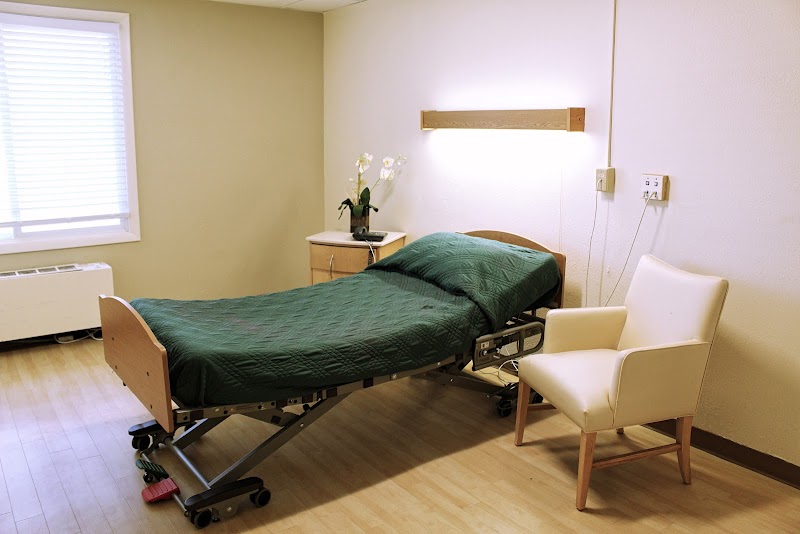
How is Greenbrier Regional Medical Center Staffed?

CMS rates GREENBRIER REGIONAL MEDICAL CENTER's staffing level at 2 out of 5 stars, which is below average compared to other nursing homes. Staff turnover is 58%, which is 12 percentage points above the Virginia average of 46%. High turnover can affect care consistency as new staff learn residents' individual needs.

What Have Inspectors Found at Greenbrier Regional Medical Center?

State health inspectors documented 58 deficiencies at GREENBRIER REGIONAL MEDICAL CENTER during 2017 to 2025. These included: 57 with potential for harm and 1 minor or isolated issues. While no single deficiency reached the most serious levels, the total volume warrants attention from prospective families.
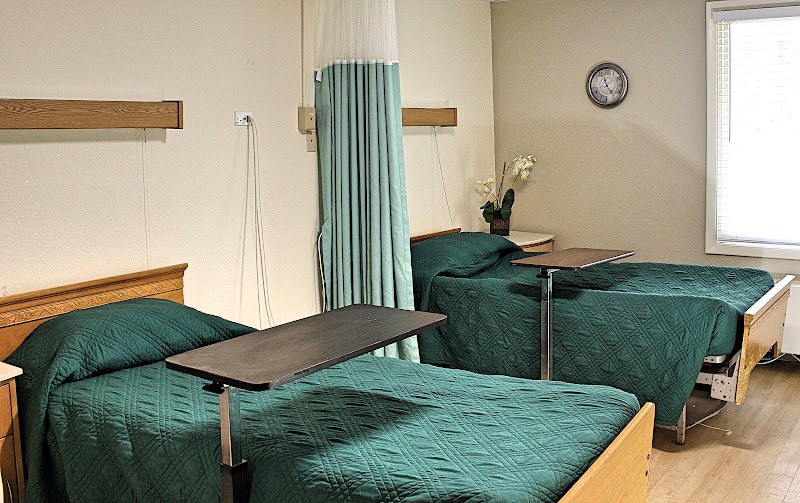
Who Owns and Operates Greenbrier Regional Medical Center?

GREENBRIER REGIONAL MEDICAL CENTER is owned by a for-profit company. For-profit facilities operate as businesses with obligations to shareholders or private owners. The facility operates independently rather than as part of a larger chain. With 120 certified beds and approximately 99 residents (about 82% occupancy), it is a mid-sized facility located in CHESAPEAKE, Virginia.
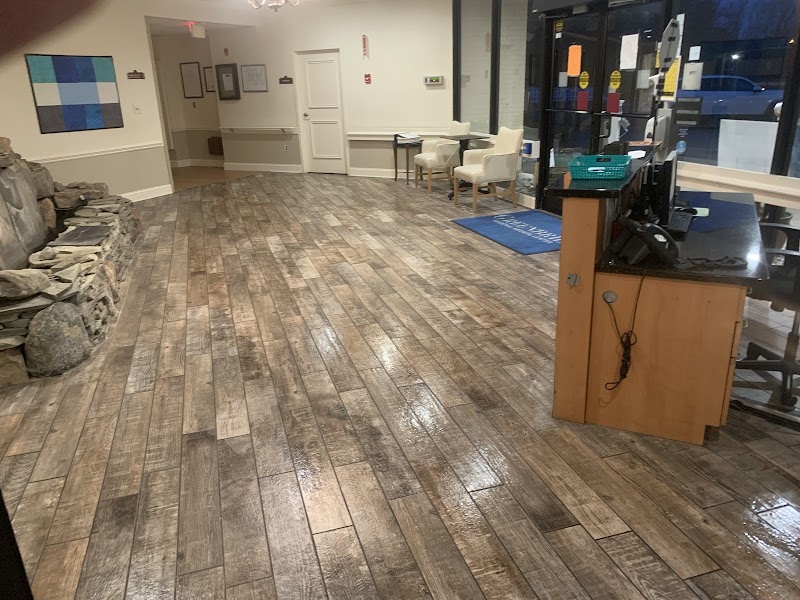
How Does Greenbrier Regional Medical Center Compare to Other Virginia Nursing Homes?

Compared to the 100 nursing homes in Virginia, GREENBRIER REGIONAL MEDICAL CENTER's overall rating (1 stars) is below the state average of 3.0, staff turnover (58%) is significantly higher than the state average of 46%, and health inspection rating (2 stars) is below the national benchmark.

What Should Families Ask When Visiting Greenbrier Regional Medical Center?

Based on this facility's data, families visiting should ask: "How do you ensure continuity of care given staff turnover, and what is your staff retention strategy?" "Can you walk me through typical staffing levels on day, evening, and night shifts?" "Can I visit during a mealtime to observe dining assistance and food quality?" "How do you handle medical emergencies, and what is your hospital transfer rate?" These questions are particularly relevant given the facility's high staff turnover rate and the below-average staffing rating.

Is Greenbrier Regional Medical Center Safe?

Based on CMS inspection data, GREENBRIER REGIONAL MEDICAL CENTER has a clean safety record: no substantiated abuse findings (meaning no confirmed cases of resident harm), no Immediate Jeopardy citations (the most serious violation level indicating risk of serious injury or death), and is not on the Special Focus Facility watch list (a federal program monitoring the lowest-performing 1% of nursing homes). The facility has a 1-star overall rating and ranks #100 of 100 nursing homes in Virginia. While no facility is perfect, families should still ask about staff-to-resident ratios and recent inspection results during their visit.

Do Nurses at Greenbrier Regional Medical Center Stick Around?

Staff turnover at GREENBRIER REGIONAL MEDICAL CENTER is high. At 58%, the facility is 12 percentage points above the Virginia average of 46%. High turnover means new staff may not know residents' individual needs, medications, or preferences. It can also be disorienting for residents, especially those with dementia who rely on familiar faces. Families should ask: What is causing the turnover? What retention programs are in place? How do you ensure care continuity during staff transitions?

Was Greenbrier Regional Medical Center Ever Fined?

GREENBRIER REGIONAL MEDICAL CENTER has no federal fines on record. CMS issues fines when nursing homes fail to meet care standards or don't correct problems found during inspections. The absence of fines suggests the facility has either maintained compliance or corrected any issues before penalties were assessed. This is a positive indicator, though families should still review recent inspection reports for the full picture.

Is Greenbrier Regional Medical Center on Any Federal Watch List?

GREENBRIER REGIONAL MEDICAL CENTER is not on any federal watch list. The most significant is the Special Focus Facility (SFF) program, which identifies the bottom 1% of nursing homes nationally based on persistent, serious quality problems. Not being on this list means the facility has avoided the pattern of deficiencies that triggers enhanced federal oversight. This is a positive indicator, though families should still review the facility's inspection history directly.