HERITAGE HALL CLINTWOOD
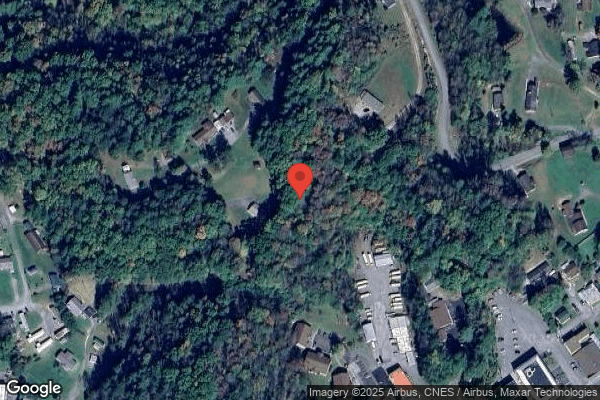
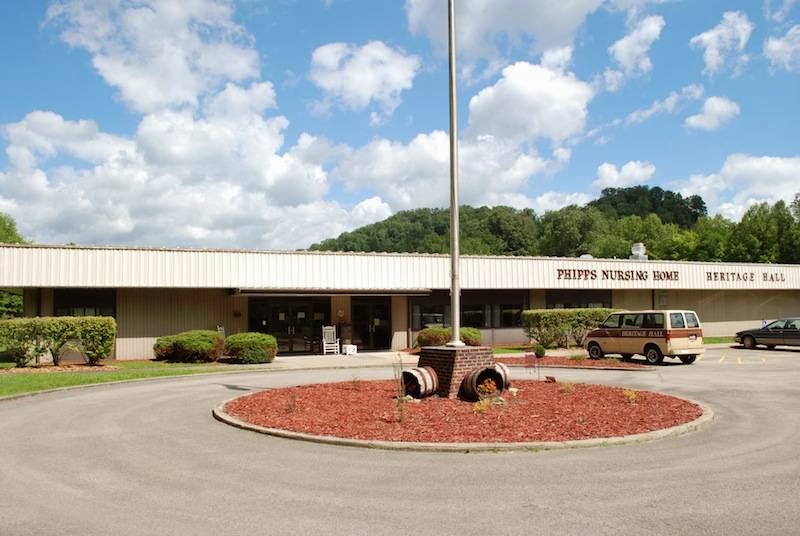
1225 CLINTWOOD MAIN STREET, ROUTE 607, CLINTWOOD, VA 24228 (276) 926-4693
For profit - Limited Liability company 100 Beds HERITAGE HALL Data: November 2025
Trust Grade
65/100
#138 of 285 in VA
Last Inspection: June 2024

Within standard 12-15 month inspection cycle. Federal law requires annual inspections.

Overview

Heritage Hall Clintwood has a Trust Grade of C+, which means it is slightly above average but not particularly outstanding. It ranks #138 out of 285 nursing homes in Virginia, placing it in the top half of facilities, and is the only option in Dickenson County. The facility is experiencing a worsening trend, with the number of issues identified increasing from 1 in 2023 to 8 in 2024. Staffing is a concern, receiving only 1 out of 5 stars, and the RN coverage is lower than 92% of Virginia facilities, which can impact the quality of care. While the facility has no fines on record, indicating compliance with regulations, there have been specific incidents such as medication errors where staff failed to administer prescribed medications for three residents and a lack of hand hygiene during medication administration, which raises concerns about infection control practices. Overall, while there are some strengths, particularly in compliance with fines, the weaknesses regarding staffing and care practices should be carefully considered by families.

Trust Score
C+
65/100
In Virginia
#138/285
Top 48%
Safety Record
Low Risk
No red flags
Inspections
Getting Worse
1 → 8 violations
Staff Stability
○ Average
44% turnover. Near Virginia's 48% average. Typical for the industry.
Penalties
✓ Good
No fines on record. Clean compliance history, better than most Virginia facilities.
Skilled Nurses
⚠ Watch
Each resident gets only 17 minutes of Registered Nurse (RN) attention daily — below average for Virginia. Fewer RN minutes means fewer trained eyes watching for problems.
Violations
⚠ Watch
19 deficiencies on record. Higher than average. Multiple issues found across inspections.
★★★☆☆
3.0
Overall Rating
★☆☆☆☆
1.0
Staff Levels
★★☆☆☆
2.0
Care Quality
★★★★☆
4.0
Inspection Score
Stable
2023: 1 issues
2024: 8 issues

The Good

  • Full Sprinkler Coverage · Fire safety systems throughout facility
  • No fines on record
  • Staff turnover below average (44%)

    4 points below Virginia average of 48%

Facility shows strength in fire safety.

The Bad

3-Star Overall Rating

Near Virginia average (3.0)

Meets federal standards, typical of most facilities

Staff Turnover: 44%

Near Virginia avg (46%)

Typical for the industry

Chain: HERITAGE HALL

Part of a multi-facility chain

Ask about local staffing decisions and management

The Ugly 19 deficiencies on record

Jun 2024 8 deficiencies
CONCERN (D)

Potential for Harm - no one hurt, but risky conditions existed

Transfer Notice (Tag F0623)

Could have caused harm · This affected 1 resident

Based on interviews and clinical record review the facility staff failed to provide a resident's responsible party with written information related to a discharge/transfer for one (1) of 22 sampled re...

Read full inspector narrative →
Based on interviews and clinical record review the facility staff failed to provide a resident's responsible party with written information related to a discharge/transfer for one (1) of 22 sampled residents (Resident #34). The findings were: For Resident #34, facility staff failed to provide the responsible party (RP) with written notice of the resident's transfer to an emergency department. Resident #34's minimum data set with an assessment reference date of 01/16/24 assessed the resident as being rarely/never understood. The resident was assessed as having problems with short-term memory and long-term memory. The resident was assessed at continuously having behaviors of inattention and disorganized thinking. Resident #34's progress notes read the resident was transferred to a local hospital via ambulance service for evaluation of hyperglycemia (elevated blood sugar) on 03/07/24. Resident #34 was admitted to a different local hospital the same day with the diagnosis of hypernatremia (elevated sodium). The unit manager (licensed practical nurse - LPN #2) documented the RP was aware of the transfer however there was no evidence the RP was provided notification in writing. On 6/27/24 at 11:19 a.m., the unit manager, LPN #2, was interviewed and described the process of putting written information in a green folder that was sent with the resident to the hospital. The written information placed in the green folder included but was not limited to bed hold information. LPN #2 acknowledged not documenting what information was placed in the green folder and sent with the resident to the hospital but described this process as what staff always do with a transfer. The nurse was not aware of written transfer notification being sent to the RP. Resident #34 returned to the facility two (2) days after this hospital admission. Resident #34's admission record read the resident's responsible party was their adult child and adult grandchild. The regional director of clinical services (RDCS), nurse consultant, and director of nursing (DON) were asked about written notification of the Resident #34's hospital transfer from 03/07/24. The nurse consultant provided written evidence of ombudsman notification. No evidence of written notification to the RP was provided. The survey team met with the DON, RDCS, and nurse consultant on 06/27/24 at 1:25 p.m. The surveyor discussed the lack of written evidence of RP notification of Resident #34's hospital transfer on 03/07/24. The written information provided in the green folder that accompanied Resident #34 to the hospital was discussed as was the fact that Resident #34 was not her own RP. No further information was provided prior to the exit conference.
CONCERN (D)

Potential for Harm - no one hurt, but risky conditions existed

Deficiency F0657 (Tag F0657)

Could have caused harm · This affected 1 resident

Based on observation, resident interview, staff interview and clinical record review, the facility staff failed to review and revise a comprehensive care plan (CCP) for 1 of 22 sampled residents, Resi...

Read full inspector narrative →
Based on observation, resident interview, staff interview and clinical record review, the facility staff failed to review and revise a comprehensive care plan (CCP) for 1 of 22 sampled residents, Resident #44. The findings included: The facility staff failed to review and revise Resident #44's CCP to indicate they would cover their nebulizer machine with clothing and other items. Resident #44's diagnoses included, but were not limited to, diabetes, chronic obstructive pulmonary disease, and obstructive sleep apnea. Section C (cognitive patterns) of Resident #44's quarterly minimum data set (MDS) assessment with an assessment reference date (ARD) of 04/05/24 included a brief interview for mental status (BIMS) score of 15 out of a possible 15 points. Resident #44's CCP included the focus areas of cardiovascular/respiratory. On 06/24/24 at 4:50 p.m., the surveyor observed Resident #44's nebulizer machine uncovered and sitting on top of a recliner in the residents room. This nebulizer machine was partially covered with clothing. Resident #44 stated the staff put it there. On 06/24/24 at 8:20 a.m., the surveyor observed Resident #44's nebulizer machine uncovered, in a recliner on top of clothing. On 06/26/24 at 2:05 p.m., during an interview with Licensed Practical Nurse (LPN) #2 this staff stated the nebulizer machine should have been covered. On 06/26/24 at 2:20 p.m., during an interview with the Infection Preventionist (IP) this staff stated the nebulizer was always placed in a bag after being used by the resident. The IP stated after Resident #44 was finished with their nebulizer they placed it in their recliner and would cover it up with clothing, snacks, etc . On 06/27/24 at 12:20 p.m., during an interview with LPN #6, this staff stated this resident was very much in their own mind and would throw the nebulizer onto the recliner and put stuff on top of it. During the record review the surveyor was unable to find any documentation regarding this behavior. On 06/27/24 at 1:25 p.m., during a meeting with the Director of Nursing, Nurse Consultant, and Regional Director of Clinical Services the issue with Resident #44's CCP not being reviewed and revised to include the residents preference of placing the nebulizer uncovered, in their recliner, and placing items on top of it was reviewed. No further information regarding this issue was provided to the survey team prior to the exit conference.
CONCERN (D)

Potential for Harm - no one hurt, but risky conditions existed

Tube Feeding (Tag F0693)

Could have caused harm · This affected 1 resident

Based on staff interviews, facility document review, and clinical record review, the facility staff failed to follow medical provider orders to check tube feeding residuals for one (1) of 18 sampled c...

Read full inspector narrative →
Based on staff interviews, facility document review, and clinical record review, the facility staff failed to follow medical provider orders to check tube feeding residuals for one (1) of 18 sampled current residents (Resident #59). The findings include: The facility staff failed to check and record enteral feeding residuals for Resident #59. (Enteral feeding is a way to provide liquid nutrition to an individual's digestive system via a tube. The residual is the amount of liquid drained from the stomach of an individual receiving enteral feeding.) Resident #59's Minimum Data Set (MDS) assessment, with an Assessment Reference Date (ARD) of 5/30/24, was signed as completed on 5/31/24. Resident #59 was assessed as able to sometimes make self understood and as able to understand others. Resident #59's Brief Interview for Mental Status (BIMS) summary score was documented as a 15 out of 15; this indicated intact and/or borderline cognition. Resident #59 was assessed as dependent on others for eating, oral hygiene, toileting hygiene, dressing, personal hygiene, and bathing. Resident #59's clinical documentation included an order, with a start date of 11/1/23, (a) for enteral feeding and (b) to have residuals checked and documented every eight (8) hours. Resident #59's June 2024 Medication Administration Record (MAR) was reviewed on 6/26/24. This MAR included documentation to indicate Resident #59's enteral feeding residuals were checked every eight (8) hours but did not include documentation of the amount of the residuals. The following information was found in a facility document titled Checking Gastric Residual Volume (GRV) (with a revised date of November 2018): - The purpose of this procedure is to assess tolerance of enteral feeding and minimize the potential for aspiration. - The person performing this procedure should record the following information in the resident's medical record: . 2. The amount, if any, of gastric residual . (Aspiration is when a substance such as food or fluids inadvertently enters the lungs.) On 6/27/24 at 9:50 a.m., the Regional Director of Clinical Services confirmed the residuals had not been documented. On 6/27/24 at 1:24 p.m., the survey team met with the facility's Director of Nursing, Regional Director of Clinical Services, and Nurse Consultant. The surveyor discussed the failure of the facility staff to document the amount of Resident #59's tube feeding residuals.
CONCERN (D)

Potential for Harm - no one hurt, but risky conditions existed

Respiratory Care (Tag F0695)

Could have caused harm · This affected 1 resident

Based on observation, resident interview, staff interview, and clinical record review, the facility staff failed to administer Oxygen per the providers orders for 1 of 18 current residents, Resident #...

Read full inspector narrative →
Based on observation, resident interview, staff interview, and clinical record review, the facility staff failed to administer Oxygen per the providers orders for 1 of 18 current residents, Resident #44. The findings included: The facility staff failed to provide Oxygen per the providers orders. Resident #44's Oxygen was observed to be at 3 and 3 1/2 liters a minute when the providers order was for 2 liters a minute. Resident #44's diagnoses included, but were not limited to, chronic obstructive pulmonary disease and obstructive sleep apnea. Section C (cognitive patterns) of Resident #44's quarterly minimum data set (MDS) assessment with an assessment reference date (ARD) of 04/05/24 included a brief interview for mental status (BIMS) score of 15 out of a possible 15 points. Resident #44's CCP included the focus areas of cardiovascular/respiratory. Interventions included, but were not limited to, Oxygen as ordered. Resident #44's clinical record included a provider order for Oxygen at 2 liters a minute via nasal cannula as needed for shortness of breath. The order date was documented as 05/30/24. On 06/24/24 at 4:50 p.m., Resident #44's Oxygen was observed by the surveyor to be set at 3 1/2 liters a minute. On 06/25/24 at 4:45 p.m., Resident #44's Oxygen was observed to be set at 2 liters a minute. On 06/26/24 at 8:55 a.m., Resident #44's Oxygen was observed to be at 3 liters a minute. Resident #44 stated the nursing staff set their Oxygen and they did not touch it. During an end of the day meeting on 06/26/24 at 4:30 p.m. with the Administrator, Director of Nursing, Nurse Consultant and Regional Director of Clinical Services the issue with Resident #44's Oxygen being set at the incorrect rate was reviewed. No further information regarding this issue was provided to the survey team prior to the exit conference.
CONCERN (D)

Potential for Harm - no one hurt, but risky conditions existed

Medication Errors (Tag F0758)

Could have caused harm · This affected 1 resident

Based on staff interviews, facility document review, and clinical document review, the facility staff failed to monitor two (2) of 18 sampled current residents for side effects of psychotropic medicat...

Read full inspector narrative →
Based on staff interviews, facility document review, and clinical document review, the facility staff failed to monitor two (2) of 18 sampled current residents for side effects of psychotropic medications (Resident #23 and Resident #24). The findings include: 1. Resident #23's clinical record failed to provide evidence of the facility staff monitoring the resident for potential side effects related to the resident receiving psychotropic medications. (On 6/27/24, Resident #23's clinical record included medical provider orders for fluoxetine, trazodone, and bupropion; these are psychotropic medications.) Resident #23's Minimum Data Set (MDS) assessment, with an Assessment Reference Date (ARD) of 4/8/24, was signed as completed on 4/9/24. Resident #23 was assessed as able to make self understood and as able to understand others. Resident #23's Brief Interview for Mental Status (BIMS) summary score was documented as a 15 out of 15; this indicated intact and/or borderline cognition. Resident #23 was assessed as requiring assistance with toileting hygiene, dressing, and bathing. Resident #23's care plan included a 'focus' which addressed the use of psychotropic medications. This 'focus' included the goal that the resident would not have negative effects. This 'focus' included an intervention to notify a medical provider of any changes. The following information was found in a facility document titled Psychotropic Medication Use (with a revised date of July 2022): - Drugs in the following categories are considered psychotropic medications and are subject to prescribing, monitoring, and review requirements specific to psychotropic medications: a. Anti-psychotics; b. Anti-depressants; c. Anti-anxiety medications; and d. Hypnotics. - Residents receiving psychotropic medications are monitored for adverse consequences, including: a. anticholinergics effects - flushing, blurred vision, dry mouth, altered mental status, difficulty urinating, falls, excessive sedation and constipation; b. cardiovascular effects - irregular heart rate or pulse, palpitations, lightheadedness, shortness of breath, diaphoresis, chest/arm pain, increased blood pressure, orthostatic hypotension; c. metabolic effects - increased cholesterol and triglycerides, poorly controlled or unstable blood sugar, weight gain; d. neurologic effects - agitation, distress, extrapyramidal symptoms, neuroleptic malignant syndrome, Parkinsonism, tardive dyskinesia, cerebrovascular events; and e. psychosocial effects - inability to perform ADLs or interact with others, withdrawal or decline from usual social patterns, decreased engagement in activities, diminished ability to think or concentrate. On 6/27/24 at 11:43 a.m., the Regional Director of Clinical Services (RDCS) confirmed Resident #23's clinical record did not contain evidence of monitoring for side effects related to psychotropic medication use. The RDCS reported this monitoring, if completed, would have been found on the Medication Administration Records (MARs). On 6/27/24 at 1:24 p.m., the survey team met with the facility's Director of Nursing, RDCS, and Nurse Consultant. The surveyor discussed the absence of documentation to indicate facility staff were monitoring Resident #23 for side effects related to the use of psychotropic medications. 2. Resident #24's clinical record failed to provide evidence of the facility staff monitoring the resident for potential side effects related to the resident receiving an antipsychotic medication. (Resident #24's clinical record included a medical provider order for quetiapine, an antipsychotic medication, with a start date of 6/10/24.) Resident #24's Minimum Data Set (MDS) assessment, with an Assessment Reference Date (ARD) of 6/11/24, was signed as completed on 6/12/24. Resident #24 was assessed as able to make self understood and as sometimes able to understand others. Resident #24 was assessed as having problems with both long-term memory and short-term memory. Resident #24 was assessed being dependent on others for toileting hygiene, dressing, personal hygiene, and bathing. Resident #24's care plan included a 'focus' which addressed the use of psychotropic medications. This 'focus' included the goal that the resident would not have adverse effects. This 'focus' included an intervention to notify a medical provider of any changes. The following information was found in a facility document titled Antipsychotic Medication Use (with a revised date of July 2022): Nursing staff shall monitor for and report any of the following side effects and adverse consequences of antipsychotic medications to the attending physician: a. General/anticholinergic: constipation, blurred vision, dry mouth, urinary retention, sedation; b. Cardiovascular: orthostatic hypotension, arrhythmias; c. Metabolic: increase in total cholesterol/triglycerides, unstable or poorly controlled blood sugar, weight gain; or d. Neurologic: akathisia, dystonia, extrapyramidal effects, akinesia; [sic] or tardive dyskinesia, stroke or TIA. On 6/27/24 at 11:26, the Regional Director of Clinical Services (RDCS) confirmed no documentation of the monitoring of side effects, related to the use of an antipsychotic medication, was found for Resident #24. On 6/27/24 at 1:24 p.m., the survey team met with the facility's Director of Nursing, RDCS, and Nurse Consultant. The surveyor discussed the absence of documentation to indicate facility staff were monitoring Resident #24 for side effects related to the use of an antipsychotic medication.
CONCERN (D)

Potential for Harm - no one hurt, but risky conditions existed

Medical Records (Tag F0842)

Could have caused harm · This affected 1 resident

2. Resident #292's Durable Do Not Resuscitate (DDNR) form was incomplete, sections 1 and 2 were left blank. Resident #292's diagnoses included, but were not limited to, chronic obstructive pulmonary ...

Read full inspector narrative →
2. Resident #292's Durable Do Not Resuscitate (DDNR) form was incomplete, sections 1 and 2 were left blank. Resident #292's diagnoses included, but were not limited to, chronic obstructive pulmonary disease, chronic pancreatitis, and post-traumatic stress disorder. Section C (cognitive patterns) of Resident #292's admission minimum data set (MDS) assessment with an assessment reference date (ARD) of 05/03/24 included a brief interview for mental status (BIMS) score of 15 out of a possible 15 points. The clinical record included the following. Order for a Do Not Resuscitate (DNR) dated 06/04/24. DDNR dated 05/02/24 signed by the physician and Resident #292. Section 1 and 2 of this document were incomplete. Section 1 of the DDNR read in part, I further certify [must check 1 or 2]: 1. The patient is CAPABLE of making an informed decision . 2. The patient is INCAPABLE of making an informed decision . The boxes beside #1 and #2 were blank. Section 2 read If you checked 2 above, check A, B, or C below: The three boxes below were blank. On 06/26/24 at 4:30 p.m., the Administrator, Director of Nursing, Regional Nurse Consultant, and Regional Director of Clinical Services were made aware of the issue regarding Resident #292's incomplete DDNR form. No further information regarding this issue was provided to the survey team prior to the exit conference. Based on staff interviews and the review of clinical records, the facility staff failed to maintain complete and/or accurate clinical records for two (2) of 18 sampled current residents (Resident #87 and Resident #292). The findings include: 1. Resident #87's Durable Do Not Resuscitate (DDNR) form, dated 6/7/24, was incomplete. Resident #87's Minimum Data Set (MDS) assessment, with an Assessment Reference Date (ARD) of 6/9/24, was signed as completed on 6/10/24. Resident #87 was assessed as usually able to make self understood and as sometimes able to understand others. Resident #87 was assessed as having problems with both long-term memory and short term-memory. Resident #87 was assessed as requiring assistance with oral hygiene, toileting hygiene, personal hygiene, and bathing. The DDNR form has a section where the individual completing the form certifies that the resident is either capable or incapable of making an informed decision about providing, withholding, or withdrawing a specific medical treatment or course of medical treatment. This section was not answered by the individual completing Resident #87's DDNR Order form. The DDNR form has a section that is to be completed when the resident is determined to be incapable of making an informed decision about providing, withholding, or withdrawing a specific medical treatment or course of medical treatment . This section identifies by whom and/or under what authority the DDNR was issued for a resident who had been determined incapable in the aforementioned section. This section was not answered for Resident #87. On 6/27/24 at 1:24 p.m., the survey team met with the facility's Director of Nursing, Regional Director of Clinical Services, and Nurse Consultant. The surveyor discussed Resident #87's DDNR form being incomplete.
CONCERN (E)

Potential for Harm - no one hurt, but risky conditions existed

Quality of Care (Tag F0684)

Could have caused harm · This affected multiple residents

Based on staff interview, clinical record review, and facility document review, the facility staff failed to administer medications per the provider orders for 3 of 18 current residents, Resident #10,...

Read full inspector narrative →
Based on staff interview, clinical record review, and facility document review, the facility staff failed to administer medications per the provider orders for 3 of 18 current residents, Resident #10, #44, and #292. The findings included: 1. For Resident #10, the facility nursing staff failed to administer the medication Gabapentin per the provider orders. Gabapentin is a controlled drug in the state of Virginia. Resident #10's diagnoses included, but were not limited to, cerebral palsy and neuropathy. Section C (cognitive patterns) of Resident #10's quarterly minimum data set (MDS) assessment with an assessment reference date (ARD) of 06/06/24 included a brief interview for mental status (BIMS) score of 15 out of a possible 15 points. Resident #10's comprehensive care plan included the focus area pain/comfort. Interventions included, but were not limited to, MEDS AS ORDERED. Resident #10's clinical record included a provider order for Gabapentin 300 mg every 8 hours for polyneuropathy. The clinical record included a progress note documented by the nursing staff on 05/30/24 at 5:40 a.m. that read, Gabapentin Oral Capsule 300 MG Give 1 capsule by mouth every 8 hours for polyneuropathy Unable to give not up from pharmacy needs a script to get it from the stat box. Pharmacy has been notified. A review of the backup medication list revealed that this medication would have been available in the backup supply for administration. The administrative staff provided the survey team with a copy of their policy titled, Medication Ordering and Receiving From Pharmacy Provider. This policy read in part, .Emergency pharmaceutical service is available on a 24-hour basis .Removal of controlled substances from Emergency Kit. Emergency verbal Schedule II-V [2-5] authorization for dispensing must conform to the following requirements. The prescribing practitioner determines .That immediate administration of the controlled substance is necessary, for the proper treatment of the intended ultimate user and, That no appropriate alternative treatment is available, including administration of a drug which is not a controlled substance; and That it is not reasonably possible for the practitioner to provide a written prescription to be presented to the person dispensing the substance prior to the dispensing . On 06/26/24 at 4:30 p.m., during an end of the day meeting with the Administrator, Director of Nursing, Regional Nurse, and Regional Director of Clinical Services the issue with the Gabapentin not being administered per orders was reviewed. No further information regarding this issue was provided to the survey team prior to the exit conference. 2. For Resident #44, the facility nursing staff failed to administer the medication Prednisone per the provider orders. Resident #44's diagnoses included, but were not limited to, diabetes, chronic obstructive pulmonary disease, and obstructive sleep apnea. Section C (cognitive patterns) of Resident #44's quarterly minimum data set (MDS) assessment with an assessment reference date (ARD) of 04/05/24 included a brief interview for mental status (BIMS) score of 15 out of a possible 15 points. Resident #44's clinical record included a provider order for Prednisone give 1 tablet by mouth two times a day for shortness of breath/acute chronic obstructive pulmonary disease exacerbation for 5 Days. The date of the order was documented as 06/20/24. The clinical record included a progress note dated 06/25/24 that read, predniSONE Oral Tablet 20 MG Give 1 tablet by mouth two times a day for shortness of breath/acute copd exacerbation for 5 Days Pending pharm, supply not available. A review of the backup medication list revealed that this medication would have been available in the backup supply for administration. The administrative staff provided the survey team with a copy of their policy titled, Medication Ordering and Receiving From Pharmacy Provider. This policy read in part, .Emergency pharmaceutical service is available on a 24-hour basis . On 06/26/24 at 4:30 p.m., during an end of the day meeting with the Administrator, Director of Nursing, Regional Nurse, and Regional Director of Clinical Services the issue with the Prednisone not being administered per orders was reviewed. No further information regarding this issue was provided to the survey team prior to the exit conference. 3. For Resident #292, the facility staff failed to administer the medication Gabapentin as ordered by the provider. Gabapentin is a controlled drug in the state of Virginia. Resident #292's diagnoses included, but were not limited to, chronic obstructive pulmonary disease, chronic pancreatitis, and post-traumatic stress disorder. Section C (cognitive patterns) of Resident #292's admission minimum data set (MDS) assessment with an assessment reference date (ARD) of 05/03/24 included a brief interview for mental status (BIMS) score of 15 out of a possible 15 points. Resident #292's clinical record included an order for Gabapentin oral capsule 300 MG 1 capsule by mouth every 8 hours for pain. The order date was documented as 06/04/24. On 06/05/24 the facility nursing staff documented Gabapentin Oral Capsule 300 MG Give 1 capsule by mouth every 8 hours for pain Resident does not have a card of this medication. A review of the backup medication list revealed that this medication would have been available in the backup supply for administration. The administrative staff provided the survey team with a copy of their policy titled, Medication Ordering and Receiving From Pharmacy Provider. This policy read in part, .Emergency pharmaceutical service is available on a 24-hour basis .Removal of controlled substances from Emergency Kit. Emergency verbal Schedule II-V [2-5] authorization for dispensing must conform to the following requirements. The prescribing practitioner determines .That immediate administration of the controlled substance is necessary, for the proper treatment of the intended ultimate user and, That no appropriate alternative treatment is available, including administration of a drug which is not a controlled substance; and That it is not reasonably possible for the practitioner to provide a written prescription to be presented to the person dispensing the substance prior to the dispensing . On 06/26/24 at 4:30 p.m., during an end of the day meeting with the Administrator, Director of Nursing (DON), Regional Nurse, and Regional Director of Clinical Services the issue with the Gabapentin not being administered per the providers orders was reviewed. The DON was asked the procedure for unavailable medications. The DON stated if a medication was not available the facility staff would call pharmacy and get a PIN number. Once they had obtained the PIN, they could then put the number into the Cubex (backup supply of medications). The DON stated all staff have access to the Cubex. No further information regarding this issue was provided to the survey team prior to the exit conference.
CONCERN (E)

Potential for Harm - no one hurt, but risky conditions existed

Infection Control (Tag F0880)

Could have caused harm · This affected multiple residents

Based on observations, staff interviews, clinical record review, and facility document review facility staff failed to maintain an effective infection control and prevention program for three of four ...

Read full inspector narrative →
Based on observations, staff interviews, clinical record review, and facility document review facility staff failed to maintain an effective infection control and prevention program for three of four residents observed during medication pass and on two of two units (Resident #8, Resident #10, Resident #65). The findings were: 1. For Resident #8, Resident #10 and Resident #65, facility staff failed to perform hand hygiene prior to donning gloves or after removing gloves during medication administration observations. Surveyor observed licensed practical nurse (LPN #1) don gloves prior to assembling Resident #8's medications on 06/25/24 at 8:25 a.m. The nurse did not perform hand hygiene prior to donning gloves. LPN #1 performed hand hygiene with soap and water after removing the gloves. Surveyor observed licensed practical nurse (LPN #7) don gloves prior to assembling Resident #65's medications on 06/25/24 at 11:55 a.m. The nurse did not perform hand hygiene prior to donning gloves. LPN #7 administered the medications and after removing gloves, retrieved wipes from the locked medication cart and washed hands with the wipes. The nurse reported using the wipes between residents. LPN #7 donned gloves after using the wipes, assembled, and provided medications to Resident #10. After providing medications to Resident #10 and removing gloves, the nurse did not perform hand hygiene. The administrator provided the policy titled Handwashing/Hand Hygiene on 06/25/24. The policy read in part, 7. Use an alcohol-based hand rub containing at least 62% alcohol; or, alternatively, soap (antimicrobial or non-antimicrobial) and water for the following situations: . c. Before preparing or handling medications; . f. Before donning sterile gloves; . m. After removing gloves; . 9. The use of gloves does not replace hand washing/hand hygiene. Integration of glove use along with routine hand hygiene is recognized as the best practice for preventing healthcare-associated infections. The policy provided a 5-step procedure for applying and removing gloves, 1. Perform hand hygiene before applying non-sterile gloves . 5. Perform hand hygiene. On 06/27/24 at 1:25 p.m., the survey team met with the director of nursing (DON), regional director of clinical services (RDCS) and nurse consultant. The concern regarding hand hygiene before and/or after glove changes was discussed. 2. The surveyor observed tray line service on 6/24/2024 at approximately 5:50 PM on the left side nursing units. A staff member wearing gloves entered room L10 to deliver a tray to Resident #43. There was a sign on the door denoting neutropenic precautions: See nurse before entering; surgical mask, gown, and gloves required. There was no publication source or reference on the notice. Another staff member wearing gloves entered L11 to deliver trays to Residents #18 and #22. Signs on that door denoted Contact Precautions and Enhanced Barrier Precautions. The employee was unable to tell the surveyor which type of precautions was appropriate for each resident. The surveyor requested policies related to transmission-based precautions and received Infection Control Guidelines for All Nursing Procedures. The document referenced use of Standard Precautions in presence of blood, bodily fluids, secretions, and excretions. Transmission-based Precautions will be used whenever measures more stringent than Standard Precautions are needed to prevent the spread of infection. The policy did not define measures to be used for Enhanced Barrier Precautions, Contact Precautions or Neutropenic Precautions. The surveyor asked for the policy defining those precautions. On 6/26/24, the surveyor was advised that staff follow Centers for Disease Control (CDC) guidelines. 2007 Guideline for Isolation Precautions: Preventing Transmission of Infectious Agents in Healthcare Settings provided to the surveyor did define Contact Precautions, but did not address Enhanced Barrier Precautions or Neutropenic Precautions. The surveyor noted failure of policies to address the precautions. The administrator and director of nursing were made aware of the concern on 6/25/2024.
Mar 2023 1 deficiency
CONCERN (D) 📢 Someone Reported This

A family member, employee, or ombudsman was alarmed enough to file a formal complaint

Potential for Harm - no one hurt, but risky conditions existed

Medical Records (Tag F0842)

Could have caused harm · This affected 1 resident

**NOTE- TERMS IN BRACKETS HAVE BEEN EDITED TO PROTECT CONFIDENTIALITY** Based on resident interview, staff interview, and clinical record review, the facility staff failed to maintain a complete and a...

Read full inspector narrative →
**NOTE- TERMS IN BRACKETS HAVE BEEN EDITED TO PROTECT CONFIDENTIALITY** Based on resident interview, staff interview, and clinical record review, the facility staff failed to maintain a complete and accurate clinical record for 1 of 3 residents, Resident #1. The findings included: The facility nursing staff failed to document Resident #1's wheelchair had flipped over on the transport van. Resident #1 was diagnosed with fracture of the right humerus and dislocation of the humeral head that required surgical interventions. Resident #1's diagnoses included, but were not limited to, fracture of unspecified part of scapula right shoulder, adult osteomalacia, spinal stenosis, diabetes, and malignant neoplasm. Section C (cognitive patterns) of Resident #1's quarterly minimum data set (MDS) assessment with an assessment reference date (ARD) of 11/23/22 included a brief interview for mental status (BIMS) summary score of 15 out of a possible 15 points. Resident #1's comprehensive care plan (CCP) included the problems areas had diagnosis of glaucoma, blindness one eye with low vision, uses walking stick for ambulation, likes to be as independent as much as possible, and at risk for spontaneous bleeding and skin discoloration related to receiving aspirin therapy daily. On 02/07/23 the facility staff had updated the CCP to include the problem area Resident out on transport via facility bus with two employees, wheelchair flipped, zero visible injuries, resident decided to come back to facility before going to emergency room (ER). Resident sent to ER after return. On 02/08/23 the Administrator reported to the Office of Licensure and Certification via a Facility Reported Incident (FRI) that Resident #1 .sustained a fall resulting in a closed fracture of the proximal end of the right humerus .An investigation is underway with a final report to follow in 5 working days. Resident #1 was treated at two hospitals for their injuries. The final FRI was faxed to the Office of Licensure and Certification on 02/15/23. Resident #1's clinical record included the following documentation: 02/07/23 11:19 a.m., Registered Nurse (RN) #1 documented Resident #1 was out of facility via facility transport to ortho appointment. 02/07/23 8:53 p.m., Licensed Practical Nurse (LPN) #1 documented Resident #1 returned from appointment at approximately 8:00 p.m. complained of right arm pain. MD notified. New order to send to _____ emergency room (ER) for evaluation. Report called to ____ at ER. ____ called and is on the way to transport resident. During the clinical record review, the surveyor was unable to find any documentation in the clinical record that referenced the incident on the transport van. 03/13/23 11:55 a.m., Resident #1 stated they were returning to the facility after a doctor appointment and their wheelchair had rolled backwards and flipped over. They had hit their head, shoulder, and elbows, and they had heard a crack. Resident #1 stated they had been treated at two different hospitals for their injuries. 03/13/23, Nurse Consultant #1 provided the surveyor with hospital information indicating Resident #1 was treated at a local emergency room (ER) on 02/07/23 and transferred to a second facility. Chief complaint upon arrival at the second facility was documented as right shoulder fracture/dislocation. Resident #1 was sedated at the receiving hospital, reduction of the right shoulder was completed, and a sling applied. Resident #1 returned to the facility on [DATE]. 03/13/23 3:05 p.m., LPN #1 was interviewed via phone and did not currently have access to the clinical record. LPN #1 stated the staff had reported Resident #1's wheelchair had flipped backwards, they were fastened in, and they were not sure what had happened. When asked if they had documented anything regarding the incident involving Resident #1. LPN #1 stated they should have made a note where Resident #1 had gone to the ER but nothing about the incident had been documented by them. 03/13/23 4:23 p.m., end of the day meeting with the Director of Nursing, Consulting Administrator, and Nurse Consultant #1 and #2 the issue with the missing documentation regarding the incident on the transport van was reviewed. No further information regarding this missing documentation was provided to the surveyor prior to the exit conference on 03/14/23.
May 2022 1 deficiency
CONCERN (D)

Potential for Harm - no one hurt, but risky conditions existed

Tube Feeding (Tag F0693)

Could have caused harm · This affected 1 resident

Based on observation, staff interview, and clinical record review, the facility staff failed to provide the appropriate care and services in regards to a gastronomy tube for 1 of 18 Residents, Residen...

Read full inspector narrative →
Based on observation, staff interview, and clinical record review, the facility staff failed to provide the appropriate care and services in regards to a gastronomy tube for 1 of 18 Residents, Resident #1. Resident #1's tube feeding was ordered by the physician to be cut off at 10:00 A.M. The surveyor observed it to be off at 8:25 A.M. The findings included: Section C (cognitive patterns) of Resident #1's quarterly Minimum Data Set (MDS) assessment with an Assessment Reference Date (ARD) of 03/15/22 included a Brief Interview for Mental Status summary (BIMS) score of 15 out of a possible 15 points. Due to this resident's current health condition, the surveyor was unable to complete an interview with this resident. Section K (swallowing and nutrition) was coded to indicate Resident #1 had a feeding tube in place. Diagnoses included, but were not limited to, multiple sclerosis, respiratory failure, and dysphagia. On 05/04/22 at 8:25 a.m., Resident #1's tube feeding was observed to be off. On 05/04/22 at 9:11 A.M., Resident #1's tube feeding was observed to be off and the feeding bag had been removed. Resident #1's clinical record included a physicians order for Fibersource HN @65 ml hour X 18 hours a day. Begin tube feeding at 4:00 PM. and run at 65 ml for a total of 18 hours ending at 10:00 A.M. order date 01/11/22. Resident #1's comprehensive care plan included the problem area, receives tube feeding and flushes via g-tube. At 05/04/21 at 3:00 p.m., Licensed Practical Nurse (LPN) #2 stated the tube feeding was off when they arrived to work, the bag was empty, and they took it down. Resident #1 had a documented weight of 116 pounds on 04/26/22 and 116.4 on 01/06/22. Indicating this resident did not have a weight loss. On 05/04/22 at 4:00 PM., during an end of the day meeting with the Administrator, Director of Nursing, and Nurse Consultants #1 and #2, the issue regarding the tube feeding not running during the physician ordered prescribed time was reviewed. No further information regarding this issue was provided to the survey team prior to the exit conference.
Jun 2019 9 deficiencies
CONCERN (D)

Potential for Harm - no one hurt, but risky conditions existed

Deficiency F0554 (Tag F0554)

Could have caused harm · This affected 1 resident

**NOTE- TERMS IN BRACKETS HAVE BEEN EDITED TO PROTECT CONFIDENTIALITY** Based on observation, Resident interview, staff interview, clinical record review, and facility document review, the facility st...

Read full inspector narrative →
**NOTE- TERMS IN BRACKETS HAVE BEEN EDITED TO PROTECT CONFIDENTIALITY** Based on observation, Resident interview, staff interview, clinical record review, and facility document review, the facility staff failed to assess 1 of 28 Residents in the survey sample for safe self-administration of medication, Resident # 45. The findings included: The facility staff failed to assess Resident # 45 for safe self-administration of medication. Resident # 45 was an [AGE] year-old-female who was admitted to the facility on [DATE], with a readmission date of 1/9/19. Diagnoses included but were not limited to, anxiety, anemia, hypertension, and type 2 diabetes mellitus. The clinical record for Resident # 45 was reviewed on 6/18/19 at 4:23 pm. The most recent MDS (minimum data set) assessment was a quarterly assessment with an ARD (assessment reference date) of 4/16/19. Section C of the MDS assesses cognitive patterns. In Section C0500, the facility staff documented that Resident # 45 had a BIMS (brief interview for mental status) score of 4 out of 15, which indicated that Resident # 45's cognitive status was severely impaired. Resident # 45 had orders that included but were not limited to, Ocean 0.65% nasal spray inhale 1 spray to each nostril BID (2 times daily) prn (as needed), which was initiated by the physician on 1/9/19. On 6/9/19 at 10:38 am, the surveyor observed a bottle of nasal saline spray in a basket on Resident # 45's over bed table. On 6/9/19 at 11:05 am, the surveyor reviewed Resident # 45's clinical record and did not locate an assessment that determined that Resident # 45 was safe to self-administer medications. On 6/19/19 at 1:58 pm, the surveyor interviewed Resident # 45. The surveyor asked Resident #45 if she used the nasal spray that had been observed on her over bed table. Resident # 45 stated Yes, but I don't use it no more than I have to. On 6/19/19 at 2:28 pm, the surveyor interviewed LPN # 1 (licensed practical nurse). The surveyor asked LPN # 1 if Resident # 45 had been assessed to self-administer medications. LPN # 1 stated that she was unsure but would look into it. The facility policy on Self-Administration of Medications contained documentation that included but was not limited to, .Policy Interpretation and Implementation 1. As part of their overall evaluation, the staff and practitioner will assess each resident's mental and physical abilities to determine whether self-administering medications is clinically appropriate for the resident. On 6/19/19 at 5:30 pm, the administrative team was made aware of the findings as stated above. No further information regarding this issue was presented to the survey team prior to the exit conference on 6/20/19.
CONCERN (D)

Potential for Harm - no one hurt, but risky conditions existed

Deficiency F0583 (Tag F0583)

Could have caused harm · This affected 1 resident

**NOTE- TERMS IN BRACKETS HAVE BEEN EDITED TO PROTECT CONFIDENTIALITY** Based on observation, Resident interview, and facility document review, the facility staff failed to ensure personal privacy for...

Read full inspector narrative →
**NOTE- TERMS IN BRACKETS HAVE BEEN EDITED TO PROTECT CONFIDENTIALITY** Based on observation, Resident interview, and facility document review, the facility staff failed to ensure personal privacy for 1 of 28 Residents in the survey sample, Resident # 18. The findings included: The facility staff failed to ensure privacy for Resident # 18 while she disrobed in her room. Resident # 18 was a [AGE] year-old-female who was originally admitted to the facility on [DATE], with a readmission date of 6/29/18. Diagnoses included but were not limited to, anxiety, psychosis, auditory hallucinations, and hypertension. The clinical record for Resident # 18 was reviewed on 6/18/19 at 5:59 pm. The most recent MDS (minimum data set) assessment was a quarterly assessment with an ARD (assessment reference date) of 4/1/19. Section C of the MDS assesses cognitive patterns. In Section C0500, the facility staff documented that Resident # 18 had a BIMS (brief interview for mental status) score of 5 out of 15, which indicated that Resident # 18's cognitive status was severely impaired. The current plan of care for Resident # 18 was reviewed on 4/2/19. The facility staff documented a problem area for Resident # 18 as, Mood/Behavior/Psychotropic drug use: Resident # 18 is noted to have a sad facial expression which usually is not altered with interaction she is noted to yell out and hit/kick at staff with care, education & risks have been explained little success d/t (due to) cognitive level. She is noted at times to take clothes off likes to be naked staff monitors for risk of exposing self she has dx (diagnosis) depression, anxiety, psychosis, agitation, ID (intellectual disability) schizophrenia, delusional d/o (disorder) hallucinations, no behaviors noted this review. Interventions included but were not limited to, Explain procedures prior to giving care, approach in a calm manner, monitor facial/body [NAME] (language) for likes/dislikes, if she becomes agitated allow time for her to calm down before cont (continuing)/giving care, provide calm environment, allow time for her to express herself. On 6/18/19 at 3:10 pm, the surveyor observed Resident # 18 sitting on the side of the bed during initial tour. The surveyor observed that the privacy curtain between Resident # 18 and her roommate had not been pulled. The surveyor observed that Resident # 18 had only a brief and her breast were exposed and visible to her roommate. On 6/18/19 at 5:49 pm, the surveyor observed Resident # 18 lying in bed wearing only a brief. The surveyor observed that the privacy curtain between Resident # 18 and her roommate had not been pulled, and Resident # 18 was uncovered and her breast were visible to her roommate. On 6/18/19 at 5:57 pm, the surveyor interviewed Resident # 18's roommate Resident # 91.The surveyor asked Resident # 91 if Resident # 18 undressed often. Resident # 91 stated, Yes, I see her get naked every day. The facility policy on Resident Rights contained documentation that included but was not limited to, .Policy Interpretation and Implementation 1. Federal and state laws guarantee certain basic rights to all residents of this facility. These rights include the resident's right to: t. privacy and confidentiality. On 5/19/19 at 5:30 pm, the administrative team was made aware of the findings as stated above. No further information regarding this issue was provided to the survey team prior to the exit conference on 6/20/19.
CONCERN (D)

Potential for Harm - no one hurt, but risky conditions existed

Deficiency F0645 (Tag F0645)

Could have caused harm · This affected 1 resident

**NOTE- TERMS IN BRACKETS HAVE BEEN EDITED TO PROTECT CONFIDENTIALITY** Based on staff interview and clinical record review, the facility staff failed to ensure that 1 of 28 Residents in the survey sa...

Read full inspector narrative →
**NOTE- TERMS IN BRACKETS HAVE BEEN EDITED TO PROTECT CONFIDENTIALITY** Based on staff interview and clinical record review, the facility staff failed to ensure that 1 of 28 Residents in the survey sample had a Level II PASARR, Resident # 52. The findings included The facility staff failed to ensure that Resident # 52 had a Level II PASARR (preadmission screening and resident review). Resident # 52 was a [AGE] year-old-female who was admitted to the facility on [DATE]. Diagnoses included but were not limited to, schizoaffective disorder, depression, anxiety, and hypertension. The clinical record for Resident # 52 was reviewed on 6/18/19 at 3:38 pm. The most recent MDS (minimum data set) assessment was a quarterly assessment with an ARD (assessment reference date) of 5/7/19. On 6/19/18 at 4:06 pm, the surveyor reviewed the Screening for Mental Illness, Mental Retardation/Intellectual Disability, or Related Conditions form for Resident # 52. The surveyor observed a handwritten checkmark documented next to Refer for secondary assessment. On 6/19/19 at 4:21 pm, the surveyor interviewed the facility social worker and asked if Resident # 52 had a Level II PASARR. The facility social worker informed the surveyor that the documents that were provided were the only documents that the hospital had sent with Resident # 52 when she was admitted , but she would check to see if a Level II PASARR had been completed. On 6/20/19 at 9:24 am, the facility social worker informed the surveyor that Resident # 52 had not had a Level II PASARR assessment. On 6/20/19 at 10:15 am, the administrative team was made aware of the findings as stated above. No further information regarding this issue was presented to the survey team prior to the exit conference on 6/20/19.
CONCERN (D)

Potential for Harm - no one hurt, but risky conditions existed

Quality of Care (Tag F0684)

Could have caused harm · This affected 1 resident

**NOTE- TERMS IN BRACKETS HAVE BEEN EDITED TO PROTECT CONFIDENTIALITY** 2. For Resident #89 the facility staff failed to follow physician's orders for performing restorative nursing services. Resident...

Read full inspector narrative →
**NOTE- TERMS IN BRACKETS HAVE BEEN EDITED TO PROTECT CONFIDENTIALITY** 2. For Resident #89 the facility staff failed to follow physician's orders for performing restorative nursing services. Resident #89 was admitted to the facility on [DATE] and readmitted on [DATE]. Diagnoses included but not limited anemia, hypertension, dementia, anxiety, depression, psychotic disorder, hypothyroidism and dysphagia. The most recent quarterly MDS (minimum data set) with and ARD (assessment reference date) of 05/23/19 coded the Resident as having both long and short term memory problems with significantly impaired cognitive skills for daily decision making. Resident #89's clinical record was reviewed on 06/19/19 and contained a signed physician's order summary for June 2019, which read in part Restorative nursing for : PROM (passive range of motion) to left ad right UE/LE (upper extremity/lower extremity) x 5 reps qd (every day). Resident #89's Restorative Care Flow Sheet for the month of June 2019 was reviewed on 06/19/19 and read in part, PROM R and L UE/LE x 5 reps. The flow sheet was initialed for the PROM on 06/05/19, 06/07/19, 06/10/19, 06/12/19 and 06/14/19. There was no other documentation to indicate the PROM was being completed. The surveyor spoke with the RNC (regional nurse consultant) on 06/19/19 at approximately 1645. RNC stated that the flow sheets do not reflect what is actually being done. The concern of not following the physician's orders was discussed with the administrative team during a meeting on 06/19/19 at approximately 1615. No further information was provided prior to exit. Based on clinical record review and staff interview it was determined the facility failed to provide physician ordered restorative services to 2 of 28 residents (Residents #66 and 89). Findings: 1. Facility staff failed to provide ohysician ordered restorative services for Resident # 66. His clinical record review was completed on 6/19/19 at 2:00 PM. Resident #66 was admitted to the facility on [DATE]. His diagnoses included cerebral vascular accident, aphasia, and hemilpegia. The latest MDS (minimum data set) dated 5-17-19 coded the resident with unimpaired cognitive function. He required the assistance of nursing staff to accomplish all the ADLS (activities of daily living) with a set-up only to eat. The MDS captured one restorative session during the last 7 day look-back period. The latest CCP (comprehensive care plan) reviewed and revised on 5/20/19 addressed his need for staff assistance with ADLs. The interventions included Restorative care as ordered. The resident's latest physician's orders were signed and dated on 521/19. These orders included restorative care as ordered: AROM (Feed self every day); Transfers(Bed to chair every day); Ambulation (200ft every day with one assist); Dressing/Grooming (Brush hair every day). The restorative care flow record for June 2019 was reviewed. Between Jun 1st and June 19th restorative was only documented as provided on five dates (6/5, 6/7, 6/19/ 6/12 and 6/14/19). The surveyor's findings were reported to the administrator and DON on 6/19/19 at 3:45 PM. On 6/20/19 at 8:26 AM the administrator told the surveyor that she agreed the restorative program needed some work. She presented the surveyor with a copy of the plan to restructure the program and ensure the residents got their physician ordered restorative care as planned. No additional information was provided prior to the survey team exit.
CONCERN (D)

Potential for Harm - no one hurt, but risky conditions existed

Deficiency F0742 (Tag F0742)

Could have caused harm · This affected 1 resident

**NOTE- TERMS IN BRACKETS HAVE BEEN EDITED TO PROTECT CONFIDENTIALITY** Based on staff interview, and clinical record review, the facility staff failed to ensure that 1 of 28 Residents in the survey s...

Read full inspector narrative →
**NOTE- TERMS IN BRACKETS HAVE BEEN EDITED TO PROTECT CONFIDENTIALITY** Based on staff interview, and clinical record review, the facility staff failed to ensure that 1 of 28 Residents in the survey sample received behavioral health services to attain the highest mental and psychosocial well-being, Resident # 91. The findings included The facility staff failed to provide information that consult psych services as ordered by the physician for Resident # 91 was completed. Resident # 91 was a [AGE] year-old-female who was originally admitted to the facility on [DATE], with a readmission date of 10/22/13. Diagnoses included but were not limited to, schizophrenia, unspecified intellectual disabilities, anxiety, and depression. The clinical record for resident # 91 was reviewed on 6/19/19 at 9:41 am. The most recent MDS (minimum data set) assessment was a quarterly assessment with an ARD (assessment reference date) of 5/23/19. Section C of the MDS assesses cognitive patterns. In Section C0500, the facility staff documented that Resident # 91 had a BIMS (brief interview for mental status) score of 6 out of 15, which indicated that Resident # 91's cognitive status was severely impaired. Resident # 91 had orders that included but were not limited to, Refer to psych, which was initiated by the physician on 4/30/19. The current plan of care for Resident # 91 was reviewed and revised on 5/24/19. The facility staff documented a problem area for Resident # 91 as, Mood/behavior/psychotropic drug use Resident # 91 has a dx (diagnosis) of anxiety/depression/schizophrenia. Resident # 91 has a flat effect on her face, which is altered with interactions. She is awake and alert with confusion noted at times. Usually understands she is noted to repeat phrases, then burst into laughter. Interventions included but were not limited to, Meditele care as ordered. On 6/19/19 at 10:06 am, the surveyor reviewed the clinical record for Resident # 91 and did not locate any documentation that reflected that Resident # 91 had been seen by psych services. On 6/19/19 at 5:30 pm, the administrative team was made aware of the findings as stated above. On 6/20/19 at 8:36 am, the director of nursing informed the surveyor that Resident # 91 had not been seen by psych services, but the facility would ensure that Resident # 91 was seen by psych services within the next couple of weeks. No further information regarding this issue was presented to the survey team prior to the exit conference on 6/20/19.
CONCERN (D)

Potential for Harm - no one hurt, but risky conditions existed

Deficiency F0761 (Tag F0761)

Could have caused harm · This affected 1 resident

Based on observation and staff interview, facility staff failed to store drugs in accordance with accepted professional principles and to discard expired medications in one medication room and on one ...

Read full inspector narrative →
Based on observation and staff interview, facility staff failed to store drugs in accordance with accepted professional principles and to discard expired medications in one medication room and on one medication cart. On 6/19/19 at 1:40 PM, during medication storage room examination, in the right side medication storage refrigerator, the surveyor found a vial of lorazepam 20 milligram/10 milliliter labeled for un-sampled Resident #37 which had expired 9/2018. Record review revealed the resident did not have a current order for lorazepam by injection. Inspection of the left side back hall medication cart revealed more than 10 loose pills in each of two of the medication storage drawers. The medication nurse disposed of the medications. The administrator and director of nursing were notified of the concern during a summary meeting on 6/19/19.
CONCERN (E)

Potential for Harm - no one hurt, but risky conditions existed

Pharmacy Services (Tag F0755)

Could have caused harm · This affected multiple residents

**NOTE- TERMS IN BRACKETS HAVE BEEN EDITED TO PROTECT CONFIDENTIALITY** 4. For Resident #16 the facility staff failed to ensure the medication Cefdinir was available for administration. According to D...

Read full inspector narrative →
**NOTE- TERMS IN BRACKETS HAVE BEEN EDITED TO PROTECT CONFIDENTIALITY** 4. For Resident #16 the facility staff failed to ensure the medication Cefdinir was available for administration. According to Davis Drug Guide, Cefdinir is an antibiotic used to treat bacterial infections. Resident #16 was admitted to the facility on [DATE] and readmitted on [DATE]. Diagnoses included but not limited to anemia, hypertension, benign prostatic hyperplasia, diabetes mellitus, dementia, chronic obstructive pulmonary disease, intellectual disability, and dysphagia. The most recent annual MDS (minimum data set) with an ARD (assessment reference date) of 03/27/19 assigned the Resident a BIMS (brief interview for mental status) score of 6 out of 15 in section C, cognitive patterns. Resident #16's clinical record was reviewed on 06/19/19. It contained a signed physician's order summary for May 2019, which read in part Cefdinir 250 mg/ 5 ml susp. Administer 6 ml vial g-tube BID (twice daily). This order had a start date of 05/18/19. Resident #16's eMAR (electronic medication administration record) for the month of May 2019 was reviewed and contained an entry, which read in part Cefdinir 250 mg/5 ml susp. Administer 6 ml vial g-tube BID. This entry was initialed with N on 06/19/19 at 9 AM, 06/20/19 at 9 AM and 5 PM. The notes section of the eMAR for these dates was reviewed and contained notes, which read in part 9:10 AM, 5/19/19 (Scheduled: 9:00 AM, 5/19/19; Cefdinir 250 mg/5 ml susp) Cefdinir 250 mg/5 ml susp Administer m .scheduled for 05/19/19 9:00 AM was not administered-other. pending provider clarification, 9:13 AM 5/20/19 (Scheduled: 9:00 AM, 5/19/19; Cefdinir 250 mg/5 ml susp) Cefdinir 250 mg/5 ml susp Administer m .scheduled for 05/19/19 9:00 AM was not administered-other. pending provider clarification, and 4:07 PM 5/20/19 (Scheduled: 9:00 AM, 5/19/19; Cefdinir 250 mg/5 ml susp) Cefdinir 250 mg/5 ml susp Administer m .scheduled for 05/19/19 9:00 AM was not administered-other. pending provider clarification. The surveyor spoke with the DON (director of nursing) on 06/19/19 at approximately 1500 regarding Resident #16. DON stated that N on eMAR indicated the medication was not administered. She also stated that it was probably because the medication had not arrived from the pharmacy. The concern of the medication not being available for administration was discussed with the administrative team during a meeting on 06/19/19 at approximately 1615. No further information was provided prior to exit. 5. For Resident #75 the facility staff failed to ensure the medication hydrocodone was available for administration. Resident #75 was admitted to the facility on [DATE] and readmitted on [DATE]. Diagnoses included but not limited to anemia, hypertension, pneumonia, anxiety, depression, chronic obstructive pulmonary disease, and benign prostatic hyperplasia. The most recent quarterly MDS (minimum data set) with an ARD (assessment reference date) of 05/29/19 assigned the Resident a BIMS (brief interview for mental status) score of 12 out of 15 in section C, cognitive patterns. Resident #75's clinical record was reviewed on 06/19/19. It contained a signed physician's order summary for the month of May 2019, which read in part Hydrocodone-acetamin 10-325 mg 1 tablet po (by mouth) three times a day. Resident #75's eMAR (electronic medication administration record) for the month of May 2019 was reviewed and contained an entry, which read in part Hydrocodone-acetamin 10-325 mg 1 tablet po (by mouth) three times a day. This entry was initialed with N on 05/24/19 at 10:00 PM. The notes section of the eMAR contained a note, which read in part 10:47 PM, 5/24/19 (Scheduled: 10:00 PM, 5/24/19; Hydrocodone-acetamin 10-325 mg 1 tablet .scheduled for 05/24/2019 10:00 PM was not administered-Other.pending order clarification. The surveyor spoke with the DON (director of nursing) on 06/19/19 at approximately 1500 regarding Resident #16. DON stated that N on eMAR indicated the medication was not administered. She also stated that it was probably because the medication had not arrived from the pharmacy. The concern of the medication not being available for administration was discussed with the administrative team during a meeting on 06/19/19 at approximately 1615. No further information was provided prior to exit. Based on staff interview and clinical record review, facility staff failed to ensure medications were available for administration to 5 of 28 residents in the survey sample (Residents #21, 197, 94, 75, and 16). 1. For Resident #21, Namzaric was unavailable for administration. Resident #21 was admitted to the facility on [DATE] with diagnoses including encephalopathy, heart failure, dementia, pneumonia, dysphagia, hypertension, and major depression. On the quarterly minimum data set assessment with assessment reference date 4/10/19, the resident was assessed as having short and long term memory deficits and severely impaired cognitive skills and was assessed as without signs of delirium, psychosis, or behaviors affecting care. During clinical record review on 6/19/19, the surveyor noted the Medication Administration Record (MAR) was was marked N for Namzaric 28 milligram- 10 milligram capsule on 6/18/19. The MAR note for the entry did not provide an explanation. The nursing progress notes for 6/18/19 did not address the failure to administer the medication. There was no indication that the physician had been notified the medication had not been administered. The medication nurse stated the medication was not on the cart. The administrator and director of nursing were notified of the concern during a summary meeting on 6/19/19. 2. For Resident #197, Marinol was unavailable for administration. Resident #197 was admitted to the facility on [DATE] with diagnoses including chronic obstructive pulmonary disease, heart failure, pneumonia, dysphagia, hypertension, major depression, and chronic pain. The resident did not have a minimum data set assessment. The surveyor found the resident was not able to complete resident interview During clinical record review on 6/19/19, the surveyor noted the Medication Administration Record (MAR) was was marked N for Marinol 2.5 milligram capsule give 2 capsules by mouth two times per day on 6/12/19 through 6/18/19. The MAR notes were as follows: 1- Not administered- other on 6/13 8AM, 6/15 8AM, 6/15 4PM, 6/18 8AM, 6/18 4PM; 2- Not administered- other. Medication not delivered at this time. 'medication not available yet' on 6/13 4PM; 3- Not administered- Other pending order clarification on 6/14 at 8AM; 4-Other.special requirement not met 6/14 8PM; 5- held 'pending provider clarification', 6/16 8AM, 6/16 4PM, 6/17 8AM; 6- no explanation 6/17 4PM. The nursing progress notes for 6/13- 6/18/19 did not address the failure to administer the medication. There was no indication that the physician had been notified the medication had not been administered. During an interview on 6/20/19, the director of nursing reported that the medication had been ordered from the pharmacy and the paper prescription sent, but the pharmacy had not sent the medication. The administrator and director of nursing were notified of the concern during a summary meeting on 6/19/19. 3. For Resident #94, Marinol was unavailable for administration. Resident #94 was admitted to the facility on [DATE]. Diagnoses included Alzheimer's, muscle weakness, dysphagia, hypertension,and gastroesophageal reflux disorder. On the admission minimum data set assessment with assessment reference date 6/7/19, the resident scored 8/15 on the brief interview for mental status and was assessed as without signs of delirium, psychosis, or behaviors affecting care. During clinical record review on 6/20/19, the surveyor noted the Medication Administration Record (MAR) was was marked N for Marinol 2.5milligram capsule give 2 capsules by mouth two times per day on 6/17/19 through 6/19/19. The MAR notes were as follows: 1- Not administered- other on 6/18 4PM and 6/19 8AM; 2- Not administered- other. 'pending arrival from pharmacy' on 6/19 4PM; 3- Not administered- Other pending order clarification on 6/18 at 8AM. The nursing progress notes for 6/13- 6/18/19 did not address the failure to administer the medication. There was no indication that the physician had been notified the medication had not been administered During an interview on 6/20/19, the director of nursing reported that the medication had been ordered from the pharmacy and the paper prescription sent, but the pharmacy had not sent the medication. The administrator and director of nursing were notified of the concern on 6/20/19.
CONCERN (E)

Potential for Harm - no one hurt, but risky conditions existed

Medication Errors (Tag F0758)

Could have caused harm · This affected multiple residents

**NOTE- TERMS IN BRACKETS HAVE BEEN EDITED TO PROTECT CONFIDENTIALITY** Based on staff interview, clinical record review, and facility document review the facility staff failed to ensure that 4 of 28 ...

Read full inspector narrative →
**NOTE- TERMS IN BRACKETS HAVE BEEN EDITED TO PROTECT CONFIDENTIALITY** Based on staff interview, clinical record review, and facility document review the facility staff failed to ensure that 4 of 28 Residents in the survey sample were free of unnecessary psychotropic medications, Resident #45, Resident #56, Resident #65, and Resident #89. The findings included 1. The facility staff failed to monitor Resident # 45 for side effects and effectiveness of Lexapro. Resident # 45 was an [AGE] year-old-female who was admitted to the facility on [DATE], with a readmission date of 1/9/19. Diagnoses included but were not limited to, anxiety, major depressive disorder, hypertension, and type 2 diabetes mellitus. The clinical record for Resident # 45 was reviewed on 6/18/19 at 4:23 pm. The most recent MDS (minimum data set) assessment was a quarterly assessment with an ARD (assessment reference date) of 4/16/19. Section C of the MDS assesses cognitive patterns. In Section C0500, the facility staff documented that Resident # 45 had a BIMS (brief interview for mental status) score of 4 out of 15, which indicated that Resident # 45's cognitive status was severely impaired. The current plan of care for Resident # 45 was reviewed and revised on 4/17/19. The facility staff documented a problem area for Resident # 45 as, Mood & behavior, psychosocial wellbeing & psychotropic drug use: Resident # 45 has a dx (diagnosis) of depression/anxiety, Resident # 45 is alert & oriented, she smiles and says she enjoys bingo, Resident # 45 does say she gets anxious. For this review Resident # 45 has not exhibited any behaviors. GDR (gradual dose reduction) done this review, please see chart. Interventions included but were not limited to, Notify MD (medical doctor) of any changes. Resident # 45 had current orders that included but were not limited to, Escitalopram (Lexapro) 20 mg (milligram) tablet one po (by mouth) QD (every day) dx depression, which was initiated by the physician on 1/9/19. On 6/19/19 at 1:41 pm, the surveyor reviewed the June 2019 medication administration record for Resident # 45. The surveyor did not locate any documentation that reflected that the facility staff had monitored Resident # 45 for side effects and effectiveness associated with the use of Lexapro. The surveyor also reviewed the facility Psychotropic Medication Quarterly Eval form for Resident # 45 that had been completed by facility staff on 4/16/19. The surveyor did not locate any documentation that the facility staff evaluated Resident # 45 for side effects and effectiveness associated with the use of Lexapro. On 6/19/19 at 5:30 pm, the administrative team was made aware of the findings as stated above. No further information regarding this issue was presented to the survey team prior to the exit conference on 6/20/19. 2. The facility staff failed to monitor Resident # 56 for side effects and effectiveness associated with the use of Trazodone. Resident # 56 was a [AGE] year-old-female who was originally admitted to the facility on [DATE], with a readmission date of 12/9/11. Diagnoses included but were not limited to, anxiety, major depressive disorder, anemia, and pain. The clinical record for Resident # 56 was reviewed on 6/18/19 at 4:37 pm. The most recent MDS (minimum data set) assessment was a quarterly assessment with an ARD (assessment reference date) of 5/9/19. Section C of the MDS assesses cognitive patterns. In Section C0500, the facility staff documented that Resident # 56 had a BIMS (brief interview for mental status) score of 15 out of 15, which indicated that Resident # 56's was cognitively intact. The current plan of care for Resident # 56 was reviewed and revised on 5/10/19. The facility staff documented a problem area for Resident # 56 as, Mood/behavior/psychotropic drug use: Resident # 56 has a dx (diagnosis) of psychosis, paranoid schizophrenia, anxiety, mental d/o (disorder) depression. Resident # 56 does exhibit behaviors such as yelling from door of room up hall to nursing staff instead of using CB (call bell) she exhibits with persistant thoughts of fantasy ie (for example) male vendors comes to the building she gravitates to them. She has germ phobia will ask staff not to put things in her trash can, doesn't like when roommates using the commode in room. Interventions included but were not limited to, Notify MD (medical doctor)/ RP (responsible party) of any changes. Resident # 56 had orders that included but were not limited to, Trazodone 150 mg (milligram) tablet 1 po (by mouth) QHS (every night at bedtime), which was initiated by the physician on 6/18/18. On 6/19/19 at 1:30 pm, the surveyor reviewed the June 2019 medication administration record for Resident # 56. The surveyor did not locate any documentation that reflected that the facility staff had monitored Resident # 56 for side effects and effectiveness associated with the use of Trazodone. The surveyor also reviewed the facility Psychotropic Medication Quarterly Eval form for Resident # 56 that had been completed by facility staff on 5/9/19. The surveyor did not locate any documentation that the facility staff evaluated Resident # 56 for side effects and effectiveness associated with the use of Trazodone. On 6/19/19 at 5:30 pm, the administrative team was made aware of the findings as stated above. No further information regarding this issue was presented to the survey team prior to the exit conference on 6/20/19. 3. The facility staff failed to monitor Resident # 65 for side effects and effectiveness associated with the use of Prozac. Resident # 65 was an [AGE] year-old-female who was admitted to the facility on [DATE]. Diagnoses included but were not limited to, hypertension, depression, and type 2 diabetes mellitus. The clinical record for Resident # 65 was reviewed on 6/18/19 at 4:13 pm. The most recent MDS (minimum data set) assessment was a quarterly assessment with an ARD (assessment reference date) of 5/8/19. Section C of the MDS assesses cognitive patterns. In Section C1000, the facility staff documented that Resident # 65's cognitive status was moderately impaired. The current plan of care for Resident # 65 was reviewed and revised on 5/9/19. The facility staff documented a problem area for Resident # 65 as, Mood/behavior/psychotropic drug use: psychosocial wellbeing Resident # 65 has a dx (diagnosis) of dementia, depression and mild cognitive impairment. Resident # 65 denies feeling depressed however sometimes has looks of sadness but will communicate with staff. Answers questions and is cooperative. Interventions included but were not limited to, Notify MD (medical doctor) of any changes. Resident #65 had orders that included but were not limited to, Fluoxetine HCL (Prozac) 10 mg (milligram) capsule give one by mouth every morning for depression, which was initiated by the physician on 2/28/19. On 6/19/19 at 1:10 pm, the surveyor reviewed the June 2019 medication administration record for Resident # 65. The surveyor did not locate any documentation that reflected that the facility staff had monitored Resident # 65 for side effects and effectiveness associated with the use of Prozac. The surveyor also reviewed the facility Psychotropic Medication Quarterly Eval form for Resident # 65 that had been completed by facility staff on 5/7/19. The surveyor did not locate any documentation that the facility staff evaluated Resident # 65 for side effects and effectiveness associated with the use of Prozac. On 6/19/19 at 5:30 pm, the administrative team was made aware of the findings as stated above. No further information regarding this issue was presented to the survey team prior to the exit conference on 6/20/19. 4. For Resident #89 the facility failed to monitor behaviors related to the administration of the psychotropic medication Seroquel. Resident #89 was admitted to the facility on [DATE] and readmitted on [DATE]. Diagnoses included but not limited anemia, hypertension, dementia, anxiety, depression, psychotic disorder, hypothyroidism and dysphagia. The most recent quarterly MDS (minimum data set) with and ARD (assessment reference date) of 05/23/19 coded the Resident as having both long and short term memory problems with significantly impaired cognitive skills for daily decision making. Resident #89's clinical record was reviewed on 06/19/19. It contained a signed physician's order summary for June 2019, which read in part Seroquel (quetiapine) 25 mg tablet take 1 pill po (by mouth) qd (every day). Resident #89's eMAR (electronic medication administration record) for June 2019 was reviewed and contained an entry, which read in part Seroquel (quetiapine) 25 mg tablet take 1 pill po (by mouth) qd (every day). The eMAR indicated the Resident is receiving the medication as prescribed. Resident #89's clinical record contained Psychotropic Medication Quarterly Evaluation forms dated 09/12/18, 12/05/18 and 05/22/19. The evaluation section of the form was incomplete for all forms and the behavior warranting use of medication section and the episode/week section was incomplete on the form dated 05/22/19. The concern of the incomplete Psychotropic Medication Evaluation forms was discussed with the administrative team during meeting on 06/19/19 at approximately 1615. No further information was provided prior to exit.
CONCERN (F)

Potential for Harm - no one hurt, but risky conditions existed

QAPI Program (Tag F0867)

Could have caused harm · This affected most or all residents

Based on observation, staff interview, facility document review, and clinical record review, the facility staff failed to ensure the quality assurance program meet the needs of the facility as evidenc...

Read full inspector narrative →
Based on observation, staff interview, facility document review, and clinical record review, the facility staff failed to ensure the quality assurance program meet the needs of the facility as evidenced by repeated deficiencies in the areas of Resident Assessment, Quality of Care, and Pharmacy Services and failed to effectively monitor the effects of implemented changes and make needed revisions to the action plans as needed for the prevention of further deficiencies. The findings included: As part of the survey process, the survey team identified deficient practice in the areas of Resident Assessment, Quality of Care, and Pharmacy Services. The surveyor and the DON (director of nursing) reviewed the facility QA (quality assurance) program and QAPI (quality assurance and performance improvement) plan/program on 08/21/19 at 1:00 p.m. The facility policy titled, Quality Assurance Performance Improvement read in part, Our Quality Assurance and Performance Improvement Program (QAPI) represent our facility's commitment to continuous quality improvement. The program ensures a systematic performance evaluation, problem analysis and implementation of improvement strategies to achieve our performance goals . The administrator, DON (director of nursing), and nurse consultant were notified of the issues regarding their quality assurance program during a meeting with the survey team on 08/21/19 at approximately 2:25 p.m. No further information regarding the areas of deficient practice were provided to the survey team prior to the exit conference.
Understanding Severity Codes (click to expand)
Life-Threatening (Immediate Jeopardy)
J - Isolated K - Pattern L - Widespread
Actual Harm
G - Isolated H - Pattern I - Widespread
Potential for Harm
D - Isolated E - Pattern F - Widespread
No Harm (Minor)
A - Isolated B - Pattern C - Widespread

Questions to Ask on Your Visit

  • "Can I speak with families of current residents?"
  • "What's your RN coverage like on weekends and overnight?"

Our Honest Assessment

Strengths
  • • No major safety red flags. No abuse findings, life-threatening violations, or SFF status.
  • • No fines on record. Clean compliance history, better than most Virginia facilities.
  • • 44% turnover. Below Virginia's 48% average. Good staff retention means consistent care.
Concerns
  • • 19 deficiencies on record. Higher than average. Multiple issues found across inspections.
Bottom line: Mixed indicators with Trust Score of 65/100. Visit in person and ask pointed questions.

About This Facility

What is Heritage Hall Clintwood's CMS Rating?

CMS assigns HERITAGE HALL CLINTWOOD an overall rating of 3 out of 5 stars, which is considered average nationally. Within Virginia, this rating places the facility higher than 0% of the state's 100 nursing homes. This mid-range rating indicates the facility meets federal standards but may have areas for improvement.

How is Heritage Hall Clintwood Staffed?

CMS rates HERITAGE HALL CLINTWOOD's staffing level at 1 out of 5 stars, which is much below average compared to other nursing homes. Staff turnover is 44%, compared to the Virginia average of 46%. This relatively stable workforce can support continuity of care.

What Have Inspectors Found at Heritage Hall Clintwood?

State health inspectors documented 19 deficiencies at HERITAGE HALL CLINTWOOD during 2019 to 2024. These included: 19 with potential for harm.

Who Owns and Operates Heritage Hall Clintwood?

HERITAGE HALL CLINTWOOD is owned by a for-profit company. For-profit facilities operate as businesses with obligations to shareholders or private owners. The facility is operated by HERITAGE HALL, a chain that manages multiple nursing homes. With 100 certified beds and approximately 86 residents (about 86% occupancy), it is a mid-sized facility located in CLINTWOOD, Virginia.

How Does Heritage Hall Clintwood Compare to Other Virginia Nursing Homes?

Compared to the 100 nursing homes in Virginia, HERITAGE HALL CLINTWOOD's overall rating (3 stars) is below the state average of 3.0, staff turnover (44%) is near the state average of 46%, and health inspection rating (4 stars) is above the national benchmark.

What Should Families Ask When Visiting Heritage Hall Clintwood?

Based on this facility's data, families visiting should ask: "Can you walk me through typical staffing levels on day, evening, and night shifts?" "Can I visit during a mealtime to observe dining assistance and food quality?" "How do you handle medical emergencies, and what is your hospital transfer rate?" "Can I speak with family members of current residents about their experience?" These questions are particularly relevant given the below-average staffing rating.

Is Heritage Hall Clintwood Safe?

Based on CMS inspection data, HERITAGE HALL CLINTWOOD has a clean safety record: no substantiated abuse findings (meaning no confirmed cases of resident harm), no Immediate Jeopardy citations (the most serious violation level indicating risk of serious injury or death), and is not on the Special Focus Facility watch list (a federal program monitoring the lowest-performing 1% of nursing homes). The facility has a 3-star overall rating and ranks #100 of 100 nursing homes in Virginia. While no facility is perfect, families should still ask about staff-to-resident ratios and recent inspection results during their visit.

Do Nurses at Heritage Hall Clintwood Stick Around?

HERITAGE HALL CLINTWOOD has a staff turnover rate of 44%, which is about average for Virginia nursing homes (state average: 46%). Moderate turnover is common in nursing homes, but families should still ask about staff tenure and how the facility maintains care continuity when employees leave.

Was Heritage Hall Clintwood Ever Fined?

HERITAGE HALL CLINTWOOD has no federal fines on record. CMS issues fines when nursing homes fail to meet care standards or don't correct problems found during inspections. The absence of fines suggests the facility has either maintained compliance or corrected any issues before penalties were assessed. This is a positive indicator, though families should still review recent inspection reports for the full picture.

Is Heritage Hall Clintwood on Any Federal Watch List?

HERITAGE HALL CLINTWOOD is not on any federal watch list. The most significant is the Special Focus Facility (SFF) program, which identifies the bottom 1% of nursing homes nationally based on persistent, serious quality problems. Not being on this list means the facility has avoided the pattern of deficiencies that triggers enhanced federal oversight. This is a positive indicator, though families should still review the facility's inspection history directly.