HERITAGE HALL DILLWYN

119 BRICKYARD DRIVE, DILLWYN, VA 23936 (434) 983-2050
For profit - Limited Liability company 60 Beds HERITAGE HALL Data: November 2025
Trust Grade
70/100
#82 of 285 in VA
Last Inspection: March 2024

Within standard 12-15 month inspection cycle. Federal law requires annual inspections.

Overview

Heritage Hall Dillwyn has a Trust Grade of B, indicating it is a good choice among nursing homes, though not without its issues. It ranks #82 out of 285 facilities in Virginia, placing it in the top half, and is the only option in Buckingham County, meaning families have limited local choices. The facility is currently experiencing a worsening trend, with the number of issues increasing from 7 in 2022 to 9 in 2024. Staffing is a concern, rated only 2 out of 5 stars, although the turnover rate of 42% is slightly better than the state average of 48%. While there have been no fines, which is a positive sign, specific incidents were noted, such as a failure to provide necessary care for a resident who needed assistance with daily activities and inadequate documentation of COVID-19 testing results for several residents, raising concerns about compliance with care standards. Overall, while there are strengths like good RN coverage, the facility's increasing issues and staffing weaknesses warrant careful consideration.

Trust Score
B
70/100
In Virginia
#82/285
Top 28%
Safety Record
Low Risk
No red flags
Inspections
Getting Worse
7 → 9 violations
Staff Stability
○ Average
42% turnover. Near Virginia's 48% average. Typical for the industry.
Penalties
✓ Good
No fines on record. Clean compliance history, better than most Virginia facilities.
Skilled Nurses
○ Average
Each resident gets 34 minutes of Registered Nurse (RN) attention daily — about average for Virginia. RNs are the most trained staff who monitor for health changes.
Violations
⚠ Watch
25 deficiencies on record. Higher than average. Multiple issues found across inspections.
★★★★☆
4.0
Overall Rating
★★☆☆☆
2.0
Staff Levels
★★★☆☆
3.0
Care Quality
★★★★☆
4.0
Inspection Score
Stable
2022: 7 issues
2024: 9 issues

The Good

  • Full Sprinkler Coverage · Fire safety systems throughout facility
  • No fines on record
  • Staff turnover below average (42%)

    6 points below Virginia average of 48%

Facility shows strength in fire safety.

The Bad

Staff Turnover: 42%

Near Virginia avg (46%)

Typical for the industry

Chain: HERITAGE HALL

Part of a multi-facility chain

Ask about local staffing decisions and management

The Ugly 25 deficiencies on record

Mar 2024 9 deficiencies
CONCERN (D) 📢 Someone Reported This

A family member, employee, or ombudsman was alarmed enough to file a formal complaint

Potential for Harm - no one hurt, but risky conditions existed

Deficiency F0558 (Tag F0558)

Could have caused harm · This affected 1 resident

**NOTE- TERMS IN BRACKETS HAVE BEEN EDITED TO PROTECT CONFIDENTIALITY** Based on observation, staff interview, clinical record review, and facility document review, it was determined that the facility...

Read full inspector narrative →
**NOTE- TERMS IN BRACKETS HAVE BEEN EDITED TO PROTECT CONFIDENTIALITY** Based on observation, staff interview, clinical record review, and facility document review, it was determined that the facility staff failed to maintain the call bell in a position accessible to the resident, for two of 28 residents in the survey sample, Residents #14 and #161. 1. For Resident #14, the facility staff failed to maintain the call light in a position where they could access it. Resident #14 was observed on 3/19/24 at 8:54 AM and 10:18 AM with the call bell clipped to the top of their mattress above their pillow, not in reach of resident. On 3/19/24 at 1:20 PM, Resident #14 was observed in bed with the call bell clipped below the bed on the right side. An interview was conducted on 3/19/24 at 1:20 PM with RN (registered nurse) #1. When asked if the call bell was within reach of the resident, RN #1 stated it was not. The ASM (administrative staff member) #1, the director of nursing, ASM #2, the vice president of operations/interim administrator and ASM #3, the regional director of clinical services was made aware of the finding on 3/19/24 at 4:15 PM. The facility's Answering the Call Light policy revealed the following, Ensure that the call light is accessible to the resident when in bed, from the toilet, from the shower or bathing facility and from the floor. No further information was provided prior to exit. 2. For Resident #161, the facility staff failed to maintain the call light in a position where they could access it. Resident #161 was admitted to the facility on [DATE] with diagnosis that included but were not limited to CVA (cerebrovascular accident), and hemiplegia. Resident #161 was observed on 3/18/24 at 12:56 PM and 3:25 PM with a touch call bell hanging on the wall near the head of bed/nightstand not in reach of resident. On 3/19/24 at 8:50 AM, the touch call bell was hanging to the floor on the right side of the bed. Resident #161's right arm was contracted and call bell was not accessible to left hand/arm. An interview was conducted on 3/19/24 at 1:20 PM with RN (registered nurse) #1. When asked if the call bell was within reach of the resident, RN #1 stated it was not. The ASM (administrative staff member) #1, the director of nursing, ASM #2, the vice president of operations/interim administrator and ASM #3, the regional director of clinical services was made aware of the finding on 3/19/24 at 4:15 PM. The facility's Answering the Call Light policy revealed the following, Ensure that the call light is accessible to the resident when in bed, from the toilet, from the shower or bathing facility and from the floor. No further information was provided prior to exit.
CONCERN (D)

Potential for Harm - no one hurt, but risky conditions existed

Free from Abuse/Neglect (Tag F0600)

Could have caused harm · This affected 1 resident

Based on resident interview, staff interview, facility document review, and clinical record review, it was determined the facility staff failed to protect one of 28 residents in the survey sample from...

Read full inspector narrative →
Based on resident interview, staff interview, facility document review, and clinical record review, it was determined the facility staff failed to protect one of 28 residents in the survey sample from resident to resident abuse, Residents #31. The findings include: The facility failed to protect Resident #31 from physical abuse from another resident, Resident #50 on 12/18/23. A review of a facility synopsis of event with an incident date of 12/18/23 revealed, This evening at approximately 8:00 PM, (Resident #31) was in her room yelling after numerous attempts to redirect her with no success. (Resident #50) comes across the hall and hits (Resident #31) on her left forearm with her Reacher telling her to shut the h**l up, people are trying to sleep. (Resident #50) escorted back to her room and placed on every 30-minute checks. (Resident #31) was evaluated for any injury, no redness or bruise noted on left forearm; denies any pain or discomfort. Final report on 12/22/23: (Resident #50) met with the social worker on 12/19/23 and expressed how sorry she was about the incident. Her Reacher was removed from the room. Her family came into talk with her about not cursing or striking other residents. She has had no further incidents. -Resident #31's most recent MDS (minimum data set) assessment, a quarterly assessment, with an ARD (assessment reference date) of 2/16/24, coded the resident as scoring a 15 out of 15 on the BIMS (brief interview for mental status) score, indicating the resident was not cognitively impaired. A review of the MDS Section GG-functional abilities and goals coded the resident as being totally dependent for bed mobility/transfers, hygiene and bathing; supervision for eating. A review of Resident #31's comprehensive care plan dated 12/18/23 revealed, FOCUS: Resident struck by another resident's Reacher on her arm. No apparent injury. INTERVENTIONS: Residents separated, check for injuries, notification of all parties. -Resident #50's most recent MDS (minimum data set) assessment, a quarterly assessment, with an ARD (assessment reference date) of 2/11/24, coded the resident as scoring a 14 out of 15 on the BIMS (brief interview for mental status) score, indicating the resident was not cognitively impaired. A review of the MDS Section GG-functional abilities and goals coded the resident as requiring supervision for bed mobility; total dependence for transfer, hygiene/bathing and eating. A review of Resident #50's comprehensive care plan dated 12/18/23 revealed, FOCUS: The resident hit another resident with her Reacher stick. Displayed aggressive behaviors. INTERVENTION: Resident removed. Every 30-minute checks, Reacher stick removed, counseled regarding behavior, monitor behavior. A review of Resident #31's progress note dated 12/18/23 at 8:31 PM revealed, Resident in hallway yelling and unable to redirect. She is given something to eat, drink and placed in wheelchair for comfort. Resident continuing to yell in the hallway. Resident taken to her room. Resident from across the hall comes to her and hit her on her left forearm with her Reacher, stating shut the hell up, people are trying to sleep. No bruising or redness noted. Resident denies any pain or discomfort. MD, RP and SW (physician, responsible party and social work) notified. A review of Resident #50's progress note dated 12/18/23 at 8:42 PM revealed, At approx. 8:00 p.m. resident goes across hall and hits another resident on her left forearm with her Reacher because she was yelling. Resident told resident to shut the hell up because people have got to sleep. No injury noted. Resident placed on 30 minutes checks for behaviors. MD, RP and SW (physician, responsible party and social work) notified. Evidence of every 30-minute checks for Resident #50 was reviewed. An interview was conducted on 3/18/24 at 3:45 PM with Resident #50. Resident #50 stated, I like to come outside and smoke to get away from the screamers. There is a woman across the hall who screams and does not realize that people do not want to hear that. I hit her on the arm awhile back, I should not have done that. An attempt was made to interview Resident #31 on 3/19/24 at 9:40 AM, however Resident #31 refused to answer questions and discuss issue at that time. An interview was conducted on 3/19/24 at 9:20 AM with LPN (licensed practical nurse) #1. When asked what abuse is, LPN #1 stated, it can be verbal, physical or sexual. It can be between residents, staff /residents or visitors/residents. When asked what happens after a resident-to-resident altercation, LPN #1 stated, We immediately separate the residents. Assess the residents for any injuries and put the aggressor on every 30-minute checks. Then we inform the physician, RP, director of nursing and social work. The ASM (administrative staff member) #1, the director of nursing, ASM #2, the vice president of operations/ interim administrator and ASM #3, the regional director of clinical services was made aware of the finding on 3/19/24 at 4:15 PM. A review of the facility's Abuse Prohibition, Identification, Investigation / Protection and Reporting policy reveals, Residents must not be subjected to abuse by anyone, including but not limited to facility staff, other residents, consultants or volunteers, staff of other agencies serving the individual, family members, legal guardians, friends or other individuals. No further information was provided prior to exit.
CONCERN (D)

Potential for Harm - no one hurt, but risky conditions existed

Transfer Notice (Tag F0623)

Could have caused harm · This affected 1 resident

Based on staff interview, clinical record review and facility document review, it was determined that the facility staff failed to provide written notification of a hospital transfer to the Ombudsman ...

Read full inspector narrative →
Based on staff interview, clinical record review and facility document review, it was determined that the facility staff failed to provide written notification of a hospital transfer to the Ombudsman and the Resident Representative for one of 28 residents in the survey sample; Resident #23. The findings include: For Resident #23, the facility staff failed to evidence that written notification of a hospital transfer that occurred on 1/1/24 was provided to the resident representative and the ombudsman. A review of the clinical record revealed a nurse's note dated 1/1/24 that documented, Follow up resident tested positive for Covid today .New order obtained. Send resident out of the facility to (name of hospital) Emergency department for evaluation due to Covid positive, lethargic and not eating or drinking well. Called (county) 911 for transportation to the hospital tonight. (County) 911 arrived to the facility with two attendants in route to (name of hospital) emergency department. Sent resident's transfer/discharge summary paper work with him to the hospital. Also, called RP (responsible party), (name). Made aware and voiced understanding . Further review of the clinical record failed to reveal any evidence that a written notice was provided to the Ombudsman and the resident representative/RP. On 3/20/24, a request was made for evidence of the written notification to the Ombudsman and responsible party (RP). At 12:20 PM, ASM #1 (Administrative Staff Member) the Director of Nursing, stated that they just do a verbal call to the RP. She stated that the Ombudsman was not notified because the resident was not admitted to the hospital. On 3/20/24 at 1:04 PM, an interview was conducted with OSM #3 (Other Staff Member) the Director of Social Services/Admissions. She stated that at the moment she does not provide the notices, the Administrator does, who was currently out of the country. She stated that she will soon be taking over that duty. On 3/20/24 at 1:06 PM, ASM #2, the Regional [NAME] President of Operations/interim Administrator stated that he was unable to find evidence in the Administrator's office that the notification was provided. The facility policy, Transfer or Discharge, Facility-Initiated documented, The resident and representative are notified in writing of the following information: a. The specific reason for the transfer or discharge, including the basis .; b. The effective date of the transfer or discharge; c. The specific location (such as the name of the new provider or description and/or address if the location is a residence) to which the resident is being transferred or discharged ; d. An explanation of the resident's rights to appeal the transfer or discharge to the state e. The notice of Facility Bed-Hold and policies; f. The name, address, and telephone number of the Office of the State Long-term Care Ombudsman; g. The name, address, email and telephone number of the agency responsible for the protection and advocacy of residents with intellectual and developmental (or related) disabilities (as applies); h. The name, address, email and telephone number of the agency responsible for the protection and advocacy of residents with a mental disorder or related disabilities (as applies); and i. The name, address and telephone number of the state health department agency that has been designated to handle appeals of transfers and discharge notices. 3. A copy of the notice is sent to the Office of the State Long-Term Care Ombudsman at the same time the notice of transfer or discharge is provided to the resident and representative No further information was provided by the end of the survey.
CONCERN (D)

Potential for Harm - no one hurt, but risky conditions existed

Comprehensive Care Plan (Tag F0656)

Could have caused harm · This affected 1 resident

**NOTE- TERMS IN BRACKETS HAVE BEEN EDITED TO PROTECT CONFIDENTIALITY** Based on observations, resident/staff interviews, facility document review and clinical record review, it was determined the fac...

Read full inspector narrative →
**NOTE- TERMS IN BRACKETS HAVE BEEN EDITED TO PROTECT CONFIDENTIALITY** Based on observations, resident/staff interviews, facility document review and clinical record review, it was determined the facility staff failed to develop a comprehensive care plan for two of 28 residents in the survey sample, Residents #50 and #1. The findings include: 1. The facility staff failed to develop a comprehensive care plan for smoking for Resident #50. Resident #50 was admitted to the facility on [DATE] with diagnoses that included but were not limited to fibromyalgia. The most recent MDS (minimum data set) assessment, a quarterly assessment, with an ARD (assessment reference date) of 2/11/24, coded the resident as scoring a 14 out of 15 on the BIMS (brief interview for mental status) score, indicating the resident was not cognitively impaired. A review of the MDS Section GG-functional abilities and goals coded the resident as requiring supervision for bed mobility; total dependence for transfer, hygiene/bathing and eating. Resident #50 was observed on 3/18/24 at 3:35 PM smoking in the courtyard. When asked how long she had been smoking, Resident #50 stated, Smoking ever since I have been here, for many years. It allows me to get outside and away from some of the screamers in there. There was no care plan developed that addressed smoking. An interview was conducted on 3/19/24 at 9:20 AM with LPN (licensed practical nurse) #1. When asked if there should be a care plan for a resident who smokes, LPN #1 stated there should be. When asked what it should include, LPN #1 stated, safe smoking behaviors, following the smoking times and smoking in designated places. The ASM (administrative staff member) #1, the director of nursing, ASM #2, the vice president of operations / interim administrator and ASM #3, the regional director of clinical services was made aware of the finding on 3/19/24 at 4:15 PM. The facility's Care Plans-Comprehensive Person-Centered policy revealed the following, A comprehensive, person-centered care plan that includes measurable objectives and timetables to meet the resident's physical, psychological and functional needs is developed and implemented for each resident. The facility's Resident Smoking Policy and Procedure revealed the following, Any smoking-related privileges, restrictions, and concerns (for example, need for close monitoring) shall be noted on the care plan, and all personnel caring for the resident shall be alerted to these issues. No further information was provided prior to exit. 2. For Resident #1 (R1), the facility staff failed to implement the comprehensive care plan to secure smoking materials. R1 was observed storing a box of cigarettes and a lighter in their wheelchair carrying case. On the most recent MDS (minimum data set) assessment, a quarterly assessment, with an ARD (assessment reference date) of 1/19/24, coded the resident as scoring a 15 out of 15 on the BIMS (brief interview for mental status) score, indicating the resident was cognitively intact for making daily decisions. On 3/18/2024 at 12:42 p.m., an interview was conducted with R1 in their room. R1 was observed sitting in a motorized wheelchair with a carrying case attachment on the left arm of the wheelchair. The carrying case was observed to be unzipped and a box of cigarettes was observed to be visible inside of the case. When asked about the cigarettes, R1 stated that they smoked during the facility scheduled smoke breaks and the facility staff kept the lighter and they had the cigarettes. On 3/18/2024 at 4:05 p.m., an observation was made of the facility scheduled smoke break for residents. R1 was observed exiting the facility into the courtyard in the motorized wheelchair, retrieving a cigarette and lighter from the carrying case attachment on the left arm of the wheelchair and smoking the cigarette during the break. R1 was observed wearing a smoking apron and was observed returning the cigarette box and lighter to the carrying case attachment to the left arm of the wheelchair and entering the facility. Two facility staff supervising the smoke break were observed opening the door for R1 to re-enter the facility, neither were observed to retrieve the smoking materials from R1. Additional observation of R1 with cigarettes in the carrying case attachment on the left arm of the wheelchair was made on 3/18/2024 at 1:31 p.m. and 3/19/2024 at 8:44 a.m. A review of the comprehensive care plan for R1 documented in part, [Name of R1] is at risk for a decline in his pleasurable activities due to weakness and poor mobility from his chronic medical condition. Resident is a smoker and requires assissit [sic] from staff to smoke safely. Under Approaches it documented in part, .Safe smoking eval (evaluation) tool. Staff to assissit [sic] and supervise scheduled smoke breaks. Resident to adhere to facility smoking policy with smoking articles to be kept locked up at the nurses station . A review of the facility's Safe Smoking Evaluation dated 1/31/24, documented in part, Resident may smoke independently off facility property. He will obtain smoking articles from staff and return them when finished. Resident not to have smoking articles in his possession . The physician orders for R1 documented in part, Smoking apron as tolerated when smoking. Smoking with supervised smoke breaks. Order Date: 11/6/2023 . On 3/18/2024 at 4:24 p.m., an interview was conducted with OSM (other staff member) #5, unlicensed aide. OSM #5 stated that they assisted residents during smoke breaks and normally there were two staff members to monitor residents, one to pass out cigarettes and one to light them. She stated that she was not sure of the process for determining which residents were able to carry their own cigarettes and lighters but a couple of them did. She stated that the residents who could not light their own cigarettes had them stored in a bag which they kept at the nurses station. She stated that she was not sure who decided whether a resident was allowed to keep their smoking materials or not but thought that the nurses made the decision. She stated that she felt it would be based on the residents cognition level and ability to hold the cigarette safely. On 3/19/24 at 9:20 AM an interview was conducted with LPN (licensed practical nurse) #1. When asked the purpose of the care plan, LPN #1 stated, the purpose is to set the goals and interventions for the resident's care. When asked if there were goals/interventions on the care plan that were not being followed, was the care plan implemented, LPN #1 stated that the care plan was not being implemented. On 3/19/2024 at 3:03 p.m., ASM (administrative staff member) #1, the director of nursing, ASM #2, the regional vice president of operations and ASM #3, the regional director of clinical services were made aware of the findings. No further information was provided prior to exit.
CONCERN (D)

Potential for Harm - no one hurt, but risky conditions existed

Accident Prevention (Tag F0689)

Could have caused harm · This affected 1 resident

The facility staff failed to ensure a safe environment by failing to secure smoking materials for two of 28 residents in the survey sample, Residents #50 and #1. The findings include: 1. For Resident ...

Read full inspector narrative →
The facility staff failed to ensure a safe environment by failing to secure smoking materials for two of 28 residents in the survey sample, Residents #50 and #1. The findings include: 1. For Resident #50, the facility failed to secure smoking materials. The most recent MDS (minimum data set) assessment, a quarterly assessment, with an ARD (assessment reference date) of 2/11/24, coded the resident as scoring a 14 out of 15 on the BIMS (brief interview for mental status) score, indicating the resident was not cognitively impaired. A review of the MDS Section GG-functional abilities and goals coded the resident as requiring supervision for bed mobility; total dependence for transfer, hygiene/bathing and eating. A review of Resident #50's 2/20/24 quarterly Safe Smoking Assessment revealed, Resident is non-compliant with smoking policy. Resident allowed to smoke independently off facility property. She is to obtain and return her smoking articles when returning to the building. She is reminded to leave the facility grounds and not frequent parking lot or doorways. Resident #50 was observed on 3/18/24 at 3:35 PM smoking alone in the courtyard. When asked how long she had been smoking, Resident #50 stated, Smoking ever since I have been here, for many years. It allows me to get outside and away from some of the screamers in there. When asked where her cigarettes and lighter are kept, Resident #50 stated, They are with me. Upon leaving the courtyard, Resident #50 lifted the seat on her rollator and deposited her cigarettes and lighter. A review of the physician's order dated 11/10/23 at 10:45 AM revealed, Resident may smoke at supervised smoke breaks. Use smoking apron as tolerated. A review of the Long-Term Care Evaluation Notes, dated 12/20/23 at 2:13 PM, 1/14/24 at 11:06 PM, 2/10/24 at 2:42 PM and 3/14/24 at 11:31 AM revealed Current every day smoker. An interview was conducted on 3/19/24 at 9:20 AM with LPN (licensed practical nurse) #1. When asked is there a process for smokers, LPN #1 stated, Yes, we have set smoking times and areas. We overhead announce the smoking period and a staff person goes with the residents. When the residents are finished, we secure their smoking materials. The ASM (administrative staff member) #1, the director of nursing, ASM #2, the vice president of operations/interim administrator and ASM #3, the regional director of clinical services was made aware of the finding on 3/19/24 at 4:15 PM. The facility's Resident Smoking Policy and Procedure revealed the following, The resident will be evaluated on admission to determine if he or she is a smoker or non-smoker. If a smoker, the evaluation will include: the level of assistance and the type of equipment needed to smoke safely. All residents that smoke will do so only while being supervised during scheduled smoke breaks. Failure to adhere will result in the suspension of smoking privileges. All smoking paraphernalia cigarettes, cigars, e cigs, vapes, etc. will not be left in the possession of any resident at any time. These items must be kept at the nurse's station or locked inside the med room or additional locked safe area designated by the facility. No further information was provided prior to exit. 2. For Resident #1 (R1), the facility staff failed to secure smoking materials per the resident's plan of care. R1 was observed storing a box of cigarettes and a lighter in their wheelchair carrying case. On the most recent MDS (minimum data set) assessment, a quarterly assessment, with an ARD (assessment reference date) of 1/19/24, coded the resident as scoring a 15 out of 15 on the BIMS (brief interview for mental status) score, indicating the resident was cognitively intact for making daily decisions. On 3/18/2024 at 12:42 p.m., an interview was conducted with R1 in their room. R1 was observed sitting in a motorized wheelchair with a carrying case attachment on the left arm of the wheelchair. The carrying case was observed to be unzipped and a box of cigarettes was observed to be visible inside of the case. When asked about the cigarettes, R1 stated that they smoked during the facility scheduled smoke breaks and the facility staff kept the lighter and they had the cigarettes. On 3/18/2024 at 4:05 p.m., an observation was made of the facility scheduled smoke break for residents. R1 was observed exiting the facility into the courtyard in the motorized wheelchair, retrieving a cigarette and lighter from the carrying case attachment on the left arm of the wheelchair and smoking the cigarette during the break. R1 was observed wearing a smoking apron and was observed returning the cigarette box and lighter to the carrying case attachment to the left arm of the wheelchair and entering the facility. Two facility staff supervising the smoke break were observed opening the door for R1 to re-enter the facility, neither were observed to retrieve the smoking materials from R1. Additional observation of R1 with cigarettes in the carrying case attachment on the left arm of the wheelchair was made on 3/18/2024 at 1:31 p.m. and 3/19/2024 at 8:44 a.m. The Safe Smoking Evaluation dated 1/31/24 for R1 documented in part, Resident may smoke independently off facility property. He will obtain smoking articles from staff and return them when finished. Resident not to have smoking articles in his possession . The physician orders for R1 documented in part, Smoking apron as tolerated when smoking. Smoking with supervised smoke breaks. Order Date: 11/6/2023 . A review of the comprehensive care plan for R1 documented in part, [Name of R1] is at risk for a decline in his pleasurable activities due to weakness and poor mobility from his chronic medical condition. Resident is a smoker and requires assissit [sic] from staff to smoke safely. Under Approaches it documented in part, .Safe smoking eval (evaluation) tool. Staff to assissit [sic] and supervise scheduled smoke breaks. Resident to adhere to facility smoking policy with smoking articles to be kept locked up at the nurses station . On 3/18/2024 at 4:24 p.m., an interview was conducted with OSM (other staff member) #5, unlicensed aide. OSM #5 stated that they assisted residents during smoke breaks and normally there were two staff members to monitor residents, one to pass out cigarettes and one to light them. She stated that she was not sure of the process for determining which residents were able to carry their own cigarettes and lighters but a couple of them did. She stated that the residents who could not light their own cigarettes had them stored in a bag which they kept at the nurses station. She stated that she was not sure who decided whether a resident was allowed to keep their smoking materials or not but thought that the nurses made the decision. She stated that she felt it would be based on the residents cognition level and ability to hold the cigarette safely. On 3/19/2024 at 3:03 p.m., ASM (administrative staff member) #1, the director of nursing, ASM #2, the regional vice president of operations and ASM #3, the regional director of clinical services were made aware of the findings. No further information was provided prior to exit.
CONCERN (D) 📢 Someone Reported This

A family member, employee, or ombudsman was alarmed enough to file a formal complaint

Potential for Harm - no one hurt, but risky conditions existed

Food Safety (Tag F0812)

Could have caused harm · This affected 1 resident

Based on observations, staff interview, and facility document review, it was determined that the facility staff failed to maintain one of one kitchens in a sanitary manner. The findings include: On 3...

Read full inspector narrative →
Based on observations, staff interview, and facility document review, it was determined that the facility staff failed to maintain one of one kitchens in a sanitary manner. The findings include: On 3/18/24 at 11:15 AM, an observation was conducted in the main kitchen. In the walk-in freezer, there was one unlabeled large fast food plastic disposable cup 2/3 full of red drink frozen solid. An interview was conducted on 3/18/24 at 11:30 AM with OSM (other staff member) #1, the food services manager. When asked to review the disposable cup with the red drink frozen solid, OSM #1 stated that should not be in there. OSM #1 removed the cup and disposed of it. The ASM (administrative staff member) #1, the director of nursing, ASM #2, the vice president of operations / interim administrator and ASM #3, the regional director of clinical services was made aware of the finding on 3/19/24 at 4:15 PM. No further information was provided prior to exit.
CONCERN (D)

Potential for Harm - no one hurt, but risky conditions existed

Deficiency F0847 (Tag F0847)

Could have caused harm · This affected 1 resident

**NOTE- TERMS IN BRACKETS HAVE BEEN EDITED TO PROTECT CONFIDENTIALITY** Based on clinical record review, staff interview, resident interview and facility document review, it was determined that the fa...

Read full inspector narrative →
**NOTE- TERMS IN BRACKETS HAVE BEEN EDITED TO PROTECT CONFIDENTIALITY** Based on clinical record review, staff interview, resident interview and facility document review, it was determined that the facility staff failed to comply with all the requirements of a binding arbitration agreement for three of 28 residents in the survey sample; Residents #17, #35 and 43. The findings include: 1. For Resident #17, the facility staff failed to ensure the binding arbitration agreement the resident signed at the time of the most recent admission [DATE]) met all the requirements by law. Resident #17 was severely cognitively impaired in ability to make daily life decisions scoring a 3 out of a possible 15 on the BIMS (Brief Interview for Mental Status exam) of the admission MDS (Minimum Data Set) dated 1/24/24. The resident's representative could not be reached for interview regarding their understanding of the below agreement. A review of the Binding Arbitration agreement signed on 1/17/24 by the resident representative for Resident #17, form version 05-19 2019 documented as follows: AGREEMENT TO ARBITRATE This Agreement to Arbitrate (Agreement is made this 17 day of January, 2024 by and between (facility name) and (Resident #17) (Resident). PURPOSE The Facility and the Resident (collectively, the Parties) are hereby entering into a Resident admission Agreement (the admission Agreement) and this Agreement at the same time. The purpose of this Agreement is to avail the Parties of the benefits of arbitration. By submitting Disputes to arbitration, rather than resolving Disputes through litigation, the Parties avoid many of the costs of litigation and are generally able to reach a resolution more quickly than through litigation. In addition to the mutual benefit of decreased expense and time, arbitration provides the Parties with increased control and flexibility in reaching a final resolution, as compared to litigation. Further, arbitration provides greater privacy and confidentiality than litigation. DELEGATION The Arbitrator, and not any federal, state, or local court or agency, shall have exclusive authority to resolve any dispute relating to the interpretation, applicability, enforceability, or formation of this Agreement including, but not limited to, any claim that all or any part of this Agreement is void, voidable or unconscionable. AGREEMENT In consideration of the covenants of this Agreement and the Admissions Agreement, and for other good and valuable consideration, the receipt and sufficiency of which are hereby acknowledged, the Parties agree to incorporate the foregoing provisions herein and further agree as follows: I. Federal Arbitration Act: The Parties acknowledge that this Agreement evidences a transaction involving interstate commerce. The Federal Arbitration Act (FAA) (section code) shall govern the interpretation, enforcement, and proceedings pursuant to this Agreement. II. Resolution Methods: 1. Grievances: The Resident has the right to voice grievances. Upon receipt of a grievance, the Facility shall promptly make efforts to resolve such grievances as the Resident may voice. To facilitate the Facility's investigation, it is requested that grievances be reported as promptly as possible to the Facility's Administrator. Grievances may also be reported through the (corporation) hotline by calling (phone number). 2. Disputes: A. Dispute defined: For purposes of this Agreement, and except as provided in Paragraph IV of this Agreement, the meaning of Dispute shall include any and all claim(s) for damage due to: a) interpretation of and/or actions taken pursuant to the Admissions Agreement. b) the goods, services and care provided to the Resident by the Facility and its employees; c) upkeep and security of the Facility and the premises/property of the Facility, and, d) any and all personal injury or wrongful death claims, including allegations of abuse, neglect, malpractice or negligence arising during or out of or in any way related to the Resident's stay or care at the Facility. B. Disputes shall be submitted to binding arbitration: The Resident agrees that any Dispute between the Facility and/or the Facility's agents and the Resident and/or the Resident's legal representatives, heirs, executors and/or administrators shall be resolved by binding arbitration. The Parties agree that the decision of the Arbitrator shall be final. The party initiating arbitration shall serve upon the other party by certified mail a demand for arbitration and a proposed arbitrator, who must be neutral, experienced and disinterested. This arbitrator shall serve unless the non-initiating party provides written objection by certified mail to the other party within 10 days of the notice or demand of intent to arbitrate and suggests an alternate neutral, experienced and disinterested arbitrator. The arbitrator suggested by the non-initiating party shall serve as the arbitrator unless the initiating party provides written objection by certified mail to the non-initiating party's suggestion within 10 days of receipt of the non-initiating party's suggestion. If both parties object to the other party's suggested arbitrator and cannot agree upon an arbitrator, then a neutral, experienced and disinterested arbitrator will be selected by a judge of the circuit court which serves the county/city in which the facility where the Resident resided is located. The Parties further agree that the Arbitrator shall have all authority necessary to render a final and binding decision of all Disputes and shall have all requisite powers and obligations. The Arbitrator shall have exclusive jurisdiction and authority to resolve all disputes regarding the validity and interpretation of this Agreement. The Party seeking arbitration has the right to proceed regardless of the refusal of the other party. III. Waiver of Right to Trial by [NAME] or Court: By signing this Agreement, the Parties expressly WAIVE THEIR RIGHT TO TRIAL BY JURY OR BY A COURT. IV. Collection of Unpaid Debts: This Agreement does NOT apply to the Facility's efforts to collect monies due from the Resident and/or the Resident's Agent, nor does it apply to the Facility's right to discharge the Resident from the Center for nonpayment. V. Confidentiality: Unless otherwise mutually agreed in writing, all proceedings and outcomes involving arbitration shall be held in confidence unless such disclosures are required by law. VI. Severability: The provisions of this Agreement shall exist on their own and if any provisions shall be held invalid, void or unenforceable in whole or in part for any reason, the remaining provisions shall remain in full force and effect. VII. No Presumptions in Favor of or Against Either Party: As this Agreement is the result of negotiations between informed parties, no inference in favor of, or against, either party shall be drawn from the fact that any portion of this Agreement has been drafted by or on behalf of such party. VIII. Applicable Law: The Federal Arbitration Act shall apply to determine the arbitrability of any Dispute and the scope of the arbitration agreement. In rendering a decision on the merits of the Dispute, the arbitrator shall apply the substantive and evidentiary law of the (State). The Parties agree that the total award for any Dispute related to medical malpractice shall not exceed the statutory limitation imposed by (State code) and the total amount awarded for punitive damages in any Dispute shall not exceed the statutory limitation imposed by (State code). NOTICE: BY SIGNING THIS AGREEMENT, YOU ARE AGREEING TO HAVE ANY ISSUE OF DISPUTE DECIDED BY ARBITRATION, AND THE RESIDENT IS GIVING UP ANY RIGHT THE RESIDENT MAY HAVE TO A JURY OR COURT TRIAL. The Resident acknowledges that he/she has been informed that care, diagnosis or treatment of the Resident will be provided whether or not this Agreement is executed. The Resident voluntarily signing this Agreement, after having all questions answered to his/her satisfaction and hereby acknowledges that he/she has been offered the opportunity to review this Agreement with his/her attorney. On 3/18/24 at 2:40 PM, an interview was conducted with OSM #3 (Other Staff Member) the Director of Social Services / Admissions. She stated that the Arbitration Agreement was part of the general admission contract itself. She stated that she makes it aware to residents that this document is waiving their right to a court and jury trial before they sign it. She stated that she lets the residents know that any issues or disputes they settle in house or with a regional manager and help them with anything they need with disputes. She stated that the facility does not like to involve any outside legal action and keep it in house. She stated that she let's the residents know that it is required for admission to the facility and let them know it is final. She stated that it has to be signed in the admissions process or within 48 hours. When asked what if they don't want to sign it, she stated that she never had that issue and that the facility like's to have it signed for legal purposes so that if there are any disputes that there would be no action taken against the facility. When asked if the resident is notified of their right to rescind it, she questioned what rescind was. Review of the above agreement and in consideration of the above interview, the following concerns were identified as lacking in the agreement: 1. The facility must not require any resident or his or her representative to sign an agreement for binding arbitration as a condition of admission to, or as a requirement to continue to receive care at, the facility and must explicitly inform the resident or his or her representative of his or her right not to sign the agreement as a condition of admission to, or as a requirement to continue to receive care at, the facility. 2. The agreement must explicitly state that neither the resident nor his or her representative is required to sign an agreement for binding arbitration as a condition of admission to, or as a requirement to continue to receive care at, the facility. 3. The agreement must explicitly grant the resident or his or her representative the right to rescind the agreement within 30 calendar days of signing it. The agreement's documentation, The Resident acknowledges that he/she has been informed that care, diagnosis or treatment of the Resident will be provided whether or not this Agreement is executed. does not clearly and explicitly state that the agreement is not required for admission and is not required to be signed. The wording may be interpreted that way by some but not necessarily by all residents / resident representatives, who sign it. However, as OSM #3 stated that she does require it to be signed, and presents it in that manner to the resident or resident representative, this further makes the wording of the agreement unclear. The agreement's lack of documentation to inform the resident of the right to rescind the agreement and OSM #3's statement that the agreement is final indicated that residents are not informed of the right to rescind the agreement. The facility policy, Arbitration Policy documented, An arbitration agreement is part of (facility) admission agreement. Admissions personnel must explain the following to the Resident or the Resident's personal representative when discussing the arbitration agreement during the admission process: 1. The facility must not require signing of an arbitration agreement as a condition of admission or a requirement to continue to receive care at the facility and must explicitly inform the resident or the resident's representative of their right not to sign the agreement. 2. The facility must ensure that the agreement is explained in a form and manner that is understood and that the resident or their representative acknowledge that they understand the agreement. 3. Admissions personnel must explain to the Resident or their personal representative that if they sign the agreement, they have the explicit right to rescind the agreement within 30 calendar days of signing it. On 03/19/24 at 1:32 PM, ASM #2 (Administrative Staff Member), the Regional [NAME] President of Operations and interim Administrator was made aware of the concerns with the agreement document and how it was presented to residents by OSM #3 upon the residents admission. 2. For Resident #35, the facility staff failed to ensure the binding arbitration agreement the resident signed at the time of the most recent admission [DATE]) met all the requirements by law. Resident #35 was cognitively intact in ability to make daily life decisions scoring a 13 out of a possible 15 on the BIMS (Brief Interview for Mental Status exam) on the quarterly MDS (Minimum Data Set) dated 1/19/24. On 3/19/24 at approximately 10:30 AM in an interview with Resident #35, when asked about the arbitration agreement signed on admission, she stated that she didn't know anything about it. A review of the Binding Arbitration agreement signed on 11/9/23 by the resident or her representative (illegible signature) for Resident #35, form version 12-20 2021 documented as follows: AGREEMENT TO ARBITRATE This Agreement to Arbitrate (Agreement is made this 9 day of November, 2024 by and between (facility name) and (Resident #35) (Resident). PURPOSE The Facility and the Resident (collectively, the Parties) are hereby entering into a Resident admission Agreement (the admission Agreement) and this Agreement at the same time. The purpose of this Agreement is to avail the Parties of the benefits of arbitration. By submitting Disputes to arbitration, rather than resolving Disputes through litigation, the Parties avoid many of the costs of litigation and are generally able to reach a resolution more quickly than through litigation. In addition to the mutual benefit of decreased expense and time, arbitration provides the Parties with increased control and flexibility in reaching a final resolution, as compared to litigation. Further, arbitration provides greater privacy and confidentiality than litigation. DELEGATION The Arbitrator, and not any federal, state, or local court or agency, shall have exclusive authority to resolve any dispute relating to the interpretation, applicability, enforceability, or formation of this Agreement including, but not limited to, any claim that all or any part of this Agreement is void, voidable or unconscionable. AGREEMENT In consideration of the covenants of this Agreement and the Admissions Agreement, and for other good and valuable consideration, the receipt and sufficiency of which are hereby acknowledged, the Parties agree to incorporate the foregoing provisions herein and further agree as follows: I. Federal Arbitration Act: The Parties acknowledge that this Agreement evidences a transaction involving interstate commerce. The Federal Arbitration Act (FAA) (section code) shall govern the interpretation, enforcement, and proceedings pursuant to this Agreement. II. Resolution Methods: 1. Grievances: The Resident has the right to voice grievances. Upon receipt of a grievance, the Facility shall promptly make efforts to resolve such grievances as the Resident may voice. To facilitate the Facility's investigation, it is requested that grievances be reported as promptly as possible to the Facility's Administrator. Grievances may also be reported through the (corporation) hotline by calling (phone number). 2. Disputes: A. Dispute defined: For purposes of this Agreement, and except as provided in Paragraph IV of this Agreement, the meaning of Dispute shall include any and all claim(s) for damage due to: a) interpretation of and/or actions taken pursuant to the Admissions Agreement. b) the goods, services and care provided to the Resident by the Facility and its employees; c) upkeep and security of the Facility and the premises/property of the Facility, and, d) any and all personal injury or wrongful death claims, including allegations of abuse, neglect, malpractice or negligence arising during or out of or in any way related to the Resident's stay or care at the Facility. B. Disputes shall be submitted to binding arbitration: The Resident agrees that any Dispute between the Facility and/or the Facility's agents and the Resident and/or the Resident's legal representatives, heirs, executors and/or administrators shall be resolved by binding arbitration. The Parties agree that the decision of the Arbitrator shall be final. The party initiating arbitration shall serve upon the other party by certified mail a demand for arbitration and a proposed arbitrator, who must be neutral, experienced and disinterested. This arbitrator shall serve unless the non-initiating party provides written objection by certified mail to the other party within 10 days of the notice or demand of intent to arbitrate and suggests an alternate neutral, experienced and disinterested arbitrator. The arbitrator suggested by the non-initiating party shall serve as the arbitrator unless the initiating party provides written objection by certified mail to the non-initiating party's suggestion within 10 days of receipt of the non-initiating party's suggestion. If both parties object to the other party's suggested arbitrator and cannot agree upon an arbitrator, then a neutral, experienced and disinterested arbitrator will be selected by a judge of the circuit court which serves the county/city in which the facility where the Resident resided is located. The Parties further agree that the Arbitrator shall have all authority necessary to render a final and binding decision of all Disputes and shall have all requisite powers and obligations. The Arbitrator shall have exclusive jurisdiction and authority to resolve all disputes regarding the validity and interpretation of this Agreement. The Party seeking arbitration has the right to proceed regardless of the refusal of the other party. III. Waiver of Right to Trial by [NAME] or Court: By signing this Agreement, the Parties expressly WAIVE THEIR RIGHT TO TRIAL BY JURY OR BY A COURT. IV. Collection of Unpaid Debts: This Agreement does NOT apply to the Facility's efforts to collect monies due from the Resident and/or the Resident's Agent, nor does it apply to the Facility's right to discharge the Resident from the Center for nonpayment. V. Confidentiality: Unless otherwise mutually agreed in writing, all proceedings and outcomes involving arbitration shall be held in confidence unless such disclosures are required by law. VI. Severability: The provisions of this Agreement shall exist on their own and if any provisions shall be held invalid, void or unenforceable in whole or in part for any reason, the remaining provisions shall remain in full force and effect. VII. No Presumptions in Favor of or Against Either Party: As this Agreement is the result of negotiations between informed parties, no inference in favor of, or against, either party shall be drawn from the fact that any portion of this Agreement has been drafted by or on behalf of such party. VIII. Applicable Law: The Federal Arbitration Act shall apply to determine the arbitrability of any Dispute and the scope of the arbitration agreement. In rendering a decision on the merits of the Dispute, the arbitrator shall apply the substantive and evidentiary law of the (State). The Parties agree that the total award for any Dispute related to medical malpractice shall not exceed the statutory limitation imposed by (State code) and the total amount awarded for punitive damages in any Dispute shall not exceed the statutory limitation imposed by (State code). NOTICE: BY SIGNING THIS AGREEMENT, YOU ARE AGREEING TO HAVE ANY ISSUE OF DISPUTE DECIDED BY ARBITRATION, AND THE RESIDENT IS GIVING UP ANY RIGHT THE RESIDENT MAY HAVE TO A JURY OR COURT TRIAL. The Resident acknowledges that he/she has been informed that care, diagnosis or treatment of the Resident will be provided whether or not this Agreement is executed. The Resident voluntarily signing this Agreement, after having all questions answered to his/her satisfaction and hereby acknowledges that he/she has been offered the opportunity to review this Agreement with his/her attorney. The Resident understands that he/she may rescind or terminate this Agreement within 30 calendar days of signing. On 3/18/24 at 2:40 PM, an interview was conducted with OSM #3 (Other Staff Member) the Director of Social Services / Admissions. She stated that the Arbitration Agreement was part of the general admission contract itself. She stated that she makes it aware to residents that this document is waiving their right to a court and jury trial before they sign it. She stated that she lets the residents know that any issues or disputes they settle in house or with a regional manager and help them with anything they need with disputes. She stated that the facility does not like to involve any outside legal action and keep it in house. She stated that she let's the residents know that it is required for admission to the facility and let them know it is final. She stated that it has to be signed in the admissions process or within 48 hours. When asked what if they don't want to sign it, she stated that she never had that issue and that the facility like's to have it signed for legal purposes so that if there are any disputes that there would be no action taken against the facility. When asked if the resident is notified of their right to rescind it, she questioned what rescind was. Review of the above agreement and in consideration of the above interview, the following concerns were identified as lacking in the agreement: 1. The facility must not require any resident or his or her representative to sign an agreement for binding arbitration as a condition of admission to, or as a requirement to continue to receive care at, the facility and must explicitly inform the resident or his or her representative of his or her right not to sign the agreement as a condition of admission to, or as a requirement to continue to receive care at, the facility. 2. The agreement must explicitly state that neither the resident nor his or her representative is required to sign an agreement for binding arbitration as a condition of admission to, or as a requirement to continue to receive care at, the facility. 3. The agreement must explicitly grant the resident or his or her representative the right to rescind the agreement within 30 calendar days of signing it. The agreement's documentation, The Resident acknowledges that he/she has been informed that care, diagnosis or treatment of the Resident will be provided whether or not this Agreement is executed. does not clearly and explicitly state that the agreement is not required for admission and is not required to be signed. The wording may be interpreted that way by some but not necessarily by all residents / resident representatives, who sign it. However, as OSM #3 stated that she does require it to be signed, and presents it in that manner to the resident or resident representative, this further makes the wording of the agreement unclear. The agreement did document the resident's right to rescind it within 30 days, however, OSM #3's statement that the agreement is final indicated that residents are not informed of the right to rescind the agreement during verbal discussion in the admission process and may make it unclear to the resident what their rights are. The facility policy, Arbitration Policy documented, An arbitration agreement is part of (facility) admission agreement. Admissions personnel must explain the following to the Resident or the Resident's personal representative when discussing the arbitration agreement during the admission process: 1. The facility must not require signing of an arbitration agreement as a condition of admission or a requirement to continue to receive care at the facility and must explicitly inform the resident or the resident's representative of their right not to sign the agreement. 2. The facility must ensure that the agreement is explained in a form and manner that is understood and that the resident or their representative acknowledge that they understand the agreement. 3. Admissions personnel must explain to the Resident or their personal representative that if they sign the agreement, they have the explicit right to rescind the agreement within 30 calendar days of signing it. On 03/19/24 at 1:32 PM, ASM #2 (Administrative Staff Member), the Regional [NAME] President of Operations and interim Administrator was made aware of the concerns with the agreement document and how it was presented to residents by OSM #3 upon the residents admission. 3. For Resident #43, the facility staff failed to ensure the binding arbitration agreement the resident signed at the time of the most recent admission [DATE]) met all the requirements by law. Resident #43 was cognitively intact in ability to make daily life decisions scoring a 15 out of a possible 15 on the BIMS (Brief Interview for Mental Status exam) on the admission MDS (Minimum Data Set) dated 2/12/24. On 3/19/24 at approximately 10:30 AM, an interview was attempted with Resident #43. He did not wish to be interviewed. A review of the Binding Arbitration agreement signed on 3/1/24 by Resident #43, form version 12-20 2021 documented as follows: AGREEMENT TO ARBITRATE This Agreement to Arbitrate (Agreement is made this 9 day of November, 2024 by and between (facility name) and (Resident #35) (Resident). PURPOSE The Facility and the Resident (collectively, the Parties) are hereby entering into a Resident admission Agreement (the admission Agreement) and this Agreement at the same time. The purpose of this Agreement is to avail the Parties of the benefits of arbitration. By submitting Disputes to arbitration, rather than resolving Disputes through litigation, the Parties avoid many of the costs of litigation and are generally able to reach a resolution more quickly than through litigation. In addition to the mutual benefit of decreased expense and time, arbitration provides the Parties with increased control and flexibility in reaching a final resolution, as compared to litigation. Further, arbitration provides greater privacy and confidentiality than litigation. DELEGATION The Arbitrator, and not any federal, state, or local court or agency, shall have exclusive authority to resolve any dispute relating to the interpretation, applicability, enforceability, or formation of this Agreement including, but not limited to, any claim that all or any part of this Agreement is void, voidable or unconscionable. AGREEMENT In consideration of the covenants of this Agreement and the Admissions Agreement, and for other good and valuable consideration, the receipt and sufficiency of which are hereby acknowledged, the Parties agree to incorporate the foregoing provisions herein and further agree as follows: I. Federal Arbitration Act: The Parties acknowledge that this Agreement evidences a transaction involving interstate commerce. The Federal Arbitration Act (FAA) (section code) shall govern the interpretation, enforcement, and proceedings pursuant to this Agreement. II. Resolution Methods: 1. Grievances: The Resident has the right to voice grievances. Upon receipt of a grievance, the Facility shall promptly make efforts to resolve such grievances as the Resident may voice. To facilitate the Facility's investigation, it is requested that grievances be reported as promptly as possible to the Facility's Administrator. Grievances may also be reported through the (corporation) hotline by calling (phone number). 2. Disputes: A. Dispute defined: For purposes of this Agreement, and except as provided in Paragraph IV of this Agreement, the meaning of Dispute shall include any and all claim(s) for damage due to: a) interpretation of and/or actions taken pursuant to the Admissions Agreement. b) the goods, services and care provided to the Resident by the Facility and its employees; c) upkeep and security of the Facility and the premises/property of the Facility, and, d) any and all personal injury or wrongful death claims, including allegations of abuse, neglect, malpractice or negligence arising during or out of or in any way related to the Resident's stay or care at the Facility. B. Disputes shall be submitted to binding arbitration: The Resident agrees that any Dispute between the Facility and/or the Facility's agents and the Resident and/or the Resident's legal representatives, heirs, executors and/or administrators shall be resolved by binding arbitration. The Parties agree that the decision of the Arbitrator shall be final. The party initiating arbitration shall serve upon the other party by certified mail a demand for arbitration and a proposed arbitrator, who must be neutral, experienced and disinterested. This arbitrator shall serve unless the non-initiating party provides written objection by certified mail to the other party within 10 days of the notice or demand of intent to arbitrate and suggests an alternate neutral, experienced and disinterested arbitrator. The arbitrator suggested by the non-initiating party shall serve as the arbitrator unless the initiating party provides written objection by certified mail to the non-initiating party's suggestion within 10 days of receipt of the non-initiating party's suggestion. If both parties object to the other party's suggested arbitrator and cannot agree upon an arbitrator, then a neutral, experienced and disinterested arbitrator will be selected by a judge of the circuit court which serves the county/city in which the facility where the Resident resided is located. The Parties further agree that the Arbitrator shall have all authority necessary to render a final and binding decision of all Disputes and shall have all requisite powers and obligations. The Arbitrator shall have exclusive jurisdiction and authority to resolve all disputes regarding the validity and interpretation of this Agreement. The Party seeking arbitration has the right to proceed regardless of the refusal of the other party. III. Waiver of Right to Trial by [NAME] or Court: By signing this Agreement, the Parties expressly WAIVE THEIR RIGHT TO TRIAL BY JURY OR BY A COURT. IV. Collection of Unpaid Debts: This Agreement does NOT apply to the Facility's efforts to collect monies due from the Resident and/or the Resident's Agent, nor does it apply to the Facility's right to discharge the Resident from the Center for nonpayment. V. Confidentiality: Unless otherwise mutually agreed in writing, all proceedings and outcomes involving arbitration shall be held in confidence unless such disclosures are required by law. VI. Severability: The provisions of this Agreement shall exist on their own and if any provisions shall be held invalid, void or unenforceable in whole or in part for any reason, the remaining provisions shall remain in full force and effect. VII. No Presumptions in Favor of or Against Either Party: As this Agreement is the result of negotiations between informed parties, no inference in favor of, or against, either party shall be drawn from the fact that any portion of this Agreement has been drafted by or on behalf of such party. VIII. Applicable Law: The Federal Arbitration Act shall apply to determine the arbitrability of any Dispute and the scope of the arbitration agreement. In rendering a decision on the merits of the Dispute, the arbitrator shall apply the substantive and evidentiary law of the (State). The Parties agree that the total award for any Dispute related to medical malpractice shall not exceed the statutory limitation imposed by (State code) and the total amount awarded for punitive [TRUNCATED]
CONCERN (D)

Potential for Harm - no one hurt, but risky conditions existed

Deficiency F0848 (Tag F0848)

Could have caused harm · This affected 1 resident

**NOTE- TERMS IN BRACKETS HAVE BEEN EDITED TO PROTECT CONFIDENTIALITY** Based on clinical record review, staff interview, resident interview and facility document review, it was determined that the fa...

Read full inspector narrative →
**NOTE- TERMS IN BRACKETS HAVE BEEN EDITED TO PROTECT CONFIDENTIALITY** Based on clinical record review, staff interview, resident interview and facility document review, it was determined that the facility staff failed to ensure the binding arbitration agreements contained explicit language as required by law for the selection of an arbitrator and venue, for 3 of 28 residents in the survey sample; Residents #17, #35 and 43. The findings include: 1. For Resident #17, the facility staff failed to ensure the binding arbitration agreement the resident signed at the time of the most recent admission [DATE]) contained explicit language as required by law for the selection of an arbitrator and venue. Resident #17 was severely cognitively impaired in ability to make daily life decisions scoring a 3 out of a possible 15 on the BIMS (Brief Interview for Mental Status exam) on the admission MDS (Minimum Data Set) dated 1/24/24. The resident's representative could not be reached for interview regarding their understanding of the below agreement. A review of the Binding Arbitration agreement signed on 1/17/24 by the resident representative for Resident #17, form version 05-19 2019 documented as follows: AGREEMENT TO ARBITRATE This Agreement to Arbitrate (Agreement is made this 17 day of January, 2024 by and between (facility name) and (Resident #17) (Resident). PURPOSE The Facility and the Resident (collectively, the Parties) are hereby entering into a Resident admission Agreement (the admission Agreement) and this Agreement at the same time. The purpose of this Agreement is to avail the Parties of the benefits of arbitration. By submitting Disputes to arbitration, rather than resolving Disputes through litigation, the Parties avoid many of the costs of litigation and are generally able to reach a resolution more quickly than through litigation. In addition to the mutual benefit of decreased expense and time, arbitration provides the Parties with increased control and flexibility in reaching a final resolution, as compared to litigation. Further, arbitration provides greater privacy and confidentiality than litigation. DELEGATION The Arbitrator, and not any federal, state, or local court or agency, shall have exclusive authority to resolve any dispute relating to the interpretation, applicability, enforceability, or formation of this Agreement including, but not limited to, any claim that all or any part of this Agreement is void, voidable or unconscionable. AGREEMENT In consideration of the covenants of this Agreement and the Admissions Agreement, and for other good and valuable consideration, the receipt and sufficiency of which are hereby acknowledged, the Parties agree to incorporate the foregoing provisions herein and further agree as follows: I. Federal Arbitration Act: The Parties acknowledge that this Agreement evidences a transaction involving interstate commerce. The Federal Arbitration Act (FAA) (section code) shall govern the interpretation, enforcement, and proceedings pursuant to this Agreement. II. Resolution Methods: 1. Grievances: The Resident has the right to voice grievances. Upon receipt of a grievance, the Facility shall promptly make efforts to resolve such grievances as the Resident may voice. To facilitate the Facility's investigation, it is requested that grievances be reported as promptly as possible to the Facility's Administrator. Grievances may also be reported through the (corporation) hotline by calling (phone number). 2. Disputes: A. Dispute defined: For purposes of this Agreement, and except as provided in Paragraph IV of this Agreement, the meaning of Dispute shall include any and all claim(s) for damage due to: a) interpretation of and/or actions taken pursuant to the Admissions Agreement. b) the goods, services and care provided to the Resident by the Facility and its employees; c) upkeep and security of the Facility and the premises/property of the Facility, and, d) any and all personal injury or wrongful death claims, including allegations of abuse, neglect, malpractice or negligence arising during or out of or in any way related to the Resident's stay or care at the Facility. B. Disputes shall be submitted to binding arbitration: The Resident agrees that any Dispute between the Facility and/or the Facility's agents and the Resident and/or the Resident's legal representatives, heirs, executors and/or administrators shall be resolved by binding arbitration. The Parties agree that the decision of the Arbitrator shall be final. The party initiating arbitration shall serve upon the other party by certified mail a demand for arbitration and a proposed arbitrator, who must be neutral, experienced and disinterested. This arbitrator shall serve unless the non-initiating party provides written objection by certified mail to the other party within 10 days of the notice or demand of intent to arbitrate and suggests an alternate neutral, experienced and disinterested arbitrator. The arbitrator suggested by the non-initiating party shall serve as the arbitrator unless the initiating party provides written objection by certified mail to the non-initiating party's suggestion within 10 days of receipt of the non-initiating party's suggestion. If both parties object to the other party's suggested arbitrator and cannot agree upon an arbitrator, then a neutral, experienced and disinterested arbitrator will be selected by a judge of the circuit court which serves the county/city in which the facility where the Resident resided is located. The Parties further agree that the Arbitrator shall have all authority necessary to render a final and binding decision of all Disputes and shall have all requisite powers and obligations. The Arbitrator shall have exclusive jurisdiction and authority to resolve all disputes regarding the validity and interpretation of this Agreement. The Party seeking arbitration has the right to proceed regardless of the refusal of the other party. III. Waiver of Right to Trial by [NAME] or Court: By signing this Agreement, the Parties expressly WAIVE THEIR RIGHT TO TRIAL BY JURY OR BY A COURT. IV. Collection of Unpaid Debts: This Agreement does NOT apply to the Facility's efforts to collect monies due from the Resident and/or the Resident's Agent, nor does it apply to the Facility's right to discharge the Resident from the Center for nonpayment. V. Confidentiality: Unless otherwise mutually agreed in writing, all proceedings and outcomes involving arbitration shall be held in confidence unless such disclosures are required by law. VI. Severability: The provisions of this Agreement shall exist on their own and if any provisions shall be held invalid, void or unenforceable in whole or in part for any reason, the remaining provisions shall remain in full force and effect. VII. No Presumptions in Favor of or Against Either Party: As this Agreement is the result of negotiations between informed parties, no inference in favor of, or against, either party shall be drawn from the fact that any portion of this Agreement has been drafted by or on behalf of such party. VIII. Applicable Law: The Federal Arbitration Act shall apply to determine the arbitrability of any Dispute and the scope of the arbitration agreement. In rendering a decision on the merits of the Dispute, the arbitrator shall apply the substantive and evidentiary law of the (State). The Parties agree that the total award for any Dispute related to medical malpractice shall not exceed the statutory limitation imposed by (State code) and the total amount awarded for punitive damages in any Dispute shall not exceed the statutory limitation imposed by (State code). NOTICE: BY SIGNING THIS AGREEMENT, YOU ARE AGREEING TO HAVE ANY ISSUE OF DISPUTE DECIDED BY ARBITRATION, AND THE RESIDENT IS GIVING UP ANY RIGHT THE RESIDENT MAY HAVE TO A JURY OR COURT TRIAL. The Resident acknowledges that he/she has been informed that care, diagnosis or treatment of the Resident will be provided whether or not this Agreement is executed. The Resident voluntarily signing this Agreement, after having all questions answered to his/her satisfaction and hereby acknowledges that he/she has been offered the opportunity to review this Agreement with his/her attorney. On 3/18/24 at 2:40 PM, an interview was conducted with OSM #3 (Other Staff Member) the Director of Social Services / Admissions. When asked if the resident has the right to have a choice in the selection of the arbitrator and the venue, she stated the resident does not pick the arbitrator and venue. The facility does. Review of the above agreement and in consideration of the above interview, it was determined that the above document did not contain explicit language as required by law for the selection of an arbitrator and venue. The agreement's documentation in Section B Disputes shall be submitted to binding arbitration did discuss the process for the selection of an arbitrator, however the language was not clearly explicit and concisely defined the right to choose an arbitrator, as the paragraph was lengthy and wordy. The agreement did not include any statement of rights to choose the venue for the arbitration. This, combined with the above interview with OSM #3 who stated that the resident does not have the right to choose an arbitrator and venue, but the facility does, further evidences that residents are not clearly and explicitly made aware of these rights. The facility policy, Arbitration Policy documented, An arbitration agreement is part of (facility) admission agreement. Admissions personnel must explain the following to the Resident or the Resident's personal representative when discussing the arbitration agreement during the admission process: 1. The facility must not require signing of an arbitration agreement as a condition of admission or a requirement to continue to receive care at the facility and must explicitly inform the resident or the resident's representative of their right not to sign the agreement. 2. The facility must ensure that the agreement is explained in a form and manner that is understood and that the resident or their representative acknowledge that they understand the agreement. 3. Admissions personnel must explain to the Resident or their personal representative that if they sign the agreement, they have the explicit right to rescind the agreement within 30 calendar days of signing it. The above policy did not include consideration of the residents right to select an arbitrator and venue. On 03/19/24 at 1:32 PM, ASM #2 (Administrative Staff Member), the Regional [NAME] President of Operations and interim Administrator was made aware of the concerns with the agreement document and how it was presented to residents by OSM #3 upon the residents admission. 2. For Resident #35, the facility staff failed to ensure the binding arbitration agreement the resident signed at the time of the most recent admission [DATE]) contained explicit language as required by law for the selection of an arbitrator and venue. Resident #35 was cognitively intact in ability to make daily life decisions scoring a 13 out of a possible 15 on the BIMS (Brief Interview for Mental Status exam) on the quarterly MDS (Minimum Data Set) dated 1/19/24. On 3/19/24 at approximately 10:30 AM in an interview with Resident #35, when asked about the arbitration agreement signed on admission, she stated that she didn't know anything about it. A review of the Binding Arbitration agreement signed on 11/9/23 by the resident or her representative (illegible signature) for Resident #35, form version 12-20 2021 documented as follows: AGREEMENT TO ARBITRATE This Agreement to Arbitrate (Agreement is made this 9 day of November, 2024 by and between (facility name) and (Resident #35) (Resident). PURPOSE The Facility and the Resident (collectively, the Parties) are hereby entering into a Resident admission Agreement (the admission Agreement) and this Agreement at the same time. The purpose of this Agreement is to avail the Parties of the benefits of arbitration. By submitting Disputes to arbitration, rather than resolving Disputes through litigation, the Parties avoid many of the costs of litigation and are generally able to reach a resolution more quickly than through litigation. In addition to the mutual benefit of decreased expense and time, arbitration provides the Parties with increased control and flexibility in reaching a final resolution, as compared to litigation. Further, arbitration provides greater privacy and confidentiality than litigation. DELEGATION The Arbitrator, and not any federal, state, or local court or agency, shall have exclusive authority to resolve any dispute relating to the interpretation, applicability, enforceability, or formation of this Agreement including, but not limited to, any claim that all or any part of this Agreement is void, voidable or unconscionable. AGREEMENT In consideration of the covenants of this Agreement and the Admissions Agreement, and for other good and valuable consideration, the receipt and sufficiency of which are hereby acknowledged, the Parties agree to incorporate the foregoing provisions herein and further agree as follows: I. Federal Arbitration Act: The Parties acknowledge that this Agreement evidences a transaction involving interstate commerce. The Federal Arbitration Act (FAA) (section code) shall govern the interpretation, enforcement, and proceedings pursuant to this Agreement. II. Resolution Methods: 1. Grievances: The Resident has the right to voice grievances. Upon receipt of a grievance, the Facility shall promptly make efforts to resolve such grievances as the Resident may voice. To facilitate the Facility's investigation, it is requested that grievances be reported as promptly as possible to the Facility's Administrator. Grievances may also be reported through the (corporation) hotline by calling (phone number). 2. Disputes: A. Dispute defined: For purposes of this Agreement, and except as provided in Paragraph IV of this Agreement, the meaning of Dispute shall include any and all claim(s) for damage due to: a) interpretation of and/or actions taken pursuant to the Admissions Agreement. b) the goods, services and care provided to the Resident by the Facility and its employees; c) upkeep and security of the Facility and the premises/property of the Facility, and, d) any and all personal injury or wrongful death claims, including allegations of abuse, neglect, malpractice or negligence arising during or out of or in any way related to the Resident's stay or care at the Facility. B. Disputes shall be submitted to binding arbitration: The Resident agrees that any Dispute between the Facility and/or the Facility's agents and the Resident and/or the Resident's legal representatives, heirs, executors and/or administrators shall be resolved by binding arbitration. The Parties agree that the decision of the Arbitrator shall be final. The party initiating arbitration shall serve upon the other party by certified mail a demand for arbitration and a proposed arbitrator, who must be neutral, experienced and disinterested. This arbitrator shall serve unless the non-initiating party provides written objection by certified mail to the other party within 10 days of the notice or demand of intent to arbitrate and suggests an alternate neutral, experienced and disinterested arbitrator. The arbitrator suggested by the non-initiating party shall serve as the arbitrator unless the initiating party provides written objection by certified mail to the non-initiating party's suggestion within 10 days of receipt of the non-initiating party's suggestion. If both parties object to the other party's suggested arbitrator and cannot agree upon an arbitrator, then a neutral, experienced and disinterested arbitrator will be selected by a judge of the circuit court which serves the county/city in which the facility where the Resident resided is located. The Parties further agree that the Arbitrator shall have all authority necessary to render a final and binding decision of all Disputes and shall have all requisite powers and obligations. The Arbitrator shall have exclusive jurisdiction and authority to resolve all disputes regarding the validity and interpretation of this Agreement. The Party seeking arbitration has the right to proceed regardless of the refusal of the other party. III. Waiver of Right to Trial by [NAME] or Court: By signing this Agreement, the Parties expressly WAIVE THEIR RIGHT TO TRIAL BY JURY OR BY A COURT. IV. Collection of Unpaid Debts: This Agreement does NOT apply to the Facility's efforts to collect monies due from the Resident and/or the Resident's Agent, nor does it apply to the Facility's right to discharge the Resident from the Center for nonpayment. V. Confidentiality: Unless otherwise mutually agreed in writing, all proceedings and outcomes involving arbitration shall be held in confidence unless such disclosures are required by law. VI. Severability: The provisions of this Agreement shall exist on their own and if any provisions shall be held invalid, void or unenforceable in whole or in part for any reason, the remaining provisions shall remain in full force and effect. VII. No Presumptions in Favor of or Against Either Party: As this Agreement is the result of negotiations between informed parties, no inference in favor of, or against, either party shall be drawn from the fact that any portion of this Agreement has been drafted by or on behalf of such party. VIII. Applicable Law: The Federal Arbitration Act shall apply to determine the arbitrability of any Dispute and the scope of the arbitration agreement. In rendering a decision on the merits of the Dispute, the arbitrator shall apply the substantive and evidentiary law of the (State). The Parties agree that the total award for any Dispute related to medical malpractice shall not exceed the statutory limitation imposed by (State code) and the total amount awarded for punitive damages in any Dispute shall not exceed the statutory limitation imposed by (State code). NOTICE: BY SIGNING THIS AGREEMENT, YOU ARE AGREEING TO HAVE ANY ISSUE OF DISPUTE DECIDED BY ARBITRATION, AND THE RESIDENT IS GIVING UP ANY RIGHT THE RESIDENT MAY HAVE TO A JURY OR COURT TRIAL. The Resident acknowledges that he/she has been informed that care, diagnosis or treatment of the Resident will be provided whether or not this Agreement is executed. The Resident voluntarily signing this Agreement, after having all questions answered to his/her satisfaction and hereby acknowledges that he/she has been offered the opportunity to review this Agreement with his/her attorney. The Resident understands that he/she may rescind or terminate this Agreement within 30 calendar days of signing. On 3/18/24 at 2:40 PM, an interview was conducted with OSM #3 (Other Staff Member) the Director of Social Services / Admissions. When asked if the resident has the right to have a choice in the selection of the arbitrator and the venue, she stated the resident does not pick the arbitrator and venue. The facility does. Review of the above agreement and in consideration of the above interview, it was determined that the above document did not contain explicit language as required by law for the selection of an arbitrator and venue. The agreement's documentation in Section B Disputes shall be submitted to binding arbitration did discuss the process for the selection of an arbitrator, however the language was not clearly explicit and concisely defined the right to choose an arbitrator, as the paragraph was lengthy and wordy. The agreement did not include any statement of rights to choose the venue for the arbitration. This, combined with the above interview with OSM #3 who stated that the resident does not have the right to choose an arbitrator and venue, but the facility does, further evidences that residents are not clearly and explicitly made aware of these rights. The facility policy, Arbitration Policy documented, An arbitration agreement is part of (facility) admission agreement. Admissions personnel must explain the following to the Resident or the Resident's personal representative when discussing the arbitration agreement during the admission process: 1. The facility must not require signing of an arbitration agreement as a condition of admission or a requirement to continue to receive care at the facility and must explicitly inform the resident or the resident's representative of their right not to sign the agreement. 2. The facility must ensure that the agreement is explained in a form and manner that is understood and that the resident or their representative acknowledge that they understand the agreement. 3. Admissions personnel must explain to the Resident or their personal representative that if they sign the agreement, they have the explicit right to rescind the agreement within 30 calendar days of signing it. The above policy did not include consideration of the residents right to select an arbitrator and venue. On 03/19/24 at 1:32 PM, ASM #2 (Administrative Staff Member), the Regional [NAME] President of Operations and interim Administrator was made aware of the concerns with the agreement document and how it was presented to residents by OSM #3 upon the residents admission. 3. For Resident #43, the facility staff failed to ensure the binding arbitration agreement the resident signed at the time of the most recent admission [DATE]) contained explicit language as required by law for the selection of an arbitrator and venue. Resident #43 was cognitively intact in ability to make daily life decisions scoring a 15 out of a possible 15 on the BIMS (Brief Interview for Mental Status exam) on the admission MDS (Minimum Data Set) dated 2/12/24. On 3/19/24 at approximately 10:30 AM, an interview was attempted with Resident #43. He did not wish to be interviewed. A review of the Binding Arbitration agreement signed on 3/1/24 by Resident #43, form version 12-20 2021 documented as follows: AGREEMENT TO ARBITRATE This Agreement to Arbitrate (Agreement is made this 9 day of November, 2024 by and between (facility name) and (Resident #35) (Resident). PURPOSE The Facility and the Resident (collectively, the Parties) are hereby entering into a Resident admission Agreement (the admission Agreement) and this Agreement at the same time. The purpose of this Agreement is to avail the Parties of the benefits of arbitration. By submitting Disputes to arbitration, rather than resolving Disputes through litigation, the Parties avoid many of the costs of litigation and are generally able to reach a resolution more quickly than through litigation. In addition to the mutual benefit of decreased expense and time, arbitration provides the Parties with increased control and flexibility in reaching a final resolution, as compared to litigation. Further, arbitration provides greater privacy and confidentiality than litigation. DELEGATION The Arbitrator, and not any federal, state, or local court or agency, shall have exclusive authority to resolve any dispute relating to the interpretation, applicability, enforceability, or formation of this Agreement including, but not limited to, any claim that all or any part of this Agreement is void, voidable or unconscionable. AGREEMENT In consideration of the covenants of this Agreement and the Admissions Agreement, and for other good and valuable consideration, the receipt and sufficiency of which are hereby acknowledged, the Parties agree to incorporate the foregoing provisions herein and further agree as follows: I. Federal Arbitration Act: The Parties acknowledge that this Agreement evidences a transaction involving interstate commerce. The Federal Arbitration Act (FAA) (section code) shall govern the interpretation, enforcement, and proceedings pursuant to this Agreement. II. Resolution Methods: 1. Grievances: The Resident has the right to voice grievances. Upon receipt of a grievance, the Facility shall promptly make efforts to resolve such grievances as the Resident may voice. To facilitate the Facility's investigation, it is requested that grievances be reported as promptly as possible to the Facility's Administrator. Grievances may also be reported through the (corporation) hotline by calling (phone number). 2. Disputes: A. Dispute defined: For purposes of this Agreement, and except as provided in Paragraph IV of this Agreement, the meaning of Dispute shall include any and all claim(s) for damage due to: a) interpretation of and/or actions taken pursuant to the Admissions Agreement. b) the goods, services and care provided to the Resident by the Facility and its employees; c) upkeep and security of the Facility and the premises/property of the Facility, and, d) any and all personal injury or wrongful death claims, including allegations of abuse, neglect, malpractice or negligence arising during or out of or in any way related to the Resident's stay or care at the Facility. B. Disputes shall be submitted to binding arbitration: The Resident agrees that any Dispute between the Facility and/or the Facility's agents and the Resident and/or the Resident's legal representatives, heirs, executors and/or administrators shall be resolved by binding arbitration. The Parties agree that the decision of the Arbitrator shall be final. The party initiating arbitration shall serve upon the other party by certified mail a demand for arbitration and a proposed arbitrator, who must be neutral, experienced and disinterested. This arbitrator shall serve unless the non-initiating party provides written objection by certified mail to the other party within 10 days of the notice or demand of intent to arbitrate and suggests an alternate neutral, experienced and disinterested arbitrator. The arbitrator suggested by the non-initiating party shall serve as the arbitrator unless the initiating party provides written objection by certified mail to the non-initiating party's suggestion within 10 days of receipt of the non-initiating party's suggestion. If both parties object to the other party's suggested arbitrator and cannot agree upon an arbitrator, then a neutral, experienced and disinterested arbitrator will be selected by a judge of the circuit court which serves the county/city in which the facility where the Resident resided is located. The Parties further agree that the Arbitrator shall have all authority necessary to render a final and binding decision of all Disputes and shall have all requisite powers and obligations. The Arbitrator shall have exclusive jurisdiction and authority to resolve all disputes regarding the validity and interpretation of this Agreement. The Party seeking arbitration has the right to proceed regardless of the refusal of the other party. III. Waiver of Right to Trial by [NAME] or Court: By signing this Agreement, the Parties expressly WAIVE THEIR RIGHT TO TRIAL BY JURY OR BY A COURT. IV. Collection of Unpaid Debts: This Agreement does NOT apply to the Facility's efforts to collect monies due from the Resident and/or the Resident's Agent, nor does it apply to the Facility's right to discharge the Resident from the Center for nonpayment. V. Confidentiality: Unless otherwise mutually agreed in writing, all proceedings and outcomes involving arbitration shall be held in confidence unless such disclosures are required by law. VI. Severability: The provisions of this Agreement shall exist on their own and if any provisions shall be held invalid, void or unenforceable in whole or in part for any reason, the remaining provisions shall remain in full force and effect. VII. No Presumptions in Favor of or Against Either Party: As this Agreement is the result of negotiations between informed parties, no inference in favor of, or against, either party shall be drawn from the fact that any portion of this Agreement has been drafted by or on behalf of such party. VIII. Applicable Law: The Federal Arbitration Act shall apply to determine the arbitrability of any Dispute and the scope of the arbitration agreement. In rendering a decision on the merits of the Dispute, the arbitrator shall apply the substantive and evidentiary law of the (State). The Parties agree that the total award for any Dispute related to medical malpractice shall not exceed the statutory limitation imposed by (State code) and the total amount awarded for punitive damages in any Dispute shall not exceed the statutory limitation imposed by (State code). NOTICE: BY SIGNING THIS AGREEMENT, YOU ARE AGREEING TO HAVE ANY ISSUE OF DISPUTE DECIDED BY ARBITRATION, AND THE RESIDENT IS GIVING UP ANY RIGHT THE RESIDENT MAY HAVE TO A JURY OR COURT TRIAL. The Resident acknowledges that he/she has been informed that care, diagnosis or treatment of the Resident will be provided whether or not this Agreement is executed. The Resident voluntarily signing this Agreement, after having all questions answered to his/her satisfaction and hereby acknowledges that he/she has been offered the opportunity to review this Agreement with his/her attorney. The Resident understands that he/she may rescind or terminate this Agreement within 30 calendar days of signing. On 3/18/24 at 2:40 PM, an interview was conducted with OSM #3 (Other Staff Member) the Director of Social Services / Admissions. When asked if the resident has the right to have a choice in the selection of the arbitrator and the venue, she stated the resident does not pick the arbitrator and venue. The facility does. Review of the above agreement and in consideration of the above interview, it was determined that the above document did not contain explicit language as required by law for the selection of an arbitrator and venue. The agreement's documentation in Section B Disputes shall be submitted to binding arbitration did discuss the process for the selection of an arbitrator, however the language was not clearly explicit and concisely defined the right to choose an arbitrator, as the paragraph was lengthy and wordy. The agreement did not include any statement of rights to choose the venue for the arbitration. This, combined with the above interview with OSM #3 who stated that the resident does not have the right to choose an arbitrator and venue, but the facility does, further evidences that residents are not clearly and explicitly made aware of these rights. The facility policy, Arbitration Policy documented, An arbitration agreement is part of (facility) admission agreement. Admissions personnel must explain the following to the Resident or the Resident's personal representative when discussing the arbitration agreement during the admission process: 1. The facility must not require signing of an arbitration agreement as a condition of admission or a requirement to continue to receive care at the facility and must explicitly inform the resident or the resident's representative of their right not to sign the agreement. 2. The facility must ensure that the agreement is explained in a form and manner that is understood and that the resident or their representative acknowledge that they understand the agreement. 3. Admissions personnel must explain to the Resident or their personal representative that if they sign the agreement, they have the explicit right to rescind the agreement within 30 calendar days of signing it. The above policy did not include consideration of the residents right to select an arbitrator and venue. On 03/19/24 at 1:32 PM, ASM #2 (Administrative Staff Member), the Regional [NAME] President of Operations and interim Administrator was made aware of the concerns with the agreement document and how it was presented to residents by OSM #3 upon the residen[TRUNCATED]
CONCERN (E) 📢 Someone Reported This

A family member, employee, or ombudsman was alarmed enough to file a formal complaint

Potential for Harm - no one hurt, but risky conditions existed

ADL Care (Tag F0677)

Could have caused harm · This affected multiple residents

**NOTE- TERMS IN BRACKETS HAVE BEEN EDITED TO PROTECT CONFIDENTIALITY** Based on observations, staff interviews, facility document review, and clinical record review, it was determined the facility st...

Read full inspector narrative →
**NOTE- TERMS IN BRACKETS HAVE BEEN EDITED TO PROTECT CONFIDENTIALITY** Based on observations, staff interviews, facility document review, and clinical record review, it was determined the facility staff failed to provide evidence of ADL (activities of daily living) care for one of 28 residents in the survey sample, Resident #46. The findings include: For Resident #46, the facility staff failed to provide evidence of ADL (specifically incontinence care, feeding assistance, and turning/positioning) care. Resident #46 was admitted to the facility on [DATE] with diagnoses that included but were not limited to non-traumatic brain dysfunction, cancer, Alzheimer's Disease and aphasia. The most recent MDS (minimum data set) assessment, a quarterly assessment, with an ARD (assessment reference date) of 2/29/24, coded the resident as scoring a 99 out of 15 on the BIMS (brief interview for mental status) score, indicating the resident was unable to complete the interview. A review of the MDS Section GG-functional abilities and goals coded the resident as being totally dependent for bed mobility, transfers, personal hygiene and bathing; maximal assist for eating. A review of the comprehensive care plan dated 2/13/23 revealed, FOCUS: The resident has an ADL self-care performance deficit related to Dementia, Disease Process TIAs, Osteoarthritis, Alzheimer's dementia. Resident is at increased risk for falls due to weakness. INTERVENTIONS: Resident to receive good incontinence care after each episode. Protective ointments as needed. Resident to use adult incontinent products. TAP (turn and position) every 2 hours as needed. Maintain proper body alignment. Pillows to be used for comfort and support. Pressure relief mattress. Low bed with a contour mattress. Fall mat at bedside. A review of Resident #46's, ADL (activities of daily living) record for December 2023 Bed Mobility revealed missing documentation of bed mobility on day shift: 12/1, 12/9, 12/10, 12/15, 12/21, 12/23, 12/24, 12/29 and 12/30; evening shift: 12/1, 12/2, 12/4, 12/5, 12/6, 12/8, 12/9, 12/12, 12/19, 12/23, 12/25, 12/26, 12/28; and on night shift: 12/1, 12/14, 12/20, 12/23, 12/24 and 12/27. A review of Resident #46's, ADL record for December 2023 Bowel/Bladder Elimination revealed missing documentation of bowel/bladder elimination on day shift: 12/1, 12/9, 12/10, 12/15, 12/21, 12/23, 12/24, 12/29 and 12/30; evening shift: 12/2, 12/4, 12/5, 12/6, 12/8, 12/9, 12/12, 12/19, 12/23, 12/25, 12/26, 12/28; and on night shift: 12/1, 12/14, 12/20, 12/23, 12/24 and 12/27. A review of Resident #46's, ADL record for December 2023 Eating Performance/Support Provided revealed missing documentation of eating performance/support provided for breakfast and lunch: 12/9, 12/15, 12/21, 12/23, 12/24, 12/29 and 12/30; and supper: 12/2, 12/3, 12/5, 12/8, 12/12, 12/23 and 12/25. A review of Resident #46's, ADL record for January 2024 Bed Mobility revealed missing documentation of bed mobility on day shift: 1/2/24, 1/6, 1/7, 1/13, 1/18, 1/20; evening shift 1/1/23, 1/12, 1/20, 1/23, 1/25, 1/26, 1/28 and 1/30; and night shift: 1/9, 1/11, 1/14, 1/16, 1/22, 1/25 and 1/28. A review of Resident #46's, ADL record for January 2024 Bowel/Bladder Elimination revealed missing documentation of bowel/bladder elimination on day shift: 1/2/24, 1/6, 1/7, 1/13, 1/18, 1/20; evening shift 1/1/23, 1/12, 1/20, 1/23, 1/25, 1/26, 1/28 and 1/30; and night shift: 1/9, 1/11, 1/14, 1/16, 1/22, 1/25 and 1/28. A review of Resident #46's, ADL record for January 2024 Eating Performance/Support Provided revealed missing documentation of eating performance/support provided for breakfast and lunch: 1/2/24, 1/6, 1/7, 1/13, 1/20; and supper 1/1/24, 1/12 and 1/28. A review of Resident #46's, ADL record for February 2024 Bed Mobility revealed missing documentation of bed mobility on day shift: 2/3, 2/10; evening shift 2/3, 2/4, 2/16; and on night shift 2/1, 2/5, 2/15, 2/19 and 2/27. A review of Resident #46's, ADL record for February 2024 Bowel/Bladder Elimination revealed missing documentation of bowel/bladder elimination on day shift: 2/10; evening shift: 2/3, 2/4, 2/16; and on night shift: 2/1, 2/5, 2/15, 2/19 and 2/27. A review of Resident #46's, ADL for February 2024 Eating Performance/Support Provided revealed missing documentation of eating performance/support provided for breakfast/lunch/supper on 2/10/24. A review of Resident #46's, ADL record for March 2024 Bed Mobility revealed missing documentation of bed mobility on evening shift: 3/14 and night shift 3/4/24 and 3/7. A review of Resident #46's, ADL record for March 2024 Bowel/Bladder Elimination revealed missing documentation of bowel/bladder elimination on evening shift: 3/14 and night shift 3/4/24 and 3/7. A review of Resident #46's, ADL record for March 2024 Eating Performance/Support Provided revealed missing documentation of eating performance/support provided for supper on 3/14, 3/16, 3/17 and 3/18. An interview was conducted on 3/19/24 at 6:15 AM with CNA (certified nursing assistant) #1. When asked if she provided care for Resident #46, CNA #1 stated she did take care of her. When asked the process for turning/positioning and incontinence care, CNA #1 stated, We round every two hours. We check on the residents that frequently, provide incontinence care and turning/positioning. When asked where there would be evidence of incontinence care and turning/positioning, CNA #1 stated, We document it in PCC (electronic medical record). An interview was conducted on 3/20/24 at 11:50 AM with CNA #5. When asked if she provided care for Resident #46, CNA #5 stated she did. When asked the process for turning/positioning and incontinence care, CNA #5 stated, We change the resident as part of our every two-hour rounds. We do incontinence care, change clothes and turn/reposition them during those rounds. When asked the process for feeding assistance, CNA #5 stated, If she is not already up when I get here, then I get her up and feed her breakfast. She stays sitting up and then I feed her lunch. We change her position and do incontinence care between meals. When asked where this care would be evidenced, CNA #5 stated, It is in our documents in PCC. The ASM (administrative staff member) #1, the director of nursing, ASM #2, the vice president of operations/interim administrator and ASM #3, the regional director of clinical services was made aware of the finding on 3/20/24 at 2:15 PM. The facility's Activities of Daily Living (ADLs) Supporting policy revealed the following, Appropriate care and services will be provided for residents who are unable to carry out ADLs independently, with the consent of the resident and in accordance with the plan of care, including appropriate support and assistance with: hygiene (bathing, dressing, grooming and oral care); mobility (transfer and ambulation including walking): elimination (toileting); dining (meals and snacks): and communication (speech, language and any functional communication systems). No further information was provided prior to exit.
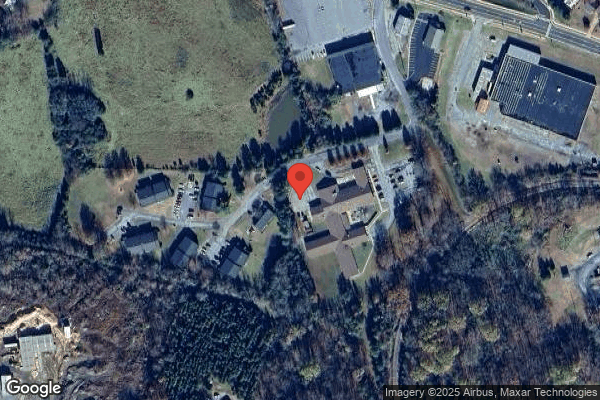
Jul 2022 7 deficiencies
CONCERN (D)

Potential for Harm - no one hurt, but risky conditions existed

Deficiency F0551 (Tag F0551)

Could have caused harm · This affected 1 resident

Based on staff interview, facility document review, clinical record review, and in the course of a complaint investigation, it was determined the facility staff failed to allow the resident's represen...

Read full inspector narrative →
Based on staff interview, facility document review, clinical record review, and in the course of a complaint investigation, it was determined the facility staff failed to allow the resident's representative to exercise their rights to make decision for one of 31 residents in the survey sample, Resident #2 (R2). The findings include: On the most recent MDS (minimum data set) assessment, a quarterly assessment, with a assessment reference date of 7/15/2022, the resident was coded as having both short and long term memory difficulties and being moderately impaired to make cognitive daily decisions. In Section G - Functional Status, the resident was coded as being dependent of one staff member for their personal hygiene needs. The (Name of corporation) Grievance Form dated 4/8/2022 documented in part, the name of the resident and the person filing the grievance. The form documented in part, Detail of complaint/Grievance: her mother's hair was cut by someone .Grievance Official Follow-up: Spoke with beautician. She did not cut her hair. Spoke with staff. Staff did not know who cut her hair. Also reviewed beautician records .4/11/2022 - called complainant and RP (responsible party). Notified them that we were unable to confirm who cut resident's hair. An interview was conducted with OSM (other staff member) #1, the admissions/director of social services, on 7/27/2022 at 10:09 a.m. When asked about the grievance above, OSM #1 stated, it came from the resident's daughter, not the responsible party. OSM #1 stated the daughter was upset that her mother's hair had been cut. OSM #1 stated she checked the beautician's records and she didn't have a haircut. OSM #1 stated she had started interviewing the staff. She stated (name of the director of nursing) started interviewing also. No one knew who cut the resident's hair. OSM #1 stated on 4/11/2022 she contacted the RP, apologized for cutting her hair without permission. Explained that they had questioned the staff and no one knew who cut the resident's hair. The RP stated she did not cut her hair either. OSM #1 stated the grievance went unresolved. She stated she had hoped to hear something through the grapevine in the facility but never did, until today. An interview was conducted with CNA (certified nursing assistant) #2, on 7/27/2022 at 10:19 a.m. When asked if she cut R2's hair, CNA #2 stated, I trimmed it up, her hair was broken real bad, it was broken off to an inch of her scalp. She had a patch on the top of her hair that was just an inch long. I told the resident about it and she asked if I could trim it up for her. I asked her three times before I did it. I trimmed it up and applied hair grease to it. When asked if she is alert and oriented, CNA #2 stated she is alert and oriented by not alert to time, but is alert to herself the majority of the days. When asked should we obtain permission to cut someone's hair, CNA #2 stated, At that time, we were trimming up some of the men so I thought it would be okay. When asked if she should have asked the family before she cut her hair, CNA #2 stated she should have. When asked if the resident makes self-care decisions, CNA #2 stated, Yes, if she wants shoes on and sometimes she doesn't want certain outfits. When stated(cutting the hair) it's not as simple as changing shoes, and asked wouldn't you seek permission from the director of nursing or the family? CNA #2 stated, No, I don't recall why I didn't in this care. When asked if she was ever asked if she had cut R2's hair prior to today, CNA #2 stated, No, they never asked me. I guess I was off the days they were asking. The facility policy, Resident Rights documented in part, 1. Federal and state laws guarantee certain basic rights to all residents in this facility .e. Self-determination .k. Appoint a legal representative of his or her choice, in accordance with state law .p. be informed of, and participate in, his or her care planning and treatment. ASM (administrative staff member) #1, the administrator, and ASM #2, the director of nursing, were made aware of the above concern on 7/27/2022 at 5:08 p.m. No further information was provided prior to exit. Complaint deficiency.
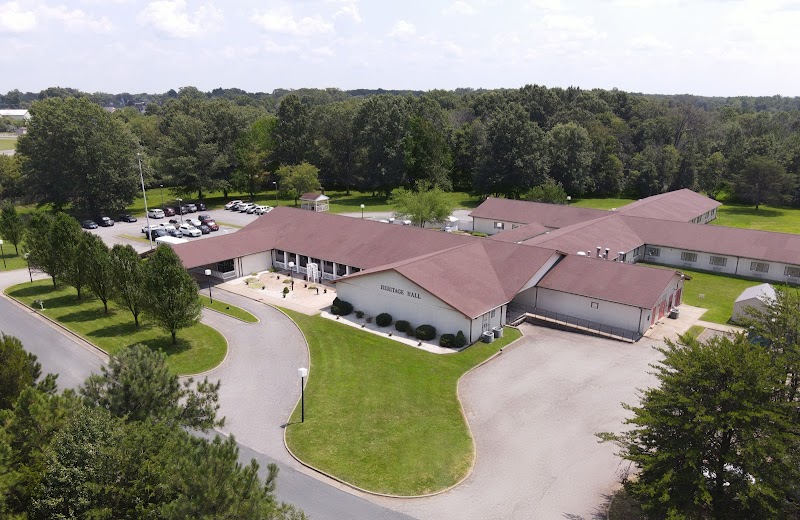
CONCERN (D)

Potential for Harm - no one hurt, but risky conditions existed

Deficiency F0564 (Tag F0564)

Could have caused harm · This affected 1 resident

Based on family interview, staff interview, clinical record review and facility document review it was determined that the facility staff failed to allow visitation for one of 31 residents in the surv...

Read full inspector narrative →
Based on family interview, staff interview, clinical record review and facility document review it was determined that the facility staff failed to allow visitation for one of 31 residents in the survey sample, Resident #28 (R28). The findings include: The facility staff failed to allow visitation for R28 when they were on isolation after exposure to COVID-19. On the most recent MDS (minimum data set), a quarterly assessment with an ARD (assessment reference date) of 6/6/2022, the resident was assessed as being moderately impaired for making daily decisions. On 7/26/2022 at 4:24 p.m., a telephone interview was conducted with R28's responsible party. R28's responsible party stated that they had no concerns regarding the care that their family member was receiving at the facility however they had concerns regarding the staff communication regarding visitation in the facility. R28's responsible party stated that a few weeks back a church member had called the facility to come visit R28 and was told that they were able to visit as long as they wore a mask in the building. R28's responsible party stated that when the church members arrived they were told that they were not allowed to visit R28 due to COVID-19 precautions. R28's responsible party stated that they did not know the exact date that they came in but it was in July (2022). R28's responsible party stated that they had mentioned this to one of the nurses and they had apologized for the staff not allowing the church members to visit. The comprehensive care plan for R28 documented in part, Onset: 3/09/22. COVID 19: Resident fully vaccinated for COVID Pfizer vaccine prior to admission Moderna vaccine 4/21/2021 and 5/12/2021. COVID booster 10/5/2021. On 7/28/2022 at 8:46 a.m., an interview was conducted with LPN (licensed practical nurse) #1, the infection preventionist. LPN #1 stated that visitation was allowed in the facility. LPN #1 stated that visitors had to sign in at the entrance, wear a mask and go through a screening process. LPN #1 stated that when they have positive COVID cases in the building they notify visitors of the status of the building and advise them that they can visit but have to wear PPE (personal protective equipment) when visiting. LPN #1 stated that visitors had come to see R28 when they were on isolation after being exposed to COVID-19 and the staff had not allowed them to visit. LPN #1 stated that this was the mistake of the facility staff and they should not have turned the visitor away. LPN #1 stated that the staff should have advised them that R28 was on isolation and asked them to wear a gown, mask and faceshield and allowed them to visit if they wanted. The facility policy Coronovirus last revised 5/10/2022 documented in part, .Person centered visitation: A resident has the right to receive visitors of his or her choosing at the time of his or her choosing, and in a manner that does not impose on the rights of another resident, such as a clinical or safety restriction . Visitation can be conducted through different means based on a facility's structure and residents' needs, such as in resident rooms, dedicated visitation spaces, outdoors, and for circumstances beyond compassionate care situations. Regardless of how visits are conducted, there are certain core principles and best practices that reduce the risk of COVID-19 transmission . The policy further documented, .Visitors in Transmission Based Precaution Resident Rooms: While not recommended, residents who are on transmission-based precautions (TBP) or quarantine can still receive visitors. In these cases, visits should occur in the resident's room and the resident should wear a well-fitting facemask (if tolerated). Before visiting residents, who are on TBP or quarantine, visitors should be made aware of the potential risk of visiting and precautions necessary in order to visit the resident. Visitors should adhere to the core principles of infection prevention. Facilities may offer well-fitting facemasks or other appropriate PPE, if available; however, facilities are not required to provide PPE for visitors . On 7/28/2022 at approximately 10:35 a.m., ASM #1, the administrator was made aware of the findings. No further information was provided prior to exit.
CONCERN (D)

Potential for Harm - no one hurt, but risky conditions existed

Assessment Accuracy (Tag F0641)

Could have caused harm · This affected 1 resident

**NOTE- TERMS IN BRACKETS HAVE BEEN EDITED TO PROTECT CONFIDENTIALITY** 2. The facility staff failed to accurately code Resident #16's (R16) significant change MDS with an ARD (assessment reference da...

Read full inspector narrative →
**NOTE- TERMS IN BRACKETS HAVE BEEN EDITED TO PROTECT CONFIDENTIALITY** 2. The facility staff failed to accurately code Resident #16's (R16) significant change MDS with an ARD (assessment reference date) of 5/10/2022 for hospice. On the most recent MDS, a significant change assessment with an ARD of 5/10/2022 the resident was assessed as being moderately impaired for making daily decisions. Section O failed to evidence documentation of R16 receiving hospice services while a resident in the facility. The physician orders for R16 documented in part, Hospice care. Order Date: 5/03/22. Start Date: 5/03/22. The comprehensive care plan for R16 documented in part, Problem onset: 05/12/2022 .Resident with lung ca (cancer) mets (metastasis) to brain on hospice care 5/3/22. On 7/27/2022 at 3:45 p.m., an interview was conducted with RN (registered nurse) #1, MDS coordinator. RN #1 stated that they used the RAI manual when completing the MDS assessments. RN #1 stated that residents who received hospice services were coded on the MDS assessment and had a care plan regarding the hospice care. RN #1 stated that they reviewed the physician notes and orders to determine if the resident was receiving hospice. When asked where hospice was documented on the MDS, RN #1 stated that they answered yes to Section J1400 if the resident was on hospice. When asked about section O of the assessment, RN #1 stated that hospice should be checked there. RN #1 viewed the significant change MDS with the ARD of 5/10/2022 for R16 and stated that they should have marked hospice in section O and it must have been missed. According to the RAI Manual, Version 1.16, dated October 2018, section O0100: Special Treatments, Procedures, and Programs, it documented in part, O0100K, Hospice care: Code residents identified as being in a hospice program for terminally ill persons where an array of services is provided for the palliation and management of terminal illness and related conditions. The hospice must be licensed by the state as a hospice provider and/or certified under the Medicare program as a hospice provider . On 7/27/2022 at approximately 5:15 p.m., ASM (administrative staff member) #1, the administrator and ASM #2, the director of nursing were made aware of the findings. No further information was provided prior to exit. Based on observation, staff interview, clinical record review, and facility document review, it was determined that the facility staff failed to accurately complete the MDS assessment for 2 of 31 residents in the survey sample; Resident #1 and Resident #16. The findings include: 1. The facility staff failed to accurately code the 4/14/22 significant change MDS for the administration of oxygen for Resident #1. Resident #1 was admitted to the facility on [DATE] and had the diagnoses of but not limited to respiratory failure with hypoxia and congestive heart failure. The most recent MDS (Minimum Data Set) was a quarterly assessment with an ARD (Assessment Reference Date) of 7/14/22. The resident was coded as being impaired in ability to make daily life decisions. The resident was coded as requiring limited assistance for eating and total care for all other areas of activities of daily living. The resident was coded as being on oxygen. On 7/26/22 at 2:42 PM and on 7/27/22 at 2:00 PM, the resident was observed in bed, with a nasal cannula on, connected to an oxygen concentrator. The oxygen was noted to be set at 1 liter, as evidenced by the ball of the flow meter centered on the line for the 1 liter mark. A review of the physician's order revealed one dated 4/11/22 for O2 (oxygen) at 2L/min (two liters per minute) via nasal cannula to help maintain O2 sat (saturation) 90% or greater. Further review of the clinical record revealed that the significant change MDS dated [DATE] did not code the resident as being on oxygen. Section O Special Treatments, Procedures, and Programs of the MDS documented, 2. While a Resident: performed while a resident of this facility and within the last 14 days. The column to check this box next to line item C. Oxygen Therapy was not marked on the 4/14/22 MDS assessment. The line for None of the above was marked indicating the resident did not require the use of any of the therapies and services listed, including the use of oxygen. A review of the April 2022 MAR (medication administration record) documented the above order for oxygen and was initialed as being administered on 4/11/22, 4/12/22, 4/13/22 and 4/14/22. This was in the 14 day window to code the MDS as the resident being on oxygen for the 4/14/22 MDS. A review of the comprehensive care plan revealed one dated 4/28/22 for Resident has heart failure, A-fib, at risk decreased cardiac output, inadequate blood pumped by the heart to meet the metabolic needs of the body . Interventions included one (undated) for Oxygen as ordered. On 7/28/22 at 8:34 AM, an interview was conducted with RN #1 (Registered Nurse) the MDS nurse. When asked about the coding of oxygen on the 4/14/22 MDS, she stated that it was overlooked. When asked about procedures for completing the MDS, she stated that she follows the RAI manual (Resident Assessment Instrument). A review of the RAI Manual, Version 1.17.1, dated October 2019 was reviewed. For Section O, Special Treatments, Procedures, and Programs, was documented, Intent: The intent of the items in this section is to identify any special treatments, procedures, and programs that the resident received during the specified time periods The treatments, procedures, and programs listed in Item O0100, Special Treatments, Procedures, and Programs, can have a profound effect on an individual's health status, self-image, dignity, and quality of life Residents who perform any of the treatments, programs, and/or procedures below should be educated by the facility on the proper performance of these tasks, safety and use of any equipment needed, and be monitored for appropriate use and continued ability to perform these tasks O0100C, Oxygen therapy: Code continuous or intermittent oxygen administered via mask, cannula, etc., delivered to a resident to relieve hypoxia in this item. Code oxygen used in Bi-level Positive Airway Pressure/Continuous Positive Airway Pressure (BiPAP/CPAP) here. Do not code hyperbaric oxygen for wound therapy in this item. This item may be coded if the resident places or removes his/her own oxygen mask, cannula. On 7/28/22 at 9:45 AM, ASM #1 (Administrative Staff Member) the Administrator was made aware of the findings. No further information was provided by the end of the survey.
CONCERN (D)

Potential for Harm - no one hurt, but risky conditions existed

Comprehensive Care Plan (Tag F0656)

Could have caused harm · This affected 1 resident

**NOTE- TERMS IN BRACKETS HAVE BEEN EDITED TO PROTECT CONFIDENTIALITY** Based on observation, staff interview, clinical record review, and facility document review, it was determined that the facility...

Read full inspector narrative →
**NOTE- TERMS IN BRACKETS HAVE BEEN EDITED TO PROTECT CONFIDENTIALITY** Based on observation, staff interview, clinical record review, and facility document review, it was determined that the facility staff failed to follow the comprehensive care plan for one of 31 residents in the survey sample, Resident #1. The facility staff failed to implement the comprehensive care plan to administer Oxygen as ordered in relation to the administration of oxygen at the physician ordered rate for Resident #1. The findings include: Resident #1 was admitted to the facility on [DATE] with the diagnoses of, but not limited to, respiratory failure with hypoxia and congestive heart failure. The most recent MDS (Minimum Data Set) was a quarterly assessment with an ARD (Assessment Reference Date) of 7/14/22. The resident was coded as being impaired in ability to make daily life decisions. The resident was coded as requiring limited assistance for eating and total care for all other areas of activities of daily living. The resident was not coded as being on oxygen. On 7/26/22 at 2:42 PM and on 7/27/22 at 2:00 PM, the resident was observed in bed, with a nasal cannula on, connected to an oxygen concentrator. The oxygen was noted to be set at 1 liter per minute, as evidenced by the ball of the flow meter centered on the line for the 1 liter mark. A review of the physician's order revealed one dated 4/11/22 for O2 (oxygen) at 2L/min (two liters per minute) via nasal cannula to help maintain O2 sat (saturation) 90% or greater. A review of the comprehensive care plan revealed one dated 4/28/22 for Resident has heart failure, A-fib, at risk decreased cardiac output, inadequate blood pumped by the heart to meet the metabolic needs of the body . Interventions included one (undated) for Oxygen as ordered. On 7/27/22 at 2:05 PM, an interview was conducted with RN #2 (Registered Nurse). She verified the order was for 2 liters per minute. She checked the resident's oxygen concentrator and noted that the rate was set at 1 liter. She adjusted the rate, while stating that it was incorrectly set for 1 liter. She stated that the rate is read by the line for liter mark crosses the middle of the ball on the flow meter. When asked if she had checked the concentrator during her shift today, she stated she had not. When asked if the resident adjusts the machine any or have there been any issues with this machine, she stated no. When notified that it was also set at 1 liter yesterday, she stated, That means no one has been checking it. On 7/28/22 at 8:47 AM an interview was conducted with LPN #2 (Licensed Practical Nurse). When asked about the purpose of a care plan, she stated, (that the purpose of a care plan) Is to make sure that all the resident needs are met per doctor's orders and that we follow through on everything. It is like a check list. When asked if the care plan should be followed at all times, she stated that it should be. When asked if the care plan documented to administer oxygen as ordered, but the oxygen was set at the wrong rate, was the care plan being followed, she stated that it was not being followed. A review of the facility policy, Care Plans, Comprehensive Person-Centered was reviewed. This policy documented, A comprehensive, person-centered care plan that includes measurable objectives and timetables to meet the resident's physical, psychosocial and functional needs is developed and implemented for each resident. On 7/28/22 at 9:45 AM, ASM #1 (Administrative Staff Member) the Administrator was made aware of the findings. No further information was provided by the end of the survey.
CONCERN (D)

Potential for Harm - no one hurt, but risky conditions existed

Respiratory Care (Tag F0695)

Could have caused harm · This affected 1 resident

**NOTE- TERMS IN BRACKETS HAVE BEEN EDITED TO PROTECT CONFIDENTIALITY** 2. The facility staff failed to administer oxygen at the physician ordered rate for Resident #1. Resident #1 was admitted to the...

Read full inspector narrative →
**NOTE- TERMS IN BRACKETS HAVE BEEN EDITED TO PROTECT CONFIDENTIALITY** 2. The facility staff failed to administer oxygen at the physician ordered rate for Resident #1. Resident #1 was admitted to the facility on [DATE] and had the diagnoses of but not limited to respiratory failure with hypoxia and congestive heart failure. The most recent MDS (Minimum Data Set) was a quarterly assessment with an ARD (Assessment Reference Date) of 7/14/22. The resident was coded as being impaired in ability to make daily life decisions. The resident was coded as requiring limited assistance for eating and total care for all other areas of activities of daily living. The resident was not coded as being on oxygen. On 7/26/22 at 2:42 PM and on 7/27/22 at 2:00 PM, the resident was observed in bed, with a nasal cannula on, connected to an oxygen concentrator. The oxygen was noted to be set at 1 liter per minute, as evidenced by the ball of the flow meter centered on the line for the 1 liter mark. A review of the physician's order revealed one dated 4/11/22 for O2 (oxygen) at 2L/min (two liters per minute) via nasal cannula to help maintain O2 sat (saturation) 90% or greater. A review of the comprehensive care plan revealed one dated 4/28/22 for Resident has heart failure, A-fib, at risk decreased cardiac output, inadequate blood pumped by the heart to meet the metabolic needs of the body . Interventions included one (undated) for Oxygen as ordered. On 7/27/22 at 2:05 PM, an interview was conducted with RN #2 (Registered Nurse). She verified the order was for 2 liters. She checked the resident's oxygen concentrator and noted that the rate was set at 1 liter. She adjusted the rate, while stating that it was incorrectly set for 1 liter. She stated that the rate is read by the line for liter mark crosses the middle of the ball on the flow meter. When asked if she had checked the concentrator during her shift today, she stated she had not. When asked if the resident adjusts the machine any or have there been any issues with this machine, she stated no. When notified that it was also set at 1 liter yesterday, she stated, That means no one has been checking it. A review of the facility policy Oxygen Administration was conducted. This policy documented, .Review the physician's orders or facility protocol for oxygen administration . A review of the manufacturer's manual for the oxygen concentrator machine documented on page 6, 5. Adjust the flow to the prescribed setting by turning the knob on the top of the flow meter until the ball is centered on the line marking the specific flow rate. According to Fundamentals of Nursing, Fifth Edition, [NAME] & [NAME], 2007, page 851, Because oxygen is a drug, its use requires a prescription. Policies and standing orders often permit the nurse to administer oxygen in emergency situations if the physician is not immediately available to write an order. Although oxygen is generally safe when used properly, certain precautions must be observed. As with all drugs, the potential exists for causing harm with misuse. On page 852, Procedure 36-5, 3. Identify client and proceed with 5 rights of medication administration .Rationale: Oxygen is a drug and administering using the 5 rights avoids potential errors . On 7/28/22 at 9:45 AM, ASM #1 (Administrative Staff Member) the Administrator was made aware of the findings. No further information was provided by the end of the survey. Based on observation, staff interview and facility document review, the facility staff failed to provide respiratory care and services according to professional standards of practices for 2 of 31 residents in the survey sample, Residents # 51 and #1. The findings include: 1. The facility staff failed to clarify a physician order for oxygen, and failed to document what liter flow the oxygen was on for Resident #51 (R51). R51 has diagnoses that included, but were not limited to, chronic obstructive pulmonary disease (COPD). On the most recent MDS (minimum data set) assessment, a quarterly assessment, with an assessment reference date of 7/27/2022, the resident was coded as being moderately cognitively impaired to make daily decisions. In Section O - Special Treatments, Procedures and Programs the resident was coded as using oxygen while a resident at the facility. Observation was made on 7/26/2022 at 3:02 p.m. of R51; they were sitting up in the wheelchair. Oxygen was in use via a nasal cannula at 4 LPM (liters per minute). A second observation was made of R51 on 7/27/2022 at 11:22 a.m. The resident was up in the wheelchair and the oxygen was set at 4 LPM. A third observation was made on 7/27/2022 at 3:04 p.m. The resident was in bed with their covers over their head. The oxygen concentrator was set at 3 LPM. An interview was conducted with LPN (licensed practical nurse) #4 on 7/27/2022 at 3:04 p.m. LPN # 4 was asked to read the oxygen concentrator, LPN #4 stated the oxygen was set at 3 LPM. When asked what R51's order was, LPN # 4 stated when she read it last night they are to keep (R51)'s O2 (oxygen) sat (saturation) above 90%. The MD (medical doctor) order was reviewed with LPN #4. When asked how a nurse determines what level the resident should be on, LPN #4 stated if a nurse changes the rate, then they are to document it in the nurse's notes that they changed the rate. An interview was conducted with ASM (administrative staff member) #2, the director of nursing, on 7/27/2022 at 3:14 p.m. ASM #2 was asked to review the physician order for oxygen for R51. When asked if a nurse can prescribe oxygen, ASM #2 stated the nurse can adjust the oxygen to titrate it. ASM #2 stated (R51) drops his O2 sats so the doctor gave us an order to titrate it. The resident had been in the hospital for respiratory distress. When asked where the documentation was of what the rate the resident was on, ASM #2 stated it should in the nurse's notes. The physician order dated, 4/28/2022 documented in part, O2 via NC (nasal cannula) @ 3 liters/minute - may titrate 3-8 liters of O2 to maintain sats 90 or above. The MAR (medication administration record) for July 2022, documented the above order. The MAR documented the times of 6:30 a.m., 2:30 p.m. and 10:30 p.m. It documented the resident's O2 sat. All O2 sats for all three shifts documented it as above 90%. There was nowhere to document on the MAR what level of oxygen the resident was on. The nurse's notes were reviewed for July. There were no nurse's notes for the dates of 7/26/2022 or 7/27/2022. The comprehensive care plan dated, 5/2/2022, documented in part, Problem/Need: Resident has multiple respiratory dxs (diagnoses) COPD, is a risk for deficit in oxygenation not able to meet the respiratory needs of the body. The Approaches documented in part, Monitor resp (respiratory) status ongoingly (sic). Oxygen sats. Oxygen administered as ordered. The facility policy, Oxygen Administration, documented in part, Purpose: The purpose of this procedure is to provide guidelines for safe oxygen administration .Preparation: 1.Verify that there is a physician's order for this procedure. Review the physician's orders or facility protocol for oxygen administration .General Guidelines: 1. Oxygen therapy is administered by way of an oxygen mask, nasal cannula and/or nasal catheter .b. The nasal cannula is a tube that is placed approximately one-half inch into the resident's nose. It is held in place by an elastic band placed around the resident's head .Assessment: Before administering oxygen, and while the resident is receiving oxygen therapy, asses for the following: 1. Signs or symptoms of cyanosis. 2. Signs or symptoms of hypoxia. 3. Signs of oxygen toxicity. 4. Vital signs. 5. Lung sounds. 6. Arterial blood gases and oxygen saturation .Steps in the procedure: Steps in the Procedure: 8. Turn on the oxygen. Unless otherwise ordered, start the flow of oxygen at the rate of 2 to 3 liters per minute .13. Observe the resident upon setup and periodically thereafter to be sure oxygen is being tolerated .Documentation: After completing the oxygen set up or adjustment, the following information should be recorded in the resident's medical record .3. The rate of oxygen flow, route and rationale .6. All assessment date obtained before, during and after the procedure. According to Fundamentals of Nursing, [NAME] and [NAME], 6th edition, page 1122, Oxygen should be treated as a drug. It has dangerous side effects, such as atelectasis or oxygen toxicity. As with any drug, the dosage or concentration of oxygen should be continuously monitored. The nurse should routinely check the physician's orders to verify that the client is receiving the prescribed oxygen concentration. The six rights of medication administration also pertain to oxygen administration. ASM #1, the administrator, and ASM #2 were made aware of the above findings on 7/27/2022 at 5:08 p.m. No further information was provided prior to exit.
CONCERN (D)

Potential for Harm - no one hurt, but risky conditions existed

Food Safety (Tag F0812)

Could have caused harm · This affected 1 resident

Based on observation and staff interview, it was determined the facility staff failed to maintain one of one kitchen in a sanitary manner. The findings include: Observation was made on 7/26/2022 at ...

Read full inspector narrative →
Based on observation and staff interview, it was determined the facility staff failed to maintain one of one kitchen in a sanitary manner. The findings include: Observation was made on 7/26/2022 at 11:30 a.m. of the kitchen. Behind the ice machine there were three plastic dishes and under the ice machine was a dome lid for covering the food plates with. An interview was conducted with OSM (other staff member) #2, the dietary manager, on 7/27/2022 at 3:50 p.m. When asked what the dishes behind the ice machine were, OSM #2 stated they were dishes from the staff that the dietary department cleaned for them and had not been given back to them, they should have been given back right away. When asked about the dome lid under the ice machine, OSM #2 stated the dome lid should have been picked up when it fell, it's not like someone didn't hear it fall. When asked how often the floor is swept, OSM #2 stated the kitchen is swept after every meal. A request was made of OSM #2 for the policy related to the things found behind and under the ice machine, OSM #2 stated she did not have a policy related to that. ASM (administrative staff member) #1, the administrator, and ASM #2, the director of nursing, were made aware of the above concern on 7/27/2022 at 5:08 p.m. No further information was provided prior to exit.
CONCERN (E)

Potential for Harm - no one hurt, but risky conditions existed

Deficiency F0886 (Tag F0886)

Could have caused harm · This affected multiple residents

Based on clinical record review, staff interview and facility document review, it was determined facility staff failed to maintain resident COVID-19 testing results in the medical record for 3 of 3 re...

Read full inspector narrative →
Based on clinical record review, staff interview and facility document review, it was determined facility staff failed to maintain resident COVID-19 testing results in the medical record for 3 of 3 residents reviewed during the infection control task, Residents #1, #2 and #14. The findings include: 1. The facility staff failed to maintain the results of COVID-19 testing for Resident #1 (R1) in the clinical record. On the most recent MDS (minimum data set), a significant change assessment with an ARD (assessment reference date) of 4/14/2022, the resident was coded as being moderately impaired for making daily decisions. On 7/26/2022 at 11:15 a.m., an interview was conducted with LPN (licensed practical nurse) #1, the infection preventionist. LPN #1 stated that residents were currently being tested for COVID-19 weekly due to recent positive staff members. Review of the electronic medical record for R1 failed to evidence documentation of COVID-19 testing results for the past four week period reviewed. Review of the hybrid paper record for R1 failed to evidence documentation of COVID-19 testing results for the past four week period reviewed. On 7/27/2022 at 8:10 a.m., a request was made to LPN #1, for evidence of testing for the past four weeks for a sample of three residents, including R1. On 7/27/2022 at approximately 2:45 p.m., LPN #1 provided evidence of negative COVID-19 testing for R1 dated 7/26/2022, 7/22/2022, 7/18/2022, 7/14/2022, 7/12/2022, 7/8/2022, and 7/5/2022. On 7/28/2022 at 8:46 a.m., an interview was conducted with LPN #1, the infection preventionist. LPN #1 stated that they conducted the COVID-19 testing in the facility and completed the paper forms presented with the resident results. LPN #1 stated that they kept the forms in their office and did not document them in the medical record unless there was a positive result. LPN #1 stated that they could pull the forms if they were needed or requested. LPN #1 stated that they were not aware that the results of the COVID-19 testing should be in the medical record and had not been doing this. The facility policy COVID-19 Testing with a most recent revision date of 5/10/2022 documented in part, The facility will ensure compliance with federal and state guidance of performing resident and staff testing for viral respiratory illness, including COVID-19 . The policy further documented, .Filing of Confidential Lab Results: 1) Employees: a) All hard copies are filed in the employees personnel file b) The facility will provide copies to any employees that request them. 2) Residents: a) Lab results are placed in the medical record . On 7/28/2022 at 10:35 a.m., ASM (administrative staff member) #1, the administrator was made aware of the findings. No further information was provided prior to exit. 2. The facility staff failed to maintain the results of COVID-19 testing for Resident #2 (R2) in the clinical record. On the most recent MDS (minimum data set), a quarterly assessment with an ARD (assessment reference date) of 4/15/2022, the resident was coded as being moderately impaired for making daily decisions. On 7/26/2022 at 11:15 a.m., an interview was conducted with LPN (licensed practical nurse) #1, the infection preventionist. LPN #1 stated that residents were currently being tested for COVID-19 weekly due to recent positive staff members. Review of the electronic medical record for R2 failed to evidence documentation of COVID-19 testing results for the past four week period reviewed. Review of the hybrid paper record for R2 failed to evidence documentation of COVID-19 testing results for the past four week period reviewed. On 7/27/2022 at 8:10 a.m., a request was made to LPN #1, for evidence of testing for the past four weeks for a sample of three residents, including R2. On 7/27/2022 at approximately 2:45 p.m., LPN #1 provided evidence of negative COVID-19 testing for R2 dated 7/26/2022, 7/22/2022, 7/18/2022, 7/14/2022, 7/12/2022, 7/8/2022, and 7/5/2022. On 7/28/2022 at 8:46 a.m., an interview was conducted with LPN #1, the infection preventionist. LPN #1 stated that they conducted the COVID-19 testing in the facility and completed the paper forms presented with the resident results. LPN #1 stated that they kept the forms in their office and did not document them in the medical record unless there was a positive result. LPN #1 stated that they could pull the forms if they were needed or requested. LPN #1 stated that they were not aware that the results of the COVID-19 testing should be in the medical record and had not been doing this. On 7/28/2022 at 10:35 a.m., ASM (administrative staff member) #1, the administrator was made aware of the findings. No further information was provided prior to exit. 3. The facility staff failed to maintain the results of COVID-19 testing for Resident #14 (R14) in the clinical record. On the most recent MDS (minimum data set), a quarterly assessment with an ARD (assessment reference date) of 5/11/2022, the resident scored 15 out of 15 on the BIMS (brief interview for mental status) assessment, indicating the resident is cognitively intact for making daily decisions. On 7/26/2022 at 11:15 a.m., an interview was conducted with LPN (licensed practical nurse) #1, the infection preventionist. LPN #1 stated that residents were currently being tested for COVID-19 weekly due to recent positive staff members. Review of the electronic medical record for R14 failed to evidence documentation of COVID-19 testing results for the past four week period reviewed. Review of the hybrid paper record for R14 failed to evidence documentation of COVID-19 testing results for the past four week period reviewed. On 7/27/2022 at 8:10 a.m., a request was made to LPN #1, for evidence of testing for the past four weeks for a sample of three residents, including R14. On 7/27/2022 at approximately 2:45 p.m., LPN #1 provided evidence of negative COVID-19 testing for R14 dated 7/26/2022, 7/22/2022, 7/18/2022, 7/14/2022, 7/12/2022, 7/8/2022, and 7/5/2022. On 7/28/2022 at 8:46 a.m., an interview was conducted with LPN #1, the infection preventionist. LPN #1 stated that they conducted the COVID-19 testing in the facility and completed the paper forms presented with the resident results. LPN #1 stated that they kept the forms in their office and did not document them in the medical record unless there was a positive result. LPN #1 stated that they could pull the forms if they were needed or requested. LPN #1 stated that they were not aware that the results of the COVID-19 testing should be in the medical record and had not been doing this. On 7/28/2022 at 10:35 a.m., ASM (administrative staff member) #1, the administrator was made aware of the findings. No further information was provided prior to exit.
Mar 2021 9 deficiencies
CONCERN (D)

Potential for Harm - no one hurt, but risky conditions existed

Resident Rights (Tag F0550)

Could have caused harm · This affected 1 resident

Based on observation, staff interview, facility document review and clinical record review, it was determined the facility staff failed to promote dignity while assisting with dining for two of 38 res...

Read full inspector narrative →
Based on observation, staff interview, facility document review and clinical record review, it was determined the facility staff failed to promote dignity while assisting with dining for two of 38 residents in the survey sample, (Resident #51 and Resident #8). Facility staff were observed standing while feeding Residents #51 and #8. The findings include: 1. Resident 51 was admitted to the facility with diagnoses that include but were not limited to dysphagia (1) and aphasia (2). Resident #51's most recent MDS (minimum data set), a quarterly assessment with an ARD (assessment reference date) of 03/12/2021, coded Resident #51 as being severely impaired for making daily decisions. Section G coded Resident #51 as being totally dependent on one staff member for eating. On 3/29/2021 at approximately 12:30 p.m., an observation was made from the hallway of Resident #51 eating lunch in their room. Resident #51 was observed sitting in a chair in their room with their lunch tray on a bedside table in front of them. CNA (certified nursing assistant) #3 was observed standing beside Resident #51 feeding them lunch. Additional observations at 12:35 p.m. revealed the same findings. The comprehensive care plan dated 8/3/2020 documented in part, Resident requires a nutritious diet mechanically altered for her enjoyment and weight maintenance .Has dysphagia; at risk for aspiration. The Approaches documented in part, Diet as ordered .Assist with meal as needed. Provide a pleasant dinning [sic] environment and enough time to consume the meal . On 3/29/2021 at approximately 2:15 p.m., an interview was conducted with CNA #3. CNA #3 stated that Resident #51 required total assistance from staff for eating and required staff to feed them. CNA #3 stated that they were supposed to sit down and have eye to eye contact with residents while feeding them. CNA #3 stated that sitting down, making eye contact and talking to the resident when feeding was a comfort to them. CNA #3 stated that they stood while feeding Resident #51 during lunch because they did not have a chair available to sit down in and they were not supposed to sit on the resident's bed. CNA #3 stated that standing when feeding residents could make the resident feel rushed to eat their meal and was a dignity issue. On 3/29/21 at approximately 9:21 a.m., ASM (administrative staff member) #1, the administrator provided via email a document titled Name & title page for nursing standard of practice. The document contained a photocopy of the front cover of the book, Lippincott Manual of Nursing Practice, 10th Edition. On 3/30/21 at approximately 9:30 a.m., a request was made to ASM (administrative staff member) #1, for the policy for feeding residents. The facility policy, Assistance with Meals dated Revised July 2017, documented in part, .2. Residents who cannot feed themselves will be fed with attention to safety, comfort and dignity, for example: a. Not standing over residents while assisting them with meals . According to Lippincott Nursing Procedures, 7th edition, pages 320-321, .A patient who can't self-feed is susceptible to malnutrition. The patient's condition or its associated treatment may also result in pain, nausea, depression, and anorexia. Meeting such a patient's nutritional needs requires determining food preferences; feeding the patient in a friendly, unhurried manner; encouraging self-feeding to promote independence and dignity .Position a chair next to the patient's bed so you can sit comfortably if you need to feed her yourself. Face the patient during feeding, make eye contact, and use a gentle tone of voice . On 3/29/2021 at approximately 4:30 p.m., ASM (administrative staff member) #1, the administrator and ASM #3, the regional director of clinical services were made aware of the findings. No further information was provided prior to exit. References: (1). Dysphagia is a swallowing disorder. This information was obtained from the website: https://www.nlm.nih.gov/medlineplus/swallowingdisorders.html. (2). Aphasia- a disorder caused by damage to the parts of the brain that control language. It can make it hard for you to read, write, and say what you mean to say). This information was obtained from the website: https://www.nlm.nih.gov/medlineplus/aphasia.html 2. Resident #8 was admitted to the facility with diagnoses that include but were not limited to dementia (1) and aphasia (2). Resident #8's most recent MDS (minimum data set), an annual assessment with an ARD (assessment reference date) of 01/15/2021, coded Resident #8 as being moderately impaired for making daily decisions. Section G coded Resident #8 as requiring extensive assistance of one staff member for eating. On 3/28/2021 at approximately 5:20 p.m., an observation was made from the hallway of Resident #8 eating dinner in their room. Resident #8 was observed sitting in their room with their dinner tray on a bedside table in front of them. LPN (licensed practical nurse) #3 was observed standing beside Resident #8 feeding them dinner. Additional observations at 5:30 p.m. revealed the same findings. The comprehensive care plan dated 1/24/2020 documented in part, [Resident #8] is on a therapeutic diet r/t (related to) cardiac and renal and diabetes dxs (diagnoses). She is over IBW (ideal body weight) . The Approaches documented in part, .Provide a pleasant dinning [sic] experience and adequate tie [sic] for the meal to be consumed. Assist with meal tray set up as needed and verbal cueing for resident to eat .8/4/20 restorative dinning [sic]. On 3/29/2021 at approximately 3:07 p.m., an interview was conducted with LPN #3. LPN #3 stated that they assisted the CNA's with feeding residents when needed due to staffing. LPN #3 stated that Resident #8 had Alzheimer's disease (3) and wandered away if staff only set up their meal tray and left the resident to eat. LPN #3 stated that Resident #8 did not participate in meals and required total assistance with meals and required staff to feed them now. LPN #3 stated that they encouraged Resident #8 to hold their cup with assistance from the staff. LPN #3 stated that they stood to feed Resident #8 dinner on 3/28/2021 because it was convenient for both them and Resident #8. LPN #3 stated that sitting down and being at eye level with Resident #8 would be more conducive to the task and would promote dignity for Resident #8 during the meal. On 3/29/2021 at approximately 4:30 p.m., ASM (administrative staff member) #1, the administrator and ASM #3, the regional director of clinical services were made aware of the findings. No further information was provided prior to exit. References: 1. Dementia - a loss of brain function that occurs with certain diseases. It affects memory, thinking, language, judgment, and behavior. This information was obtained from the website: https://medlineplus.gov/ency/article/000739.htm. 2. Aphasia- a disorder caused by damage to the parts of the brain that control language. It can make it hard for you to read, write, and say what you mean to say). This information was obtained from the website: https://www.nlm.nih.gov/medlineplus/aphasia.html 3. Alzheimer's disease- is an irreversible, progressive brain disorder that slowly destroys memory and thinking skills and, eventually, the ability to carry out the simplest tasks. It is the most common cause of dementia in older adults. This information is taken from the website https://www.nia.nih.gov/health/alzheimers/basics.
CONCERN (D)

Potential for Harm - no one hurt, but risky conditions existed

Safe Environment (Tag F0584)

Could have caused harm · This affected 1 resident

**NOTE- TERMS IN BRACKETS HAVE BEEN EDITED TO PROTECT CONFIDENTIALITY** Based on observation, resident interview, facility staff interview, facility document review, and clinical record review, it was...

Read full inspector narrative →
**NOTE- TERMS IN BRACKETS HAVE BEEN EDITED TO PROTECT CONFIDENTIALITY** Based on observation, resident interview, facility staff interview, facility document review, and clinical record review, it was determined that the facility staff failed to provide maintenance services necessary to maintain, a safe comfortable homelike environment for one of 38 residents in the survey sample, (Resident #48). The facility staff failed to repair/ ensure, Resident #48's light was functioning when activated by the wall light switch, despite the resident's repeated requests over five weeks. The findings include: Resident #48 was admitted to the facility on [DATE], and readmitted on [DATE], with diagnoses including history of a stroke and right side paralysis. On the most recent MDS (minimum data set), an annual assessment with an ARD (assessment reference date) of 3/9/21, Resident #48 was coded as having no cognitive impairment for making daily decisions, having scored 14 out of 15 on the BIMS (brief interview for mental status). He was coded as requiring the assistance of staff for walking in his room, and as being independent for locomotion around the unit. He was coded as being unsteady with walking, and as having both upper and lower extremity impairment for range of motion. He was coded as using a wheelchair for locomotion. A review of Resident #48's comprehensive care plan dated 3/17/21 revealed, in part: [Resident #48] requires assistance with his ADLs (activities of daily living) due to hemiplegia (right side paralysis) He is at risk for falls due to fall hx (history) and poor mobility .He uses a w/c (wheelchair) for motility .He has use of an electric wheelchair that he has independent mobility in. On 3/28/21 at 2:13 p.m., Resident #48 was observed riding in a motorized wheelchair out of his room and down the hallway. On 3/28/21 at 5:03 p.m., Resident #48 was observed sitting in a motorized wheelchair, positioned between his bed and the door. Resident #48's bed was closest to the door. His roommate's bed was closest to the window. During an interview with Resident #48 conducted at this time, Resident #48 stated that the light switch on the wall, just inside the door, did not work for his bed. An attempt was made to turn Resident #48's light on with the switch by the door, and the light over Resident #48's bed did not come on. Resident #48 stated the light had been broken for five weeks, and that he had made repeated requests for someone to fix it. He stated there was a pull cord for the light, but he could not reach it when he was in his wheelchair. Observation revealed a pull cord was attached to the light behind the resident's bed; however, there was not enough room for Resident #48 to maneuver the motorized wheelchair between his bed and his roommate's bed to be able to reach the pull cord. On 3/29/21 at 10:45 a.m., OSM (other staff member) #3, the maintenance director, was asked to provide written evidence of maintenance requests made by residents and addressed by the maintenance staff since 1/1/21. OSM #3 stated that some items are computerized, and he could print those. He stated that most items are requests made by residents as he is walking through the building. OSM #3 stated he takes care of things, but does not document these kinds of repairs. When asked if he had any requests from Resident #48 for a broken light switch, OSM #3 stated, I can't remember whether or not he has mentioned it. He might have. I just can't remember. I have not been here that long. He stated he had not repaired Resident #48's light switch in the last five weeks. OSM #3 stated, This building is so old, I don't even know if I could do it. I would have to go up in the wall and ceiling and trace it. I don't know. And he asks me for a lot of things. When asked how quickly residents might reasonably expect a repair to be done, OSM #3 stated, As soon as I can get to it. On 3/29/21 at 3:30 p.m., ASM (administrative staff member) #1, the administrator, ASM #3, the regional director of clinical services, and LPN (licensed practical nurse) #1, the unit manager, were informed of these concerns. ASM #1 stated OSM #3 is new, and that she would call the retired maintenance director to come in the following day and attempt to take care of Resident #48's light switch. On 3/30/21 at 9:04 a.m., the surveyor went to Resident #48's room. Observation revealed the resident seated in a motorized wheelchair between his bed and the door. At this time Resident #48 stated, Try the light now. The surveyor flipped the light switch close to the door, and the light came on behind Resident #48's bed. Resident #48 stated, It was just the lightbulb. They just came in and changed the lightbulb. After all that time, and it was the lightbulb. I just don't understand. On 3/30/21 at 10:21 a.m., during an interview with ASM #1, the administrator, she stated OSM #3 had discovered that there were actually two lightbulbs in Resident #48's light fixture. One bulb was activated by the wall switch; the other bulb was activated by the pull cord. She stated no one at the facility knew about the two bulbs until the discovery that morning. A review of the facility policy Quality of Life - Homelike Environment, revealed, in part: Residents are provided with a safe, clean, comfortable, and homelike environment .Staff shall provide person-centered care that emphasizes the residents' comfort, independence, and personal needs and preferences. No further information was provided prior to exit.
CONCERN (D)

Potential for Harm - no one hurt, but risky conditions existed

Deficiency F0657 (Tag F0657)

Could have caused harm · This affected 1 resident

**NOTE- TERMS IN BRACKETS HAVE BEEN EDITED TO PROTECT CONFIDENTIALITY** Based on observation, staff interview, facility document review, and clinical record review, it was determined that the facility...

Read full inspector narrative →
**NOTE- TERMS IN BRACKETS HAVE BEEN EDITED TO PROTECT CONFIDENTIALITY** Based on observation, staff interview, facility document review, and clinical record review, it was determined that the facility staff failed to review and revise the comprehensive care plan for two of 38 residents in the survey sample, (Residents #29 and #14). The facility failed to revise Resident #29's comprehensive care plan when he developed an infection in a left heel wound and failed to review and revise Resident #14's comprehensive care plan to address the resident's use of oxygen. The findings include: 1. Resident #29 was admitted to the facility on [DATE] with diagnoses including diabetes (1) and dementia (2). On the most recent MDS (minimum data set), a quarterly assessment with an ARD (assessment reference date) of 2/4/21, Resident #29 was coded as severely cognitively impaired for making daily decisions. He was coded as having a diabetic ulcer. On 3/28/21 at 8:45 a.m., Resident #29 was observed sitting up in his wheelchair in his room. A dressing was visible on his left heel. A review of Resident #29's clinical record revealed the following nurse's note, dated 2/22/21: New order to start resident on Augmentin (3) 500 mg (milligrams) po (by mouth) TID (three times a day) X 7 days (for seven days) and culture wound on left heel. A review of Resident #29's MAR (medication administration record) revealed that he received the medication as ordered. A review of Resident #29's comprehensive care plan, dated 8/10/19, with an updated date of 2/15/21, revealed no information related to the infected heel wound or his receiving an antibiotic. On 3/29/21 at 1:25 p.m., RN (registered nurse) #1, the MDS coordinator, was interviewed. She stated a care plan paints a picture of the resident's abilities and needs. She stated the care plan's interventions should include things used to help residents improve and to prevent them from worsening. RN #1 stated information for the comprehensive care plan comes from multiple sources, including the MDS, hospital records, therapy recommendations, physicians' orders, and assessments. RN #1 stated the care plan is necessary to paint a good picture of the resident, and to help the resident as much as is possible. When asked about how care plans are revised with changes in the resident's condition, she stated the review and revision is a daily thing. RN #1 stated the team has a morning meeting daily, and she picks up on changes during those meetings. When asked if a resident's wound infection and antibiotic use should be included in the care plan, RN #1 stated, Yes, I just missed it. On 3/29/21 at 3:30 p.m., ASM (administrative staff member) #1, the administrator, ASM #3, the regional director of clinical services, and LPN (licensed practical nurse) #1, the unit manager, were informed of these concerns. A review of the facility policy, Care Plans, Comprehensive Person-Centered, revealed, in part: A comprehensive, person-centered care plan that includes measurable objectives and timetables to meet the resident's physical, psychosocial and functional needs is developed and implemented for each resident .The comprehensive, person-centered care plan will .describe services that are to be furnished to attain or maintain the resident's highest practicable physical, mental, and psychosocial well-being aid in preventing or reducing decline in the resident's functional status and/or functional levels .Assessments of residents are ongoing and care plans are revised as information about the resident and the residents' conditions change. No further information was provided prior to exit. REFERENCES (1) Diabetes (mellitus) is a disease in which your blood glucose, or blood sugar, levels are too high. This information is taken from the website https://medlineplus.gov/diabetes.html. (2) Dementia is a gradual and permanent loss of brain function. This occurs with certain diseases. It affects memory, thinking, language, judgment, and behavior. This information is taken from the website https://medlineplus.gov/ency/article/000746.htm. (3) The combination of amoxicillin and clavulanic acid is used to treat certain infections caused by bacteria, including infections of the ears, lungs, sinus, skin, and urinary tract. This information is taken from the website https://medlineplus.gov/druginfo/meds/a685024.html. 2. The facility staff failed to review and revise Resident #14's comprehensive care plan to address the resident's use of oxygen. Resident #14 was admitted to the facility on [DATE]. Resident #14's diagnoses included but were not limited to chronic atrial fibrillation (1), major depressive disorder and pain. Resident #14's annual MDS (minimum data set) with an ARD (assessment reference date) of 1/22/21, coded the resident's cognitive skills for daily decision making as severely impaired. Review of Resident #14's clinical record revealed a physician's order dated 2/3/21 for oxygen at two liters per minute via nasal cannula. Resident #14's comprehensive care plan with a problem onset date of 1/27/21 failed to reveal documentation regarding the resident's use of oxygen. On 3/28/21 at 2:13 p.m. and 3/29/21 at 8:33 a.m., Resident #14 was observed lying in bed, receiving oxygen via a nasal cannula that was connected to an oxygen concentrator that was running. The oxygen concentrator flow meter was set at a rate of three liters as evidenced by the center of the ball in the concentrator flow meter positioned on the three liter line. On 3/29/21 at 1:25 p.m., an interview was conducted with RN (registered nurse) #1, the nurse responsible for reviewing and revising care plans. RN #1 stated reviewing and revising care plans is done on a daily basis, based on information at the morning meeting. RN #1 stated she updates care plans regarding falls, behaviors, diagnoses, medications and new orders. When asked if a resident's care plan should be reviewed and revised to include oxygen use, RN #1 stated, Yeah. That goes along with COPD (chronic obstructive pulmonary disease) (lung disease) as an intervention. On 3/29/21 at 4:40 p.m., ASM (administrative staff member) #1 (the administrator) and ASM #3 (the regional director of clinical services) were made aware of the above concern. On 3/30/21 at 7:44 a.m., RN (registered nurse) #1 presented a revised care plan for Resident #14 that documented, 3/29/21- oxygen at 2 l (liters) via NC (nasal cannula). RN #1 stated the care plan did not previously contain documentation regarding oxygen but she revised the care plan during the previous evening. No further information was presented prior to exit.
CONCERN (D)

Potential for Harm - no one hurt, but risky conditions existed

ADL Care (Tag F0677)

Could have caused harm · This affected 1 resident

**NOTE- TERMS IN BRACKETS HAVE BEEN EDITED TO PROTECT CONFIDENTIALITY** Based on observation, staff interview, facility document review, and clinical record review, it was determined that the facility...

Read full inspector narrative →
**NOTE- TERMS IN BRACKETS HAVE BEEN EDITED TO PROTECT CONFIDENTIALITY** Based on observation, staff interview, facility document review, and clinical record review, it was determined that the facility staff failed to provide ADL (activities of daily living) care to a dependent resident for one of 38 residents in the survey sample, (Resident #2). The facility staff failed to provide nail care and ensure Resident #2's fingernails were trimmed to a safe length. Observation revealed one inch long finger nails on the middle finger of each hand, and half inch long nails on the remaining fingers of both hands. The findings include: Resident #2 was admitted to the facility on [DATE], and most recently readmitted on [DATE], with diagnoses, including history of a stroke with paralysis, dementia (1), and contractures (2). On the most recent MDS (minimum data set), a quarterly assessment with an ARD (assessment reference date) of 12/22/20, Resident #2 was coded as having severe memory impairment for making daily decisions. He was coded as fully dependent on the assistance of two staff members for grooming, and as being impaired for range of motion in his arms and legs, both left and right. On the following dates and times, Resident #2 was observed in his room, with the head of his bed elevated, with both hands contracted: 3/28/21 at 2:19 p.m., 2:43 p.m., and 5:05 p.m.; and 3/20/21 at 8:48 a.m. and 12:16 p.m. A review of Resident #2's comprehensive care plan, dated 9/15/20, revealed, in part: At risk for a decline in his ability to perform his own ADLs r/t (related/to) effects from [stroke] immobility paralysis. He has .contractures and cognitive deficits. On 3/29/21 at 12:23 p.m., RN (registered nurse) #2 was accompanied to Resident #2's bedside. RN #2 was asked about Resident #2's hand contractures. RN #2 stated that she wasn't certain, but she thought the facility staff, at one time, had used carrots, which were soft, carrot shaped pillows that fit into a resident's clinched hands to prevent further contraction. She stated she thought she remembered that the resident had figured a way to get them out of his hands, so the facility staff had not used them in a while. RN #2 stated, You know, there's just not much we can do for the contracture. When asked to check Resident #2's fingernail length, she checked both hands. RN #2 stated, I have never seen them this long. She verified that the middle finger nail on each hand was at least one inch long, and the other nails on both hands were between 1/2 inch and one inch. RN #2 stated this was too long for his nails, especially in light of his contractures. She stated with nails this long, the resident was at risk for developing open, raw areas in his hands; she stated these open areas would be prone to infection. RN #2 stated there were no open areas on the resident's skin, and that she would cut his nails immediately. She stated the CNAs (certified nursing assistants) are usually responsible for nail care, but may not have provided it because of the contractures. RN #2 confirmed that Resident #2 did not have diabetes (3). On 3/29/21 at 1:45 p.m., LPN (licensed practical nurse) #2, the unit manager, was interviewed. When asked who is responsible for non-diabetic nail care, LPN #2 stated, The CNAs do the nail care. Some nurses will do it. On 3/29/21 at 3:20 p.m., CNA #2 was interviewed. When asked about fingernail care, she stated she checks residents' nails every day. She stated that she has regularly cut residents' fingernails and toenails if they were not diabetic. CNA #2 stated that Resident #2's fingernails are very hard to cut, and that frequently she asks another staff member to assist her with this. She stated she could not verify or remember the last time she had cut Resident #2's fingernails. On 3/29/21 at 3:30 p.m., ASM (administrative staff member) #1, the administrator, ASM #3, the regional director of clinical services, and LPN (licensed practical nurse) #1, the unit manager, were informed of these concerns. A review of the facility policy, Fingernails/Toenails, Care of, revealed, in part: The purposes of this procedure are to clean the nail bed, to keep nails trimmed, and to prevent infection .Nail care includes cleaning and trimming. Proper nail care can aid in the prevention of skin problems around the nail bed .Trimmed and smooth nails prevent the resident from accidentally scratching and injuring his or her skin. No further information was provided prior to exit. REFERENCES (1) Dementia is a gradual and permanent loss of brain function. This occurs with certain diseases. It affects memory, thinking, language, judgment, and behavior. This information is taken from the website https://medlineplus.gov/ency/article/000746.htm. (2) A contracture develops when the normally stretchy (elastic) tissues are replaced by nonstretchy (inelastic) fiber-like tissue. This tissue makes it hard to stretch the area and prevents normal movement. This information is taken from the website https://medlineplus.gov/ency/article/003185.htm. (3) Diabetes (mellitus) is a disease in which your blood glucose, or blood sugar, levels are too high. This information is taken from the website https://medlineplus.gov/diabetes.html.
CONCERN (D)

Potential for Harm - no one hurt, but risky conditions existed

Deficiency F0688 (Tag F0688)

Could have caused harm · This affected 1 resident

**NOTE- TERMS IN BRACKETS HAVE BEEN EDITED TO PROTECT CONFIDENTIALITY** Based on observation, staff interview, facility document review, and clinical record review, it was determined that the facility...

Read full inspector narrative →
**NOTE- TERMS IN BRACKETS HAVE BEEN EDITED TO PROTECT CONFIDENTIALITY** Based on observation, staff interview, facility document review, and clinical record review, it was determined that the facility staff failed to implement interventions to prevent worsening of a resident's contractures for one of 38 residents in the survey sample, (Resident #2). The facility staff failed to implement use of devices in both of Resident #2's hands to prevent a worsening of his hand contractures. The findings include: Resident #2 was admitted to the facility on [DATE], and most recently readmitted on [DATE], with diagnoses, including history of a stroke with paralysis, dementia (1), and contractures (2). On the most recent MDS (minimum data set), a quarterly assessment with an ARD (assessment reference date) of 12/22/20, he was coded as having severe memory impairment for making daily decisions. He was coded as being fully dependent on the assistance of two staff members for grooming, and as being impaired for range of motion in his arms and legs, both left and right. On the following dates and times, Resident #2 was observed in his room, with the head of his bed elevated, with both hands contracted, and with no device or material in either hand: 3/28/21 at 2:19 p.m., 2:43 p.m., and 5:05 p.m.; and 3/20/21 at 8:48 a.m. and 12:16 p.m. A review of Resident #2's comprehensive care plan, dated 9/15/20, revealed, in part: At risk for a decline in his ability to perform his own ADLs r/t [related/to] effects from [stroke] immobility paralysis. He has .contractures and cognitive deficits. On 3/29/21 at 12:23 p.m., RN (registered nurse) #2 was accompanied to Resident #2's bedside. RN #2 was asked about Resident #2's hand contractures. She stated that she wasn't certain, but she thought the facility staff, at one time, had used carrots, which were soft, carrot shaped pillows that fit into a resident's clinched hands to prevent further contraction. RN #2 stated she thought she remembered that the resident had figured a way to get them out of his hands, so the facility staff had not used them in a while. RN #2 stated, You know, there's just not much we can do for the contracture. On 3/29/21 at 1:45 p.m., LPN (licensed practical nurse) #2, the unit manager, was interviewed. When asked if the facility has a process for routinely assessing residents for contractures, LPN #2 stated, I refer them back to therapy. She stated that sometimes, the staff can put a rolled washcloth in residents' hands to prevent the worsening of contractures. On 3/29/21 at 2:58 p.m., LPN #1 was interviewed. When asked about Resident #2's hand contractures, she stated that, at one time, the staff used the carrot-looking things in Resident #2's hands. LPN #1 stated, But he would somehow work it out of his hands. She stated the facility staff would then try a rolled washcloth in his hands. She stated she did not know if anything was currently in use, or if the therapy staff had made any other types of recommendations. On 3/29/21 at 3:14 p.m., OSM (other staff member) #1, an OT (occupational therapist) and rehabilitation program director, was interviewed. When asked about the process for managing a resident's contractures, she stated the therapists address it if it is brought to their attention. OSM #1 stated, We screen people every now and again. She stated if the staff notifies the therapists that a resident has hand contractures, the occupational therapists evaluate the resident. She stated the OT team does a lot of manual therapy. OSM #1 stated the goal is to get a resting hand splint on a patient. She stated if the contractures are too severe for a resting hand splint, the OT team will often recommend the carrot device or a rolled washcloth. When asked if the OT team had evaluated Resident #2 and/or made any recommendations regarding his hand contractures, she stated she would need to check. On 3/29/21 at 3:30 p.m., ASM (administrative staff member) #1, the administrator, ASM #3, the regional director of clinical services, and LPN (licensed practical nurse) #1, the unit manager, were informed of these concerns. On 3/30/21 at 8:36 a.m., OSM #1 provided the surveyor with an OT Evaluation and Plan of Treatment for Resident #2. It was dated 8/30/17, and documented, in part: Recs (Recommendations): .It is recommended that pt (patient) use a carrot shaped splint in order to increase ROM (range of motion) of fingers/hands in order to improve hand hygiene and decrease tone. OSM #1 also provided the surveyor with three resident screenings of Resident #2 for OT during 2020. On all three screenings, Resident #2 was determined to have not had a change in his functional status, and not to be a candidate for OT services. OSM #1 stated that at the time of all screenings, the therapy staff was working under the assumption that the staff was using the carrot device. She stated, according to the 2017 recommendation above, the resident needed some sort of device to prevent the contractures from worsening and to protect his skin on his hands. A review of the facility policy, Stroke/TIA (transient ischemic attack) - Clinical Protocol, revealed, in part: The staff and physician will identify appropriate interventions related to acute stroke, post-stroke care for someone who has recently had a stroke .Examples of appropriate post-stroke interventions might include rehabilitation therapies, communication support, measures to try to prevent skin breakdown and contractures ., additional assistance with activities of daily living (ADLs). No further information was provided prior to exit. REFERENCES (1) Dementia is a gradual and permanent loss of brain function. This occurs with certain diseases. It affects memory, thinking, language, judgment, and behavior. This information is taken from the website https://medlineplus.gov/ency/article/000746.htm. (2) A contracture develops when the normally stretchy (elastic) tissues are replaced by nonstretchy (inelastic) fiber-like tissue. This tissue makes it hard to stretch the area and prevents normal movement. This information is taken from the website https://medlineplus.gov/ency/article/003185.htm.
CONCERN (D)

Potential for Harm - no one hurt, but risky conditions existed

Accident Prevention (Tag F0689)

Could have caused harm · This affected 1 resident

**NOTE- TERMS IN BRACKETS HAVE BEEN EDITED TO PROTECT CONFIDENTIALITY** Based on observation, staff interview and clinical record review, it was determined that the facility staff failed to implement ...

Read full inspector narrative →
**NOTE- TERMS IN BRACKETS HAVE BEEN EDITED TO PROTECT CONFIDENTIALITY** Based on observation, staff interview and clinical record review, it was determined that the facility staff failed to implement physician ordered assistive devices to prevent falls for two of 38 residents in the survey sample, (Residents #11 and #43). The facility staff failed to implement a physician ordered pommel cushion for Resident #11 and failed to implement a physician ordered wheel chair alarm for Resident #43. The findings include: 1. Resident #11 was admitted to the facility on [DATE]. Resident #11's diagnoses included but were not limited to heart failure, muscle weakness and anxiety disorder. Resident #11's quarterly MDS (minimum data set) with an ARD (assessment reference date) of 1/15/21, coded the resident's cognitive skills for daily decision making as moderately impaired. Review of Resident #11's clinical record revealed a physician's order dated 2/7/20 for a pommel cushion (a cushion that is raised in the front of the wheelchair between the thighs and used to prevent a resident from sliding down and falling out of the wheelchair). Resident #11's comprehensive care plan with a problem onset date of 4/6/20 documented, She is at increased risk for falls due to her lack of safety awareness unsteady gait .Approaches: Pommel cushion in w/c (wheelchair) . Resident #11's CNA (certified nursing assistant) care plan dated 2/24/21 and located in the resident's closet documented, SAFETY- pommel cushion . On 3/29/21 at 8:38 a.m., Resident #11 was observed propelling herself in the wheelchair in the halls. No pommel cushion was observed in the wheelchair. On 3/29/21 at 9:15 a.m., an interview was conducted with OSM (other staff member) #1 (the rehabilitation director). OSM #1 stated a pommel cushion has an elevated front that raises between a person's legs and keeps the person from sliding out of the chair. OSM #1 stated a pommel cushion is used for residents who have issues with sliding out of the wheelchair or just to keep residents a little more upright in the wheelchair. Resident #11's physician's order for a pommel cushion was reviewed with OSM #1 and then Resident #11 was observed by OSM #1. OSM #1 stated Resident #11 just had a regular cushion and not a pommel cushion. On 3/29/21 at 1:45 p.m., an interview was conducted with LPN (licensed practical nurse) #2. LPN #2 stated nurses and CNAs are aware of resident specific fall interventions such as alarms and pommel cushions because the interventions are documented on physician's orders and on the closet care plans. On 3/29/21 at 4:40 p.m., ASM (administrative staff member) #1 (the administrator) and ASM #3 (the regional director of clinical services) were made aware of the above concern. On 3/30/21 at approximately 11:00 a.m., a policy regarding falls was requested from ASM #1. A specific policy regarding falls was not provided and the policy titled, Accidents and Incidents-Investigating and Reporting did not document information regarding fall prevention interventions. No further information was presented prior to exit. 2. The facility staff failed to implement a physician ordered wheel chair alarm for Resident #43. Resident #43 was admitted to the facility on [DATE]. Resident #43's diagnoses included but were not limited to difficulty in walking, dementia and urinary tract infection. Resident #43's quarterly MDS (minimum data set), with an ARD (assessment reference date) of 3/4/21, coded the resident's cognitive skills for daily decision making as moderately impaired. Review of Resident #43's clinical record revealed a physician's order dated 1/7/20 for a pressure alarm to the bed and wheelchair due to the resident's history of falls. Resident #43's comprehensive care plan with a problem onsite date of 12/3/20, documented, Resident is at risk for falls due to lack of safety awareness .Approaches: Pressure alarm to bed and w/c (wheelchair) . Resident #43's CNA (certified nursing assistant) care plan dated 2/24/21 and located in the resident's closet documented, SAFETY- pressure alarm to bed an (sic) w/c . On 3/28/21 at 2:25 p.m. and 4:36 p.m., Resident #43 was observed in a wheelchair with no alarm. On 3/29/21 at 1:45 p.m., an interview was conducted with LPN (licensed practical nurse) #2. LPN #2 stated nurses and CNAs are aware of resident specific fall interventions such as alarms because the interventions are documented on physician's orders and on the closet care plans. On 3/29/21 at 2:15 p.m., Resident #43 was observed in a wheelchair with no alarm. This observation was confirmed by LPN #2. On 3/29/21 at 4:40 p.m., ASM (administrative staff member) #1 (the administrator) and ASM #3 (the regional director of clinical services) were made aware of the above concern. No further information was presented prior to exit.
CONCERN (D)

Potential for Harm - no one hurt, but risky conditions existed

Respiratory Care (Tag F0695)

Could have caused harm · This affected 1 resident

**NOTE- TERMS IN BRACKETS HAVE BEEN EDITED TO PROTECT CONFIDENTIALITY** 2. Resident #50 was admitted to the facility with diagnoses that included but were not limited to acute respiratory failure (1) ...

Read full inspector narrative →
**NOTE- TERMS IN BRACKETS HAVE BEEN EDITED TO PROTECT CONFIDENTIALITY** 2. Resident #50 was admitted to the facility with diagnoses that included but were not limited to acute respiratory failure (1) with hypoxia (2) and obstructive sleep apnea (3). Resident #50's most recent MDS (minimum data set), a quarterly assessment with an ARD (assessment reference date) of 3/11/2021, coded Resident #50 as scoring a 10 on the staff assessment for mental status (BIMS) of a score of 0 - 15, 10- being moderately impaired for making daily decisions. Section O documented Resident #50 receiving oxygen while a resident at the facility. On 3/28/21 at approximately 2:10 p.m., an interview was conducted with Resident #50. Resident #50 was observed in their room lying in bed wearing a nasal cannula attached to an oxygen concentrator that was running. The oxygen tubing was observed dated 3/24/21 and the center of the ball inside of the flowmeter on the oxygen concentrator was observed set on 3.5 L/min (liters per minute). Resident #50 stated she wore the oxygen all of the time and she was not sure how much oxygen she got. Resident #50 stated that the nurses adjusted the machine to set the oxygen. Additional observations on 3/28/21 at 4:45 p.m. and 3/29/21 at 9:30 a.m. revealed Resident #50 in bed wearing a nasal cannula, connected to an oxygen concentrator that was running. The oxygen concentrator was set on 3.5 L/min. The physician's orders dated March 2021 for Resident #50 documented in part, 1/03/21- Increase O2 (oxygen) to O2 at 4 L/min (liters per minute), via nasal cannula to help maintain O2 sats (saturations) 90% or greater. The comprehensive care plan for Resident #50 dated 9/16/2020 documented in part, [Resident #50] has hypoxic respiratory failure caused by her heart failure (4) and pneumonia (5). She is at risk for inadequate blood pumped by the heart to meet the metabolic needs of the body. She is at risk for impaired gas exchange deficit in oxygenation due to heart disease, recent pneumonia and OSA (obstructive sleep apnea). Resident is at risk for unrelieved pain r/t (related to) medical dxs (diagnoses). Under Approaches, it documented in part, .Oxygen as ordered. On 3/29/21 at 1:45 p.m., an interview was conducted with LPN (licensed practical nurse) #2, unit manager/wound nurse. LPN #2 stated that oxygen was set by centering the ball of the oxygen flowmeter located on the oxygen concentrator in the center of the line beside the prescribed oxygen flow rate. On 3/29/21 at approximately 2:10 p.m., LPN #2 observed Resident #50's oxygen flow meter. LPN #2 stated that Resident #50's oxygen was set on 3.5 L/min. LPN #2 stated that they were unsure what the prescribed flow rate was and would confirm the physicians order and set the flow meter accordingly. On 3/29/21 at approximately 9:21 a.m., ASM (administrative staff member) #1, the administrator provided via email a document titled Name & title page for nursing standard of practice. The document contained a photocopy of the front cover of the book, Lippincott Manual of Nursing Practice, 10th Edition. On 3/30/21 at approximately 9:30 a.m., a request was made to ASM (administrative staff member) #1, for the policy for oxygen administration and the manufacturer's instructions for use for the oxygen concentrator used by Resident #50. The facility policy, Oxygen Administration dated Revised October 2010 documented in part, .Steps in the Procedure .10. Adjust the oxygen delivery device so that it is comfortable for the resident and the proper flow of oxygen is being administered . The manufacturer's instructions for use provided by the facility titled, Operator's manual Platinum Series XL, 5, 10 HF II Oxygen Concentrators Standard . documented in part, .Note: To properly read the flowmeter, locate the prescribed flowrate line on the flowmeter. Next, turn the flow knob until the ball rises to the line. Now, center the ball on the L/min. line prescribed According to Lippincott Manual of Nursing Practice, 10th Edition, 2014; p. 239 documented in part, Administering Oxygen by Nasal Cannula .3. Set the flow rate at the prescribed liters per minute . On 3/29/2021 at approximately 4:30 p.m., ASM (administrative staff member) #1, the administrator and ASM #3, the regional director of clinical services were made aware of the findings. No further information was provided prior to exit. Reference: 1. Acute respiratory failure A condition in which not enough oxygen passes from your lungs into your blood. This information was obtained from the website: https://www.nlm.nih.gov/medlineplus/respiratoryfailure.html. 2. Hypoxia is a condition in which there is a decrease in the oxygen supply to a tissue. This information is taken from the website https://www.cancer.gov/publications/dictionaries/cancer-terms/def/hypoxia. 3. Obstructive sleep apnea (OSA) is a problem in which your breathing pauses during sleep. This occurs because of narrowed or blocked airways. This information was obtained from the website: https://medlineplus.gov/ency/article/000811.htm. 4. Heart failure is a condition in which the heart is no longer able to pump oxygen-rich blood to the rest of the body efficiently. This causes symptoms to occur throughout the body. This information was obtained from the website: https://medlineplus.gov/ency/article/000158.htm. 5. Pneumonia is an infection in one or both of the lungs. Many germs, such as bacteria, viruses, and fungi, can cause pneumonia. You can also get pneumonia by inhaling a liquid or chemical. This information was obtained from the website: <https://medlineplus.gov/pneumonia.html> Based on observation, staff interview, facility document review and clinical record review, it was determined that the facility staff failed to provide respiratory care consistent with professional standards of practice, and the comprehensive person-centered care plan, for two of 38 residents in the survey sample, (Resident #14 and Resident #50). The facility staff failed to administer oxygen to Resident #14 at the physician prescribed rate of two LPM (liters per minute) and failed to administer oxygen to Resident #50 at the physician prescribed flow rate of 4 LPM. The findings include: 1. Resident #14 was admitted to the facility on [DATE]. Resident #14's diagnoses included but were not limited to chronic atrial fibrillation (1), major depressive disorder and pain. Resident #14's annual MDS (minimum data set) with an ARD (assessment reference date) of 1/22/21, coded the resident's cognitive skills for daily decision making as severely impaired. Resident #14's comprehensive care plan with a problem onset date of 1/27/21 failed to reveal documentation regarding oxygen. Review of Resident #14's clinical record revealed a physician's order dated 2/3/21 for oxygen at two liters per minute via nasal cannula. On 3/28/21 at 2:13 p.m. and 3/29/21 at 8:33 a.m., Resident #14 was observed lying in bed and receiving oxygen via a nasal cannula connected to an oxygen concentrator that was running. The oxygen concentrator was set at a rate of three liters as evidenced by the center of the ball in the concentrator flow meter positioned on the three liter line. On 3/29/21 at 1:45 p.m., an interview was conducted with LPN (licensed practical nurse) #2. LPN #2 was asked to describe where the ball in an oxygen concentrator flow meter should be if a resident has a physician's order for two liters of oxygen. LPN #2 stated the middle of the ball should run through the two liter line, right on the two. On 3/29/21 at 2:14 p.m., Resident #14 was lying in bed receiving oxygen via a nasal cannula. LPN #2 observed the resident's oxygen concentrator and stated the concentrator was set at three liters per minute. On 3/29/21 at 4:40 p.m., ASM (administrative staff member) #1 (the administrator) and ASM #3 (the regional director of clinical services) were made aware of the above concern. The oxygen concentrator manufacturer's instructions documented, 1. Turn the flowrate knob to the setting prescribed by your physician or therapist. Note: To properly read the flowmeter, locate the prescribed flowrate line on the flowmeter. Next, turn the flow knob until the ball rises to the line. Now, center the ball on the L/min (liter per minute) line prescribed. The facility policy titled, Oxygen Administration documented, 10. Adjust the oxygen delivery device so that it is comfortable for the resident and the proper flow of oxygen is being administered. No further information was presented prior to exit. Reference: (1) Atrial fibrillation is one of the most common types of arrhythmias, which are irregular heart rhythms. Atrial fibrillation causes your heart to beat much faster than normal. Also, your heart's upper and lower chambers do not work together as they should. When this happens, the lower chambers do not fill completely or pump enough blood to your lungs and body. This can make you feel tired or dizzy, or you may notice heart palpitations or chest pain. Blood also pools in your heart, which increases your risk of forming clots and can leads to strokes or other complications. Atrial fibrillation can also occur without any signs or symptoms. Untreated fibrillation can lead to serious and even life-threatening complications. This information is taken from the website https://www.nhlbi.nih.gov/health-topics/atrial-fibrillation.
CONCERN (D)

Potential for Harm - no one hurt, but risky conditions existed

Infection Control (Tag F0880)

Could have caused harm · This affected 1 resident

**NOTE- TERMS IN BRACKETS HAVE BEEN EDITED TO PROTECT CONFIDENTIALITY** Based on observation, staff interview, facility document review, and clinical record review, it was determined that the facility...

Read full inspector narrative →
**NOTE- TERMS IN BRACKETS HAVE BEEN EDITED TO PROTECT CONFIDENTIALITY** Based on observation, staff interview, facility document review, and clinical record review, it was determined that the facility staff failed to implement infection control practices to prevent the spread of infection for one of 38 residents in the survey sample, (Resident #30). The facility staff failed to sanitize their hands and failed to store the ice scoop in a sanitary manner to prevent the spread of infection. Observation revealed during ice distribution on 3/28/21, the facility staff without sanitizing their hands placed the ice scoop into the cooler in direct contact with the ice and failed to wash/sanitize their hands before picking up the ice scoop and serving ice to Resident #30. The findings include: Resident #30 was admitted to the facility on [DATE], and most recently readmitted on [DATE], with diagnoses including Alzheimer's disease (1) and a history of COVID-19 in December 2020 (2). On the most recent MDS (minimum data set), a significant change assessment with an ARD (assessment reference date) of 2/4/21, he was coded as having severe cognitive impairment for making daily decisions, having scored three out of 15 on the BIMS (brief interview for mental status). On 3/28/21 at 2:15 p.m., CNA (certified nursing assistant) #4 was observed leaving the room adjacent to Resident #30's. She was pushing a cart which held a cooler with ice. As she was walking down the hall toward Resident #30's room, using her bare hands, she placed the ice scoop into the cooler, in direct contact with the ice. She was not wearing gloves, and she did not sanitize her hands. When she arrived at Resident #30's doorway, still without sanitizing her hands or wearing gloves, CNA #4 picked the ice scoop up from inside the cooler, scooped ice into a cup, and handed the cup to Resident #30, who immediately ate some of the ice. On 3/28/21 at 3:06 p.m., CNA #4 was interviewed. She stated she did not usually distribute ice to the residents, and was not sure exactly how it should have been done. On 3/29/21 at 3:20 p.m., CNA #2 was interviewed regarding the procedure staff follows for distributing ice to residents. CNA #2 stated the scoop should always be placed in the pocket outside of the cooler when the scoop is not in use. She stated she does not usually wear gloves, except when she is going into a room where a resident is sick. On 3/29/21 at approximately 9:21 a.m., ASM (administrative staff member) #1, the administrator provided via email a document titled Name & title page for nursing standard of practice. The document contained a photocopy of the front cover of the book, Lippincott Manual of Nursing Practice, 10th Edition. On 3/29/21 at 3:30 p.m., ASM (administrative staff member) #1, the administrator, ASM #3, the regional director of clinical services, and LPN (licensed practical nurse) #1, the unit manager, were informed of these concerns. A review of the facility policy, Serving Drinking Water, revealed, in part: Unless the resident is on isolation, take the water pitcher to the ice cart outside the room. Fill the pitcher with ice. Do not let the ice scoop touch the water pitcher. According to the Centers for Disease Control and Prevention (CDC), Recommendations for Environmental Infection Control in Health-Care Facilities: D.IX. Ice Machines and Ice A. Do not handle ice directly by hand, and wash hands before obtaining ice. B. Use a smooth-surface ice scoop to dispense ice. 1. Keep the ice scoop on a chain short enough the scoop cannot touch the floor, or keep the scoop on a clean, hard surface when not in use. 2. Do not store the ice scoop in the ice bin. This information was obtained from the website: https://www.cdc.gov/infectioncontrol/guidelines/environmental/recommendations.html Hand hygiene is a general term used by the Centers for Disease Control and Prevention (CDC) and the World Health Organization (WHO) to refer to hand washing, antiseptic hand rubbing or surgical hand asepsis. The hands are conduits for almost every transfer of potential pathogens from one patient to another, from a contaminated object to patient, or from a staff member to the patient. Because of this, hand hygiene is the single most important procedure in preventing infection. To protect patients from health care- associated infections, hand hygiene must be performed routinely and thoroughly.after contact with inanimate objects in the patient environment. Lippincott Nursing Procedures, Seventh Edition, pages 343-344. No further information was provided prior to exit. REFERENCES (1) Alzheimer's disease is an irreversible, progressive brain disorder that slowly destroys memory and thinking skills and, eventually, the ability to carry out the simplest tasks. It is the most common cause of dementia in older adults. This information is taken from the website https://www.nia.nih.gov/health/alzheimers/basics. (2) Coronaviruses are a large family of viruses found in many different species of animals, including camels, cattle, and bats. The new strain of coronavirus identified as the cause of the outbreak of respiratory illness in people first detected in Wuhan, China, has been named SARSCoV-2. (Formerly, it was referred to as 2019-nCoV.) The disease caused by SARS-CoV-2 has been named COVID-19. This information was obtained from the website: https://www.nccih.nih.gov/health/in-the-news-coronavirus-and-alternative-treatments
CONCERN (E)

Potential for Harm - no one hurt, but risky conditions existed

Comprehensive Care Plan (Tag F0656)

Could have caused harm · This affected multiple residents

**NOTE- TERMS IN BRACKETS HAVE BEEN EDITED TO PROTECT CONFIDENTIALITY** 4. The facility staff failed to develop and implement a comprehensive care plan to address Resident #21's urinary tract infectio...

Read full inspector narrative →
**NOTE- TERMS IN BRACKETS HAVE BEEN EDITED TO PROTECT CONFIDENTIALITY** 4. The facility staff failed to develop and implement a comprehensive care plan to address Resident #21's urinary tract infection, and treatment. Resident #21 was admitted to the facility on [DATE] with diagnoses that included but were not limited to: chronic kidney disease (failure of the kidneys to function properly) (1), cerebrovascular accident (hemorrhage of blockage of vessels of the brain leads to lack of oxygen) (2) and dementia (progressive state of mental decline). (3) The most recent MDS (minimum data set) assessment, a Medicare 5 day assessment, with an ARD (assessment reference date) of 1/28/21, coded the resident as scoring a 6 out of 15 on the BIMS (brief interview for mental status) score, indicating the resident was severely cognitively impaired. A review of the MDS Section G-functional status coded the resident as requiring limited assistance for bed mobility, transfer, locomotion and eating; and total dependence for hygiene, bathing and dressing. A review of MDS Section H- bowel and bladder coded the resident as frequently incontinent for bowel and for bladder. Review of Resident #21's physician orders revealed the following orders: - A physician's order dated 2/11/21, documented in part, Collect urine culture and sensitivity. - - A physician's order dated 2/15/21, documented in part, Bactrim (combination antibiotic used to treat UTI) (4) 1 tab [tablet] by mouth twice a day for seven days. - A physician order dated 2/27/21, documented in part, Sulfamethoxazole TMP (antibiotic to treat UTI) (5) tablet, give 1 tab by mouth twice a day for seven days. A review of the nurse's progress notes revealed the following: - A note dated 2/11/21 at 11:32 AM, documented in part, Urine noted to be foul smelling. Urine culture obtained and sent to lab [laboratory]. - A note dated 2/25/21 at 10:12 PM, documented in part, Resident is on antibiotics for UTI. She is not having any adverse reactions. - A note dated 3/2/21 at 12:34 PM, documented in part, Resident is on antibiotics for UTI. - A note dated 3/25/21 at 2:31 PM, documented in part, Resident continues on skilled nursing care for UTI. Review of Resident #21's comprehensive care plan dated 2/7/21 failed to evidence any documented identification of or interventions to address Resident #21's urinary tract infection. On 3/29/21 at 1:25 PM, an interview was conducted with RN (registered nurse) #1, the MDS coordinator, regarding the purpose of the comprehensive care plan for residents. RN #1 stated, The purpose of care plan is to paint a picture of the patient and the interventions they need and then the evaluation of the plan. Developing the care plan includes care area assessment from the MDS, diagnosis and orders. I see things I can pull from their medicines, ADL's (activities of daily living), orders, history papers from the hospital anything I need to paint a good picture of them. It is reviewed and revised daily with input from the morning meetings, new orders and reviewed quarterly to see if it is still current, that is when I update it. Annually the dates are revised. I would expect UTI treatment as ordered, signs and symptoms of UTI and hydration to be on the care plan. An interview was conducted on 3/29/21 at 1:45 PM with LPN (licensed practical nurse) #2, the unit manager regarding the purpose of the comprehensive care plan. LPN #2 stated, The purpose of the care plan is to identify the care for the resident and their limitations. On 3/29/20 at 5:00 PM, ASM (administrative staff member) #1, the administrator and ASM #2, the director of nursing and ASM #3, the regional director of clinical services were informed of the above concern. The facility's Care Plans, Comprehensive Person-Centered policy revised 12/2016, documents in part, A comprehensive, person-centered care plan that includes measurable objectives and time tables to meet the resident's physical, psychosocial and functional needs is developed and implemented for each resident. The comprehensive, person centered care plan will incorporate identified problem areas. On 3/30/21 at 7:45 AM, RN #1, the MDS coordinator, provided a revised care plan for Resident #21 and stated, I revised this yesterday to include UTI. Review of the revised care plan for resident #21 revealed, hand written notes dated 3/29/21, which documented in part, Positive for UTI, treat with Bactrim. No further information was provided prior to exit. References: 1. Barron Dictionary of Medical Terms, 7th edition, Rothenberg and Kaplan, page 119. 2. Barron Dictionary of Medical Terms, 7th edition, Rothenberg and Kaplan, page 111. 3. Barron Dictionary of Medical Terms, 7th edition, Rothenberg and Kaplan, page 154. 4. [NAME] 2019 Pocket Drug Guide for Nurses, Wolters and Kluwer, page 450. 5. [NAME] 2019 Pocket Drug Guide for Nurses, Wolters and Kluwer, page 386. 5. The facility staff failed to develop and implement a comprehensive care plan to address the treatment and care required for Resident #5's diagnosed urinary tract infection (UTI). Resident #5 was admitted to the facility on [DATE] with diagnoses that included but were not limited to: chronic kidney disease (failure of the kidneys to function properly) (1), dementia (progressive state of mental decline) (2) and diabetes mellitus (inability of insulin to function normally in the body). (3) The most recent MDS (minimum data set) assessment, a Medicare 5 day assessment, with an ARD (assessment reference date) of 12/15/20, coded the resident as scoring a 4 out of 15 on the BIMS (brief interview for mental status) score, indicating the resident was severely cognitively impaired. A review of the MDS Section G-functional status coded the resident as requiring extensive assistance for bed mobility, dressing, eating, hygiene, and bathing; total dependence in locomotion. A review of MDS Section H- bowel and bladder coded the resident as frequently incontinent for bowel and for bladder. A review of MDS Section I-active diagnosis, coded the resident with UTI-checked. A review of MDS Section N-medications, coded the resident as having antibiotics-checked. A review of the physician's orders dated 12/2/20, documented in part, Bactrim (combination antibiotic used to treat UTI) (4) 1 tab [tablet] by mouth twice a day for seven days. Review of Resident #5's nurse's progress notes revealed the following: - A note dated 12/2/20 at 3:44 PM, which documented in part, Doctor called and gave new orders for Bactrim take 1 tab by mouth twice a day for seven days. - A note dated 12/5/20 at 2:35 AM, documented in part, Resident is on follow up for antibiotics for UTI. She is not exhibiting any adverse reactions. - A note dated 12/7/20 at 1:19 PM, documented in part, Resident is on follow up for antibiotics related to UTI. She is not exhibiting any adverse reactions. A review of Resident #5's comprehensive care plan dated 10/6/20 with revision date of 1/6/21 failed to evidence any documentation addressing urinary tract infections. On 3/29/21 at 1:25 PM, an interview was conducted with RN (registered nurse) #1, the MDS coordinator, regarding the purpose of the comprehensive care plan for residents. RN #1 stated, The purpose of care plan is to paint a picture of the patient and the interventions they need and then the evaluation of the plan. Developing the care plan includes care area assessment from the MDS, diagnosis and orders. I see things I can pull from their medicines, ADL's (activities of daily living), orders, history papers from the hospital anything I need to paint a good picture of them. It is reviewed and revised daily with input from the morning meetings, new orders and reviewed quarterly to see if it is still current, that is when I update it. Annually the dates are revised. I would expect UTI treatment as ordered, signs and symptoms of UTI and hydration to be on the care plan. An interview was conducted on 3/29/21 at 1:45 PM with LPN (licensed practical nurse) #2, the unit manager regarding the purpose of the comprehensive care plan. LPN #2 stated, The purpose of the care plan is to identify the care for the resident and their limitations. On 3/29/20 at 5:00 PM, ASM (administrative staff member) #1, the administrator and ASM #2, the director of nursing and ASM #3, the regional director of clinical services were informed of the above concern. On 3/30/21 at 7:45 AM, RN #1, the MDS coordinator, provided a revised care plan for Resident #5 and stated, I revised this yesterday to include UTI. Review of the revised care plan revealed hand written notes dated 3/29/21, which documented in part, Resolved UTI 12/3/20 through 12/9/20 treated with Bactrim and resolved. No further information was provided prior to exit. References: 1. Barron Dictionary of Medical Terms, 7th edition, Rothenberg and Kaplan, page 119. 2. Barron Dictionary of Medical Terms, 7th edition, Rothenberg and Kaplan, page 154. 3. Barron Dictionary of Medical Terms, 7th edition, Rothenberg and Kaplan, page 160. 4. [NAME] 2019 Pocket Drug Guide for Nurses, Wolters and Kluwer, page 450. 6. The facility staff failed to develop and implement a comprehensive care plan to address the treatment and care required for Resident #34's diagnosed urinary tract infection (UTI). Resident #34 was admitted to the facility on [DATE] with diagnoses that included but were not limited to: cerebrovascular accident (hemorrhage of blockage of vessels of the brain leads to lack of oxygen) (1), dementia (progressive state of mental decline) (2) and diabetes mellitus (inability of insulin to function normally in the body) (3). The most recent MDS (minimum data set) assessment, a Medicare 5 day assessment, with an ARD (assessment reference date) of 2/20/21, coded the resident as scoring a 6 out of 15 on the BIMS (brief interview for mental status) score, indicating the resident was severely cognitively impaired. A review of the MDS Section G-functional status coded the resident as requiring extensive assistance for bed mobility, dressing, transfers; total dependence for hygiene, and bathing; limited assistance in locomotion and supervision for eating. A review of MDS Section H- bowel and bladder coded the resident as frequently incontinent for bowel and for bladder. A review of the physician's orders dated 3/23/21, documented in part, Urine culture and sensitivity. UTI heal (cranberry nutrient for urinary tract health) (4) One ounce by mouth twice a day for chronic UTI's. A review of the nurse's progress notes for Resident #34 revealed the following: - A note dated 3/23/21 at 10:32 AM, documented in part, Doctor gave new orders for urinalysis and urine culture / sensitivity and start UTI heal one ounce by mouth twice a day secondary to chronic UTI's. - A note dated 3/23/21 at 2:51 PM, documented in part, Sent urinalysis and urine culture/sensitivity specimen to lab [laboratory]. A review of Resident #34's comprehensive care plan dated 2/28/21 failed to evidence any documentation addressing a urinary tract infection. On 3/29/21 at 1:25 PM, an interview was conducted with RN (registered nurse) #1, the MDS coordinator, regarding the purpose of the comprehensive care plan for residents. RN #1 stated, The purpose of care plan is to paint a picture of the patient and the interventions they need and then the evaluation of the plan. Developing the care plan includes care area assessment from the MDS, diagnosis and orders. I see things I can pull from their medicines, ADL's (activities of daily living), orders, history papers from the hospital anything I need to paint a good picture of them. It is reviewed and revised daily with input from the morning meetings, new orders and reviewed quarterly to see if it is still current, that is when I update it. Annually the dates are revised. I would expect UTI treatment as ordered, signs and symptoms of UTI and hydration to be on the care plan. An interview was conducted on 3/29/21 at 1:45 PM with LPN (licensed practical nurse) #2, the unit manager regarding the purpose of the comprehensive care plan. LPN #2 stated, The purpose of the care plan is to identify the care for the resident and their limitations. On 3/30/21 at 7:45 AM, RN #1, the MDS coordinator, provided a revised care plan for Resident #34's and stated, I revised this yesterday to include UTI. Review of the revised care plan revealed hand written notes dated 3/30/21, which documented in part, UTI heal started 3/23/21 for chronic UTI's. No further information was provided prior to exit. References: 1. Barron Dictionary of Medical Terms, 7th edition, Rothenberg and Kaplan, page 111. 2. Barron Dictionary of Medical Terms, 7th edition, Rothenberg and Kaplan, page 154. 3. Barron Dictionary of Medical Terms, 7th edition, Rothenberg and Kaplan, page 160. 4. DermaRite Product information at Dermarite.com 3. The facility staff failed to develop and implement a care plan for devices to address and prevent the worsening of Resident #2's bilateral hand contractures. Resident #2 was admitted to the facility on [DATE], and most recently readmitted on [DATE], with diagnoses, including history of a stroke with paralysis, dementia (1), and contractures (2). On the most recent MDS (minimum data set), a quarterly assessment with an ARD (assessment reference date) of 12/22/20, he was coded as having severe memory impairment for making daily decisions. Resident #2 was coded as fully dependent on the assistance of two staff members for grooming, and as being impaired for range of motion in his arms and legs, both left and right. On the following dates and times, Resident #2 was observed in his room, with the head of his bed elevated, with both hands contracted, and with no device or material in either hand: 3/28/21 at 2:19 p.m., 2:43 p.m., and 5:05 p.m.; and 3/20/21 at 8:48 a.m. and 12:16 p.m. A review of Resident #2's comprehensive care plan, dated 9/15/20, revealed, in part: At risk for a decline in his ability to perform his own ADLs r/t [related/to] effects from [stroke] immobility paralysis. He has .contractures and cognitive deficits. The care plan contained no reference to any interventions to prevent the worsening of, or improve, Resident #2's hand contractures. On 3/29/21 at 12:23 p.m., RN (registered nurse) #2 was asked to observe Resident #2 and was accompanied to Resident #2's bedside. At this time RN #2 was asked about Resident #2's hand contractures. RN #2 stated that she wasn't certain, but she thought the facility staff, at one time, had used carrots, which were soft, carrot shaped pillows that fit into a resident's clinched hands to prevent further contraction. RN #2 stated she thought she remembered that the resident had figured a way to get them out of his hands, so the facility staff had not used them in a while. RN #2 stated, You know, there's just not much we can do for the contracture. On 3/29/21 at 1:25 p.m., RN (registered nurse) #1, the MDS coordinator, was interviewed. She stated a care plan paints a picture of the resident's abilities and needs. She stated the care plan's interventions should include things used to help residents improve and to prevent them from worsening. RN #1 stated information for the comprehensive care plan comes from multiple sources, including the MDS assessments, hospital records, therapy recommendations, physicians' orders, and assessments. RN #1 stated the care plan is necessary to paint a good picture of the resident, and to help the resident as much as is possible. On 3/29/21 at 1:45 p.m., LPN (licensed practical nurse) #2, the unit manager, was interviewed. When asked if the facility has a process for routinely assessing residents for contractures, LPN #1 stated, I refer them back to therapy. She stated that sometimes, the staff can put a rolled washcloth in residents' hands to prevent the worsening of contractures. When asked if any kind of device to treat contractures should be included on a resident's care plan, LPN #2 stated, Yes. Absolutely. On 3/29/21 at 2:58 p.m., LPN (licensed practical nurse) #1 was interviewed. When asked about Resident #2's hand contractures, she stated at one time, the staff used the carrot-looking things in Resident #2's hands. LPN #1 stated, But he would somehow work it out of his hands. She stated the facility staff would then try a rolled washcloth in his hands. She stated she did not know if anything was currently in use, or if the therapy staff had made any other types of recommendations. On 3/29/21 at 3:14 p.m., OSM (other staff member) #1, an OT (occupational therapist) and rehabilitation program director, was interviewed. When asked about the process for managing a resident's contractures, she stated the therapists address it if it is brought to their attention. OSM #1 stated, We screen people every now and again. She stated if the staff notifies the therapists that a resident has hand contractures, the occupational therapists evaluate the resident. She stated the OT team does a lot of manual therapy. She stated the goal is to get a resting hand splint on the resident. OSM #1 stated if the contractures are too severe for a resting hand splint, the OT team will often recommend the carrot device or a rolled washcloth. When asked if the OT team had evaluated Resident #2 and/or made any recommendations regarding his hand contractures, she stated she would need to check. On 3/29/21 at 3:30 p.m., ASM (administrative staff member) #1, the administrator, ASM #3, the regional director of clinical services, and LPN (licensed practical nurse) #1, the unit manager, were informed of these concerns. On 3/30/21 at 8:36 a.m., OSM #1 provided the surveyor with an OT Evaluation and Plan of Treatment for Resident #2. It was dated 8/30/17, and documented, in part: Recs (Recommendations): .It is recommended that pt (patient) use a carrot shaped splint in order to increase ROM (range of motion) of fingers/hands in order to improve hand hygiene and decrease tone. She also provided the surveyor with three resident screenings of Resident #2 for OT during 2020. On all three screenings, Resident #2 was determined to have not had a change in his functional status, and not to be a candidate for OT services. OSM #1 stated that at the time of all screenings, the therapy staff was working under the assumption that the staff was using the carrot device. She stated, according to the 2017 recommendation above, the resident needed some sort of device to prevent the contractures from worsening and to protect his skin on his hands. A review of the facility policy, Care Plans, Comprehensive Person-Centered, revealed, in part: A comprehensive, person-centered care plan that includes measurable objectives and timetables to meet the resident's physical, psychosocial and functional needs is developed and implemented for each resident .The comprehensive, person-centered care plan will .describe services that are to be furnished to attain or maintain the resident's highest practicable physical, mental, and psychosocial well-being aid in preventing or reducing decline in the resident's functional status and/or functional levels. No further information was provided prior to exit. REFERENCES (1) Dementia is a gradual and permanent loss of brain function. This occurs with certain diseases. It affects memory, thinking, language, judgment, and behavior. This information is taken from the website https://medlineplus.gov/ency/article/000746.htm. (2) A contracture develops when the normally stretchy (elastic) tissues are replaced by nonstretchy (inelastic) fiber-like tissue. This tissue makes it hard to stretch the area and prevents normal movement. This information is taken from the website https://medlineplus.gov/ency/article/003185.htm. Based on observation, staff interview, facility document review and clinical record review, it was determined that the facility staff failed to develop and implement the comprehensive care plan for six of 38 residents in the survey sample, (Residents #11, #43, #2, #21, #5 and #34). The facility staff failed to ensure Resident #11's pommel cushion and Resident #43's wheelchair alarm were implemented to prevent falls per the comprehensive care plan and physician orders. The facility staff failed to develop and implement a care plan for devices to address and prevent the worsening of Resident #2's bilateral hand contractures and failed to develop and implement a comprehensive care plan to address urinary tract infections, the prescribed treatment and care required for Resident #21, #5 and #34. The findings include: 1. The facility staff failed to implement Resident #11's comprehensive care plan for a pommel cushion. Resident #11 was admitted to the facility on [DATE]. Resident #11's diagnoses included but were not limited to heart failure, muscle weakness and anxiety disorder. Resident #11's quarterly MDS (minimum data set) with an ARD (assessment reference date) of 1/15/21, coded the resident's cognitive skills for daily decision making as moderately impaired. Review of Resident #11's clinical record revealed a physician's order dated 2/7/20 for a pommel cushion (a cushion that is raised in the front of the wheelchair between the thighs and used to prevent a resident from sliding down and falling out of the wheelchair). Resident #11's comprehensive care plan with a problem onset date of 4/6/20 documented, She is at increased risk for falls due to her lack of safety awareness unsteady gait .Approaches: Pommel cushion in w/c (wheelchair) . Resident #11's CNA (certified nursing assistant) care plan dated 2/24/21, located in the resident's closet documented, SAFETY- pommel cushion . On 3/29/21 at 8:38 a.m., Resident #11 was observed propelling herself in the wheelchair in the halls. No pommel cushion was observed in the wheelchair. On 3/29/21 at 9:15 a.m., an interview was conducted with OSM (other staff member) #1 (the rehabilitation director). OSM #1 stated a pommel cushion has an elevated front that raises between a person's legs and keeps the person from sliding out of the chair. OSM #1 stated a pommel cushion is used for residents who have issues with sliding out of the wheelchair or just to keep residents a little more upright in the wheelchair. Resident #11's physician's order for a pommel cushion was reviewed with OSM #1 and then Resident #11 was observed by OSM #1. OSM #1 stated Resident #11 just had a regular cushion and not a pommel cushion. On 3/29/21 at 1:45 p.m., an interview was conducted with LPN (licensed practical nurse) #2. LPN #2 stated the purpose of a care plan is so all staff knows how to provide care for residents and knows their needs and limitations. LPN #2 stated residents' care plans are on the unit and residents have information from their care plans in their closets. On 3/29/21 at 4:40 p.m., ASM (administrative staff member) #1 (the administrator) and ASM #3 (the regional director of clinical services) were made aware of the above concern. The facility policy titled, Care Plans, Comprehensive Person-Centered documented, Care plan interventions are chosen only after careful data gathering, proper sequencing of events, careful consideration of the relationship between the resident's problem areas and their causes, and relevant clinical decision making. The policy did not specifically document information regarding care plan implementation. No further information was presented prior to exit. 2. The facility staff failed to implement Resident #43's comprehensive care plan for a wheelchair alarm. Resident #43 was admitted to the facility on [DATE]. Resident #43's diagnoses included but were not limited to difficulty in walking, dementia and urinary tract infection. Resident #43's quarterly MDS (minimum data set), with an ARD (assessment reference date) of 3/4/21, coded the resident's cognitive skills for daily decision making as moderately impaired. Review of Resident #43's clinical record revealed a physician's order dated 1/7/20 for a pressure alarm to the bed and wheelchair due to the resident's history of falls. Resident #43's comprehensive care plan with a problem onsite date of 12/3/20, documented, Resident is at risk for falls due to lack of safety awareness .Approaches: Pressure alarm to bed and w/c (wheelchair) . Resident #43's CNA (certified nursing assistant) care plan dated 2/24/21, located in the resident's closet documented, SAFETY- pressure alarm to bed an (sic) w/c . On 3/28/21 at 2:25 p.m. and 4:36 p.m., Resident #43 was observed in a wheelchair with no alarm. On 3/29/21 at 1:45 p.m., an interview was conducted with LPN (licensed practical nurse) #2. LPN #2 stated the purpose of a care plan is so all staff knows how to provide care for residents and knows their needs and limitations. LPN #2 stated residents' care plans are on the unit and residents have information from their care plans in their closets. On 3/29/21 at 2:15 p.m., Resident #43 was observed in a wheelchair with no alarm. This observation was confirmed by LPN #2. On 3/29/21 at 4:40 p.m., ASM (administrative staff member) #1 (the administrator) and ASM #3 (the regional director of clinical services) were made aware of the above concern. No further information was presented prior to exit.
Understanding Severity Codes (click to expand)
Life-Threatening (Immediate Jeopardy)
J - Isolated K - Pattern L - Widespread
Actual Harm
G - Isolated H - Pattern I - Widespread
Potential for Harm
D - Isolated E - Pattern F - Widespread
No Harm (Minor)
A - Isolated B - Pattern C - Widespread

Questions to Ask on Your Visit

  • "Can I speak with families of current residents?"
  • "What's your RN coverage like on weekends and overnight?"

Our Honest Assessment

Strengths
  • • No major safety red flags. No abuse findings, life-threatening violations, or SFF status.
  • • No fines on record. Clean compliance history, better than most Virginia facilities.
  • • 42% turnover. Below Virginia's 48% average. Good staff retention means consistent care.
Concerns
  • • 25 deficiencies on record. Higher than average. Multiple issues found across inspections.
Bottom line: Mixed indicators with Trust Score of 70/100. Visit in person and ask pointed questions.

About This Facility

What is Heritage Hall Dillwyn's CMS Rating?

CMS assigns HERITAGE HALL DILLWYN an overall rating of 4 out of 5 stars, which is considered above average nationally. Within Virginia, this rating places the facility higher than 99% of the state's 100 nursing homes. This rating reflects solid performance across the metrics CMS uses to evaluate nursing home quality.

How is Heritage Hall Dillwyn Staffed?

CMS rates HERITAGE HALL DILLWYN's staffing level at 2 out of 5 stars, which is below average compared to other nursing homes. Staff turnover is 42%, compared to the Virginia average of 46%. This relatively stable workforce can support continuity of care.

What Have Inspectors Found at Heritage Hall Dillwyn?

State health inspectors documented 25 deficiencies at HERITAGE HALL DILLWYN during 2021 to 2024. These included: 25 with potential for harm.

Who Owns and Operates Heritage Hall Dillwyn?

HERITAGE HALL DILLWYN is owned by a for-profit company. For-profit facilities operate as businesses with obligations to shareholders or private owners. The facility is operated by HERITAGE HALL, a chain that manages multiple nursing homes. With 60 certified beds and approximately 56 residents (about 93% occupancy), it is a smaller facility located in DILLWYN, Virginia.

How Does Heritage Hall Dillwyn Compare to Other Virginia Nursing Homes?

Compared to the 100 nursing homes in Virginia, HERITAGE HALL DILLWYN's overall rating (4 stars) is above the state average of 3.0, staff turnover (42%) is near the state average of 46%, and health inspection rating (4 stars) is above the national benchmark.

What Should Families Ask When Visiting Heritage Hall Dillwyn?

Based on this facility's data, families visiting should ask: "Can you walk me through typical staffing levels on day, evening, and night shifts?" "Can I visit during a mealtime to observe dining assistance and food quality?" "How do you handle medical emergencies, and what is your hospital transfer rate?" "Can I speak with family members of current residents about their experience?" These questions are particularly relevant given the below-average staffing rating.

Is Heritage Hall Dillwyn Safe?

Based on CMS inspection data, HERITAGE HALL DILLWYN has a clean safety record: no substantiated abuse findings (meaning no confirmed cases of resident harm), no Immediate Jeopardy citations (the most serious violation level indicating risk of serious injury or death), and is not on the Special Focus Facility watch list (a federal program monitoring the lowest-performing 1% of nursing homes). The facility has a 4-star overall rating and ranks #1 of 100 nursing homes in Virginia. While no facility is perfect, families should still ask about staff-to-resident ratios and recent inspection results during their visit.

Do Nurses at Heritage Hall Dillwyn Stick Around?

HERITAGE HALL DILLWYN has a staff turnover rate of 42%, which is about average for Virginia nursing homes (state average: 46%). Moderate turnover is common in nursing homes, but families should still ask about staff tenure and how the facility maintains care continuity when employees leave.

Was Heritage Hall Dillwyn Ever Fined?

HERITAGE HALL DILLWYN has no federal fines on record. CMS issues fines when nursing homes fail to meet care standards or don't correct problems found during inspections. The absence of fines suggests the facility has either maintained compliance or corrected any issues before penalties were assessed. This is a positive indicator, though families should still review recent inspection reports for the full picture.

Is Heritage Hall Dillwyn on Any Federal Watch List?

HERITAGE HALL DILLWYN is not on any federal watch list. The most significant is the Special Focus Facility (SFF) program, which identifies the bottom 1% of nursing homes nationally based on persistent, serious quality problems. Not being on this list means the facility has avoided the pattern of deficiencies that triggers enhanced federal oversight. This is a positive indicator, though families should still review the facility's inspection history directly.