HERITAGE HALL LEXINGTON
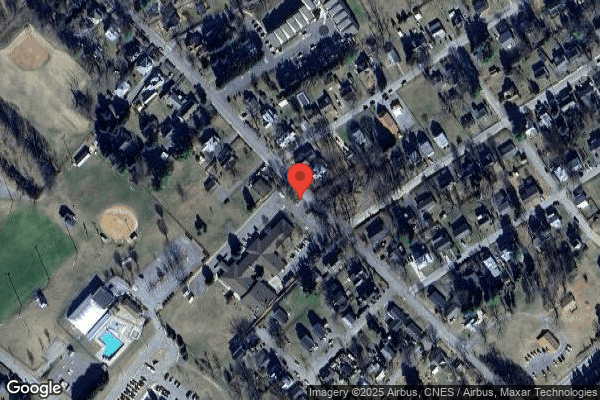
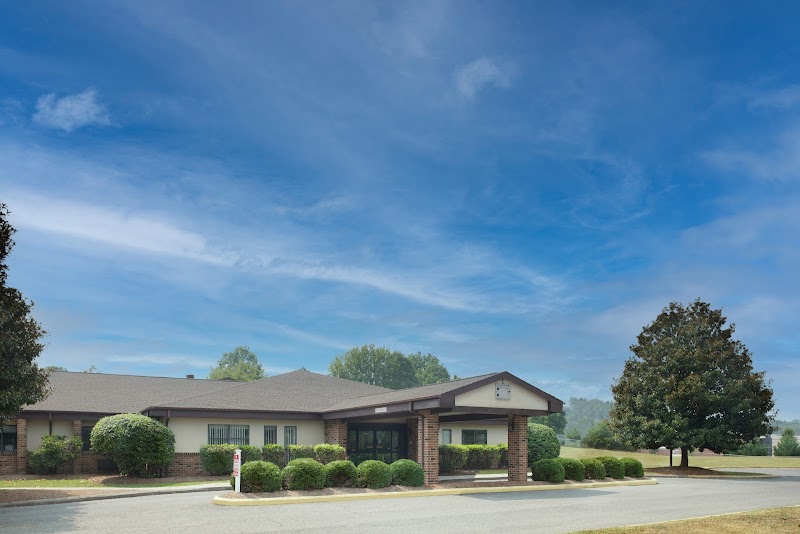
205 HOUSTON STREET, EAST LEXINGTON, VA 24450 (540) 464-8181
For profit - Corporation 60 Beds HERITAGE HALL Data: November 2025
Trust Grade
65/100
#84 of 285 in VA
Last Inspection: September 2022

Over 2 years since last inspection. Current conditions may differ from available data.

Overview

Heritage Hall Lexington has a Trust Grade of C+, which means it is considered decent and slightly above average among nursing homes. It ranks #84 out of 285 facilities in Virginia, placing it in the top half, and is the best option in Lexington City County. The facility's performance has remained stable, with two issues reported in both 2022 and 2024. Staffing is rated as average with a 3 out of 5 stars and a turnover rate of 44%, which is slightly better than the state average. While there have been no fines recorded, there are concerns about care quality, including serious incidents where medications were administered incorrectly, leading to hospitalizations for at least one resident. Overall, while there are strengths in staffing and no fines, families should be aware of the serious incidents that have occurred.

Trust Score
C+
65/100
In Virginia
#84/285
Top 29%
Safety Record
High Risk
Review needed
Inspections
Holding Steady
2 → 2 violations
Staff Stability
○ Average
44% turnover. Near Virginia's 48% average. Typical for the industry.
Penalties
✓ Good
No fines on record. Clean compliance history, better than most Virginia facilities.
Skilled Nurses
○ Average
Each resident gets 39 minutes of Registered Nurse (RN) attention daily — about average for Virginia. RNs are the most trained staff who monitor for health changes.
Violations
⚠ Watch
11 deficiencies on record. Higher than average. Multiple issues found across inspections.
★★★★☆
4.0
Overall Rating
★★★☆☆
3.0
Staff Levels
★★★★☆
4.0
Care Quality
★★★★☆
4.0
Inspection Score
Stable
2022: 2 issues
2024: 2 issues

The Good

  • 4-Star Quality Measures · Strong clinical quality outcomes
  • Full Sprinkler Coverage · Fire safety systems throughout facility
  • No fines on record
  • Staff turnover below average (44%)

    4 points below Virginia average of 48%

Facility shows strength in quality measures, fire safety.

The Bad

Staff Turnover: 44%

Near Virginia avg (46%)

Typical for the industry

Chain: HERITAGE HALL

Part of a multi-facility chain

Ask about local staffing decisions and management

The Ugly 11 deficiencies on record

3 actual harm
Oct 2024 2 deficiencies
CONCERN (D) 📢 Someone Reported This

A family member, employee, or ombudsman was alarmed enough to file a formal complaint

Potential for Harm - no one hurt, but risky conditions existed

ADL Care (Tag F0677)

Could have caused harm · This affected 1 resident

Based on staff interview, resident interview, facility document review, and clinical record review, the facility staff failed to provide timely toileting assistance for one of three residents in the s...

Read full inspector narrative →
Based on staff interview, resident interview, facility document review, and clinical record review, the facility staff failed to provide timely toileting assistance for one of three residents in the survey sample (Resident #3). The findings include: According to the clinical record, Resident #3 (R3) was admitted to the facility with diagnoses that included femur fracture, urinary tract infection, degenerative disc disease, gastroesophageal reflux disease, and protein-calorie malnutrition. The minimum data set (MDS - assessment tool) dated 3/31/23 assessed R3 as cognitively intact and as occasionally incontinent of bowel and bladder. R3's clinical record documented a nursing note dated 4/22/23 at 10:48 p.m. stating, At approx [approximately] 2110 [9:10 p.m.] this nurse answered residents call light, resident reported her call light had been on for over an hour. Resident stated she needed assist to bathroom that she has soiled herself. This nurse told resident she would get the cna to assist her. (sic) R3's plan of care (dated 4/6/23) documented the resident required the assistance of one person for activities of daily living (ADLs) including toileting. Goals in providing ADL care were documented as, Resident will continue to receive assistance as needed in a timely manner . R3's ADL record for 4/22/23 was blank for the evening shift (2:00 p.m. until 10:00 p.m.) with no indication that toileting and/or hygiene assistance was provided. On 10/15/24 at 4:30 p.m., the assistant director of nursing (ADON - administration staff #3) was interviewed about R3's delayed call bell response documented on 4/22/23. The ADON stated that she worked as a floor nurse during R3's stay. The ADON reviewed the as-worked schedule and stated the evening shift CNA [certified nurses' aide] worked on 4/22/23 until 10:00 p.m. Reviewing the ADL documentation, the ADON stated R3's activities of daily living records documented no toileting assistance and/or hygiene provided during the evening of 4/22/23. On 10/16/24 at 8:45 a.m., the resident council president (Resident #4) was interviewed about call bell response and delayed assistance with toileting. The council president stated there were comments in the council meetings at times about slow call bell response. The council president stated most bells were answered within 10 to 15 minutes but there were times when it took up to 30 minutes. When asked about call bell response during April 2023, the council president stated she did not remember exactly what was going on then, but that current call bell response was much improved from a year ago and had improved with the current administration. On 10/16/24 at 9:30 a.m., the administrator was interviewed about R3's delayed call bell response/toileting assistance documented on 4/22/23. The administrator stated there was no toileting assistance documented for R3 on the evening of 4/22/23. The administrator stated he was not working in the facility in April 2023, but he found no documented follow up and/or actions taken in response to the delayed care. The administrator stated the entire care team was expected to respond to call bells and provided needed care in a timely manner. On 10/16/24 at 10:05 a.m., the director of nursing (DON) was interviewed about the documented care delay for R3 on 4/22/23. The DON stated that she was not working in the facility during R3's stay. The DON stated that she expected staff to respond to call lights and requests for assistance within 3 to 5 minutes, with the goal of no lights unanswered beyond 10 minutes. The DON stated the delayed response to R3's call light documented on 4/22/23 was unacceptable. The DON stated staff working should have acted promptly to provide needed assistance and should have documented follow up regarding the reported concern. The nurse that documented R3's note on 4/22/23 regarding delayed call bell response was not available for interview, as she no longer worked at the facility. Resident council meeting minutes were requested but had not been retained from the March/April 2023 meetings. The facility's policy titled Activities of Daily Living (ADLs), Supporting (revised March 2018) documented, .Residents will be provided with care, treatment and services as appropriate to maintain or improve their ability to carry out activities of daily living (ADLs). Residents who are unable to carry out activities of daily living independently will receive the services necessary to maintain good nutrition, grooming and personal and oral hygiene . This finding was reviewed with the administrator, DON, and regional nurse consultants during a meeting on 10/16/24 at 11:00 a.m., with no further information provided prior to the end of the survey.
CONCERN (E) 📢 Someone Reported This

A family member, employee, or ombudsman was alarmed enough to file a formal complaint

Potential for Harm - no one hurt, but risky conditions existed

Medical Records (Tag F0842)

Could have caused harm · This affected multiple residents

Based on staff interview and clinical record review, the facility staff failed to provide a complete and accurate clinical record for one of three residents in the survey sample (Resident #3, R3). The...

Read full inspector narrative →
Based on staff interview and clinical record review, the facility staff failed to provide a complete and accurate clinical record for one of three residents in the survey sample (Resident #3, R3). The findings include: R3's ADL (activities of daily living) support logs and food intake logs were not documented on multiple times during the month of April 2023. According to R3's clinical record, diagnoses for R3 included: Post surgical hip replacement, urinary tract infection, and venous thrombosis. The most current MDS (minimum data set - assessment tool) was a 5 day admission assessment with an ARD (assessment reference date) of 3/31/24, which assessed R3 as being cognitively intact. Review of R3's ADL's for the month of April 2023, particularly eating performance, personal hygiene support, and toilet use were reviewed, between 4/1/23 and 4/28/23 (R3 discharged on 4/29/23). The Eating performance section indicated of 56 opportunities to document eating support, 37 opportunities had not been documented. The Personnel hygiene support section indicated of 84 opportunities to document care, 39 opportunities had not been documented. The Toilet use support section indicated of 84 opportunities to document care, 38 opportunities had not been documented. Review of meal percentage intake log (also for April 2023) indicated of 84 opportunities to document, 59 opportunities had not been documented. On 10/15/24 at 2:30 p.m. the above information was presented to the administrator, who also reviewed the documentation. The administrator verbalized awareness and said that training needed to be done. The administrator also verbalized not being employed at the time of this concern. No other information was presented prior to exit conference on 10/16/24.
Sept 2022 2 deficiencies 2 Harm
SERIOUS (G)

Actual Harm - a resident was hurt due to facility failures

Deficiency F0658 (Tag F0658)

A resident was harmed · This affected 1 resident

**NOTE- TERMS IN BRACKETS HAVE BEEN EDITED TO PROTECT CONFIDENTIALITY** Based on staff interview, clinical record review, facility document review, and in the course of a complaint investigation, the ...

Read full inspector narrative →
**NOTE- TERMS IN BRACKETS HAVE BEEN EDITED TO PROTECT CONFIDENTIALITY** Based on staff interview, clinical record review, facility document review, and in the course of a complaint investigation, the facility staff failed to follow professional standards of quality for one of 17 residents in survey sample (Resident # 54). Nursing staff did not follow professional standards of clinical practice during medication administration. Resident #54 was not properly identified and was administered the roommate's medications in error. Resident #54 was sent to the emergency room and was admitted to the intensive care unit. Resident #54 developed hypotension (low blood pressure) & bradycardia (low heart rate) which required intravenous (IV) fluids, medication, and continued telemetry (heart) monitoring. This indicated harm. The findings included: Resident #54 was admitted to the facility with diagnoses that included, but not limited to: unspecified kidney injury, hypokalemia, hypomagnesemia, encephalopathy, Parkinson's, and dementia. The MDS (minimum data set) that was completed for Resident #54 was an OBRA admission Assessment with an ARD (assessment reference date) of 07/02/2021. Resident #54 was assessed with a cognitive summary score of 08, which indicated moderate cognitive impairment. The clinical record was reviewed on 09/20/2022 beginning at approximately 8:30 a.m. The progress note section was reviewed and contained the following: 07/02/2021 10:48 AM During AM medication administration, rsd (resident) was administered wrong medications. Rsd VS (vital signs) obtained. 135/79, 72. 98.2, 18, O2 (oxygen) 96% on RA (room air), family in room at time. MD notified of error. Family requested to send rsd to ED (emergency department) (Name of hospital). 911 activated and report called to ED. On 09/20/2022 at approximately 11:30 a.m., the administrator was asked if the facility had investigated the above incident. The administrator presented the facility investigation of the incident at approximately 1:30 p.m. She was asked if the facility had any follow-up information from the hospital after the resident was sent to the ED. She stated she would look. The facility reported incident contained the following: Incident Date: 07/02/2021 Time: 1000 (10:00 a.m.) Describe Injury: Med. (medication) error Narrative of incident and description of injuries: During AM med. Administration rsd received wrong meds. VS: 135/79, 72, 18, 98,.2, O2 98%, family in room and requesting be sent to ED. Report called to ED. Two witness statements were attached to the Incident report. The first statement contained the following: This Nurse called in report to (Name of hospital) in regards to the wrong medications given to the pt (patient). Medications as followed: Amlodipine 7.5 mg (antihypertensive) * Vitamin C 1,000 mg (supplement/vitamin) * Calcitrol 0.25 mg (supplement) * Carvedilol 6.75 mg (antihypertensive) * Clonidine 0.2 mg (antihypertensive) * Vitamin B-12 1000 mcg (supplement/vitamin) * Eliquis 2.5 mg (anticoagulant) * Famatodine 20 mg (Given to decrease stomach acid) * Senna-S 8.6-50 mg (stool softener) * Sevelamer HCL 800 mg (mineral binding agent) * ED nurse stated that none of these medications were of great concern and there was probably nothing they could do, but they would monitor her BP. *NOTE drug indications in () were not part of the witness statement but added for clarification/information. The second witness statement, written by the nurse who made the medication error contained the following: During AM med. Administration @0920 (9:20 a.m.) rsd was given wrong meds while sitting in the hallway. First day on this hallway with this pt, and I thought she was her roommate .Daughter sitting in doorway & notified that rsd received wrong meds & requested that she be sent to ED for eval (evaluation). Daughter was very understanding & stated to me that it was okay, don't be upset we all make mistakes, and no one is perfect. Rsd with no s/s (signs/symptoms) of distress or c/o (complaints of) discomfort, then obtained VS: 135/79, 72, 98.2, 18, O2 96%. EMS (emergency medical services) arrived @ 0945 (9:45 a.m.) Along with the incident report was a MEDICATION ERROR/OMISSION REPORT which contained the following: Wrong medication .medications administered in error: Furosemide 20 mg, Amolidipine 7.5 mg, Vitamin C 500 mg, Calcitrol 0.25 mg, Carvedilol 6.25 mg, Clonidine HCL 0.2 mg, Vitamin B-12 500 mcg (2 tabs), eliquis 2.5 mg, Famatodine 20 mg, Senna S 8.6-50 mg, Sevelamer HCL 800 mg Physician notified at 0930 (9:30 a.m.) .date 7/2/21. Physician Comments: None, family in room, requested rsd go to hospital . At approximately 1:45 p.m. on 9/20/22, the administrator stated, We actually have the discharge summary from the hospital, I'm not sure why we have it, but here it is. The (hospital) discharge summary contained the following: Physician Discharge Summary admit date : [DATE] discharge date : [DATE] admission Diagnosis: Hypotension due to medication Discharge Diagnosis: Hypotension due to medication .Overdose of antihypertensive agent, accidental or unintentional, initial encounter. Indications for admission: presents to the emergency department via EMS with a chief complaint of feeing shaky. Evidently she had been given another patient's oral medication this morning including furosemide 20 mg, sevelamer 800 mg, vitamin B-12 1000 mg, apixaban 2.5 mg, amlodipine 7.5 mg, famotadine 20 mg, vitamin c 1000 mg, carvedilol 6.25 mg, clonidine 0.2 mg and calcitrol 0.25 mg. In the ER, she was initially normotensive (137/63) with normal sinus rhythm (71) with normal respirations (180) and oxygenation on room air (98%). She was awake and alert, Labs revealed a mild anemia with H/H (hemoglobin/hematocrit) 10.8/34.3. CMP (Comprehensive Metabolic Profile) was essentially normal. ECG (electrocardiogram) revealed a sinus rhythm (60) with a RBBB (right bundle branch block) which is unchanged from 6/27/21. Poison Control was contacted and advised observation for 6 hours. She was observed on telemetry and developed sinus bradycardia into the 40's and hypotension in the systolic 70's. She remained alert and was fairly asymptomatic. She was given IV fluids for pressure support and IV calcium gluconate 1000 mg. She had improvement in her BP with this therapy although it remained low and her bradycardia persisted. After 8 hours of observation in the ER I was asked to admit for observation. Hospital Course: She was admitted to the ICU (intensive care unit) for close observation on telemetry. She received IV fluids for pressure support. She remained in sinus rhythm throughout her stay with some bradycardia in the 40's that has recovered to the 50-60's this morning. She developed no other complicating symptoms. Her labs this morning are stable. Her blood pressure had normalized off IV fluids. I discussed her discharge plans with her daughter who plans to care for her at home with other family. I have placed a referral to home health . Entering right after the administrator, the ADON (assistant director of nursing) presented the medication administration policy as requested and stated, The nurse who gave the wrong meds was reeducated after that happened and the pharmacy came in and did med pass audits. She was asked if a plan of correction had been developed for the incident. She responded, No. The facility policy for medication administration contained the following: General Dose Preparation and Medication Administration .Prior to administration of medication, facility staff should take all measures required by facility policy and applicable law, including, but not limited to the following: Facility staff should: Verify each time a medication is administered that it is the correct medication, at the correct dose, at the correct route, at the correct rate, at the correct time, for the correct resident .During medication administration, facility staff should take all measures required by facility policy and applicable by law, including, but not limited to the following: Identify the resident per facility policy. On 09/20/2022 at approximately 4:00 p.m., the nurse who made the medication error, RN (registered nurse) #3 was interviewed over the phone. She was asked if she remembered the medication error and if so what had happened. She stated, I was an LPN (licensed practical nurse) then .the resident was sitting in the doorway to her room. She and her roommate were new admissions .I gave her, her roommate's meds. She was asked how that had happened. She stated, The residents there don't wear armbands. We have to identify them by the picture in their record .neither one of them had a picture in there. She was asked how she identified residents in the case of no picture. She stated, You hope they don't have dementia and can tell you their name .they have their names on the door and there are typically pictures in there, but with new admits that doesn't always happen. On 09/21/2022 at approximately 9:00 a.m., the administrator and the ADON were asked about the facility policy regarding identification of residents. The administrator stated, We get a picture of them as soon as they arrive and upload it into the system. She was told what RN #3 had stated about there not being a picture in the record at the time of the medication record. She stated, I don't know, it's in there now. She was asked if the resident's wore arm bands. She stated, No. During a meeting with the DON (director of nursing) the ADON, the nurse consultant, and the administrator, on 09/21/2022 at approximately 9:30 a.m., the above information was discussed. The facility staff were informed that based on the investigation the survey team had identified harm to Resident #54. She was given the wrong medications, was sent to the local emergency room, and subsequently admitted to ICU for telemetry monitoring, administered IV medication, and IV fluids. The administrator was asked if any additional information was available the survey team would review it. No further information was presented prior to the exit conference on 09/21/2022. This is a complaint deficiency.
SERIOUS (G)

Actual Harm - a resident was hurt due to facility failures

Deficiency F0757 (Tag F0757)

A resident was harmed · This affected 1 resident

Based on staff interview, clinical record review, facility document review, and in the course of a complaint investigation, the facility staff failed to ensure one of 17 residents (Resident #54) was f...

Read full inspector narrative →
Based on staff interview, clinical record review, facility document review, and in the course of a complaint investigation, the facility staff failed to ensure one of 17 residents (Resident #54) was free from unnecessary medications. Resident #54 was administered her roommate's medications in error and was transferred to hospital, where she required treatment. This indicated harm. The findings were: Resident #54 was admitted to the facility with diagnoses, including but not limited to: unspecified kidney injury, hypokalemia, hypomagnesemia, encephalopathy, Parkinson's, and dementia. The MDS (minimum data set) that was completed for Resident #54 was an OBRA admission Assessment with an ARD (assessment reference date) of 07/02/2021. Resident #54 was assessed with a cognitive summary score of 08, which indicated moderate cognitive impairment. The clinical record was reviewed on 09/20/2022 beginning at approximately 8:30 a.m. The progress note section was reviewed and contained the following: 07/02/2021 10:48 AM During AM medication administration, rsd (resident) was administered wrong medications. Rsd VS (vital signs) obtained. 135/79, 72. 98.2, 18, O2 (oxygen) 96% on RA (room air), family in room at time. MD notified of error. Family requested to send rsd to ED (emergency department) (Name of hospital). 911 activated and report called to ED. The facility incident report was presented at approximately 1:30 p.m. and contained the following: Incident Date: 07/02/2021 Time: 1000 (10:00 a.m.) Describe Injury: Med. (medication) error Narrative of incident and description of injuries: During AM med. (medication) Administration rsd received wrong meds. VS: 135/79, 72, 18, 98,.2, O2 98%, family in room and requesting be sent to ED. Report called to ED. Two witness statements dated 07/02/21 were attached to the Incident report. The first contained the following: This Nurse called in report to (Name of hospital) in regards to the wrong medications given to the pt (patient). Medications as followed: Amlodipine 7.5 mg (antihypertensive) * Vitamin C 1,000 mg (supplement/vitamin) * Calcitrol 0.25 mg (supplement) * Carvedilol 6.75 mg (antihypertensive) * Clonidine 0.2 mg (antihypertensive) * Vitamin B-12 1000 mcg (supplement/vitamin) * Eliquis 2.5 mg (anticoagulant) * Famatodine 20 mg (Given to decrease stomach acid) * Senna-S 8.6-50 mg (stool softener) * Sevelamer HCL 800 mg (mineral binding agent) * ED nurse stated that none of these medications were of great concern and there was probably nothing they could do, but they would monitor her BP. *NOTE drug indications in () were not part of the witness statement but added for clarification/information. The second witness statement, written by the nurse who made the medication error contained the following: During AM med. Administration @0920 (9:20 a.m.) rsd was given wrong meds while sitting in the hallway. First day on this hallway with this pt, and I thought she was her roommate .Daughter sitting in doorway & notified that rsd received wrong meds & requested that she be sent to ED for eval (evaluation). Daughter was very understanding & stated to me that it was okay, don't be upset we all make mistakes, and no one is perfect. Rsd with no s/s (signs/symptoms) of distress or c/o (complaints of) discomfort, then obtained VS: 135/79, 72, 98.2, 18, O2 96%. EMS (emergency medical services) arrived @ 0945 (9:45 a.m.) Along with the incident report was a MEDICATION ERROR/OMISSION REPORT which contained the following: Wrong medication .medications administered in error: Furosemide 20 mg, Amolidipine 7.5 mg, Vitamin C 500 mg, Calcitrol 0.25 mg, Carvedilol 6.25 mg, Clonidine HCL 0.2 mg, Vitamin B-12 500 mcg (2 tabs), eliquis 2.5 mg, Famatodine 20 mg, Senna S 8.6-50 mg, Sevelamer HCL 800 mg Physician notified at 0930 (9:30 a.m.) .date 7/2/21. Physician Comments: None, family in room, requested rsd go to hospital . The facility policy for medication administration contained the following: General Dose Preparation and Medication Administration .Prior to administration of medication, facility staff should take all measures required by facility policy and applicable law, including, but not limited to the following: Facility staff should: Verify each time a medication is administered that it is the correct medication, at the correct dose, at the correct route, at the correct rate, at the correct time, for the correct resident .During medication administration, facility staff should take all measures required by facility policy and applicable by law, including, but not limited to the following: Identify the resident per facility policy. On 09/20/2022 at approximately 4:00 p.m., the nurse who made the medication error (RN #3) was interviewed over the phone. RN #3 was asked if she remembered the medication error and if so what had happened. RN #3 stated, I was an LPN (licensed practical nurse) then .the resident was sitting in the doorway to her room. She and her roommate were new admissions .I gave her, her roommate's meds. On 09/21/2022 at approximately 9:30 a.m., the above information was discussed with the DON (director of nursing), the ADON (assistant director of nursing), the nurse consultant, and the administrator. No further information was presented prior to the exit conference on 09/21/2022. This is a complaint deficiency.
May 2021 2 deficiencies
CONCERN (E)

Potential for Harm - no one hurt, but risky conditions existed

Deficiency F0565 (Tag F0565)

Could have caused harm · This affected multiple residents

Based on resident interview, staff interview and facility document review, the facility staff failed to consider the views of the resident group and act promptly upon resident concerns/complaints of c...

Read full inspector narrative →
Based on resident interview, staff interview and facility document review, the facility staff failed to consider the views of the resident group and act promptly upon resident concerns/complaints of care and life in the facility for 5 months. Findings include: On 05/11/21 at 10:40 AM, Resident #52 [a resident who attends the group meeting regularly] was interviewed. Resident #52 was assessed with a cognitive score of 15, indicating the resident was cognitively intact. Resident #52 stated, that she felt there may be issues with staffing, as the call bell response was slow. Resident #52 stated that when you push the light, you wait and wait and wait. At 11:45 a.m., the administrator stated that a group meeting with the survey team was declined by the resident council president. The resident council meeting minutes were reviewed from October 2020 through April 2021. The council meeting minutes documented concerns from residents regarding slow call bell response in October of 2020, November of 2020, January of 2021, February of 2021, and March 2021. On 05/11/21 at approximately 1:15 PM, Resident #32 [resident council president], who was assessed with a cognitive score of 15 [cognitively intact] was interviewed. Resident #32 stated that she didn't think the facility was short on staff, but did voice concerns about slow call bell response times. Some concerns listed in the council minutes were reviewed with Resident #32. The slow call bell response was an ongoing concern. Resident #32 stated that if she rings her call bell and it takes a long time, that she will use her cell phone to call the nurse's station. The resident was asked, when the group meets and has concerns such as this, if there was anyone who follow's up with them to let them know what is being done to address the concern. Resident #32 stated that the AD [activity director] will follow up with her [the resident president] and let her know the concerns have been addressed. The resident stated that if concerns are brought to her, say in the hall by another resident then she, will in turn take those concerns to the AD. Resident #32 was not aware of any official way to track their [group or individual] concerns for progress and resolution to determine that the concerns were actually validated, addressed, and followed up on. On 05/12/21 at 9:30, the administrator stated that the AD was the designated person to help residents with the resident council. At approximately 3:00 p.m., the administrator, ADON (assistant director of nursing), the SW (social worker), QA (quality assurance) nurse, and corporate nurse were made aware of the concerns with the group meeting minutes indicating over 5 months of slow call bell response. The administrator stated that staff will talk to one another in the mornings during their stand up meetings and then stated that there was not an actual process to follow up with concerns voiced by the residents in group. The ADON then stated that she received an email from the AD a while back, which included herself and the administrator regarding call bell response. The ADON stated that an inservice was completed. At approximately 3:30 p.m., the AD was interviewed. The AD stated that she writes down the resident concerns. The AD stated that usually if there is a problem with the kitchen, the kitchen staff will attend or if there is a problem with laundry, the laundry department will attend and try to resolve those issues directly. The AD also stated that she will communicate to the administrative staff via email regarding some concerns. The AD was unaware of any type of concern tracking that the administrative staff may have or use that would help to determine if concerns were being followed and/or tracked and what types of things that may have been put in place to ensure that the concerns were being addressed. On 05/12/21 at 5:00 p.m., the administrator, ADON (assistant director of nursing), the SW (social worker), QA (quality assurance) nurse, and corporate nurse were again made aware that concerns voiced by the residents were not being addressed. The administrator asked about the inservice. The administrator was made aware that the resident's had voiced concerns with slow call bell response times for 5 months and an inservice was completed in April. The inservice sheets that were presented were dated 04/20/21, 04/26/21, and 04/28/21 and documented for staff to answer call bells timely and that call bells should be in reach, and that ideally the call lights would be answered with in 3 to 5 minutes. No further information and/or documentation was presented prior to the exit conference on 05/12/21.
MINOR (B)

Minor Issue - procedural, no safety impact

Assessment Accuracy (Tag F0641)

Minor procedural issue · This affected multiple residents

**NOTE- TERMS IN BRACKETS HAVE BEEN EDITED TO PROTECT CONFIDENTIALITY** Based on staff interview and clinical record review, the facility staff failed to ensure an accurate MDS (minimum data set) was ...

Read full inspector narrative →
**NOTE- TERMS IN BRACKETS HAVE BEEN EDITED TO PROTECT CONFIDENTIALITY** Based on staff interview and clinical record review, the facility staff failed to ensure an accurate MDS (minimum data set) was completed for Resident #2 regarding a Level II PASRR [preadmission screening and resident review]. Findings include: Resident #2 was admitted to the facility on [DATE]. Diagnoses for Resident #2 included, but were not limited to: atrial fibrillation, diabetes mellitus, high blood pressure, history of UTI's[urinary tract infections], dysphagia, peg tube placement, behaviors, schizophrenia, and catatonic schizophrenia. The most recent full MDS was a five day admission assessment dated [DATE]. This MDS assessed the resident with a cognitive score of 3, indicating the resident had severe impairment in daily decision making skills. The resident was also assessed as having schizophrenia in Section I. The resident was assessed in Section A. A1500. Preadmission Screening and Resident Review (PASRR) as no, indicating the resident did not have a serious mental illness. In Section A. A1510. Level II Preadmission Screening and Resident Review (PASRR) the resident was not assessed, this area was blank on the MDS. This section was not completed and did not identify that Resident #2 had a serious mental illness. Resident #2's clinical record did not include any information for a Level I or Level II PASRR. On 05/12/21 10:06 AM, the SW [social worker] was interviewed regarding the above information. According to the SW this resident was admitted on [DATE] and was referred for a Level II PASRR prior to admission, which did not recommend outside psychiatric services. The SW was asked to present the information. On 05/12/21 01:10 PM, the SW presented the information that was in the resident's paper chart. Resident #2 had a Level I and a Level II completed prior to entry to the facility. The resident did not require any resources outside of the long term care facility. The SW was not sure why this was triggered. The SW was asked who completes the admission MDS for residents and where would information regarding PASRR come from. The SW stated that would be MDS and the information is usually kept by the admissions department as this is done prior to admission. The MDS Coordinator [MDSC] was interviewed on 05/12/21 at approximately 2:30 p.m. The MDSC looked up the MDS for Resident #2 and stated that the information in Section A1500. was incorrect and that section A1510. should have been completed. The MDSC stated that the person who completed this MDS is no longer with the company and further stated that the information regarding PASRR is typically obtained from admissions and/or the business office because that information is obtained prior to admission and passed on to the MDS department for input into the resident's MDS. The MDSC also stated that staff would also ask to get that information from the SW or from the admission office to complete the MDS accurately. The MDSC stated that she could not speak to how the previous MDS person's process was or how she may have obtained information for MDS accuracy. No further information and/or documetnation was presented prior to the exit conference on 05/12/21.
Feb 2019 5 deficiencies 1 Harm
SERIOUS (G)

Actual Harm - a resident was hurt due to facility failures

Incontinence Care (Tag F0690)

A resident was harmed · This affected 1 resident

**NOTE- TERMS IN BRACKETS HAVE BEEN EDITED TO PROTECT CONFIDENTIALITY** 2. Resident #12 was originally admitted to the facility on [DATE] and readmitted on [DATE] with diagnoses including, but not lim...

Read full inspector narrative →
**NOTE- TERMS IN BRACKETS HAVE BEEN EDITED TO PROTECT CONFIDENTIALITY** 2. Resident #12 was originally admitted to the facility on [DATE] and readmitted on [DATE] with diagnoses including, but not limited to: Obstructive and reflux uropathy, Benign prostatic hyperplasia, Retention of urine and Diabetes Mellitus Type 2. The most recent MDS (minimum data set) was a quarterly assessment with an ARD (assessment reference date) 10/01/2018. Resident #12 was assessed as severely impaired in his cognitive status with a total cognitive score of four out of 15. On 02/12/2019 at 9:49 a.m., Resident #12 was observed sitting in his wheelchair (w/c) at the end of a hallway with his eyes closed. His Foley catheter bag was observed hanging from the handles on the back of his wheelchair. The level of his drainage bag was above his waist. Urine observed in the tubing was cloudy, yellow with white sediment. Resident #12 was observed at 3:44 p.m. in activities with his catheter drainage bag hanging from the handles on the back of his wheelchair. The DON (director of nursing) was interviewed at 3:50 p.m. regarding placement of Resident #12's drainage bag. The DON stated, I don't know why they are doing that now. We were making sure the bags were below the chair, but not dragging the floor. Those bags [referring to privacy bags] have straps long enough to hang the drainage bags low. On 02/13/2019 at 8:00 a.m. LPN #1 (licensed practical nurse), wound care nurse, and this surveyor assessed Resident #12's penis and Foley catheter. Resident #12's urinary meatus was split from the opening of his penis to the start of his penile shaft. Catheter tubing was secured to his right thigh and the drainage bag was hanging on the right side of the bed, below the bladder. Resident #12 denied pain from the catheter. Resident #12's clinical record was reviewed on 02/13/2019 at approximately 8:30 a.m. During this review urology visit notes included the following documentation: 03/08/2018 - .he has had foley several months and has penile erosion. Urethral erosion. Foley in several months, with erosion ventrally up 50% of shaft. Consideration for sp [suprapubic] tube is made . 06/21/2018 - .Urinary Retention & Penile Erosion .Significant erosion .I do not feel SP tube is indicated now . 09/27/2018 - .No change in penile erosion . 12/13/2018 - .Penile erosion stable. Cont [continue] monthly tube change. Continue to affix to leg. Watch device & ensure tube/foley is not kinked . 01/17/2019 - .He had gross hematuria and went to ER [emergency room] .Change Foley per routine. We might consider imaging if this recurs. Subsequent review of physician progress notes at the facility dated 06/15/2018, 08/14/2018, 09/18/2018, 10/09/2018, 11/27/2018, and 01/22/2019 did not include any documentation of Resident #12's penile erosion or mention of any of his urology visits. The current POS (physician order sheet) dated February 2019 included the following orders: .Order Date: 11/21/18 Foley Cath Care Every Shift .Change Foley Bag Weekly .Change Foley Catheter 16FR 30ML Balloon as needed .Ensure Foley leg strap/cath secure in place to prevent tension on Foley .Order Date: 02/12/19 Change Foley Catheter 16FR 30ML balloon Q [every] month . Resident #12's CCP (comprehensive care plan) included: ADL (activities of daily living)/Incontinence/Skin .Monitor skin integrity during personal care and notify nurse/MD of any impairements (sic) .Provide foley cath care every shift. Ensure foley leg strap is on with cath secured to prevent tension on foley. Empty cath bag as neede. (sic) Change cath bag weekly. Ensure cath bag is placed below level of bladder. Do not allow cath bag to touch floor. Change foley catheter monthly and as needed per current MD order . Resident #12's son was interviewed via phone on 02/13/2019 at 11:24 a.m. The son stated, We have had issues since he had the catheter placed. He was retaining urine and unable to empty his bladder. He has had several infections and problems with getting the catheter replaced. He sees a urologist that changes his catheter. I was not aware that he has a split from the catheter. The urologist mentioned a suprapubic catheter once when he first started seeing them, but not recently. The doctor really doesn't like them. The DON and LPN #1 were interviewed on 02/13/2019 at 3:20 p.m. regarding Resident #12's penile erosion. LPN #1 stated, I do skin checks, but I don't always look at penises, so I guess that's on me. I did not know his penis was split until yesterday. No, I have not measured the area. The DON stated, I didn't know either. We identified a problem with assessments and documentation on the first of February and have been inservicing the staff. LPN #1 came to the conference room at approximately 3:45 p.m. and stated the eroded area (split) area on Resident #12's penis measured 3cm x 0.5cm (centimeters). The only mention of Resident #12's penile erosion in nursing notes was in a note dated 02/01/2019 at 9:45 p.m. and a note dated 02/09/2019 at 1:28 a.m., both written by the same LPN. Both notes stated, .Foley cath intact and patent draining clear yellow urine without difficulty .Penile head remains split . These notes had corresponding skin assessments. No other skin assessments were located in the record. On 02/14/2019 at approximately 8:30 a.m. the DON and Corporate Medical Director approached the conference room and asked to speak to the survey team. He stated he had assessed Resident #12 and had written a note. He concluded with stating, His penile erosion is a chronic problem without current acute symptoms. This is very common in elderly males with long term catheter use. He has been seen by the urologist several times and also has been to the hospital for catheter issues. I cannot argue that the documentation sucks and that another urologist should have been consulted, but I do not feel the facility has caused harm. The Corporate Medical Director's clinical note dated 02/13/2019 included: .long term resident of the facility that has had a foley catheter for over 2 years and has had multiple follow ups with the urologist. On assessment the patient has no acute pathology/swelling/evidence of trauma/evidence of foley catheter irritation or allergy to the tubing of the foley catheter. He was last seen by the urologist on 03/08/2018, 12/12/18, and 01/17/2019. The current status of the urethral meatus separation had been present on these last several visits with no urological intervention recommendation except for recommendation that the patients foley not get kinked. The presentation of the patients Penis/urethral meatus on todays visit is the similar appearance that was present during the urological visit and furthermore, the presence of the urethral meatus separation is a common problem in the geriatric population from long standing foley cath use . The Corporate Medical Director stated this was the only time he had ever seen and assessed Resident #12. Several attempts were made on 02/14/2019 at 10:30 a.m. to contact Resident #12's urologist. The phone always rang busy. Facility policy, Catheter Care, Urinary included the following documentation: Maintaining Unobstructed Urine Flow .3. The urinary drainage bag must be held or positioned lower than the bladder at all times to prevent the urine in the tubing and drainage bag from flowing back into the urinary bladder .Changing Catheters .14. Assess the urethral meatus .18. Secure catheter utilizing a leg band. 19. Check drainage tubing and bag to insure (sic) that the catheter is draining properly .Documentation - The following information should be recorded in the resident's medical record: 1. The date and time that catheter care was given. 2. The name and title of the individual(s) giving the catheter care. 3. All assessment data obtained when giving catheter care. 4. Character of urine . The Administrator was informed of the above findings during a meeting with the survey team on 02/14/2019 at 12:10 p.m. No further information was received by the survey team prior to the exit conference on 02/14/2019. Based on observation, resident interview, staff interview, facility document review and clinical record review, the facility staff failed to ensure two of 17 residents were assessed and provided appropriate care and treatment/services for the identification of complications related to the prolonged use of an indwelling catheter. 1. Facility staff failed to assess, treat, and provide appropriate interventions related to the prolonged use of an indwelling catheter for Resident #29. Resident #29 was identified by the urologist as having urethral erosion from the prolonged use of an indwelling catheter and recommended the resident undergo a procedure for a suprapubic catheter. There was no documentation in the clinical record that the recommendations had been discussed with the responsible party, nor was there any evidence of the facility's ongoing assessment of the area. Resident #29 had severe urethral trauma which was identified as harm. 2. Facility staff failed to assess and provide appropriate services to identify complications related to the use of an indwelling catheter. Findings were: 1. Resident #29 was admitted to the facility on [DATE] with the following diagnoses, but not limited to: Respiratory failure, Parkinson's disease, dysphagia, Type II diabetes mellitus, urinary retention, benign prostatic hyperplasia, and hypertension. The quarterly MDS (minimum data set) with an ARD (assessment reference date) of 01/07/2019, assessed Resident #29 as severely impaired in his cognitive status with a summary score of 06. On 02/12/2019 at approximately 12:15 p.m., Resident #29 was observed sitting in his wheelchair at a table in the dining room. His catheter bag was attached to the top of his wheelchair back, at shoulder level. The catheter tubing was observed coming out of his left pants leg, under the wheelchair, and up the back of the chair to the drainage bag. There was no urine in the tubing. At approximately 3:45 p.m., Resident #29 was observed sitting in his wheelchair in the hallway. His catheter bag was in the same position. The tubing under the chair was filled with bright red fluid. A CNA (certified nursing assistant) came down the hallway and invited Resident #29 to an activity in the dining room. She wheeled him down the hall, she did not reposition the bag. The DON (director of nursing) was in her office with the ADON (assistant director of nursing) and the MDS nurse, LPN (licensed practical nurse) #2. A copy of the facility policy regarding catheters was requested from DON. She was asked about the placement of catheter bags. She stated, Below the level of the bladder. The observation in the hallway was discussed. The ADON and LPN #2 left the office At approximately 4:00 p.m., this surveyor went to the dining room; Resident #29 was no longer in the activity. Resident #29 had been taken to his room by the ADON and LPN #2. The DON came down the hall and entered the room with this surveyor. Resident #29 was lying on his bed, his brief was partially off. The catheter tubing had been emptied. The catheter bag was hanging on the top side rail, at mid chest level. Resident #29 was not circumcised, the foreskin of his penis was retracted by LPN #2. She stated, He has a split here on the underside of his penis. Resident #29's penis was split from the head down shaft; the catheter was not inserted in his penis at all but directly into the scrotal area. There was fresh blood around head of penis. The catheter tubing was not anchored. The ADON was asked why the catheter was not anchored. She stated, The doctor doesn't want his catheter anchored .we have an order not to the family didn't want a suprapubic catheter but they have now agreed. The clinical record was reviewed, and there were no orders to not anchor the Foley catheter. The skin assessments were reviewed. There was no mention on the skin assessments of Resident #29's penis. The DON was asked if there was any documentation regarding the family's refusal of the suprapubic catheter or where anyone had spoken to them. She stated, I'll see what I can find. At 4:30 p.m., the wound nurse went to Resident #29's room to measure the open area on his penis. She was asked if she had measured the area in the past. She stated, No, this is the first time I have looked at him. The area measured, 5.5 cm long and 1 cm wide. The wound nurse stated, I've never seen anything like this .I'm not sure what to do. The catheter tubing was still not anchored. The tubing went out of his brief, down his pants leg, and up to the catheter bag, still hanging at mid chest level. The wound nurse was asked if there was tension on the tubing. She stated, Yes, and moved the catheter bag down on the bed frame. Resident #29 stated, That's enough, that's enough, it's sore. The facility policy Catheter Care, Urinary was reviewed and contained the following information: The urinary drainage bag must be held or positioned lower than the bladder at all times to prevent the urine in the tubing and drainage bag from flowing back into the urinary bladder .Ensure that the catheter remains secured with a leg strap to reduce friction and movement at the insertion site if resident will allow and is able to tolerate .The following information should be recorded in the resident's medical record: 1. The date and time that catheter care was given. 2. The name and title of the individual(s) giving the catheter care. 3. All assessment data obtained when giving catheter care. 4. Character of urine such as color .clarity .and odor. 5. Any problems noted at the catheter-urethral junction during perineal care such as drainage, redness, bleeding, irritation, crusting, or pain. 6. Any problems or complaints made by the resident related to the procedure. 7. How the resident tolerated the procedure. 8. If the resident refused the procedure, the reason(s) why and the intervention taken. 9. The signature and title of the person recording the data. On 02/13/2019 the clinical record was reviewed for further information. The POS (physician order sheet) for January 2019 contained the following: Foley care q [every] shift; Flush Foley twice weekly; Change 16 [french] Foley catheter with 30 cc balloon monthly per urology. The nurse's notes were reviewed from 08/01/2018 - 02/13/2019. There was no documentation as outlined in the facility policy regarding assessments, problems with the catheter site, interventions, etc., during any of the catheter changes or when catheter care was provided each shift. The urology notes were reviewed and contained the following: 01/04/2018 Recurrent UTI's, Chronic urinary retention, Acquired hypospadial urethral erosion .recommendations: I will discuss with [physician name] re: SPT [suprapubic catheter] vs continued Foley . 08/13/2018 Chronic urinary retention .urethral erosion. Recommendations: Change Foley catheter every 4 weeks, *Flush Foley at least twice a week, strongly consider suprapubic catheter if patient can be medically cleared. There was no documentation in the clinical record from either the nursing staff of the primary physician that the need for a suprapubic catheter was discussed with the family. On 02/13/2019 at approximately 2:00 p.m., the DON and the wound nurse came to the conference room to discuss Resident #29. The DON stated, I can't find very much in the record .here's a note from April 2017, one form November 2017 and one from April 2018 that's it. The notes contained the following: 04/26/2017 While looking at RSD (resident) penis for cath care, I observed some tearing and a small mount of blood on the underside of the penis at the urethral opening. I contacted MD .he ordered a consult to urology . 11/3/2017 Resident went to ER .due to pulling at Foley. Resident transferred himself to the bathroom without assistance .Resident states . he accidentally sat on his cath. The head of resident's penis is torn and resident is having some bloody drainage . The DON was asked if there was any follow-up documentation or measurements of the areas described in the notes. She stated, No, this has been a slow ongoing thing with him .when he came back from the urologist in August [2018] the nurse wrote an order to change the catheter every 4 weeks, because we were changing it weekly per the family's request, she wrote to consider suprapubic catheter placement after he was medically cleared .I asked her if she discussed that with the family and she doesn't remember .there aren't any notes in the record from [name of Resident #29's physician] about it. The DON was asked since it was a slow ongoing thing wouldn't that be all the more reason to be documenting the measurements/appearance of the area in the clinical record. She nodded her head, indicating Yes. The wound nurse stated, I called his sister last night .he [Resident #29] was trying to get out of the bed, kicking off his covers, pulling at his catheter .she said that she knew he had pulled it out twice in the past .she said he just doesn't realize he is hurting himself . The wound nurse stated, He does pull at his catheter sometimes. The DON was asked if there was any place in the record other than on the TAR (treatment administration record) where nurse's documented catheter care or changing of the catheter. She stated, No. She was asked where the documentation outlined in the facility policy regarding care of the Foley catheter would be documented. She stated, It isn't. The care plan was reviewed, the focus area: ADL/Incontinence/Skin .Foley cath in place d/t [due to] urinary retention/obstructive uropathy, had the following interventions: Provide Foley cath care. Keep cath bag below level of bladder and empty bag as needed throughout the shift. Do not allow cath bag to touch the floor 1/29: Urethral tear has worsened . An additional focus area: Catheter/UTI [Urinary Tract Infection] risk .has urethral tear from Foley cath [no date this was added]; 1/29: Urethral tear from Foley has worsened. Urology consult for suprapubic cath scheduled .Interventions included: Change Foley per current MD order; Monitor for s/sx [signs and symptoms] of UTI ., change catheter drainage bag weekly; cue/remind resident as needed of importance of keeping drainage bag below bladder to decrease the risk of infection; Monitor Foley insertion site for s/sx of trauma/infection, i.e. redness, purulent drainage, pain, etc and report to nurse/MD; Provide Foley cath care. Keep cath bag below level of bladder and empty as needed throughout the shift. Do not allow cath bag to touch floor; Assist resident with proper placement of catheter drainage bag below level of bladder; Flush Foley per current MD order. The DON and the wound nurse were informed that there were no interventions on the care plan, nor had there been any documentation observed in the clinical record regarding Resident #29 pulling at his Foley catheter. On 02/14/2019 at approximately 8:50 a.m., the Corporate Medical Director came to the conference room to speak with the survey team. He stated that he had examined Resident #29 for the first time the previous evening. He stated that penile/urethral erosion was very common in elderly due to long term catheter usage. He stated that in his opinion, the facility's lack of documentation and assessment was not the issue, but the failure was that the urologist had not provided appropriate interventions and that the facility needed to get a second opinion from another urologist. He stated that he did not think the facility had caused the resident harm and what he saw was not an acute problem. The Corporate Medical Director was referred to a nurse's note written on 02/10/2019 which contained information that Resident #29 had >100,000 mixed bacterial flora in his urinalysis and the culture and sensitivity was pending. He was asked if he felt the placement of the catheter bag, well above the level of the bladder would contribute to a urinary tract infection, He stated, No, the contributing factor to his UTI's is the placement of the catheter, not the position of the bag. The Corporate Medical Director's was reviewed at approximately 9:45 a.m. The note contained the following: This is an [AGE] year old patient that is a long term resident of the facility that has had a Foley catheter for about 2 years and has had multiple follow-ups with the urologist. On assessment, the patient has no acute pathology/swelling/evidence of trauma/evidence of Foley catheter irritation or allergy to the tubing of the Foley catheter the presentation of the patient's penis/urethral meatus on todays [sic] visit is similar in appearance that was present during the urological visit and furthermore, the presence of the urethral meatus separation is a common problem in the geriatric population from long standing Foley cath use . At 10:10 a.m., the urologist that had examined Resident #29 was contacted via telephone. A message was left with his office staff asking him to call this surveyor regarding Resident #29. The urologist did not return the call. During and end of the day meeting on 02/14/2019 at approximately 12:15 p.m., with the DON and the administrator the above information was discussed. The DON was asked if the primary care physician had submitted any information regarding the progression of Resident #29's urethral erosion. She stated, Not yet. The DON and the administrator were informed that the facility's failure to assess and document changes in the erosion of Resident #29's penis were identified as harm by the survey team. At approximately 12:45 p.m., the DON presented a note that had been faxed to the facility from the primary care physician regarding Resident #29. Information included: Asked by staff to comment on [name of Resident #29] chronic Foley catheter. He was last seen by urology around August 2018 and option for suprapubic catheter was raised. Apparently, his sister was not in favor of that because of her fear of the risks of surgery and he had been through a lot of issues with his pacemaker right before that. Last fall I was encouraging his sister to move his care to a palliative only direction (Hospice, for example) but she was not in favor of that at the time. He has frequent UTIs and intermittent pain in that area (usually with UTIs). As all patients with Foley catheters in that long, he has erosion and enlargement of his urethra now The DON was asked if the primary care physician had discussed the suprapubic catheter with the family in August. She stated, I don't know, it's not in the note. No further information was obtained prior to the exit conference on 02/14/019.
CONCERN (D)

Potential for Harm - no one hurt, but risky conditions existed

Resident Rights (Tag F0550)

Could have caused harm · This affected 1 resident

**NOTE- TERMS IN BRACKETS HAVE BEEN EDITED TO PROTECT CONFIDENTIALITY** Based on observation, staff interview, and facility document review, facility staff failed to ensure a dignified dining experien...

Read full inspector narrative →
**NOTE- TERMS IN BRACKETS HAVE BEEN EDITED TO PROTECT CONFIDENTIALITY** Based on observation, staff interview, and facility document review, facility staff failed to ensure a dignified dining experience for two residents in the main dining room, Residents #22 and #30. CNA #1 (certified nursing assistant) was observed feeding Residents #22 and #30 simultaneously during lunch on 02/12/2019. Findings included: During the dining observation on 02/12/2019 at 12:36 p.m. in the main dining room, CNA #1 was observed feeding Residents #22 and #30 simultaneously. The CNA was not wearing gloves and did not wash her hands or use hand sanitizer during this observation. CNA #1 was interviewed on 02/13/2019 at 08:20 a.m. regarding the lunch observation on 02/12/2019. CNA #1 stated, [Name] Resident #30 is a feeder. [Name] Resident #22 is not. She just needs to be cued, but yesterday she was struggling a little, so I would help her. I was feeding [Name] Resident #30, but helping [Name] Resident #22 also. I know I'm not supposed to feed two at the same time. I was just trying to get her to eat. The facility policy Assistance with Meals was requested and received on 02/14/2019 at 1:00 p.m. The policy included, Residents shall receive assistance with meals in a manner that meets the individual needs of each resident .Dining Room Residents: .3. Residents who cannot feed themselves will be fed with attention to safety, comfort and dignity . The Administrator and DON (director of nursing) were informed of the above findings during a meeting with the survey team on 02/14/2019 at 1:10 p.m. The DON stated, My expectation is they would feed one person at a time. No further information was received by the survey team prior to the exit conference on 02/14/2019.
CONCERN (D)

Potential for Harm - no one hurt, but risky conditions existed

Respiratory Care (Tag F0695)

Could have caused harm · This affected 1 resident

**NOTE- TERMS IN BRACKETS HAVE BEEN EDITED TO PROTECT CONFIDENTIALITY** Based on observation, resident interview, staff interview, facility document review, and clinical record review, facility staff ...

Read full inspector narrative →
**NOTE- TERMS IN BRACKETS HAVE BEEN EDITED TO PROTECT CONFIDENTIALITY** Based on observation, resident interview, staff interview, facility document review, and clinical record review, facility staff failed to ensure proper administration of oxygen for one of 17 residents in the survey sample, Resident #48. Facility staff failed to ensure Resident #48's oxygen was humidified per physician order. Findings included: Resident #48 was admitted to the facility on [DATE] with diagnoses including, but not limited to: Gastrointestinal hemorrhage, Morbid obesity, Mitral valve prolapse and Atrial fibrillation. The most recent MDS (minimum data set) was a quarterly assessment with an ARD (assessment reference date) of 12/14/2018. Resident #48 was assessed as cognitively intact with a total cognitive score of 12 out of 15. Resident #48 was observed on 02/12/2019 at 9:20 a.m. in her room, sitting up in her wheelchair (w/c). She had O2 at 3L/min/nc (3 liters per minute by nasal cannula) in place. There was a humidifier bottle connected to the oxygen concentrator that was completely empty. Resident #48 stated regarding her oxygen, I think it is supposed to be on two liters. Yes, it should be humidified because it dries my nose out. On 02/13/2019 at 8:05 a.m. Resident #48 was observed in her room. Her oxygen was on 2L/min/nc and her humidifier bottle was completely empty. At 8:15 a.m., RN #1 (registered nurse) was interviewed regarding Resident #48's oxygen and humidifier bottle. RN #1 stated, No, I didn't notice. I haven't given her her breathing treatment yet this morning. I will take care of it. Resident #48's clinical record was reviewed on 02/13/2019 at 10:00 a.m. The POS (physician order sheet) dated February 2019 included: .O2@2lpm via NC with humidification . The CCP (comprehensive care plan) included: .Cardiac/Respiratory .Provide oxygen per current MD order/standing orders as indicated . The Oxygen Administration policy was requested and received on 02/13/2019 at 3:00 p.m. Included in the policy, Purpose: The purpose of this procedure is to provide guidelines for safe oxygen administration .Steps in the Procedure: .12. Check the mask, tank, humidifying jar, etc., to be sure they are in good working order and are securely fastened .14. Periodically re-check water level in humidifying jar (if used) . The Administrator and DON (director of nursing) were informed of the above findings during a meeting with the survey team on 02/14/2019 at 12:10 p.m. The DON stated, It is everybody's responsibility, the CNA's [certified nursing assistants], the nurses, medical records because she changes out the oxygen tubing every week, she is also a CNA, to check the humidifier bottles. No further information was received by the survey team prior to the exit conference on 02/14/2019.
CONCERN (E)

Potential for Harm - no one hurt, but risky conditions existed

Deficiency F0657 (Tag F0657)

Could have caused harm · This affected multiple residents

**NOTE- TERMS IN BRACKETS HAVE BEEN EDITED TO PROTECT CONFIDENTIALITY** Based on observation, staff interview, and clinical record review, facility staff failed to review and revise a CCP (comprehensi...

Read full inspector narrative →
**NOTE- TERMS IN BRACKETS HAVE BEEN EDITED TO PROTECT CONFIDENTIALITY** Based on observation, staff interview, and clinical record review, facility staff failed to review and revise a CCP (comprehensive care plan) for one of 17 residents in the survey sample, Resident #12. Facility staff failed to include interventions for care and treatment of penile erosion on Resident #12's CCP. Findings included: Resident #12 was originally admitted to the facility on [DATE] and readmitted on [DATE] with diagnoses including, but not limited to: Obstructive and reflux uropathy, Benign prostatic hyperplasia, Retention of urine and Diabetes Mellitus Type 2. The most recent MDS (minimum data set) was a quarterly assessment with an ARD (assessment reference date) 10/01/2018. Resident #12 was assessed as severely impaired in his cognitive status with a total cognitive score of four out of 15. On 02/13/2019 at 8:00 a.m. LPN #1 (licensed practical nurse), wound care nurse, and this surveyor, assessed Resident #12's penis and Foley catheter. Resident #12's urinary meatus was split from the opening of his penis to the start of his penile shaft. Catheter tubing was secured to his right thigh and the drainage bag was hanging on the right side of the bed, below the bladder. Resident #12 denied pain from the catheter. Resident #12's clinical record was reviewed on 02/13/2019 at approximately 8:30 a.m. Urology visit notes included the following documentation: 03/08/2018 - .he has had foley several months and has penile erosion. Urethral erosion. Foley in several months, with erosion ventrally up 50% of shaft. Consideration for sp [suprapubic] tube is made . 06/21/2018 - .Urinary Retention & Penile Erosion .Significant erosion .I do not feel SP tube is indicated now . 09/27/2018 - .No change in penile erosion . 12/13/2018 - .Penile erosion stable. Cont [continue] monthly tube change. Continue to affix to leg. Watch device & ensure tube/foley is not kinked . 01/17/2019 - .He had gross hematuria and went to ER [emergency room] .Change Foley per routine. We might consider imaging if this recurs. The current POS (physician order sheet) dated February 2019 included the following orders: .Order Date: 11/21/18 Foley Cath Care Every Shift .Change Foley Bag Weekly .Change Foley Catheter 16FR 30ML Balloon as needed .Ensure Foley leg strap/cath secure in place to prevent tension on Foley .Order Date: 02/12/19 Change Foley Catheter 16FR 30ML balloon Q [every] month . Resident #12's CCP (comprehensive care plan) included: ADL (activities of daily living)/Incontinence/Skin .Monitor skin integrity during personal care and notify nurse/MD of any impairements (sic) .Provide foley cath care every shift. Ensure foley leg strap is on with cath secured to prevent tension on foley. Empty cath bag as neede. (sic) Change cath bag weekly. Ensure cath bag is placed below level of bladder. Do not allow cath bag to touch floor. Change foley catheter monthly and as needed per current MD order . The Administrator and DON were informed of the above findings during a meeting with the survey team on 02/14/2019 at 12:10 p.m. The DON (director of nursing) was interviewed at 12:40 p.m. regarding care plan updates. The DON stated, The MDS Coordinators update care plans from looking at the nurse's notes, the 24-hour report and physician orders. A copy of the 24-hour report and physician orders are put in her box each day. No further information was received by the survey team prior to the exit conference on 02/14/2019.
CONCERN (F)

Potential for Harm - no one hurt, but risky conditions existed

Infection Control (Tag F0880)

Could have caused harm · This affected most or all residents

Based on staff interview and facility document review, the facility staff failed to develop a water management program for the prevention of legionella or other waterborne pathogens. Findings include:...

Read full inspector narrative →
Based on staff interview and facility document review, the facility staff failed to develop a water management program for the prevention of legionella or other waterborne pathogens. Findings include: On 02/14/19 at approximately 10:00 AM, the legionella information was reviewed. The information did not include a facility risk assessment, did not include a mapping diagram, or information regarding visual inspections, cleaning and testing within the facility. The administrator was asked for assistance with the above information. A policy on legionella was presented and documented, .testing protocols and acceptable ranges (control limits) will be established for each control measure .testing and visual inspections will be documented .all visual inspections, cleaning, and water testing will be documented . At approximately 11:30 AM, the maintenance director was interviewed regarding the above information. The maintenance director stated that the mapping diagram was for another facility and was for presentation only and stated he would provide one for this facility. The maintenance director then stated that they only have to test annually. The maintenance director stated that he had not done a facility map, had not done visual inspections, cleaning or testing and that there was no documentation for that. At approximately 11:45 AM, the maintenance director presented a mapping diagram for the facility water system. No other information or documentation was presented to evidence that an effective water management program was developed and implemented. No further information and/or documentation was presented prior to the exit conference on 02/14/18.
Understanding Severity Codes (click to expand)
Life-Threatening (Immediate Jeopardy)
J - Isolated K - Pattern L - Widespread
Actual Harm
G - Isolated H - Pattern I - Widespread
Potential for Harm
D - Isolated E - Pattern F - Widespread
No Harm (Minor)
A - Isolated B - Pattern C - Widespread

Questions to Ask on Your Visit

  • "Can I speak with families of current residents?"
  • "What's your RN coverage like on weekends and overnight?"

Our Honest Assessment

Strengths
  • • No fines on record. Clean compliance history, better than most Virginia facilities.
  • • 44% turnover. Below Virginia's 48% average. Good staff retention means consistent care.
Concerns
  • • Multiple safety concerns identified: 3 harm violation(s). Review inspection reports carefully.
  • • 11 deficiencies on record, including 3 serious (caused harm) violations. Ask about corrective actions taken.
Bottom line: Mixed indicators with Trust Score of 65/100. Visit in person and ask pointed questions.

About This Facility

What is Heritage Hall Lexington's CMS Rating?

CMS assigns HERITAGE HALL LEXINGTON an overall rating of 4 out of 5 stars, which is considered above average nationally. Within Virginia, this rating places the facility higher than 99% of the state's 100 nursing homes. This rating reflects solid performance across the metrics CMS uses to evaluate nursing home quality.

How is Heritage Hall Lexington Staffed?

CMS rates HERITAGE HALL LEXINGTON's staffing level at 3 out of 5 stars, which is average compared to other nursing homes. Staff turnover is 44%, compared to the Virginia average of 46%. This relatively stable workforce can support continuity of care.

What Have Inspectors Found at Heritage Hall Lexington?

State health inspectors documented 11 deficiencies at HERITAGE HALL LEXINGTON during 2019 to 2024. These included: 3 that caused actual resident harm, 7 with potential for harm, and 1 minor or isolated issues. Deficiencies causing actual harm indicate documented cases where residents experienced negative health consequences.

Who Owns and Operates Heritage Hall Lexington?

HERITAGE HALL LEXINGTON is owned by a for-profit company. For-profit facilities operate as businesses with obligations to shareholders or private owners. The facility is operated by HERITAGE HALL, a chain that manages multiple nursing homes. With 60 certified beds and approximately 54 residents (about 90% occupancy), it is a smaller facility located in EAST LEXINGTON, Virginia.

How Does Heritage Hall Lexington Compare to Other Virginia Nursing Homes?

Compared to the 100 nursing homes in Virginia, HERITAGE HALL LEXINGTON's overall rating (4 stars) is above the state average of 3.0, staff turnover (44%) is near the state average of 46%, and health inspection rating (4 stars) is above the national benchmark.

What Should Families Ask When Visiting Heritage Hall Lexington?

Based on this facility's data, families visiting should ask: "Can I visit during a mealtime to observe dining assistance and food quality?" "How do you handle medical emergencies, and what is your hospital transfer rate?" "Can I speak with family members of current residents about their experience?"

Is Heritage Hall Lexington Safe?

Based on CMS inspection data, HERITAGE HALL LEXINGTON has a clean safety record: no substantiated abuse findings (meaning no confirmed cases of resident harm), no Immediate Jeopardy citations (the most serious violation level indicating risk of serious injury or death), and is not on the Special Focus Facility watch list (a federal program monitoring the lowest-performing 1% of nursing homes). The facility has a 4-star overall rating and ranks #1 of 100 nursing homes in Virginia. While no facility is perfect, families should still ask about staff-to-resident ratios and recent inspection results during their visit.

Do Nurses at Heritage Hall Lexington Stick Around?

HERITAGE HALL LEXINGTON has a staff turnover rate of 44%, which is about average for Virginia nursing homes (state average: 46%). Moderate turnover is common in nursing homes, but families should still ask about staff tenure and how the facility maintains care continuity when employees leave.

Was Heritage Hall Lexington Ever Fined?

HERITAGE HALL LEXINGTON has no federal fines on record. CMS issues fines when nursing homes fail to meet care standards or don't correct problems found during inspections. The absence of fines suggests the facility has either maintained compliance or corrected any issues before penalties were assessed. This is a positive indicator, though families should still review recent inspection reports for the full picture.

Is Heritage Hall Lexington on Any Federal Watch List?

HERITAGE HALL LEXINGTON is not on any federal watch list. The most significant is the Special Focus Facility (SFF) program, which identifies the bottom 1% of nursing homes nationally based on persistent, serious quality problems. Not being on this list means the facility has avoided the pattern of deficiencies that triggers enhanced federal oversight. This is a positive indicator, though families should still review the facility's inspection history directly.