FARMVILLE HEALTH & REHAB CENTER

1575 SCOTT DRIVE ROUTE 5, FARMVILLE, VA 23901 (434) 392-8806
For profit - Corporation 120 Beds SABER HEALTHCARE GROUP Data: November 2025
Trust Grade
23/100
#191 of 285 in VA
Last Inspection: May 2023

Over 2 years since last inspection. Current conditions may differ from available data.

Overview

Farmville Health & Rehab Center has received a Trust Grade of F, indicating significant concerns about the quality of care provided. With a state rank of #191 out of 285 in Virginia, they fall in the bottom half, but they are the only option in Prince Edward County. The facility is worsening, with issues increasing from 12 in 2022 to 23 in 2023. Staffing is a relative strength, with a 3 out of 5 rating and a turnover rate of 34%, which is better than the state average of 48%. However, they have concerning fines of $22,331, higher than 85% of Virginia facilities, suggesting ongoing compliance issues. Specific incidents include a serious failure to prevent resident-to-resident abuse, resulting in a shoulder fracture for one resident, and inadequate supervision leading to another resident falling from bed and suffering a fractured femur. Additionally, there were complaints about food being served cold, affecting residents' mealtime experience. While the staffing situation is stable, the facility's overall performance raises significant red flags for families considering care for their loved ones.

Trust Score
F
23/100
In Virginia
#191/285
Bottom 33%
Safety Record
High Risk
Review needed
Inspections
Getting Worse
12 → 23 violations
Staff Stability
○ Average
34% turnover. Near Virginia's 48% average. Typical for the industry.
Penalties
✓ Good
$22,331 in fines. Lower than most Virginia facilities. Relatively clean record.
Skilled Nurses
⚠ Watch
Each resident gets only 25 minutes of Registered Nurse (RN) attention daily — below average for Virginia. Fewer RN minutes means fewer trained eyes watching for problems.
Violations
⚠ Watch
50 deficiencies on record. Higher than average. Multiple issues found across inspections.
★★☆☆☆
2.0
Overall Rating
★★★☆☆
3.0
Staff Levels
★★★★☆
4.0
Care Quality
★★☆☆☆
2.0
Inspection Score
Stable
2022: 12 issues
2023: 23 issues

The Good

  • 4-Star Quality Measures · Strong clinical quality outcomes
  • Full Sprinkler Coverage · Fire safety systems throughout facility
  • No fines on record
  • Staff turnover below average (34%)

    14 points below Virginia average of 48%

Facility shows strength in quality measures, fire safety.

The Bad

2-Star Overall Rating

Below Virginia average (3.0)

Below average - review inspection findings carefully

Staff Turnover: 34%

12pts below Virginia avg (46%)

Typical for the industry

Federal Fines: $22,331

Below median ($33,413)

Minor penalties assessed

Chain: SABER HEALTHCARE GROUP

Part of a multi-facility chain

Ask about local staffing decisions and management

The Ugly 50 deficiencies on record

2 actual harm
May 2023 23 deficiencies 2 Harm
SERIOUS (G) 📢 Someone Reported This

A family member, employee, or ombudsman was alarmed enough to file a formal complaint

Actual Harm - a resident was hurt due to facility failures

Free from Abuse/Neglect (Tag F0600)

A resident was harmed · This affected 1 resident

**NOTE- TERMS IN BRACKETS HAVE BEEN EDITED TO PROTECT CONFIDENTIALITY** Based on staff interview, clinical record review, and facility document review, it was determined that the facility staff failed...

Read full inspector narrative →
**NOTE- TERMS IN BRACKETS HAVE BEEN EDITED TO PROTECT CONFIDENTIALITY** Based on staff interview, clinical record review, and facility document review, it was determined that the facility staff failed to ensure that one of 43 residents in the survey sample was free from resident-to-resident abuse, Resident #29, which resulted in harm cited at past non-compliance. The findings include: Resident #103 intentionally pushed Resident #29, which resulted in a fall with a shoulder fracture for Resident #29. Resident #103 had documented behaviors and that the resident required increased supervision. There was no evidence that increased supervision was provided at the time of the occurrence. The facility abuse policy read: Abuse, Neglect and Exploitation documented, This facility will not tolerate abuse, neglect, mistreatment, exploitation of residents, and misappropriation of resident property by anyone Definitions: Abuse - Includes actions such as the willful infliction of injury, unreasonable confinement, intimidation, or punishment with resulting physical harm, pain or mental anguish Physical Abuse - includes hitting, slapping, pinching and kicking Verbal abuse - is defined as the use of oral, written or gestured language that willfully includes .threats of harm . A review of the facility synopsis of the event that occurred on 2/2/23 revealed the following: A witness statement documented that the hospice chaplain spoke with (Resident #103) and stated that the resident believes this is [their] home and all of these residents are trespassing. (Resident #103) was talking on [their] phone and (Resident #29) told (Resident #103) to get off the [profanity] floor. (Resident #103) felt disrespected and told (Resident #29) if [they are] going to talk to (Resident #103) like the floor [sic] (Resident #29) would end up on the floor. Another witness statement documented a statement made by Resident #29 (Resident #103) pushed me and I fell. A review of the Petition for Involuntary admission for Treatment dated 2/2/23 documented, Resident exhibiting physical aggression. Pushed (Resident #29) down and broke [their] left shoulder .(Resident #103) felt disrespected and told (Resident #29) if (Resident #29) is going to talk to (Resident #1030 like the floor (Resident #29) would end up on the floor Resident #29 had diagnoses of but not limited to, brain cancer, psychosis, epilepsy, femur fracture, wedge compression fracture of thoracic vertebra and glaucoma. The most recent MDS was a quarterly assessment dated [DATE]. The resident was coded as being impaired with ability to make daily life decisions, scoring a 11 out of a possible 15 on the BIMS. The resident required supervision to limited assistance for all areas of activities of daily living except for bathing which was extensive assistance. A review of the clinical record for Resident #29 revealed the following: A nurse's note dated 2/2/23 documented, This note is a follow up to Fall secondary to resident assault .Evidence of pain noted Left shoulder/bilateral knees Pain is throbbing Pain is sharp Pain level is 8 out of 10. The pain is constant Pain is persistent daily. Guarding left shoulder to chest and bilateral knees . A nurse's note dated 2/2/23 documented, .Resident is Cooperative. Resident is Tearful. Range of motion deficits are Left Shoulder limited ROM any movement about chest she screams out in pain Evidence of pain noted Left Shoulder and Bilateral Knees Pain is throbbing Pain is sharp Pain level is 7 out of 10. The pain is intermittent Pain is persistent daily. Guarding Left Shoulder to chest. Non ambulation due to knee discomfort. A nurse practitioner note dated 2/2/23 documented, .Pt (patient) was seen, reports that another resident pushed [them] and [they] fell. [Resident] is c/o (complaining of) mainly of left shoulder pain, but states that [they] landed on [their] knees then shoulder. No contact to head with floor. [Resident] is crying and c/o pain. [Resident] is unable to AROM (active range of motion) left arm at shoulder. Gently moved left arm PROM (passive range of motion) approximate 10 degree abduction with pt screaming in pain. [Resident] c/o pain on palpation of shoulder at glenohumeral joint. Discussed with staff, and will send pt to ER for evaluation as there appears to be joint compromise . A nurse's note dated 2/2/23 documented, Resident returned to Facility via stretcher accompanied by 2 EMS (emergency medical services) providers. Resident has sling to left shoulder/arm .Er discharge instructions as follows: Diagnosis Fracture of proximal end of left humerus, fall, alleged assault and knee contusion . Resident #103 had documented behaviors. The facility staff documented evidence that the resident required increased supervision. There was no evidence that increased supervision was provided at the time of the resident-to-resident altercation. Resident #103 had the diagnoses of but not limited to cancer of the prostate and bone and dementia. The most recent MDS (Minimum Data Set) was a significant change MDS dated [DATE]. The resident was coded as being cognitively intact in ability to make daily life decisions, scoring a 14 out of a possible 15 on the BIMS (Brief Interview for Mental Status). The resident was coded as requiring supervision only for eating, toileting and hygiene; and was coded as being completely independent for all other areas of activities of daily living. The resident was coded as having physical behavioral symptoms directed towards others and verbal behavioral symptoms directed towards others. The resident was coded as behavior symptoms significantly interfered with the resident's ability to participate in activities and social interactions. The resident's behavior symptoms were coded as putting others at significant risk of physical injury. The resident's behavior was coded as being worse since the prior MDS assessment (admission assessment dated [DATE] wherein the resident was coded as having delusions and wandering behaviors). A review of the clinical record for Resident #103 revealed the following notes: A social worker note dated 12/1/22 documented, .Charge Nurse also reported behaviors of vulgar language and comments to shoot their kneecaps off if [resident] wasn't allowed to go home . A nurse practitioner note dated 12/1/22 documented, .Staff report that [resident] often is wandering the facility and is sometimes not always easily redirected 1. Dementia with behaviors: Noted mild agitation and behaviors . A nurse's note dated 12/7/22 documented, .Resident becoming aggressive towards staff. Resident makes statements about hurting staff. A nurse practitioner note dated 12/27/22 documented, .Recently cane was removed from [resident] possession because of reports of striking out with cane .1. Dementia with behaviors: Noted mild agitation and behaviors, Continue sertraline (1), olanzapine (2), donepezil (3), memantine (4). Followed by psychology, continue with recommendations. Recent walking cane removal r/t (related to) aggressive behaviors per staff A nurse's note dated 1/7/23 documented, Resident was aggressive towards writer at the beginning of the shift. Resident pushed [their] walker towards writer to try and run writer over, [resident] then picked [their] walker up from the floor and again came towards this writer to try and hit again. [Resident] had displayed exit seeking behaviors, such as going to the door that lead to outside and has been trying to get out and find [their] truck. This writer redirected [resident] and informed [resident] [they] [do] not have truck outside. Hospice was called at 1040am and made aware, however, I am waiting on a call back from the nurse at this time. Activity staff is currently sitting one to one with resident because of exit seeking behavior. Will cont (continue) to monitor and document. RP (responsible party - resident family member) made aware. A nurse's note dated 1/7/23 documented, Hospice in to see resident at 1209 pm. Nurse spoke with resident. 2 (two) new orders in for resident. Since lunch [resident] has been pleasant. One to one aide has been with [resident] in close range . A nurse's note dated 1/15/23 documented, Aide overheard resident yelling from her room, yelling get out, aide noted resident from room (number) coming out of resident room, Aide redirected resident back into room and notified Writer, Writer went to talk to resident, resident says that resident came into the room and I told [Resident #103] no get out, resident continue to walk toward the bed and touch my foot then walked out of room . A physician's note dated 1/16/23 documented, .exhibits advanced confusion, with nonsensical speech and disorientation. Has been wandering aimlessly into other residents' rooms in past three weeks . A nurse practitioner note dated 1/18/23 documented, Staff concerned over pt (patient) continually wandering, slightly unsteady on [their] feet. [Resident] has been moved closer to nurses station . A social worker note dated 1/20/23 documented, Resident reviewed in IDT (interdisciplinary team) meeting due to behaviors. Resident is often verbally aggressive with staff and wandering into the rooms of other residents after being redirected and not wanting others to use [Resident #103] bathroom. Resident is often restless and has to be re-directed from trying to leave the facility. Resident has been moved to another room with a private bathroom. Resident will continue to be monitored and redirected as needed. A nurse's note dated 1/27/23 documented. Resident wandering in/out of multiple residents rooms. Res (resident) not redirectable. Resident went into room (number) with pants down. Residents in (room) scared, and stated they will call the cops if this keeps happening. A nurse's note dated 1/27/23 documented, .Unit Manager called Hospice (company) and spoke with Case manager (name) and asked for 1-1 sitter to help keep patient directed to prevent any further incidents which would avoid the police/ At this time hospice has no extra help or able to provide 1/1 and advised if redirecting does not work to send [resident] to ER [emergency room] . A nurse's note dated 2/1/23 documented, Resident sitting in hallway, on wheeled walker, yelling HELP when approached about whats wrong resident stated [they] wanted a back scratcher. When resident realized I did not have one [they] became verbally aggressive, called this nurse A stupid ugly [profanity] Resident then grabbed walker like [they] was going to throw it at this nurse, resident then proceeded to use verbal slurs. Resident able to be directed back towards room after several minutes of coaxing. PRN medications administered to no avail. Spoke with Hospice. New orders implemented for agitation. A nurse's note dated 2/2/23 documented, Unit Manager was gotten out of Morning meeting from charge Nurse and reported that Resident had assaulted a female Resident and pushed her to the floor and the NP (nurse practitioner) was on the unit and is in with [other] resident and asking for [resident] to be sent out to the emergency room due to possible Fracture of left shoulder. A nurse's note dated 2/2/23 documented, Summary of discharge: Resident discharged To: Resident ECO'd (emergency confinement order). discharged via: Ambulatory Accompanied by (local) Sheriff Department Social Service Summary: Resident was involved in an incident where [they] pushed a [another] resident and [other resident] fell and was injured. DON and SW went to the (county) Sheriff Dept to file an ECO and (county) Law Enforcement arrive at the facility around 7pm to pick resident up Resident's [family member]/emergency contact was contacted A nurse's note dated 2/3/23 documented, This writer called ER to follow up on resident. RN (Registered Nurse) (name) at (hospital) stated [Resident #103] is still in the ER and they are waiting on bed placement. They are seeking bed placement for Psychiatric care. A nurse's note dated 2/3/23 documented, Resident to resident incident 2/2/23 Resident initiated physical aggression on female peer. [Resident #103] was provided one to one care until an ECO could be obtained. [County] deputies transported resident to ER for evaluation of psychiatric services. Per report from (hospital) resident being sent to [psychiatric] Hospital for psychiatric stabilization. MD, Hospice, and family aware. A review of the comprehensive care plan for Resident #103 revealed one dated 11/30/22 for Resident is on antipsychotic therapy . This care plan was updated on 12/7/22 to include, verbally abusive and threatening towards staff. Another care plan, dated 1/10/23, documented, Resident shows behaviors by goes into other residents rooms and lying in their beds. This was updated on 1/23/23 to include Resident with episode of nudeness in the hallway. The above care plans did not include any interventions for the provision of supervision or the need of increased supervision related to wandering, behaviors, and aggression. Interviews: On 5/22/23 at 4:44 PM an interview was conducted with LPN #5 (Licensed Practical Nurse). She stated that If we didn't have [Resident #103] on 1:1 we didn't have the staff [to provide 1:1]. The only thing was to redirect him. Sometimes it was not effective. When asked about Resident #103's aggressive behaviors, she stated, It's a red flag he could be aggressive to other residents. And stated a 1:1 could have kept the resident from being able to hit someone else and could have separated him from others if he was becoming aggressive. On 5/23/23 at 10:58 AM an interview was conducted with RN #2 (Registered Nurse). She stated that the resident required increased supervision and that I would assign 1:1. She stated that it was her recommendation during a meeting to move Resident #103 and to provide 1:1. She stated that the facility called hospice for 1:1. She stated that it was not their [hospice] responsibility to but it was due to [facility] staffing. She stated that there should have been other interventions in place. On 5/23/23 at 12:30 PM an interview was conducted with the Director of Nursing (ASM-administrative staff member #1), who was not employed at the facility at the time of the incident; and ASM #3, the Regional Clinical Consultant. When asked about Resident #103's increase in behaviors of aggression and wandering in other residents rooms to the point that other residents threatened to call the cops if it did not stop, and that on 1/27/23 the facility even called hospice to provide a 1:1 sitter, why didn't the facility provide increased supervision or place the resident on 1:1 with facility staff, ASM #3 stated the staff would keep an eye on (Resident #103) more on days the resident wandered. When asked if the interventions were effective, ASM #1 stated they were not. The facility was unable to evidence that with the increase in aggression, behaviors and wandering that Resident #103 was provided with any increased supervision which resulted in a resident-to-resident abuse with injury. On 5/23/23 at 4:01 PM, in a follow up interview with ASM #3, when asked if Resident #29 was free from abuse, she stated, I would have to say that she wasn't. On 5/22/23 at 5:17 PM, ASM #1, ASM #2 (Regional [NAME] President of Operations), ASM #3, and ASM #5 (Divisional [NAME] President of Operations) were made aware of the concern for harm. A review of facility documentation evidenced the components of a plan of correction with a compliance date of 2/2/23 as described below: 1. Resident #103 was removed from the facility and more appropriate placement was arranged elsewhere. 2. The facility did a 100% audit of all residents for aggressive and wandering behaviors. 3. The facility did a 100% audit of all residents for evidence of abuse, that included skin checks. 4. The facility did a 100% education of all staff of the abuse policy Abuse, Neglect and Exploitation. 5. The facility completed weekly round audits of all residents to identify and address any concerns any residents had. This deficiency is cited at past non-compliance. References: (1) Sertraline is an antidepressant used to treat depression, obsessive-compulsive disorder, panic attacks, post traumatic stress disorder, and social anxiety disorder. Information obtained from https://medlineplus.gov/druginfo/meds/a697048.html (2) Olanzapine is an atypical antipsychotic used to treat schizophrenia Information obtained from https://medlineplus.gov/druginfo/meds/a601213.html (3) Donepezil is used to treat dementia. Information obtained from https://medlineplus.gov/druginfo/meds/a697032.html (4) Memantine is used to treat Alzheimer's disease. Information obtained from https://medlineplus.gov/druginfo/meds/a604006.html (4) Ativan is used to treat anxiety and insomnia caused by anxiety. Information obtained from https://medlineplus.gov/druginfo/meds/a682053.html
SERIOUS (G) 📢 Someone Reported This

A family member, employee, or ombudsman was alarmed enough to file a formal complaint

Actual Harm - a resident was hurt due to facility failures

Accident Prevention (Tag F0689)

A resident was harmed · This affected 1 resident

**NOTE- TERMS IN BRACKETS HAVE BEEN EDITED TO PROTECT CONFIDENTIALITY** Based on staff interview, clinical record review, and facility document review, it was determined that the facility staff failed...

Read full inspector narrative →
**NOTE- TERMS IN BRACKETS HAVE BEEN EDITED TO PROTECT CONFIDENTIALITY** Based on staff interview, clinical record review, and facility document review, it was determined that the facility staff failed to provide adequate supervision for one of 43 residents in the survey sample, Resident #100, which resulted in a fall with fracture. This was cited as harm at past non-compliance. The findings include: For Resident #100 (R100), the facility staff failed to implement the plan of care, while providing ADL (activities of daily living) assistance, which resulted in the resident falling from the bed and suffering a fractured femur (1) resulting in harm. R100 was admitted to the facility with diagnoses that included but were not limited to cerebral infarction (2) and hemiplegia (3). On the residents MDS (minimum data set), a quarterly assessment with an ARD (assessment reference date) of 5/16/2022, the resident scored 12 out of 15 on the BIMS (brief interview for mental status) indicating the resident was moderately impaired for making daily decisions. Section G documented R100 being totally dependent on two persons for toileting and transfers and requiring extensive assistance of two persons for bed mobility. The assessment further documented R100 being always incontinent of bowel and bladder and not having any falls since the previous assessment. The progress notes for R100 documented in part: 6/13/2022 17:00 (5:00 p.m.) Overview: Occurrence Details: Resident stated that she rolled off the bed while being changed, she couldn't stop herself from rolling. Immediate Intervention: head to toe assessment, pain assessment, Vs (vital signs) taken, assisted off floor, Md (medical doctor) and RP (responsible party) made aware .Range of motion deficits are previous left sided weakness. Neurological checks are within normal limits. Evidence of pain noted left hip. Pain is acute. Pain level is 7 out of 10. The pain is constant .Residents family/responsible party was notified of occurrence. [Name of family member] resident has left sided weakness and was unable to prevent self from rolling while on the left side, staff educated on assisting with adl care. - 6/13/2022 17:15 (5:15 p.m.) Situation: The Change In Condition/s reported on this CIC (change in condition) Evaluation are/were: Falls .Primary Care Provider Feedback: Primary Care Provider responded with the following feedback: A. Recommendations: mobile x-ray stat (now), if not able to come on today send to ER (emergency room) for x-ray . - 6/13/2022 22:02 (10:02 p.m.) Note Text: writer called to get update from [Name of hospital] ER on resident and was informed that resident has a left femur fracture and was being shipped to [Name of hospital] ER. The comprehensive care plan for R100 documented in part, Resident is at risk for falls r/t (related to) left sided weakness, neuropathy. Actual: Date Initiated: 01/25/2020. Revision on: 09/10/2021. Under Interventions it documented in part, 6/13/22 fall with left femur fracture. Sent to ER and admitted . Staff educated on assisting with ADL care using 2 staff for all ADL care. Date Initiated: 06/14/2022. The care plan further documented, Resident has self-care deficit r/t left sided hemiparesis, left hand contracture, left heel arterial ulcer. Date Initiated: 01/25/2020. Revision on: 05/17/2021. Under Interventions it documented in part, Bed Mobility: The resident requires (1-2) staff participation for turning and repositioning in bed. Revision Date: 2/23/2022 .Toileting: The resident requires (1-2) staff participation with toileting. Revision Date: 2/23/2022. The fall risk assessment for R100 dated 5/12/2022 documented the resident being a high risk for falls. On 5/22/2023 at 8:00 a.m., ASM #1 provided a fall risk evaluation dated 6/13/2022 for R100 which documented a witnessed fall. On 5/22.2023 at approximately 12:30 p.m., a request was made to ASM #1 for additional information regarding the witnessed fall on 6/13/2022 for R100, including any education provided to the aide as documented in the progress notes, witness statements or any investigation completed. A request was made to speak with the LPN (licensed practical nurse) on duty 6/13/2022 who assessed R100 after the fall and the aide who provided care to R100 at the time of the fall from bed. On 5/22/2023 at approximately 1:45 p.m., ASM #1 provided a post fall huddle form for R100 dated 6/13/2022 which documented in part, .Ask Resident .What were you trying to do, go to? What happened? Slid/rolled out of bed .What were they doing? Receiving ADL care .The 5 whys and root cause: Why? CVA. Why? left sided weakness. Why? Improper rolling procedure. Why? Decreased ROM (range of motion). Why? General weakness . On 5/22/2023 at 3:39 p.m., ASM #1, the mobile director of nursing stated that the aide who provided care for R100 on 6/13/2022 no longer worked at the facility, the LPN who assessed R100 after the fall and the unit manager no longer worked at the facility. ASM #1 stated that they had looked for the education for the aide documented in the progress notes and were unable to find anything. ASM #1 reviewed the MDS for R100 with the ARD of 5/16/2022 and stated that the resident was a total assistance of two persons and the staff member should have had a second person in the room with them and it looked like they did not. On 5/22/2023 at 12:16 p.m., an interview was conducted with CNA (certified nursing assistant) #5. CNA #5 stated that they had worked at the facility for six to seven months and was not working when R100 had the fall with injury. CNA #5 stated that they worked with the resident after they returned to the facility after surgery. CNA #5 stated that they reviewed the [NAME] (written plan of care) for residents to determine the assistance required for residents and either had another CNA or the nurse assist them when two staff were required for toileting assistance. On 5/22/2023 at 5:18 p.m., ASM #1, the mobile director of nursing, ASM #2, the regional vice president of operations, ASM #3, the regional clinical consultant and ASM #5, the divisional vice president of operations were made aware of the concern for harm. On 5/23/2023 at 8:00 a.m., ASM #2 provided a plan of correction for R100 dated 6/14/2022. ASM #2 stated that the date of compliance for the plan of correction was 9/15/2022. Review of the plan of correction documented a root cause analysis completed for the event, education provided to staff, including the aide involved in the event on proper protocol for bed mobility with competency, evaluation of other potential affected residents in the facility, weekly observations conducted of staff providing care for 12 weeks and mattress audits completed. Verification of the facility plan of correction was completed by observations, staff interviews and review of the completed mattress audits, completed staff bed mobility competency check offs. No concerns were identified. No further information was provided prior to exit. Past non-compliance. Reference: (1) femur fracture You had a fracture (break) in the femur in your leg. It is also called the thigh bone. You may have needed surgery to repair the bone. You may have had surgery called an open reduction internal fixation. In this surgery, your surgeon will make a cut to open your fracture. This information was obtained from the website: https://medlineplus.gov/ency/patientinstructions/000166.htm. (2) cerebrovascular disease, infarction or accident A stroke. When blood flow to a part of the brain stops. A stroke is sometimes called a brain attack. If blood flow is cut off for longer than a few seconds, the brain cannot get nutrients and oxygen. Brain cells can die, causing lasting damage. This information was obtained from the website: https://medlineplus.gov/ency/article/000726.htm . (3) hemiplegia Also called: Hemiplegia, Palsy, Paraplegia, Quadriplegia. Paralysis is the loss of muscle function in part of your body. It happens when something goes wrong with the way messages pass between your brain and muscles. Paralysis can be complete or partial. It can occur on one or both sides of your body. It can also occur in just one area, or it can be widespread. This information was obtained from the website: https://medlineplus.gov/paralysis.html.
CONCERN (D) 📢 Someone Reported This

A family member, employee, or ombudsman was alarmed enough to file a formal complaint

Potential for Harm - no one hurt, but risky conditions existed

Resident Rights (Tag F0550)

Could have caused harm · This affected 1 resident

**NOTE- TERMS IN BRACKETS HAVE BEEN EDITED TO PROTECT CONFIDENTIALITY** Based on staff interview, resident interview, facility document review and clinical record review, it was determined the facilit...

Read full inspector narrative →
**NOTE- TERMS IN BRACKETS HAVE BEEN EDITED TO PROTECT CONFIDENTIALITY** Based on staff interview, resident interview, facility document review and clinical record review, it was determined the facility staff failed to promote a resident's right to respect and dignity, for one of 43 residents in the survey sample, Resident #85. The findings include: The facility staff failed to ensure Resident #85 was treated with respect and dignity during interactions with the nurse practitioner (NP). Resident #85 was admitted to the facility on [DATE] with diagnoses that include but are not limited to: traumatic spinal cord injury, neurogenic bladder, and quadriplegia. Resident #85's most recent MDS (minimum data set) assessment, a quarterly Medicare assessment, with an assessment reference date of 5/9/23, coded the resident as scoring 15 out of 15 on the BIMS (brief interview for mental status) score, indicating the resident was not cognitively impaired. A review of the facility grievance log revealed the following: 1/4/23: wants to speak to NP about medications, NP rushes past him and states she does not have time. 1/5/23 UM (unit manager) witnessed resident trying to stop NP and she told him Not today and she would see him the next day. Resident replied that she always tells him that. (UM spoke with resident about his concerns, resident reached out to state ombudsman). A review of the NP (nurse practitioner) note dated 3/24/23 at 2:16 PM, revealed, He continues to complain of spasticity, discussed that he was seen by MD (physician) on Monday and that this provider cannot see him on same days as MD. An interview was conducted on 5/21/23 at 2:45 PM with Resident #85. When asked about physician and NP coverage, Resident #85 stated, It has gotten so much better in the last 4 weeks. The physician sees me twice a week. He communicates well with me. The nurse practitioner does not see me regularly. I complained to the unit manager and the previous administrator about the NP brushing me off. When asked how it made them feel, Resident #85 stated, I feel dismissed and not respected when I just want to ask her for clarification and ask some questions, sometimes it was about appointments. An interview was conducted on 5/23/23 at approximately 9:00 AM with ASM (administrative staff member) #4, the nurse practitioner. When asked about the interactions with Resident #85, ASM #4 stated, He wants to stop me and ask me questions when he has already seen the physician. I have told him that I cannot see him that day, that he will have to wait till the next day. Why did he not ask the physicians those questions? When asked what questions he would ask, ASM #4 stated, Sometimes about medications or appointments. When asked what actions she takes when Resident #85 asks her questions and she does not see him, ASM #4 stated, Well I see him the next day. Only one of us can see him per day. When asked if it was due to billing, ASM #4 did not respond. When asked what actions are taken to communicate and collaborate with the physician if she does not see the physician, ASM #4 stated, she talked with the physician about concerns voiced, but when asked if she documents that in a progress note, ASM #4 stated, no, not usually. On 5/23/23 at approximately 2:00 PM, ASM (administrative staff member) #1, the director of nursing, ASM #2, the regional vice president of operations and ASM #5, the divisional vice president of operations, were made aware of the findings. No further information was provided prior to exit.
CONCERN (D) 📢 Someone Reported This

A family member, employee, or ombudsman was alarmed enough to file a formal complaint

Potential for Harm - no one hurt, but risky conditions existed

Deficiency F0583 (Tag F0583)

Could have caused harm · This affected 1 resident

**NOTE- TERMS IN BRACKETS HAVE BEEN EDITED TO PROTECT CONFIDENTIALITY** Based on observation, resident interview, staff interview, facility document review, and clinical record review, it was determin...

Read full inspector narrative →
**NOTE- TERMS IN BRACKETS HAVE BEEN EDITED TO PROTECT CONFIDENTIALITY** Based on observation, resident interview, staff interview, facility document review, and clinical record review, it was determined that the facility staff failed to provide personal privacy for one of 43 residents in the survey sample, Resident #349. The findings include: For Resident #349 (R349), the facility failed to offer interventions to prevent other residents from wandering into R349's room. The MDS (minimum data set) assessment was not due at the time of the survey. On the admission nursing assessment dated [DATE] R349 was assessed as being alert and oriented to person, place, time and situation. The resident was assessed as having a speech impairment, as speaking in a whisper voice, requiring two person assistance for bed mobility, dressing, eating, transfers and toileting. On 5/21/2023 at 2:54 p.m., an interview was conducted with R349 in their room. R349 stated that they were new to the facility and had two residents wander into their room on different occasions. R349 stated that once they were in the bathroom and a woman wandered in and tried to get into the bathroom. R349 stated that their husband was visiting and had gotten a staff member to come get the resident. R349 stated that on another occasion a male resident had wandered into their room and gone into their bathroom so they had put their call light on and gotten the attention of a staff member to get them out. R349 stated that the residents could not hear her asking them to leave because their voice was so weak and they did not bother anything they were just confused. R349 stated that the staff had removed the residents. R349 stated that they had started keeping their door closed to keep the residents out but had asked the staff to keep the residents out of their room because they were bed bound and could not get the residents out by themselves. When asked if staff had offered any interventions to prevent residents from wandering in their room, R349 stated, No. Observations conducted during the survey dates revealed R349's door remained closed each day, no residents were observed entering the room. Residents were observed being redirected by staff to their rooms or to activities when observed wandering in the hallways of the facility or near exit doors. On 05/22/2023 at 12:16 p.m., an interview was conducted with CNA (certified nursing assistant) #5. CNA #5 stated that they had a few residents who were confused and wandered. CNA #5 stated that they tried to redirect them to an activity or to the alcove where there were televisions. CNA #5 stated that when residents wandered into the wrong room they tried to redirect them out of the room. CNA #5 stated that they were not aware of any interventions for residents who did not want wandering residents coming into their rooms. On 5/22/2023 at 4:35 p.m., an interview was conducted with LPN (licensed practical nurse) #5. LPN #5 stated that wandering residents were redirected them out of any rooms they may wander into. LPN #5 stated that they walked the residents who wandered around more. LPN #5 stated that they were not aware of any interventions for residents who did not want wandering residents coming into their rooms. LPN #5 stated that they were aware of stop signs that could be placed on the doors but they did not use them at the facility. On 5/23/2023 at 9:39 a.m., an interview was conducted with LPN #4, unit manager. LPN #4 stated that kept an eye on residents that wandered the best that they could. LPN #4 stated that if residents alerted them that a resident had wandered into their room that they were able to intervene. LPN #4 stated that they did not use any other interventions to keep the residents from wandering into other residents rooms and they were not aware of R349 having the two residents come into their room. On 5/23/2023 at approximately 2:45 p.m., an interview was conducted with RN (registered nurse) #2, MDS coordinator. RN #2 stated that activities tried to do diversionary activities and redirection for wandering residents. RN #2 stated that redirection was the best thing but there were still going to be some wanderers. RN #2 stated that they tried to put different interventions in place like activities, extra staff, and sometimes they did one to one. RN #2 stated that normally there were no issues and the residents could be redirected. RN #2 stated that they were not aware R349 having any residents wandering into their room. The facility policy, Resident Rights and Facility Responsibilities revised 9/3/2020 documented in part, It is the facility's policy to comply with all Residents Rights, and to communicate these rights to residents and their designated representatives in a language that they can understand . On 5/23/2023 at 1:54 p.m., ASM (administrative staff member) #1, mobile director of nursing, ASM #2, regional vice president of operations and ASM #5, divisional vice president of operations were made aware of the concern. No further information was provided prior to exit.
CONCERN (D) 📢 Someone Reported This

A family member, employee, or ombudsman was alarmed enough to file a formal complaint

Potential for Harm - no one hurt, but risky conditions existed

Safe Environment (Tag F0584)

Could have caused harm · This affected 1 resident

**NOTE- TERMS IN BRACKETS HAVE BEEN EDITED TO PROTECT CONFIDENTIALITY** Based on observation, resident interview, staff interview, facility document review and clinical record review, the facility sta...

Read full inspector narrative →
**NOTE- TERMS IN BRACKETS HAVE BEEN EDITED TO PROTECT CONFIDENTIALITY** Based on observation, resident interview, staff interview, facility document review and clinical record review, the facility staff failed to maintain a clean, comfortable, homelike environment for three of 43 residents in the survey sample, Residents #3, #6 and #31. The findings include: 1. For Resident #3 (R3), the facility staff failed to maintain the resident's wheelchair in good repair. The vinyl covering on both armrests was torn with foam exposed. On 5/21/23 at 2:15 p.m., R3 was observed sitting in a wheelchair. On the right armrest, a section (approximately 12 inches in length by 0.5 inches in width) of the vinyl covering was torn with foam exposed. On the left armrest, a section (approximately four inches in length by 0.5 inches in width) of the vinyl covering was torn with foam exposed. Approximately four inches at the end of the arm rest was wrapped in medical tape. On 5/22/23 at 2:23 p.m., an interview was conducted with LPN (licensed practical nurse) #5. LPN #5 stated that usually the therapy department handles the repair or replacement of wheelchair armrests, but the nursing staff will report to the therapy staff if they see an armrest that needs to be fixed. On 5/22/23 at 3:58 p.m., an interview was conducted with OSM (other staff member) #7, the occupational therapist. OSM #7 stated that he, the director of rehab, and the physical therapist are all over the building so they usually identify wheelchair armrests that are in need of repair, but staff or residents can report armrests in need of repair then the therapy staff will address them. On 5/23/23 at 10:45 a.m., an interview was conducted with LPN #4. LPN #4 stated the nursing staff reports torn wheelchair armrests to the therapy staff. LPN #4 stated torn wheelchair armrests are not clean, comfortable or homelike. On 5/23/23 at 2:37 p.m., ASM (administrative staff member) #1, the director of nursing, and ASM #2, the regional vice president of operations were made aware of the above concern. The facility policy titled, Personal Belongings Policy documented, 2. The resident is encouraged to maintain his/her room in a home-like environment . 3. For Resident #31, the facility staff failed to maintain the PTAC unit (packaged terminal air conditioner unit) in a clean and sanitary manner. A PTAC is a type of self-contained heating and air conditioning system. On the most recent MDS (Minimum Data Set), an annual assessment dated [DATE], Resident #31 was coded as being cognitively intact in ability to make daily life decisions. On 5/21/23 at 2:52 PM, in an interview with Resident #31, they stated that their PTAC unit was dirty and had not been cleaned in a while and was causing them breathing problems (the resident was noted to be on 3 liters of oxygen). The unit was observed to have dust and lint build up coming out of the vents on the front of the unit. The resident stated there is not a routine for cleaning it, that it only gets cleaned when they complain about it. On 5/22/23 at 8:59 AM and 2:17 PM, the PTAC unit was observed to be in the same condition as above. On 5/22/23 at 2:10 PM an interview was conducted with OSM #3, the maintenance director. He stated that he has been at the facility for two weeks, and has not gotten to checking PTAC units yet and would check resident's unit. He stated he has not been notified by staff or resident that there was any issue with the PTAC unit. On 5/23/23 at 1:35 PM an interview was conducted with OSM #18, a housekeeping aide. She stated that she cleans the units when she sees they need it. She stated that it was not a set routine. She stated that maintenance takes care of them but she will clean the top and front when needed. When asked about Resident #31's unit, she stated she last cleaned it a couple weeks ago, but that was because (Resident #31) had been complaining about it. The facility policy General/Routine Environmental Cleaning and Disinfection Policy was reviewed. This policy documented, E. Horizontal surfaces with infrequent hand contact (e.g., windowsills and hard-surface flooring) in routine patient care areas require cleaning on a regular basis, when soiling or spills occur, and when a patient is discharged from the facility. Housekeeping/Environmental Services sets cleaning and disinfecting schedules in conjunction with needed recommendations from the facility Infection Preventionist. On 5/23/23 at 1:54 PM, ASM #1 (Administrative Staff Member) the Director of Nursing, ASM #2 the Regional [NAME] President of Operations and ASM #3 the Divisional [NAME] President of Operations, were made aware of the findings. No further information was provided. 2. For Resident #6 (R6), the facility staff failed to maintain the wall behind the resident's bed in good repair. Observation was made of R6's room on 5/21/2023 at approximately 1:30 p.m. There were multiple linear deep gouges on the wall behind the bed. On 5/22/2023 at 10:07 a.m. OSM (other staff member) # 3, the maintenance director, was shown the wall behind R6's bed. OSM #3 was asked if the wall is homelike, OSM #3 responded, no. When asked how things are brought to his attention that need repair, OSM #3 stated there is a book on each unit to write things that need repair. Residents will stop him and tell him what needs to be repaired and he gets text messages from the staff of things that are more urgent to be repaired. OSM #3 stated he has only been at the facility for two weeks and is focusing on the repairs that are safety concerns first. ASM (administrative staff member) #1, the mobile director of nursing, ASM #2, the regional vice president of operations and ASM #5, the divisional director of operations, were made aware of the above concern on 5/23/2023 at 1:56 p.m. No further information was provided prior to exit.
CONCERN (D) 📢 Someone Reported This

A family member, employee, or ombudsman was alarmed enough to file a formal complaint

Potential for Harm - no one hurt, but risky conditions existed

Report Alleged Abuse (Tag F0609)

Could have caused harm · This affected 1 resident

Based on staff interview, facility document review and clinical record review, it was determined the facility staff failed to report an injury of unknown origin in a timely manner for one of 43 reside...

Read full inspector narrative →
Based on staff interview, facility document review and clinical record review, it was determined the facility staff failed to report an injury of unknown origin in a timely manner for one of 43 residents in the survey sample, Resident #149. This is cited at past non-compliance. The findings include: For Resident #149 (R149), the CNA (certified nursing assistant) failed to report to the nurse, a bruise on R149's face in a timely manner. A facility synopsis of event with an injury of unknown origin was sent to the State Agency on 10/25/2022. The synopsis documented in part, On 10/25/2022 during afternoon rounds, DON (director of nursing) noted a hematoma to the forehead. No falls had been reported. The resident is under hospice care at this time. An investigation is underway and outcome to follow. The facility synopsis of the event dated 11/1/2022, documented, An investigation was launched. Upon interviewing staff and roommate, it was discovered that on the previous night (10/24/2022) the resident had been assisted back to bed by staff using a Hoyer lift. The staff accidentally bumped into a chair in the room while transferring, which is when resident potentially bumped her head on the lift. Staff present did not note any injury, and thus did not report incident until interviewed. MD (medical doctor) and RP (responsible party) made aware. The written witness statement dated, 10/24/22, from CNA #14 documented, I, (CNA #14) was (149)'s CNA on 10/24/22. There wasn't any opening skin on her during 3:00 - 11:00 p.m. I did assist resident back to be (sic) using Hoyer lift back to bed, during transfer lift bumped into a chair in the room, I am unaware if at that time [they] may have bumper her head on the lift, I did not notice any injuries to the patient at that time. CNA #14 was not available for interview during the survey. The written witness statement dated, 10/25/22, from CNA #7, documented, Upon entering (R149)'s room to feed her breakfast, I was cleaning (their) face and when (they) turned (their) head, I noticed the spot on (their) left eye. The written witness statement dated, 10/25/2022, from ASM (administrative staff member) #6, the former director of nursing, documented in part, While doing my rounds prior to leaving for the day, (LPN - licensed practical nurse #4) alerted me that the family of (R149) had a concern. When they came in to visit (R149), they noted that she had a hematoma above (their) left eyebrow. I immediately went to see (R149) and also note that (they) did indeed have a hematoma above (their) left eyebrow. In addition to the hematoma (R149) was noted to have bruising to left eyelid and just slightly under (their) left eye. Family expressed wishes for (R149) to be sent out to have 'x-ray' done of (their) face. (R149)'s daughter and son that were present at the bedside stated that resident did not have 'that' yesterday evening when they had visited. The son stated, 'it had to have happened on, what is it, 11-7 or today' . (CNA #7) was assigned the resident on 7-3 pm Tuesday October 25th. She reported that she noted the hematoma on resident during her morning AM care when she was washing her face. She reported that she did not see it at first until (R149) turned (their) head. I asked her if she reported the area to anyone and she stated, 'I just assumed that (R149) had a fall or something and that ya'll knew about it. An interview was conducted with CNA #7 on 5/23/2023 at 11:10 a.m. The above statement made by her was reviewed. When asked if she notices a bruise or anything unusual for the resident she is caring for, what action should she take, CNA #7 stated she has to tell the nurse right away. The facility policy, Virginia Resident Abuse Policy, documented in part, Facility staff must immediately report all such allegations to the Administrator/Abuse Coordinator. The Administrator/Abuse Coordinator will immediately begin an investigation and notify the applicable local and state agencies in accordance with the procedures in this policy .Injury of Unknown Source. An injury is classified as an Injury of Unknown Source when both the following conditions are met: a. The source of the injury was not observed by any person, or the source of the injury could not be explained by the resident; AND b. The injury is suspicious because of the extent of the injury, the location of the injury, the number of injuries observed at one particular point in time, or the incidence of injuries over time Prevention & Identification: i. The identification of events, such as suspicious bruising of residents, occurrences, patterns, and trends that may constitute abuse; and to determine the direction of the investigation . 4) Protect the Resident: If the resident is injured. If the resident is injured as a result of the alleged or suspected incident, the Facility should take immediate* action to treat the resident. a. Staff should report all incidents immediately to their direct supervisors. The following information was provided as evidence of a plan of correction: 1. The identification of the abuse policy regarding reporting immediately any bruise or injury of unknown origin and the use of the Hoyer lift. 2. The education was provided with a list of all staff trained in abuse and the use of the Hoyer lift. 3. Audit were reviewed for the use of the Hoyer lift. No concerns were noted. 4. Their date of compliance was 1/23/2023. During the survey process there were no concerns identified related to abuse reporting or use of the Hoyer lift. ASM (administrative staff member) #1, the mobile director of nursing, ASM #2, the regional vice president of operations and ASM #5, the divisional director of operations, were made aware of the above concern on 5/23/2023 at 1:56 p.m. No further information was provided prior to exit. Past non-compliance.
CONCERN (D) 📢 Someone Reported This

A family member, employee, or ombudsman was alarmed enough to file a formal complaint

Potential for Harm - no one hurt, but risky conditions existed

Deficiency F0688 (Tag F0688)

Could have caused harm · This affected 1 resident

Based on resident interview, staff interview, facility document review and clinical record review it was determined the facility staff failed to assess and monitor the resident's range of motion for t...

Read full inspector narrative →
Based on resident interview, staff interview, facility document review and clinical record review it was determined the facility staff failed to assess and monitor the resident's range of motion for the appropriateness of a restorative program, for one of 43 residents in the survey sample. Resident #38. The findings include: For Resident #38 (R38), the facility staff failed to assess and monitor the restorative program used for range of motion. On the most recent MDS (minimum data set) assessment, a quarterly assessment, with an assessment reference date of 4/9/2023, the resident scored a 15 out of 15 on the BIMS (brief interview for mental status) score, indicating the resident was not cognitively impaired for making daily decisions. An interview was conducted on 5/21/2023 at 3:04 p.m. with R38. When asked if they participated in any form of therapy, R38 stated they were getting range of motion exercises. The comprehensive care plan dated, 12/6/2022, documented in part, Focus: Able to participate in a Splint Restorative program. The Interventions documented in part, Splint/brace to be worn day and off qhs (every bedtime). The care plan further documented in part, Focus: Resident is to receive PROM (passive range of motion) to lower and upper extremities. The Interventions documented, Skills practice: 15 minutes per day. Passive ROM (range of motion). Introduce self and explain procedure. Encourage resident to relax. Position in normal comfortable body alignment. Review of the physician orders failed to evidence documentation of a restorative program. Review of the clinical record failed to evidence documentation of PROM/restorative plan when completed each day An interview was conducted with CNA (certified nursing assistant) #13, the restorative aide, on 5/23/2023 at 11:31 a.m. When asked if R38 was on receiving restorative care, CNA #13 stated they were receiving range of motion to upper and lower extremities and she takes off the splint in the mornings. CNA #13 was asked where she documents the restorative care the resident is receiving, CNA #13 pulled out a copy of a calendar for the month of May 2023 with resident names written on certain dates. When asked if she documents anything in the clinical record, CNA #13 stated, no. CNA #13 was asked how long R38 had been on caseload, CNA #13 stated, A long time. An interview was conducted with RN (registered nurse) #2, on 5/23/2023 at 11:52 a.m. When asked how they track the restorative program, and where it is documented, RN #2 stated she was told to put it in the task section of the ADL (activities of daily living) documentation. When asked who oversees the restorative program, RN #2 stated she had not been meeting with the restorative aides. When asked where the review of the resident's progress and need to continue the restorative program for range of motion for R38, RN #2 stated, there is no review right now of the program. The facility policy, Restorative Nursing Programs documented in part, Restorative Coordinator / Licensed Nurse Responsibilities include but are not limited to: 1. Coordinate the services 2. Identify residents who could benefit from the services 3. Direct and supervise the staff providing services 4. Assist with staff training 5. Review documentation and looks for ways to improve services 6. Help develop the resident's care plan Documentation: Each program has specific characteristics that are required for documentation. 1. Restorative documentation flow record can be located at the bottom of each restorative program's care plan. 2. Daily documentation is required for verification that the program was performed. 3. Documentation will include time spent providing the program. The program must be provided for a total of 15 minutes per day. These minutes are not necessarily consecutive and may be divided into segments that total 15 minutes per day. 4. Program will be provided six to seven days a week. 5. Episodic documentation to explain why the resident did not participate in the program will be recorded on the back of the form when necessary. ASM (administrative staff member) #1, the mobile director of nursing, ASM #2, the regional vice president of operations and ASM #5, the divisional director of operations, were made aware of the above concern on 5/23/2023 at 1:56 p.m. No further information was provided prior to exit.
CONCERN (D) 📢 Someone Reported This

A family member, employee, or ombudsman was alarmed enough to file a formal complaint

Potential for Harm - no one hurt, but risky conditions existed

Deficiency F0691 (Tag F0691)

Could have caused harm · This affected 1 resident

Based on staff interview and clinical record review, the facility staff failed to provide colostomy care and services for one of 43 residents in the survey sample, Resident #41. The findings include: ...

Read full inspector narrative →
Based on staff interview and clinical record review, the facility staff failed to provide colostomy care and services for one of 43 residents in the survey sample, Resident #41. The findings include: For Resident #41 (R41), the facility staff failed to obtain a physician's order for how often the resident's colostomy bag should be changed. R41's comprehensive care plan dated 9/23/22 documented, Alteration in elimination r/t (related to) colostomy. Change colostomy bag per orders and prn (as needed) . A review of R41's clinical record revealed a physician's order dated 9/30/22 for colostomy care every shift but failed to reveal a physician's order for how often the colostomy bag should be changed. On 5/23/23 at 10:45 a.m., an interview was conducted with LPN (licensed practical nurse) #4. LPN #4 stated a resident with a colostomy should have a physician's order for how often to change the bag, to make sure this is done frequently. On 5/23/23 at 2:37 p.m., ASM (administrative staff member) #1, the director of nursing, and ASM #2, the regional vice president of operations were made aware of the above concern. The facility policy titled, Colostomy Irrigation Procedure failed to document information regarding the changing of colostomy bags. The American Cancer Society documented, Change the pouching system regularly to avoid leaks and skin irritation. It's important to have a regular schedule for changing your pouch. Don't wait for leaks or other signs of problems, such as itching and burning. This information was obtained from the website: https://www.cancer.org/cancer/managing-cancer/treatment-types/surgery/ostomies/colostomy/management.html
CONCERN (D) 📢 Someone Reported This

A family member, employee, or ombudsman was alarmed enough to file a formal complaint

Potential for Harm - no one hurt, but risky conditions existed

Deficiency F0700 (Tag F0700)

Could have caused harm · This affected 1 resident

**NOTE- TERMS IN BRACKETS HAVE BEEN EDITED TO PROTECT CONFIDENTIALITY** Based on observation, resident interview, staff interview, facility document review, and clinical record review, it was determin...

Read full inspector narrative →
**NOTE- TERMS IN BRACKETS HAVE BEEN EDITED TO PROTECT CONFIDENTIALITY** Based on observation, resident interview, staff interview, facility document review, and clinical record review, it was determined that the facility staff failed to implement bed rail requirements for two of 43 residents in the survey sample, Resident #349 and Resident #63. The findings include: 1. For Resident #349 (R349), the facility failed to assess for bed rail use, obtain consent for use and review risk and benefits of the use of bed rails prior to use. The MDS (minimum data set) assessment was not due at the time of the survey. On the admission nursing assessment dated [DATE] R349 was assessed as being alert and oriented to person, place, time and situation. The resident was assessed as requiring two person assistance for bed mobility, dressing, eating, transfers and toileting. R349 was assessed as not using bed rails. On 5/21/2023 at 2:54 p.m., an interview was conducted with R349 in their room. R349 was observed in bed with a bed rail raised on the right side of the bed. R349 stated that they used the bar to grab onto. Additional observations of R349 in bed with the right side bed rail raised were made on 5/22/2023 at 8:44 a.m. and 1:35 p.m. Review of the physician orders documented in part, Grab bar to right side of bed to assist with independence with bed mobility every shift for mobility. Order Date: 5/18/2023. The baseline care plan for R349 documented in part, Resident has ADL (activities of daily living)/self-care deficit related to. Date Initiated: 05/15/2023. Under Interventions it documented in part, Evaluate needs for adaptive equipment. Educate/direct the use of assistive devices. Date Initiated: 05/15/2023 . Review of R349's clinical record failed to evidence a bed rail assessment completed, consent for use or review of the risk and benefits. On 5/22/2023 at approximately 5:00 p.m., a request was made to ASM (administrative staff member) #1, the mobile director of nursing, for evidence of a bed rail assessment for R349. On 5/23/2023 at 8:00 a.m., ASM #1 provided a bed rail assessment completed for R349 dated 5/22/2023 at 6:28 p.m. On 5/23/2023 at 10:52 a.m., an interview was conducted with LPN (licensed practical nurse) #4, unit manager. LPN #4 stated when a resident had bed rails the nurse was supposed to complete an assessment on the resident. LPN #4 stated that the assessment asked questions on why the rails were needed. LPN #4 stated that they needed to get a consent for the bed rail use and provide the resident with information on the risks and benefits and why the rails were needed. LPN #4 stated that the bed rail assessment should be completed on admission and quarterly and prior to them being on the bed. The facility policy, Bed Rail Policy revised 4/25/2023 documented in part, .If a bed or side rail is used, the facility will: a. Assess the potential risks associated with the use of bed rails including the risk of entrapment, prior to bed rail installation. b. Assess the risk versus benefits of using a bed rail and review them with the resident or if applicable, the resident ' s representative. c. Obtain informed consent for the installation and use of bed rails prior to the installation . On 5/23/2023 at 1:54 p.m., ASM #1, mobile director of nursing, ASM #2, regional vice president of operations and ASM #5, divisional vice president of operations were made aware of the concern. No further information was provided prior to exit. 2. For Resident #63 (R63), the facility staff failed to assess the resident for the risk of entrapment, review the risks and benefits of bed rails with the resident, and obtain informed consent. R63's comprehensive care plan dated 5/3/23 documented, Risk for falls characterized by history of falls, injury, and/or multiple risk factors related to: paraplegia. Grab bars when in bed . Further review of R63's clinical record failed to reveal documentation that the facility staff assessed the resident for the risk of entrapment, the facility staff reviewed the risks and benefits of bed rails with the resident, or the facility staff obtained informed consent. On 5/21/23 at 2:21 p.m., R63 was observed lying in bed with the left grab bar in the upright position. On 5/23/23 at 10:45 a.m., an interview was conducted with LPN (licensed practical nurse) #4. LPN #4 stated that if a resident is using a grab bar, staff should complete an assessment, provide information to let the resident know why the grab bar is needed, inform the resident of the risks and benefits of using a grab bar, and obtain consent for the use of a grab bar. On 5/23/23 at 2:37 p.m., ASM (administrative staff member) #1, the director of nursing, and ASM #2, the regional vice president of operations were made aware of the above concern.
CONCERN (D) 📢 Someone Reported This

A family member, employee, or ombudsman was alarmed enough to file a formal complaint

Potential for Harm - no one hurt, but risky conditions existed

Laboratory Services (Tag F0770)

Could have caused harm · This affected 1 resident

Based on clinical record review, staff interview and facility document review it was determined that the facility staff failed to provide timely laboratory services for one of 43 residents in the surv...

Read full inspector narrative →
Based on clinical record review, staff interview and facility document review it was determined that the facility staff failed to provide timely laboratory services for one of 43 residents in the survey sample, Resident #87. The findings include: For Resident #87 (R87), the facility staff failed to obtain an ordered urine specimen in a timely manner. On the most recent MDS (minimum data set), a quarterly assessment with an ARD (assessment reference date) of 4/7/2023, the resident scored six out of 15 on the BIMS (brief interview for mental status) assessment, indicating that the resident was severely impaired for making daily decisions. Section H documented R87 always incontinent of urine. The physician orders for R87 documented in part: - Urinalysis flex to culture, may I/O (in and out) cath (catheterization) if needed r/t (related to) incontinence. Order Date: 05/05/2023. - Urinalysis flex to culture, may I/O cath if needed r/t incontinence. Order Date: 05/10/2023. - Keflex Oral Capsule 750 MG (milligram) (Cephalexin) Give 1 capsule by mouth every 12 hours for for [sic] UTI (urinary tract infection) for 7 Days. Order Date: 05/17/2023. The lab results report Urinalysis w/Micro, Reflx to Urine Culture for R87 documented a collection date of 5/14/2023 at 2:20 p.m. The progress notes for R87 documented in part, - 5/5/2023 13:22 (1:22 p.m.) .On ROS (review of systems) he does have some dysuria (painful urination) and has a history of UTI (urinary tract infection), discussed will have urine sent for culture . AMS (altered mental status)/Dysuria/Hx (history) recent UTI: no dysuria reported. Urine to reflex to culture, may obtain I/O cath if needed r/t pt incontinence. PSA (prostate-specific antigen) (blood test) WNL (within normal limits) . - 5/10/2023 14:54 (2:54 p.m.) .On ROS, he does report dysuria, and will have staff check urine for culture . The comprehensive care plan for R87 documented in part, The resident has history of Urinary Tract Infection 1.11.23 UTI. Date Initiated: 11/10/2022. Revision on: 01/12/2023 . Resident is at risk for infection R/T UTI 5.17.23--5.23.23 ABT (antibiotic) therapy. Date Initiated: 05/18/2023. Revision on: 05/18/2023. On 5/22/2023 at 4:35 p.m., an interview was conducted with LPN (licensed practical nurse) #5. LPN #5 stated that when they received an order for a urinalysis they normally collected them in the mornings. LPN #5 stated that they had a person who came each night to collect all of the labs and had been doing that for about two months now. LPN #5 stated that when there were outstanding labs that needed to be collected the order was printed out and hung at the nurses station for the staff to collect. LPN #5 stated that they had a lot of agency staff and some did not give a good report. LPN #5 stated that when there were problems getting a lab specimen if was documented in the progress notes and the physician was notified. LPN #5 stated that if the urinalysis was ordered on 5/5/2023 that it should have been collected before 5/14/2023 or there should be documentation why there was a delay in the collection and that the physician was made aware. The facility policy Physician/Provider Orders revised 12/14/2021 failed to evidence guidance for implementing the physician orders in a timely manner. On 5/23/2023 at 1:54 p.m., ASM (administrative staff member) #1, the mobile director of nursing, ASM #2, the regional vice president of operations and ASM #5, divisional vice president of operations were made aware of the findings. No further information was provided prior to exit.
CONCERN (D) 📢 Someone Reported This

A family member, employee, or ombudsman was alarmed enough to file a formal complaint

Potential for Harm - no one hurt, but risky conditions existed

Deficiency F0806 (Tag F0806)

Could have caused harm · This affected 1 resident

**NOTE- TERMS IN BRACKETS HAVE BEEN EDITED TO PROTECT CONFIDENTIALITY** Based on observation, resident interview, staff interview and clinical record review, it was determined that the facility staff ...

Read full inspector narrative →
**NOTE- TERMS IN BRACKETS HAVE BEEN EDITED TO PROTECT CONFIDENTIALITY** Based on observation, resident interview, staff interview and clinical record review, it was determined that the facility staff failed to accommodate dietary preferences and allergies for two of 43 residents in the survey sample, Resident #85 and Resident #57. The findings include: 1. Resident #85 had documented lactose intolerance but was served a cheese product. A review of the facility grievance log dated 1/17/23 for Resident #85, revealed, Resident not happy with dinner tray. Unit manager went to kitchen to replace meal and was told they did not have any more food and that resident or staff could go out and get him something. When unit manager asked for sandwich option, they only had sliced ham which resident declined. (unit manager spoke to dietary manager). The unit manager is no longer employed at the facility. Resident #85 was admitted to the facility on [DATE] with diagnoses that include but are not limited to: traumatic spinal cord injury and quadriplegia. Resident #85's most recent MDS (minimum data set) assessment, a quarterly Medicare assessment, with an assessment reference date of 5/9/23, coded the resident as scoring 15 out of 15 on the BIMS (brief interview for mental status) score, indicating the resident was not cognitively impaired. A review of the comprehensive care plan dated 11/1/22 documented in part, FOCUS: Allergic to Lactose Intolerant, Shellfish, Adhesive. A review of the physician's order dated 9/20/22 revealed, Double protein regular diet. A review of the nursing note dated 1/18/23 at 7:10 PM, revealed, Resident lactose intolerant and received cheese on sandwich, resident cussing and raising voice in hallway. Resident would like to speak with someone higher up. Resident showing no signs/symptoms of discomfort. Will medicate if symptoms present themselves. Observations were made during the survey period of 5/21/23-5/23/23 of breakfast, lunch, and supper trays. Resident #85 was provided with no meals that included lactose. An interview was conducted on 5/21/23 at 2:45 PM with Resident #85. When asked about food preferences being honored, Resident #85 stated, Yes they are and the food has gotten so much better over the last few weeks with the new administration. It is a 180-degree change from before. An interview was conducted on 5/22/23 at 1:00 PM with CNA #11. When asked the process for delivery of meal trays, CNA #11 stated, we look at the resident dietary note on the tray and make sure it is the right resident and food. An interview was conducted on 5/22/23 at 3:30 PM with CNA #12. When asked the process for delivery of meal trays, CNA #12 stated, we make sure it is the right resident and food. When asked how they know it is the right tray, CNA #12 stated, we check the ticket and name on the tray. When asked if there is incorrect food on the tray, what action is taken, CNA #12 stated, we call the kitchen and do not give the tray to the resident. An interview was conducted on 5/22/23 at 3:45 PM with OSM (other staff member) #9, the dietary aide. When asked the process for ensuring a correct tray for the resident. OSM #9 stated they follow the tray ticket. When asked about notification of a Resident's allergies, OSM #9 stated, there is a list of resident allergies that we follow. On 5/23/23 at approximately 2:00 PM, ASM (administrative staff member) #1, the director of nursing, ASM #2, the regional vice president of operations and ASM #5, the divisional vice president of operations, were made aware of the findings. A review of the facility's policy Dining Experience at Mealtimes dated 5/11/23, revealed, The dining experience will foster independence, promote self-esteem, honor food preferences and make the residents as comfortable and safe as possible. We will provide attractive, nourishing, and palatable meals that minimize negative health outcomes. Meals are to be accurate based on residents' diet order, preference and requests. A review of the facility's policy Food Allergy Policy dated 4/3/22, revealed, Individuals with food allergies will be provided with safe foods and fluids, and appropriate substitutions to maintain health. If an individual indicates they have a food allergy or allergies, it will be identified and documented in the electronic medical record including the type of allergic reaction as applicable. The food and nutrition services department (FNS) will be notified of food allergies using the facility-specific diet communication process. No further information was provided 2. For Resident #57 (R57) the facility staff failed to provide food according to the resident's allergies at lunch on 5/23/23. The facility gave the resident pork and beans, and pulled pork on the lunch tray; the resident is allergic to pork. On the most recent MDS (minimum data set), a quarterly assessment with an ARD (assessment reference date) of 4/17/23, R57 was coded as being cognitively intact for making daily decisions, having scored 13 out of 15 on the BIMS (brief interview for mental status). On 5/22/23 at 1:02 p.m., R57 was observed sitting up in bed. The lunch tray was open on the overbed table next to the resident. The lunch plate contained pulled pork and pork and beans. R57 stated she cannot eat either the pork or the pork and beans because of the Alpha-Gal (1) allergy. The resident stated she cannot have beef or pork products, but the facility serves them to her all the time. R57 shared the meal ticket that accompanied the lunch tray. A review of the meal ticket revealed: Allergies: Beef, Pork. A review of R57's physician orders revealed the following order dated 4/13/22: Regular diet, Regular texture, Thin consistency, for diet NO BEEF,PORK or Dairy Products. A review of R57's diagnoses revealed: 7/21/22 Allergy Avoid all Mammalian Meats. A review of R57's care plan dated 9/22/22 revealed, in part: Avoid all mammalian meats. On 5/22/23 at 1:17 p.m., OSM (other staff member) #6, the dietary manager, was interviewed. She stated the facility's EMR (electronic medical record) software generates the meal ticket for each resident, and includes food allergies. She stated the cook who serves the plate is responsible for making sure the resident is not allergic to any of the food on the tray. She stated residents with an Alpha Gal allergy should not receive any pork or beef. She stated she had not been at the facility long enough to know if any current residents have this allergy. When informed of R57's Alpha Gall allergy, she stated the resident should not have received pork and beans, and pulled pork on the lunch tray. On 5/23/23 at 2:25 p.m., ASM (administrative staff member) #2, the regional vice president of operations, ASM #3, the regional clinical consultant, and ASM #1, the mobile director of nursing, were informed of these concerns. No further information was provided prior to exit. NOTES (1) Alpha-gal syndrome is a type of food allergy. It makes people allergic to red meat and other products made from mammals. This information is taken from the website https://www.mayoclinic.org/diseases-conditions/alpha-gal-syndrome/symptoms-causes/syc-20428608#:~:text=Alpha%2Dgal%20syndrome%20is%20a,alpha%2Dgal%20into%20the%20body.
CONCERN (D) 📢 Someone Reported This

A family member, employee, or ombudsman was alarmed enough to file a formal complaint

Potential for Harm - no one hurt, but risky conditions existed

Medical Records (Tag F0842)

Could have caused harm · This affected 1 resident

Based on resident interview, staff interview, facility document review and clinical record review, it was determined the facility staff failed to maintain a complete and accurate clinical record for o...

Read full inspector narrative →
Based on resident interview, staff interview, facility document review and clinical record review, it was determined the facility staff failed to maintain a complete and accurate clinical record for one of 43 residents in the survey sample, Resident #38. The findings include: For Resident #38 (R38), the facility staff failed to document the restorative program activities the resident was participating in. On the most recent MDS (minimum data set) assessment, a quarterly assessment, with an assessment reference date of 4/9/2023, the resident scored a 15 out of 15 on the BIMS (brief interview for mental status) score, indicating the resident was not cognitively impaired for making daily decisions. An interview was conducted on 5/21/2023 at 3:04 p.m. with R38. When asked if they participated in any form of therapy, R38 stated they were getting range of motion exercises. Review of the physician orders failed to evidence documentation of a restorative program. An interview was conducted with CNA (certified nursing assistant) #13, the restorative aide, on 5/23/2023 at 11:31 a.m. When asked if R38 was on receiving restorative care, CNA #13 stated they were receiving range of motion to upper and lower extremities and she takes off the splint in the mornings. CNA #13 was asked where she documents the restorative care the resident is receiving, CNA #13 pulled out a copy of a calendar for the month of May 2023 with resident names written on certain dates. When asked if she documents anything in the clinical record, CNA #13 stated, no. CNA #13 was asked how long R38 had been on caseload, CNA #13 stated, A long time. An interview was conducted with RN (registered nurse) #2, on 5/23/2023 at 11:52 a.m. When asked how you track the restorative program, where it is documented, RN #2 stated she was told to put it in the task section of the ADL (activities of daily living) documentation. When asked who oversees the restorative program, RN #2 stated she had not been meeting with the restorative aides. When asked where the review of the resident's progress is and need to continue restorative, RN #2 stated, there is no review right now of the program. The facility policy, Restorative Nursing Programs documented in part, Restorative Coordinator / Licensed Nurse Responsibilities include but are not limited to: 1. Coordinate the services 2. Identify residents who could benefit from the services 3. Direct and supervise the staff providing services 4. Assist with staff training 5. Review documentation and looks for ways to improve services 6. Help develop the resident's care plan Documentation: Each program has specific characteristics that are required for documentation. 1. Restorative documentation flow record can be located at the bottom of each restorative program's care plan. 2. Daily documentation is required for verification that the program was performed. 3. Documentation will include time spent providing the program. The program must be provided for a total of 15 minutes per day. These minutes are not necessarily consecutive and may be divided into segments that total 15 minutes per day. 4. Program will be provided six to seven days a week. 5. Episodic documentation to explain why the resident did not participate in the program will be recorded on the back of the form when necessary. ASM (administrative staff member) #1, the mobile director of nursing, ASM #2, the regional vice president of operations and ASM #5, the divisional director of operations, were made aware of the above concern on 5/23/2023 at 1:56 p.m. No further information was provided prior to exit.
CONCERN (D) 📢 Someone Reported This

A family member, employee, or ombudsman was alarmed enough to file a formal complaint

Potential for Harm - no one hurt, but risky conditions existed

Infection Control (Tag F0880)

Could have caused harm · This affected 1 resident

Based on observation, staff interview, facility document review and clinical record review, the facility staff failed to implement infection control practices for one of 43 residents, Resident #3, and...

Read full inspector narrative →
Based on observation, staff interview, facility document review and clinical record review, the facility staff failed to implement infection control practices for one of 43 residents, Resident #3, and on one of two units, the North unit. The findings include: 1. For Resident #3 (R3), the facility staff failed to maintain the resident's wheelchair armrests free from torn areas, exposing foam that was unable to be sanitized. On 5/21/23 at 2:15 p.m., R3 was observed sitting in a wheelchair. On the right armrest, a section (approximately 12 inches in length by 0.5 inches in width) of the vinyl covering was torn with foam exposed. On the left armrest, a section (approximately four inches in length by 0.5 inches in width) of the vinyl covering was torn with foam exposed. Approximately four inches at the end of the arm rest was wrapped in medical tape. On 5/22/23 at 2:23 p.m., an interview was conducted with LPN (licensed practical nurse) #5. LPN #5 stated that usually the therapy department handles the repair or replacement of wheelchair armrests, but the nursing staff will report to the therapy staff if they see an armrest that needs to be fixed. On 5/22/23 at 3:58 p.m., an interview was conducted with OSM (other staff member) #7, the occupational therapist. OSM #7 stated that he, the director of rehab, and the physical therapist are all over the building so they usually identify wheelchair armrests that are in need of repair, but staff or residents can report armrests in need of repair then the therapy staff will address them. On 5/23/23 at 10:45 a.m., an interview was conducted with LPN #4. LPN #4 stated if a wheelchair armrest is torn, the armrest can hold organisms and bacteria because it cannot be cleaned properly. On 5/23/23 at 2:37 p.m., ASM (administrative staff member) #1, the director of nursing, and ASM #2, the regional vice president of operations were made aware of the above concern. The facility policy titled, Infection Prevention and Control Program Policy documented, It is our policy to maintain an organized, effective facility-wide program designed to systematically prevent, identify, and control and reduce the risk of acquiring and transmitting infections . 2. The facility nurse failed to implement infection control practices on one of two units, North Unit. On 5/22/2023 at 5:55 a.m. LPN (licensed practical nurse) #1 was observed walking down the back hall of North Wing, going towards the nurse's station. LPN #1 had gloves on both hands. When asked why they were wearing gloves in the hallway, LPN #1 stated they were just finishing blood sugar checks. A second observation was made of LPN #1 on 5/22/2023 at 6:08 a.m. coming towards the nurse's station from the middle hall with a glove on one hand. LPN #1 was asked why they had a glove on in the hallway, LPN #1 stated, they forgot to take it off after doing a blood sugar. When asked what the process was after taking a blood sugar, LPN #1 stated they are supposed to take them [gloves] off before leaving the room and then wash their hands. The facility policy, Care of the Diabetic Resident, documented in part, 3. Finger sticks (capillary blood samples) measure current blood glucose levels. a) Review the resident's care plan and provide for any special needs of the resident. Equipment Needed: h. Personal protective equipment .d) [NAME] clean gloves . m) Dispose of the lancet in the sharps disposal container. n) Discard disposable supplies in the designated containers. o) Remove gloves and discard into designated container. p) Wash hands. ASM (administrative staff member) #1, the mobile director of nursing, ASM #2, the regional vice president of operations and ASM #5, the divisional director of operations, were made aware of the above concern on 5/23/2023 at 1:56 p.m. No further information was provided prior to exit.
CONCERN (E) 📢 Someone Reported This

A family member, employee, or ombudsman was alarmed enough to file a formal complaint

Potential for Harm - no one hurt, but risky conditions existed

Deficiency F0561 (Tag F0561)

Could have caused harm · This affected multiple residents

Based on observation, staff interview and facility document review, the facility staff failed to promote resident choice of eating venue, for one of three meals, the dinner meal. The findings include:...

Read full inspector narrative →
Based on observation, staff interview and facility document review, the facility staff failed to promote resident choice of eating venue, for one of three meals, the dinner meal. The findings include: The facility staff failed to offer residents the choice to eat dinner in the dining room. The facility dinner time was documented as 5:00 p.m. On 5/21/23 at 5:15 p.m., observation of the dining room was conducted. No residents were observed in the dining room. On 5/22/23, breakfast and lunch were observed to be served in the dining room. The staff carried plates of food on trays from the kitchen into the dining room. On 5/22/23 at 11:35 a.m., an interview was conducted with OSM (other staff member) #6, the dietary manager. OSM #6 stated she was employed at the facility since 5/9/23 and dinner has not been served in the dining room since she began employment. OSM #6 stated a new steam table was ordered before she began employment, and she was waiting on the steam table to arrive. OSM #6 stated breakfast and lunch were being served in the dining room, but she did not have an explanation why dinner was not being served in the dining room. On 5/22/23 at 1:07 p.m., an interview was conducted with ASM (administrative staff member) #2, the regional vice president of operations. ASM #2 stated he was not aware dinner was not being served in the dining room and something could be done to provide dinner in the dining room. The administrator was not available for interview during the survey. On 5/23/23 at 2:37 p.m., ASM #1, the director of nursing, and ASM #2 were made aware of the above concern. The facility policy titled, Dining Experience at Mealtimes Policy documented, Staff will encourage residents to eat in the dining areas and encourage and assist them to consume food and beverages.
CONCERN (E) 📢 Someone Reported This

A family member, employee, or ombudsman was alarmed enough to file a formal complaint

Potential for Harm - no one hurt, but risky conditions existed

Comprehensive Care Plan (Tag F0656)

Could have caused harm · This affected multiple residents

**NOTE- TERMS IN BRACKETS HAVE BEEN EDITED TO PROTECT CONFIDENTIALITY** 2. For Resident #85, the facility staff failed to implement the comprehensive care plan for ADL (activities of daily living) car...

Read full inspector narrative →
**NOTE- TERMS IN BRACKETS HAVE BEEN EDITED TO PROTECT CONFIDENTIALITY** 2. For Resident #85, the facility staff failed to implement the comprehensive care plan for ADL (activities of daily living) care. Resident #85 was admitted to the facility on [DATE] with diagnoses that included but not limited to: traumatic spinal cord injury, neurogenic bladder, quadriplegia and hypertension. Resident #85's most recent MDS (minimum data set) assessment, a quarterly Medicare assessment, with an assessment reference date of 5/9/23, coded the resident as scoring 15 out of 15 on the BIMS (brief interview for mental status) score, indicating the resident was not cognitively impaired. MDS Section G- Functional Status: coded the resident as total dependence with bed mobility, transfers, dressing, eating, hygiene and bathing. Walking did not occur. Locomotion is supervised in motorized wheelchair. A review of MDS Section H- Bowel and Bladder: coded the resident as external catheter for bladder and frequently incontinent for bowel. A review of the comprehensive care plan dated 11/1/22 documented in part, At risk for constipation/dehydration related to decreased mobility, weakness and history of constipation and quadriplegia. Resident has skin breakdown related to: decreased mobility, weakness, Quadriplegia and history of dermatitis. INTERVENTIONS: Monitor for signs/symptoms of allergic reaction .Incontinence products per routine and as needed. Provide incontinence care as needed. A review of Resident #85's ADL (activities of daily living) record for March 2023 revealed missing bladder elimination documentation for 1 of 31-day shifts (3/14), 7 of 31 evening shifts (3/1, 3/9, 3/10, 3/12, 3/14, 3/15, 3/25) and 3 of 31-night shifts (3/16, 3/26, 3/31). A review of April's ADL record revealed missing bladder elimination documentation for 1 of 30 day shifts (4/1), 4 of 30 evening shifts (4/1, 4/2, 4/17, 4/20) and 2 of 30 night shifts (4/14, 4/15). A review of [NAME] ADL record revealed missing bladder elimination for 2 of 22 day shifts (5/13, 5/22), 5 of 22 evening shifts (5/4, 5/12, 5/18, 5/21, 5/22) and 2 of 22 night shifts (5/16, 5/22). A review of Resident #85's ADL (activities of daily living) record for March 2023 revealed missing bowel elimination documentation for 2 of 31 day shifts (3/11, 3/14), 7 of 31 evening shifts (3/1, 3/9, 3/10, 3/12, 3/14, 3/15, 3/25) and 3 of 31-night shifts (3/16, 3/26, 3/31). A review of April's ADL record reveals missing bowel elimination documentation for 1 of 30 day shifts (4/1), 4 of 30 evening shifts (4/1, 4/2, 4/17, 4/20) and 2 of 30 night shifts (4/14, 4/15). A review of [NAME] ADL record reveals missing bowel elimination for 2 of 22 day shifts (5/13, 5/22), 5 of 22 evening shifts (5/4, 5/12, 5/18, 5/21, 5/22) and 2 of 22 night shifts (5/16, 5/22). An interview was conducted on 5/21/23 at 2:45 PM with Resident #85. When asked if incontinent care is being provided, Resident #85 stated, It does not always happen. I sometimes stay wet or have a bowel movement and I am not cleaned up. An interview was conducted on 5/22/23 at 7:00 AM with CNA (certified nursing assistant) #2. When asked if there is no evidence of incontinence care being provided but the care plan includes the intervention of provide incontinence care, was the care plan being followed, CNA #2 stated, no, it would be not followed. An interview was conducted on 5/22/23 at 11:00 AM with LPN (licensed practical nurse) #3. When asked the purpose of the care plan, LPN #3 stated, it is to provide a detailed plan for each resident's care. When asked if the care plan interventions included incontinence care being provided but there was no evidence of incontinence care being provided, was the care plan followed, LPN #3 stated, no, it is not being followed. An interview was conducted on 5/22/23 at 3:30 PM with RN (registered nurse) #2. When asked the purpose of the care plan, RN #2 stated, the purpose of care plan is to provide plan of care for our residents. When asked if the incontinence care plan is being followed when there is no evidence of incontinence care being provided, RN #2 stated, no, the care plan is not being followed. On 5/23/23 at approximately 2:00 PM, ASM (administrative staff member) #1, the director of nursing, ASM #2, the regional vice president of operations and ASM #5, the divisional vice president of operations, were made aware of the findings. No further information was provided prior to exit. Based on observation, resident interview, staff interview, facility document review, and clinical record review, the facility staff failed to implement the care plan for four of 43 residents in the survey sample, Residents #57, #85, #31, and #10. The findings include: 1a. For Resident #57 (R57) the facility staff failed to follow the care plan for diabetes. R57 was admitted to the facility with a diagnosis of diabetes mellitus (1). A review of R57's physician orders revealed the following order dated 9/8/22: Trulicity (2) Solution Pen-injector 1.5 MG/0.5ML (Dulaglutide). Inject 1.5 mg subcutaneously week every Fri related to TYPE 2 DIABETES MELLITUS WITH DIABETIC POLYNEUROPATHY (E11.42). A review of R57's MAR (medication administration record) for September 2022 revealed R57 received two doses of Trulicity on 9/9/22. A review of R57's progress notes revealed the following: 9/9/22 8:26 p.m. Writer was phoned about resident receiving an extra dose of Trulicity. Writer spoke with both daughters about this. Writer informed them resident will be assessed and monitored. Writer in to assess resident. Skin warm and dry. In bed with HOB elevated on phone talking with her daughter .Blood sugar taken -197. Writer phoned on-call and spoke with Dr. March to inform of listings. New orders obtained to increase blood sugars to ac (with meals) and hs (at bedtime) x 7 days. Glucagon was added to med orders. At present, resident alert and verbal. She is responding in usual fashion. A review of R57's care plan dated 11/26/21 revealed, in part: Resident is at risk for hypo/hyperglycemia episodes R/T: diabetes .administer medications as ordered. On 5/22/23 at 3:34 p.m., RN (registered nurse) #2, the MDS (minimum data set) coordinator, was interviewed. She stated the care plan is what we go by to care for our residents. She stated that the entire facility staff is responsible for making sure the care plan is implemented for every resident. On 5/23/23 at 2:25 p.m., ASM (administrative staff member) #2, the regional vice president of operations, ASM #3, the regional clinical consultant, and ASM #1, the mobile director of nursing, were informed of these concerns. A review of the facility policy, Interim/Baseline Care Planning Policy, revealed no information related to implementing the comprehensive care plan. No further information was provided prior to exit. NOTES (1) Diabetes (mellitus) is a disease in which your blood glucose, or blood sugar, levels are too high. This information is taken from the website https://medlineplus.gov/diabetes.html. (2) Dulaglutide (Trulicity) injection is used with a diet and exercise program to control blood sugar levels in adults with type 2 diabetes (condition in which the body does not use insulin normally and therefore cannot control the amount of sugar in the blood). This information is taken from the website https://medlineplus.gov/druginfo/meds/a614047.html 1.b. For R57, the facility staff failed to follow the care plan for allergies. On the most recent MDS (minimum data set), a quarterly assessment with an ARD (assessment reference date) of 4/17/23, R57 was coded as being cognitively intact for making daily decisions, having scored 13 out of 15 on the BIMS (brief interview for mental status). On 5/22/23 at 1:02 p.m., R57 was observed sitting up in bed. The lunch tray was open on the overbed table next to the resident. The lunch plate contained pulled pork and pork and beans. R57 stated she cannot eat either the pork or the pork and beans because of the Alpha-Gal (1) allergy. The resident stated she cannot have beef or pork products, but the facility serves them to her all the time. R57 shared the meal ticket that accompanied the lunch tray. A review of the meal ticket revealed: Allergies: Beef, Pork. A review of R57's physician orders revealed the following order dated 4/13/22: Regular diet, Regular texture, Thin consistency, for diet NO BEEF, PORK or Dairy Products. A review of R57's diagnoses revealed: 7/21/22 Allergy Avoid all o Mammalian Meats. A review of R57's care plan dated 9/22/22 revealed, in part: Avoid all mammalian meats. On 5/22/23 at 1:17 p.m., OSM (other staff member) #6, the dietary manager, was interviewed. She stated the facility's EMR (electronic medical record) software generates the meal ticket for each resident, and includes food allergies. She stated the cook who serves the plate is responsible for making sure the resident is not allergic to any of the food on the tray. She stated residents with an Alpha Gal allergy should not receive any pork or beef. She stated she had not been at the facility long enough to know if any current residents have this allergy. When informed of R57's Alpha Gall allergy, she stated the resident should not have received pork and beans and pulled pork on the lunch tray. On 5/22/23 at 3:34 p.m., RN (registered nurse) #2, the MDS (minimum data set) coordinator, was interviewed. She stated the care plan is what we go by to care for our residents. She stated that the entire facility staff is responsible for making sure the care plan is implemented for every resident. On 5/23/23 at 2:25 p.m., ASM (administrative staff member) #2, the regional vice president of operations, ASM #3, the regional clinical consultant, and ASM #1, the mobile director of nursing, were informed of these concerns. No further information was provided prior to exit. NOTES (1) Alpha-gal syndrome is a type of food allergy. It makes people allergic to red meat and other products made from mammals. This information is taken from the website https://www.mayoclinic.org/diseases-conditions/alpha-gal-syndrome/symptoms-causes/syc-20428608#:~:text=Alpha%2Dgal%20syndrome%20is%20a,alpha%2Dgal%20into%20the%20body.3. For Resident #31, the facility staff failed to implement the comprehensive care plan for pain management. On the most recent MDS (Minimum Data Set), an annual assessment dated [DATE], Resident #31 was coded as being cognitively intact in ability to make daily life decisions. On 5/21/23 at 2:52 PM, an interview was conducted with Resident #31, who stated that the facility runs out of their pain meds and they don't get it. A review of the comprehensive care plan revealed one dated 10/16/20 for chronic pain that included the intervention Administer analgesia/medications per orders and note effectiveness dated 10/16/20. A review of the physician's orders revealed one dated 10/31/22 for Hydrocodone-Acetaminophen (1) 5-325 mg (milligrams) tablet, 1 tablet every 4 hours when awake, for moderate pain of gastric polyp. A review of the MARs (medication administration record) for March 2023, April 2023 and May 2023, and the progress notes revealed the following: 1. On 3/26/23 at 2:00 PM, (Resident #31) did not get this scheduled medication. A nurse's note associated with this documented, .Pharmacy called will come on next run MD aware. 2. On 4/5/23 at 6:00 PM, (Resident #31) did not get this scheduled medication. A nurse's note associated with this documented, Pharmacy made aware. coming on night run, resident aware, no further complaints at this time of or discomfort or pain , No other issues at this time, resident has no problem waiting until next pill run to receive medication. resident own RP. MD made aware. 3. On 5/6/23 at 6:00 AM, 10:00 AM, 2:00 PM and 10:00 PM, (Resident #31) did not get this scheduled medication. 3.a. A nurse's note for the 5/6/23 6:00 AM dose documented, .Pharmacy to send due to calling pharmacy. 3.b. A nurse's note for the 5/6/23 10:00 AM dose documented, .Script sent to Rx (pharmacy), waiting for rx to deliver. Resident made aware will continue to monitor. 3.c. A nurse's note for the 5/6/23 2:00 PM dose documented, .waiting on script from rx, resident made aware will continue to monitor. 3.d. A nurse's note for the 5/6/23 10:00 PM dose documented, Pharmacy made aware, being delivered tonight, Resident aware, no complaints, MD aware, no new orders, Resident own RP. A review of the facility Omnicell (automated medication dispensing machine) medication supply list was provided. This list included the ordered medication at the ordered dose, therefore, it was available to be administered. On 5/23/23 at 10:58 AM an interview was conducted with RN #2 (Registered Nurse). She stated staff should check the Omnicell to see if it is in there. When stated that the medication was on the Omnicell list but still was not administered, then was the care plan to administer medication as ordered being followed, she stated that it was not. On 5/23/23 at 1:54 PM, ASM #1 (Administrative Staff Member) the Director of Nursing, ASM #2 the Regional [NAME] President of Operations and ASM #3 the Divisional [NAME] President of Operations, were made aware of the findings. A care plan policy regarding implementation was requested however only a baseline care plan policy was provided by the facility staff. No further information was provided. References: (1) Hydrocodone-Acetaminophen is used to relieve moderate to severe pain. Information obtained from https://medlineplus.gov/druginfo/meds/a601006.html 4. For Resident #10, the facility staff failed to implement the comprehensive care plan to administer medication as ordered. On the most recent MDS (Minimum Data Set), a quarterly assessment dated [DATE], Resident #10 was coded as being moderately impaired in ability to make daily life decisions. A review of the comprehensive care plan revealed one dated 3/12/20 for depression and anxiety behaviors. This care plan included the intervention Medications as ordered by physician dated 3/12/20. A review of the clinical record revealed two orders dated 1/5/23. One was for Trazodone (1) 25 mg (milligrams) every morning and one was for Trazodone 75 mg every evening at bedtime. On 5/22/23 at 8:11 AM, LPN #4 (Licensed Practical Nurse) was observed preparing and administering medications to Resident #10. LPN #4 pulled the medication card for Trazodone, 75 mg, removed a pill from the package and placed it in the medication cup and administered it to Resident #10. Resident #10 was administered the bedtime dose at the time the morning dose was due. On 5/23/23 at 10:58 AM an interview was conducted with RN #2 (Registered Nurse). She stated that the care plan was not followed if the medication was not given as ordered. On 5/23/23 at 1:54 PM, ASM #1 (Administrative Staff Member) the Director of Nursing, ASM #2 the Regional [NAME] President of Operations and ASM #3 the Divisional [NAME] President of Operations, were made aware of the findings. A care plan policy regarding implementation was requested however only a baseline care plan policy was provided by the facility staff. No further information was provided. References: (1) Trazodone is used to treat depression. Information obtained from https://medlineplus.gov/druginfo/meds/a681038.html
CONCERN (E) 📢 Someone Reported This

A family member, employee, or ombudsman was alarmed enough to file a formal complaint

Potential for Harm - no one hurt, but risky conditions existed

Deficiency F0657 (Tag F0657)

Could have caused harm · This affected multiple residents

**NOTE- TERMS IN BRACKETS HAVE BEEN EDITED TO PROTECT CONFIDENTIALITY** Based on staff interview and clinical record review, the facility staff failed to review and revise the comprehensive care plan ...

Read full inspector narrative →
**NOTE- TERMS IN BRACKETS HAVE BEEN EDITED TO PROTECT CONFIDENTIALITY** Based on staff interview and clinical record review, the facility staff failed to review and revise the comprehensive care plan for three of 43 residents in the survey sample, Residents #41, #63 and #103. The findings include: 1.a. For Resident #41 (R41), the facility staff failed to review and revise the resident's comprehensive care plans for pressure ulcer/injuries that were acquired on 2/1/23. A review of R41's clinical record revealed weekly wound assessments that documented the resident acquired the following pressure injuries: -a pressure injury on the left thigh that was acquired on 2/1/23. -a pressure injury on the left foot that was acquired on 2/1/23. -a pressure injury on the right ischium that was acquired on 2/1/23. A review of R41's comprehensive care plan dated 9/23/22 failed to reveal the care plan was reviewed and revised for the above acquired pressure injuries. On 5/22/23 at 3:21 p.m., an interview was conducted with RN (registered nurse) #2. RN #2 stated the purpose of the care plan is that it's the plan of care and what the staff goes by to care for the residents. RN #2 stated the care plan should be reviewed and revised when a resident develops a new pressure injury. On 5/23/23 at 2:37 p.m., ASM (administrative staff member) #1, the director of nursing, and ASM #2, the regional vice president of operations were made aware of the above concern. The facility policy titled, Interim/Baseline Care Planning Policy failed to document information regarding reviewing and revising the comprehensive care plan. 1.b. For Resident #41 (R41), the facility staff failed to review and revise the resident's comprehensive care plan for psychotropic medication use. A review of R41's clinical record reveal a physician's order dated 9/21/22 for zolpidem (a hypnotic medication) 5 mg at bedtime and a physician's order dated 5/9/23 for trazadone (an antidepressant medication) 150mg (milligrams) at bedtime. A review of R41's comprehensive care plan dated 9/23/22 failed to reveal the care plan was reviewed and revised for psychotropic medication use. On 5/22/23 at 3:21 p.m., an interview was conducted with RN (registered nurse) #2. RN #2 stated the purpose of the care plan is that it's the plan of care and what the staff goes by to care for the residents. RN #2 stated the care plan should be reviewed and revised for psychotropic medication use. On 5/23/23 at 2:37 p.m., ASM (administrative staff member) #1, the director of nursing, and ASM #2, the regional vice president of operations were made aware of the above concern. 2. For Resident #63 (R63), the facility staff failed to review and revise the resident's comprehensive care plans for pressure ulcer/injuries that were acquired on 5/10/23. A review of R63's clinical record revealed weekly wound assessments that documented the resident acquired the following pressure injuries: -a pressure injury on the left heel that was acquired on 5/10/23. -a pressure injury on the left leg that was acquired on 5/10/23. A review of R63's comprehensive care plan dated 4/8/23 failed to reveal the care plan was reviewed and revised for the above acquired pressure injuries. On 5/22/23 at 3:21 p.m., an interview was conducted with RN (registered nurse) #2. RN #2 stated the purpose of the care plan is that it's the plan of care and what the staff goes by to care for the residents. RN #2 stated the care plan should be reviewed and revised when a resident develops a new pressure injury. On 5/23/23 at 2:37 p.m., ASM (administrative staff member) #1, the director of nursing, and ASM #2, the regional vice president of operations were made aware of the above concern. 3. For Resident #103, the facility staff failed to review and revise the comprehensive care plan to address the resident's need for increased supervision based on documented behaviors. Resident #103 had the diagnoses of but not limited to cancer of the prostate and bone and dementia. The most recent MDS (Minimum Data Set) was a significant change MDS dated [DATE]. The resident was coded as being cognitively intact in ability to make daily life decisions, scoring a 14 out of a possible 15 on the BIMS (Brief Interview for Mental Status). The resident was coded as having physical behavioral symptoms directed towards others and verbal behavioral symptoms directed towards others. The resident was coded as behavior symptoms significantly interfered with the resident's ability to participate in activities and social interactions. The resident's behavior symptoms were coded as putting others at significant risk of physical injury. The resident's behavior was coded as being worse since the prior MDS assessment (admission assessment dated [DATE] wherein the resident was coded as having delusions and wandering behaviors). A review of the clinical record for Resident #103 revealed the following notes: A social worker note dated 12/1/22 documented, .Charge Nurse also reported behaviors of vulgar language and comments to shoot their kneecaps off if [resident] wasn't allowed to go home . A nurse practitioner note dated 12/1/22 documented, .Staff report that [resident] often is wandering the facility and is sometimes not always easily redirected 1. Dementia with behaviors: Noted mild agitation and behaviors . A nurse's note dated 12/7/22 documented, .Resident becoming aggressive towards staff. Resident makes statements about hurting staff. A nurse practitioner note dated 12/27/22 documented, .Recently cane was removed from [resident] possession because of reports of striking out with cane .1. Dementia with behaviors: Noted mild agitation and behaviors .Followed by psychology, continue with recommendations. Recent walking cane removal r/t (related to) aggressive behaviors per staff A nurse's note dated 1/7/23 documented, Resident was aggressive towards writer at the beginning of the shift. Resident pushed [their] walker towards writer to try and run writer over, [resident] then picked [their] walker up from the floor and again came towards this writer to try and hit again. [Resident] had displayed exit seeking behaviors, such as going to the door that lead to outside and has been trying to get out and find [their] truck. This writer redirected [resident] and informed [resident] [they do] not have truck outside. Hospice was called at 1040am and made aware, however, I am waiting on a call back from the nurse at this time. Activity staff is currently sitting one to one with resident because of exit seeking behavior. Will cont (continue) to monitor and document. RP (responsible party - resident family member) made aware. A nurse's note dated 1/7/23 documented, Resident displayed aggressive behavior towards writer this morning. Resident attempted to hit writer with [their] walker twice. [Resident] was redirected and complied. [Resident] also has been displaying exit seeking behaviors at all facility doors. [Resident] is currently sitting one to one with activity staff until CNA (certified nursing assistant) arrives. Hospice called, and made aware, writer is waiting for the On call nurse to call back at this time. Resident is (their) own RP, however I called [family member] and [they] did not answer, so I then called [another family member],who visited [resident] yesterday, and made [family member] aware of residents behaviors thus far. Will cont to monitor for changes and/or behaviors. A nurse's note dated 1/13/23 documented, 1/12/23 3/11 tour. About 17:16 Resident received in back hall of North unit sitting on floor. Charge nurse and other staff with [resident]. Writer was informed by the charge nurse that the resident sat [them] self on the floor. Resident was assisted up and placed in a wheelchair. About 30 min (minutes) later the resident was observed getting out of wheelchair and placing [them] self on the floor. DON (Director of Nursing) and Unit manager notified, came to the unit where they spoke with the resident. Resident was given PRN (as-needed) Ativan 0.25mg (milligrams) for anxiety. DON to speak with Hospice to have [resident] care planned for this behavior. Resident displayed no further behavior after being redirected back to [their] room where [they] had the dinner meal and rested the remainder of the tour. A nurse's note dated 1/15/23 documented, Aide overheard resident yelling from her room, yelling get out, aide noted resident from room (number) coming out of resident room, Aide redirected resident back into room and notified Writer, Writer when to talk to resident, resident says that resident came into the room and I told [Resident #103] no get out, resident continue to walk toward the bed and touch my foot then walked out of room, Writer told resident she would talk to resident from room (missing room number) . A physician's note dated 1/16/23 documented, .exhibits advanced confusion, with nonsensical speech and disorientation. Has been wandering aimlessly into other residents' rooms in past three weeks . A nurse practitioner note dated 1/18/23 documented, Staff concerned over pt (patient) continually wandering, slightly unsteady on [their] feet. [Resident] has been moved closer to nurses station . A social worker note dated 1/20/23 documented, Resident reviewed in IDT (interdisciplinary team) meeting due to behaviors. Resident is often verbally aggressive with staff and wandering into the rooms of other residents after being redirected and not wanting others to use {Resident #103] bathroom. Resident is often restless and has to be re-directed from trying to leave the facility. Resident has been moved to another room with a private bathroom. Resident will continue to be monitored and redirected as needed. A nurse's note dated 1/27/23 documented. Resident wandering in/out of multiple residents rooms. Res (resident) not redirectable. Resident went into room (number) with pants down. Residents in (room) scared, and stated they will call the cops if this keeps happening. A nurse's note dated 1/27/23 documented, Resident wandering in other Residents rooms majority of shift redirected but with no success. Resident was in a [resident of opposite gender] room with no pants on and [Resident #103] genital exposed, (Opposite gender) Residents voicing concerns of not feeling safe and will call the police next time. Unit Manager called Hospice (company) and spoke with Case manager (name) and asked for 1-1 sitter to help keep patient directed to prevent any further incidents which would avoid the police/ At this time hospice has no extra help or able to provide 1/1 and advised if redirecting does not work to send [resident] to ER (emergency room) . A nurse's note dated 2/2/23 documented, Unit Manager was gotten out of Morning meeting from charge Nurse and reported that Resident had assaulted a [opposite gender] Resident and pushed her [other resident] to the floor and the NP (nurse practitioner) was on the unit and is in with [other] resident and asking for [resident] to be sent out to the emergency room due to possible Fracture of left shoulder. A nurse's note dated 2/2/23 documented, Summary of discharge: Resident discharged To: Resident ECO'd (emergency confinement order). discharged via: Ambulatory Accompanied by (local) Sheriff Department Social Service Summary: Resident was involved in an incident where [they] pushed a [another] resident and [other resident] fell and was injured. DON and SW went to the (county) Sheriff Dept to file an ECO and (county) Law Enforcement arrive at the facility around 7pm to pick resident up Resident's [family member]/emergency contact was contacted A review of the comprehensive care plan for Resident #103 revealed one dated 11/30/22 for Resident is on antipsychotic therapy . This care plan was updated on 12/7/22 to include, verbally abusive and threatening towards staff. Another care plan, dated 1/10/23, documented, Resident shows behaviors by goes into other residents rooms and lying in their beds. This was updated on 1/23/23 to include Resident with episode of nudeness in the hallway. The above care plans did not include any interventions for the provision of supervision or the need of increased supervision related to wandering, behaviors, and aggression. On 5/23/23 at 10:58 AM an interview was conducted with RN #2 (Registered Nurse). She stated that the resident required increased supervision and that I would assign 1:1. She stated that it was her recommendation during a meeting to move Resident #103 and to provide 1:1. She stated that the facility called hospice for 1:1. She stated that it was not their (hospice) responsibility to but it was due to (facility) staffing. She stated that there should have been other interventions in place. She stated the care plan should have been revised for the need of increased supervision. On 5/23/23 at 1:54 PM, ASM #1 (Administrative Staff Member) the Director of Nursing, ASM #2 the Regional [NAME] President of Operations and ASM #3 the Divisional [NAME] President of Operations, were made aware of the findings. No further information was provided.
CONCERN (E) 📢 Someone Reported This

A family member, employee, or ombudsman was alarmed enough to file a formal complaint

Potential for Harm - no one hurt, but risky conditions existed

Deficiency F0658 (Tag F0658)

Could have caused harm · This affected multiple residents

**NOTE- TERMS IN BRACKETS HAVE BEEN EDITED TO PROTECT CONFIDENTIALITY** 3. For Resident #349 (R349), the facility failed to administer medications in a timely manner. R349 was admitted to the facilit...

Read full inspector narrative →
**NOTE- TERMS IN BRACKETS HAVE BEEN EDITED TO PROTECT CONFIDENTIALITY** 3. For Resident #349 (R349), the facility failed to administer medications in a timely manner. R349 was admitted to the facility with diagnoses that included but were not limited to striatonigral degeneration (1) and fibromyalgia (2). The MDS (minimum data set) assessment was not due at the time of the survey. On the admission nursing assessment dated [DATE], R349 was assessed as being alert and oriented to person, place, time and situation. On 5/21/2023 at 2:54 p.m., an interview was conducted with R349 in their room. R349 stated that they were new to the facility and had problems getting their medications on time. R349 stated that they took medications for their neurological disorder which had to be given on time to control their symptoms. R349 stated that they felt that the nurses did not understand their diagnoses or the medications enough because they felt that they gave the medications whenever they wanted. The physician orders for R349 documented in part, - Gabapentin Oral Capsule 300 MG (milligram) (Gabapentin) Give 1 capsule by mouth three times a day for pain. Order Date: 05/13/2023. - Carbidopa-Levodopa ER (extended release) Oral Tablet Extended Release 50-200 MG (Carbidopa-Levodopa) Give 1 tablet by mouth every 12 hours related to Fibromyalgia (M79.7). Order Date: 05/13/2023. - Clonazepam Oral Tablet 0.5 MG (Clonazepam) Give 1 tablet by mouth every 12 hours for multi-system degeneration of the autonomic nervous system. Order Date: 05/13/2023. - Carbidopa-Levodopa Oral Tablet 10-100 MG (Carbidopa-Levodopa) Give 0.5 tablet by mouth every 2 hours for for Parkinson's like symptoms while awake, may break tab in half per resident request. Order Date: 05/18/2023. Review of the medication administration audit report for R349 dated 5/1/2023-5/23/2023 documented the medications listed above. The report documented the Gabapentin scheduled at 8:00 a.m. administered late on 5/16/2023 at 9:36 a.m., and on 5/17/2023 at 10:03 a.m The Gabapentin 300mg scheduled at 4:00 p.m. was administered late on 5/15/2023 at 7:52 p.m. The Carbidopa-Levodopa 50-200mg scheduled at 8:00 a.m. was administered late on 5/16/2023 at 9:36 a.m., and on 5/17/2023 at 10:02 a.m. The Carbidopa-Levodopa 50-200mg scheduled at 8:00 p.m. was administered late on 5/17/2023 at 10:07 p.m. The Clonazepam 0.5mg scheduled at 8:00 a.m. was administered late on 5/16/2023 at 9:36 a.m. and on 5/17/2023 at 10:02 a.m. The Clonazepam 0.5mg scheduled at 8:00 p.m. was administered late on 5/17/2023 at 10:07 p.m. The Carbidopa-Levodopa 10-100mg 0.5 tablet scheduled at 6:00 p.m. was administered late on 5/21/2023 at 9:03 p.m. Review of the clinical record failed to evidence documentation regarding the late administration of the medications documented above. On 5/23/2023 at 10:07 a.m., an interview was conducted with LPN (licensed practical nurse) #7. LPN #7 stated that medications were scheduled to be administered at specific times and they were to be administered within an hour before or an hour after the time. LPN #7 stated that if they were unable to administer the medication within the hour before or hour after timeframe they were supposed to contact the physician to get a one time order to administer the medication late and let the resident know. LPN #7 stated that this should be documented in the nurses notes. LPN #7 stated that the medications were administered on a schedule for the best effects on the disease process, to give the medication enough time to work and not cause a delay in treatment. LPN #7 reviewed the medication administration audit report for R349 and stated that the medications were administered outside of the hour before and hour after window and there should be documentation of the physician notification in the record. The facility policy, General Dose Preparation and Medication Administration revised 1/1/2022 documented in part, .Facility Staff should: Verify each time a medication is administered that it is the correct medication, at the correct dose, at the correct route, at the correct rate, at the correct time, for the correct resident, as set forth in facility's medication administration schedule .Administer medications within timeframes specified by Facility policy or manufacturer's information . On 5/23/2023 at 1:54 p.m., ASM (administrative staff member) #1, mobile director of nursing, ASM #2, regional vice president of operations and ASM #5, divisional vice president of operations were made aware of the concern. No further information was provided prior to exit. Reference: (1) Striatonigral degeneration is a neurological disorder caused by a disruption in the connection between two areas of the brain that work together to enable balance and movement-the striatum and the substantia nigra. Striatonigral degeneration is a type of multiple system atrophy (MSA). Symptoms of the disorder resemble some of those seen in Parkinson's disease, including: Rigidity; Instability; Impaired speech; Slow movements. There is no cure for striatonigral degeneration, and treatments for the disorder have variable success. Treatments used for Parkinson's disease are recommended. This information was obtained from the website: https://www.ninds.nih.gov/health-information/disorders/striatonigral-degeneration (2) Fibromyalgia is chronic condition that causes pain all over the body, fatigue, and other symptoms. People with fibromyalgia may be more sensitive to pain than people who don't have it. This is called abnormal pain perception processing. This information was obtained from the website: https://medlineplus.gov/fibromyalgia.html Based on observation, resident interview, staff interview, facility document review, and clinical record review, the facility staff failed to follow professional standards of practice for four of 43 residents in the survey sample, Residents #57, #10, #349, and #38. The findings include: 1. For Resident #57 (R57) the facility staff failed to correctly transcribe a physician's order for Trulicity (1), resulting in the resident receiving a double dose of the medication on 9/9/22. R57 was admitted to the facility with a diagnosis of diabetes mellitus (2). A review of R57's physician orders revealed the following order dated 9/8/22: Trulicity Solution Pen-injector 1.5 MG/0.5ML (Dulaglutide). Inject 1.5 mg subcutaneously week every Fri related to TYPE 2 DIABETES MELLITUS WITH DIABETIC POLYNEUROPATHY (E11.42). A review of R57's MAR (medication administration record) for September 2022 revealed R57 received two doses of Trulicity on 9/9/22. A review of R57's progress notes revealed the following: 9/9/22 8:26 p.m. Writer was phoned about resident receiving an extra dose of Trulicity. Writer spoke with both daughters about this. Writer informed them resident will be assessed and monitored. Writer in to assess resident .Blood sugar taken -197 .New orders obtained to increase blood sugars to ac (with meals) and hs (at bedtime) x 7 days. Glucagon was added to med orders . A review of R57's care plan dated 11/26/21 revealed, in part: Resident is at risk for hypo/hyperglycemia episodes R/T: diabetes .administer medications as ordered. A review of a facility correction plan dated 9/9/22 revealed, in part: On 9/9/22, ADON (assistant director of nursing) (Registered Nurse #2) and Admin (administrator) were made aware that resident [resident's initials] received two of her weekly doses of Trulicity, due to an order entry error. The order was changed on 9/8/22 to start on Friday 9/9/22 to increase dosage for Q week *every week) dose. Nurse entered order as two times Q Friday (every Friday). On 5/23/23 at 10:55 a.m., RN #2 was interviewed regarding the incorrect transcription of R57's Trulicity order. She stated the physician was adjusting the Trulicity in an effort taper it. She stated when the unit manager, who was a new employee, entered the order into the EMR (electronic medical record), the dose had already been administered on 9/9/22. The unit manager incorrectly entered the order so that it would show up to be administered again on 9/9/22. She stated: [Name of software] picked it up to be given again, instead of a week later. The nurse who administered the second dose of Trulicity on 9/9/22 was unavailable for interview during the survey. On 5/23/23 at 2:25 p.m., ASM (administrative staff member) #2, the regional vice president of operations, ASM #3, the regional clinical consultant, and ASM #1, the mobile director of nursing, were informed of these concerns. No further information was provided prior to exit. References: (1) Dulaglutide (Trulicity) injection is used with a diet and exercise program to control blood sugar levels in adults with type 2 diabetes (condition in which the body does not use insulin normally and therefore cannot control the amount of sugar in the blood). This information is taken from the website https://medlineplus.gov/druginfo/meds/a614047.html. (2) Diabetes (mellitus) is a disease in which your blood glucose, or blood sugar, levels are too high. This information is taken from the website https://medlineplus.gov/diabetes.html. 2. For Resident #10, the facility staff failed to follow the rights of medication administration, which resulted in the resident getting the wrong dose of the medication, Trazodone (1). On the most recent MDS (Minimum Data Set), a quarterly assessment dated [DATE], Resident #10 was coded as being moderately impaired in ability to make daily life decisions. A review of the clinical record revealed two orders dated 1/5/23. One was for Trazodone 25 mg (milligrams) every morning and one was for Trazodone 75 mg every evening at bedtime. On 5/22/23 at 8:11 AM, LPN #4 (Licensed Practical Nurse) was observed preparing and administering medications to Resident #10. LPN #4 pulled the medication card for Trazodone, 75 mg, removed a pill from the package, placed it in the medication cup, and administered it to Resident #10. Resident #10 was administered the bedtime dose at the time the morning dose was due. On 5/22/23 at 8:44 AM, an interview was conducted with LPN #4. When asked what were the five rights of medication administration, she stated, the right patient, right medication, right dose, right time, and right route. When asked how does she ensure she is following these rights when she is preparing medications, she stated that she checks the medication cards against computer (electronic medication administration record), and checks again when popping the medication out of the package. When asked about the dose of Trazodone that was administered, she pulled the card from the medication cart for the 75 mg dose. When it was noted that this was the incorrect dose for the time that it was administered, she rechecked the cart, and did not locate the 25 mg dose in the drawer with the resident's other medications. On further checking, she found a card of the 25 mg dose in the overstock drawer. When asked if the five rights were followed for this medication, she stated that she did not follow all the checks. A review of the comprehensive care plan revealed one dated 3/12/20 for depression and anxiety behaviors. This care plan included the intervention Medications as ordered by physician dated 3/12/20. The facility policy General Dose Preparation and Medication Administration was reviewed. This policy documented, .Verify each time a medication is administered that it is the correct medication, at the correct dose, at the correct route, at the correct rate, at the correct time, for the correct resident, as set forth in facility's medication administration schedule . On 5/23/23 at 1:54 PM, ASM #1 (Administrative Staff Member) the Director of Nursing, ASM #2 the Regional [NAME] President of Operations and ASM #3 the Divisional [NAME] President of Operations, were made aware of the findings. No further information was provided. References: (1) Trazodone is used to treat depression. Information obtained from https://medlineplus.gov/druginfo/meds/a681038.html 4. For Resident #38 (R38), the facility staff failed to clarify the physician order for the use of hand splints. On the most recent MDS (minimum data set) assessment, a quarterly assessment, with an assessment reference date of 4/9/2023, the resident scored a 15 out of 15 on the BIMS (brief interview for mental status) score, indicating the resident was not cognitively impaired for making daily decisions. An interview was conducted on 5/21/2023 at 3:04 p.m. with R38. They stated they were getting range of motion exercises and wears their hand splints at bedtime. A review of the physician orders dated 3/2/2022, documented in part, Bilateral hand splints at all times except hygiene. The comprehensive care plan dated, 12/6/2022, documented in part, Focus: Able to participate in a Splint Restorative program. The Interventions documented in part, Splint/brace to be worn day and off qhs (every bedtime). An interview was conducted on 5/22/2023 at 3:35 p.m. with RN (registered nurse) #2, the MDS coordinator. RN #2 was asked to review the physician orders and the care plan above. RN #2 was informed of the interview with R38. When asked if the above order should be clarified, RN #2 stated, yes. ASM (administrative staff member) #1, the mobile director of nursing, ASM #2, the regional vice president of operations and ASM #5, the divisional director of operations, were made aware of the above concern on 5/23/2023 at 1:56 p.m. No further information was provided prior to exit.
CONCERN (E) 📢 Someone Reported This

A family member, employee, or ombudsman was alarmed enough to file a formal complaint

Potential for Harm - no one hurt, but risky conditions existed

ADL Care (Tag F0677)

Could have caused harm · This affected multiple residents

**NOTE- TERMS IN BRACKETS HAVE BEEN EDITED TO PROTECT CONFIDENTIALITY** 3. The facility staff failed to provide ADL (activities of daily living) care, specifically incontinent care for a dependent res...

Read full inspector narrative →
**NOTE- TERMS IN BRACKETS HAVE BEEN EDITED TO PROTECT CONFIDENTIALITY** 3. The facility staff failed to provide ADL (activities of daily living) care, specifically incontinent care for a dependent resident, Resident #85. Observations were made during the survey period of 5/21/23-5/23/23 on day, evening and night shift. Incontinence care was observed being provided. Resident #85 was admitted to the facility on [DATE] with diagnoses that include but are not limited to: traumatic spinal cord injury, neurogenic bladder, and quadriplegia. An interview was conducted on 5/21/23 at 2:45 PM with Resident #85. When asked if incontinent care was being provided, Resident #85 stated, It does not always happen. I sometimes stay wet or have a bowel movement and I am not cleaned up. Resident #85's most recent MDS (minimum data set) assessment, a quarterly Medicare assessment, with an assessment reference date of 5/9/23, coded the resident as scoring 15 out of 15 on the BIMS (brief interview for mental status) score, indicating the resident was not cognitively impaired. MDS Section G- Functional Status: coded the resident as total dependence with bed mobility, transfers, dressing, eating, hygiene and bathing. Walking did not occur. Locomotion is supervised in motorized wheelchair. A review of MDS Section H- Bowel and Bladder: coded the resident as external catheter for bladder and frequently incontinent for bowel. A review of Resident #85's ADL (activities of daily living) record for March 2023 revealed missing bladder elimination documentation for 1 of 31 day shifts (3/14), 7 of 31 evening shifts (3/1, 3/9, 3/10, 3/12, 3/14, 3/15, 3/25) and 3 of 31 night shifts (3/16, 3/26, 3/31). A review of April 2023 ADL record revealed missing bladder elimination documentation for 1 of 30 day shifts (4/1), 4 of 30 evening shifts (4/1, 4/2, 4/17, 4/20) and 2 of 30 night shifts (4/14, 4/15). A review of May 2023 ADL record reveals missing bladder elimination for 2 of 22 day shifts (5/13, 5/22), 5 of 22 evening shifts (5/4, 5/12, 5/18, 5/21, 5/22) and 2 of 22 night shifts (5/16, 5/22). A review of Resident #85's ADL (activities of daily living) record for March reveal missing bowel elimination documentation for 2 of 31 day shifts (3/11, 3/14), 7 of 31 evening shifts (3/1, 3/9, 3/10, 3/12, 3/14, 3/15, 3/25) and 3 of 31-night shifts (3/16, 3/26, 3/31). A review of Aprils ADL record reveals missing bowel elimination documentation for 1 of 30 day shifts (4/1), 4 of 30 evening shifts (4/1, 4/2, 4/17, 4/20) and 2 of 30 night shifts (4/14, 4/15). A review of [NAME] ADL record reveals missing bowel elimination for 2 of 22-day shifts (5/13, 5/22), 5 of 22 evening shifts (5/4, 5/12, 5/18, 5/21, 5/22) and 2 of 22 night-shifts (5/16, 5/22). An interview was conducted on 5/22/23 at 7:00 AM with CNA (certified nursing assistant) #2. When asked the process for incontinence care, CNA #2 stated, we round at least every two hours and answer call bells also. When asked what blank spaces in documentation mean. CNA #2 stated, that would mean that it was not done. An interview was conducted on 5/22/23 at 1:00 PM with CNA #11. When asked how incontinence care is provided for residents, CNA #11 stated, we round every two hours. We know the residents and some of them need cleaned up before two hours, so we attend to them also. When asked where it is documented, CNA #11 stated, on the ADL record. When shown the ADL record and asked how there is evidence that incontinence care is provided when there are blanks in the documentation, CNA #11 stated, there is no evidence. If it is not documented, it is not done. An interview was conducted on 5/22/23 at 3:30 PM with CNA #12. When asked the process for incontinence care, CNA #12 stated, we round every two hours and provide the care. If residents need it more often, they ring their call bell and we clean them up. When asked where incontinence care is documented, CNA #12 stated, it is documented on the ADL record. When asked what it indicates if there are blanks in the ADL documentation, CNA #12 stated, if means that it was not done. On 5/23/23 at approximately 2:00 PM, ASM (administrative staff member) #1, the director of nursing, ASM #2, the regional vice president of operations and ASM #5, the divisional vice president of operations, were made aware of the findings. No further information was provided prior to exit. Based on resident interview, staff interview, facility document review and clinical record review, it was determined the facility staff failed to provide ADL care for dependent residents, for three of 43 residents in the survey sample, Residents #38, #101 and #85. The findings include: 1. For Resident #38, the facility staff failed to provide bathing/baths/showers. On the most recent MDS (minimum data set) assessment, a quarterly assessment, with an assessment reference date of 4/9/2023, in Section G - Functional Status, the resident was coded as being totally dependent upon two or more staff members for bathing. The ADL (activities of daily living) documentation for March 2022, revealed the resident did not receive any form of bathing on 3/2/2022, 3/5/2022 and 3/27/2022. The blocks on the form where documentation would be were blank. The ADL (activities of daily living) documentation for April 2022, revealed the resident did not receive any form of bathing on 4/5/2022, 4/6/2022, 4/7/2022, 4/10/2022, 4/23/2022, 4/24/2022, 4/26/2022 and 4/29/2022. The blocks on the form were blank. The ADL (activities of daily living) documentation for May 2022 revealed the resident did not receive any form of bathing on 5/1/2022 through 5/8/2022, 5/13/2022, 5/19/2022 through 5/23/2022, and 5/28/2022. The blocks on the form were blank. The comprehensive care plan dated, 4/24/2019, documented in part, Focus: The resident has an ADL Self Care Performance Deficit r/t (related to) quadriplegia. The Interventions documented in part, BATH/SHOWER: The resident is totally dependent on (2) staff for a bath. An interview was conducted with CNA (certified nursing assistant) #3 on 5/22/2023 at 2:43 p.m. When asked what the blanks on the ADL documentation meant, CNA #3 stated it meant the CNA didn't chart it. CNA #3 was asked if it's not documented can you tell if it was done, CNA #3 stated, no, it's supposed to be documented in shower sheets and POC (point of care - computer program). The facility policy, Resident Bath/Showering/Scheduling Policy, documented in part, POLICY: Residents will be bathed or showered according to their preferences in order to maintain healthy hygiene and skin condition. Staff who have demonstrated competence may bathe the resident via shower, tub bath, whirlpool bath, or bed bath. Bed linens will be changed on baths days and as needed, but minimally once weekly .(E) When the bath or shower is complete, the nursing assistant will document the activity on the shower sheet or in Point of Care section of the electronic record. ASM (administrative staff member) #1, the mobile director of nursing, ASM #2, the regional vice president of operations and ASM #5, the divisional director of operations, were made aware of the above concern on 5/23/2023 at 1:56 p.m. No further information was provided prior to exit. 2. For Resident #101, the facility staff failed to provide bathing/baths/showers. On the most recent MDS, a significant change assessment, with an assessment reference date of 5/2/2022, the resident was coded in Section G - Functional Status, the resident was coded as being totally dependent upon one staff members for bathing. The ADL (activities of daily living) documentation for March 2022, revealed the resident did not receive any form of bathing on 3/1/2022, 3/6/2022, 3/7/2022, 3/12/2022 through 3/14/2022, 3/20/2022, 3/26/2022 through 3/28/2022 and 3/31/2022. The blocks on the form were blank or documented na. The ADL (activities of daily living) documentation for April 2022, revealed the resident did not receive any form of bathing on 4/1/2022, 4/2/2022, 4/3/2022, 4/7/2022, 4/9/2022, 4/10/2022, 4/14/2022, 4/17/2022 through 4/19/2022, 4/21/2022 through 4/23/2022, 4/26/2022, and 4/28/2022. The blocks on the form were blank or documented na. The ADL (activities of daily living) documentation for May 2022, revealed the resident did not receive any form of bathing on 5/2/2022, 5/3/2022, 5/10/2022, 5/18/2022 and 5/20/2022. The blocks on the form were blank or documented na. The comprehensive care plan documented in part Focus: The resident has an ADL Self Care Performance Deficit r/t limited mobility, limited ROM (range of motion) .resident does not like showers she prefers bed baths. The Interventions documented in part, BATHING/SHOWERING: the resident requires (1) staff participation with bathing. An interview was conducted with CNA (certified nursing assistant) #3 on 5/22/2023 at 2:43 p.m. CNA #3 was asked what na meant on the ADL documentation, CNA #3 stated, not applicable. When asked what the blanks on the ADL documentation meant, CNA #3 stated it meant the CNA didn't chart it. CNA #3 was asked if it's not documented can you tell if it was done, CNA #3 stated, no, it's supposed to be documented in shower sheets and POC (point of care - computer program). ASM (administrative staff member) #1, the mobile director of nursing, ASM #2, the regional vice president of operations and ASM #5, the divisional director of operations, were made aware of the above concern on 5/23/2023 at 1:56 p.m. No further information was provided prior to exit.
CONCERN (E) 📢 Someone Reported This

A family member, employee, or ombudsman was alarmed enough to file a formal complaint

Potential for Harm - no one hurt, but risky conditions existed

Deficiency F0697 (Tag F0697)

Could have caused harm · This affected multiple residents

**NOTE- TERMS IN BRACKETS HAVE BEEN EDITED TO PROTECT CONFIDENTIALITY** Based on resident interview, staff interview, clinical record review and facility document review, it was determined that the fa...

Read full inspector narrative →
**NOTE- TERMS IN BRACKETS HAVE BEEN EDITED TO PROTECT CONFIDENTIALITY** Based on resident interview, staff interview, clinical record review and facility document review, it was determined that the facility staff failed to implement a pain management program for one of 43 residents in the survey sample, Resident #31. The findings include: On the most recent MDS (Minimum Data Set), an annual assessment dated [DATE], Resident #31 was coded as being cognitively intact in ability to make daily life decisions. On 5/21/23 at 2:52 PM, in an interview with Resident #31, they stated that the facility runs out of their pain meds (medications) and they don't get it. A review of the physician's orders revealed one dated 10/31/22 for Hydrocodone-Acetaminophen (1) 5-325 mg (milligrams) tablet, 1 tablet every 4 hours when awake, for moderate pain of gastric polyp. A review of the MARs (Medication Administration Record)s for March 2023, April 2023 and May 2023, and the progress notes revealed the following: 1. On 3/26/23 at 2:00 PM, Resident #31 did not get the scheduled medication. A nurse's note associated with this documented, .Pharmacy called will come on next run MD aware. 2. On 4/5/23 at 6:00 PM, Resident #31 did not get the scheduled medication. A nurse's note associated with this documented, Pharmacy made aware. coming on night run, resident aware, no further complaints at this time of or discomfort or pain , No other issues at this time, resident has no problem waiting until next pill run to receive medication. resident own RP. MD made aware. 3. On 5/6/23 at 6:00 AM, 10:00 AM, 2:00 PM and 10:00 PM, Resident #31 did not get the scheduled medication. 3a. A nurse's note for the 5/6/23 6:00 AM dose documented, .Pharmacy to send due to calling pharmacy. 3b. A nurse's note for the 5/6/23 10:00 AM dose documented, .Script sent to Rx (pharmacy), waiting for rx to deliver. Resident made aware will continue to monitor. Another nurse's note dated 5/6/23 at 12:16 PM documented, Pharmacy called meds out on next run MD (medical doctor) aware Tylenol (2) order given. Resident aware of same an own RP (responsible party). 3c. A nurse's note for the 5/6/23 2:00 PM dose documented, .waiting on script from rx, resident made aware will continue to monitor. Another nurse's note dated 5/6/23 at 4:43 PM documented, Resident asked writer when pain medication will be here, says day shift nurse made her aware pain medication will arrive on evening shift run, Writer made resident aware pharmacy has not arrived yet, Pharmacy called, medication is on the way with medication run for evening shift. Resident made aware, Resident understood with no complaints at this, polite and cooperative with news, PRN (as-needed) offered, No other concerns, Call bell within reach. MD made aware, no new orders at this time. 3d. A nurse's note for the 10:00 PM dose documented, Pharmacy made aware, being delivered tonight, Resident aware, no complaints , MD aware, no new orders, Resident own RP. A review of the comprehensive care plan revealed one dated 10/16/20 for chronic pain that included the intervention Administer analgesia/medications per orders and note effectiveness dated 10/16/20. A review of the Omnicell (automated medication dispensing system) supply list was provided. This list included the above medication at the ordered dose. Therefore, it was available to be administered. On 5/23/23 at 10:58 AM an interview was conducted with RN #2 (Registered Nurse). She stated that the medication is supposed to be reordered when it gets down to a certain number. She stated that she would reorder around 3 days before it runs out. She stated that the nurse practitioner is in the building if scripts are needed. She stated that the pharmacy delivers every morning and every night and that new orders or reorders usually come on the next run or within 24 hours. She stated that a medication should never should run out. She stated staff should check the Omnicell to see if it is in there. When stated that the medication was on the Omnicell list but still was not administered, then was the care plan to administer medication as ordered being followed, she stated that it was not. The facility policy, Medication Shortages / Unavailable Medications documented, .1. Upon discovery that Facility has an inadequate supply of a medication to administer to a resident, Facility staff should immediately initiate action to obtain the medication from Pharmacy. If the medication shortage is discovered at the time of medication administration, Facility staff should immediately take action to notify the Pharmacy 2.2 If the next available delivery causes delay or a missed dose in the resident's medication schedule, Facility nurse should obtain the medication from the Emergency Medication Supply to administer the dose On 5/23/23 at 1:54 PM, ASM #1 (Administrative Staff Member) the Director of Nursing, ASM #2 the Regional [NAME] President of Operations and ASM #3 the Divisional [NAME] President of Operations, were made aware of the findings. No further information was provided. References: 1. Hydrocodone-Acetaminophen is used to relieve moderate to severe pain. Information obtained from https://medlineplus.gov/druginfo/meds/a601006.html 2. Tylenol is used to relieve mild to moderate pain. Information obtained from https://medlineplus.gov/druginfo/meds/a681004.html
CONCERN (E) 📢 Someone Reported This

A family member, employee, or ombudsman was alarmed enough to file a formal complaint

Potential for Harm - no one hurt, but risky conditions existed

Deficiency F0757 (Tag F0757)

Could have caused harm · This affected multiple residents

Based on staff interview, facility document review and clinical record review, the facility staff failed to ensure a resident was free from an unnecessary medication for one of 43 residents in the sur...

Read full inspector narrative →
Based on staff interview, facility document review and clinical record review, the facility staff failed to ensure a resident was free from an unnecessary medication for one of 43 residents in the survey sample, Resident #63. The findings include: For Resident #63 (R63), the facility staff failed to monitor the resident for side effects (bleeding) from the anticoagulant (blocks the activity of certain clotting substances in the blood) medication Eliquis (1). A review of R63's clinical record revealed a physician's order dated 4/7/23 for Eliquis 5 mg (milligrams) twice a day (for a history of pulmonary embolism). A review of R63's March 2023 and April 2023 MARs (medications administration records) revealed the resident was administered Eliquis twice a day from 4/7/23 (the date of admission) until 5/20/23 (except for the days the resident was on a leave of absence from the facility). Further review of R63's clinical record (including the MARs and nurses' notes for April 2023 and May 2023) failed to reveal the resident was monitored for side effects (bleeding) from the Eliquis. R63's comprehensive care plan dated 5/3/23 documented, Resident is at risk for bleeding/bruising/abnormal labs R/T (related to) receiving blood-thinning medications. Monitor for medication side effects of bruising & internal bleeding . On 5/23/23 at 10:45 a.m., an interview was conducted with LPN (licensed practical nurse) #4. LPN #4 stated residents receiving anticoagulant medication should be monitored for bleeding. LPN #4 stated there is no documentation that staff monitors residents receiving anticoagulant medications for bleeding other than nursing notes. LPN #4 stated she has never seen a documentation sheet to show consistent monitoring. On 5/23/23 at 2:37 p.m., ASM (administrative staff member) #1, the director of nursing, and ASM #2, the regional vice president of operations were made aware of the above concern. The facility policy titled, Anticoagulation Policy documented, Residents will be monitored for possible complications associated with anticoagulation . Reference: (1) ELIQUIS is indicated to reduce the risk of stroke and systemic embolism in patients with nonvalvular atrial fibrillation (NVAF) .Bleeding Risk: ELIQUIS increases the risk of bleeding and can cause serious, potentially fatal, bleeding. This information was obtained from the website: https://www.eliquis.com/eliquis/hcp/wellcareform?cid=sem_2167331&ovl=isi&gclid=64c052d127001aa9ec1836cd1510884c&gclsrc=3p.ds&
CONCERN (E) 📢 Someone Reported This

A family member, employee, or ombudsman was alarmed enough to file a formal complaint

Potential for Harm - no one hurt, but risky conditions existed

Deficiency F0840 (Tag F0840)

Could have caused harm · This affected multiple residents

**NOTE- TERMS IN BRACKETS HAVE BEEN EDITED TO PROTECT CONFIDENTIALITY** Based on staff interview and facility document review, it was determined the facility staff failed to arrange timely outside med...

Read full inspector narrative →
**NOTE- TERMS IN BRACKETS HAVE BEEN EDITED TO PROTECT CONFIDENTIALITY** Based on staff interview and facility document review, it was determined the facility staff failed to arrange timely outside medical appointments as ordered for one of 43 residents in the survey sample, Resident #85. The findings include: The facility failed to evidence outside neurology and dry needling medical appointments were made timely as ordered for Resident #85. Resident #85 was admitted to the facility on [DATE] with diagnoses that include but are not limited to: traumatic spinal cord injury, neurogenic bladder, quadriplegia and hypertension. Resident #85's most recent MDS (minimum data set) assessment, a quarterly Medicare assessment, with an assessment reference date of 5/9/23, coded the resident as scoring 15 out of 15 on the BIMS (brief interview for mental status) score, indicating the resident was not cognitively impaired. A review of the physician orders revealed the following: -Refer to Neurology related to spasticity on 10/7/22 and 10/12/22. -2/16/23 order: Physical Therapy outpatient referral for muscle rebuilder, dry needling for neck. -3/2/23 orders: Needs referral to outside Physical Therapy for dry needling per pain clinic. Refer to neurology for reported headaches, blacking out spells, and questionable seizures with history of brain trauma. -3/24/23 orders: Refer to Spasticity clinic for evaluation. Refer to Neurology for resident reported headache, blacking out episodes, questionable seizures with history of traumatic brain injury (TBI) and spasticity. Re: original NP order dates of 3/2/2023 and 3/24/2023. A review of Resident #85's medical record notes revealed: -3/1/23 at 2:34 PM appointment note revealed, Unit Manager (UM) called outpatient therapy to schedule dry needling for Resident and was asked to fax a consult over for review, upon review they would contact writer back as to if appointment would be given. -3/2/23 at 4:01 PM NP (nurse practitioner) note revealed, Spasticity: Chronic, continues with frequent spasms, continue tizanidine. No change to baclofen at this time related to possible absence seizures. PRN (as needed)-methocarbamol available. Awaiting appointment at spasticity clinic for management. -3/15/23 at 2:00 PM, appointment note revealed, Writer received call from therapy to notify writer that the Therapist would not be able to accept Resident for dry needling due to review of his medical diagnosis. Resident was notified and is requesting writer to try other cities. Writer will call and submit as he requested. -3/27/23 at 9:45 AM, appointment note revealed, Transportation did not pick resident up for appointment. Called and rescheduled pain clinic appointment to Tue, May 2, 2023 @9:00 AM. Pain clinic provided information as per UM request for listing of a provided that could assess/manage resident's complaint of dry needling at Physical Therapy. Resident is own RP (responsible party) and aware of transport failure and rescheduled date. -3/27/23 at 4:34 PM, social services note revealed, Residents transportation did not show for 8:15 AM appointment. Transportation coordinator called and dispatch stated the ride was canceled and not rescheduled. Facility staff called pain clinic who stated they would accept resident at 2:15PM on this day. Resident was transported by facility to the 2:15 PM appointment without issue. -5/4/23 at 6:53 AM, ADON (assistant director of nursing) note revealed, Facility NP requests referral to Neurology for resident reported headaches, blacking-out episodes, questionable seizures with TBI, and spasticity. Referral ordered and this writer spoke with neurology group, on 5/3/2023 @ 12:30 PM to obtain information to fax referral for appointment. Awaiting neurology group to schedule appointment. This writer also spoke with Physical Therapy at the Lynchburg office, to obtain appointment for resident to receive dry needling procedure to treat spasticity condition. This writer was informed of need for referral from Neurologist to schedule appointment and that Physical Therapy was able to accommodate resident, that this therapy group treats several patients with quadriplegia and to fax referral when resident is seen by Neurologist. Will continue to follow up on appointment status for resident. -5/4/23 at 8:39 AM, revealed Writer rounding on unit this AM. Writer knocked on resident door and entered with consent. Writer spoke with resident concerning Neurology and outside PT center referrals and that resident would be advised of appointments as they are scheduled. Resident expressed appreciation to writer for updates. -5/4/23 at 12:37 PM, ADON note revealed, This writer advised resident of Neurology appointment on 8/28/2023 @ 1:00 PM. An interview was conducted on 5/21/23 at 2:45 PM with Resident #85. When asked if he had been to his outside medical appointments, Resident #85 stated, Only the pain clinic. I have been waiting for months for appointment to neurologist and for dry needling. There is an appointment now at the end of August. An interview was conducted on 5/23/23 at approximately 9:00 AM with ASM (administrative staff member) #4, the nurse practitioner. When asked about the outside appointments for Resident #85, ASM #4 stated, Yes, they were ordered months ago. We did not know that we had to have a neurology consult prior to the dry needling appointment. Then when we tried to get a neurology appointment, there was none in this town. When asked if the Resident would have been sent to another town for the appointment, ASM #4 stated, Yes, we could send them to Lynchburg, Charlottesville or Richmond. An interview was conducted on 5/23/23 at 9:20 AM with OSM (other staff member) #12, the transportation coordinator. When asked if she was managing the appointments for Resident #85, OSM #12 stated she only makes the transportation arrangements; the unit manager makes the appointments. When asked if Resident #85's unit manager was here, OSM #12 stated, No, she no longer works here. An interview was conducted on 5/23/23 at 9:45 AM with RN (registered nurse) #1. When asked about the appointments for Resident #85 that had been ordered in October 2022, RN #1 stated, I am following up on this. I started a few months ago and am not sure why we never got it resolved. We now have an appointment for the end of August. When asked about the delay in getting appointments, RN #1 stated, We have changed staff and the appointments did not get made. We did not know we needed neurology appointment first, then had problems getting a neurology appointment. On 5/23/23 at approximately 2:00 PM, ASM (administrative staff member) #1, the director of nursing, ASM #2, the regional vice president of operations and ASM #5, the divisional vice president of operations, were made aware of the findings. No further information was provided prior to exit.
MINOR (C) 📢 Someone Reported This

A family member, employee, or ombudsman was alarmed enough to file a formal complaint

Minor Issue - procedural, no safety impact

Staffing Information (Tag F0732)

Minor procedural issue · This affected most or all residents

Based on observation, staff interview and facility document review, it was determined the facility staff failed to display the current staff posting for one of three days of the survey, 5/21/2023. The...

Read full inspector narrative →
Based on observation, staff interview and facility document review, it was determined the facility staff failed to display the current staff posting for one of three days of the survey, 5/21/2023. The findings include: On 5/21/2023 at 12:45 p.m. the staff posting was observed in the front lobby. The posting was dated 5/20/2023. At 3:26 p.m., after the start of the evening shift, the posted information had not been changed, it was dated 5/20/2023. At 5:45 p.m. the posting was dated 5/21/2023. On 5/22/2023 at 11:17 a.m. an interview was conducted with OSM (other staff member) #12, the staffing coordinator. When asked who was responsible for updating the staff posting, OSM #12 stated, she does it. OSM #12 was asked who on the weekends, posts the staffing, OSM #12 stated on Fridays, she puts the papers for the weekend behind the current one. When asked who is delegated to change the posting each day of the weekend, OSM #12 stated, she asks an aide or nurse to do it, but they get busy and don't do it. OSM #12 stated when she got the call that the survey team was in the building, she asked someone to check the staff posting. The facility policy, Daily Nurse Staffing Posting Policy documented in part, PROCEDURE:(1) The facility will post the following information on a daily basis, at the beginning of each shift: *Facility name *The current date *Resident census *The total number and the actual hours worked by the following categories of licensed and unlicensed nursing staff directly responsible for resident care per shift: (a) Registered nurses (b) Licensed practical nurses or licensed vocational nurses (as defined under State law) (c) Certified nurse aides (2) Posting requirements: Data will be posted as follows: *In a clear and readable format *In a prominent place readily accessible to residents and visitors (3) Public access to posted nurse staffing data: The facility must, upon oral or written request, make nurse staffing data available to the public for review at a cost not to exceed the community standard. ASM (administrative staff member) #1, the mobile director of nursing, ASM #2, the regional vice president of operations and ASM #5, the divisional director of operations, were made aware of the above concern on 5/23/2023 at 1:56 p.m. No further information was provided prior to exit.
MINOR (C) 📢 Someone Reported This

A family member, employee, or ombudsman was alarmed enough to file a formal complaint

Minor Issue - procedural, no safety impact

Deficiency F0888 (Tag F0888)

Minor procedural issue · This affected most or all residents

Based on facility document review and staff interview, it was determined the facility staff failed to implement their COVID-19 vaccination policy to ensure staff were fully vaccinated, for one of eigh...

Read full inspector narrative →
Based on facility document review and staff interview, it was determined the facility staff failed to implement their COVID-19 vaccination policy to ensure staff were fully vaccinated, for one of eight staff members reviewed, OSM (other staff member) #15, housekeeper. The findings include: OSM #15 only had one dose of the Moderna (1) vaccine administered. On 5/21/2023 at approximately 3:38 p.m., a request was made to RN (registered nurse) #1, the infection preventionist for a completed COVID-19 Staff Vaccination Matrix or a list containing the same information. RN #1 stated that the administrator tracked that information and would provide it. After a review of the COVID-19 Staff Vaccination Matrix received from OSM #11 payroll/human resource coordinator, a sample of staff members were chosen to review for COVID-19 vaccination compliance. OSM #11 confirmed that the matrix included all current active staff members employed at the facility. Review of the vaccination card for OSM #15, hired in housekeeping, documented one dose of the Moderna vaccine administered on 2/7/2022. According to Centers for Disease Control, it documented in part, .Who can receive primary and additional dose(s) of the COVID-19 vaccine by Moderna under the EUI (emergency use instructions)? People who can receive the COVID-19 vaccine by Moderna under EUI are described below. People ages 12 years and older, especially those at higher risk of myocarditis associated with mRNA COVID-19 vaccines, may receive the second primary dose of the COVID-19 vaccine by Moderna 4-8 weeks after the first primary dose. The second dose should not be received earlier than 4 weeks after the first dose. People ages 12 years and older who recently had SARS-CoV-2 infection may receive a second primary dose after a deferral period of 3 months from symptom onset or positive test (if infection was asymptomatic) . (2) On 5/22/2023 at 4:56 p.m., an interview was conducted with OSM #11, payroll/human resource coordinator. OSM #11 stated that upon hire they obtained a copy of the staff members COVID-19 vaccination card for the employee file. OSM #11 stated that they could hire a staff member as long as they had at least one dose of the COVID-19 vaccination. When asked who at the facility followed up with the staff members to ensure that they had completed the vaccinations, OSM #11 stated that they did not know that they were responsible for doing this until now. OSM #11 stated that OSM #15 was past the due date for the second vaccination dosage. The facility policy, Employee COVID-19 Vaccination Policy revised 4/27/23 documented in part, .Vaccinations are available to all current and new hires in the Facility and can also be accessed through community-based resources. Staff are required to provide a copy of their vaccination card or other acceptable documentation of administration of the vaccine to confirm their vaccination status, or must have an approved or pending reasonable accommodation to be exempted from the requirements . On 5/23/2023 at 1:54 p.m., ASM (administrative staff member) #1, the mobile director of nursing, ASM #2, the regional vice president of operations and ASM #5, the divisional vice president of operations were made aware of the findings. No further information was provided prior to exit. Reference: (1) Moderna COVID-19 Vaccine, Bivalent has not been approved or licensed by the FDA, but has been authorized by the FDA, under an Emergency Use Authorization (EUA) to prevent Coronavirus Disease 2019 (COVID-19). The Moderna COVID-19 Vaccine, Bivalent is authorized for use in individuals 6 months through 5 years of age who were previously unvaccinated or vaccinated with one or two doses of Moderna COVID-19 Vaccine (no longer authorized). The Moderna COVID-19 Vaccine, Bivalent is authorized for use in individuals 6 years of age and older who were previously unvaccinated or vaccinated with one or more doses of an approved or authorized monovalent COVID-19 vaccine at least 2 months after receipt of any monovalent COVID-19 vaccine. Certain additional uses are authorized for immunocompromised patients and patients 65 years and older. This information was obtained from the website: https://eua.modernatx.com/recipients (2) This information was obtained from the website: https://www.cdc.gov/vaccines/covid-19/eui/downloads/Moderna-Caregiver.pdf
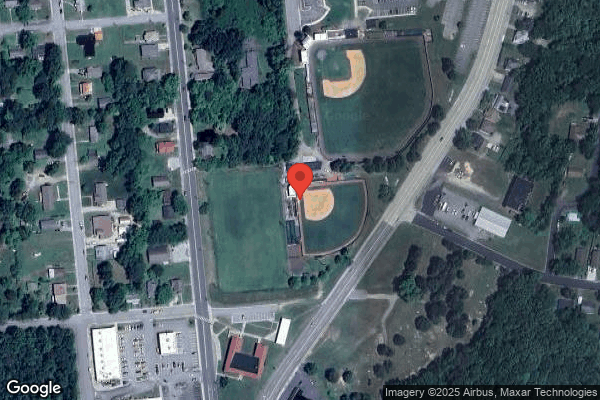
Jan 2022 12 deficiencies
CONCERN (D)

Potential for Harm - no one hurt, but risky conditions existed

Assessment Accuracy (Tag F0641)

Could have caused harm · This affected 1 resident

Based on interview and record review, the facility failed to ensure medication use was accurately recorded on Minimum Data Set (MDS) assessments for three (Resident (R) 44, R68, and R81) of 32 residen...

Read full inspector narrative →
Based on interview and record review, the facility failed to ensure medication use was accurately recorded on Minimum Data Set (MDS) assessments for three (Resident (R) 44, R68, and R81) of 32 residents reviewed during the initial resident pool of the survey process. The facility inaccurately documented that the residents received anticoagulant (blood-thinner) medications. Findings include: 1. Review of R44's admission Record in the facility's electronic medical record (EMR) showed an original admission date of 09/13/17, with a readmission date of 02/21/20, with medical diagnoses that included cerebral infarction, adult failure to thrive, and metabolic encephalopathy. Review of R44's MDS quarterly assessment, with an Assessment Reference Date (ARD) of 11/09/21 revealed that the assessment documented that he received an anticoagulant medication seven of seven days of the assessment period. R44's quarterly MDS assessment with an ARD of 08/09/21 and annual assessment with an ARD of 02/06/21 were also both coded as showing that R44 received an anticoagulant medication seven of seven days of the respective assessment period. Review of R44's EMR medication administration record (MAR) revealed the resident was currently receiving aspirin and Plavix (clopidogrel, an antiplatelet medication). Further review of the MARs used for the three assessment periods (11/09/21, 08/09/21, and 02/06/21) all revealed R44 received aspirin and Plavix, which are categorized as antiplatelet, not anticoagulant, medications. Review of the MARs revealed no evidence that the resident received an anticoagulant medication during any of these look-back periods. 2. Review of R68's admission Record from the EMR Profile tab revealed an admission date of 12/08/15 with medical diagnoses that included cerebral infarct, peripheral vascular disease, dysphagia, and vascular dementia. Review of R68's quarterly MDS with an ARD of 12/02/21 showed R68 was coded for receiving an anticoagulant medication seven of seven days of the assessment period. Review of R68's MARs for the seven days of look-back period used for this assessment revealed R68 received aspirin and Pletal (an antiplatelet medication) for the seven day assessment period. Review of the MARs revealed no evidence that the resident received an anticoagulant medication during the look-back period. 3. Review of R81's admission Record from the Profile tab in the EMR revealed an admission date of 05/05/21 with medical diagnoses that included polyneuropathy, hypertension, hemiplegia, and cerebral infarction. Review of R81's admission MDS with an ARD of 05/12/21, quarterly MDS with an ARD of 09/08/21, and a quarterly MDS with an ARD of 12/09/21 revealed that each assessment was documented to show that R81 received an anticoagulant medication for seven of seven days during each respective look back period. Review of R81's MARs for the look-back periods for each of these three MDS assessments revealed that R68 received aspirin and Plavix for each of the seven day assessment period. Further review of the MARs revealed no evidence that the resident received an anticoagulant medication during the look-back periods used for these three MDS assessments. During an interview on 01/05/22 at 2:00 PM, the Assistant Director of Nursing (ADON) confirmed all three residents were on antiplatelet medications, and not anticoagulants. During an interview on 01/05/22 at 2:15 PM, after reviewing the information provided by the ADON, the MDS Coordinator confirmed the medications were antiplatelet medications not anticoagulants and were coded erroneously, and stated, I'm working on correcting the MDS assessments and the care plans. In an interview on 01/05/22 at 3:49 PM, in response to the request for a facility policy, the MDS Coordinator stated, We don't have a policy - we use the RAI [Resident Assessment Instrument] Manual. Review of the October 2019 RAI Manual, page N5 - N7, revealed: Health-related Quality of Life =Medications are an integral part of the care provided to residents of nursing homes. They are administered to try to achieve various outcomes, such as curing an illness, diagnosing a disease or condition, arresting or slowing a disease's progress, reducing or eliminating symptoms, or preventing a disease or symptom Planning for Care . -Possible adverse effects of these medications should be well understood by nursing staff. Educate nursing home staff to be observant for these adverse effects. -Implement systematic monitoring of each resident taking any of these medications to identify adverse consequences early .Anticoagulant (e.g., warfarin, heparin, or low- molecular weight heparin): Record the number of days an anticoagulant medication was received by the resident at any time during the 7-day look-back period (or since admission/entry or reentry if less than 7 days). Do not code antiplatelet medications such as aspirin/extended release, dipyridamole, or clopidogrel here.
CONCERN (D)

Potential for Harm - no one hurt, but risky conditions existed

Deficiency F0660 (Tag F0660)

Could have caused harm · This affected 1 resident

Based on interview, record review, and facility policy review, the facility failed to implement an effective discharge planning process that focused on the resident's expressed discharge goals and fai...

Read full inspector narrative →
Based on interview, record review, and facility policy review, the facility failed to implement an effective discharge planning process that focused on the resident's expressed discharge goals and failed to document referrals to local housing agencies for one (Resident (R) 83) of two residents sampled for discharge. Findings include: Review of R83's admission Record located in the Electronic Medical Record (EMR) under the Profile tab, revealed an admission date of 02/19/20. Review of R83's Minimum Data Set (MDS) located in the EMR under the MDS tab with an Assessment Reference Date (ARD) of 12/10/21 revealed a Brief Interview for Mental Status (BIMS) score of 14/15, indicating the resident was cognitively intact. Review of R83's Social Services Note located in the EMR under the Progress Notes tab, dated 11/10/20, revealed the following: Resident approached SS [Social Services] if we could assist in helping him find an apartment in the Roanoke area. SS reached out to transition coordinator via email. Review of R83's Social Services Note located in the EMR under the Progress Notes tab, dated 04/19/21, documented by Social Services Worker (SSW) 2, revealed the following: Resident asked SS when they would be shopping for cigarettes. SS educated they would go shopping on Thursday this week for cigarettes. Resident walked out of room. Resident later came back and stated he would like to work on a discharge plan. SS began to explain dc (discharge) process, needing to know when/where resident would like to dc. Resident again walked away. SS to provide education and assistance as needed/per request. Review of R83's 06/17/21, 09/16/21, and 12/23/21 Care Plan Conference Summary records located in the EMR under the Documents tab, revealed the resident was there for short term care and planned to return to the community. Review of R83's Care Plan dated 12/23/21 and located in the EMR under the Care Plan tab, noted the following interventions for R83's discharge plan: Resident to be placed on appropriate waiting lists for low income housing options, and be updated with waiting list status ongoing; SS to collaborate with resident's family and transition coordinator to ensure appropriate community low income housing placement; Reevaluate periodically resident's capabilities to return to the community; Involve specialized home care agencies, and appropriate community support services. During an interview on 01/04/22 at 10:39 AM with R83, the resident stated he has asked about discharge to the community and was told by the social services department, I have to find my own apartment and to let them know when I wanted to leave. I thought it was their job to find a place for me. R83 further stated that he has asked several times about discharge and has tried calling different apartment complexes in the area. During an interview on 01/05/22 at 5:19 PM with SSW3, she stated R83 and the social services department have reached out to R83's transition coordinator. SSW3 that R83 cannot afford apartments due to his income and long waiting lists for low income housing. SSW3 further stated it has been over a year since the facility had addressed discharge for R83. During an interview on 01/06/22 at 9:06 AM with SSW2, she stated the normal process for a resident that has a discharge goal to the community and independent living is to get a list of available housing in the area, find availability and pricing, add the resident to the waiting lists, and keep the resident updated. SSW2 stated this process had not been completed for R83. SSW2 stated R83 had not been added to the waiting lists for housing and the facility had not spoken with R83's transition coordinator since 11/10/20, which was done by the previous SSW. SSW2 further stated she had not followed up with the resident regarding discharge to the community and had not completed any processes regarding discharge planning other than documenting in care plan conferences that R83 plans to discharge to the community. During an interview on 01/06/22 at 10:06 AM with the Administrator, she stated the social services department should provide assistance by looking for housing, adding to waiting lists, working with the transition coordinator, and following up with the housing offices in the area regarding opening for residents that have a discharge plan to the community for independent living. During a follow-up interview on 01/06/22 at 11:48 AM with SSW2, she stated there were no documented emails of contact with R83's transition coordinator. Review of the facility's policy titled, Discharge Planning Policy, revised 09/24/20, revealed, Discharge to Community. Facility will document that a resident has been asked about their interest in receiving information regarding returning to the community. lf the resident indicates an interest in returning to the community, the facility will document any referrals to local contact agencies or other appropriate entities made for this purpose.
CONCERN (D)

Potential for Harm - no one hurt, but risky conditions existed

Deficiency F0697 (Tag F0697)

Could have caused harm · This affected 1 resident

Based on interview, record review, and facility policy review, the facility failed to ensure one (Resident (R) 83) of two residents reviewed for pain out of 31 sampled residents received needed treatm...

Read full inspector narrative →
Based on interview, record review, and facility policy review, the facility failed to ensure one (Resident (R) 83) of two residents reviewed for pain out of 31 sampled residents received needed treatment and care in accordance with professional standards of practice. The facility failed to provide R83 pain medication as ordered. Findings include: Review of R83's admission Record located in the Electronic Medical Record (EMR) under the Profile tab, revealed an admission date of 02/19/20 with diagnoses including, but not limited to, chronic pain, wedge compression fracture of first and fifth lumbar polyosteoarthritis, and chronic kidney disease. Review of R83's annual Minimum Data Set (MDS) located in the EMR under the MDS tab with an Assessment Reference Date (ARD) of 12/10/21 revealed a Brief Interview for Mental Status (BIMS) score of 14/15, indicating the resident was cognitively intact. Per the MDS, R83 was on a scheduled pain medication regimen. Review of R83's current Care Plan, dated 04/09/21 and located in the EMR under the Care Plan tab, revealed the following interventions related to pain: Administer analgesia/medications per orders and note effectiveness. Review of R83's Order Summary Report located in the EMR under the Orders tab revealed the following physician's order: Hydrocodone 10-325 mg - Give one tablet by mouth five times a day for pain. Review of R83's December Medication Administration Record [MAR] located in the EMR under the Orders tab, revealed no evidence that R83 received the ordered noon dose of Hydrocodone on 12/11/21, 12/17/21, 12/26/21, 12/29/21, or 12/31/21. The December MAR further revealed R83 did not receive the ordered morning dose of Hydrocodone on 12/26/21. Review of R83's November MAR located in the EMR under the Orders tab, revealed no evidence that R83 received the ordered noon dose of Hydrocodone on 11/24/21 or 11/28/21. The November MAR further revealed R83 did not receive the ordered morning dose of Hydrocodone on 11/28/21. During an interview on 01/04/22 at 10:53 AM with R83, the resident stated pain medication is not given timely. R83 further stated the pain medication is supposed to be given five times a day and this does not always happen, especially upon return from appointments. During an interview on 01/06/22 at 10:57 AM with Registered Nurse (RN) 7, she stated R83 should receive Hydrocodone five times a day as ordered by the physician. RN7 confirmed the lack of documentation ('holes') in the MAR for the above listed dates in November and December. RN7 stated the nurse should have documented on the MAR the reason the medication was not given. During an interview on 01/06/22 at 11:07 AM with Licensed Practical Nurse (LPN)1, she stated there should not be any 'holes' in the MAR. LPN1 stated when a medication is not given, the nurse is to document against the MAR. LPN1 further revealed the facility cannot determine the reason the medication was not given if it was not documented in the MAR. During an interview on 01/06/22 at 11:08 AM with Supervising Licensed Practical Nurse (SLPN) 8, she stated the MAR should be signed as soon as the medication is given or completed prior to completing the shift. SLPN8 stated if a resident in not in the room at the time of medication pass, the nurse should circle back to the resident after medication has been passed to the other residents. SLPN8 further stated the nurse should document in the MAR a specific code if the resident is out of the facility and should not leave 'holes' in the MAR. SLPN8 also stated she did not know why the nurse did not give the Hydrocodone as ordered by the physician. During an interview on 01/06/22 at 1:10 PM with the Director of Nursing (DON), she stated the MAR should not have any 'holes.' The DON stated the nurse should give the resident the medication upon return if the resident is not in the facility during medication pass if the resident returns during a certain window of time. The DON further stated that if the resident does not return during that window of time, the nurse should document it in the MAR. Review of the facility's policy titled, Pain Management Protocol revised 08/25/21, revealed, When it is determined the resident's pain will need pharmacological interventions: a. documentation of administration of medications will be located in the electronic medication record (eMAR). Review of the facility's policy titled, General Dose Preparation and Medication Administration. revised 01/01/22, revealed that staff were to, Document necessary medication administration/treatment information (e.g. [for example], when medications are opened, when medications are given, injection site of a medication, if medications are refused, PRN [as needed] medications, application sight) on appropriate forms.
CONCERN (E)

Potential for Harm - no one hurt, but risky conditions existed

Deficiency F0578 (Tag F0578)

Could have caused harm · This affected multiple residents

Based on interview, record review, and facility policy review, the facility failed to provide written information to the resident and/or resident's representative regarding the right to formulate an a...

Read full inspector narrative →
Based on interview, record review, and facility policy review, the facility failed to provide written information to the resident and/or resident's representative regarding the right to formulate an advanced directive for 12 of 31 residents sampled (Resident (R) 73, R83, R93, R77, R3, R68, R79, R64, R35, R94, R195, and R81). Findings include: 1. Review of R73's admission Record located in the Electronic Medical Record (EMR) under the Profile tab, revealed an admission date of 10/18/19 and full code status. There was no evidence in the medical record that written information regarding the right to formulate an advanced directive was provided to the resident and/or resident's representative. 2. Review of R83's admission Record located in the EMR under the Profile tab, revealed an admission date of 02/19/20 and Do Not Resuscitate (DNR) status. There was no evidence in the medical record that written information regarding the right to formulate an advanced directive was provided to the resident and/or resident's representative. 3. Review of R93's admission Record located in the EMR under the Profile tab, revealed an admission date of 08/07/19 and DNR status. There was no evidence in the medical record that written information regarding the right to formulate an advanced directive was provided to the resident and/or resident's representative. 4. Review of R77's admission Record located in the EMR under the Profile tab, revealed an admission date of 03/18/15 and full code status. There was no evidence in the medical record that written information regarding the right to formulate an advanced directive was provided to the resident and/or resident's representative. 5. Review of R3's admission Record located in the EMR under the Profile tab, revealed an admission date of 07/14/14 and DNR status. There was no evidence in the medical record that written information regarding the right to formulate an advanced directive was provided to the resident and/or resident's representative. 6. Review of the EMR for R68 revealed an admission date of 12/08/15. Review of the EMR, including the orders tab, the care plan tab and the face sheet revealed that all matched the resident's code status; however, there was no evidence of written information/education given to the resident or resident representative 7. Review of the EMR for R79 revealed an admission date of 02/24/17. Review of the EMR, including the orders tab, the care plan tab and the face sheet revealed that all matched the resident's code status; however, there was no evidence of written information/education given to the resident or the resident representative. 8. Review of the EMR for R64 revealed an admission date of 12/04/20. Review of the EMR, including the orders tab, the care plan tab and the face sheet revealed that all matched the resident's code status; however, there was no evidence of written information/education given to the resident or the resident representative. 9. Review of the EMR for R35 revealed an admission date of 06/11/19. Review of the EMR, including the orders tab, the care plan tab and the face sheet revealed that all matched the resident's code status; however, there was no evidence of written information/education given to the resident or the resident representative. 10. Review of R94's admission Record from the Profile tab in the EMR showed an original admission date of 10/21/21, with a readmission date of 11/28/21. Review of R94's entire EMR on 01/04/22 at 5:36 PM did not reveal any documentation in the record that the resident and/or resident representative had received written information regarding advance directives. 11. Review of the EMR for R195 revealed an admission date of 12/20/21. Review of the EMR, including the orders tab, the care plan tab and the face sheet revealed that all matched the resident's code status; however, there was no evidence of written information/education given to the resident or the resident representative. 12. Review of R81's admission Record from the Profile tab in the EMR showed an admission date of 05/05/21. Review of R81's EMR on 01/05/22 at 5:43 PM did not reveal any documentation in the record that the resident and/or resident representative had received written information regarding advance directives. During an interview on 01/05/22 at 1:30 PM with Social Services Worker (SSW) 2, she stated the social services department only updates the advanced care tracking form during the care plan conference. During an interview on 01/05/22 at 3:25 PM with the Admissions Coordinator (AC), she stated the social services department gives the resident an advance directive handout, which provides education regarding advanced directives. The AC further stated there was no information in the resident's admission packet that educates the resident on advanced directives. During an interview on 01/05/22 at 3:30 PM with SSW3, she stated the social services department does not give the resident education on advanced directives. SSW3 further stated the social services department does not give the resident an advanced directive handout. During an interview on 01/05/22 at 3:41 PM with Registered Nurse (RN) 7, she stated the nursing staff does not give the residents written information on advanced directives. During an interview on 01/05/22 at 3:46 PM with Supervising Licensed Practical Nurse (SLPN) 8, she stated the nursing staff is instructed to give the resident a form acknowledging the resident has received written communication regarding advanced directive; however, the nursing staff does not give the written communication. SPLN8 further stated the only information given to the residents are located in the red admission packet and the advanced directives handout is not included the packet. During an interview on 01/05/22 at 3:51 PM with the Administrator, she stated residents should receive verbal or written communication regarding advanced directives. The Administrator stated she was going to meet with the department heads for the process to be streamlined across departments. Review of the facility's policy titled, Your Path Advance Care Planning Meeting Protocol revised 09/01/15 indicated, lnformation regarding Advance Directives and Living will is provided to the resident and family by the facility during the Your Path meeting when necessary.
CONCERN (E)

Potential for Harm - no one hurt, but risky conditions existed

Report Alleged Abuse (Tag F0609)

Could have caused harm · This affected multiple residents

Based on interview, review of facility incident files, and review of facility policy, the facility failed to ensure that reports related to allegations of abuse and/or neglect were immediately reporte...

Read full inspector narrative →
Based on interview, review of facility incident files, and review of facility policy, the facility failed to ensure that reports related to allegations of abuse and/or neglect were immediately reported to the State Survey Agency (SSA). The facility failed to assure that allegations of abuse and/or serious injury were reported in no more than two hours, while allegations of neglect were reported in no more than 24 hours for four of 11 facility-reported allegations, which involved Resident (R) 65, R90, R145, R50, R32, R41, and R146. In addition, the facility failed to assure that results of an investigation into an injury of unknown origin sustained by R245 were reported to the SSA within five working days. Findings include: 1. a. Review of Facility Incident Report (FRI) 51726, dated 04/14/21 at 11:43 AM, revealed an allegation of unknown injury-resident to resident abuse. The allegation was identified on 04/11/21 at 11:59 PM, when staff observed that R65 had a bruise and the resident alleged being hit by R90. Review of the report revealed the allegation of abuse was not reported to the SSA until 04/14/21. The facility lacked documentation that a report was made to the state survey agency within two hours of when the allegation of abuse was reported to facility staff. b. Review of Facility Incident Report 51644, dated 04/22/21 at 10:56 AM, revealed an allegation of resident to resident abuse was reported to have occurred on 04/20/21 when R145 threw a shampoo bottle at R50, hitting him on the arm. R50 returned the shampoo bottle to R145, striking him on the arm as well. Review of the report revealed that although the allegation of resident-to-resident abuse was reported to staff on 04/20/21 at 4:30 PM, the facility failed to report it to the SSA until two days later, on 04/22/21. The facility lacked documentation that a report was made to the state survey agency within two hours of when the allegation of abuse was reported to facility staff. c. Review of Facility Incident Report 51403, dated 03/31/21 at 1:03 PM, revealed an allegation of resident to resident abuse reported by Certified Nurse Aide (CNA) 7 on 03/30/21 at 6:35 AM which involved R32 kicking R41. Review of the report revealed it was not reported to the SSA until the following day on 03/31/21. d. Review of Facility Incident Report 52521 dated 07/19/21 revealed an allegation of Abuse/patient client neglect which occurred on 06/22/21. At which time, per the report, R146 spilled hot coffee into his lap, leaving red and edematous areas on his legs. Review of the intake form revealed the allegation was not reported the SSA until 07/19/21, almost a month after the facility was aware of the allegation. Interview with the Administrator on 01/04/22 at 2:30 PM revealed she was the facility's Abuse Coordinator. The Administrator stated the reports referenced above were complete with no further information to explain the delays in reporting. The Administrator stated she was not the administrator when each of the events are alleged to have occurred and was unable to answer questions about delays in their reporting. Further interview with the Administrator revealed she would contact the corporate office to find out if there was any additional information available. No additional information was provided, other than the above-referenced reports, as of the date of the exit conference conducted on 01/06/22. Review of the facility abuse policy titled Virginia Resident Abuse Policy, last revised 05/26/21, revealed Facility staff must immediately report all such allegations to the Administrator/Abuse Coordinator. Per the policy, the Administrator/Abuse Coordinator was to immediately begin an investigation and notify local and state agencies in accordance with this policy. Review of Section 6 Initial Reports revealed that for timing of reporting, All allegations of abuse, neglect, involuntary seclusion, injuries of unknown source and misappropriation of resident property must be reported immediately to the Administrator, Director of Nursing and to the applicable state agency. If the event that caused the allegation involves abuse or serious bodily injury, it should be reported to DOH [Department of Health] immediately, but not later than two hours after the allegation is made. 2. Review of R245's Facility Reported Incident (FRI), reported to the SSA on 09/11/21, revealed reporting that R245 sustained an injury of unknown origin (fracture) that occurred on 09/10/21. The FRI indicated the five-day report would be submitted by 09/17/21; however, further review of the facility's investigation records revealed no evidence the five-day follow-up was submitted to the SSA. During an interview on 01/06/22 at 1:15 PM with the Director of Nursing (DON), she stated the interim Administrator completed the five-day follow-up report and submitted the report to the Virginia DOH but failed to keep a copy of the information. The DON stated she would contact the Virginia DOH in order to get a copy of the 5-day report that was submitted. During an interview on 01/06/22 at 1:25 PM with the Administrator, she stated that she spoke with a representative at the Virginia DOH and the representative reported only the initial report, not the five-day report, was submitted. The Administrator stated the Virginia DOH representative further stated the initial report indicated a follow-up report would be given but they did not receive a follow-up. The Administrator confirmed that a five-day follow-up report should have been submitted to the Virginia DOH. Review of the facility's policy titled, Virginia Resident Abuse Policy revised 05/26/21 indicated, Final report will be submitted to applicable State agency, after the investigation is completed, but no later than five (5) working days from the alleged occurrence.
CONCERN (E)

Potential for Harm - no one hurt, but risky conditions existed

Investigate Abuse (Tag F0610)

Could have caused harm · This affected multiple residents

Based on interview, record review, and review of the facility abuse policy, the facility failed to ensure that a thorough investigation was completed for four allegations (involving Resident (R) 245, ...

Read full inspector narrative →
Based on interview, record review, and review of the facility abuse policy, the facility failed to ensure that a thorough investigation was completed for four allegations (involving Resident (R) 245, 65. R90, R145, R50, R32 and R41) of eleven reportable incidents and/or complaints. The facility failed to assure that allegations of resident-to-resident abuse and/or injuries of unknown origin were thoroughly investigated, with all potential witnesses interviewed, to assure that investigations had sufficient information to form an accurate conclusion in response to the allegation. Findings include: 1. Review of R245's Facility Reported Incident (FRI), reported to the Virginia Department of Health (State Survey Agency - SSA) on 09/11/21, revealed R245 had an injury of unknown origin that occurred on 09/10/21. The FRI indicated an investigation into the injury of unknown origin was underway; however, the facility could not provide evidence that a thorough investigation into this allegation was conducted. Review of R245's Quick Response incident note, dated 09/10/21, located in the EMR under the Documents tabs, revealed that the wound doctor was in to debride a wound on the left shin. At the completion of the procedure, the doctor expressed concern over the appearance of the bone. An order was given for X-rays, which showed a transverse tibial shaft fracture. Per the note, the resident's Hospice, family, and facility nurse practitioner were made aware of results. Review of R245's letter from Centra Hospice, dated 09/14/21, located in the EMR under the Documents tabs, revealed the following from the hospice physician: The left tibial transverse shaft fracture identified by xray on 9/10/21 appears to be consistent with osteoporotic pathologic fracture. During an interview on 01/06/22 at 1:20 PM with Supervising Licensed Practical Nurse (SLPN) 8, she stated the facility completed X-ray and labs for R245 but could not remember obtaining statements from staff. SLPN8 further stated that R245 resided on the unit that SLPN8 supervised at the time of the injury. During an interview on 01/06/22 at 1:25 PM with the Administrator, she stated the facility did not have documentation that a thorough investigation into the injury of unknown origin was completed. The Administrator stated the investigation should have included, but not been limited to, the following: interviewing of staff members that cared for R245 within the last 3 days of the incident, nursing assessments, in-services, skin assessments, and follow-up to the FRI. 2. Review of a facility incident report dated 04/12/21 at 12:15 AM revealed R65 reported that her roommate, R90, grabbed her arm and hit her with her cane in the right forearm. According to the incident report which alleged resident-to-resident abuse, R65 was noted to have a red-brown bruise to her right outer-upper forearm and right outer mild deltoid bruise. The resident was examined however, no further documentation was provided as to the status of the injury to the right forearm. Review of the facility's investigation documents revealed that staff assigned to the floor during the shift made statements on 04/12/21 as to their observations at or around the time of the incident. The facility interviewed both residents involved. However, further review revealed the facility failed to interview any residents to determine if there were other witnesses to the alleged incident, as well as any other incidents between the two noted residents. Moreover, the facility failed to physically check other residents on the unit where the resident to resident abuse occurred to determine if there were additional injuries so as to identify possible patterns of abuse. 3. Review of a facility reported incident dated 04/22/21 revealed an allegation of resident abuse in which R145 threw a shampoo bottle at R50 on 04/20/21 as reported at 4:30 PM. R50 stated he was hit on the left wrist by the shampoo bottle. R50 has a scabbed area on his left wrist. The incident apparently occurred earlier that same morning of 04/20/21. The two men share a bathroom in between their bedrooms. R50 indicated that R145 threw the shampoo bottle at him after accusing R50 of urinating on the bathroom floor. R50 reportedly threw the bottle back at R145 shortly after the first throw striking him the right arm. Review of the investigation report revealed the facility failed to thoroughly investigate the allegation, including interviews with all potential witnesses. The investigation included one written statement (no date or heading) from R145, stating he threw the shampoo bottle at R50 and, It may have hit him in the arm, I really don't know. Then he threw the bottle back at me hitting me on the arm. The social service designee then made two statements about the incident (no date). There was no evidence of an attempt to interview R50. There was no evidence that the facility interviewed other residents on the unit to determine if they were witnesses who may have heard or seen something or interviewed staff on the unit working at the time of the incident. The facility did not thoroughly investigate to determine if the scab on R50's left arm was from the shampoo bottle or another incident. R145 also reported he was hit with the shampoo bottle; however, there was no evidence his arm was checked for injury. 4. Review of a facility-reported allegation of resident abuse, dated 03/31/21, revealed that at 6:35 AM on 03/30/21, a nurse aide alleged that R32 kicked R41 in the mid-section. Review of the facility file on the incident revealed only one written statement as to the allegation involving R41 and R32. A statement from CNA 7 was completed on 03/30/21 at 6:35 AM stating she observed the incident. Although the facility interviewed the alleged victim (R41), the facility failed to interview the alleged perpetrator (R32). There were no interviews from other staff or residents who may have been in the area and seen something at the time or prior to the incident. Interview with the facility administrator on 01/04/22 at 2:30 PM revealed she serves as the facility's Abuse Coordinator. The Administrator stated she provided all the information available to the survey team and no other information to show that thorough investigations were conducted could be found. She stated she was not the administrator at the time of the reported incidents and did not have knowledge of what occurred. The Administrator indicated she would contact the corporate office to see if more information was available. However, as of the time of the survey exit on 01/06/22, no further evidence to show that thorough investigations were conducted was provided to the survey team. Review of the facility's policy titled, Virginia Resident Abuse Policy revised 05/26/21, revealed, It is the facility's policy to investigate all allegations, suspicions and incidents of abuse, neglect, involuntary seclusion, exploitation of residents, misappropriation of resident property and injuries of unknown source. The policy further stated, Facility staff must immediately report all such allegations to the Administrator/Abuse Coordinator. The Administrator/Abuse Coordinator will immediately begin an investigation. Under Section 7 Investigation the policy reads Interview the resident, the accused and all witnesses. Witnesses generally include anyone who: witnessed or heard the incident, came in close contact with the resident the day of the incident (including other residents and family members) and employee(s) who worked closely with the accused and or alleged victim of the incident. If there are no direct witnesses, cover all employees on the unit. For unknown injuries will generally involve talking to both the shift on during which the injury occurred and prior shifts.
CONCERN (F)

Potential for Harm - no one hurt, but risky conditions existed

Deficiency F0804 (Tag F0804)

Could have caused harm · This affected most or all residents

Based on observation, interview, and review of facility policy, the facility failed to ensure each resident received food and drink that was palatable and served at an appropriate temperature. The fai...

Read full inspector narrative →
Based on observation, interview, and review of facility policy, the facility failed to ensure each resident received food and drink that was palatable and served at an appropriate temperature. The failure to assure that that hot and cold foods were served at a palatable temperature had the potential to affect 91 of 92 residents residing on the facility's two wings (North and East) who consume food by mouth. Findings include: 1. Review of R83's Minimum Data Set (MDS) located in the electronic medical record (EMR) under the MDS tab with an Assessment Reference Date (ARD) of 12/10/21 revealed a Brief Interview for Mental Status (BIMS) score of 14/15, indicating the resident was cognitively intact. During an interview on 01/04/22 at 10:22 AM with R83, the resident stated the food was served cold at every meal. During this interview, R83 was observed to reside on the East Wing of the facility. 2. Review of R3's MDS located in the EMR under the MDS tab with an ARD of 12/17/21 revealed a BIMS score of 15/15, indicating the resident was cognitively intact. During an interview on 01/04/22 at 12:29 PM with R3, the resident stated the food was served cold at nearly every meal. During this interview, R3 was observed to reside on the East Wing of the facility. During a follow-up interview on 01/06/22 at 8:00 AM with R3, the resident stated, Lunch and dinner were cold on last night. 3. Review of R69's significant change MDS, with an ARD of 09/01/21 revealed the resident had a BIMS score or 15/15, indicating the resident was cognitively intact. Interview with R69 on 01/04/22 at 1:43 PM revealed the food that is served is not good to eat and is always cold. During this interview, R69 was observed to reside on the North Wing of the facility. In response to resident complaints related to palatability/temperature, a test tray was requested for the lunch meal on 01/05/22 by the survey team. Temperatures were taken of the food on the steam table in the kitchen on 01/05/22 at 11:30 AM. The pork loin slices that were to be served were 177 degrees Fahrenheit (F) at that time. Further observation revealed that the meat remained uncovered on the steam table between 11:30 AM and 12:10 when the cart with the test tray left the kitchen. Milk in eight ounce cartons that was to be served with the meal was in a bin of lightly covered ice for use on the tray line. The ice was noted at the bottom of the cartons only and not spread on top. Meal service began on 01/05/22 at 11:45 AM. Two meal carts were observed coming from the kitchen to the North wing. The first full cart left at 12:00 noon for the north wing. The second cart containing the test tray left the kitchen at 12:10 PM, arriving on the unit at 12:13 PM. The last tray on the second north cart was served at 12:15 PM, The test tray was then served at 12:15 PM after all trays were delivered to the resident rooms on this unit. Temperatures taken at this time with the facility's calibrated thermometer revealed the pork loin was 103.7 (F) and the milk was 49.4 (F). Interview with Supervising Nurse Licensed Practical Nurse (SLPN8), who was present at the time of the observation verified the food temperatures noted above. A taste test was then conducted on the food at the time noted above. Both the pork (entrée) and milk (beverage) were not palatable, based on temperature. The pork loin was cold, while the milk was noted to be warm to the taste. Review of the facility policy titled Food Temperatures Policy, last revised 08/28/19, revealed that, Hot foods shall be palatable at point of delivery. An interview with the Dietary Food Services Supervisor (DFSS) on 01/05/22 at 12:30 PM revealed no further information about expected palatability/temperature of food at the point of service. The DFSS's only response to the complaints of inappropriate food temperatures (hot foods cold, while cold foods were warm) was to say, OK when informed of the surveyor's findings.
CONCERN (F)

Potential for Harm - no one hurt, but risky conditions existed

Food Safety (Tag F0812)

Could have caused harm · This affected most or all residents

Based on observation, interview, and review of facility policy, the facility failed to store and/or serve food in accordance with professional standards for food safety. Foods were not labeled/dated w...

Read full inspector narrative →
Based on observation, interview, and review of facility policy, the facility failed to store and/or serve food in accordance with professional standards for food safety. Foods were not labeled/dated when stored. Equipment such as the nozzle used for serving juice was not clean. Scoops used to serve food from the steam table were not sanitized. This failure had the potential to affect 91 of 92 residents in the facility who consume food by mouth. Findings include: 1a. Observation of the walk in refrigerator in the main kitchen on 01/03/22 at 9:10 AM revealed a metal pan used on the steam table was full of spaghetti and meat balls covered in clear cellophane without a date. Interview with the Dietary Food Service Supervisor (DFSS) who was present at the time of the observation verified the food item lacked a storage date and stated, It was from last night. b. Observation of the walk in refrigerator in the main kitchen on 01/03/22 at 9:10 AM revealed a small metal container from the steam table full of macaroni and cheese, covered in clear cellophane without a date. Interview with the DFSS at the time of the observation indicated that she did not get a chance to clean up the refrigerator this morning. c. Observation of the walk in refrigerator in the main kitchen on 01/03/22 at 9:10 AM revealed 10 meat balls in a metal container covered with clear cellophane lacking a date. Interview with the DFSS at the time of the observation indicated that she did not know how long the meatballs had been in storage and removed and discarded the meat balls in the waste container. d. Observation of the walk in refrigerator in the main kitchen on 01/03/22 at 9:10 AM revealed two metal containers covered in clear cellophane, lacking a date. The two items appeared to be gravy which the DFSS acknowledged at the time of the observation. The DFSS did not know how long the gravy had been in the refrigerator in storage, removed it and threw it into the waste container. Review of the facility policy titled Food and Nutrition Services: Food Production and Food Safety states on page two, item 16 leftover food must be used within seven days (day of preparation counts as day 1) or discarded. Monitor daily for expiration dates. 2. Observation of the juice nozzle gun located in the main kitchen area on 01/03/22 at 9:20 AM revealed that inside the gun, the nozzle was dirty with black material covering all interior surfaces. Interview with the DFSS at the time of the observation revealed she did not have a cleaning schedule for the juice nozzle. The DFSS indicated she does not keep records and did not know when the nozzle was last cleaned. 3. Observation in the kitchen prior to lunch meal service on 01/05/22 at 11:35 AM revealed the DFSS removed two #8 scoops from the rinse (middle) section of the three compartment sink and rinsed each under a running faucet. The DFSS then removed the scoops from the running faucet and placed then in the serving table sections for pureed and mechanical meat without sanitizing each item. When interviewed at the time of the observation, the DFSS indicated the scoops were clean. Review of the facility policy titled Equipment Cleaning and Sanitation Policy revised 08/25/20, revealed, The food and nutrition services staff will maintain a clean and sanitary environment in food service areas through compliance with a written, comprehensive cleaning schedule which included items processed at the three compartment sink.
CONCERN (F)

Potential for Harm - no one hurt, but risky conditions existed

Deficiency F0909 (Tag F0909)

Could have caused harm · This affected most or all residents

Based on observation, interview, record review, review of facility policy, and review of specifications for the use of a bed frame, the facility failed to ensure that mattresses fit snugly within the ...

Read full inspector narrative →
Based on observation, interview, record review, review of facility policy, and review of specifications for the use of a bed frame, the facility failed to ensure that mattresses fit snugly within the bed frame and side rails and/or that side rails were maintained in a fixed (tightened) position for two residents (Resident (R) 69 and R45). In addition, the facility failed to conduct regular inspections to assure that all bed frames, mattresses, and side rails (if present) were inspected as a part of a regular maintenance program. The failure to conduct regular inspections to identify possible entrapment hazards as part of the routine maintenance program had the potential to affect all 92 residents using beds in the facility. Findings include: Review of the facility policy titled, Bed Rail Policy, revised 08/12/21, revealed that the facility will ensure appropriate dimensions of the bed based on the resident size and weight. The policy also noted the requirement to, Ensure scheduled maintenance of any bed rail in use according to manufacturer's specifications. 1. Review of R69's Face Sheet located in the electronic medical record (EMR) revealed the resident's diagnoses included obesity due to excess calories. A significant change Minimum Data Set (MDS) with an Assessment Reference Date of 09/01/21 revealed the resident was independent in bed mobility and transfers and had a Brief Interview for Mental Status (BIMS) score of 15/15, indicating the resident was cognitively intact. Review of the specifications of the bed frame taken from the facility file on Equipment revealed the bed used by R69 is an adjustable bed that can be retracted by the width to a normal size or expanded for bariatric residents. Observation in R69's room on 01/04/22 at 1:50 PM revealed a large gap in between the bed side rail and R69's mattress on the bed. Measurements were taken of the gap between the mattresses and the side rail by the Director of Nursing (DON) in the presence of the survey team and revealed a 4.5 inch gap between the mattress and side rail on each side of the bed. Interview with the DON at the time of the observation confirmed the measurements and gap between the side rails, verifying that a regular size mattress was being used on a bariatric-sized bed frame. The DON confirmed that the regular-sized mattress did not fit the large bed frame. The DON stated the resident had moved rooms multiple times due to hospitalizations and requests and indicated that the beds and frames must have been moved and re-installed improperly. Further interview with the DON revealed that nursing was not involved in this process, and it was all done by maintenance. 2. Observation on 01/04/22 at 2:20 PM revealed the left side rail on R45's bed was not stable and moved back and forth above the mattress. Interview with R45 at the time of the observation revealed, It's broken and doesn't work right. Interview with the Maintenance Supervisor on 01/05/22 at 4:50 PM he was unaware that R69's mattress did not fit properly within the bed frame, stating such a large gap could be dangerous. The Maintenance Supervisor also acknowledged that he was unaware that R45's side rail needed to be tightened. Further interview with the Maintenance Supervisor revealed he did not have evidence of a regular maintenance program for checking bed frames, mattresses, and, if present, side rails, to identify and prevent possible areas of entrapment. The Maintenance Supervisor stated he had no documentation of any checks of the beds, bed frame, mattresses, or side rails for any reason for the entire building of 92 beds and confirmed that he was not completing these checks in accordance with the facility's policy.
MINOR (B)

Minor Issue - procedural, no safety impact

Transfer Notice (Tag F0623)

Minor procedural issue · This affected multiple residents

**NOTE- TERMS IN BRACKETS HAVE BEEN EDITED TO PROTECT CONFIDENTIALITY** Based on record review, interview, and policy review, the facility failed to ensure three of five residents (Resident (R) 7, R27...

Read full inspector narrative →
**NOTE- TERMS IN BRACKETS HAVE BEEN EDITED TO PROTECT CONFIDENTIALITY** Based on record review, interview, and policy review, the facility failed to ensure three of five residents (Resident (R) 7, R27, and R78) reviewed for hospitalization transfer and/or discharge, as well as the resident's representative (RR), received a written notice that explained the date, reason, place of transfer/discharge, and the right to appeal the transfer or discharge. Findings include: 1. Review of R7's admission Record from the electronic medical record (EMR) Profile tab, showed an original admission date of 04/23/09, and a readmission date of 06/14/21. During an interview on 01/04/22 at 11:05 AM, R7 stated she had been sent to the hospital for chest pain in December and she came right back to the facility. When asked if she received anything in writing regarding where she was transferred to and why she was being transferred, R7 stated They gave some paper to the emergency services and the ER [emergency room] sent paper back, but I didn't get anything in writing. Review of R7's Minimum Data Set (MDS) annual assessment, with an Assessment Reference Date (ARD) of 09/20/21, revealed that R7 had a Brief Interview for Mental Status (BIMS) score of 15/15, indicative of being cognitively intact. Review of R7's EMR Progress Notes showed no evidence of hospital transfer since 06/09/21 when a Nursing Note documented that the resident was sent to the emergency department and admitted to the hospital receive antibiotics for a urinary tract infection (UTI) since the resident has an allergy to the only antibiotic for which the organism was susceptible. Further review of R7's EMR, including the scanned Documents tab, revealed no evidence that a written transfer notice or documentation a written notice of transfer was provided to R7 and/or the RR. 2. Observation of R27's room on 01/03/22 at 9:11 AM revealed the bed was empty, made, and in a high position. A staff member passing by the room stated R27 was currently in the hospital. Review of R27's EMR Progress Notes dated 12/26/2021 at 1:30 PM revealed which stated that the resident, came to dining hall and was not eating, noted to have [sic] severe diaphoresis, cool and clammy with palor [sic]. At 1245 Complaining [sic] of severe scrotal pain as well as RLE [right lower extremity] pain. Over minutes he stated pain was so bad that he felt he needed to go to the hospital Called for ambulance and then called in report to [name] at [hospital]. Patient in route [sic] by 1330. Further review of R27's EMR revealed no evidence that a written notice of transfer was provided to the resident and/or RR. 3. Review of R78's admission Record from the EMR Profile tab showed an initial admission date of 04/23/09 and a readmission date of 06/14/21. Review of R78's EMR Progress Notes tab revealed a Nursing Note on 01/04/22 that the resident was picked up by transportation for transport to the hospital for peg tube replacement. Further review of the Progress Notes revealed that, resident admitted to hospital, Brother notified. Review of R78's EMR revealed no evidence that a written notice of transfer was provided to the resident and/or RR. In an interview on 01/05/22 at 5:13 PM, the Director of Nursing (DON) brought in hospitalization information for the residents and showed an Interact Transfer form. When asked who the transfer form was given to, the DON stated the form went to EMS (emergency medical services, or ambulance). When asked about what written documentation was provided to the resident and RR upon transfer, the DON stated she would get back to the surveyor. On 01/05/22 at 5:30 PM, the DON provided a policy regarding transfers and discussed the documentation that was being requested. On 01/06/22 at 1:46 PM, the DON confirmed there were no written notices provided to the residents or RR's regarding transfer. Review of the facility policy titled Resident Discharge/Transfer Letter Policy, last revised 10/05/17, revealed D) Discharge notices must have the following components: 1. The reason for discharge/transfer; 2. The effective date of transfer/discharge; 3. The location to which the resident is transferred/discharge, this must be a specific address which has accepted the resident and is an appropriate location . E) Social Service or designee will assure the original discharge/transfer letter is given to resident or guardian/sponsor, if applicable. 1. Copies will be sent to Department of Health, Ombudsman office and filed in the business file and/or scanned into PCC [EMR name] documents tab . 2. For emergency transfers, one list can be sent to the Ombudsman at the end of month. F) Social service or designee will document in the chart all discharge/transfer reasons, any notice given to the resident or guardian/sponsor, and discharge planning. G) The resident or responsible part will receive a bed hold notice along with the discharge/transfer letter, when applicable.
MINOR (B)

Minor Issue - procedural, no safety impact

Deficiency F0625 (Tag F0625)

Minor procedural issue · This affected multiple residents

**NOTE- TERMS IN BRACKETS HAVE BEEN EDITED TO PROTECT CONFIDENTIALITY** Based on record review, interview and policy review, the facility failed to ensure three of five residents (Resident (R) R7, R27...

Read full inspector narrative →
**NOTE- TERMS IN BRACKETS HAVE BEEN EDITED TO PROTECT CONFIDENTIALITY** Based on record review, interview and policy review, the facility failed to ensure three of five residents (Resident (R) R7, R27, and R78) reviewed for hospitalization transfer and/or discharge, and/or the resident's representative (RR), received a written bed hold policy upon transfer to the hospital. Findings include: 1. Review of R7's admission Record from the electronic medical record (EMR) Profile tab, showed an original admission date of 04/23/09, and a readmission date of 06/14/21. During an interview on 01/04/22 at 11:05 AM, R7 stated she had been sent to the hospital for chest pain in December and she came right back. When asked if she received anything in writing regarding a bed hold notice, R7 responded, Nothing in writing, they told me they would hold my bed until I return - but nothing in writing. Review of R7's Minimum Data Set (MDS) annual assessment, with an Assessment Reference Date (ARD) of 09/20/21, revealed R7 had a Brief Interview for Mental Status (BIMS) score of 15/15, indicative of being cognitively intact. Review of R7's EMR Progress Notes showed no evidence of hospital transfer since 06/09/21. Per a 12:31 PM Nursing Note, the resident's Urology office called back and wants resident sent to ED [emergency department] and admitted to receive IV [intravenous] for UTI [urinary tract infection] since resident has an allergy to the only antibiotic she [the organism] is susceptible. Further review of R7's EMR, including the scanned Documents tab, revealed no evidence that a written bed hold notice was provided to R7 and the RR. 2. Observation of R27's room on 01/03/22 at 9:11 AM revealed the bed was empty, made, and in a high position. A staff member passing by the room stated R27 was in the hospital. Review of R27's admission Record from the EMR Profile tab revealed the resident was admitted to the facility on [DATE]. Review of R27's EMR Progress Notes, dated 12/26/21 at 1:30 PM, Resident came to dining hall and was not eating, noted to be have [sic] severe diaphoresis, cool and clammy with palor [sic]. At 1245 Complaining [sic] of severe scrotal pain as well as RLE [right lower extremity] pain. Over minutes he stated pain was so bad that he felt he needed to go to the hospital Called for ambulance and then called in report to [name] at [hospital]. Patient in route [sic] by 1330. Further review of R27's EMR did not show any evidence that a written bed hold notice was provided to the resident and or the RR. 3. Review of R78's admission Record from the EMR Profile tab showed an initial admission date of 04/23/09 and a readmission date of 06/14/21. Review of R78's EMR Progress Notes tab revealed Nursing Note entries that documented the resident was picked up by transportation for transport to the hospital for peg tube and was admitted to hospital, Brother notified. Further review of R78's EMR revealed no evidence that a written bed hold notice was provided to the resident or RR. In an interview on 01/05/22 at 5:13 PM, the Director of Nursing (DON) brought in hospitalization information for the residents and showed an Interact Transfer form. The DON stated this form went to EMS (emergency medical services, or ambulance). The DON was asked about bed hold information which was given to the resident and their RR and responded that she would get back to the surveyor. On 01/05/22 at 5:30 PM, the DON provided a policy regarding transfers and bed hold notices and a further discussion ensued about what documentation was requested. In a follow up interview on 01/06/22 at 1:46 PM, the DON stated there was no documentation written notices were provided to the residents or RR's regarding bed hold, except for a progress note by Social Services for R78, dated 01/05/22 at 5:14 PM, that stated, Admissions Director faxed case manager bed hold from for [sic] resident. Further interview with the DON confirmed was this was done after the documentation regarding bed hold notifications had been requested by the survey team. Review of the facility policy titled Resident Discharge/Transfer Letter Policy, last revised 10/05/17, revealed: G) The resident or responsible part will receive a bed hold notice along with the discharge/transfer letter, when applicable. Bed Hold notices can be found within PCC [EMR name], under Document Manager: . 4. A copy of the completed bed hold notice will be scanned into PCC under Document Manager, and filed in business file with certified receipt attached if applicable, with the copy of the discharge/transfer letter .
MINOR (C)

Minor Issue - procedural, no safety impact

Staffing Information (Tag F0732)

Minor procedural issue · This affected most or all residents

Based on observation, interview, and facility policy review, the facility failed to ensure the nurse staffing daily post was current and updated in a timely manner. This failure had the potential to i...

Read full inspector narrative →
Based on observation, interview, and facility policy review, the facility failed to ensure the nurse staffing daily post was current and updated in a timely manner. This failure had the potential to incorrectly inform any of the 92 residents and/or their family members about the number of staff available to provide care and services. Findings include: Observation of the daily nurse staff posting information located just past the main lobby on 01/03/22 at 9:11 AM revealed the posted information was for 01/01/22, two days earlier. During an observation and interview on 01/03/22 at 9:12 AM, the Administrator verified the posting visible was for 01/01/22. The Administrator then opened the front of the clear folder type frame, thumbed past the 01/01/22 sheet and located staff posting sheets for 01/02/22, 01/03/22, and 01/04/22, which were pre-completed. At 9:15 AM, the Administrator stated the person who completed the forms and updated them was the Staffing Coordinator, who should be in any time now. During an interview on 01/05/22 at 10:55 AM regarding the forms, the Staff Coordinator stated she changes the staffing information when she gets in, based on the call-offs and changes the census as needed, based on transfers out/in. The Staff Coordinator stated she does not work seven days a week, and the weekend posting information would be caught up when she gets in on Monday. Review of the facility policy Daily Nurse Staffing Posting Policy, last revised 08/13/20, revealed, Procedure: (1) The facility will post the following information on a daily basis, at the beginning of each shift: -Facility Name -The current date -Resident Census -The total number and the actual hours worked by the following categories of licensed and unlicensed nursing staff directly responsible for resident care per shift.
Feb 2019 15 deficiencies
CONCERN (D)

Potential for Harm - no one hurt, but risky conditions existed

Resident Rights (Tag F0550)

Could have caused harm · This affected 1 resident

**NOTE- TERMS IN BRACKETS HAVE BEEN EDITED TO PROTECT CONFIDENTIALITY** Based on observation, staff interview, facility document review and clinical record review, it was determined that the facility ...

Read full inspector narrative →
**NOTE- TERMS IN BRACKETS HAVE BEEN EDITED TO PROTECT CONFIDENTIALITY** Based on observation, staff interview, facility document review and clinical record review, it was determined that the facility staff failed to provide a dignified dining experience for one of 36 residents in the survey sample, Resident #94. The facility staff failed to serve lunch to Resident #94 in a dignified manner. Another resident seated at the same table as Resident #94 was served a meal and Resident #94 was not served a meal and assisted with eating, until nine minutes later. The findings include: Resident #94 was admitted to the facility on [DATE]. Resident #94's diagnoses included but were not limited to difficulty swallowing, acute kidney failure and diabetes. Resident #94's most recent MDS (minimum data set), a quarterly assessment with an ARD (assessment reference date) of 1/31/19, coded the resident's cognition as severely impaired. Section G coded Resident #94 as requiring extensive assistance of one person with eating. Resident #94's comprehensive care plan dated 6/1/17 documented, SELF CARE DEFICIT r/t (related to) impaired mobility .EATING: ASSIST AS INDICATED . On 2/19/19 at 12:30 p.m., Resident #94 was observed sitting at a table in the dining room. At this time, a resident seated at the same table was served a meal tray and assisted with eating by CNA (certified nursing assistant) #1. Resident #94 was not served a meal tray and assisted with eating by another CNA until 12:39 p.m. On 2/21/19 at 7:40 a.m., an interview was conducted with CNA #1. CNA #1 was asked about the facility process for providing meal trays and assisting residents seated at the same table in the dining room. CNA #1 stated, My biggest thing would be to make sure everybody at the same table are all served at the same time. When asked why, CNA #1 stated, That way the other resident wouldn't feel some type of way why this resident has food and they don't. When asked how she would feel if someone else at her table was served a meal and she had to wait nine minutes to receive her meal, CNA #1 stated, I would feel kind of upset and probably lash out a little bit. CNA #1 was made aware of this surveyor's observation on 2/19/19 when Resident #94 was not served and assisted with eating until nine minutes after she (CNA #1) began feeding another resident at the same table. CNA #1 stated, I was wondering why. We was told we have to serve everyone at the same table. I feel if I was feeding (name of the other resident) then someone should have been feeding (name of Resident #94) as well. On 2/21/19 at 11:31 a.m., ASM (administrative staff member) #1 (the administrator) and ASM #2 (the director of nursing) were made aware of the above concern. The facility policy titled, DINING ROOM ENVIRONMENT documented, 9. Tables shall be served in a manner so that all residents seated at a table receive meals at the same time. No further information was presented prior to exit.
CONCERN (D)

Potential for Harm - no one hurt, but risky conditions existed

Notification of Changes (Tag F0580)

Could have caused harm · This affected 1 resident

**NOTE- TERMS IN BRACKETS HAVE BEEN EDITED TO PROTECT CONFIDENTIALITY** Based on staff interview, facility document review and clinical record review, it was determined that the facility staff failed ...

Read full inspector narrative →
**NOTE- TERMS IN BRACKETS HAVE BEEN EDITED TO PROTECT CONFIDENTIALITY** Based on staff interview, facility document review and clinical record review, it was determined that the facility staff failed to notify the physician of a possible need to alter treatment for one of 36 residents in the survey sample, Resident #73. The facility staff failed to notify Resident #73's physician when the medications aldactone (1), potassium (2) and klonopin (3) were not administered to the resident on various dates in October 2018, January 2019 and February 2019. The findings include: Resident #73 was admitted to the facility on [DATE]. Resident #73's diagnoses included but were not limited to low potassium, diabetes and anxiety disorder. Resident #73's most recent MDS (minimum data set), a significant change in status assessment with an ARD (assessment reference date) of 1/17/19, coded the resident's cognitive skills for daily decision making as moderately impaired. Section G coded Resident #73 as requiring extensive assistance of one staff with dressing, toileting and personal hygiene. Resident #73's comprehensive care plan dated 1/18/18 and 1/25/19 documented, I HAVE AN ALTERATION IN MY BEHAVIOR AEB (as evidenced by): PACING THE HALLWAY AND FOLLOWING A NURSE AND STAFF THROUGHOUT THE BUILDING .ADMINISTER MY MEDICATIONS AS ORDERED .The resident has dehydration or potential fluid deficit r/t (related to) Diuretic use .Administer medications as ordered . Review of Resident #73's clinical record revealed a physician's order with a start date of 2/2/17 for aldactone 25 mg (milligrams) by mouth one time a day. Review of Resident #73's October 2018 MAR (medication administration record) revealed the resident was not administered aldactone on 10/14/18, 10/15/18, 10/23/18 and 10/24/18. A nurse's note dated 10/14/18 documented the medication was not available. A nurse's note dated 10/15/18 documented the pharmacy was notified. A nurse's note dated 10/23/18 documented the medication was on order. A nurse's note dated 10/24/18 documented the medication was on order. There was no further documentation that aldactone 25 mg was eventually administered on the above dates or that Resident #73's physician was notified. Review of Resident #73's clinical record revealed a physician's order with a start date of 11/8/16 for potassium 40 mEQ (milliequivalents) by mouth one time a day. Review of Resident #73's October 2018 MAR (medication administration record) revealed the resident was not administered potassium 40 mEQ on 10/14/18 and 10/15/18. A nurse's note dated 10/14/18 documented the medication was not available. A nurse's note dated 10/15/18 documented the pharmacy was notified. Review of Resident #73's January 2019 MAR revealed the resident was not administered potassium 40 mEQ on 1/11/19. A nurse's note dated 1/11/19 documented the potassium was on order from the pharmacy. There was no further documentation that potassium 40 mEQ was eventually administered on the above dates or that Resident #73's physician was notified. Further review of Resident #73's clinical record revealed a physician's order with a start date of 11/1/16 for klonopin 0.5 mg (milligrams) two times a day. Review of Resident #73's January 2019 MAR revealed the resident was not administered the 9:00 a.m. dose of klonopin 0.5 mg on 1/7/19. A nurse's note dated 1/7/19 documented the pharmacy was to deliver the medication. Review of Resident #73's February 2019 MAR revealed klonopin 0.5 mg was not administered to the resident on 2/13/19 at 5:00 p.m., 2/17/19 at 9:00 a.m., 2/17/19 at 5:00 p.m. and 2/18/19 at 9:00 a.m. A nurse's note dated 2/13/19 documented, Rx (Prescription) called pharmacy . A nurse's note dated 2/17/19 documented, Waiting for medication from pharmacy . Another nurse's note dated 2/17/19 documented, Waiting for medication from pharmacy . A nurse's note dated 2/18/19 documented, Awaiting on pharmacy . There was no further documentation that klonopin 0.5 mg was eventually administered on the above dates or that Resident #73's physician was notified. On 2/21/19 at 7:45 a.m., an interview was conducted with LPN (licensed practical nurse) #5. LPN #5 was asked about the facility process for ensuring medications including controlled substances are available for administration. LPN #5 stated nurses have to make sure they have enough medication on hand. LPN #5 stated nurses count the controlled substances and see how often the medications are ordered to ensure they have enough until they can get a hard prescription from the doctor. When asked about the process staff follows for routine medications that are not controlled substances, LPN #5 stated the medication packets document the next refill due date but sometimes pills hit the floor and have to be refilled before the next refill due date. When asked at what point medications should be refilled, LPN #5 stated, If you know you are getting down, maybe six left, being nursing, you have to know and refill but if it's too early, the pharmacy will not refill and you have to communicate with the pharmacy. LPN #5 was asked what should be done if medications are due to be administered and are not in the medication cart. LPN #5 stated nurses should look for the medications, inform the nurse manager and contact the pharmacy. When asked if the physician should be notified if an ordered medication is not administered to a resident, LPN #5 stated, Of course you notify the doctor. You don't want your resident to go without medicine at all. You have to have an order to hold the medication. When asked if the physician notification should be documented, LPN #5 stated it should. Review of the facility emergency medication supply lists revealed aldactone was not in the facility emergency medication supply. The list revealed five doses of potassium 10 mEQ and three doses of klonopin 0.5 mg were available in the supply for administration. On 2/21/19 at 11:31 a.m., ASM (administrative staff member) #1 (the administrator) and ASM #2 (the director of nursing) were made aware of the above concern. The facility pharmacy policy titled, 7.0 Medication Shortages/Unavailable Medications documented, 1. Upon discovery that facility has an inadequate supply of a medication to administer to a resident, facility staff should immediately initiate action to obtain the medication from the pharmacy .2. If a medication shortage is discovered during normal pharmacy hours: 2.1 Facility nurse should call pharmacy to determine the status of the order. If the medication has not been ordered, the licensed facility nurse should place the order or reorder for the next scheduled delivery. 2.2 If the next available delivery causes delay or a missed dose in the resident's medication schedule, facility nurse should obtain the medication from the Emergency Medication Supply to administer the dose. 2.3 If the medication is not available in the Emergency Medication Supply, facility staff should notify pharmacy and arrange for an emergency delivery .4. If an emergency delivery is unavailable, facility nurse should contact the attending physician to obtain orders or directions . No further information was presented prior to exit. (1) Aldactone is used to treat low potassium levels, heart failure and fluid retention. This information was obtained from the website: https://medlineplus.gov/druginfo/meds/a682627.html (2) Potassium is a mineral that your body needs to work properly. It is a type of electrolyte. It helps your nerves to function and muscles to contract. It helps your heartbeat stay regular. It also helps move nutrients into cells and waste products out of cells. This information was obtained from the website: https://vsearch.nlm.nih.gov/vivisimo/cgi-bin/query-meta?v%3Aproject=medlineplus&v%3Asources=medlineplus-bundle&query=potassium&_ga=2.93431001.578943081.1551101203-1667741437.1550160688 (3) Klonopin is used to treat seizures and panic attacks. This information was obtained from the website: https://medlineplus.gov/druginfo/meds/a682279.html
CONCERN (D)

Potential for Harm - no one hurt, but risky conditions existed

MDS Data Transmission (Tag F0640)

Could have caused harm · This affected 1 resident

**NOTE- TERMS IN BRACKETS HAVE BEEN EDITED TO PROTECT CONFIDENTIALITY** Based on staff interview and clinical record review, the facility staff failed to ensure the timely transmission of resident ass...

Read full inspector narrative →
**NOTE- TERMS IN BRACKETS HAVE BEEN EDITED TO PROTECT CONFIDENTIALITY** Based on staff interview and clinical record review, the facility staff failed to ensure the timely transmission of resident assessments for two of 36 residents in the survey sample, Residents #1 and #2. 1. The facility staff completed, but failed to submit, a Death in Facility Assessment for Resident #1. 2. The facility staff failed to complete a Discharge assessment following the Resident's discharge from the facility for Resident #2. The Findings Included: 1. The facility staff completed, but failed to submit, a Death in Facility Assessment for Resident #1. Resident #1 was admitted to the facility on [DATE]. Their diagnoses that included, but are not limited to Hypertension (high blood pressure), Hyperlipidemia (high levels of fat in the blood), Heart Disease, and Chronic Kidney Disease Stage 4(1). Resident #1's most recent Minimum Data Set (MDS) Assessment was a 30 Day Reassessment with an Assessment Reference Date (ARD) of [DATE]. The Brief Interview for Mental Status (BIMS) coded Resident #1 at 14, indicating little to no impairment. Resident #1 was coded as requiring moderate assistance of 1 person for dressing, toileting, and hygiene, standby assistance of 1 person for bed mobility and transfers, and setup assistance for eating. Resident #1 was coded as independent in all other Activities of Daily Life (ADLs). A review of Resident #1's record was conducted on the morning of [DATE] following the record triggering an alert for the last MDS Assessment being greater than 120 days old. A review of Resident #1's MDS Assessments in the Facility's Electronic Health Record (EHR) revealed that Resident #1 died at the facility, triggering a Death in Facility MDS Assessment to be completed. However, the facility's EHR (electronic health record) indicated that Resident #1's Death in Facility Assessment was completed, but never submitted for approval. The Facility Administrator (administrative staff member) #1 and ASM #2, the Director of Nursing were informed of the concerns regarding Resident #1's Death in Facility Assessment on the morning of [DATE]. They were asked to provide any additional information regarding the submission of the MDS Assessment. On the afternoon of [DATE], ASM #2, the Director of Nursing informed this surveyor that the facility staff had confirmed that Resident #1's Death in Facility Assessment had not been submitted and they had proceeded to submit it immediately upon discovering this. No further documentation was provided. 2. The facility staff failed to complete a Discharge assessment following the Resident's discharge from the facility for Resident #2. Resident #2 was admitted to the facility on [DATE]. Their diagnoses included but were not limited to Hypertension (high blood pressure), Pneumonia, and Depression. Resident #2's most recent Minimum Data Set (MDS) Assessment was a Quarterly Assessment with an Assessment Reference Date (ARD) of [DATE]. The Brief Interview for Mental Status (BIMS) coded Resident #2 as scoring 12, indicating mild impairment. Resident #2 was coded as requiring extensive assistance of 2 or more people for transfers; extensive assistance of 1 person for ambulation, dressing, toileting, and hygiene; and as requiring setup assistance for eating. A review of Resident #2's record was conducted on the morning of [DATE] following the record triggering an alert for the last MDS Assessment being greater than 120 days old. A review of Resident #2's Progress Notes in the Facility's Electronic Health Record (EHR) revealed that Resident #2 was sent to the hospital on [DATE], and did not return to the facility. However, a review of the MDS Assessments revealed that the most recent MDS Assessment completed for Resident #2 was a Quarterly assessment dated [DATE]. The Facility Administrator, ASM (administrative staff member) #1 and ASM #2, Director of Nursing were informed of the concerns regarding Resident #2's lack of a Discharge Assessment on the morning of [DATE]. They were asked to provide any additional information regarding the submission of the MDS Assessment. On the afternoon of [DATE], ASM #2, the Director of Nursing informed this surveyor that facility staff had been unable to evidence documentation of Resident #2's Discharge Assessment having been completed. No further documentation was provided. 1. Chronic kidney disease is the slow loss of kidney function over time. The main job of the kidneys is to remove wastes and excess water from the body. Chronic kidney disease (CKD) slowly gets worse over months or years. You may not notice any symptoms for some time. The loss of function may be so slow that you do not have symptoms until your kidneys have almost stopped working. The final stage of CKD is called end-stage renal disease (ESRD). At this stage, the kidneys are no longer able to remove enough wastes and excess fluids from the body. At this point, you would need dialysis or a kidney transplant. - https://medlineplus.gov/ency/article/000471.htm
CONCERN (D)

Potential for Harm - no one hurt, but risky conditions existed

Assessment Accuracy (Tag F0641)

Could have caused harm · This affected 1 resident

**NOTE- TERMS IN BRACKETS HAVE BEEN EDITED TO PROTECT CONFIDENTIALITY** Based on resident interview, staff interview and clinical record review, it was determined that the facility staff failed to mai...

Read full inspector narrative →
**NOTE- TERMS IN BRACKETS HAVE BEEN EDITED TO PROTECT CONFIDENTIALITY** Based on resident interview, staff interview and clinical record review, it was determined that the facility staff failed to maintain an accurate MDS (minimum data set) assessment for one of 36 residents in the survey sample, Resident #72 The facility staff failed to accurately code section L0200 (Oral/Dental Status) of Resident #72's 5-Day Medicare MDS with an ARD (assessment reference date) of 01/07/2019. The findings include: Resident #72 was admitted to the facility on [DATE]. Diagnoses for Resident #72 included but were not limited to High Blood Pressure, Muscle Weakness and Anxiety Disorder. Resident #72's Minimum Data Set (5 -day Medicare Assessment) with an Assessment Reference Date of 01/07/2019 coded Resident #72 with no cognitive impairment. In addition, the Minimum Data Set (MDS) coded Resident #72 extensive assistance of one staff member with activities of daily living and independent with eating. Resident #72's clinical record was reviewed. Resident #72's MDS with an Assessment Reference Date of 01/07/2019, in Section L, L0200. Oral/Dental Status Box Z. coded Resident #72 with no issues with oral/dental status. On 02/20/2019 at approximately 2:22 p.m., and observation and interview was conducted with Resident #72. Resident #72 was observed with several missing teeth, a broken tooth and noticeable decay in her mouth during the interview. Resident #72's clinical record was reviewed on 02/21/2019, and revealed Resident #72 did not have a dental care plan. An interview was conducted on 02/20/2019 at approximately 4:49 p.m. with ASM (administrative staff member) #3 (regional MDS coordinator). ASM #3 (regional MDS coordinator) stated that she felt the documentation was coded correctly per nursing documentation and that the care plan is correct. ASM #3 (regional MDS coordinator) was asked what references are used to complete an MDS Assessment. ASM #3 (regional MDS coordinator) stated that the RAI manual is referenced when completing MDS Assessments. ASM #3 (regional MDS coordinator) stated that dietary or nursing department should complete Section L of the MDS. If neither department has completed the section, MDS Coordinator is to go in and assess resident per Assessment Reference Date prior to coding. ASM #3 (regional MDS Coordinator) stated that MDS Coordinators have been instructed to care plan residents for dental services if residents do not have 100% perfect teeth. An interview was conducted with ASM #2 (director of nursing) on 02/21/2019 at approximately 11:28 a.m. regarding MDS assessments. ASM #2 (director of nursing) stated that the resident must be assessed by a licensed nurse and you should not just go off documentation in the chart. The CMS (Centers for Medicare and Medicaid Services) RAI (Resident Assessment Instrument) manual used to code MDS assessments documented, L0200: Dental (cont.) Steps for Assessment 1. Ask the resident about the presence of chewing problems or mouth or facial pain/discomfort. 2. Ask the resident, family, or significant other whether the resident has or recently had dentures or partials. (If resident or family/significant other reports that the resident recently had dentures or partials, but they do not have them at the facility, ask for a reason.) 3. If the resident has dentures or partials, examine for loose fit. Ask him or her to remove, and examine for chips, cracks, and cleanliness. Removal of dentures and/or partials is necessary for adequate assessment. 4. Conduct exam of the resident's lips and oral cavity with dentures or partials removed, if applicable. Use a light source that is adequate to visualize the back of the mouth. Visually observe and feel all oral surfaces including lips, gums, tongue, palate, mouth floor, and cheek lining. Check for abnormal mouth tissue, abnormal teeth, or inflamed or bleeding gums. The assessor should use his or her gloved fingers to adequately feel for masses or loose teeth. 5. If the resident is unable to self-report, then observe him or her while eating with dentures or partials, if indicated, to determine if chewing problems or mouth pain are present. 6. Oral examination of residents who are uncooperative and do not allow for a thorough oral exam may result in medical conditions being missed. Referral for dental evaluation should be considered for these residents and any resident who exhibits dental or oral issues. Coding Instructions · Check L0200A, broken or loosely fitting full or partial denture: if the denture or partial is chipped, cracked, uncleanable, or loose. A denture is coded as loose if the resident complains that it is loose, the denture visibly moves when the resident opens his or her mouth, or the denture moves when the resident tries to talk. · Check L0200B, no natural teeth or tooth fragment(s) (edentulous): if the resident is edentulous/lacks all natural teeth or parts of teeth. · Check L0200C, abnormal mouth tissue (ulcers, masses, oral lesions): select if any ulcer, mass, or oral lesion is noted on any oral surface. · Check L0200D, obvious or likely cavity or broken natural teeth: if any cavity or broken tooth is seen. · Check L0200E, inflamed or bleeding gums or loose natural teeth: if gums appear irritated, red, swollen, or bleeding. Teeth are coded as loose if they readily move when light pressure is applied with a fingertip. · Check L0200F, mouth or facial pain or discomfort with chewing: if the resident reports any pain in the mouth or face, or discomfort with chewing. · Check L0200G, unable to examine: if the resident's mouth cannot be examined. · Check L0200Z, none of the above: if none of conditions A through F is present. On 02/21/2019 at approximately 11:35 a.m., ASM #1 (administrator) and ASM #2 (director of nursing) were made aware of findings. No further information was presented prior to exit.
CONCERN (D)

Potential for Harm - no one hurt, but risky conditions existed

Deficiency F0645 (Tag F0645)

Could have caused harm · This affected 1 resident

**NOTE- TERMS IN BRACKETS HAVE BEEN EDITED TO PROTECT CONFIDENTIALITY** Based on staff interview, facility document review and clinical record review, it was determined that the facility staff failed ...

Read full inspector narrative →
**NOTE- TERMS IN BRACKETS HAVE BEEN EDITED TO PROTECT CONFIDENTIALITY** Based on staff interview, facility document review and clinical record review, it was determined that the facility staff failed to ensure a PASRR (Preadmission Screening and Resident Review) was complete for 2 of 36 residents in the survey sample, Residents #32 and #38. 1. The facility staff failed to ensure Resident #32's level one PASRR was completed to ensure the resident was evaluated and receiving care and services in the most integrated setting appropriate for the resident's needs. 2. The facility staff failed to ensure Resident #38's level one PASRR was completed to ensure the resident was evaluated and receiving care and services in the most integrated setting appropriate for the resident's needs. The findings include: 1. The facility staff failed to ensure Resident #32's level one PASRR was completed to ensure the resident was evaluated and receiving care and services in the most integrated setting appropriate for the resident's needs. Resident #32 was admitted on [DATE] with the diagnoses of but not limited to schizoaffective disorder, orthopedic aftercare, frontotemporal dementia, diabetes, and high blood pressure. The most recent MDS (Minimum Data Set) was a quarterly assessment with an ARD (Assessment Reference Date) of 12/10/18. The resident was coded as mildly impaired in ability to make daily life decisions. The resident was coded as receiving an antipsychotic medication and an antidepressant medication. The resident was coded as requiring total care for toileting, hygiene and dressing, extensive care for bathing and transfers, and as independent for eating. A review of the clinical record failed to reveal any evidence of a PASRR Level 1 screening. Further review revealed a note dated 12/18/18, which documented, Resident's clinical information sent to (name of psychiatric service) requesting consult for evaluation and medication review. This is in effort to proceed with obtaining a level II PASRR. On 2/20/19 at 3:34 p.m., an interview was conducted with OSM #1 (Other Staff Member) the Social Services Director. OSM #1 was asked about the missing level 1 PASRR for Resident #32. OSM #1 stated, We don't have the PASRR's. We identified it (PASRRs not completed), and did a QAPI (Quality Assurance and Performance Improvement) plan. In January (2019) I did an audit for (corporation) and identified that there were deficiencies with level 1 and level 2 PASRR's. There is a lengthy list of them (residents without completion of PASRR), that we don't have that I have been working on. The residents should have not have been admitted without them. When asked shown the above documented note regarding pursuing a Level 2 screening, and asked how the facility would know that a Level 2 needs to be done, when a Level 1 hasn't been completed, OSM #1 stated that a Level 1 needs to be done first but has not been. The QAPI plan was reviewed. The plan was dated 1/2/19. The AOC (Allegation of Compliance) date was not set until 4/31/19. Therefore, this concern was not PNC (past non-compliance). The deficiency for this resident as of this survey date (2/21/19) had not yet been corrected. On 2/21/19 at 1:36 p.m., in a follow up interview with OSM #1, when asked about the purpose of the PASRR, OSM #1 stated it was to make sure the placement of the resident in the facility was appropriate and to identify if the resident has any mental health needs and requires a Level 2 screening. OSM #1 stated that a Level 2 screening makes recommendations for any additional services that the resident might need based on diagnoses. OSM #1 stated that If a level 1 is not done, the resident should not be admitted , but that we miss the mental health piece a resident might need. A review of the facility document, Virginia PASRR An introduction to Virginia's Preadmission Screening and Resident Review Process documented, PASRR requires that anyone admitted to a Medicaid funded NF (nursing facility) be screened to identify the presence of serious mental illness, intellectual disability, or developmental disability (related condition). If a qualifying condition is known or suspected, an individualized evaluation must be conducted to ensure that the nursing facility is the most appropriate place for the person to live and receive needed services. On 2/21/19 at 1:18 p.m., the ASM #1 (Administrative Staff Member) the Administrator, was made aware of the findings. No further information was provided. 2. The facility staff failed to ensure Resident #38's level one PASRR was completed to ensure the resident was evaluated and receiving care and services in the most integrated setting appropriate for the resident's needs. Resident #38 was admitted on [DATE] with the diagnoses of but not limited to high blood pressure, end stage renal disease, depression, asthma, psychosis, diabetes, and convulsions. The most recent MDS (Minimum Data Set) was a quarterly assessment with an ARD (Assessment Reference Date) with an ARD (Assessment Reference Date) of 12/15/18. The resident was coded as severely cognitively impaired in ability to make daily life decisions. The resident was coded as receiving an antidepressant medication. The resident was coded as requiring total care for toileting, hygiene and dressing, extensive care for bathing and transfers, and as independent for eating. A review of the clinical record failed to reveal any evidence of a PASRR Level 1 screening. Further review revealed a note dated 12/19/18, which documented, Resident's clinical information sent to (name of psychiatric service) requesting consult for evaluation and medication review. This is in effort to proceed with obtaining a level II PASRR. On 2/20/19 at 3:34 p.m., an interview was conducted with OSM #1 (Other Staff Member) the Social Services Director. OSM #1 was asked about the missing level 1 PASRR for Resident #32. OSM #1 stated, We don't have the PASRR's. We identified it (PASRRs not completed), and did a QAPI (Quality Assurance and Performance Improvement) plan. In January (2019) I did an audit for (corporation) and identified that there were deficiencies with level 1 and level 2 PASRR's. There is a lengthy list of them (residents without completion of PASRR), that we don't have that I have been working on. The residents should have not have been admitted without them. When asked shown the above documented note regarding pursuing a Level 2 screening, and asked how the facility would know that a Level 2 needs to be done, when a Level 1 hasn't been completed, OSM #1 stated that a Level 1 needs to be done first but has not been. The QAPI plan was reviewed. The plan was dated 1/2/19. The AOC (Allegation of Compliance) date was not set until 4/31/19. Therefore, this concern was not PNC (past non-compliance). The deficiency for this resident as of this survey date (2/21/19), had not yet been corrected. On 2/21/19 at 1:36 p.m., in a follow up interview with OSM #1, when asked about the purpose of the PASRR, OSM #1 stated it was to make sure the placement of the resident in the facility was appropriate and to identify if the resident has any mental health needs and requires a Level 2 screening. OSM #1 stated that a Level 2 screening makes recommendations for any additional services that the resident might need based on diagnoses. OSM #1 stated that If a level 1 is not done, the resident should not be admitted , but that we miss the mental health piece a resident might need. On 2/21/19 at 1:18 p.m., the ASM #1 (Administrative Staff Member) the Administrator, was made aware of the findings. No further information was provided.
CONCERN (D)

Potential for Harm - no one hurt, but risky conditions existed

Comprehensive Care Plan (Tag F0656)

Could have caused harm · This affected 1 resident

**NOTE- TERMS IN BRACKETS HAVE BEEN EDITED TO PROTECT CONFIDENTIALITY** 3. The facility staff failed to develop and implement a comprehensive person-centered care plan to address Resident #72's dental...

Read full inspector narrative →
**NOTE- TERMS IN BRACKETS HAVE BEEN EDITED TO PROTECT CONFIDENTIALITY** 3. The facility staff failed to develop and implement a comprehensive person-centered care plan to address Resident #72's dental status of decay, missing, and broken teeth. Resident #72 was admitted to the facility on [DATE]. Diagnoses for Resident #72 included but were not limited to High Blood Pressure, Muscle Weakness and Anxiety Disorder. Resident #72's Minimum Data Set (5 -day Medicare Assessment) with an Assessment Reference Date of 01/07/2019 coded Resident #72 with no cognitive impairment. In addition, the Minimum Data Set (MDS) coded Resident #72 extensive assistance of one staff member with activities of daily living and independent with eating. On 02/20/2019 at approximately 2:22 p.m., and observation and interview was conducted with Resident #72. Resident #72 was observed with several missing teeth, a broken tooth and noticeable decay in her mouth during the interview. Resident #72's clinical was reviewed on 02/21/2019, and revealed Resident #72 did not have a dental care plan. An interview was conducted on 02/20/2019 at approximately 4:49 p.m. with ASM (administrative staff member) #3 (regional MDS coordinator). ASM #3 (regional MDS coordinator) stated that she felt the documentation was coded correctly per nursing documentation and that the care plan is correct. ASM #3 (regional MDS coordinator) was asked what references are used to complete an MDS Assessment. ASM #3 (regional MDS coordinator) stated that the RAI manual is referenced when completing MDS Assessments. ASM #3 (regional MDS coordinator) stated that dietary or nursing department should complete Section L of the MDS. If neither department has completed the section, MDS Coordinator is to go in and assess resident per Assessment Reference Date prior to coding. ASM #3 (regional MDS Coordinator) stated that MDS Coordinators have been instructed to care plan residents for dental services if residents do not have 100% perfect teeth. An interview was conducted with ASM #2 (director of nursing) on 02/21/2019 at approximately 11:28 a.m. regarding care plans and assessments. ASM #2 (director of nursing) stated that the resident must be assessed by a licensed nurse and you should not just go off documentation in the chart. ASM #3 (director of nursing) stated, If the resident had been assessed and the MDS was coded correctly, that would've triggered the resident to have a dental care plan. On 02/21/2019 at approximately 11:35 a.m., ASM #1 (administrator) and ASM #2 (director of nursing) were made aware of findings. No further information was presented prior to exit. Based on observation, family interview, staff interview, and clinical record review, facility staff failed to develop and implement a comprehensive care plan for three of 36 residents, Residents #44, #73, and #72. 1. The facility staff failed to implement the comprehensive care plan for the provision of tracheostomy care to Resident #44, on multiple date in January 2019. 2. The facility staff failed to implement Resident #73's care plan for medication administration. 3. The facility staff failed to develop and implement a comprehensive person-centered care plan to address Resident #72's dental status of decay, missing, and broken teeth. The findings include: 1. The facility staff failed to implement the comprehensive care plan for the provision of tracheostomy care to Resident #44, on multiple date in January 2019. Resident #44 was admitted to the facility on [DATE], with their most recent re-admission being 05/23/2018. Resident #44's diagnoses included, but were not limited to, Hypertension (high blood pressure), Persistent Vegetative State (1), and Unspecified Intracranial Injury. Resident #44's most recent Minimum Data Set (MDS) Assessment was a Quarterly Assessment with an Assessment Reference Date (ARD) of 12/13/2018. The Brief Interview for Mental Status (BIMS) was not performed. Resident #44 was coded as requiring total assistance of 2 or more people for bed mobility and transfers, and requiring total assistance of 1 person for all other Activities of Daily Life (ADLs). An interview was conducted with Resident #44's wife on the afternoon of 02/19/2019. During that interview, Resident #44's wife stated she stated she was worried that facility staff were not performing tracheotomy care on Resident #44 as often as was ordered. Upon review of Resident #44's Physician orders in the Electronic Health Record (EHR), the following order was documented: Cleanse trach site with 1/2 hydrogen peroxide and 1/2 normal saline, change disposable inner cannula #8XL every shift and PRN (as needed) every shift for trach (tracheostomy) care. A review of Resident #44's comprehensive care plan last revised on 01/24/2019, documented the following: Under Focus: AT RISK FOR INADEQUATE OXYGENATION R/T (related to) REQUIRES TRACH FOR BREATHING Under Interventions: TRACH CARE AS ORDERED/FOLLOW-UP WITH ENT (Ear Nose Throat)/MD (Medical Doctor) AS INDICATED/AS ORDERED. A review of Resident #44's Treatment Administration Record (TAR) revealed, there were multiple dates in January 2019, where the order for trach care was not signed off as completed on one or more of the 3 shifts each day. These dates were: 01/01/19, 01/06/19, 01/08/19, 01/13/19, 01/18/19, 01/21/19, 01/23/19, 01/26/19 and 01/28/19. The Administrator, ASM (administrative staff member) #1 and Director of Nursing, ASM #2, were informed of concerns regarding Resident #44's tracheotomy care during the end of day meeting on 02/20/2019. They were asked to provide the survey team with any documentation regarding Resident #44's care on the dates in question that might explain the gaps in the TAR. On 02/21/2019 at approximately 2:00p.m., a brief interview was conducted with Licensed Practical Nurse (LPN) #4. LPN #4 was asked what a blank spot in a resident's TAR might mean. LPN #4 replied, If there's a blank on the record that usually means it wasn't done. At the end of day meeting on 02/21/2019, ASM #2, the Director of Nursing informed this surveyor that no additional documentation regarding the blank spots in Resident #44's TAR could be found. No further documentation was provided. 2. The facility staff failed to implement Resident #73's care plan for medication administration. Resident #73 was admitted to the facility on [DATE]. Resident #73's diagnoses included but were not limited to low potassium, diabetes and anxiety disorder. Resident #73's most recent MDS (minimum data set), a significant change in status assessment with an ARD (assessment reference date) of 1/17/19, coded the resident's cognitive skills for daily decision making as moderately impaired. Section G coded Resident #73 as requiring extensive assistance of one staff with dressing, toileting and personal hygiene. Resident #73's comprehensive care plan dated 1/18/18 documented, I HAVE AN ALTERATION IN MY BEHAVIOR AEB (as evidenced by): PACING THE HALLWAY AND FOLLOWING A NURSE AND STAFF THROUGHOUT THE BUILDING .ADMINISTER MY MEDICATIONS AS ORDERED . Further review of Resident #73's clinical record revealed a physician's order with a start date of 11/1/16 for klonopin (1) 0.5 mg (milligrams) two times a day. Review of Resident #73's January 2019 MAR revealed the resident was not administered the 9:00 a.m. dose of klonopin 0.5 mg on 1/7/19. A nurse's note dated 1/7/19 documented the pharmacy was to deliver the medication. Review of Resident #73's February 2019 MAR revealed klonopin 0.5 mg was not administered to the resident on 2/13/19 at 5:00 p.m., 2/17/19 at 9:00 a.m., 2/17/19 at 5:00 p.m. and 2/18/19 at 9:00 a.m. A nurse's note dated 2/13/19 documented, Rx (Prescription) called pharmacy . A nurse's note dated 2/17/19 documented, Waiting for medication from pharmacy . Another nurse's note dated 2/17/19 documented, Waiting for medication from pharmacy . A nurse's note dated 2/18/19 documented, Awaiting on pharmacy . There was no further documentation that klonopin 0.5 mg was eventually administered on the above dates. Review of the facility emergency medication supply lists revealed three doses of klonopin 0.5 mg were available in the supply for administration. On 2/21/19 at 7:45 a.m., an interview was conducted with LPN (licensed practical nurse) #5. LPN #5 was asked about the facility process for ensuring medications including controlled substances are available for administration. LPN #5 stated nurses have to make sure they have enough medication on hand. LPN #5 stated nurses count the controlled substances and see how often the medications are ordered to ensure they have enough until they can get a hard prescription from the doctor. When asked at what point medications should be refilled, LPN #5 stated, If you know you are getting down, maybe six left, being nursing, you have to know and refill but if it's too early, the pharmacy will not refill and you have to communicate with the pharmacy. LPN #5 was asked what should be done if medications are due to be administered and are not in the medication cart. LPN #5 stated nurses should look for the medications, inform the nurse manager and contact the pharmacy. On 2/21/19 at 9:15 a.m., another interview was conducted with LPN #5. LPN #5 confirmed the facility did have an emergency medication supply that could be accessed to obtain various medications if they were not available in the medication cart. Review of the facility emergency medication supply lists revealed aldactone was not in the facility emergency medication supply. The list revealed five doses of potassium 10 mEQ and three doses of klonopin 0.5 mg were available in the supply for administration. On 2/21/19 at 10:35 a.m., an interview was conducted with LPN #4. LPN #4 was asked the purpose of the care plan. LPN #4 stated, The purpose of the care plan is to set goals; realistic goals and getting them (residents) back to their normal function or retain whatever function they (residents') have. LPN #4 was asked how nurses ensure they implement residents' care plans in regards to medication administration. LPN #4 stated, Administer the medications as ordered and make sure they are able to take them as ordered. On 2/21/19 at 11:31 a.m., ASM (administrative staff member) #1 (the administrator) and ASM #2 (the director of nursing) were made aware of the above concern. The facility pharmacy policy titled, 7.0 Medication Shortages/Unavailable Medications documented, 1. Upon discovery that facility has an inadequate supply of a medication to administer to a resident, facility staff should immediately initiate action to obtain the medication from the pharmacy .2. If a medication shortage is discovered during normal pharmacy hours: 2.1 Facility nurse should call pharmacy to determine the status of the order. If the medication has not been ordered, the licensed facility nurse should place the order or reorder for the next scheduled delivery. 2.2 If the next available delivery causes delay or a missed dose in the resident's medication schedule, facility nurse should obtain the medication from the Emergency Medication Supply to administer the dose . No further information was presented prior to exit. (1) Klonopin is used to treat seizures and panic attacks. This information was obtained from the website: https://medlineplus.gov/druginfo/meds/a682279.html 1. A minimally conscious state is severe but not complete impairment of awareness that results from widespread damage to the cerebrum (the part of the brain that controls thought and behavior). - https://www.merckmanuals.com/home/brain,-spinal-cord,-and-nerve-disorders/coma-and-impaired-consciousness/minimally-conscious-state?query=Vegetative%20State%20and%20Minimally%20Conscious%20State
CONCERN (D)

Potential for Harm - no one hurt, but risky conditions existed

Deficiency F0658 (Tag F0658)

Could have caused harm · This affected 1 resident

**NOTE- TERMS IN BRACKETS HAVE BEEN EDITED TO PROTECT CONFIDENTIALITY** Based on observation, staff interview, facility document review, and clinical record review, it was determined that the facility...

Read full inspector narrative →
**NOTE- TERMS IN BRACKETS HAVE BEEN EDITED TO PROTECT CONFIDENTIALITY** Based on observation, staff interview, facility document review, and clinical record review, it was determined that the facility staff failed to follow professional standards of practice for one of 36 residents in the survey sample, Resident #30. The facility staff failed to clarify a physician's order for Resident #30's medication of folic acid (1). The findings include: Resident # 30 was admitted to the facility on [DATE] and a readmission on [DATE] with diagnoses that included but were not limited to: hemiplegia (2), anemia (3), chronic obstructive pulmonary disease (4), and hypertension (5). Resident # 30's most recent comprehensive MDS (minimum [NAME] set), an annual assessment, with an ARD (assessment reference date) of 12/09/18, coded the resident as scoring a 14 on the brief interview for mental status (BIMS) of a score of 0 - 15, 14 being cognitively intact for daily decision making. Resident # 30 was coded as requiring extensive assistance of one staff member for activities of daily living and as independent with eating. On 02/20 19 at 8:12 a.m., the medication administration observation conducted was conducted with LPN (licensed practical nurse) # 1. LPN # 1 was observed dispensing two folic acid tablets from the medication bubble pack for Resident # 30, into a small plastic medication cup. The bubble pack containing the folic acid documented, Folic Acid 400 mcg (micrograms). LPN # 1 entered Resident # 30's bedroom, informed Resident # 30 of her medication, handed the small plastic medication cup containing the folic acid to Resident # 30. Resident # 30 took the medication cup containing the folic acid, placed the tablets in her mouth and swallowed them with a small sip from a cup of water. The POS (physician's order sheet) dated February 2019 for Resident # 30 documented, Folic Acid Tablet 1 (one) MG (milligram). Give 1 mg by mouth one time a day for supplement. Order Date: 12/21/2010. The comprehensive care plan for Resident # 30 dated 01/11/2017 failed to evidence interventions related to the administration of folic acid. On 02/20/19 at 10:45 a.m., an interview was conducted with LPN # 1 regarding the administration folic acid to Resident # 30. LPN # 1 stated, I realized the error that I gave .80 milligrams which is less than one milligram. After the administration of the medication, I notified the doctor by phone, I mentioned what I gave and asked if it was ok to modify the order and he stated it was ok. It should have modified or clarified, the order, before I gave the medication. When asked to describe the process she follows to eliminate a medication error, LPN # 1 stated, I follow the five rights, check the order, the route, the patient, the correct dosage and the correct time. I also follow the three checks, check MAR (medication administration record), and compare the MAR with the medication label to make sure it reads the same thing and recheck the label at bed side right before administration. When asked why it was important to administer the correct medication and medication dose, LPN # 1 stated, Medication is based on the resident's diagnoses and weight and other factors. If it is not administered according to the physician's orders there could adverse effects. When asked to describe the procedure staff follows when there is an error in medication administration, LPN # 1 stated, I call the physician and responsible party and monitor resident for adverse reactions. On 02/20/19 at approximately 3:00 p.m., ASM (administrative staff member) # 5, assistant director of nursing, provided this surveyor with a copy of a physician's telephone order for Resident # 30. The order documented, Folic Acid Tablet 400 MCG Give 2 (two) [sic] tablet by mouth one time a day for [sic] vitamine supplement OTC (over the counter) medication provided by facility. On 02/21/19 at approximately 2:30 p.m., ASM (administrative staff member) # 2, director of nursing provided this surveyor with following drug information: (Name of Pharmacy the facility uses) Drug Information. Folic Acid. Folic acid is the man-made for of folate. Folate is a B-vitamin naturally found in some foods. It is needed to form health cells, especially red blood cells. They are used to treat low folate levels. Low folate level can lead to certain types of anemia (low iron). On 02/21/19 at approximately 2:40 p.m., ASM (administrative staff member) # 2, director of nursing was asked what standard of practice the facility follows. ASM # 2 sated [NAME]. According to Lippincott Manual of Nursing Practice, Eighth Edition: by [NAME] & [NAME], pg. 87 read: Nursing Alert: Unusual dosages or unfamiliar drugs should always be confirmed with the health care provider and pharmacist before administration. On pg. 15, the following is documented in part, Inappropriate Orders: 2. Although you cannot automatically follow an order you think is unsafe, you cannot just ignore a medical order, either. b. Call the attending physician, discuss your concerns with him, obtain appropriate .orders. c. Notify all involved medical and nursing personnel d. Document clearly. On 02/20/19 at 6:00 p.m., ASM # 1 (administrative staff member), administrator, and ASM # 2, director of nursing, were made aware of the findings. No further information was provided prior to exit. References: (1) Folic acid is man-made (synthetic) folate. It is found in supplements and added to fortified foods. The terms folic acid and folate are often used interchangeably. Folic acid is water-soluble. Leftover amounts of the vitamin leave the body through the urine. That means your body does not store folic acid. You need to get a regular supply of the vitamin through the foods you eat or through supplements. Helps tissues grow and cells work, works with vitamin B12 and vitamin C to help the body break down, use, and create new proteins, helps form red blood cells (helps prevent anemia), helps produce DNA, the building block of the human body, which carries genetic information. This information was obtained from the website: https://medlineplus.gov/ency/article/002408.htm. (2) Also called: Hemiplegia, Palsy, Paraplegia, Quadriplegia. Paralysis is the loss of muscle function in part of your body. It happens when something goes wrong with the way messages pass between your brain and muscles. Paralysis can be complete or partial. It can occur on one or both sides of your body. It can also occur in just one area, or it can be widespread. This information was obtained from the website: https://medlineplus.gov/paralysis.html. (3) Low iron. This information was obtained from the website: https://www.nlm.nih.gov/medlineplus/anemia.html. (4) Disease that makes it difficult to breath that can lead to shortness of breath. This information was obtained from the website: https://www.nlm.nih.gov/medlineplus/copd.html. (5) High blood pressure. This information was obtained from the website: https://www.nlm.nih.gov/medlineplus/highbloodpressure.html.
CONCERN (D)

Potential for Harm - no one hurt, but risky conditions existed

Quality of Care (Tag F0684)

Could have caused harm · This affected 1 resident

**NOTE- TERMS IN BRACKETS HAVE BEEN EDITED TO PROTECT CONFIDENTIALITY** Based on staff interview, facility document review and clinical record review, it was determined that the facility staff failed ...

Read full inspector narrative →
**NOTE- TERMS IN BRACKETS HAVE BEEN EDITED TO PROTECT CONFIDENTIALITY** Based on staff interview, facility document review and clinical record review, it was determined that the facility staff failed to ensure that treatment and care was provided in accordance with professional standards of practice, and the comprehensive person-centered care plan for one of 36 residents in the survey sample, Resident #73. The facility staff failed to administer potassium (1) and klonopin (2) to Resident #73 per physician's order on various dates in October 2018, January 2019 and February 2019. The findings include: Resident #73 was admitted to the facility on [DATE]. Resident #73's diagnoses included but were not limited to low potassium, diabetes and anxiety disorder. Resident #73's most recent MDS (minimum data set), a significant change in status assessment with an ARD (assessment reference date) of 1/17/19, coded the resident's cognitive skills for daily decision making as moderately impaired. Section G coded Resident #73 as requiring extensive assistance of one staff with dressing, toileting and personal hygiene. Resident #73's comprehensive care plan dated 1/18/18 documented, I HAVE AN ALTERATION IN MY BEHAVIOR AEB (as evidenced by): PACING THE HALLWAY AND FOLLOWING A NURSE AND STAFF THROUGHOUT THE BUILDING .ADMINISTER MY MEDICATIONS AS ORDERED . Review of Resident #73's clinical record revealed a physician's order with a start date of 11/8/16 for potassium 40 mEQ (milliequivalents) by mouth one time a day. Review of Resident #73's October 2018 MAR (medication administration record) revealed the resident was not administered potassium 40 mEQ on 10/14/18 and 10/15/18. A nurse's note dated 10/14/18 documented the medication was not available. A nurse's note dated 10/15/18 documented the pharmacy was notified. Review of Resident #73's January 2019 MAR revealed the resident was not administered potassium 40 mEQ on 1/11/19. A nurse's note dated 1/11/19 documented the potassium was on order from the pharmacy. There was no further documentation that potassium 40 mEQ was eventually administered on the above dates. Further review of Resident #73's clinical record revealed a physician's order with a start date of 11/1/16 for klonopin 0.5 mg (milligrams) two times a day. Review of Resident #73's January 2019 MAR revealed the resident was not administered the 9:00 a.m. dose of klonopin 0.5 mg on 1/7/19. A nurse's note dated 1/7/19 documented the pharmacy was to deliver the medication. Review of Resident #73's February 2019 MAR revealed klonopin 0.5 mg was not administered to the resident on 2/13/19 at 5:00 p.m., 2/17/19 at 9:00 a.m., 2/17/19 at 5:00 p.m. and 2/18/19 at 9:00 a.m. A nurse's note dated 2/13/19 documented, Rx (Prescription) called pharmacy . A nurse's note dated 2/17/19 documented, Waiting for medication from pharmacy . Another nurse's note dated 2/17/19 documented, Waiting for medication from pharmacy . A nurse's note dated 2/18/19 documented, Awaiting on pharmacy . There was no further documentation that klonopin 0.5 mg was eventually administered on the above dates. Review of the facility emergency medication supply lists revealed five doses of potassium 10 mEQ and three doses of klonopin 0.5 mg were available in the supply for administration. On 2/21/19 at 7:45 a.m., an interview was conducted with LPN (licensed practical nurse) #5. LPN #5 was asked about the facility process for ensuring medications including controlled substances are available for administration. LPN #5 stated nurses have to make sure they have enough medication on hand. LPN #5 stated nurses count the controlled substances and see how often the medications are ordered to ensure they have enough until they can get a hard prescription from the doctor. When asked about the process for routine medications that are not controlled substances, LPN #5 stated the medication packets document the next refill due date but sometimes pills hit the floor and have to be refilled before the next refill due date. When asked at what point medications should be refilled, LPN #5 stated, If you know you are getting down, maybe six left, being nursing, you have to know and refill but if it's too early, the pharmacy will not refill and you have to communicate with the pharmacy. LPN #5 was asked what should be done if medications are due to be administered and are not in the medication cart. LPN #5 stated nurses should look for the medications, inform the nurse manager and contact the pharmacy. On 2/21/19 at 9:15 a.m., another interview was conducted with LPN #5. LPN #5 confirmed the facility did have an emergency medication supply that could be accessed to obtain various medications if they were not available in the medication cart. On 2/21/19 at 11:31 a.m., ASM (administrative staff member) #1 (the administrator) and ASM #2 (the director of nursing) were made aware of the above concern. The facility pharmacy policy titled, 7.0 Medication Shortages/Unavailable Medications documented, 1. Upon discovery that facility has an inadequate supply of a medication to administer to a resident, facility staff should immediately initiate action to obtain the medication from the pharmacy .2. If a medication shortage is discovered during normal pharmacy hours: 2.1 Facility nurse should call pharmacy to determine the status of the order. If the medication has not been ordered, the licensed facility nurse should place the order or reorder for the next scheduled delivery. 2.2 If the next available delivery causes delay or a missed dose in the resident's medication schedule, facility nurse should obtain the medication from the Emergency Medication Supply to administer the dose . No further information was presented prior to exit. (1) Potassium is a mineral that your body needs to work properly. It is a type of electrolyte. It helps your nerves to function and muscles to contract. It helps your heartbeat stay regular. It also helps move nutrients into cells and waste products out of cells. This information was obtained from the website: https://vsearch.nlm.nih.gov/vivisimo/cgi-bin/query-meta?v%3Aproject=medlineplus&v%3Asources=medlineplus-bundle&query=potassium&_ga=2.93431001.578943081.1551101203-1667741437.1550160688 (2) Klonopin is used to treat seizures and panic attacks. This information was obtained from the website: https://medlineplus.gov/druginfo/meds/a682279.html
CONCERN (D)

Potential for Harm - no one hurt, but risky conditions existed

Respiratory Care (Tag F0695)

Could have caused harm · This affected 1 resident

**NOTE- TERMS IN BRACKETS HAVE BEEN EDITED TO PROTECT CONFIDENTIALITY** 3. The facility staff failed to perform ordered tracheotomy care for Resident #44 on multiple dates during the month of January ...

Read full inspector narrative →
**NOTE- TERMS IN BRACKETS HAVE BEEN EDITED TO PROTECT CONFIDENTIALITY** 3. The facility staff failed to perform ordered tracheotomy care for Resident #44 on multiple dates during the month of January 2019. Resident #44 was admitted to the facility on [DATE], with their most recent re-admission being 05/23/2018. Resident #44's diagnoses included, but were not limited to, Hypertension (high blood pressure), Persistent Vegetative State (1), and Unspecified Intracranial Injury. Resident #44's most recent Minimum Data Set (MDS) Assessment was a Quarterly Assessment with an Assessment Reference Date (ARD) of 12/13/2018. The Brief Interview for Mental Status (BIMS) was not performed. Resident #44 was coded as requiring total assistance of 2 or more people for bed mobility and transfers, and requiring total assistance of 1 person for all other Activities of Daily Life (ADLs). An interview was conducted with Resident #44's wife on the afternoon of 02/19/2019. During that interview, Resident #44's wife stated she stated she was worried that facility staff were not performing tracheotomy care on Resident #44 as often as was ordered. Upon review of Resident #44's Physician orders in the Electronic Health Record (EHR), the following order was documented: Cleanse trach site with 1/2 hydrogen peroxide and 1/2 normal saline, change disposable inner cannula #8XL every shift and PRN (as needed) every shift for trach (tracheostomy) care. A review of Resident #44's comprehensive care plan last revised on 01/24/2019, documented the following: Under Focus: AT RISK FOR INADEQUATE OXYGENATION R/T (related to) REQUIRES TRACH FOR BREATHING Under Interventions: TRACH CARE AS ORDERED/FOLLOW-UP WITH ENT (Ear Nose Throat)/MD (Medical Doctor) AS INDICATED/AS ORDERED. A review of Resident #44's Treatment Administration Record (TAR) revealed, there were multiple dates in January 2019, where the order for trach care was not signed off as completed on one or more of the 3 shifts each day. These dates were: 01/01/19, 01/06/19, 01/08/19, 01/13/19, 01/18/19, 01/21/19, 01/23/19, 01/26/19 and 01/28/19. The Administrator, ASM (administrative staff member) #1 and Director of Nursing, ASM #2, were informed of concerns regarding Resident #44's tracheotomy care during the end of day meeting on 02/20/2019. They were asked to provide the survey team with any documentation regarding Resident #44's care on the dates in question that might explain the gaps in the TAR. On 02/21/2019 at approximately 2:00p.m., a brief interview was conducted with Licensed Practical Nurse (LPN) #4. LPN #4 was asked what a blank spot in a resident's TAR might mean. LPN #4 replied, If there's a blank on the record that usually means it wasn't done. At the end of day meeting on 02/21/2019, the Director of Nursing, ASM #2, informed this surveyor that no additional documentation regarding the blank spots in Resident #44's TAR could be found. No further documentation was provided. 1. A minimally conscious state is severe but not complete impairment of awareness that results from widespread damage to the cerebrum (the part of the brain that controls thought and behavior). - https://www.merckmanuals.com/home/brain,-spinal-cord,-and-nerve-disorders/coma-and-impaired-consciousness/minimally-conscious-state?query=Vegetative%20State%20and%20Minimally%20Conscious%20State Based on observation, staff interview, facility document review and clinical record review, it was determined that the facility staff failed to ensure respiratory treatment was provided consistent with professional standards of practice, and the comprehensive person-centered care plan, for three of 36 residents in the survey sample, Resident # 85, # 86 and # 44. 1. The facility staff failed to store Resident # 85's nebulizer mask in a sanitary manner. 2. The facility staff failed to store Resident # 86's nebulizer mask in a sanitary manner. 3. The facility staff failed to perform ordered tracheotomy care for Resident #44 on multiple dates during the month of January 2019. The findings include: 1. The facility staff failed to store Resident # 85's nebulizer mask in a sanitary manner. Resident # 85 was admitted to the facility on [DATE] with diagnoses that included but were not limited to cerebral vascular disease (1), diabetes mellitus, (2), gastroesophageal reflux disease (3), hypertension (4). Resident # 85's most recent MDS (minimum data set), a significant change assessment with an ARD (assessment reference date) of 01/25/19, coded Resident # 85 as scoring a 15 on the brief interview for mental status (BIMS) of a score of 0 - 15, 15 - being cognitively intact for making daily decisions. Resident # 85 was coded as requiring extensive assistance to being totally dependent of one staff member for activities of daily living. On 02/19/19 at 2:55 p.m., during an observation, Resident # 85 was sitting on the edge of her bed. Observation of Resident # 85' room reveal a nebulizer mask lying on the bedside table, in front of the television, uncovered. On 02/19/19 at 3:28 p.m., during an observation, Resident # 85 was sitting on the edge of her bed. Observation of Resident # 85's room reveal a nebulizer mask lying on the bedside table, in front of the television, uncovered. On 02/20/19 at 8:06 a.m., during an observation, Resident # 85 was sitting on the edge of her bed. Observation of Resident # 85's room reveal a nebulizer mask lying on the bedside table, in front of the television, uncovered. The POS (physician's order sheet) dated February 2019, for Resident # 85 documented, Ipratropium-albuterol (5) 3(three) ml (milliliter). Two times daily. Order date: 01/02/2019. On 02/21/19 at 12:55 p.m., an interview was conducted with LPN (licensed practical nurse) # 1. When informed of the observations of Resident # 85's nebulizer mask lying on the bedside table, LPN # 1 stated, It has to be placed in a plastic bag and the bag should be dated when it was originally put in use. When asked why it was important to keep the mask in a bag, LPN # 1 stated, To keep it clean and free from bacteria. On 02/21/19 at 2:40 p.m., ASM # 1 (administrative staff member), administrator, and ASM # 2, director of nursing, were made aware of the findings. No further information was provided prior to exit. References: (1) A stroke. When blood flow to a part of the brain stops. A stroke is sometimes called a brain attack. If blood flow is cut off for longer than a few seconds, the brain cannot get nutrients and oxygen. Brain cells can die, causing lasting damage. This information was obtained from the website: https://medlineplus.gov/ency/article/000726.htm . (2) A chronic disease in which the body cannot regulate the amount of sugar in the blood. The goal of treatment at first is to lower your high blood glucose level. Long-term goals are to prevent complications. The most important way to treat and manage type 2 diabetes is by being active and eating healthy foods. This information was obtained from the website: https://medlineplus.gov/ency/article/000313.htm. (3) Stomach contents to leak back, or reflux, into the esophagus and irritate it. This information was obtained from the website: https://www.nlm.nih.gov/medlineplus/gerd.html. (4) High blood pressure. This information was obtained from the website: https://www.nlm.nih.gov/medlineplus/highbloodpressure.html. (5) The combination of albuterol and ipratropium is used to prevent wheezing, difficulty breathing, chest tightness, and coughing in people with chronic obstructive pulmonary disease (COPD; a group of diseases that affect the lungs and airways) such as chronic bronchitis (swelling of the air passages that lead to the lungs) and emphysema (damage to the air sacs in the lungs). Albuterol and ipratropium combination is used by people whose symptoms have not been controlled by a single inhaled medication. Albuterol and ipratropium are in a class of medications called bronchodilators. Albuterol and ipratropium combination works by relaxing and opening the air passages to the lungs to make breathing easier. This information was obtained from the website: https://medlineplus.gov/druginfo/meds/a601063.html. 2. The facility staff failed to store Resident # 86's nebulizer mask in a sanitary manner. Resident # 86 was admitted to the facility on [DATE] with diagnoses that included but were not limited to diabetes mellitus (1), chronic kidney disease (2), and atrial fibrillation (3). Resident # 86's most recent MDS (minimum data set), an annual assessment with an ARD (assessment reference date) of 01/26/19, coded Resident # 86 as scoring a 13 on the brief interview for mental status (BIMS) of a score of 0 - 15, 13 - being cognitively for making daily decisions. Resident # 86 was coded as being independent requiring only set up of one staff member for activities of daily living. On 02/19/19 at 2:05 p.m., during an observation, Resident # 86 sitting in his wheelchair in his room and appeared dressed neat and clean. Observation of Resident # 86's room reveal a nebulizer mask lying on the dresser uncovered. On 02/19/19 02:54 p.m., during an observation, Resident # 86 sitting in his wheelchair in his room and appeared dressed neat and clean. Observation of Resident # 86's room reveal a nebulizer mask lying on the dresser uncovered. The POS (physician's order sheet) dated February 2019, for Resident # 86 documented, Ipratropium-albuterol (4) 3(three) ml (milliliter) inhale every 4 (four) hours as needed. Order date: 01/24/2019. On 02/21/19 at 12:55 p.m., an interview was conducted with LPN (licensed practical nurse) # 1. When informed of the observations of Resident # 86's nebulizer mask lying on the dresser uncovered, LPN # 1 stated, It has to be placed in a plastic bag and the bag should be dated when it was originally put in use. When asked why it was important to keep the mask in a bag LPN # 1 stated, To keep it clean and free from bacteria. On 02/21/19 at 2:40 p.m., ASM # 1 (administrative staff member), administrator, and ASM # 2, director of nursing, were made aware of the findings. No further information was provided prior to exit. References: (1) A chronic disease in which the body cannot regulate the amount of sugar in the blood. The goal of treatment at first is to lower your high blood glucose level. Long-term goals are to prevent complications. The most important way to treat and manage type 2 diabetes is by being active and eating healthy foods. This information was obtained from the website: https://medlineplus.gov/ency/article/000313.htm. (2) Kidneys are damaged and can't filter blood as they should. This information was obtained from the website: https://medlineplus.gov/chronickidneydisease.html. (3) A problem with the speed or rhythm of the heartbeat. This information was obtained from the website: https://www.nlm.nih.gov/medlineplus/atrialfibrillation.html. (4) The combination of albuterol and ipratropium is used to prevent wheezing, difficulty breathing, chest tightness, and coughing in people with chronic obstructive pulmonary disease (COPD; a group of diseases that affect the lungs and airways) such as chronic bronchitis (swelling of the air passages that lead to the lungs) and emphysema (damage to the air sacs in the lungs). Albuterol and ipratropium combination is used by people whose symptoms have not been controlled by a single inhaled medication. Albuterol and ipratropium are in a class of medications called bronchodilators. Albuterol and ipratropium combination works by relaxing and opening the air passages to the lungs to make breathing easier. This information was obtained from the website: https://medlineplus.gov/druginfo/meds/a601063.html.
CONCERN (D)

Potential for Harm - no one hurt, but risky conditions existed

Pharmacy Services (Tag F0755)

Could have caused harm · This affected 1 resident

**NOTE- TERMS IN BRACKETS HAVE BEEN EDITED TO PROTECT CONFIDENTIALITY** Based on staff interview, facility document review and clinical record review, it was determined that the facility staff failed ...

Read full inspector narrative →
**NOTE- TERMS IN BRACKETS HAVE BEEN EDITED TO PROTECT CONFIDENTIALITY** Based on staff interview, facility document review and clinical record review, it was determined that the facility staff failed to provide pharmacy services for one of 36 residents in the survey sample, Resident #73. The facility staff failed to ensure aldactone (1) was available for administration to Resident #73, on multiple dates in October 2018. The findings include: Resident #73 was admitted to the facility on [DATE]. Resident #73's diagnoses included but were not limited to low potassium, diabetes and anxiety disorder. Resident #73's most recent MDS (minimum data set), a significant change in status assessment with an ARD (assessment reference date) of 1/17/19, coded the resident's cognitive skills for daily decision making as moderately impaired. Section G coded Resident #73 as requiring extensive assistance of one staff with dressing, toileting and personal hygiene. Resident #73's comprehensive care plan dated 1/25/19 documented, The resident has dehydration or potential fluid deficit r/t (related to) Diuretic use .Administer medications as ordered . Review of Resident #73's clinical record revealed a physician's order with a start date of 2/2/17 for aldactone 25 mg (milligrams) by mouth one time a day. Review of Resident #73's October 2018 MAR (medication administration record) revealed the resident was not administered aldactone on 10/14/18, 10/15/18, 10/23/18 and 10/24/18. A nurse's note dated 10/14/18 documented the medication was not available. A nurse's note dated 10/15/18 documented the pharmacy was notified. A nurse's note dated 10/23/18 documented the medication was on order. A nurse's note dated 10/24/18 documented the medication was on order. There was no further documentation that aldactone 25 mg was eventually administered on the above dates. Review of the facility emergency medication supply lists revealed aldactone was not in the facility emergency medication supply. On 2/21/19 at 7:45 a.m., an interview was conducted with LPN (licensed practical nurse) #5. LPN #5 was asked about the facility process for ensuring medications are available for administration. LPN #5 stated nurses have to make sure they have enough medication on hand. LPN #5 stated the medication packets document the next refill due date but sometimes pills hit the floor and have to be refilled before the next refill due date. When asked at what point medications should be refilled, LPN #5 stated, If you know you are getting down, maybe six left, being nursing, you have to know and refill but if it's too early, the pharmacy will not refill and you have to communicate with the pharmacy. LPN #5 was asked what should be done if medications are due to be administered and are not in the medication cart. LPN #5 stated nurses should look for the medications, inform the nurse manager and contact the pharmacy. On 2/21/19 at 11:31 a.m., ASM (administrative staff member) #1 (the administrator) and ASM #2 (the director of nursing) were made aware of the above concern. The facility pharmacy policy titled, 7.0 Medication Shortages/Unavailable Medications documented, 1. Upon discovery that facility has an inadequate supply of a medication to administer to a resident, facility staff should immediately initiate action to obtain the medication from the pharmacy .2. If a medication shortage is discovered during normal pharmacy hours: 2.1 Facility nurse should call pharmacy to determine the status of the order. If the medication has not been ordered, the licensed facility nurse should place the order or reorder for the next scheduled delivery. 2.2 If the next available delivery causes delay or a missed dose in the resident's medication schedule, facility nurse should obtain the medication from the Emergency Medication Supply to administer the dose. 2.3 If the medication is not available in the Emergency Medication Supply, facility staff should notify pharmacy and arrange for an emergency delivery . No further information was presented prior to exit. (1) Aldactone is used to treat low potassium levels, heart failure and fluid retention. This information was obtained from the website: https://medlineplus.gov/druginfo/meds/a682627.html
CONCERN (D)

Potential for Harm - no one hurt, but risky conditions existed

Deficiency F0761 (Tag F0761)

Could have caused harm · This affected 1 resident

2. The facility staff failed to store medications in a safe and secure manner on the team four medication cart. LPN (licensed practical nurse) #2 left a closed bottle of Vitamin D3 tablets on top of t...

Read full inspector narrative →
2. The facility staff failed to store medications in a safe and secure manner on the team four medication cart. LPN (licensed practical nurse) #2 left a closed bottle of Vitamin D3 tablets on top of the medication cart while the cart was out of her line of sight between rooms 125 through 127. On 02/20/2019 at approximately 8:33 a.m., LPN (licensed practical nurse) #2 was observed entering a resident's room, leaving a closed bottle of Vitamin D3 tablets (1) on top of medication cart #1 (team 4 medication cart) between rooms 125 through 127. LPN #2's back was to the medication cart while she was in the resident's room. No residents walked past the medication cart while LPN #2 was in the resident's room. An interview was conducted on 02/20/2019 at approximately 2:32 p.m. with LPN #2. LPN #2 was asked what she should do before leaving the medication cart to administer resident medication. LPN #2 stated that the medication cart should be locked, and medications should be put away. LPN #2 was asked why the medication cart should be locked and medications put away. LPN #2 stated, To prevent HIPPA (Health Insurance Portability and Accountability Act) violations and other residents from getting to the medication. LPN #2 was informed at this time of the above observation. LPN #2 stated, I didn't mean to, it was a mistake. A copy of the facility policy regarding medication storage was requested from ASM (administrative staff member) #2 (director of nursing) at approximately 5:00 p.m. The Omnicare LTC Facility Pharmacy Services and Procedures Manual policy titled, Storage and Expiration of Medications, Biologicals, Syringes and Needles documented, Facility should store all medications and biologicals requiring special containers for stability in accordance with manufacturer/supplier specifications. Facility should ensure that resident medication and biological storage areas are locked and do not contain non-medication/biological items. On 02/20/2019 at approximately 5:30 p.m., ASM #1 (administrator) and ASM #2 (director of nursing) were made aware of findings. No further information was presented prior to exit. References (1) Vitamin D3 is supplement that helps your body absorb calcium. This information was obtained from the website: https://medlineplus.gov/vitamind.html Based on observation, staff interview and facility document review, it was determined that the facility staff failed to store medications in a safe and secure manner on one of four medication carts, the team four medication cart. 1. LPN (Licensed practical nurse) #2 failed to lock the team four medication cart (located in the hall) while administering medication to a resident in a resident room. 2. The facility staff failed to store medications in a safe and secure manner on the team four medication cart. LPN (licensed practical nurse) #2 left a closed bottle of Vitamin D3 tablets on top of the medication cart while the cart was out of her line of sight between rooms 125 through 127. The findings include: 1. LPN (Licensed practical nurse) #2 failed to lock the team four medication cart (located in the hall) while administering medication to a resident in a resident room. On 2/20/19 at 8:57 a.m., LPN #2 was observed preparing medication at the team four medication cart, located in the hall outside a resident room. After preparing the medication, LPN #2 failed to lock the medication cart prior to entering the resident's room. LPN #2's back was facing the medication cart while administering medication to the resident in the room and the medication cart was not in LPN #2's line of sight. No residents were observed near the medication cart. On 2/20/19 at 2:32 p.m., an interview was conducted with LPN #2. LPN #2 was asked what should be done before leaving the medication cart and entering a resident room. LPN #2 stated, Lock the cart, minimize the computer, secure all medications and turn the cart in the direction that I am going and keep in eye sight to prevent HIPAA (Health Insurance Portability and Accountability Act) violation. When asked why, LPN #2 stated, This should be done for safety precautions and prevention of HIPAA violations. On 2/21/19 at 11:31 a.m., ASM (administrative staff member) #1 (the administrator) and ASM #2 (the director of nursing) were made aware of the above concern. The facility pharmacy policy titled, 5.3 Storage and Expiration of Medications, Biologicals, Syringes and Needles documented, 3.3 Facility should ensure that all medications and biologicals, including treatment items, are securely stored in a locked cabinet/cart or locked medication room that is inaccessible by residents and visitors. No further information was presented prior to exit.
CONCERN (D)

Potential for Harm - no one hurt, but risky conditions existed

Medical Records (Tag F0842)

Could have caused harm · This affected 1 resident

**NOTE- TERMS IN BRACKETS HAVE BEEN EDITED TO PROTECT CONFIDENTIALITY** Based on resident interview, staff interview, facility document review and clinical record review, it was determined that the fa...

Read full inspector narrative →
**NOTE- TERMS IN BRACKETS HAVE BEEN EDITED TO PROTECT CONFIDENTIALITY** Based on resident interview, staff interview, facility document review and clinical record review, it was determined that the facility staff failed to maintain a complete and accurate clinical record for one of 36 residents in the survey sample, Resident #21. The facility staff failed to document Resident #21's refusal of showers. The findings include: Resident #21 was admitted to the facility on [DATE] with the diagnoses of but not limited to diabetes, dependence on renal dialysis, high blood pressure, End Stage Renal Disease, epilepsy, peripheral vascular disease, morbid obesity, and left above knee amputation. Resident #21's most recent MDS (minimum data set) was a quarterly assessment with an ARD (assessment reference date) of 12/5/2018. The resident was coded as requiring total assistance for transfers and toilet use, extensive assistance for dressing, personal hygiene and bathing, and as independent for eating. On 2/19/19 at 12:23 p.m., in an interview with Resident #21 he stated he had received only one bath since admission. A review of the clinical record revealed a note dated 9/13/18, titled All About Me which documented Resident prefers a shower .Preferred bathing time: Afternoon .Number of days of the week bathing is preferred: 3 . Further review of the clinical record revealed the ADL (Activities of Daily Living) sheets for January 2019 and February 2019. A review of these revealed Resident #21 had received a bed bath daily, and 2 to 3 times a day on some days. There was no documented evidence of a shower. A review of the nurse's notes failed to reveal any evidence of the resident receiving showers or any refusal of showers. On 02/21/19 at 11:31 a.m., in an interview with CNA (Certified nursing assistant) #3 regarding Resident #21's showers, she stated that Resident #21 refuses showers most of the time. When asked what she does when the resident refuses, she stated she reports it to the nurse. On 02/21/19 at 11:41 a.m., in an interview with LPN (Licensed Practical Nurse) #7, she stated that he (Resident #21) does receive showers but does refuse at times. LPN #7 stated that the refusals should be documented and the MD (Medical Doctor) and RP (Responsible Party) should be notified. The ADL sheets for January and February 2019 were reviewed with LPN #7. LPN #6 joined and added to the conversation, stating, What we need is for it to be documented when he refuses showers. A review of the comprehensive care plan failed to reveal any documentation of Resident #21 refusing showers. On 2/21/19 at approximately 3:00 p.m., a policy for accurate clinical records was requested via a written list of policies submitted to the facility. No policy was provided. On 02/21/19 at 01:18 p.m., ASM #1 (Administrative Staff Member) the administrator, was notified of the findings. No further information was presented prior to exit. According to Fundamentals of Nursing Made Incredibly Easy [NAME] and [NAME], Philadelphia PA, page 23: Nursing documentation is a highly significant issue since documentation is a fundamental feature of nursing care. Patient records are legally valid, and need to be accurate and comprehensive so that care can be communicated effectively to the health care team. Unless the content of documentation provides an accurate depiction of patient and family care, quality of care may not be possible. Many nurses do not realize that what they document or fail to record can produce an enormous effect on the care that is provided by other members of the health care team.
CONCERN (D)

Potential for Harm - no one hurt, but risky conditions existed

Infection Control (Tag F0880)

Could have caused harm · This affected 1 resident

**NOTE- TERMS IN BRACKETS HAVE BEEN EDITED TO PROTECT CONFIDENTIALITY** 2. The facility staff failed to practice appropriate infection control for Resident # 40 during medication administration. LPN (...

Read full inspector narrative →
**NOTE- TERMS IN BRACKETS HAVE BEEN EDITED TO PROTECT CONFIDENTIALITY** 2. The facility staff failed to practice appropriate infection control for Resident # 40 during medication administration. LPN (licensed practical nurse) #2 was observed with her finger in Resident #40's medication cup after touching medication cart handles with un-sanitized hands. Resident #40 was admitted to the facility on [DATE]. Diagnoses for Resident #40 included but were not limited to High Blood Pressure, Anxiety Disorder and Diabetes Mellitus. Resident #40's Minimum Data Set (quarterly assessment) with an Assessment Reference Date of 12/18/2018 coded Resident #40 with severe cognitive impairment. In addition, the Minimum Data Set (MDS) coded Resident #40 as requiring extensive assistance of one staff member with activities of daily living and independent for eating. On 02/20/2019 at approximately 8:33 a.m., LPN (licensed practical nurse) #2 was observed during medication pass. LPN #2 administered the following medications: 1. Atenolol 50 mg tablet (1) 2. Vitamin D3 2000 Units (2) After preparing medication for Resident #40, LPN #2 was observed with her finger in Resident #40's medication cup while two pills were in the cup. LPN #2, was also been observed touching the medication cart handles and not sanitizing her hands, prior to her finger being observed in the resident's medication cup. On 02/20/2019 at approximately 2:32 p.m., an interview was conducted with LPN #2 regarding her medication administration to Resident #40. LPN #2 was asked how she maintains infection control when administering medications. LPN #2 stated that she washes her hands, wears gloves and uses universal precautions at all times. LPN #2 stated that she uses hand sanitizer one or two times then washes her hands, if she comes in contact with anything. LPN #2 was asked why infection control is important. LPN #2 stated that infection control is important because it is required to prevent contamination and spreading germs. LPN #2 was asked if her finger should be inside of the resident's medication cup. LPN #2 stated, At no time finger be inside the resident's pill cup because it can cause contamination. LPN #2 was informed of the above observation at this time. A copy of the facility policy regarding medication administration was requested from ASM (administrative staff member) #2 (director of nursing) on 02/20/2019 at 5 p.m. The Omnicare LTC Facility Pharmacy Services and Procedures Manual policy titled, General Dose Preparation and Medication Administration, documented Prior to preparing or administering medications, authorized and competent facility staff should follow facility's infection control policy (e.g., handwashing). On 02/20/2019 at approximately 5:30 p.m., ASM #1 (administrator) and ASM #2 (director of nursing) were made aware of findings. No further information was presented prior to exit. References: (1) Atenolol is used alone or in combination with other medications to treat high blood pressure. This information was obtained from the website: https://medlineplus.gov/druginfo/meds/a684031.html (2) Vitamin D3 is supplement that helps your body absorb calcium. This information was obtained from the website: https://medlineplus.gov/vitamind.html Based on observation, and staff interview, it was determined that the facility staff failed to follow infection control practices in the facility laundry room and for one of 36 residents in the survey sample, Resident # 40. 1. The facility staff failed to keep a fan in the clean laundry area free of dust when folding and storing clean linens. 2. The facility staff failed to practice appropriate infection control for Resident # 40 during medication administration. LPN (licensed practical nurse) #2 was observed with her finger in Resident #40's medication cup after touching medication cart handles with unsanitized hands. The findings include: 1. On 02/120/19 at 5:50 p.m., an observation of the facility's laundry room was conducted with OSM (other staff member) #2, director of housekeeping. The facility's laundry room consisted of a dirty linen room that contained commercial clothes washer, soiled linens and soiled resident clothing. Another separate room adjacent to the soiled linen room was the clean laundry area. The area contained two commercial clothes dryers, table for folding clean linens and clothing and clean laundry racks. Further observation of the table for folding clean linen revealed two clean folded hand towels, six pairs of socks and 4 single socks, ten clean and folded clothing protectors and forty-two clean and folded cloth napkins. The shelving in the clean laundry area, was perpendicular to the table for folding clean linen, and contained three shelves that were uncovered. Observation of the shelving revealed multiple blankets clean and folded multiple clean and folded towels, tablecloths and a box of multiple clean socks. Further observation of the clean laundry area revealed a wall mounted fan across from the table for folding clean linens, measuring approximately eighteen inches across. Observation of the fan revealed it was blowing toward the open shelving and the table for folding clean linens and the items on the table. OSM # 2 was asked to turn the fan off. When the fan blades stopped rotating OSM # 2, was asked to describe the condition of the fan blades and the front figure guard of the fan. OSM # 2 stated that it needed to be cleaned. Observation of the fan blades and the front figure guard of the fan revealed the parts were coated with grey dust and lint. OSM # 2 when informed of the observation, stated yes. When asked how often the fan was cleaned OSM # 2 stated, I clean about once every two weeks. I should probably do it more often. OSM # 2 was then observed removing the fan parts and sending them to be cleaned. On 02/21/19 at 2:40 p.m., ASM # 1 (administrative staff member), administrator, and ASM # 2, director of nursing, were made aware of the findings. No further information was provided prior to exit.
CONCERN (E)

Potential for Harm - no one hurt, but risky conditions existed

Unnecessary Medications (Tag F0759)

Could have caused harm · This affected multiple residents

**NOTE- TERMS IN BRACKETS HAVE BEEN EDITED TO PROTECT CONFIDENTIALITY** 3. The facility staff failed to administer Aspirin 81 mg (milligrams) to Resident #75 per physician's order. LPN (licensed pract...

Read full inspector narrative →
**NOTE- TERMS IN BRACKETS HAVE BEEN EDITED TO PROTECT CONFIDENTIALITY** 3. The facility staff failed to administer Aspirin 81 mg (milligrams) to Resident #75 per physician's order. LPN (licensed practical nurse) #2 prepared and administered Aspirin 81 mg EC (enteric coated) to Resident #75 instead of regular Aspirin 81 mg. In addition, LPN #2 crushed the enteric coated Aspirin and the medication was listed on the facility should not be crushed list. Resident #75 was admitted to the facility on [DATE]. Diagnoses for Resident #75 included but were not limited to Anxiety Disorder, High Blood Pressure and Constipation. Resident #75's Minimum Data Set with an Assessment Reference Date of 01/18/2019 coded Resident #75 with moderate cognitive impairment, as requiring extensive assistance of one staff member with activities of daily living and one staff person for eating. Resident #75's care plan dated 02/17/2019 documented .Administer medications as ordered. Observe for tolerance and effectiveness. Report any possible adverse side effects to MD (medical doctor)/ARNP (advanced registered nurse practitioner). Resident #75's clinical record was reviewed. A physician order dated 04/11/2013 documented, Aspirin Tablet 81 mg (milligram) Give 1 tablet by mouth one time a day related to High Blood Pressure. On 02/20/2019 at approximately 8:43 a.m., LPN (licensed practical nurse) #2 prepared and administered an Aspirin 81 mg EC (enteric coated) tablet to Resident #75 during med (medication) pass. LPN #2 crushed the Aspirin 81 mg EC tablet and administered the crushed tablet to Resident #75 in applesauce. Resident #75 was given a cup of water (approximately 236 milliliters) after administration. An interview was conducted on 02/20/2019 at approximately 2:42 p.m. with LPN #2. LPN #2 was asked how she ensures residents are receiving the correct medications. LPN #2 stated that she would look at the physician order and look at the medication. LPN #2 was asked to show this surveyor the bottle of Aspirin, she used to obtain and administered Resident #75's Aspirin 81 mg tablet. LPN #2 went to medication cart and took out a bottle of Aspirin 81 mg EC (enteric coated) tablets. When LPN #2 was asked if she was aware that she had administered an Aspirin 81 mg EC tablet to Resident #75, LPN #2 stated, Yes, I made a mistake. LPN #2 was asked if she was aware that she crushed the Aspirin 81 mg EC tablet when preparing Resident #75's medications. LPN #2 stated, Yes, it was a mistake. On 02/20/2019 at approximately 5:30 p.m., ASM #1 (administrator) and ASM #2 (director of nursing) were made aware of findings. A copy of the facility policy regarding medication administration was requested from ASM (administrative staff member) #2 (director of nursing) on 02/20/2019 at approximately 5:00 p.m. The Omnicare LTC Facility Pharmacy Services and Procedures Manual policy titled, General Dose Preparation and Medication Administration documented Facility staff should verify that the medication name and dose are correct and should inspect the medication for contamination, particulate matter, discoloration or defects. If a medication's color has changed or if the medication does not have its normal color, facility staff should not administer the medication. Facility staff should crush oral medications only in accordance with pharmacy guidelines as set forth in Appendix 16: Common Oral Dosage Forms that Should Not Be Crushed and/or facility policy. A copy of the Do Not Crush list was requested from ASM #2 (director of nursing) on 02/20/2019 at approximately 5:00 p.m. The Omnicare Appendix 16: Common Oral Dosage Forms that Should Not Be Crushed list documented, Aspirin EC (enteric coated) as a medication that should not be crushed. On 02/20/2019 at approximately 5:30 p.m., ASM #1 (administrator) and ASM #2 (director of nursing) were made aware of findings. No further information was presented prior to exit. Based on observation, staff interview, facility document review and clinical record review, it was determined that the facility staff failed to ensure a medication error rate less than five percent for three of six residents in the medication administration observation, Residents #30, #28 and #75. Five errors out of 35 opportunities resulted in an error rate of 14.29 percent. 1. The facility staff failed to administer Resident #30's medication of folic acid (1) and Incruse Ellipta [powder inhaler] (2) according to the physician's order. 2. The facility staff failed to administer Resident #28's medication of Dorzolamide [eye drops] (1) according to the physician's order. 3. The facility staff failed to administer Aspirin 81 mg (milligrams) to Resident #75 per physician's order. LPN (licensed practical nurse) #2 prepared and administered Aspirin 81 mg EC (enteric coated) to Resident #75 instead of regular Aspirin 81 mg. In addition, LPN #2 crushed the enteric coated Aspirin and the medication was listed on the facility should not be crushed list. The findings include: 1. The facility staff failed to administer Resident #30's medication of folic acid (1) and Incruse Ellipta [powder inhaler] (2) according to the physician's order. Resident # 30 was admitted to the facility on [DATE] and a readmission on [DATE] with diagnoses that included but were not limited to: hemiplegia (3), anemia (4), chronic obstructive pulmonary disease (5), and hypertension (6). Resident # 30's most recent comprehensive MDS (minimum [NAME] set) an annual assessment with an ARD (assessment reference date) of 12/09/18 coded the resident as scoring a 14 on the brief interview for mental status (BIMS) of a score of 0 - 15, 14 being cognitively intact for daily decision making. Resident # 30 was coded as requiring extensive assistance of one staff member for activities of daily living and as independent with eating. On 02/20 19 at 8:12 a.m., the medication administration observation conducted was conducted with LPN (licensed practical nurse) # 1. PN # 1 was observed to dispensing two folic acid tablets from the medication bubble pack for Resident # 30 into a small plastic medication cup. The bubble pack containing the folic acid documented, Folic Acid 400 mcg (micrograms). LPN # 1 entered Resident # 30's bedroom, informed Resident # 30 of her medication, handed the small plastic medication cup containing the folic acid to Resident # 30. Resident # 30 took the medication cup containing the folic acid, placed the tablets in her mouth and swallowed them with a small sip from a cup of water. LPN # 1 then handed Resident # 20 the Incruse Ellipta [powder inhaler]. Resident # 20 took the inhaler, placed it up to her mouth, depressed the inhaler and inhaled the medication. Resident #20 then handed the inhaler back to LPN # 1. LPN # 1 asked Resident # 20 if she required anything else. Resident # 20 stated no and LPN # 1 walked out of the room and back to the medication cart and proceeded to the next resident. The POS (physician's order sheet) dated February 2019 for Resident # 30 documented, Folic Acid Tablet 1 (one) MG (milligram). Give 1 mg by mouth one time a day for supplement. Order Date: 12/21/2010. Incruse Ellipta Aerosol Powder Breath Activated 62.5 MCG (microgram) 1 (one) inhalation inhale orally one time a day related to chronic obstructive pulmonary disease. Rinse mouth after each use and DO NOT SWALLOW. Order Date: 03/16/2018. The comprehensive care plan for Resident # 30 dated 01/11/2017 failed to evidence interventions related to the administration of folic acid or the use of an inhaler. On 02/20/19 at 10:45 a.m., an interview was conducted with LPN # 1 regarding the administration folic acid to Resident # 30. LPN # 1 stated, I realized the error that I gave .80 milligrams which is less than one milligram. After the administration of the medication, I notified the doctor by phone, I mentioned what I gave and asked if it was ok to modify the order and he stated it ok. It should have modified or clarified the order before I gave the medication. When asked about the Incruse Ellipta inhaler, LPN # 1 stated, I didn't offer her the opportunity to rinse her mouth after administering the medication. When asked why the resident should rinse after using the inhaler, LPN # 1 stated, To prevent the mouth from being coated. When asked to describe the process she follows to eliminate a medication error, LPN # 1 stated, I follow the five rights, check the order, the route, the patient, the correct dosage and the correct time. I also, follow the three checks, check MAR (medication administration record), and compare the MAR with the medication label to make sure it reads the same thing and recheck the label at bed side right before administration. When asked why it was important to administer the correct medication, LPN # 1 stated, Medication is based on the resident's diagnoses and weight and other factors. If it is not administered according to the physician's orders there could adverse effects. When asked to describe the procedure when there is an error in medication administration, LPN # 1 stated, I call the physician and responsible party and monitor resident for adverse reactions. On 02/20/19 at approximately 3:00 p.m., ASM (administrative staff member) # 5, assistant director of nursing, provided this surveyor with a copy of a physician's telephone order for Resident # 30. The order documented, Folic Acid Tablet 400 MCG Give 2 (two) [sic] tablet by mouth one time a day for [sic] vitamine supplement OTC (over the counter) medication provided by facility. On 02/21/19 at approximately 2:30 p.m., ASM (administrative staff member) # 2, director of nursing provided this surveyor with following drug information: - (Name of Pharmacy the facility uses) Drug Information. Folic Acid. Folic acid is the man-made for of folate. Folate is a B-vitamin naturally found in some foods. It is needed to form health cells, especially red blood cells. They are used to treat low folate levels. Low folate level can lead to certain types of anemia (low iron). - (Name of Pharmacy the facility uses) Drug Information. Incruse Ellipta 62.5 MCG. Umeclidinium Powder Inhaler - Oral. Umeclidinium is used to control and prevent symptoms (such as wheezing, shortness of breath) caused by ongoing lung disease (chronic obstructive pulmonary disease). Further review of the drug information sheet failed to evidence documentation of rinsing the mouth after use. The facility's policy 6.0 General Dose Preparation and Medication Administration documented in part, 3.7 Facility staff should verify that the medication name and dose are correct and should inspect the medication for contamination, particulate matter, discoloration or defects . On 02/20/19 at 6:00 p.m., ASM # 1 (administrative staff member), administrator, and ASM # 2, director of nursing, were made aware of the findings. No further information was provided prior to exit. References: (1) Folic acid is man-made (synthetic) folate. It is found in supplements and added to fortified foods. The terms folic acid and folate are often used interchangeably. Folic acid is water-soluble. Leftover amounts of the vitamin leave the body through the urine. That means your body does not store folic acid. You need to get a regular supply of the vitamin through the foods you eat or through supplements. Helps tissues grow and cells work, works with vitamin B12 and vitamin C to help the body break down, use, and create new proteins, helps form red blood cells (helps prevent anemia), helps produce DNA, the building block of the human body, which carries genetic information. This information was obtained from the website: https://medlineplus.gov/ency/article/002408.htm. (2) Is used in adults to control wheezing, shortness of breath, coughing, and chest tightness caused by chronic obstructive pulmonary disease (COPD; a group of diseases that affect the lungs and airways, that includes chronic bronchitis and emphysema). Umeclidinium inhalation is in a class of medications called anticholinergics. It works by relaxing and opening air passages in the lungs, making it easier to breathe. This information was obtained from the website: https://medlineplus.gov/druginfo/meds/a614024.html. (3) Also called: Hemiplegia, Palsy, Paraplegia, Quadriplegia. Paralysis is the loss of muscle function in part of your body. It happens when something goes wrong with the way messages pass between your brain and muscles. Paralysis can be complete or partial. It can occur on one or both sides of your body. It can also occur in just one area, or it can be widespread. This information was obtained from the website: https://medlineplus.gov/paralysis.html. (4) Low iron. This information was obtained from the website: https://www.nlm.nih.gov/medlineplus/anemia.html. (5) Disease that makes it difficult to breath that can lead to shortness of breath. This information was obtained from the website: https://www.nlm.nih.gov/medlineplus/copd.html. (6) High blood pressure. This information was obtained from the website: https://www.nlm.nih.gov/medlineplus/highbloodpressure.html. 2. The facility staff failed to administer Resident #28's medication of Dorzolamide [eye drops] (1) according to the physician's order. Resident # 28 was admitted to the facility on [DATE] with diagnoses that included but were not limited to: glaucoma (2), iridocyclitis of left eye (3), anxiety (4), and hypertension (5). Resident # 28's most recent comprehensive MDS (minimum [NAME] set) an annual assessment with an ARD (assessment reference date) of 12/08/18 coded the resident as scoring a 9 (nine) on the brief interview for mental status (BIMS) of a score of 0 - 15, 9 (nine) being moderately impaired of cognition for daily decision making. Resident # 28 was coded as requiring extensive assistance to being totally dependent of one staff member for activities of daily living. On 02/20 19 at 8:22 a.m., the medication administration observation conducted was conducted with LPN (licensed practical nurse) # 1. LPN # 1 entered Resident # 28's room to administer eye drops. Resident # 28 was observed lying down in her bed on her back. LPN # 1 informed Resident # 28 that it was time for her eye drops. LPN # 1 put on a clean pair of plastic gloves, removed the cap on the eye drop bottle, held the bottle in one hand and used her other gloved hand to spread Resident # 28's eyelid and the lower area of the right eye, to hold open Resident # 28's eye. LPN #1 administered one drop of medication into the right eye then repeated the same process on the opposite side and administered one drop of medication into the left eye. The POS (physician's order sheet) dated February 2019 for Resident # 28 documented, Cosopt Solution 22.3-6.8MG/ML (milligram/milliliter) [Dorzolamide] Instill 1 (one) drop in right eye every 12 hours related to UNSPECIFIED GLAUCOMA. Order Date: 02/11/2017. The comprehensive care plan for Resident # 28 dated 04/03/2017 documented, Focus. Alteration in visual function r/t (related to) seizures, tremors, ID (intellectual disability) as evidenced by eye exam and resident statement. Further review of the comprehensive care plan failed to evidence interventions related to the administration of eye drops. On 02/20/19 at 10:45 a.m., an interview was conducted with LPN # 1 regarding the administration of Dorzolamide to Resident # 28. After reviewing the POS (physician order sheet) for Resident # 28' Dorzolamide (eye drops), LPN # 1 was asked, which of Resident # 28's eyes was ordered to have the eye drops. LPN # 1 stated, It should be one drop, the right eye. LPN # 1 agreed she administered a drop in both eyes. LPN # 1 stated, It's an error. I made a mistake. When asked to describe the process she follows to eliminate a medication error, LPN # 1 stated, I follow the five rights, check the order, the route, the patient, the correct dosage and the correct time. I also, follow the three checks, check MAR (medication administration record), and compare the MAR with the medication label to make sure it reads the same thing and recheck the label at bed side right before administration. When asked why it was important to administer the correct medication and correct dose, LPN # 1 stated, Medication is based on the resident's diagnoses and weight and other factors. If it is not administered according to the physician's orders, there could adverse effects. If given in the wrong eye could there be an adverse effect. When asked to describe the procedure staff follows when there is an error, in the medication administration, LPN # 1 stated, I call the physician and responsible party and monitor resident for adverse reactions. On 02/21/19 at approximately 2:30 p.m., ASM (administrative staff member) # 2, director of nursing provided this surveyor with following drug information: (Name of Pharmacy the facility uses) Drug Information. Dorzolamide 2% eye drops. Dorzolamide is used to treat high pressure inside the eye due to glaucoma or other eye diseases. On 02/20/19 at 6:00 p.m., ASM # 1 (administrative staff member), administrator, and ASM # 2, director of nursing, were made aware of the findings. No further information was provided prior to exit. References: (1) Is used to treat glaucoma, a condition in which increased pressure in the eye can lead to gradual loss of vision. Dorzolamide is in a class of medications called carbonic anhydrase inhibitors. It works by decreasing the pressure in the eye. This information was obtained from the website: https://medlineplus.gov/druginfo/meds/a697049.html. (2) A group of diseases that can damage the eye's optic nerve. This information was obtained from the website: https://www.nlm.nih.gov/medlineplus/glaucoma.html. (3) Inflammation of the iris and the ciliary body. This information was obtained from the website: https://www.merriam-webster.com/medical/iridocyclitis. (4) Fear. This information was obtained from the website: https://www.nlm.nih.gov/medlineplus/anxiety.html#summary. (5) High blood pressure. This information was obtained from the website: https://www.nlm.nih.gov/medlineplus/highbloodpressure.html.
MINOR (C)

Minor Issue - procedural, no safety impact

Staffing Information (Tag F0732)

Minor procedural issue · This affected most or all residents

Based on observation, staff interview and facility document review, it was determined that the facility staff failed to post daily nurse staffing information. On 2/19/19 at 11:47 a.m., the facility st...

Read full inspector narrative →
Based on observation, staff interview and facility document review, it was determined that the facility staff failed to post daily nurse staffing information. On 2/19/19 at 11:47 a.m., the facility staff failed to post the daily nurse staffing information. The posting observed in the lobby was dated 2/18/19. The findings include: On 2/19/19 at 11:47 a.m., observation of the posted daily nurse staffing information was conducted in the lobby. The posting was dated 2/18/19. There was no posted nurse staffing information for 2/19/19. On 2/21/19 at 8:20 a.m., an interview was conducted with CNA (certified nursing assistant) #2 (the person responsible for posting the daily nurse staffing information). CNA #2 was asked about the facility process for posting the nurse staffing information. CNA #2 stated most of the time, she writes up the staffing information and posts the information after she obtains the census from the admissions nurse at the morning meeting. When asked to specify a time she usually posts the information, CNA #2 stated it is usually posted at approximately 9:30 a.m. CNA #2 was made aware of this surveyor's observation on 2/19/19. CNA #2 stated she assists residents with smoking on certain mornings and sometimes she forgets to post the information until after she assists the smokers. On 2/21/19 at 11:31 a.m., ASM (administrative staff member) #1 (the administrator) and ASM #2 (the director of nursing) were made aware of the above concern. The facility policy titled, Daily Posting of Nurse Staffing documented, (2) Posting requirements. (i) The facility must post the nurse staffing data specified in paragraph (e) (1) of this section on a daily basis at the beginning of each shift . No further information was presented prior to exit.
Understanding Severity Codes (click to expand)
Life-Threatening (Immediate Jeopardy)
J - Isolated K - Pattern L - Widespread
Actual Harm
G - Isolated H - Pattern I - Widespread
Potential for Harm
D - Isolated E - Pattern F - Widespread
No Harm (Minor)
A - Isolated B - Pattern C - Widespread

Questions to Ask on Your Visit

  • "What safeguards are in place to prevent abuse and neglect?"
  • "Can I speak with families of current residents?"
  • "What's your RN coverage like on weekends and overnight?"

Our Honest Assessment

Strengths
  • • 34% turnover. Below Virginia's 48% average. Good staff retention means consistent care.
Concerns
  • • Multiple safety concerns identified: Federal abuse finding, 2 harm violation(s). Review inspection reports carefully.
  • • 50 deficiencies on record, including 2 serious (caused harm) violations. Ask about corrective actions taken.
  • • $22,331 in fines. Higher than 94% of Virginia facilities, suggesting repeated compliance issues.
  • • Grade F (23/100). Below average facility with significant concerns.
Bottom line: This facility has a substantiated abuse finding. Extreme caution advised. Explore alternatives.

About This Facility

What is Farmville Health & Rehab Center's CMS Rating?

CMS assigns FARMVILLE HEALTH & REHAB CENTER an overall rating of 2 out of 5 stars, which is considered below average nationally. Within Virginia, this rating places the facility higher than 0% of the state's 100 nursing homes. A rating at this level reflects concerns identified through health inspections, staffing assessments, or quality measures that families should carefully consider.

How is Farmville Health & Rehab Center Staffed?

CMS rates FARMVILLE HEALTH & REHAB CENTER's staffing level at 3 out of 5 stars, which is average compared to other nursing homes. Staff turnover is 34%, compared to the Virginia average of 46%. This relatively stable workforce can support continuity of care.

What Have Inspectors Found at Farmville Health & Rehab Center?

State health inspectors documented 50 deficiencies at FARMVILLE HEALTH & REHAB CENTER during 2019 to 2023. These included: 2 that caused actual resident harm, 42 with potential for harm, and 6 minor or isolated issues. Deficiencies causing actual harm indicate documented cases where residents experienced negative health consequences.

Who Owns and Operates Farmville Health & Rehab Center?

FARMVILLE HEALTH & REHAB CENTER is owned by a for-profit company. For-profit facilities operate as businesses with obligations to shareholders or private owners. The facility is operated by SABER HEALTHCARE GROUP, a chain that manages multiple nursing homes. With 120 certified beds and approximately 101 residents (about 84% occupancy), it is a mid-sized facility located in FARMVILLE, Virginia.

How Does Farmville Health & Rehab Center Compare to Other Virginia Nursing Homes?

Compared to the 100 nursing homes in Virginia, FARMVILLE HEALTH & REHAB CENTER's overall rating (2 stars) is below the state average of 3.0, staff turnover (34%) is significantly lower than the state average of 46%, and health inspection rating (2 stars) is below the national benchmark.

What Should Families Ask When Visiting Farmville Health & Rehab Center?

Based on this facility's data, families visiting should ask: "What safeguards and monitoring systems are in place to protect residents from abuse or neglect?" "Can I visit during a mealtime to observe dining assistance and food quality?" "How do you handle medical emergencies, and what is your hospital transfer rate?" "Can I speak with family members of current residents about their experience?" These questions are particularly relevant given the substantiated abuse finding on record.

Is Farmville Health & Rehab Center Safe?

Based on CMS inspection data, FARMVILLE HEALTH & REHAB CENTER has documented safety concerns. The facility has 1 substantiated abuse finding (meaning confirmed case of resident harm by staff or other residents). The facility has a 2-star overall rating and ranks #100 of 100 nursing homes in Virginia. Families considering this facility should ask detailed questions about what corrective actions have been taken since these incidents.

Do Nurses at Farmville Health & Rehab Center Stick Around?

FARMVILLE HEALTH & REHAB CENTER has a staff turnover rate of 34%, which is about average for Virginia nursing homes (state average: 46%). Moderate turnover is common in nursing homes, but families should still ask about staff tenure and how the facility maintains care continuity when employees leave.

Was Farmville Health & Rehab Center Ever Fined?

FARMVILLE HEALTH & REHAB CENTER has been fined $22,331 across 2 penalty actions. This is below the Virginia average of $33,302. While any fine indicates a compliance issue, fines under $50,000 are relatively common and typically reflect isolated problems that were subsequently corrected. Families should ask what specific issues led to these fines and confirm they've been resolved.

Is Farmville Health & Rehab Center on Any Federal Watch List?

FARMVILLE HEALTH & REHAB CENTER is not on any federal watch list. The most significant is the Special Focus Facility (SFF) program, which identifies the bottom 1% of nursing homes nationally based on persistent, serious quality problems. Not being on this list means the facility has avoided the pattern of deficiencies that triggers enhanced federal oversight. This is a positive indicator, though families should still review the facility's inspection history directly.