BRIAN CENTER OF FINCASTLE
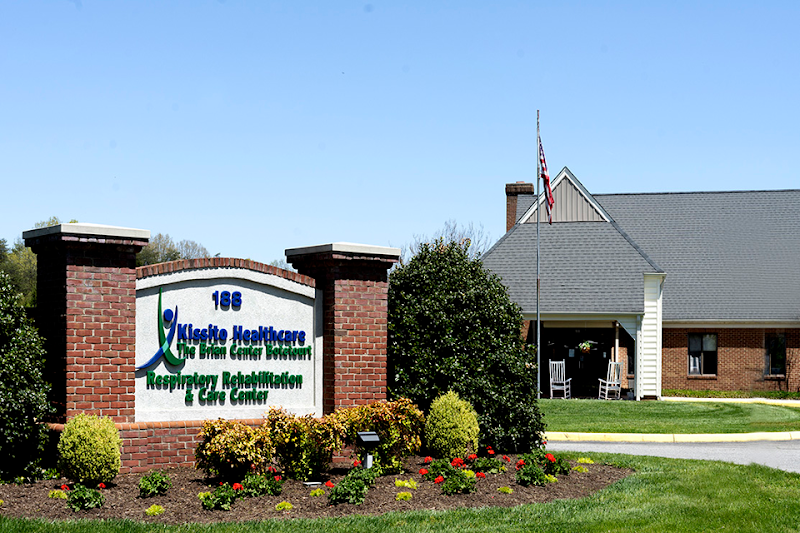
188 OLD FINCASTLE ROAD, FINCASTLE, VA 24090 (540) 473-2288
Non profit - Corporation 60 Beds KISSITO HEALTHCARE Data: November 2025 1 Immediate Jeopardy citation
Trust Grade
48/100
#65 of 285 in VA
Last Inspection: August 2022

Over 2 years since last inspection. Current conditions may differ from available data.

Overview

The Brian Center of Fincastle has a Trust Grade of D, indicating below-average performance and some concerning issues. They rank #65 out of 285 nursing homes in Virginia, placing them in the top half, and #2 out of 3 in Botetourt County, suggesting only one nearby facility is better. The trend is improving, as the number of issues decreased from 8 in 2022 to just 1 in 2024. Staffing is a mixed bag; while they have a low turnover rate of 37%, earning a 2/5 star rating for staffing means there are still concerns. They have significant fines totaling $38,281, which is higher than 93% of Virginia facilities, indicating compliance issues. On a positive note, they provide more RN coverage than 96% of state facilities, which helps catch potential problems. However, there have been serious incidents, including a failure to provide necessary ventilator care, resulting in the death of a resident, and a past issue where a ventilator alarm was not activated. Additionally, there was a concern about the dishwashing machine not reaching proper sanitizing temperatures. Families should weigh these strengths and weaknesses carefully when considering this facility.

Trust Score
D
48/100
In Virginia
#65/285
Top 22%
Safety Record
High Risk
Review needed
Inspections
Getting Better
8 → 1 violations
Staff Stability
○ Average
37% turnover. Near Virginia's 48% average. Typical for the industry.
Penalties
✓ Good
$38,281 in fines. Lower than most Virginia facilities. Relatively clean record.
Skilled Nurses
✓ Good
Each resident gets 87 minutes of Registered Nurse (RN) attention daily — more than 97% of Virginia nursing homes. RNs are the most trained staff who catch health problems before they become serious.
Violations
⚠ Watch
24 deficiencies on record. Higher than average. Multiple issues found across inspections.
★★★★☆
4.0
Overall Rating
★★☆☆☆
2.0
Staff Levels
★★★★☆
4.0
Care Quality
★★★★☆
4.0
Inspection Score
Stable
2022: 8 issues
2024: 1 issues

The Good

  • 4-Star Quality Measures · Strong clinical quality outcomes
  • Full Sprinkler Coverage · Fire safety systems throughout facility
  • No fines on record
  • Staff turnover below average (37%)

    11 points below Virginia average of 48%

Facility shows strength in quality measures, fire safety.

The Bad

Staff Turnover: 37%

Near Virginia avg (46%)

Typical for the industry

Federal Fines: $38,281

Above median ($33,413)

Moderate penalties - review what triggered them

Chain: KISSITO HEALTHCARE

Part of a multi-facility chain

Ask about local staffing decisions and management

The Ugly 24 deficiencies on record

1 life-threatening 1 actual harm
Mar 2024 1 deficiency 1 Harm
SERIOUS (G) 📢 Someone Reported This

A family member, employee, or ombudsman was alarmed enough to file a formal complaint

Actual Harm - a resident was hurt due to facility failures

Respiratory Care (Tag F0695)

A resident was harmed · This affected 1 resident

Based on observation, staff interview, clinical record review, and facility document review, facility staff failed to ensure a ventilator dependent resident was provided with such care consistent with...

Read full inspector narrative →
Based on observation, staff interview, clinical record review, and facility document review, facility staff failed to ensure a ventilator dependent resident was provided with such care consistent with professional standards of practice resulting in death of the resident for 1 of 4 residents in the survey sample (Resident #1). Resident #1 was admitted to the facility with diagnoses which included acute and chronic respiratory failure with hypoxia, respiratory ventilator dependence, tracheostomy status, cerebral palsy, epilepsy, and dysphagia. On the most recent Minimum Data Set assessment, the resident was assessed as comatose/persistent vegetative state. Clinical record review revealed: On 3/13/2024, Resident #1 was found unresponsive and without pulse or respirations. Death was pronounced at 9:05 PM. A physician/provider order dated 3/6/2024 for NC/CAP (oxygen through nasal cannula/cap treacheostomy) 1-2 hours BID (twice per day). The Respiratory Department worksheet dated 3/13/2024 documented the resident was receiving oxygen through a nasal cannula at 20:15. Cuff Status (MLT/Deflated/cmH2O) was listed as MLT (minimum leak technique- a method of adjusting pressure in the tracheostomy cuff to ensure air does not leak around the tracheostomy cuff and allow air flow into the lungs other than through the tracheostomy tube). Nursing progress notes documented a nurse responded to a pulse oximeter (blood oxygen level monitor) alarm at 20:50. The nurse found the resident pale and unresponsive. A nurse checked the resident's code status and confirmed it was Do Not Resuscitate. Another nurse checked the resident while the first fetched the respiratory therapist. The registered nurse pronounced the resident's death after confirming absence of respiration and heartbeat. Interviews by phone with the nurses involved revealed no additional information. The facility submitted a Facility Reported Incident (FRI) dated 3/13/2024 and the investigative report was submitted 3/15/2024. The investigation report stated the respiratory therapist noticed the resident's tracheostomy was capped (not allowing air flow into the lungs through the tracheostomy tube) while the cuff was inflated (not allowing air flow into the lungs around the tracheostomy tube). Surveyors interviewed the Respiratory Therapy Director (RTD) on 3/20/24 at 11:30 AM. The RTD explained that Resident #1 (R1) used a tracheostomy collar for supplemental oxygen 16 hours per day. The resident was unable to get through the night without a ventilator. The resident had failed two prior capping and weaning trials. The resident's family requested another trial with a goal of moving the resident home without a ventilator. The procedure was to start with 1-2 hour increments and increase by 1-2 hours as tolerated. The resident was 1 week into the most latest trial when R1 passed. Surveyors asked RTD if procedure when capping included monitoring the resident's status while capped. RTC reported remaining with the resident for the first 15 minutes then checking at intervals. An example would be to cap the resident's tracheostomy then work with the resident with the other bed so RTD is within sight/hearing for that period. When asked if the practice is the same for all staff, RTD stated there was no policy for capping at the time of the incident. The respiratory therapist who worked with R1 on 3/13/2024 was unavailable for interview and no longer worked for the facility. Surveyors asked RTD what the respiratory therapist said happened with the resident. RTD reported the respiratory therapist said it was an error and had forgotten to deflate the tracheostomy cuff when the tube was capped. During the interview on 3/20/24 at 11:20, the RTD stated that a Tracheostomy Capping policy was implemented on 3/14/2024. All respiratory staff received education concerning the new policy and demonstrated understanding of the procedure. Dual respiratory therapy signatures would be required when capping a tracheostomy to confirm the cuff was deflated and air was flowing into the lungs. RTD provided surveyors with the policy dated 3/14/24 and competency evaluations for respiratory therapists dated 3/14 through 3/17/24. On 3/21/2024 at 12:15, the corporate director for respiratory services provided a revised policy and competency checklist which included dual respiratory sign off when capping tracheostomy tubes. This revised policy reflected the practice surveyors observed respiratory therapists using when capping a resident's tracheostomy on 3/21/24 at 6:45 AM. The RTD stated respiratory therapy staff would receive education concerning the revised policy and procedure. The surveyor toured the facility on 3/20/2024 at 9:30 AM. No residents were observed to be in respiratory distress. Resident #2 informed the surveyor he expected to start capping/weaning trials at night in an attempt to gain independence from the ventilator. The surveyor requested a list of residents currently on capping and weaning trials. There were 2 residents who utilized tracheostomy caps in the facility. One resident who no longer used a ventilator and whose tracheostomy tube was capped 24 hours per day received supplemental oxygen through a nasal cannula. The second was Resident #2, who uses a ventilator at night and is capped in the morning. During a summary meeting on 3/21/2024 at 1:40 PM, which included the facility administrator, director of nursing, assistant director of nursing, and two corporate directors of clinical services (DCS), surveyors summarized investigative findings. The issue was considered a current issue because the primary corrective action requiring dual respiratory signatures when a tracheostomy is capped was not included in the original policy and procedure and staff competency.
Dec 2022 3 deficiencies 1 IJ
CRITICAL (J) 📢 Someone Reported This

A family member, employee, or ombudsman was alarmed enough to file a formal complaint

Immediate Jeopardy (IJ) - the most serious Medicare violation

Respiratory Care (Tag F0695)

Someone could have died · This affected 1 resident

**NOTE- TERMS IN BRACKETS HAVE BEEN EDITED TO PROTECT CONFIDENTIALITY** Based on observations, interviews, document review, and in the course of a complaint investigation, the facility staff failed to...

Read full inspector narrative →
**NOTE- TERMS IN BRACKETS HAVE BEEN EDITED TO PROTECT CONFIDENTIALITY** Based on observations, interviews, document review, and in the course of a complaint investigation, the facility staff failed to provide respiratory therapy care and services to address the needs of four (4) of eight (8) sampled residents with ventilator orders (Resident #1, Resident #2, Resident #3, and Resident #4). For Resident #1, On [DATE] at 3:50 P.M., Immediate Jeopardy-Past Noncompliance was called, and lowered to a D. Resident #2, Resident #3, and Resident #4 were included in the Past non-compliance designation. The findings include: 1. The facility staff failed to implement Resident #1's medical provider's ventilator orders to ensure the resident was provided the necessary ventilation and oxygen. The facility staff failed to ensure Resident #1's ventilator care and/or ventilator assessments were appropriately completed by a respiratory therapist (RT). The facility staff failed to ensure Resident #1's remote ventilator alarm was turned on when the resident's ventilator was in use. (The remote ventilator alarm is a supplemental alarm used in addition to the alarms built into the ventilator. The remote alarm was located near the top of the door, in the hallway, outside Resident #1's room.) Resident #1's minimum data set (MDS) assessment, with an assessment reference date (ARD) of [DATE], was dated as completed on [DATE]. Resident #1 was assessed as able to make self understood and as able to understand others. Resident #1's Brief Interview for Mental Status (BIMS) summary score was documented as a 15 out of 15 (indicating intact and/or borderline cognition). Resident #1 was assessed as requiring assistance with bed mobility, transfers, dressing, toilet use, and personal hygiene. Resident #1's diagnoses included Respiratory Failure. Resident #1 was documented as receiving oxygen therapy, suctioning, tracheostomy care, and invasive mechanical ventilator use. Resident #1's medical provider orders included: - Settings for ventilator use related to CHRONIC RESPIRATORY FAILURE WITH HYPOXIA dated [DATE] and - (tracheostomy collar) trials 4 (hours two times a day) and with (physical therapy) increase (oxygen) to 10 (liters) and with (Passy Muir Valve) two times a day for WEANING related to DEPENDENCE ON RESPIRATORY [VENTILATOR] STATUS dated [DATE]. The facility policy and procedure titled Passy-Muir Valve (this document was not dated) indicated its use was the basic responsibility of respiratory therapist (RT) and/or speech therapist (ST). This documented stated the purpose of the Passy-Muir Valve (PMV) is to aid in the weaning of a resident from an artificial airway and facilitate communication. The facility policy/procedure titled Ventilator Management (this document was not dated) provided the following information: All ventilators that are in a resident room will be connected to an external audible alarm. Resident #1's care plan included a focus of resident is ventilator dependent via tracheostomy secondary to respiratory failure. This care planned focus included the following interventions: administer oxygen as ordered, respiratory therapy as ordered, ventilator setting per order, and weaning protocol as indicated. On [DATE] at 1:25 p.m., the surveyor interviewed the facility's Administrator about Resident #1 being found unresponsive on the evening of [DATE]. The Administrator stated it was determined that Resident #1 was removed from the ventilator on [DATE] at 9:44 a.m. by Respiratory Therapist (RT) #2 for a weaning trial/trach collar trial. The Administrator reported RT #2 stated they had placed Resident #1 back on the ventilator on [DATE] at 6:10 p.m. The Administrator acknowledged Resident #1's weaning trial/trach collar trial and the reported return to the ventilator had not been documented. The Administrator reported, that at approximately 7:30 p.m. on [DATE], RT #1 found Resident #1 unresponsive while doing rounds. On [DATE] at 5:48 p.m., Respiratory Therapist (RT) #1 was interviewed about finding Resident #1 unresponsive on the evening of [DATE]. RT #1 confirmed they found Resident #1 unresponsive on the evening of [DATE], at approximately 7:30 P.M. RT #1 reported, when they entered Resident #1's room, they knew something was wrong. RT #1 stated they asked Resident #1 if they needed anything, but the resident did not respond. RT #1 stated Resident #1 was extremely cold. RT #1 reported Resident #1 was found connected to the ventilator, but the ventilator was in standby and wasn't providing respirations. RT #1 reported they turned the ventilator on and went to yell for help. RT #1 reported when they turned the ventilator on it appeared as if it was working properly. RT #1 reported basic life support, including the use of an automated external defibrillator (AED), was provided. RT #1 reported Resident #1 was not revived. On [DATE] at 10:10 a.m., Respiratory Therapist (RT) #2 was interviewed, via telephone, about the event referenced in this complaint. RT #2 had provided care for Resident #1 during dayshift (7AM - 7PM) on [DATE]. RT #2 reported it was a typical day. RT #2 stated Resident #2 completed the second weaning trial / trach collar trial at approximately 6:00 p.m. on [DATE]. RT #2 stated they placed Resident #2 back on the ventilator. RT #2 reported the ventilator was working; RT #2 reported Resident #1's heart rate was in the 70s and the resident's oxygen saturation was in the upper 90%. RT #2 stated they suctioned Resident #1 twice; RT #2 stated it was not deep suctioning. RT #2 reported they left Resident #2's rooms to respond to a resident calling-out from another room. When asked if they turned on the ventilator alarm located outside Resident #1's room, RT #2 stated, I believe I did not. On [DATE] at 1:37 p.m., the facility's Administrator and Director of Respiratory were asked for copies of Resident #1's ventilator machine data reports. The facility staff was able to provide a report of some of the internal data from Resident #1's ventilator. The facility staff was unable to provide guidance to explain the information retrieved from the ventilator's internal data. The data obtained from Resident #1 ventilators was reviewed for evidence of ventilator use at the following times: on [DATE] at approximately 6:10 p.m. and on [DATE] at approximately 7:30 p.m. The information provided to the surveyor from the ventilators internal data was not clear about ventilator use at the aforementioned times. Resident #1's ventilator was being sent to the manufacture for further evaluation. On [DATE] at 9:08 a.m., the surveyor reviewed Resident #1's respiratory care documentation with the facility's Director of Respiratory. The following issues were identified: - On [DATE]'s 7AM dayshift, Resident #1's respiratory documentation failed to include (a) a progress note for when the resident was placed on a weaning trial / trach collar trial and (b) a ventilator check assessment when the resident was placed back on the ventilator after the conclusion of the weaning trial / trach collar trial. The Director of Respiratory reported the facility did not have a policy and/or procedure detailing the documentation of weaning trials/trach collar trials. The Director of Respiratory reported a progress note should have been documented when the weaning trial/trach collar trial was initiated and that a ventilator check assessment should have been completed when the ventilator was restarted after the conclusion of the weaning trial/trach collar trial. - On [DATE]'s 7AM dayshift, Resident #1's respiratory documentation failed to provide evidence of a respiratory therapist providing the weaning trial/trach collar trial; documentation of the weaning trial/trach collar trial was documented by a licensed practical nurse (LPN). The Director of Respiratory reported a respiratory therapist should have provided the weaning trial/trach collar trial and a respiratory therapist should have completed a ventilator check assessment at the time the resident was placed back on the ventilator after the weaning trial/trach collar trial. - On [DATE]'s 7PM nightshift, Resident #1's respiratory administration record (RAR) indicated the resident's weaning trial/trach collar trial was not provided as ordered. The Director of Respiratory confirmed there was no documentation to indicate the weaning trial/trach collar trial had been provided. The Director of Respiratory reported a reason for not providing the weaning trial/trach collar trial had not been documented. - On [DATE]'s 7AM dayshift, Resident #1's respiratory documentation failed to include (a) a progress note for when the resident was placed on a weaning trial/trach collar trial and (b) a ventilator check assessment when the resident was placed back on the ventilator after the conclusion of the weaning trial/trach collar trial. The Director of Respiratory reported a progress note should have been documented when the weaning trial/trach collar trial was initiated and that a ventilator check assessment should have been completed when the ventilator was restarted after the conclusion of the weaning trial/trach collar trial. - On [DATE]'s 7AM dayshift, Resident #1's respiratory documentation failed to include (a) a progress note for when the resident was placed on a weaning trial/trach collar trial and (b) a ventilator check assessment when the resident was placed back on the ventilator after the conclusion of the weaning trial/trach collar trial. The Director of Respiratory reported a progress note should have been documented when the weaning trial/trach collar trial was initiated and that a ventilator check assessment should have been completed when the ventilator was restarted after the conclusion of the weaning trial/trach collar trial. - On [DATE]'s 7AM dayshift, Resident #1's respiratory documentation failed to include (a) a progress note for when the resident was placed on a weaning trial/trach collar trial and (b) a ventilator check assessment when the resident was placed back on the ventilator after the conclusion of the weaning trial/trach collar trial. The Director of Respiratory reported a progress note should have been documented when the weaning trial/trach collar trial was initiated and that a ventilator check assessment should have been completed when the ventilator was restarted after the conclusion of the weaning trial/trach collar trial. - On [DATE]'s 7PM nightshift, Resident #1's respiratory progress note, timed 7:05p.m., indicated the resident's weaning trial/trach collar trial was not provided due to both weaning trials/trach collar trials had been provided during the dayshift. The Director of Respiratory confirmed there was no documentation indicating both of the provider ordered weaning trials/trach collar trials had been provided during the dayshift. On [DATE] at 1:42 p.m., the facility's Director of Respiratory reported all respiratory staff had been in-serviced related to ventilator care or will receive in-service training prior to being allowed to work their next shift. Documentation of the respiratory staff training, dated [DATE], was provided to the surveyor prior to the conclusion of the survey. All other residents on ventilators were observed to receive oxygen per physician's order during each day of the survey. The facility staff began every 30-minute monitoring the external ventilator alarms on [DATE]. This monitoring was ongoing and was planned to be continued until reviewed by the facility's quality assurance and performance improvement (QAPI) committee. Documentation of the 30-minute external ventilator monitoring was provided to the surveyor. The facility's respiratory care department implemented mandatory walking rounds/report on [DATE]. The facility's Director of Respiratory provided the surveyor with evidence of respiratory staff communication of the mandatory walking rounds/report dated [DATE]. Interviews with current respiratory staff members confirmed walking rounds/report were occurring at change of shift. On the morning of [DATE], the facility's Administrator reported the facility's quality assurance and performance improvement (QAPI) committee will review any identified respiratory issues during the upcoming QAPI meeting. This is a complaint deficiency. 2. The facility staff failed to ensure Resident #2's ventilator assessments were completed by a respiratory therapist (RT) at the appropriate times. The Director of Respiratory, on [DATE] at 8:40 a.m., provided a copy of a document titled DAILY ROUNDS. This document indicated ventilator assessments were to be completed at least twice per 12-hour shift. Resident #2's minimum data set (MDS) assessment, with an assessment reference date (ARD) of [DATE], was dated as completed on [DATE]. Resident #2 was assessed as able to make self understood and as able to understand others. Resident #2's Brief Interview for Mental Status (BIMS) summary score was documented as a 15 out of 15 (indicating intact and/or borderline cognition). Resident #2 was assessed as being independent with bed mobility, dressing, eating, and toilet use. Resident #2 was assessed as requiring supervision with transfers and personal hygiene. Resident #2's diagnoses included Respiratory Failure. Resident #2 was documented as receiving oxygen therapy, suctioning, tracheostomy care, and invasive mechanical ventilator use. Resident #2's medical provider orders included an order dated [DATE] for the use of a mechanical ventilator. Resident #2's care plan included a focus of (resident name omitted) is ventilator dependent via tracheostomy secondary to respiratory failure. The facility policy/procedure titled Ventilator Management (this document was not dated) provided the following information: - The policy stated it was the basic responsibility of the respiratory therapist. - Under the heading of Procedure were the following steps: 1. Verifies physician order. 2. Washes hands, maintains standard precautions. 4. [sic] Obtains appropriate supplies/equipment. 5. Identifies resident, explains procedure, and provides privacy. 6. Properly assembles supplies/equipment. 7. Perform operational check. a. If ventilator fails operational check pull from service and place defective sticker. 8. Adjust ventilator to prescribed settings. 9. Connect ventilator to resident. 10. Confirm PEEP valve set to correct setting 11. Analyze FI02. 12. Assess resident respiratory status. (HR, RR, BBS, SP02) 13. If new admission perform ETC02 analysis. 14. Document. - Under the heading of Documentation were the following items: 1. Date and time of procedure. 2. Ventilator settings. 3. Resident respiratory status. 4. Resident response to therapy 3. [sic] Signature. On [DATE] at 12:31, the facility's Administrator, ADON, and Director of Respiratory were interviewed about LPN monitoring of ventilator care and/or weaning trials/trach collar trials. It was reported that the facility did not have a written policy and/or procedure detailing LPN responsibility in monitoring ventilator care and/or weaning trials/trach collar trials. The facility's Director of Respiratory and the surveyor reviewed Resident #2's clinical documentation on the [DATE] at 9:14 a.m. It was noted that only one (1) ventilator assessment was completed for the 7AM - 7PM shift on [DATE]. Respiratory Therapist (RT) #3 was documented as completing a ventilator assessment on [DATE] at 8:08 a.m. RT #3's time clock records indicated they (RT #3) was not working at the time of the aforementioned ventilator assessment. The Director of Respiratory reported the ventilator assessment should have been completed by one of the respiratory therapists working at the time the ventilator assessment was due. The Director of Respiratory reported two (2) ventilator assessments should have been completed during the 7AM - 7PM shift on [DATE]. RT #3 was interviewed via telephone on [DATE] at 7:05 p.m. RT #3 reported, when they came in early on the afternoon of [DATE], they were instructed by other respiratory staff members to document resident information collected by a licensed practical nurse (LPN) who was working as part of the respiratory staff. RT #3 stated they documented the information collected by the LPN. RT #3 stated they contacted the Director of Respiratory, on [DATE], because they (RT #3) had been uncomfortable with documenting the information collected by the LPN. On [DATE] at 10:10 a.m., the survey team met with the facility's Administrator and Director of Respiratory. RT #3 documenting information collected by an LPN and only one (1) ventilator assessment being completed on [DATE] dayshift was discussed during this meeting. Resident #2 was included in the Past non-compliance designation. 3. The facility staff failed to ensure Resident #3's ventilator assessments were completed by a respiratory therapist (RT) at the appropriate times. The Director of Respiratory, on [DATE] at 8:40 a.m., provided a copy of a document titled DAILY ROUNDS. This document indicated ventilator assessments were to be completed at least twice per 12-hour shift. Resident #3's minimum data set (MDS) assessment, with an assessment reference date (ARD) of [DATE], was dated as completed on [DATE]. Resident #3 was assessed as able to make self understood and as able to understand others. Resident #3's Brief Interview for Mental Status (BIMS) summary score was documented as a 15 out of 15 (indicating intact and/or borderline cognition). Resident #3 was assessed as requiring assistance with bed mobility, dressing, toilet use, and personal hygiene. Resident #3's diagnoses included Respiratory Failure. Resident #3 was documented as receiving oxygen therapy, suctioning, tracheostomy care, and invasive mechanical ventilator use. Resident #3's medical provider orders included an order dated [DATE] for the use of a mechanical ventilator. Resident #3's care plan included a focus of resident is ventilator dependent via tracheostomy secondary to respiratory failure . The facility policy/procedure titled Ventilator Management (this document was not dated) provided the following information: - The policy stated it was the basic responsibility of the respiratory therapist. - Under the heading of Procedure were the following steps: 1. Verifies physician order. 2. Washes hands, maintains standard precautions. 4. [sic] Obtains appropriate supplies/equipment. 5. Identifies resident, explains procedure, and provides privacy. 6. Properly assembles supplies/equipment. 7. Perform operational check. a. If ventilator fails operational check pull from service and place defective sticker. 8. Adjust ventilator to prescribed settings. 9. Connect ventilator to resident. 10. Confirm PEEP valve set to correct setting 11. Analyze FI02. 12. Assess resident respiratory status. (HR, RR, BBS, SP02) 13. If new admission perform ETC02 analysis. 14. Document. - Under the heading of Documentation were the following items: 1. Date and time of procedure. 2. Ventilator settings. 3. Resident respiratory status. 4. Resident response to therapy 3. [sic] Signature. On [DATE] at 12:31, the facility's Administrator, ADON, and Director of Respiratory were interviewed about LPN monitoring of ventilator care and/or weaning trials/trach collar trials. It was reported that the facility did not have a written policy and/or procedure detailing LPN responsibility in monitoring ventilator care and/or weaning trials/trach collar trials. The facility's Director of Respiratory and the surveyor reviewed Resident #3's clinical documentation on the [DATE] at 9:27 a.m. It was noted that only one (1) ventilator assessment was completed for the 7AM - 7PM shift on [DATE]. Respiratory Therapist (RT) #3 was documented as completing a ventilator assessment on [DATE] at 8:55 a.m. RT #3's time clock records indicated they (RT #3) was not working at the time of the aforementioned ventilator assessment. The Director of Respiratory reported the ventilator assessment should have been completed by one of the respiratory therapists working at the time the ventilator assessment was due. The Director of Respiratory reported two (2) ventilator assessments should have been completed during the 7AM - 7PM shift on [DATE]. RT #3 was interviewed via telephone on [DATE] at 7:05 p.m. RT #3 reported, when they came in early on the afternoon of [DATE], they were instructed by other respiratory staff members to document resident information collected by a licensed practical nurse (LPN) who was working as part of the respiratory staff. RT #3 stated they documented the information collected by the LPN. RT #3 stated they contacted the Director of Respiratory, on [DATE], because they (RT #3) had been uncomfortable with documenting the information collected by the LPN. On [DATE] at 10:10 a.m., the survey team met with the facility's Administrator and Director of Respiratory. RT #3 documenting information collected by an LPN and only one (1) ventilator assessment being completed on [DATE] dayshift was discussed during this meeting. Resident #3 was included in the Past non-compliance designation. 4. The facility staff failed to ensure Resident #4 had two (2) ventilator assessments completed on [DATE] during the dayshift (7AM - 7PM). The Director of Respiratory, on [DATE] at 8:40 a.m., provided a copy of a document titled DAILY ROUNDS. This document indicated ventilator assessments were to be completed at least twice per 12-hour shift. Resident #4's minimum data set (MDS) assessment, with an assessment reference date (ARD) of [DATE], was dated as completed on [DATE]. Resident #4 was assessed as rarely and/or never able to make self understood and as rarely and/or never able to understand others. Resident #4 was documented as having severely impaired cognitive skills for daily decision making. Resident #4 was assessed as being dependent on others for bed mobility, transfers, dressing, eating, toilet use, and personal hygiene. Resident #4's diagnoses included Respiratory Failure. Resident #4 was documented as receiving oxygen therapy, suctioning, tracheostomy care, and invasive mechanical ventilator use. Resident #4's medical provider orders included an order dated [DATE] for the use of a mechanical ventilator. Resident #4's care plan included a focus of resident is ventilator dependent via tracheostomy secondary to respiratory failure. The facility policy/procedure titled Ventilator Management (this document was not dated) provided the following information: - The policy stated it was the basic responsibility of the respiratory therapist. - Under the heading of Procedure were the following steps: 1. Verifies physician order. 2. Washes hands, maintains standard precautions. 4. [sic] Obtains appropriate supplies/equipment. 5. Identifies resident, explains procedure, and provides privacy. 6. Properly assembles supplies/equipment. 7. Perform operational check. a. If ventilator fails operational check pull from service and place defective sticker. 8. Adjust ventilator to prescribed settings. 9. Connect ventilator to resident. 10. Confirm PEEP valve set to correct setting 11. Analyze FI02. 12. Assess resident respiratory status. (HR, RR, BBS, SP02) 13. If new admission perform ETC02 analysis. 14. Document. - Under the heading of Documentation were the following items: 1. Date and time of procedure. 2. Ventilator settings. 3. Resident respiratory status. 4. Resident response to therapy 3. [sic] Signature. On [DATE] at 12:31, the facility's Administrator, ADON, and Director of Respiratory were interviewed about LPN monitoring of ventilator care and/or weaning trials/trach collar trials. It was reported that the facility did not have a written policy and/or procedure detailing LPN responsibility in monitoring ventilator care and/or weaning trials/trach collar trials. The facility's Director of Respiratory and the surveyor reviewed Resident #4's clinical documentation on the [DATE] at 9:35 a.m. It was noted that no ventilator assessments were completed for the 7AM - 7PM shift on [DATE]. Respiratory Therapist (RT) #3 was documented as completing a respiratory assessment on [DATE] at 8:30 a.m. RT #3's time clock records indicated they (RT #3) was not working at the time of the aforementioned respiratory assessment. The Director of Respiratory reported two (2) ventilator assessments should have been completed during the 7AM - 7PM shift on [DATE]. RT #3 was interviewed via telephone on [DATE] at 7:05 p.m. RT #3 reported, when they came in early on the afternoon of [DATE], they were instructed by other respiratory staff members to document resident information collected by a licensed practical nurse (LPN) who was working as part of the respiratory staff. RT #3 stated they documented the information collected by the LPN. RT #3 stated they contacted the Director of Respiratory, on [DATE], because they (RT #3) had been uncomfortable with documenting the information collected by the LPN. On [DATE] at 10:10 a.m., the survey team meet with the facility's Administrator and Director of Respiratory. RT #3 documenting information collected by an LPN and no ventilator assessment being completed on [DATE] dayshift was discussed during this meeting. Resident #4 was included in the Past non-compliance designation.
CONCERN (D) 📢 Someone Reported This

A family member, employee, or ombudsman was alarmed enough to file a formal complaint

Potential for Harm - no one hurt, but risky conditions existed

Medical Records (Tag F0842)

Could have caused harm · This affected 1 resident

**NOTE- TERMS IN BRACKETS HAVE BEEN EDITED TO PROTECT CONFIDENTIALITY** Based on interviews, facility document review, and in the course of a complaint investigation, the facility staff failed to main...

Read full inspector narrative →
**NOTE- TERMS IN BRACKETS HAVE BEEN EDITED TO PROTECT CONFIDENTIALITY** Based on interviews, facility document review, and in the course of a complaint investigation, the facility staff failed to maintain complete and accurate clinical documentation for one (1) of eight (8) sampled residents (Resident #1). The findings include: Resident #1's clinical documentation failed to include the use of an automated external defibrillator (AED) when attempting to resuscitate the resident. Resident #1's clinical documentation included progress notes by a respiratory therapist (RT) whose electronic signature incorrectly identified the RT as a licensed practical nurse (LPN). Resident #1's minimum data set (MDS) assessment, with an assessment reference date (ARD) of [DATE], was dated as completed on [DATE]. Resident #1 was assessed as able to make self understood and as able to understand others. Resident #1's Brief Interview for Mental Status (BIMS) summary score was documented as a 15 out of 15 (indicating intact and/or borderline cognition). Resident #1 was assessed as requiring assistance with bed mobility, transfers, dressing, toilet use, and personal hygiene. Resident #1's diagnoses included Respiratory Failure. Resident #1 was documented as receiving oxygen therapy, suctioning, tracheostomy care, and invasive mechanical ventilator use. On [DATE] at 5:48 p.m., Respiratory Therapist (RT) #1 was interviewed about the care Resident #1 was provided when found unresponsive. RT #1 reported the facility staff applied the AED to Resident #1, but shock was not advised. RT #1 reported facility staff continued with CPR until Emergency Medical Services (EMS) arrived. On [DATE] at 1:02 p.m., the facility's Administrator stated the nurse who was providing care for Resident #1 should have documented the use of the AED in the resident's clinical record. Review of Resident #1's clinical record revealed RT #2 included multiple progress notes with an electronic-signature that identified RT #2 as a licensed practice nurse (LPN) instead of a respiratory therapist (RT). On [DATE] at 9:06 a.m., Staff Member (SM) #8 (a human resource employee) confirmed RT #2's information had been entered incorrectly into the facility's electronic records system resulting in the individual being incorrectly identified as an LPN. On [DATE] at 10:10 p.m., the survey team interviewed the facility's Administrator and Director of Respiratory. The Administrator and the Director of Respiratory confirmed the facility did not have a written policy and/or procedure to address general documentation topics (e.g., accuracy, timing, late entries, and corrections). Resident #1's clinical documentation failing to include the use of an automated external defibrillator (AED) was discussed. RT #2's electronic signature identifying them (RT #2) as a licensed practical nurse (LPN) instead of a respiratory therapist (RT) was discussed.
CONCERN (E) 📢 Someone Reported This

A family member, employee, or ombudsman was alarmed enough to file a formal complaint

Potential for Harm - no one hurt, but risky conditions existed

Room Equipment (Tag F0908)

Could have caused harm · This affected multiple residents

Based on interviews and document review, the facility staff failed to ensure the facility's ventilators were maintained according to manufactures guidance for 36 of the 36 ventilators located at the f...

Read full inspector narrative →
Based on interviews and document review, the facility staff failed to ensure the facility's ventilators were maintained according to manufactures guidance for 36 of the 36 ventilators located at the facility. The findings include: Review of ventilator maintenance documents failed to provide evidence of the monthly changing of the ventilators air-inlet foam filter. The following information was found in the Clinical Manual for the type of ventilators used by the facility: The air-inlet foam filter is the gray foam located on the back panel. It protects (ventilator) from dirt and dust. In the clinical environment, replace monthly and between patients. On 12/19/22 at 1:45 p.m., the Director of Respiratory reported the facility staff had not been completing the routine monthly changing of air-inlet foam filter. The Director of Respiratory reported the filters would have been changed when observed to be dirty. No documentation of the changing of the ventilators' air-inlet foam filters was provided to the surveyor. On 12/20/22 at 10:10 a.m., the survey team meet with the facility's Administrator and Director of Respiratory. The failure of facility staff to change the facility's ventilators' air-inlet foam filters as detailed in the ventilators' Clinical Manual was discussed. The Administrator and the Director of Respiratory reported there was no policy and/or procedure to guide the changing of the aforementioned ventilator air-inlet foam filters; it was reported the facility staff would follow manufacturer's guidance. The administrative staff reported an individual from the equipment supply company changed the air-inlet foam filters on all the facility's ventilators on 12/15/22.
Aug 2022 5 deficiencies
CONCERN (D)

Potential for Harm - no one hurt, but risky conditions existed

Quality of Care (Tag F0684)

Could have caused harm · This affected 1 resident

Based on staff interview, clinical record review, and during a medication pass and pour observation the facility staff failed to follow the providers order in regards to administering the medication P...

Read full inspector narrative →
Based on staff interview, clinical record review, and during a medication pass and pour observation the facility staff failed to follow the providers order in regards to administering the medication Peridex for 1 of 3 residents observed during the medication pass and pour observation, Resident #44. The findings included: Resident #44's diagnosis included, but were not limited to, chronic respiratory failure, candida stomatitis, and encounter for attention to tracheostomy. Section C (cognitive patterns) of Resident #44's quarterly minimum data set (MDS) assessment with an assessment reference date (ARD) of 07/07/22 included a brief interview for mental status (BIMS) summary score of 15 out of a possible 15 points. Resident #44's care plan included the focus area requires assistance with oral care. Interventions included, but were not limited to, provide oral hygiene. 08/09/22 8:15 a.m., the surveyor observed Licensed Practical Nurse (LPN) #2 prepare and administer Resident #44's morning medications. Resident #44's clinical record included an order for Peridex solution give 15 ml by mouth two times a day the start date was documented as 06/01/22. The surveyor did not observe the administration of Peridex. 08/09/22 9:40 a.m., LPN #2 stated respiratory therapy would usually give this medication 08/09/22 9:47 a.m., LPN #2 stated they had spoken with respiratory therapy and it was not something they would give. LPN #2 stated they offered the Peridex to the Resident but they declined. 08/09/22 4:45 p.m., during an end of the day meeting with the Administrator, Director of Nursing, Assistant Director of Nursing and Unit Manager (UM), the issue with the Peridex was reviewed. 08/10/22 9:05 a.m., the UM provided the surveyor with a copy of their policy titled Safe medication administration practices, long term care. With a revision date of 05/20/22, this policy read in part, To promote a culture of safety and prevent medication errors, nurses must adhere to the rights of medication administration. These rights are to .select the right medication, give the right dose, give the medication at the right time .The term medication error refers to a mistake that occurs during the medication administration process. When a mistake occurs, it's considered an error regardless of whether it harmed a resident . No further information regarding this issue was provided to the survey team prior to the exit conference.
CONCERN (D)

Potential for Harm - no one hurt, but risky conditions existed

Accident Prevention (Tag F0689)

Could have caused harm · This affected 1 resident

Based on observation, staff interview, and clinical record review, the facility staff failed to ensure 1 of 18 current residents, Resident #9 was free of accident hazards. Resident #9 did not have th...

Read full inspector narrative →
Based on observation, staff interview, and clinical record review, the facility staff failed to ensure 1 of 18 current residents, Resident #9 was free of accident hazards. Resident #9 did not have their provider ordered bilateral floor mats in place. The findings included: Resident #9's diagnoses included, but were not limited to, anoxic brain damage, bipolar disorder, and restlessness and agitation. Section C (cognitive patterns) of Resident #9's quarterly minimum data set (MDS) assessment with an assessment reference date (ARD) of 07/22/22 was coded to indicate the resident was severely impaired in cognitive skills for daily decision-making. Section G (functional status) was coded to indicate Resident #9 was totally dependent on two staff for bed mobility and transfers. Resident #9's fall risk assessment completed 07/20/22 included a documented score of 8. Per the preprinted code on this document 8=medium risk. Resident #9's comprehensive care plan included the focus area at risk for falls related to motor agitation, inability to stand or bear weight. Interventions included bilateral fall EZ mats date initiated 08/18/17. Resident #9's clinical record included a physicians order dated 10/15/20 for bilateral floor mats for safety. 08/10/22 8:05 a.m., resident observed resting on bed no floor mats in place. 08/10/22 8:37 a.m., checked room for floor mats with the Assistant Director of Nursing (ADON) the ADON acknowledged there were no floor mats in place and was unable to locate the floor mats in the room. 08/10/22 8:45 a.m., the ADON stated the floors mats were now in place. 08/11/22 7:56 a.m., observed bilateral floor mats in place beside of Resident #9's bed. 08/10/22 04:10 p.m., the missing floor mats were reviewed in and end of the day meeting with the Administrator, Director of Nursing (DON), ADON, and Unit Manager. The ADON stated they had acquired the mats from maintenance and they were for safety. No further information regarding the missing floor mats was provided to the survey team prior to the exit conference.
CONCERN (D)

Potential for Harm - no one hurt, but risky conditions existed

Incontinence Care (Tag F0690)

Could have caused harm · This affected 1 resident

Based on interviews, clinical record reviews, facility document review, and during the course of a complaint investigation, the facility staff failed to ensure indwelling urinary catheter care orders ...

Read full inspector narrative →
Based on interviews, clinical record reviews, facility document review, and during the course of a complaint investigation, the facility staff failed to ensure indwelling urinary catheter care orders were obtained and indwelling urinary catheter care was provided for two (2) of 20 sampled residents (Resident #15 and Resident #102). The findings include: 1. The facility staff failed to have current orders to address Resident #15's indwelling urinary catheter care. Consistent documentation of Resident #15 receiving indwelling urinary catheter care between the dates of 8/1/22 and 8/9/22 was neither found by nor provided to the surveyor. Resident #15's minimum data set (MDS) assessment, with an assessment reference date (ARD) of 5/4/22, was dated as being completed on 5/11/22. Resident #15 was assessed as able to make self understood and as able to understand others. Resident #15's Brief Interview for Mental Status (BIMS) summary score was documented as a 14 out of 15; this indicated intact or borderline cognition. Resident #15 was assessed as requiring assistance with bed mobility, transfers, dressing, eating, toilet use, personal hygiene, and bathing. Resident #15's diagnoses included, but were not limited to: anemia, paraplegia, anxiety disorder, respiratory failure, and pressure ulcers. Resident #15 was observed to have an indwelling urinary catheter during the survey. Review of Resident #15's clinical documentation, on 8/10/22, failed to reveal current orders for the care of the indwelling urinary catheter. The following information was found in a facility policy titled Foley Catheter Insertion, Male Resident (this document was not dated): Catheter Care . 2. Provide catheter care every shift, and as indicated after defecation . 8. Assess condition every shift. Registered Nurse (RN) #2 was interviewed, on 8/10/22 at 3:40 p.m., about Resident #15's indwelling urinary catheter orders. RN #2 reported they were unable to find orders current orders addressing Resident #15's indwelling urinary catheter. RN #2 reported they would have to contact a medical provider to obtain indwelling urinary catheter orders. RN #2 was able to find an order to discontinue the indwelling urinary catheter on 7/27/22. (Documentation indicated the indwelling urinary catheter was discontinued on that date but subsequently reinserted at a local hospital.) On 8/11/22 at 8:05 a.m., the Unit Manager provided the survey team with copies of the following medical provider telephone orders, for Resident #15, dated 8/10/22 at 3:52 p.m.: - Flush catheter with 50cc sterile water (every) shift. [sic] two times a day until 08/12/2022 23:59. - Foley catheter care every shift and after each (incontinent) episode every shift until 08/12/2022 23:59. - Monitor foley anchor for placement. Replace if soiled or not in place. every [sic] shift until 08/12/2022 23:59. On 8/11/22 at 9:45 a.m., the facility's Director of Nursing (DON) and Unit Manager were interviewed related to Resident #15's indwelling urinary catheter. The DON acknowledged Resident #15's indwelling urinary catheter had been inserted at a local hospital. The DON stated that orders addressing indwelling urinary catheter care and anchoring should have been obtain upon Resident #15's return to the facility. The failure of facility staff to have orders for and documentation of Resident #15's indwelling urinary catheter care was discussed with the facility's Administrator, Director of Nursing (DON), Assistant DON, Area Operations Manager, and Chief Nursing Officer during a survey team meeting on 8/11/22 at 12:18 p.m. No additional information related to this issue was provided to the surveyor. 2. The facility staff failed have orders addressing Resident #102's indwelling urinary catheter care. Consistent documentation of Resident #102 receiving indwelling urinary catheter care between the dates of 6/1/21 and 7/10/21 was neither found by nor provided to the surveyor. Resident #102's minimum data set (MDS) assessment, with an assessment reference date (ARD) of 6/3/21, was dated as being completed on 6/7/21. Resident #102 was assessed as having short-term and long-term memory problems; Resident #102 was documented as not having a Brief Interview for Mental Status (BIMS) interview completed due to rarely/never being understood. Resident #102 was assessed as being dependent on others for bed mobility, dressing, toilet use, personal hygiene, and bathing. Resident #102's diagnoses included, but were not limited to: anemia, neurogenic bladder, thyroid disorder, respiratory failure, intracranial hemorrhage, and functional quadriplegia. Resident #102's documentation indicated the resident had an indwelling urinary catheter during June 2021 and the first part of July 2021. On 8/11/22 at 9:45 a.m., the facility's Director of Nursing (DON) and Unit Manager were interviewed related to Resident #102's indwelling urinary catheter. The Unit Manager reported they were unable to find medical provider orders to address the resident's indwelling urinary catheter for the month of June 2021 and for July 1, 2021 through July 10, 2021. The DON reported there should have been orders to address indwelling urinary catheter care and anchoring. The failure of facility staff to have orders for and documentation of Resident #102's indwelling urinary catheter care was discussed with the facility's Administrator, Director of Nursing (DON), Assistant DON, Area Operations Manager, and Chief Nursing Officer during a survey team meeting on 8/11/22 at 12:18 p.m. No additional information related to this issue was provided to the surveyor. This is a complaint deficiency.
CONCERN (D)

Potential for Harm - no one hurt, but risky conditions existed

Infection Control (Tag F0880)

Could have caused harm · This affected 1 resident

Based on observations, interviews, clinical record review, and facility document review, the facility staff failed to ensure infection control isolation precautions signage was posted for two (2) resi...

Read full inspector narrative →
Based on observations, interviews, clinical record review, and facility document review, the facility staff failed to ensure infection control isolation precautions signage was posted for two (2) resident rooms that housed residents requiring infection control precautions; one (1) of the rooms housed a newly admitted /readmitted resident that was not fully vaccinated for COVID-19. Resident #105's room did not have an isolation precaution sign posted outside their room. After the missing isolation precaution sign was discussed with facility staff, Resident #105 had an incorrect isolation precaution sign initially posted outside their room. Resident #2's room did not have an isolation precaution sign posted outside their room. The findings include: On 8/8/22 at 7:39 p.m., it was noted that two (2) rooms had infection control personal protective equipment (PPE) placed in the hallway at the entrance to the rooms; no signage was posted to indicate what kind of isolation precautions were required to be taken when entering these rooms. (One of these rooms was Resident #105's; the other room was Resident #2's.) The facility's Administrative Staff Member (ASM) #2 was asked if these rooms required isolation precautions. After reviewing Resident #105's and Resident #2's information, ASM #2 posted a CONTACT PRECAUTIONS signs on the door frames leading into each of the aforementioned residents' room. ASM #2 stated a N95 mask was not required to enter the rooms. These CONTACT PRECAUTIONS signs stated that prior to entering the rooms one must: wear an isolation gown, wear gloves, and perform handwashing / sanitizing hands prior to entering and upon exiting the rooms. The following information was found in a facility policy titled Isolation (this document did not include a date): - Isolation precautions will be initiated when there is reason to believe that a resident has an infectious or communicable disease. - When isolation precautions are implemented, the charge nurse in the section where isolation precautions are instituted shall: . Post the appropriate isolation notice on the room entrance door and above the bed so that all personnel will be aware of isolation precautions . - Isolation Notices . Signs will be used to alert staff of the implementation of isolation precautions, while protecting the privacy of the resident. Resident #2's clinical documentation indicated the resident had a current, active order for 'Contact Precautions' at the time of the aforementioned observation. Resident #2 was care planned for contact isolation related to: CRE. One (1) of the interventions for this care plan is for isolation signage posted. (Carbapenem-resistant Enterobacteriaceae (CRE) are bacteria that are resistant to many common antibiotics, including the carbapenem class of antibiotics.) On the morning of 8/9/22, it was noted a different isolation precaution sign had been placed at the entrance to Resident #105's room. The CONTACT PRECAUTIONS sign had been replaced with a Contact+Modified Droplet Precautions sign. On 8/9/22 at 10:07 a.m., ASM #2 was asked if there had been a change with Resident #105 resulting in the change of the isolation precaution sign. ASM #2 reported the resident had not had a change in condition; AMS #2 stated they had placed an incorrect sign on the evening of 8/8/22. The Contact+Modified Droplet Precautions sign indicated an individual entering the room should wear: an isolation gown, gloves, a respirator (N95 or higher), and eye protection. Resident #105's clinical documentation indicated the resident had yet to receive their first COVID-19 vaccine. Resident #105's clinical documentation included an order for Contact and modified droplet isolation which was a current, active order during the times of the aforementioned observations. Resident #105's baseline care plan included an intervention for modified droplet precautions for COVID-19 precautions. The following information was found in the facility's Covid [sic] Program (with a revised date of 6/29/22): - Under the heading of Admissions / Readmissions / ER Visits / Leave of Absence Visits was the following information: . NO [sic] proof of being up to date [sic] and the resident is COVID-19 Negative [sic] within the past 90 days, the resident should be quarantined in a private room, if possible, and quarantined for 7 days. - Under the heading of Personal Protective Equipment (PPE) for COVID-19 was the following information: Have PPE [sic] gloves, gowns, surgical mask or KN95, N95 or higher grade respirators, and eye protection. - Quarantine (Potential or Known Exposure) Contact (plus) Modified Droplet Precautions included the following bulleted items: - Respirator: N95 or higher; - Eye Protection; - Gown; - Gloves . The absence of isolation precautions signs being posted at the entrance of Resident #105's room and Resident #2's room was discussed with the facility's Administrator, Director of Nursing (DON), Assistant DON, Area Operations Manager, and Chief Nursing Officer during a survey team meeting on 8/11/22 at 12:18 p.m.; the posting of the incorrect sign for Resident #105 was also discussed during this meeting. No additional information was provided related to these issues.
CONCERN (D)

Potential for Harm - no one hurt, but risky conditions existed

Deficiency F0888 (Tag F0888)

Could have caused harm · This affected 1 resident

**NOTE- TERMS IN BRACKETS HAVE BEEN EDITED TO PROTECT CONFIDENTIALITY** Based on staff interviews and facility document review, the facility staff failed to implement infection control prevention and ...

Read full inspector narrative →
**NOTE- TERMS IN BRACKETS HAVE BEEN EDITED TO PROTECT CONFIDENTIALITY** Based on staff interviews and facility document review, the facility staff failed to implement infection control prevention and control processes related to the vaccination status of one of three sampled staff members (LPN #5), as part of the plan to decrease the risks of the development and transmission of COVID-19. For licensed practical nurse (LPN#5), the facility staff failed to ensure the nurse was fully vaccinated for COVID-19 resulting in the facility's staff vaccination rate being less than 100% (99.2%). The findings were: On 08/09/2022, the administrator provided the facility's COVID-19 Staff Vaccination Status information. After multiple discussions about the facility's staff vaccination statistics, the administrator provided a final staff vaccination status log. The facility's percent of current staff who were fully vaccinated was 99.2%. Out of 118 total staff, there was one staff member who had received one dose of a two-dose series of the Pfizer COVID-19 vaccine. This staff member, LPN #5, did not have an exemption of any kind and was not listed as having a temporary delay. The administrator acknowledged LPN #5 had been hired in May 2022 when at that time, she had received one dose of the Pfizer COVID-19 vaccine on 10/18/2022 according to administrator's records. Upon hire, the nurse was supposed to either obtain the second dose of the vaccine or apply for a waiver, neither of which occurred. The administrator acknowledged that it was the facility administration's responsibility to ensure the staff were completely vaccinated or had been granted a waiver. On 08/10/2022 during a discussion with the administrator and the facility's area operations manager (AOM) regarding LPN #5's vaccine status, the AOM reported their corporate letter dated 08/26/2021 was provided to all employees. The letter read, in part, As a result of President [NAME] announcing the COVID-19 vaccine mandate in skilled nursing settings last week, effective immediately, Kissito Healthcare will require all new hires to be vaccinated as a condition of employment. Newly hired employees will be required to be vaccinated prior to onboarding or be willing to participate in the first available vaccine clinic held at the facility. LPN #5 received the second dose of the Pfizer COVID-19 two-dose vaccine at the facility on 08/10/2022. The administrator provided a copy of the nurse's CDC COVID-19 Vaccination Record Card as verification. Upon entrance, there were no residents positive for COVID-19. On 08/11/2022, the unit manager reported the facility's last resident who tested positive for COVID-19 was on 01/23/2022 and was cleared on 02/03/2022. LPN #5 was interviewed via phone on 08/11/2022 at 11:59 a.m. LPN #5 acknowledged the facility informed her of the requirement to be completely vaccinated when she was hired on approximately 5/20/2022 and for various reasons, the nurse had not received the second dose until 08/10/2022. The nurse reported having a baby in March of 2022 and had originally considered a medical waiver due to breastfeeding. LPN #5 never submitted a waiver request with the facility and did not sign a declination form since she intended to receive the vaccine. The nurse reported that due to not being completely vaccinated, she was required to wear an N-95 mask and eye protection while at work. The facility's unit manager (UM) provided LPN #5's work time for the last two weeks via the nurse's employee time card. The nurse worked on 07/25/2022, 07/26/2022, 07/30/2022, 07/31/2022, 08/04/2022, and 08/05/2022. The nurse's screening documentation was provided for each of the days worked. At an end of day meeting on 08/10/2022 at 4:16 p.m., the administrator, director of nursing, assistant director of nursing, and unit manager were informed of the findings described above. No further information was provided prior to the exit conference.
Mar 2021 8 deficiencies
CONCERN (D)

Potential for Harm - no one hurt, but risky conditions existed

Abuse Prevention Policies (Tag F0607)

Could have caused harm · This affected 1 resident

Based on staff interview, employee record review, and facility document review, the facility staff failed to implement their policy related to preventing abuse, neglect and exploitation in regards to ...

Read full inspector narrative →
Based on staff interview, employee record review, and facility document review, the facility staff failed to implement their policy related to preventing abuse, neglect and exploitation in regards to new hires for 1 of 15 new hires, (RN) registered nurse #1. The findings included: The facility failed to ensure the contracting company obtained a (VSP) Virginia State Police criminal background check as required by Code of Virginia 32.1-126.01 for RN #1 and failed to obtain a sworn statement. The facility policy titled, Abuse dated 11/28/2016 read in part, .Criminal record checks will be obtained in accordance with state law and/or facility policy .Each applicant will provide a sworn statement or affirmation disclosing any criminal convictions or any pending criminal charges .Criminal record checks will be obtained on all new employees within 30 days of date of hire. If contract staff is used .the vendor providing the contracted service will be asked to obtain criminal record checks for all staff assigned to the nursing facility and to make the criminal record check information available to the nursing facility in a timely manner upon request .The facility will obtain an original criminal history record from the Central Criminal Records Exchange with the State Police as defined in the Code of Virginia 32.1-126.01 . RN #1 had a hire date of 11/03/20. During the employee record review the surveyor was unable to locate a VSP background check or a sworn statement for this employee. On 03/03/21 at 4:40 p.m., the chief nursing officer, regional nurse consultant, interim (DON) director of nursing, administrator, and regional (HR) human resource personnel #1 were made aware of the missing documentation. The regional HR stated they would reach out to the agency. On 03/04/2021 at 2:40 p.m., the regional HR stated a VSP background check was completed today and shared the results with the surveyor this document read no identifiable records. The regional HR stated they were unable to obtain a sworn statement from the agency. § 32.1-126.01 Code of Virginia-Any person desiring to work at a licensed nursing home shall provide the hiring facility with a sworn statement or affirmation disclosing any criminal convictions. A nursing home shall, within 30 days of employment, obtain for any compensated employees an original criminal record clearance with respect to convictions for offenses specified in this section or an original criminal history record from the Central Criminal Records Exchange from the Virginia State Police. No further information regarding this issue was provided to the survey team prior to the exit conference.
CONCERN (D)

Potential for Harm - no one hurt, but risky conditions existed

Quality of Care (Tag F0684)

Could have caused harm · This affected 1 resident

Based on staff interview and clinical record review, facility staff failed to ensure that residents receive treatment and care in accordance with the comprehensive person-centered care plan as evidenc...

Read full inspector narrative →
Based on staff interview and clinical record review, facility staff failed to ensure that residents receive treatment and care in accordance with the comprehensive person-centered care plan as evidenced by failure to follow physician's orders for 1 of 15 residents, Resident # 35. The findings included: For Resident #35, the facility staff failed to follow physician's orders for the administration of Digoxin (medication used to treat heart failure and abnormal heart rhythms) and failed to administer treatments to the resident's right buttock and left lower leg as ordered. Resident #35's diagnosis list indicated diagnoses, which included, but not limited to Chronic Respiratory Failure with Hypercapnia, Chronic Diastolic (Congestive) Heart Failure, Pulmonary Hypertension Unspecified, Paroxysmal Atrial Fibrillation, Quadriplegia Unspecified, Dependence on Respirator (Ventilator) Status, and Peripheral Vascular Disease Unspecified. The significant change MDS (minimum data set) with an ARD (assessment reference date) of 1/15/21 assigned the resident a BIMS (brief interview for mental status) score of 14 out of 15 in section C, Cognitive Patterns. Resident #35 was coded for the presence of 2 venous and arterial ulcers and MASD (moisture associated skin damage) in section M, Skin Conditions. A review of Resident #35's clinical record revealed an active physician's order dated 2/04/21 stating Digoxin Tablet 250 MCG Give 1 tablet by mouth one time a day for Afib (atrial fibrillation) Hold for SBP (systolic blood pressure) <100 or HR (heart rate) <60. Surveyor reviewed Resident #35's February 2021 MAR (medication administration record) which included documentation on 2/19/21 at 8:00 am that the resident's blood pressure was 94/52 and Digoxin was administered. Resident #35's current care plan includes a focus area of resident is at risk for digoxin toxicity and cardiac arrhythmias related to digoxin use secondary to: A Fib with an intervention to administer meds as ordered. Resident #35's February 2021 TAR (treatment administration record) included an order with a start date of 2/10/21 and a d/c date of 2/18/21 to Cleanse MASD to right buttock with ns (normal saline), pat dry, apply santyl and cover with dry dressing Q (every) day and PRN (as needed) every day shift and an order with a start date of 2/10/21 and a d/c date of 2/18/21 to Cleanse pressure injury to left lower leg with ns, pat dry, apply santyl and mupirocin ointment, cover with dry dressing Q day and PRN. According to the February 2021 TAR, the treatments to the right buttock and the left lower leg were not administered as ordered by the physician on 2/12/21, 2/15/21, and 2/18/21. A Wound Rounds note dated 2/04/21 4:17 pm described the area to Resident #35's left lower leg as a venous wound to the left lateral shin. Resident #35's current care plan includes a goal initiated on 2/12/21 stating in part, MASD to right buttock will resolve without complications x 30 days with an intervention to provide treatments as ordered. Resident #35's care plan also includes a focus area stating in part, Venous stasis ulcer dx (diagnosis) PVD (peripheral vascular disease) Left lower leg (lateral shin) with an intervention stating Treatment as ordered: see TAR. A (name omitted) Wound Physicians Wound Care Telemedicine Follow Up Evaluation report dated 2/18/21 described the wound to Resident #35's right buttock as measuring 10 x 6.5 x not measurable cm with moderate serous exudate with 70% thick adherent devitalized necrotic tissue, 30% skin and deteriorated wound progress due to generalized resident decline. The wound on Resident #35's left lower leg is described as a venous wound measuring 4 x 2 x not measurable cm with moderate sero-sanguinous exudate with 70% thick adherent devitalized necrotic tissue and 30% granulation tissue. The wound progress is also noted as deteriorated due to the generalized decline of the resident. On 3/04/21 at 3:41 pm, surveyor notified the administrative team consisting of the interim administrator, interim DON, corporate MDS staff member, regional nurse, regional maintenance director, and the Chief Nursing Officer regarding Resident #35 receiving Digoxin when it should have been held on 2/19/21 due to a blood pressure of 94/52 and the resident not receiving treatments as ordered to the right buttock and left lower leg on 2/12/21, 2/15/21, and 2/18/21. No further information regarding these issues was presented to the survey team prior to the exit conference on 3/04/21.
CONCERN (D)

Potential for Harm - no one hurt, but risky conditions existed

Pressure Ulcer Prevention (Tag F0686)

Could have caused harm · This affected 1 resident

Based on staff interview and clinical record review facility staff failed to provided wound care as ordered by the physician for 1 of 15 residents, Resident #28. Facility staff members failed to ensur...

Read full inspector narrative →
Based on staff interview and clinical record review facility staff failed to provided wound care as ordered by the physician for 1 of 15 residents, Resident #28. Facility staff members failed to ensure Resident #28's wound care was performed according to medical provider orders. Resident #28's minimum data set (MDS) assessment with an assessment reference date (ARD) of 12/29/2020 had the resident assessed as usually able to make self understood and as usually able to understand others. Resident #28's Brief Interview for Mental Status (BIMS) summary score was documented as 12 out of 15. Resident #28 was documented as being dependent with bed mobility, dressing, toilet use, personal hygiene, and eating. Resident #28's diagnoses included, but were not limited to: anemia, heart disease, high blood pressure, lung disease, diabetes, and paraplegia. Resident #28's clinical record included an order for daily wound care for a sacral wound. This order had a start date of 12/24/2020 and was a current order at the time of the survey. Resident #28's clinical record included an order for daily wound care for a right ischium wound. This order had a start date of 1/29/2021 and a discontinue date of 3/2/21. Review of Resident #28's treatment administration record (TAR) failed to provide documentation that the aforementioned two (2) wound care treatment orders were provided on 2/2/21, 2/7/21, 2/12/21, and 2/16/21. Resident #28 was care planned for wound care and care planned for being at risk for impaired skin integrity. These care plans included interventions to provide treatments according to the provider orders and the TAR. The absence of wound care documentation on the aforementioned dates was discussed with the facility's Regional MDS (minimum data set) Nurse (RMN) on 3/4/21 at 12:30 p.m. The RMN reported no reason for the missing wound care documentation was found. The failure of facility staff members to provide wound care as ordered by Resident #28's medical provider was discussed for a final time, on 3/4/21 at 3:32 p.m., with the facility's Interim Administrator, Interim Director of Nursing, RMN, and Regional Nurse Consultant; no additional information related to this issue was provided to the survey team.
CONCERN (D)

Potential for Harm - no one hurt, but risky conditions existed

Tube Feeding (Tag F0693)

Could have caused harm · This affected 1 resident

2. For Resident #29, the facility staff failed to administer enteral water flushes as ordered by the physician on 3/02/21 and staff failed to accurately transcribe the physician's order for the entera...

Read full inspector narrative →
2. For Resident #29, the facility staff failed to administer enteral water flushes as ordered by the physician on 3/02/21 and staff failed to accurately transcribe the physician's order for the enteral nutrition formula. Resident #29's diagnosis list indicated diagnoses, which included, but not limited to Cerebral Palsy Unspecified, Lennox-Gastaut Syndrome Not Intractable without Status Epilepticus, Functional Quadriplegia, and Dysphagia Unspecified. The quarterly MDS (minimum data set) with an ARD (assessment reference date) of 12/30/20 coded the resident as being severely impaired in cognitive skills for daily decision making in section C, Cognitive Patterns. Resident #29 was also coded in section K, Swallowing/Nutritional Status, as receiving 51% or more of total calories received through parenteral or tube feeding and 501 cc/day or more average fluid intake per day by IV or tube feeding during the entire last 7 days. On 3/02/21 at 4:36 pm surveyor observed Resident #29 in bed with Jevity 1.2 tube feeding formula being administered via pump with the rate set at 60 ml/hour. The bottle of Jevity 1.2 was dated 3/02/21 with no start time documented on the bottle, approximately 525ml of formula was remaining in the bottle. A fillable bag of water was hanging alongside the tube feeding formula. The water bag was dated 3/02/21 with no start time documented on the bag, over 1,000 ml of water remained in the bag. The pump was set to deliver a water flush of 70 ml every 0 hours. At 4:42 pm, surveyor spoke with RN #4 in Resident #29's room and asked when the water bag was hung. RN #4 stated the water was hung last night and she didn't put the time did she. RN #4 stated the water flushes are ordered for 70 ml every hour while running; RN #4 looked at the pump and stated it is sitting at 0, I'll have to redo that. Surveyor asked RN #4 if the resident received the ordered water flushes today and RN #4 replied apparently (he/she) didn't, no and I flushed with (his/her) meds. At 4:49pm RN #4, with the assistance of another staff member, set the pump to deliver water flushes at 70 ml every 1 hour. Resident #29 has an active physician's order dated 10/12/18 stating in part, Free water flush: 70 ml per hour while TF (tube feeding) is running. Water flushes were signed off on the MAR (medication administration record) as being completed as ordered on 3/02/21 day shift. Resident #29 also has an active physician's order dated 1/05/21 stating, Enteral Feed Order every shift Jevity 1.2 @ (at) 60 ml/hr Start at 2100 (9:00 pm). A dietary progress note dated 1/07/21 7:21 am states in part, Resident continues with enteral feedings Jevity 1.2 @ 60/ML on at 2100 (9:00 pm) and turned off at 1600 (4:00 pm). Resident also receives free water flushes 70ml/hr while enteral feedings are running. On 3/04/21 at 10:15am surveyor spoke with LPN (licensed practical nurse) #3, Resident #29's nurse, and asked when the resident's tube feeding is turned off each day, LPN #3 stated the resident doesn't come off on my shift and tube feeding is already on when I get here. Surveyor asked if Resident #29's tube feeding is continuous and LPN #3 stated (he/she's) continuous. On 3/04/21 at 10:25 am surveyor spoke with the interim DON (director of nursing) who stated that for years Resident #29's tube feeding started at 9:00 pm and ended at 4:00 pm and on 1/05/21 the dietician increased the tube feeding rate to 60 ml/hr and when they wrote the order, they did not add the 4:00 PM turn off time to the order. Resident #29's current care plan includes a focus area of resident is at risk for significant weight changes and alteration in nutritional status as (he/she) requires feeding by gastrostomy tube secondary to: cerebral palsy and multiple other Dx (diagnosis), dysphagia, NPO (nothing by mouth) status, CHF (congestive heart failure), and risk for aspiration and complications with interventions for flushes per order and G tube feeding per MD order. On 3/04/21 at 3:41 pm, surveyor notified the administrative team consisting of the interim administrator, interim DON, corporate MDS staff member, regional nurse, regional maintenance director, and the Chief Nursing Officer regarding Resident #29 not receiving water flushes as ordered by the physician on 3/02/21 and the enteral feeding order not including a time to turn off the tube feeding formula. No further information regarding these issues was presented to the survey team prior to the exit conference on 3/04/21. Based on observations, interviews, and the review of documents, it was determined the facility staff failed to ensure tube feeding orders were correctly implemented for two (2) of 15 residents (Resident #17 and Resident #29). The findings include: 1. Facility staff members failed to ensure Resident #17's tube feeding was administered as ordered by the medical provider as evidenced by: (a) observations of an Osmolite tube feeding container still hanging (although not running) greater than 11 hours after it should have been replaced with a new Osmolite tube feeding container and (b) the absence of documentation detailing when Resident #17's Osmolite tube feed and flushes were hung and replaced. Resident #17's minimum data set (MDS) assessment with an assessment reference date (ARD) of 12/16/2020 had the resident assessed as usually able to make self understood and as able to understand others. Resident #17's Brief Interview for Mental Status (BIMS) summary score was documented as three (3) out of 15. Resident #17 was documented as being dependent for bed mobility, transfers, dressing, toilet use, personal hygiene, and eating. Resident #17's diagnoses included, but were not limited to: anemia, high blood pressure, respiratory failure, depression, and dementia. On 3/2/21 at 3:04 p.m., Resident #17's tube feeding was observed to be turned off. No documentation was found to indicate when and/or by whom the tube feeding had been turned off. Resident #17 had an empty 1000ml container of Osmolite hanging; this container was dated 3/1/21 at 1:00 p.m. Resident #17 had a container of water hanging with slightly less than 400ml of water remaining; this container of water was dated 3/1/21 at 2:00 p.m. These findings were shared with Licensed Practical Nurse (LPN) #2 (a unit manager) on 3/2/21 at 3:35 p.m. It was discussed with LPN #2 that Resident #17's Osmolite should have been changed approximately 12 hours after being hung on 3/1/21 at 1:00 p.m. No documentation was provided to show the Osmolite had been hung at a different time than what was written on the bottle. On 3/2/21 at approximately 3:35 p.m., Registered Nurse (RN) #2 was observed to hang a new container of Osmolite for Resident #17. During an interview on 3/2/21 at 3:45 p.m., RN #2 reported finding Resident #17's tube-feeding off just prior to the surveyor observing the tube feeding was off. RN #2 denied turning off Resident #17's tube feeding; RN #2 denied knowing who had turned off the tube feeding off. RN #2 reported having seen the tube-feeding running prior to discovering the tube feeding had been turned off. Resident #17's enteral feeding orders included: - 200ml free water flush every four (4) hours while tube feeding infuses - Osmolite 1.5 at 85ml per hour daily from 8:00 a.m. - 6:00 a.m. Resident #17 was care planned for enteral feeding. Resident #17's care plan included interventions to administer flushes and feeding per medical provider orders. The following information was found in a facility document titled Enteral Feeding Guidelines (this document was not dated): - Labeling: Label each bottle with the following: Resident Name; Date/Time bottle hung; and Rate - ACCUMULATED VOLUME is to be checked each night at 4 am. The total number of mLs [sic] delivered during the past 24 hours will be visible. Press SELECT until Accum. Volume is displayed. Press CLEAR to reset to 0. The following information was found in a facility document titled Charting and Documentation (this document was not dated): - Purpose 1. To provide a complete account of the resident's care, treatment, response to care, signs, symptoms, etc., as well as the progress of the resident's care. 2. To provide guidance to the physician in prescribing appropriate medications and treatments. 3. To provide a tool for measuring the quality of care provided to the resident. - Rules for Charting & Documenting 1. Chart all pertinent changes in the resident's condition, reaction to treatments, medications, etc., as well as routine observations. 2. Be concise, accurate, complete and use objective terms. Avoid brief, monotonous, or meaningless entries. 3. Document using only the facts . 4. Chart as often as necessary and as the need arises . 5. Document daily treatments and medications on the Treatment Administration Record (TAR) and Medication Administration Record (MAR) . Resident #17's tube feeding observations and documentation was discussed during survey team meetings on 3/3/21 at 4:35 p.m. and 3/4/21 at 3:30 p.m. The following members of the facility's administrative team were present during the aforementioned survey team meetings: the Interim Administrator, the Interim Director of Nursing, the Regional MDS Nurse, and the Chief Nursing Officer.
CONCERN (D)

Potential for Harm - no one hurt, but risky conditions existed

Drug Regimen Review (Tag F0756)

Could have caused harm · This affected 1 resident

Based on staff interview and clinical record review, the facility staff failed to act upon a monthly drug regimen review for 1 of 15 residents in the survey sample, Resident #48. The findings include...

Read full inspector narrative →
Based on staff interview and clinical record review, the facility staff failed to act upon a monthly drug regimen review for 1 of 15 residents in the survey sample, Resident #48. The findings included: For Resident #48, facility staff failed to address a drug regimen review completed by the pharmacist on 1/10/21 requesting a gradual dose reduction review for the psychotropic medications Diazepam, Mirtazapine, and Lexapro. Resident #48's diagnosis list indicated diagnoses, which included, but not limited to Chronic Respiratory Failure with Hypoxia, Dependence on Respirator (Ventilator) Status, Quadriplegia Unspecified, Bipolar Disorder Unspecified, and Major Depressive Disorder Single Episode Unspecified. The annual MDS (minimum data set) with an ARD (assessment reference date) of 1/26/21 assigned the resident a BIMS (brief interview for mental status) score of 15 out of 15 in section C, Cognitive Patterns. Upon review of Resident #48's clinical record on 3/03/21, surveyor was unable to locate the January 2021 drug regimen review completed by the pharmacist. Surveyor spoke with the interim DON (director of nursing) and requested Resident #48's January 2021 drug regimen review. On 3/03/21 at 4:48 pm, the interim DON stated they were reaching out to the pharmacy to get a copy of the January 2021 drug regimen review and make sure it was done. Resident #48's current care plan includes a focus area stating, resident at risk for adverse effect related to psychotropic medications secondary to dx (diagnosis) of: bipolar depression and anxiety with an intervention stating pharmacy review for medical necessity. On 3/04/21 at approximately 11:00 am, the interim DON provided surveyor with a copy of Resident #48's (Pharmacy name omitted) Consultation Report completed by the pharmacist on 1/10/21. The consultation report stated in part, Comment: (Resident #48) has orders for the following medications that are due for GDR (gradual dose reduction) review/evaluation: Diazepam 10 mg twice daily for anxiety Mirtazapine 7.5 mg at bedtime for depression Lexapro 20 mg at bedtime for depression Recommendation: Please consider the possibility of a gradual dose reduction for one or more of the above medications, while concurrently monitoring for reemergence of target behaviors and/or withdrawal symptoms. This report did not include the physician's response, physician's signature, or the DON's signature. On 3/04/21 at 12:11 pm, the interim DON stated the NP (nurse practitioner) is addressing Resident #48's drug regimen review today. Interim DON also stated that they could not find where it had been addressed and the NP could not remember with 100% accuracy if they had previously reviewed it. On the afternoon of 3/04/21, the interim DON provided the surveyor with a copy of Resident #48's (Pharmacy name omitted) Consultation Report completed by the pharmacist on 1/10/21 that has now been addressed and signed by the NP on 3/04/21 and the DON on 3/04/21. The Physician's Response section of the consultation report is checked by the statement I decline the recommendation(s) above because GDR is CLINICALLY CONTRAINDICATED for this individual as indicated below. (NOTE: Please check option #1 or #2 AND provide patient-specific rationale on the lines below.) Option number one is checked by the statement Continued use is in accordance with the current standard of practice and a GDR attempt at this time is likely to impair this individual's function or cause psychiatric instability by exacerbating an underlying medical condition or psychiatric disorder AS DOCUMENTED BELOW, -OR-. Below the statement Please provide CMS REQUIRED patient-specific rationale describing why a GDR attempt is likely to impair function or cause psychiatric instability in the individual: the NP documented In addition pt (patient) refused. On 3/04/21 at 3:41 pm, surveyor notified the administrative team consisting of the interim administrator, interim DON, corporate MDS staff member, regional nurse, regional maintenance director, and the Chief Nursing Officer that Resident #48's January 2021 pharmacy drug regimen review was not addressed. No further information regarding this issue was presented to the survey team prior to the exit conference on 3/04/21.
CONCERN (D)

Potential for Harm - no one hurt, but risky conditions existed

Medication Errors (Tag F0758)

Could have caused harm · This affected 1 resident

Based on staff interview, clinical record review, and facility document review, the facility staff failed to ensure that residents were free from unnecessary psychotropic medications for 1 of 15 resid...

Read full inspector narrative →
Based on staff interview, clinical record review, and facility document review, the facility staff failed to ensure that residents were free from unnecessary psychotropic medications for 1 of 15 residents, Resident #25. The findings included: For Resident #25, the facility staff failed to monitor for resident specific targeted behaviors and side effects associated with the use of the psychotropic medication Alprazolam (a benzodiazepine used to relieve symptoms of anxiety). Resident #25's diagnosis list indicated diagnoses, which included, but not limited to Chronic Respiratory Failure Unspecified Whether with Hypoxia or Hypercapnia, Dependence on Respirator (Ventilator) Status, Quadriplegia C5-C7 Complete, Type 2 Diabetes with Unspecified Diabetic Retinopathy without Macular Edema, Generalized Anxiety Disorder, and Major Depressive Disorder Recurrent Moderate. The quarterly MDS (minimum data set) with an ARD (assessment reference date) of 12/01/20 coded the resident as being severely impaired in cognitive skills for daily decision making with short term and long term memory loss in section C, Cognitive Patterns. A review of Resident #25's clinical record revealed an active physician's order dated 2/22/21 stating Alprazolam Tablet 0.5 mg via G-Tube three times a day for anxiety. Resident #25's current care plan includes a focus area stating resident at risk for adverse effect related to psychotropic medications secondary to dx (diagnosis) of: anxiety and depression with interventions to monitor behaviors related to psychotropic medications as needed and observe for adverse effects related to psychotropic medications. Surveyor was unable to locate documentation in Resident #25's clinical record for the monitoring of specific targeted behaviors for the use of Alprazolam or monitoring for any associated side effects. On 3/03/21 at 4:45 pm, surveyor notified the interim administrator, interim DON (director of nursing), corporate MDS staff member, and the CNO (chief nursing officer) of the concern regarding the lack of monitoring for targeted behaviors and side effects associated with Resident #25's use of Alprazolam. The interim DON stated it was not there but they added it. No further information regarding this issue was presented to the survey team prior to the exit conference on 3/04/21.
CONCERN (D)

Potential for Harm - no one hurt, but risky conditions existed

Unnecessary Medications (Tag F0759)

Could have caused harm · This affected 1 resident

Based on staff interview, clinical record review, facility document review, and during a medication pass and pour observation, the facility staff failed to ensure a medication error rate of less than ...

Read full inspector narrative →
Based on staff interview, clinical record review, facility document review, and during a medication pass and pour observation, the facility staff failed to ensure a medication error rate of less than 5%. There were two (2) errors in 26 opportunities for a medication error rate of 7.69%. These medication errors affected Resident #16 and #19. The findings included: 1. For Resident #16, the facility staff failed to administer the residents physician ordered medication (HCTZ) hydrochlorothiazide. Resident #16's clinical record included the diagnosis quadriplegia, hypertension, and anxiety. Section C (cognitive patterns) of the residents quarterly (MDS) minimum data set assessment with an (ARD) assessment reference date of 02/09/2021 included a (BIMS) brief interview for mental status summary score of 14 out of a possible 15 points. Resident #16's clinical record included an order for HCTZ 12.5 mg give 1 tablet by mouth one time a day related to essential hypertension. The residents comprehensive care plan included the intervention medications as ordered. On 03/03/2021 at approximately 8:30 a.m., (RN) registered nurse #1 was observed preparing and administering Resident #16's medications. During this observation, RN #1 stated the resident did not have any HCTZ and it had been reordered. On 03/03/21 at 10:13 a.m., the interim (DON) director of nursing, (RNC) regional nurse consultant, and administrator were made aware of the issue regarding the residents HCTZ. A review of the facility stat box list revealed that this medication was available in the stat box for administration. On 03/03/21 at 1:00 p.m., RN #1 stated they did not know the medication was in the stat box. On 03/04/2021 at 8:50 a.m., the unit manager stated they had obtained the HCTZ from the stat box and administered it to Resident #16. The facility provided the surveyor with a copy of a progress note dated 03/03/21 at 11:25 a.m. that read in part, .(NP) nurse practitioner notified Medication pulled from STAT box, may administer late at this time. No further information regarding this issue was provided to the survey team prior to the exit conference. 2. For Resident #19, the facility staff administered the residents physician ordered medication by mouth when the order read administer via peg tube. Resident #19's clinical record included the diagnosis hypertension and traumatic brain injury. Section C (cognitive patterns) of the residents admission (MDS) minimum data set assessment with an (ARD) assessment reference date of 12/17/2020 included a (BIMS) brief interview for mental status summary score of 14 out of a possible 15 points. Section K (swallowing/nutritional status) was coded to indicate the resident had a feeding tube. Resident #19's clinical record included a physicians order for hydralazine 50 mg 1 tablet via peg tube every 6 hours for hypertension. Resident #19's comprehensive care plan included the focus area hypertension. Interventions included, administer medications as ordered. On 0302/21 at 5:80 p.m., (LPN) licensed practical nurse #1 was observed preparing and administering Resident #19's 6:00 p.m. medication hydralazine. LPN #1 was observed to crush this medication, place it applesauce, and administer it to Resident #19 via mouth. Resident #19 tolerated the medication without difficulty. Resident #19's clinical record included a physicians order for a mechanical soft diet. On 03/03/21 at 10:13 a.m., the interim (DON) director of nursing, (RNC) regional nurse consultant, and administrator were made aware of the issue regarding the residents hydralazine being administered via mouth and not by peg as ordered. No further information regarding this issue was provided to the survey team prior to the exit conference. .
CONCERN (D)

Potential for Harm - no one hurt, but risky conditions existed

Infection Control (Tag F0880)

Could have caused harm · This affected 1 resident

Based on observations, interviews, and the review of documents, it was determined facility staff members failed to perform hand hygiene when changing gloves during wound care for two (2) of 15 sampled...

Read full inspector narrative →
Based on observations, interviews, and the review of documents, it was determined facility staff members failed to perform hand hygiene when changing gloves during wound care for two (2) of 15 sampled residents (Resident #24 and Resident #32). The findings include: 1. A facility staff member failed to appropriately perform hand hygiene while changing Resident #24's dressings. Resident #24's minimum data set (MDS) assessment with an assessment reference date (ARD) of 1/8/21 had the resident assessed as being in a persistent vegetative state/no discernible consciousness. Resident #24 was documented as being dependent for all activities of daily living (ADLs). Resident #24's diagnoses included, but were not limited to: anemia, high blood pressure, quadriplegia, seizures, and respiratory failure. Resident #24's clinical record included orders for wound cleaning and dressing changes for the following areas: (a) left posterior scalp, (b) right ischium, and (c) PEG site. On 3/3/21, Licensed Practical Nurse (LPN) #1 was observed to provide Resident #24's wound care to the three (3) aforementioned areas. LPN #2 and Registered Nurse (RN) #11 was present during the wound care. LPN #1 changed gloves without completing hand hygiene after removing the soiled dressings and prior to applying the new dressings for the three (3) aforementioned areas. The following information was found in a facility document titled Wound Care/Treatment Guidelines (this document was not dated): - Purpose . To provide guidelines for wound care to promote healing. - Steps in Procedure . 5. Wash hands 6. Explain the procedure to the resident. 7. Cut the tape with your clean scissors. 8. Put gloves on. 9. Remove the soiled dressing and place in a bag at the bedside. Place the soiled scissors on one corner of your setup not touching supplies. 10. Remove gloves and discard in the bag. 11. Clean the scissors with 60 seconds of contact with alcohol and place on a CLEAN corner of your setup. 12. Wash hands. 13. Put on clean gloves . The following information was found in a facility document titled Hand Hygiene (this document was not dated): - Purpose . The purpose of this procedure is to provide guidelines to employees for proper and appropriate hand hygiene techniques that will aid in the prevention of the transmission of infections. - Objectives . To prevent the spread of infectious diseases. - When to Wash Hands . 6. After handling used dressings, specimen containers, contaminated tissues, linen, etc. 9. After removing gloves . Resident #24's wound care observations, where a staff member changed gloves without performing hand hygiene, were discussed during survey team meetings on 3/3/21 at 4:35 p.m. and 3/4/21 at 3:30 p.m. The following members of the facility's administrative team were present during these survey team meetings: the Interim Administrator, the Interim Director of Nursing, the Regional MDS Nurse, and the Chief Nursing Officer. 2. A facility staff member failed to appropriately perform hand hygiene while changing Resident #32's dressing. Resident #32's minimum data set (MDS) assessment with an assessment reference date (ARD) of 12/21/20 had the resident assessed as being in a persistent vegetative state/no discernible consciousness. Resident #32 was documented as being dependent for all activities of daily living (ADLS). Resident #32's diagnoses included, but were not limited to: anemia, high blood pressure, seizures, and respiratory failure. Resident #32's clinical record included an order for wound cleaning and dressing change for a sacral wound. On 3/3/21, Licensed Practical Nurse (LPN) #2 was observed to provide Resident #32's sacral wound care. Registered Nurse (RN) #11 was present during the wound care. LPN #2 changed gloves, without completing hand hygiene, after removing the soiled dressing and prior to applying the new dressing. Resident #32's wound care observation, where a staff member changed gloves without performing hand hygiene, was discussed during survey team meetings on 3/3/21 at 4:35 p.m. and 3/4/21 at 3:30 p.m. The following members of the facility's administrative team were present during these survey team meetings: the Interim Administrator, the Interim Director of Nursing, the Regional MDS Nurse, and the Chief Nursing Officer.
Feb 2019 7 deficiencies
CONCERN (D)

Potential for Harm - no one hurt, but risky conditions existed

Deficiency F0583 (Tag F0583)

Could have caused harm · This affected 1 resident

**NOTE- TERMS IN BRACKETS HAVE BEEN EDITED TO PROTECT CONFIDENTIALITY** Based on observation, staff interview and clinical record review, the facility staff failed to provide privacy during wound care...

Read full inspector narrative →
**NOTE- TERMS IN BRACKETS HAVE BEEN EDITED TO PROTECT CONFIDENTIALITY** Based on observation, staff interview and clinical record review, the facility staff failed to provide privacy during wound care for 1 of 19 residents in the survey sample (Resident #37). The findings included: Resident #37 was admitted to the facility on [DATE] with the following diagnoses of, but not limited to high blood pressure, neurogenic bladder, anxiety disorder, depression, manic depression and respiratory failure. On the MDS (Minimum Data Set) with an ARD (Assessment Reference Date) of 1/10/19 in which the resident was coded as having a BIMS (Brief Interview for Mental Status) score of 15 out of a possible score of 15. Resident #37 was also coded as being totally dependent on 2 or more staff members for dressing, personal hygiene and bathing. On 02/13/19 at 1:44 pm, the surveyor observed the wound LPN (licensed Practical Nurse) #1 performed wound care on the resident's right and left outer aspects of legs. The privacy curtain was not pulled the whole way around resident and was open. A staff member walked into the room and walked toward B bed in room while dressing change was being performed. In addition, the window blinds were left open and were not closed during this observation. The surveyor notified the DON (director of nursing) of the above documented findings on 2/13/19. The surveyor requested and received a policy titled Wound Care/Treatments Guidelines. In this policy under the section of Key Procedural Points, the surveyor noted the following: .3. Privacy must be provided during treatments. The door must be closed and the curtains pulled . The surveyor notified the administrative team of the above documented findings on 2/13/19 at approximately 4 pm in the conference room. No further information was provided to the surveyor prior to the exit conference on 2/14/19.
CONCERN (D)

Potential for Harm - no one hurt, but risky conditions existed

Quality of Care (Tag F0684)

Could have caused harm · This affected 1 resident

**NOTE- TERMS IN BRACKETS HAVE BEEN EDITED TO PROTECT CONFIDENTIALITY** Based on observation, staff interview and clinical record review, the facility staff failed to provide privacy during wound care...

Read full inspector narrative →
**NOTE- TERMS IN BRACKETS HAVE BEEN EDITED TO PROTECT CONFIDENTIALITY** Based on observation, staff interview and clinical record review, the facility staff failed to provide privacy during wound care for 1 of 19 residents in the survey sample (Resident #37). The findings included: Resident #37 was admitted to the facility on [DATE] with the following diagnoses of, but not limited to high blood pressure, neurogenic bladder, anxiety disorder, depression, manic depression and respiratory failure. On the MDS (Minimum Data Set) with an ARD (Assessment Reference Date) of 1/10/19 in which the resident was coded as having a BIMS (Brief Interview for Mental Status) score of 15 out of a possible score of 15. Resident #37 was also coded as being totally dependent on 2 or more staff members for dressing, personal hygiene and bathing. On 02/13/19 at 1:44 pm, the surveyor observed the wound LPN (licensed Practical Nurse) #1 performed wound care on the resident's right and left outer aspects of legs. The privacy curtain was not pulled the whole way around resident and was open. A staff member walked into the room and walked toward B bed in room while dressing change was being performed. In addition, the window blinds were left open and were not closed during this observation. The surveyor notified the DON (director of nursing) of the above documented findings on 2/13/19. The surveyor requested and received a policy titled Wound Care/Treatments Guidelines. In this policy under the section of Key Procedural Points, the surveyor noted the following: .3. Privacy must be provided during treatments. The door must be closed and the curtains pulled . The surveyor notified the administrative team of the above documented findings on 2/13/19 at approximately 4 pm in the conference room. No further information was provided to the surveyor prior to the exit conference on 2/14/19.
CONCERN (D)

Potential for Harm - no one hurt, but risky conditions existed

Pressure Ulcer Prevention (Tag F0686)

Could have caused harm · This affected 1 resident

**NOTE- TERMS IN BRACKETS HAVE BEEN EDITED TO PROTECT CONFIDENTIALITY** Based on observation, staff interview, clinical record review and facility document review, the facility staff failed to provide...

Read full inspector narrative →
**NOTE- TERMS IN BRACKETS HAVE BEEN EDITED TO PROTECT CONFIDENTIALITY** Based on observation, staff interview, clinical record review and facility document review, the facility staff failed to provide proper treatment during a wound care observation for 2 of 19 residents in the survey sample (Resident #26 and Resident #37). The findings included: 1. The wound care nurse did not use proper technique when cleaning Resident #26's wound during wound care observation. Resident #26 was readmitted to the facility on [DATE] with the following diagnoses of, but not limited to anemia, high blood pressure, obstructive uropathy, anxiety disorder, depression, manic depression, asthma and respiratory failure. On the quarterly MDS (Minimum Data Set) with an ARD (Assessment Reference Date) of 1/1/19 coded the resident as being totally dependent on 2 staff members for dressing, personal hygiene and bathing. During the wound care observation on 2/13/19 at approximately 1:56 pm, the surveyor observed the wound care nurse cleaning the wound going from top to bottom of the wound then using the same 4x4 sponge went back to the top of the wound. The surveyor notified the wound care nurse of the above documented findings on 2/13/19 at approximately 2:30 pm. The wound care nurse stated, I didn't realize I did that. But you are right; I should had used another clean gauze to clean the wound once I got to the bottom. The surveyor notified the administrative team of the above documented findings on 2/13/19 at approximately 4 pm. The surveyor requested and received the policy titled Wound Care/Treatments Guidelines. Under Steps in Procedure .14. Clean the wound according to the order. Clean from the center outward . No further information was provided to the surveyor prior to the exit conference on 2/14/19. 2. The facility staff failed to use proper technique when cleaning Resident #37's wound during the wound care observation. Resident #37 was admitted to the facility on [DATE] with the following diagnoses of, but not limited to high blood pressure, neurogenic bladder, anxiety disorder, depression, manic depression and respiratory failure. On the MDS (Minimum Data Set) with an ARD (Assessment Reference Date) of 1/10/19 in which the resident was coded as having a BIMS (Brief Interview for Mental Status) score of 15 out of a possible score of 15. Resident #37 was also coded as being totally dependent on 2 or more staff members for dressing, personal hygiene and bathing. On 02/13/19 at 1:44 pm, the surveyor observed the wound care being performed by the wound care nurse. The wound care nurse cleaned the wound bed by wiping back and forth using a 4x4 gauze. The wound care nurse did not use a circular motion going from the center to the outside edges of the wound. The surveyor notified the wound care nurse when she was performing wound care she cleaned the wound bed by wiping back and forth with a 4x4 gauze instead of using a circular motion going from the center to the outside edges of the wound. The surveyor notified the administrative team at approximately 4 pm of the above documented findings that occurred during the wound care observation. The surveyor requested and received the policy titled Wound Care/Treatments Guidelines. Under Steps in Procedure .14. Clean the wound according to the order. Clean from the center outward . No further information was provided to the surveyor prior to the exit conference on 2/14/19.
CONCERN (D)

Potential for Harm - no one hurt, but risky conditions existed

Medical Records (Tag F0842)

Could have caused harm · This affected 1 resident

**NOTE- TERMS IN BRACKETS HAVE BEEN EDITED TO PROTECT CONFIDENTIALITY** Based on staff interview and clinical record review the facility staff failed to ensure a complete and accurate clinical record ...

Read full inspector narrative →
**NOTE- TERMS IN BRACKETS HAVE BEEN EDITED TO PROTECT CONFIDENTIALITY** Based on staff interview and clinical record review the facility staff failed to ensure a complete and accurate clinical record for 1 of 19 Residents, Resident #22. The findings included: For Resident #22 the facility staff to ensure a complete PASRR (pre-admission screening and Resident review) form. Resident #22 was admitted to the facility on [DATE] and readmitted on [DATE]. Diagnoses included but not limited to congestive heart failure, hypertension, obstructive uropathy, diabetes mellitus, hyperlipidemia, bipolar disorder, and respiratory failure. The most recent MDS (minimum data set) with an ARD (assessment reference date) of 12/20/18 coded the Resident as 15 of 15 in section C, cognitive patterns. This is a quarterly MDS. Resident #22's clinical record was reviewed on 02/13/19. It contained a level I PASRR form dated 10/24/18, which read in part 2. DOES THE INDIVIDUAL HAVE A CURRENT SERIOUS MENTAL ILLNESS (MI)? (Check 'Yes' only if answers a, b, and c below are 'Yes' .). This question was marked as yes, but neither a, b, or c were marked. This form was completed by the facility SW (social worker). Surveyor spoke with SW on 02/13/19 at approximately 1255. SW stated that she had just forgotten to mark these questions on the form. The concern of the incomplete PASRR was discussed with the administrative team during a meeting on 02/13/19 at approximately 1455. No further information provided prior to exit.
CONCERN (E)

Potential for Harm - no one hurt, but risky conditions existed

Deficiency F0761 (Tag F0761)

Could have caused harm · This affected multiple residents

**NOTE- TERMS IN BRACKETS HAVE BEEN EDITED TO PROTECT CONFIDENTIALITY** Based on observation, staff interview, clinical record review and facility document review, the facility staff failed to properl...

Read full inspector narrative →
**NOTE- TERMS IN BRACKETS HAVE BEEN EDITED TO PROTECT CONFIDENTIALITY** Based on observation, staff interview, clinical record review and facility document review, the facility staff failed to properly label and store drugs and biologicals for 2 of 19 and in 2 of 3 medications carts and in the medication storage rooms (Residents #7, and #14, Medication Cart #1, Medication Cart #2 and Medication Storage Room). The findings included: 1. The facility staff failed to have the correct label on Resident #7's Potassium. Resident #7 was admitted to the facility on [DATE] with the following diagnoses of, but not limited to anemia, heart failure, high blood pressure, peripheral vascular disease, diabetes and seizure disorder. On the quarterly MDS (Minimum Data Set) with an ARD (Assessment Reference Date) of 11/20/18, the resident was coded as having a BIMS (Brief Interview for Mental Status) score of 15 out of a possible score of 15. Resident #7 was also coded for extensive assistance of 1 staff member for dressing, personal hygiene and bathing. During the Medication Administration Observation on 2/13/19 at 8:13 am, the surveyor noted that Resident #7's label on Potassium was not correct according to the physician's orders. The physician's order was for Potassium 10 meq (milliEquivalent) 2 tablets po (by mouth) daily. LPN (Licensed Practical Nurse) #4 administrated Potassium 10 meq 1 tablet. The pharmacy label for Potassium 10 meq 1 tablet po daily. On 2/13/19 at 9:30 am, the surveyor asked LPN #4 if the pharmacy label was correct according to the current physician's order. LPN #4 reviewed the MAR (Medication Administration Record) and the physician's order for Potassium. LPN #4 stated, I saw the 10 meq card and pulled the 10 meq and gave it. The order was for 2 tablets. LPN #4 immediately notified the physician and he gave the order for Potassium 20 meq 2 tablets by mouth now. On 2/13/19 at approximately 10 am, the surveyor notified the DON (director of nursing) of the above documented findings. The surveyor requested and received the facility's policy titled Labeling of Medications. The policy read in part as follows: .10. Only the issuing pharmacy may place a drug label on a medication container. 11. The pharmacy must be informed of any changes in directions for the use of a drug . At approximately 4 pm, the surveyor notified the administrative team of the above documented findings. No further information was provided to the surveyor prior to the exit conference. 2. The facility staff failed to have the proper pharmacy label on Resident #14's medication. Resident #14 was admitted to the facility on [DATE] with the following diagnoses of, but not limited to anemia, heart failure, diabetes, anxiety disorder, depression and respiratory failure. On the quarterly MDS (Minimum Data Set) with an ARD (Assessment Reference Date) of 12/10/18, the resident was coded as having a BIMS (Brief Interview for Mental Status) score of 15 out of a possible score of 15. Resident #14 was also coded as requiring extensive assistance of 1 staff member for dressing and bathing. During the Medication Administration Observation) on 2/13/19 at 8:30 am, the surveyor noted on the resident's Oxybutynin medication container. The pharmacy label had the following instructions: Oxybutynin Chloride Tablet 5 mg (milligram) Give 1 tablet by mouth two times a day . The surveyor reviewed the physician's order was for this medication to be given 4 times a day. At 9:30 am, the surveyor notified the DON (director of nursing) of the above documented findings. The DON stated, We should had called pharmacy to get a new label. The facility's policy titled Labeling of Medications, under section General Guidelines read in part: .10. Only the pharmacy may place a drug label on a medication container. The pharmacy must be informed of any changes in directions for the use of the drug . At 4 pm, the surveyor notified the administrative team of the above documented findings. No further information was provided to the surveyor prior to the exit conference. 3. The facility staff failed to store and discard medications that were expired in Medication Cart #1. The surveyor found the following issues identified top and left hand drawer of Medication Cart #1 on 2/12/19 at 11:04 am: (2) white capsules (1) small mustard color pill (1) (1/2) small pink pill Flonase label with the date of being opened was 12/31/18 The surveyor notified the DON of the above documented findings at 11:17 am. The surveyor requested a copy of the facility's policy regarding storage and discarding expired medications. The DON stated, The Flonase is only good for 30 days after it has been opened. The surveyor received a policy titled Storage and Expiration Dating of Medications, Biologicals, Syringes and Needles which read in part: .4.1 Have an expiry dates on the label. 4.2 Have not been retained longer than recommended by manufacture's guidelines . The surveyor notified the administrative team of the above documented findings on 2/13/19 at approximately 4 pm. No further information was provided to the surveyor prior to the exit conference on 2/14/19. 4. The facility staff failed to store medications that were in the top left hand of Medication Cart #2. The surveyor found the following issues identified in Medication Cart #2 left and top hand drawer on 2/12/19 at 10:47 am: (1) pink pill (2) ½ white pills (1) yellow pill (1) medium white tablet The surveyor requested and received the facility's policy titled The surveyor received a policy titled Storage and Expiration Dating of Medications, Biologicals, Syringes and Needles which read in part: .4.1 Have an expiry dates on the label. 4.2 Have not been retained longer than recommended by manufacture's guidelines . The surveyor notified the administrative team of the above documented findings on 2/13/19 at approximately 4 pm. No further information was provided to the surveyor prior to the exit conference on 2/14/19. 5. The facility staff failed to discard expired medications that was in the medication refrigerator located in the Medication Storage room. On 2/12/18 at 10:40 am, the surveyor found the following issue in the medication refrigerator located in the Medication storage room: (1) Opened vial of Influenza Vaccine multi use vial. There was a label on the Flonase, which the staff had documented being opened on 12/28/18. The surveyor notified the DON of the above documented findings at 10:45 am. The DON stated, This should be discarded after 30 days. The surveyor was given the policy titled Storage and Expiration Dating of Medications, Biologicals, Syringes and Needles which read in part: .4.1 Have an expiry dates on the label. 4.2 Have not been retained longer than recommended by manufacture's guidelines . The surveyor notified the administrative team on 2/13/19 at approximately 4 pm in the conference room. No further information was given to the surveyor prior to the exit conference on 2/14/19.
CONCERN (E)

Potential for Harm - no one hurt, but risky conditions existed

Safe Environment (Tag F0921)

Could have caused harm · This affected multiple residents

Based on observation and staff interview, the facility staff failed to ensure a hazard free environment on 3 of 3 halls. The findings included: Numerous entrance/exit doors to Resident rooms were ob...

Read full inspector narrative →
Based on observation and staff interview, the facility staff failed to ensure a hazard free environment on 3 of 3 halls. The findings included: Numerous entrance/exit doors to Resident rooms were observed with jagged and splintered edges. During initial tour of the facility on 01/12/19 beginning at approximately 10:15 a.m., the surveyors observed numerous entrance/exit doors to the Residents rooms with jagged/splintered edges. These doors were observed by all 3 surveyors and included the entrance/exit doors to rooms 105, 109, 111, 112, 200, 201, 202, 203, 204, 205, 206, 207, 208, 209, 210, 211, 212, 213, 301, 303, 304, 305, and 307. On 02/13/19 at 9:10 a.m., the maintenance director was notified of the jagged/splintered edges on the Residents exit/entrance doors. The maintenance director stated they did a lot of room changes and sometimes they would hit the doorframes with beds. The administrative staff were notified of the splintered/jagged doors during a meeting with the survey team on 2/13/19 at 2:55 p.m. Prior to the exit conference, the facility was observed by the survey team to be repairing the doors. No further information regarding this issue was provided to the survey team prior to the exit conference.
CONCERN (F)

Potential for Harm - no one hurt, but risky conditions existed

Food Safety (Tag F0812)

Could have caused harm · This affected most or all residents

Based on observation, staff interview, and facility document review, the facility staff failed to ensure the dish machine was in proper working order. The findings included: The facility failed to e...

Read full inspector narrative →
Based on observation, staff interview, and facility document review, the facility staff failed to ensure the dish machine was in proper working order. The findings included: The facility failed to ensure the dish machine in the dietary department reached the required temperature during the wash cycle. This dish machine was in use at the time of the survey. On 02/12/19 at 10:16 a.m., the surveyor and the dietary director checked the dish machine. The directions located on the side of the dish machine read that a minimum of 120 degrees was required for the wash and rinse cycles. The dietary director began a wash/rinse cycle in the presence of the surveyor the needle of the temperature gauge did not move. The dietary director ran the dish machine through four cycles. The wash temperature never reached the minimum requirement of 120 degrees on any of the wash cycles. The highest wash temperature observed was 116 degrees. This temperature was observed on the fourth wash/rinse cycle. The dietary director stated she would have maintenance check the machine. A review of the temperature logs for February 2019 revealed that the facility staff had documented wash temperatures of less than 120 degrees on 02/01, 02/03, 02/04, 02/05, and 02/06 (110). A temperature of 116 had been recorded on 02/09 and 02/12. All of these temperatures were recorded for the breakfast meal. The directions on the bottom of this form read, wash/Rinse Temp should be 120 or above. On 02/12/19 at 1:21 p.m., the director of maintenance stated he had checked the dish machine and had increased the temperature on the water tank to 160 degrees and that the outside temperature made a difference on the temperature of the dish machine. On 02/12/19 at 1:59 p.m., the maintenance director clarified that he had only adjusted the water to the laundry and dish room. The surveyor rechecked the temperatures after the dish machine had been checked by maintenance the dish machine wash temperature read 136 and the rinse read 140. The administrative staff were notified of the issue regarding the dish machine on 2/13/19 at 2:55 p.m. On 02/14/19 at 9:12 a.m., the regional maintenance director stated he had the contracting company come to the facility and check the dish machine to ensure it was in proper working order and that the dietary staff had a mandatory in-service on 02/13/19 regarding checking and recording dish-machine temperatures. The facility provided the surveyor with the dish machine operation manual. Page 2 of this document included the wash temperature specifications-WASH .(minimum) 120. No further information regarding this issue was provided to the survey team prior to the exit conference.
Understanding Severity Codes (click to expand)
Life-Threatening (Immediate Jeopardy)
J - Isolated K - Pattern L - Widespread
Actual Harm
G - Isolated H - Pattern I - Widespread
Potential for Harm
D - Isolated E - Pattern F - Widespread
No Harm (Minor)
A - Isolated B - Pattern C - Widespread

Questions to Ask on Your Visit

  • "What changes have you made since the serious inspection findings?"
  • "Can I speak with families of current residents?"
  • "What's your RN coverage like on weekends and overnight?"

Our Honest Assessment

Strengths
  • • 37% turnover. Below Virginia's 48% average. Good staff retention means consistent care.
Concerns
  • • Multiple safety concerns identified: 1 life-threatening violation(s), 1 harm violation(s), $38,281 in fines. Review inspection reports carefully.
  • • 24 deficiencies on record, including 1 critical (life-threatening) violation. These warrant careful review before choosing this facility.
  • • $38,281 in fines. Higher than 94% of Virginia facilities, suggesting repeated compliance issues.
  • • Grade D (48/100). Below average facility with significant concerns.
Bottom line: Trust Score of 48/100 indicates significant concerns. Thoroughly evaluate alternatives.

About This Facility

What is Brian Center Of Fincastle's CMS Rating?

CMS assigns BRIAN CENTER OF FINCASTLE an overall rating of 4 out of 5 stars, which is considered above average nationally. Within Virginia, this rating places the facility higher than 99% of the state's 100 nursing homes. This rating reflects solid performance across the metrics CMS uses to evaluate nursing home quality.

How is Brian Center Of Fincastle Staffed?

CMS rates BRIAN CENTER OF FINCASTLE's staffing level at 2 out of 5 stars, which is below average compared to other nursing homes. Staff turnover is 37%, compared to the Virginia average of 46%. This relatively stable workforce can support continuity of care.

What Have Inspectors Found at Brian Center Of Fincastle?

State health inspectors documented 24 deficiencies at BRIAN CENTER OF FINCASTLE during 2019 to 2024. These included: 1 Immediate Jeopardy (the most serious level, indicating potential for serious harm or death), 1 that caused actual resident harm, and 22 with potential for harm. Immediate Jeopardy findings are rare and represent the most serious regulatory concerns. They require immediate corrective action.

Who Owns and Operates Brian Center Of Fincastle?

BRIAN CENTER OF FINCASTLE is owned by a non-profit organization. Non-profit facilities reinvest revenue into operations rather than distributing to shareholders. The facility is operated by KISSITO HEALTHCARE, a chain that manages multiple nursing homes. With 60 certified beds and approximately 51 residents (about 85% occupancy), it is a smaller facility located in FINCASTLE, Virginia.

How Does Brian Center Of Fincastle Compare to Other Virginia Nursing Homes?

Compared to the 100 nursing homes in Virginia, BRIAN CENTER OF FINCASTLE's overall rating (4 stars) is above the state average of 3.0, staff turnover (37%) is near the state average of 46%, and health inspection rating (4 stars) is above the national benchmark.

What Should Families Ask When Visiting Brian Center Of Fincastle?

Based on this facility's data, families visiting should ask: "What changes have been made since the serious inspection findings, and how are you preventing similar issues?" "Can you walk me through typical staffing levels on day, evening, and night shifts?" "Can I visit during a mealtime to observe dining assistance and food quality?" "How do you handle medical emergencies, and what is your hospital transfer rate?" These questions are particularly relevant given the facility's Immediate Jeopardy citations and the below-average staffing rating.

Is Brian Center Of Fincastle Safe?

Based on CMS inspection data, BRIAN CENTER OF FINCASTLE has documented safety concerns. Inspectors have issued 1 Immediate Jeopardy citation (the most serious violation level indicating risk of serious injury or death). The facility has a 4-star overall rating and ranks #1 of 100 nursing homes in Virginia. Families considering this facility should ask detailed questions about what corrective actions have been taken since these incidents.

Do Nurses at Brian Center Of Fincastle Stick Around?

BRIAN CENTER OF FINCASTLE has a staff turnover rate of 37%, which is about average for Virginia nursing homes (state average: 46%). Moderate turnover is common in nursing homes, but families should still ask about staff tenure and how the facility maintains care continuity when employees leave.

Was Brian Center Of Fincastle Ever Fined?

BRIAN CENTER OF FINCASTLE has been fined $38,281 across 3 penalty actions. The Virginia average is $33,462. While any fine indicates a compliance issue, fines under $50,000 are relatively common and typically reflect isolated problems that were subsequently corrected. Families should ask what specific issues led to these fines and confirm they've been resolved.

Is Brian Center Of Fincastle on Any Federal Watch List?

BRIAN CENTER OF FINCASTLE is not on any federal watch list. The most significant is the Special Focus Facility (SFF) program, which identifies the bottom 1% of nursing homes nationally based on persistent, serious quality problems. Not being on this list means the facility has avoided the pattern of deficiencies that triggers enhanced federal oversight. This is a positive indicator, though families should still review the facility's inspection history directly.