AUGUSTA NURSING & REHAB CENTER

83 CROSSROADS LANE, FISHERSVILLE, VA 22939 (540) 885-8424
For profit - Corporation 112 Beds CONSULATE HEALTH CARE/INDEPENDENCE LIVING CENTERS/NSPIRE HEALTHCARE/RAYDIANT HEALTH CARE Data: November 2025 6 Immediate Jeopardy citations
Trust Grade
0/100
#234 of 285 in VA
Last Inspection: February 2023

Over 2 years since last inspection. Current conditions may differ from available data.

Overview

Augusta Nursing & Rehab Center has received a Trust Grade of F, indicating a poor overall rating with significant concerns about care quality. It is ranked #234 out of 285 facilities in Virginia, placing it in the bottom half and #3 out of 3 in Augusta County, meaning there are only two other facilities that are better options nearby. The facility is worsening, with the number of reported issues increasing from 17 in 2023 to 38 in 2024. Staffing is a major concern here, with a low rating of 1 out of 5 stars and a turnover rate of 63%, which is much higher than the state average. The facility also faces $203,292 in fines, indicating compliance problems that are higher than 98% of Virginia facilities. Specific incidents include a resident who eloped from the facility and fell due to inadequate supervision and malfunctioning safety systems, resulting in back pain. Another serious incident involved a resident who was left lying in feces and urine for an extended period without proper incontinence care, raising hygiene concerns. Additionally, allegations of abuse and harassment were not reported by staff, leading to psychosocial harm for multiple residents. While there are some quality measures rated good, the overall picture reflects both serious weaknesses and a need for significant improvements in care and oversight.

Trust Score
F
0/100
In Virginia
#234/285
Bottom 18%
Safety Record
High Risk
Review needed
Inspections
Getting Worse
17 → 38 violations
Staff Stability
⚠ Watch
63% turnover. Above average. Higher turnover means staff may not know residents' routines.
Penalties
○ Average
$203,292 in fines. Higher than 65% of Virginia facilities. Some compliance issues.
Skilled Nurses
⚠ Watch
Each resident gets only 26 minutes of Registered Nurse (RN) attention daily — below average for Virginia. Fewer RN minutes means fewer trained eyes watching for problems.
Violations
⚠ Watch
76 deficiencies on record. Higher than average. Multiple issues found across inspections.
★☆☆☆☆
1.0
Overall Rating
★☆☆☆☆
1.0
Staff Levels
★★★★☆
4.0
Care Quality
★☆☆☆☆
1.0
Inspection Score
Stable
2023: 17 issues
2024: 38 issues

The Good

  • 4-Star Quality Measures · Strong clinical quality outcomes
  • Full Sprinkler Coverage · Fire safety systems throughout facility
  • No fines on record

Facility shows strength in quality measures, fire safety.

The Bad

1-Star Overall Rating

Below Virginia average (3.0)

Significant quality concerns identified by CMS

Staff Turnover: 63%

17pts above Virginia avg (46%)

Frequent staff changes - ask about care continuity

Federal Fines: $203,292

Well above median ($33,413)

Significant penalties indicating serious issues

Chain: CONSULATE HEALTH CARE/INDEPENDENCE

Part of a multi-facility chain

Ask about local staffing decisions and management

Staff turnover is elevated (63%)

15 points above Virginia average of 48%

The Ugly 76 deficiencies on record

6 life-threatening 1 actual harm
Oct 2024 14 deficiencies 1 IJ (1 affecting multiple)
CRITICAL (K) 📢 Someone Reported This

A family member, employee, or ombudsman was alarmed enough to file a formal complaint

Immediate Jeopardy (IJ) - the most serious Medicare violation

Accident Prevention (Tag F0689)

Someone could have died · This affected multiple residents

**NOTE- TERMS IN BRACKETS HAVE BEEN EDITED TO PROTECT CONFIDENTIALITY** Based on observations, staff interviews, resident interviews, clinical record review, and facility documentation review, the fac...

Read full inspector narrative →
**NOTE- TERMS IN BRACKETS HAVE BEEN EDITED TO PROTECT CONFIDENTIALITY** Based on observations, staff interviews, resident interviews, clinical record review, and facility documentation review, the facility staff failed to provide an environment that was free from accident hazards and provide adequate supervision to prevent an avoidable accident/elopement for one resident (Resident #113-R113) in a survey sample of 29 residents. R113, while wearing a wander guard device, eloped from the facility, left the premises, fell, and was unable to get up, which resulted in complaints of back pain, requiring treatment and new order for x-rays, constituting harm. During the survey, the survey team identified that the wander guard system was not consistently functioning properly, and immediate jeopardy was identified. The findings included: The facility staff failed to provide adequate supervision and have a consistently functioning wander guard system to prevent residents with a known elopement risk from the ability to exit the facility without staff knowledge, which resulted in immediate jeopardy. Resident #113, who was a known elopement risk and had a wander guard in place, exited the facility, left facility grounds, fell into a drainage ditch 465.7 feet away from the buidling, was unable to get herself up, and crawled to the edge of the road. After an unknown amount of time, a staff member driving to work saw R113, assisted her off the ground, and drove her to the facility. R113 subsequently complained of pain in her back, requiring new physician orders to be written, which constituted harm. On 10/15/24 at 10:50 a.m. an interview was conducted with R113. R113 said that she walked out to the parking lot and then went on down to the road to smoke a cigarette. R113 said that she stepped into the grass and slid into the mud. R113 said that it took her about half an hour to crawl out of the mud. R113 said that she managed to get out of the mud and back to the side of the road, when an employee saw her, and picked her up in her vehicle. R113 stated. I go outside whenever I want to go out. No signing out or telling anyone. On 10/15/24 and 10/16/24, a clinical record review was conducted. This review revealed that on 9/19/24, according to Resident #113's (R113) care plan, R113 was identified as being at risk for elopement and as a wanderer. R113's care plan included a focus area, which was initiated on 9/24/24, that read in part, [R113's name redacted] is an elopement risk & wanderer r/t [related to] dementia and being a smoker. She exit seeks to try to go outside to smoke. Interventions for this focus area, included but were not limited to, an intervention entered 9/24/24, which read, monitor location every 2 hours and prn. That intervention was resolved on 10/2/24. On 10/8/24, a new intervention was added to R113's care plan which read, monitor location every 30 minutes and prn. On 10/17/24, the facility staff were only able to provide evidence of 15-minute checks being conducted on 10/8/24 from 12:30 p.m., until 6:30 p.m. R113's hospital Discharge summary, dated [DATE], noted R113 with confusion, unsteady gait, cognitive decline, and unable to live alone. This summary indicated R113 as being unsafe to live alone because of her poor decision making, and noted an example of her placing a paper plate into a toaster oven to support that assessment. On 9/23/24, an elopement risk assessment was completed by the facility, which determined R113 to be an elopement risk and a wander guard was ordered. On 9/20/24 at 6:38 p.m., a nursing progress note in R113's chart read in part, Resident noted setting [sic] on porch this evening. When staff was leaving the facility, found resident walking next to stop sign on property. Assisted back to porch and this nurse walked resident to her unit. Resident watching tv at this time. Resident also had two cigarettes and a lighter on her person. Cigarettes placed in med cart until further direction. On 10/17/24 at 11:20 a.m., the regional director of clinical services measured the distance the resident had achieved on 9/20/24, with the surveyor and facility administrator observing. Although there was no stop sign noted in the designated area that the facility indicated R113 had been found on 9/20/24, it was measured as being 244.4 feet from the front door of the facility. The closest stop sign found in the area by the surveyor was approximately 0.25 miles or 1320 feet from the facility. On 9/23/24 at 7:02 p.m., a nursing progress note was entered into R113's record that read, Pt [patient] was seen walking outside upon returning inside facility she requested to speak with the speech therapist she informed her that she wants to leave the facility to go home. ADON [assistant director of nursing] was contacted via phone an instructed the writer to conduct an elopement assessment, this was done and pt is an elopement risk. Grand daughter was contacted and informed and message left on phone for Dr [medical director name redacted]. Wander guard place on pts Lt [left] ankle for safety. SIC On 9/24/24, R113's care plan was revised to add an intervention, which read, Monitor location every 2 hours and prn [as needed]. This intervention was discontinued on 10/2/24. On 10/17/24, the facility administration was asked to provide the survey team with evidence of the safety monitoring. On 10/17/24, the facility staff were only able to provide evidence of 15-minute checks being conducted on 10/8/24 from 12:30 p.m. 6:30 p.m. On 9/25/25 and 9/26/24, nursing note entries in R113's chart both read in part, .Often wonders outside and off sidewalk. Wonderguard in place . SIC On 10/2/24, a nursing progress note in R113's chart read, Resident had fall outside and was assisted back into facility by [certified nursing assistant #6's name redacted], CNA and no injury noted. Wandergaurd is intact and was let out to set on front porch by receptionist and wanderguard does work. On 10/3/24, a progress note from the nurse practitioner was entered into R113's clinical record, which read in part, Patient presented with complaints of lower back pain following a fall. On examination, pain was noted along the spine in the LS [lumbar spine] region. This pain is consistent with a potential injury to the thoracic spine. Plan: Prescribed Tylenol, 1 gram, twice a day for 7 days, with additional doses as needed for pain management. An x-ray will be ordered to rule out a compression fracture. According to facility documents, on 10/2/24, one of the two statements was by certified nursing assistant #1 (CNA#1) who had spotted R113 lying on the ground and had assisted R113 back to the building. On 10/16/24 at 5:21 p.m., an interview was conducted with CNA #1. CNA #1 stated that she had discovered R113 at 2:45 p.m., while driving to work, lying beside the road. CNA#1 stated that R113 had reported that she had fallen into a drainage ditch, off the facility property, and was unable to get up. CNA#1 stated that she had assisted R113 up off the ground, into her jeep, and took R113 back to the facility. According to CNA#1, R113 was wet, had mud all over her, and required a shower. CNA#1 stated that upon entering the building with R113, she had alerted staff, who had been unaware of R113's absence or how long she was gone, and that there had been no audible alarm sounding when they entered the building. On 10/16/24 at 11:20 a.m., the survey team, facility administrator, and regional nurse consultant measured the distance from the facility's front entrance/exit door to the location where R113 was found on 10/2/24, determining that the distance was 465.7 feet. The width of the ditch the resident fell into was measured at 7.2 feet and 0.87 feet in depth. The distance from the hard surface road to the ditch was measured to be 23.5 feet of grass and rough terrain. On 10/16/24 at 11:24 a.m., during an interview, other staff member #1 (OS #1) reported that frequently the front door wander guard system doesn't function properly. OS#1 said, There are times she has it on and it [the door alarm] doesn't go off, they check it and have to make adjustments. It doesn't always go off. Earlier this week [Resident #109's name redacted] went out and it didn't work. OS #1 reported that on 10/2/24, she was helping with answering the phones but was bouncing around and was not at the front desk/lobby when R113 went outside. OS #1 reported that she was on one of the nursing units helping a resident when R113 was brought back to the facility. OS #1 also stated, She [R113] is a difficult one. We never know when she has a wander guard or not, one day she has it and other days she doesn't. On 10/16/24 at 12:28 p.m., an interview was conducted with Other Staff #2 (OS #2), who worked as a back-up receptionist. OS #2 reported that just a few weeks ago she was working on a Sunday and about 1:10 p.m., when she arrived, R113 was in the parking lot. OS #2 said, Since she had a wander guard on, she wasn't supposed to be outside. I told her she needed to come back inside because she had a fall, and I didn't want her to fall again. OS #2 reported this was about 2-3 weeks ago. According to OS #2's timecard, she had worked 9/22/24, which was prior to R113's fall incident and then worked again on Sunday, 10/6/24. OS #2 went on to state that, They [administration] kept changing their minds. At one time they would let her go out on the porch. Another time they said someone had to be with her. When asked about the door alarm and functioning, OS #2 said, Sometimes the things don't go off. It is really sporadic. On 10/16/24 at approximately 2:00 p.m., R124 was observed by the survey team to be in the lobby, beyond the sensor for the wander guard alarm, past the receptionist desk, and only 8 feet from the exit door. Yet, there was no audible alarm triggered by the wander guard system. R124 was redirected back to his room by facility staff, away from the exit doors. On 10/16/24 at approximately 2:30 p.m., an interview was conducted with the maintenance assistant. The maintenance assistant reported that he checks the door alarms daily, Monday through Friday, and at times the front door's wander guard system doesn't work and they have to make adjustments. On 10/16/24 at 3:27 p.m., an interview was conducted with maintenance director. The maintenance director did report that in his short tenure of a few months that . once in a while, the receptionist will say that when a resident goes out, it doesn't alarm, and we have to make adjustments. On 10/16/24 in the early afternoon, the front door wander guard system was tested with the director of nursing (DON). The DON placed a wander guard into her sock, to mimic the location where the wander guard is placed on resident's ankle. The DON was able to walk through the lobby and open the front door, without the locking mechanism of the wander guard system engaging to lock the door and prevent exit. On 10/16/24, in the late afternoon, the front door was again tested using a wander guard by the maintenance director. Initially when the maintenance director had the device pass through the lobby area, the sensor did not pick up the signal, and made no alarm. On the second attempt, the alarm sounded, and the door locked. On the third attempt, the alarm sounded but the door remained unlocked and a resident could have exited. On 10/16/24 at 5:43 p.m., during an end of day meeting with the facility administrator, director of nursing (DON) and regional director of clinical services (RDCS), the incident on 10/2/24, involving R113 was discussed. The facility administrator reported she was not at the facility and was out of town at the time of the incident. The administrator went on to say that there wasn't a receptionist the day of the incident. When the survey team questioned that the nursing progress note indicated that the receptionist had let the resident out, as well as being noted likewise in the investigation summary, but that both receptionists had denied letting the resident out of the facility on 10/2/24, the Administrator and RDCS both stated they didn't know who had let R113 outside. During the end of day meeting held on 10/16/24, the RDCS provided the survey team with an Action Plan they had implemented following R113's elopement on 10/2/24. According to the action plan residents with a wander guard were reviewed to ensure appropriateness. The RDCS and Administrator stated that they determined R113 was not an elopement risk and was not appropriate to have a wander guard. On 10/17/24 at 9:00 a.m. another interview was conducted with R113. R113 stated, I just went out the front door, the door was unlocked, and people were outside, and no alarm sounded. I would go up sometimes and the alarm would sound, and they would turn it off, and I would go out the door. On 10/17/24 at 9:19 a.m., the facility administrator was asked about the functioning of the wander guard system. The administrator said, I am not aware of an issue. The survey team reported that in staff interviews multiple staff reported that the wander guard system is inconsistent and doesn't always operate properly. It was also reported that during the testing of the system by the DON and by the maintenance director the day prior, the wander guard system had not functioned properly. The administrator stated, This is the first I've heard of it. I always thought there was a mag [magnetic] lock, that if the door isn't closing enough, they may not latch. We just adjust those sensors on the side regularly. There is some sort of sensitivity, different things can affect it. That's usually what's going on. On 10/17/24 at 11:15 a.m. an interview was conducted with the business office assistant (other staff #2, OS2). OS2 verbalized that residents with wander guards were able to go out and sit on the front porch without staff going with them, until R113 fell outside. OS#2 stated, Now, if a resident with a wander guard wants to go outside, staff or a family member had to be with the resident. On 10/17/24 at 9:00 a.m. an interview with R113 was conducted. R113 was complaining of her back hurting from her waist down and that her chest was hurting. The surveyor notified R113's nurse, LPN#6. When notified, the physician ordered an x-ray of R113's lumbar spine on 10/17/24. On 10/17/24 at 3:15 p.m., the survey team identified the facility was in immediate jeopardy (IJ) in the care area of Quality of Care, as confirmed by the state agency. Given the findings that the facility failed to provide adequate supervision and failed to have a consistently functioning wander guard system to prevent residents identified as an elopement risk the ability to exit the facility without staff knowledge, the survey team determined that this noncompliance made the occurrence of serious adverse outcome likely and that the facility needed to take immediate corrective action. The survey team met with the facility administrator, director of nursing, and corporate staff and reviewed the IJ findings. On 10/18/24 at 6:20 p.m., the facility administration provided the survey team with an accepted IJ removal plan. The facility's plan to remove IJ read as follows: At approximately 0930 on 10/17/24 a staff member was posted at the front door to monitor entrance and exit and to ensure residents at risk were not allowed to exit without supervision. A staff member was assigned to relieve the scheduled staff when needed. [NAME] Security Services was contacted and on-site at arrived on site 10/17/24 at approximately 3:00 pm to work on functionality of the door alarming and latching when triggered by the Wander guard alarm. A staff person has been scheduled for 1:1 supervision of the front door for next 24 hours and until maintenance has verified door functionality; staff will be educated on responsibility of supervising the front door. All current staff in the building will be educated on their responsibility of preventing resident elopements beginning 10/17 evening shift and additional staff will be educated at their assigned shift. The facility alleged they would have the IJ removal plan completed on 10/17/24 at 6:30 p.m. On 10/17/24 at 6:20 p.m. the front receptionist was interviewed. The receptionist was able to verbalize that she was not able to leave the desk for any reason, unless someone came to relieve her. The receptionist was able to verbalize that residents with wander guards are not able to exit the front door unless a staff member was with them and also showed the surveyor an elopement book which identified the residents with wander guards. On 10/18/24 at 8:15 am the survey team returned on-site to verify the removal of IJ. A receptionist was sitting at the front desk in the lobby. The receptionist was interviewed and was able to verbalize that residents with wander guards are not permitted to go outside unless accompanied by staff or family. The receptionist also stated that she was not able to leave from monitoring the front desk/door unless someone was present to relieve her. Sign off sheets were verified that since 5 p.m. on 10/17 staff signed every 15 minutes that they were watching the front door, and it was continuously monitored. A statement from the maintenance director indicated that he had worked on the front door on 10/17 and had called a contractor in to work on it. The contractor bill dated 10/17/24 was provided which showed that the lever trim function of the front exterior door had been changed. The facility reported that the front door wander guard system was now operating properly. The survey team verified this with the Director of Nursing, noting that the system alarmed and locked the door when a wander guard approached the door. A copy of the schedule for all departments on 10/17 and 10/18 was received. Staff education sign-in sheets were also received, and a comparison was made to ensure that all staff working in the facility at 6:30 p.m., on 10/17 signed that they were educated on elopement, how to manage elopement risks, etc. Several staff were identified that had worked the evening/night shift that had not signed as having received education. Also identified was a certified nursing assistant (CNA #4) who was currently working who had not signed as having received education. CNA #4 was interviewed and confirmed she had not received any education. A sample of staff across all departments to include therapy, housekeeping, laundry, nursing and dietary were interviewed to ensure that they received training and understood elopement risk, how to respond in the event of a missing resident, and how to respond if the wander guard alarm sounds, etc. On 10/18/24 at 10 a.m., the administrator was asked to come to the conference room. When shown the staff that that had not signed as being educated, the administrator provided additional sign-in sheets that the survey team had not been given. The survey team was able to identify that all staff currently working and who had worked since 6:30 pm on 10/17/24 had received training except for CNA #4. On 10/18/24 at 10:10 a.m., the facility administrator was made aware the survey team had found that a staff member had not been educated. The administrator was notified that the survey team could not verify abatement of IJ until CNA #4 was trained. On 10/18/24 at 10:20 a.m., the facility administrator provided evidence that CNA #4 had been educated. On 10/18/24 at 10:20 a.m., the survey team was able to confirm that the immediacy had been removed. Following the removal of immediate jeopardy the scope and severity was lowered to a level three, isolated, as R113 suffered pain following the elopement incident and fall. No more information was provided.
CONCERN (D) 📢 Someone Reported This

A family member, employee, or ombudsman was alarmed enough to file a formal complaint

Potential for Harm - no one hurt, but risky conditions existed

Deficiency F0554 (Tag F0554)

Could have caused harm · This affected 1 resident

Based on observation, resident interview, staff interview, clinical record review, and facility documentation review, the facility staff failed to ensure residents were clinically appropriate to self-...

Read full inspector narrative →
Based on observation, resident interview, staff interview, clinical record review, and facility documentation review, the facility staff failed to ensure residents were clinically appropriate to self-administer medications, before being permitted to do so for three residents (Resident #111- R111, Resident #114- R114, and Resident #121-R121) in a survey sample of 29 residents. The findings included: 1. For R111, the facility nurse provided the resident with medications and left them at the bedside for the resident to self-administer, when the resident had not been assessed to be appropriate for self-administration of medications. On 10/15/24 at 11:10 a.m., R111 was observed sitting in a wheelchair at the bedside. R111 had an over bed table in front of her and on the table was a cup of medication that contained two round, white tablets. When asked what it was, R111 stated that she didn't know. A visitor in the room, told R111, that's your morning medications, you need to take those. Upon the surveyor exiting the room, licensed practical nurse (LPN #4) was observed in the hallway at the medication cart. When asked about mediation administration and R111 having 2 white tablets in a cup in her room, LPN #4 identified that the medication was sodium bicarbonate. When asked if she normally leaves medications at the bedside for a resident to take, LPN #4 said, I don't normally, I had just given them to her, and came back to the cart to get insulin. When asked what the accepted practice is, LPN #4 stated, To watch, to make sure they take them and don't drop them or whatever. On 10/15/24, a review of R111's clinical record revealed an active physician's order for Sodium Bicarbonate Oral Tablet 325 MG (Sodium Bicarbonate (Antacid)) Give 2 tablet by mouth four times a day for CKD [chronic kidney disease]. There were no orders indicating that R111 could self-administer medications. On 10/15/24, at approximately 1 p.m., the facility administrator provided the survey team with a listing of residents who had been determined safe to self-administer and had an order that they were permitted to self-administer medications. R111 was not on the list. According to R111's assessment tab of the clinical record, there was no assessment of the resident's ability to self-administer medications found. According to R111's care plan, there was no indication of self-administration of medications. 2. For R114, the facility staff permitted the resident to have Vick's vapor rub at the bedside to self-administer, when the resident did not have an order for the medication and had not been determined clinically appropriate to self-administer medications. On 10/15/24 at approximately 10:45 a.m., during a tour of the unit, R114 was observed to have Vicks vapor rub at the bedside. When R114 was asked about the Vicks, the resident stated that she applied it under her nose every night to prevent her nose from getting stopped up. On 10/15/24, at approximately 1 p.m., the facility administrator provided the survey team with a listing of residents who had been determined safe to self-administer and had an order that they were permitted to self-administer medications. R114 was not on the list. On 10/15/24 at 2:12 p.m., R114's room was observed and again the Vicks vapor rub was noted at the bedside. On 10/15/24 at 2:20 p.m., an interview was conducted with registered nurse (RN #3). RN #3 was asked about R114's medications and stated, We give her her medications. RN #3 went on to say, No medications should be at the patient's bedside. When asked about the Vicks vapor rub, RN #3 said, I can't speak to that. I don't leave medication at the bedside. RN #3 accompanied the surveyor to R114's room, observed the Vicks vapor rub, and removed it. On 10/15/24 at approximately 2:25 p.m., RN #3 took the Vicks vapor rub to the nursing station, where the unit manager/licensed practical nurse #5 (LPN #5) was informed about it. LPN #5 stated, It has to come out, we have to find out where she is using it and if appropriate, there is an assessment that has to be done for her to self-administer, and it has to be done every three months. On 10/15/24, during a clinical record review of R114's chart, it was noted that there was no physician order for the use or administration of Vicks vapor rub. According to R114's assessment listing, no assessment had been conducted to determine if R114 was clinically appropriate to self-administer medications. According to R114's care plan, there was no indication that the interdisciplinary team had determined R114 was appropriate to self-administer medications. 3. For R121, the facility nurse left medications in the room at the bedside for the resident to self-administer, when the resident had not been assessed for the ability to self-administer medications. On 10/15/24, at approximately 1 p.m., the facility administrator provided the survey team with a listing of residents who had been determined to safely self-administer and had an order that they were permitted to self-administer medications. R121 was not on the list. On 10/15/24 at 2:06 p.m., R121 was visited in his room. While talking with R121, it was noted that on the over bed table was a medication cup with two large tablets. When the resident was asked about the medication, R121 stated that it was tums that had been given that morning to take, . since I got the ulcer. On 10/15/24 at 2:11 p.m., an interview was conducted with registered nurse #2 (RN #2). RN #2 confirmed she was R121's nurse. When asked about the pills at the bedside, RN #2 said, I don't recall, I will have to look. On 10/15/24, in the afternoon a clinical record review was conducted. This review revealed that R121 did not have any physician orders in his clinical record, nor any record of any medications being administered. There was also no indication that R121 had been assessed for the ability to self-administer medication. On 10/15/24 at approximately 2:20 p.m., an interview was conducted with the unit manager, who was a licensed practical nurse (LPN #4). LPN #4 confirmed that there had been a problem with R121's physician orders and said she did not give R121 the medications that were observed at the bedside. On 10/15/24 at 2:35 p.m., an interview was conducted with the Director of Nursing (DON). When asked about her expectation when nurses are administering medications, the DON stated, Medications are to be stored in the medication cart. The DON went on to say, During administration, they should pull up the medication administration record (MAR) and follow the five rights of medication administration. They should not leave the patient until the pills are consumed and watch to make sure they take them. According to the facility policy titled, Self-Administration of Medication at Bedside it read in part, Verify physician's order in the resident's chart for self-administration of specific medications under consideration. Complete Self-administration of Medications Evaluation. The interdisciplinary team will review the evaluation and will document Section III. Approval granted must be checked yes or no. Interdisciplinary team member signs the evaluation section . Complete the care plan for approved self-administered drugs . On 10/15/24 at 5:30 p.m., during an end of day meeting, the facility administrator, director of nursing and regional director of clinical services were made aware of the above findings. No additional information was provided.
CONCERN (D) 📢 Someone Reported This

A family member, employee, or ombudsman was alarmed enough to file a formal complaint

Potential for Harm - no one hurt, but risky conditions existed

Abuse Prevention Policies (Tag F0607)

Could have caused harm · This affected 1 resident

**NOTE- TERMS IN BRACKETS HAVE BEEN EDITED TO PROTECT CONFIDENTIALITY** Based on resident interview, staff interview, clinical record review, and facility document review, the facility failed to imple...

Read full inspector narrative →
**NOTE- TERMS IN BRACKETS HAVE BEEN EDITED TO PROTECT CONFIDENTIALITY** Based on resident interview, staff interview, clinical record review, and facility document review, the facility failed to implement abuse policies for two of seven residents, Resident #'s 203 and 207. The Findings Include: 1. The facility did not implement facility abuse policy in regards to reporting suspicion of physical abuse/mistreatment for Resident #203 (R203). According to the clinical record, diagnoses for R203 included, Multiple sclerosis, quadriplegia, pulmonary embolism, and depression. The most current MDS (minimum data set) was a quarterly assessment with an ARD (assessment reference date) of 11/6/24, which assessed R203 with a cognitive score of 15 out of 15, indicating cognitively intact. Review of R203's clinical record documented a social workers note, dated 12/3/24, that indicated a certified nursing assistant (CNA) had been rude and rough during care (when turning R203) and alluded to R203 not feeling safe during the care provided. On 12/9/24 at 1:50 p.m., R203 was interviewed regarding the incident. R203 verbalized asking for help to turn in bed, CNA #1 came into the room to assist and turned R203 abruptly and roughly. R203 stated that it scared her to the point that it felt like CNA #1 was going to [NAME] her out the bed. When asked if she felt CNA #1 was intending to harm her and if R203 felt safe around CNA #1, R203 verbalized not feeling that CNA #1's intended to harm her but just didn't feel safe while being turned. R203 went onto say that in general CNA #1 seems to be in a hurry, doesn't really speak while providing care, and seems rude. R203 verbalized trying to speak with CNA #1 and thank her for helping but that usually there is no response. A witness statement from R203 was reviewed and indicated CNA #1 was rough when handling R203, grabbed the pad to turn R203 and felt like R203 was being flung on her side. The witness statement documented that R203 goes on to state that CNA #1 is rushing and feels that CNA #1 does not like her (R203). The witness statement also documented that R203 stated that she doesn't feel that CNA #1 would intentionally hurt but doesn't feel safe when CNA #1 works with her (R203). On 12/9/24 at 3:25 p.m., the administrator and the director of nursing (DON) were interviewed regarding not reporting the above allegations to state agency. The DON verbalized that R203 had reported the incident to the wound nurse and the wound nurse had then reported the incident to the DON and administrator. The administrator verbalized that the incident was investigated at the time, along with a skin assessment and talking with R203 (along with the DON), indicated no concerns. The administrator stated that the interview with R203 did not indicate CNA #1 was intentional in her actions and felt that it was more of a customer service concern. The administrator verbalized that education was planned for CNA #1, but that CNA #1 does not work full time and has not worked since the incident. On 12/9/24 at 3:45 p.m., R203 was interviewed again. R203 verbalized, in general CNA #1 seems rude, does not talk, and seems to be in a rush. R203 said that she has tried talking with CNA #1 and thanking her for the help to show kindness but CNA #1 does not converse when providing care. R203 verbalized not feeling that CNA #1 would intentionally harm her, but that particular day felt that CNA #1 would've thrown R203 out of the bed if she thought she (CNA #1) could get away with it. When asked if she (R203) felt that 'CNA #1 would've thrown her out of bed, if CNA #1 could get away with it' sounds intentional, R203 responded, I guess so, I wasn't looking at it like that. R203 then verbalized, This is just how [CNA #1's name redacted] made me feel at the time. On 12/10/24 at 8:45 a.m., an interview was conducted with licensed practical nurse (LPN #1), to whom R203 reported the allegation. LPN #2 verbalized that R203 reported the incident and LPN #1 wrote a witness statement and reported the concern to the DON. LPN #1 said that while talking with R203, it came across that she didn't do anything intentional, but just did not want that particular CNA working with R203. On 12/10/24 at 9:00 a.m., the social worker was interviewed (other staff, OS #1). OS #1 said that after the incident had been reported and the DON and administrator had assessed R203, the OS #1 also assessed and talked with R203. During the conversation with R203, OS #1 verbalized that R203 said this was the first time this had happened. When OS #1 was asked about her notation in the progress notes, OS #1 reviewed the note and agreed that the note does indicate R203 not feeling safe around CNA #1. On 12/10/24 at 10:00 a.m. The DON was interviewed. After reviewing the information, the DON verbalized that it should have been reported, but went onto say, We did do an investigation, which did not yield anything was intentional, and there was no physical evidence to indicate suspicion of abuse. On 12/10/24 at 11:25 a.m., the administrator was interviewed. The administrator verbalized that CNA #1 has not worked since this incident and is currently suspended pending investigation. No other information was presented prior to exit conference on 12/10/24. 2. The facility did not implement facility abuse policy in regards to timely reporting for suspicion of physical abuse/mistreatment for Resident #207 (R207). According to the clinical record, diagnoses for R207 included: Dementia, diabetes, hemiplegia, and anxiety. The most current MDS (minimum data set) was an annual assessment with an ARD (assessment reference date) of 10/3/24 assessed R207 with a cognitive score of 11 out of 15, indicating moderately cognitively intact. Review of facility documentation indicated that the facility had reported an allegation of abuse/mistreatment on 12/9/24, with the incident date of 12/6/24. Review of R207's clinical record documented a social workers note dated 12/6/24 that indicated R207 was upset due to missing drinks and chips were stale after coming back from a leave of absence and was blaming a CNA (identified as CNA #2), and CNA #2 was pointing her finger in R207's face. On 12/10/24 at 8:30 a.m. R207 was interviewed regarding the incident. R207 verbalized feeling that the CNA #2 did point her fingers in R203's face but is aware that CNA #2 has been noted to talk with her hands. When asked if R207 felt safe, R207 verbalized feeling safe and went onto verbalized knowing how to handle herself. R207 also said that the CNA #2 has not worked with her since. On 12/10/24 at 9:10 a.m. the social worker (OS #1) was interviewed. OS #1 explained that during a conversation with R207, R207 reported CNA #2 had pointed her finger in R207's face. OS #1 said at the time of the discussion with R207 the social worker assistant (OS #2) was present and wrote the note and also talked with CNA #2. OS #1 was asked who reported the incident and who was the incident reported to. OS #1 verbalized she (OS #1 reported the incident on 12/6/24 and it was reported to the regional administrator as the DON was not in the facility that day. OS #1 then left the room and returned a few minutes later and verbalized she was not 100 percent sure that she reported to the regional administrator, but verbalized it was reported on 12/6/24. On 12/10/24 at 10:00 a.m., the DON and regional administrator was interviewed. The DON verbalized not working on the day of the incident. The regional administrator verbalized that she was not aware of anyone reporting the incident to her on 12/6/24, and that she became aware of the incident on 12/9/24, while reviewing progress notes and reports with the DON. The regional administrator also verbalized that on 12/9/24 the DON had found a typed note in her mail box from the social worker reporting an incident, but then realized that was a different incident. The regional administrator verbalized that after reviewing everything, the incident should have been sent within 24 hours of the incident. On 12/10/24 at 11:25 a.m., the administrator was interviewed. The administrator verbalized that this incident was still being investigated, but the CNA in question had been terminated due to unrelated concerns regarding call outs. Review of the facilities abuse policy read in part: [ .] Any employee or contracted service provider who witnesses or has knowledge of an act of abuse or an allegation of abuse, neglect, exploitation or mistreatment [ .] is obligated to report such information immediately, but no later that 2 hours after the allegation is made, if the events that cause the allegation involve abuse or result in serious bodily injury, or not later than 24 hours if the events that cause the allegation do not involve abuse and do not result in serious bodily injury, to the administrator and to other officials [ .]. Once the allegation is reported, the Executive Director, as the abuse coordinator, is responsible for ensuring that the reporting is completed timely and appropriately to appropriate officials in accordance with Federal and State regulations. No other information was presented prior to exit conference on 12/10/24.
CONCERN (D) 📢 Someone Reported This

A family member, employee, or ombudsman was alarmed enough to file a formal complaint

Potential for Harm - no one hurt, but risky conditions existed

Report Alleged Abuse (Tag F0609)

Could have caused harm · This affected 1 resident

**NOTE- TERMS IN BRACKETS HAVE BEEN EDITED TO PROTECT CONFIDENTIALITY** Based on resident interview, staff interview, clinical record review, and facility document review, the facility failed to repor...

Read full inspector narrative →
**NOTE- TERMS IN BRACKETS HAVE BEEN EDITED TO PROTECT CONFIDENTIALITY** Based on resident interview, staff interview, clinical record review, and facility document review, the facility failed to report suspicion of physical abuse/mistreatment for one of 7 residents (Resident #203) and failed to report suspicion of physical abuse/mistreatment timely for one of 7 residents (Resident #207) to the state agency. The Findings Include: 1. The facility did not report suspicion of physical abuse/mistreatment for resident #203 (R203). According to the clinical record, diagnoses for R203 included Multiple sclerosis, quadriplegia, pulmonary embolism, and depression. The most current MDS (minimum data set) was a quarterly assessment with an ARD (assessment reference date) of 11/6/24. R203 was assessed with a cognitive score of 15 out of 15, indicating cognitively intact. Review of R203's clinical record documented a social workers note dated 12/3/24 that indicated a certified nursing assistant (CNA) had been rude and rough during care (when turning R203) and indicated that R203 was not feeling safe during the provided care. On 12/9/24 at 1:50 p.m., R203 was interviewed regarding the incident. R203 verbalized asking for help to turn in bed, CNA #1 came into the room to assist and turned R203 abruptly and roughly, scaring R203 to the point R203 felt like CNA #1 was going to [NAME] her out the bed. R203 was asked if she felt CNA #1 was intending to harm her and if R203 felt safe around CNA #1. R203 verbalized not feeling that CNA #1's intended to harm her but just didn't feel safe while being turned. R203 went onto say that in general CNA #1 seems to be in a hurry, doesn't really speak while providing care, and seems rude. R203 verbalized trying to speak with CNA #1 and thanking her for helping but usually there is no response. Provided by the facility, a witness statement from R203 was reviewed and indicated that CNA #1 is rough when handling R203, grabbed the pad to turn R203 and felt like being flung on her side. R203 goes on to state that CNA #1 is rushing and feels that CNA #1 does not like her (R203). R203 states that she doesn't feel that CNA #1 would intentionally hurt but doesn't feel safe when CNA #1 works with her (R203). On 12/9/24 at 3:25 p.m., the administrator and the director of nursing (DON) were interviewed regarding not reporting this to state agency. The DON verbalized that R203 had reported the incident to the wound nurse and the wound nurse had then reported the incident to the DON and administrator. The administrator verbalized the incident was investigated at the time and talking with R203 (along with the DON), had done a skin assessment, which indicated no concerns, and interviewed R203 which did not indicate CNA #1 was intentional in her actions and felt that it was more of a customer service concern. The administrator verbalized that education was planned for CNA #1 however, CNA #1 does not work full time and has not worked since the incident. On 12/9/24 at 3:45 p.m. R203 was interviewed again. R203 verbalized, in general CNA #1 seems rude, does not talk, and seems to be in a rush. R203 said that she has tried talking with CNA #1 and thanking her for the help to show kindness but CNA #1 does not converse when providing care. R203 verbalized not feeling that CNA #1 would intentionally harm her, but that particular day felt that CNA #1 would've thrown R203 out of the bed if she thought she (CNA #1) could get away with it. When asked if she (R203) felt that 'CNA #1 would throw her out of bed, if CNA #1 could get away with it' sounds intentional, R203 responded I guess so, I wasn't looking at it like that. R203 again verbalized, This is just how CNA #1 made me feel at the time. On 12/10/24 at 8:45 a.m., an interview was conducted with license practical nurse (LPN #1), to whom R203 reported the allegation. LPN #2 verbalized R203 reported the incident and LPN #1 wrote a witness statement and reported the concern to the DON. LPN #1 said that while talking with R203, it came across that the CNA didn't do anything intentional, but just did not want that particular CNA working with R203. On 12/10/24 at 9:00 a.m. the social worker was interviewed (other staff, OS #1). OS #1 said that after the incident had been reported and the DON and administrator had assessed R203, she also assessed and talked with R203. During the conversation between R203 and OS #1, OS #1 verbalized R203 said this was the first time this had happened. OS #1 was asked about her notation in the progress notes, OS #1 reviewed the note and agreed that the note does indicate R203 not feeling safe around CNA #1. On 12/10/24 at 10:00 a.m. The DON was interviewed. After reviewing the information, the DON verbalized that it should have been reported, but went onto say we did do an investigation which did not yield anything was intentional and there was no physical evidence to indicate suspicion of abuse. On 12/10/24 at 11:25 a.m. the administrator was interviewed. The administrator verbalized CNA #1 has not worked since this incident and is currently suspended pending investigation. No other information was presented prior to exit conference on 12/10/24. The Findings Include: 2. The facility did not report suspicion of physical abuse/mistreatment for resident #207 (R207) timely. Diagnoses for R207 included: Dementia, diabetes, hemiplegia, and anxiety. The most current MDS (minimum data set) was an annual assessment with an ARD (assessment reference date) of 10/3/24. R207 was assessed with a cognitive score of 11 indicating moderately cognitively intact. Review of current Facility Reported Incidents (FRI's) indicated hat the facility had reported an allegation of abuse/mistreatment on 12/9/24. The FRI indicated that the incident date was 12/6/24. Review of R207's clinical record documented a social workers note dated 12/6/24 that indicated R207 was upset due to missing drinks and chips were stale after coming back from a leave of absence and was blaming a CNA (identified as CNA #2), and CNA #2 was pointing her finger in R207's face. On 12/10/24 at 8:30 a.m. R207 was interviewed regarding the incident. R207 verbalized feeling that the CNA #2 did point her fingers in R203's face but is aware that CNA #2 has been noted to talk with her hands. When asked if R207 felt safe, R207 verbalized feeling safe and went onto verbalized knowing how to handle herself. R207 also said that the CNA #2 has not worked with her since. On 12/10/24 at 9:10 a.m. the social worker (OS #1) was interviewed. OS #1 explained that during a conversation with R207, R207 reported CNA #2 had pointed her finger in R207's face. OS #1 said at the time of the discussion with R207 the social worker assistant (OS #2) was present and wrote the note and also talked with CNA #2. OS #1 was asked who reported the incident and who was the incident reported to. OS #1 verbalized she (OS #1 reported the incident on 12/6/24 and it was reported to the regional administrator as the DON was not in the facility that day. OS #1 then left the room and returned a few minutes later and verbalized she was not a 100 percent sure that she reported to the regional administrator, but verbalized it was reported on 12/6/24. On 12/10/24 at 10:00 a.m. the DON and regional administrator was interviewed. The DON verbalized not working the day of the incident. The regional administrator verbalized she was not aware of anyone reporting the incident to her on 12/6/24 and she became aware of the incident on 12/9/24 after her and the DON were reviewing progress notes and reports. The regional administrator also verbalized that on 12/9/24 the DON had found a typed note in her mail box from the social worker reporting an incident, but then realized that was a different incident. The regional administrator verbalized after reviewing everything, the FRI should have been sent within 24 hours of the incident. On 12/10/24 at 11:25 a.m. the administrator was interviewed. The administrator verbalized this incident is still being investigated but the CNA in question has been terminated due to unrelated concerns regarding call outs. Review of the facilities abuse policy read in part: [ .] Any employee or contracted service provider who witnesses or has knowledge of an act of abuse or an allegation of abuse, neglect, exploitation or mistreatment [ .] is obligated to report such information immediately, but no later that 2 hours after the allegation is made, if the events that cause the allegation involve abuse or result in serious bodily injury, or not later than 24 hours if the events that cause the allegation do not involve abuse and do not result in serious bodily injury, to the administrator and to other officials [ .]. Once the allegation is reported, the Executive Director, as the abuse coordinator, is responsible for ensuring that the reporting is completed timely and appropriately to appropriate officials in accordance with Federal and State regulations. No other information was presented prior to exit conference on 12/10/24.
CONCERN (D) 📢 Someone Reported This

A family member, employee, or ombudsman was alarmed enough to file a formal complaint

Potential for Harm - no one hurt, but risky conditions existed

Investigate Abuse (Tag F0610)

Could have caused harm · This affected 1 resident

**NOTE- TERMS IN BRACKETS HAVE BEEN EDITED TO PROTECT CONFIDENTIALITY** Based on observations, resident interviews, staff interviews, clinical record review, and facility documentation review, the fac...

Read full inspector narrative →
**NOTE- TERMS IN BRACKETS HAVE BEEN EDITED TO PROTECT CONFIDENTIALITY** Based on observations, resident interviews, staff interviews, clinical record review, and facility documentation review, the facility staff failed to complete a thorough and accurate investigation of a serious elopement incident involving one resident (Resident #113-R113), in a survey sample of 29 residents. The findings included: On 10/15/24 at 10:50 a.m., an interview was conducted with R113 regarding her 10/2/24 fall outside. R113 said that she walked out to the parking lot and then went on down to the road to smoke a cigarette. R113 said that she stepped in the grass and slid into the mud. R113 said that it took her about half an hour to crawl out of the mud. R113 said that she managed to get out of the mud and to the side of the road, when an employee saw her and picked her up in her vehicle. R113 stated. I go outside whenever I want to go out. No signing out or telling anyone. On 10/16/24 at 10:10 a.m., an interview was conducted with the administrator. The administrator said that education for the wander guards was conducted with the administration staff and the clinical staff. The administrator said that R113 would go out and off the property to smoke, she felt the wanderguard was a restraint. The administrator said that she had physical therapy to evaluate R113 and had the nurse practitioner to see R113 to see if she needed the wanderguard. The administrator said that they were trying to find another facility for R113 to go to so she can smoke because she likes to smoke. The administrator said the day that R113 went out the front door that a receptionist was not working that day. The administrator stated, The receptionist letting resident out was all we could come up with that made sense. Then the administrator said that the receptionist that was there that day was no longer with the company. On 10/16/24, a clinical record review was conducted. On 10/2/24, a nursing progress note written read, Resident had fall outside and was assisted back into facility by [certified nursing assistant #6's name redacted], CNA and no injury noted. Wandergaurd is intact and was let out to set on front porch by receptionist and wanderguard does work. (SIC) On 10/16/24, during a clinical record review, R113's care plan was reviewed. According to R113's care plan, a focus area was initiated on 9/24/24, which remained active at the time of the 10/2/24 elopement and at the time of the survey, that read in part, [R113's name redacted] is an elopement risk & wanderer r/t [related to] dementia and being a smoker. She exit seeks to try to go outside to smoke. On 10/16/24 at 10:30a.m., an interview was conducted with certified nursing assistant #6 (CNA6). CNA6 stated, I did not find her outside and I did not have anything to do with it. I saw her standing outside in the circle and reported it to the social service director. CNA6 verbalized that if residents sign out, they can go outside, off the property to smoke. On 10/16/24 at 10:55 a.m. an interview was conducted with the regional traveling director of nursing (DON). The regional traveling DON said that R113 fell outside the facility near the circle and was found by an employee that was coming to work and the employee brought R113 back to the building. The regional traveling DON verbalized that she had a statement from the former receptionist, other staff #1 (OS1), that she didn't let R113 out of the facility. The regional traveling DON stated, Someone let her out of the facility. The regional traveling DON was unable to identify who had allowed R113 to leave the facility. On 10/16/24 at 11:25 a.m., an interview was conducted with the social worker assistant (OS1), who was previously the receptionist. OS1 verbalized that she was on unit 2 helping two residents and was not at the receptionist desk when R113 left the building. OS1 verbalized that the staff did not know when the wanderguard was on R113 because sometimes she had it on and other times it had been removed. OS1 verbalized that there were times when R113 came up to the front door and the alarm did not sound off, with the wanderguard on the resident. OS1 verbalized that she had seen R113 sitting in the chair in the lobby, after being brought back inside, and that she went to the unit to get her nurse to come down to the lobby to assess the resident. On 10/16/24 at 1:02 p.m., an interview was conducted with registered nurse #1 (RN #1). RN #1 was the nurse that wrote the progress note dated 10/2/24, regarding R113 having fallen while outside. RN #1 stated that she was told by CNA #6 that she brought her back in. RN #1 also stated that the RDCS (regional director of clinical services) had told her the same thing and reported that the receptionist had let the resident out. RN #1 reported that R113 was . covered in mud, she had a wander guard on, and the receptionist turned the alarm off and let her out. I don't remember who told me that. Corporate said they are allowed to go out and who ever lets them out should go with the resident. On 10/16/24 in the early afternoon, the front door wander guard system was tested with the director of nursing (DON). The DON placed a wander guard into her sock, to mimic the location where the wander guard is placed on resident's ankle. The DON was able to walk through the lobby and open the front door, without the locking mechanism of the wander guard system engaging to lock the door and prevent exit. On 10/16/24 at approximately 2:30 p.m., an interview was conducted with the maintenance assistant. The maintenance assistant reported that he checks the door alarms daily, Monday through Friday, and at times the front door's wander guard system doesn't work and they have to make adjustments. On 10/16/24 at 3:27 p.m., an interview was conducted with maintenance director. The maintenance director reported that in his short tenure of a few months that . once in a while, the receptionist will say that when a resident goes out, it doesn't alarm, and we have to make adjustments. On 10/16/24, in the late afternoon, the front door was again tested using a wander guard by the maintenance director. Initially when the maintenance director had the device pass through the lobby area, the sensor did not pick up the signal, and made no alarm. On the second attempt, the alarm sounded, and the door locked. On the third attempt, the alarm sounded but the door remained unlocked, and a resident with a wanderguard could have exited. On 10/16/24 at 5:21 p.m., a telephone interview was conducted with certified nursing assistant #1 (CNA#1), who had found R113 and assisted her back into the facility on [DATE]. On 10/16/24, CNA #1 stated that she had discovered R113 at 2:45 p.m., while driving to work, lying beside the road, off the facility property, unable to get up. CNA#1 stated that she had assisted Resident #113 up off the ground, into her jeep, and took Resident #113 back to the facility. According to CNA#1, Resident #113 was wet, had mud all over her, and required a shower. CNA#1 stated that upon entering the building with R113 she alerted staff, who had been unaware of R113's absence or how long she was gone. CNA #1 also reported that there was no door alarm sounding when she assisted R113 back into the facility. On 10/16/24 at 5:43 p.m., during an end of day meeting with the facility administrator, director of nursing (DON) and regional director of clinical services (RDCS), the incident on 10/2/24, involving R113 was discussed. The facility administrator reported she was not at the facility and was out of town at the time of the incident. The administrator went on to say that there wasn't a receptionist the day of the incident. When the survey team questioned the accuracy of the nurse's progress note that indicated that the receptionist let the resident out, as well as the facility synopsis of the incident, but that both receptionists had denied doing so, the Administrator and RDCS both acknowledged that they didn't know who had let R113 outside. On 10/17/24 at 8:30 a.m., an interview was conducted with the social service director. The social service director said, I saw [R113's name redacted] standing at the front door, and she was wet. I had her sit down in a chair and had the social worker assistant go up to the unit and get a nurse. The social service director said, No alarm was sounding when the resident came back into the facility and I don't remember an alarm sounding earlier, because we always jump up when the alarm goes off and I don't remember any of us doing that. On 10/17/24 at 9:00 a.m., an interview was conducted with R113. R113 stated, I just went out the front door, the door was unlocked, and people were outside, and no alarm sounded. I would go up sometimes and the alarm would sound, and they would turn it off and I would go out the door. On 10/17/24 at 9:19 a.m., the facility administrator was asked about the functioning of the wander guard system. The administrator said, I am not aware of an issue. The survey team reported to the administrator that during staff interviews multiple staff reported that the wander guard system is inconsistent and doesn't always operate properly. It was also reported that during the testing of the system by the DON and by the maintenance director the day prior, the wander guard system had not functioned properly. The administrator stated, This is the first I've heard of it. I always thought there was a mag [magnetic] lock, that if the door isn't closing enough, they may not latch. We just adjust those sensors on the side regularly. There is some sort of sensitivity, different things can affect it. That's usually what's going on. On 10/17/24 at 11:15 a.m., an interview was conducted with the business office assistant (other staff #2, OS2), who was the back-up receptionist. OS2 verbalized that residents with a wanderguard were able to go out and sit on the front porch without staff going with them, until R113 fell outside. OS2 said, Now, if a resident with a wanderguard wants to go outside, staff or a family member had to be with the resident. On 10/17/24 at 3:35 p.m., an interview was conducted with the regional director of clinical services (RDCS). The RDCS verbalized that she took R113 to the receptionist desk earlier on 10/17/24 to identify if CNA#6 was the person that let her out on 10/2/24. The RDCS stated that R113 verbalized that the receptionist was not the one at the desk on 10/2/24. When questioned about R113's prior statements, the RDCS reported that the facility staff had not interviewed R113 prior to 10/17/24 or during the investigation. When this was questioned, the RDCS stated that they had concluded that R113 was not appropriately assessed for elopement risk and had determined that the incident was not an elopement. On 10/18/24 10:50 a.m., an interview was conducted with the administrator. The administrator stated, I feel like [name redacted] business office assistant let her out and won't say that she did. They all have become quiet and only say we were told they could go out and sit on the porch. The administrator also stated that until the incident involving R113 on 10/2/24, the facility staff had permitted residents with a wanderguard to go outside unsupervised. On 10/18/24, a review was conducted of the facility's synopsis of the incident, which read in part, . Through the investigation it was discovered that the receptionist allowed the resident to exit the alarmed door due to the resident stating she wanted to sit on front porch Conclusion: clinical staff has been re-educated on completing elopement assessments accurately and objectively to determine proper use of wander guard. Staff will be educated that residents with wander guards will not be allowed to exit the center unattended . The only statements within this synopsis file were from OS1, whose statement contradicted the synopsis findings, and CNA #1, who had brought R113 back to the facility. The facility's synopsis referenced a receptionist that administration was unable to accurately identify and focused on who allowed the resident to exit the building without interviewing R113 about the incident. The facility's synopsis did not provide any evidence that the wanderguard that R113 had been wearing at the time of her elopement had been tested for appropriate function. The facility synopsis did not reference the wanderguard system as a possible causative factor in the elopement and included no evidence of the facility evaluating if the wander guard system was functioning properly, although it was known to malfunction. On 10/18/24, a facility documentation review was conducted. A policy titled, Elopement/Wandering Risk Guideline, read in part .evaluate and identify patient/residents that are at risk for elopement and develop individualized interventions. A facility document was reviewed titled, Release of Responsibility for Leave of Absence, which indicated that prior to any leave of absence from the facility, residents must first sign out. No other information was provided prior to exit.
CONCERN (D) 📢 Someone Reported This

A family member, employee, or ombudsman was alarmed enough to file a formal complaint

Potential for Harm - no one hurt, but risky conditions existed

Comprehensive Care Plan (Tag F0656)

Could have caused harm · This affected 1 resident

Based on observation, staff interview, clinical record review, and facility documentation review, the facility staff failed to implement the comprehensive care plan interventions for one resident (res...

Read full inspector narrative →
Based on observation, staff interview, clinical record review, and facility documentation review, the facility staff failed to implement the comprehensive care plan interventions for one resident (resident #113- R113) in a survey sample of 29 residents. The findings included: For R113, who had a care plan intervention for staff to monitor location every 30 minutes and prn [as needed], the facility staff failed to implement this intervention. On 10/15/24, in the afternoon, R113 was visited in her room. During the interview, R113 verbalized a desire to leave the facility and return home to live. On 10/15/24 and 10/16/24, at varying times, multiple observations were conducted of R113. There was no indication that facility staff were providing any type of monitoring of the resident every thirty minutes. On 10/16/24, during a clinical record review, R113's care plan was reviewed. According to the care plan, a focus area was initiated on 9/24/24, that read in part, [R113's name redacted] is an elopement risk & wanderer r/t [related to] dementia and being a smoker. She exit seeks to try to go outside to smoke. Interventions for this focus area, included but were not limited to, an intervention entered 9/24/24, read, monitor location every 2 hours and prn. That intervention was resolved on 10/2/24. On 10/8/24, a new intervention was added to R113's care plan which read, monitor location every 30 minutes and prn. On 10/17/24, the facility administration was asked to provide the survey team with evidence of the safety monitoring. On 10/17/24, the facility staff were only able to provide evidence of 15-minute checks being conducted on 10/8/24 from 12:30 p.m. 6:30 p.m. On 10/17/24, attempts were made to interview the care plan nurse that had entered the interventions of monitoring R113's location. However, that employee was no longer employed at the facility and therefore was not available for interview. On 10/17/24, in the afternoon, an interview was conducted with licensed practical nurse (LPN #6), who was also a care plan nurse. LPN #6 was unaware that R113 had a current intervention to monitor the resident's location every 30 minutes. LPN #6 was shown the active care plan. LPN #6 stated she would attempt to find out why this intervention was put into place for R113. LPN #6 was asked by the survey team to provide a copy of the resident's current care plan as well as all resolved items. On 10/17/24, in the afternoon, the survey team was provided a copy of R113's care plan. The care plan provided at that time noted the focus area that indicated R113 was an elopement risk and had every 30-minute safety checks, was resolved on 10/17/24 by the regional director of clinical services. According to the facility policy titled, Plans of Care, it read in part, . The individualized person-centered plan of care may include but is not limited to the following: . individualized interventions that honor the resident's preferences and promote achievement of the resident's goals, interdisciplinary approaches that maintain and/or build upon resident abilities, strengths and desired outcomes . On 10/18/24, during a meeting held with the facility administrator and regional director of clinical services, they were made aware of the above concern that R113's interventions with regards to safety checks had not been implemented. No additional information was provided.
CONCERN (D) 📢 Someone Reported This

A family member, employee, or ombudsman was alarmed enough to file a formal complaint

Potential for Harm - no one hurt, but risky conditions existed

Deficiency F0657 (Tag F0657)

Could have caused harm · This affected 1 resident

Based on observation, resident interview, staff interview, clinical record review and facility documentation review, the facility staff failed to review and revise the care plan for one resident (resi...

Read full inspector narrative →
Based on observation, resident interview, staff interview, clinical record review and facility documentation review, the facility staff failed to review and revise the care plan for one resident (resident #113- R113) in a survey sample of 29 residents. The findings included: For R113, who the facility staff identified was no longer an elopement risk, the facility staff failed to review and revise the care plan to indicate this. On 10/15/24, in the afternoon and on multiple occasions on 10/16/24, R113 was visited in her room. During the interviews, R113 verbalized a desire to leave the facility and return home to live. On 10/16/24, during a clinical record review, R113's care plan was reviewed. According to the care plan, a focus area was initiated on 9/24/24, which remained active at the time of survey that read in part, [R113's name redacted] is an elopement risk & wanderer r/t [related to] dementia and being a smoker. She exit seeks to try to go outside to smoke. On 10/2/24, according to a nursing note and facility documentation, it captured that certified nursing assistant #1 (CNA#1) had found Resident #113, who had been wearing a wander guard, lying on the ground and had assisted R#113 back to the building. On 10/16/24, during an interview with CNA #1, CNA #1 stated that she had discovered R113 at 2:45 p.m., while driving in to work, lying on the edge of the road, off the facility property, unable to get up. CNA#1 stated that she had assisted Resident #113 up off the ground, into her jeep, and took Resident #113 back to the facility. According to CNA#1, which had been stated earlier by RN#1 and the regional of clinical services, Resident #113 was wet, had mud all over her, and required a shower. CNA#1 stated that upon entering the building with R113 she alerted staff, who had been unaware of R#113's absence or how long she was gone, and that there had been no audible alarm sounding at that time. On 10/16/24 at 11:20 a.m., the survey team, facility administrator, and regional nurse consultant measured the distance from the facility's front entrance/exit door to the location where the resident was found on 10/2/24, determining that the distance was 465.7 feet. The width of the ditch the resident fell into was measured at 7.2 feet and 0.87 feet in depth. The distance from the hard surface road to the ditch was measured to be 23.5 feet of grass and rough terrain. On 10/16/24, during an interview with the facility administrator and regional director of clinical services (RDCS), the RDCS stated that they determined R113 was not appropriately assessed for elopement. The RDCS stated that another wandering/elopement assessment was conducted and identified that R113 was not an elopement risk. According to the assessment tab of R113's chart on 9/23/24 and 10/7/24, R113 had been assessed to be a risk for elopement. Then on 10/8/24, another assessment was conducted which noted R113 was no longer a risk for elopement. R113's care plan was not reviewed and revised to indicate the change in status as it noted at the time of survey that R113 remained a risk for elopement. On 10/17/24, in the afternoon, the survey team was provided a copy of R113's care plan. The care plan provided at that time noted the focus area that indicated R113 was an elopement risk, was resolved on 10/17/24 by the regional director of clinical services. According to the facility policy titled, Plans of Care, it read in part, . Review, update and/or revise the comprehensive care plan based on changing goals, preferences and needs of the resident and in response to current interventions after the completion of each OBRA MDS assessment, and as needed . On 10/18/24, during a meeting held with the facility administrator and regional director of clinical services, they were made aware of the above concern that R113's care plan had not been reviewed and revised. No additional information was provided.
CONCERN (D) 📢 Someone Reported This

A family member, employee, or ombudsman was alarmed enough to file a formal complaint

Potential for Harm - no one hurt, but risky conditions existed

Deficiency F0658 (Tag F0658)

Could have caused harm · This affected 1 resident

Based on observation, resident interview, staff interview, clinical record review, and facility documentation review, the facility staff failed to follow professional standards of care during medicati...

Read full inspector narrative →
Based on observation, resident interview, staff interview, clinical record review, and facility documentation review, the facility staff failed to follow professional standards of care during medication administration for two residents (Resident #111- R111 and resident #121- R121) in a survey sample of 29 residents. The findings included: 1. For R111, the facility nurse failed to follow professional standards of practice during medication administration by not observing the resident to take the medications before exiting the room. On 10/15/24 at 11:10 a.m., R111 was observed sitting in a wheelchair at the bedside. R111 had an over bed table in front of her and on the table was a cup of medication that included two round, white tablets. When asked what it was, R111 stated she didn't know. A visitor in the room, told R111, that's your morning medications, you need to take those. Upon the surveyor exiting the room, licensed practical nurse (LPN #4) was in the hallway at the medication cart. When asked about mediation administration and R111 having 2 white tablets in a cup in her room. LPN #4 identified that the medication was sodium bicarbonate. When asked if she normally leaves medications at the bedside for a resident to take, LPN #4 said, I don't normally, I had just given them to her and came back to the cart to get insulin. When asked what the accepted practice is, LPN #4 stated, To watch to make sure they take them and don't drop them or whatever. On 10/15/24, a review of R111's clinical record revealed an active physician's order for Sodium Bicarbonate Oral Tablet 325 MG (Sodium Bicarbonate (Antacid)) Give 2 tablet by mouth four times a day for CKD [chronic kidney disease]. There were no orders indicating the resident could self-administer medications. On 10/15/24, at approximately 1 p.m., the facility administrator provided the survey team with a listing of residents who had been determined and had an order that they were permitted to self-administer medications. R111 was not on the list. 2. For R121, the facility nurse left medications in the room at the bedside for the resident to self-administer versus staying with the resident to ensure and observe the medications being taken. On 10/15/24, at approximately 1 p.m., the facility administrator provided the survey team with a listing of residents who had been determined and had an order that they were permitted to self-administer medications. R121 was not on the list. On 10/15/24 at 2:06 p.m., R121 was visited in his room. While talking with R121, it was noted that on the over bed table was a medication cup with two large tablets. When the resident was asked about the medication, the resident stated, it was tums that had had been given that morning to take since I got the ulcer. On 10/15/24 at 2:11 p.m., an interview was conducted with registered nurse #2 (RN #2). RN #2 confirmed she was R121's nurse. When asked about the pills at the bedside, RN #2 said, I don't recall, I will have to look. On 10/15/24, in the afternoon a clinical record review was conducted. This review revealed that R121 did not have any physician orders in his clinical record, nor any record of any medications being administered. On 10/15/24 at approximately 2:20 p.m., an interview was conducted with the unit manager, who was a licensed practical nurse (LPN #4). LPN #4 confirmed that there had been a problem with R121's physician orders and said she did not give R121 the medications that were observed at the bedside. On 10/15/24 at 2:35 p.m., an interview was conducted with the Director of Nursing (DON). When asked about her expectation when nurses are administering mediations, the DON stated, during administration they should pull up the medication administration record (MAR) and follow the five rights of medication administration. They should not leave the patient until the pills are consumed and watch to make sure they take them. According to the facility policy titled, Medication- Oral Administration of it read in part, . Chart on nurse's notes: pertinent observations after administration. Education provided to resident or family regarding medication. On 10/15/24 at 5:30 p.m., during an end of day meeting, the facility administrator, director of nursing and regional director of clinical services were made aware of the above findings.
CONCERN (D) 📢 Someone Reported This

A family member, employee, or ombudsman was alarmed enough to file a formal complaint

Potential for Harm - no one hurt, but risky conditions existed

Deficiency F0761 (Tag F0761)

Could have caused harm · This affected 1 resident

Based on observation, resident and staff interviews, clinical record review and facility documentation review, the facility staff failed to ensure medications were stored in a secure manner for two re...

Read full inspector narrative →
Based on observation, resident and staff interviews, clinical record review and facility documentation review, the facility staff failed to ensure medications were stored in a secure manner for two residents (Resident #114-R114 and Resident #126-R126) in a survey sample of 29 residents. The findings included: 1. For R114, the facility staff failed to ensure Vicks vapor rub, which was at the bedside unsecured, was stored appropriately. On 10/15/24 at approximately 10:45 a.m., during a tour of the resident, R114 was observed to have Vicks vapor rub at the bedside. When R114 was asked about the Vicks, the resident stated she applied it under her nose every night to prevent her nose from getting stopped up. On 10/15/24 at 2:20 p.m., an interview was conducted with registered nurse (RN #3). RN #3 was asked about R114's medications and stated, we give her, her medications. RN #3 went on to say that no medications should be at the patient's bedside. When asked about the Vicks vapor rub, RN #3 said, I can't speak to that, I don't leave medication at the bedside. RN #3 accompanied the surveyor to R114's room, observed the Vicks vapor rub and removed it. On 10/15/24 at approximately 2:25 p.m., RN #3 took the Vicks vapor rub to the nursing station, where the unit manager/licensed practical nurse #5 (LPN #5) was, told LPN #5 about it and LPN #5 stated, it has to come out, we have to find out where she is using it and if appropriate there is an assessment that has to be done for her to self-administer and it has to be done every three months. On 10/15/24, during a clinical record review of R114's chart, it was noted that there was no physician order for the use or administration of Vicks vapor rub. On 10/15/24, in the afternoon, during an interview with the director of nursing, when asked about medication storage, the DON stated that all medications should be stored securely in the medication cart. According to the facility policy titled, Medication Storage Guidance, provided to the survey team, it read in part on page 11, . safe and secure storage includes abiding by proper temperature controls as well as maintaining appropriate light and humidity exposure . On 10/15/24, during an end of day meeting, the facility administrator and director of nursing were made aware of the above findings. No additional information was provided. 2. For R126, who had medication at the bedside, the facility staff failed to remove the medication and/or provide the resident with a means to securely store medications. On 10/17/24 at 4:43 p.m., R126's room was observed, noting that a 120 ml bottle of Ketoconazole Shampoo 2%, which had a pharmacy label, was on the bedside table On 10/17/24 at approximately 4:50 p.m., the director of nursing (DON), facility administrator, and a regional director of clinical services accompanied the surveyors to R126's room. The facility administration confirmed the medication at the bedside and stated that it should not be stored at the bedside, which could be accessible to anyone entering the room and they removed it. On 10/15/24, in the afternoon, during an interview with the director of nursing, when asked about medication storage, the DON stated that all medications should be stored securely in the medication cart. According to the facility policy titled, Medication Storage Guidance, provided to the survey team, it read in part on page 11, . safe and secure storage includes abiding by proper temperature controls as well as maintaining appropriate light and humidity exposure . On 10/18/24, during an end of day meeting, the facility administrator and director of nursing were made aware of the above findings. No additional information was provided.
CONCERN (D) 📢 Someone Reported This

A family member, employee, or ombudsman was alarmed enough to file a formal complaint

Potential for Harm - no one hurt, but risky conditions existed

Medical Records (Tag F0842)

Could have caused harm · This affected 1 resident

**NOTE- TERMS IN BRACKETS HAVE BEEN EDITED TO PROTECT CONFIDENTIALITY** Based on observation, resident interview, staff interview, clinical record review, and facility documentation review, the facili...

Read full inspector narrative →
**NOTE- TERMS IN BRACKETS HAVE BEEN EDITED TO PROTECT CONFIDENTIALITY** Based on observation, resident interview, staff interview, clinical record review, and facility documentation review, the facility staff failed to maintain a complete and accurate clinical record for two residents (resident #121- R121 and resident #113-R113) in a survey sample of 29 residents. The findings included: 1. For R121, who had been readmitted to the facility on [DATE], the facility staff failed to enter the resident's physician orders, nursing assessment and documentation of administration of medications into the correct clinical record, therefore leaving R121's record incomplete. On 10/15/24 at 2:06 p.m., R121 was visited in his room. R121 reported that he had just recently been readmitted to the facility following hospitalization for an ulcer in his esophagus that was bleeding. The surveyor noted that R121 had at the bedside an IV (intravenous) pole with an antibiotic of Zosyn 4.5 grams hanging. The antibiotic line set was dated 10/14 23:45 [10/14/24 at 11:45 p.m.]. On 10/15/24 at 2:11 p.m., an interview was conducted with the registered nurse #2 (RN #2), who confirmed she was R121's assigned nurse. When asked about R121, RN #2 stated the resident had returned last night. When asked about his IV antibiotic, RN #2 said, he got a dose at 6 this morning, night shift hung it. When asked how often it is scheduled, RN #2 stated, I don't know, every 6 hours, I think. He didn't get a noon dose, something has happened to his orders, and they just disappeared, and we have to resend everything, we already resubmitted them, my manager knows. On 10/15/24 at 2:13 p.m., an interview was conducted with the unit manager/licensed practical nurse #4 (LPN #4). When the unit manager was asked about R121, she said, they have been straightened out. When asked what the problem was, LPN #4 stated, I had to confirm the dosage of the two antibiotics, I had spoken with the pharmacy. On 10/15/24 at approximately 2:30 p.m., a clinical record review was conducted of R121's chart. This review revealed according to the census tab, R121 had been readmitted on [DATE]. According to the nursing progress notes the most recent entry was dated 10/11/24 at 1:46 p.m., that noted the resident was sent to the emergency room for not feeling well and abdominal pain and vomiting. There had been no notes indicating the resident had returned, his condition, etc. According to the assessment tab of the clinical record, there was no nursing assessment noted. The only assessments present since the resident's readmission was a therapy payer verification and a psychosocial evaluation, which was in progress. According to the physician orders, there were no orders for any medications and the only orders present were noted as incomplete and read as follows, Residents plan of care, drug regimen & specific orders have been reviewed and approved for 45 days and admit to facility skilled nursing facility. According to the medication administration record, there was no evidence of any medications, to include the Zosyn, having been administered since the resident's readmission. On 10/15/24 at 2:35 p.m., an interview was conducted with the director of nursing (DON). The DON was asked about R121 and notified that the surveyor had been IV antibiotics hanging at the bedside and according to the clinical record there was not any physician orders for this medication, or any other medications or care. The DON stated that he [R121] was entered under the wrong person in the computer. The DON went on to explain that there was another resident with the same name who had only one letter difference in the spelling of the name and I noticed it when I came in this morning. I delegated this to anther nurse to be fixed. According to the facility policy titled, Content of the Clinical Records' it read in part, . Resident's medical record to contain the following information including but not limited to: record of the resident assessments ., pre-admission screening and resident reviews, evaluations, and determinations, physician, nurse and other licensed professionals' progress notes . current physician's orders are obtained from the attending physician on admission ., medication and treatment records, including records of oxygen administration, alcoholic beverages, and nutritional supplements will be documented . On 10/15/24 at 5:30 p.m., during an end of day meeting, the facility administrator, director of nursing and regional director of clinical services (RDCS) were made aware of the above findings. The RDCS reported that R121 had not missed any doses of the IV antibiotics, they [the facility staff] changed the administration times to ensure he received all required doses. On 10/16/24 at 12:09 p.m., R121's clinical record was again reviewed. It was noted that the facility staff had still not corrected R121's chart to reflect the medications administered to include the dose of Zosyn administered on 10/14/24 at 11:45 p.m. No additional information was provided. 2. For R113, the facility staff failed to document within the clinical record the assessment of the resident upon return to the facility following an elopement and sustaining a fall. On 10/15/24 and 10/16/24, during a review of R113's clinical record, it was noted that there was a nursing note entry on 10/2/24, that read, Resident had fall outside and was assisted back into facility by [staff name redacted], CNA and no injury noted. Wander guard is intact and was let out to set on front porch by receptionist and wander guard does work. On 10/16/24 and 10/17/24, the survey team conducted telephone interviews with certified nursing assistant #1 (CNA#1) who had found Resident #113, who had been wearing a wander guard, lying on the ground and had assisted R#113 back to the building on 10/2/24. On 10/16/24, CNA #1 stated that she had discovered R113 at 2:45 p.m., while driving to work, lying beside the road, off the facility property, unable to get up. CNA#1 stated that she had assisted Resident #113 up off the ground, into her jeep, and took Resident #113 back to the facility. According to CNA#1, Resident #113 was wet, had mud all over her, and required a shower. CNA#1 stated that upon entering the building with R113 she alerted staff, who had been unaware of R#113's absence or how long she was gone, and that there had been no audible alarm sounding at that time. On 10/16/24, the regional director of clinical services (RDCS), reported she was at the facility on 10/2/24, and upon the resident's return into the facility had advised the nurse to complete an assessment of R113. There was no documentation within the clinical record of an assessment being conducted other than a fall risk evaluation. On 10/18/24, during an end of day meeting, the facility administrator and regional director of clinical services were made aware of the above findings. On 10/18/24, following an end of day meeting, the RDCS provided the survey team with a copy of the incident report, which was not part of R113's clinical record which recorded some vital signs, that the resident reported no pain, etc. When asked if the expectation would have been for the assessment of the resident to be included in the chart, the facility administration stated yes. No further information was provided.
CONCERN (E) 📢 Someone Reported This

A family member, employee, or ombudsman was alarmed enough to file a formal complaint

Potential for Harm - no one hurt, but risky conditions existed

Resident Rights (Tag F0550)

Could have caused harm · This affected multiple residents

**NOTE- TERMS IN BRACKETS HAVE BEEN EDITED TO PROTECT CONFIDENTIALITY** Based on resident interviews, staff interviews, observations and facility documentation the facility staff failed to allow the r...

Read full inspector narrative →
**NOTE- TERMS IN BRACKETS HAVE BEEN EDITED TO PROTECT CONFIDENTIALITY** Based on resident interviews, staff interviews, observations and facility documentation the facility staff failed to allow the residents to exercise their rights as a citizen of the United States for multiple residents residing on 2 of 2 units and failed to treat residents with and provide an environment that promoted respect and dignity for residents on 1 of 2 nursing units. The findings included: 1. The facility staff failed to ensure the resident rights regarding voting was upheld, affecting multiple residents on 2 of 2 units. On 10/15/24 at 11:15 am during the initial tour of the facility nursing units Resident #114 (R114) and Resident #123 (R123) asked the surveyor if they were allowed to vote. R114 and R123 both stated that no one from the facility had talked with them about voting. R114 stated, I want to vote and need to know what to do. R123 stated, I have a voter's card and would like to vote. On 10/15/24 at 11:40 am, an interview was conducted with the social service director. The social service director said she had only been in this position since 9/26/24. The social service director said, If the resident is not registered to vote, then we will get them registered. When asked about the lack of posted voting information, the social service director stated, I will have the information hung up before the end of the day for the residents to see. When questioned further, the social service director said that she had not contacted the register's office but would do so that day. On 10/15/24 at 11:50 a.m., an interview was conducted with the administrator. The administrator said that the preparation for voting should begin the month of September. The administrator stated, Generally social services does the prep for voting but I didn't have anyone in social services for one month. The administrator said, If the residents are not registered, then we would fill out the registration forms so they can vote. When questioned about the lack of observable voting information, the administrator said that the information for the right to vote should be posted. The administrator stated, Residents can do an absentee ballot if they wanted to or go to the polls, we would take them there. On 10/15/24 at 4:30 p.m., an observation was conducted for voting information. This surveyor observed signs posted that read, if a resident was interested in voting to see the social service director ASAP [as soon as possible]. These signs were posted in common areas on each unit at the bulletin boards at the nurse's station, outside the dining room, and in the vending machine area. On 10/16/24 at 9:00 a.m., a follow-up interview was conducted with R114 and R123. R114 and R123 verbalized that no one from the facility had talked with them about voting and they wanted to vote. On 10/16/24 at 12:10 p.m., an interview was conducted with Resident #103 (R103). R103 stated that over a month ago, I asked the activity assistant about voting and I didn't get a response. R103 said she wanted to vote and was registered in another county to vote so she was not sure how that worked. R103 said no one from the facility had discussed voting with her. R103 stated, if you don't vote, you are part of the problem. When the surveyor asked about being transported to the location where she is registered to vote, R103 stated that it was 2 hours away. On 10/16/24 at 12:20 p.m., an interview was conducted with Resident #106 (R106). R106 stated, I didn't know I could vote but I would like to. On 10/16/24 at 12:25 p.m., an interview was conducted with Resident #111 (R111). R111 said no one had spoken with her about voting from the facility. R111 said that she was registered, wanted to vote, and would like to do absentee ballot. On 10/16/24 at 12:30 p.m. an interview was conducted with Resident #113 (R113). R113 said that she was not registered to vote and does not know how to register. R113 said she would like to vote in this election. On 10/16/24 at 12:35 p.m., an interview was conducted with Resident #108 (R108). R108 said she wanted to vote and was registered to vote in another county. On 10/16/24 at 12:38 p.m., an interview was conducted with Resident #102 (R102). R102 said that no facility staff had spoken with him about voting. R102 said he was registered and wanted to vote. On 10/16/24 at 12:50 p.m., a telephone call was placed to the voter registration office in the locality where the facility was located. The registrar reported that the deadline for non-registered voters to register ended at 5 p.m. on 10/15/24. As for the residents who are registered at other locations, the registrar stated that it would be up to the registrar at each locality as to whether the resident would be able submit an absentee ballot there or not. The registrar reported that the deadline for absentee ballots is that they must be received in the local office by 5pm on Thursday, October 24, 2024. On 10/16/24 at 3:00 p.m., an interview was conducted with the social services director. The social services director said that she called the register's office yesterday and was told if the resident is registered, an absentee ballot can be completed, but must be mailed out by Monday. The social worker director said, If the resident is not registered, then we have missed that deadline. The cutoff date was yesterday. The surveyor asked how the residents would see the notice about voting if they do not come out of their rooms and the social worker director said, We will go room to room and ask each resident about voting. On 10/16/24 at approximately 5:00 p.m. the administrator provided a document titled, Center for Clinical Standards and Quality, that was a CMS (Centers for Medicare and Medicaid services) document, and she stated, We have no voting policy. This is all we have. The CMS document read in part, .certified long-term care facilities affirm and support the right of residents to vote. Nursing homes should have a plan to ensure residents can exercise their right to vote, whether in person, by mail, absentee ballot, or other authorized process. Assistance in registering to vote, requesting an absentee ballot or completing a ballot from an agent of the resident's choosing. 2. The facility staff failed to provide residents with an environment that promotes dignity on 1 of 2 units. On 10/15/24 at 2:30 p.m. an interview was conducted with Resident #104 (R104). R104 said she feels safe now and staff is good except some arguing. R104 said this morning that the unit manager was at the door screaming at the aide that was in the room with my roommate. R104 stated, I yelled to get out of here, close the door because it makes me anxious, and it bothers me. On 10/15/24 at 4:30 p.m. an interview was conducted with a licensed practical nurse, unit 3 manager, LPN# 5 (LPN5). When asked about the earlier altercation on the unit, LPN5 said that this morning she had words with certified nursing assistant, CNA #3 (CNA3). LPN#5 said, [CNA3 name redacted] started screaming at me. LPN5 said that she told CNA3 it was her responsibility to chart on residents and CNA3 began arguing and LPN5 stated, I told her to stop, I was not going to argue with her. LPN5 said that she told CNA3 to clock out and leave, then called the director of nursing (DON). LPN5 said that CNA3 was in the resident's room and yelling, You have no control of me! LPN5 said that CNA3 continued to work until her shift was done. On 10/15/24 at 5:00 p.m. an interview was conducted with the director of nursing (DON). The DON said that CNA3 worked until I came in this morning about 7:10 a.m. I had a conversation with CNA3 and CNA# 2 (CNA2), who was a witness to the incident, and we had the conversation with the human resource director. On 10/15/24 at 5:20 p.m. an interview was conducted with the treatment nurse, LPN#7 (LPN7). When asked about the staff altercation that happened that morning, LPN#7 said, At about 6:15 a.m., the aide [indicating CNA2] came up and said I changed the resident and then [LPN#5's name redacted] said you can tell me he had feces on his brief, but did you chart it, if not care has not been done. LPN7 said, Then the other aide [indicating CNA3] said, 'I cannot get in to chart, and we told you a week ago' and then [LPN5's name redacted] said 'advocate for yourself; it looks like you did not do your job. [LPN5's name redacted] said I am not human resources; I cannot help you.' Then [LPN5] said 'I am not going to argue with you and the aide [CNA3) said 'I don't know why you have such an attitude.' The aide [CNA3] went into the resident's room, had the door opened, it wasn't closed all the way, but [LPN5] and the aide [CNA3] were loud. LPN7 said that she had just stepped in, trying to calm the situation. LPN7 said that she had never witnessed other arguments on the floor but had heard that arguments do happen among the staff. On 10/15/24 at 7:15 p.m. an interview was conducted with CNA#2. CNA2 said that she was getting CNA3 to help her with R122's care. CNA2 reported that CNA3 went to the resident's room, opened the door, and yelled up to the nurse's station asking LPN5 why she was screaming at her. CNA2 said that LPN5 stood up out of her chair and began screaming at CNA3 to clock out. CNA2 reported that R104 had yelled out to CNA3, Close the door! Do that outside the door, not in my room! CNA2 stated that CNA3 closed the door but that she and LPN5 had kept yelling. CNA2 stated that when they finally stopped, CNA3 came into the room with me to help me with Resident #122's name redacted] care. While we were doing incontinence care for R122, LPN5 opened the resident's door and demanded CNA3 to come out of the room. CNA3 said to LPN5 I am providing care for a resident now and LPN5 just kept yelling for CNA3 to come out of the room and was getting louder and louder. When asked about the residents' response, CNA2 said that R104 had been sleeping when this argument started, and after being awakened like that, R104 appeared agitated. CNA2 said that R122 had looked uncomfortable and that all she could do was apologize to both residents. On 10/16/24 at 9:25 a.m. an interview was conducted with R104. When asked about yesterday's disruption, R104 said that she was shocked by all the yelling. When asked how it made her feel, R104 said that it made her feel anxious and agitated. When asked about the frequency of these types of disturbances, R104 stated, An almost fist throwing happened about 2 weeks ago. R104 said, the staff . should be more respectful because it scares us! On 10/16/24 at 9:30 a.m. an interview was conducted with R122. R122 stated, They were talking loudly over me and saying come out here now. I could hear them arguing until [roommate's name redacted] told them to get out and shut the door. R122 said, It was a rough morning! I didn't like it, and it made me uncomfortable! It didn't involve me, so take it elsewhere. On 10/16/24 at 4:45 an interview was conducted with the regional director of clinical services (RDCS). The RDCS said, We interviewed the resident after the incident, and we did not have anyone that stated they were fearful. On 10/16/24 at 5:43 p.m. an end of day meeting was conducted with the administrator, director of nursing and regional director of clinical services. When the above concerns were discussed, the facility administrator stated, We didn't know what was going on until you said something. The RDCS and administrator said that the reason they were not aware of the staff arguing was that the DON was on a medication cart . and then you all [surveyors] walked into the building, and it was forgotten. The RDCS and the administrator said that the altercation had been taken care of and reported, that they had suspended the employees involved, reported the incident as an allegation of abuse, and are investigating. The administrator stated that R104 had been interviewed. When asked about the other resident, R104's roommate, the administrator stated that she wasn't interviewable. The administrator was then made aware that according to R122's clinical record, R122 had a brief interview for mental status (BIMS) score of 15 out of 15 (indicating no cognitive impairments) and that R122 had answered questions when interviewed by the surveyor. The survey team explained that R122 had been the resident staff were providing care to when the altercation had taken place. The facility administrator stated that they would go talk with R122 immediately following the meeting/discussion with the survey team and that they were unaware R122 was involved. During this same meeting, facility staff reported that they did not have a facility policy with regards to staff interactions in resident care areas. The facility did provide the survey team with a document titled, Employee Guidebook, and on page 16 it read in part, Professional Courtesy and Customer Service . The company is committed in our efforts to provide a high standard of resident/patient care and excellent customer service, and in the communication that takes place during the workday. You are also expected to approach customers, clients, residents, patients and families in a professional, courteous and efficient manner . The facility also provided a document titled, Code of Ethics. Within that document excerpts read, The company will not tolerate: . Any other conduct that creates an intimidating or hostile work environment . The facility provided a policy titled, Resident Rights, read in part .ensure that residents rights are known to staff. Ongoing training on resident rights will be given to staff members as required by state and/or federal regulations. No additional information was provided prior to exit.
CONCERN (E) 📢 Someone Reported This

A family member, employee, or ombudsman was alarmed enough to file a formal complaint

Potential for Harm - no one hurt, but risky conditions existed

Deficiency F0561 (Tag F0561)

Could have caused harm · This affected multiple residents

Based on resident interviews, staff interviews, observations, and facility documentation, the facility staff failed to ensure multiple residents on 2 of 2 units had the opportunity to exercise autonom...

Read full inspector narrative →
Based on resident interviews, staff interviews, observations, and facility documentation, the facility staff failed to ensure multiple residents on 2 of 2 units had the opportunity to exercise autonomy regarding voting interests and preferences. The findings included: 1. The facility staff failed to ensure that multiple residents were able to pursue an activity that was important them. On 10/15/24 at 11:15 am, during the initial tour of the facility, Resident #114 (R114) and Resident #123 (R123) asked the surveyor if they were allowed to vote. R114 and R123 both stated that no one from the facility had talked with them about voting. R114 stated, I want to vote and need to know what to do. R123 stated, I have a voter's card and would like to vote. Also during this tour, no signage with voting information was observed. On 10/15/24 at 11:40 am, an interview was conducted with the social service director. The social service director said she had only been in this position since 9/26/24. The social service director said, If the resident is not registered to vote, then we will get them registered. When asked about the lack of posted voting information, the social service director stated, I will have the information hung up before the end of the day for the residents to see. When questioned further, the social service director said that she had not contacted the register's office but would do so that day. On 10/15/24 at 11:50 a.m., an interview was conducted with the administrator. The administrator said that the preparation for voting should begin the month of September. The administrator stated, Generally social services does the prep for voting but I didn't have anyone in social services for one month. The administrator said, If the residents are not registered, then we would fill out the registration forms so they can vote. When questioned about the lack of observable voting information, the administrator said that the information for the right to vote should be posted. The administrator stated, Residents can do an absentee ballot if they wanted to or go to the polls, we would take them there. On 10/15/24 at 4:30 p.m. an observation was conducted for voting information. This surveyor observed signs posted that read, If a resident was interested in voting to see the social service director ASAP [as soon as possible]. These signs were posted in common areas on each unit at the bulletin boards at the nurse's station, outside the dining room, and in the vending machine area. On 10/16/24 at 9:00 a.m., a follow-up interview was conducted with R114 and R123. R114 and R123 verbalized that no one from the facility had talked with them about voting and that they wanted to vote. On 10/16/24 at 12:10 p.m. an interview was conducted with Resident #103 (R103). R103 stated that over a month ago, I asked the activity assistant about voting and I didn't get a response. R103 said that she wanted to vote and was registered in another county to vote, so she was not sure how that worked. R103 said no one from the facility had discussed voting with her. R103 stated, If you don't vote, you are part of the problem. When the surveyor asked about being transported to the location where she is registered to vote, R103 stated that it was 2 hours away. On 10/16/24 at 12:20 p.m., an interview was conducted with Resident #106 (R106). R106 stated, I didn't know I could vote but I would like to. On 10/16/24 at 12:25 p.m., an interview was conducted with Resident #111 (R111). R111 said no one had spoken with her about voting from the facility. R111 said that she was registered, wanted to vote, and would like to do an absentee ballot. On 10/16/24 at 12:30 p.m., an interview was conducted with Resident #113 (R113). R113 said that she was not registered to vote and does not know how to register. R113 said she would like to vote in this election. On 10/16/24 at 12:35 p.m. an interview was conducted with Resident #108 (R108). R108 said she wanted to vote and was registered to vote in another county. On 10/16/24 at 12:38 p.m. an interview was conducted with Resident #102 (R102). R102 said that no facility staff had spoken with him about voting. R102 said he was registered and wanted to vote. On 10/16/24 at 12:50 p.m., a telephone call was placed to the voter registration office in the locality where the facility was located. The registrar reported that the deadline for non-registered voters to register ended at 5 p.m. on 10/15/24. As for the residents who are registered at other locations, the registrar stated that it would be up to the registrar at each locality as to whether the resident would be able submit an absentee ballot there or not. The registrar reported that the deadline for absentee ballots is that they must be received in the local office by 5pm on Thursday, October 24, 2024. On 10/16/24 at 3:00 p.m., an interview was conducted with the social services director. The social services director said that she called the register's office yesterday and was told if the resident is registered, an absentee ballot can be completed, but must be mailed out by Monday. The social worker director said, If the resident is not registered, then we have missed that deadline. The cutoff date was yesterday. The surveyor asked how the residents would see the notice about voting if they do not come out of their rooms and the social worker director said, We will go room to room and ask each resident about voting. On 10/16/24 at approximately 5:00 p.m., the administrator provided a document titled, Center for Clinical Standards and Quality, which was a CMS (Centers for Medicare and Medicaid services) guidance for nursing home policies. The administrator stated, We have no voting policy. This is all we have. The CMS document read in part, .certified long-term care facilities affirm and support the right of residents to vote. Nursing homes should have a plan to ensure residents can exercise their right to vote, whether in person, by mail, absentee ballot, or other authorized process. Assistance in registering to vote, requesting an absentee ballot or completing a ballot from an agent of the resident's choosing. No other information was provided prior to survey exit.
CONCERN (E) 📢 Someone Reported This

A family member, employee, or ombudsman was alarmed enough to file a formal complaint

Potential for Harm - no one hurt, but risky conditions existed

Deficiency F0725 (Tag F0725)

Could have caused harm · This affected multiple residents

**NOTE- TERMS IN BRACKETS HAVE BEEN EDITED TO PROTECT CONFIDENTIALITY** Based on resident interviews, staff interviews, observations and facility documentation the facility staff failed to allow the r...

Read full inspector narrative →
**NOTE- TERMS IN BRACKETS HAVE BEEN EDITED TO PROTECT CONFIDENTIALITY** Based on resident interviews, staff interviews, observations and facility documentation the facility staff failed to allow the residents to exercise their rights as a citizen of the United States for multiple residents residing on 2 of 2 units and failed to treat residents with and provide an environment that promoted respect and dignity for residents on 1 of 2 nursing units. The findings included: 1. The facility staff failed to ensure the resident right regarding voting was upheld, affecting multiple residents on 2 of 2 units. On 10/15/24 at 11:15 am during the initial tour of the facility nursing units Resident #114 (R114) and Resident #123 (R123) asked the surveyor if they were allowed to vote. R114 and R123 both stated that no one from the facility had talked with them about voting. R114 stated, I want to vote and need to know what to do. R123 stated, I have a voter's card and would like to vote. On 10/15/24 at 11:40 am an interview was conducted with the social service director. The social service director said she had only been in this position since 9/26/24. She stated that if the resident is not registered to vote, then we will get them registered. The social service director stated, I will have the information hung up before the end of the day for the residents to see. The social service director said that she had not contacted the register's office but would do that today. On 10/15/24 at 11:50 a.m. an interview was conducted with the administrator. The administrator said that the preparation for voting should begin the month of September. The administrator stated, generally social services does the prep for voting but I didn't have anyone in social services for one month. The administrator said if the residents were not registered, then we would fill out the registration forms so they can vote. The administrator said the information for the right to vote should be posted. She stated, do an absentee ballot if they wanted to or go to the polls, we would take them there. On 10/15/24 at 4:30 p.m. an observation was conducted. This surveyor observed signs posted that read, if a resident was interesting in voting to see the social service director ASAP [as soon as possible]. The signs were posted only in common areas on each unit at the bulletin boards at the nurse's station, outside the dining room and in the vending machine area. On 10/16/24 at 9:00 a.m. a follow-up interview was conducted with R114 and R123. R114 and R123 verbalized that no one from the facility had talked with them about voting and they wanted to vote. On 10/16/24 at 12:10 p.m. an interview was conducted with Resident #103 (R103). R103 stated that over a month ago, I asked the activity assistant about voting and I didn't get a response. R103 said she wanted to vote and was registered in another county to vote so she was not sure how that worked. R103 said no one from the facility had discussed voting with her. R103 stated, if you don't vote, you are part of the problem. When the surveyor asked about being transported to the location where she is registered to vote, R103 stated that it was 2 hours away. On 10/16/24 at 12:20 p.m. an interview was conducted with Resident #106 (R106). R106 stated, I didn't know I could vote but would like to vote. On 10/16/24 at 12:25 p.m. an interview was conducted with Resident #111 (R111). R111 said no one had spoken with her about voting from the facility. She said she was registered, wanted to vote and would like to do absentee ballot. On 10/16/24 at 12:30 p.m. an interview was conducted with Resident #113 (R113). R113 said that she was not registered to vote and does not know how to register. R113 said she would like to vote in this election. On 10/16/24 at 12:35 p.m. an interview was conducted with Resident #108 (R108). R108 said she wanted to vote and was registered to vote in another county. On 10/16/24 at 12:38 p.m. an interview was conducted with Resident #102 (R102). R102 said that no facility staff had spoken with him about voting. R102 said he was registered and wanted to vote. On 10/16/24 at 12:50 p.m., a telephone call was placed to the voter registration office in the locality where the facility was located. The registrar reported that the deadline for non-registered voters to register was yesterday by 5 p.m. As for residents who are registered at other locations, it would be up to the registrar at that locality as to if the resident can do an absentee ballot there or not. The registrar reported that the deadline for absentee ballots is that they must be received in their office by 5pm on Thursday, October 24, 2024, at 5 pm. On 10/16/24 at 3:00 p.m. an interview was conducted with the social service director. The social service director said she called the register's office yesterday and if the resident is registered that an absentee ballot can be completed and must be mailed out by Monday. The social worker director stated, that if the resident is not registered that we have missed that deadline, and the cutoff date was yesterday. The surveyor asked how the residents would see the notice about voting if they do not come out of their rooms and the social worker director said, we will go room to room and ask each resident about voting. On 10/16/24 at approximately 5:00 p.m. the administrator provided a document titled, Center for Clinical Standards and Quality, that was a CMS (Centers for Medicare and Medicaid services) document, and she stated, we have no voting policy this is all we have. The CMS document read in part, .certified long-term care facilities affirm and support the right of residents to vote. Nursing homes should have a plan to ensure residents can exercise their right to vote, whether in person, by mail, absentee ballot, or other authorized process. Assistance in registering to vote, requesting an absentee ballot or completing a ballot from an agent of the resident's choosing. 2. The facility staff failed to provide residents with an environment to promote dignity on 1 of 2 units. On 10/15/24 at 2:30 p.m. an interview was conducted with Resident #104 (R104). R104 said she feels safe now and staff is good except some arguing. R104 said this morning that the unit manager was at the door screaming at the aide that was in the room with my roommate. R104 stated, I yelled to get out of here, close the door because it makes me anxious, and it bothers me. On 10/15/24 at 4:30 p.m. an interview was conducted with a licensed practical nurse, unit 3 manager, LPN# 5 (LPN5). LPN5 said that this morning she had words with certified nursing assistant, CNA #3 (CNA3). LPN#5 said that CNA3 started screaming at me. LPN5 said she told CNA3 it was her responsibility to chart on residents and CNA3 began arguing and LPN5 stated, I told her to stop I was not going to argue with her. LPN5 said she told CNA3 to clock out, leave and called the director of nursing (DON). LPN5 said CNA3 was in the resident's room and yelling, you have no control of me. LPN5 said CNA3 continued to work until her shift was done. On 10/16/24 at 4:45 an interview was conducted with the regional director of clinical services (RDCS). The RDCS said that they interviewed the resident after the incident, and we did not have anyone that stated they were fearful. On 10/15/24 at 5:00 p.m. an interview was conducted with the director of nursing (DON). The DON said that CNA3 worked until I came in this morning about 7:10 a.m. I had a conversation with CNA3 and CNA# 2 (CNA2), because she was a witness to the incident, and we had the conversation with the human resource director. On 10/15/24 at 5:20 p.m. an interview was conducted with the treatment nurse, LPN#7 (LPN7). LPN#7 said, at about 6:15 a.m. I don't know the aides name, but aide (CNA2) came up said I changed the resident and LPN#5 said you can tell me he had feces on his brief, but did you chart it, if not care has not been done. LPN7 said, then the other aide (CNA3) said I cannot get in to chart, and we told you a week ago and [LPN5's name redacted] said advocate for yourself, and it looks like you did not do your job. [LPN5's name redacted] said I am not human resources I cannot help you. Then, LPN5 said I am not going to argue with you and the aide (CNA3) said I don't know why you have such an attitude. The aide CNA3) went to the resident's room, had the door opened, was not closed all the way, and LPN5 and the aide (CNA3) were loud. LPN7 said she was just stepping in trying to calm the situation and support another manager. LPN7 said she had never witnessed other arguments on the floor but had heard that it happens. On 10/15/24 at 7:15 p.m. an interview was conducted with CNA#2. CNA2 said that she was getting CNA3 to help her with a resident's care. CNA2 reported that CNA3 went to the resident's room and opened the door and CNA3 yelled up to the nurse's station asking LPN5 why she was screaming at her. CNA2 said that LPN5 stood up out of her chair and began screaming at CNA3 to clock out. CNA2 reported that R104 yelled out for CNA3 to close the door and do that outside the door not in my room. CNA3 closed the door and she and LPN5 kept yelling and then finally they stopped and CNA3 came into the room with me to help me with Resident #122's (R122) care. While we were doing incontinence care for R122, LPN5 opened the resident's door and demanded CNA3 to come out of the room. CNA3 said to LPN5 I am providing care for a resident now and LPN5 just kept yelling for CNA3 to come out of the room and was getting louder and louder. CNA2 said R104 was sleeping when this argument started, and the resident appeared agitated. CNA2 said that R122 looked uncomfortable and all she could do was apologize to both residents. On 10/16/24 at 9:25 a.m. an interview was conducted with R104. R104 said that she was shocked by all the yelling. She said it made her anxious and agitated. R104 stated, an almost fist throwing happened about 2 weeks ago. R104 said the staff should be more respectful because it scares us! On 10/16/24 at 9:30 a.m. an interview was conducted with R122. R122 stated, they were talking loudly over me and saying come out here now. I could hear them arguing until [roommate's name redacted] told them to get out and shut the door. R122 said, It was a rough morning. I didn't like it, and it made me uncomfortable. It didn't involve me, so take it elsewhere. On 10/16/24 at 5:43 p.m. an end of day meeting was conducted with the administrator, director of nursing and regional director of clinical services. The above concerns were discussed. The facility administrator stated, we didn't know what was going on until you said something. The RDCS and administrator said that the reason they were not aware of the staff arguing, was that the DON was on a medication cart and then you all (surveyors) walked into the building, and it was forgotten. The RDCS and the administrator said it had been taken care of and reported they had suspended the employees involved, reported the incident as an allegation of abuse and are investigating. The administrator stated that R104 had been interviewed. When asked about the other resident, R104's roommate, the administrator stated, she wasn't interviewable. The facility administrator was made aware that according to R122's clinical record, she had a brief interview for mental status (BIMS) score of 15 out of 15 and had been able to communicate and answer questions with the surveyor. The survey team explained that R122 had been the resident staff were providing care to when the altercation had taken place. The facility administrator stated they would go talk with her immediately following the meeting/discussion with the survey team and that they were unaware R122 was involved. The facility reported that they did not have a facility policy with regards to staff interactions in resident care areas. The facility did provide the survey team with a document titled, Employee Guidebook, and on page 16 it read in part, Professional Courtesy and Customer Service . The company is committed in our efforts to provide a high standard of resident/patient care and excellent customer service, and in the communication that takes place during the workday. You are also expected to approach customers, clients, residents, patients and families in a professional, courteous and efficient manner . The facility also provided a document titled, Code of Ethics. Within that document excerpts read, The company will not tolerate: . Any other conduct that creates an intimidating or hostile work environment . The facility provided a policy titled, Resident Rights, read in part .ensure that residents right are known to staff. Ongoing training on resident rights will be given to staff members as required by state and/or federal regulations. No additional information was provided.
CONCERN (E) 📢 Someone Reported This

A family member, employee, or ombudsman was alarmed enough to file a formal complaint

Potential for Harm - no one hurt, but risky conditions existed

Administration (Tag F0835)

Could have caused harm · This affected multiple residents

Based on observation, resident and staff interviews, clinical record review, and facility documentation review, the facility staff failed to administer the facility in a manner to effectively maintain...

Read full inspector narrative →
Based on observation, resident and staff interviews, clinical record review, and facility documentation review, the facility staff failed to administer the facility in a manner to effectively maintain the highest practicable well-being of each resident, having the potential to affect many residents on 2 of 2 nursing units. The findings included: 1. The facility administration failed to effectively administer/manage the facility to provide adequate supervision and a consistently functioning wander management system, to prevent residents with a known elopement risk the ability to exit the facility and facility grounds. According to multiple staff interviews, the facility administration was aware and had permitted residents identified as a wandering risk to exit the facility routinely. The administrator failed to ensure adequate supervision although it was known that the wander guard system didn't operate properly, which also permitted residents at risk for wandering to exit the facility without staff knowledge. On 10/15/24 and 10/16/24, an interview was conducted with R113. R113 reported to the surveyor that she used to go outside, sit on the porch and would at times walk off the facility premises to smoke. R113 also verbalized during the interview that she wanted to leave the facility and return home to live. On 10/15/24 and 10/16/24, a clinical record review was conducted. This review revealed several nursing note entries related to R113 going outside unassisted and unsupervised. The entries were on the following dates: 9/20/24, 9/23/24, 9/25/24, 9/26/24, and 10/2/24. On 10/2/24, R113 exited the facility, left the facility premises, fell into a drainage ditch, and crawled out of the ditch to the side of the road, where she was seen by a staff member who was driving to work, assisted off the ground, and driven back to the facility. On 10/16/24 at 12:24 p.m., an interview was conducted with licensed practical nurse #9 (LPN #9) who had written the nursing note dated 9/20/24, referenced above. LPN #9 was asked about the incident on 9/20/24 with R113. LPN #9 said, The CNA told me they thought she was out, as I was going down, the business office manager said, I just got [R113's name redacted] from the stop sign. They also handed me 2 cigarettes they had taken away. LPN #9 reported she was not sure how far R113 had gotten or the specific location she was retrieved from but had been told that R113 was at the end of the driveway. LPN #9 reported that at that time, R113 did not have a wander guard in place. On 10/16/24 at 11:19 a.m., an interview was conducted with registered nurse #3 (RN #3) who was the author of the nursing note dated 9/23/24. During the interview, RN #3 stated, I was in my car getting my blood pressure equipment and she [R113] was in the parking lot. I raised the concern, as I had heard she was an elopement risk, and I asked the other nurse when I came back in with her, since I am only part-time. She [R113] had told the nutrition lady she wanted to leave, she told her not to tell me, she wanted to go home and wanted to leave without permission. On 10/16/24 at 11:24 a.m., during an interview with other staff member #1 (OS #1), she reported that frequently the front door wander guard system doesn't function properly. OS #1 said, There are times she [R113] has it on and it [ the door] doesn't go off, they check it, and have to make adjustments. It doesn't always go off. Earlier this week [resident #109's name redacted] went out and it didn't work. OS #1 reported that on 10/2/24, she was helping with answering the phones but was bouncing around and was not at the front desk/lobby when R113 went outside. OS #1 reported that she was on one of the nursing units helping a resident when R113 was brought back. OS #1 also stated, She [R113] is a difficult one, we never know when she has a wander guard or not. One day she has it and other days she doesn't. When asked if the administrator was aware that the wander guard was not functioning properly, OS #1 stated that the administrator was aware. On 10/16/24 at 12:28 p.m., an interview was conducted with Other Staff #2 (OS #2), who worked as a back-up receptionist. OS #2 reported that just a few weeks ago she was arriving about 1:10pm on a Sunday and saw R113 in the parking lot. OS #2 said, Since she [R113] had a wander guard on, she wasn't supposed to be outside. I told her she needed to come back inside because she had a fall, and I didn't want her to fall again. OS #2 reported that this was about 2-3 weeks ago. According to OS #2's timecard, she had worked 9/22/24, which was prior to R113's fall incident, and then worked again on Sunday, 10/6/24. OS #2 went on to state, They [administration] kept changing their minds, at one time they would let her go out on the porch, another time they said someone had to be with her. When asked about the door alarm and functioning OS #2 said, Sometimes the things don't go off; it is really sporadic. On 10/16/24 at 1:02 p.m., an interview was conducted with registered nurse #1 (RN #1). RN #1 was the nurse that wrote the progress note dated 10/2/24, regarding R113's fall while outside. RN #1 stated that she was told by CNA #6 that she brought her back in. RN #1 also stated that the RDCS had told her the same thing and reported that the receptionist had let the resident out. RN #1 reported that the resident was covered in mud, she had a wander guard on, and the receptionist turned the alarm off and let her out. I don't remember who told me that. Corporate said they are allowed to go out and whoever lets them out should go with the resident. On 10/16/24 at approximately 2:30 p.m., an interview was conducted with the maintenance assistant about the wander guard system. The maintenance assistant reported that he checks the door alarms daily and at times the front door's wander guard system doesn't work and they must make adjustments. On 10/16/24 at 3:27 p.m., an interview was conducted with the maintenance director about issues with the wander guard system. The maintenance director reported that in his short tenure of a few months that .once in a while the receptionist will say that when a resident goes out it doesn't alarm, and we have to make adjustments. On 10/16/24, the front door wander system was tested with the director of nursing (DON). The DON placed a wander guard into her sock, to mimic the location where the wander guard is placed on resident's ankle. The DON was able to walk through the lobby and open the front door, without the locking mechanism engaging to lock the door and prevent exit. On 10/16/24, in the late afternoon, the front door was again tested using a wander guard by the maintenance director. Initially when the maintenance director had the device pass through the area, the sensor did not pick up the signal and made no alarm. On the second attempt, the alarm sounded, and the door locked. On the third attempt, the alarm sounded but the door remained unlocked, and a resident could have exited. On 10/16/24 at 5:43 p.m., during an end of day meeting with the facility administrator, director of nursing (DON), and regional director of clinical services (RDCS), the incident on 10/2/24, involving R113 was discussed. The facility administrator reported that she was not at the facility and was out of town at the time of the incident. When questioned further, the administrator went on to say that there wasn't a receptionist the day of the incident. When the survey team questioned that the nurse progress note indicated that the receptionist let the resident out, as well as the investigation summary, but both receptionists denied having done so, the Administrator and RDCS stated that they didn't know who had let R113 outside. On 10/17/24 at 9:19 a.m., the facility administrator was asked about the wander guard system. The administrator said, I am not aware of an issue. The survey team informed the administrator that multiple staff had reported that the wander guard system is inconsistent and doesn't always operate properly. The administrator was also informed that during the testing by the DON and maintenance director the day prior, the wander guard system had not functioned properly. The administrator then said, This is the first I've heard of it. I always thought there was a mag [magnetic] lock, if the door isn't closing enough, they may not latch. We just adjust those sensors on the side regularly. There is some sort of sensitivity, different things can affect it. That's usually what's going on. 2. The facility administration failed to ensure the resident's right to vote was being upheld, knowing a presidential election was upcoming. On 10/15/24 at 11:15 am, during the initial tour of the facility nursing units, Resident #114 (R114) and Resident #123 (R123) asked the surveyor if they were allowed to vote. R114 and R123 both stated that no one from the facility had talked with them about voting. R114 said, I want to vote and need to know what to do. R123 stated, I have a voter's card and would like to vote. On 10/15/24 at 11:40 am, an interview was conducted with the social service director. The social service director said she had only been in this position since 9/26/24. The social service director stated, If the resident is not registered to vote, then we will get them registered. When questioned about the lack of posted voting information, the social service director said, I will have the information hung up before the end of the day for the residents to see. When questioned about voting eligibility, the social service director stated that she had not contacted the register's office but would do so that day. On 10/15/24 at 11:50 a.m. an interview was conducted with the administrator. The administrator stated that the preparation for voting should begin the month of September. The administrator stated, Generally social services does the prep for voting but I didn't have anyone in social services for one month. The administrator stated if the residents were not registered, then we would fill out the registration forms so they can vote. The administrator stated the information for the right to vote should be posted. The administrator said, The residents can do an absentee ballot if they wanted to or go to the polls, we would take them there. On 10/15/24 at 4:30 p.m. an observation of the common areas was conducted. The survey team observed signs posted that read, If a resident was interesting in voting to see the social service director ASAP [as soon as possible]. The signs were posted in common areas on each unit at the bulletin boards at the nurse's station, outside the dining room, and in the vending machine area. On 10/16/24 at 9:00 a.m. a follow-up interview was conducted with R114 and R123. R114 and R123 verbalized that no one from the facility had talked with them about voting and that they wanted to vote. On 10/16/24 at 12:10 p.m. an interview was conducted with Resident #103 (R103). R103 stated that over a month ago, I asked the activity assistant about voting and I didn't get a response. R103 said that she wanted to vote and was registered in another county to vote, so she was not sure how that worked. R103 said no one from the facility had discussed voting with her. R103 stated, If you don't vote, you are part of the problem. When the surveyor asked about being transported to the location where she is registered to vote, R103 stated that it was 2 hours away. On 10/16/24 at 12:20 p.m. an interview was conducted with Resident #106 (R106). R106 stated, I didn't know I could vote but would like to vote. On 10/16/24 at 12:25 p.m. an interview was conducted with Resident #111 (R111). R111 said that no one had spoken with her about voting from the facility. R111 said that she was registered, wanted to vote, and would like to do absentee ballot. On 10/16/24 at 12:30 p.m. an interview was conducted with Resident #113 (R113). R113 said that she was not registered to vote and does not know how to register. R113 said that she would like to vote in this election. On 10/16/24 at 12:35 p.m. an interview was conducted with Resident #108 (R108). R108 said she wanted to vote and was registered to vote in another county. On 10/16/24 at 12:38 p.m. an interview was conducted with Resident #102 (R102). R102 said that no facility staff had spoken with him about voting. R102 said that he was registered and wanted to vote. On 10/16/24 at 12:50 p.m., a telephone call was placed to the voter registration office in the locality where the facility was located. The registrar reported to the surveyor that the deadline for non-registered voters to register was 5 p.m. yesterday, 10/15/24. As for residents who are registered at other locations, it would be up to the registrar at that locality as to whether the resident could do an absentee ballot there or not. The registrar reported that the deadline for absentee ballots is that they must be received in the local office by 5pm on Thursday, October 24, 2024, On 10/16/24 at approximately 5:00 p.m. the administrator provided a document titled, Center for Clinical Standards and Quality, that was a CMS (Centers for Medicare and Medicaid services) guidance for nursing home policies, and stated, We have no voting policy. This is all we have. This CMS document read in part, .certified long-term care facilities affirm and support the right of residents to vote. Nursing homes should have a plan to ensure residents can exercise their right to vote, whether in person, by mail, absentee ballot, or other authorized process. Assistance in registering to vote, requesting an absentee ballot or completing a ballot from an agent of the resident's choosing. 3. The facility administrator denied being aware of a disruptive staff argument that took place on the nursing unit, that continued into the room of two residents, with yelling and raised voices that awoke one resident and alarmed them both, until being notified by the survey team. On 10/15/24 at approximately 11 a.m., during an interview with Resident #104 (R104), the resident reported to the surveyor that she had been awakened by yelling that morning. I told them [the staff] to get out of my room, shut the door, and take it elsewhere! When questioned how the incident had made her feel, R104 reported that she had gotten anxious and didn't like it. On 10/15/24, during an end of day meeting, the facility administrator, director of nursing, and regional director of clinical services were made aware of Resident #104 reporting that staff had an argument that morning, which took place out on the unit and then continued into the resident's room. The facility administrator stated that was the first she was hearing of the incident. On 10/15/24 at 7:20 p.m., staff interviews were conducted with certified nursing assistants #2 and #3 (CNA #2 and CNA #3). Both CNA #2 and CNA #3 confirmed that on the morning of 10/15/24 at approximately 6:30-6:45 a.m., a disagreement had taken place at the nursing station between them and the unit manager/licensed practical nurse #5 (LPN #5). CNA #3 reported that she walked away and went to provide care to Resident #122 and that LPN #5 came to the room and started calling her to come out of the room with a raised voice. CNA #2 confirmed that LPN #5 had come to the resident's room and in a loud voice kept yelling for CNA #3 to exit the room. CNA #2 went on to report that R104 was awakened by the incident and shouted for them to get out & shut the door. CNA#2 stated that R#122 had looked very uncomfortable and that she had apologized to both residents. On the morning of 10/16/24 at approximately 8:40 a.m., an interview was conducted with R122. R122 reported that the CNA#2 and CNA#3 were providing care for her, when another staff member [LPN #5] had come to the room door and was yelling at CNA #3. On 10/16/24 at 5:43 p.m., during an end of day meeting, the facility administrator, director of nursing, and regional director of clinical services were asked what they had done with regards to the staff conflict. The facility administrator stated, We didn't know what was going on until you said something. We have suspended the employees involved, reported the incident as an allegation of abuse, and are conducting an investigation. The administrator stated that R104 had been interviewed. When asked about the other resident, R104's roommate, the administrator stated, she wasn't interviewable. When asked why she felt that R#122 was not interviewable, the administrator did not respond. The facility administrator was made aware that according to R122's clinical record, she had a brief interview for mental status (BIMS) score of 15 out of 15, indicating intact cognition, and had been able to communicate and answer questions appropriately with the surveyor. The survey team also informed the administrator that R122 was the resident to whom staff were providing care when the altercation had taken place. The facility administrator stated that they would go talk with her immediately following the meeting with the survey team and that they were unaware the roommate was involved. According to the facility job description of the Executive Director 1 (Administrator), which read in part, . The primary purpose of the Executive Director is to direct the day-to-day functioning of the facility in accordance with current federal, state, and local standards, guidelines, and regulations that govern nursing facilities to ensure that the highest degree of quality care can be provided to our residents at all times . You will also provide leadership to all facility staff in meeting the goal of providing quality resident care . No other information was provided prior to exit.
Aug 2024 23 deficiencies 5 IJ (5 affecting multiple)
CRITICAL (K) 📢 Someone Reported This

A family member, employee, or ombudsman was alarmed enough to file a formal complaint

Immediate Jeopardy (IJ) - the most serious Medicare violation

Free from Abuse/Neglect (Tag F0600)

Someone could have died · This affected multiple residents

**NOTE- TERMS IN BRACKETS HAVE BEEN EDITED TO PROTECT CONFIDENTIALITY** 6. The facility staff neglected to provide incontinence care for Resident #20 (R20), which resulted in the resident lying in fec...

Read full inspector narrative →
**NOTE- TERMS IN BRACKETS HAVE BEEN EDITED TO PROTECT CONFIDENTIALITY** 6. The facility staff neglected to provide incontinence care for Resident #20 (R20), which resulted in the resident lying in feces and urine for an extended period of time. On 8/2/24 at approximately 1:30 p.m., an observation was made of facility staff providing incontinence care to R20. CNA#4 (CNA4), CNA#13 (CNA13), and CNA#14 (CNA14) were in R20's room to provide afternoon incontinence care to the resident. This surveyor observed feces and urine on the bed sheets and incontinent pad under the resident from R21's shoulders to her knees. There was a strong smell of ammonia and odor from the bowel movement. The brief was full, and it had leaked out onto the incontinent pad and sheets. The CNA's had to change the linen on the entire bed. When questioned about the last time incontinence care had been provided to R21, the CNAs did not answer the question. An interview was conducted with the unit manager, LPN2 on 8/6/24 at 9:07 a.m. LPN2 said that incontinence care should be done every two hours and as needed. An interview was conducted with CNA7 on 8/6/24 at 9:16 a.m. CNA7 said that incontinence care should be done every two hours and as needed. I just assist the aides with incontinence care and give feeding assistance if needed. A clinical record review was conducted on 8/6/24. The review revealed R20 as needing assistance with all her activities of daily living, that she was incontinent of bowel and bladder, and that she required assistance of two staff. 7. The facility staff neglected to provide incontinence care for Resident #21 (R21), which resulted in the resident eating lunch in a soiled incontinence brief, with a puddle of urine under her chair. An observation was made of R21 in her room eating her lunch meal on 8/2/24 at 2:00 p.m. This surveyor observed a puddle of liquid under her wheelchair and R21's pants were wet on the front and back from the waist to the knees. R21's roommate had visitors in the room and this surveyor observed the visitor's spraying Lysol around R20's wheelchair and saying how horrible the ammonia odor was in the room. The unit manager on unit two, licensed practical nurse LPN#2 (LPN2) was made aware of the situation and came to R21's room. LPN2 entered R21's room and stated, Oh my God, this is unacceptable. LPN2 removed the lunch tray and stated that she was going to get some assistance to take R21 to the shower room. Then certified nursing assistant, CNA#7 (CNA7) came to the room to assist with R21's incontinence care. Shaking her head, CNA7 stated, This is awful. LPN2 and CNA7 assisted R21 to the shower room and when she was assisted out of the wheelchair, R21's wheelchair seat was obviously wet and strongly smelled like ammonia. An interview was conducted with CNA#5 (CNA5) and CNA#3 (CNA3) on 8/2/24 at 2:04 p.m., who were the only CNAs working on the unit for this shift. When questioned about R21's incontinent care, both CNA5 & CNA7 stated that they gave R21 a shower early that morning around 8:00 a.m. and had not been back since then. CNA #5 said, It is just the two of us and we are doing the best that we can. An interview was conducted with the unit manager, LPN2, on 8/6/24 at 9:07 a.m. LPN2 said that incontinence care should be done every two hours and as needed. An interview was conducted with CNA7 on 8/6/24 at 9:16 a.m. CNA7 said that incontinence care should be done every two hours and as needed. I just assist the aides with incontinence care and give feeding assistance if needed. A clinical record review was conducted on 8/6/24. The review revealed that R20 required assistance with all her activities of daily living, was incontinent of bowel and bladder and needed two persons assist with transfers. A review of a facility policy titled, Abuse, Neglect, Exploitation and Misappropriation, read in part, .neglect is the failure of the center, its employees or service providers to provide goods and services to a resident that are necessary to avoid physical harm, pain, mental anguish or emotional distress. An end of the day meeting was held on 8/6/24 at 4:15 p.m. to discuss the above findngs. Facility leadership staff stated that they had no additional information to be provided. No additional information was provided prior to the exit conference. The scope and severity of the remaining noncompliance was lowered to level 3, pattern. Based on resident interview, facility staff interview, clinical record review, and facility documentation review, the facility staff failed to ensure five residents were free from abuse (Resident #9- R9, Resident #7- R7, Resident #8- R8, Resident #12- R12, and Resident #13-R13), which resulted in psychosocial harm, and had the potential to affect the 59 female residents residing in the facility, as the perpetrator was targeting female residents. This resulted in immediate jeopardy. The facility staff also failed to ensure two residents (Resident #20 and Resident #21), in a survey sample of 28, were free from neglect. The findings included: 1. For R9, who was known to have delusions, the facility staff failed to protect the resident from sexual abuse by ensuring the resident had been assessed to determine the capacity to consent to sexual relations. On 7/31/24 at 2:50 p.m., an interview was conducted with Resident #9 (R9). When asked if any residents had been bothering her or making her feel uncomfortable, R9 said, Oh no, they would have a bloody nose and two black eyes. R9 was noted to be very frail and not able to move her left extremities freely. On 7/31/24 at 2:55 p.m., an interview was conducted with R9's roommate, Resident #15 (R15). R15 stated that R9 had not been telling the truth earlier during the interview with the surveyor and said that R9's .boyfriend put a [NAME] on her neck. R15 went on to say that R9 has had her hand on R10's penis while he stands beside the bed and kisses her. R15 reported, The curtain wasn't pulled, and I don't want to see that mess. R15 indicated that she had seen multiple incidents of sexual activity between R10 & R9. On 7/31/24 at 4:49 p.m., an interview was conducted with Resident #10 (R10). R10 was asked about his relationship with the female residents within the facility. R10 said, [referring to R9] She thought we were married. She sais she was going to fly me to a retreat. We are friends and we get involved and live out her fantasies . [facility administrator's name redacted] had talked to me. When asked about sexual activity, R10 confirmed he had put a [NAME] on R9's neck. When asked if anything more had occurred, R10 said, She's bipolar and she's not going to tell you, and neither am I. They can't prove it. R10 was asked about the other women within the facility, and he called R12 by name and said, She's bipolar too. We enjoy spending time together. Indicating that there was no problems with his interactions with the female residents, R10 stated,The first time I got in trouble was about an aide. On 7/31/24 at 2:55 p.m., an interview was conducted with certified nursing assistant (CNA) #11. CNA #11 reported that she has seen R10 at the doorway of R9's room. CNA #11 reported that R9 did have a [NAME] on her neck about the end of June or early July. When asked if there were any other instances that indicated R10 and R9 were having any sexual activity, CNA #11 said, I was here the day it happened, but I didn't' see it, I heard about it. CNA #11 went on to say, [R9] said that [activity director's name redacted] had married them. [R9] would ask if I got the mustang she bought me, her mind isn't exactly right. On 7/31/24 at 2:58 p.m., an interview was conducted with CNA #6. CNA #6 said, I heard about her touching his penis about a month or month and a half ago, but I haven't seen it. I heard about the [NAME]. I've seen them holding hands. CNA #6 was asked if anyone in management was aware and she said, Someone made them aware, and I don't know how they handled it. We had some Inservice that we no longer have to separate residents who want to have sex . [R9] is aware but has some confusion . [R9] is a little off, she talks about having to go pick up her baby and stuff. On 7/31/24 at 3 p.m., an interview was conducted with LPN #3, the unit manager where R9 and R10 reside. When asked about R9's cognitive skills, LPN #3 said, With everyday stuff she seems ok, she can request food, drink, pain meds, etc. but she does have delusions, she owns jets, corvettes, etc. When asked if she was aware of any sexual activity between R9 and R10, LPN #3 said, There has been quite a bit of hearsay about that. I don't know if anyone saw it. [R10] can be verbally inappropriate. He does like the ladies, but I've never caught him being inappropriate. When asked if she had any knowledge of R9 having a [NAME], LPN #3 said, Yes, they spoke to the daughter [R9's daughter] and that she had made it very clear she wanted him to be able to visit her mom. She said she knew her Mom had a [NAME], and it didn't bother her. LPN #3 went on to talk about how R9 reports that she married R10 and that when she sees other women walk by, R9 will accuse R10 of sleeping with them. When asked if administration was aware of the [NAME] and the allegation of R9 having R10's penis in her hand, LPN #3 said, Administration is aware, they said they had an incident at [sister facility's name redacted] and that for people who are capable of having relations, its ok and we may think it is inappropriate. LPN #3 went on to talk about R9's delusions and how R9 says that she has brought the staff cars, is sending them on elaborate vacations, etc. LPN #3 said, I've looked, and she doesn't have any diagnosis for the delusions, but she has always had them. I don't know if they haven't spent enough time with her to notice or what, but something is off [cognitively]. On 8/1/24 at 8:55 a.m., an interview was conducted with certified nursing assistant (CNA) #12. CNA #12 was asked about R10 and R9 interactions. CNA #12 reported, [R10] is a socializer, he rolls around all over the place, all day. I've seen him stop at [R9's name redacted] room, stop and wave, but I've never seen him in there. When asked about R9 having a [NAME], CNA #12 said, I saw the [NAME], but I didn't know he did it. When asked about any sexual activity, CNA #12 said, I heard about the penis incident weeks ago, but I don't know who saw it . One day [R9] was crying, she said she wanted to marry him, and was upset . [R10] used to stop at [another resident's name redacted]'s door but she started closing her door, so now he just goes on. He bothers a lot of people honestly. On 8/1/24 at 9:05 a.m., R9 was visited in her room by the surveyor again. R9 had a rose in a cup by the bedside and when asked about it, R9 said, My boyfriend gave it to me. When asked who her boyfriend was, R9 said R10's name. R9 went on to say, We are supposed to get married today. Did you know I am a princess of Allett, a country off Spain? My Mom and Dad are Queen and King When asked about having a [NAME], R9 said, Yes and admitted that R10 had given her a [NAME]. When asked if they had had sex, R9 said, No, that's for marriage, and we are getting married today. On 8/1/24 at 9:16 a.m., an interview was conducted again with R9's roommate, R15. R15 said, Mr. [R10's name redacted] gave her a [NAME]. R15 went on to talk about R10 is putting his tongue down [R9]'s throat. When asked if anything sexual has occurred, R15 said, Yes, I saw it. He walked over to her bed and she had her right hand on him, his penis, but [CNA #4's name redacted] got him out. I don't want to see that stuff, but they don't even pull the curtain. On 8/1/24 at 9:25 a.m., an interview was conducted with licensed practical nurse (LPN) #1. LPN #1 was asked about R10. LPN #1 said, Last week [CNA #4's name redacted] saw [R9] with his penis in her hand. Maybe Sunday, I went and talked to Ms. [R15's name redacted], who said that she didn't want him in her room. The nurse went down and told him, if he went in that room he would be removed. She [R15] said she didn't want to see what they do, that incident [where R9 had R10's penis in her hand] is why she doesn't want him in there. During the above interview with LPN #1, she was asked about R9's cognitive ability. LPN #1 said, [R9] says she has had 3 babies, and we stole them, that she has an airplane . I don't believe she is mentally capable, but they [management] say she has a BIMS [brief interview for mental status] of 15. On 8/1/24 at 9:48 a.m., an interview was conducted with CNA #4. CNA #4 stated that she has seen R10 .with his hands down [R9's] pants, fondling her. He has been caught jacking off. On Thursday at 2:15 p.m., he was standing up, had his penis out, jacking off while kissing her. I told the nurses, and they went down but he had finished. It's been reported, we have all been telling it, but they don't listen to us. On 8/1/24, a clinical record review was conducted of R9's chart. There was no documentation within the record of any interactions between R9 and R10. There was no documentation of the [NAME], nor of R10 being at the bedside masturbating. R9's most recent brief interview for mental status (BIMS) assessment was conducted on 6/14/24, which scored R9 as 12 of 15, indicating moderately impaired cognitive skills. On 8/1/24 at approximately 1:30 p.m., an interview was conducted with the medical nurse practitioner (NP)/Other staff #3. When asked about R10's sexual behaviors, the interactions with R9, and the fact that R9 had sustained a [NAME] on her neck, the NP said, It got brought to my attention Tuesday morning. I talked to [R9's name redacted] and she said she is widowed for 7 years. She has always had delusions; she doesn't have a psychiatric diagnosis to go with that. Her daughter allows her to make decisions. When asked if she had assessed R9's ability to consent for sexual activity, the NP said, They are able to give consent even when in memory care units, so just because she has delusions doesn't mean she can't consent. The NP went on to say that she had talked to the director of nursing (DON) and she has talked to the daughter, and she is aware. When asked if she was aware of any other interactions involving R9 and R10, the NP said, I am not aware of any other issues or concerns. The NP added that she would have the psychiatric nurse practitioner see R9 with regards to the delusions because she (the NP) wasn't comfortable diagnosing that. On 8/1/24 at 2:09 p.m., a telephone interview was conducted with the psychiatric nurse practitioner (Psych NP)/ Other staff #4. The Psych NP said that she was not aware of any relationship between R9 and R10. The Psych NP said that she sees R10, that he was last seen 6/20/24, that she had made no notes with regards to any sexual tendencies or behaviors, and was not aware of any concerns. When asked if R9 had been seen or assessed for the ability to consent to sexual activity, the Psych NP said, No, I wasn't aware of any of this and wouldn't really know how to go about doing that. On 8/1/24 at 4:33 p.m., a telephone interview was conducted with R9's daughter, who was listed as emergency contact. The daughter was asked about her knowledge of R9 and R10's relationship. The daughter said, I know they say they are boyfriend and girlfriend, and he visits her. My Mom is not right in the head, she thinks they are getting married. When asked if she was aware her mother had a [NAME] on her neck, she said, I was aware of that and I was kind of shocked by that. When asked if she had any knowledge of them kissing or having anything more intimate occurring, the daughter said, No, I told them they had to behave, you can't do that. As far as having any other pleasure, that's not appropriate. I don't know how they could do that with Mom's condition anyway. Mom's not right in her head, I don't know if she has Alzheimer's or dementia or what. I've talked to [LPN #3, the unit manager's name redacted] but the doctor never said anything. It kind of gets old, she is talking about helicopters, new vehicles, money, all the time. It's a fantasy. On the afternoon of 8/2/24, the director of nursing provided the survey team with a Witness Statement, which read, me and [name of medical records coordinator redacted] spoke with resident [R9's name redacted] regarding concerns of a bruise on right side of neck. [R9's name redacted] stated it was a [NAME] from [R10's name redacted] and they had gotten married over the weekend. She was asked if she wanted this and if it feels good, it feels good, stated by [R9's name redacted]. She was smiling and in no distress noted. Asked if [R10's name redacted] did anything to you that you did not want him to do to you, her reply was No, don't worry about him, I can handle him. The statement, dated 6/24/24, was signed by the Director of Nursing and medical records coordinator. On 8/6/24 at 9:06 a.m., an interview was conducted with the facility administrator. When asked about R9 having a [NAME], the administrator stated, I heard about it about an hour before we met on Thursday. When asked if he was aware that reports had been made that R10 was at R9's bedside pleasuring himself, the administrator said, I was told the day it happened, the roommate was in there. When asked if he, the administrator, had done anything to investigate this incident, he said, I know it was done by the nursing department. When asked for the credible evidence, the administrator said, As far as I know, they just looked at her BIMS. 2. For R7, the facility staff failed to ensure the resident was free from verbal abuse and sexual harassment, which resulted in the resident altering daily social patterns to avoid the perpetrator (R10) and caused R7 to self-isolate. On 7/31/24 at 3:20 p.m., an interview was conducted with R7. R7 told the surveyor of a prior incident that occurred at the vending machine involving resident #10 (R10) talking to her about having sex and that R10 had said, My belly button is pushed out because a 250-pound lady was on top of me R7 stated that it had made R7 feel very uncomfortable. R7 reported having returned to her room, turned the lights off, and got into bed. R7 said, Someone came in and didn't say anything. Then a voice said 'I will talk to you tomorrow' and left. R7 reported that it had been R10 and that R7 had tried to stay away from him since then. He [R10] talks very nasty and disgusting. He always begins the conversation with I still like sex. R7 stated that she had told her daughter, who had talked with social services. R7 went on to say, I had a sign on my door that said stop, but it's gone. R7 stated rarely coming of out their room now, because I want to stay away from [R10]. R7 then stated having not realized how much R10's behaviors bothered her until saying that she rarely leaves her room. On 8/1/24 at 9 a.m., a follow-up interview was conducted with R7, in her room. R7 again talked about R10 saying he was still capable of having sex. R7 reported that she .froze in one spot and didn't know what to do. I went to my room, he wanted to walk to my room. I was uncomfortable, scared, and didn't know what to do. He said he got in trouble . I stay in my room more and don't want to go out. He has something going on with the resident in [R12's room number redacted] . He is on the unit a lot. I don't go out as much, I don't like running into him. I was scared the night he came into my room in the dark. I am very uncomfortable to even pass him in the hall. On 7/31/24 and 8/1/24, attempts were made by the surveyor to reach R7's daughter but were not successful. On 8/5/24 at 4:32 p.m., during a telephone interview, the director of nursing (DON) reported that one day she was talking to R7's daughter in the hallway, when the social worker asked the DON to step into the office. The DON stated that the social worker had reported the incident when R10 had gone into R7's room. The DON said, I went to put the stop sign across her door and [R7]denied that he had been back. I asked the resident and her daughter about using the stop sign, and both agreed. I put it in place immediately. I wrote up a grievance and gave it to [previous social worker's name redacted]. [R7's name redacted] was assaulted at another facility, so this brought all that back for her. On 8/6/24 at 9:06 a.m., an interview was conducted with the facility administrator. The administrator reported that he was aware of the incident involving R7, when R10 entered the room. The administrator said, I did hear he had come into her room. I inquired about what they had done, and I suggested a stop sign across the door. When asked if any information regarding the incident was available, the administrator said, I can't tell you, I relied on the director of nursing, she does all of the investigations. No further information was provided with regards to R7. 3. For R8, the facility staff failed to ensure the resident was free from abuse and sexual harassment, which caused R8 to change her daily routine to avoid the perpetrator, who was resident #10 (R10). On 8/1/24 at 10:18 a.m., an interview was conducted with resident #8 (R8). R8 was asked about R10. R8 said, He is not a person you want to be around. I avoid him. He has a foul mouth. I get on him about it, so he does better with me than others. He would say he loves me. He discusses what he likes to do to women, says he likes older women's stuff, and wants to have sex. He doesn't know how to talk to women and thinks he is God's gift to women. I avoid him, he makes me uncomfortable. If he passes me in the hall he tries to grab my hand, but I pull away. I go outside more to get away from him, because he doesn't go outside. He doesn't see anything wrong with sticking his tongue down [resident #9's name redacted] throat. He put a [NAME] on her neck, he so called got married to her. He really does think all women are crazy about him. I tell him he is going to end up getting kicked out of here, he says he probably will but says that's who he is. During the interview R8 was noted to be anxious and was constantly fidgeting with a snack on her over bed table. When R8 stopped talking about R10, she was noted to calm down and not be fidgety. 4. For R12, the facility staff failed to respond to reports of inappropriate behavior by R10 and failed to ensure R12 was free from abuse and sexual harassment, which resulted in psychosocial harm. On 8/1/24 at 10 a.m., an interview was conducted with R12. R12 said, [R10's name redacted] we are friends I thought, until last night. Another woman came around in the library, it went too far with his [R10's] personal behavior. His nasty talking, I felt very uncomfortable. There are things I don't tolerate with my friends. [R13's name redacted] felt very uncomfortable. I don't want to be around him. I won't be making any attempt to see him anymore, things he was doing, and talking provocative, talking about sex. I have had a stroke and common sense doesn't kick in all the time. I'm nervous just talking about it. During the interview, R12's hands were observed to be shaking. On 8/1/24 at 4:20 p.m., Resident #12 was observed in the common area room on the unit crying. On 8/1/24 at approximately 4:25 p.m., Resident #12 was interviewed. When asked about the crying, R12 said that R10 .was pressuring me to have sex. We [referring to her and R10] argued last night. I am scared. I don't want to have sex and he is wanting to have sex. On 8/1/24 at 10:46 a.m., an interview was conducted with the facility administrator and director of nursing (DON). When asked about R10, the DON said, [R10's name redacted] been here a while. He is very polite and respectful to me. I've seen nothing. I've heard rumors. I tell people I don't go by rumors and gossip, you put it in black and white and I will listen. When asked what rumors she had heard, the DON said, That with female residents, doing sexual things to them and making sexual comments. It was consensual. Yesterday he was touching a lady, it was a big whohaa. He had his hands between her legs, it was gossip, that's the talk. He had his hands between a lady with the last name beginning with the letter [letter redacted], in the dining room, but they never put it in writing. That's the protocol, I tell them I do not go by gossip or hearsay and I'm not going to until they put it in writing in black and white. If they saw something inappropriate, they have to put it in writing. When asked if this was the case for all allegations, that they must be put in writing, the DON said, Yes. On 8/5/24 at 4:32 p.m., during a telephone interview with the director of nursing (DON), the DON was asked if she identified who the resident was that [R10] had his hands between the legs of that she mentioned on 8/1/24. The DON said, Yes, I spoke to a staff member who told me it was [R12]. The witness statement is in my office. The on-site corporate staff was able to provide the surveyor with the statement which read, I the author of this note was made ware by overhearing staff talking amongst themselves about [R10] had his hand down the pants of [R12] while sitting together in the dining room for lunch. I inquired further after informed by state surveyor of this incident. I was told by a staff member what she saw and what she did. Stated she saw [R10] have his hand down [R12s] pants, [R12} had her legs spread open, while he had his hand in her pants. She didn't do anything- walked away. Thought with both residents are a & o [alert and oriented] w/o [without] any cognitive deficits it was okay. I spoke with [R12] and asked her if she opposed to this behavior or it was not wanted, she replied No. It was fine. At this time, it was determined no abuse had occurred. This statement was signed by the DON and dated 8/1/24. On 8/6/24 at 9:06 a.m., an interview was conducted with the facility administrator. The administrator said, When I heard the pants thing [referring to R10 having his hands down R12's pants], I was appalled. When asked what had been done since he was made aware of the that, the administrator replied, I can't speak to it. 5. Resident #13 (R13) was subjected to sexual harassment which caused her to avoid common areas within the facility to prevent encounters with R10. On 8/1/24 at 10:11 a.m., an interview was conducted with R13, who said, He [referring to R10] has a filthy mouth. My husband didn't like what he was saying. He would tell women, I want to eat her p#$y. He said he put a [NAME] on one woman's neck. I don't go down there [to the library] anymore. He always talks dirty talk and I tell him to shut up, don't nobody want to hear that. He keeps on and so I leave because of it. I don't stay anymore and my husband told me to stay away from him. Staff interviews were conducted which included the following: On 8/1/24 at 8:55 a.m., an interview was conducted with certified nursing assistant (CNA) #12. CNA #12 was asked about R10. CNA #12 said, He [R10] used to stop at [another resident's name redacted]'s door but she started closing her door, so now he just goes on. He bothers a lot of people honestly. On 8/1/24 at 9:25 a.m., an interview was conducted with licensed practical nurse (LPN) #1. LPN #1 was asked about R10. LPN #1 said, There are a couple of ladies that do not want him in their room. They don't like the way he talks. LPN #1 went on to say, [Resident #15's name redacted] says he and [Resident #9's name redacted] kiss. The ladies in room [room number redacted] don't like him; they say they get a bad feeling from him. LPN #1 identified R13 and said, She is friends with him, but I've never seen anything inappropriate. On 8/1/24 at 9:48 a.m., an interview was conducted with CNA #4. CNA #4 reported she has seen R10 with his hands down [R9's] pants fondling her. He has been caught jacking off. On Thursday at 2:15 p.m., he was standing up, had his penis out jacking off while kissing her. I told the nurses, and they went down but he had finished. It's been reported, we have all been telling it, but they don't listen to us. He thinks he can do it to all the ladies. He's been doing it to the residents on the down low and we didn't know it. He told me, in the hall in front of the women, old ladies are good in bed, elderly ladies have the best p#$y. This lady [R9], her mind is not right, she is going to buy me a car, owns this place, the nurses say the daughter can say its ok. I don't understand these people. We are telling the nurses, and no one acknowledges us. They say her daughter knows. [The unit manger's name redacted] knows. One time he had his hand in her diaper, and he was kissing her, just last week. I've seen him in the back hall near laundry and he was talking stuff to them [the staff], he goes to unit 2. [Resident #26's name redacted] says to close her door from that pervert just a few days ago. [R13's name redacted] tells me she doesn't like him, he's a pervert. Please help us, help these residents, it's not right what he is doing, they know and won't do nothing. On 8/1/24 at 10:46 a.m., an interview was conducted with the facility administrator and director of nursing (DON). When asked about R10, the DON said, [R10's name redacted] been here a while. He is very polite and respectful to me. I've seen nothing. I've heard rumors. I tell people I don't go by rumors and gossip, you put it in black and white and I will listen. When asked what rumors she has heard, the DON said, that with female residents doing sexual things to them and making sexual comments, it was consensual. Yesterday he was touching a lady, it was a big whoa. He has his hands between her legs, it was gossip, that's the talk. He had his hands between a lady with the last name beginning with the letter [letter redacted], in the dining room, but they never put it in writing. That's the protocol, I tell them I do not go by gossip or hearsay and I'm not going to until they put it in writing in black and white. If they saw something inappropriate, they have to put it in writing. The DON was asked if this was the case for all allegations, they must be put in writing, she said yes. During the above interview, the administrator stated, yesterday I went into the library to read and [R10's name redacted] was in there and everything was kosher. The administrator went on to say that R10 had written a note to one of the students that he wanted to meet them after graduation, and she felt uncomfortable. I brought him in the office and in general showed him the note and explained that when people are uncomfortable, they can call the cops and if they feel threatened, they can go further. He said he won't ever do it again. He is as 2 faced as they come. He knew he had done wrong, he listened to what I said, it may have lasted 5 minutes. It was about 2-3 weeks ago. I haven't heard anything else about it. The administrator went on to say, our old social worker wanted me to give him a 30-day discharge, because they were thinking it was about to be a pattern and wanted me to react, but I've never put people out in all my years. The administrator was asked if he knew R9 had a [NAME] on her neck. The administrator said, I heard about it this morning. I didn't
CRITICAL (K) 📢 Someone Reported This

A family member, employee, or ombudsman was alarmed enough to file a formal complaint

Immediate Jeopardy (IJ) - the most serious Medicare violation

Report Alleged Abuse (Tag F0609)

Someone could have died · This affected multiple residents

**NOTE- TERMS IN BRACKETS HAVE BEEN EDITED TO PROTECT CONFIDENTIALITY** Based on resident interviews, facility staff interviews, clinical record review and facility documentation review, the facility ...

Read full inspector narrative →
**NOTE- TERMS IN BRACKETS HAVE BEEN EDITED TO PROTECT CONFIDENTIALITY** Based on resident interviews, facility staff interviews, clinical record review and facility documentation review, the facility staff failed to report allegations of abuse and sexual harassment by resident #10 (R10), affecting five residents and resulted in psychosocial harm for all five (resident #9, Resident #7, Resident #8, Resident #12 and Resident #13). This failure resulted in immediate jeopardy being identified. The findings included: 1. For resident #9 (R9), the facility staff failed to report the sexual behavior endured by R10, when R9's ability to consent had not been assessed. Failure to report to other regulatory and protective services did not afford R9 the opportunity to have other agencies which can provide protective services and conduct an investigation. On 7/31/24 at 2:50 p.m., an interview was conducted with Resident #9 (R9). R9 was asked about if any residents had bothered her and she said, oh no, they would have a bloody nose and 2 black eyes. On 7/31/24 at 2:52 p.m., an interview was conducted with R9's roommate, resident #15 (R15). R15 reported that R9 was not telling the truth during the interview with the surveyor and said R9's boyfriend put a [NAME] on her neck. R15 went on to say that R9 has had her hand on R10's penis while he stands beside the bed and kisses her. R15 reported, the curtain wasn't pulled, and I don't want to see that mess. On 7/31/24 at 2:55 p.m., an interview was conducted with certified nursing assistant (CNA) #11. CNA #11 reported that she has seen R10 at the doorway of R9's room. CNA #11 reported R9 did have a [NAME] on her neck the end of June or early July. When asked if she was aware of any instances where R10 and R9 were having any sexual activity, CNA #11 said, I was here the day it happened, but I didn't' see it, I heard about it. CNA #11 went on to say, R9 said [activity director's name redacted] married them. She will ask if I got the mustang she bought me, her mind isn't exactly right. On 7/31/24 at 2:58 p.m., an interview was conducted with CNA #6. CNA #6 said, I heard about her touching his penis about a month or month and a half ago, but I haven't seen it. I heard about the [NAME]. I've seen them holding hands. CNA #6 was asked if anyone in management was aware and she said, someone made them aware, and I don't know how they handled it. We had some Inservice about we no longer have to separate residents who want to have sex. She [R9] is aware but has some confusion. She is a little off, she talks about having to go pick up her baby and stuff. On 7/31/24 at 3 p.m., an interview was conducted with LPN #3, the unit manager where R9 and R10 reside. When asked about R9's cognitive skills, LPN #3 said, with everyday stuff she seems ok, she can request food, drink, pain meds, etc. But she does have delusions, she owns jets, corvettes, etc. When asked if she was aware of any sexual activity between R9 and R10, LPN #3 said, There has been quite a bit of hearsay about that. I don't know if anyone saw it. He [R10] can be verbally inappropriate. He does like the ladies, but I've never caught him being inappropriate. When asked if she had any knowledge of R9 having a [NAME], LPN #3 said, yes, they spoke to the daughter [R9's daughter] and she made it very clear she wanted him to be able to visit her mom. She said she knew her Mom had a [NAME], and it didn't bother her. LPN #3 went on to talk about how R9 reports she married R10 and when she sees other women walk by, R9 will accuse R10 of sleeping with them. When asked if administration was aware of the [NAME] and the allegation of R9 having R10's penis in her hand, LPN #3 said, Administration is aware, they said they had an incident at [sister facility's name redacted] and that people who are capable of having relations its ok and we may think it is inappropriate. LPN #3 went on to talk about R9's delusions and how R9 says she has brought the staff cars, is sending them on elaborate vacations, etc. LPN #3 said, I've looked, and she doesn't have any diagnosis for the delusions, but she has always had them, I don't know if they haven't spent enough time with her to notice or what, but something is off [cognitively]. On 7/31/24 at 4:49 p.m., an interview was conducted with resident #10 (R10). R10 was asked about his relationship with the female residents within the facility. R10 said, [referring to R9] she thought we were married. She was going to fly me to a retreat. We are friends and we get involved and live out her fantasies. [facility administrator's name redacted] had talked to me. R10 was asked about sexual activity and confirmed he had put a [NAME] on R9's neck. When asked if anything more had occurred, R10 said, she's bipolar and she's not going to tell you, and neither am I. They can't prove it. R10 was asked about the other women within the facility, and he called R12 by name and said, she is bipolar too, we enjoy spending time together. R10 reported that the first time I got in trouble was about an aide. On 8/1/24 at 8:55 a.m., an interview was conducted with certified nursing assistant (CNA) #12. CNA #12 was asked about R10 and R9. CNA #12 reported, he [referring to R10] is a socializer, he rolls around all over the place all day. I've seen him stop at [R9's name redacted] room, stop and wave but I've never seen him in there. When asked about R9 having a [NAME], CNA #12 said, I saw the [NAME], but I didn't know he did it. When asked about any sexual activity, CNA #12 said, I heard about the penis incident weeks ago, but I don't know who saw it . One day she [R9] was crying, she said she wanted to marry him and was upset . He [R10] used to stop at [another resident's name redacted] door but she started closing her door, so now he just goes on. He bothers a lot of people honestly. On 8/1/24 at 9:05 a.m., R9 was visited in her room by the surveyor again. R9 had a rose in a cup by the bedside and when asked about it, R9 said, my boyfriend gave it to me. When asked who her boyfriend was R9 said R10's name. R9 went on to say, we are supposed to get married today. Did you know I am a princess of Allett, a country off Spain? My Mom and Dad are Queen and King When asked about a [NAME], R9 said, yes and admitted that R10 had given her a [NAME]. When asked if they had done anything sexual, R9 said, no, that's for marriage, and we are getting married today. On 8/1/24 at 9:16 a.m., an interview was conducted again with R9's roommate, R15. R15 said, Mr. [R10's name redacted] gave her a [NAME]. R15 went on to talk about R10 is putting his tongue down her [R9]'s throat. When asked if anything sexual has occurred R15 said, yes, I saw it, he walked over to her bed and she had her right hand on him, his penis, but [CNA #4's name redacted] got him out. I don't want to see that stuff, but they don't even pull the curtain. On 8/1/24 at 9:25 a.m., an interview was conducted with licensed practical nurse (LPN) #1. LPN #1 was asked about R10. LPN #1 said, Last week [CNA #4's name redacted] saw her [R9] with his penis in her hand. Maybe Sunday. I went and talked to Ms. [R15's name redacted], she said she didn't want him in her room. The nurse went down and told him and told him, if he went in that room he would be removed. She [R15] said she didn't want to see what they do, that incident [where R9 had R10's penis in her hand] is why she doesn't want him in there. During the above interview with LPN #1, she was asked about R9's cognitive ability. LPN #1 said, she says she has had 3 babies, and we stole them, she has an airplane, I don't believe she is mentally capable, but they [management] say she has a BIMS [brief interview for mental status] of 15. On 8/1/24 at 9:48 a.m., an interview was conducted with CNA #4. CNA #4 reported she has seen R10 with his hands down her [R9's] pants fondling her. He has been caught jacking off. On Thursday at 2:15 p.m., he was standing up, had his penis out jacking off while kissing her. I told the nurses, and they went down but he had finished. It's been reported, we have all been telling it, but they don't listen to us. On 8/1/24, a clinical record review was conducted of R9's chart. There was no documentation within the record of any interactions between R9 and R10. There was no documentation of the [NAME], nor of R10 being at the bedside masturbating. R9's most recent brief interview for mental status (BIMS) assessment was conducted on 6/14/24. R9 scored 12 of 15, which noted moderately impaired cognitive skills. R9 had last been seen by the physician on 5/13/24, and there was no mention to R9's cognitive ability other than noting awake, alert . Neurologic: Cranial Nerves Grossly Intact. There was no indication of any concerns other than with R9's skin. On 8/1/24 at approximately 1:30 p.m., an interview was conducted with the medical nurse practitioner (NP)/Other staff #3. When asked about R10's behaviors and interactions with R9, and the fact that R9 had a [NAME] on her neck. The NP said, it got brought to my attention Tuesday morning. I talked to [R9's name redacted] and she said she is widowed for 7 years. She has always had delusions; she doesn't have a psychiatric diagnosis to go with that. Her daughter allows her to make decisions. When asked if she has assessed R9's ability to consent for sexual activity had been assessed, the NP said, They are able to give consent even when in memory care units, so just because she has delusions doesn't mean she can't consent. The NP went on to say she had talked to the director of nursing (DON) and she has talked to the daughter, and she is aware. When asked if she was aware of any other interactions involving R9 and R10, she said, I am not aware of any other issues or concerns. The NP went on to say she would have the psychiatric nurse practitioner see R9 with regards to the delusions because she (the NP) wasn't comfortable diagnosing that. On 8/1/24 at 2:09 p.m., a telephone interview was conducted with the psychiatric nurse practitioner (Psych NP)/ Other staff #4. The Psych NP said she was not aware of any relationship between R9 and R10. The Psych NP said she sees R10, and he was last seen 6/20/24, and she made no notes with regards to any sexual tendencies or behaviors and was not aware of any concerns. When asked if she had seen R9 or assessed for the ability to consent to romantic activity, the Psych NP said, No, I wasn't aware of any of this and wouldn't really know how to go about doing that. On 8/1/24 at 4:33 p.m., a telephone interview was conducted with R9's daughter, who was listed as emergency contact. The daughter was asked about her knowledge of R9 and R10's relationship. The daughter said, I know they say they are boyfriend and girlfriend, and he visits her. My Mom is not right in the head, she thinks they are getting married. When asked if she was aware her mother had a [NAME] on her neck, she said, I was aware of that and I was kind of shocked by that. When asked if she had any knowledge of them kissing or having anything more intimate occurring, the daughter said, No, I told them they had to behave, you can't do that. As far as having any other pleasure that's not appropriate. I don't know how they could do that with Mom's condition anyway. Mom's not right in her head, I don't know if she has Alzheimer's or dementia or what. I've talked to [LPN #3, the unit manager's name redacted] but the doctor never said anything. It kind of gets old, she is talking about helicopters, new vehicles, money, all the time, it's a fantasy. On 8/1/24, the facility administrator provided the survey team with the only two investigations that had been conducted in the past three months. Neither of which involved R9 or R10. On the afternoon of 8/2/24, the director of nursing provided the survey team with a Witness Statement. The statement read, me and [name of medical records coordinator redacted] spoke with resident [R9's name redacted] regarding concerns of a bruise on right side of neck. [R9's name redated] stated it was a [NAME] from [R10's name redacted] and they had gotten married over the weekend. She was asked if she wanted this and if it feels good, it feels good, stated by [R9's name redacted]. She was smiling and in no distress noted. Asked if [R10's name redacted] did anything to you that you did not want him to do to you, her reply was no, don't worry about him, I can handle him. The statement was signed by the Director of Nursing and medical records coordinator and dated 6/24/24. On 8/6/24 at 9:06 a.m., an interview was conducted with the facility administrator. When asked about R9 having a [NAME], the administrator stated, I heard about it about an hour before we met on Thursday. When asked if he was aware that reports had been made that R10 was at R9's bedside pleasuring himself, the administrator said, I was told the day it happened, the roommate was in there. When asked if he, the administrator, had done anything to investigate or report this incident to regulatory agencies such as the state survey agency, adult protective services, ombudsman, or police, he said, I know an investigation was done by the nursing department. When asked where the credible evidence was, he said, as far as I know they just looked at her BIMS. No evidence was provided that the allegation was reported. 2. For R7, the facility staff failed to report an allegation of verbal abuse and sexual harassment, which resulted in the resident changing her daily routine to avoid the perpetrator (R10) and caused R7 to self-isolate. On 7/31/24 at 3:20 p.m., an interview was conducted with resident #7- R7. R7 told the surveyor of a prior incident that occurred at the vending machine involving resident #10 (R10) talking about sex and saying that my belly button is pushed out because a 250-pound lady was on top of me ., that made her very uncomfortable. R7 reported she returned to her room, turned the lights off and got in bed. R7 reported someone came in and didn't say anything, then a voice said I will talk to you tomorrow. R7 reported it was R10 and she has stayed away from him since then as R10 talks very nasty and disgusting, he always begins the conversation with I still like sex. R7 reported she told her daughter and the daughter talked with social services. R7 went on to say, I had a sign on my door that said stop, but it is gone. R7 reported that she rarely comes of out her room, because she wants to stay away from Resident #10. R7 reported, she didn't realize how much R10's behaviors bothered her until she realized she rarely leaves her room now. On 8/1/24 at 9 a.m., a follow-up interview was conducted with R7, in her room. R7 again talked about R10 saying he was still capable of having sex. R7 reported she froze in one spot and didn't know what to do. I went to my room, he wanted to walk to my room. I was uncomfortable, scared and didn't know what to do. He said he got in trouble . I stay in my room more and don't want to go out. He has something going on with the resident in [R12's room number redacted], he is on the unit a lot. I don't go out as much, I don't like running into him. I was scared the night he came into the room in the dark. I am very uncomfortable to even pass him in the hall. On 7/31/24 and 8/1/24, attempts were made by the surveyor to reach R7's daughter but were not successful. On 8/5/24 at 4:32 p.m., during a telephone interview with the director of nursing (DON), the DON reported that one day she was talking to R7's daughter in the hallway and the social worker asked the DON to step into the office. The DON said the social worker reported the incident where R10 went into R7's room. The DON said, I went to put the stop sign across her door and she denied that he had been back. I asked the resident and her daughter about the stop sign, and both agreed. I put it in place immediately. I wrote up a grievance and gave it to [previous social worker's name redacted]. [R7's name redacted] was assaulted at another facility, so this brought all that back for her. On 8/6/24 at 9:06 a.m., an interview was conducted with the facility administrator. The administrator reported that he was aware of the incident involving R7, when R10 entered the room. The administrator said, I did hear he had come in her room. I inquired about what they had done, and I suggested a stop sign across the door. When asked if any information regarding the incident/allegation was available, the administrator said, I can't tell you, I relied on the director of nursing, she does all of the investigations, which would include reporting incidents to regulatory and protective agencies. No further information was provided with regards to R7. 3. For R8, the facility staff failed to report an allegation of abuse and sexual harassment, which caused R8 psychosocial harm, R8 changed her daily routine to avoid the perpetrator, who was resident #10 (R10). On 8/1/24 at 10:18 a.m., an interview was conducted with resident #8 (R8). R8 was asked about R10. R8 said, he is not a person you want to be around. I avoid him. He has a foul mouth. I get on him about it, so he does better with me than others. He will say he loves me. He discusses what he likes to do to women, says he likes older women's stuff and wants to have sex. He doesn't know how to talk to women and thinks he is God's gift to women. I avoid him, he makes me uncomfortable. If he passes me in the hall he tries to grab my hand, but I pull away. I go outside more to get away from him, because he doesn't go outside. He doesn't see anything wrong with sticking his tongue down [resident #9's name redacted] throat. He put a [NAME] on her neck, he so called got married to her. He really does think all women are crazy about him. I tell him he is going to end up getting kicked out of here, he says he probably will but says that's who he is. During the interview R8 was noted to be anxious and was constantly fidgeting with a snack on her over bed table. When R8 stopped talking about R10, she was noted to calm down and not be fidgety. 4. For R12, the facility staff failed to report allegations of inappropriate behavior by R10, to ensure R12 was free from abuse and sexual harassment, which resulted in psychosocial harm. On 8/1/24 at 10 a.m., an interview was conducted with R12. R12 said, [R10's name redacted] we are friends I thought, until last night. Another woman came around in the library, it went too far with his [R10] personal behavior. His nasty talking, I felt very uncomfortable. There are things I don't tolerate with my friends. [R13's name redacted] felt very uncomfortable. I don't want to be around him. I won't be making any attempt to see him anymore, things he was doing and talking provocative, talking about sex. I have had a stroke and common sense doesn't kick in all the time. I am nervous talking about it. During the interview, R12's hands were noted to be shaking. On 8/1/24 at 4:20 p.m., resident #12 was observed in the common area room on the unit crying. On 8/1/24 at approximately 4:25 p.m., Resident #12 was interviewed and said that Resident #10 was pressuring me to have sex. We [referring to her and resident #10] argued last night. I am scared. I don't want to have sex and he is wanting to have sex. On 8/1/24 at 10:46 a.m., an interview was conducted with the facility administrator and director of nursing (DON). When asked about R10, the DON said, [R10's name redacted] been here a while. He is very polite and respectful to me. I've seen nothing. I've heard rumors. I tell people I don't go by rumors and gossip, you put it in black and white and I will listen. When asked what rumors she has heard, the DON said, that with female residents doing sexual things to them and making sexual comments, it was consensual. Yesterday he was touching a lady, it was a big whoa. He has his hands between her legs, it was gossip, that's the talk. He had his hands between a lady with the last name beginning with the letter [letter redacted], in the dining room, but they never put it in writing. That's the protocol, I tell them I do not go by gossip or hearsay and I'm not going to until they put it in writing in black and white. If they saw something inappropriate, they have to put it in writing. The DON was asked if this was the case for all allegations, they must be put in writing, she said yes. On 8/5/24 at 4:32 p.m., during a telephone interview with the director of nursing (DON), the DON was asked if she identified who the resident was that R10 had his hands between the legs of that she mentioned on 8/1/24. The DON said yes, she spoke to a staff member who told her it was R10 and R12 and that a witness statement was in her office. The on-site corporate staff was able to provide the surveyor with the statement which read, I the author of this note was made ware by overhearing staff talking amongst themselves about resident #10 had his hand down the pants of resident #12 while sitting together in the dining room for lunch. I inquired further after informed by state surveyor of this incident. I was told by a staff member what she saw and what she did. Stated she saw resident #10 have his hand down resident #12s pants resident #12 had her legs spread open, while he had his hand in her pants. She didn't do anything- walked away. Thought with both residents are a & o [alert and oriented] w/o [without] any cognitive deficits it was okay. I spoke with resident #12 and asked her if she opposed to this behavior or it was not wanted, she replied no it was fine at this time it was determined no abuse had occurred. The note was signed by the DON and dated 8/1/24. On 8/6/24 at 9:06 a.m., an interview was conducted with the facility administrator. The administrator said, When I heard the pants thing [referring to R10 having his hands down R12's pants], I was appalled. When asked what had been done since he was made aware of the that, the administrator replied, I can't speak to it. 5. For Resident #13 (R13) who was subjected to sexual harassment which caused her to avoid common areas within the facility to prevent encountering R10, the facility staff failed to report such allegations to adult protective services and the state survey agency. On 8/1/24 at 10:11 a.m., an interview was conducted with resident #13- R13. R13 said, he [referring to R10] has a filthy mouth. My husband didn't like what he was saying. He would tell women, I want to eat her p#$y. He said he put a [NAME] on one woman's neck. I don't go down there [to the library] anymore. He always talks dirty talk and I tell him to shut up, don't nobody want to hear that. He keeps on and I leave because of it. I don't stay and my husband told me to stay away from him. Review of the facility's communication book, used to communicate resident changes had an entry dated 7/17/24, that noted Resident #10's name and read, concern: increased sexuality, which at the time of survey had yet to be addressed. Resident #10 was observed throughout the duration of the survey to self-propel his wheelchair. He was observed at the doorway of female resident's rooms, visiting with and interacting with female residents on each of the nursing units, which puts all residents at risk for continued abuse and sexual harassment. Throughout the survey multiple interviews were conducted with facility staff. Interviews included: On 8/1/24 at 8:55 a.m., an interview was conducted with certified nursing assistant (CNA) #12. CNA #12 was asked about R10. CNA #12 said, He [R10] used to stop at [another resident's name redacted] door but she started closing her door, so now he just goes on. He bothers a lot of people honestly. On 8/1/24 at 9:25 a.m., an interview was conducted with licensed practical nurse (LPN) #1. LPN #1 was asked about R10. LPN #1 said, there are a couple of ladies that do not want him in their room. They don't like the way he talks. LPN #1 went on to say, the ladies in room [room number redacted] they don't like him; they say they get a bad feeling from him. LPN #1 identified resident #13 (R13) and said, she is friends with him, but I've never seen anything inappropriate. On 8/1/24 at 9:48 a.m., an interview was conducted with CNA #4. CNA #4 reported she has seen R10 with his hands down her [R9's] pants fondling her. He has been caught jacking off. On Thursday at 2:15 p.m., he was standing up, had his penis out jacking off while kissing her. I told the nurses, and they went down but he had finished. It's been reported, we have all been telling it, but they don't listen to us. He thinks he can do it to all the ladies. He's been doing it to the residents on the down low and we didn't know it. He told me, in the hall in front of the women, old ladies are good in bed, elderly ladies have the best p#$y. I don't understand these people. We are telling the nurses, and no one acknowledges us. On 8/1/24 at 10:46 a.m., an interview was conducted with the facility administrator and director of nursing (DON). When asked about R10, the DON said, [R10's name redacted] been here a while. He is very polite and respectful to me. I've seen nothing. I've heard rumors. I tell people I don't go by rumors and gossip, you put it in black and white and I will listen. When asked what rumors she has heard, the DON said, that with female residents doing sexual things to them and making sexual comments, it was consensual. Yesterday he was touching a lady, it was a big whoa. He has his hands between her legs, it was gossip, that's the talk. He had his hands between a lady with the last name beginning with the letter [letter redacted], in the dining room, but they never put it in writing. That's the protocol, I tell them I do not go by gossip or hearsay and I'm not going to until they put it in writing in black and white. If they saw something inappropriate, they have to put it in writing. The DON was asked if this was the case for all allegations, they must be put in writing, she said yes. During the above interview with the facility administrator and DON, they were asked if any of the allegations had been reported. They replied no. Following surveyor intervention the facility staff reported the allegations of abuse to the local police, adult protective services and state survey agency. Review of the facility policy titled, Abuse, Neglect, Exploitation & Misappropriation was conducted. The policy read in part, . 7. Reporting/Response. Any employee or contracted service provider who witnesses or has knowledge of an act of abuse or an allegation of abuse, neglect, exploitation or mistreatment, including injuries of unknown source and misappropriation of resident property , to a resident, is obligated to report such information immediately, but no later than 2 hours after the allegation is made, if the events that cause the allegation involve abuse or result in serious bodily injury, or not later than 24 hours if the events that cause the allegation do not involve abuse and do not result in serious bodily injury, to the Administrator and to other officials in accordance with State law. In the absence of the Executive Director, the Director of nursing is the designated abuse coordinator. Once an allegation of abuse if reported, the Executive Director, as the abuse coordinator, is responsible for ensuring that reporting is completed timely and appropriately to appropriate officials in accordance with Federal and State regulations, including notification of Law Enforcement if a reasonable suspicion of crime has occurred . On 8/2/24 at 8:50 a.m., the survey team identified the facility was in immediate jeopardy (IJ) regarding reporting allegations of abuse. On 8/2/24 at 4 p.m., the facility submitted an approved plan of removal for IJ. The plan read as follows: F609-Reporting Facility staff completed an FRI and submitted it to the Virginia Department of Health, Adult Protective Services and Ombudsman. Local police were notified (case number 20240002626). Residents with a BIMS of 9 or above were interviewed about potential abuse. Facility Reportable Incident that was submitted yesterday has been updated on 8/2/2024 to represent #7, #8, #12 and #13 for allegation of abuse. Resident #10 will remain on 1:1 until he has been evaluated by psychiatric services for abuse towards others and seen to address increased sexual behaviors. Resident #9 will be assessed by two physicians/practitioners for her ability to consent to sexual activity. Social worker is no longer employed by the center. All facility staff will be educated in reporting all allegations of abuse. Residents with BIM score of 9 or greater will be educated in reporting abuse and who to report to. Allegation of compliance 8/3/2024 at 11:59pm On 8/5/24, the survey team returned to verify that the plan for IJ removal had been implemented and the immediacy had been removed. The FRI submitted by the facility was reviewed to ensure all agencies were notified as required. The local police notification was verified. On 8/5/24, the survey team made multiple observations of Resident #10 to ensure that one to one supervision was in place. The survey team observed the log of staff who had provided one to one, since the initiation of one to one began on 8/4/24. Using the resident census report, the surveyor attempted to verify that each resident with a BIMS of 9 and above were interviewed regarding abuse, while the remaining residents had a skin check. It was found that there were 14 residents identified that the facility had not either interviewed or conducted a skin check on. Resident #9 was assessed by the nurse practitioner (NP) and mental health nurse practitioner. The medical NP noted R9 has capacity to consent. The mental health practitioner note did not indicate the resident did or did not have capacity to consent to sexual activity. On 8/5/24 at 1:04 p.m., the survey team identified that the IJ had not been removed because R9's capacity to consent was noted indicated by a second provider, the facility had not either conducted interviews or skin checks of all residents, and that there was no evidence of staff or responsible party interviews available for review. On the afternoon of 8/5/24, the facility administration made the survey team aware that the residents identified without having been interviewed or having had a skin check conducted were new admissions, had not been assessed for a BIMS score, and therefore were missed. The facility conducted interviews accordingly and provided evidence as noted. The survey team conducted staff interviews with a sample of staff from all departments to confirm they were educated on the abuse policy, aware that sexual harassment is considered abuse, and that their role is to protect the residents and report any allegations of abuse. On 8/5/24 at 4:30 p.m., the facility administration provided the survey team with an amended note from the psychiatric nurse practitioner that stated Resident #9 had the capacity to consent to sexual activity. IJ was abated on 8/5/24 at 4:30 p.m. The scope and severity of the remaining noncompliance was lowered to a level three, pattern.
CRITICAL (K) 📢 Someone Reported This

A family member, employee, or ombudsman was alarmed enough to file a formal complaint

Immediate Jeopardy (IJ) - the most serious Medicare violation

Investigate Abuse (Tag F0610)

Someone could have died · This affected multiple residents

**NOTE- TERMS IN BRACKETS HAVE BEEN EDITED TO PROTECT CONFIDENTIALITY** Based on resident interviews, facility staff interviews, clinical record review and facility documentation review, the facility ...

Read full inspector narrative →
**NOTE- TERMS IN BRACKETS HAVE BEEN EDITED TO PROTECT CONFIDENTIALITY** Based on resident interviews, facility staff interviews, clinical record review and facility documentation review, the facility staff failed to investigate allegations of abuse and sexual harassment by Resident #10 (R10) who was targeting female residents, and to take measures to protect residents and prevent further potential abuse, which had the potential to affect 59 residents that were female out of 98 residents residing in the facility. This failure resulted in immediate jeopardy being identified and resulted in psychosocial harm for six residents. The findings included: 1. For Resident #9 (R9), the facility staff failed to take measures to protect the resident from further potential abuse and conduct an investigation to determine if R9 had the capacity to consent to sexual activity. On 7/31/24 at 2:50 p.m., an interview was conducted with Resident #9 (R9). When asked if any residents had been bothering her or making her feel uncomfortable, R9 said, Oh no, they would have a bloody nose and two black eyes. R9 was noted to be very frail and not able to move her left extremities freely. On 7/31/24 at 2:55 p.m., an interview was conducted with R9's roommate, Resident #15 (R15). R15 stated that R9 had not been telling the truth earlier during the interview with the surveyor and said that R9's .boyfriend put a [NAME] on her neck. R15 went on to say that R9 has had her hand on R10's penis while he stands beside the bed and kisses her. R15 reported, The curtain wasn't pulled. I don't want to see that mess. On 7/31/24 at 2:55 p.m., an interview was conducted with certified nursing assistant (CNA) #11. CNA #11 reported that she has seen R10 at the doorway of R9's room. CNA #11 reported R9 did have a [NAME] on her neck the end of June or early July. When asked if she was aware of any instances where R10 and R9 were having any sexual activity, CNA #11 said, I was here the day it happened, but I didn't' see it, I heard about it. CNA #11 went on to say, [R9] said [activity director's name redacted] married them. She will ask if I got the mustang she bought me, her mind isn't exactly right. On 7/31/24 at 2:58 p.m., an interview was conducted with CNA #6. CNA #6 said, I heard about her touching his penis about a month or month and a half ago, but I haven't seen it. I heard about the [NAME]. I've seen them holding hands. CNA #6 was asked if anyone in management was aware and she said, someone made them aware, and I don't know how they handled it. We had some Inservice about we no longer have to separate residents who want to have sex. She [R9] is aware but has some confusion. She is a little off, she talks about having to go pick up her baby and stuff. On 7/31/24 at 3 p.m., an interview was conducted with LPN #3, the unit manager where R9 and R10 reside. When asked about R9's cognitive skills, LPN #3 said, with everyday stuff she seems ok, she can request food, drink, pain meds, etc. But she does have delusions, she owns jets, corvettes, etc. When asked if she was aware of any sexual activity between R9 and R10, LPN #3 said, There has been quite a bit of hearsay about that. I don't know if anyone saw it. He [R10] can be verbally inappropriate. He does like the ladies, but I've never caught him being inappropriate. When asked if she had any knowledge of R9 having a [NAME], LPN #3 said, yes, they spoke to the daughter [R9's daughter] and she made it very clear she wanted him to be able to visit her mom. She said she knew her Mom had a [NAME], and it didn't bother her. LPN #3 went on to talk about how R9 reports she married R10 and when she sees other women walk by, R9 will accuse R10 of sleeping with them. When asked if administration was aware of the [NAME] and the allegation of R9 having R10's penis in her hand, LPN #3 said, Administration is aware, they said they had an incident at [sister facility's name redacted] and that people who are capable of having relations its ok and we may think it is inappropriate. LPN #3 went on to talk about R9's delusions and how R9 says she has brought the staff cars, is sending them on elaborate vacations, etc. LPN #3 said, I've looked, and she doesn't have any diagnosis for the delusions, but she has always had them, I don't know if they haven't spent enough time with her to notice or what, but something is off [cognitively]. On 7/31/24 at 4:49 p.m., an interview was conducted with Resident #10 (R10). R10 was asked about his relationship with the female residents within the facility. R10 said, She [referring to R9] thought we were married. She was going to fly me to a retreat. We are friends and we get involved and live out her fantasies. [Facility administrator's name redacted] had talked to me. R10 was asked about sexual activity and confirmed he had put a [NAME] on R9's neck. When asked if anything more had occurred, R10 said, She's bipolar and she's not going to tell you, and neither am I. They can't prove it. R10 was asked about the other women within the facility, and he called R12 by name and said, She's bipolar too. We enjoy spending time together. R10 stated, The first time I got in trouble was about an aide. On 8/1/24 at 8:55 a.m., an interview was conducted with certified nursing assistant (CNA) #12. CNA #12 was asked about R10 and R9. CNA #12 reported, He [referring to R10] is a socializer. He rolls around all over the place all day. I've seen him stop at [R9's name redacted] room, stop and wave but I've never seen him in there. When asked about R9 having a [NAME], CNA #12 said, I saw the [NAME], but I didn't know he did it. When asked about any sexual activity, CNA #12 said, I heard about the penis incident weeks ago, but I don't know who saw it . One day she [R9] was crying, she said she wanted to marry him and was upset . He [R10] used to stop at [another resident's name redacted] door but she started closing her door, so now he just goes on. He bothers a lot of people honestly. On 8/1/24 at 9:05 a.m., R9 was visited in her room by the surveyor again. R9 had a rose in a cup by the bedside and when asked about it, R9 said, my boyfriend gave it to me. When asked who was her boyfriend, R9 said R10's name. R9 went on to say, We are supposed to get married today. Did you know I am a Princess of Allett, a country off Spain? My Mom and Dad are Queen and King When asked about a [NAME], R9 said, Yes and admitted that R10 had given her a [NAME]. When asked if they had done anything sexual, R9 said, No, that's for marriage, and we are getting married today. On 8/1/24 at 9:16 a.m., an interview was conducted again with R15. R15 said, Mr. [R10's name redacted] gave her [R9] a [NAME]. R15 went on to talk about what she had seen between R10 and R9. He [referring to R10] puts his tongue down her [R9]'s throat. When asked if anything sexual has occurred R15 said, Yes, I saw it, he walked over to her bed and she had her right hand on him, his penis, but [CNA #4's name redacted] got him out. I don't want to see that stuff, but they don't even pull the curtain. R15 indicated that she had felt like she didn't matter. During the above interview with LPN #1, she was asked about R9's cognitive ability. LPN #1 said, she says she has had 3 babies, and we stole them, she has an airplane, I don't believe she is mentally capable, but they [management] say she has a BIMS [brief interview for mental status] of 15. On 8/1/24 at 9:48 a.m., an interview was conducted with CNA #4. CNA #4 reported she has seen R10 with his hands down her [R9's] pants fondling her . He has been caught jacking off . On Thursday at 2:15 p.m., he was standing up, had his penis out jacking off while kissing her. I told the nurses, and they went down but he had finished. It's been reported, we have all been telling it, but they don't listen to us. On 8/1/24, a clinical record review was conducted of R9's chart. There was no documentation within the record of any interactions between R9 and R10. There was no documentation of the [NAME], nor of R10 being at the bedside masturbating. R9's most recent brief interview for mental status (BIMS) assessment was conducted on 6/14/24 and scored R9 as 12 of 15, which noted moderately impaired cognitive skills for daily decision making. R9 had last been seen by the physician on 5/13/24, and there was no mention to R9's cognitive ability other than noting awake, alert . Neurologic: Cranial Nerves Grossly Intact. There was no indication of any concerns other than with R9's skin. There was no evidence of any investigation or assessment of R9's ability to consent to sexual contact documented within the clinical record. On 8/1/24 at approximately 1:30 p.m., an interview was conducted with the medical nurse practitioner (NP)/Other staff #3. When asked about R10's behaviors and interactions with R9, and the fact that R9 had a [NAME] on her neck, the NP said, It got brought to my attention Tuesday morning [7/30/24]. I talked to [R9's name redacted] and she said she is widowed for 7 years. She has always had delusions; she doesn't have a psychiatric diagnosis to go with that. Her daughter allows her to make decisions. When asked if she had assessed R9's ability to consent for sexual activity, the NP said, They are able to give consent even when in memory care units. So just because she has delusions doesn't mean she can't consent. The NP went on to say she had talked to the director of nursing (DON) and she has talked to the daughter, and she is aware. When asked if she was aware of any other interactions involving R9 and R10, the NP said, I am not aware of any other issues or concerns. The NP went on to say she would have the psychiatric nurse practitioner see R9 with regards to the delusions because she (the NP) wasn't comfortable diagnosing that. On 8/1/24 at 2:09 p.m., a telephone interview was conducted with the psychiatric nurse practitioner (Psych NP)/ Other staff #4. The Psych NP said she was not aware of any relationship between R9 and R10. The Psych NP said that she sees R10, that he was last seen 6/20/24, and that she made no notes with regards to any sexual tendencies or behaviors and was not aware of any concerns. When asked if she had seen R9 or assessed for the ability to consent to sexual activity, the Psych NP said, No, I wasn't aware of any of this and wouldn't really know how to go about doing that. On 8/1/24 at 4:33 p.m., a telephone interview was conducted with R9's daughter, who was listed as emergency contact. The daughter was asked about her knowledge of R9 and R10's relationship. The daughter said, I know they say they are boyfriend and girlfriend, and he visits her. My Mom is not right in the head, she thinks they are getting married. When asked if she was aware her mother had a [NAME] on her neck, she said, I was aware of that and I was kind of shocked by that. When asked if she had any knowledge of them kissing or having anything more intimate occurring, the daughter said, No, I told them they had to behave, you can't do that. As far as having any other pleasure, that's not appropriate. I don't know how they could do that with Mom's condition anyway. Mom's not right in her head, I don't know if she has Alzheimer's or dementia or what. I've talked to [LPN #3, the unit manager's name redacted] but the doctor never said anything. It kind of gets old, she is talking about helicopters, new vehicles, money, all the time. It's a fantasy. On 8/1/24, the facility administrator provided the survey team with the only two investigations that had been conducted in the past three months. Neither of which involved R9 or R10. On the afternoon of 8/2/24, the director of nursing provided the survey team with a Witness Statement. The statement read, Me and [name of medical records coordinator redacted] spoke with resident [R9's name redacted] regarding concerns of a bruise on right side of neck. [R9's name redated] stated it was a [NAME] from [R10's name redacted] and they had gotten married over the weekend. She was asked if she wanted this and if it feels good, it feels good, stated by [R9's name redacted]. She was smiling and in no distress noted. Asked if [R10's name redacted] did anything to you that you did not want him to do to you, her reply was No, don't worry about him, I can handle him. The statement was signed by the Director of Nursing and medical records coordinator and dated 6/24/24. On 8/6/24 at 9:06 a.m., an interview was conducted with the facility administrator. When asked about R9 having a [NAME], the administrator stated, I heard about it about an hour before we met on Thursday. When asked if he was aware that reports had been made that R10 was at R9's bedside pleasuring himself, the administrator said, I was told the day it happened, the roommate was in there. When asked if he, the administrator, had done anything to investigate or report this incident to regulatory agencies such as the state survey agency, adult protective services, ombudsman, or police, the administrator said, I know an investigation was done by the nursing department. When asked where the credible evidence was, the administrator said, As far as I know, they just looked at her BIMS. No evidence was provided that the allegation was reported. 2. For R7, the facility staff failed to take measures to protect the resident and investigate an allegation of abuse, which resulted in the resident changing her daily routine to avoid the perpetrator (R10) and caused R7 to self-isolate. On 7/31/24 at 3:20 p.m., an interview was conducted with resident #7- R7. R7 told the surveyor of a prior incident that occurred at the vending machine involving resident #10 (R10) talking about sex and saying that my belly button is pushed out because a 250-pound lady was on top of me ., that made her very uncomfortable. R7 reported she returned to her room, turned the lights off and got in bed. R7 reported someone came in and didn't say anything, then a voice said I will talk to you tomorrow. R7 reported it was R10 and she has stayed away from him since then as R10 talks very nasty and disgusting, he always begins the conversation with I still like sex. R7 reported she told her daughter and the daughter talked with social services. R7 went on to say, I had a sign on my door that said stop, but it is gone. R7 reported that she rarely comes of out her room, because she wants to stay away from Resident #10. R7 reported, she didn't realize how much R10's behaviors bothered her until she realized she rarely leaves her room now. On 8/1/24 at 9 a.m., a follow-up interview was conducted with R7, in her room. R7 again talked about R10 saying he was still capable of having sex. R7 reported she froze in one spot and didn't know what to do. I went to my room, he wanted to walk to my room. I was uncomfortable, scared and didn't know what to do. He said he got in trouble . I stay in my room more and don't want to go out. He has something going on with the resident in [R12's room number redacted], he is on the unit a lot. I don't go out as much, I don't like running into him. I was scared the night he came into the room in the dark. I am very uncomfortable to even pass him in the hall. On 7/31/24 and 8/1/24, attempts were made by the surveyor to reach R7's daughter but were not successful. On 7/31/24, a clinical record review was conducted of R7's chart. This review included the care plan and progress notes. There was no documentation regarding the incident with R10, the implementation of a stop-sign banner, or any concerns related to R10 and R7 no longer coming out of her room. On 7/31/24 and 8/1/24, the facility's grievance log was reviewed and there was no evidence of a grievance related to R7's report of R10 entering her room uninvited. Daily observations were conducted of R7's room at various times of the day throughout 7/30/24-8/2/24. Each of the observations revealed a stop-sign banner was not in place at the doorway. On 8/5/24 at approximately 1:30 p.m., an observation of R7's room revealed the stop sign mesh banner to be in place at the doorway. On 8/5/24 at 4:32 p.m., during a telephone interview with the director of nursing (DON), the DON reported that one day she was talking to R7's daughter in the hallway and the social worker asked the DON to step into the office. The DON said the social worker reported the incident where R10 went into R7's room. The DON said, I went to put the stop sign across her door and she denied that he had been back. I asked the resident and her daughter about the stop sign, and both agreed. I put it in place immediately. I wrote up a grievance and gave it to [previous social worker's name redacted]. [R7's name redacted] was assaulted at another facility, so this brought all that back for her. On 8/6/24 at 9:06 a.m., an interview was conducted with the facility administrator. The administrator reported that he was aware of the incident involving R7, when R10 entered the room. The administrator said, I did hear he had come in her room. I inquired about what they had done, and I suggested a stop sign across the door. When asked if any information regarding the incident/allegation was available, the administrator said, I can't tell you, I relied on the director of nursing, she does all of the investigations, which would include reporting incidents to regulatory and protective agencies. No further information was provided with regards to R7. 3. For R8, the facility staff failed to investigate and take measures to protect the resident following an allegation of abuse. On 8/1/24 at 10:18 a.m., an interview was conducted with resident #8 (R8). R8 was asked about R10. R8 said, he is not a person you want to be around. I avoid him. He has a foul mouth. I get on him about it, so he does better with me than others. He will say he loves me. He discusses what he likes to do to women, says he likes older women's stuff and wants to have sex. He doesn't know how to talk to women and thinks he is God's gift to women. I avoid him, he makes me uncomfortable. If he passes me in the hall he tries to grab my hand, but I pull away. I go outside more to get away from him, because he doesn't go outside. He doesn't see anything wrong with sticking his tongue down [resident #9's name redacted] throat. He put a [NAME] on her neck, he so called got married to her. He really does think all women are crazy about him. I tell him he is going to end up getting kicked out of here, he says he probably will but says that's who he is. During the interview R8 was noted to be anxious and was constantly fidgeting with a snack on her over bed table. When R8 stopped talking about R10, she was noted to calm down and not be fidgety. 4. For R12, the facility staff failed to investigate allegations of inappropriate behavior by R10, to ensure R12 was free from continued abuse, which resulted in psychosocial harm. On 8/1/24 at 10 a.m., an interview was conducted with R12. R12 said, [R10's name redacted] we are friends I thought, until last night. Another woman came around in the library, it went too far with his [R10] personal behavior. His nasty talking, I felt very uncomfortable. There are things I don't tolerate with my friends. [R13's name redacted] felt very uncomfortable. I don't want to be around him. I won't be making any attempt to see him anymore, things he was doing and talking provocative, talking about sex. I have had a stroke and common sense doesn't kick in all the time. I am nervous talking about it. During the interview, R12's hands were noted to be shaking. On 8/1/24 at 4:20 p.m., R12 was observed in the common area room on the unit crying. On 8/1/24 at approximately 4:25 p.m., Resident #12 was interviewed and said that Resident #10 was pressuring me to have sex. We [referring to her and resident #10] argued last night. I am scared. I don't want to have sex and he is wanting to have sex. On 8/1/24 at 10:46 a.m., an interview was conducted with the facility administrator and director of nursing (DON). When asked about R10, the DON said, [R10's name redacted] been here a while. He is very polite and respectful to me. I've seen nothing. I've heard rumors. I tell people I don't go by rumors and gossip, you put it in black and white and I will listen. When asked what rumors she has heard, the DON said, that with female residents doing sexual things to them and making sexual comments, it was consensual. Yesterday he was touching a lady, it was a big whoa. He has his hands between her legs, it was gossip, that's the talk. He had his hands between a lady with the last name beginning with the letter [letter redacted], in the dining room, but they never put it in writing. That's the protocol, I tell them I do not go by gossip or hearsay and I'm not going to until they put it in writing in black and white. If they saw something inappropriate, they have to put it in writing. The DON was asked if this was the case for all allegations, they must be put in writing, she said Yes. On 8/5/24 at 4:32 p.m., during a telephone interview with the director of nursing (DON), the DON was asked if she identified who the resident was that R10 had his hands between the legs of that she mentioned on 8/1/24. The DON said, Yes, I spoke to a staff member who told me it was [R10 and R12 names redacted]. The witness statement was in my office. The on-site corporate staff was able to provide the surveyor with the statement which read, I the author of this note was made ware by overhearing staff talking amongst themselves about resident #10 had his hand down the pants of resident #12 while sitting together in the dining room for lunch. I inquired further after informed by state surveyor of this incident. I was told by a staff member what she saw and what she did. Stated she saw resident #10 have his hand down resident #12's pants resident #12 had her legs spread open, while he had his hand in her pants. She didn't do anything- walked away. Thought with both residents are a & o [alert and oriented] w/o [without] any cognitive deficits it was okay. I spoke with resident #12 and asked her if she opposed to this behavior or it was not wanted, she replied no it was fine at this time it was determined no abuse had occurred. This statement was signed by the DON and dated 8/1/24. On 8/6/24 at 9:06 a.m., an interview was conducted with the facility administrator. The administrator said, When I heard the pants thing [referring to R10 having his hands down R12's pants], I was appalled. When asked what had been done since he was made aware of the that, the administrator replied, I can't speak to it. 5. For Resident #13 (R13) who was subjected to sexual harassment which caused her to avoid common areas within the facility to prevent encountering R10, the facility staff failed to conduct an investigation. On 8/1/24 at 10:11 a.m., an interview was conducted with resident #13- R13. R13 said, he [referring to R10] has a filthy mouth. My husband didn't like what he was saying. He would tell women, I want to eat her p#$y. He said he put a [NAME] on one woman's neck. I don't go down there [to the library] anymore. He always talks dirty talk and I tell him to shut up, don't nobody want to hear that. He keeps on and so I leave because of it. I don't stay anymore and my husband told me to stay away from him. 6. For Resident #15 (R15), was subjected Resident #15, who was the roommate of Resident #9, reported she had witnessed multiple occurrences of sexual activity between Resident #9 and #10 because the privacy curtain was not pulled. Resident #15 said that she didn't desire to see such activity and was not comfortable around Resident #10. Review of the facility's communication book, used to communicate resident changes had an entry dated 7/17/24, that noted Resident #10's name and read, concern: increased sexuality, which at the time of survey had yet to be addressed. Resident #10 was observed throughout the duration of the survey to self-propel his wheelchair. He was observed at the doorway of female resident's rooms, visiting with and interacting with female residents on each of the nursing units, which puts all residents at risk for continued abuse and sexual harassment. Throughout the survey multiple interviews were conducted with facility staff. Interviews included: On 8/1/24 at 8:55 a.m., an interview was conducted with certified nursing assistant (CNA) #12. CNA #12 was asked about R10. CNA #12 said, He [R10] used to stop at [another resident's name redacted] door but she started closing her door, so now he just goes on. He bothers a lot of people honestly. On 8/1/24 at 9:25 a.m., an interview was conducted with licensed practical nurse (LPN) #1. LPN #1 was asked about R10. LPN #1 said, There are a couple of ladies that do not want him in their room. They don't like the way he talks. LPN #1 went on to say, The ladies in room [room number redacted] they don't like him; they say they get a bad feeling from him. LPN #1 identified Resident #13 (R13) and said, She is friends with him, but I've never seen anything inappropriate. On 8/1/24 at 9:48 a.m., an interview was conducted with CNA #4. CNA #4 reported she has seen R10 with his hands down her [R9's] pants .fondling her. He has been caught jacking off. On Thursday at 2:15 p.m., he was standing up, had his penis out jacking off while kissing her. I told the nurses, and they went down but he had finished. It's been reported, we have all been telling it, but they don't listen to us. He thinks he can do it to all the ladies. He's been doing it to the residents on the down low and we didn't know it. He told me, in the hall in front of the women, 'Old ladies are good in bed. Elderly ladies have the best p#$y.' I don't understand these people. We are telling the nurses, and no one acknowledges us. On 8/1/24 at 10:46 a.m., an interview was conducted with the facility administrator and director of nursing (DON). When asked about R10, the DON said, [R10's name redacted] been here a while. He is very polite and respectful to me. I've seen nothing. I've heard rumors. I tell people I don't go by rumors and gossip, you put it in black and white and I will listen. When asked what rumors she has heard, the DON said, that with female residents doing sexual things to them and making sexual comments, it was consensual. Yesterday he was touching a lady, it was a big whoa. He has his hands between her legs, it was gossip, that's the talk. He had his hands between a lady with the last name beginning with the letter [letter redacted], in the dining room, but they never put it in writing. That's the protocol, I tell them I do not go by gossip or hearsay and I'm not going to until they put it in writing in black and white. If they saw something inappropriate, they have to put it in writing. When asked if this was the case for all allegations, that they must be put in writing, the DON said Yes. During the above interview with the facility administrator and DON, they were asked if they had any evidence to provide the survey team regarding investigations that had been conducted. They both replied, No. Following surveyor inquiries, the facility staff reported that the allegations of abuse and that an investigation had been initiated. Review of the facility policy titled, Abuse, Neglect, Exploitation & Misappropriation was conducted. The policy read in part, . 5. Investigation: The abuse Coordinator or his/her designee shall investigate all reprots or allegations of abuse, neglect, misappropriation and exploitation. A Social Services representative may be offered in the role of resident advocate during any questioning of or interivewing of residents .6. Protection: . The resident will be evaluated for any signs of injury, including a physical exam and/or psychosocial assessment, as appropriate. Increased supervision of the alleged victim and residents. Room or staffing changes, if necessary, to protect the resident(s) from the alleged perpetrator. Protection from retaliation. Provide the resident with emotional support and counseling during and after the investigation, if needed . On 8/2/24 at 8:50 a.m., the survey team identified that the facility was in immediate jeopardy (IJ) regarding failure to protect residents from abuse and failure to investigate allegations of abuse. On 8/2/24 at 4:45 p.m., the facility submitted an approved plan of removal for IJ. The plan read as follows: F610-Investigate and Protection Resident #10 placed on 1:1 on 8/1/24. Resident will be seen by MD/NP to address increased sexual behaviors. Resident #15 has been offered to move to another room. All residents with a BIMS of 9 and above will be interviewed about potential abuse to identify any other residents with psychosocial harm. Facility Reportable Incident that was submitted 8/1/24 has been updated to represent #7, #8, #12, and #13 for alleged abuse and re-submitted on 8/2/24. Residents #7, #8, #12, and #13 will be reminded that it is safe to come out of their room and how to report to staff if they experience or witness any type of abuse. All facility staff will be educated on recognizing all types of abuse and assuring resident is immediately protected upon recognition/allegation followed by reporting appropriately all allegations of abuse. Residents will be reminded what constitutes abuse and how/who to report any allegations or suspicions. The DON will be educated by the RDCS [regional director of clinical services] on abuse recognition, protection, investigating, and reporting. Allegation of compliance 8/3/2024 at 11:59pm. On 8/5/24, the survey team conducted the following activity to verify IJ removal: On 8/5/24, the survey team made multiple observations of Resident #10 to ensure that one to one supervision was in place. The survey team reviewed the log of staff who had provided one-to-one since the initiation of the one-to-one supervision began on 8/4/24. Resident #15 being offered a room change was verified through documentation review and interview with the resident. The surveyor used a resident census report and ensured that each resident with a BIMS of 9 and above were interviewed regarding abuse. The remaining residents had a skin check. There were 14 residents identified that the facility had not interviewed or performed a skin check. The submitted FRI was reviewed to ensure all agencies were notified as required. The local police notification was verified. Resident #7, #8, #12, and #13's documentation of being educated that they can resume normal activity was verified. On 8/5/24 at 1:04 p.m., the survey team identified that IJ had not been removed/abated because R9's capacity to consent was only addressed by one provider. The facility was also informed that the resident interview or skin checks had not been performed for all residents. There were also no staff or responsible party interviews available for review. On the afternoon of 8/5/24, the facility administration made the survey team aware that the residents identified without having been interviewed or having had a skin check conducted were all new admissions and had not been assessed for a BIMS score and therefore were missed. The facility conducted interviews accordingly, which were verified by the survey team. The survey team[TRUNCATED]
CRITICAL (K) 📢 Someone Reported This

A family member, employee, or ombudsman was alarmed enough to file a formal complaint

Immediate Jeopardy (IJ) - the most serious Medicare violation

Deficiency F0675 (Tag F0675)

Someone could have died · This affected multiple residents

**NOTE- TERMS IN BRACKETS HAVE BEEN EDITED TO PROTECT CONFIDENTIALITY** Based on resident interview, staff interview, clinical record review and facility documentation review, the facility staff faile...

Read full inspector narrative →
**NOTE- TERMS IN BRACKETS HAVE BEEN EDITED TO PROTECT CONFIDENTIALITY** Based on resident interview, staff interview, clinical record review and facility documentation review, the facility staff failed to provide care and services to ensure residents attain or maintain the highest practicable physical, mental, and psychosocial well-being, which resulted in psychosocial harm for five residents (Resident #7- R7, Resident #8- R8, Resident #12- R12, Resident #13- R13, and Resident #15- R15). The resident who was the known aggressor, was targeting female residents. Therefore 59 of the 98 residents residing in the facility who were female, had the potential to be affected. This deficient practice resulted in immediate jeopardy. The findings included: 1. For R7, who was self-isolating because of R10, the facility staff failed to implement interventions so that the resident could maintain the highest practicable psychosocial well-being. On 7/31/24 at 3:20 p.m., an interview was conducted with resident #7- R7. R7 told the surveyor of an incident that occurred at the vending machine involving resident #10 (R10) talking about sex and saying that my belly button is pushed out because a 250-pound lady was on top of me R7 reported that R10's comments made her very uncomfortable. R7 reported that she returned to her room, turned the lights off, and got in bed. R7 reported that someone came in and didn't say anything, then a voice [she identified as R10] said I will talk to you tomorrow. R7 reported that she has stayed away from R10 since then and said, He talks very nasty and disgusting . He always begins the conversation with I still like sex. R7 reported that she told her daughter and the daughter talked with social services. R7 went on to say, I had a sign on my door that said stop, but it is gone. R7 reported that she rarely comes of out her room, because she wants to stay away from Resident #10. R7 reported, she didn't realize how much R10's behaviors bothered her until she realized that she rarely leaves her room now. On 7/31/24, a clinical record review was conducted of R7's chart. This review included the care plan and progress notes. There was no documentation regarding the incident with R10, the implementation of a stop-sign banner, or any concerns related to R10 and R7 no longer coming out of her room. On 7/31/24 and 8/1/24, the facility's grievance log was reviewed and there was no evidence of a grievance related to R7's report of R10 entering her room uninvited. On 8/1/24 at 9 a.m., a follow-up interview was conducted with R7, in her room. R7 again talked about R10 saying that he was still capable of having sex. R7 reported that she .froze in one spot and didn't know what to do. I went to my room, he wanted to walk to my room. I was uncomfortable, scared and didn't know what to do. He said he got in trouble . I stay in my room more and don't want to go out. He has something going on with the resident in [R12's room number redacted], he is on the unit a lot. I don't go out as much, I don't like running into him. I was scared the night he came into the room in the dark. I am very uncomfortable to even pass him in the hall. Daily observations were conducted of R7's room at various times of the day throughout 7/30/24-8/2/24. Each of the observations revealed no stop-sign banner present or in use. On 8/5/24 at 4:32 p.m., during an interview with the director of nursing (DON), the DON reported that one day she was talking to R7's daughter in the hallway and the social worker asked the DON to step into the office. The DON said the social worker reported the incident where R10 went into R7's room. The DON said, I went to put the stop sign across her door and she denied that he had been back. I asked the resident and her daughter about the stop sign, and both agreed. I put it in place immediately. I wrote up a grievance and gave it to [previous social worker's name redacted]. [R7's name redacted] was assaulted at another facility, so this brought all that back for her. On 8/6/24 at 9:06 a.m., an interview was conducted with the facility administrator. The administrator reported that he was aware of the incident involving R7, when R10 entered her room. The administrator said, I did hear he had come in her room. I inquired about what they had done, and I suggested a stop sign across the door. When asked where the grievance, or investigation regarding the incident was, the administrator said, I can't tell you, I relied on the director of nursing, she does all of the investigations. 2. For R8, the facility staff failed to provide care and services to provide the resident with the highest practicable psychosocial well-being, which resulted in R8 no longer visiting a common area within the facility, to avoid Resident #10. On 8/1/24 at 10:18 a.m., an interview was conducted with resident #8 (R8). R8 was asked about R10. R8 said, He is not a person you want to be around. I avoid him. He has a foul mouth. I get on him about it, so he does better with me than others. He will say he loves me. He discusses what he likes to do to women, says he likes older women's stuff and wants to have sex. He doesn't know how to talk to women and thinks he is God's gift to women. I avoid him, he makes me uncomfortable. If he passes me in the hall he tries to grab my hand, but I pull away. I go outside more to get away from him, because he doesn't go outside. He doesn't see anything wrong with sticking his tongue down [resident #9's name redacted] throat. He put a [NAME] on her neck, he so called got married to her. He really does think all women are crazy about him. I tell him he is going to end up getting kicked out of here, he says he probably will but says that's who he is. During the interview R8 was noted to be anxious and was constantly fidgeting with a snack on her over bed table. When R8 stopped talking about R10, she was noted to calm down and not be fidgety. 3. For R12, the facility staff failed to ensure the resident was able to maintain her highest practicable psychosocial well-being and without being fearful of another resident. On 8/1/24 at 4:20 p.m., Resident #12 was observed in the common area on the 400 unit. Resident #12 was observed crying, when asked what was wrong, she reported that she and Resident #10 got into an argument last night because he is pressuring me to have sex and I'm just not that kind of woman. Resident #12 reported that she is scared and uncomfortable. On 8/1/24 at 10 a.m., an interview was conducted with R12. R12 said, [R10's name redacted], we are friends I thought, until last night. Another woman came around in the library, it went too far with his [R10] personal behavior, his nasty talking. I felt very uncomfortable. There are things I don't tolerate with my friends . I don't want to be around him. I won't be making any attempt to see him anymore, things he was doing and talking provocative, talking about sex. I have had a stroke and common sense doesn't kick in all the time. I am nervous talking about it. During the interview, R12's hands were observed to be shaking. On 8/1/24 at 10:46 a.m., an interview was conducted with the facility administrator and director of nursing (DON). The DON said, I've heard rumors. I tell people I don't go by rumors and gossip, you put it in black and white and I will listen. When asked what rumors she has heard, the DON said, That with female residents, he [R10] is doing sexual things to them, and making sexual comments, it was consensual. Yesterday he was touching a lady, it was a big who-ha. He has his hands between her legs, it was gossip, that's the talk. He had his hands between a lady with the last name beginning with the letter [letter redacted], in the dining room, but they never put it in writing. That's the protocol, I tell them I do not go by gossip or hearsay and I'm not going to until they put it in writing in black and white. If they saw something inappropriate, they have to put it in writing. On 8/5/24, during an interview with the DON, she was asked if she identified who the resident was that R10 had his hands between the legs of that she mentioned on 8/1/24. The DON said, Yes, I spoke to a staff member who told me it was [names redacted, R10 and R12]. The witness statement is in my office. The on-site corporate staff was able to provide the surveyor with the statement which read, I the author of this note was made aware by overhearing staff talking amongst themselves about resident #10 had his hand down the pants of resident #12 while sitting together in the dining room for lunch. I inquired further after informed by state surveyor of this incident. I was told by a staff member what she saw and what she did. Stated she saw resident #10 have his hand down resident #12s pants resident #12 had her legs spread open, while he had his hand in her pants. She didn't do anything- walked away. Thought with both residents are a & o [alert and oriented] w/o [without] any cognitive deficits it was okay. I spoke with resident #12 and asked her if she opposed to this behavior or it was not wanted, she replied no it was fine at this time it was determined no abuse had occurred. [SIC] The statement was signed by the DON and dated 8/1/24. On 8/6/24 at 9:06 a.m., an interview was conducted with the facility administrator. When asked about his role in ensuring residents are safe and free from sexual harassment by R10, the administrator said, When I heard the pants thing [referring to R10 having his hands down R12's pants], I was appalled. When asked what had been done since he was made aware of the that, the administrator replied, I can't speak to it . It's all just a total cluster, because when she [the DON] heard that, you start an investigation by talking to staff and residents. 4. Resident #13 was not afforded care and services to maintain the highest practicable psychosocial wellbeing as she had altered usual social patterns and was avoiding common areas due to the unwanted behaviors of R10. On 8/1/24 at 10:11 a.m., an interview was conducted with Resident #13 (R13). R13 said, He [referring to R10] has a filthy mouth. My husband didn't like what he was saying. He would tell women, I want to eat her p#$y. He said he put a [NAME] on one woman's neck. I don't go down there [to the library] anymore. He always talks dirty talk and I tell him to shut up, don't nobody want to hear that. He keeps on and so I leave because of it. I don't stay anymore and my husband told me to stay away from him. 5. R15, who was subjected to witness multiple occurrences of sexual activity between Resident #9 [who was the roommate of R15] and R10, because the privacy curtain was not pulled, which affected R15's psychosocial well-being. On 7/31/24 at 2:55 p.m., an interview was conducted with resident #15 (R15). R15 reported that R9's [who was her roommate] . boyfriend put a [NAME] on her neck. R15 went on to say that R9 .has had her hand on R10's penis while he stands beside the bed and kisses her. R15 reported, The curtain wasn't pulled. I don't want to see that mess. R15 indicated that these types of observations were recurrent and appeared visibly upset. On 8/1/24 at 9:16 a.m., an interview was conducted again with R15. R15 said, Mr. [R10's name redacted] gave her [R9] a [NAME]. R15 went on to talk about what she had seen between R10 and R9. He [referring to R10] puts his tongue down her [R9]'s throat. When asked if anything sexual has occurred R15 said, Yes, I saw it, he walked over to her bed and she had her right hand on him, his penis, but [CNA #4's name redacted] got him out. I don't want to see that stuff, but they don't even pull the curtain. R15 indicated that she had felt like she didn't matter. On 8/1/24 at 9:25 a.m., an interview was conducted with licensed practical nurse (LPN) #1. LPN #1 was asked about R10. LPN #1 said, There are a couple of ladies that do not want him in their room. They don't like the way he talks. LPN #1 went on to say, Last week [CNA #4's name redacted] saw her [R9] [which is R15's roommate] with his penis in her hand. Maybe Sunday. I went and talked to Ms. [R15's name redacted], she said she didn't want him in her room. The nurse went down and told him and told him, if he went in that room he would be removed. She [R15] said she didn't want to see what they do, that incident [where R9 had R10's penis in her hand] is why she doesn't want him in there. On 8/1/24 at 10:46 a.m., the administrator and DON were made aware of the above interviews and that R7, R8, R12, R13, and R15 were reporting being scared and changing their daily routine because of R10's behaviors. The DON said, I didn't know residents are scared of him or afraid to come out of their room. The administrator said, I'm just hearing about this. After talking with him the other week, his brother came in and I told him about it, and he said he tells him all the time he is not God's gift to women. The administrator reported that he had no documentation or credible evidence to provide the survey team with regards to the conversation he had with R10. On 8/2/24 at 8:50 a.m., the survey team identified the facility was in immediate jeopardy for failure to provide care and services to ensure residents attain or maintain the highest practicable physical, mental, and psychosocial well-being. On 8/2/24 at 5:43 p.m., the facility submitted an IJ removal plan that was accepted. The plan of removal read as follows: F675- Quality of Life. Resident #10 was placed on 1:1 supervision. The resident will be educated on appropriate behaviors towards others including verbal abuse and unwanted/inappropriate sexual activity. Resident #7 will be reminded that resident #10 is on 1:1 supervision and will be provided reassurance that she is safe to come out of her room whenever she desires. Resident #8 will be reminded that resident #10 is on 1:1 supervision and will be provided reassurance that she can covert back to her preferred daily routine and that she can go to the library and outside safely whenever she desires. Resident #12 will be reminded that resident #10 is on 1:1 supervision. Resident #12 will be reminded to report to facility staff if/when she is scared or uncomfortable. Resident #13 2ill be reminded that resident #10 is on 1:1 supervision and will be provided reassurance that she can go to the library and common area safely whenever she desires. Resident #15 has been offered a room change. Resident #15 will be reminded resident #10 is on 1:1 supervision and to call for staff assistance should she ever need the privacy curtain pulled. Residents #7, #8, #12, #13 and #15 will receive daily social services/designee visits to ensure their psychosocial needs are being met and that they feel safe and are able to enjoy their resident centered activities of their choice and timing. Residents #7, #8, #12, #13 and #15 will be evaluated by Psychiatric NP for any psychosocial harm that may have occurred. Care plans for residents # 7, #8, #12, #13 and #15 will be updated to address psychosocial needs and protection from verbal/mental abuse. All facility staff will be educated on the abuse policy to include providing immediate protection to any resident that reports any allegation of abuse to include psychosocial harm and capacity to consent. Allegation of compliance 8/3/24 at 11:50 p.m. On 8/5/24, the survey team made multiple observations of Resident #10 to verify that one to one supervision was being provided. The survey team reviewed the log of one-to-one supervision to ensure that the supervision had been continuous since initiated. The survey team reviewed and verified that resident #7, #8, #12, and #13 had been educated that resident #10 was on one-to-one supervision and they were safe to resume normal daily routines. The survey team confirmed that resident #15 had been offered a room change and knew to call staff if the privacy curtain needed to be pulled. The survey team confirmed that residents #7, #8, #12, #13, and #15 had received daily social services visits which were documented within the clinical records. The survey team reviewed the progress notes from the psychiatric nurse practitioner to confirm residents #7, #8, #12, #13 and #15, had been seen. The survey team reviewed the sign in sheets from the staff education and used a sample of staff on the as worked schedule for 8/5/24, to confirm they had been trained. The survey team then conducted interviews with a sample of employees, across all departments, to ensure they had received abuse training, were aware of sexual harassment as being considered abuse, and if residents have questionable cognitive impairment, they need to be assessed to determine capacity to consent to sexual relations. The IJ was removed/abated on 8/5/24 at 4:30 p.m. and the scope and severity was lowered to a level three, pattern.
CRITICAL (K) 📢 Someone Reported This

A family member, employee, or ombudsman was alarmed enough to file a formal complaint

Immediate Jeopardy (IJ) - the most serious Medicare violation

Accident Prevention (Tag F0689)

Someone could have died · This affected multiple residents

**NOTE- TERMS IN BRACKETS HAVE BEEN EDITED TO PROTECT CONFIDENTIALITY** Based on observations, staff interviews, resident interviews, clinical record review, and facility documentation review, the fac...

Read full inspector narrative →
**NOTE- TERMS IN BRACKETS HAVE BEEN EDITED TO PROTECT CONFIDENTIALITY** Based on observations, staff interviews, resident interviews, clinical record review, and facility documentation review, the facility staff failed to provide an environment that was free from accident hazards and provide adequate supervision to prevent an avoidable accident/elopement for one resident (Resident #113-R113) in a survey sample of 29 residents. R113, while wearing a wander guard device, eloped from the facility, left the premises, fell, and was unable to get up, which resulted in complaints of back pain, requiring treatment, and new order for x-rays, constituting harm. During the survey, the survey team identified that the wander guard system was not consistently functioning properly, and immediate jeopardy was identified. The findings included: The facility staff failed to provide adequate supervision and have a consistently functioning wander guard system to prevent residents with a known elopement risk from the ability to exit the facility without staff knowledge, which resulted in immediate jeopardy. Resident #113, who was a known elopement risk and had a wander guard in place, exited the facility, left facility grounds, fell into a drainage ditch 465.7 feet away from the buidling, was unable to get herself up, and crawled to the edge of the road. After an unknown amount of time, a staff member driving to work saw R113, assisted her off the ground, and drove her to the facility. R113 subsequently complained of pain in her back, requiring new physician orders to be written, which constituted harm. On 10/15/24 at 10:50 a.m. an interview was conducted with R113. R113 said that she walked out to the parking lot and then went on down to the road to smoke a cigarette. R113 said that she stepped into the grass and slid into the mud. R113 said that it took her about half an hour to crawl out of the mud. R113 said that she managed to get out of the mud and back to the side of the road, when an employee saw her, and picked her up in her vehicle. R113 stated. I go outside whenever I want to go out. No signing out or telling anyone. On 10/15/24 and 10/16/24, a clinical record review was conducted. This review revealed that on 9/19/24, according to Resident #113's (R113) care plan, R113 was identified as being at risk for elopement and as a wanderer. R113's care plan included a focus area, which was initiated on 9/24/24, that read in part, [R113's name redacted] is an elopement risk & wanderer r/t [related to] dementia and being a smoker. She exit seeks to try to go outside to smoke. Interventions for this focus area, included but were not limited to, an intervention entered 9/24/24, which read, monitor location every 2 hours and prn. That intervention was resolved on 10/2/24. On 10/8/24, a new intervention was added to R113's care plan which read, monitor location every 30 minutes and prn. On 10/17/24, the facility staff were only able to provide evidence of 15-minute checks being conducted on 10/8/24 from 12:30 p.m., until 6:30 p.m. R113's hospital Discharge summary, dated [DATE], noted R113 with confusion, unsteady gait, cognitive decline, and unable to live alone. This summary indicated R113 as being unsafe to live alone because of her poor decision making, and noted an example of her placing a paper plate into a toaster oven to support that assessment. On 9/23/24, an elopement risk assessment was completed by the facility, which determined R113 to be an elopement risk and a wander guard was ordered. On 9/20/24 at 6:38 p.m., a nursing progress note in R113's chart read in part, Resident noted setting [sic] on porch this evening. When staff was leaving the facility, found resident walking next to stop sign on property. Assisted back to porch and this nurse walked resident to her unit. Resident watching tv at this time. Resident also had two cigarettes and a lighter on her person. Cigarettes placed in med cart until further direction. On 10/17/24 at 11:20 a.m., the regional director of clinical services measured the distance the resident had achieved on 9/20/24, with the surveyor and facility administrator observing. Although there was no stop sign noted in the designated area that the facility indicated R113 had been found on 9/20/24, it was measured as being 244.4 feet from the front door of the facility. The closest stop sign found in the area by the surveyor was approximately 0.25 miles or 1320 feet from the facility. On 9/23/24 at 7:02 p.m., a nursing progress note was entered into R113's record that read, Pt [patient] was seen walking outside upon returning inside facility she requested to speak with the speech therapist she informed her that she wants to leave the facility to go home. ADON [assistant director of nursing] was contacted via phone an instructed the writer to conduct an elopement assessment, this was done and pt is an elopement risk. Grand daughter was contacted and informed and message left on phone for Dr [medical director name redacted]. Wander guard place on pts Lt [left] ankle for safety. SIC On 9/24/24, R113's care plan was revised to add an intervention, which read, Monitor location every 2 hours and prn [as needed]. This intervention was discontinued on 10/2/24. On 10/17/24, the facility administration was asked to provide the survey team with evidence of the safety monitoring. On 10/17/24, the facility staff were only able to provide evidence of 15-minute checks being conducted on 10/8/24 from 12:30 p.m. 6:30 p.m. On 9/25/25 and 9/26/24, nursing note entries in R113's chart both read in part, .Often wonders outside and off sidewalk. Wonderguard in place . SIC On 10/2/24, a nursing progress note in R113's chart read, Resident had fall outside and was assisted back into facility by [certified nursing assistant #6's name redacted], CNA and no injury noted. Wandergaurd is intact and was let out to set on front porch by receptionist and wanderguard does work. On 10/3/24, a progress note from the nurse practitioner was entered into R113's clinical record, which read in part, Patient presented with complaints of lower back pain following a fall. On examination, pain was noted along the spine in the LS [lumbar spine] region. This pain is consistent with a potential injury to the thoracic spine. Plan: Prescribed Tylenol, 1 gram, twice a day for 7 days, with additional doses as needed for pain management. An x-ray will be ordered to rule out a compression fracture. According to facility documents, on 10/2/24, one of the two statements was by certified nursing assistant #1 (CNA#1) who had spotted R113 lying on the ground and had assisted R113 back to the building. On 10/16/24 at 5:21 p.m., an interview was conducted with CNA #1. CNA #1 stated that she had discovered R113 at 2:45 p.m., while driving to work, lying beside the road. CNA#1 stated that R113 had reported that she had fallen into a drainage ditch, off the facility property, and was unable to get up. CNA#1 stated that she had assisted R113 up off the ground, into her jeep, and took R113 back to the facility. According to CNA#1, R113 was wet, had mud all over her, and required a shower. CNA#1 stated that upon entering the building with R113, she had alerted staff, who had been unaware of R113's absence or how long she was gone, and that there had been no audible alarm sounding when they entered the building. On 10/16/24 at 11:20 a.m., the survey team, facility administrator, and regional nurse consultant measured the distance from the facility's front entrance/exit door to the location where R113 was found on 10/2/24, determining that the distance was 465.7 feet. The width of the ditch the resident fell into was measured at 7.2 feet and 0.87 feet in depth. The distance from the hard surface road to the ditch was measured to be 23.5 feet of grass and rough terrain. On 10/16/24 at 11:24 a.m., during an interview, other staff member #1 (OS #1) reported that frequently the front door wander guard system doesn't function properly. OS#1 said, There are times she has it on and it [the door alarm] doesn't go off, they check it and have to make adjustments. It doesn't always go off. Earlier this week [Resident #109's name redacted] went out and it didn't work. OS #1 reported that on 10/2/24, she was helping with answering the phones but was bouncing around and was not at the front desk/lobby when R113 went outside. OS #1 reported that she was on one of the nursing units helping a resident when R113 was brought back to the facility. OS #1 also stated, She [R113] is a difficult one. We never know when she has a wander guard or not, one day she has it and other days she doesn't. On 10/16/24 at 12:28 p.m., an interview was conducted with Other Staff #2 (OS #2), who worked as a back-up receptionist. OS #2 reported that just a few weeks ago she was working on a Sunday and about 1:10 p.m., when she arrived, R113 was in the parking lot. OS #2 said, Since she had a wander guard on, she wasn't supposed to be outside. I told her she needed to come back inside because she had a fall, and I didn't want her to fall again. OS #2 reported that this was about 2-3 weeks ago. According to OS #2's timecard, she had worked 9/22/24, which was prior to R113's fall incident and then worked again on Sunday, 10/6/24. OS #2 went on to state that, They [administration] kept changing their minds. At one time they would let her go out on the porch. Another time they said someone had to be with her. When asked about the door alarm and functioning, OS #2 said, Sometimes the things don't go off. It is really sporadic. On 10/16/24 at approximately 2:00 p.m., R124, who wears a wander guard, was observed by the survey team to be in the lobby, beyond the sensor for the wander guard alarm, past the receptionist desk, and only 8 feet from the exit door. Yet, there was no audible alarm triggered by the wander guard system. R124 was redirected back to his room by facility staff, away from the exit doors. On 10/16/24 at approximately 2:30 p.m., an interview was conducted with the maintenance assistant. The maintenance assistant reported that he checks the door alarms daily, Monday through Friday, and at times the front door's wander guard system doesn't work and they have to make adjustments. On 10/16/24 at 3:27 p.m., an interview was conducted with maintenance director. The maintenance director did report that in his short tenure of a few months that . once in a while, the receptionist will say that when a resident goes out, it doesn't alarm, and we have to make adjustments. On 10/16/24 in the early afternoon, the front door wander guard system was tested with the director of nursing (DON). The DON placed a wander guard into her sock, to mimic the location where the wander guard is placed on resident's ankle. The DON was able to walk through the lobby and open the front door, without the locking mechanism of the wander guard system engaging to lock the door and prevent exit. On 10/16/24, in the late afternoon, the front door was again tested using a wander guard by the maintenance director. Initially when the maintenance director had the device pass through the lobby area, the sensor did not pick up the signal, and made no alarm. On the second attempt, the alarm sounded, and the door locked. On the third attempt, the alarm sounded but the door remained unlocked and a resident could have exited. On 10/16/24 at 5:43 p.m., during an end of day meeting with the facility administrator, director of nursing (DON) and regional director of clinical services (RDCS), the incident on 10/2/24, involving R113 was discussed. The facility administrator reported she was not at the facility and was out of town at the time of the incident. The administrator went on to say that there wasn't a receptionist the day of the incident. When the survey team questioned that the nursing progress note indicated that the receptionist had let the resident out, as well as being noted likewise in the investigation summary, but that both receptionists had denied letting the resident out of the facility on 10/2/24, the Administrator and RDCS both stated they didn't know who had let R113 outside. During the end of day meeting held on 10/16/24, the RDCS provided the survey team with an Action Plan they had implemented following R113's elopement on 10/2/24. According to the action plan residents with a wander guard were reviewed to ensure appropriateness. The RDCS and Administrator stated that they determined R113 was not an elopement risk and was not appropriate to have a wander guard. On 10/17/24 at 9:00 a.m. another interview was conducted with R113. R113 stated, I just went out the front door, the door was unlocked, and people were outside, and no alarm sounded. I would go up sometimes and the alarm would sound, and they would turn it off, and I would go out the door. On 10/17/24 at 9:19 a.m., the facility administrator was asked about the functioning of the wander guard system. The administrator said, I am not aware of an issue. The survey team reported that in staff interviews multiple staff reported that the wander guard system is inconsistent and doesn't always operate properly. It was also reported that during the testing of the system by the DON and by the maintenance director the day prior, the wander guard system had not functioned properly. The administrator stated, This is the first I've heard of it. I always thought there was a mag [magnetic] lock, that if the door isn't closing enough, they may not latch. We just adjust those sensors on the side regularly. There is some sort of sensitivity, different things can affect it. That's usually what's going on. On 10/17/24 at 11:15 a.m. an interview was conducted with the business office assistant (other staff #2, OS2). OS2 verbalized that residents with wander guards were able to go out and sit on the front porch without staff going with them, until R113 fell outside. OS#2 stated, Now, if a resident with a wander guard wants to go outside, staff or a family member had to be with the resident. On 10/17/24 at 9:00 a.m. an interview with R113 was conducted. R113 was complaining of her back hurting from her waist down and that her chest was hurting. The surveyor notified R113's nurse, LPN#6. When notified, the physician ordered an x-ray of R113's lumbar spine on 10/17/24. On 10/17/24 at 3:15 p.m., the survey team identified the facility was in immediate jeopardy (IJ) in the care area of Quality of Care, as confirmed by the state agency. Given the findings that the facility failed to provide adequate supervision and failed to have a consistently functioning wander guard system to prevent residents identified as an elopement risk the ability to exit the facility without staff knowledge, the survey team determined that this noncompliance made the occurrence of serious adverse outcome likely and that the facility needed to take immediate corrective action. The survey team met with the facility administrator, director of nursing, and corporate staff and reviewed the IJ findings. On 10/18/24 at 6:20 p.m., the facility administration provided the survey team with an accepted IJ removal plan. The facility's plan to remove IJ read as follows: At approximately 0930 on 10/17/24 a staff member was posted at the front door to monitor entrance and exit and to ensure residents at risk were not allowed to exit without supervision. A staff member was assigned to relieve the scheduled staff when needed. [NAME] Security Services was contacted and on-site at arrived on site 10/17/24 at approximately 3:00 pm to work on functionality of the door alarming and latching when triggered by the Wander guard alarm. A staff person has been scheduled for 1:1 supervision of the front door for next 24 hours and until maintenance has verified door functionality; staff will be educated on responsibility of supervising the front door. All current staff in the building will be educated on their responsibility of preventing resident elopements beginning 10/17/24 evening shift and additional staff will be educated at their assigned shift. The facility alleged they would have the IJ removal plan completed on 10/17/24 at 6:30 p.m. On 10/17/24 at 6:20 p.m. the front receptionist was interviewed. The receptionist was able to verbalize that she was not able to leave the desk for any reason, unless someone came to relieve her. The receptionist was able to verbalize that residents with wander guards are not able to exit the front door unless a staff member was with them and also showed the surveyor an elopement book which identified the residents with wander guards. On 10/18/24 at 8:15 am the survey team returned on-site to verify the removal of IJ. A receptionist was sitting at the front desk in the lobby. The receptionist was interviewed and was able to verbalize that residents with wander guards are not permitted to go outside unless accompanied by staff or family. The receptionist also stated that she was not able to leave from monitoring the front desk/door unless someone was present to relieve her. Sign off sheets were verified that since 5 p.m. on 10/17/24 staff signed every 15 minutes that they were watching the front door, and it was continuously monitored. A statement from the maintenance director indicated that he had worked on the front door on 10/17/24 and had called a contractor in to work on it. The contractor bill dated 10/17/24 was provided which showed that the lever trim function of the front exterior door had been changed. The facility reported that the front door wander guard system was now operating properly. The survey team verified this with the Director of Nursing, noting that the system alarmed and locked the door when a wander guard approached the door. A copy of the schedule for all departments on 10/17/24 and 10/18/24 was received. Staff education sign-in sheets were also received, and a comparison was made to ensure that all staff working in the facility at 6:30 p.m., on 10/17/24 signed that they were educated on elopement, how to manage elopement risks, etc. Several staff were identified that had worked the evening/night shift that had not signed as having received education. Also identified was a certified nursing assistant (CNA #4) who was currently working who had not signed as having received education. CNA #4 was interviewed and confirmed she had not received any education. A sample of staff across all departments to include therapy, housekeeping, laundry, nursing and dietary were interviewed to ensure that they received training and understood elopement risk, how to respond in the event of a missing resident, and how to respond if the wander guard alarm sounds, etc. On 10/18/24 at 10 a.m., the administrator was asked to come to the conference room. When shown the staff that that had not signed as being educated, the administrator provided additional sign-in sheets that the survey team had not been given. The survey team was able to identify that all staff currently working and who had worked since 6:30 pm on 10/17/24 had received training except for CNA #4. On 10/18/24 at 10:10 a.m., the facility administrator was made aware the survey team had found that a staff member had not been educated. The administrator was notified that the survey team could not verify abatement of IJ until CNA #4 was trained. On 10/18/24 at 10:20 a.m., the facility administrator provided evidence that CNA #4 had been educated. On 10/18/24 at 10:20 a.m., the survey team was able to confirm that the immediacy had been removed. Following the removal of immediate jeopardy the scope and severity was lowered to a level three, isolated, as R113 suffered pain following the elopement incident and fall. No more information was provided.
SERIOUS (H) 📢 Someone Reported This

A family member, employee, or ombudsman was alarmed enough to file a formal complaint

Actual Harm - a resident was hurt due to facility failures

Administration (Tag F0835)

A resident was harmed · This affected multiple residents

**NOTE- TERMS IN BRACKETS HAVE BEEN EDITED TO PROTECT CONFIDENTIALITY** Based on resident interviews, staff interviews, and facility documentation review, the facility staff failed to administer the f...

Read full inspector narrative →
**NOTE- TERMS IN BRACKETS HAVE BEEN EDITED TO PROTECT CONFIDENTIALITY** Based on resident interviews, staff interviews, and facility documentation review, the facility staff failed to administer the facility in a manner that enables residents to attain or maintain their highest practicable psychosocial well-being and be free from sexual harassment and abuse by a male resident who was targeting female residents, which had the potential to affect the 59 female residents residing on 2 of 2 nursing units, and caused psychosocial harm to residents. The findings included: The facility administrator, who had knowlege of or should have been aware, failed to respond and implement interventions in response to several instances where a male resident (resident #10- R10), was displaying inappropriate sexual behaviors and sexually harassing multiple female residents and staff, to stop the abuse and harassment, which resulted in psychosocial harm for four residents. On 7/30/24, during a survey entrance conference, the facility administrator identified himself as the interim administrator and reported he had been at the facility for a few months. On 7/31/24, the survey team was made aware of an allegation of multiple residents being sexually abused and several residents were identified as having been affected. The survey team began interviewing residents. On 7/31/24 at 3:20 p.m., an interview was conducted with resident #7- R7. R7 told the surveyor of a prior incident that occurred at the vending machine involving resident #10 (R10) talking about sex and saying that my belly button is pushed out because a 250-pound lady was on top of me ., that made her very uncomfortable. R7 reported she returned to her room, turned the lights off and got in bed. R7 reported someone came in and didn't say anything, then a voice said I will talk to you tomorrow. R7 reported it was R10 and she has stayed away from him since then as R10 talks very nasty and disgusting, he always begins the conversation with I still like sex. R7 reported she told her daughter and the daughter talked with social services. R7 went on to say, I had a sign on my door that said stop, but it is gone. R7 reported that she rarely comes of out her room, because she wants to stay away from Resident #10. R7 reported, she didn't realize how much R10's behaviors bothered her until she realized she rarely leaves her room now. On 7/31/24 at 2:50 p.m., an interview was conducted with Resident #9 (R9). R9 was asked about if any residents had bothered her and she said, oh no, they would have a bloody nose and 2 black eyes. On 7/31/24 at 2:55 p.m., an interview was conducted with R9's roommate, resident #15 (R15). R15 reported that R9 was not telling the truth during the interview with the surveyor and said R9's boyfriend put a [NAME] on her neck. R15 went on to say that R9 has had her hand on R10's penis while he stands beside the bed and kisses her. R15 reported, the curtain wasn't pulled, and I don't want to see that mess. On 7/31/24 at 4:49 p.m., an interview was conducted with resident #10 (R10). R10 was asked about his relationship with the female residents within the facility. R10 said, [referring to R9] she thought we were married. She was going to fly me to a retreat. We are friends and we get involved and live out her fantasies. [facility administrator's name redacted] had talked to me. R10 was asked about sexual activity and confirmed he had put a [NAME] on R9's neck. When asked if anything more had occurred, R10 said, she's bipolar and she's not going to tell you, and neither am I. They can't prove it. R10 was asked about the other women within the facility, and he called R12 by name and said, she is bipolar too, we enjoy spending time together. R10 reported that the first time I got in trouble was about an aide. On 8/1/24 at 9 a.m., a follow-up interview was conducted with R7, in her room. R7 again talked about R10 saying he was still capable of having sex. R7 reported she froze in one spot and didn't know what to do. I went to my room, he wanted to walk to my room. I was uncomfortable, scared and didn't know what to do. He said he got in trouble . I stay in my room more and don't want to go out. He has something going on with the resident in [R12's room number redacted], he is on the unit a lot. I don't go out as much, I don't like running into him. I was scared the night he came into the room in the dark. I am very uncomfortable to even pass him in the hall. On 8/1/24 at 9:05 a.m., R9 was visited in her room by the surveyor again. R9 had a rose in a cup by the bedside and when asked about it, R9 said, my boyfriend gave it to me. When asked who her boyfriend was R9 said R10's name. R9 went on to say, we are supposed to get married today. Did you know I am a princess of Allett, a country off Spain? My Mom and Dad are Queen and King When asked about a [NAME], R9 said, yes and admitted that R10 had given her a [NAME]. When asked if they had done anything sexual, R9 said, no, that's for marriage, and we are getting married today. On 8/1/24 at 9:16 a.m., an interview was conducted again with R9's roommate, R15. R15 said, Mr. [R10's name redacted] gave her a [NAME]. R15 went on to talk about R10 is putting his tongue down her [R9]'s throat. When asked if anything sexual has occurred R15 said, yes, I saw it, he walked over to her bed and she had her right hand on him, his penis, but [CNA #4's name redacted] got him out. I don't want to see that stuff, but they don't even pull the curtain. On 8/1/24 at 9:30 a.m., an interview was conducted with resident #14- R14. R14 said, I know who [resident #10's name redacted] is, and he has tried to have every lady here. [Resident #12's name redacted] and R10 hang out all day long together. He feeds her certain things. He tells [R12's name redacted] he loves her . On 8/1/24 at 10 a.m., an interview was conducted with R12. R12 said, [R10's name redacted] we are friends I thought, until last night. Another woman came around in the library, it went too far with his [R10] personal behavior. His nasty talking, I felt very uncomfortable. There are things I don't tolerate with my friends. [R13's name redacted] felt very uncomfortable. I don't want to be around him. I won't be making any attempt to see him anymore, things he was doing and talking provocative, talking about sex. I have had a stroke and common sense doesn't kick in all the time. I am nervous talking about it. During the interview, R12's hands were noted to be shaking. On 8/1/24 at 10:11 a.m., an interview was conducted with resident #13- R13. R13 said, he [referring to R10] has a filthy mouth. My husband didn't like what he was saying. He would tell women, I want to eat her p#$y. He said he put a [NAME] on one woman's neck. I don't go down there [to the library] anymore. He always talks dirty talk and I tell him to shut up, don't nobody want to hear that. He keeps on and I leave because of it. I don't stay and my husband told me to stay away from him. On 8/1/24 at 10:18 a.m., an interview was conducted with resident #8 (R8). R8 was asked about R10. R8 said, he is not a person you want to be around. I avoid him. He has a foul mouth. I get on him about it, so he does better with me than others. He will say he loves me. He discusses what he likes to do to women, says he likes older women's stuff and wants to have sex. He doesn't know how to talk to women and thinks he is God's gift to women. I avoid him, he makes me uncomfortable. If he passes me in the hall he tries to grab my hand, but I pull away. I go outside more to get away from him, because he doesn't go outside. He doesn't see anything wrong with sticking his tongue down [resident #9's name redacted] throat. He put a [NAME] on her neck, he so called got married to her. He really does think all women are crazy about him. I tell him he is going to end up getting kicked out of here, he says he probably will but says that's who he is. During the interview R8 was noted to be anxious and was constantly fidgeting with a snack on her over bed table. When R8 stopped talking about R10, she was noted to calm down and not be fidgety. On 8/1/24 at 4:20 p.m., resident #12 was observed in the common area room on the unit crying. Resident #7 reported to the surveyor that Resident #10 was pressuring her to have sex. On 8/1/24 at approximately 4:25 p.m., Resident #12 was interviewed and said, we [referring to her and resident #10] argued last night. I am scared. I don't want to have sex and he is wanting to have sex. Facility staff were interviewed, and those interviews are as follows: On 7/31/24 at 2:55 p.m., an interview was conducted with certified nursing assistant (CNA) #11. CNA #11 reported that she has seen R10 at the doorway of R9's room. CNA #11 reported R9 did have a [NAME] on her neck the end of June or early July. When asked if she was aware of any instances where R10 and R9 were having any sexual activity, CNA #11 said, I was here the day it happened, but I didn't' see it, I heard about it. CNA #11 went on to say, R9 said [activity director's name redacted] married them. She will ask if I got the mustang she bought me, her mind isn't exactly right. On 7/31/24 at 2:58 p.m., an interview was conducted with CNA #6. CNA #6 said, I heard about her touching his penis about a month or month and a half ago, but I haven't seen it. I heard about the [NAME]. I've seen them holding hands. CNA #6 was asked if anyone in management was aware and she said, someone made them aware, and I don't know how they handled it. We had some Inservice about we no longer have to separate residents who want to have sex. She [R9] is aware but has some confusion. She is a little off, she talks about having to go pick up her baby and stuff. On 7/31/24 at 3 p.m., an interview was conducted with LPN #3, the unit manager where R9 and R10 reside. When asked about R9's cognitive skills, LPN #3 said, with everyday stuff she seems ok, she can request food, drink, pain meds, etc. But she does have delusions, she owns jets, corvettes, etc. When asked if she was aware of any sexual activity between R9 and R10, LPN #3 said, There has been quite a bit of hearsay about that. I don't know if anyone saw it. He [R10] can be verbally inappropriate. He does like the ladies, but I've never caught him being inappropriate. When asked if she had any knowledge of R9 having a [NAME], LPN #3 said, yes, they spoke to the daughter [R9's daughter] and she made it very clear she wanted him to be able to visit her mom. She said she knew her Mom had a [NAME], and it didn't bother her. LPN #3 went on to talk about how R9 reports she married R10 and when she sees other women walk by, R9 will accuse R10 of sleeping with them. When asked if administration was aware of the [NAME] and the allegation of R9 having R10's penis in her hand, LPN #3 said, Administration is aware, they said they had an incident at [sister facility's name redacted] and that people who are capable of having relations its ok and we may think it is inappropriate. LPN #3 went on to talk about R9's delusions and how R9 says she has brought the staff cars, is sending them on elaborate vacations, etc. LPN #3 said, I've looked, and she doesn't have any diagnosis for the delusions, but she has always had them, I don't know if they haven't spent enough time with her to notice or what, but something is off [cognitively]. On 8/1/24 at 8:55 a.m., an interview was conducted with certified nursing assistant (CNA) #12. CNA #12 was asked about R10 and R9. CNA #12 reported, he [referring to R10] is a socializer, he rolls around all over the place all day. I've seen him stop at [R9's name redacted] room, stop and wave but I've never seen him in there. When asked about R9 having a [NAME], CNA #12 said, I saw the [NAME], but I didn't know he did it. When asked about any sexual activity, CNA #12 said, I heard about the penis incident weeks ago, but I don't know who saw it . One day she [R9] was crying, she said she wanted to marry him and was upset . He [R10] used to stop at [another resident's name redacted] door but she started closing her door, so now he just goes on. He bothers a lot of people honestly. On 8/1/24 at 9:25 a.m., an interview was conducted with licensed practical nurse (LPN) #1. LPN #1 was asked about R10. LPN #1 said, there are a couple of ladies that do not want him in their room. They don't like the way he talks. LPN #1 went on to say, [Resident #15's name redacted] says he and [Resident #9's name redacted] kiss and the ladies in room [room number redacted] they don't like him, they say they get a bad feeling from him. LPN #1 identified resident #13 (R13) and said, she is friends with him, but I've never seen anything inappropriate. Last week [CNA #4's name redacted] saw her [R9] with his penis in her hand. Maybe Sunday. I went and talked to Ms. [R15's name redacted], she said she didn't want him in her room. The nurse went down and told him and told him, if he went in that room he would be removed. She [R15] said she didn't want to see what they do, that incident [where R9 had R10's penis in her hand] is why she doesn't want him in there. During the above interview with LPN #1, she was asked about R9's cognitive ability. LPN #1 said, she says she has had 3 babies, and we stole them, she has an airplane, I don't believe she is mentally capable, but they [management] say she has a BIMS [brief interview for mental status] of 15. He [R10] said this morning he has a lady over on the 400 unit, that he likes but her daughter doesn't like him. On 8/1/24 at 9:48 a.m., an interview was conducted with CNA #4. CNA #4 reported she has seen R10 with his hands down her [R9's] pants fondling her. He has been caught jacking off. On Thursday at 2:15 p.m., he was standing up, had his penis out jacking off while kissing her. I told the nurses, and they went down but he had finished. It's been reported, we have all been telling it, but they don't listen to us. He thinks he can do it to all the ladies. He's been doing it to the residents on the down low and we didn't know it. He told me, in the hall in front of the women, old ladies are good in bed, elderly ladies have the best p#$y. This lady [R9], her mind is not right, she is going to buy me a car, owns this place, the nurses say the daughter can say its ok. I don't understand these people. We are telling the nurses, and no one acknowledges us. They say her daughter knows. [The unit manger's name redacted] knows. One time he had his hand in her diaper, and he was kissing her, just last week. I've seen him in the back hall near laundry and he was talking stuff to them [the staff], he goes to unit 2. [Resident #26's name redacted] says to close her door from that pervert just a few days ago. [R13's name redacted] tells me she doesn't like him, he's a pervert. Please help us, help these residents, it's not right what he is doing, they know and won't do nothing. On 8/1/24 at 10:46 a.m., an interview was conducted with the facility administrator and director of nursing (DON). When asked about R10, the DON said, [R10's name redacted] been here a while. He is very polite and respectful to me. I've seen nothing. I've heard rumors. I tell people I don't go by rumors and gossip, you put it in black and white and I will listen. When asked what rumors she has heard, the DON said, that with female residents doing sexual things to them and making sexual comments, it was consensual. Yesterday he was touching a lady, it was a big whoa. He has his hands between her legs, it was gossip, that's the talk. He had his hands between a lady with the last name beginning with the letter [letter redacted], in the dining room, but they never put it in writing. That's the protocol, I tell them I do not go by gossip or hearsay and I'm not going to until they put it in writing in black and white. If they saw something inappropriate, they have to put it in writing. The DON was asked if this was the case for all allegations, they must be put in writing, she said yes. During the above interview, the administrator stated, yesterday I went into the library to read and [R10's name redacted] was in there and everything was kosher. The administrator went on to say that R10 had written a note to one of the students that he wanted to meet them after graduation, and she felt uncomfortable. I brought him in the office and in general showed him the note and explained that when people are uncomfortable, they can call the cops and if they feel threatened, they can go further. He said he won't ever do it again. He is as 2 faced as they come. He knew he had done wrong, he listened to what I said, it may have lasted 5 minutes. It was about 2-3 weeks ago. I haven't heard anything else about it. The administrator went on to say, our old social worker wanted me to give him a 30-day discharge, because they were thinking it was about to be a pattern and wanted me to react, but I've never put people out in all my years. The administrator was asked if he knew R9 had a [NAME] on her neck. The administrator said, I heard about it this morning. I didn't know she had a [NAME]. The DON went on to say, I called my regional DON, and she said no, you cannot, 1st let's do a medication review. I let [medical nurse practitioner's name redacted] and [psychiatric nurse practitioner's name redacted] know for a medication review, because I know some antidepressants can help curb sexual tendances. When asked about R9 having a [NAME], the DON said, I interviewed [R9's name redacted], her BIMS is 13-15 so I dropped it, it was consensual, she was very excited about it. Her daughter is aware and approves. It was a bruise of unknown origin and the nurse put a note in the chart and me and [name of medical records coordinator redacted]. On 8/1/24 at 10:46 a.m., the administrator and DON were made aware of the above interviews and that R7, R8, R12, R13, and R15 reporting being scared and changing their daily routine because of R10's behaviors. The DON said, I didn't know residents are scared of him or afraid to come out of their room. The administrator said, I'm just hearing about this. After talking with him the other week, his brother came in and I told him about it, and he said he tells him all the time he is not God's gift to women. The administrator reported he had no documentation or credible evidence to provide the survey team with regards to the conversation he had with R10. The facility administrator was asked to provide the survey team with the minutes from their morning meetings and the 24-hour report for the past 3 months. On the afternoon of 8/1/24, the administrator reported to the survey team that he had not keep the notes from the daily department managers meeting and only had the notes available for the current week. The 24-hour reports were reviewed with no mention of R10's above noted behaviors or interactions with any residents. The administrator explained that he conducts the morning meeting each day and grievances, the 24-hour report and anything going on within the facility is discussed. On 8/1/24 in the afternoon, LPN #3 who was the unit manager, assisted the surveyor with locating the communication book used to communicate issues to the providers. The medical nurse practitioner had the medical communication book. LPN #3 provided the surveyor with a copy of the psychiatric communication form where on 7/17/24, she made an entry at the direction of the director of nursing and it read, [R10's name redacted] increased sexuality. LPN #3 said she put the same entry in the book for the medical provider. The surveyor reviewed the medical provider's communication book, but the previous pages had been removed and were not available. On 8/2/24 at 8:45 a.m., the facility staff had failed to provide the survey team with any evidence that the resident's reports and allegations of misconduct by R10 had been investigated, reported or acted upon. The survey team identified the facility was in immediate jeopardy in the areas of Abuse and Quality of Life on 8/2/24 at 8:50 a.m. On the afternoon of 8/2/24, the director of nursing provided the survey team with a Witness Statement. The statement read, myself and [name of medical records coordinator redacted] spoke with resident [R9's name redacted] regarding concerns of a bruise on right side of neck. [R9's name redated] stated it was a [NAME] from [R10's name redacted] and they had gotten married over the weekend. She was asked if she wanted this and if it feels good, it feels good, stated by [R9's name redacted]. She was smiling and in no distress noted. Asked if [R10's name redacted] did anything to you that you did not want him to do to you, her reply was no, don't worry about him, I can handle him. The statement was signed by the Director of Nursing and medical records coordinator and dated 6/24/24. According to a clinical record review, R9's most recent brief interview for mental status (BIMS) assessment conducted prior to the incident was dated 6/14/24, and R9 scored a 12, which noted moderately impaired cognitive skills. There was no evidence of any further assessment(s) being conducted. On 8/5/24 at 4:32 p.m., during a telephone interview with the director of nursing (DON), the DON reported that one day she was talking to R7's daughter in the hallway and the social worker asked the DON to step into the office. The DON said the social worker reported the incident where R10 went into R7's room. The DON said, I went to put the stop sign across her door and she denied that he had been back. I asked the resident and her daughter about the stop sign, and both agreed. I put it in place immediately. I wrote up a grievance and gave it to [previous social worker's name redacted]. [R7's name redacted] was assaulted at another facility, so this brought all that back for her. During the above interview with the DON she was asked if she identified who the resident was that R10 had his hands between the legs of that she mentioned on 8/1/24. The DON said yes, she spoke to a staff member who told her it was R10 and R12 and that a witness statement was in her office. The on-site corporate staff was able to provide the surveyor with the statement which read, I the author of this note was made ware by overhearing staff talking amongst themselves about resident #10 had his hand down the pants of resident #12 while sitting together in the dining room for lunch. I inquired further after informed by state surveyor of this incident. I was told by a staff member what she saw and what she did. Stated she saw resident #10 have his hand down resident #12s pants resident #12 had her legs spread open, while he had his hand in her pants. She didn't' do anything- walked away. Thought with both residents are a & o [alert and oriented] w/o [without] any cognitive deficits it was okay. I spoke with resident #12 and asked her if she opposed to this behavior or it was not wanted, she replied no it was fine at this time it was determined no abuse had occurred. The note was signed by the DON and dated 8/1/24. On 8/6/24 at approximately 8:45 a.m., the regional vice president of operations confirmed that the facility administrator is the abuse coordinator for the facility. On 8/6/24 at 9:06 a.m., an interview was conducted with the facility administrator. The administrator reported that he was aware of the incident involving R7, when R10 entered the room. The administrator said, I did hear he had come in her room. I inquired about what they had done, and I suggested a stop sign across the door. When asked where the grievance, or investigation regarding the incident was, the administrator said, I can't tell you, I relied on the director of nursing, she does all of the investigations. During the above interview with the facility's administrator, the administrator confirmed he is the abuse coordinator for the facility. When asked what that involves, the administrator said, I immediately get things going to make sure the incident is reported and sent in, start the investigation, but the director of nursing usually does the investigation. I read all of the statements and make sure all the dots line up. The administrator was asked to explain his role in the morning meeting. The administrator said, I lead the meetings. We discuss the agenda, and all grievances are reviewed. The administrator again confirmed he was aware that Resident #10 had entered Resident #7's room during the night. When asked about R9 having a [NAME], the administrator stated, I heard about it about an hour before we met on Thursday. When asked if he was aware that reports had been made that R10 was at R9's bedside pleasuring himself, the administrator said, I was told the day it happened, the roommate was in there. When asked if he, the administrator, had done anything to investigate this incident, he said, I know it was done by the nursing department. When asked where the credible evidence was, he said, as far as I know they just looked at her BIMS. When asked what he, the administrator, as the abuse coordinator does when an allegation is made of abuse or inappropriate behaviors he said, I see what's happening and if someone needs to be pulled out of the situation, then make sure to report within 2 hours When asked about his role in ensuring residents are safe and free from sexual harassment by R10, the administrator said, When I heard the pants thing [referring to R10 having his hands down R12's pants], I was appalled. When asked what had been done since he was made aware of the that, the administrator replied, I can't speak to it. The administrator went on to discuss that abuse allegations do not have to be made in writing to be acted upon and went on to say, Its all just a total cluster, because when she [the DON] heard that you start an investigation by talking to staff and residents. During the above interview on 8/6/24 at 9:06 a.m., with the facility administrator, when asked, as the abuse coordinator should you have known what was going on in your building? The administrator said, I depended on the DON to follow through on it all as we discussed it. When asked if he had a role in it, since he was the abuse coordinator, the administrator said, I've had oversight, and they would talk to me about it. I would ask a lot of questions. On 8/6/24 at 9:30 a.m., the facility's corporate staff and consultant were made aware of the above findings. They said, we deserve everything we get in this 2567 [survey report], rightfully so. We will fix it and we will suspend both of them [the administrator and DON]. A review of the facility provided document that was the job description of the Executive Director 1 (Administrator), was conducted. The document read in part, . The primary purpose of the Executive Director is to direct the day-to-day functioning of the facility in accordance with current federal, state, and local standards, guidelines, and regulations that govern nursing facilities to ensure that the highest degree of quality care can be provided to our residents at all times . You will also provide leadership to all facility staff in meeting the goal of providing quality resident care . The facility policy titled, Abuse, Neglect, Exploitation & Misappropriation, was reviewed. The facility read in part, . Once an allegation of abuse if reported, the Executive Director, as the abuse coordinator, is responsible for ensuring that reporting is completed timely and appropriately to appropriate officials in accordance with Federal and State regulations, including notification of Law Enforcement if a responsible suspicion of crime has occurred . The Abuse Coordinator will endeavor to protect the rights of resident and employees . No additional information was provided.
CONCERN (D) 📢 Someone Reported This

A family member, employee, or ombudsman was alarmed enough to file a formal complaint

Potential for Harm - no one hurt, but risky conditions existed

Grievances (Tag F0585)

Could have caused harm · This affected 1 resident

Based on observation, resident and staff interviews, clinical record review, and facility documentation review, the facility staff failed to respond to a grievance for one resident (Resident #7- R7) i...

Read full inspector narrative →
Based on observation, resident and staff interviews, clinical record review, and facility documentation review, the facility staff failed to respond to a grievance for one resident (Resident #7- R7) in a survey sample of 28 residents. The findings included: For Resident #7- R7, the facility staff failed to respond to a grievance and take measures to ensure the resident felt safe from other residents entering their room. On 7/30/24, in the late afternoon, at approximately 4:30 p.m., observations were conducted, and it was noted that R7 did not have a stop sign mesh banner across her door. R7's door was closed. On 7/31/24 at 3:20 p.m., an interview was conducted with R7. R7 told the surveyor of a prior incident that occurred at the vending machine involving resident #10 (R10) talking to her about having sex and that R10 had said, My belly button is pushed out because a 250-pound lady was on top of me R7 stated that it had made R7 feel very uncomfortable. R7 reported having returned to her room, turned the lights off, and got into bed. R7 reported Someone came in and didn't say anything. Then a voice said 'I will talk to you tomorrow' and left. R7 reported that it had been R10 and that R10 had tried to stay away from him since then. He [R10] talks very nasty and disgusting. He always begins the conversation with I still like sex. R7 stated that she had told her daughter, who had talked with social services. R7 went on to say, I had a sign on my door that said stop, but it's gone. R7 stated rarely coming of out their room now, because I want to stay away from [R10]. R7 then stated not realizing how much R10's behaviors bothered her until stating that she rarely leaves her room. On 7/31/24 and 8/1/24, attempts were made by the surveyor to reach R7's daughter but were not successful. On 7/31/24, a clinical record review was conducted of R7's chart, which included the care plan and progress notes. There was no documentation regarding the incident with R10, the implementation of a stop-sign banner, or any concerns related to R10's unwanted interactions, or that R7 was no longer coming out of her room. On 7/31/24 and 8/1/24, the facility's grievance log was reviewed but no evidence of a grievance related to R7's report of R10 entering her room uninvited or unwanted interactions with R10. Daily observations were conducted of R7's room at various times of the day throughout 7/30/24-8/2/24. Each of the observations revealed a stop-sign banner was not in place at the doorway. On 8/5/24 at 4:32 p.m., during an interview with the director of nursing (DON), the DON reported speaking to R7's daughter in the hallway, when the social worker asked the DON to step into the office. The DON said that the social worker reported the incident where R10 went into R7's room. The DON said, I went to put the stop sign across the room door and [R7] denied that he had been back. I asked the resident and the daughter about placing the stop sign, and both agreed. I put it in place immediately. I wrote up a grievance and gave it to [previous social worker's name redacted]. [R7's name redacted] was assaulted at another facility, so this brought all that back for her. On 8/6/24 at 9:06 a.m., an interview was conducted with the facility administrator. The administrator reported that he was aware of the incident involving R7, when R10 entered the room. The administrator said, I did hear he had come in her room. I inquired about what they [nursing administration] had done, and I suggested a stop sign across the door. When asked where the grievance, or investigation regarding the incident was, the administrator said, I can't tell you, I relied on the director of nursing, she does all of the investigations. Review of the facility policy titled; Complaint/Grievance, was conducted. The policy read in part, The center will support each resident's right to voice a complaint/grievance without fear of discrimination or reprisal. The center will make prompt efforts to resolve the complaint/grievance and informed [sic] the resident of progress towards resolution . The executive director will designate a grievance officer at the facility. Procedure: 1. An employee receiving a complaint/grievance from a resident, family member and/or visitor will initiate a Complaint/Grievance Form . 2. Original grievance forms are then submitted to the grievance officer/designee for further action. 3. The grievance officer/designee shall act on the grievance and begin follow-up of the concern or submit it to the appropriate department director for follow-up. 4. The grievance follow-up should be completed in a reasonable time frame; this should not exceed 14 days. 5. The findings of the grievance shall be recorded on the Complaint/Grievance Form. 6. The results will be forwarded to the executive director for review and filing. 7. The grievance official will log complaints/grievance in monthly grievance log. 8. The individual voicing the grievance will receive follow up communication with the resolution, a copy of the grievance resolution will be provided to the resident upon request. On 8/6/24, during a mid-day meeting held with the facility's corporate staff, and a consultant, the above findings were presented. No additional information was provided.
CONCERN (D) 📢 Someone Reported This

A family member, employee, or ombudsman was alarmed enough to file a formal complaint

Potential for Harm - no one hurt, but risky conditions existed

Abuse Prevention Policies (Tag F0607)

Could have caused harm · This affected 1 resident

**NOTE- TERMS IN BRACKETS HAVE BEEN EDITED TO PROTECT CONFIDENTIALITY** Based on resident interview, staff interview, clinical record review, and facility document review, the facility failed to imple...

Read full inspector narrative →
**NOTE- TERMS IN BRACKETS HAVE BEEN EDITED TO PROTECT CONFIDENTIALITY** Based on resident interview, staff interview, clinical record review, and facility document review, the facility failed to implement abuse policies for two of seven residents, Resident #'s 203 and 207. The Findings Include: 1. The facility did not implement facility abuse policy in regards to reporting suspicion of physical abuse/mistreatment for Resident #203 (R203). According to the clinical record, diagnoses for R203 included, Multiple sclerosis, quadriplegia, pulmonary embolism, and depression. The most current MDS (minimum data set) was a quarterly assessment with an ARD (assessment reference date) of 11/6/24, which assessed R203 with a cognitive score of 15 out of 15, indicating cognitively intact. Review of R203's clinical record documented a social workers note, dated 12/3/24, that indicated a certified nursing assistant (CNA) had been rude and rough during care (when turning R203) and alluded to R203 not feeling safe during the care provided. On 12/9/24 at 1:50 p.m., R203 was interviewed regarding the incident. R203 verbalized asking for help to turn in bed, CNA #1 came into the room to assist and turned R203 abruptly and roughly. R203 stated that it scared her to the point that it felt like CNA #1 was going to [NAME] her out the bed. When asked if she felt CNA #1 was intending to harm her and if R203 felt safe around CNA #1, R203 verbalized not feeling that CNA #1's intended to harm her but just didn't feel safe while being turned. R203 went onto say that in general CNA #1 seems to be in a hurry, doesn't really speak while providing care, and seems rude. R203 verbalized trying to speak with CNA #1 and thank her for helping but that usually there is no response. A witness statement from R203 was reviewed and indicated CNA #1 was rough when handling R203, grabbed the pad to turn R203 and felt like R203 was being flung on her side. The witness statement documented that R203 goes on to state that CNA #1 is rushing and feels that CNA #1 does not like her (R203). The witness statement also documented that R203 stated that she doesn't feel that CNA #1 would intentionally hurt but doesn't feel safe when CNA #1 works with her (R203). On 12/9/24 at 3:25 p.m., the administrator and the director of nursing (DON) were interviewed regarding not reporting the above allegations to state agency. The DON verbalized that R203 had reported the incident to the wound nurse and the wound nurse had then reported the incident to the DON and administrator. The administrator verbalized that the incident was investigated at the time, along with a skin assessment and talking with R203 (along with the DON), indicated no concerns. The administrator stated that the interview with R203 did not indicate CNA #1 was intentional in her actions and felt that it was more of a customer service concern. The administrator verbalized that education was planned for CNA #1, but that CNA #1 does not work full time and has not worked since the incident. On 12/9/24 at 3:45 p.m., R203 was interviewed again. R203 verbalized, in general CNA #1 seems rude, does not talk, and seems to be in a rush. R203 said that she has tried talking with CNA #1 and thanking her for the help to show kindness but CNA #1 does not converse when providing care. R203 verbalized not feeling that CNA #1 would intentionally harm her, but that particular day felt that CNA #1 would've thrown R203 out of the bed if she thought she (CNA #1) could get away with it. When asked if she (R203) felt that 'CNA #1 would've thrown her out of bed, if CNA #1 could get away with it' sounds intentional, R203 responded, I guess so, I wasn't looking at it like that. R203 then verbalized, This is just how [CNA #1's name redacted] made me feel at the time. On 12/10/24 at 8:45 a.m., an interview was conducted with licensed practical nurse (LPN #1), to whom R203 reported the allegation. LPN #2 verbalized that R203 reported the incident and LPN #1 wrote a witness statement and reported the concern to the DON. LPN #1 said that while talking with R203, it came across that she didn't do anything intentional, but just did not want that particular CNA working with R203. On 12/10/24 at 9:00 a.m., the social worker was interviewed (other staff, OS #1). OS #1 said that after the incident had been reported and the DON and administrator had assessed R203, the OS #1 also assessed and talked with R203. During the conversation with R203, OS #1 verbalized that R203 said this was the first time this had happened. When OS #1 was asked about her notation in the progress notes, OS #1 reviewed the note and agreed that the note does indicate R203 not feeling safe around CNA #1. On 12/10/24 at 10:00 a.m. The DON was interviewed. After reviewing the information, the DON verbalized that it should have been reported, but went onto say, We did do an investigation, which did not yield anything was intentional, and there was no physical evidence to indicate suspicion of abuse. On 12/10/24 at 11:25 a.m., the administrator was interviewed. The administrator verbalized that CNA #1 has not worked since this incident and is currently suspended pending investigation. No other information was presented prior to exit conference on 12/10/24. 2. The facility did not implement facility abuse policy in regards to timely reporting for suspicion of physical abuse/mistreatment for Resident #207 (R207). According to the clinical record, diagnoses for R207 included: Dementia, diabetes, hemiplegia, and anxiety. The most current MDS (minimum data set) was an annual assessment with an ARD (assessment reference date) of 10/3/24 assessed R207 with a cognitive score of 11 out of 15, indicating moderately cognitively intact. Review of facility documentation indicated that the facility had reported an allegation of abuse/mistreatment on 12/9/24, with the incident date of 12/6/24. Review of R207's clinical record documented a social workers note dated 12/6/24 that indicated R207 was upset due to missing drinks and chips were stale after coming back from a leave of absence and was blaming a CNA (identified as CNA #2), and CNA #2 was pointing her finger in R207's face. On 12/10/24 at 8:30 a.m. R207 was interviewed regarding the incident. R207 verbalized feeling that the CNA #2 did point her fingers in R203's face but is aware that CNA #2 has been noted to talk with her hands. When asked if R207 felt safe, R207 verbalized feeling safe and went onto verbalized knowing how to handle herself. R207 also said that the CNA #2 has not worked with her since. On 12/10/24 at 9:10 a.m. the social worker (OS #1) was interviewed. OS #1 explained that during a conversation with R207, R207 reported CNA #2 had pointed her finger in R207's face. OS #1 said at the time of the discussion with R207 the social worker assistant (OS #2) was present and wrote the note and also talked with CNA #2. OS #1 was asked who reported the incident and who was the incident reported to. OS #1 verbalized she (OS #1 reported the incident on 12/6/24 and it was reported to the regional administrator as the DON was not in the facility that day. OS #1 then left the room and returned a few minutes later and verbalized she was not 100 percent sure that she reported to the regional administrator, but verbalized it was reported on 12/6/24. On 12/10/24 at 10:00 a.m., the DON and regional administrator was interviewed. The DON verbalized not working on the day of the incident. The regional administrator verbalized that she was not aware of anyone reporting the incident to her on 12/6/24, and that she became aware of the incident on 12/9/24, while reviewing progress notes and reports with the DON. The regional administrator also verbalized that on 12/9/24 the DON had found a typed note in her mail box from the social worker reporting an incident, but then realized that was a different incident. The regional administrator verbalized that after reviewing everything, the incident should have been sent within 24 hours of the incident. On 12/10/24 at 11:25 a.m., the administrator was interviewed. The administrator verbalized that this incident was still being investigated, but the CNA in question had been terminated due to unrelated concerns regarding call outs. Review of the facilities abuse policy read in part: [ .] Any employee or contracted service provider who witnesses or has knowledge of an act of abuse or an allegation of abuse, neglect, exploitation or mistreatment [ .] is obligated to report such information immediately, but no later that 2 hours after the allegation is made, if the events that cause the allegation involve abuse or result in serious bodily injury, or not later than 24 hours if the events that cause the allegation do not involve abuse and do not result in serious bodily injury, to the administrator and to other officials [ .]. Once the allegation is reported, the Executive Director, as the abuse coordinator, is responsible for ensuring that the reporting is completed timely and appropriately to appropriate officials in accordance with Federal and State regulations. No other information was presented prior to exit conference on 12/10/24.
CONCERN (D) 📢 Someone Reported This

A family member, employee, or ombudsman was alarmed enough to file a formal complaint

Potential for Harm - no one hurt, but risky conditions existed

Comprehensive Care Plan (Tag F0656)

Could have caused harm · This affected 1 resident

**NOTE- TERMS IN BRACKETS HAVE BEEN EDITED TO PROTECT CONFIDENTIALITY** Based on staff interview, clinical record review, and facility documentation review, the facility staff failed to develop and im...

Read full inspector narrative →
**NOTE- TERMS IN BRACKETS HAVE BEEN EDITED TO PROTECT CONFIDENTIALITY** Based on staff interview, clinical record review, and facility documentation review, the facility staff failed to develop and implement a comprehensive resident centered care plan for one resident (Resident #10- R10) in a survey sample of 28 residents. The findings included: For R10, the facility staff failed to develop and implement a comprehensive resident centered care plan to address the resident's medical and nursing needs. On 7/31/24 and 8/1/24, a clinical record review was conducted. According to the census tab of the record, R10 was admitted to the facility on [DATE], and remained an active resident at the time of survey. Review of the care plan for R10 revealed the following focus areas: activities, refusal of care, discharge plan/plan to stay long-term, mood problem/depression, nutritional risk, psychosocial well-being, and code status of full code. There were no care plans to address R10's nursing or medical needs. On 7/31/24 at 4:49 p.m., an interview was conducted with R10. During the conversation, R10 reported he had been a resident of the facility previously about five years ago but had been here this time since January. It was noted that R10 was wearing oxygen. On 8/2/24 at 11 a.m., an interview was conducted with the two care plan coordinators, licensed practical nurse (LPN #6) and registered nurse (RN #5). When asked about care plans, they reported they are a road map, it is to create a plan for nursing and the IDT [interdisciplinary] team to plan out their stay and treatment. If staff has a question about them and how they would perform anything or if they have preferences, it is resident centered. They should be using them [the care plan] as a roadmap for their care. They reported that the comprehensive care plans are developed following the resident's admission assessment and then reviewed every 92 days with the quarterly assessment, or with any significant changes. LPN #6 accessed R10's care plan and confirmed that a comprehensive care plan had not been developed, despite the resident being an active resident since January. During the above interview, LPN #6 reported that the nurse that conducted R10's admission assessment was working remotely/outside of the facility and did not follow through with the care plan piece. R10 is dependent on oxygen and receives an anticoagulant, which LPN #6 confirmed should have been on the care plan. LPN #6 and RN #5 both confirmed that a resident's physical functioning and level of support/assistance needed with activities of daily living should be noted within the care plan as well. When asked, how several quarters have passed where R10's care plan should have been reviewed, how it was missed? LPN #6 did not answer and would not answer any further questions asked by the surveyor. Review of the facility policy titled; Plans of Care was conducted. The policy read in part, Develop a comprehensive plan of care for each resident that includes measurable objectives and timetables to meet the resident's medical, nursing, mental and psychosocial needs that are identified in the comprehensive assessment. On 8/1/24, during an end of day meeting held with the facility administrator, director of nursing and other administrative staff, the above findings were discussed. No additional information was provided.
CONCERN (D) 📢 Someone Reported This

A family member, employee, or ombudsman was alarmed enough to file a formal complaint

Potential for Harm - no one hurt, but risky conditions existed

Deficiency F0657 (Tag F0657)

Could have caused harm · This affected 1 resident

**NOTE- TERMS IN BRACKETS HAVE BEEN EDITED TO PROTECT CONFIDENTIALITY** 2. The facility staff failed to revise the care plan for Resident #1 (R1) following a fall, to indicate interventions that were ...

Read full inspector narrative →
**NOTE- TERMS IN BRACKETS HAVE BEEN EDITED TO PROTECT CONFIDENTIALITY** 2. The facility staff failed to revise the care plan for Resident #1 (R1) following a fall, to indicate interventions that were put in place to prevent recurrence. A review of R1's clinical record was performed on 8/6/24. R1 had an unwitnessed fall on 7/2/24. A review of R1's care plan was conducted. This review revealed that the fall care plan had no interventions added or revised since 9/25/23. No interventions were put in place following R1's fall on 7/2/24, to prevent recurrence. A review of the fall incident report was conducted on 8/6/24. R1 had a fall in his room and the report had poor lighting and gait imbalance was the predisposing factors of the fall. The report had that R1 had on normal socks and not non-skid socks. A change in condition note was reviewed on 8/6/24. On 7/2/24 a change in condition form was completed for R1's unwitnessed fall. No new interventions following the fall was noted on the form. R1 had new pain and discoloration to the sacral area due to the fall. The pain section of R1's care plan had not been revised since 7/22/21. R1's skin section of the care plan was last revised on 8/12/22 and the sacral discoloration from the fall on 7/2/24 is not in the care plan. On 8/4/24 another change in condition form was completed for R1. The form indicated no to the question asking if the resident had a history of falls in the last 6 months. The interventions noted on the form were not updated or reflected on the care plan. An interview was conducted with the MDS (minimum data set) coordinator, LPN#6 (LPN6) on 8/6/24. LPN6 stated that revisions to the care plan should be completed with change in conditions, falls or with any incident when it happens. LPN6 stated, with fall a new intervention should be placed. An interview with the Regional Director of Clinical Services (RDCS) was conducted on 8/6/24. The RDCS stated, that the interventions in the change of condition are being added to the care plan right now. A review of the policy titled, Plans of Care, was conducted on 8/6/24 and read in part, .Review, update and/or revise the comprehensive plan of care based on changing goals, preferences and needs of the resident and in response to current interventions after the completion of each OBRA [Omnibus Budget Reconciliation Act] MDS assessment and as needed. An end of day meeting was held on 8/6/24 at 4:00 p.m. with RDCS and a facility consultant, to discuss the above concerns. No new information was provided. Based on staff interview, clinical record review, and facility documentation review, the facility staff failed to review and revise the care plan for two residents (Resident #10- R10 and Resident #1-R1) in a survey sample of 28 residents. The findings included: 1. For R10, who fell and had to be sent to the emergency departement, the facility staff failed to review and revise the care plan to address the fall and implement interventions to prevent reoccurrence. On 7/31/24 and 8/1/24, a clinical record review was conducted. According to the census tab of the record, R10 was admitted to the facility on [DATE], and remained an active resident at the time of survey. Review of the care plan for R10 revealed the following focus areas: activities, refusal of care, discharge plan/plan to stay long-term, mood problem/depression, nutritional risk, psychosocial well-being, and code status of full code. There were no care plans to address R10's actual fall, or fall risk. According to the progress notes, R10 had a fall on 7/13/24. The nursing note read in part, Resident had a fall at about 2342hrs in the library, witnessed by a peer while on wheelchair, the resident was unable to provide details of the cause, but it seemed he was dozing off. he hit his head and sustained am hematoma on the left lower eyelid. he was assessed physically and neurologically, assisted back on chair. he refused being sent to the hospital, the oxygen saturation was 80% on room air, he refused oxygen therapy . There was another nursing note dated 7/14/24 at 1:21 a.m., that read, Resident was offered ice pack to reduce the swelling on the left eyelid resulted from the fall, he was advised to visit ER for further evaluation, and he consented, he was sent to ER through rescue squad at 0105, call to ER to give report was not answered but the paper version of his electronic report and bed hold policy sent with him. On 7/31/24 at 4:49 p.m., an interview was conducted with R10. During the conversation, R10 reported he had been a resident of the facility previously about five years ago but had been here this time since January. R10 reported he had a coughing episode and blacked out causing him to fall. On 8/1/24, an interview was conducted with the two care plan coordinators, licensed practical nurse (LPN #6) and registered nurse (RN #5). When asked about care plans, they reported they are a road map to direct staff in how to care for a resident. They reported that the comprehensive care plans are developed following the resident's admission assessment and then reviewed quarterly, or with any significant changes. During the above interview, LPN #6 was asked if R10's fall would be noted on the care plan. LPN #6 confirmed it should be and reported R10 had gone to the emergency room following the fall. LPN #6 accessed R10's care plan and confirmed that the care plan did not include any information with regards to fall risk, actual fall, or have any interventions to prevent reoccurrence. Review of the facility policy titled; Plans of Care was conducted. The policy read in part, . Review, update and/or revise the comprehensive plan of care based on changing goals, preferences and needs of hte resident and in response to current interventions after the completion of each . assessment and as needed. The interdisciplinary team shall ensure the plan of care addresses any resident needs and that the plan is oriented toward attaining or maintaining the highest practicable physical, mental and psychosocial well-being . On 8/1/24, during an end of day meeting held with the facility administrator, director of nursing and other administrative staff, the above findings were discussed. No additional information was provided.
CONCERN (D) 📢 Someone Reported This

A family member, employee, or ombudsman was alarmed enough to file a formal complaint

Potential for Harm - no one hurt, but risky conditions existed

Deficiency F0658 (Tag F0658)

Could have caused harm · This affected 1 resident

Based on observation, resident interview, staff interview, clinical record review, and facility documentation review, the facility staff failed to follow professional standards of care during medicati...

Read full inspector narrative →
Based on observation, resident interview, staff interview, clinical record review, and facility documentation review, the facility staff failed to follow professional standards of care during medication administration for two residents (Resident #111- R111 and resident #121- R121) in a survey sample of 29 residents. The findings included: 1. For R111, the facility nurse failed to follow professional standards of practice during medication administration by not observing the resident to take the medications before exiting the room. On 10/15/24 at 11:10 a.m., R111 was observed sitting in a wheelchair at the bedside. R111 had an over bed table in front of her and on the table was a cup of medication that included two round, white tablets. When asked what it was, R111 stated she didn't know. A visitor in the room, told R111, that's your morning medications, you need to take those. Upon the surveyor exiting the room, licensed practical nurse (LPN #4) was in the hallway at the medication cart. When asked about mediation administration and R111 having 2 white tablets in a cup in her room. LPN #4 identified that the medication was sodium bicarbonate. When asked if she normally leaves medications at the bedside for a resident to take, LPN #4 said, I don't normally, I had just given them to her and came back to the cart to get insulin. When asked what the accepted practice is, LPN #4 stated, To watch to make sure they take them and don't drop them or whatever. On 10/15/24, a review of R111's clinical record revealed an active physician's order for Sodium Bicarbonate Oral Tablet 325 MG (Sodium Bicarbonate (Antacid)) Give 2 tablet by mouth four times a day for CKD [chronic kidney disease]. There were no orders indicating the resident could self-administer medications. On 10/15/24, at approximately 1 p.m., the facility administrator provided the survey team with a listing of residents who had been determined and had an order that they were permitted to self-administer medications. R111 was not on the list. 2. For R121, the facility nurse left medications in the room at the bedside for the resident to self-administer versus staying with the resident to ensure and observe the medications being taken. On 10/15/24, at approximately 1 p.m., the facility administrator provided the survey team with a listing of residents who had been determined and had an order that they were permitted to self-administer medications. R121 was not on the list. On 10/15/24 at 2:06 p.m., R121 was visited in his room. While talking with R121, it was noted that on the over bed table was a medication cup with two large tablets. When the resident was asked about the medication, the resident stated, it was tums that had had been given that morning to take since I got the ulcer. On 10/15/24 at 2:11 p.m., an interview was conducted with registered nurse #2 (RN #2). RN #2 confirmed she was R121's nurse. When asked about the pills at the bedside, RN #2 said, I don't recall, I will have to look. On 10/15/24, in the afternoon a clinical record review was conducted. This review revealed that R121 did not have any physician orders in his clinical record, nor any record of any medications being administered. On 10/15/24 at approximately 2:20 p.m., an interview was conducted with the unit manager, who was a licensed practical nurse (LPN #4). LPN #4 confirmed that there had been a problem with R121's physician orders and said she did not give R121 the medications that were observed at the bedside. On 10/15/24 at 2:35 p.m., an interview was conducted with the Director of Nursing (DON). When asked about her expectation when nurses are administering mediations, the DON stated, during administration they should pull up the medication administration record (MAR) and follow the five rights of medication administration. They should not leave the patient until the pills are consumed and watch to make sure they take them. According to the facility policy titled, Medication- Oral Administration of it read in part, . Chart on nurse's notes: pertinent observations after administration. Education provided to resident or family regarding medication. On 10/15/24 at 5:30 p.m., during an end of day meeting, the facility administrator, director of nursing and regional director of clinical services were made aware of the above findings.
CONCERN (D) 📢 Someone Reported This

A family member, employee, or ombudsman was alarmed enough to file a formal complaint

Potential for Harm - no one hurt, but risky conditions existed

Deficiency F0660 (Tag F0660)

Could have caused harm · This affected 1 resident

**NOTE- TERMS IN BRACKETS HAVE BEEN EDITED TO PROTECT CONFIDENTIALITY** Based on staff interviews, clinical record review, and facility documentation review, the facility staff failed to develop and i...

Read full inspector narrative →
**NOTE- TERMS IN BRACKETS HAVE BEEN EDITED TO PROTECT CONFIDENTIALITY** Based on staff interviews, clinical record review, and facility documentation review, the facility staff failed to develop and implement an effective discharge plan for one resident (Resident #11-R11), in a survey sample of 28 residents. The findings included: For R11, the facility failed to develop and implement a discharge plan to include assisting with post-discharge services to ensure the resident was able to receive assistance with daily care and medications. On 7/31/24, the survey team was made aware of a concern from R11's spouse who reported the resident discharged and no home health services or arrangements for the resident to receive medications were made by the facility staff. On 7/31/24, a clinical record review was conducted of R11's closed chart. This review revealed that R11 was admitted to the facility on [DATE], following a left hip replacement. On 7/29/24, the resident discharged home. According to a nursing progress note dated 7/29/24 at 12:37 p.m., the note read, Pt [patient] discharged home with home health and physical therapy. Care plan and discharge instructions reviewed with pts wife. According to the discharge plan and instructions form which was in R11's closed record, it was grossly incomplete. Section 1 had multiple areas that were blank, to include a contact phone number for the facility if the resident and/or family had questions. Section 2 had no information with regards to the physician that had overseen R11's care while a resident of the facility, therefore no contact information was noted. According to the form home health services were needed and an agency name was listed. There was no evidence within the clinical record to indicate the resident's medications were called into or sent to the pharmacy prior to discharge nor that any information had been sent to the home health agency. On 7/31/24 at 4:31 p.m., an interview was conducted with the social worker (SW), who was from a sister facility and was on-site assisting. The SW stated, if they are discharged home, the doctor will call meds into or electronically send them to the pharmacy. The SW also stated that the facility's social worker sends clinical records to the home health agency to arrange for services. The social worker confirmed that she could not find any evidence within the record or in the social services office to indicate that records had been sent to arrange for home health. She attempted to call the home health office, but it was closed for the day. On 7/31/24 at 5:10 p.m., an interview was conducted with the facility's nurse practitioner (NP). The NP was questioned about the medications for R11. The NP reported she was on vacation last week and had just returned to work today. The NP went on to say that the medical director was on-site Monday afternoon and he had already left when notified of the discharge. The NP was able to access records on her computer and noted that R11's medications were sent to the pharmacy of choice on 7/29/24 at 11 p.m. The NP said, This one fell through the cracks. On 8/1/24, the SW provided the survey team with documents which included emails where the home health agency was contacted on 7/31/24, to arrange for services. The required documents needed for home health to be initiated were sent on 7/31/24 at 3:56 p.m. On 8/1/24, the SW also reported to the survey team that she had spoken with R11's spouse, who was very upset because she had called the home health agency and they had reported they didn't have any information to arrange for services prior to 7/31/24. The SW reported the family was also upset with regards to R11 not having any medications until the day after discharge. Review of the facility policy titled; Interdisciplinary Discharge Planning was conducted. The policy read in part, .2. b. Care Management/Social Services responsible for coordinating necessary outside services. 1. Outside services will be contacted for services . On 8/1/24, during an end of day meeting, the facility administrator and director of nursing were made aware of the above findings. No additional information was provided.
CONCERN (D) 📢 Someone Reported This

A family member, employee, or ombudsman was alarmed enough to file a formal complaint

Potential for Harm - no one hurt, but risky conditions existed

Quality of Care (Tag F0684)

Could have caused harm · This affected 1 resident

Based on observation, staff interviews, resident interviews and facility documentation review, the facility staff failed to provide services to residents by answering the call bell(s)/requests for ass...

Read full inspector narrative →
Based on observation, staff interviews, resident interviews and facility documentation review, the facility staff failed to provide services to residents by answering the call bell(s)/requests for assistance, in a timely manner on one of two nursing units. The findings included: Observations were made on 8/6/24 at 10:25 a.m. on unit three. It was noted that several call lights were on, which was indicated by a light illuminated outside of resident rooms in the hallway and a bell was sounding at the nurse's station. The surveyor was standing at the nurse's station, which is in the middle of the unit and there were call bells alarming on each of the four hallways. When the surveyor arrived on the unit, it was three call bells sounding and two additional came on while the surveyor was on the unit. Facility staff were observed walking up and down the hallways and not responding to or answering the call bells. There were two housekeepers on one hallway and a CNA across the hallway folding linen, and none of them answered the lights. The administrator and social worker came to the floor and the social worker answered one light but left the unit with all the other lights still sounding. One aide came to the board and looked at the board which identified which rooms had the call bell engaged, and then that CNA left the unit, without responding to all the residents calls for assistance. There was one nurse and one aide sitting at the desk, talking and never went to answer any of the call bells. The first call bell was answered at 10:50 a.m. and the last one that was on was answered at 11:15 a.m. The call bells were sounding for 25 - 30 minutes before any were responded to, with staff available on the unit. An interview was conducted with the supply clerk, CNA#9 (CNA9) on 8/6/24 at 11:00 a.m. CNA9 stated, that anyone can answer the call bells but only CNA's can give direct care. An interview was conducted with the housekeeping aide, OS6 and OS8 on 8/6/24 at 12:15 p.m. OS6 and OS8 stated, we can answer call bells but cannot do direct care. If the resident wants water or ice, we can get that for them, but we check with the nurse first. An interview was conducted with Resident #27 (R27) on 8/6/24 at 11:20 a.m. R27's call bell was sounding from 10:50 a.m. - 11:15 a.m. when the supply clerk answered the light. R27 wanted his water cup filled. R27 stated it depends on how busy the aides are or if there were only two aides on the floor to how long it takes for the call bell to be answered. R27 stated, I wait a long time most of the time. An interview was conducted with Resident #26 (R26) on 8/6/24 at 11:25. R26 stated that she had put her call bell on because she was wet and needed to be changed. R26 said it took over 30 minutes for the call bell to be answered. R27 stated, when I ring the bell a lot of the time it is over 30 minutes before they come but occasionally it is shorter time. What do you do but sit here and wait and just think they are with someone else. An interview was conducted with the unit manager on unit three, LPN#3 (LPN3). LPN3 stated that everyone can answer a call bell. She stated, anyone walking down the hallway but only nursing can provide direct care, but anyone can go knock on the door and find out what the resident needs and go get a nurse if needed. A review of a policy titled, Call light, read in part, .All call lights will be answered promptly by all staff regardless of assignment. As soon as call bell is activated, go to residents' room or let resident know that the light was noticed, and you will be with the resident as soon as possible. An end of day meeting was held on 8/6/24 and the regional director of clinical services stated, call bells should be answered in less than 10 to 15 minutes. The facility administrator and corporate staff were made aware of the above findings. No other information was provided
CONCERN (D) 📢 Someone Reported This

A family member, employee, or ombudsman was alarmed enough to file a formal complaint

Potential for Harm - no one hurt, but risky conditions existed

Incontinence Care (Tag F0690)

Could have caused harm · This affected 1 resident

Based on observation, staff interviews, resident interviews, clinical record reviews and facility documentation the facility staff failed to ensure residents received the appropriate treatment and ser...

Read full inspector narrative →
Based on observation, staff interviews, resident interviews, clinical record reviews and facility documentation the facility staff failed to ensure residents received the appropriate treatment and services for incontinence of bowel and bladder for two residents (resident #20 and resident #21) in a survey sample of 28 residents. The findings included: 1. The facility staff failed to provide incontinence care in a timely manner for Resident #20 (R20). On 8/2/24 at approximately 1:30 p.m., an observation was conducted of facility staff providing incontinence care to R20. CNA#4 (CNA4), CNA#13 (CNA13) and CNA#14 (CNA14) was in R20's room to provide afternoon incontinence care to the resident. This surveyor observed feces and urine on the sheet and incontinent pad under the resident from R21's shoulders to her knees. There was a strong smell of ammonia and odor from the bowel movement. The brief was saturated, and urine and feces had leaked out of the incontinence brief onto the incontinent pad under the resident and the bed sheets. The CNA's had to change the linen on the entire bed. The surveyor questioned when the last time incontinence care was had been given and the CNAs did not answer the question. An interview was conducted with the unit manager, LPN2 on 8/6/24 at 9:07 a.m. LPN2 said that incontinence care should be done every two hours and as needed. An interview was conducted with CNA7 on 8/6/24 at 9:16 a.m. CNA7 said that incontinence care should be done every two hours and as needed and that I just assist the aides with incontinence care and give feeding assistance if needed. A clinical record review was conducted on 8/6/24. The review included R20's care plan and minimum data set, an assessment, which indicated the resident needed assistance with all her activities of daily living, was incontinent of bowel and bladder and needed two people assist with daily care. 2. The facility staff failed to provide incontinence care in a timely manner for Resident #21 (R21). An observation was made of R21 in her room eating her lunch meal on 8/2/24 at 2:00 p.m. The surveyors observed a puddle of liquid under the wheelchair. R21's pants were wet on the front and back from the waist to the knees. R21's roommate had visitor in the room and the surveyor observed the visitor spraying Lysol around R20's wheelchair and saying how horrible the ammonia odor was in the room. The unit manager on unit two, licensed practical nurse LPN#2 (LPN2) was made aware of the situation by the surveyor and LPN#2 responded and went to R21's room. LPN2 entered R21's room and stated, oh my god this is unacceptable. LPN2 removed the lunch tray and stated she was going to get some assistance and take R21 to the shower room. Then certified nursing assistant, CNA#7 (CNA7) came to the room to assist with R21's incontinence care and was shaking her head and CNA7 stated, this is awful. LPN2 and CNA7 assisted R21 to the shower room and when she was assisted out of the wheelchair, R21's wheelchair seat was saturated and smelled like ammonia. An interview was conducted with CNA#5 (CNA5) and CNA#3 (CNA3) on 8/2/24 at 2:04 p.m. the only CNAs on the unit for this shift. They said that they gave R21 a shower early that morning around 8:00 a.m. and had not been back to R21 since then. CNA #5 said, It is just the two of us and we are doing the best that we can. An interview was conducted with the unit manager, LPN2 on 8/6/24 at 9:07 a.m. LPN2 said that incontinence care should be done every two hours and as needed. An interview was conducted with CNA7 on 8/6/24 at 9:16 a.m. CNA7 said that incontinence care should be done every two hours and as needed and said, I just assist the aides with incontinence care and give feeding assistance if needed. A clinical record review was conducted on 8/6/24. The record indicated R20 required assistance with all her activities of daily living, was incontinent of bowel and bladder and needed two people assist with transfers. An end of the day meeting was held on 8/6/24 at 4:15 p.m., the above concerns were discussed with the regional director of clinical services and facility consultant. A review of a policy titled, Activities of Daily Living, read in part, .provide oversight, cuing and assistance as necessary. ADL's [activities of daily living] includes bathing, dressing, grooming, hygiene, toileting and eating. No new information was provided prior to exit conference.
CONCERN (D) 📢 Someone Reported This

A family member, employee, or ombudsman was alarmed enough to file a formal complaint

Potential for Harm - no one hurt, but risky conditions existed

Deficiency F0730 (Tag F0730)

Could have caused harm · This affected 1 resident

Based on staff interviews and facility documentation the facility staff failed to complete a yearly performance review for one staff member (Certified nursing assistant, CNA #15) in a sample of eight ...

Read full inspector narrative →
Based on staff interviews and facility documentation the facility staff failed to complete a yearly performance review for one staff member (Certified nursing assistant, CNA #15) in a sample of eight staff records reviewed. The findings included: The facility staff failed to conduct a yearly performance review for one certified nursing assistant, CNA#15 (CNA15). A review of CNA15 personnel record was conducted on 8/5/24. According to the file, CNA15 was hired on 11/16/21. There was a performance review in the file dated 7/21/22. There were no other performance reviews within the personnel file. An interview was conducted with the Human Resource Coordinator on 8/5/24 at 4:41 p.m. The human resource coordinator stated that performance evaluations were printed and given to the supervisors to do for the month. She stated, we have 90-day evaluations and annual evaluations, and the annual evaluations are due one week prior to the anniversary date or one week after the anniversary date but no earlier or later. A facility document review was conducted on 8/5/24. A policy titled, Employee job performance evaluations, and read in part, .Performance evaluations are to be conducted before the completion of the introductory period and annually thereafter. The anniversary of your start date is the date you should receive your formal review and performance evaluation, unless a job change has taken place. A facility document review was conducted on 8/5/24. An employee guidebook was reviewed and, in the section, performance evaluations, it read in part, .following your 90-day introductory period and on the anniversary of your start date, or your promotion date, you should receive your formal reviews and performance evaluations unless a job change has taken place. An interview with the human resource coordinator was conducted on 8/6/24 at 8:39 a.m. The human resource coordinator verified that CNA15's hire date was 11/16/21 and she was still employed as an aide at the facility. An end of the day meeting was held on 8/6/24 at 4:15 p.m. to discuss the above concern, with the regional director of clinical services and a facility consultant to discuss the above concerns. No additional information was provided.
CONCERN (D) 📢 Someone Reported This

A family member, employee, or ombudsman was alarmed enough to file a formal complaint

Potential for Harm - no one hurt, but risky conditions existed

Deficiency F0808 (Tag F0808)

Could have caused harm · This affected 1 resident

Based on observation, staff interviews, clinical records and facility documents the facility staff failed to provide therapeutic diets for two residents, Resident # 1 (R1) and Resident #2 (R2) in a su...

Read full inspector narrative →
Based on observation, staff interviews, clinical records and facility documents the facility staff failed to provide therapeutic diets for two residents, Resident # 1 (R1) and Resident #2 (R2) in a survey sample of 28 residents. The findings included: 1. The facility staff failed to ensure R1 received fortified foods and large portions with his meal as ordered. An observation was made on 7/30/24 at 4:30 p.m. in the main kitchen during plating of evening meal. During the plating of R1's meal for dinner it was observed that the meal ticket noted fortified foods and large portions. The dietary manager, OS #1 (OS1) was plating the food and prepared R1's plate with regular portions of the meal and no fortified food was observed on his meal tray. R1's meal ticket read, Regular Dysphagia Advanced Fortified Foods and Large portions. On 7/30/24 at approximately 5:10 p.m., an observation was made of R1's meal tray once it had been delivered to the resident. There was no change to the tray/meal provided to the resident from what was observed when prepared in the kitchen, no large portions or fortified foods were provided. On 7/30/24 at 5:18 p.m., an interview was conducted with certified nursing assistant (CNA) #16, who observed R1's meal tray and confirmed that the portion size was the same as every other resident she served the meal to and was not large portions. A clinical record review was conducted on 7/31/24. R1's care plan was reviewed and had that a therapeutic diet was ordered, and interventions included but were not limited to provide and serve diet and supplements as ordered. According to the physician orders R1 had an order for fortified foods. According to the recommendations of the registered dietician, R1 was to receive large portions. An interview was conducted with the dietary manager on 7/31/24 at 10:45 a.m. The dietary manager stated that R1 did not get large portions or fortified foods with his meal on the evening of 7/30/24. The dietary manager said, it's separate potatoes for fortified foods and I didn't serve those. The dietary manager stated that large portions was one and a half servings of the protein entree of the meal. The dietary manager stated the fortified foods have extra butter and milk added to the mashed potatoes and are separate from the regular mashed potatoes on the serving line. An interview was conducted with the regional dietary consultant, (OS#2) on 8/6/24 at 4:30 p.m. The regional dietary consultant stated large portions was for the entire meal and each food served unless specified to be only the entree. She stated that large portions were a scoop and a half of each food item, and the entree was one and a half servings. A review of facility documentation was conducted. The policy titled, Therapeutic Diets, read in part, .The purpose of a therapeutic diet is to eliminate or decrease specific nutrients in the diet or to increase specific nutrients in the diet. 2. The facility staff failed to ensure R2 received large portions with his meal as ordered. An observation was made on 7/30/24 at 4:30 p.m. in the main kitchen during plating of the dinnertime meal. During the plating of R1's meal for dinner the meal ticket indicated fortified foods and large portions. The dietary manager, OS #1 (OS1) was plating the food and served R2 regular portions of the meal. R2's meal ticket read, large portions, No Red Sauce with meals. On 7/30/24 at 5:09 p.m., the meal trays arrived at the nursing unit and were distributed to residents. Following R2 being served the meal, it was noted that it did not contain large portions. CNA #16 was asked to observe R2's food and confirmed the portion size was the same as what every other resident received, whose food she had served. A clinical record review was conducted on 7/31/24. R2's care plan was reviewed and had to provide and serve diet as ordered. According to the physician orders, R2 was to receive large portions with meals. An interview was conducted with the dietary manager on 7/31/24 at 10:45 a.m. The dietary manager stated that R2 did not get large portions with his meal on 7/30/24. The dietary manager stated that large portions was one and a half serving of the protein entree of the meal. An interview was conducted with the regional dietary consultant, (OS#2) on 8/6/24 at 4:30 p.m. The regional dietary consultant stated large portions was for the entire meal unless specified to be only the entree. She stated that large portions were a scoop and a half of each food item, and the entree was one and a half servings. A review of facility documentation was conducted. The policy titled, Therapeutic Diets, read in part, .The purpose of a therapeutic diet is to eliminate or decrease specific nutrients in the diet or to increase specific nutrients in the diet. On 7/31/24, during an end of day meeting, the facility administrator and director of nursing were made aware of the above findings. No further information was provided prior to exit.
CONCERN (D) 📢 Someone Reported This

A family member, employee, or ombudsman was alarmed enough to file a formal complaint

Potential for Harm - no one hurt, but risky conditions existed

Medical Records (Tag F0842)

Could have caused harm · This affected 1 resident

**NOTE- TERMS IN BRACKETS HAVE BEEN EDITED TO PROTECT CONFIDENTIALITY** Based on resident interview, staff interview, and clinical record review, the facility staff failed to maintain a complete and a...

Read full inspector narrative →
**NOTE- TERMS IN BRACKETS HAVE BEEN EDITED TO PROTECT CONFIDENTIALITY** Based on resident interview, staff interview, and clinical record review, the facility staff failed to maintain a complete and accurate clinical record for one resident (Resident #9) in a survey sample of 28 residents. The findings included: For Resident #9 (R9), the facility staff failed to maintain a complete and accurate clinical record to include documentation with regards to R9 having a [NAME] on her neck which was from another resident. On 7/31/24 at 2:55 p.m., an interview was conducted with R9's roommate, resident #15 (R15). R15 reported that R9's boyfriend put a [NAME] on her neck. On 7/31/24 at 4:49 p.m., an interview was conducted with resident #10 (R10). R10 was asked about his relationship with the female residents within the facility. R10 confirmed he had put a [NAME] on R9's neck. On 7/31/24 at 2:55 p.m., an interview was conducted with certified nursing assistant (CNA) #11. CNA #11 reported R9 did have a [NAME] on her neck the end of June or early July. On 7/31/24 at 2:58 p.m., an interview was conducted with CNA #6. CNA #6 said, I heard about the [NAME]. I've seen them holding hands. CNA #6 was asked if anyone in management was aware and she said, someone made them aware, and I don't know how they handled it On 7/31/24 at 3 p.m., an interview was conducted with LPN #3, the unit manager where R9 and R10 reside. When asked if she was aware of any sexual activity between R9 and R10, LPN #3 said, There was been quite a bit of hearsay about that. I don't know if anyone saw it. He [R10] can be verbally inappropriate. He does like the ladies, but I've never caught him being inappropriate. When asked if she had any knowledge of R9 having a [NAME], LPN #3 said, yes, they spoke to the daughter [R9's daughter] and she made it very clear she wanted him to be able to visit her mom. She said she knew her Mom had a [NAME], and it didn't bother her. On 8/1/24 at 8:55 a.m., an interview was conducted with certified nursing assistant (CNA) #12. CNA #12 was asked R9 having a [NAME], CNA #12 said, I saw the [NAME], but I didn't know he did it. On 8/1/24 at 9:05 a.m., R9 was visited in her room by the surveyor again. R9 had a rose in a cup by the bedside and when asked about it, R9 said, my boyfriend gave it to me. When asked who her boyfriend was R9 said R10's name. R9 went on to say, we are supposed to get married today. Did you know I am a princess of Allett, a country off Spain? My Mom and Dad are Queen and King When asked about a [NAME], R9 said, yes and admitted that R10 had given her a [NAME]. On 8/1/24 at 9:16 a.m., an interview was conducted again with R9's roommate, R15. R15 said, Mr. [R10's name redacted] gave her a [NAME]. R15 went on to talk about R10 is putting his tongue down her [R9]'s throat. On 8/1/24 at 9:25 a.m., an interview was conducted with licensed practical nurse (LPN) #1. LPN #1 was asked about R10 & R9. LPN #1 said, Last week [CNA #4's name redacted] saw her [R9] with his penis in her hand. Maybe Sunday. I went and talked to Ms. [R15's name redacted], she said she didn't want him in her room. The nurse went down and told him and told him, if he went in that room he would be removed. She [R15] said she didn't want to see what they do, that incident [where R9 had R10's penis in her hand] is why she doesn't want him in there. On 8/1/24 at 9:48 a.m., an interview was conducted with CNA #4. CNA #4 reported she has seen R10 with his hands down her [R9's] pants fondling her. He has been caught jacking off. On Thursday at 2:15 p.m., he was standing up, had his penis out jacking off while kissing her. I told the nurses, and they went down there but he had finished. It's been reported, we have all been telling it, but they don't listen to us. On 8/1/24, a clinical record review was conducted of R9's chart. There was no documentation within the record of any interactions between R9 and R10. There was no documentation of the [NAME], nor of R10 being at the bedside masturbating. On 8/1/24 at approximately 1:30 p.m., an interview was conducted with the medical nurse practitioner (NP)/Other staff #3. When asked about R10's behaviors and interactions with R9, and the fact that R9 had a [NAME] on her neck. The NP said, it got brought to my attention Tuesday morning . On 8/1/24 at 4:33 p.m., a telephone interview was conducted with R9's daughter, who was listed as emergency contact. The daughter was asked about her knowledge of R9 and R10's relationship. The daughter said, I know they say they are boyfriend and girlfriend, and he visits her. My Mom is not right in the head, she thinks they are getting married. When asked if she was aware her mother had a [NAME] on her neck, she said, I was aware of that and I was kind of shocked by that. On the afternoon of 8/2/24, the director of nursing provided the survey team with a Witness Statement. The statement read, me and [name of medical records coordinator redacted] spoke with resident [R9's name redacted] regarding concerns of a bruise on right side of neck. [R9's name redated] stated it was a [NAME] from [R10's name redacted] and they had gotten married over the weekend. She was asked if she wanted this and if it feels good, it feels good, stated by [R9's name redacted]. She was smiling and in no distress noted. Asked if [R10's name redacted] did anything to you that you did not want him to do to you, her reply was no, don't worry about him, I can handle him. The statement was signed by the Director of Nursing and medical records coordinator and dated 6/24/24. The DON stated that a nurse had written a note about the [NAME] and it being a bruise of unknown origin. On 8/5/24 at 4:32 p.m., during a telephone interview with the director of nursing (DON), the DON was asked about the progress note entry in R9's chart, because the surveyor had been unable to find it. The DON confirmed she too had been unable to find any documentation with regards to it. On 8/6/24 at 9:06 a.m., an interview was conducted with the facility administrator. When asked about R9 having a [NAME], the administrator stated, I heard about it about an hour before we met on Thursday. When asked if he was aware that reports had been made that R10 was at R9's bedside pleasuring himself, the administrator said, I was told the day it happened, the roommate was in there. On 8/6/24, in the mid-morning, the facility's corporate staff and consultant were made aware that R9's clinical record had no documentation of the [NAME] or interactions between R9 and R10. They confirmed that they would have expected such to be a part of the clinical record and documentation. No further information was provided.
CONCERN (D) 📢 Someone Reported This

A family member, employee, or ombudsman was alarmed enough to file a formal complaint

Potential for Harm - no one hurt, but risky conditions existed

Deficiency F0944 (Tag F0944)

Could have caused harm · This affected 1 resident

Based on staff interview and facility documentation review, the facility staff failed to provide employee QAPI training for six employees in a survey sample of eight employee records reviewed. The fin...

Read full inspector narrative →
Based on staff interview and facility documentation review, the facility staff failed to provide employee QAPI training for six employees in a survey sample of eight employee records reviewed. The findings included: The facility failed to provide QAPI training to six of the eight employee's, who's personnel files were reviewed. An interview with the facility consultant and regional director of clinical services was conducted on 8/5/24. The interview was a discussion about the lack of training that was in the employee's files, and they said that they would look through and see what they would be able to find for proof of education but we have what we have, and the rest is missing, and we will do better going forward. A review of eight personnel files, RN#1,RN#3, LPN#1, CNA#15, CNA#17, CNA#18, CNA#19 and CNA#20 was conducted on 8/5/24. The employee personnel files reviewed had no QAPI training in eight of the personnel files, but the regional director of clinical services was able to locate proof of two employee's that had the QAPI training. A review of a facility documents was conducted, which included an orientation checklist which included a roadmap which contained the training which included QAPI and only two of the employees (RN#1 and CNA#20) reviewed had evidence of that training. An interview was conducted with the regional vice president of operations on 8/6/24 at 1:45 p.m. The regional vice president of operations stated that the importance for staff to be educated on the QAPI plan was because staff needed to know the process and system. She said that the floor staff was the eyes on the floor and able to see what needs to be address and bring it to QAPI. She gave an example of an aide that came to QAPI last year and brought to their attention about the Hoyer lifts not working properly and she stated that it was brought to QAPI three times until the issue was resolved. She said, QAPI training was the only way for the floor staff to know to let administration know so we have more insight with stuff on the floor. An end of the day meeting was held on 8/6/24 at 4:15 p.m. to discuss the above concerns was held with the regional director of clinical services and the facility consultant to discuss the above concerns. No new information was provided prior to exit.
CONCERN (E) 📢 Someone Reported This

A family member, employee, or ombudsman was alarmed enough to file a formal complaint

Potential for Harm - no one hurt, but risky conditions existed

Resident Rights (Tag F0550)

Could have caused harm · This affected multiple residents

**NOTE- TERMS IN BRACKETS HAVE BEEN EDITED TO PROTECT CONFIDENTIALITY** Based on resident interviews, staff interviews, observations and facility documentation the facility staff failed to allow the r...

Read full inspector narrative →
**NOTE- TERMS IN BRACKETS HAVE BEEN EDITED TO PROTECT CONFIDENTIALITY** Based on resident interviews, staff interviews, observations and facility documentation the facility staff failed to allow the residents to exercise their rights as a citizen of the United States for multiple residents residing on 2 of 2 units and failed to treat residents with and provide an environment that promoted respect and dignity for residents on 1 of 2 nursing units. The findings included: 1. The facility staff failed to ensure the resident rights regarding voting was upheld, affecting multiple residents on 2 of 2 units. On 10/15/24 at 11:15 am during the initial tour of the facility nursing units Resident #114 (R114) and Resident #123 (R123) asked the surveyor if they were allowed to vote. R114 and R123 both stated that no one from the facility had talked with them about voting. R114 stated, I want to vote and need to know what to do. R123 stated, I have a voter's card and would like to vote. On 10/15/24 at 11:40 am, an interview was conducted with the social service director. The social service director said she had only been in this position since 9/26/24. The social service director said, If the resident is not registered to vote, then we will get them registered. When asked about the lack of posted voting information, the social service director stated, I will have the information hung up before the end of the day for the residents to see. When questioned further, the social service director said that she had not contacted the register's office but would do so that day. On 10/15/24 at 11:50 a.m., an interview was conducted with the administrator. The administrator said that the preparation for voting should begin the month of September. The administrator stated, Generally social services does the prep for voting but I didn't have anyone in social services for one month. The administrator said, If the residents are not registered, then we would fill out the registration forms so they can vote. When questioned about the lack of observable voting information, the administrator said that the information for the right to vote should be posted. The administrator stated, Residents can do an absentee ballot if they wanted to or go to the polls, we would take them there. On 10/15/24 at 4:30 p.m., an observation was conducted for voting information. This surveyor observed signs posted that read, if a resident was interested in voting to see the social service director ASAP [as soon as possible]. These signs were posted in common areas on each unit at the bulletin boards at the nurse's station, outside the dining room, and in the vending machine area. On 10/16/24 at 9:00 a.m., a follow-up interview was conducted with R114 and R123. R114 and R123 verbalized that no one from the facility had talked with them about voting and they wanted to vote. On 10/16/24 at 12:10 p.m., an interview was conducted with Resident #103 (R103). R103 stated that over a month ago, I asked the activity assistant about voting and I didn't get a response. R103 said she wanted to vote and was registered in another county to vote so she was not sure how that worked. R103 said no one from the facility had discussed voting with her. R103 stated, if you don't vote, you are part of the problem. When the surveyor asked about being transported to the location where she is registered to vote, R103 stated that it was 2 hours away. On 10/16/24 at 12:20 p.m., an interview was conducted with Resident #106 (R106). R106 stated, I didn't know I could vote but I would like to. On 10/16/24 at 12:25 p.m., an interview was conducted with Resident #111 (R111). R111 said no one had spoken with her about voting from the facility. R111 said that she was registered, wanted to vote, and would like to do absentee ballot. On 10/16/24 at 12:30 p.m. an interview was conducted with Resident #113 (R113). R113 said that she was not registered to vote and does not know how to register. R113 said she would like to vote in this election. On 10/16/24 at 12:35 p.m., an interview was conducted with Resident #108 (R108). R108 said she wanted to vote and was registered to vote in another county. On 10/16/24 at 12:38 p.m., an interview was conducted with Resident #102 (R102). R102 said that no facility staff had spoken with him about voting. R102 said he was registered and wanted to vote. On 10/16/24 at 12:50 p.m., a telephone call was placed to the voter registration office in the locality where the facility was located. The registrar reported that the deadline for non-registered voters to register ended at 5 p.m. on 10/15/24. As for the residents who are registered at other locations, the registrar stated that it would be up to the registrar at each locality as to whether the resident would be able submit an absentee ballot there or not. The registrar reported that the deadline for absentee ballots is that they must be received in the local office by 5pm on Thursday, October 24, 2024. On 10/16/24 at 3:00 p.m., an interview was conducted with the social services director. The social services director said that she called the register's office yesterday and was told if the resident is registered, an absentee ballot can be completed, but must be mailed out by Monday. The social worker director said, If the resident is not registered, then we have missed that deadline. The cutoff date was yesterday. The surveyor asked how the residents would see the notice about voting if they do not come out of their rooms and the social worker director said, We will go room to room and ask each resident about voting. On 10/16/24 at approximately 5:00 p.m. the administrator provided a document titled, Center for Clinical Standards and Quality, that was a CMS (Centers for Medicare and Medicaid services) document, and she stated, We have no voting policy. This is all we have. The CMS document read in part, .certified long-term care facilities affirm and support the right of residents to vote. Nursing homes should have a plan to ensure residents can exercise their right to vote, whether in person, by mail, absentee ballot, or other authorized process. Assistance in registering to vote, requesting an absentee ballot or completing a ballot from an agent of the resident's choosing. 2. The facility staff failed to provide residents with an environment that promotes dignity on 1 of 2 units. On 10/15/24 at 2:30 p.m. an interview was conducted with Resident #104 (R104). R104 said she feels safe now and staff is good except some arguing. R104 said this morning that the unit manager was at the door screaming at the aide that was in the room with my roommate. R104 stated, I yelled to get out of here, close the door because it makes me anxious, and it bothers me. On 10/15/24 at 4:30 p.m. an interview was conducted with a licensed practical nurse, unit 3 manager, LPN# 5 (LPN5). When asked about the earlier altercation on the unit, LPN5 said that this morning she had words with certified nursing assistant, CNA #3 (CNA3). LPN#5 said, [CNA3 name redacted] started screaming at me. LPN5 said that she told CNA3 it was her responsibility to chart on residents and CNA3 began arguing and LPN5 stated, I told her to stop, I was not going to argue with her. LPN5 said that she told CNA3 to clock out and leave, then called the director of nursing (DON). LPN5 said that CNA3 was in the resident's room and yelling, You have no control of me! LPN5 said that CNA3 continued to work until her shift was done. On 10/15/24 at 5:00 p.m. an interview was conducted with the director of nursing (DON). The DON said that CNA3 worked until I came in this morning about 7:10 a.m. I had a conversation with CNA3 and CNA# 2 (CNA2), who was a witness to the incident, and we had the conversation with the human resource director. On 10/15/24 at 5:20 p.m. an interview was conducted with the treatment nurse, LPN#7 (LPN7). When asked about the staff altercation that happened that morning, LPN#7 said, At about 6:15 a.m., the aide [indicating CNA2] came up and said I changed the resident and then [LPN#5's name redacted] said you can tell me he had feces on his brief, but did you chart it, if not care has not been done. LPN7 said, Then the other aide [indicating CNA3] said, 'I cannot get in to chart, and we told you a week ago' and then [LPN5's name redacted] said 'advocate for yourself; it looks like you did not do your job. [LPN5's name redacted] said I am not human resources; I cannot help you.' Then [LPN5] said 'I am not going to argue with you and the aide [CNA3) said 'I don't know why you have such an attitude.' The aide [CNA3] went into the resident's room, had the door opened, it wasn't closed all the way, but [LPN5] and the aide [CNA3] were loud. LPN7 said that she had just stepped in, trying to calm the situation. LPN7 said that she had never witnessed other arguments on the floor but had heard that arguments do happen among the staff. On 10/15/24 at 7:15 p.m. an interview was conducted with CNA#2. CNA2 said that she was getting CNA3 to help her with R122's care. CNA2 reported that CNA3 went to the resident's room, opened the door, and yelled up to the nurse's station asking LPN5 why she was screaming at her. CNA2 said that LPN5 stood up out of her chair and began screaming at CNA3 to clock out. CNA2 reported that R104 had yelled out to CNA3, Close the door! Do that outside the door, not in my room! CNA2 stated that CNA3 closed the door but that she and LPN5 had kept yelling. CNA2 stated that when they finally stopped, CNA3 came into the room with me to help me with Resident #122's name redacted] care. While we were doing incontinence care for R122, LPN5 opened the resident's door and demanded CNA3 to come out of the room. CNA3 said to LPN5 I am providing care for a resident now and LPN5 just kept yelling for CNA3 to come out of the room and was getting louder and louder. When asked about the residents' response, CNA2 said that R104 had been sleeping when this argument started, and after being awakened like that, R104 appeared agitated. CNA2 said that R122 had looked uncomfortable and that all she could do was apologize to both residents. On 10/16/24 at 9:25 a.m. an interview was conducted with R104. When asked about yesterday's disruption, R104 said that she was shocked by all the yelling. When asked how it made her feel, R104 said that it made her feel anxious and agitated. When asked about the frequency of these types of disturbances, R104 stated, An almost fist throwing happened about 2 weeks ago. R104 said, the staff . should be more respectful because it scares us! On 10/16/24 at 9:30 a.m. an interview was conducted with R122. R122 stated, They were talking loudly over me and saying come out here now. I could hear them arguing until [roommate's name redacted] told them to get out and shut the door. R122 said, It was a rough morning! I didn't like it, and it made me uncomfortable! It didn't involve me, so take it elsewhere. On 10/16/24 at 4:45 an interview was conducted with the regional director of clinical services (RDCS). The RDCS said, We interviewed the resident after the incident, and we did not have anyone that stated they were fearful. On 10/16/24 at 5:43 p.m. an end of day meeting was conducted with the administrator, director of nursing and regional director of clinical services. When the above concerns were discussed, the facility administrator stated, We didn't know what was going on until you said something. The RDCS and administrator said that the reason they were not aware of the staff arguing was that the DON was on a medication cart . and then you all [surveyors] walked into the building, and it was forgotten. The RDCS and the administrator said that the altercation had been taken care of and reported, that they had suspended the employees involved, reported the incident as an allegation of abuse, and are investigating. The administrator stated that R104 had been interviewed. When asked about the other resident, R104's roommate, the administrator stated that she wasn't interviewable. The administrator was then made aware that according to R122's clinical record, R122 had a brief interview for mental status (BIMS) score of 15 out of 15 (indicating no cognitive impairments) and that R122 had answered questions when interviewed by the surveyor. The survey team explained that R122 had been the resident staff were providing care to when the altercation had taken place. The facility administrator stated that they would go talk with R122 immediately following the meeting/discussion with the survey team and that they were unaware R122 was involved. During this same meeting, facility staff reported that they did not have a facility policy with regards to staff interactions in resident care areas. The facility did provide the survey team with a document titled, Employee Guidebook, and on page 16 it read in part, Professional Courtesy and Customer Service . The company is committed in our efforts to provide a high standard of resident/patient care and excellent customer service, and in the communication that takes place during the workday. You are also expected to approach customers, clients, residents, patients and families in a professional, courteous and efficient manner . The facility also provided a document titled, Code of Ethics. Within that document excerpts read, The company will not tolerate: . Any other conduct that creates an intimidating or hostile work environment . The facility provided a policy titled, Resident Rights, read in part .ensure that residents rights are known to staff. Ongoing training on resident rights will be given to staff members as required by state and/or federal regulations. No additional information was provided prior to exit.
CONCERN (E) 📢 Someone Reported This

A family member, employee, or ombudsman was alarmed enough to file a formal complaint

Potential for Harm - no one hurt, but risky conditions existed

Deficiency F0554 (Tag F0554)

Could have caused harm · This affected multiple residents

Based on observation, resident interview, staff interviews, facility documentation review, and clinical record review, the facility staff failed to assess and determine if four residents were safe to ...

Read full inspector narrative →
Based on observation, resident interview, staff interviews, facility documentation review, and clinical record review, the facility staff failed to assess and determine if four residents were safe to self-administer medications, Resident # 16 (R16), Resident # 17 (R17), Resident # 18 (R18) and Resident # 19 (R19), in a survey sample of 28 residents. The findings included: 1. For R16, who had medications stored in their room, the facility staff failed to assess if R16 was safe to self-administer medications. On 7/30/24 at approximately 4 p.m., a tour of the facility's 2 nursing units was conducted. During the tour R16's room was observed with nose spray and eye drops on the overbed table. On 7/30/24 in the afternoon, an interview was conducted with R16. During the interview, R16 said, I use my nose spray every morning and the eye drops when my eyes are dry. An interview was conducted with unit manager on unit 2, LPN# 2 (LPN2) on 7/31/24 at 10:05 a.m. During the interview LPN2 stated that medications are stored in the cart unless the medications need to be in the refrigerator, then the medication is stored in the medication room. LPN2 said, No medicine should be at bedside. LPN2 stated that nursing staff is aware residents should not have medication at bedside and if seen in the room, the medication should be removed. LPN2 accompanied the surveyor to R16's room and confirmed that the nasal spary & eye drops were at the bedside. LPN2 stated that R16's family brought the medications to the resident but added, I would expect my staff to look around when in the room and remove the medications from the residents' rooms. A review of the clinical record was conducted on 8/6/24. R16's care plan was reviewed, and the care plan indicated that the nurses were to administer R16's medications. The care plan did not address self-administration of any medications. A review of the physician orders found that R16 had no orders for medications to be kept at the bedside and that there were no active orders for the medications observed at bedside. The clinical record also revealed that R16 had no self-administration of medication evaluation completed in his clinical record or that self-administration has been addressed by the interdisciplinary team. 2. For R17, who had medications stored in their room, the facility staff failed to assess if R17 was safe to self-administer medications. On 7/30/24 at 4 p.m., a tour of the facility's two nursing units was conducted. During the tour, R17's room was observed with Flonase nasal spray sitting on the overbed table. A review of the clinical record was conducted on 8/6/24. R17's care plan was reviewed, and the care plan indicated that the nurses were to administer R17's medications. The physician orders were reviewed and R17 had no orders for the medication Flonase noted, no order for medications to be stored at bedside, nor for the resident to self-administer medications. R17 had no self-administration of medication evaluation completed in his record or that self-administration has been addressed by the interdisciplinary team. 3. For Resident R18, who had medications stored in their room, the facility staff failed to assess if R18 was safe to self-administer medications. On 7/30/24 at 4 p.m., a tour of the facility's two nursing units was conducted. During the tour, R18's room was observed to have two bottles of dermal wound cleanser, zinc oxide paste with the top of the label torn off, and antifungal powder sitting in view. On 7/31/24 at 10:05 a.m., an interview was conducted with the unit manager, LPN2. LPN2 stated that R18 was out of the facility at the moment and would be back in a little while. As requested, LPN2 accompanied the surveyor to R18's room and observed the medications at the bedside, unsecured. LPN2 removed the medications off the bedside table and said, I don't know why these were left in the room. They should be on the treatment cart. A review of the clinical record was conducted on 8/6/24. R18's care plan was reviewed, and the care plan indicated that the nurses were to administer R18's medications. A review of the physician orders revealed that R18 had no orders for medications to be kept at bedside or for the resident to self-administer any medications. The clinical record revealed that R18 had no evidence of a self-administration of medication evaluation having been completed in his clinical record or that self-administration has been addressed by the interdisciplinary team. 4. For R19, who had medications stored at their bedside, the facility staff failed to assess if R19 was safe to self-administer medications. On 7/30/24 at 4 p.m., a tour of the facility's two nursing units was conducted. During the tour, R19's room was observed with saline mist nasal spray and Aquaphor ointment with a partially removed label. On 7/30/24, an interview was conducted with R19 about the medications at their bedside. R19 stated, They brought it in here and told me to use it when I needed it for my stuffy nose. I use the ointment on my dry areas on my face and hands every day. A review of the clinical record was conducted on 8/6/24. R19's care plan was reviewed, and the care plan indicated that the nurses were to administer R19's medications. A review of the physician orders revealed that R19 had no orders to self-administer medication or for medications to be kept at bedside. The clinical record revealed that R19 had no self-administration of medication evaluation or that self-administration has been addressed by the interdisciplinary team. An interview was conducted with unit manager on unit 2, LPN# 2 (LPN2) on 7/31/24 at 10:05 a.m. During the interview, LPN2 stated that medications are stored in the cart unless the medications need to be in the refrigerator, then the medication is stored in the medication room. LPN2 said, No medicine should be at bedside. LPN2 stated that nursing staff is aware that residents should not have medication at bedside and if seen in the room, the medication should be removed. An interview was conducted with LPN2 on 8/6/24 at 9:07 a.m. LPN2 stated that for a resident to self-administer a form had to be filled out and the resident had to understand what the medication is, what the medication is used for, how to administer the medication, and how often to take the medication. LPN2 said, The medication had to be kept in their top drawer. A review of facility documentation was conducted. A policy titled, Self-Administration of Medication at Bedside, read in part, .Criteria must be met to determine if a resident is both mentally and physically capable of self-administering medication and to keep accurate documentation of these actions. A policy titled, Administering Medications, read in part, .27. Residents may self-administer their own medications only if the Attending Physician, in conjunction with the Interdisciplinary Care Planning Team, has determined that they have the decision-making capacity to do so safely. An end of day meeting was held on 8/2/24 with the administrator, the director of nursing, the medical record coordinator and the social worker and they were made aware of the above concerns. No further information was provided.
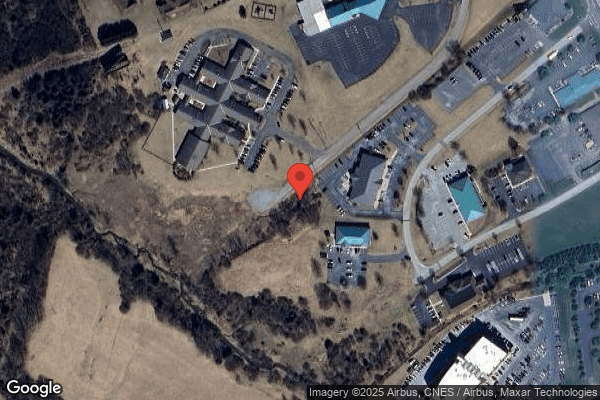
CONCERN (E) 📢 Someone Reported This

A family member, employee, or ombudsman was alarmed enough to file a formal complaint

Potential for Harm - no one hurt, but risky conditions existed

Deficiency F0561 (Tag F0561)

Could have caused harm · This affected multiple residents

Based on resident interviews, staff interviews, observations, and facility documentation, the facility staff failed to ensure multiple residents on 2 of 2 units had the opportunity to exercise autonom...

Read full inspector narrative →
Based on resident interviews, staff interviews, observations, and facility documentation, the facility staff failed to ensure multiple residents on 2 of 2 units had the opportunity to exercise autonomy regarding voting interests and preferences. The findings included: 1. The facility staff failed to ensure that multiple residents were able to pursue an activity that was important them. On 10/15/24 at 11:15 am, during the initial tour of the facility, Resident #114 (R114) and Resident #123 (R123) asked the surveyor if they were allowed to vote. R114 and R123 both stated that no one from the facility had talked with them about voting. R114 stated, I want to vote and need to know what to do. R123 stated, I have a voter's card and would like to vote. Also during this tour, no signage with voting information was observed. On 10/15/24 at 11:40 am, an interview was conducted with the social service director. The social service director said she had only been in this position since 9/26/24. The social service director said, If the resident is not registered to vote, then we will get them registered. When asked about the lack of posted voting information, the social service director stated, I will have the information hung up before the end of the day for the residents to see. When questioned further, the social service director said that she had not contacted the register's office but would do so that day. On 10/15/24 at 11:50 a.m., an interview was conducted with the administrator. The administrator said that the preparation for voting should begin the month of September. The administrator stated, Generally social services does the prep for voting but I didn't have anyone in social services for one month. The administrator said, If the residents are not registered, then we would fill out the registration forms so they can vote. When questioned about the lack of observable voting information, the administrator said that the information for the right to vote should be posted. The administrator stated, Residents can do an absentee ballot if they wanted to or go to the polls, we would take them there. On 10/15/24 at 4:30 p.m. an observation was conducted for voting information. This surveyor observed signs posted that read, If a resident was interested in voting to see the social service director ASAP [as soon as possible]. These signs were posted in common areas on each unit at the bulletin boards at the nurse's station, outside the dining room, and in the vending machine area. On 10/16/24 at 9:00 a.m., a follow-up interview was conducted with R114 and R123. R114 and R123 verbalized that no one from the facility had talked with them about voting and that they wanted to vote. On 10/16/24 at 12:10 p.m. an interview was conducted with Resident #103 (R103). R103 stated that over a month ago, I asked the activity assistant about voting and I didn't get a response. R103 said that she wanted to vote and was registered in another county to vote, so she was not sure how that worked. R103 said no one from the facility had discussed voting with her. R103 stated, If you don't vote, you are part of the problem. When the surveyor asked about being transported to the location where she is registered to vote, R103 stated that it was 2 hours away. On 10/16/24 at 12:20 p.m., an interview was conducted with Resident #106 (R106). R106 stated, I didn't know I could vote but I would like to. On 10/16/24 at 12:25 p.m., an interview was conducted with Resident #111 (R111). R111 said no one had spoken with her about voting from the facility. R111 said that she was registered, wanted to vote, and would like to do an absentee ballot. On 10/16/24 at 12:30 p.m., an interview was conducted with Resident #113 (R113). R113 said that she was not registered to vote and does not know how to register. R113 said she would like to vote in this election. On 10/16/24 at 12:35 p.m. an interview was conducted with Resident #108 (R108). R108 said she wanted to vote and was registered to vote in another county. On 10/16/24 at 12:38 p.m. an interview was conducted with Resident #102 (R102). R102 said that no facility staff had spoken with him about voting. R102 said he was registered and wanted to vote. On 10/16/24 at 12:50 p.m., a telephone call was placed to the voter registration office in the locality where the facility was located. The registrar reported that the deadline for non-registered voters to register ended at 5 p.m. on 10/15/24. As for the residents who are registered at other locations, the registrar stated that it would be up to the registrar at each locality as to whether the resident would be able submit an absentee ballot there or not. The registrar reported that the deadline for absentee ballots is that they must be received in the local office by 5pm on Thursday, October 24, 2024. On 10/16/24 at 3:00 p.m., an interview was conducted with the social services director. The social services director said that she called the register's office yesterday and was told if the resident is registered, an absentee ballot can be completed, but must be mailed out by Monday. The social worker director said, If the resident is not registered, then we have missed that deadline. The cutoff date was yesterday. The surveyor asked how the residents would see the notice about voting if they do not come out of their rooms and the social worker director said, We will go room to room and ask each resident about voting. On 10/16/24 at approximately 5:00 p.m., the administrator provided a document titled, Center for Clinical Standards and Quality, which was a CMS (Centers for Medicare and Medicaid services) guidance for nursing home policies. The administrator stated, We have no voting policy. This is all we have. The CMS document read in part, .certified long-term care facilities affirm and support the right of residents to vote. Nursing homes should have a plan to ensure residents can exercise their right to vote, whether in person, by mail, absentee ballot, or other authorized process. Assistance in registering to vote, requesting an absentee ballot or completing a ballot from an agent of the resident's choosing. No other information was provided prior to survey exit.
CONCERN (E) 📢 Someone Reported This

A family member, employee, or ombudsman was alarmed enough to file a formal complaint

Potential for Harm - no one hurt, but risky conditions existed

Deficiency F0725 (Tag F0725)

Could have caused harm · This affected multiple residents

**NOTE- TERMS IN BRACKETS HAVE BEEN EDITED TO PROTECT CONFIDENTIALITY** Based on observation, staff interviews and facility documentation review, the facility staff failed to have sufficient nursing s...

Read full inspector narrative →
**NOTE- TERMS IN BRACKETS HAVE BEEN EDITED TO PROTECT CONFIDENTIALITY** Based on observation, staff interviews and facility documentation review, the facility staff failed to have sufficient nursing staff to provide nursing and related services to multiple residents on 1 of 2 units. The findings included: The facility staff failed to have adequate nurse staffing to provide for resident care on 1 of 2 nursing units. On 10/17/24 at 4:15 p.m. an observation was completed on unit 2 nursing unit. When the surveyor entered the unit there were two nurses at the nurse's station and they were the only staff observed on the unit at that time. There were 4 call bells (rooms 223, 238, 241 and 410) sounding and a family member was standing at the nurse's station. The family member needed assistance, and the surveyor was unable to find any staff on the unit that could assist the family member, and the two nurses were no longer on the unit. The surveyor started toward the front offices to get assistance, and the regional traveling director of nursing was coming toward the unit, so she assisted the family member. The 4 call bells observed to still be sounding. Visitors were observed exiting room [ROOM NUMBER] and were heard telling the resident, I hope you get some help soon. rooms [ROOM NUMBERS] call bells were answered at 4:39 p.m. and 4:40 p.m. room [ROOM NUMBER] and 410's call bell was answered at 4:45 p.m. On 10/17/24 at 4:30 p.m. an interview was conducted with the CNA #7 (CNA7). CNA7 was at the nurse's station and was asked about staffing on the unit and she said she was on Unit 2 by herself at that time. On 10/17/24 at 4:35 p.m. the supply clerk, CNA # 8 came up to the nurse's station and stated, I am here to help out. On 10/17/24 at 4:45 p.m. the regional director of clinical services and the director of nursing confirmed that the unit 2 had only one aide at this time. Then the regional director of clinical services stated, here comes CNA5 [CNA's name redacted] back from lunch break now, so we have 2 aides now. On 10/17/24 at 5:00 p.m. an interview was conducted with other staff #3 (OS3), who does scheduling. OS3 stated, the unit manager asked another aide to stay over until 6:00 p.m. and OS3 did not know where she was while all the call bells were on and why she was not on the unit. On 10/17/24 a review of the nursing schedule was conducted. Unit 2 had only one aide scheduled from 3:00 p.m. until 7:00 pm. On 10/17/24 an end of day meeting was conducted with the administrator and corporate staff. The above concerns were discussed. No more information was provided.
CONCERN (E) 📢 Someone Reported This

A family member, employee, or ombudsman was alarmed enough to file a formal complaint

Potential for Harm - no one hurt, but risky conditions existed

Deficiency F0761 (Tag F0761)

Could have caused harm · This affected multiple residents

Based on observation, resident interview, staff interviews, facility documentation review, and clinical record review, the facility staff failed to assure that medications were secure and inaccessible...

Read full inspector narrative →
Based on observation, resident interview, staff interviews, facility documentation review, and clinical record review, the facility staff failed to assure that medications were secure and inaccessible to unauthorized staff and residents, for four residents (Resident # 16 (R16), Resident # 17 (R17), Resident # 18 (R18), and Resident # 19 (R19)) in a survey sample of 28 residents. The findings included: 1. For Resident R16, who had medications stored in their room, the facility staff failed to remove and secure the medications. On 7/30/24 in the afternoon, an interview was conducted with R16. During the interview R16 said, I use my nose spray every morning and eye drops when my eyes are dry. An interview was conducted with unit manager on unit 2, LPN# 2 (LPN2) on 7/31/24 at 10:05 a.m. During the interview LPN2 stated that medications are to be stored in the medication cart unless the medications need to be in the refrigerator, then the medication is stored in the medication room. LPN2 said, No medicine should be at bedside. LPN2 stated that nursing staff is aware residents should not have medication at bedside and if seen in the room the medication should be removed. Following the above interview, LPN2 accompanied the surveyor to R16's room and confirmed the medications at the bedside. LPN2 stated that R16's family brought the medication into the room but said, I would expect my staff to look around when in the room and remove the medications from the residents' rooms. A review of the clinical record was conducted on 8/6/24. The physician orders were reviewed and R16 had no orders for medications to be kept at the bedside or to self-medicate. Neither was an assessment of R16's ability for safe self-administration of medications found. 2. For Resident R17, who had medications stored at the bedside, the facility staff failed to remove the unsecured medications. On 7/30/24 at 4 p.m., during a facility tour, R17's room was observed with Flonase nasal spray on the overbed table. A review of the clinical record was conducted on 8/6/24. R17's care plan was reviewed, and the care plan was for the nurses to administer R17's medications. The physician orders were reviewed and R17 had no orders for medications to be stored at the bedside or to self-medicate. No assessment of the R17's ability to self-medicate safely was found. 3. For Resident R18, who had medications stored in his room, the facility staff failed to remove and store the medications appropriately. On 7/30/24 at 4 p.m., during a facility tour R18's room was observed with 2 bottles of dermal wound cleanser, zinc oxide paste in a prescription container with the top of the label torn off, and antifungal powder at the bedside, all unsecured. On 7/31/24 at 10:05 a.m., an interview was conducted with the unit manager, LPN2. LPN2 stated that R18 was out of the facility at the moment and would be back in a little while. LPN2 removed the medication off the bedside table. LPN2 said, I don't know why these were left in the room. They should be on the treatment cart. A review of the clinical record was conducted on 8/6/24. R18's care plan was reviewed, and the care plan was noted for the nurses to administer R18's medications. The physician orders were reviewed and R18 had no orders for medications may be kept at bedside or to self-medicate. No assessment of the R18's ability to self-medicate safely was found. 4. For Resident R19, who had medications stored in his room, the facility staff failed to remove the unsecured medications from R19's room. On 7/30/24 at 4 p.m., a tour of the facility's nursing units was conducted. During the tour, R19's room was observed with saline mist spray and Aquaphor ointment. An interview was conducted with R19 about the medications at his bedside on 7/30/24, following the observation of medications from the hallway. R19 stated, They brought it in here and told me to use it when I needed it for my stuffy nose. I use the ointment on my dry areas on my face and hands every day. On 7/31/24 at 10:05 a.m., an interview was conducted with unit manager on unit 2, LPN# 2 (LPN2). During the interview LPN2 stated that medications are stored in the cart unless the medications need to be refrigerated, then the medication is stored in the medication room. LPN2 said, No medicine should be at bedside. LPN2 stated that nursing staff is aware residents should not have medication at bedside and if seen in the room the medication should be removed. On 8/6/24 a review of R19's clinical record was conducted. The physician orders were reviewed and revealed that R19 had no orders that medications may be kept at bedside or for self-administrations of medications. No assessment of R19's ability to safely self-medicate was found. A review of facility documentation was conducted. A policy titled, Medication and Medication Supply Storage and Disposal, reads in part, .meds will be kept in a medication cart that locks and keys are only accessible to the licensed personnel distributing medications. An end of day meeting was held on 8/2/24 with the administrator, the director of nursing, the medical record coordinator and the social worker and they were made aware of the above concerns. No further information was provided.
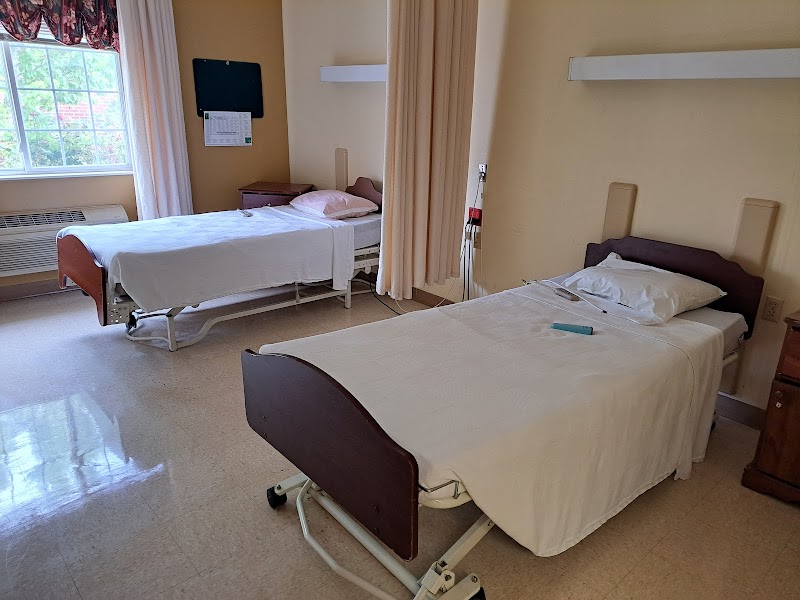
Jan 2024 1 deficiency
CONCERN (D) 📢 Someone Reported This

A family member, employee, or ombudsman was alarmed enough to file a formal complaint

Potential for Harm - no one hurt, but risky conditions existed

Deficiency F0776 (Tag F0776)

Could have caused harm · This affected 1 resident

**NOTE- TERMS IN BRACKETS HAVE BEEN EDITED TO PROTECT CONFIDENTIALITY** Based on staff interviews, facility document review, and closed record review, facility staff failed to follow physician's order...

Read full inspector narrative →
**NOTE- TERMS IN BRACKETS HAVE BEEN EDITED TO PROTECT CONFIDENTIALITY** Based on staff interviews, facility document review, and closed record review, facility staff failed to follow physician's orders to obtain a physician ordered stat x-ray for one of three residents, Resident #3 (R3). The findings included: According to the clinical record review on 1/29/24, R3 was admitted to the facility on [DATE], with diagnosis that included fracture of first lumbar vertebrae, lower back pain, muscle weakness, abnormalities of gait and mobility, atrial fibrillation, and hypertension. According to a 5 day Scheduled Minimum Data Set, with an Assessment Reference Date of 1/1/24, R3 was assessed under Section C (Cognitive Patterns) as being cognitively intact with a summary score of 13 out of 15. According to the facility incident/accident committee minutes, R3 was trying to get out of bed on 12/30/23 at 12:30 a.m. and was found on the floor. According to the physician order dated 12/31/23, a stat x-ray of the ribs was ordered due to R3 presenting with pain and swelling to the right ribcage. According to the progress notes by the FNP (Family Nurse Practitioner) dated 1/3/24, R3 had a fall, landing on right side and complaining of increased pain to right rib area and middle area of right back. The FNP noted that the on-call provider was notified and ordered an x-ray, but given the holiday weekend this has not yet been completed. On 1/29/24 at 3:30 p.m., the Director of Nursing (DON) was interviewed and stated that the expectation that a stat x-ray should be obtained within 3 days but may take longer on holidays. On 1/29/24 at 3:45 p.m., the facility's Medical Director (MD) was interviewed. The MD stated that the expectation of a stat x-ray should generally be done within 48 hours but with a holiday weekend it may be longer. The MD stated that R3 was seen on 1/3/24 and complained mostly about right shoulder pain. The MD stated, It was unfortunate that the x-ray wasn't obtained but on the other hand fortunate because a CT scan was completed at the hospital . if the x-ray would have been completed at the facility the course of treatment wouldn't have changed. [R3] didn't need to go out to hospital for rib fractures and I wouldn't have ordered a CT [computed tomography] scan to be completed. When questioned further, the MD stated that R3 would have been treated in the facility with pain medications, rest, no coughing or laughing, to prevent pain and would hold therapy only if pain worsened. When questioned if the delay in treatment resulted in the fracture being deemed inoperable, the MD read the hospital report that the L1 fracture compression was worse and stated that it was deemed inoperable at the first fall R3 had, which was prior to coming to the facility, due to the scoliosis. The hospital records were reviewed to verify the information that was provided by the MD during the interview. On 1/30/24 at 9:54 a.m., licensed practical nurse (LPN #2) was interviewed about the process of ordering an x-ray. LPN #2 stated that the order is put in the computer and then they call the x-ray company to confirm the order. LPN #2 stated that the x-ray staff would come out same day or the next day for a stat order. On 1/30/24 at 10:11 a.m., a phone interview was conducted with the x-ray company staff (other staff, OS#4) regarding the availability of x-rays being obtained and if an order for R3 was received on 12/31/23. OS#4 stated that x-rays can be done 24 hours a day and 7 days a week. Stat orders are completed by first come, first served, and are made priority and usually completed same day or the next day. OS#4 stated that no order for R3 on 12/31/23 was showing up in their computer system. On 1/30/24 at 10:23 a.m., another phone call was placed to the x-ray company staff (other staff, OS#5). When questioned about when a stat x-ray would be completed, OS#5 stated that it depends on how many are received that day, but a stat x-ray would usually be completed in the same day. OS#5 also verbalized what OS#4 stated about no order is showing in the computer system for R3 to have a stat x-ray on 12/31/23. On 1/30/24 at 1:30 p.m., the DON was interviewed about why no follow up was done on the stat x-ray ordered. The DON stated, I don't have an answer to why it wasn't followed up on. The DON demonstrated how an x-ray order is put into the computer and stated the nurse who entered R3's order for the stat x-ray into the computer had left areas blank on the form. When questioned further, the DON stated that the incomplete order had not been transmitted to the x-ray company. On 1/30/24 at 2:21 p.m., an interview was conducted with the administrator. The administrator expressed concern that the x-ray was not done timely and was in the process of reviewing this concern. On 1/30/24 at 4:10 p.m., a meeting was held to discuss these findings with the Administrator, Director of Nursing, and the Regional Nurse Consultant. No other information was provided prior to exit conference.
Feb 2023 17 deficiencies
CONCERN (D) 📢 Someone Reported This

A family member, employee, or ombudsman was alarmed enough to file a formal complaint

Potential for Harm - no one hurt, but risky conditions existed

Deficiency F0554 (Tag F0554)

Could have caused harm · This affected 1 resident

**NOTE- TERMS IN BRACKETS HAVE BEEN EDITED TO PROTECT CONFIDENTIALITY** 2. The facility staff failed to ensure Resident #293 was assessed for self administration of medications. LPN (Licensed Practica...

Read full inspector narrative →
**NOTE- TERMS IN BRACKETS HAVE BEEN EDITED TO PROTECT CONFIDENTIALITY** 2. The facility staff failed to ensure Resident #293 was assessed for self administration of medications. LPN (Licensed Practical Nurse) #1 allowed Resident #293 to self administer insulin to herself without an assessment and/or a physician's order to do so. Findings include: Resident #293 was admitted to the facility on [DATE] and discharged from the facility on 08/29/22. Diagnoses for Resident #293 included, but were not limited to: CHF (congestive heart failure), high blood pressure, renal insufficiency, DM (diabetes mellitus), seizure disorder, anxiety disorder, depression, acute osteomyelitis of the left foot with toe amputation, and chronic pain syndrome. Resident #293's most recent MDS (minimum data set) was an admission assessment dated [DATE]. This MDS assessed the resident with a cognitive score of 13, indicating the resident was intact for daily decision making skills. Resident #293 was also assessed as requiring extensive assistance of at least one or two staff members for mobility, toileting, and bathing. This MDS assessed that Resident #293 had received insulin injections in the previous 6 (six) day look back period. A closed record review was conducted on Resident #293. The resident's progress notes were reviewed from admission to discharge. A nursing progress note dated 07/24/22 and timed 11:23 AM documented, .states her medications are not right and correct them .signature of LPN (Licensed Practical Nurse) #1. A nursing note dated 07/24/22 and timed 12:57 PM documented, .resident said all of her meds were not right told her that I would put her in the book and she could talk to the Dr. in the morning instead of 5 units before meals she [resident #293] states that is wrong it is supposed to be 35 units this writer is not comfortable and she [resident #293] gave her self (sic) the insulin .signature of LPN #1. No other progress notes were written for Resident #293 on 07/24/22 after the above note at 12:57 PM. Resident #293's physician orders were reviewed and documented an order for, but not limited to: .Insulin Lispro Subcutaneous Pen Injector 200 unit/ml (units/milliliter) Inject 5 [five] units before meals for dm [diabetes mellitus] (Start date: 07/23/22) . Resident #293's July 2022 MARs (medication administration records) were reviewed. The MARs documented the above Lispro pen injector insulin order of 5 units before meals and had times of administration at 6:30 AM, 11:30 AM, and 4:30 PM. In the 11:30 AM slot on 07/24/22, LPN #1 documented initials along with the number '9' (9=Other/See Nurse Notes). In the 4:30 PM slot on 07/24/22, LPN #1 documented initials and the number '9' again (9=Other/See Nurse Notes). There was no nursing note associated with this entry. Resident #293's clinical records were reviewed for an assessment of Resident #293's ability to self administer medications. No assessment was found. The physician's orders were again reviewed. There were no physician's orders for the resident to self administer any type of medications. On 02/27/23 at approximately 2:30 PM, the DON (director of nursing) was asked for assistance in locating a self administration of medication assessment for Resident #293. At approximately 3:45 PM, the DON stated that there was no assessment found for Resident #293. On 02/27/23 at approximately 4:15 PM, the DON, administrator, AIT (administrator in training), and corporate nurses were made aware of the above information in a meeting with the survey team. The DON was asked if the physician should have been called and the medicine held until there was clarification from the physician, the facility staff agreed. The DON was asked if insulin is a usual medication for a resident to self administer at the facility, the DON stated that it was not. A physician's progress note dated 07/25/22 (the day after the resident administered her own insulin) documented, .Today she was complaining that her medication list is not accurate .not on the correct dose .Type 2 diabetes mellitus with hyperglycemia reviewed her medications and adjusted her insulin dosing . The physician's orders were again reviewed and revealed an insulin order for: .07/25/22 order date .07/26/22 start date: Insulin Lispro injection .inject 35 units .two times a day .before breakfast and lunch AND inject 40 units .in evening .at dinner . On 02/27/23 at approximately 3:15 PM, the DON, administrator, AIT (administrator in training), and corporate nurse were made aware of concerns that Resident #293 administered her own insulin without an assessment and/or a physician's order. No further information and/or documentation was presented prior to the exit conference on 02/28/23. Based on observation, resident interview, staff interview, facility document review, and clinical record review, the facility staff failed to assess two of twenty-nine residents in the survey sample for self-administration of medications (Residents #20 and #293). The findings include: 1. Resident #20 had prescription Flonase (fluticasone propionate) nasal spray at the bedside and self-administered the spray with no prior assessment of the resident's ability to safely administer the medication. Resident #20 was admitted to the facility with diagnoses that included hypothyroidism, duodenal ulcer, restless leg syndrome, depression, anxiety, seasonal allergic rhinitis, anemia, and gastroesophageal reflux disease. The minimum data set (MDS) dated [DATE] assessed Resident #20 as cognitively intact. On 2/26/23 at 3:40 p.m., a box containing a bottle of Flonase 50 mcg (micrograms) nasal spray was on top of the resident's bedside table. With the resident's permission, the Flonase was inspected. The Flonase was labeled from the pharmacy with Resident's #20's name and issue date of 10/29/22. Resident #20 was interviewed at this time about the Flonase. Resident #20 stated she did not use the spray at each bedtime as listed on the label. Resident #20 stated, I use it when I need it. I use it myself. Resident #20 stated she kept the spray on the bedside table so she could reach it when needed. Resident #20's clinical record documented no current physician's order for Flonase 50 mcg nasal spray. There was no physician's order for the resident to self-administer any medication. The clinical record documented no resident assessment by the interdisciplinary team of the resident's ability to safely self-administer the medication. The resident's plan of care (revised 12/21/22) included no problems, goals and/or interventions regarding self-administration of medications. On 2/27/23 at 4:45 p.m., registered nurse (RN #4) caring for Resident #20 was interviewed about the Flonase at the bedside. RN #4 reviewed the physician orders and stated there was no current order for the medication. RN #4 stated, She [Resident #20] used to have an order for it [Flonase]. RN #4 stated that she did not know if the resident had been assessed to self-administer. On 2/27/23 at 4:55 p.m., the licensed practical nurse unit manager (LPN #5) was interviewed about Resident #20's bedside Flonase. LPN #5 stated she was not aware the resident had medication in the room. Accompanied by LPN #5, Resident #20's Flonase was observed on the resident's bedside table. LPN #5 stated the medication was labeled from their pharmacy. LPN #5 stated the resident had no current order for the medication and there was no documented assessment for the resident to self-administer the medication. LPN #5 stated residents were supposed to be assessed by the interdisciplinary team and the self-administration deemed safe/appropriate prior to placing the medicine at the bedside. On 2/28/23 at 1:40 p.m., the director of nursing (DON) was interviewed about Resident #20's bedside Flonase. The DON stated the medication should not have been at the bedside until after the interdisciplinary team assessed the resident. The DON stated if approved, a physician's order would be obtained and the care plan updated. The facility's policy titled Self-Administration of Medication at Bedside (revised 8/22/17) documented, The resident may request to keep medications at bedside for self-administration in accordance with Resident Rights. Criteria must be met to determine if a resident is both mentally and physically capable of self-administering medication and to keep accurate documentation of these actions .Verify physician's order in the resident's chart for self-administration .Complete Self-Administration of Medications Evaluation .Interdisciplinary Team will review the evaluation .Complete the Care Plan for approved self-administered drugs .The MAR [medication administration record] must identify meds [medications] that are self-administered . This finding was reviewed with the administrator, director of nursing and regional nurse consultants on 2/27/23 at 5:30 p.m.
CONCERN (D) 📢 Someone Reported This

A family member, employee, or ombudsman was alarmed enough to file a formal complaint

Potential for Harm - no one hurt, but risky conditions existed

Notification of Changes (Tag F0580)

Could have caused harm · This affected 1 resident

Based on staff interview and clinical record review, the facility staff failed to notify the responsible party (RP) for one of 29 residents (Resident #289). This was a closed record review. The findi...

Read full inspector narrative →
Based on staff interview and clinical record review, the facility staff failed to notify the responsible party (RP) for one of 29 residents (Resident #289). This was a closed record review. The findings include: Resident #289's RP was not notified of Resident #289's discharge. Diagnoses for Resident #289 included: Alzheimer's, edema, dementia, depression, and delirium. The most current MDS (minimum data set) was a quarterly assessment with an ARD (assessment reference date) of 1/15/22. Resident #289 was assessed with a cognitive score of 6 indicating severely cognitively impaired. On 2/28/23, a review of Resident #289's clinical revealed (via the current MDS) that Resident #289 was discharged to another facility. Review of the nursing progress notes did not evidence a note had been written indicating the discharge or any notification to the RP that a discharge was taking place. On 2/28/23 at 10:15 AM, the regional nurse consultant (Administrative Staff, AS #4) was asked to review Resident #289's clinical record for RP notification of discharge and any other information regarding Resident #289's discharge. AS #4 said she would check with medical records to see what could be found. On 2/28/23 at 10:25 AM, the social worker (other staff, OS #1) was interviewed. OS #1 said that she helped with the planning of resident discharges and helped prepare resident's for discharge. OS #1 was asked to review Resident #289's clinical record for discharge notification to Resident #289's RP. On 2/28/23 at 11:55 AM, the medical record person (other staff, OS #10) verbalized that there was no documentation found regarding notification to the RP of Resident #289's discharge. On 2/28/23 at 3:10 PM, OS #1 showed documentation of Resident #289's discharge instruction form (verbalizing her assistant had filled the form out) and went on to say that she (OS #1) felt that she had notified the RP but could not find any documentation regarding notification of discharge to the RP. On 2/28/23 at 3:15 PM, the above information was presented to the administrator and director of nursing. No other information was presented prior to exit on 2/28/23.
CONCERN (D)

Potential for Harm - no one hurt, but risky conditions existed

Safe Environment (Tag F0584)

Could have caused harm · This affected 1 resident

**NOTE- TERMS IN BRACKETS HAVE BEEN EDITED TO PROTECT CONFIDENTIALITY** Based on observation, family interview, staff interview, and clinical record review, the facility staff failed to provide a clea...

Read full inspector narrative →
**NOTE- TERMS IN BRACKETS HAVE BEEN EDITED TO PROTECT CONFIDENTIALITY** Based on observation, family interview, staff interview, and clinical record review, the facility staff failed to provide a clean, homelike environment for one of twenty-nine residents in the survey sample (Resident #2). The findings include: Resident #2's room was observed with food, spills, and trash on the floor, as well as a broken bedside table. Resident #2 was admitted to the facility with diagnoses that included cerebral infarction, hernia, congestive heart failure, protein-calorie malnutrition, atherosclerotic heart disease, and hypothyroidism. The minimum data set (MDS) dated [DATE] assessed Resident#2 as cognitively intact. On 2/27/23 at 7:56 a.m., Resident #2 was observed in bed with her eyes closed. There were two pieces of partially eaten bread and an empty medicine cup laying on the floor between the bed and the heating unit. There was a medication caplet on the floor to the right of the heating unit. There were multiple spills on the floor beside the Resident #2's bed and under the over-bed table. The over-bed table had liquid spills on the surface. Several pieces of paper trash were in the floor around the bed. The bedside table near the center of the room was in disrepair. The door on the lower portion of the table was hanging open at an angle. The door would not latch when attempts were made to close the door. The hand sanitizer dispenser on the wall near the room entrance was empty. Resident #2's room was observed again on 2/27/23 at 9:30 a.m. and on 11:30 a.m. in the same condition with trash, spills, debris, and food items on the floor/in the room. On 2/27/23 at 10:21 a.m., Resident #2's family member was interviewed about the resident's quality care/life in the facility. The family member stated that she visited the resident frequently and was concerned about the housekeeping and room appearance during visits. The family member stated she frequently found sticky substances on the over-bed table, in addition to spills and trash on the floor during visits. The family member stated that housekeeping needs improvement and she was not happy with the cleanliness of Resident #2's room. On 2/28/23 at 8:15 a.m., the housekeeping supervisor (other staff #9) was interviewed about the condition of Resident #2's room. OS #9 stated that there was one housekeeper assigned to each unit and rooms were supposed to be cleaned daily and as needed. OS #9 stated that housekeepers worked only during the day shift and were supposed to do rounds on their unit each shift and prioritize cleaning. OS #9 stated that Resident #2's room was probably not cleaned until the afternoon (2/27/23) and food/spills should not have been left on the floor. OS #9 stated that spilled liquids and food items should be cleaned promptly following meals. OS #9 stated that the broken bedside table should have been reported to maintenance for repair. This finding was reviewed with the administrator, director of nursing and regional nurse consultants on 2/27/23 at 5:30 p.m.
CONCERN (D)

Potential for Harm - no one hurt, but risky conditions existed

Deficiency F0602 (Tag F0602)

Could have caused harm · This affected 1 resident

Based on medication pass and pour observation, staff interview, clinical record review, and facility document review, the facility staff failed to ensure One of 29 residents was free from misappropria...

Read full inspector narrative →
Based on medication pass and pour observation, staff interview, clinical record review, and facility document review, the facility staff failed to ensure One of 29 residents was free from misappropriation of property, Resident #57. Resident #57's medication was borrowed by a staff member to be administered to another resident. Findings were: A medication pass and pour observation was conducted with RN (registered nurse) #3 at approximately 8:45 a.m RN #3 was observed preparing and administering medications to Resident # 294. At the conclusion of the medication pass, the medicines were reconciled against the physician orders. Resident #294 had four medications scheduled for the 9:00 a.m. medication pass that were not observed as given, but were each signed off on the MAR (medication administration record) as administered. The four medications were: Gabapentin 100 mg, Ferrous Sulfate 325 mg, Acidophilus Capsule, and Bacid. RN #3 was interviewed at approximately 10:30 a.m., regarding the described omitted medications for Resident #294. RN #3 stated, I had her [Resident #294] confused with someone else, I will get them. At 10:45 a.m., RN #3 came to the conference room and stated that she was ready to give the omitted meds to Resident #294. Observed on the medication cart was a med cup with three pills. RN#3 stated, That resident [#294] does not have any Gabapentin here .I had to borrow it from another resident .I had to do the same thing yesterday .I had to sign them both out today I wanted to take more for later but [name of LPN #3] said no, that is too much to waste. When asked what she meant when she said she borrowed it, RN#3 stated, If there is another resident on the same medication, we can borrow it .another nurse signs it off with me as wasted. When asked if that was within the facility policy, RN#3 stated, Yes. At approximately 1050 a.m., the med cart where Gabapentin was borrowed from was observed. LPN #3 was interviewed about the Gabapentin that was borrowed by RN #3. The narcotic sheet belonging to Resident #57 was observed. Per the narcotic sheet 30, 100 mg tablets of Gabapentin were received at the facility on 02/17/2023, with orders to administer 1 cap three times per day. The first dose from that sheet was administered on 02/23/2023 at 3:00 p.m. All doses were listed in date range order including the dose for 8:00 a.m., on 02/27/2023. Two doses were signed out after that by RN #3 with the dates of administration being 02/25/2023 and 02/26/2023. Two more doses were signed out and marked through as errors. The Gabapentin count remaining on the card was correct at 16. LPN #3 was asked who had counted the narcotics the previous evening and at change of shift, as well as whether the count was correct. LPN #3 stated that she had done the counts and they were correct. When asked how the count was correct if RN #3 had borrowed a Gabapentin the day before and not signed it out until that morning, LPN #3 stated, My count was right .I'm going to be honest, she took both of them today and wanted to take more, but I told her no. When asked where the second Gabapentin obtained that morning was, LPN #3 stated, I don't know. When asked if nurses normally share meds/borrow meds between residents, LPN#3 stated, No, we are supposed to call the pharmacy and get them from [Name of dispensary]. The DON came to the unit at that time and stated that she was looking in to this, as RN #3 had come to her and told her about borrowing of the meds. When asked if it was within facility policy to borrow medications from another resident, the DON stated, No, and I told her that. I told her she has to get the medications from the pharmacy. Resident #294's MAR (medication administration record) was reviewed at 11:15 a.m. RN #3 had documented that she had given Resident #294 her Gabapentin at 9:00 a.m. and 5:00 p.m. on 02/25/2023 and 02/26/2023. RN #3 was interviewed and asked if she had given the medication on those days and at those times. She stated, I don't know if I gave it or not, I am getting her and another resident confused. When asked about the second Gabapentin she borrowed from Resident #57 earlier in the day, RN#3 pulled open the top drawer of the med cart. A medication cup was observed with a pill inside. RN#3 stated, This is for later .I was going to take more but [name of LPN #3] said no, she couldn't let me have that much. When asked about her earlier statement that she had borrowed Gabapentin the previous evening, RN#3 was asked who she had borrowed it from. RN #3 stated, I don't remember what I did, I don't think I gave it to her, I 'm getting them all mixed up. The DON came to the conference room at 1230 and stated, I found the extra Gabapentin on the cart .I am throwing it away .We are going to count all the med carts now. While counting the medication cart on Unit 4 (where Resident #57's medications were kept), LPN #3 was asked about the practice of borrowing medications and how often it was done. LPN #3 stated, Not very often .we are supposed to go through the pharmacy .She [RN #3] was in such a dither about the Gabapentin .she kept saying she needed it right now .I just gave it to her and signed with her that it was wasted. All narcotics were counted with no errors noted. During the count each narcotic sheet was observed. There were no entries on the narcotic sheets (other than Resident #57) that medications had been wasted. Per the facility policy, Medication-oral Administration .medications ordered for a particular resident may not be administered to another resident, unless permitted by State law and facility policy, and approved by the Director of Nursing . Also, per the facility policy Abuse, neglect, Exploitation & Misappropriation .Misappropriation of resident properly is the deliberate misplacement, exploitation, or wrongful, temporary, permanent use of a resident's belongings or money without the resident's consent. Employee Mispronunciation includes but is not limited to: .Diversion of resident's medication(s), including, but not limited to, controlled substances for staff use or personal gain . The above information was discussed during an end of the day meeting on 02/27/2023 with the DON and the administrator. No further information was obtained prior to the exit conference on 02/28/2023.
CONCERN (D) 📢 Someone Reported This

A family member, employee, or ombudsman was alarmed enough to file a formal complaint

Potential for Harm - no one hurt, but risky conditions existed

Deficiency F0661 (Tag F0661)

Could have caused harm · This affected 1 resident

**NOTE- TERMS IN BRACKETS HAVE BEEN EDITED TO PROTECT CONFIDENTIALITY** Based on staff interview, and clinical record review, the facility staff failed to ensure a discharge summary was completed for ...

Read full inspector narrative →
**NOTE- TERMS IN BRACKETS HAVE BEEN EDITED TO PROTECT CONFIDENTIALITY** Based on staff interview, and clinical record review, the facility staff failed to ensure a discharge summary was completed for one of 29 residents. This was closed record review. The findings include: The facility did not complete a discharge summary for Resident #289. Diagnoses for Resident #289 included: Alzheimer's, edema, dementia, depression, and delirium. The most current MDS (minimum data set) was a quarterly assessment with an ARD (assessment reference date) of 1/15/22. Resident #289 was assessed with a cognitive score of 6 indicating severely cognitively impaired. On 2/28/23 Resident #289's clinical record was reviewed and documented (via the current MDS) dated [DATE], that Resident #289 was discharged to another facility. Review of the nursing progress notes and physician progress notes did not evidence a discharge summary had been completed. On 2/28/23 at 10:15 AM, the regional nurse consultant (Administrative Staff, AS #4) was asked to review Resident #289's medical record for a discharge summary. AS #4 said that she would check with medical records to see what could be found. On 2/28/23 at 10:25 AM, the social worker (other staff, OS #1) was interviewed. OS #1 said that she helped with the planning of resident discharges and helped prepare resident's for discharge. OS #1 was asked to review Resident #289's clinical record for a discharge summary. On 2/28/23 at 11:55 AM, the medical record person (other staff, OS #10) verbalized that no documentation had been found that a discharge summary had been completed. On 2/28/23 at 3:10 PM, OS #1 showed documentation of Resident #289's discharge instruction form (verbalizing that her assistant had filled the form out) and went onto say that she could not find where a discharge summary had been completed. On 2/28/23 at 3:15 PM the above information was presented to the administrator and director of nursing. No other information was presented prior to exit on 2/28/23.
CONCERN (D)

Potential for Harm - no one hurt, but risky conditions existed

ADL Care (Tag F0677)

Could have caused harm · This affected 1 resident

**NOTE- TERMS IN BRACKETS HAVE BEEN EDITED TO PROTECT CONFIDENTIALITY** Based on Resident interview, staff interview, and clinical record review, the facility staff failed to provide Activities of Dai...

Read full inspector narrative →
**NOTE- TERMS IN BRACKETS HAVE BEEN EDITED TO PROTECT CONFIDENTIALITY** Based on Resident interview, staff interview, and clinical record review, the facility staff failed to provide Activities of Daily Living (ADL's) for two of 29 residents (Residents #40 and Resident #293). The Findings Include: 1. Facility staff failed to provide a scheduled shower for Resident #40. Diagnoses for Resident #40 included; Adult failure to thrive, diabetes, major depression, and stage three pressure ulcer. The most current MDS (minimum data set) was an admission assessment with an ARD (assessment reference date) of 1/12/2023. Resident #40 was assessed with a cognitive score of 13 indicating cognitively intact. During the interview with Resident #40 conducted on 2/26/23 at 4:10 PM, Resident #40 verbalized that the staff had not given her a shower on Friday (2/24/23) as scheduled, and went on to say that one of the nursing staff said there wasn't enough towels or washcloths. On 2/27/23 Resident #40's clinical record was reviewed. Section G, Functional Status indicated Resident #40 needed extensive assistance with one person to assist for bathing. Resident #40's shower record was also reviewed and did not evidence that Resident #40 received a shower on 2/24/23. The shower record did document Resident #40 last received a shower on 2/22/23. Review of Resident #40's shower schedule evidenced showers to be completed every Tuesday and Friday. On 2/28/23 9:01 AM, certified nursing assistant (CNA #2) was interviewed. CNA #2 reviewed the shower records and verbalized that she was assigned to Resident #40 on 2/24/23, but could not remember why Resident #40 did not receive a shower and did not remember if she offered Resident #40 a shower. When asked about shortages of linen supplies, CNA #2 verbalized that does happen and sometimes that will prevent a resident from getting a shower. On 2/28/23 at 9:05 AM, laundry aide (Other Staff, OS #14) was interviewed regarding shortages of linens. OS #14 verbalized, up until a few days ago, he was the only laundry aide, and only worked 6 hours a day, making it hard to keep up with all the laundry. OS #14 said that some CNA's will come to the laundry room, take a stack of towels and washcloths, and hide them, which left other CNA's short of linens. On 2/28/23 at 3:09 PM the above finding was presented to the administrator and director of nursing during a surveyor/facility staff meeting. No other information was presented prior to exit conference on 2/28/23. 2. The facility staff failed to assist Resident #293 with toileting. Findings include: Resident #293 was admitted to the facility on [DATE] and discharged from the facility on 08/29/22. Diagnoses for Resident #293 included, but were not limited to: CHF (congestive heart failure), high blood pressure, renal insufficiency, DM (diabetes mellitus), seizure disorder, anxiety disorder, depression, acute osteomyelitis of the left foot with toe amputation, and chronic pain syndrome. The resident's most recent MDS (minimum data set) was an admission assessment dated [DATE]. This MDS assessed the resident with a cognitive score of 13, indicating the resident was intact for daily decision making skills. The resident was also assessed as requiring extensive assistance of at least one or two staff members for bed mobility, transfers and toileting. This MDS assessed the resident in Section H. Bladder and Bowel H0300. Urinary Incontinence, as 'Occasionally incontinent' and H0400. Bowel Continence as 'Always continent'. A closed record review was conducted on Resident #293. The resident's progress notes were reviewed from admission to discharge. A nursing progress note dated 08/29/22 (the date of the resident's discharge) and timed 5:32 AM documented, .Went to unit four this am to pass meds. This patient asked me to take her to the restroom. I told this patient that I would but when she was ready to get off I didn't know if I would be able to get her off right away. She said so you are refusing to take me I stated no (sic) .Patient proceeded to argue with me. Told this patient to let me check her blood sugar and I would take her and be back as soon as I could. She stated no they can take my BS [blood sugar] later I am going to the restroom. Told her again I would take her and she again stated no. Patient wheeled her self (sic) to unit two and sat at the nurse's station .signature of LPN (Licensed Practical Nurse) #6. On 02/28/23 at approximately 12:30 PM, the DON was made aware of the above information. The DON stated the LPN (identified as LPN #6) had worked night shift the night prior and she could get a number for a phone interview. On 02/28/23 at 3:00 PM, LPN #6 was interviewed by phone and was asked about the nursing note written on 08/28/22 regarding Resident #293. The LPN stated that the she was busy passing pills and did not have time to take the resident to the bathroom. The LPN then stated that she could have taken the resident, but stated that the resident was one that liked you to stay with her until she finished and that she (LPN #6) simply did not have time. The LPN was asked why she was pressed for time. The LPN stated that it was not due to staffing. The LPN was asked if a CNA (certified nursing assistant) could have taken the resident, the LPN stated, they were probably doing their last rounds (2 CNA's) and were just busy too. The LPN stated that she did not ask a CNA to assist the resident. The LPN again stated that she told the resident she could take her, but didn't know when she would be able to return to get her off the toilet. On 02/28/23 at approximately 3:15 PM, the DON (director of nursing), administrator, AIT (administrator in training), and corporate nurses were made aware of the above information in a meeting with the survey team. The facility staff were asked what should have happened with LPN #6 and Resident #293. The DON and administrator stated at the same time, Take her to the bathroom. The other facility staff all agreed the LPN should have taken the resident to the bathroom. No further information and/or documentation was presented prior to the exit conference on 02/28/23.
CONCERN (D)

Potential for Harm - no one hurt, but risky conditions existed

Medical Records (Tag F0842)

Could have caused harm · This affected 1 resident

**NOTE- TERMS IN BRACKETS HAVE BEEN EDITED TO PROTECT CONFIDENTIALITY** Based on staff interview and clinical record review, the facility staff failed to ensure a complete medical record for one of tw...

Read full inspector narrative →
**NOTE- TERMS IN BRACKETS HAVE BEEN EDITED TO PROTECT CONFIDENTIALITY** Based on staff interview and clinical record review, the facility staff failed to ensure a complete medical record for one of twenty-nine residents in the survey sample (Resident #2). The findings include: Resident #2's clinical record did not include documentation of nursing visits by hospice. Resident #2 was admitted to the facility with diagnoses that included cerebral infarction, hernia, congestive heart failure, protein-calorie malnutrition, atherosclerotic heart disease, and hypothyroidism. The minimum data set (MDS) dated [DATE] assessed Resident#2 as cognitively intact. Resident #2's clinical record documented a physician's order dated 11/1/22 for hospice care. The resident's clinical record included a hospice plan of care and care visits by hospice certified nurses' aides. The clinical record from 11/1/22 through 2/27/23 documented no ongoing visits from hospice nurses. On 2/28/23 at 8:30 a.m., the licensed practical nurse unit manager (LPN #5) was interviewed about any hospice nurse visits for Resident #2. LPN #5 stated the nurses came about twice per week, but she was not provided any notes from their visits. LPN #5 stated the aides left a sheet documenting the care provided but she had no documentation of nursing visits. LPN #5 stated the nurses verbally communicated as needed about any changes in care but did not provide documentation of their visits. On 2/28/23 at 8:41 a.m., the medical records clerk (other staff #10) was interviewed about Resident #2's hospice nursing notes. Other staff #10 stated the hospice nurses did not leave records of their visits. other staff #10stated, I've asked for them and asked for them and never get them. Other staff #10 stated that the nurses documented in their own system and refused to forward the notes to the nursing facility. Other staff #10 stated, We've asked multiple times and they [hospice] don't respond. On 2/28/23 at 11:00 a.m., the director of nursing (DON) was interviewed about hospice nursing notes. The DON stated, We've told them [hospice] we need them, and they say they will send them but we don't get them. On 2/28/23 at 1:48 p.m., the DON stated she contacted hospice and they reported nursing visit notes were supposed to be forwarded to the facility at least weekly. The DON stated hospice nurses visited the resident routinely but had not provided visit notes for Resident #2. This finding was reviewed with the administrator, director of nursing and regional nurse consultants during a meeting on 2/28/23 at 3:10 p.m.
CONCERN (D)

Potential for Harm - no one hurt, but risky conditions existed

Infection Control (Tag F0880)

Could have caused harm · This affected 1 resident

Based on observation, staff interview and facility document review the facility staff failed to ensure proper hand hygiene for one of 29 residents (Resident #40). The Findings Include: Proper hand hyg...

Read full inspector narrative →
Based on observation, staff interview and facility document review the facility staff failed to ensure proper hand hygiene for one of 29 residents (Resident #40). The Findings Include: Proper hand hygiene was not performed during a dressing change for Resident #40. Diagnoses for Resident #40 included; Adult failure to thrive, diabetes, major depression, and stage three pressure ulcer. The most current MDS (minimum data set) was an admission assessment with an ARD (assessment reference date) of 1/12/2023. Resident #40 was assessed with a cognitive score of 13 out of 15, indicating cognitively intact. On 2/27/23 at 9:53 AM, registered nurse (RN #6) performed a dressing change on Resident #40. RN #6 removed the old dressing, cleaned the wound using wound cleanser, removed gloves and reached into her pocket and pulled out another pair of gloves, applied the gloves (without doing any hand hygiene), applied wound medication, and redressed the wound. After the dressing was completed, RN #6 was asked about cleaning or washing hands in-between glove changes. RN #6 verbalized that she should have used hand sanitizer between glove changes. On 2/27/23 at 5:26 PM, the above information was presented to the administrator and director of nursing. The administrator verbalized that hand hygiene should have taken place between changing gloves. A policy titled Dressing Changes was presented and read in part [ .] Perform hand hygiene, apply gloves, remove and depose of soiled dressing, remove gloves, perform hand hygiene, apply gloves [ .]. No other information was provided prior to exit conference on 2/28/22.
CONCERN (E) 📢 Someone Reported This

A family member, employee, or ombudsman was alarmed enough to file a formal complaint

Potential for Harm - no one hurt, but risky conditions existed

Deficiency F0635 (Tag F0635)

Could have caused harm · This affected multiple residents

**NOTE- TERMS IN BRACKETS HAVE BEEN EDITED TO PROTECT CONFIDENTIALITY** Based on clinical record review and staff interview, the facility staff failed to ensure immediate care orders upon admission fo...

Read full inspector narrative →
**NOTE- TERMS IN BRACKETS HAVE BEEN EDITED TO PROTECT CONFIDENTIALITY** Based on clinical record review and staff interview, the facility staff failed to ensure immediate care orders upon admission for Resident #293 regarding diet. Findings include: Resident #293 was admitted to the facility on [DATE] and discharged from the facility on 08/29/22. Diagnoses for Resident #293 included, but were not limited to: CHF (congestive heart failure), high blood pressure, renal insufficiency, DM (diabetes mellitus), seizure disorder, anxiety disorder, depression, acute osteomyelitis of the left foot with toe amputation, and chronic pain syndrome. Resident #293's most recent MDS (minimum data set) was an admission assessment dated [DATE]. This MDS assessed Resident #293 with a cognitive score of 13, indicating the resident was intact for daily decision making skills. Resident #293 was also assessed as requiring extensive assistance of at least one or two staff members for mobility, toileting, and bathing. Resident #293triggered in the CAAS (care area assessment summary) section of this MDS for care planning of nutrition. A physician's progress note dated 07/25/22 documented, .Allergy list: .tomato products .clams . Resident #293's physician's orders were reviewed from admission to discharge. There were no diet orders found for Resident #293. Resident #293's care plan was reviewed. The care plan documented, .dietary consult as needed .Provide, serve diet as ordered .RD to evaluate and make diet change recommendations . On 02/27/23 at approximately 4:15 PM, the DON, administrator, AIT (administrator in training), and corporate nurse were made aware of the above information in a meeting with the survey team. No further information and/or documentation was presented prior to the exit conference on 02/28/23 to evidence that Resident #293 had a physician ordered diet.
CONCERN (E)

Potential for Harm - no one hurt, but risky conditions existed

Deficiency F0658 (Tag F0658)

Could have caused harm · This affected multiple residents

**NOTE- TERMS IN BRACKETS HAVE BEEN EDITED TO PROTECT CONFIDENTIALITY** Based on medication pass and pour observation, staff interview, clinical record review, and facility document review, the facili...

Read full inspector narrative →
**NOTE- TERMS IN BRACKETS HAVE BEEN EDITED TO PROTECT CONFIDENTIALITY** Based on medication pass and pour observation, staff interview, clinical record review, and facility document review, the facility staff failed to ensure professional standards of nursing were followed during medication administration on one of three units (Unit 2) and one of 29 residents, Resident #293. Findings were: 1. A medication pass and pour observation was conducted with RN (registered nurse) #3 at approximately 8:45 a.m RN #3 was observed preparing medications for three residents, Resident # 294, Resident #397, and Resident #40. RN #3 prepared medications for Resident #294. RN#3 obtained a Lovenox injection from the cart, a lidocaine patch, and a 12.5 mg tablet of Carvedilol 12.5 mg. When the medications were given to the resident, Resident #294 stated, Only one pill today? RN #3 responded, Yes, that is the pill for your heart. Medications for Resident #297 were prepared and included Farxiga, Aspirin, Magnesium Oxide, Atorvastatin, Fluoxetene, Glimepiride, Vitamin D, Ferrous Sulfate, Metformin, and Pantroprazole. While in the room with Resident #297, RN #3 inquired about any pain she may be experiencing. Resident #297 complained of a headache, RN #3 left the room to go get pain medication for the resident, leaving the medicine cup full of pills in the room. RN#3 went to the medication cart, entered an order (from the standing order sheet) into the computer system, and obtained Tylenol for the resident. RN#3 stated, The order is for two 325 mg tabs of Tylenol, I'm just going to give her this 650 mg tablet. When RN #3 returned to the room, Resident #297's pill cup was empty. RN #3 also prepared medications for Resident #40. RN #3 obtained a stock medication bottle of Folic Acid from the medication cart. She was asked what strength the medication was so it could be written down. RN#3 stated, 400 mcg. RN#3 then looked at the orders and stated, I am going to be honest; she is ordered to get 1 mg .I don't have that .I am sure we have been giving her the 400 mcg, I think that's what I am going to give her today. RN#3 then placed a 400 mcg pill in the cup. RN#3 then stated, No, I'm not going to do that .I will order if from the pharmacy .it is once a day I will give it later if it gets here. RN#3 also pulled a 450 mg tablet of Cranberry and placed it in the medication cup. When the medications were taken to Resident #40, she stated, I'm not taking that Cranberry .it makes me pee. Resident #40 removed the Cranberry pill from the cup and handed it to RN #3. At the conclusion of the medication pass, the medicines were reconciled against the physician orders. Resident #294 had four medications scheduled for the 9:00 a.m. medication pass that were not observed as given, but were each signed off on the MAR (medication administration record) as administered. The four medications were: Gabapentin 100 mg, Ferrous Sulfate 325 mg, Acidophilus Capsule, and Bacid. Resident #40's orders were reviewed. She was ordered to receive 500 mg of Cranberry. 450 mg had been pulled for administration by RN #3. The Cranberry was also signed out as given, when Resident #40 had refused to take it. RN #3 was interviewed, at approximately 10:30 a.m., regarding the discrepancies described above. RN#3 stated, I had her (Resident #294) confused with someone else, I will get them. Also discussed were the medications left in the room with Resident #297 while she obtained Tylenol. RN#3 stated, My bad, I thought she had taken them. When asked if Resident #297 was assessed and approved for self-administration of medication, RN#3 stated, No. Lastly, the discrepancy with the Cranberry dosage for Resident #40 was discussed. RN#3 stated, Oh God, but she didn't take it. When asked why she had signed the medication off as administered, RN#3 stated, I screwed that up. At 10:45 a.m., RN #3 came to the conference room and stated that she was ready to give the omitted meds to Resident #294. Observed on the medication cart was a med cup with three pills. RN#3 stated, That resident does not have any Gabapentin here .I had to borrow it from another resident .I had to do the same thing yesterday .I had to sign them both out today I wanted to take more for later but (name of LPN #3) said no, that is too much to waste. When asked what she meant when she said she borrowed it, RN#3 stated, If there is another resident on the same medication, we can borrow it .another nurse signs it off with me as wasted. She was asked if that was within the facility policy. RN #3 stated, Yes. When asked where was the fourth omitted medication, Bacid. RN #3 looked in the stock drawer and in Resident #294's medications. RN#3 stated, I don't see that .it is the same as the Acidophilus Lactobacillus. So I'll just give her two of those. RN#3 added the second Acidophilus to the medication cup and took them to Resident #294 for administration. RN #3 was asked if there was a stat box for meds in the facility or a dispensary from the pharmacy where she could go to get needed medications if they were not on the medication cart. RN#3 stated, Yes, we have a [Name of dispensary]. When asked if she had access to the dispensary, RN#3 stated, [Name of DON] had to set me up .that was before. When asked to explain what before meant, RN#3 stated, Before today. When asked again if she had access, RN#3 stated, Yes, but this is faster to borrow them .sometimes it takes pharmacy so long. At approximately 1050 a.m., the med cart where Gabapentin was borrowed from was observed. LPN #3 was interviewed about the Gabapentin that was borrowed by RN #3. The narcotic sheet belonging to Resident #57 was observed. Per the narcotic sheet, 30 100 mg tablets of Gabapentin were received at the facility on 02/17/2023, with orders to administer 1 cap three times per day. The first dose from that sheet was administered on 02/23/2023 at 3:00 p.m. All doses were listed in date range order, including the dose for 8:00 a.m., on 02/27/2023. Two doses were signed out after that by RN #3, with the dates of administration being 02/25/2023 and 02/26/2023. Two more doses were signed out and marked through as errors. The Gabapentin count remaining on the card was correct at 16. LPN #3 was asked who had counted the narcotics the previous evening and at change of shift, as well as whether the count had been correct. LPN #3 stated that she had done the counts and that they had been correct. When asked how the count was correct, if RN #3 had borrowed a Gabapentin the day before and not signed it out until that morning. LPN #3 stated, My count was right .I 'm going to be honest, she [RN#3] took both of them today and wanted to take more but I told her no. When asked where was the second Gabapentin tab that was obtained that morning, RN#3 stated, I don't know. When asked if nurses normally share meds/borrow meds between residents, LPN #3 stated, No, we are supposed to call the pharmacy and get them from [Name of dispensary]. The DON came to the unit at that time and stated that she was looking in to this, adding that RN #3 had come to her and told her about borrowing the meds. When asked if it was within facility policy to borrow medications from another resident, the DON stated, No, and I told her that. I told her she has to get the medications from the pharmacy. Resident #294's MAR (medication administration record) was reviewed at 11:15 a.m. RN #3 had documented that she had given Resident #294 her Gabapentin at 9:00 a.m. and 5:00 p.m. on 02/25/2023 and 02/26/2023. RN #3 was interviewed and asked if she had given the medication on those days and at those times. RN#3 stated, I don't know if I gave it or not; I am getting her and another resident confused. When asked about the second Gabapentin tab that she borrowed from Resident #57 earlier in the day, RN#3 pulled open the top drawer of the med cart. A medication cup was observed with a pill inside. RN#3 stated, This is for later .I was going to take more but [LPN#3] said no, that she couldn't let me have that much. When asked about her earlier statement that she had borrowed Gabapentin the previous evening, RN#3 was asked who she had borrowed the medication from. RN#3 stated, I don't remember what I did, I don't think I gave it to her, I'm getting them all mixed up. The DON came to the conference room at 1230 and stated, I found the extra Gabapentin on the cart .I am throwing it away .We are going to count all the med carts now. Per the facility policy, Medication-oral Administration Review the MAR or EMAR should there be any uncertainties verify the MAR/EMAR with the Physician's Orders .Document the administration and acceptance or decline of all medications administered . Also the facility policy, Administering Medications contained the following: Medications are administered in accordance with prescribe orders .if a drug is withheld, refused, or given at a time other than the scheduled time, the individual administering the medication shall initial and circle the MAR space provided for that drug and dose .medications ordered for a particular resident may not be administered to another resident, unless permitted by State law and facility policy, and approved by the Director of Nursing .Residents may self-administer their own medications only if the Attending Physician, in conjunction with the Interdisciplinary Care Planning Team, has determined that they have the decision-making capacity to do so safely. The above information was discussed during an end of the day meeting on 02/27/2023 with the DON and the administrator. No further information was obtained prior to the exit conference on 02/28/2023. 2. The facility staff failed to follow professional standards of practice for medication administration for Resident #293. LPN (Licensed Practical Nurse) #1 allowed Resident #293 to self administer insulin to herself without an assessment and/or a physician's order to self administer medications. Findings include: Resident #293 was admitted to the facility on [DATE] and discharged from the facility on 08/29/22. Diagnoses for Resident #293 included, but were not limited to: CHF (congestive heart failure), high blood pressure, renal insufficiency, DM (diabetes mellitus), seizure disorder, anxiety disorder, depression, acute osteomyelitis of the foot with toe amputation, and chronic pain syndrome. Resident #293's most recent MDS (minimum data set) was an admission assessment dated [DATE]. This MDS assessed the resident with a cognitive score of 13, indicating the resident was intact for daily decision making skills. Resident #293 was also assessed as requiring extensive assistance of at least one or two staff members for mobility, toileting, and bathing. This MDS assessed that Resident #293 had received insulin injections in the previous 6 (six) days. A closed record review was conducted on Resident #293. Resident #293's progress notes were reviewed from admission to discharge. A nursing progress note dated 07/24/22 and timed 11:23 AM documented, .states her medications are not right and correct them .signature of LPN (Licensed Practical Nurse) #1. A nursing note dated 07/24/22 and timed 12:57 PM documented, .resident said all of her meds were not right told her that I would put her in the book and she could talk to the Dr. in the morning instead of 5 units before meals she [resident #293] states that is wrong it is supposed to be 35 units this writer is not comfortable and she [resident #293] gave her self (sic) the insulin .signature of LPN #1. No other progress notes were written for Resident #293 on 07/24/22 after the above note at 12:57 PM. The Resident #293's physician orders were reviewed and documented an order for, but not limited to: .Insulin Lispro Subcutaneous Pen Injector 200 unit/ml (units/milliliter) Inject 5 [five] units before meals for dm [diabetes mellitus] (Start date: 07/23/22) . Resident #293's July 2022 MARs (medication administration records) were reviewed. The MARs documented the above Lispro pen injector insulin order of 5 units before meals and had times of administration as 6:30 AM, 11:30 AM, and 4:30 PM. In the 11:30 AM slot on 07/24/22, LPN #1's initials were documented, along with the number '9' (9=Other/See Nurse Notes). In the 4:30 PM slot on 07/24/22, LPN #1's initials were documented, along with the number '9' (9=Other/See Nurse Notes). Resident #293's clinical records were reviewed for a resident self administration of medication assessment. No self administration assessment was found. On 02/27/23 at approximately 2:30 PM, the DON (director of nursing) was asked for assistance in locating a self administration of medication assessment for Resident #293. At approximately 3:45 PM, the DON stated that there was no self administration assessment for Resident #293. On 02/27/23 at approximately 4:15 PM, the DON, administrator, AIT (administrator in training), and corporate nurse were made aware of the above information in a meeting with the survey team. The DON was asked if the physician should have been called and the medicine held until there was clarification from the physician, the facility staff agreed. The DON was asked if insulin is a usual medication for a resident to self administer at the facility, the DON stated that it was not. A physician's progress note dated 07/25/22 documented, .Today she was complaining that her medication list is not accurate .not on the correct dose .Type 2 diabetes mellitus with hyperglycemia reviewed her medications and adjusted her insulin dosing . Resident #293's physician's orders were again reviewed and revealed an order for: .07/25/22 order date .07/26/22 start date: Insulin Lispro injection .inject 35 units .two times a day .before breakfast and lunch AND inject 40 units .in evening .at dinner . On 02/27/23 at approximately 11:00 AM, the DON stated that Resident #293 should not have administered her own insulin, that the LPN should have held the medication, and called for clarification, but stated the LPN had been educated on 07/25/22. On 02/27/23 at approximately 3:15 PM, the DON, administrator, AIT (administrator in training), and corporate nurse were again made aware of the above information in a meeting with the survey team. No further information and/or documentation was presented prior to the exit conference on 02/28/23.
CONCERN (E)

Potential for Harm - no one hurt, but risky conditions existed

Unnecessary Medications (Tag F0759)

Could have caused harm · This affected multiple residents

Based on medication pass and pour observation, staff interview, clinical record review, and facility document review, the facility staff failed to ensure a medication error rate of less than five perc...

Read full inspector narrative →
Based on medication pass and pour observation, staff interview, clinical record review, and facility document review, the facility staff failed to ensure a medication error rate of less than five percent. A total of thirty-three medication opportunities were observed with seven errors. This resulted in a medication error rate of 21.21%. Findings were: 1. A medication pass and pour observation was conducted with RN (registered nurse) #3 at approximately 8:45 a.m RN #3 prepared medications for Resident #294. She obtained a Lovenox injection from the cart, a lidocaine patch, and a 12.5 mg tablet of Carvedilol 12.5 mg. When the medications were given to the resident, Resident #294 stated, Only one pill today? RN #3 responded, Yes, that is the pill for your heart. Medications for Resident #297 were prepared and included Farxiga, Aspirin, Magnesium Oxide, Atorvastatin, Fluoxetene, Glimepiride, Vitamin D, Ferrous Sulfate, Metformin, and Pantroprazole. While in the room with Resident #297, RN #3 inquired about any pain that she may be experiencing. Resident #297 complained of a headache, RN #3 left the room to go get pain medication for the resident, leaving the medicine cup full of pills in the room. RN#3 went to the medication cart, entered an order (from the standing order sheet) into the computer system, and obtained Tylenol for the resident. RN#3 stated, The order is for two 325 mg tabs of Tylenol, I'm just going to give her this 650 mg tablet. When RN #3 returned to the room, Resident #297's pill cup was empty. RN #3 also prepared medications for Resident #40. RN #3 obtained a stock medication bottle of Folic Acid from the medication cart. When asked what strength the medication was so it could be written down, RN#3 stated, 400 mcg. RN#3 then looked at the orders and stated, I am going to be honest; she is ordered to get 1 mg .I don't have that .I am sure we have been giving her the 400 mcg, I think that's what I am going to give her today. RN#3 then placed a 400 mcg pill in the cup. RN#3 then stated, No, I'm not going to do that .I will order if from the pharmacy .it is once a day I will give it later if it gets here. RN#3 also pulled a 450 mg tablet of Cranberry and placed it in the medication cup. When the medications were taken to Resident #40, she stated, I'm not taking that Cranberry .it makes me pee. Resident #40 removed the Cranberry pill from the cup and handed it to RN #3. At the conclusion of the medication pass, the medicines were reconciled against the physician orders. Resident #294 had four medications scheduled for the 9:00 a.m. medication pass that were not observed as given, but were each signed off on the MAR (medication administration record) as administered. The four medications not given were: Gabapentin 100 mg, Ferrous Sulfate 325 mg, Acidophillus Capsule, and Bacid. Resident #40's orders were reviewed. She was ordered to receive 500 mg of Cranberry. 450 mg had been pulled for administration by RN #3. The Cranberry was also signed out as given, when Resident #40 had refused to take it. RN #3 was interviewed at approximately 10:30 a.m., regarding the discrepancies described above. RN#3 stated, I had her [Resident #294] confused with someone else, I will get them. Also discussed were the medications left in the room with Resident #297 while she obtained Tylenol. RN#3 stated, My bad, I thought she had taken them. When asked if Resident #297 was assessed and approved for self-administration of medication, RN#3 stated, No. Lastly the discrepancy with the Cranberry dosage for Resident #40 was discussed, RN#3 stated, Oh God, but she didn't take it. When asked why she had signed the medication off as administered, RN#3 stated, I screwed that up. At 10:45 a.m., RN #3 came to the conference room and stated that she was ready to give the omitted meds to Resident #294. Observed on the medication cart was a med cup with three pills. RN#3 stated, That resident does not have any Gabapentin here .I had to borrow it from another resident .I had to do the same thing yesterday. When asked what she meant when she said she borrowed it, RN#3 stated, If there is another resident on the same medication, we can borrow it .another nurse signs it off with me as wasted. When asked if that was within the facility policy, RN#3 stated, Yes. When asked where was the fourth omitted medication, Bacid. RN#3 looked in the stock drawer and in Resident #294's medications. RN#3 stated, I don't see that .it is the same as the Acidophillus Lactobacillus so I'll just give her two of those. RN#3 then added the second Acidophillus to the medication cup and took them to Resident #294 for administration. Per the facility policy, Medication-oral Administration Review the MAR or EMAR should there be any uncertainties verify the MAR/EMAR with the Physician's Orders .Document the administration and acceptance or decline of all medications administered . Also the facility policy, Administering Medications contained the following: Medications are administered in accordance with prescribe orders .if a drug is withheld, refused, or given at a time other than the scheduled time, the individual administering the medication shall initial and circle the MAR space provided for that drug and dose .medications ordered for a particular resident may not be administered to another resident, unless permitted by State law and facility policy, and approved by the Director of Nursing .Residents may self-administer their own medications only if the Attending Physician, in conjunction with the Interdisciplinary Care Planning Team, has determined that they have the decision-making capacity to do so safely. The above findings were discussed during an end of the day meeting on 02/27/2023 with the DON and the administrator. No further information was obtained prior to the exit conference on 02/28/2023. 2. During a medication pass observation, Resident #28 was not administered the iron tablet as ordered by the physician. On 2/26/23 at 5:48 p.m., a medication pass observation was conducted with registered nurse (RN) #5 administering medications to Resident #28. Among the medications administered to Resident #28 was an iron tablet 325 mg. Resident #28's clinical record documented a physician's order dated 7/19/22 for ferrous sulfate (iron) oral delayed release tablet 324 mg two times per day with meals for treatment of anemia. On 2/27/23 at 10:10 a.m., licensed practical nurse (LPN) #5 assigned to care for Resident #28, was interviewed about the iron tablet administered during the medication pass observation on 2/26/23. LPN #5 reviewed Resident #28's clinical record and stated that the physician's order was for the delayed release ferrous sulfate 325 mg, not the standard release tablets. LPN #5 stated that the iron tablets were in-house stocked items. LPN #5 reviewed the medication cart and stated that no slow-release ferrous sulfate tablets were in the cart. This finding was reviewed with the administrator, director of nursing, and regional nurse consultants on 2/27/23 at 5:30 p.m.
CONCERN (E)

Potential for Harm - no one hurt, but risky conditions existed

Deficiency F0761 (Tag F0761)

Could have caused harm · This affected multiple residents

Based on observation, staff interview, and facility document review, the facility staff failed to properly store liquid narcotics in two of three refrigerators, Unit 2 and Unit 3. Findings were: On 02...

Read full inspector narrative →
Based on observation, staff interview, and facility document review, the facility staff failed to properly store liquid narcotics in two of three refrigerators, Unit 2 and Unit 3. Findings were: On 02/27/2023 at approximately 12:30 p.m., the refrigerators on all three units were observed with the DON (director of nursing). The locked refrigerator on Unit 2 had two bottles of liquid Ativan stored directly on the shelf of the refrigerator. There was no permanently affixed locked box observed in the refrigerator. The DON stated that they had attempted to add the permanently affixed locked boxes without success. The locked refrigerator on Unit 3 was observed. A locked tackle box was removed from the refrigerator. Inside were two bottles of liquid Ativan. On 02/27/2023 at approximately 4:30 p.m., the DON came to the conference room and stated, We have installed the locked boxes today. The facility policy, Storage and Expiration Dating of Medications, Biologicals contained the following: Store all drugs .in locked compartments, including the storage of Schedule II-V medications in separately locked, permanently affixed compartments . Also under the section, Controlled Substances Storage .Controlled substances stored in the refrigerator must be in a separate container and double locked. No further in formation was obtained prior to the exit conference on 02/28/2023.
CONCERN (E) 📢 Someone Reported This

A family member, employee, or ombudsman was alarmed enough to file a formal complaint

Potential for Harm - no one hurt, but risky conditions existed

Deficiency F0800 (Tag F0800)

Could have caused harm · This affected multiple residents

**NOTE- TERMS IN BRACKETS HAVE BEEN EDITED TO PROTECT CONFIDENTIALITY** Based on a closed clinical record review, staff interview and facility document review, the facility staff failed to ensure one ...

Read full inspector narrative →
**NOTE- TERMS IN BRACKETS HAVE BEEN EDITED TO PROTECT CONFIDENTIALITY** Based on a closed clinical record review, staff interview and facility document review, the facility staff failed to ensure one of 29 residents' (Resident #293) dietary preferences were taken into consideration. Findings include: Resident #293 was admitted to the facility on [DATE] and discharged from the facility on 08/29/22. Diagnoses for Resident #293 included, but were not limited to: CHF (congestive heart failure), high blood pressure, renal insufficiency, DM (diabetes mellitus), seizure disorder, anxiety disorder, depression, acute osteomyelitis the left foot with toe amputation, and chronic pain syndrome. Resident #293's most recent MDS (minimum data set) was admission assessment dated [DATE]. This MDS assessed the resident with a cognitive score of 13, indicating the resident was intact for daily decision making skills. Resident #293 was also assessed as requiring supervision with set up only for meals. An allegation within a complaint regarding Resident #293 documented that the resident was not provided a diabetic diet and/or the resident's food preferences were not honored and that the resident's food allergies (tomato products) were not taken into consideration when meals were provided for the resident. Resident #293's clinical records were reviewed. The admission assessment documented that Resident #293 had food allergies that included tomatoe, tomatoe products, and clams, but no documetation was found that referred to a diabetic diet or the need for a diabetic diet. Resident #293's physician's orders were reviewed. Resident #293's food allergies were listed at the top of the physician order set. The actual physician's orders included an order, dated 7/24/22, for dietary liberty for special occasions. No other diet orders were found for Resident #293. Resident #293's initial care plan dated 07/22/22 was reviewed and documented .maintain weight, adequate fluids, diet and supplements as ordered, report problems, monitor for dehydration. This initial care plan was a generic, check-off type of care plan that was not specific or individualized to this resident. Resident #293's comprehensive care plan was reviewed and documented, .Diabetes Mellitus .Dietary consult as needed .(date initiated: 08/04/22) .is at risk related to DM .obesity .receives therapeutic diet order (date initiated: 08/04/22) .Provide, serve diet as ordered (08/04/22) . No specific diet was indicated within the care plan, neither were any food preference or allergies included. A dietary preference assessment dated [DATE] (21 days after the resident's admission) was reviewed and documented Resident #293's allergies as fish and tomatoes, but did not included any likes or dislikes. Resident #293's records were reviewed in its entirety, but there was no way to determine what type of diet Resident #293 actually received or if the resident had been served items to which the resident was allergic. No physician's order could be found to identify a specific diet for Resident #293, for the duration of the stay (admission [DATE] through discharge 08/29/22). On 02/28/23 at approximately 9:30 AM, the DON (director of nursing) was asked who completed the dietary preference sheet. The DON stated that the person is no longer employed, but stated that Resident #293 should have had a diet order on admission and was not sure how she didn't. On 02/28/23 at 11:00 AM, the DDM (district dietary manager) was made aware of the above information. The DDM stated that the resident's preference assessment should be completed within 48 hours of admission. A policy was requested regarding dietary preferences and allergies. A policy was presented titled, Dining and Food Preferences. The policy documented, .The diet requisition form will notify the dining services department of food allergies upon admission and prior to any meals served .dining services director or designee will interview the resident or resident representative to complete a food preference interview within 48 hours of admission. The purpose of identifying individual preferences for dining location, meal times .food and beverage .will be entered into the medical record .Food allergies, food intolerance, food dislikes, and food and fluid preferences will entered into the resident profile . The DON, administrator, AIT (administrator in training), and corporate nurses were made aware of these findings in a meeting with the survey team on 02/28/23, at approximately 4:15 PM. No further information and/or documentation was presented prior to the exit conference on 02/28/23 to evidence that Resident #293's meal preference and dietary needs were taken into consideration during the resident's stay.
CONCERN (E) 📢 Someone Reported This

A family member, employee, or ombudsman was alarmed enough to file a formal complaint

Potential for Harm - no one hurt, but risky conditions existed

Deficiency F0806 (Tag F0806)

Could have caused harm · This affected multiple residents

**NOTE- TERMS IN BRACKETS HAVE BEEN EDITED TO PROTECT CONFIDENTIALITY** 3. The facility failed to provide alternate menu items of similar nutritive value to residents. An initial tour of the kitchen w...

Read full inspector narrative →
**NOTE- TERMS IN BRACKETS HAVE BEEN EDITED TO PROTECT CONFIDENTIALITY** 3. The facility failed to provide alternate menu items of similar nutritive value to residents. An initial tour of the kitchen was conducted on 02/26/23 at approximately 3:00 PM with the OS (other staff) #1, also known as the cook. At approximately 4:20 PM, after checking food temperatures, When asked what was the alternative food/meal choice, OS #1 stated that they have a list of foods always available and that is what they consider the alternate. OS #1 stated that today it was grilled cheese and cream of mushroom soup. At approximately 5:00 PM, the dietary manager, OS (other staff ) #2, was asked for a list of alternate food choices that are offered, along with a policy regarding alternate food choices. The DM stated that they offer an always available menu and would get the list. On 02/27/23 at approximately 1:00 PM, the OS #2 and the District Manager (known as OS #7) presented the always available menu items and a policy. The always available menu listed soup, salad, grilled cheese, peanut butter and jelly, hamburgers and cheeseburgers. The policy titled, Menus documented, .menus will be planned in advance to meet the nutritional needs of the resident .The menu will identify the primary meal, the alternate meal, and any always offered food and beverage items .Menus will be posted in the dining services department, dining rooms, and resident/patient care areas . The OS #7 and the DM were asked why an alternate menu was not being offered. The DM stated that they don't typically have an alternate listing. OS #7 stated that they (the facility) don't normally list an alternative because if a resident is on a certain type of diet, the resident may then want the alternate instead. OS #7 was made aware that was the point of having an alternate menu to give the residents a choice. The DM stated that the facility will usually do an alternate when they have fish for dinner and that it really depended on the meal they were serving, if alternate options were provided. On 02/28/23 at approximately 4:15 PM, the DON (director of nursing), administrator, AIT (administrator in training) and corporate nurses were made aware of these findings in a meeting with the survey team. No further information and/or documentation was presented prior to the exit conference on 02/28/23. 3. Resident #20 stated that she was not offered options for alternate food items, when not eating the meal initially served, adding that she was unaware of any posted menus and food alternates. Resident #20 was admitted to the facility with diagnoses that included hypothyroidism, duodenal ulcer, restless leg syndrome, depression, anxiety, seasonal allergic rhinitis, anemia, and gastroesophageal reflux disease. The minimum data set (MDS) dated [DATE] assessed Resident #20 as cognitively intact. On 2/26/23 at 3:47 p.m., Resident #20 was interviewed about quality of care and life in the facility. When asked about food, Resident #20 stated that if she did not like or want the food served, the only option was a sandwich. Resident #20 stated that soup used to be offered each day, but was not always available. Resident #20 stated that she was allergic to fish. So that when fish was on the menu, Resident #20 stated that she was served a sandwich instead. Resident #20 stated she never knew what the menus were as she stayed mostly in her room and did not go to the dining room. On 2/27/23 at 11:15 a.m., the facility's menu was observed posted at the entrance to the dining room. The menu documented the following food options for Monday (2/27/23). There were no meal alternates included in the posted menu. Breakfast - French toast, bacon Lunch - Fish on bun, rice pilaf, tomatoes, roll, yellow cake/peanut butter frosting Dinner - Kielbasa sausage, baked beans, vegetable blend, roll, yellow cake with frosting Resident #20's clinical record documented a physician's order dated 1/20/22 for a regular diet with regular, thin liquids. Resident #20's meal ticket listed allergic to fish, vegetable soup and sandwich when fish is the meal . On 2/27/23 at 11:22 a.m., Resident #20 was interviewed about the upcoming lunch menu that included a fish sandwich. Resident #20 stated, I don't want fish .I'll get a wrapped-up sandwich. Resident #20 stated that she was not aware of any alternates for the fish other than a ham or cheese sandwich. Resident #20 stated, I don't go out of my room. They don't provide menus. On 2/27/23 at 12:19 p.m., Resident #20 was observed in her room with lunch. Resident #20 was served chicken tenders, rice, tomatoes, a grilled cheese sandwich and tomato soup. Resident #20 stated, Nobody asked me about the alternate. I just get what they serve me. Resident #20 stated that she was not aware chicken tenders or tomato soup were food options for that day. On 2/27/23 at 1:00 p.m., the dietary manager (other staff #2) was interviewed about menu options and alternates to the entree. Other staff #2 stated, We don't typically post the alternates. Other staff #2 stated that she did not have a prepared alternate the previous day (2/26/23). Other staff #2 stated the alternates on most days were the foods on the always available menu that included sandwiches and soups. Other staff #2 stated the chicken tenders were prepared today because so many people don't like fish. Other staff #2 stated that alternate entree foods were not routinely prepared, unless serving a meal that many residents did not like such as fish. On 2/27/23 at 4:30 p.m., the regional dietary manager (other staff #6) was interviewed about menu options/alternates to the main entree. Other Staff #6 stated that food alternates were available and these food items were the options on the always available menu. Other Staff #6 stated that alternate food items other than those listed on the always available menu were not posted. The facility's Always Available Menu presented to the survey team on 2/28/23 listed the following food items: grilled ham & cheese, grilled cheese, deli sandwich, hamburger, cheeseburger, potato chips and soup of choice. These findings were reviewed with the administrator, director of nursing and regional nurse consultants on 2/27/23 at 5:30 p.m. Based on observation, resident interview, staff interview, facility document review, and clinical record review, the facility staff failed to provide alternate menu options of similar nutritive value for three of twenty-nine residents in the survey sample when they chose not to eat food initially served (Residents #20, #25 and #45). Alternate menu options of similar nutritive value were not routinely provided to residents in the facility and not posted and/or communicated in advance for choices prior to the meal. The findings included 1. Resident # 25 in the survey sample was admitted with diagnoses that included discitis, anemia, diverticulitis, congestive heart failure, hypertension, gastroesophageal reflux disease, hyperlipidemia, Vitamin D deficiency, obstructive uropathy, morbid obesity, and generalized muscle weakness. According to the most recent Annual Minimum Data Set, with an Assessment Reference Date of 12/8/2022, the resident #25 was assessed under Section C (Cognitive Patterns) as being cognitively intact, with a Summary Score of 15 out of 15. At approximately 10:30 a.m. on 2/27/2023, Resident # 25 was interviewed regarding food and food choices offered by the facility. Asked if an alternate meal choice was offered, Resident # 25 said, There is always soup and a sandwich if you don't like what is being served for lunch or dinner. Sometimes it's tomato soup, or mushroom soup, or chili, or some kind of soup and a sandwich of some kind. Asked if an alternate meal similar to the meal being served was offered, Resident # 25 said, No. Resident # 25 went on to talk about breakfast. I would like to have fried eggs. We get tired of scrambled eggs everyday. Resident #25 went on to say that he keeps Carnation Instant Breakfast packets in his room to fix just for a change sometimes. During an end of day meeting at 5:30 p.m. on 2/27/2023, that included the Administrator, Director of Nursing, Dietary Manager, and the survey team, these findings were presented. The question of fried eggs was brought up. Asked if the residents could have fried eggs for breakfast, the Dietary Manager said, No, they are not on the menu. 2. Resident # 45 in the survey sample was admitted with diagnoses that included osteomyelitis of the right ankle and foot, hypertension, diabetes mellitus, hyperlipidemia, depression, chronic obstructive pulmonary disease, right below the knee amputation, generalized muscle weakness, difficulty walking, atrial fibrillation, benign prostatic hyperplasia, morbid obesity, and restless leg syndrome. According to the most recent Minimum Data Set, a Quarterly Review with an Assessment Reference Date of 2/10/2023, the resident was assessed under Section C (Cognitive Patterns) as being cognitively intact, with a Summary Score of 15 out of 15. Resident # 45 was interviewed also interviewed. Asked about alternate food choices, Resident # 45 said, We get a bologna sandwich and soup, or a pimento cheese sandwich and soup, or some kind of sandwich and soup if we don't like what is being served. When asked if an alternate meal choice, similar to the type of full meal being served was offered, Resident # 45 said, No. The only thing we get is a sandwich and some kind of soup. We never get a meal as an alternate. These findings were discussed during an end of day meeting at 5:30 p.m. on 2/27/2023, that included the Administrator, Director of Nursing, Dietary Manager, and the survey team.
CONCERN (E) 📢 Someone Reported This

A family member, employee, or ombudsman was alarmed enough to file a formal complaint

Potential for Harm - no one hurt, but risky conditions existed

Food Safety (Tag F0812)

Could have caused harm · This affected multiple residents

Based on observation, staff interview, and facility document review, the facility staff failed to store, prepare and serve food in a sanitary manner in the main kitchen. Finding include: On 02/26/23 a...

Read full inspector narrative →
Based on observation, staff interview, and facility document review, the facility staff failed to store, prepare and serve food in a sanitary manner in the main kitchen. Finding include: On 02/26/23 at 3:00 PM, a tour of the kitchen was conducted. OS #1 (other staff), also known as the cook, along with two Dietary Aides (OS #12 and OS#13) were working the kitchen. OS #1 stated that the DM (dietary manager) had left for the day. During the tour, the tops of the sugar, flour and thickner bins were visibly soiled and tacky to touch when opened. The sugar bin had a piece of black debris in the sugar. The thickner had specs of brown matter scattered on top of the thickner. The sink with the eye washing station had a pile of brown paper towels on the right side, with bunched up towels on the left side (unable to determine if they were used). OS #1 stated that he thought they were clean, but gathered them and put them in the trash. OS #1 stated that the paper towels were on the side of the sink because they (kitchen staff) didn't have a key to load the towel dispenser. Several gnats were observed near the vicinity of this sink. The kitchen floor was visibly soiled throughout with unidentified particles. Under the prep table was a bag of dry macaroni folded over, not sealed or covered, and not dated. At 3:15 PM, OS #13 was observed operating the dishwasher. OS #13 stated it was high temperature washer, but was unsure of the water temperature requirements/specs. The water temperature specs were found on the underside of the dishwasher and were listed as: wash 150 degrees F (Fahrenheit) minimum and rinse 180 F minimum. At 3:16 PM, OS #13 ran the dishwasher for observation of water temps. The wash temperature was 120 F and the rinse was 170 F. At 3:20 PM, OS #13 ran the dishwasher again and the wash temperature was 130 F and the rinse was 170 F. At 3:24 PM, OS #12 ran the dishwasher and the wash temperature was 130 F and the rinse temperature was 160 F. OS #12 stated that they (the facility) had problems with the dishwasher a couple of months back and that the maintenance director looked at it. OS #12 stated that it (hot water concern) comes and goes. The top of the dishwasher was soiled and had visible buildup. OS #12 was asked for the temperature logs for the dishwasher. OS #12 presented a sheet for February 2023. There were no dishwasher temperatures recorded for February 24th, February 25th and/or February 26th. The temp log titled, Dish Machine Log documented, .High Temp Wash: 150-160 F and Rinse: 180 F. According to the log the wash and rinse temps were to be checked/recorded at breakfast, lunch and dinner each day. The temps documented for 02/01/23 through 02/23/23 were within limits except for one, which was dated 02/12/23 for the dinner check. The temps that day were recorded as 120 F for the wash and 160 F for the rinse. OS #12 was unable to explain why the temps were not recorded the last three days. At 3:25 PM, OS #12 continued the tour to the dry storage area. A pair of soiled gloves were observed laying on a shelf. OS #12 stated that the gloves should have been thrown away. The walk-in refrigerator was observed with a pan of jelly that was partially covered with the plastic wrap laying in the jelly, there was no date. A pan of rice was partially covered with plastic wrap; the exposed rice had changed color due to cold exposure. There were approximately 20 slices of cheese that had no label and/or date. Approximately 30 Styrofoam cups of juices on a tray were observed, no type of cover and no dates. The cups of juice had spilled out onto the tray and the cups were standing in spilled juice/liquid. The walk-in freezer ceiling had condensation that had dripped down onto the floor, there was ice on the ceiling near the fan and ice accumulation on the floor of the freezer. The juice machine dispensing nozzle was hanging down, laying against the leg of the shelf. The nozzle had dried and gummy juice buildup was observed on the end of the nozzle. The holding tray for the nozzle had dried juice in the bottom of it. On 02/26/23 at 4:22 PM, the DM arrived and ran the dishwasher again. The wash temp reached 158 F and the rinse reached between 173-175 F. The DM stated that it (dishwasher temp) was so hot earlier that day that she could hardly touch the plates when the cycle was completed. The DM was asked if there was any type of strips/thermal check to ensure the water temperatures were accurate and safe. The DM stated that she was unaware of anything like that. The DM stated she would check with the maintenance department. The DM was asked about documenting the dishwasher temperatures. The DM stated that the dietary staff should be checking on each shift for each meal. The DM was asked for policies regarding the above listed concerns to include: dating items in the kitchen, general cleanliness and sanitation, and dishwasher care and maintenance. At 4:44 PM, the maintenance director stated that when he came in at approximately 3:30 PM (02/26/23), the boiler was off and it had to be lit. The maintenance director stated that it does occasionally go out. The maintenance director stated that it's back on now and the temperature is going up, as expected. The maintenance director stated the system was checked on 02/17/23 and would produce that work order to show what was done and what they are working on to remedy the problem. On 02/27/23 at approximately 1:00 PM, the DM presented several policies. A policy titled, Environment documented, .all food preparation areas, food service areas .will be maintained in a clean and sanitary manner .director will ensure that the kitchen is maintained in a clean and sanitary manner, including floors, walls, ceilings, lighting, and ventilation .will ensure all employees are knowledgeable .for cleaning and sanitizing of all food equipment and surfaces . A policy titled, Equipment documented, .food service equipment will be clean, sanitary, and in proper working order .routinely cleaned and maintained .all staff members will be properly trained in the cleaning and maintenance of all equipment .food contact equipment will be clean and sanitized after every use .non-food contact equipment will be clean and free of debris . A policy titled, Warewashing documented, .all dishware, serviceware, and utensils will be cleaned and sanitized after each use .dining services staff will be knowledgeable in proper technique for processing dirty dishware through the dish machine .all dish machine water temperatures will be maintained in accordance with manufacturer recommendations for high temperature or low temperature machines .temperature and/or sanitizer concentrations logs will be completed, as appropriate .Attachments: 1. Dish Machine Log .[as described above]. A polity titled, Food Storage: Cold Foods documented, .All foods will be stored wrapped or in covered containers, labeled and dated, and arranged in a manner to prevent cross contamination . A policy titled, Pest Control documented, .for control of insects and rodents for the dining services department .director coordinates with the director of maintenance to arrange pest control services on a monthly basis, or as needed .areas will be monitored for regularly any signs of pest/vermin . A policy titled, Food Storage: Dry Goods documented, .regularly inspect the dry storage areas .food items will be kept clean, dry, and properly sealed . The administrator, DON (director of nursing), corporate nurses, and AIT (administrator in training) were informed of the above findings in a meeting with the survey team on 02/27/23 at approximately 5:00 PM and again on 02/28/23 at approximately 4:30 PM. No further information and/or documentation was presented prior to the exit conference on 02/28/23.
CONCERN (E) 📢 Someone Reported This

A family member, employee, or ombudsman was alarmed enough to file a formal complaint

Potential for Harm - no one hurt, but risky conditions existed

Room Equipment (Tag F0908)

Could have caused harm · This affected multiple residents

Based on observation, staff interview, and facility document review, the facility staff failed to ensure essential equipment was in good working order. Finding include: On 02/26/23 at 3:15 PM during t...

Read full inspector narrative →
Based on observation, staff interview, and facility document review, the facility staff failed to ensure essential equipment was in good working order. Finding include: On 02/26/23 at 3:15 PM during the initial tour of the kitchen, OS #13 (Other Staff) was observed operating the dishwasher. OS #13 stated it was high temperature washer, but was unsure of the water temperature requirements/specs. The water temperature specs were found on the underside of the dishwasher and were listed as: wash 150 degrees F (Fahrenheit) minimum and rinse 180 F minimum. At 3:16 PM, OS #13 ran the dishwasher for observation of water temps, the wash temperature was 120 F and the rinse was 170 F. At 3:20 PM, OS #13 ran the dishwasher again, the wash temperature was 130 F and the rinse temp was 170 F. At 3:24 PM, OS #12 (dietary staff) ran the dishwasher, The wash temperature was 130 F and the rinse temperature was 160 F. OS #12 stated that they (dietary staff) had problems with the dishwasher a couple of months back and that the maintenance director looked at it. OS #12 stated that the hot water comes and goes. On 02/26/23 at 4:22 PM, the DM (dietary manager) ran the dishwasher again. The wash temp reached 158 F and the rinse reached between 173-175 F. The DM stated that the dishwasher temp was so hot earlier that she could hardly touch the plates. The DM was asked if there was any other way to check the water temperatures, beside the temperature gauges to ensure accuracy. The DM denied knowing of other methods, but would check with the maintenance department. At 4:44 PM, the maintenance director was interviewed regarding the variances in the hot water temperature. The maintenance director stated that when he came in that day (02/26/23) at approximately 3:30 PM, the boiler was off. The maintenance director stated he had to light it and that it does occasionally go out. The maintenance director went on to say that no one from the facility had contacted him with concerns regarding hot water that day (02/26/23) until 'you all' came in. The maintenance director stated that they sometimes have problems with the boiler staying lit, but they are working on that. The maintenance director stated that it is back on now and that the water temperature if going up, as expected. The maintenance director stated that the facility had the system checked on 02/17/23 for that specific concern and would produce that work order to show what was done and what was being worked on to remedy the problem. On 02/27/23 at approximately 1:30 PM, the maintenance director provided a work order for the boiler that documented there had been a 'flame failure' and that it was resolved on 02/17/23. The work order also documented a solution that was being recommended to prevent this from happening in the future, but that fix had not been implemented at this point. On 02/27/23 at approximately 4:45 PM, the DON (director of nursing) and the administrator were made aware of these findings in a meeting with the survey team. No further information and/or documentation was presented prior to the exit conference on 02/28/23.
MINOR (C) 📢 Someone Reported This

A family member, employee, or ombudsman was alarmed enough to file a formal complaint

Minor Issue - procedural, no safety impact

Garbage Disposal (Tag F0814)

Minor procedural issue · This affected most or all residents

Based on observation, staff interview and facility document review, the facility staff failed to ensure garbage and refuse were disposed of properly. Findings include: On 02/26/23 at 3:40 PM, the garb...

Read full inspector narrative →
Based on observation, staff interview and facility document review, the facility staff failed to ensure garbage and refuse were disposed of properly. Findings include: On 02/26/23 at 3:40 PM, the garbage and refuse area was observed with OS (Other Staff) #12 (a dietary aide). One dumpster was observed. The area around the dumpster had scattered pieces of trash/paper and debris laying around, that included 2 latex gloves, plastic drink lids, scattered brown paper towels, plastic pieces, and scattered broken glass pieces around the dumpster. The above findings were reviewed with the DM at approximately 4:15 PM. The DM was asked for a policy on garbage and refuse disposal. The policy was presented, titled Dispose of Garbage and Refuse and documented, .All garbage and refuse will be collected and disposed of in a safe and efficient manner. The dining services director coordinates with the director of maintenance to ensure that the area surrounding the exterior dumpster area is maintained in a manner free of rubbish or other debris . The DON (director of nursing), administrator, AIT (administrator in training), and corporate nurses were made aware of the above in a meeting with the the survey team on 02/27/23 at approximately 4:15 PM. No further information and/or documentation was provided prior to the exit conference on 02/28/23.
Apr 2022 13 deficiencies
CONCERN (D)

Potential for Harm - no one hurt, but risky conditions existed

Resident Rights (Tag F0550)

Could have caused harm · This affected 1 resident

**NOTE- TERMS IN BRACKETS HAVE BEEN EDITED TO PROTECT CONFIDENTIALITY** Based on observation, staff interview and clinical record review, the facility staff failed to provide dignity/respect for two o...

Read full inspector narrative →
**NOTE- TERMS IN BRACKETS HAVE BEEN EDITED TO PROTECT CONFIDENTIALITY** Based on observation, staff interview and clinical record review, the facility staff failed to provide dignity/respect for two of 24 residents in the survey sample, Resident #51, and #42. Resident #51 was dressed in a soiled hospital gown and was provided physical therapy services with her back, incontinence brief and legs exposed in the presence of a visitor. Resident #42 was abruptly awakened and positioned for breakfast while stating she did not want to eat. The findings include: 1. Resident #51 was admitted to the facility with diagnoses that included chronic kidney disease, cirrhosis of liver, diabetes, severe protein-calorie malnutrition, hypertension, anemia, portal vein thrombosis, metabolic encephalopathy, gastroesophageal reflux disease, breast cancer, anxiety, depression, cognitive communication deficit and hemiplegia of left leg. The minimum data set (MDS) dated [DATE] assessed Resident #51 with moderately impaired cognitive skills and as requiring the extensive assistance of one person for dressing and hygiene. On 4/5/22 at 11:04 a.m., Resident #51 was observed in bed. The resident was dressed in a hospital gown. There were dried red/orange colored stains on the front of the gown below the neckband. On 4/5/22 at 12:13 p.m., Resident #51 was observed in bed dressed in the stained hospital gown. The resident had a lunch tray on the bed table in front of her. Resident #51 was sticking her fingers in the bowls of pureed food, dropping mash potatoes on her chest and licking her fingers. On 4/5/22 at 12:18 p.m., certified nurses' aide (CNA) #2 came into the room without knocking and removed the roommate's tray. CNA #2 looked at and spoke to Resident #51, but offered no assistance with eating or cleaning the food from her chest. On 4/5/21 at 12:34 p.m., Resident #51 was in bed still dressed in the stained hospital gown. The lunch tray was gone and the mashed potatoes were still on the resident's chest. On 4/5/21 at 2:19 p.m., Resident #51 was observed in a clean hospital gown. On 4/5/21 at 3:54 p.m., Resident #51 was observed in her room dressed in a hospital gown. A physical therapy assistant (PTA, other staff #8) was assisting the resident from standing with a walker to a seated position in a wheelchair. The resident's gown was not tied at the back and the resident's entire back, buttock area with incontinence brief and legs were visible. The door to the room was open and a male visitor was standing against the wall beside the resident's bed. The PTA assisted Resident #51 to stand at the bedside with the gown back still open. The PTA then turned Resident #51, assisted her to sit on the bedside, lifted the resident's legs onto the bed and then pulled bedcovers over the resident. The resident's incontinence brief and legs were visible to the visitor and the resident was visible from the hallway. The PTA did not attempt to tie the gown or cover the resident in any manner during this observation. On 4/6/22 at 10:19 a.m., CNA #2 caring for Resident #51 was interviewed about the hospital gown. CNA #2 stated Resident #51 required total care for dressing but was able to eat independently. CNA #2 stated the resident had a bowel movement earlier in the shift and after she cleaned the resident, she put the hospital gown on her to make it easy access. CNA #2 stated it was easier to roll Resident #51 over with the gown and she did not want to mess up her clothes. CNA #2 stated Resident #51 was set-up only for meals and she did not know why the resident was putting her fingers in the food. On 4/6/22 at 2:53 p.m., the licensed practical nurse (LPN) #1 caring for Resident #51 was interviewed. LPN #1 stated Resident #51 required fluid to be suctioned from an abdominal drain three times a day and it was easier to access the drain with a gown. LPN #1 stated the family had not expressed any concerns about the hospital gown. LPN #1 stated Resident #51 should not be left with food and/or stained clothing and staff were supposed to knock before entering the room. On 4/6/22 at 3:25 p.m., the therapy director (other staff #2) was interviewed about the PTA (other staff #8) conducting therapy with the resident's back, bottom and legs exposed. The therapy director stated providing services with the resident exposed was a resident rights issue and dignity concern. The therapy director stated it was dignity 101 to ensure appropriate dress and privacy during care. Resident #51's plan of care (revised 3/24/22) documented the resident had a self-care deficit due to impaired mobility, weakness, activity intolerance, pain and incontinence. Interventions to maintain activities of daily living included, Staff to provide assistance as needed or requested .Allow sufficient time for dressing and undressing .Assist (Resident #51) to choose simple comfortable clothing that enhances her ability to dress self .Monitor/document/report PRN (as needed) any changes, any potential for improvement, reasons for self-care deficit, expected course, declines in function . This finding was reviewed with the administrator and director of nursing during a meeting on 4/6/22 at 5:15 p.m. 2. Resident #42 was admitted to the facility with diagnoses that included fractured tibia/fibula, congestive heart failure, osteoporosis, bradycardia, cognitive communication deficit, diabetes, morbid obesity, dysphagia, delusional disorder, chronic respiratory failure, COPD (chronic obstructive pulmonary disease), insomnia, psychotic disorder with delusions, depression, atrial fibrillation, dementia with behaviors, anxiety and sleep apnea. The minimum data set (MDS) dated [DATE] assessed Resident #42 with severely impaired cognitive skills and as requiring extensive assistance of two people for bed mobility and hygiene. On 4/5/22 at 12:15 p.m., certified nurses' aide (CNA) #2 entered Resident #42's room without knocking or with any verbal announcement and picked up the lunch tray. On 4/6/22 at 7:40 a.m., Resident #42 was observed in bed. The resident was on her back, mouth open and eyes closed with no signs of being awake. On 4/6/22 at 7:42 a.m., CNA #1 and another staff member entered Resident #42's room without knocking and placed the breakfast tray on the over-bed table. CNA #1 told the resident it was time for breakfast and proceeded to raise the head of the bed. There were no attempts to wake the resident prior to raising the bed. CNA #1 and the other staff member pulled the resident up in bed while the resident stated she did not want to eat. CNA #1 told Resident #42 that she had to get up for breakfast. CNA #1 made no response to the resident's statements of not wanting to eat. CNA #1 and the other staff member completed the tray set-up and left the room. Resident #42 repeatedly stated after the staff members left the room, I do not want it. On 4/6/22 at 9:51 a.m., CNA #1 was interviewed about waking Resident #42 for breakfast with the resident stating she did not want to eat. CNA #1 stated, We just get them up for breakfast. CNA #1 stated the resident was half awake when they got her up for breakfast. On 4/6/22 at 3:06 p.m., licensed practical nurse (LPN) #1 caring for Resident #42 was interviewed about the breakfast service observation with the resident stating she did not want to eat. LPN #1 stated meal trays were sent to the floor at one time for service to residents. LPN #1 stated she was not sure if alternate meal times were available. Concerning the observation of CNA #1 waking Resident #42, raising her bed and setting up the breakfast tray against the resident's wishes, LPN #1 stated, That sounds impersonal. Resident #42's plan of care (revised 2/16/22) documented the resident had insomnia, a history of paranoia and delusions, communication problems, impaired hearing, disorganized thinking and was at times short-tempered and easily annoyed. Interventions to minimize delusions, confusion and to promote improved mood and cooperation included, .Wait and reattempt when (Resident #42) is refusing care, if she continues to refuse have another staff member attempt .Ask yes/no questions in order to determine (Resident #42's) needs .Explain all procedures, care, medications to (Resident #42) before starting and allow her to adjust to changes .Staff will engage in conversations with (Resident #42) when they are assisting her in her room . This finding was reviewed with the administrator and director of nursing during a meeting on 4/6/22 at 5:15 p.m.
CONCERN (D)

Potential for Harm - no one hurt, but risky conditions existed

Transfer Requirements (Tag F0622)

Could have caused harm · This affected 1 resident

**NOTE- TERMS IN BRACKETS HAVE BEEN EDITED TO PROTECT CONFIDENTIALITY** Based on staff interview, clinical record review, and facility document review, the facility staff failed to meet discharge/tran...

Read full inspector narrative →
**NOTE- TERMS IN BRACKETS HAVE BEEN EDITED TO PROTECT CONFIDENTIALITY** Based on staff interview, clinical record review, and facility document review, the facility staff failed to meet discharge/transfer documentation requirements for three of 24 residents, Resident #70, Resident #320, and Resident #67. Findings were: 1. Resident #70 was admitted to the facility after falling down the cellar stairs at home and sustaining multiple fractures. Additional diagnosis included but were not limited to: hypertension, anemia, osteoporosis, and chronic kidney disease. The admission MDS (minimum data set) with an ARD (assessment reference date) of 12/02/2021, assessed Resident #70 as moderately impaired with a cognitive summary score of 10. Resident #70 was sent to the emergency room on [DATE] and 01/02/2022. The only documentation in the clinical record either time was a physician order to send her to the emergency room. On 04/06/2022 at 8:30 a.m., the DON (director of nursing) was interviewed regarding the discharge/transfer process specifically when residents are sent to the hospital. She stated, When a resident goes out (to the hospital), we do an SBAR (situation, background, assessment, recommendation), that's a change in condition form, we do a skin check, a transfer form, a bed hold form, a copy of their current orders, and their face sheet. She was asked what should be in the resident's record at the facility. She stated, The order to transfer, a change in condition form, a skin evaluation and a progress note unless it is written on the change of condition form. The above information was discussed during an end of the day meeting on 04/06/2022 at approximately 5:30 p.m. No further information was obtained prior to the exit conference on 04/07/2022. 2. Resident #320 was admitted to the facility with diagnoses including, but not limited to: Atrial fibrillation, hypokalemia, type 2 diabetes, and adult failure to thrive. The most recent MDS was still in progress as the resident had been recently admitted to the facility. On 04/06/2022 at approximately 8:00 a.m., Resident #320 was not in her room. LPN (licensed practical nurse) #1 was in the hallway giving medications. She was asked where Resident #320 was at that time. She stated, She went to the hospital yesterday with a GI (gastro-intestinal) bleed. LPN #1 was asked if Resident #320 was expected to return. She stated, I don't know, they said in report that she had been admitted . The clinical record was reviewed at approximately 9:00 a.m. The only documentation regarding Resident #320 being sent to the emergency room was a physician's order. The DON (director of nursing) was interviewed on 04/06/2022 at 8:30 a.m. regarding the discharge/transfer process specifically when residents are sent to the hospital. She stated, When a resident goes out (to the hospital), we do an SBAR, that's a change in condition form, we do a skin check, a transfer form, a bed hold form, a copy of their current orders, and their face sheet. She was asked what should be in the resident's record at the facility. She stated, The order to transfer, a change in condition form, a skin evaluation and a progress note unless it is written on the change of condition form. She was asked how soon after a resident was sent out to the emergency room she would expect to see the documentation in the clinical record. She stated, As soon as possible. She was asked if the nurses were expected to add the documentation by the end of their shift. She stated, Yes. The facility policy, Transfer/Discharge Notification and Right to Appeal, documented: .the facility will ensure that the transfer or discharge is documented in the resident's medical record .Documentation to include: the basis for the transfer .the specific reason the resident's needs can not be met . On 04/06/2022 at approximately 5:30 p.m. during an end of the day meeting the above information was discussed. No further information was obtained prior to the exit conference on 04/07/2022.3. Resident # 67 in the survey sample was admitted with diagnoses that included anemia, non-pressure chronic ulcer of left foot, hypertension, peripheral vascular disease, renal insufficiency, diabetes mellitus, hyponatremia, hyperlipidemia, anxiety disorder, urogenital implants, functional dyspepsia, depression, overactive bladder, claustrophobia, restless leg syndrome, and generalized muscle weakness. According to the most recent Minimum Data Set, a Quarterly review with an Assessment Reference Date of 3/16/2022, the resident was assessed under Section C (Cognitive Patterns) as being cognitively intact, with a Summary Score of 15 out of 15. Review of the Progress Notes in the resident's Electronic Health Record (EHR) noted the following entry: 2/13/2022 - 4:18 p.m. - Nursing Progress Note - Resident c/o (complained) severe pain in abdomen radiating to back, also said she is passing blood in urine. Had Tylenol with no effect. Resident requested to go to the hospital. MD on call informed advised to send her. Son was informed. ER and 911 call. Resident lt (left) at 4:15 p.m. 2/13/2022 - 8:07 p.m. - Nursing Progress Note - Nurse calls son to notify that resident has been taken to the hospital and been admitted for 'blood in pelvis'. ER doctor called nurse to have current meds (medications) given to him. Meds given orally to MD as requested. Resident # 67's EHR failed to reveal any documentation related to the transfer to the hospital including, the basis for the transfer, contact information for the resident's treating physician, resident representative information, Advance Directives, special instructions, and care plan goals. At 3:30 p.m. on 4/6/2022, the Director of Nursing (DON) was asked for any and all documentation related to Resident # 67's transfer to the hospital on 2/13/2022. At 3:55 on 4/6/2022, the DON stated, I don't have anything. Asked if that meant there was no paperwork at all, the DON indicated there was none. The findings were discussed during an end of day meeting at 5:15 p.m. on 4/7/2022 that included the Administrator, Director of Nursing, nurse consultant, and the survey team.
CONCERN (D)

Potential for Harm - no one hurt, but risky conditions existed

Deficiency F0658 (Tag F0658)

Could have caused harm · This affected 1 resident

**NOTE- TERMS IN BRACKETS HAVE BEEN EDITED TO PROTECT CONFIDENTIALITY** Based on staff interview, facility document review and clinical record review, the facility staff failed to follow professional ...

Read full inspector narrative →
**NOTE- TERMS IN BRACKETS HAVE BEEN EDITED TO PROTECT CONFIDENTIALITY** Based on staff interview, facility document review and clinical record review, the facility staff failed to follow professional standards of practice for one of twenty-four residents in the survey sample, Resident #42. Nursing failed to document an assessment and the circumstances regarding a fall in Resident #42's clinical record and incident reports had conflicting details regarding the fall with injury. The findings include: Resident #42 was admitted to the facility with diagnoses that included fractured tibia/fibula, congestive heart failure, osteoporosis, bradycardia, cognitive communication deficit, diabetes, morbid obesity, dysphagia, delusional disorder, chronic respiratory failure, COPD (chronic obstructive pulmonary disease), insomnia, psychotic disorder with delusions, depression, atrial fibrillation, dementia with behaviors, anxiety and sleep apnea. The minimum data set (MDS) dated [DATE] assessed Resident #42 with severely impaired cognitive skills and as requiring extensive assistance of two people for bed mobility and hygiene. Resident #42's clinical record documented nursing note dated 12/21/21 documented, .LLE pain, small bit of swelling noted . A PA progress note dated 12/22/21 documented, .am seeing today because of a leg injury. She had an accident yesterday and fell out of her wheelchair .This was unwitnessed by staff, but she was found with her left lower leg bent backward and laying on the knee .tender area on the left anterior shin .asked them to ice the area and use her oxycodone for pain . A nursing note dated 12/23/21 documented, .LLE (left lower extremity) pain, swelling with purple/blue bruising present, area firm, and tender to touch, assessed by PA (physician's assistant) .yesterday .as area was swollen, and tight day before, with no abnormal coloring present . (PA) also notified the evening of 12/21 .Xray ordered last evening, ice applied 12/21, and yesterday as resident allowed . A nursing note dated 12/25/21 documented, .hollering out, with LLE pain, called xray yesterday, as xray was ordered that past wed., and had not yet been performed .PA was updated, awaiting xray today. LLE continues to be swollen, bruised, yellow/blue noted, no redness and or warmth . Resident #42's X-ray results of the left tibia/fibula dated 12/25/21 documented the resident had no acute fracture, possible chronic fracture of the distal fibula and soft tissue swelling. The clinical record documented the resident continued to complain and was treated for left leg pain. The PA ordered another X-ray on 1/11/22. The X-ray results dated 1/11/22 documented an acute fracture of the proximal tibia/fibula with mal-alignment, mild soft tissue swelling and joint space narrowing. The resident was referred and treated by orthopedics regarding the fracture. A nursing note dated 1/12/22 documented, .LLE pain, xray performed yesterday, second xray, as first was performed 12/25, as a result of new pain, d/t (due to) fall, ortho f/u (follow up) tomorrow . Resident #42's clinical record made no mention of a fall and/or incident during December 2021 as referenced in the PA note of 12/22/21. There was no mention of any problem with the left lower leg prior to the note dated 12/21/21 indicating pain and swelling. The record included no circumstances surrounding a fall, no post-fall monitoring or assessment and no post-fall strategies for further fall/injury prevention. Resident #42's care plan was not updated regarding the fall until after the fracture diagnosis on 1/12/22. On 4/6/22 at 3:11 p.m., the director of nursing (DON) was interviewed about Resident #42's fractured left tibia/fibula. The DON stated the resident had a fall and a negative x-ray prior to the diagnosed fracture. The DON stated after the resident experienced new swelling, another x-ray was performed indicating the fracture. The DON did not recall the circumstances of the fall incident and stated she would investigate. On 4/6/22 at 4:21 p.m., the DON was interviewed again about Resident #42's fall/fracture. The DON stated Resident #42 fell in December 2021 and the unit manager completed a paper incident form. The DON stated the nurse caring for Resident #42 at the time of the incident did not enter the fall into the computer system or electronic health record. The DON stated the incident form indicated the resident slid from her wheelchair reaching for an item, fell to the floor and was assessed with no injuries. The DON was not sure of the date/time of the fall or the staff caring for the resident at the time of the incident. The DON stated there was nothing in the clinical record about the incident but she would look for the paper incident form. On 4/6/22 at 4:53 p.m., the PA caring for Resident #42 was interviewed about the fall/fracture. The PA stated he was notified about the leg pain/swelling and assessed the resident on 12/22/21. The PA stated it was reported to him that the resident fell out of the wheelchair but there was some confusion about what actually happened and the circumstances surrounding the incident. The PA stated the unit manager informed him of the leg swelling/pain and the unit manager said she got the story from another nurse. On 4/7/22 at 9:34 a.m., the DON presented a copy of the hand-written incident form for Resident #42. The accident/incident form dated 12/20/21 documented the resident slid from w/c (wheelchair) - attempting to reach for something on TV stand in her room. The form documented the incident occurred on 12/20/21 at approximately 2:00 p.m. A note at the bottom of the form documented, After speaking with staff from previous shift it was not (sic) that resident had slipped onto her knees from w/c, witnessed. The unit manager had signed the form. On 4/7/22 at 9:35 a.m., the DON was interviewed again about Resident #42's fall/fracture and the conflicting details and circumstances about the incident. The DON stated the incident form was not part of the clinical record and she was not sure of the incident details. The DON stated a post-fall assessment should have been documented in the clinical record and a change of condition form completed. The DON stated their fall/injury policy required for 72 hours of assessment/monitoring after an incident. The DON stated the timeline of events surrounding this incident had conflicting information and without documentation of the incident, it was difficult to piece together. There was no mention of the 12/20/21 fall in Resident #42's clinical record. The incident form did not identify staff caring for the resident at the time of the incident or the staff interviewed by the unit manager indicating the fall was witnessed. The clinical record included no assessment of the resident at the time of the fall. The PA note documented the resident had an unwitnessed fall and the incident form indicated the fall was witnessed. The record nor the incident form identified the fall witness. The facility's policy titled Fall Management (revised 7/29/19) documented concerning post fall interventions, .Resident will be evaluated and post fall care provided .Initiate Neurological checks as per policy or directed by physician order .Re-evaluate fall risk utilizing the Post Fall Evaluation .Update Care plan and Nurse Aide [NAME] with intervention(s) .Initiate post fall documentation every shift for 72 hours .Interdisciplinary Team to review fall documentation and complete root cause analysis .Update plan of care with new interventions as appropriate . The Lippincott Manual of Nursing Practice 11th edition documents on page 15 concerning standards of practice, .A deviation from the protocol should be documented in the patient's chart with clear, concise statements of the nurse's decisions, actions, and reasons for the care provided, including any apparent deviation. This should be done at the time the care is rendered because passage of time may lead to a less than accurate recollection of the specific events .Legal claims most commonly made against professional nurses include the following departures from appropriate care: failure to assess the patient properly or in a timely fashion .follow appropriate nursing measures, communicate information about the patient, adhere to facility policy or procedure, document appropriate information in the medical record . (1) These findings were reviewed with the administrator and director of nursing during a meeting on 4/7/22 at 12:00 p.m. (1) [NAME], [NAME] M. Lippincott Manual of Nursing Practice. Philadelphia: Wolters Kluwer Health/[NAME] & [NAME], 2019.
CONCERN (D)

Potential for Harm - no one hurt, but risky conditions existed

Quality of Care (Tag F0684)

Could have caused harm · This affected 1 resident

**NOTE- TERMS IN BRACKETS HAVE BEEN EDITED TO PROTECT CONFIDENTIALITY** Based on staff interview and clinical record review, the facility staff failed to obtain a physician's order prior to obtaining ...

Read full inspector narrative →
**NOTE- TERMS IN BRACKETS HAVE BEEN EDITED TO PROTECT CONFIDENTIALITY** Based on staff interview and clinical record review, the facility staff failed to obtain a physician's order prior to obtaining palliative care services for one of twenty-four residents in the survey sample, Resdient #51. Resident #51 had consultation by a transitional/palliative care provider when there was no physician's order or plan of care for palliative/comfort care. The findings include: Resident #51 was admitted to the facility with diagnoses that included chronic kidney disease, cirrhosis of liver, diabetes, severe protein-calorie malnutrition, hypertension, anemia, portal vein thrombosis, metabolic encephalopathy, gastroesophageal reflux disease, breast cancer, anxiety, depression, cognitive communication deficit and hemiplegia of left leg. The minimum data set (MDS) dated [DATE] assessed Resident #51 with moderately impaired cognitive skills. A physician's assistant's (PA) progress note dated 2/4/22 documented under resident problems, .Palliative care - Onset 2/4/22 .being placed in our facility following hospitalization from 1/21 through 2/3/22 due to severe self-care deficit, found at home week (weak) disheveled and with abdominal pain .After multiple discussions with the son by palliative care, a Pleurx drain was placed and comfort based do not rehospitalize approach elected .At this time, she is a do not rehospitalize palliative care approach with plans for hospice . A PA note dated 3/4/22 documented concerning palliative care, .Per prior palliative care conversations, goals of care are focused on maximizing quality and comfort, avoiding re-hospitalization and aggressive/invasive measures .intention was to transition her to hospice care once she exhausted her skilled nursing benefits .I am not sure where she stands in this regard today .I will discuss this with her primary team. I have reached out to her son to discuss further but have not heard back . The physician assessed Resident #51 on 3/2/22, 3/9/22, 3/16/22, 3/20/22 and 3/30/22. These physician progress notes made no mention of palliative/comfort care measure or hospice. The clinical record documented no order for comfort/palliative care. Resident #51's plan of care (revised 4/5/22) documented the resident had a Do Not Resuscitate (DNR) order but included no problems, goals and/or interventions related to palliative, comfort care or end of life care. On 4/6/22 at 2:35 p.m., the licensed practical nurse (LPN) #1 caring for Resident #51 was interviewed. LPN #1 stated Resident #51 had no current order for palliative and/or comfort care. LPN #1 stated Resident #51 was a DNR, an order for no hospitalization but no order or plan of care regarding comfort care. On 4/6/22 at 4:00 p.m., the PA (other staff #3) caring for Resident #51 was interviewed about the resident's weight loss. During this interview, the PA stated the resident had a poor appetite at the end of March and was about to transition to hospice from palliative care. The PA stated a palliative care service evaluated the resident prior to her admission and had seen the resident once since her admission to the nursing facility. When asked about any documentation of the palliative care visit, the PA stated there were no notes in the record but he would retrieve them. There was no comment when asked about a physician's order for palliative/comfort care. The director of nursing (DON) presented a copy of a note documenting care provided by a transitional care provider on 3/29/22. The note was dated 4/6/22 and documented, .thank you for referring (Resident #51) to our practice for consultation and evaluation .on 3/29/22 .Patient not seen today, this visit consisted of phone checkup given recent adjustment to plan of care .no hospice enrollment today, though remains a reasonable option should patient's health decline. Palliative care will follow up in the next 3 months. (Resident #51's family member) notified to contact palliative care team with any needs, changes to current plan of care .On my visit today, (family member) made it clear that he does not want to put his mother through any intensive therapy given the low likelihood of meaningful resolution of her chronic illnesses . This finding was reviewed with the administrator and director of nursing during a meeting on 4/7/22 at 12:00 p.m. The administrator stated at this time she thought the palliative care service involved with Resident #51 was provided by the local hospital. There was no other information presented about an order for palliative care or the transitional care services.
CONCERN (D)

Potential for Harm - no one hurt, but risky conditions existed

Deficiency F0688 (Tag F0688)

Could have caused harm · This affected 1 resident

Based on observation, staff interview, and clinical record review, the facility staff failed to ensure a hand splint was applied for one of 24 residents in the survey sample, Resident # 8. Findings i...

Read full inspector narrative →
Based on observation, staff interview, and clinical record review, the facility staff failed to ensure a hand splint was applied for one of 24 residents in the survey sample, Resident # 8. Findings include: Resident # 8 was admitted to the facility following a history of strokes and left hand contracture. The most recent MDS (minimum data set) was a quarterly review dated 1/19/22 and had Resident #8 coded with moderate impairment in cognition with a summary score of 11 out of 15. On 4/5/22 at 11:30 a.m. during initial tour, Resident # 8 was observed sitting in a chair in her room. Resident # 8 was not wearing a splint. The clinical record was reviewed 4/5/22 at approximately 2:30 p.m. The POS (physician order summary) included an order with a start date of 4/15/21 for, Contraction brace to left hand at all times except during bathing, and manual therapy. Check for pressure areas every 1-2 hours. A review of the care plan revealed the following: Focus: (name of resident) has a contracture to her left hand. Has edema (swelling) to left wrist at times. Goal: Will remain free from pain related to left hand contracture. Interventions: To wear hand/wrist splint orthotic on left upper extremity at all times except during bathing and manual therapy. Check for pressure areas every 1 to 2 hours. On 4/5/22 at 3:15 p.m. Resident # 8 was observed without the splint applied to the left hand. Resident # 8 was asked where the splint was and she replied I don't know. LPN (licensed practical nurse) # 4 was asked for assistance in locating the splint. LPN # 4 went in the resident's room and stated It's here in her nightstand drawer; let's put that on. LPN # 4 then laid the splint on the bed and there was an immediate malodor. LPN # 4 then began working with the resident's hand and attempting to apply the splint. Resident # 8's left hand was clenched tightly, and when the fingers were manipulated open, there was a malodor from the hand as well. LPN # 4 told Resident # 8, Let's get your hand cleaned up and put your splint on. LPN # 4 proceeded to wet some gauze pads with a cleaner, and began rubbing up under the fingers. White, dried material fell out on the overbed table, and LPN # 4 was asked what the material was. LPN # 4 stated That's dried skin and 'gunk' . LPN # 4 examined the area under the fingers and stated she did not see a wound, and applied the splint. Resident # 8 was asked if she had refused to have the splint applied, and she stated No. LPN # 4 was then asked if therapy was working with Resident # 8, and she stated I don't know. I don't think so, but I would need to check on that. On 4/6/22 at 11:20 a.m. the rehab director, identified as other staff (OS) # 1, was asked if Resident # 8 was still being seen for the left hand. OS # 1 stated No, I discharged her around mid-March. Resident # 8 was then observed with OS # 1. Resident # 8 had the splint on the left hand, but it was incorrectly applied. OS # 1 began working with the resident to reapply the splint correctly, and also checked her hand for pressure areas. When the hand was manipulated as open as possible, OS # 1 commented on the smell from the hand and stated, Let's clean your hand, (name of resident). OS # 1 got a warm soapy washcloth, and as the hand was cleaned, black debris was being pushed up through the fingers. OS # 1 stated This hand isn't being cleaned, and I think they (staff) are afraid of hurting her .but that is a significant amount of 'gunk' and dry skin, and the smell tells me they are not washing her hand. The splint has an odor also, and the cover can be removed and washed, and that is what I am going to do right now. I trained the nursing staff, including the CNAs (certified nursing assistants) how to clean her hand, how to apply the splint, and how to wash the cover . OS # 1 was asked, based on the observation, if she thought the splint was being applied daily. OS # 1 replied No .maybe 3 times a week, but the amount of manipulation to get her fingers off the palm tells me that this is not being done daily. OS # 1 was then asked if Resident # 8 had experienced a decline, and she stated No, but I am putting her back on my caseload today. I had been working with her every day, applying the splint and doing manual therapy, and I know it was done every day then .I thought once staff were trained it was being done, but I can tell it is not. The administrator, DON (director of nursing), and regional nurse consultant were made aware of the above findings during a meeting with facility staff 4/6/22 beginning at 5:00 p.m. No further information was provided prior to the exit conference.
CONCERN (D)

Potential for Harm - no one hurt, but risky conditions existed

Incontinence Care (Tag F0690)

Could have caused harm · This affected 1 resident

**NOTE- TERMS IN BRACKETS HAVE BEEN EDITED TO PROTECT CONFIDENTIALITY** Based on observation, staff interview, facility document review and clinical record review, the facility staff failed to impleme...

Read full inspector narrative →
**NOTE- TERMS IN BRACKETS HAVE BEEN EDITED TO PROTECT CONFIDENTIALITY** Based on observation, staff interview, facility document review and clinical record review, the facility staff failed to implement care interventions regarding a urinary catheter for one of twenty-four residents in the survey sample, Resident #50. Resident #50's Foley urinary catheter tubing was not stabilized to prevent tension at the insertion site and the urine collection bag was observed in the floor. The findings include: Resident #50 was admitted to the facility with diagnoses that included benign prostatic hyperplasia, obstructive uropathy, hypertension, atherosclerotic heart disease, cognitive communication deficit, cerebral infarction, dementia with behaviors, anemia and dysphagia. The minimum data set (MDS) dated [DATE] assessed Resident #50 with severely impaired cognitive skills. Resident #50's clinical record documented a physician's order dated 11/24/21 for a Foley urinary catheter due to failed voiding trials due to obstructive uropathy with instructions for catheter care each shift. The clinical record documented the resident pulled the catheter out on 1/24/22 causing penile trauma and an open wound on under side of the penis. On 4/5/22 at 11:09 a.m., Resident #50 was observed in bed. The collection bag for the resident's Foley urinary catheter was on the floor below the bed. On 4/5/22 at 12:20 p.m., the catheter bag was observed on the floor under the bed frame. On 4/7/22 at 8:30 a.m., Resident #50 was observed in bed with his hands holding his genital area. On 4/7/22 at 8:31 a.m., with the resident's permission and accompanied by certified nurses' aide (CNA) #3, Resident #50's penis and catheter tubing were observed. The catheter tubing was positioned from the penis and under the resident's right thigh to the urine collection bag. There was no anchor or stabilization device to prevent tension on the tubing. The insertion site was at the base of the penile trauma/split. Resident #50 moaned when his legs moved about with pulling noted on the catheter tubing under his leg. CNA #3 was interviewed at this time about any use of an anchor or positioning device for the tubing. CNA #3 stated she routinely cared for Resident #50 and had not seen an anchor or leg strap used with the tubing. On 4/7/22 at 8:35 a.m., accompanied by the licensed practical nurse unit manager (LPN #3), Resident #50's catheter tubing was observed. The catheter tubing was observed with tension from the insertion point at the base of the penile split and the tubing positioned under the resident's right thigh to the collection bag. The split on the underside of the penis was approximately 1.25 inches in length with the wound bed beefy red. There was no bleeding but a small amount of pus-like substance was at the tube insertion site. LPN #1 was interviewed at the time about Resident #50's catheter. LPN #1 stated catheter care was performed each shift by nurses and an anchor was supposed to be in place at all times to prevent pulling/tension. LPN #1 stated that without the tubing stabilized, the tubing would pull at the insertion site and penile split area. LPN #1 stated the catheter tubing was not supposed to run under the leg but over top of the leg to prevent tension when the resident moved about in bed. LPN #1 stated the urine collection bag was supposed to hang from the bed rail and not be in the floor. Resident #50's plan of care (revised 1/27/22) documented the resident was at risk of skin impairment due to fragile skin, impaired mobility, indwelling catheter and non-compliance with care. Interventions to prevent skin damage and prevent urinary tract infection included, .Identify/document potential causative factors and eliminate/resolve where possible .Keep skin clean and dry .Skin assessments weekly .Administer medications/ointments per MD orders .Check tubing for kinks each shift .Foley Catheter per MD orders .Monitor/document for pain/discomfort due to catheter .Monitor/record/report to MD for s/sx (signs/symptoms) UTI (urinary tract infection) .Notify MD as needed for malodorous urine, purulent, bloody drainage, pain/discomfort to Foley insertion site . The facility's policy titled Catheterization, Male and Female Urinary (revised 9/19/17) documented concerning male catheterization, .Connect catheter to drainage system .Secure catheter to thigh to prevent tugging .tubing to be off of the floor . Procedure Guideline 21-3 in the Lippincott Manual of Nursing Practice 11th edition documents regarding management of patient with an indwelling catheter, .Secure the indwelling catheter to the patient's thigh using tape, strap, adhesive anchor, or other securement device .Allow some slack of the tubing to accommodate the patient's movements .Properly securing the catheter prevents catheter movement and traction on the urethra .Keep tubing over the patient's leg .This tubing position helps prevent kinking or forming loops of stagnant urine .Keep the drainage bag in a dependent position, below the level of the bladder .Keep the bag off the floor . (1) These findings were reviewed with the administrator and director of nursing during a meeting on 4/7/22 at 12:00 p.m. (1) [NAME], [NAME] M. Lippincott Manual of Nursing Practice. Philadelphia: Wolters Kluwer Health/[NAME] & [NAME], 2019.
CONCERN (D)

Potential for Harm - no one hurt, but risky conditions existed

Deficiency F0698 (Tag F0698)

Could have caused harm · This affected 1 resident

**NOTE- TERMS IN BRACKETS HAVE BEEN EDITED TO PROTECT CONFIDENTIALITY** 2. Resident #21 was admitted to the facility with the following diagnoses, including, but not limited to: paraplegia, chronic ki...

Read full inspector narrative →
**NOTE- TERMS IN BRACKETS HAVE BEEN EDITED TO PROTECT CONFIDENTIALITY** 2. Resident #21 was admitted to the facility with the following diagnoses, including, but not limited to: paraplegia, chronic kidney disease requiring dialysis, stage 4 pressure ulcer, and obesity. The most recent MDS (minimum data set) with an ARD (assessment reference date) of 01/28/2022 assessed Resident #21 as cognitively intact with a summary score of 15. Resident #21 was interviewed on 04/06/2022 at approximately 9:00 a.m. He stated that he had been on dialysis using a port in his chest and had recently had a port for dialysis placed in his left arm. He was asked if the nurse's had been coming in and checking the site, feeling for a thrill, and listening for a bruit. He stated, What? He was asked again if the nurses checked his new site by feeling it when they were in the room or listening to it with their stethoscopes. He stated, Hell, no, nobody looks at it. He was asked to place his forefinger and middle finger gently over the site and report what he felt. He did as instructed and started to smile and stated, I'll be damn, I feel it grinding in there .is that what it is supposed to be doing? On 04/06/2022 at 10:10 a.m., LPN (licensed practical nurse) #1 was asked about Resident #21's graph site and what she did to assess it. She stated, When I do his wound care I check it, but I haven't done that yet. She was asked to check the graph site at that time. She went to Resident #21's room and felt the site. She did not listen for a bruit. When she left the room she was asked if why she had not listened for the bruit. She stated, I just feel for the thrill .if it's weak I will listen but if not I don't. The physician orders for Resident #21 included: 03/22/2022 Check Left arm fistula for bruit and thrill every shift . The facility policy Care of Resident Hemodialysis-A/V Fistula/Shunt, included: .Bruit should be audible and thrill palpable. Report absence of either. The above information was discussed during and end of the day meeting on 04/06/2022 at approximately 5:30 p.m No further information was obtained prior to the exit conference on 04/07/2022. Based on staff interview, resident interview, and clinical record review, the facility staff failed to obtain a physician's orders for hemodialysis, along with care and maintenance of a dialysis resident, for one of 24 resident in the survey sample, Resident #69; and failed to assess a new dialysis graft site for one of 24 residents in the survey sample, Resident #21. Findings include: Resident #69 was admited to the facility with diagnoses that included, but were not limited to: anemia, acute kidney failure with hemodialysis, hyponatremia, atrial fibrillation and pulmonary embolism. The most current MDS (minimum data set) was an admission assessment dated [DATE]. This MDS assessed Resident #69 with a cognitive score of 15, indicating the resident was cognitively intact for daily decision making skills. The resident was also assessed as receiving dialysis treatments while a resident and while not a resident in Section O. Special Treatments, Procedures, and Programs: J. Dialysis. Resident #69 was interviewed on 04/05/22 at approximately 3:30 PM. Resident #69 stated that she was new to dialysis and that it was started while she was in the hospital. Resident #69 stated that she went to dialysis on Monday, Wednesday and Friday each week. On 04/06/22, the resident's physician's orders were reviewed. No order for dialysis or care of a dialysis patient were found. Resident #69's CCP (comprehensive care plan) documented, .needs hemodialysis related to acute kidney failure .three times a week .check and change dressing daily, check right chest perma cath every shift for signs and symptoms of infection or bleeding .monitor intake and output .give medications as ordered by physician . The resident's current progress notes were reviewed and revealed the following: A progress note dated 4/1/2022 and timed 10:17 am documented, .eMar - Medication Administration Note Resident stated she does not take meds before dialysis . A progress note dated 4/4/2022 and timed 8:10 am documented, .Resident declined morning medications at this time and requested to administer morning medications to her once she come back from Dialysis . On 04/06/22 at approximately 5:30 PM, the DON (director of nursing), administrator, and corporate nurse were made aware of the above information regarding Resident #69. The facility staff were asked if there were supposed to be physician's orders to hold certain types of medications prior to dialysis, as some medications are not recommended to be administered prior to dialysis treatments. The DON stated, I understand what you mean. The facility staff were then asked for assistance regarding physician's orders for Resident #69's dialysis treatments, care and maintenance. On 04/07/22 at 12:15 PM, the administrator stated, You are exactly right, there were no orders for dialysis (for Resident #69). The DON stated, that they were working on it. No further information and/or documentation was presented prior to the exit conference on 04/07/22 at 1:30 PM to evidence Resident #69 had physician's orders for dialysis or the care and maintenance of a dialysis resident.
CONCERN (D)

Potential for Harm - no one hurt, but risky conditions existed

Deficiency F0761 (Tag F0761)

Could have caused harm · This affected 1 resident

Based on observation, staff interview, and facility document review, the facility staff failed to ensure drugs and biologicals were labeled appropriately on one of two nursing unit medication rooms, U...

Read full inspector narrative →
Based on observation, staff interview, and facility document review, the facility staff failed to ensure drugs and biologicals were labeled appropriately on one of two nursing unit medication rooms, Unit 2. The facility failed to appropriately label one, multi dose vial of Tuberculin on Unit 2. Findings include: On 04/07/22 at 8:25 AM, the Unit 2 medication room was observed with the ADON (assistant director of nursing). The refrigerator was observed with two multi dose vials (5 milliliter vial each) of Tuberculin, each in the original box. One vial had been opened and accessed and had approximately 1/8 to 1/4 of medication left in the vial. There was an illegible mark on the opened vial that was smeared off and could not be read. The ADON stated, I can't make it out .it looks like a 3. The ADON was asked when should multi dose vials be discarded after being opened/accessed. The ADON stated, I'll say 30 days after opening. The ADON was asked for a policy at that time. On 04/07/22 at approximately 10:00 AM, the corporate nurse presented a policy titled, Storage and Expiration Dating of Medications, Biologicals. The policy documented, .If a multi dose vial or an injectable medication has been opened or accessed (e.g., needle-punctured), the vial should be dated and discarded within 28 days unless the manufacturer specifies a different (shorter or longer) date for that opened vial . On 04/07/22 at 12:30 PM, the DON (director of nursing), administrator and corporate nurse were made aware in a meeting with the survey team. No further information and/or documetnation was presented prior to the exit conference.
CONCERN (D)

Potential for Harm - no one hurt, but risky conditions existed

Food Safety (Tag F0812)

Could have caused harm · This affected 1 resident

Based on observation and staff interview, the facility staff failed to follow professional standards for food safety in the main kitcehn. Sheet pans identified as clean, dry, and ready to use were not...

Read full inspector narrative →
Based on observation and staff interview, the facility staff failed to follow professional standards for food safety in the main kitcehn. Sheet pans identified as clean, dry, and ready to use were not nested wet in the main kitchen. Findings include: On 4/5/22 at 10:47 a.m. the kitchen was inspected with the dietary manager. A stack of sheet pans and quarter sheet pans were stacked on the bottom shelf of a table in the main kitchen. The dietary manager was asked if the pans were clean and ready to use. He stated Yes. The dietary manager was asked to lift the sheet pans to check for wetness. In the stack of full size sheet pans, 5 of 12 pans were observed nested wet, and one pan had debris on it. The dietary manager put the five pans aside stating Those will be rewashed. He then lifted the quarter size sheet pans, and 2 of 4 pans were nested wet. Those were removed and put with the full size sheet pans to be rewashed. The dietary manager stated Looks like some re-education in order to ensure pans are completely dry and free of debris before they are stacked as ready to use . The administrator, DON (director of nursing) and the regional nurse consultant were informed of the observation during a meeting with facility staff 4/6/22 beginning at approximately 5:00 p.m. No further information was provided prior to the exit conference.
CONCERN (E)

Potential for Harm - no one hurt, but risky conditions existed

Abuse Prevention Policies (Tag F0607)

Could have caused harm · This affected multiple residents

Based on review of employee files, and staff interview, and facility document review, the facility failed to fully implement their policy and procedure for licensure and certification verification of ...

Read full inspector narrative →
Based on review of employee files, and staff interview, and facility document review, the facility failed to fully implement their policy and procedure for licensure and certification verification of new employees. The facility failed to verify the license and/or conduct a criminal background check for eight of 25 employee files reviewed. The findings were: A sample of 25 employee files of all employees hired within the last two years was reviewed. The files were reviewed for a criminal record check, sworn statement, valid license, and references. Out of the 25 employee files reviewed, eight did not have criminal record check and/or a sworn statement. The eight employee files included the following: CNA (Certified Nursing Assistant) hired 10/29/2020 missing a licensure verification. CNA hired 12/1/2020 missing a licensure verification and criminal record check. CNA hired 4/20/2021 missing a licensure verification, criminal record check, and sworn statement. CNA hired 11/15/2021 missing a licensure verification and criminal record check. LPN (Licensed Practical Nurse) hired 3/31/2020 missing a licensure verification and criminal record check. CNA hired 9/26/2019 missing a licensure verification and criminal record check. CNA hired 10/28/2019 missing a licensure verification. LPN hired 2/9/2021 missing a licensure verification. Review of the facility policy and procedure on Licensure and Certification Verification documented the following: The individual's current license/certification will be verified on or prior to the date of hire by the Human Resources Representative using the original source. In addition, a copy of the electronic version stating the license is in good standing will also be maintained in the personnel file. Review of the facility policy and procedure on Background Checks documented the following: It is the policy of The Company to conduct background checks to include criminal background checks .required by federal regulation Each care center or office will maintain a copy of and comply with their respective state law requiring criminal background checks. Criminal background inquiries shall be maintained in a secure file In addition .you may be required to have the candidate/employee sign both the Employment Application, Authorization and the state form. At approximately 9:45 a.m. on 4/7/2022, the Human Resources (HR) Manager was given a list of 16 personnel files that were missing a licensure verification, criminal record check, and/or sworn statement. A check with the HR Manager at approximately 11:00 a.m. found licensure verification, criminal record check, and/or sworn statement documentation was found for eight of the 16 personnel files. The HR Manager indicated she was unable to find the missing items for the eight above listed personnel files. The HR Manager pointed to several file boxes in her office and said the documents might be in one of them. According to the HR Manager, the previous HR Manager did not have long term care experience and may have discarded the criminal record checks and license verification once they were verified instead of filing them. The HR Manager went on to say she had accessed the facility's criminal record check requests on the computer in an effort to locate the missing criminal record checks but was unable to find them. The findings were discussed at 11:30 a.m. on 4/7/2022 during a meeting that included the Administrator, Director of Nursing, nurse consultant, and the survey team.
CONCERN (E)

Potential for Harm - no one hurt, but risky conditions existed

Deficiency F0625 (Tag F0625)

Could have caused harm · This affected multiple residents

**NOTE- TERMS IN BRACKETS HAVE BEEN EDITED TO PROTECT CONFIDENTIALITY** Based on staff interview, clinical record review, facility document review, and in the course of a complaint investigation, the ...

Read full inspector narrative →
**NOTE- TERMS IN BRACKETS HAVE BEEN EDITED TO PROTECT CONFIDENTIALITY** Based on staff interview, clinical record review, facility document review, and in the course of a complaint investigation, the facility staff failed to provide information regarding bed holds at the time of transfer/discharge for four of 24 residents, Resident #70, Resident #320, Resident #67, and Resident #61. Findings were: 1. Resident #70 was admitted to the facility after falling down the cellar stairs at home and sustaining multiple fractures. Additional diagnosis included but were not limited to: hypertension, anemia, osteoporosis, and chronic kidney disease. The admission MDS (minimum data set) with an ARD (assessment reference date) of 12/02/2021, assessed Resident #70 as moderately impaired with a cognitive summary score of 10. Resident #70 was sent to the emergency room on [DATE] and 01/02/2022. The only documentation in the clinical record either time was a physician order to send her to the emergency room. On 04/06/2022 at 8:30 a.m., the DON (director of nursing) was interviewed regarding the discharge/transfer process specifically when residents are sent to the hospital. She stated, When a resident goes out (to the hospital), we do an SBAR (situation, background, assessment, recommendation), that's a change in condition form, we do a skin check, a transfer form, a bed hold form, a copy of their current orders, and their face sheet. She was asked what should be in the resident's record at the facility. She stated, The order to transfer, a change in condition form, a skin evaluation and a progress note unless it is written on the change of condition form. Review of Resident #70's clinical record did not reveal any documentation regarding a bed hold being offered to either Resident #70 or the responsible party at the time of transfer to a local emergency room on [DATE] when the resident was found unresponsive and sent out. On 04/06/2022 at approximately 5:30 p.m. during an end of the day meeting with facility staff the above information was discussed. There was no bed hold form for the transfer on 01/02/022. No further information was obtained prior to the exit conference on 04/07/2022. 2. Resident #320 was admitted to the facility with diagnoses including, but not limited to: Atrial fibrillation, hypokalemia, type 2 diabetes, and adult failure to thrive. The most recent MDS was still in progress as the resident had been recently admitted to the facility. On 04/06/2022 at approximately 8:00 a.m., Resident #320 was not in her room. LPN (licensed practical nurse) #1 was in the hallway giving medications. She was asked where Resident #320 was at that time. She stated, She went to the hospital yesterday with a GI (gastro-intestinal) bleed. LPN #1 was asked if Resident #320 was expected to return. She stated, I don't know, they said in report that she had been admitted . The clinical record was reviewed at approximately 9:00 a.m. The only documentation regarding Resident #320 being sent to the emergency room was a physician's order. The DON (director of nursing) was interviewed on 04/06/2022 at 8:30 a.m. regarding the discharge/transfer process specifically when residents are sent to the hospital. She stated, When a resident goes out (to the hospital), we do an SBAR, that's a change in condition form, we do a skin check, a transfer form, a bed hold form, a copy of their current orders, and their face sheet. She was asked what should be in the resident's record at the facility. She stated, The order to transfer, a change in condition form, a skin evaluation and a progress note unless it is written on the change of condition form. She was asked how soon after a resident was sent out to the emergency room she would expect to see the documentation in the clinical record. She stated, As soon as possible. She was asked if the nurses were expected to add the documentation by the end of their shift. She stated, Yes. She was asked about the bed hold form she had mentioned. She stated, The business office contacts the responsible party to discuss that. Review of Resident #320's clinical record did not reveal any documentation regarding a bed hold being offered to either the resident or the responsible party. On 04/06/2022 at approximately 5:30 p.m. during an end of the day meeting the above information was discussed. No further information was obtained prior to the exit conference on 04/07/2022.4. Resident #61 was admitted to the facility with diagnoses that included leukemia, benign prostatic hyperplasia, kidney failure, emphysema, history of pulmonary embolism, obstructive sleep apnea, insomnia, chronic respiratory failure, diabetes, hypertension, gastroesophageal reflux disease, history of COVID-19, dysphagia, COPD (chronic obstructive pulmonary disease), and anemia. The minimum data set (MDS) dated [DATE] assessed Resident #61 as cognitively intact. Resident #61's clinical record documented a physician's order dated 3/31/22 to send the resident to the emergency department for evaluation of jaw swelling, redness and fever. Resident #61 was admitted to the hospital and remained hospitalized as of 4/5/22. Resident #61's clinical record included no evidence the resident or a resident representative was provided information regarding the facility's bed-hold policy on 3/31/22 or since his discharge to the hospital. Clinical/progress notes made no mention of the bed-hold status. On 4/7/22 at 10:37 a.m., the director of nursing (DON) was interviewed about bed-hold information provided at the time of transfers. The DON stated there was nothing documented about the bed-hold policy at the time of Resident #61's transfer. The facility's policy titled Bed Hold (revised 11/1/17) documented, Resident or Resident Representative will be notified on admission, and at the time of transfer (to the hospital or therapeutic leave) of the bed hold policies, according to Federal and/or State requirements At the time of transfer to the hospital or therapeutic leave, the center will provide a copy of notification of bed hold . The policy also documented, The resident and/or resident representative sign the Bed Hold Authorization, if possible, or if not available, telephone authorization may be used and documented in the clinical record or on a bed hold authorization form. This finding was reviewed with the administrator and DON during a meeting on 4/7/22 at 12:00 p.m. This is a complaint deficiency. 3. Resident # 67 was admitted with diagnoses that included anemia, non-pressure chronic ulcer of left foot, hypertension, peripheral vascular disease, renal insufficiency, diabetes mellitus, hyponatremia, hyperlipidemia, anxiety disorder, urogenital implants, functional dyspepsia, depression, overactive bladder, claustrophobia, restless leg syndrome, and generalized muscle weakness. According to the most recent Minimum Data Set, a Quarterly review with an Assessment Reference Date of 3/16/2022, the resident was assessed under Section C (Cognitive Patterns) as being cognitively intact, with a Summary Score of 15 out of 15. Review of the Progress Notes in the resident's Electronic Health Record (EHR) noted the following entry: 2/13/2022 - 4:18 p.m. - Nursing Progress Note - Resident c/o (complained) severe pain in abdomen radiating to back, also said she is passing blood in urine. Had Tylenol with no effect. Resident requested to go to the hospital. MD on call informed advised to send her. Son was informed. ER and 911 call. Resident lt (left) at 4:15 p.m. Review of Resident # 67's EHR failed to reveal any written documentation presented to the resident of the resident's family regarding the bed-hold policy. At 3:30 p.m. on 4/6/2022, the Director of Nursing (DON) was asked for any and all documentation related to Resident # 67's transfer to the hospital on 2/13/2022. At 3:55 on 4/6/2022, the DON came to the surveyor and stated, I don't have anything. Asked if that meant there was no paperwork at all, the DON indicated there was none. The findings were discussed during an end of day meeting at 5:15 p.m. on 4/7/2022 that included the Administrator, Director of Nursing, and nurse consultant.
CONCERN (E)

Potential for Harm - no one hurt, but risky conditions existed

Deficiency F0692 (Tag F0692)

Could have caused harm · This affected multiple residents

**NOTE- TERMS IN BRACKETS HAVE BEEN EDITED TO PROTECT CONFIDENTIALITY** Based on observation, staff interview and clinical record review, the facility staff failed to provide a therapeutic diet and nu...

Read full inspector narrative →
**NOTE- TERMS IN BRACKETS HAVE BEEN EDITED TO PROTECT CONFIDENTIALITY** Based on observation, staff interview and clinical record review, the facility staff failed to provide a therapeutic diet and nutritional supplements as ordered/recommended for one of twenty-four residents in the survey sample, Resident #51. Resident #51, with severe protein-calorie malnutrition, significant weight loss and poor intake, did not have fortified foods provided as ordered, and was not provided Pro-Stat, Magic Cup or a liberalized regular diet as recommended by the registered dietitian (RD) and/or physician. Resident #51 was not provided assistance with meals when having trouble with eating and drinking. The findings include: Resident #51 was admitted to the facility with diagnoses that included chronic kidney disease, cirrhosis of liver, diabetes, severe protein-calorie malnutrition, hypertension, anemia, portal vein thrombosis, metabolic encephalopathy, gastroesophageal reflux disease, breast cancer, anxiety, depression, cognitive communication deficit and hemiplegia of left leg. The minimum data set (MDS) dated [DATE] assessed Resident #51 with moderately impaired cognitive skills and to require supervision at meals (oversight, encouragement, cueing) along with setup help. On 4/5/22 at 12:13 p.m., Resident #51 was in bed with her lunch tray in front of her on the over-bed table. The resident had three bowls of pureed food items. Resident #51 was sticking her index finger in the food and licking her fingers. There was a spoon stuck in the bowl of pureed bread. Resident #51 did not attempt to use the spoon, continued to stick her finger in the foods and was licking her fingers and napkin. Resident #51 dropped a portion of mash potatoes on her chest. On 4/5/22 at 12:18 p.m., certified nurses' aide (CNA) #2 came into the room and retrieved the roommate's lunch tray. CNA #2 spoke to Resident #42 but provided no cueing, encouragement or interactions with the resident about her food. On 4/5/22 at 12:34 p.m., Resident #51's lunch tray was no longer in the room. Resident #51 still had the mashed potatoes on her chest. There was a small can of gingerale spilled in the floor beside the resident's bed. On 4/6/22 at 7:41 a.m., Resident #51 was in bed with her breakfast tray. Resident #51 had pureed French toast, ground sausage, oatmeal and a small cup of orange juice. The resident was attempting to use the spoon by sticking it into the French toast. Resident #51 was not scooping any measurable amount of food into the spoon. When asked if she needed help eating, Resident #51 stated she did not want to interfere with dinner and then stated she was tired sometimes. The resident proceeded to rub the spoon on her napkin. There was no staff person in the room during this observation. The meal ticket on the tray documented a CCD (consistent carbohydrate diet) - dysphagia mechanical soft diet with no salt. There was no indication of fortified foods on the ticket. On 4/6/22 at 7:53 a.m., Resident #51 was licking her napkin and not consuming any of the food items. On 4/6/22 at 7:55 a.m., Resident #51 knocked over the cup of orange juice spilling the juice on her gown and into the bed. The central supply clerk (other staff #9) entered the room along with the medical records clerk (other staff #7). The supply clerk asked Resident #51 if she wanted anymore to eat. Resident #51 made no response and the medical records clerk took the uneaten meal tray to the cart in the hall and proceeded to clean the resident's bed and clothing. On 4/6/22 at 11:45 a.m., Resident #51 was seated in a wheelchair in her room with her lunch tray. There were no staff members in the room. The resident had baked carrots, mashed potatoes, pureed bread, ground beef, tea and water. Resident #51 picked up several slices of the carrots and licked her fingers without consuming any food items. The resident did not attempt to use her spoon or fork to eat. The meal ticket on the tray documented a CCD - dysphagia mechanical soft diet with no salt. There was no indication of fortified foods on the ticket. Resident #42's clinical record documented a current physician's order dated 3/31/22 for fortified foods, dysphagia mechanical soft texture with regular thin liquids. There was a current order dated 2/28/22 for Med Pass 60 milliliters three times per day as a supplement. The resident had a physician's order dated 2/4/22 to attach an abdominal drain to a Pleurx device for fluid removal three times per day due to ascites associated with liver cirrhosis. The clinical record documented weights for Resident #51 as follows. 2/3/22 - 110.8 pounds (lbs) (admission) 3/2/22 - 108 lbs (per MD note) 3/31/22 - 99.4 lbs 4/1/22 - 99.4 lbs The physician assessed Resident #51 on 3/2/22, 3/9/22, 3/16/22, 3/20/22 and 3/30/22 and included notes regarding weight loss as follows. 3/2/22 - .Weight today 108 pounds . Slight reduction compared to one month ago (108 versus 110). Continue to recommend nutritional supplements such as Magic Cup. Appetite good on soft mechanical diet, Monitor weights . 3/9/22 - .Patient still reports good appetite. Continue to recommend nutritional supplements including Magic Cup. Monitor weights . 3/16/22 - .now with continued weakness, deconditioning and debility .Patient reports good appetite but does not like the food. I encouraged her to eat as much as she can despite this and to focus on eating the protein - meat, etc. Continue to recommend nutritional supplements including Magic Cup . 3/23/22 - .Continue nutritional supplements including Magic Cup . 3/30/22 - .Continue nutritional supplements including Magic Cup . The physician assistant (PA) assessed Resident #51 on 2/4/22, 2/9/22, 2/10/22, 2/17/22, 3/4/22, 3/7/22 and 3/22/22. The PA notes listed the resident was on palliative care and made no mention of the resident's weight loss. The PA notes documented treatment for anxiety and the resident's refusal of abdominal fluid drainage via the Pleurx drain. The RD's initial nutrition assessment for Resident #51 was dated 2/10/22 and listed the resident as 67.0 inches height, weight 110.8 lbs., BMI (body mass index) of 17 and diet order as CCD, NAS (no added salt), dysphagia mechanical soft, thin liquids. This assessment listed the resident needed meal setup assistance, was independent with eating and had 50% meal intake. The RD documented Resident #51 was at risk for weight loss and malnutrition due to altered nutrition status, self-care deficit, liver cirrhosis, cognitive communication deficit, diabetes and noncompliance with abdominal fluid drainage. The RD plan/recommendation was to continue the NAS CCD diet with a recommendation for Pro-Stat protein supplement each day. The RD assessed the resident again on 3/29/22. The RD listed the resident's most recent weight was on 2/3/22 as 110.8 lbs. and documented the resident received Med Pass three times per day. The RD documented severe muscle and fat loss as evident with severe malnutrition. The RD listed the resident had poor intake eating less than 50% of all meals. The RD documented, .underweight (BMI 17) and self care deficit .dependence on staff for provision of all foods/fluids .inadequate oral intake (protein and kcal) . The RD plan/recommendation documented, .has ensure HP at bedside brought by family. Tells me she is sick of them .requires a soft diet order for safe chewing. Recommend to liberalize her diet order to regular. She likes pie, pudding, chopped meats, and cut apples . Resident #51 was weighed again on 3/31/22 at 99.4 lbs. A physician's order was entered on 3/31/22 for fortified foods. The resident was reweighed on 4/1/22 at 99.4 lbs. These weights indicated an 11.4 lb. weight loss (10.3%) loss since admission. The record documented ongoing and frequent refusal of the fluid removal from the abdominal drain. There was no indication if weights were obtained before or after fluid drainage. The clinical record documented no order for Magic Cup as referenced by the physician. There was no order or administration of Pro-Stat protein supplement as recommended by the RD on 2/20/22 assessment. There was no order entered for the liberalized regular diet recommended on 3/31/22. Meal tickets for breakfast and lunch on 4/6/22 had no listing of fortified foods as ordered by the physician on 3/31/22. The resident had a do not hospitalize order but no order or plan of care for comfort/palliative care as indicated by the PA progress notes. On 4/6/22 at 9:46 a.m., CNA #1 that routinely cared for Resident #51 was interviewed. CNA #1 stated Resident #51 was not a feeder and required setup assistance only. CNA #1 stated, We don't feed her and said the resident was not a big eater. On 4/6/22 at 10:19 a.m., CNA #2 was interviewed about Resident #51's eating/meals. CNA #2 stated Resident #51 required setup assistance only for meals. CNA #2 stated the resident does her own eating and was able to hold her cups/drinks. On 4/6/22 at 2:18 p.m., the dietary manager (other staff #4) was interviewed about Resident #51's meals. The dietary manager stated the resident was provided a dysphagia - mechanical soft diet and had been on that diet since admission on [DATE]. The dietary manager reviewed the 4/6/22 meal tickets and stated fortified foods were not provided. The dietary manager stated fortified foods included added butter, sugar and milk to food items for extra calories. The dietary manager stated he had no ticket instructions for fortified foods, a regular diet or Magic Cup. The dietary manager stated the RD sometimes entered diet orders or nursing entered the orders with a dietary slip sent to the kitchen indicating the changes. On 4/6/22 at 2:35 p.m., the licensed practical nurse (LPN) #1 caring for Resident #51 was interviewed. LPN #1 stated nursing usually entered diet orders into the electronic health record and sent a dietary slip to the kitchen with the order instructions. LPN #1 reviewed the 3/31/22 order for fortified foods and stated she did not know why the kitchen did not have the fortified foods order. LPN #1 stated Resident #51 had a do not hospitalize order but there was no order or plan of care regarding palliative/comfort care. LPN #1 did not know why the liberalized regular diet recommended by the RD on 3/30/22 was not entered. LPN #1 stated Magic Cup was provided by the kitchen if ordered for a resident. LPN #1 stated she thought the resident was able to eat independently. LPN #1 stated no staff members had reported Resident #51 having any difficulty with eating/drinking. LPN #1 stated the resident frequently refused the abdominal fluid drainage. LPN #1 stated she removed 600 milliliters (ml) today from the resident's drain and routinely drained about 600 to 900 ml. On 4/6/22 at 3:15 p.m., the therapy director/occupational therapist (other staff #2) was interviewed about Resident #51. The therapy director stated the resident had speech and occupational therapies until 3/1/22. The therapy director stated at that time the resident was able to feed herself but frequently chose not to eat. The therapy director stated the resident had weakness but no swallowing problems. The therapy director stated upon discharge from therapy on 3/1/22 the resident was assessed to need setup to minimal assistance for eating with verbal/tactile cueing. The therapy director stated she had received no reports from nursing about a decline or change the resident's eating/drinking. On 4/6/22 at 4:00 p.m., the PA caring for Resident #51 was interviewed. The PA stated the February 2022 weight might have been inflated due to the resident's refusals to have abdominal fluid removed. The PA stated the resident was now more compliant with the fluid drainage. The PA stated the resident had been seen by palliative care services since her admission to the facility. On 4/7/22 at 8:55 a.m., the RD was interviewed about Resident #51. The RD stated she did not know why the order for fortified foods was not implemented. The RD stated she assessed the resident on 3/29/22 and made recommendation to liberalize with a regular diet to give the resident more food options. The RD stated she made the recommendation about the regular diet to nursing and she did not know why the order was not entered or implemented. The RD stated the resident's weight loss was due to fluid fluctuations and the resident was assessed as not taking in enough calories. The RD stated Resident #51 was eating about 50% of meal after admission. The RD stated when she assessed the resident on 3/29/22 the resident had declined with intakes less than 50%. The RD stated she was not made aware of the 3/31/22 weight of 99.4 lbs. until today (4/7/22). The RD stated she was in the facility on 4/4/22 but spent most of her time with new admission assessments and did not review Resident #51's status. On 4/7/22 at 9:30 a.m., the RD was interviewed about the Magic Cup referenced in physician progress notes. The RD stated the only supplement ordered for Resident #51 was Med Pass. The RD stated no order was entered for Magic Cup and she did not recall that supplement being discussed. Resident #51's plan of care (revised 4/5/22) documented the resident required assistance with activities of daily living (ADLs) due to impaired mobility and weakness, had impaired thought processes due to metabolic encephalopathy and refused care at times. The nutrition portion of the care plan listed the resident had poor oral intake, was underweight (BMI 17), had increased protein needs and cognitive communication deficit with weight changes expected due to paracentesis. The care plan documented under altered communication, .Her alertness and orientation can vary . Interventions to address ADL deficits and maintain nutrition included, .provide assistance as needed or requested with all ADLs .Fortified foods diet as ordered . Monitor/document/report PRN [as needed] .Refusing to eat significant weight loss .Provide and serve supplements as ordered .Provide and serve diet as ordered .RD to evaluate and make diet change recommendations PRN . These findings were reviewed with the administrator and director of nursing during a meeting on 4/6/22 at 5:15 p.m. and on 4/7/22 at 12:00 p.m.
CONCERN (E)

Potential for Harm - no one hurt, but risky conditions existed

Unnecessary Medications (Tag F0759)

Could have caused harm · This affected multiple residents

Based on medication pass and pour observation, staff interview, and clinical record review the facility staff failed to ensure a medication error rate less than 5 percent. There were 5 errors out of 2...

Read full inspector narrative →
Based on medication pass and pour observation, staff interview, and clinical record review the facility staff failed to ensure a medication error rate less than 5 percent. There were 5 errors out of 26 opportunities resulting in a medication error rate of 19.23 percent. Findings include: A medication pass and pour observation was conducted 4/6/22 beginning at 7:45 a.m. with LPN (licensed practical nurse) # 2. LPN # 2 prepared the medications for resident # 222. LPN # 2 provided a bottle of house stock aspirin 81 mg (milligrams) and stated (name of Resident # 222) gets one of these and put it in the medication in a cup with the other medications. The medications were then administered. Medications for Resident # 272 were then prepared, and LPN # 2 made the same comment about the aspirin. LPN # 2 then stated Resident # 8 would be administered two tablets of Baclofen 5 mg, and 2 tablets of Famotidine 20 mg. Resident # 8 was also to receive a Spiriva inhaler 18 mg with directions on the label to be administered over 2 inhalations. The labels on the Famotidine and Baclopfen both documented to give 2 tablets of each medication. LPN # 2 then administered the medications, and only directed Resident # 8 to inhale once from the inhaler. On 4/6/22 at 9:15 a.m. the medications were reconciled with physician orders. Resident # 222 and # 272 were ordered Aspirin Tablet Chewable 81 mg Give 1 tablet by mouth one time a day. Medications reconciled for Resident # 8 were Baclofen Tablet 5 mg Give one (1) tablet by mouth two times a day for left leg spasticity, Pepcid Tablet 20 mg (Famotidine) Give one tablet by mouth one time a day, and Spiriva Handi-Haler Capsule (Tiotropium Bromide Monohydrate) 2 inhalation inhale orally one time a day. At 9:40 a.m. on 4/6/22 LPN # 2 was interviewed about the discrepancy between the orders in the clinical records, the labels, and the orders for the chewable aspirin. LPN # 2 then looked through the house stock medications, and stated There are no chewable aspirin in the cart. I think they are changing (name of Resident # 272) to a regular aspirin. LPN # 2 was advised the current order was for chewable aspirin for both residents. LPN # 2 then pulled the medication cards for Resident # 8. There were four (4) cards of Baclofen 5 mg for Resident # 8; two cards were labeled to give one tablet, and 2 cards were labeled to give 2 tablets. LPN # 2 stated Well, I didn't know there were different directions on the labels of these medication cards. She also pulled the medication cards for the Famotidine, and one label directed to give two 20 mg tablets, and a second card, with 40 mg tablets, directed to give one tablet. Neither label matched the physician order for the Famotidine. The card with 20 mg tablets had no pills missing; the card for the 40 mg tablets had two tablets missing. LPN # 2 was then asked if she had given two 40 mg tablets to Resident # 8. She stated I don't know, I don't think so. LPN # 2 was also asked about the inhaler directing to give 2 inhalations of the medication. LPN # 2 did not respond. On 4/6/22 at 10:10 a.m. the administrator and DON (director of nursing) were informed of the above findings, and were given the medication cards for the Baclofen and Famotidine. The DON stated she was not sure how the medication cards for the Baclofen were obtained from the pharmacy when the label on the card to give two tablets was incorrect, and stated the nurse should go by the order on the MAR (medication administration record) and ensure the label matched the order prior to administering. The labels for the Famotidine were incorrect, and the DON stated Well, neither of these labels match the order. I will have to investigate this and see what happened. No further information was provided prior to the exit conference.
Aug 2019 8 deficiencies
CONCERN (D)

Potential for Harm - no one hurt, but risky conditions existed

Notification of Changes (Tag F0580)

Could have caused harm · This affected 1 resident

**NOTE- TERMS IN BRACKETS HAVE BEEN EDITED TO PROTECT CONFIDENTIALITY** Based on staff interview, facility document review, clinical record review and complaint investigation, the facility staff faile...

Read full inspector narrative →
**NOTE- TERMS IN BRACKETS HAVE BEEN EDITED TO PROTECT CONFIDENTIALITY** Based on staff interview, facility document review, clinical record review and complaint investigation, the facility staff failed to notify the physician of a change in condition for one of 23 residents in the survey sample. There was no notification to the physician when Resident #95 was assessed with edema and diminished lung sounds/wheezing. The findings include: Resident #95 was admitted to the facility on [DATE] and died in the facility on [DATE]. Diagnoses for Resident #95 included cerebral infarction, dysphagia with gastrostomy, high blood pressure and abdominal aneurysm. The nursing admission assessment dated [DATE] assessed Resident #95 with short and long-term memory problems and moderately impaired cognitive skills. Resident #95's clinical record documented the resident was assessed upon admission on [DATE] at 4:00 p.m. with diminished breath sounds in the lower lungs and wheezing in the upper right lung. A nursing note dated [DATE] at 4:00 p.m. documented, .L [left] side diminished wheezing on the Right will have Dr. [doctor] see him tomorrow . A nursing note dated [DATE] at 7:00 a.m. documented the resident was assessed with edema in the left foot and left hand in addition to a cough and wheezing. This note documented, .has non pitting edema in L [left] foot + L foot elevated .has non pitting edema in L hand .has a productive cough wheezing in lower R [right] lobe and upper R and upper + lower L [left] lobe diminished. Will continue to monitor . The clinical record documented no notification to the physician regarding the diminished lung sounds, left foot/hand edema and cough. A nursing note dated [DATE] at 9:30 a.m. documented the resident was found without pulse and respirations. The physician's assistant (PA) note dated [DATE] documented he pronounced Resident # 95 dead on [DATE] at 9:06 a.m. On [DATE] at 8:30 a.m., the licensed practical nurse (LPN #5) that cared for Resident #95 was interviewed about any notification to the physician concerning the diminished lung sounds, coughing and edema. LPN #5 stated she cared for Resident #95 on [DATE] until 7:00 p.m. and then again on [DATE] starting at 7:00 a.m. LPN #5 stated the night shift nurse reported to her at shift change on [DATE] at 7:00 a.m. that the resident had edema, wheezing and a cough. LPN #5 stated usually the physician or PA assessed residents on the next day after admission. LPN #5 stated she was not sure whether she reported the resident's condition to the PA or physician. LPN #5 stated she had not assessed Resident #95 on the morning of [DATE] until a certified nurses' aide called her to the room and the resident was found without pulse or respirations. LPN #5 stated she was not aware of any prior call or notification to the physician about the edema or diminished lung sounds. On [DATE] at 9:12 a.m., the facility's PA was interviewed about Resident #95. The PA stated he had no report from nursing about the resident's wheezing, diminished lung sounds or left-sided edema. The PA stated when he arrived on [DATE] around 9:00 a.m., nursing immediately reported the resident had no pulse or respirations. The PA stated I assessed the resident immediately and found that he had been deceased for quite some time. On [DATE] at 9:55 a.m., the director of nursing (DON) was interviewed about notification regarding Resident #95 condition. The DON stated she was not familiar with Resident #95 and the unit manager, night shift nurse and DON at the time of Resident #95's stay no longer worked in the facility. The DON stated nurses were expected to notify the physician or on-call provider of changes in the condition. The facility's policy titled Notification of Change in Condition (effective [DATE]) documented it was the policy of the facility .to promptly notify the Patient/Resident, the attending physician, and the Resident Representative when there is a change in the status or condition . The policy listed under notification procedure, The nurse to notify the attending physician and Resident Representative when there is a .Significant change in the patient/resident's physical, mental, or psychosocial status .Need to alter treatment significantly .New treatment .Discontinuation of a current treatment due to but not limited to: Adverse consequences .Acute condition .Exacerbation of a chronic condition .Document notification in the medication record . (Sic) This finding was reviewed with the administrator and director of nursing during a meeting on [DATE] at 2:00 p.m. This was a complaint deficiency.
CONCERN (D)

Potential for Harm - no one hurt, but risky conditions existed

Quality of Care (Tag F0684)

Could have caused harm · This affected 1 resident

**NOTE- TERMS IN BRACKETS HAVE BEEN EDITED TO PROTECT CONFIDENTIALITY** Based on observation, resident interview, staff interview and clinical record review, the facility staff failed to apply physici...

Read full inspector narrative →
**NOTE- TERMS IN BRACKETS HAVE BEEN EDITED TO PROTECT CONFIDENTIALITY** Based on observation, resident interview, staff interview and clinical record review, the facility staff failed to apply physician ordered Ace wraps for one of 23 residents in the survey sample (Resident #151). The findings include: Resident #151 was admitted to the facility on [DATE] with diagnoses that included osteomyelitis, cellulitis of lower limb, pneumonia, anxiety, hypokalemia, depression, osteoarthritis, hypertension, asthma and hyperlipidemia. The nursing admission assessment dated [DATE] assessed Resident #151 as cognitively intact. Resident #151's clinical record documented the resident had surgical wounds on the top of her left knee and outer lower leg/ankle. The resident's clinical record documented a physician's order dated 8/20/19 for dressing changes to the left knee and lower leg wounds with an Ace wrap applied over the gauze pads on each wound. On 8/27/19 at 12:50 p.m., Resident #151 was observed in her room. The resident had a gauze dressing applied to her left knee and left foot/ankle. The dressings were dated 8/27/19. The resident had no Ace wrap on the left knee or left foot. On 8/28/19 at 10:20 a.m., accompanied by licensed practical nurse (LPN #4), Resident #151 was observed in her room. The resident had no Ace wrap on the left knee or foot. LPN #4 asked the resident at this time about the Ace wrap on the left leg. Resident #151 stated she did not know why the Ace wrap was not in place. LPN #4 searched the room and found two Ace wraps on the top of the resident's bedside table. On 8/28/19 at 10:21 a.m., Resident #151 was interviewed again about the Ace wrap. Resident #151 stated she thought the nurse did not put the Ace wrap on the leg when the dressings were changed on 8/27/19. Resident #151 stated she did not remove the wraps. Resident #151 stated she had the Ace wraps on at one time but did not recall why it was not in place today (8/28/19). On 8/28/19 at 10:40 a.m., LPN #4 was interviewed about the Ace wraps. LPN #4 stated the Ace wraps were supposed to be applied over the gauze dressings on the left knee and foot. LPN #4 stated she did not know why the wraps were not applied as ordered. On 8/28/19 at 3:50 p.m., the unit manager (LPN #1) was interviewed about the Ace wraps for Resident #151. LPN #1 stated the Ace wraps were part of the physician's order for wound care and should have been in use. This finding was reviewed with the administrator and director of nursing during a meeting on 8/28/19 at 5:00 p.m.
CONCERN (D)

Potential for Harm - no one hurt, but risky conditions existed

Deficiency F0700 (Tag F0700)

Could have caused harm · This affected 1 resident

**NOTE- TERMS IN BRACKETS HAVE BEEN EDITED TO PROTECT CONFIDENTIALITY** Based on observation, staff interview, and clinical record review the facility staff failed to properly assess one of 23 residen...

Read full inspector narrative →
**NOTE- TERMS IN BRACKETS HAVE BEEN EDITED TO PROTECT CONFIDENTIALITY** Based on observation, staff interview, and clinical record review the facility staff failed to properly assess one of 23 residents in the survey sample for the use of bed rails: Resident # 41. Findings include: Resident # 41 was admitted to the facility 9/26/17 with a readmission date of 6/29/18. Diagnoses for Resident # 41 included, but were not limited to: heart failure, high blood pressure, and GERD. The most recent MDS (minimum data set) was a quarterly assessment dated 712/19. Resident # 41 was assessed as having severe cognitive impairment with a total summary score of 04 out of 15. An Adult Protective Services (APS) report received by the State Agency 5/28/19 documented: (name of resident) did have a skin injury caused by sticking her arm through the bed rail and scraping the skin. The unit manager contacted the physician and the skin tear was treated. The unit manager also instituted an immediate intervention by having a body pillow placed between (name of resident) and the bed rail and will add sheepskin as an added safety measure. Because staff acted appropriately in getting medical treatment and instituted immediate measures to ensure safety, report deemed 'unfounded'. The incident occurred 5/16/19. On 8/27/19 at 10:45 a.m. during the initial tour of the facility, Resident # 41 was observed in bed. There were no side rails affixed to the bed, and fall mats were placed on each side of the bed. Interventions as documented in the APS report were observed in place, except for the bed rails. No skin tears were observed on the resident's arms. An interview was attempted with the resident, but due to her cognitive status was limited to the resident stating she was fine today and breakfast had been good. On 8/28/19 at 10 :30 a.m. the clinical record was reviewed. The nursing note for the bed rail incident, dated 5/16/19 was reviewed, and documented the same information per the APS report regarding the skin tear injury and interventions put in place. The side rail evaluations were then reviewed prior to the injury. A side rail evaluation dated 2/25/19 was located in the clinical record. The evaluation included areas to be completed prior to the use of side rails. The area Side Rail Alternatives Attempted (list) was blank. Under the documentation area, Resident request side rails was checked. Under Recommendations was checked Side Rails Recommended. There was no further documentation on the form. A quarterly data collection assessment dated [DATE] was then reviewed. Under Fall Risk the assessment was marked yes that the resident was using side rails. The directions for that section documented If yes, complete additional Side Rails Evaluation. The evaluation was not located in the clinical record. On 8/28/19 at 3:15 p.m. the DON (director of nursing) was interviewed about the side rail evaluations. The DON acknowledged there was not a side rail evaluation for 4/12/19, and should have been completed. The evaluation dated 2/25/19 was also confirmed by the DON as incomplete. The DON added [name of resident] did use the side rails to turn and reposition at that time; she has chronic back pain, and at that time was getting up more often. The DON was then asked how APS became involved with the incident. The DON stated An APS worker is listed as a contact for the resident as there is no family support. After the incident of the resident incurring a skin tear from the sticking her arm through the side rail, the DON stated the side rails were discontinued as the resident was not as alert as before, and it was determined the side rails were no longer useful, but something that was just in the resident's way. On 8/28/19 during an end of day meeting with facility staff beginning at 5:00 p.m. the administrator, DON, and corporate nurse consultant were informed of the above findings. No further information was presented prior to the exit conference.
CONCERN (D)

Potential for Harm - no one hurt, but risky conditions existed

Deficiency F0806 (Tag F0806)

Could have caused harm · This affected 1 resident

**NOTE- TERMS IN BRACKETS HAVE BEEN EDITED TO PROTECT CONFIDENTIALITY** Based on observation, staff interview, resident review and clinical record review, the facility staff failed to honor the food p...

Read full inspector narrative →
**NOTE- TERMS IN BRACKETS HAVE BEEN EDITED TO PROTECT CONFIDENTIALITY** Based on observation, staff interview, resident review and clinical record review, the facility staff failed to honor the food preferences for two of 23 residents, Resident #37 and Resident #152. Findings include: 1. Resident #37 was admitted to the facility on [DATE] with the following diagnoses but not limited to: COPD (chronic obstructive pulmonary disease), heart failure, atrial fibrillation, GI (gastrointestinal) hemorrhage, hypothyroidism and hypertension. The most recent MDS (minimum data set), a quarterly assessment with an ARD (assessment reference date) of 07/01/2019, assessed Resident # 37 as cognitively intact with a summary score of 15. On 08/27/19 at 11:00 a.m., Resident #37 was interviewed regarding life at the facility. She was asked about the food served. She stated, The food is terrible .they bring you what they want to bring you. I've told them over and over I don't like fish, I don't want it. What do they send? Fish! I'm not eating it, I don't care how they cook it. I want coffee for breakfast, I've told them that too, over and over. What do they send? Tea. I don't like pasta and I don't want any pork .they send that all the time too. My food is never right. At approximately 12:20 p.m., dining observations were conducted. Resident #37 was observed sitting in her room, two staff members were in the room with her. Resident #37's lunch tray had been removed from her bedside table. Observed on the tray was a chicken patty, mashed potatoes, chicken noodle soup, cut up lettuce, butter bread and yellow squash. There was no tray card on the tray. OS (other staff) # 6 stated, The unit manager has the tray ticket. The tray ticket was brought back to the room by the unit manager, LPN (licensed practical nurse) #4. The tray ticket dated 8/29/2019 (the date was 8/27/2019) contained the following information: Chicken noodle soup, coffee, peanut butter and jelly sandwich, assorted ice cream. Dislikes: Fish group, pasta, pork. Observed on Resident #37's bedside table in front of her was a bowl of tomato soup, a turkey and cheese sandwich, chocolate ice cream and cake. Resident #37 was asked if she wanted a peanut butter and jelly sandwich and chicken noodle soup as per her request on the tray ticket. Resident #37 stated, I'm okay with what I have .that chicken noodle they sent is not any good, it's all broth, and they brought me some ice cream .I'll eat this. The unit manager was asked why the food on Resident #37's tray was not what she had requested. She stated, I don't know. During an end of the day meeting on 08/28/2019 at approximately 5:00 p.m., the DON (director of nursing), the administrator, corporate staff and the district food manager were notified of the above information. The district food manager asked for the tray ticket. She stated, I'll look into it. On 08/29/2019 at approximately 8:15 a.m., Resident #37 was observed sitting in her room. Her breakfast tray was beside her. She had eaten everything on her tray but the ground sausage that was covered in gravy. An empty carton of 2% milk was on the tray. Resident #37 was asked if she preferred 2 % milk. She stated, No, I prefer whole milk, but I just pour it over my cereal so I guess that's ok .but I don't want any pork. They don't listen. The unit manager, LPN #4 was called to the room. She was was asked about the sausage on Resident #37's tray. She stated, I don't know. I'll find out. At approximately 09:00 a.m. LPN #4 came to the conference room and stated, I don't know what happened. I am redoing her diet slip to send to the kitchen with her preference for no pork. On 08/29/2019 at approximately 12:15 p.m., the district food manager was handing out lunch trays on Resident #37's hallway. She was asked what she had found out about Resident #37 not receiving her requested/preferred food items. She stated, I met with her today. She changes her mind a lot and that's okay. I told her that we are going to meet with her everyday to see what she wants. I think she's happy with what she has today. The district food manager was asked why her preferences had not been honored before. She stated, I don't know .I train, and train .I've still got some training to do. Resident #37 was observed eating her lunch tray. She stated, Thank you! This is them best meal I've had here .I have sloppy joe, macaroni and cheese, ice cream cake, green beans, and two cups of coffee. Thank you for your help. The above information was discussed during an end of the day meeting on 08/29/2019 with the DON (director of nursing) and the administrator. No further information was obtained prior to the exit conference on 08/29/2019. 2. Resident #152 was admitted to the facility on [DATE] with diagnoses that included fractured left ankle, right toe wound, bipolar disorder, hypothyroidism, anxiety, osteoporosis and mood disorder. The admission nursing assessment dated [DATE] assessed Resident #152 as cognitively intact. On 8/27/19 at 3:48 p.m., Resident #152 was interviewed about quality of life and care in the facility. When asked about food, Resident #152 stated no one had asked her about food preferences and she had been served several disliked items since she had been admitted . Resident #152 stated she was routinely served eggs, white breads, pasta and meats. Resident #152 stated she did not like eggs and did not eat them when served. Resident #152 stated she preferred wheat bread and not white bread, preferred extra vegetables and ate very little meat. When asked if any dietary staff had discussed her food preferences since her admission, Resident #142 stated, No. Resident #152 stated her meal ticket stated she was on a regular diet with no likes and/or dislikes listed. Resident #152 stated she had a friend bring in her own cereals/grains to eat for breakfast because she was not going to eat eggs. Resident #152's clinical record documented a diet order and communication slip dated 8/17/19 listing the resident was ordered a regular diet with thin liquids upon admission. The diet slip documented no preferences or special requests. The clinical record documented no assessment of the resident's likes and/or dislikes regarding food, snacks and/or drinks. On 8/28/19 at 2:54 p.m., the registered dietitian (RD) was interviewed about any assessment of Resident #152's food preferences. The RD stated the dietary manager was responsible for assessing food preferences for residents. On 8/28/19 at 3:00 p.m., the dietary manager was interviewed about Resident #152's food preferences. The dietary manager stated he was supposed to meet with new residents within 72 hours after admission to discuss food preferences. The dietary manager stated once preferences were assessed, they were entered into the meal ticket system and printed on each meal ticket for use during plating of food. Concerning Resident #152, the dietary manager stated, I haven't gotten to her yet. The dietary manager stated he had several other new admissions to do ahead of Resident #152. The dietary manager stated sometimes nursing listed allergies and preferences on the meal order ticket. The dietary manager pulled Resident #152's diet ticket dated 8/17/19 and stated no preferences were listed. The dietary manager had no explanation why Resident #152 had been in the facility for over a week without an assessment for food preferences. When asked if he was behind on assessing food preferences, the dietary manager stated it was hard to get to all the rehab residents because they came in and left the facility quickly. This finding was reviewed with the administrator and director of nursing during a meeting on 8/28/19 at 5:00 p.m.
CONCERN (D)

Potential for Harm - no one hurt, but risky conditions existed

Infection Control (Tag F0880)

Could have caused harm · This affected 1 resident

**NOTE- TERMS IN BRACKETS HAVE BEEN EDITED TO PROTECT CONFIDENTIALITY** Based on observation, staff interview, facility document review and clinical record review, the facility staff failed to follow ...

Read full inspector narrative →
**NOTE- TERMS IN BRACKETS HAVE BEEN EDITED TO PROTECT CONFIDENTIALITY** Based on observation, staff interview, facility document review and clinical record review, the facility staff failed to follow infection control practices during a dressing change for one of 23 residents in the survey sample (Resident #151). The findings include: Resident #151 was admitted to the facility on [DATE] with diagnoses that included osteomyelitis, cellulitis of lower limb, pneumonia, anxiety, hypokalemia, depression, osteoarthritis, hypertension, asthma and hyperlipidemia. The nursing admission assessment dated [DATE] assessed Resident #151 as cognitively intact. Resident #151's clinical record documented the resident had surgical wounds on the top of her left knee and outer lower leg/ankle. The resident's clinical record documented a physician's order dated 8/20/19 for daily dressing changes to the left knee wound and ankle wound with wound cleanser, an ABD pad covered with an Ace wrap. A physician's order dated 8/20/19 documented daily dressing changes to the left outer ankle wound with cleanser, Xeroform dressing and an ABD pad covered with an Ace wrap. On 8/28/19 at 10:20 a.m., dressing changes to Resident #151's left knee wound and left outer leg/ankle wounds were observed performed by licensed practical nurse (LPN) #4. After collecting supplies, washing hands and putting on gloves, LPN #4 cut the soiled gauze dressings from Resident #151's left knee and left outer leg wounds. Without performing hand hygiene or changing gloves, LPN #4 sprayed wound cleanser onto new gauze pads, opened clean dressing packages and placed cleaned gauze pads onto the prepared tabletop pad. LPN #4 also opened the Xeroform dressing and placed it onto the clean field. LPN #4 then picked up the soiled gauze/dressings and discarded them into the waste bag, then removed the gloves, washed hands and put on a new pair of gloves. LPN #4 proceeded to cleanse the ankle, outer leg and knee wound with cleanser soaked gauze. Without performing hand hygiene or changing gloves, LPN #4 applied the Xeroform to the outer ankle wound, then ABD pads to the left ankle, left outer leg and left knee. LPN #4 then applied Ace wraps to the left leg/ankle, discarded supplies and washed her hands. On 8/28/19 at 10:45 a.m., LPN #4 was interviewed about not changing gloves and performing hand hygiene after removing the soiled dressings or prior to applying clean dressings. LPN #4 stated hand hygiene was supposed to be done between handling dirty dressings and prior to handling clean supplies. The facility's policy titled Dressing Change (effective 11/30/14) documented, A clean dressing will [be] applied by a nurse to a wound as ordered to promote healing . Steps in the procedure included, Place supplies on prepped work surface .Perform Hand Hygiene .Apply gloves .Remove and dispose of soiled dressing .Remove gloves .Perform hand hygiene .Apply gloves .Cleanse wound as ordered, dispose of gauze .Remove gloves and perform hand hygiene .Apply treatment as order and clean dressing .Discard gloves and perform hand hygiene .(Sic) This finding was reviewed with the administrator and director of nursing during a meeting on 8/28/19 at 5:00 p.m.
CONCERN (E)

Potential for Harm - no one hurt, but risky conditions existed

Deficiency F0761 (Tag F0761)

Could have caused harm · This affected multiple residents

3. The medication room on Unit 2 was inspected on 08/28/2019 at approximately 8:30 a.m. Observed in the refrigerator was an opened box of multi-dose Aplisol. Inside the box was an opened vial of Aplis...

Read full inspector narrative →
3. The medication room on Unit 2 was inspected on 08/28/2019 at approximately 8:30 a.m. Observed in the refrigerator was an opened box of multi-dose Aplisol. Inside the box was an opened vial of Aplisol. Neither the box nor the vial were dated. LPN (licensed practical nurse)# 2 and LPN #3 were in the medication room and were asked about the Aplisol. Both stated, The box and the vial should be dated .we will throw that away. Also observed in the locked compartment of the refrigerator was a multi-dose vial of Lorazepam. The Lorazepam had a dropper in the top of the bottle. The bottle was contained inside of a brown medication bottle. A tamper resistant tape/seal across the top of medication bottle was disrupted. LPN # 2 was asked if the bottle had been opened and used. She stated, The seal is broken so I would say, yes. Sometimes they come from the pharmacy with the dropper already in the bottle, and it has a seal around the top, sometimes the dropper and the bottle are separate inside of the medication bottle .I don't know which way this one came .but since the tamper resistant tape has been torn I would say it has been opened. LPN #3 stated, It isn't labeled so we will discard it. The facility policy on medication storage was requested and received. Per the policy, Storage and Expiration Dating of Medications, Biologicals, Syringes and Needles, contained the following: .Once any medication or biological package is opened, Facility should follow manufacturer/supplier guidelines with respect to expiration dates for opened medications. Facility staff should record the date opened on the primary medication container (vial, bottle, inhaler) when the medication has a shortened expiration date once opened .If a multi-dose vial has been opened or accessed (e.g. needle-punctured), the vial should be dated and discarded within 28 days unless the manufacturer specifies a different (shorter or longer) date for that opened vial, The above information was discussed with the DON (director of nursing) and the administrator during an end of the day meeting on 08/28/2019. No further information was obtained prior to the exit conference on 08/29/2019. Based on observation, staff interview, and facility document review, the facility staff failed to ensure medications were locked in the medication cart during a medication pass and pour observation; failed to properly store insulin in one of three medication carts inspected, and also failed to label and date opened tuberculin solution and Lorazepam (an anti-anxiety medication) in one of three medication rooms inspected. Findings include: 1. On 8/28/19 beginning at 8:10 a.m. a medication pass and pour observation was conducted with LPN (licensed practical nurse) # 6. After preparing medications for Resident # 61, LPN # 6 left the medications laying on the top of the cart and went in the resident's room to administer the medications. After administering the medications, LPN # 6 was asked about the medications left out on the top of the cart. LPN # 6 stated I just forgot to put them up before going in the resident's room. On 8/28/19 at 9:30 a.m. the DON (director of nursing) was asked for a policy on medication storage. The policy Storage and Expiration Dating of Medications, Biologicals, Syringes, and Needles at 3.3 documented Facility should ensure that all medications and biologicals .are securely stored in a locked cabinent/cart .inaccessible to residents and visitors. On 8/28/19 at 5:00 p.m. during a meeting with the administrator and DON the above findings were discussed. No further information was presented prior to the exit conference. 2. On 8/28/19 at 9:00 a.m. the medication cart on the 2 back hall was inspected with RN (registered nurse) # 1. Two insulin kwick pens were located unopened in the medication cart, and labeled Refrigerate until open. RN # 1 confirmed the pens should be in the refrigerator until opened. RN # 1 then went to put the pens back in the refrigerator. RN #1 was asked if it was known how long the pens had been in the cart. RN # 1 stated Oh, that's a good point . At that time, the nurse consultant and DON (director of nursing) came to the cart. The DON stated I think those insulin pens were delivered last night. The nurse consultant stated Are those residents scheduled to get that insulin today? RN # 1 checked to see when the insulins were to be given; she named a resident name, then stated She is not on this unit . The DON stated she is on the front hall .that insulin isn't in the right cart . On 8/28/19 at 9:30 a.m. the DON (director of nursing) was asked for a policy on medication storage. The policy Storage and Expiration Dating of Medications, Biologicals, Syringes, and Needles at item 7. documented Facility should store all medicaqtions and biologicals .for stability in accordance with manufacturer/supplier specifications. On 8/28/19 at 5:00 p.m. during a meeting with the administrator and DON the above findings were discussed. The DON stated she had called the pharmacy, and as long as the insulin was used by the evening of 8/28/19, and discarded in 28 days it would be acceptable. No further information was presented prior to the exit conference.
CONCERN (F)

Potential for Harm - no one hurt, but risky conditions existed

Deficiency F0801 (Tag F0801)

Could have caused harm · This affected most or all residents

Based on observation, staff interview and facility document review, the facility staff failed to provide scheduled oversight/consultation to the dietary manager regarding the facility's food/meal serv...

Read full inspector narrative →
Based on observation, staff interview and facility document review, the facility staff failed to provide scheduled oversight/consultation to the dietary manager regarding the facility's food/meal service to residents by the registered dietitian. The findings include: During the current survey, the survey team observed and identified issues with improper food storage, lack of proper dating/labeling of food in the kitchen refrigerator, inaccurate meal tickets for residents, failure to honor resident food preferences and unnecessary use of plastic utensils with residents. On 8/27/19 at 2:51 p.m., the facility's registered dietitian (RD) was interviewed about out of date and undated meat items stored in the walk-in refrigerator. The RD stated there was supposed to be a tracking system in the kitchen to ensure proper food storage. The RD stated there should have been a date on the meat products when they were removed from the freezer. The RD stated the dietary manager was responsible for food receipt and storage. On 8/28/19 at 11:15 a.m., the dietary manager was asked about his credentials for managing the kitchen. The dietary manager stated he had worked at the facility for seven months, had taken a food safety class but was not a certified dietary manager. The dietary manager stated he was working on signing up for the certification class. On 8/28/19 at 11:30 a.m., the administrator was interviewed about the identified issues in the kitchen with food storage and resident issues concerning food preferences, inaccurate meal tickets and plastic utensils. The administrator stated the food service workers in the facility were contract employees. The administrator stated the RD was not full-time but was in the facility on Tuesday of each week. The administrator presented records indicating the dietary manager was hired on 2/25/19 and did not yet have certification or higher education regarding food service management. On 8/28/19 at 4:50 p.m., the RD was interviewed about lack of assessment and provision of food preferences for Resident #152. The RD stated she did not provide oversight over the facility kitchen or the kitchen processes. The RD stated she thought there should be oversight in the kitchen but it was not in her job description to monitor the kitchen activities. The RD stated the dietary manager was responsible for assessing/providing food preferences for residents. The RD stated she had worked other places where the RD provided oversight/consultation for the kitchen and food services but it was not in her job description at this facility. On 8/29/19 at 9:30 a.m., the RD was interviewed again about her oversight of the facility's kitchen and food service. The RD stated she wanted to clarify what she stated the previous day (8/28/19) about her oversight of the kitchen. The RD stated she was in the facility at least one day per week and she checked in with the dietary manager. The RD stated the dietary manager had not asked her any questions or requested help from her about any concerns. The RD stated she was in and out of the kitchen during the day she was here with orders. The RD stated she did not currently perform audits concerning sanitary food storage/service and was not aware of issues with improper food storage or lack of honoring food preferences. The RD stated if she saw someone in the kitchen without a hairnet, she would question that. The RD stated the dietary manager had her phone number but he had never called or asked her for anything. The RD described the situation as terrible in the kitchen and stated the company needed to clarify job descriptions. The RD's job description was requested and provided to the survey team. This job description documented in the position summary, .Works effectively with others to ensure that quality nutritional services are being provided on a daily basis, and acts as a resource to the Director of Dining Services [dietary manager] so that the dining services department is maintained in a clean, safe, and sanitary manner . Under essential functions of the job, the description documented, .Provides oversight and guidance to the Dining Services Director regarding dining services and operations .Inspects food storage room .Monitors dining service personnel to ensure that they are following established safety precautions in the use of equipment and supplies .Provides consultation to the Director of Dining Services .on federal, state, and local regulation pertaining to dining service operations . This finding was reviewed with the administrator and director of nursing during a meeting on 8/28/19 at 5:00 p.m.
CONCERN (F)

Potential for Harm - no one hurt, but risky conditions existed

Food Safety (Tag F0812)

Could have caused harm · This affected most or all residents

Based on observation, staff interview and facility document review, the facility staff failed to store and serve food in a sanitary manner. An opened package of refrigerated sandwich meat was stored a...

Read full inspector narrative →
Based on observation, staff interview and facility document review, the facility staff failed to store and serve food in a sanitary manner. An opened package of refrigerated sandwich meat was stored and available for use beyond the discard date. Ten thawed packages sandwich meat, without designated expiration and/or discard dates, were stored in the refrigerator. Three packages of the turkey, identified during the survey with an undetermined storage status, were served during the lunch meal. The findings include: On 8/27/19 at 11:21 a.m., accompanied by the dietary manager, the main kitchen and food storage areas were inspected. Stored in the walk-in refrigerator was an opened package of ham sandwich meat with a discard date of 8/26/19. Five unopened packages of turkey sandwich meat were stored in a cardboard box. Another box was stored that contained five packages of salami sandwich meat. There were no dates of any type, including expiration or use by dates printed on the meat packages from the manufacturer. Printed labels on the ends of the boxes were partially torn with no expiration or use by dates visible. There were no handwritten dates indicating receipt, use by dates or expiration dates. On 8/27/19 at 11:25 a.m., the dietary manager was interviewed about the expired sandwich meat and the ten packages of sandwich meat with unknown storage status. The dietary manager stated the opened package of ham should have been discarded yesterday (8/26/19). The dietary manager stated the ten packages of turkey/salami had been previously frozen and then thawed in the refrigerator. The dietary manager inspected the packages and boxes and stated he did not see a manufacturer's expiration date or date indicating when items were removed from freezer. On 8/27/19 at 2:30 p.m., the dietary manager was interviewed again about the ten meat packages with questionable storage status. The boxes were pulled from the refrigerator for further inspection. Three of the turkey packages were missing leaving five packages of salami and two packages of turkey. The dietary manager stated three packages of the turkey were served during lunch. The dietary manager stated he did not find an expiration date on any of the packages and he did not know the date the sandwich meat was removed from the freezer and thawed. The dietary manager stated there were codes printed on the packages from the manufacturer but he did not know what the codes were and they included no dates. The dietary manager stated normally kitchen staff labeled food with the date received, date removed from the freezer, date opened and the discard date. The dietary manager had no explanation of why three of the packages of turkey meat were served during lunch when the storage status of the meat was questionable. On 8/27/19 at 2:51 p.m., the facility's registered dietitian (RD) was interviewed about the out of date and undated meat items found in the walk-in refrigerator. The RD stated there was supposed to be a tracking system in the kitchen to ensure proper food storage. The RD stated there should have been a date on the meat products when they were removed from the freezer. The RD stated the dietary manager was responsible for food receipt and storage. On 8/27/19 at 4:45 p.m., the dietary manager stated he called his food supplier about the sandwich meats with no dates. The dietary manager stated the printed label on the boxes had a 7/31/19 order date but he did not locate an expiration date. The dietary manager stated he knew the meat was pulled from the freezer on 8/16/19. When asked how he knew that, the dietary manager stated, I just know. The dietary manager had no documentation of received dates, expiration dates or dates the meat was removed from the freezer to the refrigerator. On 8/28/19 at 12:00 p.m., the district food manager (other staff #4) was interviewed about the undated meat stored/used from the refrigerator. The district food manager stated the kitchen staff should date food when removed from the freezer for thawing. The district food manager was not sure when how long the meat had been thawed. The facility's policy titled Receiving (May 2014) documented, It is the center policy that safe food handling procedures for time and temperature control will be practiced in the transportation, delivery, and subsequent storage of all food items .All food items will be appropriately labeled and dated either through manufacturer packaging or staff notation .All food items will be stored in a manner that insures appropriate and timely utilization based on the principles of 'first in - first out' . Concerning cold food storage this policy documented, It is the center policy to insure all Time/Temperature Control for Safety (TCS), frozen and refrigerated food items, will be appropriately stored in accordance with guidelines of the USDA Food Code . The U.S. Food Code 2017 on page 98 documents that ready-to-eat time/temperature control for safety foods shall be discarded if in a container or package that does not bear a date or day. Chart 4-C in the Food Code states opened containers of ready-to-eat time/temperature control for safety food items should be discarded within 7 days if opened or within 7 days after removed from freezer. (1) This finding was reviewed with the administrator and director of nursing during a meeting on 8/28/19 at 5:00 p.m. (1) Food Code 2017. U.S. Public Health Service. U.S. Food &Drug Administration. U.S. Department of Health and Human Services. College Park, MD. 2017.
Understanding Severity Codes (click to expand)
Life-Threatening (Immediate Jeopardy)
J - Isolated K - Pattern L - Widespread
Actual Harm
G - Isolated H - Pattern I - Widespread
Potential for Harm
D - Isolated E - Pattern F - Widespread
No Harm (Minor)
A - Isolated B - Pattern C - Widespread

Questions to Ask on Your Visit

  • "What changes have you made since the serious inspection findings?"
  • "What safeguards are in place to prevent abuse and neglect?"
  • "Why is there high staff turnover? How do you retain staff?"
  • "Can I speak with families of current residents?"
  • "What's your RN coverage like on weekends and overnight?"

Our Honest Assessment

Strengths
  • • Licensed and certified facility. Meets minimum state requirements.
Concerns
  • • Multiple safety concerns identified: Federal abuse finding, 6 life-threatening violation(s), 1 harm violation(s), $203,292 in fines. Review inspection reports carefully.
  • • 76 deficiencies on record, including 6 critical (life-threatening) violations. These warrant careful review before choosing this facility.
  • • $203,292 in fines. Extremely high, among the most fined facilities in Virginia. Major compliance failures.
  • • Grade F (0/100). Below average facility with significant concerns.
Bottom line: This facility has a substantiated abuse finding. Extreme caution advised. Explore alternatives.

About This Facility

What is Augusta Nursing & Rehab Center's CMS Rating?

CMS assigns AUGUSTA NURSING & REHAB CENTER an overall rating of 1 out of 5 stars, which is considered much below average nationally. Within Virginia, this rating places the facility higher than 0% of the state's 100 nursing homes. A rating at this level reflects concerns identified through health inspections, staffing assessments, or quality measures that families should carefully consider.

How is Augusta Nursing & Rehab Center Staffed?

CMS rates AUGUSTA NURSING & REHAB CENTER's staffing level at 1 out of 5 stars, which is much below average compared to other nursing homes. Staff turnover is 63%, which is 17 percentage points above the Virginia average of 46%. High turnover can affect care consistency as new staff learn residents' individual needs. RN turnover specifically is 58%, which is notably high. RNs provide skilled clinical oversight, so turnover in this role can affect medical care quality.

What Have Inspectors Found at Augusta Nursing & Rehab Center?

State health inspectors documented 76 deficiencies at AUGUSTA NURSING & REHAB CENTER during 2019 to 2024. These included: 6 Immediate Jeopardy (the most serious level, indicating potential for serious harm or death), 1 that caused actual resident harm, 68 with potential for harm, and 1 minor or isolated issues. Immediate Jeopardy findings are rare and represent the most serious regulatory concerns. They require immediate corrective action.

Who Owns and Operates Augusta Nursing & Rehab Center?

AUGUSTA NURSING & REHAB CENTER is owned by a for-profit company. For-profit facilities operate as businesses with obligations to shareholders or private owners. The facility is operated by CONSULATE HEALTH CARE/INDEPENDENCE LIVING CENTERS/NSPIRE HEALTHCARE/RAYDIANT HEALTH CARE, a chain that manages multiple nursing homes. With 112 certified beds and approximately 84 residents (about 75% occupancy), it is a mid-sized facility located in FISHERSVILLE, Virginia.

How Does Augusta Nursing & Rehab Center Compare to Other Virginia Nursing Homes?

Compared to the 100 nursing homes in Virginia, AUGUSTA NURSING & REHAB CENTER's overall rating (1 stars) is below the state average of 3.0, staff turnover (63%) is significantly higher than the state average of 46%, and health inspection rating (1 stars) is much below the national benchmark.

What Should Families Ask When Visiting Augusta Nursing & Rehab Center?

Based on this facility's data, families visiting should ask: "What changes have been made since the serious inspection findings, and how are you preventing similar issues?" "What safeguards and monitoring systems are in place to protect residents from abuse or neglect?" "How do you ensure continuity of care given staff turnover, and what is your staff retention strategy?" "Can you walk me through typical staffing levels on day, evening, and night shifts?" These questions are particularly relevant given the facility's Immediate Jeopardy citations, the substantiated abuse finding on record, the facility's high staff turnover rate, and the below-average staffing rating.

Is Augusta Nursing & Rehab Center Safe?

Based on CMS inspection data, AUGUSTA NURSING & REHAB CENTER has documented safety concerns. The facility has 1 substantiated abuse finding (meaning confirmed case of resident harm by staff or other residents). Inspectors have issued 6 Immediate Jeopardy citations (the most serious violation level indicating risk of serious injury or death). The facility has a 1-star overall rating and ranks #100 of 100 nursing homes in Virginia. Families considering this facility should ask detailed questions about what corrective actions have been taken since these incidents.

Do Nurses at Augusta Nursing & Rehab Center Stick Around?

Staff turnover at AUGUSTA NURSING & REHAB CENTER is high. At 63%, the facility is 17 percentage points above the Virginia average of 46%. Registered Nurse turnover is particularly concerning at 58%. RNs handle complex medical decisions and coordinate care — frequent RN changes can directly impact care quality. High turnover means new staff may not know residents' individual needs, medications, or preferences. It can also be disorienting for residents, especially those with dementia who rely on familiar faces. Families should ask: What is causing the turnover? What retention programs are in place? How do you ensure care continuity during staff transitions?

Was Augusta Nursing & Rehab Center Ever Fined?

AUGUSTA NURSING & REHAB CENTER has been fined $203,292 across 1 penalty action. This is 5.8x the Virginia average of $35,112. Fines at this level are uncommon and typically indicate a pattern of serious deficiencies, repeated violations, or failure to correct problems promptly. CMS reserves penalties of this magnitude for facilities that pose significant, documented risk to resident health or safety. Families should request specific documentation of what issues led to these fines and what systemic changes have been implemented.

Is Augusta Nursing & Rehab Center on Any Federal Watch List?

AUGUSTA NURSING & REHAB CENTER is not on any federal watch list. The most significant is the Special Focus Facility (SFF) program, which identifies the bottom 1% of nursing homes nationally based on persistent, serious quality problems. Not being on this list means the facility has avoided the pattern of deficiencies that triggers enhanced federal oversight. This is a positive indicator, though families should still review the facility's inspection history directly.