SHENANDOAH NURSING HOME
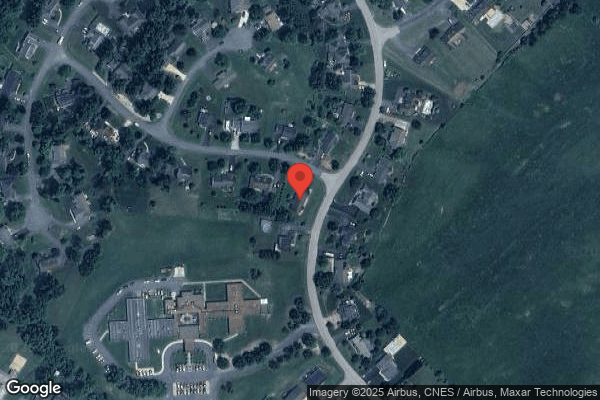

339 WESTMINISTER DRIVE, FISHERSVILLE, VA 22939 (540) 949-8665
For profit - Corporation 84 Beds SABER HEALTHCARE GROUP Data: November 2025
Trust Grade
85/100
#32 of 285 in VA
Last Inspection: May 2024

Within standard 12-15 month inspection cycle. Federal law requires annual inspections.

Overview

Shenandoah Nursing Home in Fishersville, Virginia has received a Trust Grade of B+, indicating it is above average and recommended for families seeking care. It ranks #32 out of 285 facilities in Virginia, placing it in the top half, and #2 of 3 in Augusta County, suggesting only one other local option is better. Unfortunately, the facility's trend is worsening, with issues increasing from 2 in 2022 to 8 in 2024. Staffing is a mixed bag, with an average rating of 3 out of 5 stars and a turnover rate of 37%, which is good compared to the state average of 48%. While there have been no fines, which is a positive sign, specific incidents noted by inspectors include failures in food safety practices, such as improperly stored and unlabeled food, and lapses in developing comprehensive care plans for residents, highlighting areas needing attention. Overall, while there are strengths in staffing stability and a lack of fines, the increasing number of concerns raises some red flags for potential residents and their families.

Trust Score
B+
85/100
In Virginia
#32/285
Top 11%
Safety Record
Low Risk
No red flags
Inspections
Getting Worse
2 → 8 violations
Staff Stability
○ Average
37% turnover. Near Virginia's 48% average. Typical for the industry.
Penalties
✓ Good
No fines on record. Clean compliance history, better than most Virginia facilities.
Skilled Nurses
⚠ Watch
Each resident gets only 26 minutes of Registered Nurse (RN) attention daily — below average for Virginia. Fewer RN minutes means fewer trained eyes watching for problems.
Violations
⚠ Watch
15 deficiencies on record. Higher than average. Multiple issues found across inspections.
★★★★★
5.0
Overall Rating
★★★☆☆
3.0
Staff Levels
★★★★★
5.0
Care Quality
★★★★☆
4.0
Inspection Score
Stable
2022: 2 issues
2024: 8 issues

The Good

  • 5-Star Quality Measures · Strong clinical quality outcomes
  • Full Sprinkler Coverage · Fire safety systems throughout facility
  • No fines on record
  • Staff turnover below average (37%)

    11 points below Virginia average of 48%

Facility shows strength in quality measures, fire safety.

The Bad

Staff Turnover: 37%

Near Virginia avg (46%)

Typical for the industry

Chain: SABER HEALTHCARE GROUP

Part of a multi-facility chain

Ask about local staffing decisions and management

The Ugly 15 deficiencies on record

May 2024 8 deficiencies
CONCERN (D)

Potential for Harm - no one hurt, but risky conditions existed

Deficiency F0638 (Tag F0638)

Could have caused harm · This affected 1 resident

Based on staff interview, clinical record review, and facility documentation review, the facility staff failed to conduct a quarterly assessment timely for one resident (Resident #46 - R46), in a surv...

Read full inspector narrative →
Based on staff interview, clinical record review, and facility documentation review, the facility staff failed to conduct a quarterly assessment timely for one resident (Resident #46 - R46), in a survey sample of 22 residents. The findings included: For R46, the facility staff failed to conduct a quarterly MDS (minimum data set - an assessment tool) in a timely manner. On 5/29/24, during a clinical record review, according to the MDS tab, R46 had a quarterly MDS assessment scheduled with an ARD (assessment reference date) of 5/11/24. The MDS assessment was noted to be incomplete and in-process. On 5/29/24 at 1:07 p.m., an interview was conducted with registered nurse #1 (RN #1), who was the MDS coordinator. RN #1 stated that MDS are to be completed within 14 days of the ARD, and acknowledged that R46's assessment was late. The MDS Coordinator also confirmed that they do follow the RAI (resident assessment instrument) manual from CMS (Centers for Medicare and Medicaid Services). CMS provides a manual titled, Long-Term Care Facility Resident Assessment Instrument 3.0 User 's Manual, Version 1.18.11, dated October 2023, with instructions regarding the timing of MDS assessments. According to the table on pages 2-17 through 2-20, the MDS Completion Date is to be no later than the ARD +14 calendar days. Therefore, R46's MDS should have been completed by 5/25/24. On 5/29/24 at approximately 4:15 p.m., during an end of day meeting, the facility administrator and director of nursing were made aware of the above findings. No additional information was provided.
CONCERN (D)

Potential for Harm - no one hurt, but risky conditions existed

Comprehensive Care Plan (Tag F0656)

Could have caused harm · This affected 1 resident

**NOTE- TERMS IN BRACKETS HAVE BEEN EDITED TO PROTECT CONFIDENTIALITY** Based on observation, staff interview and clinical record review, the facility staff failed to develop a comprehensive care plan...

Read full inspector narrative →
**NOTE- TERMS IN BRACKETS HAVE BEEN EDITED TO PROTECT CONFIDENTIALITY** Based on observation, staff interview and clinical record review, the facility staff failed to develop a comprehensive care plan for one of twenty-two residents in the survey sample (Resident #30). The findings include: Resident #30 had no plan of care developed regarding use of a remote pacemaker monitoring device. Resident #30 (R30) was admitted to the facility with diagnoses that included anxiety, seizure disorder, diabetes, respiratory failure, cerebral infarction with hemiplegia, atrial fibrillation with cardiac pacemaker, heart failure, and gastroesophageal reflux disease. The minimum data set (MDS) dated [DATE] assessed R30 with severely impaired cognitive skills. R30's clinical record documented a cardiology consult dated 8/21/23. This consult documented the status of the resident's pacemaker as, .Battery life estimated at 2.1 yrs. [years]. Continue to monitor via home remote and follow up in person in one year . R30's plan of care (revised 3/5/24) documented the resident had a pacemaker but included no problems, goals, and/or interventions regarding use/care of a remote monitoring device. On 5/29/24 at 11:03 a.m., the registered nurse (RN #2) caring for R30 was interviewed about the pacemaker and the monitoring device referenced in the cardiology consult. RN #2 stated she was not aware R30 had a remote monitoring device. Accompanied by RN #3, R30's bedside table was observed. RN #2 located a base unit that was identified as the pacemaker monitoring device. RN #2 was interviewed about a plan of care regarding use of the monitoring device. RN #2 reviewed R30's plan of care and stated the monitoring device was not on the plan and there were no interventions listed regarding use/care of the device. On 5/29/24 at 11:19 a.m., the MDS coordinator responsible for care plans (RN #1) was interviewed about R30's pacemaker monitoring device. RN #1 reviewed R30's plan of care and stated that the pacemaker was listed but there was nothing on the care plan about use/care of the remote monitoring device. On 5/29/24 at 11:22 a.m., the director of nursing (DON) was interviewed about R30's pacemaker monitor. The DON stated that he confirmed that the device was working but that there was nothing on the plan of care regarding the monitoring device. This finding was reviewed with the administrator, DON and regional consultant during a meeting on 5/29/24 at 4:10 p.m. No additional information was provided.
CONCERN (D)

Potential for Harm - no one hurt, but risky conditions existed

Deficiency F0657 (Tag F0657)

Could have caused harm · This affected 1 resident

Based on observation, resident interview, staff interview, clinical record review, and facility documentation review, the facility staff failed to review and revise the care plan for one resident (Res...

Read full inspector narrative →
Based on observation, resident interview, staff interview, clinical record review, and facility documentation review, the facility staff failed to review and revise the care plan for one resident (Resident #46 - R46), in a survey sample of 22 residents. The findings included: For R46, the facility staff failed to review and revise the care plan to address a stage III pressure ulcer to R46's left heel. On 05/28/24 at 12:10 p.m., an interview was conducted with R46. During the interview, it was observed that R46 had a bandage to the left foot. When asked, R46 reported he had a sore on the heel and said, They removed the dead skin from it, and it hurt. R46 went on to say that dead skin was removed and described it as being a black disc, that was removed. On 05/29/24 at 10:53 a.m., a clinical record review was performed of R46's chart. The area was first identified on 1/24/24 and the wound specialist noted the area as a DTI (deep tissue injury). According to the wound specialist note dated 3/6/24, the wound had progressed and was being staged as an unstageable pressure wound. The note read in part, . 3.8 (length) x 5.0 (width) x 0.2 cm (depth), with 90% stable eschar (dead, non-viable tissue) and 10% granular tissue . The wound specialist note dated 5/7/24, read in part, . Left heel stage 3 PI [pressure injury] . performed selective debridement of left heel wound(s) . Review of R46's care plan, with a review date of 5/23/24, had the following goal, 1/15/24 discolored area to L [left] heel will resolve without complications through next review. There was no indication within the care plan that indicated the pressure wound had progressed to a stage III. On 5/29/24 at 1:07 p.m., an interview was conducted with RN #1 (registered nurse), who was the MDS coordinator. RN #1 stated, Care plans are a resource of the resident and what needs to be looked out for and what needs to be addressed. RN #1 went on to explain that care plans are reviewed and updated for .acute changes daily, we go through the orders and update as needed, and then quarterly is an overall review. During the above interview, RN #1 was asked if a resident had a pressure wound that required debridement would this be on the care plan. RN #1 said, Yes. RN #1 accessed R46's care plan and confirmed that it did not appropriately identify the pressure ulcer. On 5/29/24, the facility policy titled, Comprehensive Care Planning was reviewed. The policy read in part, . V. The MDS coordinator is to review the 24-hour report daily for significant changes or changes in resident's ADL [activities of daily living] status. The care planning coordinator will add minor changes in resident's status to the existing care plans on a daily basis . On 5/29/24 at approximately 4:15 p.m., during an end of day meeting, the facility administrator and director of nursing was made aware of the above concern. No further information was provided.
CONCERN (D)

Potential for Harm - no one hurt, but risky conditions existed

Deficiency F0658 (Tag F0658)

Could have caused harm · This affected 1 resident

Based on observation, staff interview, clinical record review, and facility documentation review, the facility staff failed to follow professional standards of practice to one resident (Resident #31- ...

Read full inspector narrative →
Based on observation, staff interview, clinical record review, and facility documentation review, the facility staff failed to follow professional standards of practice to one resident (Resident #31- R31), during medication observations conducted on one of two nursing units. The findings included: On 5/28/24 at 4:03 p.m., an observation was conducted of resident medication administration being conducted by LPN #1 (licensed practical nurse). LPN #1 prepared medications to administer to R31. The medications included coumadin and potassium chloride 20 meq ER [extended release]. LPN #1 stated that R31 took medications crushed and LPN #1 proceeded to crush the medications. LPN #1 then entered R31's room and administered the medications. Upon LPN #1's returned to the medication cart, an interview was conducted regarding the crushing of medications. LPN #1 stated that she had hesitated and questioned herself regarding if coumadin could be crushed but had proceeded. When asked about the potassium since it was an extended release tab, LPN #1 confirmed that extended-release medications should not be crushed because, if you crush it, they get all of the medication at one time. LPN #1 further acknowledged that she should not have crushed the potassium. On 5/28/24, at approximately 4:30 p.m., a clinical record review was conducted of R31's chart. This review revealed, a physician order for potassium chloride tablet, ER 20 meq tablet that was to be given four times daily. There was also an order dated 4/24/24, that read, May Crush Meds/Open Capsules, combine all medications, and administer as a single bolus. (Refer to DO NOT CRUSH List for exceptions) Put in food/fluids per patients preference and or as needed unless otherwise indicated. On 5/28/24 at approximately 4:40 p.m., LPN #1 showed the surveyor that she had obtained a new order from the physician for a liquid potassium chloride to be administered and the pill had been discontinued. On 5/29/24 at 11:42 a.m., the director of nursing (DON) was made aware of the above observation. The DON stated that crushing medications can affect the efficacy of some medications and provided the survey team with the facility policy regarding medication administration and a document that read, common oral dosage forms that should not be crushed. On the do not crush listing was potassium chloride with the reason noted as extended release. Review of the facility policy titled, General Dose Preparation and Medication Administration was conducted. The policy read in part, . 2.7 Facility staff should crush oral medications only in accordance with pharmacy guidelines as set forth in Resource: Oral Dosage Forms that Should Not Be Crushed and/or facility policy . On 5/29/24 at approximately 4:15 p.m., during an end of day meeting the facility administrator and director of nursing were made aware of the above findings. On 5/30/24 at approximately 9 a.m., the regional director of clinical services stated that the facility follows Lippincott Nursing Standards of Practice. According to Lippincott's Manual of Nursing Practice, eighth edition, on page 18, box 2-3 read in part, Common legal claims for departure from standards of care . Failure to administer medications properly and in a timely fashion . No further information was provided.
CONCERN (D)

Potential for Harm - no one hurt, but risky conditions existed

Pressure Ulcer Prevention (Tag F0686)

Could have caused harm · This affected 1 resident

Based on observation, resident interview, staff interview, clinical record review, and facility documentation review, the facility staff failed to provide care and services in accordance with the plan...

Read full inspector narrative →
Based on observation, resident interview, staff interview, clinical record review, and facility documentation review, the facility staff failed to provide care and services in accordance with the plan of care to promote the healing of a pressure ulcer, for one resident (Resident 46- R46), in a survey sample of 22 residents. The findings included: For R46, the facility staff failed to float the resident's heels while in bed, to promote the healing of a stage III pressure ulcer on the resident's left heel and prevent the development of a new pressure ulcer on the right foot. On 5/28/24 at 12:10 p.m., R46 was observed sitting in his wheelchair, with a bandage to his left foot. When questioned, R46 was questioned a bandage to his left foot, the resident reported he had a sore there and that they had removed the dead skin from it, and that it was not improving like they wanted. On 05/29/24 at 08:51 a.m., R46 was observed in bed, he had a heel up device [devise used to float heels]. Observations revealed that the device was positioned under the resident's knees and his bilateral heels were resting directly on the bed. R46 reported this is how staff always position the heels up device. R46 went on to say, The wound doctor was here yesterday and said it [the wound] didn't look too good. R46 was asked if he moves the device and repositions it and he said No, I can't. I had a stroke and can't move my left side and as you see I don't have a hand on the right . On 5/29/24 at 9 a.m., RN #2 (registered nurse), accompanied the surveyor to R46's room. RN #2 confirmed that R46's heels were lying on the bed and were not being floated. RN #2 repositioned a pillow so that R46's left heel was floating. On 05/29/24 at 10:53 a.m., a clinical record review was conducted, with special attention given to the documentation regarding the wound. On 5/7/24, R46 was seen by a wound specialist, and their note read in part, . Float heels off bed with pillows or offloading device . R46's care plan with a review date of 5/23/24, had an intervention that read, float heels as tolerated . On 5/30/24 at approximately 8:30 a.m., R46 was visited in his room. R46 stated to the surveyor that he had to educate the staff during the night because they put the heels up device under his knees and he told them to pull it down under his lower legs so his heels would not be on the bed. R46's heels were being floated during this observation. The facility policy titled, Pressure Injury Prevention and Treatment Policy was received and reviewed. The policy statement read, Residents admitted with existing pressure injuries will receive necessary treatment and services, consistent with professional standards of practice, to promote healing and prevent infection. New pressure injuries will not develop unless the individual's clinical condition demonstrates that they were unavoidable. On 5/29/24 at 4:15 p.m., the facility administrator and director of nursing were made aware of the above findings. No further information was provided.
CONCERN (D)

Potential for Harm - no one hurt, but risky conditions existed

Deficiency F0761 (Tag F0761)

Could have caused harm · This affected 1 resident

**NOTE- TERMS IN BRACKETS HAVE BEEN EDITED TO PROTECT CONFIDENTIALITY** Based on observation, staff interview, and facility document review, the facility staff failed to ensure expired medication was ...

Read full inspector narrative →
**NOTE- TERMS IN BRACKETS HAVE BEEN EDITED TO PROTECT CONFIDENTIALITY** Based on observation, staff interview, and facility document review, the facility staff failed to ensure expired medication was not accessible for distribution in the medication room on unit two. The Findings include: The facility failed to ensure expired multi-dose vial of Tuberculin was not accessible for distribution on the skilled unit (unit 2). On [DATE] at 1:32 PM unit two's medication storage refrigerator was observed with license practical nurse (LPN #2). The refrigerator had one multi-dose vial of tuberculin medication in it's original box. The vial of Tuberculin had been opened and accessed with approximately 1 to 2 doses of the medication remaining in the vial. The vial of Tuberculin had an opened date of [DATE]. LPN #2 reviewed the opened date and verbalized that the Tuberculin should be discarded after 30 days of being opened and would discard the medication at this time. On [DATE] at 4:11 PM the above finding was presented to the administrator and director of nursing (DON). The DON verbalized that the Tuberculin vial should have been discarded. A policy titled, Storage and Expiration Dating of Medications, Biological's documented, [ .] If a multi-dose vial of an injectable medication has been opened or accessed [ .], the vial should be dated and discarded within 28 days unless the manufacturer specifies a different (shorter or longer) date for that opened vial. No other information was presented prior to exit conference on [DATE].
CONCERN (D)

Potential for Harm - no one hurt, but risky conditions existed

Deficiency F0800 (Tag F0800)

Could have caused harm · This affected 1 resident

**NOTE- TERMS IN BRACKETS HAVE BEEN EDITED TO PROTECT CONFIDENTIALITY** Based on observation, staff interview and clinical record review, the facility staff failed to provide fortified food items as r...

Read full inspector narrative →
**NOTE- TERMS IN BRACKETS HAVE BEEN EDITED TO PROTECT CONFIDENTIALITY** Based on observation, staff interview and clinical record review, the facility staff failed to provide fortified food items as required in the plan of care for one of twenty-two residents in the survey sample (Resident #26). The findings include: Resident #26 (R26) was admitted to the facility with diagnoses that included vitamin deficiency, hypertension, diabetes, Alzheimer's disease, cerebral infarction with hemiplegia, dysphagia, major depressive disorder, and cognitive communication deficit. The minimum data set (MDS) dated [DATE] assessed R26 with severely impaired cognitive skills. R26's clinical record documented a physician's order dated 10/2/23 for a fortified foods diet, mechanical soft texture with nectar-thick liquids. A physician's order dated 9/23/23 documented, Food Snack one time a day Fortified Pudding on breakfast tray. R26's plan of care (revised 3/14/24) listed the resident had experienced gradual weight loss and was at risk of malnutrition due to dysphagia. Care plan interventions to maintain adequate nutritional status included, Fortified foods with meals .Provide diet per order . On 5/29/24 at 8:01 a.m., R26 was observed eating breakfast in her room. R26's breakfast tray had no fortified pudding as ordered. The resident's meal ticket listed fortified oatmeal in addition to four ounces of fortified pudding. There was no fortified oatmeal on R26's breakfast tray. R26 was observed eating the provided food items on the tray that included pancakes, ground sausage with gravy, cold cereal/milk and a fruit cup. A covered bowl of oatmeal was observed on the sink counter in R26's room. R26 made no verbal response when asked about her food items. On 5/29/24 at 8:10 a.m., the certified nurses' aide (CNA #3) caring for R26 was interviewed about the breakfast. Accompanied by CNA #3, R26's breakfast was observed. CNA #3 stated there was no fortified pudding on the breakfast tray. CNA #3 stated the pudding came from the kitchen and should have been on the tray when served. CNA #3 stated she had removed the bowl of fortified oatmeal and placed it on the sink counter. When asked why a food item would be removed from the tray, CNA #3 stated, I took the oatmeal off the tray. She [R26] doesn't like it. She eats Cheerios instead. On 5/29/24 at 10:57 a.m., the kitchen supervisor (other staff #1) was interviewed about R26's breakfast that had no fortified pudding and the fortified oatmeal removed from the tray. The kitchen supervisor stated the fortified pudding was made in the kitchen and should have been on the tray when served. The kitchen supervisor stated she did not know why the fortified pudding was not on the tray as it was listed on the meal ticket. The kitchen supervisor stated the fortified oatmeal was provided on the tray and she did not know why the oatmeal was removed from the tray. The kitchen supervisor stated she had no reports or knowledge that R26 did not like oatmeal. The kitchen supervisor stated the oatmeal should have been left on the tray and accessible for the resident to eat. This finding was reviewed with the administrator, director of nursing and regional consultant during a meeting on 5/29/24 at 4:10 p.m.
CONCERN (E)

Potential for Harm - no one hurt, but risky conditions existed

Food Safety (Tag F0812)

Could have caused harm · This affected multiple residents

Based on observation, staff interview, and facility documentation review, the facility staff failed to store and prepare food in accordance with professional standards for food service safety in one o...

Read full inspector narrative →
Based on observation, staff interview, and facility documentation review, the facility staff failed to store and prepare food in accordance with professional standards for food service safety in one of one kitchen. The findings included: 1. The facility staff failed to store foods in a manner to prevent contamination and failed to label and date items in the freezer and refrigerators. On 5/28/24 at 11:10 a.m., an initial tour of the kitchen was conducted with the dietary manger. This observation revealed that in the refrigerators there was a Ziplock bag that contained hard boiled eggs with a watery liquid in the bag. The bag had no dates to indicate when they were opened or to be used by. There was also a stack of approximately 10 slices of cheese that was wrapped in saran wrap and one corner was open to air. Also, there was no labeling to indicate when the cheese had been opened or to be used by. In the freezer there was a bag of breaded fish that was open to air and not secured, nor dated as to when it was opened. The dietary manager stated she knew it had been opened Friday, because that it when they last had fish. The dietary manager tied the bag closed and placed a date on it. On 5/28/24, during the above observations, the dietary manager confirmed all the findings and stated that all items were to be labeled with the date opened and the date to be used by. She also confirmed that everything was to be closed and stored to prevent contamination. On 5/29/24 at 2:08 p.m., during a follow-up visit to the kitchen, it was observed that in the refrigerator, there was another stack of approximately 15-20 slices of cheese that were wrapped in saran wrap but had no date as to when they were opened or to be used by. There were also 4 sandwiches that were on individual plates and wrapped in saran wrap that had no date when they were prepared or to be used by. The dietary manager confirmed the above observations and stated they had just made the sandwiches and they were for the evening meal but agreed there should be labels to indicate this. A review was conducted of the facility policy titled, Storage of Frozen Foods Policy. The policy read in part, . 9. Food stored in the freezer shall be covered, labeled, and dated . The facility policy titled, Storage of Refrigerated Foods Policy, was reviewed. It read in part, . 11. Store all food/leftovers in covered, approved, food grade containers. 12. Refrigerated, TCS foods, prepared and held for more than 24 hours will be marked to indicate the date the food will be consumed or discarded . The CFR [Federal code] read, 3-305.11 Food Storage .D. A date marking system that meets the criteria . (2) Marking the date or day of preparation, with a procedure to discard the food on or before the last date or day by which the food must be consumed on the premises, sold, or discarded . According to the 2017 Food Code published by the U.S. Public Health Service, FDA U.S. Food & Drug Administration chapter 3, section 3-302.15, page 64 stated: Package Integrity. FOOD packages shall be in good condition and protect the integrity of the contents so that the FOOD is not exposed to ADULTERATION or potential contaminants. According to SERV Safe Fourth Edition manual page 7-3 read, When food is stored improperly and not used in a timely manner, quality and safety suffer. Poor storage practices can cause food to spoil quickly with potentially serious results. General Storage Guidelines: Label food. All potentially hazardous, ready-to-eat food prepared onsite that has been held for longer than twenty-four hours must be properly labeled. The label must include the name of the food and the date by which it should be sold, consumed, or discarded. Page 7-4 stated, Discard food that has passed the manufacturer's expiration date. On 5/29/24 at 3:39 p.m., the facility administrator was made aware of the above findings. No additional information was provided. 2. The facility staff failed to maintain adequate levels of sanitizer in the sanitizer buckets used to clean food preparation surfaces. On 5/28/24 at 11:10 a.m., an initial tour of the kitchen was conducted with the dietary manager accompanying the surveyor. Below the food preparation table, there was a red sanitizer bucket with a cleaning rag in it. The dietary manager used chemical test strips to check the sanitizer level of the cleaner within the bucket. The dietary manager stated that she expected it to be maintained at a level of at least 200 ppm (parts per million). Upon checking the solution tested at only 100 ppm. The dietary manager asked the staff member to change out the sanitizer with fresh. On 5/29/24 at 2:08 p.m., during a follow-up visit to the kitchen. The dietary manager again tested the sanitizer bucket under the food prep table that contained a cleaning cloth. Again, it tested at only 100 ppm. Review of the facility policy titled; Sanitizer Bucket Policy was conducted. The policy read in part, 1. The food and nutrition services manager [dietary manager] shall train all food and nutrition service employees regarding the use of sanitizer test strips, acceptable sanitizer concentration, and the required procedure for documenting sanitizer levels for the sanitizer bucket. 2. Sanitizer strength in sanitizing buckets shall be monitored following each meal and recorded prior to use by the food and nutrition staff. The sanitizer solution shall be replaced when it is determined to be too weak . According to the 2017 Food Code published by the U.S. Public Health Service, FDA U.S. Food & Drug Administration chapter 3, section 3-304.14, page 77 stated: cloths in-use for wiping counters and other equipment surfaces shall be: held between uses in a chemical sanitizer solution at a concentration specified under 4-501.114. On 5/29/24 at 3:39 p.m., the facility administrator was made aware of the above findings. No additional information was provided. 3. The facility staff failed to properly dry dishes to prevent the development of microorganism growth. On 5/29/24 at 2:19 p.m., observations were conducted of the facility staff washing dishes. It was noted that a dietary aide/other staff #3 (OS #3) was observed removing dishes from the dish washer and immediately stacking them, while wet. This was done for the pellet bottoms and tops (the device that the plates sit in to keep them warm and the cover), the trays, and all dishes to include plates, bowls, etc. Following the above observations an interview was conducted with OS #3. OS #3 stated this is how they always handle the dishes and pellets; they remove them from the dishwasher and immediately stack them. On 5/29/24 at approximately 2:30 p.m., the dietary manager and surveyor looked at several of the pellet bottoms that were stacked, and it was noted they were wet and stored upward where the water could not drain, and air could not dry all surfaces. The dietary manager was also shown the plate and bowl rack where dishes were stacked, face up which didn't allow for proper drying. The dietary manager confirmed the observations, and that wet nesting was occurring which could lead to bacteria growth. On 5/29/24 at 3:39 p.m., the facility administrator was made aware of the above findings. The administrator commented the dietary manager had made her aware and she had found a rack to dry the dishes that she was going to order. Review of the facility policy titled, Dish Machine Use Policy read in part, . 11. Allow the dishes to air dry on the dish racks or open shelving. Do not dry with towels . 17. Dishes should not be nested unless they are completely dry . According to the 2017 Food Code published by the U.S. Public Health Service, FDA U.S. Food & Drug Administration chapter 4, section 4-901.11, titled Equipment and Utensils, Air-Drying Required pages 151-152 stated: After cleaning and SANITIZING, EQUIPMENT and UTENSILS: (A) Shall be air-dried or used after adequate draining as specified in the first paragraph of 40 CFR 180.940 Tolerance exemptions for active and inert ingredients for use in antimicrobial formulations (food-contact surface SANITIZING solutions), before contact with FOOD; and (B) May not be cloth dried except that UTENSILS that have been air-dried may be polished with cloths that are maintained clean and dry. No additional information was provided.
Mar 2022 2 deficiencies
CONCERN (D)

Potential for Harm - no one hurt, but risky conditions existed

Deficiency F0657 (Tag F0657)

Could have caused harm · This affected 1 resident

**NOTE- TERMS IN BRACKETS HAVE BEEN EDITED TO PROTECT CONFIDENTIALITY** Based on observation, staff interview and clinical record review, the facility staff failed to review and revise the comprehensi...

Read full inspector narrative →
**NOTE- TERMS IN BRACKETS HAVE BEEN EDITED TO PROTECT CONFIDENTIALITY** Based on observation, staff interview and clinical record review, the facility staff failed to review and revise the comprehensive care plan (CCP) for one of 17 residents in the survey sample, Resident #31. Findings include: Resident #31 was admitted to the facility originally on 02/22/21. Diagnoses for Resident #31 included, but were not limited to: atrial fibrillation, CHF (congestive heart failure), high blood pressure, diabetes mellitus, anxiety, depression, history of a stroke with left side hemiparesis/hemiplegia, and left hand contracture. The most recent MDS (minimum data set) was an annual assessment dated [DATE]. This MDS assessed the resident with a cognitive score of 12, indicating the resident had moderate impairment in daily decision making skills. The resident was also assessed as requiring extensive assistance from at least one staff person for most all ADL's (activities of daily living). On 03/08/22 at 2:47 p.m., Resident #31 was observed in her room, sitting in her wheelchair. Resident #31 was asked what happened to her left hand (left hand was contracted). Resident #31 stated, I have a dead hand. Resident #31 took her right hand and attempted to open the left hand by pulling and prying the finger of the left hand back. Resident #31 was asked if she had a splint or brace for the left hand to help with the contracture. Resident #31 stated that she did not have a brace or splint. On 03/08/22 at 3:45 p.m., Resident #31 was again observed without any type of brace or splint in place to the left hand. Resident #31's current CCP was reviewed and documented, .Focus: potential for skin breakdown due to limited mobility .Interventions: .L (left) cock up splint as tolerated QHS (every night) as tolerated .resident will choose to wear splint during the day at times .(Date initiated: 02/23/21) .(Revision: 06/11/21) .treatments as ordered . On 03/09/22 at 03:46 p.m., OT (occupational therapy) was interviewed regarding Resident # 31. The OT stated that Resident #31 has a resting splint and a palm roll splint and that both of those should be in the resident's room. The OT stated that the palm roll splint/brace is more relaxed and Resident #31 wears that during the day and then there is a rigid black brace/splint with finger extension that the resident should wear at night. The OT stated that Resident #31 was seen in January 2022 for the left hand, but had also been seen for the left hand when Resident #31 was originally admitted (February 2021). The OT provided documentation regarding the resident's evaluation, treatment and discharge summary. The OT stated that she instructed staff that the blue splint/brace was to be worn during the day and the black splint/brace at night. The OT was asked, how she would know if Resident #31 was actually receiving the recommended treatment and services. The OT stated, I wouldn't unless I walk down there and look. The OT was made aware that Resident #31 had not had a splint/brace on when observed during the last two days and that Resident #31 had stated that she did not have a brace/splint for that hand. The OT stated that staff are not allowed to put anything on the walls as far as instruction and that she verbally educated nursing staff. The OT was asked if recommendations were on the physician's order set. The OT stated that she didn't think so, that information is given to nursing once the recommendation is done. The OT stated that she wouldn't know if Resident #31 had on the splint/brace unless she physically went down there to see if the resident had it on or not. The resident's OT evaluation and plan of treatment dated 12/30/21 documented, .apply forearm splint .patient and staff will participate in splint wearing schedule to increase wear time .patient has resting hand splint with palm roll .could accommodate a more open resting hand splint . A therapy note dated 01/10/22 documented, .staff training on splint schedules and education on donning with patient participation .discharge planning. Orders placed with nursing . The OT discharge summary documented, .Discharge 01/10/22 .patient has worn left resting hand splint with rigid form, with thenar abduction and finger extension .increasing to overnight with no signs/symptoms of redness/soreness .staff have been educated on plan and goals. Orders placed with nursing for wear schedule .resting hand splint with palm roll . On 03/10/22 at 9:30 a.m., RN (registered nurse) #3 was interviewed regarding Resident #31's left hand brace/splint and the incorrect information regarding the brace on the CCP. RN #3 stated that she will review physician's orders, talk with staff, talk with different disciplines, talk with the residents, and update the care plan accordingly. RN #3 stated that information must have been missed. On 03/10/22 at 10:50 a.m., the DON (director of nursing) and the administrator were made aware in a meeting with the survey team that Resident #31's CCP was not updated to reflect the resident's current status and the resident's current OT treatment recommendations. No further information and/or documentation was presented prior to the exit conference.
CONCERN (D)

Potential for Harm - no one hurt, but risky conditions existed

Deficiency F0688 (Tag F0688)

Could have caused harm · This affected 1 resident

**NOTE- TERMS IN BRACKETS HAVE BEEN EDITED TO PROTECT CONFIDENTIALITY** Based on observation, staff interview and clinical record review, the facility staff failed to ensure assistive devices were imp...

Read full inspector narrative →
**NOTE- TERMS IN BRACKETS HAVE BEEN EDITED TO PROTECT CONFIDENTIALITY** Based on observation, staff interview and clinical record review, the facility staff failed to ensure assistive devices were implemented for the prevention of decreased range of motion (ROM) for one of 17 residents in the survey sample, Resident #31. Findings include: Resident #31 was admitted to the facility originally on 02/22/21. Diagnoses for Resident #31 included, but were not limited to: atrial fibrillation, CHF (congestive heart failure), high blood pressure, diabetes mellitus, anxiety, depression, history of a stroke with left side hemiparesis/hemiplegia, and left hand contracture. The most recent MDS (minimum data set) was an annual assessment dated [DATE]. This MDS assessed the resident with a cognitive score of 12, indicating the resident had moderate impairment in daily decision making skills. The resident was also assessed as requiring extensive assistance from at least one staff person for most all ADL's (activities of daily living). On 03/08/22 at 2:47 p.m., Resident #31 was observed in her room, sitting in her wheelchair. Resident #31 was asked what happened to her left hand (left hand was contracted). Resident #31 stated, I have a dead hand. Resident #31 took her right hand and attempted to open the left hand by pulling and prying the finger of the left hand back. Resident #31 was asked if she had a splint or brace for the left hand to help with the contracture. Resident #31 stated that she did not have a brace or splint. On 03/08/22 at 3:45 p.m., Resident #31 was again observed without any type of brace or splint in place to the left hand. Resident #31's physician's orders were reviewed. There were no physician's orders regarding a splint or brace for the resident's left hand. The MARs/TARs (medication administration records/treatment administration records) were reviewed and did not reveal any type of treatments and/or interventions for Resident #31's left hand. Resident #31's current CCP was reviewed and documented, .Focus: potential for skin breakdown due to limited mobility .Interventions: .L (left) cock up splint as tolerated QHS (every night) as tolerated .resident will choose to wear splint during the day at times .(Date initiated: 02/23/21) .(Revision: 06/11/21) .treatments as ordered . On 03/09/22 at 3:12 PM, licensed practical nurse (LPN) #2 was interviewed regarding Resident #31's left hand. LPN #2 stated that she didn't know right off what was wrong with the resident's hand and that she would have to look that information up. LPN #2 was asked if Resident #31 wore a splint or brace to the left hand. LPN #2 stated that she was not sure and that she would have to look that up. LPN #2 stated that she doesn't normally work on that hall and although is familiar with Resident #31, did not know that information. On 03/09/22 at 03:46 p.m., OT (occupational therapy) was interviewed regarding Resident # 31. The OT stated that Resident #31 has a resting splint and a palm roll splint and that both of those should be in the resident's room. The OT stated that the palm roll splint/brace is more relaxed and Resident #31 wears that during the day and then there is a rigid black brace/splint with finger extension that the resident should wear at night. The OT stated that Resident #31 was seen in January 2022 for the left hand, but had also been seen for the left hand when Resident #31 was originally admitted (February 2021). The OT provided documentation regarding the resident's evaluation, treatment and discharge summary. The OT stated that she instructed staff that the blue splint/brace was to be worn during the day and the black splint/brace at night. The OT was asked, how she would know if Resident #31 was actually receiving the recommended treatment and services. The OT stated, I wouldn't unless I walk down there and look. The OT was made aware that Resident #31 had not had a splint/brace on when observed during the last two days and that Resident #31 had stated that she did not have a brace/splint for that hand. The OT stated that staff are not allowed to put anything on the walls as far as instruction and that she verbally educated nursing staff. The OT was asked if recommendations were on the physician's order set. The OT stated that she didn't think so, that information is given to nursing once the recommendation is done. The OT stated that she wouldn't know if Resident #31 had on the splint/brace unless she physically went down there to see if the resident had it on or not. The resident's OT evaluation and plan of treatment dated 12/30/21 documented, .apply forearm splint .patient and staff will participate in splint wearing schedule to increase wear time .patient has resting hand splint with palm roll .could accommodate a more open resting hand splint . Therapy notes documented the following: 01/05/22, .fitted with resting hand splint on left hand . 01/06/22, .patient was still wearing night time resting hand splint in late AM, splint had shifted distally . 01/07/22, .Patient still had rigid splint on in late AM, splint doffed and wrist support with palm roll donned. Staff education on wear schedule .refitted with rigid resting hand splint with instructions to remove in the morning . 01/10/22, .staff training on splint schedules and education on donning with patient participation .discharge planning. Orders placed with nursing . Resident #31's OT discharge summary documented, .Discharge 01/10/22 .patient has worn left resting hand splint with rigid form, with thenar abduction and finger extension .increasing to overnight with no signs/symptoms of redness/soreness .staff have been educated on plan and goals. Orders placed with nursing for wear schedule .resting hand splint with palm roll . Resident #31's nursing and progress notes were reviewed from January 2022 through present (03/10/22). No documentation was found indicating that Resident #31 refused the use of the recommended treatment interventions by OT for her left hand. On 03/10/22 at 7:30 a.m., Resident #31 was observed in bed with the blue splint/brace (resting hand splint with palm roll). On 03/10/22 at 9:15 a.m., RN (registered nurse) #4 (working with Resident #31) was interviewed and asked about the resident requiring or wearing a brace/splint to the left hand. RN #4 stated that she did not have knowledge and would have to see if that had been initiated. On 03/10/22 at 9:25 a.m., CNA (certified nursing assistant) #8 stated that the CNAs and nurses will put on a brace/split if they have one and that they get the information in report. On 03/10/22 at 10:00 a.m., CNA #6 (working with Resident #31) stated that she was told the splint is for night time for Resident #31 and that the resident uses a rolled cloth/towel during the day. CNA #6 stated they find the information out in their documentation on the computer. On 03/10/22 at 10:15 a.m., the OT was interviewed again. Resident #31 was observed with the OT present. Resident #31 had the blue splint/brace (resting palm roll) applied. The OT stated that is for day use and the rigid/black one is for night. The OT was again made aware that Resident #31 had been observed multiple times throughout the survey without a brace/splint applied. The morning of 03/10/22 at 7:30 a.m. was the first observation with Resident #31 wearing the brace/splint. On 03/10/22 at 10:50 a.m., the DON (director of nursing) and the administrator were made aware of the above information in a meeting with the survey team. The DON stated that it is not a physician's order and they will get information from OT for trials and recommendations. No further information and/or documentation was presented prior to the exit conference.
Apr 2019 5 deficiencies
CONCERN (D)

Potential for Harm - no one hurt, but risky conditions existed

Deficiency F0657 (Tag F0657)

Could have caused harm · This affected 1 resident

**NOTE- TERMS IN BRACKETS HAVE BEEN EDITED TO PROTECT CONFIDENTIALITY** Based observation, resident interview, staff interview, and clinical record review the facility staff failed to ensure the CCP (...

Read full inspector narrative →
**NOTE- TERMS IN BRACKETS HAVE BEEN EDITED TO PROTECT CONFIDENTIALITY** Based observation, resident interview, staff interview, and clinical record review the facility staff failed to ensure the CCP (comprehensive care plan) was reviewed and revised for one of 17 residents in the survey sample, Resident #40. The facility staff failed to review and revise the CCP for Resident #40 for the treatment of edema to BLE (bilateral lower extremities). Findings include: Resident #40 was admitted to the facility on [DATE]. Diagnoses for Resident #40 included, but were not limited to: atrial fibrillation, congestive heart failure, diabetes mellitus, history of acute and chronic and respiratory failure, CKD (chronic kidney disease) and high blood pressure. The most current MDS (minimum data set) was a five day admission assessment dated [DATE]. This assessment documented the resident as a 15, indicating the resident was cognitively intact for daily decision making skills. The resident triggered in the CAAS (care area assessment summary) section of this MDS for ADL's (activities of daily living), urinary, falls, nutrition, and pressure ulcers. On 04/09/19 at approximately 11:30 AM, Resident #40 was interviewed in his room. The resident was lying in bed with oxygen via a nasal cannula. The resident was asked about the condition of his skin, the resident stated that he had a place on his right foot and that he had a lot of swelling when he was admitted on [DATE]. The resident had visible edema on exposed body parts (arms and hands); the resident's legs were covered. The resident stated that the swelling was getting better and that nursing were applying stockings (compression stockings) to his bilateral lower extremities for the large amount of swelling in his legs. On 04/10/19 at approximately 8:30 AM, Resident #40 was observed in his room. Resident #40 was sitting up in his wheel chair with his oxygen on. The resident had on slipper socks, and the resident's feet and ankles were visibly swollen. Resident #40 did not have any type of stockings or compression hose applied. Resident #40 was asked why he did not have the compression stockings on now. The resident stated that he went to the shower last night and that staff had taken them off and that was the end of that. Resident #40 was asked if they were going to put them on this morning the resident stated, I suppose they'll get around to it. The clinical record was then reviewed, including the physician's orders. Resident #40 had a current physician's order to, Apply Ace Wraps bilateral lower extremities during day and remove at night for edema every day and night for edema .[start date: 04/04/19]. The resident's TARs (treatment administration records) were reviewed for the month of April and revealed that the Ace wraps were listed and staff were documenting that the wraps were applied and removed each day. The resident's CCP (comprehensive care plan) was then reviewed and documented, .Monitor for chest pain, BP [blood pressure] .SOB [shortness of breath] .edema .TED hose as ordered [03/01/19] . No physician's order for TED was found. Resident #40 was again observed at 12:10 AM on 04/10/19, the wound care nurse was applying Ace wraps at this time to the resident's BLE. On 04/10/19 at approximately 3:30 PM, the DON (director of nursing) and the corporate nurse were made aware in a meeting with the survey team of the above information. The DON stated that the resident does not have TED hose, he has Ace wraps. The corporate nurse asked for clarification that the resident's physician's orders, the resident's actual treatment and the resident's CCP did not match; confirmation was given to the DON and the corporate nurse that was correct, they did not match. No further information and/or documentation was presented prior to the exit conference on 04/10/19 at 6:30 PM to evidence the resident's CCP was reviewed and revised to reflect the correct and actual treatment the resident was receiving for BLE edema.
CONCERN (D)

Potential for Harm - no one hurt, but risky conditions existed

Deficiency F0658 (Tag F0658)

Could have caused harm · This affected 1 resident

Based on medication pass and pour observation, staff interview, facility document review, and clinical record review, facility staff failed to follow professional standards of clinical practice for me...

Read full inspector narrative →
Based on medication pass and pour observation, staff interview, facility document review, and clinical record review, facility staff failed to follow professional standards of clinical practice for medication administration for two of 17 residents in the survey sample, Residents #21 and #23. Facility staff failed to administer medications in a timely manner during the morning medication pass and pour observation conducted 04/09/2019 for Residents #21 and #23. Findings included: During the medication pass and pour observation conducted 04/09/19, RN #1 (registered nurse) administered nine medications scheduled for 9:00 a.m. at 10:07 a.m. to Resident #23 and administered seven medications scheduled for 9:00 a.m. at 10:22 a.m. to Resident #21. On 04/09/19 at 10:35 a.m., RN #1 was asked what the pink boxes on the resident medication administration screen meant. RN #1 stated, The pink indicates they are late. I have half of the 100 and 300 halls plus this one [referring to the 200 hall]. The 100 hall is done. I have one more on the 300 hall. You want to make sure you give them [medications] right. Seven pink boxes were observed on the 200 hall medication administration screen, indicating seven residents with past due medications. A copy of the facility medication administration policy was requested from the DON (director of nursing) on 04/10/19 at 9:30 a.m. The policy, 6.0 General Dose Preparation and Medication Administration .Effective Date: 12/01/07; Revision Date: .01/01/13 .included: .4. Prior to administration of medication, facility staff should take all measures required by facility policy and applicable law, including, but not limited to the following: 4.1 Facility staff should: 4.1.1 Verify each time a medication is administered .at the correct time .5.4 Administer medications within timeframes specified by facility policy . An additional policy, 6.2 Medication Administration Times .Effective Date: 12/01/07; Revision Date: 05/01/10 .included: .2. Facility should commence medication administration within sixty (60) minutes before the designated times of administration and should be completed by sixty (60) minutes after the designated times of administration . LPN #1 (licensed practical nurse) was interviewed on 04/10/19 at 12:20 p.m. regarding morning medication administration. LPN #1 stated, Normally we have two nurses and a treatment nurse. Sometimes will have a third nurse if no treatment nurse, but only two giving meds. It is tough especially if you are interrupted for an emergency, a family member, the phone or whatever. I can usually get them done. The Administrator and DON were informed of the above findings during an end of the day meeting on 04/10/19 with the survey team. The DON stated, We have the halls divided up with different administration times to keep in compliance. I'm not sure why she was so late yesterday. No further information was received by the survey team prior to the exit conference on 04/10/19.
CONCERN (D)

Potential for Harm - no one hurt, but risky conditions existed

Respiratory Care (Tag F0695)

Could have caused harm · This affected 1 resident

**NOTE- TERMS IN BRACKETS HAVE BEEN EDITED TO PROTECT CONFIDENTIALITY** Based observation, resident interview, staff interview, and clinical record review, the facility staff failed to administer oxyg...

Read full inspector narrative →
**NOTE- TERMS IN BRACKETS HAVE BEEN EDITED TO PROTECT CONFIDENTIALITY** Based observation, resident interview, staff interview, and clinical record review, the facility staff failed to administer oxygen as ordered and per professional standards of practice for one of 17 residents in the survey sample, Resident #40 . The facility staff failed to titrate Resident #40's oxygen as ordered by the physician. Findings include: Resident #40 was admitted to the facility on [DATE]. Diagnoses for Resident #40 included, but were not limited to: atrial fibrillation, congestive heart failure, diabetes mellitus, history of acute and chronic and respiratory failure, CKD (chronic kidney disease), and high blood pressure. The most current MDS (minimum data set) was a five day admission assessment dated [DATE]. This assessment documented the resident as a 15, indicating the resident was cognitively intact for daily decision making skills. The resident was also assessed as requiring oxygen while not a resident and, while a resident of the facility. On 04/09/19 at approximately 11:30 AM, Resident #40 was interviewed in his room. The resident was lying in bed with oxygen via a nasal cannula. Resident #40 was asked about his breathing and stated that it wasn't too bad. The resident was asked if he knew what the setting (amount) of oxygen was and the resident responded that he thought it was 4. The resident was then asked if he had wore oxygen at home prior to being admitted . Resident #40 stated that he only wore oxygen at night when he was at home, but after he got sick and came to the nursing home he has been wearing it day and night. The resident's oxygen concentrator was observed and was set on 4 LPM (liters per minute). On 04/10/19 at approximately 8:30 AM, Resident #40 was observed in his room. He was sitting up in his wheel chair with his oxygen on. Resident was #40 asked again about his breathing. He stated that he thought it was pretty good today. The oxygen concentrator was observed again and was set to 3 LPM. Resident #40's clinical record was reviewed, including physician's orders. The resident had a current physician's order for, Oxygen @ 3 LPM via Nasal Cannula every shift .May titrate to 2L [liters] to keep sats greater than 90% wears continuously [start date: 03/01/19-date of admission]. Progress notes were reviewed and did not reveal any evidence that the resident's oxygen had been titrated to a lesser amount. The MARs/TARs (medication administration records/treatment administration records) were reviewed and did not reveal that Resident #40 had received less than 3 LPM of oxygen at any time or oxygen titration of a lower amount of oxygen. The TARs were reviewed for the month of April and revealed that staff were checking the resident's O2 sats (oxygen saturation) every shift. During the month of April, the resident's O2 sats were 90 or above for all shifts (from 04/01/19 through the day shift of 04/10/19). The three shifts that were less than 90% were documented as 88% on one shift and the other two were 89%. The resident's oxygen saturation for 04/10/19 was 96% for day shift. The resident's CCP (comprehensive care plan) documented, .respiratory failure, CHF .assist resident to elevate head of bed .monitor pulse oximetry as indicated .assess and educate resident on signs and symptoms of respiratory distress .confusion, restless .supplemental oxygen as indicated .administer oxygen as ordered . On 04/10/19 at approximately 5:30 PM, the administrator, DON (director of nursing) and the corporate nurse were made aware in a meeting with the survey team of the above information, and asked what they thought the order meant. The DON stated that the order may mean to try to wean the resident down on oxygen to 2 liters if the resident is able to tolerate. The corporate nurse stated that maybe they want to try to get him back down to night time use only. The DON, administrator and corporate nurse were asked if nursing were to titrate a resident's oxygen and the response to the titration, where would that be. The DON stated it should be in the resident's progress notes. The DON and staff were made aware that no information could be found in the resident's progress notes, MARs/TARs, or clinical records that would indicate the resident's oxygen was attempted to be titrated down. The facility staff were asked for any assistance in locating any evidence that the resident's oxygen was titrated per physician's orders. At approximately 5:45 PM, the DON returned and stated that there was no additional information/documentation. No further information and/or documentation was presented prior to the exit conference on 04/10/19 at 6:30 PM.
CONCERN (E)

Potential for Harm - no one hurt, but risky conditions existed

Comprehensive Care Plan (Tag F0656)

Could have caused harm · This affected multiple residents

**NOTE- TERMS IN BRACKETS HAVE BEEN EDITED TO PROTECT CONFIDENTIALITY** Based on observation, staff interview and clinical record review, the facility staff failed to develop a comprehensive care plan...

Read full inspector narrative →
**NOTE- TERMS IN BRACKETS HAVE BEEN EDITED TO PROTECT CONFIDENTIALITY** Based on observation, staff interview and clinical record review, the facility staff failed to develop a comprehensive care plan for two of 17 residents, Resident #9 and Resident #28. 1. Resident #9 did not have a care plan for the use of a compression glove to her left hand. 2. Resident #28 did not have a care plan for the use of TED (Thrombo-Embolic Deterrant) hose. Findings were: 1. Resident #9 was admitted to the facility on [DATE] with the following diagnoses but not limited to: dysphagia, type II Diabetes Mellitus, supraventricular tachycardia, obesity, cerebral infarct (stroke), and major depressive disorder. A quarterly MDS (minimum data set) with an ARD (assessment reference date) of 01/24/2019, assessed Resident #9 as cognitively intact with a summary score of 11. On 04/09/2019, at approximately 10:15 a.m., Resident #9 was observed lying in bed. During an interview Resident #9 stated that she had a stroke in the past and, It left me with pain on my left side, I can't use that arm. On 04/10/2019 at approximately 2:10 p.m., Resident #9 was observed sitting up in a chair at her bedside. Her left arm and hand were elevated on the chair arm. Her left hand was in a tan compression glove. Resident #9 was asked what the glove was for and how long she had been using it. She stated, It helps with the pain and the swelling in that hand .It was in the laundry yesterday when you were here so I didn't have it on then .I've had it for a long time. CNA (certified nursing assistant) #2 was in the hallway. She was asked if she was caring for Resident #9. She stated, Yes. She was asked about the compression glove on Resident #9's left hand. She stated, I've been here since January and she's had it on since then. She was asked if she helped the resident don the glove. She stated, No, I think they do it on the night shift before we get here in the mornings. On 04/10/2019 at approximately 2:30 p.m.,, the clinical record was reviewed for orders or a care plan regarding the use of the compression glove by Resident #9. There were no orders or care plan interventions in place. A copy of the physician order sheet, the care plan and the CNA [NAME] were requested from the DON (director of nursing) At approximately 2:50 p.m., the DON presented the requested information and was interviewed regarding orders for the use of compression gloves and care plans. She stated, We don't need an order for the use of compression gloves, and we don't put them on the care plan. They are on the task list for the CNAs to do. The DON reviewed the CNA task list for Resident #9. She stated, I don't know where the glove came from, it isn't on the list. I didn't know she had one. It might be something [Name of Resident #9's daughter] brought in .I'll need to check on that. At approximately 3:00 p.m., the DON presented a device list used by the nursing staff. She stated, This is what the nurse's use to make sure the devices are in place .her glove isn't listed. At approximately 3:40 p.m., LPN (licensed practical nurse) #1 was interviewed about the device list. She went to the medication room and stated, It's hanging here. She was asked about Resident #9's glove. She stated, She's had that for a while, it should be on the list .as a matter of fact we had therapy look at it .we thought that she was wearing a right handed glove on her left hand because it was turned inside out, but therapy said no, that it needed to be that way so the seam didn't press into her hand when it is swollen. The above information was discussed with the DON, the administrator and the nurse consultant during an end of the day meeting on 04/10/2019 at approximately 5:30 p.m. Concerns were voiced that Resident #9 was receiving services that were not included on her care plan. The nurse consultant stated, We added it to her [NAME]. No further information was obtained prior to the exit conference on 04/10/2019. 2. Resident #28 was admitted to the facility on [DATE] with the following diagnoses, but not limited to: Parkinson's disease, dysphagia, hypertension, and Type II Diabetes Mellitus. An MDS (minimum data set) with an ARD (assessment reference date) of 03/02/2019, scored Resident #28 as cognitively intact with a summary score of 14. On 04/09/2019 at approximately 10:00 a.m., during initial tour of the facility Resident # 28 was observed sitting in his wheelchair in his room. He was wearing bilateral TED hose. Resident #28 was asked if he wore the TED hose everyday. He stated, Yes, they come up to my knees, they help with the swelling. The clinical record was reviewed on 04/10/2019 at approximately 11:45 a.m. There were no orders observed for the TED hose, nor were there any interventions on the care plan for the TED hose. On 04/10/2019 at approximately 2:15 p.m., CNA (certified nursing assistant) #1 was interviewed regarding Resident #28's TED hose. She stated, I know that he wears them, but they put them on in the mornings before I get here. She was asked if the TED hose were on his [NAME]. She stated, I think so. A copy of the physician order sheet, the care plan and the CNA [NAME] were requested from the DON (director of nursing) At approximately 2:50 p.m., the DON presented the requested information and was interviewed regarding orders and care plans for the use of TED hose. She stated, We don't need an order for the use of TED hose, and we don't put them on the care plan. They are on the task list for the CNAs to do. The DON reviewed the CNA task list for Resident #28. She stated, I don't see the TED hose on here. The DON was asked how staff knew what to do for the residents if the TED hose were not on the care plan, the [NAME], or the task list that the CNAs referred to. She stated, There's a device list that the nurse's use. At approximately 3:00 p.m., the DON presented a device list used by the nursing staff. She stated, This is what the nurse's use to make sure the devices are in place .his TED hose are on here .the nurse's look at the residents and use this list to make sure everything is on place. The above information was discussed with the DON, the administrator and the nurse consultant during an end of the day meeting on 04/10/2019 at approximately 5:30 p.m. Concerns were voiced that Resident #28's was receiving services that were not included on his care plan. The nurse consultant stated, We added the TEDs to his [NAME]. No further information was obtained prior to the exit conference on 04/10/2019.
CONCERN (E)

Potential for Harm - no one hurt, but risky conditions existed

Quality of Care (Tag F0684)

Could have caused harm · This affected multiple residents

Based on medication pass and pour observation, staff interview, and clinical record review, facility staff failed to follow physician orders for one of 17 residents in the survey sample, Resident #23....

Read full inspector narrative →
Based on medication pass and pour observation, staff interview, and clinical record review, facility staff failed to follow physician orders for one of 17 residents in the survey sample, Resident #23. Facility staff failed to follow physician orders for administration of Calcium with Vitamin D for one of 17 residents in the survey sample, Resident #23. Findings included: Resident #23 was admitted to facility on 01/25/2019 with diagnoses including, but not limited to: Atrial Fibrillation, Hypertension, Congestive Heart Failure, and a Colostomy. The most recent MDS (minimum data set) was a quarterly assessment with an ARD (assessment reference date) of 02/17/19. Resident #23 was assessed as cognitively intact with a total cognitive score of 15 out of 15. During the medication pass and pour observation conducted 04/09/19, RN #1 (registered nurse) administered nine medications scheduled for 9:00 a.m. at 10:07 a.m. to Resident #23. Resident #23 received Calcium 500 mg (milligrams) with Vit. D 200 I.U. (international units), one tablet by RN #1. When reconciling Resident #23's medication orders a physician order dated 02/26/19 stated, Caltrate 600+D Tablet 600-400 MG-UNIT (Calcium Carbonate-Vitamin D) Give 1 tablet by mouth in the morning for supplement . On 04/10/19 at 10:35 a.m. LPN #2 (licensed practical nurse) was interviewed regarding Resident #23's Calcium with Vit. D. dose. LPN #2 stated, No she doesn't have a card for it. This is what we use. LPN pulled a bottle of Calcium with Vit. D out of the medication cart. This is what we have at the facility. Geri-Care Oyster Shell Calcium 500 mg plus Vitamin D 200 I.U. This is what I gave her today. LPN pulled resident's order up in the computer. The physician order is for Caltrate 600+D Tablet 600-400 mg-unit (Calcium Carbonate-Vitamin D) Give 1 tablet by mouth in the morning for supplement. Order Date: 02/26/2019 Start Date: 02/27/2019 LPN stated, We do have just Calcium 500 mg, but no Vit. D. The Vitamin D is 1000 I.U. She proceeded to show this surveyor both over the counter bottles. Resident #23's MAR's (medication administration records) for January, February, March and April 2019 were reviewed on 04/10/19 at 12:30 p.m. All MAR's included documentation that Resident #23 had received the incorrect dose of Calcium with Vit. D since admission. The Administrator and DON were informed of the above findings during an end of the day meeting on 04/10/19 with the survey team. The DON stated, We have the halls divided up with different administration times to keep in compliance. I'm not sure why she was so late yesterday. No further information was received by the survey team prior to the exit conference on 04/10/19.
Understanding Severity Codes (click to expand)
Life-Threatening (Immediate Jeopardy)
J - Isolated K - Pattern L - Widespread
Actual Harm
G - Isolated H - Pattern I - Widespread
Potential for Harm
D - Isolated E - Pattern F - Widespread
No Harm (Minor)
A - Isolated B - Pattern C - Widespread

Questions to Ask on Your Visit

  • "Can I speak with families of current residents?"
  • "What's your RN coverage like on weekends and overnight?"

Our Honest Assessment

Strengths
  • • Grade B+ (85/100). Above average facility, better than most options in Virginia.
  • • No major safety red flags. No abuse findings, life-threatening violations, or SFF status.
  • • No fines on record. Clean compliance history, better than most Virginia facilities.
  • • 37% turnover. Below Virginia's 48% average. Good staff retention means consistent care.
Concerns
  • • 15 deficiencies on record. Higher than average. Multiple issues found across inspections.
Bottom line: Generally positive indicators. Standard due diligence and a personal visit recommended.

About This Facility

What is Shenandoah's CMS Rating?

CMS assigns SHENANDOAH NURSING HOME an overall rating of 5 out of 5 stars, which is considered much above average nationally. Within Virginia, this rating places the facility higher than 99% of the state's 100 nursing homes. This rating reflects solid performance across the metrics CMS uses to evaluate nursing home quality.

How is Shenandoah Staffed?

CMS rates SHENANDOAH NURSING HOME's staffing level at 3 out of 5 stars, which is average compared to other nursing homes. Staff turnover is 37%, compared to the Virginia average of 46%. This relatively stable workforce can support continuity of care. RN turnover specifically is 67%, which is notably high. RNs provide skilled clinical oversight, so turnover in this role can affect medical care quality.

What Have Inspectors Found at Shenandoah?

State health inspectors documented 15 deficiencies at SHENANDOAH NURSING HOME during 2019 to 2024. These included: 15 with potential for harm.
Who Owns and Operates Shenandoah?

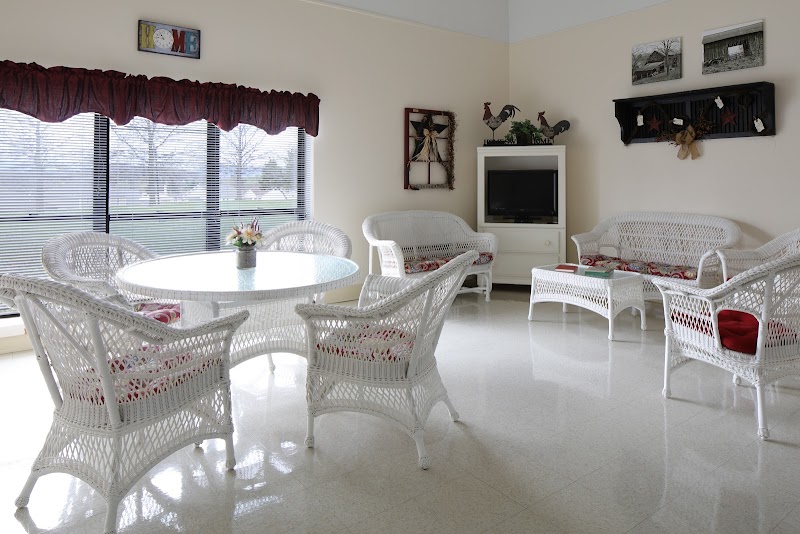
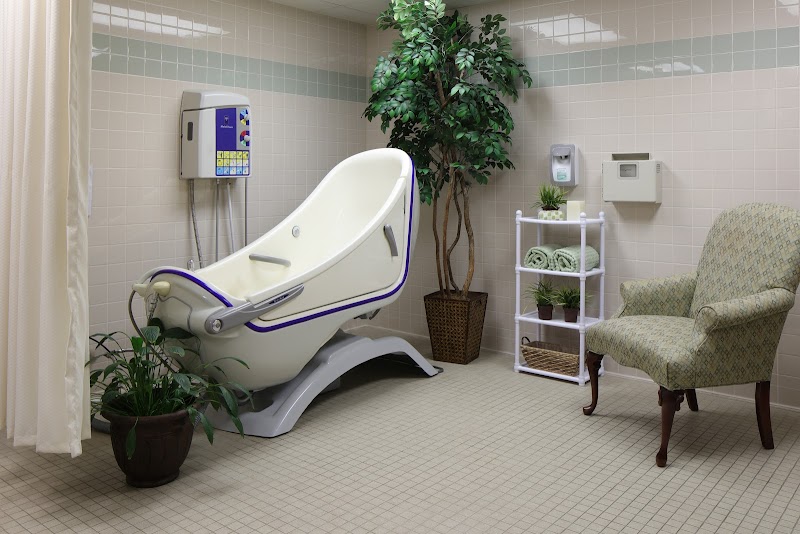
SHENANDOAH NURSING HOME is owned by a for-profit company. For-profit facilities operate as businesses with obligations to shareholders or private owners. The facility is operated by SABER HEALTHCARE GROUP, a chain that manages multiple nursing homes. With 84 certified beds and approximately 80 residents (about 95% occupancy), it is a smaller facility located in FISHERSVILLE, Virginia.
How Does Shenandoah Compare to Other Virginia Nursing Homes?

Compared to the 100 nursing homes in Virginia, SHENANDOAH NURSING HOME's overall rating (5 stars) is above the state average of 3.0, staff turnover (37%) is near the state average of 46%, and health inspection rating (4 stars) is above the national benchmark.

What Should Families Ask When Visiting Shenandoah?

Based on this facility's data, families visiting should ask: "Can I visit during a mealtime to observe dining assistance and food quality?" "How do you handle medical emergencies, and what is your hospital transfer rate?" "Can I speak with family members of current residents about their experience?"

Is Shenandoah Safe?

Based on CMS inspection data, SHENANDOAH NURSING HOME has a clean safety record: no substantiated abuse findings (meaning no confirmed cases of resident harm), no Immediate Jeopardy citations (the most serious violation level indicating risk of serious injury or death), and is not on the Special Focus Facility watch list (a federal program monitoring the lowest-performing 1% of nursing homes). The facility has a 5-star overall rating and ranks #1 of 100 nursing homes in Virginia. While no facility is perfect, families should still ask about staff-to-resident ratios and recent inspection results during their visit.

Do Nurses at Shenandoah Stick Around?

SHENANDOAH NURSING HOME has a staff turnover rate of 37%, which is about average for Virginia nursing homes (state average: 46%). Moderate turnover is common in nursing homes, but families should still ask about staff tenure and how the facility maintains care continuity when employees leave.

Was Shenandoah Ever Fined?

SHENANDOAH NURSING HOME has no federal fines on record. CMS issues fines when nursing homes fail to meet care standards or don't correct problems found during inspections. The absence of fines suggests the facility has either maintained compliance or corrected any issues before penalties were assessed. This is a positive indicator, though families should still review recent inspection reports for the full picture.

Is Shenandoah on Any Federal Watch List?

SHENANDOAH NURSING HOME is not on any federal watch list. The most significant is the Special Focus Facility (SFF) program, which identifies the bottom 1% of nursing homes nationally based on persistent, serious quality problems. Not being on this list means the facility has avoided the pattern of deficiencies that triggers enhanced federal oversight. This is a positive indicator, though families should still review the facility's inspection history directly.