SKYLINE NURSING & REHABILITATION CENTER
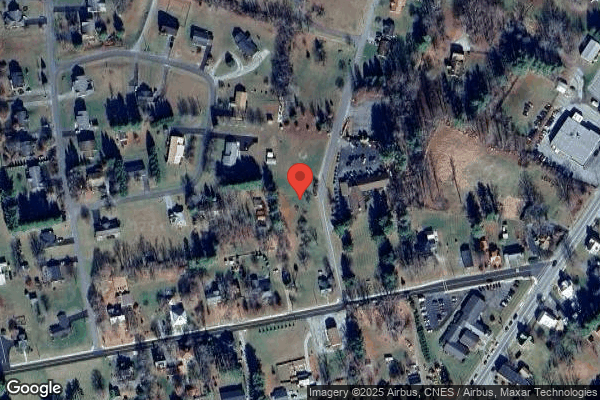
237 FRANKLIN PIKE ROAD, SE, FLOYD, VA 24091 (540) 745-2016
For profit - Corporation 90 Beds CONSULATE HEALTH CARE/INDEPENDENCE LIVING CENTERS/NSPIRE HEALTHCARE/RAYDIANT HEALTH CARE Data: November 2025
Trust Grade
70/100
#106 of 285 in VA
Last Inspection: September 2022

Over 2 years since last inspection. Current conditions may differ from available data.

Overview

Skyline Nursing & Rehabilitation Center has a Trust Grade of B, indicating it is a good choice for care, though not without some concerns. It ranks #106 out of 285 facilities in Virginia, placing it in the top half, and is the only facility in Floyd County. The trend is improving, with a decrease in reported issues from 6 in 2019 to 4 in 2022. Staffing is average with a rating of 3 out of 5 and a turnover rate of 43%, which is slightly better than the state average. While the center has not incurred any fines, which is a positive sign, there have been specific issues noted, including serving food at unsafe temperatures and failing to address resident grievances in a timely manner. Additionally, there were concerns about the security of controlled medications, which were not stored in locked compartments. Overall, while Skyline Nursing has notable strengths, such as no fines and an improving trend, families should be aware of these weaknesses when considering care for their loved ones.

Trust Score
B
70/100
In Virginia
#106/285
Top 37%
Safety Record
Low Risk
No red flags
Inspections
Getting Better
6 → 4 violations
Staff Stability
○ Average
43% turnover. Near Virginia's 48% average. Typical for the industry.
Penalties
✓ Good
No fines on record. Clean compliance history, better than most Virginia facilities.
Skilled Nurses
○ Average
Each resident gets 35 minutes of Registered Nurse (RN) attention daily — about average for Virginia. RNs are the most trained staff who monitor for health changes.
Violations
⚠ Watch
23 deficiencies on record. Higher than average. Multiple issues found across inspections.
★★★★☆
4.0
Overall Rating
★★★☆☆
3.0
Staff Levels
★★☆☆☆
2.0
Care Quality
★★★★☆
4.0
Inspection Score
Stable
2019: 6 issues
2022: 4 issues

The Good

  • Full Sprinkler Coverage · Fire safety systems throughout facility
  • No fines on record
  • Staff turnover below average (43%)

    5 points below Virginia average of 48%

Facility shows strength in fire safety.

The Bad

Staff Turnover: 43%

Near Virginia avg (46%)

Typical for the industry

Chain: CONSULATE HEALTH CARE/INDEPENDENCE

Part of a multi-facility chain

Ask about local staffing decisions and management

The Ugly 23 deficiencies on record

Sept 2022 4 deficiencies
CONCERN (D)

Potential for Harm - no one hurt, but risky conditions existed

Notification of Changes (Tag F0580)

Could have caused harm · This affected 1 resident

Based on interviews, clinical record review, and facility document review, the facility staff failed to ensure a resident's medical provider and/or responsible party (RP) was notified of a significant...

Read full inspector narrative →
Based on interviews, clinical record review, and facility document review, the facility staff failed to ensure a resident's medical provider and/or responsible party (RP) was notified of a significant weight loss for one (1) of 20 sampled residents, Resident #9. For Resident #9, the facility staff failed to notify the resident's medical provider and/or responsible party (RP) of the resident's following weight changes: on 7/1/22 Resident #9's weight was documented as 121.4 pounds; on 7/5/22 Resident #9's weight was documented as 121.4 pounds; and on 8/2/22 Resident #9's weight was documented as 114.6 pounds. The findings include: Resident #9's clinical documentation failed to provide evidence of medical provider and/or responsible party (RP) notification of the resident's aforementioned weight loss. Resident #9's minimum data set (MDS) assessment, with an assessment reference date (ARD) of 7/1/22, was dated as completed on 7/7/22. Resident #9 was assessed as sometimes able to make self understood and sometimes able to understand others. Resident #9 was assessed as having short-term memory problems and long-term memory problems. Resident #9 was documented as requiring assistance with bed mobility, dressing, and toilet use. Resident #9 was documented as being dependent on others for personal hygiene and bathing. Resident #9's diagnoses included, but were not limited to: anemia, heart disease, high blood pressure, kidney disease, malnutrition, and dementia. The following information was found in a facility policy titled Notification of Change in Condition (with a revision date of 12/16/20): - POLICY: The Center to promptly notify the Patient / Resident, the attending physician, and the Resident Representative when there is a change in the status or condition. - The nurse to notify the attending physician and Resident Representative when there is a(n): . Significant change in the patient / resident's physical, mental, or psychosocial status . - Notify the patient / resident and the resident representative of the change in condition. Document notification in the medical chart. On 9/22/22 at 1:57 p.m., the facility's Director of Nursing (DON) was interviewed about Resident #9's aforementioned weight loss. The DON acknowledge the weight loss was a significant change in the resident's weight. The DON reported neither the resident's medical provider nor the resident's responsible party had been notified of the weight loss. On 9/22/22 at 4:06 p.m., the failure of the facility staff to notify Resident #9's medical provider and/or responsible party of the resident's significant weight loss was discussed during a survey team meeting with the facility's Administrator, DON, Nurse Consultant, and Infection Preventionist. No additional information related to this issue was provided prior to the conclusion of the survey.
CONCERN (D)

Potential for Harm - no one hurt, but risky conditions existed

Transfer Notice (Tag F0623)

Could have caused harm · This affected 1 resident

Based on staff interview, clinical record review, and facility document review, the facility staff failed to provide notice in writing to the resident and resident representative prior to a facility t...

Read full inspector narrative →
Based on staff interview, clinical record review, and facility document review, the facility staff failed to provide notice in writing to the resident and resident representative prior to a facility transfer or discharge for 1 of 20 residents in the survey sample, Resident #32. For Resident #32, the facility failed to provide the resident written notice to include the reason for the move prior to transfer to an acute care hospital. The findings included: Resident #32's diagnosis list indicated diagnoses, which included, but not limited to Methicillin Susceptible Staphylococcus Aureus Infection, Rheumatoid Arthritis, Atrial Fibrillation, Essential Hypertension, and Mediastinitis. The admission minimum data set (MDS) with an assessment reference date (ARD) of 8/08/22 assigned the resident a brief interview for mental status (BIMS) summary score of 15 out of 15 indicating the resident was cognitively intact. A review of Resident #32's clinical record revealed the resident was transferred to an acute care hospital on 8/18/22. On 9/21/22 at 2:56 pm, surveyor spoke with the Director of Nursing (DON) who stated they did not have documentation of a written notice of transfer provided to the resident, staff did a Change of Condition assessment instead of a Notice of Discharge. Surveyor requested and received the facility policy entitled Transfer/Discharge Notification & Right to Appeal which read in part .Notice Before Transfer: Before a center transfers or discharges a resident the center must: Notify the resident and resident representative(s) of the transfer or discharge and the reasons for the move in writing (in a language and manner they understand) . On 9/21/22 at 3:32 pm, survey team met with the administrator, DON, Infection Preventionist, and Regional Nurse Consultant and discussed the concern of the facility staff failing to provide written notice of transfer to Resident #32 prior to transfer to an acute care hospital. No further information regarding this concern was presented to the survey team prior to the exit conference on 9/22/22.
CONCERN (D)

Potential for Harm - no one hurt, but risky conditions existed

Deficiency F0625 (Tag F0625)

Could have caused harm · This affected 1 resident

Based on staff interview, clinical record review, and facility document review, the facility staff failed to provide written bed hold policy information to the resident or resident representative prio...

Read full inspector narrative →
Based on staff interview, clinical record review, and facility document review, the facility staff failed to provide written bed hold policy information to the resident or resident representative prior to transfer for 1 of 20 residents in the survey sample, Resident #32. For Resident #32, the facility failed to provide the resident written bed hold policy information prior to transfer to an acute care hospital. The findings included: Resident #32's diagnosis list indicated diagnoses, which included, but not limited to Methicillin Susceptible Staphylococcus Aureus Infection, Rheumatoid Arthritis, Atrial Fibrillation, Essential Hypertension, and Mediastinitis. The admission minimum data set (MDS) with an assessment reference date (ARD) of 8/08/22 assigned the resident a brief interview for mental status (BIMS) summary score of 15 out of 15 indicating the resident was cognitively intact. A review of Resident #32's clinical record revealed the resident was transferred to an acute care hospital on 8/18/22. On 9/21/22 at 2:56 pm, surveyor spoke with the Director of Nursing (DON) who stated they did not have documentation of bed hold information being provided to Resident #32. Surveyor requested and received the facility policy entitled Bed Hold which read in part .At the time of transfer to the hospital or therapeutic leave, the center will provide a copy of notification of bed hold . On 9/21/22 at 3:32 pm, survey team met with the administrator, DON, Infection Preventionist, and Regional Nurse Consultant and discussed the concern of the facility staff failing to provide bed hold information to Resident #32 when transferred to an acute care hospital. No further information regarding this concern was presented to the survey team prior to the exit conference on 9/22/22.
CONCERN (D)

Potential for Harm - no one hurt, but risky conditions existed

Deficiency F0692 (Tag F0692)

Could have caused harm · This affected 1 resident

Based on interviews, clinical record review, and facility document review, the facility staff failed to address a significant weight loss for one (1) of 20 sampled residents, Resident #9. For Resident...

Read full inspector narrative →
Based on interviews, clinical record review, and facility document review, the facility staff failed to address a significant weight loss for one (1) of 20 sampled residents, Resident #9. For Resident #9, the facility staff failed to address the resident's following weight changes: on 7/1/22 Resident #9's weight was documented as 121.4 pounds; on 7/5/22 Resident #9's weight was documented as 121.4 pounds; and on 8/2/22 Resident #9's weight was documented as 114.6 pounds. The findings include: The facility staff failed to notify a medical provider of Resident #9's aforementioned weight loss. The facility staff failed to address Resident #9's aforementioned weight loss. No evidence was found to indicate Resident #9's weight loss was evaluated by a medical provider and/or a registered dietitian. Resident #9's minimum data set (MDS) assessment, with an assessment reference date (ARD) of 7/1/22, was dated as completed on 7/7/22. Resident #9 was assessed as sometimes able to make self understood and sometimes able to understand others. Resident #9 was assessed as having short-term memory problems and long-term memory problems. Resident #9 was documented as requiring assistance with bed mobility, dressing, and toilet use. Resident #9 was documented as being dependent on others for personal hygiene and bathing. Resident #9's diagnoses included, but were not limited to: anemia, heart disease, high blood pressure, kidney disease, malnutrition, and dementia. The following information was found in a facility policy titled Weighing the Resident (with a revision date of 10/4/21): Record weight and alert nurse to any significant change. Nurse to notify the physician of any significant weight change . Consult with the Director of Dietary Services and/or dietitian . Notify the Interdisciplinary Team in order to update the plan of care. On 9/22/22 at 11:23 a.m., the Director of Nursing (DON) reported the facility did not have a policy detailing the definition of a significant change in weight for a resident. On 9/22/22 at 1:57 p.m., the facility's Director of Nursing (DON) was interviewed about Resident #9's aforementioned weight loss. The DON acknowledge the weight loss was a significant change in the resident's weight. The DON reported neither the resident's medical provider nor the resident's responsible party had been notified of the weight loss. The DON reported a dietary supplement was implemented prior to the resident's weight loss; the DON acknowledged no evidence was found to indicate Resident #9's aforementioned weight loss was addressed by facility staff members. On 9/22/22 at 4:06 p.m., the failure to ensure Resident #9's significant weight loss was addressed by facility staff was discussed during a survey team meeting with the facility's Administrator, DON, Nurse Consultant, and Infection Preventionist. No additional information related to this issue was provided prior to the conclusion of the survey.
Oct 2019 6 deficiencies
CONCERN (D)

Potential for Harm - no one hurt, but risky conditions existed

Deficiency F0657 (Tag F0657)

Could have caused harm · This affected 1 resident

**NOTE- TERMS IN BRACKETS HAVE BEEN EDITED TO PROTECT CONFIDENTIALITY** Based on staff interview and clinical record review, facility staff failed to review and revise the comprehensive care plan to r...

Read full inspector narrative →
**NOTE- TERMS IN BRACKETS HAVE BEEN EDITED TO PROTECT CONFIDENTIALITY** Based on staff interview and clinical record review, facility staff failed to review and revise the comprehensive care plan to reflect the resident's status for 1 of 21 residents in the survey sample (Resident #72). Resident #72 was admitted to the facility on [DATE]. Diagnoses included cerebral infarct, generalized muscle weakness, dysphagia, aphasia, hemiplegia and hemiparesis after infarct,congestive heart failure, and dementia without behavior disturbance. On the quarterly Minimum Data Set assessment with assessment reference date 9/11/19, the resident scored 6/15 on the brief interview for mental status and was assessed as without signs of delirium, psychosis, or behaviors affecting care. The resident was assessed as requiring extensive assistance for transfer to or from bed or toilet, cueing or supervision of one person for locomotion on or off the unit, and was unsteady moving from seated to standing, turning around, moving on and off the toilet, and surface to surface transfers. During clinical record review, the surveyor noted the resident had falls on 7/28/19 and 8/2/19. For the fall on 7/28/19, there was no post fall documentation. The next nursing progress note was dated 8/1/19. On 10/02/19 11:00 AM, the surveyor spoke with director of nursing (DON) about the 8/2 fall. The DON stated that the nurses told her they had been instructed to put all fall documentation on the SBAR form and not in the nurse's notes. The DON said she would check the incident reports for time and situation details about the fall. At 11:32 AM, the DON reported that the incident reports directed the reader to the nurse's notes for details about the incident. The DON provided SBAR ( Situation/Background/Assessment/Recomendation) forms for the 2 falls. For the fall on 7/28, the SBAR form described the circumstance of the fall. There was no post-fall documentation. For the fall on 8/2/19, a SBAR assessment form was in the record. The time and situation of the fall was not documented in the SBAR form. The SBAR form referred the reader to the nurse's notes for assessment. The DON provided Post fall questionnaires for the 2 falls. Those questionnaires were not part of the clinical record. The questionnaires documented the resident's general assessment and vital signs at the time of the fall, but no follow-up of the resident's status during the days after the fall. The resident's care plan did address the resident had fallen while in the facility. The care plan was not updated after the resident's fall on either date. The administrator and director of nursing were notified of the concerns during a summary meeting on 10/4/19.
CONCERN (D)

Potential for Harm - no one hurt, but risky conditions existed

Deficiency F0744 (Tag F0744)

Could have caused harm · This affected 1 resident

Based on staff interview and clinical record review, facility staff failed to ensure that a resident who displays or is diagnosed with dementia, receives the appropriate treatment and services by moni...

Read full inspector narrative →
Based on staff interview and clinical record review, facility staff failed to ensure that a resident who displays or is diagnosed with dementia, receives the appropriate treatment and services by monitoring targeted behaviors associated with the use of an antipsychotic medication for 1 of 21 residents in the survey sample (Resident #67). The findings included: For Resident #67 the facility failed to monitor targeted behaviors associated with the use of Zyprexa, an antipsychotic medication. Resident #67's face sheet listed an admission date of 8/28/17. The Resident's diagnosis list indicated diagnoses, which included, but not limited to osteoarthritis of the left hip, osteoporosis, muscle weakness, cognitive communication deficit, unspecified psychosis, dementia, major depressive disorder, and delusional disorder. The most recent annual MDS (minimum data set) with an ARD (assessment reference date) of 9/06/19 assessed the resident with impaired short and long term memory with signs of delirium. Resident #67 was also coded as requiring extensive assistance of two or more staff members for dressing, personal hygiene and requiring physical help of two or more staff members for bathing. The 9/04/19 signed physician order summary includes an order for Zyprexa (generic: Olanzapine) 5mg take I tablet by mouth every day at 1700 (5:00 pm) for GDR (gradual dose reduction) caused increased paranoia, med refusals and violent behavior. The September 2019 Behavior/Intervention Monthly Flow Record indicates the target behaviors for the use of Zyprexa are refusal of meds and refusal of care. The concern of Resident #67 not being monitored for the symptoms of paranoia and violent behavior associated with the use of Zyprexa was discussed with the administrative staff (administrator and director of nursing) during a meeting on 10/02/19 at approximately 5:15 pm. On 10/03/19 at approximately 8:55 am, the director of nursing stated the Resident's Behavior Monitoring log for Zyprexa has been revised to reflect monitoring for violent outburst. No further information was provided prior to exit conference on 10/03/19.
CONCERN (D)

Potential for Harm - no one hurt, but risky conditions existed

Medication Errors (Tag F0758)

Could have caused harm · This affected 1 resident

**NOTE- TERMS IN BRACKETS HAVE BEEN EDITED TO PROTECT CONFIDENTIALITY** Based on staff interview and clinical record review, facility staff failed to have a stop date for an as needed psychotropic med...

Read full inspector narrative →
**NOTE- TERMS IN BRACKETS HAVE BEEN EDITED TO PROTECT CONFIDENTIALITY** Based on staff interview and clinical record review, facility staff failed to have a stop date for an as needed psychotropic medication for 2 of 21 residents in the survey sample (Residents #7 and 69). The findings included: 1. The facility staff failed to ensure that PRN (as needed) orders for psychotropic drugs are limited to 14 days except by having a stop date for an as needed psychotropic medication for Resident #7. The psychotropic medication was Ativan. Resident #7 was admitted to the facility on [DATE] with the diagnoses of, but not limited to, stroke, atrial fibrillation, heart failure, high blood pressure, Alzheimer's disease, anxiety disorder and depression. On the admission MDS (Minimum Data Set) with an ARD (Assessment Reference Date) of 6/27/19, the resident was coded as having memory problems in her short term and long-term memory problems. Resident #26 was also coded as requiring extensive assistance of 2 staff members for bathing and personal hygiene and totally dependent on 2 staff members for bathing. During the clinical record review on 10/3/19, the surveyor noted a physician's order dated and timed for 6/20/19 at 2330 (11:30 pm) for Resident #7 which read Ativan 1 mg (milligram). Give one tablet by mouth three times a day as needed for agitation or anxiety. There was no stop date or time for this medication to be discontinued. The surveyor notified the DON (director of nursing) of the above documented findings on 10/3/19 at 2 pm. The DON stated, We will have to get that fixed. I haven't been here long and wasn't aware that this was going on. The surveyor notified the DON and administrator of the above documented findings on 10/3/19 at approximately 3 pm. No further information was provided to the surveyor prior to the exit conference on 10/3/19. 2. The facility staff failed to have a stop date for an as needed psychotropic medication for Resident #69. The psychotropic medication was Ativan. Resident #69 was admitted to the facility on [DATE] with the following diagnoses of, but not limited to high blood pressure, dementia, seizure disorder, depression and psychotic disorder. On the quarterly MDS (Minimum Data Set) with an ARD (Assessment Reference Date) of 9/7/19, the resident was coded as having short term and long-term memory problems and was severely impaired in making daily decisions. Resident #69 was also coded as requiring extensive assistance of 2 staff members for dressing and personal hygiene and was totally dependent on 2 staff members for bathing. During the clinical record review on 10/3/19, the surveyor noted the following order: Lorazepam (Ativan) 0.5 mg (milligram) .Take 1 tab every 4 hours (May crush) as needed .for signs of anxiety, increased agitation or seizure activity . This order had originally been given to staff on 4/12/19 and was present on the Physician Order Sheets (POS) for the months of August, September and October 2019. There was no stop date or time for this medication to be discontinued. The surveyor notified the DON (director of nursing) of the above documented findings on 10/3/19 at 2 pm. The DON stated, We will have to get that fixed. I haven't been here long and wasn't aware that this was going on. The surveyor notified the DON and administrator of the above documented findings on 10/3/19 at approximately 3 pm. No further information was provided to the surveyor prior to the exit conference on 10/3/19.
CONCERN (E)

Potential for Harm - no one hurt, but risky conditions existed

Grievances (Tag F0585)

Could have caused harm · This affected multiple residents

Based on resident interview, staff interview, and facility document review, facility staff failed to make prompt efforts to resolve resident grievances. The findings included: The facility failed to a...

Read full inspector narrative →
Based on resident interview, staff interview, and facility document review, facility staff failed to make prompt efforts to resolve resident grievances. The findings included: The facility failed to act upon grievances voiced at resident council for the months of September 2018, November 2018, December 2018, February 2019, and May 2019. The surveyor reviewed the resident council minutes and the following was noted in the July 2019 minutes There are outstanding concerns from previous meetings (2 from May 2019, 2 from Feb. 2019, 2 from Dec. 2018, 5 from Nov. 2018 and 4 from Sept. 2018). I will continue to try and get responses/resolutions from those departments. The August 2019 minutes stated in part, Residents stated that most of the outstanding concerns from previous meetings has been resolved. On 10/01/19 at approximately 10:30 am, surveyor spoke with the activities director concerning the unresolved resident concerns documented in the Resident Council Minutes. He stated that he started in this position approximately one month ago and stated during his first resident council meeting in August, the residents stated there were no unresolved issues at that time. The activities director stated that he notifies the administrator of any resident concerns and she takes care of them. The concern of the facility not following up on grievances voiced at resident council was discussed with the administrator during a meeting on 10/01/19 at approximately 10:40 am. The administrator stated the activities director in the position at the time of the reported grievances is no longer employed at the facility. No further information was provided prior to exit conference on 10/03/19.
CONCERN (E)

Potential for Harm - no one hurt, but risky conditions existed

Accident Prevention (Tag F0689)

Could have caused harm · This affected multiple residents

**NOTE- TERMS IN BRACKETS HAVE BEEN EDITED TO PROTECT CONFIDENTIALITY** 4. For Resident #62, the facility failed to place side rails on the bed per physician order dated 6/08/19. Resident #62's face ...

Read full inspector narrative →
**NOTE- TERMS IN BRACKETS HAVE BEEN EDITED TO PROTECT CONFIDENTIALITY** 4. For Resident #62, the facility failed to place side rails on the bed per physician order dated 6/08/19. Resident #62's face sheet listed an admission date of 6/15/18 and a readmission date of 6/08/19. The Resident's diagnosis list indicated diagnoses, which included, but not limited to fracture of unspecified part of the neck of the right femur with routine healing, fracture of unspecified part of right clavicle with routine healing, pressure ulcer of left heel, generalized muscle weakness, dysphagia, cognitive communication deficit, squamous cell carcinoma of the skin, pulmonary fibrosis, chronic obstructive pulmonary disease, vascular dementia, major depressive disorder and essential hypertension. The most recent 90 day MDS (minimum data set) with an ARD (assessment reference date) of 9/04/19 assessed the resident with impaired short and long term memory with signs of delirium. Resident #62 was also coded as requiring extensive assistance of two or more staff members for bed mobility and dressing. The Side Rail Evaluation dated 6/30/19 states the resident uses side rails for turning and positioning in bed. The 9/04/19 signed physician order summary includes an order for 2 ¼ Side Rails for Bed Mobility and Positioning. This order is present on the September Treatment Administration Record and signed each shift. On 10/02/19 at approximately 2:35 pm, the surveyor observed Resident #62 sitting in a wheelchair and the resident's bed to be without side rails. The concern of Resident #62 not having 2 ¼ side rails on the bed as ordered was discussed with the administrative staff (administrator and director of nursing) during a meeting on 10/02/19 at approximately 5:15 pm. On 10/03/19 at approximately 8:20 am, the director of nursing stated a side rail assessment was completed on 10/02/19 for Resident #62 which indicated the resident no longer required side rails and the physician's order was discontinued. No further information was provided prior to exit conference on 10/03/19. 5. For Resident #67, the facility failed to assess for the use of a wanderguard. Resident #67's face sheet listed an admission date of 8/28/17. The Resident's diagnosis list indicated diagnoses, which included, but not limited to osteoarthritis of the left hip, osteoporosis, muscle weakness, cognitive communication deficit, unspecified psychosis, dementia, major depressive disorder, and delusional disorder. The most recent annual MDS (minimum data set) with an ARD (assessment reference date) of 9/06/19 assessed the resident with impaired short and long term memory with signs of delirium. Resident #67 was also coded as requiring extensive assistance of two or more staff members for dressing, personal hygiene and requiring physical help of two or more staff members for bathing. Resident #67 was coded as using a wander/elopement alarm daily. The 9/04/19 signed physician order summary includes an order for Wanderguard to (R) ankle due to decreased safety awareness - check placement every shift. On 10/02/19 at approximately 11:28 am, surveyor observed a wanderguard to Resident #67's right ankle. The most recent Elopement Risk Evaluation completed on 9/10/17 determined resident to be at risk for elopement. The surveyor requested and was provided with a copy of a facility policy entitled Elopement Risk which read in part, It is the policy of the company that on admission and quarterly, all residents will be assessed for elopement risk. The concern of Resident #67 not being assessed for elopement risk quarterly was discussed with administrative staff (administrator and director of nursing) during a meeting on 10/02/19 at approximately 5:15 pm. On 10/03/19 at approximately 8:50 am, surveyor met with the director of nursing who stated Resident #67's Elopement Risk Evaluation was completed last night. The director of nursing stated that the Elopement Risk Evaluation should have been completed quarterly but staff had failed to do so. An Elopement Risk Evaluation was completed on 10/02/19 after the surveyor notified the administrative team of this in the conference on 10/02/19. No further information was provided prior to exit conference on 10/03/18. Based on observation, staff interview and clinical record review, and facility document review, facility staff failed to ensure an environment free of accident hazards for 6 of 21 residents in the survey sample (Residents #32, 68, 26, 62, 67 and 72) The findings included: 1. The facility staff failed to perform post fall documentation every shift for 72 hours when Resident #32 had a fall that had occurred on 7/6/19. Resident #32 was admitted to the facility on [DATE] with the following diagnoses of, but not limited to anemia, high blood pressure, dementia, anxiety disorder and depression. On the quarterly MDS (Minimum Data Set) with an ARD (Assessment Reference Date) of 7/19/19 coded the resident as having short term and long-term memory loss and being severely impaired in daily decision-making. Resident #32 was also coded as requiring extensive assistance of 2 staff members for dressing and personal hygiene and being totally dependent on 2 staff members for bathing. During the clinical record review on 10/3/19, the surveyor noted that Resident #32 had been documented as having a fall on 7/6/19 at 10 pm. There was post fall documentation noted on 7/7/19 at 11pm, 7/9/19 at 7:30 pm and 7/9/19 at 10:30 pm. The surveyor notified the DON (director of nursing) of the above post fall documentation as documented above at 2:30 pm on 10/3/19. The DON (director of nursing) stated, There is to be a post fall documentation in the nursing notes every shift for 72 hours. The surveyor asked the DON if this documentation had occurred every shift for 72 hours for the fall that had occurred on 7/6/19. The DON stated, According to the documentation in the nursing notes, no it was not. The surveyor asked the DON for a copy of the facility's policy on post fall documentation. The DON provided a copy of the facility's policy titled Fall Management on 10/3/19 at 5 pm to the surveyor. The policy read in part, .Initiate post fall documentation every shift for 72 hours . No further information was provided to the surveyor prior to the exit conference on 10/3/19. 2. The facility staff failed to complete post fall documentation every shift for 72 hours for a fall in which Resident #68 had on 7/10/19. Resident #68 was readmitted to the facility on [DATE] with the following diagnoses of, but not limited to anemia, heart failure, anxiety, depression and orthostatic high blood pressure. On the MDS (Minimum Data Set) with an ARD (Assessment Reference Date) of 9/7/19, the resident was coded as having a BIMS (Brief Interview for Mental Status) score of 2 out of a possible score of 15. Resident #68 was also coded a requiring total dependence of 1 staff member for bathing and requires extensive assistance of 1 staff member for dressing and personal hygiene. During the clinical record review on 10/3/19, it was noted by the surveyor that Resident #68 had a fall documented on 7/10/19. The following dates and times reflected the staff's post fall documentation for the fall that occurred on 7/10/19: 7/10/19 at 1930 (7:30 pm), 7/11/19 at 0910 (9:10 am) and 2120 (9:20 pm), 7/12/19 at 1100 (11:00 am) and 2300 (11:00 pm). The surveyor notified the DON (director of nursing) of the above documented findings on 10/3/19 at 1 pm in the conference room. The surveyor requested and received copies of the facility's policy titled Fall Management on 10/3/19 at 5 pm. The policy read in part, .Initiate post fall documentation every shift for 72 hours . No further information was provided to the surveyor prior to the exit conference on 10/3/19. 3. The facility staff failed to complete post fall documentation every shift for 72 hours when Resident #26 had (3) falls which occurred on 6/26/19, 8/3/19 and 8/11/19. Resident #26 was admitted to the facility on [DATE] with the following diagnoses of, but not limited to high blood pressure, diabetes, dementia, depression and psychotic disorder. On the significant change MDS (Minimum Data Set) with an ARD (Assessment Reference Date) of 7/11/19, the resident was coded as having short term and long term memory problems. Resident #26 was also coded as requiring extensive assistance of 2 staff members for dressing, personal hygiene and is totally dependent on 2 staff members for bathing. During the clinical record review on 10/3/19, the surveyor noted documentation on 6/26/19, 8/3/19 and 8/11/19 that Resident #26 have had a fall. After this documentation noted by the surveyor, there was no further documentation following these dates to have follow up of these falls. At 1 pm, the surveyor notified the DON (director of nursing) of the above documented findings. The DON stated, It's our policy to document every shift for 72 hours after a resident has a fall. The surveyor requested and received the facility's policy titled Fall Management on 10/3/19 at 5 pm. The policy read in part, .Initiate post fall documentation every shift for 72 hours . No further information was provided to the surveyor prior to the exit conference on 10/3/19. 6. For Resident # 72, facility staff failed to assess and document the resident's condition after a fall. 10/01/19 09:08 AM Resident had a fall 8/2/19. SBAR (Situation/Backbround/AssessmentRecommendation) assessment in record. Fall 7/28 (self transfer for toileting) SBAR assessment present in record. MDS (Minimum Data Set) ARD (Assessment Reference Date) 6/11: locomotion on and off the unit 1/2 (1 person assist); ambulate with walker or wheelchair; unable to transfer to and from toilet or bed without assistance. 7/28 fall-- no documentation of follow-up. Next nursing note was 8/1. 8/2 fall-- no documentation of followup. Time and situation of fall is not documented on SBAR or in nurse's notes. The documentation is not clear regarding who completed the SBAR. 10/02/19 11:oo AM spoke with director of nursing about the 8/2 fall. She stated that the nurses told her they had been instructed to put all fall documentation on the SBAR form and not in the nurse's notes. She said she would check the incident reports for time and situation details about the fall. 11:32 DON reported that the incident reports directed the reader to the nurse's notes for details about the incident.
CONCERN (F)

Potential for Harm - no one hurt, but risky conditions existed

Deficiency F0804 (Tag F0804)

Could have caused harm · This affected most or all residents

Based on observation, staff interview, and facility document review, the facility failed to provide food and drink that is palatable, attractive, and served at a safe and appetizing temperature. The f...

Read full inspector narrative →
Based on observation, staff interview, and facility document review, the facility failed to provide food and drink that is palatable, attractive, and served at a safe and appetizing temperature. The findings included: The facility failed to hold and serve food at a safe temperature of 135 degrees F or higher on the steam table. On 9/30/19 at approximately 11:20 am, the surveyor observed dietary staff member #1 obtain food temperatures from the steam table. Food temperatures obtained were as follows: Roasted Potatoes 153.5 F Green Beans 193.1 F Green Beans (Puree) 134.4 F Pasta Noodles - 154.6 F Pasta Sauce 168.4 F Breaded Chicken Patty 129.6 F Breaded Chicken Patty (Ground) 127.7 F Chicken Parmesan (Puree) 141.9 F Mashed Potatoes approximately 54.0 F Dietary staff member #1 reheated the mashed potatoes to a temperature of 150.1 F and returned to the steam table and began plating lunch meals. No additional food items were reheated. The surveyor asked Dietary staff member #1 what the food temperatures on the steam table should be, dietary staff member #1 stated 145 degrees. The concern of not holding and serving food at a safe temperature was discussed with the administrative team (administrator and director of nursing) during a meeting on 10/02/19 at approximately 5:15 pm. On 10/03/19 at approximately 8:30 am, the dietary service manager was notified of the above documented findings. The dietary services manager stated that the employee will be given more education on the process when food temperatures do not meet the expected temperatures while on the steam table. No further information was provided prior to exit conference on 10/03/19.
Aug 2018 13 deficiencies
CONCERN (D)

Potential for Harm - no one hurt, but risky conditions existed

Deficiency F0565 (Tag F0565)

Could have caused harm · This affected 1 resident

Based on observation, the facility staff failed to provide a private space for Residents during Resident group meeting. The findings included: A mental health provider was observed in the small dining...

Read full inspector narrative →
Based on observation, the facility staff failed to provide a private space for Residents during Resident group meeting. The findings included: A mental health provider was observed in the small dining room adjacent to the dining room where the surveyor was conducting a resident group meeting. On 8/29/18 at 11:15 am, the surveyor conducted a Resident group meeting with 12 facility Residents. On 8/29/18 at 11:36 am, the surveyor observed a female in the small dining room adjacent to the dining room where the group meeting was being conducted. The door to the small dining room where the female was observed to be opened slightly. The surveyor asked the group members if they knew the female that was in the room. All group members denied knowing the person in the room. On 8/29/18 at 11:38 am, the Resident group meeting that was being conducted by the surveyor concluded. The surveyor made the activity staff aware that there was a female present in the small dining during the Resident group meeting. The surveyor asked the activity staff member if she could identify the female that was in the small dining room while the Resident group meeting was being conducted by the surveyor . The activity staff member stated that she was unaware of who the person was, but that she would look into it and get back with the surveyor. On 8/29/18 at 11:45 am, the activity staff made the surveyor aware that the female that was in the small dining room during the Resident group meeting was the mental health provider. On 8/29/18 at 3:40 pm, the administrative team was made aware of the findings as stated above. On 8/30/18 at 11:30 am, the facility director of nursing spoke with the surveyor in the presence of the survey team and made the surveyor aware that the facility staff spoke with all Residents that were in the meeting and made them aware that the meeting had not been private, and asked if they wished to have another group meeting with the surveyor. The facility director of nursing stated that all Residents declined the offer to have another group meeting. No further information was provided to the survey team prior to the exit conference on 8/30/18.
CONCERN (D)

Potential for Harm - no one hurt, but risky conditions existed

Notification of Changes (Tag F0580)

Could have caused harm · This affected 1 resident

**NOTE- TERMS IN BRACKETS HAVE BEEN EDITED TO PROTECT CONFIDENTIALITY** Based on clinical record review and staff interview, the facility staff failed to ensure that the physician was notified of chan...

Read full inspector narrative →
**NOTE- TERMS IN BRACKETS HAVE BEEN EDITED TO PROTECT CONFIDENTIALITY** Based on clinical record review and staff interview, the facility staff failed to ensure that the physician was notified of changes in condition for 1 of 18 Residents in the survey sample, Resident # 16. The findings included: The facility staff failed to notify the physician of abnormal vaginal bleeding for Resident # 16. Resident # 16 was a [AGE] year-old-female who was originally admitted to the facility on [DATE] with a readmission date of 12/4/17. Diagnoses included but were not limited to: traumatic brain injury, anxiety, hypertension, and quadriplegia. The clinical record for Resident # 16 was reviewed on 8/28/18 at 3:50 pm. The most recent MDS (minimum data set) assessment was a quarterly assessment with an ARD (assessment reference date) of 6/15/18. Section C of the MDS assesses cognitive patterns. In Section C1000, the facility staff documented that Resident # 16's cognitive status was severely impaired. The physician signed the current orders for Resident # 16 on 8/3/18. Orders included but were not limited to: Enoxaparin Sodium 30mg (milligram)/0.3 ml (milliliter) syringe. Inject 0.3 ml (30 mg) subcutaneously every 12 hours for DVT (deep vein thrombosis) prophylaxis, and Monitor for unusual bruising or bleeding every shift. The current plan of care for Resident # 16 was reviewed and revised on 6/22/18. The facility staff documented a care area for Resident # 16 as Resident # 16 is at risk for bleeding r/t (related to) medication use. Interventions included but were not limited to: Notify physician of excessive bleeding and bruising. Upon review of the Interdisciplinary Progress Notes, the surveyor observed a note that was documented on 8/16/18 at 2:00 pm. The note was documented as Staff reports resident has started her period. This is the first noted since her accident in 6/2017. Was on the pill per her mother. Resident kept clean turned and dry. Will cont. (continue) to monitor. The surveyor did not locate any documentation in the clinical record that the facility staff notified the physician regarding Resident # 16 having vaginal bleeding. On 8/29/18 at 12:45 pm, the surveyor spoke with the facility director of nursing and the corporate director of nursing and made them aware that no documentation of physician notification of vaginal bleeding was located in the clinical record for Resident # 16. The director of nursing stated that she would look into it. On 8/29/18 at 3:52 pm, the director of nursing made the surveyor aware that she was unable to locate any documentation of physician notification of vaginal bleeding in the clinical record for Resident # 16. No further information was provided to the survey team prior to the exit conference on 8/30/18.
CONCERN (D)

Potential for Harm - no one hurt, but risky conditions existed

Assessment Accuracy (Tag F0641)

Could have caused harm · This affected 1 resident

**NOTE- TERMS IN BRACKETS HAVE BEEN EDITED TO PROTECT CONFIDENTIALITY** Based on staff interview and clinical record review, it was determined that the facility staff failed to ensure a complete and a...

Read full inspector narrative →
**NOTE- TERMS IN BRACKETS HAVE BEEN EDITED TO PROTECT CONFIDENTIALITY** Based on staff interview and clinical record review, it was determined that the facility staff failed to ensure a complete and accurate clinical record for 1 of 39 Residents in the survey sample, Resident #30. The Findings Included: Resident #30 was an [AGE] year-old female who was admitted on [DATE]. Admitting diagnoses included, but were not limited to the following, anemia, peripheral vascular disease, Bipolar, Schizophrenia, dysphagia, cerebrovascular disease and chronic obstructive pulmonary disease. The most current Minimum Data Set (MDS) assessment located in the clinical record was a Quarterly MDS assessment with an Assessment Reference Date (ARD) of 6/4/18. The facility staff coded that Resident #30 had a Cognitive Summary Score of 3. The facility staff also coded that Resident #30 required extensive assistance (3/3) with Activities of Daily Living (ADL's). In Section I. Active Diagnosis the facility staff did not code that Resident #30 had Schizophrenia or that Resident #30 was diagnosed with being Bipolar. On August 29, 2018 at 11:32 a.m., the surveyor reviewed Resident #30's clinical record. Review of the clinical record produced signed physician ordered date 8/3/18. Signed physician orders included, but were not limited to: Quetiapine Fumarate F/C 50mg tablet >for Seroquel *UD (gen: Quetiapine) take one tab (tablet) by mouth twice daily for dementia/PSS/ (paranoid schizophrenia symptoms)/ Hallucinations-Take with 100mg=150mg. Quetiapine Fumarate F/C 100mg tablet for >Seroquel *UD (Quetiapine Fum) take 1 tablet by mouth twice daily-take with 50mg. (Sic) The surveyor noted that the MDS with the ARD of 6/4/18 did not code that Resident #30 had Schizophrenia and was Bipolar. On August 29, 2018 at 1:37 p.m., the surveyor notified the MDS Nurse, who was a Registered Nurse), that Resident #30's MDS with the ARD of 6/4/18 was incorrect. The surveyor notified the MDS Nurse that Resident #30's MDS with the ARD of 6/4/18 was not coded for Schizophrenia or being Bipolar. The surveyor reviewed Resident #30's clinical record with the MDS Nurse. The surveyor pointed out that Resident #30 had a diagnosis of Schizophrenia and had a diagnosis of being Bipolar documented on the face sheet. The MDS Nurse stated that Resident #30 was not being treated for a diagnosis or Schizophrenia and/or a diagnosis of being Bipolar and therefore she did not have to coded Schizophrenia or Bipolar. The surveyor then pointed out that Resident #30 was receiving Seroquel for PSS (Paranoid Schizophrenia Symptoms). The MDS Nurse stated she would look and see what she could find regarding the coding of the MDS. On August 29, 2018 at 2 p.m., the MDS Nurse approached the surveyor and notified the surveyor that the MDS with the ARD was incorrect. The MDS Nurse stated that the MDS should have been coded for Schizophrenia and Bipolar. On August 29, 2018 at 3:35 p.m., the survey team met with the Administrator (Adm), Director of Nursing (DON) and the Regional Director of Nursing (RDON). The surveyor notified the Administrative Team (AT) that Resident #30's Quarterly MDS with the ARD of 6/4/18 was incorrect. The surveyor notified the AT that the MDS was not coded for Schizophrenia and for Bipolar. No additional information was provided prior to exiting the facility as to why the facility staff failed to ensure a complete and accurate MDS for Resident #30.
CONCERN (D)

Potential for Harm - no one hurt, but risky conditions existed

Deficiency F0658 (Tag F0658)

Could have caused harm · This affected 1 resident

**NOTE- TERMS IN BRACKETS HAVE BEEN EDITED TO PROTECT CONFIDENTIALITY** Based on staff interview and clinical record review, the facility staff failed to provide services to meet professional standard...

Read full inspector narrative →
**NOTE- TERMS IN BRACKETS HAVE BEEN EDITED TO PROTECT CONFIDENTIALITY** Based on staff interview and clinical record review, the facility staff failed to provide services to meet professional standards for 1 of 18 Residents in the survey sample, Resident # 16. The findings included: The facility staff failed to document the rationale to support the extended use of Enoxaparin Sodium injections beyond the manufacturer's recommended duration time for Resident # 16. Resident # 16 was a [AGE] year-old-female who was originally admitted to the facility on [DATE] with a readmission date of 12/4/17. Diagnoses included but were not limited to: traumatic brain injury, anxiety, hypertension, and quadriplegia. The clinical record for Resident # 16 was reviewed on 8/28/18 at 3:50 pm. The most recent MDS (minimum data set) assessment was a quarterly assessment with an ARD (assessment reference date) of 6/15/18. Section C of the MDS assesses cognitive patterns. In Section C1000, the facility staff documented that Resident # 16's cognitive status was severely impaired. The physician signed the current orders for Resident # 16 on 8/3/18. Orders included but were not limited to: Enoxaparin Sodium 30mg (milligram)/0.3 ml (milliliter) syringe. Inject 0.3 ml (30 mg) subcutaneously every 12 hours for DVT (deep vein thrombosis) prophylaxis, and Monitor for unusual bruising or bleeding every shift. The current plan of care for Resident # 16 was reviewed and revised on 6/22/18. The facility staff documented a care area for Resident # 16 as Resident # 16 is at risk for bleeding r/t (related to) medication use. Interventions included but were not limited to: Notify physician of excessive bleeding and bruising. On 8/28/18 at 3:50 pm, the surveyor reviewed the orders for Resident # 16 and noted that Resident # 16 has been receiving Enoxaparin Sodium 30 mg subcutaneously since admission on [DATE]. Upon further review of the clinical record specifically the Interdisciplinary Progress Notes, Physician Progress Notes, physician consults, and pharmacy consultations, and reviews, the surveyor did not locate a documented rationale for the extended use of Enoxaparin Sodium 30 mg. On 8/29/18 at 12:45 pm, the surveyor spoke with the facility director of nursing and corporate director of nursing and expressed concern about Resident # 16 being on Enoxaparin Sodium for an extended period. The facility director of nursing stated that she had also expressed concern about Resident # 16 receiving Enoxaparin Sodium for an extended length of time. The facility director of nursing stated that she would review the clinical record further to see if any further information could be provided regarding the extended use of Enoxaparin Sodium for Resident # 16. On 8/29/18 at 12:50 pm, the surveyor asked the facility staff to provide a copy of the facility policy on anticoagulant use specifically low molecular weight heparins. On 8/29/18 at 3:58 pm, the facility director of nursing provided the surveyor with a copy of the facility policy on anticoagulant use, however, the policy only contained information on oral anticoagulants. The surveyor asked the facility director of nursing in the presence of the survey team, if the facility policy had a policy on the use of low molecular weight heparin that could be provided. The facility director of nursing stated that she was not aware of a pharmacy policy to address low molecular weight heparins. The package insert for Enoxaparin Sodium Injection contained information that included but was not limited to .2.1 Adult Dosage Treatment of Deep Vein Thrombosis with or without Pulmonary Embolism: In outpatient treatment, patients with acute deep vein thrombosis without pulmonary embolism who can be treated at home, the recommended dose of enoxaparin sodium injection is 1mg/kg (kilogram) every 12 hours administered SC (subcutaneously) In Inpatient (hospital) treatment, patients with acute deep vein thrombosis with pulmonary embolism or patients with acute deep vein thrombosis without pulmonary embolism (who are not candidates for outpatient treatment), the recommended dose of enoxaparin sodium injection is 1mg/kg every 12 hours administered SC or 1.5 mg/kg once a day administered SC at the same time every day. In both inpatient and outpatient (hospital) treatments, warfarin sodium should be initiated when appropriate (usually within 72 hours of enoxaparin sodium injection) Enoxaparin sodium injection should be continued for a minimum of 5 days and until a therapeutic oral anticoagulant effect has been achieved (International Normalization Ratio 2.0 to 3.0). The average duration of duration of administration is 7 days; up to 17 days of enoxaparin sodium injection has been administered in controlled clinical trials. On 8/29/18 at 3:52 pm, the administrative team was made aware of the findings as stated above. No further information was provided to the survey team prior to the exit conference on 8/30/18.
CONCERN (D)

Potential for Harm - no one hurt, but risky conditions existed

Deficiency F0685 (Tag F0685)

Could have caused harm · This affected 1 resident

**NOTE- TERMS IN BRACKETS HAVE BEEN EDITED TO PROTECT CONFIDENTIALITY** Based on observation, resident interview, staff interview and clinical record review, it was determined that the facility staff ...

Read full inspector narrative →
**NOTE- TERMS IN BRACKETS HAVE BEEN EDITED TO PROTECT CONFIDENTIALITY** Based on observation, resident interview, staff interview and clinical record review, it was determined that the facility staff failed to ensure that 1 of 39 Residents in the sample survey, received necessary assistance to maintain a properly functioning hearing aid, Resident #41. The Findings Included: Resident #41 was a [AGE] year-old male who was originally admitted on [DATE] and readmitted on [DATE]. Admitting diagnoses included, but were not limited to: chronic systolic heart failure, dysphagia, chronic obstructive pulmonary disease, major depression, diabetes mellitus, post-traumatic stress disorder, atrial fibrillation and hypertension. The most current Minimum Data Set (MDS) assessment located in the clinical record was a 30 Day Medicare MDS assessment with an Assessment Reference Date (ARD) of 7/10/18. The facility staff coded in Section B.200 that Resident #41 had moderate difficulty hearing -speaker has to increase tone and use distinction. The facility staff also coded that Resident #41 used hearing aids. The facility staff additionally coded that Resident #41 had a Cognitive Summary Score of 15. Lastly, the facility staff also coded that Resident #41 was set up assistance (1/1) with Activities of Daily Living (ADL's). On August 28, 2018 at 12:45 p.m., the surveyor observed Resident #41 self-propelling himself in his wheel chair in the hallway. The surveyor spoke to Resident #41 and Resident #41 stated he could not hear the surveyor. Resident #41 was talking very loudly. The surveyor asked if Resident #41 wore hearing aids. Resident #41 stated he could not hear the surveyor. The surveyor raised her voice and asked Resident #41 if he wore hearing aids. Resident #41 stated he still could not hear the surveyor. The surveyor took her hearing aid out of her ear and pointed to her hearing aid. Resident #41 spoke very loudly and stated he had hearing aids. Resident #41 stated one of his hearing aids was in the shop being fixed. Resident #41 stated his other hearing aid did not have batteries. The surveyor observed several staff members walking up and down the hallway. The surveyor noted that none of the employees stopped nor attempted to help Resident #41 get batteries for his hear aid. On August 29, 2019 at 7:53 a.m., the surveyor observed Resident #41 up in his wheelchair going to breakfast in the dining room. The surveyor observed that Resident #41 still did not have in his hearing aid. The surveyor asked Resident #41 about his hearing aid. Resident #41 stated that he had lost his hearing at the age of 18, while working in a sawmill. Resident #41 stated that he had spent most of his adult life, 58 years, without hearing aids. Resident #41 stated that a nursing home had helped him get his hearing aids. Resident #41 stated he could not hear a thing without the hearing aids. A Licensed Practical Nurse (LPN) over heard Resident #41 speaking with the surveyor. The LPN stated she would get the batteries for Resident #41's hearing aids. On August 29, 2018 at 8:17 a.m., the surveyor observed Resident #41 coming back from the dining room. Resident #41 stopped the surveyor and stated that he had his hearing aid in. Resident #41 pointed to his left ear. Resident #41 stated that he had not had batteries for the hearing aid for about 2 weeks. Resident #41 stated that he could now hear the surveyor speak now that he had his hearing aid in place. On August 29, 2018 at 3:35 p.m., the survey team met with the Administrator (Adm), Director of Nursing (DON) and the Regional Director of Nursing (RDON). The surveyor notified the Administrative Team (AT) that Resident #41 did not have his hear aid in and could not communicate with the surveyor or staff. The surveyor notified the AT that on 8/28/18 and 8/29/18 Resident #41 did not have in his hearing aid and he stated he did not have any hearing aid batteries. The surveyor described in detail everything that Resident #41 had told her. The surveyor notified the AT that the facility staff failed to ensure that Resident #41 had necessary assistance to maintain his hearing aid. The surveyor notified the AT that the facility staff failed to ensure that the hearing aid was in proper working order, by providing hearing aid batteries. No additional information was provided prior to exiting the facility as to why the facility staff failed to provide necessary care and assistance with a hearing aid to ensure that the hearing aid was maintained in proper working order.
CONCERN (D)

Potential for Harm - no one hurt, but risky conditions existed

Incontinence Care (Tag F0690)

Could have caused harm · This affected 1 resident

**NOTE- TERMS IN BRACKETS HAVE BEEN EDITED TO PROTECT CONFIDENTIALITY** 2. The facility staff failed to ensure that Resident # 54 had the correct Foley catheter and bulb size per physician's orders an...

Read full inspector narrative →
**NOTE- TERMS IN BRACKETS HAVE BEEN EDITED TO PROTECT CONFIDENTIALITY** 2. The facility staff failed to ensure that Resident # 54 had the correct Foley catheter and bulb size per physician's orders and failed to ensure that the Foley catheter bag was maintained in a sanitary manner. Resident # 54 was a [AGE] year-old-female who was admitted to the facility on [DATE]. Diagnoses included but were not limited to: hypertension, depression, chrohn's disease, and colonic dysmobility. The clinical record for Resident # 54 was reviewed on 8/28/18 at 3:00 pm. The most recent MDS (minimum data set) assessment was a 30-day scheduled assessment with an ARD (assessment reference date) of 7/24/18. Section C assesses cognitive patterns. In Section C0500, the facility staff documented that Resident # 54 had a BIMS (brief interview for mental status) score of 15 out of 15, which indicated that Resident # 54 was cognitively intact. Section H of the MDS assesses bowel and bladder. In Section H 0100, the facility staff documented that Resident # 54 had an indwelling catheter. Resident # 54 had orders that were written on 8/21/18. The order included but was not limited to: 18 FR (French) 5-10cc (cubic centimeter) Foley cath d/t (due to) urinary retention. The current plan of care for Resident # 54 was reviewed and revised on 8/22/18. The facility documented a focus area as Resident # 54 has altered bladder elimination r/t (related to) Physical limitations; recent Foley catheter use for urinary retention, neurogenic bladder. Interventions included but were not limited to: Catheter as ordered. Foley cath care as ordered. Secure Foley to thigh as ordered. On 8/28/18 at 1:01 pm, the surveyor was in the room conducting an interview with Resident # 52. The surveyor observed a blue privacy cover that was slid toward the right side revealing the Foley catheter bag. The surveyor observed the Foley catheter bag touching the floor at this time. The surveyor asked Resident # 54 if she would allow the surveyor to look at her Foley catheter. Resident # 54 stated yes and pulled back her bed linens to reveal an indwelling Foley catheter size # 16 Fr with a 30 cc blub. The Foley catheter was observed secured to Resident # 54's right thigh at that time. On 8/29/18 at 2:30 pm, LPN # 2 (licensed practical nurse) entered Resident # 54's room along with the surveyor to examine Resident # 54's Foley catheter. Resident #54 gave the surveyor and LPN # 2 permission to examine her Foley catheter. LPN # 2 examined the Foley catheter and reported to the surveyor that Resident # 54's indwelling catheter was size 16 Fr with a 30 cc bulb. On 8/29/18 at 2:33 pm, LPN # 2 reviewed the physician's order that was written on 8/21/18 that states that the Foley cath is to be ordered as 18 Fr with 5-10 cc. LPN # 2 agreed that Resident # 54 did not have the appropriate size Foley catheter as ordered by the physician and stated We will have to get that changed. On 8/29/18 at 3:40 pm, the administrative team was made aware of the findings as stated above. No further information was provided to the survey team prior to the exit conference on 8/30/18. Based on observation, staff interview, clinical record review and facility document review, it was determined that the facility staff failed to provide necessary care and services for Foley catheter care for 2 of 30 Residents in the sample survey, Resident #7 and Resident 54. The Findings Included: 1. For Resident #7 the facility staff failed to anchor an indwelling Foley catheter to prevent excessive tension on the urinary meatus. Resident #7 was a [AGE] year-old male who was originally admitted on [DATE] and readmitted on [DATE]. Admitting diagnoses included, but were not limited to: dysphagia, cognitive communication deficit, obstruction and reflux uropathy, dementia, benign prostatic hyperplasia, anxiety, chronic kidney disease, peripheral vascular disease and depression. The most current Minimum Data Set (MDS) assessment was a Significant Change MDS assessment with an Assessment Reference Date (ARD) of 6/1/18.The facility staff coded that Resident #7 had a Cognitive Summary Score of 6. The facility staff also coded that Resident #7 required extensive (3/3) to total nursing care (4/3) with Activities of Daily Living (ADL's). In Section H. Bladder and Bowel, the facility staff coded that Resident #7 had an indwelling Foley catheter. On August 28, 2018 at 12:10 p.m., the surveyor observed Resident #7 in bed. The head of the bed was elevated. The surveyor observed a Foley catheter tubing exiting the bed covers on the right hand side of the bed. The surveyor observed that the catheter bag was in a blue privacy bag. The catheter bag was hanging on the bottom of the bed frame. The catheter bag elevated and not touching the floor. The surveyor asked Resident #7 if she could look and see if Resident #7's catheter was anchored and Resident #7 stated, Yes. The surveyor lifted the bed linens exposing Resident #7's right leg. The surveyor observed that the Foley catheter was not anchored. On August 29, 2018 at 07:55 a.m., the surveyor observed Resident #7 lying in bed. The surveyor asked Resident #7 if the surveyor could look and see if Resident #7's Foley catheter was anchored. Resident #7 stated, Yes. The surveyor lifted the bed linens. Resident #7's Foley catheter was not anchored. On August 29, 2018 at 10 a.m., the surveyor reviewed the facility policy and procedure for Catheter Care, Urinary that had been left in the conference room. The policy and procedure read in part . Reattach catheter securement device. On August 29, 2018 at 10:23 a.m., the surveyor reviewed Resident #7's clinical record. Review of the clinical record produced signed physician orders dated 8/3/18. Signed orders included, but were not limited to: SECURE FOLEY CATH (catheter) TO THIGH WITH CATHETER STRAP-CHECK PLACEMENT EVERY SHIFT-REPLACE AS NEEDED. (sic) On August 29, 2018 at 10:34 a.m., the surveyor observed the Medication Nurse, who was a Licensed Practical Nurse (LPN), in the hallway at the medication cart. The surveyor asked the Medication Nurse to accompany the surveyor into Resident #7's room. The surveyor notified the Medication Nurse that Resident #7's indwelling Foley catheter had not been anchored on several observations. The Medication Nurse walked over to Resident #7's bedside and lifted the bed linens exposing Resident #7's right leg. The surveyor and Medication Nurse observed that the indwelling Foley catheter was not anchored. The Medication Nurse stated she would get a leg strap and apply it to Resident #7's leg. On August 29, 2018 at 11:47 a.m., the surveyor notified the Director of Nursing (DON) and Regional Director of Nursing (RDON) that Resident #7's Foley catheter was not anchored. On August 29, 2018 at 3:35 p.m., the survey team met with the Administrator (Adm), DON and the RDON. The surveyor notified the Administrative Team (AT) that the facility staff failed to anchor Resident #7's indwelling Foley catheter. No additional information was provided prior to exiting the facility as to why the facility staff failed to anchor Resident #7's indwelling Foley catheter to prevent excessive tension on the urinary meatus.
CONCERN (D)

Potential for Harm - no one hurt, but risky conditions existed

Respiratory Care (Tag F0695)

Could have caused harm · This affected 1 resident

**NOTE- TERMS IN BRACKETS HAVE BEEN EDITED TO PROTECT CONFIDENTIALITY** Based on observation, clinical record review, and staff interview, the facility staff failed to ensure that 1 of 18 Residents in...

Read full inspector narrative →
**NOTE- TERMS IN BRACKETS HAVE BEEN EDITED TO PROTECT CONFIDENTIALITY** Based on observation, clinical record review, and staff interview, the facility staff failed to ensure that 1 of 18 Residents in the survey sample had orders for tracheostomy, Resident # 16. The findings included: The facility staff failed to ensure that Resident # 16 had orders for tracheostomy. Resident # 16 was a [AGE] year-old-female who was originally admitted to the facility on [DATE] with a readmission date of 12/4/17. Diagnoses included but were not limited to: traumatic brain injury, anxiety, hypertension, and quadriplegia. The clinical record for Resident # 16 was reviewed on 8/28/18 at 3:50 pm. The most recent MDS (minimum data set) assessment was a quarterly assessment with an ARD (assessment reference date) of 6/15/18. Section C of the MDS assesses cognitive patterns. In Section C1000, the facility staff documented that Resident # 16's cognitive status was severely impaired. Section O assesses special treatments, procedures, and programs, In Section O0100, the facility staff documented that Resident # 16 had received tracheostomy care while a resident. The physician signed the current orders for Resident # 16 on 8/3/18. Orders included but were not limited to: Trach care orders- Trach cleaning twice daily- remove inner cannula using clean hands and dip in a mixture of normal saline and ½ peroxide, dip sterile applicator and gauze into peroxide and clean around trach site, rinse, cleanse inner cannula and scrub with brush rinse in saline, dry then reinsert. The surveyor did not observe any orders for a tracheostomy for Resident # 16 that included the type and size of the artificial airway. The current plan of care for Resident # 16 was reviewed and revised on 6/22/18. The facility staff documented a focus area for Resident # 16 as Resident # 16 has an ineffective breathing pattern related to respiratory failure, TBI (traumatic brain injury) recent tracheostomy placement. Interventions included but were not limited to: Maintain additional trach tube at bedside. Maintain hemostat and obturator at bedside. On 8/28/18 at 12:12 pm, the surveyor observed Resident # 16 in her room. Resident # 16 was sitting up in a geri chair. The surveyor observed that Resident # 16 had a tracheostomy. The trach site was observed to be clean and dry. On 8/28/18 at 12:45 pm, the surveyor reviewed the physician's orders for Resident # 16 and noted that upon admission on [DATE], Resident # 16 had orders for a 6 mm (millimeter) uncuffed cannula. The surveyor reviewed the current orders and the admission orders from 9/21/17, with the facility director of nursing and the cooperate director of nursing. The facility director of nursing agreed at that time that the orders for the tracheostomy for Resident # 16 must have been omitted during transcription. On 8/29/18 at 3:40 pm, the administrative team was made aware of the findings as stated above. No further information was provided to the survey team prior to the exit conference on 8/30/18.
CONCERN (D)

Potential for Harm - no one hurt, but risky conditions existed

Deficiency F0757 (Tag F0757)

Could have caused harm · This affected 1 resident

**NOTE- TERMS IN BRACKETS HAVE BEEN EDITED TO PROTECT CONFIDENTIALITY** Based on clinical record review, and staff interview, facility staff failed to ensure that 1 of 18 Residents in the survey sampl...

Read full inspector narrative →
**NOTE- TERMS IN BRACKETS HAVE BEEN EDITED TO PROTECT CONFIDENTIALITY** Based on clinical record review, and staff interview, facility staff failed to ensure that 1 of 18 Residents in the survey sample was free from unnecessary drugs, Resident # 16. The findings included: The facility staff failed to ensure that physician ordered Propranolol was monitored per physician's orders for Resident # 16. Resident # 16 was a [AGE] year-old-female who was originally admitted to the facility on [DATE] with a readmission date of 12/4/17. Diagnoses included but were not limited to: traumatic brain injury, anxiety, hypertension, and quadriplegia. The clinical record for Resident # 16 was reviewed on 8/28/18 at 3:50 pm. The most recent MDS (minimum data set) assessment was a quarterly assessment with an ARD (assessment reference date) of 6/15/18. Section C of the MDS assesses cognitive patterns. In Section C1000, the facility staff documented that Resident # 16's cognitive status was severely impaired. The physician signed the current orders for Resident # 16 on 8/3/18. Orders included but were not limited to: Propranolol HCL 40 mg tablet one tablet via peg tube every 8 hours for angina/HTN (hypertension) Hold for systolic b/p (blood pressure) less than or equal to 100 or diastolic b/p less than or equal to 60. The current plan of care for Resident # 16 was reviewed and revised on 6/22/18. The facility staff documented a focus area as Resident # 16 is at risk for bleeding r/t (related to) medication use. Interventions included but were not limited to: Medications as ordered, and Vital signs as ordered and prn (as needed). On 8/28/18 at 11:56 am, the surveyor reviewed the medication administration records from May and June of 2018. The surveyor noted that there were no vital signs documented to support compliance to the physician ordered parameters for the entire month of May through June 11, 2018. On 8/28/18 at 12:45 pm, the surveyor spoke with the facility director of nursing and the cooperate director of nursing who reviewed the May and June 2018 medication administration records along with the surveyor. The facility director of nursing agreed that blood pressures were not documented in the clinical record to support compliance with physician ordered parameters for the entire month of May through June 11, 2018. On 8/29/18 at 3:40 pm, the administrative team was made aware of the findings as stated above. No further information was provided to the survey team prior to the exit conference on 8/30/18.
CONCERN (D)

Potential for Harm - no one hurt, but risky conditions existed

Deficiency F0773 (Tag F0773)

Could have caused harm · This affected 1 resident

**NOTE- TERMS IN BRACKETS HAVE BEEN EDITED TO PROTECT CONFIDENTIALITY** 2. The facility staff failed to obtain physician ordered CMP, CBC , CRP, and sed rate labs that were ordered to be drawn on 8/7/...

Read full inspector narrative →
**NOTE- TERMS IN BRACKETS HAVE BEEN EDITED TO PROTECT CONFIDENTIALITY** 2. The facility staff failed to obtain physician ordered CMP, CBC , CRP, and sed rate labs that were ordered to be drawn on 8/7/18 for Resident # 77. Resident #77 was a [AGE] year-old-female who was admitted to the facility on [DATE]. Diagnoses included but were not limited to: hypertension, type 2 diabetes mellitus, acute osteomyelitis, and muscle weakness. The clinical record for Resident # 77 was reviewed on 8/30/18 at 8:22 am. The most recent MDS (minimum data set) assessment was a 14-day scheduled assessment with an ARD (assessment reference date) of 8/14/18. Section C assesses cognitive patterns. In Section C0500, the facility staff documented that Resident # 77 had a BIMS (brief interview for mental status) score of 15 out of 15, which indicated that Resident # 77 was cognitively intact. The physician signed the current orders for Resident # 77 on 8/3/18. Orders included but were not limited to: CBC (complete blood count), CMP (complete metabolic panel), sed rate, and CRP (C - reactive protein) weekly fax to (Physician's name withheld). Per admission orders from 7/31/18, the labs should have been obtained on 8/7/18. The plan of care for Resident # 77 was reviewed and revised on 8/10/18. The facility staff documented as focus area for Resident # 77 as Resident # 77 has potential for alteration in perfusion r/t (related to) HTN (hypertension), diabetes. Interventions included but were not limited to: Monitor labs as ordered and notify physician of results. On 8/30/18 at 9:00 am, the surveyor observed a telephone order in Resident # 77's clinical record that was documented on 8/10/18 that stated, 1. DC (discontinue) labs due 8/7/18 2. Draw CMP, CBC with diff, CRP, sed rate on 8/10/18 then resume previous schedule. On 8/30/18 at 9:10 am, the surveyor spoke with the facility director of nursing regarding the telephone order as documented above. The facility director of nursing stated that the lab was missed and when facility staff realized that the labs had not been obtained per physician's orders, the new order was written and labs were obtained. On 8/30/18 at 12:10 pm, the administrative team was made aware of the findings as stated above. No further information regarding this issue was presented to the survey team prior to the exit conference on 8/30/18. Based on staff interview and clinical record review, it was determined that the facility staff failed to obtain a physician ordered laboratory testing for 2 of 39 residents in the sample survey, Resident #41 and Resident #77. The Findings Included: For Resident #41 the facility staff failed to obtain a physician ordered BMP on 8/7/18. Resident #41 was a [AGE] year-old male who was originally admitted on [DATE] and readmitted on [DATE]. Admitting diagnoses included, but were not limited to: chronic systolic heart failure, dysphagia, chronic obstructive pulmonary disease, major depression, diabetes mellitus, post-traumatic stress disorder, atrial fibrillation and hypertension. The most current Minimum Data Set (MDS) assessment located in the clinical record was a 30 Day Medicare MDS assessment with an Assessment Reference Date (ARD) of 7/10/18. The facility staff coded that Resident #41 had a Cognitive Summary Score of 15. Lastly, the facility staff also coded that Resident #41 was set up assistance (1/1) with Activities of Daily Living (ADL's). On August 29, 2018 at 9:10 a.m., the surveyor reviewed Resident #41's clinical record. Review of the clinical record produced signed physician orders dated 8/3/18. Signed physician orders included, but were not limited to: BMP due August 7th 2018. (sic) Continued review of the clinical record failed to produce the results of the physician ordered BMP on 8/7/18. On August 29, 2018 at 9:40 a.m., the surveyor notified the Director of Nursing (DON) and the Regional Director of Nursing (RDON) that Resident #41 had a physician order to obtain a BMP on 8/7/18. The surveyor notified the DON and RDON that review of the clinical record failed to produce the results of the physician ordered BMP. The surveyor then reviewed the clinical record with the DON and RDON. The surveyor specifically pointed out the physician order for the BMP on 8/7/18. The surveyor then reviewed the laboratory tests results with the DON and RDON. The DON stated to let her look to see what she could find. On August 29, 2018 at 9:46 a.m., the DON approached the surveyor and told the surveyor, We missed it. On August 29, 2018 at 3:35 p.m., the survey team met with the Administrator (Adm), DON and the RDON. The surveyor notified the Administrative Team (AT) that Resident #41 had a physician order to obtain a BMP on 8/7/18. The surveyor notified the AT that the facility staff did not obtain the physician ordered BMP. No additional information was provided prior to exiting the facility as to why the facility staff failed to obtain a physician ordered BMP on Resident #41.
CONCERN (E)

Potential for Harm - no one hurt, but risky conditions existed

Quality of Care (Tag F0684)

Could have caused harm · This affected multiple residents

**NOTE- TERMS IN BRACKETS HAVE BEEN EDITED TO PROTECT CONFIDENTIALITY** 3. The facility staff failed to administer physician ordered Ativan that was available in the facility for Resident # 16. Reside...

Read full inspector narrative →
**NOTE- TERMS IN BRACKETS HAVE BEEN EDITED TO PROTECT CONFIDENTIALITY** 3. The facility staff failed to administer physician ordered Ativan that was available in the facility for Resident # 16. Resident # 16 was a [AGE] year-old-female who was originally admitted to the facility on [DATE] with a readmission date of [DATE]. Diagnoses included but were not limited to: traumatic brain injury, anxiety, hypertension, and quadriplegia. The clinical record for Resident # 16 was reviewed on [DATE] at 3:50 pm. The most recent MDS (minimum data set) assessment was a quarterly assessment with an ARD (assessment reference date) of [DATE]. Section C of the MDS assesses cognitive patterns. In Section C1000, the facility staff documented that Resident # 16's cognitive status was severely impaired. The physician signed the current orders for Resident # 16 on [DATE]. Orders included but were not limited to: Lorazepam 2 mg (milligram) tablet 1 tab via [NAME]-tube three times a day for anxiety. The current plan of care for Resident # 16 was reviewed and revised on [DATE]. The facility staff documented a care area for Resident # 16 as Psychoactive Medication Use; antianxiety medication at risk for side effects. Interventions included but were not limited to: Medication as ordered (see MAR) (medication administration record). The surveyor observed a telephone order in the clinical record for Resident # 16 that was documented on [DATE]. The telephone order was written as May hold Ativan until arrival from pharmacy. Upon review of the MAR from [DATE], the surveyor noted that the 1:00 pm dose of Ativan was held on [DATE]. On [DATE] at 4:15 pm, the facility staff provided the surveyor with a copy of the medications that were in the facility's Controlled Medication Contingency Box. Medications listed in the controlled medication contingency box included but were not limited to: Lorazepam 0.5 mg (Ativan) quantity of 3, and Lorazepam 1 mg (Ativan) quantity of 3. On [DATE] at 12:45 pm, the surveyor spoke with the facility director of nursing regarding Resident # 16 not receiving the 1:00 pm dose of Ativan as ordered on [DATE]. The surveyor questioned why the nurse would obtain an order to hold the Ativan when the medication was available in the facility in the controlled medication contingency box. The director of nursing stated that she would look into the matter and follow up with the surveyor. On [DATE] at 2:55 pm, the facility director of nursing provided the surveyor with a copy of the facility policy on Medication Shortages/Unavailable Medications. The policy contained information that included but was not limited to: .2.2 If the next available delivery causes delay or a missed dose in the resident's medication schedule, facility nurse should obtain the medication from the Emergency Medication Supply to administer the dose. On [DATE] at 3:30 pm, the administrative team was made aware of the findings as stated above. The facility director of nursing informed the surveyor at that time that she was unable to locate information that would support the nurse not obtaining the medication from the emergency medication supply. No further information regarding this issue was provided to the survey team prior to the exit conference on [DATE]. 4. The facility staff failed to administer physician ordered Ativan that was available in the facility for Resident # 68. Resident # 68 was a [AGE] year-old-male who was admitted to the facility on [DATE]. Diagnoses included but were not limited to: anxiety disorder, Alzheimer's disease, major depressive disorder, and dementia. The clinical record for Resident # 68 was reviewed on [DATE] at 10:43 am. The most recent MDS (minimum data set) assessment was a significant change assessment with an ARD (assessment reference date) of [DATE]. Section C of the MDS assesses cognitive patterns. In Section C0500, the facility staff documented that Resident # 68 had a BIMS (brief interview for mental status) score of 2 out of 15, which indicated that Resident # 68's cognitive status was severely impaired. The physician signed the current orders for Resident #68 on [DATE]. Orders included but were not limited to: Lorazepam 0.5 mg (milligram) tablet take 1 tab by mouth twice daily for anxiety. The current plan of care for Resident # 68 was Reviewed and revised on [DATE]. The facility staff documented a focus area for Resident # 68 as Psychoactive Medication Use for Dx (diagnosis) of anxiety/depression. Interventions included but were not limited to: Medication as ordered (see MAR) (medication administration record). On [DATE] at 10:50 am, the surveyor observed a telephone order that was written on [DATE] for Resident # 68. The telephone order contained documentation that stated, May hold lorazepam until available from pharmacy. Upon review of the MAR for [DATE], the surveyor observed that the 9:00 am and 5:00 pm Lorazepam 0.5 mg dose was not administered on [DATE]. The facility's Controlled Medication Contingency Box contained medications that included but were not limited to: Lorazepam 0.5 mg (Ativan) quantity of 3, and Lorazepam 1 mg (Ativan) quantity of 3. On [DATE] at 11:55 am, the surveyor spoke with LPN #1 (licensed practical nurse) and asked if he had written the telephone order to hold the lorazepam until available from pharmacy. LPN # 1 confirmed that he did write the telephone order to hold the lorazepam. The surveyor asked LPN # 1 why the order was written to hold the medication. LPN # 1 stated that there was an issue with the physician getting the prescription to the pharmacy and the prescription that the facility had for the lorazepam had expired and the pharmacy needed a new prescription before it could be refilled. The surveyor asked LPN # 1 why the medication was not retrieved from the stat box. LPN # 1 again stated that the prescription had expired and there was an issue getting the medication in from the pharmacy. On [DATE] at 12:45 pm, the surveyor spoke with the facility director of nursing regarding Resident # 68 not receiving the 9:00 am and the 5:00 pm dose of Lorazepam 0.5 mg as ordered on [DATE]. The surveyor questioned why the nurse would obtain an order to hold the Lorazepam when the medication was available in the facility in the controlled medication contingency box. The director of nursing stated that she would look into the matter and follow up with the surveyor. On [DATE] at 2:55 pm, the facility director of nursing provided the surveyor with a copy of the facility policy on Medication Shortages/Unavailable Medications. The policy contained information that included but was not limited to: .2.2 If the next available delivery causes delay or a missed dose in the resident's medication schedule, facility nurse should obtain the medication from the Emergency Medication Supply to administer the dose. On [DATE] at 3:30 pm, the administrative team was made aware of the findings as stated above. The facility director of nursing informed the surveyor at that time that she was unable to locate information that would support the nurse not obtaining the medication from the emergency medication supply. No further information regarding this issue was provided to the survey team prior to the exit conference on [DATE]. Based on observation, staff interview and clinical record review, it was determined that the facility staff failed to follow physician orders for 5 of 39 Residents in the sample survey, Resident #41, Resident #74, Resident # 16, Resident #68 and Resident #47. The Findings Included: 1. For Resident #41 the facility staff failed to apply physician ordered TED hose. Resident #41 was a [AGE] year-old male who was originally admitted on [DATE] and readmitted on [DATE]. Admitting diagnoses included, but were not limited to: chronic systolic heart failure, dysphagia, chronic obstructive pulmonary disease, major depression, diabetes mellitus, post-traumatic stress disorder, atrial fibrillation and hypertension. The most current Minimum Data Set (MDS) assessment located in the clinical record was a 30 Day Medicare MDS assessment with an Assessment Reference Date (ARD) of [DATE]. The facility staff coded that Resident #41 had a Cognitive Summary Score of 15. The facility staff also coded that Resident #41 was set up assistance (1/1) with Activities of Daily Living (ADL's). On [DATE] at 9:10 a.m., the surveyor reviewed Resident #41's clinical record. Review of the clinical record produced signed physician orders dated [DATE]. Signed physician orders included, but were not limited to: KNEE HIGH TED HOSE.APPLY TED HOSE TO BILATERAL LOWER EXTREMITIES IN THE MORNING AND REMOVE AT BEDTIME FOR EDEMA- WEAR WITH NON-SKID SOCKS. (sic) On [DATE] at 10:18 a.m., the surveyor observed Resident #41 up in his wheelchair. Resident #41 was self-propelling the wheelchair down the hallway. Resident #41's pants legs exposed his legs/ankles. The surveyor observed that Resident #41 had on tan ankle socks. The surveyor did not observe that Resident #41 had on the physician ordered TED hose. On [DATE] at 1:55 p.m., the surveyor observed Resident #41 self-propelling his wheelchair past the nurses' station. The surveyor observed Resident #41's medication nurse, who was a Licensed Practical Nurse (LPN), at the nurses' station. The surveyor informed the LPN that Resident #41 had a physician order for TED hose to be applied in the morning. The surveyor notified the LPN that Resident #41 had not had on the physician ordered TED hose all day. The surveyor pointed to Resident #41. The surveyor pointed out to the LPN that Resident #41 had on tan ankle socks and that the TED hose were not applied. The LPN stated, I see that. On [DATE] at 3:35 p.m., the survey team met with the Administrator (Adm), Director of Nursing (DON) and the Regional Director of Nursing (RDON). The surveyor notified the Administrative Team (AT) that Resident #41 had a physician order to apply TED hose every morning. The surveyor notified the AT that Resident #41 had not had his TED hose applied all day. The surveyor notified the AT that the surveyor notified the LPN that Resident #41 did not have on the TED hose at 1:55 p.m. No additional information was provided prior to exiting the facility as to why the facility staff failed to follow physician orders for Resident #41. The facility staff failed to apply the physician ordered TED hose. 2. For Resident #74 the facility staff failed to follow through with a physician order to have Hospice come in and evaluate Resident #74 for Hospice Services. Resident #74 was a [AGE] year old female who was admitted on [DATE]. Admitting diagnosis included, but were not limited to: rheumatoid arthritis, osteoporosis, anxiety, depression, Schizophrenia and heart failure. The most current Minimum Data Set (MDS) assessment located in the clinical record was a Quarterly MDS assessment with an Assessment Reference Date (ARD) of [DATE]. The facility staff coded that Resident #74 had a Cognitive Summary Score of 5. The facility staff also coded that Resident #74 required extensive assistance (3/3) with Activities of Daily Living (ADL's). On [DATE] at 8 a.m., the surveyor reviewed Resident #74's clinical record. Review of the clinical record produced a physician order dated [DATE]. The physician order read: Clarification Hospice consult to evaluate if appropriate for supplementing services to promote comfort. (sic) Continued review of the clinical record failed to produce any documentation that the Hospice Vendor had been contacted to evaluate Resident #74. On [DATE] at 8:31 a.m., the surveyor notified the Director of Nursing (DON) and the Regional Director of Nursing (RDON) that Resident #74 had a physician order for Hospice to evaluate Resident #74. The surveyor reviewed Resident #47's clinical record with the DON and RDON. The surveyor pointed out the specific physician order for Hospice services. The DON and RDON were unable to locate any documentation in the clinical record that the facility staff followed up on the physician order for Hospice to evaluate Resident #74 for Hospice services. On [DATE] at 12:15 p.m., the surveyor notified the Administrator (Adm), DON and RDON that Resident #74 had a physician order for Hospice to evaluate to promote comfort. The surveyor notified the Administrative Team (AT) that the facility staff had not followed through with the physician order. The surveyor notified the AT that review of Resident #74's clinical record failed to document that the Hospice vendor had been contacted or that the Hospice vendor had been In to evaluate Resident #74. No additional information was provided prior to exiting the facility as to why the facility staff failed to follow physician orders to have Hospice evaluate Resident #74. 5. For Resident #47, facility staff failed to ensure a scheduled antianxiety medication was available for administration. Resident #47 was admitted to the facility on [DATE]. Diagnoses included Alzheimer's disease, schizophrenia, diabetes mellitus, muscle weakness, difficulty walking, cognitive communication deficit, hypertension, anxiety disorder, and depression. On the quarterly minimum data set assessment with assessment reference date [DATE], the resident scored 8/15 on the brief interview for mental status and was assessed as without symptoms of delirium, psychosis, or behavior symptoms. During clinical record review on [DATE], the surveyor noted a physician order dated [DATE]: 1-D/AC (discontinue) previous Xanax orders 2- New Xanax order & script 1 mg (milligram) PO (by mouth) Q8H (every 8 hours) scheduled. Another physician order dated [DATE] at 15:00: May hold Xanax until available from pharmacy. The medication administration record indicated the resident did not receive the medication on 8/13 at 13:40 and 22:00 for code 2=drug temporarily available. Behavior documentation did not document an increase in behaviors that day. The surveyor asked the nurse on the unit why the medication had been unavailable. The nurse did not have an explanation for the medication not being delivered. The administrator and director of nursing were notified of the concern during a summary meeting on [DATE].
CONCERN (E)

Potential for Harm - no one hurt, but risky conditions existed

Deficiency F0697 (Tag F0697)

Could have caused harm · This affected multiple residents

**NOTE- TERMS IN BRACKETS HAVE BEEN EDITED TO PROTECT CONFIDENTIALITY** Based on staff interview and clinical record review, it was determined that the facility staff failed to follow physician orders...

Read full inspector narrative →
**NOTE- TERMS IN BRACKETS HAVE BEEN EDITED TO PROTECT CONFIDENTIALITY** Based on staff interview and clinical record review, it was determined that the facility staff failed to follow physician orders in regards to pain management for 1 of 39 Residents in the sample survey, Resident #7. The Findings Included: Resident #7 was a [AGE] year-old male who was originally admitted on [DATE] and readmitted on [DATE]. Admitting diagnoses included, but were not limited to: dysphagia, cognitive communication deficit, obstruction and reflux uropathy, dementia, benign prostatic hyperplasia, anxiety, chronic kidney disease, peripheral vascular disease and depression. The most current Minimum Data Set (MDS) assessment was a Significant Change MDS assessment with an Assessment Reference Date (ARD) of 6/1/18.The facility staff coded that Resident #7 had a Cognitive Summary Score of 6. The facility staff also coded that Resident #7 required extensive (3/3) to total nursing care (4/3) with Activities of Daily Living (ADL's). In Section J. Pain Management, the facility staff coded that Resident #7 was on a pain management program. In Section O. Special Treatments and Programs, the facility staff coded that Resident #7 was on Hospice. On August 29, 2018 at 10:23 a.m., the surveyor reviewed Resident #7's clinical record. Review of the clinical record produced signed physician orders dated 8/3/18. Signed orders included, but were not limited to: Oxycodone Immediate 10 MG for >Dazidox take 1 tab (tablet) by mouth every 6 hours. (sic) Continued review of the clinical record produced the July 2018 Medication Administration Records (MAR's). Review of the July 2018 MAR's documented that Resident #7 did not receive his physician ordered Oxycodone 10 mg on July 1, 2018 at 12 noon, at 6 p.m. and at 12 midnight. Resident #7 also did not receive his physician ordered Oxycodone 10 mg on July 2, 2018 at 6 a.m. The facility staff documented that the Oxycodone 10 mg was not available. On August 29, 2018 at 11:05 a.m., the surveyor notified the Regional Director of Nursing (RDON) that Resident #7 had a physician order for Oxycodone 10 mg every six hours. The surveyor notified the RDON that the Oxycodone was not given for several doses on July 1st and 2nd of 2018. The surveyor notified the RDON that the facility staff documented that the Oxycodone was not available. On August 29, 2018 11:30 a.m., the surveyor reviewed a list of medications that were available in the emergency stat box. The surveyor identified that Oxycodone 5 mg tablets were available in the emergency stat box. On August 29, 2018 at 11:47 a.m., the surveyor notified the Director of Nursing (DON) and RDON that the Oxycodone was available in the stat box and was not pulled from the stat box and administered to Resident #7. On August 29, 2018 at 3:35 p.m., the survey team met with the Administrator (Adm), DON and the RDON. The surveyor notified the Administrative Team (AT) that Resident #7 was on Hospice services and was supposed to receive Oxycodone every six hours. The surveyor notified the AT that Resident #7 did not receive his Oxycodone 10 mg on July 1st and 2nd of 2018. The surveyor notified the AT that Oxycodone 5 mg tablets was available in the stat emergency box. The surveyor notified the AT that the staff should have pulled the Oxycodone from the emergency box and administered the physician ordered Oxycodone to Resident #7. No additional information was provided prior to exiting the facility as to why the facility staff failed to follow physician orders for pain management for Resident #7.
CONCERN (E)

Potential for Harm - no one hurt, but risky conditions existed

Deficiency F0760 (Tag F0760)

Could have caused harm · This affected multiple residents

**NOTE- TERMS IN BRACKETS HAVE BEEN EDITED TO PROTECT CONFIDENTIALITY** Based on clinical record review, the facility staff failed to ensure that 1 of 18 Residents in the survey sample was free of sig...

Read full inspector narrative →
**NOTE- TERMS IN BRACKETS HAVE BEEN EDITED TO PROTECT CONFIDENTIALITY** Based on clinical record review, the facility staff failed to ensure that 1 of 18 Residents in the survey sample was free of significant medication errors, Resident # 77. The findings included: The facility staff failed to administer Humalog per the physician ordered sliding scale dose on 6 occasions for Resident #77. Resident #77 was a [AGE] year-old-female who was admitted to the facility on [DATE]. Diagnoses included but were not limited to: hypertension, type 2 diabetes mellitus, acute osteomyelitis, and muscle weakness. The clinical record for Resident # 77 was reviewed on 8/30/18 at 8:22 am. The most recent MDS (minimum data set) assessment was a 14-day scheduled assessment with an ARD (assessment reference date) of 8/14/18. Section C assesses cognitive patterns. In Section C0500, the facility staff documented that Resident # 77 had a BIMS (brief interview for mental status) score of 15 out of 15, which indicated that Resident # 77 was cognitively intact. Section N assesses medications. In Section N0350, the facility staff documented that Resident # 77 received insulin injections during the last 7 days since admission/entry or reentry if less than 7 days. The physician signed the current orders for Resident #77 on 8/3/18. Orders included but were not limited to: Insulin Lispro (Humalog) 100 units/ml (milliliter) vial Administer per sliding scale -DM (diabetes mellitus) BS (blood sugar) <70-0 units: hypoglycemia protocol + call MD (medical doctor) BS 70-120 = 0 units, 121-150 = 2 units, 151-180 =4 units, 181-220 = 8 units, 221-250 = 10 units, 251-300 = 12 units, 301-350 = 14 units, 351-400 = 16 units, BS > 400 = 16 units and call MD. The current plan of care for Resident # 77 was reviewed and revised on 8/10/18. The facility staff documented a focus area for Resident # 77 as Resident # 77 has the potential for imbalanced nutrition r/t (related to) obesity, loose fitting dentures, DM. Interventions included but were not limited to: Administer medications as ordered. Monitor & report for side effects and effectiveness. On 8/30/18 at 10:30 am, the surveyor reviewed the blood sugar results and the August 2018 medication administration record for Resident # 77. The surveyor noted the following doses with incorrect Humalog administration doses: On 8/2/18 at 11:30 am, the blood sugar was documented as 150. There was documentation that Resident # 77 received 4 units of Humalog. Resident # 77 should have received 2 units of Humalog per physician's orders. On 8/4/18 blood at 4:30 pm, the blood sugar was documented as 254. There was documentation that Resident # 77 received 8 units of Humalog. Resident # 77 should have received 12 units of Humalog per physician's orders. On 8/14/18 at 4:30 pm, the blood sugar was documented as 149. There was documentation on the medication administration record that 8 units were administered with a single line drawn through the number 8. No other documentation was provided. Per physician's orders Resident # 77 should have received 2 units of Humalog for a blood sugar reading of 149. On 8/16/18 at 6:30 am, the blood sugar was documented as 124. There was documentation that Resident # 77 received 3 units of Humalog. Per physician's orders, Resident # 77 should have received 2 units of Humalog. On 8/17/18 at 11:30 am, the blood sugar was documented as 229. There was documentation that Resident # 77 received 12 units of Humalog. Per physician's orders, Resident # 77 should have received 10 units of Humalog. On 8/20/18 at 4:30 pm, the blood sugar was documented as 155. There is documentation that Resident # 77 received 2 units of Humalog. Per physician's orders, Resident # 77 should have received 4 units of Humalog. On 8/30/18 at 12:10 pm, the administrative team was made aware of the findings as stated above. No further information was provided to the survey team prior to the exit conference on 8/30/18.
CONCERN (F)

Potential for Harm - no one hurt, but risky conditions existed

Deficiency F0761 (Tag F0761)

Could have caused harm · This affected most or all residents

Based on observation and staff interview, facility staff failed to ensure controlled medications were maintained in separately locked, permanently affixed compartments in 2 of 2 medication storage roo...

Read full inspector narrative →
Based on observation and staff interview, facility staff failed to ensure controlled medications were maintained in separately locked, permanently affixed compartments in 2 of 2 medication storage rooms. The findings are as followed: The surveyor inspected the medication storage rooms on 8/29/18. Both medication rooms were locked with keys accessible only to nurses administering medications. Both medication rooms had medication storage refrigerators. The refrigerators did not have locks. 8/29/18 09:09 AM The narcotic box in the refrigerator in the medication storage room on the AB hall was not permanently affixed to anything. The narcotic box in the medication storage refrigerator on the C hall is not permanently affixed to anything. The medication nurse said that it had at one time been affixed to a shelf. At 08/29/18 11:51 AM The director of nursing was notified of the concern. She said the narcotic boxes have not been affixed to the refrigerators in the past. On 08/29/18 02:25 PM The surveyor discussed the issue with the maintenance director. The maintenance director reported that the box in the refrigerator had at one time been affixed to the refrigerator, but had been removed for cleaning. The concern was reported to the administrator and director of nursing during a summary meeting on 8/29/18.
Understanding Severity Codes (click to expand)
Life-Threatening (Immediate Jeopardy)
J - Isolated K - Pattern L - Widespread
Actual Harm
G - Isolated H - Pattern I - Widespread
Potential for Harm
D - Isolated E - Pattern F - Widespread
No Harm (Minor)
A - Isolated B - Pattern C - Widespread

Questions to Ask on Your Visit

  • "Can I speak with families of current residents?"
  • "What's your RN coverage like on weekends and overnight?"

Our Honest Assessment

Strengths
  • • No major safety red flags. No abuse findings, life-threatening violations, or SFF status.
  • • No fines on record. Clean compliance history, better than most Virginia facilities.
  • • 43% turnover. Below Virginia's 48% average. Good staff retention means consistent care.
Concerns
  • • 23 deficiencies on record. Higher than average. Multiple issues found across inspections.
Bottom line: Mixed indicators with Trust Score of 70/100. Visit in person and ask pointed questions.

About This Facility

What is Skyline Nursing & Rehabilitation Center's CMS Rating?

CMS assigns SKYLINE NURSING & REHABILITATION CENTER an overall rating of 4 out of 5 stars, which is considered above average nationally. Within Virginia, this rating places the facility higher than 99% of the state's 100 nursing homes. This rating reflects solid performance across the metrics CMS uses to evaluate nursing home quality.

How is Skyline Nursing & Rehabilitation Center Staffed?

CMS rates SKYLINE NURSING & REHABILITATION CENTER's staffing level at 3 out of 5 stars, which is average compared to other nursing homes. Staff turnover is 43%, compared to the Virginia average of 46%. This relatively stable workforce can support continuity of care.

What Have Inspectors Found at Skyline Nursing & Rehabilitation Center?

State health inspectors documented 23 deficiencies at SKYLINE NURSING & REHABILITATION CENTER during 2018 to 2022. These included: 23 with potential for harm.

Who Owns and Operates Skyline Nursing & Rehabilitation Center?

SKYLINE NURSING & REHABILITATION CENTER is owned by a for-profit company. For-profit facilities operate as businesses with obligations to shareholders or private owners. The facility is operated by CONSULATE HEALTH CARE/INDEPENDENCE LIVING CENTERS/NSPIRE HEALTHCARE/RAYDIANT HEALTH CARE, a chain that manages multiple nursing homes. With 90 certified beds and approximately 83 residents (about 92% occupancy), it is a smaller facility located in FLOYD, Virginia.

How Does Skyline Nursing & Rehabilitation Center Compare to Other Virginia Nursing Homes?

Compared to the 100 nursing homes in Virginia, SKYLINE NURSING & REHABILITATION CENTER's overall rating (4 stars) is above the state average of 3.0, staff turnover (43%) is near the state average of 46%, and health inspection rating (4 stars) is above the national benchmark.

What Should Families Ask When Visiting Skyline Nursing & Rehabilitation Center?

Based on this facility's data, families visiting should ask: "Can I visit during a mealtime to observe dining assistance and food quality?" "How do you handle medical emergencies, and what is your hospital transfer rate?" "Can I speak with family members of current residents about their experience?"

Is Skyline Nursing & Rehabilitation Center Safe?

Based on CMS inspection data, SKYLINE NURSING & REHABILITATION CENTER has a clean safety record: no substantiated abuse findings (meaning no confirmed cases of resident harm), no Immediate Jeopardy citations (the most serious violation level indicating risk of serious injury or death), and is not on the Special Focus Facility watch list (a federal program monitoring the lowest-performing 1% of nursing homes). The facility has a 4-star overall rating and ranks #1 of 100 nursing homes in Virginia. While no facility is perfect, families should still ask about staff-to-resident ratios and recent inspection results during their visit.

Do Nurses at Skyline Nursing & Rehabilitation Center Stick Around?

SKYLINE NURSING & REHABILITATION CENTER has a staff turnover rate of 43%, which is about average for Virginia nursing homes (state average: 46%). Moderate turnover is common in nursing homes, but families should still ask about staff tenure and how the facility maintains care continuity when employees leave.

Was Skyline Nursing & Rehabilitation Center Ever Fined?

SKYLINE NURSING & REHABILITATION CENTER has no federal fines on record. CMS issues fines when nursing homes fail to meet care standards or don't correct problems found during inspections. The absence of fines suggests the facility has either maintained compliance or corrected any issues before penalties were assessed. This is a positive indicator, though families should still review recent inspection reports for the full picture.

Is Skyline Nursing & Rehabilitation Center on Any Federal Watch List?

SKYLINE NURSING & REHABILITATION CENTER is not on any federal watch list. The most significant is the Special Focus Facility (SFF) program, which identifies the bottom 1% of nursing homes nationally based on persistent, serious quality problems. Not being on this list means the facility has avoided the pattern of deficiencies that triggers enhanced federal oversight. This is a positive indicator, though families should still review the facility's inspection history directly.