SOUTHAMPTON MEMORIAL HOSP
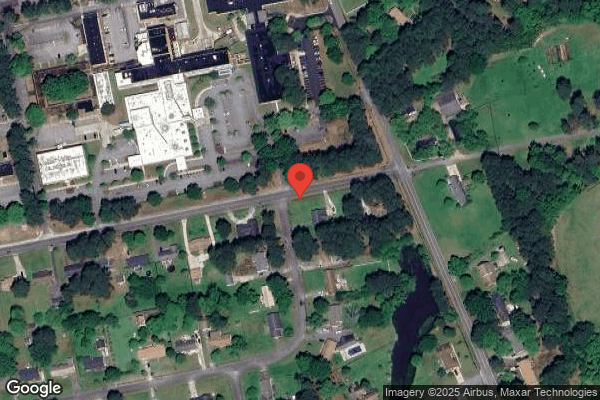
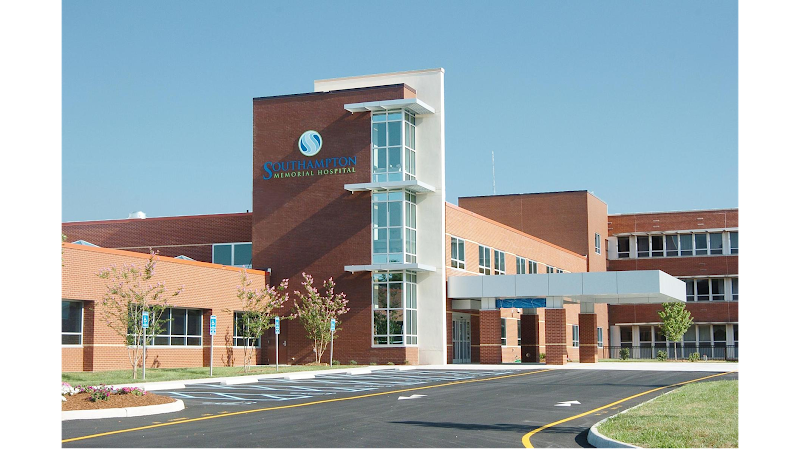
100 FAIRVIEW DR, FRANKLIN, VA 23851 (757) 569-6287
Non profit - Church related 129 Beds Independent Data: November 2025
Trust Grade
85/100
#35 of 285 in VA
Last Inspection: September 2023

Over 2 years since last inspection. Current conditions may differ from available data.

Overview

Southampton Memorial Hospital has a Trust Grade of B+, which indicates it is above average and recommended for families considering care options. It ranks #35 out of 285 nursing homes in Virginia, placing it in the top half of facilities, and is the only option in Franklin City County. The facility is improving, as it has reduced its issues from 8 in 2020 to just 3 in 2023. Staffing is a strong point, with a perfect 5/5 rating and a turnover rate of only 30%, lower than the state average, which means caregivers are likely familiar with the residents' needs. While there have been no fines, which is a positive sign, there were notable concerns, including a failure to ensure a resident received necessary showers and lapses in keeping advance directives accessible for certain residents. Overall, while there are strengths in staffing and no fines, families should be aware of the care oversights reported in the inspection findings.

Trust Score
B+
85/100
In Virginia
#35/285
Top 12%
Safety Record
Low Risk
No red flags
Inspections
Getting Better
8 → 3 violations
Staff Stability
○ Average
30% turnover. Near Virginia's 48% average. Typical for the industry.
Penalties
✓ Good
No fines on record. Clean compliance history, better than most Virginia facilities.
Skilled Nurses
✓ Good
Each resident gets 69 minutes of Registered Nurse (RN) attention daily — more than 97% of Virginia nursing homes. RNs are the most trained staff who catch health problems before they become serious.
Violations
⚠ Watch
19 deficiencies on record. Higher than average. Multiple issues found across inspections.
★★★★★
5.0
Overall Rating
★★★★★
5.0
Staff Levels
★★★★★
5.0
Care Quality
★★★★☆
4.0
Inspection Score
Stable
2020: 8 issues
2023: 3 issues

The Good

  • 5-Star Staffing Rating · Excellent nurse staffing levels
  • 5-Star Quality Measures · Strong clinical quality outcomes
  • Full Sprinkler Coverage · Fire safety systems throughout facility
  • No fines on record
  • Staff turnover below average (30%)

    18 points below Virginia average of 48%

Facility shows strength in staffing levels, quality measures, fire safety.

The Bad

Staff Turnover: 30%

15pts below Virginia avg (46%)

Typical for the industry

The Ugly 19 deficiencies on record

Sept 2023 3 deficiencies
CONCERN (D)

Potential for Harm - no one hurt, but risky conditions existed

Deficiency F0657 (Tag F0657)

Could have caused harm · This affected 1 resident

**NOTE- TERMS IN BRACKETS HAVE BEEN EDITED TO PROTECT CONFIDENTIALITY** Based on observations, staff interview, and a clinical record review, the facility staff failed to revise the Person-Centered ca...

Read full inspector narrative →
**NOTE- TERMS IN BRACKETS HAVE BEEN EDITED TO PROTECT CONFIDENTIALITY** Based on observations, staff interview, and a clinical record review, the facility staff failed to revise the Person-Centered care plan as the Resident's condition changed for 1 of 38 residents (Resident 26), in the survey sample. The findings included: Resident #26 was originally admitted to the facility 2/9/22 and readmitted [DATE] after an acute care hospital stay. The current diagnoses included heart failure, deep vein thrombosis, schizophrenia, and intellectual disability. The significant change Minimum Data Set (MDS) assessment with an assessment reference date (ARD) of 7/22/23 coded the resident as completing the Brief Interview for Mental Status (BIMS) and scoring 8 out of a possible 15. This indicated Resident #26's cognitive abilities for daily decision making were moderately impaired. In section G (Physical functioning) the resident was coded as requiring total care of one person with locomotion on unit, personal hygiene, bathing, dressing, and toileting, extensive assistance of two people with bed mobility, and supervision after set-up with eating. The Resident was also coded as transferring, walking and off unit locomotion once or twice with one person assistance. A review of the current and active care plan revealed a problem dated 7/31/23 which read, The Resident has a catheter related to a sacral wound. The goals read the resident will be/remain free from catheter-related trauma through review date 10/29/23. The interventions included, Monitor and document intake and output as per facility policy. Monitor/record/report to MD signs/symptoms of a urinary tract infection (UTI) pain, burning, blood-tinged urine, cloudiness, no output, deepening of urine color, increased pulse, increased temperature, urinary frequency, foul smelling urine, fever, chills, altered mental status, change in behavior, change in eating patterns. Another care plan program dated 7/31/23 read, the resident has unstageable pressure ulcer to the sacrum. The goal read, the resident will have intact skin, free of redness, blisters, or discoloration by/through review date 10/29/2023. The resident's pressure ulcer will show signs of healing and remain free from infection by/through review date 10/29/2023. The interventions included, administer medications as ordered. Monitor/document for side effects and effectiveness. Administer treatments as ordered and monitor for effectiveness. Resident #26 was observed in his room on 9/19/23 and 9/21/23. An indwelling catheter was not identified as being in use on either observation. On 9/21/23 at approximately 1:50 PM the Director of Nursing (DON) performed a skin assessment on the Resident in the presence of the Surveyor. The skin assessment was unremarkable for a sacral pressure ulcer and an indwelling catheter was not present. An interview was conducted with the DON directly after the skin observation. The DON stated on 8/23/23 the sacral pressure ulcer resolved, and the indwelling catheter was removed, but the card care was not updated to reflect the changes. On 9/22/23 at approximately 12:10 p.m., a final interview was conducted with the Administrator and Corporate Consultant. The Administrator stated she would follow-up on the care plan revisions. An opportunity was offered to the facility's staff to presented additional information regarding the care plan revisions, but they did not, and no concerns were voiced.
CONCERN (D)

Potential for Harm - no one hurt, but risky conditions existed

Deficiency F0775 (Tag F0775)

Could have caused harm · This affected 1 resident

**NOTE- TERMS IN BRACKETS HAVE BEEN EDITED TO PROTECT CONFIDENTIALITY** Based on record review and staff interview the facility failed to file clinical laboratory reports in the resident's clinical re...

Read full inspector narrative →
**NOTE- TERMS IN BRACKETS HAVE BEEN EDITED TO PROTECT CONFIDENTIALITY** Based on record review and staff interview the facility failed to file clinical laboratory reports in the resident's clinical record and did not ensure laboratory reports contained the name and address of the testing laboratory. This affected one of 5 residents (Resident (R) 43) reviewed for unnecessary medication reviews. Findings include: Review of the diagnosis tab in R43's electronic medical record (EMR) revealed her diagnosis included atrial fibrillation (an irregular heartbeat that can lead to blood clots in the heart). Review of Physician's Orders under the Orders tab of the paper medical record revealed R43 had a physician's order for Eliquis (an anticoagulant medication used to prevent blood clots) 5 milligrams (MG) twice a day. Review of the medication and treatments section of the paper medical record revealed the resident had a pharmacy report titled Southampton Memorial Hospital Department of Pharmacy Consultant Pharmacist Report Therapeutic suggestions dated 06/28/23. In the report the pharmacist wrote the resident was currently on Eliquis. The pharmacist wrote that a liver panel was suggested yearly or more frequently for long term patients taking direct oral anticoagulants such as Eliquis. The physician signed the report and dated it 07/13/23. Under action taken the physician wrote agreed and under reason the pharmacist wrote check hepatic panel. The paper medical record and the EMR were reviewed in their entirety and lacked an order for a hepatic panel and laboratory results for a hepatic panel. During an interview on 09/21/23 at 2:39 PM, Registered Nurse (RN) 1 was asked if R43 had an order for a liver panel and if a liver panel had ever been obtained. RN1 reviewed the record and called the laboratory and stated she was not able to find an order nor a liver panel laboratory report. During an interview on 09/21/23 at 4:33 PM, RN2 stated they were not able to find a liver panel laboratory report and stated it should have been ordered and completed per the pharmacy recommendation and physician's recommendation. RN2 stated it was now ordered to be completed. During an interview on 09/22/23 at 9:52 AM, RN3 provided a document titled Hepatic Function Panel for R43. The document contained laboratory results dated [DATE], 07/22/22, and 05/31/22. The document did not contain the name or address of the laboratory. RN3 stated the report was not in the paper or electronic record in the facility and she had to get it from the hospital. RN3 was questioned about why the pharmacist would recommend a liver panel when the resident already had one and she stated it was probably because it was not in R43's medical record in the facility. On 09/22/23 at 9:53 AM, Pharmacist 1, the pharmacist who completed R43's 06/28/23 medication review and recommended the liver panel be completed, was interviewed by telephone. Pharmacist 1 stated she completed the entire review from the paper record and since it was not in the record, she assumed it was not completed and she based her recommendation on that. She stated if it had been in the paper record, she would not have recommended one be completed. Review of the Hepatic Function Panel report revealed it did not contain the name or address of the laboratory. During an interview on 09/22/23 at 11:51 AM, R43's Hepatic Function Panel report provided by RN3 was reviewed with the Administrator. She verified Hepatic Function Panel did not contain the name and address of the testing laboratory. A copy of the facility policy regarding laboratory results was requested. She stated she would look for one. A policy was not provided.
CONCERN (E)

Potential for Harm - no one hurt, but risky conditions existed

ADL Care (Tag F0677)

Could have caused harm · This affected multiple residents

**NOTE- TERMS IN BRACKETS HAVE BEEN EDITED TO PROTECT CONFIDENTIALITY** The findings included: 2. For Resident #47 the facility staff failed to ensure she received necessary services to include shower...

Read full inspector narrative →
**NOTE- TERMS IN BRACKETS HAVE BEEN EDITED TO PROTECT CONFIDENTIALITY** The findings included: 2. For Resident #47 the facility staff failed to ensure she received necessary services to include showers. Resident #47 was originally admitted to the facility 02/08/22 and readmitted [DATE] after an acute care hospital stay. The current diagnoses included; Hypertension. The quarterly review, Minimum Data Set (MDS) assessment with an assessment reference date (ARD) of 7/20/23 coded the resident as completing the Brief Interview for Mental Status (BIMS) and scoring 15 out of a possible 15. This indicated Resident #47 cognitive abilities for daily decision making were intact. In sectionG(Physical functioning) the resident was coded as requiring extensive assistance of one person with bed mobility, requires supervision of one person with dressing and personal hygiene, requiring total dependence of one person with bathing, independent with eating. The Care Plan dated 3/09/21 reads: Resident #47 has an ADL/Activities of Daily Living self-care performance deficit. Activity Intolerance, Impaired balance, has difficulty ambulating, sensation in legs, weakness, drowsiness at times. The resident is totally dependent on staff to provide bathes and showers. A review of the ADL documentation for the month of September 2023 09/01/23-09/20/23 reveal that Resident #47 did not receive showers. During the initial tour an interview was conducted on 9/19/23 at approximately 3:04 PM., with Resident #47 concerning showers. She said that she gets bed baths but would like to get showers. On 9/21/23 at approximately 7:25 PM., an interview was conducted with RN (Registered Nurse) #3 concerning showers. She said that the policy doesn't address how many showers a resident should have. On 9/22/23 at approximately 1:10 PM., the above findings were shared with the Administrator, and the Hospital President. An opportunity was offered to the facility's staff to present additional information, but no additional information was provided. Based on resident interviews, staff interviews and clinical record review, the facility staff failed to provide personal care to include showers for 2 out of 38 residents (Resident #12 and #47) who were unable to independently carry out activities of daily living (ADL) care. The findings included: 1. Resident #12 was admitted to the facility on [DATE]. Diagnosis for included but not limited to dementia with behavioral disturbances and Type II diabetes. Resident #12's Minimum Data Set (an assessment protocol) a quarterly with an Assessment Reference Date (ARD) of 06/15/23 coded the resident's Brief Interview for Mental Status (BIMS) score 10 of a possible 15 with moderate cognitive impairment for daily decision-making. In section G (Physical functioning) the MDS coded Resident #12 required total dependence of one with transfer, dressing toilet use and bathing, extensive assistance of one with bed mobility, eating and personal hygiene for ADL care. Resident #12's comprehensive care plan with a revision date of 09/18/23 documented Resident #12 requiring extensive to total assistance with his ADL due to deficit related to (r/t) confusion, dementia, impaired balance, limited mobility, and range of motion (ROM), muscular impairment, Parkinson, and dementia. The goal set for the resident by the staff is to maintain current level of function. One of the interventions to manage goal include to provide a sponge bath when a full bath or shower cannot be tolerated. On 09/19/23 at 3:13 p.m., an interview was conducted with Resident #12. He stated he cannot remember the last time a shower was given to him. He stated he enjoys showers and would love to have them. Review of Resident #12's ADL Documentation Report for August and September 2023 did not indicate he had received any showers for the two (2) months mentioned. License Practical Nurse (LPN) #1 was interviewed on 09/22/23 at 9:15 p.m. She stated the shower book to include the residents shower days was removed from the unit months ago and has never been returned. She said she was not sure when Resident #12's shower days were or if he was receiving showers. An interview was conducted with Certified Nursing Assistant (CNA) #1 on 09/22/23 at 10:23 a.m. She said the shower book was removed from units months ago. She stated she use to get a list from the nurses when residents were due for their shower but once the book was removed so did the shower list from the nurses. She stated she had been assigned to Resident #12 but has never given him a shower. On 09/22/23 at 11:13 a.m., an interview was conducted with Registered Nurse (RN) #2. She stated the Director of Nursing (DON) removed the shower book/schedule from the unit months ago for revision but has never been returned. She stated she is not sure if Resident #12 is receiving his showers twice a week. A final meeting was held with the Administrator and Corporate on 09/22/23 at approximately 12:10 p.m., who were informed of the above findings. No further information was provided prior to exit. The facility policy titled Activities of Daily Living (ADL's) Supporting - revised 01/01/20. It is the facilities policy to ensure residents will be provided with care treatment, and services as appropriate to maintain or improve their ability to carry out activities of daily living (ADL's). Residents who are unable to carry out activities of daily living independently will receive the services necessary to maintain good nutrition, grooming, and personal and oral hygiene.
Feb 2020 8 deficiencies
CONCERN (D)

Potential for Harm - no one hurt, but risky conditions existed

Deficiency F0558 (Tag F0558)

Could have caused harm · This affected 1 resident

**NOTE- TERMS IN BRACKETS HAVE BEEN EDITED TO PROTECT CONFIDENTIALITY** Based on observations, staff interview and clinical record review the facility staff failed to provide reasonable accommodation ...

Read full inspector narrative →
**NOTE- TERMS IN BRACKETS HAVE BEEN EDITED TO PROTECT CONFIDENTIALITY** Based on observations, staff interview and clinical record review the facility staff failed to provide reasonable accommodation for 1 of 38 residents in the survey sample, Resident #250. The facility failed to ensure the resident had access to the call bell system. The findings included: Resident #250 was admitted to the facility on [DATE] with diagnoses to include but not limited to unspecified dementia without behavioral disturbance. The current MDS (Minimum Data Set) a quarterly with an assessment reference date of 1/9/20 coded the resident as scoring a 7 out of a possible 15 on the Brief Interview for Mental Status, indicating the resident had severely impaired decision making skills. The resident required limited assistance with one staff physical assist with transfers, walking in room and corridor, and extensive assistance of one staff physical assist for locomotion on the unit. The resident normally used a wheelchair for mobility. The Fall Risk Assessment conducted on 1/7/20 identified the resident scored a 52 indicating the resident was High Risk for falls. The person centered plan of care identified the resident was a high risk for falls related to the use of a psychotropic drug. The goal was that the resident would be free of falls through the next review date of 4/15/20. One of the interventions listed to achieve/ maintain the goal was, be sure the resident's call light is within reach and encourage the resident to use it. On 2/10/20 at 6:30 p.m., during the initial tour of the unit the resident was observed awake laying in bed B. The call bell light was observed on the floor laying between bed A and bed B. The resident's speech was garbled and not understood, oxygen was infusing at 2 liters per minute via a nasal cannula. A second observation at approximately 7:45 p.m., the call bell light remained on the floor in the same position. On 2/11/20 12:19 p.m., the resident was observed in bed eating lunch, the call bell remained on the floor in the same spot and position. At 3:16 p.m., the resident was in bed, the call bell remained on the floor. At 5:00 p.m., the resident was in bed, the call bell remained on the floor in the same spot/position. On 2/11/20 at 6:18 p.m., the Registered Nurse 7 a.m.-3 p.m. Supervisor (RN#3), was asked to escort this inspector to observe the location of the call bell for Resident #250. Upon entering the room she observed the call bell on the floor and immediately picked it up and secured it on the resident's bed. The above observations were shared with RN#2. She stated, My expectation is that when they go into the rooms that your supposed to do an environmental check, call bells and trip hazards, safety hazards need to be addressed and corrected at that time. When asked if the resident was ambulatory she stated, At times he get's a burst of energy and will get up. I don't trust him to get up, sometimes he gets confused. The above observations was shared with the Administrator, the Hospital President and Director of Nursing during the pre-exit meeting conducted on 2/12/20 at 4:00 p.m. No additional information was provided prior to exit.
CONCERN (D)

Potential for Harm - no one hurt, but risky conditions existed

Assessment Accuracy (Tag F0641)

Could have caused harm · This affected 1 resident

**NOTE- TERMS IN BRACKETS HAVE BEEN EDITED TO PROTECT CONFIDENTIALITY** Based on record review, staff and individual interviews the facility staff failed to accurately assess one resident (Resident #6...

Read full inspector narrative →
**NOTE- TERMS IN BRACKETS HAVE BEEN EDITED TO PROTECT CONFIDENTIALITY** Based on record review, staff and individual interviews the facility staff failed to accurately assess one resident (Resident #67) in the survey sample of 38 residents for tobacco use. The findings included: Resident #67 was admitted to the facility with diagnoses which included, hypertension, peripheral vascular disease, neurogenic bladder, paraplegia and diabetes mellitus. A review of an Minimum Data Set (MDS) dated [DATE] assessed this resident in the area of Cognitive Patterns - Brief Interview for Mental Status (BIMS) as a (14). In the area of Functional Status (Activities of Daily Living) this resident was assessed as 3/2 for bed mobility requiring a one person physical assist. In the area of Transfer this resident was assessed as a 4/3 requiring a two person physical assist. In the area of Other Health Conditions- Current Tobacco Use this resident was assessed as not using tobacco. A Care Plan last up dated 10/13/19 indicated: Habitual - Cigarette Smoker date initiated 11/30/17. Goal- while residing in facility- Revision on 01/07/2020 - Target date 04/08/2020. Interventions- States he will no longer smoke. Mother present for assessment and care plan review and states he is not a consistent smoker and does not need smoking cessation medication. Reiterate rules of facility's tobacco use policy and procedure and resident specific tobacco use program during monitoring and supervision. Resident #67 had a facility Smoking and Tobacco use Assessment. During an interview on 02/11/20 at 3:30 P.M. with Resident #67 he was asked if he smoked. The Resident at first stated who wants to know. Then he stated, sometimes but not here and not often. During an interview on 02/12/20 at 10:00 a.m. with the Director of Nursing (DON) she stated, Resident #67 only smokes when he goes out with family. The facility had assessed him for smoking and he can safely smoke and use tobacco products safely. She stated, she had not seen him smoke and they check when he comes back for tobacco and lighters. During an interview on 02/12/20 at 10:15 a.m. with the MDS Coordinator she stated, Resident #67 was not coded on the MDS for tobacco use.
CONCERN (D)

Potential for Harm - no one hurt, but risky conditions existed

Deficiency F0657 (Tag F0657)

Could have caused harm · This affected 1 resident

**NOTE- TERMS IN BRACKETS HAVE BEEN EDITED TO PROTECT CONFIDENTIALITY** Based on review of the clinical record, Resident and staff interviews, the facility failed to provide advanced notice of the Car...

Read full inspector narrative →
**NOTE- TERMS IN BRACKETS HAVE BEEN EDITED TO PROTECT CONFIDENTIALITY** Based on review of the clinical record, Resident and staff interviews, the facility failed to provide advanced notice of the Care Plan Conference for one resident, Resident #54, out of 38 residents in the survey sample. The findings included: Resident #54 was admitted to the facility on [DATE] with admitting diagnoses including, but not limited to, muscle weakness, essential hypertension, morbid obesity, major depressive disorder, anxiety disorder. Resident #54's most recent MDS (Minimum Data Set) was an Annual Assessment with an ARD (Assessment Review Date) of 12/19/2019. Resident #54 was coded as moderately impaired in cognitive functioning, scoring a 10 out of 15 on the BIMS (Brief Interview for Mental Status) exam, where, Resident #54 recalled 3 words, the correct month and day of the week. Resident #54 missed recall of the current year by 2-5 years. On 2/11/2020 at approximately 9:45 a.m., Resident #54 was asked about expression of food preferences during Care Plan meetings. Resident #54 responded, What is a care plan meeting? Surveyor explained that care plan meetings are an opportunity to discuss needs, review preferences and update the care plan. Resident #54 responded, I don't think I've been to one. A review of facility documentation revealed care plan meetings were held on 1/24/2019, 4/18/2019, 7/11/2019 and 10/3/2019. An interview held with the facility Social Worker on 2/12/2020 at approximately 1:50 p.m. regarding Care Plan meeting invitations to Resident #54 yielded evidence of care plan meeting invitations sent on 1/22/2019 and 10/1/2019. There was no evidence of invitations extended for meetings held on 4/18/2019 and 7/11/2019. When asked about the process for submitting invitations to care plan meetings, the Social Worker responded, Notifications are generated by the MDS coordinator, then, invitations are sent to residents, family members and representatives every Wednesday. When asked about invitations for dates 4/18/2019 and 7/11/2019, the Social Worker responded, The invitations I gave you are all I have. The Facility Policies and Procedures regarding Care Plan Invitations state: Letters are mailed to the responsible party and/or hand delivered to the resident of the date & time of their Care Plan meeting. These findings were reviewed with the Facility Administrator, Hospital President, and Director of Nursing during a meeting held on 02/12/2020 at approximately 4:30 p.m.
CONCERN (D)

Potential for Harm - no one hurt, but risky conditions existed

ADL Care (Tag F0677)

Could have caused harm · This affected 1 resident

**NOTE- TERMS IN BRACKETS HAVE BEEN EDITED TO PROTECT CONFIDENTIALITY** The facility staff failed to provide activities of daily living for 1 of 38 residents in the survey sample, by failing to provid...

Read full inspector narrative →
**NOTE- TERMS IN BRACKETS HAVE BEEN EDITED TO PROTECT CONFIDENTIALITY** The facility staff failed to provide activities of daily living for 1 of 38 residents in the survey sample, by failing to provide set up assistance to maintain good oral hygiene for Resident #50. The findings included: Resident #50 was admitted to the facility on [DATE] with a re-admission date of 11/26/19 with diagnoses to include, but not limited to chronic obstructive pulmonary disease and type 2 diabetes. The current MDS (Minimum Data Set) a quarterly with an assessment reference date of 12/12/19 coded the resident as scoring a 15 out of a possible 15 on the Brief Interview for Mental Status, indicating the resident's cognition was intact. The resident was coded as requiring extensive assistance of one person physical assist with personal hygiene to include brushing teeth. The person centered plan of care focus area identified ADL (activities of daily living) self-care performance deficit related to multiple medical problems initiated on 10/15/18. One of the goals was that the resident would have bathing, dressing, toileting, and mobility needs met daily with extensive/ total assist of staff revised 12/13/19 with a target date of 3/18/20. One of the interventions listed to achieve/maintain the goal was to assist with oral hygiene twice a day and as needed. On 2/11/20 at 10:41 a.m., the resident was observed sitting up in the wheelchair at the bedside. The resident stated the staff had just provided a bath a few minutes ago but she was not offered oral care. When asked when was the last time she was provided assistance to brush her teeth, she stated, The day before yesterday was the last time I brushed my teeth. The resident stated the Certified Nurse Assistant (CNA#3) told her that the hospitality aide would provide assistance to brush her teeth today after lunch. The resident stated, I really like to brush them after I get up, I can't maneuver the wheelchair to get to my toothbrush .I've had three back surgeries and my arms are weak, I can't roll this wheelchair. At 12:38 p.m., the resident ate 100% of her lunch, she stated she had still not been offered oral care assistance. She further stated, I like to brush my teeth when I first wake up. At 2:51 p.m., the resident was observed being transported via the wheelchair back to the room after attending a group exercise program by the Restorative Nurse Aide (RNA). The RNA stated, I'm going to set her up to brush her teeth because no one has offered her that today. The RNA was observed setting up the resident with her toothbrush, basin and toothpaste. The above findings was shared with the Administrator, the Hospital President and the Director of Nursing during the pre-exit meeting conducted on 2/12/20 at 4:00 p.m. No additional information was provided prior to exit.
CONCERN (D)

Potential for Harm - no one hurt, but risky conditions existed

Deficiency F0761 (Tag F0761)

Could have caused harm · This affected 1 resident

**NOTE- TERMS IN BRACKETS HAVE BEEN EDITED TO PROTECT CONFIDENTIALITY** Based on observations during the medication storage task, staff interviews, and clinical record review the facility's staff fail...

Read full inspector narrative →
**NOTE- TERMS IN BRACKETS HAVE BEEN EDITED TO PROTECT CONFIDENTIALITY** Based on observations during the medication storage task, staff interviews, and clinical record review the facility's staff failed to ensure medication labels were comprised of federally required information for 1 of 38 residents (Resident #67), in the survey sample. The findings included: Resident #67 was originally admitted to the facility 09/29/09 and readmitted [DATE] after an acute care hospital stay. The current diagnoses included stroke, paraplegia and diabetes. The quarterly Minimum Data Set (MDS) assessment with an assessment reference date (ARD) of 1/2/20 coded the resident as completing the Brief Interview for Mental Status (BIMS) and scoring 14 out of a possible 15. This indicated Resident #67's cognitive abilities for daily decision making were intact. During the medication storage task, an insulin pen was observed in a regular clear plastic bag with a hand written label attached to it. The name of the drug was hand written on the label but not the net quantity, dosage form/strength, the amount to be administered, indications and usage, or the the date of the most recent revision of the labeling. At the bottom of the label was the resident's first initial and the last name. An interview was conducted with Licensed Practical Nurse (LPN) #5 on 2/12/20 at approximately 10:40 a.m. LPN #5 stated ink on the labels from the pharmacy has a tendency to smear until the writing is no longer legible. LPN #5 stated this is my handwriting and that's why this label was put on this insulin pen. LPN #5 stated it wasn't anything the pharmacy had been contacted about that she was aware of but immediately she would notify the pharmacist. At approximately 11:50 a.m. on 2/12/20, LPN #5 notified the surveyor that the pharmacist had sent new labels to be applied to the insulin pen for Resident #67. LPN #6 said to LPN #5 she had experienced the same problem before and she applies a clear tape over the labels to prevent smearing. Neither LPN stated they had addressed the problem with administration. Review of Resident #67's physician orders revealed an order dated 8/19/19 for Levemir Flextouch 100 units; give twenty five units subcutaneously every morning. (Levemir is a man-made form of insulin.) On 2/12/20 at approximately 4:15 p.m., the above findings were shared with the Administrator, Director of Nursing and the hospital's President. The Administrator stated the pharmacist would come and explain the labeling process. The Pharmacy stated on 2/12/20 at approximately 6:10 p.m., that Levemir Flextouch insulin pens like most insulin pens are in a multiple pen packs which law prohibits the pharmacist from opening prior to dispensing therefore; a label is put on the box of pens and five labels are sent to the unit so there is one label to put on each of the five pens at the time the box is opened. The pharmacist further stated if a label becomes illegible the staff should contact the pharmacist and additional labels can be printed and delivered.
CONCERN (D)

Potential for Harm - no one hurt, but risky conditions existed

Deficiency F0775 (Tag F0775)

Could have caused harm · This affected 1 resident

Based on staff interviews and clinical record review the facility staff failed to ensure laboratory reports were filed in the resident's clinical record for 1 of 38 residents (Resident #11), in the su...

Read full inspector narrative →
Based on staff interviews and clinical record review the facility staff failed to ensure laboratory reports were filed in the resident's clinical record for 1 of 38 residents (Resident #11), in the survey sample. The findings included: Resident #11 was originally admitted to the facility 8/8/19 and had never been discharged from the facility. The current diagnoses included malnutrition and anemia. The quarterly Minimum Data Set (MDS) assessment with an assessment reference date (ARD) of 11/14/19 coded the resident as completing the Brief Interview for Mental Status (BIMS) and scoring 10 out of a possible 15. This indicated Resident #11's cognitive abilities for daily decision making were moderately impaired. Review of the the clinical record revealed an order dated 1/28/20 for a pre-albumin, complete blood count and comprehensive metabolic panel to be obtained on 1/29/20 for diagnoses of anemia and poor nutrition. Further review of the clinical record in the laboratory reports section didn't reveal the 1/29/20 results therefore Licensed Practical Nurse (LPN) #6 was asked for assistance in locating the laboratory reports. LPN #6 stated there were two sections on laboratory reports on Resident #11's clinical record but the 1/29/20 report wasn't in either section so LPN #6 telephoned the laboratory company, the laboratory representative stated the laboratory sample had been obtained and analyzed 1/28/20 and a report was faxed to the facility 1/28/20 at approximately 15:42. LPN #6 requested the results be re-faxed to the facility, upon receipt LPN #6 wrote on the report: faxed 2/12/20 and faxed the report to the physician's office, then LPN #6 telephoned the physician's office to inform the staff a laboratory report was faxed to them after-which LPN #6 put the laboratory report in Resident #11's clinical record. LPN #6 stated most laboratory reports are faxed to the facility and the physician's office multiple times and it was odd there wasn't one copy of the 1/28/20, report. On 2/12/20 at approximately 4:10 p.m., the above findings were shared with the Administrator, Director of Nursing and the hospital's President. The Administrator stated more than likely the physician had seen the report because the laboratory reports are also faxed to the physicians when they are faxed to the facility.
CONCERN (E)

Potential for Harm - no one hurt, but risky conditions existed

Deficiency F0578 (Tag F0578)

Could have caused harm · This affected multiple residents

**NOTE- TERMS IN BRACKETS HAVE BEEN EDITED TO PROTECT CONFIDENTIALITY** Based on staff interview, facility document review and clinical record review it was determined that facility staff failed to en...

Read full inspector narrative →
**NOTE- TERMS IN BRACKETS HAVE BEEN EDITED TO PROTECT CONFIDENTIALITY** Based on staff interview, facility document review and clinical record review it was determined that facility staff failed to ensure that a copy of an advance directive was accessible on the chart for 1 resident (Resident #53); and failed to offer resources to formulate an advance directive for 1 resident and/or representative of 38 residents in the survey sample, (Resident #25); and the facility staff failed to have an Advance Directive policy/procedure. The findings included: 1. Resident #53 was originally admitted to the facility on [DATE], discharged to the hospital on [DATE] and readmitted to the facility on [DATE]. Diagnoses for Resident #53 included but are not limited to, Dependence on Renal Dialysis and Ischemic Cardiomyopathy. Resident #53's Minimum Data Set (an assessment protocol) with an Assessment Reference Date of 12/19/2019 was coded with a BIMS (Brief Interview for Mental Status) score of 11 indicating moderate cognitive impairment. On 2/11/2020 a copy of Resident #53's Advance Directive was requested. Facility provided a document titled North Carolina Statutory Power of Attorney. Review of the document revealed and is documented in part, as follows: This power of attorney authorizes another person (your agent) to make decisions concerning your property for you (the principal). This power of attorney does not authorize the agent to make health care decisions for you. On 2/12/2020 at 3:15 p.m., an interview was conducted with the Social Worker and when asked what process did he follow when speaking to residents concerning advance directives, Social Worker stated, I provide the residents with a handout Information on Advance Health Care Directives and review it with them. If the resident has an advance directive I ask them to bring it in and I put it on the chart. When asked where he documented his conversations with the residents he stated, In PCC (Point Click Care). Requested copy of documentation for Resident #53. On 2/12/2020 at approximately 3:30 p.m., received a copy of a form titled: Social Services Admission/Annual for Resident #53. Review of the form revealed the following: Initial admission: [DATE] Effective Date: 09/13/2019 admission: [DATE] 3. Advanced Directives and Code Status 1a. Advanced Directive: Power of Attorney - Health Care Decisions; 1b. Advanced Directive formulation instructions and assistance offered/provided 1. Yes. When asked for a copy of Resident #53's advance directive Power of Attorney - Health Care Decisions, Social Worker stated, The daughter said they had an advance directive - Power of Attorney for Health Care Decisions but they never brought it in. When asked if he ask the family for the advance directive after the admission on [DATE], the Social Worker said, No, I pulled everything over in PCC from the previous admission. The Social Worker stated, I placed a call to the family today and asked them to bring it in. When asked if the Advance Directive should be on the chart, Social Worker stated, Yes. It is not in the facility. The Administrator, Director of Nursing and Hospital President was informed of the finding on 2/12/2020 at approximately 4:30 p.m. No further information was offered. 2. Resident #25 was originally admitted to the facility 8/24/06 and readmitted [DATE]. The current diagnoses included; cerebrovascular disease, diabetes and chronic bronchitis. The quarterly Minimum Data Set (MDS) assessment with an assessment reference date (ARD) of 11/27/19 coded as completing the Brief Interview for Mental Status (BIMS) and scoring 11 out of a possible 15. This indicated Resident #25's cognitive abilities for daily decision making were moderately impaired. An interview was conducted with Resident #25, 2/11/20 at approximately 12:40 p.m. Resident #25 didn't understand the meaning and process of developing an advanced directive. Review of the resident's clinical record revealed a document signed by the Social Worker and dated 8/24/2006, which read Advance Directive; Resident does not have an advanced directive. An interview was conducted with the Social Worker on 2/11/20, at approximately 4:05 p.m. The Social Worker stated the facility's process was quarterly to review the resident clinical record for new documents pertaining to advanced directives and code status and enter the findings under the Advanced Directive and Code Status documentation. The Social Worker stated after reviewing Resident #25's documentation the resident elected a full code status and no advanced directives had been formulated. The Social Worker further stated the Responsible Party for Resident wasn't contacted quarterly or annually to discuss formulation of an advanced directive and/or code status. The Social Worker stated it wouldn't be his responsibility to explain advanced directives to the resident and/or representative but a staff member who had knowledge of advanced directives and the options available. No information was provide by the facility's staff which stated the facility had policies and procedures to implement advance directives or an acknowledgment the resident and/or representative was give information about advanced directives. Neither was there information stating since Resident #25 didn't have an advance directive, how the resident and/or representative was informed of the right to develop an advance directive and what assistance the facility's staff would provide to the resident and/or representative if they desired to execute an directive. The Responsible Party was telephone 2/12/20 at approximately 1:05 p.m., but there was no answer. The facility's policy was requested and an undated document describing Advanced Health Care Directives passed by the Virginia General Assembly in 2017 was provided. On 2/12/20 at approximately 4:15 p.m., the above findings were shared with the Administrator, Director of Nursing and the hospital's President. The facility's staff stated after reviewing the admission packet it was identified 2/12/20 that the Advanced Directive acknowledgement page was no longer included but they would be developing the form and adding it to the new admission packet. The facility's staff also stated resident's who have been in the facility a while, advanced directives acknowledgement may have been purged but all Living Wills, Physician Orders for Life-Sustaining Treatment (POLST) forms and others are on the paper chart.
CONCERN (E)

Potential for Harm - no one hurt, but risky conditions existed

Transfer Requirements (Tag F0622)

Could have caused harm · This affected multiple residents

**NOTE- TERMS IN BRACKETS HAVE BEEN EDITED TO PROTECT CONFIDENTIALITY** Based on staff interview and clinical record review it was determined that facility staff failed to send care plan goals for 4 r...

Read full inspector narrative →
**NOTE- TERMS IN BRACKETS HAVE BEEN EDITED TO PROTECT CONFIDENTIALITY** Based on staff interview and clinical record review it was determined that facility staff failed to send care plan goals for 4 residents (Resident #33, #53, #64 & #24) of 38 residents in the survey sample when discharged to the hospital. The findings included: 1. Resident #33 was originally admitted to the facility on [DATE], discharged to the hospital on [DATE] and readmitted to the facility on [DATE]. Diagnosis for Resident #33 included but are not limited to, Dementia and Right Hip Fracture. Resident #33's Minimum Data Set (an assessment protocol) with an Assessment Reference Date of 12/03/2019 was coded with a BIMS (Brief Interview for Mental Status) score of 06 indicating severe cognitive impairment. In addition, the Minimum Data Set coded Resident #33 as requiring extensive assistance of 1 for bed mobility and eating, extensive assistance of 2 for transfer and total dependence of 1 for dressing, toilet use, personal hygiene and bathing. On 2/11/2020 at approximately 3:00 p.m., review of Resident #33's clinical record did not reveal evidence that care plan goals were sent with the resident upon discharge to the hospital on [DATE]. On 2/11/2020 at 4:40 p.m., an interview was conducted with Licensed Practical Nurse (LPN) #3 and when asked what is the process when sending a resident to the hospital, LPN #3 stated, We call the doctor and obtain an order to send the resident to the ER (Emergency Room), complete the form on S-Bar, complete the transfer form, call report to the ER and then transport the resident on a stretcher to the ER. When asked what paper work is sent with the resident to the hospital, LPN #3 stated, We send the residents whole chart, copy of the face sheet, medications and transfer form. When asked if a copy of the care plan or care plan goals are sent, LPN #3 stated, Not sure. LPN #3 stated, I think the care plan is on the chart but no, I don't make a copy of the care plan and send. On 2/11/2020 at approximately 4:45 p.m., an interview was conducted with LPN #2 and when asked what is the process when sending a resident to the hospital, LPN #2 stated, I call the doctor, get an order, notify the family, call the ER and complete a transfer form. When asked what paper work is sent with the resident to the hospital, LPN #2 stated, We send the residents whole chart, copy of the MAR (Medication Administration Record) and place it in the front of the chart. When asked if a copy of the care plan or care plan goals are sent, LPN #2 stated, No, we just take the chart. Care plans are being changed over to PCC (Point Click Care). When asked do all the charts have care plans on them, LPN #2 stated, Not really sure. On 2/11/2020 at 5:00 p.m., an interview was conducted with the Director of Nursing (DON) and Registered Nurse (RN) #5, MDS Coordinator, when asked what is the process when sending a resident to the hospital, DON stated, We get an order from the doctor, complete the transfer form and send the chart with the resident. When asked if the residents care plans are on the charts, RN #5 stated, I only put the interim care plan on the chart and put the comprehensive care plan in PCC. When asked if the comprehensive care plans or care plan goals are sent with the residents upon discharge to the hospital, DON stated, No. The DON asked, Why should we send the care plan with the resident? Is this something new? On 2/11/2020, requested a copy of the facility policy and procedure on discharging residents to the hospital. The DON stated, The facility does not have a policy and procedure on discharging residents to the hospital. The Administrator, Director of Nursing and Hospital President was informed of the finding on 2/12/2020 at approximately 4:30 p.m. at the pre-exit meeting. When the Administrator was asked if the hospital had access to care plans on PCC, Administrator stated, No, only with radiology and lab. The facility did not present any further information about the finding. 2. Resident #53 was originally admitted to the facility on [DATE], discharged to the hospital on [DATE] and readmitted to the facility on [DATE]. Diagnoses for Resident #53 included but are not limited to, Dependence on Renal Dialysis and Ischemic Cardiomyopathy. Resident #53's Minimum Data Set (an assessment protocol) with an Assessment Reference Date of 12/19/2019 was coded with a BIMS (Brief Interview for Mental Status) score of 11 indicating moderate cognitive impairment. In addition, the Minimum Data Set coded Resident #53 as requiring extensive assistance of 1 for bed mobility, transfer, dressing, eating, toilet use and personal hygiene and total dependence of one for bathing. On 2/11/2020 at approximately 3:00 p.m., review of Resident #53's clinical record did not reveal evidence that care plan goals were sent with the resident upon discharge to the hospital on [DATE]. On 2/11/2020 at 4:40 p.m., an interview was conducted with Licensed Practical Nurse (LPN) #3 and when asked what is the process when sending a resident to the hospital, LPN #3 stated, We call the doctor and obtain an order to send the resident to the ER (Emergency Room), complete the form on S-Bar, complete the transfer form, call report to the ER and then transport the resident on a stretcher to the ER. When asked what paper work is sent with the resident to the hospital, LPN #3 stated, We send the residents whole chart, copy of the face sheet, medications and transfer form. When asked if a copy of the care plan or care plan goals are sent, LPN #3 stated, Not sure. LPN #3 stated, I think the care plan is on the chart but no, I don't make a copy of the care plan and send. On 2/11/2020 at approximately 4:45 p.m., an interview was conducted with LPN #2 and when asked what is the process when sending a resident to the hospital, LPN #2 stated, I call the doctor, get an order, notify the family, call the ER and complete a transfer form. When asked what paper work is sent with the resident to the hospital, LPN #2 stated, We send the residents whole chart, copy of the MAR (Medication Administration Record) and place it in the front of the chart. When asked if a copy of the care plan or care plan goals are sent, LPN #2 stated, No, we just take the chart. Care plans are being changed over to PCC (Point Click Care). When asked do all the charts have care plans on them, LPN #2 stated, Not really sure. On 2/11/2020 at 5:00 p.m., an interview was conducted with the Director of Nursing (DON) and Registered Nurse (RN) #5, MDS Coordinator, when asked what is the process when sending a resident to the hospital, DON stated, We get an order from the doctor, complete the transfer form and send the chart with the resident. When asked if the residents care plans are on the charts, RN #5 stated, I only put the interim care plan on the chart and put the comprehensive care plan in PCC. When asked if the comprehensive care plans or care plan goals are sent with the residents upon discharge to the hospital, DON stated, No. The DON asked, Why should we send the care plan with the resident? Is this something new? On 2/11/2020, requested a copy of the facility policy and procedure on discharging residents to the hospital. The DON stated, The facility does not have a policy and procedure on discharging residents to the hospital. The Administrator, Director of Nursing and Hospital President was informed of the finding on 2/12/2020 at approximately 4:30 p.m. at the pre-exit meeting. When the Administrator was asked if the hospital had access to care plans on PCC, Administrator stated, No, only with radiology and lab. The facility did not present any further information about the finding. 3. Resident #64 was originally admitted to the facility on [DATE], discharged to the hospital on [DATE] and readmitted to the facility on [DATE]. Diagnoses for Resident #64 included but are not limited to, Wernicke's Encephalopathy and Hypertension. Resident #64's Minimum Data Set (an assessment protocol) with an Assessment Reference Date of 12/26/2019 was coded with a BIMS (Brief Interview for Mental Status) score of 11 indicating moderate cognitive impairment. In addition, the Minimum Data Set coded Resident #64 as independent for bathing and personal hygiene and requiring supervision of 1 for bed mobility, transfer and dressing and limited assistance of 1 for toilet use. On 2/11/2020 at approximately 3:00 p.m., review of Resident #64's clinical record did not reveal evidence that care plan goals were sent with the resident upon discharge to the hospital on [DATE]. On 2/11/2020 at 4:40 p.m., an interview was conducted with Licensed Practical Nurse (LPN) #3 and when asked what is the process when sending a resident to the hospital, LPN #3 stated, We call the doctor and obtain an order to send the resident to the ER (Emergency Room), complete the form on S-Bar, complete the transfer form, call report to the ER and then transport the resident on a stretcher to the ER. When asked what paper work is sent with the resident to the hospital, LPN #3 stated, We send the residents whole chart, copy of the face sheet, medications and transfer form. When asked if a copy of the care plan or care plan goals are sent, LPN #3 stated, Not sure. LPN #3 stated, I think the care plan is on the chart but no, I don't make a copy of the care plan and send. On 2/11/2020 at approximately 4:45 p.m., an interview was conducted with LPN #2 and when asked what is the process when sending a resident to the hospital, LPN #2 stated, I call the doctor, get an order, notify the family, call the ER and complete a transfer form. When asked what paper work is sent with the resident to the hospital, LPN #2 stated, We send the residents whole chart, copy of the MAR (Medication Administration Record) and place it in the front of the chart. When asked if a copy of the care plan or care plan goals are sent, LPN #2 stated, No, we just take the chart. Care plans are being changed over to PCC (Point Click Care). When asked do all the charts have care plans on them, LPN #2 stated, Not really sure. On 2/11/2020 at 5:00 p.m., an interview was conducted with the Director of Nursing (DON) and Registered Nurse (RN) #5, MDS Coordinator, when asked what is the process when sending a resident to the hospital, DON stated, We get an order from the doctor, complete the transfer form and send the chart with the resident. When asked if the residents care plans are on the charts, RN #5 stated, I only put the interim care plan on the chart and put the comprehensive care plan in PCC. When asked if the comprehensive care plans or care plan goals are sent with the residents upon discharge to the hospital, DON stated, No. The DON asked, Why should we send the care plan with the resident? Is this something new? On 2/11/2020, requested a copy of the facility policy and procedure on discharging residents to the hospital. The DON stated, The facility does not have a policy and procedure on discharging residents to the hospital. The Administrator, Director of Nursing and Hospital President was informed of the finding on 2/12/2020 at approximately 4:30 p.m. at the pre-exit meeting. When the Administrator was asked if the hospital had access to care plans on PCC, Administrator stated, No, only with radiology and lab. The facility did not present any further information about the finding. 4. Resident #24 was originally admitted to the facility 12/5/17 and readmitted [DATE] after an acute care hospital stay. The current diagnoses included; status post a left hip fracture. The significant change Minimum Data Set (MDS) assessment with an assessment reference date (ARD) of 11/27/19 coded the resident as completing the Brief Interview for Mental Status (BIMS) and scoring 15 out of a possible 15. This indicated Resident #24's cognitive abilities for daily decision making were intact. In section G (Physical functioning) the resident was coded as requiring total care of one person with bathing and off unit locomotion, extensive assistance of two people with transfers, extensive assistance of one person with bed mobility, on unit locomotion, dressing, toileting, personal hygiene and supervision after set-up with eating. An interview was conducted with Resident #24 on 2/11/20 at approximately 1:15 p.m. Resident #24 stated she had fall while getting items from the closet which resulted in a left leg fracture. The resident further stated she wasn't using the walker as directed. The resident stated the numerous falls was the reason she could no longer stay home with her sister. Review of the Resident #24's MDS assessment revealed a discharge return-anticipated MDS dated [DATE]. A nurse's note dated 11/11/19 stated the resident had fall and was transferred to the hospital for further evaluation. The nurse's note contained no documentation stating what was sent with the resident to the hospital therefore; an interview was conducted with Licensed Practical Nurse LPN) #4. Review of the paper chart didn't reveal a care plan or care plan goals in the record, but a care plan was observed in the computer system. LPN #4 was interviewed 2/11/20 at approximately 3:50 p.m. LPN #4 stated when a resident is transferred to the hospital a completed transfer form and the entire paper chart is goes with the resident. LPN #4 wasn't sure if the care plan was on the paper chart but stated if it's not the hospital staff can log into the computer system and view any information not in the paper chart. LPN #4 also stated the emergency department is telephoned prior to transferring the resident to offer a report on the reason the resident is in need of further evaluation. An interview with the MDS Coordinator on 2/11/20 at approximately 5:15 p.m., revealed Resident #24's care plan is in the computer system and not on the paper chart. On 2/12/20 at approximately 4:15 p.m., the above findings were shared with the Administrator, Director of Nursing and the hospital's President. The Administrator stated upon a resident's transfer a transfer form and the chart goes with the resident as well as two nursing staff members. The Administrator stated the hospital computer system doesn't communicate with nursing facility's computer system therefore the hospital staff can't access the nursing facility's electronic health records.
Oct 2018 8 deficiencies
CONCERN (D)

Potential for Harm - no one hurt, but risky conditions existed

Abuse Prevention Policies (Tag F0607)

Could have caused harm · This affected 1 resident

**NOTE- TERMS IN BRACKETS HAVE BEEN EDITED TO PROTECT CONFIDENTIALITY** Based on staff interview, facility document review and clinical record review, the facility staff failed to implement abuse prev...

Read full inspector narrative →
**NOTE- TERMS IN BRACKETS HAVE BEEN EDITED TO PROTECT CONFIDENTIALITY** Based on staff interview, facility document review and clinical record review, the facility staff failed to implement abuse prevention policies regarding reporting an injury of unknown origin to the state agency. Resident #34, with severely impaired cognitive skills and total dependence upon staff for transfers and care, was diagnosed with a distal fibula fracture of unknown origin. This fracture of unknown origin was not reported to the state survey agency or other local agencies as required by facility's policy for abuse investigation/reporting. The findings include: Resident #34 was admitted to the facility on [DATE] with diagnoses that included high blood pressure, vitamin deficiency, osteoarthritis, restless leg syndrome and gastroesophageal reflux disease. The minimum data set (MDS) dated [DATE] assessed Resident #34 with short and long-term memory problems and severely impaired cognitive skills. MDS assessments dated 5/10/18 ad 8/2/18 listed Resident #34 as totally dependent on two people for transfers and total dependence of one person for eating, dressing and daily hygiene. Resident #34's clinical record documented a nursing note dated 7/16/18 stating, Resident was taken over to radiology to have her left ankle and foot x-rayed. A note dated 7/17/18 at 1:32 p.m. documented, .X-ray report was received and faxed to [physician]. See order for orthopedic consult. Tylenol was given at 1030 [10:30 a.m.] for pain . Resident #34's radiology report dated 7/16/18 documented the resident was diagnosed with an acute distal fibular fracture. (Fibula is the lateral and smaller of the two bones of the lower leg.) This x-ray report documented, Acute minimally displaced distal diaphysis [shaft] fracture of the fibula without angulation. This report listed the resident had mild lateral soft tissue swelling and pain in the left foot/ankle. The resident was referred to an orthopedist and prescribed immobilization for four weeks with a cam boot as treatment. The clinical record documented a monthly nursing summary dated 7/1/18. This assessment documented Resident #34 required total dependence upon staff for bed mobility, transfers, dressing, eating, toileting and hygiene. This assessment listed the resident had weak legs .little speech and required the use of a total maxi lift for transfers. There was no documentation in the clinical record indicating a known cause of Resident #34's fractured fibula. On 10/16/18, a copy of the facility's investigation of the fracture was reviewed. The investigation report dated 7/16/18 documented the resident was noted with swelling, pain and redness of the left ankle on 7/16/18 at 10:38 a.m. The physician was notified and ordered an x-ray of the left foot/ankle. The report documented on 7/17/18 the x-ray report revealed the resident was diagnosed with an acute minimally displaced left fibula fracture. The investigation report documented interviews with the resident's nurses, certified nurses' aides and a family member. The investigation concluded no evidence of abuse. The report documented, .it is possible where she could have banged her ankle against the chair, the rail, and/or possibly just slight twisting motion could have created the nondisplaced fracture. The facility investigation report documented no evidence of a known cause of Resident #34's fractured fibula. No report was received by the state agency as of 10/17/18 regarding Resident #34's fracture of unknown source. On 10/16/18 at 1:10 p.m., the certified nurses' aide (CNA #1) routinely caring for Resident #34 was interviewed about the resident's fractured fibula. CNA #1 stated she did not know how the resident's ankle was broken. CNA #1 stated the resident was total care, required a full body lift for transfers and was routinely seated in a reclining geri-chair when out of her room. On 10/16/18 at 1:25 p.m., the licensed practical nurse (LPN #2) caring for Resident #34 was interviewed. LPN #2 stated Resident #34 was dependent upon staff for all of her care needs. LPN #2 stated the resident had restless leg syndrome and frequently moved her legs about when in bed or in her chair. LPN #2 stated Resident #34 did not ambulate and used a reclining geri-chair when out of bed. On 10/17/18 at 10:03 a.m., the director of nursing (DON) was interviewed about why Resident #34's fracture of unknown origin was not reported to the state agency. The DON stated the administrator was responsible for reporting injuries/incidents to the state agency. On 10/17/18 at 10:31 a.m., the administrator was interviewed about lack of reporting of Resident #34's fracture of unknown origin. The administrator stated she immediately started the investigation after finding out Resident #34's fibula was fractured. The administrator stated the resident's family member and staff had seen the resident throwing her legs off the geri-chair footrests. The administrator stated she thought she could wait about the reporting until they determined if the incident was considered abuse/neglect. The administrator stated she did not report the fracture of unknown cause because their review indicated the resident possibly hit her ankle when moving her legs about in bed or while in her geri-chair. The administrator stated, I guess we thought we determined the cause and it was not abuse. That's been our practice. The facility's policy titled Abuse Investigating and Reporting (effective September 2017) stated, All reports of resident abuse, neglect, and exploitation, misappropriation of resident property, mistreatment and/or injuries of unknown source (abuse) shall be promptly reported to local, state and federal agencies (as defined by current regulations) and thoroughly investigated by facility management. Findings of abuse investigations will also be reported .All alleged violations involving abuse, neglect, exploitation, or mistreatment, including injuries of an unknown source and misappropriation of property will be reported by the facility Administrator, or his/her designee, to the following persons or agencies .The State licensing/certification agency responsible for surveying/licensing the facility .The local/State Ombudsman .The Resident's Representative (Sponsor) of Record .Adult Protective Services (where state law provides jurisdiction in long-term care) .Law enforcement officials .The resident's Attending Physician .The facility Medical Director .Suspected abuse, neglect, exploitation or mistreatment (including injuries of unknown source .will be reported within two hours if the alleged events have resulted in serious bodily injury .If events that cause the allegation do not involve abuse or not resulted in serious bodily injury, the report must be made within twenty-four hours . These findings were reviewed with the administrator and director of nursing during a meeting on 10/17/18 at 1:30 p.m.
CONCERN (D)

Potential for Harm - no one hurt, but risky conditions existed

Report Alleged Abuse (Tag F0609)

Could have caused harm · This affected 1 resident

**NOTE- TERMS IN BRACKETS HAVE BEEN EDITED TO PROTECT CONFIDENTIALITY** Based on staff interview, facility document review and clinical record review, the facility staff failed to ensure an injury of ...

Read full inspector narrative →
**NOTE- TERMS IN BRACKETS HAVE BEEN EDITED TO PROTECT CONFIDENTIALITY** Based on staff interview, facility document review and clinical record review, the facility staff failed to ensure an injury of unknown origin was reported to the state survey agency and adult protective services. Resident #34, with severely impaired cognitive skills and total dependence upon staff for transfers and care, was diagnosed with a distal fibula fracture of unknown origin. This fracture of unknown origin was not reported to the state survey agency or local adult protective services. The findings include: Resident #34 was admitted to the facility on [DATE] with diagnoses that included high blood pressure, vitamin deficiency, osteoarthritis, restless leg syndrome and gastroesophageal reflux disease. The minimum data set (MDS) dated [DATE] assessed Resident #34 with short and long-term memory problems and severely impaired cognitive skills. MDS assessments dated 5/10/18 ad 8/2/18 listed Resident #34 as totally dependent on two people for transfers and total dependence of one person for eating, dressing and daily hygiene. Resident #34's clinical record documented a nursing note dated 7/16/18 stating, Resident was taken over to radiology to have her left ankle and foot x-rayed. A note dated 7/17/18 at 1:32 p.m. documented, .X-ray report was received and faxed to [physician]. See order for orthopedic consult. Tylenol was given at 1030 [10:30 a.m.] for pain . Resident #34's radiology report dated 7/16/18 documented the resident was diagnosed with an acute distal fibular fracture. (Fibula is the lateral and smaller of the two bones of the lower leg.) This x-ray report documented, Acute minimally displaced distal diaphysis [shaft] fracture of the fibula without angulation. This report listed the resident had mild lateral soft tissue swelling and pain in the left foot/ankle. The resident was referred to an orthopedist and prescribed immobilization for four weeks with a cam boot as treatment. The clinical record documented a monthly nursing summary dated 7/1/18. This assessment documented Resident #34 required total dependence upon staff for bed mobility, transfers, dressing, eating, toileting and hygiene. This assessment listed the resident had weak legs .little speech and required the use of a total maxi lift for transfers. There was no documentation in the clinical record indicating a known cause of Resident #34's fractured fibula. On 10/16/18, a copy of the facility's investigation of the fracture was reviewed. The investigation report dated 7/16/18 documented the resident was noted with swelling, pain and redness of the left ankle on 7/16/18 at 10:38 a.m. The physician was notified and ordered an x-ray of the left foot/ankle. The report documented on 7/17/18 the x-ray report revealed the resident was diagnosed with an acute minimally displaced left fibula fracture. The investigation report documented interviews with the resident's nurses, certified nurses' aides and a family member. The investigation concluded no evidence of abuse. The report documented, .it is possible where she could have banged her ankle against the chair, the rail, and/or possibly just slight twisting motion could have created the nondisplaced fracture. The facility investigation report documented no evidence of a known cause of Resident #34's fractured fibula. No report was received by the state agency as of 10/17/18 regarding Resident #34's fracture of unknown source. On 10/16/18 at 1:10 p.m., the certified nurses' aide (CNA #1) routinely caring for Resident #34 was interviewed about the resident's fractured fibula. CNA #1 stated she did not know how the resident's ankle was broken. CNA #1 stated the resident was total care, required a full body lift for transfers and was routinely seated in a reclining geri-chair when out of her room. On 10/16/18 at 1:25 p.m., the licensed practical nurse (LPN #2) caring for Resident #34 was interviewed. LPN #2 stated Resident #34 was dependent upon staff for all of her care needs. LPN #2 stated the resident had restless leg syndrome and frequently moved her legs about when in bed or in her chair. LPN #2 stated Resident #34 did not ambulate and used a reclining geri-chair when out of bed. On 10/17/18 at 10:03 a.m., the director of nursing (DON) was interviewed about why Resident #34's fracture of unknown origin was not reported to the state agency. The DON stated the administrator was responsible for reporting injuries/incidents to the state agency. On 10/17/18 at 10:31 a.m., the administrator was interviewed about lack of reporting of Resident #34's fracture of unknown origin. The administrator stated she immediately started the investigation after finding out Resident #34's fibula was fractured. The administrator stated the resident's family member and staff had seen the resident throwing her legs off the geri-chair footrests. The administrator stated she thought she could wait about the reporting until they determined if the incident was considered abuse/neglect. The administrator stated she did not report the fracture of unknown cause because their review indicated the resident possibly hit her ankle when moving her legs about in bed or while in her geri-chair. The administrator stated, I guess we thought we determined the cause and it was not abuse. That's been our practice. The facility's policy titled Abuse Investigating and Reporting (effective September 2017) stated, All reports of resident abuse, neglect, and exploitation, misappropriation of resident property, mistreatment and/or injuries of unknown source (abuse) shall be promptly reported to local, state and federal agencies (as defined by current regulations) and thoroughly investigated by facility management. Findings of abuse investigations will also be reported .All alleged violations involving abuse, neglect, exploitation, or mistreatment, including injuries of an unknown source and misappropriation of property will be reported by the facility Administrator, or his/her designee, to the following persons or agencies .The State licensing/certification agency responsible for surveying/licensing the facility .The local/State Ombudsman .The Resident's Representative (Sponsor) of Record .Adult Protective Services (where state law provides jurisdiction in long-term care) .Law enforcement officials .The resident's Attending Physician .The facility Medical Director .Suspected abuse, neglect, exploitation or mistreatment (including injuries of unknown source .will be reported within two hours if the alleged events have resulted in serious bodily injury .If events that cause the allegation do not involve abuse or not resulted in serious bodily injury, the report must be made within twenty-four hours . These findings were reviewed with the administrator and director of nursing during a meeting on 10/17/18 at 1:30 p.m.
CONCERN (D)

Potential for Harm - no one hurt, but risky conditions existed

Assessment Accuracy (Tag F0641)

Could have caused harm · This affected 1 resident

Based on staff interview and clinical record review, the facility staff failed to ensure an accurate MDS (minimum data set) for one of 22 residents in the survey sample, Resident # 94. Resident # 94's...

Read full inspector narrative →
Based on staff interview and clinical record review, the facility staff failed to ensure an accurate MDS (minimum data set) for one of 22 residents in the survey sample, Resident # 94. Resident # 94's most recent MDS assessment coded the receipt Pneumococcal vaccine incorrectly. Findings include: Resident # 94 was admitted to the facility 5/15/13 with a readmission date of 8/9/18. Diagnoses for Resident # 19 included, but were not limited to: anemia, high blood pressure, and dementia. The most recent minimum data set (MDS) was a quarterly review dated 9/27/18. Resident # 94 was coded with severe cognitive impairment with a total summary score of 04 out of 15. On 10/17/18 at approximately 2:30 p.m. during review of the clinical record, the above MDS assessment was reviewed. Section O-0300 Pneumococcal Vaccine A. Is the resident's pneumococcal vaccine up to date? was coded Yes at number 1. Further review of the clinical record failed to reveal any documentation the resident had received the vaccine. Per CMS's RAI Version 3.0 Manual CH 3 Section CH 3: MDS Items [O] : Pneumococcal Vaccine directs : 2. Review the resident's medical record and interview resident or responsible party/legal guardian and/or primary care physician to determine pneumococcal vaccination status, using the following steps: · Review the resident's medical record to determine whether a pneumococcal vaccine has been received. If vaccination status is unknown, proceed to the next step. · Ask the resident if he/she received a pneumococcal vaccine. If vaccination status is still unknown, proceed to the next step. · If the resident is unable to answer, ask the same question of a responsible party/legal guardian and/or primary care physician. If vaccination status is still unknown, proceed to the next step. · If vaccination status cannot be determined, administer the appropriate vaccine to the resident, according to the standards of clinical practice. (1) On 10/17/18 at 5:10 p.m. RN (registered nurse) # 2 , who was the MDS coordinator, was asked about the coding of the vaccine. She was also asked if the answer to that section automatically populated from previous assessments, or if the section was coded each time. RN # 2 was further asked for assistance in locating the date the resident had received the vaccine. RN # 2 stated I have to answer that question every time; I usually get the information on admission or from nurses' notes .let me see what I can find . On 10/18/18 during a meeting with facility staff beginning at 9:50 a.m. the administrator, DON (director of nursing), and the chief quality officer were informed of the above findings. The administrator was also informed RN # 2 had not presented any information about the vaccine. No further information was presented prior to the exit conference. (1) Centers for Medicare & Medicaid Services' Long-Term Care Facility Resident Assessment Instrument (RAI)User's Manual Section O page O-12 October 2017.
CONCERN (D)

Potential for Harm - no one hurt, but risky conditions existed

Deficiency F0688 (Tag F0688)

Could have caused harm · This affected 1 resident

**NOTE- TERMS IN BRACKETS HAVE BEEN EDITED TO PROTECT CONFIDENTIALITY** Based on observation, staff interview and clinical record review, the facility staff failed to ensure proper wheelchair position...

Read full inspector narrative →
**NOTE- TERMS IN BRACKETS HAVE BEEN EDITED TO PROTECT CONFIDENTIALITY** Based on observation, staff interview and clinical record review, the facility staff failed to ensure proper wheelchair positioning for one of 22 residents in the survey sample. Resident #94 was observed seated in a wheelchair without footrests with her feet not reaching the floor. The findings include: Resident #94 was admitted to the facility on [DATE] with a re-admission on [DATE]. Diagnoses for Resident #94 included dementia, pneumonia, gastrointestinal bleed, anemia and high blood pressure. The minimum data set (MDS) dated [DATE] assessed Resident #34 with severely impaired cognitive skills. This MDS listed the resident used a wheelchair for mobility with the extensive assistance of one person. On 10/16/18 at 9:49 a.m., Resident #94 was observed seated in her wheelchair in her room. The wheelchair had no footrests and the resident's feet were dangling, not reaching the floor. The resident's toes were pointed downward and were approximately 2 inches from the floor. The resident was observed in her wheelchair again with her feet dangling on 10/16/18 at 10:46 a.m., 11:14 a.m., 12:41 p.m. and at 2:05 p.m. On 10/16/18 at 2:05 p.m., the certified nurses' aide (CNA #1) caring for Resident #94 was interviewed. CNA #1 stated the resident self-propelled at times in her wheelchair and usually had her feet on the floor. CNA #1 stated the resident did not routinely have footrests on the wheelchair. CNA #1 did not know why the resident's feet did not reach the floor. On 10/16/18 at 2:08 p.m., the licensed practical nurse (LPN #2) caring for Resident #94 was interviewed. LPN #2 stated the resident scooted and self-propelled at times in the wheelchair with her feet on the floor. Accompanied by LPN #2, Resident #94 was observed in the activity room with her feet not reaching the floor. LPN #2 stated she was not aware the resident's feet did not reach the floor and she would get therapy to evaluate the positioning. On 10/1718 at 1:53 p.m., the director of nursing (DON) was interviewed about Resident #94's positioning. The DON stated the resident did not self-propel but required someone to push her in the wheelchair for mobility. These findings were reviewed with the administrator and director of nursing (DON) during a meeting on 10/17/18 at 1:30 p.m.
CONCERN (D)

Potential for Harm - no one hurt, but risky conditions existed

Medication Errors (Tag F0758)

Could have caused harm · This affected 1 resident

**NOTE- TERMS IN BRACKETS HAVE BEEN EDITED TO PROTECT CONFIDENTIALITY** Based on clinical record review, facility document review, and staff interview, the facility staff failed to ensure one of 22 re...

Read full inspector narrative →
**NOTE- TERMS IN BRACKETS HAVE BEEN EDITED TO PROTECT CONFIDENTIALITY** Based on clinical record review, facility document review, and staff interview, the facility staff failed to ensure one of 22 residents in the survey sample were free from unnecessary medication. There was no physician documented rationale for the continued use of, or for not completing a gradual dose reduction of Lorazepam and Sertraline. The findings include: Resident #78 was admitted to the facility on [DATE] with diagnoses including hypertension, dementia, anxiety and depression. The most recent minimum data set (MDS) dated [DATE] assessed Resident #78 as severely cognitive impaired, having long term and short term memory loss. Resident #78's clinical record was reviewed on 10/17/18 at 3:15 p.m. A pharmacy recommendation dated 7/30/18 documented the following: Resident's current medication regimen includes Sertraline 100 mg (milligrams) daily and Lorazepam 0.5 mg (milligrams) bid (twice a day). Please consider a Gradual Dose Reduction to Sertraline 50 mg (milligrams) daily and Lorazepam 0.25 mg (milligrams) BID (twice a day). On the form under the Action taken section, was documented No Change by the physician. This section was signed and dated 08/17/18. This section is where the physician can document their instructions and rationale regarding the pharmacy recommendations. No rationale was provided for the continued use, nor was there a rationale for not completing a gradual dose reduction for the Lorazepam and Sertraline medications. On 10/17/18 at 3:43 p.m., the unit nurse supervisor (RN #3) was interviewed about the pharmacy consult recommendation. RN #3 stated the pharmacy sends copies of the consult sheets to the physician and to her (RN #3). RN #3 stated she then places the copy she receives in a binder in her office. RN #3 stated after the physician completes the form documenting their action regarding the pharmacy recommendations, she then receives a copy of the completed form from the physician at which time the physician's actions are carried out by the nursing department. RN #3 stated she keeps a copy of the completed pharmacy consult form in a binder in her office and a copy is placed on the resident's chart. This information was shared with the administrator and director of nursing during a meeting on 10/18/18 at 9:55 a.m. No other information was provided prior to the exit conference on 10/18/18 at 10:45 a.m.
CONCERN (D)

Potential for Harm - no one hurt, but risky conditions existed

Unnecessary Medications (Tag F0759)

Could have caused harm · This affected 1 resident

Based on medication pass and pour observation, staff interview, and clinical record review, facility staff failed to ensure a medication error rate less than five percent. There were three errors out ...

Read full inspector narrative →
Based on medication pass and pour observation, staff interview, and clinical record review, facility staff failed to ensure a medication error rate less than five percent. There were three errors out of 31 opportunities resulting in a medication error rate of 9.68%. 1. Resident #69 received her morning dose of Metformin (Glucophage) after eating breakfast and not per physician order. 2. Resident #12 was not administered Flonase and Miralax as ordered by the physician. Findings included: 1. Resident #69 was admitted to the facility 03/07/2011 with diagnoses of, but not limited to: Bronchitis, CVA (cerebrovascular accident), Diabetes, and Osteoarthritis. The most recent MDS (minimum data set) was a quarterly assessment with an ARD (assessment reference date) of 09/06/2018. Resident #69 was assessed as moderately impaired in her cognitive status with a total cognitive score of nine out of 15. During the medication pass and pour observation on 10/17/2018 at 9:29 a.m., Resident #69 was administered Metformin 500 mg (milligrams) by mouth by LPN #1 (licensed practical nurse). Resident #69 had just returned to her room from eating breakfast in the dining room prior to receiving her morning medications. Review of physician orders dated 10/01/18 through 10/31/18 included: .Metformin HCL 500 mg TAB Give (1) tablet by mouth twice daily before meals . scheduled at 7:30 a.m. and 4:30 p.m. LPN #1 and RN #1 (registered nurse) were both informed of the physician order and that the medication had not been given per order. They both stated, okay. The Administrator and DON (director of nursing) were informed of the above during a meeting with the survey team on 10/17/18 at 1:30 p.m. No further information was received by the survey team prior to the exit conference on 10/18/18. 2. A medication pass observation was conducted on 10/17/18 at 9:00 a.m. with licensed practical nurse (LPN) #2 administering medications to Resident #12. During this observation, LPN #2 administered one spray in each nostril of Flonase 50 mcg (micrograms) nasal spray. LPN #2 prepared one capful of Miralax powder mixed in a full cup of water. The resident took only a few sips of the Miralax mixture with LPN #2 in the room. LPN #2 left the remaining Miralax on the resident's bed table and proceeded to another part of the unit giving medications. LPN #2 did not ask the resident to consume all of the Miralax mixture. On 10/17/18 at 10:02 a.m., a half cup of the Miralax mixture was still on the resident's bed table and had not been consumed. Resident #12's clinical record documented a physician's order dated 9/28/18 for Flonase 50 mcg, two sprays in each nostril daily. The record documented a physician's order dated 5/2/18 for Miralax 17 grams mixed in 8 ounces of liquid daily. On 10/17/18 at 10:05 a.m., LPN #2 was interviewed about the incorrect dose of Flonase and incomplete administration of Miralax for Resident #12. LPN #1 stated the resident usually only wanted one spray of the Flonase. LPN #2 stated she usually went back and checked with the resident to see if she consumed all the Miralax. When asked if Resident #12 was assessed to self-administer medications, LPN #2 stated, No. These findings were reviewed with the administrator and director of nursing during a meeting on 10/17/18 at 1:30 p.m.
CONCERN (D)

Potential for Harm - no one hurt, but risky conditions existed

Deficiency F0761 (Tag F0761)

Could have caused harm · This affected 1 resident

**NOTE- TERMS IN BRACKETS HAVE BEEN EDITED TO PROTECT CONFIDENTIALITY** Based on medication pass and pour observation, and staff interview, facility staff failed to ensure medications were stored in a...

Read full inspector narrative →
**NOTE- TERMS IN BRACKETS HAVE BEEN EDITED TO PROTECT CONFIDENTIALITY** Based on medication pass and pour observation, and staff interview, facility staff failed to ensure medications were stored in a locked area on one of five units, [NAME] Unit. Facility staff failed to ensure the medication cart was locked on the [NAME] Unit. Findings included: During the medication pass and pour observation on 10/17/2018 at 9:00 a.m., LPN #1 (licensed practical nurse) stated to this surveyor, I just want you to know I have to lift the top of the medication cart to unlock it. LPN #1 was observed to lift the top of the cart and push a release button to unlock the medication cart at least five times. The medication cart was noted to have a large lock that required a key to open. However, the lock did not work properly and maintenance had shown the nurses how to bypass the lock by pushing the lock release button under the top cover. LPN #1 was able to lock the cart using a lever on the side, but had to lift the top of the cart to push the lock release button. The only key used was to open the narcotic storage drawer on the medication cart. RN #1 (registered nurse) was interviewed 10/17/18 at 9:43 a.m. regarding the medication cart. RN #1 stated, A replacement cart has been ordered. They fixed it with a part that worked for awhile, but then it malfunctioned again, so a replacement cart has been ordered. I will have to get with [Name of Administrator] regarding the exact dates. LPN #1 was interviewed 10/17/18 at 10:03 a.m. regarding the medication cart. LPN #1 stated, I don't know if there is a room for the cart to be locked in. I know it always sits here when I am giving meds. LPN #1 gestured to the nurse's station. Regarding narcotic storage, There is a separate drawer with a different key to get into it. RN #1 provided a copy of the Nursing Supervisor Report dated October 16, 2018. The report included, .0045 [12:45 a.m.] Informed by EP [East Pavilion] nurse that one of their medication carts was currently locked and unable to be opened with request to call maintenance in. I went over and attempted to troubleshoot and unlock the cart before maintenance was called unsuccessfully. It appeared to be a mechanical issue in which a piece of the locking mechanism had come loose and therefore was not lifting the locking bar. Maintenance was then called to come in. I was also informed by the nursing staff that this particular cart had not locked/unlocked properly in quite some time and that the cart had been being left unlocked, with the side lever being kept up with tape. This is a very serious safety issue in that any resident, visitor, or unauthorized staff member can open every medication drawer with the exception controlled medication. This is also likely a violation if discovered upon a state inspection per nursing staff. 0200 [2:00 a.m.] Received call from EP nurse who informed me that [Name] from maintenance had unlocked medication cart and showed her where the release mechanism is inside that can be pressed to unlock cart. This may be a temporary solution until the real issue is addressed . At 10:15 a.m., RN #1 stated, Maintenance came in last night and showed the nurse how to lift the top cover and push the release button to open the med cart. The new cart will ship on the 19th. The cart can be locked in the nursing supervisor's office I guess. No, we don't do that. It sits behind the nurse's desk. Maintenance work orders were reviewed for this specific medication cart from RN #1. This first work order was dated 02/18/2018, and subsequent work orders were dated 03/30/2018, 04/02/2018, 04/16/2018, 04/17/2018, 04/27/2018 and two were dated 10/17/2018. RN #1 also provided a copy of an email written by the pharmacy director and sent to the medical products representative that included: .Sent: Wednesday, July 11, 2018 4:49 PM .Subject: Cart Repair Work List; EP WEST (SERIAL NUMBER 71044-E) Cart will lock but will not unlock. The rivets have been popped off the top and it has to be manually unlocked by hitting the button inside. The keypad does seem to be working because it beeps when you enter the code however it does not trigger the unlocking mechanism. The Battery has been replaced about 30 days ago. This did not fix the problem. Two subsequent emails dated July 12, 2018 written by the medical products representative to the pharmacy director included: .8:37 a.m .It looks like our technician from Richmond, [Name], may be able to head down first thing in the morning. We are gathering information at this time, and will confirm shortly .1:46 p.m .Our technician is ready to go for tomorrow morning . The Administrator stated during a meeting with the survey team on 10/17/2018 at 1:30 p.m., We have been locking the medication cart up in the supervisor's office when not in use or in an empty patient room. We just make sure the room door is locked. It took us awhile to get capital funds to replace the cart, but finally the funds were approved. This medication cart was observed behind the nurse's station several times on 10/16/18 and in the early morning of 10/17/18 with no staff person visible around the cart. No further information was received by the survey team prior to the exit conference on 10/18/18.
CONCERN (D)

Potential for Harm - no one hurt, but risky conditions existed

Deficiency F0883 (Tag F0883)

Could have caused harm · This affected 1 resident

Based on staff interview and clinical record review, the facility staff failed to correctly assess and document the pneumococcal vaccine status for one of 5 records reviewed: Resident # 94. Resident #...

Read full inspector narrative →
Based on staff interview and clinical record review, the facility staff failed to correctly assess and document the pneumococcal vaccine status for one of 5 records reviewed: Resident # 94. Resident # 94's clinical record had no documentation of consent or refusal of the Pneumococcal vaccine. Findings include: Resident # 94 was admitted to the facility 5/15/13 with a readmission date of 8/9/18. Diagnoses for Resident # 19 included, but were not limited to: anemia, high blood pressure, and dementia. The most recent minimum data set (MDS) was a quarterly review dated 9/27/18. Resident # 94 was coded with severe cognitive impairment with a total summary score of 04 out of 15. On 10/17/18 at approximately 2:30 p.m. during review of the clinical record, no information regarding the resident's pneumococcal vaccination status could be obtained. On 10/17/18 at 4:20 p.m. RN (registered nurse) # 4, who was in charge of the immunization program for the facility, was asked for assistance in locating the information. RN # 4 stated She refused [the vaccine] in 2014; I'm not sure if the vaccine has been offered again .I have the vaccine forms here I can look and see what was done. RN # 4 then retrieved the form. The form was divided in two sections; on the top right side was Influenza Vaccine (Administer October through March) and the top left side had Pneumococcal Vaccine (Administer Year-Round) The Influenza portion was completed including date of administration 10/9/18. The Pneumococcal portion was blank. RN # 4 stated I guess we should be offering the pneumococcal vaccine when we offer the flu each year? RN # 4 was reminded the pneumococcal vaccine could be administered year-round, and since the status of the vaccine was not documented, it was unclear when or if the vaccine had been offered or discussed with the resident or the resident's responsible party since 2014. On 10/17/18 at 5:30 p.m. RN # 3, who was the house supervisor, was also asked for any information on the status of Resident # 94's pneumococcal vaccine status. RN # 3 reviewed the information provided by RN # 4, then stated I don't know what to say; I don't know if she [name of resident] was asked, refused, or what. I can't say; it's not on the form . On 10/18/18 during a meeting with facility staff beginning at 9:50 a.m. the administrator, DON (director of nursing), and the chief quality officer were informed of the above findings. No further information was presented prior to the exit conference.
Understanding Severity Codes (click to expand)
Life-Threatening (Immediate Jeopardy)
J - Isolated K - Pattern L - Widespread
Actual Harm
G - Isolated H - Pattern I - Widespread
Potential for Harm
D - Isolated E - Pattern F - Widespread
No Harm (Minor)
A - Isolated B - Pattern C - Widespread

Questions to Ask on Your Visit

  • "Can I speak with families of current residents?"
  • "What's your RN coverage like on weekends and overnight?"

Our Honest Assessment

Strengths
  • • Grade B+ (85/100). Above average facility, better than most options in Virginia.
  • • No major safety red flags. No abuse findings, life-threatening violations, or SFF status.
  • • No fines on record. Clean compliance history, better than most Virginia facilities.
  • • 30% turnover. Below Virginia's 48% average. Good staff retention means consistent care.
Concerns
  • • 19 deficiencies on record. Higher than average. Multiple issues found across inspections.
Bottom line: Generally positive indicators. Standard due diligence and a personal visit recommended.

About This Facility

What is Southampton Memorial Hosp's CMS Rating?

CMS assigns SOUTHAMPTON MEMORIAL HOSP an overall rating of 5 out of 5 stars, which is considered much above average nationally. Within Virginia, this rating places the facility higher than 99% of the state's 100 nursing homes. This rating reflects solid performance across the metrics CMS uses to evaluate nursing home quality.
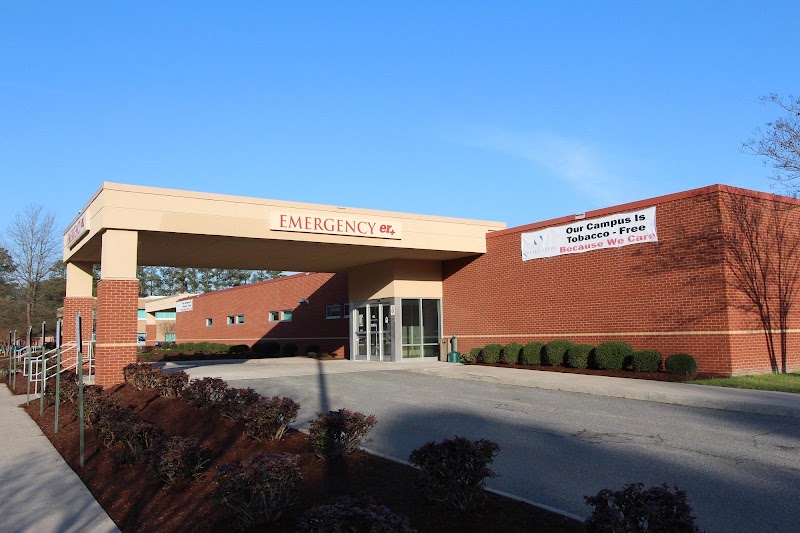
How is Southampton Memorial Hosp Staffed?

CMS rates SOUTHAMPTON MEMORIAL HOSP's staffing level at 5 out of 5 stars, which is much above average compared to other nursing homes. Staff turnover is 30%, compared to the Virginia average of 46%. This relatively stable workforce can support continuity of care.

What Have Inspectors Found at Southampton Memorial Hosp?

State health inspectors documented 19 deficiencies at SOUTHAMPTON MEMORIAL HOSP during 2018 to 2023. These included: 19 with potential for harm.
Who Owns and Operates Southampton Memorial Hosp?

SOUTHAMPTON MEMORIAL HOSP is owned by a non-profit organization. Non-profit facilities reinvest revenue into operations rather than distributing to shareholders. The facility operates independently rather than as part of a larger chain. With 129 certified beds and approximately 88 residents (about 68% occupancy), it is a mid-sized facility located in FRANKLIN, Virginia.
How Does Southampton Memorial Hosp Compare to Other Virginia Nursing Homes?

Compared to the 100 nursing homes in Virginia, SOUTHAMPTON MEMORIAL HOSP's overall rating (5 stars) is above the state average of 3.0, staff turnover (30%) is significantly lower than the state average of 46%, and health inspection rating (4 stars) is above the national benchmark.

What Should Families Ask When Visiting Southampton Memorial Hosp?

Based on this facility's data, families visiting should ask: "Can I visit during a mealtime to observe dining assistance and food quality?" "How do you handle medical emergencies, and what is your hospital transfer rate?" "Can I speak with family members of current residents about their experience?"

Is Southampton Memorial Hosp Safe?

Based on CMS inspection data, SOUTHAMPTON MEMORIAL HOSP has a clean safety record: no substantiated abuse findings (meaning no confirmed cases of resident harm), no Immediate Jeopardy citations (the most serious violation level indicating risk of serious injury or death), and is not on the Special Focus Facility watch list (a federal program monitoring the lowest-performing 1% of nursing homes). The facility has a 5-star overall rating and ranks #1 of 100 nursing homes in Virginia. While no facility is perfect, families should still ask about staff-to-resident ratios and recent inspection results during their visit.

Do Nurses at Southampton Memorial Hosp Stick Around?

SOUTHAMPTON MEMORIAL HOSP has a staff turnover rate of 30%, which is about average for Virginia nursing homes (state average: 46%). Moderate turnover is common in nursing homes, but families should still ask about staff tenure and how the facility maintains care continuity when employees leave.

Was Southampton Memorial Hosp Ever Fined?

SOUTHAMPTON MEMORIAL HOSP has no federal fines on record. CMS issues fines when nursing homes fail to meet care standards or don't correct problems found during inspections. The absence of fines suggests the facility has either maintained compliance or corrected any issues before penalties were assessed. This is a positive indicator, though families should still review recent inspection reports for the full picture.

Is Southampton Memorial Hosp on Any Federal Watch List?

SOUTHAMPTON MEMORIAL HOSP is not on any federal watch list. The most significant is the Special Focus Facility (SFF) program, which identifies the bottom 1% of nursing homes nationally based on persistent, serious quality problems. Not being on this list means the facility has avoided the pattern of deficiencies that triggers enhanced federal oversight. This is a positive indicator, though families should still review the facility's inspection history directly.