FREDERICKSBURG HEALTH AND REHAB
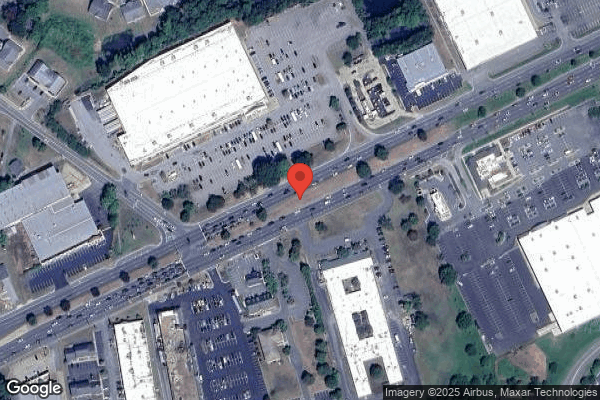
3900 PLANK ROAD, FREDERICKSBURG, VA 22407 (540) 786-8351
For profit - Limited Liability company 177 Beds TRIO HEALTHCARE Data: November 2025
Trust Grade
43/100
#132 of 285 in VA
Last Inspection: October 2023

Over 2 years since last inspection. Current conditions may differ from available data.

Overview

Fredericksburg Health and Rehab has a Trust Grade of D, which means it is below average and has some concerns that families should consider. It ranks #132 out of 285 facilities in Virginia, placing it in the top half, while it is the best option out of 2 facilities in Spotsylvania County. The facility shows an improving trend, as issues decreased from 27 in 2023 to just 5 in 2024. Staffing is a concern, with a rating of 2/5 stars and a turnover rate of 100%, significantly higher than the state average of 48%, indicating that staff may not stay long enough to build strong relationships with residents. Regarding specific incidents, one resident suffered a forehead laceration due to staff not providing the necessary assistance during daily activities, requiring emergency care. Additionally, medications were found improperly stored, with several expired medications present, raising concerns about safety and compliance. Despite these weaknesses, the facility has an excellent rating of 5/5 stars in quality measures, suggesting that when care is provided, it can be of high quality.

Trust Score
D
43/100
In Virginia
#132/285
Top 46%
Safety Record
Moderate
Needs review
Inspections
Getting Better
27 → 5 violations
Staff Stability
⚠ Watch
100% turnover. Very high, 52 points above average. Constant new faces learning your loved one's needs.
Penalties
✓ Good
$9,311 in fines. Lower than most Virginia facilities. Relatively clean record.
Skilled Nurses
⚠ Watch
Each resident gets only 24 minutes of Registered Nurse (RN) attention daily — below average for Virginia. Fewer RN minutes means fewer trained eyes watching for problems.
Violations
⚠ Watch
53 deficiencies on record. Higher than average. Multiple issues found across inspections.
★★★☆☆
3.0
Overall Rating
★★☆☆☆
2.0
Staff Levels
★★★★★
5.0
Care Quality
★★☆☆☆
2.0
Inspection Score
Stable
2023: 27 issues
2024: 5 issues

The Good

  • 5-Star Quality Measures · Strong clinical quality outcomes
  • Full Sprinkler Coverage · Fire safety systems throughout facility
  • No fines on record

Facility shows strength in quality measures, fire safety.

The Bad

3-Star Overall Rating

Near Virginia average (3.0)

Meets federal standards, typical of most facilities

Staff Turnover: 100%

53pts above Virginia avg (47%)

Frequent staff changes - ask about care continuity

Federal Fines: $9,311

Below median ($33,413)

Minor penalties assessed

Chain: TRIO HEALTHCARE

Part of a multi-facility chain

Ask about local staffing decisions and management

Staff turnover is very high (100%)

52 points above Virginia average of 48%

The Ugly 53 deficiencies on record

1 actual harm
Jul 2024 4 deficiencies
CONCERN (D) 📢 Someone Reported This

A family member, employee, or ombudsman was alarmed enough to file a formal complaint

Potential for Harm - no one hurt, but risky conditions existed

Comprehensive Care Plan (Tag F0656)

Could have caused harm · This affected 1 resident

Based on staff interview, facility document review and clinical record review, it was determined the facility staff failed to implement the comprehensive care plan for the treatment of pain for one of...

Read full inspector narrative →
Based on staff interview, facility document review and clinical record review, it was determined the facility staff failed to implement the comprehensive care plan for the treatment of pain for one of 13 residents in the survey sample, Resident #3. The findings include: For Resident #3, the facility staff failed to implement the comprehensive care plan to administer pain medications as ordered. The comprehensive care plan dated, 11/15/23, documented in part, Focus: Needs Pain management and monitoring related to fracture. The Interventions documented in part, Administer pain medications as ordered. An admission assessment, dated 11/15/23, documented the resident was assessed for pain. The resident stated his pain level was a seven at 6:07 p.m. The physician orders dated 11/15/23, documented, Acetaminophen Oral Tablet (used to treat mild pain) 325 MG (milligrams); Give 3 tablets by mouth every 8 hours as needed for pain. Hydromorphone HCL (hydrochloride) (used to treat moderate to severe pain) oral tablet 2 MG; Give 2 MG by mouth every 4 hours as needed for (moderate pain). Hydromorphone HCL oral tablet 4 MG; Give 4 MG by mouth every 4 hours as needed for (severe pain). The MAR (medication administration record) for November 2023 documented the above orders. The MAR failed to evidence documentation that the resident received any pain medication for his pain level of seven on 11/15/23 at 6:07 p.m. No pain medication was documented as having been administered on 11/15/23 after the resident was admitted at 12:50 p.m. An interview was conducted with LPN #4, the nurse that completed the admission assessment on 11/15/23, on 7/2/24 at 2:02 p.m. LPN #4 could not recall the resident above. The admission assessment of 11/15/23 was reviewed with LPN #4. When asked if a resident has a pain score of seven out of ten, what should she do, LPN #4 stated if the resident has an order for pain medication, then you give that. If there is no order, she stated she would contact the doctor. When asked the purpose of the care plan, LPN #4 stated, it's to ensure the resident is properly taken care of. If pain medication was not administered and the care plan says to give pain medications to treat pain, is that following the care plan, LPN #4 stated, no. The facility policy, Care Plan documented in part, Care staff must be familiar with each resident's Care Plan and Approaches must be implemented. ASM (administrative staff member) #1, the administrator, ASM #2, the director of nursing, ASM #5, the regional vice president of operations, ASM #6, the regional clinical director, RN (registered nurse) #2, the unit manager, and LPN #2, the unit manager, were made aware of the above findings on 7/2/24 at 4:36 p.m. No further information was provided prior to exit.
CONCERN (D) 📢 Someone Reported This

A family member, employee, or ombudsman was alarmed enough to file a formal complaint

Potential for Harm - no one hurt, but risky conditions existed

Deficiency F0658 (Tag F0658)

Could have caused harm · This affected 1 resident

**NOTE- TERMS IN BRACKETS HAVE BEEN EDITED TO PROTECT CONFIDENTIALITY** Based on staff interview, facility document review and clinical record review, it was determined the facility staff failed to fo...

Read full inspector narrative →
**NOTE- TERMS IN BRACKETS HAVE BEEN EDITED TO PROTECT CONFIDENTIALITY** Based on staff interview, facility document review and clinical record review, it was determined the facility staff failed to follow professional standards of practice for the administration of medications for one of 13 residents in the survey sample, Resident #3. The findings include: For Resident #3 (R3), the facility staff failed to administer medications per the physician orders. A. Resident #3 was admitted with diagnoses that included but were not limited to: post operative for a left calcaneus tuberosity (heel) fracture, high blood pressure and chronic obstructive pulmonary disease (COPD). On the most recent MDS (minimum data set) assessment, an admission assessment, with an assessment reference date of 11/16/23, the resident was coded as having no short- or long-term memory difficulties. R3 was coded as being independent for making cognitive daily decisions. The admission assessment dated [DATE], documented the resident arrived at the facility on 11/15/23 at 12:50 p.m. The doctor was notified of the admission at 1:30 p.m. The physician orders dated 11/15/23, documented, Carvedilol Oral Tablet (to treat high blood pressure) 6.25 MG (milligrams)l; Give 1 tablet by mouth two times a day related to essential hypertension (high blood pressure). Ipratropium - Albuterol Inhalation Solution (to treat asthma and COPD) 0.5 - 2.5 (3) MG/3 ML (milliliters); 1 vial inhale orally every 6 hours related to COPD. The November 2023 MAR (medication administration record) documented the above orders. The Carvedilol was scheduled for 9:00 a.m. and 5:00 p.m. There was no documentation that R3 received his 5:00 p.m. dose on 11/15/23. The square was blocked off. The resident did not have his 5:00 p.m. dose. The Ipratropium - Albuterol inhalation solution was documented in the MAR. It was scheduled for 12:00 a.m., 6:00 a.m., 12:00 p.m. and 6:00 p.m. The first dose the resident received of this medication was on 11/16/23 at 12:00 a.m. The resident missed his 6:00 p.m. dose on 11/15/23. There were other medications scheduled for 5:00 p.m. that the resident received. The emergency backup medication box list documented the Carvedilol and the Ipratropium - Albuterol were both in the medication backup box. An interview was conducted with LPN (licensed practical nurse) #5 on 7/2/24 at 4:08 p.m. When asked if a medication is not available for administration when it is scheduled for, what do you do, LPN #5 stated, once they have an order, it is faxed to the pharmacy and if the medication is not here, we ask the pharmacy to send it stat and if it is not available we have to call the doctor and let them know. LPN #5 stated the facility had a backup medication box and it had some drugs in it. LPN #5 reviewed the MAR above. She noted that some 5:00 p.m. medication were administered. LPN #5 stated, she would have expected those medications to have been given since they were in the backup box. The facility policy, Ordering and Receiving Non-Controlled Medications, documented in part, Timely delivery of new orders is required so that medication administration is not delayed. If available, the emergency kit is used when the resident needs a non-controlled medication prior to pharmacy delivery .Emergency/STAT medication orders: when a medication is available in the emergency kit remove the emergency/STAT dose needed for administration prior to the next pharmacy delivery. B. The facility staff failed to administer Hydromorphone HCL (used to treat moderate to severe pain) per the physician orders. The physician order dated 11/15/23 documented, Hydromorphone HCL (hydrochloride) (used to treat moderate to severe pain) Oral Tablet 2 MG; Give 2 MG by mouth every 4 hours as needed for (moderate pain). Hydromorphone HCL (hydrochloride) (used to treat moderate to severe pain) Oral Tablet 4 MG; Give 4 MG by mouth every 4 hours as needed for (severe pain). The November 2023 MAR documented the above orders. On 11/16/23, the Hydromorphone 2 MG tablet was administered at 5:04 p.m. for a pain level of five. At 8:20 p.m. the Hydromorphone 4 MG was administered for a pain level of seven. A time frame of three hours and 16 minutes. Review of the nurse's notes failed to evidence documentation that the physician was contacted to give the medication in a shorter time frame than what was ordered. An interview was conducted with LPN #2 on 7/2/24 at 12:44 p.m. When asked if a nurse can give a medication early if the order is for every four hours, LPN #2 stated the nurse would need an order from the physician to give it early. The above MAR was reviewed with LPN #2, she stated, the nurse should have called the doctor and written a note. ASM (administrative staff member) #1, the administrator, ASM #2, the director of nursing, ASM #5, the regional vice president of operations, ASM #6, the regional clinical director, RN (registered nurse) #2, the unit manager, and LPN #2, the unit manager, were made aware of the above findings on 7/2/24 at 4:36 p.m. No further information was provided prior to exit.
CONCERN (D) 📢 Someone Reported This

A family member, employee, or ombudsman was alarmed enough to file a formal complaint

Potential for Harm - no one hurt, but risky conditions existed

Pressure Ulcer Prevention (Tag F0686)

Could have caused harm · This affected 1 resident

**NOTE- TERMS IN BRACKETS HAVE BEEN EDITED TO PROTECT CONFIDENTIALITY** Based on staff interview, clinical record review and facility document review, it was determined the facility staff failed to pr...

Read full inspector narrative →
**NOTE- TERMS IN BRACKETS HAVE BEEN EDITED TO PROTECT CONFIDENTIALITY** Based on staff interview, clinical record review and facility document review, it was determined the facility staff failed to provide the care and services to prevent pressure wounds for one of 13 residents in the survey sample, Resident #4. The findings include: The facility failed to document turning and repositioning of Resident #4 on the ADL (activities of daily living) form. Resident #4 was admitted to the facility on [DATE] with diagnosis that included but were not limited to: Osteonecrosis, Syndrome of Inappropriate Secretion of Antidiuretic Hormone, Heart Failure, hypertension, aphasia, arthritis, malnutrition and respiratory failure. The most recent MDS (minimum data set) assessment, a discharge assessment, with an ARD (assessment reference date) of 11/26/23, coded the resident as scoring a 99 out of 15 on the BIMS (brief interview for mental status) score, indicating the resident was not able to complete the interview. A review of the MDS Section G-functional status coded the resident as requiring maximal assist for transfer, bathing; bed mobility, dressing, hygiene, toileting and dependent with feeding tube for eating. A review of the comprehensive care plan dated 10/26/23 revealed, FOCUS: I have altered skin integrity non pressure related to: Rash to my groin, abrasion to my forehead. I have a pressure to my sacrum. INTERVENTION: Conduct weekly skin inspection. Provide pressure reduction/relieving mattress. Treatments as ordered. Wound consult as needed. A review of the physician orders dated 10/26/23 revealed, Balsam Peru Castor Oil External Ointment (Balsam Peru Castor Oil) Apply to sacrum topically every day and evening shift for (Wound care). Treatment: Cleanse Sacrum with normal saline pat dry apply Hydrogel, Foam Border Dressing daily and PRN. APM2 air mattress setting of 2 check q shift for placement and functioning. every shift for promote wound healing. A review of the physician orders dated 11/1/23 revealed, Treatment: Sacrum: Cleanse with saline, pat dry, apply skin prep to surrounding intact skin and cover with Super Absorbent Gelling Fiber Foam every day shift every Tue, Thu, Sat for Wound Healing. A review of the physician orders dated 11/14/23 revealed, Santyl External Ointment 250 UNIT/GM (Collagenase) Apply to Sacrum topically every day shift for Wound healing. Treatment: Cleanse Sacrum with normal saline pat dry apply Santyl Ointment as primary and cover with Foam Border Dressing daily and PRN every day shift for Wound Healing. A review of the October and November MAR-TAR (medication administration record-treatment administration record) did not evidence any missed medications or treatments to Resident #4. A review of Resident #4's October and November 2023 ADL (activities of daily living) document, reveals Roll Left and Right- coded as 01- Dependent - Helper does ALL of the effort. Resident does none of the effort to complete the activity Or, the assistance of 2 or more helpers is required for the resident to complete the activity missing documentation on night shift 10/25/23, 11/8/23, 11/12/23 and 11/19/23. A review of the progress note dated 10/26/23 at 4:31 PM revealed, Patient is [AGE] year-old male o as admitted from [NAME] hospital arrived at this facility to room [ROOM NUMBER] bed A for rehab. Admit Diagnosis: Sepsis, Aspiration Pneumonia, Hypertension, SIADH, [NAME] de [NAME] syndrome with behavioral issues, Dysphagia, CHF, acute hypoxic respiratory failure. Patient is full code. No known drug allergy. Resident on Jevity 1.5 tube feeding continues rate 50ml/hr., flushes 30ml every 4 hours. Patient alert to self, combative at times, scratches self. Wound observed on sacrum, redness on groin area. Incontinent of bowel and bladder. He denied pain during assessment. Medication lists were verified by NP. Bed placed at lowest position. Will continue to monitor resident for safety. Sacrum - Pressure: Length = 3.5cm, Width = 3cm, Depth = 0.1cm, - Stage Unstageable Drainage? No, amount of drainage with. No tunnelling or undermining present. A review of the weekly pressure ulcer measurement documents reveals: 10/26/24 sacral wound length 3.5 cm (centimeters) x width.3 cm x depth.1 cm. Treatment: Superabsorbent gelling fiber w/ silicone border & faced daily and as needed. A review of the Wound Physician's note dated 10/31/23 revealed, UNSTAGEABLE DTI SACRUM FULL THICKNESS Etiology (quality) Pressure MDS 3.0 Stage Unstageable DTI (deep tissue injury) within and around wound Duration > 10 days Objective Healing/Maintain Healing Wound Size (L x W x D): 3.5 x 2.3 x 0.1 cm Surface Area: 8.05 cm² Exudate: Moderate Sero - sanguinous Other viable tissues: 100 % (Dermis, Sub Q) DRESSING TREATMENT PLAN Primary Dressing(s) Superabsorbent gelling fiber w/ silicone border & faced apply once daily for 30 days PLAN OF CARE REVIEWED AND ADDRESSED Recommendations Off-Load Wound ; Reposition per facility protocol. A review of the weekly pressure ulcer measurement documents reveals: 10/31/24 sacral wound length 3.5 cm (centimeters) x width 2.3 cm x depth.1 cm. Treatment: Superabsorbent gelling fiber w/ silicone border & faced daily and as needed. A review of the Wound Physician's note dated 11/7/23 revealed, UNSTAGEABLE (DUE TO NECROSIS) SACRUM FULL THICKNESS Etiology (quality) Pressure MDS 3.0 Stage Unstageable Necrosis Duration > 17 days Objective Healing/Maintain Healing Wound Size (L x W x D): 4.5 x 5.5 x 0.1 cm Surface Area: 24.75 cm² Exudate: Moderate Serous Thick adherent devitalized necrotic tissue: 100 % Wound progress: Exacerbated due to patient non-compliant with wound care EXPANDED EVALUATION PERFORMED The progress of this wound and the context surrounding the progress were considered in greater depth today. Thorough review of history performed, including review of Nursing Facility Records and through speaking with Nursing Staff. Coordination of care and plan for this wound discussed with Nursing Staff for further information. DRESSING TREATMENT PLAN Primary Dressing(s) Santyl apply once daily for 30 days Secondary Dressing(s) Gauze Island with border apply once daily for 30 days PLAN OF CARE REVIEWED AND ADDRESSED Recommendations Off-Load Wound; Reposition per facility protocol; gel cushion to chair. A review of the weekly pressure ulcer measurement documents reveals: 11/7/23 sacral wound length 4.5 cm (centimeters) x width 5.5 cm x depth.1 cm. Treatment: Santyl and Superabsorbent gelling fiber w/ silicone border & faced daily and PRN. A review of the Wound Physician's note dated 11/14/23 revealed, STAGE 4 PRESSURE WOUND SACRUM FULL THICKNESS Etiology (quality) Pressure MDS 3.0 Stage 4 Duration > 23 days Objective Healing/Maintain Healing Wound Size (L x W x D): 5.5 x 5.5 x 0.1 cm Surface Area: 30.25 cm² Exudate: Light Serous Thick adherent devitalized necrotic tissue: 80 % Other viable tissues: 20 % (Sub Q, Dermis) Wound progress: Improved evidenced by decreased necrotic tissue DRESSING TREATMENT PLAN Primary Dressing(s) Santyl apply once daily for 23 days Secondary Dressing(s) Gauze island with border, apply once daily for 23 days PLAN OF CARE REVIEWED AND ADDRESSED Recommendations Off-Load Wound ; Reposition per facility protocol ; gel cushion to chair SITE 2: SURGICAL EXCISIONAL DEBRIDEMENT PROCEDURE INDICATION FOR PROCEDURE Remove Necrotic Tissue and Establish the Margins of Viable Tissue, Remove Infected Tissue CONSENT FOR PROCEDURE Treatment options-risks-benefits and the possible need for subsequent additional procedures on this wound were explained on 11/07/2023 to the health care surrogate; [NAME] Shook; who indicated agreement to proceed with the procedure(s) MDS 3.0 Post-stage: 4 ADDITIONAL NOTE Post-debridement assessment of this previously unstageable necrotic wound has revealed the underlying deep tissue at the muscle/fascia level, which had been obscured by necrosis prior to this point. This wound has now revealed itself to be a Stage 4 pressure injury. This is not a wound deterioration. PROCEDURE NOTE The wound was cleansed with normal saline and anesthesia was achieved using topical benzocaine. Then with clean surgical technique, 15 blade was used to surgically excise 3.02cm² of devitalized tissue and necrotic muscle level tissues were removed at a depth of 0.5 cm and healthy bleeding tissue was observed. As a result of this procedure, the nonviable tissue in the wound bed decreased from 80 percent to 70 percent. Hemostasis was achieved and a clean dressing was applied. Post-operative recommendations and updates to the plan of care are documented in the Assessment and Plan section below. A review of the weekly pressure ulcer measurement documents reveals: 11/14/24 sacral wound length 5.5 cm (centimeters) x width 5.5 cm x depth.1 cm. Treatment: Santyl and Superabsorbent gelling fiber w/ silicone border & faced daily and PRN. A review of the 11/21/23 Wound physician report reveals, The patient's visit has been rescheduled. In therapy. 11/21/24 sacral wound length 5.5 cm (centimeters) x width 5.4 cm x depth.1 cm. Treatment: Santyl and Superabsorbent gelling fiber w/ silicone border & faced daily and PRN. A review of the progress note dated 11/26/23 at 4:13 PM revealed, Situation: Resident family member called 911 at 215pm. Resident family member sitting at bedside. Did not discuss any concerns with writer prior to calling 911. Paramedics stated to writer family wanting to send out r/t resident present wound to sacral region. Background: OSTEONECROSIS UNSPECIFIED, DYSPHAGIA UNSPECIFIED, SYNDROME OF INAPPROPRIATE SECRETION OF ANTIDIURETIC HORMONE, MODERATE PROTEIN-CALORIE MALNUTRITION, ESSENTIAL (PRIMARY) HYPERTENSION, Full Code. Assessment: Resident provided with meds/flushes per feeding as ordered via g tube, provided with ADLs by staff, sacral patch in place, no signs/symptoms of pain or discomfort, no signs/symptoms of distress noted. Response: NP Chambers made aware; RP aware. A review of the progress note dated 11/26/23 at 7:53 PM revealed, Resident admitted to Hospital with diagnosis of: Leukocytosis, Hyponatremia, Osteomyelitis unspecified site. An interview was conducted on 7/2/24 at 7:15 AM with CNA (certified nursing assistant) #4, when asked about turning and repositioning the residents, CNA #4 stated, we turn and reposition them every two hours. When asked where this is evidenced, CNA #4 stated, we document all of our work on the ADL form. An interview was conducted on 7/2/24 at 11:50 AM with ASM (administrative staff member) #3, the wound care physician. When asked about Resident #4's wound, ASM #3 stated, he was admitted with the DTI (deep tissue injury) and as I told the mother, there is usually a lot under the surface that you do not see with a DTI. I saw him weekly and did not see any indication of osteomyelitis prior to him being admitted to the hospital. His syndrome contributed to his overall condition and difficulty to heal. On 7/2/24 at 4:35 PM, ASM (administrative staff member) #1, the administrator, ASM #2, the director of nursing, ASM #5, the regional [NAME] President of Operations and ASM #6, the regional director of clinical services was made aware of the above concern. A review of the facility's Pressure Ulcer policy reveals, Preventive measures include off-loading pressure, maintaining adequate nourishment and ensuring mobility to relieve pressure and promote circulation. Treatment includes methods to decrease pressure such as frequent repositioning to shorten pressure duration and the use of pressure reducing devices, such as special beds, mattress overlays and chair cushions. No further information was provided prior to exit.
CONCERN (D) 📢 Someone Reported This

A family member, employee, or ombudsman was alarmed enough to file a formal complaint

Potential for Harm - no one hurt, but risky conditions existed

Deficiency F0697 (Tag F0697)

Could have caused harm · This affected 1 resident

Based on staff interview, facility document review and clinical record review, it was determined the facility staff failed to manage pain for one of 13 residents in the survey sample, Resident #3. Th...

Read full inspector narrative →
Based on staff interview, facility document review and clinical record review, it was determined the facility staff failed to manage pain for one of 13 residents in the survey sample, Resident #3. The findings include: For Resident #3 (R3), the facility failed to administer pain medication after an assessment was completed and the resident stated his pain level was a seven on a pain scale of one to ten, ten being the worse pain they had ever experienced. Resident #3 was admitted with diagnoses that included but were not limited to: post operative for a left calcaneus tuberosity (heel) fracture. On the most recent MDS (minimum data set) assessment, an admission assessment, with an assessment reference date of 11/16/23, the resident was coded as having no short or long term memory difficulties. R3 was coded as being independent for making cognitive daily decisions. An admission assessment, dated 11/15/23, documented the resident was assessed for pain. The resident stated his pain level was a seven at 6:07 p.m. The physician orders dated 11/15/23, documented, Acetaminophen Oral Tablet (used to treat mild pain) 325 MG (milligrams); Give 3 tablets by mouth every 8 hours as needed for pain. Hydromorphone HCL (hydrochloride) (used to treat moderate to severe pain) oral tablet 2 MG; Give 2 MG by mouth every 4 hours as needed for (moderate pain). Hydromorphone HCL oral tablet 4 MG; Give 4 MG by mouth every 4 hours as needed for (severe pain). The MAR (medication administration record) for November 2023 documented the above orders. The MAR failed to evidence documentation that the resident received any pain medication for his pain level of seven on 11/15/23 at 6:07 p.m. No pain medication was documented as having been administered on 11/15/23 after the resident was admitted at 12:50 p.m. The comprehensive care plan dated, 11/15/23, documented in part, Focus: Needs Pain management and monitoring related toL fracture. The Interventions documented in part, Administer pain medications as ordered. Review of the backup pharmacy list of medications available in the facility, documented the Hydromorphone was in the backup medication box. The Acetaminophen was documented as being in the facility as it is on the over-the-counter listing of medications. An interview was conducted on 7/2/24 at 12:44 p.m. with LPN (licensed practical nurse) #2, the unit manager. The above pain assessment was reviewed with LPN #2. When asked what she should do after assessing the resident's pain, LPN #2 stated to first look at the physician's orders and give medication accordingly. If there is no order for pain, we should contact the doctor and get an order to treat the resident's pain. The above MAR was reviewed with LPN #2. LPN #2 stated there is no documentation of any pain medication being administered. An interview was conducted with LPN #4, the nurse that completed the admission assessment on 11/15/23, on 7/2/24 at 2:02 p.m. LPN #4 could not recall the resident above. The admission assessment of 11/15/23 was reviewed with LPN #4. When asked if a resident has a pain score of seven out of ten, what should she do, LPN #4 stated if the resident has an order for pain medication, then you give that. If there is no order, she stated she would contact the doctor. The facility policy, Pain Management, documented in part, Treat the patient's pain as needed and ordered using nonpharmacologic or pharmacologic approaches. Base the treatment plan on evidence-based practice and the patient's clinical condition, past medical history and pain management goals .If the patient is allowed oral medications, begin with a nonopioid analgesic, such as acetaminophen or aspirin .If the patient needs more relief than a nonopioid analgesic provides, administer mild opioid (such as oxycodone or codeine) as ordered .If the patient needs still more pain relief, administer a strong opioid (such as morphine or hydromorphone) as ordered. ASM (administrative staff member) #1, the administrator, ASM #2, the director of nursing, ASM #5, the regional vice president of operations, ASM #6, the regional clinical director, RN (registered nurse) #2, the unit manager, and LPN #2, the unit manager, were made aware of the above findings on 7/2/24 at 4:36 p.m. No further information was provided prior to exit.
Jan 2024 1 deficiency
CONCERN (E) 📢 Someone Reported This

A family member, employee, or ombudsman was alarmed enough to file a formal complaint

Potential for Harm - no one hurt, but risky conditions existed

Pharmacy Services (Tag F0755)

Could have caused harm · This affected multiple residents

**NOTE- TERMS IN BRACKETS HAVE BEEN EDITED TO PROTECT CONFIDENTIALITY** Based on observation, staff interview, and facility document review, it was determined the facility staff failed to store medica...

Read full inspector narrative →
**NOTE- TERMS IN BRACKETS HAVE BEEN EDITED TO PROTECT CONFIDENTIALITY** Based on observation, staff interview, and facility document review, it was determined the facility staff failed to store medications in a secure location. The findings include: On [DATE] at approximately 3:00 p.m., an observation was made of a bathroom in the conference room where the surveyor was stationed. The door had a slide lock on the top of the door. Inside the bathroom were many binder books with documents, boxes of papers and a box, measuring 14 inches wide by 17 1/2 inches deep by 14 1/2 inches tall. The box contained the following: 174 medication cards with pill/capsules remaining in the card. Two insulin pen dispensers with insulin remaining in them. Eight Scopolamine Transdermal Patch - expired 10/2023. One bottle of Nystop Nystatin. One bottle of Calcium 500 mg (milligrams) capsules - expired 4/2023. One bottle of Zinc expired 4/2023. Two Flonase spray bottles opened [DATE] and expired 3/2024. One Azelastine, no date opened, dispensed [DATE]. One Visine eye drops, no open dated, expired 5/2025. Two bottles of Ibuprofen opened [DATE] and expired 4/2023. One Hyoscyamine 0.125 tablet, expired 3/2023. One box of Budesonide Inhalation Suspension, dispensed [DATE] and expired 5/2024. One box of Formoterol 20 mcg/2 ml (micrograms per milliliters) dispensed [DATE] and expired on 2/2023. One bottle of aspirin 81 mg, no expiration date or date opened. One Ipratropium Bromide and Albuterol Sulfate inhalation solution, dispensed [DATE] and expired 9/2024. One bottle of Docusate Sodium 100 mg capsules; opened [DATE] and expired 2/2023. One bottle of Folic Acid 400 mcg, opened [DATE], expired 1/2023. Insta - Glucose gel - partially opened with plastic dressing tape holding lid on. Expired 4/2025. One Budesonide Inhalation Suspension 0.5 mg/2 ml, dispensed [DATE], expired 7/2024. There were no residents in close proximetry to the conference room; nor was the conference room in an area used by the residents. An interview was conducted with RN (registered nurse) #2, the unit manager, on the process of returning medications to the pharmacy, RN #2 stated the overnight nurse scans the cards and puts them in a bag to send back to the pharmacy. An interview was conducted with OSM (other staff member) #1, the activities director, on [DATE] at 3:20 p.m. When asked if the conference room is locked when not in use, OSM #1 stated, no, not normally. The above box was shown to LPN (licensed practical nurse) #1 on [DATE] at 5:15 p.m. When asked if using the box was the proper way to store medications, LPN #1 stated, no. LPN #1 was asked if that was the proper way to discard medications, LPN #1 stated no. LPN #1 stated she had no clue as to why the medications were in there. The above box was shown to ASM (administrative staff member) #1, the interim administrator, on [DATE] at 5:45 p.m. She stated that she had no idea how they got there. The facility policy, Disposal of Medications, Syringes and Needles, Returning Medications to the Pharmacy, documented in part, 1. Medications, supplies, and any other medical products issued by the pharmacy will be accepted for return and credit, when required by the state, following proper storage and handling guidelines to assure maintenance of the product's strength, quality and purity. ASM #1, the interim administrator, and ASM #3, the administrator, were made aware of the above findings on [DATE] at 2:45 p.m. No further information was obtained prior to exit.
Oct 2023 17 deficiencies
CONCERN (D) 📢 Someone Reported This

A family member, employee, or ombudsman was alarmed enough to file a formal complaint

Potential for Harm - no one hurt, but risky conditions existed

Deficiency F0569 (Tag F0569)

Could have caused harm · This affected 1 resident

**NOTE- TERMS IN BRACKETS HAVE BEEN EDITED TO PROTECT CONFIDENTIALITY** Based on a review of facility's documentation and staff interview, it was determined that the facility failed to convey personal...

Read full inspector narrative →
**NOTE- TERMS IN BRACKETS HAVE BEEN EDITED TO PROTECT CONFIDENTIALITY** Based on a review of facility's documentation and staff interview, it was determined that the facility failed to convey personal funds in a timely manner for one of 39 residents in the sample, Resident #438. The findings included: Resident #438 was admitted to the facility on [DATE] with diagnosis that included but were not limited to: chronic obstructive pulmonary disease (COPD), chronic kidney disease (CKD), diabetes mellitus (DM), bipolar and candidiasis. The most recent MDS (minimum data set) assessment, a quarterly assessment, with an ARD (assessment reference date) of [DATE], coded the resident as scoring a 10 out of 15 on the BIMS (brief interview for mental status) score, indicating the resident was moderately cognitively impaired. A review of the MDS Section G-functional status coded the resident as requiring supervision for bed mobility, transfer, walking, locomotion, dressing, eating, hygiene and bathing. A review of the comprehensive care plan dated [DATE], which revealed, FOCUS: Long term care in a SNF (skilled nursing facility) is required due to my self-care and safety awareness deficits. INTERVENTIONS: Observe behavior changes/mental status changes/mood state changes. Provide emotional support to resident/family as needed. Refer for psych intervention services as needed. A review of Resident #438's medical record revealed the resident was transferred to the hospital on [DATE], where she expired. An interview was conducted on [DATE] at 1:35 PM with the RP (responsible party) of Resident #438. When asked if she had received the personal fund check, RP stated, they did not send us the personal fund check till mid-[DATE]. An interview was conducted on [DATE] at 12:25 PM with OSM (other staff member) #1, the business office manager. Asked the process to convey personal funds once a resident is discharged from the facility, OSM #1 stated, the process to return personal funds is to close the account and wait about a week to see if there are any additional charges. Once that is done, we cut a check and then wait for the appropriate people to sign the check before it is mailed. This usually takes about 30-45 days. Asked if the period from [DATE] to [DATE] was meeting the standard, OSM #1 stated, no, this was an extended period of time for return of personal funds. I will need to see if there are notes in the folder of the reason for the delay. On [DATE] at 5:08 PM, ASM (administrative staff member) #1, the administrator, ASM #2, the director of nursing, ASM #5, the Regional [NAME] President of Operations and ASM #6, the Regional Director of Clinical Services were made aware of the finding. A review of the facility's PFA (Patient Fund Account) Refund policy which revealed, Upon the death or discharge of a resident with personal funds on deposit with the facility that are less than the Medicaid Resource Level of $2,000.00 for a Medicaid resident, the Business Office must deliver all remaining monies to the appropriate person by processing a refund within thirty (30) days. (Federal Regulation 483.10). No further information was provided prior to exit.
CONCERN (D)

Potential for Harm - no one hurt, but risky conditions existed

Safe Environment (Tag F0584)

Could have caused harm · This affected 1 resident

Based on observation, staff interview and clinical record review, it was determined that the facility staff failed to maintain a clean, comfortable and homelike environment for one of 39 residents in ...

Read full inspector narrative →
Based on observation, staff interview and clinical record review, it was determined that the facility staff failed to maintain a clean, comfortable and homelike environment for one of 39 residents in the survey sample; Resident #125. The findings include: On 10/24/23 at 10:32 AM, an observation was made of Resident #125's room. The base of the toilet around the area where the bolts hold the toilet to the floor had dark brown / black substance all over it. On 10/24/23 at 3:33 PM and 10/25/23 at 10:02 AM, there was no change to the above observation. On 10/26/23 at 9:34 AM, there was no change to the above observation. At this time, OSM #17 (Other Staff Member), a housekeeper, was asked about the substance on the toilet base. He said he would clean it now. He sprayed a cleaner on it and the substance immediately dispersed, indicating it was something that could easily be cleaned and was not a permanent stain. He stated it should have been cleaned before now. A policy was requested for clean/comfortable/homelike environment / housekeeping services. None was provided. On 10/26/23 at 10:30 AM, ASM #1 (Administrative Staff Member), the Administrator, was made aware of the findings. No further information was provided by the end of the survey.
CONCERN (D)

Potential for Harm - no one hurt, but risky conditions existed

Assessment Accuracy (Tag F0641)

Could have caused harm · This affected 1 resident

**NOTE- TERMS IN BRACKETS HAVE BEEN EDITED TO PROTECT CONFIDENTIALITY** Based on staff interview, clinical record review and facility document review, it was determined the facility staff failed to pr...

Read full inspector narrative →
**NOTE- TERMS IN BRACKETS HAVE BEEN EDITED TO PROTECT CONFIDENTIALITY** Based on staff interview, clinical record review and facility document review, it was determined the facility staff failed to provide an accurate MDS (minimum data set) assessment for one out of 39 residents in the survey sample, Residents #135. The findings include: The facility staff failed to complete an accurate MDS (minimum data set), a discharge assessment for Resident #135. Resident #135 was sampled during the closed record review for transfer to hospital. Resident #135 was admitted to the facility on [DATE] with diagnosis that included but were not limited to: diabetes, congestive heart failure, hemiplegia and end stage renal disease. The most recent MDS (minimum data set) assessment, a discharge assessment, with an ARD (assessment reference date) of 8/2/23, coded the resident as scoring a 00 out of 15 on the BIMS (brief interview for mental status) score, indicating the resident was severely cognitively impaired. A review of Section A: Identification Information: A 2100. Discharge Status: 03. Acute Hospital. A review of the comprehensive care plan dated 4/17/23 revealed, FOCUS: The resident would like assistance in planning my next steps to be able to go home safely when my care/rehab goals are met. INTERVENTIONS: Appropriate referrals will be made to home health agencies and durable medical equipment companies prior to discharge. Help me get in touch with local contact agencies as needed. ' A review of the nursing progress note dated 8/2/23 at 6:31 PM revealed, Resident discharged home. Summary discharged and orders given to transporters per spouse request. Resident stable and no concerns voiced. Resident left facility via stretcher and accompanied by three transporters at 4:30 pm. A review of the physician Discharge summary dated [DATE] at 7:30 AM revealed, discharged TO: x Home with family. An interview was conducted on 10/26/23 at 9:45 AM with RN (registered nurse) #3, the MDS coordinator. Asked to review the 8/2/23 MDS Section A for Resident #135 and the progress note for 8/2/23, RN #3 stated, yes, he was discharged home, it was coded as discharged to hospital. He went to the hospital the week before and came back. I will correct this in MDS. Asked what standard is followed for completing the MDS, RN #3 stated, we follow the RAI (resident assessment instrument). On 10/26/23 at 10:30 AM, ASM (administrative staff member) #1, the administrator, ASM #2, the director of nursing, ASM #5, the Regional [NAME] President of Operations and ASM #6, the Regional Director of Clinical Services were made aware of the finding. According to the RAI (resident assessment instrument) MDS Section A 2100 OBRA Discharge Assessment: Steps for Assessment: Review the medical record including the discharge plan and discharge orders for documentation of discharge location. Coding Instructions: Select the 2-digit code that corresponds to the resident's discharge status. Code 01, community (private home/apt., board/care, assisted living, group home): if discharge location is a private home, apartment, board and care, assisted living facility, or group home. Code 02, another nursing home or swing bed: if discharge location is an institution (or a distinct part of an institution) that is primarily engaged in providing skilled nursing care and related services for residents who require medical or nursing care or rehabilitation services for injured, disabled, or sick persons. Includes swing beds. Code 03, acute hospital: if discharge location is an institution that is engaged in providing, by or under the supervision of physicians for inpatients, diagnostic services, therapeutic services for medical diagnosis, and the treatment and care of injured, disabled, or sick persons. No further information was provided prior to exit.
CONCERN (D)

Potential for Harm - no one hurt, but risky conditions existed

Deficiency F0657 (Tag F0657)

Could have caused harm · This affected 1 resident

Based on observation, staff interview, and clinical record review, the facility staff failed to review and revise the care plan for one of 39 residents in the survey sample, Resident #79. The findings...

Read full inspector narrative →
Based on observation, staff interview, and clinical record review, the facility staff failed to review and revise the care plan for one of 39 residents in the survey sample, Resident #79. The findings include: For Resident #79 (R79), the facility staff failed to review and revise the resident's care plan to reflect the removal of a Foley catheter (1) and the addition of compression stockings. On the following dates and times, R79 was observed lying in her bed: 10/24/23 at 9:54 a.m., 1:00 p.m., and 2:30 p.m.; and 10/25/23 at 9:44 a.m. At each of these observations, R79 did not have a Foley catheter, and the resident was not wearing compression stockings on her legs. A review of R79's clinical record revealed the following order dated 8/3/23: Apply Compression Stockings one time a day. Further review of R79's clinical record revealed she was admitted to the facility with a Foley catheter, but the catheter was discontinued on 8/11/23. A review of R79's care plan dated 8/3/23 failed to reveal any information related to the compression stockings. This review revealed, in part: I have a catheter .Catheter care daily and prn (as needed) .Change catheter as ordered by physician .Observe for pain near catheter and report to nursing .Observe urine output for dark color, presence of odor, blood, signs of infection and report to nursing .Position catheter below bladder, ensure tubing has no kinks, and secure for safety. On 10/25/23 at 1:21 p.m., RN (registered nurse) #3, the MDS (minimum data set) coordinator, was interviewed. When asked who is responsible for reviewing and revising care plans as residents' conditions and needs change, she stated: The MDS staff review them quarterly and yearly, but the floor nurses and unit managers review them in between. She stated the floor nurses and unit managers have access to the care plans on the electronic medical record and should be updating them regularly. She stated R79's care plan should have been updated to remove the information about the Foley catheter, and to include the information about the compression stockings. On 10/25/23 at 2:31 p.m., LPN (licensed practical nurse) #9 was interviewed. When asked who is responsible for updating the care plans, he stated: If we see something that needs to be changed, the unit managers are responsible for updating the care plans. On 10/25/23 at 5:05 p.m., ASM (administrative staff member) #1, the interim administrator, ASM #2, the director of nursing, ASM #5, the regional vice president of operations, and ASM #6, the regional director of clinical services, were informed of these concerns. On 10/26/23 at 9:00 a.m., LPN (licensed practical nurse) #1, a unit manager, was interviewed. When asked who is responsible for updating care plans, she stated the MDS staff is responsible for this. She stated changes in resident conditions or status are discussed every morning in the morning meeting. She stated: MDS takes it from there. On 10/26/23 at 2:18 p.m., ASM #1 stated the facility did not have a policy for reviewing and revising the care plan. REFERENCE (1) A urinary catheter (brand name Foley) is a tube placed in the body to drain and collect urine from the bladder. This information is taken from the website https://medlineplus.gov/ency/article/003981.htm.
CONCERN (D) 📢 Someone Reported This

A family member, employee, or ombudsman was alarmed enough to file a formal complaint

Potential for Harm - no one hurt, but risky conditions existed

Deficiency F0658 (Tag F0658)

Could have caused harm · This affected 1 resident

Based on resident interview, staff interview and clinical record review, the facility staff failed to follow professional standards of practice for one of 39 residents in the survey sample, Resident #...

Read full inspector narrative →
Based on resident interview, staff interview and clinical record review, the facility staff failed to follow professional standards of practice for one of 39 residents in the survey sample, Resident #89. The findings include: For Resident #89 (R 89), the facility staff failed to administer the medication sodium bicarbonate per physician's order on multiple dates in October 2023. On the most recent MDS (minimum data set), a quarterly assessment with an ARD (assessment reference date) of 8/17/23, the resident scored 15 out of 15 on the BIMS (brief interview for mental status), indicating the resident was cognitively intact for making daily decisions. On 10/24/23 at approximately 9:30 a.m., an interview was conducted with R 89. The resident voiced concern about not getting sodium bicarbonate. A review of R 89's clinical record revealed a physician's order dated 10/7/23 for sodium bicarbonate 650 mg (milligrams) by mouth two times a day for heartburn and indigestion. A review of R 89's October 2023 MAR (medication administration record) revealed the same physician's order for sodium bicarbonate. On 10/20/23 at 5:00 p.m. and 10/23/23 at 5:00 p.m., the MAR documented the code, 7= Other/See Nurse Notes. A nurse's note dated 10/20/23 documented, Pharmacy has been notified of need for this medication and will send tablets tonight. A nurse's note dated 10/23/23 documented, NP (Nurse Practitioner) has been notified of missed dose of this medication. A review of the facility OTC (Over the Counter) stock medication list revealed the facility was responsible for purchasing and supplying sodium bicarbonate. On 10/25/23 at 12:52 p.m., an interview was conducted with LPN (licensed practical nurse) #3. LPN #3 stated the supply coordinator is responsible for ordering sodium bicarbonate. LPN #3 stated that when there are ten pills left in an over-the-counter medication bottle, she writes a note on the 24-hour report indicating the medication needs to be ordered then the management team discusses this during the morning meeting and the supply coordinator orders more medication. LPN #3 further stated that there is also a supply list on another unit and nurses can request OTC medications from that list. On 10/25/23 at 2:10 p.m., an interview was conducted with OSM (other staff member) #3 (the supply coordinator). OSM #3 stated she has a form the nurses are supposed to fill out if an OTC medication is needed but if a medication is due and not available, the nurses should tell her, and she can go to the store and purchase the medication. On 10/25/23 at 5:05 p.m., ASM (administrative staff member) #1 (the administrator) and ASM #2 (the director of nursing) were made aware of the above concern.
CONCERN (D)

Potential for Harm - no one hurt, but risky conditions existed

Quality of Care (Tag F0684)

Could have caused harm · This affected 1 resident

Based on observation, staff interview, and clinical record review, the facility staff failed to follow a physician's order for one of 39 residents in the survey sample, Resident #79. The findings incl...

Read full inspector narrative →
Based on observation, staff interview, and clinical record review, the facility staff failed to follow a physician's order for one of 39 residents in the survey sample, Resident #79. The findings include: For Resident #79 (R79), the facility failed to apply compression stockings on the resident's legs as ordered by the physician. On the following dates and times, R79 was observed lying in her bed: 10/24/23 at 9:54 a.m., 1:00 p.m., and 2:30 p.m.; and 10/25/23 at 9:44 a.m. At each of these observations, the resident was not wearing compression stockings on her legs. A review of R79's clinical record revealed the following order dated 8/3/23: Apply Compression Stockings one time a day. A review of R79's care plan dated 8/3/23 failed to reveal any information related to the compression stockings. On 10/25/23 at 2:18 p.m., CNA (certified nursing assistant) #14 was interviewed. She stated if a resident has an order for compression stockings, the order appears on the resident's electronic medical record the CNA is able to see. She stated the CNAs are usually responsible for applying compression stockings. She stated she cares frequently for R79, but did not realize the resident needed compression stockings. On 10/25/23 at 4:34 p.m., LPN (licensed practical nurse) #4 was interviewed. She stated if a resident needs compression stockings, the doctor or nurse practitioner will write an order for it. She stated nurses and CNAs together are responsible for making sure residents have compression stockings if ordered. On 10/25/23 at 5:05 p.m., ASM (administrative staff member) #1, the interim administrator, ASM #2, the director of nursing, ASM #5, the regional vice president of operations, and ASM #6, the regional director of clinical services, were informed of these concerns. On 10/26/23 at 2:18 p.m., ASM #1 stated the facility did not have a policy for the application of compression stockings. No further information was provided prior to exit.
CONCERN (D)

Potential for Harm - no one hurt, but risky conditions existed

Deficiency F0688 (Tag F0688)

Could have caused harm · This affected 1 resident

**NOTE- TERMS IN BRACKETS HAVE BEEN EDITED TO PROTECT CONFIDENTIALITY** Based on observation, staff interview, and clinical record review, the facility staff failed to implement interventions to preve...

Read full inspector narrative →
**NOTE- TERMS IN BRACKETS HAVE BEEN EDITED TO PROTECT CONFIDENTIALITY** Based on observation, staff interview, and clinical record review, the facility staff failed to implement interventions to prevent a decline in mobility for two of 39 residents in the survey sample, Residents #79 and #6. The findings include: 1. For Resident #79 (R79), the facility staff failed to implement interventions to prevent further loss of mobility related to her contractures (1). R79 was admitted to the facility on [DATE]. On the most recent MDS (minimum data set), an admission assessment with an ARD (assessment reference date) of 8/9/23, the resident was coded as requiring the extensive physical assistance of two staff members for bed mobility, and as having impairment on both left and right sides of both her upper and lower extremities. On the following dates and times, R79 was observed lying in her bed, with contractions in both arms and both legs: 10/24/23 at 9:54 a.m., 1:00 p.m., and 2:30 p.m.; and 10/25/23 at 9:44 a.m. On 10/25 at 2:30 p.m. and 10/25/23 at 9:44 a.m., there was a folded thin blanket between the resident's knees. No other devices, wedges, cushions, or splints were observed on or near the resident at any other observation. A review of R79's clinical record revealed no evidence of an assessment of her contractures or of any interventions to prevent further decline in her mobility due to the contractures. A review of the physical therapy screening dated 8/4/23 revealed either an n or n/a (not applicable) in all areas of the assessment, including, Does the potential exist for this patient to decline further without intervention? This review revealed, in part: Pt (patient) at baseline. No significant decline in functional status. Is total assist with bed mobility, ADL (activities of daily living). A review of an undated occupational therapy screening revealed no significant change in all areas of the assessment, including, Does the potential exist for this patient to decline further without intervention? This review revealed, in part: Pt at baseline of functional status. Nursing reported pt family has requested to take resident home for nights. Therapy for w/c (wheelchair) fitting to increase positioning. A review of the clinical record revealed no additional therapy evaluations of R79's contractures. A review of physician/extender progress notes revealed the following note dated 8/16/2023 NURSE PRACTITIONER PROGRESS NOTE .8/16/2023 .12 systems reviewed . Musculoskeletal-denies joint pain, swelling, stiffness, paresthesia . PHYSICAL EXAM .MUSCULOSKELETAL: Generalized weakness; no active joint swelling. This note was written by ASM (administrative staff member) #3, a nurse practitioner. A review of R79's care plan dated 8/3/23 revealed no interventions to address the resident's contractures. On 10/25/23 at 4:34 p.m., LPN (licensed practical nurse) #4 was interviewed. When asked if a resident with multiple contractures should be assessed for interventions to prevent further loss of mobility, he stated: The doctor or nurse practitioner usually does this. They will write an order for a splint or something. Sometimes therapy will do it. He stated he was not aware of any devices or interventions currently ordered for R79's contractures. On 10/26/23 at 8:22 a.m., OSM (other staff member), a physical therapist, was interviewed. When asked what is involved in an initial screening of a resident, he stated: It is not an evaluation. Sometimes we look at the resident. We go off what the nurses tell us. When asked if he had observed R79's contractures when he performed her initial screening, he stated he could not remember specifically. He stated: Nursing told me that she is bedbound with contractures. He stated he did not assess the resident's arm or leg contractures. He stated: I did not do a full eval. He stated: I think we may be picking her up for contractures this week. He added that no assessments or interventions to prevent further loss of mobility due to the resident's contractures had been put into place at the present time. On 10/26/23 at 9:00 a.m., LPN # 1, a unit manager, was interviewed. When asked what kinds of interventions should be put in place for a newly admitted resident who has contractures, she stated the facility protocol calls for a therapy screening for all new admissions. She stated: Those departments would do a screening and let us know if a person requires any kind of device. If a resident has a contracture, but does not have a device to prevent further contracture or skin breakdown, therapy will do a full evaluation and recommend whatever is needed. She stated: It's not okay for a resident to have contractures and for us not to do anything about them. On 10/26/23 at 9:16 a.m., LPN #10 was interviewed. She stated if a resident is admitted with contractures, the nurses should follow up with the doctor. She stated some residents already have positioning devices for the contractures, but if they do not have any devices or orders, the physician or nurse practitioner is responsible for ordering something. She added that sometimes the doctors rely on therapy to make recommendations, and that every resident with a contracture should at least have something attempted for them. On 10/26/23 at 11:20 a.m., ASM (administrative staff member) #3, a nurse practitioner, and ASM #4, a nurse practitioner, were interviewed. When asked what they do when they perform a resident's physical assessment, ASM #4 stated: We go in the room and look. We pull the covers back and look. When asked what her documentation revealed about what she saw regarding R79's contractures when she completed a physical assessment on 8/16/23, ASM #3 did not answer. ASM #4 stated: In my brain, this is 101 nursing. It is just routine. ASM #4 stated the nursing staff is responsible for initiating interventions to prevent a resident's loss of range of motion if a resident has contractures. ASM #3 was again asked what her documentation on 8/16/23 revealed about R79's contractures in both arms and both legs, she did not answer. ASM #4 interjected: Specific items for contractures are given to us through therapy. We have no reason to think that this resident is not getting the basics. Unless someone alerts us, we don't have any way of knowing. ASM #4 was asked to show evidence that either the physician or the nurse practitioners had noticed or assessed R79 for the contractures, she stated she would need to look. On 10/26/23 at 10:19 a.m., ASM (administrative staff member) #1, the interim administrator, ASM #2, the director of nursing, ASM #5, the regional vice president of operations, and ASM #6, the regional director of clinical services, were informed of these concerns. On 10/26/23 at 2:18 p.m., ASM #1 stated the facility did not have a policy for assessment/evaluation of residents with contractures. No further information was provided prior to exit. REFERENCE (1) A contracture develops when the normally stretchy (elastic) tissues are replaced by non-stretch (inelastic) fiber-like tissue. This tissue makes it hard to stretch the area and prevents normal movement. This information is taken from the website https://medlineplus.gov/ency/article/003185.htm. 2. For Resident #6 (R6), the facility staff failed to apply a hand splint as ordered. On the most recent MDS (minimum data set), an annual assessment with an ARD (assessment reference date) of 10/18/23, R6 was coded as having impairment of an upper extremity on one side of her body. On the following dates and times, R6 was observed lying in bed and not wearing a left hand splint: 10/24/23 at 9:29 a.m., 9:31 a.m., 1:19 p.m., and 2:33 p.m.; and 10/25/23 at 9:36 a.m. and 11:16 a.m. A review of R6's orders revealed the following order dated 7/28/21: Apply hand and wrist splint daily to left hand in the morning related to CONTRACTURE, LEFT HAND. A review of R6's care plan dated 12/2/16 and updated 1/16/17 revealed, in part: Left hand splint as ordered for comfort and positioning. On 10/25/23 at 11:21 a.m., LPN (licensed practical nurse) #9 accompanied the surveyor to R6's bedside. When asked if the resident was wearing a hand splint, LPN #9 stated: No. When asked why the resident was not wearing a hand splint, he stated: I don't know. I think it was on her before they did her morning care. They must have taken it off when they did care. When asked if R6 had an order for a hand splint, he stated: I would have to check. I don't usually take care of her. When asked if the hand splint was anywhere in the room, LPN #9 opened all closets and drawers, and answered, No. I don't see one anywhere. On 10/25/23 at 2:18 p.m., CNA (certified nursing assistant) #14 was interviewed. She stated if a resident has an order for a hand splint, the order appears on the resident's electronic medical record the CNA is able to see. She stated the nurses are responsible for applying the hand splints. On 10/25/23 at 4:34 p.m., LPN (licensed practical nurse) #4 was interviewed. She stated if a resident needs a hand splint, the doctor or nurse practitioner will write an order for it. She stated nurses are responsible for applying the hand splints as ordered. On 10/25/23 at 5:05 p.m., ASM (administrative staff member) #1, the interim administrator, ASM #2, the director of nursing, ASM #5, the regional vice president of operations, and ASM #6, the regional director of clinical services, were informed of these concerns. On 10/26/23 at 2:18 p.m., ASM #1 stated the facility did not have a policy for the application of hand splints. No further information was provided prior to exit.
CONCERN (D) 📢 Someone Reported This

A family member, employee, or ombudsman was alarmed enough to file a formal complaint

Potential for Harm - no one hurt, but risky conditions existed

Accident Prevention (Tag F0689)

Could have caused harm · This affected 1 resident

**NOTE- TERMS IN BRACKETS HAVE BEEN EDITED TO PROTECT CONFIDENTIALITY** Based on observation, staff interview, and clinical record review, the facility staff failed to provide safe supervision for one...

Read full inspector narrative →
**NOTE- TERMS IN BRACKETS HAVE BEEN EDITED TO PROTECT CONFIDENTIALITY** Based on observation, staff interview, and clinical record review, the facility staff failed to provide safe supervision for one of 39 residents in the sample, Resident #106. The findings include: For Resident #106 (R106), the facility staff failed to supervise him for safety when he independently walked into two commercial parking lots adjacent to the facility. R106 was admitted to the facility with a history of a traumatic brain injury. On the most recent MDS (minimum data set), a quarterly assessment with an ARD (assessment reference date) of 9/10/23, R106 was coded as being moderately impaired for making daily decisions, having scored 12 out of 15 on the BIMS (brief interview for mental status. He was coded as exhibiting no behaviors during the look back period, including wandering. He was coded as requiring supervision, and the physical assistance of one staff member for locomotion off the unit. He was coded as having no psychological diagnoses. On 10/24/23 at 12:20 p.m., R106 was observed putting his name only (no time) on the sign out sheet at the receptionist's desk, and independently walking out the front door of the facility. He spoke to a visitor in the facility parking lot. He walked east through the facility parking lot, through a grassy area between the facility and an adjacent commercial lot, and into the commercial parking lot. The parking lot contained parking spaces for at least three stores, and a [NAME] Donuts with a drive through. As R106 walked through the parking lot, he approached and spoke to two individuals who were walking back and forth to their vehicles, and seven vehicle drivers as they sat in the parking lot. Two cars had to quickly put on their brakes as he walked in front of them. He walked to the drive through area of the [NAME] Donuts business, and wove through parked/moving cars, approaching and speaking to the drivers of three cars in the drive through. He returned to the facility at 12:42 p.m. On 10/25/23 at 8:05 a.m., R106 was observed leaving the facility through the front door. He walked west through the facility parking lot, crossed a grassy area between the facility parking lot and an adjacent commercial parking lot, and entered the commercial parking lot. The resident disappeared from observation behind a building in this parking lot. On 10/25/23 at 3:35 p.m., R106 was observed leaving the facility through the front door. He walked west through the facility parking lot and sat on a crate in the grassy area between the facility parking lot and the adjacent commercial parking lot. ASM (administrative staff member) #1, the interim administrator, ASM #2, the director of nursing, ASM #5, the regional vice president of operations, and ASM #6, the regional director of clinical services joined in the observation. At the end of this observation, R106 was observed leaving the crate and walking into the adjacent commercial parking lot, disappearing behind a building. LPN (licensed practical nurse) #3 was asked to follow the resident by the management staff. A review of R106's clinical record revealed no details regarding the resident's traumatic brain injury. A review of the resident's hospital discharge note on the date of his facility admission, 5/26/22, revealed the traumatic brain injury was greater than [AGE] years old. A review of a facility Psychiatric evaluation dated 7/25/22 revealed, in part: Chief Complaint/Nature of Presenting Problem: refusal of care, irritability .He .has a history of TBI (traumatic brain injury. He is alert and oriented, he denied any psychiatric history. This is a consultation upon the request of staff who reported that patient has been refusing to take showers, and have his bed sheets changed. Upon interview today, patient with periodically irritable (sic) and stated 'I have the right to refuse showers. There are so many rules here' .Reinforced facility rules, patient verbalized understanding .Recommendations: Continue to reinforce importance of personal hygiene and facility rules. No psychotropic medications are warranted at this time. Monitor for changes in mood or behaviors and notify/page [name of physician practice] as needed. Will continue to follow and provide consultation. Further review of the clinical record revealed no evidence of psychiatric monitoring or follow up. A review of R106's Log of Patient Outings on 12/24/23 at 1:00 p.m. at the receptionist's desk revealed three entries on 10/23/23 beginning at 4:58 p.m. The resident's name was written in a different handwriting than the times of entry and exit. The log contained an additional five entries with no date, and with only one entry containing an exit time. All other date and time slots were blank. OSM (other staff member) #5, the receptionist, stated: [R106] does not like to write down the times. She stated the resident signs his own names, and she writes the times in and out when she is sitting at the desk. She added: I don't know what other receptionists do. A review of R106's orders revealed the following order dated 5/26/22: May go on pass and or LOA with responsible party with medications. Further review of R106's clinical record revealed no additional information regarding assessments of R106's safety to leave the building and to walk through adjacent commercial parking lots. A review of R106's care plan revealed no information related to R106's leaving the facility. On 10/25 23 at 1:33 p.m., OSM #2, the director of social services, was interviewed. When asked to describe R106 from a psychosocial perspective, she stated the resident is hyper, with short term memory deficits. She stated: He has the mind of a child pretty much, like a little kid. You tell them not to touch the hot stove, and they won't touch it right then. The next thing you know, they have forgotten what you said, and they touch the hot stove. She added: You have to try your best to protect them. She stated R106 understands in the moment, but is not going to retain instructions or requests. She stated R106's son felt his dad was a danger to himself living alone because R106 would walk out of the house, approach strangers in their cars, and would sometimes get in the cars with strangers. When asked if the resident is defiant, she stated he is not; he just cannot remember. When asked if the resident leaves the building independently, she said he does. When asked what he does when he leaves the building, she stated she is not sure. He is required to sign out when he goes out. She has seen him sitting on the crate in the grassy area to the left of the building. She stated she sees him every so often coming back into the building from across the way. When asked about the resident's safety awareness, she stated it is not good, and does not waver. She stated: A lot of times when he goes out, when we can, we try to monitor him and keep an eye on him to the best of our ability. When asked where those efforts are documented, she stated there was no documentation of this monitoring. When asked how the resident is safer at the facility than at home, given the fact that he is allowed to leave the facility unsupervised and wander through commercial parking lots, approaching strangers. She stated: That's a very good question. I had not thought about that. She stated she was not aware of any current safety assessments or psychological evaluations for R106. On 10/25/23 at 2:18 p.m., CNA (certified nursing assistant) #14 was interviewed. She stated she works day shift and often is responsible for caring for R106. She estimated the resident leaves the facility 8 or 9 times a shift. She stated she does not know what he does when he leaves, but that she has seen him walking through the [NAME] Donuts parking lot. She stated he tells her he is going out to get fresh air. On 10/25/23 at 2:31 p.m., LPN (licensed practical nurse) #9 was interviewed. When asked to describe R106, he stated: He's a lot. He estimated the resident leaves the facility at least five times during every day shift. When asked where the resident goes when he leaves the building, he stated: I'm not sure. I think he just walks around. I've seen him walking from the far parking lot toward the building. When asked if the resident is safe to leave the building unsupervised, he stated: I really don't know. He has been doing it ever since I started work here. On 10/25/23 at 2:54 p.m., ASM #2 was interviewed. When asked to describe R106 from a psychosocial perspective, she stated: He has the same affect all the time. He does say hi to me. He can make his needs known. When asked if R106 has memory problems, she stated: I don't see any evidence of it. When asked if the resident has been assessed for higher level thinking, judgment, and safety to leave the building alone, she stated he has not, that she knows of. When asked where the resident goes when he leaves the building, she stated: He goes off the property, right where the trees are, on the [west] side. When asked if the resident wanders through the adjacent commercial parking lots, she stated: I can't tell you if he goes in the parking lots. He just walks back and forth. When asked if the facility had ever received complaints about the resident's walking in the adjacent parking lots, she stated she thought one of the adjacent businesses had complained, and the administrator at that time took care of it. When asked who is responsible for the resident's overall safety, she stated: Technically, we are. But he is allowed to sign in and out, and go on LOA (leave of absence). On 10/25/23 at 3:45 p.m., after the management staff had observed the resident leaving the facility property and walking west into the parking lot, ASM #1, the administrator stated it is the resident's right to walk around the facility parking lot. She added: He is a 12 BIMS. I didn't know he was walking to other parking lots. On 10/26/23 at 11:20 a.m., ASM #3, a nurse practitioner, and ASM #4, a nurse practitioner, were interviewed. When asked if they had been aware that R106 was leaving the building and walking into the adjacent commercial parking lots, approaching strangers both inside and outside of cars, ASM #4 stated: We were not. We were not updated about these behaviors until yesterday. She added that when people have traumatic brain injuries, sometimes they are different. She stated: This change [in R106's behavior] is something acute. On 10/25/23 at 5:05 p.m., ASM (administrative staff member) #1, the interim administrator, ASM #2, the director of nursing, ASM #5, the regional vice president of operations, and ASM #6, the regional director of clinical services, were informed of these concerns. On 10/26/23 at 2:18 p.m., ASM #1 stated the facility did not have a policy for supervision of residents for safety. No further information was provided prior to exit.
CONCERN (D)

Potential for Harm - no one hurt, but risky conditions existed

Respiratory Care (Tag F0695)

Could have caused harm · This affected 1 resident

**NOTE- TERMS IN BRACKETS HAVE BEEN EDITED TO PROTECT CONFIDENTIALITY** Based on observation, staff interview, and clinical record review, the facility staff failed to provide respiratory services in ...

Read full inspector narrative →
**NOTE- TERMS IN BRACKETS HAVE BEEN EDITED TO PROTECT CONFIDENTIALITY** Based on observation, staff interview, and clinical record review, the facility staff failed to provide respiratory services in a sanitary manner for one of 39 residents in the survey sample, Resident #138. The findings include: For Resident #138 (R 138), the facility staff failed to maintain and store nebulizer equipment in a sanitary manner. On the following dates and times, R 138 was observed in his room: 10/24/23 at 9:25 a.m. and 2:35 p.m.; and 10/25/23 at 9:40 a.m. At each observation, a nebulizer machine was positioned on the overbed table. The nebulizer tubing was dated 10/15/23, and the nebulizer mask was uncovered, and resting on top of a plastic bag on the overbed table. A review of R 138's orders revealed the following order dated 10/4/23: Budesonide Suspension 0.5 MG/2 ML (milligrams per milliliter) 1 vial inhale orally via nebulizer two times a day related to CHRONIC OBSTRUCTIVE PULMONARY DISEASE WITH (ACUTE) EXACERBATION. A review of R 138's October 2023 MAR (medication administration record) revealed he had received the medication as ordered. On 10/26/23 at 9:00 a.m., LPN (licensed practical nurse) #1, a unit manager, was interviewed. She stated nebulizer tubing should be changed weekly, at a minimum, and more often if it gets dirty. She stated the date on the tubing should be the date the tubing was most recently changed. She stated the mask should be cleaned after each use, and stored in a plastic bag for infections control purposes. On 10/26/23 at 9:16 a.m., LPN #10 was interviewed. She stated nebulizer tubing should be changed every seven days, and the date on the tubing indicates the date it was last changed. She stated the nebulizer mask should be stored in a clean plastic bag between uses to prevent the spread of infection. On 10/26/23 at 10:19 a.m., ASM (administrative staff member) #1, the interim administrator, ASM #2, the director of nursing, ASM #5, the regional vice president of operations, and ASM #6, the regional director of clinical services, were informed of these concerns. On 10/26/23 at 2:18 p.m., ASM #1 stated the facility did not have a policy for storage of nebulizer equipment. No further information was provided prior to exit. REFERENCE (1) Bludgeoned ([NAME] EC) is used to treat Crohn's disease (a condition in which the body attacks the lining of the digestive tract, causing pain, diarrhea, weight loss, and fever). Budesonide (Tarpeyo) is used to decrease protein in the urine in patients with primary immunoglobulin A nephropathy (kidney disease that occurs in some people when too much immunoglobin A builds up in the kidney, causing inflammation). Budesonide is in a class of medications called corticosteroids. It works by decreasing inflammation (swelling) in the digestive tract of people who have Crohn's disease or in the kidney of people with nephropathy. This information is taken from the website https://medlineplus.gov/druginfo/meds/a608007.html.
CONCERN (D)

Potential for Harm - no one hurt, but risky conditions existed

Deficiency F0698 (Tag F0698)

Could have caused harm · This affected 1 resident

Based on staff interview, clinical record review and facility document review, it was determined that the facility staff failed to evidence communication with the dialysis center for each dialysis vis...

Read full inspector narrative →
Based on staff interview, clinical record review and facility document review, it was determined that the facility staff failed to evidence communication with the dialysis center for each dialysis visit for one of 39 residents in the survey sample; Resident #61. The findings include: A review of the clinical record for Resident #61 revealed a physician's order dated 9/3/23 for dialysis services every Tuesday, Thursday, and Saturday. A review of the dialysis communication book revealed the following: One communication sheet that was completed but was not dated. There was no way to know what dialysis visit the data on the sheet pertained to. Three communication sheets were not completed by the facility but was completed by the dialysis center. The facility did not provide pertinent data to the dialysis center. One of those sheets was also not dated. There was no way to know what dialysis visit the data from the dialysis center pertained to. All total, there were 22 opportunities for dialysis communication as of the survey review 10/25/23. There were 22 sheets in the book, including those with the noted missing information. A review of the comprehensive care plan revealed one dated 9/3/23 for I have alteration in Kidney Function Due to End Stage Renal Disease (ESRD), evidenced by hemodialysis. This care plan included an intervention dated 9/3/23 for Written communication form with review of weights and any changes in condition between dialysis provider and living center. On 10/26/23 at 9:58 AM, an interview was conducted with LPN #10 (Licensed Practical Nurse). She stated that the communication sheets are supposed to be filled in for every dialysis visit by the facility and the dialysis center and that the pages should be dated. She stated that the purpose for the communication book is for open communication with the dialysis center so the resident's dialysis provider and facility provider know what is going on with the resident related to dialysis. A review of the facility policy, Coordination of Hemodialysis documented, There will be communication between the facility and the ESRD (End Stage Renal Disease) facility regarding the resident 1. A communication format will be initiated by the facility for any resident going to an ESRD facility for hemodialysis 2. Nursing will collect information regarding the resident to send to the ESRD facility with the resident- information recommended but not limited to: A. Resident information - face sheet, B. Copy of current physician orders, C. Copy of plan of care, D. Blank progress note, E. Blank ESRD communication form; 3. Nursing will send the resident information with the resident to the designated appointments at the ESRD facility. Nursing will give a brief summary of the physical, mental and emotional condition, oral intake, activity tolerance and change in physician orders since the last appointment. 4. The ESRD facility is to review and complete the ESRD communication form at each visit. 5. Upon the resident's return to the facility, nursing will review the ESRD communication form and communicate with the resident's physician and other ancillary departments as needed. 6. The facility will notify the ESRD facility of scheduled resident care conferences through the communication forms. 7. The completed ESDR form must be maintained as part of the medical record . On 10/26/23 at 10:30 AM, ASM #1 (Administrative Staff Member), the Administrator, was made aware of the findings. No further information was provided by the end of the survey.
CONCERN (D)

Potential for Harm - no one hurt, but risky conditions existed

Deficiency F0699 (Tag F0699)

Could have caused harm · This affected 1 resident

**NOTE- TERMS IN BRACKETS HAVE BEEN EDITED TO PROTECT CONFIDENTIALITY** Based on resident interview, staff interview, facility document review and clinical record review, it was determined that the fa...

Read full inspector narrative →
**NOTE- TERMS IN BRACKETS HAVE BEEN EDITED TO PROTECT CONFIDENTIALITY** Based on resident interview, staff interview, facility document review and clinical record review, it was determined that the facility staff failed to provide trauma informed care for 1 of 39 residents in the sample Resident #130. The findings include: Resident #130 was admitted to the facility on [DATE] with diagnosis that included but were not limited to: PTSD (post-traumatic stress disorder) and epilepsy. The most recent MDS (minimum data set) assessment, a quarterly Medicare assessment, with an ARD (assessment reference date) of 9/18/23, coded the resident as scoring a 05 out of 15 on the BIMS (brief interview for mental status) score, indicating the resident was severely cognitively impaired. A review of the MDS Section G-functional status coded the resident as requiring supervision for eating and limited assistance for bed mobility, transfer, walking and locomotion; extensive assistance for dressing and hygiene. MDS Section I: Active diagnosis: I6100.Post Traumatic Stress Disorder coded as yes. A review of the comprehensive care plan dated 10/24/23, which revealed, FOCUS: Resident has an Alteration in Well-being related to PTSD. INTERVENTIONS: Assist resident with effective coping behaviors, try to maintain normal daily activities. Resident will be able verbalize feeling safe in her environment. Resident will openly discuss fear and triggers if able. A review of the physician's orders dated 9/6/23, revealed, Monitor for target behaviors of spitting, combativeness, refusal of ADL (activities of daily living) care, refusal of showers, refusal of medications and document. Demonstrating Sexual inappropriate behavior towards staff. Report behavior changes to NP/MD if behaviors arise. every shift for monitoring Document what behavior is observed. A review of the MAR-TAR (medication administration record-treatment administration record) for September 2023 and October 2023 revealed two shifts (day shift 9/9/23 and day shift 10/2/23) where target behaviors of spitting, combativeness, refusal of ADL (activities of daily living) care, refusal of showers, refusal of medications and document. Demonstrating Sexual inappropriate behavior towards staff were observed. A review of the nursing progress note dated 9/9/23 at 2:41 PM revealed, X- Ray not able to be performed by mobile company today. X-Ray rescheduled for Monday. Patient. continues to demonstrate sexually inappropriate behaviors towards other patients and staff. Pt. continues to be redirected. No progress notes for 10/2/23 episode. An interview was conducted on 10/25/23 at 8:05 AM with Resident #130. Asked if the facility were providing care for her related to PTSD/trauma, Resident #130 stated, not that I know of. An interview was conducted on 10/25/23 at 3:00 PM with LPN (licensed practical nurse) #5. Asked what specific care is provided to residents with trauma / PTSD, LPN #5 stated, we monitor for behaviors and let the nurse practitioner know if there are any. An interview was conducted on 10/25/23 at 3:15 PM with OSM (other staff member) #2, the social services director. Asked what services and care is being provided for Resident #130, OSM #2 stated, we are not providing her with anything. She was not on my list. An interview was conducted on 10/25/23 at 3:35 PM with RN (registered nurse) #1. Asked what trauma informed care is being provided to Resident #130, RN #1 stated, we observe her for behaviors, notify the nurse practitioner and refer to psychiatry. On 10/26/23 at 10:30 AM, ASM (administrative staff member) #1, the administrator, ASM #2, the director of nursing, ASM #5, the Regional [NAME] President of Operations and ASM #6, the Regional Director of Clinical Services were made aware of the finding. On 10/26/23 at 3:00 PM, ASM #1, the administrator, informed us there was no policy related to trauma informed care. No further information was provided prior to exit.
CONCERN (D)

Potential for Harm - no one hurt, but risky conditions existed

Deficiency F0710 (Tag F0710)

Could have caused harm · This affected 1 resident

**NOTE- TERMS IN BRACKETS HAVE BEEN EDITED TO PROTECT CONFIDENTIALITY** Based on observation, staff interview, and clinical record review, the facility staff failed to provide physician oversight of a...

Read full inspector narrative →
**NOTE- TERMS IN BRACKETS HAVE BEEN EDITED TO PROTECT CONFIDENTIALITY** Based on observation, staff interview, and clinical record review, the facility staff failed to provide physician oversight of a resident's care for one of 39 residents in the survey sample, Resident #79 The findings include: For Resident #79 (R79), the facility staff failed provide physician (and/or nurse practitioner) supervision to assess a resident to prevent further loss of mobility related to her contractures (1). R79 was admitted to the facility on [DATE]. On the most recent MDS (minimum data set), an admission assessment with an ARD (assessment reference date) of 8/9/23, the resident was coded as requiring the extensive physical assistance of two staff members for bed mobility, and as having impairment on both left and right sides of both her upper and lower extremities. On the following dates and times, R79 was observed lying in her bed, with contractions in both arms and both legs: 10/24/23 at 9:54 a.m., 1:00 p.m., and 2:30 p.m.; and 10/25/23 at 9:44 a.m. On 10/25 at 2:30 p.m. and 10/25/23 at 9:44 a.m., there was a folded thin blanket between the resident's knees. No other devices, wedges, cushions, or splints were observed on or near the resident at any other observation. A review of R79's clinical record revealed no evidence of an assessment of her contractures or of any interventions to prevent further decline in her mobility due to the contractures. A review of the physical therapy screening dated 8/4/23 revealed either an n or n/a (not applicable) in all areas of the assessment, including, Does the potential exist for this patient to decline further without intervention? This review revealed, in part: Pt (patient) at baseline. No significant decline in functional status. Is total assist with bed mobility, ADL (activities of daily living). A review of an undated occupational therapy screening revealed no significant change in all areas of the assessment, including, Does the potential exist for this patient to decline further without intervention? This review revealed, in part: Pt at baseline of functional status. Nursing reported pt family has requested to take resident home for nights. Therapy for w/c (wheelchair) fitting to increase positioning. A review of the clinical record revealed no therapy evaluations of R79's contractures. A review of physician/extender progress notes revealed the following note dated 8/16/2023 NURSE PRACTITIONER PROGRESS NOTE .8/16/2023 .12 systems reviewed . Musculoskeletal-denies joint pain, swelling, stiffness, paresthesia . PHYSICAL EXAM .MUSCULOSKELETAL: Generalized weakness; no active joint swelling. This note was written by ASM (administrative staff member) #3, a nurse practitioner. A review of R79's care plan dated 8/3/23 revealed no interventions to address the resident's contractures. On 10/25/23 at 4:34 p.m., LPN (licensed practical nurse) #4 was interviewed. When asked if a resident with multiple contractures should be assessed for interventions to prevent further loss of mobility, he stated: The doctor or nurse practitioner usually does this. They will write an order for a splint or something. Sometimes therapy will do it. He stated he was not aware of any devices or interventions currently ordered for R79's contractures. On 10/26/23 at 8:22 a.m., OSM (other staff member), a physical therapist, was interviewed. When asked what is involved in an initial screening of a resident, he stated: It is not an evaluation. Sometimes we look at the resident. We go off what the nurses tell us. When asked if he had observed R79's contractures when he performed her initial screening, he stated he could not remember specifically. He stated: Nursing told me that she is bedbound with contractures. He stated he did not assess the resident's arm or leg contractures. He stated: I did not do a full eval. He stated: I think we may be picking her up for contractures this week. He added that no assessments or interventions to prevent further loss of mobility due to the resident's contractures had been put into place at the present time. On 10/26/23 at 9:16 a.m., LPN #10 was interviewed. She stated if a resident is admitted with contractures, the nurses should follow up with the doctor. She stated some residents already have positioning devices for the contractures, but if they do not have any devices or orders, the physician or nurse practitioner is responsible for ordering something. She added that sometimes the doctors rely on therapy to make recommendations, and that every resident with a contracture should at least have something attempted for them. On 10/26/23 at 11:20 a.m., ASM (administrative staff member) #3, a nurse practitioner, and ASM #4, a nurse practitioner, were interviewed. When asked what they do when they perform a resident's physical assessment, ASM #4 stated: We go in the room and look. We pull the covers back and look. When asked what her documentation revealed about what she saw regarding R79's contractures when she completed a physical assessment on 8/16/23, ASM #3 did not answer. ASM #4 stated: In my brain, this is 101 nursing. It is just routine. ASM #4 stated the nursing staff is responsible for initiating interventions to prevent a resident's loss of range of motion if a resident has contractures. ASM #3 was again asked what her documentation on 8/16/23 revealed about R79's contractures in both arms and both legs, she did not answer. ASM #4 interjected: Specific items for contractures are given to us through therapy. We have no reason to think that this resident is not getting the basics. Unless someone alerts us, we don't have any way of knowing. ASM #4 was asked to show evidence that either the physician or the nurse practitioners had noticed or assessed R79 for the contractures, she stated she would need to look. On 10/26/23 at 10:19 a.m., ASM (administrative staff member) #1, the interim administrator, ASM #2, the director of nursing, ASM #5, the regional vice president of operations, and ASM #6, the regional director of clinical services, were informed of these concerns. On 10/26/23 at 2:18 p.m., ASM #1 stated the facility did not have a policy for physician supervision or resident care. No further information was provided prior to exit. REFERENCE (1) A contracture develops when the normally stretchy (elastic) tissues are replaced by nonstretchy (inelastic) fiber-like tissue. This tissue makes it hard to stretch the area and prevents normal movement. This information is taken from the website https://medlineplus.gov/ency/article/003185.htm.
CONCERN (D) 📢 Someone Reported This

A family member, employee, or ombudsman was alarmed enough to file a formal complaint

Potential for Harm - no one hurt, but risky conditions existed

Deficiency F0745 (Tag F0745)

Could have caused harm · This affected 1 resident

**NOTE- TERMS IN BRACKETS HAVE BEEN EDITED TO PROTECT CONFIDENTIALITY** The findings include: 2. For Resident #130, the facility staff failed to provide psychosocial follow up following the resident b...

Read full inspector narrative →
**NOTE- TERMS IN BRACKETS HAVE BEEN EDITED TO PROTECT CONFIDENTIALITY** The findings include: 2. For Resident #130, the facility staff failed to provide psychosocial follow up following the resident being admitted with a diagnosis of PTSD (post-traumatic stress disorder). Resident #130 was admitted to the facility on [DATE] with diagnosis that included but were not limited to: PTSD (post-traumatic stress disorder) and epilepsy. The most recent MDS (minimum data set) assessment, a quarterly Medicare assessment, with an ARD (assessment reference date) of 9/18/23, coded the resident as scoring a 05 out of 15 on the BIMS (brief interview for mental status) score, indicating the resident was severely cognitively impaired. A review of the MDS Section G-functional status coded the resident as requiring supervision for eating and limited assistance for bed mobility, transfer, walking and locomotion; extensive assistance for dressing and hygiene. MDS Section I: Active diagnosis: I6100.Post Traumatic Stress Disorder coded as yes. A review of the comprehensive care plan dated 10/24/23, which revealed, FOCUS: Resident has an Alteration in Well-being related to PTSD. INTERVENTIONS: Assist resident with effective coping behaviors, try to maintain normal daily activities. Resident will be able verbalize feeling safe in her environment. Resident will openly discuss fear and triggers if able. A review of the physician's orders dated 9/6/23, revealed, Monitor for target behaviors of spitting, combativeness, refusal of ADL (activities of daily living) care, refusal of showers, refusal of medications and document. Demonstrating Sexual inappropriate behavior towards staff. Report behavior changes to NP/MD if behaviors arise. every shift for monitoring Document what behavior is observed. A review of the MAR-TAR (medication administration record-treatment administration record) for September 2023 and October 2023 revealed two shifts (day shift 9/9/23 and day shift 10/2/23) where target behaviors of spitting, combativeness, refusal of ADL (activities of daily living) care, refusal of showers, refusal of medications and document. Demonstrating Sexual inappropriate behavior towards staff were observed. A review of the nursing progress note dated 9/9/23 at 2:41 PM revealed, X- Ray not able to be performed by mobile company today. X-Ray rescheduled for Monday. Patient. continues to demonstrate sexually inappropriate behaviors towards other patients and staff. Pt. continues to be redirected. No progress notes for 10/2/23 episode. Further review of Resident #130's clinical record revealed no evidence of a psychosocial follow up by the social worker. An interview was conducted on 10/25/23 at 8:05 AM with Resident #130. Asked if the facility were providing care for her related to PTSD/trauma, Resident #130 stated, not that I know of. An interview was conducted on 10/25/23 at 3:00 PM with LPN (licensed practical nurse) #5. Asked what specific care is provided to residents with trauma / PTSD, LPN #5 stated, we monitor for behaviors and let the nurse practitioner know if there are any. When asked if she had received any specific training for trauma informed care, LPN #5 stated, no, we have abuse training. An interview was conducted on 10/25/23 at 3:15 PM with OSM (other staff member) #2, the social services director. Asked what services and care is being provided for Resident #130, OSM #2 stated, we are not providing her with anything. She was not on my list. An interview was conducted on 10/25/23 at 3:35 PM with RN (registered nurse) #1. Asked what trauma informed care is being provided to Resident #130, RN #1 stated, we observe her for behaviors, notify the nurse practitioner and refer to psychiatry. On 10/26/23 at 10:30 AM, ASM (administrative staff member) #1, the administrator, ASM #2, the director of nursing, ASM #5, the Regional [NAME] President of Operations and ASM #6, the Regional Director of Clinical Services were made aware of the finding. A review of the facility document, Social Worker Job Description, revealed, in part: Conduct and document a social services evaluation, including identification of resident problems/needs; Provide/arrange for social work services as indicated by resident/family needs; Keep the resident's family informed of resident problems, personal needs, transfers and changes of level assignment; Assure all documentation complies with applicable regulations; Act in compliance with all corporate, state, federal and other regulatory standards; Provide social work consultation to residents, families and staff as requested; Comply with the Residents' Rights and Facility Policies and Procedures. No further information was provided prior to exit. Based on observation, resident interview, staff interview, facility document review, and clinical record review, the facility staff failed to provide medically related social services for two of 39 residents in the survey sample, Residents #106 and #130. The findings include: 1. For Resident #106 (R106), the facility social worker failed to provide for psychological and safety assessments for this resident, who left the facility independently and walked through commercial parking lots adjacent to the facility. R106 was admitted to the facility with a history of a traumatic brain injury. On the most recent MDS (minimum data set), a quarterly assessment with an ARD (assessment reference date) of 9/10/23, R106 was coded as being moderately impaired for making daily decisions, having scored 12 out of 15 on the BIMS (brief interview for mental status. He was coded as exhibiting no behaviors during the look back period, including wandering. He was coded as requiring supervision, and the physical assistance of one staff member for locomotion off the unit. He was coded as having no psychological diagnoses. On 10/24/23 at 12:20 p.m., R106 was observed putting his name only (no time) on the sign out sheet at the receptionist's desk, and independently walking out the front door of the facility. He spoke to a visitor in the facility parking lot. He walked east through the facility parking lot, through a grassy area between the facility and an adjacent commercial lot, and into the commercial parking lot. The parking lot contained parking spaces for at least three stores, and a [NAME] Donuts with a drive through. As R106 walked through the parking lot, he approached and spoke to two individuals who were walking back and forth to their vehicles, and seven vehicle drivers as they sat in the parking lot. Two cars had to quickly put on their brakes as he walked in front of them. He walked to the drive through area of the [NAME] Donuts business, and wove through parked/moving cars, approaching and speaking to the drivers of three cars in the drive through. He returned to the facility at 12:42 p.m. On 10/25/23 at 8:05 a.m., R106 was observed leaving the facility through the front door. He walked west through the facility parking lot, crossed a grassy area between the facility parking lot and an adjacent commercial parking lot, and entered the commercial parking lot. The resident disappeared from observation behind a building in this parking lot. On 10/25/23 at 3:35 p.m., R106 was observed leaving the facility through the front door. He walked west through the facility parking lot and sat on a crate in the grassy area between the facility parking lot and the adjacent commercial parking lot. ASM (administrative staff member) #1, the interim administrator, ASM #2, the director of nursing, ASM #5, the regional vice president of operations, and ASM #6, the regional director of clinical services joined in the observation. At the end of this observation, R106 was observed leaving the crate and walking into the adjacent commercial parking lot, disappearing behind a building. LPN (licensed practical nurse) #3 was asked to follow the resident by the management staff. A review of R106's clinical record revealed no details regarding the resident's traumatic brain injury. A review of the resident's hospital discharge note on the date of his facility admission, 5/26/22, revealed the traumatic brain injury was greater than [AGE] years old. A review of a facility Psychiatric evaluation dated 7/25/22 revealed, in part: Chief Complaint/Nature of Presenting Problem: refusal of care, irritability .He .has a history of TBI (traumatic brain injury. He is alert and oriented, he denied any psychiatric history. This is a consultation upon the request of staff who reported that patient has been refusing to take showers, and have his bed sheets changed. Upon interview today, patient with periodically irritable (sic) and stated 'I have the right to refuse showers. There are so many rules here' .Reinforced facility rules, patient verbalized understanding .Recommendations: Continue to reinforce importance of personal hygiene and facility rules. No psychotropic medications are warranted at this time. Monitor for changes in mood or behaviors and notify/page [name of physician practice] as needed. Will continue to follow and provide consultation. Further review of the clinical record revealed no evidence of psychiatric monitoring or follow up. A review of R106's Log of Patient Outings on 12/24/23 at 1:00 p.m. at the receptionist's desk revealed three entries on 10/23/23 beginning at 4:58 p.m. The resident's name was written in a different handwriting than the times of entry and exit. The log contained an additional five entries with no date, and with only one entry containing an exit time. All other date and time slots were blank. OSM (other staff member) #5, the receptionist, stated: [R106] does not like to write down the times. She stated the resident signs his own names, and she writes the times in and out when she is sitting at the desk. She added: I don't know what other receptionists do. A review of R106's orders revealed the following order dated 5/26/22: May go on pass and or LOA with responsible party with medications. Further review of R106's clinical record revealed no additional information regarding assessments of R106's safety to leave the building and to walk through adjacent commercial parking lots. A review of R106's care plan revealed no information related to R106's leaving the facility. On 10/25 23 at 1:33 p.m., OSM #2, the director of social services, was interviewed. When asked to describe R106 from a psychosocial perspective, she stated the resident is hyper, with short term memory deficits. She stated: He has the mind of a child pretty much, like a little kid. You tell them not to touch the hot stove, and they won't touch it right then. The next thing you know, they have forgotten what you said, and they touch the hot stove. She added: You have to try your best to protect them. She stated R106 understands in the moment, but is not going to retain instructions or requests. She stated R106's son felt his dad was a danger to himself living alone because R106 would walk out of the house, approach strangers in their cars, and would sometimes get in the cars with strangers. When asked if the resident is defiant, she stated he is not; he just cannot remember. When asked if the resident leaves the building independently, she said he does. When asked what he does when he leaves the building, she stated she is not sure. He is required to sign out when he goes out. She has seen him sitting on the crate in the grassy area to the left of the building. She stated she sees him every so often coming back into the building from across the way. When asked about the resident's safety awareness, she stated it is not good, and does not waver. She stated: A lot of times when he goes out, when we can, we try to monitor him and keep an eye on him to the best of our ability. When asked where those efforts are documented, she stated there was no documentation of this monitoring. When asked how the resident is safer at the facility than at home, given the fact that he is allowed to leave the facility unsupervised and wander through commercial parking lots, approaching strangers. She stated: That's a very good question. I had not thought about that. She stated she was not aware of any current safety assessments or psychological evaluations for R106. On 10/25/23 at 5:05 p.m., ASM (administrative staff member) #1, the interim administrator, ASM #2, the director of nursing, ASM #5, the regional vice president of operations, and ASM #6, the regional director of clinical services, were informed of these concerns. A review of the facility's job description for the social services director revealed, in part: Provide/arrange for social work services as indicated by resident/family needs .meet with appropriate facility staff concerning resident issues .genuine caring for and interest in elderly and disabled people in a nursing facility .The ideal candidate will possess good communication and interpersonal skills to interact with the facility's residents and work with the staff members to ensure the residents' needs are maintained on an individual basis. No further information was provided prior to exit.
CONCERN (D)

Potential for Harm - no one hurt, but risky conditions existed

Deficiency F0825 (Tag F0825)

Could have caused harm · This affected 1 resident

**NOTE- TERMS IN BRACKETS HAVE BEEN EDITED TO PROTECT CONFIDENTIALITY** Based on observation, staff interview, and clinical record review, the facility staff failed to provide therapy services to prev...

Read full inspector narrative →
**NOTE- TERMS IN BRACKETS HAVE BEEN EDITED TO PROTECT CONFIDENTIALITY** Based on observation, staff interview, and clinical record review, the facility staff failed to provide therapy services to prevent further decline in mobility for one of 39 residents in the survey sample, Resident #79. The findings include: For Resident #79 (R79), the facility staff failed to obtain a therapy evaluation to prevent further loss of mobility related to her contractures (1). R79 was admitted to the facility on [DATE]. On the most recent MDS (minimum data set), an admission assessment with an ARD (assessment reference date) of 8/9/23, the resident was coded as requiring the extensive physical assistance of two staff members for bed mobility, and as having impairment on both left and right sides of both her upper and lower extremities. On the following dates and times, R79 was observed lying in her bed, with contractions in both arms and both legs: 10/24/23 at 9:54 a.m., 1:00 p.m., and 2:30 p.m.; and 10/25/23 at 9:44 a.m. On 10/25 at 2:30 p.m. and 10/25/23 at 9:44 a.m., there was a folded thin blanket between the resident's knees. No other devices, wedges, cushions, or splints were observed on or near the resident at any other observation. A review of R79's clinical record revealed no evidence of an assessment of her contractures or of any interventions to prevent further decline in her mobility due to the contractures. A review of the physical therapy screening dated 8/4/23 revealed either an n or n/a (not applicable) in all areas of the assessment, including, Does the potential exist for this patient to decline further without intervention? This review revealed, in part: Pt (patient) at baseline. No significant decline in functional status. Is total assist with bed mobility, ADL (activities of daily living). A review of an undated occupational therapy screening revealed no significant change in all areas of the assessment, including, Does the potential exist for this patient to decline further without intervention? This review revealed, in part: Pt at baseline of functional status. Nursing reported pt family has requested to take resident home for nights. Therapy for w/c (wheelchair) fitting to increase positioning. A review of the clinical record revealed no therapy evaluations of R79's contractures. On 10/25/23 at 4:34 p.m., LPN (licensed practical nurse) #4 was interviewed. When asked if a resident with multiple contractures should be assessed for interventions to prevent further loss of mobility, he stated: The doctor or nurse practitioner usually does this. They will write an order for a splint or something. Sometimes therapy will do it. He stated he was not aware of any devices or interventions currently ordered for R79's contractures. On 10/26/23 at 8:22 a.m., OSM (other staff member), a physical therapist, was interviewed. When asked what is involved in an initial screening of a resident, he stated: It is not an evaluation. Sometimes we look at the resident. We go off what the nurses tell us. When asked if he had observed R79's contractures when he performed her initial screening, he stated he could not remember specifically. He stated: Nursing told me that she is bedbound with contractures. He stated he did not assess the resident's arm or leg contractures. He stated: I did not do a full eval. He stated: I think we may be picking her up for contractures this week. He added that no assessments or interventions to prevent further loss of mobility due to the resident's contractures had been put into place at the present time. On 10/26/23 at 9:00 a.m., LPN # 1, a unit manager, was interviewed. When asked what kinds of interventions should be put in place for a newly admitted resident who has contractures, she stated the facility protocol calls for a therapy screening for all new admissions. She stated: Those departments would do a screening and let us know if a person requires any kind of device. If a resident has a contracture, but does not have a device to prevent further contracture or skin breakdown, therapy will do a full evaluation and recommend whatever is needed. She stated: It's not okay for a resident to have contractures and for us not to do anything about them. On 10/26/23 at 10:19 a.m., ASM (administrative staff member) #1, the interim administrator, ASM #2, the director of nursing, ASM #5, the regional vice president of operations, and ASM #6, the regional director of clinical services, were informed of these concerns. On 10/26/23 at 2:18 p.m., ASM #1 stated the facility did not have a policy for therapy screenings and evaluations. No further information was provided prior to exit. REFERENCE (1) A contracture develops when the normally stretchy (elastic) tissues are replaced by nonstretchy (inelastic) fiber-like tissue. This tissue makes it hard to stretch the area and prevents normal movement. This information is taken from the website https://medlineplus.gov/ency/article/003185.htm.
CONCERN (E)

Potential for Harm - no one hurt, but risky conditions existed

Comprehensive Care Plan (Tag F0656)

Could have caused harm · This affected multiple residents

**NOTE- TERMS IN BRACKETS HAVE BEEN EDITED TO PROTECT CONFIDENTIALITY** Based on observations, staff /resident interviews and facility document review, it was determined the facility staff failed to d...

Read full inspector narrative →
**NOTE- TERMS IN BRACKETS HAVE BEEN EDITED TO PROTECT CONFIDENTIALITY** Based on observations, staff /resident interviews and facility document review, it was determined the facility staff failed to develop/implement the care plan for four of 39 residents in the survey sample, Resident #130, Resident #6, Resident #79 and Resident #61. The findings include: 1. The facility staff failed to develop the comprehensive care plan for trauma informed care for Resident #130. Resident #130 was admitted to the facility on [DATE] with diagnosis that included but were not limited to: PTSD (post-traumatic stress disorder) and epilepsy. The most recent MDS (minimum data set) assessment, a quarterly Medicare assessment, with an ARD (assessment reference date) of 9/18/23, coded the resident as scoring a 05 out of 15 on the BIMS (brief interview for mental status) score, indicating the resident was severely cognitively impaired. A review of the MDS Section G-functional status coded the resident as requiring supervision for eating and limited assistance for bed mobility, transfer, walking and locomotion; extensive assistance for dressing and hygiene. MDS Section I: Active diagnosis: I 6100. Post Traumatic Stress Disorder coded as yes. A review of the comprehensive care plan dated 10/24/23, which revealed, FOCUS: Resident has an Alteration in Well-being related to PTSD. INTERVENTIONS: Assist resident with effective coping behaviors, try to maintain normal daily activities. Resident will be able verbalize feeling safe in her environment. Resident will openly discuss fear and triggers if able. A review of the physician's orders dated 9/6/23, revealed, Monitor for target behaviors of spitting, combativeness, refusal of ADL (activities of daily living) care, refusal of showers, refusal of medications and document. Demonstrating Sexual inappropriate behavior towards staff. Report behavior changes to NP/MD if behaviors arise. every shift for monitoring Document what behavior is observed. An interview was conducted on 10/25/23 at 8:05 AM with Resident #130. Asked if the facility had developed a plan of care for PTSD/trauma, Resident #130 stated, no. An interview was conducted on 10/25/23 at 3:00 PM with LPN (licensed practical nurse) #5. Asked the purpose of the care plan, LPN #5 stated, it is to set out the goals and interventions specific to each resident for their care. When asked if a resident with a diagnosis of PTSD a care plan addressing trauma should have, LPN #5 stated, yes, there should be a care plan. An interview was conducted on 10/25/23 at 3:15 PM with RN #3, the MDS coordinator. Asked when the PTSD care plan for Resident #130 was developed, RN #3 stated, yesterday, the director of nursing asked me to run a list of residents with PTSD and her name was on it and she did not have a care plan, so one was initiated. On 10/26/23 at 10:30 AM, ASM (administrative staff member) #1, the administrator, ASM #2, the director of nursing, ASM #5, the Regional [NAME] President of Operations and ASM #6, the Regional Director of Clinical Services were made aware of the finding. A review of the facility's Care Plan Preparation policy revealed, A care plan directs the patient's nursing care from admission to discharge. The written action plan is based on nursing diagnoses that have been formulated after reviewing assessment findings and it embodies the components of the nursing process. Update and revise the plan throughout the patient's stay, based on the patient's response. No further information was provided prior to exit. 2. For Resident #79, the facility staff failed to develop a care plan for the resident's contractures (1). R79 was admitted to the facility on [DATE]. On the most recent MDS (minimum data set), an admission assessment with an ARD (assessment reference date) of 8/9/23, the resident was coded as requiring the extensive physical assistance of two staff members for bed mobility, and as having impairment on both left and right sides of both her upper and lower extremities. On the following dates and times, R79 was observed lying in her bed, with contractions in both arms and both legs: 10/24/23 at 9:54 a.m., 1:00 p.m., and 2:30 p.m.; and 10/25/23 at 9:44 a.m. On 10/25 at 2:30 p.m. and 10/25/23 at 9:44 a.m., there was a folded thin blanket between the resident's knees. No other devices, wedges, cushions, or splints were observed on or near the resident at any other observation. A review of R79's care plan dated 8/3/23 revealed no interventions to address the resident's contractures. On 10/25/23 at 1:21 p.m., RN (registered nurse) #3, the MDS coordinator, was interviewed. She stated she or the other MDS staff members are responsible for developing the comprehensive care plan when a resident is admitted . She stated she relies on clinical record documentation and the MDS triggers to determine which care plans are needed. When asked if a resident's contractures should be included in the care plan, she stated: Yes, I think so. Definitely. On 10/26/23 at 10:19 a.m., ASM (administrative staff member) #1, the interim administrator, ASM #2, the director of nursing, ASM #5, the regional vice president of operations, and ASM #6, the regional director of clinical services, were informed of these concerns. No further information was provided prior to exit. REFERENCE (1) A contracture develops when the normally stretchy (elastic) tissues are replaced by non-stretch (inelastic) fiber-like tissue. This tissue makes it hard to stretch the area and prevents normal movement. This information is taken from the website https://medlineplus.gov/ency/article/003185.htm. 3. For Resident #6 (R6), the facility staff failed to implement the care plan for a hand splint. On the most recent MDS (minimum data set), an annual assessment with an ARD (assessment reference date) of 10/18/23, R6 was coded as having impairment of an upper extremity on one side of her body. On the following dates and times, R6 was observed lying in bed and not wearing a left hand splint: 10/24/23 at 9:29 a.m., 9:31 a.m., 1:19 p.m., and 2:33 p.m.; and 10/25/23 at 9:36 a.m. and 11:16 a.m. A review of R6's orders revealed the following order dated 7/28/21: Apply hand and wrist splint daily to left hand in the morning related to CONTRACTURE, LEFT HAND. A review of R6's care plan dated 12/2/16 and updated 1/16/17 revealed, in part: Left hand splint as ordered for comfort and positioning. On 10/25/23 at 11:21 a.m., LPN (licensed practical nurse) #9 accompanied the surveyor to R6's bedside. When asked if the resident was wearing a hand splint, LPN #9 stated: No. When asked why the resident was not wearing a hand splint, he stated: I don't know. I think it was on her before they did her morning care. They must have taken it off when they did care. When asked if R6 had an order for a hand splint, he stated: I would have to check. I don't usually take care of her. When asked if the hand splint was anywhere in the room, LPN #9 opened all closets and drawers, and answered, No. I don't see one anywhere. On 10/25/23 at 2:31 p.m., LPN #9 was interviewed again. He stated the purpose of a care plan is to make sure a resident's needs are met. This includes all a resident's needs, and not just nursing needs. He stated the whole facility staff is responsible for implementing the care plan. On 10/25/23 at 5:05 p.m., ASM (administrative staff member) #1, the interim administrator, ASM #2, the director of nursing, ASM #5, the regional vice president of operations, and ASM #6, the regional director of clinical services, were informed of these concerns. No further information was provided prior to exit. 4. For Resident #61, the facility staff failed to follow the comprehensive care plan for written communication with the dialysis center. A review of the comprehensive care plan revealed one dated 9/3/23 for I have alteration in Kidney Function Due to End Stage Renal Disease (ESRD), evidenced by hemodialysis. This care plan included an intervention dated 9/3/23 for Written communication form with review of weights and any changes in condition between dialysis provider and living center. A review of the clinical record for Resident #61 revealed a physician's order dated 9/3/23 for dialysis services every Tuesday, Thursday, and Saturday. A review of the dialysis communication book revealed the following: One communication sheet that was completed but was not dated. There was no way to know what dialysis visit the data on the sheet pertained to. Three communication sheets were not completed by the facility but was completed by the dialysis center. The facility did not provide pertinent data to the dialysis center. One of those sheets was also not dated. There was no way to know what dialysis visit the data from the dialysis center pertained to. All total, there were 22 opportunities for dialysis communication as of the survey review 10/25/23. There were 22 sheets in the book, including those with the noted missing information. On 10/26/23 at 9:58 AM, an interview was conducted with LPN #10 (Licensed Practical Nurse). When asked if the care plan documented to provide written communication with the dialysis center and the facility did not complete a communication form, was the care plan followed, she stated that it was not. When asked what was the purpose of the care plan, she stated it was so that the can follow the plan of care for the resident and helps them follow the orders to take care of the resident. On 10/26/23 at 10:30 AM, ASM #1 (Administrative Staff Member), the Administrator, was made aware of the findings. No further information was provided by the end of the survey.
CONCERN (E)

Potential for Harm - no one hurt, but risky conditions existed

Deficiency F0741 (Tag F0741)

Could have caused harm · This affected multiple residents

Based on staff interview, facility document review and clinical record review, it was determined that the facility staff failed to provide trauma informed care education for five of five staff reviewe...

Read full inspector narrative →
Based on staff interview, facility document review and clinical record review, it was determined that the facility staff failed to provide trauma informed care education for five of five staff reviewed. The findings include: During the course of an investigation of Resident #130's PTSD (post-traumatic stress disorder) / trauma informed care, five staff who were caring for Resident #130 were chosen to have their education files reviewed; RN (registered nurse) #1, LPN (licensed practical nurse) #5, LPN #11, CNA (certified nursing assistant) #5 and CNA #15. An interview was conducted on 10/25/23 at 3:00 PM with LPN #5. When asked if she had received any specific training for trauma informed care, LPN #5 stated, no, we have abuse training. An interview was conducted on 10/25/23 at 3:35 PM with RN #1. Asked what trauma informed care education he had received, RN #1 stated, my start date was just three to four weeks ago. There has been abuse education but no trauma informed care. I did have that education at my previous place. On 10/26/23 at 12:00 PM, ASM (administrative staff member) #2, the director of nursing stated, we do not have any education of staff on trauma informed care, nor any other information on PTSD this resident. We do provide abuse education and there is training related to trauma in the abuse training. On 10/26/23 at 1:40 PM, ASM #1, the administrator, ASM #2, the director of nursing, ASM #5, the Regional [NAME] President of Operations and ASM #6, the Regional Director of Clinical Services were made aware of the finding. No further information was provided prior to exit.
CONCERN (E)

Potential for Harm - no one hurt, but risky conditions existed

Food Safety (Tag F0812)

Could have caused harm · This affected multiple residents

Based on observation, staff interview and facility document review, it was determined that the facility staff failed to store and serve food in a sanitary manner in one of one kitchen. The findings in...

Read full inspector narrative →
Based on observation, staff interview and facility document review, it was determined that the facility staff failed to store and serve food in a sanitary manner in one of one kitchen. The findings include: The facility staff failed to accurately label prepared food not stored in the original container, discard expired produce, store dry good scoops and thickener in a sanitary manner in the facility kitchen. On 10/24/2023 at 8:30 a.m., an observation was conducted of the kitchen of the facility with OSM (other staff member) #4, dietary manager. Observation of the walk-in refrigerator revealed a four-shelf wire cart with a 5.2-quart plastic container with a white plastic lid on the third shelf labeled Ranch dressing with a prepared date of 5/10/23 and a use by date of 5/10/24. The container was observed to contain a brown pudding like substance. OSM #4 identified the substance as chocolate pudding and stated that it was not labeled or dated accurately. She stated that the container should be labeled with the accurate contents, date it was prepared and a use by date of 3 days later. Further observation of the walk-in refrigerator revealed two cardboard boxes of fresh tomatoes stacked one on top of the other on the second shelf of a four-shelf wire cart. The bottom box of tomatoes was observed to contain tomatoes with visible white fuzzy substance on the surface of one tomato inside. The top box was observed to contain tomatoes with visible white fuzzy substance on the surface of three tomatoes inside the box, visible breakdown of the tomato skin with juice and seeds coming from the tomatoes and the base of the cardboard box was observed to be wet. OSM #4 observed the tomatoes and stated that the tomatoes were spoiled and needed to be discarded. She stated that they received produce every week and ordered them when they were on the menu, and these should have been discarded. Observation of the kitchen area revealed three large bins labeled flour, brown sugar and sugar. The bins were observed to contain scoops for the product located in scoop holders attached to the side of the bins. Observation of the scoop holders revealed multiple small black particles on the bottom surface of the holder. The scoops for the flour and the brown sugar were observed in the scoop holder resting on the black particles on the bottom of the holder. OSM #4 observed the black particle residue on the bottom surface of the holder and stated that the holders needed to be washed out and that it was probably coffee grounds in the holders. She stated that the scoop holders should be washed out regularly to keep residue from getting in there and touching the scoops. Further observation of the kitchen area revealed a 25-pound box of instant food thickener that was approximately one half full located on the bottom shelf of a metal table. The plastic bag containing the thickener was observed to be open to air. - bag is open to air. OSM #4 stated that the thickener should not be open to air to keep it clean, and they were working on getting a storage bin to keep it in. She stated that the bag containing the thickener should be kept closed. The facility policy Food Storage-Dry Goods dated May 2014 documented in part, Policy Statement: It is the center policy to insure [sic] all dry goods will be appropriately stored in accordance with guidelines of the USDA Food Code .The Food Services Director or designee ensures that all packaged and canned food items shall be kept clean, dry, and properly sealed . The facility policy Food Storage: Cold dated May 2014 documented in part, . The Food Services Director/Cook(s) insures [sic] that all food items are stored properly in covered containers, labeled and dated, and arranged in a manner to prevent cross contamination . The facility policy Ice dated May 2014 documented in part, . The Food Services Director ensures that ice scoops are clean and stored in a separate container that limits exposure to dust and moisture retention . The policy failed to provide guidance for scoops used for dry goods. On 10/25/2023 at 10:00 a.m., ASM (administrative staff member) #1, the interim administrator was made aware of the findings. No further information was provided prior to exit.
Aug 2023 1 deficiency
CONCERN (D) 📢 Someone Reported This

A family member, employee, or ombudsman was alarmed enough to file a formal complaint

Potential for Harm - no one hurt, but risky conditions existed

ADL Care (Tag F0677)

Could have caused harm · This affected 1 resident

Based on staff interview, facility document review and clinical record review, the facility staff failed to provide ADL (activities of daily living) care for a dependent resident, for one of four resi...

Read full inspector narrative →
Based on staff interview, facility document review and clinical record review, the facility staff failed to provide ADL (activities of daily living) care for a dependent resident, for one of four residents in the survey sample, Resident #1. The findings include: For Resident #1 (R1), the facility staff failed to provide the resident a scheduled shower or bath on 8/26/23. On the most recent MDS (minimum data set), a quarterly assessment with an ARD (assessment reference date) of 8/7/23, the resident scored 15 out of 15 on the BIMS (brief interview for mental status), indicating the resident was cognitively intact for making daily decisions. Section G coded R1 as requiring extensive assistance of one staff with bathing. A review of R1's ADL records for August 2023 revealed the resident was scheduled for bathing during the day shift every Wednesday, Saturday, and as needed. Further review of the ADL records revealed R1 received a shower on Wednesday 8/23/23 but failed to reveal R1 was provided a shower or bath on Saturday 8/26/23. The ADL records documented, N/A. On 8/28/23 at 2:33 p.m., an interview was conducted with CNA (certified nursing assistant) #1 who was the CNA caring for R1 during the day shift on 8/26/23. CNA #1 stated that on 8/26/23, there were only three CNAs on the unit, and she had 29 residents to care for, so she did not provide R1 a shower. CNA #1 stated the staffing fluctuated that day and there were eventually five CNAs that day, but she did not offer R1 a shower. On 8/29/23 at 9:39 a.m., an interview was conducted with CNA #2, a CNA who routinely cares for R1. CNA #2 stated showers are supposed to be provided twice a week, and R1's showers are scheduled for Wednesdays and Saturdays. On 8/29/23 at 12:20 p.m., ASM (administrative staff member) #1 (the administrator) and ASM #2 (the director of nursing) were made aware of the above concern. The facility policy titled, Clinical services personnel will offer AM care each day to ensure resident's overall comfort, cleanliness, good grooming, and general well-being. Residents who are capable of performing their own personal care are encouraged to do so. Showers, baths, and shampoos are scheduled at least weekly and more often as needed.
Jul 2023 9 deficiencies 1 Harm
SERIOUS (G) 📢 Someone Reported This

A family member, employee, or ombudsman was alarmed enough to file a formal complaint

Actual Harm - a resident was hurt due to facility failures

Accident Prevention (Tag F0689)

A resident was harmed · This affected 1 resident

**NOTE- TERMS IN BRACKETS HAVE BEEN EDITED TO PROTECT CONFIDENTIALITY** Based on observation, staff interview, clinical record review, and facility document review, it was determined that the facility...

Read full inspector narrative →
**NOTE- TERMS IN BRACKETS HAVE BEEN EDITED TO PROTECT CONFIDENTIALITY** Based on observation, staff interview, clinical record review, and facility document review, it was determined that the facility staff failed to provide the required assistance while providing ADL (activities of daily living) care which resulted in an injury for one of 11 residents in the survey sample, Resident #11. The resident sustained a laceration to the forehead requiring transport to the emergency room and sutures which constituted harm cited at past non-compliance. The findings include: For Resident #11 (R11), the facility staff failed to implement the plan of care while providing ADL care which resulted in the resident sustaining a laceration to the forehead requiring sutures at the emergency room. On the resident's most recent MDS (minimum data set), a quarterly assessment with an ARD (assessment reference date) of 6/7/2023, the resident was assessed as being severely impaired for making daily decisions. Section G documented R11 requiring extensive assistance from two or more persons for bed mobility, transfers and toilet use. R11 was assessed as always being incontinent of bowel and bladder. The MDS assessment, a quarterly assessment with an ARD of 11/6/2022 documented R11 being severely impaired for making daily decisions. Section G documented R11 requiring extensive assistance from two or more persons for bed mobility, transfers and toilet use. R11 was assessed as always being incontinent of bowel and bladder. The progress notes for R11 documented in part: - 12/15/2022 11:23 (11:23 a.m.) Situation: Staff reported resident rolled on her side during AM care and pulled the clothes bin and it tipped over and hit her on the left side of her head. Background: Unspecified Dementia, Unspecified Severity, without Behavioral Disturbance, Psychotic Disturbance, Mood Disturbance, and Anxiety. Assessment: Staff reported resident rolled on her side during AM care and pulled the clothes bin and it tipped over and hit her on the left side of her head. Upon assessment open area noted on left side of forehead measuring 1.5cm (centimeter) by 1.0cm .NP (nurse practitioner) on unit and assessed resident. Response: New order obtained to send resident to (Name of hospital) for evaluation. RP (responsible party) updated and made aware. - 12/15/2022 19:33 (7:33 p.m.) Note Text: Resident admitted under observation (Name of hospital). Has history of hydrocephalus (1) and upon completing CT (computed tomography) scan per hospital hydrocephalus is progression. Per hospital resident will stay for observation. - 12/22/2022 19:13 (7:13 p.m.) Note Text: Resident readmitted from (Name of hospital). 3 (three) stitches intact over left eye. Bruising and swelling noted at site. No facial grimacing or s/s (signs/symptoms) of pain when site was touched . The comprehensive care plan for R11 documented in part, I have a Self Care/ADL deficit related to: Self care impairment, Dementia, OA (osteoarthritis), muscle weakness. Date Initiated: 03/08/2022. The facility synopsis of events dated 12/16/2022 documented in part, .Thursday, December 15th, 2022 at approximately 10am, staff was proving [sic] ADL care which involved turning and reposition. (Name of R11) was in bed while CNA (certified nursing assistant) was attempting to provide peri-care, and the CNA rolled the resident on her side and the resident pulled on the lining [sic] trash bin and it tipped over and hit her on the head, and (Name of R11) sustained a laceration over her forehead. The resident was transferred to the hospital for evaluation, and remained in observation. Investigation initiated. The document contained a written statement from the assigned CNA on 12/15/2022 who no longer worked at the facility which documented in part, . After washing (Name of R11) and putting her blouse on, I was standing on the left side of (Name of R11) to roll her to the right and put her brief on. Then I pulled the brief threw [sic] her legs and walked to the right side to roll her to the left to connect the brief while rolling (Name of R11) pulled on the dirty lining [sic] trash bin in her room and it tipped over and hit her in the head. I ran to the other side to pick it up. I sat (Name of R11) up on the side of the bed and noticed she had a knot on her head. I went and notified my nurse (Name of LPN (licensed practical nurse) #1). I then went to get the instrument to get her vitals. The investigation summary documented in part, .the CNA (Name of CNA), did not follow the resident's [NAME] (2) for bed mobility when providing peri-care. The [NAME] shows that the resident requires two persons assisting her with bed mobility, and at the time of peri-care, the staff did not ask for assistance; however, the facility was not able to prove that the staff member actions was neglectful or abusive. The CNA (Name of CNA) was terminated from the facility for failure to comply with the resident plan of care . On 7/26/2023 at 11:10 a.m., an interview was conducted with CNA #1. CNA #1 stated that when they were providing care for residents who required two persons, they got help from another staff member. CNA #1 stated that they knew which residents required two persons for care by their report from the previous shift and looking at the [NAME] in the computer. On 7/26/2023 at 11:15 a.m., an interview was conducted with CNA #2. CNA #2 stated that they checked the [NAME] to know which residents required one- or two-person assistance. She stated that they also communicated between the shifts to the next nurse, so they knew. On 7/26/2023 at 11:30 a.m., an interview was conducted with CNA #3. CNA #3 stated that they used the [NAME] to tell them the needs of the resident and it advised them if the resident required one- or two-person assistance with ADL's. On 7/26/2023 at 12:53 p.m., an interview was conducted with ASM (administrative staff member) #1, the administrator. ASM #1 stated that they had identified that R11 had been injured so they started an investigation and took a statement from the employee. He stated that they had the employee re-enact the situation and they had identified that R11 was a two-person assistance at that time and the CNA had not used two persons to perform the care. He stated that they had found that CNA did not act with the policy, so they had suspended them until they dug deeper into the investigation and found that the [NAME] matched the chart and plan of care, so they had terminated the CNA based on the investigation. ASM #1 stated that the laundry bin in the room was metal and had a sharper edge than a normal bin and had some weight to it and the CNA had stated that the resident had grabbed for the bin, and it tipped over and hit her on the head. He stated that once they identified the laundry bin issue, they removed all metal bins from the facility. He stated that if the CNA had utilized the second person in the room that R11 could have potentially grabbed that second person rather than the laundry bin. He stated that R11 was sent to the emergency room and received sutures. ASM #1 stated that when they self- identify any issue, they bring the interdisciplinary team together to meet, bullet point their actions and make a plan to prevent recurrence. He stated that they had immediately removed one of the issues which was the bins, started education, performed audits, and did follow ups in QAPI (quality improvement performance improvement) meetings. On 7/26/2023 at 2:15 p.m., an interview was conducted with LPN (licensed practical nurse) #4. LPN #4 stated that they were not assigned to R11 on 12/15/2022 but had come over to assist the nurse at that time. LPN #4 stated that they were told the resident had hit their head and they went in the room to find R11 sitting up in their wheelchair with a laceration on their forehead. She stated that the CNA told her that R11 had hit their head on the laundry basket which was beside the bed when she was getting her up during morning care. She stated that the CNA told her that she was rolling R11 over when the resident had grabbed the bin and it had fallen over and hit her on the head. On 7/26/2023 at approximately 2:20 p.m., an interview was conducted with LPN #1. LPN #1 stated that they were working with R11 on 12/15/2022 and had held pressure to the laceration after the injury. She stated that she had another resident having an emergency, so LPN #4 had taken over and sent R11 to the hospital. Review of the plan of correction provided by ASM #1 for R11's injury on 12/15/2022 documented a date of compliance of 12/19/2022. The plan of correction folder contained an ad hoc QAPI meeting dated 12/16/2022 for the incident and a performance improvement plan dated 12/16/2022. The plan included a 100% audit of current resident [NAME]'s completed 12/19/2022, 12/6/2022 [sic], 1/2/2023, 1/9/2023, 1/16/2023, 1/30/2023, 2/6/2023 and 3/6/2023, documentation of an audit of all resident rooms with removal of clothes bins dated 12/15/2022, the written CNA statement, evidence of education completed to all staff including the terminated CNA dated 12/16/2022, and a copy of R11's [NAME] which documented in part, .Bed mobility: Extensive assistance, Two+ persons physical assist . The plan further documented QAPI improvement worksheets reviewing the incident on 1/27/2023, 2/28/2023, and 3/31/2023. Verification of the facility plan of correction was completed by observations, staff interviews and review of the facility audits, staff education and resident audits. No concerns were identified. Observations conducted of current residents receiving ADL care including turning and repositioning during the survey dates revealed no concerns with staff following the [NAME] for one- or two-person assistance with ADL's. On 7/26/2023 at 12:20 p.m., the director of nursing provided evidence of education completed on 3/30/2022 for providing ADL care to residents including positioning, for the CNA terminated for the 12/15/2022 incident involving R11. On 7/26/2023 at 1:20 p.m., ASM #1, the administrator was made aware of the concern for harm. No further information was provided prior to exit. Based on the acceptable plan of correction, all components of the plan verified, and no concerns identified during the survey, this deficient practice is cited at past non-compliance. Reference: (1) Hydrocephalus is the buildup of too much cerebrospinal fluid in the brain. Normally, this fluid cushions your brain. When you have too much, though, it puts harmful pressure on your brain. This information was obtained from the website: https://medlineplus.gov/hydrocephalus.html (2) [NAME] Originally, the proprietary name for a filing system for nursing records and orders that was held centrally on the ward and contained all the nursing details and observations of patients that had been acquired during their stay in hospital. Although this system is no longer used for nursing records, since care plans are now held at the patient's bedside rather than centrally, the term '[NAME]' continues to be used generically, for certain centrally held patient record systems. This information was obtained from the website: https://www.oxfordreference.com/display/10.1093/[NAME]/authority.20110803100030337
CONCERN (D) 📢 Someone Reported This

A family member, employee, or ombudsman was alarmed enough to file a formal complaint

Potential for Harm - no one hurt, but risky conditions existed

Comprehensive Care Plan (Tag F0656)

Could have caused harm · This affected 1 resident

Based on observations, resident interview, staff interview, clinical record review and facility document review it was determined that the facility staff failed to implement the comprehensive care pla...

Read full inspector narrative →
Based on observations, resident interview, staff interview, clinical record review and facility document review it was determined that the facility staff failed to implement the comprehensive care plan for two of 11 residents in the survey sample, Resident #5 and Resident #1. The findings include: 1. For Resident #5 (R5), the facility staff failed to implement the care plan to provide hydration support by not having water available between meals. On the most recent MDS (minimum data set), a quarterly assessment with an ARD (assessment reference date) of 5/31/2023, the resident scored 3 out of 15 on the BIMS (brief interview for mental status) assessment, indicating the resident was severely impaired for making daily decisions. On 7/25/2023 at 10:55 a.m. R5 was observed sitting in a wheelchair in their room awake and pleasant. An empty plastic 8 ounce cup was observed on the overbed table in front of R5. No water pitcher or cups with water were observed available to the resident in their room. On 7/25/2023 at 12:20 p.m., an interview was conducted with R5 who stated that they received drinks with their meals and had to ask for water when they wanted it from the nurses. Additional observations of R5 in their room were made on 7/25/2023 at 2:14 p.m. with no access to water and the empty cup sitting on the overbed table. R5 was observed asking a staff member for water, which was provided. On 7/26/2023 at 8:22 a.m. no water was available in the room for R5. The comprehensive care plan for R5 documented in part, I am at risk for altered Skin Integrity as evidenced by bowel and bladder incontinence, assistance required with bed mobility, DM (diabetes mellitus). I have history of recurrent periorbital cellulitis. I will bump into things which may cause skin impairment. I have history of picking my face and arms. I will pick at scratch at my face. I have self inflicted scratch to my left upper eyelid. Date Initiated: 02/27/2020. Under Interventions it documented in part, .Nutritional and Hydration support. Date Initiated: 05/15/2023 . The clinical record for R5 failed to evidence any fluid restrictions. On 7/26/23 at 1:40 p.m., an interview was conducted with CNA (certified nursing assistant) #4. CNA #4 stated that the staff tried to maintain residents' hydration by passing ice water. CNA #4 stated that ice water should be given to residents on all shifts, and that she provided ice water to residents three times during her shift. On 7/26/23 at 1:55 p.m., an interview was conducted with LPN (licensed practical nurse) #3. LPN #3 stated that the staff tried to maintain residents' hydration by providing water throughout all shifts and as requested, as long as the residents could have water. LPN #3 stated residents were also provided beverages during meals. LPN #3 stated that the care plan was used to identify what the resident's needs were and any special requests. She stated that the care plan should be followed to make sure that the staff were following what the resident wanted and follow what the resident needed. On 7/26/2023 at 2:00 p.m., LPN #3 observed R5's room without any water pitcher or water cup available to the resident and stated that the dishwasher had been down and the CNA's had been using Styrofoam cups for the residents instead of the water pitchers. LPN #3 stated that R5 should have had access to water between meals. On 7/26/2023 at 3:55 p.m., ASM (administrative staff member) #1, the administrator, ASM #2, the director of nursing, ASM #3, the regional director of clinical services, ASM #4, the vice president of operations and LPN #3 were made aware of the concern. No further information was provided prior to exit. The facility policy Care plan preparation undated, documented in part, A care plan directs the patient's nursing care from admission to discharge. This written action plan is based on nursing diagnoses that have been formulated after reviewing assessment findings, and it embodies the components of the nursing process: assessment, diagnosis, planning, implementation and evaluation . 2. For Resident #1 (R1), the facility staff failed to implement the resident's comprehensive care plan for obtaining food preferences. On the most recent MDS (minimum data set), a quarterly assessment with an ARD (assessment reference date) of 10/18/22, the resident scored 15 out of 15 on the BIMS (brief interview for mental status), indicating the resident was cognitively intact for making daily decisions. R1's comprehensive care plan dated 7/12/22 documented, Obtain and updated food/beverage preferences. A review of R1's clinical record failed to reveal the facility staff attempted to obtain the resident's food/beverage preferences. On 7/26/23 at 1:53 p.m., an interview was conducted with LPN (licensed practical nurse) #3. LPN #3 stated the purpose of the care plan is to, Identify what the resident needs are and also any special requests. LPN #3 stated it is important to implement the care plan to make sure staff follows what the resident wants, and resident needs as well. On 7/26/23 at 3:11 p.m., an interview was conducted with OSM (other staff member) #2 (the dietary manager who was not employed during R1's stay at the facility). OSM #2 stated he asks each resident about his or her food preferences, fills out a food preference interview sheet and enters the preferences into the meal tracker computer system. On 7/26/23 at 3:55 p.m., ASM (administrative staff member) #1 (the administrator) and ASM #2 (the director of nursing) were made aware of the above concern.
CONCERN (D) 📢 Someone Reported This

A family member, employee, or ombudsman was alarmed enough to file a formal complaint

Potential for Harm - no one hurt, but risky conditions existed

ADL Care (Tag F0677)

Could have caused harm · This affected 1 resident

2. For Resident #2 (R2), the facility staff failed to provide baths/showers between 9/15/2022-9/21/2022. On the most recent MDS (minimum data set), an admission assessment with an ARD (assessment refe...

Read full inspector narrative →
2. For Resident #2 (R2), the facility staff failed to provide baths/showers between 9/15/2022-9/21/2022. On the most recent MDS (minimum data set), an admission assessment with an ARD (assessment reference date) of 9/16/2022, the resident was assessed as requiring extensive assistance from one person for bathing. The comprehensive care plan for R2 documented in part, I have a physical functioning deficit related to: physical decondition, AMS (altered mental status). Date Initiated: 09/13/2022. Review of the ADL (activities of daily living) documentation for R2 dated 9/1/2022-9/30/2022 under ADL-Bathing Tuesday/Friday 3-11 & PRN (as needed) failed to evidence a bath or shower provided on 9/16/2022 or 9/20/2022. It documented NA on those dates with the documentation key documenting in part, .NA-Not Applicable. The document failed to evidence a bath or shower provided between 9/15/2022-9/21/2022. On 7/26/2023 at 3:00 p.m., an interview was conducted with CNA (certified nursing assistant) #5. CNA #5 stated that showers were given twice a week and as needed. She stated that the showers were documented in the computer in the ADL's under showers and bathing and they documented what type of bath was provided and the amount of assistance the resident required. When asked what NA meant under the documentation, CNA #5 stated that it meant that it was not the residents shower day and they did not get one. On 7/26/2023 at 3:55 p.m., ASM (administrative staff member) #1, administrator, ASM #2, director of nursing, ASM #3, regional director of clinical services, ASM #4, vice president of operations and LPN #3 were made aware of the concern. On 7/26/2023 at 5:14 p.m., ASM #2 provided evidence of R2 receiving a shower on 9/14/2022. The documentation failed to evidence showers provided between 9/15/2022 to 9/21/2022. No further information was provided prior to exit. Based on observation, staff interview and clinical record review, the facility staff failed to provide ADL (activities of daily living) care to dependent residents for two of 11 residents in the survey sample, Residents #6 and #2. The findings include: 1. For Resident #6 (R6), the facility staff failed to provide fingernail care. On the most recent MDS (minimum data set), a quarterly assessment with an ARD (assessment reference date) of 6/8/23, the resident scored 3 out of 15 on the BIMS (brief interview for mental status), indicating the resident was severely cognitively impaired for making daily decisions. Section G coded R6 as requiring extensive assistance of one staff with personal hygiene. On 7/25/23 at 10:55 a.m. and 7/25/23 at 2:57 p.m., observation of R6's fingernails was conducted. A black substance was observed under the resident's fingernails and the resident's thumb nails were approximately one fourth inch long. On 7/26/23 at 1:40 p.m., an interview was conducted with CNA (certified nursing assistant) #4. CNA #4 stated she looks at residents' fingernails each day and if needed, she soaks them, cleans them, and clips them. CNA #4 stated she does this often because a lot of residents' fingernails are long. On 7/26/23 at 3:55 p.m., ASM (administrative staff member) #1 (the administrator) and ASM #2 (the director of nursing) were made aware of the above concern. The facility did not provide a policy regarding fingernail care.
CONCERN (D) 📢 Someone Reported This

A family member, employee, or ombudsman was alarmed enough to file a formal complaint

Potential for Harm - no one hurt, but risky conditions existed

Deficiency F0687 (Tag F0687)

Could have caused harm · This affected 1 resident

Based on observation, staff interview, resident interview, clinical record review and facility document review, it was determined that the facility staff failed to provide podiatry services for one of...

Read full inspector narrative →
Based on observation, staff interview, resident interview, clinical record review and facility document review, it was determined that the facility staff failed to provide podiatry services for one of 11 residents in the survey sample, Resident #4. The findings include: For Resident #4 (R4), the facility staff failed to ensure toenail care was provided. R4 was admitted to the facility with diagnoses that included but were not limited to Type 2 Diabetes Mellitus. On the most recent MDS (minimum data set), an annual assessment with an ARD (assessment reference date) of 6/3/2023, the resident scored 13 out of 15 on the BIMS (brief interview for mental status) assessment, indicating the resident was cognitively intact for making daily decisions. Section G documented R4 requiring limited assistance of one person for dressing, supervision with setup help only for personal hygiene and extensive assistance of one person for bathing. On 7/25/2023 at 10:55 a.m. and 12:20 p.m., observations of R4 in their room revealed the resident asleep in their bed. R4's feet were observed to be visible on top of the bed covers. The toenails on both feet were observed to be long, jagged, yellowed and thick with the great toenails on both feet long and growing curved over towards the second toes. On 7/25/2023 at 2:14 p.m., an interview was conducted with Resident #4 (R4) in their room. R4 was observed sitting on the side of the bed after finishing lunch. When asked about foot care related to their toenails, R4 stated that they needed to have their toenails trimmed because the last time they were done was about two years ago by the beautician. R4 stated that the staff had not offered to file or trim their nails and they had not seen a podiatrist since they had been at the facility. The clinical record for R4 failed to evidence any podiatry services provided. The physician orders documented in part, May see podiatrist, dentist, audiologist, ophthalmologist. Order Date: 9/15/2021. The comprehensive care plan for R4 documented in part, I have a Self Care/ADL (activities of daily living) deficit related to: impaired mobility, intermittent confusion, CVA (cerebrovascular accident), NSTEMI (non-ST elevation myocardial infarction). My most recent triggered mobility CAA (care area assessment) reflects a significant improvement in my overall status because I now require limited assist when attempting to transfer, walk and complete my ADLs. Date Initiated: 09/09/2021. On 7/26/23 at 1:55 p.m., an interview was conducted with LPN (licensed practical nurse) #3. LPN #3 stated that resident's nails were assessed when the nurses did skin checks and when the CNA's (certified nursing assistants) performed care. She stated that non-diabetic residents nails were trimmed by the nursing staff and diabetic residents were seen by the podiatrist because they required special clippers. She stated that they alerted social services which residents needed the podiatrist who set up referrals and they came out once a month and the visits were documented in the medical record. On 7/26/2023 at 2:00 p.m., LPN #3 observed R4's toenails and stated that they needed podiatry services and she would get her on the podiatry list to be seen. LPN #3 offered to attempt to file R4's nails at that time, however R4 declined and wanted to wait for the podiatrist to be set up. On 7/26/2023 at 3:55 p.m., ASM (administrative staff member) #1, the administrator, ASM #2, the director of nursing, ASM #3, the regional director of clinical services, ASM #4, the vice president of operations and LPN #3 were made aware of the concern. No further information was provided prior to exit. The facility provided policy, Foot Care undated, documented in part, Daily bathing of feet and regular trimming of toenails promotes cleanliness, prevents infection, stimulates peripheral circulation, and controls odors by removing debris from between the toes and under toenails. It's particularly important for bedridden patients and those especially vulnerable to foot infection. Increased susceptibility may be caused by peripheral vascular disease, diabetes mellitus . Patients with diabetes should have yearly foot examination to identify factors that increase the risk of ulcers or amputation .Toenail trimming is contraindicated in patients with toe infections; diabetes mellitus, neurologic disorders, renal failure, or peripheral vascular disease, unless performed by a practitioner. Some facilities prohibit nurses from trimming toenails. Check to see whether you're permitted by your facility before trimming the patient's toenails .
CONCERN (D) 📢 Someone Reported This

A family member, employee, or ombudsman was alarmed enough to file a formal complaint

Potential for Harm - no one hurt, but risky conditions existed

Deficiency F0806 (Tag F0806)

Could have caused harm · This affected 1 resident

3. For Resident #2 (R2), the facility staff failed to evidence a review of food preferences. On the most recent MDS (minimum data set), an admission assessment with an ARD (assessment reference date) ...

Read full inspector narrative →
3. For Resident #2 (R2), the facility staff failed to evidence a review of food preferences. On the most recent MDS (minimum data set), an admission assessment with an ARD (assessment reference date) of 9/16/2022, the resident scored 12 out of 15 on the BIMS (brief interview for mental status) assessment, indicating the resident was moderately impaired for making daily decisions. The resident was assessed as not having any swallowing problems, no weight loss, and not receiving a tube feeding or mechanically altered diet. The physician orders for R2 documented in part, Regular diet Regular texture, No added salt. Order Date: 9/13/2022. The clinical record for R2 failed to evidence a review of food preferences. On 7/25/2023 at 7:20 p.m., a request was made to ASM (administrative staff member) #3, the regional director of clinical services, for evidence of a review of food preferences for R2. On 7/26/2023 at approximately 8:30 a.m., ASM #1, the administrator provided food preference sheets for additional requested residents and stated that they were still looking for R2's. On 7/26/2023 at 3:11 p.m., an interview was conducted with OSM (other staff member) #2, dietary manager. OSM #2 stated that they had been at the facility since June of 2023 and checked with each new admission to review their preferences. He stated that he attempted to speak with each new admission and ask them what their likes and dislikes were and put them on the preference sheet. He stated that he entered the information into the computer meal tracker if they had preferences so that the system would automatically substitute anything that the resident did not like when it was being served. On 7/26/2023 at 3:55 p.m., ASM #1, administrator, ASM #2, director of nursing, ASM #3, regional director of clinical services, ASM #4, vice president of operations and LPN #3 were made aware of the concern. On 7/26/2023 at 5:10 p.m., ASM #3 stated that they did not have any further information to provide. No further information was provided prior to exit. Based on staff interview, facility document review, and clinical record review, the facility staff failed to review and/or honor food preferences for three of 11 residents in the survey sample, Residents #3, #1, and #2. The findings include: 1. For Resident #3 (R3), the facility staff failed to honor the resident's food preference for no beef. On the most recent MDS (minimum data set), an admission assessment with an ARD (assessment reference date) of 7/2/23, the resident scored 15 out of 15 on the BIMS (brief interview for mental status), indicating the resident was cognitively intact for making daily decisions. On 7/25/23 at 10:28 a.m., an interview was conducted with R3. The resident voiced concern because she had requested no beef and continued to receive beef during some meals. R3 discharged from the facility approximately 30 minutes after the interview so the resident's meals could not be observed during the survey. A facility concern form dated 7/19/23 documented, Does not want beef. The facility follow-up documented by OSM (other staff member) #2 (the dietary manager) documented, The resident's preferences have been updated to reflect the resident's wishes. A review of R3's meal tickets from 7/20/23 through 7/24/23 revealed the resident was served a meatball sub sandwich for dinner on 7/22/23 and beef stir fry for dinner on 7/23/23. On 7/26/23 at 3:11 p.m., an interview was conducted with OSM #2. OSM #2 stated residents' meals are plated and served based on the meal tickets, so the meal tickets are a reflection of the meals previously served. OSM #2 stated he incorrectly placed R3's request for no beef in a diet note. OSM #2 stated he should have put no beef in the preference section of the meal tracker system, and if he had done this, a substitute for beef would have automatically printed out on the meal ticket and have been served. On 7/26/23 at 3:55 p.m., ASM (administrative staff member) #1 (the administrator) was made aware of the above concern. 2. For Resident #1 (R1), the facility staff failed to attempt to obtain the resident's food preferences. On the most recent MDS (minimum data set), a quarterly assessment with an ARD (assessment reference date) of 10/18/22, the resident scored 15 out of 15 on the BIMS (brief interview for mental status), indicating the resident was cognitively intact for making daily decisions. A review of R1's clinical record failed to reveal the facility staff attempted to obtain the resident's food preferences. On 7/26/23 at 3:11 p.m., an interview was conducted with OSM (other staff member) #2 (the dietary manager who was not employed during R1's stay at the facility). OSM #2 stated he asks each resident about his or her food preferences, fills out a food preference interview sheet, and enters the preferences into the meal tracker computer system. On 7/26/23 at 3:55 p.m., ASM (administrative staff member) #1 (the administrator) was made aware of the above concern. The facility policy titled, Menus documented, 5. Alternate food items must be provided to residents with food allergies, intolerances and dislikes.
CONCERN (D) 📢 Someone Reported This

A family member, employee, or ombudsman was alarmed enough to file a formal complaint

Potential for Harm - no one hurt, but risky conditions existed

Deficiency F0807 (Tag F0807)

Could have caused harm · This affected 1 resident

Based on observations, resident interviews, staff interviews and clinical record review, it was determined that the facility staff failed to offer water to maintain hydration to three of 11 residents ...

Read full inspector narrative →
Based on observations, resident interviews, staff interviews and clinical record review, it was determined that the facility staff failed to offer water to maintain hydration to three of 11 residents in the survey sample, Resident #4, #5 and #6. The findings include: 1. For Resident #4 (R4), the facility staff failed to offer water to maintain hydration between meals. On the most recent MDS (minimum data set), an annual assessment with an ARD (assessment reference date) of 6/3/2023, the resident scored 13 out of 15 on the BIMS (brief interview for mental status) assessment, indicating the resident was cognitively intact for making daily decisions. On 7/25/2023 at 10:55 a.m. and 12:20 p.m., observations of R4 in their room revealed the resident asleep in their bed. No water pitcher or cups of water were observed available to the resident in their room. On 7/25/2023 at 2:14 p.m., an interview was conducted with Resident #4 (R4) in their room. R4 was observed with a Styrofoam tray containing a hamburger on a bun, baked beans, coleslaw and an approximately 8 ounce plastic cup of tea. When asked about drinks provided by the facility including water, R4 stated that they got tea on their meal trays. R4 stated that they did not receive any drinks between meals unless they asked for them and the staff had not offered any water to them. During the interview a staff member entered the room where R4's roommate asked for water which was provided to the roommate by the staff member, no water was provided or offered to R4. Additional observations of R4 in their room were made on 7/25/2023 at 4:30 p.m. and 7/26/2023 at 8:22 a.m. No water was available in the room for R4. The clinical record for R4 failed to evidence any fluid restrictions. The comprehensive care plan for R4 documented in part, (Name of R4) is at Nutritional risk related to cerebral infarction, CHF (congestive heart failure), dementia, T2DM (type 2 diabetes mellitus), PCM (protein calorie malnutrition), A (atrial) fib (fibrillation), dysphagia, PCM, heart dz (disease), GERD (gastroesophageal reflux disease), HLD (hyperlipidemia), depression, vitamin deficiencies, and HTN (hypertension). Date Initiated: 08/30/2021. On 7/26/23 at 1:40 p.m., an interview was conducted with CNA (certified nursing assistant) #4. CNA #4 stated that the staff tried to maintain residents' hydration by passing ice water. CNA #4 stated that ice water should be given to residents on all shifts, and that she provided ice water to residents three times during her shift. On 7/26/23 at 1:55 p.m., an interview was conducted with LPN (licensed practical nurse) #3. LPN #3 stated that the staff tried to maintain residents' hydration by providing water throughout all shifts and as requested, as long as the residents could have water. LPN #3 stated residents were also provided beverages during meals. On 7/26/2023 at 2:00 p.m., LPN #3 observed R4's room without any water pitcher or water cup available to the resident and stated that the dishwasher had been down and the CNA's had been using Styrofoam cups for the residents instead of the water pitchers. LPN #3 stated that R4 should have had access to water between meals. On 7/26/2023 at 3:55 p.m., ASM (administrative staff member) #1, the administrator, ASM #2, the director of nursing, ASM #3, the regional director of clinical services, ASM #4, the vice president of operations and LPN #3 were made aware of the concern. No further information was provided prior to exit. On 7/26/2023 at 5:05 p.m., ASM (administrative staff member) #4, the vice president of operations stated via email that they did not have a policy regarding hydration and providing water. 2. For Resident #5 (R5), the facility staff failed to offer water to maintain hydration between meals. On the most recent MDS (minimum data set), a quarterly assessment with an ARD (assessment reference date) of 5/31/2023, the resident scored 3 out of 15 on the BIMS (brief interview for mental status) assessment, indicating the resident was severely impaired for making daily decisions. On 7/25/2023 at 10:55 a.m. an observation was made of R5 sitting in a wheelchair in their room awake and pleasant. An empty plastic 8 ounce cup was observed on the overbed table in front of R5. No water pitcher or cups of water were observed available to the resident in their room. On 7/25/2023 at 12:20 p.m., an interview was conducted with R5 who stated that they received drinks with their meals and had to ask for water when they wanted it from the nurses. Additional observations of R5 in their room were made on 7/25/2023 at 2:14 p.m. with no access to water and the empty cup on the overbed table. R5 was observed asking a staff member for water, which was provided. On 7/26/2023 at 8:22 a.m. no water was available in the room for R5. The clinical record for R5 failed to evidence any fluid restrictions. The comprehensive care plan for R5 documented in part, I am at risk for alteration in Hydration related to: Diuretic Use. Date Initiated: 09/16/2020. The care plan further documented in part, I am at risk for altered Skin Integrity as evidenced by bowel and bladder incontinence, assistance required with bed mobility, DM (diabetes mellitus). I have history of recurrent periorbital cellulitis. I will bump into things which may cause skin impairment. I have history of picking my face and arms. I will pick at scratch at my face. I have self inflicted scratch to my left upper eyelid. Date Initiated: 02/27/2020. Under Interventions it documented in part, .Nutritional and Hydration support Date Initiated: 05/15/2023 . On 7/26/23 at 1:40 p.m., an interview was conducted with CNA (certified nursing assistant) #4. CNA #4 stated that the staff tried to maintain residents' hydration by passing ice water. CNA #4 stated that ice water should be given to residents on all shifts, and that she provided ice water to residents three times during her shift. On 7/26/23 at 1:55 p.m., an interview was conducted with LPN (licensed practical nurse) #3. LPN #3 stated that the staff tried to maintain residents' hydration by providing water throughout all shifts and as requested, as long as the residents could have water. LPN #3 stated residents were also provided beverages during meals. On 7/26/2023 at 2:00 p.m., LPN #3 observed R5's room without any water pitcher or water cup available to the resident and stated that the dishwasher had been down and the CNA's had been using styrofoam cups for the residents instead of the water pitchers. LPN #3 stated that R5 should have had access to water between meals. On 7/26/2023 at 3:55 p.m., ASM (administrative staff member) #1, the administrator, ASM #2, the director of nursing, ASM #3, the regional director of clinical services, ASM #4, the vice president of operations and LPN #3 were made aware of the concern. No further information was provided prior to exit. 3. For Resident #6 (R6), the facility staff to ensure water was provided during multiple observations on 7/25/23 and 7/26/23. A review of R6's clinical record (including a physician order summary for July 2023) failed to reveal any dietary or fluid restrictions or need to not offer water to the resident. On 7/25/23 at 10:55 a.m., 7/25/23 at 2:57 p.m., 7/25/23 at 4:50 p.m. and 7/26/23 at 8:26 a.m., R6 was observed lying in bed. No water was observed on the resident's side of the room. On 7/26/23 at 1:40 p.m., an interview was conducted with CNA (certified nursing assistant) #4. CNA #4 stated staff tries to maintain residents' hydration by passing ice water. CNA #4 stated ice water should be given to residents on all shifts, and she gives ice water to residents three times during her shift. On 7/26/23 at 1:55 p.m., an interview was conducted with LPN (licensed practical nurse) #3. LPN #3 stated staff tries to maintain residents' hydration by providing water throughout all shifts and as requested, as long as the residents can have water. LPN #3 stated residents are also provided beverages during meals. On 7/26/23 at 3:55 p.m., ASM (administrative staff member) #1 (the administrator) and ASM #2 (the director of nursing) were made aware of the above concern.
CONCERN (E) 📢 Someone Reported This

A family member, employee, or ombudsman was alarmed enough to file a formal complaint

Potential for Harm - no one hurt, but risky conditions existed

Menu Adequacy (Tag F0803)

Could have caused harm · This affected multiple residents

Based on observation, staff interview, facility document review and clinical record review, the facility staff failed to follow dietary menus for four of 11 residents in the survey sample, Residents #...

Read full inspector narrative →
Based on observation, staff interview, facility document review and clinical record review, the facility staff failed to follow dietary menus for four of 11 residents in the survey sample, Residents #3, #9, #10 and #4. The findings include: For Residents #3, #9, #10 and #4, the facility staff failed to follow dietary menus during lunch and dinner on 7/25/23. 1. For Resident #3 (R3), on the most recent MDS (minimum data set), an admission assessment with an ARD (assessment reference date) of 7/2/23, R3 scored 15 out of 15 on the BIMS (brief interview for mental status), indicating the resident was cognitively intact for making daily decisions. On 7/25/23 at 10:28 a.m., an interview was conducted with R3. The resident voiced concern that the facility was not providing food according to the menus. 2. For Resident #9 (R9), on the most recent MDS, a quarterly assessment with an ARD of 6/24/23, R9 scored 15 out of 15 on the BIMS (brief interview for mental status), indicating the resident was cognitively intact for making daily decisions. On 7/25/23 at 1:40 p.m., an interview was conducted with R9. R9 stated that during the previous evening, the menu documented the residents were going to have liver and onions, rice and gravy. R9 stated he anticipated having this meal, but the kitchen ran out, didn't serve what was on the menu, he received a turkey patty, and that was not real meat. R9 stated this happens all the time. 3. For Resident #10 (R10), on the most recent MDS, a quarterly assessment with an ARD of 6/27/2023, R10 scored 15 out of 15 on the BIMS assessment, indicating that the resident was cognitively intact for making daily decisions. On 7/26/2023 at 8:20 a.m., an interview was conducted with R10. When asked about the food at the facility, R10 stated that the food served was not the food that was posted on the walls. R10 stated that she would check the menu on the wall each day and notify the kitchen directly if she wanted the alternate meal however, she often still received the wrong item. R10 stated that the facility frequently substituted foods on the menu without letting residents know so they did not know if they wanted to eat until the food arrived. She stated that this happened. 4. For Resident #4 (R4) on the most recent MDS, an annual assessment with an ARD of 6/3/2023, R4 scored 13 out of 15 on the BIMS assessment, indicating that the resident was cognitively intact for making daily decisions. On 7/25/2023 at 2:14 p.m., an interview was conducted with R4. The resident stated that they were often served meals that did not match what was posted on the menus and they were told that they had run out of food or did not have what was supposed to be served that day. R4 stated that it was annoying to never know what they were going to get and whether they would like it or not. The scheduled lunch menu approved by the RD (registered dietician) for 7/25/23 documented: -hamburger on a bun -lettuce and tomato plate -ketchup -pickle spear -tuna salad sandwich -confetti coleslaw -broccoli salad -garden pasta salad -chocolate chip cookie The lunch menu posted for the residents to see on 7/25/23 documented: -hamburger on a bun -toss salad -bake beans -brownie -tuna salad sandwich -pasta salad On 7/25/23 at 12:25 p.m., observation of the lunch meal for residents was conducted with OSM (other staff member) #8 (the cook). The following food was prepared and available for lunch: -hamburger on bun -coleslaw -baked beans -tuna salad sandwiches -chocolate cake and vanilla cake The following items from the RD approved menu were not prepared for lunch: -lettuce and tomato plate -broccoli salad -garden pasta salad -chocolate chip cookie The following items from the menu posted for residents to see were not prepared for lunch: -toss salad -brownie The scheduled dinner menu approved by the RD for 7/25/23 documented: -chicken parmesan -spaghetti noodles -parsley pork chop -herbed green beans -sugar snap peas -mashed potatoes -garlic bread -fruit cocktail The dinner menu posted for the residents to see on 7/25/23 at 12:20 p.m. documented: -egg salad sandwich -pasta salad -creamy dill macaroni salad -dinner rolls -hamburger steak -green beans -season rice The dinner menu posted for the residents to see on 7/25/23 at 4:15 p.m. documented: -chicken parmesan -spaghetti noodles -snap peas -garlic bread -chocolate cake -beef patty -sweet potatoes On 7/25/23 at 4:27 p.m., observation of the dinner meal for residents was conducted with OSM #2 (the dietary manager). The following food was prepared and available for dinner: -chicken patties -beef patties -peas -spaghetti noodles -spaghetti sauce -sweet potatoes -garlic bread -chocolate cake and vanilla cake The following items from the RD approved menu were not prepared for dinner: -parsley pork chop -herbed green beans -mashed potatoes -fruit cocktail None of the items from the menu initially posted for residents to see were available for dinner. All items from the second menu posted for residents to see were available for dinner. On 7/25/23 at 4:30 p.m., an interview was conducted with OSM #2, the dietary manager. OSM #2 stated he served pork chops earlier in the week and ran out, so he was substituting beef patties. OSM #2 stated he didn't have mashed potatoes, so he was substituting sweet potatoes. OSM #2 stated someone accidentally pulled peas out of the freezer, so he was serving them, but green beans were available. OSM #2 stated fruit cocktail was used for another meal, so he was serving cake. On 7/26/23 at 3:11 p.m., another interview was conducted with OSM #2. OSM #2 stated menus should be followed and there should be consistency between the scheduled RD approved menus, menus posted for residents and meals served, to meet residents' nutritional needs and so residents know what food they will be getting. OSM #2 stated broccoli salad was not served during lunch on 7/25/23 because there was a shortage, french fries were not served during lunch on 7/25/23 so baked beans were substituted, and pasta salad was not served during lunch on 7/25/23 because it was served on the previous Sunday. On 7/26/23 at 3:55 p.m., ASM (administrative staff member) #1 (the administrator) was made aware of the above concern. The facility policy titled, Menus documented, Menus are prepared in advance and followed.
CONCERN (E) 📢 Someone Reported This

A family member, employee, or ombudsman was alarmed enough to file a formal complaint

Potential for Harm - no one hurt, but risky conditions existed

Food Safety (Tag F0812)

Could have caused harm · This affected multiple residents

Based on observation, staff interview and facility document review, the facility staff failed to serve food in a safe and sanitary manner on one of four units, the west two unit. The findings include:...

Read full inspector narrative →
Based on observation, staff interview and facility document review, the facility staff failed to serve food in a safe and sanitary manner on one of four units, the west two unit. The findings include: On 7/25/23, during the dinner meal service on the west two unit, uncovered cookies were served on meal trays that were brought to the resident rooms from the meal carts located in the hallway. On 7/25/23 at 6:37 p.m., observation of staff serving meal trays from a meal cart to resident rooms was conducted. Uncovered individual cookies were observed in individual Styrofoam cups on the meal trays. The staff were walking with the meal trays from the hallway to the residents rooms. On 7/26/23 at 3:11 p.m., an interview was conducted with OSM (other staff member) #2 (the dietary manager). OSM #2 stated each food item on a meal tray should be covered to keep germs and diseases away from the food. On 7/26/23 at 3:55 p.m., ASM (administrative staff member) #1 (the administrator) was made aware of the above concern. The facility policy titled, Serving Food documented, Serve food at the proper temperatures, attractively and under sanitary conditions.
CONCERN (E) 📢 Someone Reported This

A family member, employee, or ombudsman was alarmed enough to file a formal complaint

Potential for Harm - no one hurt, but risky conditions existed

Deficiency F0925 (Tag F0925)

Could have caused harm · This affected multiple residents

Based on observation, staff interview and facility document review, the facility staff failed to maintain an effective pest control program for one of one kitchen. The findings include: The facility s...

Read full inspector narrative →
Based on observation, staff interview and facility document review, the facility staff failed to maintain an effective pest control program for one of one kitchen. The findings include: The facility staff failed to ensure the kitchen was free from fruit flies and cockroaches. A review of the facility pest control logs revealed cockroach sightings in the kitchen on the following dates: 1/1/23- the log documented the area was treated on 1/9/23. 4/13/23- the log documented the area was sprayed. 5/7/23 (blank) 5/12/23- the log documented the area was sprayed on 5/12/23. 5/19/23- the log documented the area was sprayed. A facility synopsis of events dated 6/30/23 documented the local health department was on-site for a visit and noticed sanitation concerns regarding storage, maintenance and pest control. The synopsis further documented the dish machine and ice machine were taken offline for deep cleaning, paper products were in use, the exterminator was in on that date to complete a treatment, and immediate education regarding proper cleaning, storage and sanitation was done. A food establishment inspection report from the local health department dated 6/30/23 documented the following observations: - dead and crawling insects inside the ice machine, in direct contact with the ice. -dead pests around the area where sugar was stored in the dry storage room. -a large presence of dead and live roach like crawling insects around and in the dish machine, behind equipment in the kitchen area, underneath shelves in the dry storage area, inside the ice machine, underneath the three-compartment sink, on a shelf where clean dishes were stored, on the surface of a clean dish and inside a stainless-steel hot holding container lid. A five-day summary facility synopsis of events dated 7/5/23 documented, Situation: During the visit from the Virginia Department of Health (VDH), sanitation concerns regarding storage, maintenance, and pest control were identified. To address these concerns, the dish machine and ice machine were immediately taken offline for a thorough deep cleaning. Additionally, paper products are being used and temperatures will be closely monitored to ensure proper maintenance. An exterminator has been scheduled for treatment, with a follow-up appointment already planned. Immediate education has also been provided to ensure proper cleaning, storage, and sanitation practices as followed. Summary: Following the initial recommendations from the VDH's visit on June 30th, the facility has taken prompt action. The dish room and dish machine have been thoroughly cleaned, and the areas prone to insects have been treated by pest control. In addition, loose weather stripping on the back door has been sealed, and a missing ceiling tile in the chemical storage room has been replaced. Other openings along ceiling tiles and dry storage conduit lines have also been addressed . Residents were observed eating meals in the dining room on 7/25/23 and 7/26/23. On 7/26/23 at 9:10 a.m., an observation of the facility kitchen and dining room was conducted. The ice machine and dishwasher remained out of service. Fruit flies were observed around the garbage disposal pipes in the dishwashing area. Dead cockroaches were observed in glue traps in the dishwashing area, behind the ice machine and outside the dry storage area, one dead cockroach was observed in the dining room, multiple dead cockroaches and one live, crawling cockroach was observed in the steam table nook area in the dining room (the steam table was not in operation). On 7/26/23 at 12:50 p.m., an interview was conducted with ASM (administrative staff member) #1 (the administrator) and OSM (other staff member) #3 (the facilities manager). OSM #3 stated that prior to January 2023, an exterminator came to the facility twice a month and treated the outside of the facility once a month and the inside of the facility once a month. OSM #3 stated cockroaches were first seen in the kitchen in January 2023. OSM #3 stated that once he was made aware, extra cleaning was conducted, and the exterminator was contacted. OSM #3 stated the exterminator conducted an inspection, applied baits, and laid down glue traps. OSM #3 stated the exterminator returned in two weeks, applied more baits, laid down more glue traps and determined that treatment was sufficient. OSM #3 stated the exterminator continued to come to the facility and inspect and treat the interior twice a month, then in late May, the exterminator said there was an increase in activity. OSM #3 stated more aggressive treatment including pheromone wafers and the spraying of cracks, crevices, baseboards and ceilings began in June 2023 and continued into July 2023. ASM #1 stated the local health department completed an on-site visit on 6/30/23 due to a complaint. ASM #1 stated the facility has followed all recommendations by the local health department and continues to update the local health department. ASM #1 stated the ice machine and dishwasher remains out of service until there is no further evidence of cockroaches. On 7/26/23 at 3:11 p.m., an interview was conducted with OSM #2 (the dietary manager). OSM #2 stated the kitchen staff has increased the amount of cleaning in the kitchen. On 7/26/23 at 3:55 p.m., ASM #1 was made aware of the above concern. The facility policy titled, Pest Control documented, The facility will maintain a pest control program, which includes inspection, reporting, and prevention.
Aug 2022 12 deficiencies
CONCERN (D)

Potential for Harm - no one hurt, but risky conditions existed

Deficiency F0563 (Tag F0563)

Could have caused harm · This affected 1 resident

**NOTE- TERMS IN BRACKETS HAVE BEEN EDITED TO PROTECT CONFIDENTIALITY** Based on staff interview, facility document review, clinical record review, and in the course of a complaint investigation, it w...

Read full inspector narrative →
**NOTE- TERMS IN BRACKETS HAVE BEEN EDITED TO PROTECT CONFIDENTIALITY** Based on staff interview, facility document review, clinical record review, and in the course of a complaint investigation, it was determined that the facility staff failed to honor a resident's rights to visitation for 1 of 47 residents in the survey sample; Resident #701. The facility staff denied Resident #701 family visitation on Christmas Day 2021. The findings include: Resident #701 was admitted to the facility on [DATE] and discharged on 5/10/22. On the most recent MDS (Minimum Data Set) an annual assessment with an ARD (Assessment Reference Date) of 4/1/22, the resident was coded as being cognitively intact in ability to make daily life decisions, scoring a 15 out of 15 on the BIMS (Brief Interview for Mental Status). A review of the progress notes in the clinical record failed to reveal anything regarding visitation for Christmas Day 2021. A review of a Concern Form dated 12/25/21 documented, Documentation of concern: Resident's [family member] stated [they] was told [they] could not visit (the resident) on Christmas but other facilities were having visitors Results of action taken: Visits had been suspended d/t (due to) outbreak status (COVID-19) Resolution of concern: [Family member] informed that visits had been suspended at that time d/t outbreak status of the facility. Visitation has since resumed with the issuance of an updated policy. A review of the facility policy, most recently dated 11/2021 (the policy that was in effect at the time of the incident), Visitation and Resident Outings during the COVID-19 Pandemic documented, Visitation during an Outbreak: During an outbreak, visitors must be allowed into the facility. However, the facility must ensure the following: Visitors are made aware of potential risks; Visitors adhere to the core principles of infection prevention; Visitors wear full PPE (N95, face shield, gown) regardless of vaccination status; Visits should occur in resident room unless roommate is unvaccinated or immunocompromised On 8/30/22 at 2:35 PM an interview was conducted with LPN #9 (Licensed Practical Nurse), the current Infection Preventionist, who had also worked with Resident #701. She stated that the resident should have been allowed to visit. She stated that she did not know who told the family member they could not visit. She stated that per the written concern form, the family was denied visitation. She stated that was an inaccurate practice if that happened, based on the policy that was in place at the time. On 8/30/22 at 2:41 PM, ASM #2 and ASM #3 (Administrative Staff Member) the Regional [NAME] President of Operations and the Regional Director of Clinical Services, respectively, were made aware of the findings. No further information was provided. Complaint deficiency.
CONCERN (D)

Potential for Harm - no one hurt, but risky conditions existed

Free from Abuse/Neglect (Tag F0600)

Could have caused harm · This affected 1 resident

2. The facility staff failed to prevent resident to resident abuse for Resident #317 (R317). On 2/18/22, Resident #49 (R49) willfully slapped R317 in the face four times. On the most recent MDS (minim...

Read full inspector narrative →
2. The facility staff failed to prevent resident to resident abuse for Resident #317 (R317). On 2/18/22, Resident #49 (R49) willfully slapped R317 in the face four times. On the most recent MDS (minimum data set), a quarterly assessment with an ARD (assessment reference date) of 6/22/22, R317's cognitive skills for daily decision making were coded as severely impaired. R317 discharged from the facility on 7/22/22. On the most recent MDS (minimum data set), a quarterly assessment with an ARD (assessment reference date) of 7/13/22, R49 scored 15 out of 15 on the BIMS (brief interview for mental status), indicating the resident is not cognitively impaired for making daily decisions. A review of R317's clinical record revealed a nurse's note dated 2/18/22 that documented, Resident was involved in an altercation with another resident and other resident smacked resident. Other resident was removed and redirected away from resident. Resident alert and verbal. Resident shook her head that she was 'okay' when asked. Resident right side of face reddened (where she was hit) . A review of R49's clinical record revealed a nurse's note dated 2/18/22 that documented, Writer was providing another resident medication when writer heard and (sic) altercation in room (number). Writer observed (R49) standing over (R317) resident yelling 'shut up' and repeatedly slapping resident in (the resident's) face (4 time). Writer asked (R49) stop hitting resident and resident did stop hitting resident. CNA (Certified nursing assistant) on duty assisted writer in re-directing resident back to (R49's) room. When writer asked (R49) why (the resident) was hitting he, (sic) resident stated because (the resident) keep yelling. Writer explained to resident that (R317) was not yelling it was (R317's roommate) yelling. Resident stated 'I dont care!' went back to room. RP (Responsible party) called and notified of residents actions. Resident was informed that (the resident) was to be on a one to one and resident stated 'I am not a child, close my F***ing Door now.' A FRI (facility reported incident) submitted to the SA (state agency) on 2/18/22 documented, On 2/18/22 (R49) slapped (R317) in the face while yelling shut the hell up. Residents immediatley (sic) seperated (sic) and (R49) placed on 1:1. No injuries noted. (R49) has a (BIMS 14) . A final reported submitted to the SA on 2/22/22 documented, On 2-18-22 (R49) was heard yelling 'shut the hell up' in (R317's) room and the nurse (name) LPN (licensed practical nurse) immediately responded and observed (R49) slap (R317) four times quickly in the face. The nurse separated the residents and 1:1 was initiated with (R49). A red area was noted to the Left check (sic) of (R317) that dissipated without marks or bruising . The report further documented the following interventions after the incident: both residents were assessed by the nurse practitioner, families of both residents were updated, R49 was moved to a private room on a different unit, and one to one supervision continued with R49 until the resident was assessed by the psychiatric nurse practitioner. The nurse who documented the above nurses' notes was no longer employed at the facility and could not be interviewed. On 8/30/22 at 1:59 p.m., an interview was conducted with OSM (other staff member) #2 (the social services director). OSM #2 stated resident to resident abuse occurs, When two residents have a physical altercation, rather it's both towards each other or one resident to another. OSM #2 was read the first sentence of the above final report. OSM #2 stated It would have been labeled a resident to resident altercation. It's abuse. It is abuse if you hit or slap someone. On 8/30/22 at 2:57 p.m., an interview was conducted with LPN #3. LPN #3 stated resident to resident abuse occurs when a resident hits another resident and makes contact. LPN #3 was read the first sentence of the above final report. LPN #3 stated That's a resident to resident physical altercation. It's abuse because the resident hit another resident but it depends on the cognition, if someone can't defend themselves and not in their right mind then it's abuse. On 8/30/22 at 4:15 p.m., an interview was conducted with R49. R49 stated the resident did not slap anyone in February 2022. On 8/30/22 at approximately 5:45 p.m., ASM (administrative staff member) #1 (the administrator), ASM #2 (the regional vice president of operations) and ASM #3 (the regional director of clinical services) were made aware of the above concern. The facility policy titled, Resident Abuse-Resident to Resident documented, Residents must not be subjected to abuse by anyone, including but not limited to facility staff, other residents, consultants or volunteers, staff of other agencies serving the individual, family members or legal guardians, friends, or other individuals. 'Abuse' means the willful infliction of injury, unreasonable confinement, intimidation, or punishment with resulting physical harm, or pain, or mental anguish, or deprivation by an individual, including a caretaker, of goods and services that are necessary to attain or maintain physical, mental and psychosocial wellbeing. This includes verbal abuse, sexual abuse, physical abuse, mental abuse, involuntary seclusion, and misappropriation of resident property. No further information was presented prior to exit. Based on resident interview, staff interview, clinical record review, facility document review and in the course of a complaint investigation, it was determined that the facility staff failed to protect two of 47 residents in the survey sample from abuse, Residents #32 (R32) and (R317). The findings include: 1. The facility staff failed to protect (R32) from a facility housekeeper pinching (R32's) right nipple. (R32) was admitted to the facility with diagnoses that included but were not limited to: stroke, bipolar disorder (1), hemiplegia (2) and depression. On the most recent MDS (minimum data set), a quarterly assessment with an ARD (assessment reference date) of 06/29/2022, the resident scored 15 out of 15 on the BIMS (brief interview for mental status), indicating the resident is cognitively intact for making daily decisions. The Facility Reported Incident (FRI) dated 07/09/2022 documented, Incident Date: 07/09/2022. Incident type: Allegation of abuse/mistreat (mistreatment). Describe the incident, including location and action taken: Resident reported while asleep in bed, awoken by pinch to right nipple by (Name of OSM (other staff member) #7, housekeeper). The facility's progress note for (R32) dated 07/09/2022 documented, SBAR (Situation, Background, Assessment, Response) Situation: Resident self report to writer male housekeeper awoke her from her sleep when he pinched her on right nipple. Background: HX (history): Cerebral Infarct Unspecified, Anxiety disorder, Bipolar disorder, Hemiplegia/Hemiparesis affecting right dominant side, DNR (do not resuscitate) under MD (medical doctor) (Name of Doctor) care. Assessment: Resident assessed for any redness or bruising none observed by writer, resident encouraged to notify of needs or concerns and provided with staff support. Response: NP (nurse practitioner) (Name of nurse practitioner ) updated no new orders given, Resident self RP (responsible party) with son (Name of Son) on as contact which resident stated she would notify herself, writer made notification to (Name of County) Sheriffs Dept. (department) and spoke to (Name of Sheriff) who stated would initiate report and have a Detective follow-up. The 'Psychiatric Periodic Evaluation for (R32) dated 07/11/2022 documented in part, History of Present Illness: .Patient specifically mentioned that her right breast was roughly and inappropriately touched by a male housekeeping staff. She was sleeping at the time and was awakened by such an inappropriate gesture. Brief supportive psychotherapy provided during this visit and she reflected on her feelings of anger and hurt. She denies nightmares and flashbacks . The nurse practitioner note for (R32) dated 08/13/2022 documented in part, ATSP (asked to see patient) by nursing for evaluation of recent incident; patient reports being touched really hard on her right breast by a housekeeper .Patient denies injury. Patient does have anxiety. This writer advised patient that she can reach out if she needs to speak with an=one for psychosocial support. Patient verbalized understanding. Pt (patient) has anyone (diagnoses of CVA (cerebral vascular disease), anxiety; Pt voicing no further acute concerns; staff negative for any further acute pt. concerns on today . Review of OSM #7's employee record revealed a document titled Sworn Statement or Affirmation. The sworn statement documented in part, I have no criminal convictions in or outside of the Commonwealth of Virginia. Further review of the document revealed OSM #7's signature dated 0719/2021. Review of OSM #7's employee record revealed a document from (Name of Service Group) that documented in part, PHYSICAL ABUSE includes, but not limited to hitting, slapping, pinching, running into with objects and kicking. This also includes controlling behaviors through corporal punishment. The form further documented, I have been provided with a copy of the requirements of the Patients'/Residents' Rights and the Resident/Patient Abuse Policies, as well as informed of my obligation to report suspected crimes under the Elder Justice Act. Further review revealed OSM #7's signature dated 0727/2021. Review of OSM #7's employee record revealed two reference checks. Review of OSM #7's employee record revealed a Virginia State Police background check for OSM #7 dated 07/19/2022. The background check documented in part, Status: NO IDENTIFIABLE RECORD(S). On 08/30/2022 at approximately 9:50 a.m., an interview was conducted with (R32) about the incident when they were inappropriately touched by staff member. (R32) stated that while they were asleep, they felt a pain in their right breast and saw the housekeeper pinching their nipple. (R32) stated that they pushed the housekeeper away and they left the room. (R32) stated that they left their room and went to the nurse and told them what happened. When asked how they felt at the time of the incident (R32) stated that they were upset at the time but when they knew the housekeeper had left (R32) stated they felt better and safe. When asked if the nurse assessed them for any injuries (R32) stated yes and that they did not have any injuries. When asked if they experienced any residual pain (R32) stated no. On 08/30/2022 at approximately 2:26 p.m., a telephone interview was conducted with LPN (licensed practical nurse) #5. When asked about the incident of (R32) being inappropriately touched by a facility staff member on 07/23/2022 LPN #5 stated that during the evening shift (3:00 p.m. to 11:00 p.m.) (R32) came to them and stated that someone came into their room and pinched their nipple while they were sleeping. LPN #5 stated that they called the director of nursing and the sheriff's department and assessed (R32). LPN #5 stated that when they assessed (R32) there was evidence of redness or bruising of the nipple or breast. When asked about (R32's) disposition at the time LPN #5 stated that (R32) was upset by the incident but was not afraid to go back to their room and go to bed. When asked about the perpetrator, LPN #5 stated that they had left the building and never came back. The facility's policy Resident Abuse-Staff to Resident documented in part, Policy: Protocol to follow in instances of reported staff to resident abuse/neglect as defined in regulations F600, F602, F603, F607, F609, F610 of the federal guidelines for long-term care facilities. Abuse means the willful infliction of injury, unreasonable confinement, intimidation, or punishment with resulting physical harm, or pain, or mental anguish, or deprivation by an individual, including a caretaker of good and services that are necessary to attain or maintain physical, mental and psychosocial well-being. This includes verbal abuse, sexual abuse, physical abuse, mental abuse and involuntary seclusion. On 08/30/2022 at approximately 5:30 p.m., ASM (administrative staff member) # 1, administrator, ASM # 2, regional vice president of operations, and ASM # 3, regional director of clinical services, were made aware of the above findings. No further information was provided prior to exit. Complaint deficiency References: (1) A brain disorder that causes unusual shifts in mood, energy, activity levels, and the ability to carry out day-to-day tasks. This information was obtained from the website: https://www.nimh.nih.gov/health/topics/bipolar-disorder/index.shtml. (2) Also called: Hemiplegia, Palsy, Paraplegia, Quadriplegia. Paralysis is the loss of muscle function in part of your body. Paralysis can be complete or partial. It can occur on one or both sides of your body. This information was obtained from the website: https://medlineplus.gov/paralysis.html.
CONCERN (D)

Potential for Harm - no one hurt, but risky conditions existed

Assessment Accuracy (Tag F0641)

Could have caused harm · This affected 1 resident

**NOTE- TERMS IN BRACKETS HAVE BEEN EDITED TO PROTECT CONFIDENTIALITY** 2. The facility staff failed to complete an accurate MDS (minimum data set); annual assessment for Resident #31. Resident #31 w...

Read full inspector narrative →
**NOTE- TERMS IN BRACKETS HAVE BEEN EDITED TO PROTECT CONFIDENTIALITY** 2. The facility staff failed to complete an accurate MDS (minimum data set); annual assessment for Resident #31. Resident #31 was admitted to the facility on [DATE] with diagnosis that included but were not limited to: dementia, atrial fibrillation, pacemaker and encephalopathy. The most recent MDS (minimum data set) assessment, a 5 day Medicare assessment, with an ARD (assessment reference date) of 6/15/22, coded the resident as scoring a 99 out of 15 on the BIMS (brief interview for mental status) score, indicating the resident was unable to complete the interview. A review of the MDS Section G-functional status coded the resident as requiring extensive assistance for bed mobility, transfer, dressing, hygiene and bathing; supervision for locomotion and for eating. Section O-special procedures/treatments coded the resident as hospice no. A review of the comprehensive care plan dated 6/17/22, which revealed, FOCUS: The resident is on Hospice care related to: End of life care. INTERVENTIONS: coordinate care plan with Hospice. Notify hospice of any change in condition or medication changes. Provide emotional support to patient and family during decline in the dying process. A review of physician orders, dated 6/17/22, revealed the following, Under services of Hospice as of 6/16/22. An interview was conducted on 8/30/22 at 1:41 PM with LPN (licensed practical nurse) #6, the MDS coordinator. When asked if a resident has an order for hospice, how the resident should be coded in Section O-Special Procedures and Treatments, LPN #6 stated, they should be coded as yes. When asked what is the process followed for the MDS, LPN #6 stated, we follow the RAI (resident assessment instrument). On 8/30/22 at 2:11 PM, LPN #4 stated, I went ahead and corrected it. On 8/30/22 at approximately 5:30 PM, ASM (administrative staff member) #1, the administrator, ASM #2, the regional vice president of operations and ASM #3, the regional director of clinical services were made aware of the findings. A review of the RAI (MDS must be completed for any resident residing in the facility, including: o All residents of Medicare (Title 18) skilled nursing facilities (SNFs) or Medicaid (Title 19) nursing facilities (NFs). This includes certified SNFs or NFs in hospitals, regardless of payment source. o Hospice residents: When a SNF or NF is the hospice resident's residence for purposes of the hospice benefit, the facility must comply with the Medicare or Medicaid participation requirements, meaning the resident must be assessed using the RAI, have a care plan and CMS's RAI Version 3.0 Manual CH 2: Assessments for the RAI be provided with the services required under the plan of care. This can be achieved through cooperation of both the hospice and long-term care facility staff (including participation in completing the RAI and care planning) with the consent of the resident. No further information was provided prior to exit. Based on staff interview and clinical record review it was determined that the facility staff failed to maintain an accurate MDS (minimum data set) assessment for two of 47 residents in the survey sample, Resident #116 and Resident #31. The findings include: 1. For Resident #116 (R116), the facility staff failed to accurately code a discharge MDS (minimum data set) assessment. The discharge MDS (minimum data set) for R116 with the ARD (assessment reference date) of 7/15/2022 coded R116 as being discharged to the community, however the progress notes reflected that R116 was admitted to the hospital on [DATE]. On the most recent prior MDS (minimum data set), an admission assessment with an ARD (assessment reference date) of 6/28/2022, the resident scored 15 on the BIMS (brief interview for mental status) assessment, indicating the resident was cognitively intact for making daily decisions. Review of the clinical record revealed a list of R116's MDS assessments. The list revealed that a discharge MDS was completed on 7/15/2022. Section A of the assessment documented R116 with an unplanned discharge to the community with a return to the facility anticipated. The progress notes for R116 documented in part: - 7/15/2022 18:55 (6:55 p.m.) Situation: Resident presenting with s/s (signs, symptoms) of altered mental status .Response: On-Call NP (nurse practitioner) [Name of NP] notified and made aware of the RP's (responsible parties) concerns and agreed to send resident to ER (emergency room) for further evaluation. - 7/15/2022 23:00 (11:00 p.m.) Resident admitted to [Name of hospital] Dx: (diagnoses) Altered Mental Status, UTI (urinary tract infection) with hematuria. - 7/18/2022 15:50 (3:50 p.m.) Please note that his family declined a bed hold d/t (due to) the resident discharging to another facility from the hospital. On 8/30/2022 at 1:41 p.m., an interview was conducted with LPN (licensed practical nurse) #6, MDS coordinator. LPN #6 stated that they used the RAI (resident assessment instrument) as a guide when completing the MDS assessments. LPN #6 stated that they were made aware of resident discharges through morning meetings, the progress notes or the social worker. LPN #6 stated that they would review R116's MDS with the ARD of 7/15/2022 to determine if the coding for discharge to the community was accurate. On 8/30/2022 at 2:10 p.m., LPN #6 stated that they had reviewed the MDS with the ARD of 7/15/2022 for R116 and that it had been coded wrong. LPN #6 stated that the other MDS coordinator was correcting it to reflect that R116 was discharged to the hospital rather than home . According to the RAI manual Version 3.0 Chapter 3, Section A2100: OBRA Discharge Status, documented in part, .Steps for Assessment, 1. Review the medical record including the discharge plan and discharge orders for documentation of discharge location. On 8/30/2022 at approximately 5:30 p.m., ASM (administrative staff member) #1, the administrator, ASM #2, the regional vice president of operations and ASM #3, the regional director of clinical services were made aware of the findings. No further information was provided prior to exit.
CONCERN (D)

Potential for Harm - no one hurt, but risky conditions existed

Comprehensive Care Plan (Tag F0656)

Could have caused harm · This affected 1 resident

**NOTE- TERMS IN BRACKETS HAVE BEEN EDITED TO PROTECT CONFIDENTIALITY** Based on staff interview, resident interview, clinical record review and facility document review, it was determined the facilit...

Read full inspector narrative →
**NOTE- TERMS IN BRACKETS HAVE BEEN EDITED TO PROTECT CONFIDENTIALITY** Based on staff interview, resident interview, clinical record review and facility document review, it was determined the facility staff failed to implement the care plan for one of 47 residents in the survey sample, Resident #30. The findings include: The facility staff failed to implement the comprehensive care plan for dialysis care for Resident #30. Resident #30 was admitted to the facility on [DATE] with diagnosis that included but were not limited to: end stage renal disease, peripheral vascular disease and gangrene. The most recent MDS (minimum data set) assessment, a quarterly assessment, with an ARD (assessment reference date) of 6/25/22, coded the resident as scoring a 15 out of 15 on the BIMS (brief interview for mental status) score, indicating the resident was not cognitively impaired. A review of the MDS Section G-functional status coded the resident as requiring extensive assistance for bed mobility, transfer, dressing, hygiene and bathing; limited assistance for locomotion and supervision for eating. Section O-special procedures/treatments coded the resident as dialysis yes. A review of the comprehensive care plan dated 10/15/21, which revealed, FOCUS: The resident has alteration in Kidney Function Due to End Stage Renal Disease (ESRD), evidenced by hemodialysis. INTERVENTIONS: Written communication form with review of weights and any changes in condition between dialysis provider and living center. A review of physician orders, dated 10/18/21, revealed the following, Dialysis Monday, Wednesday and Friday at 6AM in the morning related to END STAGE RENAL DISEASE, please send dialysis communication book. A review of Resident #30's dialysis communication book revealed missing communication to the dialysis facility for 15 of 53 visits from 5/1/22-8/31/22. The facility failed to provide communication to the dialysis facility for 6 of 13 visits in May 2022, 4 of 13 visits in June 2022, 2 of 13 visits in July 2022 and 3 of 14 visits in August 2022. An interview was conducted on 8/29/22 at 4:00 PM with Resident #30. When asked if she takes her dialysis communication book with her to the dialysis center, Resident #3 stated, Yes, I take the book with me. I did not have it when I returned today. I do not know if it is at the dialysis center or in the transportation van. An interview was conducted on 8/31/22 at 8:20 AM with LPN (licensed practical nurse) #4. When asked what information is provided to the dialysis facility when a resident is sent for hemodialysis, LPN #4 stated, the purpose of the dialysis communication sheet is to inform the center of resident's vital signs, weight and any pertinent information. The center sends back any pertinent information also. We check the bruit / thrill if they have a fistula and document that on the form. When asked if the care plan which reveals interventions of providing written communication to the dialysis center, and the information is not provided, is the care plan followed, LPN #4 stated, no, the care plan is not followed. On 8/31/22 at approximately 9:30 AM, ASM (administrative staff member) #1, the administrator, ASM #2, the regional vice president of operations and ASM #3, the regional director of clinical services were made aware of the findings. No further information was provided prior to exit.
CONCERN (D)

Potential for Harm - no one hurt, but risky conditions existed

Deficiency F0658 (Tag F0658)

Could have caused harm · This affected 1 resident

**NOTE- TERMS IN BRACKETS HAVE BEEN EDITED TO PROTECT CONFIDENTIALITY** Based on observation, staff interview, clinical record review and facility document review, it was determined facility staff fai...

Read full inspector narrative →
**NOTE- TERMS IN BRACKETS HAVE BEEN EDITED TO PROTECT CONFIDENTIALITY** Based on observation, staff interview, clinical record review and facility document review, it was determined facility staff failed to follow professional standards of practice during medication administration for one of five residents observed during the medication administration observation, Resident #83. The findings include: For Resident #83 (R83), the facility staff failed to follow medication administration standards of practice following the administration of a Symbicort inhaler (1). The facility staff did not have the resident rinse their mouth after administration of the inhaler. R83 was admitted to the facility with diagnoses that included but were not limited to chronic obstructive pulmonary disease (2). On the most recent MDS (minimum data set), a quarterly assessment with an ARD (Assessment Reference Date) of 7/30/2022, the resident scored 5 out of 15 on the BIMS (brief interview for mental status) assessment indicating the resident was severely impaired for making daily decisions. On 8/30/2022 at 8:11 a.m., an observation of medication administration for R83 was conducted with LPN (licensed practical nurse) #8. LPN #8 prepared medications to administer to R83 including a Symbicort inhaler. LPN #8 administered the medications that were prepared to R83 and then handed the Symbicort inhaler to the resident. R83 was observed to self-administer two puffs of the inhaler and return the device to LPN #8. LPN #8 was then observed to wash their hands and return the inhaler back to the medication cart. LPN #8 failed to have R83 rinse their mouth with water after administration of the Symbicort inhaler. The physician orders for R83 documented in part, Budesonide-Formoterol Fumarate Aerosol 160-4.5 mcg/act (micrograms per actuation) 2 (two) puff inhale orally two times a day for copd .Order Date: 12/23/2021. The comprehensive care plan for R83 documented in part, I have alteration in Respiratory Status due to asthma, CHF (congestive heart failure), pulmonary emboli, COPD with exacerbation, bronchitis, SOB (shortness of breath) at times. Date Initiated: 03/30/2020. The eMAR (electronic medication administration record) dated 8/1/2022-8/31/2022 documented R83 receiving the Symbicort inhaler each day at 9:00 a.m. and 6:00 p.m. On 8/30/2022 at 10:29 a.m., an interview was conducted with LPN #8. LPN #8 stated that R83 administered the Symbicort inhaler themselves and they supervised. LPN #8 stated that they did not do anything extra after administering the Symbicort inhaler because the instructions on the eMAR stated two puffs. LPN #8 stated that when inhalers require rinsing the mouth afterwards the instructions on the eMAR normally tell them. LPN #8 stated that they knew that certain powder inhalers required rinsing the mouth with water afterwards to remove any residue. LPN #8 stated that they were not aware of Symbicort requiring a mouth rinse after administration and would review the manufacturer's instructions for use to clarify. On 8/30/2022 at approximately 5:30 p.m., a request was made to ASM (administrative staff member) #1, the administrator for the facility policy on medication administration and the manufacturers instructions for use of Symbicort. The facility provided document, Oral Drug Administration from [NAME] failed to evidence guidance on inhaler administration. The facility provided manufacturers instructions for use of Symbicort documented in part, Symbicort 80/4.5 (budesonide 80mcg and formoterol fumarate dihydrate 4.5mcg) inhalation aerosol. Symbicort 160/4.5 (budesonide 160mcg and formoterol fumarate dihydrate 4.5mcg) inhalation aerosol .In clinical studies, the development of localized infections of the mouth and pharynx with Candida albicans has occurred in patients treated with Symbicort .Advise the patient to rinse his/her mouth with water without swallowing following inhalation to help reduce the risk of oropharyngeal candidiasis . On 8/30/2022 at approximately 5:30 p.m., ASM (administrative staff member) #1, the administrator, ASM #2, the regional vice president of operations, and ASM #3, the regional director of clinical services were made aware of the findings. No further information was presented prior to exit. References: 1. Symbicort SYMBICORT 160/4.5 mcg is used long-term to improve symptoms of chronic obstructive pulmonary disease (COPD), including chronic bronchitis and emphysema, for better breathing and fewer flare-ups. This information was obtained from the website: https://www.mysymbicort.com/ 2. chronic obstructive pulmonary disease (COPD) Disease that makes it difficult to breath that can lead to shortness of breath. This information was obtained from the website: https://www.nlm.nih.gov/medlineplus/copd.html.
CONCERN (D)

Potential for Harm - no one hurt, but risky conditions existed

Respiratory Care (Tag F0695)

Could have caused harm · This affected 1 resident

Based on observation, staff interview, facility document review and clinical record review, the facility staff failed to provide respiratory care and services according to professional standards for o...

Read full inspector narrative →
Based on observation, staff interview, facility document review and clinical record review, the facility staff failed to provide respiratory care and services according to professional standards for one of 47 residents in the survey sample, Resident #316. The facility staff failed to obtain a physician's order for Resident #316's (R316) use of oxygen. The findings include: R316's admission MDS (minimum data set) assessment was not complete. R316's admission data collection form dated 8/18/22 documented the resident's ability to make decisions regarding daily tasks of life was moderately impaired. R316's baseline care plan with an implementation date of 8/19/22 documented R316 was to receive continuous oxygen at two liters per minute via a nasal cannula. A review of R316's active physician's orders as of 8/30/22 failed to reveal a physician's order for oxygen. On 8/29/22 at 3:52 p.m. and 8/30/22 at 8:20 a.m., R316 was observed lying in bed receiving oxygen via nasal cannula at a rate between two and a half and three liters. On 8/30/22 at 2:57 p.m., an interview was conducted with LPN (licensed practical nurse) #3. LPN #3 stated oxygen can be administered as a nursing measure for acute situations but there is usually a physician's order for someone who routinely uses oxygen. LPN #3 stated, Everything needs a doctor's order. LPN #3 stated nurses know how much oxygen to administer to a resident based on the physician's order. On 8/30/22 at approximately 5:45 p.m., ASM (administrative staff member) #1 (the administrator), ASM #2 (the regional vice president of operations) and ASM #3 (the regional director of clinical services) were made aware of the above concern. The facility document regarding oxygen administration documented, Verify the practitioner's order for the oxygen therapy, because oxygen is considered a medication and should be prescribed. No further information was presented prior to exit.
CONCERN (D)

Potential for Harm - no one hurt, but risky conditions existed

Deficiency F0698 (Tag F0698)

Could have caused harm · This affected 1 resident

**NOTE- TERMS IN BRACKETS HAVE BEEN EDITED TO PROTECT CONFIDENTIALITY** Based on staff interview, resident interview, clinical record review, and facility document review, it was determined the facili...

Read full inspector narrative →
**NOTE- TERMS IN BRACKETS HAVE BEEN EDITED TO PROTECT CONFIDENTIALITY** Based on staff interview, resident interview, clinical record review, and facility document review, it was determined the facility staff failed to provide dialysis care and services for one of 47 residents in the survey sample, Resident #30. The findings include: The facility failed to provide communication to the dialysis facility for 6 of 13 visits in May 2022, 4 of 13 visits in June 2022, 2 of 13 visits in July 2022 and 3 of 14 visits in August 2022, for a total of 15 of 53 visits with no communication. Resident #30 was admitted to the facility on [DATE] with diagnosis that included but were not limited to: end stage renal disease, peripheral vascular disease and gangrene. The most recent MDS (minimum data set) assessment, a quarterly assessment, with an ARD (assessment reference date) of 6/25/22, coded the resident as scoring a 15 out of 15 on the BIMS (brief interview for mental status) score, indicating the resident was not cognitively impaired. A review of the MDS Section G-functional status coded the resident as requiring extensive assistance for bed mobility, transfer, dressing, hygiene and bathing; limited assistance for locomotion and supervision for eating. Section O-special procedures/treatments coded the resident as dialysis yes. A review of the comprehensive care plan dated 10/15/21, which revealed, FOCUS: The resident has alteration in Kidney Function Due to End Stage Renal Disease (ESRD), evidenced by hemodialysis. INTERVENTIONS: Written communication form with review of weights and any changes in condition between dialysis provider and living center. A review of physician orders, dated 10/18/21, revealed the following, Dialysis Monday, Wednesday and Friday at 6AM in the morning related to END STAGE RENAL DISEASE, please send dialysis communication book. A review of Resident #30's dialysis communication book revealed missing communication to the dialysis facility for 15 of 53 visits from 5/1/22-8/31/22. An interview was conducted on 8/29/22 at 4:00 PM with Resident #30. When asked if she takes her dialysis communication book with her to the dialysis center, Resident #3 stated, Yes, I take the book with me. I did not have it when I returned today. I do not know if it is at the dialysis center or in the transportation van. On 8/29/22 at 5:00 PM a request was made for the dialysis communication forms for Resident #30. A review of the dialysis contract on 8/30/22 at 8:00 AM, revealed the following, Facility shall ensure that all appropriate medical, social, administrative and other information accompany all designated residents at the time of transfer to Center. This information shall include, but in not limited to, where appropriate the following: Treatment presently being provided to the designated resident, any advance directives, appropriate medical records including history of illness, labs and x ray findings and any other information that will facilitate the adequate coordination of care, as reasonably determined by the Center. An interview was conducted on 8/31/22 at 8:20 AM with LPN (licensed practical nurse) #4. When asked what information is provided to the dialysis facility when a resident is sent for hemodialysis, LPN #4 stated, the purpose of the dialysis communication sheet is to inform the center of resident's vital signs, weight and any pertinent information. The center sends back any pertinent information also. We check the bruit / thrill if they have a fistula and document that on the form. On 8/31/22 at 9:00 AM, the dialysis communication binder for Resident #30 was provided. On 8/31/22 at approximately 9:30 AM, ASM (administrative staff member) #1, the administrator, ASM #2, the regional vice president of operations and ASM #3, the regional director of clinical services were made aware of the findings. A review of the facility's Coordination of Hemodialysis Services dated 1/2020, revealed the following, There will be communication between the facility and the ESRD facility regarding the resident. The facility will establish a Dialysis Agreement/Arrangement if there are any residents requiring dialysis services. The agreement shall include how the residents care is to be managed. Procedure 1. A communication format will be initiated by the facility for any resident going to an ESRD facility for hemodialysis. (please note that the ERSD (sic) may be facility specific due to needs of individual dialysis clinic). 2. Nursing will collect information regarding the resident to send to the ESRD facility with the resident- information recommended but not limited to: A. Resident information - face sheet B. Copy of current physician orders C. Copy of plan of care D. Blank progress note E. Blank ESRD communication form 3. Nursing will send the resident information with the resident to the designated appointments at the ESRD facility. Nursing will give a brief summary of the physical, mental and emotional condition, oral intake, activity tolerance and change in physician orders since the last appointment. No further information was provided prior to exit.
CONCERN (E)

Potential for Harm - no one hurt, but risky conditions existed

Transfer Requirements (Tag F0622)

Could have caused harm · This affected multiple residents

**NOTE- TERMS IN BRACKETS HAVE BEEN EDITED TO PROTECT CONFIDENTIALITY** Based on staff interview, clinical record review, facility document review, and in the course of a complaint investigation, it w...

Read full inspector narrative →
**NOTE- TERMS IN BRACKETS HAVE BEEN EDITED TO PROTECT CONFIDENTIALITY** Based on staff interview, clinical record review, facility document review, and in the course of a complaint investigation, it was determined the facility staff failed to provide evidence that all required information was provided to the hospital staff when five out of 47 residents in the survey sample were transferred to the hospital; Residents #56, #94, #90, #16 and #116. The findings include: 1. The facility staff failed to evidence provision of required resident information to a receiving facility at the time of transfer for Resident #56. Resident #56 was transferred to the hospital on 7/4/22. Resident #56 was admitted to the facility on [DATE] with diagnoses that included but were not limited to: Alzheimer's disease, dementia and cerebral infarction. The most recent MDS (minimum data set) assessment, a 5 day Medicare assessment, with an ARD (assessment reference date) of 7/14/22, coded the resident as scoring a 05 out of 15 on the BIMS (brief interview for mental status) score, indicating the resident was severely cognitively impaired. A review of the MDS Section G-functional status coded the resident as requiring extensive assistance for bed mobility, transfer, dressing, locomotion bathing and hygiene; supervision for eating. A review of the comprehensive care plan with a revision date of 7/26/22, revealed, FOCUS: Resident is at risk for FALLS related to: New environment, crawling on floor looking for items, history of falls, Alzheimer's disease, use of psychotropic medication. I slipped coming from the bathroom I didn't have on non-skid socks, as I will also take them off and turn the non-skid side upside down. I have poor safety awareness and had a fall when getting out of bed, ambulating in the hallway instead of using wheelchair, walker. Non-compliance mobility aides and non-slip footwear. INTERVENTIONS: Assess for pain. Bed in low position. Call light or personal items available and in easy reach. Concave mattress. Education to use wheelchair for mobility and call bell when in need of assistance. Encourage resident to call for assistance while transferring. Ensure proper footwear is on while ambulating. Fall Mat to Left Side of bed. Falling Star Program. Non-skid socks as tolerated. Non-slip strips outside of bathroom doorway and bedside. Observe for side effects of Medications. Orientation to new room and roommate. Room Closer to Nurse's Station. There was no evidence of hospital transfer documents sent with the resident to the hospital on 7/4/22. A review of the nursing progress note dated 7/4/22 at 9:00 AM, revealed, Situation: Resident status post fall. Right sided hip pain. Background: Resident found on previous shift on the floor of her room. Resident assessed, assisted to bed and neuro checks performed. Hospice notified and came and assessed resident. Assessment: Resident complained of extreme right sided hip pain. Resident in distress while ADL's (activities of daily living) performed. Assessed and this nurse decided to send to ER (emergency room). Response: NP (nurse practitioner) and RP (responsible party) notified. A request for clinical documents sent to the receiving facility with the resident was made on 8/30/22 at 4:00 PM. An interview was conducted on 8/30/22 at 9:55 AM, with LPN (licensed practical nurse) #2. When asked what documents are sent with the resident to the hospital, LPN #2 stated, We are to send the medication list and any recent labs. I believe the orders and maybe the care plan. An interview was conducted on 8/30/22 at 4:20 PM, with RN (registered nurse) #2. When asked what documents are sent with the resident to the hospital, RN #2 stated, Nursing sends out transfer documents, we are supposed to send out labs, SBAR (situation/background/assessment/recommendation), vital signs. We do not even have a chance to fill out the paperwork. We give a verbal report to the EMS (emergency medical squad) and the hospital. I am not so sure we send the care plan. We give verbal report to the nurse. When asked how do you evidence what was sent to the hospital, RN #2 stated, I document that I gave the verbal report. On 8/30/22 at 5:30 PM, ASM (administrative staff member) #1, the administrator, ASM #2, the regional vice president of operations and ASM #3, the regional director of clinical services were made aware of the findings. A review of the facility's Transfer of Residents from the Facility policy, dated 12/2020, revealed the following: Procedure: Emergency transfers of residents for medical reasons will be completed promptly. Family notifications will occur as soon as possible, or within twenty-four (24) hours. Emergency transfers are for: A. Health problems: Emergency medical care is needed at a level not available in the nursing home. Discharge materials are provided (see discharge planning procedure). A review of the facility's Discharge Planning Documentation policy, dated 11/2020, revealed the following: At the time of discharge, a discharge summary and home-going instructions are provided to the resident or the resident's caregiver which will include the following: A. Current diagnosis, B. Rehabilitation potential, C. Summary of prior treatment, D. Physician's orders for immediate care and E. Pertinent social information. No further information was provided prior to exit. 2. The facility staff failed to evidence provision of required resident information to a receiving facility at the time of discharge for Resident #94. Resident #94 was transferred to the hospital on 7/26/22. Resident #94 was admitted to the facility on [DATE] with diagnoses that included but were not limited to: cerebrovascular accident, hemiplegia, diabetes mellitus (DM), pneumonia and hypertension. The most recent MDS (minimum data set) assessment, a quarterly assessment, with an ARD (assessment reference date) of 8/2/22, coded the resident as scoring a 99 out of 15 on the BIMS (brief interview for mental status) score, indicating the resident was unable to complete the interview. A review of the MDS Section G-functional status coded the resident as requiring extensive assistance for bathing, bed mobility, transfer, dressing and hygiene; supervision for eating. A review of the comprehensive care plan dated 10/19/21, revealed, FOCUS: Resident has alteration in Blood Glucose due to: Hyperglycemic Episodes, Diabetes Mellitus. I am often non-compliant with my diet and will consume many snacks throughout the day and refuse my meals at times. INTERVENTIONS: Observe for low blood sugar symptoms - flushed face, sweating, change in usual mental status, lethargy, irritability, fruity breath odor, coma, nervousness, trembling, difficulty concentrating, light headedness. Observe for high blood sugar symptoms - increased thirst, increased hunger and increased urinary output. There was no evidence of hospital transfer documents sent with the resident to the hospital on 7/26/22. A review of the nursing progress note dated 7/26/22 at 11:52 AM, revealed, Situation: Resident lethargic, feeling very week, AMS (altered mental status), resident has nausea/vomiting yesterday, did not eat breakfast, had sips of water. Background: A case of hypertension, DM, cerebral infarction. Assessment: Resident in bed, lethargic, stated I don't feel good skin warm and dry to touch, lungs sound diminished on bases, abdomen soft, resident refusing to eat and drink, she will open eyes when talk to, later go back to sleep, vital signs: blood pressure 139/75, temperature 97.6, pulse 98, respirations18, oxygen saturation 92% on room air, blood sugar 168. Response: Resident seen by NP (nurse practitioners), order to send resident to ER (emergency room) for evaluation and treatment, RP notified, resident sent to ER, all paper work completed and sent with patient. A request for clinical documents sent to the receiving facility with the resident was made on 8/29/22 at 1:45 PM. An interview was conducted on 8/30/22 at 9:55 AM, with LPN (licensed practical nurse) #2. When asked what documents are sent with the resident to the hospital, LPN #2 stated, We are to send the medication list and any recent labs. I believe the orders and maybe the care plan. An interview was conducted on 8/30/22 at 4:20 PM, with RN (registered nurse) #2. When asked what documents are sent with the resident to the hospital, RN #2 stated, Nursing sends out transfer documents, we are supposed to send out labs, SBAR (situation/background/assessment/recommendation), vital signs. We do not even have a chance to fill out the paperwork. We give a verbal report to the EMS (emergency medical squad) and the hospital. I am not so sure we send the care plan. We give verbal report to the nurse. When asked how do you evidence what was sent to the hospital, RN #2 stated, I document that I gave the verbal report. On 8/30/22 at 5:30 PM, ASM (administrative staff member) #1, the administrator, ASM #2, the regional vice president of operations and ASM #3, the regional director of clinical services were made aware of the findings. A review of the facility's Transfer of Residents from the Facility policy, dated 12/2020, revealed the following: Procedure: Emergency transfers of residents for medical reasons will be completed promptly. Family notifications will occur as soon as possible, or within twenty-four (24) hours. Emergency transfers are for: A. Health problems: Emergency medical care is needed at a level not available in the nursing home. Discharge materials are provided (see discharge planning procedure). A review of the facility's Discharge Planning Documentation policy, dated 11/2020, revealed the following: At the time of discharge, a discharge summary and home-going instructions are provided to the resident or the resident's caregiver which will include the following: A. Current diagnosis, B. Rehabilitation potential, C. Summary of prior treatment, D. Physician's orders for immediate care and E. Pertinent social information. No further information was provided prior to exit. 3. The facility staff failed to evidence provision of required resident information to a receiving facility at the time of discharge for Resident #90. Resident #90 was transferred to the hospital on 7/6/22. Resident #90 was admitted to the facility on [DATE] with diagnoses that included but were not limited to: diabetes mellitus (DM), congestive heart failure (CHF) alcoholic cirrhosis and hypertension. The most recent MDS (minimum data set) assessment, a quarterly assessment, with an ARD (assessment reference date) of 8/2/22, coded the resident as scoring a 04 out of 15 on the BIMS (brief interview for mental status) score, indicating the resident was severely cognitively impaired. A review of the MDS Section G-functional status coded the resident as requiring extensive assistance for bathing, bed mobility, transfer, dressing, eating and hygiene. A review of the comprehensive care plan dated 5/16/22, revealed, FOCUS: Resident has physical functioning deficit related to: weakness, unsteadiness on feet, COPD (chronic obstructive pulmonary disease), Bipolar disorder, depression. INTERVENTIONS: Encourage choices with care, assistance with my ADL care, call bell within reach. There was no evidence of hospital transfer documents sent with the resident to the hospital on 7/6/22. A review of the nursing progress note dated 7/6/22 at 1:56 PM, revealed, Situation: Resident alert and responsive with confusion. Resident baseline oriented x 1-2. Observed with decline with cognitive function and AMS (altered mental status) with (R) sided weakness. Background: Alcoholic Cirrhosis of the liver, Encephalopathy, DM2, CHF. Assessment: vital signs: blood pressure 108/81, pulse 87, temperature 97.0, respirations 18, oxygen saturation 94% on room air. Resident with noticeable lean to (R) side in wheelchair. Unable to performed baseline ADLs (activities of daily living) within Resident's normal levels. Confusion noted. Response: Condition reported to NP (nurse practitioner) and then assessed. Resident given new order to be sent out to emergency room. RP made aware. Resident left facility via stretcher at 12:30pm. A request for clinical documents sent to the facility with the resident was made on 8/29/22 at 1:45 PM. An interview was conducted on 8/30/22 at 9:55 AM, with LPN (licensed practical nurse) #2. When asked what documents are sent with the resident to the hospital, LPN #2 stated, We are to send the medication list and any recent labs. I believe the orders and maybe the care plan. An interview was conducted on 8/30/22 at 4:20 PM, with RN (registered nurse) #2. When asked what documents are sent with the resident to the hospital, RN #2 stated, Nursing sends out transfer documents, we are supposed to send out labs, SBAR (situation/background/assessment/recommendation), vital signs. We do not even have a chance to fill out the paperwork. We give a verbal report to the EMS (emergency medical squad) and the hospital. I am not so sure we send the care plan. We give verbal report to the nurse. When asked how do you evidence what was sent to the hospital, RN #2 stated, I document that I gave the verbal report. On 8/30/22 at 5:30 PM, ASM (administrative staff member) #1, the administrator, ASM #2, the regional vice president of operations and ASM #3, the regional director of clinical services were made aware of the findings. A review of the facility's Transfer of Residents from the Facility policy, dated 12/2020, revealed the following: Procedure: Emergency transfers of residents for medical reasons will be completed promptly. Family notifications will occur as soon as possible, or within twenty-four (24) hours. Emergency transfers are for: A. Health problems: Emergency medical care is needed at a level not available in the nursing home. Discharge materials are provided (see discharge planning procedure). A review of the facility's Discharge Planning Documentation policy, dated 11/2020, revealed the following: At the time of discharge, a discharge summary and home-going instructions are provided to the resident or the resident's caregiver which will include the following: A. Current diagnosis, B. Rehabilitation potential, C. Summary of prior treatment, D. Physician's orders for immediate care and E. Pertinent social information. No further information was provided prior to exit.4. During the course of a complaint investigation, it was determined that the facility staff failed to evidence written communication to the receiving healthcare provider for a facility initiated transfer on 4/2/2022. For Resident #16 (R16), there was no evidence of the facility providing contact information of the practitioner responsible for care of the resident, resident representative information, advance directive information, instructions for ongoing care and comprehensive care plan goals at the time of transfer. This deficiency was unrelated to the complaint allegations. On the most recent MDS (minimum data set), a quarterly assessment with an ARD (assessment reference date) of 6/4/2022, the resident scored 99 on the BIMS (brief interview for mental status) assessment, indicating the resident was severely impaired for making daily decisions. Section J documented R16 having one fall with injury since the previous assessment. The progress notes for R16 documented in part, - 4/2/2022 13:38 (1:38 p.m.) Situation: At 1210pm Resident fall out of chair in lounge room with laceration to left temporal/bleeding heavy .Awake and responsive to staff pressure applied to wound. Response: [Name of hospice] notified, son [Name of son] (wife) updated, NP (nurse practitioner) [Name of NP] updated, Sent via EMS (emergency medical services) to [Name of hospital]. - 4/2/2022 13:51 (1:51 p.m.) Report called in to [Name of staff member] in ER (emergency room) department [Name of hospital]. - 4/2/2022 18:48 (6:48 p.m.) Resident to return to facility this evening per [Name of hospital]. - 4/2/2022 19:20 (7:20 p.m.) Resident arrived back at facility at this time via [Name of transport]. No new orders. NP and resident family made aware of residents return to facility. R16's clinical record failed to evidence documentation of information provided to the hospital on 4/2/2022. On 8/29/2022 at approximately 3:30 p.m., a request was made to ASM (administrative staff member) #1, the administrator, for evidence of information provided to the receiving provider for the facility-initiated transfer on 4/2/2022 for R16. On 8/30/2022 at 4:25 p.m., an interview was conducted with RN (registered nurse) #2. RN #2 stated that when residents were transferred to the hospital they sent any recent labs and a SBAR (situation, background, assessment, recommendation) note with the resident. RN #2 stated that they gave a verbal report to the EMS provider and to the emergency room. RN #2 stated that they were not sure if the care plan goals were sent or not because it was different at each facility. RN #2 stated that they documented what was provided to the hospital in the progress notes because there were times when the documents went missing. On 8/30/2022 at 3:32 p.m., ASM #2, the regional vice president of operations stated that they did not have evidence to provide of the documents provided to the hospital for the facility-initiated transfer on 4/2/2022 for R16. On 8/30/2022 at approximately 5:30 p.m., ASM #1, the administrator, ASM #2, the regional vice president of operations and ASM #3, the regional director of clinical services were made aware of the findings. No further information was provided prior to exit. 5. For Resident #116 (R116), The facility staff failed to evidence transfer documentation was provided to the receiving facility for a facility-initiated transfer on 7/15/2022. On the most recent MDS (minimum data set), an admission assessment with an ARD (assessment reference date) of 6/28/2022, the resident scored 15 on the BIMS (brief interview for mental status) assessment, indicating the resident was cognitively intact for making daily decisions. The progress notes for R116 documented in part, - 7/15/2022 18:55 (6:55 p.m.) Situation: Resident presenting with s/s (signs, symptoms) of altered mental status .Response: On-Call NP (nurse practitioner) [Name of NP] notified and made aware of the RP's (responsible parties) concerns and agreed to send resident to ER (emergency room) for further evaluation. - 7/15/2022 23:00 (11:00 p.m.) Resident admitted to [Name of hospital] Dx: (diagnoses) Altered Mental Status, UTI (urinary tract infection) with hematuria. - 7/18/2022 15:50 (3:50 p.m.) Please note that his family declined a bed hold d/t (due to) the resident discharging to another facility from the hospital. R116's clinical record failed to evidence documentation of information provided to the hospital on 7/15/2022. On 8/30/2022 at approximately 5:30 p.m., a request was made to ASM (administrative staff member) #1, the administrator, for evidence of information provided to the receiving provider for the facility-initiated transfer on 7/15/2022 for R116. On 8/30/2022 at 4:25 p.m., an interview was conducted with RN (registered nurse) #2. RN #2 stated that when residents were transferred to the hospital they sent any recent labs and a SBAR (situation, background, assessment, recommendation) note with the resident. RN #2 stated that they gave a verbal report to the EMS provider and to the emergency room. RN #2 stated that they were not sure if the care plan goals were sent or not because it was different at each facility. RN #2 stated that they documented what was provided to the hospital in the progress notes because there were times when the documents went missing. On 8/31/2022 at 7:53 a.m., ASM #3, the regional director of clinical services stated that they did not have evidence to provide of the documents provided to the hospital for the facility-initiated transfer on 7/15/2022 for R116. On 8/31/2022 at approximately 10:00 a.m., ASM #2, the regional vice president of operations and ASM #3, the regional director of clinical services were made aware of the findings. No further information was provided prior to exit.
CONCERN (E)

Potential for Harm - no one hurt, but risky conditions existed

Transfer Notice (Tag F0623)

Could have caused harm · This affected multiple residents

**NOTE- TERMS IN BRACKETS HAVE BEEN EDITED TO PROTECT CONFIDENTIALITY** Based on staff interview, clinical record review, facility document review and in the course of a complaint investigation, it wa...

Read full inspector narrative →
**NOTE- TERMS IN BRACKETS HAVE BEEN EDITED TO PROTECT CONFIDENTIALITY** Based on staff interview, clinical record review, facility document review and in the course of a complaint investigation, it was determined the facility staff failed to provide evidence of written RP (responsible party) and/or ombudsman notification when six out of 47 residents in the survey sample were transferred to the hospital; Residents #56, #94, #90, #34, #16 and #116. The findings include: 1. The facility staff failed to provide evidence of written RP notification when Resident #56 was transferred to the hospital on 7/4/22. Resident #56 was admitted to the facility on [DATE] with diagnoses that included but were not limited to: Alzheimer's disease, dementia and cerebral infarction. The most recent MDS (minimum data set) assessment, a 5 day Medicare assessment, with an ARD (assessment reference date) of 7/14/22, coded the resident as scoring a 05 out of 15 on the BIMS (brief interview for mental status) score, indicating the resident was severely cognitively impaired. A review of the nursing progress note dated 7/4/22 at 9:00 AM, revealed, Situation: Resident status post fall. Right sided hip pain. Background: Resident found on previous shift on the floor of her room. Resident assessed, assisted to bed and neuro checks performed. Hospice notified and came and assessed resident. Assessment: Resident complained of extreme right sided hip pain. Resident in distress while ADL's (activities of daily living) performed. Assessed and this nurse decided to send to ER (emergency room). Response: NP (nurse practitioner) and RP (responsible party) notified. A request for evidence of written RP and ombudsman notification was made to the facility on 8/30/22 at 4:00 PM. Ombudsman notification was provided, however there was no evidence of written RP notification. An interview was conducted on 8/30/22 at 9:55 AM, with LPN (licensed practical nurse) #2. When asked how RPs are notified of a hospital transfer, LPN #2 stated, we call them but we do not send anything in writing. An interview was conducted on 8/30/22 at 4:20 PM, with RN (registered nurse) #2. When asked how the RPs are notified of a hospital transfer, RN #2 stated, we call the RP and document it in a progress note. When asked if they send any notification in writing to the RP, RN #2 stated, we do not do that. An interview was conducted on 8/30/22 at 4:35 PM, with OSM (other staff member) #2, the social services director. When asked who provides written notification to the RP and ombudsman, OSM #2 stated, My responsibility is to contact RPs afterward to offer them the bed hold. I do not send any type of written notification of transfer, I only speak to them on the phone so they know they are in the hospital. I only send anything if I cannot reach the RP by phone. I would send it out by mail then. Ombudsman notification is sent every month. I send out a list of all residents discharged from the facility. At beginning of month send out the discharges from previous month. I do the discharged out, some may have been to the hospital, includes all of them. I have a binder where I keep the fax cover sheet, I send to the local ombudsman. On 8/30/22 at 5:30 PM, ASM (administrative staff member) #1, the administrator, ASM #2, the regional vice president of operations and ASM #3, the regional director of clinical services were made aware of the findings. A review of the facility's Family Notification policy dated 12/2020, revealed the following: The family will be notified of any resident changes. i.e.: A. Room changes, B. Health problems and C. Accomplishments. No further information was provided prior to exit. 2. The facility staff failed to provide evidence of written RP notification for Resident #94 when transferred to the hospital on 7/26/22. Resident #94 was admitted to the facility on [DATE] with diagnosis that included but were not limited to: cerebrovascular accident, hemiplegia, diabetes mellitus (DM), pneumonia and hypertension. The most recent MDS (minimum data set) assessment, a quarterly assessment, with an ARD (assessment reference date) of 8/2/22, coded the resident as scoring a 99 out of 15 on the BIMS (brief interview for mental status) score, indicating the resident was unable to complete the interview. A request for evidence of written RP and ombudsman notification was made to the facility on 8/29/22 at 1:45 PM. Ombudsman notification was provided, however there was no evidence of written RP notification. A review of the nursing progress note dated 7/26/22 at 11:52 AM, revealed, Situation: Resident lethargic, feeling very week, AMS (altered mental status), resident has nausea/vomiting yesterday, did not eat breakfast, had sips of water. Background: A case of hypertension, DM, cerebral infarction. Assessment: Resident in bed, lethargic, stated I don't feel good skin warm and dry to touch, lungs sound diminished on bases, abdomen soft, resident refusing to eat and drink, she will open eyes when talk to, later go back to sleep, vital signs: blood pressure 139/75, temperature 97.6, pulse 98, respirations18, oxygen saturation 92% on room air, blood sugar 168. Response: Resident seen by NP (nurse practitioners), order to send resident to ER (emergency room) for evaluation and treatment, RP notified, resident sent to ER, all paper work completed and sent with patient. An interview was conducted on 8/30/22 at 9:55 AM, with LPN (licensed practical nurse) #2. When asked how RPs are notified of a hospital transfer, LPN #2 stated, we call them but we do not send anything in writing. An interview was conducted on 8/30/22 at 4:20 PM, with RN (registered nurse) #2. When asked how the RPs are notified of a hospital transfer, RN #2 stated, we call the RP and document it in a progress note. When asked if they send any notification in writing to the RP, RN #2 stated, we do not do that. An interview was conducted on 8/30/22 at 4:35 PM, with OSM (other staff member) #2, the social services director. When asked who provides written notification to the RP and ombudsman, OSM #2 stated, My responsibility is to contact RPs afterward to offer them the bed hold. I do not send any type of written notification of transfer, I only speak to them on the phone so they know they are in the hospital. I only send anything if I cannot reach the RP by phone. I would send it out by mail then. Ombudsman notification is sent every month. I send out a list of all residents discharged from the facility. At beginning of month send out the discharges from previous month. I do the discharged out, some may have been to the hospital, includes all of them. I have a binder where I keep the fax cover sheet, I send to the local ombudsman. On 8/30/22 at 5:30 PM, ASM (administrative staff member) #1, the administrator, ASM #2, the regional vice president of operations and ASM #3, the regional director of clinical services were made aware of the findings. A review of the facility's Family Notification policy dated 12/2020, revealed the following: The family will be notified of any resident changes. i.e.: A. Room changes, B. Health problems and C. Accomplishments. No further information was provided prior to exit. 3. The facility staff failed to provide evidence of written RP notification for Resident #90 when transferred to the hospital on 7/6/22. Resident #90 was admitted to the facility on [DATE] with diagnosis that included but were not limited to: diabetes mellitus (DM), congestive heart failure (CHF) alcoholic cirrhosis and hypertension. The most recent MDS (minimum data set) assessment, a quarterly assessment, with an ARD (assessment reference date) of 8/2/22, coded the resident as scoring a 04 out of 15 on the BIMS (brief interview for mental status) score, indicating the resident was severely cognitively impaired. A request for evidence of written RP and ombudsman notification was made to the facility on 8/29/22 at 1:45 PM. Ombudsman notification was provided, however there was no evidence of written RP notification. A review of the nursing progress note dated 7/6/22 at 1:56 PM, revealed, Situation: Resident alert and responsive with confusion. Resident baseline oriented x 1-2. Observed with decline with cognitive function and AMS (altered mental status) with (R) sided weakness. Background: Alcoholic Cirrhosis of the liver, Encephalopathy, DM2, CHF. Assessment: vital signs: blood pressure 108/81, pulse 87, temperature 97.0, respirations 18, oxygen saturation 94% on room air. Resident with noticeable lean to (R) side in wheelchair. Unable to performed baseline ADLs (activities of daily living) within Resident's normal levels. Confusion noted. Response: Condition reported to NP (nurse practitioner) and then assessed. Resident given new order to be sent out to emergency room. RP made aware. Resident left facility via stretcher at 12:30pm. An interview was conducted on 8/30/22 at 9:55 AM, with LPN (licensed practical nurse) #2. When asked how RPs are notified of a hospital transfer, LPN #2 stated, we call them but we do not send anything in writing. An interview was conducted on 8/30/22 at 4:20 PM, with RN (registered nurse) #2. When asked how the RPs are notified of a hospital transfer, RN #2 stated, we call the RP and document it in a progress note. When asked if they send any notification in writing to the RP, RN #2 stated, we do not do that. An interview was conducted on 8/30/22 at 4:35 PM, with OSM (other staff member) #2, the social services director. When asked who provides written notification to the RP and ombudsman, OSM #2 stated, My responsibility is to contact RPs afterward to offer them the bed hold. I do not send any type of written notification of transfer, I only speak to them on the phone so they know they are in the hospital. I only send anything if I cannot reach the RP by phone. I would send it out by mail then. Ombudsman notification is sent every month. I send out a list of all residents discharged from the facility. At beginning of month send out the discharges from previous month. I do the discharged out, some may have been to the hospital, includes all of them. I have a binder where I keep the fax cover sheet, I send to the local ombudsman. On 8/30/22 at 5:30 PM, ASM (administrative staff member) #1, the administrator, ASM #2, the regional vice president of operations and ASM #3, the regional director of clinical services were made aware of the findings. A review of the facility's Family Notification policy dated 12/2020, revealed the following: The family will be notified of any resident changes. i.e.: A. Room changes, B. Health problems and C. Accomplishments. No further information was provided prior to exit. 4. The facility staff failed to provide evidence of written RP notification was provided for Resident #34 when transferred to the hospital on 7/29/22. Resident #34 was admitted to the facility on [DATE] with diagnosis that included but were not limited to: diabetes mellitus (DM), chronic obstructive pulmonary disease (COPD), hemiplegia and sick sinus syndrome. The most recent MDS (minimum data set) assessment, a quarterly assessment, with an ARD (assessment reference date) of 6/28/22, coded the resident as scoring a 09 out of 15 on the BIMS (brief interview for mental status) score, indicating the resident was moderately cognitively impaired. A request for evidence of written RP and ombudsman notification was made to the facility on 8/29/22 at 1:45 PM. Ombudsman notification was provided, however there was no evidence of written RP notification. A review of the nursing progress note dated 7/29/22 at 10:00 AM, revealed, Situation: Chest pain. Background: Resident complained of chest pain in the middle of her chest. Resident crying and this nurse went into her room to see what was wrong. Not radiating anywhere else. Vitals were normal blood pressure 127/67, temperature 97.8, pulse 75, respirations 18 and oxygen saturation 94%. Assessment: NP (nurse practitioner) notified and came to evaluate the resident. Advised to send resident to the ER (emergency room). Response: Resident sent by rescue squad to hospital. RP notified. An interview was conducted on 8/30/22 at 9:55 AM, with LPN (licensed practical nurse) #2. When asked how RPs are notified of a hospital transfer, LPN #2 stated, we call them but we do not send anything in writing. An interview was conducted on 8/30/22 at 4:20 PM, with RN (registered nurse) #2. When asked how the RPs are notified of a hospital transfer, RN #2 stated, we call the RP and document it in a progress note. When asked if they send any notification in writing to the RP, RN #2 stated, we do not do that. An interview was conducted on 8/30/22 at 4:35 PM, with OSM (other staff member) #2, the social services director. When asked who provides written notification to the RP and ombudsman, OSM #2 stated, My responsibility is to contact RPs afterward to offer them the bed hold. I do not send any type of written notification of transfer, I only speak to them on the phone so they know they are in the hospital. I only send anything if I cannot reach the RP by phone. I would send it out by mail then. Ombudsman notification is sent every month. I send out a list of all residents discharged from the facility. At beginning of month send out the discharges from previous month. I do the discharged out, some may have been to the hospital, includes all of them. I have a binder where I keep the fax cover sheet, I send to the local ombudsman. On 8/30/22 at 5:30 PM, ASM (administrative staff member) #1, the administrator, ASM #2, the regional vice president of operations and ASM #3, the regional director of clinical services were made aware of the findings. A review of the facility's Family Notification policy dated 12/2020, revealed the following: The family will be notified of any resident changes. i.e.: A. Room changes, B. Health problems and C. Accomplishments. No further information was provided prior to exit.5. During the course of a complaint investigation, it was determined that the facility staff failed to evidence written notification of transfer to the responsible party or notification to the ombudsman for a facility-initiated transfer on 4/2/2022 for Resident #16 (R16). On the most recent MDS (minimum data set), a quarterly assessment with an ARD (assessment reference date) of 6/4/2022, the resident scored 99 on the BIMS (brief interview for mental status) assessment, indicating the resident was severely impaired for making daily decisions. Section J documented R16 having one fall with injury since the previous assessment. The progress notes for R16 documented in part, - 4/2/2022 13:38 (1:38 p.m.) Situation: At 1210pm Resident fall out of chair in lounge room with laceration to left temporal/bleeding heavy .Awake and responsive to staff pressure applied to wound. Response: [Name of hospice] notified, son [Name of son] (wife) updated, NP (nurse practitioner) [Name of NP] updated, Sent via EMS (emergency medical services) to [Name of hospital]. - 4/2/2022 13:51 (1:51 p.m.) Report called in to [Name of staff member] in ER (emergency room) department [Name of hospital]. - 4/2/2022 18:48 (6:48 p.m.) Resident to return to facility this evening per [Name of hospital]. - 4/2/2022 19:20 (7:20 p.m.) Resident arrived back at facility at this time via [Name of transport]. No new orders. NP and resident family made aware of residents return to facility. R16's clinical record failed to evidence documentation of written notification of transfer to the responsible party or notification to the ombudsman of the facility-initiated transfer on 4/2/2022. On 8/29/2022 at approximately 3:30 p.m., a request was made to ASM (administrative staff member) #1, the administrator, for evidence of written notification of transfer to the responsible party and notification to the ombudsman for the facility-initiated transfer on 4/2/2022 for R16. On 8/30/2022 at 4:25 p.m., an interview was conducted with RN (registered nurse) #2. RN #2 stated that when residents were transferred to the hospital they sent any recent labs and a SBAR (situation, background, assessment, recommendation) note with the resident. RN #2 stated that nursing did not provide a written notification of transfer to the responsible party and they only verbally notified them. RN #2 stated that they did not know who provided the bed hold notice. RN #2 stated that the documents that they provided to the emergency room would be documented in the progress notes. On 8/30/2022 at 4:35 p.m., an interview was conducted with OSM (other staff member) #2, the social services director. OSM #2 stated that the nurses provided the clinical information to the hospital for resident transfers and sent a bed hold notice with them. OSM #2 stated that their responsibility was to contact the responsible party after they were admitted to the hospital to offer the bed hold. OSM #2 stated that they did not send any type of written notification of transfer. OSM #2 stated that they spoke with the responsible party over the telephone and they already knew they were in the hospital at that point. OSM #2 stated that they sent a letter to the responsible party if they were unable to reach the responsible party by telephone. OSM #2 stated that they send out the ombudsman notification monthly and used a list that they pulled from the electronic medical record. OSM #2 stated that they kept a binder with the fax cover sheet and confirmation in their office. OSM #2 stated that they did not have evidence of ombudsman notification for the facility-initiated transfer of R16 on 4/2/2022 because the computer did not put them on the list when they ran it for April. OSM #2 stated that they went by what printed out on the report and sent that to the ombudsman and that it should include discharges and hospitalizations. On 8/30/2022 at 3:32 p.m., ASM #2, the regional vice president of operations stated that they did not have evidence to provide of written notification of transfer to the responsible party or notification to the ombudsman for the facility-initiated transfer on 4/2/2022 for R16. On 8/30/2022 at approximately 5:30 p.m., ASM #1, the administrator, ASM #2, the regional vice president of operations and ASM #3, the regional director of clinical services were made aware of the findings. No further information was provided prior to exit. 6. For Resident #116 (R116), the facility staff failed to evidence written notification of transfer provided to the responsible party for a facility-initiated transfer on 7/15/2022. On the most recent MDS (minimum data set), an admission assessment with an ARD (assessment reference date) of 6/28/2022, the resident scored 15 on the BIMS (brief interview for mental status) assessment, indicating the resident was cognitively intact for making daily decisions. The progress notes for R116 documented in part, - 7/15/2022 18:55 (6:55 p.m.) Situation: Resident presenting with s/s (signs, symptoms) of altered mental status .Response: On-Call NP (nurse practitioner) [Name of NP] notified and made aware of the RP's (responsible parties) concerns and agreed to send resident to ER (emergency room) for further evaluation. - 7/15/2022 23:00 (11:00 p.m.) Resident admitted to [Name of hospital] Dx: (diagnoses) Altered Mental Status, UTI (urinary tract infection) with hematuria. - 7/18/2022 15:50 (3:50 p.m.) Please note that his family declined a bed hold d/t (due to) the resident discharging to another facility from the hospital. R116's clinical record failed to evidence written notification of transfer to the responsible party provided for the facility-initiated transfer on 7/15/2022. On 8/30/2022 at approximately 5:30 p.m., a request was made to ASM (administrative staff member) #1, the administrator, for evidence of written notification of transfer to the responsible party provided for the facility-initiated transfer on 7/15/2022 for R116. On 8/30/2022 at 4:25 p.m., an interview was conducted with RN (registered nurse) #2. RN #2 stated that when residents were transferred to the hospital they sent any recent labs and a SBAR (situation, background, assessment, recommendation) note with the resident. RN #2 stated that nursing did not provide a written notification of transfer to the responsible party and they only verbally notified them. RN #2 stated that they did not know who provided the bed hold notice. RN #2 stated that the documents that they provided to the emergency room would be documented in the progress notes. On 8/30/2022 at 4:35 p.m., an interview was conducted with OSM (other staff member) #2, the social services director. OSM #2 stated that they did not send any type of written notification of transfer. OSM #2 stated that they spoke with the responsible party over the telephone and they already knew they were in the hospital at that point. OSM #2 stated that they sent a letter to the responsible party if they were unable to reach the responsible party by telephone. On 8/31/2022 at 7:53 a.m., ASM #3, the regional director of clinical services stated that they did not have evidence to provide of written notification of transfer to the responsible party for the facility-initiated transfer on 7/15/2022 for R116. On 8/31/2022 at approximately 10:00 a.m., ASM #2, the regional vice president of operations and ASM #3, the regional director of clinical services were made aware of the findings. No further information was provided prior to exit.
CONCERN (E)

Potential for Harm - no one hurt, but risky conditions existed

Deficiency F0625 (Tag F0625)

Could have caused harm · This affected multiple residents

**NOTE- TERMS IN BRACKETS HAVE BEEN EDITED TO PROTECT CONFIDENTIALITY** Based on staff interview, clinical record review and facility document review, it was determined the facility staff failed to pr...

Read full inspector narrative →
**NOTE- TERMS IN BRACKETS HAVE BEEN EDITED TO PROTECT CONFIDENTIALITY** Based on staff interview, clinical record review and facility document review, it was determined the facility staff failed to provide evidence that bed hold notification was provided when four out of 47 residents in the survey sample were transferred to the hospital; Residents #56, #94, #90 and #34. The findings include: 1. The facility staff failed to provide evidence of that a bed hold notification was provided when Resident #56 was transferred to the hospital on 7/4/22. Resident #56 was admitted to the facility on [DATE] with diagnosis that included but were not limited to: Alzheimer's disease, dementia and cerebral infarction. The most recent MDS (minimum data set) assessment, a 5 day Medicare assessment, with an ARD (assessment reference date) of 7/14/22, coded the resident as scoring a 05 out of 15 on the BIMS (brief interview for mental status) score, indicating the resident was severely cognitively impaired. A review of the nursing progress note dated 7/4/22 at 9:00 AM, revealed, Situation: Resident status post fall. Right sided hip pain. Background: Resident found on previous shift on the floor of her room. Resident assessed, assisted to bed and neuro checks performed. Hospice notified and came and assessed resident. Assessment: Resident complained of extreme right sided hip pain. Resident in distress while ADL's (activities of daily living) performed. Assessed and this nurse decided to send to ER (emergency room). Response: NP (nurse practitioner) and RP (responsible party) notified. A request for evidence of bed hold was made to the facility on 8/30/22 at 4:00 PM. There was no evidence of bed hold. An interview was conducted on 8/30/22 at 9:55 AM, with LPN (licensed practical nurse) #2. When asked who provides the bed hold for residents transferred to the hospital, LPN #2 stated, we may send the bed hold policy, not sure that we do though. An interview was conducted on 8/30/22 at 4:20 PM, with RN (registered nurse) #2. When asked how the bed hold is provided upon hospital transfer, RN #2 stated, the bed hold is to go with the resident to the hospital. An interview was conducted on 8/30/22 at 4:35 PM, with OSM (other staff member) #2, the social services director. When asked who provides the bed hold, OSM #2 stated, nurses have the bed hold policy attached to the paperwork that goes with the resident to the hospital. My responsibility is to contact residents afterwards to offer them the bed hold. On 8/30/22 at 5:30 PM, ASM (administrative staff member) #1, the administrator, ASM #2, the regional vice president of operations and ASM #3, the regional director of clinical services were made aware of the findings. A review of the facility's Bed Hold- Pre admission Reservation policy dated 11/2020, revealed the following: Policy: A potential resident's bed will be held vacant for that resident if payment is made for each day the resident awaits admission. No further information was provided prior to exit. 2. The facility staff failed to provide evidence of that a bed hold notification was provided for Resident #94 when transferred to the hospital on 7/26/22. Resident #94 was admitted to the facility on [DATE] with diagnoses that included but were not limited to: cerebrovascular accident, hemiplegia, diabetes mellitus (DM), pneumonia and hypertension. The most recent MDS (minimum data set) assessment, a quarterly assessment, with an ARD (assessment reference date) of 8/2/22, coded the resident as scoring a 99 out of 15 on the BIMS (brief interview for mental status) score, indicating the resident was unable to complete the interview. A review of the nursing progress note dated 7/26/22 at 11:52 AM, revealed, Situation: Resident lethargic, feeling very week, AMS (altered mental status), resident has nausea/vomiting yesterday, did not eat breakfast, had sips of water. Background: A case of hypertension, DM, cerebral infarction. Assessment: Resident in bed, lethargic, stated I don't feel good skin warm and dry to touch, lungs sound diminished on bases, abdomen soft, resident refusing to eat and drink, she will open eyes when talk to, later go back to sleep, vital signs: blood pressure 139/75, temperature 97.6, pulse 98, respirations18, oxygen saturation 92% on room air, blood sugar 168. Response: Resident seen by NP (nurse practitioners), order to send resident to ER (emergency room) for evaluation and treatment, RP notified, resident sent to ER, all paper work completed and sent with patient. A request for evidence of a bed hold was made to the facility on 8/29/22 at 1:45 PM. There was no evidence of bed hold. An interview was conducted on 8/30/22 at 9:55 AM, with LPN (licensed practical nurse) #2. When asked who provides the bed hold for residents transferred to the hospital, LPN #2 stated, we may send the bed hold policy, not sure that we do though. An interview was conducted on 8/30/22 at 4:20 PM, with RN (registered nurse) #2. When asked how the bed hold is provided upon hospital transfer, RN #2 stated, the bed hold is to go with the resident to the hospital. An interview was conducted on 8/30/22 at 4:35 PM, with OSM (other staff member) #2, the social services director. When asked who provides the bed hold, OSM #2 stated, nurses have the bed hold policy attached to the paperwork that goes with the resident to the hospital. My responsibility is to contact residents afterwards to offer them the bed hold. On 8/30/22 at 5:30 PM, ASM (administrative staff member) #1, the administrator, ASM #2, the regional vice president of operations and ASM #3, the regional director of clinical services were made aware of the findings. A review of the facility's Bed Hold- Pre admission Reservation policy dated 11/2020, revealed the following: Policy: A potential resident's bed will be held vacant for that resident if payment is made for each day the resident awaits admission. No further information was provided prior to exit. 3. The facility staff failed to provide evidence that a bed hold notification was provided for Resident #90 when transferred to the hospital on 7/6/22. Resident #90 was admitted to the facility on [DATE] with diagnosis that included but were not limited to: diabetes mellitus (DM), congestive heart failure (CHF) alcoholic cirrhosis and hypertension. The most recent MDS (minimum data set) assessment, a quarterly assessment, with an ARD (assessment reference date) of 8/2/22, coded the resident as scoring a 04 out of 15 on the BIMS (brief interview for mental status) score, indicating the resident was severely cognitively impaired. A review of the nursing progress note dated 7/6/22 at 1:56 PM, revealed, Situation: Resident alert and responsive with confusion. Resident baseline oriented x 1-2. Observed with decline with cognitive function and AMS (altered mental status) with (R) sided weakness. Background: Alcoholic Cirrhosis of the liver, Encephalopathy, DM2, CHF. Assessment: vital signs: blood pressure 108/81, pulse 87, temperature 97.0, respirations 18, oxygen saturation 94% on room air. Resident with noticeable lean to (R) side in wheelchair. Unable to performed baseline ADLs (activities of daily living) within Resident's normal levels. Confusion noted. Response: Condition reported to NP (nurse practitioner) and then assessed. Resident given new order to be sent out to emergency room. RP made aware. Resident left facility via stretcher at 12:30pm. A request for evidence of a bed hold was made to the facility on 8/29/22 at 1:45 PM. There was no evidence of bed hold. An interview was conducted on 8/30/22 at 9:55 AM, with LPN (licensed practical nurse) #2. When asked who provides the bed hold for residents transferred to the hospital, LPN #2 stated, we may send the bed hold policy, not sure that we do though. An interview was conducted on 8/30/22 at 4:20 PM, with RN (registered nurse) #2. When asked how the bed hold is provided upon hospital transfer, RN #2 stated, the bed hold is to go with the resident to the hospital. An interview was conducted on 8/30/22 at 4:35 PM, with OSM (other staff member) #2, the social services director. When asked who provides the bed hold, OSM #2 stated, nurses have the bed hold policy attached to the paperwork that goes with the resident to the hospital. My responsibility is to contact residents afterwards to offer them the bed hold. On 8/30/22 at 5:30 PM, ASM (administrative staff member) #1, the administrator, ASM #2, the regional vice president of operations and ASM #3, the regional director of clinical services were made aware of the findings. A review of the facility's Bed Hold- Pre admission Reservation policy dated 11/2020, revealed the following: Policy: A potential resident's bed will be held vacant for that resident if payment is made for each day the resident awaits admission. No further information was provided prior to exit. 4. The facility staff failed to provide evidence of that a bed hold notification was provided for Resident #34. Resident #34 was transferred to the hospital on 7/29/22. Resident #34 was admitted to the facility on [DATE] with diagnosis that included but were not limited to: diabetes mellitus (DM), chronic obstructive pulmonary disease (COPD), hemiplegia and sick sinus syndrome. The most recent MDS (minimum data set) assessment, a quarterly assessment, with an ARD (assessment reference date) of 6/28/22, coded the resident as scoring a 09 out of 15 on the BIMS (brief interview for mental status) score, indicating the resident was moderately cognitively impaired. A review of the nursing progress note dated 7/29/22 at 10:00 AM, revealed, Situation: Chest pain. Background: Resident complained of chest pain in the middle of her chest. Resident crying and this nurse went into her room to see what was wrong. Not radiating anywhere else. Vitals were normal blood pressure 127/67, temperature 97.8, pulse 75, respirations 18 and oxygen saturation 94%. Assessment: NP (nurse practitioner) notified and came to evaluate the resident. Advised to send resident to the ER (emergency room). Response: Resident sent by rescue squad to hospital. RP notified. A request for evidence of a bed hold was made to the facility on 8/29/22 at 1:45 PM. There was no evidence of bed hold. An interview was conducted on 8/30/22 at 9:55 AM, with LPN (licensed practical nurse) #2. When asked who provides the bed hold for residents transferred to the hospital, LPN #2 stated, we may send the bed hold policy, not sure that we do though. An interview was conducted on 8/30/22 at 4:20 PM, with RN (registered nurse) #2. When asked how the bed hold is provided upon hospital transfer, RN #2 stated, the bed hold is to go with the resident to the hospital. An interview was conducted on 8/30/22 at 4:35 PM, with OSM (other staff member) #2, the social services director. When asked who provides the bed hold, OSM #2 stated, nurses have the bed hold policy attached to the paperwork that goes with the resident to the hospital. My responsibility is to contact residents afterwards to offer them the bed hold. On 8/30/22 at 5:30 PM, ASM (administrative staff member) #1, the administrator, ASM #2, the regional vice president of operations and ASM #3, the regional director of clinical services were made aware of the findings. A review of the facility's Bed Hold- Pre admission Reservation policy dated 11/2020, revealed the following: Policy: A potential resident's bed will be held vacant for that resident if payment is made for each day the resident awaits admission. No further information was provided prior to exit.
CONCERN (E)

Potential for Harm - no one hurt, but risky conditions existed

Food Safety (Tag F0812)

Could have caused harm · This affected multiple residents

Based on observation, staff interview, and facility document review it was determined the facility staff failed to have a repair person present in the kitchen wear protective hair guard; store food pr...

Read full inspector narrative →
Based on observation, staff interview, and facility document review it was determined the facility staff failed to have a repair person present in the kitchen wear protective hair guard; store food properly in the walk-in refrigerator; dry dishware in a sanitary manner; store a scoop used for dry goods properly; and store food in one of two nourishment room refrigerators in accordance with professional standards for food service safety. The findings include: 1. The facility failed to properly store food in the walk-in refrigerator, properly dry dishware, and properly store a scoop in dry goods in the main kitchen of the facility. On 8/29/2022 at 11:06 a.m., an observation was made of the facility kitchen with OSM (other staff member) #6, dietary manager in training. Observation of the kitchen revealed staff members actively preparing lunch for residents. A staff member was observed making repairs to the ice machine in the kitchen, OSM #6 identified the staff member as a maintenance vendor brought in to fix the ice machine. The staff member was observed wearing a facemask and a hair net. The staff member was observed with an approximately four inch long beard uncovered. OSM #6 stated that the maintenance vendor should probably have on a beard guard to cover the beard since they were in the kitchen area but were not sure because they were only repairing the machine. Observation of the walk-in refrigerator revealed a tray containing 13 plastic cups containing a brown liquid that were uncovered and open to air. The tray with the 13 plastic cups was observed to be on the second shelf of a stainless steel wire shelf with a 10 gallon bucket of pickles directly over the cups. OSM #6 stated that the containers were approximately 30 ml (milliliters) each and contained syrup. OSM #6 stated that they had run out of the single serve syrup packages and had poured the cups for use during breakfast. OSM #6 stated that the containers were not covered and should be covered up to keep anything out of them. Observation of the kitchen area revealed a 25 lb (pound) box of instant food thickener with a plastic scoop resting inside on the contents. OSM #6 stated that the staff had pulled out thickener for the lunch service and left the scoop inside. OSM #6 stated that after use the scoop was washed and stored with the utensils. On 8/29/2022 at 1:40 p.m., an observation was made of the dishwashing area in the facility kitchen with OSM #3, dietary aide. The dishwashing area was observed to have two wall mounted fans on each corner of the room. One fan facing the clean side of the dishwasher line was observed to be on and blowing towards the dishes coming out of the completed cycle of the dishwasher. OSM #3 was observed taking the clean dishes and placing the dishes in racks to dry. The fan grille was observed with visible dust on it. When asked about the fan, OSM #3 stated that they used the fan to speed up the dish drying process. When asked about the dust on the fan, OSM #3 stated that they thought maintenance came in an cleaned the fan. OSM #3 turned off the fan and stated that they could see dust on the fan grille. OSM #3 stated that they wanted the fan to be free of dust to keep the dishes clean. OSM #3 stated that they would notify maintenance of the dust on the fan. On 8/29/2022 at 1:55 p.m., an interview was conducted with OSM #4, maintenance assistant. OSM #4 stated that they thought that the fans in the kitchen were broken down once a week and run through the dishwasher to clean them. OSM #4 stated that they did not keep a log for cleaning the fan and would check with the previous maintenance director to see if the fan cleaning was documented. On 8/29/2022 at 3:40 p.m., OSM #4 provided documentation of kitchen inspection completed on 6/8/2022 and 7/20/2022 and stated that the fan was cleaned once a month. OSM #4 stated that they had spoken to the previous maintenance director and had not personally cleaned the fan. On 8/31/2022 at 9:22 a.m., ASM (administrative staff member) #2, the regional vice president of operations stated that the facility did not have a policy regarding use of beard guards or fans in the kitchen. The facility policy Dry Food Storage failed to evidence guidance on storage of scoops. On 8/30/2022 at approximately 5:40 p.m., ASM #1, the administrator, ASM #2, the regional vice president of operations and ASM #3, the regional director of clinical services were made aware of the findings. No further information was provided prior to exit. 2. The facility staff failed to store food in one of two nourishment room refrigerators in accordance with professional standards for food service safety. On 8/30/2022 at 9:15 a.m., an observation was made of the east two pantry with CNA (certified nursing assistant) #2. Observation of the pantry refrigerator revealed one unopened 46 fl. oz. (fluid ounce) thickened sweetened tea with lemon flavor dated Useby: 07/27/22 and one unopened 46 fl. oz. thickened orange juice from concentrate dated Useby: 07/13/22. Further observation of the refrigerator revealed a 64 oz. unsweetened black tea approximately one-quarter full without a date or name. The tea contained a manufacturer's date of May 09 22. A lunchbox was observed inside the refrigerator without a date or name on it. CNA #2 opened the lunchbox which revealed a plastic bag inside with foil wrapped contents. There were no date or name observed on the contents of the lunchbox. On 8/30/2022 at approximately 9:20 a.m., an interview was conducted with CNA #2. CNA #2 stated that all items in the refrigerator were for residents only. CNA #2 stated that the thickened tea and orange juice were expired and should be thrown away. CNA #2 stated that the 64 oz. unsweetened black tea should have a name and date on them. CNA #2 stated that they did not know who the lunchbox belonged to and it should have a name and date on it. CNA #2 stated that dietary managed the pantry items and came in twice a day to stock and remove any expired items. CNA #2 stated that they would notify the nurse of the expired items to call dietary to request replacements. On 8/30/2022 at 9:45 a.m. an interview was conducted with OSM (other staff member) #5, dietary manager. OSM #5 stated that dietary provided snacks for the pantries on the nursing units. OSM #5 stated that nursing was responsible for checking the refrigerators and disposing of expired items. On 8/30/2022 at 10:29 a.m., an interview was conducted with LPN (licensed practical nurse) #8. LPN #8 stated that all items in the pantry should be dated and have the residents name on them. LPN #8 stated that dietary staff came and checked the dates of items in the refrigerator and discarded any expired items. The facility policy Use and Storage of Foods brought to residents by family and visitors documented in part, .Food item(s) will be labeled with the resident's name, content, the date it was prepared, if known, and a discard/use by date . On 8/30/2022 at approximately 5:40 p.m., ASM (administrative staff member) #1, the administrator, ASM #2, the regional vice president of operations and ASM #3, the regional director of clinical services were made aware of the findings. No further information was provided prior to exit.
CONCERN (E)

Potential for Harm - no one hurt, but risky conditions existed

Deficiency F0947 (Tag F0947)

Could have caused harm · This affected multiple residents

Based on staff interview and facility document review it was determined that the facility staff failed to evidence annual abuse, neglect and dementia training for five out of five CNAs (certified nurs...

Read full inspector narrative →
Based on staff interview and facility document review it was determined that the facility staff failed to evidence annual abuse, neglect and dementia training for five out of five CNAs (certified nursing assistants) reviewed who were employed for at least one year. The findings include: The facility staff failed to evidence annual abuse, neglect and dementia training for CNA #4, #5, #6, #7 and #8. On 8/29/2022 at approximately 3:10 p.m., a request was made to ASM (administrative staff member) #3, the regional director of clinical services for evidence of annual abuse, neglect and dementia training for CNA #4, CNA #5, CNA #6, CNA #7 and CNA #8. On 8/31/2022 at 10:28 a.m., an interview was conducted with OSM (other staff member) #9, human resource director. OSM #9 stated that they and the director of nursing were responsible for the CNA education. OSM #9 stated that they coordinated with the unit managers and assigned the education in the computer. OSM #9 stated that abuse, neglect and dementia were required annually and they notified the director of nursing when they were due for staff members. The facility policy Performance Management documented in part, Performance appraisals will generally be conducted after 90 days of employment and annually thereafter based on your date of hire. On 8/31/2022 at 9:57 a.m., ASM #3, the regional director of clinical services stated that they did not have evidence of abuse, neglect or dementia training to provide for the five sampled CNA staff. The facility assessment tool dated August 2022 documented in part, .Staff training/education and competencies .Required in-service training for nurse aides. In-service training must: Be sufficient to ensure the continuing competence of nurse aides, but must be no less than 12 hours per year. Include dementia management training and resident abuse prevention training . On 8/31/2022 at approximately 10:00 a.m., ASM #2, the regional vice president of operations and ASM #3, the regional director of clinical services were made aware of this concern. No further information was obtained prior to exit.
Apr 2021 9 deficiencies
CONCERN (D)

Potential for Harm - no one hurt, but risky conditions existed

Resident Rights (Tag F0550)

Could have caused harm · This affected 1 resident

**NOTE- TERMS IN BRACKETS HAVE BEEN EDITED TO PROTECT CONFIDENTIALITY** Based on observation, staff interview and clinical record review, it was determined that the facility staff failed to serve lunc...

Read full inspector narrative →
**NOTE- TERMS IN BRACKETS HAVE BEEN EDITED TO PROTECT CONFIDENTIALITY** Based on observation, staff interview and clinical record review, it was determined that the facility staff failed to serve lunch in a manner to promote resident dignity for one of 24 current residents in the survey sample, (Resident # 9). CNA [certified nursing assistant] # 3 was observed standing next to the bed while feeding Resident # 9 the lunch meal. The findings include: Resident # 9 was admitted to the facility with diagnoses that included but were not limited to: stroke and swallowing difficulties. Resident # 9's most recent MDS (minimum data set), a significant change assessment with an ARD (assessment reference date) of 01/17/2021, coded Resident # 9 as scoring a 3 [three] on the brief interview for mental status (BIMS) of a score of 0 - 15, 3 - being severely impaired of cognition for making daily decisions. Resident # 9 was coded as requiring extensive assistance of one staff member for eating. On 04/13/21, an observation of lunch meals being delivered to resident room revealed Resident # 9 received their lunch tray at 1:10 p.m. and placed on a small three drawer dresser across from the foot of their bed. At 1:41 p.m., another observation of Resident # 9's room revealed their lunch tray in the same place. Further observation revealed that none of the food containers had been opened. During this observation, Resident # 9's roommate, Resident # 59 stated, They [staff] haven't come in to give him [Resident # 9] his meal yet. Further observation of Resident # 59 revealed that they had eaten their meal as evidenced by the empty food containers on their over-the-bed-table. Resident # 59's most recent MDS (minimum data set), a quarterly assessment with an ARD (assessment reference date) of 03/05/2021, coded Resident # 59 as scoring a 15 on the brief interview for mental status (BIMS) of a score of 0 - 15, 15 - being cognitively intact for making daily decisions. On 04/13/21 at 1:42 p.m., CNA [certified nursing assistant] # 3 entered Resident # 9's room, repositioned them upright in their bed and at 1:43 p.m. opened the food container started feeding Resident # 9 while standing next to the bed. On 04/13/21 at 2:30 p.m., an interview was conducted with CNA # 3. When asked to describe their procedure staff follow when feeding a resident their meal CNA # 3 stated, Sitting in a chair next to the bed facing the resident. When asked if it was dignified to stand and feed a resident CNA # 3 stated no. After informed of the above observation CNA # 3 was asked if was dignified to feed someone while standing. CNA # 3 stated no. On 04/13/2021 at approximately 11:15 a.m., the entrance conference for the survey was conducted with ASM [administrative staff member] # 1, administrator and ASM # 2, the director of nursing. When asked what standards of practice the nursing staff follow ASM # 1 and ASM # 2 stated that they follow [NAME]. On 04/14/2021 at approximately 4:30 p.m., ASM # 1, administrator and ASM # 2, director of nursing, were made aware of the above findings. No further information was provided prior to exit.
CONCERN (D)

Potential for Harm - no one hurt, but risky conditions existed

Deficiency F0658 (Tag F0658)

Could have caused harm · This affected 1 resident

**NOTE- TERMS IN BRACKETS HAVE BEEN EDITED TO PROTECT CONFIDENTIALITY** Based on observation, staff interview and facility document review it was determined the facility staff failed to ensure service...

Read full inspector narrative →
**NOTE- TERMS IN BRACKETS HAVE BEEN EDITED TO PROTECT CONFIDENTIALITY** Based on observation, staff interview and facility document review it was determined the facility staff failed to ensure services provided or arranged by the facility were in accordance with professional standards of quality for one of five residents in the medication administration observation, (Residents #52). The facility staff failed to administer a generic Symbacort inhaler per the manufacturer's instructions for Resident #52. The findings include: Resident #52 was admitted to the facility on [DATE] with diagnoses that included COPD (chronic obstructive pulmonary disease - general term for chronic, nonreversible lung disease that is usually a combination of emphysema and chronic bronchitis) (1), high blood pressure and GERD (gastroesophageal reflux disease - backflow of the contents of the stomach into the esophagus, usually caused by malfunction of the sphincter muscle between the two organs; symptoms include burning pain in the esophagus, commonly known as heartburn). (2) The most recent MDS (minimum data set) assessment, an annual assessment, with an assessment reference date of 2/25/2021, coded the resident as scoring a 11 on the BIMS (brief interview for mental status) score, indicating the resident was moderately impaired to make cognitive daily decisions. The resident was coded as requiring extensive assistance for most of her activities of daily living except eating in which she required supervision after set up assistance was provided. Observation was made of LPN (licensed practical nurse) #6 administering medications to Resident #52 on 4/13/2021 at 4:19 p.m. LPN #6 administered the following medications: Metformin 850 mg (milligrams) 1 tablet (used to treat diabetes*) Carvedukik 3.125 mg 1 tablet (used to treat high blood pressure and heart failure*) Eliquis 5 mg 1 tablet (used to treat and prevent blood clots*) Entresto 49 - 51 mg 1 tablet (used to treat heart failure*) Gabapentin 300 mg 1 capsule (treats seizures and nerve pain*) Famotidine 10 mg 1 tablet (used to treat ulcers and GERD*) Vitamin C 250 mg 2 tablets (supplement*) Budesonide and Formoterol Fumarate Dihydrate Inhalant Aerosol (generic Symbacort) (used to treat asthma and COPD*) Acetaminophen 325 mg - 2 tablets for a complaint of head pain with a pain level of 5 (used to treat pain or fever*) LPN #6 brought all of the medications to Resident #52's room. She gave Resident #52 the Budesonide and Formoterol Fumarate Dihydrate Inhalant to use. Resident #52 shook the inhaler several times and administered one dose, shook it again after waiting five seconds and administered another dose. LPN #6 then gave Resident #52 a cup of water and the cup containing the above prepared medications. LPN #6 never instructed the resident to rinse her mouth. The resident proceeded to take her pills and drink all of the water. Review of the clinical record documented a physician order dated 3/30/2021, Budesonide and Formoterol Fumarate Dihydrate Inhalant Aerosol 160 - 4.5 mcg/act (micrograms per activation) 2 puff inhale orally two times a day related to CHRONIC OBSTRUCTIVE PULMONARY DISEASE WITH (ACUTE) EXACERBATION. An interview was conducted with LPN #6 on 4/14/2021 at 3:16 p.m. LPN #6 was asked if there were any special manufacturer's instructions related to the inhaler she gave Resident #52 on 4/13/2021. LPN #6 stated she should check the resident for shortness of breath. When asked if the resident should rinse her mouth after receiving that inhaler, LPN #6 stated not that she was aware of. At this time the package insert for the inhaler was reviewed with LPN #6 regarding rinsing the mouth after the administration of the inhaler and documented in part, Patient Counseling Information: Rinsing the mouth without swallowing after inhalation is advised to reduce the risk of thrush. LPN #6 stated she had never heard of that before. The facility drug reference book, Long Term Care Nursing Drug Handbook provided by their contracted pharmacy, on page 232, documented in part the following for the physician prescribed Budesonide and Formoterol Fumarate Dihydrate Inhalant Aerosol 160 - 4.5 mcg/act inhaler: Administration: After use of the inhaler, patient should rinse mouth/oropharynx with water and spit out rinse solution. Administrative staff member (ASM) #1, the administrator, and ASM #2, the director of nursing, were made aware of the above information on 4/14/2021 at 4:30 p.m. No further information was provided prior to exit. References: * All drug information was obtained from the following website: https://www.medlineplus.gov/ (1) Barron's Dictionary of Medical Terms for the Non-Medical Reader, 5th edition, Rothenberg and [NAME], page 124. (2) Barron's Dictionary of Medical Terms for the Non-Medical Reader, 5th edition, Rothenberg and [NAME], page 243. (3) Thrush- is a yeast like fungus that may infect the mouth [thrush], skin [diaper rash], or intestines. Barron's Dictionary of Medical Terms for the Non-Medical Reader, 5th edition, Rothenberg and [NAME], page 99.
CONCERN (D)

Potential for Harm - no one hurt, but risky conditions existed

Respiratory Care (Tag F0695)

Could have caused harm · This affected 1 resident

**NOTE- TERMS IN BRACKETS HAVE BEEN EDITED TO PROTECT CONFIDENTIALITY** Based on observations, staff interview, and facility document review, it was determined that the facility staff failed to provid...

Read full inspector narrative →
**NOTE- TERMS IN BRACKETS HAVE BEEN EDITED TO PROTECT CONFIDENTIALITY** Based on observations, staff interview, and facility document review, it was determined that the facility staff failed to provide oxygen therapy in a sanitary manner for one of 24 residents, (Resident #46). Resident #46's nasal cannula oxygen tubing was observed wrapped around the oxygen tank with the nasal cannula portion on the floor. The findings include: The facility staff failed to provide oxygen therapy in a sanitary manner for Resident #46. On 4/13/21 at 12:24 PM during initial resident observation and on 4/13/21 at 1:07 PM, Resident #46's nasal cannula oxygen tubing was observed wrapped around the oxygen tank with the nasal cannula portion on the floor. Resident #46 was admitted to the facility on [DATE] with diagnoses that include but are not limited to: Chronic obstructive pulmonary disease (chronic, non-reversible lung disease) (1), dementia (progressive state of mental decline) (2) and COVID-19 (coronavirus pandemic 2019). (3) Resident #46's most recent MDS (minimum data set) assessment, an annual assessment, with an assessment reference date of 2/23/21, coded the resident as scoring 99 out of 15 on the BIMS (brief interview for mental status score), indicating the resident was unable to complete the interview. The resident was coded as requiring extensive assistance in bed mobility, transfers, dressing, toileting, locomotion in room, bathing and personal hygiene; limited assistance with eating and walking did not occur. A review of Resident #46's physician's orders dated 3/17/21, documented in part, Oxygen at 2 liters per minute via nasal cannula for oxygen saturation rates below 93%. A review of the oxygen saturation rates, for Resident #46, revealed the following documented in part, Oxygen saturation below 93% on 3/17/21 at 2:01 AM, 9:55 AM, 5:01 PM and 11:18 PM. Oxygen saturation below 93% on 3/18/21 at 6:24 AM and 11:51 PM. A review of the nurse's progress note dated 3/17/21 at 7:11 AM, documented in part, Resident's oxygen saturation was averaging at 85% in the middle of the night. Oxygen was provided via nasal cannula at 2 liters per minute. Will continue to monitor. Resident #46's comprehensive care plan dated 2/12/20 with revision date of 3/10/21, documented in part, Focus: I have an alteration in respiratory status due to chronic obstructive pulmonary disease. Interventions: Administer oxygen as needed per physician order. Monitor oxygen saturations on room air and/or oxygen. On 4/13/21 at 1:07 PM, LPN (licensed practical nurse) #3 was informed of the observations of Resident #46's oxygen cannula on floor. LPN #3 stated, The oxygen tubing should be stored in a plastic bag when not in use and the tubing is changed weekly. If the resident is not using the oxygen currently, we do not leave the tanks in the room. I'll remove the tank as soon as I check her order. On 4/13/21 at 2:15 PM, observation revealed the oxygen tank had been removed from Resident #46's room. On 4/13/21 at 5:01 PM, ASM (administrative staff member) #1, the administrator, and ASM #2 the director of nursing were informed of the finding. No further information was provided prior to exit. A review of the facility's Oxygen administration information provided failed specify anything regarding nasal cannula storage. References: (1) Barron's Dictionary of Medical Terms for the Non-Medical Reader, 5th edition, Rothenberg and [NAME], page 120. (2) Barron's Dictionary of Medical Terms for the Non-Medical Reader, 5th edition, Rothenberg and [NAME], page 154. (3) This information was obtained from the website: www.CDC.gov.
CONCERN (D)

Potential for Harm - no one hurt, but risky conditions existed

Staffing Information (Tag F0732)

Could have caused harm · This affected 1 resident

Based on observation and staff interview, it was determined that the facility staff failed to post daily nurse staffing information. On 04/13/2021 the facility staff failed to post the daily nurse sta...

Read full inspector narrative →
Based on observation and staff interview, it was determined that the facility staff failed to post daily nurse staffing information. On 04/13/2021 the facility staff failed to post the daily nurse staffing information. The findings include: On 04/13/2021 observations in the facility's lobby at 10:45 a.m. and 3:55 p.m., on the [NAME] 1 Unit at 3:56 p.m., on the [NAME] 2 Unit at 4:00 p.m. and on the Memory Care Unit at 3:57 p.m., failed to evidence of the daily nurse staffing information. On 04/14/21 at 10:43 a.m., an interview was conducted with CNA (certified nursing assistant) # 2 (the person responsible for posting the daily nurse staffing information). CNA # 2 was asked the process for posting the nurse staffing information. CNA #2 stated they give the staffing for that day to the facility's receptionist every morning either before or after their morning meeting at approximately 9:00 a.m. On 04/14/21 at approximately 11:02 a.m. an interview was conducted with OSM [other staff member] # 8, the facility's receptionist. When asked about the posting of the daily nurse staffing, OSM # 8 stated that they were responsible for posting the nurse staffing every morning about 9:00 a.m. When asked about posting of the nurse staffing for 04/13/2021, OSM # 8 stated, I forgot to put it out. On 04/13/2021 at approximately 4:30 p.m., ASM (administrative staff member) #1 (the administrator) and ASM #2 (the director of nursing) were made aware of the above concern. No further information was presented prior to exit.
CONCERN (D)

Potential for Harm - no one hurt, but risky conditions existed

Deficiency F0761 (Tag F0761)

Could have caused harm · This affected 1 resident

**NOTE- TERMS IN BRACKETS HAVE BEEN EDITED TO PROTECT CONFIDENTIALITY** Based on observation, staff interview and facility document review, it was determined that the facility staff failed to label an...

Read full inspector narrative →
**NOTE- TERMS IN BRACKETS HAVE BEEN EDITED TO PROTECT CONFIDENTIALITY** Based on observation, staff interview and facility document review, it was determined that the facility staff failed to label and store medications according to professional standards in one of three observed medication room refrigerators, (Wing 2 [NAME] medication refrigerator). The facility staff failed to label an open date on a opened multidose vial of Afluria Quadrivalent Influenza Vaccine and failed to label an open date on a opened multidose vial of Tuberculin Purified Protein Derivative, in the Wing 2 [NAME] medication refrigerator. The finding include: Observation was made of the [NAME] 2 medication room on [DATE] at 3:31 p.m. accompanied by LPN (licensed practical nurse) #3. A vial of Afluria Quadrivalent Influenza Vaccine (used for the prevention of influenza*) was found in the refrigerator. The vial had been opened. Observation of the vial and the box, it was contained in, failed to reveal any documentation of a date indicating when the vial was opened. When asked about the process staff follows for opening a multi-dose vial, LPN #3 stated when a nurse opens the vial they are to date it. The package insert in the Influenza Vaccine box documented, Once the stopper of the multi-dose vial has been pierced, the vial must be discarded within 28 days. A second multi-dose vial of Tuberculin Purified Protein Derivative 5TU. 0.1 ml (milliliter) (used to test for tuberculosis*) was found in the refrigerator. It was opened, and no date was observed documented on the vial or on the box, it was contained in. The side of the box documented, Once entered vial should be discarded after 30 days. The facility policy, Injectable Vials and Ampules documented in part, 3. The date opened and the initials of the first person to use the vail are recorded on multi-dose vials (on the vial label or an accessory label affixed for that purpose) .9. Discard multi-dose vials when empty, when suspected or visible contamination occurs or when the manufacturer's stated expiration date is reached, provided the manufacturer's storage condition have been maintained. Expiration dating not specifically referenced in the manufacturer's package insert should not exceed 28 days once the vial has been opened .11. The nursing staff is responsible for reviewing the dates of opened vials and removal of expired items. Administrative staff member (ASM) #1, the administrator, and ASM #2, the director of nursing, were made aware of the above findings on [DATE] at 4:30 p.m. No further information was provided prior to exit. References: * All drug information was obtained from the following website: https://www.medlineplus.gov/
CONCERN (D)

Potential for Harm - no one hurt, but risky conditions existed

Deficiency F0804 (Tag F0804)

Could have caused harm · This affected 1 resident

Based on observation, staff interview and clinical record review, it was determined that facility staff failed to serve for the lunch meal at a palatable temperature for one of 24 current residents in...

Read full inspector narrative →
Based on observation, staff interview and clinical record review, it was determined that facility staff failed to serve for the lunch meal at a palatable temperature for one of 24 current residents in the survey sample, (Resident # 9). Resident # 9's lunch sat in their room for thirty-three minutes and was not reheated by staff before the meal was fed to the resident. OSM [other staff member] # 6, regional director for dietary services stated that the resident's (Resident #9's) food would have been cold. The findings include: Resident # 9 was admitted to the facility with diagnoses that included but were not limited to: stroke and swallowing difficulties. Resident # 9's most recent MDS (minimum data set), a significant change assessment with an ARD (assessment reference date) of 01/17/2021, coded Resident # 9 as scoring a 3 [three] on the brief interview for mental status (BIMS) of a score of 0 - 15, 3 - being severely impaired of cognition for making daily decisions. Resident # 9 was coded as requiring extensive assistance of one staff member for eating. On 04/13/21, an observation of lunch meals being delivered to resident room revealed Resident # 9 received their lunch tray at 1:10 p.m. and placed on a small three drawer dresser across from the foot of their bed. At 1:41 p.m., another observation of Resident # 9's room revealed their lunch tray in the same place. Further observation revealed that none of the food containers had been opened. During this observation, Resident # 9's roommate, Resident # 59 stated, They [staff] haven't come in to give him [Resident # 9] his meal yet. Further observation of Resident # 59 revealed that they had eaten their meal as evidenced by the empty food containers on their over-the-bed-table. Resident # 59's most recent MDS (minimum data set), a quarterly assessment with an ARD (assessment reference date) of 03/05/2021, coded Resident # 59 as scoring a 15 on the brief interview for mental status (BIMS) of a score of 0 - 15, 15 - being cognitively intact for making daily decisions. On 04/13/21 at 1:42 p.m., CNA [certified nursing assistant] # 3 entered Resident # 9's room, repositioned them upright in their bed and at 1:43 p.m. opened the food containers on the resident's tray and started feeding Resident # 9 while standing next to the bed. The above observation revealed that Resident # 9's lunch sat in their room for thirty-three minutes before they were given the opportunity to eat. On 04/13/21 at 2:30 p.m., an interview was conducted with CNA # 3. When asked how long a resident should have wait to be fed with their meal CNA # 3 stated, Two to five minutes. When asked why two to five minutes CNA # 3 stated, The food could get cold. When asked to describe the procedure they follow when a resident's food is cold CNA # 3 stated, When it gets cold we would warm it up in a microwave. When asked how they test the resident's food if the resident is unable to tell them that their food is not hot enough CNA # 3 stated, I would put a little bit of food on a gloved hand and see it it is warm or not. CNA # 3 was informed of the above observation CNA # 3 was asked if they tested Resident # 9's food to determine if it was warm or hot. CNA # 3 stated, No, I should have tested the food On 04/14/21 at 8:41 a.m., an interview was conducted with OSM [other staff member] # 6, regional director for dietary services. When asked how long a resident should have wait to be fed with their meal OSM # 6 stated, It shouldn't sit at all. It should be brought in the room when the staff are ready to feed the resident. After informed of the above observation OSM # 6 stated that the resident's food would have been cold. When asked how the staff can keep the resident's food warm OSM # 6 stated that they would get back to this surveyor. At 10:17 a.m., OSM # 6 provided this surveyor with an answer. OSM # 6 stated, The tray should stay on the cart until staff are ready to serve it or feed the resident, that way they ensure the food is keep warm. On 04/14/2021 at approximately 4:30 p.m., ASM # 1, administrator and ASM # 2, director of nursing, were made aware of the above findings. No further information was provided prior to exit. Complaint Deficiency
CONCERN (D)

Potential for Harm - no one hurt, but risky conditions existed

Infection Control (Tag F0880)

Could have caused harm · This affected 1 resident

**NOTE- TERMS IN BRACKETS HAVE BEEN EDITED TO PROTECT CONFIDENTIALITY** Based on observation, staff interview, and facility document review, it was determined the facility staff failed to maintain inf...

Read full inspector narrative →
**NOTE- TERMS IN BRACKETS HAVE BEEN EDITED TO PROTECT CONFIDENTIALITY** Based on observation, staff interview, and facility document review, it was determined the facility staff failed to maintain infection control practice during the medication administration observation for one of five residents in the medication administration observation, (Resident # 57). During the medication pass observation LPN (licensed practical nurse) #8 dropped a pill on the top of her medication cart, picked the pill up with her bare hands placed it in the cup with the other medications and administered the pill to Resident 57. The findings include: Resident #57 was admitted to the facility on [DATE] with diagnoses that included but were not limited to: Alzheimer's disease (a progressive loss of mental ability and function, often accompanied by personality changes and emotional instability.) (1), depression and anxiety (state of mild to severe apprehension, often without specific cause, resulting in body changes such as quickened heartbeat and sweat.) (2). Observation was made on 4/14/2021 at 8:35 a.m. of LPN (licensed practical nurse) #8 preparing medications for Resident #57. She had just finished washing her hands. She approached her medication cart and was observed reaching into and taking keys out of her pocket, which she then used to unlock the medication cart. LPN #8 then pulled the narcotic drawer out of the cart and used the keys to open the locked box containing the narcotic cards of medications. She was observed pulling the bubble pack card for Alprazolam 0.25 mg (milligrams) 1 tablet (used to treat anxiety) (3). When LPN #8 popped the pill out of the bubble pack, she dropped the pill on the top of her medication cart. LPN #8, without washing her hands or donning gloves, picked up the pill with her bare hands, and placed it into the cup with the other medications that had already been prepared. LPN #8 then administered the Alprazolam 0.25 mg pill to the Resident 57 with the other medications that had been prepared. An interview was conducted with LPN #8 on 4/14/2021 at 1:00 p.m. When asked if she administered the Alprazolam pill correctly to Resident #57, LPN #8 stated she had dropped the pill on the cart and picked it up with her bare hand. She stated she should have used a glove to pick it up. LPN #8 was asked when the top of her medication cart had been last cleaned. LPN #8 stated she had cleaned it before starting her medication pass that morning. On 04/13/2021 at approximately 11:15 a.m., the entrance conference for the survey was conducted with ASM [administrative staff member] # 1, administrator and ASM # 2, the director of nursing. When asked what standards of practice the nursing staff follow ASM # 1 and ASM # 2 stated that they follow [NAME]. The medication administration policy provided by the facility for review failed to address touching medications with bare hands. Skill 1: Administering Oral Medications: 6. Prepare the required medications: b. Multidose containers: When removing tablets or capsules . pour the necessary number into the bottle cap and then place the tablets or capsules in a medication cup. Do not touch tablets or capsules with hands. Rationale: Pouring capsules or tablets into your hand is unsanitary. 12. Transport medications to patient bedside carefully . 14. Perform hand hygiene and put on PPE [personal protective equipment] if indicated. Rationale: Hand hygiene and PPE prevent the spread of microorganisms. PPE is required based on transmission based precautions. 20. Administer the medications. Unexpected Situations and Associated Interventions: - Capsule or tablet falls to the floor during administration: Discard and obtain a new dose for administration. This prevents contamination and transmission of microorganisms. [NAME] Photo Atlas of Medication Administration, Sixth Edition, [NAME] B [NAME], EdD, MSN RN, Wolters Kluwe, 2019, pages 2, 3, 4 and 6. Administrative staff member (ASM) #1, the administrator, and ASM #2, the director of nursing, were made aware of the above findings on 4/14/2021 at 4:30 p.m. No further information was provided prior to exit. References: (1) Barron's Dictionary of Medical Terms, 5th edition, Rothenberg and [NAME], page 26. (2) Barron's Dictionary of Medical Terms for the Non-Medical Reader, 5th edition, Rothenberg and [NAME], page 43. (3) This information was taken from the following website: https://medlineplus.gov/druginfo/meds/a684001.html
CONCERN (E)

Potential for Harm - no one hurt, but risky conditions existed

Deficiency F0730 (Tag F0730)

Could have caused harm · This affected multiple residents

Based on staff interview and employee record review it was determined that the facility staff failed to ensure that received annual performance reviews for 10 of 10 CNA [certified nursing assistant] r...

Read full inspector narrative →
Based on staff interview and employee record review it was determined that the facility staff failed to ensure that received annual performance reviews for 10 of 10 CNA [certified nursing assistant] records reviewed. The findings include: On 03/14/2021 a record review was conducted of the annual performance reviews of 10 CNAs. This review failed to evidence the annual performance reviews for the following CNAs: 1. CNA # 1, with a hire date of 12/16/2016, had no evidence of a performance review being completed between 12/16/2019 and 12/16/2020. 2. CNA # 4, with a hire date 01/25/2019, had no evidence of a performance review being completed between 01/25/2020 and 01/25/2021. 3. CNA # 5, with a hire date 12/16/2016, had no evidence of a performance review being completed between 12/16/2019 and 12/16/2020. 4. CNA # 6, with a hire date 12/05/2018, had no evidence of a performance review being completed between 12/05/2019 and 12/05/2020. 5. CNA # 7, with a hire date 12/16/2016, had no evidence of a performance review being completed between 12/16/2019 and 12/16/2020. 6. CNA # 8, with a hire date 02/21/2019, had no evidence of a performance review being completed between 02/21/2019 and 02/21/2020. 7. CNA # 9, with a hire date 03/07/2018, had no evidence of a performance review being completed between 03/07/2020 and 03/07/2021. 8. CNA # 10, with a hire date 12/19/2018, had no evidence of a performance review being completed between 12/19/2019 and 12/19/2020. 9. CNA # 11, with a hire date 04/25/2018, had no evidence of a performance review being completed between 04/25/2019 and 04/25/2020. 10. CNA # 12, with a hire date 11/22/2019, no evidence of a performance review being completed between 11/22/2019 and 11/22/2020. On 04/15/2021 at 4:54 p.m., a telephone interview was conducted with ASM (Administrative Staff Member) # 1, the administrator. When asked about the missing performance evaluations for the CNAs listed above, ASM # 1 stated that they were unable to locate them. ASM # 1 further stated that during the past year the facility has had a frequent turnover of administrative staff and that the performance reviews could have been misplaced. On 04/15/2021 at approximately 5:05 p.m., ASM #1, administrator, and ASM #2, director of nursing, were made aware of the above findings. No further information was provided.
CONCERN (E)

Potential for Harm - no one hurt, but risky conditions existed

Food Safety (Tag F0812)

Could have caused harm · This affected multiple residents

**NOTE- TERMS IN BRACKETS HAVE BEEN EDITED TO PROTECT CONFIDENTIALITY** Based on observations, staff interview, and facility document review, it was determined that the facility staff failed to mainta...

Read full inspector narrative →
**NOTE- TERMS IN BRACKETS HAVE BEEN EDITED TO PROTECT CONFIDENTIALITY** Based on observations, staff interview, and facility document review, it was determined that the facility staff failed to maintain the kitchen in a sanitary manner. The facility staff failed to store food in closed containers during the facility task- kitchen observation on 4/13/21 at 11:10 AM. The findings include: On 4/13/21 at 11:10 AM, an observation was conducted in the dry storage room of the main kitchen. A 16 ounce coffee creamer with the top opened to air was observed on the fourth shelf of the wire cart next to doorway. An interview was conducted on 4/13/21 at 11:15 AM, with OSM (other staff member) #6, the regional director of dietary services. When shown the opened top of the coffee creamer, OSM #6 stated, That should not be opened like that. In the main kitchen, on metal cart there were two spices / seasoning containers that were open to air: 1-gallon [NAME] cooking wine with no top and hole punched in seal and ground nutmeg 16 ounces with container top opened to air. An interview was conducted on 4/13/21 at 11:30 AM, with OSM #6. When shown the open containers of spices, and [NAME] cooking wine, OSM #6 stated, These should be disposed of. The facility's Labeling and Dating policy dated 2017, documents Proper labeling and dating ensures that all foods are stored, rotated, and utilized in a First In First Out (FIFO) manner. This will minimize waste and ensure that items that are passed their due date are discarded. Guidelines assume that food is popery stored, covered and handled. Guidelines apply, regardless of storage locations (e.g., kitchen, pantries, etc.). ASM (administrative staff member) #1, the administrator, and ASM #2, the director of nursing were made aware of the above concerns on 4/13/21 at 5:01 PM. No further information was provided prior to exit.
Understanding Severity Codes (click to expand)
Life-Threatening (Immediate Jeopardy)
J - Isolated K - Pattern L - Widespread
Actual Harm
G - Isolated H - Pattern I - Widespread
Potential for Harm
D - Isolated E - Pattern F - Widespread
No Harm (Minor)
A - Isolated B - Pattern C - Widespread

Questions to Ask on Your Visit

  • "Why is there high staff turnover? How do you retain staff?"
  • "Can I speak with families of current residents?"
  • "What's your RN coverage like on weekends and overnight?"

Our Honest Assessment

Strengths
  • • Licensed and certified facility. Meets minimum state requirements.
Concerns
  • • 53 deficiencies on record, including 1 serious (caused harm) violation. Ask about corrective actions taken.
  • • Grade D (43/100). Below average facility with significant concerns.
  • • 100% turnover. Very high, 52 points above average. Constant new faces learning your loved one's needs.
Bottom line: Trust Score of 43/100 indicates significant concerns. Thoroughly evaluate alternatives.

About This Facility

What is Fredericksburg Health And Rehab's CMS Rating?

CMS assigns FREDERICKSBURG HEALTH AND REHAB an overall rating of 3 out of 5 stars, which is considered average nationally. Within Virginia, this rating places the facility higher than 0% of the state's 100 nursing homes. This mid-range rating indicates the facility meets federal standards but may have areas for improvement.

How is Fredericksburg Health And Rehab Staffed?

CMS rates FREDERICKSBURG HEALTH AND REHAB's staffing level at 2 out of 5 stars, which is below average compared to other nursing homes. Staff turnover is 100%, which is 53 percentage points above the Virginia average of 47%. High turnover can affect care consistency as new staff learn residents' individual needs. RN turnover specifically is 100%, which is notably high. RNs provide skilled clinical oversight, so turnover in this role can affect medical care quality.

What Have Inspectors Found at Fredericksburg Health And Rehab?

State health inspectors documented 53 deficiencies at FREDERICKSBURG HEALTH AND REHAB during 2021 to 2024. These included: 1 that caused actual resident harm and 52 with potential for harm. Deficiencies causing actual harm indicate documented cases where residents experienced negative health consequences.

Who Owns and Operates Fredericksburg Health And Rehab?

FREDERICKSBURG HEALTH AND REHAB is owned by a for-profit company. For-profit facilities operate as businesses with obligations to shareholders or private owners. The facility is operated by TRIO HEALTHCARE, a chain that manages multiple nursing homes. With 177 certified beds and approximately 142 residents (about 80% occupancy), it is a mid-sized facility located in FREDERICKSBURG, Virginia.

How Does Fredericksburg Health And Rehab Compare to Other Virginia Nursing Homes?

Compared to the 100 nursing homes in Virginia, FREDERICKSBURG HEALTH AND REHAB's overall rating (3 stars) is below the state average of 3.0, staff turnover (100%) is significantly higher than the state average of 47%, and health inspection rating (2 stars) is below the national benchmark.

What Should Families Ask When Visiting Fredericksburg Health And Rehab?

Based on this facility's data, families visiting should ask: "How do you ensure continuity of care given staff turnover, and what is your staff retention strategy?" "Can you walk me through typical staffing levels on day, evening, and night shifts?" "Can I visit during a mealtime to observe dining assistance and food quality?" "How do you handle medical emergencies, and what is your hospital transfer rate?" These questions are particularly relevant given the facility's high staff turnover rate and the below-average staffing rating.

Is Fredericksburg Health And Rehab Safe?

Based on CMS inspection data, FREDERICKSBURG HEALTH AND REHAB has a clean safety record: no substantiated abuse findings (meaning no confirmed cases of resident harm), no Immediate Jeopardy citations (the most serious violation level indicating risk of serious injury or death), and is not on the Special Focus Facility watch list (a federal program monitoring the lowest-performing 1% of nursing homes). The facility has a 3-star overall rating and ranks #100 of 100 nursing homes in Virginia. While no facility is perfect, families should still ask about staff-to-resident ratios and recent inspection results during their visit.

Do Nurses at Fredericksburg Health And Rehab Stick Around?

Staff turnover at FREDERICKSBURG HEALTH AND REHAB is high. At 100%, the facility is 53 percentage points above the Virginia average of 47%. Registered Nurse turnover is particularly concerning at 100%. RNs handle complex medical decisions and coordinate care — frequent RN changes can directly impact care quality. High turnover means new staff may not know residents' individual needs, medications, or preferences. It can also be disorienting for residents, especially those with dementia who rely on familiar faces. Families should ask: What is causing the turnover? What retention programs are in place? How do you ensure care continuity during staff transitions?

Was Fredericksburg Health And Rehab Ever Fined?

FREDERICKSBURG HEALTH AND REHAB has been fined $9,311 across 1 penalty action. This is below the Virginia average of $33,172. While any fine indicates a compliance issue, fines under $50,000 are relatively common and typically reflect isolated problems that were subsequently corrected. Families should ask what specific issues led to these fines and confirm they've been resolved.

Is Fredericksburg Health And Rehab on Any Federal Watch List?

FREDERICKSBURG HEALTH AND REHAB is not on any federal watch list. The most significant is the Special Focus Facility (SFF) program, which identifies the bottom 1% of nursing homes nationally based on persistent, serious quality problems. Not being on this list means the facility has avoided the pattern of deficiencies that triggers enhanced federal oversight. This is a positive indicator, though families should still review the facility's inspection history directly.