HERITAGE HALL FRONT ROYAL
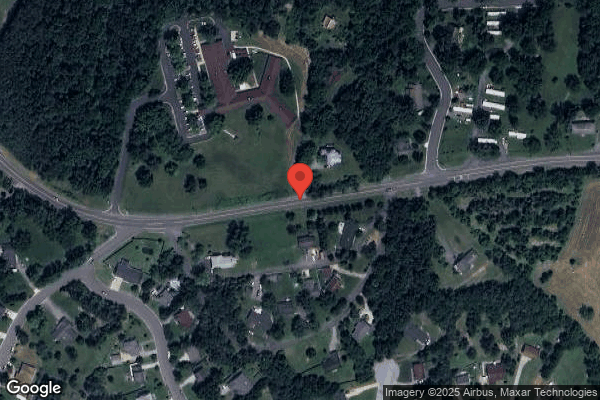
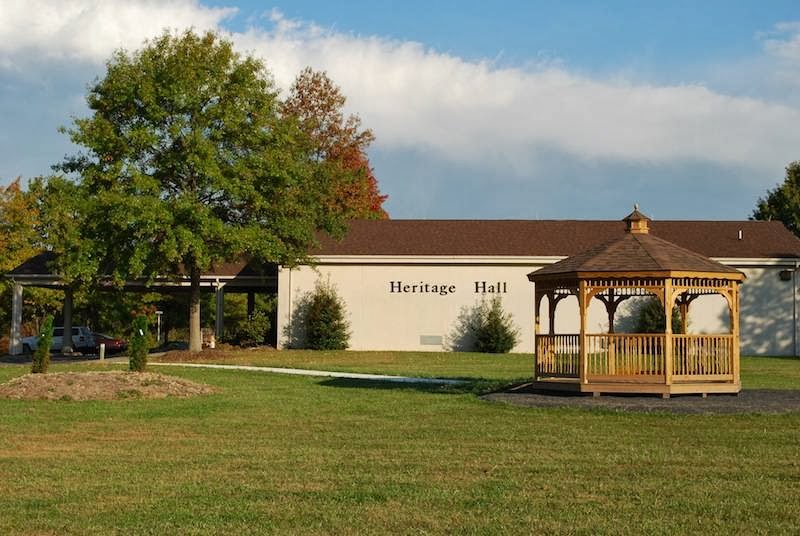
400 WEST STRASBURG ROAD, FRONT ROYAL, VA 22630 (540) 636-3700
For profit - Limited Liability company 60 Beds HERITAGE HALL Data: November 2025
Trust Grade
90/100
#17 of 285 in VA
Last Inspection: May 2024

Within standard 12-15 month inspection cycle. Federal law requires annual inspections.

Overview

Heritage Hall Front Royal has received an excellent Trust Grade of A, indicating it is highly recommended and performs well compared to other facilities. It ranks #17 out of 285 nursing homes in Virginia, placing it in the top half, and is the best option among the two facilities in Warren County. However, the trend is worsening, with the number of issues identified increasing from 2 in 2022 to 3 in 2024. Staffing is a concern here, with a low rating of 1 out of 5 and a turnover rate of 47%, which is below the state average of 48%. Notably, the facility has not incurred any fines, which is a positive aspect, but it does have less RN coverage than 94% of Virginia facilities, meaning there may be fewer registered nurses present to monitor critical patient care. Specific incidents from recent inspections raised concerns, such as a failure to provide required documentation during a hospital transfer for a resident, which could lead to inadequate care. Additionally, the staff did not develop or follow comprehensive care plans for three residents, potentially compromising their safety. Lastly, there was a lack of monitoring for side effects of anticoagulant medications for two residents, which is essential to prevent serious complications. Overall, while the facility has strengths in its rating and lack of fines, there are significant weaknesses in staffing and compliance that families should consider.

Trust Score
A
90/100
In Virginia
#17/285
Top 5%
Safety Record
Low Risk
No red flags
Inspections
Getting Worse
2 → 3 violations
Staff Stability
⚠ Watch
47% turnover. Above average. Higher turnover means staff may not know residents' routines.
Penalties
✓ Good
No fines on record. Clean compliance history, better than most Virginia facilities.
Skilled Nurses
⚠ Watch
Each resident gets only 17 minutes of Registered Nurse (RN) attention daily — below average for Virginia. Fewer RN minutes means fewer trained eyes watching for problems.
Violations
○ Average
6 deficiencies on record. Average for a facility this size. Mostly minor or procedural issues.
★★★★★
5.0
Overall Rating
★☆☆☆☆
1.0
Staff Levels
★★★★★
5.0
Care Quality
★★★★★
5.0
Inspection Score
Stable
2022: 2 issues
2024: 3 issues

The Good

  • 5-Star Quality Measures · Strong clinical quality outcomes
  • Full Sprinkler Coverage · Fire safety systems throughout facility
  • No fines on record

Facility shows strength in quality measures, fire safety.

The Bad

Staff Turnover: 47%

Near Virginia avg (46%)

Higher turnover may affect care consistency

Chain: HERITAGE HALL

Part of a multi-facility chain

Ask about local staffing decisions and management

The Ugly 6 deficiencies on record

May 2024 3 deficiencies
CONCERN (D)

Potential for Harm - no one hurt, but risky conditions existed

Transfer Requirements (Tag F0622)

Could have caused harm · This affected 1 resident

Based on staff interview, facility document review and clinical record review, it was determined that the facility staff failed to provide all required documentation to the receiving facility upon a h...

Read full inspector narrative →
Based on staff interview, facility document review and clinical record review, it was determined that the facility staff failed to provide all required documentation to the receiving facility upon a hospital transfer for one of 20 residents in the survey sample; Resident #11. The findings include: A review of the clinical record revealed a nurse's note dated 3/1/24 documented, Resident voiced increased fatigue, started SQ (subcutaneous) normal saline 0.9% fluids 1000ml (1000 milliliters) bag at 80ml/hr (80 milliliters per hour) in RUQ (right upper quadrant) without difficulties Called NP (nurse practitioner) N/O (new order) Send to ED (emergency department) for further evaluation d/t (due to) hyperkalemia. Voicemail left for emergency contact. No return call at this time. Reported called to (hospital physician). 9-1-1 telephoned EMS (emergency medical services) arrived x2 EMTs (emergency medical technicians) resident transported to (hospital) in stable condition. A physician's progress note dated 3/6/24 documented, Resident seen today for hospital follow up. Resident sent to ED (emergency department) 3/1/24 for Hyperkalemia and acute CKD (chronic kidney disease). Kayexalate (1) given. Resident then transferred to (hospital) ICU (intensive care unit) due to resident becoming lethargic, dizziness and chills Resident stabilized and returned to facility in stable condition Further review of the progress notes failed to reveal any evidence that the comprehensive care plan goals were sent to the hospital with this hospital transfer. A review of the hospital transfer form failed to reveal any evidence that the comprehensive care plan goals were sent. A review of the discharge summary failed to reveal any evidence that the comprehensive care plan goals were sent. A review of the hospital transfer checklist failed to reveal any evidence that the comprehensive care plan goals were sent. On 5/15/24 at 8:39 AM, an interview was conducted with LPN #1 (Licensed Practical Nurse), who completed the hospital transfer documents. She stated that she did not send the care plan goals. She stated that she does not know if she is supposed to. On 5/15/24 at 8:46 AM, LPN #1 followed up and stated I did not send it and I was supposed to. It will be added to the checklist. The facility policy Transfer or Discharge, Facility-Initiated documented, Once admitted to the facility, residents have the right to remain in the facility. Facility-initiated transfers and discharges, when necessary, must meet specific criteria and require resident/representative notification and orientation, and documentation as specified in this policy Information Conveyed to Receiving Provider: 1. Should a resident be transferred or discharged for any reason, the following information is communicated to the receiving facility or provider: .f. Comprehensive care plan goals On 5/15/24 at 1:05 PM, ASM #1 (Administrative Staff Member) the Administrator and ASM #4 the Director of Nursing were made aware of the findings. No further information was provided by the end of the survey. References: (1) Kayexalate is used to treat hyperkalemia (elevated levels of potassium in the body). Information obtained from https://medlineplus.gov/druginfo/meds/a682108.html
CONCERN (D)

Potential for Harm - no one hurt, but risky conditions existed

Comprehensive Care Plan (Tag F0656)

Could have caused harm · This affected 1 resident

Based on clinical record review, staff interview and facility document review, it was determined that the facility staff failed to develop and/or follow the comprehensive care plan for three of 20 res...

Read full inspector narrative →
Based on clinical record review, staff interview and facility document review, it was determined that the facility staff failed to develop and/or follow the comprehensive care plan for three of 20 residents in the survey sample, Residents #42 (R42), R14 and R7. The findings include: 1. For R42 the facility staff failed to develop the comprehensive care plan for the use of bed rails. R42 was admitted to the facility with diagnosis that included but was not limited to muscle weakness. On the most recent MDS (minimum data set), a quarterly assessment with an ARD (assessment reference date) of 02/10/2024, the resident scored two out of 15 on the BIMS (brief interview for mental status), indicating R42 was severely impaired of cognition for making daily decisions. On 05/13/2024 at approximately 7:00 p.m., an observation revealed R42 lying in bed with right and left upper bed rail raised. On 05/14/2024 at approximately 10:14 a.m., an observation revealed R42 lying in bed with right and left upper bed rail raised. The physician's order for R42 dated 07/12/2023 documented in part, May use ½ (half) Siderail x 2 (times two) at HOB (head of bed) with bed controls on rails for positioning and support and to promote independence and to assist with defining parameter of the bed for safety awareness. The facility's bed rail assessment for R42 dated 05/07/2024 documented in part, 3. Side rail placement recommendations: b. Left. C. Right. 3a. Side rail placement: a. Side Rail/Assist Bar are indicated and serve as an enabler to promote independence. B. The resident has expressed a desire to have Side Rail/Assist Bar. The facility's Baseline Care Plan for R42 dated 05/26/2023 documented in part, ¼ (quarter) SIDE RAILS: Yes, ½ SR (side rails) x2. Review of the facility's comprehensive care plan for R42 dated 11/11/2023 failed to evidence the use of side rails. On 05/15/2024 at approximately 11:12 a.m., an interview was conducted with LPN (licensed practical nurse) #3, MDS coordinator. After reviewing the comprehensive care plan for R42 dated 11/11/2023 LPN #3 stated that the use of R42's bed rails were not documented on the comprehensive care plan. When asked to describe the process for developing the comprehensive care plan LPN #3 stated that she transfers the information from the baseline care plan to the comprehensive care plan. She further stated that the bed rails were overlooked. The facility's policy Care Plans, Comprehensive Person-Centered documented in part, Policy Statement: A comprehensive, person-centered care plan that includes measurable objectives and timetables to meet the resident's physical, psychosocial and functional needs is developed and implemented for each resident. Policy Interpretation and Implementation. 1. The interdisciplinary team (IDT), in conjunction with the resident and his/her family or legal representative, develops and implements a comprehensive, person-centered care plan for each resident. 9. Care plan interventions are chosen only after data gathering, proper sequencing of events, careful consideration of the relationship between the resident's problem areas and their causes, and relevant clinical decision making. On 05/15/2024 at approximately 1:00 p.m., ASM (administrative staff member) # 1, administrator, ASM #2, administrator-in-training, ASM # 3, regional nurse consultant and ASM #4, director of nursing, were made aware of the above findings. No further information was provided prior to exit. 2. a. For Resident #14, the facility staff failed to implement the comprehensive care plan for monitoring for side effects for the use of Coumadin (Warfarin) (1). The comprehensive care plan dated, 2/13/24, documented, At risk for bleeding/bruising d/t (due to) Anticoagulation Therapy r/t (related to) Chronic AFIB (atrial fibrillation). The Interventions documented, Evaluate for blood in stools. Evaluate for bruising. Evaluate for hematuria. Evaluate for signs and symptoms of bleeding. Mediation per MD (medical doctor) order. Monitor laboratory results per MD order. Notify MD prn (as needed). The physician order dated, 3/11/24, documented, Warfarin Sodium Oral Tablet 2.5 mg; Give 2.5 mg (milligrams) by mouth in evening for AFIB. Review of the nurse's notes failed to evidence documentation of monitoring for side effects of the Coumadin. An interview was conducted with LPN (licensed practical nurse) #2, on 5/15/24 at 10:13 a.m. When asked the purpose of the care plan, LPN #2 stated, it gives the staff guidance as to the history of the resident. It gives them a guideline to their orientation, fall history, their preferences, diet. Basically, it's how we take care of them. When asked if a resident is on an anticoagulant, is there anything the nurse should be doing, LPN #2 stated, they have to observe for skin issues related to bleeding, check the MD orders, when laboratory test results come back, notify the doctor. When asked where you evidence the no monitoring of the resident for side effects of the anticoagulant, LPN #2 stated, that she was aware of there isn't a specific area to document it. If there is a bruise, they make a note of it, notify the nurse practitioner, and monitor the area. LPN #2 stated the CNAs (certified nursing assistants) report to us if the resident has any changes in the stool or urine. LPN #2 stated, I guess we need to have one of the orders that should monitor so we can document it. ASM (administrative staff member) #1, the administrator, ASM #2, the administrator in training, ASM #3, the regional nurse consultant, ASM #4, the director of nursing, and LPN #4, the assistant director of nursing, were made aware of the above concern on 5/15/24 at 12:57 p.m. No further information was provided prior to exit. (1) Warfarin is used to prevent blood clots from forming or growing larger in your blood and blood vessels. It is prescribed for people with certain types of irregular heartbeat, people with prosthetic (replacement or mechanical) heart valves, and people who have suffered a heart attack. Warfarin is also used to treat or prevent venous thrombosis (swelling and blood clot in a vein) and pulmonary embolism (a blood clot in the lung). Warfarin is in a class of medications called anticoagulants ('blood thinners'). It works by decreasing the clotting ability of the blood. This information was obtained from the following website: https://medlineplus.gov/druginfo/meds/a682277.html. 2 b. For Resident #14, the facility staff failed to develop a care plan for antibiotic use for an upper respiratory infection (URI). The physician order dated, 5/9/24, documented, Doxycycline Mono 100 mg cap (capsule)(an antibiotic): Give 1 capsule orally two times a day for URI for 10 days. The CXR (chest x-ray) completed 5/7/24 - Impression: Very mild bilateral lower lung airspace disease, possible atelectasis, though concerning for pneumonia in the clinical setting of infection. The comprehensive care plan, last updated 4/26/24, was reviewed. There was no documentation related to the respiratory illness and the use of an antibiotic. An interview was conducted with LPN #3 on 5/15/24 at 11:07 a.m. When asked who updates the care plans, LPN #3 stated she was responsible for that. LPN #3 was asked if a resident was on an antibiotic for an upper respiratory infection, should there be a care plan for that, LPN #3 stated, there should be. She stated she had made herself a note to develop one for Resident #14 but thought she had care planned it but didn't. ASM (administrative staff member) #1, the administrator, ASM #2, the administrator in training, ASM #3, the regional nurse consultant, ASM #4, the director of nursing, and LPN #4, the assistant director of nursing, were made aware of the above concern on 5/15/24 at 12:57 p.m. No further information was provided prior to exit.
CONCERN (D)

Potential for Harm - no one hurt, but risky conditions existed

Deficiency F0757 (Tag F0757)

Could have caused harm · This affected 1 resident

Based on staff interview, facility document review, and clinical record review, it was determined the facility staff failed to evidence the monitoring of side effects for the use of an anticoagulant f...

Read full inspector narrative →
Based on staff interview, facility document review, and clinical record review, it was determined the facility staff failed to evidence the monitoring of side effects for the use of an anticoagulant for two of 20 residents in the survey sample, Residents #7 and #14. The findings include: 1. For Resident #7, the facility staff failed to evidence the monitoring of side effects for the use of Xarelto (Rivaroxaban) (1) On the most recent MDS (minimum data set) assessment, a quarterly assessment, with an assessment reference date of 4/29/24, the resident scored a 10 out of 15 on the BIMS (brief interview for mental status) score, indicating the resident was moderately impaired for making daily decisions. In Section N - Medications, the resident was coded as receiving an anticoagulant while a resident at the facility. The physician orders dated, 2/3/24, documented, Xarelto Oral Tablet (Rivaroxaban) 15 mg (milligrams); Give 1 tablet my mouth one time a day for afib (atrial fibrillation). The comprehensive care plan dated, 2/13/24, documented, At risk for bleeding/bruising d/t (due to) Anticoagulation Therapy r/t (related to) Chronic AFIB. The Interventions documented, Evaluate for blood in stools. Evaluate for bruising. Evaluate for hematuria. Evaluate for signs and symptoms of bleeding. Mediation per MD (medical doctor) order. Monitor laboratory results per MD order. Notify MD prn (as needed). An interview was conducted with LPN (licensed practical nurse) #2, on 5/15/24 at 10:13 a.m. When asked if a resident is on an anticoagulant, is there anything the nurse should be doing, LPN #2 stated, they must observe for skin issues related to bleeding, check the MD orders, when laboratory test results come back, notify the doctor. When asked where you evidence the no monitoring of the resident for side effects of the anticoagulant, LPN #2 stated, that she was aware of there isn't a specific area to document it. If there is a bruise, they make a note of it, notify the nurse practitioner, and monitor the area. LPN #2 stated the CNAs (certified nursing assistants) report to us if the resident has any changes in the stool or urine. LPN #2 stated, I guess we need to have one of the orders that should monitor so we can document it. The facility policy, Medication Therapy documented in part, 3. All medication orders will be supported by appropriate care processes and practices. ASM (administrative staff member) #1, the administrator, ASM #2, the administrator in training, ASM #3, the regional nurse consultant, ASM #4, the director of nursing, and LPN #4, the assistant director of nursing, were made aware of the above concern on 5/15/24 at 12:57 p.m. No further information was provided prior to exit. (1) Rivaroxaban is used to treat deep vein thrombosis (DVT; a blood clot, usually in the leg) and pulmonary embolism (PE; a blood clot in the lung) in adults. Rivaroxaban is also used to prevent DVT and PE from happening again after initial treatment is completed in adults. It is also used to help prevent strokes or serious blood clots in adults who have atrial fibrillation (a condition in which the heart beats irregularly, increasing the chance of clots forming in the body, and possibly causing strokes) that is not caused by heart valve disease. This information was obtained from the following website: https://medlineplus.gov/druginfo/meds/a611049.html. 2. For Resident #14, the facility staff failed to evidence the monitoring of side effects for the use of Coumadin (Warfarin) (2). On the most recent MDS assessment, a end of therapy assessment, with an assessment reference date of 4/25/24, the resident scored a 15 out of 15 on the BIMS score, indicating the resident was not cognitively impaired for making daily decisions. In Section N - Medications, the resident was coded as receiving an anticoagulant while a resident at the facility. The physician order dated, 3/11/24, documented, Warfarin Sodium Oral Tablet 2.5 mg; Give 2.5 mg by mouth in evening for AFIB. Review of the nurse's notes failed to evidence documentation of monitoring for side effects of the Coumadin. The comprehensive care plan dated, 2/13/24, documented, At risk for bleeding/bruising d/t (due to) Anticoagulation Therapy r/t (related to) Chronic AFIB. The Interventions documented, Evaluate for blood in stools. Evaluate for bruising. Evaluate for hematuria. Evaluate for signs and symptoms of bleeding. Mediation per MD (medical doctor) order. Monitor laboratory results per MD order. Notify MD prn (as needed). An interview was conducted with LPN (licensed practical nurse) #2, on 5/15/24 at 10:13 a.m. When asked if a resident is on an anticoagulant, is there anything the nurse should be doing, LPN #2 stated, they have to observe for skin issues related to bleeding, check the MD orders, when laboratory test results come back, notify the doctor. When asked where you evidence the no monitoring of the resident for side effects of the anticoagulant, LPN #2 stated, that she was aware of there isn't a specific area to document it. If there is a bruise, they make a note of it, notify the nurse practitioner, and monitor the area. LPN #2 stated the CNAs (certified nursing assistants) report to us if the resident has any changes in the stool or urine. LPN #2 stated, I guess we need to have one of the orders that should monitor so we can document it. ASM (administrative staff member) #1, the administrator, ASM #2, the administrator in training, ASM #3, the regional nurse consultant, ASM #4, the director of nursing, and LPN #4, the assistant director of nursing, were made aware of the above concern on 5/15/24 at 12:57 p.m. No further information was provided prior to exit. (2) Warfarin is used to prevent blood clots from forming or growing larger in your blood and blood vessels. It is prescribed for people with certain types of irregular heartbeat, people with prosthetic (replacement or mechanical) heart valves, and people who have suffered a heart attack. Warfarin is also used to treat or prevent venous thrombosis (swelling and blood clot in a vein) and pulmonary embolism (a blood clot in the lung). Warfarin is in a class of medications called anticoagulants ('blood thinners'). It works by decreasing the clotting ability of the blood. This information was obtained from the following website: https://medlineplus.gov/druginfo/meds/a682277.html.
Sept 2022 2 deficiencies
CONCERN (D)

Potential for Harm - no one hurt, but risky conditions existed

Assessment Accuracy (Tag F0641)

Could have caused harm · This affected 1 resident

Based on staff interview, facility document review and clinical record review, it was determined the facility staff failed to maintain an accurate MDS (minimum data set) assessment for one of 26 resid...

Read full inspector narrative →
Based on staff interview, facility document review and clinical record review, it was determined the facility staff failed to maintain an accurate MDS (minimum data set) assessment for one of 26 residents in the survey sample, Resident # 31. The findings include: The facility staff inaccurately coded two MDS assessments that Resident #31 was receiving insulin when in fact the resident was not receiving insulin. On the most recent MDS assessment, an annual assessment, with an ARD (assessment reference date) of 7/6/2022, the resident scored a 15 out of 15 on the BIMS (brief interview for mental status), indicting the resident was not cognitively impaired for making daily decisions. In Section N - Medications, Resident #31 was coded as receiving one injection during the last seven days of the look back period. In Section N035- Insulin, the resident was coded as receiving one insulin injection in the past seven days of the look back period. Review of the physician orders dated, 7/23/2021, documented the resident was receiving Trulicity 0.75 mg (milligram) injected once a week on Tuesdays. (Trulicity is used with a diet and exercise program to control blood sugar levels in adults with type 2 diabetes [condition in which the body does not use insulin normally and therefore cannot control the amount of sugar in the blood]. Trulicity is also used to reduce the risk of a heart attack, stroke, or death in adults with type 2 diabetes mellitus who also have heart disease or who are at risk of developing heart disease) (1). The previous MDS assessment, a quarterly assessment, with an ARD of 4/4/2022, Resident #31 was coded in Section N - Medications as having received receiving one injection during the last seven days of the look back period. In Section N035- Insulin, the resident was coded as receiving one insulin injection in the past seven days of the look back period. An interview was conducted with LPN (licensed practical nurse) #3, the MDS coordinator, on 9/8/2022 at 12:52 p.m. The two MDS assessments above were reviewed with LPN #3. When asked if Trulicity is coded as an insulin, LPN #3 stated it was not insulin. LPN #3 stated it is used to treat diabetes but it is not insulin. LPN #3 wanted to review the MDS assessments and the RAI (resident assessment instrument) manual and get back with the survey team. On 9/8/2022 at 1:12 p.m. LPN #3 returned and stated that Trulicity was not insulin and she could not find it in the RAI manual that you can code it as insulin. When asked which reference she uses to complete the MDS assessments, LPN #3 stated she uses the RAI manual. ASM #1 was made aware of the above concern on 9/8/2022 at 2:41 p.m. On 9/8/2022 at 3:06 p.m. ASM (administrative staff member) #1, the administrator, stated Trulicity is not an insulin and should not have been coded as insulin on the MDS. ASM #1 presented a copy from the RAI manual for coding Section N - Medications, Insulin. Trulicity was not referred to in the RAI manual. No further information was obtained prior to exit. (1) This information was obtained from the following website: https://medlineplus.gov/druginfo/meds/a614047.html
CONCERN (D)

Potential for Harm - no one hurt, but risky conditions existed

Deficiency F0698 (Tag F0698)

Could have caused harm · This affected 1 resident

Based on staff interview, facility document review, and clinical record review, it was determined the facility staff failed to ensure ongoing communication with the dialysis center for one of 26 resid...

Read full inspector narrative →
Based on staff interview, facility document review, and clinical record review, it was determined the facility staff failed to ensure ongoing communication with the dialysis center for one of 26 residents in the survey sample, Resident #112. The findings include: The facility staff failed to review the dialysis communication book upon return to the facility and failed to ensure the dialysis center documented in the communication book post dialysis for Resident #112. There was no completed MDS (minimum data set) assessment completed for Resident #112 at the time of the survey. The physician orders dated, 9/2/2022, documented in part, Pre dialysis vitals (blood pressure, temperature, pulse and respirations) Q (every) T - Th - Sat (Tuesday, Thursday, Saturday), complete in dialysis book. Post dialysis vitals Q T-Th-Sat, complete in dialysis book. The baseline care plan dated 9/2/2022, documented in part, Special Treatments/Procedures: Dialysis Tues (Tuesday) Thurs (Thursday) Sat (Saturday) at 6am (6:00 a.m.) and husband to transport. On 9/7/2022, a Wednesday, at 3:42 p.m. a request for Resident #112's dialysis communication book was made to LPN (licensed practical nurse) #4. LPN #4 and ASM (administrative staff member) #2, the director of nursing, began looking for the book throughout the nurse's station. LPN #4 asked LPN #5 to call the resident's husband since he transports her to dialysis. LPN #5 found the book in Resident #112's room, in the back of the wheelchair. The dialysis communication book contained two pieces of paper. One was dated 9/3/2022 and the other dated 9/6/2022. The only documentation on the forms were vital signs taken prior to the resident leaving the facility for dialysis. There was no documentation from the dialysis center. An interview was conducted with LPN #5 on 9/7/2022 at 3:47 p.m. When asked the process for the nurse when a resident returns from dialysis, LPN #5 stated we check the resident's vital signs, alertness, orientation and see if they have any nausea. LPN #4, who was sitting at the nurse's station, stated When the resident returns from dialysis we have to see if there are any notes from the dialysis center. An interview was conducted with LPN #1 on 9/8/2022 at 1:21 p.m. When asked the nurse's responsibilities when a resident returns from dialysis, LPN #1 stated the nurse should get a set of vital signs, check the folder for notes, make sure the resident is stable. When asked if they don't see the communication book, LPN #1 stated they should call the dialysis center. An interview was conducted with LPN #2, the assistant director of nursing, on 9/8/2022 at 1:29 p.m. When asked the purpose of the communication book, LPN #2 stated it's to communicate with the dialysis regarding the resident's condition. The facility policy, Dialysis Protocol documented in part, Communication between the dialysis center and nursing staff at (Name of corporation) will be maintained by phone calls and in written form to ensure the most accurate information exchange possible each time a resident goes for treatment. A progress not will be sent with the resident to the dialysis center. The nurse/doctor at the dialysis center will write a progress notes to include the resident's eight pre and post, any blood transfusions, medications given, and any other information that would be necessary for the nursing staff at (name of corporation) to provide safe, quality care of the resident. ASM #1, the administrator, was made aware of the above concern on 9/8/2022 at 2:41 p.m. No further information was obtained prior to exit.
May 2021 1 deficiency
CONCERN (D)

Potential for Harm - no one hurt, but risky conditions existed

Resident Rights (Tag F0550)

Could have caused harm · This affected 1 resident

**NOTE- TERMS IN BRACKETS HAVE BEEN EDITED TO PROTECT CONFIDENTIALITY** Based on observation, staff interview, facility document review, and clinical record review, it was determined that the facility...

Read full inspector narrative →
**NOTE- TERMS IN BRACKETS HAVE BEEN EDITED TO PROTECT CONFIDENTIALITY** Based on observation, staff interview, facility document review, and clinical record review, it was determined that the facility staff failed to preserve resident dignity for two of 24 residents in the survey sample, Residents #11 and #13. For Resident #11, the facility failed to preserve her dignity by posting multiple signs regarding the resident's feeding needs in plain sight in her room. For Resident #13, the facility failed to preserve her dignity by posting multiple signs regarding the resident's feeding needs in plain sight in her room. The findings include: 1. Resident #11 was admitted to the facility on [DATE] with diagnoses including Parkinson's disease (1) and heart failure. On the most recent MDS (minimum data set), an admission assessment with an ARD (assessment reference date) of 3/16/21, she was coded as being severely cognitively impaired for making daily decisions. She was coded as being on a mechanically altered diet. Resident #11 was coded as requiring the assistance of one staff member for eating. She was coded as receiving speech therapy services. Resident #11 was observed in her room on 5/25/21 at 1:17 p.m. and 3:53 p.m.; 5/26/21 at 7:47 a.m. and 10:43 a.m. During each observation on both walls adjacent to Resident #11's head of bed, four signs were clearly visible. The signs read as follows: (1) UPRIGHT at 90 degrees for meals. Supervision for meals. (2) Go SLOW - Give time for multiple swallows between bites. SMALL BITES and SIPS. One at a time. Stay upright for 45 minutes after meals. (3) EFFORTFUL SWALLOW. Swallow as hard as you can. 30 reps (repetitions) a day. (4) One sip at a time. Go slow. Small. Sit up. Brush Teeth 3 times a day. Resident #11 was not able to participate in an interview. A review of Resident #11's Speech Therapy Discharge summary dated [DATE] revealed, in part: Discharge Recommendations and Strategies: To facilitate safety and efficiency, it is recommended the patient use the following strategies during oral intake: alternation of liquid/solids, bolus size modifications, rate modification and general swallow techniques/precautions, along with the following maneuvers: upright posture during meals and upright posture for >30 minutes after meals. A review of Resident #11's comprehensive care plan dated 3/16/21 revealed no information regarding the resident's dignity. The speech therapist was not available for interview during the survey. On 5/26/21 at 2:09 p.m., OSM (other staff member) #3, the social worker, was interviewed. When asked how the placement of signs on Resident #11's walls related to the resident's dignity, OSM #3 stated she thought those kinds of signs (instructions) should be posted out of plain sight, perhaps on the resident's closet door. She stated the signs do not promote a resident's dignity at all. OSM #3 stated she understands why the signs are posted, but the signs are for the staff's benefit, not the resident's. On 5/26/21 at 2:13 p.m., ASM (administrative staff member) #2, the regional director of clinical services, was interviewed. When asked how the placement of signs on Resident #11's walls related to the resident's dignity, ASM #2 stated the signs were not something she would recommend to have posted in plain sight. She stated those are instructions for the benefit of staff members who are serving/supervising/assisting residents with meals. She stated the signs do not provide dignity for the resident. A review of the facility document, Resident Rights, revealed, in part: .Each patient admitted to such Facility .is treated with consideration, respect, and full recognition of his dignity and individuality, including privacy in treatment and in care for his personal needs. On 5/26/21 at 4:52 p.m., ASM #1, the administrator, and ASM #2 were informed of these concerns. No further information was provided prior to exit. REFERENCES (1) Parkinson's disease (PD) is a type of movement disorder. It happens when nerve cells in the brain don't produce enough of a brain chemical called dopamine. Sometimes it is genetic, but most cases do not seem to run in families. This information is taken from the website https://medlineplus.gov/parkinsonsdisease.html. 2. Resident #13 was admitted to the facility 3/15/21 with diagnoses including Parkinson's disease (1) and history of a stroke. On the most recent MDS (minimum data set), an admission assessment with an ARD (assessment reference date) of 3/22/21, she was coded as being moderately cognitively impaired for making daily decisions, having scored nine out of 15 on the BIMS (brief interview for mental status). She was coded as requiring the extensive assistance of staff members for eating. Resident #13 was coded as being on a mechanically altered diet. She was coded as receiving speech therapy services. Resident #13 was observed in her room on 5/25/21 at 1:32 p.m. and 4:01 p.m.; 5/26/21 at 2:33 p.m. During each observation on both walls adjacent to Resident #1's head of bed, two signs were clearly visible. The signs read as follows: (1) AS UPRIGHT AS POSSIBLE FOR MEALS! Small bites and sips. One at a time. (2) PULL MEAL TRAY, IF NOT ALERT (sic). Check mouth after meals. A review of Resident #13's Speech Therapy Discharge summary dated [DATE] revealed, in part: Dining/Swallowing Program: Patient currently swallows with difficulty, and tier is progressive .encourage participation. A review of Resident #13's comprehensive care plan dated 3/26/21 revealed no information regarding the resident's dignity. The speech therapist was not available for interview during the survey. On 5/26/21 at 2:09 p.m., OSM (other staff member) #3, the social worker, was interviewed. When asked how the placement of signs on Resident #11's walls related to the resident's dignity, OSM #3 stated she thought those kinds of signs (instructions) should be posted out of plain sight, perhaps on the resident's closet door. She stated the signs do not promote a resident's dignity at all. OSM #3 stated she understands why the signs are posted, but the signs are for the staff's benefit, not the resident's. On 5/26/21 at 2:13 p.m., ASM (administrative staff member) #2, the regional director of clinical services, was interviewed. When asked how the placement of signs on Resident #11's walls related to the resident's dignity, ASM #2 stated the signs were not something she would recommend to have posted in plain sight. She stated those are instructions for the benefit of staff members who are serving/supervising/assisting residents with meals. She stated the signs do not provide dignity for the resident. On 5/26/21 at 4:52 p.m., ASM #1, the administrator, and ASM #2 were informed of these concerns. No further information was provided prior to exit. REFERENCES (1) Parkinson's disease (PD) is a type of movement disorder. It happens when nerve cells in the brain don't produce enough of a brain chemical called dopamine. Sometimes it is genetic, but most cases do not seem to run in families. This information is taken from the website https://medlineplus.gov/parkinsonsdisease.html.
Understanding Severity Codes (click to expand)
Life-Threatening (Immediate Jeopardy)
J - Isolated K - Pattern L - Widespread
Actual Harm
G - Isolated H - Pattern I - Widespread
Potential for Harm
D - Isolated E - Pattern F - Widespread
No Harm (Minor)
A - Isolated B - Pattern C - Widespread

Questions to Ask on Your Visit

  • "Can I speak with families of current residents?"
  • "What's your RN coverage like on weekends and overnight?"

Our Honest Assessment

Strengths
  • • Grade A (90/100). Above average facility, better than most options in Virginia.
  • • No major safety red flags. No abuse findings, life-threatening violations, or SFF status.
  • • No fines on record. Clean compliance history, better than most Virginia facilities.
Concerns
  • • No significant concerns identified. This facility shows no red flags across CMS ratings, staff turnover, or federal penalties.
Bottom line: Generally positive indicators. Standard due diligence and a personal visit recommended.

About This Facility

What is Heritage Hall Front Royal's CMS Rating?

CMS assigns HERITAGE HALL FRONT ROYAL an overall rating of 5 out of 5 stars, which is considered much above average nationally. Within Virginia, this rating places the facility higher than 99% of the state's 100 nursing homes. This rating reflects solid performance across the metrics CMS uses to evaluate nursing home quality.

How is Heritage Hall Front Royal Staffed?

CMS rates HERITAGE HALL FRONT ROYAL's staffing level at 1 out of 5 stars, which is much below average compared to other nursing homes. Staff turnover is 47%, compared to the Virginia average of 46%. RN turnover specifically is 83%, which is notably high. RNs provide skilled clinical oversight, so turnover in this role can affect medical care quality.

What Have Inspectors Found at Heritage Hall Front Royal?

State health inspectors documented 6 deficiencies at HERITAGE HALL FRONT ROYAL during 2021 to 2024. These included: 6 with potential for harm.

Who Owns and Operates Heritage Hall Front Royal?

HERITAGE HALL FRONT ROYAL is owned by a for-profit company. For-profit facilities operate as businesses with obligations to shareholders or private owners. The facility is operated by HERITAGE HALL, a chain that manages multiple nursing homes. With 60 certified beds and approximately 54 residents (about 90% occupancy), it is a smaller facility located in FRONT ROYAL, Virginia.

How Does Heritage Hall Front Royal Compare to Other Virginia Nursing Homes?

Compared to the 100 nursing homes in Virginia, HERITAGE HALL FRONT ROYAL's overall rating (5 stars) is above the state average of 3.0, staff turnover (47%) is near the state average of 46%, and health inspection rating (5 stars) is much above the national benchmark.

What Should Families Ask When Visiting Heritage Hall Front Royal?

Based on this facility's data, families visiting should ask: "Can you walk me through typical staffing levels on day, evening, and night shifts?" "Can I visit during a mealtime to observe dining assistance and food quality?" "How do you handle medical emergencies, and what is your hospital transfer rate?" "Can I speak with family members of current residents about their experience?" These questions are particularly relevant given the below-average staffing rating.

Is Heritage Hall Front Royal Safe?

Based on CMS inspection data, HERITAGE HALL FRONT ROYAL has a clean safety record: no substantiated abuse findings (meaning no confirmed cases of resident harm), no Immediate Jeopardy citations (the most serious violation level indicating risk of serious injury or death), and is not on the Special Focus Facility watch list (a federal program monitoring the lowest-performing 1% of nursing homes). The facility has a 5-star overall rating and ranks #1 of 100 nursing homes in Virginia. While no facility is perfect, families should still ask about staff-to-resident ratios and recent inspection results during their visit.

Do Nurses at Heritage Hall Front Royal Stick Around?

HERITAGE HALL FRONT ROYAL has a staff turnover rate of 47%, which is about average for Virginia nursing homes (state average: 46%). Moderate turnover is common in nursing homes, but families should still ask about staff tenure and how the facility maintains care continuity when employees leave.

Was Heritage Hall Front Royal Ever Fined?

HERITAGE HALL FRONT ROYAL has no federal fines on record. CMS issues fines when nursing homes fail to meet care standards or don't correct problems found during inspections. The absence of fines suggests the facility has either maintained compliance or corrected any issues before penalties were assessed. This is a positive indicator, though families should still review recent inspection reports for the full picture.

Is Heritage Hall Front Royal on Any Federal Watch List?

HERITAGE HALL FRONT ROYAL is not on any federal watch list. The most significant is the Special Focus Facility (SFF) program, which identifies the bottom 1% of nursing homes nationally based on persistent, serious quality problems. Not being on this list means the facility has avoided the pattern of deficiencies that triggers enhanced federal oversight. This is a positive indicator, though families should still review the facility's inspection history directly.