LAKE MANASSAS HEALTH & REHABILITATION CENTER
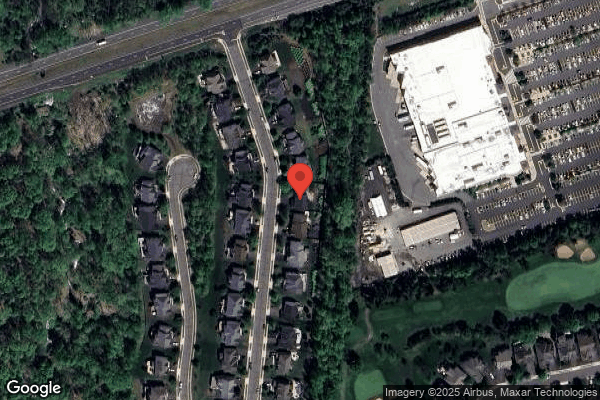
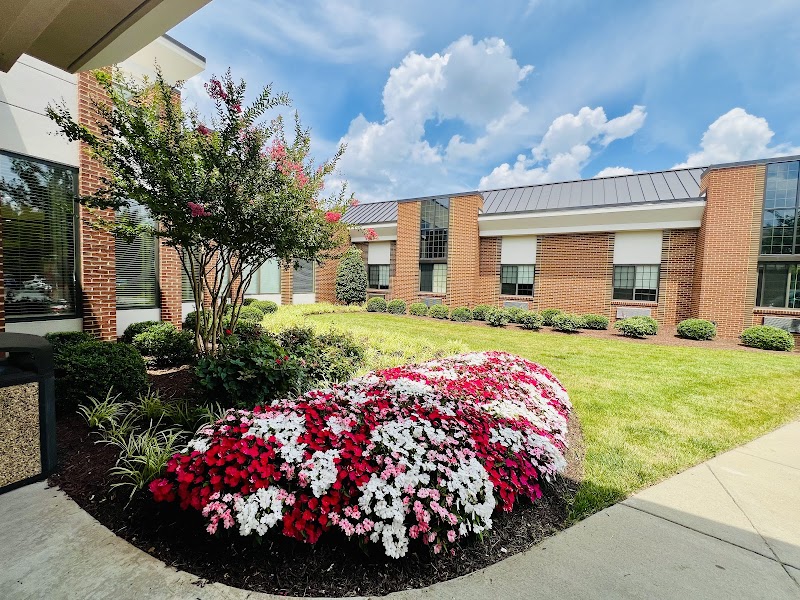
14935 HOLLY KNOLL LANE, GAINESVILLE, VA 20155 (703) 743-3999
For profit - Limited Liability company 120 Beds LIFEWORKS REHAB Data: November 2025
Trust Grade
65/100
#87 of 285 in VA
Last Inspection: April 2024

Within standard 12-15 month inspection cycle. Federal law requires annual inspections.

Overview

Lake Manassas Health & Rehabilitation Center has a Trust Grade of C+, indicating it is slightly above average but not exceptional. It ranks #87 out of 285 facilities in Virginia, placing it in the top half, and #2 out of 4 in Prince William County, meaning there is only one local option that is rated higher. The facility is showing an improving trend, with issues decreasing from 15 in 2024 to just 2 in 2025, although staffing remains a concern with a rating of 2 out of 5 stars and a turnover rate of 59%, higher than the state average. On a positive note, there are no fines on record, which is a good sign, and RN coverage is better than 87% of Virginia facilities, ensuring skilled oversight for residents. However, there are some significant weaknesses. For example, staff failed to monitor a resident's dialysis access, which is critical for their health. Additionally, another resident did not receive the required turning and repositioning, leading to pressure ulcers, indicating potential neglect in care practices. Overall, while there are strengths such as good RN coverage and no fines, the staffing issues and specific care failures are important factors for families to consider.

Trust Score
C+
65/100
In Virginia
#87/285
Top 30%
Safety Record
Low Risk
No red flags
Inspections
Getting Better
15 → 2 violations
Staff Stability
⚠ Watch
59% turnover. Above average. Higher turnover means staff may not know residents' routines.
Penalties
✓ Good
No fines on record. Clean compliance history, better than most Virginia facilities.
Skilled Nurses
✓ Good
Each resident gets 51 minutes of Registered Nurse (RN) attention daily — more than average for Virginia. RNs are trained to catch health problems early.
Violations
⚠ Watch
45 deficiencies on record. Higher than average. Multiple issues found across inspections.
★★★★☆
4.0
Overall Rating
★★☆☆☆
2.0
Staff Levels
★★★★★
5.0
Care Quality
★★★☆☆
3.0
Inspection Score
Stable
2024: 15 issues
2025: 2 issues

The Good

  • 5-Star Quality Measures · Strong clinical quality outcomes
  • Full Sprinkler Coverage · Fire safety systems throughout facility
  • No fines on record

Facility shows strength in quality measures, fire safety.

The Bad

Staff Turnover: 59%

13pts above Virginia avg (46%)

Frequent staff changes - ask about care continuity

Chain: LIFEWORKS REHAB

Part of a multi-facility chain

Ask about local staffing decisions and management

Staff turnover is elevated (59%)

11 points above Virginia average of 48%

The Ugly 45 deficiencies on record

Feb 2025 2 deficiencies
CONCERN (D) 📢 Someone Reported This

A family member, employee, or ombudsman was alarmed enough to file a formal complaint

Potential for Harm - no one hurt, but risky conditions existed

ADL Care (Tag F0677)

Could have caused harm · This affected 1 resident

Based on resident interview, family interview, and clinical record review, it was determined the facility staff failed to provide incontinence care in a timely manner for one of five residents in the ...

Read full inspector narrative →
Based on resident interview, family interview, and clinical record review, it was determined the facility staff failed to provide incontinence care in a timely manner for one of five residents in the survey sample, Resident # 2. The findings include: For Resident #2 (R2), the facility staff failed to offer toileting or incontinence care for a period of three hours. On the most recent MDS (minimum data set) assessment, an annual assessment, with an assessment reference date of 12/16/24, the resident scored an 11 out of 15 on the BIMS (brief interview for mental status) score, indicating the resident was moderately impaired for making daily decisions. In Section GG - Functional Status, the resident was coded as requiring substantial/maximum assistance for toilet transfers. In Section H - Bladder and Bowel, the resident was coded as being frequently incontinent of both bowel and bladder. On 2/18/25 at 10:30 a.m., An interview was conducted with R2 and her family. R2 stated, I had taken a shower around 7:00 a.m. to 7:15 a.m. The resident stated,I had not been offered to go to the bathroom or had her brief changed since that time. The family member stated, 'She has asked for a toileting schedule for R2. At 10:57 a.m. the resident's family member requested the resident be taken to the bathroom as she had to have a bowel movement. On 2/18/25 at 1:56 p.m. observation was made of the resident's bathroom call bell ringing. The resident was in the bathroom. Once brought out from the bathroom, the resident's family member and surveyor noted the resident had on a different pair of pants. The comprehensive care plan dated, 12/27/23, documented in part, Focus: (R2) is incontinent of bladder and bowel. Interventions: provide toileting hygiene with brief changes. On 2/18/25 at 2:15 p.m., An interview was conducted with CNA (certified nursing assistant) #1, CNA #1 stated, Residents should be checked on or toileted every two hours. She stated she had given R2 a shower at 7:00 a.m. in the morning. She stated she had not checked her until the nurse and unit manager had assisted her to the bathroom around 11:00 a.m. CNA #1 stated she didn't get back to the resident before then. When asked why the resident's pants had to be changed when she toileted her around 2:00 p.m. CNA #1 stated they were damp. CNA #1 stated the resident was not on a toileting schedule. On 2/19/25 at 10:43 a.m., An interview was with LPN (licensed practical nurse) #1, When asked if R2 was on a toileting schedule, LPN #1 stated, She was not. LPN #1 stated, The resident was better at telling them she needed to go to the bathroom before, but now she doesn't tell us as much. R2 is taken to the bathroom upon rising, then after lunch and before the shift ends around 2:45 p.m. LPN #1 stated the resident sometimes doesn't want to go to the bathroom between breakfast and lunch, but always goes after lunch and before the shift ends. On 2/19/25 11:25 a.m., An interview was conducted with ASM (administrative staff member) #2, the director of nursing, ASM #2 stated, R2 was not on a toileting schedule, but it is her expectation of her staff to do purposeful rounding every two hours that includes incontinence care or the offering of toileting. On 2/19/25 at 2:15 p.m., ASM #1, the administrator, ASM #2, and ASM #3, the regional nurse consultant were made aware of the above findingsASM #3 stated the facility did not have a policy on toileting/incontinence care. No further information was provided prior to exit.
CONCERN (D) 📢 Someone Reported This

A family member, employee, or ombudsman was alarmed enough to file a formal complaint

Potential for Harm - no one hurt, but risky conditions existed

Pharmacy Services (Tag F0755)

Could have caused harm · This affected 1 resident

Based on staff interview, facility document review and clinical record review, it was determined the facility staff failed to ensure medications were available for administration for one of five resid...

Read full inspector narrative →
Based on staff interview, facility document review and clinical record review, it was determined the facility staff failed to ensure medications were available for administration for one of five residents in the survey sample, Resident #1. The findings include: For Resident #1 (R1), the facility staff failed to obtain Vancomycin for administration, the resident missed six doses of the medication. The physician order dated, 2/26/24 at 9:55 a.m. documented, Vancomycin HCL (hydrochloride) (1) Oral Capsule 125 MG (milligrams); Give 1 capsule by mouth four times a day for c-diff (clostridium difficile)(2). The February 2024 MAR (medication administration record) documented the above order. On 2/26/24 at the 1:00 p.m. dose a 9 was documented. A 9 indicates Other/See progress note. On 2/26/24 for the 5:00 p.m. and 9:00 p.m. dose a 5 was documented. A 5 indicates Hold/See progress note. On 2/27/24 for the 9:00 a.m. dose, it was documented as having been administered. On 2/27/24 for the 1:00 p.m. dose, a 9 was documented. Review of the nurse's notes revealed the following: On 2/26/24 at 2:07 p.m. - Medication is on the way, not given during this shift. 2/26/24 at 10:48 p.m. - medicine is on order. 2/26/24 at 11:27 p.m. - Called for pharmacy, they told us would send overnight. Not given two scheduled times. Need to adjust the order. 2/27/24 at 12:45 p.m. - Medication is on the way, not given. The pharmacy manifest documented the medication was delivered to the facility on 2/27/24 at 1:16 p.m. Review of the contents list of the Omnicell, failed to evidence the facility stocks Vancomycin Oral Capsules in the sysytem. An interview was conducted with LPN (licensed practical nurse) #2, on 2/19/25 at 9:28 a.m. When asked what a nurse is to do when a medication is not on the medication cart at the time it is to be administered, LPN #2 stated, First the nurse needs to look in the medication room. If not there go to the Omnicell (pharmacy storage unit in facility). Call the pharmacy that you are missing the medication. Notify the nurse practitioner and responsible party. When asked if the facility stocks Vancomycin Oral Capsules, LPN #2 stated she didn't believe so. LPN #2 further stated with a medication like that, the nurse should have called the pharmacy to have the medication sent from a local pharmacy. She stated if the nurse practitioner puts the order an order in the system in the morning, it generally is here on the afternoon delivery around 6:00 p.m. The facility policy, Medication Unavailability documented, A licensed nurse discovering a medication on order that is unavailable will initiate appropriate steps to ensure medical treatment is provided as ordered. 1. A licensed nurse will notify the provider of the unavailability of medication and discuss an alternative order, if necessary. 2. If alternate medication is ordered and is not available, the licensed nurse will activate the backup pharmacy process and procedures. 3. A licensed nurse will document notification to the provider of the unavailability in the medical record. 4. A licensed nurse will notify the responsible party of any new orders and document notification in the medical record. ASM (administrative staff member) #1, the administrator, ASM #2, the director of nursing, and ASM #3, the regional nurse consultant, were made aware of the above findings on 2/19/25 at 2:15 p.m. No further information was provided prior to exit. References: (1) Vancomycin is used to treat colitis (inflammation of the intestine caused by certain bacteria) that may occur after antibiotic treatment. Vancomycin is in a class of medications called glycopeptide antibiotics. It works by killing bacteria in the intestines. This information was obtained from the following website: https://medlineplus.gov/druginfo/meds/a604038.html. (2) C. diff is a bacterium that can cause diarrhea and more serious intestinal conditions such as colitis. You may see it called other names, such as Clostridioides difficile (the new name), Clostridium difficile (an older name), and C. difficile. This information was obtained from the following website: https://medlineplus.gov/cdiffinfections.html.
Apr 2024 15 deficiencies
CONCERN (D)

Potential for Harm - no one hurt, but risky conditions existed

Deficiency F0554 (Tag F0554)

Could have caused harm · This affected 1 resident

Based on observation, staff interview, facility document review, it was determined the facility staff failed to ensure medications were not left at the bedside without an assessment for self-administr...

Read full inspector narrative →
Based on observation, staff interview, facility document review, it was determined the facility staff failed to ensure medications were not left at the bedside without an assessment for self-administration for one of 40 residents in the survey sample, Resident #25. The findings include: On the most recent MDS (minimum data set) assessment, an admission assessment, with an ARD (assessment reference date) of3/29/24, the resident scored a 15 out of 15 indicating the resident is not cognitively impaired for making daily decisions. Observation was made with LPN (licensed practical nurse) #4, on 4/16/2024 at 8:25 a.m. On the overbed table was a bottle of nasal saline spray and an albuterol inhaler. LPN #4 picked up the medications and stated they shouldn't be in the resident's room. When asked why the medications can't be in the resident's room, LPN #4 stated that the residents can't have medications in their room. If they see them in the room, they are to remove them. Review of the resident clinical record failed to evidence an assessment for the self-administration of medications. A request was made for the assessment, and none was provided prior to exit. The MAR (medication administration record) for April documented the physician order, dated 3/23/2024, Saline Mist Spray Nasal Solution 0.65% saline: 1 spray in each nostril every 4 hours for nose bleeds. The last documented time it was administered prior to the observation was on 4/16/2024 at 4:00 a.m. The physician order dated 3/27/2024, documented, Albuterol Sulfate HFA Aerosol Solution Inhalation 108 mcg (micrograms)/ (per) ACT (activation); 2 puffs inhale orally every 6 hours as needed for wheezing for 5 Days. There was no documentation on the MAR or in the progress notes of the administration of the Albuterol inhaler. The facility policy, Self-Administration of Medication at Bedside documented in part, Procedure: 1. The patient may request to keep medications at bedside for self-administration in a lock box. 2. Verify physician's order in the patient's chart for self-administration of specific medications under consideration. 3. Complete self-administration safety screen. 4. The interdisciplinary Team will review the assessment and will document during care plan. 5. Self-administration of meds must e reviewed by the Interdisciplinary team quarterly and PRN if change in status is noted .6. Medications that are ordered by a physician to be self-administered will be identified on the MAR (medication administration record). 7. A licensed nurse will monitor and chart self-administered drugs and will monitor for proper storage on each med pass. 8. When a patient becomes unable to self-administer meds, it must be brought to the attention of the appropriate staff via the Shift Report. 9. When a patient is unable to self-administer medications, the meds will be given by nursing staff until the patient can be reassessed by the Interdisciplinary Team. Administrative staff member (ASM) #1, the administration, ASM #3, the vice president of operations, ASM #5, the regional director of clinical services and ASM #6, the administrator in training, were made aware of the above concern on 4/17/2024 at 1:00 p.m. No further information was provided prior to exit.
CONCERN (D)

Potential for Harm - no one hurt, but risky conditions existed

Notification of Changes (Tag F0580)

Could have caused harm · This affected 1 resident

Based on staff interview, clinical record review and facility document review, it was determined that the facility staff failed to notify the physician and/or resident representative of a change in co...

Read full inspector narrative →
Based on staff interview, clinical record review and facility document review, it was determined that the facility staff failed to notify the physician and/or resident representative of a change in condition for two of 40 residents in the survey sample; Residents #61 and #155. The findings include: 1. For Resident #61, the facility staff failed to notify the physician of an increase in daily weights per order; and when daily weights were not obtained per order. A review of the clinical record revealed a physician's order dated 3/20/24, documented, daily weight notify NP/MD (Nurse Practitioner / Medical Doctor) of more than 3 lbs (pounds) (of weight gain) in a day or 5lbs in a week for heart failure. A second physician's order, dated 3/20/24, documented, Fluid Restriction: 1500ml (milliliters) per day - Meals from kitchen = Breakfast 300ml; Lunch 420ml; Dinner 360ml. Nursing = Morning Meds 120ml; Afternoon Meds 120ml; Evening Meds 120ml; Night Shift 60ml. A third physician's order, dated 3/25/24, for Furosemide (1) Oral Tablet 20 MG (milligrams) Give 40 mg by mouth one time a day for Edema. A review of the MAR (Medication Administration Record) revealed the following: March 2024: On 3/29/24 the weight was documented as 118.7 pounds. On 3/30/24 the weight was documented as 127 pounds. This was a 8.3 pound weight gain in one day. A review of the progress notes failed to reveal any evidence that the physician was notified of the 8.3 pound weight gain in one day. April 2024: On 4/7/24 the weight was documented as 126.7 pounds. There was no daily weight obtained for 4/8/24. A review of the progress notes failed to reveal any evidence as to why the weight was not obtained on 4/8/24. There was also no evidence that the physician was notified that the daily weight was not obtained. Then, on 4/9 the weight was documented as 139 pounds. This was a 12.3 pound weight gain between the above 4/7/24 weight and the 4/9/24 weight. A review of the progress notes failed to reveal any evidence that the physician was notified of the 12.3 pound weight gain in two days. On 4/14/24 there was no daily weight obtained. A review of the progress notes failed to reveal any evidence as to why the weight was not obtained on 4/14/24. There was also no evidence that the physician was notified that the daily weight was not obtained. On 4/18/24 at 12:45 PM an interview was conducted with LPN #5 (Licensed Practical Nurse). He stated that if there was no note documenting that the physician was notified of a weight change, then it wasn't done. The facility policy, Documentation and Notification was reviewed. This policy documented, 1. The Charge Nurse is responsible for notifying the Physician (MD) and/or the Responsible Party (RP) whenever there is a change related to the care of the patient 3. The Unit Manger is ultimately responsible to ensure that notification of the MD/RP has occurred and has been documented accurately On 4/18/24 at approximately 1:00 PM, ASM (Administrative Staff Member) #1 the Administrator, #2 the Director of Nursing, and #3 the [NAME] President of Operations were made aware of the findings. No further information was provided by the end of the survey. References: (1) Furosemide is a diuretic used to treat high blood pressure. Information obtained from https://medlineplus.gov/druginfo/meds/a682858.html 2. The facility staff failed to notify the physician, per the physician order, of blood sugar reading that were over the prescribed parameter for Resident #155. The physician order dated, 4/12/2024, documented, Humulin R (regular) Injection Solution (used to treat diabetes) 100UNIT/ML (milliliter) (insulin Regular Human); inject as per sliding scale: if 180 - 200 = 1 (unit) 201 - 250 = 2 (units) 251 - 300 = 3 (units) 301 - 350 = 4 (units) 351 + = 5 (units) & notify NP (nurse practitioner)/MD (medical doctor) & recheck in one hour & document in nursing note, subcutaneously every 6 hours for DM (diabetes mellitus) & continuous TF (tube feeding) diet. The blood sugars were documented on the following dates and time: 4/13/2024 at 12:00 p.m. = 377 4/13/2024 at 6:00 p.m. = 371 4/14/2024 at 12:00 a.m. = 414 $/15/2024 at 6:00 p.m. = 369 4/16/2024 at 12:00 a.m. = 401 4/17/2024 at 12:00 a.m. = 387 For each of the above results, five units on insulin was documented as given. Review of the progress notes failed to evidence documentation of the NP/MD being notified of the results of the blood sugar. An interview was conducted with LPN (licensed practical nurse) #4, on 4/17/2024 at 9:28 p.m. The above order and blood sugar results were reviewed with LPN #4. When asked what steps the nurse should take when the blood sugar was above the physician prescribed parameters, LPN #4 stated the nurse should give the five units of insulin and then notify the nurse practitioner or doctor and then do the recheck in an hour. LPN #4 was asked where the recheck of the blood sugar is documented, LPN #4 stated there should be a progress note with all that you did. Administrative staff member (ASM) #1, the administration, ASM #3, the vice president of operations, ASM #5, the regional director of clinical services and ASM #6, the administrator in training, were made aware of the above concern on 4/17/2024 at 1:00 p.m. No further information was provided prior to exit.
CONCERN (D)

Potential for Harm - no one hurt, but risky conditions existed

Transfer Requirements (Tag F0622)

Could have caused harm · This affected 1 resident

**NOTE- TERMS IN BRACKETS HAVE BEEN EDITED TO PROTECT CONFIDENTIALITY** Based on staff interview, clinical record review and facility document review, it was determined the facility staff failed to pr...

Read full inspector narrative →
**NOTE- TERMS IN BRACKETS HAVE BEEN EDITED TO PROTECT CONFIDENTIALITY** Based on staff interview, clinical record review and facility document review, it was determined the facility staff failed to provide evidence of required resident clinical information when a resident is transferred to the hospital, for three of 40 residents in the survey sample, Residents #72, #100 and #25. The findings include: 1. The facility staff failed to evidence provision of required resident information to a receiving facility at the time of discharge for Resident #72. Resident #72 was transferred to the hospital on 2/21/24. Resident #72 was admitted to the facility on [DATE] with diagnosis that included but were not limited to: PTSD, intestinal fistula, afib (atrial fibrillation) and CHF (congestive heart failure). The most recent MDS (minimum data set) assessment, a Medicare 5-day assessment, with an ARD (assessment reference date) of 3/4/24, coded the resident as scoring a 15 out of 15 on the BIMS (brief interview for mental status) score, indicating the resident was cognitively intact. A review of the MDS Section GG-functional status coded the resident as requiring maximal assistance for bathing, transfer and hygiene; independent for eating and locomotion. A review of the comprehensive care plan dated 2/27/24 revealed, FOCUS: Resident has developed gastrointestinal infection. INTERVENTIONS: Observe resident for signs and symptoms of dehydration as a result of loose stools and possible malaise. Notify physician as needed. Obtain labs as ordered. There was no evidence of clinical documents sent with the resident to the hospital on 2/21/24. A review of the progress note dated 2/21/24 at 10:30 AM revealed, Patient was transferred out of facility by EMS (emergency medical services) via stretcher for excessive bleeding from her abdominal fistula to hospital. Patient states her dressing got changed around 4:30am and by 7:30am she needed it to be redone. Stated she woke up with blood all her abdomen and it was more than normal. Vitals were stable: blood pressure 101/69, heart rate 97, Oxygen saturation 96%, respirations 17, and temperature 98.7. No other complaints other than slight pain where fistula is and anxiety over the blood. Wound nurse checked out fistula. All morning medication was administered before she left. Report given to hospital. Family aware of transfer. Supervisor and NP (nurse practitioner) aware of transfer. An interview was conducted on 4/17/24 at 8:30 AM with LPN (licensed practical nurse) #2. When asked what documents are sent with the resident to the hospital, LPN #2 stated, the face sheet, care plan, physician orders, labs, history/physical, medication list and the eINTERACT (Interventions to Reduce Acute Care Transfer) form. When asked how that would be evidenced, LPN #2 stated, there would be initials on the eINTERACT form or it would be documented in the progress note. The eINTERACT form did not evidence any initials of documents sent. On 4/17/24 at 1:00 PM, ASM (administrative staff member) #1, the administrator, ASM #2, the director of nursing, ASM #3, the vice president of operations, ASM #5, the regional director of clinical services and ASM #6, the administrator in training were made aware of the findings. A review of the facilities Patient Transfer Form policy revealed, A Patient Transfer Form (eINTERACT) must be sent with the patient when transporting to a hospital or acute care setting. This process will provide a format of all pertinent information regarding the patient's medical status when the patient requires additional hospital care and treatment. No further information was provided prior to exit. 2. For Resident #100 (R100), the facility staff failed to evidence required information was provided to hospital staff and failed to evidence a physician note regarding transfer was documented when the resident was transferred to the hospital on 2/7/24. A review of R100's clinical record revealed the resident was transferred to the hospital on 2/7/24 and was admitted due to abdominal pain. Further review of R100's clinical record failed to reveal documentation of the information provided to the hospital staff and failed to reveal a physician's note regarding the transfer. On 4/17/24 at 9:37 a.m., an interview was conducted with RN (registered nurse) #3. RN #3 stated she sends a copy of the care plan, a medication list, labs, a face sheet, a medication list, a list of allergies, and the resident's code status to the hospital when a resident is transferred but she does not document to evidence this is done. RN #3 stated she was not aware of the physician documenting a note regarding hospital transfers. On 4/17/24 at 11:38, ASM #1 (the administrator) and ASM # 2 (the director of nursing) were made aware of the above 3. The facility staff failed to evidence the required clinical documents were sent with the resident upon transfer to the hospital, Resident #25. The nurse's note dated, 3/17/2023 at 9:24 a.m. documented, Patient was unresponsive to verbal and tactile stimuli. Blood pressure was 91/61, O2 (oxygen) was 54% on 4 L (liters), temp (temperature) was 97, heart rate was 81, blood sugar was 288. Patient was transferred to hospital via EMS (emergency medical services) at 0830 (8:30 a.m.). Emergency contact notified as well as (name of nurse practitioner). Further review of the clinical record failed to evidence that the required clinical documents were sent with the resident to the hospital. An interview was conducted with RN (registered nurse) #3 on 4/17/2024 at 9:40 a.m. When asked what documents she sends to the hospital with the resident upon transfer, RN #3 stated, she sends the reason why the resident is being sent, vital signs, code status, history, critical labs, and allergies. When asked if the care plan goals are sent, RN #3 stated we send a copy of the care plan. She stated they call the hospital with report. When asked if she writes a progress note of everything she has sent with the resident, RN #3 stated they used to have a check off list and they used to print everything but for some reason, it wasn't working out and taking too long to download so we don't do that anymore. Administrative staff member (ASM) #1, the administration, ASM #3, the vice president of operations, ASM #5, the regional director of clinical services and ASM #6, the administrator in training, were made aware of the above concern on 4/17/2024 at 1:00 p.m. No further information was provided prior to exit.
CONCERN (D)

Potential for Harm - no one hurt, but risky conditions existed

Deficiency F0625 (Tag F0625)

Could have caused harm · This affected 1 resident

Based on staff interview, facility document review and clinical record review, it was determined the facility staff failed to evidence a bed hold notice was provided when one of 40 residents were tran...

Read full inspector narrative →
Based on staff interview, facility document review and clinical record review, it was determined the facility staff failed to evidence a bed hold notice was provided when one of 40 residents were transferred to the hospital, Resident #25. The findings include: The nurse's note dated, 3/17/2023 at 9:24 a.m. documented, Patient was unresponsive to verbal and tactile stimuli. Blood pressure was 91/61, O2 (oxygen) was 54% on 4 L (liters), temp (temperature) was 97, heart rate was 81, blood sugar was 288. Patient was transferred to hospital via EMS (emergency medical services) at 0830 (8:30 a.m.). Emergency contact notified as well as (name of nurse practitioner). Further review of the clinical record failed to evidence that a bed hold notice was sent with the resident to the hospital. A request was made for evidence that the bed hold notice was sent with the resident upon transfer and none was provided prior to exit. An interview was conducted with RN (registered nurse) #3 on 4/17/2024 at 9:40 a.m. When asked what documents she sends to the hospital with the resident upon transfer, RN #3 stated, she sends the reason why the resident is being sent, vital signs, code status, history, critical labs, and allergies. When asked if she sends a copy of a bed hold notice with the resident, RN #3 stated, no. The Bed Reserve Policy documented, The Admissions Director will ensure the proper documentation is executed for any patient desiring to voluntarily reserve a bed. Procedure: The Admissions Director must establish contact with the patient and/or responsible agent to determine bed retention arrangements once the patient's hospitalization has been confirmed. 2. The Admissions Director will inform the patient/responsible representative of the payment amount necessary for the requested accommodation of days. 3. The Admissions Director will establish a time for the signing of the Voluntary Bed Retentions Agreement and the collection of payment. 4. The Admissions Director will notify staff of the Voluntary Bed Retention Agreement once the agreement has been singed and the payment collected. Administrative staff member (ASM) #1, the administration, ASM #3, the vice president of operations, ASM #5, the regional director of clinical services and ASM #6, the administrator in training, were made aware of the above concern on 4/17/2024 at 1:00 p.m. No further information was provided prior to exit.
CONCERN (D)

Potential for Harm - no one hurt, but risky conditions existed

Comprehensive Care Plan (Tag F0656)

Could have caused harm · This affected 1 resident

**NOTE- TERMS IN BRACKETS HAVE BEEN EDITED TO PROTECT CONFIDENTIALITY** Based on observations, resident/staff interviews, facility document review and clinical record review, it was determined the fac...

Read full inspector narrative →
**NOTE- TERMS IN BRACKETS HAVE BEEN EDITED TO PROTECT CONFIDENTIALITY** Based on observations, resident/staff interviews, facility document review and clinical record review, it was determined the facility staff failed to develop/implement the care plan for three of 40 residents in the survey sample, Residents #72, #155 and #64. The findings include: 1.The facility staff failed to develop the comprehensive care plan for PTSD (Post Traumatic Stress Disorder) for Resident #72. Resident #72 was admitted to the facility on [DATE] with diagnosis that included but were not limited to: PTSD (post-traumatic stress disorder), intestinal fistula, afib (atrial fibrillation) and CHF (congestive heart failure). The most recent MDS (minimum data set) assessment, a Medicare 5-day assessment, with an ARD (assessment reference date) of 3/4/24, coded the resident as scoring a 15 out of 15 on the BIMS (brief interview for mental status) score, indicating the resident was cognitively intact. A review of the MDS Section GG-functional status coded the resident as requiring maximal assistance for bathing, transfer and hygiene; independent for eating and locomotion. A review of the comprehensive care plan dated 2/27/24 revealed, FOCUS: Resident has developed gastrointestinal infection. INTERVENTIONS: Observe resident for signs and symptoms of dehydration as a result of loose stools and possible malaise. Notify physician as needed. Obtain labs as ordered. Care Plan was revised on 4/15/24 after entrance to include care plan for PTSD. A review of the facility Trauma Informed Screen dated 2/7/24 at 10:51 AM revealed, Patient has PTSD. Referral to mental health provider. Trauma Care Plan: Focus: the resident reported trauma during their trauma screening related to PTSD. Focus: the resident reported trauma during their trauma screening. Goal: the residents past traumatic experiences will not cause the distress thru the review period. Intervention: refer to psych services as indicated. An interview was conducted on 4/15/24 at 4:05 PM with Resident #72. When asked if she had PTSD, Resident #72 stated, yes, I do. An interview was conducted on 4/16/24 at 12:30 PM with LPN (licensed practical nurse) #2. When asked the purpose of the care plan, LPN #2 stated, it is to set out the care that the resident needs and the interventions needed to meet that care. When asked if PTSD should be on the care plan, LPN #2 stated yes, it should. When asked when it should be included, LPN #2 stated, if there was a diagnosis on admission, it should have been included on the admission care plan. On 4/17/24 at 1:00 PM, ASM (administrative staff member) #1, the administrator, ASM #2, the director of nursing, ASM #3, the vice president of operations, ASM #5, the regional director of clinical services and ASM #6, the administrator in training were made aware of the findings. A review of the facilities Care Planning policy revealed, A licensed nurse, in coordination with the interdisciplinary team, develops and implements an individualized care plan for each patient in order to provide effective, person-centered care, and the necessary health-related care and services to attain or maintain the highest practical physical, mental and psychosocial well-being of the patient. The care plan will include, if deemed appropriate, behavioral health services which include, but are not limited to, the prevention and treatment of mental and substance use disorders. No further information was provided prior to exit. 3. For Resident #64 (R64), the facility staff failed to implement the comprehensive care plan to administer medications as ordered. The Toprol XL (1) was administered on dates in February and March of 2024 when it should have been held according to the ordered blood pressure and pulse parameters set. The comprehensive care plan for R64 documented in part, Nursing Care Needs: [Name of R64] has nursing care needs r/t (related to) AFIB (atrial fibrillation), AKI (acute kidney injury), ETOH (alcohol) abuse, anxiety, heart failure, hyperlipidemia, hypertension, neuropathy, ulcer of left leg, venous insufficiency. Created on: 06/26/2022. Revision on: 11/01/2022. Under Interventions it documented in part, Administer medications/treatment as ordered. Created on: 06/26/2022 . The physician order dated 10/10/2023 documented, Toprol XL Oral Tablet Extended Release 24 Hour 25 MG (milligram) (Metoprolol Succinate) Give 1 tablet by mouth one time a day for A-fib (atrial fibrillation). Hold for SBP<120 (systolic blood pressure less than 120) or HR<60 (heart rate less than 60). The eMAR (electronic medication administration record) dated 2/1/2024-2/29/2024 documented the above order. The order was documented to be administered on 2/25/2024 with the blood pressure of 115/61 and on 2/28/2024 with the pulse of 56. The eMAR dated 3/1/2024-3/31/2024 documented the above order. The order was documented to be administered on 3/5/2024 with the blood pressure of 118/40, on 3/18/2024 with the blood pressure of 115/54 and on 3/27/2024 with the blood pressure of 113/48. On 4/17/2024 at 9:49 a.m., an interview was conducted with RN (registered nurse) #3. RN #3 stated that the purpose of the care plan was to keep a record of the overall care of the patient, provide continuity of care and be a communication tool between all the staff. She stated that the care plan was personalized and documented information specific to the resident like their preferences and behaviors. She stated that the care plan should be implemented to give the resident complete care because it included everything for the patients needs. She stated that medications were administered according to the physicians orders and that certain medications had parameters that should be followed which advised the nurses when to hold a medication according to the residents vital signs. She stated that the parameters were put into place to prevent any complications and prevent the blood pressure or heart rate from getting lower than they already were. RN #3 reviewed R64's eMAR and stated that according to the orders and the vital signs documented on the dates listed above, the Toprol XL should have been held. She stated that the eMAR documented the medications as being administered to R64 on those dates. On 4/17/2024 at 11:35 a.m., ASM (administrative staff member) #1, the administrator, ASM #2, the director of nursing, ASM #3, the vice president of operations, ASM #5, the regional director of clinical services, and ASM #6, the administrator in training were made aware of the findings. No further information was provided prior to exit. Reference: (1) Toprol XL Metoprolol is used alone or in combination with other medications to treat high blood pressure. It also is used to treat chronic (long-term) angina (chest pain). Metoprolol is also used to improve survival after a heart attack. Metoprolol also is used in combination with other medications to treat heart failure. Metoprolol is in a class of medications called beta blockers. It works by relaxing blood vessels and slowing heart rate to improve blood flow and decrease blood pressure. This information was obtained from the website: https://medlineplus.gov/druginfo/meds/a682864.html 2. The facility staff failed to implement the care plan for the treatment of diabetes for Resident #155. The comprehensive care plan dated, 4/12/2024 documented in part, Focus: DIABETES MELLITUS: (Resident #155) is at risk for complications and blood glucose fluctuations related to diagnoses of diabetes mellitus. The Interventions documented in part, Administer medications as ordered. Labs (laboratory tests) as ordered. Observe fir signs and symptoms of hyper/hypoglycemia and notify MD (medical doctor) as indicated. The physician order dated, 4/12/2024, documented, Humulin R (regular) Injection Solution (used to treat diabetes) 100UNIT/ML (milliliter) (insulin Regular Human); inject as per sliding scale: if 180 - 200 = 1 (unit) 201 - 250 = 2 (units) 251 - 300 = 3 (units) 301 - 350 = 4 (units) 351 + = 5 (units) & notify NP (nurse practitioner)/MD (medical doctor) & recheck in one hour & document in nursing note, subcutaneously every 6 hours for DM (diabetes mellitus) & continuous TF (tube feeding) diet. The blood sugars were documented on the following dates and time: 4/13/2024 at 12:00 p.m. = 377 4/13/2024 at 6:00 p.m. = 371 4/14/2024 at 12:00 a.m. = 414 $/15/2024 at 6:00 p.m. = 369 4/16/2024 at 12:00 a.m. = 401 4/17/2024 at 12:00 a.m. = 387 For each of the above results, five units on insulin was documented as given. Review of the progress notes failed to evidence documentation of the NP/MD being notified of the results of the blood sugar. Administrative staff member (ASM) #1, the administration, ASM #3, the vice president of operations, ASM #5, the regional director of clinical services and ASM #6, the administrator in training, were made aware of the above concern on 4/17/2024 at 1:00 p.m. An interview was conducted with RN (registered nurse) #4 on 4/17/2024 at 1:43 p.m. When asked the purpose of the care plan, RN #4 stated it's how to care for the resident and each care plan is individualized to that resident. When asked if it should be followed, RN #4 stated, very much so. No further information was provided prior to exit.
CONCERN (D)

Potential for Harm - no one hurt, but risky conditions existed

Deficiency F0657 (Tag F0657)

Could have caused harm · This affected 1 resident

Based on staff interview, clinical record review and facility document review, it was determined that the facility staff failed to review and revise the comprehensive care plan for one of 40 residents...

Read full inspector narrative →
Based on staff interview, clinical record review and facility document review, it was determined that the facility staff failed to review and revise the comprehensive care plan for one of 40 residents in the survey sample; Resident #61. The findings include: 1. For Resident #61, the facility staff failed to review and revise the comprehensive care plan to include obtaining weights as ordered by the physician for a resident on a diuretic and fluid restriction with specific orders for daily weights and reporting changes to the physician. A review of the clinical record revealed a physician's order dated 3/20/24, documented, daily weight notify NP/MD (Nurse Practitioner / Medical Doctor) of more than 3 lbs (pounds) (of weight gain) in a day or 5lbs in a week for heart failure. A second physician's order, dated 3/20/24, documented, Fluid Restriction: 1500ml (milliliters) per day - Meals from kitchen = Breakfast 300ml; Lunch 420ml; Dinner 360ml. Nursing = Morning Meds 120ml; Afternoon Meds 120ml; Evening Meds 120ml; Night Shift 60ml. A third physician's order, dated 3/25/24, for Furosemide (1) Oral Tablet 20 MG (milligrams) Give 40 mg by mouth one time a day for Edema. A review of the MAR (Medication Administration Record) revealed the following: March 2024: On 3/29/24 the weight was documented as 118.7 pounds. On 3/30/24 the weight was documented as 127 pounds. This was a 8.3 pound weight gain in one day. A review of the progress notes failed to reveal any evidence that the physician was notified of the 8.3 pound weight gain in one day. April 2024: On 4/7/24 the weight was documented as 126.7 pounds. There was no daily weight obtained for 4/8/24. A review of the progress notes failed to reveal any evidence as to why the weight was not obtained on 4/8/24. There was also no evidence that the physician was notified that the daily weight was not obtained. Then, on 4/9 the weight was documented as 139 pounds. This was a 12.3 pound weight gain between the above 4/7/24 weight and the 4/9/24 weight. A review of the progress notes failed to reveal any evidence that the physician was notified of the 12.3 pound weight gain in two days. On 4/14/24 there was no daily weight obtained. A review of the progress notes failed to reveal any evidence as to why the weight was not obtained on 4/14/24. There was also no evidence that the physician was notified that the daily weight was not obtained. A review of the comprehensive care plan revealed one dated 3/19/24 for Diuretics the resident is at risk for complications secondary to diuretic use due to diagnosis of CHF (congestive heart failure), Edema. This care plan contained the following interventions, all dated 3/19/24, were: 1. administer medications as ordered 2. auscultate lung sounds as needed 3. labs as ordered 4. observe for edema and notify MD as indicated 5. vitals as needed The interventions did not address the physician's ordered requirement to obtain daily weights and notify the nurse practitioner or physician of weight changes. On 4/18/24 at 12:45 PM an interview was conducted with LPN #5 (Licensed Practical Nurse). He stated that for a resident with physician orders for obtaining daily weights, this is something that should be included on the care plan. The facility policy, Care Planning was reviewed. This policy documented, Computerized care plans will be updated by each discipline on an ongoing basis as changes in the patient occur On 4/18/24 at approximately 1:00 PM, ASM (Administrative Staff Member) #1 the Administrator, #2 the Director of Nursing, and #3 the [NAME] President of Operations were made aware of the findings. No further information was provided by the end of the survey. References: (1) Furosemide is a diuretic used to treat high blood pressure. Information obtained from https://medlineplus.gov/druginfo/meds/a682858.html
CONCERN (D)

Potential for Harm - no one hurt, but risky conditions existed

Deficiency F0658 (Tag F0658)

Could have caused harm · This affected 1 resident

4. For Resident #64 (R64), the facility staff failed to follow physician orders to hold Toprol XL (1) according to blood pressure and pulse parameters set. The physician order dated 10/10/2023 documen...

Read full inspector narrative →
4. For Resident #64 (R64), the facility staff failed to follow physician orders to hold Toprol XL (1) according to blood pressure and pulse parameters set. The physician order dated 10/10/2023 documented, Toprol XL Oral Tablet Extended Release 24 Hour 25 MG (milligram) (Metoprolol Succinate) Give 1 tablet by mouth one time a day for A-fib (atrial fibrillation). Hold for SBP<120 (systolic blood pressure less than 120) or HR<60 (heart rate less than 60). The eMAR (electronic medication administration record) dated 2/1/2024-2/29/2024 documented the above order. The order was documented to be administered on 2/25/2024 with the blood pressure of 115/61 and on 2/28/2024 with the pulse of 56. The eMAR dated 3/1/2024-3/31/2024 documented the above order. The order was documented to be administered on 3/5/2024 with the blood pressure of 118/40, on 3/18/2024 with the blood pressure of 115/54 and on 3/27/2024 with the blood pressure of 113/48. On 4/17/2024 at 9:49 a.m., an interview was conducted with RN (registered nurse) #3. RN #3 stated that medications were administered according to the physicians orders. She stated that certain medications had parameters that should be followed in the physician orders that advised the nurses when to hold a medication according to the residents vital signs. She stated that the parameters were put into place to prevent any complications and prevent the blood pressure or heart rate from getting lower than they already were. RN #3 reviewed R64's eMAR and stated that according to the orders and the vital signs documented on the dates listed above, the Toprol XL should have been held. She stated that the eMAR documented the medications as being administered to R64 on those dates. The facility policy Administration Procedures for All Medications revised 8/2020, documented in part, Medications will be administered in a safe and effective manner . Obtain and record any vital signs or other monitoring parameters ordered or deemed necessary prior to medication administration . On 4/17/2024 at 11:35 a.m., ASM (administrative staff member) #1, the administrator, ASM #2, the director of nursing, ASM #3, the vice president of operations, ASM #5, the regional director of clinical services, and ASM #6, the administrator in training were made aware of the findings. No further information was provided prior to exit. Reference: (1) Toprol XL Metoprolol is used alone or in combination with other medications to treat high blood pressure. It also is used to treat chronic (long-term) angina (chest pain). Metoprolol is also used to improve survival after a heart attack. Metoprolol also is used in combination with other medications to treat heart failure. Metoprolol is in a class of medications called beta blockers. It works by relaxing blood vessels and slowing heart rate to improve blood flow and decrease blood pressure. This information was obtained from the website: https://medlineplus.gov/druginfo/meds/a682864.html Based on staff interview, facility document review, and clinical record review, the facility staff failed to follow professional standards of practice for four of 40 residents in the survey sample, Residents #99, #156, #155, #64. The findings include: 1. For Resident #99 (R99), the facility staff failed to ensure that a RN (registered nurse) pronounced the resident's death. A review of R99's clinical record revealed the resident presented with no vital signs on 3/3/24. Further review of R99's clinical record failed to reveal the resident's death was pronounced by a RN. On 4/17/24 at 11:31 a.m., an interview was conducted with ASM (administrative staff member) #1 (the administrator). ASM #1 stated a RN should pronounce a resident's death because it's a standard of practice ASM #1 and ASM #2 (the director of nursing) were made aware of the above concern . The facility policy titled,Record of Death-Virginia documented, Important note: Only a physician or an RN can pronounce death, 2. For Resident #156, the facility staff failed to administer a nasal spray and an iron supplement per the physician orders. A. The physician order dated,3/28/2024 documented, Ferretts Oral Tablet 325 MG (milligrams) (106 Fe [iron]) (Ferrous Fumarate) (used to treat anemia); Give 1 tablet by mouth in the morning for anemia. The April 2024 MAR (medication administration record) documented the above order. On the following dates for the 9:00 a.m. dose a 15 was documented: 4/2/2024 4/5/2024 4/5/2024 4/7/2024 4/8/2024 4/10/2024 A 15 indicated that No coverage was required. On 4/13/2024 through 4/16/2024, it was documented as administered. An interview was conducted with LPN (licensed practical nurse) #4 on 4/17/2024 at 1:10 p.m. The above order was reviewed with LPN #4. When asked why the medication had not given for all the days, LPN #4 stated the facility only had Ferrous Sulfate and it had to be ordered. (OSM - other staff member) #3, the central supply clerk had to order it and we had to wait for the shipment. An interview was conducted with OSM #3 on 4/17/2024 at 11:20 a.m. When asked why the ferrous fumarate took so long to get, OSM #3 stated she had a bottle of long-acting iron in a medication room and gave it to the nurse. The nurse said that would be fine. On 4/17/2024 at 11:29 a.m. LPN #4 was asked to show the bottle of what she had administered to the resident as documented for the past two days. The bottle showed slow-release iron 45 MG. Under the ingredient label, it documented, ferrous sulfate. When asked if that was the same thing as the ferrous fumarate, LPN #4 stated no. The bottle of long-acting iron was shown to the nurse practitioner, ASM (administrative staff member) #4, on 4/17/2024 at 11:32 a.m. ASM #4 examined the bottle and stated that is not enough iron for this resident. It was not what she had ordered. ASM #4 stated she was not aware that the resident was not getting the ferrous fumarate that she had prescribed. Administrative staff member (ASM) #1, the administration, ASM #3, the vice president of operations, ASM #5, the regional director of clinical services and ASM #6, the administrator in training, were made aware of the above concern on 4/17/2024 at 1:00 p.m. No further information was obtained prior to exit. B. For Resident #156, the facility staff failed to administer Fluticasone Propionate Nasal Suspension (Flonase) per the physician order. The physician order dated 3/28/2024 documented, Fluticasone Propionate Nasal Suspension (Flonase) 50 MCG (micrograms)/ACT (activation); 2 sprays in both nostrils in the morning for nasal congestion. The MAR for April 2024 documented the above order. On the following dates for the 9:00 a.m. dose a 15 was documented: 4/2/2024 4/5/2024 4/6/2024 4/7/2024 4/8/2024 4/10/2024 4/11/2024 On 4/12/2024 a 9 was documented, indicating Other/See progress note. The progress notes were reviewed. The notes documented, Not available for each of the entries above. An interview was conducted with LPN (licensed practical nurse) #4 on 4/17/2024 at 11:10 a.m. When asked why the medication was not administered as prescribed, LPN #4 stated the medication was ordered on 3/28/2024 from the pharmacy, it never arrived, it was an over the counter medication. We didn't have it in the house. An interview was conducted with OSM #3 on 4/17/2024 at 11:20 a.m. When asked if Flonase is stocked in house, OSM #3 stated she always has it in stock as it is used frequently. On 4/17/2024 at 11:42 a.m. OSM #3 showed the stock room that contained two containers of Flonase. The manifest of deliveries was reviewed. The facility ordered two Flonase on 3/7/2024 and they arrived on 3/11/2024. The facility ordered two Flonase on 3/14/2024 and they arrived on 3/18/2024. The facility ordered four Flonase on 4/8/2024 and they arrived on 4/9/2024. OSM #3 stated that if we don't have an over-the-counter medication, the administrator sends her to the local pharmacy, Walmart or Walgreens, to purchase them. Administrative staff member (ASM) #1, the administration, ASM #3, the vice president of operations, ASM #5, the regional director of clinical services and ASM #6, the administrator in training, were made aware of the above concern on 4/17/2024 at 1:00 p.m. No further information was provided prior to exit. 3. For Resident #155, the facility staff failed to implement the physician order for blood glucose monitoring. The physician order dated, 4/12/2024, documented, Humulin R (regular) Injection Solution (used to treat diabetes) 100UNIT/ML (milliliter) (insulin Regular Human); inject as per sliding scale: if 180 - 200 = 1 (unit) 201 - 250 = 2 (units) 251 - 300 = 3 (units) 301 - 350 = 4 (units) 351 + = 5 (units) & notify NP (nurse practitioner)/MD (medical doctor) & recheck in one hour & document in nursing note, subcutaneously every 6 hours for DM (diabetes mellitus) & continuous TF (tube feeding) diet. The blood sugars were documented on the following dates and time: 4/13/2024 at 12:00 p.m. = 377 4/13/2024 at 6:00 p.m. = 371 4/14/2024 at 12:00 a.m. = 414 $/15/2024 at 6:00 p.m. = 369 4/16/2024 at 12:00 a.m. = 401 4/17/2024 at 12:00 a.m. = 387 For each of the above results, five units on insulin was documented as given. Review of the progress notes failed to evidence documentation of the NP/MD being notified of the results of the blood sugar or evidence of the repeat blood sugar per the physician orders. An interview was conducted with LPN (licensed practical nurse) #4, on 4/17/2024 at 9:28 p.m. The above order and blood sugar results were reviewed with LPN #4. When asked what steps the nurse should take when the blood sugar was above the physician prescribed parameters, LPN #4 stated the nurse should give the five units of insulin and then notify the nurse practitioner or doctor and then do the recheck in an hour. LPN #4 was asked where the recheck of the blood sugar is documented, LPN #4 stated there should be a progress note with all that you did. Administrative staff member (ASM) #1, the administration, ASM #3, the vice president of operations, ASM #5, the regional director of clinical services and ASM #6, the administrator in training, were made aware of the above concern on 4/17/2024 at 1:00 p.m. No further information was provided prior to exit.
CONCERN (D) 📢 Someone Reported This

A family member, employee, or ombudsman was alarmed enough to file a formal complaint

Potential for Harm - no one hurt, but risky conditions existed

ADL Care (Tag F0677)

Could have caused harm · This affected 1 resident

Based on staff interview and clinical record review, it was determined the facility staff failed to provide showers in a timely manner for one of 40 residents in the survey sample, Resident #152. The...

Read full inspector narrative →
Based on staff interview and clinical record review, it was determined the facility staff failed to provide showers in a timely manner for one of 40 residents in the survey sample, Resident #152. The findings include: For Resident #152, the facility staff failed to provide bathing for nine days after admission. On the MDS (minimum data set) assessment, an admission assessment, with the ARD (assessment reference date) of 3/2/2023, the resident scored a 15 out of 15 on the BIMS (brief interview for mental status) score, indicating the resident was not cognitively impaired for making daily decisions. In Section G - Functional Status, the resident was coded as not having any baths during the lookback period. The ADL (activities of daily living) record for February 2023, documented on 2/28/2023, the day of admission, the bathing activity did not occur. The ADL record for March 2023, documented the showers were to be given on 3/2/2023 and on 3/6/2023. On both dates, it was documented that the activity did not occur. The first documented shower given to Resident #152 was on 3/9/2023, nine days after admission. Review of the nurse's note failed to evidence documentation as to why the resident was not showered. An interview was conducted with CNA (certified nursing assistant) #4 on 4/17/2024 at 12:44 p.m. When asked how often a resident receives a shower or bath, CNA #4 stated twice a week. CNA #4 was asked what kind of bath, CNA #4 stated they offer a shower but some residents don't want a shower so we then give them a bed bath. It is documented in the computer. When asked if a resident has been in the facility for a week, how many shower/bed baths should they have received, CNA #4 stated at least one, depending on their shower days and when they came in. Administrative staff member (ASM) #1, the administration, ASM #3, the vice president of operations, ASM #5, the regional director of clinical services and ASM #6, the administrator in training, were made aware of the above concern on 4/17/2024 at 1:00 p.m. No further information was provided prior to exit.
CONCERN (D)

Potential for Harm - no one hurt, but risky conditions existed

Quality of Care (Tag F0684)

Could have caused harm · This affected 1 resident

Based on staff interview, clinical record review and facility document review, it was determined that the facility staff failed to implement physician's orders for one of 40 residents in the survey sa...

Read full inspector narrative →
Based on staff interview, clinical record review and facility document review, it was determined that the facility staff failed to implement physician's orders for one of 40 residents in the survey sample; Resident #61. The findings include: 1. For Resident #61, the facility staff failed to implement physician's orders for (1) obtaining daily weights and (2) notify the nurse practitioner or physician of more than three pounds of weight gain in one day or five pounds in a week. A review of the clinical record revealed a physician's order dated 3/20/24, documented, daily weight notify NP/MD (Nurse Practitioner / Medical Doctor) of more than 3 lbs (pounds) (of weight gain) in a day or 5lbs in a week for heart failure. A second physician's order, dated 3/20/24, documented, Fluid Restriction: 1500ml (milliliters) per day - Meals from kitchen = Breakfast 300ml; Lunch 420ml; Dinner 360ml. Nursing = Morning Meds 120ml; Afternoon Meds 120ml; Evening Meds 120ml; Night Shift 60ml. A third physician's order, dated 3/25/24, for Furosemide (1) Oral Tablet 20 MG (milligrams) Give 40 mg by mouth one time a day for Edema. A review of the MAR (Medication Administration Record) revealed the following: March 2024: On 3/29/24 the weight was documented as 118.7 pounds. On 3/30/24 the weight was documented as 127 pounds. This was a 8.3 pound weight gain in one day. A review of the progress notes failed to reveal any evidence that the physician was notified of the 8.3 pound weight gain in one day. April 2024: On 4/7/24 the weight was documented as 126.7 pounds. There was no daily weight obtained for 4/8/24. A review of the progress notes failed to reveal any evidence as to why the weight was not obtained on 4/8/24. There was also no evidence that the physician was notified that the daily weight was not obtained. Then, on 4/9 the weight was documented as 139 pounds. This was a 12.3 pound weight gain between the above 4/7/24 weight and the 4/9/24 weight. A review of the progress notes failed to reveal any evidence that the physician was notified of the 12.3 pound weight gain in two days. On 4/14/24 there was no daily weight obtained. A review of the progress notes failed to reveal any evidence as to why the weight was not obtained on 4/14/24. There was also no evidence that the physician was notified that the daily weight was not obtained. On 4/18/24 at 12:45 PM an interview was conducted with LPN #5 (Licensed Practical Nurse). He stated that if there was no weight documented then it wasn't done and the order was not followed. He stated that if the physician was not notified per order then the order was not followed. A request was made for a policy regarding implementing physician's orders / obtaining daily weights as ordered. None was provided. On 4/18/24 at approximately 1:00 PM, ASM (Administrative Staff Member) #1 the Administrator, #2 the Director of Nursing, and #3 the [NAME] President of Operations were made aware of the findings. No further information was provided by the end of the survey. References: (1) Furosemide is a diuretic used to treat high blood pressure. Information obtained from https://medlineplus.gov/druginfo/meds/a682858.html
CONCERN (D)

Potential for Harm - no one hurt, but risky conditions existed

Deficiency F0700 (Tag F0700)

Could have caused harm · This affected 1 resident

Based on observation, resident interview, staff interview, facility document review, and clinical record review, it was determined that the facility staff failed to evidence documentation of current b...

Read full inspector narrative →
Based on observation, resident interview, staff interview, facility document review, and clinical record review, it was determined that the facility staff failed to evidence documentation of current bed rail assessments and consents for three of 40 residents in the survey sample, Residents #4, #358 and #359. The findings include: 1. For Resident #4 (R4), the facility failed to evidence an assessment or consent for the use of bed rails. On the most recent MDS (minimum data set) assessment, an admission assessment, with an assessment reference date of 3/25/2024, the resident scored 14 out of 15 on the BIMS (brief interview for mental status) assessment, indicating they were cognitively intact to make daily decisions. The resident was coded as requiring partial/moderate assistance with rolling left and right and not having any limitation in range of motion to the upper extremities. On 4/15/2024 at approximately 3:26 p.m., an observation was made of R4 in bed with bilateral bar shaped bed rails in place. At this time an interview was conducted with R4 who stated they used the bed rails to turn and position themselves in the bed. An additional observation of R4 was made on 4/16/2024 at approximately 8:11 a.m. in bed with the bed rails in place. The comprehensive care plan for R4 documented in part, Device: [Name of R4] prefers to have bed rails in place while in bed. [Name of R4] uses wheelchair for locomotion. [Name of R4] uses air mattress for wound healing. Created on: 03/19/2024. Revision on: 03/20/2024. The Admission/readmission Nursing Collection Tool for R4 dated 3/18/2024 documented in part, .Bed Side Rail Tool. Nursing Evaluation and Consent Tracking. Does the resident need bed rails for positioning and/or rising from supine to sitting/standing position as mobility enabler? No . The additional questions of the bed side rail tool were observed to be blank. On 4/16/2024 at approximately 4:00 p.m., a request was made to ASM (administrative staff member) #1, the administrator for the bed rail assessment and consent for R4. On 4/17/2024 at approximately 8:00 a.m., ASM #1 provided a bed side rail tool evaluation for R4 dated 4/16/2024 documenting the resident utilizing bed rails. On 4/17/2024 at 9:49 a.m., an interview was conducted with RN (registered nurse) #3. RN #3 stated that bed rail assessments were completed during admission on the nursing admission assessment. She stated that some residents used the bed rails for turning and positioning if they preferred to have them and could use them. She stated that during the assessment they asked the resident if they wanted the rails and got the consent and did an assessment to make sure they could use them. She stated that if the assessment did not document use of bed rails they removed the rails from the bed. She stated that this was done because bed rails were not safe for all residents and an assessment had to be completed. The facility policy Restraints effective 11/01/19 documented in part, The Device Assessment will be completed to provide documentation of the needs, and risk factors involved in the use of a restraint or device used by the patient . The Device Assessment is used to provide documentation that the patient/responsible party has been informed of the purpose, benefits, and potential complications associated with the use of a device(s) . On 4/17/2024 at 11:35 a.m., ASM #1, the administrator, ASM #2, the director of nursing, ASM #3, the vice president of operations, ASM #5, the regional director of clinical services, and ASM #6, the administrator in training were made aware of the findings. No further information was provided prior to exit. 2. For Resident #358 (R358), the facility failed to evidence an assessment or consent for the use of bed rails. The MDS (minimum data set) assessment was not due at the time of the survey. The Admission/readmission Nursing Collection Tool for R358 dated 4/11/2024 documented the resident being alert and oriented to person, place, time and situation. The assessment documented in part, .Bed Side Rail Tool. Nursing Evaluation and Consent Tracking. Does the resident need bed rails for positioning and/or rising from supine to sitting/standing position as mobility enabler? No . The additional questions of the bed side rail tool were observed to be blank. On 4/15/2024 at approximately 1:00 p.m., an observation was made of R358 in bed with bilateral bar shaped bed rails in place. At this time an interview was conducted with R358 who stated that the bed rails were on the bed when they were admitted and they used them to adjust themselves in bed. An additional observation of R358 was made on 4/15/2024 at approximately 4:04 p.m. in bed with the bed rails in place. The comprehensive care plan for R358 documented in part, Devices: [Name of R358] has bed rails in place for turning and repositioning. [Name of R358] uses a wheelchair for locomotion. Created on: 04/12/2024. On 4/16/2024 at approximately 4:00 p.m., a request was made to ASM (administrative staff member) #1, the administrator for the bed rail assessment and consent for R358. On 4/17/2024 at approximately 8:00 a.m., ASM #1 provided a bed side rail tool evaluation for R358 dated 4/16/2024 documenting the resident utilizing bed rails. On 4/17/2024 at 9:49 a.m., an interview was conducted with RN (registered nurse) #3. RN #3 stated that bed rail assessments were completed during admission on the nursing admission assessment. She stated that some residents used the bed rails for turning and positioning if they preferred to have them and could use them. She stated that during the assessment they asked the resident if they wanted the rails and got the consent and did an assessment to make sure they could use them. She stated that if the assessment did not document use of bed rails they removed the rails from the bed. She stated that this was done because bed rails were not safe for all residents and an assessment had to be completed. On 4/17/2024 at 11:35 a.m., ASM #1, the administrator, ASM #2, the director of nursing, ASM #3, the vice president of operations, ASM #5, the regional director of clinical services, and ASM #6, the administrator in training were made aware of the findings. No further information was provided prior to exit. 3. For Resident #359 (R359), the facility failed to evidence an assessment or consent for the use of bed rails. The MDS (minimum data set) assessment was not due at the time of the survey. The Admission/readmission Nursing Collection Tool for R359 dated 4/11/2024 documented the resident being alert and oriented to person and place. The assessment documented in part, .Bed Side Rail Tool. Nursing Evaluation and Consent Tracking. Does the resident need bed rails for positioning and/or rising from supine to sitting/standing position as mobility enabler? No . The additional questions of the bed side rail tool were observed to be blank. On 4/15/2024 at approximately 1:22 p.m., an observation was made of R359 in bed with bilateral bar shaped bed rails in place. At this time an interview was conducted with R359 and their power of attorney who stated that the bed rails had always been on the bed. R359 stated that they held onto them sometimes when they were receiving care. An additional observation of R359 were made on 4/16/2024 at approximately 8:09 a.m. and 4/16/2024 at approximately 2:12 p.m. in bed with the bed rails in place. The comprehensive care plan for R359 documented in part, Devices: [Name of R359] has bed rails in place for turning and repositioning. [Name of R359] uses a wheelchair for locomotion. Created on: 04/12/2024. On 4/16/2024 at approximately 4:00 p.m., a request was made to ASM (administrative staff member) #1, the administrator for the bed rail assessment and consent for R359. On 4/17/2024 at approximately 8:00 a.m., ASM #1 provided a bed side rail tool evaluation for R359 dated 4/16/2024 documenting the resident utilizing bed rails. On 4/17/2024 at 9:49 a.m., an interview was conducted with RN (registered nurse) #3. RN #3 stated that bed rail assessments were completed during admission on the nursing admission assessment. She stated that some residents used the bed rails for turning and positioning if they preferred to have them and could use them. She stated that during the assessment they asked the resident if they wanted the rails and got the consent and did an assessment to make sure they could use them. She stated that if the assessment did not document use of bed rails they removed the rails from the bed. She stated that this was done because bed rails were not safe for all residents and an assessment had to be completed. On 4/17/2024 at 11:35 a.m., ASM #1, the administrator, ASM #2, the director of nursing, ASM #3, the vice president of operations, ASM #5, the regional director of clinical services, and ASM #6, the administrator in training were made aware of the findings. No further information was provided prior to exit.
CONCERN (D)

Potential for Harm - no one hurt, but risky conditions existed

Deficiency F0757 (Tag F0757)

Could have caused harm · This affected 1 resident

Based on staff interview, facility document review and clinical record review, it was determined the facility staff failed to ensure one of 40 residents in the survey sample were free of unnecessary m...

Read full inspector narrative →
Based on staff interview, facility document review and clinical record review, it was determined the facility staff failed to ensure one of 40 residents in the survey sample were free of unnecessary medications, Resident #156. The findings include: For Resident #156, the facility staff failed to hold a blood pressure medication when the blood pressure was below the physician ordered parameters. The physician order dated 4/10/2024, documented, Metoprolol Succinate ER (extended release) Oral Tablet Extended Release 24 hours 50 MG (milligrams); Give 1 tablet by mouth in the morning for HTN (high blood pressure)/Sick Sinus Syndrome. Hold for SBP (systolic blood pressure) < (less than) 130 or HR (heart rate) < 60. The April 2024 MAR (medication administration record) documented the above order. On 4/13/2024 the blood pressure was documented as 120/58. The medication was documented as having been administered. On 4/14/2024 the blood pressure was documented as 102/66. The medication was documented as having been administered. An interview was conducted with LPN (licensed practical nurse) #4 on 4/17/2024 at 8:20 a.m. When asked if a medication has parameters for administering it, what does the nurse do, LPN #4 stated that if a blood pressure or pulse is needed prior to giving the medication, you take the pulse or blood pressure. The computer triggers you to enter the vital sign that is required. You hold the medication based on the physician order. The above documentation was reviewed with LPN #4. LPN #4 stated the medication should have been held on those two days. The facility policy, Administration Procedures for All Medications, documented in part, 6. Obtain and record any vital signs or other monitoring parameters ordered or deemed necessary prior to medication administration .13. Notify the attending physician and/or prescriber of .b. Held medications for pulse, blood pressure, low or high blood sugar, or other abnormal test results or vital signs resulting in medication being held. Administrative staff member (ASM) #1, the administration, ASM #3, the vice president of operations, ASM #5, the regional director of clinical services and ASM #6, the administrator in training, were made aware of the above concern on 4/17/2024 at 1:00 p.m. No further information was provided prior to exit.
CONCERN (D)

Potential for Harm - no one hurt, but risky conditions existed

Deficiency F0840 (Tag F0840)

Could have caused harm · This affected 1 resident

**NOTE- TERMS IN BRACKETS HAVE BEEN EDITED TO PROTECT CONFIDENTIALITY** Based on staff interview and clinical record review, it was determined the facility staff failed to have a written agreement for...

Read full inspector narrative →
**NOTE- TERMS IN BRACKETS HAVE BEEN EDITED TO PROTECT CONFIDENTIALITY** Based on staff interview and clinical record review, it was determined the facility staff failed to have a written agreement for services provided for one of one resident receiving dialysis services, Resident #76. The findings include: The facility failed to have a written agreement with the dialysis center that was providing dialysis services to Resident #76. On the most recent MDS (minimum data set) assessment, an admission assessment, with an assessment reference date of 3/30/2024, the resident scored a nine out of 15 on the BIMS (brief interview for mental status) score, indicating the resident was moderately impaired for making daily decisions. In Section B - Hearing, Speech and Vision, the resident was coded as having highly impaired vision. In Section O - Special Treatments, Procedures and Programs, the resident was coded as receiving hemodialysis (1). The resident was admitted to the facility on [DATE]. The physician order dated, 3/23/2024, documented, Hemodialysis (1) 3X/week (three times per week) MWF (Monday, Wednesday, Friday) at (name, address and phone number of dialysis center). A request was made for the dialysis contracts during the entrance conference on 4/15/2024 at approximately 11:45 a.m. One contract was provided, it was for another dialysis center in a different town than the one that Resident #76 attended. An interview was conducted with ASM (administrative staff member) #1, the administrator, on 4/17/2024 at 10:07 a.m. ASM #1 stated they do not have a contract with the dialysis center that Resident #76 goes to. They usually send residents to the local dialysis center. Resident #76's family wished to maintain Resident #76 at their normal center. ASM #1 stated she was on vacation when this happened. ASM #1, ASM #3, the vice president of operations, ASM #5, the regional director of clinical services and ASM #6, the administrator in training, were made aware of the above concern on 4/17/2024 at 1:00 p.m. No further information was provided prior to exit. References: (1) Hemodialysis is the procedure used in which wastes and impurities are removed from the blood by a special machine. Barron's Dictionary of Medical Terms, 5th edition, Rothenberg and [NAME], page 266.
CONCERN (D)

Potential for Harm - no one hurt, but risky conditions existed

Medical Records (Tag F0842)

Could have caused harm · This affected 1 resident

Based on staff interview, facility document review and clinical record review, it was determined the facility staff failed to maintain a complete and accurate clinical record for two of 40 residents i...

Read full inspector narrative →
Based on staff interview, facility document review and clinical record review, it was determined the facility staff failed to maintain a complete and accurate clinical record for two of 40 residents in the survey sample, Residents #10 and #155. The findings include: 1. For Resident #10, the facility staff failed to ensure a PASRR (preadmission screening and resident review) was dated and signed at the completion of the form. The clinical record was reviewed. A PASRR was scanned into the clinical record on 3/24/24. The form had no signature of person completing the form and no date of when the form was completed. An interview was conducted with OSM (other staff member) #4, the director of discharge planning and social services, on 4/17/2024 at approximately 9:15 a.m. The above noted PASARR was shown to OSM #4. When asked if a form, such as this, should be signed and dated, OSM #4 stated, yes it should be. She stated, it came from the hospital that way. OSM #4 was asked if this was an accurate clinical record, OSM #4 stated, no. Administrative staff member (ASM) #1, the administration, ASM #3, the vice president of operations, ASM #5, the regional director of clinical services and ASM #6, the administrator in training, were made aware of the above concern on 4/17/2024 at 1:00 p.m. No further information was provided prior to exit. 2. For Resident #155, the nurse failed to document the notification of the nurse practitioner of a blood sugar outside the physician ordered parameters. The physician order dated, 4/12/2024, documented, Humulin R (regular) Injection Solution (used to treat diabetes) 100UNIT/ML (milliliter) (insulin Regular Human); inject as per sliding scale: if 180 - 200 = 1 (unit) 201 - 250 = 2 (units) 251 - 300 = 3 (units) 301 - 350 = 4 (units) 351 + = 5 (units) & notify NP (nurse practitioner)/MD (medical doctor) & recheck in one hour & document in nursing note, subcutaneously every 6 hours for DM (diabetes mellitus) & continuous TF (tube feeding) diet. The MAR (medication administration record) for April documented the following blood sugar readings: 4/15/2024 at 12:00 p.m. - 380 4/16/2024 at 12:00 p.m. - 388 The resident received five units of insulin at the time. Review of the progress notes failed to evidence documentation of the NP/MD being notified of the results of the blood sugar per the physician orders. An interview was conducted with LPN (licensed practical nurse) #4, the nurse who worked with Resident #155 on the above days, on 4/17/2024 at 9:28 a.m. The physician order and MAR above were reviewed with LPN #4. When asked if she had notified the nurse practitioner or physician of the blood sugars, LPN #4 stated she had told the nurse practitioner, as the nurse practitioner was on the unit but she stated she failed to document it. Administrative staff member (ASM) #1, the administration, ASM #3, the vice president of operations, ASM #5, the regional director of clinical services and ASM #6, the administrator in training, were made aware of the above concern on 4/17/2024 at 1:00 p.m. No further information was provided prior to exit.
CONCERN (D)

Potential for Harm - no one hurt, but risky conditions existed

Infection Control (Tag F0880)

Could have caused harm · This affected 1 resident

Based on observation, staff interview and facility document review it was determined the facility staff failed to maintain infection control practices during the medication administration observation....

Read full inspector narrative →
Based on observation, staff interview and facility document review it was determined the facility staff failed to maintain infection control practices during the medication administration observation. The findings include: Observation was made on 4/16/2024 at 8:25 a.m. of LPN (licensed practical nurse) #4 administering medications. LPN #4 popped a Furosemide (diuretic) 20 mg (milligrams) tablet out of the bubble pack. The tablet landed on the medication cart, not in the cup. LPN #4 proceeded to pick up the pill with her bare hands and placed it in the medication cup. LPN #4 proceeded to administer the medication to the resident. An interview was conducted with LPN #4 on 4/17/2024 at 8:20 a.m. The observation above was reviewed with LPN #4. When asked if that was the process when a pill drops on the medication cart, LPN #4 stated, no, she should have thrown it away and popped a new one. When asked why she should do that, LPN #4 stated it's unsanitary to touch a pill. The facility policy, Administration Procedures for all Medications did not address when a pill lands on the medication cart or touching medications with hands. ASM (administrative staff member) #1, the administrator, ASM #3, the vice president of operations, ASM #5, the regional director of clinical services and ASM #6, the administrator in training, were made aware of the above concern on 4/17/2024 at 1:00 p.m. No further information was provided prior to exit.
CONCERN (E)

Potential for Harm - no one hurt, but risky conditions existed

Deficiency F0698 (Tag F0698)

Could have caused harm · This affected multiple residents

**NOTE- TERMS IN BRACKETS HAVE BEEN EDITED TO PROTECT CONFIDENTIALITY** Based on observation, staff interview, facility document review and clinical record review, it was determined the facility staff...

Read full inspector narrative →
**NOTE- TERMS IN BRACKETS HAVE BEEN EDITED TO PROTECT CONFIDENTIALITY** Based on observation, staff interview, facility document review and clinical record review, it was determined the facility staff failed to provide care and services, for one of 40 residents in the survey sample, receiving dialysis services, Resident #76. The findings include: For Resident #76, the facility staff failed to evidence the monitoring of the resident's dialysis access, an arterial - venous fistula. On the most recent MDS (minimum data set) assessment, an admission assessment, with an assessment reference date of 3/30/2024, the resident scored a nine out of 15 on the BIMS (brief interview for mental status) score, indicating the resident was moderately impaired for making daily decisions. In Section B - Hearing, Speech and Vision, the resident was coded as having highly impaired vision. In Section O - Special Treatments, Procedures and Programs, the resident was coded as receiving hemodialysis (1). The resident was admitted to the facility on [DATE]. Observation was made of Resident #76 on 4/16/2024 at 10:37 a.m. The resident was sitting on the side of the bed, working with therapy. A dressing was noted on their left wrist, the site of the fistula (2). The nurse's note dated, 3/22/2024 at 10:04 p.m. documented, Pt (patient) is noted with a fistular [sic] on his left arm. Further review of the nurse's notes failed to evidence any documentation related to the resident's fistula. Review of the MAR (medication administration record) and the TAR (treatment administration record) for March and April 2024, failed to evidence documentation related to the fistula. The physician order dated 4/16/2024, documented, Check for the presence of bruit/thrill. If present document YES. If not present document NO, enter progress note and notify MD (medical doctor) q (every) shift. An interview was conducted with RN (registered nurse) #3 on 4/17/2024 at 9:40 a.m. When asked how she checks and documents a resident with a dialysis access, RN #3 stated, she palpates the thrill and document it in a progress note. RN #3 was asked if she listens to the dialysis access, RN #3 stated, no. When asked how often this is to be done, RN #3 stated it's supposed to be checked after dialysis and check the site for bleeding and the thrill. The above order was read to RN #3. When asked how she checks the bruit, RN #3 stated she thought they were the same things as a thrill. The facility policy, Hemodialysis, documented in part, Procedure: 1. Palpate for the presence of the thrill over the shunt upon return from dialysis and daily. 2. Auscultate bruit per physician's order .5. Document findings daily on the Treatment Administration Record, and document any unusual findings and notification of physician/responsible party in the Nurses Note. Administrative staff member (ASM) #1, the administration, ASM #3, the vice president of operations, ASM #5, the regional director of clinical services and ASM #6, the administrator in training, were made aware of the above concern on 4/17/2024 at 1:00 p.m. No further information was provided prior to exit. References: (1) Hemodialysis is the procedure used in which wastes and impurities are removed from the blood by a special machine. Barron's Dictionary of Medical Terms, 5th edition, Rothenberg and [NAME], page 266. (2) Fistula is a channel connecting an artery and vein for the use during dialysis. Barron's Dictionary of Medical Terms, 5th edition, Rothenberg and [NAME], page 228.
Jun 2023 2 deficiencies
CONCERN (E) 📢 Someone Reported This

A family member, employee, or ombudsman was alarmed enough to file a formal complaint

Potential for Harm - no one hurt, but risky conditions existed

Comprehensive Care Plan (Tag F0656)

Could have caused harm · This affected multiple residents

Based on staff interview, clinical record review, and facility document review, it was determined the facility staff failed to implement the comprehensive care plan for one of seven residents in the s...

Read full inspector narrative →
Based on staff interview, clinical record review, and facility document review, it was determined the facility staff failed to implement the comprehensive care plan for one of seven residents in the survey sample, Resident #3. The findings include: For Resident #3, the facility staff failed to implement the comprehensive care plan for turning and repositioning. Resident #3's most recent MDS (minimum data set) assessment, a quarterly assessment, with an assessment reference date of 9/29/22, coded the resident as scoring 99 out of 15 on the BIMS (brief interview for mental status) score, indicating the resident was unable to complete the interview. MDS Section G- Functional Status: coded the resident as extensive assistance with bed mobility. Section M- Skin Conditions: 5/25/22 one Stage 3 pressure ulcer (1), present on admission 5/22/22; Section M-Skin Conditions 8/14/22- readmitted from hospital on 8/8/22 with one Stage 4 pressure ulcer (2), present on admission. Both pressure ulcers were located on sacrum. A review of the comprehensive care plan dated 6/3/22 documented in part, FOCUS: SKIN: Resident has actual skin impairment and is at risk for worsening pressure ulcers or the development of additional pressure ulcers/skin breakdown related to advanced age, chronic health conditions, anticoagulant therapy, cognitive deficit, diuretic therapy, impaired mobility, protein malnutrition and left knee skin infection. Overall decline in function. Resident is on an Atmos 9000 Air Mattress with Pump to prevent/minimize skin breakdown. INTERVENTIONS: Air mattress as ordered. assist the resident to turn and reposition often. draw sheet for turning and repositioning while in bed . A review of the wound care NP's (nurse practitioner) note dated 5/31/22, 6/16/22, and 7/22/22 included:, Ensure compliance with turning protocol .Wedge/ foam cushion for offloading .Specialty Bed. A review of the ADL records, documenting Turn and Reposition Every Two Hours- Did you turn and reposition? Y= yes, N=no, revealed no documentation on multiple shifts: May 2022- two out of 10 evening shifts and nine out of 10 night shifts; June 2022- one out of 30 day shifts, four out of 30 evening shifts and 23 out of 30 night shifts; July 2022-1 out of 30 day shifts, four out of 30 evening shifts and 1 out of 30 night shifts; August 2022- 1 out of 23 day shifts, five out of 23 evening shifts and three out of 23 night shifts, and September 2022-one of 30 evening shifts. An interview was conducted on 6/14/23 at 8:10 AM, with CNA (certified nursing assistant) #1. When asked to describe interventions to prevent pressure ulcers, CNA #1 stated, they turn and reposition the residents, have cushions on chairs and a specialty mattress on the bed, and use a cream when we do incontinence care. When asked where the interventions are documented, CNA #1 stated, it is documented on the ADL (activities of daily living) task form. CNA #1 was asked if there is no documentation, is there evidence the care has been provided, CNA stated, No, it does not. An interview was conducted on 6/14/23 at 9:45 AM, with RN (registered nurse) #3. When asked to describe the purpose of the care plan, RN #1 stated, the purpose of the care plan is to have the goals and interventions for the resident documented, so all the team can follow them. When asked if the care plan is being followed if the interventions are not documented as done, RN #1 stated, No, the care plan is not being followed. On 6/14/23 at 3:00 PM, ASM (administrative staff member) #1, the administrator, ASM #2, the director of nursing, ASM #3, the assistant director of nursing and ASM #5, the regional director of clinical services were made aware of the above concern. No further information was provided prior to exit. References: (1) Stage III: There is a full-thickness loss of skin that extends to the subcutaneous tissue but does not cross the fascia beneath it. The lesion may be foul-smelling. (2) Stage IV: There is full-thickness skin loss extending through the fascia with considerable tissue loss. There might be possible involvement of the muscle, bone, tendon, or joint. https://www.ncbi.nlm.nih.gov/books/NBK553107/
CONCERN (E) 📢 Someone Reported This

A family member, employee, or ombudsman was alarmed enough to file a formal complaint

Potential for Harm - no one hurt, but risky conditions existed

Pressure Ulcer Prevention (Tag F0686)

Could have caused harm · This affected multiple residents

**NOTE- TERMS IN BRACKETS HAVE BEEN EDITED TO PROTECT CONFIDENTIALITY** Based on staff interview, clinical record review and facility document review, it was determined the facility staff failed to pr...

Read full inspector narrative →
**NOTE- TERMS IN BRACKETS HAVE BEEN EDITED TO PROTECT CONFIDENTIALITY** Based on staff interview, clinical record review and facility document review, it was determined the facility staff failed to provide the care and services to promote healing and prevention of pressure ulcers/injuries, for one of seven residents in the survey sample, Resident #3. The findings include: The facility failed to evidence that turning and repositioning consistently occurred for Resident #3. Resident #3 was admitted to the facility on [DATE] with diagnoses that included but not limited to: wedge compression fracture T11-T12 (thoracic 11-12 vertebrae). Resident #3's most recent MDS (minimum data set) assessment, a quarterly assessment, with an assessment reference date of 9/29/22, coded the resident as scoring 99 out of 15 on the BIMS (brief interview for mental status) score, indicating the resident was unable to complete the interview. MDS Section G- Functional Status: coded the resident as extensive assistance with bed mobility. Section H- Bowel and Bladder: coded the resident as always incontinent for bladder and bowel. Section M- Skin Conditions: 5/25/22 one Stage 3 pressure ulcer (1), present on admission [DATE]); Section M-Skin Conditions 8/14/22- readmitted from hospital on 8/8/22 with one Stage 4 pressure ulcer (2), present on admission. The pressure ulcer was on the sacrum. A review of the comprehensive care plan dated 6/3/22 documented in part, FOCUS: SKIN: Resident has actual skin impairment and is at risk for worsening pressure ulcers or the development of additional pressure ulcers/skin breakdown related to advanced age, chronic health conditions, anticoagulant therapy, cognitive deficit, diuretic therapy, impaired mobility, protein malnutrition and left knee skin infection. Overall decline in function. Resident is on an Atmos 9000 Air Mattress with Pump to prevent/minimize skin breakdown. INTERVENTIONS: .assist the resident to turn and reposition often. draw sheet for turning and repositioning while in bed . Resident #3 was admitted with a Stage 3 sacral pressure ulcer on 5/22/22 and transferred to the hospital on 7/29/22. He was readmitted from the hospital on 8/8/22 with a Stage 4 sacral pressure ulcer. Resident was placed on a specialty bed and had additional foam cushions placed in wheelchair on admission. Wound care NP (nurse practitioner) was treating Resident #3 weekly. A review of the wound care NP's (nurse practitioner) note dated 5/31/22, 6/16/22, 7/22/22, 7/28/22, 8/9/22, 8/16/22, 8/23/22, 8/30/22, and 9/6/22, included:, Ensure compliance with turning protocol .Wedge/ foam cushion for offloading .Specialty Bed. A review of the ADL records, documenting Turn and Reposition Every Two Hours- Did you turn and reposition? Y= yes, N=no, revealed no documentation multiple shifts: May 2022- two out of 10 evening shifts and nine out of 10 night shifts; June 2022- one out of 30 day shifts, four out of 30 evening shifts and 23 out of 30 night shifts; July 2022-1 out of 30 day shifts, four out of 30 evening shifts and 1 out of 30 night shifts; August 2022- 1 out of 23 day shifts, five out of 23 evening shifts and three out of 23 night shifts, and September 2022-one of 30 evening shifts. An interview was conducted on 6/14/23 at 8:10 AM, with CNA (certified nursing assistant) #1. When asked to describe interventions to prevent pressure ulcers, CNA #1 stated, they turn and reposition the residents, have cushions on chairs and a specialty mattress on the bed, and use a cream when we do incontinence care. When asked where the interventions are documented, CNA #1 stated, it is documented on the ADL (activities of daily living) task form. CNA #1 was asked if there is no documentation, is there evidence the care has been provided, CNA stated, No, it does not. An interview was conducted on 6/14/23 at 8:30 AM, with CNA #2. When asked to describe actions taken to prevent pressure ulcers, CNA #2 stated, We turn them frequently, at least every two hours, we get them out of bed, if they are able and when we clean them up, we put barrier cream on them and stated it is documented on the form in PCC (point click care). When asked if there is no documentation of turning and repositioning, has the care been provided, CNA #2 stated, No, it has not been provided. On 6/14/23 at 3:00 PM, ASM (administrative staff member) #1, the administrator, ASM #2, the director of nursing, ASM #3, the assistant director of nursing and ASM #5, the regional director of clinical services was made aware of the above concern. No further information was provided prior to exit. References: (1) Stage III: There is a full-thickness loss of skin that extends to the subcutaneous tissue but does not cross the fascia beneath it. The lesion may be foul-smelling. (2) Stage IV: There is full-thickness skin loss extending through the fascia with considerable tissue loss. There might be possible involvement of the muscle, bone, tendon, or joint. https://www.ncbi.nlm.nih.gov/books/NBK553107/
Jul 2022 15 deficiencies
CONCERN (D)

Potential for Harm - no one hurt, but risky conditions existed

Deficiency F0578 (Tag F0578)

Could have caused harm · This affected 1 resident

Based on staff interview, facility document review, and clinical record review, it was determined the facility staff failed to evidence if a resident had or did not have an advance directive, or had a...

Read full inspector narrative →
Based on staff interview, facility document review, and clinical record review, it was determined the facility staff failed to evidence if a resident had or did not have an advance directive, or had a discussion with the resident and/or responsible party related to the resident's advance directive for two of 47 residents in the survey sample, Residents #14 and #29. The findings include: 1. The facility staff failed to evidence documentation that advance directive was discussed with Resident #14, the presence of an advance directive, or if the resident wished information regarding formulating an advance directive. On the most recent MDS (minimum data set) assessment, a quarterly assessment, with an assessment reference date of 4/13/2022, Resident #14 (R14) scored a 12 on the BIMS (brief interview for mental status) score, indicating the resident is moderately cognitively impaired for making daily decisions. Part of the admission paperwork dated 5/20/2019, documented in part, (Initial of corporation) Policies Covering the Implementation of Self-Determination Rights. documented in part, Advanced Directive Acknowledgement: I HAVE executed the following portions of an Advance Medical Directive: Living Will, Optional Appointment of Agent to Make Healthcare Decisions. And Appointment of Agent for Making Anatomical Gift. I HAVE provided the Health & Rehabilitation Center with original directive(s). Yes or No. I HAVE provided the Health & Rehabilitation Center with a copy verified by the Health &Rehabilitation Center. Yes or No. The original is located (blank on form). I HAVE NOT executed Advance Medical Directive(s): (Please check one of the below) I DO WANT MORE INFORMATION regarding advance directives. I DO NOT WANT MORE INFORMATION regarding advance directives. Nothing on the form was checked off for either having or not having an advance directive and the were no check marks next to wanting or not wanting information regarding an advance directive. The physician order dated, 11/17/2020, documented in part, DNR (do not resuscitate). The comprehensive care plan dated as revised on 3/11/2022, documented in part, Focus: CODE STATUS (R14) has a DNR code status. The Interventions documented, Coordinate all care and services to maintain DNR CODE STATUS. DNR will be observed during patient appropriate change in condition. Maintain staff, MD (medical doctor) and family notified of DNR CODE STATUS and of any change noted. The Care Plan Meeting notes dated, 5/23/2019, documented in part, In attendance: .Nursing to follow up and will provide updated Med (medication) list and care plan goals. Therapist were unavailable at time of care plan meeting to give report. Discharge planner contacted daughter and gave her updates. The Care Plan Meeting notes dated, 11/17/2020, documented in part, Care plan held today with daughter via phone cell and patient. Staff in attendance .Care plan reviewed and all questions answered. Copy of med and CP (care plan) provided to patient. IDT (interdisciplinary team) will continue to follow and provide. The Care Plan Meeting notes dated, 2/17/2021, documented in part, Care plan meeting held today with patient, patient's daughter via phone Care plan reviewed and all questions answered. IDT will continue to follow and to provide support. The Care Plan Meeting notes dated, 5/18/2021, documented in part, Care plan meeting held with daughter via phone. Staff in attendance Care plan reviewed and all questions answered. IDT will continue to follow and provide support. The Care Plan Meeting notes dated, 8/24/2021, documented in part, Spoke to daughter for Care plan meeting that was held with patient's in room. Staff in attendance .IDT will continue to follow and provide support. The Care Plan Meeting notes dated, 11/23/2021, documented in part, Care plan was assisted by DCP (discharge planning) and Nurse. All questions were kindly answered. DCP will continue to follow and provide support. The Care Plan Meeting notes dated, 2/22/2022, documented in part, Care plan Meeting was held today with patient and patient's daughter via phone. Attendance to meeting All questions were asked, and all addressed. IDT will continue to follow and provide support. The Care Plan Meeting notes dated, 4/26/2022, documented in part, Care plan held with patient and patient's daughter via phone. Attendance .All questions were addressed and answered. An interview was conducted with OSM (other staff member) #4, the admissions director, on 7/14/2022 at 8:27 a.m. When asked the process for obtaining the advance directive acknowledgment, OSM #4 stated they go into the resident's room and go over the contract. When they get to the page regarding the advance directive, We ask if they are their own responsible party, do they have a power of attorney and if they have an advance directive. OSM #4 stated the resident and/or responsible party fill out the page. If the resident has an advance directive they ask for the documents to put in the resident's chart. When asked if before you sign this document under the resident or responsible party's signature, wouldn't you ensure the document is filled in, OSM #4 stated that this document was before she was hired and she would not sign the document unless reviews it to make sure it is filled in. An interview was conducted with OSM #8, the discharge planning director, on 7/14/2022 at 8:38 a.m. OSM #8 was asked to review the page of the admission contract, Advanced Directive Acknowledgement. After OSM #8 read the document she stated, There is nothing there. When asked if she periodically reviewed with the resident and/or responsible party if the resident has or would like information on creating an advance directive, OSM #8 stated, I will be honest. In April I did an audit of who needs them and who has them. I went through the chart and didn't read that is didn't have anything checked. Something should be documented. When asked if she discusses with the resident and/or responsible party in the care plan meeting, OSM #8 stated, At times, but we need to be more thorough with that. The facility policy, admission Documents: Patient Self Determination Act. Documented in part, Admissions Director must ask the patient at the time of admission if he/she has an advanced directive and must also inform the patient at the time of admission about their rights under Virginia law to make decisions about their medical care 3. The Admissions Director must ask the patient and/or responsible party if he/she has ever executed and advance directive prior to being admitted to the Health and Rehabilitation Center. If the patient has already executed and Advance Directive prior to admission, and he/she has it present, the Admissions Director must make a duplicate of the Advance Directive (Living Will, Medical Power of Attorney and/or Appointment of Anatomical Gift) and verify that it is an exact copy of the original 4. If the patient indicates that he/she has an Advance Directive, but does not have it present, the patient must be informed of the urgency to deliver the Advance Directive to the Admissions Director so that a verified copy can be placed in the patient's chart .6. If the patient has not executed an Advance Directive the patient may wish more information or may wish to execute an Advance Directive. IF the patient requests additional information or requests to execute a Living Will or Durable Power of Attorney or an appointment of an Anatomical Gift, the Admissions Director will need to immediately contact the Director of Nursing and the Director of Social Services so that clinical and psychosocial consultation can be available to the patient. Any and all discussion related to the execution of Advance Directives, and any and all action taken must be documented in the medication record by Nursing and Social Services. Any and all executed documents must be immediately placed in the patient's medical record 12. The Admissions Director must present for signing to the patient and/or responsible parties the Advance Directive Notification/Acknowledgment included in the admission Agreement. ASM (administrative staff member) #1, the administrator, ASM #2, the director of nursing, ASM #4, the regional director of clinical services, and ASM #5, the regional director of clinical services, were made aware of the above findings on 7/13/2022 at 5:30 p.m. No further information was obtained prior to exit. 2. The facility staff failed to evidence documentation that advance directive was discussed with Resident #29 (R29), the presence of an advance directive, or if the resident wished information regarding formulating an advance directive. On the most recent MDS (minimum data set) assessment, a significant change assessment, with an assessment reference date of 6/23/2022, the resident scored a 4 on the BIMS (brief interview for mental status) score, indicating the resident is severely cognitively impaired for making daily decisions. Part of the admission paperwork dated 11/5/2021, documented in part, (Initial of corporation) Policies Covering the Implementation of Self-Determination Rights. documented in part, Advanced Directive Acknowledgement: I HAVE executed the following portions of an Advance Medical Directive: Living Will, Optional Appointment of Agent to Make Healthcare Decisions. And Appointment of Agent for Making Anatomical Gift. I HAVE provided the Health & Rehabilitation Center with original directive(s). Yes or No. I HAVE provided the Health & Rehabilitation Center with a copy verified by the Health &Rehabilitation Center. Yes or No. The original is located (blank on form). I HAVE NOT executed Advance Medical Directive(s): (Please check one of the below) I DO WANT MORE INFORMATION regarding advance directives. I DO NOT WANT MORE INFORMATION regarding advance directives. Nothing on the form was checked off for either having or not having an advance directive and there were no check marks next to wanting or not wanting information regarding an advance directive. The Face sheet of the clinical record documented in part, Full Code. The Care Plan Meeting notes dated, 11/3/2021, documented in part, Care plan meeting held today with Patient, Patient's on . Care plan reviewed and all questions answered. IDT will continue to follow and provide support. The Care Plan Meeting notes dated, 12/14/2021, documented in part, Care plan meeting held today with Patient, Patient's son in room Care plan reviewed and all questions addressed. DCP will continue to follow and provide support. The Care Plan Meeting notes dated, 3/22/2022, documented in part, Care plan meeting held today with patient and daughter. Daughter would like to reschedule CPM (care plan meeting) .Care plan reviewed and all questions answered. IDT will continue to follow and provide support. The Care Plan Meeting notes dated, 5/17/2022, documented in part, Care plan meeting was held with patient and patient's nephew via phone .All questions were address and answered. IDT will continue to follow and provide support. Review of the comprehensive care plan dated, 5/20/2022, failed to evidence documentation related to the resident's advance directive. An interview was conducted with OSM (other staff member) #4, the admissions director, on 7/14/2022 at 8:27 a.m. When asked the process for obtaining the advance directive acknowledgment, OSM #4 stated they go into the resident's room and go over the contract. When they get to the page regarding the advance directive, We ask if they are their own responsible party, do they have a power of attorney and if they have an advance directive. OSM #4 stated the resident and/or responsible party fill out the page. If the resident has an advance directive they ask for the documents to put in the resident's chart. When asked if before you sign this document under the resident or responsible party's signature, wouldn't you ensure the document is filled in, OSM #4 stated that this document was before she was hired and she would not sign the document unless reviews it to make sure it is filled in. An interview was conducted with OSM #8, the discharge planning director, on 7/14/2022 at 8:38 a.m. OSM #8 was asked to review the page of the admission contract, Advanced Directive Acknowledgement. After OSM #8 read the document she stated, There is nothing there. When asked if she periodically reviewed with the resident and/or responsible party if the resident has or would like information on creating an advance directive, OSM #8 stated, I will be honest. In April I did an audit of who needs them and who has them. I went through the chart and didn't read that is didn't have anything checked. Something should be documented. When asked if she discusses with the resident and/or responsible party in the care plan meeting, OSM #8 stated, At times, but we need to be more thorough with that. A request was made for documentation related to the advance directive for R29 on 7/14/2022 at 10:10 a.m. A copy of the Advance Directives Acknowledgment form dated 7/14/2022 was presented with check marks documenting the resident has an Appointment of Agent to Make Healthcare Decisions. An interview was conducted with OSM #9, the assistant director of discharge planning, on 7/14/2022 at 12:49 p.m. When asked where the above document dated, 7/14/2022, OSM #9 stated she had contacted the resident's family today to get the form filled out. ASM #1, the administrator, was made aware of the above concern on 7/14/2022 at 2:01 p.m. No further information was obtained prior to exit.
CONCERN (D)

Potential for Harm - no one hurt, but risky conditions existed

Grievances (Tag F0585)

Could have caused harm · This affected 1 resident

Based on resident interview, staff interview, facility document review and clinical record review, the facility staff failed to resolve a grievance for 1 of 47 residents in the survey sample, Resident...

Read full inspector narrative →
Based on resident interview, staff interview, facility document review and clinical record review, the facility staff failed to resolve a grievance for 1 of 47 residents in the survey sample, Resident #57. Resident #57 (R57) and/or the resident's family reported missing clothes to the facility staff in June 2022. The facility staff failed to resolve this grievance. The findings include: On the most recent MDS (minimum data set), a quarterly assessment with an ARD (assessment reference date) of 5/29/22, the resident scored 15 out of 15 on the BIMS (brief interview for mental status), indicating the resident is not cognitively impaired for making daily decisions. On 7/12/22 at 1:19 p.m., an interview was conducted with R57. R57 stated it was hard finding personal belongings when the resident returns from the hospital. R57 stated approximately one month ago, it was difficult locating personal belongings upon the resident's readmission from the hospital. R57 stated the resident returned to a different room and some belongings including new shirts and pants were missing. R57 stated the family talked to someone in the maintenance and housekeeping departments but the resident was only provided clothes from the laundry department that did not belong to the resident. On 7/13/22 at 1:26 p.m., an interview was conducted with LPN (licensed practical nurse) #1 (R57's unit manager) and OSM (other staff member) #8 (the discharge planning director). LPN #1 and OSM #8 were not aware of R57's missing clothes. On 7/13/22 at 2:33 p.m., another interview was conducted with LPN #1 and OSM #8. OSM #8 stated R57's grievance regarding missing clothes was brought up at a care plan meeting on 6/7/22 but there was no specific documentation regarding the grievance. OSM #8 stated the discharge planning assistant spoke to the former housekeeping director and there was a manhunt to find the clothes but the clothes were never found. OSM #8 stated no one else was aware that the former housekeeping director could not locate R57's missing clothes so no further action was taken. In regards to the facility process for resolving grievances, OSM #8 stated the grievance should be addressed with the appropriate department via email, a service concern form or verbally. OSM #8 stated that if missing clothes cannot be found, the facility staff should follow up with the residents' family, have them purchase new clothes and bring in a receipt; then the facility will reimburse the family for the new clothes. OSM #8 stated the facility staff typically try to resolve grievances within a few days. LPN #1 stated that after the above interview on 7/13/22 at 1:26 p.m., she spoke with someone from the housekeeping department and another search for R57's missing clothes was completed. LPN #1 stated staff was unable to find the clothes so she had contacted R57's family, asked them to replace the clothes and bring in a receipt for reimbursement. The former housekeeping director and discharge planning assistant were not available for interview. A review of R57's clinical record failed to reveal documentation regarding missing clothes. A review of June 2022 grievances failed to reveal documentation regarding R57's missing clothes. On 7/14/22 at 8:35 a.m., ASM (administrative staff member) #1 (the administrator) and ASM #2 (the director of nursing) were made aware of the above concern. The facility policy titled, Grievances documented, 1. Patient grievances/complaints filed with the Administrator will be processed and tracked via the (name of company) Grievance Form. The Administrator will make every reasonable effort to resolve grievances/complaints regarding the rights of the patient as promptly as possible. The review process by the Administrator is anticipated to be complete no later than five (5) business days from the Administrator receiving the filed grievance. No further information was presented prior to exit.
CONCERN (D)

Potential for Harm - no one hurt, but risky conditions existed

Transfer Requirements (Tag F0622)

Could have caused harm · This affected 1 resident

**NOTE- TERMS IN BRACKETS HAVE BEEN EDITED TO PROTECT CONFIDENTIALITY** Based on staff interview and clinical record review, it was determined that the facility staff failed to provide the required do...

Read full inspector narrative →
**NOTE- TERMS IN BRACKETS HAVE BEEN EDITED TO PROTECT CONFIDENTIALITY** Based on staff interview and clinical record review, it was determined that the facility staff failed to provide the required documentation to the receiving facility at the time of a transfer for one of 47 residents in the survey sample, Resident #69 (R69). The findings include: The facility staff failed to evidence required documentation was provided for (R69) to the receiving facility for a facility-initiated transfer on 03/31/2022. On the most recent MDS (minimum data set), a significant change assessment with an ARD (assessment reference date) of 05/24/2022, the resident scored 13 out of 15 on the BIMS (brief interview for mental status), indicating the resident is cognitively intact for making daily decisions. The facility's progress noted for (R69) dated 03/31/2022 documented, Resident is alert and very confused with hallucinations. Sent out to ER (emergency room) for low H&H (hemoglobin (1) and hematocrit (2)) and AMS (altered mental status) . On 7/13/2022 at 2:39 p.m., an interview was conducted with LPN (licensed practical nurse) #1, unit manager. LPN #1 stated that they completed a change in condition assessment and transfer form in the computer and sent these documents with the resident to the hospital. LPN #1 stated that these documents included information regarding the resident and a summary of the current situation. Review of the clinical record and the EHR (electronic health record) failed to evidence documentation of required information provided to the hospital on [DATE] for (R69). On 07/14/2022 at approximately 2:00 p.m., ASM (administrative staff member) # 2, director of nursing, stated that the change in condition assessment was not sent to the hospital at the time of (R69's) transfer on 03/31/2022. On 07/13/2022 at approximately 5:35 p.m., ASM # 1, administrator, and ASM # 2, and ASM # 4, regional director of clinical services and ASM # 5 , regional director of operations, were made aware of the above findings. No further information was provided prior to exit
CONCERN (D)

Potential for Harm - no one hurt, but risky conditions existed

Transfer Notice (Tag F0623)

Could have caused harm · This affected 1 resident

2. The facility staff failed to evidence written notification of transfer to the responsible party and ombudsman notification for facility initiated transfers of Resident #138 (R138) on 5/28/2022 and ...

Read full inspector narrative →
2. The facility staff failed to evidence written notification of transfer to the responsible party and ombudsman notification for facility initiated transfers of Resident #138 (R138) on 5/28/2022 and 5/30/2022. R138's most recent MDS (minimum data set), a significant change assessment with an ARD (assessment reference date) of 6/29/2022, the resident scored 9 out of 15 on the BIMS (brief interview for mental status) assessment, indicating the resident is moderately impaired for making daily decisions. The progress notes for R138 documented in part, - 5/28/2022 10:08 (10:08 a.m.) Note Text: Patient noted with right side nose bleeding, checked V/S (vital signs)163/107 (blood pressure), 82% (oxygen saturation), 2 liters O2 (oxygen) via NC (nasal cannula), 69 (pulse), 97.7 (temperature), BS (blood sugar) 123, noted wheezing upon auscultation, having difficulties breathing and sweating. O2 Sat went up 87% via 4 liters NC. called and notified to NP (nurse practitioner) [Name of NP] by [Name of staff] regarding patient change of conditions, ordered received to send patient out to via 911 to [Name of hospital] ER (emergency room) for further evaluations . - 5/30/2022 09:01 (9:01 a.m.) . Pt (patient) with OT (occupational therapy) seen coughing up sputum with blood. Primary Care Provider Feedback: Primary Care Provider responded with the following feedback: A. Recommendations: Send pt to ER . The clinical record failed to evidence documentation of written notification provided to the responsible party for the transfers on 5/28/2022 and 5/30/2022 or notification of the ombudsman of the transfers. On 7/13/2022 at approximately 11:41 a.m., a request was made by written list to ASM (administrative staff member) #1, the administrator for evidence of written notification provided to the responsible party and ombudsman notification for the transfers on 5/28/2022 and 5/30/2022. On 7/13/2022 at 2:39 p.m., an interview was conducted with LPN (licensed practical nurse) #1, unit manager. LPN #1 stated that they completed a change in condition assessment and transfer form in the computer and sent these documents with the resident to the hospital. LPN #1 stated that these documents included information regarding the resident and a summary of the current situation. LPN #1 stated that nursing did not provide any type of bed hold notice or any written notification of transfer to the resident or responsible party. On 7/13/2022 at 3:17 p.m., an interview was conducted with OSM (other staff member) #8, the discharge planning director. OSM #8 stated that they were responsible for sending the written notification of transfer to the responsible party. OSM #8 stated that they send the notice to the responsible party when the resident has been out of the facility for 24 hours. OSM #8 stated that after 24 hours they filled out the written notification of transfer form, scanned a copy into the computer system, wrote a note in the medical record and mailed the notice to the responsible party. OSM #8 stated that at the end of each month they sent a list of discharges to the ombudsman. On 7/14/2022 at 12:37 p.m., ASM #2, the director of nursing stated that they did not have an ombudsman notification for R138's transfers on 5/28/2022 and 5/30/2022. ASM #2 stated that they do not send ombudsman notification unless the resident was admitted to the hospital. On 7/14/2022 at 2:15 p.m., ASM #1, the administrator was made aware of the findings. No further information was provided prior to exit. Based on staff interview, facility document review and clinical record review, it was determined that the facility staff failed to provide written notification to the resident and the resident's representative of a facility initiated transfer for 2 of 47 residents in the survey sample, Residents #69 (R69) and #138 (R138), and failed to notify the ombudsman of a facility-initiated transfer for 1 of 47 residents in the survey sample, Resident #138 (R138). The findings included: 1. The facility staff failed to evidence written notification was provided for (R69) and (R69's) responsible party for a facility-initiated transfer on 03/31/2022. On the most recent MDS (minimum data set), a significant change assessment with an ARD (assessment reference date) of 05/24/2022, the resident scored 13 out of 15 on the BIMS (brief interview for mental status), indicating the resident is cognitively intact for making daily decisions. The facility's progress noted for (R69) dated 03/31/2022 documented, Resident is alert and very confused with hallucinations. Sent out to ER (emergency room) for low H&H (hemoglobin (1) and hematocrit (2)) and AMS (altered mental status) . Review of the clinical record and the EHR (electronic health record) for (R69) failed to evidence written notification of discharge was provided to (R69) and (R69's) representative for the facility-initiated transfer on 03/31/2022. On 7/13/2022 at 3:17 p.m., an interview was conducted with OSM (other staff member) #8, discharge planner. OSM #8 stated that they were responsible for sending the written notification of transfer to the responsible party. OSM #8 stated that they send the notice to the responsible party when the resident has been out of the facility for 24 hours. OSM #8 stated that after 24 hours they filled out the written notification of transfer form, scanned a copy into the computer system, wrote a note in the medical record and mailed the notice to the responsible party. On 07/14/2022 at approximately 2:00 p.m., ASM (administrative staff member) #2, director of nursing, stated that written notification was not provided to (R69's) and (R69's) representative regarding the transfer on 03/31/2022. The facility's policy Discharging Documentation documented in part, Provide proper advance written notification of the transfer/discharge to the patient and family member/ legal representative utilizing the MFA Notice of Transfer/Discharge form. On 07/13/2022 at approximately 5:35 p.m., ASM #1, administrator, and ASM #2, and ASM #4, regional director of clinical services and ASM #5 , regional director of operations, were made aware of the above findings. No further information was provided prior to exit References: 1. A protein in red blood cells that carries oxygen. This information was obtained from the website: https://medlineplus.gov/ency/article/003645.htm. 2. A blood test that measures how much of a person's blood is made up of red blood cells. This measurement depends on the number of and size of the red blood cells. This information was obtained from the website: https://medlineplus.gov/ency/article/003646.htm.
CONCERN (D)

Potential for Harm - no one hurt, but risky conditions existed

Deficiency F0625 (Tag F0625)

Could have caused harm · This affected 1 resident

**NOTE- TERMS IN BRACKETS HAVE BEEN EDITED TO PROTECT CONFIDENTIALITY** 2. The facility staff failed to provide written bed hold notice for a facility initiated transfer on 7/1/2022 for Resident #127 ...

Read full inspector narrative →
**NOTE- TERMS IN BRACKETS HAVE BEEN EDITED TO PROTECT CONFIDENTIALITY** 2. The facility staff failed to provide written bed hold notice for a facility initiated transfer on 7/1/2022 for Resident #127 (R127). On the most recent MDS (minimum data set), a five-day assessment with an ARD (assessment reference date) of 6/25/2022, the resident scored 4 out of 15 on the BIMS (brief interview for mental status) assessment, indicating the resident is severely impaired for making daily decisions. The progress notes for R127 documented in part, -7/1/2022 14:33 (2:33 p.m.) .Patient sent out to [Name of hospital] because patient noted with hypoxia (low oxygen level) and bradycardia (low heart rate). NP (nurse practitioner) notified as per NP orders called 911 EMS (emergency medical services) took patient to [Name of hospital]. Patient wife was present in patient room . -7/4/2022 15:33 (3:33 p.m.) .Patient discharged to hospital with transport on 7/1 . The clinical record failed to evidence documentation of a written bed hold notice being provided to R127's responsible party for the admission to the hospital on 7/1/2022. On 7/13/2022 at 2:39 p.m., an interview was conducted with LPN (licensed practical nurse) #1, unit manager. LPN #1 stated that they completed a change in condition assessment and transfer form in the computer and sent these documents with the resident to the hospital. LPN #1 stated that these documents included information regarding the resident and a summary of the current situation. LPN #1 stated that nursing did not provide any type of bed hold notice to the resident or responsible party. On 7/13/2022 at 3:30 p.m., an interview was conducted with OSM (other staff member) #4, the admissions director. OSM #4 stated that they were responsible for bed holds. OSM #4 stated that bed hold policies and procedures were reviewed on admission with all residents. OSM #4 stated that when a resident was admitted to the hospital they made a phone call to discuss bed hold with the responsible party but did not provide a hard copy except on admission. On 7/14/2022 at approximately 11:28 a.m., ASM #5, the regional director of clinical services, stated that they did not have evidence of a bed hold notice to provide for R127 for the facility initiated transfer on 7/1/2022. On 7/14/2022 at approximately 2:15 p.m., ASM #1, the administrator was made aware of the findings. No further information was provided prior to exit. Based on staff interview, facility document review, and clinical record review, it was determined that facility staff failed to provide a bed hold policy to the resident or the resident's representative upon a transfer to the hospital for 2 of 47 residents in the survey sample, Residents # 69 (R69) and #127 (R127). The findings included: 1. For (R69), facility staff failed to provide a copy of the bed hold policy to the resident or resident representative at the time of transfer on 03/31/2022. On the most recent MDS (minimum data set), a significant change assessment with an ARD (assessment reference date) of 05/24/2022, the resident scored 13 out of 15 on the BIMS (brief interview for mental status), indicating the resident is cognitively intact for making daily decisions. The facility's progress noted for (R69) dated 03/31/2022 documented, Resident is alert and very confused with hallucinations. Sent out to ER (emergency room) for low H&H (hemoglobin (1) and hematocrit (2)) and AMS (altered mental status) . Review of the clinical record and the EHR (electronic health record) for (R69) failed to evidence documentation that the bed hold policy was provided to (R69) or (R69's) responsible party in regard to the transfer to the hospital on [DATE]. On 7/13/2022 at 3:30 p.m., an interview was conducted with OSM #4, the admissions director. OSM #4 stated that they were responsible for bed holds. OSM #4 stated that bed hold policies and procedures were reviewed on admission with all residents. OSM #4 stated that when a resident was admitted to the hospital they made a phone call to discuss bed hold with the responsible party but did not provide a hard copy except on admission. On 07/13/2022 at approximately 5:35 p.m., ASM # 1, administrator, and ASM # 2, and ASM # 4, regional director of clinical services and ASM # 5 , regional director of operations, were made aware of the above findings. No further information was provided prior to exit. References: 1. A protein in red blood cells that carries oxygen. This information was obtained from the website: https://medlineplus.gov/ency/article/003645.htm. 2. A blood test that measures how much of a person's blood is made up of red blood cells. This measurement depends on the number of and size of the red blood cells. This information was obtained from the website: https://medlineplus.gov/ency/article/003646.htm.
CONCERN (D)

Potential for Harm - no one hurt, but risky conditions existed

Assessment Accuracy (Tag F0641)

Could have caused harm · This affected 1 resident

Based on staff interview and clinical record review it was determined that the facility staff failed to correctly code an admission MDS (minimum data set) assessment for one of 47 residents in the sur...

Read full inspector narrative →
Based on staff interview and clinical record review it was determined that the facility staff failed to correctly code an admission MDS (minimum data set) assessment for one of 47 residents in the survey sample, Resident #113 (R113). The findings include: Section N of the admission MDS with the ARD (assessment reference date) of 6/22/2022 coded R113 as receiving insulin injections during the assessment look back period, however there was no evidence of R113 receiving insulin. On the most recent MDS, an admission assessment with an ARD of 6/22/2022, the resident scored 14 out of 15 on the BIMS (brief interview for mental status), indicating the resident is cognitively intact for making daily decisions. The physician orders for R113 failed to evidence an order for insulin. The eMAR (electronic medication administration record) for R113 dated 6/1/2022-6/30/2022 failed to evidence insulin administration. On 7/13/2022 at 3:40 p.m., an interview was conducted with RN (registered nurse) #2, MDS coordinator. RN #2 stated that Section N of the MDS had a seven day look back period. RN #2 stated that they reviewed the clinical record to obtain the information they used to code Section N including the physician orders and eMAR. RN #2 stated that they were not sure why insulin was coded on R113's admission MDS with the ARD of 6/22/2022 and they would investigate it. On 7/13/2022 at 3:52 p.m., an interview was conducted with RN #3, MDS coordinator. RN #3 stated that they used the RAI manual when completing the MDS. RN #3 reviewed R113's admission MDS with the ARD of 6/22/2022 and stated that they would have to investigate to see why they had coded it for insulin. RN #3 stated that they were not sure if it was due to the Ozempic (injectable antihyperglycemic medication) that R113 was receiving or not and they would have to check to see if this was supposed to be coded as insulin or not. On 7/13/2022 at 4:16 p.m., RN #3 stated that they had reviewed the admission assessment for R113 with the ARD of 6/22/2022 and had coded it for insulin due to the administration of the medication Ozempic. RN #3 stated that they should not have coded this medication as insulin and needed to correct the MDS. According to the RAI Manual, Version 1.16, dated October 2018, section N0350: Insulin documented in part, .Coding Instructions for N0350A, Enter in Item N0350A, the number of days during the 7-day look-back period (or since admission/entry or reentry if less than 7 days) that insulin injections were received . On 7/13/2022 at approximately 5:30 p.m., ASM (administrative staff member) #1, the administrator, ASM #2, the director of nursing, ASM #4, the regional director of clinical services and ASM #5, the regional director of clinical services were made aware of the findings. No further information was provided prior to exit.
CONCERN (D)

Potential for Harm - no one hurt, but risky conditions existed

Comprehensive Care Plan (Tag F0656)

Could have caused harm · This affected 1 resident

Based on resident interview, staff interview, clinical record review, and facility document review, it was determined that the facility staff failed to develop a comprehensive care plan for one of 47 ...

Read full inspector narrative →
Based on resident interview, staff interview, clinical record review, and facility document review, it was determined that the facility staff failed to develop a comprehensive care plan for one of 47 residents in the survey sample, Residents #115. The findings include: The facility staff failed to develop a comprehensive care plan for Resident #115 (R115) for pressure ulcers that were present on admission to the facility. On the most recent MDS (minimum data set), an admission assessment with an ARD (assessment reference date) of 6/23/2022 the resident scored 14 out of 15 on the BIMS (brief interview for mental status) assessment, indicating the resident is cognitively intact for making daily decisions. Section M documented R115 having one Stage 3 pressure ulcer present upon admission to the facility and one unstageable-deep tissue injury present on admission to the facility. On 7/12/2022 at 2:30 p.m., an interview was conducted with R115 in their room. R115 stated that they had been in the facility for about a month. R115 stated that they had come to the facility for therapy and had several wounds that the nurses provided treatments to several times a day. The Admission/readmission Nursing Collection Tool for R115 dated 6/17/2022 documented in part, .Skin observations: Sacrum, Pressure, Length 5.2, Width 7.0, Stage III .Right heel, Pressure, Suspected deep tissue injury .Pt was noted with pressure ulcer at the sacrum, bruises at the abdomen, redness at both heels, right sided weakness . The baseline care plan for R115 documented in part, Skin: [Name of R115] has potential for skin impairment r/t (related to) anticoagulant use and limited mobility. Created on 06/17/2022. The baseline care plan failed to address the pressure ulcers that were observed on admission to the facility on 6/17/2022. The comprehensive care plan documented the same as documented above baseline care plan. The physician orders for R115 documented in part, - Order Date: 6/21/2022 15:10 (3:10 p.m.) Clean pressure ulcer to sacrum with normal saline, pat dry and apply Honey Fiber and dry dressing every evening shift for wound care and as needed for incont. (incontinence) care apply barrier cream. - Order Date: 6/20/2022 13:28 (1:28 p.m.) Cleanse right heel (DTI) (deep tissue injury) with NS (normal saline) pat dry and apply skin prep, every day and evening shift for wound care. On 7/14/2022 at 7:50 a.m., an interview was conducted with RN (registered nurse) #1, the assistant director of nursing. RN #1 stated that the purpose of the care plan was to be a guideline of how to care for the resident and provide resident care. RN #1 stated that staff should be able to go in the care plan and see what the resident needs and how to care for them. RN #1 stated that within a few days after admission, the unit manager completed the comprehensive care plan and included any care areas that needed to be included that were not already in the baseline care plan. RN #1 stated that the unit manager or the MDS (minimum data set) staff would review and revise the care plan as needed. RN #1 reviewed the baseline and comprehensive care plan for R115 and stated that there was no care plan addressing the pressure ulcers. RN #1 stated that if R115 had the pressure ulcers on admission they should have been addressed on the baseline care plan and there should be a comprehensive care plan addressing them also. The facility policy Resident Assessment & Care Planning dated 11/1/2019 documented in part, Policy: A licensed nurse, in coordination with the interdisciplinary team, develops and implements an individualized care plan for each patient in order to provide effective, person-centered care, and the necessary health-related care and services to attain or maintain the highest practical physical, mental, and psychosocial well-being of the patient . On 7/14/2022 at 10:52 a.m., ASM (administrative staff member) #1, the administrator, ASM #2, the director of nursing, ASM #4, the regional director of clinical services, ASM #5, the regional director of clinical services and ASM #6, the vice president of operations were made aware of the findings. No further information was provided prior to exit.
CONCERN (D)

Potential for Harm - no one hurt, but risky conditions existed

Deficiency F0657 (Tag F0657)

Could have caused harm · This affected 1 resident

Based on resident interview, staff interview, clinical record review, and facility document review, it was determined that the facility staff failed to review and/or revise the comprehensive care plan...

Read full inspector narrative →
Based on resident interview, staff interview, clinical record review, and facility document review, it was determined that the facility staff failed to review and/or revise the comprehensive care plan for 3 of 47 residents in the survey sample, Residents #113, #28 and #57. The findings include: 1. The facility staff failed to review and revise Resident #113's (R113) comprehensive care plan to include the use of a CPAP (continuous positive airway pressure machine) and incentive spirometer. On the most recent MDS, an admission assessment with an ARD of 6/22/2022, the resident scored 14 out of 15 on the BIMS (brief interview for mental status), indicating the resident was cognitively intact for making daily decisions. Section O did not document R113 using a CPAP during the assessment period. On 7/12/2022 at 2:14 p.m., an interview was conducted with R113 in their room. A CPAP machine was observed on the nightstand to the right of the residents bed with a mask lying on top of the machine uncovered. When asked about the CPAP machine and mask, R113 stated that they wore the mask at night when sleeping for sleep apnea. An incentive spirometer was observed on the nightstand in front the CPAP machine uncovered. When asked about the incentive spirometer, R113 stated that they were given the spirometer in the hospital and used it a few times a day. When asked if the facility staff covered or cleaned the CPAP mask or incentive spirometer when not in use, R113 stated that they had never seen it done. The comprehensive care plan for R113 documented in part, Nursing Care Needs: [Name of R113] has nursing care needs r/t (related to) DM2 (diabetes mellitus type 2), OSA (obstructive sleep apnea), hypertension, hypothyroidism, right knee cellulitis, arthritis, right kneed wound. Created on: 06/17/2022. The care plan failed to evidence use of an incentive spirometer or a CPAP. The progress notes for R113 documented in part, 6/16/2022 23:45 (11:45 p.m.) Patient is [Age and sex of R113] admitted to facility at 20:42 (8:42 p.m.) via stretcher and accompanied by paramedics .OSA on CPAP . The physician orders for R113 failed to evidence an order for the use of a CPAP or an incentive spirometer. On 7/13/2022 at 3:01 p.m., an interview was conducted with RN (registered nurse) #1, the assistant director of nursing. RN #1 stated that stated that the purpose of the care plan was to be a guideline of how to care for the resident and provide resident care. RN #1 stated that staff should be able to go in the care plan and see what the resident needs and how to care for them. RN #1 stated that the unit manager or the MDS (minimum data set) staff would review and revise the care plan as needed. RN #1 stated that incentive spirometer use and CPAP use would be included in the residents nursing care plan. RN #1 stated that R113's care plan should reflect the use of the incentive spirometer and the CPAP. The facility policy Resident Assessment & Care Planning dated 11/1/2019 documented in part, Policy: A licensed nurse, in coordination with the interdisciplinary team, develops and implements an individualized care plan for each patient in order to provide effective, person-centered care, and the necessary health-related care and services to attain or maintain the highest practical physical, mental, and psychosocial well-being of the patient . On 7/14/2022 at 10:52 a.m., ASM (administrative staff member) #1, the administrator, ASM #2, the director of nursing, ASM #4, the regional director of clinical services, ASM #5, the regional director of clinical services and ASM #6, the vice president of operations were made aware of the findings. No further information was provided prior to exit. 3. The facility staff failed to review and revise Resident #57's (R57) comprehensive care plan for the use of a CPAP (continuous positive airway pressure) machine. On the most recent MDS (minimum data set), a quarterly assessment with an ARD (assessment reference date) of 5/29/22, the resident scored 15 out of 15 on the BIMS (brief interview for mental status), indicating the resident is not cognitively impaired for making daily decisions. A review of R57's clinical record revealed a physician's order to apply a CPAP every evening and night shift. R57's comprehensive care plan dated 5/17/22 failed to document information regarding a CPAP machine. On 7/12/22 at 1:19 p.m. and 7/13/22 at 8:37 a.m., a CPAP machine was observed on R57's nightstand. On 7/14/22 at 8:01 a.m., an interview was conducted with RN (registered nurse) #1. RN #1 stated a care plan is a guideline for how staff takes care of patients. RN #1 stated, You should be able to go in there to see what the patient needs to take care of them. RN #1 stated a resident's care plan should be reviewed and revised to include the use of a CPAP machine. On 7/14/22 at 8:35 a.m., ASM (administrative staff member) #1 (the administrator) and ASM #2 (the director of nursing) were made aware of the above concern. No further information was presented prior to exit. 2. The facility staff failed to review and revise the care plan for falls for Resident #28 (R28). R28 had diagnoses that included but were not limited to: absence of left foot, absence of toes on right leg, and peripheral vascular disease. On the most recent MDS (minimum data set) assessment, a significant change assessment, with an assessment reference date of 5/7/2022, the resident scored a 10 out of 15 of the BIMS (brief interview for mental status) score, indicating the resident was moderately cognitively impaired for making daily decisions. In Section G - Functional Status, the resident was coded as extensive assistance of one person for moving in the bed, transfers, walking in the room, and toileting. In Section J - Health Conditions R28 was coded as having had two or more falls during the look back period. The nurse's note dated, 5/4/2022 at 1:06 p.m. documented in part, Resident had an unwitnessed fall in her room with hematoma noted to face and skin tear to RUE (right upper extremity - arm). Nursing staff observed resident in a posterior position beside her WC (wheelchair) during rounding. Resident unable to verbalize situation that led to fall, neuro (neurological) check initiated per facility protocol, all parties made aware of fall and resident is her own RP (responsible party), safety measures in place to prevent further fall. The nurse's note dated, 5/5/2022 at 11:32 p.m. documented in part, While making rounds pt (patient) observed sitting on the floor next to her bed, bed was in lowest position and all light was within reach. Pt stated, 'I was trying to transfer from the bed to the wheelchair and slid from the chair.' Head to toe assessment done, ROM (range of motion) done, no abnormalities noted, no injury observed, neuro checks initiated, NP (nurse practitioner) and RP (responsible party) made aware .transferred back to bed with 2 staff assistance, currently sleeping well with no distress observed. The comprehensive care plan dated, 2/8/2022 and revised on 5/23/2022, documented in part, Focus: (R28) sustained a fall and is at risk for further falls related to: muscle weakness, poor vision, psychoactive medications, requiring assistive devices to walk or transfer, unsteady gait, unaware of safety needs. The Interventions documented, 2/9/2022 - Ensure that (R28) is wearing appropriate footwear when ambulating or mobilizing in w/c (wheelchair). 2/9/2022 - Keep environment free of trip hazards. 2/9/2022 - Remind (R28) to use their call light to ask for assistance with ADLS (activities of daily living). 5/2/2022 - Assist as needed. 5/2/2022 - Bed to low position. 2/9/2022 - Educate the resident/family/caregivers about safety reminders and what to do if a fall occurs. 2/9/2022 - encourage resident to wear their glasses when out of bed. 2/9/2022 - Ensure the resident's call light is within reach and encourage the resident to use it for assistance as needed. 4/8/2022 - Frequent rounds. 4/25/2022 - Incontinent care as needed. 2/9/2022 - non-skid socks while out of bed. 2/9/2022 - Place common items within reach of the resident. 2/9/2022 - PT (physical therapy) evaluate and treat as ordered or PRN (as needed). 2/9/2022 - Remind the resident to use their walker to perform ADLS. 2/9/2022 - Therapy referral. Review of the Post Fall Investigation dated, 5/4/2022 at 12:50 p.m. failed to evidence documentation related to the care plan. Review of the Post Fall Investigation dated, 5/5/2022 at 3:15 p.m. failed to evidence documentation related to the care plan. An interview was conducted with RN (registered nurse) #1, the assistant director of nursing on 7/14/2022 at 1:06 p.m. When asked what the purpose of the care plan is, RN #1 stated it's a guideline to provide care for our patients, it tells you what to do for them. RN #1 was asked to review the care plan and fall investigations above. When asked does she see on the care plan where it was reviewed or revised in regards to the resident's falls on 5/4/2022 and 5/5/2022, RN #1 stated the resident has balance issues. When asked if there should be a new interventions for each fall, RN #1 stated, yes, for every fall. When asked if she saw an interventions for the above two falls, RN #1 stated, no. ASM (administrative staff member) #1, the administrator, was made aware of the above concerns on 7/14/2022 at approximately 2:10 p.m. No further information was provided prior to exit.
CONCERN (D)

Potential for Harm - no one hurt, but risky conditions existed

ADL Care (Tag F0677)

Could have caused harm · This affected 1 resident

Based on staff interview, facility document review, clinical record review and in the course of a complaint investigation, the facility staff failed to provide ADL (activities of daily living) care fo...

Read full inspector narrative →
Based on staff interview, facility document review, clinical record review and in the course of a complaint investigation, the facility staff failed to provide ADL (activities of daily living) care for one of 47 residents in the survey sample, Resident #300. The facility staff failed to offer and provide bathing/showers to Resident #300 (R300) on multiple dates in November 2021 and December 2021. The findings include: On the most recent MDS (minimum data set), an admission assessment with an ARD (assessment reference date) of 11/28/21, the resident scored 10 out of 15 on the BIMS (brief interview for mental status), indicating the resident is moderately cognitively impaired for making daily decisions. Section G coded R300 as being totally dependent on one staff with bathing. A review of R300's ADL records for the resident's stay from 11/22/21 through 12/22/21 only revealed documentation that the resident received bathing/shower on four days (11/30/21, 12/3/21, 12/10/21 and 12/17/21), per coding related to the legend on the ADL records (the legend coding documented): 1- Task Completed? 0 - Yes 1 - No 2 - Resident Not Available 3 - Resident Refused 4 - Not Applicable 2- BATHING: SELF PERFORMANCE - How resident takes full-body bath/shower, sponge bath, and transfers in/out of tub/shower (excludes washing of back and hair) 0 -INDEPENDENT - No help provided 1 - SUPERVISION - Oversight help only 2 - Physical help limited to transfer only 3 - Physical help in part of bathing activity 4 - TOTAL DEPENDENCE 8 - Activity itself did not occur or family and/or non-facility staff provided care 100% of the time for that activity 3- BATHING: SUPPORT PROVIDED - How resident takes full-body bath/shower, sponge bath, and transfers in/out of tub/shower (excludes washing of back and hair) 0 - No setup or physical help from staff 1 - Setup help only 2 - One person physical assist 3 - Two+ persons physical assist 8 - ADL activity itself did not occur or family and/or non-facility staff provided care 100% of the time 4- Type of Skin Hygiene Sh- Shower Ba- Bath BB- Bed Bath). There was coding on the ADL records for 11/23/21, 11/26/21, 12/7/21 and 12/14/21 but this coding did not correlate to the legend and did not indicate bathing/shower was provided. The coding for 11/23/21, 11/26/21 and 12/7/21 documented: -97, 8, 8, -97. The coding for 12/14/21 documented: -98, 8, 8, -98. One of the CNAs (certified nursing assistants) who documented the inaccurate coding was not available for interview. On 7/13/22 at 2:41 p.m., an interview was conducted with CNA (certified nursing assistant) #3 (the other CNA who documented the inaccurate coding). CNA #3 stated residents are supposed to receive a shower twice a week according to a shower schedule and receive a partial or complete bed bad all other days. CNA #3 was shown R300's ADL records and stated she was not sure what her coding meant. CNA #3 stated she could not recall if R300 was provided bathing/shower on the days she inaccurately coded the records. On 7/14/22 at 8:04 a.m., an interview was conducted with RN (registered nurse) #1. RN #1 stated every resident is scheduled a shower two days a week and can receive additional showers as requested. RN #1 stated CNAs are supposed to evidence that bathing/showers are provided on the ADL records and CNAs are supposed to complete shower sheets but sometimes the shower sheets are not done. RN #1 was shown R300's ADL records and stated she did not understand the codes documented by CNA #3 and the other CNA. RN #1 stated the CNAs have to document the correct codes according to the legend on the ADL records and should complete the shower sheets. RN #1 stated the CNAs cannot evidence that bathing/shower was provided unless they do this. RN #1 was asked to provide shower sheets for R300. No shower sheets were provided. On 7/14/22 at 8:35 a.m., ASM (administrative staff member) #1 (the administrator) and ASM #2 (the director of nursing) were made aware of the above concern. ASM #1 and ASM #2 were asked to provide shower sheets for R300. No shower sheets were provided. The facility policy titled, Shift Responsibilities for CNA documented, 4. Perform shift responsibilities/assignments that promote quality of care . No further information was provided prior to exit. Complaint deficiency.
CONCERN (D)

Potential for Harm - no one hurt, but risky conditions existed

Deficiency F0698 (Tag F0698)

Could have caused harm · This affected 1 resident

**NOTE- TERMS IN BRACKETS HAVE BEEN EDITED TO PROTECT CONFIDENTIALITY** Based on staff interview, clinical record review, and during a complaint investigation, it was determined the facility staff fai...

Read full inspector narrative →
**NOTE- TERMS IN BRACKETS HAVE BEEN EDITED TO PROTECT CONFIDENTIALITY** Based on staff interview, clinical record review, and during a complaint investigation, it was determined the facility staff failed to ensure one of 47 residents in the survey sample received dialysis services per the plan of care, (Resident #199). The findings include: Resident #199 (R199) was admitted to the facility on [DATE], with diagnoses that included but were not limited to: end stage renal disease requiring hemodialysis and depression. On the most recent MDS (minimum data set), around the time of the complaint, an annual assessment, with an assessment reference date of 1/5/2021, the resident was coded as scoring a 15 out of 15, indicating the resident was not cognitively impaired for making daily decisions. In Section D - Mood, the resident was coded as having little or no interest of doing things several days during the look back period and feeling down and depressed several days during the look back period. In Section O - Special Treatment, Procedures and Programs, R199 was coded as having dialysis while a resident at the facility. The clinical record was reviewed. The physician order dated, 7/13/2020 documented, Patient is scheduled for (name of dialysis center and address) Q (every) Monday, Wednesday, and Fridays, every day shift every Mon, Wed, Fri for dialysis. The following was evidenced in the documentation: December 21, 2020 - the nurse's note documented the resident went to dialysis. December 23, 2020 - the nurse's note documented the resident went to dialysis. December 25, 2020 (holiday) - the nurse's notes documented the resident went to dialysis on December 26, 2020. December 28, 2020 - the nurse's note documented the resident went to dialysis. December 30, 2020 - The nurse's note at 3:40 p.m., documented in part, Pt (patient) dialysis is cancelled from dialysis center due to Covid 19 positive results and pt is going for dialysis tomorrow. Will continue to monitor. January 1, 2021 - there is no documentation the resident went to dialysis. January 4, 2021 - there is no documentation the resident went to dialysis. January 5, 2021 - The nurse's note at 5:45 p.m. documented, DCP (discharge planner) was unaware patient's dialysis location changed and times changed. Per nurse at dialysis they changed Medicaid transport, however transportation did not show up. DCP called Medicaid transportation who stated it was not dispatched correctly, however, transportation has been arrange for Thursday (1/7/2021) and Saturday (1/9/2021), and then reverted back to original schedule on Monday 1/11. January 7, 2021 - The nurse's note at 5:42 p.m. documented, Medicaid transport arrived today for patient's dialysis with a wheelchair instead of a stretcher that was ordered. DCP on hold with Medicaid transport now to attempt to resolve issue. January 7, 2021 - The nurse's note at 6:18 p.m. documented, DCP spoke with NP (nurse practitioner) and per dialysis center it is too late to see patient. DCP will arrange for stretcher transport on Saturday for dialysis. January 7.2021 - The nurse's note at 10:03 p.m. documented in part, Pt was supposed to transport to dialysis appointment, transport service sent incorrect vehicle for patient, facility and NP notified. Pt has appointment rescheduled for Saturday 1/9/2021 in the evening. Will continue to monitor. January 8, 2021 - The nurse's note at 8:57 a.m. documented, DCP arranged new transportation as patient will be going back to original dialysis schedule, M-W-F at (location of dialysis center) chair time 11:30 a.m. Pickup by Medicaid transport at 10:30 a.m. The nurse's note dated 1/8/2021 at 2:32 p.m. documented in part, Pt alert and verbally responsive, pleasant and cooperative with care during shift. The nurse's note dated 1/9/2021 at 11:15 a.m. documented in part, Pt notes with nausea and weakness this morning. Was scheduled for dialysis, transport came to pick the pt at around 10:30 a.m. but pt refused to go to dialysis stating she is too weak for dialysis and does not wish to go. NP notified and order to send the pt out to the ER (emergency room). Pt agreed with the order. The comprehensive care plan dated, 1/5/2020, documented in part, Focus: (R199) needs hemodialysis r/t ESRD. Patient has a tendency to self-manage dialysis appointments by choosing when to attend dialysis sessions even after staff education. An interview was conducted with OSM (other staff member) #8, the discharge planning director, on 7/13/2022 at 10:45 a.m. When asked if R199 missed dialysis, OSM #8 stated most likely due to the Medicaid transportation, they are not reliable. OSM #8 stated the daughter expressed frustration about the transportation issues for dialysis, when she did, I would inform the NP and the director of nursing. An interview was conducted with RN (registered nurse) #6 on 7/13/2022 at 3:36 p.m. When asked if the resident missed dialysis, RN #6 stated, yes, he remembered when she was on the 400 unit, she refused to go. When asked if there was an issue with transportation, RN #6 stated he could not recall. When asked if he remembered a time when the resident did not get to dialysis for one week, RN #6 could not recall that. An interview was conducted with LPN (licensed practical nurse) #5 on 7/13/2022 at 3:52 p.m. When asked if he recalled if R199 ever missed dialysis, LPN #5 stated he didn't recall that. On 7/14/2022 at approximately 2:01 p.m. ASM #1, the administrator was informed of the findings. No further information was provided prior to exit.
CONCERN (D)

Potential for Harm - no one hurt, but risky conditions existed

Drug Regimen Review (Tag F0756)

Could have caused harm · This affected 1 resident

Based on staff interview, facility document review and clinical record review, the facility staff failed to act upon a pharmacy recommendation for one of 47 residents in the survey sample, Resident #7...

Read full inspector narrative →
Based on staff interview, facility document review and clinical record review, the facility staff failed to act upon a pharmacy recommendation for one of 47 residents in the survey sample, Resident #75. The facility staff failed to act upon Resident #75's (R75) February 2022 pharmacy recommendation for thyroid and lipid levels. The findings include: On the most recent MDS (minimum data set), an annual assessment with an ARD (assessment reference date) of 5/31/22, R75 scored 13 out of 15 on the BIMS (brief interview for mental status), indicating the resident is not cognitively impaired for making daily decisions. A review of a consultant pharmacist recommendation to physician with a medication regimen review date of 2/27/22 documented a recommendation to add thyroid and lipid levels to R75's routine labs due to R75's use of thyroid and cholesterol medications. The physician/prescriber's response section of the form was blank. Further review of R75's clinical record failed from February 2022 through July 2022 failed to reveal documentation that the facility staff acted upon the above recommendation. Also, the clinical record did not contain any physician's orders for thyroid and lipid levels and did not reveal any lab results for thyroid and lipid levels. On 7/14/22 at 9:19 a.m., an interview was conducted with ASM (administrative staff member) #2 (the director of nursing). ASM #2 stated she was not responsible for ensuring pharmacy recommendations were acted upon in February but there was a recent change in the process and she is now responsible. ASM #2 stated once a month, she prints out all pharmacy recommendations and separates them by nurse practitioner. ASM #2 stated she sits down with each nurse practitioner, reviews the recommendations, ensures the recommendations are addressed and scans the recommendations into each patient's chart. On 7/14/22 at 10:53 a.m., ASM #1 (the administrator) and ASM #2 were made aware of the above concern. The facility policy titled, Medication Management/Medication documented, 2. The consultant pharmacist will provide MRR (medication regimen review) reports addressed to the Medical Director, Director of Nursing, and attending physician within three (3) days of completion via secure email or hard copy. The attending physician is to review and sign the patient's individual MRR and document that he/she has reviewed the pharmacist's identified irregularities within 30 days of receipt. No further information was presented prior to exit.
CONCERN (D)

Potential for Harm - no one hurt, but risky conditions existed

Medical Records (Tag F0842)

Could have caused harm · This affected 1 resident

Based on staff interview and clinical record review, it was determined the facility staff failed to maintain a complete and accurate clinical record for one of 47 residents in the survey sample, Resid...

Read full inspector narrative →
Based on staff interview and clinical record review, it was determined the facility staff failed to maintain a complete and accurate clinical record for one of 47 residents in the survey sample, Resident #28 (R28). The findings include: The facility staff failed to document in the clinical record fall interventions that were discussed in the at risk management meeting after two falls for R28. R28 had diagnoses that included but were not limited to: absence of left foot, absence of toes on right leg, and peripheral vascular disease. On the most recent MDS (minimum data set) assessment, a significant change assessment, with an assessment reference date of 5/7/2022, the resident scored a 10 out of 15 o the BIMS (brief interview for mental status) score, indicating the resident was moderately cognitively impaired for making daily decisions. In Section G - Functional Status, the resident was coded as extensive assistance of one person for moving in the bed, transfers, walking in the room, and toileting. In Section J - Health Conditions R28 was coded as having had two or more falls during the look back period. The nurse's note dated, 6/20/2022, documented in part, Resident had an unwitnessed fall in her room, observed in a sitting position beside her bed during rounding by nursing staff, no injury notes, all parties notified of fall, neuro (neurological) checks initiated per facility protocol, call light placed within reach, resident educated to use for assistance to prevent further fall and verbalized understanding. The comprehensive care plan dated, 2/8/2022 and revised on 5/23/2022, documented in part, Focus: (R28) sustained a fall and is at risk for further falls related to: muscle weakness, poor vision, psychoactive medications, requiring assistive devices to walk or transfer, unsteady gait, unaware of safety needs. The Interventions documented, 2/9/2022 - Ensure that (R28) is wearing appropriate footwear when ambulating or mobilizing in w/c (wheelchair). 2/9/2022 - Keep environment free of trip hazards. 2/9/2022 - Remind (R28) to use their call light to ask for assistance with ADLS (activities of daily living). 5/2/2022 - Assist as needed. 5/2/2022 - Bed to low position. 2/9/2022 - Educate the resident/family/caregivers about safety reminders and what to do if a fall occurs. 2/9/2022 - encourage resident to wear their glasses when out of bed. 2/9/2022 - Ensure the resident's call light is within reach and encourage the resident to use it for assistance as needed. 4/8/2022 - Frequent rounds. 4/25/2022 - Incontinent care as needed. 2/9/2022 - non-skid socks while out of bed. 2/9/2022 - Place common items within reach of the resident. 2/9/2022 - PT (physical therapy) evaluate and treat as ordered or PRN (as needed). 2/9/2022 - Remind the resident to use their walker to perform ADLS. 2/9/2022 - Therapy referral. Review of the Post Fall Investigation dated, 5/4/2022 at 12:50 p.m. failed to evidence documentation related to the care plan. Review of the Post Fall Investigation dated, 5/5/2022 at 3:15 p.m. failed to evidence documentation related to the care plan. An interview was conducted with RN (registered nurse) #1, the assistant director of nursing on 7/14/2022 at 1:06 p.m. When asked what the purpose of the care plan is, RN #1 stated it's a guideline to provide care for our patients, it tells you what to do for them. RN #1 was asked to review the care plan and fall investigations above. When asked does she see on the care plan where it was reviewed or revised in regards to the resident's falls on 6/20/2022 and 6/28/2022, RN #1 stated the resident has balance issues and an appointment with a podiatrist was made to see if the resident can have some sort of prosthesis to help with her balance issues. When asked where the intervention of the podiatry consult was on the care plan, RN #1 stated, it's not. An interview was conducted with ASM (administrative staff member) #1, the administrator, on 7/14/2022 at 2:01 p.m. When asked what a fall intervention is, ASM #1 stated it's something she has been working on with the team since she arrived. We did review the falls, we do put in new interventions. This is done at the risk meetings. When asked how the new interventions are communicated with the staff caring for the resident, ASM #1 stated it is expected to be communicated by the staff at the meeting to the nurses and CNAs (certified nursing assistants). ASM #1 presented documentation from the quality assurance notes of the risk meeting related to R28's fall on 6/20/2022, the notes documented in part, Nursing staff to ensure bed is always in a low/safe height level. Nursing staff to round frequently to encourage hydration, promote regular urinary elimination patterns, and prevent unsafe transfers. On PT (physical therapy) caseload. Maintenance staff to assess pt's bed. Add toileting program. When asked why these interventions are not on the comprehensive care plan ASM #1 stated she was working on that. The risk meeting related to R28's fall on 6/28/2022, the notes documented in part, Re-educate patient on use of call light for assistance. Staff to increase purposeful rounding to anticipate needs. Specialist for boots,? prosthesis. Another document, Resident Appointment Form documented in part, an appointment on 7/20/2022 at 9:00 a.m. for a podiatrist for possible toe prosthesis. ASM (administrative staff member) #1, the administrator, was made aware of the above concerns on 7/14/2022 at approximately 2:10 p.m. On 7/14/2022 at 2:52 p.m. ASM #1 stated the facility did not have a policy on maintaining a complete and accurate clinical record. No further information was provided prior to exit.
CONCERN (D)

Potential for Harm - no one hurt, but risky conditions existed

Deficiency F0883 (Tag F0883)

Could have caused harm · This affected 1 resident

Based on staff interview, facility document review and clinical record review, the facility staff failed to provide education prior to administering the influenza immunization for one of 5 resident im...

Read full inspector narrative →
Based on staff interview, facility document review and clinical record review, the facility staff failed to provide education prior to administering the influenza immunization for one of 5 resident immunization reviews, Resident #55. The facility staff failed to provide education regarding the benefits and potential side effects of the influenza immunization prior to administering the immunization to Resident #55 (R55) on 11/19/21. The findings include: On the most recent MDS (minimum data set), a quarterly assessment with an ARD (assessment reference date) of 5/27/22, the resident scored 14 out of 15 on the BIMS (brief interview for mental status), indicating the resident was not cognitively impaired for making daily decisions. A review of R55's clinical record revealed a physician's order dated 11/19/21 for the influenza immunization. A review of R55's immunization record revealed the resident received the immunization on 11/19/21. Further review of R55's clinical record failed to reveal documentation that education regarding the benefits and potential side effects of the influenza immunization was provided to R55. On 7/14/22 at 10:04 a.m., an interview was conducted with OSM (other staff member) #10 (the infection preventionist), regarding the process for the administration of the influenza immunization. OSM #10 stated the process is collaborative with herself, the staff development coordinator and the nurses. OSM #10 stated she looks at the Virginia Immunization Information System to see what vaccines the resident has already received. OSM #10 stated if a resident is eligible to receive the influenza immunization then the resident and/or representative is provided a vaccine information statement (a form that documents the benefits and potential side effects of the immunization), physical or verbal consent is obtained and staff documents that education was provided on the vaccine information statement form. OSM #10 stated she could not locate evidence that R55 was provided education regarding the influenza immunization or that consent was obtained. On 7/14/22 at 10:53 a.m., ASM (administrative staff member) #1 (the administrator) and ASM #2 (the director of nursing) were made aware of the above concern. The facility policy titled, Influenza & Pneumococcal Vaccinations documented, g. Prior to administering the flu vaccine to patients, complete the following .2. Provide Vaccination Information Sheet (VIS) for influenza vaccine to patient and/or responsible party. Copy of VIS will be maintained with Patient Influenza Vaccine Tracking/Surveillance Log(s) and a copy will be placed in the patient's record as proof of education; include the date of the first page of the Vaccination Information Sheet (VIS). No further information was presented prior to exit.
CONCERN (E)

Potential for Harm - no one hurt, but risky conditions existed

Deficiency F0655 (Tag F0655)

Could have caused harm · This affected multiple residents

Based on resident interview, staff interview, clinical record review, and facility document review, it was determined that the facility staff failed to develop a baseline care plan and/or provide a wr...

Read full inspector narrative →
Based on resident interview, staff interview, clinical record review, and facility document review, it was determined that the facility staff failed to develop a baseline care plan and/or provide a written summary of the baseline care plan for 4 of 47 residents in the survey sample, Residents #115, #138, #113 and #247. The findings include: 1. The facility staff failed to develop a baseline care plan for Resident #115 (R115) for pressure ulcers that were present on admission to the facility. On the most recent MDS (minimum data set), an admission assessment with an ARD (assessment reference date) of 6/23/2022 the resident scored 14 out of 15 on the BIMS (brief interview for mental status) assessment, indicating the resident is cognitively intact for making daily decisions. Section M documented R115 having one Stage 3 pressure ulcer present upon admission to the facility and one unstageable-deep tissue injury present on admission to the facility. On 7/12/2022 at 2:30 p.m., an interview was conducted with R115 in their room. R115 stated that they had been in the facility for about a month. R115 stated that they had come to the facility for therapy and had several wounds that the nurses provided treatments to several times a day. The Admission/readmission Nursing Collection Tool for R115 dated 6/17/2022 documented in part, .Skin observations: Sacrum, Pressure, Length 5.2, Width 7.0, Stage III .Right heel, Pressure, Suspected deep tissue injury .Pt was noted with pressure ulcer at the sacrum, bruises at the abdomen, redness at both heels, right sided weakness . The baseline care plan for R115 documented in part, Skin: [Name of R115] has potential for skin impairment r/t (related to) anticoagulant use and limited mobility. Created on 06/17/2022. The baseline care plan failed to address the pressure ulcers that were observed on admission to the facility on 6/17/2022. On 7/14/2022 at 7:50 a.m., an interview was conducted with RN (registered nurse) #1, the assistant director of nursing. RN #1 stated that the baseline care plan was completed by the admission nurse. RN #1 stated that the baseline care plan should include the ADL's (activities of daily living), fall risk, pain, skin risk, isolation if applicable and any intravenous therapy. RN #1 stated that the purpose of the care plan was to be a guideline of how to care for the resident and provide resident care. RN #1 stated that staff should be able to go in the care plan and see what the resident needs and how to care for them. RN #1 reviewed the care plan for R115 and stated that there was no care plan addressing the pressure ulcers. RN #1 stated that if R115 had the pressure ulcers on admission they should have been addressed on the baseline care plan and there should be a comprehensive care plan addressing them. The facility policy Resident Assessment & Care Planning dated 11/1/2019 documented in part, Policy: A licensed nurse, in coordination with the interdisciplinary team, develops and implements an individualized care plan for each patient in order to provide effective, person-centered care, and the necessary health-related care and services to attain or maintain the highest practical physical, mental, and psychosocial well-being of the patient. Procedure: 1. The computerized baseline Care Plan is initiated and activated within 48 hours. The Center will provide the patient and representative(s) with a summary of the baseline care plan that includes, but is not limited to: The initial goals of the patient, A summary of the patient's medications list, The patient's dietary instructions, Any services and treatments to be administered by the Center and personnel acting on behalf of the Center, Any updated information based on the details of the comprehensive care plan . On 7/14/2022 at 10:52 a.m., ASM (administrative staff member) #1, the administrator, ASM #2, the director of nursing, ASM #4, the regional director of clinical services, ASM #5, the regional director of clinical services and ASM #6, the vice president of operations were made aware of the findings. No further information was provided prior to exit. 2. The facility staff failed to evidence that a written summary of the baseline care plan was provided to Resident #138 (R138) or their responsible party. R138's most recent MDS (minimum data set), a significant change assessment with an ARD (assessment reference date) of 6/29/2022, the resident scored 9 out of 15 on the BIMS (brief interview for mental status) assessment, indicating the resident is moderately impaired for making daily decisions. A baseline care plan for R138 was completed on 5/22/2022. The clinical record failed to evidence that a written summary of the baseline care plan was provided to the resident and/or the responsible party. On 7/14/2022 at 7:50 a.m., an interview was conducted with RN (registered nurse) #1, the assistant director of nursing. RN #1 stated that the baseline care plan was completed by the admission nurse. RN #1 stated that the baseline care plan should include the ADL's (activities of daily living), fall risk, pain, skin risk, isolation if applicable and any intravenous therapy. RN #1 stated that the next day the interdisciplinary team had a jump start meeting where they all went in and introduced themselves to the resident and provided a copy of the baseline care plan and medication list to the resident. RN #1 stated that the unit manager should document this in a progress note. RN #1 stated that within a few days the unit manager completed the comprehensive care plan and included any other care areas that needed to be included. RN #1 stated that the unit manager or the MDS (minimum data set) staff would review and revise the care plan as needed. RN #1 stated that the purpose of the care plan was to be a guideline of how to care for the resident and provide resident care. RN #1 stated that staff should be able to go in the care plan and see what the resident needs and how to care for them. Review of the progress notes for R138 failed to evidence documentation of a written summary of the baseline care plan being provided to the resident and/or the responsible party. On 7/14/2022 at 10:10 a.m., a request was made to ASM (administrative staff member) #1, the administrator for evidence of a written summary of the baseline care plan being provided to the resident and/or the responsible party for R138. On 7/14/2022 at 12:37 p.m., ASM #2, the director of nursing, stated that they did not have any documentation to provide that a written summary of the baseline care plan was provided to R138 or and/or the responsible party. On 7/14/2022 at 10:52 a.m., ASM (administrative staff member) #1, the administrator, ASM #2, the director of nursing, ASM #4, the regional director of clinical services, ASM #5, the regional director of clinical services and ASM #6, the vice president of operations were made aware of the findings. No further information was provided prior to exit. 3. The facility staff failed to evidence that a written summary of the baseline care plan was provided to Resident #113 (R113) and/or their responsible party. On the most recent MDS, an admission assessment with an ARD of 6/22/2022, the resident scored 14 out of 15 on the BIMS (brief interview for mental status), indicating the resident is cognitively intact for making daily decisions. On 7/12/2022 at 2:14 p.m., an interview was conducted with R113 in their room. When asked if the facility staff provided them with a written copy of their care plan, R113 stated that staff had been in and asked them questions but did not remember receiving any papers. A baseline care plan for R113 was completed on 6/16/2022. The clinical record failed to evidence that a written summary of the baseline care plan was provided to the resident and/or the responsible party. On 7/14/2022 at 7:50 a.m., an interview was conducted with RN (registered nurse) #1, the assistant director of nursing. RN #1 stated that the baseline care plan was completed by the admission nurse. RN #1 stated that the baseline care plan should include the ADL's (activities of daily living), fall risk, pain, skin risk, isolation if applicable and any intravenous therapy. RN #1 stated that the next day the interdisciplinary team had a jump start meeting where they all went in and introduced themselves to the resident and provided a copy of the baseline care plan and medication list to the resident. RN #1 stated that the unit manager should document this in a progress note. RN #1 stated that within a few days the unit manager completed the comprehensive care plan and included any other care areas that needed to be included. RN #1 stated that the unit manager or the MDS (minimum data set) staff would review and revise the care plan as needed. RN #1 stated that the purpose of the care plan was to be a guideline of how to care for the resident and provide resident care. RN #1 stated that staff should be able to go in the care plan and see what the resident needs and how to care for them. Review of the progress notes for R113 failed to evidence documentation of a written summary of the baseline care plan being provided to the resident and/or the responsible party. On 7/14/2022 at 10:10 a.m., a request was made to ASM (administrative staff member) #1, the administrator for evidence of a written summary of the baseline care plan being provided to the resident and/or the responsible party for R113. On 7/14/2022 at 12:37 p.m., ASM #2, the director of nursing, stated that they did not have any documentation to provide that a written summary of the baseline care plan was provided to R113 or and/or the responsible party. On 7/14/2022 at 10:52 a.m., ASM (administrative staff member) #1, the administrator, ASM #2, the director of nursing, ASM #4, the regional director of clinical services, ASM #5, the regional director of clinical services and ASM #6, the vice president of operations were made aware of the findings. No further information was provided prior to exit. 4. The facility's baseline care plan for (R247) dated 07/14/2022 failed to evidence documentation for the use of a wound vac. (R247) was admitted to the facility with a diagnoses that included by not limited to: type 2 (two) diabetes mellitus (1). The most recent MDS (minimum data set), an admission assessment was not due at the time of the survey. The admission assessment for (R247) dated 07/10/2022 documented in part, Cognitively intact. The facility's Skilled Daily Documentation note for (R247) dated 07/11/2022 documented in part, 16. Skilled Nursing Focus: Resident alert and orientated. Wound vac applied by wound nurse. The physician's order for (R247) documented in part, Change wound vac to right thigh (rear) @ 120 mmgh (millimeters of mercury) continuous suction every day shift every MON, Wed, Fri. Order Date 7/11/2022. On 7/14/2022 at 7:50 a.m., an interview was conducted with RN (registered nurse) #1, the assistant director of nursing. RN #1 stated that the baseline care plan was completed by the admission nurse. RN #1 stated that the baseline care plan should include the ADL's (activities of daily living), fall risk, pain, skin risk, isolation if applicable and any intravenous therapy. RN #1 stated that the next day the interdisciplinary team had a jump start meeting where they all went in and introduced themselves to the resident and provided a copy of the baseline care plan and medication list to the resident. RN #1 stated that the unit manager should document this in a progress note. RN #1 stated that within a few days the unit manager completed the comprehensive care plan and included any other care areas that needed to be included. RN #1 stated that the unit manager or the MDS (minimum data set) staff would review and revise the care plan as needed. RN #1 stated that the purpose of the care plan was to be a guideline of how to care for the resident and provide resident care. RN #1 stated that staff should be able to go in the care plan and see what the resident needs and how to care for them. On 07/14/2022 at approximately 8:15 a.m., an interview was conducted with RN # 1. After reviewing the baseline care plan for (R247) ADON stated that the care plan did not address (R247's) use of wound vac. On 07/14/2022 at approximately 11:00 a.m., ASM (administrative staff member)# 1, administrator, ASM # 2, director of nursing, ASM # 3, were made aware of the findings. No further information was provided prior to exit. References: (1)Vacuum-assisted closure of a wound is a type of therapy to help wounds heal. It's also known as wound VAC. During the treatment, a device decreases air pressure on the wound. This can help the wound heal more quickly. The gases in the air around us put pressure on the surface of our bodies. https://www.hopkinsmedicine.org/health/treatment-tests-and-therapies/vacuumassisted-closure-of-a-wound#:~:text=Vacuum%2Dassisted%20closure%20of%20a%20wound%20is%20a%20type%20of,the%20surface%20of%20our%20bodies.
CONCERN (E)

Potential for Harm - no one hurt, but risky conditions existed

Respiratory Care (Tag F0695)

Could have caused harm · This affected multiple residents

**NOTE- TERMS IN BRACKETS HAVE BEEN EDITED TO PROTECT CONFIDENTIALITY** 3. The facility staff failed to store a CPAP (continuous positive airway pressure) mask and incentive spirometer in Resident #11...

Read full inspector narrative →
**NOTE- TERMS IN BRACKETS HAVE BEEN EDITED TO PROTECT CONFIDENTIALITY** 3. The facility staff failed to store a CPAP (continuous positive airway pressure) mask and incentive spirometer in Resident #113's (R113) room in a sanitary manner and obtain an order for their use. On the most recent MDS, an admission assessment with an ARD of 6/22/2022, the resident scored 14 out of 15 on the BIMS (brief interview for mental status), indicating the resident was cognitively intact for making daily decisions. Section O did not document R113 using a CPAP during the assessment period. On 7/12/2022 at 2:14 p.m., an interview was conducted with R113 in their room. A CPAP machine was observed on the nightstand to the right of the residents bed with a mask lying on top of the machine uncovered. When asked about the CPAP machine and mask, R113 stated that they wore the mask at night when sleeping for sleep apnea. An incentive spirometer was observed on the nightstand in front the CPAP machine uncovered. When asked about the incentive spirometer, R113 stated that they were given the spirometer in the hospital and used it a few times a day. When asked if the facility staff covered or cleaned the CPAP mask or incentive spirometer when not in use, R113 stated that they had never seen it done. The progress notes for R113 documented in part, 6/16/2022 23:45 (11:45 p.m.) Patient is [Age and sex of R113] admitted to facility at 20:42 (8:42 p.m.) via stretcher and accompanied by paramedics .OSA on CPAP . The physician orders for R113 failed to evidence an order for the use of a CPAP or an incentive spirometer. The comprehensive care plan for R113 documented in part, Nursing Care Needs: [Name of R113] has nursing care needs r/t (related to) DM2 (diabetes mellitus type 2), OSA (obstructive sleep apnea), hypertension, hypothyroidism, right knee cellulitis, arthritis, right kneed wound. Created on: 06/17/2022. The care plan failed to evidence use of an incentive spirometer or a CPAP. On 7/13/2022 at 3:01 p.m., an interview was conducted with RN (registered nurse) #1, the assistant director of nursing. RN #1 stated that residents who used incentive spirometer normally came from the hospital with them. RN #1 stated that they normally would check with the resident to see if they were using the incentive spirometer and if they were they would get a physician order for it. RN #1 stated that the mouthpiece would be cleaned and it would be stored in a plastic bag when not in use to keep it clean. RN #1 stated that residents who used CPAP's also required a physicians order and the staff would clean the mask and store it in a bag when not in use to keep it clean. RN #1 stated that these processes were for infection control purposes. RN #1 observed the uncovered CPAP mask on the nightstand in R113's room and the uncovered incentive spirometer on the nightstand in R113's room and stated that they should be covered in a bag when not in use to keep them clean. RN #1 stated that there should be a physician's order for the use of the CPAP and incentive spirometer. The facility policy Respiratory/Oxygen Equipment dated 11/01/2019 documented in part, .CPAP/BIPAP Set-Up Adult .8. Mask and tubing are to be placed in a bag when not in use. 9. Wipe off mask daily with damp wash cloth. 10. Mask and tubing are to be changed according to manufacturer's recommendations . The facility policy Incentive Spirometry dated 4/1/2022 documented in part, Incentive Spirometry is a method that involves using a device that encourages the patient's achievement of maximal inspriatory ventilation. The purpose is to enable patients with varying inspiratory capacities to receive reinforcement of inspiratory maneuvers to regain or maintain their maximum inspiratory volume ability. Procedure: .3. Licensed nursing staff will be trained on appropriate procedure and documentation of incentive spirometry use. 4. Obtain physician's order for incentive spirometry including: a. Volume goal b. Number of repetitions c. Directions for use d. Encourage cough between repetitions .6. Wash the mouthpiece with soap and warm water, then dry. Place the mouthpiece in a plastic storage bag. On 7/14/2022 at 10:52 a.m., ASM (administrative staff member) #1, the administrator, ASM #2, the director of nursing, ASM #4, the regional director of clinical services, ASM #5, the regional director of clinical services and ASM #6, the vice president of operations were made aware of the findings. No further information was provided prior to exit. 4. The facility staff failed to store Resident #57's (R57) CPAP (continuous positive airway pressure) mask in a sanitary manner. On the most recent MDS (minimum data set), a quarterly assessment with an ARD (assessment reference date) of 5/29/22, the resident scored 15 out of 15 on the BIMS (brief interview for mental status), indicating the resident is not cognitively impaired for making daily decisions. A review of R57's clinical record revealed a physician's order to apply a CPAP every evening and night shift. R57's comprehensive care plan dated 5/17/22 failed to document information regarding a CPAP machine. On 7/12/22 at 1:19 p.m., R57's CPAP mask was observed uncovered and directly sitting on a nightstand. R57 stated a bag or another item to keep the mask covered and clean had not been provided. R57 stated that a couple of months ago, one of the aides asked if the resident had been provided a cover and the resident told the aide a cover had not been provided. On 7/12/22 at 3:25 p.m. and 7/13/22 at 8:37 a.m., R57's CPAP mask remained uncovered and directly sitting on a nightstand. On 7/13/22 at 4:21 p.m., an interview was conducted with LPN (licensed practical nurse) #3. LPN #3 stated a CPAP mask should be placed in a cleaning machine or a bag when not in use to prevent infection. On 7/13/22 at 4:35 p.m., observation of R57's CPAP mask was conducted with LPN #3. The mask remained uncovered and directly sitting on a nightstand. LPN #3 stated the mask was not in a bag and should be. On 7/14/22 at 8:35 a.m., ASM (administrative staff member) #1 (the administrator) and ASM #2 (the director of nursing) were made aware of the above concern. No further information was presented prior to exit. Based on observation, resident interview, staff interview, facility document review and clinical record review, it was determined the facility staff failed to provide respiratory services for 4 of 47 residents in the survey sample, Residents #39, #8, #113 and #57. The findings include: 1. For Resident #39 (R39), the facility staff failed to administer oxygen at the physician prescribed rate and failed to store respiratory equipment in a sanitary manner. R39 has a diagnosis of chronic obstructive pulmonary disease (COPD). On the most recent MDS (minimum data set) assessment, the resident was coded as scoring a 15 out of 15 on the BIMS (brief interview for mental status) score, indicating the resident was not cognitively impaired for making daily decisions. In Section O - Special Treatments, Procedures and Programs, the resident was coded as using oxygen while a resident at the facility. Observation was made on 7/12/2022 at approximately 1:00 p.m. of R39 sitting up in their wheelchair. The resident had oxygen on via a nasal cannula (two prong sitting inside the nose). The oxygen concentrator was set at 3 LPM (liters per minute). R39 stated they were supposed to be on 2 LPM. A nebulizer mask was sitting on top of a paper towel uncovered. There was a portable oxygen tank behind the resident in a stand, and the oxygen tubing was wrapped around the top of the tank, not covered. A second observation was made of R39 on 7/13/2022 at 8:36 a.m. sitting up in their wheelchair eating breakfast. The nebulizer mask was sitting on the nightstand, uncovered, on a paper towel. The resident stated they had not used the nebulizer mask as she had refused her treatment as they were not feeling well. The oxygen was set between 2.5 and 3 LPM. Observation was made on 7/13/2022 at 3:19 p.m. accompanied by RN (registered nurse) #1, the assistant director of nursing. The oxygen level was still set at 3 LPM, the nebulizer mask was still sitting on the night stand, and the oxygen tubing remained wrapped around the oxygen tank. When asked how the nurses read the oxygen concentrator, RN #1 stated it's by the black lines. The ball is supposed to be in the middle. RN #1 was asked to clarify where the ball and line were to be. RN #1 stated the line is supposed to run through the middle of the ball. When asked if the oxygen was set correctly, RN #1 stated, no, not if she is supposed to be on 2 LPM. When asked how the nebulizer mask is to be stored, RN #1 stated after the treatment is given, the nurse is to rinse it and let it air dry. Then the nurse returns and puts it in a bag. When asked how the oxygen tubing should be stored, RN #1 stated it should be stored in a plastic bag. The physician order dated, 6/29/2022, documented, Oxygen Therapy - Oxygen at (2) liters per minute via nasal cannula every shift. The nurse's note dated, 7/12/2022 at 10:22 p.m. documented in part, Pt (patient) continues O2 (oxygen) therapy @ (at) 2 LPM via nasal cannula. The comprehensive care plan dated, 6/29/2022, documented in part, OXYGEN THERAPY: (R39) has oxygen therapy r/t (related to) CHF (congestive heart failure). The Interventions documented in part, OXYGEN SETTINGS: O2 via nasal cannula. The facility policy, Respiratory/Oxygen Equipment documented in part, Licensed staff will administer and maintain respiratory equipment, oxygen administration and oxygen equipment per physician's order and in accordance with standard of practice .Medicated Nebulizer Treatment .5. Rinse out nebulizer reservoir with tap water, dry, and place in a plastic gab when no tin use .Oxygen Therapy via Nasal Cannula, Simple Mask, Venturi Mask and Oximizer .5. Store oxygen tubing/mask in plastic storage bag when not in use. In Fundamentals of Nursing 7th edition, 2009: [NAME] A. [NAME] and [NAME]: Mosby, Inc; Page 648. Box 34-2 Sites for and Causes of Health Care-Associated Infections under Respiratory Tract -- Contaminated respiratory therapy equipment. According to Fundamentals of Nursing, [NAME] and [NAME], 6th edition, page 1122, Oxygen should be treated as a drug. It has dangerous side effects, such as atelectasis or oxygen toxicity. As with any drug, the dosage or concentration of oxygen should be continuously monitored. The nurse should routinely check the physician's orders to verify that the client is receiving the prescribed oxygen concentration. The six rights of medication administration also pertain to oxygen administration. ASM (administrative staff member) #1, the administrator, ASM #2, the director of nursing, ASM #4, regional director of clinical services and ASM #5, regional director of clinical services were made aware of the above concern on 7/13/2022 at 5:30 p.m. No further information was provided prior to exit. 2. For Resident #8 (R8), the facility staff failed to administer oxygen per the physician orders. On the most recent MDS (minimum data set) assessment, quarterly assessment, with an assessment reference date of 4/10/2022, the resident was coded as scoring a 14 out of 15 on the BIMS (brief interview for mental status) score, indicating the resident was not cognitively impaired for making daily decisions. In Section O - Special Treatments, Procedures and Programs, coded the resident as receiving oxygen while a resident at the facility. Observation was made of R8 on 7/12/2022 at approximately 1:05 p.m. R8 was in bed, with oxygen on via a nasal cannula. The oxygen concentrator was set at 1.5 LPM. The resident stated they were supposed to be on 3 LPM. A second observation was made on 7/13/2022 accompanied by RN #1. When asked to look at the oxygen concentrator setting, RN #1 stated it looked like it was on 1.75, not on 2 but not on 1.5, the ball was between them. When asked how the nurses read the oxygen concentrator, RN #1 stated it's by the black lines. The ball is supposed to be in the middle. RN #1 was asked to clarify where the ball and line were to be. RN #1 stated the line is supposed to run through the middle of the ball. When asked if the oxygen was set correctly, RN #1 stated she would have to check the physician's orders. The physician order dated, 10/3/2020, documented, Oxygen Therapy @ 2 L (liters per minute) via NC (nasal cannula) for comfort every shift for SOB (shortness of breath). Maintain saturation of 90% or higher. The comprehensive care plan dated, 10/3/2020 and revised on 1/28/2022, documented in part, Focus: OXYGEN THERAPY: (R8) has oxygen therapy r/t (related to) ineffective gas exchange. The Interventions documented in part, OXYGEN THERAPY: O2 (oxygen) via nasal cannula. ASM (administrative staff member) #1, the administrator, ASM #2, the director of nursing, ASM #4, regional director of clinical services and ASM #5, regional director of clinical services were made aware of the above concern on 7/13/2022 at 5:30 p.m. No further information was provided prior to exit.
Feb 2020 11 deficiencies
CONCERN (D)

Potential for Harm - no one hurt, but risky conditions existed

Deficiency F0558 (Tag F0558)

Could have caused harm · This affected 1 resident

**NOTE- TERMS IN BRACKETS HAVE BEEN EDITED TO PROTECT CONFIDENTIALITY** Based on observation, staff interview, and clinical record review, it was determined that the facility staff failed to ensure on...

Read full inspector narrative →
**NOTE- TERMS IN BRACKETS HAVE BEEN EDITED TO PROTECT CONFIDENTIALITY** Based on observation, staff interview, and clinical record review, it was determined that the facility staff failed to ensure one of 49 sampled residents, (Resident #275) needs for the use of a call bell were accommodated. The facility staff failed to place Resident #275's call bell within reach during observations on 2/25/2020 and 2/26/2020. The findings include: Resident #275 was admitted to the facility on [DATE] with diagnoses including, but not limited to pneumonia and difficulty swallowing. He had not been a resident of the facility long enough for an MDS (minimum data set) assessment to be completed. On the admission nursing assessment dated [DATE], he was documented as being oriented only to person. He was documented as moving all of his extremities well. On the following dates and times, Resident #275's call bell was observed looped around the left grab bar and hanging down near the floor, out of the resident's reach: 2/25/20 20 at 2:21 p.m. and 2/26/2020 at 8:36 a.m. On 2/26/20 at 8:36 a.m., Resident #275 was sitting up in bed. The call bell was hanging down on left side of bed, out of the resident's reach, as described above. Resident #275 stated, I need to use the call bell. I can't reach it. A review of Resident #275's care plan dated 2/23/2020 revealed, in part: Be sure the resident's call light is within reach and encourage the resident to use it for assistance as needed. On 2/27/2020 at 9:40 a.m., LPN (licensed practical nurse) #4 was interviewed. When asked if a resident who is capable of using a call bell should have it within reach, LPN #4 stated it should. When asked if she is familiar with Resident #275, LPN #4 stated: I have cared for him a few days that he has been here. When asked where his call bell should be located, LPN #4 stated his call bell should be clipped to his gown so that it is accessible if he needs it. When asked who is responsible for making sure a resident's call bell is within reach, LPN #4 stated, All of us; the whole team. On 2/27/2020 at 9:56 a.m., CNA (certified nursing assistant) #4 was interviewed, regarding where residents call bells should be located. CNA #4 stated that it should always be located within the resident's reach. When asked if she takes care of Resident #275, CNA #4 stated she usually takes care of him when she works the night shift. She stated she puts the call bell close to Resident #275's body so that he can use it to call staff. CNA #4 stated she remembers the resident using the call bell to call staff on multiple occasions since he was admitted . On 2/27/2020 at 11:00 a.m., ASM (administrative staff member) #1, the administrator, ASM #2, the director of nursing, ASM #3, the regional nurse consultant, and ASM #4, the assistant director of nursing, were informed of these concerns. A policy regarding call bell placement was requested. At this time, ASM #2 stated the facility does not have a policy related to call bell placement. No further information was provided prior to exit.
CONCERN (D)

Potential for Harm - no one hurt, but risky conditions existed

Free from Abuse/Neglect (Tag F0600)

Could have caused harm · This affected 1 resident

**NOTE- TERMS IN BRACKETS HAVE BEEN EDITED TO PROTECT CONFIDENTIALITY** Based on clinical record review, staff interview, facility document review, and review of a Facility Reported Incident (FRI), it...

Read full inspector narrative →
**NOTE- TERMS IN BRACKETS HAVE BEEN EDITED TO PROTECT CONFIDENTIALITY** Based on clinical record review, staff interview, facility document review, and review of a Facility Reported Incident (FRI), it was determined that the facility staff failed to ensure that one of 49 residents, Resident #7, was free from sexual abuse and coercion by another resident. The facility staff failed to ensure that Resident #7 was free from inappropriate touching and coercion by Resident #21 on 11/26/19. The findings include: Resident #7 was admitted to the facility on [DATE]; diagnoses include but are not limited to dementia with behaviors, high blood pressure, psychosis, anxiety disorder, schizoaffective disorder, depression, and diabetes. The annual MDS (Minimum Data Set) assessment with an ARD (Assessment Reference Date) of 11/4/19 coded the resident as being severely impaired in ability to make daily life decisions. Resident #21 was admitted to the facility on [DATE]; diagnoses include but are not limited to diabetes, depression, hernia, chronic obstructive pulmonary disease, peripheral vascular disease, and high blood pressure. The quarterly MDS (Minimum Data Set) with an ARD (Assessment Reference Date) of 11/22/19 coded the resident as being mildly impaired in ability to make daily life decisions. The resident was coded as requiring total care for bathing; extensive care for transfers and toileting, limited assistance for hygiene and dressing; and supervision for eating. A review of a FRI dated 11/26/19 documented, Resident (#21) unzipped the pants of (Resident #7) and was attempting to put her hands inside his pants. Residents were immediately separated. A review of the witness statements and FRI investigation revealed the following: CNA #1 (Certified Nursing Assistant) statement documented, (Resident #21) was touching (Resident #7) so I approached her with (CNA #3 and CNA #2) and she (Resident #21) cursed at me and told me to walk away / tried throwing her glass at me then proceeded to unzip (Resident #7) pants and pulled at him to go to his room so she could follow. She stood up and started walking to his room. (Resident #7) tried to stand up multiple times but (Resident #21) kept pulling his arm. CNA #2 statement documented, I was in the dining room not at the site of incident but in the same vicinity (Resident #21) abusive language (cursing at CNA #1). (Resident #21) touching (Resident #7) inappropriately in his private areas (on top of clothing). I am unsure whether consent was given. RN #2 (Registered Nurse) statement documented, Unit manager (RN #2) and (OSM #2 - Other Staff Member) discharge planner, interviewed (Resident #21) regarding situation. Asked patient if there was an incident that she remembers that happened during lunch. Patient stated No, I don't think so but I can't remember. She then stated Someone was arguing at the same table and stated, Man at the end of the table, I was playing with his belly and arm - it was my husband - he's a son of a bitch. Patient heavily confused. A review of the investigation report documented, (Resident #7) interviewed by DON/UM (Director of Nursing and Unit Manager - ASM #2 (Administrative Staff Member, (the Director of Nursing) and RN [registered nurse] #2) and states he doesn't remember . The final report of the incident, dated 11/26/19, documented, .it has been determined that there was an inappropriate interaction between the two residents but that no sexual abuse/assault occurred. A review of Resident #7's clinical record revealed the following: A nurse's note dated 11/27/19 that documented, Pt (patient) was involved in an attempt of inappropriate touching by another pt on 11/26/19. Staff intervened and advancing pt was moved away from him. Pt was assessed with no noted distress. The pt that attempted advancement was transferred to another unit. MD/RP (Medical Doctor/Responsible Party) notified. Care plan for behavior reviewed at this time and interventions deemed appropriate in addition to the above. Staff will continue to monitor the safety of the patient. The comprehensive care plan For Resident #7, dated 3/1/18, documented one for Behaviors - (Resident #7) has adverse behavioral symptoms such as hx (history) protruding on other pt's (patient's) privacy (walking into pt rooms unannounced), and wandering with exit-seeking r/t (related to) Dementia. The interventions documented were as follows: Distract resident by offering pleasant diversions, structured activities, food, conversation, television shows based on his preferences. This intervention was dated 4/2/19. Monitor location. Notify the nurse of wandering behavior and attempted diversional interventions. This intervention was dated 4/2/19. Monitor/document/report any adverse behavioral symptoms. This intervention was dated 11/3/19. Wander Alert: Wander guard to alert staff of patient leaving the building. This intervention was dated 4/2/19. Wander guard to alert staff of patient exit seeking behavior. This intervention was dated 5/15/19. Review of Resident #21's clinical record revealed the following: A nurse's note dated 11/27/19 that documented, Pt was noted to be inappropriately touching another pt in dining room d/t (due to) misidentification of pt's husband on 11/26/19 at 1300 (1:00 pm). Staff immediately separated pt's; assessed both pts, notified MD/RP, Psych (psychiatric) consult ordered, completed FRI on the incident, and moved her to another unit. Current care plan on behavior has been reviewed at this time and is deemed appropriate in addition to the above interventions. An order dated 11/26/19 for geriatric psych [psychiatric] consult. Further review of the clinical record failed to reveal documentation evidencing a psych consult. The comprehensive care plan for Resident #21, dated 9/16/19, documented, Behaviors: (Resident #21) exhibits adverse behavioral symptoms as evidenced by frequently positioning herself on floor, removing sheets off of bed and wrapping them around her body, taking O2 (oxygen) NC (nasal cannula) off, rejection of care, misidentification of other pt's (patients) as her husband, and inappropriately touching other pt's. The interventions documented were as follows: If reasonable, discuss the resident's behavior. Explain/reinforce why behavior is inappropriate and/or unacceptable to the resident. This intervention was dated 9/16/19. Minimize potential for the resident's disruptive behaviors by offering tasks which divert attention such as watching television or listening to music. This intervention was dated 9/16/19. Monitor/doc (document)/report and adverse behavioral sx's (symptoms). This intervention was dated 11/26/19. Praise any indication of the resident's progress/improvement in behavior. This intervention was dated 9/16/19. Staff to provide opportunity for positive interaction, attention. Stop and talk with her as passing by. This intervention was dated 11/27/19. On 2/26/20 at 1:26 PM. an interview was conducted with RN #2, (Unit Manager, now Minimum Data Set), regarding the incident. RN #2 stated, My CNA had come to me and said that she saw (Resident #21) mess with (Resident #7) private area in the dining room. The CNA said she helped (Resident #21) back to her room, and then came and notified me. RN #2 stated, I don't remember much after that. I know we put (Resident #21) on a different unit. She is pleasantly confused most of the time. (Resident #21) said that was her husband. The touching was inappropriate touching, from what the CNA told me, I didn't witness it myself. She said it was inappropriate and that (Resident #21) had touched his private areas. When asked if a resident, touches another resident in a private area is that considered any type of abuse, RN #2 stated, It is if it is unwarranted. When asked if Resident #7 can consent to sexual contact, RN #2 stated, I think he could consent. When asked about being able to consent to sexual activity with a low cognitive status reflected by a BIMS (Brief Interview for Mental Status) of 5 (five), RN #2 stated, I don't not know if someone with a BIMS of 5 can consent. I just learned what the BIMS is. He has dementia. When asked if someone with dementia can consent to sexual contact, RN #2 stated, I think it is a case by case basis. When asked if there is a process that has to be followed to determine if someone who wants to have sexual contact can consent, RN #2 stated, If there is anything it would be in policy. I don't know if there is one. On 2/26/20 at 1:42 PM, an interview was conducted with OSM #2, discharge planner. OSM #2 stated that she was present for the interview with Resident #21. She stated that she asked Resident #21 if anything unusual happened at lunch and Resident #21 said she could not remember. OSM #2 stated she then asked Resident #21 if anything unusual happened with a man, and Resident #21 stated she couldn't remember, and then started talking about Resident #7 being her husband and she was messing with his belly. OSM #2 stated that after that she wrote her official statement and handed it to the DON (ASM #2). She stated she was in the DON's office when both families were called to notify them and she called the non-emergent police. She stated that she was not involved in the investigation any further than that. CNA #1, CNA #2 and CNA #3, who were present at the time of the incident, whose written statements are documented above, were no longer at the facility or were working on an as-needed status and were in school and unavailable for interview. A review of the facility policy, Abuse/Neglect/Misappropriation/Crime documented, Policy: There is zero tolerance for mistreatment, abuse, neglect, misappropriation of property, or any crime against a patient of the (facility). Procedure: 1. Patients of the Center have the legal right to be free from verbal, sexual, mental and physical abuse, corporal punishment, involuntary seclusion including abuse facilitated or enabled through the use of technology, and free from chemical and physical restraints except in an emergency and/or as authorized in writing by a physician In determining Abuse, Neglect and Misappropriation of property the following definitions will apply: .3) Sexual Abuse: (1) Sexual harassment, inappropriate touching. (2) Sexual coercion. (3) Sexual assault or allowing a patient to be sexually abused by another. (4) Inciting any of the above On 2/27/20 at 10:27 AM, ASM #1 (Administrative Staff Member, the Administrator) was made aware of the findings. No further information was provided.
CONCERN (D)

Potential for Harm - no one hurt, but risky conditions existed

Deficiency F0655 (Tag F0655)

Could have caused harm · This affected 1 resident

**NOTE- TERMS IN BRACKETS HAVE BEEN EDITED TO PROTECT CONFIDENTIALITY** Based on observation, staff interview, and clinical record review, it was determined that the facility staff failed to implement...

Read full inspector narrative →
**NOTE- TERMS IN BRACKETS HAVE BEEN EDITED TO PROTECT CONFIDENTIALITY** Based on observation, staff interview, and clinical record review, it was determined that the facility staff failed to implement the baseline care plan for one of 49 residents in the survey sample, Resident #275. The facility staff failed to implement Resident #275's care plan to place the call bell within reach. During observations conducted on 2/25/2020 and 2/26/2020, Resident #275's call bell was looped around the left grab bar and hanging down near the floor, out of the resident's reach. The findings include: Resident #275 was admitted to the facility on [DATE] with diagnoses including, but not limited to pneumonia and difficulty swallowing. He had not been a resident of the facility long enough for an MDS (minimum data set) to be completed. On the admission nursing assessment dated [DATE], he was documented as being oriented only to person. He was documented as moving all of his extremities well. A review of Resident #275's care plan dated 2/23/2020 revealed, in part: Be sure the resident's call light is within reach and encourage the resident to use it for assistance as needed. On the following dates and times, Resident #275's call bell was observed looped around the left grab bar and hanging down near the floor, out of the resident's reach: 2/25/20 20 at 2:21 p.m. and 2/26/2020 at 8:36 a.m. On 2/26/20 at 8:36 a.m., Resident #275 was sitting up in bed. The call bell was hanging down on left side of bed, out of the resident's reach, as described above. Resident #275 stated: I need to use the call bell. I can't reach it. On 2/27/2020 at 9:40 a.m., LPN (licensed practical nurse) #4 was interviewed. When asked if a resident who is capable of using a call bell should have it within reach, LPN #4 stated it should. When asked if she is familiar with Resident #275, LPN #4 stated: I have cared for him a few days that he has been here. When asked where his call bell should be located, LPN #4 stated his call bell should be clipped to his gown so that it is accessible if he needs it. When asked who is responsible for making sure a resident's call bell is within reach, LPN #4 stated, All of us; the whole team. When asked the purpose of a care plan, LPN #4 stated, So we know how to take care of a resident. When asked who is responsible for making sure care plans are implemented, she stated that all facility staff members are responsible. On 2/27/2020 at 9:56 a.m., CNA (certified nursing assistant) #4 was interviewed, regarding where residents call bells should be located. CNA #4 stated that it should always be located within the resident's reach. When asked if she takes care of Resident #275, CNA #4 stated she usually takes care of him when she works the night shift. She stated she puts the call bell close to Resident #275's body so that he can use it to call staff. CNA #4 stated she remembers the resident using the call bell to call staff on multiple occasions since he was admitted . When asked if she is aware of what a resident's care plan documents, CNA #4 stated the nurses assign CNAs relevant parts of the care plan. She stated she cannot see the entire care plan for any resident. On 2/27/2020 at 11:00 a.m., ASM (administrative staff member) #1, the administrator, ASM #2, the director of nursing, ASM #3, the regional nurse consultant, and ASM #4, the assistant director of nursing, were informed of these concerns. A review of the facility policy Care Planning revealed, in part: A licensed nurse, in coordination with the interdisciplinary team, develops and implements an individualized care plan for each patient in order to provide effective, person-centered care, and the necessary health-related care and services to attain or maintain the highest practical physical, mental, and psychosocial well-being of the resident. No further information was provided prior to exit.
CONCERN (D)

Potential for Harm - no one hurt, but risky conditions existed

Comprehensive Care Plan (Tag F0656)

Could have caused harm · This affected 1 resident

**NOTE- TERMS IN BRACKETS HAVE BEEN EDITED TO PROTECT CONFIDENTIALITY** Based on observation, staff interview, facility document review and clinical record review it was determined that the facility s...

Read full inspector narrative →
**NOTE- TERMS IN BRACKETS HAVE BEEN EDITED TO PROTECT CONFIDENTIALITY** Based on observation, staff interview, facility document review and clinical record review it was determined that the facility staff failed to implement the comprehensive care plan for one of 49 residents in the survey sample, Residents # 72. The staff failed to implement Resident #72's comprehensive care plan to administer oxygen as ordered by the physician. The findings include: Resident # 72 was admitted to the facility with diagnoses that included but were not limited to: multiple sclerosis [1] and high blood pressure. Resident # 72's most recent MDS (minimum data set), a quarterly assessment with an ARD (assessment reference date) of 01/18/2020, coded Resident # 72 as scoring a 15 on the staff assessment for mental status (BIMS) of a score of 0 - 15, 15- being cognitively intact for making daily decisions. In Section O Special Treatment, Procedures and Programs, coded Resident # 72 was coded as receiving oxygen. The comprehensive care plan for Resident # 72 with a revision date of 10/15/2019 documented in part, Focus. Oxygen Therapy: [Resident # 72] has oxygen therapy r/t [related to] ineffective gas exchange. Revision on: 10/15/2019. Under Interventions it documented, Oxygen Setting: O2 [oxygen] via nasal cannula as ordered. Revision on: 10/15/2019. On 02/25/20 at 3:25 p.m., an observation of Resident # 72 revealed the resident lying in bed awake, receiving oxygen by nasal cannula connected to an oxygen concentrator that was running. Observation of the flow meter on the oxygen concentrator revealed the three-liter line passed through the middle of the flow meter ball indicating an oxygen flow rate of three liters per minute. On 02/26/20 at 10:13 a.m., an observation of Resident # 72 revealed the resident lying in bed awake receiving oxygen by nasal cannula connected to an oxygen concentrator that was running. Observation of the flow meter on the oxygen concentrator revealed the three-liter line passed through the middle of the flow meter ball indicating an oxygen flow rate of three liters per minute. The POS [physician's order sheet] for Resident # 221 dated February 2020 documented in part, Oxygen 2L [two liters] VIA [by] NC [nasal cannula] continuous shift. Order Date: 12/04/2019. Start Date: 12/04/2019. The eTAR [electronic treatment administration record] for Resident # 72 dated February 2020 documented the above physician order for oxygen. Further review of the eTAR revealed that Resident # 72 received oxygen at two liters per minute on 02/25/20 and 02/26/20. On 02/26/2020 at approximately 1:25 p.m., an observation of Resident # 72's flow meter on their oxygen concentrator and interview was conducted with LPN [licensed practical nurse] # 3. When asked how to read the flow meter on the oxygen concentrator, LPN # 3 stated that the liter line should pass through the middle of the ball inside the flow meter. After observing the flow meter on Resident # 72's oxygen concentrator, LPN # 3 stated that it was set at three liters per minute. LPN #3 was asked what the physician prescribed oxygen flow rate was for Resident # 72. LPN # 3 reviewed the physician's order and then stated that it should have been at two liters per minute. When asked to describe the purpose of a resident's comprehensive care plan, LPN # 3 stated that it was a treatment plan for the patient. After reviewing Resident # 72's comprehensive care plan for oxygen therapy, LPN # 3 was asked if the care plan was being implemented for the administration of oxygen at two liters per minute. LPN # 3 stated no. On 2/25/2020 at approximately 11:30 a.m., ASM #2, the director of nursing stated that the facility staff uses their policies, procedures, and [NAME] as their standard of practice. The facility's policy Resident Assessment & Care Planning documented in part, Policy: A licensed nurse, in coordination with the interdisciplinary team, develops and implements an individualized care plan for each patient in order to provide effective, person-centered care, and the necessary health-related care and services to attain or maintain the highest practical physical, mental and psychosocial well-being of the patient. According to Fundamentals of Nursing [NAME] and [NAME] 2007 pages 65-77 documented, A written care plan serves as a communication tool among health care team members that helps ensure continuity of care .The nursing care plan is a vital source of information about the patient's problems, needs, and goals. It contains detailed instructions for achieving the goals established for the patient and is used to direct care .expect to review, revise and update the care plan regularly, when there are changes in condition, treatments, and with new orders . (1)Fundamentals of Nursing [NAME] & [NAME] 2007 [NAME] Company Philadelphia pages 65-77. On 02/26/2020 at 4:45 p.m. ASM [administrative staff member] # 1, administrator, ASM # 2, director of nursing, and ASM # 3, regional nursing consultants were made aware of the above findings. No further information was provided prior to exit. References: [1] A nervous system disease that affects your brain and spinal cord. It damages the myelin sheath, the material that surrounds and protects your nerve cells. This damage slows down or blocks messages between your brain and your body, leading to the symptoms of MS. This information was obtained from the website: https://medlineplus.gov/multiplesclerosis.html.
CONCERN (D)

Potential for Harm - no one hurt, but risky conditions existed

Deficiency F0692 (Tag F0692)

Could have caused harm · This affected 1 resident

**NOTE- TERMS IN BRACKETS HAVE BEEN EDITED TO PROTECT CONFIDENTIALITY** Based on observation, staff interview, and clinical record review, it was determined that the facility staff failed to provide c...

Read full inspector narrative →
**NOTE- TERMS IN BRACKETS HAVE BEEN EDITED TO PROTECT CONFIDENTIALITY** Based on observation, staff interview, and clinical record review, it was determined that the facility staff failed to provide care and services to maintain hydration status for one of 49 residents in the survey sample, Resident #275. The facility staff failed to offer fluids to or place fluids within Resident #275's reach during observations on 2/25/2020 and 2/26/2020. The findings include: Resident #275 was admitted to the facility on [DATE]; diagnoses include, but are not limited to pneumonia and difficulty swallowing. He had not been a resident of the facility long enough for an MDS (minimum data set) assessment to be completed. On the admission nursing assessment dated [DATE], he was documented as being oriented only to person. He was documented as moving all of his extremities well. The admission assessment contained no documentation of his needing assistance while eating/drinking. On 2/25/2020 at 2:21 p.m., Resident #275 was observed sitting up slightly in his bed. His lips and mouth appeared dry. No fluids were observed within the resident's reach. A cooler with nectar thick water and juice was observed beside his bed, but was positioned out of the resident's reach. On 2/26/2020 at 10:37 a.m. and 2:02 p.m., Resident #275 was observed sitting up in bed. No fluids were observed within reach. Resident #275 was observed for the next two hours. During that time, two nurses and two CNAs (certified nursing assistants) went into the resident's room; none of these staff members offered the resident fluids or placed any fluids within his reach. A cooler with nectar thick water and juice was observed beside his bed, but was positioned out of the resident's reach. On 2/27/2020 at 8:36 a.m., Resident # 275 was observed sitting up in bed. The surveyor observed the resident using his right arm to drink fluids from a cup on his over bed table. A review of Resident #275's care plan dated 2/23/2020 revealed no information related to his hydration status. A review of the OT (occupational therapy) evaluation dated 2/24/2020 revealed, in part: Range of Motion: UE (upper extremity) ROM (range of motion): RUE (right upper extremity) ROM = WFL (within functional limitations). A review of the short-term goals within this assessment revealed no goals related to eating/feeding. On 2/27/2020 at 8:40 a.m., OSM (other staff member) #8, the registered dietician, was interviewed. When asked for an approximation of how much fluid a resident needs to take in to maintain good hydration status, OSM #8 stated, Of course, every resident is different, but I would say usually between 1600 milliliters and 2 liters a day. When asked if a resident usually takes in that amount of fluid just from mealtime fluid intake, OSM #8 stated the fluids, should be supplemented during the day because the meal trays do not contain enough fluids. On 2/27/2020 at 9:40 a.m., LPN (licensed practical nurse) #4 was interviewed. When asked if a resident receives all the fluids, he or she needs at meal times, LPN #4 stated, No. They need to have fluids all through the day. She stated the nursing staff offers fluids all the time. She stated the CNAs (certified nursing assistants) pass out ice water at designated times. She stated that each time a staff member goes in a room; they should be making sure the resident has fluids accessible to them. When asked specifically about Resident #275, LPN #4 stated the resident has not been at the facility but a few days. For this reason, it is even more important for the staff to monitor him frequently and to make sure he has fluids within reach. On 2/27/2020 at 9:56 a.m., an interview was conducted with CNA #4, regarding resident hydration. When asked if a resident needs to drink fluids at other times other than meal times to maintain hydration status, CNA #4 stated, Yes, the residents need to be offered fluids all the time. CNA #4 stated, We pass fluids like water during the day. She stated she takes fluids to residents whenever they ask for it, and if they are not able to ask, she offers fluids whenever she goes in the resident's room. On 2/27/2020 at 10:16 a.m., OSM (other staff member) #9, the speech therapist, was interviewed. When asked about her focus for therapy for Resident #275, she stated she is working on upper extremity strength, and on the resident's ability to swallow. OSM #9 stated the resident is at risk for aspiration if he drinks thin liquids. When asked if the resident was safe to have nectar-thick fluids within reach, and to consume these fluids without staff supervision, OSM #9 stated, He is safe to have fluids within reach if they are nectar thick. On 2/27/2020 at 11:00 a.m., ASM (administrative staff member) #1, the administrator, ASM #2, the director of nursing, ASM #3, the regional nurse consultant, and ASM #4, the assistant director of nursing, were informed of these concerns. A review of the facility policy Hydration revealed, in part: Patients will be appropriately hydrated by offering a variety of fluids and encouraging ongoing fluid intake throughout the day .The staff will encourage patients to consume all fluids on meal trays and also in-between meal supplements/nourishments/snacks .CNAs will be expected to offer fluids periodically each shift. No further information was provided prior to exit.
CONCERN (D)

Potential for Harm - no one hurt, but risky conditions existed

Deficiency F0698 (Tag F0698)

Could have caused harm · This affected 1 resident

**NOTE- TERMS IN BRACKETS HAVE BEEN EDITED TO PROTECT CONFIDENTIALITY** Based on observation, staff interview, facility document review and clinical record review, it was determined facility staff fai...

Read full inspector narrative →
**NOTE- TERMS IN BRACKETS HAVE BEEN EDITED TO PROTECT CONFIDENTIALITY** Based on observation, staff interview, facility document review and clinical record review, it was determined facility staff failed to provide a complete dialysis (1) communication plan for one of 49 residents in the survey sample, Resident #113. The facility staff failed to ensure the dialysis communication book fro Resident #113 was completed to ensure ongoing communication with the dialyisis center. The finding include: Resident #113 was admitted to the facility on [DATE] with a readmission on [DATE], with diagnoses that included but were not limited to chronic obstructive pulmonary disease (2), atrial fibrillation (3), and dependence on renal (kidney) dialysis. Resident #113's most recent MDS (minimum data set), an admission assessment with an ARD (assessment reference date) of 2/3/2020, coded Resident #113 as scoring a 1 (one) on the staff assessment for mental status (BIMS) of a score of 0 - 15, 1- being severely impaired for making daily decisions. Section O of the assessment documented Resident #113 receiving dialysis. The physicians Order Summary Report dated Feb (February) 27, 2020 for Resident #113 documented in part, Hemodialysis: Patient goes for dialysis at [Name, location and phone number of Dialysis Center]. Mondays, Wednesdays and Fridays. Every day shift every Mon, (Monday) Wed, (Wednesday) Fri (Friday). Order Date: 02/17/2020; Start Date: 02/19/2020. The comprehensive care plan for Resident #113 documented, Hemodialysis- [Name of Resident #113] requires hemodialysis r/t (related to) renal failure. [Name, location and phone number of Dialysis Center]. Weekly Schedule: Mondays, Wednesdays and Fridays. Created on: 06/01/2019, Revision on: 02/17/2020. On 2/27/20 at approximately 9:00 a.m., LPN (licensed practical nurse) #1 provided a white binder kept at the unit nurse's station labeled with Resident #113's name and room number and stated that it was the dialysis communication book that was sent with Resident #113 each time the resident was transported to dialysis. Review of the binder labeled [Name and Room number of Resident #113] Dialysis Transfer Book included Resident #113's admission record (a paper documenting resident information including but not limited to name, address, admission date, payer information, contacts, diagnosis), the current physician order summary, and 11 pages titled Dialysis Communication Form. Review of the pages titled Dialysis Communication Form revealed Section A: Pre-Dialysis (to be completed by Health & (and) Rehab Center); Section B: Dialysis (to be completed by Dialysis Center); Section C: Post- Dialysis (to be completed by Health & Rehab Center). Section A documented the following information to be communicated to the dialysis center pre-dialysis: - Meal provided to take to dialysis: yes/no - Medication required before dialysis: yes/no, Name of med(s) (medications): - Has resident had a change in condition before going to dialysis: yes/no, Describe: - Medication to be given during dialysis: yes/no, Name of med(s): - Signature: Further review of the pages revealed Section A and Section C completed by the facility on one of 11 pages on 2/1/2020, ten pages failed to evidence documentation of communication to the dialysis center from the facility. Ten pages were observed to be blank in Sections A. Nine pages were observed to be blank in Sections C. On 2/27/20 at 9:15 a.m., an interview was conducted with LPN (licensed practical nurse) #1. When asked the process for communication with dialysis for residents who require offsite treatments LPN #1 stated that the dialysis book is utilized. LPN #1 stated that the dialysis book is sent with the resident to dialysis at each treatment for the facility to communicate information with the dialysis center and for the center to communicate information back to them. LPN #1 stated that if there is a significant change in the resident's condition a phone call is made to speak directly to the center and the dialysis center calls them as well. LPN #1 stated that they do not call the dialysis center prior to every appointment for Resident #113, that the communication book is utilized. LPN #1 reviewed the white binder labeled [Name and Room number of Resident #113] Dialysis Transfer Book and agreed that the pages titled Dialysis Communication Form failed to evidence documentation of communication from the facility to the dialysis center on 10 of 11 pages. LPN #1 stated that it appeared to be completed at times and other times it was not being done. LPN #1 stated that Sections A and Sections C of the communication form are the responsibility of the facility staff and should have been completed for each dialysis treatment Resident #113 received. On 2/27/20 at approximately 11:00 a.m., a request was made by written list to ASM (administrative staff member) #2, the director of nursing for the facility policy on dialysis. The facility policy Hemodialysis, Effective Date 11/01/19 documented in part, 7. The Dialysis Communication Form will be initiated prior to sending patient for dialysis . On 2/27/20 at approximately 11:00 a.m., ASM (administrative staff member) #1, the administrator, ASM #2, the director of nursing, ASM #3, the regional nurse consultant and ASM #4, the assistant director of nursing were made aware of the findings. No further information was provided prior to exit. Reference: 1. Hemodialysis Dialysis treats end-stage kidney failure. It removes waste from your blood when your kidneys can no longer do their job. Hemodialysis (and other types of dialysis) does some of the job of the kidneys when they stop working well. This information was obtained from the website: https://medlineplus.gov/ency/patientinstructions/000707.htm.\ 2. Chronic obstructive pulmonary disease (COPD) Disease that makes it difficult to breath that can lead to shortness of breath. This information was obtained from the website: https://www.nlm.nih.gov/medlineplus/copd.html. 3. Atrial fibrillation A problem with the speed or rhythm of the heartbeat. This information was obtained from the website: https://www.nlm.nih.gov/medlineplus/atrialfibrillation.html.
CONCERN (D)

Potential for Harm - no one hurt, but risky conditions existed

Deficiency F0740 (Tag F0740)

Could have caused harm · This affected 1 resident

**NOTE- TERMS IN BRACKETS HAVE BEEN EDITED TO PROTECT CONFIDENTIALITY** Based on staff interview, clinical record review and facility document review, it was determined that the facility staff failed ...

Read full inspector narrative →
**NOTE- TERMS IN BRACKETS HAVE BEEN EDITED TO PROTECT CONFIDENTIALITY** Based on staff interview, clinical record review and facility document review, it was determined that the facility staff failed to obtain a psychiatric per a physician's order after a resident to resident incident for one of 49 residents in the survey sample, Resident #21. Resident #21 was the aggressor in a resident-to-resident incident of inappropriate touching of another resident, Resident #7 on 11/26/19. The physician ordered a psychiatric consult for Resident #21, and the facility staff failed to obtain the consult as ordered. The findings include: Resident #21 was admitted to the facility on [DATE] with the diagnoses of but not limited to diabetes, depression, hernia, chronic obstructive pulmonary disease, peripheral vascular disease, and high blood pressure. The quarterly MDS (Minimum Data Set) with an ARD (Assessment Reference Date) of 11/22/19 coded the resident as being mildly impaired in ability to make daily life decisions. The resident was coded as requiring total care for bathing; extensive care for transfers and toileting, limited assistance for hygiene and dressing; and supervision for eating. Resident #7 was admitted to the facility on [DATE] with the diagnoses of but not limited to dementia with behaviors, high blood pressure, psychosis, anxiety disorder, schizoaffective disorder, depression, and diabetes. The annual MDS (Minimum Data Set) with an ARD (Assessment Reference Date) of 11/4/19 coded the resident as being severely impaired in ability to make daily life decisions. The resident was coded as limited assistance for bathing, hygiene, toileting, dressing, and transfers; and supervision for ambulation and eating. A review of a FRI dated 11/26/19 documented, Resident (#21) unzipped the pants of (Resident #7) and was attempting to put her hands inside his pants. Residents were immediately separated. A review of the witness statements and FRI investigation revealed the following: CNA #1 (Certified Nursing Assistant) statement documented, (Resident #21) was touching (Resident #7) so I approached her with (CNA #3 and CNA #2) and she (Resident #21) cursed at me and told me to walk away / tried throwing her glass at me then proceeded to unzip (Resident #7) pants and pulled at him to go to his room so she could follow. She stood up and started walking to his room. (Resident #7) tried to stand up multiple times but (Resident #21) kept pulling his arm. CNA #2 statement documented, I was in the dining room not at the site of incident but in the same vicinity (Resident #21) abusive language (cursing at CNA #1). (Resident #21) touching (Resident #7) inappropriately in his private areas (on top of clothing). I am unsure whether consent was given. RN #2 (Registered Nurse) statement documented, Unit manager (RN #2) and (OSM #2 - Other Staff Member) discharge planner, interviewed (Resident #21) regarding situation. Asked patient if there was an incident that she remembers that happened during lunch. Patient stated No, I don't think so but I can't remember. She then stated Someone was arguing at the same table and stated, Man at the end of the table, I was playing with his belly and arm - it was my husband - he's a son of a bitch. Patient heavily confused. A review of the investigation report documented, (Resident #7) interviewed by DON/UM (Director of Nursing and Unit Manager - ASM #2 (Administrative Staff Member, (the Director of Nursing) and RN #2) and states he doesn't remember . The final report of the incident, dated 11/26/19, documented, .it has been determined that there was an inappropriate interaction between the two residents but that no sexual abuse/assault occurred. A review of the clinical record for Resident #21 revealed a nurse's note dated 11/27/19 that documented, Pt was noted to be inappropriately touching another pt in dining room d/t (due to) misidentification of pt's husband on 11/26/19 at 1300 (1:00 pm). Staff immediately separated pt's; assessed both pts, notified MD/RP, Psych (psychiatric) consult ordered, completed FRI on the incident, and moved her to another unit. Current care plan on behavior has been reviewed at this time and is deemed appropriate in addition to the above interventions. A physician's order dated 11/26/19, documented geriatric psych [psychiatric] consult. Further review of the clinical record failed to reveal documentation evidencing a psych consult was completed. The Geriatric Psychiatry initial Evaluation dated 2/14/2020, documented, Asked to evaluate Review Mood + (plus) Medications. Further review of the consult failed to reveal any documentation regarding the 11/26/19 incident. On 2/27/20 at 8:47 AM, an interview was conducted with ASM #2 (Administrative Staff Member) the Director of Nursing. ASM #2 stated that the February psych eval is the first one that was done; that none was done after the incident as ordered. She stated she was not sure why it wasn't done. She stated she reached out to the psychiatric physician and that he stated that he see's everyone that is on the list provided to him. ASM #2 stated that she put the resident on the list but does not have the list any longer to evidence that. She stated that it could be the resident was out of the facility at the time of the visit and it should have been followed up on. ASM #2 stated that at this point she would say it got missed. On 2/27/20 at 10:21 AM, ASM #2 stated that there wasn't a policy on providing psych services as ordered. The policy provided, Report of Consultation documented, Policy: The physician may order a consultation with another physician or health care provider. Procedure: 1. Review the Report of Consultation of Physician Progress Notes if applicable. 2. Report findings to attending physician. 3. Implement orders as indicated. On 2/27/20 at 10:27 AM, ASM #1 (Administrative Staff Member, the Administrator) was made aware of the findings. No further information was provided.
CONCERN (E)

Potential for Harm - no one hurt, but risky conditions existed

Respiratory Care (Tag F0695)

Could have caused harm · This affected multiple residents

**NOTE- TERMS IN BRACKETS HAVE BEEN EDITED TO PROTECT CONFIDENTIALITY** Based on observation, resident interview, staff interview, facility document review and clinical record review, it was determine...

Read full inspector narrative →
**NOTE- TERMS IN BRACKETS HAVE BEEN EDITED TO PROTECT CONFIDENTIALITY** Based on observation, resident interview, staff interview, facility document review and clinical record review, it was determined facility staff failed to provide respiratory services consistent with professional standards of practice, and the comprehensive person-centered care plan, for six of 49 residents in the survey sample, Residents #322, #321, #118, #221, #47 and #72. The nebulizer masks for Residents #322, #321, Resident #118 and Resident #47 were observed uncovered on top of the residents' nebulizer machines or over the bed tables; and the incentive spirometer for Resident #321 and 221, were observed uncovered on the resident night stand and over bed table. Resident #72 was observed receiving oxygen at 3 LPM (liter per minute) instead of the 2 LPM ordered by the physician. The findings include: 1. Resident #322 was admitted to the facility on [DATE], with diagnoses that included but were not limited to chronic obstructive pulmonary disease (2), atrial fibrillation (3) and legal blindness. Resident #322's most recent MDS (minimum data set), was not due at the time of the survey. The facility's nursing admission assessment dated [DATE] coded Resident #322 as being oriented times four, Oriented to person, place, time and situation. On 2/25/20 at 2:05 p.m., and on 2/25/20 at 4:30 p.m. observations were made of Resident #322's room. Resident #322 was not in the room at the time. A nebulizer unit was observed located on top of the resident's nightstand to the left side of the bed. An uncovered mask was observed attached to the nebulizer machine and was lying on top of the nebulizer machine. On 2/26/20 at 8:10 a.m., an interview was conducted with Resident #322. During the interview an additional observation of the nebulizer unit on top of the nightstand to the left of the bed revealed the uncovered nebulizer mask was lying on top of the nebulizer machine as documented in the observations above. When asked about the nebulizer and mask, Resident #322 stated that she received the nebulizer as needed for shortness of breath due to COPD (chronic obstructive pulmonary disease). Resident #322 stated that she had used the nebulizer a couple of times since admission when she got short of breath after therapy. When asked how the facility staff maintains the nebulizer and mask, Resident #322 stated that she was not sure because she was legally blind and had a hard time seeing things. The physicians Order Summary Report dated Feb (February) 26, 2020 for Resident #322 documented in part, Ipratropium-Albuterol (4) Solution 0.5-2.5 MG (milligram)/3 (three) ML (milliliter), 3 ml inhale orally every 4 (four) hours as needed for wheezing related to chronic obstructive pulmonary disease, unspecified, Order Date: 02/14/2020, Start Date: 02/14/2020. The comprehensive care plan for Resident #322 documented in part, Nursing Care Needs: [Name of Resident #322] has nursing care needs r/t (related to) GI (gastrointestinal) bleed secondary to rectal ulcer (5), pneumonia (6), hypertension (7), hyperlipidemia (8), COPD . Created on 02/14/2020, Revision on 02/25/2020. Under Interventions it documented in part, Administer medications as ordered and monitor for effectiveness/side effect. Created on 02/14/2020. The Medication Administration Record for Resident #322, dated 2/1/2020-2/29/2020 documented Resident #322 receiving Ipratropium-Albuterol Solution on 2/18/2020 at 5:21 a.m. On 2/26/20 at 1:25 p.m., an interview was conducted with LPN (licensed practical nurse) #1. When asked about the process staff follows for residents with as needed nebulizer medication orders, LPN #1 stated that nebulizer machines are kept in the rooms of the residents. LPN #1 stated that the masks and tubing for the nebulizers are changed three times a week on Mondays, Wednesdays and Fridays. When asked about the process staff follows storing nebulizers after administration of treatments and when not in use, LPN #1 stated the medication is administered to the resident and afterwards the nebulizer is rinsed out and allowed to air dry. LPN #1 stated that after the nebulizer is dried it is placed in a bag for storage. When asked how long the nebulizer is allowed to dry before being placed in the bag, LPN #1 stated that the nebulizer is air dried for at least ten to fifteen minutes and then placed back in the bag for storage until needed. When asked why the nebulizer mask is stored in a bag, LPN #1 stated it is for infection control purposes because it goes on the residents face. When asked if a nebulizer is considered a respiratory treatment, LPN #1 stated, Yes. When asked about the nebulizer mask observed in Resident #322's room and advised of the above observations on 2/25/20 at 2:05 p.m. and 4:30 p.m. and on 2/26/20 at 8:30 a.m., LPN #1 stated that she had discarded the mask this morning during her room rounds around 9:00 a.m. LPN #1 stated that the mask was uncovered and that it was not stored according to the practice of the facility so she had discarded it. On 2/26/20 at approximately 11:00 a.m., a request was made by written list to ASM (administrative staff member) #2, the director of nursing for the facility policy on nebulizer therapy. The facility policy Respiratory/Oxygen Equipment, Effective Date 11/01/19 documented in part, Medicated Nebulizer Treatment .5. Rinse out nebulizer reservoir with tap water, dry, and place in a plastic bag when not in use. Nebulizers and bags must be changed every Monday, Wednesday, and Friday and dated. On 2/25/2020 at approximately 11:30 a.m., ASM #2, the director of nursing stated that the facility staff uses their policies, procedures, and [NAME] as their standard of practice. According to The Lippincott Manual of Nursing Practice 10th Edition, 2014, page 236, Procedure Guidelines 10-11 documented in part, Follow-up phase 1. Record medication used and description of secretions. 2. Disassemble and clean nebulizer after each use. Keep this equipment in the patient's room. The equipment is changed according to facility policy. Each patient has own breathing circuit (nebulizer, tubing and mouthpiece). Through proper cleaning, sterilization, and storage of equipment, organisms can be prevented from entering the lungs. On 2/26/20 at approximately 4:45 p.m., ASM (administrative staff member) #1, the administrator, ASM #2, the director of nursing and ASM #3, the regional nurse consultant were made aware of the findings. No further information was provided prior to exit. Reference: 1. Nebulizer- A nebulizer is a small machine that turns liquid medicine into a mist. You sit with the machine and breathe in through a connected mouthpiece. This information was obtained from the website: https: https://medlineplus.gov/ency/patientinstructions/000006.htm. 2. Chronic obstructive pulmonary disease (COPD) is a disease that makes it difficult to breath that can lead to shortness of breath. This information was obtained from the website: https://www.nlm.nih.gov/medlineplus/copd.html. 3. Atrial fibrillation is a problem with the speed or rhythm of the heartbeat. This information was obtained from the website: https://www.nlm.nih.gov/medlineplus/atrialfibrillation.html. 4. Albuterol and Ipratropium oral inhalation. Albuterol and ipratropium are in a class of medications called bronchodilators. Albuterol and ipratropium combination works by relaxing and opening the air passages to the lungs to make breathing easier. This information was obtained from the website: https://medlineplus.gov/druginfo/meds/a601063.html 5. Rectal ulcer solitary rectal ulcer syndrome is an uncommon condition that can affect both men and women, and is associated with long-standing constipation and prolonged straining during bowel movement. In this condition, an area in the rectum (typically in the form of a single ulcer) leads to passing blood and mucus from the rectum. This information was obtained from the website: https://www.asge.org/home/for-patients/patient-information/understanding-minor-rectal-bleeding 6. Pneumonia is an infection in one or both of the lungs. Many germs, such as bacteria, viruses, and fungi, can cause pneumonia. You can also get pneumonia by inhaling a liquid or chemical. This information was obtained from the website: https://medlineplus.gov/pneumonia.html. 7. Hypertension is high blood pressure. This information was obtained from the website: https://www.nlm.nih.gov/medlineplus/highbloodpressure.html. 8. Hyperlipidemia is the medical term for high blood cholesterol is lipid disorder, hyperlipidemia, or hypercholesterolemia. This information was obtained from the website: https://medlineplus.gov/ency/article/000403.htm. 2. Resident #321 was admitted to the facility on [DATE], with diagnoses that included but were not limited to cervical disc disorder (3), pneumonia (4) and hypertension (5). Resident #321's most recent MDS (minimum data set), was not due at the time of the survey. The facility's nursing admission assessment dated [DATE] coded Resident #321 as being oriented times three, Oriented to person, place, and situation. On 2/25/20 at 2:35 p.m., an interview was conducted with Resident #321. During the interview, observation of Resident #321's room revealed a nebulizer unit located on top of the nightstand to the left side of the bed near the window and an uncovered incentive spirometer. An uncovered mask was observed attached to the nebulizer machine and was lying on top of the nebulizer machine. When asked about the nebulizer and mask, Resident #321 stated that he received the nebulizer on a regular basis since his admission to the facility. When asked about the incentive spirometer on the nightstand Resident #321 stated that he received it while in the hospital and still uses it at least once a day. When asked if he required assistance when using the nebulizer and incentive spirometer, Resident #321 stated that the staff assists him with both because of his neck collar that he is required to wear and limited mobility. When asked how the facility staff maintains the incentive spirometer, nebulizer and mask, Resident #321 stated that he does not really pay attention to it, that the staff takes care of them. When asked if he has ever seen the staff put the nebulizer or the incentive spirometer in a bag when not being used, Resident #321 stated that he did not remember. An additional observation made on 2/25/20 at 4:35 p.m. and 2/26/20 at 8:45 a.m. revealed the same findings above for the nebulizer, nebulizer mask and incentive spirometer. The physicians Order Summary Report dated Feb (February) 26, 2020 for Resident #321 documented in part, Albuterol Sulfate (6) Nebulization Solution (2.5 MG (milligram)/3 (three) ML (milliliter), 0.083% 3 (three) ml inhale orally via (by way of) nebulizer two times a day for shortness of breath, Order Date: 02/13/2020, Start Date: 02/14/2020. The physician order summary report for Resident #321 failed to evidence documentation for the use of the incentive spirometer. The comprehensive care plan for Resident #321 documented in part, Nursing Care Needs: [Name of Resident #321] has nursing care needs r/t (related to) HTN (hypertension), BPH (benign prostatic hypertrophy) (7), dysphagia (8), hypoxemia (9) . Created on 02/13/2020, Revision on 02/24/2020. Under Interventions, it documented in part, Administer medications/treatment as ordered. Created on 02/13/2020. The Medication Administration Record for Resident #321, dated 2/1/2020-2/29/2020 documented Resident #321 receiving Albuterol Sulfate Nebulization Solution at 9:00 a.m. and 5:00 p.m. each day from 2/14/20 through 2/26/20. The Rehab [rehabilitation] Progress Note from the transferring hospital dated 2/12/2020 at 11:43 a.m. included in Resident #321's electronic medical record documented in part, Impression and Plan/Medical Assessment: Rehab Plan: .Transient hypoxia (10)/abnormal chest x-ray- appreciate input and recommendations from [Name of Physician]. Included in Resident #321's electronic medical record, a Progress Note-Physician from the transferring hospital dated 2/12/2020 at 3:01 p.m. was observed electronically signed by the physician whose recommendations were requested in the rehab progress note documented above. The progress note documented in part, Impression and Plan, 1. Abnormal CXR (chest x-ray), L. (left) sided infiltrates, 2. Cough. Recommendations: 1. Agree with empiric Levaquin (antibiotic) to complete a seven day course, 2. BID (two times a day) and PRN (as needed) nebs (nebulizers), 3. Follow up CXR pending, 4. Incentive spirometry. On 2/26/20 at 1:25 p.m., an interview was conducted with LPN (licensed practical nurse) #1. When asked about the process staff follows for residents with as needed nebulizer medication orders, LPN #1 stated that nebulizer machines are kept in the rooms of the residents. LPN #1 stated that the masks and tubing for the nebulizers are changed three times a week on Mondays, Wednesdays and Fridays. When asked about the process staff follows storing nebulizers after administration of treatments and when not in use, LPN #1 stated the medication is administered to the resident and afterwards the nebulizer is rinsed out and allowed to air dry. LPN #1 stated that after the nebulizer is dried it is placed in a bag for storage. When asked how long the nebulizer is allowed to dry before being placed in the bag, LPN #1 stated that the nebulizer is air dried for at least ten to fifteen minutes and then placed back in the bag for storage until needed. When asked why the nebulizer mask is stored in a bag, LPN #1 stated it is for infection control purposes because it goes on the residents face. When asked if a nebulizer is considered a respiratory treatment, LPN #1 stated, Yes. When asked if residents who use incentive spirometers should have an order, LPN #1 stated that they should. When asked about the process staff follows for residents who have, an incentive spirometer brought in from the hospital that they use, LPN #1 stated that the physician is called to determine if an order is needed for the resident to continue using it. LPN #1 observed Resident #321's nebulizer unit with the uncovered mask on top of the unit located on top of the nightstand to the left side of the bed near the window and the uncovered incentive spirometer. LPN #1 checked the area and stated that there was no bag for the mask or the incentive spirometer to be stored. LPN #1 stated that the incentive spirometer was available for use at the bedside for Resident #321 and there should be a physician order for its use. On 2/26/20 at approximately 11:00 a.m., a request was made by written list to ASM (administrative staff member) #2, the director of nursing for the facility policy on nebulizer therapy and incentive spirometry. On 2/26/20 at approximately 12:00 p.m., ASM #2 provided the policy Respiratory/Oxygen Equipment, Effective Date 11/01/19 which failed to evidence guidance on incentive spirometry. The facility policy Respiratory/Oxygen Equipment, Effective Date 11/01/19 documented in part, Medicated Nebulizer Treatment .5. Rinse out nebulizer reservoir with tap water, dry, and place in a plastic bag when not in use. Nebulizers and bags must be changed every Monday, Wednesday, and Friday and dated. On 2/25/2020 at approximately 11:30 a.m., ASM #2, the director of nursing stated that the facility staff uses their policies, procedures, and [NAME] as their standard of practice. According to The Lippincott Manual of Nursing Practice 10th Edition, 2014, page 236, Procedure Guidelines 10-11 documented in part, Follow-up phase 1. Record medication used and description of secretions. 2. Disassemble and clean nebulizer after each use. Keep this equipment in the patient's room. The equipment is changed according to facility policy. Each patient has own breathing circuit (nebulizer, tubing and mouthpiece). Through proper cleaning, sterilization, and storage of equipment, organisms can be prevented from entering the lungs. According to [NAME]'s Nursing Procedures (sixth Edition) 2013, Wash the mouthpiece in warm water and dry it. Avoid immersing the spirometer itself in water because water enhances bacterial growth and impairs the internal filter's effectiveness in preventing inhalation of extraneous material. Place the mouthpiece in a plastic storage bag between exercises, and label it and the spirometer, if applicable, with the patient's name to avoid inadvertent use by another patient. Keep the incentive spirometer within the patient's reach. According to Lippincott Nursing Procedures, Seventh edition, page 383 documented, Direct supervision of incentive spirometry use isn't necessary after the patient is able to demonstrate proper technique. However, periodic reassessment is necessary to make sure the patient complies with proper technique. Page 384 documented in part Documentation .Document the flow or volume levels, date and time of the procedure, type of spirometer, and number of breaths taken. Also record the patient's condition before and after the procedure, tolerance for the procedure, and the results of the pre procedure and post procedure auscultation. On 2/27/20 at approximately 11:00 a.m., ASM (administrative staff member) #1, the administrator, ASM #2, the director of nursing, ASM #3, the regional nurse consultant and ASM #4, the assistant director of nursing were made aware of the findings. On 2/27/20 at approximately 11:20 a.m., ASM #3 stated that upon admission the discharge summary is reviewed as well as all information sent from the hospital. ASM #3 stated that if the resident has an incentive spirometer that is still being used then the resident is educated to graduate away from using it and it is put away or it is sent home. ASM #3 reviewed the Progress Note-Physician from the transferring hospital dated 2/12/2020 for Resident #321, which documented recommendations for incentive spirometer use as documented above and stated that it would be included in the admission review of records. No further information was provided prior to exit. Reference: 1. Nebulizer- a nebulizer is a small machine that turns liquid medicine into a mist. You sit with the machine and breathe in through a connected mouthpiece. This information was obtained from the website: https: https://medlineplus.gov/ency/patientinstructions/000006.htm. 2. Incentive spirometer is a device used to help you keep your lungs healthy after surgery or when you have a lung illness, such as pneumonia. This information was obtained from the website: https://medlineplus.gov/ency/patientinstructions/000451.htm. 3. Cervical disc disorder Your backbone, or spine, is made up of 26 bone discs called vertebrae. The vertebrae protect your spinal cord and allow you to stand and bend. A number of problems can change the structure of the spine or damage the vertebrae and surrounding tissue. They include Infections, Injuries, Tumors, Conditions, such as ankylosing spondylitis and scoliosis. Bone changes that come with age, such as spinal stenosis and herniated disks, Spinal diseases often cause pain when bone changes put pressure on the spinal cord or nerves. They can also limit movement. Treatments differ by disease, but sometimes they include back braces and surgery. This information was obtained from the website: https://medlineplus.gov/spineinjuriesanddisorders.html 4. Pneumonia is an infection in one or both of the lungs. This information was obtained from the website: https://medlineplus.gov/pneumonia.html. 5. Hypertension is high blood pressure. This information was obtained from the website: https://www.nlm.nih.gov/medlineplus/highbloodpressure.html. 6. Albuterol is in a class of medications called bronchodilators. It works by relaxing and opening the air passages to the lungs to make breathing easier. This information was obtained from the website: https://medlineplus.gov/druginfo/meds/a607004.html 7. Benign prostatic hyperplasia is an enlarged prostate. This information was obtained from the website: https://www.nlm.nih.gov/medlineplus/enlargedprostatebph.html. 8. Dysphagia is a swallowing disorder. This information was obtained from the website: https://www.nlm.nih.gov/medlineplus/swallowingdisorders.html. 9. Hypoxemia is low concentrations of oxygen in the blood. This information was obtained from the website: https://ghr.nlm.nih.gov/condition/surfactant-dysfunction. 10. Hypoxia is a deficiency of oxygen reaching the tissues of the body. This information was obtained from the website: https://www.merriam-webster.com/dictionary/hypoxia. 3. Resident #118 was admitted to the facility on [DATE], with diagnoses that included but were not limited to hypertension (2), chronic kidney disease (3) and atherosclerotic heart disease (4). Resident #118's most recent MDS (minimum data set), an admission assessment with an ARD (assessment reference date) of 2/5/2020, coded Resident #118, as scoring a 0 (zero) on the staff assessment for mental status (BIMS) of a score of 0 - 15, 0- being severely impaired for making daily decisions. On 2/25/20 at 2:25 p.m., on 2/25/20 at 4:45 p.m. and 2/26/20 at 8:50 a.m., observations of Resident #118's room revealed a nebulizer unit was observed located on top of the nightstand to the right side of the bed. An uncovered nebulizer mask was attached to the nebulizer machine and was propped on top of the machine. A plastic bag was observed hanging underneath the nebulizer machine on the nightstand dated 2/5/20. The physicians Order Summary Report dated Feb (February) 26, 2020 for Resident #118 documented in part, Ipratropium-Albuterol (5) Solution 0.5-2.5 MG (milligram)/3 (three) ML (milliliter), 3 ml inhale orally via (by way of) nebulizer three times a day related to other asthma (6) Order Date: 02/11/2020, Start Date: 02/12/2020. The comprehensive care plan for Resident #118 documented in part, Nursing Care Needs: [Name of Resident #118] has nursing care needs r/t (related to) hypertension, chronic kidney disease, hyponatremia (6), right eye blindness, asthma (7), . Created on 01/30/2020, Revision on 02/11/2020. Under Interventions, it documented in part, Administer medications and treatment per order. Created on 01/30/2020. The Medication Administration Record for Resident #118, dated 2/1/2020-2/29/2020 documented Resident #118 receiving Ipratropium-Albuterol Solution four times a day from 2/1/2020 through 2/11/2020 and three times a day from 2/12/20 through 2/26/20. On 2/26/20 at 1:25 p.m., an interview was conducted with LPN (licensed practical nurse) #1. When asked about the process staff follows for residents with as needed nebulizer medication orders, LPN #1 stated that nebulizer machines are kept in the rooms of the residents. LPN #1 stated that the masks and tubing for the nebulizers are changed three times a week on Mondays, Wednesdays and Fridays. When asked about the process staff follows storing nebulizers after administration of treatments and when not in use, LPN #1 stated the medication is administered to the resident and afterwards the nebulizer is rinsed out and allowed to air dry. LPN #1 stated that after the nebulizer is dried it is placed in a bag for storage. When asked how long the nebulizer is allowed to dry before being placed in the bag, LPN #1 stated that the nebulizer is air dried for at least ten to fifteen minutes and then placed back in the bag for storage until needed. When asked why the nebulizer mask is stored in a bag, LPN #1 stated it is for infection control purposes because it goes on the residents face. When asked if a nebulizer is considered a respiratory treatment, LPN #1 stated, Yes. LPN #1 observed the nebulizer unit with the uncovered mask on top of the unit located on top of the nightstand to the right side of the bed. LPN #1 viewed the nebulizer and the mask and stated that it was not in a bag. On 2/26/20 at approximately 11:00 a.m., a request was made by written list to ASM (administrative staff member) #2, the director of nursing for the facility policy on nebulizer therapy. The facility policy Respiratory/Oxygen Equipment, Effective Date 11/01/19 documented in part, Medicated Nebulizer Treatment .5. Rinse out nebulizer reservoir with tap water, dry, and place in a plastic bag when not in use. Nebulizers and bags must be changed every Monday, Wednesday, and Friday and dated. On 2/25/2020 at approximately 11:30 a.m., ASM #2, the director of nursing stated that the facility staff uses their policies, procedures, and [NAME] as their standard of practice. On 2/26/20 at approximately 4:45 p.m., ASM (administrative staff member) #1, the administrator, ASM #2, the director of nursing and ASM #3, the regional nurse consultant were made aware of the findings. No further information was provided prior to exit. Reference: 1. Nebulizer is a small machine that turns liquid medicine into a mist. You sit with the machine and breathe in through a connected mouthpiece. Medicine goes into your lungs as you take slow, deep breaths for 10 to 15 minutes. It is easy and pleasant to breathe the medicine into your lungs this way. This information was obtained from the website: https: https://medlineplus.gov/ency/patientinstructions/000006.htm. 2. Hypertension is high blood pressure. This information was obtained from the website: https://www.nlm.nih.gov/medlineplus/highbloodpressure.html. 3. Chronic kidney disease -Kidneys are damaged and can't filter blood, as they should. This information was obtained from the website: https://medlineplus.gov/chronickidneydisease.html. 4. Atherosclerosis: A disease in which plaque builds up inside your arteries. Plaque is a sticky substance made up of fat, cholesterol, calcium, and other substances found in the blood. Over time, plaque hardens and narrows your arteries. That limits the flow of oxygen-rich blood to your body. This information was obtained from the website: https://medlineplus.gov/atherosclerosis.html. 5. Albuterol and Ipratropium oral inhalation- Albuterol and ipratropium are in a class of medications called bronchodilators. Albuterol and ipratropium combination works by relaxing and opening the air passages to the lungs to make breathing easier. This information was obtained from the website: https://medlineplus.gov/druginfo/meds/a601063.html 6. Hyponatremia - Low sodium (salt) level. This information was obtained from the website: https://medlineplus.gov/ency/article/000394.htm. 7. Asthma is a disease that causes the airways of the lungs to swell and narrow. It leads to wheezing, shortness of breath, chest tightness, and coughing. This information was obtained from the website: https://medlineplus.gov/ency/article/000141.htm. 4. Resident # 221 was admitted to the facility with diagnoses that included but were not limited to: obstructive sleep apnea [1] and high blood pressure. Resident # 221's MDS (minimum data set), assessment was not due at the time of the survey. The facility's nursing admission Assessment for Resident # 221 documented in part, 2. Orientation: a. Person, b. Place, c. Time (day, month, year), d. Situation. On 02/25/20 at 11:57 a.m., 02/25/20 at 2:00 p.m. and 02/26/20 at 10:03 a.m., an observations of Resident # 221's room revealed an incentive spirometer on the over-the-bed table uncovered. On 02/27/20 at 11:25 a.m., an interview was conducted with Resident #221. When asked if they used the incentive spirometer Resident 221 stated that they used it a couple of times a day. The POS [physician's order sheet] for Resident # 221 dated February 2020 documented in part, Incentive Spirometer Q 1 H PRN [every hour as needed] when awake. Order Date: 02/22/2020. The comprehensive care plan for Resident # 221 dated 02/20/2020 documented in part, Focus. Altered Respiratory Status: [Resident # 221] has altered respiratory status, difficulty breathing r/t [related to] Sleep Apnea. Created on: 02/20/2020. Under Interventions it documented, Administer medications/puffers as ordered. Monitor for effectiveness and side effects. Created on: 02/20/2020. On 02/26/2020 at 1:25 p.m., an observation of Resident # 221's incentive spirometer sitting on their bedside table uncovered and interview was conducted with LPN [licensed practical nurse] # 3. When asked if an incentive spirometer was considered respiratory equipment, LPN # 3 stated yes. When asked how staff store an incentive spirometer when not in use, LPN # 3 stated, It should be placed in a bag and dated. After observing the spirometer sitting on the bedside table uncovered, LPN # 3 stated that it should be placed in a bag. On 2/25/2020 at approximately 11:30 a.m., ASM #2, the director of nursing stated that the facility staff uses their policies, procedures, and [NAME] as their standard of practice. On 02/26/2020 at 4:45 p.m. ASM [administrative staff member] # 1, administrator, ASM # 2, director of nursing, and ASM # 3, regional nursing consultants were made aware of the above findings. No further information was provided prior to exit. References: [1] Sleep apnea is a common disorder that causes your breathing to stop or get very shallow. Breathing pauses can last from a few seconds to minutes. They may occur 30 times or more an hour. This information was obtained from the website: https://medlineplus.gov/sleepapnea.html. 5. Resident # 47 was admitted to the facility with diagnoses that included but were not limited to: pneumonia, respiratory failure and chronic obstructive pulmonary disease [1]. Resident # 47's most recent MDS (minimum data set), a quarterly assessment with an ARD (assessment reference date) of 12/19/2019, coded Resident # 47 as scoring a 15 on the staff assessment for mental status (BIMS) of a score of 0 - 15, 15- being cognitively intact for making daily decisions. In Section O Special Treatment, Procedures and Programs, coded Resident # 47 was coded as receiving oxygen therapy. On 02/25/20 at 12:03 p.m., 02/25/20 at 3:45 p.m., and 02/26/20 at 10:08 a.m., observations of Resident # 47's nebulizer mask revealed it was on the bedside table uncovered. The POS [physician's order sheet] for Resident # 47 dated February 2020 documented in part, Nebulizer tubing setup change M-W-F [Monday-Wednesday-Friday] 11-7 [11:00 p.m. - 7:00 a.m.] shift every night shift for Protocol. Order Date: 09/03/2019. Start Date: 09/03/2019. The comprehensive care plan for Resident # 47 dated 09/13/2019 documented in part, Focus. Oxygen Therapy: [Resident # 47] has oxygen therapy r/t [related to] COPD [chronic obstructive pulmonary disease]. Patient has sob [shortness of breath] when lying flat and with exertion. Created on: 09/13/2019. Under Interventions it documented, Give medications as ordered by physician. Created on: 09/13/2019. On 02/26/2020 at approximately 1:25 p.m., an observation of Resident # 47's nebulizer mask sitting on their bedside table uncovered and interview was conducted with LPN [licensed practical nurse] # 3. When asked if a nebulizer mask was considered respiratory equipment, LPN # 3 stated yes. When asked how a nebulizer mask should be stored when not in use, LPN # 3 stated, It should be placed in a bag and dated. After observing the nebulizer mask on the bedside table uncovered LPN # 3 stated that it [Resident #47's nebulizer mask] should be placed in a bag. On 2/25/2020 at approximately 11:30 a.m[TRUNCATED]
CONCERN (E)

Potential for Harm - no one hurt, but risky conditions existed

Food Safety (Tag F0812)

Could have caused harm · This affected multiple residents

Based on observation, staff interview, and facility document review, it was determined that the facility staff failed to serve food in a sanitary manner on one of four nursing units, the 400 unit. The...

Read full inspector narrative →
Based on observation, staff interview, and facility document review, it was determined that the facility staff failed to serve food in a sanitary manner on one of four nursing units, the 400 unit. The facility staff failed to handle plates without putting thumbs on the food contact, surface area of the plate and the facility staff failed to cover facial hair during tray line service. The findings include: On 2/25/20 at 11:50 AM, the dining observation was made on the 400-unit dining room. OSM #3 (Other Staff Member) a dining associate, was in the unit dining room small kitchen area, plating food from the steam table for the residents. She was noted to be wearing gloves but was handling serving spoon handles, meal tickets, the surface of the steam table, and other items. She was observed handling plates with her thumb on top side of the rim, which was part of the food contact, surface area, with the same gloves on that she, had worn while touching multiple other items. OSM #3 was also observed picking up rolls with her hand and placing them on the plates, wearing the same gloves, and not using tongs. On 2/26/20 at 8:55 AM, an interview was conducted with OSM #3. OSM #3 stated that the thumb should not be on the top of the plate's food surface area, and that she should pick the rolls up with tongs and not her hand. OSM #3 stated, I usually grab them with my gloves but I should use tongs. A review of the facility policy, Glove and Utensil Use documented, Tongs may be used instead of gloves to avoid direct hand contact with food during meal service to portion meats, bread, garnishes, baked potatoes, etc. The policy did not include any criteria for handling plates without touching the food contact, surface area. On 2/26/20 at 12:05 PM, during observation of tray line temperatures for the small kitchen of the 400 dining room area, OSM #4, the Dietary Manager, was assisting with the service by preparing bowls of chicken noodle soup from the soup pot. He was observed with a hairnet on his head and beard. However, the hairnet on his beard only covered the front visible portion of the beard and not the back portion under the chin or the sideburns. In addition, he had a mustache, which was not covered. On 2/27/20, at 8:25 AM in an interview with OSM #4, he stated that it should be covering all his facial hair. He stated normally it is but he does pull it down when he is talking to a resident and he had forgotten to put it back into place before preparing the bowls of chicken noodle soup. A review of the facility policy, Personal Hygiene and Dress Code documented, All persons in the food preparation and food storage areas shall wear hair restraints such as hair coverings, hair nets, or beard guards where necessary, that are designed and worn to effectively keep their hair from contacting exposed food, clean equipment, utensils, linens, and unwrapped single-use articles. Hats may be worn over top of a hair net. On 2/27/20 at 10:27 AM, ASM #1 (Administrative Staff Member, the Administrator) was made aware of the findings. No further information was provided.
CONCERN (E)

Potential for Harm - no one hurt, but risky conditions existed

Infection Control (Tag F0880)

Could have caused harm · This affected multiple residents

**NOTE- TERMS IN BRACKETS HAVE BEEN EDITED TO PROTECT CONFIDENTIALITY** Based on observation, resident interview, staff interview, facility document review and clinical record review, it was determine...

Read full inspector narrative →
**NOTE- TERMS IN BRACKETS HAVE BEEN EDITED TO PROTECT CONFIDENTIALITY** Based on observation, resident interview, staff interview, facility document review and clinical record review, it was determined, that the facility staff failed to implement infection control procedures to prevent infection for five of 49 residents in the survey sample, Residents #322, #321, #118, #221 and #47. The facility staff failed to implement infection control procedures for the storage of nebulizer masks when not in use for Residents #322, #321, Resident #118 and Resident #47 and failed to implement infection control procedures for the storage of Resident #321 and 221's incentive spirometers when not in use. The findings include: 1. Resident #322 was admitted to the facility on [DATE], with diagnoses that included but were not limited to chronic obstructive pulmonary disease (2), atrial fibrillation (3) and legal blindness. Resident #322's most recent MDS (minimum data set), was not due at the time of the survey. The facility's nursing admission assessment dated [DATE] coded Resident #322 as being oriented times four, Oriented to person, place, time and situation. On 2/25/20 at 2:05 p.m., and on 2/25/20 at 4:30 p.m., observations of Resident #322's room revealed a nebulizer unit was observed to be located on top of the nightstand to the left side of the bed. An uncovered mask was observed to be attached to the nebulizer machine and lying on top of the nebulizer machine. On 2/26/20 at 8:10 a.m., an interview was conducted with Resident #322. An additional observation of the nebulizer unit on top of the nightstand to the left of the bed revealed the uncovered mask lying on top of the nebulizer machine as observed above. When asked about the nebulizer and mask, Resident #322 stated that she received the nebulizer as needed for shortness of breath due to COPD (chronic obstructive pulmonary disease). Resident #322 stated that she had used the nebulizer a couple of times since admission when she got short of breath after therapy. When asked how the facility staff maintains the nebulizer and mask, Resident #322 stated that she was not sure because she was legally blind and had a hard time seeing things. The physicians Order Summary Report dated Feb (February) 26, 2020 for Resident #322 documented in part, Ipratropium-Albuterol (4) Solution 0.5-2.5 MG (milligram)/3 (three) ML (milliliter), 3 ml inhale orally every 4 (four) hours as needed for wheezing related to chronic obstructive pulmonary disease, unspecified, Order Date: 02/14/2020, Start Date: 02/14/2020. The comprehensive care plan for Resident #322 documented in part, Nursing Care Needs: [Name of Resident #322] has nursing care needs r/t (related to) GI (gastrointestinal) bleed secondary to rectal ulcer (5), pneumonia (6), hypertension (7), hyperlipidemia (8), COPD . Created on 02/14/2020, Revision on 02/25/2020. Under Interventions it documented in part, Administer medications as ordered and monitor for effectiveness/side effect. Created on 02/14/2020. The Medication Administration Record for Resident #322, dated 2/1/2020-2/29/2020 documented Resident #322 receiving Ipratropium-Albuterol Solution on 2/18/2020 at 5:21 a.m. On 2/26/20 at 1:25 p.m., an interview was conducted with LPN (licensed practical nurse) #1. When asked about the process staff follows for the storage of the nebulizer after administration of medications, LPN #1 stated that the medication is administered to the resident and afterwards the nebulizer is rinsed out and allowed to air dry. LPN #1 stated that after the nebulizer is dried it is placed in a bag for storage. LPN #1 stated that the nebulizer is air dried for at least ten to fifteen minutes and then placed back in the bag for storage until needed. When asked why the nebulizer mask is stored in a bag, LPN #1 stated it is for infection control purposes because it goes on the residents face. When asked if a nebulizer is considered a respiratory treatment, LPN #1 stated, Yes. When asked about the nebulizer mask observed in Resident #322's room during the above observations on 2/25/20 at 2:05 p.m. and 4:30 p.m. and on 2/26/20 at 8:30 a.m., LPN #1 stated that she had discarded the mask this morning during her room rounds around 9:00 a.m. LPN #1 agreed that the mask was uncovered and that it was not stored according to the practice of the facility so she had discarded it. On 2/26/20 at approximately 11:00 a.m., a request was made by written list to ASM (administrative staff member) #2, the director of nursing for the facility policy on nebulizer therapy. The facility policy Respiratory/Oxygen Equipment, Effective Date 11/01/19 documented in part, Medicated Nebulizer Treatment .5. Rinse out nebulizer reservoir with tap water, dry, and place in a plastic bag when not in use. Nebulizers and bags must be changed every Monday, Wednesday, and Friday and dated. On 2/25/2020 at approximately 11:30 a.m., ASM #2, the director of nursing stated that the facility staff uses their policies, procedures and [NAME] as their standard of practice. According to The Lippincott Manual of Nursing Practice 10th Edition, 2014, page 236, Procedure Guidelines 10-11 documented in part, Follow-up phase 1. Record medication used and description of secretions. 2. Disassemble and clean nebulizer after each use. Keep this equipment in the patient's room. The equipment is changed according to facility policy. Each patient has own breathing circuit (nebulizer, tubing and mouthpiece). Through proper cleaning, sterilization, and storage of equipment, organisms can be prevented from entering the lungs. On 2/26/20 at approximately 4:45 p.m., ASM (administrative staff member) #1, the administrator, ASM #2, the director of nursing and ASM #3, the regional nurse consultant were made aware of the findings. No further information was provided prior to exit. Reference: 1. Nebulizer is a small machine that turns liquid medicine into a mist. This information was obtained from the website: https: https://medlineplus.gov/ency/patientinstructions/000006.htm. 2. Chronic obstructive pulmonary disease (COPD) is a disease that makes it difficult to breath that can lead to shortness of breath. This information was obtained from the website: https://www.nlm.nih.gov/medlineplus/copd.html. 3. Atrial fibrillation is a problem with the speed or rhythm of the heartbeat. This information was obtained from the website: https://www.nlm.nih.gov/medlineplus/atrialfibrillation.html. 4. Albuterol and Ipratropium oral inhalation are in a class of medications called bronchodilators. Albuterol and ipratropium combination works by relaxing and opening the air passages to the lungs to make breathing easier. This information was obtained from the website: https://medlineplus.gov/druginfo/meds/a601063.html 5. Rectal ulcer- In this condition, an area in the rectum (typically in the form of a single ulcer) leads to passing blood and mucus from the rectum. This information was obtained from the website: https://www.asge.org/home/for-patients/patient-information/understanding-minor-rectal-bleeding 6. Pneumonia is an infection in one or both of the lungs. This information was obtained from the website: https://medlineplus.gov/pneumonia.html. 7. Hypertension is high blood pressure. This information was obtained from the website: https://www.nlm.nih.gov/medlineplus/highbloodpressure.html. 8. Hyperlipidemia- Cholesterol is a fat (also called a lipid) that your body needs to work properly. The medical term for high blood cholesterol is lipid disorder, hyperlipidemia, or hypercholesterolemia. This information was obtained from the website: https://medlineplus.gov/ency/article/000403.htm. 2. Resident #321 was admitted to the facility on [DATE], with diagnoses that included but were not limited to cervical disc disorder (3), pneumonia (4) and hypertension (5). Resident #321's most recent MDS (minimum data set), was not due at the time of the survey. The facility's nursing admission assessment dated [DATE] coded Resident #321 as being oriented times three, Oriented to person, place, and situation. On 2/25/20 at 2:35 p.m., an interview was conducted with Resident #321. Observation of Resident #321's room revealed a nebulizer unit was observed located on top of the nightstand to the left side of the bed near the window and an uncovered incentive spirometer. An uncovered mask was observed attached to the nebulizer machine and lying on top of the nebulizer machine. When asked about the nebulizer and mask, Resident #321 stated that he received the nebulizer on a regular basis since his admission to the facility. When asked about the incentive spirometer on the nightstand, Resident #321 stated that he received it while in the hospital and still uses it at least once a day. When asked if he required assistance when using the nebulizer and incentive spirometer, Resident #321 stated that the staff assists him with both because of his neck collar that he is required to wear and limited mobility. When asked how the facility staff maintains the incentive spirometer, nebulizer and mask, Resident #321 stated that he does not really pay attention to it, that the staff takes care of them. When asked if he has ever seem the staff put the nebulizer or the incentive spirometer in a bag when not being used, Resident #321 stated that he did not remember. An additional observation made on 2/25/20 at 4:35 p.m. and 2/26/20 at 8:45 a.m. revealed the findings above. The physicians Order Summary Report dated Feb (February) 26, 2020 for Resident #321 documented in part, Albuterol Sulfate (6) Nebulization Solution (2.5 MG (milligram)/3 (three) ML (milliliter)), 0.083% 3 (three) ml inhale orally via (by way of) nebulizer two times a day for shortness of breath, Order Date: 02/13/2020, Start Date: 02/14/2020. The physician order summary report for Resident #321 failed to evidence documentation for the use of the incentive spirometer. The comprehensive care plan for Resident #321 documented in part, Nursing Care Needs: [Name of Resident #321] has nursing care needs r/t (related to) HTN (hypertension), BPH (benign prostatic hypertrophy) (7), dysphagia (8), hypoxemia (9) . Created on 02/13/2020, Revision on 02/24/2020. Under Interventions, it documented in part, Administer medications/treatment as ordered. Created on 02/13/2020. The Medication Administration Record for Resident #321, dated 2/1/2020-2/29/2020 documented Resident #321 receiving Albuterol Sulfate Nebulization Solution at 9:00 a.m. and 5:00 p.m. each day from 2/14/20 through 2/26/20. The Rehab [rehabilitation] Progress Note from the transferring hospital dated 2/12/2020 at 11:43 a.m. included in Resident #321's electronic medical record documented in part, Impression and Plan/Medical Assessment: Rehab Plan: .Transient hypoxia (10)/abnormal chest x-ray- appreciate input and recommendations from [Name of Physician]. Included in Resident #321's electronic medical record, a Progress Note-Physician from the transferring hospital dated 2/12/2020 at 3:01 p.m. was observed to be electronically signed by the physician whose recommendations were requested in the rehab progress note documented above. The progress note documented in part, Impression and Plan, 1. Abnormal CXR (chest x-ray), L. (left) sided infiltrates, 2. Cough. Recommendations: 1. Agree with empiric Levaquin (antibiotic) to complete a seven day course, 2. BID (two times a day) and PRN (as needed) nebs (nebulizers), 3. Follow up CXR pending, 4. Incentive spirometry. On 2/26/20 at 1:25 p.m., an interview was conducted with LPN (licensed practical nurse) #1. When asked about the process staff follows for residents with ordered nebulizer medications, LPN #1 stated that nebulizer machines are kept in the rooms of the residents. LPN #1 stated that the masks and tubing for the nebulizers are changed three times a week on Mondays, Wednesdays and Fridays. When asked about the process staff follows for the storage of the nebulizer after administration of medications, LPN #1 stated that the medication is administered to the resident and afterwards the nebulizer is rinsed out and allowed to air dry. LPN #1 stated that after the nebulizer is dried it is placed in a bag for storage. LPN #1 stated that the nebulizer is air dried for at least ten to fifteen minutes and then placed back in the bag for storage until needed. When asked why the nebulizer mask is stored in a bag, LPN #1 stated it is for infection control purposes because it goes on the residents face. When asked if a nebulizer is considered a respiratory treatment, LPN #1 stated, Yes. When asked about the purpose of an incentive spirometer, LPN #1 stated that it is used to improve deep breathing. When asked if an incentive spirometer is considered a respiratory treatment, LPN #1 stated, Yes. LPN #1 observed the nebulizer unit with the uncovered mask on top of the unit located on top of the nightstand to the left side of the bed near the window and the uncovered incentive spirometer. LPN #1 checked the area and stated that there was no bag for the mask or the incentive spirometer to be stored. LPN #1 stated that the incentive spirometer was available for use at the bedside for Resident #321. On 2/26/20 at approximately 11:00 a.m., a request was made by written list to ASM (administrative staff member) #2, the director of nursing for the facility policy on nebulizer therapy and incentive spirometry. On 2/26/20 at approximately 12:00 p.m., ASM #2 provided the policy Respiratory/Oxygen Equipment, Effective Date 11/01/19 which failed to evidence guidance on incentive spirometry. The facility policy Respiratory/Oxygen Equipment, Effective Date 11/01/19 documented in part, Medicated Nebulizer Treatment .5. Rinse out nebulizer reservoir with tap water, dry, and place in a plastic bag when not in use. Nebulizers and bags must be changed every Monday, Wednesday, and Friday and dated. On 2/25/2020 at approximately 11:30 a.m., ASM #2, the director of nursing stated that the facility staff uses their policies, procedures and [NAME] as their standard of practice. According to The Lippincott Manual of Nursing Practice 10th Edition, 2014, page 236, Procedure Guidelines 10-11 documented in part, Follow-up phase 1. Record medication used and description of secretions. 2. Disassemble and clean nebulizer after each use. Keep this equipment in the patient's room. The equipment is changed according to facility policy. Each patient has own breathing circuit (nebulizer, tubing and mouthpiece). Through proper cleaning, sterilization, and storage of equipment, organisms can be prevented from entering the lungs. According to [NAME]'s Nursing Procedures (6th Edition) 2013, it documented, Wash the mouthpiece in warm water and dry it. Avoid immersing the spirometer itself in water because water enhances bacterial growth and impairs the internal filter's effectiveness in preventing inhalation of extraneous material. Place the mouthpiece in a plastic storage bag between exercises, and label it and the spirometer, if applicable, with the patient's name to avoid inadvertent use by another patient. Keep the incentive spirometer within the patient's reach. On 2/27/20 at approximately 11:00 a.m., ASM (administrative staff member) #1, the administrator, ASM #2, the director of nursing, ASM #3, the regional nurse consultant and ASM #4, the assistant director of nursing were made aware of the findings. No further information was provided prior to exit. Reference: 1. Nebulizer is a small machine that turns liquid medicine into a mist. This information was obtained from the website: https: https://medlineplus.gov/ency/patientinstructions/000006.htm. 2. Incentive spirometer a device used to help you keep your lungs healthy after surgery or when you have a lung illness, such as pneumonia. This information was obtained from the website: https://medlineplus.gov/ency/patientinstructions/000451.htm. 3. Cervical disc disorder -Spinal diseases often cause pain when bone changes put pressure on the spinal cord or nerves. They can also limit movement. Treatments differ by disease, but sometimes they include back braces and surgery. This information was obtained from the website: https://medlineplus.gov/spineinjuriesanddisorders.html 4. Pneumonia is an infection in one or both of the lungs. This information was obtained from the website: https://medlineplus.gov/pneumonia.html. 5. Hypertension is high blood pressure. This information was obtained from the website: https://www.nlm.nih.gov/medlineplus/highbloodpressure.html. 6. Albuterol is in a class of medications called bronchodilators. It works by relaxing and opening the air passages to the lungs to make breathing easier. This information was obtained from the website: https://medlineplus.gov/druginfo/meds/a607004.html 7. Benign prostatic hyperplasia is an enlarged prostate. This information was obtained from the website: https://www.nlm.nih.gov/medlineplus/enlargedprostatebph.html. 8. Dysphagia is a swallowing disorder. This information was obtained from the website: https://www.nlm.nih.gov/medlineplus/swallowingdisorders.html. 9. Hypoxemia is low concentrations of oxygen in the blood. This information was obtained from the website: https://ghr.nlm.nih.gov/condition/surfactant-dysfunction. 10. Hypoxia is deficiency of oxygen reaching the tissues of the body. This information was obtained from the website: https://www.merriam-webster.com/dictionary/hypoxia. 3. Resident #118 was admitted to the facility on [DATE], with diagnoses that included but were not limited to hypertension (2), chronic kidney disease (3) and atherosclerotic heart disease (4). Resident #118's most recent MDS (minimum data set), an admission assessment with an ARD (assessment reference date) of 2/5/2020, coded Resident #118, as scoring a 0 (zero) on the staff assessment for mental status (BIMS) of a score of 0 - 15, 0- being severely impaired for making daily decisions. On 2/25/20 at 2:25 p.m., an observation was made of Resident #118's room revealed a nebulizer unit located on top of the nightstand to the right side of the bed. An uncovered mask was observed attached to the nebulizer machine, propped on top of the machine. A plastic bag was observed hanging underneath the nebulizer machine on the nightstand dated 2/5/20. Additional observations of Resident #118's room on 2/25/20 at 4:45 p.m. and 2/26/20 at 8:50 a.m. revealed the findings above. The physicians Order Summary Report dated Feb (February) 26, 2020 for Resident #118 documented in part, Ipratropium-Albuterol (5) Solution 0.5-2.5 MG (milligram)/3 (three) ML (milliliter), 3 ml inhale orally via (by way of) nebulizer three times a day related to other asthma (6) Order Date: 02/11/2020, Start Date: 02/12/2020. The comprehensive care plan for Resident #118 documented in part, Nursing Care Needs: [Name of Resident #118] has nursing care needs r/t (related to) hypertension, chronic kidney disease, hyponatremia (6), right eye blindness, asthma (7), . Created on 01/30/2020, Revision on 02/11/2020. Under Interventions, it documented in part, Administer medications and treatment per order. Created on 01/30/2020. The Medication Administration Record for Resident #118, dated 2/1/2020-2/29/2020 documented Resident #118 receiving Ipratropium-Albuterol Solution four times a day from 2/1/2020 through 2/11/2020 and three times a day from 2/12/20 through 2/26/20. On 2/26/20 at 1:25 p.m., an interview was conducted with LPN (licensed practical nurse) #1. When asked about the process staff follows for residents with ordered nebulizer medications, LPN #1 stated that nebulizer machines are kept in the rooms of the residents. LPN #1 stated that the masks and tubing for the nebulizers are changed three times a week on Mondays, Wednesdays and Fridays. When asked about the process staff follows for the storage of the nebulizer after administration of medications, LPN #1 stated that the medication is administered to the resident and afterwards the nebulizer is rinsed out and allowed to air dry. LPN #1 stated that after the nebulizer is dried it is placed in a bag for storage. LPN #1 stated that the nebulizer is air dried for at least ten to fifteen minutes and then placed back in the bag for storage until needed. When asked why the nebulizer mask is stored in a bag, LPN #1 stated it is for infection control purposes because it goes on the residents face. When asked if a nebulizer is considered a respiratory treatment, LPN #1 stated, Yes. LPN #1 observed the nebulizer unit with the uncovered mask on top of the unit located on top of the nightstand to the right side of the bed. LPN #1 viewed the nebulizer and the mask and stated that it was not in a bag. On 2/26/20 at approximately 11:00 a.m., a request was made by written list to ASM (administrative staff member) #2, the director of nursing for the facility policy on nebulizer therapy. The facility policy Respiratory/Oxygen Equipment, Effective Date 11/01/19 documented in part, Medicated Nebulizer Treatment .5. Rinse out nebulizer reservoir with tap water, dry, and place in a plastic bag when not in use. Nebulizers and bags must be changed every Monday, Wednesday, and Friday and dated. On 2/25/2020 at approximately 11:30 a.m., ASM #2, the director of nursing stated that the facility staff uses their policies, procedures and [NAME] as their standard of practice. According to The Lippincott Manual of Nursing Practice 10th Edition, 2014, page 236, Procedure Guidelines 10-11 documented in part, Follow-up phase 1. Record medication used and description of secretions. 2. Disassemble and clean nebulizer after each use. Keep this equipment in the patient's room. The equipment is changed according to facility policy. Each patient has own breathing circuit (nebulizer, tubing and mouthpiece). Through proper cleaning, sterilization, and storage of equipment, organisms can be prevented from entering the lungs. On 2/26/20 at approximately 4:45 p.m., ASM (administrative staff member) #1, the administrator, ASM #2, the director of nursing and ASM #3, the regional nurse consultant were made aware of the findings. No further information was provided prior to exit. Reference: 1. Nebulizer is a small machine that turns liquid medicine into a mist. You sit with the machine and breathe in through a connected mouthpiece. This information was obtained from the website: https: https://medlineplus.gov/ency/patientinstructions/000006.htm. 2. Hypertension is high blood pressure. This information was obtained from the website: https://www.nlm.nih.gov/medlineplus/highbloodpressure.html. 3. Chronic kidney disease: Kidneys are damaged and cannot filter blood, as they should. This information was obtained from the website: https://medlineplus.gov/chronickidneydisease.html. 4. Atherosclerosis is a disease in which plaque builds up inside your arteries. Plaque is a sticky substance made up of fat, cholesterol, calcium, and other substances found in the blood. Over time, plaque hardens and narrows your arteries. That limits the flow of oxygen-rich blood to your body. This information was obtained from the website: https://medlineplus.gov/atherosclerosis.html. 5. Albuterol and Ipratropium oral inhalation are in a class of medications called bronchodilators. Albuterol and ipratropium combination works by relaxing and opening the air passages to the lungs to make breathing easier. This information was obtained from the website: https://medlineplus.gov/druginfo/meds/a601063.html 6. Hyponatremia is low sodium (salt) level. This information was obtained from the website: https://medlineplus.gov/ency/article/000394.htm. 7. Asthma is a disease that causes the airways of the lungs to swell and narrow. It leads to wheezing, shortness of breath, chest tightness, and coughing. This information was obtained from the website: https://medlineplus.gov/ency/article/000141.htm. 4. The facility staff failed to implement infection control procedures for the storage of Resident # 221's incentive spirometer. Resident # 221 was admitted to the facility with diagnoses that included but were not limited to: obstructive sleep apnea [1] and high blood pressure. Resident # 221's MDS (minimum data set), was not due at the time of the survey. The facility's nursing admission Assessment for Resident # 221 documented in part, 2. Orientation: a. Person, b. Place, c. Time (day, month, year), d. Situation. On 02/25/20 at 11:57 a.m., 02/25/20 at 2:00 p.m., and on 02/26/20 at 10:03 a.m., an observation of Resident # 221's room revealed an incentive spirometer on the over-the-bed table uncovered. On 02/27/20 at 11:25 a.m., an interview was conducted with Resident #221. When asked if they used the incentive spirometer Resident 221 stated that they used it a couple of times a day. The POS [physician's order sheet] for Resident # 221 dated February 2020 documented in part, Incentive Spirometer Q 1 H PRN [every hour as needed] when awake. Order Date: 02/22/2020. The comprehensive care plan for Resident # 221 dated 02/20/2020 documented in part, Focus. Altered Respiratory Status: [Resident # 221] has altered respiratory status, difficulty breathing r/t [related to] Sleep Apnea. Created on: 02/20/2020. Under Interventions it documented, Administer medications/puffers as ordered. Monitor for effectiveness and side effects. Created on: 02/20/2020. On 02/26/2020 at 1:25 p.m., an observation of Resident # 221's incentive spirometer sitting on their bedside table uncovered and interview was conducted with LPN [licensed practical nurse] # 3. When asked if an incentive spirometer was considered respiratory equipment, LPN # 3 stated yes. When asked how an incentive spirometer should be stored when not in use, LPN # 3 stated, It should be placed in a bag and dated. After observing the spirometer sitting on the bedside table uncovered, LPN # 3 stated that it should be placed in a bag. When asked why it was important to store the incentive spirometer in a bag, LPN # 3 stated to prevent infection. On 2/25/2020 at approximately 11:30 a.m., ASM #2, the director of nursing stated that the facility staff uses their policies, procedures and [NAME] as their standard of practice. Wash the mouthpiece in warm water and dry it. Avoid immersing the spirometer itself in water because water enhances bacterial growth and impairs the internal filter's effectiveness in preventing inhalation of extraneous material. Place the mouthpiece in a plastic storage bag between exercises, and label it and the spirometer, if applicable, with the patient's name to avoid inadvertent use by another patient. Keep the incentive spirometer within the patient's reach. [NAME]'s Nursing Procedures (6th Edition) 2013. On 02/26/2020 at 4:45 p.m. ASM [administrative staff member] # 1, administrator, ASM # 2, director of nursing, and ASM # 3, regional nursing consultants were made aware of the above findings. No further information was provided prior to exit. References: [1] Sleep apnea is a common disorder that causes your breathing to stop or get very shallow. Breathing pauses can last from a few seconds to minutes. They may occur 30 times or more an hour. This information was obtained from the website: https://medlineplus.gov/sleepapnea.html. 5. Resident # 47 was admitted to the facility with diagnoses that included but were not limited to: pneumonia, respiratory failure and chronic obstructive pulmonary disease [1]. Resident # 47's most recent MDS (minimum data set), a quarterly assessment with an ARD (assessment reference date) of 12/19/2019, coded Resident # 47 as scoring a 15 on the staff assessment for mental status (BIMS) of a score of 0 - 15, 15- being cognitively intact for making daily decisions. In Section O Special Treatment, Procedures and Programs, coded Resident # 47 was coded as receiving oxygen therapy. On 02/25/20 at 12:03 p.m., 02/25/20 at 3:45 p.m., and 02/26/20 at 10:08 a.m., observations of Resident # 47's nebulizer mask revealed it was on the bedside table uncovered. The POS [physician's order sheet] for Resident # 47 dated February 2020 documented in part, Nebulizer tubing setup change M-W-F [Monday-Wednesday-Friday] 11-7 [11:00 p.m. - 7:00 a.m.] shift every night shift for Protocol. Order Date: 09/03/2019. Start Date: 09/03/2019. The comprehensive care plan for Resident # 47 dated 09/13/2019 documented in part, Focus. Oxygen Therapy: [Resident # 47] has oxygen therapy r/t [related to] COPD [chronic obstructive pulmonary disease]. Patient has sob [shortness of breath] when lying flat and with exertion. Created on: 09/13/2019. Under Interventions it documented, Give medications as ordered by physician. Created on: 09/13/2019. On 02/26/2020 at approximately 1:25 p.m., an observation of Resident # 47's nebulizer mask sitting on their bedside table uncovered and interview was conducted with LPN [licensed practical nurse] # 3. When asked if a nebulizer mask was considered respiratory equipment, LPN # 3 stated yes. When asked how a nebulizer mask should be stored when not in use, LPN # 3 stated, It should be placed in a bag and dated. After observing the nebulizer mask on the bedside table uncovered LPN # 3 agreed that it should be placed in a bag. When asked why it was important to store the nebulizer mask in a bag, LPN # 3 stated to prevent infection. On 2/25/2020 at approximately 11:30 a.m., ASM #2, the director of nursing stated that the facility staff uses their policies, procedures, and [NAME] as their standard of practice. On 02/26/2020 at 4:45 p.m. ASM [administrative staff member] # 1, administrator, ASM # 2, director of nursing, and ASM # 3, regional nursing consultants were made aware of the above findings. No further information was provided prior to exit. References: [1] Disease that makes it difficult to breath that can lead to shortness of breath. This information was obtained from the website: https://www.nlm.nih.gov/medlineplus/copd.html.
MINOR (C)

Minor Issue - procedural, no safety impact

Garbage Disposal (Tag F0814)

Minor procedural issue · This affected most or all residents

Based on observation and staff interview, it was determined that the facility staff failed to maintain the dumpster in a sanitary manner to prevent pests. During the kitchen observation on 2/25/2020, ...

Read full inspector narrative →
Based on observation and staff interview, it was determined that the facility staff failed to maintain the dumpster in a sanitary manner to prevent pests. During the kitchen observation on 2/25/2020, the dumpster was observed with multiple overturned boxes of trash and multiple trash bags lying on the ground outside the confines of the dumpster. The findings include: On 2/25/2020 at 11:30 a.m., OSM (other staff member) #4, the dietary manager, accompanied the surveyor on an observation of the facility dumpster. There were several pieces of paper trash on the ground around and in front of the dumpster. On the backside of the dumpster, there were multiple overturned boxes of trash and multiple trash bags lying on the ground outside the confines of the dumpster. The trash had a sour smell. OSM #4 was asked if the trash behind the dumpster should be there. OSM #4 stated, Of course not. All these materials should be in the dumpster, not behind it. He stated when the dumpster is especially full, trash spills out behind the dumpster onto the ground when the compactor company personnel transfers the garbage to their vehicle. OSM #4 stated the trash compactor company comes to the facility typically every day. When asked if the company had come to the facility that day (2/25/2020), he stated it had not. When asked if that meant the trash visible behind the dumpster had been there since the day before, OSM #4 stated, I guess so. I'm going to have one of my folks jump on this. When asked who is responsible for following up after the trash compactor company has come to the facility, OSM #4 stated, Maintenance. On 2/27/2020 at 8:03 a.m., OSM #7, the maintenance director was interviewed. When asked his responsibilities for the dumpster, he stated he does a daily walk around, and that it is everyone's responsibility to make sure the dumpster area is clean. He stated this includes housekeeping, maintenance, dietary, and nursing. He stated he is aware that when the trash compacting company comes, lots of times they drop stuff. He stated the walk around occur after the trash compacting company has come for the day. He stated the facility does not have a policy on maintaining the dumpster. On 2/27/2020 at 11:00 a.m., ASM (administrative staff member) #1, the administrator, ASM #2, the director of nursing, ASM #3, the regional nurse consultant, and ASM #4, the assistant director of nursing, were informed of these concerns. A review of a document that provides instructions for the facility from the maintenance software company revealed, in part: Check area around dumpsters for cleanliness and security. No further information was provided prior to exit.
Understanding Severity Codes (click to expand)
Life-Threatening (Immediate Jeopardy)
J - Isolated K - Pattern L - Widespread
Actual Harm
G - Isolated H - Pattern I - Widespread
Potential for Harm
D - Isolated E - Pattern F - Widespread
No Harm (Minor)
A - Isolated B - Pattern C - Widespread

Questions to Ask on Your Visit

  • "Why is there high staff turnover? How do you retain staff?"
  • "Can I speak with families of current residents?"
  • "What's your RN coverage like on weekends and overnight?"

Our Honest Assessment

Strengths
  • • No major safety red flags. No abuse findings, life-threatening violations, or SFF status.
  • • No fines on record. Clean compliance history, better than most Virginia facilities.
Concerns
  • • 45 deficiencies on record. Higher than average. Multiple issues found across inspections.
  • • 59% turnover. Above average. Higher turnover means staff may not know residents' routines.
Bottom line: Mixed indicators with Trust Score of 65/100. Visit in person and ask pointed questions.

About This Facility

What is Lake Manassas Health & Rehabilitation Center's CMS Rating?

CMS assigns LAKE MANASSAS HEALTH & REHABILITATION CENTER an overall rating of 4 out of 5 stars, which is considered above average nationally. Within Virginia, this rating places the facility higher than 99% of the state's 100 nursing homes. This rating reflects solid performance across the metrics CMS uses to evaluate nursing home quality.
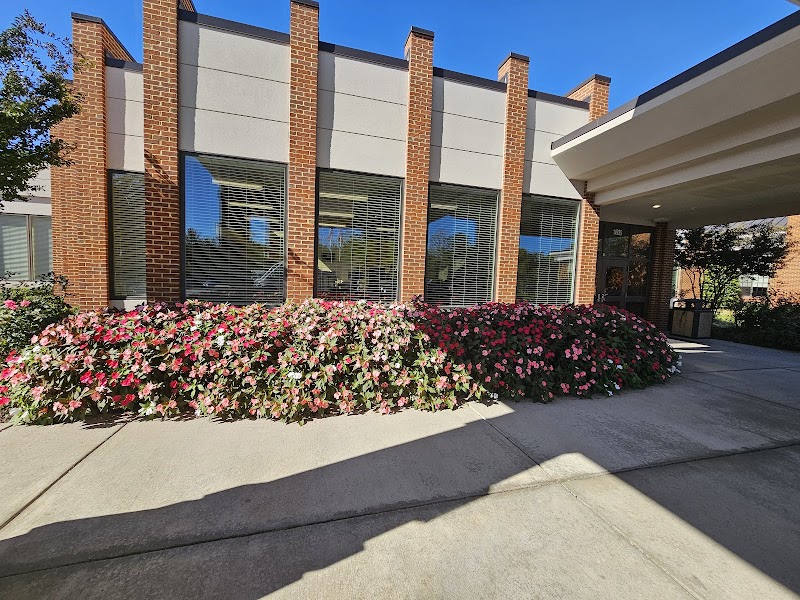
How is Lake Manassas Health & Rehabilitation Center Staffed?

CMS rates LAKE MANASSAS HEALTH & REHABILITATION CENTER's staffing level at 2 out of 5 stars, which is below average compared to other nursing homes. Staff turnover is 59%, which is 13 percentage points above the Virginia average of 46%. High turnover can affect care consistency as new staff learn residents' individual needs.

What Have Inspectors Found at Lake Manassas Health & Rehabilitation Center?

State health inspectors documented 45 deficiencies at LAKE MANASSAS HEALTH & REHABILITATION CENTER during 2020 to 2025. These included: 44 with potential for harm and 1 minor or isolated issues.
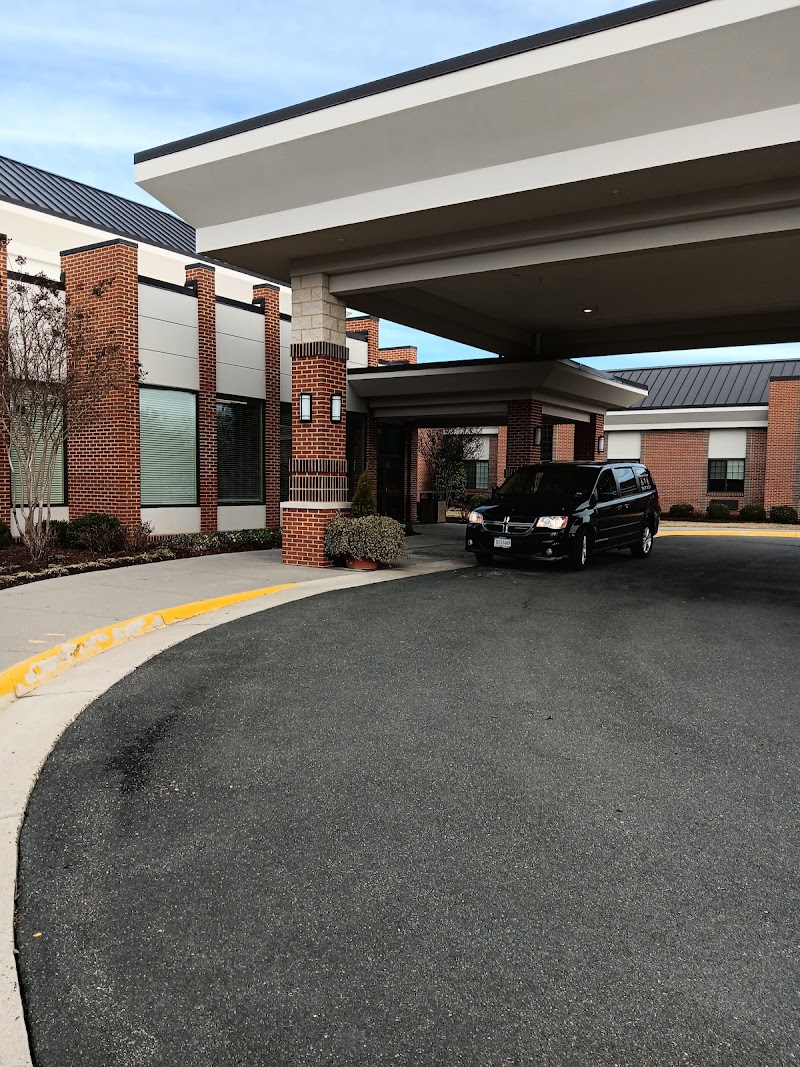
Who Owns and Operates Lake Manassas Health & Rehabilitation Center?

LAKE MANASSAS HEALTH & REHABILITATION CENTER is owned by a for-profit company. For-profit facilities operate as businesses with obligations to shareholders or private owners. The facility is operated by LIFEWORKS REHAB, a chain that manages multiple nursing homes. With 120 certified beds and approximately 117 residents (about 98% occupancy), it is a mid-sized facility located in GAINESVILLE, Virginia.

How Does Lake Manassas Health & Rehabilitation Center Compare to Other Virginia Nursing Homes?

Compared to the 100 nursing homes in Virginia, LAKE MANASSAS HEALTH & REHABILITATION CENTER's overall rating (4 stars) is above the state average of 3.0, staff turnover (59%) is significantly higher than the state average of 46%, and health inspection rating (3 stars) is at the national benchmark.

What Should Families Ask When Visiting Lake Manassas Health & Rehabilitation Center?

Based on this facility's data, families visiting should ask: "How do you ensure continuity of care given staff turnover, and what is your staff retention strategy?" "Can you walk me through typical staffing levels on day, evening, and night shifts?" "Can I visit during a mealtime to observe dining assistance and food quality?" "How do you handle medical emergencies, and what is your hospital transfer rate?" These questions are particularly relevant given the facility's high staff turnover rate and the below-average staffing rating.

Is Lake Manassas Health & Rehabilitation Center Safe?

Based on CMS inspection data, LAKE MANASSAS HEALTH & REHABILITATION CENTER has a clean safety record: no substantiated abuse findings (meaning no confirmed cases of resident harm), no Immediate Jeopardy citations (the most serious violation level indicating risk of serious injury or death), and is not on the Special Focus Facility watch list (a federal program monitoring the lowest-performing 1% of nursing homes). The facility has a 4-star overall rating and ranks #1 of 100 nursing homes in Virginia. While no facility is perfect, families should still ask about staff-to-resident ratios and recent inspection results during their visit.

Do Nurses at Lake Manassas Health & Rehabilitation Center Stick Around?

Staff turnover at LAKE MANASSAS HEALTH & REHABILITATION CENTER is high. At 59%, the facility is 13 percentage points above the Virginia average of 46%. High turnover means new staff may not know residents' individual needs, medications, or preferences. It can also be disorienting for residents, especially those with dementia who rely on familiar faces. Families should ask: What is causing the turnover? What retention programs are in place? How do you ensure care continuity during staff transitions?

Was Lake Manassas Health & Rehabilitation Center Ever Fined?

LAKE MANASSAS HEALTH & REHABILITATION CENTER has no federal fines on record. CMS issues fines when nursing homes fail to meet care standards or don't correct problems found during inspections. The absence of fines suggests the facility has either maintained compliance or corrected any issues before penalties were assessed. This is a positive indicator, though families should still review recent inspection reports for the full picture.

Is Lake Manassas Health & Rehabilitation Center on Any Federal Watch List?

LAKE MANASSAS HEALTH & REHABILITATION CENTER is not on any federal watch list. The most significant is the Special Focus Facility (SFF) program, which identifies the bottom 1% of nursing homes nationally based on persistent, serious quality problems. Not being on this list means the facility has avoided the pattern of deficiencies that triggers enhanced federal oversight. This is a positive indicator, though families should still review the facility's inspection history directly.