GALAX HEALTH AND REHAB
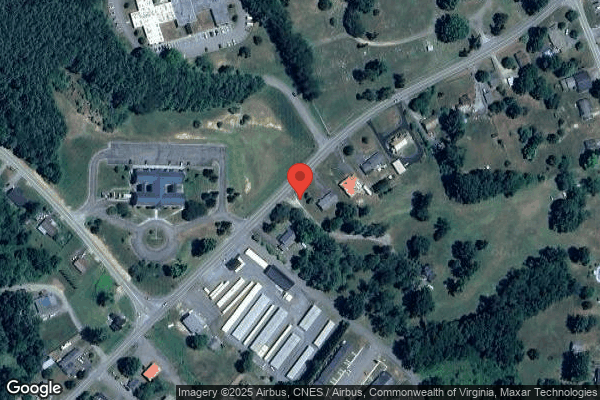
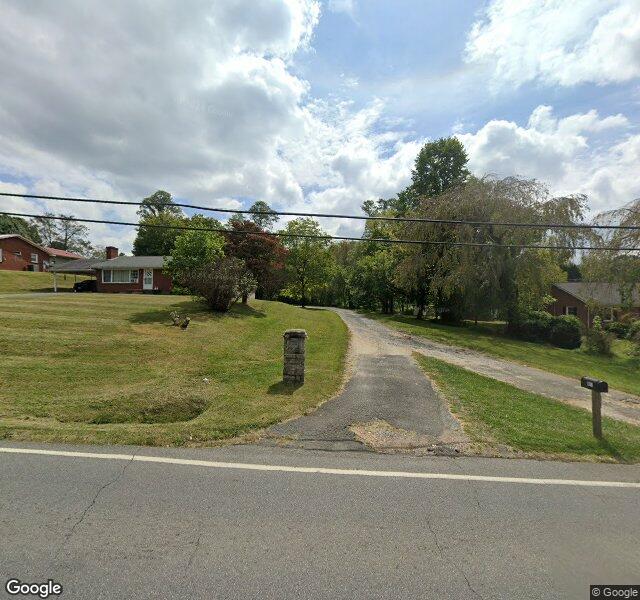
836 GLENDALE RD, GALAX, VA 24333 (276) 236-9991
For profit - Corporation 120 Beds TRIO HEALTHCARE Data: November 2025 1 Immediate Jeopardy citation
Trust Grade
16/100
#252 of 285 in VA
Last Inspection: November 2023

Within standard 12-15 month inspection cycle. Federal law requires annual inspections.

Overview

Galax Health and Rehab has received a Trust Grade of F, indicating a poor rating with significant concerns about care quality. Ranking #252 out of 285 facilities in Virginia places it in the bottom half of the state, and it is the second of only two options in Galax City County. While the facility's trend shows improvement, with issues dropping from 27 in 2023 to 4 in 2024, it still has a concerning staffing situation, with a turnover rate of 98% and only 1 out of 5 stars for staffing quality. Specific incidents include a critical failure to provide CPR to a resident when needed and not developing baseline care plans for new admissions, indicating serious lapses in care standards. Despite some improvements, the high staff turnover and ongoing concerns about compliance and care quality are significant weaknesses families should consider.

Trust Score
F
16/100
In Virginia
#252/285
Bottom 12%
Safety Record
High Risk
Review needed
Inspections
Getting Better
27 → 4 violations
Staff Stability
⚠ Watch
98% turnover. Very high, 50 points above average. Constant new faces learning your loved one's needs.
Penalties
✓ Good
$13,627 in fines. Lower than most Virginia facilities. Relatively clean record.
Skilled Nurses
⚠ Watch
Each resident gets only 15 minutes of Registered Nurse (RN) attention daily — below average for Virginia. Fewer RN minutes means fewer trained eyes watching for problems.
Violations
⚠ Watch
45 deficiencies on record. Higher than average. Multiple issues found across inspections.
★☆☆☆☆
1.0
Overall Rating
★☆☆☆☆
1.0
Staff Levels
★★★☆☆
3.0
Care Quality
★☆☆☆☆
1.0
Inspection Score
Stable
2023: 27 issues
2024: 4 issues

The Good

  • Full Sprinkler Coverage · Fire safety systems throughout facility
  • No fines on record

Facility shows strength in fire safety.

The Bad

1-Star Overall Rating

Below Virginia average (3.0)

Significant quality concerns identified by CMS

Staff Turnover: 98%

52pts above Virginia avg (47%)

Frequent staff changes - ask about care continuity

Federal Fines: $13,627

Below median ($33,413)

Minor penalties assessed

Chain: TRIO HEALTHCARE

Part of a multi-facility chain

Ask about local staffing decisions and management

Staff turnover is very high (98%)

50 points above Virginia average of 48%

The Ugly 45 deficiencies on record

1 life-threatening
Nov 2024 2 deficiencies 1 IJ
CRITICAL (J) 📢 Someone Reported This

A family member, employee, or ombudsman was alarmed enough to file a formal complaint

Immediate Jeopardy (IJ) - the most serious Medicare violation

Deficiency F0678 (Tag F0678)

Someone could have died · This affected 1 resident

**NOTE- TERMS IN BRACKETS HAVE BEEN EDITED TO PROTECT CONFIDENTIALITY** Based on staff interview, clinical record review and facility document review the facility staff failed provide basic life suppo...

Read full inspector narrative →
**NOTE- TERMS IN BRACKETS HAVE BEEN EDITED TO PROTECT CONFIDENTIALITY** Based on staff interview, clinical record review and facility document review the facility staff failed provide basic life support, including cardiopulmonary resuscitation (CPR) to 1 of 13 residents, Resident #2, which constututed a determination of Immediate Jeopardy (IJ). The scope and severity was originally cited at Immediate Jeopardy, Level IV isolated and was reduced to a Level II isolated after the facility was cleared of Immediate Jeopardy. The Administrator, DON (director of nursing) regional vice-president of operations and regional clinical director were notified on [DATE] that the extended survey process had begun at 1:30 pm, as the survey team had identified Immediate Jeopardy in the area of Quality of Life. The finding included: For Resident #2 the facility staff withheld cardiopulmonary resuscitation based on verbal directions from the resident's boyfriend. Resident #2's face sheet listed the resident as their own authorized representative. Resident #2's face sheet listed diagnoses which included but not limited to unspecified protein calorie malnutrition, dysphagia, gastrostomy status, abnormal weight loss, and adult failure to thrive. Resident #2's most recent minimum data set with an assessment reference date of [DATE] coded the resident as 99 in section C, cognitive patterns. This indicated that the resident was unable to complete the interview. Section B, Hearing, Speech, and Vision indicated the resident had adequate hearing, unclear speech, is sometimes understood, and usually understands others. Resident #2's comprehensive care plan was reviewed and contained a care plan for Patient has an advance directive as evidenced by: Goals for this care plan were Patient's wishes will be honored -FULL CODE. Interventions for this care plan included CPR will be performed as ordered, and Follow facility protocol for identification of code status. Resident #2's physician's order summary was reviewed and contained a signed physician's order dated [DATE] which read in part, Full resuscitation. Resident #2's clinical record was reviewed and contained nurse's progress notes which read in part, [DATE] 11:08 Hospice nurse in to evaluate Resident. Increase in air hunger and pain noted. MD made aware. Discussion of DNR (do not resuscitate) status, no changes at this time ., [DATE] 13:19 .hospice nurse in to assess resident, resident appears to be in active stage of passing, BP (blood pressure) 103/62, HR (heart rate) 128, RR (respiratory rate) 33, T (temperature) 99.1, mottling noted to feet and lower legs, . (name omitted) SW (social worker) for hospice contacted .(resident boyfriend) to sign DNR. (resident's boyfriend) came to facility and signed DNR for resident, [DATE] 08:04 Dr . (name omitted) seen resident on rounds; resident declining. very shallow, rapid breathing; c/o (complaints of) air hunger. Dr . (name omitted) requested resident be given morphine for comfort measures. significant other/life partner in w/resident at this time; agreed to comfort care; he stated to Dr . (name omitted) and this nurse that he doesn't want resident to receive CPR; social worker notified d/t (due to) current code status, and [DATE] 17:15 Called to room by staff, Resident without respirations, no pulse noted, apical heart rate absent. Time of death at 1706 (5:06 pm). Family present in room and aware . Surveyor requested a copy of Resident #2's DNR form and was informed by the administrator on [DATE] at 1:30 pm that they could not locate a DNR form for the resident. Administrator provided surveyor with a nurse's progress note dated [DATE] which read in part, 08:04 Dr . (name omitted) seen resident on rounds; resident declining. very shallow, rapid breathing; c/o (complaints of) air hunger. Dr . (name omitted) requested resident be given morphine for comfort measures. significant other/life partner in w/resident at this time; agreed to comfort care; he stated to Dr . (name omitted) and this nurse that he doesn't want resident to receive CPR; social worker notified d/t (due to) current code status. Surveyor requested and was provided with hospice notes on [DATE] at 8:45 am. Hospice notes read in part, RN Initial Assessment: [DATE] Was the patient/responsible party asked about preference regarding the use of cardiopulmonary resuscitation: 1. Yes, and discussion occurred. Was the patient/responsible party asked about preferences regarding life-sustaining treatment other than CPR? 1. Yes, and discussion occurred .Psychological Status: Overall Mental Status: Alert. Alerted To: Person Place. Responsiveness: Semi-responsive. Responds To: Verbal Stimuli. Neurological Status: Overall Neurological Status: Non-verbal. Overall Emotional Status: Flat affect, Withdrawn, Difficulty coping, Inability to recognize problems, Unrealistic expectations, Denial of problems .Spiritual/Religious: Primary Religion: Catholic. Level of Religious Affiliation: Fairly religious. Is the patient part of a religious or spiritual community? yes. Are the patient's beliefs disrupted by the disease process? No. Summary/Comments: . (Resident #2) is a . at . (facility name omitted). A patient of Dr. (name omitted). She was born in the . and came to the US between 1981 and 1990. She has been with their SO (significant other) since 1990. She is able to understand more English compared to him, however there is a friend that does a lot of translation for him. She has no children. She has enjoyed taking care of her chickens. She is a FULL CODE at this moment , [DATE] Skilled Nursing Visit: .Staff expressed some concern about her medication ordered and her full code status. I am receiving differing answers from the patient when asked about CPR. Will talk with Dr . (name omitted) regarding code status. No other needs voiced ., [DATE] RN Comprehensive Assessment: Pt is alert and oriented .Discussion had with the patient about her wishes for CPR and attempted to educate with her what all would happen. She chooses to remain a full code , [DATE] RN Skilled Nursing Visit: Pt lying in bed watching TV. She continues to be very soft spoken. However is able to voice her needs .Staff expressed some concern about her medication ordered and her full code status. Code status addressed again with the patient and she continues to stress that she wants CPR ., [DATE] RN Skilled Nursing Visit: .Code status discussed again. DON (director of nursing) updated , and [DATE] RN Skilled Nursing Visit: .Code status discussed again. DON updated . All notes were signed by registered nurse (RN) #1, the resident's hospice case manager. The hospice notes also contained a note dated [DATE] which read in part, Received call from nurse on call stating that facility staff had called and reported that patient was declining and they were concerned because patient is still a full code. This author made phone call to patients significant other explaining that patient was declining and educated on death and dying process. Understanding was expressed. This author made signing any other (sic) aware of patients code status and provided education. Significant other was encouraged to go to facility and sign DNR order if this was their and patients wishes. Understanding expressed and significant other states that they would be going to facility. No other needs at this time. Significant other realistic and grieving appropriately at this time. This note was signed by hospice social worker/clinical manager. Surveyor spoke with certified nurse's aide (CNA) #1 and #2 on [DATE] at 2:45 pm regarding Resident #2. CNA #1 stated resident didn't speak English, but she could communicate by pointing at what she wanted, nods, and gestures. Both CNA's stated resident was a full code and was receiving hospice services. CNA #2 stated, Her husband wanted her to be DNR, but she wanted to stay full code. She stayed full code unless they changed it at the end. Surveyor spoke with licensed practical nurse (LPN) #1 on [DATE] at 3:30 pm regarding Resident #2. LPN #1 stated, Resident was a hospice patient. She was a full code, it never changed. Surveyor spoke with LPN #6 on [DATE] at 3:35 pm regarding Resident #2. LPN #6 stated, Resident did not speak good English. She was a full code. Her significant other voiced he wanted her to be DNR. I don't know if he was authorized to say that. Surveyor spoke with physician #8 via telephone on [DATE] at 3:40 pm regarding Resident #2. Physician stated they do not recall resident, but in reviewing notes, stated they wrote the full resuscitation order at the request of the hospice nurse and that nurse's assessment of the resident. Physician stated There are numerous hospice notes saying she wished to remain a full code. It looks like they discussed it with her several times. Surveyor spoke with registered nurse (RN) #1, who was the hospice case manager, via telephone on [DATE] at 4:00 pm. RN #1 stated. Resident was limited English speaking. She was a full code on admission to hospice. I had multiple conversations with her regarding code status. She had a significant other that I believed was her husband, I later found out he was not. He was ready to sign a DNR, but she was not ready. MD said it was not legal for significant other to sign for her. In my opinion, she wanted to stay a full code. Surveyor spoke with the social worker/clinical manager for hospice on [DATE] at 8:30 am via telephone. Clinical manager stated they completed the hospice admissions consent forms with Resident #2 and her boyfriend, and they did not want a DNR at that time. Clinical manager stated hospice staff continued to provide education regarding end of life and DNR. Clinical manager stated they received a call from the facility on a weekend regarding resident's code status, and then called resident's boyfriend let him know resident was declining. Clinical manager stated that resident's boyfriend said he would go to facility and sign a DNR. Clinical manager stated they later found out that resident and boyfriend were not legally married, so resident was never technically a DNR. Clinical manager stated they don't know if resident's boyfriend ever completed DNR form for resident. Clinical manager stated that resident was cognitively aware to make her own decisions. Surveyor spoke with RN #2 on [DATE] at 8:40 am regarding Resident #2. Surveyor asked RN #2 if they were the staff that completed section C of the resident's minimum data set, and RN #2 stated that the social worker usually does that section, but they had spoken with the resident, and the resident was unable to complete the brief interview for mental status due to being in a lot of pain, and limited English skills. RN #2 stated, Her boyfriend talked a lot for her, but I think she would be able to make her own decisions. Surveyor spoke with the social worker (SW) on [DATE] at 8:45 am. SW stated they were not the SW at the time Resident #2 was in the facility but was the receptionist. SW stated, She had a husband, but he could not speak English, well, he wasn't technically her husband. Surveyor spoke with RN #1 on [DATE] at 10:00 am. Surveyor asked RN #1 if they had discussed code status with Resident #2, and RN #1 stated they had discussed it with resident multiple times. RN #1 stated resident was not willing to sign DNR form. Surveyor spoke with LPN #6 on [DATE] at 10:50 am. Surveyor asked LPN #6 why they made the decision not to perform CPR on Resident #2, and LPN #6 stated, The DON said they had spoken with . (physician #9) and they had a signed DNR form on file from hospice that had not been put in . (electronic health record). It all happened the day she was actively dying. During a meeting with the administrator, director of nursing (DON), assistant director of nursing (ADON), regional clinical director, and regional director of operations on [DATE] at 2:10 pm, the concern of failing to perform CPR for Resident #2 was discussed, and surveyor informed administrative team that a Level IV Immediate Jeopardy had been cited as of [DATE] at 1:30 pm. On [DATE] at 2:15 pm, the regional clinical director and regional vice-president of operations provided surveyor with a Virginia Department of Health Durable Do Not Resuscitate Order which read in part, The patient is INCAPABLE of making an informed decision about providing, withholding, or withdrawing a specific medical treatment because he/she is unable to understand the nature, extent or probable consequences of the proposed medical decision, or to make a rational evaluation of the risks and benefits of alternatives to that decision and The patient has not executed a written advanced directive (living will or durable power of attorney for healthcare). (Signature of 'Person Authorized to Consent on the Patient's Behalf is required.) This form was signed by physician #9 and two other persons. Surveyor spoke with the administrator on [DATE] at 2:20 pm and asked administrator who had signed the DNR form for Resident #2, and administrator stated that her boyfriend had signed it. Surveyor pointed out to administrator that the signatures on the form were not that of the resident's boyfriend, and administrator stated they had obtained verbal consent and the DON and ADON had co-signed the form. Surveyor spoke with the DON on [DATE] at 2:25 pm. DON stated they had called resident's boyfriend to obtain verbal consent for the DNR order, and they had co-signed the form, along with the ADON. DON stated that the resident's boyfriend stated to them that he did not want staff doing compressions on Resident #2. Surveyor asked DON if they were aware that Resident #2 wanted to remain a full code, and DON stated, Not at the time I took the verbal consent from her boyfriend. Surveyor spoke with the ADON on [DATE] at 2:30 pm. ADON stated resident's boyfriend was very adamant that he wanted Resident #2 to be a DNR. Surveyor asked ADON if they were aware that Resident #2 wanted to remain a full code, and ADON stated, I was aware that it went back and forth, but thought she was in agreement. Surveyor requested and was provided with a facility policy entitled Cardiopulmonary Resuscitation (CPR) which read in part, Cardiopulmonary Resuscitation (CPR) is initiated to support the ventilation and circulation function until: aid arrives and the resident is placed on advanced life support systems; he/she is stimulated to function on his/her own; and/or he/she is pronounced dead. 1. Cardiopulmonary resuscitation is initiated on all resident except those with a no code order and appropriate documentation . On [DATE] at 4:45 pm, the administrator presented the surveyor with the facility's removal plan, which read as follows: The following served as the plan of correction for F-678. 1. The facility was placed into Immediate Jeopardy on [DATE] at 1410 (2:10 pm) for not performing full resuscitation, facility withheld CPR based on verbal direction form the resident's boyfriend. 2. All residents have the potential to be affected by the deficient practice. The following actions were completed: a. Code status was verified with all current residents, to be completed by [DATE] b. All staff will be educated on code status policies and procedures, to be completed by [DATE] c. Orders were audited on all current residents, to be completed by [DATE]. d. All residents with BIMS (brief interview for mental status)>12 without a health care proxy will be interviewed and asked to designee a proxy, to be completed by [DATE]. e. DON or designee will review 5 resident charts per week for 4 weeks to verify code status and orders match in PCC (electronic health record), to be completed by [DATE] 3. To ensure the deficient practice does not occur, all newly admitted residents' code status will be discussed in the clinical IDT (interdisciplinary team) meeting and verified in the meeting. Any code status changes will also be discussed and verified in the clinical/IDT meeting. 4. The plan was presented to the QAA (quality assessment and assurance) committee, including the medical director and center IDT. On [DATE] at 9:15 am, the administrator provided the surveyor with a code status and order audit form for all current residents of the facility. On [DATE] at 2:30 pm, the administrator provided the surveyor with staff education sign-in sheets related to education on resident code status, and cardiopulmonary resuscitation. On [DATE] at 3:15 pm, after validation of the implementation of the removal plan, including staff interviews (LPN #6, CNA#10, Housekeeper #6, CNA #3, Receptionist #10), reviews of audits, and education, the administrator and DON were made aware that the Level IV isolated Immediate Jeopardy citation had been reduced to a Level II isolated deficiency. The concern of the facility staff failing to perform CPR for Resident #2 was discussed during a meeting with the administrator, director of nursing, regional clinical director, and regional vice-president of operations during a meeting on [DATE] at 4:15 pm. No further information was provided prior to exit.
CONCERN (D) 📢 Someone Reported This

A family member, employee, or ombudsman was alarmed enough to file a formal complaint

Potential for Harm - no one hurt, but risky conditions existed

Accident Prevention (Tag F0689)

Could have caused harm · This affected 1 resident

Based on observation, resident interview, staff interview, and facility document review, the facility staff failed to ensure a hazard free environment on 1 of 2 units, Unit B. The findings included: ...

Read full inspector narrative →
Based on observation, resident interview, staff interview, and facility document review, the facility staff failed to ensure a hazard free environment on 1 of 2 units, Unit B. The findings included: There were numerous missing floor tiles in the shower room on Unit B, underneath the shower fixture where the residents of the facility would shower. On 11/20/24 at 12:15 p.m., the surveyor entered the shower room on Unit B. This shower room was observed to have numerous missing floor tiles, underneath the shower fixture where the residents of the facility would shower. On 11/20/24 at 12:20 p.m., during an interview with Certified Nursing Assistant (C.N.A.) #1 regarding the missing tiles this staff stated the tiles had been that way for at least 4 months and it was getting worse. When asked if any resident had ever been injured due to the missing tiles this staff stated no, but the shower chair wheels did catch on the area where the floor tiles were missing. C.N.A. #1 was observed to bend over and pick up a few of the loose tiles from the floor. On 11/20/24 at 1:30 p.m., the surveyor and the Maintenance Director observed the area of the missing tiles in the shower room. The Maintenance Director stated the wrong type of tile had been used on the floor and they had to install some of the tiles again. On 11/20/24 at 1:40 p.m., the Administrator stated they were actively obtaining quotes for the shower room and shared an email with the surveyor dated 11/11/24 that included a quote to tile the floor and .fix anything underneath . On 11/21/24 at 8:15 a.m., during an interview with Resident #12 this resident stated during a resident council meeting the Administrator had told them they were going to work on the missing floor tiles in the shower room. On 11/21/24 at 8:20 a.m., during an interview with Resident #13, this resident stated the tiles had been missing in the shower room for a while. On 11/21/24 at 9:30 a.m., during a meeting with the Administrator, Director of Nursing, Regional [NAME] President of Operations, and Regional Nurse Consultant the Administrator stated the current floor had been put down the beginning of the year and they were trying to locate the receipts. No further information regarding this issue was provided to the survey team prior to the exit conference.
Jun 2024 2 deficiencies
CONCERN (D) 📢 Someone Reported This

A family member, employee, or ombudsman was alarmed enough to file a formal complaint

Potential for Harm - no one hurt, but risky conditions existed

Deficiency F0687 (Tag F0687)

Could have caused harm · This affected 1 resident

Based on staff interview and clinical record review, the facility staff failed to complete provider ordered treatments for 1 of 5 residents, Resident #1. The findings included: The facility nursing ...

Read full inspector narrative →
Based on staff interview and clinical record review, the facility staff failed to complete provider ordered treatments for 1 of 5 residents, Resident #1. The findings included: The facility nursing staff failed to complete provider ordered treatments to Resident #1's toes. Resident #1's diagnoses included, but were not limited to, displaced fracture of femur (09/11/23), Alzheimer's, dementia, diabetes, muscle weakness, and unsteadiness on feet. Section C of Resident #1's quarterly minimum data set (MDS) assessment with an assessment reference date (ARD) of 08/01/23 included a brief interview for mental status (BIMS) score of 3 out of a possible 15 points. Resident #1's comprehensive care plan included the focus area altered skin integrity non-pressure related to abrasion to left great toe. Interventions included treatments as ordered. Resident #1's clinical record included the following provider orders: 1. Apply zinc oxide to top of left great toe daily (12/08/23). 2. Clean open area on back of left great toe with Normal Saline apply antibiotic ointment and cover with dry dressing daily until healed (11/25/23). 3. Cleanse wound to left great toe with wound cleaner, apply skin prep to peri wound. Apply collagen sheet to wound bed and cover with dry dressing daily (12/15/23). 4. Cleanse wound to left great toe with wound cleaner. Apply skin prep to peri wound. Apply Santyl to wound bed and cover with dry dressing daily (12/08/23). 5. Santyl ointment apply to wound left great toe topically one time a day for wound left great toe (12/08/23). A review of the clinical record revealed the following: For order #1 the facility nursing staff failed to document they had completed the provider ordered treatment on 12/10, 12/17, and 12/18. For order #2 the facility nursing staff failed to document they had completed this treatment on 12/04, 12/10, 12/17, and 12/18. For order #3 the facility nursing staff failed to document they had completed this treatment on 12/17 and 12/18. For order #4, the facility nursing staff failed to document they had completed this treatment on 12/10. For order #5, the facility nursing staff failed to document they had completed this treatment on 12/10. On 06/17/24 at 9:30 a.m., during a meeting with the Administrator and Director of Nursing (DON) the issue with Resident #1's treatments not being signed for as completed was reviewed. On 06/17/24 at 10:55 a.m., during an interview with Registered Nurse (RN) #2, Licensed Practical Nurse #1 and #2 all these staff stated if a treatment or a medication was not signed for it hadn't been done or administered. On 06/17/24 at 11:10 a.m., during an interview with the DON this staff stated they were unable to provide any information as to why Resident #1's treatments to their toes had not been completed. The DON stated when resident #1 was discharged one of their toe wounds were healed. No further information regarding this issue was provided to the surveyor prior to the exit conference.
CONCERN (D) 📢 Someone Reported This

A family member, employee, or ombudsman was alarmed enough to file a formal complaint

Potential for Harm - no one hurt, but risky conditions existed

Respiratory Care (Tag F0695)

Could have caused harm · This affected 1 resident

**NOTE- TERMS IN BRACKETS HAVE BEEN EDITED TO PROTECT CONFIDENTIALITY** Based on staff interview and clinical record review, the facility staff failed to administer provider ordered nebulizer treatmen...

Read full inspector narrative →
**NOTE- TERMS IN BRACKETS HAVE BEEN EDITED TO PROTECT CONFIDENTIALITY** Based on staff interview and clinical record review, the facility staff failed to administer provider ordered nebulizer treatments for 1 of 5 residents, Resident #1. The findings included. The facility staff failed to administer Resident #1's provider ordered nebulizer treatments. Resident #1's diagnoses included, but were not limited to, Alzheimer's, dementia, diabetes, chronic obstructive pulmonary disease, and COVID-19 (08/31/23). Section C of Resident #1's quarterly minimum data set (MDS) assessment with an assessment reference date (ARD) of 08/01/23 included a brief interview for mental status (BIMS) score of 3 out of a possible 15 points. Resident #1's comprehensive care plan included the focus area has alteration in respiratory status due to chronic obstructive pulmonary disease. Interventions included administer medications as ordered. Resident #1's clinical record included orders for Ipratropium-Albuterol Solution inhale orally via nebulizer two times a day for shortness of breath X 7 days, order date 09/04/23. The administration times on the medication administration record (MAR) were documented as 8:00 a.m. and 4:00 p.m. A review of the MAR revealed that the nursing staff had not documented for the administration of this medication. The only documentation was on 09/11/23 at 8:00 a.m. where the nursing staff had documented a 7. Per the MAR a 7=other/see nurses note. Resident #1 had been transported to a local hospital on [DATE]. On 06/17/24 at 9:30 a.m., during an interview with the Administrator and Director of Nursing (DON) the issue with the residents nebulizer treatments not being administered was reviewed. On 06/17/24 at 10:55 a.m., during an interview with Registered Nurse (RN) #2, Licensed Practical Nurse #1 and #2 all these staff stated if a treatment or a medication was not signed for it hadn't been completed or administered. No further information regarding this issue was provided to the surveyor prior to the exit conference.
Nov 2023 26 deficiencies
CONCERN (D)

Potential for Harm - no one hurt, but risky conditions existed

Resident Rights (Tag F0550)

Could have caused harm · This affected 1 resident

Based on observation, staff interview, Resident interview and facility document review the facility staff failed to respect residents' rights to a dignified existence for 1 of 22 residents, Resident #...

Read full inspector narrative →
Based on observation, staff interview, Resident interview and facility document review the facility staff failed to respect residents' rights to a dignified existence for 1 of 22 residents, Resident #8. The findings included: For Resident #8 the facility staff failed to provide incontinence pads. Resident #8's face sheet listed diagnoses which included but not limited to multiple sclerosis, chronic pain syndrome, and pressure ulcer to sacral region. Resident #8's most recent minimum data set with an assessment reference date of 09/18/23 assigned the resident a brief interview for mental status score of 15 out of 15 in section C, cognitive patterns. This indicates that the resident is cognitively intact. Resident #8's comprehensive care plan was reviewed and contained a care plan for . has alteration in elimination of bowel and bladder, diuretic use, incontinence. Interventions for this care plan included, Use of briefs/pads for incontinence protection. Surveyor spoke with Resident #8 on 11/13/23 at 4:40 pm. Resident #8 stated to surveyor that they wished they could still use the incontinent pads that the facility used to provide. Resident #8 stated the staff doesn't place a pad under them anymore, they just use a blanket or sheet folded up. If I want pads, I have to buy them myself, and I don't have much money. Surveyor asked resident if they use incontinent briefs and resident stated, I do, but I'm a heavy wetter, and it leaks through. Surveyor spoke with certified nurse's aide (CNA) #13 on 11/16/23 at 10:20 pm. Surveyor asked CNA #13 if the facility has incontinence pads, and CNA #13 stated they do not. Surveyor asked CNA #13 what they use, and CNA #13 stated, We'll use a blanket if we're in a bind. Surveyor spoke with Resident #8 on 11/16/23 at 10:30 am. Surveyor asked Resident #8 if it bothers them to have a blanket used as an incontinence pad, and Resident #8 stated, Yeah, it bothers me, I don't like laying on a wet blanket. I stay wet constantly because I leak all the time. I don't have the money to keep buying pads. Surveyor observed a folded blanket underneath resident in the bed. Surveyor requested and was provided with a facility policy entitled, Resident Rights which read in part, The Resident has right to a dignified existence, self-determination, and communication with, and access to, persons, and services inside and outside the Facility. The concern of not providing incontinence pad for Resident #8 was discussed with the administrator, chief nursing officer and regional vice-president of operations on 11/16/23 at 5 pm. No further information was provided prior to exit.
CONCERN (D) 📢 Someone Reported This

A family member, employee, or ombudsman was alarmed enough to file a formal complaint

Potential for Harm - no one hurt, but risky conditions existed

Deficiency F0563 (Tag F0563)

Could have caused harm · This affected 1 resident

Based on staff interview, clinical record review, and facility document review, the facility staff failed to allow family visitation for 1 of 4 closed record reviews, Resident #92. The findings inclu...

Read full inspector narrative →
Based on staff interview, clinical record review, and facility document review, the facility staff failed to allow family visitation for 1 of 4 closed record reviews, Resident #92. The findings included: The facility staff failed to allow the family to stay with the Resident at the facility after the resident had a change in condition. Resident #92's diagnoses included but were not limited to, Alzheimer's, dementia, and muscle weakness. Section C (cognitive patterns) of Resident #92's quarterly minimum data set (MDS) assessment with an assessment reference date (ARD) of 08/16/23 included a brief interview for mental status (BIMS) summary score of 3 out of a possible 15 points. Resident #92's comprehensive care plan included the focus areas sometimes shows behavior symptoms, at risk for pressure ulcers, requires assistance with one or more staff for activity of daily living, and difficulty with independent feeding. Resident #92's clinical record included an order for Hospice effective 10/13/23. The facility staff provided the survey team with a copy of the Hospice documentation. On 10/19/23, the Hospice nurse documented the patients immediate needs were comfort and support for patient and family and the facility staff had told the family they could not stay with this resident as it was against the facility's policy. The facility staff provided the surveyor with a copy of their document titled, Nursing Home Resident Rights. This document read in part, .You have the following rights .To have visitors at any time, as long as you wish to see them, as long as the visit does not interfere with the provision of care and privacy rights of other residents . On 11/14/23 at 1:40 p.m., during an interview with the current interim Director of Nursing (DON) this staff stated they had received a call from Licensed Practical Nurse (LPN) #1 (no longer employed) and stated the family wanted to stay overnight at the facility. The DON stated they could not remember who they called but someone had told them their policy was no overnight stays. The DON stated before they had a chance to move this resident the resident had been discharged . On 11/15/23 at 1:27 p.m., during an interview with Certified Nursing Assistant (C.N.A.) #8 this staff stated the family wanted to spend the night, but they don't allow visitors to stay. On 11/15/23 at 3:30 p.m., during an end of the day meeting with the Administrator, Regional [NAME] President of Operations, and Chief Nursing Officer. The surveyor asked about family members spending the night with Resident #92. The Administrator stated if you are admitted on Hospice, you would be in a room by yourself (private) so the family could stay. If you become Hospice, we ask the roommate to move we would not want to move the Hospice patient. The Administrator stated by not being here I can't really say I don't know all the in's and out's, but I would think it would be done as quickly as possible. No further information regarding this issue was provided to the survey team prior to the exit conference.
CONCERN (D)

Potential for Harm - no one hurt, but risky conditions existed

Notification of Changes (Tag F0580)

Could have caused harm · This affected 1 resident

Based on staff interview, clinical record review, facility document review, the facility staff failed to notify the MD and/or RP of significant changes in the resident's physical, mental or psychosoci...

Read full inspector narrative →
Based on staff interview, clinical record review, facility document review, the facility staff failed to notify the MD and/or RP of significant changes in the resident's physical, mental or psychosocial status for 3 of 22 residents sampled. Resident # 19, 26, 64. The findings included: 1. For resident # 19, the facility staff failed to notify the physian and responsible party of a fall that occurred 10/6/23. This was a closed record review. Resident #19's diagnoses included but were not limited to, unspecified dementia, angina, cognitive communication deficit, moderate protein calorie malnutrition, Alzheimer's with late onset, adult failure to thrive, muscle weakness (generalized), essential hypertension, and paroxysmal atrial fibrillation. The most recent minimum data set (MDS) assessment assigned the resident a brief interview for mental status score (BIMS) of 3, indicating severe cognitive impairment. There was a progress note in the clinical record with an effective date of 10//6/23 at 2:34 AM that indicated resident fell at 2:25 AM. The resident was assessed for injury and assisted back to bed. There was no indication in the note that the physician or responsible party were notified of the fall. There were no follow up notes during the day shift to indicate the responsible party or physician were notified later. The surveyor was unable to locate a progress note from the physician to indicate they were notified of the fall on 10/6/23. The surveyor spoke with the Administrator and requested copies of all provider notes for the month of October 2023 on 11/16/23 at 8:34 AM. No notes were provided prior to the exit conference. The surveyor requested and received the policy entitled, Falls Prevention Program, there was no effective date noted. Page 13 of the policy was entitled, Steps to Follow When a Fall Occurs, and read in part, 2. Notify Doctor and family. On 10/16/23 at 8:41 AM the surveyor interviewed LPN #10 who documented the fall. They stated that they did not recall notifying the physician or the responsible party. The survey team met with the Administrator, Regional [NAME] President and Chief Nursing Officer 11/16/23 at 5:20 PM and this concern was discussed. No further information was presented to the survey team prior to the exit conference. 2. For resident # 26, the facility staff failed to notify the responsible party or the physician of an injury of unknown origin. Resident # 26's diagnoses included but were not limited to, hypertension, Alzheimer's Disease, anxiety, depression, unspecified mood disorder, diabetes and chronic obstructive pulmonary disease. Resident # 26's most recent MDS assigned them a BIMS score of 4 indicating severe cognitive impairment. During a review of the clinical record, a note dated 9/8/23 at 1:01 PM read in part, Resident continues to complain of right shoulder and arm pain. New order given to sent to ED (emergency department) for x-ray of arm and shoulder. The note also indicated that the physician and the responsible party had been notified. On 9/8/23 at 2200 a note was entered and read in part, Returned following x-ray of right elbow and shoulder due to complaints of pain. No previous injury reported. Imaging shows possible fracture of right humerus. There was no indication that the physician or the responsible party were notified of the fracture. On 11/15/23 at approximately 2:00 PM, this surveyor spoke with resident # 26's Physician's Assistant (PA) who stated that they nor the resident's primary care physician were notified of the fracture until several days after the fact. They stated that they documented this fact in a progress note. Surveyor asked where to locate the note and they stated, I couldn't tell you but they should be able to get it for you. On 11/15/23 at approximately 3:00 PM, this surveyor spoke with resident # 26's Power of Attorney (POA). When asked if they were notified of the fracture, they stated, No. Nobody told me. I knew they were sending (resident) to the hospital to have it looked at, but never heard what the end result was. Surveyor requested and received the policy entitled, Resident Abuse- Injuries of Unknown Origin, which read in part,Injuries of unknown origin are bruises, skin tears, fractures, abrasions, etc. which have no known cause. Under the heading Procedure read in part, 3. Notifications MUST be made to the following: A. Resident's responsible party B. Physician. On 11/15/23 at 3:30 PM the survey team met with the Administrator, Chief Nursing Officer and Regional [NAME] President. This concern was discussed and a copy the progress note referred to by the PA was requested. The note was provided. It was dated 9/14/23 and read in part, Patient seen on rounds 9/14/23 for right humerus fracture. Myself or Dr. (name omitted) were not made aware of the ER visit or fracture and patient was not placed on rounds for us to evaluate the patient until today. We have both been in the building, myself on Monday 9/11/23 and Dr. (omitted) on Tuesday 9/12/23 and neither of us was made aware that the patient had a fracture. The survey team met with the Administrator, Regional [NAME] President and Chief Nursing Officer on 11/16/23 5:20 PM and this concern was discussed. No further information was provided to the survey team prior to the exit conference.
CONCERN (D)

Potential for Harm - no one hurt, but risky conditions existed

Deficiency F0583 (Tag F0583)

Could have caused harm · This affected 1 resident

Based on documents received at the Office of Licensure and Certification (OLC), facility staff failed to ensure the right to secure and confidential medical records for 1 of 22 residents sampled (Resi...

Read full inspector narrative →
Based on documents received at the Office of Licensure and Certification (OLC), facility staff failed to ensure the right to secure and confidential medical records for 1 of 22 residents sampled (Resident #68). Resident #68 was admitted to the facility with diagnoses which included Alzheimer's dementia, hypertension, congestive heart failure, dysphagia, recurrent falls, and diabetes mellitus type 2 with neuropathy. On the Minimum Data Set assessment with Assessment Reference Date 10/6/23, the resident scored 9/15 on the brief interview for mental status, indicating impairment in daily decision-making skills, and was assessed as without signs of delirium, psychosis, or behaviors affecting care of self or others. On 11/15/2023, a complaint was received in OLC which included a screen shot of a resident's progress note in the electronic clinical record. The complainant wrote that the note was proof of an allegation of failure to report an incident (the progress note described an incident, but did not address the complainant's allegation). The complaint form including the progress note was faxed to OLC on 11/15/2023. This was not an appropriate use of the resident's record. The surveyor reported the concern with confidentiality and inappropriate use of clinical records to the administrator and RVPO during a summary conference on 11/16/2023. Neither denied the use of clinical records was inappropriate.
CONCERN (D)

Potential for Harm - no one hurt, but risky conditions existed

Deficiency F0604 (Tag F0604)

Could have caused harm · This affected 1 resident

Based on staff interviews and facility document review the facility staff failed to provide the ongoing re-evaluation of the need for physical restraints for 1 of 22 sampled residents. Resident #33. ...

Read full inspector narrative →
Based on staff interviews and facility document review the facility staff failed to provide the ongoing re-evaluation of the need for physical restraints for 1 of 22 sampled residents. Resident #33. The findings were: For Resident #33, the facility staff failed to reassess the risk for elopement/wandering prior to applying a Wander Guard monitor. The resident's admission Record listed their diagnoses to included, but were not limited to multiple sclerosis, dementia, Alzheimer's disease, Parkinson's disease with dyskinesia, and type 2 diabetes mellitus. On the quarterly Minimum Data Set (MDS) assessment with an assessment reference date of 10/11/23, the resident scored a 10 out of 15 on the brief interview for mental status. Section P (Restraints and Alarms) read the resident had a wander/elopement alarm daily. Resident #33's clinical record was reviewed. One (1) Elopement Risk Assessment document was found, dated 04/03/23 and read the resident was not at risk for elopement. There were no other elopement risk assessments found. The Treatment Administration Record (TAR) for November 2023 was reviewed and staff documented the Wander Guard was checked each shift. A provider's order for a Wander Guard to right ankle was dated 09/30/23. A nurse's progress note dated 09/20/23 read, Wander Guard to right ankle - placement checked Q (every) shift. The nurse who wrote the progress note was interviewed via phone on 11/16/23 at 1:33 p.m. The nurse stated she worked shifts at the facility occasionally, as a fill-in, and was unable to recall Resident #33 or applying a Wander Guard. On 11/15/23 at 9:38 a.m. this surveyor, along with LPN #8, observed Resident #33 who was wearing a Wander Guard on his right ankle. The resident was sitting up in a wheelchair with his eyes closed. When asked how staff were testing the Wander Guard, the resident replied, I don't know. His eyes remained closed. The administrator and chief nursing officer (CNO) was informed of this restraint concern on 11/15/23. On 11/16/23 at 8:48 a.m., this surveyor and the CNO spoke with the facility's MDS Coordinator regarding Resident #33's Wander Guard and elopement risk assessments. Although the MDS Coordinator provided documentation showing the resident had multiple orders for a Wander Guard over the past several years, both the MDS Coordinator and the CNO acknowledged there was no evidence of an elopement risk assessment after April 2023 until the one completed yesterday, after the surveyor asked about the assessments. The MDS Coordinator provided an Elopement Risk Assessment, dated 11/15/23, which read Resident #33 was at risk for elopement. The CNO reported the resident has not tried to elope but verbalizes wanting to leave. A certified nursing assistant's hand-written statement dated 11/16/23 was provided. The CNA wrote that Resident #33 mentioned leaving to go home, needing to go the store for various things, and needing to leave to visit his brother. The resident voiced these statements at least every other day. The CNA wrote that any time staff tried to redirect Resident #33 from wanting to leave, it worsens his behavior. This concern was discussed with the administrator, CNO, and regional vice president of operations during an end of day meeting on 11/16/23. No further information was provided prior to the exit conference.
CONCERN (D) 📢 Someone Reported This

A family member, employee, or ombudsman was alarmed enough to file a formal complaint

Potential for Harm - no one hurt, but risky conditions existed

Report Alleged Abuse (Tag F0609)

Could have caused harm · This affected 1 resident

**NOTE- TERMS IN BRACKETS HAVE BEEN EDITED TO PROTECT CONFIDENTIALITY** Based on staff interview, clinical record review, and facility document review the facility staff failed to ensure injuries of u...

Read full inspector narrative →
**NOTE- TERMS IN BRACKETS HAVE BEEN EDITED TO PROTECT CONFIDENTIALITY** Based on staff interview, clinical record review, and facility document review the facility staff failed to ensure injuries of unknown origin were reported for 1 of 22 current residents sampled and one of 4 closed records sampled. Resident #19 and Resident #26. The findings included: 1. For resident # 19, the facility staff failed to report a right hip fracture that was identified on 10/13/23. This was a closed record review. Resident # 19's diagnoses included but were not limited to, unspecified dementia, cognitive communication deficit, generalized anxiety, Alzheimer's with late onset, insomnia, weakness, history of falling. Resident # 19's Minimum Data Set (MDS) Assessment with an Assessment Reference Date (ARD) of 10/20/23 assigned the resident a Brief Interview for Mental Status (BIMS) score of 3, indicating they were severely cognitively impaired. The resident was also coded as dependent for Activities of Daily Living (ADL's) and mobility. The clinical record was reviewed. A progress note dated 10/13/23 at 8:06 AM read, Situation : xray results back show fracture of femoral neck fracture of right hip Background : found in floor on 10/06/2023 Assessment : pain to right hip Response : called md on call new order send to er. A progress note was located for 10/6/23 at 2:34 AM that read, Situation : Staff alerted me to residents room at 02:25am (they) was found with (their) trunk lying beside bed and legs tucked underneath the bed. (They) is awake and alert, states (they) is unsure what happened. Background : Resident is a 90 y.o. with dementia and mild cases of confusion, h/x of falls and generalized weakness. Assessment : Resident appears baseline status prior to any incident, is able to answer most questions with occasional confusion pre existing prior to possible incident. is verbal and able to follow commands, neurological checks remain at baseline, denies any pain or injury at this time, Vital signs remain within normal limits BP 148/86, Temp. 98.4 tympanic, Pulse 83, 18 RR no visual injuries noted. Skin appears intact without breaks or bruising at this time. Resident states does not know what happened. Response : Two CNA's and myself sat patient upright and assisted back in bed, appears as normal baseline prior to incident. Fall protocol initiated, resident is back in his bed lying supine with no complaints at this time. There were no notes in between these two notes to indicate resident was having pain or had another fall. There was no explanation in the notes as to why or when the x-ray was ordered. There was an order entered on 10/11/23 that read, X-ray rt hip two views and pelvis one time only for Rt. hip pain from previous fall. Resident # 19 was readmitted to the facility on [DATE] after it was determined they were not a surgical candidate. On 11/16/23 at 8:41 AM this surveyor interviewed LPN # 10 who was caring for resident #19 the morning 10/6/23 when resident # 19 fell. They stated that they assessed resident and there was no indication of any injuries so they and 2 other staff members assisted resident back to bed. This surveyor requested and received a copy of the policy entitled, Resident Abuse- Injuries of Unknown Origin with a revision date of 4/2020. The policy read in part, Injuries of unknown origin are bruises, skin tears, fractures, abrasions, etc. which have no know cause. 4. The Administrator or the Director of Nursing must begin a documented investigation for the cause of the injury. 7. All injuries of unknown origin must be reported to the appropriate agencies per state specific protocols. This surveyor met with the Administrator on 11/16/23 at approximately 11:00 AM and asked for the Facility Reported Incident (FRI) for resident # 19's right hip fracture October 13, 2023. They stated they could not locate an FRI for this resident in October. Surveyor asked if they would have expected one to be done for a hip fracture identified a week after the last fall, and they stated, I would, but I wasn't here at the time and can't say what the previous Administrator did or didn't do. The survey team met with the Administrator, Regional [NAME] President of Operations, and the Chief Nursing Officer on 11/16/23 at 5:20 PM and this concern was discussed. No further information was provided to the survey team prior to the exit conference. 2. For resident # 26 the facility staff failed to report a fracture of the right humerus that was identified 9/8/23. Resident # 26's diagnoses included but were not limited to, hypertension, Alzheimer's Disease, anxiety, depression, unspecified mood disorder, diabetes and chronic obstructive pulmonary disease. Resident # 26's most recent MDS assigned them a BIMS score of 4 indicating severe cognitive impairment. During a review of the clinical record, a note dated 9/8/23 at 1:01 PM read in part, Resident continues to complain of right shoulder and arm pain. New order given to sent to ED (emergency department) for x-ray of arm and shoulder. On 9/8/23 at 2200 a note was entered that read in part, Returned following x-ray of right elbow and shoulder due to complaints of pain. No previous injury reported. Imaging shows possible fracture of right humerus. This surveyor was not able to locate an explanation in the progress notes as to how the injury occurred. On 11/15/23 at 3:30 PM the survey team met with the Administrator, Chief Nursing Officer and Regional [NAME] President. This concern was discussed at that time. The Administrator is newly employed and states they were not aware of this incident. This surveyor requested and received a copy of the policy entitled, Resident Abuse- Injuries of Unknown Origin with a revision date of 4/2020. The policy read in part, Injuries of unknown origin are bruises, skin tears, fractures, abrasions, etc. which have no know cause. 4. The Administrator or the Director of Nursing must begin a documented investigation for the cause of the injury. 7. All injuries of unknown origin must be reported to the appropriate agencies per state specific protocols. 11/16/23 The Administrator presented a packet to the surveyor with what information they could locate in the record as well as staff statements and stated that they were investigating the injury and would be submitting an FRI. No further information was provided to the survey team prior to the exit conference.
CONCERN (D) 📢 Someone Reported This

A family member, employee, or ombudsman was alarmed enough to file a formal complaint

Potential for Harm - no one hurt, but risky conditions existed

Investigate Abuse (Tag F0610)

Could have caused harm · This affected 1 resident

**NOTE- TERMS IN BRACKETS HAVE BEEN EDITED TO PROTECT CONFIDENTIALITY** Based on staff interview, clinical record review, facility document review, facility staff failed to initiate a thorough investi...

Read full inspector narrative →
**NOTE- TERMS IN BRACKETS HAVE BEEN EDITED TO PROTECT CONFIDENTIALITY** Based on staff interview, clinical record review, facility document review, facility staff failed to initiate a thorough investigation of an injury of unknown origin for 1 of 22 active residents sampled and 1 of 4 closed records. Resident # 19 and Resident # 26. The findings included: 1. For resident # 19 the facility staff failed to investigate a right hip fracture that was identified October 13, 2023. This was a closed record review. Resident # 19's diagnoses included but were not limited to, unspecified dementia, cognitive communication deficit, generalized anxiety, Alzheimer's with late onset, insomnia, weakness, history of falling. Resident # 19's Minimum Data Set (MDS) Assessment with an Assessment Reference Date (ARD) of 10/20/23 assigned the resident a Brief Interview for Mental Status (BIMS) score of 3, indicating they were severely cognitively impaired. The resident was also coded as dependent for Activities of Daily Living (ADL's) and mobility. The clinical record was reviewed. A progress note dated 10/13/23 at 8:06 AM read, Situation : xray results back show fracture of femoral neck fracture of right hip Background : found in floor on 10/06/2023 Assessment : pain to right hip Response : called md on call new order send to er. A progress note was located for 10/6/23 at 2:34 AM that read, Situation : Staff alerted me to residents room at 02:25am (they) was found with (their) trunk lying beside bed and legs tucked underneath the bed. (They) is awake and alert, states (they) is unsure what happened. Background : Resident is a 90 y.o. with dementia and mild cases of confusion, h/x of falls and generalized weakness. Assessment : Resident appears baseline status prior to any incident, is able to answer most questions with occasional confusion pre existing prior to possible incident. is verbal and able to follow commands, neurological checks remain at baseline, denies any pain or injury at this time, Vital signs remain within normal limits BP 148/86, Temp. 98.4 tympanic, Pulse 83, 18 RR no visual injuries noted. Skin appears intact without breaks or bruising at this time. Resident states does not know what happened. Response : Two CNA's and myself sat patient upright and assisted back in bed, appears as normal baseline prior to incident. Fall protocol initiated, resident is back in his bed lying supine with no complaints at this time. There were no notes in between these two notes to indicate resident was having pain or had another fall. There was no explanation in the notes as to why or when the x-ray was ordered. There was an order entered on 10/11/23 that read, X-ray rt hip two views and pelvis one time only for Rt. hip pain from previous fall. Resident # 19 was readmitted to the facility on [DATE] after it was determined they were not a surgical candidate. On 11/16/23 at 8:41 AM this surveyor interviewed LPN # 10 who was caring for resident #19 the morning 10/6/23 when resident # 19 fell. They stated that they assessed resident and there was no indication of any injuries so they and 2 other staff members assisted resident back to bed. This surveyor requested and received a copy of the policy entitled, Resident Abuse- Injuries of Unknown Origin with a revision date of 4/2020. The policy read in part, Injuries of unknown origin are bruises, skin tears, fractures, abrasions, etc. which have no know cause. 4. The Administrator or the Director of Nursing must begin a documented investigation for the cause of the injury. 5. The investigation will include interviews with the resident, all staff involved (directly or indirectly), any family, visitors, or volunteers which may have had contact with the resident and may help with the investigation. Obtain written statements as deemed necessary. This surveyor met with the Administrator on 11/16/23 at approximately 11:00 AM and asked for the Facility Reported Incident (FRI)/investigation for resident # 19's right hip fracture October 13, 2023. They stated they could not locate an FRI for this resident in October. Surveyor asked if they would have expected one to be done for a hip fracture identified a week after the last fall, and they stated, I would, but I wasn't here at the time and can't say what the previous Administrator did or didn't do. The survey team met with the Administrator, Regional [NAME] President of Operations, and the Chief Nursing Officer on 11/16/23 at 5:20 PM and this concern was discussed. No further information was provided to the survey team prior to the exit conference. 2. For resident # 26 the facility staff failed to report a fracture of the right humerus that was identified 9/8/23. Resident # 26's diagnoses included but were not limited to, hypertension, Alzheimer's Disease, anxiety, depression, unspecified mood disorder, diabetes and chronic obstructive pulmonary disease. Resident # 26's most recent MDS assigned them a BIMS score of 4 indicating severe cognitive impairment. During a review of the clinical record, a note dated 9/8/23 at 1:01 PM read in part, Resident continues to complain of right shoulder and arm pain. New order given to sent to ED (emergency department) for x-ray of arm and shoulder. On 9/8/23 at 2200 a note was entered that read in part, Returned following x-ray of right elbow and shoulder due to complaints of pain. No previous injury reported. Imaging shows possible fracture of right humerus. This surveyor was not able to locate an explanation in the progress notes as to how the injury occurred. On 11/15/23 at 3:30 PM the survey team met with the Administrator, Chief Nursing Officer and Regional [NAME] President. This concern was discussed at that time. The Administrator is newly employed and states they were not aware of this incident. Surveyor requested a copy of the FRI/investigation. This surveyor requested and received a copy of the policy entitled, Resident Abuse- Injuries of Unknown Origin with a revision date of 4/2020. The policy read in part, Injuries of unknown origin are bruises, skin tears, fractures, abrasions, etc. which have no know cause. 4. The Administrator or the Director of Nursing must begin a documented investigation for the cause of the injury. 5. The investigation will include interviews with the resident, all staff involved (directly or indirectly), any family, visitors, or volunteers which may have had contact with the resident and may help with the investigation. Obtain written statements as deemed necessary. 11/16/23 The Administrator presented a packet to the surveyor with what information they could locate in the record as well as staff statements and stated that they were investigating the injury and would be submitting an FRI as there was no evidence that one had been done. No further information was provided to the survey team prior to the exit conference.
CONCERN (D) 📢 Someone Reported This

A family member, employee, or ombudsman was alarmed enough to file a formal complaint

Potential for Harm - no one hurt, but risky conditions existed

Deficiency F0624 (Tag F0624)

Could have caused harm · This affected 1 resident

**NOTE- TERMS IN BRACKETS HAVE BEEN EDITED TO PROTECT CONFIDENTIALITY** Based on resident interview, staff interview, clinical record review, and facility document review, the facility staff failed to...

Read full inspector narrative →
**NOTE- TERMS IN BRACKETS HAVE BEEN EDITED TO PROTECT CONFIDENTIALITY** Based on resident interview, staff interview, clinical record review, and facility document review, the facility staff failed to provide sufficient preparation and orientation to residents to ensure a safe and orderly discharge from the facility for 1 of 22 residents in the survey sample, Resident #86. The findings included: For Resident #86, the facility staff failed to provide the resident with discharge instructions or medication prescriptions prior to a planned discharge home. Resident #86's diagnosis list indicated diagnoses, which included, but not limited to Pressure Ulcer of Right Buttocks, Open Wound of Abdominal Wall, Ventral Hernia with Obstruction, Type 2 Diabetes Mellitus, and Muscle Weakness. The quarterly minimum data set (MDS) with an assessment reference date (ARD) of 10/23/23 assigned the resident a brief interview for mental status (BIMS) summary score of 15 out of 15 indicating Resident #86 was cognitively intact. The resident was coded as being dependent with personal hygiene and toileting hygiene. Resident #86 was coded as having one stage 4 pressure ulcer and a surgical wound. Resident #86's comprehensive person-centered care plan included a focus area stating, I would like assistance in planning my next steps to be able to go home safely when my care/rehab goals are met with an intervention stating, Help me with developing transition strategies that will make my leaving go smoothly. According to Resident #86's clinical record, the resident was discharged home on [DATE]. A nursing progress note dated 11/01/23 11:29 AM stated 10:30 am Resident left with all [his/her] belongings with [spouse] by [his/her] side, staff assisted this pt [patient] into [his/her] car. Pt has to return to get [his/her] prescriptions for [his/her] medications. Surveyor reviewed Resident #86's clinical record and was unable to locate evidence of discharge instructions provided to the resident prior to discharge home on [DATE]. On 11/13/23 at 5:30 PM, surveyor spoke with Resident #86 who stated when they were discharged from the facility on 11/01/23, they did not speak to anyone about discharge, did not receive any discharge papers, instructions, medications, or medication prescriptions, only a prescription for a walker. Resident #86 stated facility staff were aware of their discharge and wheeled them out to their car when leaving. The resident stated after leaving the facility, they went to their community pharmacy and the pharmacy had to contact the facility to obtain prescriptions. The resident stated they missed all their medications on the day of discharge. On 11/14/23 at 11:00 AM, surveyor spoke with the Social Services Director (SSD) regarding Resident #86's planned discharge. SSD stated they were recently employed by the facility and Resident #86's discharge was their first planned discharge. SSD stated they were unaware they were supposed to assemble the discharge packet, and this was the reason the resident did not receive discharge instructions or medication prescriptions. SSD provided copies of physician signed medication prescriptions dated 10/30/23 for Furosemide, Atorvastatin Calcium, Montelukast Sodium, Amlodipine, Gabapentin, and Potassium Chloride which were not provided to the resident. On 11/14/23 at 12:01 PM, surveyor spoke with licensed practical nurse (LPN) #7, the nurse present at the time of Resident #86's discharge. LPN #7 stated they were aware Resident #86 was discharging but did not have the discharge packet and thought the SSD went over the discharge instructions and packet with the resident. LPN #7 stated the SSD had the resident's orders. Surveyor requested and received the facility policy titled Discharge Planning Documentation which read in part: .4. At the time of discharge, a discharge summary and home-going instructions are provided to the resident or the resident's caregiver which will include the following: A. Current diagnosis B. Rehabilitation potential C. Summary of prior treatment D. Physician's orders for immediate care E. Pertinent social information F. Community referrals as needed (e.g., home health, mental health, adult day care, etc.) . On 11/14/23 at 4:32 PM, the survey team met with the administrator, regional vice president of operations, and the chief nursing officer and discussed the concern of staff failing to provide discharge instructions and medication prescriptions to Resident #86 at discharge home. No further information regarding this concern was presented to the survey team prior to the exit conference on 11/16/23.
CONCERN (D)

Potential for Harm - no one hurt, but risky conditions existed

Deficiency F0657 (Tag F0657)

Could have caused harm · This affected 1 resident

**NOTE- TERMS IN BRACKETS HAVE BEEN EDITED TO PROTECT CONFIDENTIALITY** Based on staff interview, clinical record review, and facility document review, the facility staff failed to review and revise t...

Read full inspector narrative →
**NOTE- TERMS IN BRACKETS HAVE BEEN EDITED TO PROTECT CONFIDENTIALITY** Based on staff interview, clinical record review, and facility document review, the facility staff failed to review and revise the comprehensive care plan for 3 of 22 residents sampled. Resident # 26, # 64, and # 33. The findings included: 1. For resident # 26, the facility staff failed to update the comprehensive care plan after a fall with injury and after an injury of unknown origin. Resident # 26's diagnoses included but were not limited to, hypertension, Alzheimer's Disease, anxiety, depression, unspecified mood disorder, diabetes and chronic obstructive pulmonary disease. Resident # 26's most recent MDS assigned them a BIMS score of 4 indicating severe cognitive impairment. During a review of the clinical record, a progress note dated 9/8/23 at 1:01 PM read in part, Resident continues to complain of right shoulder and arm pain. New order given to sent to ED (emergency department) for x-ray of arm and shoulder. The note also indicated that the physician and the responsible party had been notified. On 9/8/23 at 2200 a note was entered and read in part, Returned following x-ray of right elbow and shoulder due to complaints of pain. No previous injury reported. Imaging shows possible fracture of right humerus. There was no care plan update for the fracture in the clinical record. A progress note dated 10/01/2023 at 09:41 AM read in part, found on floor in hallway. assessed for injury. quarter sized knot to back of head. ice pack applied to area. pearl. [NAME]. assisted up x2 staff. neuro checks initiated. MD and RP made aware. There was no care plan update for this fall with injury located in the medical record. On 11/16/2023 at 10:36 AM this surveyor met with the Administrator and asked for documentation that resident # 26's care plan had been reviewed and revised after each of these incidents. No documentation was provided, the Administrator confirmed there was no care plan update for either issue. The surveyor requested and received a copy of the policy entitled, Falling Stars Program. Page 13 of the packet entitled, Steps to Follow When a Fall Occurs read in part, 7. Establish new interventions and place them on the care plan. 8. Implement interventions on care plan. On 11/16/23 at 5:25 PM the survey team met with the Administrator, Regional [NAME] President of Operations, and the Chief Nursing Officer and this issue was discussed. No further information was provided to the survey team prior to the exit conference. 2. For resident # 64 the facility staff failed to update the comprehensive care plan after a fall with injury. Resident # 64's diagnoses included but were not limited to, dementia, chronic atrial fibrillation, age related osteoporosis, essential hypertension, and muscle weakness. During a review of the clinical record, a progress note dated 10/14/2023 at 1:00 PM read in part, Called to resident's room by CNA (Certified Nursing Assistant), found resident in floor lying on (their) left hip and side, stated (they) rolled out of bed onto the floor, nurse performed assessment and could not feel any abnormalities to hips, resident complained of pain all over and then that (their) back was torn into, Dr. [NAME] was called and received order to send to ER, ambulance called, and they arrived at 1:25pm. Resident loaded on stretcher and left at 1:37pm, vitals were obtained and stable, called report to (nurse) at (name omitted) hospital. Resident # 64 was readmitted to the facility 10/18/2023 at 4:49 PM according to a progress note which read in part, Resident returned via stretcher transport. Resident pleasantly confused. VSS, messaged MD for orders for pain meds. Resident with DX of pelvic fx and left femoral neck fracture received 3 units of blood at hospital and eliquis on hold. Large purple/blue hematoma to left hip raised area. Resident assisted with all adls. Bruise observed to back of heel to right foot. There was no care plan update in the clinical record for the fall or the fractures. On 11/16/2023 at 10:36 AM this surveyor met with the Administrator and asked for documentation that resident # 64's care plan had been reviewed and revised after each of these incidents. No documentation was provided, the Administrator confirmed there was no care plan update for the fall or fractures on 11/16/23 at 1:20 PM. The surveyor requested and received a copy of the policy entitled, Falling Stars Program. Page 13 of the packet entitled, Steps to Follow When a Fall Occurs read in part, 7. Establish new interventions and place them on the care plan. 8. Implement interventions on care plan. On 11/16/23 at 5:25 PM the survey team met with the Administrator, Regional [NAME] President of Operations, and the Chief Nursing Officer and this issue was discussed. No further information was provided to the survey team prior to the exit conference. 3. For Resident #33, the facility staff failed to revise the comprehensive person-centered care plan to reflect the resident was at risk for elopement and a Wander Guard monitor was applied. The resident's admission Record listed their diagnoses to included, but were not limited to multiple sclerosis, dementia, Alzheimer's disease, Parkinson's disease with dyskinesia, and type 2 diabetes mellitus. On the quarterly Minimum Data Set (MDS) assessment with an assessment reference date of 10/11/23, the resident scored a 10 out of 15 on the brief interview for mental status. Section P (Restraints and Alarms) read the resident had a wander/elopement alarm daily. On 11/15/23 at 9:38 a.m. this surveyor, along with LPN #8, observed Resident #33 who was wearing a Wander Guard on his right ankle. This surveyor reviewed Resident #33's comprehensive person-centered care plan and was unable to locate documentation of an elopement risk or Wander Guard device. On 11/16/23 at 8:48 a.m., this surveyor and the chief nursing officer (CNO) spoke with the facility's MDS Coordinator regarding Resident #33's elopement risk and Wander Guard not found on the comprehensive person-centered care plan. The MDS Coordinator provided a list of provider orders for the resident to have a Wander Guard in previous years; 2021, 2022, and 2023. The MDS Coordinator and CNO indicated the elopement risk focus area had been resolved and acknowledged the focus area for elopement risk had not been revised to include it as a current focus area. On 11/16/23, Resident #33's comprehensive person-centered care plan was revised to indicate the resident had a focus area of risk of elopement related to wandering initiated on 11/16/23. This concern was discussed with the administrator, CNO, and regional vice president of operations during an end of day meeting on 11/16/23. No further information was provided prior to the exit conference.
CONCERN (D) 📢 Someone Reported This

A family member, employee, or ombudsman was alarmed enough to file a formal complaint

Potential for Harm - no one hurt, but risky conditions existed

Deficiency F0658 (Tag F0658)

Could have caused harm · This affected 1 resident

2. For Resident #24, the facility staff failed to complete neurological assessments following a fall on 11/03/23 in which the resident hit their head. Resident #24's diagnosis list indicated diagnose...

Read full inspector narrative →
2. For Resident #24, the facility staff failed to complete neurological assessments following a fall on 11/03/23 in which the resident hit their head. Resident #24's diagnosis list indicated diagnoses, which included, but not limited to Iliotibial Band Syndrome of the Right Leg, Dementia, Major Depressive Disorder, Mood Disorder, Generalized Anxiety Disorder, Nightmare Disorder, Parkinson's Disease, Unsteadiness on Feet, and Muscle Weakness. The most recent quarterly minimum data set (MDS) with an assessment reference date (ARD) of 9/15/23 assigned the resident a brief interview for mental status (BIMS) summary score of 15 out of 15 indicating the resident was cognitively intact. Resident #24 was coded as requiring limited assistance with transfers, dressing, and personal hygiene. The resident was coded as having one fall with no injury since the prior MDS assessment. On 11/14/23 at 10:20 AM, surveyor spoke with Resident #24 who stated they have falls because they reach in the floor for things. The resident stated a week or two ago they fell and landed on their head. Resident #24's clinical record included a nursing progress note dated 11/03/23 3:32 PM which read in part resident fell from wheelchair .some redness on the forehead . Surveyor reviewed the Resident's Neurological Assessment Flowsheet initiated on 11/03/23 at 1:25 PM. The flowsheet was blank for level of consciousness, pupil response, hand grasps, motor function extremities, pain response, and staff signature for the following times: 11/03/23 1:25 PM, 1:40 PM, 1:55 PM, 2:10 PM, 3:10 PM, 4:10 PM, 5:10 PM, and 6:10 PM with only vital signs documented. Surveyor requested and received the facility policy titled Neurological Assessment which read in part Resident with a suspected head injury will have neurological signs monitored and recorded. Neurological observations are the responsibility of licensed nurses .Document neurological checks on the Neurologic Assessment Sheet .Level of Consciousness .Pupil Response .Motor Function .Pain Response .Vital Signs .Observations . On 11/15/23 at 9:45 AM, surveyor spoke with the Interim Director of Nursing (DON) regarding Resident #24's neurological checks. The DON stated they did not know why the neuro checks were not completed. On 11/15/23 at 3:35 PM, the survey team met with the Administrator, Chief Nursing Officer, and the Regional [NAME] President of Operations and discussed the concern of the incomplete neurological checks following Resident #24's fall on 11/03/23. No further information regarding this concern was presented to the survey team prior to the exit conference on 11/16/23. Based on observation, staff interview, clinical record review, and facility document review the facility staff failed to follow standards of professional practice for 2 of 22 residents, Resident's #242 and #24. The findings included: 1. For Resident #242, the facility nursing staff documented they had administered the medication Isosorbide when this medication had never been delivered to the facility from the pharmacy. This medication was not available in the facility STAT box. Resident #242's diagnoses included hypertension, congestive heart failure, and chronic kidney disease. There was no completed minimum data set (MDS) assessment for this Resident. Resident #242 was alert and orientated to self. Resident #242's clinical record included an order for the medication Isosorbide Mononitrate 10 mg 1 tablet three times a day for hypertension. The order date was documented as 11/08/23. A review of Resident #242's medication administration record (MAR) revealed that the nursing staff had documented they had administered this medication on 11/09/23 at 8:00 a.m. and 2:00 p.m., 11/10/23 at 8:00 a.m. and 2:00 p.m., 11/11/23 at 8:00 a.m., 2:00 p.m. and 8:00 p.m., 11/12/23 at 8:00 a.m. and 2:00 p.m., and again on 11/13/23 at 8:00 a.m. 2:00 p.m. and 8:00 p.m. The facility nursing staff had documented a 7 for 11/08/23 at 2:00 p.m. and 8:00 p.m., a 3 on 11/09/23 and 11/10/23 at 8:00 p.m., and a 7 on 11/12/23 at 8:00 p.m. Per the preprinted code on the MAR a 7=other/see nurses note and a 3=hold/see nurses note. A review of the progress notes indicated the nursing staff had documented the medication was on hold/awaiting delivery and/or on order from the pharmacy. The clinical record included a note from the pharmacy dated 11/08/23 that read Isosorbide Mononitrate oral tablet 10 mg give 1 tablet by mouth three times a day for hypertension. The frequency of 3 times per day exceeds the usual frequency of 2 times per day. On 11/14/23 at 8:45 a.m., Licensed Practical Nurse (LPN) #7 and the surveyor checked the medication cart for this medication. This medication was not located on the medication cart. LPN #7 stated they would have to order the medication. On 11/14/23 at 9:50 a.m., during an interview with Pharmacy Technician #1 this staff stated this medication had not been sent to the facility and the medication order needed to be clarified. On 11/14/23 at 10:00 a.m., during an interview with Resident #242 this resident stated they were unaware if they got their medication, they got a cup full. On 11/15/23 at 10:50 a.m., LPN #7 stated they had not clarified the medication order and they needed to do that. When asked how they administered this medication if it was not available, they stated you can't administer it if you ain't got it. On 11/15/23 at 3:30 p.m., during an end of the day meeting with the Administrator, Regional [NAME] President of Operations, and Chief Nursing Officer the issue with the medication was reviewed. On 11/16/23 at 12:25 p.m., the Administrator provided the survey team with a copy of a policy titled, Medication Administration General Guidelines. This policy was dated 01/23 and read in part, .If two consecutive doses of a vital medication are withheld or refused, the physician is notified . No further information regarding this issue was provided to the survey team prior to the exit conference.
CONCERN (D)

Potential for Harm - no one hurt, but risky conditions existed

Quality of Care (Tag F0684)

Could have caused harm · This affected 1 resident

**NOTE- TERMS IN BRACKETS HAVE BEEN EDITED TO PROTECT CONFIDENTIALITY** 2. For Resident #86, the facility staff failed to treat an abdominal surgical wound as directed by the wound specialist from 11/...

Read full inspector narrative →
**NOTE- TERMS IN BRACKETS HAVE BEEN EDITED TO PROTECT CONFIDENTIALITY** 2. For Resident #86, the facility staff failed to treat an abdominal surgical wound as directed by the wound specialist from 11/03/23 through 11/10/23. Resident #86's diagnosis list indicated diagnoses, which included, but not limited to Pressure Ulcer of Right Buttocks, Open Wound of Abdominal Wall, Ventral Hernia with Obstruction, Type 2 Diabetes Mellitus, and Muscle Weakness. According to Resident #86's demographic face sheet, the resident was admitted to the facility on [DATE]. An admission Data Collection Form dated 11/02/23 documented the resident as being alert and independent in decisions regarding tasks of daily living. On 11/13/23 at 5:17 PM, surveyor spoke with Resident #86 who stated they had a surgical wound on their stomach and the dressing had not been changed every day. The resident's current physician's orders included an active order dated 11/10/23 to clean area to surgical wound of abdomen with normal saline, apply sure prep to peri-wound, then apply Collagen powder to wound bed and cover with bordered gauze dressing daily. A previous order dated 10/27/23 (with previous admission) for zinc oxide paste dressing to abdomen topically as needed for dry skin scabs remained active with admission on [DATE] and was discontinued on 11/10/23. According to the November 2023 Medication Administration Record (MAR) and Treatment Administration Record (TAR), the zinc had not been applied since admission on [DATE]. The first documented treatment to Resident #86's abdominal surgical wound following admission on [DATE] occurred on 11/11/23. Resident #86 was assessed by the wound specialist on 11/03/23, the progress note documented a post-surgical wound to the abdomen measuring 6.4 x 2.9 x 0.1 cm with light serous exudate and 50% granulation tissue. Treatment plan was documented as Collagen powder with a gauze island with border dressing and skin prep to the peri wound once daily for 30 days. Resident #86 was reassessed by the wound specialist on 11/08/23, the progress note documented the abdominal surgical wound as measuring 0.8 x 0.5 x 0.1 cm with light serous exudate and 50% granulation tissue. The treatment plan remained as Collagen powder with a gauze island with border dressing and skin prep to the peri wound once daily for 25 days. On 11/15/23 at 11:30 AM, surveyor spoke with the Interim Director of Nursing (DON) regarding reason for the resident's surgical wound treatment not being started until 11/11/23, the DON stated they would look into it. However, no additional information was provided. On 11/15/23 at 3:35 PM, the survey team met with the Administrator, Regional [NAME] President of Operations, and the Chief Nursing Officer and discussed the concern of Resident #86 not receiving treatment as directed by the wound specialist. No further information regarding this concern was presented to the survey team prior to the exit conference on 11/16/23. Based on observation, staff interview, clinical record review, facility document review, the facility staff failed to follow physician's orders for 3 of 22 residents, Resident #51, Resident #86, and Resident #242. The findings included: 1. For Resident #51 the facility staff failed to administer the medication Zoloft. Zoloft is a medication used to treat depression. Resident #51's face sheet listed diagnoses which included but not limited to Alzheimer's disease, anxiety, depression, and dementia. Resident #51's most recent minimum data set with an assessment reference date of 10/18/23 assigned the resident a brief interview for mental status score of 14 out of 15 in section C, cognitive patterns. This indicates that the resident is cognitively intact. Resident #51's comprehensive care plan was reviewed and contained a care plan for I am taking an antidepressant medication. Interventions for this care plan include Medication as ordered by the physician. Resident #51's clinical record was reviewed and contained a physician's order summary which read in part, Zoloft Tablet 50 mg (Sertraline HCl). Give 1 tablet by mouth one time a day for major depressive disorder, recurrent, unspecified. On 11/14/23 at 7:50 am, surveyor observed licensed practical nurse (LPN) #6 during a medication pass and pour. LPN #6 prepared Resident #51's medications but stated that the Zoloft was not available in the medication cart. LPN #6 stated, I'll probably have to call the pharmacy about the Zoloft. Surveyor asked LPN #6 to let them know when the had the Zoloft for administration. Surveyor was never informed that the Zoloft was available or administered. Surveyor requested and was provided with the process for unavailable medications which read in part, Medication not Available-Nurse's Process. 1. Look in backup medication. 2. Look in the EDK (emergency drug kit) box for the medication. 3. Notify the physician/practitioner that the medication is not available-request an order to give when the medication arrives from the pharmacy or to skip that dose. 4. Enter a onetime order for the medication to be given upon delivery or to skip that dose. a. Note the time the medication is due to ensure not given too close. Surveyor requested and was provided with a list of medications available in the back medication and/or EDK. This list contained the medication sertraline 25 mg, four tablets. The concern of not administering Resident #51's Zoloft per the physician's order was discussed with the administrator, chief nursing officer, and regional vice president of operations on 11/16/23 at 5 pm. No further information was provided prior to exit. 3. For Resident #242, the facility nursing staff failed to administer the medications Plavix and Isosorbide as ordered by the provider. Resident #242's diagnoses included, but were not limited to, hypertension, chronic kidney disease, anxiety, and acute pulmonary disease. There was no completed minimum data set (MDS) assessment for this Resident. Resident #242 was alert and orientated to self. Resident #242's clinical record included provider orders for Plavix 75 mg 1 tablet by mouth at bedtime and Isosorbide Mononitrate 10 mg 1 tablet three times a day for hypertension. The order date for both medications was documented as 11/08/23. For the medication Plavix-A review of the medication administration records (MARs) revealed that the nursing staff had documented a 7 for the administration of the Plavix on 11/08/23 and 11/12/23. Per the preprinted code on these MAR's a 7=Other/see nurses notes. A review of the nursing notes revealed that the facility nursing staff had documented on 11/08/23 new admission awaiting medications from pharmacy. On 11/12/23 the nursing staff documented medication not available on order from pharmacy. A review of the stat box list revealed that this medication was available in the STAT box for administration. For the medication Isosorbide-A review of the clinical record revealed that the nursing staff had documented they had administered this medication on 11/09/23 at 8:00 a.m. and 2:00 p.m., 11/10/23 at 8:00 a.m. and 2:00 p.m., 11/11/23 at 8:00 a.m., 2:00 p.m. and 8:00 p.m., 11/12/23 at 8:00 a.m. and 2:00 p.m., and again on 11/13/23 at 8:00 a.m. 2:00 p.m. and 8:00 p.m. The facility nursing staff had documented a 7 for 11/08/23 at 2:00 p.m. and 8:00 p.m., a 3 on 11/09/23 and 11/10/23 at 8:00 p.m., and a 7 on 11/12/23 at 8:00 p.m. Per the preprinted code on the MAR a 7=other/see nurses note and a 3=hold/see nurses note. A review of the progress notes indicated the nursing staff had documented the medication was on hold/awaiting delivery and/or on order from the pharmacy. The clinical record included a note from the pharmacy dated 11/08/23 that read Isosorbide Mononitrate oral tablet 10 mg give 1 tablet by mouth three times a day for hypertension. The frequency of 3 times per day exceeds the usual frequency of 2 times per day. On 11/14/23 at 8:45 a.m., Licensed Practical Nurse (LPN) #7 and the surveyor checked the medication cart for the Isosorbide. This medication was not located on the medication cart. LPN #7 stated they would have to order the medication. On 11/14/23 at 9:50 a.m., during an interview with Pharmacy Technician #1 this staff stated this medication had not been sent to the facility and the order needed to be clarified. On 11/14/23 at 10:00 a.m., during an interview with Resident #242 this resident stated they were unaware if they got their medication, they got a cup full. On 11/15/23 at 10:50 a.m., during an interview with LPN #7 this staff stated they had not clarified the medication order and they needed to do that. When asked how they administered this medication if it was not available, they stated you can't administer it if you ain't got it. On 11/15/23 at 3:30 p.m., during an end of the day meeting with the Administrator, Regional [NAME] President of Operations, and Chief Nursing Officer the issue with the medications was reviewed. On 11/16/23 at 12:25 p.m., the Administrator provided the survey team with a copy of a policy titled, Medication Administration General Guidelines. This policy was dated 01/23 and read in part, .If two consecutive doses of a vital medication are withheld or refused, the physician is notified . No further information regarding this issue was provided to the survey team prior to the exit conference.
CONCERN (D)

Potential for Harm - no one hurt, but risky conditions existed

Pressure Ulcer Prevention (Tag F0686)

Could have caused harm · This affected 1 resident

**NOTE- TERMS IN BRACKETS HAVE BEEN EDITED TO PROTECT CONFIDENTIALITY** Based on resident interview, staff interview, clinical record review, and facility document review, the facility staff failed to...

Read full inspector narrative →
**NOTE- TERMS IN BRACKETS HAVE BEEN EDITED TO PROTECT CONFIDENTIALITY** Based on resident interview, staff interview, clinical record review, and facility document review, the facility staff failed to ensure a resident with pressure ulcers receives necessary treatment and services to promote healing for 1 of 22 residents in the survey sample, Resident #86. The findings included: For Resident #86, the facility staff failed to treat a stage 3 pressure ulcer to the sacrum as directed by the wound specialist from 11/03/23 through 11/10/23. Resident #86's diagnosis list indicated diagnoses, which included, but not limited to Pressure Ulcer of Right Buttocks, Open Wound of Abdominal Wall, Ventral Hernia with Obstruction, Type 2 Diabetes Mellitus, and Muscle Weakness. According to Resident #86's demographic face sheet, the resident was admitted to the facility on [DATE]. An admission Data Collection Form dated 11/02/23 documented the resident as being alert and independent in decisions regarding tasks of daily living. On 11/13/23 at 5:17 PM, surveyor spoke with Resident #86 who stated the dressing to their bottom was not being changed every day. The resident's current physician's orders included an active order dated 11/10/23 to clean area to medial sacrum with normal saline, apply sure prep to peri-wound, then apply collagen powder to wound bed and cover with bordered gauze dressing daily. Resident #86 was assessed by the wound specialist on 11/03/23, the progress note documented a stage 3 pressure wound of the medial sacrum measuring 0.6 x 0.3 x 0.1 cm with light serous exudate and 100% granulation tissue. The dressing treatment plan was collagen powder, gauze island with border, and skin prep to peri-wound once daily for 30 days. The resident was reassessed by the wound specialist on 11/08/23, the progress note described the area as 0.4 x 0.4 x 0.1 cm with light serous exudate and 100% granulation tissue. The treatment plan remained as collagen powder, gauze island with border, and skin prep to peri-wound once daily for 25 days. Surveyor reviewed Resident #86's clinical record and was unable to locate an order for treatment to the sacral pressure ulcer from admission on [DATE] through 11/10/23. According to the resident's November 2023 Treatment Administration Record (TAR), treatment to the sacral pressure wound began on 11/11/23. On 11/15/23 at 11:30 AM, surveyor spoke with the Interim Director of Nursing (DON) regarding explanation for the resident not receiving treatment to the sacral pressure wound from 11/02/23 through 11/10/23. The DON stated they would look into it. However, no additional information was provided. Surveyor requested and received the facility policy titled Skin Program which read in part .Resident(s) with wounds will have appropriate treatment . On 11/15/23 at 3:35 PM, the survey team met with the Administrator, Regional [NAME] President of Operations, and the Chief Nursing Officer and discussed the concern of Resident #86 not receiving treatment as directed by the wound specialist. No further information regarding this concern was presented to the survey team prior to the exit conference on 11/16/23.
CONCERN (D)

Potential for Harm - no one hurt, but risky conditions existed

Accident Prevention (Tag F0689)

Could have caused harm · This affected 1 resident

Based on observation, resident interview, staff interview, clinical record review, and facility document review, the facility staff failed to ensure each resident received assistance devices to preven...

Read full inspector narrative →
Based on observation, resident interview, staff interview, clinical record review, and facility document review, the facility staff failed to ensure each resident received assistance devices to prevent accidents for 1 of 22 residents in the survey sample, Resident #24. The findings included: For Resident #24, the facility staff failed to ensure placement of Dycem non-slip material in the resident's wheelchair seat as indicated on the resident's comprehensive person-centered care plan. Resident #24's diagnosis list indicated diagnoses, which included, but not limited to Iliotibial Band Syndrome of the Right Leg, Dementia, Major Depressive Disorder, Mood Disorder, Generalized Anxiety Disorder, Nightmare Disorder, Parkinson's Disease, Unsteadiness on Feet, and Muscle Weakness. The most recent quarterly minimum data set (MDS) with an assessment reference date (ARD) of 9/15/23 assigned the resident a brief interview for mental status (BIMS) summary score of 15 out of 15 indicating the resident was cognitively intact. Resident #24 was coded as requiring limited assistance with transfers, dressing, and personal hygiene. The resident was coded as having one fall with no injury since the prior MDS assessment. Resident #24's current comprehensive person-centered care plan included a focus area stating in part [Name omitted] is at risk for fall-related injury due to: Parkinson's, Use of medication, History of falls. Resident continue [sic] to try and perform tasks without asking staff for assistance. Attempts to perform task without changing positions. Resident cognition fluctuates at times, [he/she] has a poor safety awareness at times. [He/She] is also noted to have IT [Iliotibial] band syndrome on right leg. Resident with hx [history] of seizure like episode and become [sic] unresponsive and slides out of w/c [wheelchair]. Resident at times states [he/she] is having 'fainting spells.' Resident often attempts to pick things up off floor and slides out of wheelchair to floor . The resident's fall risk care plan included an intervention dated 4/12/23 for Dycem to wheelchair seat. On 11/14/23 at 10:20 AM, surveyor spoke with Resident #24 who stated they have falls because they reach in the floor for things. On 11/15/23 at 11:15 AM, certified nursing assistant (CNA) #7 and licensed practical nurse (LPN) #6 assisted Resident #24 to stand up from their wheelchair, there was no Dycem present in the wheelchair seat. CNA #7 verified the absence of the Dycem non-slip material in the seat. CNA #7 and LPN #6 assisted the resident back to the wheelchair. Surveyor requested and received the facility policy titled Falls Prevention Program which read in part .The assigned C.N.A. on all shifts needs to be held accountable to ensure that the Care Plan to eliminate falls is being implemented . On 11/16/23 at 4:59 PM, the survey team met with the Administrator, Chief Nursing Officer, and the Regional [NAME] President of Operations and discussed the concern of Resident #24 not having Dycem in use as indicated on the care plan. No further information regarding this concern was presented to the survey team prior to the exit conference on 11/16/23.
CONCERN (D)

Potential for Harm - no one hurt, but risky conditions existed

Pharmacy Services (Tag F0755)

Could have caused harm · This affected 1 resident

Based on staff interview, clinical record review, facility document review and during a medication pass and pour the facility staff failed to ensure medications were available for administration of 2 ...

Read full inspector narrative →
Based on staff interview, clinical record review, facility document review and during a medication pass and pour the facility staff failed to ensure medications were available for administration of 2 of 22 residents, Resident #3 and Resident #294. The findings included: 1. For Resident #3 the facility staff failed to ensure the medication Vitamin D was available for administration. Resident #3's face sheet listed diagnoses which included but not limited to Vitamin D deficiency, unspecified. Resident #3's most recent minimum data set with an assessment reference date of 10/24/23 assigned the resident a brief interview for mental status score of 5 out of 15 in section C, cognitive patterns. This indicates that the resident is severely cognitively intact. Surveyor observed licensed practical nurse (LPN) #6 during a medication pass and pour on 11/14/23 at 7:55 am. LPN #6 prepared Resident #3's medications but stated that the resident's Vitamin D was not available in the medication cart, and they would have to get it from the medication room. LPN #6 stated that Vitamin D 400 iu and Vitamin D 500 iu was in the cart, but Resident #6 takes Vitamin D 4000 iu. Surveyor asked LPN #6 to let them know when they had the medication available for administration. Surveyor was never informed that the Vitamin D was available or administered. Surveyor reconciled Resident #3's medications with the clinical record. Resident #3's clinical record contained a physician's order summary which read in part, Vitamin D Tablet (cholecalciferol). Give 4000 iu by mouth one time a day for supplementation. Surveyor requested and was provided with the process for unavailable medications which read in part, Medication not Available-Nurse's Process. 1. Look in backup medication. 2. Look in the EDK (emergency drug kit) box for the medication. 3. Notify the physician/practitioner that the medication is not available-request an order to give when the medication arrives from the pharmacy or to skip that dose. 4. Enter a onetime order for the medication to be given upon delivery or to skip that dose. a. Note the time the medication is due to ensure not given too close. Surveyor requested and was provided with a list of medications available in the backup medication and/or EDK. Vitamin D 4000 iu was not listed as available in the backup medication and/or EDK. The concern of not having Resident #6's medication available for administration was discussed with the administrator, chief nursing officer, and regional vice president of operations on 11/16/23 at 5 pm. No further information was provided prior to exit. 2. For Resident #294 the facility staff failed to ensure the medication, Merrem was available for administration resulting in the resident missing seven scheduled doses. Merrem is an antibiotic used to treat infections. Resident #294's face sheet listed diagnoses which included but not limited to sepsis and malignant neoplasm of pancreatic duct. Resident #294's minimum data set was not yet completed; however, Resident # 294 was alert and oriented to person, place, time, and situation. Resident #294's clinical record was reviewed and contained a physician's order summary which read in part, Merrem Intravenous Solution Reconstituted 500 mg (Meropenem). Use 2000 mg intravenously every 8 hours for sepsis for 5 days. Resident #294's electronic medication administration record for the month of November 2023 was reviewed and contained an entry which read in part, Merrem Intravenous Solution Reconstituted 500 mg (Meropenem). Use 2000 mg intravenously every 8 hours for sepsis for 5 days. This entry was coded 7 on 11/03/23 and 11/04/23, and coded 3 at 12:00 am on 11/05/23. Chart code 7 is equivalent to Other/See Nurse Notes. Chart code 3 is equivalent to Hold/See Nurse Notes. Resident #294's nurse's progress notes were reviewed and contained notes which read in part, Effective Date: 11/02/2023 16:19 Note Text: new admission, meds not available from pharmacy., Effective Date: 11/02/2023 23:56 Note Text: Merrem Intravenous Solution Reconstituted 500 mg. Use 2000 mg intravenously every 8 hours for sepsis for 5 days. new admission, meds not available from pharmacy., Effective Date: 11/03/2023 Note Text: Merrem Intravenous Solution Reconstituted 500 mg. Use 2000 mg intravenously every 8 hours for sepsis for 5 days. not available from pharmacy., Effective Date: 11/03/2023 16:54 Note Text: Merrem Intravenous Solution Reconstituted 500 mg. Use 2000 mg intravenously every 8 hours for sepsis for 5 days. waiting for med from pharmacy., Effective Date: 11/03/2023 23:04 Note Text: Merrem Intravenous Solution Reconstituted 500 mg. Use 2000 mg intravenously every 8 hours for sepsis for 5 days. awaiting delivery from pharmacy., Effective Date: 11/04/2023 08:49 Note Text: Merrem Intravenous Solution Reconstituted 500 mg. Use 2000 mg intravenously every 8 hours for sepsis for 5 days. waiting for pharmacy to send mes (message), Effective Date: 11/04/2023 16:01 Note Text: Merrem Intravenous Solution Reconstituted 500 mg. Use 2000 mg intravenously every 8 hours for sepsis for 5 days. waiting on med from pharmacy, and Effective Date: 11/05/2023 Note Text: Merrem Intravenous Solution Reconstituted 500 mg. Use 2000 mg intravenously every 8 hours for sepsis for 5 days. Awaiting delivery. Surveyor requested and was provided with the process for unavailable medications which read in part, Medication not Available-Nurse's Process. 1. Look in backup medication. 2. Look in the EDK (emergency drug kit) box for the medication. 3. Notify the physician/practitioner that the medication is not available-request an order to give when the medication arrives from the pharmacy or to skip that dose. 4. Enter a onetime order for the medication to be given upon delivery or to skip that dose. a. Note the time the medication is due to ensure not given too close. Surveyor requested and was provided with a list of medications available in the backup medication and/or EDK. Merrerm intravenous solution was not listed as available in the backup medication and/or EDK. During a meeting with the administrator, chief nursing officer, and regional vice-president of operations on 11/15/23 at 3:30 pm, surveyor asked if the facility had a back-up pharmacy, and what the procedure was to obtain needed medications from them. Regional vice president of operations stated if they need medications, they would contact the pharmacy, and the pharmacy would take care of it. On 11/16/23, surveyor was provided with an email from pharmacy director of accounts, which read in part, For a backup pharmacy what your team would need to do is: Call the main pharmacy number (unless we've already reached out to you regarding a stock issue). Let us know you need it prior to our next delivery and want it from a backup pharmacy. We will contact local pharmacies in your area to locate the product, transfer an order over, and arrange for pickup and delivery to your building. Once you let us know you need it from a backup pharmacy, we take care of the rest. The concern of not ensuring Resident #294's medication was available for administration was discussed with the administrator, chief nursing officer, and regional vice-president of operations on 11/16/23 at 5 pm. No further information was provided prior to exit.
CONCERN (D)

Potential for Harm - no one hurt, but risky conditions existed

Drug Regimen Review (Tag F0756)

Could have caused harm · This affected 1 resident

Based on staff interview, clinical record review, and facility document review, the facility staff failed to act upon drug regimen review recommendations for 1 of 22 residents in the survey sample, Re...

Read full inspector narrative →
Based on staff interview, clinical record review, and facility document review, the facility staff failed to act upon drug regimen review recommendations for 1 of 22 residents in the survey sample, Resident #24. The findings included: For Resident #24, the facility staff failed to carry out a physician approved drug regimen review recommendation for a movement test, such as AIMS or DISCUS, to be performed at least every six months. Resident #24's diagnosis list indicated diagnoses, which included, but not limited to Iliotibial Band Syndrome of the Right Leg, Dementia, Major Depressive Disorder, Mood Disorder, Generalized Anxiety Disorder, Nightmare Disorder, Parkinson's Disease, Unsteadiness on Feet, and Muscle Weakness. The most recent quarterly minimum data set (MDS) with an assessment reference date (ARD) of 9/15/23 assigned the resident a brief interview for mental status (BIMS) summary score of 15 out of 15 indicating the resident was cognitively intact. Resident #24 was coded as requiring limited assistance with transfers, dressing, and personal hygiene. The resident was coded as having one fall with no injury since the prior MDS assessment. Surveyor reviewed Resident #24's pharmacy drug regimen review dated 7/25/23 which read in part .Antipsychotics have the capacity to cause tardive dyskinesia and other movement disorders. Recommend movement test, such as AIMS or DISCUS, be performed at least every six months while this resident continues on antipsychotic therapy. This resident continues risperidone. The last AIMS/DISCUS test located in the chart was dated March 2023 . The physician checked the box indicating agreement with the recommendation, signed and dated the form on 7/27/23. On 11/15/23, surveyor reviewed Resident #24's clinical record and was unable to locate an AIMS or DISCUS test following the 7/27/23 physician signed drug regimen review. The most recent AIMS test in the resident's clinical record was dated 3/31/23. On 11/15/23 at 3:35 PM, the survey team met with the Administrator, Chief Nursing Officer, and the Regional [NAME] President of Operations and discussed the concern of staff failing to complete an AIMS or DISCUS test as agreed upon by the physician. No further information regarding this concern was presented to the survey team prior to the exit conference on 11/16/23.
CONCERN (D)

Potential for Harm - no one hurt, but risky conditions existed

Medication Errors (Tag F0758)

Could have caused harm · This affected 1 resident

Based on staff interview and clinical record review, the facility staff failed to ensure PRN (as needed) orders for psychotropic drugs were limited to 14 days for 1 of 22 residents in the survey sampl...

Read full inspector narrative →
Based on staff interview and clinical record review, the facility staff failed to ensure PRN (as needed) orders for psychotropic drugs were limited to 14 days for 1 of 22 residents in the survey sample, Resident #24. The findings included: For Resident #24, the facility staff failed to ensure the order for the medication Vistaril included a duration limited to 14 days. Vistaril is an antihistamine drug which may be used to relieve anxiety and tension. Resident #24's diagnosis list indicated diagnoses, which included, but not limited to Iliotibial Band Syndrome of the Right Leg, Dementia, Major Depressive Disorder, Mood Disorder, Generalized Anxiety Disorder, Nightmare Disorder, Parkinson's Disease, Unsteadiness on Feet, and Muscle Weakness. The most recent quarterly minimum data set (MDS) with an assessment reference date (ARD) of 9/15/23 assigned the resident a brief interview for mental status (BIMS) summary score of 15 out of 15 indicating the resident was cognitively intact. Resident #24's clinical record included a current physician's order dated 10/31/23 for Vistaril 50 mg three times a day as needed for increased anxiety. A corresponding nursing progress note dated 10/31/23 8:00 PM read in part Resident complaining of increased anxiety and stated it had gotten worse the last two days. [name omitted], MD notified and gave orders for Vistaril 50 mg PRN [as needed] TID [three times a day] . According to Resident #24's clinical record as of 11/14/23, the resident had received the PRN Vistaril on nine (9) separate occasions since receiving the order on 10/31/23. Surveyor reviewed the resident's clinical record and was unable to locate documentation of the prescribing provider's rationale indicating the duration for administration of Vistaril. On 11/16/23 at 4:59 PM, the survey team met with the Administrator, Chief Nursing Officer, and the Regional [NAME] President of Operations and discussed the concern of Resident #24 receiving PRN Vistaril without a specified duration. No further information regarding this concern was presented to the survey team prior to the exit conference on 11/16/23.
CONCERN (D)

Potential for Harm - no one hurt, but risky conditions existed

Unnecessary Medications (Tag F0759)

Could have caused harm · This affected 1 resident

Based on observation, staff interview, clinical record review and during a medication pass and pour the facility staff failed to ensure a medication error rate of less than 5%. There were 2 errors in ...

Read full inspector narrative →
Based on observation, staff interview, clinical record review and during a medication pass and pour the facility staff failed to ensure a medication error rate of less than 5%. There were 2 errors in 30 opportunities for a medication error rate of 6.67%. These errors affected Resident #3 and Resident #12. The findings included: On 11/14/23 at 7:50 am, surveyor observed licensed practical nurse (LPN) #6 during a medication pass and pour. LPN #6 prepared Resident #51's medications but stated that the Zoloft was not available in the medication cart. LPN #6 stated, I'll probably have to call the pharmacy about the Zoloft. Surveyor asked LPN #6 to let them know when the had the Zoloft for administration. Surveyor was never informed that the Zoloft was available or administered. Surveyor reconciled Resident #51's medications with the clinical record. Resident #51's clinical record contained a physician's order summary which read in part, Zoloft Tablet 50 mg (Sertraline HCl). Give 1 tablet by mouth one time a day for major depressive disorder, recurrent, unspecified. Surveyor observed licensed practical nurse (LPN) #6 during a medication pass and pour on 11/14/23 at 7:55 am. LPN #6 prepared Resident #3's medications but stated that the resident's Vitamin D was not available in the medication cart, and they would have to get it from the medication room. LPN #6 stated that Vitamin D 400 iu and Vitamin D 500 iu was in the cart, but Resident #6 takes Vitamin D 4000 iu. Surveyor asked LPN #6 to let them know when they had the medication available for administration. Surveyor was never informed that the Vitamin D was available or administered. Surveyor reconciled Resident #3's medications with the clinical record. Resident #3's clinical record contained a physician's order summary which read in part, Vitamin D Tablet (cholecalciferol). Give 4000 iu by mouth one time a day for supplementation. The concern of not ensuring a medication error rate of less than 5% was discussed with the administrator, chief nursing officer, and regional vice president of operations on 11/16/23 at 5 pm. No further information was provided prior to exit.
CONCERN (D)

Potential for Harm - no one hurt, but risky conditions existed

Infection Control (Tag F0880)

Could have caused harm · This affected 1 resident

Based on facility document review and staff interview facility staff failed to ensure the IPCP program was reviewed annually. The surveyor was provided the Infection Control Program- Antibiotic Stewa...

Read full inspector narrative →
Based on facility document review and staff interview facility staff failed to ensure the IPCP program was reviewed annually. The surveyor was provided the Infection Control Program- Antibiotic Stewardship F881 policy and procedure with effective date 2/2017. The surveyor spoke with the regional vice president of operations (RVPO) about the need for an Infection Prevention and Control Program (IPCP) policy and for the policies to be reviewed and revised annually. The Antibiotic Stewardship Policy the RVPO had also was effective 2/2017 and had not been revised. RN#4, who became the acting ICP on 11/25/23, found a manual for Infection Control Program Version 4 revised October 2020. The October 2020 Version 4 represented the most recently revised infection control policies available in the facility. The surveyor repeated the concern with not reviewing and revising the Infection Contol Program manual annually during a summary meeting on 11/14/23 attended by the administrator, Director of Nursing and RVPO.
CONCERN (D)

Potential for Harm - no one hurt, but risky conditions existed

Deficiency F0883 (Tag F0883)

Could have caused harm · This affected 1 resident

**NOTE- TERMS IN BRACKETS HAVE BEEN EDITED TO PROTECT CONFIDENTIALITY** Based on staff interview and clinical review facility staff failed to ensure the pneumococcal immunization was offered to 1 of 5...

Read full inspector narrative →
**NOTE- TERMS IN BRACKETS HAVE BEEN EDITED TO PROTECT CONFIDENTIALITY** Based on staff interview and clinical review facility staff failed to ensure the pneumococcal immunization was offered to 1 of 5 residents reviewed for immunizations (Resident #82). Resident #82 was admitted to the facility with diagnoses which included cerebral infarction with hemiplegia and hemiparesis, diabetes mellitus type 2, atherosclerotic heart disease, and cardiopulmonary disease. On the most recent Minimum Data Set assessment with Assessment Reference date 10/4/23, the resident scored 11/14 on the brief interview for mental status and was assessed as without signs of delirium, psychosis, or behaviors affecting care. The resident's clinical record was reviewed for offer, education, and receipt of required vaccinations. The record indicated the resident received influenza vaccine October 2023 and Covid 19 [NAME] in 2021 and a booster July 2023. There was no record of offering or receiving pneumococcal vaccine. The surveyor notified the Administrator and RVPO during a summary meeting on 11/15/23. No additional information concerning Resident #82 was offered.
CONCERN (E)

Potential for Harm - no one hurt, but risky conditions existed

Deficiency F0655 (Tag F0655)

Could have caused harm · This affected multiple residents

**NOTE- TERMS IN BRACKETS HAVE BEEN EDITED TO PROTECT CONFIDENTIALITY** Based on staff interview, clinical record, facility document review the facility staff failed to develop a baseline care plan wi...

Read full inspector narrative →
**NOTE- TERMS IN BRACKETS HAVE BEEN EDITED TO PROTECT CONFIDENTIALITY** Based on staff interview, clinical record, facility document review the facility staff failed to develop a baseline care plan within 48 hours of admission for 4 of 22 residents sampled. Resident #64, #77, 294, and #86. The findings include: 1. For resident # 64, the facility staff failed to develop a baseline care plan when the resident was admitted to the facility. Resident # 64's diagnoses included, but were not limited to, unspecified dementia, chronic atrial fibrillation, age related osteoporosis, essential hypertension, chronic pain syndrome, and presence of a cardiac pacemaker. Section C (cognitive patterns) of Resident # 64's most recent minimum data (MDS) assessment with an assessment reference date (ARD) of 10/20/23 included a brief interview for mental status (BIMS) summary score of 4 out of a possible 15 points, indicating severe cognitive impairment. During a review of the clinical record the surveyor was unable to locate a baseline care plan. On 11/15/23 during a meeting with the Administrator, Chief Nursing Officer and Regional [NAME] President of operations, the surveyor requested to review the baseline care plan for resident # 64. The Administrator stated, We've determined that it was not done. No further information regarding this issue was provided to the survey team prior to the exit conference. 2. For resident # 77, the facility staff failed to develop a baseline care plan when the resident was admitted to the facility. Resident # 77's diagnoses included, but were not limited to, unspecified intracranial injury without loss of concsiousness, chronic obstructive pulmonary disorder, restelessness and agitation, unspecified mood disorder, unspecified dementia, generalized anxiety. Section C (cognitive patterns) of Resident # 77's most recent minimum data (MDS) assessment with an assessment reference date (ARD) of 8/23/23 included a brief interview for mental status (BIMS) summary score of 6 out of a possible 15 points, indicating severe cognitive impairment. During a review of the clinical record the surveyor was unable to locate a baseline care plan. On 11/15/23 during a meeting with the Administrator, Chief Nursing Officer and Regional [NAME] President of operations, the surveyor requested to review the baseline care plan for resident # 64. The Administrator stated, We could not locate a baseline care plan. No further information regarding this issue was provided to the survey team prior to the exit conference. 4. For Resident #86, the facility staff failed to develop and implement a baseline care plan within 48 hours of admission. Resident #86's diagnosis list indicated diagnoses, which included, but not limited to Pressure Ulcer of Right Buttocks, Open Wound of Abdominal Wall, Ventral Hernia with Obstruction, Type 2 Diabetes Mellitus, and Muscle Weakness. According to Resident #86's demographic face sheet, the resident was admitted to the facility on [DATE]. An admission Data Collection Form dated 11/02/23 documented the resident as being alert and independent in decisions regarding tasks of daily living. On 11/15/23, surveyor reviewed Resident #86's clinical record and was unable to locate a completed baseline care plan following admission on [DATE] or a current comprehensive person-centered care plan. On 11/15/23 at 8:39 AM, surveyor spoke with the minimum data set (MDS) coordinator who reviewed Resident #86's clinical record and was also unable to locate the baseline care plan. MDS Coordinator stated Resident #86 should have a baseline care plan initiated by the admitting nurse and completed the following day by the IDT (interdisciplinary team). MDS Coordinator stated they would check with medical records to try and locate the document. On 11/15/23 at 3:35 PM, the survey team met with the Administrator, Regional [NAME] President of Operations (RVPO), and Chief Nursing Officer (CNO) and discussed the concern of Resident #86 not having a baseline care plan initiated with admission. The CNO stated they did not think staff were doing baseline care plans at the time. Surveyor requested and received the facility policy titled Care Plan which read in part .2. A Baseline Care plan must be developed within 48 hours of admission to insure [sic] that the resident's needs are met appropriately until the Comprehensive Care Plan is completed . No further information regarding this concern was presented to the survey team prior to the exit conference on 11/16/23. 3. For Resident #294 the facility staff failed to develop a baseline care plan for intravenous antibiotic and restraint usage. Resident #294's face sheet listed diagnoses which included but not limited to sepsis and malignant neoplasm of pancreatic duct. Resident #294's minimum data set (MDS) was not yet completed; however, Resident # 294 was alert and oriented to person, place, time, and situation. Resident #294's clinical record was reviewed and contained a physician's order summary which read in part, Merrem Intravenous Solution Reconstituted 500 mg (Meropenem). Use 2000 mg intravenously every 8 hours for sepsis for 5 days. Resident #294's clinical record also contained an Informed Consent for the use of Physical Restraints form. Surveyor could not locate a baseline care plan in Resident #294's clinical record. Surveyor spoke with MDS coordinator on 11/15/23 at 8:30 am regarding Resident #294's baseline care plan. MDS coordinator stated that baseline care plans are completed on paper and located in the paper chart. Surveyor reviewed Resident #294's paper chart but could not locate a baseline care plan. Unit manager stated to surveyor that baseline care plans are located in the MDS office, not in the chart. During a meeting with the administrator, chief nursing officer, and regional vice president of operations on 11/15/23 at 3:30 pm, when asked about baseline care plans, the chief nursing office stated, I don't think they've been doing them, that's what they told me. Surveyor requested and was provided with a facility policy entitled Care Plan which read in part, Procedure: 2. A Baseline Care plan must be developed within 48 hours of admission to insure that the resident's needs are met appropriately until the Comprehensive Care Plan is completed. The concern of not developing a baseline care plan was discussed with the administrator, chief nursing officer, and regional vice president of operations on 11/16/23 at 5 pm. No further information was provided.
CONCERN (E)

Potential for Harm - no one hurt, but risky conditions existed

Deficiency F0730 (Tag F0730)

Could have caused harm · This affected multiple residents

Based on staff interview and facility document review, the facility staff failed to complete reviews of nurse aide's at least every 12 months and failed to provide in-service education based on the ou...

Read full inspector narrative →
Based on staff interview and facility document review, the facility staff failed to complete reviews of nurse aide's at least every 12 months and failed to provide in-service education based on the outcome of these reviews. The findings included: The facility administrative staff failed to complete performance reviews of nurse aides at least every 12 months and failed to provide regular in-service education based on the outcomes of reviews/evaluations. During the task sufficient and competent nurse staffing the surveyor requested information regarding nurse aide reviews/evaluations and in-service training. On 11/14/23 at 4:30 p.m., during an end of the day meeting with the Administrator, Regional [NAME] President of Operations (RVPO), and Chief Nursing Officer the RVPO stated they should be doing yearly evaluations on staff. On 11/15/23 at 8:26 a.m., during an interview with the Administrator this staff stated performance evaluations have not been completed and the supervisor was the person who would be responsible for completing the reviews. On 11/15/23 at 9:10 a.m., Certified Nursing Assistant (C.N.A.) #3 stated they had been employed at the facility over a year, they received training through a computer based program, the training was appropriate, and they had not had a performance evaluation/review. On 11/15/23 at 8:26 a.m., the Administrator stated the performance evaluations had not been completed. On 11/16/23, the Administrator provided the surveyor with a copy of their policy titled Performance Evaluations with an effective date 11/28/17. This policy read in part, The Performance evaluation provides a formal vehicle for the supervisor and the employee to discuss the employers overall work performance and developmental areas as it relates to the employee's job description . The Administrator also provided the surveyor with a copy of a blank document titled, Annual Performance Review Form. This document would score the employee on their performance and job knowledge. There was an area where the administrative staff could document areas of improvement, developmental plans and/or upcoming objectives. No further information regarding this issue was provided to the survey team prior to the exit conference.
CONCERN (E)

Potential for Harm - no one hurt, but risky conditions existed

Deficiency F0760 (Tag F0760)

Could have caused harm · This affected multiple residents

4. For Resident #34, the facility staff failed to administer Coreg, a beta-blocker used to treat heart failure, on four separate occasions. Resident #34's diagnosis list indicated diagnoses, which in...

Read full inspector narrative →
4. For Resident #34, the facility staff failed to administer Coreg, a beta-blocker used to treat heart failure, on four separate occasions. Resident #34's diagnosis list indicated diagnoses, which included, but not limited to Type 2 Diabetes Mellitus, Chronic Kidney Disease Stage 4, Alzheimer's Disease, Chronic Congestive Heart Failure, and Hypothyroidism. The most recent annual minimum data set (MDS) with an assessment reference date (ARD) of 11/01/23 assigned the resident a brief interview for mental status (BIMS) summary score of 9 out of 15 indicating the resident was moderately cognitively impaired. Resident #34's current physician's orders included an order dated 1/21/22 for Coreg 3.125 mg by mouth two times a day for congestive heart failure (CHF). The order did not include instructions to hold the medication based on any vital sign parameters. According to Resident #34's clinical record, the Coreg was not administered on 10/30/23 at 9:00 AM. On 11/15/23 at 9:01 AM, surveyor spoke with licensed practical nurse (LPN) #3 regarding the 10/30/23 administration, LPN #3 stated the Coreg was not available in the medication cart or with the overstocked medications. Surveyor asked LPN #3 if they checked the stat box for available Coreg and LPN #3 stated they were not sure if they checked in the stat box. Surveyor reviewed the facility onsite medication supply (stat box) list, the inventory listing included Carvedilol (generic for Coreg) 3.125 mg tablets. A review of Resident #34's November 2023 Medication Administration Record (MAR) revealed the Coreg was held on 11/03/23 8:00 PM (blood pressure (BP) 94/55), 11/05/23 9:00 AM (BP 139/50), and 11/08/23 8:00 PM BP 96/51). On 11/14/23 at 9:19 AM, surveyor spoke with the Chief Nursing Officer (CNO) regarding the resident's Coreg being held on multiple occasions and the CNO stated it was being held at those times due to nursing judgement related to the resident's blood pressure. On 11/14/23 at 2:30 PM, surveyor spoke with LPN #6 regarding holding the Coreg on 11/05/23 at 9:00 AM, LPN #6 stated they held the medication due to the resident's low blood pressure. LPN #6 acknowledged the order did not include parameters to hold the Coreg. LPN #6 stated they did not notify the physician but should have done so. On 11/15/23 at 9:16 AM, surveyor attempted to reach LPN #5 regarding holding the Coreg on 11/03/23 8:00 PM and 11/08/23 8:00 PM, however, the LPN was unavailable and did not return the call prior to the survey exit. On 11/15/23 at 8:58 AM, surveyor left a message to speak with Resident #34's physician, however, no return call was received prior to the survey exit. On 11/15/23 at 3:35 PM, the survey team met with the Administrator, Chief Nursing Officer, and the Regional [NAME] President of Operations and discussed the concern of nursing staff failing to administer Coreg as ordered. No further information regarding this concern was presented to the survey team prior to the exit conference on 11/16/23. 2. For Resident #294 the facility staff failed to ensure the medication, Merrem was available for administration resulting in the resident missing seven scheduled doses. Merrem is an antibiotic used to treat infections. Resident #294's face sheet listed diagnoses which included but not limited to sepsis and malignant neoplasm of pancreatic duct. Resident #294's minimum data set was not yet completed; however, Resident # 294 was alert and oriented to person, place, time, and situation. Resident #294's clinical record was reviewed and contained a physician's order summary which read in part, Merrem Intravenous Solution Reconstituted 500 mg (Meropenem). Use 2000 mg intravenously every 8 hours for sepsis for 5 days. Resident #294's electronic medication administration record for the month of November 2023 was reviewed and contained an entry which read in part, Merrem Intravenous Solution Reconstituted 500 mg (Meropenem). Use 2000 mg intravenously every 8 hours for sepsis for 5 days. This entry was coded 7 on 11/03/23 and 11/04/23, and coded 3 at 12:00 am on 11/05/23. Chart code 7 is equivalent to Other/See Nurse Notes. Chart code 3 is equivalent to Hold/See Nurse Notes. Resident #294's nurse's progress notes were reviewed and contained notes which read in part, Effective Date: 11/02/2023 16:19 Note Text: new admission, meds not available from pharmacy., Effective Date: 11/02/2023 23:56 Note Text: Merrem Intravenous Solution Reconstituted 500 mg. Use 2000 mg intravenously every 8 hours for sepsis for 5 days. new admission, meds not available from pharmacy., Effective Date: 11/03/2023 Note Text: Merrem Intravenous Solution Reconstituted 500 mg. Use 2000 mg intravenously every 8 hours for sepsis for 5 days. not available from pharmacy., Effective Date: 11/03/2023 16:54 Note Text: Merrem Intravenous Solution Reconstituted 500 mg. Use 2000 mg intravenously every 8 hours for sepsis for 5 days. waiting for med from pharmacy., Effective Date: 11/03/2023 23:04 Note Text: Merrem Intravenous Solution Reconstituted 500 mg. Use 2000 mg intravenously every 8 hours for sepsis for 5 days. awaiting delivery from pharmacy., Effective Date: 11/04/2023 08:49 Note Text: Merrem Intravenous Solution Reconstituted 500 mg. Use 2000 mg intravenously every 8 hours for sepsis for 5 days. waiting for pharmacy to send mes (message), Effective Date: 11/04/2023 16:01 Note Text: Merrem Intravenous Solution Reconstituted 500 mg. Use 2000 mg intravenously every 8 hours for sepsis for 5 days. waiting on med from pharmacy, and Effective Date: 11/05/2023 Note Text: Merrem Intravenous Solution Reconstituted 500 mg. Use 2000 mg intravenously every 8 hours for sepsis for 5 days. Awaiting delivery. Surveyor requested and was provided with the process for unavailable medications which read in part, Medication not Available-Nurse's Process. 1. Look in backup medication. 2. Look in the EDK (emergency drug kit) box for the medication. 3. Notify the physician/practitioner that the medication is not available-request an order to give when the medication arrives from the pharmacy or to skip that dose. 4. Enter a onetime order for the medication to be given upon delivery or to skip that dose. a. Note the time the medication is due to ensure not given too close. Surveyor requested and was provided with a list of medications available in the backup medication and/or EDK. Merrerm intravenous solution was not listed as available in the backup medication and/or EDK. During a meeting with the administrator, chief nursing officer, and regional vice-president of operations on 11/15/23 at 3:30 pm, surveyor asked if the facility had a back-up pharmacy, and what the procedure was to obtain needed medications from them. Regional vice president of operations stated, If they need medications, they would contact the pharmacy, and the pharmacy would take care of that. On 11/16/23, surveyor was provided with an email from pharmacy director of accounts, which read in part, For a backup pharmacy what your team would need to do is: Call the main pharmacy number (unless we've already reached out to you regarding a stock issue). Let us know you need it prior to our next delivery and want it from a backup pharmacy. We will contact local pharmacies in your area to locate the product, transfer an order over, and arrange for pickup and delivery to your building. Once you let us know you need it from a backup pharmacy, we take care of the rest. The concern of not ensuring Resident #264 was free of significant medication error was discussed with the administrator, chief nursing officer, and regional vice-president of operations on 11/16/23 at 5 pm. No further information was provided prior to exit. Based on staff interview, clinical record review, and facility document review, the facility staff failed to ensure 4 of 22 residents were free of significant medication errors, Residents #242, #294, #48, and #34. The findings included: 1. For Resident #242, the facility staff failed to administer Plavix as ordered by the provider. Plavix prevents platelets in your blood from sticking together to form an unwanted blood clot that could block an artery. Resident #242's diagnoses included, but were not limited to, chronic kidney disease, dementia, anxiety, and acute pulmonary disease. There was no completed minimum data set (MDS) assessment for this Resident. Resident #242 was alert and orientated to self. Resident #242's clinical record included a provider order dated 11/08/23 for the medication Plavix 75 mg 1 tablet by mouth at bedtime. A review of the medication administration records (MAR's) revealed that the nursing staff had documented a 7 for the administration of the Plavix on 11/08/23 and 11/12/23. Per the preprinted code on these MAR's a 7=0ther/see nurses notes. A review of the nursing notes revealed that the facility nursing staff had documented on 11/08/23 new admission awaiting medications from pharmacy. On 11/12/23 the nursing staff documented medication not available on order from pharmacy. A review of the stat box list revealed that this medication was available in the STAT box for administration. On 11/14/23 at 10:00 a.m., during an interview with Resident #242 this resident stated they were unaware if they got their medication, they got a cup full. On 11/15/23 at 3:30 p.m., during an end of the day meeting with the Administrator, Regional [NAME] President of Operations, and Chief Nursing Officer the issue with the Plavix not being administered and being available in the stat box was reviewed. No further information regarding this issue was provided to the survey team prior to the exit conference. 3. For Resident #48, facility staff failed to administer the antihypertensive medication per administration parameters. Resident #48 was admitted to the facility with diagnoses including essential hypertension, type 2 diabetes mellitus with complications, cerebrovascular disease, major depression, dysphagia, and muscular weakness. On the Minimum Data Set Assessment with Assessment Reference Date 10/10/23, the resident scored 3/15 on the Brief Interview for Mental Status and was assessed with signs of delirium with fluctuating inattention and disorganized thinking. Clinical record review revealed a physician order dated 7/8/2022 for metoprolol tartrate tablet 25 milligrams (mg). Give 25 mg by mouth two times a day related to essential hypertension hold if SBP (systolic blood pressure) <100 or DBP (diastolic blood pressure)<60 or HR (heart rate) <55. The Medication Administration Record (MAR) for November 2023 documented blood pressure and heart rate for each administration time and whether the medication was administered. On 11/3/2023 at 21:00, the documented BP was 90/63 and the nurse documented administering the medication. On 11/5/23 at 9:30 AM, the documented BP was 106/60 and the nurse documented held for parameters. The surveyor notified the administrator, chief nursing officer, and the interim director of nursing of the concern during a summary meeting on 11/14/23.
CONCERN (E)

Potential for Harm - no one hurt, but risky conditions existed

Food Safety (Tag F0812)

Could have caused harm · This affected multiple residents

Based on observation, staff interview, and facility document review, the facility staff failed to store, prepare and distribute food in accordance with professional standards for food service safety. ...

Read full inspector narrative →
Based on observation, staff interview, and facility document review, the facility staff failed to store, prepare and distribute food in accordance with professional standards for food service safety. The findings include: On 11/13/23 at 4:20 PM during the initial tour of the kitchen with other staff member # 2, this surveyor observed a clear plastic container with a green lid in the reach in cooler. There was a pale yellow substance in the container. There was no label or date on the container. In the walk-in cooler, this surveyor observed a clear container with a red lid containing mushrooms. There was no label or date on the container. There was a chaffing pan containing macaroni and cheese that was not labeled or dated. The pan was half empty. There was a chaffing pan with 4 slices of ham and ground meat. The ham appeared very dry and there was no label or date. Both chaffing pans were loosely covered with plastic wrap. Other staff member # 2 was able to identify the contents of each container. They sated, Everything should have been dated. I'll throw it all away. Surveyor interviewed the Interim Director of Dining Services who stated, I pulled all those out this morning. I guess the staff didn't know why and just put them all back in there. On 11/14/23 at 10:45 AM this surveyor entered the nourishment room on unit B with the Interim Director. In the refrigerator, there was a tray with 6 sandwiches, two half sandwiches, 4 thickened water, 6 facility cups with lids manager stated they contained pudding. There were no labels and no dates on anything except one of the waters. One of the cups of water had a label on it with a resident name and a date of 11/8/23, indicating it was sent from the kitchen on that date. Surveyor asked if it was reasonable to assume the rest of the items were sent out on the same day, they stated, I don't know, they should be dated and I will throw it all out. In the Unit A refrigerator, there was a package of hot and spicey chicken wings with a use by date of 10/20/23 observed. These were discarded by the Dining Services Manager. This surveyor discussed the above concerns with the Administrator, Regional [NAME] President of Operations and the Chief Nursing Officer on 11/14/23 and requested a policy for food storage. The policy entitled, Food Storage: Cold was provided and read in part, 5. The Food Services Director/Cook insures that all food items are stored properly in covered containers, labeled and dated, and arranged in a manner to prevent cross contamination. No further information was provided to the survey team prior to the exit conference.
CONCERN (E)

Potential for Harm - no one hurt, but risky conditions existed

Medical Records (Tag F0842)

Could have caused harm · This affected multiple residents

**NOTE- TERMS IN BRACKETS HAVE BEEN EDITED TO PROTECT CONFIDENTIALITY** 2. For Resident #34, the facility staff failed to ensure the clinical record was accurate regarding administration of Coreg, a b...

Read full inspector narrative →
**NOTE- TERMS IN BRACKETS HAVE BEEN EDITED TO PROTECT CONFIDENTIALITY** 2. For Resident #34, the facility staff failed to ensure the clinical record was accurate regarding administration of Coreg, a beta-blocker used to treat heart failure, on three separate occasions. Resident #34's diagnosis list indicated diagnoses, which included, but not limited to Type 2 Diabetes Mellitus, Chronic Kidney Disease Stage 4, Alzheimer's Disease, Chronic Congestive Heart Failure, and Hypothyroidism. The most recent annual minimum data set (MDS) with an assessment reference date (ARD) of 11/01/23 assigned the resident a brief interview for mental status (BIMS) summary score of 9 out of 15 indicating the resident was moderately cognitively impaired. Resident #34's current physician's orders included an order dated 1/21/22 for Coreg 3.125 mg by mouth two times a day for congestive heart failure (CHF). The order did not include instructions to hold the medication based on any vital sign parameters. According to Resident #34's November 2023 Medication Administration Record (MAR), Coreg was held on 11/02/23 9:00 AM (blood pressure (BP) 140/65), 11/05/23 8:00 PM (BP 94/60), and 11/06/23 8:00 PM (BP 100/50). On 11/14/23 at 2:17 PM, surveyor spoke with licensed practical nurse (LPN) #7 regarding the 11/02/23 administration. LPN #7 stated the Coreg was not given because they thought the resident did not have any available, surveyor inquired if they checked in the stat box for any available Coreg and LPN #7 stated they did not look in the stat box. LPN #7 returned to the surveyor at approximately 3:30 PM and stated they now remember going and getting the Coreg and administering it to the resident but failed to document it. On 11/15/23 at 3:45 AM, surveyor spoke with LPN #4 regarding holding the Coreg on 11/05/23 and 11/06/23 and LPN #4 stated they held it due to the resident's low blood pressure. LPN #4 acknowledged the order did not include hold parameters but stated they contacted the on-call provider but failed to document it in the clinical record. On 11/15/23 at 8:58 AM, surveyor left a message to speak with Resident #34's physician, however, no return call was received prior to the survey exit. Surveyor requested and received the facility policy titled Medication Administration General Guidelines which read in part The individual who administers the medication dose, records the administration on the resident's MAR immediately following the medication being given. In no case should the individual who administered the medications report off-duty without first recording the administration of any medications . On 11/15/23 at 3:35 PM, the survey team met with the Administrator, Chief Nursing Officer, and the Regional [NAME] President of Operations and discussed the concern of nursing staff failing to ensure accurate documentation regarding Coreg administration for Resident #34. No further information regarding this concern was presented to the survey team prior to the exit conference on 11/16/23. 4. For Resident #8 the facility staff failed to ensure the Virginia Department of Health Durable Do Not Resuscitate (DDNR) form was complete Resident #8's face sheet listed diagnoses which included but not limited to multiple sclerosis, chronic pain syndrome, and pressure ulcer to sacral region. Resident #8's most recent minimum data set with an assessment reference date of 09/18/23 assigned the resident a brief interview for mental status score of 15 out of 15 in section C, cognitive patterns. This indicates that the resident is cognitively intact. Resident #8's comprehensive care plan was reviewed and contained a care plan for . has an Advance Directive as evidenced by: Do Not Resuscitate. Interventions for this care plan included Obtain Advance Directive with physician order and resident/responsible party signature. Resident #8's clinical record was reviewed and contained a physician's order summary which read in part, DNR-Do Not Resuscitate. Resident #8's clinical record contained a Virginia Department of Health DDNR form which read in part, I, the undersigned, state that I have a [NAME] fide physician/patient relationship with the patient named above. I have certified in the patient's medical that he/she or a person authorized on the patient's behalf had directed that life-procedures be withheld or withdrawn in the event of cardiac or respiratory arrest. I further certify (must check 1 or 2): Neither 1 nor 2 was checked. The concern of not ensuring a complete DDNR form was discussed with the administrator, chief nursing officer, and regional vice president of operations on 11/16/23 at 5 pm. No further information was provided prior to exit. 5. For Resident #69 the facility staff failed to ensure a dosage was included on medication order. Resident #69's face sheet listed diagnoses which included but not limited to type II diabetes mellitus, dysphasia, and hypertension. Resident #69's most recent minimum data set with an assessment reference date of 11/01/23 assigned the resident a brief interview for mental status score of 15 out of 15 in section C, cognitive patterns. This indicates that the resident is cognitively intact. Resident #69's clinical record was reviewed and contained a physician's order summary which read in part, Docusate Sodium Oral Tablet (Docusate Sodium). Give 1 tablet by mouth two times a day for stool softener. This order did not contain a dosage. Per Drugs.com, docusate sodium is available in 50 mg, 100 mg, and 250 mg dosages. The concern of the resident's medication order not containing a dosage was discussed with the administrator, chief nursing officer, and regional vice president of operations on 11/16/23 at 5 pm. No further information was provided prior to exit. Based on staff interview and clinical record review, the facility staff failed to ensure a complete and accurate clinical record for 5 of 22 residents, Resident's #71, #34, #46, #8 and #69. The findings included: 1. For Resident #71, facility staff failed to ensure Hospice documentation was maintained in the clinical record for review. Resident #71's diagnoses included, but were not limited to, benign prostatic hyperplasia, hypertension, and Alzheimer's. Section C (cognitive patterns) of Resident #71's significant change minimum data set (MDS) assessment with an assessment reference date (ARD) of 10/17/23 was coded 1/1/3 to indicate the resident had problems with long- and short-term memory and was severely impaired in cognitive skills for daily decision making. Section O (special treatments, procedures, and programs) was coded to indicate this Resident was receiving Hospice services. Resident #71's comprehensive care plan included the focus area Hospice due to end of life care. During the clinical record review, the surveyor was unable to find any documentation from Hospice the Hospice staff. On 11/14/23 at 11:15 a.m., during an interview with the Unit Manager this staff stated the Hospice staff put their notes in a tablet and took them with them when they left the facility. On 11/14/23 at 12:50 p.m., during an interview with the Medical Records staff this staff stated they did not have a Hospice book for this resident. On 11/14/23 at 12:52 p.m., the Unit Manager stated the Hospice services had sent over the residents notes today and they did not have them at the facility prior to that. On 11/14/23 at 4:30 p.m., during an end of the day meeting with the Administrator, Regional [NAME] President of Operations, and Chief Nursing Officer the missing Hospice information was reviewed. No further information regarding the missing Hospice documentation was provided to the survey team prior to the exit conference. 3. For Resident #46, the facility staff failed to ensure hospice documentation was present in the clinical record for review. The findings were: Resident #46's admission Record listed the diagnoses as including but not limited to, chronic obstructive pulmonary disease, type 2 diabetes mellitus, schizoaffective disorder, bipolar disorder, dementia, and Alzheimer's disease late onset. The significant change minimum data set (MDS) with an assessment reference date of 07/12/23 coded the resident's brief interview for mental status score of 06 out of 15 in Section C (cognitive patterns). Section O (special treatments, procedures, and programs) coded the resident as receiving hospice services. During Resident #46's electronic and paper clinical record review on, the surveyor was unable to locate documentation for provided hospice services. When nursing staff was asked where Resident #46's hospice documentation was kept, CNA #3 retrieved it from the unit manager and provided it to the surveyor. The documentation had been faxed to the facility from the hospice agency after another surveyor had requested hospice documentation for a different resident. During an end of the day meeting on 11/16/23 at 5:00 p.m., the concern about hospice documentation not being available in the resident's clinical record and the documentation was faxed to the facility after the survey team requested it was discussed with the administrator, chief nursing officer and regional vice president of operation. No further information regarding the missing hospice documentation was provided to the survey team prior to the exit conference.
CONCERN (E)

Potential for Harm - no one hurt, but risky conditions existed

Deficiency F0947 (Tag F0947)

Could have caused harm · This affected multiple residents

Based on staff interview and facility document review, the facility staff failed to provide 12 hours of in-service training for nurse aides. The findings included: The facility staff failed to provi...

Read full inspector narrative →
Based on staff interview and facility document review, the facility staff failed to provide 12 hours of in-service training for nurse aides. The findings included: The facility staff failed to provide nurse aides with 12 hours of in-service training. On 11/15/23 at 8:26 a.m., the Administrator was asked for verification of 12 hours of training for 5 Certified Nursing Assistants (C.N.A.'s) #1, #2, #3, #4, and #5. On 11/15/23 at 9:10 a.m., C.N.A. #3 stated they had been employed at the facility over a year, they received training through a computer-based program and the training was appropriate. 11/15/23 at 9:23 a.m., the Administrator stated to the surveyor they did not have 12 hours of education for the employees that had been requested by the surveyor and they did not currently have a Staff Development Coordinator. On 11/15/23 at 9:36 a.m., during an interview with C.N.A. #6 this staff stated they received ongoing training and had the training they needed to complete their job duties. On 11/15/23 at 2:31 p.m., during an interview with C.N.A. #9 this staff stated they received training and there was always someone they could ask for help if needed. On 11/15/23 at 3:30 p.m., during an end of the day meeting with the Administrator, Regional [NAME] President of Operations, and Chief Nursing Officer the issue with the missing in-service training's were reviewed. No further information regarding this issue was provided to the survey team prior to the exit conference.
MINOR (C)

Minor Issue - procedural, no safety impact

Deficiency F0838 (Tag F0838)

Minor procedural issue · This affected most or all residents

Based on staff interview and facility document review the facility staff failed to conduct and document a facility-wide assessment to determine what resources were necessary to care for its residents....

Read full inspector narrative →
Based on staff interview and facility document review the facility staff failed to conduct and document a facility-wide assessment to determine what resources were necessary to care for its residents. The findings were: The administrator provided the survey team a facility assessment (FA) on 11/15/23 and reported to the team coordinator that the document had not been taken through the facility's quality program yet. On 11/16/23 at 12:27 p.m., a surveyor reviewed the FA and discussed with the administrator how the document did not have facility-specific information; the document looked to be the template of an assessment, not personalized. The administrator reiterated that the FA had not gone through their quality process yet and that he would speak with the facility's clinical folks and figure out what needs to be done. The administrator stated there had been a FA in the past and acknowledged the one provided to the survey team had not been individualized to indicate this facility's services etc. At the end of day meeting with the administrator, chief nursing officer, and regional vice president of operations, the concern regarding the facility assessment was discussed. No further information was provided prior to the exit conference.
Oct 2023 1 deficiency
CONCERN (D) 📢 Someone Reported This

A family member, employee, or ombudsman was alarmed enough to file a formal complaint

Potential for Harm - no one hurt, but risky conditions existed

ADL Care (Tag F0677)

Could have caused harm · This affected 1 resident

**NOTE- TERMS IN BRACKETS HAVE BEEN EDITED TO PROTECT CONFIDENTIALITY** Based on clinical record review, staff interview, resident interview and during the course of a complaint investigation, the fac...

Read full inspector narrative →
**NOTE- TERMS IN BRACKETS HAVE BEEN EDITED TO PROTECT CONFIDENTIALITY** Based on clinical record review, staff interview, resident interview and during the course of a complaint investigation, the facility staff failed to provide Activities of Daily Living care to one of 7 residents. Resident # 7. The findings included: For Resident # 7, the facility staff failed to provide scheduled bathing assistance in March 2023. Resident # 7's demographic sheet listed diagnoses that included but were not limited to; Type 2 diabetes mellitus, hypertension, chronic obstructive pulmonary disease, anxiety disorder, major depressive disorder, and unspecified mood disorder. The most recent Minimum Data Set (MDS) assessment with an assessment reference date of 7/12/23, assigned resident # 7 a brief interview for mental status score of 12 indicating moderate cognitive impairment. This surveyor interviewed resident #7 on 10/5/23 at 11:16 AM. When asked about the care provided by the facility staff, resident stated, I get good care here. When asked if they are assisted with bathing and showering, they stated, I only get two showers a week here, so I don't like to miss one. Sometimes I do though. They could not recall the last time they had missed a shower and stated, They usually make sure I get them. The Documentation Survey Report in the clinical record was reviewed for March 2023. The only showers documented were on 3/1/23, 3/11/23, 3/25/23 and 3/31/23. It was also noted that for the month of March 2023, there were a total of 14 bed/towel baths given to resident # 7 leaving 13 days with no type of bath documented. On 10/6/23 at 11:24 AM this surveyor interviewed Licensed Practical Nurse (LPN) # 1. They stated that resident # 7 does not refuse and that the expectation at the facility is that each resident gets two showers per week. On 10/6/23 at 3:57 PM this surveyor interviewed Certified Nursing Assistant (C.N.A.) # 4 who stated that resident #7 does not refuse care and that the expectation is that each resident gets two showers per week. They stated, We try and make sure they get their showers but if we don't have time, we might have to make it up another day. On 10/6/23 at 5:37 PM the Administrator, Director of Nursing (DON) and Regional [NAME] President of Operations were notified that resident #7 received only 4 showers in the month of March. They stated this could have been due to resident having COVID and asked for time to check the record to see if this was the case. The Regional [NAME] President returned and informed surveyor at 6:22 PM that resident #7 did not have COVID in March. This surveyor requested a copy of the policy for bathing/showering and was informed the facility follows the [NAME] nursing procedures for bathing. No further information regarding this concern was provided to the survey team prior to the exit conference.
Nov 2022 5 deficiencies
CONCERN (D) 📢 Someone Reported This

A family member, employee, or ombudsman was alarmed enough to file a formal complaint

Potential for Harm - no one hurt, but risky conditions existed

Report Alleged Abuse (Tag F0609)

Could have caused harm · This affected 1 resident

Based on staff interview, clinical record review, and facility document review, the facility staff failed to report a resident-to-resident altercation and failed to report an allegation of resident ab...

Read full inspector narrative →
Based on staff interview, clinical record review, and facility document review, the facility staff failed to report a resident-to-resident altercation and failed to report an allegation of resident abuse within two (2) hours of when the allegation was made for 2 of 7 residents in the survey sample, Resident #1 and #2. The findings included: For Resident #1 and #2, the facility staff failed to report a resident-to resident altercation occurring on 10/31/22. For Resident #2, the facility staff failed to report an allegation of sexual assault within 2 hours on 11/01/22. Resident #1's diagnosis list indicated diagnoses, which included, but not limited to Hypertensive Urgency, Essential Hypertension, Alzheimer's Disease, Altered Mental Status, Metabolic Encephalopathy, and Chronic Kidney Disease Stage 3. Resident #1's most recent minimum data set (MDS) with an assessment reference date (ARD) of 9/28/22 assigned the resident a brief interview for mental status (BIMS) summary score of 5 out of 15 indicating the resident was severely cognitively impaired. Resident #1 was coded as being independent with bed mobility, transfers, and walking. Resident #2's diagnosis list indicated diagnoses, which included, but not limited to Seizures, Vascular Dementia, and Mood Disorder. Resident #2's most recent MDS with an ARD of 10/17/22 coded the resident as being severely impaired in cognitive skills for daily decision making with short-term and long-term memory problems. Resident #2 was coded as requiring limited assistance with bed mobility, transfers and requiring supervision only with walking. Resident #2's clinical record included a late entry SBAR (Situation, Background, Assessment, Response) - Change of Condition note dated 10/31/22 12:39 am which stated in part Another resident wandered into this resident's room and pushed this resident on to (his/her) bed. Witnessed by CNA (certified nursing assistant), resident assessed for injuries with no injuries noted .Residents immediately separated, resident assessed for injuries, no injuries noted .DON (director of nursing) made aware at 0024 (12:24 am) . On 11/14/22 at 9:52 pm, surveyor spoke with CNA #2 who was working with Resident #1 and #2 on 10/31/22. CNA #2 stated about 1:00 am on 10/31/22, she was assisting Resident #2 to bed when she heard a door slam out in the hall and she went and found Resident #1 in another resident's room where (he/she) had uncovered another resident. CNA #2 assisted Resident #1 out of the room and turned back to recover the resident and during this time Resident #1 had entered Resident #2's room. CNA entered Resident #2's room and Resident #1 had pushed Resident #2 down onto (his/her) bed and was standing over (him/her). Resident #1's pants were unzipped and unbuttoned. CNA #2 stated she stepped in between the two residents and buttoned Resident #1's pants. Resident #1 then shoved CNA #2 outside of the room and the CNA stopped the door from closing by blocking it with her foot. CNA #2 was able to get back fully in the room at which time Resident #1 had hold of Resident #2's hair. CNA #2 was able to get in between the residents and Resident #1 grabbed the CNA by the throat and pushed her against the wall. CNA #2 was able to free herself, wedged the door open and opened up the unit double doors and yelled for assistance. CNA #2 stated she did not see Resident #1 touching Resident #2 other than grabbing (his/her) hair. On 11/15/22 at 10:15 am, surveyor spoke with the administrator who stated the altercation between Resident #1 and #2 was not reported because the facility practice was if the involved residents had low BIMS scores and if there were no injuries, they do not report the altercation. On 11/15/22 at 1:00 pm, surveyor spoke with the director of nursing, (DON) and asked why the altercation between Resident #1 and #2 was not reported. The DON stated it was because both residents had a diagnosis of dementia and there were no injuries. On 11/15/22 at 1:54 pm, surveyor spoke with the administrator who stated early to mid-day on 11/01/22 Resident #2's (adult child) came in and said (he/she) had heard it was possible that (his/her) (parent) was sexually assaulted. The (adult child) would not reveal the source of (his/her) information or why (he/she) thought it may have happened. Surveyor requested and received a copy of the initial FRI dated 11/02/22 stating in part Incident Date: 11/01/22 (NHA [nursing home administrator] informed) .Resident (#2)'s (adult child) (name omitted) alleges that a sexual assault occurred during the night shift that began on 10/30/22 and ended the morning of 10/31/22 . The fax confirmation for the initial 11/02/22 FRI notifications were time stamped as follows: Virginia Department of Health Office of Licensure and Certification 11/02/22 4:42 pm, Adult Protective Services 11/02/22 4:43 pm, and the local ombudsman 11/02/22 at 4:44 pm, indicating a greater than 24-hour delay in notification. The administrator also provided a copy of the final FRI follow-up report which stated in part On November 2, 2022, the facility reported an FRI for an allegation of a sexual assault by the (adult child), (name omitted) of resident (#2). (Name omitted) alleged that resident (#1) sexually assaulted (his/her) (parent) on October 31, 2022 .On October 31, 2022, at approximately 1:00 am (Resident #1) was going into other resident rooms. CNA (#2) was following (him/her) and redirecting (him/her) out of the rooms. CNA (#2) was following (him/her) when (he/she) entered (Resident #2's) room. CNA (#2) attempted to redirect (Resident #1) out of the room when (he/she) became agitated. (He/she) attempted to grab (Resident #2's) hair, shoved CNA (#2) and then shoved (Resident #2) onto (his/her) bed. (Resident #1) then grabbed CNA (#2) by the throat and pinned her against the wall, CNA (#2) freed herself from (Resident #1's) grip and sought assistance from staff. Staff responded and were able to redirect (Resident #1) back to (his/her) room . (Resident #2's adult child) was notified of the event and did not have any concerns upon initial notification. On November 1, 2022 (Resident #2's adult child) spoke to the NHA regarding the incident and was concerned that a sexual assault had occurred. NHA advised that an investigation into the incident had begun, and that the investigation conducted thus far did not lead us to believe that a sexual assault had occurred. NHA advised that we would re-interview staff. (Resident #2's adult child) stated that (he/she) had a source that was telling (him/her) different information. NHA asked for (his/her) source to further the investigation, (Resident #2's adult child) refused to reveal (his/her) source. Staff were re-interviewed, and their statements remained consistent with what was shared with the DON the night of the incident. (Resident #1) was placed in 1:1 during the investigation, 1:1 was ended at the conclusion of the investigation .The facility investigation did not conclude nor confirm who informed family member there was a sexual assault . On 11/15/22 at 1:54 pm, surveyor spoke with the administrator and asked why the initial FRI was not submitted within the required 2-hour time frame. The administrator stated they did not think it was a sexual assault and it had already been investigated. Surveyor obtained a police report from the responding local police department dated 11/02/22. The report read in part .It is believed by all involved individuals that there was no sexual assault that took place but rather a physical assault involving two residents of the dementia wing . On 11/15/22 at 2:36 pm, the survey team met with the administrator and DON and discussed the concern of the facility staff failing to report an allegation of resident abuse within the 2-hour required time frame. No further information regarding this concern was presented to the survey team prior to the exit conference on 11/15/22.
CONCERN (D) 📢 Someone Reported This

A family member, employee, or ombudsman was alarmed enough to file a formal complaint

Potential for Harm - no one hurt, but risky conditions existed

Quality of Care (Tag F0684)

Could have caused harm · This affected 1 resident

**NOTE- TERMS IN BRACKETS HAVE BEEN EDITED TO PROTECT CONFIDENTIALITY** Based on staff interview, clinical record review and facility document review the facility staff failed to provide care and trea...

Read full inspector narrative →
**NOTE- TERMS IN BRACKETS HAVE BEEN EDITED TO PROTECT CONFIDENTIALITY** Based on staff interview, clinical record review and facility document review the facility staff failed to provide care and treatment to meet the needs of the residents for 3 of 7 residents, Resident #4, Resident #3, and Resident #7. The findings included: 1. For Resident #4 the facility staff failed to follow physician's orders for the administration of the medication, Neurontin. Resident #4's face sheet listed diagnoses which included but not limited to diabetes mellitus, cerebrovascular accident, neuralgia and neuritis. Resident #4's admission minimum data set with an assessment reference date of 05/29/22 assigned the resident a brief interview for mental status score of 2 out of 15 in section C, cognitive patterns. This indicates that the resident is severely cognitively impaired. Resident #4's clinical record was reviewed on 11/14/22 and contained a signed physician's order summary for the month of May 2022, which read in part Neurontin Capsule 100 mg (Gabapentin) Give 2 capsule by mouth two times a day for Neuropathy. Resident #4's electronic medication administration record (eMAR) for the month of May 2022 was reviewed and contained an entry which read in part, Neurontin Capsule 100 mg (Gabapentin) Give 2 capsule by mouth two times a day for Neuropathy. This entry was coded with 7 on 05/20/22, 05/21/22, 05/23/22 and 05/24/22 at 10 pm, and 05/24/22 at 10 am. The entry was coded 3 on 05/22/22 for both administration times. Chart coded 7 is equivalent to Other/See Nurses Notes. Chart code 3 is equivalent to Hold/See Nurses Notes. Resident #4's nursing progress notes were reviewed and contained notes which read in part, 5/20/2022 21:24 eMAR-Medication Administration Note Note Text: Neurontin 100 mg give 2 capsule by mouth two times a day for Neuropathy meds not available from pharmacy, new admission., 5/21/2022 21:47 eMAR-Medication Administration Note Note Text: Neurontin 100 mg give 2 capsule by mouth two times a day for neuropathy new admit awaiting delivery, 5/22/2022 11:13 eMAR-Medication Administration Note Note Text: Neurontin 100 mg give 2 capsule by mouth two time a day for Neuropathy. Medication not available, MD and pharmacy aware. Hold til available., 5/22/2022 22:28 eMAR-Medication Administration Note Note Text: Neurontin 100 mg give 2 capsule by mouth two times a day for Neuropathy. Hold until available., 5/23/2022 22:01 eMAR-Medication Administration Note Note Text: Neurontin 100 mg capsule give 2 capsule by mouth two times a day for Neuropathy. awaiting delivery., 05/24/2022 09:09 eMAR-Medication Administration Note Note Text: Neurontin 100 mg give 2 capsule by mouth two times a day for Neuropathy new admission, waiting on meds from pharmacy., and 5/24/2022 21:22 eMAR-Medication Administration Note Note Text: Neurontin Capsule 100 MG Give 2 capsule by mouth two times a day for Neuropathy. On order. Surveyor requested and was provided with a facility policy entitled Ordering and Receiving Non-Controlled Medications, which read in part 1a. All new medication orders are transmitted to the pharmacy. 1e. New medications, except for emergency or 'stat' medications, are ordered as follows: If the first dose of medication is scheduled to be given before the next regularly scheduled pharmacy delivery, please telephone or transmit the medications order to the pharmacy immediately upon receipt. Inform the pharmacy of the need for prompt delivery. Timely delivery of new orders is required so that medication administration is not delayed. If available, the emergency kit is used when the resident needs a non-controlled medication prior to pharmacy delivery. The policy did not address the ordering of controlled medications. Surveyor requested and was provided with a list of medications available in the facility stat medication kit. This list included Neurontin 100 mg and indicated that nine capsules were in the kit. The surveyor was also provided with a list of medication available in the control medications box. This list also included Neurontin 100 mg and indicated that 10 capsules were in the kit. Surveyor spoke with the director of nursing (DON) on 11/15/22 at 9:45 am regarding Resident #4's Neurontin not being administered. Surveyor asked DON what the procedure is when medications are not available, and DON stated nurses should call the pharmacy after hours, try to get medication from back-up pharmacy. Surveyor asked DON if the nurses automatically write a hold order, when the medication is not available, and DON stated they must contact the provider prior to writing a hold order. Surveyor referred the DON to the lists of medications available in the stat box and control medication box and asked why the medication was not pulled from either source. DON stated it was probably because they did not have a prescription for the Neurontin, since it is a control medication. Surveyor spoke with the physician on 11/15/22 at 10:40 am. Surveyor asked the physician if the facility has standing orders to hold a medication if it is not available, and physician stated they have no standing orders to hold medications for availability. Surveyor asked the physician how controlled medications are handled for new admissions from the hospital, and physician stated they would expect the hospital to send the prescriptions for controlled medications prior to admission. The physician also stated that if prescription is not sent from the hospital, a provider is always on call and can give a prescription the same day. The concern of not administering the resident's Neurontin per the physician's order was discussed with the administrator and DON on 11/15/22 at 2:35 pm. No further information was provided prior to exit. 2. For Resident #3, facility staff failed to clarify the number of doses of meropenem intravenous antibiotic ordered on admission. Resident #3 was admitted to the facility on [DATE]. Diagnoses included sepsis, acute pancreatitis, cholecystitis with cholecystectomy,hypertension, elevated levels of liver transaminase, depression, anxiety, dysphagia muscle weakness, and difficulty walking. On the admission minimum data set assessment with assessment reference date 4/13/22, the resident scored 12/13 on the Brief Interview for Mental Status, indicating the resident's memories were generally intact and the resident was able to make decisions concerning care and treatment. The resident's assessment indicated the resident was able to self-feed with supervision and the resident was able to ambulate in the room and to the bathroom with a walker and 1 person assist. Clinical record review revealed: The medication administration record (MAR) indicated the resident had received meropenem intravenous injections. The MAR order read Meropenem Solution Reconstituted 500 mg use 500 mg intravenously every 6 hours for sepsis until 4/13/2022 14:34. The first two doses listed on the MAR were 4/9/22 at 18:00 and 4/10/22 at 00:00 and were marked 3=Hold/see nurse's note. The surveyor requested the resident's orders. The Order list given to the surveyor did not list meropenem. The surveyor asked the director of nursing (DON) for the meropenem orders. The surveyor was given a print-out of a progress note: eMAR-Medication administration note 4/9/22 at 20:44 Meropenem Solution Reconstituted 500 mg use 500 mg intravenously every 6 hours for sepsis until 4/13/2022 14:34 Medication not available, MD aware, hold till available. No hold order was entered in the clinical record. The surveyor was unable to discover the origin or wording of the original order. It was unclear whether the original order was for the 16 doses originally placed on the MAR or if the order was for the antibiotic to administered every 6 hours prior to the stop time and date entered on the MAR. The physician admission assessment signed 4/10/22 stated the resident was on meropenem for sepsis, but did not indicate the number of doses to be administered or reference holding the antibiotic due to lack of availability. The surveyor discussed the concern several times through the course of the survey. The surveyor determined the ordering physician likely intended the full 16 doses be administered to the resident. The administrator, director of nursing, and assistant director of nursing were notified of the unresolved issue during a summary conference on 11/15/2022. 3. For Resident #7, facility staff failed to document orders/reasons medications were not administered and notification to physician. Resident #7 was admitted to the facility with diagnoses including cerebral infarct, hemiplegia and hemiparesis, peripheral vascular disease, hypertension, cardiopulmonary disease, and hypertension. On the quarterly minimum data set assessment with assessment reference date 9/13/22, the resident scored 15/15 on the brief interview for mental status and was assessed as without signs of delirium, psychosis, or behavior affecting care. During clinical record review, the surveyor noted the Medication Administration Record (MAR) documented ipratroprium-albuterol solution 0.5-2.5 (3mg/3ml) 3 ml orally via nebulizer three times a day for cough and wheezing for 5 days was documented as 7=see nurse notes on 4/2 at 22:00. The surveyor was unable to locate a nurse's note. No reason was documented for failure to administer the medication. The MAR documented Lovenox 30 mg prefilled syringe inject 1 dose subcutaneously one time a day on 11/1/22 as 3=hold/see nurse note. The surveyor was unable to locate a nurse note. The DON offered a e-MAR Medication Administration Note dated 11/1/2022 at 7:19 AM awaiting delivery. There was no evidence the physician was notified or that a hold order was issued. The surveyor spoke with the director of nursing on 11/15/22 about the concern that documentation indicated medications had not been administered and the physician had not been notified. The administrator, director of nursing, and assistant director of nursing were notified of concerns during a summary meeting.
CONCERN (D) 📢 Someone Reported This

A family member, employee, or ombudsman was alarmed enough to file a formal complaint

Potential for Harm - no one hurt, but risky conditions existed

Pharmacy Services (Tag F0755)

Could have caused harm · This affected 1 resident

Based on staff interview, clinical record review the facility failed to ensure medications were available for administration for 1 of 7 residents, Resident #4. The findings included: For Resident #4 t...

Read full inspector narrative →
Based on staff interview, clinical record review the facility failed to ensure medications were available for administration for 1 of 7 residents, Resident #4. The findings included: For Resident #4 the facility staff failed to ensure the medication Insulin Lispro 75-25 was available for administration. Resident #4's face sheet listed diagnoses which included but not limited to diabetes mellitus. Resident #4's admission minimum data set with an assessment reference date of 05/29/22 assigned the resident a brief interview for mental status score of 2 out of 15 in section C, cognitive patterns. This indicates that the resident is severely cognitively impaired. Resident #4's clinical record was reviewed and contained a physician's order summary for the month of May 2022, which read in part Insulin Lispro Prot & Lispro Suspension (75-25 100 Unit/ml. Inject 30 units subcutaneously two times a day related to Type 2 Diabetes Mellitus without complications (E11.9). Resident #4's electronic medication administration record for the month of May 2022 was reviewed and contained an entry which read in part, Insulin Lispro Prot & Lispro Suspension (75-25) 100 unit/ml. Inject 30 unit subcutaneously two times a day related to Type 2 Diabetes Mellitus without complication (E11.9). This entry was blank on 05/20/22 at 4:30 pm. The entry was coded 3 on 11/21/22 at 7:30 am and H on 11/21/22 at 4:30 pm and 11/22/22 at 7:30 am. The chart code 3 is the equivalent of Hold/See Nurse Notes. Chart code H is equivalent of hold. Resident #4's nurses' notes were reviewed and contained a nurses' note, which read in part 5/21/22 08:54 Note Text: Insulin Lispro Prot & Lispro Suspension (75-25) 100 unit/ml. Inject 30 unit subcutaneously two times a day related to diabetes mellitus without complication (E11.19). Call to NP (nurse practitioner) on call new order received to hold unit available from pharmacy. Surveyor spoke with the director of nursing (DON) on 11/15/22 at 9:45 am regarding Resident #4's insulin not being administered. Surveyor asked DON what the procedure is when medications are not available, and DON stated nurses should call the pharmacy after hours, try to get medication from back-up pharmacy. Surveyor asked DON if the nurses automatically write a hold order, when the medication is not available, and DON stated they must contact the provider prior to writing a hold order. Surveyor spoke with the facility physician on 11/15/22 at 10:40 am. Surveyor asked physician if they gave orders to hold insulin if it was not available for administration, and physician stated they would give alternate insulin orders if current insulin ordered was not available, and that they would never give an order to hold insulin. Physician also stated the resident would have to have their insulin. Surveyor spoke with the facility FNP (family nurse practitioner) on 11/15/22 at 10:50 am. Surveyor asked FNP if they ever gave orders to hold insulin due to availability, and FNP stated they did not give orders to hold insulin, and stated they did not understand why the insulin would not have been available, since it could be pulled from the stat box. Surveyor requested and was provided with a list of medications available in the facility stat box. This list did not include Insulin Lispro. The concern of not having the resident's insulin available for administration was discussed with the administrator and DON on 11/15/22 at 2:35 pm. No further information was provided prior to exit.
CONCERN (D) 📢 Someone Reported This

A family member, employee, or ombudsman was alarmed enough to file a formal complaint

Potential for Harm - no one hurt, but risky conditions existed

Deficiency F0760 (Tag F0760)

Could have caused harm · This affected 1 resident

Based on staff interview and clinical record review the facility staff failed to ensure residents were free of significant medication errors for 1 of 7 residents, Resident #4. The findings included: F...

Read full inspector narrative →
Based on staff interview and clinical record review the facility staff failed to ensure residents were free of significant medication errors for 1 of 7 residents, Resident #4. The findings included: For Resident #4 the facility staff failed to administer the medication Insulin Lispro per the physician's order Resident #4's face sheet listed diagnoses which included but not limited to diabetes mellitus. Resident #4's admission minimum data set with an assessment reference date of 05/29/22 assigned the resident a brief interview for mental status score of 2 out of 15 in section C, cognitive patterns. This indicates that the resident is severely cognitively impaired. Resident #4's clinical record was reviewed and contained a physician's order summary for the month of May 2022, which read in part Insulin Lispro Prot & Lispro Suspension (75-25 100 Unit/ml. Inject 30 units subcutaneously two times a day related to Type 2 Diabetes Mellitus without complications (E11.9). Resident #4's electronic medication administration record for the month of May 2022 was reviewed and contained an entry which read in part, Insulin Lispro Prot & Lispro Suspension (75-25) 100 unit/ml. Inject 30 unit subcutaneously two times a day related to Type 2 Diabetes Mellitus without complication (E11.9). This entry was blank on 05/20/22 at 4:30 pm. The entry was coded 3 on 11/21/22 at 7:30 am and H on 11/21/22 at 4:30 pm and 11/22/22 at 7:30 am. The chart code 3 is the equivalent of Hold/See Nurse Notes. Chart code H is equivalent of hold. Resident #4's nurses' notes were reviewed and contained a nurses' note, which read in part 5/21/22 08:54 Note Text: Insulin Lispro Prot & Lispro Suspension (75-25) 100 unit/ml. Inject 30 unit subcutaneously two times a day related to diabetes mellitus without complication (E11.19). Call to NP (nurse practitioner) on call new order received to hold unit available from pharmacy. Surveyor spoke with the director of nursing (DON) on 11/15/22 at 9:45 am regarding Resident #4's insulin not being administered. Surveyor asked DON what the procedure is when medications are not available, and DON stated nurses should call the pharmacy after hours, try to get medication from back-up pharmacy. Surveyor asked DON if the nurses automatically write a hold order, when the medication is not available, and DON stated they must contact the provider prior to writing a hold order. Surveyor spoke with the facility physician on 11/15/22 at 10:40 am. Surveyor asked physician if they gave orders to hold insulin if it was not available for administration, and physician stated they would give alternate insulin orders if current insulin ordered was not available, and that they would never give an order to hold insulin. Physician also stated the resident would have to have their insulin. Surveyor spoke with the facility FNP (family nurse practitioner) on 11/15/22 at 10:50 am. Surveyor asked FNP if they ever gave orders to hold insulin due to availability, and FNP stated they did not give orders to hold insulin and stated they did not understand why the insulin would not have been available, since it could be pulled from the stat box. Surveyor requested and was provided with a list of medications available in the facility stat box. This list did not include Insulin Lispro. The concern of not administering the resident's insulin per the physician's order was discussed with the administrator and DON on 11/15/22 at 2:35 pm. No further information was provided prior to exit.
CONCERN (D) 📢 Someone Reported This

A family member, employee, or ombudsman was alarmed enough to file a formal complaint

Potential for Harm - no one hurt, but risky conditions existed

Medical Records (Tag F0842)

Could have caused harm · This affected 1 resident

**NOTE- TERMS IN BRACKETS HAVE BEEN EDITED TO PROTECT CONFIDENTIALITY** Based on staff interview and clinical record review , facility staff failed to ensure a complete and accurate clinical to includ...

Read full inspector narrative →
**NOTE- TERMS IN BRACKETS HAVE BEEN EDITED TO PROTECT CONFIDENTIALITY** Based on staff interview and clinical record review , facility staff failed to ensure a complete and accurate clinical to include hold orders for medications not administered for 2 of 7 residents in the survey sample (Residents #3 and #7). 1. For Resident #3, facility staff failed to administer meropenem intravenous antibiotic upon admission. Resident #3 was admitted to the facility on [DATE]. Diagnoses included sepsis, acute pancreatitis, cholecystitis with cholecystectomy,hypertension, elevated levels of liver transaminase, depression, anxiety, dysphagia muscle weakness, and difficulty walking. On the admission minimum data set assessment with assessment reference date 4/13/22, the resident scored 12/13 on the Brief Interview for Mental Status, indicating the resident's memories were generally intact and the resident was able to make decisions concerning care and treatment. The resident's assessment indicated the resident was able to self-feed with supervision and the resident was able to ambulate in the room and to the bathroom with a walker and 1 person assist. Clinical record review revealed: The medication administration record (MAR) indicated the resident had received meropenem intravenous injections. The MAR order read Meropenem Solution Reconstituted 500 mg use 500 mg intravenously every 6 hours for sepsis until 4/13/2022 14:34. The first two doses listed on the MAR were 4/9/22 at 18:00 and 4/10/22 at 00:00 and were marked 3=Hold/see nurse's note. The surveyor requested the resident's orders. The Order list given to the surveyor did not list meropenem. The surveyor asked the director of nursing (DON) for the meropenem orders. The surveyor was given a print-out of a progress note: eMAR-Medication administration note 4/9/22 at 20:44 Meropenem Solution Reconstituted 500 mg use 500 mg intravenously every 6 hours for sepsis until 4/13/2022 14:34 Medication not available, MD aware, hold till available. No hold order was entered. The surveyor was unable to discover the origin or wording of the original order. It was unclear whether the original order was for the 16 doses originally placed on the MAR or if the order was for the antibiotic to administered every 6 hours prior to the stop time and date entered on the MAR. The physician admission assessment signed 4/10/22 stated the resident was on meropenem for sepsis, but did not indicate the number of doses to be administered or reference holding the antibiotic due to lack of availability. The surveyor discussed the concern several times through the course of the survey. The administrator, director of nursing, and assistant director of nursing were notified of the unresolved issue during a summary conference on 11/15/2022. 2. For Resident #7, facility staff failed to document orders/reasons medications were not administered and notification to physician. Resident #7 was admitted to the facility with diagnoses including cerebral infarct, hemiplegia and hemiparesis, peripheral vascular disease, hypertension, cardiopulmonary disease, and hypertension. On the quarterly minimum data set assessment with assessment reference date 9/13/22, the resident scored 15/15 on the brief interview for mental status and was assessed as without signs of delirium, psychosis, or behavior affecting care. During clinical record review, the surveyor noted the Medication Administration Record (MAR) documented ipratroprium-albuterol solution 0.5-2.5 (3mg/3ml) 3 ml orally via nebulizer three times a day for cough and wheezing for 5 days was documented as 7=see nurse notes on 4/2 at 22:00. The surveyor was unable to locate a nurse's note. No reason was documented for failure to administer the medication. The MAR documented Lovenox 30 mg prefilled syringe inject 1 dose subcutaneously one time a day on 11/1/22 as 3=hold/see nurse note. The surveyor was unable to locate a nurse note. The DON offered a e-MAR Medication Administration Note dated 11/1/2022 at 7:19 AM awaiting delivery. There was no evidence the physician was notified or that a hold order was issued. The surveyor spoke with the director of nursing on 11/15/22 about the concern that documentation indicated medications had not been administered and the physician had not been notified. The administrator, director of nursing, and assistant director of nursing were notified of concerns during a summary meeting.
Dec 2021 3 deficiencies
CONCERN (D)

Potential for Harm - no one hurt, but risky conditions existed

ADL Care (Tag F0677)

Could have caused harm · This affected 1 resident

Based on observation, staff interview, resident interview, and clinical record review, the facility staff failed to ensure that a resident who was unable to carry out ADL's (activities of daily living...

Read full inspector narrative →
Based on observation, staff interview, resident interview, and clinical record review, the facility staff failed to ensure that a resident who was unable to carry out ADL's (activities of daily living) received the necessary care and services to maintain personal hygiene for one of 17 residents, Resident #19. The facility staff failed to provide nail care for a dependent resident. Resident #19's fingernails were observed to be long and jagged, with debris observed underneath the nails. The findings included: Resident #19's diagnoses included, but were not limited to, diabetes, peripheral vascular disease, cerebral infarction, acute angle-closure glaucoma, and gout. Section C (cognitive patterns) of Resident #19's quarterly MDS (minimum data set) assessment with an ARD (assessment reference date) of 09/22/21 included a BIMS (brief interview for mental status) summary score of 10 out of 15, indicating the resident was moderately impaired of cognition. Section G (functional status) was coded 3/2 for personal hygiene indicating Resident #19 required extensive assistance of one person for this task. The MDS was coded to indicate Resident #19 had limitation in range of motion on one side in the upper and lower extremities and as using a wheelchair for mobility. Resident #19's comprehensive care plan included the intervention I have a physical functioning deficit related to mobility impairment and self-care impairment. Interventions included nail care prn (as needed). On 12/15/21, at 8:46 a.m., observation of Resident #19's fingernails revealed long, jagged nails on both hands, with debris present under the nails. Resident #19 stated the facility cut their nails and they were too long. On 12/15/21 1:26 p.m., Resident #19 was observed in hallway and stated they were going to crafts. Observation of Resident #19's fingernails on both hands revealed the nails were long, jagged, with debris present beneath the nails. 12/15/21 2:00 p.m., during a meeting with the survey team the administrator and DON (director of nursing) were made aware of the above observations and concern regarding Resident #19's finger nails. The DON stated the facility staff were responsible for cutting resident nails. 12/16/21 11:22 a.m., DON stated the staff had cut the residents nails, sometimes this resident liked them long, but they were unsure about this time. Observation of Resident #19's nails at revealed bilateral had nails had been trimmed. No further information regarding Resident #19's nails was provided to the survey team prior to the exit conference.
CONCERN (D)

Potential for Harm - no one hurt, but risky conditions existed

Infection Control (Tag F0880)

Could have caused harm · This affected 1 resident

Based on staff interviews and facility document review, it was determined the facility staff failed to properly implement processes to prevent and/or contain COVID-19 as evidence by two (2) of three (...

Read full inspector narrative →
Based on staff interviews and facility document review, it was determined the facility staff failed to properly implement processes to prevent and/or contain COVID-19 as evidence by two (2) of three (3) staff members, sampled for COVID-19 screening, not being consistently screened prior to starting their work shift (CNA (Certified Nurse Aide) #21 and CNA #22). The findings include: Review of the facility's staff screening documentation revealed CNA #21 and CNA #22 failed to consistently have evidence of being screened prior to starting their work shifts. The following information was found in a facility policy/procedure titled Active Screening Process for COVID-19 Visitors and Employees (with a revision date of 9/21/2020): Precautions and Screening Process . Limit visitor entry to front entrance ONLY to ensure all persons entering the building will be screened as directed. Visitors will be assisted to self-attest immediately upon entry for travel history to affected areas, contact with persons confirmed to have COVID-19 and symptoms of new onset of fever, sore throat, sneezing, cough, and shortness of breath . Each person needs only to self-attest once per day. If a visitor or employee leaves the center and returns on the same day, a repeat screening is not necessary. The following information was found in a facility policy/procedure titled Facility COVID-19 Testing (with a revision date of 9/2021): Screen all staff, residents, and other visitors for common symptoms of COVID-19. Review of CNA #21's time-clock records indicated CNA #21 worked on 12/2/21, 12/3/21, 12/6/21, 12/7/21, 12/8/21, 12/9/21, 12/11/21, 12/12/21, 12/13/21, 12/15/21, and 12/16/21. The facility staff was unable to provide evidence of CNA #21 being screened for COVID-19 on 12/3/21, 12/9/21, 12/11/21, and 12/12/21. Review of CNA #22's time-clock records indicated CNA #22 worked on 12/7/21, 12/9/21, 12/10/21, and 12/14/21. The facility staff was unable to provide evidence of CNA #22 being screened for COVID-19 on 12/9/21. The failure of the facility staff to ensure all staff members were screening for COVID-19 prior to starting their work shift was discussed during a survey team meeting with the facility's Administrator and Director of Nursing (DON); this meeting occurred on 12/16/21 at 11:20 a.m. The aforementioned dates, where there was no evidence of COVID-19 screening for CNA #21 and CNA #22, was shared with the facility's Administrator and DON. No additional information related to this issue was provided to the survey team.
CONCERN (D)

Potential for Harm - no one hurt, but risky conditions existed

Deficiency F0886 (Tag F0886)

Could have caused harm · This affected 1 resident

**NOTE- TERMS IN BRACKETS HAVE BEEN EDITED TO PROTECT CONFIDENTIALITY** Based on staff interviews and facility document review, it was determined the facility staff failed to consistently implement pr...

Read full inspector narrative →
**NOTE- TERMS IN BRACKETS HAVE BEEN EDITED TO PROTECT CONFIDENTIALITY** Based on staff interviews and facility document review, it was determined the facility staff failed to consistently implement processes to prevent and/or contain COVID-19 as evidence by two (2) of three (3) staff members (CNA (Certified Nurse Aide) #21 and CNA #22), who were sampled for COVID-19 screening, who had not been tested for COVID-19 as required by the facility's high community transmission level. The findings include: The facility staff failed to test CNA #21 and CNA #22, as required, for COVID-19. CNA #21 and CNA #22 were two (2) of the three (3) facility staff members who were not fully vaccinated. The third staff member, who was not fully vaccinated, had tested positive for COVID-19 during the previous 90 days therefore would not have required COVID-19 testing by the facility. The following information was found in a facility policy/procedure titled Facility COVID-19 Testing with a revision date of 9/2021: - Fully vaccinated refers to a person who is (greater than or equal to) 2 weeks following receipt of the second dose in a 2-dose series, or (greater than or equal to) 2 weeks following receipt of one dose of a single-dose vaccine. - Unvaccinated refers to a person who does not fit the definition of fully vaccinated, including people whose vaccination status is not known. - Routine Surveillance Testing . Routine testing of unvaccinated staff (including those who received exemptions) will be conducted based on the community transmission of the virus. - A table in this policy/procedure indicated that a high level of COVID-19 community transmission would require a Minimum Testing Frequency of Unvaccinated Staff of twice a week. Review of CNA #21's time-clock records indicated CNA #21 worked on 11/27/21, 11/28/21, 11/29/21, 12/2/21, 12/3/21, 12/6/21, 12/7/21, 12/8/21, 12/9/21, 12/11/21, 12/12/21, 12/13/21, 12/15/21, and 12/16/21. The only COVID-19 test result available for CNA #21 was dated 12/15/21 (this test was negative). On 12/16/21 at 10:30 a.m., the Director of Nursing (DON) reported CNA #21 was tested on [DATE] after conversations with the survey team about the facility's COVID-19 testing process. Review of CNA #22's time-clock records indicated CNA #22 worked on 12/7/21, 12/9/21, 12/10/21, and 12/14/21. On 12/16/21 at 9:30 a.m., the facility's DON reported CNA #22 was doing orientation paperwork on 12/7/21 and did not work with residents. The DON stated CNA #22 worked with residents on 12/9/21, 12/10/21, and 12/14/21. No COVID-19 test results were available for CNA #22. The following information was found in a CDC (Centers for Disease Control and Prevention) document titled Interim Infection Prevention and Control Recommendations to Prevent SARS-CoV-2 Spread in Nursing Homes (updated September 10, 2021): - Testing is not recommended for people who have had SARS-CoV-2 infection in the last 90 days if they remain asymptomatic, including if they have had close contact or a higher-risk exposure; this is because some people may be non-infectious but have detectable virus from their prior infection during this period . - Expanded screening testing of asymptomatic HCP should be as follows: - Fully vaccinated HCP may be exempt from expanded screening testing. - In nursing homes, unvaccinated HCP should continue expanded screening testing based on the level of community transmission as follows: In nursing homes located in counties with substantial to high community transmission, unvaccinated HCP should have a viral test twice a week. If unvaccinated HCP work infrequently at these facilities, they should ideally be tested within the 3 days before their shift (including the day of the shift). The failure of the facility staff to test the facility's staff, who was not fully vaccinated, was discussed during a survey team meeting with the facility's Administrator and DON; this meeting occurred on 12/16/21 at 11:20 a.m. The DON reported the facility staff should have been doing twice-a-week COVID-19 testing. The DON and Administrator confirmed the facility's county positivity and transmission rates were in the 'high' range.
Sept 2018 6 deficiencies
CONCERN (D)

Potential for Harm - no one hurt, but risky conditions existed

Deficiency F0557 (Tag F0557)

Could have caused harm · This affected 1 resident

Based on observation and staff interviews, the facility staff failed to provide privacy in a manner that maintained or enhanced the dignity of the residents during a resident council meeting on 9/12/1...

Read full inspector narrative →
Based on observation and staff interviews, the facility staff failed to provide privacy in a manner that maintained or enhanced the dignity of the residents during a resident council meeting on 9/12/18. The findings included: During a resident council meeting held on 9/12/18 beginning at 10:00 a.m., the facility staff failed to respect the resident's dignity, privacy, and individuality. The facility staff entered the area where the resident council meeting was held numerous times disturbing the resident council meeting each time a staff member entered or exited the room. The group meeting was held in the facility's dining room and was attended by seven residents of the facility. Soon after the resident council meeting began, the surveyor and group observed a hospitality aide come in the dining room through the door at the back of the dining room carrying a tray and placed the tray in the kitchen window. The hospitality aide then left the dining room. The same hospitality aide came through the door at the back of the dining room carrying a second tray a second time. She left the tray and then exited the room. The hospitality aide came in a third time, looked around the corner at the back of the dining room and then exited. The maintenance assistant entered the dining room from the back entrance, strolled through the dining room, and exited through the front door entrance. The surveyor and resident council observed a family member enter through the front entrance of the dining room and push a resident in a Geri-chair to the back of the dining room. Several other family members followed. There was a sign posted on the front door entrance to the dining room that a meeting was being held. The surveyor informed the administrator and the director of nursing (DON) of the numerous interruptions during the resident council meeting during the end of the day meeting on 9/12/18. The surveyor interviewed the activity director on 9/13/18 at 7:40 AM about the numerous interruptions during the resident council meeting. She apologized for all the interruptions. She stated she was not here at the time of the meeting that she was on a transport and the other activity person was having a small group with several residents at the entrance to the building. The activity director stated a sign had been placed on the entrance to the dining room from the front but not one at the back. The surveyor interviewed the maintenance director on 9/13/18 at 7:47 AM. He stated he had educated his assistant. He stated there was a sign on the front entrance to the dining room to Do Not Disturb but not one on the back entrance door. The maintenance director stated when his assistant saw the group meeting, he should have turned around and left. The maintenance director stated there was not a sign on the back door. No further information was provided prior to the exit conference on 9/13/18.
CONCERN (D)

Potential for Harm - no one hurt, but risky conditions existed

Quality of Care (Tag F0684)

Could have caused harm · This affected 1 resident

**NOTE- TERMS IN BRACKETS HAVE BEEN EDITED TO PROTECT CONFIDENTIALITY** Based on observation, staff interview and clinical record review, the facility staff failed to follow physician orders for medic...

Read full inspector narrative →
**NOTE- TERMS IN BRACKETS HAVE BEEN EDITED TO PROTECT CONFIDENTIALITY** Based on observation, staff interview and clinical record review, the facility staff failed to follow physician orders for medication administration for 1 of 28 residents (Resident #53). The findings included: The facility staff failed to follow physician orders for the administration of insulin. The licensed practical nurse (LPN #1) administered Humalog insulin after Resident #53 had eaten breakfast. The clinical record of Resident #53 was reviewed 9/11/18 through 9/13/18. Resident #53 was admitted to the facility 5/31/16 and readmitted [DATE] with diagnoses that included but not limited to diabetes mellitus with diabetic neuropathy, gross hematuria, chronic pain, bipolar disorder with hallucinations, Vitamin D deficiency, major depressive disorder, post-traumatic stress disorder, dementia with behavioral disturbances, hypercholesterolemia, hypertension, atrial fibrillation, diastolic heart failure, chronic obstructive pulmonary disease, and chronic kidney disease. Resident #53's quarterly minimum data set (MDS) with an assessment reference date (ARD) of 6/22/18 assessed the resident with a BIMS (brief interview for mental status) as 14 out of 15. Resident #53's current comprehensive care plan had a focus area initiated 6/30/17 for alteration in blood glucose due to insulin dependent diabetes mellitus. Interventions: Administer medications as ordered. The surveyor observed Resident #53 on 9/12/18 at 8:29 AM. The resident was observed sitting up in bed. Breakfast tray with ticket reading CCD (consistent carbohydrate diet) was on the over the bed table. She had scrambled eggs, raisin toast with jelly, oatmeal, bacon, OJ, coffee and milk. Resident #53 had just finished the glass of orange juice. The resident stated this was the first thing solid she had to eat in a few days. Stated she was feeling so much better. The surveyor returned to interview Resident #53 on 9/12/18 at 9:04 a.m. Resident #53's breakfast tray had been removed and she stated she had eaten well. During the interview, L.P.N. #1 entered the room and asked if she was ready for her insulin. Resident #53 stated yes and L.P.N. #1 administered Humalog 8 units into the left side of the resident's abdomen at 9:12 a.m. The surveyor reviewed the physician's orders for September 2018. The order read Humalog KwikPen Solution Pen-injector 100 unit/ml (milliliter) (Insulin Lispro) If 131-180=4 units; 181-240=8 units; 241-300=10 units; 301-350=12 units; 351-400=16 units; 401+ =20 units, call MD (medical doctor) subcutaneously before meals and at bedtime related to Type 2 Diabetes mellitus with Diabetic Nephropathy. Resident #53's 7:00 a.m. blood sugar was recorded as 182. The September 2018 medication administration record had recorded 8 units of Humalog insulin was administered at 7:30 a.m. However, the surveyor observed L.P.N. #1 administer the Humalog insulin at 9:12 a.m. after Resident #53 had eaten=not before. L.P.N. #1 was not available at the facility on 9/13/18 to interview. The surveyor informed the director of nursing and the administrator of the above concern on 9/13/18 at 2:00 p.m. No further information was provided prior to the exit conference on 9/13/18.
CONCERN (D)

Potential for Harm - no one hurt, but risky conditions existed

Deficiency F0692 (Tag F0692)

Could have caused harm · This affected 1 resident

**NOTE- TERMS IN BRACKETS HAVE BEEN EDITED TO PROTECT CONFIDENTIALITY** Based on observation, staff interviews and clinical record review it was determined the facility staff failed to provide 1 of 25...

Read full inspector narrative →
**NOTE- TERMS IN BRACKETS HAVE BEEN EDITED TO PROTECT CONFIDENTIALITY** Based on observation, staff interviews and clinical record review it was determined the facility staff failed to provide 1 of 25 residents (Resident #43) with a diet as ordered by the physician. Findings: Facility staff failed to provide Resident #43 with a diet as ordered by the physician. The resident's clinical record was reviewed on 9/12/18 at 9:00 AM. The resident was admitted to the facility on [DATE]. Her diagnoses included dementia, heart failure and hypertension. The latest MDS (minimum data set) dated 7/27/18 coded the resident with slightly impaired cognitive ability. The resident was coded to eat meals independently with staff oversite. The resident's CCP (comprehensive care plan) documented the resident with involuntary weight loss. The staff interventions included, Magic cup supplement daily. The resident's physician's orders, signed and dated on 10/17/17, included the resident's dietary supplements for weight loss. The physician ordered a Magic cup one time each day at lunch for weight loss. The registered dietician notes were reviewed and on 11/27/17 this note was documented: She enjoys getting soup with lunch and supper and yogurt and routinely consumes them . On 9/11/18 and 9/12/18 the resident was observed eating the lunch meal. Several discrepancies were noted on the tray ticket vs the food served to the resident. 1. 9/11/18 - The tray ticket contained yogurt 6 oz which was not set-up on the tray left by the CNA serving the meal. 2. 9/12/18 - The tray ticket contained yogurt 6 oz and Mechanical Soft Magic Cup - 4 oz. These items were missing from the meal set-up by the CNA setting up the tray and were not obtained from the kitchen prior to the removal of the tray from the room. On 9/12/18 at 4:00 PM the DON and administrator were informed of the surveyor's observations and asked about the items which were missing from the tray. The administrator said they should check the card with the food on the tray when setting the meal up. They're supposed to make sure everything is there. On 9/13/18 at 9:30 AM the RD (registered dietician) was interviewed. She stated, If it's on the card, it should be on the tray when served. On 9/13/18 the administrator reported they had an inservice on the meal service that morning. She provided the sign-in sheet and the topic which was Tray accuracy. The RD was the named as the presenter. Seven staff members were inserviced and the objective was documented, Resident will be served meals that provide for identified preferences and requests, diet orders and identified needs. No additional information was provided prior to the survey team exit.
CONCERN (D)

Potential for Harm - no one hurt, but risky conditions existed

Medication Errors (Tag F0758)

Could have caused harm · This affected 1 resident

**NOTE- TERMS IN BRACKETS HAVE BEEN EDITED TO PROTECT CONFIDENTIALITY** Based on staff interview and clinical record review, the facility staff failed to ensure that 1 of 25 residents in the survey sa...

Read full inspector narrative →
**NOTE- TERMS IN BRACKETS HAVE BEEN EDITED TO PROTECT CONFIDENTIALITY** Based on staff interview and clinical record review, the facility staff failed to ensure that 1 of 25 residents in the survey sample was free of unnecessary psychotropic medication (Resident #24). The findings included: The facility staff failed to discontinue or re-evaluate the use of a prn (as needed), Xanax, for Resident #24. Resident #24 was admitted to the facility on [DATE] with the following diagnoses of, but not limited to coronary artery disease, high blood pressure, End Stage Renal Disease, stroke and dementia. On the admission MDS (Minimum Data Set) with an ARD (Assessment Reference Date) of 7/16/18 coded the resident as having a BIMS (Brief Interview for Mental Status) score of 3 out of a possible score of 15. Resident #24 was also coded as requiring extensive assistance of 2 staff members for dressing and being totally dependent on 1 staff member for personal hygiene and bathing. The surveyor performed a review of Resident #24's clinical record on 9/13/18. During this review, the surveyor noted a physician order dated for 8/8/18, which stated, Xanax tablet 0.25 mg (milligram) .Give 1 tablet by mouth every 8 hours as needed for anxiety/agitation. The surveyor also noted during the clinical record review, there was no stop date for the Xanax and the resident had not been re-evaluated by the physician for the continuing need of the use of the prn Xanax for anxiety/agitation. The surveyor notified the director of nursing (DON) of the above documented findings on 9/13/18 at approximately 1:15 pm. The DON stated, I understand. There had been discussions with the doctor about this but there is not documentation to support this. No further information was provided to the surveyor prior to the exit conference on 9/13/18.
CONCERN (D)

Potential for Harm - no one hurt, but risky conditions existed

Deficiency F0813 (Tag F0813)

Could have caused harm · This affected 1 resident

**NOTE- TERMS IN BRACKETS HAVE BEEN EDITED TO PROTECT CONFIDENTIALITY** Based on observation, staff interview, and facility document review, facility staff failed to ensure that milk in personal refri...

Read full inspector narrative →
**NOTE- TERMS IN BRACKETS HAVE BEEN EDITED TO PROTECT CONFIDENTIALITY** Based on observation, staff interview, and facility document review, facility staff failed to ensure that milk in personal refrigerators had not expired for 2 of 27 residents in the survey sample (Residents #9 and 79). 1. For Resident #9, facility staff failed to discard expired milk stored in the personal refrigerator in the resident's room. Resident #9 was admitted to the facility on [DATE]. Diagnoses included alzheimer's disease, urinary tract infection, gastrointestinal hemorrhage, pain, hallucinations, dementia, hypertension, and anxiety. On the Quarterly Minimum Data Set Assessment with assessment reference date 6/26/18, the resident was assessed with short and long term memory impairment and without symptoms of delirium, or psychosis. The resident exhibited physical behavior symptoms toward others 1-3 of the 7 days prior to the assessment. During initial tour on 09/11/18 at 01:19 PM , the surveyor checked the contents of the resident's personal refrigerator. The milk in the refrigerator in the resident's room expired on 9/9/18. The surveyor checked again on 09/13/18 at 11:29 AM. The resident's refrigerator contained milk that expired on 9/9/18. The CNA assigned to the resident's hall reported that staff checked the residents' refrigerators daily and recorded the temperatures on a log sheet. The temperature log sheet on the resident's refrigerator had been completed daily. On 9/12/18, the surveyor asked the director of nursing services (DNS) for the policy concerning personal refrigerators. The policy Food: Safe Handling for Foods from Visitors HSG Policy 031addressed labeling foods with the date they were brought to the facility and directed they be discarded after 7 days. The policy did not address discarding foods that had passed the manufacturer's expiration dates. During a summary meeting on 9/12/18, the administrator and DNS were informed of the concern. 2. For Resident #79, facility staff failed to discard expired milk stored in the personal refrigerator in the resident's room. Resident #79 was admitted to the facility on [DATE]. Diagnoses included multiple sclerosis, eschericia coli, hypertension, constipation, paraplegia, and anxiety. On the Annual Minimum Data Set assessment with assessment reference date 8/16/18 the resident scored 9/15 on the brief interview for mental status and was assessed as without signs of delirium, psychosis, or behaviors affecting care. During initial tour on 09/11/18 at 01:19 PM , the surveyor checked the contents of the resident's personal refrigerator. The resident's refrigerator had 3 cartons of chocolate milk with expiration dates 8/17/18, 8/27/18, and 9/1/18. Refrigerator temperatures were documented as between 18 and 24 degrees. The milk did not feel as if it were frozen. The surveyor checked again on 09/12/18 at 8:00 AM. There was no milk in the resident's refrigerator. The thermometer in the refrigerator read 30 degrees. The CNA assigned to the resident's hall reported that staff checked the residents' refrigerators daily and recorded the temperatures on a log sheet. The temperature log sheet on the resident's refrigerator had been completed daily. On 9/12/18, the surveyor asked the director of nursing services (DNS) for the policy concerning personal refrigerators. The policy Food: Safe Handling for Foods from Visitors HSG Policy 031addressed labeling foods with the date they were brought to the facility and directed they be discarded after 7 days. The policy did not address discarding foods that had passed the manufacturer's expiration dates. During a summary meeting on 9/12/18, the administrator and DNS were informed of the concern.
CONCERN (D)

Potential for Harm - no one hurt, but risky conditions existed

Infection Control (Tag F0880)

Could have caused harm · This affected 1 resident

Based on staff interview, facility document review, and during a medication administration observation the facility staff failed to follow established infection control guidelines in regards to hand h...

Read full inspector narrative →
Based on staff interview, facility document review, and during a medication administration observation the facility staff failed to follow established infection control guidelines in regards to hand hygiene on 1 of 2 units (unit A). The findings included: The facility nursing staff failed to complete hand hygiene during a medication administration observation. On 09/12/18 beginning at approximately 7:58 a.m. the surveyor observed LPN (licensed practical nurse) #1 prepare medications for administration. During this time surveyor did not observe LPN#1 wash hands or use hand sanitizer prior to preparing medications. After preparing the medications LPN #1 offered Resident #72 medications as Resident #72 was awaiting by medication cart. Resident #72 refused one of the prepared medications. LPN #1 put bare fingers in administration cup to get refused medication out and once again did not wash hands, use sanitizer or don gloves. LPN #1 continued with administration by donning gloves and administering eye drops to Resident #72. LPN#1 handed Resident #72 a tissue to wipe eyes, LPN#1 then removed gloves. LPN# 1 took tissue from unsampled Resident #72 with bare hands to discard. LPN #1 then began to document administered medications on EMAR (electronic medication administration record). At 8:11 a.m. LPN #1 proceeded to set up medications for the next Resident (Resident #8) without washing hands, using hand sanitizer or donning gloves. The DON (director of nursing) was notified of the above issue regarding hand hygiene during collaboration on 09/12/18 11:08 a.m. DON voiced LPN #1 reported to her that she did not use proper hand hygiene during medication administration. On 09/13/18 at approximately 1:44 p.m. the surveyor interviewed the designated infection control nurse. The infection control nurse verbalized to the surveyor that this was not facility practice and education was being implemented on every shift regarding hand hygiene. The facility policy/procedure titled Hand washing technique read in part All personnel will wash hands before beginning the treatment/care of a Resident and upon completion of such task, to prevent the spread of nosocomial infections. Wash hands after removal of gloves or other personal protective equipment. No further information regarding this issue was provided to the survey team prior to the exit conference.
Understanding Severity Codes (click to expand)
Life-Threatening (Immediate Jeopardy)
J - Isolated K - Pattern L - Widespread
Actual Harm
G - Isolated H - Pattern I - Widespread
Potential for Harm
D - Isolated E - Pattern F - Widespread
No Harm (Minor)
A - Isolated B - Pattern C - Widespread

Questions to Ask on Your Visit

  • "What changes have you made since the serious inspection findings?"
  • "Why is there high staff turnover? How do you retain staff?"
  • "Can I speak with families of current residents?"
  • "What's your RN coverage like on weekends and overnight?"

Our Honest Assessment

Strengths
  • • Licensed and certified facility. Meets minimum state requirements.
Concerns
  • • Multiple safety concerns identified: 1 life-threatening violation(s). Review inspection reports carefully.
  • • 45 deficiencies on record, including 1 critical (life-threatening) violation. These warrant careful review before choosing this facility.
  • • $13,627 in fines. Above average for Virginia. Some compliance problems on record.
  • • Grade F (16/100). Below average facility with significant concerns.
Bottom line: Trust Score of 16/100 indicates significant concerns. Thoroughly evaluate alternatives.

About This Facility

What is Galax Health And Rehab's CMS Rating?

CMS assigns GALAX HEALTH AND REHAB an overall rating of 1 out of 5 stars, which is considered much below average nationally. Within Virginia, this rating places the facility higher than 0% of the state's 100 nursing homes. A rating at this level reflects concerns identified through health inspections, staffing assessments, or quality measures that families should carefully consider.

How is Galax Health And Rehab Staffed?

CMS rates GALAX HEALTH AND REHAB's staffing level at 1 out of 5 stars, which is much below average compared to other nursing homes. Staff turnover is 98%, which is 52 percentage points above the Virginia average of 47%. High turnover can affect care consistency as new staff learn residents' individual needs. RN turnover specifically is 91%, which is notably high. RNs provide skilled clinical oversight, so turnover in this role can affect medical care quality.

What Have Inspectors Found at Galax Health And Rehab?

State health inspectors documented 45 deficiencies at GALAX HEALTH AND REHAB during 2018 to 2024. These included: 1 Immediate Jeopardy (the most serious level, indicating potential for serious harm or death), 43 with potential for harm, and 1 minor or isolated issues. Immediate Jeopardy findings are rare and represent the most serious regulatory concerns. They require immediate corrective action.

Who Owns and Operates Galax Health And Rehab?

GALAX HEALTH AND REHAB is owned by a for-profit company. For-profit facilities operate as businesses with obligations to shareholders or private owners. The facility is operated by TRIO HEALTHCARE, a chain that manages multiple nursing homes. With 120 certified beds and approximately 92 residents (about 77% occupancy), it is a mid-sized facility located in GALAX, Virginia.

How Does Galax Health And Rehab Compare to Other Virginia Nursing Homes?

Compared to the 100 nursing homes in Virginia, GALAX HEALTH AND REHAB's overall rating (1 stars) is below the state average of 3.0, staff turnover (98%) is significantly higher than the state average of 47%, and health inspection rating (1 stars) is much below the national benchmark.

What Should Families Ask When Visiting Galax Health And Rehab?

Based on this facility's data, families visiting should ask: "What changes have been made since the serious inspection findings, and how are you preventing similar issues?" "How do you ensure continuity of care given staff turnover, and what is your staff retention strategy?" "Can you walk me through typical staffing levels on day, evening, and night shifts?" "Can I visit during a mealtime to observe dining assistance and food quality?" These questions are particularly relevant given the facility's Immediate Jeopardy citations, the facility's high staff turnover rate, and the below-average staffing rating.

Is Galax Health And Rehab Safe?

Based on CMS inspection data, GALAX HEALTH AND REHAB has documented safety concerns. Inspectors have issued 1 Immediate Jeopardy citation (the most serious violation level indicating risk of serious injury or death). The facility has a 1-star overall rating and ranks #100 of 100 nursing homes in Virginia. Families considering this facility should ask detailed questions about what corrective actions have been taken since these incidents.

Do Nurses at Galax Health And Rehab Stick Around?

Staff turnover at GALAX HEALTH AND REHAB is high. At 98%, the facility is 52 percentage points above the Virginia average of 47%. Registered Nurse turnover is particularly concerning at 91%. RNs handle complex medical decisions and coordinate care — frequent RN changes can directly impact care quality. High turnover means new staff may not know residents' individual needs, medications, or preferences. It can also be disorienting for residents, especially those with dementia who rely on familiar faces. Families should ask: What is causing the turnover? What retention programs are in place? How do you ensure care continuity during staff transitions?

Was Galax Health And Rehab Ever Fined?

GALAX HEALTH AND REHAB has been fined $13,627 across 1 penalty action. This is below the Virginia average of $33,215. While any fine indicates a compliance issue, fines under $50,000 are relatively common and typically reflect isolated problems that were subsequently corrected. Families should ask what specific issues led to these fines and confirm they've been resolved.

Is Galax Health And Rehab on Any Federal Watch List?

GALAX HEALTH AND REHAB is not on any federal watch list. The most significant is the Special Focus Facility (SFF) program, which identifies the bottom 1% of nursing homes nationally based on persistent, serious quality problems. Not being on this list means the facility has avoided the pattern of deficiencies that triggers enhanced federal oversight. This is a positive indicator, though families should still review the facility's inspection history directly.