ELIZABETH ADAM CRUMP HEALTH AND REHAB

3600 MOUNTAIN ROAD, GLEN ALLEN, VA 23060 (804) 672-8725
For profit - Corporation 180 Beds TRIO HEALTHCARE Data: November 2025
Trust Grade
25/100
#250 of 285 in VA
Last Inspection: August 2022

Over 2 years since last inspection. Current conditions may differ from available data.

Overview

Elizabeth Adam Crump Health and Rehab has a Trust Grade of F, which indicates significant concerns regarding its quality of care. It ranks #250 out of 285 facilities in Virginia, placing it in the bottom half, and #7 out of 11 in Henrico County, meaning only a couple of local options are better. The facility's performance is worsening, with issues increasing from 6 in 2023 to 8 in 2024. Staffing is a major concern, with a low rating of 1 out of 5 stars and a staggering turnover rate of 98%, which is much higher than the state average. While there have been no fines recorded, RN coverage is below average, being worse than 91% of Virginia facilities, which could mean less oversight for residents. There are some serious incidents to note: one resident did not receive CPR as per their wishes when they passed away, and staff failed to verify the certifications of newly hired CNAs, raising concerns about the competency of the care provided. Additionally, there were issues with promoting residents' dignity during meal times, as evidenced by one resident being served their meals significantly later than their roommate. Overall, while there are some positive aspects like no fines, the strengths are overshadowed by serious weaknesses in care and staffing.

Trust Score
F
25/100
In Virginia
#250/285
Bottom 13%
Safety Record
Moderate
Needs review
Inspections
Getting Worse
6 → 8 violations
Staff Stability
⚠ Watch
98% turnover. Very high, 50 points above average. Constant new faces learning your loved one's needs.
Penalties
✓ Good
No fines on record. Clean compliance history, better than most Virginia facilities.
Skilled Nurses
⚠ Watch
Each resident gets only 17 minutes of Registered Nurse (RN) attention daily — below average for Virginia. Fewer RN minutes means fewer trained eyes watching for problems.
Violations
⚠ Watch
85 deficiencies on record. Higher than average. Multiple issues found across inspections.
★☆☆☆☆
1.0
Overall Rating
★☆☆☆☆
1.0
Staff Levels
★★★★☆
4.0
Care Quality
★☆☆☆☆
1.0
Inspection Score
Stable
2023: 6 issues
2024: 8 issues

The Good

  • 4-Star Quality Measures · Strong clinical quality outcomes
  • Full Sprinkler Coverage · Fire safety systems throughout facility
  • No fines on record

Facility shows strength in quality measures, fire safety.

The Bad

1-Star Overall Rating

Below Virginia average (3.0)

Significant quality concerns identified by CMS

Staff Turnover: 98%

52pts above Virginia avg (47%)

Frequent staff changes - ask about care continuity

Chain: TRIO HEALTHCARE

Part of a multi-facility chain

Ask about local staffing decisions and management

Staff turnover is very high (98%)

50 points above Virginia average of 48%

The Ugly 85 deficiencies on record

1 actual harm
Oct 2024 3 deficiencies
CONCERN (D) 📢 Someone Reported This

A family member, employee, or ombudsman was alarmed enough to file a formal complaint

Potential for Harm - no one hurt, but risky conditions existed

Deficiency F0657 (Tag F0657)

Could have caused harm · This affected 1 resident

**NOTE- TERMS IN BRACKETS HAVE BEEN EDITED TO PROTECT CONFIDENTIALITY** Based on observation, interview, clinical record review and facility documentation the facility staff failed to ensure Residents...

Read full inspector narrative →
**NOTE- TERMS IN BRACKETS HAVE BEEN EDITED TO PROTECT CONFIDENTIALITY** Based on observation, interview, clinical record review and facility documentation the facility staff failed to ensure Residents care plans were reviewed and revised for 1 Resident (#2) in a survey sample of 5 Residents. The findings included: For Resident #2 the facility staff failed to review and revise the care plan after the Resident exited the through a window in his room while on 1:1 supervision for exit seeking behavior. Resident #2 was admitted to the facility on [DATE] with diagnoses that included but were not limited to dementia, mood disorder and hypertension, paranoid personality, and anxiety. Resident #2's BIMS (Brief Interview of Mental Status) score on admission was 4/15 indicating severe cognitive impairment. Resident #2's most Minimum Data Set with an ARD (Assessment Reference Date) of 9/4/24 scored Resident #2 as having a BIMS of 1/15. The clinical record that Resident #2 was placed on 1:1 supervision for exiting seeking behaviors 5/28/24. On 7/12/24 at approximately 7 p.m. Resident #2 was able to manipulate the window in his room and crawl out of it while on 1:1 observation. On 10/1/24 an interview was conducted with the ADON who stated that care plans should be updated quarterly, annually and with changes in care and condition of the Resident. She also stated that she believed the care plan had been updated after the incident on 7/12/24. On 10/1/24 a review of the clinical record revealed the following items related to elopement and safety of the exit seeking Resident: FOCUS: I look for exits and am at risk for leaving the facility. Date Initiated: 05/28/2024 GOAL: I will not leave the facility unattended through my next care plan review. Date Initiated: 05/28/2024 Revision on: 09/11/2024 Target Date: 09/16/2024 INTERVENTIONS: Elopement Risk assessment per protocol. Date Initiated: 05/28/2024 Personal wander prevention device if necessary: check for placement each shift and check for proper function daily. Date Initiated: 05/28/2024 S Redirect resident from doors areas of exit. Date Initiated: 05/28/2024 FOCUS: At risk for elopement related to senile degeneration of the brain Date Initiated: 05/28/2024 GOAL: Patient will have no incidence of elopement Date Initiated: 05/28/2024 Revision on: 09/11/2024 Target Date: 09/16/2024 Will remain safe during placement at Living Center Date Initiated: 05/28/2024 Revision on: 09/11/2024 Target Date: 09/16/2024 INTERVENTIONS: 1:1 monitoring Date Initiated: 05/28/2024 Assess for risk of elopement per living center policy Date Initiated: 05/28/2024 Educate family/responsible party on talking positively about Living Center Placement Date Initiated: 05/28/2024 Encourage family to bring in personal possessions Date Initiated: 05/28/2024 Evaluate effect of cognitive impairment upon resident's ability to understand changes in surroundings Date Initiated: 05/28/2024 Introduce patient to other patients in the Living Center Date Initiated: 05/28/2024 Involve patient in preferred activities Date Initiated: 05/28/2024 Involve the patient in decision making regarding daily choices Date Initiated: 05/28/2024 Redirect patients from doors Date Initiated: 05/28/2024 Take picture of patient upon admission for identification for updating elopement book Date Initiated: 05/28/2024 Wander-guard intact as tolerated Date Initiated: 05/28/2024 On 10/1/24 during the end of day meeting the Administrator was made aware of the incident and no further information was provided.
CONCERN (D) 📢 Someone Reported This

A family member, employee, or ombudsman was alarmed enough to file a formal complaint

Potential for Harm - no one hurt, but risky conditions existed

Accident Prevention (Tag F0689)

Could have caused harm · This affected 1 resident

**NOTE- TERMS IN BRACKETS HAVE BEEN EDITED TO PROTECT CONFIDENTIALITY** Based on observation, interview, clinical record review and facility documentation the facility staff failed to ensure each Resi...

Read full inspector narrative →
**NOTE- TERMS IN BRACKETS HAVE BEEN EDITED TO PROTECT CONFIDENTIALITY** Based on observation, interview, clinical record review and facility documentation the facility staff failed to ensure each Resident receives adequate supervision to prevent accidents, for 1 Resident (#2) in a survey sample of 5 Residents. The findings included: For Resident #2 the facility staff failed to ensure adequate supervision resulting in Resident #2 exiting through a window in his room while on 1:1 supervision. Resident #2 was admitted to the facility on [DATE] with diagnoses that included but were not limited to dementia, mood disorder and hypertension, paranoid personality, and anxiety. Resident #2's BIMS (Brief Interview of Mental Status) score on admission was 4/15 indicating severe cognitive impairment. Resident #2's most Minimum Data Set with an ARD (Assessment Reference Date) of 9/4/24 scored Resident #2 as having a BIMS of 1/15. The clinical record that Resident #2 was placed on 1:1 supervision for exiting seeking behaviors on 5/28/24. On 9/30/24 Resident #2 was observed walking briskly around the nurses station on A wing. Resident #2 was unable to be interviewed due to cognitive status. Resident #2 has no physical impairments to his limbs is able to ambulate without assistance of wheelchair, walker, can or physical assistance. On 9/30/24 during initial tour a random sample of 3 windows on each unit was selected and attempted to open. None of the windows on the units were able to open more than 5-6 inches. A review of the clinical record revealed the following progress notes: 7/12/24 7:18 p.m. - Situation: Background: Assessment: Resident did not have any signs or symptoms of any distress noted ROM [Range of Motion] WNL [Within Normal Limits] to all extremities, some agitation noted but easily redirected. Superficial scratches noted on neck area, face and left forearm. 7/12/24 8:18 p.m. Situation: Nurse from another unit alerted nurses that CNA for one-to-one monitoring stated the resident got out of his room window Background: Senile degeneration of brain, other frontotemporal neurocognitive disorder. Assessment: Nurses arrived at the residents room and note the window and window screen off of the window frame. The nurse looked out the window and noted resident outside of his window, resident was called to return to the window and was easily redirected by staff and assisted back into the resident room. Response: Supervisor, ADON and MD made aware. One to one caregiver was changed, and supervisor sat with the resident until the new CNA arrived. RP made aware. The following is an excerpt from the NP (Nurse Practitioner) note 7/16/24 10:41 a.m. - Asked to see patient for evaluation due to reports of restlessness and agitation. Staff reports that patient was noted to have recently manipulated the window in his room and attempted to exit the building via his window. Staff was sigh [sic] and intervened. There were no acute injuries. Patient is seen today of ambulating. He is a poor historian but appears in no acute distress, is not vocalizing any complaints to this provider. On 10/1/24 at approximately 11:00 AM an interview was conducted with the NP who stated that she was made aware of the incident that happened 7/12/24. She stated that she saw him after the incident and entered a note into the chart. She stated that the Resident had minor scratches. She stated that she was told the Resident had been within eyesight of the staff at all times. When asked if she was aware that the Resident was on 1:1 monitoring she stated that she was. She stated that the Resident was on Hospice and them (Hospice) had adjusted his medications since then and that Resident #2 has been much calmer and has had no more incidents like this one since July. The NP stated that he is now on Q15's (every 15 minute) checks instead of 1:1 since his behaviors have decreased. On 10/1/24 at 11:21 AM an interview with RN B was conducted, and she stated that the incident happened at change of shift (7p.m.) she stated she and the off going nurse were in the med room counting the cart, when staff alerted her that Resident #2 had gone out his room window. She stated that she went to the room with the off going nurse and they got Resident #2 inside safely. She stated that the attempts to ask the 1:1 CNA what happened were ineffectual due to language barrier. RN B stated she did not understand why he did not stop him from going out the window. When asked if the window was shattered or glass was broken, she stated that it was not. RN B stated that the Resident had taken the window off the track and busted out the screen. When asked if Resident #2 was injured she stated that he was not. When asked if she notified the MD and Responsible Party, she stated that she did but that it was a weekend, and she also notified the supervisor who notified the ADON. On 10/1/24 at approximately 12:45 an interview was conducted with Employee D, who was asked to demonstrate how the windows open. Employee D stated that the windows slide to the side to open, however they have stopper on them to prevent them being opened more than 5 inches. When asked why this is Employee D stated, This is a safety measure to prevent elopement or suicide. Employee D demonstrated how the windows operate. Employee D was asked if he has had any broken windows in the facilities in past 6 months, he stated that he has not. When asked has he had any windows that have come off track he stated that he did, and he indicated that in July there was one on A Wing that had to be put back on track. When asked about that he stated that Resident #2 is physically in good condition and was able to manipulate the window off track. He stated that once he had it off the track, he set it down without breaking it and was able to get out of the screen to the outside. The Resident's room is ground floor level, and he was able to climb out of the window without injury. Employee D stated that he was aware that this Resident was on a wanderguard and had 1:1 staff. Employee D stated that there have been no other incidents regarding windows since this happened in July. When asked if there had been any incidents involving windows with Residents other than Resident #2, he stated, There have not been any incidents that he can remember before this one and none since. Employee D state he has been working at this facility for 5 years. Employee D stated that unless you know what you are doing these windows are not easy to remove from the track. Employee D demonstrated the removal of the window from the track the window is estimated to weight 30-40 lbs. When asked why they would be removed other than to replace them he stated that is how they clean them. On 10/1/24 a review of the clinical record revealed that Resident #2 was a retired custodial / janitorial worker. This fact may explain why even with a BIMS score of 4 he was able to easily manipulate the window through the use of muscle memory. Three attempts to contact the CNA that was on duty the day of this incident were unsuccessful. A review of the incident reports revealed the following excerpts from the ADON's statement. I asked [CNA D name redacted] to give me a statement in detail as to what happened with [Resident #2 name redacted]. [CNA name redacted] said that [Resident #2 name redacted] started to become agitated so he wants to the doorway to yell for help and upon turning around [Resident #2 name redacted] had the window and screen off and went out the window. Resident was brought back in. He didn't get anywhere. I informed [CNA name redacted] that he was suspended pending investigation. A review of the investigation into the incident revealed the following Policy with regard to supervision: Policy: Resident safety checks can be initiated by physician or Clinical Nurse who deems a resident to be at risk to self or others. Procedure: 1. Initiate Resident Safety Checks form with intervals designated by physician or Clinical Nurse noting reason for form. 2. Check resident at required intervals. 3. Initial form indicating check was completed. 4. Form is filed in medical record. For residents exhibiting serious behaviors (not limited to aggression, physical aggression, sexual behaviors, and suicide ideation) Safety Checks in increments are not appropriate if these behaviors exist it is appropriate to initiate one to one until an appropriate intervention is implemented. (Psych consult, transfer out for mental health services, change in medication, seen by physician or other appropriate interventions.) After the event on 7/12/24 all staff were educated on de-escalation of behaviors. The following 1:1 education was provided to all nursing staff. The following educational requirement concerning 1:1 assignments 1) When assigned to 1:1 patient, you are to be t an arm's length at all times. 2) The caregiver (CNA) assigned is responsible for all documentation during their shift 3) The CNA assigned to resident must have relief during breaks (resident is never to be left unattended) 4) The CNA assigned to resident is responsible for all ADL care. On 10/1/24 during the end of day meeting the Administrator was made aware of the findings and no further information was provided.
CONCERN (D) 📢 Someone Reported This

A family member, employee, or ombudsman was alarmed enough to file a formal complaint

Potential for Harm - no one hurt, but risky conditions existed

Deficiency F0760 (Tag F0760)

Could have caused harm · This affected 1 resident

Based on interview, clinical record review and facility documentation the facility staff failed to ensure Residents were free of significant medication errors for 2 Residents (#'s 1 & 3) in a survey s...

Read full inspector narrative →
Based on interview, clinical record review and facility documentation the facility staff failed to ensure Residents were free of significant medication errors for 2 Residents (#'s 1 & 3) in a survey sample of 5 Residents. The findings included: 1. For Resident #1 the facility staff failed to ensure insulin (both long-acting and short-acting) were administered per physician orders. On 10/1/24 a review of the clinical record revealed that Resident #1 had 2 orders for insulin. Resident #1 had orders for a long-acting insulin given twice a day and a short-acting insulin given prior to meals. The long- acting insulin orders were as follows: Insulin Glargine Solostar Subcutaneous Solution Pen-injector 100 Unit/ml [units per milliliter] Inject 37 unit subcutaneously two times a day related to Type 2 diabetes. Order Date-08/14/2024 This long-acting insulin was ordered for 9:00 a.m. and 9:00 p.m. A review of the MAR (Medication Administration Record) revealed the order times and the administration times. The following is a list of times that this order was not following in August and September of 2024. 8/24/24 9:00 a.m. given at 3:42 p.m. 9/14/24 9:00 a.m. given at 12:10 p.m. 9/28/24 9:00 a.m. given at 12:07 p.m. The short- acting insulin orders were as follows: Insulin Lispro Injection Solution 100 Unit/ml [units per milliliter]. Inject 35 unit subcutaneously before meals related to Type 2 Diabetes -Order Date- 08/15/2024 This short-acting insulin was ordered for 7:30 a.m. 11:30 a.m. and 4:30 p.m. A review of the MAR (Medication Administration Record) revealed the order times and the administration times. The following is a list of times that this order was not following in August and September of 2024. 8/04/24 4:30 p.m. given at 6:02 p.m. 8/19/24 7:30 a.m. given at 9:06 a.m. 8/24/24 7:30 a.m. given at 3:42 p.m. 8/29/24 7:30 a.m. given at 9:04 a.m. 9/01/24 7:30 a.m. given at 8:54 a.m. 9/02/24 7:30 a.m. given at 9:52 a.m. 9/02/24 11:30 a.m. given at 2:09 p.m. 9/02/24 4:30 p.m. given at 3:56 p.m. [**Note this is less than 2 hours from the prior dose] 9/03/24 7:30 given at 9:35 a.m. 9/05/24 11:30 09/05/24 3:51 p.m. 9/24/24 7:30 given at 9:40 a.m. 9/24/24 11:30 given at 12:52 p.m. 925/24 7:30 given at 10:49 a.m. 9/29/24 7:30 given at 10:21 a.m. 9/30/24 7:30 given at 9:07 a.m. On 10/1/24 at approximately 11:00 a.m. an interview with the Unit manager on B Wing was conducted who stated that nurses should always follow physician orders with regard to medication administration. She stated if there is a question they need to reach out to the practitioner for clarification. If a Resident refuses or there is an issue, they should notify the physician. When asked if there is a delay in a medication being given what should the nurse do, she stated Nurses should reach out to the provider when a medication is going to be late, especially one that is given multiple times a day. The physician may want to hold the next dose or change the schedule of doses depending on the medication. On 10/1/24 during the end of day meeting the Administrator was made aware of the findings and no further information was provided. 2. For Resident #1 the facility staff failed to ensure Trulicity (GLP 1 Receptor Agonist -Diabetes Medication) was administered per physician orders. On 10/1/24 a review of the clinical record revealed that Resident #3 had orders that read: Trulicity Subcutaneous Solution Pen injector 0.75 MG/0.5ML Inject 0.75 mg subcutaneously one time a day every Wed related to Diabetes Mellitus 08/20/2024 A review of the MAR (Medication Administration Record) revealed that Trulicity had been coded as #3 (See Nurses Note) upon looking in the progress notes 8/22/24 at 10:35 a.m. an entry was made into the progress notes that the medication was On order. On 9/4/24 once again the same information was entered. There were no notes indicating notification of physician or Resident. On 10/1/24 at approximately 11:00 a.m. an interview with the Unit manager on B Wing was conducted who stated that nurses should always follow physician orders with regard to medication administration. She stated if there is a question they need to reach out to the practitioner for clarification. If a Resident refuses or there is an issue, they should notify the physician. When asked if there is a delay in a medication being given what should the nurse do, she stated Nurses should reach out to the provider when a medication is going to be late, especially one that is given multiple times a day. The physician may want to hold the next dose or change the schedule of doses depending on the medication. On 10/1/24 during the end of day meeting the Administrator was made aware of the findings and no further information was provided.
Jan 2024 5 deficiencies
CONCERN (D) 📢 Someone Reported This

A family member, employee, or ombudsman was alarmed enough to file a formal complaint

Potential for Harm - no one hurt, but risky conditions existed

Deficiency F0554 (Tag F0554)

Could have caused harm · This affected 1 resident

Based on observations, staff interviews, and review of the clinical record the facility staff failed to ensure a resident not assessed to be safe to self administer medications be allowed to have medi...

Read full inspector narrative →
Based on observations, staff interviews, and review of the clinical record the facility staff failed to ensure a resident not assessed to be safe to self administer medications be allowed to have medications left on the over the table to be self administered when desired for 1 of 29 residents (Resident #8), in the survey sample. The findings included: Resident #8 was originally admitted to the facility 9/22/2022 and remained a resident of the facility during the survey. The resident's diagnoses included; Thoracic (T) T2-T6 spinal cord injury and paraplegia. The quarterly Minimum Data Set (MDS) assessment with an assessment reference date (ARD) of 10/24/23 coded the resident as completing the Brief Interview for Mental Status (BIMS) and scoring 15 out of a possible 15. This indicated Resident #8's cognitive abilities for daily decision making was intact. On 1/23/24 at approximately 1:35 PM during the initial tour, Resident #8 was observed with a clear plastic cup with many pills in it on the over the bed table. Also on the over the bed table were many empty clear medication cups. On 1/24/24 at approximately 12:10 PM another cup with pills in it were observed on Resident #8's over the bed table. On 1/25/24 at approximately 1:10 PM a cup with one red pill in it was observed on Resident #8's over the bed table. An interview was attempted with the resident but he began shouting what are you looking for then he stated it was disrespectful to be looking for items on his table. An interview was conducted with Licensed Practical Nurse (LPN) # 7 on 1/25/24 at approximately 1:50 PM. LPN #7 stated she had never left medications at the bedside for Resident #8 and she had not seen the cups of medications when she went into his room yet she was the resident's assigned medication nurse during the observations and the medications were in plain sight on the resident's over the bed table. LPN #7 stated she did speak with the resident about the concern of him keeping medications on the over the bed table. LPN #7 stated she had no information on how the resident obtained the medications. A review of Resident #8's resident's medical record and care plan failed to provide documentation that the resident was deemed safe to self-administer his medications by the interdisciplinary team. The resident's progress notes revealed that the resident had received Narcan (a medication used to reverse an opioid overdose) by Emergency Medical Technicians (EMT) on 12/14/22 after the resident was found unresponsive, with a blood pressure reading of 208/108 and foaming from the mouth. The progress note dated 12/14/23 at 9:07 AM read that the mother of the resident's son suggested that the resident be administered Narcan. The resident had an order dated 11/08/2022 for oxycodone HCl Tablet 5 mg, Give 5 mg by mouth every 4 hours as needed for Pain. An interview was conducted with the treating Nurse Practitioner (NP) on 1/29/24 at approximately 11:45 AM. The NP stated she had not and would not deem Resident #8 as appropriate for self administration of medications. On 1/30/24 at approximately 5:40 PM, a final interview was conducted with the Administrator, Director of Nursing and [NAME] President of Operations. They had no further comments and voiced no concerns regarding the above information.
CONCERN (D) 📢 Someone Reported This

A family member, employee, or ombudsman was alarmed enough to file a formal complaint

Potential for Harm - no one hurt, but risky conditions existed

Free from Abuse/Neglect (Tag F0600)

Could have caused harm · This affected 1 resident

**NOTE- TERMS IN BRACKETS HAVE BEEN EDITED TO PROTECT CONFIDENTIALITY** Based on staff interviews, clinical record review, and review of facility documents, the facility staff failed to protect 1 of 3...

Read full inspector narrative →
**NOTE- TERMS IN BRACKETS HAVE BEEN EDITED TO PROTECT CONFIDENTIALITY** Based on staff interviews, clinical record review, and review of facility documents, the facility staff failed to protect 1 of 3 residents (Resident #28), in the survey sample from staff abuse. The findings included: Resident #28 was verbally abused by Certified Nursing Assistant # 16. Resident #28 was originally admitted to the facility [DATE] and the resident died in the facility on [DATE]. The resident's diagnoses included stroke with hemiparesis and dementia with behavioral disturbances. The annual Minimum Data Set (MDS) assessment with an assessment reference date (ARD) of [DATE] coded the resident as not having the ability to complete the Brief Interview for Mental Status (BIMS). The staff interview was coded for long and short term memory problems as well as severely impaired for daily decision making. A review of the resident's progress notes revealed that the resident intermittently yelled out and the staff would attempt to determine the cause and provide interventions. The resident's care plan which was in place on [DATE] had a problem initiated [DATE] which read I sometimes have behaviors which include increased agitation, loud outburst, cursing, attempting to hit/bite others. The goal read I will calm down with staff intervention through next review. The interventions included, Let my physician know if I my behaviors are interfering with my daily living. Make sure I am not in pain or uncomfortable. Medications per order. Please refer me to my psychologist/psychiatrist as needed. A review of a nurse's note dated at [DATE] 4:58 PM, stated that Resident #28 had developed new moisture associated skin damage to the left buttock and the existing stage 4 pressure ulcer of the lower sacrum was worse. Another nurse's note dated [DATE] at 10:21 AM read that the resident was lying in bed yelling out that she's lonely and declined the opportunity to get out of bed and go to activities or have lunch in the dining room, therefore the staff repositioned the resident to achieve comfort. An interview was conducted [DATE] at approximately 1:15 PM with the Director of Nursing (DON) regarding an incident of abuse which occurred on [DATE] involving Resident #28 and CNA # 16. The DON stated that the night Supervisor reported that on [DATE] at approximately 9:00 PM CNA #16 was overheard telling Resident #28 to shut up and go to sleep, you are being so spiteful. The DON stated CNA #16 was suspended during the facility's investigation and later terminated for using inappropriate language with a vulnerable resident. During the interview with the DON she stated termination was the facility's disciplinary action for CNA #16 but somehow the union became involved and CNA #16 was allowed to be reinstated. The DON stated it was not the facility's decision to reinstated CNA #16. The DON stated the facility's staff substantiated that CNA #16 verbally abused Resident #28 by the CNA admitting what she said and by the Night supervisor hearing and reporting what CNA #16 stated. An interview was conducted with the in-house Human Resource Director (HRD) on [DATE] at approximately 1:55 PM. The in-house (HRD) and the Corporate HRD stated neither were involved in the decision to return CNA #16 to the facility. A union representative spoke by phone on [DATE] at approximately 5:20 PM that they (the union) successfully had CNA #16 reinstated and recommended that the night supervisor be terminated because she was known to fabricate stories and create a adverse environment during her shift. An interview was conducted with CNA #16 on [DATE] at approximately 3:46 PM. CNA #16 stated that on [DATE] Resident #28 had been yelling out most of the night therefore she entered the resident's room and told her to quiet down with the expectation that she would quiet down, because she was awaking the other residents. CNA #16 stated that she now knows that telling a resident to quiet down was not what she should have said and she was not aware that there was a care plan which offered written interventions related to the resident's yelling out behavior. A review of CNA #16 hours worked during the incident with Resident #28, revealed she had worked 99.49 hours within the [DATE] pay period. CNA #16 stated normally she worked 150 to 160 hours per pay period and no she doesn't get tired or easily annoyed when she has worked long hours for extended periods of time. On [DATE] at approximately 5:40 PM, a final interview was conducted with the Administrator, Director of Nursing and [NAME] President of Operations. They had no further comments and voiced no concerns regarding the above information.
CONCERN (D) 📢 Someone Reported This

A family member, employee, or ombudsman was alarmed enough to file a formal complaint

Potential for Harm - no one hurt, but risky conditions existed

Report Alleged Abuse (Tag F0609)

Could have caused harm · This affected 1 resident

**NOTE- TERMS IN BRACKETS HAVE BEEN EDITED TO PROTECT CONFIDENTIALITY** Based on staff interviews, facility document review, and clinical record review, it was determined that the facility staff faile...

Read full inspector narrative →
**NOTE- TERMS IN BRACKETS HAVE BEEN EDITED TO PROTECT CONFIDENTIALITY** Based on staff interviews, facility document review, and clinical record review, it was determined that the facility staff failed to report an allegation of abuse within two (2) hours to the State survey and certification agency for 1 of 28 residents in the survey sample, Resident #1. The findings include: For Resident #1, the facility failed to report an allegation of abuse to the State survey and certification agency within 2 hours. Resident #1 was originally admitted to the facility on [DATE]. The current diagnoses included Morbid Obesity, Generalized Muscle Weakness, and Chronic Obstructive Pulmonary Disease. The quarterly Minimum Data Set (MDS) assessment with an assessment reference date (ARD) of 10/18/23 coded the resident as completing the Brief Interview for Mental Status (BIMS) and scoring 15 out of a possible 15. This indicated Resident #1 cognitive abilities for daily decision-making were independent. In the section GG (Functional Abilities and Goals), the resident was coded as Dependent for toileting hygiene and shower/bathe. In section H (Bowels and Bladder), the resident was coded as frequently incontinent of bowel and bladder. Resident #1's care plan dated 11/16/23 states he was totally dependent and needed the assistance of two or more for bed mobility, dressing, toileting, personal hygiene, and bathing. Resident #1's facility concern form dated 11/14/23 was reviewed. It was reported that CNA #11 told him she would get him cleaned up after lunch, when she picked up his lunch tray, she said she was going on break, and when she did return, she was rough with him during ADL/incontinence care. The Facility Abuse Policy Revision date 1/2023 was reviewed and defines abuse as the willful infliction of injury, unreasonable confinement, intimidation, or punishment with resulting physical harm, pain, or mental anguish. Abuse also includes the deprivation by an individual including a caretaker, of goods or services that are necessary to attain or maintain physical, mental, and psychosocial well-being. The facility policy indicated reporting of abuse within 2 hours if a serious bodily injury resulted and within 24 hours if there was no serious bodily injury. Investigation reports written by Administrator #1, Administrator #2, Administrator #4, and Licensed Practical Nurse #3 of Resident #1 let them know what happened on 11/14/23. These reports verify that Resident #1 notified them that CNA #11 told him she would get him cleaned up after lunch, when she picked up his lunch tray, she said she was going on break, and when she did return, she was rough with him during ADL/incontinence care. The final synopsis of the event dated 11/14/23 for Resident #'s report of abuse reflected the above interviews and the final synopsis fax confirmation dated 1/15/23 8:26 AM was greater than 2 hours. Administrator #1 shared that he did not have any other documentation and that the confirmation of 1/15/23 at 8:26 AM. was accurate. On 1/30/24 at approximately 3:35 PM, a finial interview was conducted with the Administrator, Corporate Nurse Consultant, [NAME] President of Operations, and Director of Nursing. An opportunity was offered to the facility's staff to present additional information, but no additional information was provided.
CONCERN (D) 📢 Someone Reported This

A family member, employee, or ombudsman was alarmed enough to file a formal complaint

Potential for Harm - no one hurt, but risky conditions existed

ADL Care (Tag F0677)

Could have caused harm · This affected 1 resident

**NOTE- TERMS IN BRACKETS HAVE BEEN EDITED TO PROTECT CONFIDENTIALITY** Based on observation, resident interview, staff interview, clinical record review, and review of facility documents, the facilit...

Read full inspector narrative →
**NOTE- TERMS IN BRACKETS HAVE BEEN EDITED TO PROTECT CONFIDENTIALITY** Based on observation, resident interview, staff interview, clinical record review, and review of facility documents, the facility's staff failed to provide incontinent care for a dependent resident for one Resident (Resident #1) in a survey sample of 28 residents. The findings included: For Resident #1, the facility failed to provide incontinent care for an alert and oriented dependent resident for approximately four hours. Resident #1 was originally admitted to the facility on [DATE]. The current diagnoses included Diabetes Mellitus, Depression, Obstructive Sleep Apnea, Morbid Obesity, Lymphedema, Generalized Muscle Weakness, and Chronic Obstructive Pulmonary Disease. The quarterly Minimum Data Set (MDS) assessment with an assessment reference date (ARD) of 10/18/23 coded the resident as completing the Brief Interview for Mental Status (BIMS) and scoring 15 out of a possible 15. This indicated Resident #1 cognitive abilities for daily decision making were independent. In section GG (Functional Abilities and Goals), the resident was coded as Dependent for toileting hygiene and shower/bathe. In section H (Bowels and Bladder), the resident was coded as frequently incontinent of bowels and bladder. Resident #1's care plan dated 11/16/23 indicated he was totally dependent and needed the assistance of two or more for bed mobility, dressing, toileting, personal hygiene, and bathing. During observations on 1/23/24 from 2:00 PM to 2:45 PM two out of three call bells were responded to at 12 minutes and 13 minutes. During observations on 1/24/24 from 12:05 PM to 12:20 PM one out of two call bells were responded to at 13 minutes. During observations on 1/29/24 from 11:10AM to 11:30 AM one out of one call bell was responded to at 15 minutes. During an interview on 1/23/24 with Resident #1 he shared that on 11/14/23 at approximately 10:30 AM he notified Certified Nursing Aide (CNA) #11 that he needed to be cleaned up and she asked him if he wanted to be cleaned up now or after lunch? He said it was up to her and either was okay with him. The resident stated CNA #1 decided to do it after lunch and when CNA #1 picked up the lunch tray he asked the CNA if she would clean him up. Resident #1 stated CNA #1 voiced she was going to finish picking up lunch trays, take a break, but did not return. Resident #1 said he called out to Licensed Practical Nurse (LPN) #3 in the hallway at approximately 2:15 PM to inform her he was still waiting to be cleaned up from the morning. According to the resident, when CNA #1 came to clean him, she was mad and told him he needed to get cleaned up in the mornings and that he shared, it was fine with him and that she chose to do it later. On 1/24/24 at 1:15 PM, LPN #3 was interviewed and shared that Resident #1 called her over to his room and told her that he had been waiting to be cleaned up since that morning. He stated that he and CNA #11 agreed care would be provided after lunch, but then she retrieved his tray, said she was going to lunch and never returned. LPN #3 looked for CNA #11 and said she found her in the supply room on her cell phone. She said this was approximately 2:15 PM on 11/14/23 (almost 4 hours from when Resident #1 said he first told CNA #11 he was soiled and needed to be cleaned up). She said she told CNA #11 to go and get Resident #1 cleaned up. The resident told LPN #3 when CNA#11 came to check him, she was rough and had an attitude. On 1/24/24 at approximately 3:15 PM CNA #1 was interviewed on the phone and voiced that it was Resident #1 who wanted to wait until after lunch, she denied being rough with him, she said she was late getting back to him because they were always short staffed. On 11/30/24 at approximately 1:23 PM CNA #6 was interviewed and when asked what she would do if a resident told her they were incontinent in the middle of her passing meal trays? She expressed she would stop and change the resident. When asked if she needed a break, what would she do. She said she would not take a break first, but if she really needed a break, she would get someone else to take care of her resident. On 11/30/24 at approximately 2:00 PM CNA #9 was interviewed and when asked what she would do if a resident told her they were incontinent in the middle of her passing meal trays. She expressed she would get someone to do what she was doing, and she would clean up her resident. On 1/30/24 at approximately 3:35 PM, a final interview was conducted with the Administrator, Corporate Nurse Consultant, [NAME] President of Operations, and Director of Nursing. An opportunity was offered to the facility's staff to present additional information, but no additional information was provided.
CONCERN (E) 📢 Someone Reported This

A family member, employee, or ombudsman was alarmed enough to file a formal complaint

Potential for Harm - no one hurt, but risky conditions existed

Abuse Prevention Policies (Tag F0607)

Could have caused harm · This affected multiple residents

Based on staff interviews and review of facility documents, the facility staff failed to verify through the Department of Health Professions certification of five of five newly hired (October 12, 2023...

Read full inspector narrative →
Based on staff interviews and review of facility documents, the facility staff failed to verify through the Department of Health Professions certification of five of five newly hired (October 12, 2023) Certified Nursing Assistant (CNA), (CNA #11 through #15), in the survey sample. The findings included: A review was conducted on 1/24/24 of CNA #11 because the individual had been identified as rude to a resident and it was stated that the facility's staff failed to verify the employee's certification through the Department of Health Professions prior to hiring the individual. A review of the facility's abuse policy titled Abuse Policies and Elder Justice Guidance with a revision date of January 2023 read No employee may at any time commit an act of physical, psychological, or emotional abuse, neglect, mistreatment, and/or misappropriation of personal property against any resident. Violation of this standard will subject employees to disciplinary action, including dismissal, provided herein. Further review of CNAs hired at the same time as CNA #11 revealed that four other CNAs were hired at the same time as CNA #11. They were CNA 12, CNA 13, CNA 14 and CNA #15's and there was no evidence that their certification had been verified prior to each individual beginning to work in the facility. Also under the facility's Abuse policy were eight components of Abuse Prohibition. Competent A read, Screening - Persons applying for employment with the facility will be screened for a history of abuse, neglect or mistreating residents to include; references from a previous employer, criminal background check, an abuse check with appropriate licensing board and registries prior to hire, a sworn disclosure statement prior to hire and verify license or registration prior to hire. An interview was conducted with the Human Resources Director (HRD) on 1/29/24 at approximately 10:30 AM. The HRD stated for the hire date of 10/12/23 five CNAs were brought on as new employees and a sworn statement was obtained, as well as a criminal background search for crimes, references and verification of certification. The HRD stated she was out of work for a period after the new hires began working and upon organization of the HR files for the five individuals it was determined that the Department of Health Professions verifications were missing therefore new verifications were necessary to complete the five new hire files. The new verifications were retrieved from the Department of Health professions between 11/15/23 and 11/17/23 and no verification revealed that the five new hires were ineligible to work as a CNA. On 1/30/24 at approximately 5:40 PM, a final interview was conducted with the Administrator, Director of Nursing and [NAME] President of Operations. They had no further comments and voiced no concerns regarding the above information.
Jun 2023 6 deficiencies
CONCERN (D) 📢 Someone Reported This

A family member, employee, or ombudsman was alarmed enough to file a formal complaint

Potential for Harm - no one hurt, but risky conditions existed

Transfer Notice (Tag F0623)

Could have caused harm · This affected 1 resident

**NOTE- TERMS IN BRACKETS HAVE BEEN EDITED TO PROTECT CONFIDENTIALITY** Based on clinical record review, staff interview and facility document review it was determined that the facility staff failed t...

Read full inspector narrative →
**NOTE- TERMS IN BRACKETS HAVE BEEN EDITED TO PROTECT CONFIDENTIALITY** Based on clinical record review, staff interview and facility document review it was determined that the facility staff failed to evidence written notification of discharge provided to the resident and/or the Office of the State Long-Term Care Ombudsman for two of six residents in the survey sample, Resident #1 and #3. The findings include: 1. For Resident #1 (R1), the facility staff failed to provide a written notice of discharge to the resident and the ombudsman for a hospitalization on 2/3/2023 where they were not allowed to return to the facility upon hospital discharge. Resident #1 was admitted to the facility on [DATE], readmitted on [DATE], and discharged to the hospital on 2/3/2023. The progress notes for R1 documented in part, - 2/4/2023 04:33 (4:33 a.m.) No return call back from the hospital. Recalled (Name of hospital). Was informed resident was being admitted for gangrene. - 2/4/2023 00:01 (12:01 a.m.) Note Text : Was informed from previous shift report that resident went to dialysis earlier today and did not return. Started calling hospitals near dialysis center. Called (Name of hospital), resident was not there. Called (Name of hospital) and was informed that resident was there in the ER (emergency room). Was informed they were having phone issues and took a message and a nurse to return my call. The clinical record failed to evidence a 30 day discharge notice or written notice of discharge for the 2/3/2023 hospitalization was provided to the resident and the ombudsman. The encounter summary dated 2/3/23-2/17/23 for R1 from (Name of hospital) documented in part, - (Name of hospital case manager) - 02/06/2023 10:08 AM EST: Formatting of this note might be different from the original. CM (case manager) reviewed chart. Updated clinicals have been sent via (patient navigation service) health to (Name of facility) Health and rehab (SNF/LTC). Patient is resident at facility. Once medically stable, discharge plan is to return back to facility. Confirmation from facility that they will accept back. - (Name of hospital case manager) - 02/08/2023 11:19 AM EST: Formatting of this note might be different from the original. CM (case manager) reviewed chart. Discharge plans are to return back to SNF/(Name of facility). No plans for surgical intervention at this time. Per facility, they require insurance authorization. PT/OT (physical therapy/occupational therapy) ordered to submit for auth (authorization). All other updated clinicals have been sent via (patient navigation services) health. - (Name of hospital case manager) - 02/09/2023 2:39 PM EST: Formatting of this note might be different from the original. Patient with discharge orders today to SNF. Requires insurance auth (authorization). (Name of facility) stated they would accept patient until today. Was informed they cannot accept back, even though they have been in communication with us since day one stating they can accept back. Called and spoke to administrator (Name of former administrator) at (Name of facility) SNF and he stated she was given 30 day notice of discharge back before Christmas and she did not appeal. Spoke to patient she said she had paid this months fee to stay and never received any form. Asked (Name of former administrator) to fax copy/proof of form and about her payment. He stated she has not paid and they will not accept back. Spoke with my supervisor to see if he could get more info from their admin (Name of former administrator). Explain to patient she cannot go back there per admin and we need to look else where. She said she has been there since November, likely has used her Medicare days. Asked if she had Medicaid since we do not have it on file. She stated yes. Brought patient her purse and she gave me copy of card. Copy made of her Medicaid and sent to public benefits to upload. Explained we will have to find other placement. Referral sent through (patient navigation services) for placement. - (Name of hospital case manager) - 02/10/2023 9:21 AM EST: Formatting of this note might be different from the original. Issues with SNF (skilled nursing facility). Stated they would take patient back, now saying they cannot. Requested documents from facility showing she cannot return. Also uploaded patient Medicaid into system which we did not have. Will likley [sic] need to escalate this issue to the state due to concerns of abuse towards patient. Multiple referrals have been sent to other facilities for placement. Requested UAI (uniform assessment instrument) from (Name of hospital), done last august. Will upload once I receive. Discharge plan SNF. 1150 (11:50 a.m.): reached out to (Name of facility) to speak with admin (administrator) (Name of former administrator) again due to not providing forms requested. Message left. Escalating to ombudsman. Called hotline (phone number), message left for call back. On 6/27/2023 at 12:41 p.m., a request was made to ASM (administrative staff member) #5, the regional director of clinical services, for evidence of discharge notices provided to resident and ombudsman, evidence of any appeal to the discharge notices, evidence of bed hold offered for 2/4/2023 hospitalization and evidence that the resident was not eligible to return to the facility. On 6/27/2023 at 2:10 p.m., an interview was conducted with ASM #3, assistant director of nursing. ASM #3 stated that R1 smoked and would break the non-smoking policy at the facility so they had issued them a 30 day discharge notice by the former administrator and the former social worker. ASM #3 stated that R1 went to an appointment for dialysis and had been advised by the vascular physician the day before to go to the hospital so they had been sent afterwards. She stated that R1 was admitted to the hospital and due to the 30 day discharge notice she was not allowed to come back to the facility. On 6/27/2023 at 4:30 p.m., ASM #5, the regional director of clinical services stated that they did not have evidence of a bed hold notice provided for the hospitalization on 2/3/2023. ASM #6, the vice president of operations stated that they were unable to find the 30 day discharge notice at that time but were still looking for it. ASM #6 stated that they had contacted the ombudsman to see if they knew if the resident had appealed the discharge but they did not have anything about an appeal in their records. He stated that the 30 day discharge notice would be the evidence that R1 was not eligible to return to the facility. On 6/28/2023 at 9:12 a.m., an interview was conducted with OSM (other staff member) #2, the director of social services. OSM #2 stated that they had started working at the facility in January of 2023 and were aware that R1 had been issued a 30 day discharge notice prior to them working at the facility. OSM #2 stated that the former social worker had sent in paperwork to other facilities and had not secured an alternate facility for them but they did not have documentation to evidence that. OSM #2 stated that R1 went to dialysis and afterwards went to the emergency room and was admitted so the former administrator told them that they did not have to take her back into the facility. OSM #2 stated that if the resident did not have a notice of discharge the facility should have offered the resident to come back to the first available bed. The facility policy, Discharge and Transfers undated, documented in part, Facility-Initiated Discharges and Transfers, CMS (Centers for Medicare & Medicaid Services) clarifies the notice requirements for facility-initiated discharges or transfers in the following circumstances: 1. Transfers while resident is still hospitalized : A. When a facility decides to discharge the resident while the resident is still hospitalized , CMS requires that the facility send a notice of discharge to the resident and resident representative and must also send a copy of the discharge notice to a representative of the Ombudsman. B. Notice to the Ombudsman must occur at the same time the notice of discharge is provided to the resident and resident representative, even though, at the time of initial emergency transfer, sending a copy of the transfer notice to the Ombudsman only needed to occur as soon as practicable, as described below . The policy further documented, Reasons for Discharge and Required Documentation. The medical record must show documentation of the basis for transfer or discharge. This documentation must be made before, or as close as possible to the actual time of transfer or discharge . On 6/28/2023 at 12:22 p.m., ASM #1, the interim administrator, ASM #2, the interim director of nursing, ASM #3, the assistant director of nursing, ASM #5, the regional director of clinical services and ASM #6, the vice president of operations were made aware of the concern. No further information was provided prior to exit. 2. For Resident #3 (R3), the facility staff failed to evidence notification of the ombudsman and Adult Protective Services (APS) when R3 left the facility AMA (against medical advice) on 2/10/2023. On the most recent MDS (minimum data set), a significant change assessment with an ARD (assessment reference date) of 6/8/2023, the resident scored 15 out of 15 on the BIMS (brief interview for mental status), indicating the resident was cognitively intact for making daily decisions. A Notice of Involuntary Transfer or Discharge dated 10/19/2022 documented in part, This letter constitutes notice that you will be transferred or discharged from (blank) on the following date: 10/17/22. Your designated family member, responsible party or legal representative, (blank), will be provided a copy of this Notice. A. Reason for Transfer or Discharge. The reason for your transfer or discharge is indicated below: Your welfare and needs cannot be met in this facility, as documented by your physician in your clinical record. (Emergency hospitalization falls in this category). Evidence that this notice was provided to the long term care ombudsman on 10/19/2022 was reviewed. The Against Medical Advice (AMA Form) for R3 dated 2/10/2023 documented the resident refusing to sign the form with signatures of witnesses of the refusal by ASM #3, the assistant director of nursing, LPN (licensed practical nurse) #2 and another staff member. The AMA form documented in part, .The medical risks/benefits have been explained to me by a member of the medical staff and I understand those risks .Medical risks: Death, Risks to health, additional pain and/or suffering, permanent disability/disfigurement, other: Overdose . The form was not timed and the physician signature was dated 2/13/2023. The progress notes for R3 documented in part, - 2/10/2023 15:49 (3:49 p.m.) Note Text : Resident was accepted to (Name of other facility) Nursing and Rehab. Spoke with resident regarding acceptance and resident refused to go. Resident left facility AMA. Risks vs benefits explained prior to leaving; resident refused to sign AMA paperwork. Resident own RP (responsible party) and NP called and notified. The clinical record failed to evidence notification of the long term care ombudsman or adult protective services of the AMA discharge on [DATE]. On 6/28/2023 at 8:13 a.m., a request was made to ASM (administrative staff member) #1, the interim administrator for evidence of ombudsman notification and adult protective services notification for the AMA discharge on [DATE]. On 6/28/2023 at 9:12 a.m., an interview was conducted with OSM (other staff member) #2, the director of social services. OSM #2 stated that when a resident was issued a 30 days discharge notice that they had within 30 days to make sure that it was a safe discharge. OSM #2 stated that they arranged either a discharge home with family or a transfer to another facility. She stated that for R3 they had never found a facility to take him due to his history of (self inflicted) overdosing. She stated that they had him on one to one to prevent this. She stated that R3 had gone out that morning to an appointment with a CNA (certified nursing assistant) from the facility and the CNA called and said that the resident had deterred and made arrangements in the [NAME] part of (Name of city) and she was scared. She stated that the assistant director of nursing and the unit manager went to pick up the CNA and R3 refused to return to the facility. She stated that R3 was determined to meet whoever he wanted to meet and she was not sure how he got back to the facility. OSM #2 stated that R3 got to the threshold of the doorway and the former administrator refused to let him back in the building. She stated that the AMA paperwork was given to R3 when the staff were in the [NAME] part of (Name of city) with him and all of his belongings were packed at doorway. She stated that the police were called and the administrator told the police that the other facility had offered to accept R3 so they said they would take him there. She stated that she had contacted the other facility to see if they would accept still accept him and they had rescinded the offer due to the recent overdose. She stated that the nursing staff and maintenance worked on a solution and one of the nurses paid for nonmedical transport and one night at a hotel for R3 out of her pocket. She stated that R3 had lived in the hotel prior to admission and told them that some of his belongings were still at that hotel. She stated that she was not sure what the police did because she had left the facility at that point. She stated that the former administrator stated that they would notify APS and the ombudsman that day and they did not know if there was evidence of that or not. She stated that APS would typically send them a letter acknowledging the notification and it would be scanned into the medical record. On 6/28/2023 at 11:04 a.m., a follow up interview was conducted with ASM #3, the assistant director of nursing. ASM #3 stated that they believed the AMA form refusal for R3 dated 2/10/2023 was witnessed in his room prior to him leaving for the appointment. ASM #3 stated that they had notified R3 that he could go to (Name of other facility) and he refused, started packing his belongings and stated that he was leaving the facility so they presented the AMA form and he refused to sign it. She stated when she went back to check on R3 he stated he was no longer going to leave the facility. She stated that R3 left with a CNA on 2/10/2023 with transportation and she and the unit manager had gone to pick up the CNA because she was scared where he took her. She stated that R3 had become upset with them and sped off in the motorized wheelchair when they tried to talk to him and bring him back to the facility. She stated that R3 then got the transport service to bring him back to the facility and was told by the former administrator that he could not come back in. She stated that R3 told the police that he did not receive a 30 day discharge notice and they had provided it to the police for reference. She stated that R3 had used someone's phone to get transport and was still outside of the facility when she left. On 6/28/2023 at 11:15 a.m., an interview was conducted with LPN (licensed practical nurse) #2. LPN #2 stated that on 2/10/2023 R3 had agreed to go to (Name of other facility) and was on one to one due to overdosing on drugs he obtained when going out of the facility. She stated that R3 agreed to have someone escort him out of the facility to appointments and was making appointments and transportation himself. She stated that she understood that R3 was advised that the AMA was to be initiated if he went out of the facility without an escort and that R3 had made an appointment with the dentist in downtown (Name of city) on 2/10/2023 when they went out with the CNA. LPN #2 stated that the CNA called for them to pick her up in (Name of city) because she did not feel safe [the resident deferred from his appointment]. She stated that she and the assistant director of nursing went to pick the CNA up and witnessed the AMA form when they were in (Name of city) picking the CNA up. She stated that R3 refused to sign the AMA form and then came back to the facility later. She stated that when R3 came back to the facility the former administrator restricted him from coming into the facility and R3 had come in the door after a visitor left. She stated that the former administrator stated that R3 could not be in facility and talked to him about leaving the facility because he had initiated the AMA. She stated that they had restricted R3 from going back to his room. She stated that the police came to the facility and said that there was nothing they could do due to all of the paperwork being in place so they just waited until he left the facility. She stated that the former administrator, social worker and assistant director of nursing had left and the resident was left outside. LPN #2 stated that she assisted him to arrange one hotel night and transportation to the hotel and she paid out of her own pocket for the hotel and transportation and didn't ask for her money back. No further information was provided from facility staff regarding evidence of ombudsman notification and adult protective services notification for the AMA discharge on [DATE]. The facility policy, Discharge and Transfers undated, documented in part, 2. If resident choses [sic] to leave against medical advice (AMA) and before a safe discharge can be planned the resident must sign the AMA form (attached) and no medications are to be supplied to the resident. A. If resident refuses to sign AMA form two staff members must witness the refusal. B. The physician, Ombudsman, and APS must be notified immediately . On 6/28/2023 at 12:22 p.m., ASM #1, the interim administrator, ASM #2, the interim director of nursing, ASM #3, the assistant director of nursing, ASM #5, the regional director of clinical services and ASM #6, the vice president of operations were made aware of the concern. No further information was provided prior to exit.
CONCERN (D) 📢 Someone Reported This

A family member, employee, or ombudsman was alarmed enough to file a formal complaint

Potential for Harm - no one hurt, but risky conditions existed

Deficiency F0625 (Tag F0625)

Could have caused harm · This affected 1 resident

Based on clinical record review, staff interview and facility document review it was determined that the facility staff failed to evidence bed hold notice provided to the resident and resident represe...

Read full inspector narrative →
Based on clinical record review, staff interview and facility document review it was determined that the facility staff failed to evidence bed hold notice provided to the resident and resident representative for one of six residents in the survey sample, Resident #1. The findings include: For Resident #1 (R1), the facility staff failed to provide a bed hold notice to the resident when transferred to the hospital on 2/3/2023. Resident #1 was discharged to the hospital on 2/3/2023. The clinical record documented R1 was under Medicaid services at the time of hospitalization on 2/3/2023. The progress notes for R1 documented in part, - 2/4/2023 04:33 (4:33 a.m.) No return call back from the hospital. Recalled (Name of hospital). Was informed resident was being admitted for gangrene. - 2/4/2023 00:01 (12:01 a.m.) Note Text : Was informed from previous shift report that resident went to dialysis earlier today and did not return. Started calling hospitals near dialysis center. Called (Name of hospital), resident was not there. Called (Name of hospital) and was informed that resident was there in the ER (emergency room). Was informed they were having phone issues and took a message and a nurse to return my call. The clinical record failed to evidence documentation that a bed hold notice was provided to R1 for the 2/3/2023 hospitalization. R1 was not permitted to return to the facility. The encounter summary dated 2/3/23-2/17/23 for R1 from (Name of hospital) documented in part, - (Name of hospital case manager) - 02/06/2023 10:08 AM EST: .Patient is resident at facility. Once medically stable, discharge plan is to return back to facility. Confirmation from facility that they will accept back. - (Name of hospital case manager) - 02/08/2023 11:19 AM EST: Formatting of this note might be different from the original. CM (case manager) reviewed chart. Discharge plans are to return back to SNF/(Name of facility). No plans for surgical intervention at this time. Per facility, they require insurance authorization. PT/OT (physical therapy/occupational therapy) ordered to submit for auth (authorization). All other updated clinicals have been sent via (patient navigation services) health. - (Name of hospital case manager) - 02/09/2023 2:39 PM EST: .(Name of facility) stated they would accept patient until today. Was informed they cannot accept back, even though they have been in communication with us since day one stating they can accept back. Called and spoke to administrator (Name of former administrator) at (Name of facility) SNF and he stated she was given 30 day notice of discharge back before Christmas and she did not appeal. Spoke to patient she said she had paid this months fee to stay and never received any form. Asked (Name of former administrator) to fax copy/proof of form and about her payment. He stated she has not paid and they will not accept back. Spoke with my supervisor to see if he could get more info from their admin (Name of former administrator). Explain to patient she cannot go back there per admin and we need to look else where. She said she has been there since November, likely has used her Medicare days. Asked if she had Medicaid since we do not have it on file. She stated yes. Brought patient her purse and she gave me copy of card. Copy made of her Medicaid and sent to public benefits to upload. Explained we will have to find other placement. Referral sent through (patient navigation services) for placement. On 6/27/2023 at 12:41 p.m., a request was made to ASM (administrative staff member) #5, the regional director of clinical services, for evidence of bed hold offered for the 2/4/2023 hospitalization. On 6/27/2023 at 4:30 p.m., ASM #5, the regional director of clinical services stated that they did not have evidence of a bed hold notice provided for the hospitalization on 2/3/2023. On 6/28/2023 at 9:12 a.m., an interview was conducted with OSM (other staff member) #2, the director of social services. OSM #2 stated that they had started working at the facility in January of 2023 and were aware that R1 had been issued a 30 day discharge notice prior to them working at the facility. OSM #2 stated that the former social worker had sent in paperwork to other facilities and had not secured an alternate facility for them but they did not have documentation to evidence that. OSM #2 stated that R1 went to dialysis and afterwards went to the emergency room and was admitted so the former administrator told them that they did not have to take her back into the facility. OSM #2 stated that if the resident did not have a notice of discharge the facility should have offered the resident to come back to the first available bed. She stated that she did not send bed hold notices and she thought that admissions did that and it should have been offered. On 6/28/2023 at 1:24 p.m., an interview was conducted with ASM #2, the interim director of nursing. ASM #2 stated that nursing provided the bed hold notices when they sent a resident to the hospital but if a resident was sent to the hospital from an outside appointment they would think that social services would send it. On 6/28/2023 at 1:53 p.m., ASM #2 provided the facility bed hold policy and stated that they had clarified the process with their manager and social services was responsible for providing the bed hold policy to a resident if nursing does not initiate the transfer. The facility policy, Virginia Notice of Bed Hold Policy undated, documented in part, .Our facility is required by state and federal law to inform you of our bed hold policy. When you are transferred to a hospital or go on therapeutic leave, the following bed hold policy takes effect: Medicaid, If Medicaid is paying for your care, the state Medicaid program may pay us to hold your bed for a limited time while you are in the hospital or on therapeutic leave. In this state, Medicaid will hold your bed for the number of days indicated below or until you waive your right to have the bed held, whichever occurs first . If your hospitalization or therapeutic leave exceeds the number of days indicated above, we will readmit you to the first available bed in a semi-private room if you wish to be readmitted and: You require the services provided by the facility and the facility is able to otherwise meet your needs; and you are eligible for Medicaid nursing facility services . On 6/28/2023 at 12:22 p.m., ASM #1, the interim administrator, ASM #2, the interim director of nursing, ASM #3, the assistant director of nursing, ASM #5, the regional director of clinical services and ASM #6, the vice president of operations were made aware of the concern. No further information was provided prior to exit.
CONCERN (D) 📢 Someone Reported This

A family member, employee, or ombudsman was alarmed enough to file a formal complaint

Potential for Harm - no one hurt, but risky conditions existed

Safe Transfer (Tag F0626)

Could have caused harm · This affected 1 resident

**NOTE- TERMS IN BRACKETS HAVE BEEN EDITED TO PROTECT CONFIDENTIALITY** Based on clinical record review, staff interview and facility document review it was determined that the facility staff failed t...

Read full inspector narrative →
**NOTE- TERMS IN BRACKETS HAVE BEEN EDITED TO PROTECT CONFIDENTIALITY** Based on clinical record review, staff interview and facility document review it was determined that the facility staff failed to allow a resident to return to the facility after a hospitalization for one of six residents in the survey sample, Resident #1. The findings include: For Resident #1 (R1), the facility staff failed to allow them to return to the facility after a hospitalization on 2/3/2023. Resident #1 was admitted to the facility on [DATE], readmitted on [DATE], and discharge on [DATE]. The clinical record documented R1 being under Medicaid services at the time of hospitalization on 2/3/2023. The progress notes for R1 documented in part, - 2/4/2023 04:33 (4:33 a.m.) No return call back from the hospital. Recalled (Name of hospital). Was informed resident was being admitted for gangrene. - 2/4/2023 00:01 (12:01 a.m.) Note Text : Was informed from previous shift report that resident went to dialysis earlier today and did not return. Started calling hospitals near dialysis center. Called (Name of hospital), resident was not there. Called (Name of hospital) and was informed that resident was there in the ER (emergency room). Was informed they were having phone issues and took a message and a nurse to return my call. The clinical record failed to evidence a written notice of discharge or a bed hold notice provided to R1 for the 2/3/2023 hospitalization. The encounter summary dated 2/3/23-2/17/23 for R1 from (Name of hospital) documented in part, - (Name of hospital case manager) - 02/06/2023 10:08 AM EST: .CM (case manager) reviewed chart. Updated clinicals have been sent via (patient navigation service) health to (Name of facility) Health and rehab (SNF/LTC). Patient is resident at facility. Once medically stable, discharge plan is to return back to facility. Confirmation from facility that they will accept back. - (Name of hospital case manager) - 02/08/2023 11:19 AM EST: .CM (case manager) reviewed chart. Discharge plans are to return back to SNF/(Name of facility). No plans for surgical intervention at this time. Per facility, they require insurance authorization. PT/OT (physical therapy/occupational therapy) ordered to submit for auth (authorization). All other updated clinicals have been sent via (patient navigation services) health. - (Name of hospital case manager) - 02/09/2023 2:39 PM EST: .Patient with discharge orders today to SNF. Requires insurance auth. (Name of facility) stated they would accept patient until today. Was informed they cannot accept back, even though they have been in communication with us since day one stating they can accept back. Called and spoke to administrator (Name of former administrator) at (Name of facility) SNF and he stated she was given 30 day notice of discharge back before Christmas and she did not appeal. Spoke to patient she said she had paid this months fee to stay and never received any form. Asked (Name of former administrator) to fax copy/proof of form and about her payment. He stated she has not paid and they will not accept back. Spoke with my supervisor to see if he could get more info from their admin (Name of former administrator). Explain to patient she cannot go back there per admin and we need to look else where. She said she has been there since November, likely has used her Medicare days. Asked if she had Medicaid since we do not have it on file. She stated yes. Brought patient her purse and she gave me copy of card. Copy made of her Medicaid and sent to public benefits to upload. Explained we will have to find other placement. Referral sent through (patient navigation services) for placement. - (Name of hospital case manager) - 02/10/2023 9:21 AM EST: Formatting of this note might be different from the original. Issues with SNF (skilled nursing facility). Stated they would take patient back, now saying they cannot. Requested documents from facility showing she cannot return. Also uploaded patient Medicaid into system which we did not have . On 6/27/2023 at 9:30 a.m., during entrance conference with ASM #1, the interim administrator, he stated that the facility had 180 dually certified beds. Review of the facility census for 2/9/2023 documented an active inpatient list of 143 residents. On 6/27/2023 at 12:41 p.m., a request was made to ASM (administrative staff member) #5, the regional director of clinical services, for evidence of discharge notices provided to resident, evidence of any appeal to the discharge notices, evidence of bed hold offered for 2/4/2023 hospitalization and evidence that the resident was not eligible to return to the facility. On 6/27/2023 at 2:10 p.m., an interview was conducted with ASM #3, assistant director of nursing. ASM #3 stated that R1 smoked and would break the non-smoking policy at the facility so they had issued them a 30 day discharge notice by the former administrator and the former social worker. ASM #3 stated that R1 went to an appointment for dialysis and had been advised by the vascular physician the day before to go to the hospital so they had been sent afterwards. She stated that R1 was admitted to the hospital and due to the 30 day discharge notice she was not allowed to come back to the facility. She stated that she thought that the current social worker was working to find alternate placement in a smoking facility for R1 prior to the hospitalization. On 6/27/2023 at 4:30 p.m., ASM #5, the regional director of clinical services stated that they did not have evidence of a bed hold notice provided for the hospitalization on 2/3/2023. ASM #6, the vice president of operations stated that they were unable to find the 30 day discharge notice at that time but were still looking for it. ASM #6 stated that they had contacted the ombudsman to see if they knew if the resident had appealed the discharge but they did not have anything about an appeal in their records. He stated that the 30 day discharge notice would be the evidence that R1 was not eligible to return to the facility. On 6/28/2023 at 9:12 a.m., an interview was conducted with OSM (other staff member) #2, the director of social services. OSM #2 stated that they had started working at the facility in January of 2023 and were aware that R1 had been issued a 30 day discharge notice prior to them working at the facility. OSM #2 stated that the former social worker had sent in paperwork to other facilities and had not secured an alternate facility for them but they did not have documentation to evidence that. OSM #2 stated that R1 went to dialysis and afterwards went to the emergency room and was admitted so the former administrator told them that they did not have to take her back into the facility. OSM #2 stated that if the resident did not have a notice of discharge the facility should have offered the resident to come back to the first available bed. The facility policy, Discharge and Transfers undated, documented in part, Facility-Initiated Discharges and Transfers, CMS (Centers for Medicare & Medicaid Services) clarifies the notice requirements for facility-initiated discharges or transfers in the following circumstances: 1. Transfers while resident is still hospitalized : A. When a facility decides to discharge the resident while the resident is still hospitalized , CMS requires that the facility send a notice of discharge to the resident and resident representative and must also send a copy of the discharge notice to a representative of the Ombudsman. B. Notice to the Ombudsman must occur at the same time the notice of discharge is provided to the resident and resident representative, even though, at the time of initial emergency transfer, sending a copy of the transfer notice to the Ombudsman only needed to occur as soon as practicable, as described below . The policy further documented, Reasons for Discharge and Required Documentation. The medical record must show documentation of the basis for transfer or discharge. This documentation must be made before, or as close as possible to the actual time of transfer or discharge . On 6/28/2023 at 12:22 p.m., ASM #1, the interim administrator, ASM #2, the interim director of nursing, ASM #3, the assistant director of nursing, ASM #5, the regional director of clinical services and ASM #6, the vice president of operations were made aware of the concern. No further information was provided prior to exit.
CONCERN (D) 📢 Someone Reported This

A family member, employee, or ombudsman was alarmed enough to file a formal complaint

Potential for Harm - no one hurt, but risky conditions existed

Comprehensive Care Plan (Tag F0656)

Could have caused harm · This affected 1 resident

Based on responsible party interview, staff interview, clinical record review and facility document review it was determined that the facility staff failed to develop the comprehensive care plan for t...

Read full inspector narrative →
Based on responsible party interview, staff interview, clinical record review and facility document review it was determined that the facility staff failed to develop the comprehensive care plan for two of six residents in the survey sample, Resident #2 and Resident #3. The findings include: 1. For Resident #2 (R2), the facility staff failed to develop the comprehensive care plan to include discharge goals and planning. R2 was discharged from the facility on 5/18/2023. On the most recent MDS (minimum data set), a quarterly assessment with an ARD (assessment reference date) of 4/17/2023, the resident scored 9 out of 15 on the BIMS (brief interview for mental status), indicating the resident was moderately impaired for making daily decisions. The assessment documented no active discharge planning occurring at the time of the assessment and R2 not wanting to speak to anyone about the possibility of leaving the facility and returning to live and receive services in the community. The assessment documented R2 participation in the assessment and no family or representative participation. On 6/28/2023 at 3:45 p.m., an interview was conducted with R2's guardian. She stated that R2 was discharged from the facility and currently resided with her. She stated that she was R2's guardian for medical care and decisions but (Name of non-profit organization) was the conservator for funds. When asked about R2's discharge from the facility, R2's guardian stated that the facility did not discuss any planning prior to discharge other than they were going to come to do a home assessment which never happened. She stated that one time they had set up a discharge planning meeting at the facility but had canceled it when she arrived at the facility and never discussed anything afterwards. She stated that she had told the former administrator that she wanted to bring R2 home because she felt that she would be able to get stronger at home. She stated that the facility only sent written prescriptions home with R2 and did not discuss any care instructions with them prior to discharge. She stated that R2 was still at home for now but would possibly go into another rehab facility for more therapy in the near future. The comprehensive care plan for R2 failed to evidence documentation of the resident's preference and potential for discharge or desire to return to the community. The progress notes for R2 documented in part, - 05/18/2023 12:10 (12:10 p.m.) Note Text : Resident was discharged to home. Transported via (Name of transportation service). All paperwork and docters [sic] order and copy of DNR (do not resuscitate) given to attendants. Resident medicated with am (morning) medicines. - 05/17/2023 11:14 (11:14 a.m.) Physician Note. Late Entry. Note Text : Provider Documentation Date of Service: May 17, 2023. Patient: (Name of R2) (date of birth for R2) CC (chief complaint): Evaluation for hospital bed. History of Present Illness: Asked to see patient for evaluation for the appropriateness of a hospital bed. This patient has been preparing for discharge to home. Staff report that DME (durable medical equipment) Company is requesting for specific documentation indicating the needs for a hospital bed along with other assistive equipment. This patient has a history of dementia and debility along with depression and dysphagia. The plan is for her to discharge home with family. She was seen this morning resting in bed, noted to be a poor historian but appears in no distress . - 05/12/2023 15:15 (3:15 p.m.) Physician Note. Late Entry. Note Text : Provider Documentation Date of Service: May 12, 2023. Patient: (Name of R2) (date of birth for R2) CC: Discharge planning. History Of Present Illness: Asked to see patient for evaluation of discharge planning. This patient is presently residing at (Name of facility) with history of dementia, vitamin D deficiency, hypothyroidism, depression and muscle weakness. She is planning to discharge home with family and home health. She was seen this afternoon, sitting up in her wheelchair, noted to be a poor historian but appears in no distress. Staff was interviewed and denied any acute patient concerns . Assessment/Plan (reviewed w/ patient): 1) Hypothyroidism - Chronic. Continue Synthroid. Will need continued outpatient followup for management and laboratory monitoring. 2) Dementia - Ongoing. Home health to evaluate for nursing and medication assistance. Continue with current medications and monitor. 3) Depression - Patient is stable. To continue on current dose of antidepressant and be monitored, she will need continued outpatient followup for a future medication refills. 4) Muscle weakness - Ongoing. Staff to continue with supportive and assistive care while in-house. Skilled therapy/home health to evaluate upon discharge. Up with wheelchair for mobility. The physician orders documented in part, - Home health: PT(physical therapy)/OT(occupational therapy)/Nursing services to evaluate and treat. Order Date: 05/15/2023. Review of the clinical record failed to evidence a discharge care plan, discussions with R2's guardian regarding discharge, documentation of the intent to discharge, documentation of discharge planning and arrangements for post-discharge care. On 6/28/2023 at 8:13 a.m., a request was made to ASM (administrative staff member) #1, the interim administrator for evidence of R2's discharge care plan. On 6/28/2023 at 8:20 a.m., an interview was conducted with RN (registered nurse) #1, MDS coordinator. RN #1 stated that a paper care plan was completed on admission for a baseline and then when the admission assessment was completed the comprehensive care plan was completed in the computer building on the baseline care plan. RN #1 stated that discharge goals were normally addressed in the MDS assessment but they did not know if they put them in the care plan. RN #1 stated that they only discussed whether the resident was long term or short term in the care plan meetings. On 6/28/2023 at 9:12 a.m., an interview was conducted with OSM #2, the director of social services. OSM #2 stated that on admission they determined if a resident was staying long term or short term and plans to return to the community. She stated that when she first started working at the facility in January of 2023 R2's sister had asked what needed to be done to get them discharged home. She stated that R2's sister stated that she was adding a room onto the home for her. She stated that they have care plan meetings twice a week and go over the care plan to make any changes or updates but that she did not develop any care plans or create them. She stated that the MDS staff or the nurse created and initiated the care plans. On 6/28/2023 at 8:41 a.m., ASM #2, the interim director of nursing provided the comprehensive care plan for R2. ASM #2 reviewed the care plan and stated that they did not see anything regarding discharge for them. The facility policy, Discharge and Transfers undated, documented in part, .1. A resident-initiated transfer or discharge means the resident or, if appropriate, the resident representative has provided verbal or written notice of intent to leave the long-term care facility .The medical record must contain documentation or evidence of: A. The resident's or resident representative's verbal or written notice of intent to leave the facility .B. A discharge care plan, and documented discussions with the resident or, if appropriate, his/her representative, containing details of discharge planning and arrangements for post-discharge care. i. The comprehensive care plan should contain the resident's goals for admission and desired outcomes, which should be in alignment with the discharge if it is resident-initiated . On 6/28/2023 at 12:22 p.m., ASM #1, the interim administrator, ASM #2, the interim director of nursing, ASM #3, the assistant director of nursing, ASM #5, the regional director of clinical services and ASM #6, the vice president of operations were made aware of the concern. No further information was provided prior to exit. 2. For Resident #3 (R3), the facility staff failed to failed to develop the comprehensive care plan to include discharge goals and planning. R3 was discharged from the facility on 2/10/2023. On the most recent MDS (minimum data set), a significant change assessment with an ARD (assessment reference date) of 6/8/2023, the resident scored 15 out of 15 on the BIMS (brief interview for mental status), indicating the resident was cognitively intact for making daily decisions. The assessment documented no behaviors and R3 requiring extensive assistance of two or more persons for transfers. It further documented R3 requiring extensive assistance of one person for dressing and personal hygiene and totally dependent of one person for bathing. It documented R3 using a wheelchair and being occasionally incontinent of bowel and bladder. The assessment documented no active discharge planning for the resident to return to the community. A Notice of Involuntary Transfer or Discharge dated 10/19/2022 documented in part, This letter constitutes notice that you will be transferred or discharged from (blank space) on the following date: 10/17/22. Your designated family member, responsible party or legal representative, (blank space), will be provided a copy of this Notice. A. Reason for Transfer or Discharge. The reason for your transfer or discharge is indicated below: Your welfare and needs cannot be met in this facility, as documented by your physician in your clinical record. (Emergency hospitalization falls in this category). Evidence that this notice was provided to the long term care ombudsman was reviewed. The comprehensive care plan failed to evidence a discharge care plan, documentation of a 30 day notice given to the resident, discharge planning or evidence care planning to find alternate placement for R3. The clinical record failed to evidence documentation of attempts to find alternate placement for R3 or care planning related to discharge/transfer planning. On 6/28/2023 at 8:20 a.m., an interview was conducted with RN (registered nurse) #1, MDS coordinator. RN #1 stated that a paper care plan was completed on admission for a baseline and then when the admission assessment was completed the comprehensive care plan was completed in the computer building on the baseline care plan. RN #1 stated that discharge goals were normally addressed in the MDS assessment but they did not know if they put them in the care plan. RN #1 stated that they discussed whether the resident was long term or short term in the care plan meetings. On 6/28/2023 at 9:12 a.m., an interview was conducted with OSM #2, the director of social services. OSM #2 stated that they have care plan meetings twice a week and go over the care plan to make any changes or updates but that she did not develop any care plans or create them. She stated that the MDS staff or the nurse initiated the care plans. She stated that R3 was issued the 30 day discharge notice prior to them working at the facility and they had tried to find another facility that would accept them. On 6/28/2023 at 8:41 a.m., ASM #2, the interim director of nursing provided the comprehensive care plan for R3. ASM #2 reviewed the care plan and stated that they did not see anything regarding discharge or transfer planning for them. On 6/28/2023 at 12:22 p.m., ASM #1, the interim administrator, ASM #2, the interim director of nursing, ASM #3, the assistant director of nursing, ASM #5, the regional director of clinical services and ASM #6, the vice president of operations were made aware of the concern. No further information was provided prior to exit.
CONCERN (D) 📢 Someone Reported This

A family member, employee, or ombudsman was alarmed enough to file a formal complaint

Potential for Harm - no one hurt, but risky conditions existed

Deficiency F0660 (Tag F0660)

Could have caused harm · This affected 1 resident

Based on responsible party interview, staff interview, clinical record review and facility document review it was determined that the facility staff failed to develop and implement an effective discha...

Read full inspector narrative →
Based on responsible party interview, staff interview, clinical record review and facility document review it was determined that the facility staff failed to develop and implement an effective discharge plan for one of six residents in the survey sample, Resident #2. The findings include: For Resident #2 (R2), the facility staff failed to evidence ongoing interdisciplinary discharge planning with R2's guardian, an elderly sister, considering their capability to perform the required care for a dependent resident in accordance with the resident's needs as documented in the plan of care. R2 was discharged from the facility on 5/18/2023 to their guardian's home. On the most recent MDS (minimum data set), a quarterly assessment with an ARD (assessment reference date) of 4/17/2023, the resident scored 9 out of 15 on the BIMS (brief interview for mental status), indicating the resident was moderately impaired for making daily decisions. Section G documented R2 requiring extensive assistance from two or more person for bed mobility, transfers, dressing, and toilet use and extensive assistance from one person for walking and personal hygiene. The assessment documented R2 being totally dependent on two or more persons for bathing, normally using a wheelchair and being frequently incontinent of bowel and bladder. The assessment further documented no active discharge planning occurring at the time of the assessment and R2 not wanting to speak to anyone about the possibility of leaving the facility and returning to live and receive services in the community. The assessment documented R2 participating in the assessment and no family or representative participating. On 6/28/2023 at 3:45 p.m., an interview was conducted with R2's guardian. She stated that R2 was discharged from the facility and currently resided with her. She stated that she was R2's guardian for medical care and decisions but (Name of non-profit organization) was the conservator for funds. When asked about R2's discharge from the facility, R2's guardian stated that the facility did not discuss any planning prior to discharge other than they were going to come to do a home assessment which never happened. She stated that one time they had set up a discharge planning meeting at the facility but had canceled it when she arrived at the facility and never discussed anything afterwards. She stated that she had told the former administrator that she wanted to bring R2 home because she felt that she would be able to get stronger at home. She stated that the facility only sent written prescriptions home with R2 and did not discuss any care instructions with them prior to discharge. She stated that she did not have access to R2's funds because she was not the conservator so there was a 20 day delay in getting the prescriptions filled and adult protective services had assisted them in getting them filled. She stated that there were no adverse effects from not getting medications however it was frustrating. She stated that the facility set up therapy to come in and they had been coming in teaching them exercises and a nurse came in also. R2's guardian stated that the facility was supposed to set up a home health aide to assist in personal care but they did not do it. She stated that the home health nurse came but said they did not have home health aides. She stated that she never told the facility that she already had a personal aide and told them that R2 needed 24 hour care. She stated that the former administrator had called them a few weeks before they discharged R2 and told her that they would send someone out to assess the home but no one ever showed up. She stated that when she asked about the home assessment they told her that they would not come because it was too far away. She stated that R2 was still at home for now but would possibly go into another rehab facility for more therapy in the near future. The comprehensive care plan for R2 documented in part, - I am incontinent of urine. Date Initiated: 04/11/2022 .I require assistance with one or more activity of daily living. Date Initiated: 03/06/2023 . - Pressure ulcer actual or at risk due to: Assistance required in bed mobility, Bowel incontinence. Date Initiated: 04/11/2022 . The care plan failed to evidence documentation of the resident's preference and potential for discharge or desire to return to the community. The progress notes for R2 documented in part, - 05/18/2023 12:10 (12:10 p.m.) Note Text : Resident was discharged to home. Transported via (Name of transportation service). All paperwork and docters [sic] order and copy of DNR (do not resuscitate) given to attendants. Resident medicated with am (morning) medicines. The progress notes failed to evidence documentation of ongoing interdisciplinary discharge planning including R2's guardian, discharge instructions or education provided to R2's guardian. Review of the clinical record failed to evidence a discharge care plan, discussions with R2's guardian regarding discharge, documentation of the intent to discharge, documentation of interdisciplinary discharge planning and arrangements for post-discharge care considering R2's guardian's capability to perform the required care for a dependent resident in accordance with the resident's needs, or discharge instructions provided to R2's guardian at discharge with education provided. On 6/27/2023 at 12:41 p.m., a request was made to ASM (administrative staff member) #5, the regional director of clinical services, for all discharge planning notes, evidence of all outside resources set up prior to discharge and evidence of communication regarding discharge with the guardian and the conservator. On 6/27/2023 at approximately 3:00 p.m., ASM #2, the interim director of nursing provided a packet of documents containing a Care Management Discharge Planning Checklist for R2 which contained R2's name and attending physician. The checklist was blank and undated. The Interdisciplinary Discharge Summary for R2 documented a discharge date of 5/17/2023 and documented in part, .Reason for discharge: Per family request .Discharge potential: Pt (patient) will require 24 (hour) care . It further documented, Special treatments or procedures planned for discharge: PT/ST (speech therapy) Other: Nsg (nursing) Hm (home) Hlth (health) eval. (evaluation) & tx (treatment). Drug therapy required: N/A (not applicable) . The area for Physician Services was not signed or dated. Under Additional Comments/Concerns it documented Pt d/c (discharge) hm (home) (with) sister. Requires 24 (hour) care & (services). Per family 24 (hour) care & (services) will be provided. SW (social worker) has set up hm hlth (with) (Name of home health agency) & w/c (wheelchair) order (with) (Name of durable medical equipment provider). A fax confirmation dated 05/23 (5/23/2023) at 10:20 a.m. documented a skilled home health patient referral, physician order for services, current medication list, history and physical, demographics and diagnosis codes sent to the home health agency. Review of the physicians order for home health documented, 5/22/2023 Pt. d/c home (with) Hm Hlth, PT/OT eval & tx (with) personal care svs (services). The personal care svs observed to be struck out was initialed by OSM (other staff member) #2, the director of social services. The physicians orders for a standard wheelchair, wheelchair cushion and hospital bed dated 5/17/2023 addressed to the durable medical equipment provider was also included in the documents. No discharge instructions or education were provided. On 6/28/2023 at 8:13 a.m., a request was made to ASM #1, the interim administrator for evidence of the discharge care plan for R2 and evidence that the guardian received discharge instructions and education regarding the discharge. On 6/27/2023 at 3:05 p.m., an interview was conducted with LPN (licensed practical nurse) #1. LPN #1 stated that they were not involved in any discharge planning for R2. LPN #1 stated that the social worker was normally involved with discharge planning. On 6/27/2023 at 4:03 p.m., an interview was conducted with OSM #5, business office manager. She stated that R2's insurance should have been set up with the discharge planning process and the facility was supposed to guide the guardian on that process. She stated that she did not think that the newer staff were familiar with setting people up for success but they were supposed to set things up. She stated that she was not sure what the discharge plan was but knew R2 really needed the health care. She stated that social services set up home health and made sure it was covered by the insurance. On 6/28/2023 at 9:12 a.m., an interview was conducted with OSM #2, the director of social services. OSM #2 stated that when she first started working at the facility in January of 2023 R2's sister had asked what needed to be done to get them discharged home. She stated that R2's sister stated that she was adding a room onto the home for her. She stated that they had wanted to have a home evaluation, but a home evaluation could not be done except within a certain mileage range and she was not sure if it was a facility policy or a therapy policy. She stated that therapy staff went out to do the assessments. She stated that when they get orders for home health evaluations they get them for the home health evaluation, physical therapy and occupational therapy to evaluate and treat. She stated that she added nursing if she felt that they needed it, medication management, and wound care. She stated that if the home health agency could not provide the services they let them know. She stated that R2's sister told her that she had 24 hour care and she did not question it. She stated that they (facility staff) told her that she had money and she said she had 24 hour care available. When asked about the physician order dated 5/22/2023 with personal care services struck out and initialed, she stated that the home health agency must have called them and told them they didn't provide personal care services so they scratched it out. She stated that she did not set anything else up because R2's sister made it seem like she had 24 hour care. When asked about discharge planning documentation, she stated that typically the notes are just the discharge summary and that she would not have written any discharge reservations in the medical record. She stated that she did not have any conversations with adult protective services in the county. She stated that she did not feel like she had a safe discharge and did not feel like her sister could take care of her. The facility policy, Discharge Planning Documentation dated 11/2020 documented in part, .1. An initial evaluation of a resident is completed upon admission. 2. Discharge planning record will be completed within seven (7) days after admission. 3. All discharge plans will be reviewed after sixty (60) to ninety (90) days, according to the level of care. 4. At the time of discharge, a discharge summary and home-going instructions are provided to the resident or the resident's care giver which will include the following: A. Current diagnosis; B. Rehabilitation potential; C. Summary of prior treatment; D. Physician's orders for immediate care; E. Pertinent social information; F. Community referrals as needed (e.g., home health, mental health, adult day care, etc.). 5. Within twenty-four (24) to forty-eight (48) hours (or next day) after discharge to home, another nursing facility or to another type of residential facility such as a board-and-care home, a follow-up phone call, or if necessary, home visit will be made to ascertain that community services/referrals are indeed being provided according to the discharge plan. 6. Documentation of the after discharge contact will be made on the social service progress note and labeled Post-Discharge Note. The facility policy, Discharge and Transfers undated, documented in part, .1. A resident-initiated transfer or discharge means the resident or, if appropriate, the resident representative has provided verbal or written notice of intent to leave the long-term care facility .3. The medical record must contain documentation or evidence of: A. The resident's or resident representative's verbal or written notice of intent to leave the facility .B. A discharge care plan, and documented discussions with the resident or, if appropriate, his/her representative, containing details of discharge planning and arrangements for post-discharge care. i. The comprehensive care plan should contain the resident's goals for admission and desired outcomes, which should be in alignment with the discharge if it is resident-initiated . On 6/28/2023 at 12:22 p.m., ASM #1, the interim administrator, ASM #2, the interim director of nursing, ASM #3, the assistant director of nursing, ASM #5, the regional director of clinical services and ASM #6, the vice president of operations were made aware of the concern. No further information was provided prior to exit.
CONCERN (D) 📢 Someone Reported This

A family member, employee, or ombudsman was alarmed enough to file a formal complaint

Potential for Harm - no one hurt, but risky conditions existed

Deficiency F0661 (Tag F0661)

Could have caused harm · This affected 1 resident

**NOTE- TERMS IN BRACKETS HAVE BEEN EDITED TO PROTECT CONFIDENTIALITY** Based on clinical record review, facility document review and staff interview, it was determined that the facility staff failed ...

Read full inspector narrative →
**NOTE- TERMS IN BRACKETS HAVE BEEN EDITED TO PROTECT CONFIDENTIALITY** Based on clinical record review, facility document review and staff interview, it was determined that the facility staff failed to evidence a complete discharge summary for one of six residents in the survey sample, Resident #4. The findings include: For Resident #4 (R4), the facility staff failed to evidence a discharge summary that included a recapitulation of the resident's stay, a final summary of the resident's status at the time of discharge, reconciliation of all pre-discharge medications with the resident's post discharge medications and a post discharge plan of care for the discharge on [DATE]. R4 was admitted to the facility on [DATE] and discharged home on 2/5/2023. The progress notes for R4 documented in part, 2/5/2023 14:04 (2:04 p.m.) Note Text : (Name of transport) present to transport res (resident) home. res was admitted to facility for respite care. transfer/ discharge and personal items were sent with resident and transport staff. res was alert and verbal and denies pain. Review of the clinical record failed to evidence a discharge summary that included a recapitulation of the resident's stay, a final summary of the resident's status at the time of discharge, reconciliation of all pre-discharge medications with the resident's post discharge medications and a post discharge plan of care for the discharge on [DATE]. On 6/27/2023 at 12:41 p.m., a request was made to ASM (administrative staff member) #5, the regional director of clinical services for evidence of discharge instructions provided to the resident and the discharge summary that included a recapitulation of the resident's stay for the discharge on [DATE]. On 6/27/2023 at 4:30 p.m., ASM #6, the vice president of operations stated that they did not have any discharge documents for R4. ASM #6 stated that R4 came in for a short period on respite care before going back home and received hospice services at the facility. He stated that there should be a discharge summary in the record. On 6/28/2023 at approximately 1:00 p.m., ASM #2, the interim director of nursing provided the progress note dated 2/5/2023 documented above, a nurse practitioner admission review dated 1/30/2023 documenting R4 .being followed by hospice care, admitted for short stay for respite visit . The documents provided also contained hospice documents including a Patient information report, hospice notes dated 1/9/2023-1/24/2023, a client medication report dated 1/24/2023, an Aide Care Plan Report dated 1/24/2023, a Hospice IDG (interdisciplinary group) Comprehensive Assessment and Plan of Care Update Report dated 1/24/2023, hospice orders dated 1/24/2023. ASM #2 stated that the notes documented R4's family member being out of town during the respite stay at the facility in February of 2023. The documents provided failed to evidence any facility discharge instructions provided to the resident and the discharge summary that included a recapitulation of the resident's stay for the facility discharge on [DATE]. The facility policy Discharge Planning Documentation dated 11/2020 documented in part, .At the time of discharge, a discharge summary and home-going instructions are provided to the resident or the resident's caregiver which will include the following: A. Current diagnosis; B. Rehabilitation potential; C. Summary of prior treatment; D. Physician's orders for immediate care; E. Pertinent social information; F. Community referrals as needed (e.g., home health, mental health, adult day care, etc.) . The facility policy Interdisciplinary Discharge Summary dated 11/2020 documented in part, All resident's discharged from the facility will have an Interdisciplinary Discharge Summary competed [sic] as part of the Medical Record . On 6/28/2023 at 12:22 p.m., ASM #1, the interim administrator, ASM #2, the interim director of nursing, ASM #3, the assistant director of nursing, ASM #5, the regional director of clinical services and ASM #6, the vice president of operations were made aware of the concern. No further information was provided prior to exit.
Aug 2022 35 deficiencies 1 Harm
SERIOUS (G)

Actual Harm - a resident was hurt due to facility failures

Deficiency F0678 (Tag F0678)

A resident was harmed · This affected 1 resident

**NOTE- TERMS IN BRACKETS HAVE BEEN EDITED TO PROTECT CONFIDENTIALITY** Based on staff interview, facility document review, and clinical record review, it was determined that the facility staff failed...

Read full inspector narrative →
**NOTE- TERMS IN BRACKETS HAVE BEEN EDITED TO PROTECT CONFIDENTIALITY** Based on staff interview, facility document review, and clinical record review, it was determined that the facility staff failed to administer CPR (cardio pulmonary resuscitation), per the resident's wishes, for one of one expired resident reviews, Resident #140 (R140). On [DATE], when the resident was found to be without respirations and pulse, the facility staff failed to administer CPR per the resident's wishes, as documented by the facility staff and the hospice nurse. This failure resulted in harm. The findings include: R140 was admitted to the facility on [DATE]. R140's admission assessment, dated [DATE], documented the resident's neurological status as alert and nonverbal. The resident expired in the facility on [DATE]. A review of R140's clinical record revealed the following, documented on a Doctor's Order Sheet: [DATE] Admit patient to [name of hospice company] under routine level of care for dementia. Patient is a full code. A review of R140's providers' orders throughout the four days of admission revealed no other order for code status. A review of R140's hospice progress notes revealed a note written by the hospice RN (registered nurse) on [DATE]. The note documented, in part: [AGE] year old .male admitted to hospice under routine level of care for dementia .Full Code per family wishes at this time. Hospice services and philosophy discussed. Family verbalizes understanding to call hospice with any changes or needs .POC (plan of care) coordination done with facility. A review of R140's facility progress notes revealed the following: [DATE] 11:21 a.m. Physician Note Late Entry: Note Text: NURSE PRACTITIONERS PROGRESS NOTE .DOS (date of service): [DATE] .CODE STATUS: FULL CODE. [DATE] 11:26 a.m. Physician Note Text: NURSE PRACTITIONERS PROGRESS NOTE .DOS: [DATE] .CODE STATUS: FULL CODE. [DATE] 20:50 (8:50 p.m.) General Note Text: Writer called into resident's room by assigned nurse for assessment. Complete assessment indicates no rising and falling of chest, no pulse, no respiration noted upon auscultation. Resident pronounced dead at this time. Hospice nurse .notified. [DATE] 20:50 (8:50 p.m.) General Note Text: Nurse was in Resident room for bed time medication, and observed Resident was lying in bed, but not breathing. No chest raise (sic), skin was dry and warm to touch. Unable to obtain vital signs. Co-worker RN nurse .was called into Resident room to verify Res. status. RP (responsible party) .NP (nurse practitioner) and .[name of hospice nurse] aware. Neither the hospice nurse nor the two facility nurses who wrote the [DATE] progress notes were available for interview. A review of R140's baseline care plan dated [DATE] at 1:15 a.m. revealed, in part: Code Status: DNR (do not resuscitate). The nurse who signed this care plan was not available for interview. On [DATE] at 12:28 p.m., ASM (administrative staff members) #3, regional director of clinical services, and ASM #4, regional vice president of operations, were asked to provide any plans of correction implemented at the facility since the middle of [DATE]. On [DATE] at 12:30 p.m., ASM #3 and ASM #4 provided an action plan related to the facility staff's failure to administer CPR to R140 on [DATE]. On [DATE] at 1:03 p.m., ASM #2, the director of nursing, ASM #3, and ASM #4 were interviewed. ASM #3 stated she discovered this failure when she was performing regular audit of nurses' notes. She stated she had experienced a similar scenario previously, and she frequently reviews progress notes around residents' deaths. ASM #3 stated it is always a good idea to check the code status for hospice patients, as a DNR status is not always a given. ASM #3 stated she would need some time to provide a date when the action plan had been completed. She stated the plan was completed prior to surveyor entrance on [DATE]. ASM #4 stated the completion date should have been when all the education was completed with staff. He stated the first step in the plan was to hold an ad hoc QAPI (quality and performance improvement) meeting on [DATE], when the error was discovered by ASM #3. ASM #3 stated the components of the plan included education to the staff on what should be done when a resident was discovered to be without pulse or respirations, an audit of code statuses and care plans to ensure accuracy, an audit of nursing CPR credentials, and mock code drills to assess staff understanding. ASM #2 stated if there is no order for code status for a resident, the nurse must go through the chart to attempt to locate a signed DNR/DDNR form. On [DATE] at 1:21 p.m., an interview was conducted with RN (registered nurse) #4, regarding what should be done if a resident is observed without a pulse or respirations. RN #4 stated she would check the resident's code status in the chart portion of the electronic medical record, and if the resident was a full code, then she would call for someone to get the code cart and begin CPR. RN #4 stated that if the electronic medical record did not document a code status then she would check the paper chart, ask the unit manager, contact the physician or nurse practitioner, then call the family. On [DATE] at 1:26 p.m., LPN (licensed practical nurse) #5 was interviewed. She stated if a resident had no pulse or respirations, she would assess the resident and call for help. She stated she would check for a DNR status by checking the resident's paper chart, or checking the computer, whichever is closest. She stated if the resident is not a DNR, she would start CPR immediately. She stated if there is not order for code status, she would perform CPR until help arrived by way of emergency medical services. She stated if there is a conflict between a provider's order in the computer, and the DNR that is in the paper chart, she would call the NP or physician to clarify. On [DATE] at 1:32 p.m., LPN #6 was interviewed. She stated if there were no pulse or respirations, she would check the resident's electronic medical record and paper chart for code status. She stated if there was no order for DNR, she would begin CPR. On [DATE] at 1:36 p.m., an interview was conducted with LPN #8 regarding what should be done if a resident is observed without a pulse or respirations. LPN #8 stated she would first check the paper chart for a DNR form and if she did not see one, she could also check the top portion of the electronic medical record for the resident's code status. LPN #8 stated that if the resident did not have a DNR form or a code status documented, then the resident should be considered a full code. A review of the facility policy, Advance Directive - Administration, revealed, in part: The facility will abide by resident advance directives if know, and if those directives are not in conflict with the facility's policies regarding the withholding or withdrawing of life support treatment .The Administrator must make certain the Admissions staff, Social Services, Medical staff, and Nursing staff are informed, aware, and trained to follow the company's policies and the resident's wishes regarding advance directives. A review of the facility policy, Cardiopulmonary Resuscitation, revealed, in part: Cardiopulmonary resuscitation is initiated on all residents except those with a no code order and appropriate documentation. On [DATE] at 2:24 p.m., ASM #2, ASM #3, and ASM #4 were informed that this failure would be cited at a level of harm, at past noncompliance. PAST NONCOMPLIANCE On [DATE] at 12:30 p.m., ASM #3 and ASM #4 provided an action plan related to the facility staff's failure to administer CPR to R140 on [DATE]. This plan included the following elements: 1. Ad Hoc (Self Identified Areas, Self Imposed IJ (immediate jeopardy) Meeting Minutes .Issues: Full code resident did not get CPR .Resolution: Education to licensed nurses on identifying code status .Code status order audit and care plan update .Audit CPR cards .Mock code drills weekly X 4 weeks. 2. Policy on CPR as documented above. 3. Self-Imposed IJ - Code Status .Resident Coded? No .Resident code status order on chart? No .Resident code status matches advance directives, Living Will or other documentation: No .Staff responded correctly to code blue? (per order) No .If resident was full code, staff started and continued CPR until 911 services arrived? No .Facility followed policy to NOT have identifiers for code status? Yes .Facility was prompt in actions? .No .Crash Cart brought immediately to code blue, stocked and ready? No .If nurse pronounced dead, was nurse within scope of practice in specific state to pronounce death? RN? Yes. 4. The facility provided credible evidence that education was provided to nursing staff, that code status order audits were performed for all residents, that licensed nursing staff CPR certifications were audited, and that mock codes were performed according to the action plan. 4. Summary Reports of Meetings XXX[DATE] . (Education) Meeting Notes .Resident observed without pulse and/or respirations. Immediately check chart for code status while another nurse gets crash cart. There were four sets of this document, and each one included signatures of facility staff in attendance at this education opportunity. No further information was provided prior to exit.
CONCERN (D)

Potential for Harm - no one hurt, but risky conditions existed

Deficiency F0561 (Tag F0561)

Could have caused harm · This affected 1 resident

Based on observation, resident interview, staff interview, clinical record review, and facility document review, it was determined that the facility staff failed to honor a resident's right to make ch...

Read full inspector narrative →
Based on observation, resident interview, staff interview, clinical record review, and facility document review, it was determined that the facility staff failed to honor a resident's right to make choices about their day to day care and schedule for one of 66 residents in the survey sample, Resident #93. The findings include: The facility staff failed to assist Resident #93 (R93) out of the bed in a timely manner as requested by the resident. On the most recent MDS (minimum data set), an admission assessment with an ARD (assessment reference date) of 7/11/2022, the resident scored 13 out of 15 on the BIMS (brief interview for mental status), indicating the resident is cognitively intact for making daily decisions. Section G documented R93 being totally dependent on two or more staff for transfers. On 8/15/2022 at 11:36 a.m., an interview was conducted with R93 in their room. R93 was observed lying in bed with a gown on. R93's call light was observed to be on. R93 stated that they had only seen the nurse that morning and had not seen the CNA. R93 stated that they had been calling to request to get out of bed all morning and the nurse kept coming in and telling them that they were short CNA's so they were getting someone to come in. R93 stated that they did not know who their CNA was for the day shift. R93 stated that the wound nurse had come in before breakfast and changed their dressing and they had been asking to get out of bed since then but had eaten breakfast in bed because there was no one to get them up. R93 stated that the CNA's have to use a lift to get them out of bed. R93 stated that normally they like to get out of bed right after breakfast or after the wound nurse changed the dressing. R93 stated that the facility needed more CNA's because they were always short staffed. R93 stated that the CNA's were always rushed when in the room because they had so many people to take care of. R93 stated that the staff never seemed to know who they were assigned to take care of and they normally had to wait to get out of bed but not normally this long. R93 stated that it made them feel like the staff did not want to take care of them sometimes because it was a lot. At 11:45 a.m., the nurse entered the room, turned off the call light and advised R93 that the CNA was next door with another resident and would be in their room next. On 8/15/2022 at 12:23 p.m., an observation was made of R93 still in bed with their call light on. R93 stated that no staff had been in to get them out of bed so they had called again. On 8/15/2022 at 1:24 p.m., R93 was observed out of bed in their wheelchair in their room. R93 stated that they were glad to be out of bed at that time. The comprehensive care plan for R93 dated 7/13/2022 documented in part, I have a physical functioning deficit related to: Mobility impairment, Self care impairment. Date Initiated: 07/13/2022. Under Interventions it documented in part, Bed mobility, transfers, toileting, and grooming assistance as needed Date Initiated: 07/13/2022 and Encourage choices with care, Date Initiated: 07/13/2022. On 8/16/2022 at 1:46 p.m., an interview was conducted with CNA (certified nursing assistant) #7. CNA #7 stated that when they have call outs from staff and no one to replace them they have to work with the staff that they have. CNA #7 stated that on 8/15/2022 and 8/16/2022 they had a lot of call outs so they have two CNA's working on the unit and were working short-staffed. CNA #7 stated that they were caring for about 20 residents at the time with 18 of them being total care. CNA #7 stated that they had the same assignment on 8/15/2022 due to call in's. CNA #7 stated that they were assigned R93 on 8/15/2022 and remembered getting them out of bed before lunch was served. CNA #7 stated that R93 gets out of bed every day after they receive their wound care and normally calls to get out of bed after breakfast. CNA #7 stated that they use a hoyer lift to get R93 out of bed. CNA #7 stated that they do the best they can to get residents out of bed when they want to get up but it was hard when there were only two CNA's and they have other residents who have to be up in the dining room to eat. CNA #7 stated that they know which residents that need to be out of the bed and in the dining room for breakfast and they have to get them up first for them to eat. CNA #7 stated that when they were assigned less residents and have more staff they were able to get those things done. On 8/16/2022 at 2:40 p.m., an interview was conducted with CNA #4. CNA #4 stated that with the lack of staff on the unit there were only two CNA's to care for the residents. CNA #4 stated that they were caring for 23 residents and only four of those residents were independent in their care. CNA #4 stated with the lack of staff it was hard to do what was right. On 8/16/2022 at 3:04 p.m., an interview was conducted with LPN (licensed practical nurse) #4. LPN #4 stated that residents should get out of bed daily and some let the staff know when they want to get up. LPN #4 stated that when they were short staffed, the CNA's did the best they could. LPN #4 stated that R93 tells staff when they wanted to get out of bed and how long they wanted to stay out of the bed. LPN #4 stated that R93 required a hoyer lift and two staff to get them out of bed. LPN #4 stated that staff should try to accommodate the residents requests to get out of bed the best that they can if they have a time preference because it is a dignity issue. LPN #4 stated that a resident should not have to wait hours to get out of the bed due to staffing issues. The facility policy, Resident Rights effective 1/2017 documented in part, The Resident has the right to participate in planning his or her care and treatment or changes in care and treatment unless adjudged incompetent or otherwise found to be incapacitated under the laws of the State .The Resident has the right to choose activities schedules and health care consistent with his or her interests, assessments, and plans of care . On 8/16/2022 at approximately 5:00 p.m., ASM (administrative staff member) #1, the administrator, ASM #2, the director of nursing, ASM #3, the regional director of clinical services and ASM #4, the regional vice president of operations were made aware of the findings. No further information was presented prior to exit.
CONCERN (D)

Potential for Harm - no one hurt, but risky conditions existed

Abuse Prevention Policies (Tag F0607)

Could have caused harm · This affected 1 resident

Based on staff interview, clinical record review, facility document review and in the course of a complaint investigation, it was determined that the facility staff failed implement their neglect poli...

Read full inspector narrative →
Based on staff interview, clinical record review, facility document review and in the course of a complaint investigation, it was determined that the facility staff failed implement their neglect policy for reporting and investigating an allegation of neglect for one of 66 residents in the survey sample, Resident #396 (R396). The findings include: The facility staff failed to implement their policy regarding reporting and investigation an allegation of neglect to protect (R396). (R396) was admitted to the facility with diagnoses that included but were not limited to: Alzheimer's disease (1), On the most recent MDS (minimum data set), a significant change assessment with an ARD (assessment reference date) of 01/18/2022, the resident scored 0 (zero) out of 15 on the BIMS (brief interview for mental status), indicating the resident was severely impaired of cognition for making daily decisions. A Facility Reported Incident (FRI) dated 01/31/2022 documented, Incident Date: 01/29/2022. Incident type: Allegation of neglect. Describe the incident, including location and action taken: (Family member) of resident (R396) reported that her mother was going to die because the facility had dehydrated her. Upon notification of this information the facility notified the MD (medical doctor) regarding the allegation and the RP (responsible party) is aware. Facility has initiated an internal investigation, and a five-day follow up report will follow. Review of the facility's fax confirmation sheet documented in part, To: OLC (Office of Licensure and Certification). From: (Name of previous facility administrator). Date: 1-31-22. RE (regarding): FRI-24 hr (hours). Transmission: OK. Time: 01/31/2022 14:40 (2:40 p.m.). On 08/17/2022 at approximately 10:40 a.m., an interview was conducted with OSM (other staff member) #9, activities director. When asked about the FRI (facility reported incident) as stated above OSM #9 stated that while they were the manager on duty over the weekend, (they could not recall if it was a Saturday or a Sunday) (R396's) family member came into the facility to pick up (R396's) belongings. OSM #9 stated that they asked the family member how (R396) was doing, and that the family member stated (R396) wasn't well and that it was because they did not get enough water while at the facility. OSM #9 stated that they called the previous administrator and also sent them an email regarding an allegation of abuse or neglect. OSM stated that they were off on the following Monday and came back to work on Tuesday. OSM #9 stated that the administrator informed them that they did not receive the phone call over the weekend and did not receive emails from the facility at home, therefore was not aware of the allegation until Tuesday morning. On 08/17/2022 at approximately 10:58 a.m., OSM #9 provided a copy of their email dated January 29, 2022. The heading on the email documented in part, From: (Name of OSM #9). Sent: Saturday, January 29, 2022 10:28 AM. To: (Name of previous facility administrator). Subject: Family Concern. The body of the email documented, Good Morning, Sorry for disturbing you on your weekend. I had an angry family member in this morning. I typed it up and attaching. I am also putting a sign copy in your box. The facility's policy, Resident Abuse it documented in part, Policy. It is inherent in the nature and dignity of each resident at the facility that he/she be afforded basic human rights, including the right to be free from abuse, neglect, mistreatment, and/or misappropriation of property . 7. Procedure for Reporting Abuse: B. The facility shall report to the state agency and one or more law enforcement entities any reasonable suspicion of a crime against any individual who is a resident of, or receiving care from, the facility. C .IF the events that caused the suspicion did NOT result in serious bodily injury the facility shall report within 24 hours. The previous administrator was no longer employed at the facility and therefore could not be interviewed. On 08/17/2022 at approximately 4:40 p.m., ASM (administrative staff member) #1, administrator, ASM #2, director of nursing, ASM #3, director of clinical services and ASM #4, regional VP of operations, were made aware of the above findings. No further information was provided prior to exit. Reference: (1) A brain disorder that seriously affects a person's ability to carry out daily activities) This information was obtained from the website: https://www.nlm.nih.gov/medlineplus/alzheimersdisease.html.
CONCERN (D)

Potential for Harm - no one hurt, but risky conditions existed

Report Alleged Abuse (Tag F0609)

Could have caused harm · This affected 1 resident

Based on staff interview, facility document review and clinical record review, it was determined the facility staff failed to report an allegation of abuse in a timely manner for one of 66 residents i...

Read full inspector narrative →
Based on staff interview, facility document review and clinical record review, it was determined the facility staff failed to report an allegation of abuse in a timely manner for one of 66 residents in the survey sample, Resident # 396 (R396). The findings include: The facility staff failed to timely notify the State Agency when (R396's) family member reported an allegation of neglect on 01/29/2022. (R396) was admitted to the facility with diagnoses that included but were not limited to: Alzheimer's disease (1), On the most recent MDS (minimum data set), a significant change assessment with an ARD (assessment reference date) of 01/18/2022, the resident scored 0 (zero) out of 15 on the BIMS (brief interview for mental status), indicating the resident was severely impaired of cognition for making daily decisions. A Facility Reported Incident (FRI) dated 01/31/2022 documented, Incident Date: 01/29/2022. Incident type: Allegation of neglect. Describe the incident, including location and action taken: (Family Member) of resident (R396) reported that her mother was going to die because the facility had dehydrated her. Upon notification of this information the facility notified the MD (medical doctor) regarding the allegation and the RP (responsible party) is aware. Facility has initiated an internal investigation, and a five-day follow up report will follow. Review of the facility's fax confirmation sheet documented in part, To: OLC (Office of Licensure and Certification). From: (Name of previous facility administrator). Date: 1-31-22. RE (regarding): FRI-24 hr (hours). Transmission: OK. Time: 01/31/2022 14:40 (2:40 p.m.). On 08/17/2022 at approximately 10:40 a.m., an interview was conducted with OSM (other staff member) #9, activities director. When asked about the FRI (facility reported incident) as stated above OSM # 9 stated that while they were the manager on duty over the weekend, (they could not recall if it was a Saturday or a Sunday) (R396's) family member came into the facility to pick up (R396's) belongings. OSM #9 stated that they asked the family member how (R396) was doing, and that the family member stated (R396) was well and that it was because they did not get enough water while at the facility. OSM #9 stated that they called the previous administrator and also sent them an email regarding an allegation of abuse or neglect. OSM stated that they were off on the following Monday and came back to work on Tuesday. OSM #9 stated that the administrator informed them that they did not receive the phone call over the weekend and did not receive emails from the facility at home, therefore was not aware of the allegation until Tuesday morning. When asked how soon the FRI should have been sent to OLC OSM #9 stated that it should have been sent with 24 hours. On 08/17/2022 at approximately 10:58 a.m., OSM #9 provided a copy of their email dated January 29, 2022. The heading on the email documented in part, From: (Name of OSM #9). Sent: Saturday, January 29, 2022 10:28 AM. To: (Name of previous facility administrator). Subject: Family Concern. The body of the email documented, Good Morning, Sorry for disturbing you on your weekend. I had an angry family member in this morning. I typed it up and attaching. I am also putting a sign copy in your box. The facility's policy, Resident Abuse it documented in part, Policy. It is inherent in the nature and dignity of each resident at the facility that he/she be afforded basic human rights, including the right to be free from abuse, neglect, mistreatment, and/or misappropriation of property . 7. Procedure for Reporting Abuse: B. The facility shall report to the state agency and one or more law enforcement entities any reasonable suspicion of a crime against any individual who is a resident of, or receiving care from, the facility. C .IF the events that caused the suspicion did NOT result in serious bodily injury the facility shall report within 24 hours. The previous administrator was no longer employed at the facility and therefore could not be interviewed. On 08/17/2022 at approximately 4:40 p.m., ASM (administrative staff member) #1, administrator, ASM # 2, director of nursing, ASM #3, director of clinical services and ASM #4, regional VP of operations, were made aware of the above findings. No further information was provided prior to exit. Reference: (1) A brain disorder that seriously affects a person's ability to carry out daily activities) This information was obtained from the website: https://www.nlm.nih.gov/medlineplus/alzheimersdisease.html.
CONCERN (D)

Potential for Harm - no one hurt, but risky conditions existed

Assessment Accuracy (Tag F0641)

Could have caused harm · This affected 1 resident

Based on staff interview and clinical record review, the facility staff failed to maintain a complete MDS (minimum data set) assessment for 1 of 66 residents in the survey sample, Resident #87. The fa...

Read full inspector narrative →
Based on staff interview and clinical record review, the facility staff failed to maintain a complete MDS (minimum data set) assessment for 1 of 66 residents in the survey sample, Resident #87. The facility staff failed to complete sections C-Cognitive Patterns and D-Mood on R87's annual MDS with an ARD (assessment reference date) of 6/30/22. The findings include: On the most recent MDS, a quarterly assessment with an ARD of 8/3/22, the resident scored 11 out of 15 on the BIMS (brief interview for mental status), indicating the resident is moderately cognitively impaired for making daily decisions. A review of R87's annual MDS assessment with an ARD of 6/30/22 revealed the facility staff failed to complete sections C-Cognitive Patterns and D-Mood. On 8/17/22 at 12:25 p.m., an interview was conducted with RN (registered nurse) #3, the MDS coordinator. RN #3 stated R87's annual MDS was originally scheduled for an ARD of 7/8/22 but the resident began therapy so the date was moved to 6/30/22 to capture therapy. RN #3 stated the social worker is responsible for completing sections C and D and the social worker was on vacation during the new ARD so sections C and D were not completed. RN #3 stated sections C and D should have been completed but the other MDS coordinator did not realize the sections were not completed until after the ARD so she could not complete the sections. RN #3 stated that sometimes the therapy department completes those sections but she could not find the form and the therapy director was not in the facility. RN #3 stated the facility staff references the CMS (Centers for Medicare and Medicaid Services) RAI (Resident Assessment Instrument) manual when completing MDS assessments. On 8/17/22 at 4:39 p.m., ASM (administrative staff member) #1 (the administrator) and ASM #2 (the director of nursing) were made aware of the above concern. The CMS RAI manual documents, SECTION C: COGNITIVE PATTERNS Intent: The items in this section are intended to determine the resident's attention, orientation and ability to register and recall new information. These items are crucial factors in many care-planning decisions. Health-related Quality of Life Most residents are able to attempt the Brief Interview for Mental Status (BIMS). A structured cognitive test is more accurate and reliable than observation alone for observing cognitive performance. Without an attempted structured cognitive interview, a resident might be mislabeled based on his or her appearance or assumed diagnosis. Structured interviews will efficiently provide insight into the resident's current condition that will enhance good care . SECTION D: MOOD Intent: The items in this section address mood distress, a serious condition that is underdiagnosed and undertreated in the nursing home and is associated with significant morbidity. It is particularly important to identify signs and symptoms of mood distress among nursing home residents because these signs and symptoms can be treatable. Health-related Quality of Life Most residents who are capable of communicating can answer questions about how they feel. Obtaining information about mood directly from the resident, sometimes called 'hearing the resident's voice,' is more reliable and accurate than observation alone for identifying a mood disorder No further information was provided prior to exit.
CONCERN (D)

Potential for Harm - no one hurt, but risky conditions existed

PASARR Coordination (Tag F0644)

Could have caused harm · This affected 1 resident

Based on clinical record review and staff interview it was determined that the facility staff failed to follow up as recommended on a Level II PASRR (preadmission screening and resident review) for on...

Read full inspector narrative →
Based on clinical record review and staff interview it was determined that the facility staff failed to follow up as recommended on a Level II PASRR (preadmission screening and resident review) for one of 66 residents in the survey sample, Residents #11. The findings include: The facility staff failed obtain the Level II PASRR on admission to the facility, and follow up on the recommendation for a targeted resident review for 120 days after the assessment to assess progress and identify additional supports as needed for Resident #11 (R11). R11 was admitted to the facility with diagnoses that included but were not limited to schizophrenia and depression. On the most recent MDS (minimum data set), a significant change assessment with an ARD (assessment reference date) of 5/9/2022, the resident scored 3 out of 15 on the BIMS (brief interview for mental status), indicating the resident was severely impaired for making daily decisions. Review of R11's clinical record evidenced a UAI (uniform assessment instrument) dated 3/24/2021 which included a Level I PASRR. The Level I PASRR dated 3/24/2021 documented R11 meeting nursing facility criteria and documented in part, .Does the individual have a current serious mental illness (MI)? Yes .Recommendation: A. Refer for Secondary Evaluation. (NF (nursing facility) Placement = Level II refer to DDM Ascend) Yes . On 8/16/2022 at approximately 11:30 a.m., a request was made to ASM (administrative staff member) #1, the administrator, for the Level II PASRR for R11. On 8/16/2022 at 2:25 p.m., an interview was conducted with OSM (other staff member) #6, the social services director. OSM #6 stated that frequently the Level I PASRR was completed with the UAI prior to admission to the facility. OSM #6 stated that if the Level I PASRR recommended a Level II screened they requested the assessment from Ascend. OSM #6 stated that they were not sure if R11 required a Level II screening and would check the medical record. On 8/17/2022 at approximately 8:30 a.m., OSM #6 provided a copy of the Level II PASRR for R11 dated 3/20/2021. OSM #6 stated that they had contacted (Name of company) and had them fax over the assessment. OSM #6 stated that they were scanning the assessment into the medical record. The Level II PASRR for R11 dated 3/20/2021 documented in part, .Based on this evaluation it has been determined that: 1. nursing facility placement is appropriate; 2. intense specialized services are not recommended; and 3. rehabilitative services (services of lesser intensity) are recommended. A complete listing of the above services is included in the attached summary of findings .next Targeted Resident Review is recommended in 120 days, if still admitted to a nursing facility at that time, to assess progress and identify additional supports as needed . On 8/17/2022 at approximately 2:00 p.m., a request was made to ASM #1 for the 120 day targeted resident review recommended if still admitted to a nursing facility to assess progress and identify additional supports as needed on the Level II PASRR dated 3/20/2021. On 8/18/2022 at 9:30 a.m., an interview was conducted with OSM #6. OSM #6 stated that the Level 1 PASRR with the completion date of 3/24/2021 was acceptable prior to R11's admission to the facility. OSM #6 stated that facility staff should have obtained the Level II PASRR on admission as recommended on the Level I PASRR and then followed the recommendations for the 120 day next targeted resident review to assess progress and identify additional supports as needed. OSM #6 stated that they did not have any evidence of the recommended 120 days follow up from the Level II PASRR dated 3/20/2021 and stated that they had gathered the information to send to Ascend for the evaluation to be completed as recommended. The facility policy, Mental Illness/Intellectual Disability documented in part, .The Director of Admission/Social Worker will assure that the resident is screened for Mental Retardation/ Intellectual Disability prior to admission and will obtain the appropriate Level I and/or Level II screenings . On 8/18/2022 at approximately 10:30 a.m., ASM #1, the administrator, ASM #2, the director of nursing, ASM #3, the regional director of clinical services and ASM #4, the regional vice president of operations were made aware of the findings. No further information was provided prior to exit.
CONCERN (D)

Potential for Harm - no one hurt, but risky conditions existed

Deficiency F0645 (Tag F0645)

Could have caused harm · This affected 1 resident

**NOTE- TERMS IN BRACKETS HAVE BEEN EDITED TO PROTECT CONFIDENTIALITY** Based on staff interview, clinical record review and facility document review, it was determined the facility staff failed to ev...

Read full inspector narrative →
**NOTE- TERMS IN BRACKETS HAVE BEEN EDITED TO PROTECT CONFIDENTIALITY** Based on staff interview, clinical record review and facility document review, it was determined the facility staff failed to evidence PASARR (preadmission screening and resident review) screenings were completed for two of 66 residents in the survey sample, Residents #127 and #87. The findings include: 1. The facility failed to ensure a PASARR was completed upon admission for Resident #127. Resident #127 was admitted to the facility on [DATE]. Resident #127's diagnoses included but were not limited to: CKD (chronic kidney disease). Resident #127's most recent MDS (minimum data set) assessment, a quarterly assessment, with an assessment reference date of 7/22/22, coded the resident as scoring 14 out of 15 on the BIMS (brief interview for mental status) score, indicating the resident was not cognitively impaired. A review of Resident #127's clinical record failed to reveal evidence of completion of a PASARR either prior to or on admission on [DATE]. On 8/16/22 a PASARR dated 8/15/22 for Resident #127 was provided. An interview was conducted on 08/16/22 at 2:25 PM, with OSM (other staff member) #6, the social services director. When asked who is responsible for insuring the resident has a PASARR, OSM #6 stated, Social services does them. I thought the new residents were coming in with them. A lot of the time they are done with the UAI (uniform assessment instrument) and done prior to admission. I have not been checking that they are done, that is on my list to do. OSM stated, Often the business office manager would let me know if it was not done, this business office manager does not. If there is not one done, I do it. Everybody needs a PASARR I screen on file. If level II is needed then it is marked and they come in to do it. On 8/16/22 at 5:00 PM, ASM (administrative staff member) #1, the administrator, ASM #2, the director of nursing, ASM #3, the regional director of clinical services and ASM #4, the regional vice president of operations were made aware of the findings. The facility policy, Mental Illness/Intellectual Disability (MI/ID), revealed, Policy: It is the policy of this facility to admit only those residents whose needs can be met Potential residents with diagnoses of mental illness and/or Intellectual Disability will be pre-screened regardless of payment source, except as provided below: Residents readmitted and individuals who initially apply to a nursing facility directly following a discharge from an acute care stay are exempt if: They are certified by a physician prior to admission to require a nursing facility stay of less than 30 days; and They require care at the nursing facility for the same condition for which they were hospitalized . Procedure: 1. Complete the attached state specific MI/ID form. 2. The Director of Admission/Social Worker will assure that the resident is screened for Mental Retardation/ Intellectual Disability prior to admission and will obtain the appropriate Level I and/or Level II screenings. 3. The Director of Admissions/Social Worker will obtain the resident's Medicaid card, original UAI, 95a (MI/ Screening) and MAP 96 prior to, or on the day of admission. If the resident is coming from home, State Hospital or Adult Care Facility, the Social Worker will obtain a screening letter prior to admission. The screening letter from the State. 4. MI/ID will be completed on all new private pay residents. Hospital serves as the MI/ID screening. 4. MI/ID will be completed on all new private pay residents. No further information was provided prior to exit. 2. The facility staff failed to ensure a level I PASARR (preadmission screening and resident review) was completed for Resident #87 (R87). On the most recent MDS (minimum data set), a quarterly assessment with an ARD (assessment reference date) of 8/3/22, the resident scored 11 out of 15 on the BIMS (brief interview for mental status), indicating the resident was moderately cognitively impaired for making daily decisions. A review of R87's clinical record failed to reveal a level I PASARR. On 8/16/22 at 2:25 p.m., an interview was conducted with OSM (other staff member) #6, the social services director. OSM #6 stated she left the facility for a few months then returned. OSM #6 stated she thought residents were being admitted with completed PASARRs but she is finding out they are not. OSM #6 stated she needs to complete an audit to see who has not had a PASARR completed. OSM #6 stated the old business office manager used to let her know if a resident was admitted without a PASARR but the new business office manager does not. OSM #6 stated every resident needs a level I PASARR on file. OSM #6 stated she could not find a level I PASARR for R87 so she completed one during the previous day. On 8/17/22 at 4:39 p.m., ASM (administrative staff member) #1 (the administrator) and ASM #2 (the director of nursing) were made aware of the above concern. No further information was provided prior to exit.
CONCERN (D)

Potential for Harm - no one hurt, but risky conditions existed

Deficiency F0655 (Tag F0655)

Could have caused harm · This affected 1 resident

**NOTE- TERMS IN BRACKETS HAVE BEEN EDITED TO PROTECT CONFIDENTIALITY** Based on staff interview, facility document review, and clinical record review, it was determined that the facility staff failed...

Read full inspector narrative →
**NOTE- TERMS IN BRACKETS HAVE BEEN EDITED TO PROTECT CONFIDENTIALITY** Based on staff interview, facility document review, and clinical record review, it was determined that the facility staff failed to develop and implement an accurate baseline care plan for one of 66 residents in the survey sample, Resident #140; and failed to provide a baseline care plan to the resident and/or responsible party for one of 66 residents in the survey sample, Resident #396. The findings include: 1. For Resident #140 (R140), the facility staff failed to complete and implement an accurate baseline care plan regarding CPR. R140 was admitted to the facility on [DATE]. R140's admission assessment, dated [DATE], documented the resident's neurological status as alert and nonverbal. The resident expired in the facility on [DATE]. A review of R140's clinical record revealed the following, documented on a Doctor's Order Sheet: [DATE] Admit patient to [name of hospice company] under routine level of care for dementia. Patient is a full code. A review of R140's providers' orders throughout the four days of admission revealed no other order for code status. A review of R140's hospice progress notes revealed a note written by the hospice RN (registered nurse) on [DATE]. The note documented, in part: [AGE] year old .male admitted to hospice under routine level of care for dementia .Full Code per family wishes at this time. Hospice services and philosophy discussed. Family verbalizes understanding to call hospice with any changes or needs .POC (plan of care) coordination done with facility. A review of R140's facility progress notes revealed the following: [DATE] 11:21 a.m. Physician Note Late Entry: Note Text: NURSE PRACTITIONERS PROGRESS NOTE .DOS (date of service): [DATE] .CODE STATUS: FULL CODE. [DATE] 11:26 a.m. Physician Note Text: NURSE PRACTITIONERS PROGRESS NOTE .DOS: [DATE] .CODE STATUS: FULL CODE. [DATE] 20:50 (8:50 p.m.) General Note Text: Writer called into resident's room by assigned nurse for assessment. Complete assessment indicates no rising and falling of chest, no pulse, no respiration noted upon auscultation. Resident pronounced dead at this time. Hospice nurse .notified. [DATE] 20:50 (8:50 p.m.) General Note Text: Nurse was in Resident room for bed time medication, and observed Resident was lying in bed, but not breathing. No chest raise (sic), skin was dry and warm to touch. Unable to obtain vital signs. Co-worker RN (registered nurse) nurse .was called into Resident room to verify Res. status. RP (responsible party) .NP (nurse practitioner) and .[name of hospice nurse] aware. Neither the hospice nurse nor the two facility nurses who wrote the [DATE] progress notes were available for interview. A review of R140's baseline care plan dated [DATE] at 1:15 a.m. revealed, in part: Code Status: DNR (do not resuscitate). The nurse who signed this care plan was not available for interview. On [DATE] at 2:24 p.m., ASM (administrative staff member) #2, the director of nursing, ASM #3, the regional director of clinical services, and ASM #4, the regional vice president of operations, were informed of these concerns. On [DATE] at 8:24 a.m., LPN (licensed practical nurse) #1, a unit manager, was interviewed. She stated it is the admitting nurse's job to initiate the baseline care plan. She stated the nurse should look at the resident's diagnoses and all providers' orders in order to develop the baseline care plan. She stated the admitting nurse should address the resident's code status. She stated if the resident is unable to speak for him/herself, the admitting nurse should contact the resident's RP (responsible party), and/or the resident's provider. She stated the admission orders should include an order for code status, and the baseline care plan should match the admission orders. A review of the facility policy, Care Plan Preparation, revealed, in part: The care plan directs the patient's nursing care from admission to discharge .A nursing care plan should be written for each patient, preferably within 24 hours of admission. It's usually started by the patient's primary nurse or the nurse who admits the patient .Update and revise the plan throughout the patient's stay, based on the patient's response. This policy did not specifically address the baseline care requirements for long term care. No further information was provided prior to exit.2. The facility staff failed to provide written summary of the baseline care plan for the admission on [DATE] to the resident and/or responsible party. (R396) was admitted to the facility with diagnoses that included but were not limited to: Alzheimer's disease (1), On the most recent MDS (minimum data set), a significant change assessment with an ARD (assessment reference date) of [DATE], the resident scored 0 (zero) out of 15 on the BIMS (brief interview for mental status), indicating the resident was severely impaired of cognition for making daily decisions. The clinical record failed to evidence a written summary of the baseline care plan for the admission on [DATE] being offered and/or provided to the resident and/or responsible party. On [DATE] at approximately 4:40 p.m., ASM (administrative staff member) #1, administrator, ASM #2, director of nursing, ASM #3, director of clinical services and ASM #4, regional VP of operations, were made aware of the above findings. On [DATE] at approximately 8:15 a.m., an interview was conducted with OSM (other staff member) #6, director of social services. When asked to describe the procedure for providing the resident and their responsible party a written summary of the baseline care plan OSM #6 stated that it is only provided upon request by the resident or the responsible party. No further information was provided prior to exit. Complaint deficiency References: (1) A brain disorder that seriously affects a person's ability to carry out daily activities) This information was obtained from the website: https://www.nlm.nih.gov/medlineplus/alzheimersdisease.html.
CONCERN (D)

Potential for Harm - no one hurt, but risky conditions existed

Deficiency F0657 (Tag F0657)

Could have caused harm · This affected 1 resident

**NOTE- TERMS IN BRACKETS HAVE BEEN EDITED TO PROTECT CONFIDENTIALITY** 3. For Resident #102 (R102), the facility staff failed to revise the care plan to include the use of side rails/grab bars. On th...

Read full inspector narrative →
**NOTE- TERMS IN BRACKETS HAVE BEEN EDITED TO PROTECT CONFIDENTIALITY** 3. For Resident #102 (R102), the facility staff failed to revise the care plan to include the use of side rails/grab bars. On the most recent MDS (minimum data set), a quarterly assessment with an ARD (assessment reference date) of 7/10/22, R102 was coded as being moderately impaired for making daily decisions, having scored 11 out of 15 on the BIMS (brief interview for mental status). R102 was coded as requiring the assistance of one staff member for bed mobility. On 8/15/22, R102 was observed lying on their right side in bed. Bilateral 1/4 grab bars were attached to both sides of the head of the bed and available for use. A review of R102's clinical record failed to reveal a provider's order for grab bars. Further review of R102's clinical record failed to reveal evidence that the facility educated R102 or RR (resident representative) regarding the risks and benefits of the use of grab bars/side rails. This review also failed to evidence signed consent for the use of grab bars. A review of R102's comprehensive care plan for mobility impairment dated 7/13/20 and revised 7/23/21 failed to review information related to R102's use of side rails. On 8/16/22 at 3:19 p.m., LPN (licensed practical nurse) #4, a unit manager, was interviewed. She stated if a resident requests side rails, there is an assessment process that has to be implemented, including nursing, therapy, and maintenance. She stated the director of nursing keeps all side rail records in a notebook. She stated all staff are responsible for educating residents about the risks and benefits of using side rails/grab bars. She stated the use of side rails should be included in the resident's care plan. She stated each department has responsibilities for updating a resident's care plan when interventions are added. On 8/17/22 at 3:12 p.m., RN (registered nurse) #4 was interviewed. She stated a resident's care plan should be updated to include the use of side rails/grab bars. On 8/17/22 at 4:47 p.m., ASM #1, the administrator, ASM #2, ASM #3, the regional director of clinical services, and ASM #4, the regional vice president of operations, were informed of these concerns. No further information was provided prior to exit. Based on observation, staff interview, clinical record review and facility document review, it was determined that the facility staff failed to review and revise the comprehensive care plan for 3 out of 66 residents in the survey sample; Residents #22, #96, and #102. The findings include: 1. For Resident #22, the facility staff failed to review and revise the comprehensive care plan to include actual weight loss when the resident was identified as having lost 17.58% in approximately 20 weeks. On 09/23/2021, the resident weighed 91 lbs. On 02/15/2022, the resident weighed 75 pounds which is a -17.58 % loss in approximately 21 weeks. Resident #22 was admitted to the facility on [DATE]. The most recent MDS (Minimum Data Set), a quarterly assessment with an ARD (Assessment Reference Date) of 5/24/22, coded the resident as being severely cognitively impaired in ability to make daily life decisions. A review of the clinical record revealed a physician's order written on 9/24/21 for monthly weights. This order was discontinued on 2/8/22 when the resident entered hospice services. A review of the clinical record revealed the resident was weighed on 9/23/21 and was 91 pounds. The next documented weight obtained was dated 2/15/22 and the resident was 75 pounds. There were no documented weights obtained between the above physician's order dated 9/24/21 and when the order was discontinued on 2/8/22. The weight that was obtained on 2/15/22 reflected that the resident had lost approximately 17.58% weight loss over approximately 20 weeks since the previous weight on 9/23/21. A review of the comprehensive care plan revealed one dated 4/29/21 for .at risk for imbalanced nutrition and hydration . This care plan included revised interventions dated 1/5/22 for Supplements as ordered and 2/22/22 for staff to offer to assist with meals provide set up. However, the care plan was not revised to address that the resident experienced actual weight loss. On 8/17/22 at 3:04 PM, an interview was conducted with RN #3 (Registered Nurse), the MDS nurse. She stated that it is a collective effort to develop a care plan. She stated that the care plan is developed based on triggers and resident care needs. She stated that unit managers and nurses can add to the care plan and should review and revise care plans as needed. On 8/17/22 at approximately 3:30 PM an interview was conducted with LPN #1 (Licensed Practical Nurse). She stated that the care plan should have been revised to address an actual weight loss. The facility policy, Care Plan Preparation was reviewed. This policy documented, Evaluate the patient's progress and revise the care plan as appropriate On 8/17/22 at the end-of-day meeting at approximately 5:00 PM, ASM #1, #2, #3 and #4 (Administrative Staff Members) the Administrator, Director of Nursing, Regional Director of Clinical Services, and the Regional [NAME] President of Operations were made aware of the findings. No further information was provided by the end of the survey. 2. For Resident #96, the facility staff failed to review and revise the comprehensive care plan to include actual weight loss when the resident was identified as having lost 21.77% in approximately 20 weeks. On 03/07/2021, the resident weighed 135.5 lbs. On 07/22/2022, the resident weighed 106 pounds which is a -21.77 % Loss in approximately 20 weeks. Resident #96 was admitted to the facility on [DATE]. On the most recent MDS (Minimum Data Set), a quarterly assessment dated [DATE], the resident was coded as being cognitively impaired in ability to make daily life decisions. A review of the clinical record revealed a physician's order dated 11/6/20 for monthly weights. The following weights were documented in the clinical record: 8/10/2022 112.0 Lbs 7/22/2022 106.0 Lbs 3/7/2022 135.5 Lbs 2/15/2022 138.0 Lbs 10/18/2021 145.0 Lbs Between 10/18/21 and 2/15/22 was approximately 16 weeks. The resident experienced a weight loss of approximately 4.8% in approximately 16 weeks. There were no other monthly weights obtained between 10/18/21 and 2/15/22. The next weight obtained was 3/7/22 the and resident weighed 135.5. After that, there were no further monthly weights obtained until 7/22/22 when the resident weighed 106.0 pounds. This reflected a weight loss of approximately 21.78% since the 3/7/21 weight; 23.19% since the 2/15/22 weight; and 26.9% since the 10/18/21 weight. A review of the comprehensive care plan revealed one dated 8/14/18 for .at risk for imbalanced nutrition and hydration . This care plan included the interventions Diet as ordered, monitor meal consumption daily, redirect/cue resident at meal time if needed, and weights per protocol. All were dated 8/14/18. The care plan had not been revised to reflect an actual weight loss. The facility policy, Care Plan Preparation was reviewed. This policy documented, Evaluate the patient's progress and revise the care plan as appropriate On 8/17/22 at the end-of-day meeting at approximately 5:00 PM, ASM #1, #2, #3 and #4 (Administrative Staff Members) the Administrator, Director of Nursing, Regional Director of Clinical Services, and the Regional [NAME] President of Operations were made aware of the findings. No further information was provided by the end of the survey.
CONCERN (D)

Potential for Harm - no one hurt, but risky conditions existed

Accident Prevention (Tag F0689)

Could have caused harm · This affected 1 resident

**NOTE- TERMS IN BRACKETS HAVE BEEN EDITED TO PROTECT CONFIDENTIALITY** Based on observation, staff interview, facility document review and clinical record review, the facility staff failed to ensure ...

Read full inspector narrative →
**NOTE- TERMS IN BRACKETS HAVE BEEN EDITED TO PROTECT CONFIDENTIALITY** Based on observation, staff interview, facility document review and clinical record review, the facility staff failed to ensure residents were free of accidents and hazard risks for 2 of 66 residents in the survey sample, Residents #87 and #120. 1. The facility staff failed to ensure a physician ordered fall mat was on the floor while Resident #87 (R87) was lying in bed. 2. The facility staff failed to check the placement and function of the wander guard according to the physician's orders for Resident #120. The findings include: 1. For R87, on the most recent MDS (minimum data set), a quarterly assessment with an ARD (assessment reference date) of 8/3/22, the resident scored 11 out of 15 on the BIMS (brief interview for mental status), indicating the resident is moderately cognitively impaired for making daily decisions. R87's comprehensive care plan dated 8/30/19 documented, Fall Mat beside bed. A review of R87's clinical record revealed a physician's order dated 11/27/19 for a fall mat while the resident is in bed. R87's [NAME] dated 3/1/22 documented, ASSISTIVE DEVICES: Fall Mat. Further review of R87's clinical record revealed the resident sustained falls without major injury on the following dates: 1/20/22, 2/15/22, 3/12/22, 4/1/22 and 4/1/22. On 8/15/22 at 3:53 p.m., R87 was observed lying in bed. The left side of the bed was against the wall. There was no fall mat on the floor beside the right side of the bed. A fall mat was observed leaning against the wall across the room. On 8/16/22 at 3:08 p.m., an interview was conducted with LPN (licensed practical nurse) #4. LPN #4 stated R87 is supposed to have a fall mat while in bed because of previous falls. LPN #4 stated the fall mat is documented on R87's [NAME] so nurses and CNAs know the resident is supposed to have it. On 8/17/22 at 4:39 p.m., ASM (administrative staff member) #1 (the administrator) and ASM #2 (the director of nursing) were made aware of the above concern. The facility policy titled, Falls Prevention Program documented, A fall prevention intervention should minimize the resident's risk for falling and maintain functional independence and mobility. Various interventions should be used as appropriate for residents at risk . No further information was provided prior to exit. 2. Resident # 120 (R120) was admitted to the facility with diagnoses that included but were not limited to: dementia with behavioral disturbances (1). On the most recent MDS (minimum data set), a quarterly assessment with an ARD (assessment reference date) of 07/20/2022, coded (R120) as scoring a 13 on the brief interview for mental status (BIMS) of a score of 0 - 15, 35 - being cognitively intact for making daily decisions. Section P Restraints and Alarms coded Resident # 8 for a wander guard Used daily. The physician's order for (R120) documented: Check wander-guard function and battery nightly every night shift. Order Date: 10/09/2021. Check wander-guard placement every shift. Order Date: 02/28/2022. The comprehensive care plan for (R120) dated 08/03/2021 documented. FOCUS. At risk for elopement related to: Attempts to leave Living Center . Date Initiated: 09/27/2019. Under Interventions it documented in part, Check battery & for placements per orders Date Initiated: 08/14/2020. The eTAR (electronic treatment administration record) for (R120) dated June 2022, documented the physician's orders as stated above. Review of the eTAR failed to evidence (R120's) wander-guard being checked for function on 06/25/2022 and wander-guard placement on 06/05/2022 on the evening shift, 06/10/2022 on the day shift and on 06/25/2022 on the night shift. The eTAR (electronic treatment record) for (R120) dated July 2022 documented the physician's orders as stated above. Review of the eTAR failed to evidence (R120's) wander-guard being checked for function on 07/23/2022 and on 07/30/2022 and wander-guard placement on 07/23/2022 on the night shift and on 07/30/2022 on the night shift. On 8/17/22 at 3:12 p.m., RN (registered nurse) #4 was interviewed. After informed of the blanks on (R120's) eTAR for checking the placement and function of the wander-guard RN # 4 stated that if a treatment is not documented as done, no one can say the treatment was done. On 8/17/22 at 4:10 p.m., ASM (administrative staff member) #2, the director of nursing, was interviewed. After informed of the blanks on (R120's) eTAR for checking the placement and function of the wander-guard ASM # 2 stated that if it's not documented, it's not done. On 08/16/2022 at approximately 5:10 p.m., ASM # 1, administrator, ASM # 2, director of nursing, ASM # 3, director of clinical services and ASM # 4, regional VP of operations, were made aware of the above findings. No further information was provided prior to exit. References: (1) Psychological symptoms and behavioral abnormalities are common and prominent characteristics of dementia. They include symptoms such as depression, anxiety psychosis, agitation, aggression, disinhibition, and sleep disturbances. There are complex interactions between cognitive deficits, psychological symptoms, and behavioral abnormalities. This information was obtained from the website: https://www.ncbi.nlm.nih.gov/pmc/articles/PMC3181717/.
CONCERN (D)

Potential for Harm - no one hurt, but risky conditions existed

Respiratory Care (Tag F0695)

Could have caused harm · This affected 1 resident

**NOTE- TERMS IN BRACKETS HAVE BEEN EDITED TO PROTECT CONFIDENTIALITY** 2. The facility staff failed to provide respiratory therapy as ordered for Resident #59. Resident #59 was observed with oxygen v...

Read full inspector narrative →
**NOTE- TERMS IN BRACKETS HAVE BEEN EDITED TO PROTECT CONFIDENTIALITY** 2. The facility staff failed to provide respiratory therapy as ordered for Resident #59. Resident #59 was observed with oxygen via nasal cannula at 3 liters per minute on 8/15/22 at 11:47 AM and on 8/16/22 at 8:47 AM, it was set at 9 liters per minute. Resident #59 was admitted to the facility on [DATE]. Resident #59's diagnoses included but were not limited to: chronic obstructive pulmonary disease (COPD), dementia, psychosis and cerebrovascular attack. Resident #59's most recent MDS (minimum data set) assessment, an annual assessment, with an assessment reference date of 4/28/22, coded the resident as scoring 10 out of 15 on the BIMS (brief interview for mental status) score, indicating the resident was moderately cognitively impaired. The resident was coded as requiring total dependence for transfers, locomotion and bathing; extensive assistance in bed mobility, dressing, eating and personal hygiene. A review of the physician orders dated 4/4/22 revealed, 02 @ 4LPM (oxygen at 4 liters per minute) via nasal cannula continuous every shift related to chronic obstructive pulmonary disease. An interview was unable to be conducted with Resident #59 due to cognitive ability. An interview was conducted on 8/16/22 at 9:10 AM with LPN (licensed practical nurse) #3. When ask to observe and confirm the oxygen setting for Resident #59, LPN #3 stated, it is on 9 liters per minute. When asked how she read the 9 liters per minutes, LPN #3 stated, you read the line ball is in the middle of, which is 9. When asked the oxygen orders for this resident, LPN #3 stated, the night shift may have gotten an order to increase it to 9 liters per minute and stated it was not seen in PCC (point click care), it may be in paper chart. Surveyor and nurse confirmed that no new order was in the paper chart. Observation at 10:00 AM on 8/16/22, revealed oxygen set at 4 liters per minute administered by nasal cannula. On 8/16/22 at 5:00 PM, ASM (administrative staff member) #1, the administrator, ASM #2, the director of nursing, ASM #3, the regional director of clinical services and ASM #4, the regional vice president of operations were made aware of the findings. According to the instruction manual for the Invacare Platinum 10 liter oxygen concentrator, To properly read the flowmeter, locate the prescribed flowrate line on the flowmeter. Next, turn the flow know until the ball rises to the line. Now center the ball on the liters per minute line prescribed. No further information was provided prior to exit. Based on observation, resident interview, staff interview, clinical record review, and facility document review, it was determined that the facility staff failed to provide respiratory care and services per physician orders to three of 66 residents in the survey sample, Residents #93, #59 and #116. The findings include: 1. The facility staff failed to provide oxygen at the prescribed rate for Resident #93 (R93). On the most recent MDS (minimum data set), an admission assessment with an ARD (assessment reference date) of 7/11/2022, the resident scored 13 out of 15 on the BIMS (brief interview for mental status), indicating the resident is cognitively intact for making daily decisions. Section O documented R93 receiving oxygen while a resident at the facility. On 8/15/2022 at 11:36 a.m., an interview was conducted with R93 in their room. R93 stated that they wore oxygen all the time. R93 was observed wearing an oxygen cannula attached to an oxygen concentrator. The flow meter was observed to be set between the 1.5 and 2 liter setting. Additional observations on 8/15/2022 at 1:24 p.m., and 8/16/2022 at 8:24 a.m. revealed the oxygen set between the 1.5 and 2 liter setting. The comprehensive care plan for R93 failed to evidence the use of oxygen. The physician orders for R93 documented in part, Order Date: 07/13/2022. O2 (oxygen) @ 2L/min (two liters per minute) via NC (nasal cannula) continuously r/t (related to) Dx. (diagnosis) Chronic Respiratory Failure With Hypoxia every shift. On 8/17/2022 at 8:46 a.m., an interview was conducted with LPN #6. LPN #6 stated that when reading the oxygen flowmeter ball the top of the ball should be on the prescribed oxygen rate. LPN #6 viewed R93's oxygen flowmeter with the flowmeter ball set between 1.5 and 2 liters and stated that when you look at it at eye level the ball was not centered on the 2 liters as prescribed. LPN #6 stated that they would verify the physician's orders, confirm the manufacturer's recommendations for setting the oxygen and adjust the oxygen as necessary. On 8/17/2022 at 9:14 a.m., an interview was conducted with LPN #4. LPN #4 stated that the oxygen level of the flowmeter should be read at eye level. LPN #4 stated that if you read the flowmeter at anything other than eyelevel the rate will be off. LPN #4 stated that when setting the oxygen level the flowmeter ball the top of the ball should be touching the ordered oxygen rate. On 8/17/2022 at 4:11 p.m., an interview was conducted with ASM (administrative staff member) #2, the director of nursing. ASM #2 stated that when setting the oxygen level the flowmeter ball should be centered directly on the line indicating the ordered oxygen level. ASM #2 stated that the oxygen flowmeter should be read at eye level. The facility provided Lippincott procedure Oxygen Administration, documented in part, .Verify the practitioner's order for the oxygen therapy, because oxygen is considered a medication or therapy and should be prescribed . The manufacturer's instructions for the oxygen concentrator used for R93 provided by the facility documented in part, .Turn the flowrate knob on the setting prescribed by your physician or therapist. To properly read the flowmeter (B), locate the prescribed flowrate line on the flowmeter. Next, turn the flow knob until the ball (C) rises to the line. Now, center the ball on the L/min (liters per minute) line prescribed . On 8/17/2022 at approximately 5:00 p.m., ASM (administrative staff member) #1, the administrator, ASM #2, the director of nursing, ASM #3, the regional director of clinical services and ASM #4, the regional vice president of operations were made aware of the findings. No further information was presented prior to exit. 3. The facility staff failed to administer oxygen at the physician ordered rate for Resident #116. Resident #116 was admitted to the facility on [DATE]. On the most recent MDS (Minimum Data Set), a quarterly assessment with an ARD (Assessment Reference Date) of 7/16/22, the resident was coded as being severely cognitively impaired in ability to make daily life decisions. A review of the clinical record revealed a physician's order dated 4/4/22 for oxygen at 2 liters per minute, continuously, via nasal cannula, for emphysema. A review of the comprehensive care plan revealed one dated 12/24/21 for Alteration in Respiratory Status Due to Emphysema. This care plan documented an intervention dated 12/24/21 for Oxygen continuous per Physician order. Monitor oxygen saturations on room air and/or oxygen. Monitor oxygen flow rate and response. On 8/15/22 at 11:38 AM, 8/16/22 at 8:17 AM, and 8/17/22 at 8:40 AM, the resident was observed in bed with oxygen running at 1.5 liters per minute, as evidenced by the line on the flowmeter that was half way between the 1 liter mark and 2 liter mark was positioned through the center of the flowmeter ball; and on 8/18/22 at 9:35 AM it was positioned at 1.75 liters as evidenced by the flowmeter ball resting between the 1.5 liter mark and the 2 liter mark. On 8/17/22 at the end-of-day meeting at approximately 5:00 PM, ASM #1, #2, #3 and #4 (Administrative Staff Members) the Administrator, Director of Nursing, Regional Director of Clinical Services, and the Regional [NAME] President of Operations were made aware of the findings. No further information was provided by the end of the survey. On 8/18/22 at 9:35 AM, LPN #1 was asked about the oxygen flow rate for Resident #116. She observed the oxygen concentrator and adjusted the flowmeter from 1.75 to the 2 liter mark. She stated it was checked earlier in the shift and was at 2 liters and now it was not. She stated she was going to change out the concentrator unit. The facility policy, Oxygen Administration, was reviewed. This policy documented, .Verify the practitioner's order for the oxygen therapy, because oxygen is considered a medication or therapy and should be prescribed A request was made for the facility's oxygen concentrator manual. None was provided.
CONCERN (D)

Potential for Harm - no one hurt, but risky conditions existed

Deficiency F0700 (Tag F0700)

Could have caused harm · This affected 1 resident

**NOTE- TERMS IN BRACKETS HAVE BEEN EDITED TO PROTECT CONFIDENTIALITY** Based on staff interview, clinical record review and facility document review, it was determined the facility staff failed to im...

Read full inspector narrative →
**NOTE- TERMS IN BRACKETS HAVE BEEN EDITED TO PROTECT CONFIDENTIALITY** Based on staff interview, clinical record review and facility document review, it was determined the facility staff failed to implement bed rail requirements for three out of 66 residents in the survey sample, Residents #127, 106 and 102. The findings include: 1. The facility staff failed to evidence review of the risks / benefits and failed to obtain informed consent for the use of bed rails for Resident #127. Resident #127 was admitted to the facility on [DATE]. Resident #127's diagnoses included but were not limited to: CKD (chronic kidney disease), hypertension and diverticulitis. Resident #127's most recent MDS (minimum data set) assessment, a quarterly assessment, with an assessment reference date of 7/22/22, coded the resident as scoring 14 out of 15 on the BIMS (brief interview for mental status) score, indicating the resident was not cognitively impaired. MDS Section G- Functional Status: coded the resident as independent in bed mobility, transfers, walking, locomotion, dressing, eating, toilet use, personal hygiene and bathing. Observations of Resident #127 resting in bed were made on 8/15/22 at 1:00 PM, 8/16/22 at 8:00 AM and 8/17/22 at 3:00 PM with one fourth rail raised on right side of the bed. A review of the physician order dated 8/15/22, revealed, Right side 1/4 rail. There was no evidence of a bed rail device assessment or informed consent available in the medical record. An interview was conducted on 8/15/22 at 1:00 PM with Resident #127. When asked if he used the bed rail, Resident #127 stated, Yes, I use it to help sit up and it helps me when my shoulder touches it so I know how close I am to the side of the bed. On 8/15/22 at 2:40 PM a request was made to administration for the bed rail inspections for all the beds in the facility and bedrail consent, risks and benefits for Resident #127. An interview was conducted on 8/16/22 at 8:00 AM with Resident #127. Resident #127 stated, the nurse came in last evening and told me all about the dangers of the side rails. I did not know that people could be trapped by them or die if they were trapped. I use it to help sit up. I really did not know how dangerous they were. When asked if he signed a consent for the bed rail, Resident #127 stated, yes. An interview was conducted on 8/17/22 at 10:00 AM, with LPN (licensed practical nurse) #5, when asked what the process was for a resident requiring/requesting bed rails, LPN #5 stated, they do the initial evaluation of risks and benefits and obtain consent. Therapy may assess the resident also. Maintenance puts on the rails if they are not already on the bed. On 8/16/22 at 5:00 PM, a request was made for the bed rail risks / benefits and consent form signed by the resident on 8/15/22. The form was not provided prior to exit. On 8/16/22 at 5:00 PM, ASM (administrative staff member) #1, the administrator, ASM #2, the director of nursing, ASM #3, the regional director of clinical services and ASM #4, the regional vice president of operations were made aware of the findings. A review of the facilities Side Rail Screening policy dated 11/2020, revealed the following: Policy: It is the policy of the facility that on admission and quarterly, all residents will be screened for the use of side rails as an enabler vs. restraint. Procedure: 1. A side rail screening tool will be performed on admission and quarterly by nursing. A. If a resident is in need of an enabler the therapy department should be notified and recommend an appropriate enabler. (Halo, bed-ladder, transfer pole, transfer bar, etc.). No further information was presented prior to exit. 3. For Resident #102 (R102), the facility staff failed to evidence education regarding the risks and benefits of bed rail use, and failed to evidence informed consent for the use of bed rails. On the most recent MDS (minimum data set), a quarterly assessment with an ARD (assessment reference date) of 7/10/22, R102 was coded as being moderately impaired for making daily decisions, having scored 11 out of 15 on the BIMS (brief interview for mental status). R102 was coded as requiring the assistance of one staff member for bed mobility. On 8/15/22, R102 was observed lying on their right side in bed. Bilateral 1/4 grab bars were attached to both sides of the head of the bed. A review of R102's clinical record failed to reveal a provider's order for grab bars. Further review of R102's clinical record failed to reveal evidence that the facility educated R102 or RR (resident representative) regarding the risks and benefits of the use of grab bars/side rails. This review also failed to evidence signed consent for the use of grab bars. A review of R102's comprehensive care plan for mobility impairment dated 7/13/20 and revised 7/23/21 failed to review information related to R102's use of side rails. On 8/16/22 at 3:19 p.m., LPN (licensed practical nurse) #4, a unit manager, was interviewed. She stated if a resident requests side rails, there is an assessment process that has to be implemented, including nursing, therapy, and maintenance. She stated the director of nursing keeps all side rail records in a notebook. She stated all staff are responsible for educating residents about the risks and benefits of using side rails/grab bars. She stated each department has responsibilities for updating a resident's care plan when interventions are added. On 8/17/22 at 3:12 p.m., RN (registered nurse) #4 was interviewed. She stated an order is required for side rails/grab bars. She stated side rails/grab bars must have a signed consent. She stated she was not certain who is responsible for obtaining the informed consent. On 8/17/22 at 4:47 p.m., ASM #1, the administrator, ASM #2, ASM #3, the regional director of clinical services, and ASM #4, the regional vice president of operations, were informed of these concerns. No further information was provided prior to exit. 2. The facility staff failed to ensure there was a clinical need for Resident #106's (106) bed rails, failed to assess the resident for risk of entrapment and failed to review the risks and benefits of bed rails and obtain informed consent from R106 or the resident's representative. On the most recent MDS (minimum data set), a quarterly assessment with an ARD (assessment reference date) of 7/15/22, the resident scored 9 out of 15 on the BIMS (brief interview for mental status), indicating the resident was moderately cognitively impaired for making daily decisions. A review of R106's clinical record failed to reveal a physician's order for bed rails, failed to reveal a documented clinical need for bed rails, failed to reveal R106 had been assessed for the risk of entrapment, failed to reveal the risks and benefits of bed rails had been reviewed with the resident or representative and failed to reveal informed consent had been obtained. R106's comprehensive care plan dated 7/10/18 failed to document information regarding bed rails. On 8/15/22 at 11:49 a.m., R106 was observed lying in bed with bilateral grab bars (bed rails) in the upright position. On 8/17/22 at 11:27 a.m., an interview was conducted with ASM (administrative staff member) #2, the director of nursing. ASM #2 stated R106's bed had malfunctioned over the weekend and the staff used another bed for the resident. ASM #2 stated that only the maintenance employees can remove the bed rails and the bed rails were removed this morning because R106 does not need bed rails. On 8/17/22 at 4:39 p.m., ASM #1 (the administrator) and ASM #2 were made aware of the above concern. No further information was provided prior to exit.
CONCERN (D)

Potential for Harm - no one hurt, but risky conditions existed

Deficiency F0790 (Tag F0790)

Could have caused harm · This affected 1 resident

**NOTE- TERMS IN BRACKETS HAVE BEEN EDITED TO PROTECT CONFIDENTIALITY** Based on staff interview, clinical record review, facility document review, and in the course of a complaint investigation, it w...

Read full inspector narrative →
**NOTE- TERMS IN BRACKETS HAVE BEEN EDITED TO PROTECT CONFIDENTIALITY** Based on staff interview, clinical record review, facility document review, and in the course of a complaint investigation, it was determined the facility staff failed to provide routine dental services for one of 66 residents in the survey sample, Resident #189. The findings include: Resident #189 was admitted to the facility on [DATE] with diagnosis that included but were not limited to: dementia and hemiplegia. The most recent MDS (minimum data set) assessment, a Medicare 5 day assessment, with an ARD (assessment reference date) of 3/27/21, coded the resident as scoring a 14 out of 15 on the BIMS (brief interview for mental status) score, indicating the resident was not cognitively impaired. A review of the MDS Section G-functional status coded the resident as being total dependent for transfers, dressing, locomotion, bathing; requiring extensive assistance for bed mobility/hygiene and supervision for eating. A review of the comprehensive care plan dated 7/10/14 documented in part, FOCUS: At risk for dental problems related to: Some natural teeth loss, diagnosis of bacterial infection, bottom tooth fell out. INTERVENTIONS: Assistance with Oral care as needed. Refer to social worker for dental consult. A review of the physician orders dated 3/23/21, revealed, May see podiatrist, dentist, audiologist, ophthalmologist and psychiatry. A review of the progress notes did not evidence any dental appointments. A review of the electronic medical record for Resident #189, did not revealed any dental appointments. On 8/16/22 at 2:55 PM, a request was made to administration for evidence of dental appointments or dentists/physician notes for Resident #189. An interview was conducted on 8/17/22 at 11:40 AM with OSM (other staff member) #6, the director of social services. When asked about evidence of dental appointments for Resident #189, OSM #6 stated, we were not enrolled in a dental program at that time. I looked in records could not find any dental appointment was made. The unit manager would maybe have made the appointment. An interview was conducted on 8/18/22 at 8:00 AM with LPN (licensed practical nurse) #4, the unit manager for Unit B. Resident #189 was located on Unit B. When asked if she remembered Resident #189, LPN #4 stated, yes, I remember her. When asked if she had made any dental appointments for Resident #189, LPN #4 stated, no, the only appointment I made for her was the dermatologist. When asked if there was a log book to check to see if appointments are made, LPN #4 stated, there is no dental appointment in the book for Resident #189. On 8/17/22 at 4:30 PM, ASM (administrative staff member) #1, the administrator, ASM #2, the director of nursing, ASM #3, the regional director of clinical services and ASM #4, the regional vice president of operations were made aware of the findings. A request was made on 8/18/22 at 10:00 AM for a facility policy dental services and appointments. No policy was provided on dental services. The policy on appointments provided is specific to vision and hearing. According to the facility's Vision and Hearing Guidance dated 1/2018, revealed, The facility's responsibility is to assist residents and the representatives in locating and utilizing any available resources (e.g., Medicare or Medicaid program payment, local health organizations offering items and services which are available free to the community) for the provision of the services the resident needs. This includes making appointments and arranging transportation to obtain needed services. In situations where the resident has lost their device, facilities must assist residents and their representative in locating resources, as well as in making appointments, and arranging for transportation to replace the lost devices. (Please see agreement in admission packet). Social Services will be actively involved with providing these resources and coordinating efforts with the clinical team. No further information was provided prior to exit.
CONCERN (D)

Potential for Harm - no one hurt, but risky conditions existed

Deficiency F0806 (Tag F0806)

Could have caused harm · This affected 1 resident

Based on observation, resident interview, staff interview, facility document review and clinical record review, the facility staff failed to provide an alternative meal choice in a timely manner for o...

Read full inspector narrative →
Based on observation, resident interview, staff interview, facility document review and clinical record review, the facility staff failed to provide an alternative meal choice in a timely manner for one of 66 residents in the survey sample, Resident #87. On 8/15/22, Resident #87 (R87) refused lunch and requested peanut butter and jelly sandwiches. R87 did not receive the sandwiches until 5:03 p.m. The findings include: On the most recent MDS (minimum data set), a quarterly assessment with an ARD (assessment reference date) of 8/3/22, the resident scored 11 out of 15 on the BIMS (brief interview for mental status), indicating the resident was moderately cognitively impaired for making daily decisions. On 8/15/22 at 3:53 p.m., an interview was conducted with R87. R87 stated he did not want his lunch that day and had requested peanut butter and jelly sandwiches but did not receive them. On 8/15/22 at 3:56 p.m., R87's request for peanut butter and jelly sandwiches was reported to the resident's nurse. On 8/15/22 at 4:48 p.m., R87 did not have any peanut butter and jelly sandwiches. The resident's nurse stated she called the kitchen but the sandwiches were not delivered. On 8/15/22 at 4:50 p.m., R87's request for peanut butter and jelly sandwiches was reported to the regional director of clinical services. On 8/15/22 at 5:03 p.m., the director of nursing delivered peanut butter and jelly sandwiches to R87. On 8/16/22 at 2:38 p.m., an interview was conducted with CNA (certified nursing assistant) #4. CNA #4 stated R87 refused lunch on 8/15/22. CNA #4 stated R87 stated the food did not taste right and was cold. CNA #4 stated she called the kitchen at approximately 2:00 p.m. on 8/15/22 and requested peanut butter and jelly sandwiches but the sandwiches were never delivered to the unit. CNA #4 stated she reported this to a nurse, the nurse called the kitchen and the sandwiches still were not delivered to the unit. CNA #4 stated it's hard getting items from the kitchen. On 8/16/22 at 4:39 p.m., an interview was conducted with OSM (other staff member) #1, the account manager for dietary services. OSM #1 stated he received a phone call from a nurse on 8/15/22 a little before 3:00 p.m. OSM #1 stated the nurse said R87 did not eat lunch and needed a peanut butter and jelly sandwich. OSM #1 stated that instead of only making a peanut and butter jelly sandwich, he made an entire bagged lunch and gave the bagged lunch to the other dietary manager to deliver to the unit. OSM #1 stated that later on that afternoon, the dietary district manager said R87 did not receive a sandwich so he sent two more sandwiches to the unit. On 8/17/22 at 4:39 p.m., ASM (administrative staff member) #1 (the administrator) and ASM #2 (the director of nursing) were made aware of the above concern. The facility policy titled, Menus documented, 6. Menus will be served as written, unless a substitution is provided in response to preference, unavailability of an item, or a special meal. No further information was provided prior to exit.
CONCERN (D)

Potential for Harm - no one hurt, but risky conditions existed

Deficiency F0809 (Tag F0809)

Could have caused harm · This affected 1 resident

Based on observation, resident interview, staff interview, facility document review and clinical record review, the facility staff failed to provide meals at regular times comparable to normal meal ti...

Read full inspector narrative →
Based on observation, resident interview, staff interview, facility document review and clinical record review, the facility staff failed to provide meals at regular times comparable to normal meal times for 2 of 66 residents in the survey sample, Residents #57 and #31. The facility staff failed to serve meals in a timely manner to Resident #57 (R57) and Resident #31 (R31) on 8/15/22. The findings include: On the most recent MDS (minimum data set), a quarterly assessment with an ARD (assessment reference date) of 6/14/22, R57 scored 13 out of 15 on the BIMS (brief interview for mental status), indicating the resident was not cognitively impaired for making daily decisions. On 8/15/22 at 11:32 a.m., an interview was conducted with R57. R57 stated the resident had to ring the call bell and ask about breakfast because the resident had not received any food this morning. R57 stated the resident did not receive breakfast until 10:00 a.m. On the most recent MDS, an annual assessment with an ARD of 5/27/22, R31 scored 14 out of 15 on the BIMS (brief interview for mental status), indicating the resident was not cognitively impaired for making daily decisions. On 8/15/22 at 1:17 p.m., an interview was conducted with R31. R31 stated breakfast used to be served at 8:00 a.m. and lunch used to be served at 12:00 p.m. but now meals are not served until later. R31 stated the resident did not receive breakfast until 10:00 a.m. this morning and usually does not receive lunch until around 1:00 p.m. R31 stated, People are hungry. I think some peoples' blood sugars dropped. On 8/15/22 at 1:36 p.m., lunch was served in the unit dining room. The meal times posted in the facility documented breakfast times for R57 and R31's unit as 7:55 a.m. and 8:10 a.m., and lunch times for R57 and R31's unit as 12:35 p.m. and 12:45 p.m. On 8/16/22 at 4:39 p.m., an interview was conducted with OSM (other staff member) #1, the account manager for dietary services. OSM #1 stated breakfast was served late on 8/15/22 because there was an issue with the meal tickets. OSM #1 stated the meal tickets that are served on each resident's tray were printed on Friday (8/12/22) but could not be found during the morning of 8/15/22. OSM #1 stated breakfast was delayed because the meal tickets had to be printed again. OSM #1 stated breakfast was delivered to R57 and R31's unit at approximately 9:45 a.m. OSM #1 stated lunch was served late on 8/15/22 due to a nursing staff challenge. OSM #1 stated it took the nursing staff a longer amount of time to pass trays and for residents to eat so it took a longer amount of time before the dietary department could wash the dishes to serve lunch. On 8/17/22 at 4:39 p.m., ASM (administrative staff member) #1 (the administrator) and ASM #2 (the director of nursing) were made aware of the above concern. The facility policy titled, Meal Distribution documented, Meals are transported to the dining locations in a manner that ensures proper temperature maintenance, protects against contamination, and are delivered in a timely and accurate manner. No further information was provided prior to exit.
CONCERN (D)

Potential for Harm - no one hurt, but risky conditions existed

Deficiency F0839 (Tag F0839)

Could have caused harm · This affected 1 resident

Based on staff interview, facility document review and employee record review, it was determined that the facility staff failed to evidence maintenance of required certification for two of five CNA (c...

Read full inspector narrative →
Based on staff interview, facility document review and employee record review, it was determined that the facility staff failed to evidence maintenance of required certification for two of five CNA (certified nursing assistant) record reviews. The facility staff failed to provide the evidence of required certification for two of five CNAs that were employed for greater than one year, CNA #2 and CNA #4. The findings include: During the Sufficient and Competent Staffing facility task review on 8/16/22 at 4:00 PM, it revealed that CNA #2's certification was pulled from the Virginia Department of Health Professions on 6/22/22 and had an expiration date of 9/30/22. CNA #2 was hired on 12/16/16. CNA #4's certification was pulled from the Virginia Department of Health Professions on 5/25/22 and had an expiration date of 4/30/23. CNA #4 was hired on 8/2/19. On 8/16/22 at 5:00 PM, ASM #3, the regional director of clinical services, stated the licenses are what was provided. On 8/17/22 at 11:15 AM, OSM #5, the human resources generalist, brought the files of CNA #2 and CNA #4. A review of the certifications in both files, failed to reveal evidence of CNA certifications pulled prior to expiration of previous certification. On 8/17/22 at 4:30 PM, ASM (administrative staff member) #1, the administrator, ASM #2, the director of nursing, ASM #3, the regional director of clinical services and ASM #4, the regional vice president of operations were made aware of the findings. The facility's policy Validation of Nursing License dated 1/16, revealed, Validation of Unlicensed Nursing Personnel Qualifications: All Nursing Assistants will provide the information specified below for verification of current listing, at the time of hire and upon renewal, as applicable. No further information was provided prior to exit.
CONCERN (D)

Potential for Harm - no one hurt, but risky conditions existed

Infection Control (Tag F0880)

Could have caused harm · This affected 1 resident

2. The facility staff failed to store (R112's) Yankauer (1) suction catheter in a sanitary manner. (R112) was admitted to the facility with diagnoses that included but were not limited to: swallowing ...

Read full inspector narrative →
2. The facility staff failed to store (R112's) Yankauer (1) suction catheter in a sanitary manner. (R112) was admitted to the facility with diagnoses that included but were not limited to: swallowing difficulties. On the most recent MDS (minimum data set), a quarterly assessment with an ARD (assessment reference date) of 07/18/2022, the resident was coded as having both short and long term memory difficulties and was coded as being severely cognitively impaired for making daily decisions. On 08/15/2022 at 12:00 p.m., an observation of (R112's) room revealed a suction machine on the bedside table. Observation of the suction machine revealed the tubing from the collection container, running down the side of the bedside table and resting on the floor behind the bedside table. Further observation of the tubing reveal a Yankauer attached to the end of the tubing resting on the floor behind the bedside table. On 08/15/2022 at 1:48 p.m., an observation of (R112's) room revealed a suction machine on the bedside table. Observation of the suction machine revealed the tubing from the collection container, running down the side of the bedside table and resting on the floor behind the bedside table. Further observation of the tubing reveal a Yankauer attached to the end of the tubing resting on the floor behind the bedside table. On 08/15/2022 at 4:15 p.m., an observation of (R112's) room revealed a suction machine on the bedside table. Observation of the suction machine revealed the tubing from the collection container, running down the side of the bedside table and resting on the floor behind the bedside table. Further observation of the tubing reveal a Yankauer attached to the end of the tubing resting on the floor behind the bedside table. On 08/16/2022 at 8:22 a.m., an observation of (R112's) room revealed a suction machine on the bedside table. Observation of the suction machine revealed the tubing from the collection container, running down the side of the bedside table and resting on the floor behind the bedside table. Further observation of the tubing reveal a Yankauer attached to the end of the tubing resting on the floor behind the bedside table. On 08/16/2022 at 1:15 P.m., an observation of (R112's) room revealed a suction machine on the bedside table. Observation of the suction machine revealed the tubing from the collection container, running down the side of the bedside table and resting on the floor behind the bedside table. Further observation of the tubing reveal a Yankauer attached to the end of the tubing resting on the floor behind the bedside table. On 08/16/2022 at approximately 1:20 p.m., an interview and observation of (R112's) suction machine was conducted with RN (registered nurse) # 2. After observing the tubing from the collection container with Yankauer attached, resting on the floor behind the bedside table RN # 2 was asked if that is how it should be stored. RN # 2 stated that the tubing and Yankauer should not be laying on the floor because of germs. On 08/16/2022 at approximately 5:10 p.m., ASM (administrative staff member) # 1, administrator, ASM # 2, director of nursing, ASM # 3, director of clinical services and ASM # 4, regional VP of operations, were made aware of the above findings. No further information was provided prior to exit. References: (1) A rigid hollow tube made of metal or disposable plastic with a curve at the distal end to facilitate the removal of thick pharyngeal secretions during oral pharyngeal suctioning. This information was obtained from the website: https://medical-dictionary.thefreedictionary.com/Yankauer+suction+catheter. Based on observation, staff interview, facility document review and clinical record review, it was determined the facility staff failed to maintain a complete infection control program during the medication administration observation for Resident #20, and failed to implement infection control practices for the storage of a resident's Yankauer suction catheter for one of 66 residents in the survey sample, Resident #112 (R112). The findings include: 1. The facility staff failed to use hand hygiene after giving medications to a resident and before preparing and administering medication to a second resident. Observation was made on 8/16/2022 at 8:14 a.m. of LPN (licensed practical nurse) #3. LPN #3 prepared Resident #56's six oral medications and Timolol Maleate eye drops. LPN #3 administered the oral medications. She put on gloves and administered the prescribed eye drops. LPN #3 left the resident's room and discarded her gloves in the trash can attached to the medication cart, removed her keys from her pocket, moved the medication cart down to the next room without washing her hands or using hand sanitizer. LPN #3 then proceeded to prepare Resident #20's oral medications and took the Advair hand held discus out of its box and proceeded to administer the oral medications to Resident #20. After Resident #20 took their oral medications, LPN #3 put on gloves and handed the resident their Advair discus and operated the slide mechanism for the resident. LPN #3 removed her gloves and used hand sanitizer on the medication cart. An interview was conducted with LPN #3 on 8/16/2022 at 2:32 p.m. When asked when the nurse is supposed to wash their hands or use hand sanitizer when passing medications, LPN #3 stated before and after each resident. When asked what are you supposed to do after removing gloves, LPN #3 stated, wash your hand. LPN #3 stated, I don't think I did it while you were watching me. The policy provided by the facility is taken from Lippincott Nursing Procedures eighth edition, and documented in part, Safe Medication Administration practices .Identify the patient .Perform hand hygiene. ASM (administrative staff member) #1, the administrator, ASM #2, the director of nursing, ASM #3, the corporate nurse consultant and ASM #4, the regional vice president of operations, were made aware of the above concern on 8/16/2022 at 5:14 p.m. No further information was provided prior to exit.
CONCERN (D)

Potential for Harm - no one hurt, but risky conditions existed

Deficiency F0925 (Tag F0925)

Could have caused harm · This affected 1 resident

Based on observation, staff interview, and facility document review, it was determined the facility staff failed to ensure one of one kitchens were free of ants. The findings include: Observation wa...

Read full inspector narrative →
Based on observation, staff interview, and facility document review, it was determined the facility staff failed to ensure one of one kitchens were free of ants. The findings include: Observation was made on 8/15/2022 at approximately 11:00 a.m. of the kitchen. The food storage room was observed. The locked storage area of the food storage room was observed. There were ants crawling across the bar across the mid-section of the steel mess door. When asked if he had observed them, OSM (other staff member) #1, the dietary manager, stated he had been working with the pest control company to get rid of them. All shelves were observed and the ants were not observed in any other areas other than the steel mess door. OSM (other staff member) #1, the dietary manager, stated the facility had had the pest control company in to take care of this. A second observation was made on 8/16/2022 at 11:16 a.m. Ants were again observed crawling across the bar across the mid-section of the steel mess door. There was no ant traps visible in the storage room where the ants were observed. The pest control documentation for 8/12/2022 was reviewed. It documented in part, Nuisance ants. Ant traps were put in place. A chemical spray was applied for the ants. The facility policy, Garbage and Pest Control documented in part, 6. A cleaning schedule and contracted pest control program is used to maintain a sanitary environment to prevent a pest problem. ASM (administrative staff member) #1, the administrator, ASM #2, the director of nursing, ASM #3, the corporate nurse consultant and ASM #4, the regional vice president of operations, were made aware of the above concern on 8/16/2022 at 5:14 p.m. No further information was provided prior to exit.
CONCERN (E)

Potential for Harm - no one hurt, but risky conditions existed

Resident Rights (Tag F0550)

Could have caused harm · This affected multiple residents

Based on observation, resident interview, staff interview, clinical record review, facility document review and in the course of a complaint investigation, it was determined the facility staff failed ...

Read full inspector narrative →
Based on observation, resident interview, staff interview, clinical record review, facility document review and in the course of a complaint investigation, it was determined the facility staff failed to promote dignity for four of 66 residents in the survey sample, Residents #135, #87, #122 and #85. The findings include: 1. The facility staff failed to promote dignity during dining for Resident #135 (R135). R135 was served their breakfast 21 minutes after their roommate was served their tray on 8/16/2022 and 23 minutes after their roommate at lunchtime on 8/16/2022. On the most recent MDS (minimum data set), a quarterly assessment with an ARD (assessment reference date) of 7/25/2022, the resident scored 15 out of 15 on the BIMS (brief interview for mental status) assessment, indicating the resident is cognitively intact for making daily decisions. Section G documented R135 requiring extensive assistance of one person for bed mobility and personal hygiene. Section G further documented R135 having range of motion impairments in both upper extremities and requiring physical assistance of one person for eating. On 8/15/2022 at 1:35 p.m., an interview was conducted with R135 in their room. R135 stated that they required total care from the staff at the facility due to contractures (1) in both arms and hands and having no legs. R135 stated that the staff fed them their meals and provided water when needed because they were unable to hold the utensils or cups. R135 stated that the food was always cold when they received their meal because there was not enough staff to feed them when the tray came up so they had to wait. R135 stated that most of the time the staff would bring their roommate their tray first because they could feed themselves and then leave their tray on the overbed table until they had time to come back to feed them. R135 stated that they understood that they were short staffed but did not like having to eat the cold food or having to wait to eat when the food was getting cold. On 8/16/2022 at 8:36 a.m., an observation was made of the breakfast trays being delivered on a cart to R135's unit. Two staff members were observed serving the breakfast trays to the residents on the unit. One staff member was observed in the dining room with residents. At 8:57 a.m., an observation was made of a staff member delivering a breakfast tray to R135's roommate who began eating breakfast. At 9:18 a.m., a staff member was observed delivering R135's breakfast tray to them and began feeding them. On 8/16/2022 at approximately 12:30 p.m., an observation was made of the lunch trays being delivered on a cart to R135's unit. Two staff members were observed serving the lunch trays to residents on the unit. At 12:44 p.m., an observation was made of a staff member delivering a lunch tray to R135's roommate who began eating lunch. At 1:07 p.m., a staff member was observed delivering R135's lunch tray to them and began feeding them. The comprehensive care plan dated 3/24/2022 documented in part, I am at risk for malnutrition as evidenced by paraplegia and skin breakdown. Resident is noted for underweight BMI (body mass index) and history of significant weight loss. Date Initiated: 03/24/2022. The care plan further documented, I require assistance with one or more activity of daily living. Date Initiated: 04/05/2022. The ADL (activities of daily living) documentation for R135 dated 8/1/2022-8/30/2022 documented the resident being totally dependent of one person for eating. On 8/16/2022 at 1:46 p.m., an interview was conducted with CNA (certified nursing assistant) #7. CNA #7 stated that when they pass the meal trays they pass them to the residents that could feed themselves first and then pass them out one by one to the residents who require feeding. CNA #7 stated that they keep the trays on the cart to keep them warm and feed them one by one. CNA #7 stated that ideally residents in the same rooms should eat together. CNA #7 stated that if one resident could feed themselves they should give that resident their tray first and then make sure there was a staff member available to feed the roommate immediately. CNA #7 stated that there were only two CNA's working on the unit that day and by working short-staffed it was hard to do that. CNA #7 stated that there was supposed to be one CNA in the dining room in case someone chokes so that only leaves one CNA to feed everyone in the rooms. CNA #7 stated ideally the nursing staff would help but that did not always happen. CNA #7 stated that if they were the resident in the room needing to be fed while their roommate were eating they would not feed good about it, because they were hungry too. CNA #7 stated that they were caring for about 20 residents at the time with 18 of them being total care and 4 requiring total feeding and 2 requiring assistance with feeding. CNA #7 stated that they had the same assignment the day before due to call in's. On 8/16/2022 at 2:40 p.m., an interview was conducted with CNA #4. CNA #4 stated that when passing trays in the resident rooms they were supposed to provide the trays to the residents in the rooms together at the same time. CNA #4 stated that they would provide the tray to the resident who was independent in eating first and then immediately bring in the tray for the dependent resident and feed them. CNA #4 stated that it would make them feel very bad to have to wait to eat while their roommate was eating. CNA #4 stated that due to lack of staff to feed the residents they were leaving the trays on the cart until there was someone to go into the room and feed the resident. CNA #4 stated that with the lack of staff on the unit there were only two CNA's to care for the residents. CNA #4 stated that they were caring for about 23 residents and six of those had to be fed. CNA #4 stated with the lack of staff it was hard to do what was right. CNA #4 stated that residents should not have to sit and watch other residents eating. On 8/16/2022 at 3:04 p.m., an interview was conducted with LPN (licensed practical nurse) #4. LPN #4 stated that when they were short staffed the CNA's did the best they could. LPN #4 stated that when staff were providing meal trays to residents in the rooms they provided trays to the residents who could feed themselves first and then brought in the trays to residents who needed to be fed. LPN #4 stated that the staff leave the trays for residents who require feeding on the cart to keep them warm. LPN #4 stated that the CNA's should let the resident know that they were coming back in to feed them and not leave the tray in the room. LPN #4 stated that they could see a dignity issue with the resident watching their resident eating or with staff leaving the tray sitting in the room and it was a difficult issue either way. On 8/17/2022 at 2:38 p.m., an interview was conducted with CNA #6. CNA #6 stated that when delivering meal trays to two residents in the same room they deliver the tray to the resident's who could feed themselves first and then deliver the tray to the other resident when they were able to feed them. CNA #6 stated that they never take a tray into a residents room who could not feed themselves unless they were able to feed them at that time. CNA #6 stated that because it was their roommate they try to let them eat together. CNA #6 stated that they would not want the resident who needed to be fed watching the other one eating. During entrance conference conducted on 8/15/22 at approximately 10:30 a.m., a request was made to ASM (administrative staff member) #1, the administrator for the facility nursing standard of practice. ASM #1 provided a copy of the cover page of Lippincott Nursing Procedures, 8th edition. The facility policy, Resident Rights effective January 2017 documented in part, The resident has a right to a dignified existence, self-determination, and communication with, and access to, persons and services inside and outside the Facility .The resident has the right to choose activities schedules and health care consistent with his or her interests, assessments, and plans of care. According to Lippincott Nursing Procedures, 7th edition, page 320, .A patient who can't self-feed is susceptible to malnutrition. The patient's condition or its associated treatment may also result in pain, nausea, depression, and anorexia . On 8/17/2022 at approximately 5:00 p.m., ASM (administrative staff member) #1, the administrator, ASM #2, the director of nursing, ASM #3, the regional director of clinical services and ASM #4, the regional vice president of operations were made aware of the findings. No further information was provided prior to exit. Reference: 1. Contracture: A contracture develops when the normally stretchy (elastic) tissues are replaced by nonstretchy (inelastic) fiber-like tissue. This tissue makes it hard to stretch the area and prevents normal movement. https://medlineplus.gov/ency/article/003185.htm) Complaint deficiency. 4. The facility staff failed to provide dignity for Resident #85 (R85) by failing to provide a privacy cover for the resident's urinary catheter collection bag. On the most recent MDS (minimum data set), a significant change assessment with an ARD (assessment reference date) of 7/28/22, R85 was coded as being severely cognitively impaired for making daily decisions. He was coded as having both long and short term memory deficits. He was coded as receiving hospice services during the look back period. On 8/15/22 at 11:30 a.m. and 3:37 p.m., R85 was observed lying in bed with eyes closed. A urine collection bag was visible on the side of the bed nearest the door. The collection bag was not protected by a privacy cover. Dark yellow urine was visible in the collection bag. On 8/16/22 at 3:04 p.m., LPN (licensed practical nurse) #4, a unit manager, was interviewed. When asked if a resident's urine should be visible in a urine collection bag when the bag is hanging on the side of the bed, LPN #4 stated it should not. She stated: It's a dignity issue. LPN #4 stated some of the urine collection bags the facility stocks have a privacy cover on them already. Otherwise, if a urine collection bag does not have a privacy cover, a cover should be obtained from the supply room and placed over the urine collection bag. She stated a resident's urine should not be visible to visitors or staff. On 8/17/22 at 2:38 p.m., CNA (certified nursing assistant) #6 was interviewed. When asked if a resident's urine should be visible in a urine collection bag when the bag is hanging on the side of the bed, CNA #6 stated: No. The bags should have some kind of cover. She stated the facility has privacy covers in stock if the bag does not already have some sort of privacy cover already. On 8/17/22 at 4:47 p.m., ASM #1, the administrator, ASM #2, ASM #3, the regional director of clinical services, and ASM #4, the regional vice president of operations, were informed of these concerns. No further information was provided prior to exit. 2. The facility staff failed to feed Resident #87 (R87) for 15 minutes while the resident sat in the dining room where other residents were eating and being fed. On the most recent MDS (minimum data set), a quarterly assessment with an ARD (assessment reference date) of 8/3/22, the resident scored 11 out of 15 on the BIMS (brief interview for mental status), indicating the resident was moderately cognitively impaired for making daily decisions. Section G coded R87 as being totally dependent on one staff with eating. On 8/16/22 at 8:49 a.m., CNA (certified nursing assistant) #4 wheeled R87 to a table in the dining room. At that time, other residents were eating and being fed by another CNA. R87 sat in the dining room for 15 minutes without being fed until 9:04 a.m. when the CNA finished feeding another resident and began to feed R87. On 8/16/22 at 2:38 p.m., an interview was conducted with CNA #4. CNA #4 stated there were only two CNAs to care for all residents on that unit during the day shift. CNA #4 stated she normally feeds R87 in the bedroom but the other CNA told her to bring R87 to the dining room so she could feed all residents that needed to be fed. CNA #4 stated a resident should not have to watch others eating without being fed. CNA #4 stated this would make her feel very bad. On 8/17/22 at 4:39 p.m., ASM (administrative staff member) #1 (the administrator) and ASM #2 (the director of nursing) were made aware of the above concern. On 8/18/22 at 8:54 a.m., an interview was conducted with R87, in regards to sitting in the dining room without being fed while other residents were eating and being fed. R87 stated they were used to it and it made them feel excluded. The facility policy titled, Resident Rights documented, The Resident has a right to a dignified existence, self-determination, and communication with, and access to, persons and services inside and outside the Facility. No further information was provided prior to exit.2. The facility staff failed to provide assistance for feeding in a dignified manner for Resident #122 (R122) On the most recent MDS (minimum data set) assessment, an admission assessment, with an ARD (assessment reference date) of 7/25/2022, the resident was coded as having both short and long term difficulties and being severely impaired for making daily cognitive decisions. In Section G - Functional Status, R122 was coded as being totally dependent upon the staff for feeding. Observation was made on 8/16/2022 at 12:45 p.m. of LPN (licensed practical nurse) # 1, the unit manager, going into R122's room with their food tray. Observation was made of LPN #1 assisting R122 to eat by hand feeding them. LPN #1 stood next to the resident's bed to feed the resident. An interview was conducted with LPN #1 on 8/16/2022 at 2:44 p.m. When asked if it was appropriate to stand over a resident to feed them, LPN #1 stated, not really. When asked why you shouldn't stand over a resident to feed them, LPN #1 stated. it makes them feel not important. When asked if standing over the resident promotes a dignified dining experience, LPN #1 stated, no. Review of the care plan dated 8/1/2022, failed top evidence documentation regarding R122's feeding assistance requirement. ASM (administrative staff member) #1, the administrator, ASM #2, the director of nursing, ASM #3, the corporate nurse consultant and ASM #4, the regional vice president of operations, were made aware of the above concern on 8/16/2022 at 5:14 p.m. No further information was provided prior to exit.
CONCERN (E)

Potential for Harm - no one hurt, but risky conditions existed

Safe Environment (Tag F0584)

Could have caused harm · This affected multiple residents

**NOTE- TERMS IN BRACKETS HAVE BEEN EDITED TO PROTECT CONFIDENTIALITY** 6. The facility staff failed to maintain a clean and homelike environment for Resident #59. On 8/16/22 at 10:00 AM during care f...

Read full inspector narrative →
**NOTE- TERMS IN BRACKETS HAVE BEEN EDITED TO PROTECT CONFIDENTIALITY** 6. The facility staff failed to maintain a clean and homelike environment for Resident #59. On 8/16/22 at 10:00 AM during care for Resident #59, the bed moved to the left showing approximately 8-10 gouges in dry wall previously covered by the head board. Resident #59 was admitted to the facility on [DATE]. Resident #59's diagnoses included but were not limited to: chronic obstructive pulmonary disease (COPD), dementia, psychosis and cerebrovascular attack. Resident #59's most recent MDS (minimum data set) assessment, an annual assessment, with an assessment reference date of 4/28/22, coded the resident as scoring 10 out of 15 on the BIMS (brief interview for mental status) score, indicating the resident was moderately cognitively impaired. An interview was conducted on 8/17/22 at 9:40 AM with OSM (other staff member) #4, the maintenance director. When asked his responsibilities in assessing resident rooms for repairs, OSM #4 stated, after the morning meeting, the department heads do rounds every day. If there are issues, they put in TELS (the equipment life safety system) or report to me. If it is a small hole, we can patch them. If it a dangerous situation with exposed wires or someone can fall in, we fix immediately. If it is a larger hole but not dangerous, we have to cut dry wall and replace it, then it has to dry. It depends on if resident wants to move rooms on when we do it. We put those on a project list. I made the request a couple of months ago to corporate to see if we can get plastic board to put behind the head board. It is about $200 per room. I do not go to every room every day. Once a week I go in every room to check. Some rooms are on the board to fix. I do not document this, I know the rooms. There are three maintenance that cover this building and the next building. This building is 180 beds and the next building is 60 beds. When asked if there are gouges in the wall, is that homelike, OSM #4 stated, no, if there is a gouge in the wall, then that is not homelike. On 8/17/22 at 9:55 AM, OSM #4 visited Resident #59's room with surveyor and observed the gouges in the wall. OSM #4 stated, staff push the bed through the wall and then raise it and it gouges the wall. A request was made on 8/17/22 at 10:00 for the manager rounds list. This list was provided at 11:30 AM. The medical records supervisor assigned to Resident #59's room was on vacation and not available to visit Resident #59's room. On 8/17/22 at 4:30 PM, ASM (administrative staff member) #1, the administrator, ASM #2, the director of nursing, ASM #3, the regional director of clinical services and ASM #4, the regional vice president of operations were made aware of the findings. No further information was provided prior to exit. Based on observation, staff interview, facility document review, and clinical record review, it was determined that the facility staff failed to maintain a clean, comfortable, homelike environment for six of 66 residents in the survey sample, Residents #85, #61, #81, #112, #87, and #59. The findings include: 1. The facility staff failed to maintain a homelike environment in Resident #85's (R85's) room, which required multiple repairs. On the most recent MDS (minimum data set), a significant change assessment with an ARD (assessment reference date) of 7/28/22, R85 was coded as being severely cognitively impaired for making daily decisions. He was coded as having both long and short term memory deficits. He was coded as receiving hospice services during the look back period. On 8/15/22 at 11:30 a.m. and 3:37 p.m., observations of R85's room revealed areas of peeling paint and exposed dry wall behind the bed. The corner between the bed and bathroom contained an approximately six by three inch gouge, exposing drywall. On 8/17/22 at 9:25 a.m., OSM (other staff member) #4, the maintenance director, was interviewed. When asked if there is a regular inspection of resident rooms for needed repairs, he stated he does not go in each room every day. He stated he ordinarily goes in each resident's room once a week. He stated there are two other maintenance assistants on staff, and the three of them cover both the long term care facility, and the assisted living facility next door. He stated after the daily morning meeting, members of the management staff are assigned portions of the building to cover for mock survey rounds. He stated the management staff look for repairs that are needed, and inform him either through direct conversation, or through the facility's maintenance software. He stated he is aware that sometimes small repairs are needed, and are easy to accomplish. These include small halls or paint scrapes. He stated if there are large holes in resident walls, these require a repair with dry wall. He stated for the repairs, residents must be moved out of their rooms. He stated sometimes residents resist moving. He stated sometimes he and his staff will patch a hole, then go back later in the week to paint it. He stated he has asked his corporate office for a vinyl product to apply to residents' rooms' walls to prevent gouging, but has not had a response from the corporate office. When asked if holes/gouges in walls create a home like environment for residents, he stated they do not. A review of the facility room assignments for the daily mock survey revealed that ASM (administrative staff member) #2, the director of nursing, was responsible for a daily inspection of R85's room. On 8/17/22 at 4:10 p.m., ASM #2 was interviewed. When asked what she looks for when she does room rounds during the mock survey process each morning, she stated she usually looks at resident's rooms prior to the daily morning management meeting. She stated she looks for call bells to be in place, for oxygen tubing to be in date and for accompanying signs to be posted, for water to be fresh on bedside tables, and at resident positioning. She stated she looks to make sure general cleaning has been accomplished. She stated if she finds anything that needs a repair, she enters the request into the maintenance software system. She stated if a resident's walls are gouged or marked up, or if paint is chipping, then the resident's room is not homelike. ASM #2 was asked to return to R85's room and look at the condition of the walls. ASM #2 returned at 4:34 p.m. and stated: I saw what you were talking about. She stated the unit manager had reported some things already, but not the specific issues in this room. She stated: We are going to have to do education about how to get into [the maintenance software]. On 8/17/22 at 4:47 p.m., ASM #1, the administrator, ASM #2, ASM #3, the regional director of clinical services, and ASM #4, the regional vice president of operations, were informed of these concerns. No further information was provided prior to exit. 2. The facility staff failed to maintain a homelike environment in Resident #61's (R61's) room, which required multiple repairs. On the most recent MDS (minimum data set), a quarterly assessment with an ARD (assessment reference date) of 6/14/22, R61 was coded as being severely cognitively impaired for making daily decisions. On 8/15/22 at 11:35 a.m. and 3:39 p.m., observations of R61's room revealed areas of gouged/exposed drywall near the baseboard to the right of the inner door frame. There were multiple areas of black marks and areas of peeling paint on the walls surrounding the resident's bed. On 8/17/22 at 9:25 a.m., OSM (other staff member) #4, the maintenance director, was interviewed. When asked if there is a regular inspection of resident rooms for needed repairs, he stated he does not go in each room every day. He stated he ordinarily goes in each resident's room once a week. He stated there are two other maintenance assistants on staff, and the three of them cover both the long term care facility, and the assisted living facility next door. He stated after the daily morning meeting, members of the management staff are assigned portions of the building to cover for mock survey rounds. He stated the management staff look for repairs that are needed, and inform him either through direct conversation, or through the facility's maintenance software. He stated he is aware that sometimes small repairs are needed, and are easy to accomplish. These include small halls or paint scrapes. He stated if there are large holes in resident walls, these require a repair with dry wall. He stated for the repairs, residents must be moved out of their rooms. He stated sometimes residents resist moving. He stated sometimes he and his staff will patch a hole, then go back later in the week to paint it. He stated he has asked his corporate office for a vinyl product to apply to residents' rooms' walls to prevent gouging, but has not had a response from the corporate office. When asked if holes/gouges in walls create a home like environment for residents, he stated they do not. On 8/17/22 at 4:10 p.m., ASM #2 was interviewed. When asked what she looks for when she does room rounds during the mock survey process each morning, she stated she usually looks at resident's rooms prior to the daily morning management meeting. She stated she looks for call bells to be in place, for oxygen tubing to be in date and for accompanying signs to be posted, for water to be fresh on bedside tables, and at resident positioning. She stated she looks to make sure general cleaning has been accomplished. She stated if she finds anything that needs a repair, she enters the request into the maintenance software system. She stated if a resident's walls are gouged or marked up, or if paint is chipping, then the resident's room is not homelike. ASM #2 was asked to return to R61's room and look at the condition of the walls. ASM #2 returned at 4:34 p.m. and stated: I saw what you were talking about. She stated the unit manager had reported some things already, but not the specific issues in this room. She stated: We are going to have to do education about how to get into [the maintenance software]. On 8/17/22 at 4:47 p.m., ASM #1, the administrator, ASM #2, ASM #3, the regional director of clinical services, and ASM #4, the regional vice president of operations, were informed of these concerns. No further information was provided prior to exit. 5. The facility staff failed to maintain a homelike environment in R87's room. A gouge (approximately 0.5 inch in height [at the largest opening] by 3 inches in width) was observed in the wall beside the resident's bed. On the most recent MDS (minimum data set), a quarterly assessment with an ARD (assessment reference date) of 8/3/22, the resident scored 11 out of 15 on the BIMS (brief interview for mental status), indicating the resident is moderately cognitively impaired for making daily decisions. On 8/15/22 at 11:55 a.m. and 8/16/22 at 1:02 p.m., a gouge (approximately 0.5 inch in height [at the largest opening] by 3 inches in width) was observed in the wall beside the resident's bed. The gouge was beside a piece of paper with instructions taped to the wall. On 8/17/22 at 9:25 a.m., an interview was conducted with OSM (other staff member) #4, the maintenance director. OSM #4 stated that he or the maintenance assistant observes rooms for needed repairs once a week or per nursing staff's request. OSM #4 stated rounds are done every day by management staff who are assigned to certain rooms and they are supposed to report needed repairs. OSM #4 stated dangerous holes are immediately repaired. OSM #4 stated that if a hole in the wall is small then he can patch it but this depends on whether the resident is willing to leave the room while the wall is being repaired. OSM #4 stated sometimes he repairs a hole in the wall then it reappears the next day. OSM #4 stated he has asked the corporation for protective coverings but they are still trying to figure out what to get. OSM #4 stated holes in the walls are not homelike. On 8/17/22 at 9:58 a.m., the hole in R87's wall was observed with OSM #4. OSM #4 stated he was not aware of the hole. OSM #4 stated the manager assigned to the room should have seen the hole and reported it to him. On 8/17/22 at 12:58 p.m., an interview was conducted with OSM #8, the manager assigned to R87's room. OSM #8 stated she conducts mock survey rounds in R87's room every day and the rounds include making sure the room has a homelike environment and there are no holes in the walls. OSM #8 stated she relays any identified concerns in the morning meeting. At this time, R87's room was observed with OSM #8. OSM #8 stated the piece of paper on the wall must have been covering the hole because this was the first time she noticed the hole. On 8/17/22 at 4:39 p.m., ASM (administrative staff member) #1 (the administrator) and ASM #2 (the director of nursing) were made aware of the above concern. No further information was provided prior to exit. 3. The facility staff failed maintain the wall behind the head of the bed in Resident 81's (R81's) room in good repair. (R81) was admitted to the facility with diagnoses that included but were not limited to: a stroke. On the most recent MDS (minimum data set), a significant change assessment with an ARD (assessment reference date) of 06/24/2022, coded (R81) as scoring a 15 out of 15 on the brief interview for mental status (BIMS) which indicated (R81) was cognitively intact for making daily decisions. On 08/15/2022 at 2:48 p.m., an observation of (R81's) room revealed gouges, scrapes and missing paint on the wall behind the head of the bed covering an area approximately two feet high by three feet long. On 08/16/2022 at 9:22 a.m., an observation of (R81's) room revealed gouges, scrapes and missing paint on the wall behind the head of the bed covering an area approximately two feet high by three feet long. On 8/17/22 at 9:25 a.m., OSM (other staff member) #4, the maintenance director, was interviewed. When asked if there is a regular inspection of resident rooms for needed repairs, he stated he does not go in each room every day. He stated he ordinarily goes in each resident's room once a week. He stated there are two other maintenance assistants on staff, and the three of them cover both the long term care facility, and the assisted living facility next door. He stated after the daily morning meeting, members of the management staff are assigned portions of the building to cover for mock survey rounds. He stated the management staff look for repairs that are needed, and inform him either through direct conversation, or through the facility's maintenance software. He stated he is aware that sometimes small repairs are needed, and are easy to accomplish. These include small halls or paint scrapes. He stated if there are large holes in resident walls, these require a repair with dry wall. He stated for the repairs, residents must be moved out of their rooms. He stated sometimes residents resist moving. He stated sometimes he and his staff will patch a hole, then go back later in the week to paint it. He stated he has asked his corporate office for a vinyl product to apply to residents' rooms walls to prevent gouging, but has not had a response from the corporate office. When asked if holes/gouges in walls create a home like environment for residents, he stated they do not. On 08/17/2022 at approximately 9:50 a.m., an observation of the wall behind the head of the bed in (R81's) room was conducted with OSM # 4. After observing the wall OSM #4 agreed that the damaged area was approximately two feet high by three feet long. When asked if they were aware of the condition of (R81's) wall OSM # 4 stated no. When asked if the condition of the wall was homelike OSM # 4 stated no. On 08/17/2022 at approximately 4:40 p.m., ASM (administrative staff member) # 1, administrator, ASM # 2, director of nursing, ASM # 3, director of clinical services and ASM # 4, regional VP of operations, were made aware of the above findings. No further information was provided prior to exit. 4. The facility staff failed maintain the wall behind the head of the bed in Resident 112's (R112's) room in good repair. (R112) was admitted to the facility with diagnoses that included but were not limited to: dementia. On the most recent MDS (minimum data set), a quarterly assessment with an ARD (assessment reference date) of 07/18/2022, the resident was coded as having both short and long term memory difficulties and was coded as being severely cognitively impaired for making daily decisions. On 08/15/2022 at 1:48 p.m., an observation of (R112's) room revealed gouges, scrapes and missing paint on the wall behind the head of the bed covering an area approximately two feet high by five feet long On 08/15/2022 at 4:15 p.m., an observation of (R112's) room revealed gouges, scrapes and missing paint on the wall behind the head of the bed covering an area approximately two feet high by five feet long On 08/16/2022 at 8:22 a.m., an observation of (R112's) room revealed gouges, scrapes and missing paint on the wall behind the head of the bed covering an area approximately two feet high by five feet long On 8/17/22 at 9:25 a.m., OSM (other staff member) #4, the maintenance director, was interviewed. When asked if there is a regular inspection of resident rooms for needed repairs, he stated he does not go in each room every day. He stated he ordinarily goes in each resident's room once a week. He stated there are two other maintenance assistants on staff, and the three of them cover both the long term care facility, and the assisted living facility next door. He stated after the daily morning meeting, members of the management staff are assigned portions of the building to cover for mock survey rounds. He stated the management staff look for repairs that are needed, and inform him either through direct conversation, or through the facility's maintenance software. He stated he is aware that sometimes small repairs are needed, and are easy to accomplish. These include small halls or paint scrapes. He stated if there are large holes in resident walls, these require a repair with dry wall. He stated for the repairs, residents must be moved out of their rooms. He stated sometimes residents resist moving. He stated sometimes he and his staff will patch a hole, then go back later in the week to paint it. He stated he has asked his corporate office for a vinyl product to apply to residents' room walls to prevent gouging, but has not had a response from the corporate office. When asked if holes/gouges in walls create a home like environment for residents, he stated they do not. On 08/17/2022 at approximately 9:50 a.m., an observation of the wall behind the head of the bed in (R112's) room was conducted with OSM # 4. After observing the wall OSM #4 agreed that the damaged area was approximately two feet high by three feet long. When asked if they were aware of the condition of (R112's) wall OSM # 4 stated no. When asked if the condition of the wall was homelike OSM # 4 stated no. On 08/17/2022 at approximately 4:40 p.m., ASM (administrative staff member) # 1, administrator, ASM # 2, director of nursing, ASM # 3, director of clinical services and ASM # 4, regional VP of operations, were made aware of the above findings. No further information was provided prior to exit.
CONCERN (E)

Potential for Harm - no one hurt, but risky conditions existed

Transfer Requirements (Tag F0622)

Could have caused harm · This affected multiple residents

**NOTE- TERMS IN BRACKETS HAVE BEEN EDITED TO PROTECT CONFIDENTIALITY** Based on staff interview, clinical record review, facility document review, and during the course of a complaint investigation, ...

Read full inspector narrative →
**NOTE- TERMS IN BRACKETS HAVE BEEN EDITED TO PROTECT CONFIDENTIALITY** Based on staff interview, clinical record review, facility document review, and during the course of a complaint investigation, it was determined the facility staff failed to provide evidence that all required information was provided to the hospital staff for ten out of 66 residents in the survey sample that were transferred to the hospital; Resident #'s 29, 103, 135, 242, 120, 81, 94, 96, 85 and 102. The findings include: 1. The facility staff failed to evidence provision of required resident information to a receiving facility at the time of discharge for Resident #29. Resident #29 was transferred to the hospital on 5/14/22 and 6/23/22. Resident #29 was admitted to the facility on [DATE] with diagnosis that included but were not limited to: spinal stenosis, hypertension and diabetes mellitus. The most recent MDS (minimum data set) assessment, a quarterly assessment, with an ARD (assessment reference date) of 5/26/22, coded the resident as scoring a 15 out of 15 on the BIMS (brief interview for mental status) score, indicating the resident was not cognitively impaired. A review of the MDS Section G-functional status coded the resident as requiring total dependence for bathing, extensive assistance for: bed mobility, transfer, dressing and hygiene; limited assistance for walking, locomotion and eating. A review of the comprehensive care plan dated 11/26/21 and revised 5/24/22, revealed, FOCUS: Resident has a physical functioning deficit related to: Mobility impairment, Self-care impairment. I will maintain my current level of physical functioning. INTERVENTIONS: Assistive devices (rollator). Bed mobility, transfers, toileting and grooming assistance as needed. Call bell within reach. Monitor and report changes in physical functioning ability. There was no evidence of hospital transfer documents sent with the resident to the hospital on 5/14/22 and 6/23/22. A review of the nursing progress note dated 5/14/22 at 5:58 PM, revealed, Writer made aware that resident lethargic and not verbally responsive on assessment writer noted that resident lethargic, verbally unresponsive eyes opened noted with tremors writer did sternal rub to center of chest resident did not respond writer verbally called out to resident but resident did not respond. Resident blood sugar at this time 193. Vital signs blood pressure 150/80, pulse 99 and temperature 101.0. Writer contacted on call nurse practitioner and received orders to send out to emergency room for evaluation and treatment. Writer notified resident's emergency contact. All safety measures maintained at this time will continue to monitor. A review of the nursing progress note dated 6/23/22 at 11:56 AM, revealed, Situation: Altered mental status. Background: CKD (chronic kidney disease) stage 3, DM (diabetes mellitus) type 2 and sepsis. Assessment: Resident observed lying supine position in bed with change in condition at 11:20 AM, not responding as usual. Vital signs: blood pressure 127/89, pulse 76, respirations 18, temperature 97.6 and blood sugar 138. Response: nurse practitioner assessed and order received to send resident to emergency department. 911 called for transportation to hospital for further evaluation and workup related to altered mental status. RP (responsible party) notified. A request for clinical documents sent to the facility with the residents on 8/15/22 at 2:40 PM. An interview was conducted on 8/16/22 at 1:25 PM, with ASM (administrative staff member) #3, the regional director of clinical services. When asked for the evidence of clinical documents sent to the facility for Resident #29, ASM #3 stated, we do not have any evidence of what is sent to the hospital for those residents that transferred to the hospital. An interview was conducted on 8/17/22 at 10:00 AM, with LPN (licensed practical nurse) #5, when asked what documents are sent to the facility with the resident upon transfer to the hospital, LPN #5 stated, we send care plan, medication list, lab results and advanced directives. When asked if there is evidence of what is sent, LPN #5 stated, it is usually put in the progress note. On 8/16/22 at 5:00 PM, ASM (administrative staff member) #1, the administrator, ASM #2, the director of nursing, ASM #3, the regional director of clinical services and ASM #4, the regional vice president of operations were made aware of the findings. A review of the facilities Transfer of Residents from the Facility policy dated 12/2020, revealed the following: Procedure: Emergency transfers of residents for medical reasons will be completed promptly. Family notifications will occur as soon as possible, or within twenty-four (24) hours. Emergency transfers are for: A. Health problems: Emergency medical care is needed at a level not available in the nursing home. No further information was provided prior to exit. 2. The facility staff failed to evidence provision of required resident information to a receiving facility at the time of discharge for Resident #103. Resident #103 was transferred to the hospital on 6/21/22. Resident #103 was admitted to the facility on [DATE] with diagnosis that included but were not limited to: heart failure, hypertension, implantable defibrillator and diabetes mellitus. The most recent MDS (minimum data set) assessment, a quarterly assessment, with an ARD (assessment reference date) of 7/11/22, coded the resident as scoring a 15 out of 15 on the BIMS (brief interview for mental status) score, indicating the resident was not cognitively impaired. A review of the MDS Section G-functional status coded the resident as requiring total dependence for bathing, extensive assistance for: bed mobility, transfer, dressing and hygiene; supervision for locomotion and eating. A review of the comprehensive care plan dated 6/15/21 and revised 7/20/22, revealed, FOCUS: Impaired Cardiovascular status related to: Arteriosclerotic heart disease (ASHD), Congestive Heart Failure(CHF), Coronary Artery Disease (CAD), Hypertension. INTERVENTIONS: Will be free of symptoms. Assess productive and/or nonproductive cough, shortness of breath/exertional dyspnea or dyspnea at rest or orthopnea. Medications as ordered by physician and observe use and effectiveness. There was no evidence of hospital transfer documents sent with the resident to the hospital on 6/21/22. A review of the nursing progress note dated 6/21/22 at 3:47 PM, revealed, Situation: unresponsive. Background: diabetic. Assessment: blood sugar 47; Vital signs: blood pressure 189/117, Pulse 83 Respirations 28, Temperature 98.8. Resident found at 7:50 AM lying in bed unresponsive, skin clammy and pale. 911 was called at 7:56 AM and arrived at 8:06 AM. Resident was transported to hospital. RP (responsible party) was notified and provider on call was notified. Received order to send out for evaluation and treatment. Response: resident admitted to hospital with diagnosis of pneumonia and hypoglycemia. A request for clinical documents sent to the facility with the residents on 8/15/22 at 2:40 PM. An interview was conducted on 8/16/22 at 1:25 PM, with ASM (administrative staff member) #3, the regional director of clinical services. When asked for the evidence of clinical documents sent to the facility for Resident #29, ASM #3 stated, we do not have any evidence of what is sent to the hospital for those residents that transferred to the hospital. An interview was conducted on 8/17/22 at 10:00 AM, with LPN (licensed practical nurse) #5, when asked what documents are sent to the facility with the resident upon transfer to the hospital, LPN #5 stated, we send care plan, medication list, lab results and advanced directives. When asked if there is evidence of what is sent, LPN #5 stated, it is usually put in the progress note. On 8/16/22 at 5:00 PM, ASM (administrative staff member) #1, the administrator, ASM #2, the director of nursing, ASM #3, the regional director of clinical services and ASM #4, the regional vice president of operations were made aware of the findings. A review of the facilities Transfer of Residents from the Facility policy dated 12/2020, revealed the following: Procedure: Emergency transfers of residents for medical reasons will be completed promptly. Family notifications will occur as soon as possible, or within twenty-four (24) hours. Emergency transfers are for: A. Health problems: Emergency medical care is needed at a level not available in the nursing home. No further information was provided prior to exit. 3. The facility staff failed to evidence communication to the receiving healthcare provider for a facility initiated transfer on 7/16/2022 for Resident #135 (R135). There was no evidence of the facility providing comprehensive care plan goals at the time of transfer. On the most recent MDS (minimum data set), a quarterly assessment with an ARD (assessment reference date) of 7/25/2022, the resident scored 15 out of 15 on the BIMS (brief interview for mental status) assessment, indicating the resident is cognitively intact for making daily decisions. Section J documented R135 having a major surgical procedure during the prior inpatient hospital stay requiring active care. The progress notes for R135 documented in part, - 7/16/2022 00:45 (12:45 a.m.) Note Text: Resident has been hollering out and screaming since shift change. Medicated with scheduled oxycodone and ibuprofen. Wound on left stump not covered and draining (pouring) large amounts of green drainage with a sour odor. Catching drainage in towels and diapers. Drainage approx (approximately) 500ml (milliliter) or more. Skin hot to touch. Face reddened. V/S (vital signs) 102.4 ax (temperature, axillary) -133 (pulse) -16 (respirations)-153/100 (blood pressure), sat 98% (oxygen saturation). Resident asking for the ambulance to be called. Call placed to exchange and spoke to [Name of nurse practitioner] NP. Decision was finally made by [Name of nurse practitioner] to send the resident out to be evaluated for concern of sepsis. - 7/16/2022 01:30 (1:30 a.m.) Note Text: Have called 911 to have resident sent out. Paramedics are here. Report given with face sheet and med list. States resident is probably going to [Name of hospital]. The clinical record failed to evidence documentation of comprehensive care plan goals provided to the receiving provider for the transfer on 7/16/2022. On 8/16/2022 at 3:04 p.m., an interview was conducted with LPN (licensed practical nurse) #4. LPN #4 stated that when they sent a resident to the hospital the nurse sent a facesheet, the medication list, any pertinent labs or x-rays, the care plan, the advanced directives and a bed hold notice. LPN #4 stated that they evidence what was sent to the hospital by documenting it in the progress note or give the DON (director of nursing) a transfer sheet and put what items were sent with the resident on it. On 8/17/2022 at 4:11 p.m., an interview was conducted with ASM (administrative staff member) #2, the director of nursing. ASM #2 stated that the nurse sending the resident out to the hospital or the supervisor were responsible for providing clinical information to the receiving provider. ASM #2 stated that the nurse also sends a bed hold notice with the resident to the hospital at the time of transfer. On 8/16/2022 at 1:25 p.m., ASM #3, the regional director of clinical services stated that they did not have evidence to provide of comprehensive care plan goals provided to the hospital for R135 for the 7/16/2022 facility-initiated transfer. On 8/16/2022 at approximately 5:00 p.m., ASM (administrative staff member) #1, the administrator, ASM #2, the director of nursing, ASM #3, the regional director of clinical services and ASM #4, the regional vice president of operations were made aware of the findings. No further information was provided prior to exit. 4. For Resident #242 (R242), it was determined that the facility staff failed to evidence communication to the receiving healthcare provider for a facility initiated transfer on 2/21/2022. There was no evidence of the facility providing contact information of the practitioner responsible for care of the resident, resident representative information, advance directive information, instructions for ongoing care and comprehensive care plan goals at the time of transfer. On the most recent MDS (minimum data set), a quarterly assessment with an ARD (assessment reference date) of 1/20/2022, the resident was assessed as being severely impaired for making daily decisions. The progress notes for R242 documented in part, - 2/21/2022 22:10 (10:10 p.m.) Note Text: NP (nurse practitioner) gave order to send the resident to the ER (emergency room) for evaluation. Family member, first contact made aware and insisted the resident go to [Name of hospital] this information was relayed to EMS (emergency medical services). NP [Name of nurse practitioner] made aware. The clinical record failed to evidence documentation of contact information of the practitioner responsible for care of the resident, resident representative information, advance directive information, instructions for ongoing care and comprehensive care plan goals provided to the receiving provider for the transfer on 2/21/2022. On 8/16/2022 at 3:04 p.m., an interview was conducted with LPN (licensed practical nurse) #4. LPN #4 stated that when they sent a resident to the hospital the nurse sent a facesheet, the medication list, any pertinent labs or x-rays, the care plan, the advanced directives and a bed hold notice. LPN #4 stated that they evidence what was sent to the hospital by documenting it in the progress note or give the DON (director of nursing) a transfer sheet and put what items were sent with the resident on it. On 8/17/2022 at 4:11 p.m., an interview was conducted with ASM (administrative staff member) #2, the director of nursing. ASM #2 stated that the nurse sending the resident out to the hospital or the supervisor were responsible for providing clinical information to the receiving provider. ASM #2 stated that the nurse also sends a bed hold notice with the resident to the hospital at the time of transfer. On 8/16/2022 at 1:25 p.m., ASM #3, the regional director of clinical services stated that they did not have evidence to provide of the documents provided to the hospital for R242 for the 2/21/2022 facility-initiated transfer. On 8/16/2022 at approximately 5:00 p.m., ASM (administrative staff member) #1, the administrator, ASM #2, the director of nursing, ASM #3, the regional director of clinical services and ASM #4, the regional vice president of operations were made aware of the findings. No further information was provided prior to exit. 8. For Resident #85 (R85), the facility staff failed to evidence the required documentation was sent to the receiving facility when the resident was sent to the hospital on 5/11/22. On the most recent MDS (minimum data set), a significant change assessment with an ARD (assessment reference date) of 7/28/22, R85 was coded as being severely cognitively impaired for making daily decisions. He was coded as having both long and short term memory deficits. He was coded as receiving hospice services during the look back period. A review of R85's clinical record revealed the following progress note dated 5/11/22 at 8:09 a.m.: Change of Condition .Situation: Altered Mental Status/lethargy .Assessment: Upon doing rounds patient noted with fixed stare, non-responsive to stimuli or verbal commands; bottom lip noted to be swollen with right side facial drooping noted .Response: [Name of nurse practitioner] aware. N.O. (new order) to send resident to ER (emergency room) r/t (related to) Alerted Mental status and Lethargy. Further review of R85's clinical record failed to reveal evidence that any of the required clinical documentation was sent to the receiving facility on 5/11/22. On 8/16/22 at 1:24 p.m., ASM (administrative staff member) #3, the regional director of clinical services, stated there was no evidence of the clinical documents sent to the hospital with R85 on 5/11/22. On 8/16/22 at 3:04 p.m., LPN (licensed practical nurse) #4, a unit manager, stated if a resident is being discharged to the hospital, the facility sends a face sheet, medication list, recent laboratory results, bed hold notice, and advance directive. She stated she ordinarily lists the documents sent with the resident in a progress note. On 8/16/22 at 5:05 p.m., ASM #1, the administrator, ASM #2, ASM #3, the regional director of clinical services, and ASM #4, the regional vice president of operations, were informed of these concerns. No further information was provided prior to exit. 9. For Resident #102 (R102), the facility staff failed to evidence the required documentation was sent to the receiving facility when the resident was sent to the hospital on 5/7/22. On the most recent MDS (minimum data set), a quarterly assessment with an ARD (assessment reference date) of 7/10/22, R102 was coded as being moderately impaired for making daily decisions, having scored 11 out of 15 on the BIMS (brief interview for mental status). A review of R102's clinical record revealed the following progress note, dated 5/7/22 at 2:24 a.m.: Around 0200 (2:00 a.m.) resident was found on floor by aide. Resident rung the bell while sitting on floor of room to call for help. Aide called this writer for assistance and upon entry of room resident was observed lying on his side by bed. Resident was assessed for alertness and injury, none noted. Resident was asked to explain what happened. resident stated that he had 'slid out of the bed .Neuro (neurological) checks were initiated; results at baseline for resident. Resident was assisted back into bed and placed on supplemental oxygen at @ lpm (sic) (liters per minute) .Resident was monitored for 30 minutes .Temperature 103.3 (degrees Fahrenheit). On call provider called and gave order to send out to hospital for further evaluation. Resident sent out by EMS (emergency medical services) to [name of local hospital] for further evaluation. Further review of R102's clinical record failed to reveal evidence that any of the required clinical documentation was sent to the receiving facility on 5/7/22. On 8/16/22 at 1:24 p.m., ASM (administrative staff member) #3, the regional director of clinical services, stated there was no evidence of the clinical documents sent to the hospital with R102 on 5/7/22. On 8/16/22 at 3:04 p.m., LPN (licensed practical nurse) #4, a unit manager, stated if a resident is being discharged to the hospital, the facility sends a face sheet, medication list, recent laboratory results, bed hold notice, and advance directive. She stated she ordinarily lists the documents sent with the resident in a progress note. On 8/16/22 at 5:05 p.m., ASM #1, the administrator, ASM #2, ASM #3, the regional director of clinical services, and ASM #4, the regional vice president of operations, were informed of these concerns. No further information was provided prior to exit. 5. The facility staff failed to evidence required documentation was provided for (R81) to the receiving facility for a facility-initiated transfer on 06/12/2022. (R81) was admitted to the facility with diagnoses that included but were not limited to: a stroke. On the most recent MDS (minimum data set), a significant change assessment with an ARD (assessment reference date) of 06/24/2022, coded (R81) as scoring a 15 out of 15 on the brief interview for mental status (BIMS) which indicated the resident was cognitively intact for making daily decisions. The facility's progress noted for (R81) dated 06/12/2022 documented, 6/12/2022 at 11:34 (a.m.) Note Text: Called (Name of X-Ray Company) to obtain X-ray results. XRAY Shows nondisplaced acute fractures of the medial and lateral malleoli right ankle . Report called to NP (nurse practitioner) ON call (on-call). ORDER received to sent [sic] resident to ER (emergency room) For treatment. Resident notified, Ambulance service called, resident transported to hospital for evaluation and treatment. Review of the clinical record and the EHR (electronic health record) failed to evidence documentation of required information provided to the hospital on [DATE] for (R81). On 8/16/2022 at 3:04 p.m., an interview was conducted with LPN (licensed practical nurse) #4, unit manager for the B-unit. When asked about the required documentation to be sent to the receiving facility for a facility initiated transfer LPN #4 stated that if a resident is sent to hospital they send the face sheet, medication sheet, labs, bed hold policy, care plan, and the resident's code status. On 8/16/22 at approximately 1:25 p.m., ASM (administrative staff member) #3, regional director of clinical services stated that they did not have evidence of what was sent to the hospital for (R81's) transfer to the hospital on [DATE]. On 08/16/2022 at approximately 5:10 p.m., ASM (administrative staff member) #1, administrator, ASM #2, director of nursing, ASM #3 and ASM #4, regional VP of operations, were made aware of the above findings. No further information was provided prior to exit. 6. For Resident #94, the facility staff failed to evidence that required documentation were provided to the receiving hospital upon a facility transfer on 5/6/22. Resident #94 was admitted to the facility on [DATE]. On the most recent MDS (Minimum Data Set), a quarterly assessment dated [DATE], the resident was coded as being cognitively intact in ability to make daily life decisions. A review of the clinical record revealed a nurse practitioner note dated 5/6/22 that documented, .evaluation and management the patient complains of Oliguria and abdominal pain and tenderness .patient is complaining of abdominal pain and tenderness. Family requested that I give them a call and. I spoke with the [family member] who is [Resident #94] RP (responsible party) and [family member] stated that [they] visited with the patient earlier and that the patient was very uncomfortable. Upon assessment the patient was found to have ABD (abdominal) discomfort, Malaise and oliguria. The patient stated that [they] would like to go to the hospital for evaluation. New recommendations given to transfer the patient to the emergency department for evaluation. A nurse's note dated 5/6/22 that documented, .NP (nurse practitioner) in to assess: resident requested to be sent to ED (emergency department) severe abd pain. Response: Sent to ER (emergency room) . Further review of the clinical record failed to reveal any evidence of what, if any, documentation was provided to the hospital, including but not limited to: demographic information, contact information, resident status and conditions, medications, comprehensive care plan goals, etc. A request was made for notifications and documentation related to the hospitalizations on 8/16/22 at approximately 12:30 PM. At 1:24 PM, ASM #3 (Administrative Staff Member) the Regional Director of Clinical Services, stated that there was no evidence of any of the documentation, bed holds, and written notifications to the resident's responsible party and to the Ombudsman. On 8/16/2022 at 3:04 PM, an interview was conducted with LPN #4 (Licensed Practical Nurse). She stated that if a resident is going to the hospital, the facility sends a facesheet, medication sheet, labs, bed hold, care plan, and the DNR form. She stated that a bed hold notice is sent with the resident. She stated that she tries to put what is sent in her note or give the DON (Director of Nursing) a transfer sheet and put items sent with the resident. She stated that she does not send any written notification of transfers to the responsible party, that she calls them. She stated that nursing does not do any type of notification to the ombudsman. A review of the facility policy, Transfer of Residents from the Facility was conducted. This policy failed to address the requirements of what documentation is to be sent to the hospital upon a hospital transfer and evidencing what was sent. On 8/17/22 at the end-of-day meeting at approximately 5:00 PM, ASM #1, #2, #3 and #4 (Administrative Staff Members) the Administrator, Director of Nursing, Regional Director of Clinical Services, and the Regional [NAME] President of Operations were made aware of the findings. No further information was provided by the end of the survey. 7. For Resident #96, the facility staff failed to evidence that any required documentation was provided to the receiving hospital upon a facility transfer on 6/29/22. Resident #96 was admitted to the facility on [DATE]. On the most recent MDS (Minimum Data Set), a quarterly assessment dated [DATE], the resident was coded as being cognitively impaired in ability to make daily life decisions. A nurse's note dated 6/28/22 documented, Resident complained of left hip pain to therapy department. Resident hasn't complained of left hip pain to nursing staff. Background: dementia. Assessment: Resident complained of left hip pain to therapy department. Has denied left hip pain to the nursing staff. Response: Concern reported to NP (Nurse Practitioner) and new order received to obtain left hip xray to include pelvis and femur. RP (responsible party) notified. A nurse practitioner note dated 6/28/22 documented, evaluation and management of patient recent complaints of hip pain Physical Therapy staff reports that the patient is favoring her left leg and is refusing to bear weight. Upon further assessment the physical therapist noted that the patient's right leg is longer than the left leg. Nursing staff are negative for any acute patient concerns. The patient was seen and examined today and is negative for any acute concerns and no acute distress. When the patient was asked about hip pain [they] stated that [they] cannot recall if [they] was having pain yesterday or not. The patient's responses are not reliable due to a diagnosis of dementia. The patient continues to favor the left leg. New recommendations given to x-ray of the left hip and leg. The patient continues to be stable and appropriate for placement A nurse practitioner note dated 6/29/22 documented, evaluation and management of X-ray results relating to left hip pain. Nursing staff reports that x-ray results are available for review X-ray results reviewed and noted. X-ray results indicate that the patient is positive for a fracture. The patient reports left hip pain is ongoing. The patient's responses are not reliable due to a diagnosis of dementia. The patient continues to favor the left leg. New recommendations given to Transfer patient to emergency department for evaluation of left leg pain and rule out hip fracture Further review of the clinical record failed to reveal any evidence of what, if any, documentation was provided to the hospital, including but not limited to: demographic information, contact information, resident status and conditions, medications, comprehensive care plan goals, etc. A request was made for notifications and documentation related to the hospitalizations on 8/16/22 at approximately 12:30 PM. At 1:24 PM, ASM #3 (Administrative Staff Member) the Regional Director of Clinical Services, stated that there was no evidence of any of the documentation, bed holds, and written notifications to the resident's responsible party and to the Ombudsman. On 8/16/2022 at 3:04 PM, an interview was conducted with LPN #4 (Licensed Practical Nurse). She stated that if a resident is going to the hospital, the facility sends a facesheet, medication sheet, labs, bed hold, care plan, and the DNR form. She stated that a bed hold notice is sent with the resident. She stated that she tries to put what is sent in her note or give the DON (Director of Nursing) a transfer sheet and put items sent with the resident. She stated that she does not send any written notification of transfers to the responsible party, that she calls them. She stated that nursing does not do any type of notification to the ombudsman. A review of the facility policy, Transfer of Residents from the Facility was conducted. This policy failed to address the requirements of what documentation is to be sent to the hospital upon a hospital transfer and evidencing what was sent. On 8/17/22 at the end-of-day meeting at approximately 5:00 PM, ASM #1, #2, #3 and #4 (Administrative Staff Members) the Administrator, Director of Nursing, Regional Director of Clinical Services, and the Regional [NAME] President of Operations were made aware of the findings. No further information was provided by the end of the survey.
CONCERN (E)

Potential for Harm - no one hurt, but risky conditions existed

Transfer Notice (Tag F0623)

Could have caused harm · This affected multiple residents

**NOTE- TERMS IN BRACKETS HAVE BEEN EDITED TO PROTECT CONFIDENTIALITY** Based on staff interview, clinical record review, facility document review, and in the course of a complaint investigation, it w...

Read full inspector narrative →
**NOTE- TERMS IN BRACKETS HAVE BEEN EDITED TO PROTECT CONFIDENTIALITY** Based on staff interview, clinical record review, facility document review, and in the course of a complaint investigation, it was determined the facility staff failed to provide evidence of written RP (responsible party) and/or ombudsman notification was provided when ten out of 66 residents in the survey sample were transferred to the hospital; Residents #'s 29, 103, 135, 242, 120, 81, 94, 96, 85 and 102. The findings include: 1. The facility staff failed to provide evidence of written ombudsman notification when Resident #29 was transferred to the hospital on 5/14/22 and 6/23/22. Resident #29 was admitted to the facility on [DATE] with diagnosis that included but were not limited to: spinal stenosis, hypertension and diabetes mellitus. The most recent MDS (minimum data set) assessment, a quarterly assessment, with an ARD (assessment reference date) of 5/26/22, coded the resident as scoring a 15 out of 15 on the BIMS (brief interview for mental status) score, indicating the resident was not cognitively impaired. A review of the MDS Section G-functional status coded the resident as requiring total dependence for bathing, extensive assistance for: bed mobility, transfer, dressing and hygiene; limited assistance for walking, locomotion and eating. A review of the comprehensive care plan dated 11/26/21 and revised 5/24/22, revealed, FOCUS: Resident has a physical functioning deficit related to: Mobility impairment, Self-care impairment. I will maintain my current level of physical functioning. INTERVENTIONS: Assistive devices (rollator). Bed mobility, transfers, toileting and grooming assistance as needed. Call bell within reach. Monitor and report changes in physical functioning ability. A review of the nursing progress note dated 5/14/22 at 5:58 PM, revealed, Writer made aware that resident lethargic and not verbally responsive on assessment writer noted that resident lethargic, verbally unresponsive eyes opened noted with tremors writer did sternal rub to center of chest resident did not respond writer verbally called out to resident but resident did not respond. Resident blood sugar at this time 193. Vital signs blood pressure 150/80, pulse 99 and temperature 101.0. Writer contacted on call nurse practitioner and received orders to send out to emergency room for evaluation and treatment. Writer notified resident's emergency contact. All safety measures maintained at this time will continue to monitor. A review of the nursing progress note dated 6/23/22 at 11:56 AM, revealed, Situation: Altered mental status. Background: CKD (chronic kidney disease) stage 3, DM (diabetes mellitus) type 2 and sepsis. Assessment: Resident observed lying supine position in bed with change in condition at 11:20 AM, not responding as usual. Vital signs: blood pressure 127/89, pulse 76, respirations 18, temperature 97.6 and blood sugar 138. Response: nurse practitioner assessed and order received to send resident to emergency department. 911 called for transportation to hospital for further evaluation and workup related to altered mental status. RP (responsible party) notified. A request for evidence of written RP and ombudsman notification was made to the facility on 8/15/22 at 2:40 PM. An interview was conducted on 8/16/22 at 1:25 PM, with ASM (administrative staff member) #3, the regional director of clinical services. When asked for the evidence of written RP and ombudsman notification for Resident #29, ASM #3 stated, we do not have any evidence of written RP or ombudsman notification for those residents that transferred to the hospital. An interview was conducted on 8/16/22 at 2:25 PM with OSM (other staff member) #6, the social services director. When asked what written notification is sent to the RP and ombudsman when residents are transferred to the hospital, OSM #6 stated, there is a binder with the letter I do to the RP and put it in a binder. I find out in morning meeting who has been sent to the hospital. I don't do bed hold or the ombudsman notice. I am not sure who provides those. On 8/16/22 at 3:15 PM, binder with RP notifications was provided by OSM #6, the social services director. RP written notification was provided for Resident #29 upon transfer to the hospital on 5/14/22 and 6/23/22. There was no evidence of written ombudsman notification provided. An interview was conducted on 8/17/22 at 10:00 AM, with LPN (licensed practical nurse) #5, when asked who notifies the RP and ombudsman when the resident is transferred to the hospital, LPN #5 stated, we call the RP. We do not sent any written notifications to anyone. When asked if there is evidence of RP notification, LPN #5 stated, the RP call is usually put in the progress note. On 8/16/22 at 5:00 PM, ASM (administrative staff member) #1, the administrator, ASM #2, the director of nursing, ASM #3, the regional director of clinical services and ASM #4, the regional vice president of operations were made aware of the findings. A review of the facilities Transfer of Residents from the Facility policy dated 12/2020, revealed the following: Procedure: Emergency transfers of residents for medical reasons will be completed promptly. Family notifications will occur as soon as possible, or within twenty-four (24) hours. Emergency transfers are for: A. Health problems: Emergency medical care is needed at a level not available in the nursing home. No further information was provided prior to exit. 2. The facility staff failed to provide evidence of written ombudsman notification for Resident #103's transfer to the hospital on 6/21/22. Resident #103 was admitted to the facility on [DATE] with diagnosis that included but were not limited to: heart failure, hypertension, implantable defibrillator and diabetes mellitus. The most recent MDS (minimum data set) assessment, a quarterly assessment, with an ARD (assessment reference date) of 7/11/22, coded the resident as scoring a 15 out of 15 on the BIMS (brief interview for mental status) score, indicating the resident was not cognitively impaired. A review of the MDS Section G-functional status coded the resident as requiring total dependence for bathing, extensive assistance for: bed mobility, transfer, dressing and hygiene; supervision for locomotion and eating. A review of the comprehensive care plan dated 6/15/21 and revised 7/20/22, revealed, FOCUS: Impaired Cardiovascular status related to: Arteriosclerotic heart disease (ASHD), Congestive Heart Failure(CHF), Coronary Artery Disease (CAD), Hypertension. INTERVENTIONS: Will be free of symptoms. Assess productive and/or nonproductive cough, shortness of breath/exertional dyspnea or dyspnea at rest or orthopnea. Medications as ordered by physician and observe use and effectiveness. A review of the nursing progress note dated 6/21/22 at 3:47 PM, revealed, Situation: unresponsive. Background: diabetic. Assessment: blood sugar 47; Vital signs: blood pressure 189/117, Pulse 83 Respirations 28, Temperature 98.8. Resident found at 7:50 AM lying in bed unresponsive, skin clammy and pale. 911 was called at 7:56 AM and arrived at 8:06 AM. Resident was transported to hospital. RP (responsible party) was notified and provider on call was notified. Received order to send out for evaluation and treatment. Response: resident admitted to hospital with diagnosis of pneumonia and hypoglycemia. A request for evidence of written RP and ombudsman notification was made to the facility on 8/15/22 at 2:40 PM. An interview was conducted on 8/16/22 at 1:25 PM, with ASM (administrative staff member) #3, the regional director of clinical services. When asked for the evidence of written RP and ombudsman notification for Resident #29, ASM #3 stated, we do not have any evidence of written RP or ombudsman notification for those residents that transferred to the hospital. An interview was conducted on 8/16/22 at 2:25 PM with OSM (other staff member) #6, the social services director. When asked what written notification is sent to the RP and ombudsman when residents are transferred to the hospital, OSM #6 stated, there is a binder with the letter I do to the RP and put it in a binder. I find out in morning meeting who has been sent to the hospital. I don't do bed hold or the ombudsman notice. I am not sure who provides those. On 8/16/22 at 3:15 PM, binder with RP notifications was provided by OSM #6, the social services director. RP written notification was provided for Resident #29 upon transfer to the hospital on 5/14/22 and 6/23/22. There was no evidence of written ombudsman notification provided. An interview was conducted on 8/17/22 at 10:00 AM, with LPN (licensed practical nurse) #5, when asked who notifies the RP and ombudsman when the resident is transferred to the hospital, LPN #5 stated, we call the RP. We do not sent any written notifications to anyone. When asked if there is evidence of RP notification, LPN #5 stated, the RP call is usually put in the progress note. On 8/16/22 at 5:00 PM, ASM (administrative staff member) #1, the administrator, ASM #2, the director of nursing, ASM #3, the regional director of clinical services and ASM #4, the regional vice president of operations were made aware of the findings. A review of the facilities Transfer of Residents from the Facility policy dated 12/2020, revealed the following: Procedure: Emergency transfers of residents for medical reasons will be completed promptly. Family notifications will occur as soon as possible, or within twenty-four (24) hours. Emergency transfers are for: A. Health problems: Emergency medical care is needed at a level not available in the nursing home. No further information was provided prior to exit. 3. The facility staff failed to evidence ombudsman notification of a facility initiated transfer on 7/16/2022 for Resident #135 (R135). On the most recent MDS (minimum data set), a quarterly assessment with an ARD (assessment reference date) of 7/25/2022, the resident scored 15 out of 15 on the BIMS (brief interview for mental status) assessment, indicating the resident is cognitively intact for making daily decisions. Section J documented R135 having a major surgical procedure during the prior inpatient hospital stay requiring active care. The progress notes for R135 documented in part, - 7/16/2022 00:45 (12:45 a.m.) Note Text: Resident has been hollering out and screaming since shift change. Medicated with scheduled oxycodone and ibuprofen. Wound on left stump not covered and draining (pouring) large amounts of green drainage with a sour odor. Catching drainage in towels and diapers. Drainage approx (approximately) 500ml (milliliter) or more. Skin hot to touch. Face reddened. V/S (vital signs) 102.4 ax (temperature, axillary) -133 (pulse) -16 (respirations)-153/100 (blood pressure), sat 98% (oxygen saturation). Resident asking for the ambulance to be called. Call placed to exchange and spoke to [Name of nurse practitioner] NP. Decision was finally made by [Name of nurse practitioner] to send the resident out to be evaluated for concern of sepsis. - 7/16/2022 01:30 (1:30 a.m.) Note Text: Have called 911 to have resident sent out. Paramedics are here. Report given with face sheet and med list. States resident is probably going to [Name of hospital]. - 7/21/2022 14:25 (2:25 p.m.) Note Text: [Age and sex of R135] admitted Most Recent admission: [DATE] 14:25, transported by emergency transportation . On 8/16/2022 at 1:25 p.m., ASM #3, the regional director of clinical services stated that they did not have evidence to provide of ombudsman notification for the 7/16/2022 facility-initiated transfer for R135. On 8/16/2022 at 2:31 p.m., an interview was conducted with OSM (other staff member) #6, the social services director. OSM #6 stated that when a resident was sent out to the hospital they were notified in the morning meetings and they sent out an involuntary transfer letter. OSM #6 stated that they did not handle bed holds or ombudsman notification. OSM #6 stated that they kept a copy of the letters they sent out in a binder in their office. OSM #6 stated that they only sent out the involuntary transfer letter when the resident was sent to the hospital and admitted . On 8/16/2022 at 3:04 p.m., an interview was conducted with LPN (licensed practical nurse) #4. LPN #4 stated that nursing staff called the responsible party and did not notify the ombudsman of resident transfers. On 8/16/2022 at approximately 5:00 p.m., ASM #1, the administrator, ASM #2, the director of nursing, ASM #3, the regional director of clinical services and ASM #4, the regional vice president of operations were made aware of the findings. On 8/17/2022 at 4:11 p.m., an interview was conducted with ASM (administrative staff member) #2, the director of nursing. ASM #2 stated that the nurse sending the resident out to the hospital or the supervisor were responsible for providing clinical information to the receiving provider. ASM #2 stated that the nurse also sends a bed hold notice with the resident to the hospital at the time of transfer. ASM #2 stated that medical records was responsible for providing the ombudsman notification. No further information was provided prior to exit. 4. The facility staff failed to evidence written notification of transfer to the responsible party and notification to the ombudsman of a facility-initiated transfer on 2/21/2022 for Resident #242 (R242). On the most recent MDS (minimum data set), a quarterly assessment with an ARD (assessment reference date) of 1/20/2022, the resident was assessed as being severely impaired for making daily decisions. The progress notes for R242 documented in part, - 2/21/2022 22:10 (10:10 p.m.) Note Text: NP (nurse practitioner) gave order to send the resident to the ER (emergency room) for evaluation. Family member, first contact made aware and insisted the resident go to [Name of hospital] this information was relayed to EMS (emergency medical services). NP [Name of nurse practitioner] made aware. The clinical record failed to evidence written notification of transfer to the responsible party and notification to the ombudsman for the facility-initiated transfer on 2/21/2022. On 8/16/2022 at 1:25 p.m., ASM #3, the regional director of clinical services stated that they did not have evidence to provide of written notification to the responsible party or ombudsman notification for the 2/21/2022 facility-initiated transfer for R242. On 8/16/2022 at 2:31 p.m., an interview was conducted with OSM (other staff member) #6, the social services director. OSM #6 stated that when a resident was sent out to the hospital they were notified in the morning meetings and they sent out an involuntary transfer letter. OSM #6 stated that they did not handle bed holds or ombudsman notification. OSM #6 stated that they kept a copy of the letters they sent out in a binder in their office. OSM #6 stated that they only sent out the involuntary transfer letter when the resident was sent to the hospital and admitted . A review of the binder provided by OSM #6 failed to evidence an involuntary transfer letter for R242 for the facility-initiated transfer on 2/21/2022. On 8/16/2022 at 3:04 p.m., an interview was conducted with LPN (licensed practical nurse) #4. LPN #4 stated that nursing staff called the responsible party and did not notify the ombudsman of resident transfers. On 8/16/2022 at approximately 5:00 p.m., ASM #1, the administrator, ASM #2, the director of nursing, ASM #3, the regional director of clinical services and ASM #4, the regional vice president of operations were made aware of the findings. On 8/17/2022 at 4:11 p.m., an interview was conducted with ASM (administrative staff member) #2, the director of nursing. ASM #2 stated that the nurse sending the resident out to the hospital or the supervisor were responsible for providing clinical information to the receiving provider. ASM #2 stated that the nurse also sends a bed hold notice with the resident to the hospital at the time of transfer. ASM #2 stated that medical records was responsible for providing the ombudsman notification. No further information was provided prior to exit. 8. The facility staff failed to evidence written notification to the ombudsman when Resident #85 (R85) was sent to the hospital on 5/11/22. On the most recent MDS (minimum data set), a significant change assessment with an ARD (assessment reference date) of 7/28/22, R85 was coded as being severely cognitively impaired for making daily decisions. He was coded as having both long and short term memory deficits. He was coded as receiving hospice services during the look back period. A review of R85's clinical record revealed the following progress note dated 5/11/22 at 8:09 a.m.: Change of Condition .Situation: Altered Mental Status/lethargy .Assessment: Upon doing rounds patient noted with fixed stare, non-responsive to stimuli or verbal commands; bottom lip noted to be swollen with right side facial drooping noted .Response: [Name of nurse practitioner] aware. N.O. (new order) to send resident to ER (emergency room) r/t (related to) Alerted Mental status and Lethargy. Further review of R85's clinical record failed to reveal evidence that written notice was provided to the ombudsman about the resident's discharge on [DATE]. On 8/16/22 at 1:24 p.m., ASM (administrative staff member) #3, the regional director of clinical services, stated there was no evidence of written notification to the ombudsman for R85's discharge on [DATE]. On 8/16/22 at 2:26 p.m., OSM (other staff member) #6, the social services director, was interviewed. She stated she is not responsible for notifying the ombudsman of resident hospital transfers. On 8/16/22 at 3:04 p.m., LPN (licensed practical nurse) #4, a unit manager, stated if a resident is being discharged to the hospital, the nursing staff does not do any sort of written notification to the ombudsman. On 8/16/22 at 4:34 p.m., ASM #2, the director of nursing, was interviewed. She stated the medical records clerk is responsible for notifying the ombudsman of resident discharges. On 8/16/22 at 5:05 p.m., ASM #1, the administrator, ASM #2, ASM #3, the regional director of clinical services, and ASM #4, the regional vice president of operations, were informed of these concerns. No further information was provided prior to exit. 9. The facility staff failed to evidence written notification to the ombudsman and resident representative when Resident #102 (R102) was sent to the hospital on 5/7/22. On the most recent MDS (minimum data set), a quarterly assessment with an ARD (assessment reference date) of 7/10/22, R102 was coded as being moderately impaired for making daily decisions, having scored 11 out of 15 on the BIMS (brief interview for mental status). A review of R102's clinical record revealed the following progress note, dated 5/7/22 at 2:24 a.m.: Around 0200 (2:00 a.m.) resident was found on floor by aide. Resident rung the bell while sitting on floor of room to call for help. Aide called this writer for assistance and upon entry of room resident was observed lying on his side by bed. Resident was assessed for alertness and injury, none noted. Resident was asked to explain what happened. resident stated that he had 'slid out of the bed .Neuro (neurological) checks were initiated; results at baseline for resident. Resident was assisted back into bed and placed on supplemental oxygen at @ lpm (sic) (liters per minute) .Resident was monitored for 30 minutes .Temperature 103.3 (degrees Fahrenheit). On call provider called and gave order to send out to hospital for further evaluation. Resident sent out by EMS (emergency medical services) to [name of local hospital] for further evaluation. Further review of R102's clinical record failed to reveal evidence that written notification of the resident's discharge was provided to the ombudsman or to the RR (resident representative). On 8/16/22 at 1:24 p.m., ASM (administrative staff member) #3, the regional director of clinical services, stated there was no evidence of written notification to the ombudsman for R102's discharge on [DATE]. On 8/16/22 at 2:26 p.m., OSM (other staff member) #6, the social services director, was interviewed. She stated she is not responsible for notifying the ombudsman of resident hospital transfers. She stated she is responsible for sending a written notification to the RR, but she was not employed at the facility when R102 was discharged to the hospital. On 8/16/22 at 3:04 p.m., LPN (licensed practical nurse) #4, a unit manager, stated if a resident is being discharged to the hospital, the nursing staff does not do any sort of written notification to the ombudsman or RR. On 8/16/22 at 4:34 p.m., ASM #2, the director of nursing, was interviewed. She stated the medical records clerk is responsible for notifying the ombudsman of resident discharges. On 8/16/22 at 5:05 p.m., ASM #1, the administrator, ASM #2, ASM #3, the regional director of clinical services, and ASM #4, the regional vice president of operations, were informed of these concerns. No further information was provided prior to exit. 5. The facility staff failed to evidence written notification was provided to the ombudsman, and (R81's) responsible party for a facility-initiated transfer on 06/12/2022. On the most recent MDS (minimum data set), a significant change assessment with an ARD (assessment reference date) of 06/24/2022, coded (R81) as scoring a 15 on the brief interview for mental status (BIMS) of a score of 0 - 15, 15 - being cognitively intact for making daily decisions. The facility's progress noted for (R81) dated 06/12/2022 documented, 6/12/2022 at 11:34 (a.m.) Note Text: Called (Name of X-Ray Company) to obtain X-ray results. XRAY Shows nondisplaced acute fractures of the medial and lateral malleoli right ankle . Report called to NP (nurse practitioner) ON call (on-call). ORDER received to sent [sic] resident to ER (emergency room) For treatment. Resident notified, Ambulance service called, resident transported to hospital for evaluation and treatment. Review of the clinical record and the EHR (electronic health record) for (R81) failed to evidence written notification of transfer was provided to the ombudsman or (R81's) representative for the facility-initiated transfer on 06/12/2022. On 8/16/22 at approximately 1:25 p.m., ASM (administrative staff member) #3, regional director of clinical services stated that they did not have evidence of notification to the ombudsman, resident and the resident's responsible party for (R81's) transfer to the hospital on [DATE]. On 8/16/2022 at 3:04 p.m., an interview was conducted with LPN (licensed practical nurse) #4, unit manager for the B-unit. When asked about written notification to the ombudsman, resident and the resident's responsible party for a facility initiated transfer LPN #4 that they do not send any written notification to the responsible party of transfer but they call them. When asked about notification to the ombudsman LPN #4 stated that they do not provide any type of notification to the ombudsman. On 08/16/2022 at approximately 5:10 p.m., ASM (administrative staff member) #1, administrator, ASM #2, director of nursing, ASM #3 and ASM #4, regional VP of operations, were made aware of the above findings. No further information was provided prior to exit. 6. The facility staff failed to evidence that required written notification was provided to the responsible party and ombudsman upon a hospital transfer on 5/6/22 for Resident #94. Resident #94 was admitted to the facility on [DATE]. On the most recent MDS (Minimum Data Set), a quarterly assessment dated [DATE], the resident was coded as being cognitively intact in ability to make daily life decisions. A review of the clinical record revealed a nurse practitioner note dated 5/6/22 that documented, .evaluation and management the patient complains of Oliguria and abdominal pain and tenderness .patient is complaining of abdominal pain and tenderness. Family requested that I give them a call and. I spoke with the [family member] who is [Resident #94] RP (responsible party) and [family member] stated that [they] visited with the patient earlier and that the patient was very uncomfortable. Upon assessment the patient was found to have ABD (abdominal) discomfort, Malaise and oliguria. The patient stated that [they] would like to go to the hospital for evaluation. New recommendations given to transfer the patient to the emergency department for evaluation. A nurse's note dated 5/6/22 that documented, .NP (nurse practitioner) in to assess: resident requested to be sent to ED (emergency department) severe abd pain. Response: Sent to ER (emergency room) . Further review of the clinical record failed to reveal any evidence of any written notification of a hospital transfer being provided to the resident's responsible party and the Ombudsman. A request was made for notifications and documentation related to the hospitalizations on 8/16/22 at approximately 12:30 PM. At 1:24 PM, ASM #3 (Administrative Staff Member) the Regional Director of Clinical Services, stated that there was no evidence of any of the documentation, bed holds, and written notifications to the resident's responsible party and to the Ombudsman. On 8/16/22 at 2:25 PM, an interview was conducted with OSM #6 (Other Staff Member) the Social Services Director. She provided a binder of written notifications to the responsible parties and there wasn't any for Resident #94 regarding this hospital transfer, and there was no written notifications to the Ombudsman. She stated that a written letter goes to the RP or the patient if the resident is admitted to the hospital but not if they just go to the emergency room and back. She stated that she does not provide written notices to the Ombudsman. On 8/16/2022 at 3:04 PM, an interview was conducted with LPN #4 (Licensed Practical Nurse). She stated that if a resident is going to the hospital, that she does not send any written notification of transfers to the responsible party, that she calls them. She stated that nursing does not do any type of notification to the ombudsman. A review of the facility policy, Transfer of Residents from the Facility was conducted. This policy failed to address the requirements of written notifications being provided to the resident's responsible party and the Ombudsman. On 8/17/22 at the end-of-day meeting at approximately 5:00 PM, ASM #1, #2, #3 and #4 (Administrative Staff Members) the Administrator, Director of Nursing, Regional Director of Clinical Services, and the Regional [NAME] President of Operations were made aware of the findings. No further information was provided by the end of the survey. 7. The facility staff failed to evidence that any required written notification was provided to the Ombudsman upon a hospital transfer on 6/29/22 for Resident #96. Resident #96 was admitted to the facility on [DATE]. On the most recent MDS (Minimum Data Set), a quarterly assessment dated [DATE], the resident was coded as being cognitively impaired in ability to make daily life decisions. A nurse's note dated 6/28/22 documented, Resident complained of left hip pain to therapy department. Resident hasn't complained of left hip pain to nursing staff. Background: dementia. Assessment: Resident complained of left hip pain to therapy department. Has denied left hip pain to the nursing staff. Response: Concern reported to NP (Nurse Practitioner) and new order received to obtain left hip xray to include pelvis and femur. RP (responsible party) notified. A nurse practitioner note dated 6/28/22 documented, evaluation and management of patient recent complaints of hip pain Physical Therapy staff reports that the patient is favoring her left leg and is refusing to bear weight. Upon further assessment the physical therapist noted that the patient's right leg is longer than the left leg. Nursing staff are negative for any acute patient concerns. The patient was seen and examined today and is negative for any acute concerns and no acute distress. When the patient was asked about hip pain [they] stated that [they] cannot recall if [they] was having pain yesterday or not. The patient's responses are not reliable due to a diagnosis of dementia. The patient continues to favor the left leg. New recommendations given to x-ray of the left hip and leg. The patient continues to be stable and appropriate for placement A nurse practitioner note dated 6/29/22 documented, evaluation and management of X-ray results relating to left hip pain. Nursing staff reports that x-ray results are available for review X-ray results reviewed and noted. X-ray results indicate that the patient is positive for a fracture. The patient reports left hip pain is ongoing. The patient's responses are not reliable due to a diagnosis of dementia. The patient continues to favor the left leg. New recommendations given to Transfer patient to emergency department for evaluation of left leg pain and rule out hip fracture Further review of the clinical record failed to reveal any evidence of any written notification of a hospital transfer being provided to the Ombudsman. A request was made for notifications and documentation related to the hospitalizations on 8/16/22 at approximately 12:30 PM. At 1:24 PM, ASM #3 (Administrative Staff Member) the Regional Director of Clinical Services, stated that there was no evidence of any of the documentation, bed holds, and written notifications to the resident's responsible party and to the Ombudsman. On 8/16/22 at 2:25 PM, an interview was conducted with OSM #6 (Other Staff Member) the Social Services Director. She provided a binder of written notifications to the responsible parties and there was one for Resident #96 regarding this hospital transfer, however there was no written notifications to the Ombudsman. She stated that a written letter goes to the RP or the patient if the resident is admitted to the hospital but not if they just go to the emergency room and back. She stated that she does not provide written notices to the Ombudsman. On 8/16/2022 at 3:04 PM, an interview was conducted with LPN #4 (Licensed Practical Nurse). She stated that if a resident is going to the hospital, that she does not send any written notification of transfers to the responsible party, that she calls them. She stated that nursing does not do any type of notification to the ombudsman. A review of the facility policy, Transfer of Residents from the Facility was conducted. This policy failed to address the requirements of written notifications being provided to the resident's responsible party and the Ombudsman. On 8/17/22 at the end-of-day meeting at approximately 5:00 PM, ASM #1, #2, #3 and #4 (Administrative Staff Members) the Administrator, Director of Nursing, Regional Director of Clinical Services, and the Regional [NAME] President of Operations were made aware of the findings. No further information was provided by the end of the survey.
CONCERN (E)

Potential for Harm - no one hurt, but risky conditions existed

Deficiency F0625 (Tag F0625)

Could have caused harm · This affected multiple residents

**NOTE- TERMS IN BRACKETS HAVE BEEN EDITED TO PROTECT CONFIDENTIALITY** Based on staff interview, clinical record review and facility document review, it was determined the facility staff failed to pr...

Read full inspector narrative →
**NOTE- TERMS IN BRACKETS HAVE BEEN EDITED TO PROTECT CONFIDENTIALITY** Based on staff interview, clinical record review and facility document review, it was determined the facility staff failed to provide evidence that bed hold notification was provided when eight out of 66 residents in the survey sample who were transferred to the hospital; Residents # 29, 103, 135, 242, 94, 96, 85 and 102. The findings include: 1. The facility staff failed to provide evidence of that a bed hold notification was provided when Resident #29 was transferred to the hospital. Resident #29 was transferred to the hospital on 5/14/22 and 6/23/22. Resident #29 was admitted to the facility on [DATE] with diagnosis that included but were not limited to: spinal stenosis, hypertension and diabetes mellitus. The most recent MDS (minimum data set) assessment, a quarterly assessment, with an ARD (assessment reference date) of 5/26/22, coded the resident as scoring a 15 out of 15 on the BIMS (brief interview for mental status) score, indicating the resident was not cognitively impaired. A review of the MDS Section G-functional status coded the resident as requiring total dependence for bathing, extensive assistance for: bed mobility, transfer, dressing and hygiene; limited assistance for walking, locomotion and eating. A review of the comprehensive care plan dated 11/26/21 and revised 5/24/22, revealed, FOCUS: Resident has a physical functioning deficit related to: Mobility impairment, Self-care impairment. I will maintain my current level of physical functioning. INTERVENTIONS: Assistive devices (rollator). Bed mobility, transfers, toileting and grooming assistance as needed. Call bell within reach. Monitor and report changes in physical functioning ability. A review of the nursing progress note dated 5/14/22 at 5:58 PM, revealed, Writer made aware that resident lethargic and not verbally responsive on assessment writer noted that resident lethargic, verbally unresponsive eyes opened noted with tremors writer did sternal rub to center of chest resident did not respond writer verbally called out to resident but resident did not respond. Resident blood sugar at this time 193. Vital signs blood pressure 150/80, pulse 99 and temperature 101.0. Writer contacted on call nurse practitioner and received orders to send out to emergency room for evaluation and treatment. Writer notified resident's emergency contact. All safety measures maintained at this time will continue to monitor. A review of the nursing progress note dated 6/23/22 at 11:56 AM, revealed, Situation: Altered mental status. Background: CKD (chronic kidney disease) stage 3, DM (diabetes mellitus) type 2 and sepsis. Assessment: Resident observed lying supine position in bed with change in condition at 11:20 AM, not responding as usual. Vital signs: blood pressure 127/89, pulse 76, respirations 18, temperature 97.6 and blood sugar 138. Response: nurse practitioner assessed and order received to send resident to emergency department. 911 called for transportation to hospital for further evaluation and workup related to altered mental status. RP (responsible party) notified. A request for evidence of bed hold notification was made to the facility on 8/15/22 at 2:40 PM. An interview was conducted on 8/16/22 at 1:25 PM, with ASM (administrative staff member) #3, the regional director of clinical services. When asked for the evidence of bed hold sent to the facility for Resident #29, ASM #3 stated, we do not have any evidence of bed hold for those residents that transferred to the hospital. An interview was conducted on 8/16/22 at 2:25 PM with OSM (other staff member) #6, the social services director. When asked what evidence there is of bed hold when residents are transferred to the hospital, OSM #6 stated, the bed holds, I do not provide and am not sure who provides those. On 8/16/22 at 5:00 PM, ASM (administrative staff member) #1, the administrator, ASM #2, the director of nursing, ASM #3, the regional director of clinical services and ASM #4, the regional vice president of operations were made aware of the findings. An interview was conducted on 8/17/22 at 10:00 AM, with LPN (licensed practical nurse) #5, when asked who provides the bed hold when the resident is transferred to the hospital, LPN #5 stated, maybe social services, I am not really sure. A review of the facilities Bed Hold- Pre admission Reservation policy dated 11/2020, revealed the following: Policy: A potential resident's bed will be held vacant for that resident if payment is made for each day. No further information was provided prior to exit. 2. The facility staff failed to provide evidence of that a bed hold notification was provided for Resident #103. Resident #103 was transferred to the hospital on 6/21/22. Resident #103 was admitted to the facility on [DATE] with diagnosis that included but were not limited to: heart failure, hypertension, implantable defibrillator and diabetes mellitus. The most recent MDS (minimum data set) assessment, a quarterly assessment, with an ARD (assessment reference date) of 7/11/22, coded the resident as scoring a 15 out of 15 on the BIMS (brief interview for mental status) score, indicating the resident was not cognitively impaired. A review of the MDS Section G-functional status coded the resident as requiring total dependence for bathing, extensive assistance for: bed mobility, transfer, dressing and hygiene; supervision for locomotion and eating. A review of the comprehensive care plan dated 6/15/21 and revised 7/20/22, revealed, FOCUS: Impaired Cardiovascular status related to: Arteriosclerotic heart disease (ASHD), Congestive Heart Failure(CHF), Coronary Artery Disease (CAD), Hypertension. INTERVENTIONS: Will be free of symptoms. Assess productive and/or nonproductive cough, shortness of breath/exertional dyspnea or dyspnea at rest or orthopnea. Medications as ordered by physician and observe use and effectiveness. A review of the nursing progress note dated 6/21/22 at 3:47 PM, revealed, Situation: unresponsive. Background: diabetic. Assessment: blood sugar 47; Vital signs: blood pressure 189/117, Pulse 83 Respirations 28, Temperature 98.8. Resident found at 7:50 AM lying in bed unresponsive, skin clammy and pale. 911 was called at 7:56 AM and arrived at 8:06 AM. Resident was transported to hospital. RP (responsible party) was notified and provider on call was notified. Received order to send out for evaluation and treatment. Response: resident admitted to hospital with diagnosis of pneumonia and hypoglycemia. A request for evidence of bed hold notification was made to the facility on 8/15/22 at 2:40 PM. An interview was conducted on 8/16/22 at 1:25 PM, with ASM (administrative staff member) #3, the regional director of clinical services. When asked for the evidence of bed hold sent to the facility for Resident #29, ASM #3 stated, we do not have any evidence of bed hold for those residents that transferred to the hospital. An interview was conducted on 8/16/22 at 2:25 PM with OSM (other staff member) #6, the social services director. When asked what evidence there is of bed hold when residents are transferred to the hospital, OSM #6 stated, the bed holds, I do not provide and am not sure who provides those. On 8/16/22 at 5:00 PM, ASM (administrative staff member) #1, the administrator, ASM #2, the director of nursing, ASM #3, the regional director of clinical services and ASM #4, the regional vice president of operations were made aware of the findings. An interview was conducted on 8/17/22 at 10:00 AM, with LPN (licensed practical nurse) #5, when asked who provides the bed hold when the resident is transferred to the hospital, LPN #5 stated, maybe social services, I am not really sure. A review of the facilities Bed Hold- Pre admission Reservation policy dated 11/2020, revealed the following: Policy: A potential resident's bed will be held vacant for that resident if payment is made for each day. No further information was provided prior to exit. 3. The facility staff failed to evidence bed hold notice provided for a facility initiated transfer on 7/16/2022 for Resident #135 (R135). On the most recent MDS (minimum data set), a quarterly assessment with an ARD (assessment reference date) of 7/25/2022, the resident scored 15 out of 15 on the BIMS (brief interview for mental status) assessment, indicating the resident is cognitively intact for making daily decisions. Section J documented R135 having a major surgical procedure during the prior inpatient hospital stay requiring active care. The progress notes for R135 documented in part, - 7/16/2022 00:45 (12:45 a.m.) Note Text: Resident has been hollering out and screaming since shift change. Medicated with scheduled oxycodone and ibuprofen. Wound on left stump not covered and draining (pouring) large amounts of green drainage with a sour odor. Catching drainage in towels and diapers. Drainage approx (approximately) 500ml (milliliter) or more. Skin hot to touch. Face reddened. V/S (vital signs) 102.4 ax (temperature, axillary) -133 (pulse) -16 (respirations)-153/100 (blood pressure), sat 98% (oxygen saturation). Resident asking for the ambulance to be called. Call placed to exchange and spoke to [Name of nurse practitioner] NP. Decision was finally made by [Name of nurse practitioner] to send the resident out to be evaluated for concern of sepsis. - 7/16/2022 01:30 (1:30 a.m.) Note Text: Have called 911 to have resident sent out. Paramedics are here. Report given with face sheet and med list. States resident is probably going to [Name of hospital]. On 8/16/2022 at 1:25 p.m., ASM #3, the regional director of clinical services stated that they did not have evidence to provide of bed hold noticed being provided for the 7/16/2022 facility-initiated transfer for R135. On 8/16/2022 at 3:04 p.m., an interview was conducted with LPN (licensed practical nurse) #4. LPN #4 stated that when they sent a resident to the hospital the nurse sent a facesheet, the medication list, any pertinent labs or x-rays, the care plan, the advanced directives and a bed hold notice. LPN #4 stated that they evidence what was sent to the hospital by documenting it in the progress note or give the DON (director of nursing) a transfer sheet and put what items were sent with the resident on it. On 8/16/2022 at approximately 5:00 p.m., ASM (administrative staff member) #1, the administrator, ASM #2, the director of nursing, ASM #3, the regional director of clinical services and ASM #4, the regional vice president of operations were made aware of the findings. On 8/17/2022 at 4:11 p.m., an interview was conducted with ASM (administrative staff member) #2, the director of nursing. ASM #2 stated that the nurse sending the resident out to the hospital or the supervisor were responsible for providing clinical information to the receiving provider. ASM #2 stated that the nurse also sends a bed hold notice with the resident to the hospital at the time of transfer. No further information was provided prior to exit. 4. During the course of a complaint investigation, it was determined that the facility staff failed to evidence bedhold notice provided to the responsible party for a facility initiated transfer on 2/21/2022 for Resident #242 (R242). This deficiency was unrelated to the complaint allegations. On the most recent MDS (minimum data set), a quarterly assessment with an ARD (assessment reference date) of 1/20/2022, the resident was assessed as being severely impaired for making daily decisions. The progress notes for R242 documented in part, - 2/21/2022 22:10 (10:10 p.m.) Note Text: NP (nurse practitioner) gave order to send the resident to the ER (emergency room) for evaluation. Family member, first contact made aware and insisted the resident go to [Name of hospital] this information was relayed to EMS (emergency medical services). NP [Name of nurse practitioner] made aware. The clinical record failed to evidence documentation of bed hold notice being provided to the responsible party for the facility-initiated transfer on 2/21/2022. On 8/16/2022 at 1:25 p.m., ASM #3, the regional director of clinical services stated that they did not have evidence to provide of the bedhold notice provided to the responsible party for R242's facility-initiated transfer on 2/21/2022. On 8/16/2022 at 3:04 p.m., an interview was conducted with LPN (licensed practical nurse) #4. LPN #4 stated that when they sent a resident to the hospital the nurse sent a facesheet, the medication list, any pertinent labs or x-rays, the care plan, the advanced directives and a bed hold notice. LPN #4 stated that they evidence what was sent to the hospital by documenting it in the progress note or give the DON (director of nursing) a transfer sheet and put what items were sent with the resident on it. On 8/16/2022 at approximately 5:00 p.m., ASM (administrative staff member) #1, the administrator, ASM #2, the director of nursing, ASM #3, the regional director of clinical services and ASM #4, the regional vice president of operations were made aware of the findings. On 8/17/2022 at 4:11 p.m., an interview was conducted with ASM (administrative staff member) #2, the director of nursing. ASM #2 stated that the nurse sending the resident out to the hospital or the supervisor were responsible for providing clinical information to the receiving provider. ASM #2 stated that the nurse also sends a bed hold notice with the resident to the hospital at the time of transfer. No further information was provided prior to exit. 7. The facility staff failed to evidence written notification of the bed hold policy to the resident/RR (resident representative) when Resident #85 (R85) was sent to the hospital on 5/11/22. On the most recent MDS (minimum data set), a significant change assessment with an ARD (assessment reference date) of 7/28/22, R85 was coded as being severely cognitively impaired for making daily decisions. He was coded as having both long and short term memory deficits. He was coded as receiving hospice services during the look back period. A review of R85's clinical record revealed the following progress note dated 5/11/22 at 8:09 a.m.: Change of Condition .Situation: Altered Mental Status/lethargy .Assessment: Upon doing rounds patient noted with fixed stare, non-responsive to stimuli or verbal commands; bottom lip noted to be swollen with right side facial drooping noted .Response: [Name of nurse practitioner] aware. N.O. (new order) to send resident to ER (emergency room) r/t (related to) Alerted Mental status and Lethargy. Further review of R85's clinical record failed to reveal evidence that written bed hold notice was provided to the ombudsman about the resident's discharge on [DATE]. On 8/16/22 at 1:24 p.m., ASM (administrative staff member) #3, the regional director of clinical services, stated there was no evidence of written bed hold notification to the R85 or the RR at the time of discharge on [DATE]. On 8/16/22 at 3:04 p.m., LPN (licensed practical nurse) #4, a unit manager, stated if a resident is being discharged to the hospital, the nursing staff gives the bed hold notice to the resident. She stated she ordinarily includes this information in the progress note. On 8/16/22 at 5:05 p.m., ASM #1, the administrator, ASM #2, ASM #3, the regional director of clinical services, and ASM #4, the regional vice president of operations, were informed of these concerns. No further information was provided prior to exit. 8. The facility staff failed to evidence written notification of the bed hold policy to the resident/RR (resident representative) when Resident #102 (R102) was sent to the hospital on 5/7/22. On the most recent MDS (minimum data set), a quarterly assessment with an ARD (assessment reference date) of 7/10/22, R102 was coded as being moderately impaired for making daily decisions, having scored 11 out of 15 on the BIMS (brief interview for mental status). A review of R102's clinical record revealed the following progress note, dated 5/7/22 at 2:24 a.m.: Around 0200 (2:00 a.m.) resident was found on floor by aide. Resident rung the bell while sitting on floor of room to call for help. Aide called this writer for assistance and upon entry of room resident was observed lying on his side by bed. Resident was assessed for alertness and injury, none noted. Resident was asked to explain what happened. resident stated that he had 'slid out of the bed .Neuro (neurological) checks were initiated; results at baseline for resident. Resident was assisted back into bed and placed on supplemental oxygen at @ lpm (sic) (liters per minute) .Resident was monitored for 30 minutes .Temperature 103.3 (degrees Fahrenheit). On call provider called and gave order to send out to hospital for further evaluation. Resident sent out by EMS (emergency medical services) to [name of local hospital] for further evaluation. Further review of R102's clinical record failed to reveal evidence that written bed hold notice was provided to the ombudsman about the resident's discharge on [DATE]. On 8/16/22 at 1:24 p.m., ASM (administrative staff member) #3, the regional director of clinical services, stated there was no evidence of written bed hold notification to the R102 or the RR at the time of discharge on [DATE]. On 8/16/22 at 3:04 p.m., LPN (licensed practical nurse) #4, a unit manager, stated if a resident is being discharged to the hospital, the nursing staff gives the bed hold notice to the resident. She stated she ordinarily includes this information in the progress note. On 8/16/22 at 5:05 p.m., ASM #1, the administrator, ASM #2, ASM #3, the regional director of clinical services, and ASM #4, the regional vice president of operations, were informed of these concerns. No further information was provided prior to exit. 5. The facility staff failed to evidence that the required written bed hold notice was provided to the responsible party upon a hospital transfer on 5/6/22 for Resident #94. Resident #94 was admitted to the facility on [DATE]. On the most recent MDS (Minimum Data Set), a quarterly assessment dated [DATE], the resident was coded as being cognitively intact in ability to make daily life decisions. A review of the clinical record revealed a nurse practitioner note dated 5/6/22 that documented, .evaluation and management the patient complains of Oliguria and abdominal pain and tenderness .patient is complaining of abdominal pain and tenderness. Family requested that I give them a call and. I spoke with the [family member] who is [Resident #94] RP (responsible party) and [family member] stated that [they] visited with the patient earlier and that the patient was very uncomfortable. Upon assessment the patient was found to have ABD (abdominal) discomfort, Malaise and oliguria. The patient stated that [they] would like to go to the hospital for evaluation. New recommendations given to transfer the patient to the emergency department for evaluation. A nurse's note dated 5/6/22 that documented, .NP (nurse practitioner) in to assess: resident requested to be sent to ED (emergency department) severe abd pain. Response: Sent to ER (emergency room) . Further review of the clinical record failed to reveal any evidence of a written bed hold notice being provided to the resident and/or the responsible party. A request was made for notifications and documentation related to the hospitalizations on 8/16/22 at approximately 12:30 PM. At 1:24 PM, ASM #3 (Administrative Staff Member) the Regional Director of Clinical Services, stated that there was no evidence of any of the documentation, bed holds, and written notifications to the resident's responsible party and to the Ombudsman. On 8/16/2022 at 3:04 PM, an interview was conducted with LPN #4 (Licensed Practical Nurse). She stated that if a resident is going to the hospital, the facility sends a facesheet, medication sheet, labs, bed hold, care plan, and the DNR form. She stated that a bed hold notice is sent with the resident. She stated that she tries to put what is sent in her note or give the DON (Director of Nursing) a transfer sheet and put items sent with the resident. A review of the facility policy, Bed Hold - Pre admission Reservation was conducted. This policy failed to address the requirements of written bed hold notifications being provided to the resident and/or responsible party upon a hospital transfer when a resident has to be sent to the hospital. On 8/17/22 at the end-of-day meeting at approximately 5:00 PM, ASM #1, #2, #3 and #4 (Administrative Staff Members) the Administrator, Director of Nursing, Regional Director of Clinical Services, and the Regional [NAME] President of Operations were made aware of the findings. No further information was provided by the end of the survey. 6. The facility staff failed to evidence that the required written bed hold notice was provided to the responsible party upon a hospital transfer on 6/29/22 for Resident #96. Resident #96 was admitted to the facility on [DATE]. On the most recent MDS (Minimum Data Set), a quarterly assessment dated [DATE], the resident was coded as being cognitively impaired in ability to make daily life decisions. A nurse's note dated 6/28/22 documented, Resident complained of left hip pain to therapy department. Resident hasn't complained of left hip pain to nursing staff. Background: dementia. Assessment: Resident complained of left hip pain to therapy department. Has denied left hip pain to the nursing staff. Response: Concern reported to NP (Nurse Practitioner) and new order received to obtain left hip xray to include pelvis and femur. RP (responsible party) notified. A nurse practitioner note dated 6/28/22 documented, evaluation and management of patient recent complaints of hip pain Physical Therapy staff reports that the patient is favoring her left leg and is refusing to bear weight. Upon further assessment the physical therapist noted that the patient's right leg is longer than the left leg. Nursing staff are negative for any acute patient concerns. The patient was seen and examined today and is negative for any acute concerns and no acute distress. When the patient was asked about hip pain [they] stated that [they] cannot recall if [they] was having pain yesterday or not. The patient's responses are not reliable due to a diagnosis of dementia. The patient continues to favor the left leg. New recommendations given to x-ray of the left hip and leg. The patient continues to be stable and appropriate for placement A nurse practitioner note dated 6/29/22 documented, evaluation and management of X-ray results relating to left hip pain. Nursing staff reports that x-ray results are available for review X-ray results reviewed and noted. X-ray results indicate that the patient is positive for a fracture. The patient reports left hip pain is ongoing. The patient's responses are not reliable due to a diagnosis of dementia. The patient continues to favor the left leg. New recommendations given to Transfer patient to emergency department for evaluation of left leg pain and rule out hip fracture Further review of the clinical record failed to reveal any evidence of a written bed hold notice being provided to the resident and/or the responsible party. A request was made for notifications and documentation related to the hospitalizations on 8/16/22 at approximately 12:30 PM. At 1:24 PM, ASM #3 (Administrative Staff Member) the Regional Director of Clinical Services, stated that there was no evidence of any of the documentation, bed holds, and written notifications to the resident's responsible party and to the Ombudsman. On 8/16/2022 at 3:04 PM, an interview was conducted with LPN #4 (Licensed Practical Nurse). She stated that if a resident is going to the hospital, the facility sends a facesheet, medication sheet, labs, bed hold, care plan, and the DNR form. She stated that a bed hold notice is sent with the resident. She stated that she tries to put what is sent in her note or give the DON (Director of Nursing) a transfer sheet and put items sent with the resident. A review of the facility policy, Bed Hold - Pre admission Reservation was conducted. This policy failed to address the requirements of written bed hold notifications being provided to the resident and/or responsible party upon a hospital transfer when a resident has to be sent to the hospital. On 8/17/22 at the end-of-day meeting at approximately 5:00 PM, ASM #1, #2, #3 and #4 (Administrative Staff Members) the Administrator, Director of Nursing, Regional Director of Clinical Services, and the Regional [NAME] President of Operations were made aware of the findings. No further information was provided by the end of the survey.
CONCERN (E)

Potential for Harm - no one hurt, but risky conditions existed

Comprehensive Care Plan (Tag F0656)

Could have caused harm · This affected multiple residents

**NOTE- TERMS IN BRACKETS HAVE BEEN EDITED TO PROTECT CONFIDENTIALITY** Based on observation, staff interview, facility document review, clinical record review, and in the course of a complaint invest...

Read full inspector narrative →
**NOTE- TERMS IN BRACKETS HAVE BEEN EDITED TO PROTECT CONFIDENTIALITY** Based on observation, staff interview, facility document review, clinical record review, and in the course of a complaint investigation, it was determined that the facility staff failed to develop and/or implement the comprehensive care plan for seven out of 66 residents in the survey sample, Residents #289, #290, #36, #291, #85, #95, and #61. The findings include: 1. For R289, the facility staff failed to implement the care plan to treat pressure ulcers on multiple dates in September and October 2021. On the most recent MDS (minimum data set), an admission assessment with an ARD of 9/7/21, R289 was coded as being severely cognitively impaired for making daily decisions, having scored five out of 15 on the BIMS (brief interview for mental status). R289 was coded as having one stage pressure ulcer. A review of R289's clinical record revealed an Initial Pressure Injury assessment dated [DATE]. R289 was documented to have a stage 2 pressure injury on the right buttock measuring 5 X 1.5 X 0 centimeters. Further review of R289's clinical record revealed an Initial Pressure Injury assessment dated [DATE]. R289 was documented to have a stage 2 pressure ulcer on the right inner buttock measuring 5 X 3.5 X 0.1 centimeters. A review of R289's providers' orders and TARs (treatment administration records) revealed the following order, dated 9/3/21: Right buttock. Cleanse open area with NS and cover with dry dressing. A review of R289's September 2021 TAR revealed a blank on 9/4/21 which indicated the treatment was not performed. Further review of R289's providers' orders and TARs revealed the following order, dated 9/23/21: Cleanse area to R (right) inner buttocks, apply zinc and dry dressing Q day (every day). A review of R289's September and October 2021 TARs revealed blanks on 9/29/21 10/1/21, 10/4/21, 10/8/21, 10/9/21, and 10/12/21. A review of R289's care plan dated 9/3/21 and updated 11/8/21 revealed, in part: Pressure ulcer .Treatments as ordered. On 8/16/22 at 3:19 p.m., LPN (licensed practical nurse), a unit manager, was interviewed. She stated a resident's care plan tells the staff how to take care of the resident, and how to cater to the resident. She stated the whole staff is responsible for implementing the care plan. She stated that if care plan interventions are not implemented, the facility staff members are not following a resident's care plan. On 8/17/22 at 10:58 a.m., RN (registered nurse) #3, the MDS coordinator, was interviewed. When asked the purpose of a care plan, she stated that the care plan is in place to ensure the care of the resident follows what has been set out for the resident. A review of the facility policy, Care Plan Preparation, revealed, in part: The care plan directs the patient's nursing care from admission to discharge .A nursing care plan should be written for each patient, preferably within 24 hours of admission. It's usually started by the patient's primary nurse or the nurse who admits the patient .If the care plan contains more than one nursing diagnosis, assign priority to each diagnosis and implement those with the highest priority first. Update and revise the plan throughout the patient's stay, based on the patient's response. On 8/17/22 at 4:47 p.m., ASM #1, the administrator, ASM #2, ASM #3, the regional director of clinical services, and ASM #4, the regional vice president of operations, were informed of these concerns. No further information was provided prior to exit. 2. For Resident #290, (R290) the facility staff failed to implement the care plan for providing wound treatments on multiple days in September 2021. On the most recent MDS (minimum data set), an annual assessment with an ARD (assessment reference date) of 1/20/22, R290 was coded as having no cognitive impairment, having scored 15 out of 15 on the BIMS. The resident was coded as having no unhealed pressure ulcers, and as having other open lesions other than ulcers. On the MDS directly preceding the complaint dates, R290 was coded as having no cognitive impairment for making daily decisions. The resident was coded as having no unhealed pressure ulcers, and as having other open lesions other than ulcers. A review of the wound specialist's progress note dated 9/9/21 revealed, in part: A thorough wound care assessment and evaluation was performed today. [R290] has an autoimmune disease-induced process .wounds of the lower abdomen. A review of R290's clinical record revealed three non-decubitus skin assessments dated 9/9/21. The location and measurements of the autoimmune disease induced wounds were: 1. lower abdomen by the belly button, 0.4 X 0.4 X 0.6 (centimeters); 2. Right upper chest, 0.6 X 0.5 (centimeters); and 3.inferior lower abdomen, 0.6 X 0.7 X 0.6 (centimeters). A review of R290's providers' orders and TARs (treatment administration records) revealed the following order dated 9/2/21: Cleanse wound to inferior lower abdomen with NS (normal saline). Apply Medihoney and cover with protective dressing, one time a day. A review of R290's September 2021 TAR revealed blanks on 9/4/21, 9/11/21, 9/12/21, 9/15/21, 9/17/21, 9/22/21, 9/25/21, and 9/29/21 which indicated the treatment was not performed. A further review of R290's providers' orders and TARs revealed the following order dated 8/4/21: Cleanse wound to lower abdomen with NS/wound cleanser, pat dry. Apply Silver Alginate and protective dressing, one time a day. A review of R290's September 2021 TAR revealed blanks on 9/4/21, 9/11/21, 9/12/21, 9/15/21, 9/17/21, 9/22/21, 9/25/21, and 9/29/21. A further review of R290's providers' orders and TARs revealed the following order dated 8/27/21: Cleanse wound to right upper chest with NS. Apply Medihoney and protective dressing, one time a day. A review of R290's September 2021 TAR revealed blanks on 9/4/21, 9/11/21, 9/12/21, 9/15/21, 9/17/21, 9/22/21, 9/25/21, and 9/29/21. Further review of R290's clinical record revealed no evidence that any of the resident's wounds worsened as a result of the lack of treatments. R290 was assessed and treated by the wound specialist on 9/8/21, 9/13/21, 9/22/21, 9/29/21, 10/6/21, 10/13/21, 10/20/21, 10/27/21, 11/3/21, and 11/10/21. A review of R290's care plan, dated 9/2/21 and revised 12/2/21, revealed, in part: Altered skin integrity non pressure related .Treatments as ordered. On 8/16/22 at 3:19 p.m., LPN (licensed practical nurse), a unit manager, was interviewed. She stated a resident's care plan tells the staff how to take care of the resident, and how to cater to the resident. She stated the whole staff is responsible for implementing the care plan. She stated that if care plan interventions are not implemented, the facility staff members are not following a resident's care plan. On 8/17/22 at 10:58 a.m., RN (registered nurse) #3, the MDS coordinator, was interviewed. When asked the purpose of a care plan, she stated that the care plan is in place to ensure the care of the resident follows what has been set out for the resident. On 8/17/22 at 4:47 p.m., ASM #1, the administrator, ASM #2, ASM #3, the regional director of clinical services, and ASM #4, the regional vice president of operations, were informed of these concerns. No further information was provided prior to exit. 3. For Resident #36 (R36), the facility failed to follow the care plan to provide wound treatments on multiple days in September 2021. On the most recent MDS (minimum data set), a significant change assessment with an ARD (assessment reference date) of 5/23/22, R36 was coded as having no cognitive impairment for making daily decisions, having scored 15 out of 15 on the BIMS (brief interview for mental status). R36 was coded as having no unhealed pressure ulcers, and as having a surgical wound. On the quarterly MDS with an ARD of 8/4/21, R36 was coded as having no cognitive impairment for making daily decisions. The resident was coded as having no unhealed pressure ulcers, and as having no other wounds. A review of the wound specialist's progress note dated 9/13/21 revealed, in part: A thorough wound care assessment and evaluation was performed today. [R36] has a wound of the left knee. The wound was not classified as a pressure ulcer, and was found to be infected. The measurements were 0.2 X 0.1 X 0.2 centimeters. The wound specialist described the wound as 100% thick adherent devitalized necrotic tissue. A review of R36's providers' orders and TARs revealed the following order, dated 8/19/21: Cleanse the wound with wound cleanser. Apply Santyl/Calcium alginate, and cover with protective dressing every day shift. A review of R36's September 2021 TAR revealed blanks on 9/11/21, 9/12/21, 9/17/21, 9/19/21, 9/27/21, and 9/29/21 which indicated the treatment was not performed. A review of R36's care plan, dated 2/5/19 and updated on 5/6/21, revealed, in part: Pressure ulcer at risk .Treatments as ordered. On 8/16/22 at 3:19 p.m., LPN (licensed practical nurse), a unit manager, was interviewed. She stated a resident's care plan tells the staff how to take care of the resident, and how to cater to the resident. She stated the whole staff is responsible for implementing the care plan. She stated that if care plan interventions are not implemented, the facility staff members are not following a resident's care plan. On 8/17/22 at 10:58 a.m., RN (registered nurse) #3, the MDS coordinator, was interviewed. When asked the purpose of a care plan, she stated that the care plan is in place to ensure the care of the resident follows what has been set out for the resident. On 8/17/22 at 4:47 p.m., ASM #1, the administrator, ASM #2, ASM #3, the regional director of clinical services, and ASM #4, the regional vice president of operations, were informed of these concerns. No further information was provided prior to exit. 4. For R291, the facility staff failed to follow the care plan to treat pressure ulcers on multiple dates in September 2021. On the most recent MDS (minimum data set), a quarterly assessment with an ARD (assessment reference date) of 9/13/21, R291 was coded as having no cognitive impairment for making daily decisions, having scored 15 out of 15 on the BIMS (brief interview for mental status). R291 was coded as having no pressure ulcers. On the admission MDS with an ARD of 6/28/21, R291 was coded as having no cognitive impairment for making daily decisions, as having four stage-three pressure ulcers (present on admission). A review of R291's wound specialist's progress notes revealed an initial visit note dated 6/25/21. R291 was documented to have four pressure ulcers: right buttocks, measuring 4.5 X 1.5 X 0.2 centimeters; left buttocks measuring 5 X 4 X 0.2 centimeters; left trochanter, measuring 12 X 9 X 0.2 centimeters; and right trochanter, measuring 20 X 18 X 0.2 centimeters. A review of R291's providers' orders and TARs revealed the following order, dated 9/9/21: Left calf. Cleanse the wound with NS (normal saline)/wound cleanser, apply Xeroform, cover with ABD, secure with rolled gauze every day shift. A review of R291's September TAR revealed blanks on 9/15/21, 9/17/21, 9/19/21, and 9/29/21 which indicated the treatment was not performed. The review also revealed the following order, dated 9/9/21: Right calf. Cleanse the wound with NS/wound cleanser, apply Xeroform, cover with ABD, secure with rolled gauze every day shift. A review of R291's September TAR revealed blanks on 9/15/21, 9/17/21, 9/19/21, and 9/29/21. A review of R291's care plan, dated 6/5/21 and updated 7/22/21, revealed, in part: Pressure ulcers .Treatments as ordered. On 8/16/22 at 3:19 p.m., LPN (licensed practical nurse), a unit manager, was interviewed. She stated a resident's care plan tells the staff how to take care of the resident, and how to cater to the resident. She stated the whole staff is responsible for implementing the care plan. She stated that if care plan interventions are not implemented, the facility staff members are not following a resident's care plan. On 8/17/22 at 10:58 a.m., RN (registered nurse) #3, the MDS coordinator, was interviewed. When asked the purpose of a care plan, she stated that the care plan is in place to ensure the care of the resident follows what has been set out for the resident. On 8/17/22 at 4:47 p.m., ASM #1, the administrator, ASM #2, ASM #3, the regional director of clinical services, and ASM #4, the regional vice president of operations, were informed of these concerns. No further information was provided prior to exit. 5. For Resident #85 (R85), the facility staff failed to follow the care plan to obtain weights as ordered in February, May, and June 2022. On the most recent MDS (minimum data set), a significant change assessment with an ARD (assessment reference date) of 7/28/22, R85 was coded as being severely cognitively impaired for making daily decisions. He was coded as having both long and short term memory deficits. He was coded as receiving hospice services during the look back period. A review of R85's clinical record revealed the following provider's order, dated 6/4/21: Weekly weights. Further review of R85's clinical record revealed no weights recorded in February, May, and June 2022. A review of R85's care plan dated 6/8/21 and updated 2/1/22 revealed, in part: [R85] is at risk for imbalanced nutrition and hydration .Weights per protocol. On 8/16/22 at 3:19 p.m., LPN (licensed practical nurse), a unit manager, was interviewed. She stated a resident's care plan tells the staff how to take care of the resident, and how to cater to the resident. She stated the whole staff is responsible for implementing the care plan. She stated that if care plan interventions are not implemented, the facility staff members are not following a resident's care plan. On 8/17/22 at 10:58 a.m., RN (registered nurse) #3, the MDS coordinator, was interviewed. When asked the purpose of a care plan, she stated that the care plan is in place to ensure the care of the resident follows what has been set out for the resident. On 8/17/22 at 4:47 p.m., ASM #1, the administrator, ASM #2, ASM #3, the regional director of clinical services, and ASM #4, the regional vice president of operations, were informed of these concerns. No further information was provided prior to exit. 6. For R95, the facility staff failed to follow the care plan to treat pressure ulcers on multiple dates in June, July, and August 2022. On the most recent MDS (minimum data set), a significant change assessment with an ARD (assessment reference date) of 7/5/22, R95 was coded as being severely cognitively impaired for making daily decisions. R95 was coded as receiving hospice services during the look back period. R95 was coded as having one unhealed stage 4 pressure ulcer. A review of R95's clinical record revealed the resident was admitted to hospice services on 7/3/2020. A review of R95's clinical record revealed an Initial Pressure Injury assessment dated [DATE]. R95 was documented to have developed a pressure ulcer on the right buttock measuring 0.9 X 0.7 X 0 centimeters. A review of R95's clinical record revealed an Initial Pressure Injury assessment dated [DATE]. R95 was documented to have developed a stage 1 pressure ulcer on the sacrum measuring 6.5 X 9.7 X 0 centimeters. Further review of the clinical record revealed an Initial Pressure Injury assessment dated [DATE]. R95 was documented to have developed a stage 2 pressure ulcer on the left buttock measuring 2.3 X 2.5 X 0 centimeters. A review of R95's providers' orders and TARs (treatment administration records) revealed the following order, dated 6/7/22: Right buttock. Cleanse wound with NS (normal saline)/wound cleanser, apply Medihoney and foam border. One time a day. A review of R95's TAR for June 2022 revealed blanks on 6/11/22, 6/18/22, or 6/19/22 which indicated the treatment was not performed. Further review revealed the following order, dated 6/23/22: Sacrum. Cleanse wound with NS/wound cleanser and apply Medihoney and foam border. One time a day. A review of R95's TAR for June 2022 revealed blanks on 6/25/22 and 6/26/22. Further review of R95's providers' orders and TARs revealed the following order, dated 6/23/22: Sacrum. Cleanse wound with NS/wound cleanser and apply Medihoney and foam border. One time a day. A review of R95's TARs for July and August 2022 revealed blanks on 7/9/22 and 8/3/22. A review of R95's care plan dated 6/7/22 revealed, in part: Pressure ulcer actual to sacrum .Treatments as ordered. On 8/16/22 at 3:19 p.m., LPN (licensed practical nurse), a unit manager, was interviewed. She stated a resident's care plan tells the staff how to take care of the resident, and how to cater to the resident. She stated the whole staff is responsible for implementing the care plan. She stated that if care plan interventions are not implemented, the facility staff members are not following a resident's care plan. On 8/17/22 at 10:58 a.m., RN (registered nurse) #3, the MDS coordinator, was interviewed. When asked the purpose of a care plan, she stated that the care plan is in place to ensure the care of the resident follows what has been set out for the resident. On 8/17/22 at 4:47 p.m., ASM #1, the administrator, ASM #2, ASM #3, the regional director of clinical services, and ASM #4, the regional vice president of operations, were informed of these concerns. No further information was provided prior to exit. 7. For R61, the facility staff failed to develop a care plan for the resident's tube feedings. On the most recent MDS (minimum data set), a quarterly assessment with an ARD (assessment reference date) of 6/14/22, R61 was coded as being severely cognitively impaired for making daily decisions. The resident was coded as having a feeding tube. A review of R61's providers' orders revealed the following orders, dated 7/19/22: Enteral feeding. Every 4 hours for hydration. Flush peg tube every four hours with 150ml of water .every shift if meds (medications) through tube, flush 30cc (cubic centimeters) h2o (water) b/w (between) meds .every shift check placement of enteral tube before administration of enteral feeding and medications .one time a day for weight loss Jevity 1.5 @ (at) 55ml/hr (milliliters per hour). Up at 6pm down at 6am. A review of R61's comprehensive care plan dated 3/15/22 revealed no information related to the use and care of R61's feeding tube. On 8/17/22 at 10:58 a.m., RN (registered nurse) #3, the MDS coordinator, was interviewed. When asked the purpose of a care plan, she stated that the care plan is in place to ensure the care of the resident follows what has been set out for the resident. She stated it is her responsibility that triggers from the most recent comprehensive MDS. On 8/17/22 at 3:12 p.m., RN #4 was interviewed. She stated a care plan for a resident's tube feeding should be developed. She stated this would important information to know how best to take care of a resident. On 8/17/22 at 4:47 p.m., ASM #1, the administrator, ASM #2, ASM #3, the regional director of clinical services, and ASM #4, the regional vice president of operations, were informed of these concerns. No further information was provided prior to exit. Complaint deficiency.
CONCERN (E)

Potential for Harm - no one hurt, but risky conditions existed

ADL Care (Tag F0677)

Could have caused harm · This affected multiple residents

**NOTE- TERMS IN BRACKETS HAVE BEEN EDITED TO PROTECT CONFIDENTIALITY** 2. The facility staff failed to provide complete documentation of ADL (activities of daily living) care for Resident #189. Resi...

Read full inspector narrative →
**NOTE- TERMS IN BRACKETS HAVE BEEN EDITED TO PROTECT CONFIDENTIALITY** 2. The facility staff failed to provide complete documentation of ADL (activities of daily living) care for Resident #189. Resident #189 was admitted to the facility on [DATE] with diagnosis that included but were not limited to: dementia, hemiplegia, depression and hypertension. The most recent MDS (minimum data set) assessment, a Medicare 5 day assessment, with an ARD (assessment reference date) of 3/27/21, coded the resident as scoring a 14 out of 15 on the BIMS (brief interview for mental status) score, indicating the resident was not cognitively impaired. A review of the MDS Section G-functional status coded the resident as being total dependent for transfers, dressing, locomotion, bathing; requiring extensive assistance for bed mobility/hygiene and supervision for eating. A review of the comprehensive care plan dated 6/24/21 documented in part, FOCUS: resident has a physical functioning deficit related to: self-care impairment, mobility impairment, diagnosis of CVA (cerebrovascular accident) with left sided weakness. INTERVENTIONS: Personal Hygiene assistance of 1. Toileting assistance as needed. Dressing assistance of 1. A review of Resident #189's ADL (activities of daily living) records from 2/1/21-4/11/21, reveals missing documentation of incontinence care for 13 of 84 shifts in February 2021, 10 of 72 shifts in March 2021, and 10 out of 31 shifts in April 2021. An interview was conducted on 8/16/22 at 4:17 PM with CNA #3. When asked about incontinence care, CNA #3 stated, once I figure out the assignment I have check all the residents. Then I start incontinence care right after rounds about 30 minutes after starting. When asked what happens if there are blank spaces in the documentation, CNA #3 stated, then it is not done if not documented. An interview was conducted on 8/17/22 at 10:40 AM with CNA #5. When asked about incontinence care, CNA #5 stated, we are to do incontinence care every 2 hours. Being short staffed and when we have the larger resident load, we can still get hair combed, but are not able to do incontinence rounds every two hours, we can get it done every four hours at that point. When asked what blanks in incontinence care documentation means, CNA #5 stated, if it was not documented, it was not done. An interview was conducted on 8/17/22 at 2:40 PM with CNA #6. When asked what shifts she works, CNA #6 stated, I work evenings and nights. I pick up extra shifts. When asked about incontinence care, CNA #6 stated, on night shift sometimes there is one CNA. We cannot take care of the residents. You cannot even get all the incontinence care done. When asked what blanks in incontinence care documentation means, CNA #6 stated, we were always told, that if it is not documented, then it is not done. On 8/17/22 at 4:30 PM, ASM (administrative staff member) #1, the administrator, ASM #2, the director of nursing, ASM #3, the regional director of clinical services and ASM #4, the regional vice president of operations were made aware of the findings. A request was made on 8/17/22 at 5:00 PM for facility policy on ADL care for dependent residents. No policy was provided. No further information was provided prior to exit. Based on observation, resident interview, staff interview, clinical record review, facility document review and in the course of a complaint investigation, it was determined the facility staff failed to provide ADL (activities of daily living) care to dependent residents for three of 66 residents in the survey sample, Residents #135, #189, and #122. The findings include: 1. The facility staff failed to trim Resident #135's (R135) fingernails. R135 was observed to have long, thick, uneven fingernails on 8/15/2022. R135 was admitted to the facility with diagnoses that included but were not limited to paraplegia (1) and contracture of muscle, multiple sites (2). On the most recent MDS (minimum data set), a quarterly assessment with an ARD (assessment reference date) of 7/25/2022, the resident scored 15 out of 15 on the BIMS (brief interview for mental status) assessment, indicating the resident was cognitively intact for making daily decisions. Section G documented R135 requiring extensive assistance of one person for bed mobility and personal hygiene. Section G further documented R135 having range of motion impairments in both upper extremities. On 8/15/2022 at approximately 10:30 a.m., during entrance conference a request was made to ASM (administrative staff member) #1, the administrator for the facility nursing standard of practice. ASM #1 provided a copy of the cover page of Lippincott Nursing Procedures, 8th edition. On 8/15/2022 at 1:35 p.m., an interview was conducted with R135 in their room. R135 stated that they required total care from the staff at the facility due to contractures in both arms and hands and having no legs. R135 stated that they wore hand splints every day due to the contractures in the hand and it helped to keep their fingernails from digging into their hands. R135 stated that they needed the staff to trim their fingernails but no one had ever offered to do it for them because they were too busy. R135 stated that they had asked a couple of the CNA's (certified nursing assistants) to trim their fingernails but they were told that they were short staffed and they did not have time to do it then. R135 stated that staff were good and tried their best but were stretched too thin to be able to do their job. R135 stated that staffing was a problem every day and something needed to be done. R135 stated that they felt angry because they were dependent on the staff to provide care to them that they were not doing. R135's fingernails on both hands were observed to have long free edges with uneven tips. The nail plate and free edges were observed to be thick and yellowed. R135 was observed to be wearing bilateral hand splints. The comprehensive care plan dated 3/24/2022 documented in part, I require assistance with one or more activity of daily living. Date Initiated: 04/05/2022. Under Interventions it documented in part, Assist resident as needed and as requested by resident. Date Initiated: 04/05/2022 . On 8/16/2022 at 1:46 p.m., an interview was conducted with CNA #7. CNA #7 stated that they were caring for 20 residents at the time with 18 of them being total care and 4 requiring total feeding and 2 requiring assistance with feeding. CNA #7 stated that they had the same assignment the day before due to call in's. CNA #7 stated that they were supposed to trim the resident's fingernails but because of the time and the staffing they could not get it done. CNA #7 stated that when they were assigned less residents and had more staff they were able to get those things done. On 8/16/2022 at 2:40 p.m., an interview was conducted with CNA #4. CNA #4 stated that with the lack of staff on the unit there were only two CNA's to care for the residents. CNA #4 stated that they were caring for 23 residents and only four of those residents were independent in their care. CNA #4 stated with the lack of staff it was hard to do what was right. CNA #4 stated that they were supposed to cut the resident's nails unless they were diabetic and then the nurses did it. CNA #4 stated that it was difficult to cut the residents nails when there were only two CNA's on the unit. On 8/16/2022 at 3:04 p.m., an interview was conducted with LPN (licensed practical nurse) #4. LPN #4 stated that when they were short staffed the CNA's did the best they could. LPN #4 stated that the CNA's trimmed resident nails unless the resident was diabetic and then the nurses trimmed their nails. LPN #4 stated that they were not aware of any cognitively intact residents on their unit who refused to have their nails trimmed. LPN #4 stated that the nails should be checked and trimmed on the residents shower days twice a week. On 8/16/2022 at 4:18 p.m., LPN #4 observed R135's fingernails. LPN #4 spoke with R135 regarding the fingernails who stated that they had trimmed the fingernails once since admission, however no one had done so since then. LPN #4 asked R135 if they would allow them to trim their fingernails who stated that they would. LPN #4 stated that R135 was not diabetic but they had trimmed their nails previously because they were very thick. LPN #4 agreed R135's fingernails needed trimming. On 8/17/2022 at approximately 5:00 p.m., ASM (administrative staff member) #1, the administrator, ASM #2, the director of nursing, ASM #3, the regional director of clinical services and ASM #4, the regional vice president of operations were made aware of the findings. On 8/19/2022 at 10:22 a.m., ASM #1 stated via email that they did not have a policy regarding providing ADL care to dependent residents. According to Nursing Assistant Education- Nail Care: Our clients also need their nails looked at every day. Nails should be clean, short and smooth. Dirty fingernails spread infection. Jagged fingernails can cause injury . ([NAME], Jolynn. (1998). The Nursing Assistant: Acute, Subacute & Long-Term Care. New York: [NAME] Hall. (www.nursingassistanteducation.com) No further information was provided prior to exit. Complaint deficiency. Reference: 1. Paraplegia: Paralysis of the lower half of your body, including both legs, is called paraplegia. https://vsearch.nlm.nih.gov/vivisimo/cgi-bin/query-meta?v%3Aproject=medlineplus&v%3Asources=medlineplus-bundle&query=paraplegia. 2. Contracture: A contracture develops when the normally stretchy (elastic) tissues are replaced by nonstretchy (inelastic) fiber-like tissue. This tissue makes it hard to stretch the area and prevents normal movement. https://medlineplus.gov/ency/article/003185.htm. 3. The facility staff failed to dress Resident #122 (R122) on 8/15/22 and 8/16/22. On the most recent MDS (minimum data set), an admission assessment with an ARD (assessment reference date) of 7/25/22, the resident's cognitive skills for daily decision making were coded as severely impaired. Section G coded R122 as requiring one person physical assistance with dressing. R122's comprehensive care plan dated 7/21/22 failed to document specific information regarding assistance with dressing. On 8/15/22 at 11:53 a.m., 8/15/22 at 3:47 p.m. and 8/16/22 at 1:14 p.m., R122 was observed in a gown, lying in bed. On 8/16/22 at 2:38 p.m., an interview was conducted with CNA (certified nursing assistant) #4. CNA #4 stated R122 did not have clothes. CNA #4 stated she usually obtains clothes from the lost and found in laundry and dresses R122 but she had not been able to do so because there were only two CNAs caring for all residents on that unit. On 8/17/22 at 4:39 p.m., ASM (administrative staff member) #1 (the administrator) and ASM #2 (the director of nursing) were made aware of the above concern. On 8/19/22 at 10:22 a.m., ASM #1 documented the facility did not have a policy regarding ADL (activities of daily living) care for dependent residents. No further information was provided prior to exit.
CONCERN (E)

Potential for Harm - no one hurt, but risky conditions existed

Quality of Care (Tag F0684)

Could have caused harm · This affected multiple residents

4. The facility staff failed to obtain weights per the dietician recommendations for Resident #135 (R135) following a weight loss. On the most recent MDS (minimum data set), a quarterly assessment wit...

Read full inspector narrative →
4. The facility staff failed to obtain weights per the dietician recommendations for Resident #135 (R135) following a weight loss. On the most recent MDS (minimum data set), a quarterly assessment with an ARD (assessment reference date) of 7/25/2022, the resident scored 15 out of 15 on the BIMS (brief interview for mental status) assessment, indicating the resident is cognitively intact for making daily decisions. Section K documented R135 having a weight loss of 5% or more in the last month or loss of 10% or more in the last 6 months and not being on a physician-prescribed weight-loss regimen. On 8/15/2022 at approximately 10:30 a.m., during entrance conference a request was made to ASM (administrative staff member) #1, the administrator for the facility nursing standard of practice. ASM #1 provided a copy of the cover page of Lippincott Nursing Procedures, 8th edition. On 8/15/2022 at 1:35 p.m., an interview was conducted with R135 in their room. R135 stated that they had lost some weight recently because there were times when they did not eat much because it was cold and they had been sick recently. The comprehensive care plan dated 3/24/2022 documented in part, I am at risk for malnutrition as evidenced by paraplegia and skin breakdown. Resident is noted for underweight BMI (body mass index) and history of significant weight loss. Date Initiated: 03/24/2022. The physician orders for R135 documented in part, Regular diet, Regular texture, Fortified foods, ice cream on lunch tray. Order Date: 07/21/2022. The physician orders further documented, 2 cal Supplement 90cc two times a day. Order Date: 08/04/2022. On 07/21/2022, the resident weighed 90 lbs. On 08/09/2022, the resident weighed 89.4 pounds which is a -0.67 % Loss. On 06/10/2022, the resident weighed 98 lbs. On 08/09/2022, the resident weighed 89.4 pounds which is a -8.78 % Loss. On 03/23/2022, the resident weighed 103 lbs. On 08/09/2022, the resident weighed 89.4 pounds which is a -13.20 % Loss. The nutrition assessment for R135 dated 3/24/2022 documented in part, .Recommend: 1. Enter diet order a. Send diet order to kitchen, 2. Documented PO (by mouth) intake, 3. Weekly weights x 4 weeks related to new admission status . The progress notes documented in part, - 5/19/2022 12:59 (12:59 p.m.) Weight note .Weight (5/19/22): 95 lbs (pounds), 72 inches, and 12.9 BMI. (body mass index). BMI is triggering as underweight per MDS standards. Resident is noted for 15.4# (pound) (13.9%) weight loss x1 (in one) week. Recommend: 1. Obtain re-weight to confirm loss. 2. Add fortified foods to meals. RD (registered dietitian) will continue to monitor and assess PRN (as needed). - 6/6/2022 07:30 (7:30 a.m.) Weight note .Weight trends in question. To establish an accurate weight trend, recommend: 1. Daily weights x5 (for five) days to establish accurate weight trend. - 6/9/2022 08:12 (8:12 a.m.) Weight note .Resident is noted for recent significant weight change. Daily weights x 5 days recommended per RD . Review of the documented weights for R135 failed to evidence weekly weights as recommended by the dietitian the week of 4/10/22-4/16/22, a re-weight on 5/19/2022 or daily weights obtained on 6/13/2022 and 6/14/2022. On 8/16/22 at 3:08 p.m., an interview was conducted with LPN (licensed practical nurse) #4. LPN #4 stated weekly weights are obtained for residents who are newly admitted , residents with weight loss, residents with weight gain, residents with feeding tubes, residents with wounds and she believed residents who weigh under 100 pounds. LPN #4 stated the facility had a CNA (certified nursing assistant) designated to obtain residents' weekly weights but the CNA quit so all CNAs were responsible for obtaining weekly weights in addition to all other duties. LPN #4 stated there was a lack of CNAs in the facility and weekly weights were not being obtained. LPN #4 stated this was an ongoing problem that the facility staff was trying to fix. On 8/17/2022 at 2:38 p.m., an interview was conducted with CNA (certified nursing assistant) #6. CNA #6 stated that they used to have a staff member who came in to do all of the resident weights on Tuesdays and Wednesdays. CNA #6 stated that now if they do not have someone assigned to weigh the residents they were responsible for doing them. CNA #6 stated that the managers had a list of residents who needed to be made each day that they received at the morning meetings. CNA #6 stated that there were residents who were weighed weekly and monthly. CNA #6 stated that the unit manager gave them the list of residents to be weighed and they documented them on the paper and gave it back to the unit manager who documented them in the computer. On 8/18/2022 at 8:43 a.m., an interview was conducted with OSM (other staff member) #11, registered dietitian. OSM #11 stated that residents who had a weight change or something acute going on were monitored weekly. OSM #11 stated that this was their practice. OSM #11 stated that weight monitored was determined by them based on weight loss and risk. OSM #11 stated that they determined which residents required weekly weights and provided a list to the nursing staff every Thursday to obtain the weights. OSM #11 stated that R135 had a significant weight loss and had been on weekly weights for a while and was still on the weekly weight list. OSM #11 stated that the staff had not been obtaining the weights per their recommendations and that it was an ongoing problem. OSM #11 stated that they continued to ask the staff repeatedly to obtain the weights when they were in the facility and monitor the residents as best they could with the information they had. OSM #11 stated that they felt that some weight loss could have been caught earlier if the staff had been following the recommendations to obtain the weights and the residents were monitored more closely for weight changes. OSM #11 stated that it was hard to monitor the resident when weights were not being obtained. On 8/18/2022 at 9:38 a.m., an interview was conducted with ASM (administrative staff member) #4, nurse practitioner. ASM #4 stated that they collaborate with the registered dietician and communicate continuously to monitor the residents. ASM #4 stated that the dietician is an expert in their craft and they expected the facility staff to follow their recommendations. The facility policy, Weighing the Resident dated 11/2019 documented in part, At a minimum, all residents of the facility shall be weighed upon admission and monthly unless ordered otherwise by the physician or as directed by the weight committee .When there is a significant variance from the previous recorded weight the scale should be re-balanced and the resident re-weighed .The weight committee will review residents with a significant difference in weight. According to Lippincott Nursing Procedures, Seventh Edition pg. 350, documented in part, .An accurate record of the patient's height and weight is essential for calculating dosages of drugs, anesthetics, and contrast agents; assessing nutritional status and bone health; and determining the height-weight ration, body surface area, and body mass index (BMI) . On 8/18/2022 at approximately 10:30 a.m., ASM (administrative staff member) #1, the administrator, ASM #2, the director of nursing, ASM #3, the regional director of clinical services and ASM #4, the regional vice president of operations were made aware of the findings. No further information was provided prior to exit. 5. The facility staff failed to obtain weights per the physician orders and dietitian recommendations for Resident #71 (R71) following a weight loss. On the most recent MDS (minimum data set), a quarterly assessment with an ARD (assessment reference date) of 6/21/2022, the resident scored 15 out of 15 on the BIMS (brief interview for mental status) assessment, indicating the resident is cognitively intact for making daily decisions. Section K documented R71 not having a weight loss in the past month or past 6 months. On 8/15/2022 at 12:01 p.m., an interview was conducted with R71 in their room. R71 stated that they had lost some weight recently because the food was so bad at the facility. R71 stated that they were happy with their weight loss and had set a goal weight they wanted to reach. The comprehensive care plan dated 5/11/2022 documented in part, I am at risk for malnutrition as evidenced by type II DM (diabetes mellitus), cellulitis, and HTN (hypertension). I require a mechanically altered diet texture. Date Initiated: 05/11/2022. Under Interventions it documented in part, .Obtain and record weight as ordered/per protocol. Date Initiated: 05/11/2022. The physician orders for R71 documented in part, Regular diet, Regular texture, ice cream on dinner tray. Order Date: 05/25/2022. The physician orders further documented, Weekly Weights. Order Date: 05/27/2022. On 04/28/2022, the resident weighed 210 lbs. On 07/12/2022, the resident weighed 176 pounds which is a -16.19 % Loss. On 05/19/2022, the resident weighed 182.4 lbs. On 07/12/2022, the resident weighed 176 pounds which is a -3.51 % Loss. On 06/04/2022, the resident weighed 182 lbs. On 07/12/2022, the resident weighed 176 pounds which is a -3.30 % Loss. The nutrition assessment for R71 dated 5/11/2022 documented in part, .Nutrition goals: 1. Weight maintenance 2. PO (by mouth) intake 3. Maintain skin integrity . The nutrition assessment for R71 dated 6/23/2022 documented in part, .Resident is noted for 31.4# (15%) weight loss x 60 days. admission weight (triggering weight) in question related to inconsistencies with subsequent weights. RD (registered dietician) will continue to monitor and assess prn (as needed) . The progress notes documented in part, - 5/19/2022 10:12 (10:12 a.m.) Weight note .Resident is noted for 27.6# (pound) (13%) weight loss x3 (in three) weeks. Resident currently has x2 (two) weights in place at this time. Weight change in question. Recommend: 1. Reweigh resident 2. Daily weights x3 days to assess trends, RD has resident on weekly weight list. Recommend to keep resident on list to monitor trends. RD will continue to monitor and assess PRN. - 5/26/2022 07:08 (7:08 a.m.) Weight note .Resident is noted for 27.8# (13%) weight loss x30 (in 30) days. admission weight in question due to inconsistency with subsequent weights. Current weight trends as followed: (4/28/22): 210 lbs [admission weight], (5/19/22): 182.4 lbs, (5/25/22): 182.2 lbs, Recommend to continue weekly weights to assess weight trends. RD will continue to monitor and assess PRN. - 6/6/2022 07:35 (7:35 a.m.) Weight note .Resident is noted for 28# (13%) weight loss x30 days. admission weight (triggering weight) suspected to be inaccurate related to inconsistencies with subsequent three weights. Resident mains [sic] on weekly weights through 6/9/22. RD will continue to monitor and assess PRN. - 7/7/2022 12:23 (12:23 p.m.) Weight note .Resident is noted for 7# (3.8%) insignificant weight loss x30 days and 3.6# (2%) weight loss x2 weeks. To prevent further trend down, recommend: 1. Ice cream with dinner. RD will continue to monitor and assess PRN. - 7/14/2022 08:41 (8:41 a.m.) Weight note .Resident has remained stable since 6/20/22. Resident is on a regular diet, regular texture, and thin liquids. Ice cream added on 7/7/22 during last RD review to ensure weight maintenance. PO (by mouth) intake remains at 50-100% of meals. RD will continue to monitor and assess PRN. Review of the documented weights for R135 failed to evidence a reweigh on 5/19/2022 as recommended by the dietician and weekly weights as ordered and recommended by the dietitian the weeks of 6/12/22-6/18/22, 6/26/22-7/2/22, 7/17/22-7/23/22, 7/24/22-7/30/22, 7/31/22-8/6/22 and 8/7/22-8/13/22. On 8/16/22 at 3:08 p.m., an interview was conducted with LPN (licensed practical nurse) #4. LPN #4 stated weekly weights are obtained for residents who are newly admitted , residents with weight loss, residents with weight gain, residents with feeding tubes, residents with wounds and she believed residents who weigh under 100 pounds. LPN #4 stated the facility had a CNA (certified nursing assistant) designated to obtain residents' weekly weights but the CNA quit so all CNAs were responsible for obtaining weekly weights in addition to all other duties. LPN #4 stated there was a lack of CNAs in the facility and weekly weights were not being obtained. LPN #4 stated this was an ongoing problem that the facility staff was trying to fix. On 8/17/2022 at 2:38 p.m., an interview was conducted with CNA (certified nursing assistant) #6. CNA #6 stated that they used to have a staff member who came in to do all of the resident weights on Tuesdays and Wednesdays. CNA #6 stated that now if they do not have someone assigned to weigh the residents they were responsible for doing them. CNA #6 stated that the managers had a list of residents who needed to be made each day that they received at the morning meetings. CNA #6 stated that there were residents who were weighed weekly and monthly. CNA #6 stated that the unit manager gave them the list of residents to be weighed and they documented them on the paper and gave it back to the unit manager who documented them in the computer. On 8/18/2022 at 8:43 a.m., an interview was conducted with OSM (other staff member) #11, registered dietician. OSM #11 stated that residents who had a weight change or something acute going on were monitored weekly. OSM #11 stated that this was their practice. OSM #11 stated that weight monitored was determined by them based on weight loss and risk. OSM #11 stated that they determined which residents required weekly weights and provided a list to the nursing staff every Thursday to obtain the weights. OSM #11 stated that R71 had a significant weight loss and had been on weekly weights for a while and they could not remember if they were still on the weekly weight list. OSM #11 stated that the staff had not been obtaining the weights per their recommendations and that it was an ongoing problem. OSM #11 stated that they continued to ask the staff repeatedly to obtain the weights when they were in the facility and monitor the residents as best they could with the information they had. OSM #11 stated that they felt that some weight loss could have been caught earlier if the staff had been following the recommendations to obtain the weights and the residents were monitored more closely for weight changes. OSM #11 stated that it was hard to monitor the resident when weights were not being obtained. On 8/18/2022 at 9:38 a.m., an interview was conducted with ASM (administrative staff member) #4, nurse practitioner. ASM #4 stated that they collaborate with the registered dietician and communicate continuously to monitor the residents. ASM #4 stated that the dietician is an expert in their craft and they expected the facility staff to follow their recommendations. On 8/18/2022 at approximately 10:30 a.m., ASM (administrative staff member) #1, the administrator, ASM #2, the director of nursing, ASM #3, the regional director of clinical services and ASM #4, the regional vice president of operations were made aware of the findings. No further information was provided prior to exit. 6. The facility staff failed to obtain weights per the dietitian recommendations for Resident #11 (R11) following a weight loss. On the most recent MDS (minimum data set), a significant change assessment with an ARD (assessment reference date) of 5/9/2022, the resident scored 3 out of 15 on the BIMS (brief interview for mental status), indicating the resident is severely impaired for making daily decisions. Section K documented R11 not having a weight loss in the past month or six months and receiving 51% or more of their total calories through tube feeding. The comprehensive care plan dated 5/11/2022 documented in part, I am at Risk for malnutrition as evidenced by diagnosis of failure to thrive and protein calorie malnutrition. I require enteral nutrition to meet my nutritional needs. Date Initiated: 04/13/2022. Under Interventions it documented in part, Obtain and record weight as ordered . Date Initiated: 04/13/2022. The physician orders for R11 documented in part, Four times a day Flush Pegtube (feeding tube) with 250ml (milliliter) of water QID (four times a day). Order Date: 8/2/2022. The physician orders further documented, Two times a day for Nutrition Jevity 1.5 Cal @65ml/hr (milliliter per hour) x 14hr (14 hours) ON@4pm (at 4:00 p.m.) OFF @6am (at 6:00 a.m.) Order Date: 7/11/2022. On 04/06/2022, the resident weighed 110 lbs. On 08/09/2022, the resident weighed 98.6 pounds which is a -10.36 % Loss. On 05/05/2022, the resident weighed 109.8 lbs. On 08/09/2022, the resident weighed 98.6 pounds which is a -10.20 % Loss. On 06/20/2022, the resident weighed 109.3 lbs. On 08/09/2022, the resident weighed 98.6 pounds which is a -9.79 % Loss. On 07/20/2022, the resident weighed 104.1 lbs. On 08/09/2022, the resident weighed 98.6 pounds which is a -5.28 % Loss. The nutrition assessment for R11 dated 4/13/2022 documented in part, .Resident is a new admission with significant PMH (past medical history) including failure to thrive and protein calorie malnutrition . Nutrition interventions: 1. Discontinue current enteral nutrition orders 2. Discontinue current flush orders 3. Recommend: Jevity 1.5 237 ml bolus 4x/day (four times a day) with 200 ml water flush with each feeding (1422 kcal, 60 g protein, and 1520 ml free water). Nutrition Goals: 1. Weight maintenance or weight gain until BMI (body mass index) is >18.5, 2. Improve skin integrity, 3. Tolerate enteral nutrition as ordered per the MAR (medication administration record) . The progress notes documented in part, - 6/9/2022 10:09 (10:09 a.m.) Weight Note .BMI is triggering as underweight. Resident is noted for 6# (pound) (5.7%) weight loss x30 (in 30) days. Recommend: 1. Jevity 1.5 237 ml bolus 5x/day with 200 ml flush 4x/day [provides 1777 kcal, 75 g protein, 1700 ml free water), 2. Weekly weights x4 weeks, RD (registered dietician) will continue to monitor and assess PRN (as needed). - 6/23/2022 09:57 (9:57 a.m.) Weight Note .BMI is triggering as underweight per MDS (minimum data set) standards. Resident is noted for 6.5# (6.3%) weight gain x2 weeks. 6/5/22 weight in question related to inconsistencies with previous and subsequent weights. RD has resident on weekly weight list to assess weight trends. RD will continue to monitor and assess PRN. - 7/7/2022 12:29 (12:29 p.m.) Weight Note .BMI is triggering as underweight per MDS standards. Resident is noted for 6# (5.6%) weight loss x2 weeks. Resident has been fluctuating between 103 lbs and 109 lbs x60 days. Recommend: 1. MD/NP (medical doctor/nurse practitioner) consult for weight fluctuation as enteral nutrition meets >100% of estimated nutritional needs. RD will continue to monitor and assess PRN. - 7/7/2022 13:29 (1:29 p.m.) General Note. Note Text: Resident discussed in IDT (interdisciplinary team) meeting with clinical team. Resident may benefit from nocturnal (at night) continuous enteral nutrition feeding. Recommend: 1. Discontinue enteral nutrition order 2. Recommend: Jevity 1.5 @ 65 ml/hr x14 hours. This provides 1365 kcal, 58 g protein, and 692 ml free water. 3. Recommend to continue current flush orders as listed per the MAR . - 7/14/2022 09:26 (9:26 a.m.) Physician Note . CC: (chief complaint) Nutritional counseling. Interval History: ATSP (asked to see patient) for evaluation and management of current weight status, & to provide dietary & nutritional counseling; Patient is followed by the registered dietitian. Nursing staff report that the patient is positive for a recent weight loss; The patient continues with weight loss despite dietitians recommendations . 2) Dietary counseling and surveillance- current weight reviewed; discussed nutritional needs for age, current health conditions and health maintenance. 3) Underweight - Patients current BMI places the patient in the underweight category; current dietary recommendations reviewed, New recommendations have been given .4) Encounter for BMI evaluation- pt. (patient) current BMI 16.7; pt. stable; the RD is following; New recommendations have been given . - 7/14/2022 10:24 (10:24 a.m.) Weight Note . Resident has been stable x1 week since last RD review on 7/7/22. Enteral nutrition orders updated on 7/11/22 per previous RD recommendation: Jevity 1.5 @ 65 ml/hr x14 hours. This provides 1365 kcal, 58 g protein, and 692 ml free water. Recommend to continue current plan of care. RD will continue to monitor and assess PRN. - 7/21/2022 11:39 (11:39 a.m.) Weight Note .BMI is underweight per MDS standards. Resident is noted for 5# (4.8) weight loss x30 days. Weight has been stable x3 weeks. Recommend to continue plan of care. RD will continue to monitor and assess PRN. - 8/18/2022 12:16 (12:16 p.m.) Weight Note .BMI is triggering as underweight per MDS standards. Resident is noted for 5# (4.9%) weight loss x30 days. Weight has been stable x1 week. Enteral nutrition continues to meet nutritional needs . Review of the documented weights for R11 failed to evidence weekly weights as recommended by the dietitian the weeks of 6/12/22-6/18/22, 6/26/22-7/2/22, 7/24/22-7/30/22, and 7/31/22-8/6/22. On 8/16/22 at 3:08 p.m., an interview was conducted with LPN (licensed practical nurse) #4. LPN #4 stated weekly weights are obtained for residents who are newly admitted , residents with weight loss, residents with weight gain, residents with feeding tubes, residents with wounds and she believed residents who weigh under 100 pounds. LPN #4 stated the facility had a CNA (certified nursing assistant) designated to obtain residents' weekly weights but the CNA quit so all CNAs were responsible for obtaining weekly weights in addition to all other duties. LPN #4 stated there was a lack of CNAs in the facility and weekly weights were not being obtained. LPN #4 stated this was an ongoing problem that the facility staff was trying to fix. On 8/17/2022 at 2:38 p.m., an interview was conducted with CNA (certified nursing assistant) #6. CNA #6 stated that they used to have a staff member who came in to do all of the resident weights on Tuesdays and Wednesdays. CNA #6 stated that now if they do not have someone assigned to weigh the residents they were responsible for doing them. CNA #6 stated that the managers had a list of residents who needed to be made each day that they received at the morning meetings. CNA #6 stated that there were residents who were weighed weekly and monthly. CNA #6 stated that the unit manager gave them the list of residents to be weighed and they documented them on the paper and gave it back to the unit manager who documented them in the computer. On 8/18/2022 at 8:43 a.m., an interview was conducted with OSM (other staff member) #11, registered dietitian. OSM #11 stated that residents who had a weight change or something acute going on were monitored weekly. OSM #11 stated that this was their practice. OSM #11 stated that weight monitored was determined by them based on weight loss and risk. OSM #11 stated that they determined which residents required weekly weights and provided a list to the nursing staff every Thursday to obtain the weights. OSM #11 stated that R11 had a significant weight loss and had been on weekly weights for a while and was still on the weekly weight list because they had changed the tube feeding schedule. OSM #11 stated that the weekly weights were needed to monitor whether the tube feeding change was stabilizing the weight loss for R11. OSM #11 stated that the staff had not been obtaining the weights per their recommendations and that it was an ongoing problem. OSM #11 stated that they continued to ask the staff repeatedly to obtain the weights when they were in the facility and monitor the residents as best they could with the information they had. OSM #11 stated that they felt that some weight loss could have been caught earlier if the staff had been following the recommendations to obtain the weights and the residents were monitored more closely for weight changes. OSM #11 stated that it was hard to monitor the resident when weights were not being obtained. On 8/18/2022 at 9:38 a.m., an interview was conducted with ASM (administrative staff member) #4, nurse practitioner. ASM #4 stated that they collaborate with the registered dietician and communicate continuously to monitor the residents. ASM #4 stated that the dietician is an expert in their craft and they expected the facility staff to follow their recommendations. On 8/18/2022 at approximately 10:30 a.m., ASM (administrative staff member) #1, the administrator, ASM #2, the director of nursing, ASM #3, the regional director of clinical services and ASM #4, the regional vice president of operations were made aware of the findings. No further information was provided prior to exit. Based on resident interview, staff interview, facility document review, clinical record review, and in the course of a complaint investigation, it was determined that the facility staff failed to provide care and services to promote the highest level of well being for eight of 66 residents in the survey sample, Residents #290, #36, #85, #135, #71, #11, #116, and #122. The findings include: 1. For Resident #290, (R290) the facility staff failed to follow the provider's order to provide wound treatments on multiple days in September 2021. On the most recent MDS (minimum data set), an annual assessment with an ARD (assessment reference date) of 1/20/22, R290 was coded as having no cognitive impairment, having scored 15 out of 15 on the BIMS. The resident was coded as having no unhealed pressure ulcers, and as having other open lesions other than ulcers. On the MDS directly preceding the complaint dates, R290 was coded as having no cognitive impairment for making daily decisions. The resident was coded as having no unhealed pressure ulcers, and as having other open lesions other than ulcers. A review of the wound specialist's progress note dated 9/9/21 revealed, in part: A thorough wound care assessment and evaluation was performed today. [R290] has an autoimmune disease-induced process .wounds of the lower abdomen. A review of R290's clinical record revealed three non-decubitus skin assessments dated 9/9/21. The location and measurements of the autoimmune disease induced wounds were: 1. lower abdomen by the belly button, 0.4 X 0.4 X 0.6 (centimeters); 2. Right upper chest, 0.6 X 0.5 (centimeters); and 3.inferior lower abdomen, 0.6 X 0.7 X 0.6 (centimeters). A review of R290's providers' orders and TARs (treatment administration records) revealed the following order dated 9/2/21: Cleanse wound to inferior lower abdomen with NS (normal saline). Apply Medihoney and cover with protective dressing, one time a day. A review of R290's September 2021 TAR revealed blanks, which indicated treatments were not performed, on 9/4/21, 9/11/21, 9/12/21, 9/15/21, 9/17/21, 9/22/21, 9/25/21, and 9/29/21. Further review of R290's providers' orders and TARs (treatment administration records revealed the following order dated 8/4/21: Cleanse wound to lower abdomen with NS/wound cleanser, pat dry. Apply Silver Alginate and protective dressing, one time a day. A review of R290's September 2021 TAR revealed blanks on 9/4/21, 9/11/21, 9/12/21, 9/15/21, 9/17/21, 9/22/21, 9/25/21, and 9/29/21. A further review of R290's providers' orders and TARs (treatment administration records revealed the following order dated 8/27/21: Cleanse wound to right upper chest with NS. Apply Medihoney and protective dressing, one time a day. A review of R290's September 2021 TAR revealed blanks on 9/4/21, 9/11/21, 9/12/21, 9/15/21, 9/17/21, 9/22/21, 9/25/21, and 9/29/21. A review of R290's care plan, dated 9/2/21 and revised 12/2/21, revealed, in part: Altered skin integrity non pressure related .Treatments as ordered. On 8/16/22 at 3:19 p.m., LPN (licensed practical nurse) #4, a unit manager, was interviewed. She stated if a resident needs wound care, the nurse is responsible for checking the provider's order, performing the wound care as ordered, and then signing off on the TAR. After reviewing R290's September 2021 TAR, LPN #4 stated: Those treatments are not signed off. If it is not signed off, it did not happen. She stated that unless there is documentation in a progress note that a nurse completed a wound treatment, the TAR is the only evidence, especially for a treatment that happened nearly a year ago. On 8/17/22 at 3:12 p.m., RN (registered nurse) #4 was interviewed. When asked how a nurse documents wound care in the clinical record, RN #4 stated wound care should be documented in the TAR. She stated the wound care order populates on the TAR, and the nurse signs off against that order to prove the treatment was done. After reviewing R290's September 2021 TAR, she stated: The care wasn't done on those days where there is no signature. She stated that if a treatment is not documented as done, no one can say the treatment was done. On 8/17/22 at 4:10 p.m., ASM (administrative staff member) #2, the director of nursing, was interviewed. When asked how a nurse documents the care they provided for a wound, she stated the orders should be signed off as completed on the TAR. She stated nurses could also write a progress note, but few nurses do so. She stated: If it is not documented, it has not been done. After reviewing R290's September 2021 TARS, she repeated: If it's not documented, it's not done. On 8/17/22 at 4:47 p.m., ASM #1, the administrator, ASM #2, ASM #3, the regional director of clinical services, and ASM #4, the regional vice president of operations, were informed of these concerns. On 8/19/22 at 10:22 a.m., ASM #1 stated the facility did not have a policy on following a provider's order. No further information was provided prior to exit. Complaint deficiency. 2. For Resident #36 (R36), the facility failed to provide wound treatments on multiple days in September 2021. On the most recent MDS (minimum data set), a significant change assessment with an ARD (assessment reference date) of 5/23/22, R36 was coded as having no cognitive impairment for making daily decisions, having scored 15 out of 15 on the BIMS (brief interview for mental status). R36 was coded as having no unhealed pressure ulcers, and as having a surgical wound. On the quarterly MDS with an ARD of 8/4/21, R36 was coded as having no cognitive impairment for making daily decisions. The resident was coded as having no unhealed pressure ulcers, and as having no other wounds. A review of the wound specialist's progress note dated 9/13/21 revealed, in part: A thorough wound care assessment and evaluation was performed today. [R36] has a wound of the left knee. The wound was not classified as a pressure ulcer, and was found to be infected. The measurements were 0.2 X 0.1 X 0.2 centimeters. The wound specialist described the wound as 100% thick adherent devitalized necrotic tissue. A review of R36's providers' orders and TARs revealed the following order, dated 8/19/21: Cleanse the wound with wound cleanser. Apply Santyl/Calcium alginate, and cover with protective dressing every day shift. A review of R36's September 2021 TAR revealed blanks which indicated treatments were not performed, on 9/11/21, 9/12/21, 9/17/21, 9/19/21, 9/27/21, and 9/29/21. A review of R36's care plan, dated 2/5/19 and updated on 5/6/[TRUNCATED]
CONCERN (E)

Potential for Harm - no one hurt, but risky conditions existed

Pressure Ulcer Prevention (Tag F0686)

Could have caused harm · This affected multiple residents

**NOTE- TERMS IN BRACKETS HAVE BEEN EDITED TO PROTECT CONFIDENTIALITY** Based on resident interview, staff interview, facility document review, clinical record review, and in the course of a complaint...

Read full inspector narrative →
**NOTE- TERMS IN BRACKETS HAVE BEEN EDITED TO PROTECT CONFIDENTIALITY** Based on resident interview, staff interview, facility document review, clinical record review, and in the course of a complaint investigation, it was determined that the facility staff failed to provide treatment for pressure ulcers for three of 66 residents in the survey sample, Residents #95 (R95), #289 (R289), and #291 (R291). The findings include: 1. For R95, the facility staff failed to treat pressure ulcers per physician's order on multiple dates in June, July, and August 2022. On the most recent MDS (minimum data set), a significant change assessment with an ARD (assessment reference date) of 7/5/22, R95 was coded as being severely cognitively impaired for making daily decisions. R95 was coded as receiving hospice services during the look back period. R95 was coded as having one unhealed stage 4 pressure ulcer. A review of R95's clinical record revealed the resident was admitted to hospice services on 7/3/2020. A review of R95's clinical record revealed an Initial Pressure Injury assessment dated [DATE]. R95 was documented to have developed a pressure ulcer on the right buttock measuring 0.9 X 0.7 X 0 centimeters. A review of R95's clinical record revealed an Initial Pressure Injury assessment dated [DATE]. R95 was documented to have developed a stage 1 pressure ulcer measuring 6.5 X 9.7 X 0 centimeters. Further review of the clinical record revealed an Initial Pressure Injury assessment dated [DATE]. R95 was documented to have developed a stage 2 pressure ulcer on the left buttock measuring 2.3 X 2.5 X 0 centimeters. A review of R95's providers' orders and TARs (treatment administration records) revealed the following order, dated 6/7/22: Right buttock. Cleanse wound with NS (normal saline)/wound cleanser, apply Medihoney and foam border. One time a day. A review of R95's TAR for June 2022 revealed blanks, which indicated treatments were not performed, on 6/11/22, 6/18/22, or 6/19/22. Further review revealed the following order, dated 6/23/22: Sacrum. Cleanse wound with NS/wound cleanser and apply Medihoney and foam border. One time a day. A review of R95's TAR for June 2022 revealed blanks on 6/25/22 and 6/26/22. Further review of R95's providers' orders and TARs revealed the following order, dated 6/23/22: Sacrum. Cleanse wound with NS/wound cleanser and apply Medihoney and foam border. One time a day. A review of R95's TARs for July and August 2022 revealed blanks on 7/9/22 and 8/3/22. A review of R95's care plan dated 6/7/22 revealed, in part: Pressure ulcer actual to sacrum .Treatments as ordered. On 8/16/22 at 3:19 p.m., LPN (licensed practical nurse) #4, a unit manager, was interviewed. She stated if a resident needs wound care, the nurse is responsible for checking the provider's order, performing the wound care as ordered, and then signing off on the TAR. After reviewing R95's TARs, LPN #4 stated: Those treatments are not signed off. If it is not signed off, it did not happen. She stated that unless there is documentation in a progress note that a nurse completed a wound treatment, the TAR is the only evidence, especially for a treatment that happened nearly a year ago. On 8/17/22 at 3:12 p.m., RN (registered nurse) #4 was interviewed. When asked how a nurse documents wound care in the clinical record, RN #4 stated wound care should be documented in the TAR. She stated the wound care order populates on the TAR, and the nurse signs off against that order to prove the treatment was done. After reviewing R95's TARs, she stated: The care wasn't done on those days where there is no signature. She stated that if a treatment is not documented as done, no one can say the treatment was done. On 8/17/22 at 4:10 p.m., ASM (administrative staff member) #2, the director of nursing, was interviewed. When asked how a nurse documents the care they provided for a wound, she stated the orders should be signed off as completed on the TAR. She stated nurses could also write a progress note, but few nurses do so. She stated: If it is not documented, it has not been done. After reviewing R95's TARs, she repeated: If it's not documented, it's not done. On 8/17/22 at 4:47 p.m., ASM #1, the administrator, ASM #2, ASM #3, the regional director of clinical services, and ASM #4, the regional vice president of operations, were informed of these concerns. A review of the facility policy, Skin Program, revealed, in part: Resident(s) with wounds will have appropriate treatment. If there is deterioration, or no change in a wound within 2 weeks, the treatment will be changed. No further information was provided prior to exit. 2. For R289, the facility staff failed to treat pressure ulcers per physician's order on multiple dates in September and October 2021. On the most recent MDS (minimum data set), an admission assessment with an ARD of 9/7/21, R289 was coded as being severely cognitively impaired for making daily decisions, having scored five out of 15 on the BIMS (brief interview for mental status). R289 was coded as having one stage-two pressure ulcer. A review of R289's clinical record revealed an Initial Pressure Injury assessment dated [DATE]. R289 was documented to have a stage 2 pressure injury on the right buttock measuring 5 X 1.5 X 0 centimeters. Further review of R289's clinical record revealed an Initial Pressure Injury assessment dated [DATE]. R289 was documented to have a stage 2 pressure ulcer on the right inner buttock measuring 5 X 3.5 X 0.1 centimeters. A review of R289's providers' orders and TARs revealed the following order, dated 9/3/21: Right buttock. Cleanse open area with NS and cover with dry dressing. A review of R289's September 2021 TAR revealed a blank on 9/4/21. Further review of R289's providers' orders and TARs revealed the following order, dated 9/23/21: Cleanse area to R (right) inner buttocks, apply zinc and dry dressing Q day (every day). A review of R289's September and October 2021 TARs revealed blanks on 9/29/21 10/1/21, 10/4/21, 10/8/21, 10/9/21, and 10/12/21. A review of R289's care plan dated 9/3/21 and updated 11/8/21 revealed, in part: Pressure ulcer .Treatments as ordered. On 8/16/22 at 3:19 p.m., LPN (licensed practical nurse) #4, a unit manager, was interviewed. She stated if a resident needs wound care, the nurse is responsible for checking the provider's order, performing the wound care as ordered, and then signing off on the TAR. After reviewing R289's TARs, LPN #4 stated: Those treatments are not signed off. If it is not signed off, it did not happen. She stated that unless there is documentation in a progress note that a nurse completed a wound treatment, the TAR is the only evidence, especially for a treatment that happened nearly a year ago. On 8/17/22 at 3:12 p.m., RN (registered nurse) #4 was interviewed. When asked how a nurse documents wound care in the clinical record, RN #4 stated wound care should be documented in the TAR. She stated the wound care order populates on the TAR, and the nurse signs off against that order to prove the treatment was done. After reviewing R289's TARs, she stated: The care wasn't done on those days where there is no signature. She stated that if a treatment is not documented as done, no one can say the treatment was done. On 8/17/22 at 4:10 p.m., ASM (administrative staff member) #2, the director of nursing, was interviewed. When asked how a nurse documents the care they provided for a wound, she stated the orders should be signed off as completed on the TAR. She stated nurses could also write a progress note, but few nurses do so. She stated: If it is not documented, it has not been done. After reviewing R289's TARs, she repeated: If it's not documented, it's not done. On 8/17/22 at 4:47 p.m., ASM #1, the administrator, ASM #2, ASM #3, the regional director of clinical services, and ASM #4, the regional vice president of operations, were informed of these concerns. 3. For R291, the facility staff failed to treat pressure ulcers per physician's order on multiple dates in September 2021. On the most recent MDS (minimum data set), a quarterly assessment with an ARD (assessment reference date) of 9/13/21, R291 was coded as having no cognitive impairment for making daily decisions, having scored 15 out of 15 on the BIMS (brief interview for mental status). R291 was coded as having no pressure ulcers. On the admission MDS with an ARD of 6/28/21, R291 was coded as having no cognitive impairment for making daily decisions, as having four stage-three pressure ulcers (present on admission). A review of R291's wound specialist's progress notes revealed an initial visit note dated 6/25/21. R291 was documented to have four pressure ulcers: right buttocks, measuring 4.5 X 1.5 X 0.2 centimeters; left buttocks measuring 5 X 4 X 0.2 centimeters; left trochanter, measuring 12 X 9 X 0.2 centimeters; and right trochanter, measuring 20 X 18 X 0.2 centimeters. A review of R291's providers' orders and TARs revealed the following order, dated 9/9/21: Left calf. Cleanse the wound with NS (normal saline)/wound cleanser, apply Xeroform, cover with ABD, secure with rolled gauze every day shift. A review of R291's September TAR revealed blanks, which indicated treatments were not performed, on 9/15/21, 9/17/21, 9/19/21, and 9/29/21. The review also revealed the following order, dated 9/9/21: Right calf. Cleanse the wound with NS/wound cleanser, apply Xeroform, cover with ABD, secure with rolled gauze every day shift. A review of R291's September TAR revealed blanks on 9/15/21, 9/17/21, 9/19/21, and 9/29/21. A review of R291's care plan, dated 6/5/21 and updated 7/22/21, revealed, in part: Pressure ulcers .Treatments as ordered. On 8/16/22 at 3:19 p.m., LPN (licensed practical nurse) #4, a unit manager, was interviewed. She stated if a resident needs wound care, the nurse is responsible for checking the provider's order, performing the wound care as ordered, and then signing off on the TAR. After reviewing R291's TARs, LPN #4 stated: Those treatments are not signed off. If it is not signed off, it did not happen. She stated that unless there is documentation in a progress note that a nurse completed a wound treatment, the TAR is the only evidence, especially for a treatment that happened nearly a year ago. On 8/17/22 at 3:12 p.m., RN (registered nurse) #4 was interviewed. When asked how a nurse documents wound care in the clinical record, RN #4 stated wound care should be documented in the TAR. She stated the wound care order populates on the TAR, and the nurse signs off against that order to prove the treatment was done. After reviewing R291's TARs, she stated: The care wasn't done on those days where there is no signature. She stated that if a treatment is not documented as done, no one can say the treatment was done. On 8/17/22 at 4:10 p.m., ASM (administrative staff member) #2, the director of nursing, was interviewed. When asked how a nurse documents the care they provided for a wound, she stated the orders should be signed off as completed on the TAR. She stated nurses could also write a progress note, but few nurses do so. She stated: If it is not documented, it has not been done. After reviewing R291's TARs, she repeated: If it's not documented, it's not done. On 8/17/22 at 4:47 p.m., ASM #1, the administrator, ASM #2, ASM #3, the regional director of clinical services, and ASM #4, the regional vice president of operations, were informed of these concerns. No further information was provided prior to exit. Complaint deficiency.
CONCERN (E)

Potential for Harm - no one hurt, but risky conditions existed

Deficiency F0692 (Tag F0692)

Could have caused harm · This affected multiple residents

**NOTE- TERMS IN BRACKETS HAVE BEEN EDITED TO PROTECT CONFIDENTIALITY** Based on staff interview, facility document review, and clinical record review, it was determined that the facility staff failed...

Read full inspector narrative →
**NOTE- TERMS IN BRACKETS HAVE BEEN EDITED TO PROTECT CONFIDENTIALITY** Based on staff interview, facility document review, and clinical record review, it was determined that the facility staff failed to monitor and maintain residents nutritional status to prevent significant weight loss for 2 of 66 residents in the survey sample; Residents #22 and #96. The findings include: 1. The facility staff failed to monitor the resident's nutritional status by failing to obtain weights as ordered, and thus not being able to identify and address a significant weight loss in a timely manner for Resident #22. Resident #22 was admitted to the facility on [DATE]. The most recent MDS (Minimum Data Set), a quarterly assessment with an ARD (Assessment Reference Date) of 5/24/22, coded the resident as being severely cognitively impaired in ability to make daily life decisions. A review of the clinical record revealed a physician's order written on 9/24/21 for monthly weights. This order was discontinued on 2/8/22 when the resident entered hospice services. A review of the clinical record revealed the resident was weighed on 9/23/21 and was 91 pounds. The next documented weight obtained was dated 2/15/22 and the resident was 75 pounds. There were no documented weights obtained between the above physician's order dated 9/24/21 and when the order was discontinued on 2/8/22. The weight that was obtained on 2/15/22 reflected that the resident had lost approximately 17.58% weight loss over approximately 20 weeks since the previous weight on 9/23/21. As no weights were obtained during the 20 weeks, weight loss was not identified and addressed. Further review of the clinical record revealed that on 09/23/21 the Registered Dietitian documented, .has experienced a significant weight loss of -8% x 3m (months). CBW (current body weight) 88.8# (pounds) PO (oral) intake 50-100%. Wt (weight) stable x 1 week, large portions added this week NP (nurse practitioner) aware of sig (significant) wt change. Will f/u (follow up) and monitor per protocol. This evidenced the dietitian was aware of the resident having weight loss. There were no further notes by the dietician until 2/22/22. The clinical record did reveal, however, two nutritional assessments completed during the same time frame of the physician's order to obtain monthly weights. These assessments were dated 11/11/21 and 1/3/22. Both assessments referenced the weight obtained on 9/23/21 as the most recent weight available. There was no evidence that the dietician attempted to weigh the resident herself or have staff weigh the resident immediately for a proper and accurate current nutritional assessment and to identify any weight loss. On 9/29/21 the nurse practitioner documented, .evaluation of current weight status, & (and) to provide dietary & nutritional counseling; reports indicating that pt. (patient) is positive for a recent weight loss; pt. interviewed, voicing no acute concerns; staff reporting that pt.'s PO intake is variable; pt. continues to be followed by RD . There were no further nurse practitioner or physician notes addressing weight loss until 8/12/22. A review of the comprehensive care plan revealed one dated 4/29/21 for .at risk for imbalanced nutrition and hydration . This care plan included the intervention, dated 4/29/21, for weights per protocol. On 8/16/22 at 3:08 p.m., an interview was conducted with LPN #4 (Licensed Practical Nurse). LPN #4 stated weekly weights are obtained for residents who are newly admitted , residents with weight loss, residents with weight gain, residents with feeding tubes, residents with wounds and she believed residents who weigh under 100 pounds. LPN #4 stated the facility had a CNA (certified nursing assistant) designated to obtain residents' weekly weights but the CNA quit so all CNAs were responsible for obtaining weekly weights in addition to all other duties. LPN #4 stated there was a lack of CNAs in the facility and weekly weights were not being obtained. LPN #4 stated this was an ongoing problem that the facility staff was trying to fix. On 8/17/22 at 3:12 PM an interview was conducted with RN #4 (Registered Nurse). When asked about feeding assistance, she stated that the resident had a poor appetite but did not require feeding assistance. She stated the resident could feed herself but would often refuse, and would request to keep their breakfast tray in the room in case they wanted anything later. She liked snacks and the family provided a lot of snacks. On 8/17/22 at approximately 3:30 PM an interview was conducted with LPN #1. She stated that for a time, the resident was put on a feeder list but that the resident does not like the idea of being fed, and that the resident goes to the dining room and feeds themselves with set up. She stated that some days the resident had a good appetite, most days they were not a good eater. On 8/17/22 at the end-of-day meeting at approximately 5:00 PM, ASM #1, #2, #3 and #4 (Administrative Staff Members) the Administrator, Director of Nursing, Regional Director of Clinical Services, and the Regional [NAME] President of Operations were made aware of the findings. No further information was provided by the end of the survey. On 8/18/22 at 9:05 AM, an interview was conducted with OSM #11 (Other Staff Member) the Registered Dietitian. She stated that she started in February 2022 and could not speak to anything that occurred before then. She stated the previous dietician went on leave in November 2021. She stated that because the resident was a tube feeder it was more imperative the weight was obtained as ordered, as well as for any residents with pressure ulcers and anyone who is high risk. She stated that you can't wait a whole month to capture weight changes to make changes to meet their needs for these types of residents. She stated, I do provide my recommendations to obtain weights. I cannot speak to why they are not obtaining weights consistently. When asked if she was able to request an immediate weight on a resident when she is doing her assessments and there have been no recent weights to complete a current, accurate assessment, she stated, I do my best but the follow through is from nursing. Historically, I have not requested a weight on the spot to complete an accurate assessment. When asked if using a weight that was from months ago an accurate assessment when she is evaluating a resident's current nutritional status, she stated, It is accurate in that I am evaluating what is available in the chart. I can only continue to provide a weight list needed to nursing and which ones need to be obtained. What (data) is provided in the chart is the best I can do. I make sure they have the list every Thursday (of weights needed). When asked what reason was provided to her as to why the weights were not being obtained, she stated, The reason I have been given by nursing is short staffing. I provided a recommendation to split it up over a few days and a few shifts, as they do not need to all be obtained at the same time. I feel like it can be done that way and that staffing is not an excuse. It is a sore subject. Weights need to be obtained regardless of staffing. On 8/18/22 at 9:45 AM, an interview was conducted with ASM #5 (Administrative Staff Member) the Nurse Practitioner. When asked about the lack of further nurse practitioner or physician documentation regarding weights, she stated that the resident should have other notes about monitoring and follow up. She stated, We don't document what the building is not doing, we go to them hoping they will make a change. And go to the dietitian as well who is supposed to ensure the weights are done. We have gone to them. This is a discussion we have often, even this morning. We are under the umbrella to do no harm. We pray, we do the best we can, assess them, write an order. At some point it has to end and nurses have to do their part. Where are we with weighing the resident? Where are the weights? You can speak to them but you can't force them to do a thing but you can notify and that is what we have to do. A review of the facility policy, Dietician Notification of High Risk Residents was conducted. This policy did not address the role of the Registered Dietitian in ensuring weights are obtained as ordered, and as required to complete accurate nutritional assessments, when the facility staff failed to obtain weights as ordered. The policy documented, 1. Nutrition Monitoring Form will be kept perpetually by the Dietary Manager to keep consultant dietitian informed of current nutrition risk residents. This includes: A. New residents. B. Readmits from the hospital. C. New tube feeding. D. Diet change evaluations. E. Significant change in weight. F. Refusal to eat/drink/intake less than 50%. G. Skin issues. H. Nausea/vomiting/diarrhea. I. Tube feeding follow-up. 2. Nursing will notify the RD within 48 hours of recognizing a resident with new nutritional problems including a newly placed feeding tube, change in tube feeding orders, new skin breakdown or significant weight loss of 5% or more in 30 days. 3. Information needed by dietitian: A. Age. B. Sex. C. Weight. D. Height. E. Diet order. F. Supplement order. G. Relevant diagnosis and skin problems. 4. Dietitian will call, e-mail or fax back the nutrition information within (24) hours. A review of the facility policy, Weighing the Resident was conducted. This policy documented, Policy: At a minimum, all residents of the facility shall be weighed upon admission and monthly unless ordered otherwise by the physician or as directed by the weight committee. Procedure: 1. Weights will be completed monthly 7. Should the weight on the scale show a significant difference (a gain or loss of 5%within thirty days, 7.5% in ninety days, or 10% in six months) notify the nurse who will also alert the dietary department on the communication form. 8. When there is a significant variance from the previous recorded weight the scale should be re-balanced and the resident re-weighed. 9. Record weight and alert nurse to any significant change. 10. The nurse will: A. Notify the physician and responsible party of any significant weight change. B. Consult with the Director of Dietary Services and/or dietitian. C. Update the plan of care. 11. The weight committee will review residents with a significant difference in weight. Complaint deficiency. 2. The facility staff failed to monitor the resident's nutritional status by failing to obtain weights as ordered, and thus not being able to identify and address a significant weight loss in a timely manner for Resident #96. Resident #96 was admitted to the facility on [DATE]. On the most recent MDS (Minimum Data Set), a quarterly assessment dated [DATE], the resident was coded as being cognitively impaired in ability to make daily life decisions. A review of the clinical record revealed a physician's order dated 11/6/20 for monthly weights. The following weights were documented in the clinical record: 8/10/2022 112.0 Lbs 7/22/2022 106.0 Lbs 3/7/2022 135.5 Lbs 2/15/2022 138.0 Lbs 10/18/202 145.0 Lbs Between 10/18/21 and 2/15/22 was approximately 16 weeks. The resident experienced a weight loss of approximately 4.8% in approximately 16 weeks. There were no other monthly weights obtained between 10/18/21 and 2/15/22. The next weight obtained was 3/7/22 the and resident weighed 135.5. After this, there were no further monthly weights obtained until 7/22/22 when the resident weighed 106.0 pounds. This reflected a weight loss of approximately 21.78% since the 3/7/21 weight; 23.19% since the 2/15/22 weight; and 26.9% since the 10/18/21 weight. A review of the clinical record revealed a Registered Dietitian note dated 7/21/21. At that time, the resident was gaining weight. The next Registered Dietitian note was over a year later, dated 7/25/22, after the resident had a significant weight loss. A nutritional assessment was conducted on 12/28/21. This referenced the weight from 10/18/21. There was no evidence that the dietitian attempted to weigh the resident herself or have staff weigh the resident immediately for a proper and accurate current nutritional assessment and to identify any weight loss. A physician order dated 3/1/22 for snacks twice daily related to weight loss. The next nutritional assessment was dated 3/28/22, after the above order. This assessment referenced the weight that was obtained on 3/7/22 and that at this time, weight loss was identified but was not considered significant. The next nutritional assessment was dated 6/6/22. This assessment referenced the weight that was obtained on 3/7/22 (approximately 3 months earlier). There was no evidence that the dietitian attempted to weigh the resident herself or have staff weigh the resident immediately for a proper and accurate current nutritional assessment and to identify any additional weight loss or if the physician ordered snacks were effective in preventing further weight loss. The resident was hospitalized from [DATE] and readmitted on [DATE]. The next nutritional assessment was dated 7/5/22. This assessment referenced the weight that was obtained on 3/7/22 (approximately 4 months earlier). There was no evidence that the dietitian attempted to weigh the resident herself or have staff weigh the resident immediately for a proper and accurate current nutritional assessment and to identify any additional weight loss or if the physician ordered snacks were effective in preventing further weight loss. The next nutritional assessment was dated the next day, 7/6/22. This assessment referenced the weight that was obtained on 3/7/22 (approximately 4 months earlier). There was no evidence that the dietitian attempted to weigh the resident herself or have staff weigh the resident immediately for a proper and accurate current nutritional assessment and to identify any additional weight loss. However, this assessment did make the recommendation to obtain a readmission weight and a nutritional supplement of Magic Cup twice daily related to poor intake was recommended. However, there were no additional weights obtained as recommended until 7/22/22 at which time the resident weight 106.0 pounds, which reflected a significant weight loss of approximately 21.78% since the 3/7/21 weight; 23.19% since the 2/15/22 weight; and 26.9% since the 10/18/21 weight A review of the physician's orders also failed to reveal evidence that the Magic Cup or alternative was ordered after this recommendation. As no weights were obtained during the approximately 4 months between 3/7/22 and 7/22/22, the fact that the resident had significant weight loss was not identified and addressed. Further review of the clinical record revealed the physician / nurse practitioner progress notes. A note dated 7/26/21 documented the resident had a weight gain at that time. There was no further physician / nurse practitioner notes addressing the resident's weight until 2/24/22. A review of the comprehensive care plan revealed one dated 8/14/18 for .at risk for imbalanced nutrition and hydration . This care plan included the intervention, dated 8/14/18, for weights per protocol. On 8/16/22 at 3:08 p.m., an interview was conducted with LPN #4 (Licensed Practical Nurse). LPN #4 stated weekly weights are obtained for residents who are newly admitted , residents with weight loss, residents with weight gain, residents with feeding tubes, residents with wounds and she believed residents who weigh under 100 pounds. LPN #4 stated the facility had a CNA (certified nursing assistant) designated to obtain residents' weekly weights but the CNA quit so all CNAs were responsible for obtaining weekly weights in addition to all other duties. LPN #4 stated there was a lack of CNAs in the facility and weekly weights were not being obtained. LPN #4 stated this was an ongoing problem that the facility staff was trying to fix. On 8/17/22 at approximately 3:30 PM an interview was conducted with LPN #1. She stated that the resident can usually feed themselves but many times has a poor appetite and will refuse On 8/18/22 at 9:05 AM, an interview was conducted with OSM #11 (Other Staff Member) the Registered Dietitian. She stated that she started in February 2022 and could not speak to anything that occurred before then. She stated the previous dietician went on leave in November 2021. She stated that because the resident was a tube feeder it was more imperative the weight was obtained as ordered, as well as for any residents with pressure ulcers and anyone who is high risk. She stated that you can't wait a whole month to capture weight changes to make changes to meet their needs for these types of residents. She stated, I do provide my recommendations to obtain weights. I cannot speak to why they are not obtaining weights consistently. When asked if she was able to request an immediate weight on a resident when she is doing her assessments and there have been no recent weights to complete a current, accurate assessment, she stated, I do my best but the follow through is from nursing. Historically, I have not requested a weight on the spot to complete an accurate assessment. When asked if using a weight that was from months ago an accurate assessment when she is evaluating a resident's current nutritional status, she stated, It is accurate in that I am evaluating what is available in the chart. I can only continue to provide a weight list needed to nursing and which ones need to be obtained. What (data) is provided in the chart is the best I can do. I make sure they have the list every Thursday (of weights needed). When asked what reason was provided to her as to why the weights were not being obtained, she stated, The reason I have been given by nursing is short staffing. I provided a recommendation to split it up over a few days and a few shifts, as they do not need to all be obtained at the same time. I feel like it can be done that way and that staffing is not an excuse. It is a sore subject. Weights need to be obtained regardless of staffing. On 8/18/22 at 9:45 AM, an interview was conducted with ASM #5 (Administrative Staff Member) the Nurse Practitioner. When asked about the lack of further nurse practitioner or physician documentation regarding weights, she stated that the resident should have other notes about monitoring and follow up. She stated, We don't document what the building is not doing, we go to them hoping they will make a change. And go to the dietitian as well who is supposed to ensure the weights are done. We have gone to them. This is a discussion we have often, even this morning. We are under the umbrella to do no harm. We pray, we do the best we can, assess them, write an order. At some point it has to end and nurses have to do their part. Where are we with weighing the resident? Where are the weights? You can speak to them but you can't force them to do a thing but you can notify and that is what we have to do. A review of the facility policy, Dietician Notification of High Risk Residents was conducted. This policy did not address the role of the Registered Dietitian in ensuring weights are obtained as ordered, and as required to complete accurate nutritional assessments, when the facility staff failed to obtain weights as ordered. The policy documented, 1. Nutrition Monitoring Form will be kept perpetually by the Dietary Manager to keep consultant dietitian informed of current nutrition risk residents. This includes: A. New residents. B. Readmits from the hospital. C. New tube feeding. D. Diet change evaluations. E. Significant change in weight. F. Refusal to eat/drink/intake less than 50%. G. Skin issues. H. Nausea/vomiting/diarrhea. I. Tube feeding follow-up. 2. Nursing will notify the RD within 48 hours of recognizing a resident with new nutritional problems including a newly placed feeding tube, change in tube feeding orders, new skin breakdown or significant weight loss of 5% or more in 30 days. 3. Information needed by dietitian: A. Age. B. Sex. C. Weight. D. Height. E. Diet order. F. Supplement order. G. Relevant diagnosis and skin problems. 4. Dietitian will call, e-mail or fax back the nutrition information within (24) hours. A review of the facility policy, Weighing the Resident was conducted. This policy documented, Policy: At a minimum, all residents of the facility shall be weighed upon admission and monthly unless ordered otherwise by the physician or as directed by the weight committee. Procedure: 1. Weights will be completed monthly 7. Should the weight on the scale show a significant difference (a gain or loss of 5%within thirty days, 7.5% in ninety days, or 10% in six months) notify the nurse who will also alert the dietary department on the communication form. 8. When there is a significant variance from the previous recorded weight the scale should be re-balanced and the resident re-weighed. 9. Record weight and alert nurse to any significant change. 10. The nurse will: A. Notify the physician and responsible party of any significant weight change. B. Consult with the Director of Dietary Services and/or dietitian. C. Update the plan of care. 11. The weight committee will review residents with a significant difference in weight. On 8/17/22 at the end-of-day meeting at approximately 5:00 PM, ASM #1, #2, #3 and #4 (Administrative Staff Members) the Administrator, Director of Nursing, Regional Director of Clinical Services, and the Regional [NAME] President of Operations were made aware of the findings. No further information was provided by the end of the survey.
CONCERN (E)

Potential for Harm - no one hurt, but risky conditions existed

Deficiency F0698 (Tag F0698)

Could have caused harm · This affected multiple residents

**NOTE- TERMS IN BRACKETS HAVE BEEN EDITED TO PROTECT CONFIDENTIALITY** 2. The facility failed to provide ongoing communication with the dialysis facility for Resident #75. Resident #75 was admitted t...

Read full inspector narrative →
**NOTE- TERMS IN BRACKETS HAVE BEEN EDITED TO PROTECT CONFIDENTIALITY** 2. The facility failed to provide ongoing communication with the dialysis facility for Resident #75. Resident #75 was admitted to the facility on [DATE] with diagnosis that included but were not limited to: congestive heart failure, end stage renal disease (ESRD) with hemodialysis (HD) and diabetes mellitus. The most recent MDS (minimum data set) assessment, a five day Medicare assessment, with an ARD (assessment reference date) of 7/5/22, coded the resident as scoring a 14 out of 15 on the BIMS (brief interview for mental status) score, indicating the resident was not cognitively impaired. Section O-special procedures/treatments coded the resident as dialysis yes. A review of the physician orders, dated 5/2/22, revealed, Hemodialysis per physician order Tuesday, Thursday, and Saturday. Pick up time 5:11 AM, chair time 0600 AM. On 8/16/22 at 12:00 PM, a request was made for the dialysis communication sheets for Resident #75 from 6/25/22 to 8/16/22. There were 23 scheduled dialysis visits since Resident #75's admission on [DATE]. Dialysis communication records were provided for eight of the 23 dialysis visits: 7/5/22, 7/9/22, 7/12/22, 7/14/22, 7/21/22, 7/23/22, 7/26/22 and 8/16/22. Fifteen dialysis communication records were missing for the following dates: 6/25/22, 6/28/22, 6/30/22, 7/2/22, 7/7/22, 7/16/22, 7/19/22, 7/28/22, 7/30/22, 8/2/22, 8/4/22, 8/6/22, 8/9/22, 8/11/22 and 8/13/22. An interview was conducted on 8/15/22 at 12:00 PM with Resident #75. When asked if he takes a binder with him to dialysis, Resident #75 stated, Yes, it is in my bag on the back of my wheelchair. An interview was conducted on 8/17/22 at 10:00 AM, with LPN (licensed practical nurse) #5. When asked what is sent with a resident to dialysis, LPN #5 stated, we are to send a clinical record with the resident to dialysis that includes vital signs, fistula site check, bruit and thrill if they have a fistula. If there are any changes in labs or meds. We send a bag sandwich, fruit and water with the resident. On 8/16/22 at 5:00 PM, ASM (administrative staff member) #1, the administrator, ASM #2, the director of nursing, ASM #3, the regional director of clinical services and ASM #4, the regional vice president of operations were made aware of the findings. A review of the facility's Coordination of Hemodialysis policy dated 1/2020, revealed, Residents requiring an outside ESRD (end stage renal disease) facility will have services coordinated by the facility to include care planning, nursing, medications, nutritional, social services, activities and physician services. There will be communication between the facility and the ESRD facility regarding the resident. The facility will establish a Dialysis Agreement/Arrangement if there are any residents requiring dialysis services. The agreement shall include how the residents care is to be managed. Procedure: 1. A communication format will be initiated by the facility for any resident going to an ESRD facility for hemodialysis. 2. Nursing will collect information regarding the resident to send to the ESRD facility with the resident- information recommended but not limited to: A. Resident information - face sheet B. Copy of current physician orders C. Copy of plan of care D. Blank progress note E. Blank ESRD communication form. 3. Nursing will send the resident information with the resident to the designated appointments at the ESRD facility. Nursing will give a brief summary of the physical, mental and emotional condition, oral intake, activity tolerance and change in physician orders since the last appointment. 4. The ESRD facility is to review and complete the ESRD communication form at each visit. 5. Upon the resident's return to the facility, nursing will review the ESRD communication form and communicate with the resident's physician and other ancillary departments as needed. 6. The facility will notify the ESRD facility of scheduled resident care conferences through the communication forms. 7. The completed ESDR (sic) form must be maintained as part of the medical record. No further information was provided prior to exit. Based on observation, resident interview, staff interview, clinical record review, and facility document review, it was determined that the facility staff failed to evidence ongoing communication with the dialysis center for two of 66 residents in the survey sample, Resident #93 and Resident #75. The findings include: 1. The facility staff failed to evidence ongoing communication with the dialysis center for Resident #93 (R93). On the most recent MDS (minimum data set), an admission assessment with an ARD (assessment reference date) of 7/11/2022, the resident scored 13 out of 15 on the BIMS (brief interview for mental status), indicating the resident is cognitively intact for making daily decisions. Section O documented R93 receiving dialysis while a resident at the facility. On 8/15/2022 at 11:36 a.m., an interview was conducted with R93 in their room. R93 stated that they go to dialysis on Tuesdays, Thursdays and Fridays at an outside dialysis center. R93 stated that a book was sent between the dialysis center and the facility but they did not know what was in it. The comprehensive care plan for R93 dated 7/13/2022 documented in part, Alteration in Kidney Function Due to End Stage Renal Disease (ESRD), evidenced by hemodialysis, Date Initiated: 07/13/2022. The physician orders for R93 documented in part, Order Date: 07/19/2022. [Name, address and phone number of dialysis center] Tuesday-Thursday-Saturday via stretcher p/u (pick up) @945a (at 9:45 a.m.) for 1045a (10:45 a.m.) chair time(3.5 hrs) end time 230p (2:30 p.m.) . On 8/17/2022 at approximately 8:15 a.m., an observation was made of R93's dialysis communication book. R93's dialysis communication book was observed to be located in R93's room in their wheelchair. The book was observed to contain a resident facesheet containing demographic information, a post-treatment summary from the dialysis center dated 8/11/2022 and 8/13/2022, and a notice of privacy practices from the dialysis center. The communication book failed to evidence communication from the facility to the dialysis center for R93's dialysis treatments on 7/9/2022, 7/12/2022, 7/14/2022, 7/16/2022, 7/19/2022, 7/21/2022, 7/23/2022, 7/26/2022, 7/28/2022, 7/30/2022, 8/2/2022, 8/4/2022, 8/6/2022, 8/9/2022, 8/11/2022, 8/13/2022, and 8/16/2022. On 8/17/2022 at approximately 8:25 a.m., an interview was conducted with LPN (licensed practical nurse) #6. LPN #6 stated that a book was sent with R93 when they went to dialysis and the dialysis center would send back information after the treatments sometimes. LPN #6 stated that they had never sent anything to the dialysis center in the communication book. LPN #6 stated that they would think that if there were a change in condition or any new orders they would put them in the book and send them to dialysis then. On 8/17/2022 at 9:14 a.m., an interview was conducted with LPN #4. LPN #4 stated that residents who received dialysis had communication books that went with them for treatments. LPN #4 stated that the nurses were to fill out communication sheets that they wrote vital signs and anything going on with the resident on. LPN #4 stated that the communication sheets were filled out every dialysis day and send in the communication book. The facility policy, Coordination of Hemodialysis dated 2/2017 documented in part, Residents requiring an outside ESRD (end stage renal disease) facility will have services coordinated by the facility to include care planning, nursing, medications, nutritional, social services, activities and physician services. There will be communication between the facility and the ESRD facility regarding the resident. The facility will establish a Dialysis Agreement/Arrangement if there are any residents requiring dialysis services. The agreement shall include how the residents care is to be managed. Procedure: 1. A communication format will be initiated by the facility for any resident going to an ESRD facility for hemodialysis. (please note that the ERSD [sic] may be facility specific due to needs of individual dialysis clinic) 2. Nursing will collect information regarding the resident to send to the ESRD facility with the resident- information recommended but not limited to: A. Resident information - face sheet B. Copy of current physician orders C. Copy of plan of care D. Blank progress note E. Blank ESRD communication form 3. Nursing will send the resident information with the resident to the designated appointments at the ESRD facility. Nursing will give a brief summary of the physical, mental and emotional condition, oral intake, activity tolerance and change in physician orders since the last appointment .5. Upon the resident's return to the facility, nursing will review the ESRD communication form and communicate with the resident's physician and other ancillary departments as needed . 7. The completed ESDR [sic] form must be maintained as part of the medical record . The policy further documented an attached blank Dialysis Communication Record which documented sections titled Facility to Complete Prior to Dialysis, Dialysis Center to Complete for the Facility and Facility to Complete Upon Return from Dialysis. The Nursing Home Dialysis Transfer Agreement between the facility and [Name of dialysis] 8/7/2014, documented in part, .3. Designated Resident Information. Facility shall ensure that all appropriate medical, social, administrative and other information accompany all Designated Residents at the time of transfer to Center. This information, shall include, but is not limited to, where appropriate, the following: .(d) Appropriate medical records, including history of the Designated Resident's illness, including laboratory and x-ray findings; (e) Treatment presently being provided to the Designated Resident, including medications and any changes in a patient's condition (physical or mental), change of medication, diet or fluid intake . On 8/17/2022 at approximately 5:00 p.m., ASM (administrative staff member) #1, the administrator, ASM #2, the director of nursing, ASM #3, the regional director of clinical services and ASM #4, the regional vice president of operations were made aware of the findings. No further information was presented prior to exit.
CONCERN (E)

Potential for Harm - no one hurt, but risky conditions existed

Deficiency F0725 (Tag F0725)

Could have caused harm · This affected multiple residents

**NOTE- TERMS IN BRACKETS HAVE BEEN EDITED TO PROTECT CONFIDENTIALITY** 5. The facility staff failed to provide sufficient staffing to meet resident needs. During the entrance conference on 8/15/22 at...

Read full inspector narrative →
**NOTE- TERMS IN BRACKETS HAVE BEEN EDITED TO PROTECT CONFIDENTIALITY** 5. The facility staff failed to provide sufficient staffing to meet resident needs. During the entrance conference on 8/15/22 at approximately 11:30 AM with ASM (administrative staff member) #1, the administrator, a request for as worked staffing schedules from 7/1/22-7/31/22 was made. When asked during the entrance conference if there were any staffing waivers, ASM #1 stated, No, there are no waivers. On 8/15/22 at 12:30 PM, a request was made for the as worked staffing sheets from 11/1/21-12/30/21 as part of a complaint survey for all residents. As worked staffing sheets were provided on 8/16/22 at approximately 2:15 PM by ASM #3, the regional director of clinical services. As a part of the sufficient staffing facility task and a complaint investigation the as worked staffing sheets for July 2022 and November-December 2021 sheets were reviewed. A review of the as worked nursing schedule for July 2022 revealed, 1-2 CNAs (certified nursing assistants) scheduled on all three shifts (Days/Evenings/Nights) for 7/2/22, 7/4/22, 7/5/22, 7/17/22; Day shift: 7/3/22, 7/9/22 and Night shift: 7/12/22, 7/15/22, 7/16/22, 7/19/22, 7/23/22 and 7/31/22. Ratios on these dates are approximately 30 residents to one CNA. A review of the as worked nursing schedule for November and December 2021 revealed, 1 CNA (certified nursing assistant) scheduled on 11/19/21, 11/20/21, 11/22/21, 11/23/21, 11/24/21, 11/25/21, 11/26/21, 11/27/21, 11/28/21, 11/29/21, 12/1/21, 12/2/21, 12/5/21, 12/6/21, 12/7/21, 12/10/21 and 12/11/21. All of these shifts were night shift and on units B and C. Ratios on these dates are approximately 45-60 residents to one CNA. 5.a. On 8/15/22 at 12:45 PM an interview was conducted with Resident #103. Resident #103 was admitted on [DATE] and has a BIMS (brief interview for mental status) score of 15 out of 15, indicating the resident was not cognitively impaired. When asked if call bell was answered timely and if there was sufficient staffing, Resident #103 stated, No, there is not enough staff on some days. It will take hours to have your call bell answered and I have to wait to get cleaned up. 5.b. On 8/15/22 at 2:30 PM and interview was conducted with Resident #36. Resident #36 was admitted on [DATE] and has a BIMS score of 15 out of 15, indicating the resident was not cognitively impaired. When asked if there was sufficient staffing and if call bells were answered timely, Resident #36 stated, No, there are long wait times to have someone come. It does not seem to be one particular shift. Both resident #103 and Resident #36 resided on Unit C. An interview was conducted on 8/17/22 at 10:40 AM with CNA #5. When asked about staffing, CNA #5 stated, staffing is 4 CNA's on a good day about 15 residents each, that's about 40% of the time, 60% of the time we have 2-3 CNA's. 20-30 residents each. When they got rid of agency, we have not been able to get them back when we need them. When we have the larger load, we can still get hair combed, but are not able to do incontinence rounds every two hours, we can get it done every four hours at that point. An interview was conducted on 8/17/22 at 10:00 AM with LPN (licensed practical nurse) #5. When asked about staffing in the facility, LPN #5 stated, We are short a lot of the time, mostly with the CNA's. We try to help them out as best as we can, but I know the residents cannot be turned and changed as they are supposed to be. An interview was conducted on 8/17/22 at 2:40 PM with CNA #6. When asked what shifts she works, CNA #6 stated, I work evenings and nights. I pick up extra shifts. When asked about staffing in the facility, CNA #6 stated, on night shift sometimes there is one CNA. When asked if they are able to take care of the residents, CNA #6 stated, no, they cannot take care of the residents. You cannot even get all the incontinence care done. Sometimes the nurses help us out. We are short staffed and do double shifts. We were short staffed when they let agency go and we have never recovered. An interview was conducted on 8/18/22 at 8:00 AM with LPN (licensed practical nurse) #4, the unit manager. When asked about staffing, LPN #4 stated, the CNA's do the best they can when we are short staffed. Residents' requests should be honored. When asked about staffing issues, LPN #4 stated, we have had challenges. We got rid of agency and then had trouble filling call outs or needs. When asked if the resident needs are met with staffing that is present, LPN #4 stated, I am not sure I can comment on that. On 8/17/22 at 4:30 PM, ASM (administrative staff member) #1, the administrator, ASM #2, the director of nursing, ASM #3, the regional director of clinical services and ASM #4, the regional vice president of operations were made aware of the findings. According to the facility's Facility Assessment dated 2/2022, revealed, Based on your resident population and their needs for care and support, describe your general approach to staffing to ensure that you have sufficient staff to meet the needs of the residents at any given time. Staff direct care staff: 1:12 ratio days and evenings, 1:15 ratio on nights. There is no policy related to staffing provided by the facility No further information was provided prior to exit. 3. The facility staff failed to provide sufficient CNA (certified nursing assistant) staffing to meet the needs of Resident #135 (R135) during breakfast and lunch on 8/16/2022, and to provide nail care to R135. R135 was served their breakfast 21 minutes after their roommate was served their tray on 8/16/2022 and 23 minutes after their roommate at lunchtime on 8/16/2022. R135 was observed with long, thick untrimmed fingernails on 8/15/2022 and 8/16/2022 and was not offered to have their nails trimmed by facility staff. On the most recent MDS (minimum data set), a quarterly assessment with an ARD (assessment reference date) of 7/25/2022, the resident scored 15 out of 15 on the BIMS (brief interview for mental status) assessment, indicating the resident was cognitively intact for making daily decisions. Section G documented R135 requiring extensive assistance of one person for bed mobility and personal hygiene. Section G further documented R135 having range of motion impairments in both upper extremities and requiring physical assistance of one person for eating. On 8/15/2022 at 1:35 p.m., an interview was conducted with R135 in their room. R135 stated that they required total care from the staff at the facility due to contractures (1) in both arms and hands and having no legs. R135 stated that the staff fed them their meals and provided water when needed because they were unable to hold the utensils or cups. R135 stated that the food was always cold when they received their meal because there was not enough staff to feed them when the tray came up so they had to wait. R135 stated that most of the time the staff would bring their roommate their tray first because they could feed themselves and then leave their tray on the overbed table until they had time to come back to feed them. R135 stated that they understood that they were short staffed but did not like having to eat the cold food or having to wait to eat when the food was getting cold. R135 stated that they wore hand splints every day due to the contractures in the hands and it helped to keep their fingernails from digging into their hands. R135 stated that they needed the staff to trim their fingernails but no one had ever offered to do it for them because they were too busy. R135 stated that they had asked a couple of the CNA's to trim their fingernails but they were told that they were short staffed and they did not have time to do it then. R135 stated that staff were good and tried their best but were stretched too thin to be able to do their job. R135 stated that staffing was a problem every day and something needed to be done. R135 stated that they felt angry because they were dependent on the staff to provide care to them that they were not doing. R135's fingernails on both hands were observed to have long free edges with uneven tips. The nail plate and free edges were observed to be thick and yellowed. R135 was observed to be wearing bilateral hand splints. On 8/16/2022 at 8:36 a.m., an observation was made of the breakfast trays being delivered on a cart to R135's unit. Two staff members were observed serving the breakfast trays to the residents on the unit. One staff member was observed in the dining room with residents. At 8:57 a.m., an observation was made of a staff member delivering a breakfast tray to R135's roommate who began eating breakfast. At 9:18 a.m., a staff member was observed delivering R135's breakfast tray to them and began feeding them. On 8/16/2022 at approximately 12:30 p.m., an observation was made of the lunch trays being delivered on a cart to R135's unit. Two staff members were observed serving the lunch trays to residents on the unit. At 12:44 p.m., an observation was made of a staff member delivering a lunch tray to R135's roommate who began eating lunch. At 1:07 p.m., a staff member was observed delivering R135's lunch tray to them and began feeding them. The comprehensive care plan dated 3/24/2022 documented in part, I am at risk for malnutrition as evidenced by paraplegia and skin breakdown. Resident is noted for underweight BMI (body mass index) and history of significant weight loss. Date Initiated: 03/24/2022. The care plan further documented, I require assistance with one or more activity of daily living. Date Initiated: 04/05/2022. Under Interventions it documented in part, Assist resident as needed and as requested by resident. Date Initiated: 04/05/2022 . Review of the Daily Clinical Schedule dated 8/15/2022 documented 3 CNA's scheduled for the B-wing on the 7:00 a.m. to 3:00 p.m. shift. The B-wing CNA's scheduled had one CNA that was documented as NCNS (no call, no show). The schedule further documented two nurses scheduled for the 7:00 a.m. to 3:00 p.m. shift on the B-wing. The management schedule documented the B-wing unit manager off on 8/15/2022. The Daily Clinical Schedule dated 8/16/2022 documented 2 CNA's scheduled for the B-wing on the 7:00 a.m. to 3:00 p.m. shift and 1 CNA scheduled 7:00 a.m. to 10:00 a.m. The schedule further documented two nurses scheduled for the 7:00 a.m. to 3:00 p.m. shift on the B-wing and the unit manager scheduled. The Facility Assessment Tool dated February 2022 documented in part, .Staffing plan: 3.2 Based on your resident population and their needs for care and support, describe your general approach to staffing to ensure that you have sufficient staff to meet the needs of the residents at any given time .Direct Care Staff 1:12 ratio Days (total licensed or certified) or budgeted HPPD (hours per patient day) . The Direct Care Staff Daily Report for 8/15/2022 documented a census of 142 residents in the facility and 6 CNA's directly responsible for resident care to residents for the 7:00 a.m. to 3:00 p.m. shift. The Direct Care Staff Daily Report for 8/16/2022 documented a census of 141 residents in the facility and 9 CNA's directly responsible for resident care to the residents for the 7:00 a.m. to 3:00 p.m. shift. Review of the resident census by unit documented 45 residents on the B-wing on 8/15/2022 and 8/16/2022. On 8/16/2022 at 1:46 p.m., an interview was conducted with CNA #7. CNA #7 stated that they were caring for about 20 residents at the time with 18 of them being total care and 4 requiring total feeding and 2 requiring assistance with feeding. CNA #7 stated that they had the same assignment the day before due to call in's. CNA #7 stated that they were supposed to trim the resident's fingernails but because of the time and the staffing they could not get it done. CNA #7 stated that when they were assigned less residents and had more staff they were able to get those things done. CNA #7 stated that when they pass the meal trays they pass them to the residents that could feed themselves first and then pass them out one by one to the residents who require feeding. CNA #7 stated that they keep the trays on the cart to keep them warm and feed them one by one. CNA #7 stated that ideally residents in the same rooms should eat together. CNA #7 stated that if one resident could feed themselves they should give that resident their tray first and then make sure there was a staff member available to feed the roommate immediately. CNA #7 stated that there were only two CNA's working on the unit that day and by working short-staffed it was hard to do that. CNA #7 stated that they could only feed one resident at a time and could not rush feeding them so the other residents had to wait until someone was free. CNA #7 stated that there was supposed to be one CNA in the dining room in case someone chokes so that only leaves one CNA to feed everyone in the rooms. CNA #7 stated ideally the nursing staff would help but that did not always happen. On 8/16/2022 at 2:40 p.m., an interview was conducted with CNA #4. CNA #4 stated that with the lack of staff on the unit there were only two CNA's to care for the residents. CNA #4 stated that they were caring for about 23 residents and only four of those residents were independent in their care. CNA #4 stated with the lack of staff it was hard to do what was right. CNA #4 stated that they were supposed to cut the resident's nails unless they were diabetic and then the nurses did it. CNA #4 stated that it was difficult to cut the residents nails when there were only two CNA's on the unit. CNA #4 stated that when passing trays in the resident rooms they were supposed to provide the trays to the residents in the rooms together at the same time. CNA #4 stated that they would provide the tray to the resident who was independent in eating first and then immediately bring in the tray for the dependent resident and feed them. CNA #4 stated that due to lack of staff to feed the residents they were leaving the trays on the cart until there was someone to go into the room and feed the resident. On 8/16/2022 at 3:04 p.m., an interview was conducted with LPN (licensed practical nurse) #4. LPN #4 stated that when they were short staffed the CNA's did the best they could. LPN #4 stated that the CNA's trimmed resident nails unless the resident was diabetic and then the nurses trimmed their nails. LPN #4 stated that they were not aware of any cognitively intact residents on their unit who refused to have their nails trimmed. LPN #4 stated that the nails should be checked and trimmed on the residents shower days twice a week. LPN #4 stated that when staff were providing meal trays to residents in the rooms they provided trays to the residents who could feed themselves first and then brought in the trays to residents who needed to be fed. LPN #4 stated that the staff leave the trays for residents who require feeding on the cart to keep them warm. LPN #4 stated that the CNA's should let the resident know that they were coming back in to feed them and not leave the tray in the room. On 8/17/2022 at 11:15 a.m., an interview was conducted with OSM (other staff member) #10, the director of workforce management. OSM #10 stated that they handled centralized staff scheduling for multiple facilities remotely. OSM #10 stated that they created daily staffing sheets using a master schedule which was updated with any new hires or terminations. OSM #10 stated that they send over the master schedule monthly and daily schedule for the next day each day by 3:00 p.m. OSM #10 stated that they send the daily schedule to the director of nursing and the human resource generalist who was their primary contact at the facility. OSM #10 stated that when there were call outs they attempted to find replacements for the open shifts from prn (as needed) staff or agencies they work with. OSM #10 stated that they communicated with staff through text messages or phone calls to fill open shifts. OSM #10 stated that they reached out to the next shift to see if staff would come in early to cover an open shift or stay over from their previous shift also. OSM #10 stated that if staff were not coming in for their shift they preferred they contact them directly but some staff called the facility directly. OSM #10 stated that the typical staffing on the B-wing was for 2 nurses and 4 CNA's on the day and evening shift. OSM #10 stated that they typically staffed the B-wing with one nurse and 3-4 CNA's on the night shift. OSM #10 reviewed the schedule for 8/15/2022 and 8/16/2022 for day shift (7:00 a.m.-3:00 p.m.) shift and stated that they were under the impression that an agency CNA had gone to the B-wing to work with the 2 CNA's. On 8/17/2022 at approximately 5:00 p.m., ASM (administrative staff member) #1, the administrator, ASM #2, the director of nursing, ASM #3, the regional director of clinical services and ASM #4, the regional vice president of operations were made aware of the findings. On 8/19/2022 at 10:22 a.m., ASM (administrative staff member) #1, the administrator stated via email that the facility did not have a policy regarding CNA staffing. No further information was provided prior to exit. Complaint deficiency Reference: (1) Contracture: A contracture develops when the normally stretchy (elastic) tissues are replaced by nonstretchy (inelastic) fiber-like tissue. This tissue makes it hard to stretch the area and prevents normal movement. https://medlineplus.gov/ency/article/003185.htm 4. The facility staff failed to provide sufficient CNA (certified nursing assistant) staffing to assist Resident #93 (R93) out of the bed in a timely manner as requested by the resident. On the most recent MDS (minimum data set), an admission assessment with an ARD (assessment reference date) of 7/11/2022, the resident scored 13 out of 15 on the BIMS (brief interview for mental status), indicating the resident is cognitively intact for making daily decisions. Section G documented R93 being totally dependent on two or more staff for transfers. On 8/15/2022 at 11:36 a.m., an interview was conducted with R93 in their room. R93 was observed lying in bed with a gown on. R93's call light was observed to be on. R93 stated that they had only seen the nurse that morning and had not seen the CNA. R93 stated that they had been calling to request to get out of bed all morning and the nurse kept coming in and telling them that they were short CNA's so they were getting someone to come in. R93 stated that they did not know who their CNA was for the day shift. R93 stated that the wound nurse had come in before breakfast and changed their dressing and they had been asking to get out of bed since then but had eaten breakfast in bed because there was no one to get them up. R93 stated that the CNA's have to use a lift to get them out of bed. R93 stated that normally they like to get out of bed right after breakfast or after the wound nurse changed the dressing. R93 stated that the facility needed more CNA's because they were always short staffed. R93 stated that the CNA's were always rushed when in the room because they had so many people to take care of. R93 stated that the staff never seemed to know who they were assigned to take care of and they normally had to wait to get out of bed but not normally this long. R93 stated that it made them feel like the staff did not want to take care of them sometimes because it was a lot. At 11:45 a.m., the nurse entered the room, turned off the call light and advised R93 that the CNA was next door with another resident and would be in their room next. On 8/15/2022 at 12:23 p.m., an observation was made of R93 still in bed with their call light on. R93 stated that no staff had been in to get them out of bed so they had called again. At 12:28 p.m., the nurse was observed to answer the call light, turn the light off and advise R93 that the CNA was in another room with a resident and would be there next. On 8/15/2022 at 1:24 p.m., R93 was observed out of bed in their wheelchair in their room. R93 stated that they were glad to be out of bed at that time. The comprehensive care plan for R93 dated 7/13/2022 documented in part, I have a physical functioning deficit related to: Mobility impairment, Self care impairment. Date Initiated: 07/13/2022. Under Interventions it documented in part, Bed mobility, transfers, toileting, and grooming assistance as needed Date Initiated: 07/13/2022 and Encourage choices with care, Date Initiated: 07/13/2022. Review of the Daily Clinical Schedule dated 8/15/2022 documented 3 CNA's scheduled for the B-wing on the 7:00 a.m. to 3:00 p.m. shift. The B-wing CNA's scheduled had one CNA that was documented as NCNS (no call, no show). The schedule further documented two nurses scheduled for the 7:00 a.m. to 3:00 p.m. shift on the B-wing. The management schedule documented the B-wing unit manager not working on 8/15/2022. The Facility Assessment Tool dated February 2022 documented in part, .Staffing plan: 3.2 Based on your resident population and their needs for care and support, describe your general approach to staffing to ensure that you have sufficient staff to meet the needs of the residents at any given time .Direct Care Staff 1:12 ratio Days (total licensed or certified) or budgeted HPPD (hours per patient day) . The Direct Care Staff Daily Report for 8/15/2022 documented a census of 142 residents in the facility and 6 CNA's directly responsible for resident care to residents for the 7:00 a.m. to 3:00 p.m. shift. Review of the resident census by unit documented 45 residents on the B-wing on 8/15/2022. On 8/16/2022 at 1:46 p.m., an interview was conducted with CNA #7. CNA #7 stated that when they have call outs from staff and no one to replace them they have to work with the staff that they have. CNA #7 stated that on 8/15/2022 and 8/16/2022 they had a lot of call outs so they had two CNA's working on the unit and were working short-staffed. CNA #7 stated that they were caring for about 20 residents at the time with 18 of them being total care. CNA #7 stated that they had the same assignment on 8/15/2022 due to call in's. CNA #7 stated that they were assigned R93 on 8/15/2022 and remembered getting them out of bed before lunch was served. CNA #7 stated that R93 gets out of bed every day after they receive their wound care and normally calls to get out of bed after breakfast. CNA #7 stated that they use a hoyer lift to get R93 out of bed. CNA #7 stated that they do the best they can to get residents out of bed when they want to get up but it was hard when there were only two CNA's and they have other residents who have to be up in the dining room to eat. CNA #7 stated that they know which residents that need to be out of the bed and in the dining room for breakfast and they have to get them up first for them to eat. CNA #7 stated that when they were assigned less residents and have more staff they were able to get those things done. On 8/16/2022 at 2:40 p.m., an interview was conducted with CNA #4. CNA #4 stated that with the lack of staff on the unit there were only two CNA's to care for the residents. CNA #4 stated that they were caring for 23 residents and only four of those residents were independent in their care. CNA #4 stated with the lack of staff it was hard to do what was right for the residents. On 8/16/2022 at 3:04 p.m., an interview was conducted with LPN (licensed practical nurse) #4. LPN #4 stated that residents should get out of bed daily and some let the staff know when they want to get up. LPN #4 stated that when they were short staffed, the CNA's did the best they could. LPN #4 stated that R93 tells staff when they wanted to get out of bed and how long they wanted to stay out of the bed. LPN #4 stated that R93 required a hoyer lift and two staff to get them out of bed. LPN #4 stated that staff should try to accommodate the residents requests to get out of bed the best that they can if they have a time preference because it is a dignity issue. LPN #4 stated that they were not working on 8/15/2022 but a resident should not have to wait hours to get out of the bed due to staffing issues. On 8/17/2022 at 11:15 a.m., an interview was conducted with OSM (other staff member) #10, the director of workforce management. OSM #10 stated that they handled centralized staff scheduling for multiple facilities remotely. OSM #10 stated that they created daily staffing sheets using a master schedule which was updated with any new hires or terminations. OSM #10 stated that they send over the master schedule monthly and daily schedule for the next day each day by 3:00 p.m. OSM #10 stated that they send the daily schedule to the director of nursing and the human resource generalist who was their primary contact at the facility. OSM #10 stated that when there were call outs they attempted to find replacements for the open shifts from prn (as needed) staff or agencies they work with. OSM #10 stated that they communicated with staff through text messages or phone calls to fill open shifts. OSM #10 stated that they reached out to the next shift to see if staff would come in early to cover an open shift or stay over from their previous shift also. OSM #10 stated that if staff were not coming in for their shift they preferred they contact them directly but some staff called the facility directly. OSM #10 stated that the typical staffing on the B-wing was for 2 nurses and 4 CNA's on the day and evening shift. OSM #10 stated that they typically staffed the B-wing with one nurse and 3-4 CNA's on the night shift. OSM #10 reviewed the schedule for 8/15/2022 and 8/16/2022 for day shift (7:00 a.m.-3:00 p.m.) shift and stated that they were under the impression that an agency CNA had gone to the B-wing to work with the 2 CNA's. On 8/17/2022 at approximately 5:00 p.m., ASM (administrative staff member) #1, the administrator, ASM #2, the director of nursing, ASM #3, the regional director of clinical services and ASM #4, the regional vice president of operations were made aware of the findings. No further information was presented prior to exit. Based on observation, resident interview, staff interview, facility document review, clinical record review and in the course of a complaint investigation, the facility staff failed to provide sufficient nursing staff to meet residents' needs for six of 66 residents in the survey sample, Residents #87, #122, #93, #135, #103, and #106. The findings include: 1. The facility staff failed to provide sufficient nursing staff to ensure Resident #87 (R87) was fed breakfast in the dining room while other residents were eating and being fed on 8/16/22. On the most recent MDS (minimum data set), a quarterly assessment with an ARD (assessment reference date) of 8/3/22, the resident scored 11 out of 15 on the BIMS (brief interview for mental status), indicating the resident was moderately cognitively impaired for making daily decisions. Section G coded R87 as being totally dependent on one staff with eating. On 8/16/22 at 8:49 a.m., CNA (certified nursing assistant) #4 wheeled R87 to a table in the dining room. At this time, other residents were eating and being fed by another CNA. R87 sat in the dining room for 15 minutes without being fed until 8:04 a.m. when the CNA finished feeding another resident and began to feed R87. On 8/16/22 at 2:38 p.m., an interview was conducted with CNA #4. CNA #4 stated there were only two CNAs to care for all residents on that unit during the day shift. CNA #4 stated she was responsible for the care of 23 residents and only four of those residents care for themselves. CNA #4 stated ten of those residents require the use of a mechanical lift with transfers and two staff must be present while using a mechanical lift. CNA #4 stated six of those residents require assistance with eating. CNA #4 stated she normally feeds R87 in the bedroom but the other CNA told her to bring R87 to the dining room so she could feed all residents that needed to be fed. A review of facility documentation revealed 45 residents resided on R87's unit on 8/16/22. A review of the nursing staff schedule for 8/16/22 revealed two CNAs worked the entire day shift and one CNA worked until 10:00 a.m. On 8/17/22 at 11:15 a.m., a telephone interview was conducted with OSM (other staff member) #10, the director of workforce management. OSM #10 stated she works remotely and handles staffing at multiple facilities. OSM #10 stated a master schedule is created monthly and updated accordingly with terminations and new hires. OSM #10 stated she has a daily staffing call with facility staff at 10:30 a.m. each day to review changes, call outs, terminations and leave requests. OSM #10 stated a daily schedule for the next day is done and sent to the facility human resources generalist and the director of nursing by 3:00 p.m. each day. OSM #10 stated she seeks assistance from as needed staff, agency staff and current staff who can stay over or come in early when there is an opening on the schedule or a call out. OSM #10 stated she typically tries to staff four CNAs during day shift on R87's unit but the agencies are also struggling with acquiring staff. On 8/17/22 at 4:39 p.m., ASM (administrative staff member) #1 (the administrator) and ASM #2 (the director of nursing) were made aware of the above concern. On 8/18/22 at 8:54 a.m., an interview was conducted with R87, in regards to sitting in the dining room without being fed while other residents were eating and being fed. R87 stated the resident was used to it and it made the resident feel excluded. On 8/19/22 at 10:22 a.m., ASM #1 documented the facility did not have a policy regarding CNA staffing. No further information was provided prior to exit. 2. The facility staff failed to provide sufficient nursing staff to ensure Resident #122 (R122) was dressed on 8/15/22 and 8/16/22. On the most recent MDS (minimum data set), an admission assessment with an ARD (assessment reference date) of 7/25/22, the resident's cognitive skills for daily decision making were coded as severely impaired. Section G coded R122 as requiring one person physical assistance with dressing. On 8/15/22 at 11:53 a.m., 8/15/22 at 3:47 p.m. and 8/16/22 at 1:14 p.m., R122 was observed in a gown, lying in bed. On 8/16/22 at 2:38 p.m., an interview was conducted with CNA (certified nursing assistant) #4. CNA #4 stated there were only two CNAs to care for all residents on that unit during the day shift on 8/15/22 and 8/16/22. CNA #4 stated she was responsible for the care of 23 residents and only four of those residents care for themselves. CNA #4 stated ten of those residents require the use of a mechanical lift with transfers and two staff must be present while using a mechanical lift. CNA #4 stated six of those residents require assistance with eating. CNA #4 stated R122 did not have clothes. CNA #4 stated she usually obtains clothes from the lost and found in laundry and dresses R122 but she had not been able to do so because there were only two CNAs caring for all residents on that unit. A review of facility documentation revealed 45 residents resided on R122's unit on 8/15/22 and 8/16/22. A review of the nursing staff schedules for 8/15/22 and 8/16/22 revealed two CNAs worked the entire day shift on 8/15/22 (another CNA did not show up) and two CNAs worked the entire day shift on 8/16/22 (a third CNA worked until 10:00 a.m.) On 8/17/22 at 11:15 a.m., a telephone interview was conducted with OSM (other staff member) #10, the director of workforce management. OSM #10 stated she works remotely and handles staffing at multiple facilities. OSM #10 stated a master schedule is created monthly and updated accordingly with terminations and new hires. OSM #10 stated she has a daily staffing call with facility staff at 10:30 a.m. each day to review c[TRUNCATED]
CONCERN (E)

Potential for Harm - no one hurt, but risky conditions existed

Deficiency F0804 (Tag F0804)

Could have caused harm · This affected multiple residents

Based on resident interview, staff interview and facility document review, it was determined the facility staff failed to serve food at a palatable temperature on one of three units, Unit B. The find...

Read full inspector narrative →
Based on resident interview, staff interview and facility document review, it was determined the facility staff failed to serve food at a palatable temperature on one of three units, Unit B. The findings include: During the initial phase of the survey process, interviews were conducted with residents. The residents stated that the food did not taste good and was cold when they got it. Observation was made on 8/16/2022 at 11:30 a.m. of the kitchen tray line. The following foods were at the following temperatures: Baked ziti - 182.6 degrees Green beans - 167.2 degrees Tomato sauce - 160.2 degrees Puree ziti - 164.3 degrees Puree vegetables - 165.2 degrees Puree bread - 164 degrees Mashed potatoes - 163 degrees Egg salad sandwich - 40 degrees Buttered ravioli - 168 - degrees The last cart of trays were sent to the floor on B wing at 12:37 p.m. There was an enclosed cart of trays and an open cart of trays. The test try was on the open cart of trays. At 1:14 p.m. the last tray was served and the resident was being assisted with their meal. The test tray was tested by two surveyors, OSM (other staff member) #1, the dietary manager, and OSM #7, the dietary district manager, on 8/16/2022 at 1:17 p.m. The temperatures were as followed: Baked ziti - 90 degrees, a difference of 92.6 degrees Green beans - 80 degrees, a difference of 87.2 degrees Puree ziti - 100 degrees, a difference of 64 degrees Buttered ravioli - 85 degrees, a difference of 83 degrees Puree vegetables - 91 degrees, a difference of 74.2 degrees Puree bread - 90 degrees, a difference of 74 degrees Mashed potatoes - 90 degrees, a difference of 73 degrees Ice cream was served on both of the trays for puree and regular consistency, both ice creams were very soft and melted. The plate of regular consistency food was tasted, the taste was good, but the temperature was cold. When asked how the food tasted, OSM #1 stated, I don't like it, it's cold. The pureed food was tasted. The taste was good, it tasted like it was what it was supposed to be. The temperature was cold. When asked how the puree food tasted, OSM #1 stated, it's cold. When asked about the tasting of the food, OSM #7 stated the taste was good but all of the food was cold. The facility policy, Food: Quality and Palatability documented in part, Food will be prepared by methods that conserves nutritive value, flavor, and appearance. Food will be palatable, attractive and served at a safe and appetizing temperature. ASM (administrative staff member) #1, the administrator, ASM #2, the director of nursing, ASM #3, the corporate nurse consultant and ASM #4, the regional vice president of operations, were made aware of the above concern on 8/16/2022 at 5:14 p.m. No further information was provided prior to exit.
CONCERN (E)

Potential for Harm - no one hurt, but risky conditions existed

Food Safety (Tag F0812)

Could have caused harm · This affected multiple residents

**NOTE- TERMS IN BRACKETS HAVE BEEN EDITED TO PROTECT CONFIDENTIALITY** Based on observation, staff interview, and facility document review, it was determined the facility staff failed to prepare and ...

Read full inspector narrative →
**NOTE- TERMS IN BRACKETS HAVE BEEN EDITED TO PROTECT CONFIDENTIALITY** Based on observation, staff interview, and facility document review, it was determined the facility staff failed to prepare and serve food in a sanitary manner in one of one kitchens and in one of three unit nourishment rooms. The findings include: 1. Observation was made on 8/15/2022 at approximately 11:00 a.m. of the kitchen. The walk in freezer was observed. There were three large icicles found on top of three opened boxes of food. The two icicles were approximately, six inches in length and approximately an inch to an inch and a half in diameter. The third icicle was approximately three inches in length and approximately and inch to an inch and a half in diameter. The three boxes were sitting on a milk crate and were opened. The boxes contained [NAME], pie shells and biscuits. A second observation was made of the freezer on 8/16/2022 at 11:16 a.m. The icicles were gone but the boxes remained on top of the milk crate in the same place on the left upon entry into the freezer. OSM (other staff member) #1, the dietary manager, stated he had defrosted the freezer the last night. OSM #7, the district dietary manager, instructed OSM #1 to throw away the boxes. A policy on maintaining the freezer was requested on 8/16/2022 at approximately 3:00 p.m. At 3:57 p.m. ASM (administrative staff member) #4, the regional vice president of operations, stated the facility did not have a policy on maintaining the freezer. ASM #1, the administrator, ASM #2, the director of nursing, ASM #3, the corporate nurse consultant and ASM #4, were made aware of the above concern on 8/16/2022 at 5:14 p.m. No further information was provided prior to exit. 2. Observation was made of the C wing nourishment room on 8/15/2022 at 12:54 p.m. The refrigerator was observed to have an open container of thickened cranberry juice box with no date of when it was opened; four and a half hard boiled eggs stored in a zip lock style plastic bag that was not labeled and dated; a small snack plastic style bag that contained 14 green grapes, not dated or labeled; and a restaurant bag with a container of toasted bread, not labeled or dated. An interview was conducted with LPN (licensed practical nurse) #1 on 8/15/2022 at approximately 12:58 p.m. The above were reviewed with LPN #1. When asked how things should be stored in the refrigerator on the unit, LPN #1 stated everything in this refrigerator should be labeled with the resident's name and date it was put in there. The C unit nourishment refrigerator was observed at 8/15/2022 at approximately 1:15 p.m. The refrigerator was observed to have in the freezer section, a container with lime sherbet with no name and date; in the refrigerator section, thickened cranberry juice open with no dated when opened; a plastic container of watermelon; and a plastic container with a slice of pepperoni pizza. An interview was conducted at approximately at 1:20 p.m., with LPN #2. When shown the above items, LPN #2 stated everything in the refrigerator should be dated and labeled with the time, date and room number. LPN #2 stated the box of juice should be dated when opened. LPN #2 proceeded to throw the items away. The facility policy, Use and Storage of Foods Brought to Residents by Family and Visitors, documented in part, 2.B. Food item(s) will be labeled with the resident's name, content and the date it was prepared, if known, and a discard/use by date. ASM (administrative staff member) #1, the administrator, ASM #2, the director of nursing, ASM #3, the corporate nurse consultant and ASM #4, the regional vice president of operations, were made aware of the above concern on 8/16/2022 at 5:14 p.m. No further information was provided prior to exit.
CONCERN (E)

Potential for Harm - no one hurt, but risky conditions existed

Medical Records (Tag F0842)

Could have caused harm · This affected multiple residents

Based on staff interview, facility document review, clinical record review and in the course of a complaint investigation it was determined that the facility staff failed to maintain an accurate clini...

Read full inspector narrative →
Based on staff interview, facility document review, clinical record review and in the course of a complaint investigation it was determined that the facility staff failed to maintain an accurate clinical record for two of 66 residents in the survey sample, Resident #397 (R397) and #396 (R396). The findings include: 1. The facility staff failed to document the percentage of food consumed at each meal for (R397). (R397) was admitted to the facility with a diagnoses that included by not limited to: dementia (1). On the most recent MDS (minimum data set), an admission assessment with an ARD (assessment reference date) of 02/02/2022, the resident scored 9 (nine) out of 15 on the BIMS (brief interview for mental status), indicating the resident was moderately impaired of cognition intact for making daily decisions. Review of the ADL (activities of daily living) sheet for (R397) dated February 2022 under the heading Nutrition - Amount Eaten failed to evidence the percentage of meals consumed by (R397). Blanks were noted on 02/04/2022 at 8:00 a.m., 12:00 p.m. and at 5:00 p.m., 02/13/2022 blanks at 8:00 a.m., and at 12:00 p.m., 02/14/.2022 at 5:00 p.m., 02/18/2022 at 12:00 p.m., 02/20/2022 at 8:00 a.m., 12:00 p.m. and at 5:00 p.m., 02/22/2022 at 8:00 a.m. and 12:00 p.m. On 08/18/2022 at approximately 9:00 a.m., an interview was conducted with LPN (licensed practical nurse) #1, unit manager. After reviewing the ADL sheet for (R397) with the dates and times stated above LPN #1 was asked if the blanks indicated that (R397) failed to receive a meal. LPN #1 stated that (R397) received a meal on each of the days and times identified above but that the staff failed to document how much (R397) had consumed. LPN #1 further stated that the amount a resident consumes should be documented after each meal. On 08/17/2022 at approximately 4:40 p.m., ASM (administrative staff member) #1, administrator, ASM #2, director of nursing, ASM #3, director of clinical services and ASM #4, regional VP of operations, were made aware of the above findings. No further information was provided prior to exit. References: (1) A loss of brain function that occurs with certain diseases. It affects memory, thinking, language, judgment, and behavior. This information was obtained from the website: https://medlineplus.gov/ency/article/000739.htm. 2. The facility staff failed to document the percentage of food consumed at each meals for (R396). (R396) was admitted to the facility with diagnoses that included but were not limited to: Alzheimer's disease (1), On the most recent MDS (minimum data set), a significant change assessment with an ARD (assessment reference date) of 01/18/2022, the resident scored 0 (zero) out of 15 on the BIMS (brief interview for mental status), indicating the resident was severely impaired of cognition for making daily decisions. Review of the ADL (activities of daily living) sheet for (R396) dated February 2022 under the heading Nutrition - Amount Eaten failed to evidence the percentage of meals consumed by (R396). Blanks were noted on 02/04/2022 at 8:00 a.m., 12:00 p.m. and at 5:00 p.m., 02/13/2022 blanks at 8:00 a.m., and at 12:00 p.m., 02/14/.2022 at 5:00 p.m., 02/18/2022 at 12:00 p.m., 02/20/2022 at 8:00 a.m., 12:00 p.m. and at 5:00 p.m., 02/22/2022 at 8:00 a.m. and 12:00 p.m. On 08/18/2022 at approximately 9:00 a.m., an interview was conducted with LPN (licensed practical nurse) #1, unit manager. After reviewing the ADL sheet for (R396) with the dates and times stated above LPN #1 was asked if the blanks indicated that (R396) failed to receive a meal. LPN #1 stated that (R396) received a meal on each of the days and times identified above but that the staff failed to document how much (R396) had consumed. LPN #1 further stated that the amount a resident consumes should be documented after each meal. On 08/17/2022 at approximately 4:40 p.m., ASM (administrative staff member) # 1, administrator, ASM # 2, director of nursing, ASM # 3, director of clinical services and ASM # 4, regional VP of operations, were made aware of the above findings. No further information was provided prior to exit. Reference: (1) A brain disorder that seriously affects a person's ability to carry out daily activities) This information was obtained from the website: https://www.nlm.nih.gov/medlineplus/alzheimersdisease.html.
CONCERN (E)

Potential for Harm - no one hurt, but risky conditions existed

Room Equipment (Tag F0908)

Could have caused harm · This affected multiple residents

Based on observation, staff interview, and facility document review, it was determined the facility staff failed to maintain the dish washing machine in operating condition in one of one kitchens. Th...

Read full inspector narrative →
Based on observation, staff interview, and facility document review, it was determined the facility staff failed to maintain the dish washing machine in operating condition in one of one kitchens. The findings include: Observation was made of the kitchen on 8/15/2022 at 11:15 a.m. The staff were putting dishes through the dish machine. The wash temperature gauge was observed for three cycles of dishes going through the machine. The gauge never moved. OSM (other staff member) #1 observed and stated it didn't move. OSM #7, the dietary district manager, observed and stated that the kitchen staff would have to use paper/Styrofoam for the lunch meal until it was fixed. The dish machine log for the past four weeks was observed. The temperature for the wash cycle was documented between 160 -162 degrees. Observation was made in the kitchen on 8/16/2022 at 11:15 a.m. The repair person was in the kitchen working on the dish machine. OSM #1 stated one of the boards (electrical) was fried. The facility policy, Equipment documented in part, All foodservice equipment will be clean, sanitary and in proper working order .2. All staff members will be properly trained in the cleaning and maintenance of all equipment .5. The Dining Services Director will submit request for maintenance or repair to the Administrator and/or Maintenance Director as needed. ASM (administrative staff member) #1, the administrator, ASM #2, the director of nursing, ASM #3, the corporate nurse consultant and ASM #4, the regional vice president of operations, were made aware of the above concern on 8/16/2022 at 5:14 p.m. No further information was provided prior to exit.
CONCERN (E)

Potential for Harm - no one hurt, but risky conditions existed

Deficiency F0947 (Tag F0947)

Could have caused harm · This affected multiple residents

Based on staff interview, facility document review and employee record review, it was determined that the facility staff failed to provide annual required training for five of five CNA (certified nurs...

Read full inspector narrative →
Based on staff interview, facility document review and employee record review, it was determined that the facility staff failed to provide annual required training for five of five CNA (certified nursing assistant) record reviews. The facility staff failed to provide the required mandatory training for abuse, neglect and dementia training for five of five CNAs that were employed for greater than one year, CNA #1, #2, #3, #4 and #5. The findings include: During the Sufficient and Competent Staffing facility task review on 8/16/22 at 4:00 PM it revealed no evidence of mandatory training for five of five CNA's (certified nursing assistants) reviewed. 1. CNA #1 with a date of hire of 12/16/16, evidenced no dementia or abuse training. 2. CNA #2 with a date of hire of 12/16/16, evidenced no dementia or abuse training. 3. CNA #3 with a date of hire of 6/11/18, evidenced no dementia or abuse training. 4. CNA #4 with a date of hire of 8/2/19, evidenced no dementia or abuse training. 5. CNA #5 with a date of hire of 5/2/17, evidenced no dementia or abuse training. An interview was conducted on 8/17/22 at 11:15 AM, OSM #5, the human resources generalist. When asked for evidence of the mandatory training of abuse/neglect and dementia for the five CNA's, OSM #5 stated, We were switching education systems. I will see if there is any record. On 8/17/22 at approximately 3:00 PM, OSM #5 stated, there was no record of education for those five CNA's. On 8/17/22 at 4:30 PM, ASM (administrative staff member) #1, the administrator, ASM #2, the director of nursing, ASM #3, the regional director of clinical services and ASM #4, the regional vice president of operations were made aware of the findings. According to the facility's Facility Assessment dated 2/2022, Staff training/education and competencies: Required in-service training for nurse aides. In-service training must include dementia management training and resident abuse prevention training. No further information was provided prior to exit.
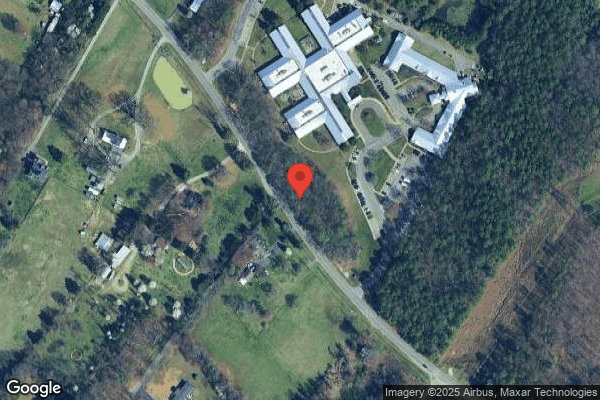
Mar 2021 13 deficiencies
CONCERN (D)

Potential for Harm - no one hurt, but risky conditions existed

Deficiency F0583 (Tag F0583)

Could have caused harm · This affected 1 resident

**NOTE- TERMS IN BRACKETS HAVE BEEN EDITED TO PROTECT CONFIDENTIALITY** Based on observation, staff interview, clinical record review and facility document review it was determined facility staff fail...

Read full inspector narrative →
**NOTE- TERMS IN BRACKETS HAVE BEEN EDITED TO PROTECT CONFIDENTIALITY** Based on observation, staff interview, clinical record review and facility document review it was determined facility staff failed to ensure confidentiality and privacy of medical information for one of 52 residents in the survey sample, Resident #50. A facility staff member and a hospice nurse were heard and observed discussing Resident #50's medical information in the hallway, with Resident #78 present in the hallway. The findings include: On 3/17/2021 at approximately 10:00 a.m., observation on the hallway of the facility C unit revealed RN (registered nurse) #2 and the visiting hospice nurse. The visiting hospice nurse was heard asking RN #2 how Resident #50 was doing. RN #2 proceeded to discuss Resident #50's condition including pain management with the visiting hospice nurse for approximately two minutes. Resident #78 was observed in their electric wheelchair stopped in the hallway approximately four feet away. Resident #78 was admitted to the facility with diagnoses that included but were not limited to diabetes (1) and cellulitis (2). Resident #78's most recent MDS (minimum data set), an annual assessment with an ARD (assessment reference date) of 02/13/2021, coded Resident #78 as scoring a 15 on the staff assessment for mental status (BIMS) of a score of 0 - 15, 15- being cognitively intact for making daily decisions. Resident #78 was coded under section B as having minimal difficulty for hearing. Resident #50 was admitted to the facility with diagnoses that included but were not limited to malignant neoplasm of left bronchus or lung (3) and major depressive disorder (4). Resident #50's most recent MDS (minimum data set), an admission assessment with an ARD (assessment reference date) of 01/27/2021, coded Resident #50 as scoring a 12 on the staff assessment for mental status (BIMS) of a score of 0 - 15, 12- being moderately impaired for making daily decisions. Section O documented Resident #50 receiving hospice services while a resident at the facility. The physician's orders for Resident #50 documented in part, 1/22/2021 12:43 (12:43 p.m.) Under services of [Name of hospice] as of 1/21/21 r/t (related to) malignant neoplasm of unspecified part of unspecified bronchus or lung. The progress notes for Resident #50 documented in part, 3/17/2021 11:19 (11:19 a.m.) Hospice nurse in facility to visit patient, hospice nurse stated res (resident) was requesting for a Norco (pain medication) due to hip pain. Res denies trauma to hip, AROM (active range of motion) is positive, pain is chronic per patient. Medication given to res as ordered . The comprehensive care plan for Resident #50 documented in part, Patient is on Hospice care related to: End of life/care/Diagnosis of Lung Cancer, Date Initiated: 02/01/2021 . On 3/17/2021 at approximately 10:05 a.m., an interview was conducted with RN #2. RN #2 stated that privacy for residents medical information was maintained by talking inside of the office or speaking quietly when there was no one around to overhear. When asked if there was anyone in the hallway during the conversation with the hospice nurse, regarding Resident #50's condition, RN #2 stated, You were. When asked about Resident #78 also being in the hallway, RN #2 stated that she had forgotten that Resident #78 was sitting in the hallway to overhear the conversation. RN #2 stated that she was discussing Resident #50's information, not Resident #78 and that they should have spoken in their office to promote privacy. On 3/17/2021 at approximately 5:05 p.m., ASM (administrative staff member) #2, the director of nursing stated that the facility used [NAME] as their standard of practice. On 3/18/2021 at approximately 9:45 a.m., a request was made to ASM #1, the administrator for the facility policy for privacy of medical information. On 3/18/2021 at approximately 1:55 p.m., ASM #1 provided via email, Resident Rights. The document Resident Rights dated Effective 1/2017 documented in part, .The Resident has the right to personal privacy and confidentiality of his or her personal and clinical records . Confidentiality: 1. The patient's privacy is consistent with the Hippocratic Oath and with the law as part of the constitutional right to privacy . Lippincott Manual of Nursing Practice, 10th Edition; 2014; p. 15. On 3/17/21 at approximately 5:05 p.m., ASM (administrative staff member) #1, the administrator and ASM #2, the director of nursing were made aware of the findings. No further information was provided prior to exit. References: 1. Diabetes mellitus - a chronic disease in which the body cannot regulate the amount of sugar in the blood. This information was obtained from the website: https://www.nlm.nih.gov/medlineplus/ency/article/001214.htm. 2. Cellulitis is a common skin infection caused by bacteria. It affects the middle layer of the skin (dermis) and the tissues below. Sometimes, muscle can be affected. This information was obtained from the website: https://medlineplus.gov/ency/article/000855.htm. 3. Malignant neoplasm: The term malignancy refers to the presence of cancerous cells that have the ability to spread to other sites in the body (metastasize) or to invade nearby (locally) and destroy tissues. Malignant cells tend to have fast, uncontrolled growth and DO NOT die normally due to changes in their genetic makeup. Malignant cells that are resistant to treatment may return after all detectable traces of them have been removed or destroyed. This information was obtained from the website: https://medlineplus.gov/ency/article/002253.htm. 4. Major depressive disorder is a mood disorder. It occurs when feelings of sadness, loss, anger, or frustration get in the way of your life over a long period of time. It also changes how your body works. This information was obtained from the website: https://medlineplus.gov/ency/article/000945.htm.
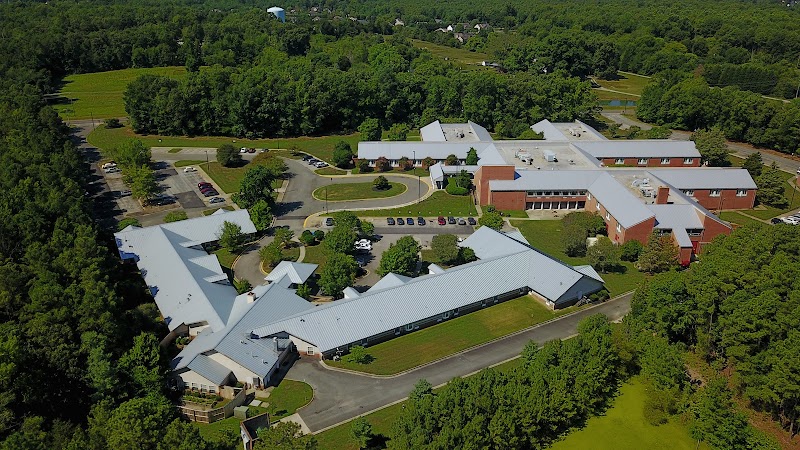
CONCERN (D)

Potential for Harm - no one hurt, but risky conditions existed

Deficiency F0658 (Tag F0658)

Could have caused harm · This affected 1 resident

**NOTE- TERMS IN BRACKETS HAVE BEEN EDITED TO PROTECT CONFIDENTIALITY** Based on staff interview, facility document review and clinical record review, it was determined the facility staff failed to fo...

Read full inspector narrative →
**NOTE- TERMS IN BRACKETS HAVE BEEN EDITED TO PROTECT CONFIDENTIALITY** Based on staff interview, facility document review and clinical record review, it was determined the facility staff failed to follow professional standards of practice for documentation of a resident assessment for one of 52 residents in the survey sample, Resident #118. The facility staff failed to document in the clinical record the assessment completed to determine and declare the death of Resident #118 on 3/3/2021. The findings include: Resident #118 was admitted to the facility on [DATE] with a recent readmission on [DATE] with diagnoses that included but were not limited to: high blood pressure, dementia (1), pain, depression and atrial fibrillation. (2) The most recent MDS (minimum data set) assessment, a quarterly assessment, with an assessment reference date of 3/1/2021, coded the resident as having both long and short term memory difficulties and was coded as being severely impaired to make daily cognitive decisions. Resident #118 was coded as requiring extensive assistance to being dependent upon one or more staff members for all of her activities of daily living. In Section O - Special Treatments, Procedures and Programs, the resident was coded as receiving hospice care. A nurse's note dated 3/3/2021 at 2:10 p.m. documented, Resident observed laying (sic) in bed no breath sounds, no rise and fall in chest, no pulse. Adon (assistant director of nursing) in room with resident to call time of death for 2 pm on 3/3/21. (Name of hospice) called and stated nurse coming out to evaluate. Staff in room to clean resident. There were no further nursing notes in the clinical record. On 3/18/2021 at 11:07 a.m., an interview was conducted with LPN (licensed practical nurse) #4 regarding the process staff follows when a resident passes away. LPN #4 stated the nurse checks first if the resident is a full code or a DNR (do not resuscitate). IF a DNR, the nurse, if not an RN (registered nurse) calls an RN to come pronounce the resident's death. When asked who documents the death, LPN #4 stated the nurse can write a note but the RN that does the pronouncement is supposed to write a note. When asked if a nurse does any type of assessment, should they write a note, LPN #4 stated, yes, that is nursing practice. On 3/18/2021 at 11:22 a.m., an interview was conducted with LPN #3, regarding the process staff follows when a resident receiving hospice is found without a pulse or respirations. LPN #3 stated call hospice to make them aware. When asked how the death is declared, LPN #3 stated an RN must declare the death. Usually there is one in the building or the hospice nurse will come to do that. When asked who documents the assessment that declares the death of a resident, LPN #3 stated she wrote a note (for Resident 118) but the RN who declares the resident should write a note. On 3/18/2021 at 11:29 a.m., an interview was conducted with ASM (administrative staff member) #2, the director of nursing. ASM #2 was asked about the process staff follows when a resident is found with no respirations or heartbeat. ASM #2 stated the nurse needs to check if they are a DNR or full code. If a DNR, it depends if the nurse is an LPN or RN. If an LPN, she must get an RN to pronounce the resident. ASM #2 stated the LPN can write their own note but the nurse who pronounced the resident needs to write a note also. When asked if a nurse does any type of assessment, should they document their assessment, ASM #2 stated that they should always write a note if they have done an assessment. The resident's progress note dated 3/3/2021 at 2.10 p.m. was read to ASM #2. ASM #2 stated there should have been a note from the RN/ADON (assistant director of nursing) that pronounced the resident. ASM #2 stated the ADON had called her to tell me of the resident's death. The ADON who declared the resident's death was no longer employed by the facility and was unavailable for interview. The facility provided a policy, Assessment Techniques taken from Lippincott Nursing Procedures, 8th edition, that documented, Document your assessment findings and the technique used to elicit each finding. Indicate who you notified of any abnormal findings and the time of the notification. ASM #1, the administrator, was made aware of these findings on 3/18/2021 at 2:24 p.m. No further information was obtained prior to exit. (1) Dementia is a progressive state of mental decline, especially memory function and judgement, often accompanied by disorientation. Barron's Dictionary of Medical Terms for the Non-Medical Reader, 5th edition, Rothenberg and [NAME], page 124. (2) Atrial Fibrillation is a condition characterized by rapid and random contraction of the atria of the heart causing irregular beats of the ventricles and resulting in decreased heart output and frequently clot formation in the atria. Barron's Dictionary of Medical Terms for the Non-Medical Reader, 5th edition, Rothenberg and [NAME], page 55.
CONCERN (D)

Potential for Harm - no one hurt, but risky conditions existed

ADL Care (Tag F0677)

Could have caused harm · This affected 1 resident

**NOTE- TERMS IN BRACKETS HAVE BEEN EDITED TO PROTECT CONFIDENTIALITY** Based on staff interview, facility document review and clinical record review, it was determined the facility staff failed to pr...

Read full inspector narrative →
**NOTE- TERMS IN BRACKETS HAVE BEEN EDITED TO PROTECT CONFIDENTIALITY** Based on staff interview, facility document review and clinical record review, it was determined the facility staff failed to provide ADL (activities of daily living) care for one of 52 residents in the survey sample, Resident #75, who was coded as dependant on staff for personal hygiene. The facility staff failed to provide nail care to Resident #75. Resident #75 was observed with long nails and a jagged broken nail on the middle finger of the left hand. The findings include: The facility staff failed to provide ADL (activities of daily living) care, specifically nail care for a dependent resident, Resident #75. Resident #75 was admitted to the facility on [DATE] with diagnoses that included but were not limited to: cerebro- vascular accident (hemorrhage or blockage of vessels to the brain leading to lack of oxygen) (1), paraplegia (paralysis of lower limbs with loss of sensory or motor function) (2) and post-traumatic stress disorder (mood disorder occurring after an event in which the person persistently relives the event) (3). The most recent MDS (minimum data set) assessment, a quarterly assessment, with an ARD (assessment reference date) of 2/10/21, coded the resident as scoring a 15 out of 15 on the BIMS (brief interview for mental status) score, indicating the resident was cognitively intact. The resident was coded as requiring extensive assistance for bed mobility, transfer, locomotion on and off the unit and eating; total dependence for dressing, toilet use, bathing and personal hygiene. Resident #75 was coded as always incontinent for bowel and frequently incontinent for bladder function. A review of the comprehensive care plan documented in part, The Focus: dated 8/13/20 I have a physical functioning deficit related to: Self-care impairment. I have right sided weakness and require extensive to total assistance x 1-2 staff with ADLs (activities of daily living). The Interventions: dated 8/13/20 Assess the need for assistance with toileting, clothing management, personal care, transfer & locomotion. Provide as needed. Nail care as needed. On 3/16/21 at 12:20 PM, 3/16/21 at 4:00 PM and 3/17/21 at 9:00 AM, observations of Resident #75's nails revealed the nails on both hands were 0.5-0.75 inches long, with the exception of the middle finger of the left hand, which appeared jagged. On 3/16/21 at 2:20 PM, an interview was conducted with Resident #75. When asked if he had any concerns about his care, Resident #75 showed me his nails and stated, They don't cut my nails. Some are good and cut them with my bath; others do not care and will not cut them. I cannot cut them. I've had a stroke. On 3/17/21 at 11:02 AM, an interview was conducted with LPN (licensed practical nurse) #2. When asked who is responsible for nail care, LPN #2 stated, If they are not diabetic, then the CNA (certified nursing assistant) cuts their nails when they are being bathed. If they are diabetic, we ask the podiatrist to see the resident. On 3/17/21 at 1:13 PM, CNA #2 was asked to look at Resident #75's nails. When asked the length of his nails, CNA #2 stated, Oh they need to be cut. I usually cut their nails and clean them when I'm doing their bath. When asked the approximate length of the nails CNA #2 stated, They are about one half inch to almost 1 inch. I will get the nail clippers and cut them now. It looks like all of them except this one (middle finger left hand) need cutting, and we'll file that one nail. CNA #2 asked resident, If that is okay with you? Resident #75 stated, Yes, that would be great. Thank you. CNA #2 was observed obtaining nail clippers. On 3/17/21 at 4:10 PM, observation revealed Resident #75's nails had been trimmed. ASM (administrative staff member) #1, the administrator and ASM #2, the director of nursing were informed of the loose medications, expired medications and biological's on 3/17/21 at 5:05 PM. No further information was provided prior to exit. References: 1. Barron Dictionary of Medical Terms, 7th edition, Rothenberg and Kaplan, page 111. 2. Barron Dictionary of Medical Terms, 7th edition, Rothenberg and Kaplan, page 432. 3. Barron Dictionary of Medical Terms, 7th edition, Rothenberg and Kaplan, page 467.
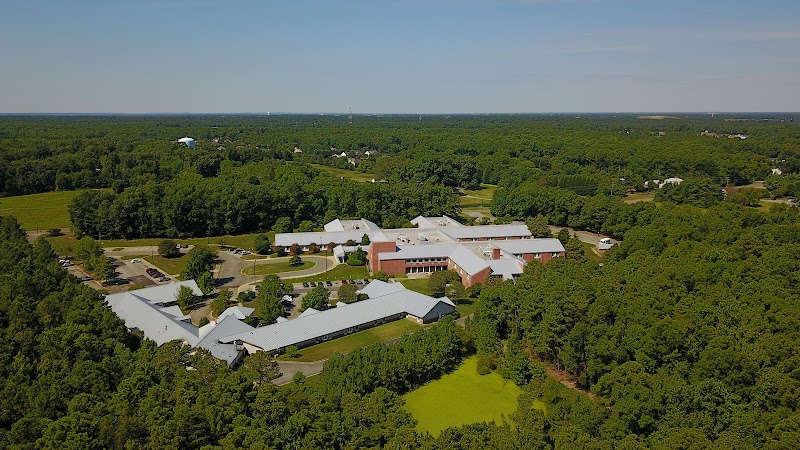
CONCERN (D)

Potential for Harm - no one hurt, but risky conditions existed

Quality of Care (Tag F0684)

Could have caused harm · This affected 1 resident

**NOTE- TERMS IN BRACKETS HAVE BEEN EDITED TO PROTECT CONFIDENTIALITY** Based on staff interview, facility document review and clinical record review, it was determined the facility staff failed to en...

Read full inspector narrative →
**NOTE- TERMS IN BRACKETS HAVE BEEN EDITED TO PROTECT CONFIDENTIALITY** Based on staff interview, facility document review and clinical record review, it was determined the facility staff failed to ensure that residents receive treatment and care in accordance with professional standards of practice, and the comprehensive person-centered care plan for one of 52 residents in the survey sample, Resident #77. The facility staff failed to follow the physician's order for thickened liquids during the medication administration for Resident #77. On 3/17/21 at approximately 9:05 a.m., Resident #77 was administered their medication with regular water. The findings include: Resident #77 was admitted to the facility with diagnoses that included but were not limited to dysphagia (1) and dementia (2). Resident #77's most recent MDS (minimum data set), an annual assessment with an ARD (assessment reference date) of 02/12/2021, coded Resident #77 as scoring a 10 on the staff assessment for mental status (BIMS) of a score of 0 - 15, 10- being moderately impaired for making daily decisions. Section K documented Resident #77 receiving a mechanically altered diet and therapeutic diet. On 3/17/2021 at approximately 9:05 a.m., an observation was made of LPN (licensed practical nurse) #5 preparing medications for Resident #77. LPN #5 used the electronic medication administration record to prepare the following medication for Resident #77, clopidogrel bisulfate (blood thinner) 75mg (milligram) 1 tablet, iron (supplement) 65mg 1 tablet, hydrochlorothiazide (diuretic) 25mg 1 tablet, memantine hcl (hydrochloride) (cognition-enhancing) 10mg 1 tablet, paroxetine hcl (antidepressant) 20mg 1 tablet, vitamin C (supplement) 500mg 1 tablet, norvasc (blood pressure) 2.5mg 1 tablet, and metformin (anti-diabetic) 500mg two tablets. LPN #5 was observed pouring water into a plastic cup approximately 7 ounces in size. LPN #5 was then observed administering the medications to Resident #77 with the water in the cup. Resident #77 drank approximately one ounce of water to swallow the medications. Resident #77 was not observed coughing after swallowing the medications and water. LPN #5 disposed of the remainder of the water and washed their hands. Upon returning to the medication cart and reviewing the electronic medication record, LPN #5 stated that she had made a mistake in giving Resident #77 the plain water. LPN #5 stated that she did not realize that Resident #77 was on thickened liquids until she reviewed the computer and proceeded to show the computer screen which stated that Resident #77 was to receive thickened honey liquids. LPN #5 stated that she was going to alert the physician that Resident #77 had drank the regular water to swallow their medications and did not have any coughing afterwards and she was going to assess and monitor them. The physician's orders for Resident #77 documented in part, 8/18/2020 08:43 (8:43 a.m.) Diet Type: CCD (consistent carbohydrate diet), Diet Texture: Dysphagia Advanced, Fluid Consistency: Thickened Liquid Honey . and 3/23/2018 09:24 (9:24 a.m.) May crush medications and administer per food . The Nutrition Data V2.1 dated 2/9/21 for Resident #77 documented in part, .Conditions impacting oral intake: Swallowing Disorder, Dx (diagnosis) dysphagia; Dehydration Risk Factors: Diuretic Use, Thickened Liquids, Dementia . The progress notes for Resident #77 documented in part, 3/17/2021 15:06 (3:06 p.m.) .Situation: while administering medication, was given 1 sip of water. Background: A [Age and Sex of Resident #77], full code, with dysphagia and on Honey Thickened fluids. Assessment: Patient tolerated medications well, no noted coughing, no noted swallowing difficulty, no noted SOB (shortness of breath). Response: NP (nurse practitioner) in to see patient, no new orders, continue to monitor . The comprehensive care plan for Resident #77 documented in part, [Resident #77] is at risk for imbalanced nutrition r/t (related to) dx (diagnosis) of dementia, DM2 (diabetes mellitus type two) (3), HTN (hypertension) (4), diuretic treatment, mechanically altered diet, therapeutic diet. Date Initiated: 04/03/2018 . On 3/17/2021 at approximately 10:05 a.m., an interview was conducted with RN #2. RN #2 stated that the nurses ensured that the right medication, right time, right route, right dosage were given to the correct resident. RN #2 stated that the nurse should be aware of the residents who need thickened liquids during medication administration. RN #2 stated that the thickened liquids were available to staff and residents in the nourishment rooms on each unit. RN #2 stated that she believed the problem was that the nurse had to look on the electronic dashboard to see the diet order for the resident and that it did not show on the electronic medication administration record. RN #2 stated that the nurse would have the information available to them on the census sheet also and the electronic dashboard. RN #2 stated that it would be ideal for this to show on the medication administration screen for the nurse to see when preparing medication also. On 3/17/2021 at approximately 5:05 p.m., ASM (administrative staff member) #2, the director of nursing stated that the facility used [NAME] as their standard of practice. On 3/18/2021 at approximately 9:45 a.m., a request was made to ASM #1, the administrator for the facility policy for medication administration and thickened liquids. On 3/18/2021 at approximately 1:55 p.m., ASM #1 provided via email, Safe Medication Administration Practices, General from [NAME] Nursing Procedures, Eighth Edition. The document Safe Medication Administration Practices, General failed to evidence guidance regarding following physician orders for administration of fluids. Fundamentals of Nursing, [NAME] & [NAME], fifth edition, 2007. Page 557, Nurses are expected to practice in a safe and prudent manner. Each nurse is responsible for being knowledgeable about the medication's actions, indications, contraindications, and any adverse effects. Knowledge of appropriate dosages and dosage schedules, routes and methods of administration, and actions to take if the client has an adverse reaction is also important . On 3/17/21 at approximately 5:05 p.m., ASM (administrative staff member) #1, the administrator and ASM #2, the director of nursing were made aware of the findings. No further information was provided prior to exit. References: 1. Dysphagia is a swallowing disorder. This information was obtained from the website: https://www.nlm.nih.gov/medlineplus/swallowingdisorders.html 2. Dementia is a loss of brain function that occurs with certain diseases. It affects memory, thinking, language, judgment, and behavior. This information was obtained from the website: https://medlineplus.gov/ency/article/000739.htm. 3. Diabetes mellitus is a chronic disease in which the body cannot regulate the amount of sugar in the blood. This information was obtained from the website: https://www.nlm.nih.gov/medlineplus/ency/article/001214.htm. 4. Hypertension is High blood pressure. This information was obtained from the website: https://www.nlm.nih.gov/medlineplus/highbloodpressure.html.

CONCERN (D)

Potential for Harm - no one hurt, but risky conditions existed

Pressure Ulcer Prevention (Tag F0686)

Could have caused harm · This affected 1 resident

**NOTE- TERMS IN BRACKETS HAVE BEEN EDITED TO PROTECT CONFIDENTIALITY** Based on staff interview, facility document review and clinical record review, it was determined that the facility staff failed ...

Read full inspector narrative →
**NOTE- TERMS IN BRACKETS HAVE BEEN EDITED TO PROTECT CONFIDENTIALITY** Based on staff interview, facility document review and clinical record review, it was determined that the facility staff failed to implement professional standards of practice for the prevention of a pressure injury for one of 52 residents in the survey sample, Resident #22. The facility staff failed to frequently assess the skin under Resident #22's splints. On 12/15/20, the resident developed a pressure injury on the right arm. The findings include: Resident #22 was admitted to the facility on [DATE]. Resident #22's diagnoses included but were not limited to anoxic brain damage (1), contractures (2) of the right elbow, left elbow and right hand, and anxiety disorder. Resident #22's quarterly MDS (minimum data set) with an ARD (assessment reference date) of 1/1/21 coded the resident's cognitive skills for daily decision making as severely impaired. Section G coded Resident #22 as requiring total dependence of two or more staff with bed mobility and transfers. Section M coded the resident as having a stage 2 pressure injury (3). Review of Resident #22's clinical record revealed a comprehensive care plan dated 5/7/12 that documented, I have a physical functioning deficit related to: Self care impairment, Mobility impairment, involuntary body movements to her head and arms, ROM (range of motion) limitations, dependence on staff for ADLs (activities of daily living)- anoxic brain injury; position elbow splints to both arms per resident's tolerance at bedtime remove for am care, and check skin q (every) shift . A physician's order dated 12/6/20 documented, Bilateral elbow splints; position at bedtime- per resident's tolerance. Remove for hygiene every evening shift. There was no physician's order to check the resident's skin every shift. Further review of Resident #22's clinical record (including December 2020 nurses' notes, December 2020 ADL records, and the December 2020 TAR (treatment administration record) failed to reveal evidence that the skin under Resident #22's splints was checked every shift. The December 2020 TAR only evidenced the splints were removed every evening shift (including the evening of 12/14/20). A nurse's note dated 12/15/20 documented, Situation: open area under right under arm. Background: contracted, wear arm splint. Assessment: aide was providing care for resident when she alerted writer to an open area under residents right arm- open area is 0.6 x (times) 0.5 x 0.1, with a sour odor and purulent drainage. tissue (sic) to area is very thin and fragile with discoloration (bright purplish red in color), area is tender to touch while writer and aide are attempting to maneuver residents (sic) arm to have clear access to open area. Response: NP (nurse practitioner) made aware of event, NOO (new order obtained) to remove splint and orders for treatment . An initial pressure injury record dated 12/15/20 documented a stage 4 (3) pressure injury measuring 0.6 cm (centimeters) in length by 0.5 cm in width by 0.1 cm in depth on Resident #22's right upper arm (note- it was later determined that this pressure injury was inaccurately documented as a stage 4). Further review revealed the pressure injury was evaluated and documented as healed by the wound physician on 1/6/21. On 3/16/21 at 3:37 p.m. Resident #22 was observed in a specialized wheelchair and no pressure injury was observed under the residents right arm. The nurse who cared for Resident #22 during the evening shift on 12/14/20 was not available for interview. The CNA (certified nursing assistant) and nurse who cared for Resident #22 during the night shift of 12/14/20 into 12/15/20 were not available for interview. On 3/17/21 at 1:25 p.m., an interview was conducted with OSM (other staff member) #3, the director of rehabilitation. OSM #3 stated in December 2020, Resident #22 had a static blue splint that had been working fine but then the splint caused redness and irritation. OSM #3 stated that type of splint didn't give (was not flexible). When asked how often the skin under splints should be assessed, OSM #3 stated the skin should definitely be assessed every shift and when the splints are removed for hygiene care. On 3/17/21 at 3:56 p.m., an interview was conducted with LPN (licensed practical nurse) #4. LPN #4 stated splints should be removed daily for ADL (activities of daily living) care and nursing staff should be assessing the skin under splints when repositioning residents, when doing anything with the residents' bare skin or if residents are grimacing. LPN #4 was shown Resident #22's above referenced care plan and stated nurses should sign off that they are checking the skin under the resident's splints every shift. On 3/17/21 at 4:29 p.m., another interview was conducted with LPN #4. LPN #4 stated she observed Resident #22's pressure injury on 12/15/20. LPN #4 stated the area was located in the crease of Resident #22's arm pit and was pink with purulent drainage and she could see the depth of the hole. LPN #4 stated the splint was not imbedded in the skin but was in contact with the skin. LPN #4 stated there wasn't any bone exposed and she inaccurately documented the pressure injury as a stage 4. On 3/17/21 at 5:12 p.m., an interview was conducted with ASM (administrative staff member) #3 and ASM #4 (both nurse practitioners). ASM #3 stated she and ASM #4 were together when they received a phone call regarding Resident #22's pressure injury on 12/15/20. ASM #3 stated she and ASM #4 did not see the pressure injury on that date but did provide verbal orders over the phone. ASM #3 stated that based on the description of the wound that the nurse gave over the phone, the wound was a worst case scenario stage 2. On 3/17/21 at 5:19 p.m., ASM (administrative staff member) #1 (the administrator) and ASM #2 (the director of nursing) were made aware of the above concern. The facility standard of practice, Lippincott Nursing Procedures 8th Edition documented, Splint Application: Patient teaching- Tell the patient to check the skin beneath the splint several times per day . No further information was presented prior to exit. References: (1) Anoxic brain damage is harm to the brain due to a lack of oxygen. This information was obtained from the website: https://www.winchesterhospital.org/health-library/article?id=96472 (2) A contracture is a fixed tightening of muscle, tendons, ligaments, or skin. It prevents normal movement of the associated body part. This information was obtained from the website: https://medlineplus.gov/ency/imagepages/9218.htm (3) A pressure injury is localized damage to the skin and underlying soft tissue usually over a bony prominence or related to a medical or other device. The injury can present as intact skin or an open ulcer and may be painful. The injury occurs as a result of intense and/or prolonged pressure or pressure in combination with shear. The tolerance of soft tissue for pressure and shear may also be affected by microclimate, nutrition, perfusion, co-morbidities and condition of the soft tissue. Stage 2 Pressure Injury: Partial-thickness skin loss with exposed dermis Partial-thickness loss of skin with exposed dermis. The wound bed is viable, pink or red, moist, and may also present as an intact or ruptured serum-filled blister. Adipose (fat) is not visible and deeper tissues are not visible. Granulation tissue, slough and eschar are not present. These injuries commonly result from adverse microclimate and shear in the skin over the pelvis and shear in the heel. This stage should not be used to describe moisture associated skin damage (MASD) including incontinence associated dermatitis (IAD), intertriginous dermatitis (ITD), medical adhesive related skin injury (MARSI), or traumatic wounds (skin tears, burns, abrasions). Stage 4 Pressure Injury: Full-thickness skin and tissue loss Full-thickness skin and tissue loss with exposed or directly palpable fascia, muscle, tendon, ligament, cartilage or bone in the ulcer. Slough and/or eschar may be visible. Epibole (rolled edges), undermining and/or tunneling often occur. Depth varies by anatomical location. This information was obtained from the website: https://cdn.ymaws.com/npiap.com/resource/resmgr/online_store/npiap_pressure_injury_stages.pdf
CONCERN (D)

Potential for Harm - no one hurt, but risky conditions existed

Deficiency F0757 (Tag F0757)

Could have caused harm · This affected 1 resident

Based on resident interview, staff interview and clinical record review, it was determined that the facility staff failed to ensure the medication regimen was free from unnecessary medications for one...

Read full inspector narrative →
Based on resident interview, staff interview and clinical record review, it was determined that the facility staff failed to ensure the medication regimen was free from unnecessary medications for one of 52 residents in the survey sample, Resident # 35. The facility staff failed to attempt or implementation non-pharmacological interventions prior to the administration of as needed pain medication to Resident #35. The findings include: Resident # 35 was readmitted to the facility with diagnoses that included but were not limited to: cancer of the vulva [1] and pain. Resident # 35's most recent MDS (minimum data set), a quarterly assessment with an ARD (assessment reference date) of 01/14/2021, coded Resident # 35 as scoring a 15 on the brief interview for mental status (BIMS) of a score of 0 - 15, 15 - being cognitively intact for making daily decisions. Section J0300, J0400 and J0600 Pain Assessment Interview coded Resident # 35 as having frequent pain at a level of 5 [five] on a pain scale of zero to ten, with ten being the worse pain. The current physician's order dated 01/09/2020 documented, Acetaminophen Tablet 325 MG [milligrams]. Give two tablets by mouth every 4 [four] hours as needed for pain. Not to exceed 3000 G [grams] in a 24 hour period. Resident # 35's eMAR [electronic medication administration record] dated January 2021 documented the physician's order as above. The eMAR failed to evidence documentation of non-pharmacological interventions. Further review of the eMAR revealed the administration of Acetaminophen on: 01/23/2021 at 2:11 p.m. with a pain level of eight, 01/24/2021 at 11:51 a.m. with a pain level of six, 01/25/2021 at 10:49 a.m. with a pain level of six, 01/27/2021 at 12:17 p.m. with a pain level of six, 01/28/2021 at 8:55 p.m. with a pain level of three and on 01/31/2021 at 9:05 p.m. with a pain level of two. Resident # 35's eMAR [electronic medication administration record] dated February 2021 documented the physician's order as above. The eMAR failed to evidence documentation of non-pharmacological interventions. Further review of the eMAR revealed the administration of Acetaminophen on: 02/04/2021 at 4:36 p.m. with a pain level of four, 02/10/2021 at 1:39 a.m. with a pain level of three, 02/21/2021 at 8:30 a.m. with a pain level of four and at 12:45 p.m. with a pain level of six, 02/23/2021 at 8:33 a.m. with a pain level of six and on 02/24/2021 at 8:21 a.m. with a pain level of six. Resident # 35's eMAR [electronic medication administration record] dated March 2021 documented the physician's order as above. The eMAR failed to evidence documentation of non-pharmacological interventions. Further review of the eMAR revealed the administration of Acetaminophen on: 03/01/2021 at 5:27 a.m. with a pain level of six, 03/13/2021 at 7:43 a.m. with a pain level of six and at 4:51 p.m. with a pain level of two, 03/14/2021 at 5:37 p.m. with a pain level of five. The comprehensive care plan for Resident # 35 dated 05/09/2019 documented in part, Focus: Needs Pain management and monitoring related to: Cancer. Date Initiated: 11/08/2018. Under Interventions it documented in part, Implement the patient's preferred non-pharmacological pain relief strategies. Date Initiated: 11/08/2018. On 03/16/21 at approximately 11:38 a.m., an interview was conducted with Resident # 25. When asked if they are provided with non-pharmacological strategies to in an attempt to alleviate their pain before being given pain medication, Resident # 35 stated that the nurse will ask what their pain level is and give them the pain medication. Review of Resident # 35's progress notes dated 01/01/2021 through 03/17/2021 failed to evidence documentation of provided or attempted non-pharmacological interventions prior to the administration of as needed acetaminophen. On 03/18/21 at 8:05 a.m., an interview was conducted with RN [registered nurse] # 2, acting unit manager, regarding the procedure staff follows when administering as needed pain medication to a resident. RN # 2 stated ask the resident their pain level on a scale one to ten with one being minor pain and ten being unbearable, ask where the pain is and offer an intervention before giving the pain medication and if it doesn't work give the pain medication and follow up in about half an hour. When asked where staff document the non-pharmacological interventions attempted or provided, RN # 2 stated that they document them on the progress notes. After reviewing the eMARs dated January, February and March 2021 and progress notes for Resident # 35 for the above dates RN # 2 stated there was no documentation of non-pharmacological interventions being attempted. When asked about the lack of documentation of non-pharmacological interventions, RN # 2 stated, Without documentation I can't say it was being done. On 03/17/2021 at approximately 5:05 p.m., ASM [administrative staff member] # 1, administrator and ASM # 2, director of nursing, were made aware of the above findings. No further information was provided prior to exit. References: [1] Used to relieve mild to moderate pain from headaches, muscle aches, menstrual periods, colds and sore throats, toothaches, backaches, and reactions to vaccinations (shots), and to reduce fever. This information was obtained from the website: https: https://medlineplus.gov/druginfo/meds/a681004.html. [2] A rare type of cancer. It forms in a woman's external genitals, called the vulva. This information was obtained from the website: https://medlineplus.gov/vulvarcancer.html.

CONCERN (D)

Potential for Harm - no one hurt, but risky conditions existed

Medical Records (Tag F0842)

Could have caused harm · This affected 1 resident

**NOTE- TERMS IN BRACKETS HAVE BEEN EDITED TO PROTECT CONFIDENTIALITY** Based on staff interview, facility document review and clinical record review, it was determined that the facility staff failed ...

Read full inspector narrative →
**NOTE- TERMS IN BRACKETS HAVE BEEN EDITED TO PROTECT CONFIDENTIALITY** Based on staff interview, facility document review and clinical record review, it was determined that the facility staff failed to maintain an accurate clinical record for three of 52 residents in the survey sample, Residents #22, #118 and #35. The findings include: 1. The facility staff failed to document the accurate stage of a pressure injury that Resident #22 developed on [DATE] Resident #22 was admitted to the facility on [DATE]. Resident #22's diagnoses included but were not limited to anoxic brain damage (1), contractures (2) of the right elbow, left elbow and right hand, and anxiety disorder. Resident #22's quarterly MDS (minimum data set) with an ARD (assessment reference date) of [DATE] coded the resident's cognitive skills for daily decision making as severely impaired. Section M coded the resident as having a stage 2 pressure injury (3). Review of Resident #22's clinical record revealed a nurse's note dated [DATE] that documented, Situation: open area under right under arm. Background: contracted, wear arm splint. Assessment: aide was providing care for resident when she alerted writer to an open area under residents right arm- open area is 0.6 x (times) 0.5 x 0.1, with a sour odor and purulent drainage. tissue (sic) to area is very thin and fragile with discoloration (bright purplish red in color), area is tender to touch while writer and aide are attempting to maneuver residents (sic) arm to have clear access to open area. Response: NP (nurse practitioner) made aware of event, NOO (new order obtained) to remove splint and orders for treatment . An initial pressure injury record dated [DATE] documented a stage 4 (3) pressure injury measuring 0.6 cm (centimeters) in length by 0.5 cm in width by 0.1 cm in depth on Resident #22's right upper arm. On [DATE] at 3:56 p.m., an interview was conducted with LPN (licensed practical nurse) #4 (the nurse who documented the [DATE] note and [DATE] initial pressure injury record). LPN #4 stated on [DATE], when Resident #22's pressure injury was first observed, it was pink with purulent drainage and she could see the depth of the hole. LPN #4 stated there wasn't any bone exposed and she inaccurately documented the pressure injury as a stage 4. On [DATE] at 5:12 p.m., an interview was conducted with ASM (administrative staff member) #3 and ASM #4 (both nurse practitioners). ASM #3 stated she and ASM #4 were together when they received a phone call regarding Resident #22's pressure injury on [DATE]. ASM #3 stated she and ASM #4 did not see the pressure injury on that date but did provide verbal orders over the phone. ASM #3 stated that based on the description of the wound that the nurse gave over the phone, the wound was a worst case scenario stage 2. On [DATE] at 5:19 p.m., ASM #1 (the administrator) and ASM #2 (the director of nursing) were made aware of the above concern. The facility skin program policy documented, All open areas will be identified and documented on the appropriate forms- Pressure Ulcer Record/Non-Decubitus Skin Condition Record .All skin conditions will be assessed weekly with documentation of: Stage . No further information was presented prior to exit. References: (1) Anoxic brain damage is harm to the brain due to a lack of oxygen. This information was obtained from the website: https://www.winchesterhospital.org/health-library/article?id=96472 (2) A contracture is a fixed tightening of muscle, tendons, ligaments, or skin. It prevents normal movement of the associated body part. This information was obtained from the website: https://medlineplus.gov/ency/imagepages/9218.htm (3) A pressure injury is localized damage to the skin and underlying soft tissue usually over a bony prominence or related to a medical or other device. The injury can present as intact skin or an open ulcer and may be painful. The injury occurs as a result of intense and/or prolonged pressure or pressure in combination with shear. The tolerance of soft tissue for pressure and shear may also be affected by microclimate, nutrition, perfusion, co-morbidities and condition of the soft tissue. Stage 2 Pressure Injury: Partial-thickness skin loss with exposed dermis Partial-thickness loss of skin with exposed dermis. The wound bed is viable, pink or red, moist, and may also present as an intact or ruptured serum-filled blister. Adipose (fat) is not visible and deeper tissues are not visible. Granulation tissue, slough and eschar are not present. These injuries commonly result from adverse microclimate and shear in the skin over the pelvis and shear in the heel. This stage should not be used to describe moisture associated skin damage (MASD) including incontinence associated dermatitis (IAD), intertriginous dermatitis (ITD), medical adhesive related skin injury (MARSI), or traumatic wounds (skin tears, burns, abrasions). Stage 4 Pressure Injury: Full-thickness skin and tissue loss Full-thickness skin and tissue loss with exposed or directly palpable fascia, muscle, tendon, ligament, cartilage or bone in the ulcer. Slough and/or eschar may be visible. Epibole (rolled edges), undermining and/or tunneling often occur. Depth varies by anatomical location. This information was obtained from the website: https://cdn.ymaws.com/npiap.com/resource/resmgr/online_store/npiap_pressure_injury_stages.pdf 3. Resident #35's clinical record contained an incomplete Virginia Advanced Directive form. The form failed to evidence the resident's preferences for health care instructions. Resident # 35 was readmitted to the facility with diagnoses that included but were not limited to: cancer of the vulva [1], pulmonary edema [2] and pain. Resident # 35's most recent MDS (minimum data set), a quarterly assessment with an ARD (assessment reference date) of [DATE], coded Resident # 35 as scoring a 15 on the brief interview for mental status (BIMS) of a score of 0 - 15, 15 - being cognitively intact for making daily decisions. On [DATE] at approximately 9:15 a.m., a review of Resident # 35's clinical record revealed a form titled, Virginia Advance Directive that documented Resident # 35's name and the primary agent. Review of the form revealed it was blank and failed to evidence the resident's preferences for health care instructions. The comprehensive care plan for Resident # 35 dated [DATE] documented, Focus: Patient has an advance directive as evidenced by full code. Date Initiated: [DATE]. Under Interventions it documented in part, CPR [cardiopulmonary resuscitation] will be performed as ordered. Date Initiated: [DATE]. The current physician's order sheet dated 03/2021 documented, Code Status: Full Code. On [DATE] at 9:23 a.m., an interview was conducted with RN [registered nurse] # 2 , acting unit manager. When asked who was responsible for completing a resident's advance directive RN # 2 stated that it was completed upon admission by the nurse and that the unit managers follow up to make sure it's completed. After reviewing the advance directive for Resident # 35, RN # 2 agreed it was incomplete. On [DATE] at approximately 5:05 p.m., ASM [administrative staff member] # 1, administrator and ASM # 2, director of nursing, were made aware of the above findings. No further information was provided prior to exit. References: [1] A rare type of cancer. It forms in a woman's external genitals, called the vulva. This information was obtained from the website: https://medlineplus.gov/vulvarcancer.html. [2] An abnormal buildup of fluid in the lungs. This buildup of fluid leads to shortness of breath. This information was obtained from the website: https://medlineplus.gov/ency/article/000140.htm. 2. The facility staff failed to document the assessment completed to pronounce Resident #118's death on [DATE], and failed to document notification to the nurse practitioner and the disposition of the resident after death. Resident #118 was admitted to the facility on [DATE] with a recent readmission on [DATE] with diagnoses that included but were not limited to: high blood pressure, dementia (1), pain, depression and atrial fibrillation. (2) The most recent MDS (minimum data set) assessment, a quarterly assessment, with an assessment reference date of [DATE], coded the resident as having both long and short term memory difficulties and was coded as being severely impaired to make daily cognitive decisions. Resident #118 was coded as requiring extensive assistance to being dependent upon one or more staff members for all of her activities of daily living. In Section O - Special Treatments, Procedures and Programs, the resident was coded as receiving hospice care. A nurse's note dated [DATE] at 2:10 p.m. documented, Resident observed laying (sic) in bed no breath sounds, no rise and fall in chest, no pulse. Adon (assistant director of nursing) in room with resident to call time of death for 2 pm on [DATE]. (Name of hospice) called and stated nurse coming out to evaluate. Staff in room to clean resident. On [DATE] at 11:07 a.m., an interview was conducted with LPN (licensed practical nurse) #4 regarding the process staff follows when a resident passes away. LPN #4 stated the nurse checks first if the resident is a full code or a DNR (do not resuscitate). If a DNR, the nurse, if not an RN (registered nurse) calls an RN to come pronounce the resident's death. When asked who documents the death, LPN #4 stated the nurse can write a note but the RN that does the pronouncement is supposed to write a note. When asked if a nurse does any type of assessment, should they write a note, LPN #4 stated, yes, that is nursing practice. When asked if a note should be written about who was notified of the death, and that the resident's body has been released to the funeral home, LPN #4 stated, yes and it should include the name of the funeral home and what personal items went with the resident to the funeral home, such as dentures, rings. An interview was conducted with LPN #3 on [DATE] at 11:22 a.m. When asked if a resident dies, who should she notify, LPN #3 stated she calls the family, doctor or nurse practitioner, DON (director of nursing), unit manager, and hospice if they are on hospice. The progress note she wrote on [DATE] at 2:10 p.m. was reviewed with LPN #3. When asked if she notified the doctor or nurse practitioner, LPN #3 stated, I can't remember. To my knowledge, I think I did. I can't remember. When asked if notification to the family, physician or nurse practitioner should be documented in the chart, LPN #3 stated that yes there should be a note. When asked if a note should be written when the resident's remains are taken to the funeral home, LPN #3 stated that she asked but no one could give her an answer. She further stated that Resident #118 was still in the facility when she left at the end of her shift. She was probably picked up by the funeral home on the next shift. An interview was conducted with ASM (administrative staff member) #2, the DON, on [DATE] at 11:29 a.m. When asked who documents the death of a resident in the clinical record, ASM #2 stated the LPN can write their own note but the nurse that does the pronouncement must write a note. When asked who notifies the family or doctor, ASM #2 stated either the LPN or the nurse that pronounced the resident's death can notify both the family and doctor. When asked if there should be a progress note in the record that documents that the family and doctor have been notified, ASM #2 stated, Yes, there should be. The progress note dated [DATE] at 2:10 p.m. was read to ASM #2. When asked if there should be a note by the ADON, ASM #2 stated that there should be. When asked if a progress note should be written when the resident's remains are released to the funeral home, ASM #2 stated that there should be a note to say that the resident was released to the name of the funeral home. The ADON who declared the resident's death was no longer employed by the facility and was unavailable for interview. An interview was conducted on [DATE] at 12:22 p.m. with ASM #3, the nurse practitioner. ASM #3 stated that she had received a call from (LPN #3) on [DATE] at 2:14 p.m. She stated she was shocked by the news because she had just been discussing the resident with the other nurse practitioner of how good she had looked that morning. ASM #3 stated, the staff always call us with a death of a resident. The facility provided a policy, Documentation taken from Lippincott Nursing Procedures, 8th edition, page 236 that documented, Documentation is the process of preparing a complete record of a patient's care and is a vital tool for communication among health care team members. Accurate, detailed documentation show the extent and quality of the care that nurses provide the outcomes of that care, and treatment and education that the patient still needs. Thorough, accurate documentation decreases the potential for miscommunication and errors. ASM #1, the administrator, was made aware of these findings on [DATE] at 2:24 p.m. No further information was provided prior to exit. References: (1) Barron's Dictionary of Medical Terms for the Non-Medical Reader, 5th edition, Rothenberg and [NAME], page 124. (2) Barron's Dictionary of Medical Terms for the Non-Medical Reader, 5th edition, Rothenberg and [NAME], page 55
CONCERN (D)

Potential for Harm - no one hurt, but risky conditions existed

Deficiency F0883 (Tag F0883)

Could have caused harm · This affected 1 resident

**NOTE- TERMS IN BRACKETS HAVE BEEN EDITED TO PROTECT CONFIDENTIALITY** Based on staff interview, facility document review and clinical record review, it was determined the facility staff failed to as...

Read full inspector narrative →
**NOTE- TERMS IN BRACKETS HAVE BEEN EDITED TO PROTECT CONFIDENTIALITY** Based on staff interview, facility document review and clinical record review, it was determined the facility staff failed to assess two of five residents in the immunization review, Residents # 75 and # 46. The findings include: 1. For Resident #75, the facility staff failed to offer and provide the resident the opportunity to receive or decline the influenza vaccine for this influenza season. Resident #75 was admitted to the facility on [DATE] with diagnoses that included but were not limited to: stroke (1), paraplegia (2), and high blood pressure. The most recent MDS (minimum data set) assessment, with an assessment reference date of 2/10/2021, coded the resident as scoring a 15 on the BIMS (brief interview for mental status) score, indicating the resident was capable of making daily cognitive decisions. The resident was coded as requiring extensive assistance of one or more staff members for all of his activities of daily living. In Section O - Special Treatments, Procedures, and Programs, the resident was coded as not receiving an influenza vaccination and the reason documented was Offered and declined. Review of the electronic medical record revealed under the Immunization tab the following was documented, consent refused. On 3/16/2021 at 4:36 p.m., a request was made for the documentation of Resident #75's education and denial to receive his influenza vaccine. A copy of Resident #75's Consent Form - Influenza and pneumococcal conjugate vaccine was provided. Review of this form documented the form was signed on 10/24/2019. An interview was conducted with ASM (administrative staff member) #2, the director of nursing, on 3/18/2021 at 11:29 a.m., regarding the process staff follows for obtaining consents for influenza vaccinations. ASM #2 stated they are offered annually. Resident #75's form that was provided was reviewed with ASM #2. ASM #2 was asked to provide Resident #75's education for, consent and or denial to receive his influenza vaccination for the current influenza season. On 3/18/2021 at 2:08 p.m. ASM #2 contacted this surveyor and stated that she could not find a form signed for this year. ASM #2 stated she talked to Resident #75 and had him sign a form refusing the influenza vaccine for this influenza season. The facility policy, Influenza Vaccine - Resident Health Program documented in part, All residents will be offered an Influenza Vaccine according to local health department guidelines: Obtain physician's order. Offer the resident the influenza vaccine if medically indicated. Obtain an Informed Consent for the resident or responsible party if indicated. Explain the potential risks/side effects/benefits of the vaccine. Be aware these change annually. You can pull current information from the CDC website. Have resident/responsible party sign the consent, indicating the desire to receive the vaccine or the wish to decline. ASM #1, the administrator was made aware of the above concern on 3/18/2021 at 2:24 p.m. No further information was provided prior to exit. (1) Stroke or CVA abnormal condition in which hemorrhage or blockage of the blood vessels of the brain leads to oxygen lack and resulting symptoms - sudden loss of ability to move a body part [as an arm or parts of the face], or to speak, paralysis weakness or if severe, death. This information was obtained from: Barron's Dictionary of Medical Terms for the Non-Medical Reader, 5th edition, Rothenberg and [NAME], page 114. (2) Paraplegia is paralysis of the lower limbs, sometimes accompanied by loss of sensory and/or motor function in the back and abdominal region below the level of the injury. This information was obtained from: Barron's Dictionary of Medical Terms for the Non-Medical Reader, 5th edition, Rothenberg and [NAME], page 435. 2. For Resident #46, the facility staff failed to offer and provide the resident the opportunity to receive or decline the pneumococcal vaccination and failed to ensure the residents medical record included documentation that resident either received the pneumococcal immunization or did not receive the pneumococcal immunization due to medical contraindication or refusal. Resident #46 was admitted to the facility on [DATE] with diagnoses that included but were not limited to: COPD (chronic obstructive pulmonary disease -general term for chronic, nonreversible lung disease that is usually a combination of emphysema and chronic bronchitis) (1), high blood pressure and schizophrenia. (2) The most recent MDS (minimum data set) assessment, an annual assessment, with an assessment reference date of 1/22/2021, coded the resident as scoring a 15 on the BIMS (brief interview for mental status) score, indicating the resident was capable of making daily cognitive decisions. The resident was coded in Section O - Special Treatments, Procedures, and Programs as not receiving a pneumococcal vaccination while in the facility and the reason documented, Not eligible - medial contraindication. Review of the electronic medical record, failed to evidence any documentation related to the pneumococcal vaccine. A request was made for the documentation of Resident #46's education and consent for her pneumococcal vaccine 3/16/2021 at 4:36 p.m. A copy of Resident 46's Consent Form - Influenza Vaccine and Pneumococcal Conjugate Vaccine documented a signature of the resident under the Pneumococcal Polysaccharide Vaccine. They was no date documented. There was no indication if the resident wanted or did not want the vaccine. An interview was conducted with ASM (administrative staff member) #2 on 3/18/2021 at 11:29 a.m., regarding the process staff follows for assessing the resident's pneumococcal status. ASM #2 stated the admissions staff would assess immunization when they enter the facility but the nurses should follow up on them also. When asked if the consent forms should be fully completed, ASM #2 stated, yes. ASM #2 stated the nurse should ensure the form is completely filled in for the resident's wishes regarding the vaccine before it is filed in the clinical record. Resident #46's consent form was reviewed with ASM #2. On 3/18/2021 at 2:08 p.m., ASM #2 stated she could not find any other documentation related to Resident #46's pneumococcal vaccinations. She went and spoke with Resident #46 and she declined the pneumococcal vaccine and signed, dated and documented her wishes on the new form. The facility policy, Pneumococcal Vaccinations documented in part, All residents admitted to the facility will be given the opportunity to receive the pneumococcal vaccine per physician's order. The pneumococcal vaccine should be given only every 5 years to the resident. The admitting nurse will research the medical record and resident history to determine if pneumococcal has ever been given. After determining that the vaccine has not been given the pneumococcal vaccine within 5 years, the admitted nurse will obtain an order for the vaccine from the attending physician and consent from the resident or responsible party of indication. ASM #1, the administrator, was made aware of the above concern on 3/18/2021 at 2:24 p.m. No further information was provided prior to exit. References: (1) Barron's Dictionary of Medical Terms for the Non-Medical Reader, 5th edition, Rothenberg and [NAME], page 124. (2) Schizophrenia: Any of a group of mental disorders characterized by gross distortions of reality, withdrawal of thought, language, perception and emotional response. This information was obtained from: Barron's Dictionary of Medical Terms for the Non-Medical Reader, 5th edition, Rothenberg and [NAME], page 522.
CONCERN (E)

Potential for Harm - no one hurt, but risky conditions existed

Comprehensive Care Plan (Tag F0656)

Could have caused harm · This affected multiple residents

**NOTE- TERMS IN BRACKETS HAVE BEEN EDITED TO PROTECT CONFIDENTIALITY** Based on observation, staff interview, facility document review and clinical record review, it was determined that the facility ...

Read full inspector narrative →
**NOTE- TERMS IN BRACKETS HAVE BEEN EDITED TO PROTECT CONFIDENTIALITY** Based on observation, staff interview, facility document review and clinical record review, it was determined that the facility staff failed to develop and implement the comprehensive care plan for four of 52 residents in the survey sample, Residents #22, #47, #58 and #35. The findings include: 1. The facility staff failed to implement Resident #22's comprehensive care plan for checking the resident's skin under the resident's elbow splints every shift. Resident #22 was admitted to the facility on [DATE]. Resident #22's diagnoses included but were not limited to anoxic brain damage (1), contractures (2) of the right elbow, left elbow and right hand, and anxiety disorder. Resident #22's quarterly MDS (minimum data set) with an ARD (assessment reference date) of 1/1/21 coded the resident's cognitive skills for daily decision making as severely impaired. Section G coded Resident #22 as requiring total dependence of two or more staff with bed mobility and transfers. Review of Resident #22's clinical record revealed a comprehensive care plan dated 5/7/12 that documented, I have a physical functioning deficit related to: Self care impairment, Mobility impairment, involuntary body movements to her head and arms, ROM (range of motion) limitations, dependence on staff for ADLs (activities of daily living)- anoxic brain injury; position elbow splints to both arms per resident's tolerance at bedtime remove for am care, and check skin q (every) shift . A physician's order dated 12/6/20 documented, Bilateral elbow splints; position at bedtime- per resident's tolerance. Remove for hygiene every evening shift. There was no physician's order to check the resident's skin every shift. Further review of Resident #22's clinical record (including December 2020 nurses' notes, December 2020 ADL records, and the December 2020 TAR (treatment administration record) failed to reveal evidence that the skin under Resident #22's splints was checked every shift. The December 2020 TAR only evidenced the splints was removed every evening shift. On 3/17/21 at 3:56 p.m., an interview was conducted with LPN (licensed practical nurse) #4. LPN #4 stated the purpose of the care plan is to document things that have happened and also document interventions that have been put in place. LPN #4 stated nurses can reference residents' care plans any time. When shown Resident #22's above referenced care plan, LPN #4 stated nurses should sign off that they are checking the skin under the resident's splints every shift. On 3/17/21 at 5:19 p.m., ASM (administrative staff member) #1 (the administrator) and ASM #2 (the director of nursing) were made aware of the above concern. The facility policy regarding care plans (an excerpt from Lippincott Nursing Procedures 8th Edition) documented, A care plan directs the patient's nursing care from admission to discharge. This written action plan is based on nursing diagnoses that have been formulated after reviewing assessment findings, and it embodies the components of the nursing process: assessment, diagnosis, planning, implementation, and evaluation. No further information was presented prior to exit. References: (1) Anoxic brain damage is harm to the brain due to a lack of oxygen. This information was obtained from the website: https://www.winchesterhospital.org/health-library/article?id=96472 (2) A contracture is a fixed tightening of muscle, tendons, ligaments, or skin. It prevents normal movement of the associated body part. This information was obtained from the website: https://medlineplus.gov/ency/imagepages/9218.htm 2. The facility staff failed to implement Resident # 47's comprehensive care plan for physician ordered oxygen. Resident # 47 was admitted to the facility with diagnoses that include but not limited to: chronic obstructive pulmonary disease (COPD) [1]. Resident # 47's most recent MDS (minimum data set), a quarterly assessment with an ARD (assessment reference date) of 01/22/2021, coded Resident # 47 as scoring a 14 on the brief interview for mental status (BIMS) of a score of 0 - 15, 15 - being cognitively intact for making daily decisions. Section O Special Treatments, Procedures and Programs coded Resident # 47 as receiving Oxygen Therapy while a resident in the facility. On 03/16/21 at approximately 11:59 a.m., Resident #47 was observed sitting in their wheelchair receiving oxygen via a nasal cannula connected to an oxygen concentrator that was running. Observation of the flow meter on the oxygen concentrator revealed an oxygen flow rate of two and a half liters per minute. On 03/16/21 at approximately 3:11 p.m., a second observation by another surveyor revealed Resident sitting #47 receiving oxygen via a nasal cannula connected to an oxygen concentrator that was running. Observation of the flow meter on the oxygen concentrator revealed an oxygen flow rate of two and a half liters per minute. On 03/17/21 at approximately 9:00 a.m., an observation revealed Resident #47 sitting in their wheelchair receiving oxygen via a nasal cannula connected to an oxygen concentrator that was running. Observation of the flow meter on the oxygen concentrator revealed an oxygen flow rate of two and a half liters per minute. The physician's order dated 12/09/2019 for Resident # 47 documented, O2 [oxygen] @ [at] 3L [three liters] via [by] NC [nasal cannula] [2] continuously r/t [related to] COPD. The comprehensive care plan for Resident # 47 dated 09/11/2018 documented in part, Focus Alteration in Respiratory Status Due to Chronic Obstructive Pulmonary Disease. Date Initiated: 09/11/2018. Under Intervention it documented in part, Administer oxygen as needed per Physician order. Monitor oxygen saturations on room air and/or oxygen. Monitor oxygen flow rate and response. Date Initiated: 09/11/2018. The eMAR [electronic medication administration record] for Resident # 47 dated March 2021 documented the above physician's order for oxygen. Further review of the eMAR documented that Resident # 47 received oxygen at three liters per minute on 03/16/2012 on the shifts of 7:00 a.m. 3:00 p.m., 3:00 p.m. to 11:00 p.m. and on 03/17/2021 on the 7:00 a.m. 3:00 p.m. shift. On 03/17 2021 at approximately 1:32 p.m., an interview was conducted with RN [registered nurse] # 2, acting unit manager regarding the purpose of a resident's comprehensive care plan. RN # 2 stated that it [comprehensive care plan] was a guide to take care of the resident. After entering Resident #47's room and reading the oxygen flow meter on Resident #47's oxygen, RN # 2 stated the oxygen flow rate was set at two and a half liters per minute. When asked what the correct oxygen flow rate for Resident # 47 should be, RN # 2 then reviewed the physician's orders for Resident # 47 and stated that it should be three liters per minute. After reviewing the comprehensive care plan for Resident # 47 dated 09/11/2018 RN # 2 was asked if the comprehensive care plan was being implemented correctly. RN # 2 stated no. On 03/17/2021 at approximately 5:05 p.m., ASM [administrative staff member] # 1, administrator and ASM # 2, director of nursing, were made aware of the above findings. No further information was provided prior to exit. References: [1] Disease that makes it difficult to breath that can lead to shortness of breath. This information was obtained from the website: https://www.nlm.nih.gov/medlineplus/copd.html. [2] Tubing used to deliver oxygen at levels from 1 to 6 L/min. The nasal prongs of the cannula extend approx. 1 cm into each naris and are connected to a common tube, which is then connected to the oxygen source. This information was obtained from the website: http://medical-dictionary.thefreedictionary.com/nasal+cannula. 3. The facility staff failed to develop a comprehensive care plan for Resident # 58's physician ordered oxygen. Resident # 58 was admitted to the facility with diagnoses that include but not limited to: acute respiratory failure [1]. Resident # 58's most recent MDS (minimum data set), a quarterly assessment with an ARD (assessment reference date) of 01/22/2021, coded Resident # 58 as scoring a 14 on the brief interview for mental status (BIMS) of a score of 0 - 15, 15 - being cognitively intact for making daily decisions. Section O Special Treatments, Procedures and Programs coded Resident # 58 as receiving Oxygen Therapy while a resident at the facility. On 03/16/21 at approximately 12:06 p.m., Resident #58 was observed lying in bed receiving oxygen via a nasal cannula connected to an oxygen concentrator that was running. Observation of the flow meter on the oxygen concentrator revealed an oxygen flow rate of two and a half liters per minute. On 03/16/21 at approximately 3:13 p.m., Resident # 58 was observed receiving oxygen via nasal cannula connected to an oxygen concentrator that was running. Observation of the flow meter on the oxygen concentrator revealed an oxygen flow rate of two and a half liters per minute. On 03/17/21 at approximately 9:09 a.m., an observation of Resident #58 revealed the resident lying in bed receiving oxygen via a nasal cannula that was connected to an oxygen concentrator that was running. Observation of the flow meter on the oxygen concentrator revealed an oxygen flow rate of two and a half liters per minute. The physician's order dated 01/29/2021 for Resident # 58 documented, O2 [oxygen] @ [at] 2L/min [two liters per minute] continuously r/t [related to] SOB [shortness of breath]. The eMAR [electronic medication administration record] for Resident # 58 dated March 2021 documented the above physician's order for oxygen. Further review of the eMAR documented that Resident # 58 received oxygen at two liters per minute on 03/16/2012 on the shifts of 7:00 a.m. to 3:00 p.m., 3:00 p.m. to 11:00 p.m. and 11:00 p.m. to 7:00 a.m. and on 03/17/2021 on the 7:00 a.m. to 3:00 p.m. shift. The comprehensive care plan for Resident # 58 dated 02/01/2021 failed to evidence documentation for the use of oxygen. On 03/17 2021 at approximately 1:32 p.m., an interview was conducted with RN [registered nurse] # 2, acting unit manager regarding the purpose of a resident's comprehensive care plan. RN # 2 stated that it [comprehensive care plan] was a guide to take care of the resident. After entering Resident #58's room reading the flow meter on Resident # 58's oxygen concentrator, RN # 2 stated the flow rate was two and a half liters per minute. When asked what the correct oxygen flow rate for Resident # 58 should be, RN # 2 then reviewed the physician's orders for Resident # 58 and stated that it should be two liters per minute. After reviewing the comprehensive care plan for Resident # 58 dated 02/01/2021, RN # 2 was asked if there was a care plan to address Resident # 58's use of oxygen. RN # 2 stated no. On 03/18/2021 at approximately 9:30 a.m., an interview was conducted with RN # 3, MDS coordinator regarding Resident # 58's comprehensive care plan dated 02/01/2021. After review the physician's order for Resident # 58's oxygen, RN # 3 was asked to review the comprehensive care plan for the use of oxygen. RN # 3 stated that a care plan for Resident # 58's oxygen was developed on 03/17/2021. On 03/17/2021 at approximately 5:05 p.m., ASM [administrative staff member] # 1, administrator and ASM # 2, director of nursing, were made aware of the above findings. When asked what standard of practice the facility nurses follow, ASM # 2 stated that they use [NAME]. According to Fundamentals of Nursing [NAME] and [NAME] 2007 pages 65-77 documented, A written care plan serves as a communication tool among health care team members that helps ensure continuity of care .The nursing care plan is a vital source of information about the patient's problems, needs, and goals. It contains detailed instructions for achieving the goals established for the patient and is used to direct care .expect to review, revise and update the care plan regularly, when there are changes in condition, treatments, and with new orders . Fundamentals of Nursing [NAME] & [NAME] 2007 [NAME] Company Philadelphia pages 65-77. No further information was provided prior to exit. References: [1]When not enough oxygen passes from your lungs into your blood. This information was obtained from the website: https://www.nlm.nih.gov/medlineplus/respiratoryfailure.html. 4a. The facility staff failed to implement Resident # 35's comprehensive care plan for physician ordered oxygen. Resident # 35 was admitted to the facility with diagnoses that include but not limited to: acute pulmonary edema [1]. Resident # 35's most recent MDS (minimum data set), a quarterly assessment with an ARD (assessment reference date) of 01/14/2021, coded Resident # 35 as scoring a 15 on the brief interview for mental status (BIMS) of a score of 0 - 15, 15 - being cognitively intact for making daily decisions. Section O Special Treatments, Procedures and Programs coded Resident # 35 as receiving Oxygen Therapy while a resident at the facility. On 03/16/21 at approximately 11:38 a.m., an observation of Resident #35 revealed the resident in bed receiving oxygen via a nasal cannula connected to an oxygen concentrator that was running. Observation of the flow meter on the oxygen concentrator revealed an oxygen flow rate of two and a half liters per minute. On 03/17/21 at approximately 9:01 a.m., an observation of Resident # 35 revealed the resident was in bed receiving oxygen via nasal cannula connected to an oxygen concentrator that was running. Observation of the flow meter on the oxygen concentrator revealed an oxygen flow rate of two and a half liters per minute. The physician's order dated 10/19/2020 for Resident # 35 documented, Increase O2 [oxygen] to 4L four liters] via [by] nasal cannula continuously related to acute pulmonary edema. The comprehensive care plan for Resident # 35 dated 06/13/2019 documented in part, Focus Alteration in Respiratory Status Due to Chronic Obstructive Pulmonary Disease: I prefer to use the Incentive Spirometer as I need it and to keep it at my bedside. HX [history] abscess sinus, pulm [pulmonary] edema, copd [chronic obstructive pulmonary disease], lymes disease, asthma. Date Initiated: 06/13/2019. Under Intervention it documented in part, Administer oxygen as needed per Physician order. Monitor oxygen saturations on room air and/or oxygen. Monitor oxygen flow rate and response. Date Initiated: 06/13/2019. The eMAR [electronic medication administration record] for Resident # 35 dated March 2021 documented the above physician's order for oxygen. Further review of the eMAR documented that Resident # 35 received oxygen at four liters per minute on 03/16/2012 on the shifts of 7:00 a.m. to 3:00 p.m., 3:00 p.m. to 11:00 p.m. and 11:00 p.m. to 7:00 a.m. and on 03/17/2021 on the 7:00 a.m. to 3:00 p.m. shift. On 03/17 2021 at approximately 1:32 p.m., an interview was conducted with RN [registered nurse] # 2, acting unit manager, regarding the purpose of a resident's comprehensive care plan. RN # 2 stated that it [comprehensive care plan] was a guide to take care of the resident. After entering Resident # 35's room and reading the flow meter RN # 2 stated the oxygen flow rate on Resident #35's oxygen concentrator was two and a half liters per minute. When asked what the correct oxygen flow rate for Resident # 35 should be, RN # 2 reviewed the physician's orders for Resident # 35 and stated that it should be four liters per minute. After reviewing the comprehensive care plan for Resident # 35 dated 06/13/2019 RN # 2 was asked if the care plan was being implemented correctly. RN # 2 stated no. On 03/17/2021 at approximately 5:05 p.m., ASM [administrative staff member] # 1, administrator and ASM # 2, director of nursing, were made aware of the above findings. No further information was provided prior to exit. References: [1] An abnormal buildup of fluid in the lungs. This buildup of fluid leads to shortness of breath. This information was obtained from the website: https://medlineplus.gov/ency/article/000140.htm. 4b. The facility staff failed to implement Resident # 35's comprehensive care plan for the use of non-pharmacological interventions prior to the administration of as needed pain medication. Resident # 35 was readmitted to the facility with diagnoses that included but were not limited to: cancer of the vulva [1] and pain. Resident # 35's most recent MDS (minimum data set), a quarterly assessment with an ARD (assessment reference date) of 01/14/2021, coded Resident # 35 as scoring a 15 on the brief interview for mental status (BIMS) of a score of 0 - 15, 15 - being cognitively intact for making daily decisions. Section J0300, J0400 and J0600 Pain Assessment Interview coded Resident # 35 as having frequent pain at a level of 5 [five] on a pain scale of zero to ten, with ten being the worse pain. The current physician's order dated 01/09/2020 documented, Acetaminophen Tablet 325 MG [milligrams]. Give two tablets by mouth every 4 [four] hours as needed for pain. Not to exceed 3000 G [grams] in a 24 hour period. Resident # 35's eMAR [electronic medication administration record] dated January 2021 documented the above physician's order for acetaminophen. The eMAR failed to evidence documentation of non-pharmacological interventions. Further review of the eMAR revealed the administration of Acetaminophen on: 01/23/2021 at 2:11 p.m. with a pain level of eight, 01/24/2021 at 11:51 a.m. with a pain level of six, 01/25/2021 at 10:49 a.m. with a pain level of six, 01/27/2021 at 12:17 p.m. with a pain level of six, 01/28/2021 at 8:55 p.m. with a pain level of three and on 01/31/2021 at 9:05 p.m. with a pain level of two. Resident # 35's eMAR [electronic medication administration record] dated February 2021 documented the above physician's order for acetaminophen. The eMAR failed to evidence documentation of non-pharmacological interventions. Further review of the eMAR revealed the administration of Acetaminophen on: 02/04/2021 at 4:36 p.m. with a pain level of four, 02/10/2021 at 1:39 a.m. with a pain level of three, 02/21/2021 at 8:30 a.m. with a pain level of four and at 12:45 p.m. with a pain level of six, 02/23/2021 at 8:33 a.m. with a pain level of six and on 02/24/2021 at 8:21 a.m. with a pain level of six. Resident # 35's eMAR [electronic medication administration record] dated March 2021 documented the above physician's order for acetaminophen. The eMAR failed to evidence documentation of non-pharmacological interventions. Further review of the eMAR revealed the administration of Acetaminophen on: 03/01/2021 at 5:27 a.m. with a pain level of six, 03/13/2021 at 7:43 a.m. with a pain level of six and at 4:51 p.m. with a pain level of two, 03/14/2021 at 5:37 p.m. with a pain level of five. The comprehensive care plan for Resident # 35 dated 05/09/2019 documented in part, Focus: Needs Pain management and monitoring related to: Cancer. Date Initiated: 11/08/2018. Under Interventions it documented in part, Implement the patient's preferred non-pharmacological pain relief strategies. Date Initiated: 11/08/2018. On 03/16/21 at approximately 11:38 a.m., an interview was conducted with Resident # 25. When asked if they are provided with non-pharmacological strategies to alleviate their pain before being given pain medication, Resident # 35 stated that the nurse will ask what their pain level is and give them the pain medication. Review of Resident # 35's progress notes dated 01/01/2021 through 03/17/2021 failed to evidence documentation of non-pharmacological interventions prior to the administration of as needed acetaminophen. On 03/18/21 at 8:05 a.m., an interview was conducted with RN [registered nurse] # 2, acting unit manager regarding the procedure staff follows when administering as needed pain medication to a resident. RN # 2 stated ask the resident their pain level on a scale one to ten with one being minor pain and ten being unbearable, ask where the pain is and offer an intervention before giving the pain medication and if it doesn't work give the pain medication and follow up in about half an hour. When asked where staff document the non-pharmacological interventions offered/attempted prior to administering pain medication, RN # 2 stated that they document them on the progress notes. After reviewing the eMARs dated January, February and March 2021, progress notes for the above dates and the care plan dated 05/09/2019, RN # 2 was asked if the care plan for Resident # 35 was being implemented for the use of non-pharmacological interventions. RN # 2 sated no. On 03/17/2021 at approximately 5:05 p.m., ASM [administrative staff member] # 1, administrator and ASM # 2, director of nursing, were made aware of the above findings. No further information was provided prior to exit. References: [1] Used to relieve mild to moderate pain from headaches, muscle aches, menstrual periods, colds and sore throats, toothaches, backaches, and reactions to vaccinations (shots), and to reduce fever. This information was obtained from the website: https: https://medlineplus.gov/druginfo/meds/a681004.html. [2] A rare type of cancer. It forms in a woman's external genitals, called the vulva. This information was obtained from the website: https://medlineplus.gov/vulvarcancer.html.
CONCERN (E)

Potential for Harm - no one hurt, but risky conditions existed

Respiratory Care (Tag F0695)

Could have caused harm · This affected multiple residents

Based on observation, staff interview, clinical record review, and facility document review, it was determined that facility staff failed to provide respiratory care consistent with professional stand...

Read full inspector narrative →
Based on observation, staff interview, clinical record review, and facility document review, it was determined that facility staff failed to provide respiratory care consistent with professional standards of practice, the comprehensive person-centered care plan for three of 52 residents in the survey sample, Residents # 47, # 58 and #35. The facility staff failed to administer oxygen to Resident # 47, #58 and #35 at the prescribed flow rate according to the physician's orders. The findings include: 1. The facility staff failed to maintain Resident # 47's oxygen flow rate at three liters per minute according to the physician's orders. Resident # 47 was admitted to the facility with diagnoses that include but not limited to: chronic obstructive pulmonary disease [1]. Resident # 47 was admitted to the facility with diagnoses that include but not limited to: chronic obstructive pulmonary disease (COPD) [1]. Resident # 47's most recent MDS (minimum data set), a quarterly assessment with an ARD (assessment reference date) of 01/22/2021, coded Resident # 47 as scoring a 14 on the brief interview for mental status (BIMS) of a score of 0 - 15, 15 - being cognitively intact for making daily decisions. Section O Special Treatments, Procedures and Programs coded Resident # 47 as receiving Oxygen Therapy while a resident in the facility. On 03/16/21 at approximately 11:59 a.m., Resident #47 was observed sitting in their wheelchair receiving oxygen via a nasal cannula connected to an oxygen concentrator that was running. Observation of the flow meter on the oxygen concentrator revealed an oxygen flow rate of two and a half liters per minute. On 03/16/21 at approximately 3:11 p.m., a second observation by another surveyor revealed Resident sitting #47 receiving oxygen via a nasal cannula connected to an oxygen concentrator that was running. Observation of the flow meter on the oxygen concentrator revealed an oxygen flow rate of two and a half liters per minute. On 03/17/21 at approximately 9:00 a.m., an observation revealed Resident #47 sitting in their wheelchair receiving oxygen via a nasal cannula connected to an oxygen concentrator that was running. Observation of the flow meter on the oxygen concentrator revealed an oxygen flow rate of two and a half liters per minute. The physician's order dated 12/09/2019 for Resident # 47 documented, O2 [oxygen] @ [at] 3L [three liters] via [by] NC [nasal cannula] [2] continuously r/t [related to] COPD. The comprehensive care plan for Resident # 47 dated 09/11/2018 documented in part, Focus Alteration in Respiratory Status Due to Chronic Obstructive Pulmonary Disease. Date Initiated: 09/11/2018. Under Intervention it documented in part, Administer oxygen as needed per Physician order. Monitor oxygen saturations on room air and/or oxygen. Monitor oxygen flow rate and response. Date Initiated: 09/11/2018. The eMAR [electronic medication administration record] for Resident # 47 dated March 2021 documented the above physician's order for oxygen. Further review of the eMAR documented that Resident # 47 received oxygen at three liters per minute on 03/16/2012 on the shifts of 7:00 a.m. 3:00 p.m., 3:00 p.m. to 11:00 p.m. and on 03/17/2021 on the 7:00 a.m. 3:00 p.m. shift. On 03/17 2021 at approximately 1:32 p.m., an interview was conducted with RN [registered nurse] # 2, acting unit manager regarding the purpose of a resident's comprehensive care plan. RN # 2 stated that it [comprehensive care plan] was a guide to take care of the resident. After entering Resident #47's room and reading the oxygen flow meter on Resident #47's oxygen, RN # 2 stated the oxygen flow rate was set at two and a half liters per minute. When asked what the correct oxygen flow rate for Resident # 47 should be, RN # 2 then reviewed the physician's orders for Resident # 47 and stated that it should be three liters per minute. On 03/17/2021 at approximately 5:05 p.m., ASM [administrative staff member] # 1, administrator and ASM # 2, director of nursing, were made aware of the above findings. No further information was provided prior to exit. References: [1] Disease that makes it difficult to breath that can lead to shortness of breath. This information was obtained from the website: https://www.nlm.nih.gov/medlineplus/copd.html. [2] Tubing used to deliver oxygen at levels from 1 to 6 L/min. The nasal prongs of the cannula extend approx. 1 cm into each naris and are connected to a common tube, which is then connected to the oxygen source. This information was obtained from the website: http://medical-dictionary.thefreedictionary.com/nasal+cannula. 2. The facility staff failed to maintain Resident # 58's oxygen flow rate at two liters per minute according to the physician's orders. Resident # 58 was admitted to the facility with diagnoses that include but not limited to: acute respiratory failure [1]. Resident # 58's most recent MDS (minimum data set), a quarterly assessment with an ARD (assessment reference date) of 01/22/2021, coded Resident # 58 as scoring a 14 on the brief interview for mental status (BIMS) of a score of 0 - 15, 15 - being cognitively intact for making daily decisions. Section O Special Treatments, Procedures and Programs coded Resident # 58 as receiving Oxygen Therapy while a resident at the facility. On 03/16/21 at approximately 12:06 p.m., Resident #58 was observed lying in bed receiving oxygen via a nasal cannula connected to an oxygen concentrator that was running. Observation of the flow meter on the oxygen concentrator revealed an oxygen flow rate of two and a half liters per minute. On 03/16/21 at approximately 3:13 p.m., Resident # 58 was observed receiving oxygen via nasal cannula connected to an oxygen concentrator that was running. Observation of the flow meter on the oxygen concentrator revealed an oxygen flow rate of two and a half liters per minute. On 03/17/21 at approximately 9:09 a.m., an observation of Resident #58 revealed the resident lying in bed receiving oxygen via a nasal cannula that was connected to an oxygen concentrator that was running. Observation of the flow meter on the oxygen concentrator revealed an oxygen flow rate of two and a half liters per minute. The physician's order dated 01/29/2021 for Resident # 58 documented, O2 [oxygen] @ [at] 2L/min [two liters per minute] continuously r/t [related to] SOB [shortness of breath]. The eMAR [electronic medication administration record] for Resident # 58 dated March 2021 documented the above physician's order for oxygen. Further review of the eMAR documented that Resident # 58 received oxygen at two liters per minute on 03/16/2012 on the shifts of 7:00 a.m. to 3:00 p.m., 3:00 p.m. to 11:00 p.m. and 11:00 p.m. to 7:00 a.m. and on 03/17/2021 on the 7:00 a.m. to 3:00 p.m. shift. The comprehensive care plan for Resident # 58 dated 02/01/2021 failed to evidence documentation for the use of oxygen. On 03/17 2021 at approximately 1:32 p.m., an interview was conducted with RN [registered nurse] # 2, acting unit manager regarding the purpose of a resident's comprehensive care plan. RN # 2 stated that it [comprehensive care plan] was a guide to take care of the resident. After entering Resident #58's room reading the flow meter on Resident # 58's oxygen concentrator, RN # 2 stated the flow rate was two and a half liters per minute. When asked what the correct oxygen flow rate for Resident # 58 should be, RN # 2 then reviewed the physician's orders for Resident # 58 and stated that it should be two liters per minute. On 03/17/2021 at approximately 5:05 p.m., ASM [administrative staff member] # 1, administrator and ASM # 2, director of nursing, were made aware of the above findings. No further information was provided prior to exit. References: [1]When not enough oxygen passes from your lungs into your blood. This information was obtained from the website: https://www.nlm.nih.gov/medlineplus/respiratoryfailure.html. 3. The facility staff failed to maintain Resident # 35's oxygen flow rate at four liters per minute according to the physician's orders. Resident # 35 was admitted to the facility with diagnoses that include but not limited to: acute pulmonary edema [1]. Resident # 35's most recent MDS (minimum data set), a quarterly assessment with an ARD (assessment reference date) of 01/14/2021, coded Resident # 35 as scoring a 15 on the brief interview for mental status (BIMS) of a score of 0 - 15, 15 - being cognitively intact for making daily decisions. Section O Special Treatments, Procedures and Programs coded Resident # 35 as receiving Oxygen Therapy while a resident at the facility. On 03/16/21 at approximately 11:38 a.m., an observation of Resident #35 revealed the resident in bed receiving oxygen via a nasal cannula connected to an oxygen concentrator that was running. Observation of the flow meter on the oxygen concentrator revealed an oxygen flow rate of two and a half liters per minute. On 03/17/21 at approximately 9:01 a.m., an observation of Resident # 35 revealed the resident was in bed receiving oxygen via nasal cannula connected to an oxygen concentrator that was running. Observation of the flow meter on the oxygen concentrator revealed an oxygen flow rate of two and a half liters per minute. The physician's order dated 10/19/2020 for Resident # 35 documented, Increase O2 [oxygen] to 4L four liters] via [by] nasal cannula continuously related to acute pulmonary edema. The comprehensive care plan for Resident # 35 dated 06/13/2019 documented in part, Focus Alteration in Respiratory Status Due to Chronic Obstructive Pulmonary Disease: I prefer to use the Incentive Spirometer as I need it and to keep it at my bedside. HX [history] abscess sinus, pulm [pulmonary] edema, copd [chronic obstructive pulmonary disease], lymes disease, asthma. Date Initiated: 06/13/2019. Under Intervention it documented in part, Administer oxygen as needed per Physician order. Monitor oxygen saturations on room air and/or oxygen. Monitor oxygen flow rate and response. Date Initiated: 06/13/2019. The eMAR [electronic medication administration record] for Resident # 35 dated March 2021 documented the above physician's order for oxygen. Further review of the eMAR documented that Resident # 35 received oxygen at four liters per minute on 03/16/2012 on the shifts of 7:00 a.m. to 3:00 p.m., 3:00 p.m. to 11:00 p.m. and 11:00 p.m. to 7:00 a.m. and on 03/17/2021 on the 7:00 a.m. to 3:00 p.m. shift. On 03/17 2021 at approximately 1:32 p.m., an interview was conducted with RN [registered nurse] # 2, acting unit manager, regarding the purpose of a resident's comprehensive care plan. RN # 2 stated that it [comprehensive care plan] was a guide to take care of the resident. After entering Resident # 35's room and reading the flow meter RN # 2 stated the oxygen flow rate on Resident #35's oxygen concentrator was two and a half liters per minute. When asked what the correct oxygen flow rate for Resident # 35 should be, RN # 2 reviewed the physician's orders for Resident # 35 and stated that it should be four liters per minute. On 03/17/2021 at approximately 5:05 p.m., ASM [administrative staff member] # 1, administrator and ASM # 2, director of nursing, were made aware of the above findings. No further information was provided prior to exit. References: [1] An abnormal buildup of fluid in the lungs. This buildup of fluid leads to shortness of breath. This information was obtained from the website: https://medlineplus.gov/ency/article/000140.htm.
CONCERN (E)

Potential for Harm - no one hurt, but risky conditions existed

Deficiency F0698 (Tag F0698)

Could have caused harm · This affected multiple residents

Based on resident interview, clinical record review, facility document review and staff interview, it was determined that the facility staff failed to evidence a complete and current communication pla...

Read full inspector narrative →
Based on resident interview, clinical record review, facility document review and staff interview, it was determined that the facility staff failed to evidence a complete and current communication plan with the dialysis (1) center for one of three residents receiving dialysis, Resident #57. The findings include: Resident #57 was admitted to the facility with diagnoses that included but were not limited to end stage renal disease (2) and diabetes mellitus (3). Resident #57's most recent MDS (minimum data set), a quarterly assessment with an ARD (assessment reference date) of 1/28/2021, coded Resident #57 as scoring a 15 on the staff assessment for mental status (BIMS) of a score of 0 - 15, 15- being cognitively intact for making daily decisions. On 3/17/2021 at approximately 9:35 a.m., an interview was conducted with Resident #57 in their room. Resident #57 stated that they go to the dialysis center on Tuesday, Thursday and Saturdays. Resident #57 stated that there was a book that was sent with them when they went to dialysis. The physician's orders for Resident #57 documented in part, Order Date: 8/6/2019 16:46 (4:46 p.m.) [Name/Address/Phone of Dialysis Center] on tues, thur-sat (Tuesday, Thursday, Saturday), Chair time 1230 pm . The progress notes for Resident #57 documented in part, - 1/28/2021 13:51 (1:51 p.m.) .out to dialysis. - 2/6/2021 10:12 (10:12 a.m.) .gone to dialysis. - 2/9/2021 11:36 (11:36 a.m.) .out to dialysis. - 2/13/2021 11:03 (11:03 a.m.) .Note Text: patient at dialysis. - 2/16/2021 12:48 (12:48 p.m.) .at dialysis. - 2/23/2021 10:25 (10:25 a.m.) .at dialysis. - 3/6/2021 10:12 (10:12 a.m.) .at dialysis. - 3/9/2021 16:14 (4:14 p.m.) .Note Text: Resident returned from dialysis . - 3/11/2021 09:53 (9:52 a.m.) .Note Text: Resident left from dialysis . - 3/13/2021 09:43 (9:43 a.m.) .Note Text: Resident left from dialysis . The comprehensive care plan for Resident #57 documented in part, Focus- Alteration in Kidney Function evidenced by hemodialysis. Date Initiated: 05/03/2019 . On 3/18/2021 at approximately 8:25 a.m., a request was made to RN (registered nurse) #2 for the dialysis communication book for Resident #57. RN #2 was unable to find the book at the nurses' station and requested the book from another staff member who provided the book. RN #2 presented a binder and stated that the book was already in Resident #57's wheelchair for their dialysis appointment that morning. Review of the dialysis communication book revealed a binder with Resident #57's name, dialysis schedule and dialysis location on the front of the binder. The binder contained pages titled Dialysis Communication Record for Resident #57. The most current Dialysis Communication Record observed in the binder was dated 1/26 (1/26/2021). The binder further contained an Order Summary Report dated Sep 30, 2020 (9/30/2020) which documented, Active Orders as of: 09/30/2020. Review of the binder failed to evidence current physician orders for Resident #57 and dialysis communication records completed after 1/26/2021. Further review of the dialysis communication forms for Resident #57 from 12/1/2020-3/16/2021, a period of 46 Tuesday, Thursday and Saturday dialysis treatments, evidenced that 33 out of 46 (72%) of the dialysis communication forms were missing. On 3/18/2021 at approximately 8:35 a.m., an interview was conducted with LPN (licensed practical nurse) #6. LPN #6 stated that they fill out a dialysis form and send the form with Resident #57 each day that the resident went to dialysis. LPN #6 stated that the form was completed to communicate any concerns or changes. LPN #6 stated that Resident #57 went to dialysis three days a week, on Tuesdays, Thursdays and Saturdays. LPN #6 stated that there were times when the book did not come back from dialysis with Resident #57 and they would just send the paper with Resident #57. LPN #6 stated that they did not copy the paper when this happened or call dialysis. LPN #6 reviewed the dialysis communication book for Resident #57 and stated that there were no communication records after 1/26/2021. LPN #6 stated that they could not say why they were not in the book and to ask RN #2. On 3/18/2021 at approximately 845a.m., an interview was conducted with RN #2. RN #2 stated that the staff should have filled out a dialysis communication form before each dialysis appointment. RN #2 reviewed the dialysis communication book for Resident #57 and stated that there were no communication records after 1/26/2021. RN #2 stated that the physician orders were updated monthly and should have been updated in the book monthly. RN #2 stated that the communication forms for Resident #57 should be in the book and she could not say why they were not there. On 3/18/2021 at approximately 9:45 a.m., a request was made to ASM (administrative staff member) #1, the administrator for the dialysis contract and the facility policy for dialysis communication. On 3/18/2021 at approximately 1:55 p.m., ASM #1 provided via email, Long Term Care Facility Outpatient Dialysis Services Coordination Agreement dated 5/23/2019. The agreement documented in part, .11. Collaboration of Care. Both parties shall ensure that there is documented evidence of collaboration of care and communication between the Long Term Care Facility and ESRD (end stage renal disease) Dialysis Unit . The facility policy, Coordination of Hemodialysis dated Effective Date: 2/2017, Revision Date: 1/2020 documented in part, .1. A communication format will be initiated by the facility for any resident going to an ESRD facility for hemodialysis . The policy further documented, .2. Nursing will collect information regarding the resident to send to the ESRD facility with the resident- information recommended but not limited to: A. Resident information- face sheet. B. Copy of current physician orders . On 3/18/21 at approximately 9:00 a.m., ASM #1, the administrator was made aware of the findings. No further information was provided prior to exit. References: 1. Hemodialysis: Dialysis treats end-stage kidney failure. It removes waste from your blood when your kidneys can no longer do their job. Hemodialysis (and other types of dialysis) does some of the job of the kidneys when they stop working well. This information was obtained from the website: https://medlineplus.gov/ency/patientinstructions/000707.htm. 2. End-stage kidney disease: The last stage of chronic kidney disease. This is when your kidneys can no longer support your body's needs. This information was obtained from the website: https://medlineplus.gov/ency/article/000500.htm. 3. Diabetes mellitus: A chronic disease in which the body cannot regulate the amount of sugar in the blood. This information was obtained from the website: https://www.nlm.nih.gov/medlineplus/ency/article/001214.htm.
CONCERN (E)

Potential for Harm - no one hurt, but risky conditions existed

Deficiency F0730 (Tag F0730)

Could have caused harm · This affected multiple residents

Based on staff interview, facility document review and employee record review, it was determined the facility staff failed to complete annual performance reviews and competencies for six of 22 CNAs (c...

Read full inspector narrative →
Based on staff interview, facility document review and employee record review, it was determined the facility staff failed to complete annual performance reviews and competencies for six of 22 CNAs (certified nursing assistants) that were employed for greater than one year, CNA #3, CNA #4, CNA #5, CNA #6, CNA #7, and CNA #8. The findings include: A request was made on 3/16/2021 at 4:36 p.m. for the annual evaluations and a copy of the recent competencies completed for CNA #3, CNA #4, CNA #5, CNA #6, CNA #7, and CNA #8. CNA hire dates are as followed: CNA #3 - 12/16/2016 CNA #4 - 12/16/2016 CNA #5 - 12/16/2016 CNA #6 - 12/16/2016 CNA #7 - 12/16/2016 CNA #8 - 1/24/2019 ASM (administrative staff member) #1, the administrator, sent an email that documented, The HR (human resources) manager could not locate the annual evaluations and competencies for CNA #3, CNA #4, CNA #5, CNA #6, and CNA #8. An annual Performance Review Form was located on CNA #7. The Performance Review Form was dated 2/19/19. On 3/17/2021 at 2:01 p.m., the administrator was asked by email which staff was responsible for the annual performance and competency reviews of the CNAs. On 3/17/2021 at 2:25 p.m. ASM #1 responded stating, for annual reviews and competencies, they would be completed by their respective department director, so for nursing it would be the DON (director of nursing). An interview was conducted with ASM #2, the DON, on 3/18/2021 at 11:29 a.m. When asked how often evaluations are completed, ASM #2 stated at least yearly. When asked how often competencies are completed, ASM #2 stated at least yearly. When asked why they have not been completed since 2019 or longer, ASM #2 stated she had only been employed at the facility for three months. When asked who is responsible for completing the CNA evaluations, ASM #2 stated, ultimately, it's the DON but the unit managers can do them also. When asked how often competencies are completed, ASM #2 stated they should be done annually and she had already set up a skills fair for next month. The facility policy, Performance Evaluations documented in part, 1. Performance evaluations are conducted in privacy and will be used as a tool in determining employee promotions, shift/position transfers, demotions, terminations, wage increases, etc., and to improve the quality of the employee's work performance and development. 2. A Performance evaluation must be completed on each employee within 30 days of their original service date utilizing the Annual Performance Review Forms - employee and management. ASM #1, the administrator, was made aware of the above concern on 3/18/2021 at 2:24 p.m. No further information was provided prior to exit.
CONCERN (E)

Potential for Harm - no one hurt, but risky conditions existed

Deficiency F0761 (Tag F0761)

Could have caused harm · This affected multiple residents

**NOTE- TERMS IN BRACKETS HAVE BEEN EDITED TO PROTECT CONFIDENTIALITY** 2. The facility staff failed to ensure medications and biologicals were labeled and stored in a safe, secure manner according to...

Read full inspector narrative →
**NOTE- TERMS IN BRACKETS HAVE BEEN EDITED TO PROTECT CONFIDENTIALITY** 2. The facility staff failed to ensure medications and biologicals were labeled and stored in a safe, secure manner according to professional standards. Fifteen and a half loose unidentified pills were observed in the drawers of the Wing A-medication cart-one, thirty-two loose pills were observed in the drawers of the Wing A-medication cart-two and expired medications and biologicals were observed available for use in the Wing A, medication cart-one, Wing B, medication cart-one, Wing A medication room. On 3/16/21 at approximately 11:25 AM an observation of the Wing- A medication room and the Wing-A medication cart-one located in the medication room was conducted with LPN (licensed practical nurse) #2 and LPN #1. Observation inside the drawers of the Wing-A medication cart-one revealed the following: - Drawer one: five loose unidentified pills. - Drawer two: nine and a half loose unidentified pills, - Drawer four revealed one loose unidentified pill. Observation inside the drawers of Wing-A medication cart-two revealed the following: - Drawer one: seventeen loose unidentified pills. - Drawer two: seven loose unidentified pills, - Drawer three: four and one half loose pills, - Drawer four revealed three and one half loose unidentified pills. The loose pills in each drawer above were observed located behind the medication cards stored in each drawer. When asked about the loose medications in the drawer, LPN #2 stated, Sometimes they pop out of the medication cards that is the problem with the cards. Further observation of the Wing-A, medication cart-one revealed, in the first side drawer of the cart the following: - One bottle of Assure control solution (for glucose monitoring system) (4) with expiration date of 3/16/18. In the Wing A, medication room grey storage cabinet, an unopened full bottle of Naproxen (analgesic, non-steroidal anti-inflammatory) (1) 220 milligram- 100 tablets with expiration date of 2/2021, was found. An interview was conducted on 3/16/21 at 11:30 AM with LPN (licensed practical nurse) #2. When asked about the expiration date on the Assure control and the Naproxen bottle, LPN #2 stated, They are both expired. An interview was conducted on 3/16/21 at approximately 11:41 AM with LPN #1, regarding the loose unidentified pills observed in the medication cart drawers of the Wing-A medication cart-one. LPN #1 stated, This is not my usual cart. They sometimes just come out of the cards. On 3/16/21, at approximately 12:00 noon, an interview was conducted with ASM (administrative staff member) #2, the director of nursing. When asked who is responsible to check medications for expiration, ASM #2 stated, Nursing is responsible to check the medications and dispose of them if they are expired. When asked what standard of practice the facility followed, ASM #2 stated, We follow [NAME]. On 3/16/20 at approximately 2:25 PM, an observation of the Wing B medication room and the Wing-B, medication cart-one was conducted with LPN #3. Observation inside the drawers of the Wing-B medication cart-one, in the first side drawer, revealed the following: - One bottle of Assure control solution for (glucose monitoring system) control was dated as opened on 11/28/20 (note: expiration date is 90 days from being opened) expired 2/26/21, - One bottle of lidocaine (local anesthetic) (5)1% opened on 9/12/20 with bottle expiration date 2/26/21. - One vial of Humalog (insulin) (2) U-100, labelled with an opened on 1/22/21, - One bottle of Fluticasone Propionate (corticosteroid nasal inhaler) (3) Suspension 50 microgram/nasal spray with an expiration date of 1/2021. An interview was conducted on 3/16/21 at 2:25 PM with LPN #3. When asked to verify the expiration dates on the Assure, Lidocaine, Insulin and Fluticasone Propionate Suspension, LPN #3 stated, I see the opened dates, you should check with the unit manager to see when they expire. An interview was conducted on 3/16/21 2:25 PM with LPN #4, the unit manager. When asked to verify the expiration dates on Assure, Lidocaine, Insulin and Fluticasone Propionate Suspension, LPN #4 stated, Yes, they are all expired, they should have been thrown out. When asked about the expiration period of an opened vial of insulin, LPN #4 stated, It is 30 days unless the manufacturer states otherwise, like with the Assure control. ASM (administrative staff member) #1, the administrator and ASM #2, the director of nursing were informed of the loose medications, expired medications and biologicals on 3/17/21 at 5:05 PM. According to the facility's Medication Storage policy, which documents in part, Outdated, contaminated, discontinued or deteriorated medications are immediately removed from stock, disposed of according to procedures for medication disposal. The Humalog manufacturer's website documented, in part: 16.2 Storage and Handling . In-use HUMALOG vials, cartridges, and HUMALOG prefilled pens should be stored at room temperature, below 86°F (30°C) and must be used within 28 days or be discarded, even if they still contain HUMALOG. This information was obtained from the website: https://pi.lilly.com/us/humalog-pen-pi.pdf No further information was provided prior to exit. References: (1) 2019 [NAME] Pocket Drug Guide for Nurses, Wolters, Kluwer, page 258. (2) 2019 [NAME] Pocket Drug Guide for Nurses, Wolters, Kluwer, page 193. (3) 2019 [NAME] Pocket Drug Guide for Nurses, Wolters, Kluwer, page 437. (4) Assure control package insert. (5) 2019 [NAME] Pocket Drug Guide for Nurses, Wolters, Kluwer, page 216. (6) Lippincott Nursing Procedures, 8th edition, Wolters, Kluwer, page 556. Based on observation, resident interview, staff interview, clinical interview and facility document review it was determined facility staff failed to secure prescribed medications for one of 52 residents in the survey sample, (Resident #104) and failed to label and store drugs and biologicals in a safe and secure manner in two of six medication carts, (Wing A medication cart-one, Wing A medication cart-two), and failed to ensure expired medications and biologicals were not available for use, in two of six medication carts and one of three medication storage rooms, (Wing A medication cart-one, Wing A medication room and Wing B medication cart-one). The findings include: 1. The facility staff failed to secure a Ventolin (1) and a Breo (2) inhaler that were available for use on a folding table inside of Resident #104's room. Resident #104 was admitted to the facility with diagnoses that included but were not limited to malignant neoplasm of the lung (3) and chronic obstructive pulmonary disease (COPD) (4). Resident #104's most recent MDS (minimum data set), a quarterly assessment with an ARD (assessment reference date) of 3/2/2021, coded Resident #104 as scoring a 15 on the staff assessment for mental status (BIMS) of a score of 0 - 15, 15- being cognitively intact for making daily decisions. On 3/16/2021 at approximately 12:12 p.m., an observation was made of Resident #104's room. Resident #104's room door was observed open and the was not observed in the room. Two inhalers, a Breo inhaler and a Ventolin inhaler, were observed on a white folding table located against the wall between the bed and the window. On 3/16/2021 at approximately 2:36 p.m., an interview was conducted with Resident #104 in their room. The Breo and Ventolin inhaler were observed on the white folding table located between Resident #104's bed and the window. Resident #104 stated that they did use both of the inhalers but refused to say when they had last used them or how often they used them. Resident #104 stated that they were finished answering questions and requested the surveyor to leave. Additional observations on 3/16/21 at 4:36 p.m. and 3/17/21 at 9:20 a.m. revealed the Breo and Ventolin inhalers located on the white folding table located inside of Resident #104's room. Resident #104's room door was observed open on each occasion. The physician's orders for Resident #104 documented in part, 3/16/2021 14:08 (2:08 p.m.) Breo Elipta Aerosol Powder Breath Activated 100-25 MCG/INH (microgram/inhalation) (Fluticasone Furoate-Vilanterol) 1 (one) puff inhale orally one time a day related to Malignant Neoplasm of Unspecified part of unspecified bronchus or lung until 03/28/2021 23:59 (11:59). The physician's orders further documented, 12/23/2020 12:14 (12:14 p.m.) Albuterol Sulfate HFA Aerosol Solution 108 (90 Base) MCG/ACT 2 (two) puff inhale orally every 6 hours as needed for SOB (shortness of breath). The physician's orders failed to evidence documentation of Resident #104 being allowed to store the inhalers in their room or self administer the medication. The electronic medication administration record (eMAR) dated 3/1/2021-3/31/2021 for Resident #104 documented the Breo inhaler received at 9:00 a.m. each day from 3/1/2021 through 3/21/2021. The eMAR further documented Resident #104 receiving the Albuterol inhaler every six hours from 3/1/2021 through 3/7/2021 and every four hours from 3/9/2021 through 3/14/2021. The comprehensive care plan for Resident #104 documented in part, Alteration in Respiratory status due to Chronic Obstructive Pulmonary Disease, due to lung cancer. I had a left lobectomy. Date Initiated: 08/25/2020 . On 3/17/2021 at approximately 1:25 p.m., an interview was conducted with RN (registered nurse) #2. RN #2 stated that Resident #104 had prescribed inhalers that were kept on the medication cart. RN #2 stated that inhalers were not supposed to be stored in the residents rooms. RN #2 stated that Resident #104 was not cleared for self-administration of medications and that an assessment would have to be completed first. RN #2 stated that as far as they knew there were no residents in the facility that self-administered their medications. On 3/17/2021 at approximately 1:30 p.m., RN #2 observed the Breo and Ventolin inhaler located on the white folding table between Resident #104's bed and the window in their room. RN #2 spoke to Resident #104 and requested permission to remove the inhalers. Resident #104 gave RN #2 permission to remove the inhalers. On 3/17/2021 at approximately 1:45 p.m. an interview was conducted with LPN (licensed practical nurse) # 2. LPN #2 stated that residents who self-administer medications would require an order from the physician and have an assessment completed. LPN #2 stated that the facility does not typically allow residents to self-administer medication. LPN #2 stated that medications were stored in the medication room on each unit and in the supply rooms. LPN #2 stated that there were no medications stored in resident rooms because they did not want them to over administer the medication or anyone else to get the medication. LPN #2 stated that they were not sure of the process for self-administration of medication because they had never had to do it. On 3/17/2021 at approximately 5:05 p.m., ASM (administrative staff member) #2, the director of nursing stated that the facility used [NAME] as their standard of practice. On 3/18/2021 at approximately 9:45 a.m., a request was made to ASM #1, the administrator for the facility policy for storage of medications. On 3/18/2021 at approximately 1:55 p.m., ASM #1 provided via email, Medication Storage Storage of Medication 11/17. The policy documented in part, .3. In order to limit access to prescription medications, only licensed nurses, pharmacy staff, and those lawfully authorized to administer medications (such as medication aides) are allowed access to medication carts. Medication rooms, cabinets and medication supplies should remain locked when not in use or attended by persons with authorized access . Fundamentals of Nursing, [NAME], [NAME] & [NAME] 5th edition; page 557 under the section Nurse Practice Acts, Nurses are also expected to practice in a safe and prudent manner it is the nurse's legal domain to administer medications in a safe and timely manner. Page 568, Procedure 29-1; Administering Oral Medications. Procedure: 1. Wash hands. 2. Arrange MAR next to medication supply. 3. Prepare medications for only one client at a time. 4. Remove ordered medications from supply 5. Calculate correct drug dosage 6. Prepare selected medications .7. Take medication directly to client's room. Do not leave medication unattended. On 3/17/21 at approximately 5:05 p.m., ASM (administrative staff member) #1, the administrator and ASM #2, the director of nursing were made aware of the findings. No further information was provided prior to exit. References: 1. Ventolin (Albuterol) is a bronchodilator used to prevent or treat bronchospasm in patients with reversible obstructive airway disease. Nursing 2010 Drug Handbook, [NAME], [NAME] & [NAME], page 834. 2. Breo Ellipta inhalation powder contains a combination of fluticasone and vilanterol. Fluticasone is a steroid that prevents the release of substances in the body that cause inflammation. Vilanterol is a bronchodilator that works by relaxing muscles in the airways to improve breathing. This information was obtained from the website: https://www.drugs.com/breo-ellipta.html 3. Malignant neoplasm: The term malignancy refers to the presence of cancerous cells that have the ability to spread to other sites in the body (metastasize) or to invade nearby (locally) and destroy tissues. Malignant cells tend to have fast, uncontrolled growth and DO NOT die normally due to changes in their genetic makeup. Malignant cells that are resistant to treatment may return after all detectable traces of them have been removed or destroyed. This information was obtained from the website: https://medlineplus.gov/ency/article/002253.htm. 4. Chronic obstructive pulmonary disease (COPD) is a disease that makes it difficult to breath that can lead to shortness of breath. This information was obtained from the website: https://www.nlm.nih.gov/medlineplus/copd.html.
Jun 2019 23 deficiencies
CONCERN (D)

Potential for Harm - no one hurt, but risky conditions existed

Safe Environment (Tag F0584)

Could have caused harm · This affected 1 resident

**NOTE- TERMS IN BRACKETS HAVE BEEN EDITED TO PROTECT CONFIDENTIALITY** Based on observation, staff interview, clinical record review, and in the course of a complaint investigation, it was determined...

Read full inspector narrative →
**NOTE- TERMS IN BRACKETS HAVE BEEN EDITED TO PROTECT CONFIDENTIALITY** Based on observation, staff interview, clinical record review, and in the course of a complaint investigation, it was determined that the facility staff failed to maintain a clean, comfortable, homelike environment for three of 71 residents in the survey sample, Residents #135, #51 and #30. 1. The facility staff failed to maintain Resident #135's pillowcase in good repair. 2. The facility staff failed to maintain a pillow in Resident #51's former room in good repair. 3. The facility staff failed to maintain Resident # 30 bed pillows in good repair. The findings include: 1. Resident #135 was admitted to the facility on [DATE]. Resident #135's diagnoses included but were not limited to paralysis, difficulty swallowing and personal history of traumatic brain injury. Resident #135's most recent MDS (minimum data set), a quarterly assessment with an ARD (assessment reference date) of 4/28/19, coded the resident as being cognitively intact. Section G coded Resident #135 as being totally dependent for bed mobility and transfers. On 6/11/19 at 1:38 p.m. and 6/12/19 at 7:51 a.m., Resident #135 was observed lying in bed. The seam of the resident's pillowcase was torn approximately two inches. On 6/13/19 at 8:37 a.m., an interview was conducted with CNA (certified nursing assistant) #3. CNA #3 was asked about the facility process for maintaining pillowcases in good repair. CNA #3 stated she disposes of torn pillowcases when she changes them. CNA #3 stated she changes pillowcases twice a week on shower days. She stated she also changes them when the cases are soiled. When asked if torn pillowcases are homelike, CNA #3 stated torn pillowcases are not homelike and she would not sleep on torn pillowcases. On 6/14/19 at 11:05 a.m., ASM (administrative staff member) #1 (the administrator), ASM #2 (the director of nursing) and ASM #3 (the regional director of clinical services) were made aware of the above concern. On 6/14/19 at 1:10 p.m., ASM #2 confirmed the facility did not have a policy regarding a clean, comfortable, homelike environment. No further information was presented prior to exit. 2. The facility staff failed to maintain a pillow in Resident #51's former room in good repair. Resident #51 was admitted to the facility on [DATE]. Resident #51's diagnoses included but were not limited to pain, diabetes and difficulty swallowing. Resident #51 was discharged ON 5/29/19. Resident #51's most recent MDS (minimum data set) (prior to discharge), a quarterly assessment with an ARD (assessment reference date) of 3/29/19, coded the resident as being cognitively intact. Section G coded Resident #51 as requiring extensive assistance of one staff with bed mobility, dressing and personal hygiene. On 6/6/19, the Office of Licensure and Certification received a complaint that alleged Resident #51's pillow was torn and tattered. On 6/11/19 at 2:37 p.m. and 6/12/19 at 9:44 a.m., observation of the pillow in Resident #51's former room was conducted. No other resident currently resided in the room and the bed was unmade. The pillow was not in a pillowcase and it was lying on the unmade bed. The pillow contained a vinyl covering. One side of the pillow contained a torn area (approximately two inches long by one half inch wide) with the cloth inside of the vinyl covering exposed. The other side of the pillow contained a torn area (approximately 16 inches long by one inch wide) with the cloth inside of the vinyl covering exposed. On 6/13/19 at 8:37 a.m., an interview was conducted with CNA (certified nursing assistant) #3. CNA #3 was asked about the facility process for maintaining pillows in good repair. CNA #3 stated, When I change my pillowcases, if my pillows are not in good condition, I remove them and get new pillows. CNA #3 stated she changes pillowcases on shower days (twice a week) and if the pillowcase is soiled. CNA #3 was asked how a pillow can be cleaned if it is torn. CNA #3 stated, You can't. That's why I dispose of them. When asked if torn pillows are homelike, CNA #3 stated torn pillows are not homelike and she would not sleep on torn pillows. On 6/14/19 at 11:05 a.m., ASM (administrative staff member) #1 (the administrator), ASM #2 (the director of nursing) and ASM #3 (the regional director of clinical services) were made aware of the above concern. On 6/14/19 at 1:10 p.m., ASM #2 confirmed the facility did not have a policy regarding a clean, comfortable, homelike environment. No further information was presented prior to exit. COMPLAINT DEFICIENCY 3. The facility staff failed to maintain Resident # 30 bed pillows in good repair. Resident # 30 was admitted to the facility on [DATE] with diagnoses that included but were not limited to dementia (1), depressive disorder, (2), and anxiety (3). Resident # 30's most recent MDS (minimum data set), a quarterly assessment with an ARD (assessment reference date) of 12/12/18, coded Resident # 30 as scoring a ten on the brief interview for mental status (BIMS) of a score of 0 - 15, ten - being moderately impaired of cognition for making daily decisions. On 06/11/19 at 4:40 p.m., 06/12/19 at 11:35 a.m., and 06/13/19 at 8:07 a.m., observations were conducted of Resident # 30's room. Observations of the bed revealed two bed pillows on his bed. Observations of the pillows revealed the plastic covering was torn in several places on each pillow. On 06/13/19 at 10:43 a.m., an interview was conducted with Resident # 30 regarding the use of his bed pillows. Resident # 30 stated he uses the recliner and doesn't use the pillows. On 06/13/19 at 10:45 a.m., an interview was conduct with LPN (licensed practical nurse) # 5, unit manager for Wing-B, regarding the expected condition of resident's pillows. LPN # 5 stated, Good condition. Not torn, no hole, no stains. Some have a plastic covering over them. After observing Resident # 30's pillows LPN # 5 stated, I would take the plastic covering off the pillows and they can be washed in the washing machine. When asked if the condition of the pillows presented a homelike atmosphere, LPN # 5 stated, In that condition no. When asked if Resident # 30 used the bed pillows, LPN # 5 stated, Not aware if resident uses the pillows. On 06/13/19 at 10:52 a.m., an interview was conducted LPN # 10. When asked if Resident # 30 used the bed pillows while he is in his recliner, LPN # 10 stated, He uses the pillows occasionally. On 06/12/19 at approximately 5:20 p.m., ASM (administrative staff member) #1, the administrator, and ASM #2, director of nursing, were made aware of the above findings. No further information was provided prior to exit. References: (1) A loss of brain function that occurs with certain diseases. It affects memory, thinking, language, judgment, and behavior. This information was obtained from the website: https://medlineplus.gov/ency/article/000739.htm. (2) Depression may be described as feeling sad, blue, unhappy, miserable, or down in the dumps. Most of us feel this way at one time or another for short periods. Clinical depression is a mood disorder in which feelings of sadness, loss, anger, or frustration interfere with everyday life for weeks or more. This information was obtained from the website: https://medlineplus.gov/ency/article/003213.htm. (3) Fear. This information was obtained from the website: https://www.nlm.nih.gov/medlineplus/anxiety.html#summary.
CONCERN (D)

Potential for Harm - no one hurt, but risky conditions existed

Abuse Prevention Policies (Tag F0607)

Could have caused harm · This affected 1 resident

Based on staff interview, facility document review, clinical record review, and in the course of a complaint investigation, it was determined that the facility staff failed to implement abuse policies...

Read full inspector narrative →
Based on staff interview, facility document review, clinical record review, and in the course of a complaint investigation, it was determined that the facility staff failed to implement abuse policies for two of ten employee records (OSM [other staff member] #9 and OSM #10). The facility staff failed to implment the abuse policy to obtain reference checks at the time of hire for Other Staff Member (OSM) #10 and OSM #9. The findings include: The facility staff failed to implement abuse policies for the screening and hiring of new employees regarding obtaining reference checks for two of 10 employee records reviewed; Other Staff Member (OSM) #10 and OSM #9. On 6/13/19 at 9:43 AM, a review of 10 employee records was conducted. These were of employees hired between February 2019 and May 2019. The following concerns were identified; 1. There were no reference checks for OSM (Other Staff Member) #9 (a housekeeper) who was hired on 5/28/19. 2. There were no reference checks for OSM #10 (a housekeeper) who was hired on 2/6/19. On 6/14/19, at 10:24 AM, an interview with OSM #6, the Human Resources Director, was conducted. OSM #6 was asked about the process followed for obtaining reference checks for newly hired employees. OSM #6 stated, Interview candidate. After the interview, if they are to be hired, a drug screen and background check are done. I take the resume and the verification for references to the receptionist and she calls the references. If she can't, then I try to. OSM #6 was asked who is responsible for obtaining the reference checks. OSM #6 stated, The receptionist and myself. When was asked about the timeframe for obtaining the reference checks, OSM #6 stated, We literally try to have them back before the employee starts. So when they come in, we know about them. When OSM #6 was asked why it is important to obtain references, she stated, So we can make sure the employee is capable to work in the facility. We try to do the work references and then the personal references. At least two personal if unable to get the work references. If the application is done on the computer, they don't always sign and we can't fax it over to them. On 6/14/19, at 10:38 AM, an interview with OSM #5, the Account Manager for the contracted company used for the housekeeping department was conducted. OSM #5 was asked about the process for obtaining reference checks on newly hired employees. OSM #5 stated, Normally, I will get it from the participant. Normally, when they provide the references, I am depending on them to give the correct information. If information is correct, I follow thru and call the phone numbers of previous employees or co-worker. OSM #5 was asked who is responsible for obtaining the reference checks. OSM #5 stated, I am as account manager. When OSM #5 was asked about the timeframe for obtaining the reference checks. OSM #5 stated, I try to get it within the first 10 days, between the times of starting the paperwork process with Human Resources. We try to call and reference them. Sometimes it takes a week for the paperwork process and during that time is when I call the references. When OSM #5 was asked why it is important to obtain references, he stated, Hopefully, you get a pretty good perspective of the applicant you are trying to hire. Hopefully, by contacting the references, you get some type of idea the applicant is qualified for the position you are hiring for. On 6/14/19, at 10:47 AM, an interview with ASM (Administrative Staff Member) #1, the Administrator, was conducted. ASM #1 was asked about the process followed for obtaining reference checks on newly hired employees. ASM #1 stated, Either Human Resources will attempt to call the references listed on the application sheets or we will give it to the receptionist. The receptionist will make those calls. I just instructed recently, because the receptions says it is difficult and will call three days in a row, I instructed the Human Resources Director, if unable to get the reference, they are to call the potential employee for other references to call. When asked who is responsible for obtaining the references, ASM #1 stated, Human Resources Manager, it is her responsibility to make sure they are completed. When asked about the timeframe for obtaining the reference checks, ASM #1 she stated, We prefer them to be done prior to being hired. But I know occasionally it will be on the date of hire. When was asked why it is important to obtain references, ASM #1 stated, We definitely want employees that have good standing with other employers. We want to hire positive and caring employees. Calling the references to see about their character is important. A review of the facility policy, Abuse Policies and Elder Justice Act Guidance, documented in part, .II. Screening: Persons applying for employment with Facility will be screened for a history of abuse, neglect, or mistreating residents to include: A. References from previous or current employers . On 6/14/19 at 12:32 PM, ASM #1, the Administrator, ASM #2, the Director of Nursing, and ASM #3, the Regional Director of Clinical Services were made aware of the findings. No further information was provided by the end of the survey.
CONCERN (D)

Potential for Harm - no one hurt, but risky conditions existed

Deficiency F0638 (Tag F0638)

Could have caused harm · This affected 1 resident

**NOTE- TERMS IN BRACKETS HAVE BEEN EDITED TO PROTECT CONFIDENTIALITY** 2. The facility staff failed to complete Resident # 2's quarterly MDS assessment at least every every 92 days. The resident's mo...

Read full inspector narrative →
**NOTE- TERMS IN BRACKETS HAVE BEEN EDITED TO PROTECT CONFIDENTIALITY** 2. The facility staff failed to complete Resident # 2's quarterly MDS assessment at least every every 92 days. The resident's most recent completed MDS was a quarterly assessment with an ARD (assessment reference date) of 01/16/2019. Resident # 2 was admitted to the facility on [DATE]. Resident #1's diagnoses included but were not limited to muscle weakness, difficulty walking and vitamin deficiency. Review of Resident # 2's clinical record revealed the most recently completed MDS assessment was a quarterly MDS assessment with an ARD of 01/16/2019. On 06/14/19 at 9:19 a.m., an interview was conducted with RN (registered nurse) # 2, MDS coordinator. After reviewing the MDS assessments under the facility's Point Click Care computer program, RN # 2 stated that the quarterly assessment for Resident # 2 was overdue. When asked how they ensure the assessments are completed timely, RN # 2 stated, When completing an assessment we schedule the next required assessment. Chapter two of the Centers for Medicare and Medicaid Services Resident Assessment Instrument manual documented, The Quarterly assessment is an OBRA (Omnibus Budget Reconciliation Act) non-comprehensive assessment for a resident that must be completed at least every 92 days following the previous OBRA assessment of any type. It is used to track a resident's status between comprehensive assessments to ensure critical indicators of gradual change in a resident's status are monitored. As such, not all MDS items appear on the Quarterly assessment. The ARD (A2300) must be not more than 92 days after the ARD of the most recent OBRA assessment of any type. On 06/13/19 at approximately 5:05 p.m., ASM (administrative staff member) #1, the administrator, and ASM #2, director of nursing, were made aware of the above findings. No further information was provided prior to exit. 3. The facility staff failed to complete Resident # 3's quarterly MDS assessment at least every every 92 days. The resident's most recent completed MDS assessment was an admission assessment with an ARD of 02/01/19. Resident # 3 was admitted to the facility on [DATE]. Resident #1's diagnoses included but were not limited to muscle weakness, high blood pressure and pain. Review of Resident # 2's clinical record revealed the most recently completed MDS was a quarterly MDS with an ARD of 01/16/2019. On 06/14/19 at 9:19 a.m., an interview was conducted with RN (registered nurse) # 2, MDS coordinator. After reviewing, the MDS assessments under the facility's Point Click Care computer program RN # 2 stated that the quarterly assessment for Resident # 2 was overdue. When asked how they ensure the assessments are completed timely, RN # 2 stated, When completing an assessment we schedule the next required assessment. On 06/13/19 at approximately 5:05 p.m., ASM (administrative staff member) #1, the administrator, and ASM #2, director of nursing, were made aware of the above findings. Based on staff interview, facility document review, and clinical record review, it was determined the facility staff failed to complete quarterly MDS (minimum data set) assessments for three of 71 residents in the survey sample, Residents #1, #2, and #3. 1. The facility staff failed to complete Resident #1's quarterly MDS assessment at least every 92 days. The last MDS assessment completed was the admission assessment with an assessment reference date of 1/18/19. 2. The facility staff failed to complete Resident # 2's quarterly MDS assessment at least every every 92 days. The resident's most recent completed MDS was a quarterly assessment with an ARD (assessment reference date) of 01/16/2019. 3. The facility staff failed to complete Resident # 3's quarterly MDS assessment at least every every 92 days. The resident's most recent completed MDS assessment was an admission assessment with an ARD of 02/01/19. The findings include: 1. The facility staff failed to complete Resident #1's quarterly MDS assessment at least every 92 days. The last MDS assessment completed was the admission assessment with an assessment reference date of 1/18/19. Resident #1 was admitted to the facility on [DATE] with diagnoses that included but were not limited to: Huntington's disease (An abnormal hereditary condition characterized by progressive involuntary rapid, jerky motions and mental deterioration, leading to dementia.) (1), dementia, depression and high blood pressure. The most recent completed MDS (minimum data set) assessment, an admission assessment, with an assessment reference date of 1/18/19, coded the resident as scoring a 3 on the BIMS (brief interview for mental status) score, indicating she was severely impaired to make daily cognitive decisions. The resident was coded as requiring extensive assistance to being totally dependent upon one or more staff members for all of her activities of daily living. Review of the electronic clinical record failed to evidence any documentation of a quarterly assessment completed after the 1/18/19 admission assessment. An interview was conducted with RN (registered nurse) # 2, the MDS coordinator; on 6/14/19 at 8:45 a.m., RN #2 was asked to view the electronic clinical record, under the MDS section. RN #2 verified there is a missing MDS assessment for this resident. RN #2 stated, We have had staffing concerns in the MDS department. I will get this scheduled today. Administrative staff member (ASM) #1, the administrator, ASM #2, the director of nursing, and ASM #3, the regional director of clinical services, were made aware of the above concerns on 6/14/19 at 11:02 a.m. No further information was provided prior to exit. (1) Barron's Dictionary of Medical Terms for the Non-Medical Reader, 5th edition, Rothenberg and [NAME], page 276.
CONCERN (D)

Potential for Harm - no one hurt, but risky conditions existed

Assessment Accuracy (Tag F0641)

Could have caused harm · This affected 1 resident

**NOTE- TERMS IN BRACKETS HAVE BEEN EDITED TO PROTECT CONFIDENTIALITY** 2. The facility staff failed to accurately code Resident #92's weight gain on a quarterly MDS (minimum data set) assessment with...

Read full inspector narrative →
**NOTE- TERMS IN BRACKETS HAVE BEEN EDITED TO PROTECT CONFIDENTIALITY** 2. The facility staff failed to accurately code Resident #92's weight gain on a quarterly MDS (minimum data set) assessment with an ARD (assessment reference date) of 4/5/19. Instead, the resident was coded as having a weight loss. Resident #92 was admitted to the facility on [DATE]. Resident #92's diagnoses included but were not limited to diabetes, heart failure and anxiety disorder. Resident #92's most recent MDS, a quarterly assessment with an ARD of 4/5/19, coded the resident as being cognitively intact. Review of Resident #92's clinical record revealed the following weights: 10/18/18- 147.4 pounds 3/18/19- 169.2 pounds (14.79 percent gain since 10/18/18) 4/1/19- 166 pounds (12.62 percent gain since 10/18/18) A nutritional assessment dated [DATE] and signed by a dining services employee documented a weight gain greater than five percent in 30 days, greater than seven and a half percent in 90 days or greater than ten percent in 180 days. Further review of Resident #92's quarterly MDS with an ARD of 4/5/19 revealed Section K that inaccurately coded Resident #92 as having a weight loss of five percent or more in the last month or weight loss of ten percent or more in the last six months. Resident #92 was coded as not having a weight gain. On 6/12/19 at 12:05 p.m., an interview was conducted with RN (registered nurse) #2 (MDS coordinator). Resident #92's weights and MDS were reviewed. RN #2 stated Resident #92's MDS inaccurately coded the resident as having a weight loss when weight gain should have been coded. RN #2 stated the MDS staff references the RAI (resident assessment instrument) manual when coding MDS assessments. On 6/13/19 at 5:09 p.m., ASM (administrative staff member) #1 (the administrator), ASM #2 (the director of nursing) and ASM #3 (the regional director of clinical services) were made aware of the above concern. The CMS (Centers for Medicare and Medicaid Services) RAI manual documented, K0310: Weight Gain 1. From the medical record, compare the resident's weight in the current observation period to his or her weight in the observation period 30 days ago. 2. If the current weight is more than the weight in the observation period 30 days ago, calculate the percentage of weight gain. 3. From the medical record, compare the resident's weight in the current observation period to his or her weight in the observation period 180 days ago. 4. If the current weight is more than the weight in the observation period 180 days ago, calculate the percentage of weight gain. Coding Instructions Mathematically round weights as described in Section K0200B before completing the weight gain calculation. ·Code 0, no or unknown: if the resident has not experienced weight gain of 5% or more in the past 30 days or 10% or more in the last 180 days or if information about prior weight is not available. · Code 1, yes on physician-prescribed weight-gain regimen: if the resident has experienced a weight gain of 5% or more in the past 30 days or 10% or more in the last 180 days, and the weight gain was planned and pursuant to a physician's order. In cases where a resident has a weight gain of 5% or more in 30 days or 10% or more in 180 days as a result of any physician ordered diet plan, K0310 can be coded as 1. ·Code 2, yes, not on physician-prescribed weight-gain regimen: if the resident has experienced a weight gain of 5% or more in the past 30 days or 10% or more in the last 180 days, and the weight gain was not planned and prescribed by a physician . No further information was presented prior to exit. Based on staff interview and clinical record review, it was determined that the facility staff failed to maintain a complete and accurate MDS (minimum data set) assessment for two of 71 residents in the survey sample, Resident #30 and # 92. 1. The facility staff failed to attempt the BIMS (Brief Interview for Mental Status) interview and the Mood interview for Resident #30's quarterly MDS assessment with an ARD (assessment reference date) of 3/12/19. 2. The facility staff failed to accurately code Resident #92's weight gain on a quarterly MDS (minimum data set) assessment with an ARD (assessment reference date) of 4/5/19. Instead, the resident was coded as having a weight loss. The findings include: 1. Resident # 30 was admitted to the facility on [DATE] with diagnoses that included but were not limited to dementia (1), depressive disorder, (2), and anxiety (3). Section B of Resident #30's most recent MDS, a quarterly assessment with an ARD of 3/12/19, documented the resident was understood. Section C of the MDS assessment C0100. Should Brief Interview for Mental Status (C0200-C0500) be Conducted? coded Resident # 30 with a dash mark. Further review of Section C reveled dash marks for all questions. The staff assessment for mental status was coded with dash marks. Section D of the MDS for D0100 Should Resident Mood Interview be Conducted? coded Resident # 30 with a dash mark. Further review of Section D reveled dash marks for all questions. The staff assessment for mood was coded with dash marks. On 06/13/19 at 2:09 p.m., an interview was conducted with RN (registered nurse) # 2, MDS coordinator. After reviewing sections C and D of the MDS assessment with an ARD of 3/12/19 for Resident # 30, RN # 2 stated, The interview wasn't done and I dashed it. When asked who was responsible for completing Sections C and D, RN # 2 stated, It is completed by social services. On 06/13/19 at 2:23 p.m., an interview was conducted with OSM (other staff member) # 15. When asked about the sections of the MDS assessment they are responsible for completing, OSM # 15 stated, Sections C, D, E, Q and sometimes V. After reviewing sections C and D of the MDS for Resident # 30 dated 3/12/19, OSM # 15 was asked if the interviews were completed. OSM # 15 stated, I'll get back to you. On 06/13/19 at 3:21 p.m., OSM #15 stated, There is no evidence the interviews were done for sections C & D. When asked what guidance they follow for completing sections C and D of the MDS assessments, OSM # 2 stated, The RAI (resident assessment instrument) manual. The CMS (Centers for Medicare & Medicaid Services) RAI manual documented the following: SECTION C: COGNITIVE PATTERNS. Intent: The items in this section are intended to determine the resident's attention, orientation and ability to register and recall new information. Steps for Assessment 1. Interact with the resident using his or her preferred language. Be sure he or she can hear you and/or has access to his or her preferred method for communication. If the resident appears unable to communicate, offer alternatives such as writing, pointing, sign language, or cue cards. 2. Determine if the resident is rarely/never understood verbally, in writing, or using another method. If rarely/never understood, skip to C0700-C1000, Staff Assessment of Mental Status. 3. Review Language item (A1100), to determine if the resident needs or wants an interpreter. ·If the resident needs or wants an interpreter, complete the interview with an interpreter. Coding Instructions ·Code 0, no: if the interview should not be conducted because the resident is rarely/never understood; cannot respond verbally, in writing, or using another method; or an interpreter is needed but not available. Skip to C0700, Staff Assessment of Mental Status. ·Code 1, yes: if the interview should be conducted because the resident is at least sometimes understood verbally, in writing, or using another method, and if an interpreter is needed, one is available. Proceed to C0200, Repetition of Three Words . SECTION D: MOOD Intent: The items in this section address mood distress, a serious condition that is underdiagnosed and undertreated in the nursing home and is associated with significant morbidity. It is particularly important to identify signs and symptoms of mood distress among nursing home residents because these signs and symptoms can be treatable. It is important to note that coding the presence of indicators in Section D does not automatically mean that the resident has a diagnosis of depression or other mood disorder. Assessors do not make or assign a diagnosis in Section D; they simply record the presence or absence of specific clinical mood indicators. Facility staff should recognize these indicators and consider them when developing the resident's individualized care plan. Steps for Assessment 1. Interact with the resident using his or her preferred language. Be sure he or she can hear you and/or has access to his or her preferred method for communication. If the resident appears unable to communicate, offer alternatives such as writing, pointing, sign language, or cue cards. 2. Determine whether the resident is rarely/never understood verbally, in writing, or using another method. If rarely/never understood, skip to D0500, Staff Assessment of Resident Mood (PHQ-9-OV©). 3. Review Language item (A1100) to determine if the resident needs or wants an interpreter to communicate with doctors or health care staff (A1100 = 1). o If the resident needs or wants an interpreter, complete the interview with an interpreter. Coding Instructions o Code 0, no: if the interview should not be conducted because the resident is rarely/never understood or cannot respond verbally, in writing, or using another method, or an interpreter is needed but not available. Skip to item D0500, Staff Assessment of Resident Mood (PHQ-9-OV©). o Code 1, yes: if the resident interview should be conducted because the resident is at least sometimes understood verbally, in writing, or using another method, and if an interpreter is needed, one is available. Continue to item D0200, Resident Mood Interview (PHQ-9©). On 06/13/19 at approximately 5:05 p.m., ASM (administrative staff member) #1, the administrator, and ASM #2, director of nursing, were made aware of the above findings. No further information was provided prior to exit.
CONCERN (D)

Potential for Harm - no one hurt, but risky conditions existed

Deficiency F0655 (Tag F0655)

Could have caused harm · This affected 1 resident

**NOTE- TERMS IN BRACKETS HAVE BEEN EDITED TO PROTECT CONFIDENTIALITY** Based on observation, staff interview and clinical record review, it was determined that the facility staff failed to develop a ...

Read full inspector narrative →
**NOTE- TERMS IN BRACKETS HAVE BEEN EDITED TO PROTECT CONFIDENTIALITY** Based on observation, staff interview and clinical record review, it was determined that the facility staff failed to develop a complete baseline care plan for one of 71 residents in the survey sample, Resident #27. The facility staff failed to address Resident #27's use of an incentive spirometer (1) on the resident's baseline care plan. The findings include: Resident #27 was admitted to the facility on [DATE], and was readmitted to the facility on [DATE]. Resident #27's diagnoses included but were not limited to asthma, chronic pain syndrome and anxiety disorder. Resident #27's most recent MDS (minimum data set), a significant change in status assessment with an ARD (assessment reference date) of 3/11/19, coded the resident as being cognitively intact. Section G coded Resident #27 as requiring supervision with bed mobility and transfers. Review of Resident #27's clinical record failed to reveal a physician's order for an incentive spirometer. Review of Resident #27's baseline care plan, implemented on the readmission date of 6/7/19, failed to reveal documentation regarding an incentive spirometer. On 6/11/19 at 12:10 p.m. and 4:46 p.m., Resident #27 was observed in the bedroom. An incentive spirometer was observed sitting on the nightstand beside the bed. On 6/11/19 at 4:46 p.m., an interview was conducted with Resident #27. Resident #27 confirmed she uses the incentive spirometer. Resident #27 stated she used the incentive spirometer more during the previous week but did use it once during the previous day. On 6/13/19 at 10:31 a.m., an interview was conducted with LPN (licensed practical nurse) #6. LPN #6 was asked if a resident's care plan should include the use of an incentive spirometer. LPN #6 stated, Yes. When asked why, LPN #6 stated, So that everybody knows what the use is for, why it's being used and ensure compliance. On 6/13/19 at 5:09 p.m., ASM (administrative staff member) #1 (the administrator), ASM #2 (the director of nursing) and ASM #3 (the regional director of clinical services) were made aware of the above concern. The facility policy regarding bedside spirometry failed to document specific information regarding care planning. No further information was presented prior to exit. (1) An incentive spirometer is a device used to help you keep your lungs healthy after surgery or when you have a lung illness, such as pneumonia. Using the incentive spirometer teaches you how to take slow deep breaths. Deep breathing keeps your lungs well-inflated and healthy while you heal and helps prevent lung problems, like pneumonia. How to use an Incentive Spirometer Many people feel weak and sore after surgery and taking big breaths can be uncomfortable. A device called an incentive spirometer can help you take deep breaths correctly. By using the incentive spirometer every 1 to 2 hours, or as instructed by your nurse or doctor, you can take an active role in your recovery and keep your lungs healthy. This information was obtained from the website: https://medlineplus.gov/ency/patientinstructions/000451.htm
CONCERN (D)

Potential for Harm - no one hurt, but risky conditions existed

ADL Care (Tag F0677)

Could have caused harm · This affected 1 resident

**NOTE- TERMS IN BRACKETS HAVE BEEN EDITED TO PROTECT CONFIDENTIALITY** Based on resident interview, resident representative interview, staff interview, facility document review and clinical record re...

Read full inspector narrative →
**NOTE- TERMS IN BRACKETS HAVE BEEN EDITED TO PROTECT CONFIDENTIALITY** Based on resident interview, resident representative interview, staff interview, facility document review and clinical record review, it was determined that the facility staff failed to provide ADL (activities of daily living) care for one of 71 residents in the survey sample, Resident #29. On 5/26/19 during the day shift, the facility staff failed to assist Resident #29 out of bed. The findings include: Resident #29 was admitted to the facility on [DATE]. Resident #29's diagnoses included but were not limited to stroke, major depressive disorder and chronic pain. Resident #29's quarterly MDS (minimum data set) assessment with an ARD (assessment reference date) of 1/22/19 coded the resident as being cognitively intact. Section G coded Resident #29 as requiring extensive assistance of one staff with bed mobility. On 6/11/19 at 2:05 p.m., an interview was conducted with Resident #29 and his representative. During the interview, Resident #29's representative voiced concern that Resident #29 was not assisted out of bed until after 3:00 p.m. on 5/26/19 because there were only two CNAs (certified nursing assistants) staffed on the unit. When asked how he felt about not being assisted out of bed until after 3:00 p.m., Resident #29 stated it did not make him feel very good. Review of Resident #29's ADL documentation revealed the resident was not assisted with transfers during the day shift on 5/26/19. Review of the facility staffing schedule for 5/26/19 and the 5/26/19 facility census revealed five CNAs were scheduled for Resident #29's unit on 5/26/19 but two CNAs called in and no other CNA was transferred to the unit so three CNAs cared for 56 residents. On 6/13/19 at 3:38 p.m., an interview was conducted with CNA #4 (the CNA who cared for Resident #29 during the day shift on 5/26/19). CNA #4 stated she believed there were three CNAs on Resident #29's unit during the day shift on 5/26/19 and there was a whole lot of residents to be cared for so she did not assist Resident #29 out of bed. When asked why, CNA #4 stated she had so many residents to care for. CNA #4 stated people kept asking her to go to the bathroom and there were so many meal trays to deliver. CNA #4 further stated she could not grab another CNA to help transfer Resident #29 so she cleaned him up but did not assist him with getting out of bed. On 6/13/19 at 5:09 p.m., ASM (administrative staff member) #1 (the administrator), ASM #2 (the director of nursing) and ASM #3 (the regional director of clinical services) were made aware of the above concern. On 6/14/19 at 1:40 p.m., ASM #2 stated the facility did not have a policy regarding ADL care. No further information was presented prior to exit.
CONCERN (D)

Potential for Harm - no one hurt, but risky conditions existed

Pressure Ulcer Prevention (Tag F0686)

Could have caused harm · This affected 1 resident

**NOTE- TERMS IN BRACKETS HAVE BEEN EDITED TO PROTECT CONFIDENTIALITY** 2. The facility staff failed to provide treatment per physician's order for Resident #144's sacral pressure injury on 6/8/19. Re...

Read full inspector narrative →
**NOTE- TERMS IN BRACKETS HAVE BEEN EDITED TO PROTECT CONFIDENTIALITY** 2. The facility staff failed to provide treatment per physician's order for Resident #144's sacral pressure injury on 6/8/19. Resident #144 was admitted to the facility on [DATE]. Resident #144's diagnoses included but were not limited to heart failure, pain and diabetes. Resident #144's most recent MDS (minimum data set), a significant change in status assessment with an ARD (assessment reference date) of 4/29/19, coded the resident as being cognitively intact. Section G coded Resident #144 as requiring extensive assistance of two or more staff with bed mobility. Review of Resident #144's clinical record revealed a pressure injury weekly assessment dated [DATE] that documented a stage four pressure injury (2) on the resident's sacrum. Further review of Resident #144's clinical record revealed a physician's order dated 5/23/19 to cleanse the sacrum wound with normal saline or dermal wound cleanser, blot dry, apply sterile water moist spiral cut hydrofera blue (3) and medihoney (4) and cover with a protective dressing one time a day. On 6/11/19 at 2:17 p.m., an interview was conducted with Resident #144. The resident voiced concern that her wound treatments are not always completed on the weekends. Resident #144 stated she did not go to church this past Sunday (6/9/19) because no one completed her wound care on Saturday (6/8/19) and that there was an odor coming from her wounds. Review of Resident #144's June 2019 TAR (treatment administration record) failed to reveal evidence that the above treatment scheduled for 9:00 a.m. was completed on Saturday 6/8/19 (as evidenced by a blank space on the TAR). Review of nurses' notes for 6/8/19 failed to reveal documentation that wound care was provided for Resident #144. Resident #144's comprehensive care plan dated 10/25/17 documented, At risk for further skin breakdown/Pressure ulcers (injuries) due to: Pressure Ulcers Present to sacrum .Treatments as ordered . On 6/13/19 at 7:48 a.m., a telephone interview was conducted with LPN (licensed practical nurse) #7 (the nurse who cared for Resident #144 during the day shift on 6/8/19). LPN #7 stated weekend wound care is split up between the nurses on different shifts. LPN #7 stated she did not complete Resident #144's wound care on 6/8/19 but another nurse told her she completed the wound care that evening. LPN #7 stated the other nurse is fairly new and she did not know her name. On 6/13/19 at 9:39 a.m., a telephone interview was conducted with LPN #8 (the nurse who cared for Resident #144 during the night shift on 6/8/19). LPN #8 stated wound care was not scheduled for night shift and she did not complete Resident #144's wound care on 6/8/19. The nurse who was responsible for caring for Resident #144 during the evening shift on 6/8/19 was not available for interview. On 6/13/19 at 3:36 p.m., ASM (administrative staff member) #2 (the director of nursing) stated the nurse had just terminated her employment at the facility. On 6/13/19 at 5:09 p.m., ASM #1 (the administrator), ASM #2 and ASM #3 (the regional director of clinical services) were made aware of the above concern. On 6/14/19 at 1:40 p.m., ASM #2 stated the facility did not have a policy regarding completing treatments as ordered. No further information was presented prior to exit. (1) The sacrum is a shield-shaped bony structure that is located at the base of the lumbar vertebrae and that is connected to the pelvis. The sacrum forms the posterior pelvic wall and strengthens and stabilizes the pelvis. This information was obtained from the website: https://medlineplus.gov/ency/imagepages/19464.htm (2) Pressure Injury: A pressure injury is localized damage to the skin and underlying soft tissue usually over a bony prominence or related to a medical or other device. The injury can present as intact skin or an open ulcer and may be painful. The injury occurs as a result of intense and/or prolonged pressure or pressure in combination with shear. The tolerance of soft tissue for pressure and shear may also be affected by microclimate, nutrition, perfusion, co-morbidities and condition of the soft tissue. Stage 4 Pressure Injury: Full-thickness skin and tissue loss Full-thickness skin and tissue loss with exposed or directly palpable fascia, muscle, tendon, ligament, cartilage or bone in the ulcer. Slough and/or eschar may be visible. Epibole (rolled edges), undermining and/or tunneling often occur. Depth varies by anatomical location. If slough or eschar obscures the extent of tissue loss this is an Unstageable Pressure Injury. This information was obtained from the website: https://www.npuap.org/resources/educational-and-clinical-resources/npuap-pressure-injury-stages/ (3) Hydrofera blue is used to treat wounds. This information was obtained from the website: http://www.[NAME].com/~/media/files/pdfs%E2%80%93for%E2%80%93download/wound%E2%80%93care/923166%E2%80%93hfb%E2%80%93family%E2%80%93brochure.pdf (4) Medihoney is used to treat wounds. This information was obtained from the website: http://www.dermasciences.com/medihoney Based on resident interview, staff interview, facility document review, clinical record review, and in the course of a complaint investigation, it was determined the facility staff failed to provide the necessary treatment and services, consistent with professional standards of practice, to promote healing of pressure ulcer for two of 71 residents in the survey sample, Residents #217 and #144. 1. The facility staff failed to administer the prescribed physician ordered treatment to Resident #217's pressure injuries* on multiple dates in September 2018 and on 10/18/18. The October 2018 TAR documented the above order. On 10/8/18, for Resident #217. 2. The facility staff failed to provide treatment per physician's order for Resident #144's sacral pressure injury on 6/8/19. The findings include: 1. The facility staff failed to administer the prescribed physician ordered treatment to Resident #217's pressure injuries* on multiple dates in September 2018 and on 10/18/18. . *A pressure injury is localized damage to the skin and underlying soft tissue usually over a bony prominence or related to a medical or other device. The injury can present as intact skin or an open ulcer and may be painful. The injury occurs as a result of intense and/or prolonged pressure or pressure in combination with shear. The tolerance of soft tissue for pressure and shear may also be affected by microclimate, nutrition, perfusion, co-morbidities and condition of the soft tissue.(3). Resident #217 was admitted to the facility 9/13/18. She was transferred out of the facility on 10/12/18 and readmitted on [DATE]. She was transferred to the hospital on [DATE]. Her diagnoses included but were not limited to: End stage renal disease requiring hemodialysis [a procedure used in toxic conditions and renal [kidney] failure, in which wastes and impurities are removed from the blood by a special machine. (1)], depression, anxiety disorder, congestive heart failure (abnormal condition characterized by circulatory congestion and retention of salt and water by the kidneys) (2), diabetes, and amputations of both legs above the knee. The most recent MDS (minimum data set) assessment, an admission assessment, whit an assessment reference date of 9/24/19, coded the resident as scoring a 15 on the BIMS (brief interview for mental status) score, indicating the resident was capable of making daily cognitive decisions. In Section M - Skin Conditions, the resident was coded as having one stage 3 pressure injury and two stage 4 pressure injuries. The physician order dated, 9/21/18, documented, Medihoney Wound/Burn Dressing Gel*, apply to Sacrum topically every day shift for wound care. Cleanse with wound cleanser, apply Medi-Honey, then cover with a dry protective dressing Q (every) day and PRN (as needed). *Medihoney - Wound healing. Applying honey preparations directly to wounds or using dressings containing honey seems to improve healing. Several small studies describe the use of honey or honey-soaked dressings for various types of wounds, including wounds after surgery, chronic leg ulcers, abscesses, burns, abrasions, cuts, and places where skin was taken for grafting. Honey seems to reduce odors and pus, help clean the wound, reduce infection, reduce pain, and decrease time to healing. In some reports, wounds healed with honey after other treatments failed to work. (6) The September 2018 TAR (treatment administration record) documented the above physician order. On 9/22/18 and 9/223/18, the places to document the treatment as completed were blank. The physician order dated, 9/14/18, documented, Santyl ointment [a sterile enzymatic debriding ointment used to that has a unique ability to digest collagen in necrotic tissue. (4)] 250 unit/gm (gram); apply to coccyx topically every day shift for wound care. Cleanse with wound cleanser, apply Santyl, then cover with a dry protective dressing Q day and PRN. The September 2018 TAR documented the above order. On 9/17/18, the place to document the treatment as completed was blank. The physician order dated, 9/14/18, documented, Santyl ointment 250 Unit/gm - apply to left ischium topically every day shift for wound care. Cleanse with 1/4 Dakin's solution (To prevent and treat infections of the skin and tissue) (7) apply Santyl, then lightly pack with Dakin's soaked Kerlix, then cover with a dry protective dressing Q day and PRN. The September 2018 TAR documented the above physicians order. On 9/17/18, 9/22/18 and 9/23/18, the places to document the treatment as completed were blank. The October 2018 TAR documented the above physician's order. On 10/8/18, the place to document the treatment as completed was blank. The physician order dated, 9/14/18, documented, Apply skin prep** to right buttock Q shift every shift for preventive care. **Skin Prep - applies easily, even on awkward areas and moves naturally with patients' skin and won't crack or peel. Best of all, the Skin Prep wipes allow your skin to breathe so tapes and films adhere better. The wipes may increase intervals between dressing changes. The Protective Dressing helps to increase the adhesion of tapes and wafers. The Skin Prep also protects fragile skin and reduces adhesive removal trauma. (5) The September 2018 TAR documented the above order for skin prep. On 9/17/18 - day shift; 9/20/18 - night shift; 9/22/18 - day shift; and 9/30/18 - night shift, the places to document the treatment as completed were blank. The October 2018 TAR documented the above order for skin prep. On 10/5/18 - night shift; 10/6/18 - evening and night shift; 10/7/18 - evening shift; 10/12/18 - night shift, the places to document the treatment as completed were blank. The nurse's note dated, 9/14/18 at 12:03 a.m. documented in part, Resident arrived from (name of hospital) via stretcher .Has stage 4 pressure ulcer on left buttock and stage 2 pressure ulcer (3) on sacrum. The wound care doctor saw the resident on 9/19/18. He documented the following regarding the wounds: Sacrum - stage 3 pressure wound - 0.4 x 0.4 x 0.2 cm (centimeters) Left buttock (ischium) - stage 4 pressure wound - 3 x 3.4 x 1.8 cm. The comprehensive care plan dated, 10/4/18 documented in part, Focus: Pressure ulcer Stage 4 present to left and right buttock. The Interventions dated 9/14/18, documented in part, Conduct weekly skin inspection. Provide low air loss mattress as ordered. Treatments as ordered. Weekly wound assessment. The wound care nurse at the time of the resident's stay was no longer employed at the facility and was unavailable for interview. An interview was conducted with LPN (licensed practical nurse) # 5, the unit manager; on 6/14/19 at 7:55 a.m., LPN #5 was shown the above TARs. When asked what the blanks on the TAR meant, LPN #5 stated, If it ain't signed off it didn't happen. The facility policy, Pressure Ulcer Record Policy failed to evidence documentation related to the documentation of completed treatments. Administrative staff member (ASM) #1, the administrator, ASM #2, the director of nursing, and ASM #3, the regional director of clinical services, were made aware of the above concerns on 6/14/19 at 12:25 p.m. On 6/14/19 at 11:53 a.m., a request for the policy for treatments was made to ASM (administrative staff member) #2, the director of nursing. AT 1:40 p.m. ASM #2 state the facility did not have a policy on treatments as ordered. No further information was provided prior to exit. COMPLAINT DEFICIENCY (1) Barron's Dictionary of Medical Terms for the Non-Medical Reader, 5th edition, Rothenberg and [NAME], page 266. (2) Barron's Dictionary of Medical Terms for the Non-Medical Reader, 5th edition, Rothenberg and [NAME], page 138. (3) Stage 2 Pressure Injury: Partial-thickness skin loss with exposed dermis Partial-thickness loss of skin with exposed dermis. The wound bed is viable, pink or red, moist, and may also present as an intact or ruptured serum-filled blister. Adipose (fat) is not visible and deeper tissues are not visible. Granulation tissue, slough and eschar are not present. These injuries commonly result from adverse microclimate and shear in the skin over the pelvis and shear in the heel. This stage should not be used to describe moisture associated skin damage (MASD) including incontinence associated dermatitis (IAD), intertriginous dermatitis (ITD), medical adhesive related skin injury (MARSI), or traumatic wounds (skin tears, burns, abrasions). Stage 3 Pressure Injury: Full-thickness skin loss Full-thickness loss of skin, in which adipose (fat) is visible in the ulcer and granulation tissue and epibole (rolled wound edges) are often present. Slough and/or eschar may be visible. The depth of tissue damage varies by anatomical location; areas of significant adiposity can develop deep wounds. Undermining and tunneling may occur. Fascia, muscle, tendon, ligament, cartilage and/or bone are not exposed. If slough or eschar obscures the extent of tissue loss this is an Unstageable Pressure Injury. Stage 4 Pressure Injury: Full-thickness skin and tissue loss Full-thickness skin and tissue loss with exposed or directly palpable fascia, muscle, tendon, ligament, cartilage or bone in the ulcer. Slough and/or eschar may be visible. Epibole (rolled edges), undermining and/or tunneling often occur. Depth varies by anatomical location. If slough or eschar obscures the extent of tissue loss this is an Unstageable Pressure Injury. This information was obtained from the following website: https://www.npuap.org/resources/educational-and-clinical-resources/npuap-pressure-injury-stages/ (4) This information was obtained from the following website: http://www.rxlist.com/santyl-drug.htm. (5) This information was obtained from the following website: www.allegromedical.com (6) This information was obtained from the following website: https://medlineplus.gov/druginfo/natural/738.html (7) This information was obtained from the following website: https://dailymed.nlm.nih.gov/dailymed/drugInfo.cfm?setid=9906e5fe-7bf5-4d99-8107-c048bb5e42d5.
CONCERN (D)

Potential for Harm - no one hurt, but risky conditions existed

Accident Prevention (Tag F0689)

Could have caused harm · This affected 1 resident

**NOTE- TERMS IN BRACKETS HAVE BEEN EDITED TO PROTECT CONFIDENTIALITY** Based on observation, staff interview, and facility document review, it was determined the facility staff failed to implement as...

Read full inspector narrative →
**NOTE- TERMS IN BRACKETS HAVE BEEN EDITED TO PROTECT CONFIDENTIALITY** Based on observation, staff interview, and facility document review, it was determined the facility staff failed to implement assistive device interventions, per the plan of care to prevent accidents for one of 71 sampled residents, (Resident #50). Resident #50 was observed in bed with no fall mat down at the bedside and the bed was in an elevated position. The findings include: Resident #50 was admitted to the facility on [DATE] with a readmission on [DATE], with diagnoses that included but were not limited to: dementia, high blood pressure, and repeated falls. The most recent MDS (minimum data set) assessment, a significant change assessment, with an assessment reference date of 2/26/19, coded the resident as scoring a 9, indicating that the resident was moderately impaired to make daily cognitive decisions. The resident was coded in Section G - Functional Status, as requiring extensive assistance of one or more staff members for all of her activities of daily living. Observation was made of Resident #50 on 6/11/19 at 11:53 a.m. during the initial screening. The resident was observed in bed. The bed was elevated to the waist level of this surveyor. A fall mat was observed leaning against the wall under the light, and was not on the floor next to the bed. The comprehensive care plan dated, 11/13/18 and reviewed on 4/26/19, documented in part, Focus: (Resident #50) is at risk for fall related to: history of falls, dementia, use of wheelchair, history of right femur fx (fracture). The Interventions documented in part, Bed in low position. Fall mat. The MDS Kardex documented in part, Accidents - Fall Risk: fall mat at bedside. An interview was conducted with LPN (licensed practical nurse) #1, the unit manager, on 6/13/19 at 2:31 p.m. The above observation was shared with LPN #1. LPN #1 stated, That's a problem. The staff probably fed her breakfast, didn't put the bed back in the low position, and didn't put the fall mat down. She is my big fall risk person. She broke her hip. An interview was conducted with CNA (certified nursing assistant) #4 on 6/13/19 at 3:49 p.m. regarding how CNAs know which safety devices a resident should have. CNA #4 stated, We can look in the care plan book in the nurse's station. When asked if the care plan for a resident includes safety devices, such as a fall mat, should they be provided and in place, CNA #4 stated, Yes, we have to follow the care plan. The facility policy, Fall Prevention Program documented in part, If the Resident is identified as being at risk for falls, it is noted in the care plan as a problem. Preventive interventions should be listed on the care plan. A fall prevention intervention should minimize the Resident's risk for falling and maintain functional independence and mobility. In Fundamentals of Nursing, 7th edition, 2009; [NAME] A. [NAME] and [NAME] Perry; Mosby, Inc; Page 5. Client safety is a priority in health care. You need to protect clients from physical and emotional injury by continually assessing for and eliminating safety hazards. Clients fall due to many factors, such as improper transfer techniques, client age, side effects of medications, impaired mobility, or confusion. Learn your agency's fall prevention program for reducing client falls. Programs that use a multidimensional approach in designing fall prevention strategies have the greatest reduction in fall rates. Administrative staff member (ASM) #1, the administrator, ASM #2, the director of nursing, and ASM #3, the regional director of clinical services, were made aware of the above concerns on 6/13/19 at 5:04 p.m. No further information was provided prior to exit.
CONCERN (D)

Potential for Harm - no one hurt, but risky conditions existed

Deficiency F0700 (Tag F0700)

Could have caused harm · This affected 1 resident

**NOTE- TERMS IN BRACKETS HAVE BEEN EDITED TO PROTECT CONFIDENTIALITY** Based on observation, staff interview, facility document review and clinical record review, it was determined that the facility ...

Read full inspector narrative →
**NOTE- TERMS IN BRACKETS HAVE BEEN EDITED TO PROTECT CONFIDENTIALITY** Based on observation, staff interview, facility document review and clinical record review, it was determined that the facility staff failed to implement bed rail requirements for three of 71 residents in the survey sample, Residents #144, #29 and #140. 1. The facility staff failed to assess Resident #144 for risk of entrapment, review risks and benefits and obtain informed consent prior to the installation of bed rails. 2. The facility staff failed to assess Resident #29 for risk of entrapment, review risks and benefits and obtain informed consent prior to the installation of bed rails. 3. The facility staff failed to assess Resident #140 for risk of entrapment, review risks and benefits and obtain informed consent prior to the installation of bed rails. The findings include: 1. The facility staff failed to assess Resident #144 for risk of entrapment, review risks and benefits and obtain informed consent prior to the installation of bed rails. Resident #144 was admitted to the facility on [DATE]. Resident #144's diagnoses included but were not limited to heart failure, pain and diabetes. Resident #144's most recent MDS (minimum data set), a significant change in status assessment with an ARD (assessment reference date) of 4/29/19, coded the resident as being cognitively intact. Section G coded Resident #144 as requiring extensive assistance of two or more staff with bed mobility. Review of Resident #144's clinical record revealed a physical therapy screening dated 3/29/18 that documented Resident #144 required bed rails for turning and to scoot up in bed. The screening failed to document an assessment of Resident #140's risk for entrapment. Review of Resident #144's current physician's order sheet revealed a physician's order dated 2/14/19 for side rails (bed rails) to help with turning and repositioning. Resident #144's care plan dated 2/14/19 documented, Side rails to help with turning and repositioning. Further review of Resident #144's clinical record failed to reveal an initial assessment for the risk of entrapment, documentation that risks and benefits were reviewed with Resident #144 (or the resident's representative) or documentation of informed consent. On 6/11/19 at 2:17 p.m., Resident #144 was observed in bed. Bilateral quarter rails were observed on the bed. On 6/13/19 at 10:31 a.m., an interview was conducted with LPN (licensed practical nurse) #6. LPN #6 was asked to explain the facility process for bed rails. LPN #6 stated nurses first recommend the residents to therapy and therapy staff has to evaluate the resident. LPN #6 stated after therapy staff says yes they do want bed rails for a resident, nurses let the resident and representative know, ensures a physician's order is obtained and calls maintenance staff to install the bed rails. When asked if the risks and benefits of bed rails is explained to the resident/representative, LPN #6 stated, Usually they discuss in therapy and we come behind and explain. When asked if she could provide evidence that risks and benefits are explained to the resident/representative, LPN #6 stated, I have never really documented. When asked if facility staff obtains informed consent, LPN #6 stated, No. On 6/13/19 at 1:57 p.m., an interview was conducted with OSM (other staff member) #13 (physical therapist). OSM #13 was asked the process for bed rail assessments. OSM #13 stated if a resident is newly admitted , they are evaluated by therapy staff and the therapy staff will complete a bed rail assessment screening if the resident presents as being inappropriate for alternative devices such as a trapeze bar and safety bed pull up. When asked what she assesses, OSM #13 stated either physical therapy or occupational therapy usually assesses shoulder range of motion upper extremity strength, lower extremity range of motion, lower extremity strength and wounds. When asked if she completes an assessment for risk of entrapment, OSM #13 stated, I can't say. Usually the folks have to be able to use the rails so they have some level of orientation so they can follow a command or they use the rails themselves. OSM #13 acknowledged she does not complete a formal assessment for risk of entrapment but stated if someone is so demented that she feels they, cannot use the rail then they are not given a rail. On 6/14/19 at 11:05 a.m., ASM (administrative staff member) #1 (the administrator), ASM #2 (the director of nursing) and ASM #3 (the regional director of clinical services) were made aware of the above concern. The facility policy titled, Side Rail Screening documented, It is the policy of the Facility that on admission and quarterly, all residents will be screened for the use of side rails as an enabler vs. restraint . The policy failed to document information regarding risk for entrapment, reviewing risks and benefits and obtaining informed consent (unless the rail is deemed a restraint). No further information was presented prior to exit. 2. The facility staff failed to assess Resident #29 for risk of entrapment, review risks and benefits and obtain informed consent prior to the installation of bed rails. Resident #29 was admitted to the facility on [DATE]. Resident #29's diagnoses included but were not limited to stroke, major depressive disorder and chronic pain. Resident #29's quarterly MDS (minimum data set) assessment with an ARD (assessment reference date) of 1/22/19 coded the resident as being cognitively intact. Section G coded Resident #29 as requiring extensive assistance of one staff with bed mobility. Review of Resident #29's clinical record revealed a physical therapy screening dated 3/1/18 that documented Resident #29 required bed rails to increase independence with rolling to the right and maintaining side lying left as well as sitting on the edge of bed with rail to stabilize. The current physician's order sheet for Resident #29 revealed a physician's order dated 2/14/19 for side rails (bed rails) to help with turning and repositioning. Resident #29's comprehensive care plan dated 2/14/19 documented, Side rails to help with turning and repositioning. Further review of Resident #29's clinical record failed to reveal an initial assessment for the risk of entrapment, documentation that risks and benefits were reviewed with Resident #29 (or the resident's representative) or documentation of informed consent. On 6/12/19 at 8:30 a.m., Resident #29 was observed in bed. Bilateral quarterly rails were observed on the bed. On 6/13/19 at 10:31 a.m., an interview was conducted with LPN (licensed practical nurse) #6. LPN #6 was asked to explain the facility process for bed rails. LPN #6 stated nurses first recommend the residents to therapy and therapy staff has to evaluate the resident. LPN #6 stated after therapy staff says yes they do want bed rails for a resident, nurses let the resident and representative know, ensures a physician's order is obtained and calls maintenance staff to install the bed rails. When asked if the risks and benefits of bed rails is explained to the resident/representative, LPN #6 stated, Usually they discuss in therapy and we come behind and explain. When asked if she could provide evidence that risks and benefits are explained to the resident/representative, LPN #6 stated, I have never really documented. When asked if facility staff obtains informed consent, LPN #6 stated, No. On 6/13/19 at 1:57 p.m., an interview was conducted with OSM (other staff member) #13 (physical therapist). OSM #13 was asked the process for bed rail assessments. OSM #13 stated if a resident is newly admitted , they are evaluated by therapy staff and the therapy staff will complete a bed rail assessment screening if the resident presents as being inappropriate for alternative devices such as a trapeze bar and safety bed pull up. When asked what she assesses, OSM #13 stated either physical therapy or occupational therapy usually assesses shoulder range of motion upper extremity strength, lower extremity range of motion, lower extremity strength and wounds. When asked if she completes an assessment for risk of entrapment, OSM #13 stated, I can't say. Usually the folks have to be able to use the rails so they have some level of orientation so they can follow a command or they use the rails themselves. OSM #13 acknowledged she does not complete a formal assessment for risk of entrapment but stated if someone is so demented that she feels they, cannot use the rail then they are not given a rail. On 6/13/19 at 5:09 p.m., ASM (administrative staff member) #1 (the administrator), ASM #2 (the director of nursing) and ASM #3 (the regional director of clinical services) were made aware of the above concern. No further information was presented prior to exit. 3. The facility staff failed to assess Resident #140 for risk of entrapment, review risks and benefits and obtain informed consent prior to the installation of bed rails. Resident #140 was admitted to the facility on [DATE]. Resident #140's diagnoses included but were not limited to diabetes, major depressive disorder and chronic kidney disease. Resident #140's most recent MDS (minimum data set), a 14 day Medicare assessment with an ARD (assessment reference date) of 5/2/19, coded the resident as being cognitively intact. Section G coded Resident #140 as requiring limited assistance of one staff with bed mobility. Review of Resident #140's clinical record revealed an occupational therapy screening dated 3/1/18 that documented Resident #140 required bed rails on both sides of the bed to increase and maintain independence with bed mobility and transfers. The screening failed to document an assessment of Resident #140's risk for entrapment. Resident #140's comprehensive care plan dated 2/14/19 documented, Side rails to help with turning and repositioning. Review of Resident #140's current physician's order sheet revealed a physician's order dated 4/19/19 for side rails (bed rails) to help with turning and repositioning. Further review of Resident #140's clinical record failed to reveal an initial assessment for the risk of entrapment, documentation that risks and benefits were reviewed with Resident #140 (or the resident's representative) or documentation of informed consent. On 6/12/19 at 7:56 a.m., Resident #140 was observed in bed. Bilateral quarter rails were observed on the bed. On 6/13/19 at 10:31 a.m., an interview was conducted with LPN (licensed practical nurse) #6. LPN #6 was asked to explain the facility process for bed rails. LPN #6 stated nurses first recommend the residents to therapy and therapy staff has to evaluate the resident. LPN #6 stated after therapy staff says yes they do want bed rails for a resident, nurses let the resident and representative know, ensures a physician's order is obtained and calls maintenance staff to install the bed rails. When asked if the risks and benefits of bed rails is explained to the resident/representative, LPN #6 stated, Usually they discuss in therapy and we come behind and explain. When asked if she could provide evidence that risks and benefits are explained to the resident/representative, LPN #6 stated, I have never really documented. When asked if facility staff obtains informed consent, LPN #6 stated, No. On 6/13/19 at 1:57 p.m., an interview was conducted with OSM (other staff member) #13 (physical therapist). OSM #13 was asked the process for bed rail assessments. OSM #13 stated if a resident is newly admitted , they are evaluated by therapy staff and the therapy staff will complete a bed rail assessment screening if the resident presents as being inappropriate for alternative devices such as a trapeze bar and safety bed pull up. When asked what she assesses, OSM #13 stated either physical therapy or occupational therapy usually assesses shoulder range of motion upper extremity strength, lower extremity range of motion, lower extremity strength and wounds. When asked if she completes an assessment for risk of entrapment, OSM #13 stated, I can't say. Usually the folks have to be able to use the rails so they have some level of orientation so they can follow a command or they use the rails themselves. OSM #13 acknowledged she does not complete a formal assessment for risk of entrapment but stated if someone is so demented that she feels they, cannot use the rail then they are not given a rail. On 6/13/19 at 5:09 p.m., ASM (administrative staff member) #1 (the administrator), ASM #2 (the director of nursing) and ASM #3 (the regional director of clinical services) were made aware of the above concern. No further information was presented prior to exit.
CONCERN (D)

Potential for Harm - no one hurt, but risky conditions existed

Deficiency F0725 (Tag F0725)

Could have caused harm · This affected 1 resident

**NOTE- TERMS IN BRACKETS HAVE BEEN EDITED TO PROTECT CONFIDENTIALITY** Based on resident interview, resident representative interview, staff interview, facility document review and clinical record re...

Read full inspector narrative →
**NOTE- TERMS IN BRACKETS HAVE BEEN EDITED TO PROTECT CONFIDENTIALITY** Based on resident interview, resident representative interview, staff interview, facility document review and clinical record review, it was determined that the facility staff failed to maintain sufficient nursing staff to care for a resident's needs for one of 71 residents in the survey sample, Resident #29. On 5/26/19 during the day shift, the facility staff failed to assist Resident #29 out of bed due to insufficient CNA (certified nursing assistant) staffing. The findings include: Resident #29 was admitted to the facility on [DATE]. Resident #29's diagnoses included but were not limited to stroke, major depressive disorder and chronic pain. Resident #29's quarterly MDS (minimum data set) assessment with an ARD (assessment reference date) of 1/22/19 coded the resident as being cognitively intact. Section G coded Resident #29 as requiring extensive assistance of one staff with bed mobility. On 6/11/19 at 2:05 p.m., an interview was conducted with Resident #29 and his representative. During the interview, Resident #29's representative voiced concern that Resident #29 was not assisted out of bed until after 3:00 p.m. on 5/26/19 because there were only two CNAs (certified nursing assistants) staffed on the unit. When asked how he felt about not being assisted out of bed until after 3:00 p.m., Resident #29 stated it did not make him feel very good. Review of Resident #29's ADL documentation revealed the resident was not assisted with transfers during the day shift on 5/26/19. Review of the facility staffing schedule for 5/26/19 and the 5/26/19 facility census revealed five CNAs were scheduled for Resident #29's unit on 5/26/19 but two CNAs called in and no other CNA was transferred to the unit so three CNAs cared for 56 residents. On 6/13/19 at 3:38 p.m., an interview was conducted with CNA #4 (the CNA who cared for Resident #29 during the day shift on 5/26/19). CNA #4 stated she believed there were three CNAs on Resident #29's unit during the day shift on 5/26/19 and there was a whole lot of residents to be cared for so she did not assist Resident #29 out of bed. When asked why, CNA #4 stated she had so many residents to care for. CNA #4 stated people kept asking her to go to the bathroom and there were so many meal trays to deliver. CNA #4 further stated she could not grab another CNA to help transfer Resident #29 so she cleaned him up but did not assist him with getting out of bed. On 6/13/19 at 4:00 p.m., an interview was conducted with OSM (other staff member) #16 (the staffing coordinator). OSM #16 was asked how many CNAs should be staffed during the day shift on the C wing (Resident #29's unit). OSM #16 stated, About six. OSM #16 was asked how she ensures the wings are adequately staffed with CNAs. OSM #16 stated the facility has sign-up sheets for staff to sign up for extra shifts if there are not enough staff scheduled. OSM #16 further stated she asks staff to pick up extra shifts via phone or email. OSM #16 stated for instance, she may have six CNAs scheduled but then she has to pull from another wing that has more CNAs if a CNA calls in. The day shift staffing schedule for 5/26/19 was reviewed with OSM #16. OSM #16 verified that five CNAs were scheduled but two CNAs called in and the other two units were only staffed with four CNAs each due to call-ins. OSM #16 was asked what should have been done on 5/26/19 to ensure sufficient CNA coverage. OSM #16 stated the CNAs and nurses have to call the director of nursing if they call in, then normally CNAs are pulled from other units but on 5/26/19, there were not enough CNAs to pull from other units. OSM #16 stated normally if she cannot pull CNAs from another unit then she calls CNAs to see if they will come in to work. On 6/13/19 at 5:09 p.m., ASM (administrative staff member) #1 (the administrator), ASM #2 (the director of nursing) and ASM #3 (the regional director of clinical services) were made aware of the above concern. On 6/14/19 at 1:10 p.m., ASM #2 stated the facility did not have a policy regarding staffing. No further information was presented prior to exit.
CONCERN (D)

Potential for Harm - no one hurt, but risky conditions existed

Drug Regimen Review (Tag F0756)

Could have caused harm · This affected 1 resident

**NOTE- TERMS IN BRACKETS HAVE BEEN EDITED TO PROTECT CONFIDENTIALITY** Based on staff interview, facility document review and clinical record review it was determined the facility staff failed to rep...

Read full inspector narrative →
**NOTE- TERMS IN BRACKETS HAVE BEEN EDITED TO PROTECT CONFIDENTIALITY** Based on staff interview, facility document review and clinical record review it was determined the facility staff failed to report an irregularity to the physician during the MRR (Medication Regimen Review) for one of 71, sampled resident, Resident #158. The facility pharmacist at the last completed medication regimen review dated 6/7/19, failed to make a recommendation to the physician requesting a documented rational for the continued use of a PRN (as needed) anti-anxiety medication ordered on 4/29/`19 for Resident #158. The findings include: Resident #158 was admitted to the facility on [DATE] with a readmission on [DATE] with diagnoses that included but were not limited to: Stroke, COPD (chronic obstructive pulmonary disease - general term for chronic, nonreversible lung disease that is usually a combination of emphysema and chronic bronchitis) (1) high blood pressure, atrial fibrillation (a condition characterized by rapid and random contraction of the atria of the heart causing irregular beats of the ventricles and resulting in decreased heart output and frequently clot formation in the atria) (2), and Parkinson's Disease (a slowly progressive neurological disorder characterized by resting tremor, shuffling gait, stooped posture, rolling motions of the fingers, drooling and muscle weakness, sometimes with emotional instability) (3). The most recent MDS (minimum data set) assessment, a significant change assessment, with an assessment reference date of 5/3/19, coded the resident as having both short and long-term memory difficulties. The resident was coded as requiring extensive assistance of one or more staff members for all of her activities of daily living. In Section O - Special Treatments, Procedures and Programs, the resident was coded as using oxygen while a resident at the facility and being on hospice care. The physician order dated, 4/29/19 at 2:40 p.m. documented, Lorazepam Intensol [used to relieve anxiety. It works by slowing activity in the brain to allow for relaxation. Lorazepam is also used to treat irritable bowel syndrome, epilepsy, insomnia, and nausea and vomiting from cancer treatment and to control agitation caused by alcohol withdrawal. (4)] 2 mg/ml (milligram per milliliter) 0.5 ml for breakthrough seizures only every 5 minutes up to 3 doses. The clinical record revealed a Pharmacy Review dated, 6/7/19 at 3:30 p.m., that documented in part, Recommendations/Irregularities: This patient reviewed with no recommendations or irregularities noted at this time. An interview was conducted with other staff member (OSM) # 12, the facility consultant pharmacist; on 6/13/19 at 10:51 a.m., OSM #12 was asked about the process followed when a resident has a PRN order for an anti-anxiety medication. OSM #12 stated, Normally they are only ordered for 14 days. OSM #12 was asked what has to be in place if the medication is to continue beyond the 14 days. OSM #12 stated, The doctor has to specify the reason for the continuation and document it in the clinical record for the rationale for its continuation. OSM #12 stated she would like to review her notes and clinical record and would get back with this surveyor. On 6/3/19 at 12:10 p.m., OSM #12 returned the call. She stated that the documentation is not supportive of the reason for the specific length of therapy. Because of the resident's decline, I didn't make any recommendations. The facility policy, Mediation Monitoring/Medication Management documented in part, PRN orders for psychotropic drugs are limited to 14 days. Exception: If the attending physician or prescribing practitioner believes that it is appropriate for the PRN order to be extended beyond 14 days, he or she should document their rationale in the resident's medical record and indicate the duration for the PRN order. Administrative staff member (ASM) #1, the administrator, ASM #2, the director of nursing, and ASM #3, the regional director of clinical services, were made aware of the above concerns on 6/14/19 at 12:25 p.m. No further information was provided prior to exit. (1) Barron's Dictionary of Medical Terms for the Non-Medical Reader, 5th edition, Rothenberg and [NAME], page 124. (2) Barron's Dictionary of Medical Terms for the Non-Medical Reader, 5th edition, Rothenberg and [NAME], page 55. (3) Barron's Dictionary of Medical Terms for the Non-Medical Reader, 5th edition, Rothenberg and [NAME], page 437. (4) This information was obtained from the following website: https://medlineplus.gov/druginfo/meds/a682053.html
CONCERN (D)

Potential for Harm - no one hurt, but risky conditions existed

Medication Errors (Tag F0758)

Could have caused harm · This affected 1 resident

**NOTE- TERMS IN BRACKETS HAVE BEEN EDITED TO PROTECT CONFIDENTIALITY** Based on staff interview, facility document review and clinical record review, it was determined the facility staff failed to en...

Read full inspector narrative →
**NOTE- TERMS IN BRACKETS HAVE BEEN EDITED TO PROTECT CONFIDENTIALITY** Based on staff interview, facility document review and clinical record review, it was determined the facility staff failed to ensure PRN (as needed) psychotropic medications were reviewed for continued use every 14 days for one of 71 residents in the survey sample, Resident #158. Resident #158 had a physician order for a PRN anti-anxiety medication that was prescribed on 4/29/19; there was no documentation in the clinical record by the physician for the continued use of this medication. Forty-five days had elapsed since the initial order. The findings include: Resident #158 was admitted to the facility on [DATE] with a readmission on [DATE] with diagnoses that included but were not limited to: Stroke, COPD (chronic obstructive pulmonary disease - general term for chronic, nonreversible lung disease that is usually a combination of emphysema and chronic bronchitis) (1) high blood pressure, atrial fibrillation (a condition characterized by rapid and random contraction of the atria of the heart causing irregular beats of the ventricles and resulting in decreased heart output and frequently clot formation in the atria) (2), and Parkinson's Disease (a slowly progressive neurological disorder characterized by resting tremor, shuffling gait, stooped posture, rolling motions of the fingers, drooling and muscle weakness, sometimes with emotional instability) (3). The most recent MDS (minimum data set) assessment, a significant change assessment, with an assessment reference date of 5/3/19, coded the resident as having both short and long-term memory difficulties. The physician order dated, 4/29/19 at 2:40 p.m. documented, Lorazepam Intensol [used to relieve anxiety. Lorazepam is in a class of medications called benzodiazepines. It works by slowing activity in the brain to allow for relaxation. Lorazepam is also used to treat irritable bowel syndrome, epilepsy, insomnia, and nausea and vomiting from cancer treatment and to control agitation caused by alcohol withdrawal. (4)] 2 mg/ml (milligram per milliliter) 0.5 ml for breakthrough seizures only every 5 minutes up to 3 doses. Review of the clinical record failed to evidence documentation of a diagnosis for seizures. Review of the MAR (medication administration record) for April, May and June 2019 failed to evidence documentation that the medication had been administered. The comprehensive care plan dated, 1/25/19, documented in part, Focus: Potential for drug related complications associated with use of psychotropic medication related to: Anti-psychotic medication, Hx (history) of mood disorder with psychosis, Bipolar, depression, dementia. The Interventions documented in part, Monitor for side effects and report to physician: Anti-psychotic mediations - sedation, drowsiness, dry mouth, constipation, blurred vision, weight gain, edema, postural hypotension, sweating, loss of appetite, urinary retention. Provide medications as ordered by physician and evaluate for effectiveness. An interview was conducted with other staff member (OSM) # 12, the facility consultant pharmacist; on 6/13/19 at 10:51 a.m., OSM #12 was asked about the process followed when a resident has a PRN order for an anti-anxiety medication. OSM #12 stated, Normally they are only ordered for 14 days. OSM #12 was asked what has to be in place if the medication is to continue beyond the 14 days. OSM #12 stated, The doctor has to specify the reason for the continuation and document it in the clinical record for the rationale for its continuation. OSM #12 stated she would like to review her notes and clinical record and would get back with this surveyor. Review of the clinical record revealed documented the pharmacist, OSM #12, had done a pharmacy review on 6/7/19 and made no recommendations related to the use of Lorazepam. On 6/3/19 at 12:10 p.m., OSM #12 returned the call. She stated that the documentation is not supportive of the reason for the specific length of therapy. Because of the resident's decline, I didn't make any recommendations. An interview was conducted with ASM (administrative staff member) # 4, the nurse practitioner, on 6/13/19 at 12:33 p.m. When asked about restrictions or guidelines for the use of a PRN anti-anxiety medication, ASM #4 stated, There is a 14 day guideline. After the 14 days, it needs to be reevaluated and if it's being used frequently, maybe a standing order would be needed. But the patient definitely needs to be reassessed. On 6/14/19 at 9:07 a.m. ASM #2, the director of nursing, presented the written order for the Lorazepam by hospice for seizures. She stated, We are following the physician's order. The facility policy, Mediation Monitoring/Medication Management documented in part, PRN orders for psychotropic drugs are limited to 14 days. Exception: If the attending physician or prescribing practitioner believes that it is appropriate for the PRN order to be extended beyond 14 days, he or she should document their rationale in the resident's medical record and indicate the duration for the PRN order. Administrative staff member (ASM) #1, the administrator, ASM #2, the director of nursing, and ASM #3, the regional director of clinical services, were made aware of the above concerns on 6/14/19 at 12:25 p.m. No further information was provided prior to exit. (1) Barron's Dictionary of Medical Terms for the Non-Medical Reader, 5th edition, Rothenberg and [NAME], page 124. (2) Barron's Dictionary of Medical Terms for the Non-Medical Reader, 5th edition, Rothenberg and [NAME], page 55. (3) Barron's Dictionary of Medical Terms for the Non-Medical Reader, 5th edition, Rothenberg and [NAME], page 437. (4) This information was obtained from the following website: https://medlineplus.gov/druginfo/meds/a682053.html
CONCERN (D)

Potential for Harm - no one hurt, but risky conditions existed

Deficiency F0760 (Tag F0760)

Could have caused harm · This affected 1 resident

**NOTE- TERMS IN BRACKETS HAVE BEEN EDITED TO PROTECT CONFIDENTIALITY** Based on staff interview, facility document review and clinical record review, it was determined the facility staff failed to en...

Read full inspector narrative →
**NOTE- TERMS IN BRACKETS HAVE BEEN EDITED TO PROTECT CONFIDENTIALITY** Based on staff interview, facility document review and clinical record review, it was determined the facility staff failed to ensure two of 71 residents in the survey sample were free of significant medication errors, Resident #96 and Resident #158. 1. The facility staff failed to administer Digoxin to Resident #96 as prescribed on 5/22/19 and 5/24/19. 2. The facility staff failed to administer Digoxin to Resident #158 as prescribed on two occasions and Lasix on two occasions. The findings include: 1. The facility staff failed to administer Digoxin to Resident #96 as prescribed on 5/22/19 and 5/24/19. Resident #96 was admitted to the facility on [DATE] with a recent readmission on [DATE], with diagnoses that included but were not limited to: anoxic brain damage (occurs when there is not enough oxygen getting to the brain. The brain needs a constant supply of oxygen and nutrients to function.) (1), depression, high blood pressure, and atrial fibrillation (a condition characterized by rapid and random contraction of the atria of the heart causing irregular beats of the ventricles and resulting in decreased heart output and frequently clot formation in the atria)(2). The most recent MDS (minimum data set) assessment, a quarterly assessment, with an assessment reference date of 4/17/19, coded the resident as scoring a 3 on the BIMS (brief interview for mental status) score, indicating the resident was severely impaired to make daily cognitive decisions. The resident was coded as requiring extensive assistance to being totally dependent upon one or more staff members for all of her activities of daily living. The physician order dated, 4/27/19, documented, Digoxin [used to treat heart failure and abnormal heart rhythms [arrhythmias]. It helps the heart work better and it helps control your heart rate. (3)], 125 MCG (micrograms); give 125 mcg via Peg (feeding) tube one time a day related to atrial fibrillation * Administer along with Digoxin 250 mcg to equal 375 mcg daily. Check Apical Pulse prior to administration. Hold for Pulse Rate less than 60 bpm (beats per minute), notify MD (medical doctor). The physician order dated, 4/27/19, documented, Digoxin 250 MCG; Give 250 mcg via Peg Tube one time a day related to atrial fibrillation.* Administer along with Digoxin 125 mcg to equal 375 mcg daily. Check Apical Pulse prior to administration. Hold for Pulse Rate less than 60 bpm, notify MD. The April and May 2019 MAR (mediation administration record) documented the above physician orders for Digoxin. Further review of the MAR revealed on the following dates, 5/22/19 at 8:05 a.m. and 5/24/19 at 8:07 a.m. a 7 was documented in the area for administration. A 7 coded is other/see nurse's note. The nurse's note dated, 5/22/19 at 8:05 a.m. documented the above order for Digoxin 125 MCG. After the medication order the nurse documented, Awaiting pharmacy. RN (registered nurse) # 1 documented this note. The nurse's noted dated, 5/42/19 at 8:07 a.m. documented the above order for Digoxin 125 MCG. After the medication order the nurse documented, Awaiting pharmacy. RN (registered nurse) # 1 documented this note. The comprehensive care plan dated, 5/1/17, and revised on 2/20/19, documented in part, Focus: Impaired Cardiovascular status related to heart failure, AFIB (atrial fibrillation). The Interventions documented in part, Medications as ordered by physician and observe use and effectiveness. The list of the medications in the stat box (Immediate- emergency medication box) was requested. The Stat box list documented, Lanoxin (Digoxin) 0.125 mg, four doses were available. Note: 125 mcg is equal to 0.125 mg (milligrams). An interview was conducted with RN #1 on 6/13/19 at 10:35 a.m. RN #1 was asked to review the above orders for Digoxin. When asked what staff do when a medication is not available in the medication cart, RN #1 stated, I would normally check the stat box. If we have it on hand, I'd pull it from the box. When asked how many stat boxes are in the building, RN #1 stated, I believe three. When asked if she was capable of converting mcg to mg, RN #1 just smiled. The stat box contents were reviewed with RN #1. When asked if the medication was available for use, RN #1 stated, Yes, I should have done more research into that. I could have verified the dose with the pharmacy too. The facility policy, Medication Administration: General Guidelines documented in part, If a dose of regularly scheduled medication is withheld, refused or given at other than the scheduled time (for example, the resident is not in the nursing care center at scheduled dose time or a started dose of antibiotic is needed), the space provided on the front of the MAR (medication administration record) for that dosage administration is initialed and circled. An explanatory note is entered on the reverse side of the record provided for PRN (as needed) documentation. If two consecutive dose of a vital medication are withheld or refused, the physician is notified. One of the responsibilities of the nurse administering medications is to check to ensure the medications are available for administration at the times ordered .verify the physician's order and check the drugs to be sure they are correct . if medications are not given for any reason the physician must be notified .[NAME] Handbook of Nursing Procedures Bethlehem Pa 2008 page 569-570. Administrative staff member (ASM) #1, the administrator, ASM #2, the director of nursing, and ASM #3, the regional director of clinical services, were made aware of the above concerns on 6/13/19 at 5:04 p.m. No further information was provided prior to exit. References: (1) This information was obtained from the following website: https://medlineplus.gov/ency/article/001435.htm. (2) Barron's Dictionary of Medical Terms for the Non-Medical Reader, 5th edition, Rothenberg and [NAME], page 55. (3) This information was obtained from the following website: https://medlineplus.gov/druginfo/meds/a682301.html. 2. The facility staff failed to administer Digoxin to Resident #158 as prescribed on two occasions and Lasix on two occasions. Resident #158 was admitted to the facility on [DATE] with a readmission on [DATE] with diagnoses that included but were not limited to: Stroke, COPD (chronic obstructive pulmonary disease - general term for chronic, nonreversible lung disease that is usually a combination of emphysema and chronic bronchitis) (1) high blood pressure, atrial fibrillation (a condition characterized by rapid and random contraction of the atria of the heart causing irregular beats of the ventricles and resulting in decreased heart output and frequently clot formation in the atria) (2), and Parkinson's Disease (a slowly progressive neurological disorder characterized by resting tremor, shuffling gait, stooped posture, rolling motions of the fingers, drooling and muscle weakness, sometimes with emotional instability) (3). The most recent MDS (minimum data set) assessment, a significant change assessment, with an assessment reference date of 5/3/19, coded the resident as having both short and long-term memory difficulties. The resident was coded as requiring extensive assistance of one or more staff members for all of her activities of daily living. The physician order dated, 4/18/19, documented, Digox Tablet 125 mcg (Digoxin) [used to treat heart failure and abnormal heart rhythms (arrhythmias). It helps the heart work better and it helps control your heart rate. (4)]; give 125 mcg by mouth one time a day related to atrial fibrillation. The physician order dated, 4/16/19, documented, Lasix [furosemide (generic) is used alone or in combination with other medications to treat high blood pressure. Furosemide is used to treat edema (fluid retention; excess fluid held in body tissues) caused by various medical problems, including heart, kidney, and liver disease. (5)], 40 MG (milligrams) orally one time a day for fluid retention. The April and May 2019, MARs (medication administration record) documented the above physician orders for Digoxin and Lasix. On 4/29/19, and 5/3/19, the Digoxin was documented as not given and the following was documented, 7. The 7 indicated Other/See Nurse Note. The nurse's note dated, 4/29/19 at 12:10 p.m. documented the above order. After the order Awaiting from pharmacy was documented. The nurse's note dated, 5/3/19 at 10:02 a.m. also documented the above order. After the order, Awaiting from pharmacy was documented. The May and June 2019, MARs documented the above physician order for Lasix. On 5/13/19, and 6/6/19, the Lasix was documented as not given and the following was documented, 7. The 7 indicated, Other/See Nurse Note. The nurse's note dated, 5/13/19 at 9:44 a.m. documented the above order. After the order Awaiting from pharmacy The nurse's note dated, 6/6/19 at 10:04 a.m., documented the above order. After the order, Awaiting from pharmacy was documented. LPN (licensed practical nurse) # 4 wrote this note. The comprehensive care plan dated, 1/25/19 documented in part, Focus: Impaired Cardiovascular status related to: hypertension (high blood pressure), A-fib (atrial fibrillation). The Interventions documented, Medications as ordered by physician and observe use and effectiveness. The list of the medications in the stat box was requested. The Stat (Immediate emergency box of medications) box documented, Lanoxin (Digoxin) 0.125 mg, four doses were available. Note: 125 mcg is equal to 0.125 mg (milligrams). Furosemide tab (tablet) 20 mg (milligrams) five doses were available. An interview was conducted with LPN #4 on 6/13/19 at 9:27 a.m., regarding the process staff follows when medication is not available for administration as prescribed. LPN #4 stated, I put it in the nurse's note that the meds (medications) are awaiting pharmacy and then follow up with the pharmacy. When asked if they have a backup, stat box, LPN #4 stated, Yes, it's usually used for antibiotics. The stat box contents were reviewed with LPN #4. When asked if the Digoxin and Lasix were available in the stat box, LPN #4 stated, Yes, Ma'am. I should have checked there. An interview was conducted with LPN #1, the unit manager, on 6/13/19 at 9:36 a.m. When asked what happens when a medication is not available on the medication cart at the time of the scheduled dose, LPN #1 stated, First you check the stat box. If it's not, there you call the pharmacy. You call the MD to let him know the medication is not available. Then you sign it out that you don't have the medication. The above notes that documented awaiting pharmacy were reviewed with LPN #1. LPN #1 stated, I know the dig (digoxin) is in the stat box and I'm pretty sure Lasix is too. Administrative staff member (ASM) #1, the administrator, ASM #2, the director of nursing, and ASM #3, the regional director of clinical services, were made aware of the above concerns on 6/13/19 at 5:04 p.m. No further information was provided prior to exit. References: (1) Barron's Dictionary of Medical Terms for the Non-Medical Reader, 5th edition, Rothenberg and [NAME], page 124. (2) Barron's Dictionary of Medical Terms for the Non-Medical Reader, 5th edition, Rothenberg and [NAME], page 55. (3) Barron's Dictionary of Medical Terms for the Non-Medical Reader, 5th edition, Rothenberg and [NAME], page 437. (4) This information was obtained from the following website: https://medlineplus.gov/druginfo/meds/a682301.html. (5) This information was obtained from the following website: https://medlineplus.gov/druginfo/meds/a682858.html.
CONCERN (D)

Potential for Harm - no one hurt, but risky conditions existed

Medical Records (Tag F0842)

Could have caused harm · This affected 1 resident

**NOTE- TERMS IN BRACKETS HAVE BEEN EDITED TO PROTECT CONFIDENTIALITY** Based on staff interview and clinical record review, it was determined the facility staff failed to ensure a complete and accura...

Read full inspector narrative →
**NOTE- TERMS IN BRACKETS HAVE BEEN EDITED TO PROTECT CONFIDENTIALITY** Based on staff interview and clinical record review, it was determined the facility staff failed to ensure a complete and accurate clinical record for one of 71 residents in the survey sample, Resident # 157. The facility staff failed to ensure another resident's information was not in the clinical record of Resident #157. The findings include: Resident # 157 was admitted to the facility on [DATE] with a recent readmission on [DATE], with diagnoses that included but were not limited to: dementia, depression fractured hip, and anxiety disorder. The most recent MDS (minimum data set) assessment, a significant change assessment, with an assessment reference date of 5/3/19, coded the resident as scoring a 3 on the BIMS (brief interview for mental status) score, indicating the resident was severely impaired to make daily cognitive decisions. Upon review of the clinical record, a document dated, 5/6/19, from a Vascular Surgery OP (out-patient) Visit was located in the clinical record. This document belonged to another resident on the A wing. It was not related to Resident #157. An interview was conducted with LPN (licensed practical nurse) #1, the unit manager; on 6/12/19 at 9:21 a.m., LPN #1 was asked who files reports in the clinical record. LPN #1 stated, Whoever cleans out the doctor's book files them. The above document was shown to LPN #1. She pulled it out of the chart and stated, It hasn't even been reviewed by the doctor. I have no idea who did this. The facility policy, taken from the Lippincott Manual, documented in part, Documentation is the process of preparing a complete record of a patient's care and is a vital tool for communication among health care team members .Maintain the confidentiality of the medical record at all times. Administrative staff member (ASM) #1, the administrator, ASM #2, the director of nursing, and ASM #3, the regional director of clinical services, were made aware of the above concerns on 6/13/19 at 5:04 p.m. No further information was provided prior to exit.
CONCERN (E)

Potential for Harm - no one hurt, but risky conditions existed

Deficiency F0578 (Tag F0578)

Could have caused harm · This affected multiple residents

**NOTE- TERMS IN BRACKETS HAVE BEEN EDITED TO PROTECT CONFIDENTIALITY** 10. The facility staff failed to evidence that Resident #163 and/or their Responsible Party (RP) was provided with written infor...

Read full inspector narrative →
**NOTE- TERMS IN BRACKETS HAVE BEEN EDITED TO PROTECT CONFIDENTIALITY** 10. The facility staff failed to evidence that Resident #163 and/or their Responsible Party (RP) was provided with written information and the opportunity to formulate advance directives at the time of admission and that periodic reviews were conducted with the resident and/or their RP to ascertain if they wished to formulate advance directives. Resident #163 was admitted to the facility on [DATE]; diagnoses included but are not limited to paranoid schizophrenia, insomnia, diabetes, and major depressive disorder. The most recent MDS (Minimum Data Set), a quarterly assessment, with an ARD (Assessment reference date) of 5/5/19, coded the resident as scoring a 15 out of 15 on the BIMS (Brief Interview for Mental Status) score, indicating the Resident had no cognitive impairment for daily decision making. A review of the clinical record failed to reveal any evidence of an Advance Directive being completed for Resident #163. Further review of the clinical record failed to reveal any evidence that written and verbal information for an Advance Directive was provided to the resident and/or resident representative (RR) upon admission. There was no evidence that the opportunity to develop one was provided upon admission, and that periodically thereafter information and opportunity were provided to ascertain if at any time the resident and/or their RR wished to develop one. The resident was not interviewable and could not be asked if she recalled if information, opportunity to develop, and Advance Directive was provided upon and since admission. On 6/12/19 at 4:56 p.m., an interview was conducted with OSM (other staff member) #8 (recently hired social worker) and OSM #15 (another social worker). OSM #8 was asked to provide evidence that advance directives were addressed with and periodically reviewed with multiple sampled residents whose names were documented on a list. The facility did not provide anything for Resident #163, who was on this list. On 6/14/19 at 12:32 PM, ASM (Administrative Staff Member) #1, the Administrator, ASM #2, the Director of Nursing, and ASM #3, the Regional Director of Clinical Services were made aware of the findings. No further information was provided by the end of the survey. 11. The facility staff failed to evidence that Resident #122 and/or their Responsible Party (RP) was provided with written information and the opportunity to formulate advance directives at the time of admission and that periodic reviews were conducted with the resident and/or their RP to ascertain if they wished to formulate advance directives. Resident #122 was admitted to the facility on [DATE], with the diagnoses of, but not limited to major depression, generalized anxiety disorder and high blood pressure. The most recent MDS (Minimum Data Set), a quarterly assessment, with an ARD (Assessment reference date) of 4/16/19, coded the resident as scoring a 3 out of 15 on the BIMS (Brief Interview for Mental Status) score, indicating the Resident had severe cognitive impairment for daily decision making. On 6/12/19 at 9:46 AM, a review of the clinical record revealed a Durable Do Not Resuscitate Order, dated 12/19/18, that documented in part, I further certify: 2. The patient is INCAPABLE of making an informed decision about providing, withholding, or withdrawing a specific medical treatment or course of medical treatment .If you checked 2 above .: C. The patient has not executed a written advanced directive . A review of the clinical record failed to reveal any evidence of an Advance Directive being completed for Resident #122. Further review of the clinical record failed to reveal any evidence that written and verbal information for an Advance Directive was provided to the resident and/or resident representative (RR) on admission. There was no evidence that periodically thereafter information and opportunity were provided to ascertain if at any time the resident and/or their RR wished to develop one. The resident was not capable of being interviewed and could not be asked if she recalled if information and opportunity to develop and Advance Directive was provided upon and since admission. On 6/12/19 at 4:56 p.m., an interview was conducted with OSM (other staff member) #8 (recently hired social worker) and OSM #15 (another social worker). OSM #8 was asked to provide evidence that advance directives were addressed with and periodically reviewed with multiple sampled residents whose names were documented on a list. The facility did not provide anything for Resident #122, who was on this list. On 6/14/19 at 12:32 PM, ASM (Administrative Staff Member) #1, the Administrator, ASM #2, the Director of Nursing, and ASM #3, the Regional Director of Clinical Services were made aware of the findings. No further information was provided by the end of the survey. 12. The facility staff failed to evidence that Resident #85 and/or their Responsible Party (RP) was provided with written information and the opportunity to formulate advance directives at the time of admission and that periodic reviews were conducted with the resident and/or their RP to ascertain if they wished to formulate advance directives. Resident #85 was admitted to the facility on [DATE], with the diagnoses including but not limited to, dementia with behavioral disturbances, unspecified psychosis and retention of urine. The most recent MDS (Minimum Data Set), a quarterly assessment, with an ARD (Assessment reference date) of 4/4/19, coded the resident as scoring a 7 out of 15 on the BIMS (Brief Interview for Mental Status) score, indicating the Resident had severe cognitive impairment for daily decision making. A review of the clinical record failed to reveal any evidence of an Advance Directive being completed for Resident #85. Further review of the clinical record failed to reveal any evidence that written and verbal information and an opportunity to formulate an Advance Directive was provided to the resident and/or resident representative (RR) upon admission. There was no documented evidence a periodic review was conducted to ascertain if the resident or RR wished to formulate an advanced directive. The resident was not interviewable and could not be asked if she recalled if information or an opportunity to develop and Advance Directive was provided on and or since admission. On 6/12/19 at 4:56 p.m., an interview was conducted with OSM (other staff member) #8 (recently hired social worker) and OSM #15 (another social worker). OSM #8 was asked to provide evidence that advance directives were addressed with and periodically reviewed with multiple sampled residents whose names were documented on a list. The facility did not provide anything for Resident #85, who was on this list. On 6/14/19 at 12:32 PM, ASM (Administrative Staff Member) #1, the Administrator, ASM #2, the Director of Nursing, and ASM #3, the Regional Director of Clinical Services were made aware of the findings. No further information was provided by the end of the survey. 13. The facility staff failed to evidence that advance directives were reviewed and/or addressed with Resident #80 (and/or the resident's representative) and failed to ensure periodic reviews were conducted. Resident #80 was admitted to the facility on [DATE]. Resident #80's diagnoses included hypertension (high blood pressure), dementia, depression, and asthma. Her most recent Minimum Data Set (MDS) Assessment a Quarterly Assessment with an Assessment Reference Date (ARD) of 04/03/2019, coded the resident as scoring a five on the Brief Interview for Mental Status (BIMS), indicating significant impairment. Review of the clinical record revealed that while documentation of the resident's Code Status was found, there was no documentation in the medical record of Resident #80's Advanced Directives. On 6/12/19 at 4:56 p.m., an interview was conducted with OSM (other staff member) #8 (recently hired social worker) and OSM #15 (another social worker). OSM #8 was asked to provide evidence that advance directives were addressed with and periodically reviewed with multiple sampled residents whose names were documented on a list. The next morning, the morning of 06/13/2019, facility staff returned without documentation of Advanced Directive information for Resident #80. 14. The facility staff failed to evidence that advance directives were reviewed and/or addressed with Resident #98 (and/or the resident's representative) and failed to ensure periodic reviews were conducted. Resident #98 was admitted to the facility on [DATE]. Resident #98's diagnoses included Anemia (low levels of red blood cells), Hypertension, Dementia, and Depression. Her most recent MDS Assessment a Significant Change Assessment with an ARD of 03/20/2019, coded the resident with a BIMS score of five, indicating severe impairment. Record Review, failed to reveal documentation of Resident #98's Advanced Directives. On 6/12/19 at 4:56 p.m., an interview was conducted with OSM (other staff member) #8 (recently hired social worker) and OSM #15 (another social worker). OSM #8 was asked to provide evidence that advance directives were addressed with and periodically reviewed with multiple sampled residents whose names were documented on a list. The next morning, the morning of 06/13/2019, facility staff returned without documentation of Advanced Directive information for Resident #98. 15. The facility staff failed to evidence that advance directives were reviewed and/or addressed with Resident #39 (and/or the resident's representative) and failed to ensure periodic reviews were conducted. Resident #39 was admitted to the facility on [DATE]. Resident #39's diagnoses included Heart Failure(1), Hypertension, and Dementia. His most recent MDS Assessment was a Quarterly Assessment with an ARD of 02/20/2019, scored the resident at a 4 on the BIMS, indicating significant impairment. Record Review, failed to reveal documentation of Resident #39's Advanced Directives. On 6/12/19 at 4:56 p.m., an interview was conducted with OSM (other staff member) #8 (recently hired social worker) and OSM #15 (another social worker). OSM #8 was asked to provide evidence that advance directives were addressed with and periodically reviewed with multiple sampled residents whose names were documented on a list. The next morning, the morning of 06/13/2019, facility staff returned without documentation of Advanced Directive information for Resident #39. 1. Heart failure is a condition in which the heart can't pump enough blood to meet the body's needs. Heart failure does not mean that your heart has stopped or is about to stop working. It means that your heart is not able to pump blood the way it should. It can affect one or both sides of the heart. The weakening of the heart's pumping ability causes: Blood and fluid to back up into the lungs, the buildup of fluid in the feet, ankles and legs - called edema, and tiredness and shortness of breath. - https://medlineplus.gov/heartfailure.html 16. The facility staff failed to evidence that advance directives were reviewed and/or addressed with Resident #57 (and/or the resident's representative) and failed to ensure periodic reviews were conducted. Resident #57 was admitted to the facility on [DATE]. Their diagnoses included Hypertension, Diabetes, Anxiety, and Depression. Resident #57's most recent MDS Assessment a Quarterly Assessment with an ARD of 03/30/2019, coded the resident as scoring a 9 on the BIMS, indicating moderate impairment. Record Review revealed no documentation of Resident #57's Advanced Directives. On 6/12/19 at 4:56 p.m., an interview was conducted with OSM (other staff member) #8 (recently hired social worker) and OSM #15 (another social worker). OSM #8 was asked to provide evidence that advance directives were addressed with and periodically reviewed with multiple sampled residents whose names were documented on a list. The next morning, the morning of 06/13/2019, facility staff returned without documentation of Advanced Directive information for Resident #57. 17. The facility staff failed to evidence that advance directives were reviewed and/or addressed with Resident #134 (and/or the resident's representative) and failed to ensure periodic reviews were conducted. Resident #134 was admitted to the facility on [DATE]. Their diagnoses included Anemia, Hypertension, Dementia, and Depression. Resident #134's most recent MDS a Quarterly Assessment with an ARD of 04/27/2019 scored the resident at an 8, indicating moderate impairment. Record Review revealed no documentation of Resident #57's Advanced Directives. On 6/12/19 at 4:56 p.m., an interview was conducted with OSM (other staff member) #8 (recently hired social worker) and OSM #15 (another social worker). OSM #8 was asked to provide evidence that advance directives were addressed with and periodically reviewed with multiple sampled residents whose names were documented on a list. The next morning, the morning of 06/13/2019, facility staff returned without documentation of Advanced Directive information for Resident #134. 18. The facility staff failed to evidence that advance directives were reviewed and/or addressed with Resident #125 (and/or the resident's representative) and failed to ensure periodic reviews were conducted. Resident #125 was admitted to the facility on [DATE]. Their diagnoses included anemia, hypertension, diabetes, and dementia. Resident #125's most recent MDS Assessment was a Significant Change Assessment with an ARD of 04/21/2019. The BIMS was not performed, as Resident #125 is rarely or never understood. Record Review revealed no documentation of Resident #57's Advanced Directives. On 6/12/19 at 4:56 p.m., an interview was conducted with OSM (other staff member) #8 (recently hired social worker) and OSM #15 (another social worker). OSM #8 was asked to provide evidence that advance directives were addressed with and periodically reviewed with multiple sampled residents whose names were documented on a list. The next morning, the morning of 06/13/2019, facility staff returned without documentation of Advanced Directive information for Resident #125. 19. The facility staff failed to evidence that advance directives were reviewed and/or addressed with Resident #33 (and/or the resident's representative) and failed to ensure periodic reviews were conducted. Resident #33 was admitted to the facility on [DATE]. Their diagnoses included hypertension, diabetes, and dementia. Resident #33's most recent MDS Assessment was a Quarterly Assessment with an ARD of 02/15/2019 scored the resident on the BIMS at 3, indicating profound impairment. Record Review revealed no documentation of Resident #57's Advanced Directives. On 6/12/19 at 4:56 p.m., an interview was conducted with OSM (other staff member) #8 (recently hired social worker) and OSM #15 (another social worker). OSM #8 was asked to provide evidence that advance directives were addressed with and periodically reviewed with multiple sampled residents whose names were documented on a list. The next morning, the morning of 06/13/2019, facility staff returned without documentation of Advanced Directive information for Resident #33. Administrative Staff Member (ASM) #1, the facility Administrator, and ASM #2, the Director of Nursing, were informed of the findings at the end of day meeting on 06/14/2019. No further documentation was provided. Based on staff interview, facility document review, and clinical record review, the facility staff failed to evidence that residents and/or the RR (resident representative) were provided with written information and the opportunity to formulate advance directives on admission, and that follow up was conducted, to ascertain if the resident or RR wished to formulate, make changes or maintain, the existing advance directive as written, for thirty of 71, sampled residents, (Residents #144, #135, #29, #156, #140, #64, #72, #40, #155, #163, #122, #85, #80, #98, #39, #57, #134, #125, #33, #138, #30, #113, #112, #58, #136, #87, #158, #96, #50 and #76). The findings include: 1. The facility staff failed to evidence that advance directives (1) were reviewed and/or addressed with Resident #144 (and/or the resident's representative) and failed to ensure periodic reviews were conducted. Resident #144 was admitted to the facility on [DATE]. Resident #144's diagnoses included but were not limited to heart failure, pain and diabetes. Resident #144's most recent MDS (minimum data set), a significant change in status assessment with an ARD (assessment reference date) of 4/29/19, coded the resident as being cognitively intact. Review of Resident #144's clinical record revealed a physician's order dated 10/24/17 for a full code status (full resuscitation). Resident #144's clinical record failed to evidence that advance directives were addressed reviewed with Resident #144 (and/or the resident's representative) upon admission and failed to reveal evidence periodic reviews were conducted. On 6/12/19 at 1:56 p.m., ASM (administrative staff member) #1 (the administrator) was made aware of the above concern and asked to provide any further information. On 6/12/19 at 4:56 p.m., an interview was conducted with OSM (other staff member) #8 (recently hired social worker) and OSM #15 (another social worker). OSM #8 and OSM #15 were asked about the facility process followed for resident advance directives. OSM #8 stated, We meet within 72 hours (of admission) or as soon as we can or when they want. We meet with the resident, any family members they want there, therapy, nursing and activities. We ask if they have anything in place. First, we talk about code status. They come over with a code status from the hospital. We review and ask if they want to change or keep the same. Then we ask if they have any kind of advance directive in place or living will or any document that would indicate their wishes and if they do not, then we explain what that would look like. If we were to find you unresponsive what would you want done' then we give them a form they can fill out if they want and that goes on the chart. When asked about residents who are admitted with an advance directive, OSM #8 stated, We make sure we get a copy and have on their chart and put on file. When asked if they periodically review advance directives with residents, OSM #8 stated, We conduct quarterly care plan meetings and advance directives are reviewed then. OSM #8 was asked to provide evidence that advance directives were addressed with and periodically reviewed with multiple sampled residents whose names were documented on a list (including Resident #144). On 6/14/19 at approximately 9:30 a.m., an interview was attempted with Resident #144 but the resident was not available. The facility policy, Advance Directives from Lippincott Nursing Procedures, Eighth Edition, 2019. Page 9 documented, The Patient-Self Determination Act of 1990 requires health care facilities to provide information about the patient's right to choose and refuse treatment. An advanced directive is a legal document used as a guideline for providing life-sustaining medical care to a patient with an advanced disease or disability who is no longer able to indicate his or her own wishes. Advance directives include living wills and health care proxies If the patient has an advance directive: Review the advance directive with the patient and confirm that it still reflects the patient's wishes. Place the advance directive in the medical record so that it's easily accessible to all health care providers. Notify the practitioner and the rest of the health care team that the patient has an advance directive so that it can be used to guide care Document the procedure that the patient has an advance directive If the patient doesn't have an advance directive: Provide the patient with verbal and written information about advance directives so that the patient can make an informed decision about developing one. Answer patient's questions about advance directives or have a social worker or patient representative discuss advance directives with the patient to provide accurate information. Assist in the assessment of the patient's level of competency to ensure that the patient can make decisions As necessary, determine the need for a multidisciplinary conference to provide the patient and the patient's family with complete, comprehensive, and accurate information to prevent them from receiving conflicting or confusing information from various health care providers. Encourage patient to discuss developing an advance directive with family. If the patient would like to make an advance directive, assist the patient and family with coming to terms with the patient's decisions. If indicated, have the patient sign the advance directive and obtain witness signatures as required by law Document the procedure and note that the patient doesn't have an advance directive. Special considerations: The patient may revoke or change an advance directive at any time The patient can revoke an advance directive either orally or in writing. Documentation: Document the presence of an advance directive and that the practitioner was notified of its presence. Include the name of the practitioner and the time of notification. Include the name, address, and telephone number of the health care agent .If the patient doesn't have an advance directive, document that the patient was given written information concerning rights under state law to make decisions regarding health care. If the patient refuses information on an advance directive, document this refusal using the patient's own words, in quotes, if possible. Record any conversations with the patient regarding this decision making. Document that proof of competence was obtained. As of the survey exit, there was no documented evidence that the facility offered and provided information regarding advance directives or conducted periodic reviews of Advance Directives with Resident #144. (1) Advance Directives Summary: What kind of medical care would you want if you were too ill or hurt to express your wishes? Advance directives are legal documents that allow you to spell out your decisions about end-of-life care ahead of time. They give you a way to tell your wishes to family, friends, and health care professionals and to avoid confusion later on. A living will tells which treatments you want if you are dying or permanently unconscious. You can accept or refuse medical care. You might want to include instructions on ·The use of dialysis and breathing machines ·If you want to be resuscitated if your breathing or heartbeat stops ·Tube feeding ·Organ or tissue donation A durable power of attorney for health care is a document that names your health care proxy. Your proxy is someone you trust to make health decisions for you if you are unable to do so. This information was obtained from the website: https://medlineplus.gov/advancedirectives.html 2. The facility staff failed to evidence that advance directives were reviewed and/or addressed with Resident #135 (and/or the resident's representative) and failed to ensure periodic reviews were conducted. Resident #135 was admitted to the facility on [DATE]. Resident #135's diagnoses included but were not limited to paralysis, difficulty swallowing and personal history of traumatic brain injury. Resident #135's most recent MDS (minimum data set), a quarterly assessment with an ARD (assessment reference date) of 4/28/19, coded the resident as being cognitively intact. Review of Resident #135's clinical record revealed a physician's order dated 5/6/19 for the resident to not be resuscitated. Further review of Resident #135's clinical record failed to reveal evidence advance directives were reviewed and/or addressed with Resident #135 (and/or the resident's representative) upon admission to the facility. The clinical record also failed to reveal evidence of periodic reviews. On 6/12/19 at 1:56 p.m., ASM (administrative staff member) #1 (the administrator) was aware of the above concern and asked to provide any further information. On 6/12/19 at 4:56 p.m., an interview was conducted with OSM (other staff member) #8 (recently hired social worker) and OSM #15 (another social worker). OSM #8 was asked to provide evidence that advance directives were addressed with and periodically reviewed with multiple sampled residents whose names were documented on a list (including Resident #135). On 6/14/19 at approximately 9:30 a.m., an interview was attempted with Resident #135 but the resident was not able to answer questions. As of the survey exit, there was no documented evidence that the facility offered and provided information regarding advance directives or conducted periodic reviews of Advance Directives with Resident #135. 3. The facility staff failed to evidence that advance directives were periodically reviewed with Resident #29 (and/or the resident's representative). Resident #29 was admitted to the facility on [DATE]. Resident #29's diagnoses included but were not limited to stroke, major depressive disorder and chronic pain. Resident #29's quarterly MDS (minimum data set) assessment with an ARD (assessment reference date) of 1/22/19 coded the resident as being cognitively intact. Review of Resident #29's clinical record revealed an advance directive dated 11/30/09. A physician's order dated 10/2/18 documented for the resident to not be resuscitated. Further review of Resident #29's clinical record failed to reveal periodic reviews of the advance directive were conducted with Resident #29 (and/or the resident's representative). On 6/12/19 at 1:56 p.m., ASM (administrative staff member) #1 (the administrator) was aware of the above concern and asked to provide any further information. On 6/12/19 at 4:56 p.m., when asked what should be done if the resident has an advance directive in place on admission, OSM #8 stated, We make sure we get a copy and have on their chart and put on file. When asked if they periodically review advance directives with residents, OSM #8 stated, We conduct quarterly care plan meetings and advance directives are reviewed then. OSM #8 was asked to provide evidence that advance directives were addressed with and periodically reviewed with multiple sampled residents whose names were documented on a list (including Resident #29). On 6/14/19 at approximately 9:30 a.m., an interview was conducted with Resident #29. The resident confirmed the facility staff had not completed periodic reviews of the advance directives with him. As of the survey exit, there was no documented evidence that the facility conducted periodic reviews of Advance Directives with Resident #29. 4. The facility staff failed to evidence that advance directives were reviewed and/or addressed with Resident #156 (and/or the resident's representative). Resident #156 was admitted to the facility on [DATE]. Resident #156's diagnoses included but were not limited to muscle weakness, diabetes and major depressive disorder. Resident #156's most recent MDS (minimum data set), an admission assessment with an ARD (assessment reference date) of 5/3/19, coded the resident as being cognitively intact. Review of Resident #156's clinical record revealed a physician's order dated 4/27/19 for a full code (full resuscitation). Further review of Resident #156's clinical record failed to reveal evidence that advance directives were reviewed and/or addressed with Resident #156 (and/or the resident's representative) upon admission. On 6/12/19 at 1:56 p.m., ASM (administrative staff member) #1 (the administrator) was aware of the above concern and asked to provide any further information. On 6/12/19 at 4:56 p.m., an interview was conducted with OSM (other staff member) #8 (recently hired social worker) and OSM #15 (another social worker). OSM #8 was asked to provide evidence that advance directives were addressed with and periodically reviewed with multiple sampled residents whose names were documented on a list (including Resident #135). On 6/14/19 at approximately 9:30 a.m., an interview was conducted with Resident #156. The resident stated she was given information on advance directives when admitted ; however, there was no documentation to evidence this in the resident's clinical record. As of the survey exit, there was no documented evidence that the facility offered and provided information regarding advance directives to Resident #156. 5. The facility staff failed to evidence that advance directives were reviewed periodically with Resident #140 (and/or the resident's representative). Resident #140 was admitted to the facility on [DATE]. Resident #140's diagnoses included but were not limited to diabetes, major depressive disorder and chronic kidney disease. Resident #140's most recent MDS (minimum data set), a 14 day Medicare assessment with an ARD (assessment reference date) of 5/2/19, coded the resident as being cognitively intact. Review of Resident #140's clinical record revealed a power of attorney form dated 2/6/98. A physician's order dated 4/19/19 documented a full code (full resuscitation). Further review of Resident #140's clinical record failed to reveal facility staff had conducted periodic reviews of the advance directives with Resident #140 (and/or the resident's representative). On 6/12/19 at 1:56 p.m., ASM (administrative staff member) #1 (the administrator) was aware of the above concern and asked to provide any further information. On 6/12/19 at 4:56 p.m., an interview was conducted with OSM (other staff member) #8 (recently hired social worker) and OSM #15 (another social worker). When asked what should be done if the resident has an advance directive in place on admission, OSM #8 stated, We make sure we get a copy and have on their chart and put on file. When asked if they periodically review advance directives with residents, OSM #8 stated, We conduct quarterly care plan meetings and advance directives are reviewed then. OSM #8 was asked to provide evidence that advance directives were addressed with and periodically reviewed with multiple sampled residents whose names were documented on a list (including Resident #140). On 6/14/19 at approximately 9:30 a.m., an interview was attempted with Resident #140. The resident was not in the room. As of the survey exit, there was no documented evidence that the facility conducted periodic reviews of advance directives with Resident #140. 20. The facility staff failed to evidence information was provided on developing an advance directive on admission and that follow up review to develop an advance directive for Resident # 138 was provided. Resident # 138 was admitted to the facility on [DATE] with diagnoses that included but were not limited to dementia (1), depressive disorder, (2), and dysphagia (3). Resident # 138's most recent MDS (minimum data set), a significant change assessment with an ARD (assessment reference date) of 04/29/19, coded Resident # 138 as scoring a 3 (three) on the brief interview for mental status (BIMS) of a score of 0 - 15, 3 (three) - being severely impaired of cognition for making daily decisions. Review of the clinical record and the EHR (electronic health record) for Resident # 138 failed to evidence an advanced directive. Further review of the clinical record revealed a Durable Do Not Resuscitate Order for Resident # 87 dated 02/23/2018. The comprehensive care plan dated 05/02/2019 for Resident # 138 documented, Focus. Patient has an advance directive as evidenced by Do not Resuscitate. Date initiated: 05/02/2019. Under Interventions it documented, &q[TRUNCATED]
CONCERN (E)

Potential for Harm - no one hurt, but risky conditions existed

Notification of Changes (Tag F0580)

Could have caused harm · This affected multiple residents

**NOTE- TERMS IN BRACKETS HAVE BEEN EDITED TO PROTECT CONFIDENTIALITY** 4. The facility staff failed to notify Resident #92's physician when the resident presented with a significant weight gain in Ma...

Read full inspector narrative →
**NOTE- TERMS IN BRACKETS HAVE BEEN EDITED TO PROTECT CONFIDENTIALITY** 4. The facility staff failed to notify Resident #92's physician when the resident presented with a significant weight gain in March 2019. Resident #92 was admitted to the facility on [DATE]. Resident #92's diagnoses included but were not limited to diabetes, heart failure and anxiety disorder. Resident #92's most recent MDS (minimum data set), a quarterly assessment with an ARD (assessment reference date) of 4/5/19, coded the resident as being cognitively intact. Section K inaccurately coded Resident #92 as having a weight loss of five percent or more in the last month or weight loss of ten percent or more in the last six months. Review of Resident #92's clinical record revealed the following weights: 10/18/18- 147.4 pounds 3/18/19- 169.2 pounds (14.79 percent gain since 10/18/18) 4/1/19- 166 pounds (12.62 percent gain since 10/18/18) A nutritional assessment dated [DATE] and signed by a dining services employee documented a weight gain greater than five percent in 30 days, greater than seven and a half percent in 90 days or greater than ten percent in 180 days. The nutritional assessment further documented, Diet is nas (no added salt) regular. CBW (Current body weight) 169.2# (pounds), BMI (body mass index) 32, PO (by mouth) intake 50-75%. no (sic) recent labs. Skin: burn to left hand. No pressure areas noted. resident (sic) is on a nas regular diet with good po intake. will (sic) continue to monitor per policy. Review of nurses' notes, nurse practitioner notes and physician notes for March 2019 failed to reveal documentation that Resident #92's physician (and/or the nurse practitioner) was made aware of the above significant weight gain. Resident #92's comprehensive care plan dated 6/21/18 documented (Name of Resident #92) is at risk for imbalanced nutrition and hydration r/t (related to) therapeutic diet, dx (diagnosis) of burn, MDD (major depressive disorder), COPD (chronic obstructive pulmonary disease), magraine (sic), hemiplegia (paralysis), HTN (high blood pressure), constipation, GERD (gastroesophageal reflux disease). Hx (History) of significant weight change . The care plan failed to document information regarding physician notification of significant weight gain. On 6/13/19 at 10:31 a.m., an interview was conducted with LPN (licensed practical nurse) #6. LPN #6 was asked if the physician should be notified of a significant weight gain. LPN #6 stated, Yes. When asked why, LPN #6 stated, Because we need to figure out why because weight gain can be edema (swelling) or a medication causing, or a lot of different things. LPN #6 was made aware that Resident #92 presented with a significant weight gain in March 2019 and there was no evidence that the physician was made aware. On 6/13/19 at 5:09 p.m., ASM (administrative staff member) #1 (the administrator), ASM #2 (the director of nursing) and ASM #3 (the regional director of clinical services) were made aware of the above concern. On 6/14/19 at 1:40 p.m., ASM #2 confirmed the facility did not have a policy regarding physician notification. No further information was presented prior to exit. Based on staff interview, facility document review and clinical record review, it was determined the facility staff failed to notify the physician with a change in condition and/or when medications were not available for administration as ordered for four of 71 residents in the survey sample, Residents #158, #96, #76 and #92. The facility staff failed to notify the physician when medications were not available or administered to Resident #158, Resident #96, and Resident #76, and failed to notify the physician when Resident #92 presented with a significant weight gain in March 2019. The findings include: 1. The facility staff failed to notify the physician when medications were not available or administered to Resident #158 as ordered. Resident #158 was admitted to the facility on [DATE] with a readmission on [DATE] with diagnoses that included but were not limited to: Stroke, COPD (chronic obstructive pulmonary disease - general term for chronic, nonreversible lung disease that is usually a combination of emphysema and chronic bronchitis) (1), high blood pressure, atrial fibrillation (a condition characterized by rapid and random contraction of the atria of the heart causing irregular beats of the ventricles and resulting in decreased heart output and frequently clot formation in the atria) (2), and Parkinson's Disease (a slowly progressive neurological disorder characterized by resting tremor, shuffling gait, stooped posture, rolling motions of the fingers, drooling and muscle weakness, sometimes with emotional instability) (3). The most recent MDS (minimum data set) assessment, a significant change assessment, with an assessment reference date of 5/3/19, coded the resident as having both short and long-term memory difficulties. The physician order dated 4/18/19, documented, Apixaban (Apixaban is used help prevent strokes or blood clots in people who have atrial fibrillation) (4), 5 MG (milligrams); give 5 mg by mouth two times a day related to atrial fibrillation. The June 2019 MAR (medication administration record) documented the above physician's order. On 6/5/19 a 7 was documented in the box for administration. The code for a 7 was documented as Other/See Nurse Notes. The nurse's note dated, 6/5/19, documented the above physician's order for Apixaban. After the medication the following was documented, Awaiting meds (medications) form pharmacy. The comprehensive care plan dated, 1/25/19 documented in part, Focus: Impaired Cardiovascular status related to: hypertension (high blood pressure), A-fib (atrial fibrillation). The Interventions documented, Medications as ordered by physician and observe use and effectiveness. The contents of the STAT (Immediate- emergency drug box) was requested. The list of the contents of the STAT box failed to evidence the medication was available. An interview was conducted with LPN #1, the unit manager, on 6/13/19 at 9:36 a.m., regarding medications not being available for administration as ordered. LPN #1 stated, First you check the stat box. If it is not, there you call the pharmacy. You call the MD (medical doctor) to let him know the medication is not available. Then you sign it out that you don't have the medication. The above notes regarding the awaiting pharmacy were reviewed with LPN #1. Administrative staff member (ASM) #1, the administrator, ASM #2, the director of nursing, and ASM #3, the regional director of clinical services, were made aware of the above concerns on 6/13/19 at 5:04 p.m. On 6/14/19 at 11:53 a.m., a request was made for the policy on physician notification for medications not given. This request was made to ASM #2, the director of nursing. At 1:40 p.m., ASM #2 presented the policy, Medication Administration - General Guidelines that documented in part, If two consecutive doses of a vital medication are withheld or refused, the physician is notified. No further information was provided prior to exit. (1) Barron's Dictionary of Medical Terms for the Non-Medical Reader, 5th edition, Rothenberg and [NAME], page 124. (2) Barron's Dictionary of Medical Terms for the Non-Medical Reader, 5th edition, Rothenberg and [NAME], page 55. (3) Barron's Dictionary of Medical Terms for the Non-Medical Reader, 5th edition, Rothenberg and [NAME], page 437. (4) This information was obtained from the following website: https://medlineplus.gov/druginfo/meds/a613032.html. 2. The facility staff failed to notify the physician when medications were not available or not administered to Resident #96 as ordered. Resident #96 was admitted to the facility on [DATE] with a recent readmission on [DATE], with diagnoses that included but were not limited to: anoxic brain damage (occurs when there is not enough oxygen getting to the brain. The brain needs a constant supply of oxygen and nutrients to function.) (1), depression, high blood pressure, and atrial fibrillation (a condition characterized by rapid and random contraction of the atria of the heart causing irregular beats of the ventricles and resulting in decreased heart output and frequently clot formation in the atria)(2). The most recent MDS (minimum data set) assessment, a quarterly assessment, with an assessment reference date of 4/17/19, coded the resident as scoring a 3 on the BIMS (brief interview for mental status) score, indicating the resident was severely impaired to make daily cognitive decisions. The physician orders documented the following medication orders: - 4/26/19 - Carvedilol Tablet 6.25 MG (milligrams); give 6.25 mg via Peg-tube (feeding tube) two times a day related to hypertension (high blood pressure). (Used to treat heart failure and high blood pressure) (3) - 5/3/19 - Keppra Solution (used to treat seizures) (4) 100 MG/ML (milligrams per milliliter) Give 5 ml via Peg-tube every 12 hours related to other convulsions (seizures) 100mg/ml = give 5 ml equal 500 mg. - 5/3/19 - Potassium Chloride Solution (For the prevention of hypokalemia [low potassium] in patients who would be at particular risk if hypokalemia were to develop, e.g., digitalized patients or patients with significant cardiac arrhythmias.) (5) 20 MEQ/15 ML (mill equivalent/milliliters) (10 %) give 15 ml via Peg-tube one time a day related to heart failure. - 4/27/19 - Tramadol HCL (hydrochloride) Tablet; Give 50 mg via Peg-tube two times a day related to other chronic pain. The May 2019 MAR documented the above physician's orders. The following medications were not administered on the following dates: Carvedilol - 5/22/19 - morning dose; 5/23/19 - morning dose; 5/24/19 - morning dose. Keppra - 5/22/19 - morning dose; 5/24/19 - morning dose. Potassium Chloride - 5/22/19 - morning dose; 5/23/19 - morning dose; 5/24/19 - morning dose. Tramadol - 4/27/19 - morning dose; 4/28/19 - morning dose; 4/28/19 - evening dose; 4/29/19 - morning dose; 4/29/19 - evening dose. The nurse's notes documented the above ordered medication orders. The notes documented the following on the following dates: Carvedilol - 5/22/19 at 8:05 a.m. - Awaiting pharmacy. Carvedilol - 5/23/19 at 8:03 a.m. - Awaiting pharm (pharmacy). Carvedilol - 5/24/19 at 8:06 a.m. - Awaiting pharmacy. Keppra - 5/22/19 at 8:06 a.m. - Awaiting pharmacy. Keppra - 5/24/19 at 8:07 a.m. - Awaiting pharmacy. Potassium Chloride - 5/22/19 at 8:07 a.m. - Awaiting pharmacy. Potassium Chloride - 5/23/19 at 8:11 a.m. - Awaiting pharmacy. Potassium Chloride - 5/24/19 at 8:08 a.m. - Awaiting pharmacy. Tramadol - 4/27/19 at 9:37 a.m. - Awaiting arrival from pharmacy. Tramadol - 4/28/19 at 9:38 a.m. - Awaiting arrival from pharmacy. Tramadol - 4/28/19 at 9:00 p.m. - Waiting for delivery. Tramadol - 4/29/19 at 12:29 p.m. - Pharmacy. Tramadol - 4/29/19 at 5:26 p.m. - On order. Tramadol - 5/22/19 at 8:05 a.m. - Awaiting pharmacy. The comprehensive care plan dated, 1/14/17 and revised on 2/20/19, documented in part, Focus: At risk for complications related to blood thinning medications use for: atrial fibrillation. The Interventions documented in part, Monitor medication regime for medications which increase effects. The comprehensive care plan dated, 1/4/17 and revised on 2/20/19, documented in part, Needs Pain management and monitor related to: generalized pain. The Interventions documented in part, Give Pain Medications as ordered. The comprehensive care plan dated, 2/7/19 and revised on 2/20/19, documented in part, At risk for injuries r/t (related to) seizures. The comprehensive care plan dated, 5/1/17, and revised on 2/20/19, documented in part, Focus: Impaired Cardiovascular status related to heart failure, AFIB (atrial fibrillation). The Interventions documented in part, Medications as ordered by physician and observe use and effectiveness. The contents of the STAT (emergency drug box) was requested. The list of the contents of the STAT box failed to evidence the medication was available. An interview was conducted with LPN #4 on 6/13/19 at 9:27 a.m. LPN #4 was asked about the process staff follows when a medication is not available on the medication cart. LPN #4 stated, I put it in the nurse's note that the meds (medications) are awaiting pharmacy and then follow up with the pharmacy. When asked if they have a backup, stat box, LPN #4 stated, Yes, it's usually used for antibiotics. An interview was conducted with LPN #1, the unit manager; on 6/13/19 at 9:36 a.m., LPN #1 was asked about the process staff follows when a medication is not available on the medication cart at the time of the scheduled dose. LPN #1 stated, First you check the stat box. If it is not, there you call the pharmacy. You call the MD (medical doctor) to let him know the medication is not available. Then you sign it out that you don't have the medication. The above notes that documented, awaiting pharmacy were reviewed with LPN #1. Administrative staff member (ASM) #1, the administrator, ASM #2, the director of nursing, and ASM #3, the regional director of clinical services, were made aware of the above concerns on 6/13/19 at 5:04 p.m. On 6/14/19 at 11:53 a.m., a request was made for the policy on physician notification for medications not given. This request was made to ASM #2, the director of nursing. At 1:40 p.m., ASM #2 presented the policy, Medication Administration - General Guidelines that documented in part, If two consecutive doses of a vital medication are withheld or refused, the physician is notified. No further information was provided prior to exit. (1) This information was obtained from the following website: https://medlineplus.gov/ency/article/001435.htm. (2) Barron's Dictionary of Medical Terms for the Non-Medical Reader, 5th edition, Rothenberg and [NAME], page 55. (3) This information was obtained from the following website: https://medlineplus.gov/druginfo/meds/a697042.html. (4) This information was obtained from the following website: https://medlineplus.gov/druginfo/meds/a699059.html. (5) This information was obtained from the following website: https://dailymed.nlm.nih.gov/dailymed/fda/fdaDrugXsl.cfm?setid=48f93dac-79f0-4df7-ab17-a9bcb3d28f90 3. The facility staff failed to notify the physician when medications were not available or not administered to Resident #76 as ordered. Resident #76 was admitted to the facility on [DATE] with diagnoses that included but were not limited to: depression, high blood pressure, anxiety disorder, and COPD (general term for chronic, nonreversible lung disease that is usually a combination of emphysema and chronic bronchitis) (1). The most recent MDS (minimum data set) assessment, a significant change assessment, with an assessment reference date of 4/11/19, coded the resident as scoring a 14 on the BIMS (brief interview for mental status) score, indicating the resident was capable of making daily cognitive decisions. The physician order dated, 4/26/19, documented, Ultram (tramadol) (used to treat moderate to moderately severe pain) (2) 50 MG (milligrams) give 1 tablet by mouth three times a day related to acute pain due to trauma. The April 2019 MAR (medication administration record) documented the above physician's order. On 4/26/19 a 7 was documented in the box for administration. The code for a 7 was documented as Other/See Nurse Notes. This was documented for the 8:00 a.m. dose and the 1:00 p.m. dose. The nurse's note dated 4/26/19 at 10:49 a.m. documented the above medication order. The note documented, Awaiting arrival from pharmacy. The nurse's note dated, 4/26/19 at 12:44 p.m. documented, awaiting from pharmacy. The comprehensive care plan dated, 4/10/19, failed to evidence documentation for the treatment of pain. The contents of the STAT (emergency drug box) was requested. The list of the contents of the STAT box failed to evidence the medication was available. An interview was conducted with LPN (licensed practical nurse) #1, the unit manager, on 6/13/19 at 2:28 p.m. regarding the process staff follows if a pain medication is not available for administration as ordered by the physician. ,LPN #1 stated, I would first contact the doctor for a new order for something in the stat box and then call the pharmacy to have it sent over stat. Administrative staff member (ASM) #1, the administrator, ASM #2, the director of nursing, and ASM #3, the regional director of clinical services, were made aware of the above concerns on 6/14/19 at 12:25 p.m. No further information was provided prior to exit. (1) Barron's Dictionary of Medical Terms for the Non-Medical Reader, 5th edition, Rothenberg and [NAME], page 124. (2) This information was obtained from the following website: https://medlineplus.gov/druginfo/meds/a695011.html
CONCERN (E)

Potential for Harm - no one hurt, but risky conditions existed

Transfer Notice (Tag F0623)

Could have caused harm · This affected multiple residents

**NOTE- TERMS IN BRACKETS HAVE BEEN EDITED TO PROTECT CONFIDENTIALITY** Based on staff interview and clinical record review, it was determined that the facility staff failed to provide written notific...

Read full inspector narrative →
**NOTE- TERMS IN BRACKETS HAVE BEEN EDITED TO PROTECT CONFIDENTIALITY** Based on staff interview and clinical record review, it was determined that the facility staff failed to provide written notification to the resident/representative and/or ombudsman regarding transfers to the hospital for six of 71 residents in the survey sample, Residents #70, #140, #92, #50, #157, and #96. 1. Resident #70 was transferred to the hospital on 5/6/19. The facility staff failed to provide written notification of the transfer to Resident #70 and/or the resident's representative. 2. Resident #140 was transferred to the hospital on 4/16/19. The facility staff failed to provide written notification of the transfer to Resident #140 and/or the resident's representative. 3. Resident #92 was transferred to the hospital on 3/28/19. The facility staff failed to provide written notification of the transfer to Resident #92 and/or the resident's representative. 4. The facility staff failed to provide written notification to the resident and/or resident representative for Resident #50's transfer to the hospital on 2/15/19. 5. The facility staff failed to provide written notification to the resident and/or resident representative for Resident #157's transfer to the hospital on 4/10/19. 6. The facility staff failed to provide written notification to the resident and/or resident representative for Resident # 96's transfer to the hospital on 4/25/19. The findings include: 1. Resident #70 was transferred to the hospital on 5/6/19. The facility staff failed to provide written notification of the transfer to Resident #70 and/or the resident's representative. Resident #70 was admitted to the facility on [DATE]. Resident #70's diagnoses included but were not limited to paralysis, diabetes and pain. Resident #70's most recent MDS (minimum data set), a quarterly assessment with an ARD (assessment reference date) of 4/10/19, coded the resident's cognition as moderately impaired. Review of Resident #70's clinical record revealed the resident was transferred to the hospital on 5/6/19. Further review of Resident #70's clinical record failed to reveal written notification of the transfer was provided to the resident and/or the representative. On 6/12/19 at 4:56 p.m., an interview was conducted with OSM (other staff member) #8 (social worker) and OSM #15 (another social worker). OSM #8 and OSM #15 were asked if they provide written notification, explaining why the transfer is necessary, to residents and/or their representatives when residents are transferred to the hospital. OSM #8 stated the social workers do not. On 6/13/19 at 10:31 a.m., an interview was conducted with LPN (licensed practical nurse) #6. LPN #6 was asked if nurses provide written notification, explaining why the transfer is necessary, to residents and/or their representatives when residents are transferred to the hospital. LPN #6 stated the nurses verbally inform the residents if they are alert and oriented and call the representatives. When asked if written notification is provided, LPN #6 stated she provides verbal notification, but has never provided written notification. On 6/14/19 at 11:05 a.m., ASM (administrative staff member) #1 (the administrator), ASM #2 (the director of nursing) and ASM #3 (the regional director of clinical services) were made aware of the above concern. On 6/14/19 at 1:40 p.m., ASM #2 stated the facility did not have a policy regarding hospital transfers. No further information was presented prior to exit. 2. Resident #140 was transferred to the hospital on 4/16/19. The facility staff failed to provide written notification of the transfer to Resident #140 and/or the resident's representative. Resident #140 was admitted to the facility on [DATE]. Resident #140's diagnoses included but were not limited to diabetes, major depressive disorder and chronic kidney disease. Resident #140's most recent MDS (minimum data set), a 14 day Medicare assessment with an ARD (assessment reference date) of 5/2/19, coded the resident as being cognitively intact. Review of Resident #140's clinical record revealed the resident was transferred to the hospital on 4/16/19 for increased blood sugar and altered mental status. Further review of Resident #140's clinical record failed to reveal written notification of the transfer was provided to the resident and/or the representative. On 6/12/19 at 4:56 p.m., an interview was conducted with OSM (other staff member) #8 (social worker) and OSM #15 (another social worker). OSM #8 and OSM #15 were asked if they provide written notification, explaining why the transfer is necessary, to residents and/or their representatives when residents are transferred to the hospital. OSM #8 stated the social workers do not. On 6/13/19 at 10:31 a.m., an interview was conducted with LPN (licensed practical nurse) #6. LPN #6 was asked if nurses provide written notification, explaining why the transfer is necessary, to residents and/or their representatives when residents are transferred to the hospital. LPN #6 stated the nurses verbally inform the residents if they are alert and oriented and call the representatives. When asked if written notification is provided, LPN #6 stated she provides verbal notification, but has never provided written notification. On 6/13/19 at 5:09 p.m., ASM (administrative staff member) #1 (the administrator), ASM #2 (the director of nursing) and ASM #3 (the regional director of clinical services) were made aware of the above concern. On 6/14/19 at 1:40 p.m., ASM #2 stated the facility did not have a policy regarding hospital transfers. No further information was presented prior to exit. 3. Resident #92 was transferred to the hospital on 3/28/19. The facility staff failed to provide written notification of the transfer to Resident #92 and/or the resident's representative. Resident #92 was admitted to the facility on [DATE]. Resident #92's diagnoses included but were not limited to diabetes, heart failure and anxiety disorder. Resident #92's most recent MDS, a quarterly assessment with an ARD of 4/5/19, coded the resident as being cognitively intact. Review of Resident #92's clinical record revealed the resident was transferred to the hospital on 3/28/19 for slower speech and altered mental status. Further review of Resident #92's clinical record failed to reveal written notification of the transfer was provided to the resident and/or the representative. On 6/12/19 at 4:56 p.m., an interview was conducted with OSM (other staff member) #8 (social worker) and OSM #15 (another social worker). OSM #8 and OSM #15 were asked if they provide written notification, explaining why the transfer is necessary, to residents and/or their representatives when residents are transferred to the hospital. OSM #8 stated the social workers do not. On 6/13/19 at 10:31 a.m., an interview was conducted with LPN (licensed practical nurse) #6. LPN #6 was asked if nurses provide written notification, explaining why the transfer is necessary, to residents and/or their representatives when residents are transferred to the hospital. LPN #6 stated the nurses verbally inform the residents if they are alert and oriented and call the representatives. When asked if written notification is provided, LPN #6 stated she provides verbal notification, but has never provided written notification. On 6/13/19 at 5:09 p.m., ASM (administrative staff member) #1 (the administrator), ASM #2 (the director of nursing) and ASM #3 (the regional director of clinical services) were made aware of the above concern. On 6/14/19 at 1:40 p.m., ASM #2 stated the facility did not have a policy regarding hospital transfers. No further information was presented prior to exit. 4. The facility staff failed to provide written notification to the resident and/or resident representative for Resident #50's transfer to the hospital on 2/15/19. Resident #50 was admitted to the facility on [DATE] with a readmission on [DATE], with diagnoses that included but were not limited to: dementia, high blood pressure, and repeated falls. The most recent MDS (minimum data set) assessment, a significant change assessment, with an assessment reference date of 2/26/19, coded the resident as scoring a 9, indicating that the resident was moderately impaired to make daily cognitive decisions. The nurse's note dated, 2/15/19 at 1:19 p.m. documented in part, Situation: Resident was found lying on the floor in her room. Background: Resident is one-person assist, alert and verbal with some confusion. Assessment: Resident stated she was trying to go somewhere but isn't sure where. Vital signs WNL (within normal limits); unable to move left leg. Response: sending resident to (name of hospital) for eval (evaluation) and treatment. Further review of the clinical record failed to evidence any written notification to the resident and/or resident representative regarding this hospital transfer. On 6/12/19 at 4:56 p.m., an interview was conducted with OSM (other staff member) #8 (social worker) and OSM #15 (another social worker). OSM #8 and OSM #15 were asked if they provide written notification, explaining why the transfer is necessary, to residents and/or their representatives when residents are transferred to the hospital. OSM #8 stated the social workers do not. An interview was conducted with LPN (licensed practical nurses) #1, on 6/13/19 at 2:41 p.m. When asked if the staff provide the resident and/or the resident representative with anything in writing explaining why they are being transferred to the hospital and why their needs cannot be met here at the facility, LPN #1 stated, No. Administrative staff member (ASM) #1, the administrator, ASM #2, the director of nursing, and ASM #3, the regional director of clinical services, were made aware of the above concerns on 6/13/19 at 5:04 p.m. No further information was provided prior to exit. 5. The facility staff failed to provide written notification to the resident and/or resident representative for Resident #157's transfer to the hospital on 4/10/19. Resident # 157 was admitted to the facility on [DATE] with a recent readmission on [DATE], with diagnoses that included but were not limited to: dementia, depression fractured hip, and anxiety disorder. The most recent MDS (minimum data set) assessment, a significant change assessment, with an assessment reference date of 5/3/19, coded the resident as scoring a 3 on the BIMS (brief interview for mental status) score, indicating the resident was severely impaired to make daily cognitive decisions. The nurse's note dated, 4/10/19 at 2:52 p.m. documented, Situation: Resident fell out of wheelchair; it is unknown how she fell. Staff stated a loud thump was heard followed by screaming. Background: Dementia. Assessment: Upon assessment, remains alert and responsive. However, resident sustained hematoma to right side of head. Resident appears to be in pain and pain med (medication) was offered. However, resident pushed writer's hand away and refused medication. Response: MD (medical doctor) notified. RP (responsible party) notified. Sent out to ER (emergency room) for evaluation. Further review of the clinical record failed to evidence any written notification to the resident and/or resident representative regarding this hospital transfer. On 6/12/19 at 4:56 p.m., an interview was conducted with OSM (other staff member) #8 (social worker) and OSM #15 (another social worker). OSM #8 and OSM #15 were asked if they provide written notification, explaining why the transfer is necessary, to residents and/or their representatives when residents are transferred to the hospital. OSM #8 stated the social workers do not. An interview was conducted with LPN (licensed practical nurses) #1, on 6/13/19 at 2:41 p.m. When asked if the staff provide the resident and/or the resident representative with anything in writing explaining why they are being transferred to the hospital and why their needs cannot be met here at the facility, LPN #1 stated, No. Administrative staff member (ASM) #1, the administrator, ASM #2, the director of nursing, and ASM #3, the regional director of clinical services, were made aware of the above concerns on 6/13/19 at 5:04 p.m. No further information was provided prior to exit. 6. The facility staff failed to provide written notification to the resident and/or resident representative for Resident # 96's transfer to the hospital on 4/25/19. Resident #96 was admitted to the facility on [DATE] with a recent readmission on [DATE], with diagnoses that included but were not limited to: anoxic brain damage (occurs when there is not enough oxygen getting to the brain. The brain needs a constant supply of oxygen and nutrients to function.) (1), depression, high blood pressure, and atrial fibrillation (a condition characterized by rapid and random contraction of the atria of the heart causing irregular beats of the ventricles and resulting in decreased heart output and frequently clot formation in the atria) (2). The most recent MDS (minimum data set) assessment, a quarterly assessment, with an assessment reference date of 4/17/19, coded the resident as scoring a 3 on the BIMS (brief interview for mental status) score, indicating the resident was severely impaired to make daily cognitive decisions. The nurse's note dated, 4/25/19 at 10:00 a.m. documented in part, Resident transferred to (name of hospital) for a peg tube replacement. Further review of the clinical record failed to evidence any written notification to the resident and/or resident representative regarding this hospital transfer. On 6/12/19 at 4:56 p.m., an interview was conducted with OSM (other staff member) #8 (social worker) and OSM #15 (another social worker). OSM #8 and OSM #15 were asked if they provide written notification, explaining why the transfer is necessary, to residents and/or their representatives when residents are transferred to the hospital. OSM #8 stated the social workers do not. An interview was conducted with LPN (licensed practical nurses) #1, on 6/13/19 at 2:41 p.m. When asked when a resident is transferred to the hospital do you provide the resident and/or the resident representative with anything in writing of why they are being sent out to the emergency room and why their needs cannot be met here at the facility, LPN #1 stated, No. Administrative staff member (ASM) #1, the administrator, ASM #2, the director of nursing, and ASM #3, the regional director of clinical services, were made aware of the above concerns on 6/13/19 at 5:04 p.m. No further information was provided prior to exit. (1) This information was obtained from the following website: https://medlineplus.gov/ency/article/001435.htm. (2) Barron's Dictionary of Medical Terms for the Non-Medical Reader, 5th edition, Rothenberg and [NAME], page 55.
CONCERN (E)

Potential for Harm - no one hurt, but risky conditions existed

Comprehensive Care Plan (Tag F0656)

Could have caused harm · This affected multiple residents

**NOTE- TERMS IN BRACKETS HAVE BEEN EDITED TO PROTECT CONFIDENTIALITY** 6.a. The facility staff failed to implement Resident #144's comprehensive care plan for left gluteal fold (an area associated wi...

Read full inspector narrative →
**NOTE- TERMS IN BRACKETS HAVE BEEN EDITED TO PROTECT CONFIDENTIALITY** 6.a. The facility staff failed to implement Resident #144's comprehensive care plan for left gluteal fold (an area associated with the buttocks) wound care on 6/8/19. Resident #144 was admitted to the facility on [DATE]. Resident #144's diagnoses included but were not limited to heart failure, pain and diabetes. Resident #144's most recent MDS (minimum data set), a significant change in status assessment with an ARD (assessment reference date) of 4/29/19, coded the resident as being cognitively intact. Section G coded Resident #144 as requiring extensive assistance of two or more staff with bed mobility. Review of Resident #144's clinical record revealed an initial non-decubitus (pressure) skin injury record dated 5/9/19 that documented Resident #144 presented with a left gluteal fold abrasion. Resident #144's comprehensive care plan dated 5/9/19 documented, Altered skin integrity non pressure related to: Open Lesions to left gluteal fold related (sic) non compliance of off loading, reposition (sic) in bed, and sitting up long periods of time .Treatments as ordered . Further review of Resident #144's clinical record revealed a physician's order dated 6/4/19 for wound care to the left gluteal fold. The order documented to cleanse the area with normal saline or dermal wound cleaners, blot dry, apply zinc barrier to the outer edges of the wound then apply silver alginate (1) to the wound and cover with a foam dressing one time a day. On 6/11/19 at 2:17 p.m., an interview was conducted with Resident #144. The resident voiced concern that her wound treatments do not always get completed on the weekends. Resident #144 stated she did not go to church this past Sunday (6/9/19) because no one completed her wound care on Saturday (6/8/19) and there was an odor coming from her wounds. Review of Resident #144's June 2019 TAR (treatment administration record) failed to reveal evidence that the above treatment scheduled for 9:00 a.m. was completed on Saturday 6/8/19 (as evidenced by a blank space on the TAR). Review of nurses' notes for 6/8/19 failed to reveal documentation that wound care was provided for Resident #144. On 6/13/19 at 7:48 a.m., a telephone interview was conducted with LPN (licensed practical nurse) #7 (the nurse who cared for Resident #144 during the day shift on 6/8/19). LPN #7 stated weekend wound care is split up between the nurses on different shifts. LPN #7 stated she did not complete Resident #144's wound care on 6/8/19 but another nurse told her she completed the wound care that evening. LPN #7 stated the other nurse is fairly new and she did not know her name. On 6/13/19 at 9:39 a.m., a telephone interview was conducted with LPN #8 (the nurse who cared for Resident #144 during the night shift on 6/8/19). LPN #8 stated wound care was not scheduled for night shift and she did not complete Resident #144's wound care on 6/8/19. On 6/13/19 at 10:31 a.m., an interview was conducted with LPN #6. LPN #6 was asked the purpose of the care plan. LPN #6 stated, To make sure that we are administering the best care possible for the patient, for the patient's needs. When asked how nurses ensure they implement residents' care plans, LPN #6 stated, Well we have our kardex that normally has everything we put on the care plan and the nurse can always view the care plan. The nurse who was responsible for caring for Resident #144 during the evening shift on 6/8/19 was not available for interview. On 6/13/19 at 3:36 p.m., ASM (administrative staff member) #2 (the director of nursing) stated the nurse had just terminated her employment at the facility. On 6/13/19 at 5:09 p.m., ASM #1 (the administrator), ASM #2 and ASM #3 (the regional director of clinical services) were made aware of the above concern. The facility policy regarding care planning was an excerpt from the Centers for Medicare and Medicaid Services Resident Assessment Instrument manual. The excerpt documented, As required at 42 CFR (Code of Federal Regulations) 483.25, the comprehensive care plan is an interdisciplinary communication tool. It must include measurable objectives and time frames and must describe the services that are to be furnished to attain or maintain the resident's highest practicable physical, mental, and psychosocial well-being. The care plan must be reviewed and revised periodically, and the services provided or arranged must be consistent with each resident's written plan of care. No further information was presented prior to exit. (1) Silver alginate is used to treat wounds. This information was obtained from the website: https://www.ncbi.nlm.nih.gov/pmc/articles/PMC4486446/ b. The facility staff failed to implement Resident #144's comprehensive care plan for sacral (1) pressure injury wound care on 6/8/19. Resident #144 was admitted to the facility on [DATE]. Resident #144's diagnoses included but were not limited to heart failure, pain and diabetes. Resident #144's most recent MDS (minimum data set), a significant change in status assessment with an ARD (assessment reference date) of 4/29/19, coded the resident as being cognitively intact. Section G coded Resident #144 as requiring extensive assistance of two or more staff with bed mobility. Resident #144's comprehensive care plan dated 10/25/17 documented, At risk for further skin breakdown/Pressure ulcers (injuries) due to: Pressure Ulcers Present to sacrum .Treatments as ordered . Review of Resident #144's clinical record revealed a pressure injury weekly assessment dated [DATE] that documented a stage four pressure injury (2) on the resident's sacrum. Further review of Resident #144's clinical record revealed a physician's order dated 5/23/19 to cleanse the sacrum wound with normal saline or dermal wound cleanser, blot dry, apply sterile water moist spiral cut hydrofera blue (3) and medihoney (4) and cover with a protective dressing one time a day. On 6/11/19 at 2:17 p.m., an interview was conducted with Resident #144. The resident voiced concern that her wound treatments do not always get completed on the weekends. Resident #144 stated she did not go to church this past Sunday (6/9/19) because no one completed her wound care on Saturday (6/8/19) and there was an odor coming from her wounds. Review of Resident #144's June 2019 TAR (treatment administration record) failed to reveal evidence that the above treatment scheduled for 9:00 a.m. was completed on Saturday 6/8/19 (as evidenced by a blank space on the TAR). Review of nurses' notes for 6/8/19 failed to reveal documentation that wound care was provided for Resident #144. On 6/13/19 at 7:48 a.m., a telephone interview was conducted with LPN (licensed practical nurse) #7 (the nurse who cared for Resident #144 during the day shift on 6/8/19). LPN #7 stated weekend wound care is split up between the nurses on different shifts. LPN #7 stated she did not complete Resident #144's wound care on 6/8/19 but another nurse told her she completed the wound care that evening. LPN #7 stated the other nurse is fairly new and she did not know her name. On 6/13/19 at 9:39 a.m., a telephone interview was conducted with LPN #8 (the nurse who cared for Resident #144 during the night shift on 6/8/19). LPN #8 stated wound care was not scheduled for night shift and she did not complete Resident #144's wound care on 6/8/19. On 6/13/19 at 10:31 a.m., an interview was conducted with LPN #6. LPN #6 was asked the purpose of the care plan. LPN #6 stated, To make sure that we are administering the best care possible for the patient, for the patient's needs. When asked how nurses ensure they implement residents' care plans, LPN #6 stated, Well we have our kardex that normally has everything we put on the care plan and the nurse can always view the care plan. The nurse who was responsible for caring for Resident #144 during the evening shift on 6/8/19 was not available for interview. On 6/13/19 at 3:36 p.m., ASM (administrative staff member) #2 (the director of nursing) stated the nurse had just terminated her employment at the facility. On 6/13/19 at 5:09 p.m., ASM #1 (the administrator), ASM #2 and ASM #3 (the regional director of clinical services) were made aware of the above concern. No further information was presented prior to exit. (1) The sacrum is a shield-shaped bony structure that is located at the base of the lumbar vertebrae and that is connected to the pelvis. The sacrum forms the posterior pelvic wall and strengthens and stabilizes the pelvis. This information was obtained from the website: https://medlineplus.gov/ency/imagepages/19464.htm (2) Pressure Injury: A pressure injury is localized damage to the skin and underlying soft tissue usually over a bony prominence or related to a medical or other device. The injury can present as intact skin or an open ulcer and may be painful. The injury occurs as a result of intense and/or prolonged pressure or pressure in combination with shear. The tolerance of soft tissue for pressure and shear may also be affected by microclimate, nutrition, perfusion, co-morbidities and condition of the soft tissue. Stage 4 Pressure Injury: Full-thickness skin and tissue loss Full-thickness skin and tissue loss with exposed or directly palpable fascia, muscle, tendon, ligament, cartilage or bone in the ulcer. Slough and/or eschar may be visible. Epibole (rolled edges), undermining and/or tunneling often occur. Depth varies by anatomical location. If slough or eschar obscures the extent of tissue loss this is an Unstageable Pressure Injury. This information was obtained from the website: https://www.npuap.org/resources/educational-and-clinical-resources/npuap-pressure-injury-stages/ (3) Hydrofera blue is used to treat wounds. This information was obtained from the website: http://www.[NAME].com/~/media/files/pdfs%E2%80%93for%E2%80%93download/wound%E2%80%93care/923166%E2%80%93hfb%E2%80%93family%E2%80%93brochure.pdf (4) Medihoney is used to treat wounds. This information was obtained from the website: http://www.dermasciences.com/medihoney Based on staff interview, facility document review and clinical record review, it was determined the facility staff failed to develop and/or implement the comprehensive care plan for six of 71 residents in the survey sample, Residents #158, #50, #157, #217, #161 and #144. 1. a. The facility staff failed to implement the care plan for the use of oxygen for Resident #158. b. The facility staff failed to develop a care plan for the services of hospice for Resident #158. 2. The facility staff failed to implement the care plan for the prevention of falls for Resident #50. 3. The facility staff failed to develop a care plan to address Resident #157's hospice services. 4. The facility staff failed to implement the care plan for the treatment of pressure injuries for Resident #217. 5. The facility staff failed to develop a care plan for the use of psychotropic medications for Resident #161. 6. a. The facility staff failed to implement Resident #144's comprehensive care plan for left gluteal fold (an area associated with the buttocks) wound care on 6/8/19. b. The facility staff failed to implement Resident #144's comprehensive care plan for sacral (1) pressure injury wound care on 6/8/19. The findings include: 1. a. The facility staff failed to develop a care plan to address Resident # 158's use of oxygen. Resident #158 was admitted to the facility on [DATE] with a readmission on [DATE] with diagnoses that included but were not limited to: Stroke, COPD (chronic obstructive pulmonary disease - general term for chronic, nonreversible lung disease that is usually a combination of emphysema and chronic bronchitis) (1) high blood pressure, atrial fibrillation (a condition characterized by rapid and random contraction of the atria of the heart causing irregular beats of the ventricles and resulting in decreased heart output and frequently clot formation in the atria) (2), and Parkinson's Disease (a slowly progressive neurological disorder characterized by resting tremor, shuffling gait, stooped posture, rolling motions of the fingers, drooling and muscle weakness, sometimes with emotional instability) (3). The most recent MDS (minimum data set) assessment, a significant change assessment, with an assessment reference date of 5/3/19, coded the resident as having both short and long-term memory difficulties. The resident was coded as requiring extensive assistance of one or more staff members for all of her activities of daily living. In Section O - Special Treatments, Procedures and Programs, the resident was coded as using oxygen while a resident at the facility and being on hospice care. Observation was made of Resident #158 on 6/11/19 at 4:42 p.m. The resident was in bed with oxygen on via a nasal cannula (a two-prong tube that inserts into the nose). The oxygen concentrator was set at 4L/min (liters per minute). A second surveyor verified this. Observation was made of Resident #158 on 6/12/19 at 8:15 a.m. The resident was in bed with oxygen on via a nasal cannula. The oxygen concentrator was set at 4L/min. The physician order dated, 1/10/19, documented, O2 (oxygen) via NC (nasal cannula) at 2LPM (liters per minute) every shift. The TAR (treatment administration record) for June 2019 documented the above physician order for oxygen. The oxygen was signed off as having been administered at 2 LPM. Review of the comprehensive care plan failed to evidence a care plan to address the use of oxygen. An interview was conducted with LPN (licensed practical nurse) #1, the unit manager, on 6/13/19 at 2:20 p.m. When asked the purpose of the care plan, LPN #1 stated, It's the individualized plan of care for that resident. When asked who develops the care plans, LPN #1 stated, We all do. When asked if physician prescribed oxygen should be addressed on the care plan, LPN #1 stated, Yes. LPN #1 reviewed Resident #158's care plan for oxygen and stated it's (oxygen) not there. The facility policy, The RAI (resident assessment instrument) and Care Planning taken from the RAI Manual, version October 2016, documented in part, The comprehensive care plan is an interdisciplinary communication tool. It must include measurable objectives and time frames and must describe the services that are to be furnished to attain or maintain the resident's highest practicable, physical, mental and psychosocial well-being. The care plan must be reviewed and revised periodically, and the services provided or arranged must be consistent with each resident's written plan of care. Administrative staff member (ASM) #1, the administrator, ASM #2, the director of nursing, and ASM #3, the regional director of clinical services, were made aware of the above concerns on 6/13/19 at 5:04 p.m. No further information was provided prior to exit. (1) Barron's Dictionary of Medical Terms for the Non-Medical Reader, 5th edition, Rothenberg and [NAME], page 124. (2) Barron's Dictionary of Medical Terms for the Non-Medical Reader, 5th edition, Rothenberg and [NAME], page 55. (3) Barron's Dictionary of Medical Terms for the Non-Medical Reader, 5th edition, Rothenberg and [NAME], page 437. b. The facility staff failed to develop a comprehensive care plan to address the hospice services for Resident #158. The physician order dated, 4/29/19, documented, Name of Hospice Provider. Review of the comprehensive care plan dated 4/15/19, failed to evidence documentation of hospice care for Resident #158. An interview was conducted with LPN (licensed practical nurse) #1, the unit manager, on 6/13/19 at 2:20 p.m. When asked the purpose of the care plan, LPN #1 stated, It's the individualized plan of care for that resident. When asked who develops the care plans, LPN #1 stated, We all do. When asked if a resident is receiving hospice care should the care plan address the hospice care, LPN #1 stated, Yes. LPN #1 was asked to review the care plan for Resident #158. When asked if she saw hospice care and services on the care plan, LPN #1 stated, No, Ma'am. Administrative staff member (ASM) #1, the administrator, ASM #2, the director of nursing, and ASM #3, the regional director of clinical services, were made aware of the above concerns on 6/13/19 at 5:04 p.m. No further information was provided prior to exit. 2. The facility staff failed to implement the care plan for the prevention of falls for Resident #50. Resident #50 was admitted to the facility on [DATE] with a readmission on [DATE], with diagnoses that included but were not limited to: dementia, high blood pressure, and repeated falls. The most recent MDS (minimum data set) assessment, a significant change assessment, with an assessment reference date of 2/26/19, coded the resident as scoring a 9, indicating that the resident was moderately impaired to make daily cognitive decisions. The resident was coded in Section G - Functional Status, as requiring extensive assistance of one or more staff members for all of her activities of daily living. The comprehensive care plan dated, 11/13/18 and reviewed on 4/26/19, documented in part, Focus: (Resident #50) is at risk for fall related to: history of falls, dementia, use of wheelchair, history of right femur fx (fracture). The Interventions documented in part, Bed in low position. Fall mat. Observation was made of Resident #50 on 6/11/19 at 11:53 a.m. during the initial screening. The resident was noted to be in bed, alert with confusion. Her bed was elevated to the waist level of this surveyor. The fall mat was leaning against the wall under the light, not on the floor next to the bed. The MDS Kardex documented in part, Accidents - Fall Risk: fall mat at bedside. An interview was conducted with LPN (licensed practical nurse) #1, the unit manager, on 6/13/19 at 2:20 p.m. When asked the purpose of the care plan, LPN #1 stated, It's the individualized plan of care for that resident. When asked who develops the care plans, LPN #1 stated, We all do. LPN #1 was asked if the interventions on a resident's care plan include fall mats and bed in low position, and it's not done, is that following the care plan. LPN #1 stated, No, Ma'am. Administrative staff member (ASM) #1, the administrator, ASM #2, the director of nursing, and ASM #3, the regional director of clinical services, were made aware of the above concerns on 6/13/19 at 5:04 p.m. No further information was provided prior to exit. 3. The facility staff failed to develop a care plan to address Resident #157's hospice services. Resident # 157 was admitted to the facility on [DATE] with a recent readmission on [DATE], with diagnoses that included but were not limited to: dementia, depression fractured hip, and anxiety disorder. The most recent MDS (minimum data set) assessment, a significant change assessment, with an assessment reference date of 5/3/19, coded the resident as scoring a 3 on the BIMS (brief interview for mental status) score, indicating the resident was severely impaired to make daily cognitive decisions. The resident was coded as requiring extensive assistance of one or more staff members for all of her activities of daily living. The physician's order dated 4/26/19, documented, Admit to (Name of Hospice Services). Review of the comprehensive care plan dated, 2/12/19, failed to evidence a care plan to address the hospice care being provided to Resident #157. An interview was conducted with LPN (licensed practical nurse) #1, the unit manager, on 6/13/19 at 2:20 p.m. When asked the purpose of the care plan, LPN #1 stated, It's the individualized plan of care for that resident. When asked who develops the care plans, LPN #1 stated, We all do. LPN #1 was asked if a resident receiving hospice care should have a care plan to address the hospice services. LPN #1 stated, Yes. LPN #1 was asked to review the care plan for Resident #158. When asked if she saw hospice care on the care plan, LPN #1 stated, No, Ma'am. Administrative staff member (ASM) #1, the administrator, ASM #2, the director of nursing, and ASM #3, the regional director of clinical services, were made aware of the above concerns on 6/13/19 at 5:04 p.m. No further information was provided prior to exit. 4. The facility staff failed to implement the care plan for the treatment of pressure injuries* for Resident #217. *A pressure injury is localized damage to the skin and underlying soft tissue usually over a bony prominence or related to a medical or other device. The injury can present as intact skin or an open ulcer and may be painful. The injury occurs as a result of intense and/or prolonged pressure or pressure in combination with shear. The tolerance of soft tissue for pressure and shear may also be affected by microclimate, nutrition, perfusion, co-morbidities and condition of the soft tissue.(3). Resident #217 was admitted to the facility 9/13/18. She was transferred out of the facility on 10/12/18 and readmitted on [DATE]. She was transferred to the hospital on [DATE]. Her diagnoses included but were not limited to: End stage renal disease requiring hemodialysis (a procedure used in toxic conditions and renal [kidney] failure, in which wastes and impurities are removed from the blood by a special machine) (1), depression, anxiety disorder, congestive heart failure (abnormal condition characterized by circulatory congestion and retention of salt and water by the kidneys) (2), diabetes, and amputations of both legs above the knee. The most recent MDS (minimum data set) assessment, an admission assessment, whit an assessment reference date of 9/24/19, coded the resident as scoring a 15 on the BIMS (brief interview for mental status) score, indicating the resident was capable of making daily cognitive decisions. Resident #217 was coded as requiring extensive assistance to being totally dependent upon one or more staff members for all of her activities of daily living except eating in which she was independent after set up assistance was provided. In Section M - Skin Conditions, the resident was coded as having one stage 3** pressure injuries and two stage 4 pressure injuries. The comprehensive care plan dated, 10/4/18 documented in part, Focus: Pressure ulcer Stage 4 present to left and right buttock. The Interventions dated 9/14/18, documented in part, Conduct weekly skin inspection. Provide low air loss mattress as ordered. Treatments as ordered. Weekly wound assessment. The physician order dated, 9/21/18, documented, Medihoney Wound/Burn Dressing Gel (6), apply to Sacrum topically every day shift for wound care. Cleanse with wound cleanser, apply Medi-Honey, then cover with a dry protective dressing Q (every) day and PRN (as needed). The September 2018 TAR (treatment administration record) documented the above order. On 9/22/18 and 9/223/18, the places to document the treatment as completed were blank. The physician order dated, 9/14/18, documented, Santyl ointment (a sterile enzymatic debriding ointment used to that has a unique ability to digest collagen in necrotic tissue.) (4) 250 unit/gm (gram); apply to coccyx topically every day shift for wound care. Cleanse with wound cleanser, apply Santyl, then cover with a dry protective dressing Q day and PRN. The September 2018 TAR documented the above order. On 9/17/18, the place to document the treatment as completed was blank. The physician order dated, 9/14/18, documented, Santyl ointment 250 Unit/gm - apply to left ischium topically every day shift for wound care. Cleanse with 1/4 Dakin's solution (To prevent and treat infections of the skin and tissue) (7) apply Santyl, then lightly pack with Dakin's soaked Kerlix, then cover with a dry protective dressing Q day and PRN. The September 2018 TAR documented the above order. On 9/17/18, 9/22/18 and 9/23/18, the places to document the treatment as completed were blank. The October 2018 TAR documented the above order. On 10/8/18, the place to document the treatment as completed was blank. The physician order dated, 9/14/18, documented, Apply skin prep (5) to right buttock Q shift every shift for preventive care. The September 2018 TAR documented the above order. On 9/17/18 - day shift; 9/20/18 - night shift; 9/22/18 - day shift; and 9/30/18 - night shift, the places to document the treatment as completed were blank. The October 2018 TAR documented the above order. On 10/5/18 - night shift; 10/6/18 - evening and night shift; 10/7/18 - evening shift; 10/12/18 - night shift, the places to document the treatment as completed were blank. The nurse's note dated, 9/14/18 at 12:03 a.m. documented in part, Resident arrived from (name of hospital) via stretcher .Has stage 4 pressure ulcer on left buttock and stage 2 pressure ulcer on sacrum. The wound care doctor saw the resident on 9/19/18. He documented the wounds: Sacrum - stage 3 pressure wound - 0.4 x 0.4 x 0.2 cm (centimeters) Left buttock (ischium) - stage 4 pressure wound - 3 x 3.4 x 1.8 cm. An interview was conducted with LPN (licensed practical nurse) # 5, the unit manager; on 6/14/19 at 7:55 a.m., LPN #5 was shown the above TARs. LPN #5 was asked what the blanks on the TAR mean. LPN #5 stated, If it ain't signed off it didn't happen. An interview was conducted with LPN (licensed practical nurse) #1, the unit manager, on 6/13/19 at 2:20 p.m. When asked the purpose of the care plan, LPN #1 stated, It's the individualized plan of care for that resident. When asked who develops the care plans, LPN #1 stated, We all do. When asked if a care plan documents, Treatments as ordered and the treatments were not completed, is that following the care plan, LPN #1 stated, No, it's not. Administrative staff member (ASM) #1, the administrator, ASM #2, the director of nursing, and ASM #3, the regional director of clinical services, were made aware of the above concerns on 6/13/19 at 5:04 p.m. No further information was provided prior to exit. References: (1) Barron's Dictionary of Medical Terms for the Non-Medical Reader, 5th edition, Rothenberg and [NAME], page 266. (2) Barron's Dictionary of Medical Terms for the Non-Medical Reader, 5th edition, Rothenberg and [NAME], page 138. (3) Stage 3 Pressure Injury: Full-thickness skin loss Full-thickness loss of skin, in which adipose (fat) is visible in the ulcer and granulation tissue and epibole (rolled wound edges) are often present. Slough and/or eschar may be visible. The depth of tissue damage varies by anatomical location; areas of significant adiposity can develop deep wounds. Undermining and tunneling may occur. Fascia, muscle, tendon, ligament, cartilage and/or bone are not exposed. If slough or eschar obscures the extent of tissue loss this is an Unstageable Pressure Injury. (3) Stage 4 Pressure Injury: Full-thickness skin and tissue loss Full-thickness skin and tissue loss with exposed or directly palpable fascia, muscle, tendon, ligament, cartilage or bone in the ulcer. Slough and/or eschar may be visible. Epibole (rolled edges), undermining and/or tunneling often occur. Depth varies by anatomical location. If slough or eschar obscures the extent of tissue loss this is an Unstageable Pressure Injury. (3) This information was obtained from the following website: https://www.npuap.org/resources/educational-and-clinical-resources/npuap-pressure-injury-stages/ (4) This information was obtained from the following website: http://www.rxlist.com/santyl-drug.htm. (5) Skin Prep - applies easily, even on awkward areas and moves naturally with patients' skin and won't crack or peel. Best of all, the Skin Prep wipes allow your skin to breathe so tapes and films adhere better. The wipes may increase intervals between dressing changes. The Protective Dressing helps to increase the adhesion of tapes and wafers. The Skin Prep also protects fragile skin and reduces adhesive removal trauma. This information was obtained from the following website: www.allegromedical.com (6) Medihoney - Wound healing. Applying honey preparations directly to wounds or using dressings containing honey seems to improve healing. Several small studies describe the use of honey or honey-soaked dressings for various types of wounds, including wounds after surgery, chronic leg ulcers, abscesses, burns, abrasions, cuts, and places where skin was taken for grafting. Honey seems to reduce odors and pus, help clean the wound, reduce infection, reduce pain, and decrease time to healing. In some reports, wounds healed with honey after other treatments failed to work. This information was obtained from the following website: https://medlineplus.gov/druginfo/natural/738.html (7) This information was obtained from the following website: https://dailymed.nlm.nih.gov/dailymed/drugInfo.cfm?setid=9906e5fe-7bf5-4d99-8107-c048bb5e42d5. 5. The facility staff failed to develop a care plan for the use of psychotropic medications for Resident #161. Resident #161 was admitted to the facility on [DATE] with diagnoses that included but were not limited to: diabetes, dementia, mood disorder, anxiety disorder, and pseudobulbar affect (involuntary or uncontrollable crying or laughing) (1). The most recent MDS (minimum data set) assessment, a quarterly assessment, with an assessment reference date of 5/4/19, coded the resident as scoring a 4 on the BIMS (brief interview for mental status) score, indicating she was severely impaired to make daily cognitive decisions. Resident #161 was coded as requiting extensive assistance of one or more staff members for all of her activities of daily living. The physician order dated, 4/30/19, documented, Seroquel [quetiapine tablets and extended-release tablets are used with other medications to prevent episodes of mania or depression in patients with bipolar disorder. Quetiapine extended-release tablets are also used along with other medications to treat depression. (2)] Tablet 25 mg (milligram) give 1 tablet by mouth twice a day related to mood affective disorder. Review of the comprehensive care plan dated, 1/29/18, failed to evidence documentation for the use of an anti-psychotic medication for Resident #161. An interview was conducted with RN (registered nurse) #2, the MDS coordinator, on 6/14/19 at 9:25 a.m. When asked who develops the care plan, RN #2 stated, Nursing does interim care plan, when the MDS is completed the IDT (interdisciplinary team) does the care plan. MDS looks it over to assure all of the CAAs (Care Area Assessments) are addressed in the care plan. When asked if a resident on Seroquel should have a care plan to address the use of an anti-psychotic medication, RN #2 stated, Yes, she should have one. RN #2 reviewed the care plans in the electronic clinical record and stated, I don't see anything on any of her care plans. Administrative staff member (ASM) #1, the administrator, ASM #2, the director of nursing, and ASM #3, the regional director of clinical services, were made aware of the above concerns on 6/14/19 at 12:25 p.m. No further information was provided prior to exit. References: (1)This information was obtained from the following website: https://www.ninds.nih.gov/Disorders/Patient-Caregiver-Education/Fact-Sheets/Amyotrophic-Lateral-Sclerosis-ALS-Fact-Sheet <[TRUNCATED]
CONCERN (E)

Potential for Harm - no one hurt, but risky conditions existed

Quality of Care (Tag F0684)

Could have caused harm · This affected multiple residents

**NOTE- TERMS IN BRACKETS HAVE BEEN EDITED TO PROTECT CONFIDENTIALITY** 4. The facility staff failed to provide treatment per physician's order for Resident #144's left gluteal fold (an area associate...

Read full inspector narrative →
**NOTE- TERMS IN BRACKETS HAVE BEEN EDITED TO PROTECT CONFIDENTIALITY** 4. The facility staff failed to provide treatment per physician's order for Resident #144's left gluteal fold (an area associated with the buttocks) abrasion on 6/8/19. Resident #144 was admitted to the facility on [DATE]. Resident #144's diagnoses included but were not limited to heart failure, pain and diabetes. Resident #144's most recent MDS (minimum data set), a significant change in status assessment with an ARD (assessment reference date) of 4/29/19, coded the resident as being cognitively intact. Section G coded Resident #144 as requiring extensive assistance of two or more staff with bed mobility. Review of Resident #144's clinical record revealed an initial non-decubitus (pressure) skin injury record dated 5/9/19 that documented Resident #144 presented with a left gluteal fold abrasion. Further review of Resident #144's clinical record revealed a physician's order dated 6/4/19 for wound care to the left gluteal fold. The order documented to cleanse the area with normal saline or dermal wound cleaners, blot dry, apply zinc barrier to the outer edges of the wound then apply silver alginate (1) to the wound and cover with a foam dressing one time a day. On 6/11/19 at 2:17 p.m., an interview was conducted with Resident #144. The resident voiced concern that her wound treatments do not always get completed on the weekends. Resident #144 stated she did not go to church this past Sunday (6/9/19) because no one completed her wound care on Saturday (6/8/19), and there was an odor coming from her wounds. Review of Resident #144's June 2019 TAR (treatment administration record) failed to reveal evidence that the above treatment scheduled for 9:00 a.m. was completed on Saturday 6/8/19 (as evidenced by a blank space on the TAR). Review of nurses' notes for 6/8/19 failed to reveal documentation that wound care was provided for Resident #144. Resident #144's comprehensive care plan dated 5/9/19 documented, Altered skin integrity non pressure related to: Open Lesions to left gluteal fold related (sic) non compliance of off loading, reposition (sic) in bed, and sitting up long periods of time .Treatments as ordered . On 6/13/19 at 7:48 a.m., a telephone interview was conducted with LPN (licensed practical nurse) #7 (the nurse who cared for Resident #144 during the day shift on 6/8/19). LPN #7 stated weekend wound care is split up between the nurses on different shifts. LPN #7 stated she did not complete Resident #144's wound care on 6/8/19 but another nurse told her she completed the wound care that evening. LPN #7 stated the other nurse is fairly new and she did not know her name. On 6/13/19 at 9:39 a.m., a telephone interview was conducted with LPN #8 (the nurse who cared for Resident #144 during the night shift on 6/8/19). LPN #8 stated wound care was not scheduled for night shift and she did not complete Resident #144's wound care on 6/8/19. The nurse who was responsible for caring for Resident #144 during the evening shift on 6/8/19 was not available for interview. On 6/13/19 at 3:36 p.m., ASM (administrative staff member) #2 (the director of nursing) stated the nurse had just terminated her employment at the facility. On 6/13/19 at 5:09 p.m., ASM #1 (the administrator), ASM #2 and ASM #3 (the regional director of clinical services) were made aware of the above concern. On 6/14/19 at 1:40 p.m., ASM #2 stated the facility did not have a policy regarding completing treatments as ordered. No further information was presented prior to exit. (1) Silver alginate is used to treat wounds. This information was obtained from the website: https://www.ncbi.nlm.nih.gov/pmc/articles/PMC4486446/ Based on staff interview, facility document review and clinical record review, it was determined the facility staff failed to ensure three of 71 residents in the survey sample, received care and services in accordance with professional standards and the comprehensive care plan for Residents #158, #96, #157 and #144. 1. The facility staff failed to administer medications, Lasix and Digoxin to Resident #158 per the physician orders. 2. The facility staff failed to administer medication, Digoxin, per the physician orders for Resident #96. 3. The facility staff failed to administer an antibiotic per the physician order for Resident # 157. 4. The facility staff failed to provide treatment per physician's order for Resident #144's left gluteal fold (an area associated with the buttocks) abrasion on 6/8/19. The findings include: 1. The facility staff failed to administer medications, Lasix and Digoxin to Resident #158 per the physician orders. Resident #158 was admitted to the facility on [DATE] with a readmission on [DATE] with diagnoses that included but were not limited to: Stroke, COPD (chronic obstructive pulmonary disease - general term for chronic, nonreversible lung disease that is usually a combination of emphysema and chronic bronchitis) (1) high blood pressure, atrial fibrillation (a condition characterized by rapid and random contraction of the atria of the heart causing irregular beats of the ventricles and resulting in decreased heart output and frequently clot formation in the atria) (2), and Parkinson's Disease (a slowly progressive neurological disorder characterized by resting tremor, shuffling gait, stooped posture, rolling motions of the fingers, drooling and muscle weakness, sometimes with emotional instability) (3). The most recent MDS (minimum data set) assessment, a significant change assessment, with an assessment reference date of 5/3/19, coded the resident as having both short and long-term memory difficulties. The physician order dated, 4/18/19, documented, Digox Tablet 125 mcg [Digoxin used to treat heart failure and abnormal heart rhythms (arrhythmias). It helps the heart work better and it helps control your heart rate. (4)]; give 125 mcg [microgram] by mouth one time a day related to atrial fibrillation. The physician order dated, 4/16/19, documented, Lasix [furosemide (generic) is used alone or in combination with other medications to treat high blood pressure. Furosemide is used to treat edema (fluid retention; excess fluid held in body tissues) caused by various medical problems, including heart, kidney, and liver disease. (5)], 40 MG (milligrams) orally one time a day for fluid retention. The April and May 2019, MARs (medication administration record) documented the above physician orders for Digoxin and Lasix. On 4/29/19, and 5/3/19, the Digoxin was documented as not given and the following was documented, 7. The 7 indicated Other/See Nurse Note. The nurse's note dated, 4/29/19 at 12:10 p.m. documented the above order. After the order Awaiting from pharmacy was documented. The nurse's note dated, 5/3/19 at 10:02 a.m. also documented the above order. After the order, Awaiting from pharmacy was documented. The May and June 2019, MARs documented the above physician order for Lasix. On 5/13/19, and 6/6/19, the Lasix was documented as not given and the following was documented, 7. The 7 indicated, Other/See Nurse Note. The nurse's note dated, 5/13/19 at 9:44 a.m. documented the above order. After the order Awaiting from pharmacy The nurse's note dated, 6/6/19 at 10:04 a.m., documented the above order. After the order Awaiting from pharmacy was documented. LPN (licensed practical nurse) # 4 wrote this note. The comprehensive care plan dated, 1/25/19 documented in part, Focus: Impaired Cardiovascular status related to: hypertension (high blood pressure), A-fib (atrial fibrillation). The Interventions documented, Medications as ordered by physician and observe use and effectiveness. The list of the medications in the stat box was requested. The Stat (Immediate emergency box of medications) box documented, Lanoxin (Digoxin) 0.125 mg, four doses were available. Note: 125 mcg is equal to 0.125 mg (milligrams). Furosemide tab (tablet) 20 mg (milligrams) five doses were available. An interview was conducted with LPN #4 on 6/13/19 at 9:27 a.m., regarding the process staff follows when medication is not available for administration as prescribed. LPN #4 stated, I put it in the nurse's note that the meds (medications) are awaiting pharmacy and then follow up with the pharmacy. When asked if they have a backup, stat box, LPN #4 stated, Yes, it's usually used for antibiotics. The stat box contents were reviewed with LPN #4. When asked if the Digoxin and Lasix were available in the stat box, LPN #4 stated, Yes, Ma'am. I should have checked there. Administrative staff member (ASM) #1, the administrator, ASM #2, the director of nursing, and ASM #3, the regional director of clinical services, were made aware of the above concerns on 6/13/19 at 5:04 p.m. No further information was provided prior to exit. References: (1) Barron's Dictionary of Medical Terms for the Non-Medical Reader, 5th edition, Rothenberg and [NAME], page 124. (2) Barron's Dictionary of Medical Terms for the Non-Medical Reader, 5th edition, Rothenberg and [NAME], page 55. (3) Barron's Dictionary of Medical Terms for the Non-Medical Reader, 5th edition, Rothenberg and [NAME], page 437. (4) This information was obtained from the following website: https://medlineplus.gov/druginfo/meds/a682301.html. (5) This information was obtained from the following website: https://medlineplus.gov/druginfo/meds/a682858.html. 2. The facility staff failed to administer Digoxin to Resident #96 per the physician orders. Resident #96 was admitted to the facility on [DATE] with a recent readmission on [DATE], with diagnoses that included but were not limited to: anoxic brain damage (occurs when there is not enough oxygen getting to the brain. The brain needs a constant supply of oxygen and nutrients to function.) (1), depression, high blood pressure, and atrial fibrillation (a condition characterized by rapid and random contraction of the atria of the heart causing irregular beats of the ventricles and resulting in decreased heart output and frequently clot formation in the atria) (2). The most recent MDS (minimum data set) assessment, a quarterly assessment, with an assessment reference date of 4/17/19, coded the resident as scoring a 3 on the BIMS (brief interview for mental status) score, indicating the resident was severely impaired to make daily cognitive decisions. The physician order dated, 4/27/19, documented, Digoxin [used to treat heart failure and abnormal heart rhythms (arrhythmias). It helps the heart work better and it helps control your heart rate. (3)], 125 MCG (micrograms); give 125 mcg via Peg (feeding) tube one time a day related to atrial fibrillation. Administer along with Digoxin 250 mcg to equal 375 mcg daily. Check Apical Pulse prior to administration. Hold for Pulse Rate less than 60 bpm (beats per minute), notify MD (medical doctor). The physician order dated, 4/27/19, documented, Digoxin 250 MCG; Give 250 mcg via Peg Tube one time a day related to atrial fibrillation. Administer along with Digoxin 125 mcg to equal 375 mcg daily. Check Apical Pulse prior to administration. Hold for Pulse Rate less than 60 bpm, notify MD. The April and May 2019 MAR (mediation administration record) documented the above orders for Digoxin. Documented on the following dates, 5/22/19 at 8:05 a.m. and 5/24/19 at 8:07 a.m., a 7 was documented in the administration record. The 7 indicated Other/See Nurse Note. The nurse's noted dated, 5/22/19 at 8:05 a.m. documented the above order for Digoxin 125 MCG. After the medication order the nurse documented, Awaiting pharmacy. RN (registered nurse) # 1 documented this note. The nurse's noted dated, 5/42/19 at 8:07 a.m. documented the above order for Digoxin 125 MCG. After the medication order the nurse documented, Awaiting pharmacy. RN (registered nurse) # 1 documented this note 1. The comprehensive care plan dated, 5/1/17, and revised on 2/20/19, documented in part, Focus: Impaired Cardiovascular status related to heart failure, AFIB (atrial fibrillation). The Interventions documented in part, Medications as ordered by physician and observe use and effectiveness. The list of the medications in the stat box was requested. The Stat box documented, Lanoxin (Digoxin) 0.125 mg, four doses were available. Note: 125 mcg is equal to 0.125 mg (milligrams). An interview was conducted with RN #1 on 6/13/19 at 10:35 a.m. RN #1 was asked to review the above orders for Digoxin. When asked about the process staff follow when medication is not available in the cart for administration, RN #1 stated, I would normally check the stat box. If we have it on hand, I'd pull it from the box. When asked how many stat boxes are in the building, RN #1 stated, I believe three. The stat box contents were reviewed with RN #1. When asked if the medication was available for use, RN #1 stated, Yes, I should have done more research into that. I could have verified the dose with the pharmacy too. The facility policy, Medication Administration: General Guidelines documented in part, If a dose of regularly scheduled medication is withheld, refused or given at other than the scheduled time (for example, the resident is not in the nursing care center at scheduled dose time or a started dose of antibiotic is needed), the space provided on the front of the MAR (medication administration record) for that dosage administration is initialed and circled. An explanatory note is entered on the reverse side of the record provided for PRN (as needed) documentation. If two consecutive dose of a vital medication are withheld or refused, the physician is notified. One of the responsibilities of the nurse administering medications is to check to ensure the medications are available for administration at the times ordered . verify the physician's order and check the drugs to be sure they are correct . if medications are not given for any reason the physician must be notified .[NAME] Handbook of Nursing Procedures Bethlehem Pa 2008 page 569-570. Administrative staff member (ASM) #1, the administrator, ASM #2, the director of nursing, and ASM #3, the regional director of clinical services, were made aware of the above concerns on 6/13/19 at 5:04 p.m. No further information was provided prior to exit. References: (1) This information was obtained from the following website: https://medlineplus.gov/ency/article/001435.htm. (2) Barron's Dictionary of Medical Terms for the Non-Medical Reader, 5th edition, Rothenberg and [NAME], page 55. (3) This information was obtained from the he following website: https://medlineplus.gov/druginfo/meds/a682301.html. 3. The facility staff failed to administer Resident # 157 an antibiotic per the physician orders. Resident # 157 was admitted to the facility on [DATE] with a recent readmission on [DATE], with diagnoses that included but were not limited to: dementia, depression fractured hip, and anxiety disorder. The most recent MDS (minimum data set) assessment, a significant change assessment, with an assessment reference date of 5/3/19, coded the resident as scoring a 3 on the BIMS (brief interview for mental status) score, indicating the resident was severely impaired to make daily cognitive decisions. The resident was coded as requiring extensive assistance of one or more staff members for all of her activities of daily living. The physician order dated, 4/12/19 documented, Macrobid Capsule (used to treat urinary tract infections) (1) 100 MG (milligrams); give 100 mg by mouth at bedtime related to personal history of urinary tract infections. The April 2019 MAR (medication administration record) documented the above order. On 4/12/19 at 9:00 p.m. a 7 was documented in the box for administration. A 7 indicated Other/See Nurse Note. The nurse's note dated, 4/12/19 at 8:13 p.m. documented the above order. Following the order , Awaiting pharmacy was documented. The comprehensive care plan dated, 11/5/18 and revised on 2/12/19, documented in part, Focus: Potential for alteration in Hydration related to: daily antibiotic for UTI (urinary tract infection). The contents of the STAT box list was requested. The list documented, Nitrofurantoin Cap (capsule) (generic name for Macrobid) 100 mg - four doses were available. An interview was conducted with LPN #4 on 6/13/19 at 9:27 a.m., regarding the process staff follows when medication is not available for administration as prescribed. LPN #4 stated, I put it in the nurse's note that the meds (medications) are awaiting pharmacy and then follow up with the pharmacy. When asked if they have a backup, stat box, LPN #4 stated, Yes, it's usually used for antibiotics. Administrative staff member (ASM) #1, the administrator, ASM #2, the director of nursing, and ASM #3, the regional director of clinical services, were made aware of the above concerns on 6/13/19 at 5:04 p.m. No further information was provided prior to exit. (1) This information was obtained from the following website: https://medlineplus.gov/druginfo/meds/a682291.html
CONCERN (E)

Potential for Harm - no one hurt, but risky conditions existed

Respiratory Care (Tag F0695)

Could have caused harm · This affected multiple residents

**NOTE- TERMS IN BRACKETS HAVE BEEN EDITED TO PROTECT CONFIDENTIALITY** 4. The facility staff failed to obtain a physician's order for Resident #27's use of an incentive spirometer (1) and failed to e...

Read full inspector narrative →
**NOTE- TERMS IN BRACKETS HAVE BEEN EDITED TO PROTECT CONFIDENTIALITY** 4. The facility staff failed to obtain a physician's order for Resident #27's use of an incentive spirometer (1) and failed to ensure the incentive spirometer (1) mouthpiece in a clean and sanitary manner. Resident #27 was admitted to the facility on [DATE] and readmitted to the facility on [DATE]. Resident #27's diagnoses included but were not limited to asthma, chronic pain syndrome and anxiety disorder. Resident #27's most recent MDS (minimum data set), a significant change in status assessment with an ARD (assessment reference date) of 3/11/19, coded the resident as being cognitively intact. Section G coded Resident #27 as requiring supervision with bed mobility and transfers. Review of Resident #27's clinical record failed to reveal a physician's order for an incentive spirometer. Review of Resident #27's baseline care plan, implemented on the readmission date of 6/7/19 failed to reveal documentation regarding an incentive spirometer. On 6/11/19 at 12:10 p.m. and 4:46 p.m., Resident #27 was observed in the bedroom. An uncovered incentive spirometer was observed on a nightstand in the resident's room. The mouthpiece was exposed to potential contaminates in the air. On 6/11/19 at 4:46 p.m., an interview was conducted with Resident #27. Resident #27 confirmed she uses the incentive spirometer. Resident #27 stated she used the incentive spirometer more during the previous week but did use it once during the previous day. When asked if the facility staff has ever provided her a bag to store the incentive spirometer in, Resident #27 stated the staff has not but she has not asked for a bag either. On 6/13/19 at 10:31 a.m., an interview was conducted with LPN (licensed practical nurse) #6. LPN #6 was asked if residents should have a physician's order for the use of an incentive spirometer. LPN #6 stated, I would think so. When asked why, LPN #6 stated, Usually the order comes from the respiratory therapist to us. When asked how nurses would know when and how to use the incentive spirometer, LPN #6 stated, You receive an order. LPN #6 was made aware that an incentive spirometer was in Resident #27's room but the resident's clinical record did not contain a physician's order for the incentive spirometer. LPN #6 was asked how incentive spirometers should be stored. LPN #6 stated incentive spirometers could be stored at the bedside. When asked if incentive spirometers should be covered, LPN #6 stated incentive spirometers usually have a casing for the mouthpiece. On 6/13/19 at 11:08 a.m., LPN #6 was shown Resident #27's incentive spirometer. The incentive spirometer remained on the nightstand with the mouthpiece exposed to potential contaminates in the air. LPN #6 stated that is how incentive spirometers are stored in the hospital setting but confirmed she could not say that the incentive spirometer was not contaminated. When asked how it should be stored, LPN #6 stated it should be stored in a bag. On 6/13/19 at 5:09 p.m., ASM (administrative staff member) #1 (the administrator), ASM #2 (the director of nursing) and ASM #3 (the regional director of clinical services) were made aware of the above concern. The facility policy regarding bedside spirometry failed to document specific information regarding obtaining a physician's order. No further information was presented prior to exit. (1) An incentive spirometer is a device used to help you keep your lungs healthy after surgery or when you have a lung illness, such as pneumonia. Using the incentive spirometer teaches you how to take slow deep breaths. Deep breathing keeps your lungs well-inflated and healthy while you heal and helps prevent lung problems, like pneumonia. How to use an Incentive Spirometer Many people feel weak and sore after surgery and taking big breaths can be uncomfortable. A device called an incentive spirometer can help you take deep breaths correctly. By using the incentive spirometer every 1 to 2 hours, or as instructed by your nurse or doctor, you can take an active role in your recovery and keep your lungs healthy. This information was obtained from the website: https://medlineplus.gov/ency/patientinstructions/000451.htm Based on observation, staff interview, resident interview, facility document review and clinical record review, it was determined the facility staff failed to provide respiratory services consistent with professional standards of practice, the comprehensive person-centered care plan for four of 71 residents in the survey sample, Resident #158, #157, #76 and #27. 1. The facility staff failed to administer oxygen per the physician order for Resident #158. 2. The facility staff failed to store oxygen tubing in a sanitary manner for Resident #157. 3. The facility staff failed to administer oxygen per the physician order for Resident # 76. 4. The facility staff failed to obtain a physician's order for Resident #27's use of an incentive spirometer (1) and failed to ensure the incentive spirometer (1) mouthpiece in a clean and sanitary manner. The findings include: 1. The facility staff failed to administer oxygen per the physician order for Resident #158. Resident #158 was admitted to the facility on [DATE] with a readmission on [DATE] with diagnoses that included but were not limited to: Stroke, COPD (chronic obstructive pulmonary disease - general term for chronic, nonreversible lung disease that is usually a combination of emphysema and chronic bronchitis) (1) high blood pressure, atrial fibrillation (a condition characterized by rapid and random contraction of the atria of the heart causing irregular beats of the ventricles and resulting in decreased heart output and frequently clot formation in the atria) (2), and Parkinson's Disease (a slowly progressive neurological disorder characterized by resting tremor, shuffling gait, stooped posture, rolling motions of the fingers, drooling and muscle weakness, sometimes with emotional instability) (3). The most recent MDS (minimum data set) assessment, a significant change assessment, with an assessment reference date of 5/3/19, coded the resident as having both short and long-term memory difficulties. The resident was coded as requiring extensive assistance of one or more staff members for all of her activities of daily living. In Section O - Special Treatments, Procedures and Programs, the resident was coded as using oxygen while a resident at the facility and being on hospice care. Observation was made of Resident #158 on 6/11/19 at 4:42 p.m. The resident was in bed with oxygen on via a nasal cannula (a two-prong tube that inserts into the nose). The oxygen concentrator was set at 4L/min (liters per minute). A second surveyor verified this. Observation was made of Resident #158 on 6/12/19 at 8:15 a.m., the resident was observed in bed with oxygen on via a nasal cannula. The oxygen concentrator was set at 4L/min. The physician order dated, 1/10/19, documented, O2 (oxygen) via NC (nasal cannula) at 2LPM (liters per minute) every shift. The TAR (treatment administration record) for June 2019 documented the above order for oxygen. The oxygen was signed off as having been administered at 2 LPM. Review of the comprehensive care plan dated, 12/6/19, failed to evidence documentation for the use of the oxygen. There was no care plan for hospice care. An interview was conducted with LPN (licensed practical nurse) #4, on 6/12/19 at 3:03 p.m. When asked how a nurse knows the prescribed oxygen rate for a resident, LPN #4 stated, It's in the doctor's orders. When asked what rate Resident #158's oxygen was on this morning today, LPN #4 stated, It was between three and four. When her head is low, her O2 level is low. I made sure the hospice nurse put her head back up. LPN #4 was asked what physician's order was for Resident #158's oxygen. LPN #4 stated, I don't know. I assumed it was what it was set on. Let me check the order. LPN #4 went to the computer and checked the oxygen order for Resident #158, and stated, It's for 2 L/min. LPN #4 was asked why it's important not to give a resident with COPD too much oxygen. LPN #4 didn't respond and shook her head. Resident #158's diagnosis of COPD was verified with LPN #4. The facility policy, taken for the Lippincott Nursing Procedures, eighth edition, 2019, page 565, documented in part, Verify the practitioner's orders for oxygen therapy, because oxygen is considered a medication or therapy and should be prescribed . Prolonged high concentrations of oxygen can cause lung injury. Administrative staff member (ASM) #1, the administrator, ASM #2, the director of nursing, and ASM #3, the regional director of clinical services, were made aware of the above concerns on 6/13/19 at 5:04 p.m. No further information was provided prior to exit. (1) Barron's Dictionary of Medical Terms for the Non-Medical Reader, 5th edition, Rothenberg and [NAME], page 124. (2) Barron's Dictionary of Medical Terms for the Non-Medical Reader, 5th edition, Rothenberg and [NAME], page 55. (3) Barron's Dictionary of Medical Terms for the Non-Medical Reader, 5th edition, Rothenberg and [NAME], page 437. 2. The facility staff failed to store Resident #157's oxygen tubing in a sanitary manner. Resident # 157 was admitted to the facility on [DATE] with a recent readmission on [DATE], with diagnoses that included but were not limited to: dementia, depression fractured hip, and anxiety disorder. The most recent MDS (minimum data set) assessment, a significant change assessment, with an assessment reference date of 5/3/19, coded the resident as scoring a 3 on the BIMS (brief interview for mental status) score, indicating the resident was severely impaired to make daily cognitive decisions. In Section O - Special Treatments, Procedures and Programs the resident was not coded as using oxygen while a resident but was coded as receiving hospice care. Observation was made of Resident #157's room during the initial screening on 6/11/19 at approximately 12:00 p.m. An oxygen concentrator was noted in the room with oxygen tubing wrapped around the water canister for humidification. The nasal cannula part of the tubing was exposed to air. A second observation was made on 6/12/19 at 8:20 a.m. of Resident #157's room. The oxygen tubing remained wrapped around the water canister on the oxygen concentrator for humidification. The nasal cannula was still exposed to the air. The physician order dated, 5/2/19, documented, Oxygen 2Liters per minute via NC (nasal cannula) as needed for SOB (shortness of breath). The comprehensive care plan failed to evidence documentation of the use of oxygen or hospice care. An interview as conducted with LPN # 11 on 6/12/19 at 3:15 p.m. When asked if Resident #157 uses her oxygen, LPN #11 stated, No, not really. LPN #11 was asked to observe Resident #157's room. When asked how the oxygen tubing and cannula should be stored, LPN #11 asked, it's not in a bag is it?' When asked how it should be stored, LPN #11 stated, It's supposed to be stored in a bag when not in use. An interview was conducted with LPN #1, the unit manager, on 6/12/19 at 3:19 p.m., regarding the facility process for storing oxygen tubing when it is not in use. LPN #1 stated, In a plastic bag and dated. The above observation was shared with LPN #1. The policy presented by the facility for oxygen administration failed to evidence documentation of the storage of the equipment when not in use. In Fundamentals of Nursing 7th edition, 2009: [NAME] A. [NAME] and [NAME]: Mosby, Inc; Page 648. Box 34-2 Sites for and Causes of Health Care-Associated Infections under Respiratory Tract -- Contaminated respiratory therapy equipment. Administrative staff member (ASM) #1, the administrator, ASM #2, the director of nursing, and ASM #3, the regional director of clinical services, were made aware of the above concerns on 6/13/19 at 5:04 p.m. No further information was provided prior to exit. 3. The facility staff failed to administer oxygen per the physician order for Resident # 76. Resident #76 was admitted to the facility on [DATE] with diagnoses that included but were not limited to: depression, high blood pressure, anxiety disorder, and COPD (general term for chronic, nonreversible lung disease that is usually a combination of emphysema and chronic bronchitis) (1). The most recent MDS (minimum data set) assessment, a significant change assessment, with an assessment reference date of 4/11/19, coded the resident as scoring a 14 on the BIMS (brief interview for mental status) score, indicating the resident was capable of making daily cognitive decisions. In Section O - Special Treatments, Procedures and Programs coded the resident as having used oxygen while a resident. Observation was made of Resident #76 during the initial screening on 6/11/19 at approximately 12:05 p.m. Resident #76 was in her bed, asleep. The oxygen concentrator was on and was set at 1.5 LPM (liters per minute). Observation was made of resident #76 on 6/11/19 at 4:45 p.m. The resident was awake and in bed with her oxygen in use at 1.5 LPM. A second surveyor verified this observation. The resident stated, It's supposed to be on three. The physician order dated, 2/12/19, documented, O2 (oxygen) @ (at) 3L/min (liters per minute) via NC (nasal cannula - a tubing with two prongs that insert into the nose to deliver oxygen) continuously every shift. The comprehensive care plan dated, 4/24/19, documented in part, Alteration in Respiratory Status due to Chronic Obstructive Pulmonary Disease (COPD). The Interventions documented in part, Administer oxygen as needed per Physician order. Monitor oxygen saturations on room air and/or oxygen. Monitor oxygen flow rate and response. An interview was conducted with LPN (licensed practical nurse) #4, on 6/12/19 at 3:03 p.m. When asked how staff a know what the prescribed rate of oxygen is for each resident, LPN #4 stated, It's in the doctor's orders. LPN #4 verified the physician order for Resident #76 was 3LPM of oxygen. The above observations were shared with LPN #4. LPN #4 did not respond. Administrative staff member (ASM) #1, the administrator, ASM #2, the director of nursing, and ASM #3, the regional director of clinical services, were made aware of the above concerns on 6/14/19 at 12:25 p.m. No further information was provided prior to exit. (1) Barron's Dictionary of Medical Terms for the Non-Medical Reader, 5th edition, Rothenberg and [NAME], page 124.
CONCERN (E)

Potential for Harm - no one hurt, but risky conditions existed

Pharmacy Services (Tag F0755)

Could have caused harm · This affected multiple residents

**NOTE- TERMS IN BRACKETS HAVE BEEN EDITED TO PROTECT CONFIDENTIALITY** Based on staff interview, facility document review, and clinical record review, it was determined the facility staff failed to p...

Read full inspector narrative →
**NOTE- TERMS IN BRACKETS HAVE BEEN EDITED TO PROTECT CONFIDENTIALITY** Based on staff interview, facility document review, and clinical record review, it was determined the facility staff failed to provide pharmacy services for three of 71 residents in the survey sample, Residents # 158, #96 and #76. 1. The facility staff failed to provide the medication Apixaban for administration to Resident #158 as ordered by the physician. 2. The facility staff failed to provide the medications Potassium Chloride Solution, Keppra, Carvedilol, and Tramadol for administration to Resident #96 as ordered by the physician. 3. The facility staff failed to provide medication Tramadol for administration to Resident #76 as ordered by the physician. The findings include: 1. The facility staff failed to provide the medication Apixaban for administration to Resident #158 as ordered by the physician. Resident #158 was admitted to the facility on [DATE] with a readmission on [DATE] with diagnoses that included but were not limited to: Stroke, COPD (chronic obstructive pulmonary disease - general term for chronic, nonreversible lung disease that is usually a combination of emphysema and chronic bronchitis) (1) high blood pressure, atrial fibrillation (a condition characterized by rapid and random contraction of the atria of the heart causing irregular beats of the ventricles and resulting in decreased heart output and frequently clot formation in the atria) (2), and Parkinson's Disease (a slowly progressive neurological disorder characterized by resting tremor, shuffling gait, stooped posture, rolling motions of the fingers, drooling and muscle weakness, sometimes with emotional instability) (3). The most recent MDS (minimum data set) assessment, a significant change assessment, with an assessment reference date of 5/3/19, coded the resident as having both short and long-term memory difficulties. The resident was coded as requiring extensive assistance of one or more staff members for all of her activities of daily living. The physician order dated 4/18/19, documented, Apixaban (Apixaban is used help prevent strokes or blood clots in people who have atrial fibrillation) (4), 5 MG (milligrams); give 5 mg by mouth two times a day related to atrial fibrillation. The June 2019 MAR (medication administration record) documented the above physician order. On 6/5/19 a 7 was documented in the box for administration. The code for a 7 is Other/See Nurse Notes. The nurse's note dated, 6/5/19, documented the above order for Apixaban. After the medication, order Awaiting meds (medications) form pharmacy was documented. The comprehensive care plan dated, 1/25/19 documented in part, Focus: Impaired Cardiovascular status related to: hypertension (high blood pressure), A-fib (atrial fibrillation). The Interventions documented, Medications as ordered by physician and observe use and effectiveness. The contents of the STAT (Immediate- emergency drug box) was requested. The list of the contents of the STAT box failed to evidence the medication was available. An interview was conducted with LPN #4 on 6/13/19 at 9:27 a.m., regarding the process staff folliows if a medication is not available on the medication cart for administration. LPN #4 stated, I put it in the nurse's note that the meds (medications) are awaiting pharmacy and then follow up with the pharmacy. When asked if they have a backup, stat box, LPN #4 stated, Yes, it's usually used for antibiotics. An interview was conducted with LPN #1, the unit manager, on 6/13/19 at 9:36 a.m., regarding the process staff follows when medication ordered is not available in the medication cart. LPN #1 stated, First you check the stat box. If it's not, there you call the pharmacy. You call the MD (medical doctor) to let him know the medication is not available. Then you sign it out that you don't have the medication. The above notes documenting awaiting pharmacy were reviewed with LPN #1. Administrative staff member (ASM) #1, the administrator, ASM #2, the director of nursing, and ASM #3, the regional director of clinical services, were made aware of the above concerns on 6/13/19 at 5:04 p.m. No further information was provided prior to exit. References: (1) Barron's Dictionary of Medical Terms for the Non-Medical Reader, 5th edition, Rothenberg and [NAME], page 124. (2) Barron's Dictionary of Medical Terms for the Non-Medical Reader, 5th edition, Rothenberg and [NAME], page 55. (3) Barron's Dictionary of Medical Terms for the Non-Medical Reader, 5th edition, Rothenberg and [NAME], page 437. (4) This information was obtained from the following website: https://medlineplus.gov/druginfo/meds/a613032.html. 2. The facility staff failed to provide the medications Potassium Chloride Solution, Keppra, Carvedilol, and Tramadol for administration to Resident #96 as ordered by the physician. Resident #96 was admitted to the facility on [DATE] with a recent readmission on [DATE], with diagnoses that included but were not limited to: anoxic brain damage (occurs when there is not enough oxygen getting to the brain. The brain needs a constant supply of oxygen and nutrients to function.) (1), depression, high blood pressure, and atrial fibrillation (a condition characterized by rapid and random contraction of the atria of the heart causing irregular beats of the ventricles and resulting in decreased heart output and frequently clot formation in the atria) (2). The most recent MDS (minimum data set) assessment, a quarterly assessment, with an assessment reference date of 4/17/19, coded the resident as scoring a 3 on the BIMS (brief interview for mental status) score, indicating the resident was severely impaired to make daily cognitive decisions. The resident was coded as requiring extensive assistance to being totally dependent upon one or more staff members for all of her activities of daily living. The current physician orders documented the following medication orders: - 4/26/19 - Carvedilol Tablet 6.25 MG (milligrams); give 6.25 mg via Peg-tube (feeding tube) two times a day related to hypertension (high blood pressure). (Used to treat heart failure and high blood pressure) (3) - 5/3/19 - Keppra Solution (used to treat seizures) (4) 100 MG/ML (milligrams per milliliter) Give 5 ml via Peg-tube every 12 hours related to other convulsions (seizures) 100mg/ml = give 5 ml equal 500 mg. - 5/3/19 - Potassium Chloride Solution (For the prevention of hypokalemia [low potassium] in patients who would be at particular risk if hypokalemia were to develop, e.g., digitalized patients or patients with significant cardiac arrhythmias.) (5) 20 MEQ/15 ML (millequivalent/milliliters) (10 %) give 15 ml via Peg-tube one time a day related to heart failure. - 4/27/19 - Tramadol HCL (hydrochloride) (used to treat moderate to moderately severe pain) (6) Tablet; Give 50 mg via Peg-tube two times a day related to other chronic pain. The May 2019 MAR documented the above physician orders. Further review of the MAR revealed the following medications were not administered on the following dates: Carvedilol - 5/22/19 - morning dose; 5/23/19 - morning dose; 5/24/19 - morning dose. Keppra - 5/22/19 - morning dose; 5/24/19 - morning dose. Potassium Chloride - 5/22/19 - morning dose; 5/23/19 - morning dose; 5/24/19 - morning dose. Tramadol - 4/27/19 - morning dose; 4/28/19 - morning dose; 4/28/19 - evening dose; 4/29/19 - morning dose; 4/29/19 - evening dose. The nursing notes documented the following on the following dates: Carvedilol - 5/22/19 at 8:05 a.m. - Awaiting pharmacy. Carvedilol - 5/23/19 at 8:03 a.m. - Awaiting pharm (pharmacy). Carvedilol - 5/24/19 at 8:06 a.m. - Awaiting pharmacy. Keppra - 5/22/19 at 8:06 a.m. - Awaiting pharmacy. Keppra - 5/24/19 at 8:07 a.m. - Awaiting pharmacy. Potassium Chloride - 5/22/19 at 8:07 a.m. - Awaiting pharmacy. Potassium Chloride - 5/23/19 at 8:11 a.m. - Awaiting pharmacy. Potassium Chloride - 5/24/19 at 8:08 a.m. - Awaiting pharmacy. Tramadol - 4/27/19 at 9:37 a.m. - Awaiting arrival from pharmacy. Tramadol - 4/28/19 at 9:38 a.m. - Awaiting arrival from pharmacy. Tramadol - 4/28/19 at 9:00 p.m. - Waiting for delivery. Tramadol - 4/29/19 at 12:29 p.m. - Pharmacy. Tramadol - 4/29/19 at 5:26 p.m. - On order. Tramadol - 5/22/19 at 8:05 a.m. - Awaiting pharmacy. The comprehensive care plan dated, 1/14/17 and revised on 2/20/19, documented in part, Focus: At risk for complications related to blood thinning medications use for: atrial fibrillation. The Interventions documented in part, Monitor medication regime for medications which increase effects. The comprehensive care plan dated, 1/4/17 and revised on 2/20/19, documented in part, Needs Pain management and monitor related to: generalized pain. The Interventions documented in part, Give Pain Medications as ordered. The comprehensive care plan dated, 2/7/19 and revised on 2/20/19, documented in part, At risk for injuries r/t (related to) seizures. The comprehensive care plan dated, 5/1/17, and revised on 2/20/19, documented in part, Focus: Impaired Cardiovascular status related to heart failure, AFIB (atrial fibrillation). The Interventions documented in part, Medications as ordered by physician and observe use and effectiveness. The contents of the STAT (Immediate - emergency drug box) was requested. The list of the contents of the STAT box failed to evidence the medication was available. An interview was conducted with LPN #4 on 6/13/19 at 9:27 a.m., regarding the process staff follows if a medication is not available on the medication cart for administration. LPN #4 stated, I put it in the nurse's note that the meds (medications) are awaiting pharmacy and then follow up with the pharmacy. When asked if they have a backup, stat box, LPN #4 stated, Yes, it's usually used for antibiotics. An interview was conducted with LPN #1, the unit manager, on 6/13/19 at 9:36 a.m., regarding the process staff follows when medication ordered is not available in the medication cart. LPN #1 stated, First you check the stat box. If it's not there you call the pharmacy. You call the MD (medical doctor) to let him know the medication is not available. Then you sign it out that you don't have the medication. The above notes documenting awaiting pharmacy were reviewed with LPN #1. Administrative staff member (ASM) #1, the administrator, ASM #2, the director of nursing, and ASM #3, the regional director of clinical services, were made aware of the above concerns on 6/13/19 at 5:04 p.m. No further information was provided prior to exit. References: (1) This information was obtained from the following website: https://medlineplus.gov/ency/article/001435.htm. (2) Barron's Dictionary of Medical Terms for the Non-Medical Reader, 5th edition, Rothenberg and [NAME], page 55. (3) This information was obtained from the following website: https://medlineplus.gov/druginfo/meds/a697042.html. (4) This information was obtained from the following website: https://medlineplus.gov/druginfo/meds/a699059.html. (5) This information was obtained from the following website: https://dailymed.nlm.nih.gov/dailymed/fda/fdaDrugXsl.cfm?setid=48f93dac-79f0-4df7-ab17-a9bcb3d28f90 (6) This information was obtained from the following website: https://medlineplus.gov/druginfo/meds/a695011.html. 3. The facility staff failed to provide medication Tramadol for administration to Resident #76 as ordered by the physician. Resident #76 was admitted to the facility on [DATE] with diagnoses that included but were not limited to: depression, high blood pressure, anxiety disorder, and COPD (general term for chronic, nonreversible lung disease that is usually a combination of emphysema and chronic bronchitis) (1). The most recent MDS (minimum data set) assessment, a significant change assessment, with an assessment reference date of 4/11/19, coded the resident as scoring a 14 on the BIMS (brief interview for mental status) score, indicating the resident was capable of making daily cognitive decisions. The physician order dated, 4/26/19, documented, Ultram (tramadol) (used to treat moderate to moderately severe pain) (2) 50 MG (milligrams) give 1 tablet by mouth three times a day related to acute pain due to trauma. The April 2019 MAR (medication administration record) documented the above physician order. Further review of the MAR revealed on 4/26/19, a 7 was documented in the box for administration. The code for a 7 is Other/See Nurse Notes. This was documented for the 8:00 a.m. dose and the 1:00 p.m. dose. The nurse's note dated 4/26/19 at 10:49 a.m. documented the above medication order. The note further documented, Awaiting arrival from pharmacy. The nurse's note dated, 4/26/19 at 12:44 p.m. documented, awaiting from pharmacy. The comprehensive care plan dated, 4/10/19, failed to evidence documentation for the treatment of pain. The contents of the STAT (Immediate- emergency drug box) was requested. The list of the contents of the STAT box failed to evidence the medication was available. An interview was conducted with LPN #4 on 6/13/19 at 9:27 a.m., regarding the process staff follows if a medication is not available on the medication cart for administration. LPN #4 stated, I put it in the nurse's note that the meds (medications) are awaiting pharmacy and then follow up with the pharmacy. When asked if they have a backup, stat box, LPN #4 stated, Yes, it's usually used for antibiotics. An interview was conducted with LPN #1, the unit manager, on 6/13/19 at 9:36 a.m., regarding the process staff follows when medication ordered is not available in the medication cart. LPN #1 stated, First you check the stat box. If it's not there you call the pharmacy. You call the MD (medical doctor) to let him know the medication is not available. Then you sign it out that you don't have the medication. The above notes documenting awaiting pharmacy were reviewed with LPN #1. Administrative staff member (ASM) #1, the administrator, ASM #2, the director of nursing, and ASM #3, the regional director of clinical services, were made aware of the above concerns on 6/14/19 at 12:25 p.m. No further information was provided prior to exit. References: (1) Barron's Dictionary of Medical Terms for the Non-Medical Reader, 5th edition, Rothenberg and [NAME], page 124. (2) This information was obtained from the following website: https://medlineplus.gov/druginfo/meds/a695011.html
MINOR (B)

Minor Issue - procedural, no safety impact

Deficiency F0804 (Tag F0804)

Minor procedural issue · This affected multiple residents

**NOTE- TERMS IN BRACKETS HAVE BEEN EDITED TO PROTECT CONFIDENTIALITY** Based on observation, staff interview, and facility document review, it was determined that the facility staff failed to serve f...

Read full inspector narrative →
**NOTE- TERMS IN BRACKETS HAVE BEEN EDITED TO PROTECT CONFIDENTIALITY** Based on observation, staff interview, and facility document review, it was determined that the facility staff failed to serve food at temperatures palatable for food enjoyment. The findings include: On 6/12/19 at 11:34 AM, the tray line service was observed and the following food temperatures were obtained by OSM #17 (Other Staff Member - a cook), using a facility thermometer: Chicken and Dumplings 204.8 degrees. Mashed potatoes 178.1 degrees. Peas 191.9 degrees. Corn 195.4 degrees. Rice 207.2 degrees. Pureed Chicken and Dumplings 183.8 degrees. Pureed Vegetables 195.1 degrees. Chicken Noodle Soup 196.1 degrees. Tomato Soup 204.3 degrees. On 6/12/19 at 12:45 PM, a test tray was requested to go on the last cart (for Unit B). On 6/12/19 at 1:00 PM, the test tray was prepared and put on the last cart. On 6/12/19 at 1:02 PM, the cart arrived to Unit B. On 6/1219 at 1:22 PM, all residents were served and [NAME] #2, the district dietary manager, obtained the food temperatures using a facility thermometer at this time. The temperatures were rechecked as follows: Chicken and Dumplings 130 degrees. This was a 74.8-degree drop in temperature. Mashed potatoes 132 degrees. This was a 46.1-degree drop in temperature. Peas 145 degrees. This was a 46.9-degree drop in temperature. Corn 128 degrees. This was a 67.4-degree drop in temperature. Rice 134 degrees. This was a 73.2-degree drop in temperature. Pureed Chicken and Dumplings 135 degrees. This was a 48.8-degree drop in temperature. Pureed Vegetables 127 degrees. This was a 68.1-degree drop in temperature. Chicken Noodle Soup 143 degrees. This was a 53.1-degree drop in temperature. Tomato Soup 143 degrees. This was a 61.3-degree drop in temperature. On 6/12/19 at 1:31 PM, after tasting all the food items with 2 surveyors and OSM #2. OSM #2 agreed the Chicken and Dumplings were not warm enough for palatability and enjoyment. A review of the facility policy, Food: Quality and Palatability documented, Food will be prepared by methods that conserve nutritive value, flavor and appearance. Food will be palatable, attractive and served at a safe and appetizing temperature. On 6/14/19 at 5:04 PM the Administrator (ASM #1 - Administrative Staff Member) was made aware of the findings. No further information was provided by the end of the survey.
MINOR (C)

Minor Issue - procedural, no safety impact

Deficiency F0608 (Tag F0608)

Minor procedural issue · This affected most or all residents

Based on observation, staff interview and facility document review, it was determined that the facility staff failed to post notice of employee rights regarding reporting a suspicious crime. The findi...

Read full inspector narrative →
Based on observation, staff interview and facility document review, it was determined that the facility staff failed to post notice of employee rights regarding reporting a suspicious crime. The findings include: On 6/13/19 at 10:15 a.m. and 2:23 p.m., a tour of the facility (including the employee break room, time clock and an alcove with birdcages) was conducted. No notice of employee rights regarding reporting a suspicious crime were observed. On 6/14/19 at 7:45 a.m., ASM (administrative staff member) #1 (the administrator) was made aware of the above concern. ASM #1 showed this surveyor a poster on the wall regarding resident rights and phone numbers for local advocacy agencies. The poster did not contain notice of employee rights regarding reporting a suspicious crime. ASM #1 was made aware this poster did not meet the regulatory requirements. The facility policy titled, POLICY & PROCEDURE FOR REPORTING SUSPECTED CRIMES UNDER THE FEDERAL ELDER JUSTICE ACT documented, it is the Facility policy to comply with the Elder Justice Act (EJA) about reporting a reasonable suspicion of a crime under Section 1150B of the Social Security Act, as established by the Patient Protection and Affordable Care Act (ACA) .c. post a notice in a conspicuous location that informs all 'covered individuals' of their reporting obligation under the EJA to report a suspicion of a crime to the SSA (state survey agency) and local law enforcement; and their right to file a complaint with the state survey agency if they feel the the (sic) Facility has retaliated against an employee who reported a suspected crime under this statute . No further information was presented prior to exit.
Understanding Severity Codes (click to expand)
Life-Threatening (Immediate Jeopardy)
J - Isolated K - Pattern L - Widespread
Actual Harm
G - Isolated H - Pattern I - Widespread
Potential for Harm
D - Isolated E - Pattern F - Widespread
No Harm (Minor)
A - Isolated B - Pattern C - Widespread

Questions to Ask on Your Visit

  • "Why is there high staff turnover? How do you retain staff?"
  • "Can I speak with families of current residents?"
  • "What's your RN coverage like on weekends and overnight?"

Our Honest Assessment

Strengths
  • • No fines on record. Clean compliance history, better than most Virginia facilities.
Concerns
  • • 85 deficiencies on record, including 1 serious (caused harm) violation. Ask about corrective actions taken.
  • • Grade F (25/100). Below average facility with significant concerns.
  • • 98% turnover. Very high, 50 points above average. Constant new faces learning your loved one's needs.
Bottom line: Trust Score of 25/100 indicates significant concerns. Thoroughly evaluate alternatives.

About This Facility

What is Elizabeth Adam Crump Health And Rehab's CMS Rating?

CMS assigns ELIZABETH ADAM CRUMP HEALTH AND REHAB an overall rating of 1 out of 5 stars, which is considered much below average nationally. Within Virginia, this rating places the facility higher than 0% of the state's 100 nursing homes. A rating at this level reflects concerns identified through health inspections, staffing assessments, or quality measures that families should carefully consider.

How is Elizabeth Adam Crump Health And Rehab Staffed?

CMS rates ELIZABETH ADAM CRUMP HEALTH AND REHAB's staffing level at 1 out of 5 stars, which is much below average compared to other nursing homes. Staff turnover is 98%, which is 52 percentage points above the Virginia average of 47%. High turnover can affect care consistency as new staff learn residents' individual needs. RN turnover specifically is 93%, which is notably high. RNs provide skilled clinical oversight, so turnover in this role can affect medical care quality.

What Have Inspectors Found at Elizabeth Adam Crump Health And Rehab?

State health inspectors documented 85 deficiencies at ELIZABETH ADAM CRUMP HEALTH AND REHAB during 2019 to 2024. These included: 1 that caused actual resident harm, 82 with potential for harm, and 2 minor or isolated issues. Deficiencies causing actual harm indicate documented cases where residents experienced negative health consequences.

Who Owns and Operates Elizabeth Adam Crump Health And Rehab?

ELIZABETH ADAM CRUMP HEALTH AND REHAB is owned by a for-profit company. For-profit facilities operate as businesses with obligations to shareholders or private owners. The facility is operated by TRIO HEALTHCARE, a chain that manages multiple nursing homes. With 180 certified beds and approximately 156 residents (about 87% occupancy), it is a mid-sized facility located in GLEN ALLEN, Virginia.

How Does Elizabeth Adam Crump Health And Rehab Compare to Other Virginia Nursing Homes?

Compared to the 100 nursing homes in Virginia, ELIZABETH ADAM CRUMP HEALTH AND REHAB's overall rating (1 stars) is below the state average of 3.0, staff turnover (98%) is significantly higher than the state average of 47%, and health inspection rating (1 stars) is much below the national benchmark.

What Should Families Ask When Visiting Elizabeth Adam Crump Health And Rehab?

Based on this facility's data, families visiting should ask: "How do you ensure continuity of care given staff turnover, and what is your staff retention strategy?" "Can you walk me through typical staffing levels on day, evening, and night shifts?" "Can I visit during a mealtime to observe dining assistance and food quality?" "How do you handle medical emergencies, and what is your hospital transfer rate?" These questions are particularly relevant given the facility's high staff turnover rate and the below-average staffing rating.

Is Elizabeth Adam Crump Health And Rehab Safe?

Based on CMS inspection data, ELIZABETH ADAM CRUMP HEALTH AND REHAB has a clean safety record: no substantiated abuse findings (meaning no confirmed cases of resident harm), no Immediate Jeopardy citations (the most serious violation level indicating risk of serious injury or death), and is not on the Special Focus Facility watch list (a federal program monitoring the lowest-performing 1% of nursing homes). The facility has a 1-star overall rating and ranks #100 of 100 nursing homes in Virginia. While no facility is perfect, families should still ask about staff-to-resident ratios and recent inspection results during their visit.

Do Nurses at Elizabeth Adam Crump Health And Rehab Stick Around?

Staff turnover at ELIZABETH ADAM CRUMP HEALTH AND REHAB is high. At 98%, the facility is 52 percentage points above the Virginia average of 47%. Registered Nurse turnover is particularly concerning at 93%. RNs handle complex medical decisions and coordinate care — frequent RN changes can directly impact care quality. High turnover means new staff may not know residents' individual needs, medications, or preferences. It can also be disorienting for residents, especially those with dementia who rely on familiar faces. Families should ask: What is causing the turnover? What retention programs are in place? How do you ensure care continuity during staff transitions?

Was Elizabeth Adam Crump Health And Rehab Ever Fined?

ELIZABETH ADAM CRUMP HEALTH AND REHAB has no federal fines on record. CMS issues fines when nursing homes fail to meet care standards or don't correct problems found during inspections. The absence of fines suggests the facility has either maintained compliance or corrected any issues before penalties were assessed. This is a positive indicator, though families should still review recent inspection reports for the full picture.

Is Elizabeth Adam Crump Health And Rehab on Any Federal Watch List?

ELIZABETH ADAM CRUMP HEALTH AND REHAB is not on any federal watch list. The most significant is the Special Focus Facility (SFF) program, which identifies the bottom 1% of nursing homes nationally based on persistent, serious quality problems. Not being on this list means the facility has avoided the pattern of deficiencies that triggers enhanced federal oversight. This is a positive indicator, though families should still review the facility's inspection history directly.