GRETNA HEALTH AND REHABILITATION CENTER
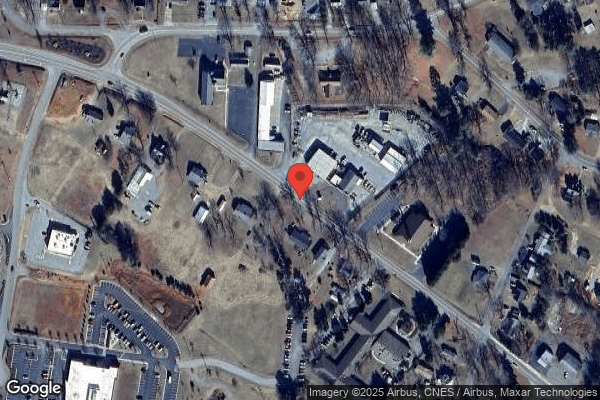
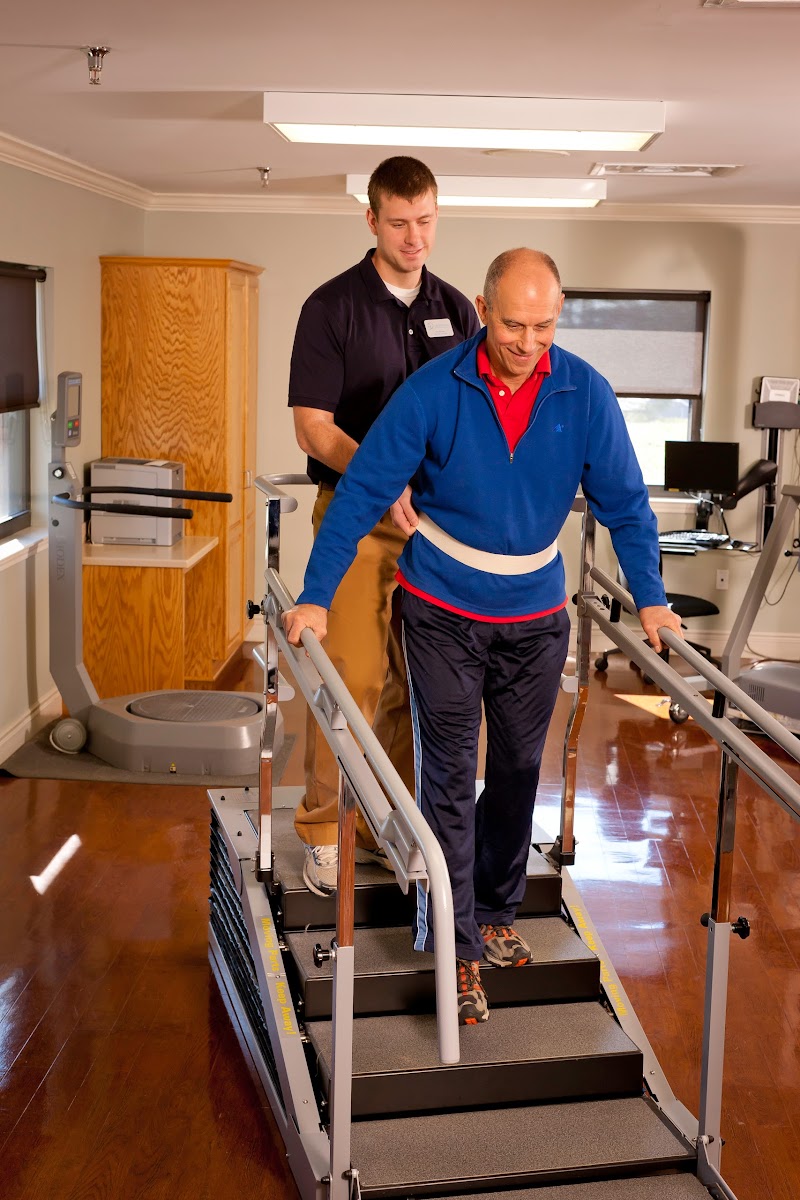
595 VADEN DRIVE, GRETNA, VA 24557 (434) 656-1206
For profit - Corporation 90 Beds LIFEWORKS REHAB Data: November 2025
Trust Grade
80/100
#79 of 285 in VA
Last Inspection: July 2023

Over 2 years since last inspection. Current conditions may differ from available data.

Overview

Gretna Health and Rehabilitation Center has a Trust Grade of B+, which means it is above average and recommended for families considering care options. It ranks #79 out of 285 facilities in Virginia, placing it in the top half, and #2 out of 2 in Pittsylvania County, indicating only one local option is better. The facility is improving overall, with the number of issues decreasing from 5 in 2021 to 4 in 2023. Staffing is a relative strength, with a turnover rate of 34%, which is significantly lower than the state average of 48%, although it has an average staffing rating of 3 out of 5 stars. While there are no fines recorded, which is a positive sign, there have been some concerns, including a failure to ensure that call light systems in bathing areas were operational and documentation issues related to medication administration and COVID-19 testing results. These incidents highlight areas where the facility can improve, but overall, it offers a solid environment for residents.

Trust Score
B+
80/100
In Virginia
#79/285
Top 27%
Safety Record
Low Risk
No red flags
Inspections
Getting Better
5 → 4 violations
Staff Stability
○ Average
34% turnover. Near Virginia's 48% average. Typical for the industry.
Penalties
✓ Good
No fines on record. Clean compliance history, better than most Virginia facilities.
Skilled Nurses
○ Average
Each resident gets 40 minutes of Registered Nurse (RN) attention daily — about average for Virginia. RNs are the most trained staff who monitor for health changes.
Violations
○ Average
9 deficiencies on record. Average for a facility this size. Mostly minor or procedural issues.
★★★★☆
4.0
Overall Rating
★★★☆☆
3.0
Staff Levels
★★★☆☆
3.0
Care Quality
★★★★☆
4.0
Inspection Score
Stable
2021: 5 issues
2023: 4 issues

The Good

  • Full Sprinkler Coverage · Fire safety systems throughout facility
  • No fines on record
  • Staff turnover below average (34%)

    14 points below Virginia average of 48%

Facility shows strength in fire safety.

The Bad

Staff Turnover: 34%

11pts below Virginia avg (46%)

Typical for the industry

Chain: LIFEWORKS REHAB

Part of a multi-facility chain

Ask about local staffing decisions and management

The Ugly 9 deficiencies on record

Jul 2023 4 deficiencies
CONCERN (D)

Potential for Harm - no one hurt, but risky conditions existed

Quality of Care (Tag F0684)

Could have caused harm · This affected 1 resident

Based on staff interview and clinical record review, facility staff failed to administer a diuretic medication per physician orders for 1 of 18 residents in the survey sample (Resident #20). Resident ...

Read full inspector narrative →
Based on staff interview and clinical record review, facility staff failed to administer a diuretic medication per physician orders for 1 of 18 residents in the survey sample (Resident #20). Resident #20 was admitted to the facility with diagnoses including atherosclerotic heart disease, congestive heart failure, presence of implanted defibrillator, pulmonary hypertension, long-term use of insulin and anticoagulants, Parkinson's disease, type 2 diabetes mellitus, chronic respiratory failure, and essential hypertension. On the Minimum Data Set assessment with assessment reference date 6/5/2023, the resident scored 15/15 on the brief interview for mental status and was assessed as without signs of delirium, psychosis, or behaviors affecting care. Clinical record review on 7/25/23 revealed an order dated 7/13/23 for metolazone oral tablet 2.5 mg (milligrams) Give 1 tablet by mouth one time only for fluid overload 1 day to be given 30 minutes prior to torsemide. The order was entered for administration on 7/14, 7/24, and 7/31. The surveyor asked LPN #3 to check the clinical record software for administration times for torsemide and metolazone administered on 7/14 and 7/24. The record indicated metolazone administered on 7/14 at 9:29 AM and torsemide administered at 9:50 AM, allowing 21 minutes between administrations. On 7/24/23 the record indicated the resident received metolazone at 8:46 AM and torsemide at 8:49 AM. During a summary meeting on 7/25/23 the surveyor notified the administrator and director of nursing of the concern with timing of medication administration. On 7/26/23 the director of nursing informed the surveyor that the nurse practitioner reviewed the metolazone order, which was written by the cardiologist, and changed the scheduled times of the medications to 6 AM for metolazone and 8 AM for torsemide, therefore ensuring that there would be a sufficient gap between administrations to ensure effectiveness of the torsemide in the future.
CONCERN (D)

Potential for Harm - no one hurt, but risky conditions existed

Drug Regimen Review (Tag F0756)

Could have caused harm · This affected 1 resident

Based on staff interview, clinical record review and facility document review the facility staff failed to act upon pharmacist recommendations for 1 of 18 residents, Resident #40. The findings include...

Read full inspector narrative →
Based on staff interview, clinical record review and facility document review the facility staff failed to act upon pharmacist recommendations for 1 of 18 residents, Resident #40. The findings included: For Resident #40 the facility staff failed to act upon a pharmacist recommendation. Resident #40's face sheet listed diagnoses which included but not limited to anemia, depression, and psychosis. Resident #40's most recent minimum data set with an assessment reference date of 05/12/23 assigned the resident a brief interview for mental status score of 3 out of 15 in section C, cognitive patterns. This indicates that the resident is severely cognitively impaired. Resident #40's clinical record was reviewed and contained a Consultant Pharmacist Medication Regimen Review form dated 06/17/23 which read in part See report for any noted irregularities and/or recommendations. Surveyor could not locate a report in the clinical record. This surveyor requested and was provided with a copy of a Consultation Pharmacist Recommendation to Physician report dated, which read in part MRR (medication regimen review) Date: 6/17/2023 Federal guidelines state sedative hypnotic drugs should have an attempt at a gradual dose reduction (GDR) quarterly (approximately every 3 months), when used routinely and beyond the manufacturer's recommendations for duration of use. This resident had been taking Melatonin 3 mg since 1/12/2023 without a GDR in last 3 months. Could we attempt a dose reduction at this time to verify this resident is on the lowest possible dose? If not, please indicate response below: Response: () Reduce the dose of Melatonin to: D/C (discontinue) Melatonin. This form was signed and dated by the facility family nurse practitioner on 07/26/23. The director of nursing stated that the form was just reviewed and acted upon on this day. This surveyor requested and was provided with a facility policy entitled Medication Regimen Review which read in part 6. Resident-specific irregularities and/or clinically significant risks resulting from or associated with medication are documented in the resident's active record and reported to the Director of Nursing, Medical Director, and/or prescriber as appropriate. 7. Recommendations are acted upon and documented by the facility staff and/or prescriber. a. The prescriber accepts and acts upon recommendation or rejects provides an explanation for disagreeing. The concern of not acting upon a pharmacist recommendation was discussed with the administrator, director of nursing and regional nurse consultant on 07/27/23 at 11:30 am. No further information provided prior to exit.
CONCERN (D)

Potential for Harm - no one hurt, but risky conditions existed

Unnecessary Medications (Tag F0759)

Could have caused harm · This affected 1 resident

Based on observation, staff interview, clinical record review, facility document review and during a medication pass and pour observation the facility staff failed to ensure a medication error rate of...

Read full inspector narrative →
Based on observation, staff interview, clinical record review, facility document review and during a medication pass and pour observation the facility staff failed to ensure a medication error rate of less than 5 %. There were two errors in 28 opportunities for a medication error rate of 7.14%. These errors affected Resident #60. The findings included: For Resident #60, the facility staff failed to administer the medication, amlodipine and failed to follow the physician's order for the administration of the medication, Vitamin D3. Resident #60's face sheet listed diagnoses which included but not limited to hypertension and vitamin D deficiency. Resident #60's most recent minimum data set with an assessment reference date of 06/30/23 assigned the resident a brief interview for mental status score of 15 out of 15 in section C, cognitive patterns. This indicates that the resident is cognitively intact. Resident #60's comprehensive care plan was reviewed and contained a care plan for the resident is at risk for cardiac complications secondary to chronic kidney disease, congestive heart failure, history of myocardial infarction, hyperlipidemia, hypertension, cardiomyopathy, CKD3 (chronic kidney disease 3) Interventions for this care plan include administer medications as ordered. This surveyor observed licensed practical nurse ((LPN) #1 administer medications to Resident #60 on 07/26/2023 at 8:20 am. LPN #1 removed a bottle of Vitamin D3 5000 IU (international units) and placed 2 tablets in the medicine cup. LPN #1 administered the Vitamin D3, along with other medications to Resident #60. Surveyor did not observe LPN #1 administer amlodipine to the resident. This surveyor reconciled Resident #60's medication on 07/26/2023. Resident #60's physician's order summary contained an order which read in part, Vitamin D3 capsule 125 mcg (5000 UT [units]). Give 5000 unit by mouth one time a day for vit d def (deficiency) and amlodipine besylate tablet 10 mg. Give 1 tablet by mouth one time a day related to essential (primary) hypertension. This surveyor spoke with LPN #1 on 07/26/2023 at 9:30 am regarding Resident #60's medications. Surveyor asked LPN #1 if they had administered Resident #60's amlodipine and LPN #1 stated they had and proceeded to remove Resident #60's medications from the cart. Resident #60's amlodipine was not among the medications in the cart. LPN #1 stated, I thought I gave it, but I guess not. I'll have to pull it from the Omnicell. LPN #1 removed the amlodipine from the Omnicell and administered it to the resident. Surveyor asked LPN #1 how many Vitamin D3 tablets they had administered to Resident #60, and LPN #1 stated they had administered two, and that's what the order called for. Surveyor asked LPN #1 to review the Vitamin D3 order, and after reviewing the order, LPN #1 stated that the order read to administer one tablet. This surveyor requested and was provided with a facility policy entitled General Guidelines for Medication Administration, which read in part Medications are administered as prescribed in accordance with good nursing principles and practices and only by persons legally authorized to administer. I. Preparation 6. At a minimum, the 5 Rights-right resident, right drug, right dose, right route, and right time-should be applied to all medication administration and reviewed at three steps in the process of preparation: (1) when medication is selected, (2) when the dose is removed from the container, and (3) after the dose is prepared and the medication is put away. The concern of not ensuring a medication error rate of less than 5% was discussed with the administrator, director of nursing, and regional nurse consultant on 07/26/23 at 4:30 pm. No further information was provided prior to exit.
CONCERN (E)

Potential for Harm - no one hurt, but risky conditions existed

Deficiency F0919 (Tag F0919)

Could have caused harm · This affected multiple residents

2. Six (6) of six (6) call light pull cords present in the TCU Spa (bathing area) and one (1) of three (3) call light pull cords in the PCU Spa (bathing area) did not activate the facility call light ...

Read full inspector narrative →
2. Six (6) of six (6) call light pull cords present in the TCU Spa (bathing area) and one (1) of three (3) call light pull cords in the PCU Spa (bathing area) did not activate the facility call light system. On 7/26/23 at 5:09 pm, surveyor and registered nurse (RN) #1 entered the TCU Spa room to test the call light system. The Spa room included six (6) call light pull cords located in a bathroom, two (2) separate shower stalls, an area containing a roll-on scale, and in a storage area. Each of the six (6) pull cords failed to activate the visual call light located in the hall outside of the TCU Spa. The TCU Spa was located behind a coded locked door. On 7/26/23 at 5:16 pm, surveyor tested the call light system in the PCU Spa (bathing area), and the call light pull cord located in the back left shower stall did not activate the visual call light located in the hall outside of the PCU Spa. The PCU Spa was located behind a coded locked door. On 7/26/23 at 5:18 pm, surveyor notified the regional nurse consultant of the call light observations in the TCU and PCU Spa rooms. On 7/27/23 at 9:47 am, surveyor spoke with certified nursing assistant (CNA) #1 and asked what they would do if they were alone in the bathing area with a resident and needed assistance. CNA #1 stated they would use the call light or stick their head out of the door and ask for help. On 7/27/23 at 11:30 am the survey team met with the administrator, director of nursing, and the regional nurse consultant and discussed the concern of the call light pull cords located in the TCU and PCU Spa rooms failing to activate the facility call light system. No further information regarding this concern was presented to the survey team prior to the exit conference on 7/27/23. Based on observations, interviews, and facility document review, the facility staff failed to ensure 1. the resident communication system relayed calls directly to a staff person or to a centralized staff work area from all residents' rooms and 2 of 2 bathing areas, and 2. call light pull cords were in working order in 2 of 2 bathing areas. The findings were: 1. The residents' call button/bell communication system was not connected to any centralized staff work area or directly to any staff person. During a resident council meeting discussion regarding staff call bell response times, the residents reported their call buttons triggered a visual light above their door to illuminate in the hallway but there was nothing audible when they pressed the button; a handbell had been provided for an audible call bell. Following the resident council meeting which took place on 07/26/23 at 3:00 p.m., the administrator acknowledged the call button communication system was visual, not audible, and residents had been provided a hand bell for audible notifications. At approximately 4:15 p.m. on 7/26/23, an anonymous facility staff member reported to one surveyor that it had been over a year since the call system stopped working properly and the notification boxes were removed from the nurses' stations. Call bell lights were not observed visually or audibly at any centralized location, only lighting above resident doors. The survey team tested resident room call buttons on each unit. When the call button was pushed, the light over the resident room door illuminated but that notification was not sent to any centralized system or to any direct staff member. The nurses' stations did not contain any communication system (neither visual nor audible) which showed there was a resident room call button pushed; staff must look down each hall to see whether any lights illuminated over a resident's door. There was no sound heard when the residents' call buttons were pushed. While assessing the call button system, the survey team observed all residents' rooms (both A & B beds) for the presence of hand bells and found 39 of 87 residents did not have a hand bell. The call buttons/cords in the two shower rooms did not send a notification directly to a staff member or centralized staff work area when pushed. On the morning of 07/27/23, the 39 residents who did not have a handbell the day before were re-assessed by the survey team. Two (2) residents did not have a handbell. One of the two, reportedly did not want one and the other resident was said to probably have it in his pocket. That resident was rarely in his room. On 07/27/23, the administrator provided communication documents regarding the call bell system. A business' letter dated 08/05/21 indicated the repair parts for the existing system were no longer available and recommended replacement. A replacement estimate document dated 08/10/21 was provided. An email from the administrator to a corporate employee dated 03/15/23 read the call bell system needed to be addressed and described the concern. The administrator, director of nursing and regional nurse were informed of the concern again on 07/27/23 at 11:29 a.m. No other information was provided prior to the exit conference.
Oct 2021 5 deficiencies
CONCERN (D)

Potential for Harm - no one hurt, but risky conditions existed

Abuse Prevention Policies (Tag F0607)

Could have caused harm · This affected 1 resident

Based on staff interview, employee record review, and facility document review, the facility staff failed to implement written policies and procedures that prohibit and prevent abuse, neglect, and exp...

Read full inspector narrative →
Based on staff interview, employee record review, and facility document review, the facility staff failed to implement written policies and procedures that prohibit and prevent abuse, neglect, and exploitation of resident and misappropriation of resident property as evidenced by failure to pre-screen 2 of 25 new hire employees, #16 and #19. The findings included: The facility staff failed to obtain reference checks for Employee #16 and failed to obtain a criminal background check and reference checks for Employee #19. A review of the employee records for Employee #16 and #19 revealed the following documentation: Employee #16 was employed by the facility in housekeeping on 9/20/21. Employee #16's employee record did not contain documentation of a reference check review. Employee #19 was employed by the facility in human resources on 2/17/20. Employee #19's employee record did not contain documentation of a Virginia State Police criminal background check or a reference check review. On 10/20/21 at 3:36 pm, surveyor spoke with HR (human resources) staff member #1 concerning the missing documentation for Employee #16 and #19, they stated they did not have the missing documentation. Surveyor requested and received the facility policy entitled Prevention/Screening/Training which states in part Criminal background and reference checks are performed on all employees. On 10/21/21 at 10:45 am, surveyor met with the administrator, director of nursing, regional nurse consultant, and unit manager and discussed the concern of the missing employment screening documentation for Employee #16 and #19. No further information regarding these issues was presented to the survey team prior to the exit conference on 10/21/21.
CONCERN (D)

Potential for Harm - no one hurt, but risky conditions existed

Quality of Care (Tag F0684)

Could have caused harm · This affected 1 resident

Based on staff interview and clinical record review, the facility staff failed to ensure that residents receive treatment and care by not following physician's orders for 1 of 26 residents in the surv...

Read full inspector narrative →
Based on staff interview and clinical record review, the facility staff failed to ensure that residents receive treatment and care by not following physician's orders for 1 of 26 residents in the survey sample, Resident #11. The findings included: For Resident #11, the facility staff failed to follow the physician's orders for the administration of Metoprolol Tartrate (a beta blocker used to treat angina and hypertension). Resident #11's diagnosis list indicated diagnoses, which included, but not limited to Unspecified Severe Protein-Calorie Malnutrition, Adult Failure to Thrive, Anorexia, Tachycardia Unspecified, and Orthostatic Hypotension. The most recent annual MDS (minimum data set) with an ARD (assessment reference date) of 7/28/21 assigned the resident a BIMS (brief interview for mental status) score of 14 out of 15 in section C, Cognitive Patterns. Resident #11's current physician's orders included an active order dated 9/01/21 for Metoprolol Tartrate tablet give 12.5 mg by mouth one time a day related to Tachycardia Unspecified hold SBP (systolic blood pressure) less than 100. A review of the resident's October 2021 MAR (medication administration record) indicated Metoprolol Tartrate was administered daily at 9:00 am. The October 2021 MAR included documented blood pressures obtained three times a day on day shift, evening shift, and night shift without a specified time. However, surveyor was unable to determine if the resident's blood pressure was assessed prior to the administration of Metoprolol Tartrate. On 10/20/21 at 9:30 am, surveyor spoke with the DON (director of nursing) concerning the order to hold Resident #11's Metoprolol Tartrate if the SBP is less than 100. The DON stated the resident's blood pressure was taken twice a day but they do not correspond with the times the medication was given and it has been corrected. On 10/20/21 at 2:39 pm, surveyor met with the administrator, DON, regional nurse consultant, and unit manager and discussed the concern of the administration of Metoprolol Tartrate without prior assessment of Resident #11's blood pressure. No further information regarding this issue was presented to the survey team prior to the exit conference on 10/21/21.
CONCERN (D)

Potential for Harm - no one hurt, but risky conditions existed

Infection Control (Tag F0880)

Could have caused harm · This affected 1 resident

Based on observation, staff interview, facility document review and clinical record review the facility staff failed to establish and maintain an infection prevention and control program designed to p...

Read full inspector narrative →
Based on observation, staff interview, facility document review and clinical record review the facility staff failed to establish and maintain an infection prevention and control program designed to provide a safe, sanitary and comfortable environment and to help prevent the development and transmission of communicable diseases and infections, specifically COVID-19, for one of one COVID unit. The findings included: For the COVID unit of the facility, the facility staff failed to don proper PPE (personal protective equipment) prior to entering a room with a resident that was COVID positive, then exited the unit and back into the facility. On 10/19/21 at 4:00 pm, surveyor observed RN (registered nurse) #1 enter the COVID unit through a zippered barrier that separated the COVID unit from the observation unit. RN #2 was wearing an N95 mask, but no other PPE. RN #2 entered Resident #231's room, without donning any other PPE. When RN #2 exited the room, surveyor introduced herself and asked RN #2 if they had donned PPE prior to entering the room, and RN #2 stated I forgot my face shield, but I took everything else off in the room. Surveyor then informed RN #2 they had observed them entering the room, and RN #2 stated, Well, I guess you got me this time, I've been on the other side and it's about time for me to leave and I needed to ask her something. RN #2 then proceeded to unzip the barrier separating the units, and exit into the facility. Resident #231's clinical record was reviewed and contained a face sheet which listed diagnoses including COVID-19. Resident #231's physician's order summary contained an order for enhanced droplet precautions every shift for monitoring protocol. Surveyor observed signage on the resident's door stating Enhanced Droplet-Contact Precautions and a list of steps to be taken, including Perform Hand Hygiene, N-95 or Surgical Mask when entering room, Eye Protection (goggles or face shield) when entering room, Gown when entering room, Gloves when entering room, Keep door closed and Remove PPE and Perform Hand Hygiene before exiting room. A cart containing PPE was located outside the resident's door. Surveyor spoke with DON (director of nursing) and RNC (regional nurse consultant) on 10/19/21 at 4:14 pm. RNC stated they will address the concern immediately. DON stated the nurse should have worn full PPE when entering the room and not went back into the facility after exiting room. Surveyor was provided with a copy of a facility policy entitled COVID-19 which read in part, 9. Containment/Management a. Identification of a positive case in a patient: Implement Enhanced Droplet-Contact Precautions until patient meets CDC (Centers for Disease Control) criteria for discontinuation of transmission-based precautions. 13. Education d. Review with all employees and visitors the core principles of COVID-19 of infection control: Employees will wear appropriate Personal Protective Equipment (PPE) when indicated. No further information was provided prior to exit.
CONCERN (E)

Potential for Harm - no one hurt, but risky conditions existed

Pharmacy Services (Tag F0755)

Could have caused harm · This affected multiple residents

4. For Resident #28, the facility staff failed to ensure the medication Bumetanide (Bumex) (a diuretic used to treat fluid retention) was available for administration. Resident #28's diagnosis list i...

Read full inspector narrative →
4. For Resident #28, the facility staff failed to ensure the medication Bumetanide (Bumex) (a diuretic used to treat fluid retention) was available for administration. Resident #28's diagnosis list indicated diagnoses, which included, but not limited to Unspecified Convulsions, Hypo-osmolality and Hyponatremia, Essential (Primary) Hypertension, Edema Unspecified, and Unspecified Lack of Expected Normal Physiological Development in Childhood. The most recent quarterly MDS (minimum data set) with an ARD (assessment reference date) of 9/03/21 assigned the resident a BIMS (brief interview for mental status) score of 3 out of 15 in section C, Cognitive Patterns. Resident #28's current physician's orders included an active order dated 5/26/21 for Bumetanide 0.5 mg give 1 tablet by mouth one time a day related to edema. A review of the resident's September 2021 MAR (medication administration record) revealed Bumetanide was not administered on 9/18/21, 9/19/21, 9/20/21, 9/21/21, and 9/22/21. According to Resident #28's nursing progress notes, Bumetanide was not administered for the following documented reasons: 9/18/21 11:28 am - awaiting pharmacy 9/19/21 11:13 am - awaiting pharmacy 9/20/21 9:33 am - med not in facility 9/21/21 9:24 am - medication not available in stat box pharmacy will be sending on next run will administer on next scheduled dose 9/22/21 9:35 am - waiting for delivery from pharmacy Resident #28 was seen by the NP (nurse practitioner) on 9/22/21 and the progress note states in part The patient is being evaluated today at nursing request for reports of hyponatremia. The patient is on sodium tablets and Bumex (Bumetanide) to prevent hyponatremia. As per nursing, (he/she) has not had (his/her) Bumex for approximately five days as it has not been coming from the pharmacy. The documented plan states in part as (he/she) has not had (his/her) regular medications, we will obtain a BMP (basic metabolic panel) to evaluate for worsening hyponatremia. Resident #28's 9/23/21 BMP results revealed a sodium level of 130. Resident #28's prior sodium level on 9/15/21 was also 130 indicating no change. On 10/20/21 at 8:40 am, surveyor spoke with the DON (director of nursing) who stated the facility changed pharmacies on 9/01/21 and there was an issue obtaining Resident #28's Bumex (bumetanide). DON stated they contacted the pharmacy through the provided app and made daily phone calls attempting to obtain the medication. Surveyor met with the administrator, DON, regional nurse consultant, and the Unit Manager on 10/20/21 at 2:39 pm and discussed the concern of Resident #28 not receiving Bumetanide as ordered. No further information regarding this issue was presented to the survey team prior to the exit conference on 10/21/21. Based on staff interview, clinical record review and facility document review the facility staff failed to provide routine drugs by not ensuring medications were available for administration for 5 of 26 Residents, #44, #54, #22, #28, and #73. A facility document entitled Unavailable Medications was reviewed and read in part, Policy: The facility must make every effort to ensure that medications are available to meet the needs of each resident. The findings included: 1. For Resident # 44 the facility staff failed to ensure that the supplement Prostat was available for administration. Resident #44's face sheet listed diagnoses which included but not limited to urinary tract infection, non-pressure chronic ulcer, pressure ulcer of left hip, pressure ulcer of sacral region, congestive heart failure, hypertension, type II diabetes mellitus, and peripheral vascular disease. The most recent admission MDS (minimum data set) with an ARD (assessment reference date) of 09/22/21 assigned the resident a BIMS (brief interview for mental status) score of 14 out 15 in section C, cognitive patterns. This indicates that the resident is cognitively intact. Resident #44's comprehensive care plan was reviewed and contained a care plan for admitted with skin impairment r/t (related to) decreased mobility, weakness, PVD (peripheral vascular disease), scattered bruising noted to bilateral up and lower extremities, hx (history) lymphedema, hx cellulitis . Interventions for this care plan included Tx (treatment) as ordered. Resident #44's clinical record contained a physician's order summary for the month of October 2021, which read in part Prostat SF(sugar free) AWC (advanced wound care) three times a day for To Promote Wound Healing Give 30 ml via PO (by mouth) TID (three times a day). Resident #44's eMAR (electronic medication administration record) for the month of October 2021 was reviewed and contained an entry as above. This entry was coded 9 on 10/14-10/17/21 at 0900 and 10/14-10/16/21 at 1400. Chart code 9 is the equivalent of other/see nurses notes. Resident #44's nurses' progress notes were reviewed and contained notes which read in part, 10/14/2021 08:16 Prostat SF AWC three times a day for To Promote Wound Healing Give 30 ml via PO TID out of stock, 10/14/2021 13:50 Prostat SF AWC three times a day for To Promote Wound Healing Give 30 ml via PO TID out of stock, 10/15/2021 08:51 Prostat SF AWC three times a day for To Promote Wound Healing Give 30 ml via PO TID not in stock, 10/15/20212021 13:36 Prostat SF AWC three times a day for To Promote Wound Healing Give 30 ml via PO TID awaiting order, 10/16/202109:15 Prostat SF AWC three times a day for To Promote Wound Healing Give 30 ml via PO TID on order, 10/16/2021 14:47 Prostat SF AWC three times a day for To Promote Wound Healing Give 30 ml via PO TID on order, and 10/17/2021 08:13 Prostat SF AWC three times a day for To Promote Wound Healing Give 30 ml via PO TID on order The concern of the medication not being available was discussed with the administrator, director of nursing, regional nurse consultant and unit manager during a meeting on 10/20/21 at 2:45 pm. No further information was provided prior to exit. 2. For Resident #54 the facility staff failed to ensure the medication labatelol was available for administration. Resident #54's face sheet listed diagnoses which included but not limited to generalized edema, anxiety, acute kidney failure, depression, hypertension and chronic kidney disease. The most recent MDS (minimum data set) with an ARD (assessment reference date) 09/30/31 assigned the resident a BIMS (brief interview for mental status) score of 15 out of 15 in section C, cognitive patterns. This indicates that the resident is cognitively intact. Resident #54's clinical record contained a physician's order summary for the month of October 2021 which read in part, Labetalol HCl Tablet 100 mg Give 1 tablet by mouth tow times a day related to ESSENTIAL (PRIMARY) HYPERTENSION. Resident #54's eMAR (electronic medication administration record) for the month of October 2021 was reviewed and contained an entry as above. This entry was coded 5 on 10/15/21 at 5 pm. Chart code 5 is the equivalent of Hold/See progress note. The entry was coded 9 on 10/16, 10/17, 10/18 for both administration times and 10/19 at 9 am. Chart coded 9 is the equivalent of Other/See progress note. Resident #54's progress notes were reviewed and contained notes which read in part, 10/15/2021 17:50 Labetalol HCl Tablet 100 mg Give 1 tablet by mouth two times a day related ESSENTIAL (PRIMARY) HYPERTENSION on order, 10/16/2021 09:30 Labetalol HCl Tablet 100 mg Give 1 tablet by mouth two times a day related ESSENTIAL (PRIMARY) HYPERTENSION Medication unavailable in Omnicell. Awaiting from pharmacy. MD made aware, 10/17/2021 08:07 Labetalol HCl Tablet 100 mg Give 1 tablet by mouth two times a day related ESSENTIAL (PRIMARY) HYPERTENSION Medication unavailable in Omnicell. Awaiting from pharmacy. MD made aware, 10/18/2021 08:05 Labetalol HCl Tablet 100 mg Give 1 tablet by mouth two times a day related ESSENTIAL (PRIMARY) HYPERTENSION Medication unavailable in Omnicell. Awaiting from pharmacy. MD made aware, and 10/18/202119:42 Labetalol HCl Tablet 100 mg Give 1 tablet by mouth two times a day related ESSENTIAL (PRIMARY) HYPERTENSION Medication unavailable in Omnicell. Awaiting from pharmacy. MD made aware The concern of the medication not being available was discussed with the administrator, director of nursing, regional nurse consultant and unit manager during a meeting on 10/20/21 at 2:45 pm. No further information was provided prior to exit. 5. For Resident #73, the facility staff failed to ensure the physician ordered medication Olanzapine (Zyprexa) was available for administration. Resident #73's medical diagnosis included, but was not limited to, malignant neoplasm of colon, metabolic encephalopathy, chronic kidney disease, and osteoarthritis. Section C (cognitive patterns) of Resident #73's quarterly (MDS) minimum data set assessment with an (ARD) assessment reference date of 10/12/2021 included a (BIMS) brief interview for mental status summary score of 2 out of a possible 15 points. The residents (EHR) electronic health record included a physicians order for Olanzapine 5 mg tablet every 12 hours. 10/20/21 8:32 a.m., during a medication pass and pour observation with (RN) registered nurse #1 the medication was not available in the medication cart or in the backup supply (omnicell) for administration. RN #1 stated they would call the pharmacy and order the medication and stated they had recently changed pharmacies and were having issues with obtaining some medications. 10/20/2021 a review of the residents (eMARs) electronic medication administration records and progress notes revealed that this medication was not available for administration on 10/18/2021 and 10/19/2021 at 9:00 a.m. For the evening dose at 9:00 p.m., two different nurses documented that the medication had been administered. 10/20/21 2:42 p.m., the administrator, (DON) Director of Nursing, nurse consultant, and unit manager were made aware of the issue regarding the residents Olanzapine. 10/21/21 09:14 a.m., during a meeting with the administrator and DON. The DON stated the Olanzapine was signed in error and was not available for administration. No further information regarding this issue was provide to the survey team prior to the exit conference. 3. For Resident #22, facility staff failed to ensure a physician ordered supplement was available for administration. Resident #22 was admitted to the facility with diagnoses including atherosclerotic heart disease, traumatic amputation of right lower leg, methicillin resistant staphylococcus aureus, diabetes mellitus, hypertension, heart failure, gastroesophageal reflux disease, and dysphagia. On the Minimum Data Set Assessment with Assessment Reference Date 8/25/21, the resident scored 10/15 on the Brief Interview for Mental Status and was assessed as without signs of delirium or psychosis. The resident exhibited physical behaviors directed toward others 1-3 days of the week prior to the assessment. Clinical record review revealed a physician order dated 6/9/2021 for Prostat SF 30 ml one time a day for wound healing and skin integrity. The October 2021 Medication Administration Record (MAR) documented 9 (Other/ See Progress Notes) on 10/15,16, and 19 and 45 ml (instead of 30) administered on 10/18/21. Notes on 10/15, 10/16, and 10/19 documented Prostat on order, will administer next dose. No mention of administering larger dose on 10/18. Surveyors discussed medication availability issues with the administrator, director of nursing, and other members of the management team during meetings on 10/20 and 10/21/21. The director of nursing reported that mediation availability was an ongoing concern with the facility's current pharmacy.
CONCERN (E)

Potential for Harm - no one hurt, but risky conditions existed

Deficiency F0886 (Tag F0886)

Could have caused harm · This affected multiple residents

Based on staff interview and clinical record review, the facility staff failed to consistently document the results of COVID-19 tests in the (EHR) electronic health record for 23 of 26 residents. Resi...

Read full inspector narrative →
Based on staff interview and clinical record review, the facility staff failed to consistently document the results of COVID-19 tests in the (EHR) electronic health record for 23 of 26 residents. Resident's #6, #11, #16, #18, #19, #22, #24, #28, #34, #37, #42, #44, #45, #46, #51, #54, #61, #67, #71, #73, #75, #77, and #79. The findings included: The facility staff failed to consistently document the result of COVID-19 testing in the resident's EHR's. During the record reviews, the surveyors were unable to locate all of the results of recent COVID-19 tests in the resident's EHR's. 10/19/21 1:34 p.m., the (DON) Director of Nursing stated the results of the rapid COVID-19 tests were documented on the residents individual (eMARs) electronic medication administration records and the results of the (PCR) polymerase chain reaction COVID-19 laboratory tests were in a folder in a plastic tote in the conference room and were not placed in the residents EHR's. The nurse consultant stated they called the physician right away if they received a positive test result. Prior to the exit conference the facility staff began documenting the results of the COVID-19 tests in the residents individual records. No further information regarding this issue was provided to the survey team prior to the exit conference.
Understanding Severity Codes (click to expand)
Life-Threatening (Immediate Jeopardy)
J - Isolated K - Pattern L - Widespread
Actual Harm
G - Isolated H - Pattern I - Widespread
Potential for Harm
D - Isolated E - Pattern F - Widespread
No Harm (Minor)
A - Isolated B - Pattern C - Widespread

Questions to Ask on Your Visit

  • "Can I speak with families of current residents?"
  • "What's your RN coverage like on weekends and overnight?"

Our Honest Assessment

Strengths
  • • Grade B+ (80/100). Above average facility, better than most options in Virginia.
  • • No major safety red flags. No abuse findings, life-threatening violations, or SFF status.
  • • No fines on record. Clean compliance history, better than most Virginia facilities.
  • • 34% turnover. Below Virginia's 48% average. Good staff retention means consistent care.
Concerns
  • • No significant concerns identified. This facility shows no red flags across CMS ratings, staff turnover, or federal penalties.
Bottom line: Generally positive indicators. Standard due diligence and a personal visit recommended.

About This Facility

What is Gretna Center's CMS Rating?

CMS assigns GRETNA HEALTH AND REHABILITATION CENTER an overall rating of 4 out of 5 stars, which is considered above average nationally. Within Virginia, this rating places the facility higher than 99% of the state's 100 nursing homes. This rating reflects solid performance across the metrics CMS uses to evaluate nursing home quality.

How is Gretna Center Staffed?

CMS rates GRETNA HEALTH AND REHABILITATION CENTER's staffing level at 3 out of 5 stars, which is average compared to other nursing homes. Staff turnover is 34%, compared to the Virginia average of 46%. This relatively stable workforce can support continuity of care.

What Have Inspectors Found at Gretna Center?

State health inspectors documented 9 deficiencies at GRETNA HEALTH AND REHABILITATION CENTER during 2021 to 2023. These included: 9 with potential for harm.
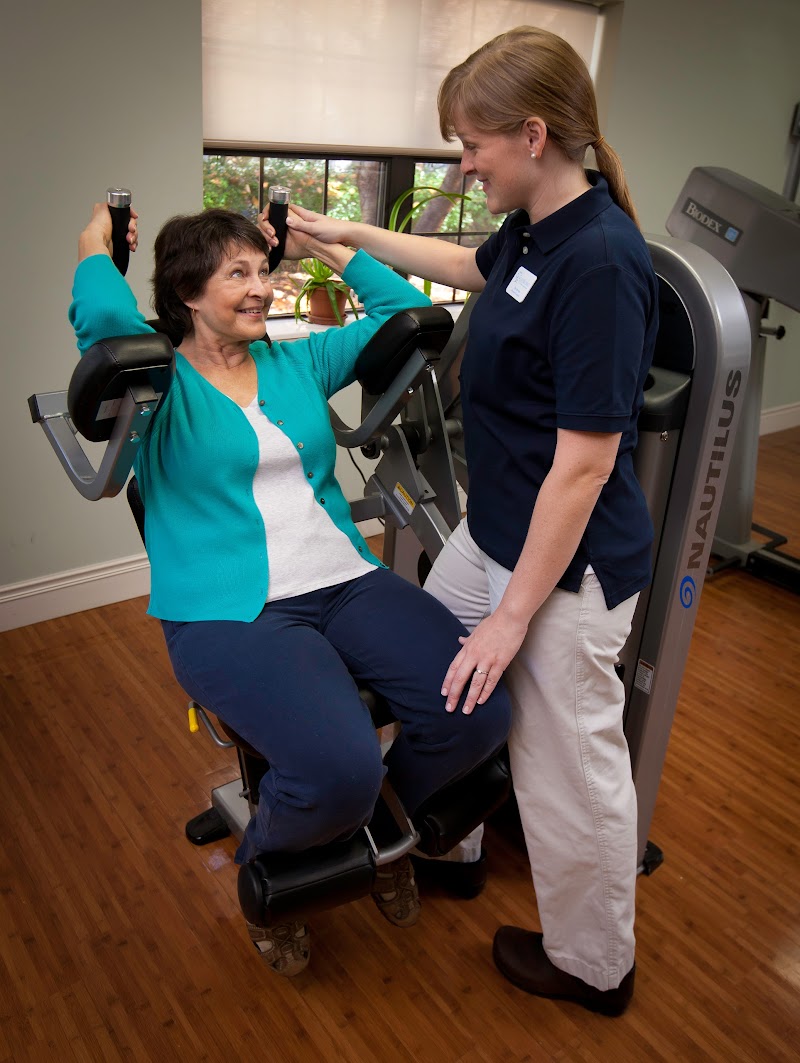
Who Owns and Operates Gretna Center?

GRETNA HEALTH AND REHABILITATION CENTER is owned by a for-profit company. For-profit facilities operate as businesses with obligations to shareholders or private owners. The facility is operated by LIFEWORKS REHAB, a chain that manages multiple nursing homes. With 90 certified beds and approximately 88 residents (about 98% occupancy), it is a smaller facility located in GRETNA, Virginia.
How Does Gretna Center Compare to Other Virginia Nursing Homes?

Compared to the 100 nursing homes in Virginia, GRETNA HEALTH AND REHABILITATION CENTER's overall rating (4 stars) is above the state average of 3.0, staff turnover (34%) is significantly lower than the state average of 46%, and health inspection rating (4 stars) is above the national benchmark.

What Should Families Ask When Visiting Gretna Center?

Based on this facility's data, families visiting should ask: "Can I visit during a mealtime to observe dining assistance and food quality?" "How do you handle medical emergencies, and what is your hospital transfer rate?" "Can I speak with family members of current residents about their experience?"

Is Gretna Center Safe?

Based on CMS inspection data, GRETNA HEALTH AND REHABILITATION CENTER has a clean safety record: no substantiated abuse findings (meaning no confirmed cases of resident harm), no Immediate Jeopardy citations (the most serious violation level indicating risk of serious injury or death), and is not on the Special Focus Facility watch list (a federal program monitoring the lowest-performing 1% of nursing homes). The facility has a 4-star overall rating and ranks #1 of 100 nursing homes in Virginia. While no facility is perfect, families should still ask about staff-to-resident ratios and recent inspection results during their visit.

Do Nurses at Gretna Center Stick Around?

GRETNA HEALTH AND REHABILITATION CENTER has a staff turnover rate of 34%, which is about average for Virginia nursing homes (state average: 46%). Moderate turnover is common in nursing homes, but families should still ask about staff tenure and how the facility maintains care continuity when employees leave.

Was Gretna Center Ever Fined?

GRETNA HEALTH AND REHABILITATION CENTER has no federal fines on record. CMS issues fines when nursing homes fail to meet care standards or don't correct problems found during inspections. The absence of fines suggests the facility has either maintained compliance or corrected any issues before penalties were assessed. This is a positive indicator, though families should still review recent inspection reports for the full picture.

Is Gretna Center on Any Federal Watch List?

GRETNA HEALTH AND REHABILITATION CENTER is not on any federal watch list. The most significant is the Special Focus Facility (SFF) program, which identifies the bottom 1% of nursing homes nationally based on persistent, serious quality problems. Not being on this list means the facility has avoided the pattern of deficiencies that triggers enhanced federal oversight. This is a positive indicator, though families should still review the facility's inspection history directly.