NORTHAMPTON NURSING AND REHABILITATION CENTER
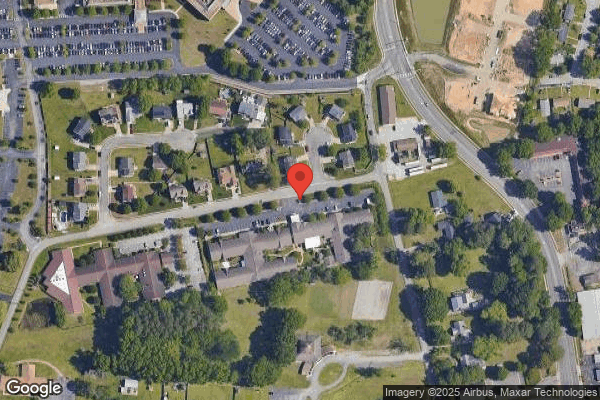
1028 TOPPING LANE, HAMPTON, VA 23666 (757) 826-4922
For profit - Corporation 70 Beds VIRGINIA HEALTH SERVICES Data: November 2025
Trust Grade
60/100
#146 of 285 in VA
Last Inspection: October 2024

Within standard 12-15 month inspection cycle. Federal law requires annual inspections.

Overview

Northampton Nursing and Rehabilitation Center has a Trust Grade of C+, indicating they are slightly above average but not exceptional. They rank #146 out of 285 facilities in Virginia, placing them in the bottom half, and #3 out of 4 in Hampton City County, meaning there is only one local option that is better. The facility is improving, with issues decreasing from 10 in 2021 to 9 in 2024. Staffing is a strength here, rated 4 out of 5 stars, with a turnover rate of 42%, which is better than the state average of 48%. On the downside, there were specific concerns raised during inspections, such as staff not ensuring the dishwashing machine heated properly, leading to potential foodborne illness risks, and a resident’s call light being out of reach, which poses a fall risk. Although there have been no fines reported, which is a positive sign, the facility still faces challenges that families should consider.

Trust Score
C+
60/100
In Virginia
#146/285
Bottom 49%
Safety Record
Low Risk
No red flags
Inspections
Getting Better
10 → 9 violations
Staff Stability
○ Average
42% turnover. Near Virginia's 48% average. Typical for the industry.
Penalties
✓ Good
No fines on record. Clean compliance history, better than most Virginia facilities.
Skilled Nurses
○ Average
Each resident gets 36 minutes of Registered Nurse (RN) attention daily — about average for Virginia. RNs are the most trained staff who monitor for health changes.
Violations
⚠ Watch
24 deficiencies on record. Higher than average. Multiple issues found across inspections.
★★★☆☆
3.0
Overall Rating
★★★★☆
4.0
Staff Levels
★★★☆☆
3.0
Care Quality
★★★☆☆
3.0
Inspection Score
Stable
2021: 10 issues
2024: 9 issues

The Good

  • 4-Star Staffing Rating · Above-average nurse staffing levels
  • Full Sprinkler Coverage · Fire safety systems throughout facility
  • No fines on record
  • Staff turnover below average (42%)

    6 points below Virginia average of 48%

Facility shows strength in staffing levels, fire safety.

The Bad

3-Star Overall Rating

Near Virginia average (3.0)

Meets federal standards, typical of most facilities

Staff Turnover: 42%

Near Virginia avg (46%)

Typical for the industry

Chain: VIRGINIA HEALTH SERVICES

Part of a multi-facility chain

Ask about local staffing decisions and management

The Ugly 24 deficiencies on record

Oct 2024 9 deficiencies
CONCERN (D)

Potential for Harm - no one hurt, but risky conditions existed

Deficiency F0578 (Tag F0578)

Could have caused harm · This affected 1 resident

Based on staff interview, clinical record review, and facility document review the facility staff failed to ensure that a resident and/or the resident representative had the opportunity to develop an ...

Read full inspector narrative →
Based on staff interview, clinical record review, and facility document review the facility staff failed to ensure that a resident and/or the resident representative had the opportunity to develop an Advanced Directive for 1 of 18 current residents, Resident #16. The findings include: The facility staff failed to provide evidence that they had offered Resident #16 and/or the resident representative the opportunity to develop an Advance Directive. Resident #16's diagnoses included chronic respiratory failure and adult failure to thrive. Section C (cognitive patterns) of Resident #16's quarterly minimum data set (MDS) assessment with an assessment reference date (ARD) of 07/09/24 included a brief interview for mental status (BIMS) score of 10 out of a possible 15 points. Per the MDS manual a 10=moderate cognitive impairment. During the record review the surveyor was unable to locate any information to indicate this resident and/or the resident representative had been offered the opportunity to develop an Advance Directive. On 10/02/24 at 4:35 p.m., during an end of the day meeting with the Director of Clinical Support, [NAME] President of Quality, Director of Nursing, and [NAME] President of Nursing Services the issue with the missing advance directive information was reviewed. On 10/03/24 at 8:40 a.m., the [NAME] President of Quality stated they were unable to locate advance directive information for this resident. The facility staff provided the surveyor with a copy of a policy titled, ADVANCE DIRECTIVES. This policy read in part, Advanced Directives will be discussed with resident and/or family member upon admission or as soon as clinically appropriate so the resident's wishes, with respect to life prolonging treatments, can be documented in the medical record . No further information regarding this issue was provided to the survey team prior to the exit conference.
CONCERN (D)

Potential for Harm - no one hurt, but risky conditions existed

Transfer Notice (Tag F0623)

Could have caused harm · This affected 1 resident

**NOTE- TERMS IN BRACKETS HAVE BEEN EDITED TO PROTECT CONFIDENTIALITY** 2. For Resident #36 the facility staff failed to provide written notice of transfer to the hospital. Resident #36's face sheet ...

Read full inspector narrative →
**NOTE- TERMS IN BRACKETS HAVE BEEN EDITED TO PROTECT CONFIDENTIALITY** 2. For Resident #36 the facility staff failed to provide written notice of transfer to the hospital. Resident #36's face sheet listed diagnoses which included but not limited to sepsis, heart failure and dementia. Resident #36's most recent minimum data set with an assessment reference date of 09/20/24 assigned the resident a brief interview for mental status score of 7 out of 15 in section C, cognitive patterns. This indicates that the resident is severely cognitively intact. Resident #36's clinical record was reviewed and contained a nurse's progress note dated 09/25/24 at 12:29 am which read in part, 11:10 pm-resident lying in the bed with eyes open, and eyes are rolling back in her head. 02 sats are 88% on room are, vital signs are 121/78-102.9, 70, 24 (blood pressure, temperature, pulse, respirations). Resident was put on 2 liters of oxygen, and 02 came up to 94%. She had high fever, difficult breathing and altered mental status. 911 called. MD made aware. Attempted to notify son but no answer received so voice message left for him to call facility. Did talk to resident's sister who wanted resident transferred to . (name omitted) and stated she would meet them there. Surveyor reviewed resident's clinical record and could not locate any information that a written notice of transfer was provided to the resident's responsible party (RP). Surveyor spoke with the vice-president of quality and vice-president of nursing services on 10/03/24 at 11:05 am regarding Resident #36's hospital transfer information. These two staff provided surveyor with a copy of Transfer Clinical Summary dated 09/25/24 which included a Notice of Transfer. This portion of the transfer summary did not include a date, location resident was transferred to, or reason for transfer. Vice-president of quality stated this form is only sent to the receiving facility. Surveyor spoke with the resident navigator on 10/03/24 at 11:20 am. Resident navigator stated they were not providing written notification of transfer/discharge to the resident's RP when a resident is sent out to the hospital. Surveyor requested and was provided with a facility policy entitled, Admission, Transfer & Discharge Rights Policy which read in part, Notice before transfer. Before a resident is transferred or discharged , the facility will notify the resident, and if known, the resident representative of the transfer or discharge and the reason for the move in writing and in a language and manner they understand. This notice shall be in writing and shall include the reason for transfer. The facility must send a copy of the notice to a representative of the Office of the State Long-Term Care Ombudsman. The concern of not providing written notification of transfer/discharge to the resident's RP was discussed with the vice-president of nursing services, vice-president of quality, and director of nursing on 10/03/24 at 3 pm. No further information was provided prior to exit. Based on staff interview, clinical record review, facility document review, facility staff failed to provide written notice of transfer for 2 of 18 current residents in the survey sample. (Resident #19 and Resident #36). The findings were: 1. For Resident #19, the facility staff failed to provide the resident representative a written notice of transfer when the resident was transferred to the hospital on [DATE] or 09/25/24. The minimum data set assessment with an assessment reference date of 08/25/24 coded the resident a brief interview for mental status (BIMS) score of 11 out of 15 indicating moderately impaired cognition (Section C - cognitive patterns). During a review of Resident #19's clinical record, progress notes read the resident was transferred to a hospital on both 08/02/24 and 09/25/24. A licensed practical nurse (LPN) note dated 08/02/24 at 2:56 a.m. read 911 in to [sic] transport resident to (hospital initials omitted) ER at 2:40 AM. Message was left on (family member name omitted) answering machine asking him to call the facility at his earliest convenience. Another LPN note dated 09/25/24 at 5:10 p.m. read Resident presenting objective Signs [sic] that she may have Sepsis and is Hypotensive with a B/P of 87/61. Son is aware and insist [sic] although the Resident is Comfort Measures that the Resident be sent to the hospital for Eval. and Treatment. Order received from MD to send the Resident 911. 515 pm.[sic] 911 Transport Team in. Resident taken to (hospital name omitted) for treatment. The surveyor was unable to find evidence of written notification to Resident #19's representative of the transfer for both dates. On 10/03/24 at 11:05 a.m., the facility's [NAME] President of Nursing Services and [NAME] President of Quality were interviewed. Both employees reported they were unaware of anyone sending resident representatives written notification of transfer/discharges for emergency transfers, in general. The V.P. of Quality provided the facility's employee with the title of navigator who stated that after residents were admitted to a hospital, she calls the responsible party (RP) and informs them of the bed hold information. The RP usually comes to the facility to pay for the bed hold if they want. The navigator denied sending any written information to residents' representatives regarding transfers to hospitals. On 10/03/24 in the afternoon, the VP of Quality provided documents she stated would be what was sent with the emergency medical services when Resident #19 was transferred to the hospital on both 08/02/24 and 09/25/24. The documents did not contain specific information about where the resident was being transferred to or for what reason. The VP of Quality acknowledged the documents did not contain that specific information. The concern regarding no evidence of written notification to the resident representative of Resident #19's transfer to the hospital on [DATE] and 09/25/24 was discussed with the Director of Clinical Services, Director of Nursing, [NAME] President of Quality, [NAME] President of Nursing Services and [NAME] President of Clinical Affairs on 10/03/24 at 3:37 p.m. No further information was provided prior to the exit conference.
CONCERN (D)

Potential for Harm - no one hurt, but risky conditions existed

Deficiency F0625 (Tag F0625)

Could have caused harm · This affected 1 resident

**NOTE- TERMS IN BRACKETS HAVE BEEN EDITED TO PROTECT CONFIDENTIALITY** Based on staff interview, clinical record review and facility policy review the facility staff failed to provide written notice ...

Read full inspector narrative →
**NOTE- TERMS IN BRACKETS HAVE BEEN EDITED TO PROTECT CONFIDENTIALITY** Based on staff interview, clinical record review and facility policy review the facility staff failed to provide written notice of bed hold policy for 2 of 18 residents, Resident #36 and Resident #19. The findings included: 1. For Resident #36 the facility staff failed to provide written notice of bed hold. Resident #36's face sheet listed diagnoses which included but not limited to sepsis, heart failure and dementia. Resident #36's most recent minimum data set with an assessment reference date of 09/20/24 assigned the resident a brief interview for mental status score of 7 out of 15 in section C, cognitive patterns. This indicates that the resident is severely cognitively intact. Resident #36's clinical record was reviewed and contained a nurse's progress note dated 09/25/24 at 12:29 am which read in part, 11:10 pm-resident lying in the bed with eyes open, and eyes are rolling back in her head. 02 sats are 88% on room are, vital signs are 121/78-102.9, 70, 24 (blood pressure, temperature, pulse, respirations). Resident was put on 2 liters of oxygen, and 02 came up to 94%. She had high fever, difficult breathing and altered mental status. 911 called. MD made aware. Attempted to notify son but no answer received so voice message left for him to call facility. Did talk to resident's sister who wanted resident transferred to . (name omitted) and stated she would meet them there. Surveyor reviewed resident's clinical record and could not locate any information that information related to bed hold was provided to the resident/responsible party. Surveyor spoke with the vice-president of quality and vice-president of nursing services on 10/03/24 at 11:05 am regarding Resident #36's hospital transfer information. These two staff provided surveyor with a copy of Transfer Clinical Summary dated 09/25/24 which included a Bed Hold Policy Notice. This notice did not include information on duration of bed hold or information on reserve payment. Surveyor spoke with the resident navigator on 10/03/24 at 11:20 am. Resident navigator stated they call the resident's RP if the resident is admitted to the hospital, with information on duration of bed hold and payment amount. Resident navigator stated if family want to do a bed hold, they come into the facility and sign the agreement, and pay for the bed hold. Surveyor requested and was provided with a facility policy entitled, Admission, Transfer & Discharge Rights Policy which read in part, Notice of bed-hold policy and return. If a resident requires transfer to an acute hospital, the facility will offer the resident the opportunity of electing to have the bed held. Upon admission, the facility will notify the resident or the resident's representative of the bed-hold option. If the bed-hold option is exercised, the resident or the resident's representative is liable to pay reasonable charges, not to exceed the resident's daily room rate, for the bed-hold period. Before a resident is transferred to a hospital or goes on therapeutic leave, the facility will provide written information to the resident or resident representative specifying: 2. A notice that includes the items provided in the Notice of Transfer and Contents of Notice sections. The concern of not providing written notification of bed hold to the resident/RP was discussed with the vice-president of nursing, vice-president of quality and director of nursing on 10/03/24 at 3 pm. No further information was provided prior to exit. 2. For Resident #19, the facility staff failed to provide the resident representative a written notice which specifies the duration of the bed hold policy when the resident was transferred to the hospital on [DATE] or 09/25/24. The minimum data set assessment with an assessment reference date of 08/25/24 coded the resident a brief interview for mental status (BIMS) score of 11 out of 15 indicating moderately impaired cognition (Section C - cognitive patterns). During a review of Resident #19's clinical record, progress notes read the resident was transferred to a hospital on both 08/02/24 and 09/25/24. A licensed practical nurse (LPN) note dated 08/02/24 at 2:56 a.m. read 911 in to [sic] transport resident to (hospital initials omitted) ER at 2:40 AM. Message was left on (family member name omitted) answering machine asking him to call the facility at his earliest convenience. Another LPN note dated 09/25/24 at 5:10 p.m. read Resident presenting objective Signs [sic] that she may have Sepsis and is Hypotensive with a B/P of 87/61. Son is aware and insist [sic] although the Resident is Comfort Measures that the Resident be sent to the hospital for Eval. and Treatment. Order received from MD to send the Resident 911. 515 pm.[sic] 911 Transport Team in. Resident taken to (hospital name omitted) for treatment. The surveyor was unable to find evidence of written notification to Resident #19's representative of the facility's bed hold policy for both dates. On 10/03/24 at 11:05 a.m., the facility's [NAME] President of Nursing Services and [NAME] President of Quality were interviewed. Both employees reported they were unaware of anyone sending resident representatives written notification of the bed hold policy for emergency transfers, in general. The V.P. of Quality provided the facility's employee with the title of navigator who stated that after residents were admitted to a hospital, she calls the responsible party (RP) and informs them of the bed hold information. The RP usually comes to the facility to pay for the bed hold if they want. The navigator denied sending any written information to residents' representatives which specifies the duration of the bed hold policy when the resident was transferred to the hospital on [DATE] or 09/25/24. The concern regarding no evidence of written notification of the bed hold policy provided to Resident #19's representative when the resident was transferred to the hospital on [DATE] and 09/25/24 was discussed with the Director of Clinical Services, Director of Nursing, [NAME] President of Quality, [NAME] President of Nursing Services and [NAME] President of Clinical Affairs on 10/03/24 at 3:37 p.m. No further information was provided prior to the exit conference.
CONCERN (D)

Potential for Harm - no one hurt, but risky conditions existed

Deficiency F0761 (Tag F0761)

Could have caused harm · This affected 1 resident

**NOTE- TERMS IN BRACKETS HAVE BEEN EDITED TO PROTECT CONFIDENTIALITY** Based on observation, staff interview, facility document review, the facility staff failed to ensure narcotics were secured in a...

Read full inspector narrative →
**NOTE- TERMS IN BRACKETS HAVE BEEN EDITED TO PROTECT CONFIDENTIALITY** Based on observation, staff interview, facility document review, the facility staff failed to ensure narcotics were secured in a permanently affixed compartment on 1 of 2 units, the [NAME] unit. The findings include: The facility staff failed to provide a permanently affixed compartment for narcotics on the [NAME] unit On 10/02/24 at 3:40 p.m., the surveyor and Licensed Practical Nurse (LPN) #3 checked the medication refrigerator on the [NAME] unit. This refrigerator contained a locked black metal box. The surveyor was able to remove this box from the refrigerator and place it on the counter. LPN #3 unlocked the box, and it was observed to contain 5 vials of 1 ml Lorazepam. On 10/02/24 at 4:05 p.m., the [NAME] President of Quality provided the surveyor with a copy of their policy titled, Storage and Expiration Dating of Medications, Biologicals, Syringes, and Needles. This policy read in part, Medications, biologicals, syringes, and needles are stored under proper conditions as directed by state and federal regulations and manufacturer guidelines to ensure their stability, quality, safety, and security . On 10/02/24 at 4:35 p.m., during an end of the day meeting with the Director of Clinical Support, [NAME] President of Quality, Director of Nursing, and [NAME] President of Nursing Services the issue with the unsecured narcotic box was reviewed. On 10/03/24 at 8:40 a.m., the [NAME] President of Quality stated they had secured the narcotic box. No further information regarding this issue was provided to the survey team prior to the exit conference.
CONCERN (D)

Potential for Harm - no one hurt, but risky conditions existed

Dental Services (Tag F0791)

Could have caused harm · This affected 1 resident

Based on staff interview, clinical record review, and facility document review, the facility staff failed to assist residents in obtaining dental care from an outside source for 1 of 18 sampled reside...

Read full inspector narrative →
Based on staff interview, clinical record review, and facility document review, the facility staff failed to assist residents in obtaining dental care from an outside source for 1 of 18 sampled residents, Resident #1. The findings included: For Resident #1, the facility staff failed to obtain a dental consult. Resident #1's diagnosis list indicated diagnoses, which included, but not limited to Dementia, Spastic Hemiplegia Cerebral Palsy, Epilepsy, and Thrombocytopenia. The most recent minimum data set (MDS) with an assessment reference date (ARD) of 8/22/24 assigned the resident a brief interview for mental status (BIMS) summary score of 6 out of 15 indicating the resident was severely cognitively impaired. A review of Resident #1's clinical record revealed the following documentation: A nursing progress note dated 5/30/23 at 3:19 PM read Resident [adult child] in facility and said [their] mom's mouth hurts. Writer let PA [physician's assistant] [name omitted] know . Resident #1 was seen by the PA the following day on 5/31/23. The progress note read in part On exam, [his/her] mouth is bloody as [he/she] just received oral care and gums are bleeding .Gingivitis .referral for dental evaluation . Resident #1 was again seen by the PA on 6/02/23, the progress note read in part .F/u [follow-up] gingival Bleeding - No bleeding today but gums are still very irritated. The RU [right upper] gingival line is swollen with white plaque . Resident #1 was seen by the PA on 6/05/23, the progress note read in part .F/u gingival Bleeding - bleeding still present per CNA [Certified Nursing Assistant] this morning. Excessive plaque and gingival irritation along with thrombocytopenia 2/2 [secondary] to Keppra makes them bleed more than they typically would .gums inflamed, caries present, white plaque on right lateral incisor .Gingivitis .awaiting referral to dentist . On 10/03/24, surveyor reviewed Resident #1's clinical record and was unable to locate evidence of a dental referral for the resident. On 10/03/24 at 9:50 AM, surveyor spoke with the Director of Nursing (DON) regarding the dental referral. The DON stated an order for the dental consult was never entered into the record by the provider and that was how staff were made aware to schedule an appointment and arrange transportation. Surveyor spoke with the PA via telephone on 10/03/24 at 1:48 PM regarding the dental referral. PA stated Resident #1 had a lot of buildup and their mouth was getting worse, but Peridex was helping. PA stated it was difficult to get a dental appointment and transportation, but they needed to at least attempt it. PA stated they did not know what happened on the other side of a referral after the order goes in, but the process has improved by leaps and bounds as she now notifies the person responsible for setting up consults when she places an order. PA stated prior to this change she had noticed a couple referral orders did not go through. Surveyor requested and received the facility policy titled Administration Policy with a reviewed/revised date of 7/21/23 which read in part .Services not provided by a qualified professional employee of the facility shall be furnished to residents by a person or agency outside the facility under an arrangement. Arrangements for services to residents specify (in writing) that the facility assumes responsibility for obtaining services that meet professional standards and principles that apply to professionals providing the services. The facility also assumes responsibility for the timeliness of the services provided under an arrangement. On 10/03/24 at 3:36 PM, the survey team met with the Administrator, [NAME] President (VP) of Clinical Affairs, VP of Quality, VP of Nursing Services, DON, and Director of Clinical Support and discussed the concern of staff failing to obtain a dental consult for Resident #1. No further information regarding this concern was presented to the survey team prior to the exit conference on 10/03/24.
CONCERN (D) 📢 Someone Reported This

A family member, employee, or ombudsman was alarmed enough to file a formal complaint

Potential for Harm - no one hurt, but risky conditions existed

Medical Records (Tag F0842)

Could have caused harm · This affected 1 resident

Based on staff interview, clinical record review and facility document review, the facility staff failed to maintain a complete and accurate medical record for one of 35 residents in the closed record...

Read full inspector narrative →
Based on staff interview, clinical record review and facility document review, the facility staff failed to maintain a complete and accurate medical record for one of 35 residents in the closed record sample, resident # 311. The findings included: Resident # 311's diagnoses included but were not limited to muscle weakness, osteoarthritis, bradycardia, and dementia. The minimum data set (MDS) with an assessment reference date of 11/29/22 assigned the resident a brief interview for mental status score of 3 out of 15 indicating the resident had severe cognitive impairment. According to the MDS data the resident was dependant for transfers and non-ambulatory without at least extensive assistance. The care plan for resident # 311 was reviewed. A problem statement read, (resident) has a potential to fall (High Risk) R/T: Reduced mobility, History of falls and poor safety awareness, Impulsive behavior, Dementia- cognitive impairment, restlessness. During a review of the progress notes, the following was noted on 1/16/24 at 6:40 AM, resident up through the night and continue to try and get up out of chair resident did not sleep at all. resident place at nursing station will continue to assess. The next note was made on 1/19/23 at 4:29 PM and read, Called to the room by patients Certified Aide to assess patients left arm. Upon observation her arm was edematous and bruised just below the shoulder to the elbow. Upon lifting her arm laterally with support patient leaned towards the left arm and showed signs of discomfort. Director of Nursing made aware and undersigned paged on call medical service. An order was given for an x-ray of the arm and a progress note dated 1/20/23 at 1:19 AM that read, Undersigned called Dynamic Mobile Imaging for patients results of left shoulder x-ray. It was reported that the patient has an acute fx and that the results will be faxed over first then called to staff. Night shift nurse made aware of pending fax and that imaging service will call when faxing as been processed. The resident was sent per physician's order to the emergency room at a local hospital and returned to the facility the same day with a sling on the arm and an order to follow up with an orthopedist. On 10/2/24 at 10:55 AM this surveyor interviewed the Director of Nursing (DON) who recalled resident #311 and this incident. They stated, I wasn't notified of the fall until 1/19/23 when the nurse came and got me because she was going to do a blood pressure and saw the swelling and bruising. She said to me well, you know she fell the other day. I told her no, there was nothing in the notes about a fall. I went and looked at the resident and did an investigation and that is what I attributed the injury to. She had a history of fragility fractures and osteoporosis. The injury wasn't suspicious because it was in a location that would be vulnerable to fracture from a fall especially considering her osteoporosis. The investigation conducted by the facility was provided. The investigation included a time line, witness statements, a copy of the x-ray report and a summary that read in part, It was determined that the injury was caused by the fall that occurred on 1/15-1/16/23 11-7 shift, this incident was not considered reportable due to that reason. This surveyor reviewed the policy entitled, Fall Management which read in part, Documentation: All falls are documented in the resident record, to include if applicable, the following objective and factual statements regarding: Circumstances at time of fall- For an unwitnessed fall, the record reflects the resident's statement with quotes if the resident is able to state what happened- For an unwitnessed fall, notes indicate the resident's location, position, and condition upon staff arrival-For an unwitnessed fall, notes indicate the resident's activity prior to the fall and other precipitating factors- Results of assessment and condition of the resident- care rendered- Notification of physician, resident representative and emergency room transport company (if utilized)- Physician orders- Interventions implemented to minimize future falls. 10/02/24 02:13 PM this surveyor interviewed Licensed Practical Nurse (LPN) # 1. They stated they were the nurse caring for resident # 311 on the night of 1/16/23. They stated, It was on 11-7 I was at the desk and she came scooting out in the hall on her bottom. We put her in a chair and left her at the desk because she was very active all night. I assessed her there wasn't any bruising or swelling her ROM was good, she was able to lift her arms and her grips were equal. When asked to confirm there were no injuries assessed directly after the fall they stated, no, she wasn't injured that I could tell. Surveyor asked if resident could have indicated if they were in pain and they stated, she could answer yes or no questions and I asked her, she didn't say anything about pain. She didn't show any grimaces or anything and had a nice firm grip. We had to keep repositioning her in the chair all night because she kept trying to get up and she wasn't able to walk or anything. When asked if she notified the RP or MD she stated, It was really late, I waited until morning. If I had known there was an injury, I would have called the on call. When asked about the lack of any notes surrounding the fall, they stated, I was just so preoccupied with keeping her safe, she was really agitated and continuously trying to get up and that took up most of my night. I honestly never even remembered that I didn't put the first note in about the fall. On 10/3/24 at 3:37 PM the survey team met with the [NAME] President of Quality the DON and the [NAME] President of Nursing Services. This concern was discussed with them at that time. No further information was provided to the survey team prior to the exit conference.
CONCERN (D)

Potential for Harm - no one hurt, but risky conditions existed

Deficiency F0943 (Tag F0943)

Could have caused harm · This affected 1 resident

**NOTE- TERMS IN BRACKETS HAVE BEEN EDITED TO PROTECT CONFIDENTIALITY** Based on staff interview and facility document review, the facility staff failed to provide evidence of staff education regardin...

Read full inspector narrative →
**NOTE- TERMS IN BRACKETS HAVE BEEN EDITED TO PROTECT CONFIDENTIALITY** Based on staff interview and facility document review, the facility staff failed to provide evidence of staff education regarding activities that constitute abuse, neglect, exploitation, and misappropriation of resident property, abuse prevention, procedures for reporting incidents of abuse and dementia management for 1 of 5 staff members reviewed, Certified Nursing Assistant (CNA) #5. The findings included: The facility staff were unable to provide evidence of staff education regarding prevention, identification, and procedures for reporting resident abuse and dementia management for CNA #5. On 10/03/24, surveyor requested evidence of CNA #5's staff education completed since hire. CNA #5 had been employed with the facility since September 2023. On 10/03/24 at 2:20 PM, surveyor spoke with the [NAME] President (VP) of Quality and VP of Nursing Services regarding CNA #5's education records. VP of Quality stated they could not locate any training records since hire for CNA #5. VP of Nursing Services stated the CNA had been removed from the schedule and could not return to work until all required trainings were completed. Surveyor requested and received the facility policy titled Resident Abuse Prevention with a last reviewed date of 11/07/22 which read in part .Upon hire and at least annually, staff will be trained regarding abuse, neglect, misappropriation of resident property, and exploitation . The Facility assessment dated [DATE] read in part .Required in-service training for nurse aides. In-service training must .Include dementia management training and resident abuse prevention training . On 10/03/24 at 3:36 PM, the survey team met with the VP of Quality, Director of Clinical Support, VP of Nursing Services, VP of Clinical Affairs, and the Director of Nursing and discussed the concern of CNA #5 failing to receive education regarding resident abuse and dementia management. No further information regarding this concern was presented to the survey team prior to the exit conference on 10/03/24.
CONCERN (D)

Potential for Harm - no one hurt, but risky conditions existed

Deficiency F0947 (Tag F0947)

Could have caused harm · This affected 1 resident

**NOTE- TERMS IN BRACKETS HAVE BEEN EDITED TO PROTECT CONFIDENTIALITY** Based on staff interview and facility document review, the facility staff failed to provide evidence of a minimum of 12 hours of...

Read full inspector narrative →
**NOTE- TERMS IN BRACKETS HAVE BEEN EDITED TO PROTECT CONFIDENTIALITY** Based on staff interview and facility document review, the facility staff failed to provide evidence of a minimum of 12 hours of annual training for 1 of 5 sampled Certified Nursing Assistants (CNA), CNA #5. The findings included: The facility staff were unable to provide evidence of at least 12 hours of annual training for CNA #5. On 10/03/24, surveyor requested evidence of CNA #5's staff trainings completed since hire. CNA #5 had been employed with the facility since September 2023. On 10/03/24 at 2:20 PM, surveyor spoke with the [NAME] President (VP) of Quality and VP of Nursing Services regarding CNA #5's training records. VP of Quality stated they could not locate any training records since hire for CNA #5. VP of Nursing Services stated the CNA had been removed from the schedule and could not return to work until all required trainings were completed. Surveyor requested and received the Facility assessment dated [DATE] which read in part .Required in-service training for nurse aides. In-service training must: - Be sufficient to ensure the continuing competence of nurse aides but must be no less than 12 hours per year . On 10/03/24 at 3:36 PM, the survey team met with the VP of Quality, Director of Clinical Support, VP of Nursing Services, VP of Clinical Affairs, and the Director of Nursing and discussed the concern of CNA #5 failing to receive at least 12 hours of annual training. No further information regarding this concern was presented to the survey team prior to the exit conference on 10/03/24.
CONCERN (E)

Potential for Harm - no one hurt, but risky conditions existed

Food Safety (Tag F0812)

Could have caused harm · This affected multiple residents

Based on observation and staff interview, the facility staff failed to prepare, distribute, and serve food in a manner that would prevent foodborne illnesses. The wash cycle of the dish machine was no...

Read full inspector narrative →
Based on observation and staff interview, the facility staff failed to prepare, distribute, and serve food in a manner that would prevent foodborne illnesses. The wash cycle of the dish machine was not working properly. The findings include: The facility staff failed to ensure the dish machine was in working order. The wash cycle failed to reach a temperature of 120 degrees. On 10/01/24 at approximately 9:50 a.m., the surveyor observed two dietary staff (dietary employee #1 and #2) running the dish machine in the facility kitchen. The surveyor approached the staff and observed these staff to run the dish machine three additional times. During these observations the wash cycle never went over 112 degrees. The directions on the dish machine read minimum wash cycle 120 degrees. The dietary manager identified this machine as a low temperature machine and stated they would call maintenance and hand wash the dishes. On 10/01/24 at 12:00 p.m., the Maintenance Director (MD) was observed working on the dish machine. The MD stated they had cut the temperature up on the hot water heater and cleaned the temperature sensor. During this observation the wash cycle temperature was observed to reach 120 degrees. During an end of the day meeting on 10/01/24 at 5:15 p.m., with the [NAME] President of Operations, Director of Nursing, [NAME] President of Nursing Services, and Director of Clinical Support, the issue with the dish machine not reaching the correct wash temperature was reviewed. The surveyor attempted to interview dietary employee #1 on 10/03/24 at 9:10 a.m. but was unsuccessful. No further information regarding this issue was provided to the survey team prior to the exit conference.
Apr 2021 10 deficiencies
CONCERN (D)

Potential for Harm - no one hurt, but risky conditions existed

Deficiency F0574 (Tag F0574)

Could have caused harm · This affected 1 resident

Based on staff interview and resident interviews the facility staff failed to ensure residents were informed of their rights and given information on how to formally complain to the State Agency and i...

Read full inspector narrative →
Based on staff interview and resident interviews the facility staff failed to ensure residents were informed of their rights and given information on how to formally complain to the State Agency and informational agencies about the care they are receiving and ensure residents were educated on where the Ombudsman contact information was posted. The findings included: On 04/28/2021 at approximately 11:00 a.m., a Resident Group Meeting was held with 5 cognitively intact residents present. When asked if they knew where the Ombudsman contact information was posted in the facility, the residents responded, No, what is a Ombudsman? When asked if they were informed of their rights, and given information on how to formally complain to the State Agency if they have a concern about the care they are receiving, the residents stated, No. On 04/28/2021 at approximately 12:00 p.m., an interview was conducted with Director of Activities. When asked was contact information for the Ombudsman and location of where it is posted reviewed with the residents, Director of Activities stated, No, I haven't done that. I will do that at the next Resident Council Meeting. When asked have the residents been informed of their rights and given information on how to formally complain to the State Agency if they have a concern about the care they are receiving, Director of Activities stated, No. Director of Activities stated, I did give out Resident Rights to the residents last month. When asked do residents get a copy of Resident Rights on admission, Director of Activities stated, No. The Director of Activities stated, I will type up and pass out to all residents how to contact the State Agency, how to make a complaint to the State Agency and who the Grievance Official is in the facility. I am going to ask (Ombudsman Name) to come in and talk with the residents and explain her role. On 04/29/2021 a copy of the facility policy on Resident Rights was requested and received. The Administrator and Director of Nursing was made aware of the finding at the pre-exit meeting on 04/29/2021 at approximately 6:00 p.m. No further information was provided about the finding. Policy: Virginia Health Services Resident Rights Policy Reviewed/Revised 9/3/03 F156 Notice of rights. Prior to or upon admission and during the resident's stay, the facility will inform the resident orally and in writing of his/her rights and all rules and regulations governing resident conduct and responsibilities during his/her stay in the facility. This shall be done in a language the resident can understand. The resident's authorized representative or a family member may interpret this information to a resident before he/she signs a receipt acknowledgement that the information has been received. All resident's rights under state law shall be included in this notice. A signed receipt for this information, and any amendments to it, will be filed in the resident's records. Resident rights will be reviewed with residents during resident council, with residents individually, or with resident's responsible party annually. F156 Posting of names, addresses and telephone numbers. The names, addresses and telephone numbers of the State survey and certification agency, the State licensure office, the State Ombudsman program, the protection and advocacy network and the Medicaid fraud control unit are posted prominently in the facility. This posting includes a statement that the resident may file a complaint with the State survey and certification agency concerning resident abuse, neglect or misappropriation of resident property in the facility.
CONCERN (D)

Potential for Harm - no one hurt, but risky conditions existed

Deficiency F0578 (Tag F0578)

Could have caused harm · This affected 1 resident

Based on clinical record review, staff interviews and facility documentation review, the facility staff failed to ensure 1 of 28 residents (Resident #53) in the survey sample was given the opportunity...

Read full inspector narrative →
Based on clinical record review, staff interviews and facility documentation review, the facility staff failed to ensure 1 of 28 residents (Resident #53) in the survey sample was given the opportunity to formulate an Advance Directive. The findings included: Resident #53 was originally admitted to the nursing facility on 12/16/20. Diagnosis for Resident #53 included but not limited to Heart Failure. Resident #53's Minimum Data Set (MDS-an assessment protocol) a quarterly assessment with an Assessment Reference Date of 04/16/21 coded a 15 out of a possible score of 15 on the Brief Interview for Mental Status (BIMS), indicating no impaired cognitive skills for daily decision-making. Review of Resident #53's Physician Order Sheet (POS) for April 2021 revealed the following order with a start date of 01/22/21: Do Not Resuscitate (DNR.) The review of Resident #53's clinical record did not show evidence of an Advance Directive. On 04/29/21 at approximately 9:38 a.m., a phone interview was conducted with the Social Worker (SW) and Corporate support. When asked, if Resident #53 had an Advance Directive, the SW replied, Not on paper. Corporate said when Resident #53 transitioned from the hospital, to this facility, to another facility and back here, Resident #53's Advance Directive got lost in the mix. Corporate stated, We did not follow our own process, we should have ensured education was provided, discussing risk vs. benefits for having an Advance Directive. Corporate said an Advance Directive should have been reviewed and discussed within 2-3 days after his first admission. When asked if Resident #53 was given the opportunity to formulate an Advance Directive, they replied, No. The facility provided the following document for Resident #53: Advance Care Planning with an assessment date of 04/27/21, that read in part: Residents and/or their responsible health care decision makers should be provided the opportunity to discuss advance care planning with appropriate staff members and medical providers within the first few days of admission to the facility, at times of change in condition, and periodically for routine updating of care plans. The facility's Administration team was informed of the finding during a debriefing on 04/29/21 at approximately 6:00 p.m. The facility staff did not present any further information about the findings. The facility's policy titled Advance Directives with a review/revised date (04/28/21) included but not limited to: Policy: Advance Directives will be discussed with resident and/or family member upon admission or as soon as clinically appropriate so the resident's wished, with respect to life prolonging treatments, can be documented in the medical record.
CONCERN (D)

Potential for Harm - no one hurt, but risky conditions existed

Grievances (Tag F0585)

Could have caused harm · This affected 1 resident

Based on staff interview and resident interviews the facility staff failed to ensure residents were informed on how to file a grievance. The findings included: On 04/28/2021 at approximately 11:00 a.m...

Read full inspector narrative →
Based on staff interview and resident interviews the facility staff failed to ensure residents were informed on how to file a grievance. The findings included: On 04/28/2021 at approximately 11:00 a.m., a Resident Group Meeting was held with 5 cognitively intact residents present. When asked if they had been told how to file a grievance, the residents stated, No. An interview was conducted with the Director of Activities on 04/28/2021 at approximately 12:00 p.m. When asked have the residents been informed on how to file a grievance, the Director of Activities stated, No, have not discussed that with them. Planning to ask the ADON (Assistant Director of Nursing) to go over grievance procedure. When asked should the residents have been informed on how to file a grievance, Director of Activities stated, Yes Ma'am. On 04/29/2021 a copy of the facility policy on Resident Rights was requested and received. The Administrator and Director of Nursing was made aware of the finding at the pre-exit meeting on 04/29/2021 at approximately 6:00 p.m. No further information was provided about the finding. Policy: Virginia Health Services Resident Rights Policy F156 Notice of rights. Prior to or upon admission and during the resident's stay, the facility will inform the resident orally and in writing of his/her rights and all rules and regulations governing resident conduct and responsibilities during his/her stay in the facility. This shall be done in a language the resident can understand. The resident's authorized representative or a family member may interpret this information to a resident before he/she signs a receipt acknowledgement that the information has been received. All resident's rights under state law shall be included in this notice. A signed receipt for this information, and any amendments to it, will be filed in the resident's records. Resident rights will be reviewed with residents during resident council, with residents individually, or with resident's responsible party annually. F165 Grievances. Residents may voice grievances without discrimination or reprisal from the facility. F166 A prompt investigation and resolution will be made for all grievances residents may have. Grievances include those related to treatment furnished, treatment that has not been furnished and behavior of other residents. Grievances may be oral or written.
CONCERN (D)

Potential for Harm - no one hurt, but risky conditions existed

Transfer Notice (Tag F0623)

Could have caused harm · This affected 1 resident

**NOTE- TERMS IN BRACKETS HAVE BEEN EDITED TO PROTECT CONFIDENTIALITY** Based on record review and staff interview, the facility staff failed to send a notice of discharge to the Ombudsman for 1 resid...

Read full inspector narrative →
**NOTE- TERMS IN BRACKETS HAVE BEEN EDITED TO PROTECT CONFIDENTIALITY** Based on record review and staff interview, the facility staff failed to send a notice of discharge to the Ombudsman for 1 resident (Resident #55) in the survey sample of 28 residents. The findings included: Resident #55 was admitted to the facility on [DATE] with diagnoses which included sepsis, hypothyroidism, vascular dementia without behavioral disturbance, hypertension, chronic atrial fibrillation, congestive heart failure, COVID-19 and chronic kidney disease. The facility staff failed to send a notice of discharge to the ombudsman. A Nursing Note dated 02/05/21 indicated: Resident #55 was experiencing low Oxygen Saturations. A review of the nursing notes indicated Resident #55 was transferred to the emergency room on [DATE] because resident was hypoxia with oxygen saturation at 89 percent on 3 liters of oxygen. During an interview on 4/29/21 at 5:44 PM with the administrator she stated, The Ombudsman was not sent a notice of discharge to the hospital for Resident #55. The facility staff failed to send a notice of discharge to the hospital for one resident. No additional information was provided prior to exit of survey.
CONCERN (D)

Potential for Harm - no one hurt, but risky conditions existed

ADL Care (Tag F0677)

Could have caused harm · This affected 1 resident

**NOTE- TERMS IN BRACKETS HAVE BEEN EDITED TO PROTECT CONFIDENTIALITY** 2. The facility staff failed to ensure Resident #35 was offered and received a scheduled twice-weekly shower to maintain good pe...

Read full inspector narrative →
**NOTE- TERMS IN BRACKETS HAVE BEEN EDITED TO PROTECT CONFIDENTIALITY** 2. The facility staff failed to ensure Resident #35 was offered and received a scheduled twice-weekly shower to maintain good personal hygiene. Resident #35 was originally admitted to the facility 11/23/05. Diagnosis for Resident #35 included but not limited to muscle weakness and contracture to the left upper arm. Resident #35's Minimum Data Set (MDS-an assessment protocol) a quarterly assessment with an Assessment Reference Date of 03/10/21 coded a 03 out of a possible score of 15 on the Brief Interview for Mental Status (BIMS), indicating severe impaired cognitive skills for daily decision-making. In addition, the MDS coded Resident #35 total dependence of one with bathing, extensive assistance of one with bed mobility, dressing, toilet use and personal hygiene for Activities of Daily Living (ADL) care. Resident #35's comprehensive care plan with a created date of 05/16/16 document Resident #35 refuses her showers when offered at times. The goal: will not experience preventative complications, or decline in condition related to refusal of care as ordered/care planned through next review. Some of the intervention included but not limited to: Resident prefers showers first thing in the morning; staff to attempt to accommodate resident preference in coordinating preferred time and staff to report refusals to charge nurse. The care plan also included to document resident's refusal for care in the medical record and notify the physician of persistent refusal of treatments, medications, and care. On 4/27/21 at approximately 11:30 a.m., Resident #35 was in her room in her wheelchair. A strong urine odor was detected upon entering the room. After exploring around the bed, it was determined the odor emanated around the resident. The resident was also hollering out, but not able to understand the content. When asked the Certified Nursing Assistant (CNA) #2 if she smelled urine around the resident, she responded that the resident did not like to be changed, but did not smell anything. On 4/28/21 at 1:00 p.m., the resident was sitting in her wheelchair in the hallway. The same urine odor was detected from the resident. Resident #35 showers are scheduled to be given twice weekly every Tuesday and Friday (6:30-3p shift.) Review of Resident 35's Data Collection Worksheet for bathing revealed the following: Showers were not given on the following shower days: March 2021 (03/30/21) and April 2021 (04/09, 04/13, 04/16 and 04/27/21.) A phone interview was conducted with the Director of Nursing (DON) on 04/29/21 at approximately 10:52 a.m. The DON said showers are to be given twice a week and bed baths on their non-showers days. She said if the resident refuse their shower or bed bath, the Certified Nursing Assistant (CNA) is to report the refusal to the nurse; the nurse will speak with the resident and if the resident still refuses, the nurse will document their refusal in the clinical record. When asked if the CNA's should also documented Resident #35's refusal of showers or baths, she replied, Yes. During a phone interview with the DON on 04/29/21, a request was made to do a phone interview with CNA #2, CNA #3, and CNA #4, who were assigned to Resident #35 on the missed shower days in March and April 2021. The DON she will have the CNA's contact me away via phone; the staff never called. During the clinial record review from 02/05/21 - 04/23/21 revealed two refusal of care (03/06/21 and 04/23/21.) A phone interview with the DON on 04/29/21, a request was made to do a phone interview with CNA#2, CNA #3, and CNA #4. They were assigned to Resident #35 on her missed shower days in March and April 2021. The DON said she give the 3 CNA's my contact number and have them call you right away; staff never called. The facility's Administration team was informed of the finding during a debriefing on 04/29/21 at approximately 6:00 p.m. The DON was informed the CNA nursing staff never called, she replied, I apologize, I was under the impression they had contacted you. The facility's Administration team was informed of the finding during a debriefing on 04/29/21 at approximately 6:00 p.m. The facility staff did not present any further information about the findings. The facility's policy titled Tub or Shower Bath (Revision date: 03/23/15.) Policy: Residents should receive a tub or shower bath at least twice weekly. Purpose read in part: To provide cleanliness and comfort to the resident and to prevent odors. Based on family and resident interview, clinical record review, and facility document review, it was determined that facility staff failed to provide ADL (Activities of Daily Living) services to maintain personal hygiene for 2 of 28 sampled residents, Resident #24 and #35. The findings included: 1. The facility staff failed to ensure Resident #24 was offered and received a scheduled twice-weekly shower to maintain good personal hygiene. Resident #24 was admitted to the facility on [DATE] with diagnoses that included but were not limited to muscle weakness, type two diabetes mellitus, vascular dementia without behavioral disturbance and hemiplegia of the left nondominant side. Resident #24's most recent MDS (Minimum Data Set) assessment was a significant change assessment with an ARD (Assessment Reference Date) of 3/2/21. Resident #24 was coded as being severely impaired in cognitive function scoring 03 out of possible 15 on the BIMS (Brief Interview for Mental Status) exam. Resident #24 was coded as being totally dependent on one staff member with personal hygiene and bathing. On 4/28/21 at 10:15 a.m., in an interview with a family member, a concern was expressed that the resident may not be getting her hair washed due to not receiving showers. This family member also stated that Resident #24 had refused showers on a few occasions. Review of Resident #24's current care plan revealed the following for ADLs: ADL- has reacher (sic) her maximum functional potential and is at risk for decline Effective: 12/15/20 to Present .Have personal hygiene needs met in accordance with resident preference and need .Encourage Resident to take at least two showers/tub a week. Further review of Resident #24's care plan revealed another ADL care plan that documented the following: (Name of Resident #24) has the potential for health and safety concerns related to ADL needs and mobility status .Effective: 12/15/20 to Present .Assist (Name of Resident #24) with bathing as needed. Review of the shower schedule revealed that Resident #24 was to receive showers on Wednesday and Saturday 2:30- 11:00 p.m. Review of Resident #24's bathing and shower log dated 12/2020 through 4/2020 revealed that Resident #24 refused showers on 3/3/21 and on 4/12/21. It was documented that a bed bath was given in place of a shower during those time. Further review of Resident #24's bathing/shower log failed to evidence that Resident #24 ever received a shower from 12/3/20 until 4/27/21. Further review of Resident #24's care plan and clinical record failed to evidence that Resident #24 frequently refused showers. On 4/29/21 at 2:05 p.m. an interview was conducted with Resident #24. Resident #24 stated that she normally receives a bed bath. Resident #24 stated that she does not get offered a shower. When asked if she would like to receive her showers, Resident #24 stated that she would only like her showers so her hair can be washed. Resident #24 stated that when she is given bed baths, her hair is not washed. When asked how long it has been since her hair was washed, Resident #24 stated; It's been months. At the time of this interview and during the course of survey, Resident #24 had been wearing her wig over her hair. On 4/29/21 at 2:15 p.m., an interview was conducted with CNA (Certified Nursing Assistant) #1, a CNA who frequently worked with Resident #24. When asked if Resident #24 refuses showers, CNA #1 stated that Resident #24 refuses occasionally but not all the time. CNA #1 could not recall Resident #24's shower days. When asked if it should be documented on the clinical record if a resident refuses showers, CNA #1 stated that it should. CNA #1 stated that their was an option to document Refused and Received etc. When asked if a resident's hair was washed if a bed bath was given, CNA #1 stated that hair was normally washed in the shower. When asked the last time she personally gave Resident #24 a shower, CNA #1 stated that it has been awhile since she had personally washed the resident in the shower or had washed her hair. CNA #1 stated that she normally worked 6:30 to 2:30 p.m. shift. (Day shift). When asked how would we determine that Resident #24 received a shower if it was not documented on her shower log, CNA #1 stated that she was not sure how to know. On 4/29/21 at 03:06 p.m., an interview was conducted with LPN (Licensed Practical Nurse) #1, Resident #24's nurse. When asked who was responsible for giving showers, LPN #1 stated the nursing aides were responsible for giving showers. When asked when Resident #24 was supposed to receive a shower, LPN #1 stated that she wasn't familiar with shower schedules; that the nursing aides would know that information. When asked if nursing aides should be documenting if showers are refused, LPN #1 stated They should be. LPN #1 stated that if a resident refuses a shower, the nursing aides should be alerting the nurse so the nurse can encourage the resident to take a shower. LPN #1 stated some ways to encourage a resident would be saying things like, Hey, lets try this new body wash or Lets go wash your hair. When asked if a resident refuses showers on multiple occasions if that would be documented on the care plan, LPN # 1 stated, Yes. The care plan should be revised. When asked if Resident #24 refuses showers frequently, LPN #1 stated that the nursing aides had not told her that. When asked if nursing aides should be documenting when a resident receives a shower, LPN #1 stated, They should be. When asked if hair can be washed while the resident is laying in the bed, LPN #1 stated, We used to have shower caps that can be warmed up in the microwave that will sit on the resident's head or we use dry shampoo. When asked how we would know if Resident #24 received a shower if there was no evidence on the shower logs, LPN #1 stated that she wasn't sure. On 4/29/21 at 5:52 p.m., the facility Administrator and the DON (Director of Nursing) were made aware of the above concerns.
CONCERN (D)

Potential for Harm - no one hurt, but risky conditions existed

Pressure Ulcer Prevention (Tag F0686)

Could have caused harm · This affected 1 resident

Based on observations, clinical record reviews, staff and resident interview, the facility staff failed to ensure care was provided to prevent and treat pressure ulcers for 1 of 28 residents ( Residen...

Read full inspector narrative →
Based on observations, clinical record reviews, staff and resident interview, the facility staff failed to ensure care was provided to prevent and treat pressure ulcers for 1 of 28 residents ( Resident #43) in the survey sample. The findings included: 1. For Resident #43, the facility failed to prevent the development of a facility acquired left heel pressure ulcer, as well as provide consistent offloading to the left medial knee pressure ulcer to ensure continued healing and comfort. Resident #43 was admitted to the nursing facility on 3/24/21 with diagnoses that included closed fractured right femur and pressure ulcers. Resident #43's most recent Minimum Data Set assessment was an admission dated 3/29/21 and coded the resident with a score of 12 out of a total score of 15 which indicated she was moderately impaired in the cognitive skills for daily decision making. Resident #43 was coded always incontinent of bowel and bladder. Resident #43 was assessed to require extensive assistance of 2 for transfers, extensive assistance of 1 for dressing, toilet use, and totally dependent on one staff for bathing. The wheelchair was Resident #43's primary mode of mobility. Resident #43 was assessed with lower extremity impairment in range of motion on one side. Resident #43 was coded at risk for pressure ulcers based on the formal assessment, Braden scale dated 3/24/21 (very limited limited in extremity and body position without assistance, bedfast and friction and shearing as a problem) and had a stage 1 or greater over a bony prominence. Resident #43 was coded for unhealed pressure ulcers; one stage 1, 2 stage 2's (admitted ) and 2 unstageable pressure ulcers (admitted ). Resident #43 was assessed for pressure reducing devices, pressure ulcer care, surgical wound care and application of ointments and medications other than feet. The care plan dated 3/31/21 identified there was a stage 1, stage 2 pressure ulcer (PU), but the care plan did not identify the location of the stage 1 or stage 2 PU's. The care plan did not address the unstageable PU's. A preventative pressure ulcer care planning was dated 3/31/21, after the resident acquired a left heel fluid filled blister on 3/30/21. The care plan dated 3/31/21, identified that the resident had the potential for and has altered skin integrity and was at risk for pressure ulcers. The goal set was that Resident #43 would not experience impaired skin integrity and or area of impaired skin integrity would demonstrate wound healing. Some of the approaches to accomplish this goal included use positioning/preventable devices as tolerated by the resident, turn and reposition, and encourage Resident #43 to reposition as able. Use pillows, pads, or wedges to reduce pressure on heels and pressure points. Perform complete skin assessment and record. Specialized mattress: low air loss implemented on 4/16/21. According to the wound documentation forms dated 3/24/21, Resident #43 was admitted with the following pressure ulcers, documentation by the wound care nurse, Registered Nurse (RN) #2: -Left lateral medial foot with *eschar, . -Left medial knee with eschar, 4.5 cm x 3.5 cm. -Stage 2 to sacrum (3.5 cm x 1.0 cm x 0.1) and left buttock (3.5 cm x 1.5 cm x 0.1 cm). None of these areas were identified on the care plan. On 3/30/21 RN #2 documented on the wound documentation form that Resident #43 acquired a left heel fluid filled blister, 3.2 cm x 3.5 cm, to offload and skin prep. On 4/6/21 the wound measures 4.5 cm by 5.0 cm. On 4/14/21 the area is not resolved and requires re-evaluation. The pressure ulcer opens to be assessed as 100% eschar. The documentation indicated that prior to the fluid filled blister, Prevalon boots were in place and pillows to offload as tolerated. It was noted that the resident self-repositions in bed by pushing up and placing pressure on bilateral heels. None of this personalized information was identified on the care plan. The preventative care plan was developed on 3/31/21 after this left heel blister was identified. There was no pressure ulcer noted to the right heel. Low air loss mattress applied on 4/15/21. The wound care physician reviewed all of the aforementioned admitted pressure ulcers with wound care recommendations, as well as the facility acquired pressure ulcer (left heel) that is assessed on her visit 4/14/21 as unstageable with 100% thick devitalized necrotic tissue, The wound care physician debrided the area, treatment with Santyl (topical debrider). Recommendations to float heels in bed, off load the wound, reposition per facility protocol. The wound care physician also recommend the left medial knee unstageable pressure ulcer be offloaded, reposition per facility protocol. The following observations were made of Resident #43. On 4/27/21 at 11:00 a.m., Resident #43 was observed in bed on her air loss mattress, positioned on her right side. There was a pillow at her back and bilateral Prevalon boots in place. There was no pillow positioned between her legs to offload pressure to the left medial knee. On 4/27/21 at 3:00 p.m., the resident was positioned on her right side with pillow at her back, the Prevalon boots were in place to bilateral heels, but no pillow between her legs. On 4/28/21 at 10:00 a.m., 1:30 p.m., there was no pillow positioned between the resident's legs to offload the left lateral knee while resident was in bed. On 4/28/21 at 2:25 p.m., the wound care physician, accompanied by the wound care nurse performed complete assessments, treatments and dressing dressing changes for all pressure ulcers. It was determined that the resident could not lift her left heel off the mattress as she tried and stated, See, I am not able to lift that heel. It is my bad side. The wound care nurse verified the resident's left leg was the weak side. The resident demonstrated she was able to move the right heel without difficulty, and no redness or skin integrity issues. The resident could not demonstrate she was able to push with both heels to pull herself up in bed as the care plan indicated she was able to perform. There was no pillow between the resident's legs to offload the left medial pressure ulcer. After the treatments were completed, the wound care nurse left the resident's room to retrieve a pillow, returned and positioned the pillow between the resident's legs to protect and ensure offloading of pressure and continued healing. The wound care nurse stated she expected the staff to maintain a pillow between the resident's legs to ensure pressure relief of bone to bone pressure from her knees which was how the pressure ulcer originally developed due the resident's inability to independently reposition that left leg. On 4/29/21 at 11:05 a.m., the wound care nurse stated she was making sure the pillow was maintained between Resident #43's legs and staff education was started that would be ongoing. She also stated although she did not document Prevalon boots were in place from the resident's admission that was what she meant when she documented to float heels. She stated Prevalon boots were a nursing order and did not require a physician's order, nor were they entered on the Treatment Administration Record (TAR) for nurses to sign off per shift to ensure they were signed off in place. She stated even if floating heels with pillows were consistently in place, the resident should not have acquired the right heel blister that opened to be a eschar/necrotic area. She could not explain how the resident was able to acquired the left heel pressure ulcer, if Prevalon boots were in place from admission, as she indicated. On 4/29/21 at 2:40 p.m. and interview was conducted with the Director of Nursing (DON). She stated that if pillows are appropriately in place, offloading is effective for residents that are compliant and unable to reposition themselves. It was determined that Resident #43 was compliant, unable to reposition herself and she expected that pillows and or Prevalon boots were in place for ongoing pressure relief. She stated Prevalon boots ensure pressure relief to heels even with resident movement and she thought they were in place from the resident's admission. She confirmed they were a nursing order, and not signed off on the TAR for the accountability purposes to ensure they were in place every shift. On 4/29/21 at 6:00 p.m., a debriefing was conducted with the Administrator, Assistant Administrator, DON, Infection Control Preventionist and Corporate, CFO. All of the aforementioned issues were reviewed, no further information was provided prior to survey exit.
CONCERN (D)

Potential for Harm - no one hurt, but risky conditions existed

Deficiency F0761 (Tag F0761)

Could have caused harm · This affected 1 resident

**NOTE- TERMS IN BRACKETS HAVE BEEN EDITED TO PROTECT CONFIDENTIALITY** Based on observation, staff interview and facility document review, it was determined that the facility staff failed to store na...

Read full inspector narrative →
**NOTE- TERMS IN BRACKETS HAVE BEEN EDITED TO PROTECT CONFIDENTIALITY** Based on observation, staff interview and facility document review, it was determined that the facility staff failed to store narcotics in a double lock compartment; AND failed to ensure one medication room (The Bethel Unit) was free from expired medication. The findings included: On [DATE] at 9:23 a.m., observation of the Bethel Unit medication room was conducted. An unopened 30 ml (milliliter) bottle of Ativan (1) was found in the door of the medication refrigerator behind only one lock to get into the refrigerator. The bottle of Ativan was not stored in a black locked box with the other bottles of Ativan. On [DATE] at 9:24 a.m., an interview was conducted with LPN (Licensed Practical Nurse) #2. LPN #2 stated that the Ativan was being stored in the door of the refrigerator because the resident (that the Ativan belonged to) had recently passed. When asked if the Ativan should still be stored in the locked black box or behind a double lock; LPN #2 stated that it should. Upon further review of the medication room; an unopened house stock bottle of CathFlo Activase (2) was observed in the medication refrigerator. The expiration date on this bottle documented: [DATE]. When asked LPN #2 if all medications in the refrigerator were available to be used, LPN #2 that they were. When asked if the bottle of Cath Flo should have been removed, LPN #2 looked at the expiration date and stated Yes, Ma'am. On [DATE] at 5:52 p.m., the facility Administrator and the DON (Director of Nursing) were made aware of the above concerns. Facility policy titled, Storage and Expiration Dating of Medications, Biologicals, Syringes, and Needles documents in part, the following: .Facility should store Scheduled II-V Controlled Substances and other medications deemed by facility to be at risk for abuse or diversion in a separate compartment within the locked medication carts and should have a different key or access device .Facility should ensure that all controlled substances are stored in a manner that maintains their integrity and security .Facility should ensure that medications and biologicals that:(1) have an expired date on the label; (2) have been retained longer than recommended by manufacturer or supplier guidelines; or (3) have been contaminated or deteriorated, are stored separate from other medications until destroyed or returned to the supplier. (1) Ativan-A scheduled IV controlled substance indicated for the management of anxiety disorders or for the short-term relief of the symptoms of anxiety or anxiety associated with depressive symptoms. This information was obtained from The National Institutes of Health. https://dailymed.nlm.nih.gov/dailymed/drugInfo.cfm?setid=89057c93-8155-4040-acec-64e877bd2b4c. (2) Cathflo Activase- is indicated for the restoration of function to central venous access devices as assessed by the ability to withdraw blood. This information was obtained from The National Institutes of Health. https://dailymed.nlm.nih.gov/dailymed/drugInfo.cfm?setid=91ecdef2-95ff-42dd-a31c-c8a09cab3ad9.
CONCERN (E)

Potential for Harm - no one hurt, but risky conditions existed

Deficiency F0657 (Tag F0657)

Could have caused harm · This affected multiple residents

**NOTE- TERMS IN BRACKETS HAVE BEEN EDITED TO PROTECT CONFIDENTIALITY** 2. The facility staff failed to revise the comprehensive care plan for Resident #12 to include the removal of a Foley catheter. ...

Read full inspector narrative →
**NOTE- TERMS IN BRACKETS HAVE BEEN EDITED TO PROTECT CONFIDENTIALITY** 2. The facility staff failed to revise the comprehensive care plan for Resident #12 to include the removal of a Foley catheter. Resident #12 was admitted to the facility on [DATE]. Diagnosis for Resident #12 included but not limited to retention of urine. Resident #12's Minimum Data Set (MDS) an admission assessment with an Assessment Reference Date (ARD) of 02/15/21 coded the resident with a 15 out of a possible score of 15 on the Brief Interview for Mental Status (BIMS), indicating no cognitive impairment. In addition, the MDS coded Resident #12 total dependence of two with transfer, total dependence of one with bathing, extensive assistance of one with bed mobility, dressing, toilet use and personal hygiene for Activities of Daily Living care. The resident was coded for Indwelling catheter under section (H) Bowel and Bladder. Resident #12's comprehensive care plan created on 02/22/21 documented Resident #12 at risk for infection related to indwelling catheter. The goal: will remain free of urinary tract infection during period of catheterization. Some of the interventions to manage goals include but not limited to: clean around catheter with soap and water/provide catheter care, keep tubing below level of the bladder and free of kinks or twists, record output per shift and change drainage bag pre policy/order. The care plan was not revised to include the removal a Foley catheter. During the initial tour on 04/27/21 at approximately 12:25 p.m., Resident #12 was observed without a Foley catheter in place. Review of physician order dated 03/17/21 including the following: Remove Foley catheter, voiding trial. During the review of Resident #12's clinical note dated 03/17/21 read in part: catheter removed without difficulty. After the review of Resident #12's clinical notes from 03/17/21 until 04/29/21 did not reveal Resident #12 had an indwelling Foley catheter in place. A phone interview was conducted with the Director of Nursing (DON) on 04/29/21 at approximately 10:52 a.m. The DON reviewed the care plan and clinical record for Resident #12. After reviewing the clinical record the DON stated, Resident #12's Foley was removed on 03/17/21; the care plan does not reflect the removal of the Foley catheter. When asked who was responsible for updating/revising Resident #12's care plan, she replied, It's a team effort; the MDS Coordinator, Assistant Director of Nursing (ADON) and Myself are responsible for revising Resident #12's care plan. The DON said Resident #12's care plan should not include an indwelling Foley since it was removed on 03/17/21. The facility's Administration team was informed of the finding during a debriefing on 04/29/21 at approximately 6:00 p.m. The facility staff did not present any further information about the findings. The facility's policy titled: Person-centered Baseline and Comprehensive care Plan - last reviewed: 05/17/18. Procedures read in part: The care plan is reviewed and updated as needed. Definition: A Foley catheter is a thin, sterile tube inserted into the bladder to drain urine. Reference www.NIH.gov (National Institutes of Health). 3. The facility staff failed to revise Resident #43's comprehensive care plan for pressure ulcers. Resident #43's most recent Minimum Data Set assessment was an admission dated 3/29/21 and coded the resident with a score of 12 out of a total score of 15 which indicated she was moderately impaired in the cognitive skills for daily decision making. Resident #43 was coded always incontinent of bowel and bladder. Resident #43 was assessed to require extensive assistance of 2 for transfers, extensive assistance of 1 for dressing, toilet use, and totally dependent on one staff for bathing. The wheelchair was Resident #43's primary mode of mobility. Resident #43 was assessed with lower extremity impairment in range of motion on one side. Resident #43 was coded at risk for pressure ulcers based on the formal assessment, Braden scale and had a stage 1 or greater over a bony prominence. Resident #43 was coded for unhealed pressure ulcers; one stage 1, 2 stage 2's (admitted ) and 2 unstageable pressure ulcers (admitted ). Resident #43 was assessed for pressure reducing devices, pressure ulcer care, surgical wound care and application of ointments and medications other than feet. The care plan dated 3/31/21 identified there was a stage 1, stage 2 pressure ulcer (PU), but the care plan did not identify the location of the stage 1 or stage 2 PU's. The care plan did not address the unstageable PU's. A preventative pressure ulcer care planning was dated 3/31/21, after Resident #43 acquired a left heel fluid filled blister on 3/30/21. According to the wound documentation forms dated 3/24/21, Resident #43 was admitted with the following pressure ulcers, documentation by the wound care nurse, Registered Nurse (RN) #2: -Left lateral medial foot with *eschar, . -Left medial knee with eschar, 4.5 cm x 3.5 cm. -Stage 2 to sacrum (3.5 cm x 1.0 cm x 0.1) and left buttock (3.5 cm x 1.5 cm x 0.1 cm). None of these areas were identified on the care plan. On 3/30/21 RN #2 documented on the wound documentation form that Resident #43 acquired a left heel fluid filled blister, 3.2 cm x 3.5 cm, to offload and skin prep. On 4/6/21 the wound measures 4.5 cm by 5.0 cm. On 4/14/21 the area is not resolved and requires re-evaluation. The pressure ulcer opens to be assessed as 100% eschar. The documentation indicated that prior to the fluid filled blister, Prevalon boots were in place and pillows to offload as tolerated. It was noted that the resident self-repositions in bed by pushing up and placing pressure on bilateral heels. None of this personalized information was identified on the care plan. The preventative care plan was developed on 3/31/21 after this left heel blister was identified. On 4/29/21 at 2:40 p.m. and interview was conducted with the Director of Nursing (DON). She reviewed Resident #43's care plan, but could not explain the lack or personalization or revisions related to the resident's admitted or acquired pressure ulcer. On 4/29/21 at 6:00 p.m., a debriefing was conducted with the Administrator, Assistant Administrator, DON, Infection Control Preventionist and Corporate, CFO. All of the aforementioned issues were reviewed, and again it could not be explained why the care plan was not personalized to reflect the resident's admitted pressure ulcers and acquired pressure ulcer or that the pressure ulcer preventative plan of care was dated 3/31/21 after Resident #43 acquired the left heel pressure ulcer on 3/30/21. No further information was provided prior to survey exit. Based on observation, staff interview, clinical record review and facility document review, it was determined that facility staff failed to revise the care plan for 3 of 28 residents in the survey sample to reflect that Resident #26 was receiving hospice services; Resident #12's Foley catheter had been discontinued; and Resident #4, acquired left heel pressure ulcer The findings included: 1. The facility staff failed to revise the comprehensive care plan for to reflect hospice services for Resident #26. Resident #26 was admitted to the facility on [DATE] with diagnoses that included but were not limited to muscle weakness, Alzheimer's disease, unspecified dementia with behavioral disturbance, and history of malignant melanoma of the skin. Resident #26's most recent MDS (minimum data set) assessment was a significant change assessment with an ARD (assessment reference date) of 3/5/21. Resident #26 was coded as being severely impaired in the ability to make daily decisions on the Staff Interview for Mental Status Exam. Resident #26 was coded in Section O (Special Treatments and Programs) as receiving hospice services. Review of Resident #26's clinical record revealed that she was admitted to hospice services on 3/1/21. The following social services note was documented: Resident effective with hospice services through (Name of Hospice Provider) as of 3/1/21. Review of Resident #26's clinical record revealed a Plan of Care Order dated 3/2/21 from the Hospice provider. Further review of Resident #26's clinical record revealed that Resident #26 was on comfort measures prior to being placed on Hospice services. Her order for comfort measures started on 6/28/18. Review of Resident #26's comprehensive care plan dated 6/28/18 through present showed a comfort measures care plan that documented in part, the following: (Name of Resident #26) and/or family has requested certain treatments be withheld related to residents current medical condition. No IVs, No Hospitalizations, No Tube Feeding, No Lab Work, No Weights .(Name of Resident #26) will not receive those measures decided upon in accordance with the resident and/or family request .Educate resident & (and) family about Hospice if desired. There was no evidence that Resident #26's comprehensive care plan had been revised to reflect her new order for Hospice Services. On 4/29/21 at 3:15 p.m., an interview was conducted with Registered Nurse #1, the MDS nurse. When asked if a resident was receiving hospice services if that should be reflected on the comprehensive care plan, RN #1 stated that Hospice Services would be added to the care plan. When asked the timeframe for revising the care plan to reflect Hospice Services; RN #1 stated that she would first complete a significant change MDS assessment and then create a Hospice care plan within 14 days. When asked what interventions would be included on a Hospice care plan, RN #1 stated that the care plan would specify care and services the facility would provide versus what the Hospice provider would do. RN #1 stated that the Hospice provider also provided a care plan of the care and services they provide. When asked if the Resident's comprehensive care plan should still be revised to reflect hospice services even if the Hospice provider sends their own care plan, RN #1 stated, Yes. On 4/29/21 at 3:26 p.m., RN #1 confirmed that Resident #26's comprehensive care plan was not revised to reflect that she was utilizing Hospice Services. RN #1 stated that she was going to update Resident #26's care plan. On 4/29/21 at 5:52 p.m., the facility Administrator and the DON (Director of Nursing) were made aware of the above concerns.
CONCERN (E)

Potential for Harm - no one hurt, but risky conditions existed

Accident Prevention (Tag F0689)

Could have caused harm · This affected multiple residents

**NOTE- TERMS IN BRACKETS HAVE BEEN EDITED TO PROTECT CONFIDENTIALITY** 3. The facility staff failed to ensure Resident #24's call light was within reach and functional; and that her bed was in the lo...

Read full inspector narrative →
**NOTE- TERMS IN BRACKETS HAVE BEEN EDITED TO PROTECT CONFIDENTIALITY** 3. The facility staff failed to ensure Resident #24's call light was within reach and functional; and that her bed was in the lowest position per fall plan of care. Resident #24 was admitted to the facility on [DATE] with diagnoses that included but were not limited to muscle weakness, type two diabetes mellitus, vascular dementia without behavioral disturbance and hemiplegia of the left nondominant side. Resident #24's most recent MDS (Minimum Data Set) assessment was a significant change assessment with an ARD (Assessment Reference Date) of 3/2/21. Resident #24 was coded as being severely impaired in cognitive function scoring 03 out of possible 15 on the BIMS (Brief Interview for Mental Status) exam. Resident #24 was coded as being totally dependent on two staff members with transfers. Review of Resident #24's clinical record revealed her most recent fall was on 2/22/21 that resulted in a left fractured shoulder. The following was documented: Resident was lowered to the floor after writer witnessed resident hanging onto the dresser with the right arm leaning forward .Interventions: Bed in lowest position, call bell within reach, Non-skid footwear, engage in activities. Review of Resident #24's fall care plan dated 12/15/20 through present documented the following interventions: Keep nurse call light within reach .Keep personal items within easy reach; bed to be in lowest positron with wheels locked. On 4/29/21 at 10:00 a.m., an observation was made of Resident #24. Resident #24 was laying in bed with her call light within reach. Resident #24's bed did not appear to lowered all the way to the lowest position. On 4/29/21 at 12:15 p.m., an observation was made of Resident #24. Resident #24 was laying awake in bed. Resident #24's call bell was detached from the wall and found to be on the floor. When asked the resident if she was able to use her call bell, Resident #24 stated that uses the call bell and that she wasn't sure what had happened to it. On 4/29/21 at 12:56 p.m., an unidentified nursing aide had brought in Resident #24's lunch. This nursing aide put Resident #24's over bed table over her bed and set up her lunch tray. The CNA left the room at 12:57 p.m. without ensuring Resident #24's call light was within reach. On 4/29/21 at 1:45 p.m., Resident #24 was sitting up in bed with now her over bed table over her bed, finishing up lunch. Resident #24's call bell was still detached from the wall and found to be on the floor. On 4/29/21 at 1:50 p.m., an interview was conducted with Resident #24's assigned nursing aide; CNA (Certified Nursing Assistant) #1. When asked how she knows what each resident needs as far as preventing falls, CNA #1 stated that she will get a verbal report from the nurses. When asked what Resident #24 needed in place to prevent falls, CNA #1 stated the only thing she thought Resident #24 needed was to ensure her call light was within reach. CNA #1 was asked to follow this writer into Resident #24's room. CNA #1 confirmed that Resident #24's call bell was detached from the wall and on the floor. When asked Resident #24 needed her bed in the lowest position, CNA #1 stated that she thought the resident just couldn't have her bed too high. When asked if CNAs had access to the care plan, CNA #1 stated that they did not. When asked if Resident #24's bed was in the lowest position; CNA #1 took the bed controller and was able to lower the bed even further. On 4/29/21 at 3:06 p.m., an interview was conducted with LPN (Licensed Practical Nurse) #1, Resident #24's nurse. When asked what fall preventative measures should be in place for Resident #24; LPN #1 stated that her call bell should always be in reach and functioning. When asked if Resident #24 was able to use to call bell, LPN #1 stated that she was. When asked if Resident #24's bed had to be in the lowest position, LPN #1 stated that she wasn't sure if her bed had to be in the lowest position. When asked if nurses had access to the care plan, LPN #1 stated that they did. When asked if nursing aides had access to the care plan, LPN #1 stated that she was not sure. LPN #1 stated that nurses usually verbally communicated Resident needs to the nursing aides. On 4/29/21 at 5:52 p.m., the facility Administrator and the DON (Director of Nursing) were made aware of the above concerns. Facility policy titled, Fall Management documents in part, the following information: The facility strives to promote resident safety and protect resident rights and dignity .the facility assesses each resident for his or risk for falls, designs an individualized person centered care plan for care, and implements interventions to minimize falls and/or injury .Fall mitigation strategies .Maintaining bed in low position, providing call system that is within reach reach and secured . Based on observations, clinical record review, staff and resident interviews, the facility staff failed to ensure interventions were in place and operational for 3 out of 28 residents (Resident #41, #355 and #24) to prevent falls. The facility staff failed to ensure Resident #41's and #355's bed/chair alarms were properly positioned and functional. The facility staff failed to ensure Resident #24's call light was within reach and functional; and that her bed was in the lowest position per fall plan of care. The findings included: 1. The facility staff failed to ensure Resident #41's chair alarm was properly positioned and functional to alert staff that the resident has changed position, increasing the risk for falling. Resident #41 was admitted to the nursing home on 5/28/19 with diagnoses that included history of falls with history of displaced right femur fracture, dementia, muscle weakness and high blood pressure. The most recent Minimum Data Set (MDS) assessment was a significant change in status assessment dated [DATE] and coded the resident with a 14 out of a possible score of 15 which indicated the resident was cognitively intact with the skills needed for daily decision making. The resident was assessed to require extensive assistance from one staff for toilet use and bathing. She was coded to require extensive assistance of 2 for transfers. The resident was not steady during surface to surface transfer from bed and chair or wheelchair. The wheelchair was the primary mode of transportation. The resident was assessed to have 2 or more falls since admission and one with injury. She was assessed to have had recent surgery requiring active skilled care. The resident was coded always incontinent of bowel and bladder. The care plan dated 6/7/19 to present identified Resident #41 had a history of falls since admission, prior admission and had repeated falls, 31 falls were listed on the care plan, 3/19/21 resulted in a fracture to the distal radius. The goal set by the staff was that the resident would maintain current level of mobility with no increase in the incidence of falls/injuries. Interventions to accomplish this goal included apply sensor mat to bed and chair. The resident had physician orders dated 6/10/19 for a sensor mat to bed/chair to alert staff if resident attempts to transfer without assistance. Check placement and function every shift. The following observations of Resident #41 related to the chair alarm positioning and functionality: On 4/28/21 at 9:30 a.m., Resident #41 was in her room sitting in a wheelchair. There was a cast on the resident's right arm and wrist. The cord to the chair alarm was visibly hanging behind the resident, along the back of her wheelchair. There was no alarm box connected to the end, nor was the box attached anywhere on the wheelchair. The resident sat on the Pummel cushion and the sensor pad had been placed directly on the seat of the wheelchair under the Pummel cushion. Certified Nursing Assistant (C.N.A.) #1 was observed circulating around the resident, removed the breakfast meal tray. Licensed Practical Nurse (LPN) #5 was also observed administering medications to the resident without noticing there was no alarm box connected to the end of the cord. On 4/28/21 at 12:35 p.m., the resident was served her lunch meal. The chair alarm remained detached and no visible alarm box. On 4/28/21 at approximately 4:00 p.m., the resident was observed in bed. The sensor pad was under the resident's draw sheet, but no alarm box visible. On 4/29/21 at approximately 8:30 a.m. through 12:17 a.m., Resident #41 was again observed sitting in her wheelchair without the chair alarm connected. The sensor pad was positioned under the pummel cushion as previously observed on 4/28/21. On 4/29/21 at 12:20 p.m., CNA #1 stated she came on at 6:30 a.m. and there was no alarm box, only the sensor pad. She stated the resident always has the sensor pad with alarm, but could not explain where the alarm box was located. After a search of the resident's room, closet and drawers, the alarm box was not located. On 4/29/21 at 12:30 p.m., Resident #41's assigned LPN #1 was asked if there was a place on the Treatment Administration Record (TAR) to sign off placement and functionality of the chair alarm. She stated. I have already checked the resident's sensor pad alarm box and everything is in place and working fine. She showed this surveyor that she signed off on the TAR at 8:49 a.m. for placement and function of the alarm. The LPN was informed the alarm box had been missing and the sensor pad was positioned under the pummel cushion which may hamper the ability to activate the alarm. The LPN went into the resident's room and looked around for the alarm and stated she was so busy and she needed to evaluate how she signed off on the TAR in the future. On 4/29/31 at 12:40 p.m. the Assistant Director of Nursing (ADON) stated she would find an alarm to attach to the cord/sensor pad. Upon return to the resident's room, LPN #2 had found an alarm that she stated was in the stock room, checked the batteries and attached the alarm. She stated any nurse at any time can unlock the stock room and replace the alarm. It was then asked if the sensor pad was properly placed in order to activate the chair alarm, to which she responded, she did not know, but after the resident finished her lunch meal, they would lift the resident up off the wheelchair cushion to determine if the alarm sounded. On 4/29/21 at 1:10 p.m., LPN #2 (charge nurse) and a CNA hooked the resident to the mechanical lift and lifted the resident off the pummel cushion. The alarm did not activate. LPN #2 and the CNA repositioned the sensor pad on top of the pummel cushion, sat the resident back down and lifted her again, at which time the alarm sounded with a very loud shrill. On 4/29/21 at 2:40 p.m., the DON was informed of the aforementioned observations. She stated training would take place immediately for proper placement of sensor pads, functioning of the alarm, as well as ensuring that nurses accurately signed off for the device. On 4/29/21 at 6:00 p.m., a debriefing was conducted with the Administrator, Assistant Administrator, DON, Infection Control Preventionist and Corporate CFO. The Administrator stated staff education would take place regarding the alarms, placement and check off for them. The DON stated staff should not sign off on what they have not done and that would be an essential part of the training. 2. The facility staff failed to ensure Resident #355 chair alarm was properly positioned and functional to alert staff that the resident has changed position, increasing the risk for falling. Resident #355 was admitted to the nursing facility on 11/30/20 with diagnoses that included COVID-19, high blood pressure, atrial fibrillation and generalized weakness. The most recent Minimum Data Set (MDS) assessment was a quarterly and coded the resident on the Brief Interview for Mental Status (BIMS) with a 3 out of a possible score of 15 which indicated the resident was severely impaired in the cognitive skills for daily decision making. Resident #355 was not coded to have behavioral or mood problems. The resident was required extensive assistance from one staff for bed mobility, dressing personal hygiene. The resident was coded totally dependent on two staff for transfer and bathing. There was no impairment in upper and lower extremities. The wheelchair was the resident's main mode of transportation. Resident #355 was assessed always incontinent of bowel and bladder. The resident was coded on the assessment with having no falls. The care plan dated 12/11/20 to present identified the resident as having falls and remained at high risk for falls. The goals set by the staff for the resident was that the resident would not sustain injuries from a fall. Among the many approaches to accomplish this fall was the need for a personal or sensor mat alarm. The following observations of Resident #355 related to the chair alarm positioning and functionality: On 4/29/21 at 1:45 p.m., Resident #355 was observed in her room sitting in her wheelchair. She had an alarm box attached to the back of her wheelchair and the sensor pad was observed under her chair cushion by Certified Nursing Assistant (CNA) #1. Licensed Practical Nurse (LPN) #3 assisted the resident to stand, at which time the alarm did not sound. The LPN stated she did not know why the CNA placed the sensor pad under the wheelchair cushion because it would not activate to alert staff of the resident's movement which was the purpose of the chair alarm. LPN #3 repositioned the sensor pad on top of the cushion, at which time the alarm sounded with a loud piercing shrill. The assigned LPN (#1), had signed off for the 7/3 shift on the functionality of the alarm, as well as the proper placement of the sensor pad. On 4/29/21 at 2:40 p.m., the DON was informed of the aforementioned observations. She stated training would take place immediately for proper placement of sensor pads, functioning of the alarm, as well as ensuring that nurses accurately signed off for the device. On 4/29/21 at 6:00 p.m., a debriefing was conducted with the Administrator, Assistant Administrator, DON, Infection Control Preventionist and Corporate CFO. The Administrator stated staff education would take place regarding the alarms, placement and check off for them. The DON stated staff should not sign off on what they have not done and that would be an essential part of the training. The facility's policy and procedure titled Fall Management dated 3/20/19 indicated that it was the facility's goal to promote resident safety, assess each resident for fall risk, design an individualized person-centered plan for care and implement planned interventions to minimize falls and/or injury. The policy indicated that position change alarms were designed devices intended to monitor the resident's movement. The device emits an audible signal when the resident moved in a certain way. Types of position change alarms included chair and bed sensor pads.
CONCERN (E)

Potential for Harm - no one hurt, but risky conditions existed

Medication Errors (Tag F0758)

Could have caused harm · This affected multiple residents

**NOTE- TERMS IN BRACKETS HAVE BEEN EDITED TO PROTECT CONFIDENTIALITY** Based on clinical record reviews, staff interviews and facility documentation, the facility staff failed to do a Gradual Dose R...

Read full inspector narrative →
**NOTE- TERMS IN BRACKETS HAVE BEEN EDITED TO PROTECT CONFIDENTIALITY** Based on clinical record reviews, staff interviews and facility documentation, the facility staff failed to do a Gradual Dose Reduction (GDR) for 1 of 28 residents (Resident #35) in the survey sample who were receiving a PRN (as needed) psychotropic medication. The findings included: 1. The facility staff failed to ensure a PRN (as needed) psychotropic medication (Ativan) was limited to 14 days for Resident #35. The physician did not do an evaluation of Resident #35 to extend the psychotropic medication pass 14 days without documenting the rational and duration in the resident's medical record. Resident #35 was originally admitted to the facility on [DATE]. Diagnosis for Resident #35 included but not limited to Dementia with behavioral disturbances, Anxiety and Major Depressive Disorder. Resident #35's Minimum Data Set (MDS-an assessment protocol) a quarterly assessment with an Assessment Reference Date of 03/10/21 coded Resident #35 a 03 out of a possible score of 15 on the Brief Interview for Mental Status (BIMS), indicating severe impaired cognitive skills for daily decision-making. In addition, the MDS with an ARD of 03/10/21, under section E (Behaviors), coded Resident #35 for not exhibiting physical and verbal behaviors directed towards others 1-3 days each week. The resident was also coded for not having behaviors symptoms not directed toward others. Under section (E0800), for rejection of care was coded for not having behavior occurred 1-3 days each week. Resident #35's person-centered comprehensive care plan with a revision date 05/10/16 documented Resident #35 at risk for side effects related to use psychoactive medication. The goal: will achieve desired effect from ordered medications and will experience no negative effects. Some of the interventions to manage goals include but not limited to: offer non-pharmalogical interventions prior to increasing medications or giving PRN medications, assess for other causes for mood or behavior disturbances prior to use of PRN medications and consulting Pharmacist Medication Regimen Review (MMR) at least monthly. The physician Order Sheet (POS) for April 2021 included the following order: Ativan 0.5 mg tablet by mouth as needed every 6 hours starting on 08/19/20 for Major Depressive Disorder. 1. Review of January 2021 Treatment Administration Record (TAR) revealed, PRN Ativan was administered on the following days: 01/05, 01/06, 01/08, 01/09, 01/26, 01/27 and 01/29/21. 2. Review of March 2021 Treatment Administration Record (TAR) revealed, PRN Ativan was administered on the following days: 03/03, 03/06, 03/26, 03/28 and 03/30/21. 3. Review of April 2021 Treatment Administration Record (TAR) revealed, PRN Ativan was administered on the following days: 04/01, 04/08, 04/18, 04/20 and 04/28/21. On 04/29/21 at approximately 10:57 a.m., a phone interviewed was conducted with the Director of Nursing (DON.) The DON reviewed Resident #35's Ativan order then stated, The PRN Ativan order should have been written for 14 days then reevaluated by the physician. After the physician had reassess Resident #35 for the use of the PRN Ativan, a new order should have been written to resume the as needed Ativan with a physician progress note explaining the reason for the continuation of the Ativan. The facility's Administration team was informed of the finding during a debriefing on 04/29/21 at approximately 6:00 p.m. The facility staff did not present any further information about the findings. A policy for the use of PRN psychotropic medication was requested on 04/29/21 at approximately 5:04 p.m., but not received.
Mar 2019 5 deficiencies
CONCERN (D)

Potential for Harm - no one hurt, but risky conditions existed

Resident Rights (Tag F0550)

Could have caused harm · This affected 1 resident

**NOTE- TERMS IN BRACKETS HAVE BEEN EDITED TO PROTECT CONFIDENTIALITY** Based on observation, resident and staff interview and clinical record review it was determined the facility staff failed to tre...

Read full inspector narrative →
**NOTE- TERMS IN BRACKETS HAVE BEEN EDITED TO PROTECT CONFIDENTIALITY** Based on observation, resident and staff interview and clinical record review it was determined the facility staff failed to treat a resident with dignity and respect during her dining experience (Resident #6). Findings: Resident #6 was not treated with dignity and respect during her dining experience. Her clinical record was reviewed on 3/5/19 at 2:00 PM. The resident was admitted to the facility on [DATE]. Her diagnoses included hypertension and dementia, adult failure to thrive, chronic atrial fibrillation and chronic muscle weakness. The latest MDS (minimum data set) assessment dated , 12/17/18, coded the resident with slightly impaired cognitive skills. Her communication ability was unimpaired. The resident required the assistance of at least one staff member for all the ADLs (activities of daily living) with set-up and oversight only to eat. The resident's latest CCP (comprehensive care plan) reviewed and revised on 12/19/18 documented the resident had a potential for weight change due to oral intake. The staff were to report if the resident did not consume her entire meal. Resident #6's physician ordered diet, signed and dated on 3/5/19, was for a mechanical soft diet with thin liquids. The resident did receive the appropriate diet during meal observations. On 03/05/19 at 08:35 AM Resident #6 was observed seated at table with another resident who already had her meal tray. Resident #6 was sipping a cup of coffee while her companion began eating her breakfast. CNA I grabbed Resident #6's wheelchair and began wheeling her to another table without asking her if she wanted to move or telling her what she was doing. Resident #6 started protesting loudly that she did not want to move. CNA I stated, You can't sit here. She proceeded to move the resident to another table despite her protests. Resident #6 stated, Can I at least have my coffee back? CNA I did retrieve the resident's coffee and place it on the second table for her. Resident #6 continued to complain very loudly, I don't know why you always move me. You know I want to sit there and you move me everytime. CNA I turned her back and walked away without comment. The surveyor asked her if she knew why they were moving her. Resident #6 stated, I don't have my plate and they don't know where it is so I can't sit where I want to sit. The resident continued to complain loudly and other staff members and residents were listening. Resident #6 said they do this to me all the time. She stated, Because I don't have my tray--they move me all around and leave me out in the middle of nowhere! I am getting mighty tired of it too! Meanwhile staff were delivering trays to other residents at other tables and bypassing Resident #6 as if she weren't there. CNA I walked by and the surveyor asked why resident had to move. CNA I stated, Because they say we can't seat her with someone who already has a tray. She then walked off and left the area with Resident #6 practically in tears at that point. CNA I into to kitchen and brought Resident #6's tray out about ten minutes later. She then grabbed Resident #6's wheelchair and rolled her back to the first table, where her chosen dining companion was still eating. Resident #6 again complained, Where are your moving me to now? What are you doing? The CNA had no comment, but set her tray down in front of her and walked away. The Resident had pancakes and ground sausage, coffee juice and cold cereal. CNA I walked away--leaving resident to set up her breakfast tray herself. There was no pancake syrup or butter on the tray. Resident #6 began complaining to the surveyor again, See, they never get anything right! My food is getting cold and I'm sitting here waiting on syrup and butter! The resident then began to try to cut up the pancakes and eat them without syrup. Two additional CNAs walk by within in hearing distance and saw her struggling to cut up the pancakes. No one offered to get syrup or cut up the pancakes. Finally the surveyor asked CNA I for her syrup and butter and the CNA threw up her her hands and HUFFED turning back to the kitchen to retrieve the items. She did at least open the syrup and butter for the pancakes and cut-up the pancakes for the resident after the surveyor was seated at the table. The administrator, DON and corporate nurse were informed of these observations on 3/5/19 at 4:00 PM. There was no additional information provided.
CONCERN (D)

Potential for Harm - no one hurt, but risky conditions existed

Deficiency F0561 (Tag F0561)

Could have caused harm · This affected 1 resident

**NOTE- TERMS IN BRACKETS HAVE BEEN EDITED TO PROTECT CONFIDENTIALITY** Based on observation, resident and staff interview and clinical record review it was determine the facility staff failed to acco...

Read full inspector narrative →
**NOTE- TERMS IN BRACKETS HAVE BEEN EDITED TO PROTECT CONFIDENTIALITY** Based on observation, resident and staff interview and clinical record review it was determine the facility staff failed to accommodate a resident's choice of seating in the dining room (Resident #6). Findings: The facility staff failed to accomodate Resident #6's choice of seating in the dining area. Her clinical record was reviewed on 3/5/19 at 2:00 PM. The resident was admitted to the facility on [DATE]. Her diagnoses included hypertension and dementia, adult failure to thrive, chronic atrial fibrillation and chronic muscle weakness. The latest MDS (minimum data set) assessment dated , 12/17/18, coded the resident with slightly impaired cognitive skills. Her communication ability was unimpaired. The resident required the assistance of at least one staff member for all the ADLs (activities of daily living) with set-up and oversight only to eat. The resident's latest CCP (comprehensive care plan) reviewed and revised on 12/19/18 documented the resident had a potential for weight change due to oral intake. The staff were to report if the resident did not consume her entire meal. Resident #6's physician ordered diet, signed and dated on 3/5/19, was for a mechanical soft diet with thin liquids. The resident did receive the appropriate diet during meal observations. On 03/05/19 at 08:35 AM Resident #6 was observed seated at table with another resident who already had her meal tray. Resident #6 was sipping a cup of coffee while her companion began eating her breakfast. CNA I grabbed Resident #6's wheelchair and began wheeling her to another table without asking her if she wanted to move or telling her what she was doing. Resident #6 started protesting loudly that she did not want to move. CNA I stated, You can't sit here. She proceeded to move the resident to another table despite her protests. Resident #6 stated, Can I at least have my coffee back? CNA I did retrieve the resident's coffee and place it on the second table for her. Resident #6 continued to complain very loudly, I don't know why you always move me. You know I want to sit there and you move me everytime. CNA I turned her back and walked away without comment. The surveyor asked her if she knew why they were moving her. Resident #6 stated, I don't have my plate and they don't know where it is so I can't sit where I want to sit. The resident continued to complain loudly and other staff members and residents were listening. Resident #6 said they do this to me all the time. She stated, Because I don't have my tray--they move me all around and leave me out in the middle of nowhere! I am getting mighty tired of it too! Meanwhile staff were delivering trays to other residents at other tables and bypassing Resident #6 as if she weren't there. CNA I walked by and the surveyor asked why resident had to move. CNA I stated, Because they say we can't seat her with someone who already has a tray. She then walked off and left the area with Resident #6 practically in tears at that point. CNA I into to kitchen and brought Resident #6's tray out about ten minutes later. She then grabbed Resident #6's wheelchair and rolled her back to the first table, where her chosen dining companion was still eating. Resident #6 again complained, Where are your moving me to now? What are you doing? The CNA had no comment, but set her tray down in front of her and walked away. The Resident had pancakes and ground sausage, coffee juice and cold cereal. CNA I walked away--leaving resident to set up her breakfast tray herself. There was no pancake syrup or butter on the tray. Resident #6 began complaining to the surveyor again, See, they never get anything right! My food is getting cold and I'm sitting here waiting on syrup and butter! The resident then began to try to cut up the pancakes and eat them without syrup. Two additional CNAs walk by within in hearing distance and saw her struggling to cut up the pancakes. No one offered to get syrup or cut up the pancakes. Finally the surveyor asked CNA I for her syrup and butter and the CNA threw up her her hands and HUFFED turning back to the kitchen to retrieve the items. She did at least open the syrup and butter for the pancakes and cut-up the pancakes for the resident after the surveyor was seated at the table. The administrator, DON and corporate nurse were informed of these observations on 3/5/19 at 4:00 PM. There was no additional information provided.
CONCERN (D)

Potential for Harm - no one hurt, but risky conditions existed

Deficiency F0698 (Tag F0698)

Could have caused harm · This affected 1 resident

**NOTE- TERMS IN BRACKETS HAVE BEEN EDITED TO PROTECT CONFIDENTIALITY** 2. For Resident #262 the facility failed to receive information from the dialysis center regarding the Resident's dialysis treat...

Read full inspector narrative →
**NOTE- TERMS IN BRACKETS HAVE BEEN EDITED TO PROTECT CONFIDENTIALITY** 2. For Resident #262 the facility failed to receive information from the dialysis center regarding the Resident's dialysis treatment. Resident #262 was admitted to the facility on [DATE]. Diagnoses included but not limited to hypertension, chronic kidney disease, diabetes mellitus, anxiety, depression, and end stage renal disease. Since Resident is a new admit, a complete MDS (minimum data set) has not been completed, however Resident#262 is alert and oriented. Resident #262's clinical record was reviewed on 03/06/19. It contained a physician's order summary, which read in part Dialysis M-W-F. The surveyor could not locate any information related the Resident's dialysis treatments in the clinical record. Surveyor spoke with the unit manager on 03/06/19 at approximately 1530 regarding Resident #262's dialysis. Unit manager stated the facility did not receive any information back from the dialysis center. Surveyor reviewed a facility document entitled Nursing Home Dialysis Transfer Agreement, which read in part Written documentation of care provided to the Designated Resident will be provided to the facility upon the return of the Resident to the facility after each treatment. The concern of not coordinating care of Residents receiving dialysis treatments was discussed with the administrative team during a meeting on 03/05/19 at approximately 1600. The DON (director of nursing) stated that the facility did not routinely receive information from the dialysis center regarding the Resident. On 03/06/19 at approximately 0745, the DON stated to the surveyor that she had consulted with the contracting dialysis center regarding information to be received when the Resident returns from dialysis treatments and that a type of consult form would be implemented. No further information was provided prior to exit. Based on staff interview, clinical record review, and facility document review, the facility staff failed to coordinate care with the dialysis facility, for 2 of 20 Residents, Residents #29 and #262. The findings included: 1. For Resident #29, the facility staff failed to obtain information related to the Residents dialysis treatment from the contracting dialysis facility. The clinical record review revealed that Resident #29 had been admitted to the facility 11/17/17. Diagnoses included, but were not limited to, chronic kidney disease, malignant neoplasm, diabetes, dementia, depressive disorder, and dysphagia. Section C (cognitive patterns) of the Residents quarterly MDS (minimum data set) assessment with an ARD (assessment reference date) of 01/20/19 included a BIMS (brief interview for mental status) summary score of 11 out of a possible 15 points. Section O (special treatments, procedures, and programs) had been checked to indicate the Resident received dialysis. The Residents comprehensive care plan included the focus area end stage renal disease and receives hemodialysis. The facility provided the surveyor with a document titled, NURSING HOME DIALYSIS TRANSFER AGREEMENT. Page 2 of this document read in part, .Written documentation of care provided to the Designated Resident will be provided to the Facility upon the return of the resident to the Facility after each treatment. During the clinical record review, the surveyor was unable to find information related to the Residents treatments at the dialysis center. On 03/05/19 at 2:45 p.m., the unit manager verbalized to the surveyor that they (the facility) sent a form to the dialysis center regarding the Residents orders, care plan, weights etc .However, they did not receive any information from the dialysis center. The administrative staff were made aware of the issue regarding the coordination of care in regards to the Residents dialysis treatment during a meeting with the survey team on 03/05/19 at 3:59 p.m. During this meeting, the DON verbalized to the survey team that they did not routinely receive any information from the contracting dialysis center regarding the Resident. On 03/06/19 at 7:46 a.m., the DON verbalized to the surveyor that she had spoken with the contracting dialysis center and they were going to implement some type of form or consult sheet. No further information regarding this issue was provided to the survey team prior to the exit conference.
CONCERN (D)

Potential for Harm - no one hurt, but risky conditions existed

Medical Records (Tag F0842)

Could have caused harm · This affected 1 resident

**NOTE- TERMS IN BRACKETS HAVE BEEN EDITED TO PROTECT CONFIDENTIALITY** Based on staff interview and clinical record review the facility staff failed to ensure a complete and accurate clinical record ...

Read full inspector narrative →
**NOTE- TERMS IN BRACKETS HAVE BEEN EDITED TO PROTECT CONFIDENTIALITY** Based on staff interview and clinical record review the facility staff failed to ensure a complete and accurate clinical record for 2 of Residents, Resident #10 and Resident #2. The findings included: 1. For Resident #10 the facility staff failed to determine the Resident's wishes related to an Advance Care Plan. Resident #10 was admitted to the facility on [DATE] and readmitted on [DATE]. Diagnoses included but not limited to hemiplegia, dysphagia, aphasia, apraxia, encephalopathy, atrial fibrillation, hypertension, hyperlipidemia, gastroesophageal reflux disease, constipation and hyperglycemia. The most recent MDS (minimum data set) with an ARD (assessment reference date) of 12/31/18 coded the Resident as having both long and short term memory loss with severely impaired cognitive skills for daily decision making. This is a quarterly MDS. Resident #10's clinical record was reviewed on 03/06/19. It contained an Advance Care Plan dated 10/23/12, which read in part Quality of Life: I want my doctors to help me maintain an acceptable quality of life including adequate pain management. A quality of life that is unacceptable to me means when I have any of the following conditions (you can check as many of these items as you want): Permanent Unconscious Condition: I become totally unaware of people or surroundings with little chance of ever waking up from the coma. Permanent Confusion: I become unable to remember, understand, or make decisions. I do not recognize loved ones or cannot have a clear conversation with them. Dependent in all Activities of Daily Living: I am no longer able to take clearly or move by myself. I depend on other for feeding, bathing, dressing and walking End-stage Illness: I have an illness that has reached its final stages in spite of full treatment . All of these items were checked on the form. The form also read in part Treatment: If my quality of life becomes unacceptable to me and my condition is irreversible (that is, it will not improve), I direct that medically appropriate treatment be provided as follows. Checking yes means I WANT the treatment. Checking no means I DO NOT want the treatment. CPR (cardiopulmonary resuscitation): To make the heart beat again and restore breathing after it has stopped. Life Support/Other Artificial Support: Continuous use of breathing machine, IV fluids, medications and other equipment that helps the lungs, heart, kidneys and other organs to continue to work. Treatment of New Conditions: Use of surgery, blood transfusions, or antibiotic that will deal with a new condition but will not help the main issue. Tube Feeding/IV Fluids: Use of tubes to deliver food and water to Patient's stomach or use of IV fluid into a vein which would include artificially delivered nutrition and hydration. This section had a notary seal stamped over the area so that the surveyor could not determine which areas were checked yes or no. The concern of the illegible Advance Care Plan was discussed with the administrative team during a meeting on 03/06/19 at approximately 1300. No further information was provided prior to exit.2. For Resident #2, the facility failed to complete section 2 of the Residents DDNR (durable do not resuscitate) form. The clinical record review revealed that Resident #2 had been admitted to the facility on [DATE]. Diagnoses included, but were not limited to, adult failure to thrive, dementia, diabetes, hypertension, and dysphagia. Section C (cognitive patterns) of the Residents quarterly MDS (minimum data set) assessment with an ARD (assessment reference date) of 12/07/18 had been coded 1/1/3 to indicate the Resident had problems with long and short term memory and severely impaired in cognitive skills for daily decision making. The Residents EHR (electronic health record) included a physicians order for a DNR. This order was dated 02/28/2007. The EHR also included a DDNR order form from the Virginia Department of Health. This form was dated 03/14/12 and read in part. Under section 1 I further certify [must check 1 or 2]: 1. The patient is CAPABLE of making an informed decision . 2. The patient is INCAPABLE of making an informed decision . Box #2 had been checked. Section 2 read, If you checked 2 above, check A, B, or C below . All three boxes (A, B, and C) had been left blank. On 03/05/19 at 2:02 p.m., the ADON (assistant director of nursing) was made aware of the the incomplete DDNR order form. The administrative staff were made aware of the incomplete DDNR order form prior to the exit conference on 03/06/19. No further information regarding this issue was provided to the survey team prior to the exit conference.
CONCERN (D)

Potential for Harm - no one hurt, but risky conditions existed

Infection Control (Tag F0880)

Could have caused harm · This affected 1 resident

Based on staff interview, facility document review, and during a medication pass and pour observation, the facility staff failed to follow established infection control guidelines on 1 of 2 units the ...

Read full inspector narrative →
Based on staff interview, facility document review, and during a medication pass and pour observation, the facility staff failed to follow established infection control guidelines on 1 of 2 units the Bethel unit. The findings included: The facility staff failed to perform any hand hygiene prior to or after preparing and administering medications to 2 different Residents. On 03/06/19 beginning at approximately 7:49 a.m., the surveyor observed LPN (licensed practical nurse) #1 prepare and administer unsampled Resident #44's medications. During this observation, Resident #44 declined to drink all of their miralax. LPN #1 discarded the remainder of the miralax in the Residents bathroom. LPN #1 was not observed to complete any hand hygiene. After exiting the bathroom, LPN #1 pushed a wheeled B/P (blood pressure) machine into this same room to obtain unsampled Resident #20's B/P. LPN #1 stated the machine was dead exited the room and went down the hall and obtained a different B/P machine and entered the Residents room and obtained Resident #20's B/P. After obtaining, the Resident's B/P LPN #1 prepared the Residents medications. After administering the Residents medications LPN #1 returned to the medication cart replaced the Residents inhalers back into the cart, went back into the Residents room and opened the Residents blinds. LPN #1 did not complete any hand hygiene. Upon exiting this room, LPN #1 pushed the B/P machine into the adjoining room. On 03/06/19 at 9:53 a.m., the surveyor interviewed LPN #1. When asked if she had washed her hands during the medication observation LPN #1 stated, I have hand sanitizer on my cart. When asked if she had used it, she stated, I'm not going to lie, no I did not. The surveyor interviewed the designated infection control nurse (registered nurse #1) and the DON (director of nursing) on 03/06/19 at 10:11 a.m. During this interview, the staff stated they would have expected the nurse to complete hand hygiene. The facility provided the surveyor with a copy of their policy titled INFECTION CONTROL HAND HYGIENE. This policy read in part, Healthcare workers are to use effective hand hygiene frequently to help prevent the spread of microorganisms. Hand hygiene is .Practiced before and after each resident contact (even if gloves are worn) . On 03/06/19 at 10:43 a.m., the DON shared an in-service sheet with the surveyor and stated the nurses had been re-educated on hand hygiene. No further information regarding this issue was provided to the survey team prior to the exit conference.
Understanding Severity Codes (click to expand)
Life-Threatening (Immediate Jeopardy)
J - Isolated K - Pattern L - Widespread
Actual Harm
G - Isolated H - Pattern I - Widespread
Potential for Harm
D - Isolated E - Pattern F - Widespread
No Harm (Minor)
A - Isolated B - Pattern C - Widespread

Questions to Ask on Your Visit

  • "Can I speak with families of current residents?"
  • "What's your RN coverage like on weekends and overnight?"

Our Honest Assessment

Strengths
  • • No major safety red flags. No abuse findings, life-threatening violations, or SFF status.
  • • No fines on record. Clean compliance history, better than most Virginia facilities.
  • • 42% turnover. Below Virginia's 48% average. Good staff retention means consistent care.
Concerns
  • • 24 deficiencies on record. Higher than average. Multiple issues found across inspections.
Bottom line: Mixed indicators with Trust Score of 60/100. Visit in person and ask pointed questions.

About This Facility

What is Northampton's CMS Rating?

CMS assigns NORTHAMPTON NURSING AND REHABILITATION CENTER an overall rating of 3 out of 5 stars, which is considered average nationally. Within Virginia, this rating places the facility higher than 0% of the state's 100 nursing homes. This mid-range rating indicates the facility meets federal standards but may have areas for improvement.

How is Northampton Staffed?

CMS rates NORTHAMPTON NURSING AND REHABILITATION CENTER's staffing level at 4 out of 5 stars, which is above average compared to other nursing homes. Staff turnover is 42%, compared to the Virginia average of 46%. This relatively stable workforce can support continuity of care.

What Have Inspectors Found at Northampton?

State health inspectors documented 24 deficiencies at NORTHAMPTON NURSING AND REHABILITATION CENTER during 2019 to 2024. These included: 24 with potential for harm.

Who Owns and Operates Northampton?

NORTHAMPTON NURSING AND REHABILITATION CENTER is owned by a for-profit company. For-profit facilities operate as businesses with obligations to shareholders or private owners. The facility is operated by VIRGINIA HEALTH SERVICES, a chain that manages multiple nursing homes. With 70 certified beds and approximately 62 residents (about 89% occupancy), it is a smaller facility located in HAMPTON, Virginia.
How Does Northampton Compare to Other Virginia Nursing Homes?

Compared to the 100 nursing homes in Virginia, NORTHAMPTON NURSING AND REHABILITATION CENTER's overall rating (3 stars) is below the state average of 3.0, staff turnover (42%) is near the state average of 46%, and health inspection rating (3 stars) is at the national benchmark.

What Should Families Ask When Visiting Northampton?

Based on this facility's data, families visiting should ask: "Can I visit during a mealtime to observe dining assistance and food quality?" "How do you handle medical emergencies, and what is your hospital transfer rate?" "Can I speak with family members of current residents about their experience?"

Is Northampton Safe?

Based on CMS inspection data, NORTHAMPTON NURSING AND REHABILITATION CENTER has a clean safety record: no substantiated abuse findings (meaning no confirmed cases of resident harm), no Immediate Jeopardy citations (the most serious violation level indicating risk of serious injury or death), and is not on the Special Focus Facility watch list (a federal program monitoring the lowest-performing 1% of nursing homes). The facility has a 3-star overall rating and ranks #100 of 100 nursing homes in Virginia. While no facility is perfect, families should still ask about staff-to-resident ratios and recent inspection results during their visit.

Do Nurses at Northampton Stick Around?

NORTHAMPTON NURSING AND REHABILITATION CENTER has a staff turnover rate of 42%, which is about average for Virginia nursing homes (state average: 46%). Moderate turnover is common in nursing homes, but families should still ask about staff tenure and how the facility maintains care continuity when employees leave.

Was Northampton Ever Fined?

NORTHAMPTON NURSING AND REHABILITATION CENTER has no federal fines on record. CMS issues fines when nursing homes fail to meet care standards or don't correct problems found during inspections. The absence of fines suggests the facility has either maintained compliance or corrected any issues before penalties were assessed. This is a positive indicator, though families should still review recent inspection reports for the full picture.

Is Northampton on Any Federal Watch List?

NORTHAMPTON NURSING AND REHABILITATION CENTER is not on any federal watch list. The most significant is the Special Focus Facility (SFF) program, which identifies the bottom 1% of nursing homes nationally based on persistent, serious quality problems. Not being on this list means the facility has avoided the pattern of deficiencies that triggers enhanced federal oversight. This is a positive indicator, though families should still review the facility's inspection history directly.