RIVER VIEW ON THE APPOMATTOX HEALTH & REHAB CENTER
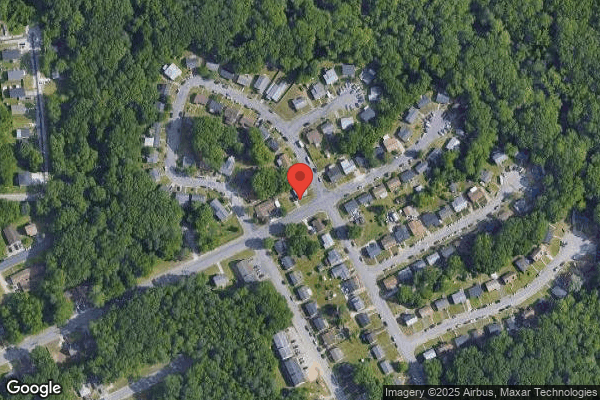
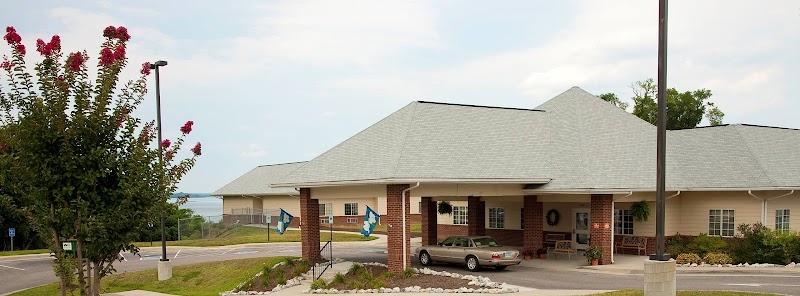
201 EPPS STREET, HOPEWELL, VA 23860 (804) 541-1445
For profit - Partnership 124 Beds COMMONWEALTH CARE OF ROANOKE Data: November 2025 2 Immediate Jeopardy citations
Trust Grade
0/100
#271 of 285 in VA
Last Inspection: March 2023

Over 2 years since last inspection. Current conditions may differ from available data.

Overview

River View on the Appomattox Health & Rehab Center has received a Trust Grade of F, indicating significant concerns about the facility's overall care quality. It ranks #271 out of 285 nursing homes in Virginia, placing it in the bottom half of the state, but it is the top option in Hopewell City County, where there is only one other facility. While the facility has shown improvement, decreasing issues from 28 in 2023 to 4 in 2024, the staffing situation is worrisome with a high turnover rate of 66%, well above the state average of 48%. Additionally, the center has incurred $78,810 in fines, which is concerning as it is higher than 92% of Virginia facilities, suggesting ongoing compliance problems. Critical incidents included a resident developing a serious pressure ulcer due to inadequate care and staff failing to wear proper protective equipment when entering a room with a contagious condition. Overall, while there are strengths such as a good quality measure rating, the weaknesses in staffing, compliance, and safety practices are significant red flags for families considering this facility.

Trust Score
F
0/100
In Virginia
#271/285
Bottom 5%
Safety Record
High Risk
Review needed
Inspections
Getting Better
28 → 4 violations
Staff Stability
⚠ Watch
66% turnover. Above average. Higher turnover means staff may not know residents' routines.
Penalties
✓ Good
$78,810 in fines. Lower than most Virginia facilities. Relatively clean record.
Skilled Nurses
⚠ Watch
Each resident gets only 13 minutes of Registered Nurse (RN) attention daily — below average for Virginia. Fewer RN minutes means fewer trained eyes watching for problems.
Violations
⚠ Watch
78 deficiencies on record. Higher than average. Multiple issues found across inspections.
★☆☆☆☆
1.0
Overall Rating
★☆☆☆☆
1.0
Staff Levels
★★★★☆
4.0
Care Quality
★☆☆☆☆
1.0
Inspection Score
Stable
2023: 28 issues
2024: 4 issues

The Good

  • 4-Star Quality Measures · Strong clinical quality outcomes
  • Full Sprinkler Coverage · Fire safety systems throughout facility
  • No fines on record

Facility shows strength in quality measures, fire safety.

The Bad

1-Star Overall Rating

Below Virginia average (3.0)

Significant quality concerns identified by CMS

Staff Turnover: 66%

19pts above Virginia avg (46%)

Frequent staff changes - ask about care continuity

Federal Fines: $78,810

Well above median ($33,413)

Moderate penalties - review what triggered them

Chain: COMMONWEALTH CARE OF ROANOKE

Part of a multi-facility chain

Ask about local staffing decisions and management

Staff turnover is elevated (66%)

18 points above Virginia average of 48%

The Ugly 78 deficiencies on record

2 life-threatening
May 2024 4 deficiencies
CONCERN (D) 📢 Someone Reported This

A family member, employee, or ombudsman was alarmed enough to file a formal complaint

Potential for Harm - no one hurt, but risky conditions existed

Deficiency F0657 (Tag F0657)

Could have caused harm · This affected 1 resident

Based on interview, clinical record review, and facility documentation, the facility staff failed to review and revise the care plan after each assessment or change in Resident condition for 1 Residen...

Read full inspector narrative →
Based on interview, clinical record review, and facility documentation, the facility staff failed to review and revise the care plan after each assessment or change in Resident condition for 1 Resident (#2) in a survey sample of 5 Residents. The findings included: For Resident #2 the facility staff failed to review/revise the care plan to add additional interventions after the Resident fell while left unattended in the bathroom. A review of the clinical record revealed that Resident #2 did have a fall in her bathroom on 3/8/24 at 3:00 PM. A review of the progress notes revealed the following: 3/8/24 3:00 PM -Note Text: Resident is alert and verbal this writer heard resident calling out into the hall. When entering room resident was noted to be sitting on the floor on her buttocks in her bathroom. Resident stated she was using the bathroom and stood up but when she stood up [sic], she felt dizzy and fell forward onto her knees. Right Knee is red in color and warm ROM [range of motion] WNL [within normal limits]. Resident was hoyered into her wheelchair MD in facility made aware and gave new order to obtain x-ray of r knee r/t pain. Resident is own RP [responsible party] and made aware. On 5/15/24 the facility submitted a copy of the fall investigation excerpts are as follows: Location of fall - Bathroom (resident room) Conditions -Check ALL conditions that may have impacted THIS fall. Dizziness [box checked] History of falls in past 6 mos. [box not checked in spite of history of 2 falls at hospital prior to admission], Psychoactive medication - [box not checked in spite of Resident having orders for amitriptyline at bedtime, as well as Buspar twice per day and PRN alprazolam for anxiety], Recent medication change [box unchecked in spite of having Buspar and Alprazolam newly prescribed on 3/6/24], ambulating without needed help [box unchecked in spite of diagnosis of muscle weakness, difficulty walking, fibromyalgia, lack of coordination]. Impact of fall - Check ALL outcomes that resulted from this fall. No boxes checked, however Resident #2's right knee was described as red, and the Resident complained of Right knee pain at time of fall. Resident Interview 3. Did you experience any of the following symptoms just prior to fall? Lightheadedness, slurred speech, Irregular heart rate, shortness of breath, Numbness, Dizziness Strange smell, Flashing lights, or other unusual symptoms? Yes Dizziness 6. How did you fall what were you trying to do? Go to bathroom Care Plan / Individualized Service Plan (ISP) Review: Educated to call for assistance r/t [related to] dizziness w/toileting. [Signed by nurse on 3/8/24 signed by Quality Review on 3/11/24] A review of the Fall Prevention Program page 2 Paragraph #7 read: When any patient experiences a fall, the Center will: a. Assess the patient. b. Complete a post fall assessment. c. Complete an incident report. d. Notify the physician / physician extender and legal representative / family. e. Review the patient's care plan and update as indicated. f. Document all assessments and actions g. Obtain witness statements in the case of injury. On 5/15/24 a review of the care plan revealed the following with regard to falls: FOCUS: (Resident #2 name redacted) is at risk for falls Date initiated: 2/11/24 GOAL: Will not sustain an avoidable fall or injury through the next review period Date initiated 2/11/24 INTERVENTIONS: Assess fall risk per facility protocol and implement appropriate measures. Reassess per protocol and as needed. Date initiated 2/11/24. Orient patient and family to room, call bell, lighting, and bathroom encourage to call for assistance. Date initiated 2/11/24. A review of the care plan policy revealed the following excerpt: Comprehensive Care Planning Process - CP 102 Page 1 Paragraph #3 Additionally, the care plan is a fluid document and shall be reviewed and updated at any time the resident, family or representative or member of the ID team determines a need for additional interventions or care areas to be addressed. On the afternoon of 5/15/24 an interview with LPN C was conducted and she stated, When there is a fall, we first assess for injuries get vitals, assist them back to bed, then we do the post fall assessment and notify the family and the physician and document everything in the notes. When asked if the care plans should be updated after a fall, she stated that the care plan should be reviewed, the actual fall should be added along with new interventions. On 5/15/24 during the end of day meeting the Administrator was made aware of the findings and no further information was provided.
CONCERN (D) 📢 Someone Reported This

A family member, employee, or ombudsman was alarmed enough to file a formal complaint

Potential for Harm - no one hurt, but risky conditions existed

Deficiency F0658 (Tag F0658)

Could have caused harm · This affected 1 resident

Based on interview, clinical record review, and facility documentation, the facility staff failed to provide care that meets professional standards of quality for 1 Resident (#2) in a survey sample of...

Read full inspector narrative →
Based on interview, clinical record review, and facility documentation, the facility staff failed to provide care that meets professional standards of quality for 1 Resident (#2) in a survey sample of 5 Residents. The findings included: For Resident #2 the facility staff failed to obtain vital signs every 4 hours as ordered on 3/5/24. On 5/15/24 a review of the clinical record revealed a progress note from the Nurse Practitioner on 3/5/24 excerpts read: [Resident #2 name redacted] is being seen in follow-up today for shortness of breath with hypoxia, chest pain, and for vertigo. The resident reports that she is having more shortness of breath and dyspnea on exertion with task that would normally cause no shortness of breath. She reports that her oxygen saturations have been dropping when she sleeps. PLAN: The resident will start supplemental oxygen ATC [Around the Clock] at 2 L/min via nasal cannula. The nursing staff will monitor her for ongoing hypoxia, increased shortness of breath, PND [Paroxysmal Nocturnal Dyspnea], orthopnea, chest congestion, and wheezing. A review of the clinical record revealed that on 3/5/24 the the orders for vital signs monitoring was increased to every 4 hours. On 5/15/24 a review of the MAR (Medication Administration Record) revealed the vital signs were recorded identically on several occasions excerpts are as follows: On 3/6/24 at 2 a.m., 6 a.m., 10 a.m. and 2 p.m. the vital signs were recorded as: Blood pressure 144/82, Temp. 97.4, Pulse 90, Respiration 22, Oxygen Saturation 90% On 3/6/24 at 6 p.m., and 10 p.m., the vital signs were recorded as : Blood pressure 136/74, Temp. 97.1, Pulse 82, Respiration 18, Oxygen Saturation 96%. On 3/7/24 at 6 a.m., 10 a.m., 2 p.m., 6 pm and 10 p.,m. the vital signs were recorded as: Blood pressure 118/84, Temp. 97.3, Pulse 88, Respiration 20, Oxygen Saturation 90%. On 3/8/24 at 6 a.m., 2 a.m., and 6 a.m. the vital signs were recorded as: Blood pressure 134/86, Temp. 97.1, Pulse 95, Respiration -20, Oxygen Saturation 94% On 3/9/24 at 2 a.m. and 6 a.m. the vital signs were recorded as : Blood pressure - 129/85, Temp. 96.8, Pulse - 84, Respiration -18, Oxygen Saturation 93% On 3/9/24 at 10 p.m. and 3/10/24 at 2 a.m. and 6 a.m. vitals were recorded as: Blood pressure 129/87, Temp. 97.4, Pulse 76, Respiration 20, Oxygen Saturation 95% **Note : Vital signs fluctuate normally during the day and night factors that affect the vital signs are positioning, stress, sleep, pain, anxiety, infection, medications and the normal homeostasis of the body reacting to ambient temperature. It would be extremely rare to find the all of the vital signs exactly the same twice in a row.** According to the National Institutes of Health / National Library of Medicine website: https://www.ncbi.nlm.nih.gov/pmc/articles/PMC6333367/ Vital signs, i.e. respiratory rate, oxygen saturation, pulse, blood pressure and temperature, are regarded as an essential part of monitoring hospitalized patients. Changes in vital signs prior to clinical deterioration are well documented and early detection of preventable outcomes is key to timely intervention. On 51524 during the end of day meeting the Administrator was made aware of the concerns and no further information was provided.
CONCERN (D) 📢 Someone Reported This

A family member, employee, or ombudsman was alarmed enough to file a formal complaint

Potential for Harm - no one hurt, but risky conditions existed

Deficiency F0757 (Tag F0757)

Could have caused harm · This affected 1 resident

Based on interview, clinical record review and facility documentation the facility staff failed to ensure Residents were free from unecessary medications for 1 Resident (#2), in a survey sample of 5 R...

Read full inspector narrative →
Based on interview, clinical record review and facility documentation the facility staff failed to ensure Residents were free from unecessary medications for 1 Resident (#2), in a survey sample of 5 Residents. The findings included: For Resident #2 the facility staff failed to follow physicians orders resulting in Resident #2 receiving meclizine after the Nurse Practitioner had ordered it discontinued. On 5/15/24 a review of the clinical record revealed the following excerpt from the NP (Nurse Practitioner) progress note. Date of Service: 02/27/2024 12:00 AM - The nursing staff will arrange an appointment for the resident to be evaluated by pulmonologist. The order has been placed. The nursing staff will monitor her for chest congestion, wheezing, and hypoxia. Vertigo-the resident has requested her meclizine be discontinued. It will be discontinued at this time. A review of the MAR (Medication Administration Record) revealed that although the physician put in her orders that the medication would be discontinued it was not stopped. Resident #2 continued to get the medication until 3/10/24. On 5/15/24 an interview with LPN B was conducted and she stated that when a physician orders a medication to be discontinued, they put it in the system so that it is no longer given to the patient and so that pharmacy can know not to send the medication. When asked if doctors put in the orders to discontinue, she stated that sometimes they do. On 5/15/24 a during the end of day meeting the Administrator was made aware of the concerns with medication administration and no further information was provided.
CONCERN (D) 📢 Someone Reported This

A family member, employee, or ombudsman was alarmed enough to file a formal complaint

Potential for Harm - no one hurt, but risky conditions existed

Deficiency F0776 (Tag F0776)

Could have caused harm · This affected 1 resident

**NOTE- TERMS IN BRACKETS HAVE BEEN EDITED TO PROTECT CONFIDENTIALITY** Based on interview, clinical record review, and facility documentation, the facility staff failed to provide timely diagnostic s...

Read full inspector narrative →
**NOTE- TERMS IN BRACKETS HAVE BEEN EDITED TO PROTECT CONFIDENTIALITY** Based on interview, clinical record review, and facility documentation, the facility staff failed to provide timely diagnostic services to meet the needs of 1 Resident, (#2) in a survey sample of 5 Residents. The findings included: For Resident #2 the facility staff failed to obtain a diagnostic sleep study as ordered by the discharging hospital prior to admission and again ordered by the Nurse Practitioner on 3/6/24 after a hypoxic episode at the facility. Resident #2 was admitted to the facility on [DATE] with diagnoses that included but were not limited to chronic obstructive pulmonary disease, with acute exacerbation, long term use of insulin, fibromyalgia, hyperlipidemia, asthma with acute exacerbation, hypertensive heart disease with heart failure, morbid obesity, OSA (Obstructive Sleep Apnea), type 2 diabetes, acute on chronic combined systolic (congestive) and diastolic (congestive) heart failure. On 5/14/24 a review of the clinical record revealed that Resident #2 had written discharge orders with the following excerpts: Follow up with [name of pulmonologist redacted] on 2/22/24 at 11:15 AM. Obtain outpatient sleep study. A review of the progress notes for 2/22/24 did not mention the Resident leaving the facility for a doctor appointment nor did it mention the appointment being canceled. On the afternoon of 5/14/24 an interview was conducted with the scheduler (employee D) and the Administrator. Employee D was asked the process for making appointments and transportation arrangements to outside appointments. Employee D stated that upon admission the nurses get the discharge summary and make the appointments then they fill out a Transportation slip and give it to employee D for her to arrange the transportation. When asked the process if the Resident already has the appointment scheduled she stated that the nurse confirms the appointment and puts in Transportation Slip so that she can schedule transportation. When asked if this process took place for Resident #2's appointment on 2/22/24, she stated that she could not find it in her book. She stated that she thought maybe the family might have taken Resident #2 or the appointment might have been canceled. The Administrator then asked, Wouldn't we have some kind of documentation that it was canceled? Employee D responded that the nurses were supposed to document any changes to the appointment. On 5/15/24 at approximately 10 AM the Administrator provided documentation that the Resident was unwell, and the appointment had been canceled due to gastrointestinal issues. A review of the clinical record revealed a progress note from the Nurse Practitioner on 3/5/24 excerpts read: [Resident #2 name redacted] is being seen in follow-up today for shortness of breath with hypoxia, chest pain, and for vertigo. The resident reports that she is having more shortness of breath and dyspnea on exertion with task that would normally cause no shortness of breath. She reports that her oxygen saturations have been dropping when she sleeps. The resident reports that she was tested for obstructive sleep apnea several years ago, however she tested negative. Per her medical record however, she was diagnosed with obstructive sleep apnea. She reports no use of CPAP. The resident reports she has been on steroids for the last 3 months and has gained over 50 pounds. Plan: . Will have stat labs drawn to assess for abnormalities. The resident will also have a stat EKG [Electrocardiogram] performed to rule out ischemia. I have ordered a home sleep study to assess for degree of sleep apnea. Resident will be monitored for chest pain, palpitations, hypotensive/hypertensive episodes, dizziness, headache, or blurred vision. I have ordered a head CT to be performed to rule out insidious cause of the residents dizziness and nausea. The resident will be evaluated by neurologist. The nursing staff will arrange an appointment for pulmonary as well. The resident will start supplemental oxygen ATC [Around the Clock] at 2 L/min via nasal cannula. The nursing staff will monitor her for ongoing hypoxia, increased shortness of breath, PND [Paroxysmal Nocturnal Dyspnea], orthopnea, chest congestion, and wheezing. When asked if the pulmonologist appointment was rescheduled and if the sleep study was scheduled employee D stated that she could not find any evidence that the appointments were scheduled. On 5/15/24 during the end of day meeting the Administrator was made aware and no further information was provided.
Mar 2023 28 deficiencies 2 IJ (1 affecting multiple)
CRITICAL (J)

Immediate Jeopardy (IJ) - the most serious Medicare violation

Infection Control (Tag F0880)

Someone could have died · This affected 1 resident

**NOTE- TERMS IN BRACKETS HAVE BEEN EDITED TO PROTECT CONFIDENTIALITY** 2. The facility staff failed to wear proper personal protective equipment (PPE) prior to entering the room of a Resident with a ...

Read full inspector narrative →
**NOTE- TERMS IN BRACKETS HAVE BEEN EDITED TO PROTECT CONFIDENTIALITY** 2. The facility staff failed to wear proper personal protective equipment (PPE) prior to entering the room of a Resident with a known condition that was highly transmissible. This deficient practice was not related to the Immediate Jeopardy. On 2/28/23 at approximately 9:00 AM, Resident #105 was observed to have a sign on her room door that read, Contact Precautions, Prior to Entering Room: Clean hands using alcohol-based hand rub, gown, gloves. There was a station set-up in the hallway, outside of the room that contained isolation gowns, gloves, etc. On 2/28/23 at approximately 9:03 AM, an interview was conducted with CNA B. CNA B confirmed with the nurse on duty and then responded to the Surveyor that Resident #105 was on isolation for MRSA (Methicillin-resistant Staphylococcus aureus is a cause of staph infection that is difficult to treat because of resistance to some antibiotics). On 2/28/23 at 9:20 AM, Surveyor C observed Employee D enter the room of Resident #105 without putting on an isolation gown or gloves. Upon Employee D's exit from the room she was asked about the signage on the door, which indicated isolation. Employee D said, it was with the roommate she had, I overlooked the sign. On 2/28/23 at 10:12 AM, Employee E, who was a housekeeper was observed in Resident #105's room cleaning without wearing an isolation gown or gloves. When asked about the signage and PPE bin outside of the room, she said it will say hot room if it is COVID, but we haven't had COVID in a while. If it's something that can be transmitted, I wear it, otherwise I don't. When asked how she wound know if it is something that can or cannot be transmitted and she said she didn't know. On 2/28/23 at 10:20 AM, an interview was conducted with LPN D, the unit manager. LPN D said, Everyone should be wearing PPE, including housekeeping. Review of the facility policy titled; Contact Precautions was conducted. This policy read, .3. Use of personal protective equipment (PPE) and hand hygiene: a. Perform hand hygiene by using an alcohol-based hand rub prior to donning PPE and room entry. Wash hands with soap and water or use alcohol-based hand rub, in accordance with hand hygiene practices. b. [NAME] gown and gloves upon room entry, doff and discard PPE in appropriate container, perform hand hygiene prior to room exit. During providing care for residents, gloves and gown will be changed after having contact with infective material that may contain high concentrations of microorganisms or if becomes visibly soiled (fecal material or wound drainage) . On 3/3/23, during an end of day meeting, the facility Administrator and Corporate Clinical Consultant were made aware of the above findings. No additional information was provided, prior to the conclusion of the survey. Based on observations, staff interviews, record review, and facility policy review, the facility failed 1) to ensure a multi-use glucometer was disinfected per manufacturer's instructions between use on each resident to prevent potential spread of bloodborne pathogens during finger-stick blood glucose checks for three of three residents (R104, R100, and R105) observed for blood sugar monitoring. R105 was diagnosed with bloodborne pathogens potentially transmissible to other residents using the glucometer. This failure had the potential to transmit infection to all 15 residents who received finger-stick blood glucose monitoring. On 03/03/23 at 2:55 PM, Immediate Jeopardy was called. The Immediate Jeopardy began on 03/03/23 at 10:29 AM, and was removed on 03/06/23 4:30 PM. Deficiencies remain at a level 2 isolated including 2) The facility staff failed to wear proper personal protective equipment (PPE) prior to entering the room of Resident # 101 in a survey sample of 71 residents. Findings include: 1. Review of R104's undated Profile, located in the Profile tab of the electronic medical record (EMR), revealed she was admitted to the facility on [DATE] with multiple diagnoses including type II diabetes mellitus. Review of R104's 03/03/23 physician's Orders, located in the Orders tab of the EMR, revealed an 11/09/22 order for Humalog insulin per sliding scale (amount given based on the current blood sugar reading) to be given at 6:00 AM, 11:00 AM, 4:00 PM, and 8:00 PM. There was no specific order for finger-stick blood glucose monitoring. 2. Review of R100's undated Profile, found in the Profile tab of the EMR, revealed she was admitted to the facility on [DATE] with multiple diagnoses including type II diabetes mellitus. Review of R100's 03/03/23 physician's Orders, located in the Orders tab of the EMR, revealed a 06/16/22 order for Humalog insulin per sliding scale to be given at 6:00 AM, 11:00 AM, 4:00 PM, and 8:00 PM. There was no specific order for finger-stick blood glucose monitoring. 3. Review of R105's undated Profile in the Profile tab of the EMR revealed she had diagnoses including osteomyelitis (bone infection that can spread via the bloodstream), methicillin-resistant staphylococcus aureus (MRSA) infection (a staph infection that is difficult to treat because of resistance to antibiotics, that can be spread via the blood. https://www.cdc.gov/mrsa), klebsiella pneumoniae (a bacterium associated with pneumonia spread by person-to-person contact and can be spread through the blood. https://www.cdc.gov/hai/organisms/klebsiella/klebsiella.html), and type II diabetes mellitus. Review of R105's 03/03/23 physician's Orders, located in the Orders tab of the EMR, revealed a 02/09/23 order for blood sugar monitoring at 6:00 AM, 11:00 AM, 4:00 PM, and 8:00 PM. On 03/03/23 at 10:29 AM, Licensed Practical Nurse (LPN) B was observed as she prepared to perform finger-stick blood glucose checks for R104, R100, and R105. LPN B placed three pairs of gloves, three lancets, one glucometer, and three alcohol prep pads on a piece of paper and brought them with her into R104's room. LPN B donned gloves, opened the alcohol prep pad, and wiped R104's finger. LPN B then used a lancet to pierce R104's skin, inserted the test strip in the glucometer, touched the test strip to the finger to obtain the blood sample, and obtained a blood sugar reading of 75. LPN B then discarded her gloves and exited the room without first washing or sanitizing her hands. LPN B then walked to R100's room and entered the room. LPN B donned gloves without first washing or sanitizing her hands. LPN B then inserted the test strip into the glucometer without first cleaning or sanitizing the glucometer. LPN B then used the lancet to perform the finger stick and touched the test strip to R100'S finger to obtain the blood sample with a blood sugar reading of 254. LPN B then doffed her gloves and exited the room. LPN B proceeded toward R105's room when Surveyor I intervened. LPN B stated she only had one glucometer and used the same glucometer for every resident she cared for. LPN B stated she would wipe it off with an alcohol prep pad when she went back to her cart after obtaining all three residents' blood sugar values. LPN B stated she was trained to sanitize the glucometer between each use, but she was just trying to hurry up and get it done. LPN B stated she used an alcohol prep pad [70% isopropyl alcohol] to clean the glucometer after use. Surveyor I then requested LPN B sanitize the glucometer before proceeding with R105's blood sugar check. LPN B was observed to use one alcohol prep pad to wipe the front of the glucometer, and another pad to wipe the back of the glucometer, then placed it on a tissue on top of the cart to dry. In an interview on 03/03/23 at 10:38 AM, LPN D, who served as the Unit Manager, stated glucometers should be cleaned and sanitized between use on each resident, and the staff were to use the grey-top wipes to sanitize the machine. She stated, We try to have two [glucometers] on each so they can rotate and use one while the other dries. LPN D stated failure to sanitize the glucometer between each resident could lead to transmission of infection and contamination to other residents. Observation of the grey-top wipes revealed they were Sani-Cloth Germicidal Disposable Wipes with Environmental Protection Agency (EPA) registration #9480-9. In an interview with the Administrator and Employee F on 03/03/23 at 2:55 PM, Employee F stated the staff should be using the appropriate Super Sani-cloth for glucometer disinfection between use on each resident. Review of the April 2021Assure Prism glucometer User Instruction Manual under the section Cleaning and Disinfection revealed, The cleaning procedure is needed to clean dirt as well as blood and other body fluids on the exterior of the meter and lancing device before performing the disinfection procedure. The disinfection procedure is needed to prevent transmission of blood-borne pathogens . The meter should be cleaned and disinfected after use on each patient. This Blood Glucose Monitoring System may only be used for testing multiple patients when Standard Precautions and the manufacturer's disinfection procedures are followed. We have validated Clorox Healthcare Bleach Germicidal Wipes [0.55% Sodium Hypochlorite, EPA#67619-12], Dispatch Hospital Cleaner Disinfectant Towels with Bleach [0.65% Sodium Hypochlorite, EPA#56392-8], CaviWipes1 [0.76% Didecyldimethylammonium chloride, 7.5% Ethanol, 15% isopropanol; EPA#46781-13], and PDI Super Sani-Cloth Germicidal Disposable Wipe [n-Alkly (68% C12, 32% C14) dimethyl ethylbenzyl ammonium chlorides, 0.25% n-Alkyl (60% C14, 30% C16, 5% C12, 5% C18) dimethyl benzyl ammonium chlorides, 0.25%, 55% isopropyl alcohol; EPA#9480-4] for disinfecting the Assure Prism multi meter. These disinfectants are available commercially in towelette form . Only wipes with EPA registration numbers listed in the previous tables have been validated for use in cleaning and disinfecting the meter. Any disinfectant product containing the EPA registration numbers may be used on this device. Review of the facility's 05/27/22 Blood Glucose Monitoring policy revealed, It is the policy of this Center to perform blood glucose monitoring per physician/physician extender's orders . The nurse will abide by the infection prevention and control practices of cleaning and disinfection of the glucometer per manufacturer's instructions . The nurse is responsible for cleaning and disinfection of the glucometer between patients following the manufacturer's instructions. On 03/03/23 at 2:55 PM, the Administrator and the Regional Clinical Registered Nurse (employee F) were notified the failure to ensure a multi-use glucometer was disinfected between use on each resident to prevent the potential spread of bloodborne pathogens constituted Immediate Jeopardy to the health and safety of the residents who used the multi-use glucometers. The Immediate Jeopardy began on 03/03/23 at 10:29 AM, when observations of the failure to disinfect the glucometer between use on each resident were first made. The facility presented the following removal plan. 1) All residents have the potential for risk if employee fails to disinfect of glucometer. Facility obtained proper [EPA registered] disinfectant wipes to clean the glucometers. Resident #100 was assessed and is being monitored for any adverse signs or symptoms. MD/RP made aware of incident. All Glucometers disinfected on 3/3/23. 2) Before being permitted to work all licensed nurses (LPNs and RNs) will be educated on and preform [sic] a return demonstration on the process of disinfecting a glucometer after each use. 3) Date of completion 3/3/23 at 6:15pm. The survey team verified the facility's removal plan by doing the following: Resident #100's clinical chart was reviewed, and it was confirmed that a nursing progress note was entered into the record that the nurse practitioner was made aware of the incident and gave no new orders. The Resident's Responsible party was also made aware of the incident. Surveyor C made observations on both nursing stations to verify that the correct purple top Super Sani cloths (EPA registered) were present and available for staff use. Surveyor C conducted staff interviews with all of the nurses (LPN/RN) currently working (10 LPNs and 1 RN) and all were able to verbalize the correct way to disinfect a glucometer, able to verbalize that they would do this prior to use and after each use (between each Resident). They would wipe all surfaces of the glucometer with a purple-top sani wipe and then take a clean super sani-wipe and wrap the glucometer and let it sit for 2 minutes, then remove the super sani-wipe and let the glucometer sit on a clean towel to air dry before using. 2 Nurses performed return demonstration. Facility staff were observed correctly sanitizing glucometers in-between residents. Immediate Jeopardy was removed on 3/6/23 at 4:30 PM
CRITICAL (K)

Immediate Jeopardy (IJ) - the most serious Medicare violation

Pressure Ulcer Prevention (Tag F0686)

Someone could have died · This affected multiple residents

3. For Resident #16, the resident developed an avoidable stage 3 pressure ulcer and the facility staff failed carry out wound physician orders. On the afternoon of 2/28/23, Resident #16 was visited i...

Read full inspector narrative →
3. For Resident #16, the resident developed an avoidable stage 3 pressure ulcer and the facility staff failed carry out wound physician orders. On the afternoon of 2/28/23, Resident #16 was visited in the day room, where he was sitting in a Geri-chair. Resident #16 did not respond when spoken to. Observations revealed Resident #16 had a contracture of his left arm at the elbow. Review of the clinical record of Resident #16 revealed the following: Resident #16 had diagnoses of, but not limited to: Dementia and Hemiplegia and hemiparesis following cerebrovascular disease affecting right non-dominant side. Resident #16's care plan indicated the Resident was incontinent of bowel and bladder. The care plan also identified that Resident #16 was at risk for skin breakdown. Resident #16 was also noted as being totally dependent upon facility staff for all care needs. Resident #16 had a body audit completed 12/12/22, that noted, left antecubital [of or relating to the inner or front surface of the forearm] skin tear. On 12/14/22, a nurse entered a progress note that read, CNA reported that resident has open area to his left arm. Resident has open area noted to his left AC [antecubital]. Wound bed is red with scant amount of serosanguinous drainage noted. Area is approximately 2 cm by 2 cm. Area cleaned with normal saline and Medi honey applied with dry dressing. RP [responsible party] and NP [nurse practitioner] aware. NP in to assess and new order to clean with normal saline (at dry and apply Medi honey to area daily until healed [sic]. On 12/14/22, the nurse practitioner note indicated that Resident #16 was seen for .Generalized weakness with constipation and dysphagia . There was no mention of the Resident's skin being impaired. On 12/16/22, a Skin & Wound Evaluation was completed by the facility staff that identified the wound on Resident #16's Left antecubital space as a Stage III pressure wound, which measured 1.0 cm x 1.2 cm x 0.3 cm. On 12/18/22, Resident #16 was seen by the wound care physician/specialist that indicated, .a thorough wound care assessment and evaluation was performed today. He has a stage 3 pressure wound of the left arm . there is moderate serous exudate . A surgical excisional debridement procedure was performed to remove necrotic tissue and establish the margins of viable tissue . 15 blade was used to surgically excise devitalized tissue and necrotic subcutaneous level tissues were removed at a depth of 0.4 cm . The wound care physician then ordered, Dressing and treatment plan: Leptospermum honey apply once daily for 30 days; Alginate calcium apply once daily for 30 days. Secondary dressing: Gauze Island with border apply once daily for 30 days. Review of the December 2022 and January 2023, treatment administration record (TAR) revealed the order by the wound care physician was entered as Cleanse left antecubital space skin tear with NS/WC [normal saline/wound cleanser], apply Medi honey, alginate and cover with a dry dressing. every day shift every other day for Skin Tear . This treatment was performed every other day from 12/14/22-12/30/22, and on 1/1/23, for a total of 10 occurrences versus the daily treatment. On 1/2/23, the wound care physician saw Resident #16 and noted the following orders, .Dressing treatment plan: Primary Dressing(s) Alginate calcium w/[with] silver apply once daily for 30 days Secondary Dressing(s) Gauze Island w/ bdr [with border] apply once daily for 15 days . Review of the Treatment Administration Record (TAR) for January revealed the above order from 1/2/23, was transcribed to the TAR as, Cleanse left antecubital space skin tear with NS/WC. apply silver alginate and cover with a dry dressing every day shift every other day for Skin Tear. This treatment was administered every other day from 1/3/23-1/31/23, for a total of 15 treatments. In February 2023, the treatment continued every other day for a total of 15 Administrations/treatments. This wound continued to deteriorate as evidenced by the wound care physician noting in a progress note dated 2/27/23, that the Resident had . a stage 4 pressure wound of the left arm for at least 66 days duration. There is moderate serous exudate . On 3/6/23, during the afternoon, an interview was conducted with the wound care physician. During the interview, when asked about his expectation regarding treatments he orders for wound care, the physician stated he expects them to be carried out as ordered with regards to frequency. When Resident #16 was discussed, the physician stated he was not aware that the facility staff had not been providing the treatments daily as ordered. The wound care specialist physician also stated that he would expect facility staff to identify skin impairments and wounds prior to being at a stage III or greater. The facility policy titled; Pressure Injury Prevention Guidelines was reviewed. The policy read, Policy: To prevent the formation of avoidable pressure injuries and to promote healing of existing pressure injuries, it is the policy of this Center to implement evidence-based interventions for all patients who are assessed at risk or who have a pressure injury, and in accordance with physician/physician extender orders. During an end of day meeting held, the facility Administration was made aware of the above findings. No further information was provided. 4. For Resident #15 the facility staff failed to provide care and services for the prevention of pressure ulcers and the worsening of pressure ulcers once they have developed. On the morning of 2/28/22 a review of the facility Matrix submitted to the team revealed Resident #15 had a facility acquired state IV pressure ulcer. On 3/1/23 at approximately 10 AM, an observation was made of Resident #15 lying in bed family at bedside. Resident #15 is non communicative, mumbles at times but no meaningful conversation. Resident #15 had eyes open staring at the ceiling, she was dressed in a hospital gown and had a blanket over her. On the afternoon of 3/2/23 an observation was made while CNA D was in the room providing care, CNA D was asked to remove the blanket from Resident # 15's feet. Both feet were flat on the bed and the Surveyor noted redness to right heel. A review of the clinical record revealed that an MDS (Minimum Data Set) with an ARD of 10/19/22 was completed after admission excerpts are as follows: M-0150 At risk of developing pressure ulcers / injury? 1. Yes M-0210 - Unhealed pressure ulcers? 0 - No A review of the clinical record revealed that on 11/18/22 a body audit was conducted and described redness to coccyx. However, on 11/25/22 another body audit was done, and it stated that there was a treatment in place to the sacrum (a shield-shaped bony structure that is located at the base of the lumbar vertebrae and that is connected to the pelvis) not the coccyx (a triangular arrangement of bone that makes up the very bottom portion of the spine below the sacrum). A review of the clinical record revealed that on 11/28/22 Resident # 15 was seen by the wound physician for her initial wound visit for the sacral wound . The wound specialist measured the wound at 2.9 cm. x 1.9 cm x 0.4 cm and performed surgical debridement at that time as the wound was described as Full thickness 100 % necrotic. The wound physician documentation describes additional measurements and surgical debridement on the following dates: Sacral wound 12/5/22 measuring 2.9 x 1.9 x 0.4 cm with surgical debridement performed. Sacral wound 12/12/22 measuring 3.2 x 1.1 x 0.4 cm with surgical debridement performed. Sacral wound 1/30/23 measuring 3.4 x 2.8 x 1.4 cm with surgical debridement performed. Sacral wound 2/20/23 measuring 5.5 x 4.3 x 1 cm with surgical debridement performed. On 3/2/23 at 4:30 PM an interview was conducted with the LPN E (Wound Nurse) who stated that the process for identifying wounds and skin issues starts with CNA's. She stated that CNA's document any skin issues noted such as redness or open areas or rashes, in the POC (Point of Care) electronic health record. She stated this flags on the nurse's dashboard and they are to go and assess the Resident and do a body audit notify the MD get treatment orders and interventions in place. Then notify the RP (Responsible Party) The nurses will then notify the wound nurse so that she can evaluate it further. When asked about any training or certification she had in wound care LPN E stated that she had corporate training for 3 months. She did not have any documentation or proof of training to submit to team. When asked about initial assessments and staging of wounds she stated that she has an wound App that is on the phone and it measures wounds she takes a picture of a wound and the app does the measurements, however it does not measure depth of wounds. She stated that she uploads the information into the skin assessment and then confirms the accuracy with the wound doctor. She stated the wound doctor has access to PCC and can see what is uploaded into the system. On 3/6/23 at 2:45 PM an interview was conducted with the wound physician who stated that he probably does have access to PCC (the electronic health record) however he has not ever used it. When asked if he has accessed the photos attached to PCC, he stated that he has not. He stated the facility has access to him through email and phone and text. When asked when he would expect wounds to be discovered he stated that it would depend on condition of the patient but usually it starts out with redness or irritation, and small area that gets bigger over time. When asked if you would expect wounds to be found before they reach Stage III, he stated that he would. A review of Resident #15's current care plan obtained on 3/2/23 revealed that Resident #15 had no treatment or interventions for pressure ulcers in place and her care plan did not mention wounds actual or potential for pressure ulcers. On 3/3/23 during the end of day meeting the acting DON was asked if the care plan should reflect the presence of a wound and associated wound care and interventions. The acting DON stated that it should. When asked why this information was not in Resident #15's care plan she stated that it was. She then presented a care plan that read as follows: Focus Is at risk for skin breakdown pressure injury to sacrum and right heel Date Initiated: 12/19/2022 Created on: 12/19/2022. There were interventions entered for the same date (12/19/22). When the acting DON was questioned about why the copy of the care plan that the survey team obtained did not mention the wound or interventions, she stated that it had been marked as Resolved in Jan. She stated that when she was reviewing the wound she noticed that there was no mention of wounds and she, (the DON) had just Reactivated it in the system. NOTE: the care plan focus and interventions were dated 12/19/22 and the wound was identified on 11/9/22 indicating that the care plan was not updated timely and was discontinued too soon before the wound healed. On 3/8/23 during the end of day meeting the Administrator was made aware of the concerns and no further information was provided. On 03/01/23 at 5:08 PM, the Administrator, the interim Director of Nursing, and the Regional Clinical Registered Nurse (employee F) were notified the failure to conduct timely assessment and identification of pressure wounds constituted Immediate Jeopardy to the health and safety of the residents. The facility presented the following removal plan: 1. All residents have the potential for risk. One hundred percent completion of body audits were performed to determine residents current skin condition between 3/1/2023-3/8/2023. Any newly identified skin impairment will be assessed and have treatment initiated as ordered. Appropriate revisions will be made to the care plans to reflect all current skin impairment with preventive interventions. On 3/1/2023 The Director of Nursing or designee conducted a body audit on Residents #75. Body audits newly identified unable to stage pressure ulcer noted to her left ear, stage 3 to right buttock, sacrum [a shield-shaped bony structure that is located at the base of the lumbar vertebrae and that is connected to the pelvis] deteriorated to an unable to stage, right heel deteriorated to unable to stage, right lateral malleolus [the bony prominence on the lateral side of the ankle joint] deteriorated to unable to stage, newly acquired left medial malleolus [the small prominent bone on the inner side of the ankle] unable to stage pressure ulcer, newly acquired left heel (1) deep tissue injury, newly acquired left heel (2) unable to stage pressure ulcer, newly acquired left heel (3) unable to stage (identified on 3/2/23, reassessed on 3/3/23), newly identified left lateral malleolus deep tissue injury (identified on 3/3/2023), newly identified left foot first digit (hallux) deep tissue injury (identified on 3/3/2023) were assessed, measured, staged and an order was obtained for treatment, and treatment was initiated as ordered. Appropriate revisions were made to the care plans to reflect all current pressure injury prevention interventions. The treatment nurse reviewed the revised care plans with all staff involved in the care of the resident on 3/3/2023. As of 3/6/2023, Resident #75 no longer resides in the center. On 3/1/2023 the Director of Nursing or designee conducted a body audit on Residents #16. Body audit identified stage 4 pressure area to the left antecubital space [triangular region on the anterior side of the elbow between the forearm and the anatomical arm], which was assessed, measured, an order was obtained for treatment, and treatment was initiated as ordered. Newly identified left hand lesion, not pressure related. Resident was re-assessed on 3/5/2023, newly identified DTI to right calf on 3/8/23 wound reclassified as a stage 2 pressure ulcer. At this time, the area was assessed, measured, an order was obtained for treatment, and treatment was initiated as ordered. Appropriate revisions were made to the care plans to reflect all current pressure injury prevention interventions. The treatment nurse reviewed the revised care plans with all staff involved in the care of the resident on 3/3/2023-3/8/2023. On 3/1/2023 the Director of Nursing or designee conducted a body audit on Residents #15. Body audit identified stage 4 pressure area to the sacrum, which was assessed, measured, staged, and an order was obtained for treatment, and treatment was initiated as ordered. Newly identified DTI to the right heel. Resident was also noted with ingrown and decolorated right and left great toes. Mottling noted to bilateral feet. The wound was assessed, measure, staged and an order was obtained for treatment, and treatment was initiated as ordered. Appropriate revisions were made to the care plans to reflect all current pressure injury prevention interventions. The treatment nurse reviewed the revised care plans with all staff involved in the care of the resident on 3/3/2023. As of 3/4/2023, resident no longer resides in facility. On 3/1/2023 and 3/2/2023 the Director of Nursing or designee conducted a body audit on Resident #39. Body audit identified stage 4 wound to the right ischial tuberosity [where the adductor and hamstring muscles of the thigh, as well as the sacrotuberous ligaments, attach], Moisture associated dermatitis to right buttock and scrotum resident also has large amount defuses [sic] scar tissue noted on both right and left buttock which was assessed, measured, staged and an order was obtained for treatment, and treatment was initiated as ordered. Appropriate revisions were made to the care plans to reflect all current pressure injury preventive interventions. Reviewed the revised care plans with all staff involved in the care of the resident on 3/3/2023-3/8/2023. On 3/5/2023 the Director of Nursing or designee conducted a body audit on Resident #27. Body audit identified scar tissue to sacrum, re-classification of left lateral foot from opened wound to stage 4 pressure ulcer which was assessed, measured, staged and an order was obtained for treatment, and treatment was initiated as ordered. Appropriate revisions were made to the care plans to reflect all current pressure injury preventive interventions. Reviewed the revised care plans with all staff involved in the care of the resident on 3/3/2023-3/8/2023. On 3/4/2023 the Director of Nursing or designee conducted a body audit on Resident #101. Body audit identified previous diabetic wound to left heel. Newly identified stage 2 right lateral malleolus [the bone on the outside of the ankle joint], pressure ulcer which was assessed, measured, staged and an order was obtained for treatment, and treatment was initiated as ordered. Appropriate revisions were made to the care plans to reflect all current pressure injury preventive interventions. Reviewed the revised care plans with all staff involved in the care of the resident on 3/3/2023-3/8/2023. On 3/4/2023 the Director of Nursing or designee conducted a body audit on Resident #65. Body audit identified previous moisture associated dermatitis to left buttock. On 3/8/2023, the area was reclassified as a stage 2 pressure ulcer which was assessed, measured, staged and an order was obtained for treatment, and treatment was initiated as ordered. Appropriate revisions were made to the care plans to reflect all current pressure injury preventive interventions. Reviewed the revised care plans with all staff involved in the care of the resident on 3/3/2023-3/8/2023. On 3/5/2023 the Director of Nursing or designee conducted a body audit on Resident #29. Body audit newly identified unable to stage to right foot fifth digit which was assessed, measured, staged and an order was obtained for treatment, and treatment was initiated as ordered. Appropriate revisions were made to the care plans to reflect all current pressure injury preventive interventions. Reviewed the revised care plans with all staff involved in the care of the resident on 3/3/2023-3/8/2023. On 3/5/2023 the Director of Nursing or designee conducted a body audit on Resident #365. Body audit newly identified stage 2 left buttock pressure ulcer which was assessed, measured, staged and an order was obtained for treatment, and treatment was initiated as ordered. Appropriate revisions were made to the care plans to reflect all current pressure injury preventive interventions. Reviewed the revised care plans with all staff involved in the care of the resident on 3/3/2023-3/8/2023. On 3/5/2023 the Director of Nursing or designee conducted a body audit on Resident #371. Body audit newly identified DTI to sacrum noted protruding sacral bone no adipose tissue present which was assessed, measured, staged and an order was obtained for treatment, and treatment was initiated as ordered. Appropriate revisions were made to the care plans to reflect all current pressure injury preventive interventions. Reviewed the revised care plans with all staff involved in the care of the resident on 3/3/2023-3/8/2023. On 3/4/2023 the Director of Nursing or designee conducted a body audit on Resident #105. Body audit previously identified right ischium tuberosity moisture associated dermatitis, surgical wound to right BKA [below-the-knee amputation], diabetic left heel wound. Newly identified on 3/4/2023, right hip skin tear, fungal rash to abdominal fold. Newly identified on 3/8/2023 sacral split (stage 2) which was assessed, measured, staged and an order was obtained for treatment, and treatment was initiated as ordered. Appropriate revisions were made to the care plans to reflect all current pressure injury preventive interventions. Reviewed the revised care plans with all staff involved in the care of the resident on 3/3/2023-3/8/2023. On 3/5/2023 the Director of Nursing or designee conducted a body audit on Resident #36. Body audit newly identified stage one right malleolus which was assessed, measured, staged and an order was obtained for treatment, and treatment was initiated as ordered. Appropriate revisions were made to the care plans to reflect all current pressure injury preventive interventions. Reviewed the revised care plans with all staff involved in the care of the resident on 3/3/2023-3/8/2023. On 3/3/2023 the Director of Nursing or designee conducted a body audit on Resident #14. Body audit newly identified stage one to left and right heel which was assessed, measured, staged and an order was obtained for treatment, and treatment was initiated as ordered. Appropriate revisions were made to the care plans to reflect all current pressure injury preventive interventions. Reviewed the revised care plans with all staff involved in the care of the resident on 3/3/2023-3/8/2023. On 3/2/2023 the Director of Nursing or designee conducted a body audit on Resident #59. Body audit newly identified stage 3 to sacrum which was assessed, measured, staged and an order was obtained for treatment, and treatment was initiated as ordered. Appropriate revisions were made to the care plans to reflect all current pressure injury preventive interventions. Reviewed the revised care plans with all staff involved in the care of the resident on 3/3/2023-3/8/2023. On 3/3/2023 the Director of Nursing or designee conducted a body audit on Resident #47. Body audit newly identified stage one pressure ulcer to left great toe, fungal rash to left and right breast, which was assessed, measured, staged and an order was obtained for treatment, and treatment was initiated as ordered. Appropriate revisions were made to the care plans to reflect all current pressure injury preventive interventions. Reviewed the revised care plans with all staff involved in the care of the resident on 3/3/2023-3/8/2023. On 3/4/2023 the Director of Nursing or designee conducted a body audit on Resident #76. Body audit newly identified unable to stage pressure ulcer to left heel, which was assessed, measured, staged and an order was obtained for treatment, and treatment was initiated as ordered. Appropriate revisions were made to the care plans to reflect all current pressure injury preventive interventions. Reviewed the revised care plans with all staff involved in the care of the resident on 3/3/2023-3/8/2023. On 3/5/2023 the Director of Nursing or designee conducted a body audit on Resident #100. Body audit newly identified re-opened stage four to left heel that presents as a DTI [deep tissue injury- an injury to underlying tissue below the skin's surface that results from prolonged pressure] which was assessed, measured, staged and an order was obtained for treatment, and treatment was initiated as ordered. Appropriate revisions were made to the care plans to reflect all current pressure injury preventive interventions. Reviewed the revised care plans with all staff involved in the care of the resident on 3/3/2023-3/8/2023. On 3/1/2023 the Director of Nursing or designee conducted a body audit on Resident #9. Body audit newly identified DTI on right and left heel, which was assessed, measured, staged and an order was obtained for treatment, and treatment was initiated as ordered. Body audit on 3/8/2023 identified improvements of DTI on right and left heel to stage one on left heel and stage two on right heel. Appropriate revisions were made to the care plans to reflect all current pressure injury preventive interventions. Reviewed the revised care plans with all staff involved in the care of the resident on 3/3/2023-3/8/2023. On 3/2/2023 the Director of Nursing or designee conducted a body audit on Resident #57. Body audit newly identified stage one right buttock which was assessed, measured, staged and an order was obtained for treatment, and treatment was initiated as ordered. On 3/6/2023, stage one pressure ulcer was resolved. Appropriate revisions were made to the care plans to reflect all current pressure injury preventive interventions. Reviewed the revised care plans with all staff involved in the care of the resident on 3/3/2023-3/8/2023. On 3/5/2023 the Director of Nursing or designee conducted a body audit on Resident #22. Body audit newly identified right heel deep tissue injury, which was assessed, measured, staged and an order was obtained for treatment, and treatment was initiated as ordered. Appropriate revisions were made to the care plans to reflect all current pressure injury preventive interventions. Reviewed the revised care plans with all staff involved in the care of the resident on 3/3/2023-3/8/2023. On 3/3/2023 the Director of Nursing or designee conducted a body audit on Resident #117. Body audit newly identified stage three left sacrum cluster and stage three right sacrum cluster which was assessed, measured, staged and an order was obtained for treatment, and treatment was initiated as ordered. Appropriate revisions were made to the care plans to reflect all current pressure injury preventive interventions. Reviewed the revised care plans with all staff involved in the care of the resident on 3/3/2023-3/8/2023. On 3/1/23 the Director of Nursing or designee conducted a body audit on Resident #8. Body audit newly identified stage 3 to the sacrum. On 3/5/2023 re-classified pressure ulcer on sacrum to unable to stage, newly identified unable to stage to right lateral malleolus, stage two to the left dorsal foot. Wound rounds completed on 3/6/2023, pressure ulcer to left dorsal foot re-classified to stage three which was assessed, measured, staged and an order was obtained for treatment, and treatment was initiated as ordered. Appropriate revisions were made to the care plans to reflect all current pressure injury preventive interventions. Reviewed the revised care plans with all staff involved in the care of the resident on 3/3/2023. Appropriate revisions were made to the care plans to reflect all current pressure injury preventive interventions. Reviewed the revised care plans with all staff involved in the care of the resident on 3/3/2023-3/8/2023. On 3/8/2023 the Director of Nursing or designee conducted an admission body audit on Resident #369. Body audit previously identified left heel unable to stage unable to stage to the sacrum was assessed, measured, staged and an order was obtained for treatment, and treatment was initiated as ordered. On 3/8/2023, newly identified stage 2 to left ischium which was assessed, measured, staged, and an order was obtained for treatment, and treatment was initiated as ordered. Appropriate revisions were made to the care plans to reflect all current pressure injury preventive interventions. Reviewed the revised care plans with all staff involved in the care of the resident on 3/3/2023-3/8/2023. On 3/4/2023 the Director of Nursing or designee conducted an admission body audit on Resident #66. Body audit previously identified stage four to sacrum. On 3/8/2023, newly identified stage two to the right malleolus, which was assessed, measured, staged, and an order was obtained for treatment, and treatment was initiated as ordered. Appropriate revisions were made to the care plans to reflect all current pressure injury preventive interventions. Reviewed the revised care plans with all staff involved in the care of the resident on 3/3/2023-3/8/2023. 2. A. All nurses re-educated on body audit policy, center process for skin observation on admission. Proper identification of new skin impairment. Implementation of treatment and process communication to wound care nurse completed by 3/8/2023. The remaining staff education is ongoing and will be completed prior to the start of their next assigned shift until all staff re-education requirement is met. B. All certified nursing assistants will be re-educated on center process of reporting skin impairment to nurse immediately, and residents point of care documentation. This will be completed by 3/8/2023. The remaining staff education is ongoing and will be completed prior to the start of their next assigned shift until all staff re-education requirement is met. 3. To prevent reoccurrence direct care nurse will complete body audit at time of identification of skin impairment, will describe the wound in body audit, and immediately implement treatment and preventative measures. Within 24-48 hours of identification, wound nurse or designee will reassess skin impairment to identify staging, appropriate treatment, and preventative measures. 4. Completion date on 3/8/2023 at 3:00pm. The survey team did the following to verify the facility's removal plan. The survey team verified that all Residents in the IJ removal plan were assessed and had treatments in place. The survey team verified all residents in the facility had current body audits in the clinical record, and that those Residents identified with pressure wounds had wound assessments in their clinical record and treatments in place. The survey team reviewed the education provided to facility staff and verified the education was provided to the CNAs and the nurses by interviewing the CNAs and nurses. The CNAs were asked what they were expected to do if a wound or skin change is noticed. The CNAs were able to verbalize the expectation of entering it into the ADL computerized documentation and notifying the nurse. The nurses were able to verbalize that they should assess the area, notify the Resident's representative, the MD, and implement any treatments ordered, and put in place any interventions to prevent worsening or further wound development, and to notify the wound nurse of the new area. The survey team selected 10 percent of the Resident population (this included Residents who had pressure wounds and Residents who the facility identified as not having pressure wounds but were at high risk of developing pressure wounds) plus an additional six random Residents and, along with facility staff, compared the assessments and body audits with the actual wounds found on the Resident to verify the accuracy of wound description, measurements, staging, appropriateness of treatments and interventions orders. Immediate Jeopardy was removed on 3/9/23 at 12:02 PM. 5. For Resident #16 the facility staff failed to provide care and position changes for an extended period (9 hours) which resulted in the development of a Deep Tissue Injury. Review of the clinical record of Resident #16 revealed the following: Resident #16 had diagnoses of, but not limited to: Dementia and Hemiplegia and hemiparesis following cerebrovascular disease affecting right non-dominant side. Resident #16's care plan indicated the Resident was incontinent of bowel and bladder. The care plan also identified that Resident #16 was at risk for skin breakdown. Review of the interventions to prevent skin breakdown included but were not limited to: Encourage frequent position changes for pressure relief, observe for moisture and incontinence issues that affect skin. Report for further assessment if noted and Provide pressure reduction surfaces as ordered/indicated. On 2/28/23 at approximately 9:00 AM, Resident #16 was observed to reside in room [redacted] and was on droplet precautions as identified by signage on the door. Staff interviews confirmed that Resident #16 was under quarantine for COVID-19. On 2/28/23 at 10:12 AM, Resident #16 was noted to no longer be in room [redacted] and the signage had been removed from the door alerting to droplet precautions. An interview was conducted with the unit manager/LPN D. The unit manager stated that Resident #16 was being moved back to the room he was in previously, due to his quarantine period had ended at mid-night. On 2/28/23 at approximately 1:00 PM, Resident #16 was observed in a Geri chair in the day room. The assigned room th[TRUNCATED]
CONCERN (D)

Potential for Harm - no one hurt, but risky conditions existed

Resident Rights (Tag F0550)

Could have caused harm · This affected 1 resident

Based on observation, staff interview, clinical record review, and facility documentation review, the facility staff failed to ensure the Resident's right to a dignified existence for 1 Resident (Resi...

Read full inspector narrative →
Based on observation, staff interview, clinical record review, and facility documentation review, the facility staff failed to ensure the Resident's right to a dignified existence for 1 Resident (Resident #47) in a survey sample of 71 Residents. The findings included: For Resident #47, the facility staff failed to maintain dignity and assist Resident #47 with a meal on 3-1-23 resulting in Resident #47 sitting at a table with 2 other Residents observing them eat breakfast as she was unable to feed herself. On 3-1-23 at 8:00 A.M., Surveyor B observed Resident #47 sitting in a communal area on the nursing unit at a table with 3 other residents who were able to feed themselves. The residents were being served breakfast and eating while Resident #47 watched them eat with no meal in front of her. This dining observation was conducted from 8:30 A.M., until 9:35 A.M., when all of the food had been eaten by the other three residents, and Resident #47 had not been served nor assisted with a meal. No staff stayed in the room until 9:34 A.M. On 3-2-23, Resident #47's clinical record was reviewed. Resident #47's most recent quarterly Minimum Data Set with an Assessment Reference Date of 1-28-23 coded the Resident's functional status for eating as extensive assistance on 1 staff member for eating. The Brief Interview for Mental Status was coded as severe cognitive impairment. The Resident's care plan was reviewed. There was a focus, goals, and interventions on the care plan associated with The Resident's nutritional status, however, the interventions listed that the Resident would be encouraged to eat in the dining room for lunch. No mention of communal eating was included in the care plan for breakfast or dinner. On 3-3-23 at approximately 5:00 P.M., the Administrator and Regional Registered Nurse Consultant were notified of findings. When asked about the expectation for meal service to table mates, and they both agreed that the Resident should not have been left there for an hour to watch others eat.
CONCERN (D)

Potential for Harm - no one hurt, but risky conditions existed

Deficiency F0553 (Tag F0553)

Could have caused harm · This affected 1 resident

**NOTE- TERMS IN BRACKETS HAVE BEEN EDITED TO PROTECT CONFIDENTIALITY** 2. For Resident #82, the facility staff failed to provide the opportunity for her to participate in her own care planning. On 2/...

Read full inspector narrative →
**NOTE- TERMS IN BRACKETS HAVE BEEN EDITED TO PROTECT CONFIDENTIALITY** 2. For Resident #82, the facility staff failed to provide the opportunity for her to participate in her own care planning. On 2/28/23 at approximately 9:00 AM, Surveyor C conducted an interview with Resident #82 and asked if she participated in planning her care at the facility, to which Resident #82 replied, I have never been asked or invited to attend any meetings about my care here, I would like to be involved. On 3/1/23, a review of Resident #82's clinical record was performed and revealed the most recent MDS (Minimum Data Set), a quarterly review with an ARD (Assessment Reference Date) of 2/1/23, coded Resident #82 with a BIMS (Brief Interview of Mental Status) score of 15 out of 15, indicating no cognitive impairment. Resident #82 was documented as her own Responsible Party. Review of the clinical record also revealed care plan reviews conducted on 4/22/22, 7/29/22, 10/26/22, and 2/1/23, however there was no documentation indicating that Resident #82 was invited to participate with care plan meetings. On 3/1/23, an interview was conducted with the Social Services Director (SSD), which included a review of Resident #82's clinical record. The SSD verified the care plan reviews were conducted without Resident #82 in attendance and verified there was no evidence that Resident #82 had been invited to participate in her care planning since her admission on [DATE]. The SSD stated, We have had some turnover in our department and in the facility and we are trying to get back on track with things. On 3/2/23, the Facility Administrator was made aware of the findings. No further information was provided. Based on interview, clinical record review, and facility documentation the facility staff failed to ensure the Residents right to participate in care planning for 2 Residents (#26 & # 82) in a survey sample of 71 Residents. The findings included: 1. For Resident # 26 the facility staff did not inform of and offer opportunity for RR (Resident Representative) to attend the care plan meetings since February 2022. On 2/28/22 at approximately 9:00 AM, an interview was conducted with Resident #26 who stated that he did not participate in care plan meetings. When asked why he did not participate, he stated he did not know when they were. A review of the clinical record revealed that Resident #26 was not his own RR due to his diagnoses. On 3/2/23 at 2:15 PM an interview was conducted with Employee G who stated that Resident #26 has not attended a care plan meeting in a while. When asked about his Representative attending the care plan meetings, she stated that the facility has been a little lax on getting invitations to care plan meetings out to Resident Representatives. Resident #26's last care plan meeting invite was sent to his Representative in February of 2022. On 3/3/23 during the end of day meeting the Administrator was made aware of the concerns and no further information was provided.
CONCERN (D)

Potential for Harm - no one hurt, but risky conditions existed

Safe Environment (Tag F0584)

Could have caused harm · This affected 1 resident

**NOTE- TERMS IN BRACKETS HAVE BEEN EDITED TO PROTECT CONFIDENTIALITY** Based on observation, record review, staff interview, and facility policy review, the facility failed to maintain an effective h...

Read full inspector narrative →
**NOTE- TERMS IN BRACKETS HAVE BEEN EDITED TO PROTECT CONFIDENTIALITY** Based on observation, record review, staff interview, and facility policy review, the facility failed to maintain an effective housekeeping program to keep the floors free from debris and pests for one of 37 residents (Resident (R) 56) rooms observed in Initial Pool and six of six residents (R76, R104, R59, R67, R98, and R72) interviewed in the resident group meeting. Findings include: 1. Review of R56's undated Profile, found in the Profile tab of the electronic medical record (EMR), revealed she was admitted to the facility on [DATE] with diagnoses including dementia, glaucoma, legal blindness, insomnia, and muscle weakness. Review of R56's significant change in status Minimum Data Set (MDS) assessment with an assessment reference date (ARD) of 02/18/23, located in the MDS tab of the EMR, revealed she scored two out of 15 on the Brief Interview for Mental Status (BIMS), indicating severely impaired cognition. R56 had severely impaired vision and was sometimes able to understand others. She did not exhibit any behavioral symptoms. Review of R56's comprehensive Care Plan, located in the Care Plan tab of the EMR and dated 11/06/22, revealed, Res. [resident] wears eyeglasses, but her vision is severely impaired . and is legally blind and, Res. requires assist with her ADLs [activities of daily living] d/t [due to] imp. [impaired] mobility, imp. cognition, generalized muscle weakness, anemia, dementia, glaucoma, legally blind, [and] osteoarthritis. During an observation on 02/28/23 at 1:55 PM, R56 was observed lying in bed in her room. On the floor behind the head of the bed was a piece of candy with many small black ants swarming on it and crawling in a line on the floor along the baseboard behind R56's bed. R56 was unable to answer questions regarding the cleanliness of her room, responding help me to any questioning. During observations in R56's room on 03/01/23 at 9:00 AM, 10:11 AM, and 12:33 PM; on 03/02/23 at 10:32 AM and 3:50 PM; and on 03/03/23 at 9:21 AM, the candy was still present on the floor behind the head of R56's bed, with a swarm of ants on the candy and crawling along the wall in a line to and from the candy. In an interview and concurrent observation in R56's room on 03/03/23 at 11:03 AM, the housekeeper assigned to R56's room, employee J, stated there was candy on the floor with ants on and around it. Employee J picked up the piece of candy and threw it away. Employee J stated the candy must have been dropped today, as he cleaned behind the beds every day. Employee J stated, I get upset when things are on the floor like that . they need to keep it clean . The floors need to be kept very clean otherwise you get bugs. In an interview with the Employee K, Housekeeping Supervisor, on 03/03/23 at 12:18 PM, she stated the floors in every room were to be cleaned daily and there was a deep cleaning schedule as well where furniture would be moved, and the entire floor cleaned. Employee K stated she did walk-throughs on each unit at the end of the day to verify daily cleaning was done. She was not aware of the candy with ants on the floor of R56's room from 02/28/23 to 03/03/23. 2. Review of R76's quarterly MDS, with an ARD of 12/23/22, revealed she scored 15 out of 15 on the BIMS, indicating no cognitive impairment. Review of R104's significant change in status MDS, with an ARD of 01/03/23, revealed she scored a 15 out of 15 on the BIMS, indicating no cognitive impairment. Review of R59's quarterly MDS, with an ARD of 01/27/23, revealed she scored 15 out of 15 on the BIMS, indicating no cognitive impairment. Review of R67's admission MDS, with an ARD of 12/06/22, revealed he scored 15 out of 15 on the BIMS, indicating no cognitive impairment. Review of R98's annual MDS, with an ARD of 12/31/22, revealed he scored 15 out of 15 on the BIMS, indicating no cognitive impairment. Review of R72's quarterly MDS, with an ARD of 12/05/22, revealed she scored 15 out of 15 on the BIMS, indicating no cognitive impairment. During a resident group interview on 03/02/23 from 11:00 AM to 12:30 PM with the above six Resident Council representatives in attendance, all six residents stated their rooms were not cleaned well and often their floors remained dirty, and this a problem brought up by the resident council on several occasions but has not been corrected by the facility staff. Review of the facility's undated 5-Step Daily Room Cleaning policy revealed, The entire floor must be dust mopped - especially behind dressers and beds . move all furniture to dust mop . all corners and along all baseboards must be dust mopped to prevent build up . The most important area of a patient's room to disinfect is the floor. This is where most air-borne bacteria will settle and so it needs to be sanitized daily . move all furniture necessary and run the mop along the edges first.
CONCERN (D)

Potential for Harm - no one hurt, but risky conditions existed

Free from Abuse/Neglect (Tag F0600)

Could have caused harm · This affected 1 resident

Based on observation, interview, clinical record review, the facility staff failed ensure freedom from neglect for 1 Resident (#16) in a survey sample of 71 Residents. The findings include: For Reside...

Read full inspector narrative →
Based on observation, interview, clinical record review, the facility staff failed ensure freedom from neglect for 1 Resident (#16) in a survey sample of 71 Residents. The findings include: For Resident #16 the facility staff neglected to provide care which resulted in the Resident being left to sit in a Geri chair (medical style recliner) for a prolonged time, which exceeded 9 hours. As a result, Resident #16 developed a deep tissue injury. On 2/28/23 at approximately 9:00 AM, Resident #16 was observed to reside in room [number redacted] and was on droplet precautions as identified by signage on the door. Staff interviews confirmed that Resident #16 was under quarantine for COVID-19. On 2/28/23 at 10:12 AM, Resident #16 was noted to no longer be in room [number redacted] and the signage had been removed from the door alerting to droplet precautions. An interview was conducted with the unit manager/LPN D. The unit manager stated that Resident #16 was being moved back to the room he was in previously, due to his quarantine period had ended at mid-night. On 2/28/23 at approximately 1:00 PM, Resident #16 was observed in a Geri chair in the day room. The assigned room that Resident #16 was moving to was observed and it was noted there was not a bed in the room for Resident #16. Resident #16 was not able to be interviewed and didn't respond when spoken to. On 2/28/23 at approximately 3:30 PM, Resident #16 was observed to still be sitting in a Geri chair in the day room and again did not respond to questions. The observation revealed the assigned room did not have a bed in the room. LPN C was questioned about Resident #16 being in the Geri chair in the day room and no bed being in the room. LPN C responded that she would call to get them to bring the bed from the other unit. Review of the clinical record of Resident #16 revealed the following: Resident #16 had diagnoses of, but not limited to: Dementia and Hemiplegia and hemiparesis following cerebrovascular disease affecting right non-dominant side. Resident #16's care plan indicated the Resident was incontinent of bowel and bladder. The care plan also identified that Resident #16 was at risk for skin breakdown. Review of the interventions to prevent skin breakdown included but were not limited to: Encourage frequent position changes for pressure relief, observe for moisture and incontinence issues that affect skin. Report for further assessment if noted and provide pressure reduction surfaces as ordered/indicated. On 3/1/23 at approximately 10:00 AM, an interview was conducted with Resident #26, who was now Resident #16's roommate. Resident #26 presented to be alert and oriented. When asked what time Resident #16 got moved into the room, Resident #26 said, It was real late. When asked several questions to elicit a time, Resident #26 said, he had eaten his supper, it was dark outside and then said it was around 9-10 PM. On 3/1/23 during the late morning, an interview was conducted with LPN C, who was the nurse assigned to Resident #16 following the room change on 2/28/23. LPN C was asked about the room change process and said that the nursing staff move the Resident and their belongings. LPN C confirmed that she worked over on 2/28/23, and at the time she left around 5 PM, Resident #16's bed still had not been moved. Review of the timecard revealed LPN C left at 5:06 PM on 2/28/23. On 3/1/23 at 10:31 AM, an interview was conducted with Employee M/Maintenance Associate. Employee M stated he had been asked by nursing staff to move a bed into a room for Resident #16 on 2/28/23. He indicated that it was not brought to his attention until about 6 PM that evening. He then moved a bed into the room and advised nursing that it was available and needed to have sheets put on it. On 3/5/23 at approximately 4 PM, an interview was conducted with CNA F. CNA F confirmed that he was not the assigned CNA for Resident #16 on 2/28/23, that the assigned CNA had to leave mid-shift. CNA F said that when he went on break at 8 PM, Resident #16 was still sitting in the day room and had not been put to bed. On 3/6/23 an interview was conducted with the Wound Care Physician (WCP). The WCP confirmed that Resident #16 had developed a deep tissue injury to the back of his calf. On 3/7/23, an interview was conducted with the Corporate Nurse/Employee F. The corporate nurse consultant confirmed that Resident #16 had developed a deep tissue injury that was consistent with him being left sitting in a Geri-chair for an extended period. A review of the facility policy titled; Abuse Prevention was conducted. This policy defined neglect as, Neglect: the failure of the Center, its employees or any service provider to provide goods and services to a resident that are necessary to avoid physical harm, pain, mental anguish or emotional distress. On 3/3/23 and again on 3/7/23, during an end of day meeting, the facility Administrator and Corporate Nurse consultant were made aware of the above findings and reported this was unacceptable. No further information was provided.
CONCERN (D)

Potential for Harm - no one hurt, but risky conditions existed

Comprehensive Care Plan (Tag F0656)

Could have caused harm · This affected 1 resident

Based on observation, resident interview, staff interview, and clinical record review, the facility staff failed to develop a comprehensive dental care plan for one Resident (Resident #48) in a survey...

Read full inspector narrative →
Based on observation, resident interview, staff interview, and clinical record review, the facility staff failed to develop a comprehensive dental care plan for one Resident (Resident #48) in a survey sample of 71 residents. The findings included; For Resident #48, the facility staff failed to include the problems, interventions and goals to address the Resident's ongoing dental care. Resident # 48's most resent MDS (Minimum Data Set) with an Assessment Reference Date of 2-2-23 was coded as a Quarterly assessment. The Brief Interview for Mental Status was coded as 12 out of possible 15 indicating very mild cognitive impairment. On 3-1-23 the Resident was interviewed by Surveyor B. The Resident complained of dental problems and stated he had seen the dentist, and was eating soft food, but wanted to start having regular dental care appointments. The Residents weight history was reviewed and in 6 months the Resident had experienced weight loss, however, not significant, and was stable for 5 months. Dental consult exam notes were reviewed and revealed a Dental doctors orders for; brushing of teeth and tongue twice daily morning and evening due to plaque and calculus build up, with follow up dentist cleaning every 4 months, and exam every 6 months. The dentist also recommended fluoride varnish due to high risk for caries. On 3-2-23 the clinical record for Resident #48 was reviewed and no dental care plan could be found. The nursing progress notes, physician progress notes, as well as dental progress notes documented that the Resident had been seen by a dentist in January 2023, and needed to be scheduled to return on regular appointments, however, there was no dental care plan in the clinical record to guide daily dental care, nor to plan for continuity of care. On 3-2-23 at 3:10 p.m., Surveyor B conducted an interview with LPN (Licensed Practical Nurse) H who stated the facility staff should follow the care plans and that care plans should be individualized for each resident and updated as needed. On 3-3-23, during the end of day debriefing at 5:50 P.M., the Administrator and Corporate Registered Nurse Consultant were informed of the findings. No further information was provided.
CONCERN (D)

Potential for Harm - no one hurt, but risky conditions existed

Deficiency F0657 (Tag F0657)

Could have caused harm · This affected 1 resident

Based on observation, interview, clinical record review, and facility documentation the facility staff failed to review and revise care plans to include changes in resident care for 2 Residents (#65 a...

Read full inspector narrative →
Based on observation, interview, clinical record review, and facility documentation the facility staff failed to review and revise care plans to include changes in resident care for 2 Residents (#65 and #15) in a survey sample of 71 Residents. The findings included: 1. For Resident #65 the facility staff failed to revise the care plan after a verbal abuse allegation, to include LPN C not being assigned to Resident #65. On 3/2/23 at 12:15 PM Resident #65 was again observed in bed with her privacy curtain closed, an interview was conducted with Resident #65 who stated that on LPN C was rude to her. The Resident explained the incident and stated that the facility had stated that she would not have LPN C as her nurse anymore, however she continued to pull her medications and give them to another nurse to administer, causing Resident #65 to be concerned about her messing with her medications. Resident #65 also stated that when she got a roommate, LPN C was assigned to the roommate. On 3/3/23 a review of the facility investigation revealed the following excerpts: Based on an investigation including resident and staff statements, we were unable to substantiate that abuse occurred. Our center values service excellence, so in an abundance of caution the center provided customer service education to the staff member prior to her returning to the center. In addition [LPN C name redacted] will not provide care to [Resident 65 name redacted]. Her care plan has been updated and revised. On 3/3/23 a review of the Resident care plan did not reveal any revision related to this matter. On 3/3/23 during the end of day meeting the Administrator was made aware of the concerns and no further information was provided. 2. For Resident #15 the facility staff failed to revise care plan to include interventions for pressure ulcer prevention and treatment. On 2/28/23 a review of the clinical record revealed that Resident # 15 had a pressure area to her sacrum that was facility acquired. According to facility documentation entitled Skin and Wound Assessment V5.0 dated 3/1/23 at 6:13 AM, Resident #15 had a stage IV pressure area to the sacrum that was in house acquired, first identified on 11/9/22. On 3/1/23 at approximately 10 AM an observation was made of the stage IV pressure area to the sacrum The wound doctor was consulted on 11/28/22 and measured the wound as 2.9 cm x 1.9 cm x 0.4 cm and described it as 100% necrotic devitalized tissue and performed surgical debridement at that time. On 3/1/23 a review of the care plan revealed no mention of a wound or wound care or interventions to prevent pressure areas from developing. On 3/1/23 at 9:00 AM, an interview was conducted with LPN F who stated that Care plans should reflect anything that is required to care for the Resident. When asked if a newly discovered wound should be added to the care plan, she stated that it should. She stated that the care plans should be updated with any changes in care or condition of the Resident. A review of the facility policy # CL.2105, entitled Pressure Injury and Prevention Guidelines revealed the following excerpts: 1. Individualized interventions will address specific factors identified in the patient's risk assessment, skin assessment, and any pressure injury assessment (e.g., moisture management, impaired mobility, nutritional deficit, staging, wound characteristics). 2. The goal and preferences of the patient and/or legal representative will be included in the plan of care. 3. Interventions will be implemented in accordance with physician/physician extender orders, including the type of prevention devices to be used and, for tasks, the frequency for performing them. On 3/3/23, during the end of day meeting, the acting DON was asked if the care plan should reflect the presence of a wound and associated wound care and interventions, she stated that it should. When asked why this information was not in Resident #15's care plan she stated that it was. She then showed the surveyor a care plan that read as follows: Focus Is at risk for skin breakdown pressure injury to sacrum and right heel Date Initiated: 12/19/2022 Created on: 12/19/2022. On this copy of the care plan, there were interventions entered for the same date. When the acting DON was questioned about why the copy of the care plan the survey team obtained did not mention the wound or interventions, she stated that it had been marked as Resolved in Jan and she (the DON) had just Reactivated it in the system. However, the care plan focus and interventions were dated 12/19/22 and the wound was identified on 11/9/23 indicating that the care plan was not updated, until over a month later, and was discontinued too soon before the wound healed as evidence by the observation of the wound on 3/1/23 at 10 am. On 3/3/23 during the end of day meeting the Administrator was made aware of the concerns and no further information was provided.
CONCERN (D)

Potential for Harm - no one hurt, but risky conditions existed

Deficiency F0658 (Tag F0658)

Could have caused harm · This affected 1 resident

**NOTE- TERMS IN BRACKETS HAVE BEEN EDITED TO PROTECT CONFIDENTIALITY** Based on staff interview, clinical record review and facility documentation review, the facility staff failed to follow standard...

Read full inspector narrative →
**NOTE- TERMS IN BRACKETS HAVE BEEN EDITED TO PROTECT CONFIDENTIALITY** Based on staff interview, clinical record review and facility documentation review, the facility staff failed to follow standards of nursing practice with regards to following physician orders for one Resident (Resident #16) in a survey sample of 71 Residents. The findings included: For Resident #16 the facility staff failed to provide daily treatment to a pressure wound as ordered by the physician for a period of 11 weeks. Review of the clinical record revealed that on 12/18/22, Resident #16 was seen by the wound care physician. This physician noted that Resident #16 had . a stage 3 pressure wound of the left arm for at least 1 day duration .Dressing Treatment Plan: Primary Dressing(s) Leptospermum honey apply once daily for 30 days; Alginate calcium apply once daily for 30 days Secondary Dressing(s) Gauze Island w/ bdr [with border] apply once daily for 30 days . However, review of the Treatment Administration Record revealed the order by the wound care physician was entered as Cleanse left antecubital space skin tear with NS/WC [normal saline/wound cleanser], apply Medi honey, alginate and cover with a dry dressing. every day shift every other day for Skin Tear . This treatment was performed every other day from 12/14/22-12/30/22, and on 1/1/23, for a total of 10 occurrences versus the daily treatment that the wound specialist ordered. On 1/2/23, the wound care physician saw Resident #16 and noted the following orders, .Dressing treatment plan: Primary Dressing(s) Alginate calcium w/[with] silver apply once daily for 30 days Secondary Dressing(s) Gauze Island w/ bdr [with border] apply once daily for 15 days . However, review of the Treatment Administration Record (TAR) for January revealed the above order from 1/2/23, was transcribed to the TAR as, Cleanse left antecubital space skin tear with NS/WC. apply silver alginate and cover with a dry dressing every day shift every other day for Skin Tear. This treatment was administered every other day from 1/3/23-1/31/23, for a total of 15 treatments. In February 2023, the treatment continued every other day for a total of 15 Administrations/treatments. This wound continued to deteriorate as evidenced by the wound care physician noting in a progress note dated 2/27/23, that the Resident had . a stage 4 pressure wound of the left arm for at least 66 days duration. There is moderate serous exudate . On 3/6/23, during the afternoon, an interview was conducted with the wound care physician. During the interview, when asked about his expectation regarding treatments ordered for wound care, the physician stated he expects them to be carried out as ordered with regards to frequency. When Resident #16 was discussed, the physician stated he was not aware that the facility staff had not been providing the treatments daily as ordered. The Corporate Nurse Consultant cited [NAME] as their nursing professional guidance used by the facility. Fundamentals of Nursing, by [NAME], stated The physician is responsible for directing medical treatment. Nurses follow physicians' orders unless they believe the orders are in error or harm clients. During an end of day meeting held, the facility Administration was made aware of the above findings. They responded that the notation of the wound being a skin tear was in error. No further information was provided.
CONCERN (D)

Potential for Harm - no one hurt, but risky conditions existed

Deficiency F0660 (Tag F0660)

Could have caused harm · This affected 1 resident

Based on staff interview and clinical record review, the facility failed to develop discharge plans for one Resident (Resident # 113) in a survey sample of 71 Residents. Findings included: Review of t...

Read full inspector narrative →
Based on staff interview and clinical record review, the facility failed to develop discharge plans for one Resident (Resident # 113) in a survey sample of 71 Residents. Findings included: Review of the clinical record was conducted on 3/2/2023. Review of the Progress Notes and care plans revealed no documentation of discharge plans for Resident # 113. Review of the Progress Notes revealed that Resident # 113 did not return to the facility after an outing with his wife. Review of the care plan revealed no documentation of discharge plans for Resident # 113. On 3/3/2023 at 12:24 p.m., an interview was conducted with the Social Services Director who stated # 113 did not return to the facility after going on leave with family. The Social Services Director stated that discharge plans should be developed for residents. During the end of day debriefing on 3/3/2023, the facility Administrator and Corporate Nurse Consultant were informed of there findings. No further information was provided.
CONCERN (D)

Potential for Harm - no one hurt, but risky conditions existed

ADL Care (Tag F0677)

Could have caused harm · This affected 1 resident

**NOTE- TERMS IN BRACKETS HAVE BEEN EDITED TO PROTECT CONFIDENTIALITY** Based on resident interview, staff interview, clinical record review, and facility documentation review, the facility staff fail...

Read full inspector narrative →
**NOTE- TERMS IN BRACKETS HAVE BEEN EDITED TO PROTECT CONFIDENTIALITY** Based on resident interview, staff interview, clinical record review, and facility documentation review, the facility staff failed to provide services to maintain personal hygiene for 1 Resident (#98) in a survey sample of 71 Residents. The Findings included: For Resident #98, the Resident's fingernails were 1/2 inch long with brown hard debris under them. On 3-1-23 the Resident was interviewed, and complained that his nails were too long and stated no one would cut them for him. He stated that staff normally do it when he got bathed, but stated that bathing had not happened lately either. Resident #98 had an annual minimum data set assessment dated [DATE] which coded the Resident with a Brief Interview of Mental Status score of 15 indicating no cognitive impairment. The Resident was incontinent of bladder and bowel, and required one staff assistance for bathing. The document also denoted that the Resident had no aberrant behaviors and did not refuse care. On 3-3-23 Resident #98's activity of daily living care records were reviewed and indicated that the Resident had been bathed only twice in 20 days, (almost 3 weeks) from 2-12-23 through 3-3-23. The Resident was documented that his bathing shift was 7:00 A.M. to 3:00 P.M. shift. Resident #98's care plan was reviewed and revealed that the Resident was to receive assistance with bathing and hygiene care daily and as needed. The Administrator and Regional Registered Nurse were notified of the lack of hygiene nail care for Resident #98 at the end of day meeting on 3-3-23. No further information was provided by the facility.
CONCERN (D)

Potential for Harm - no one hurt, but risky conditions existed

Quality of Care (Tag F0684)

Could have caused harm · This affected 1 resident

**NOTE- TERMS IN BRACKETS HAVE BEEN EDITED TO PROTECT CONFIDENTIALITY** 2. For Resident #104, the facility staff failed to coordinate care and arrange for a gynecology consultation in response to the ...

Read full inspector narrative →
**NOTE- TERMS IN BRACKETS HAVE BEEN EDITED TO PROTECT CONFIDENTIALITY** 2. For Resident #104, the facility staff failed to coordinate care and arrange for a gynecology consultation in response to the identification of a cyst/mass and as ordered by the physician. Review of the clinical record for Resident #104 revealed the Resident had been admitted to the facility following a hospitalization on 11/9/22. Review of the hospital records, that had been uploaded into Resident #104's clinical record, the discharge summary noted, . Left ovarian mass/cyst. Tumor markers negative. Pelvis ultrasound demonstrating an 8.7 x 6.3 x 8.3 cm largely cystic lesion in the right adnexa. Follow-up with gynecology in the outpatient setting. Resident #104 had frequent progress notes from the medical providers overseeing her medical care while a Resident of the facility. The encounters with the medical providers (doctor and/or nurse practitioner), progress notes were written in Resident #104 medical record on 26 occasions from 11/9/22-2/27/23. Each of these notes indicated that assessment of the genitourinary (GU) system, (which consists of kidneys, urinary tract, and reproductive tract) was deferred, which indicated it was not assessed. The notes further read, Left ovarian mass/cyst, tumor markers done in hospital. She is supposed to follow-up with gynecology after discharge. On 3/6/23, in the afternoon, an interview was conducted with Resident #104. Resident #104 stated she had not seen a gynecologist in over 20 years, since she had her hysterectomy. When asked about the ultrasound findings in the hospital, Resident #104 was unaware of the findings. Resident #104 verbalized to the surveyors that she would like to see someone to see what is going on and what her treatment options are. On 3/6/23 at 3:52 PM, an interview was conducted with the nurse practitioner (NP), who was the author of over 20 of the progress notes in Resident #104's chart indicating gynecology follow-up was needed. The nurse practitioner said that she was more focused on the Resident's issues that were more pressing, and we weren't focused on that. The NP went on to say that the Resident was supposed to be discharged and after she was not discharged , this follow-up had slipped through the crack. The NP also stated, when Resident #104 didn't discharge in December 2022, as planned, the facility should have proceeded with arranging for a gynecology appointment. On 3/8/23 at 2:38 PM, an interview was conducted with the facility's medical director. The medical director was asked about Resident's being seen/followed-up by specialist and was given the details in Resident #104's hospital discharge summary. The Medical Director confirmed that Resident #104 needed to be seen so that they could determine what the mass/cyst is and determine treatment options. A facility policy regarding outside appointments and/or physician consultations was requested. The facility stated they didn't have such a policy to provide. On 3/3/23, during an end of day meeting, the facility Administrator and Corporate Clinical Consultant were made aware of the above findings. Following the above notification, the facility staff entered a nursing note that they had spoken with the NP and a gynecology appointment was not needed. On 3/6/23, during the end of day meeting, the facility Administration was made aware of Resident #104's request for follow-up. On 3/7/23, the facility provided a nursing note that had been entered into Resident #104's clinical record that they had reached out to a gynecologist and were awaiting a return call. No additional information was received. Based on observation, interview, clinical record review and facility documentation, the facility staff failed to provide needed care and services that are resident centered, according to resident's preferences, goals for care that meet the resident's physical, mental, and psychosocial needs for 2 Resident (#26 & 104) in a survey sample of 71 Residents. The findings include: 1. For Resident #26 the facility staff failed to coordinate care to include a neurology consult for a Resident with epilepsy and traumatic brain injury with a ventriculoperitoneal shunt (a device that drains excess cerebrospinal fluid from the brain to the stomach). Resident #26 has diagnoses that include but are not limited to Diffuse Traumatic Brain injury, concussion, post-concussion syndrome, presence of cerebrospinal fluid drainage device (Ventriculoperitoneal shunt), epilepsy, post traumatic headache, cerebellar ataxia (poor muscle control causing spastic movements) from TBI (Traumatic brain injury) migraines and hypertension. On 02/28/23 at 09:41 AM, an interview was conducted with Resident #26 who stated that he has a shunt in his head. He stated that he was assaulted. He stated that he is concerned that his shunt may be clogged. When asked if he has headaches, nausea or vomiting or if he feels bad, he stated that he feels ok, but it's been a long time since it has been checked and I feel a lot of stuff draining at night. When asked if he remembers when the last time, he saw the neurologist he stated he felt it was at least a year. 02/28/23 at 01:47 PM a review of clinical record revealed a computerized tomography (CT) scan of Resident #26's head in 2021 that occurred while he was hospitalized for another issue. At that time there were changes in the scan from the previous year (May 2020), however the neurologist felt the changes were not consistent with clogged shunt. On 3/2/23 a review of the clinical record revealed the only mention of Resident #26 having a shunt are in reference to behaviors. The following are excerpts from the care plan: FOCUS: . Has dx- TBI, VP Shunt, .Date initiated 1/9/20 revisions 6/4/20. INTERVENTIONS: Consult VCU Neurology as needed created 5/20/20. During the end of day meeting on 3/3/23 an interview was conducted with the Acting DON who stated that she was not aware of Resident #26's need of a follow up and would research it and get back to the team on Monday. On 3/6/23 at approximately 10:00 AM an interview was conducted with the Acting DON who stated that she did not see any appointments with VCU or any neurology consults since 2021. She stated that she did call around and get him an appointment for the following day. The following are excerpts from the progress notes for Resident #26: 3/6-23 at 1:19 PM spoke with resident to today regarding him requesting neurology appointment to be set up resident states that he doesn't feel bad, but notices increased drainage down the back of his throat at night time. He also stated that he is scared that his shunt may be clogging. Resident is not having any nausea or vomiting no headaches and vital signs are stable at this time. Neurology appointment made for 3-7-23 at 3:30pm at [physician name redacted] resident made aware of appointment tomorrow. 3/7/23 at 12:06 PM Social Service Note: Spoke with [name redacted] at [Hospital name redacted] Neurology Dept who informed me that [Resident #26's name redacted] appt scheduled for today at 3:30 would have to be canceled because they are no longer in network with his insurance company. Social Services will continue to look for an in-network provider to reschedule appt with. 3/7/23 at 12:42 PM Resident has appointment related to Presence of Cerebrospinal Fluid Drainage Device with [neurology practice name and phone number redacted] on May 3, 2023. On 3/8/23 at 2:39 PM an interview was conducted with the medical director who stated that he would expect the care plan to outline how often the shunt should be followed up, and signs and symptoms to look for if the shut were to clog. When asked about the frequency that the follow up appointments should be he stated that it would depend on the neurosurgical team and the family. He stated if it was a [AGE] year-old Resident, and they didn't want to follow up or the family didn't want to pursue care that the family and Resident's decision. When he was informed this was a [AGE] year-old Resident who expressed concern that something could be wrong with his shunt, he stated that the facility should have something in the documentation about how often it should be followed up on with neurology and neurosurgery. He stated that the risks involved with not following up is shunt clogging and infection increased intracranial pressure encephalopathy and even death. On 3/8/23 during the end of day meeting the Administrator was made aware of the concerns and no further information was provided.
CONCERN (D)

Potential for Harm - no one hurt, but risky conditions existed

Deficiency F0687 (Tag F0687)

Could have caused harm · This affected 1 resident

**NOTE- TERMS IN BRACKETS HAVE BEEN EDITED TO PROTECT CONFIDENTIALITY** Based on interview, record review, and review and facility policy review, the facility failed to ensure two residents of two res...

Read full inspector narrative →
**NOTE- TERMS IN BRACKETS HAVE BEEN EDITED TO PROTECT CONFIDENTIALITY** Based on interview, record review, and review and facility policy review, the facility failed to ensure two residents of two residents (Resident (R) 43 and R15) reviewed for podiatry services received services. Findings include: 1. Review of R43's undated admission Record located on his electronic medical record (EMR) revealed he was initially admitted to the facility on [DATE] with multiple diagnosis to include diabetes mellitus and hemiplegia. Review of R43's quarterly Minimum Data Set (MDS) with an assessment reference date (ARD) of 02/13/23 located in the MDS tab of the EMR, revealed R43 scored seven out of 15 on the Brief Interview for Mental Status (BIMS), which indicated R43 was severely cognitively impaired. R43 used wheelchair and was totally dependent for bathing with one staff assistance required and extensive assistance with one staff for personal hygiene. Review of R43's Physician's Orders dated 01/03/23 under Orders tab located on his EMR revealed resident had active orders for podiatrist screen and treat as indicated. Review of R43's 01/23/23 comprehensive Care Plan under Care Plan tab located on his EMR revealed, Observe for and report changes in sensation and/or skin integrity of feet for further assessment. Review of R43's Body Audit dated 02/23/23 and 03/02/23 under Assessment tab located on his EMR revealed that there was no mention of toe issue or nail care included. On 03/01/23 at 12:10 PM, R43 was observed in bed. His toenails were long and yellow in color. Resident revealed that his feet hurt sometimes. Observations conducted on 03/02/23 at 12:10 PM, 1:24 PM and on 03/02/23 at 2:15 AM, 3:45 PM, and 7:57 PM revealed long and yellowing toenails digging into the skin. The big toenail was longer than two inches over bed of the nail and was thick, yellow, and curved. The second to fifth toes approximately one inch over bed of nail, thick, and straight. During an interview on 03/03/23 at 3:33 PM, Certified Nurse Aide (CNA) E was asked to show R43's toenails, CNA E stated, I think I remember him saying that they [toenails] were bothering him. When asked if he saw them he stated, Yes they are long, but that needs a specialist. I think we have someone coming in to do that. They need to professionally cut them because there can be infection. Especially if he is diabetic, if he isn't then we can do it. During an interview on 03/03/23 at 4:45 PM, Licensed Practical Nurse (LPN) F was asked to show R43's toenails, the LPN F stated, that needs to be seen by the podiatrist. I can't mess with that. She stated, a referral would be needed to see the podiatrist and the social worker handles that. He is currently on the list. I would like to see a turnaround with how fast these referrals get taken care of so people can be seen. LPN stated that she has submitted the referral for Podiatrist Visit for R43 to the social worker and that she does not know when the podiatrist is to come until the day of their visit. On 03/03/23 at 4:20 PM, Surveyor H asked the Social Worker if they had a Podiatry referral for R43. She stated, I was looking for those before. Let me see. I do not see one. On 03/03/23 at 04:49 PM, the Social Worker said that the Podiatrist had not seen R43 and that he was not on the list for Podiatry Visits. 2. For Resident #15 the facility staff failed to provide proper treatment to maintain good foot health. On 3/1/23 at approximately 10 AM an observation was made of Resident #15 lying in bed family at bedside. Resident #15 is non communicative, mumbles at times but no meaningful conversation. Resident #15 had eyes open staring at the ceiling, she was dressed in a hospital gown and had a blanket over her. Resident #15 was noted to be moving her feet under the blankets. At that time an interview was conducted with Resident #15's family member who was asked if Resident #15 always moves her feet like that and the resident has ingrown toenails. On the afternoon of 3/2/23 an observation was made while CNA D was in the room providing care, CNA D was asked to remove the blanket from Resident # 15's feet. Both feet were flat on the bed. Resident # 15 was observed to have extremely long toenails, extending at least half an inch over the tip of the toe, as well as discoloration to both left, and right great toes (black/blue) caused by ingrown toenails. CNA D was asked who is responsible for routine nail care and she stated that the nurses do nails, and the podiatrist does toenails. When asked when the nail care is done, she stated that it is done on the Resident's bath day. On 3/2/23 at approximately 2:15 PM an interview was conducted with the Social Worker who was asked who schedules Residents for the Podiatrist, and she indicated that she did. She was then asked when the last time Resident #15 had seen the podiatrist she stated that Resident #15 had not had any podiatry services since admission in October of 2022. A review of the clinical record revealed no podiatry notes or progress notes related to foot care, or nail care or condition of toenails since admission. On 3/8/23 during the end of day meeting the Administrator was made aware of the concerns and no further information was provided.
CONCERN (D)

Potential for Harm - no one hurt, but risky conditions existed

Deficiency F0700 (Tag F0700)

Could have caused harm · This affected 1 resident

**NOTE- TERMS IN BRACKETS HAVE BEEN EDITED TO PROTECT CONFIDENTIALITY** Based on observations, record review, staff interviews, Food and Drug Administration's (FDA) guidance and facility policy review...

Read full inspector narrative →
**NOTE- TERMS IN BRACKETS HAVE BEEN EDITED TO PROTECT CONFIDENTIALITY** Based on observations, record review, staff interviews, Food and Drug Administration's (FDA) guidance and facility policy review, the facility failed to demonstrate an indication for use and attempt alternatives prior to installing bed rails (siderails) for one of six residents (Resident (R) 464) reviewed for accidents. Findings include: Review of the FDA's Hospital Bed System Dimensional and Assessment Guidance to Reduce Entrapment, issued 03/10/06, indicated, For 20 years, FDA has received reports in which vulnerable patients have become entrapped in hospital beds while undergoing care and treatment in health care facilities . Patient entrapments may result in deaths and serious injuries . The population most vulnerable to entrapment are elderly patients and residents, especially those who are frail, confused, restless, or who have uncontrolled body movement . Long-term care facilities reported the majority of the entrapments. Review of R464's undated Profile, located in the Profile tab of the electronic medical record (EMR) revealed she was admitted to the facility on [DATE] with diagnoses of metabolic encephalopathy (a problem in the brain caused by a chemical imbalance in the blood that can lead to personality changes, delirium, and acute confusion), gastrostomy (an opening into the stomach from the abdominal wall made surgically), muscle weakness, and unsteadiness. Because R464 had only been in the facility since 02/25/23, she did not have a Minimum Data Set (MDS) assessment yet completed. Review of R464's 02/25/23 admission Bed Rail Evaluation, found in the Assessments tab of the EMR, revealed, a Bed Rail evaluation was completed, and it was determined: NO bedrail(s) required. Review of R464's 02/25/23 Bed Rail Evaluation note, located in the Progress Notes tab of the EMR, documented, [R464] was evaluated and observed for bed rail(s) needs/requirement and was determined that NO bed rail(s) required. Review of R464's 02/25/23 baseline Care Plan, located in the Care Plan tab of the EMR, revealed, Demonstrates the need for ADL [activities of daily living] assistance. The interventions included, Provide assistance for bed mobility as needed. The baseline Care Plan did not address the use of siderails. Review of R464's 02/28/23 Physician's Orders, located in the Orders tab of the EMR, revealed there was no order for the use of siderails. Review of R464's EMR revealed no documentation of consent for the use of siderails from R464's representative. In an observation on 02/28/23 at 7:59 AM, R464 was observed in her room, lying in bed with bilateral 1/2-siderails (rails that ran from the head of the bed to the midline on both sides of the bed). R464 was unable to answer questions related to her use and need of the siderails. When questioned, she stated, These aren't mine, they belong to that girl over there [while pointing out the window]. During observations in R464's room on 03/01/23 at 9:08 AM, 10:06 AM, and 12:30 PM; on 03/02/23 at 10:38 AM and 3:40 PM; and on 03/03/23 at 9:20 AM, R464 was again observed lying in bed with bilateral 1/2-siderails on the bed. An observation in R464's room on 03/03/23 at 11:13 AM revealed she was lying in bed with bilateral 1/2-siderails on the bed. R464 was again unable to answer questions related to her use and need of the siderails. When questioned, she verbalized nonsensical responses. In a concurrent interview on 03/03/23 at 4:02 PM with Certified Nurse Aide (CNA) C and CNA D, both CNAs reported R464 was totally dependent on staff with bed mobility and she was not able to use the side rails to assist with mobility or positioning. The CNAs reported R464 was extremely confused, unable to follow directions, and unable to use the siderails due to confusion. In an interview on 03/03/23 at 4:05 PM, Licensed Practical Nurse (LPN) D, who served as the Unit Manager, stated R464's Bed Rail Evaluation done at admission indicated she did not require siderails. LPN D did not know why R464 had siderails on her bed when they were assessed as unnecessary or whether they had been assessed for safety on R464's bed. She stated, I will need to research who put siderails on her bed. No further information was provided prior to survey exit. Review of the facility's 10/19/22 Proper Use of Side Rails policy revealed, As part of the patient's comprehensive assessment, the following components will be considered when determining the patient's needs, and whether or not the use of side/bed rails meets those needs: a. Medical diagnosis, conditions, symptoms, and/or behavioral symptoms, b. Size and weight, c. Sleep habits, d. Medication(s), e. Acute medical or surgical interventions, f. Underlying medical conditions, g. Existence of delirium, h. Ability to toilet self safely, i. Cognition, j. Communication, k. Mobility (in and out of bed), and/or l. Risk of falling. The Center will attempt to use alternatives prior to using side/bed rails . Obtain informed consent from the patient, or the patient's legal representative for the use of bed rails, prior to installation/use . Determine whether or not the side/bed rail/grab bar is a restraint. Side/bed rails/grab bar will be considered a physical restraint when it limits the patient's freedom of movement, keeps the patient from voluntarily getting out of bed in a safe manner due to his/her physical or cognitive inability . Document the medical diagnosis, condition, symptom, or functional reason for the use of the side/bed rail. Obtain physician/physician extender orders for the use of side/bed rails . The use of side rails will be specified in the patient's plan of care . The Center will provide ongoing monitoring and supervision of side rail/bed rail use for effectiveness. A nurse assigned to the patient will complete reassessments in accordance with the Center's assessment schedule, but not less than quarterly, upon a significant change in status, or a change in the type of bed/mattress/rail. The interdisciplinary team will make decisions regarding when the side/bed rail will be used or discontinued, or when to revise the care plan to address any residual effects of the rail. The maintenance director, or designee, is responsible for adhering to a routine maintenance and inspection schedule for all bed frames, mattresses, and rails.
CONCERN (D)

Potential for Harm - no one hurt, but risky conditions existed

Deficiency F0730 (Tag F0730)

Could have caused harm · This affected 1 resident

Based on staff interview and facility documentation review, the facility staff failed to complete a performance review of one Certified Nursing Assistant (CNA # 2) of 5 Certified Nursing Assistant's i...

Read full inspector narrative →
Based on staff interview and facility documentation review, the facility staff failed to complete a performance review of one Certified Nursing Assistant (CNA # 2) of 5 Certified Nursing Assistant's in the survey staff sample. Findings included: On 3/2/2023, a review of five staff inservice education was conducted. Review revealed one employee, CNA (Certified Nursing Assistant) # 2 was hired on 7/28/2020 and terminated on 11/5/2021. An annual performance review was due prior to the termination date of 11/5/2021. An interview was conducted with the Human Resources director who was asked to provide a copy of the annual performance review. During the end of day debriefing on 3/3/2023, the Administrator stated there was no performance review in the employee file for CNA # 2. The Administrator stated performance reviews should be completed annually. No further information was provided.
CONCERN (D)

Potential for Harm - no one hurt, but risky conditions existed

Medication Errors (Tag F0758)

Could have caused harm · This affected 1 resident

Based on interview, clinical record review, and facility documentation the facility staff failed to ensure Residents were free of unnecessary psychotropic medications for 2 Residents (#'s 15 &31) in a...

Read full inspector narrative →
Based on interview, clinical record review, and facility documentation the facility staff failed to ensure Residents were free of unnecessary psychotropic medications for 2 Residents (#'s 15 &31) in a survey sample of 71 Residents. The findings included: 1. For Resident #15 the facility staff failed to ensure that as needed (PRN) orders for psychotropic drugs are limited to 14 days. On 3/1/23 during clinical record review it was discovered that Resident #15 had an order for PRN Lorazepam (an anti-anxiety medication). The clinical record revealed the following order. 2/9/23 Lorazepam Oral Concentrate 2 MG/ML (Lorazepam) Give 0.25 ml by mouth every 4 hours as needed for Anxiety or Restlessness -Start Date 02/09/2023 [ Note: there is no time frame of 14 days, or a stop date specified for this order] On 3/8/23 an interview was conducted with the acting DON who was asked about PRN anti-anxiety medications needing a stop date. The acting DON replied, there should be a stop date or documentation of the Resident requiring longer therapy and a duration of therapy. On 3/8/23 during the end of day meeting the Administrator was made aware of the concerns and no further information was provided. 2. For Resident #31 the facility staff failed to provide a stop date for the order for Clonazepam 0.5 mg (a controlled drug: antiseizure medication used for anxiety) On 3/2/23, a review of the clinical record revealed that Resident #31 had an order for Clonazepam 0.5 mg for anxiety and the psychiatrist discontinued it on 11/15/22. However, the Nurse Practitioner (Employee O) restarted the medication on 2/12/23 without including a stop date. A review of the orders read as follows: 12/13/23 at 2:30 PM Clonazepam 0.5 mg every 12 hours as needed for anxiety. Start date 2/13/23 End Date Indefinite. On 3/6/23 an interview was conducted with the NP who stated she restarted the medication because the resident stated she wanted to see a psychiatrist and was going through a lot. When asked if she documented restarting the medication or reasons for having and indefinite PRN order, she stated she may have missed that. On 3/6/23 an interview was conducted with the acting DON who was asked about stop dates for PRN psychotropics, she stated that all PRN psychotropics should have a stop date no greater than 14 days from ordering, unless proper documentation is in the chart as to the reason why. On 3/3/23 during the end of day meeting the Administrator was made aware of the concerns no further information was provided
CONCERN (D)

Potential for Harm - no one hurt, but risky conditions existed

Deficiency F0883 (Tag F0883)

Could have caused harm · This affected 1 resident

**NOTE- TERMS IN BRACKETS HAVE BEEN EDITED TO PROTECT CONFIDENTIALITY** Based on staff interview, clinical record review, and facility documentation review, the facility staff failed to 1) provide inf...

Read full inspector narrative →
**NOTE- TERMS IN BRACKETS HAVE BEEN EDITED TO PROTECT CONFIDENTIALITY** Based on staff interview, clinical record review, and facility documentation review, the facility staff failed to 1) provide influenza vaccines for 1 resident, Resident #465, out of 5 residents reviewed for influenza immunization and 2) facility staff failed to provide a pneumococcal vaccine for 1 resident, Residents #465, out of 5 residents reviewed for pneumococcal immunization. The findings included: 1. The facility staff failed to provide influenza immunization for Resident #465. On 2/28/23, clinical record review was performed and revealed that Resident #465, who was admitted to the facility on [DATE], had no documentation with regard to influenza immunization, to include the resident's current influenza vaccination status, offer to provide immunization against influenza infection, or documentation of resident refusal or medical contraindication. On 2/28/23 at approximately 3:30 PM, an interview was conducted with the Infection Preventionist (IP) who accessed the clinical record for Resident #465 and verified the findings. A facility policy was requested and received. Review of the facility policy entitled, Influenza Vaccination, date implemented 6/1/21, subheading, Policy read, It is the policy of this facility to minimize the risk of acquiring, transmitting, or experiencing complications from influenza by offering our residents .annual immunization against influenza, item #2 read, Influenza vaccinations will be routinely offered annually from October 1st through March 31st unless such immunization is medically contraindicated, the individual has already been immunized during this time period, or refuses to receive the vaccine, and item #9 read, The resident's medical record will include documentation that the resident and/or the resident's representative was provided education regarding the benefits and potential side effects of immunization, and that the resident received or did not receive the immunization due to medical contraindication or refusal. On 2/28/23 at the end of day meeting, the Facility Administrator, Director of Nursing, and Infection Preventionist were made aware of the findings. No further information was provided. 2. The facility staff failed to provide pneumococcal immunizations for Resident #465. On 2/28/23, clinical record review was performed and revealed Resident #465 had no documentation with regard to pneumococcal immunization, to include the resident's current pneumococcal vaccination status, offer to provide immunization against pneumococcal infection, or documentation of resident refusal or medical contraindication. On 2/28/23 at approximately 3:30 PM, an interview was conducted with the Infection Preventionist (IP) who accessed the clinical records for Resident #465 and verified the findings. A facility policy was requested and received. Review of the facility policy entitled, Pneumococcal Vaccine, date implemented 6/1/21, subheading, Policy, item #1 read, Each resident will be assessed for pneumococcal immunization upon admission and item #2 read, Each resident will be offered a pneumococcal immunization unless sit is medically contraindicated or the resident has already been immunized. On 2/28/23 at the end of day meeting, the Facility Administrator, Director of Nursing, and Infection Preventionist were made aware of the findings. No further information was provided.
CONCERN (D)

Potential for Harm - no one hurt, but risky conditions existed

Deficiency F0886 (Tag F0886)

Could have caused harm · This affected 1 resident

Based on clinical record review, staff interview, and facility documentation review, the facility staff failed to conduct COVID-19 testing in accordance with the Centers for Disease Control and Preven...

Read full inspector narrative →
Based on clinical record review, staff interview, and facility documentation review, the facility staff failed to conduct COVID-19 testing in accordance with the Centers for Disease Control and Prevention (CDC) guidance for 2 residents, Resident #114 and Resident #116, in a sample of 5 Residents reviewed for COVID-19 testing. The findings included: 1. For Resident #114, facility staff failed to conduct COVID-19 testing on 2/13/23 and 2/15/23, following her admission to the facility on 2/13/23. The first COVID-19 test was administered on 2/17/23, four days post-admission. 2. For Resident #116, facility staff failed to conduct COVID-19 testing on 2/13/23 and 2/15/23, following her admission to the facility on 2/13/23. The first COVID-19 test was administered on 2/17/23, four days post-admission. On 2/28/23, a clinical record review was conducted and revealed no evidence of COVID-19 testing until 2/17/23, Day 4 post-admission, for both Resident #114 and Resident #116. The COVID-19 Community Transmissibility Level for the facility was HIGH for the week 2/13/23 through 2/26/23. On 2/28/23 at approximately 3:30 PM, an interview was conducted with the Infection Preventionist (IP) who confirmed that COVID-19 community transmissibility levels were high on 2/13/23. The IP accessed the clinical records for both Residents and confirmed their admission dates and COVID-19 testing dates. The IP stated, it is my expectation that these residents [Resident #114 and #116] would have been immediately [COVID] tested upon their admission here and then again 48 hours later, followed by a third test in another 48 hours, but is does not appear that this [COVID testing] was done. A copy of the facility's COVID-19 testing policy was requested and received Review of the facility policy titled, Coronavirus Testing Plan, date revised 11/2/22, subtitle, Policy Explanation item 4 read, In general, admissions in counties where Community Transmissibility levels are high should be tested upon admission . and item 5, read, Newly admitted patients and patients who have left the center for >24 hours should have a series of three viral tests for SARS-CoV-2 infection: immediately and, if negative, again 48 hours after the first negative test and, if negative again, 48 hours after the second negative test. The CDC document entitled, Interim Infection Prevention and Control Recommendations for Healthcare Personnel During the Coronavirus Disease 2019 (COVID-19) Pandemic, updated September 23, 2022, page 11, subheading, Nursing Homes, item 3 Managing admissions and residents who leave the facility, read, In general, admissions in counties where Community Transmission levels are high should be tested upon admission .Testing is recommended at admission and, if negative, again 48 hours after the first negative test and, if negative, again 48 hours after the second negative test. On 2/28/23, during the end of day meeting, the Facility Administrator and Director of Nursing were made aware of the findings. No additional information was provided.
CONCERN (D)

Potential for Harm - no one hurt, but risky conditions existed

Deficiency F0887 (Tag F0887)

Could have caused harm · This affected 1 resident

**NOTE- TERMS IN BRACKETS HAVE BEEN EDITED TO PROTECT CONFIDENTIALITY** Based on staff interview, clinical record review, and facility documentation review, the facility staff failed to provide COVID-...

Read full inspector narrative →
**NOTE- TERMS IN BRACKETS HAVE BEEN EDITED TO PROTECT CONFIDENTIALITY** Based on staff interview, clinical record review, and facility documentation review, the facility staff failed to provide COVID-19 immunization for 1 resident, Resident #465, in a survey sample of 5 residents reviewed for COVID-19 immunization. The findings included: The facility staff failed to provide evidence that Resident #465 was offered, educated, and provided/or declined COVID-19 vaccination. On 2/28/23, clinical record review was performed for Resident #465, admitted to the facility on [DATE]. Resident #465 had no documentation with regard to COVID-19 immunization, to include the resident's current COVID-19 vaccination status, offer to provide immunization against COVID-19 infection, or documentation of resident refusal or medical contraindication. On 2/28/23 at approximately 3:30 PM, an interview was conducted with the Infection Preventionist (IP). The IP verified the findings for Resident #465 and stated the COVID-19 immunization status should have been assessed at admission. A facility policy regarding COVID-19 immunization for residents was requested and received. Review of the facility policy titled, COVID-19 Vaccination--Patients, date revised 11/3/22, subtitle, Policy read, it is the policy of this Center to minimize the risk of acquiring, transmitting, or experiencing complications from COVID-19 (SARS-CoV-2) by educating and offering our patients the COVID-19 vaccine. The CDC (Centers for Disease Control and Prevention) document titled, Interim Infection Prevention and Control Recommendations for Healthcare Personnel During the Coronavirus Disease 2019 (COVID-19) Pandemic, updated September 23, 2022, page 2, item 1, read, 1. Recommended routine infection prevention and control (IPC) practices during the COVID-19 pandemic .Encourage everyone to remain up to date with all recommended COVID-19 vaccine doses .HCP [Healthcare Personnel], patients, and visitors should be offered resources and counseled about the importance of receiving the COVID-19 vaccine. The CDC document titled, Interim Clinical Considerations for Use of COVID-19 Vaccines Currently Approved or Authorized in the United States, updated October 19, 2022, page 3, heading Recommendations for COVID-19 vaccine use, subheading Groups recommended for vaccination, read, COVID-19 vaccination is recommended for everyone ages 6 months and older in the United States for the prevention of COVID-19 .CDC recommends that people stay up to date with COVID-19 vaccination by completing a primary series and receiving the most recent booster dose recommended for them by the CDC. On 2/28/23, during the end of day meeting, the Facility Administrator and Director of Nursing were made aware of the findings. No additional information was provided.
CONCERN (D)

Potential for Harm - no one hurt, but risky conditions existed

Deficiency F0925 (Tag F0925)

Could have caused harm · This affected 1 resident

**NOTE- TERMS IN BRACKETS HAVE BEEN EDITED TO PROTECT CONFIDENTIALITY** Based on observation, record review, and staff interview, the facility failed to maintain an effective pest control program for ...

Read full inspector narrative →
**NOTE- TERMS IN BRACKETS HAVE BEEN EDITED TO PROTECT CONFIDENTIALITY** Based on observation, record review, and staff interview, the facility failed to maintain an effective pest control program for one of 37 residents' (Resident (R) 56) rooms observed in Initial Pool. This failure had the potential to lead to further pest infestation in the facility. Findings include: Review of R56's undated Profile, found in the Profile tab of the electronic medical record (EMR), revealed she was admitted to the facility on [DATE] with diagnoses including dementia, glaucoma, legal blindness, insomnia, and muscle weakness. Review of R56's significant change in status Minimum Data Set (MDS) assessment with an assessment reference date (ARD) of 02/18/23, located in the MDS tab of the EMR, revealed she scored two out of 15 on the Brief Interview for Mental Status (BIMS), indicating severely impaired cognition. R56 had severely impaired vision and was sometimes able to understand others. She did not exhibit any behavioral symptoms. Review of R56's comprehensive Care Plan, located in the Care Plan tab of the EMR and dated 11/06/22, revealed, Res. [resident] wears eyeglasses, but her vision is severely impaired . and is legally blind and, Res. requires assist with her ADLs [activities of daily living] d/t [due to] imp. [impaired] mobility, imp. cognition, generalized muscle weakness, anemia, dementia, glaucoma, legally blind, [and] osteoarthritis. During an observation on 02/28/23 at 1:55 PM, R56 was observed lying in bed in her room. On the floor behind the head of the bed was a piece of candy with many small black ants swarming on it and crawling in a line on the floor along the baseboard behind R56's bed. R56 was unable to answer questions regarding the cleanliness of her room, responding help me to any questioning. During observations in R56's room on 03/01/23 at 9:00 AM, 10:11 AM, and 12:33 PM; on 03/02/23 at 10:32 AM and 3:50 PM; and on 03/03/23 at 9:21 AM, the candy was still present on the floor behind the head of R56's bed, with a swarm of ants on the candy and crawling along the wall in a line to and from the candy. In an interview and concurrent observation in R56's room on 03/03/23 at 11:03 AM, the housekeeper assigned to R56's room, employee J, stated there was candy on the floor with ants on and around it. He picked up the piece of candy and threw it away. Employee J stated the candy must have been dropped today, as he cleaned behind the beds every day. Employee J stated, I get upset when things are on the floor like that . they need to keep it clean . The floors need to be kept very clean otherwise you get bugs. In an interview on 03/03/23 at 12:23 PM, the Maintenance Director stated the pest control company came in monthly to spray for pests, and the facility staff did spot treatments with non-toxic boric acid in between pest control visits. The Maintenance Director stated he had received some complaints of ants in the last few months, which typically happened every year around this time. The Maintenance Director any pest sightings were documented on a log, and he had not received any reports of ants in R56's room. Review of the Pest Sighting Log, provided in a binder by the Maintenance Director, revealed ants were reported in resident rooms on 01/19/23, 01/25/23, 02/01/23, 02/14/23, and 02/20/23. Each of these rooms were sprayed and set up with ant traps. R56's room was not on the log. The Maintenance Director stated the most effective way to keep pests out was to keep the floors clean. He stated the facility needed to keep their floors free of food and things that attract bugs to keep any pests out. Review of the facility's Pest Control Program policy revealed, It is the policy of this center to maintain an effective pest control program that eradicates and contains common household pests and rodents . Center will maintain a report system of issues that may arise in between scheduled visits . Center will utilize a variety of methods in controlling certain seasonal pests, i.e. flies.
CONCERN (E)

Potential for Harm - no one hurt, but risky conditions existed

Deficiency F0565 (Tag F0565)

Could have caused harm · This affected multiple residents

Based on resident and staff interviews, record review, and facility policy review, the facility failed to ensure grievances voiced in Resident Council and by six of six residents (R76, R104, R59, R67,...

Read full inspector narrative →
Based on resident and staff interviews, record review, and facility policy review, the facility failed to ensure grievances voiced in Resident Council and by six of six residents (R76, R104, R59, R67, R98, and R72) interviewed in the resident group meeting were acted upon in a timely manner and the Grievance Official responded to the resident group's concerns. Findings include: 1. Review of the facility's September 2022 to February 2023 Resident Council Meeting minutes, provided on paper by the Administrator, revealed several concerns were voiced several times over the last six months without evidence of follow-up and/or resolution presented to the Resident Council. These concerns included call bell response time, rooms not being cleaned consistently, and disrespectful treatment by staff. A. The 09/21/22 minutes documented the Administrator and five additional staff attended the meeting along with the resident council president and 12 additional residents. The minutes documented, Reviewed last month's minutes. There was no evidence a review of the prior grievances and their corrective actions was presented. The minutes documented, Residents had concerns of call bell response time. B. The 10/26/22 minutes documented the Administrator and eight additional staff attended the meeting along with the resident council president and 15 additional residents. The minutes documented, Reviewed last month's business with no further explanation of the information reviewed or who presented the information. Under Housekeeping was documented, Rooms need more frequent cleaning. C. The 11/30/22 minutes documented the Administrator and eight additional staff attended the meeting along with the resident council president and eight additional residents. The minutes documented, Reviewed last month's business. All concerns were followed up on: Staff were in-serviced on residents being bathed in a timely manner. Housekeeping has been in-serviced on room cleaning schedule. Under Housekeeping was documented, Rooms need more frequent cleaning, confirming the in-service training of housekeeping staff was ineffective at addressing the residents' grievance. D. The 12/28/22 minutes documented the Administrator, Activity Director, Social Service Director, Director of Nursing, and Housekeeping Supervisor attended the meeting in addition to the resident council president and nine additional residents. Under Nursing was documented, Residents had concerns of staff being on cell phones. Over hearing staff talking about their personal concerns and under Housekeeping was documented, Rooms not always being cleaned on a consistent basis. [Housekeeping Supervisor] made residents aware that she hired 3 more staff, and they were to start on 12/29/2022. There was no follow-up documented regarding concerns from the previous meeting, including rooms not being cleaned consistently. E. The 01/25/23 minutes documented the Regional Clinical Registered Nurse (employee F), the Activity Director, the resident council president, and 14 additional residents attended the meeting. Under nursing concerns was documented, Residents' [sic] states call bells are not answered in a timely manner. Nursing staff on cell phones while giving care. Evening and night staff talking loudly in hallways. Under Housekeeping was documented, Rooms are not being cleaned daily. There was no follow-up documented regarding concerns from the previous meeting, including disrespectful treatment by staff and rooms not being cleaned consistently. F. The 02/21/23 minutes documented the Administrator was in attendance along with the resident council president, six additional residents, and two social services staff. Under nursing concerns was documented, 3-11 [evening shift] staff not always being respectful. Though the Administrator presented information regarding filing grievances, contacting the Ombudsman, and the corporate compliance line, there was no follow-up documented regarding concerns from the previous meeting, including call light response time, disrespectful treatment by staff, and rooms not being cleaned consistently. 2. A resident group interview was held on 03/02/23 from 11:00 AM to 12:30 PM with six alert and oriented Resident Council representatives in attendance, including the resident council president. A. Review of R76's quarterly Minimum Data Set (MDS) assessment with an assessment reference date (ARD) of 12/23/22, located in the MDS tab of the electronic medical record, revealed she scored 15 out of 15 on the Brief Interview for Mental Status (BIMS), indicating no cognitive impairment. B. Review of R104's significant change in status MDS with an ARD of 01/03/23 revealed she scored a 15 out of 15 on the BIMS, indicating no cognitive impairment. C. Review of R59's quarterly MDS with an ARD of 01/27/23 revealed she scored 15 out of 15 on the BIMS, indicating no cognitive impairment. D. Review of R67's admission MDS with an ARD of 12/06/22 revealed he scored 15 out of 15 on the BIMS, indicating no cognitive impairment. E. Review of R98's annual MDS with an ARD of 12/31/22 revealed he scored 15 out of 15 on the BIMS, indicating no cognitive impairment. F. Review of R72's quarterly MDS with an ARD of 12/05/22 revealed she scored 15 out of 15 on the BIMS, indicating no cognitive impairment. During the resident group interview, all six residents (R76, R104, R59, R67, R98, and R72) reported they felt the concerns they voiced in Resident Council meetings were not always addressed and resolved by staff. R76 stated, We don't feel like anything has been done to address our concerns and the other five residents agreed. R104 stated the Administrator was good at talking in circles . but does not address our concerns or give us any report on any follow-up. She will say they are working on it but nothing ever happens. The additional five residents agreed, and R67 stated, There is no real response in Resident Council. During the resident group interview, when reviewing concerns related to disrespectful treatment by staff, R59 stated she had a recent experience where a certified nurse aide (CNA) got upset with her when she had an incontinent episode, and she felt the staff attitudes had not improved. R104 stated the staff would fuss at her for using a bedside commode rather than the toilet, but this was because she was physically unable to use the toilet. R104 felt the staff attitudes had not improved. R76 stated there were still problems with staff being on their phones while providing care. R76 explained that often, the staff would enter her room while talking into their cell phone via an earpiece, and she would mistakenly believe they were talking to her. R76 stated the staff attitudes had not improved. All six residents agreed they often heard staff complaining of being short-staffed and overworked or other personal issues. All six residents reiterated they felt the staff continued to treat residents disrespectfully and they were not aware of any follow-up done to their repeated resident council grievances. During the resident group interview, when reviewing concerns related to call light response time, all six residents agreed response to call lights had not improved. All six residents agreed the staff would complain they were short-staffed or had staff that did not show up. R104 stated, It can take up to 30 or 40 minutes to answer call lights at times. Sometimes they turn off and say they will be back, but then don't come for a long time. The five other residents agreed. R76 added, I'll have to sit on the toilet for up to 40 minutes because they take so long to answer the light and R104 stated, I've waited 10 minutes after calling for help to get out of the shower and get dried off. It's cold to wait so long so I've gotten to where I keep the water running until they come in. During the resident group interview, when reviewing concerns related to inconsistent cleaning of resident rooms, all six residents agreed the rooms were not cleaned well, and this has been an ongoing problem. All six residents stated this had come up repeatedly in Resident Council, but was still an issue. 3. In an interview with the Administrator on 03/02/23 at 6:00 PM, any follow-up to the Resident Council's repeated grievances was requested. On 03/03/23, the Administrator provided paper records of staff trainings, which included: A. Call bell response for nursing staff on 02/07/23 B. Patient [and] Employee Experience - customer service module 2 for department heads on 02/03/23 C. Customer Service for nursing staff on 01/25/23 D. Service excellence for all staff on 01/19/23 E. Cleaning and floor care in December 2022 for environmental services staff The Administrator did not provide any additional follow-up, written resolution to Resident Council grievances, or monitoring to ensure the training was effective. In a concurrent interview on 03/03/23 at 7:30 PM with employee F and the Administrator, the Administrator stated the facility had implemented changes to improve call light response time, including managers assigned to answer lights during lunch and dinner when most staff were busy with the meal. The Administrator stated there was no documentation of this resolution and may not have been presented to the Resident Council because there were several meetings where she was not invited to attend. The Administrator stated the facility had implemented a program with the department heads to talk about positive attitudes, and the department heads were to present this information to their staff. In addition, there was training on service excellence. The Administrator stated there was no documentation of this resolution and may not have been presented to the Resident Council because there were several meetings where she was not invited to attend. The Administrator added that the housekeeping department had implemented a new cleaning schedule, implemented training, and hired new employees to address the residents' concerns of lack of consistent room cleaning. The Administrator stated this resolution may not have been presented to the Resident Council because there were several meetings where she was not invited to attend. Review of the facility's policy for Resident Council revealed the facility provided the Centers for Medicare and Medicaid Services (CMS) December 2017 Resident Council Interview pathway. The pathway documented, Does the facility consider the views of the resident or family groups and act promptly upon grievances and recommendations? and Does the Grievance Official respond to the resident or family group's concerns? Review of the facility's 03/17/22 Grievance Policy revealed, The Administrator is the designated grievance official . If a grievance is received by a staff member, the staff member receiving the grievance will record the nature and specifics of the grievance on the designated grievance form . The Grievance Official, or designee, will take appropriate steps to resolve the grievance promptly but no more than 30 days from the time the grievance is reported to the Center . All information about the grievance and any resulting actions will be recorded on the Grievance/Concern Form . The Grievance Official, or designee, will keep the patient appropriately apprised of progress towards resolution of the grievance . the Grievance Official, or designee, will issue a written decision on the grievance to the patient or representative at the conclusion of the investigation if requested.
CONCERN (E)

Potential for Harm - no one hurt, but risky conditions existed

Pharmacy Services (Tag F0755)

Could have caused harm · This affected multiple residents

Based on staff interview, clinical record review, the facility staff failed to ensure medications were available as ordered for one resident (Resident # 91) in a survey sample of 71 residents. This ha...

Read full inspector narrative →
Based on staff interview, clinical record review, the facility staff failed to ensure medications were available as ordered for one resident (Resident # 91) in a survey sample of 71 residents. This happened on multiple occasions. Findings included: For Resident # 91, the facility staff failed to ensure medications were available as ordered by the physician, Resident # 91's diagnoses included, but were not limited to: Epilepsy, Cerebrovascular Accident, Diabetes and Hypertension Review of the open electronic clinical record was conducted on 3/2/2023-3/9/2023. Review of the clinical record revealed documentation of medications being unavailable on scheduled times of administration. Examples of times medications were unavailable included but were not limited to: 2/3/2023 11:34 eMar - Medication Administration Note (electronic medication administration record) Note Text: Phenobarbital Solution 20 MG/5 ML (20 milligrams/ 5 milliliters) Give 15 ml via PEG (percutaneous Endoscopic Gastrostomy)-Tube every 12 hours for Epilepsy awaiting pharmacy to deliver 2/2/2023 20:28 eMar - Medication Administration Note Note Text: Phenobarbital Solution 20 MG/5 ML Give 15 ml via PEG-Tube every 12 hours for Epilepsy on order from pharmacy 1/26/2023 23:27 eMar -Medication Administration Note Note Text: Phenobarbital Solution 20 MG/5 ML Give 15 ml via PEG-Tube every 12 hours for Epilepsy awaiting med from pharm (pharmacy) 1/18/2023 18:09 eMar -Medication Administration Note Note Text: Labetalol HCL Tablet 200 MG Give 1 tablet via PEG-Tube two times a day for HTN (Hypertension) not available 12/17/2022 10:47 eMar -Medication Administration Note Note Text: Phenobarbital Solution 20 MG/5 ML Give 15 ml by mouth every 12 hours for epilepsy Pharmacy was called and said they would send the med stat (immediately) 12/16/2022 21:15 eMar -Medication Administration Note Note Text: Phenobarbital Solution 20 MG/5 ML Give 15 ml by mouth every 12 hours for epilepsy Awaiting delivery from pharmacy The medications that were unavailable included the medication, Phenobarbital prescribed for Epilepsy and Labetalol prescribed for Hypertension. During an interview on 3/2/2023 at approximately 1:51 p.m., LPN (Licensed Practical Nurse) D stated medications should be provided by the pharmacy. LPN D stated the staff should check the inventory to determine if the missing medications were available in the facility and notify the physician if medications were unavailable for administration. LPN D also stated the family representative should be notified. On 3/3/2023 during the end of day debriefing, the Corporate Nurse Consultant stated the expectation was for the pharmacy to make sure medications were available for administration by the facility staff as ordered by the physician. The Corporate Nurse Consultant stated the facility staff was expected to contact the Pharmacy whenever medications were not available at the time of administration, check the stat box, notify the physician and follow any new orders. She stated the Pharmacy used by the facility was local and should be able to provide medications quickly. Review of the stat box inventory revealed no documentation of the two medications Phenobarbital and Labetalol being available in the list of contents. During the end of day debriefings on 3/3/2023 and 3/6/2023, the Administrator and Corporate Nurse Consultant (in the role of interim Director of Nursing) were informed of the findings of medications being unavailable. No further information was provided.
CONCERN (E)

Potential for Harm - no one hurt, but risky conditions existed

Deficiency F0761 (Tag F0761)

Could have caused harm · This affected multiple residents

2. The facility staff failed to secure medications delivered from the pharmacy as evidenced by leaving medications at the nursing station without staff oversight. On 3/3/23 at 8:30 AM, upon the survey...

Read full inspector narrative →
2. The facility staff failed to secure medications delivered from the pharmacy as evidenced by leaving medications at the nursing station without staff oversight. On 3/3/23 at 8:30 AM, upon the survey team's arrival to the facility it was noted that the pharmacy was delivering medications to the facility. The survey team held the door open for the pharmacy employee and noted that he had two large gray bags with paperwork attached that identified the contracted pharmacy name. On 3/3/23 at 9:36 AM, Surveyor C noted on one nursing unit that the bag of medications was sitting on the nursing station. There was a staff member down the hallway, several doors down who was passing medications. Another employee was seen towards the end of the hallway walking away from the nursing station. Upon further inspection it was noted that there was a white bag stapled to the larger gray bag. The packing slip indicated that Gabapentin Capsules with a quantity of 7 were contained within the bag. Review of the packing slip revealed there was an abundance of medications that were contained within the bag. The packing slip listed IV medications and cycle fills. Surveyor C then went to the unit manager's office/LPN D and made her aware of the unsecured medications. LPN D stated, they should have taken the items that need to be refrigerated and put in the fridge and then secured the rest in the medication room, I will have to call the pharmacy to see who signed for them. LPN D then retrieved the medications and put them in the medication room where they were secure. On 3/3/23 at 11:16 AM, an interview was conducted with LPN H, another unit manager. LPN H was asked to explain the process when the pharmacy delivers medications. LPN H said that the pharmacy delivers daily in the morning. When they bring medications, it is for the next day, they give them to the nurse because they have to be signed for. The nurse then puts then in the medication room until they have time to put them away. When asked why it is important to secure the medications, LPN H said, so patients won't get in them, and you don't know who is going to get a hold of them, we have a lot of patients that are incoherent, or someone could steal them. LPN H went on to say that You definitely know where there is a narcotic because that is in a separate white bag. Review of the facility policy titled; General Guidelines for Medication Storage was conducted. This policy read, . 2. Only licensed nurses, the Consultant Pharmacist and those authorized to administer medications (e.g., medication aides) are allowed access to medications. Medication rooms, carts, and medication supplies are locked or attended by persons with authorized access . 7. Schedule II medications and other drugs subject to abuse are stored in a separate, permanently affixed area and are under double lock. Schedule III-V medications may be stored along with non-controlled drugs but may be under more strict storage controls at the Facility's discretion or as required by state regulations . On 3/3/23, during an end of day meeting, the facility Administrator and Director of Nursing were made aware of the above findings. No further information was provided. Based on observation and staff interview, the facility staff failed to 1) label eye drops with an open date for one resident (Resident #515) in a survey sample of 71 residents and 2) failed to secure medications delivered from the pharmacy. The findings include: 1. For Resident #515, the facility failed to label the resident's Dorzolamide eye drops with an open date. On 03/02/2023 at approximately 11:15 AM, a medication cart on north unit was inspected. The inspection found Dorzolamide eye drops (for Resident #515) were not labeled with an open date. On 03/02/2023 at approximately 11:28 AM, an interview was conducted with LPN G. LPN G stated that the eye drops should be labeled and needed to be discarded 30 days after opening.
CONCERN (E)

Potential for Harm - no one hurt, but risky conditions existed

Food Safety (Tag F0812)

Could have caused harm · This affected multiple residents

Based on observation, staff interview, and facility documentation review, the facility staff failed to store, prepare, distribute, and serve food in accordance with professional standards for food saf...

Read full inspector narrative →
Based on observation, staff interview, and facility documentation review, the facility staff failed to store, prepare, distribute, and serve food in accordance with professional standards for food safety which have the potential to affect multiple Residents on 2 of 2 nursing units. The findings included: 1. The facility staff failed to label food with the date the item was opened/prepared and/or a use by date. On 2/28/23 at 7:30 AM, a brief initial tour/inspection of the kitchen was conducted with Employee S, a dietary aide. During this tour, the following was noted: In the walk-in refrigerator there was turkey sandwich meat that had been wrapped in cellophane, there was no labeling to indicate when it was opened or to be used by. In the stand-alone refrigerator, there was a bowl of lettuce and another container of tomatoes that were covered but not labeled with a date of when they were prepared or to be used by. In the dry food storage there were two bags of dry pasta that had been opened and were not dated. On 2/28/23 at approximately 7:42 AM, an interview was conducted with Employee S, a dietary aide. When asked about dating of items, stated, items are dated when we open them. When asked why dating is important, Employee S said, so that you know how long it is good for. On 2/28/23 at approximately 7:50 AM, following the walk-through, Employee S confirmed all the above observations. On 03/01/23 at 11:30 AM, another more detailed walk-through was conducted of the kitchen with the dietary manager, Employee Q. Employee Q stated all items are to be labeled when opened or prepared so that staff know when to use them by. She was made aware of the findings from 2/28/23. On 3/5/23 at approximately 5:30 PM, the stand-alone refrigerator was checked. Inside there were 3 plates of tossed salads that were wrapped in cellophane that were not labeled or dated as to when they were prepared or to be used by. There was also a container of a brown substance that appeared to be chocolate pudding that had no label to indicate the contents, when it was prepared/opened or to be used by. On 3/7/23 at 10:30 AM, the Dietary manager was made aware of the items in the stand-alone walk-in cooler that were not labeled, that were observed on 3/5/23. A review of the facility policy titled, Safe Food and Supply Storage was conducted. This policy read, . 4. All opened packages of lunch meat must be securely wrapped and dated with a use by date of 5 days from date opened. Lunch meat, including ham, should be placed on a drip tray, and stored under or away from produce . 6. Cut tomatoes, lettuce, and melon should be used within 3 days . Dry Goods . 4. If no manufacturer use by date is listed, dry goods will be labeled with a use by date of 1 year from the date received if unopened. Dry goods may be kept for 3 months from date opened . On 3/2/23 at 4:29 PM and again on 3/7/23, the facility Administrator was made aware of the above findings. No further information was provided. 2. The facility staff failed to obtain food temperatures for 42 of 66 meals served from 2/6/23-2/27/23. On 02/28/23 at 07:42 AM, a brief tour of the kitchen was conducted. The dietary staff were preparing to start the tray line/meal service for breakfast. The cook, Employee P was observed taking temperatures of foods. When asked why temperatures are taken, the cook stated, to make sure it is cooked properly. Employee P then provided the surveyor with the book of where meal temperatures are recorded. Review of the meal temperature logs revealed that from 2/6/23-2/27/23, 42 of the 66 meals had no temperatures recorded. Copies of the food temperature logs were provided to Surveyor C by facility staff. On 3/1/23 at approximately 11:15 AM, Employee R, a cook was asked about meal temperatures. Employee R said, it is important to take temps to make sure food is up to temp, if not, we can't serve it and we are not supposed to serve cold food. On 03/01/23 at 11:30 AM, Employee Q the dietary manager was asked to obtain the meal temperatures for the past few weeks. Employee Q obtained the meal temperature logs and Surveyor C showed the copy of the temperature logs provided to the surveyor on 2/28/23. Employee Q was asked to explain how all the dates with missing documentation on 2/28/23, now had temperatures filled in, Employee Q was not able to explain. The facility policy titled; Monitoring Food Temperatures was reviewed. This policy read, 1. The cook is responsible for checking meat temperatures when items are removed from the oven to ensure proper internal temperature. 2. The staff member serving from a steam table is responsible for checking food temperatures within 15 minutes of start of service. If an item is not at least 135 degrees F, it will be removed from the line, reheated to a minimum of 165 degrees F, and returned to the steam table. Cold food items which are time and temperature sensitive and are above 41 degrees will be chilled in an ice bath to 41 degrees or less. Temperatures are recorded on a Food Temperature Log. 3. Measure and record the temperatures for each food product, milk, and coffee at all meals. Record temperature on a Food Temperature Log. 4. When holding hot foods for service, food temperature should be measured when placing it on the steam table line. 5. No food will be served that does not meet the food code standard temperatures . On 3/2/23 at 4:29 PM, during an end of day meeting, the facility Administrator was made aware of the above findings. No further information was provided. 3. The facility staff failed to dry dishes in a manner to avoid wet nesting to prevent the development of microorganism growth. On 3/5/23 at approximately 6:30 PM, an observation was made of the cleaning of the evening meals dishes. Three employees were working in the dish room. Employee T, a dietary aide was observed removing the racks of dishes from the dishwasher and immediately stacked the wet dishes which included the plate warmer pellets, plates, and bowls. Employee T also removed the meal trays from the dishwasher and immediately stacked them on a cart, while they were still wet. When asked about drying of dishes, Employee T said she put the pellets and plates into the warmer. When asked about allowing them to air dry, Employee T stated, what was being observed is how she does it. On 3/7/23 at 10:30 AM, an interview was conducted with the dietary manager, Employee Q. When asked about how dishes are to be dried, she said they are to remain on the rack to air dry because it is important so that bacteria don't grow. Employee Q and Surveyor C then walked over to dish room and they observed bowls stacked, eating surface facing up, with water being visible inside the bowls. The dietary manager confirmed the observation of dishes wet nesting. The dietary manager was also made aware of the observations that occurred on 3/5/23. The facility policy regarding the drying of dishes was requested. The facility stated they did not have a policy or procedure regarding this. According to the 2017 Food Code published by the U.S. Public Health Service, FDA U.S. Food & Drug Administration chapter 4, section 4-901.11, titled Equipment and Utensils, Air-Drying Required pages 151-152 stated: After cleaning and sanitizing, equipment and utensils: (A) Shall be air-dried or used after adequate draining as specified in the first paragraph of 40 CFR 180.940 Tolerance exemptions for active and inert ingredients for use in antimicrobial formulations (food-contact surface sanitizing solutions), before contact with food; and (B) May not be cloth dried except that utensils that have been air-dried may be polished with cloths that are maintained clean and dry. On 3/7/23, during an end of day meeting, the facility Administrator was made aware of the above findings. No further information was provided. 4. The facility staff failed to remove a dented can so that it was not available for use, to ensure the integrity of the product. On 2/28/23 at approximately 1:20 PM during observation of the dry storage area of the kitchen revealed on the rack of canned goods, a dented can of marinara sauce that was available for use. Employee S was asked about the facility process with regards to dented cans. Employee S said, we sit it on the side. When asked, why? Employee S said, we aren't supposed to use them when dented up. Employee S was shown and confirmed that the can of marinara sauce was dented and should have been put in the designated area so that it wouldn't be available for use. On 03/01/23 at 11:30 AM, Employee Q the dietary manager was interviewed. The dietary manager stated that dented cans are placed in a separate area, designated for dented cans so that they are not used. When asked what the risk of using dented cans is, she said that the quality of the product can be compromised, and the food has the potential to be contaminated from the dent. The dietary manager was made aware of the above findings noted on 2/28/23. Review of the facility policy titled Safe Food and Supply Storage stated, . 7. Dented cans should be stored in a designated area for return to the distributor or discarded. On 3/2/23 at 4:29 PM, during an end of day meeting the facility administrator was made aware of the above findings. No further information was provided. 5. The facility staff failed to have hand soap available in the kitchen, for staff to wash hands prior to the preparation of food. On 2/28/23 at 07:42 AM, Surveyor C entered the kitchen to conduct a brief tour. Upon entry to the kitchen, Surveyor C proceeded to the hand sink to wash her hands and identified there was no soap, the dispenser was empty. Surveyor C inquired if there was another sink available and the dietary staff stated that was the only hand sink available. Employee P, a dietary aide stated she would go get some. On 2/28/23 at approximately 7:50 AM, Employee P, the dietary aide returned and informed Surveyor C that housekeeping didn't have any extra soap on their cart and would have to wait for a supervisor to arrive to unlock the supply area. The dietary staff then proceeded to prepare the tray line by taking food temperatures and plate set-up. When asked about hand hygiene, the dietary employees stated, There was soap when I went to wash my hands. On 3/2/23, during an end of day meeting, the facility was asked to provide any facility policies with regards to hand washing. The facility stated they didn't have a hand washing policy with regards to dietary staff. Review of the Infection Prevention and Control policy was conducted. It read, 4. Hand Hygiene Protocol: a. Employees will wash hands when coming on duty, between patient contacts, after handling contaminated objects, after PPE removal, before/after eating, before/after toileting, and before going off duty. b. Employees will wash their hands before and after patient care procedures. c. Hands will be washed in accordance with standards of practice . On 3/2/23, during an end of day meeting, the facility Administrator was made aware of the above findings. During the end of day meeting, the facility Administrator told the survey team that there are additional soap dispensers in the kitchen available for handwashing. On 3/3/23 at 9:22 AM, Surveyor C went to kitchen and interviewed the dietary manager. It was noted that the only additional soap available to staff other than the dispenser by the hand sink was the dish soap dispenser at the three-compartment sink. The Dietary manager confirmed this. On 3/3/23, the facility administrator provided the survey team with a copy of an in-service training that was conducted with regards to staff being provided a tour of the facility to access points where supplies are maintained. No further information was provided.
CONCERN (E)

Potential for Harm - no one hurt, but risky conditions existed

Deficiency F0839 (Tag F0839)

Could have caused harm · This affected multiple residents

Based on staff interview and facility documentation review, the facility staff failed to obtain licensure verification after a professional license expired to ensure the license was current for 1 Regi...

Read full inspector narrative →
Based on staff interview and facility documentation review, the facility staff failed to obtain licensure verification after a professional license expired to ensure the license was current for 1 Registered Nurse, (Employee #15) in the survey sample of 25 employees. The findings included: During the survey, reviews of 25 employee records were conducted. The reviews revealed that Employee #15 (an RN) did not have a licensure verification check completed through the Virginia Department of Healthcare Professionals (DHP) Licensure Exchange upon expiration of her professional nursing license on 12-31-21. The facility failed to obtain a renewal certificate of licensure without encumbrances. An interview was conducted with the Human Resource Manager on 3-2-23 at approximately 4:00 p.m. The Human Resource Manager stated that the documents could not be found, and that the facility had nothing further to provide. The facility administration was informed of the findings during an end of day briefing on 3-3-23 at approximately 6:30 p.m. The facility did not present any further information about the findings.
CONCERN (F)

Potential for Harm - no one hurt, but risky conditions existed

Deficiency F0583 (Tag F0583)

Could have caused harm · This affected most or all residents

**NOTE- TERMS IN BRACKETS HAVE BEEN EDITED TO PROTECT CONFIDENTIALITY** 3. The facility staff failed to uphold the confidentiality of the electronic health record of all 103 Residents residing in the ...

Read full inspector narrative →
**NOTE- TERMS IN BRACKETS HAVE BEEN EDITED TO PROTECT CONFIDENTIALITY** 3. The facility staff failed to uphold the confidentiality of the electronic health record of all 103 Residents residing in the facility in a manner to limit staff access to only the Resident information needed to perform their job duties. On 3/5/23 at 6:11 PM, an interview was conducted with CNA F. CNA F was questioned about some documentation he had made into the clinical record of a Resident. CNA F explained that he had not cared for the Resident in question. When told he had completed the documentation, CNA F said, I didn't do that, let me show you, we can document under anyone's name. CNA F then took Surveyor C to the computer at the nursing station and demonstrated how he was able to log into the clinical record using numerous staff member's access information that had been saved on the computer. CNA F then proceeded to say that staff just choose anyone's name to complete documentation and chart on Residents. CNA F further demonstrated that he could log-in under the access of an LPN and had access to the entire clinical record of every Resident. On 3/6/23 at approximately 9:30 AM, Surveyor B and Surveyor C went to the nursing station. The surveyors were able to access the electronic health record of all Residents using various staff members credentials that were saved in the computer system. The CNA's had limited access to the clinical record but if log-in was made under a nurses name the entire clinical record could be seen/accessed. The facility staff provided a document titled, State of Resident Rights. This policy was reviewed, and the following was noted, .Right to privacy. Each resident has a right to: Privacy regarding their personal, financial, and medical affairs . On 3/7/23 at 2:40 PM, during an end of day meeting held with the facility Administrator, Director of Nursing and Corporate Staff, the above findings were discussed and all parties in attendance confirmed this should not be happening. On 3/8/23 at approximately 9 AM, the facility Administrator confirmed they had validated that facility staff's log-in credentials were saved on several computers and staff were able to access the electronic health record of all Residents without any restrictions. The Administrator further stated that their IT [information technology] staff had corrected the issue. No further information was provided. Based on observations, resident and staff interviews, and record review, the facility failed to ensure 1) staff knocked and waited for permission to enter the rooms of one of two residents (Resident (R)56) reviewed for privacy and 2) six of six residents (R76, R104, R59, R67, R98, and R72) interviewed in the resident group meeting; and 3) that electronic medical records (EMRs) were only accessible by staff members based on their need to know for all 103 facility residents. Findings include: 1. Review of R76's quarterly Minimum Data Set (MDS) with an assessment reference date (ARD) of 12/23/22 revealed she scored 15 out of 15 on the Brief Interview for Mental Status (BIMS), indicating no cognitive impairment. Review of R104's significant change in status MDS with an ARD of 01/03/23 revealed she scored a 15 out of 15 on the BIMS, indicating no cognitive impairment. Review of R59's quarterly MDS with an ARD of 01/27/23 revealed she scored 15 out of 15 on the BIMS, indicating no cognitive impairment. Review of R67's admission MDS with an ARD of 12/06/22 revealed he scored 15 out of 15 on the BIMS, indicating no cognitive impairment. Review of R98's annual MDS with an ARD of 12/31/22 revealed he scored 15 out of 15 on the BIMS, indicating no cognitive impairment. Review of R72's quarterly MDS with an ARD of 12/05/22 revealed she scored 15 out of 15 on the BIMS, indicating no cognitive impairment. During a resident group interview on 03/02/23 from 11:00 AM to 12:30 PM with the above six Resident Council representatives in attendance, all six residents stated the staff frequently failed to knock and wait for permission to enter their rooms. The residents stated they felt they had little privacy in the facility. 2. During an observation on 02/28/23 at 11:02 AM in R56's room, the resident was lying in bed and unable to respond appropriately to questioning due to advanced dementia. Certified Nurse Aide (CNA) D entered the room to provide care to R56 without knocking or announcing her presence. Review of R56's undated Profile, found in the Profile tab of the EMR, revealed she was admitted to the facility on [DATE] with diagnoses including dementia, glaucoma, legal blindness, insomnia, and muscle weakness. Review of R56's significant change in status MDS assessment with an ARD of 02/18/23, located in the MDS tab of the EMR, revealed she scored two out of 15 on the BIMS indicating severely impaired cognition. R56 had severely impaired vision and was sometimes able to understand others. She did not exhibit any behavioral symptoms. Review of R56's comprehensive Care Plan, located in the Care Plan tab of the EMR and dated 11/06/22, revealed, Res. [resident] wears eyeglasses, but her vision is severely impaired . and is legally blind and, Res. requires assist with her ADLs [activities of daily living] d/t [due to] imp. [impaired] mobility, imp. cognition, generalized muscle weakness, anemia, dementia, glaucoma, legally blind, [and] osteoarthritis. Review of email from the Regional Clinical Registered Nurse, Employee F, on 03/03/23 at 5:20 PM, revealed the facility did not have a policy addressing resident privacy. During a concurrent interview with the Administrator and Employee F on 03/03/23 at 7:30 PM, Employee F stated she expected the staff to knock and introduce themselves before entering residents' rooms.
MINOR (B)

Minor Issue - procedural, no safety impact

Staffing Information (Tag F0732)

Minor procedural issue · This affected multiple residents

Based on observation, staff interview and facility documentation review, the facility staff failed to post the daily nurse staffing. Findings included: During the initial tour of the facility on 2/28/...

Read full inspector narrative →
Based on observation, staff interview and facility documentation review, the facility staff failed to post the daily nurse staffing. Findings included: During the initial tour of the facility on 2/28/2023 at 7:30 a.m., there was an observation of the daily posting on the ledge in the lobby had the date of 2-1 listed. On 3/2/2023, during the end of day debriefing, the facility Administrator and Director of Nursing were informed of the findings of no posting since February 1, 2023. The Administrator stated the Nurse Staffing should be posted daily. No further information was provided.
MINOR (C)

Minor Issue - procedural, no safety impact

Deficiency F0577 (Tag F0577)

Minor procedural issue · This affected most or all residents

Based on observation and staff interview, the facility staff failed to have the most recent survey readily accessible. One of one survey report binder was missing the survey ending 12/08/2022. The fin...

Read full inspector narrative →
Based on observation and staff interview, the facility staff failed to have the most recent survey readily accessible. One of one survey report binder was missing the survey ending 12/08/2022. The findings include: On 03/02/2023 at approximately 5:15 PM, the survey report binder located in the front lobby of the facility was reviewed. The review showed that the survey binder was missing the survey ending 12/08/2022. The facility was informed during an end of day meeting on 03/02/2023 during which the administrator stated that the binder in the lobby was the only one in the building.
Dec 2022 15 deficiencies
CONCERN (D) 📢 Someone Reported This

A family member, employee, or ombudsman was alarmed enough to file a formal complaint

Potential for Harm - no one hurt, but risky conditions existed

Deficiency F0552 (Tag F0552)

Could have caused harm · This affected 1 resident

Based on interview, clinical record review, facility documentation, and in the course of an investigation, the facility staff failed to allow Residents to chose treatment option they prefer for 2 Resi...

Read full inspector narrative →
Based on interview, clinical record review, facility documentation, and in the course of an investigation, the facility staff failed to allow Residents to chose treatment option they prefer for 2 Residents (# 1 and #5) in a survey sample of 27 Residents. The findings included 1. For Resident #1 the facility staff refused the Resident's wishes to go to the emergency room when the Resident felt he needed to after a fall at the facility A review of the clinical record revealed the most recent MDS (Minimum Data Set) with an ARD (Assessment Reference Date) of 12/23/21 coded Resident #1 as having an BIMS (Brief Interview of Mental Status) score of 13 out of 15 indicating mild cognitive impairment. Resident #1 was documented as his own Responsible Party. On 12/6/22 at approximately 3:55 PM a review of the clinical record revealed the following progress notes: 1/1/2022 7:44 PM-Fall Note- Data: Resident call bell light on and hollering out. When staff entered room,resident noted to be laying on floor bedside bed. Wound to right hip open and bleeding. Pressure applied and bleeding stopped. Per resident he did hit his head, small hematoma noted to forehead. Per resident he was reaching for remote and fell out of bed on floor. Action: Assessed for injury, ROM, Vitals obtained, MD updated. Assisted staff back to bed. Resident is his own RP. Response: Encouraged resident to ring for assistance as needed. 1/1/2022 10:09 PM*Transfer Out(Acute/Emergency)-Reason for transfer and requires higher level of care (describe): post fall,wife called 911 from home to send patient to ER to be evaluated. Symptoms exhibited:patient hit head when falling out of bed, neurochecks within normal range and was explained to resident. Current TX (if applicable):neurochecks, vitals SBAR completed: n/a Bed Hold provided: yes Resident/Representative informed of reason for transfer: resident is his own RP. explained to resident we were providing care needed and was monitoring resident post fall, continued to refuse to stay in facility. Comprehensive Care Plan Goals sent: yes Resident/Representative's MD/Designee made aware of transfer: yes Personal property sent Nursing with resident: (hearing aids, glasses, cell phone,electronic devices): cell phone and glasses COMMENTS:: NP updated. Resident #1 went to the ER that night and returned to the facility with no new orders. On 12/7/22 at approximately 11:00 AM an interview was conducted with the DON and the Corporate Nurse who stated that if a Resident is his or her own Responsible Party and they request to go to the ER then the process is to inform the MD and call for medical transport for non emergency and 911 for emergency situations. When asked if the Resident should be allowed to decide if he or she wants to go to the ER the DON answered, Yes the choice is up to the Resident and the RP if the Resident cannot make decisions for him or herself On 12/7/22 the Administrator was made aware of the concerns and no further information was provided. 2. For Resident #5 the facility staff failed to honor the choice of the Resident to go to the emergency room when she felt ill. A review of the clinical record revealed the most recent MDS (Minimum Data Set) with an ARD (Assessment Reference Date) of 10/27/22 coded Resident #1 as having an BIMS (Brief Interview of Mental Status) score of 15 out of 15 indicating no cognitive impairment. Resident #5 has diagnoses that include but are not limited to COPD (Chronic Obstructive Pulmonary Disease) requiring oxygen, CHF (Congestive Heart Failure), Hypertension, and is non ambulatory and requires a mechanical lift for transfers. Resident #5 was documented as her own Responsible Party. On 12/06/2022 at approximately 5:30 P.M., Resident #5 was interviewed with Surveyor C and Surveyor D present. When asked about assistance with ADL's, Resident #5 stated that she would call her daughter so her daughter could tell us how many times she has called her daughter about the care she received. The Resident's daughter spoke about various complaints and among them was the time in August 2022 when Resident #5 felt sick, had shortness of breath, and wanted to go to the ER. The Resident's daughter stated that her mother requested to go to the ER for feeling short of breath and generally unwell. According to the Residents daughter the facility staff told her We can treat you here you don't need to go to the ER. The Resident stated that she had asked the nurse several times to call 911 but she did not. The Resident stated that she called the emergency squad herself. A review of the grievance log revealed the following from Resident #5's daughter: 8/12/22 - Nature of concern: feels that her mother's asking to go to the hospital was ignored- she said the NP (Nurse Practitioner) called her Tues and stated she was shocked [Resident name redacted] hadn't been sent to the hospital . NP stated that she had told the staff if she C/O (complains of) any more chest pain to send her out. She also complained about call bell response times and wants a meeting with staff when [Resident name redacted] returns from the hospital. Investigation of Concerns: I did a follow up call with [daughter's name redacted] on 8/12/22 at 1:35 p.m. She feels that if her mom wants to go to the hospital no matter what it should be followed. Also discussed call bell being answered timely. Plan of Action - Plan to discuss repeated hospitalization with [Resident name redacted] and team with ways to reduce the need for urgent care. On 12/7/22 at approximately 11:00 AM an interview was conducted with the DON and the Corporate Nurse who stated that if a Resident is his or her own Responsible Party and they request to go to the ER then the process is to inform the MD and call for medical transport for non emergency and 911 for emergency situations. When asked if the Resident should be allowed to decide if he or she wants to go to the ER the DON answered, Yes the choice is up to the Resident and the RP if the Resident cannot make decisions for him or herself On 12/7/22 the Administrator was made aware of the concerns and no further information was provided.
CONCERN (D) 📢 Someone Reported This

A family member, employee, or ombudsman was alarmed enough to file a formal complaint

Potential for Harm - no one hurt, but risky conditions existed

Deficiency F0558 (Tag F0558)

Could have caused harm · This affected 1 resident

Based on interview, clinical record review, facility documentation and in the course of an investigations, facility staff failed to provide the services with reasonable accommodation of resident needs...

Read full inspector narrative →
Based on interview, clinical record review, facility documentation and in the course of an investigations, facility staff failed to provide the services with reasonable accommodation of resident needs and preferences for 1 Residents (#2) in survey sample of 27 Residents. The findings included: On 12/6/22 at approximately 2:00 PM an interview was conducted with Resident #2's father. The Resident's father explained that the Resident has been in the facility since 2014. Upon admission to the facility Resident #2 had a bed that was both for pressure relief and prevention of wounds but also to keep his head elevated due to the shunt in his head and to prevent the fluid from back-flowing up into the Residents head. The Resident's father stated that during COVID the bed broke and they replaced it with a bed that is an air mattress for wounds however it is not the same as the other one with regards to the head elevation. The Resident's father stated that he has come in and found the side of his son's head swollen where they laid him flat in the bed due to his shunt this is not acceptable practice. According to the Resident's father this was never an issue when he had the other bed. The Resident's father stated that he has had many conversations over the years about the bed but no one seems to do anything about it. On 12/6/22 an interview was conducted with the DON who stated she had just started this year and was unaware of the issue regarding the bed. She stated that she has since spoken with the father and will be working closely with him to obtain the bed that is preferable and more appropriate for Resident #2. On 12/7/22 during the end of day meeting the Administrator was made aware of the concerns and no further information was provided.
CONCERN (D) 📢 Someone Reported This

A family member, employee, or ombudsman was alarmed enough to file a formal complaint

Potential for Harm - no one hurt, but risky conditions existed

Notification of Changes (Tag F0580)

Could have caused harm · This affected 1 resident

Based on clinical record review, staff interview, and facility documentation review, the facility staff failed to notify the physician and Responsible Party of a Change in Condition for one Resident (...

Read full inspector narrative →
Based on clinical record review, staff interview, and facility documentation review, the facility staff failed to notify the physician and Responsible Party of a Change in Condition for one Resident (Resident #6) in a sample size of 27 Residents. For Resident #6, the Physician and Responsible Party were not notified of a nose abscess on 11/25/2021. The findings included: On 12/06/2022 and 12/07/2022, Resident #6's clinical record was reviewed. An excerpt of a progress note dated 11/26/2021 at 11:00 A.M. documented, Resident left facility via wheelchair, with daughter. CNA stated daughter said yesterday she would be back today at 11am to take mom to ER to have nose checked. An excerpt of a progress note dated 11/26/2022 at 8:00 P.M. documented, : Resident return with daughter from ER [emergency room]. Resident in good spirits. No complaints voiced upon return at this time. resident new orders entered by treatment nurse. Bactrim DS 800/160mg [antibiotic] po [by mouth] twice daily for 10 days, Mupirocin (Bactroban 2%of oint [antibiotic ointment]) twice a day for 10 days r/t [related to] abscess incision done at ER. Warm compress every 3-4 hours for 10-15mins to place on nose area per ER MD [emergency room medical doctor] orders. There was no evidence in the clinical record that facility staff identified, assessed, monitored, or notified physician and Responsible Party of the nose abscess prior to the Responsible Party recognizing it and taking Resident #6 to the emergency room for treatment. On 12/07/2022 at 4:15 P.M., Licensed Practical Nurse B (LPN B), unit manager, was interviewed. When asked about Resident #6's emergency room visit for the nose abscess dated 11/26/2021, LPN B referred to Resident #6's clinical record and verified there was no evidence the nose abscess was identified, assessed, or monitored. On 12/07/2022 at 4:45 P.M., the Corporate Nurse Consultant was notified of findings. The facility staff provided a copy of their policy entitled, Notification of Changes. Under the header entitled, Policy, it was documented, The purpose of this policy is to ensure the Center promptly informs the patient, consults the patient's physician/physician extender; and notifies, consistent with his or her authority, the patient's legal representative when there is a change requiring notification.
CONCERN (D) 📢 Someone Reported This

A family member, employee, or ombudsman was alarmed enough to file a formal complaint

Potential for Harm - no one hurt, but risky conditions existed

Free from Abuse/Neglect (Tag F0600)

Could have caused harm · This affected 1 resident

**NOTE- TERMS IN BRACKETS HAVE BEEN EDITED TO PROTECT CONFIDENTIALITY** Based on Resident interview, staff interview, clinical record review, facility documentation review, and in the course of a comp...

Read full inspector narrative →
**NOTE- TERMS IN BRACKETS HAVE BEEN EDITED TO PROTECT CONFIDENTIALITY** Based on Resident interview, staff interview, clinical record review, facility documentation review, and in the course of a complaint investigation, the facility staff failed to protect 3 Residents from abuse (Confidential Informant, Resident #16, Resident #5) in a sample size of 27 Residents. 1. A Confidential Informant experienced the Administrator being rude to them and did not want to be identified for fear of retaliation. 2. Resident #16 experienced harassment and bullying from the Administrator. 3. Resident #5 experienced verbal/mental abuse from the Administrator. The findings included: On 12/06/2022 at approximately 3:30 P.M., a Confidential Resident interview was conducted. During the course of the conversation, the Resident stated that staff were rude to them. When asked for names of staff that were rude to them, the Resident stated that they did not want to provide names for fear of retaliation. When asked if it was reported to the Administrator, the Resident stated that the Administrator was also rude to them. The Resident did not want to talk about it further and wanted the information to remain confidential. A review of the Confidential Informant's most recent Minimum Data Set revealed that the Brief Interview for Mental Status was coded as 15 out of possible 15 indicative of intact cognition. On 12/06/2022 at approximately 4:15 P.M., Resident #16 requested to speak with this surveyor. Resident #16 stated that they have an issue with the Administrator. Resident #16 stated that her significant other put a criticism of the facility on a social media post and the Administrator bullied me and my family to take it down. Resident #16 also stated that the Administrator asked me if I knew the login and password so I could go in and remove the post. Resident #16 also stated that the Administrator doesn't want to talk with you but talks down to you. Resident #16 stated that the Administrator had a meeting with them and their family in the Administrator's office and Resident #16 felt cornered. A review of Resident #16's most recent quarterly Minimum Data Set with an Assessment Reference Date of 10/23/2022 revealed that the Brief Interview for Mental Status was coded as 15 out of possible 15 indicative of intact cognition. On 12/06/2022 at approximately 5:30 P.M., Resident #5 was interviewed. When asked about any interactions with the Administrator, Resident #5 went on to explain an exchange that occurred between Resident #5 and the Administrator. Resident #5 stated that she told the Administrator that some of her things were taken out of her room while she was sleeping. Resident #5 stated that she was missing all her bath stuff, clothes, undergarments, socks, and shoes. Resident #5 stated that the Administrator then walked over to her closet and opened it and told Resident #5 all her stuff was there. Resident #5 stated she explained to the Administrator it had happened a few weeks ago and the clothes have since been replaced but was still missing her lotion. Resident #5 stated that the Administrator then said, Are you sure you didn't get up and get it yourself? Resident #5 stated the Administrator also said, Because a lot of people around here imagine things. Resident #5 stated she answered the Administrator by saying I can't walk, I can't get out of this bed. Resident #5 also reported that in the course of her conversation with the Administrator, the Administrator stated, You can leave if you want; do you want to stay here? When asked about how this encounter with the Administrator made her feel, Resident #5 stated that It upset me the way she was talking to me. Resident #5 stated, She made me feel like I was nothing. Resident #5 stated that the Administrator was giving me body language - rolling her eyes, looking at the ceiling, tapping her feet. Resident #5 stated that the Administrator made me feel like a liar and I was crying and couldn't sleep. Resident #5 also stated that some of the aides didn't treat her right but refused to name them for fear of retaliation. Resident #5 stated They'll come back at me. Resident #5 stated that they would do petty things like take food off my tray; close my room door. A review of Resident #5's most recent annual Minimum Data Set with an Assessment Reference Date of 10/27/2022 revealed that the Brief Interview for Mental Status was coded as 15 out of possible 15 indicative of intact cognition. Functional status for bed mobility, dressing, and personal hygiene were coded as requiring extensive assistance from staff. Transferring did not occur and toileting was coded as total dependence on staff. On 12/06/2022 at approximately 5:45 P.M., the Corporate Nurse Consultant was notified 3 Residents (Confidential Informant, Resident #16, and Resident #5) reported experiencing abuse by the Administrator. The Corporate Nurse Consultant stated they would immediately remove the Administrator from the building pending an investigation. On 12/07/2022 at approximately 2:50 P.M., the Regional Nurse Consultant and the Regional Director of Operations met with the survey team in the conference room. When asked about the investigation, the Regional Director of Operations stated that the investigation was still ongoing. The Regional Director of Operations stated that a random sweep of Residents was conducted and 7 Residents were interviewed screening for abuse. The Regional Nurse Consultant stated that Resident #16 and Resident #5 were also interviewed. When asked about this, the Regional Nurse Consultant stated that Resident #5 just spoke about missing items and reported it to [The Administrator]. Pertaining to Resident #16, the Regional Nurse Consultant stated that it was about a social media post and (the Administrator) approached her to ask if she would be willing to remove the post-had a family meeting and her [Significant Other name] agreed to take it down and she felt harassed by the Administrator. When asked how the Administrator would know about the social media post, the Regional Nurse Consultant stated that the corporate legal department notified the Administrator about the social media post. On 12/08/2022, the facility staff provided a copy of the Facility-Reported Incident and supporting documents of the ongoing investigation which included the following: Excerpts of an interview with Resident #5 by the Corporate Nurse Consultant dated 12/06/2022 at 8:30 P.M. documented the following: Interview resident regarding allegation of abuse reported. [Resident #5] stated that [name] the Administrator was walking by her room she called out [name of Administrator] to come to her room due to dropping item on the floor. At that time, she [Resident #5] realized that [name] was the Administrator she began express concern [sic] regarding missing items. She reports that she was missing clothes, shoes, and toiletries item [sic] specifically bath and body lotion. She stated that [the Administrator] just looks at her like she was crazy. Specifically asked resident if the center replace [sic] her items, she stated yes [name of Regional Director of Operations] the man her [sic] before replacing all my items except my shoe. An interview with Resident #16 by the Corporate Nurse Consultant dated 12/06/2022 at 9:00 P.M. documented the following: Report that [name] the Administrator and her as altercation regarding social media post that her significant other [name] posted. [Administrator name] requested that [name] her significant other take the post down. [Administrator name] as [sic] if [Resident #16] could obtain her significant other password to assist with removing the social media post. Stated that [Administrator name] request to get this corrected felt harassed. During visit with her significant [sic] and family {Administrator name] call them into the office and [Significant Other name] agreed to take the social media post down. Resident stated that as resident council present [sic] that she feels [Administrator name] talks down to her and other resident [sic] that she feels like she can address concerns with her as the resident council president. A typewritten, undated, unsigned statement by the Administrator documented the following: On the evening of 10/6 it was reported to me by [corporate nurse consultant] that a surveyor was stating there were alleged allegations of abuse against me by three residents. Per conversation with surveyors, they provided names of those who are alleging abuse but were unable to provide any context to what abuse they were alleging against me. Protocol was followed and I left the center. The statements that follow are my response to interviews during the investigation. Since surveyors have not provided anyone with what the allegations are the statements are purely recalled encounters I have had with each of the residents. The safety of both residents and employees of my center is of the utmost importance to me. I was asked to recall any situations or encounter with [Resident #5]. It is important to note that [Resident #5] has never been able to recall my name and additionally has a history of calling me the doctor or even confusing me as a nurse. Our interactions are typically pleasant and she usually tells me about some medication she wants ordered and I often remind her that I am not the physician but that I will relay the information to her medical team. On a recent visit to her room, she told me that her deodorant was missing. I asked if I could help her look for it, she said yes, but that it was gone. I opened her cabinet and was able to locate the deodorant and so I also showed it to her. She then started cussing and becoming angry. [Resident #5] has had these types of outbursts from time to time. Additionally I was asked to recall any social media interactions with [Resident #16]. In response to all social media posts, the concerns are forwarded to me and I am asked to follow up on the post. The post in which I am assuming she is referring to was vague and said something of the nature that everyone was lazy in the center and no one cared, it was posted under her boyfriend's name [name]. I attempted to gain more information about what was shared and reached out to [Significant Other name], whom I thought posted the information, he stated he would be at the center and that they ([Resident #5] and he) would like to chat with me. I welcome dialogue with my residence and their families, if they choose, at any time. During this meeting I asked [Resident #16] and the family to please feel free to express any concerns to me directly as social media may have filters and does not always get to me quickly in order for me to address and to resolve. [Residence #16] apologized and said that she knew all staff were not lazy but that she was just having a bad day and she would remove the post. Additionally she said that if it wasn't removed would I please I let her know because she didn't really know how to work Google reviews well. She also told me that she was the one who had posted the review on her boyfriend's account. I did not ask or tell [Resident #16] to take the post down, this was something she offered to do herself. I later saw her during rounds check in with her as normal. I did let her know that the post was still on the Google reviews. She said she thought she had taken it down but that again she didn't really know how to use the reviews well, but that she would try again. There were no further comments in regards to this social media post. This event occurred approximately 7 months ago. My interactions following have been pleasant with both [Resident #16] and her family. On 12/08/2022, Resident #5's care plan was reviewed. There was no evidence on the care plan Resident #5 had a known behavior of cussing, becoming angry, or having outbursts as the Administrator indicated in her above written statement. The progress notes from 08/26/2022 through 12/03/2022 were reviewed. There was no evidence in the progress notes that Resident #5 displayed incidents of cussing, becoming angry, or having outbursts as the Administrator indicated in her above written statement. On 12/08/2022 at approximately 11:00 A.M., the Regional Director of Operations notified the survey team they brought in other social workers to interview Residents for abuse screening. The Regional Director of Operations confirmed that the Administrator of Record served as both the Abuse Coordinator and Grievance Officer. The facility staff provided a copy of their policy entitled, Abuse Prevention. Under the header, Policy, an excerpt documented, The facility is committed to maintaining a safe and abuse-free environment for all residents and committed to a comprehensive investigation of any allegation of activities or situations that may constitute abuse. Under the header, Definitions an excerpt documented, Abuse includes verbal abuse, sexual abuse, physical abuse, and mental abuse including abuse facilitated or enabled through the use of technology. Mental or psychological abuse-causing mental or emotional pain or distress. On 12/08/2022 at 3:30 P.M., the Corporate Nurse Consultant, Director of Nursing, and the Regional Director of Operations were notified of findings. The Corporate Nurse Consultant stated there was no further information or documentation to submit.
CONCERN (D) 📢 Someone Reported This

A family member, employee, or ombudsman was alarmed enough to file a formal complaint

Potential for Harm - no one hurt, but risky conditions existed

Abuse Prevention Policies (Tag F0607)

Could have caused harm · This affected 1 resident

Based on staff interview, clinical record review, facility documentation review, and in the course of a complaint investigation, the facility staff failed to implement their abuse policy for 2 Residen...

Read full inspector narrative →
Based on staff interview, clinical record review, facility documentation review, and in the course of a complaint investigation, the facility staff failed to implement their abuse policy for 2 Residents (Resident #18, Resident #22) in a sample size of 27 Residents and one staff member (Staff 9) in a staff sample size of 5 staff members. 1) For Resident #18, the facility staff failed to protect, report, and investigate an allegation of abuse on 11/13/2021. 2) For Resident #22, the facility staff failed to protect, report, and investigate an allegation of abuse/neglect on 11/29/2021. 3) For Staff 9, the facility staff failed to ensure annual abuse prevention training in 2020. The findings included: 1) On 12/06/2022, the facility staff provided a copy of their policy entitled, Abuse Prevention. In Section 5 entitled, Investigation and subpart A, it was documented, Designated staff will immediately review and investigate all incident reports. In Section 6 entitled, Protection subpart A, it was documented, The facility will immediately assess the resident, notify the physician and resident representative, and protect the resident from further harm or incident. In Section 7 entitled, Reporting/Response in subpart A, an excerpt documented, The Facility Administrator, DON [Director of Nursing] or designee must report all alleged incidents of abuse, neglect . The facility staff provided a copy of their policy entitled, Grievance Policy. In Section 9(b) it was documented, Report any allegations involving neglect, abuse, injuries of unknown source, and/or misappropriation of patient property immediately to the Administrator and follow procedures for those allegations. On 12/06/2022, the grievance logs from November 2021 through December 2022 were reviewed. A grievance form dated 11/13/2021 concerning Resident #18 under the header Nature of the Concern documented, [Resident #18] stated upon arrival to the facility he was taken to his room and he asked nurse for some water and she went off on him and the roommate for asking. They both said it was so rude and it didn't make since [sic]. Under the header Investigation of Concern, it was documented, Gave concern to SW [social worker], no water pitcher in room, I gave him one. Under the header Pertinent Findings/Conclusions, it was documented, No water pitcher in room. Under the header Plan of Action, it was documented, Agency nurse no longer here, educated staff on importance of greeting residents appropriately and professionally. On 12/07/2022 at approximately 11:45 A.M., a Facility-Reported Incident (FRI) and all supporting documents were requested and the Corporate Nurse Consultant verified she was unable to locate a FRI associated with the above allegation of abuse. On 12/08/2022, Resident #18's clinical record was reviewed. A review of the progress notes around the date of the incident of 11/13/2021 revealed there were no nurse's notes or social worker notes addressing the above incident. On 12/08/2022 at approximately 3:30 P.M., the Corporate Nurse Consultant and Regional Director of Operations were notified of findings. The Corporate Nurse Consultant stated that this grievance should have been reported and investigated as an allegation of abuse. 2) On 12/06/2022, the facility staff provided a copy of their policy entitled, Abuse Prevention. In Section 5 entitled, Investigation and subpart A, it was documented, Designated staff will immediately review and investigate all incident reports. In Section 6 entitled, Protection subpart A, it was documented, The facility will immediately assess the resident, notify the physician and resident representative, and protect the resident from further harm or incident. In Section 7 entitled, Reporting/Response in subpart A, an excerpt documented, The Facility Administrator, DON [Director of Nursing] or designee must report all alleged incidents of abuse, neglect . The facility staff provided a copy of their policy entitled, Grievance Policy. In Section 9(b) it was documented, Report any allegations involving neglect, abuse, injuries of unknown source, and/or misappropriation of patient property immediately to the Administrator and follow procedures for those allegations. On 12/06/2022, the grievance logs from November 2021 through December 2022 were reviewed. A grievance form dated 11/29/2021 concerning Resident #22 under the header Nature of the Concern documented, [Resident #22] Stated he needed to be changed this morning and was told 'you're not wet enough' and closed his brief back up. Under the header Pertinent Findings/Conclusions, it was documented, Agency CNA [certified nursing assistant] not available to speak with; spoke with resident and encouraged resident if assistance with ADL's [activities of daily living] is not met ask to speak with myself or any member of management. On 12/07/2022 at approximately 11:45 A.M., a Facility-Reported Incident (FRI) and all supporting documents were requested and the Corporate Nurse Consultant verified she was unable to locate a FRI associated with the above allegation of abuse/neglect. On 12/07/2022 at approximately 4:00 P.M., Certified Nursing Assistant C (CNA C) was interviewed. When asked about the process for providing incontinence care, CNA C stated that every 2-3 hours, she checks to see if the brief needs to be changed. CNA C stated that even if the brief is only a little wet, she would change the brief. On 12/08/2022, Resident #22's clinical record was reviewed. According to the progress notes, Resident #22 was discharged from the facility on 12/14/2021. There was no evidence in the notes of the above incident. According to Resident #22's admission Minimum Data Set with an Assessment Reference Date of 11/22/2021, the Brief Interview for Mental Status was coded as 15 out of possible 15 indicative of intact cognition. On 12/08/2022 at approximately 3:30 P.M., the Corporate Nurse Consultant and Regional Director of Operations were notified of findings. The Corporate Nurse Consultant stated that this grievance should have been reported and investigated as an allegation of abuse. 3) On 12/06/2022, the facility staff provided a copy of their policy entitled, Abuse Prevention. In Section 2(D), it was documented, Annual in-services on the steps to report allegations of abuse or observations of abuse, neglect, mistreatment or exploitation, resident rights, care of the aging population, behavior interventions, and other topics as mandated by state and federal regulation will be provided for staff. On 12/08/2022 at approximately 12:45 P.M., the facility staff provided the abuse prevention training transcripts for 5 employees as requested. A review of the transcripts revealed the following: Staff 9, a certified nursing assistant with a hire date of 08/29/2017, did not receive abuse prevention training in 2020. On 12/08/2022 at approximately 3:45 P.M., the Corporate Nurse Consultant and Regional Director of Operations were notified of findings.
CONCERN (D) 📢 Someone Reported This

A family member, employee, or ombudsman was alarmed enough to file a formal complaint

Potential for Harm - no one hurt, but risky conditions existed

Report Alleged Abuse (Tag F0609)

Could have caused harm · This affected 1 resident

Based on staff interview, clinical record review, facility documentation review, and in the course of a complaint investigation, the facility staff failed to report allegations of abuse/neglect for 2 ...

Read full inspector narrative →
Based on staff interview, clinical record review, facility documentation review, and in the course of a complaint investigation, the facility staff failed to report allegations of abuse/neglect for 2 Residents (Resident #18, Resident #22) in a sample size of 27 Residents. 1) For Resident #18, the facility staff failed to report an allegation of abuse on 11/13/2021. 2) For Resident #22, the facility staff failed to report an allegation of abuse/neglect on 11/29/2021. The findings included: 1) On 12/06/2022, the facility staff provided a copy of their policy entitled, Abuse Prevention. In Section 7 entitled, Reporting/Response in subpart A, an excerpt documented, The Facility Administrator, DON [Director of Nursing] or designee must report all alleged incidents of abuse, neglect . On 12/06/2022, the grievance logs from November 2021 through December 2022 were reviewed. A grievance form dated 11/13/2021 concerning Resident #18 under the header Nature of the Concern documented, [Resident #18] stated upon arrival to the facility he was taken to his room and he asked nurse for some water and she went off on him and the roommate for asking. They both said it was so rude and it didn't make since [sic]. Under the header Investigation of Concern, it was documented, Gave concern to SW [social worker], no water pitcher in room, I gave him one. Under the header Pertinent Findings/Conclusions, it was documented, No water pitcher in room. Under the header Plan of Action, it was documented, Agency nurse no longer here, educated staff on importance of greeting residents appropriately and professionally. On 12/07/2022 at approximately 11:45 A.M., a Facility-Reported Incident (FRI) and all supporting documents were requested and the Corporate Nurse Consultant verified she was unable to locate a FRI associated with the above allegation of abuse. On 12/08/2022 at approximately 3:30 P.M., the Corporate Nurse Consultant and Regional Director of Operations were notified of findings. The Corporate Nurse Consultant stated that this grievance should have been reported as an allegation of abuse. 2) On 12/06/2022, the facility staff provided a copy of their policy entitled, Abuse Prevention. In Section 7 entitled, Reporting/Response in subpart A, an excerpt documented, The Facility Administrator, DON [Director of Nursing] or designee must report all alleged incidents of abuse, neglect . On 12/06/2022, the grievance logs from November 2021 through December 2022 were reviewed. A grievance form dated 11/29/2021 concerning Resident #22 under the header Nature of the Concern documented, [Resident #22] Stated he needed to be changed this morning and was told 'you're not wet enough' and closed his brief back up. Under the header Pertinent Findings/Conclusions, it was documented, Agency CNA [certified nursing assistant] not available to speak with; spoke with resident and encouraged resident if assistance with ADL's [activities of daily living] is not met ask to speak with myself or any member of management. On 12/07/2022 at approximately 11:45 A.M., a Facility-Reported Incident (FRI) and all supporting documents were requested and the Corporate Nurse Consultant verified she was unable to locate a FRI associated with the above allegation of abuse/neglect. On 12/08/2022 at approximately 3:30 P.M., the Corporate Nurse Consultant and Regional Director of Operations were notified of findings. The Corporate Nurse Consultant stated that this grievance should have been reported and investigated as an allegation of abuse.
CONCERN (D) 📢 Someone Reported This

A family member, employee, or ombudsman was alarmed enough to file a formal complaint

Potential for Harm - no one hurt, but risky conditions existed

Investigate Abuse (Tag F0610)

Could have caused harm · This affected 1 resident

Based on staff interview, clinical record review, facility documentation review, and in the course of a complaint investigation, the facility staff failed to investigate allegations of abuse for 2 Res...

Read full inspector narrative →
Based on staff interview, clinical record review, facility documentation review, and in the course of a complaint investigation, the facility staff failed to investigate allegations of abuse for 2 Residents (Resident #18, Resident #22) in a sample size of 27 Residents. 1) For Resident #18, the facility staff failed to investigate an allegation of abuse on 11/13/2021. 2) For Resident #22, the facility staff failed to investigate an allegation of abuse/neglect on 11/29/2021. The findings included: 1) On 12/06/2022, the facility staff provided a copy of their policy entitled, Abuse Prevention. In Section 5 entitled, Investigation and subpart A, it was documented, Designated staff will immediately review and investigate all incident reports. On 12/06/2022, the grievance logs from November 2021 through December 2022 were reviewed. A grievance form dated 11/13/2021 concerning Resident #18 under the header Nature of the Concern documented, [Resident #18] stated upon arrival to the facility he was taken to his room and he asked nurse for some water and she went off on him and the roommate for asking. They both said it was so rude and it didn't make since [sic]. Under the header Investigation of Concern, it was documented, Gave concern to SW [social worker], no water pitcher in room, I gave him one. Under the header Pertinent Findings/Conclusions, it was documented, No water pitcher in room. Under the header Plan of Action, it was documented, Agency nurse no longer here, educated staff on importance of greeting residents appropriately and professionally. On 12/07/2022 at approximately 11:45 A.M., a Facility-Reported Incident (FRI) and all supporting documents were requested and the Corporate Nurse Consultant verified she was unable to locate a FRI associated with the above allegation of abuse. On 12/08/2022, Resident #18's clinical record was reviewed. A review of the progress notes around the date of the incident of 11/13/2021 revealed there were no nurse's notes or social worker notes addressing the above incident. On 12/08/2022 at approximately 3:30 P.M., the Corporate Nurse Consultant and Regional Director of Operations were notified of findings. The Corporate Nurse Consultant stated that this grievance should have been investigated as an allegation of abuse. 2) On 12/06/2022, the facility staff provided a copy of their policy entitled, Abuse Prevention. In Section 5 entitled, Investigation and subpart A, it was documented, Designated staff will immediately review and investigate all incident reports. On 12/06/2022, the grievance logs from November 2021 through December 2022 were reviewed. A grievance form dated 11/29/2021 concerning Resident #22 under the header Nature of the Concern documented, [Resident #22] Stated he needed to be changed this morning and was told 'you're not wet enough' and closed his brief back up. Under the header Pertinent Findings/Conclusions, it was documented, Agency CNA [certified nursing assistant] not available to speak with; spoke with resident and encouraged resident if assistance with ADL's [activities of daily living] is not met ask to speak with myself or any member of management. On 12/07/2022 at approximately 11:45 A.M., a Facility-Reported Incident (FRI) and all supporting documents were requested and the Corporate Nurse Consultant verified she was unable to locate a FRI associated with the above allegation of abuse/neglect. On 12/08/2022 at approximately 3:30 P.M., the Corporate Nurse Consultant and Regional Director of Operations were notified of findings. The Corporate Nurse Consultant stated that this grievance should have been investigated as an allegation of abuse.
CONCERN (D) 📢 Someone Reported This

A family member, employee, or ombudsman was alarmed enough to file a formal complaint

Potential for Harm - no one hurt, but risky conditions existed

Comprehensive Care Plan (Tag F0656)

Could have caused harm · This affected 1 resident

Based on observation, resident interview, staff interview and clinical record review during a complaint investigation, the facility staff failed to develop a comprehensive care plan for one Resident (...

Read full inspector narrative →
Based on observation, resident interview, staff interview and clinical record review during a complaint investigation, the facility staff failed to develop a comprehensive care plan for one Resident (Resident # 4) in a survey sample of 27 residents. For Resident # 4, the facility staff failed to include the problems and interventions to address issues with the Resident's feet. The findings include: Resident # 4 was admitted to the facility in June 2021. Diagnoses included but were not limited to: Insulin Dependent Diabetes Mellitus, Heart Failure, Respiratory Failure with Hypoxia, Chronic Obstructive Pulmonary Disease, Diabetic Neuropathy and Chronic Kidney Failure. Resident # 4's most resent MDS (Minimum Data Set) with an Assessment Reference Date of 11/14/2022 was coded as a Quarterly assessment. The Brief Interview for Mental Status was coded as 13 out of possible 15 indicating no cognitive impairment. Functional status for (ADLs) Activities of Daily Living were coded as requiring limited to extensive assistance from staff. Urinary continence and Bowel continence were coded as frequently incontinent. On 12/5/2022 through 12/8/2022, the clinical record for Resident # 4 was reviewed. On initial tour on 12/5/2022 at 3:30 p.m., Resident # 4 was observed sitting in a wheelchair wearing green Bunny Boots on both feet. Resident # 4 expressed being upset about a lot of things at the facility. Resident # 4 stated both feet should be elevated when out of bed and that the boots were not to be worn when up in the chair. Resident # 4 stated the feet did not look better and was worried they might get worse. Both feet appeared swollen. Resident # 4 stated both feet were swollen when questioned. Review of the Podiatry consult notes from 10/18/2022 revealed documentation of 4 orders including the order for Lac-Hydrin Lotion 12 % (Ammonium Lactate) Apply to Bilateral Feet top and bottom every morning and every evening for dry flaking skin. The consult note stated a dermatology appointment would be needed to treat the clinical skin conditions of the resident's feet. Review of the care plan revealed no documentation of the skin issues identified by the Podiatry visit and the need for a Dermatology consult. There was no documentation on the care plan to have feet elevated when up in the wheelchair. There was no documentation of the care plan being updated after the Podiatry visit. On 12/8/2022 at 3:10 p.m., an interview was conducted with LPN (Licensed Practical Nurse) C who stated the facility staff should follow the care plans and that care plans should be individualized for each resident. On 12/8/2022 at 3:30 p.m., the Director of Nursing stated care plans should be reflective of the Resident and updated as needed. During the end of day debriefing, the Director of Nursing and Corporate Nurse Consultant were informed of the findings. No further information was provided. COMPLAINT DEFICIENCY
CONCERN (D) 📢 Someone Reported This

A family member, employee, or ombudsman was alarmed enough to file a formal complaint

Potential for Harm - no one hurt, but risky conditions existed

Deficiency F0658 (Tag F0658)

Could have caused harm · This affected 1 resident

**NOTE- TERMS IN BRACKETS HAVE BEEN EDITED TO PROTECT CONFIDENTIALITY** Based on clinical record review, staff interview, and facility documentation review, the facility staff failed to provide care a...

Read full inspector narrative →
**NOTE- TERMS IN BRACKETS HAVE BEEN EDITED TO PROTECT CONFIDENTIALITY** Based on clinical record review, staff interview, and facility documentation review, the facility staff failed to provide care and services according to professional standards of practice for One Residents (Resident #4) in a sample size of 27 Residents. 1. For Resident # 4, the facility staff failed to transcribe new orders from the Podiatrist on 10/18/2022, failed to administer medications as ordered by the physician. The findings included: 1. For Resident # 4, the facility staff failed to transcribe new orders from the Podiatrist on 10/18/2022, failed to administer medications as ordered by the physician Resident # 4, was admitted to the facility in June 2021. Diagnoses included but were not limited to: Insulin Dependent Diabetes Mellitus, Heart Failure, Respiratory Failure with Hypoxia, Chronic Obstructive Pulmonary Disease, Diabetic Neuropathy and Chronic Kidney Failure. Resident # 4's most resent MDS (Minimum Data Set) with an Assessment Reference Date of 11/14/2022 was coded as a Quarterly assessment. The Brief Interview for Mental Status was coded as 13 out of possible 15 indicating no cognitive impairment. Functional status for (ADLs) Activities of Daily Living were coded as requiring limited to extensive assistance from staff. Urinary continence and Bowel continence were coded as frequently incontinent. On 12/5/2022 through 12/8/2022, the clinical record for Resident # 4 was reviewed. Review of the Active Physicians Orders revealed orders that included: Prevalon Boots to bilateral heels while in bed As tolerated every shift. Voltaren Gel 1 % (Diclofenac Sodium) Apply to both feet topically . Ordered 11/30/2022 20:00 11/30/2022 Actions apply skin prep to bilateral heels every shift for prevention Lac-Hydrin Lotion 12 % (Ammonium Lactate) Apply to Bilateral Feet top and bottom every morning . Pharmacy Active 6/8/2021 07:00 11/17/2021 Review of the Podiatry consult notes from 10/18/2022 revealed documentation of 4 orders including the order for Lac-Hydrin Lotion 12 % (Ammonium Lactate) Apply to Bilateral Feet top and bottom every morning and every evening for dry flaking skin. The consult note stated a dermatology appointment would be needed to treat the clinical skin conditions of the resident's feet. The note stated the prescriptions had been sent to the pharmacy. Further review of the Active Physicians Orders revealed no documentation of the orders from the Podiatry consult visit on 10/18/2022. Review of the December 2022 Medication Administration Record on page 18 of 19 revealed documentation of Lac-Hydrin Lotion 12% (Ammonium Lactate) Apply to Bilateral Feet top and bottom every morning - start date 6/8/2021. There was no documentation of the medication being administered to the feet every evening. Further review revealed no documentation of the order being changed on 10/18/2022 as ordered by the Podiatrist to Lac-Hydrin Lotion 12 % (Ammonium Lactate) Apply to Bilateral Feet top and bottom every morning and every evening for dry flaking skin. On 12/5/2022 at 3:45 p.m., an interview was conducted with a nurse, RN (Registered Nurse) B who stated medications should be administered as ordered by the physician. RN B stated nurses should follow doctor's orders. RN B stated she was working 3-11 shift and had just gotten to work. On 12/8/2022 at 3:10 p.m., an interview was conducted with LPN (Licensed Practical Nurse) C who stated that the Prevalon Boots were supposed to be worn while in bed not while Resident # 4 was up in the chair. LPN C stated that elevating Resident # 4's legs would be helpful due to problems with swelling. Guidance for nursing standards for the administration of medication was provided by Fundamentals of Nursing, 7th Edition, [NAME]-[NAME], p. 705: Professional standards, such as the American Nurses Association's Nursing : Scope and Standards of Nursing Practice (2004) apply to the activity of medication administration. To prevent medication errors, follow the six rights of medications. Many medication errors can be linked, in some way, to an inconsistency in adhering to the six rights of medication administration. The six rights of medication administration include the following: 1. The right medication 5. The right time 6. The right documentation. Guidance further stated that Nurses follow health care providers' orders unless they believe the orders are in error or harm patients. An interview was conducted on 12/8/2022 at 10:30 a.m. with the Director of Nursing who stated nurses should make sure to follow up on consultant visits. On 12/8/2022 during the end of day debriefing, the Director of Nursing and Corporate Nurse Consultant were informed of the findings. No further information was provided. COMPLAINT DEFICIENCY
CONCERN (D) 📢 Someone Reported This

A family member, employee, or ombudsman was alarmed enough to file a formal complaint

Potential for Harm - no one hurt, but risky conditions existed

Deficiency F0692 (Tag F0692)

Could have caused harm · This affected 1 resident

**NOTE- TERMS IN BRACKETS HAVE BEEN EDITED TO PROTECT CONFIDENTIALITY** Based on Staff interview, clinical record review, facility document review, and in the course of a complaint investigation, the ...

Read full inspector narrative →
**NOTE- TERMS IN BRACKETS HAVE BEEN EDITED TO PROTECT CONFIDENTIALITY** Based on Staff interview, clinical record review, facility document review, and in the course of a complaint investigation, the facility staff failed to provide adequate nutrition, and hydration for one Resident (Resident #24) in a survey sample of 27 residents. For Resident #24 the facility staff knew for several days that the Resident was not eating nor drinking sufficient fluids. The findings included: Resident #24 was first admitted to the facility on [DATE], and discharged on 7-1-22 (15 days). Diagnoses included; Prostate Cancer, Bone metastasis, Pneumonia, and malnutrition, with a history of congestive heart failure, and dysphagia. Resident #24's clinical record was reviewed and revealed a 5 day minimum data set assessment (MDS), with an assessment reference date (ARD) of 6-22-22. The document coded the Resident with severe cognitive impairment, unable to walk, unable to feed self, and extensive to total dependence on staff for all activities of daily living. Resident #24 was discharged to the hospital on 7-1-22. The Resident's closed record was reviewed on 12-6-22. Interdisciplinary nursing & physician Progress notes were also reviewed and documented the following chronology of events; 6-23-22 at 12:35 PM, the Resident was ordered to have Boost Plus mildly thick 1 can every day for a greater than 5% weight loss since admission (7 days). The recommendation was made by the Registered Dietician (RD). The note goes on to say that the Resident was consuming 50-75% of meals. The recommendation/order was never written nor implemented by staff. The Resident's weight on admission was 132.4 pounds, and 2 weeks later at discharge the Resident weighed 122.2 pounds for a loss of 10 pounds in 2 weeks. The Resident did receive Lasix medication every day to diurese (remove) fluid. The Resident was dependant on one staff member to feed him, and offer fluids. 6-23-22 through 6-29-22 staff documented no edema present nor observed. The Residents lungs were clear and no signs of congestive heart failure were present at any time. On 6-29-22 the Doctor ordered a urinalysis for increased lethargy, and Clysis 0.45% Sodium chloride solution fluid for hydration, which continued on 6-30-22. The doctor also ordered Rocephin (antibiotic) Intramuscular injection (IM) on 6-29-22, and on 6-30-22 a different antibiotic, Ceftriaxone IM injection, as no Intravenous access (IV) had been established. Review of vital signs records and Skilled observation and assessment documents, revealed on 6-29-22 a heart rate of 100 beats per minute while the Resident was resting in bed and a blood pressure of 102/63. On 6-30-22 (24 hours later) the Residents blood pressure was 80/40, with a pulse of 111 beats per minute even with some fluid resuscitation. On 7-1-22 the blood pressure was also documented as 80/40, and a heart rate of 111. On 6-30-22 nursing notes indicated that at 5:49 AM, the Resident had fluids and medications running out of his mouth and that the Resident was now non-verbal. The Resident refused to eat or take medications on this day, and by 11:01 PM nurses documented that the Resident was difficult to arouse, blood pressure was low, his fingers were cyanotic (blue) and the Resident was placed on 2 Liters of oxygen which reversed the bluing of his fingers. The note goes on to say an attempt was made to contact the doctor, however, staff was unable to make contact with the doctor. On 7-1-22 at 8:04 AM nursing notes indicated that Clysis continues in lower back, unable to swallow meds or liquids, BP (blood pressure) 80/40 this morning. On 7-1-22 at 8:30 AM a nursing note described transfer out acute emergency increased lethargy, family request. On 7-1-22 at 9:49 AM nursing notes document sent to ER (emergency room). No labs were resulted and in the clinical record. The Resident's doctor was called via telephone and voice messages left requesting a return call on 12-6-22, and on 12-7-22. The facility staff supplied the phone number, and were told that an interview was needed. The doctor for Resident #24 did not answer the calls, and did not call back. The Resident's doctor no longer worked there according to the Administrator and Director of Nursing (DON), and they stated a new medical director had taken over the facility. Activity of daily living (ADL) records were reviewed and revealed that Resident #24 had consumed the following amounts of liquids listed below for each 24 hour period for the 2 week stay. 6-16-22 - 660 milliliters (ML) 6-17-22 - 950 ML 6-18-22 - 600 ML 6-19-22 - 960 ML 6-20-22 - 360 ML 6-21-22 - 250 ML 6-22-22 - 540 ML 6-23-22 - 1200 ML 6-24-22 - 600 ML 6-25-22 - 1120 ML 6-26-22 - 500 ML 6-27-22 - 960 ML 6-28-22 - 660 ML 6-29-22 - 940 ML 6-30-22 - 1440 7-01-22 - 0 The Centers for Disease Control (CDC) recommend men aged 60 years or greater should consume 2.92 liters of water per day which is approximately 2900 ML per day. The Resident's only care plan was reviewed and revealed that the Resident had an updated care plan for; nutrition, and hydration. The Administrator and Director of Nursing (DON) were notified of the failure to intervene for several days in the dehydration and malnutrition incident for Resident #24 at the end of day meeting at 4:00 PM on 12-6-22. On 12-7-22 at the end of day meeting at 4:00 PM, The Administrator and DON stated they had no further information to be provided.
CONCERN (D) 📢 Someone Reported This

A family member, employee, or ombudsman was alarmed enough to file a formal complaint

Potential for Harm - no one hurt, but risky conditions existed

Respiratory Care (Tag F0695)

Could have caused harm · This affected 1 resident

Based on observation, staff interview, facility documentation review and clinical record review, the facility staff failed to ensure one Resident (Resident # 14) in a survey sample of 27 residents rec...

Read full inspector narrative →
Based on observation, staff interview, facility documentation review and clinical record review, the facility staff failed to ensure one Resident (Resident # 14) in a survey sample of 27 residents received respiratory care in a manner to prevent the spread of infection. 1. For Resident # 14, the nebulizer tubing was not changed weekly. Findings included: 1. For Resident # 14, the nebulizer tubing was not changed weekly. Resident # 14 was admitted to the facility with the diagnoses of, but not limited to, Chronic Obstructive Pulmonary Disease and Chronic Respiratory Failure. The most recent Minimum Data Set (MDS) was an admission Assessment with an Assessment Reference Date (ARD) of 11/9/2022. The Brief Interview for Mental Status was coded as 13 out of possible 15 indicative of no cognitive impairment. Functional status for Activities of Daily Living were coded as requiring extensive assistance from staff except for eating which was coded as supervision only. Review of the clinical record was conducted on 12/5/2022 - 12/6/2022. During the initial tour on 12/5/2022 at 3:20 PM, Resident # 26 was observed sitting in bed with a nebulizer mask. Close inspection of the tubing revealed a date of 11/15/2022 written in a black ink on the tubing. On 12/5/2022 at 3:35 PM, RN (Registered Nurse) B and Surveyor E observed Resident # 26's oxygen equipment. RN B stated the facility staff should change the oxygen tubing weekly. RN B stated not changing the tubing weekly increased the risk for infection control problems. Review of the Physicians Orders revealed the following orders: 11/16/2022 for Ipratopium Albuterol Solution 0.5-2.5 (3) milligrams/3 milliliters, 3 milliliters inhale orally every 8 hours for wheezing. On 12/6/2022 at 4:30 PM, an interview was conducted with the Director of Nursing who stated oxygen equipment should be changed every Monday on night shift. The Director of Nursing was informed of the finding of tubing dated 11/15/2022. The Director of Nursing stated the tubing should have been changed on 11/22 and 11/29/2022. On 12/7/2022, a copy of the Oxygen policy was received and reviewed. The policy stated tubing should be changed, labeled and dated weekly. During the end of day debriefing on 12/7/2022, the Corporate Nurse Consultant and Director of Nursing were informed of the failure of the staff to change respiratory tubing weekly. No further information was provided.
CONCERN (D) 📢 Someone Reported This

A family member, employee, or ombudsman was alarmed enough to file a formal complaint

Potential for Harm - no one hurt, but risky conditions existed

Medical Records (Tag F0842)

Could have caused harm · This affected 1 resident

Based on staff interview and clinical record review and during a complaint investigation, the facility staff failed to ensure a complete and accurate record for two Residents (Resident # 12, #23) in a...

Read full inspector narrative →
Based on staff interview and clinical record review and during a complaint investigation, the facility staff failed to ensure a complete and accurate record for two Residents (Resident # 12, #23) in a survey sample of 27 residents. For Resident # 12, the facility staff failed to keep an accurate clinical record. For Resident # 23, the facility staff failed to keep information confidential in the clinical record. Findings included: On 12/7/222 while reviewing Resident # 12's Physician's progress notes, a copy of another Resident's Record was discovered uploaded in Resident # 12's record. The other Resident was placed in the survey sample as Resident # 23. Review of Resident # 23's clinical record revealed the Nurse Practitioner's Progress Note dated 3/11/2022 was uploaded accurately in Resident # 23's record. However, the same note was inaccurately uploaded into Resident # 12's clinical record. On 12/8/2022 at 9:30 a.m., an interview was conducted with the Director of Nursing who stated it was very important for clinical records to be complete and accurate. The Director of Nursing stated it was important to protect Resident's information. She also stated there was a risk that the wrong information could cause errors in care. She stated she would emphasize the importance of accurately uploading documents in the correct records. During the end of day debriefing, the Corporate Nurse Consultant and Director of Nursing were informed of the findings. No further information was provided. COMPLAINT Deficiency
CONCERN (D)

Potential for Harm - no one hurt, but risky conditions existed

Deficiency F0888 (Tag F0888)

Could have caused harm · This affected 1 resident

Based on staff interview and facility documentation review, the facility staff failed to implement their policy and procedure for 1 staff member, CNA E, out of 2 staff members reviewed for medical exe...

Read full inspector narrative →
Based on staff interview and facility documentation review, the facility staff failed to implement their policy and procedure for 1 staff member, CNA E, out of 2 staff members reviewed for medical exemption from COVID-19 immunization. For CNA E, the facility staff failed to provide documentation for medical exemption from COVID-19 immunization. The findings include: On 12/7/22, the facility Infection Preventionist (IP) provided a staff COVID-19 vaccination matrix which indicated CNA E had a pending medical exemption. A request was made for documentation regarding the medical exemption for CNA E and a copy of the facility policy for staff COVID-19 immunization. The facility's policy was provided. On 12/7/22, an interview was conducted with the IP who confirmed CNA E had a pending medical exemption from COVID-19 immunization, however the Human Resources (HR) Department was responsible for handling staff medical exemption requests. On 12/8/22, an interview was conducted with the HR Director who confirmed CNA E was an active employee hired on 9/20/22. The HR Director stated, I was not aware that there was a process for employees to request a medical exemption from COVID vaccination, I just began my own employment here on September 5th of this year. The HR Director stated, There is nothing currently in [name redacted, CNA E's] personnel file regarding a medical exemption request for COVID vaccination at this time, I know now that there is a specific policy for these requests, I will need to get started on getting this issue straightened out right away. Review of the facility policy titled, Staff Vaccination Policy, revised 10/6/2022, subtitle COVID-19 Vaccine, read, .Employees who are not fully vaccinated for COVID-19 and do not have an approved medical or religious exemption on file .will not be eligible for employment and subtitle Requests for Exemptions as Accommodations, read, For any employee who declines a vaccination based upon a qualifying medical condition .the Center will engage in an interactive process .To request an accommodation for one of the above reasons, the employee shall contact the Human Resources Office and submit the Medical or Religious Accommodation Request Form as applicable. Review of the facility policy titled, Accommodation Procedure for Vaccines, date implemented 12/3/21, subtitle Purpose, read, .Any request for an exemption from COVID-19 vaccination must be submitted and evaluated prior to the potential employee providing care, treatment, or services and subtitle Policy, read, .An employee who wishes to request such an accommodation, should notify the Human Resources Office, and submit the Request for Medical Exemption/Accommodation Form. On 12/8/22, the Regional Director of Operations, Corporate Clinical Specialist, Director of Nursing, and Infection Preventionist were notified of the findings. No further information was provided.
CONCERN (E) 📢 Someone Reported This

A family member, employee, or ombudsman was alarmed enough to file a formal complaint

Potential for Harm - no one hurt, but risky conditions existed

ADL Care (Tag F0677)

Could have caused harm · This affected multiple residents

Based on observation, interview, clinical record review, facility documentation and in the course of an investigation the facility staff failed to provide services to maintain good grooming and person...

Read full inspector narrative →
Based on observation, interview, clinical record review, facility documentation and in the course of an investigation the facility staff failed to provide services to maintain good grooming and personal hygiene for 4 Residents (#'s 2, 5, 24, and 4) in a survey sample of 27 Residents. The Findings included: 1. For Resident #2 the facility staff failed to provide adequate bathing and nail care to maintain good hygiene. On 12/5/22 at approximately 1:30 PM, an interview was conducted with Resident #2's father who stated that he was not satisfied with the hygiene of his son. He picked up his sons hand and said, For example look at his nails they are too long. He stated that his son sometimes scratches himself until he bleeds because his nails are too long. Resident #2 had nails that were at least 1/4 inch over the tip of his fingers. The nails looked dirty there was debris under his nails. On 12/6/22 at approximately 4 PM an interview was conducted with CNA C who stated that the nurse aides are supposed to provide nail care on the bath days of the Residents. She stated if there is someone who we cannot do alone we will have someone assist us or let the nurse know. She stated if they are diabetic the aides do not cut the nails but they can file them so they are not sharp or jagged. On 12/7/22 at approximately 10:00 AM an interview was conducted with the DON who stated that CNA's provide nail care during baths and as needed. If a resident is a diabetic or has some other condition such has on blood thinners or has peripheral vascular disease the nurse will provide nail care. Excerpts from the nail care policy as as follows: 6. Principles of Nail Care: a. Nails should be kept smooth to avoid injury. b. Only licensed nurses shall trim or file fingernails of patients with diabetes. Toenails of patients with diabetes or circulation problems will be filed. c. If a patient has a infection, diabetes mellitus, neurological disorders, renal failure, or PVD, toenail trimming should be performed by a physician or physician extender. d. Patients without complicating disease processes, may have their toenails clipped by employees who have received education and training to provide this service within professional standards of practice. e. Patients will have their own nail equipment (e.g., nail clippers, emery boards, files, etc.). Nail equipment is not to be used between patients. Nail equipment is to be cleaned and sanitized after use and before storing. A review of the POC (Point of Care) log revealed the following information: For the month of October 2022 the Resident had a bed bath on 10/5/22, 10/12/22, 10/15/22 and 10/26/22 For the month of November 2022 the Resident had a partial bath on 11/4/22, and a bed bath on 11/16/22 and 11/23/22 For the month of December 2022 the Resident had been given no baths as of 12/5/22. On 12/6/22 an interview was conducted with CNA B who stated that Residents are to be bathed or showered twice a week if they can't be showered for whatever reason they should have a daily bed bath. On 12/7/22 an interview was conducted with the DON who was asked if 4 bed baths a month was sufficient to maintain adequate personal hygiene and she stated that it was not. The facility policy for ADL care read as follows: Policy: It is the policy of this Center to provide ADL care for patients to ensure all ADL needs are met on a daily. Policy Explanation: 1. Each patient will be provided daily personal attention and care, including skin, nail, hair, and oral hygiene, in addition to any specific care ordered by the physician/physician extender. Daily personal care provided will be documented in the patient's medical record. 2. Patients will be dressed in clean clothing and free of odors, to the extent possible. Patients are encouraged to wear their personal clothing when out of bed for the day. 3. Patients will receive a tub/shower bath as often as needed, but not less than twice weekly. Patients whose medical condition(s) prevent tub/shower baths will receive a daily sponge/bed bath. 4. Patients who are incontinent will receive a partial bath, clean clothing and linens each time their clothing or bed linen is soiled/wet with bodily fluids (urine, feces). 5. The care plan will define patient preferences specific to their ADL needs, level of ADL care required, preferred bathing schedule and type of bath, as well as the type of clothing preferred/available when out of the bed for the day. On 12/7/22 during the end of day conference the Administrator was made aware and no further information was provided. 2. For Resident # 5 the facility staff failed to provide adequate bathing and incontinence care to maintain good hygiene. On 12/06/2022 at approximately 5:30 P.M., Resident #5 was interviewed with Surveyor C and Surveyor D present. When asked about assistance with ADL's, Resident #5 stated that she would call her daughter so her daughter could tell us how many times she has called her daughter crying because she would have to go to the bathroom and have to wait for hours for help. Resident #5 then called her daughter. When the daughter was asked about concerns with ADL care, the daughter stated that staff would leave the brief saturated for hours. The daughter stated that her mother would call crying saying she had to go #2 so the daughter would then try to call the facility to notify them. The daughter stated it is hard to get in touch with someone when she does try to call in so her mom would then soil her brief because it took so long. A review of Resident #5's most recent annual Minimum Data Set with an Assessment Reference Date of 10/27/2022 revealed that the Brief Interview for Mental Status was coded as 15 out of possible 15 indicative of intact cognition. Functional status for bed mobility, dressing, and personal hygiene were coded as requiring extensive assistance from staff. Transferring did not occur and toileting was coded as total dependence on staff. A review of the POC (Point of Care) ADL tracking page revealed the following information: Resident #2 did not have any baths or bed baths during the month of December 2022. There was no documentation of Bathing, however there was documentation of daily personal hygiene being provided with incontinence care. Resident #2 received bed baths on 11/3/22, 11/7/22, 11/14/22, and 11/17/22. On 12/6/22 an interview was conducted with CNA B who stated that Residents are to be bathed or showered twice a week if they can't be showered for whatever reason they should have a daily bed bath. On 12/7/22 an interview was conducted with the DON who was asked if 4 bed baths a month was sufficient to maintain adequate personal hygiene and she stated that it was not. A review of the ADL policy read as follows: Policy: It is the policy of this Center to provide ADL care for patients to ensure all ADL needs are met on a daily. Policy Explanation: 1. Each patient will be provided daily personal attention and care, including skin, nail, hair, and oral hygiene, in addition to any specific care ordered by the physician/physician extender. Daily personal care provided will be documented in the patient's medical record. 2. Patients will be dressed in clean clothing and free of odors, to the extent possible. Patients are encouraged to wear their personal clothing when out of bed for the day. 3. Patients will receive a tub/shower bath as often as needed, but not less than twice weekly. Patients whose medical condition(s) prevent tub/shower baths will receive a daily sponge/bed bath. 4. Patients who are incontinent will receive a partial bath, clean clothing and linens each time their clothing or bed linen is soiled/wet with bodily fluids (urine, feces). 5. The care plan will define patient preferences specific to their ADL needs, level of ADL care required, preferred bathing schedule and type of bath, as well as the type of clothing preferred/available when out of the bed for the day. On 12/7/22 during the end of day conference the Administrator was made aware and no further information was provided. 3. For Resident #24 the facility staff failed to ensure the Resident was provided incontinence care in a timely manner to ensure good personal hygiene. During the course of the survey the grievance logs were reviewed and the following grievance was filed with the facility. Resident #24's daughter was in visiting on 6/23/22 and at that time she rang the call bell at 5:45 p.m. to alert the staff that her father needed to be changed, that his incontinence brief was wet. Resident #24's daughter reported that the Resident waited 1 full hour before someone came in to change him and he had to eat his meal while sitting in a wet incontinence brief. A review of the grievance for this Resident revealed that under the box that read Investigation of Concern, the Administrator wrote, Make sure staff is checking on resident and offering frequent incontinence care and and doing rounds in a timely manner. A review of the grievance log reveals that the Administrator acknowledged grievances (concerning the issues of call bells not answered timely and incontinence care not being provided timely) on 6/6/22 , 7/1/22, 8/12/22 and 10/5/22 and provided training on those topics on 6/15/22 however the problem persisted post training. Excerpts from the facility policy on incontinence care read: 8. Patients that are incontinent of bladder or bowel will receive appropriate treatment to prevent infections and to restore continence to the extent possible. Excerpts from the ADL policy read as follows: 4. Patients who are incontinent will receive a partial bath, clean clothing and linens each time their clothing or bed linen is soiled/wet with bodily fluids (urine, feces). On 12/6/22 at approximately 3:30 PM an interview was conducted with CNA B who stated that she tries to get to everyone before meals to make sure they don't need incontinence care or toileting. She also stated that rounds are to be made every 2 hours and incontinent care provided every 2 hours and as needed. On 12/7/22 during the end of day meeting the Administrator was made aware of the concerns and no further information was provided. 4. For Resident # 4, the facility staff failed to provide showers per the resident's preference. On 12/5/2022 on the initial tour, Resident # 4's daughter complained to the surveyor that baths were not given as they were supposed to be given. Resident # 4 was in the room while the daughter was explaining her concerns. Resident # 4 stated baths or showers were not done twice a week like they are supposed to be. Resident # 4 required extensive assistance with ADLS (Activities of Daily Living) to include hygiene and bathing. Bowel and bladder continence were coded as frequently incontinent according to the Minimum Data Set Assessment on 11/3/2022. On 12/5/2022 at 3:50 p.m., an interview was conducted with Certified Nursing Assistant (CNA) D who stated he had just gotten to work but would provide incontinence care as needed. CNA D stated the expectation was that Residents would receive incontinence care as needed and they would be checked at least every 2 hours for incontinence. CNA D did stated they give a partial bath after incontinent episodes that soil the clothes or linens. CNA D stated all residents should have at least two showers per week. On 12/8/2022 at 2:40 p.m. the Corporate Nurse Consultant presented a copy of the documentation on bathing for Resident # 4. Review of the report revealed the following information on bathing was generated by the Corporate Nurse Consultant on 12/8/2022 at 2:14 p.m.: The September 2022 bathing report revealed documentation of two bed baths (9/1/22 and 9/5/22) and two partial baths (9/22/22 and 9/29/22). There were no showers given during the month of September 2022. The October 2022 bathing report revealed documentation of one bed bath on 10/3/2022 and no partial baths during October. There was one shower given on October 17, 2022. The November 2022 bathing report revealed documentation of one bed bath on 11/21/22 and two partial baths (11/3/22 and 11/7/22). There were two showers given during the month of November 2022 on 11/14/22 and 11/17/22. The December 2022 bathing report revealed documentation of one partial bath on 12/5/22. There were no showers given during the first week of December 2022. Therefore, there were a total of 12 bathing events including 5 partial baths during the period of 9/1/2022 and 12/8/2022 according to the bathing report that was generated. Review of the documentation revealed evidence of a partial bath being provided on 12/5/2022. According to the policy, a partial bath would be provided after incontinence episodes. According to the facility's policy entitled ADL Care of Patients, Date Implemented: 6/1/21, Date Reviewed/Revised: 5/17/22 - Policy stated, It is the policy of this Center to provide ADL care for patients to ensure all ADL needs are met on a daily. It also stated: 3. Patients will receive a tub/shower bath as often as needed, but not less than twice weekly. Patients whose medical condition(s) prevent tub/shower baths will receive a daily sponge/bed bath. 4. Patients who are incontinent will receive a partial bath, clean clothing and linens each time their clothing or bed linen is soiled/wet with bodily fluids (urine, feces). During the end of the day debriefing on 12/8/2022, the Director of Nursing and Corporate Nurse Consultant were informed of the findings. No further information was provided. COMPLAINT DEFICIENCY
CONCERN (E)

Potential for Harm - no one hurt, but risky conditions existed

Deficiency F0887 (Tag F0887)

Could have caused harm · This affected multiple residents

Based on staff interview, clinical record review, and facility documentation review, the facility staff failed to provide COVID-19 immunization for 64 residents out of 108 residents residing within th...

Read full inspector narrative →
Based on staff interview, clinical record review, and facility documentation review, the facility staff failed to provide COVID-19 immunization for 64 residents out of 108 residents residing within the facility. The findings included: The facility staff failed to provide COVID-19 immunization for 64 residents whom consented to receive the COVID-19 bivalent vaccine. On 12/8/22, in the course of review with regard to COVID-19 immunization for facility residents, the Infection Preventionist (IP) stated, I have tried to set up a [COVID-19] booster clinic since the beginning of October [2022], I currently have over 60 residents who would like to have the bivalent booster vaccine, I do not know why our Pharmacy has not been able to accommodate the request. The facility's policy for COVID-19 immunizations for residents was requested and received. The IP provided a list of 64 current residents who were consented and eligible to receive a COVID-19 bivalent booster vaccine when available. The IP confirmed that requests for the COVID-19 bivalent vaccine doses were made directly to the facility's contracted Pharmacy and provided email documents to the facility's pharmacy representative. The emails read as follows: October 3, 2022 1:27 PM-from IP-I am reaching out to see when we will have the bivalent booster available to distribute to our residents and staff. How many doses will we initially receive to distribute? Thanks in advance. 2:36 PM-from Pharmacy Rep-About how many doses total would you need? Depending on the size of the clinic, we may have to outsource it to one of our partner retail pharmacies. 3:11 PM-from IP-We have about 65 residents that are currently eligible to receive the bivalent dose and I don't have a number on how many employees that are interested in receiving the bivalent. 3:21 PM-from Pharmacy Rep-Thank you! That would need to be scheduled through our partner pharmacy that will come on site to do the clinic. I will pass this information along, and someone will reach out to you to get this scheduled. November 3, 2022 1:52 PM-from IP-I haven't heard back from anyone in regard to scheduling a booster clinic for the new bivalent booster. I was just wondering if there is any update on when this might happen. Thanks again!. 3:31 PM-from Pharmacy Rep-I apologize for that! I have reached back out to the corporate team to let them know you were still waiting on follow up. I will set a reminder for myself to reach back out to them next Tuesday if I still have not received a resolution. December 5, 2022 7:58 PM-from IP-We are still in need of the bivalent boosters for our residents and staff here at [name redacted]. I have about 60-70 people that are eligible to receive the booster. Are we any closer to getting a clinic scheduled? I would like to have a clinic set-up in the next two weeks. Please let me know what you can do to help me with this. Thanks in advance. December 6, 2022 10:02 AM-from Pharmacy Rep-I do apologize. I have been reaching out on your behalf since October as well. I have copied our General Manager, [name redacted], in case there is anything he can do to expedite this. On 12/8/22, a group telephone interview was conducted with the General Manager (GM) of the facility's contracted pharmaceutical provider, the Regional Director of Operations, and the Corporate Clinical Specialist. The pharmacy GM confirmed supplies of the COVID-19 bivalent booster vaccine were readily available and that there has never been a failure for a partner [third party] pharmacy to provide COVID-19 booster vaccines or vaccine clinics upon request. The GM stated that according to documentation from the partner pharmacy, the IP was contacted on 11/9/22 at 8:49 PM by the partner pharmacy to schedule a COVID-19 booster clinic, however there was no client interest. The IP stated she did not recall any attempt by the facility pharmacy or a partner pharmacy to set up a booster clinic for the facility's residents. Review of the facility's policy titled, COVID-19 Vaccination--Patients, revised 9/27/22, read, It is the policy of this Center to minimize the risk of acquiring, transmitting, or experiencing complications from COVID-19 (SARS-CoV-2) by educating and offering our patients the COVID-19 vaccine and item 1 read, In collaboration with the medical director, the center will provide an immunization program against COVID-19 disease in accordance with national standards of practice. No further information was provided.
Feb 2020 11 deficiencies
CONCERN (D)

Potential for Harm - no one hurt, but risky conditions existed

Deficiency F0554 (Tag F0554)

Could have caused harm · This affected 1 resident

Based on observation, resident interview, staff interview, and clinical record review, the facility staff failed to determine if it was safe for one Resident to self-administer nebulized respiratory m...

Read full inspector narrative →
Based on observation, resident interview, staff interview, and clinical record review, the facility staff failed to determine if it was safe for one Resident to self-administer nebulized respiratory medication (Resident #110 ) in a sample of 43 residents. The findings include: Resident #110's Diagnoses included; Chronic respiratory failure with hypoxia & hypercapnia, congestive heart failure, cardiac pacemaker, pulmonary heart disease, dementia without behavioral disturbance, and diabetes. On 2-5-2020 at 9:30 a.m., during morning interviews with residents, Resident #110 was visited and found to be in her room with a face mask covering her nose and mouth, receiving an aerosol medication. The medication was being administered through a nebulizer machine. The Resident was talking to the television, or her room mate, it is unknown which, and not inhaling the medication. As the surveyor entered, the Resident began immediately talking to the surveyor and not inhaling her medication. The medication nurse was found by the surveyor in another Resident room administering medications, and had left Resident #110 to self administer the Pulmicort (Budesonide) respiratory medication. The nurse (Registered Nurse) RN C was asked if Resident #110 had been assessed as able to self administer inhaled medications, and she stated I'm not sure. On 2-5-2020, the Resident's clinical record was reviewed and there was no assessment found for self administration of medications. There was no physician's order for self administration of medications. Further, the nurse's notes did not address medication self-administration. On 2-5-2020 at 4:30 p.m., at the end of day debrief, the Administrator and Director of Nursing (DON) were asked if the Resident had a medication self-administration assessment. The DON stated the Resident doesn't have a self-administration assessment. No further information was provided by the facility.
CONCERN (D)

Potential for Harm - no one hurt, but risky conditions existed

Free from Abuse/Neglect (Tag F0600)

Could have caused harm · This affected 1 resident

**NOTE- TERMS IN BRACKETS HAVE BEEN EDITED TO PROTECT CONFIDENTIALITY** Based on observation, staff interview, clinical record review, facility documentation review, and the facility failed to prevent...

Read full inspector narrative →
**NOTE- TERMS IN BRACKETS HAVE BEEN EDITED TO PROTECT CONFIDENTIALITY** Based on observation, staff interview, clinical record review, facility documentation review, and the facility failed to prevent physical abuse by staff for one resident (Resident #169) in a survey sample of 43 residents. The Findings included: The facility staff pushed Resident #169's back while putting him to bed. Resident #169 was an [AGE] year old. Resident #169's diagnoses included Heart Failure, and Unspecified Dementia without Behavioral Disturbance Resident #169 was sometimes able to understand and be understood by others. Resident #169 expired at the facility on [DATE]. The Minimum Data Set, which was a Quarterly Assessment, with an Assessment Reference Date of [DATE] was reviewed. Resident #169 was coded as requiring the physical assistance of 2 persons for transfers, and utilized a wheelchair for mobility. On [DATE] a review was conducted of facility documentation, revealing a Facility Reported Incident dated [DATE]. An excerpt read, On [DATE] it was reported to me [Administrator - Administration A] that the acting 7 to 3 supervisor that Resident #169 complained to his wife . that he had been punched in the back when he was being transferred to bed . she informed me that her husband was punched in the back when he could not help the CNA [Certified Nursing Assistant I] transfer him to bed because his legs had buckled .she stated that she was on the phone when the incident occurred and could not make out what was going on .[Resident #169 stated he asked the lady is she would help him to bed and she got behind him and started pushing on him and punched him in the back with 2 opened hands .Conclusion of the investigation it was identified and determined that [CNA I] did not meet the centers service excellence standards of care. The employee file revealed previous care concerns resulting in termination of employment. On [DATE] at approximately 11:00 A.M. an interview was conducted in the conference room with the facility Director of Nursing (Administration B). She stated that there were no other residents who were abused by facility staff after [DATE]. She submitted a written statement. An excerpt read, An investigation was initiated .[Resident 169] was in his normal state of mind and body showed no signs of bruising. [Resident #169 is a poor historian but was able to recall the staff member's names and that fact that she was working a double shift. [CNA I ] was suspending completion of the investigation. MD was notified, and on [DATE] MD was in to visit. A document dated [DATE] was reviewed. It was an interview with Resident #169. An excerpt read, I was in my room and wanted to go to bed, so I asked the lady is she would mind helping me to get in the bed .She got behind me and started pushing on me. She started hitting me in the back with her 2 opened hands .She got another girl to help her because she couldn't do it. Both of them finally got me in the bed .I believe she was mad because she was working a double shift. A document dated [DATE] was reviewed. It was an interview with Resident #169's roommate. An excerpt read, The CNA came in and pulled the curtain to put [Resident #169] in the bed and she began hollering at him. She picked him up out of the wheelchair .she threw him on the bed wit his face in the pillow. I think she pushed him. I was listening and [Resident #169's wife] was on the phone. I heard her yelling come on I know you can do it. I heard her hitting him in the back about 3 or 4 times .I didn't see it but I heard it. I could see a shadow of her railing her hand through the curtain and heard [Resident #169] yelling you hit me and she said no I did not and he said yes you did. [Resident #169] was screaming and she kind of threw him on the bed like a pretzel because he could not use his legs another CNA had to come and straighten him out in the bed. I pulled the curtain back to tell her that there were somethings [Resident #169] could do and some things he could not do. I called his wife back and she wanted to know who the CNA was and I told her .I told her it was [CNA I]. A letter dated [DATE] from Adult Protective Services to the Administrator was reviewed. An excerpt read, The investigation has been completed. Although there is a preponderance of evidence that [Resident #169] was a victim of abuse, neglect or exploitation, the need for protective services no longer exists because [Resident #169] is no longer at risk for further abuse . On [DATE] a review was conducted of facility documentation, revealing an Abuse Policy dated January, 2017. An excerpt read, The facility is committed to maintaining a safe and abuse-free environment for all residents .Physical Abuse - causing physical pain or injury .Hitting, biting, kicking, holding, etc. No further information was received.
CONCERN (D)

Potential for Harm - no one hurt, but risky conditions existed

Comprehensive Care Plan (Tag F0656)

Could have caused harm · This affected 1 resident

**NOTE- TERMS IN BRACKETS HAVE BEEN EDITED TO PROTECT CONFIDENTIALITY** Based on resident interview, staff interview, clinical record review, and facility documentation review, the facility staff fail...

Read full inspector narrative →
**NOTE- TERMS IN BRACKETS HAVE BEEN EDITED TO PROTECT CONFIDENTIALITY** Based on resident interview, staff interview, clinical record review, and facility documentation review, the facility staff failed to implement a care plan for bowel management and incontinence care for 1 resident (Resident #23) in a survey sample of 43 residents. The Findings included: For Resident #23, the facility staff failed to provide toileting in a timely manner for bowel management and incontinence care. Resident #23 was a [AGE] year old. Resident #63's diagnoses included Cerebral Palsy, Congenital Malformations of Musculoskeletal System, Idiopathic Scoliosis, Osteoporosis, Age-Related Nuclear Cataract, Unspecified Eye, Depression and Anxiety. The Quarterly Minimum Data Set, dated [DATE] was reviewed. Resident #23 was coded as having a Brief Interview of Mental Status Score of 15, indicating intact cognition. Resident #23 was also coded as requiring the physical assistance of 2 persons for toileting. Resident #23 was also coded as having range of motion impairment on both of her upper and lower limbs. Resident #23 was coded as being frequently incontinent of bowel and occasionally incontinent of urine. Resident #23 used a motorized wheelchair for mobility. On 2/6/20 at 3:30 P.M., Resident #23 came to the conference room and stated that she had concerns about short staffing. She said that every night she is given Milk of Magnesia for bowel management. She said that a staff member from the 11-7 shift but her on a bedpan just before leaving at 7:00 A.M. She stated that she remained on the bedpan until 10 A.M. During that time, an Auxiliary staff member who was not a Certified Nursing Assistant came in response to her call bell and stated that she go and get a CNA for me. Then the Director of Nursing came in and left without helping her. At 10 A.M. the Director of Activities came in, removed the bedpan, and cleaned her. Resident #23 stated, I want an aide who gets me up on time. I don't ask for much. Today they didn't get me up in my chair until 3:00 P.M. This happens nearly every day. Resident #23 stated that every morning her toileting is delayed due to staffing shortages. On 2/6/20 at 4:00 P.M. an interview was conducted with the Unit Manager (RN A). When asked about Resident #23's bowel management routine, the Unit Manager stated that Resident #23 receives 30 cc of Milk of Magnesia at bedtime every night. She stated, They should check before the end of the shift. They should check back within 15 to 30 minutes. We don't have a system to monitor call bell response times. [CNA L] is not as fast as the other CNA's. The nurse's and I pitch in. We are supposed to have 7 CNA's, today and yesterday we had 4, we usually have 4. The Director of Nursing (Administration B) and Administrator (Administration B) were also present during the interview. The DON stated, She should have been gotten off the bedpan when she put on her light by a licensed clinical staff. Someone should monitor. Skin breakdown can happen if she if left on too long. We will have staff education. On 2/6/20 a review was conducted of Resident #23's clinical record, revealing a care plan. An excerpt read, at risk for constipation r/t [related to] decreased mobility, medication side effects .incontinence episodes r/t cerebral palsy .bowel and bladder incontinence r/t impaired mobility and self care deficit. The physician's order read, 2/1/20. Milk of Magnesia Suspension. Give 30 ml by mouth at bedtime for Bowel Management. On 2/6/20, a review was conducted of facility documentation, submitted by the DON. It was an undated Incontinent Management Policy. An excerpt read, Determine if resident is capable of toileting self; if not, determine toileting schedule. Attempt to determine cause of incontinence and, if treatable, a plan will be developed and implemented by the Interdisciplinary Treatment Team. No further information was received.
CONCERN (D)

Potential for Harm - no one hurt, but risky conditions existed

ADL Care (Tag F0677)

Could have caused harm · This affected 1 resident

**NOTE- TERMS IN BRACKETS HAVE BEEN EDITED TO PROTECT CONFIDENTIALITY** Based on resident interview, staff interview, clinical record review, and facility documentation review, the facility staff fail...

Read full inspector narrative →
**NOTE- TERMS IN BRACKETS HAVE BEEN EDITED TO PROTECT CONFIDENTIALITY** Based on resident interview, staff interview, clinical record review, and facility documentation review, the facility staff failed to provide timely personal care after episodes of incontinence for 1 resident (Resident #23) in a survey sample of 43 residents. The Findings included: For Resident #23, the facility staff failed to provide personal cleaning in a timely manner after episodes of incontinence. Resident #23 was a [AGE] year old. Resident #63's diagnoses included Cerebral Palsy, Congenital Malformations of Musculoskeletal System, Idiopathic Scoliosis, Osteoporosis, Age-Related Nuclear Cataract, Unspecified Eye, Depression and Anxiety. The Quarterly Minimum Data Set, dated [DATE] was reviewed. Resident #23 was coded as having a Brief Interview of Mental Status Score of 15, indicating intact cognition. Resident #23 was also coded as requiring the physical assistance of 2 persons for toileting. Resident #23 was also coded as having range of motion impairment on both of her upper and lower limbs. Resident #23 was coded as being frequently incontinent of bowel and occasionally incontinent of urine. Resident #23 used a motorized wheelchair for mobility. On 2/6/20 at 3:30 P.M. Resident #23 came to the conference room and stated that she had concerns about short staffing. She said that every night she is given Milk of Magnesia for bowel management. She said that a staff member from the 11-7 shift but her on a bedpan just before leaving at 7:00 A.M. She stated that she remained on the bedpan until 10 A.M. During that time, an Auxiliary staff member who was not a Certified Nursing Assistant came in response to her call bell and stated that she go and get a CNA for me. Then the Director of Nursing came in and left without helping her. At 10 A.M. the Director of Activities came in, removed the bedpan, and cleaned her. Resident #23 stated, I want an aide who gets me up on time. I don's ask for much. Today they didn't get me up in my chair until 3:00 P.M. This happens nearly every day. Resident #23 stated that every morning her personal cleaning is delayed after using a bedpan due to staffing shortages. On 2/6/20 at 4:00 P.M. an interview was conducted with the Unit Manager (RN A). When asked about Resident #23's bowel management routine, the Unit Manager stated that Resident #23 receives 30 cc of Milk of Magnesia at bedtime every night. She stated, They should check before the end of the shift. They should check back within 15 to 30 minutes. We don't have a system to monitor call bell response times. [CNA L] is not as fast as the other CNA's. The nurse's and I pitch in. We are supposed to have 7 CNA's, today and yesterday we had 4, we usually have 4. The Director of Nursing (Administration B) and Administrator (Administration B) were also present during the interview. The DON stated, She should have been gotten off the bedpan when she put on her light by a licensed clinical staff. Someone should monitor. Skin breakdown can happen if she if left on too long. We will have staff education. On 2/6/20 a review was conducted of Resident #23's clinical record, revealing a care plan. An excerpt read, at risk for constipation r/t [related to] decreased mobility, medication side effects .incontinence episodes r/t cerebral palsy .bowel and bladder incontinence r/t impaired mobility and self care deficit. The physician's order read, 2/1/20. Milk of Magnesia Suspension. Give 30 ml by mouth at bedtime for Bowel Management. On 2/6/20, a review was conducted of facility documentation, submitted by the DON. It was an undated Incontinent Management Policy. An excerpt read, The resident will be at risk for .skin breakdown. To help decrease incidents of this type, the facility will .Change resident as soon as possible when soiled. Residents who are incontinent shall have a partial bath, clean clothing and linens each time their clothing or bed lined is soiled. No further information was received. complaint-related deficiency
CONCERN (D)

Potential for Harm - no one hurt, but risky conditions existed

Deficiency F0688 (Tag F0688)

Could have caused harm · This affected 1 resident

**NOTE- TERMS IN BRACKETS HAVE BEEN EDITED TO PROTECT CONFIDENTIALITY** Based on observation, staff interview, and clinical record review, the facility staff failed for one resident (Resident #80) of ...

Read full inspector narrative →
**NOTE- TERMS IN BRACKETS HAVE BEEN EDITED TO PROTECT CONFIDENTIALITY** Based on observation, staff interview, and clinical record review, the facility staff failed for one resident (Resident #80) of 43 residents to administer splints to the upper extremities and hands as ordered. The findings include: Resident # 80, a [AGE] year old, was admitted to the facility in 2016. Resident 80's diagnoses included but were not limited to : Gastrostomy, Dysphagia, Dementia, Chronic Obstructive Pulmonary Disease, Diabetes, Hypertension. The most recent Minimum Data Set assessment was a quarterly assessment with an assessment reference date of 1/5/2020. Resident # 80 was coded with a Brief Interview of Mental Status score of 00 indicating severe cognitive impairment and required total assistance of one staff person with activities of daily living including bed mobility except for transfers. The assessment coded Resident # 80 as requiring total assistance of two staff persons for transfers. Resident # 80 was also coded as always incontinent of bowel and bladder. The following observations occurred during the survey. 02/04/20 07:00 PM Observation- No splints noted in hands. Fingers of both hands curled closed. Top drawer of nightstand has label with the word SPLINTS. Resident lying on her back. 02/04/20 08:15 PM Observation- No splints noted in hands. Resident lying on her back. No splints on upper extremities. 02/05/20 9:00 AM Observation- No splints noted in hands. No splints on upper extremities. 02/05/20 11:20 AM Observation-No splints noted in hands. No splints on upper extremities. 02/05/20 05:43 PM No splints in hands. Opened top drawer- several orthotics were noted in top drawer. No orthotics were noted on the upper extremities of Resident # 80 on either observation on 2/4/2020 or 2/5/2020. Review of the clinical record was conducted on 2/5/2020. Review of the Orders revealed an order dated 10/17/2017 for a Cock-up splint to the left and right upper extremity to reduce contracture and promote functional alignment. During the end of day debriefing on 2/5/2020, the facility Administrator, Director of Nursing and two Corporate Consultants were advised of the findings. The Director of Nursing stated Resident # 80 was enrolled in the Restorative Nursing Program and she would check on the orders for when to use splints. On 2/6/2020 at 8:15 AM, this surveyor observed Resident # 80 lying in bed, no splints or orthotics were in Resident # 80's hands. There was a black splint on the right elbow. There was nothing on the left upper extremity. The Splints sign was removed from the top drawer of the night stand. On 2/6/2020 at 9:00 AM, an interview was conducted with CNA (Certified Nursing Assistant) D who stated Residents who need splints should be noted on the CNA [NAME]. CNA D stated the [NAME] informed the CNAs of the type of care each resident needed. CNA D stated Resident # 80 was in the Restorative Nursing Program. CNA D stated Resident # 80 could not move extremities without help from the staff. CNA D stated there were different splints for Resident # 80. CNA D stated palm guards should be used in both hands when Resident # 80 was put back in bed. On 2/6/2020 at 9:15 AM, an interview was conducted with the Assistant Director of Nursing who stated Resident # 80 was in the Restorative Nursing Program and had splints that were used 6 hours a day. The Assistant Director of Nursing stated the facility staff did provide the splints for Resident # 80 each day. The Assistant Director of Nursing stated the staff should document the use of the splints each day when used as tolerated. The Assistant Director of Nursing stated the facility staff did provide Range of Motion exercises daily for Resident # 80 since she was in the Restorative Nursing Program. On 2/6/2020 at 3 PM, an interview was conducted with the Director of Nursing who stated Resident # 80 should have her splints applied as ordered The Director of Nursing reviewed the clinical record including the Physicians Orders with the Surveyor. The Director of Nursing stated Resident # 80 was a part of the Restorative Nursing Program. Review of the Order Summary revealed an Occupation Therapy order for Pt ( patient) to benefit from cock-up splint on L and R UR (left and Right Upper Extremity) to reduce contracture and promote functional alignment. Order date: 10/17/2017. Review of the Restorative Clinical Reviews Progress Notes revealed documentation on 1/31/2020 at 12 noon stated Resident # 80 continues to participate in the Restorative Nursing Program. Resident tolerating splinting and PROM (Passive Range of Motion) without difficulty per treatment plans. The note was authored by the Assistant Director of Nursing. Review of the care plan revealed documentation of a Focus concern: ________ (Resident # 80) is enrolled in the RNP (Restorative Nursing Program) for splinting of her bilateral arms using a WHO and right elbow posey to prevent contractures. Date initiated 8/2/2019. Goal: ____ will not experience an avoidable loss of functional ROM (Range of Motion) through the next review date. Interventions: Follow restorative ROM program outlined by the supervising nurse Date initiated 8/12/2019 Notify nurse of decline in abilities. Date initiated 8/12/2019. Another Focus Concern: is enrolled in the restorative program to Maintain ROM passive to neck extension and bilateral upper extremity extension of elbow wrists, digits and thumb for contracture management. Date initiated 8/12/2019. Goal: ____ will not experience an avoidable loss of functional ROM (Range of Motion) through the next review date. Interventions: Follow restorative ROM program outlined by the supervising nurse Date initiated 8/12/2019 Notify nurse of decline in abilities. Date initiated 8/12/2019. Review of the Facility Policy on Contractures, Prevention revealed statements that the purpose of the policy was to set guidelines to prevent contracture of extremities for residents who no longer had full use of their extremities. Under Procedures: 5. Hand rolls should be in any hand that the resident cannot move. These can be commercial rolls or wash cloths rolled up Also stated *Handrolls prevent skin problems and help to maintain natural position of the hands. 6. Some residents may have braces or splints to prevent to help release contractures-be sure to follow the physician's order regarding the schedule of when to put these on and when to remove them. During the end of day debriefing on 2/6/2020, the facility Administrator, Director of Nursing and two Corporate Consultants were advised of the findings. No further information was provided.
CONCERN (D)

Potential for Harm - no one hurt, but risky conditions existed

Accident Prevention (Tag F0689)

Could have caused harm · This affected 1 resident

**NOTE- TERMS IN BRACKETS HAVE BEEN EDITED TO PROTECT CONFIDENTIALITY** Based on observation, staff interview, clinical record review and facility documentation review, the facility staff failed to pr...

Read full inspector narrative →
**NOTE- TERMS IN BRACKETS HAVE BEEN EDITED TO PROTECT CONFIDENTIALITY** Based on observation, staff interview, clinical record review and facility documentation review, the facility staff failed to provide adequate supervision to prevent elopement for 1 of 43 residents (Resident #168). The Findings included: Resident #168 eloped from the facility after a staff member (the Social Worker - Administration G) held the door open for him to exit the building to sit outside unattended near a driveway and parking lot. Resident #168 was a [AGE] year old who no longer resided at the facility at the time of the survey. Resident #168's diagnoses included Generalized Muscle Weakness, Lack of Coordination, and Cerebral Infarction. Resident #168's niece was his Responsible Party. He did not make independent decisions. The Discharge Minimum Data Set, dated [DATE] was reviewed. Resident #168 was coded as having a Brief Interview of Mental Status Score of 10, indicating moderately impaired cognition. Resident #168 utilized a wheelchair for mobility. On 2/5/20 a review was conducted of facility documentation, revealing a Facility Reported Incident dated 3/1/19. An excerpt read, [Resident #168] wanted to sit outside under our porch [the porch is a few steps away from the driveway in front of the building- about the width of a sidewalk]. Staff complied, but around 15 minutes later he was found at the top of our hill, [in the parking lot, near the street] near our facility van. Staff brought him back to the facility and he was asked where he was going and he stated that he 'was going home to bed'. [Resident #168] was assessed by nursing, had no visible signs or symptoms of hypothermia noted with no harm .it was determined that a Wander Guard was needed and placed on his person .The associate who brought [Resident #168] outside has been educated, and staff education has started on the potential for persons who are cognitively impaired from sitting outside unattended, and that indicated poor judgement to being outside or near lobby should not be left unattended. On 2/5/20 at 2:15 P.M. an interview was conducted with the social worker (Administration G) in the conference room. She stated, I am the one who let him out. I held the door open for him. I signed an education counseling. Honestly I didn't understand why I was counseled. I didn't see any reason for him not going out. She stated that the receptionist could see the residents while they sat outside in front of the building. The surveyor conducted a tour of the lobby with the social worker. From the receptionist's desk, which is in a room in the lobby with a window, it was impossible to see (outside in front of the building) where the residents sit near the benches. It was only possible to see whatever was directly in front of the front door. The facility Director of Nursing (Administration B) submitted a written statement. An excerpt read, I was approached by [CNA M] stating that [Resident #168] was up on the hill headed towards [the hospital next door to the facility]. [CNA M] stated I ran and got him and brought him back. I asked (CNA M) if she saw him leaving the building she stated 'no'. She proceeded to say when I got him, he had on no shoes only gripper socks. I instructed [CNA M] to place a wander guard on [Resident #168] and a wandering assessment was completed .as well as the Care Plan updated. On 3/1/19 the facility conducted a training in-service education on elopement. Five months later, on 8/17/19 another resident eloped from the facility and went to the hospital next door. The resident had already been scheduled for discharge on [DATE]. He was returned to the facility unharmed, and discharged home on 8/19/19. On 2/4/20 a tour of the facility was conducted with the Director of Nursing to review the safety measures that were put in place after the 8/19/19 elopement. The DON demonstrated how the front door would lock automatically once someone wearing a wander guard became within 20 feet of the door. The alarm also sounded. The front door also prevented anyone from entering the building, or exiting the building. No further information was received.
CONCERN (D)

Potential for Harm - no one hurt, but risky conditions existed

Deficiency F0761 (Tag F0761)

Could have caused harm · This affected 1 resident

Based on observation and interview the facility staff failed to appropriately label and store medications and biologicals for 1 of 4 units The findings include: For Medication room on the 300 Hall the...

Read full inspector narrative →
Based on observation and interview the facility staff failed to appropriately label and store medications and biologicals for 1 of 4 units The findings include: For Medication room on the 300 Hall the facility staff failed to lock the narcotic box inside of the medication refrigerator and inside of the refrigerator was an opened half used multi-use vial of Tubersol (a biological used to test for Tuberculosis) with no date opened or date to discard on label. On 2/5/2020 at 12:45 PM during Medication Storage Task, the medication room on the 300 hallway was inspected. Accompanying the Surveyor was LPN A. The medication room door was properly locked and the LPN used her keys to enter the room. The refrigerator was not locked but there was a narcotic box attached to the inside the refrigerator that had a lock on it. However, the narcotic box that was attached inside the refrigerator was left unlocked. The surveyor was able to open the narcotic box unassisted. Inside the Narcotic box was Marinol (gel capsule of THC the man-made form of the active substance in cannabis) and Lorazepam liquid (an anti-anxiety medication). Also found in the refrigerator was a half empty multi-use vial of Tubersol (injectable biologic used for Tuberculin Testing). The multi-use vial contained a sticker that read Date Opened and a space was provided for the date, however, the space was left blank. At 12:45 PM an interview was conducted with LPN A and she was asked how the narcotics should be stored she replied they should be locked in the narcotics box inside the refrigerator. When asked about the storage and labeling of the Tubersol she stated it should have been dated by the person who first opened the vial. On 2/5/2020 at 1:00 PM an interview with the DON was conducted and she stated that the narcotics box in the refrigerator should be locked at all times. She was questioned about the Tubersol not being dated and she said that any multi-use vial should be dated when it is opened. Multi-use vials are only good for 30 days and if it is not dated we do not know when it should be thrown out. On 2/6/2020 the Administrator was made aware of the concerns with the medications and no further information was provided.
CONCERN (D)

Potential for Harm - no one hurt, but risky conditions existed

Deficiency F0804 (Tag F0804)

Could have caused harm · This affected 1 resident

Based on observation, Resident Council meeting, and two Resident interviews, the facility failed to ensure food was served at a palatable temperature for 2 of 43 residents (Resident #32 and #49). The ...

Read full inspector narrative →
Based on observation, Resident Council meeting, and two Resident interviews, the facility failed to ensure food was served at a palatable temperature for 2 of 43 residents (Resident #32 and #49). The findings included: On 2-4-2020 during the initial tour of the facility, Resident's #32, and #49 were interviewed. They were room mates, and both stated the only complaint they had regarding their care was that meals were served after they had become cold. Clinical records were reviewed for both Residents and they were both found to have a Brief Interview for Mental Status (BIMS) score of 15 points, out of a possible 15 points, indicating, no cognitive impairment. On 2-5-2020, the breakfast meal observation was conducted at 9:15 a.m. Residents #32, and #49 were observed and interviewed. Both Residents were in their rooms and both had eggs delivered to them while the surveyor was in the hallway just minutes before entering the room. Both Residents complained of cold food, and neither of them ate the meal. They stated that this had happened a lot lately, and getting the food reheated was almost impossible, as the staff was busy handing out trays, and feeding other Residents. Resident #49 requested just feel this, no one wants cold eggs, I am not eating this, and requested the surveyor touch the eggs. Both Residents plates were cool/room temperature to the touch. On 2-5-2020 during the Resident council interview, Residents almost unanimously complained of the food being cold the majority of the time when delivered to their rooms. Complaints about the food being served cold were made by residents representing all of the units. The Administrator and Director of Nursing were notified of the food temperature issues at the end of day meeting on 2-5-2020. No further information was submitted by the facility.
CONCERN (D)

Potential for Harm - no one hurt, but risky conditions existed

Deficiency F0806 (Tag F0806)

Could have caused harm · This affected 1 resident

Based on Resident interview, facility documentation, and clinical record review the facility staff failed to ensure the resident received food that accommodates resident preferences, for 1 Resident (#...

Read full inspector narrative →
Based on Resident interview, facility documentation, and clinical record review the facility staff failed to ensure the resident received food that accommodates resident preferences, for 1 Resident (#32) in a survey sample of 43 Residents. The findings include: On 2-4-2020 during the initial tour of the facility, Resident's #32, and #49 were interviewed. They were room mates. Resident #32 stated that she would request soup at meal time, and the staff always told her there was no soup, even when her room mate received it. Resident #49 supported that statement. Resident #49 went on to say that her room mate loved all soups, and that just the day before she had received tomato soup and her room mate Resident #32 had requested the same, and staff told her there was no more soup. Both Residents stated this happened on almost every occasion, and Resident #32 stated that she could not understand how they would not let her have soup. The facility listed soups on their posted and reviewed menus frequently. Clinical records were reviewed for both Residents and they were both found to have a Brief Interview for Mental Status (BIMS) score of 15 points, out of a possible 15 points, indicating, no cognitive impairment. On 2-5-2020 Resident #32's clinical record was reviewed and revealed that she was ordered to have a regular diet with mechanically ground meats because of her lack of teeth, and promoted soft substances that would be easy for her to chew. There was no prohibition in her care plan, nor dietary restrictions, for soup. The Resident had a significant weight loss previously with updates to her care plan and new orders for dietary supplements, and in her dietary evaluation, her preferences listed among them soup. The Administrator and Director of Nursing were notified of the staff refusal to honor Resident #32's food preference at the end of day meeting on 2-5-2020. No further information was submitted by the facility.
CONCERN (D)

Potential for Harm - no one hurt, but risky conditions existed

Infection Control (Tag F0880)

Could have caused harm · This affected 1 resident

**NOTE- TERMS IN BRACKETS HAVE BEEN EDITED TO PROTECT CONFIDENTIALITY** For Resident # 80, the facility staff failed to change the graduate cylinder since 11/23/2019. Resident # 80, a [AGE] year old, ...

Read full inspector narrative →
**NOTE- TERMS IN BRACKETS HAVE BEEN EDITED TO PROTECT CONFIDENTIALITY** For Resident # 80, the facility staff failed to change the graduate cylinder since 11/23/2019. Resident # 80, a [AGE] year old, was admitted to the facility in 2016. Resident 80's diagnoses included but were not limited to : Gastrostomy, Dysphagia, Dementia, Chronic Obstructive Pulmonary Disease, Diabetes, Hypertension. The most recent Minimum Data Set assessment was a quarterly assessment with an assessment reference date of 1/5/2020. Resident # 80 was coded with a Brief Interview of Mental Status score of 00 indicating severe cognitive impairment and required total assistance of one to two staff person with activities of daily living. On 2/4/2020 Resident at 7:15 PM during the initial tour, a plastic bag with a graduate cylinder inside were noted on the pole. The date written on both the bag and graduate cylinder was 11/3/2019. On 2/5/2020 at 2:45 PM, an interview was conducted with LPN A (Licensed Practical Nurse) who stated she was not scheduled to work with Resident # 80 today but had worked with her in the past few months. LPN A stated she had administered tube feedings to the resident as ordered. LPN A stated she typically used medicine cups to flush between medications. LPN A stated she had not noticed the date on the bag and graduate cylinder were dated in November 2019. On 2/5/2020, a copy of the policy on Feeding Tube Pump Feedings was presented to the surveyor. Under policy was written 4. All supplies (tubing, syringe, feeding sets, bags) must be labeled with resident's name, and date and time hung/replaced, and must be changed every 24 hours. footnote from [NAME] and [NAME], Clinical Nursing Skills and Techniques. Mosby, 2004, p. 675 On 2/5/2020, an interview was conducted with the Director of Nursing who stated the graduate cylinder and bag dated 11/23/2019 should not have been still hanging at Resident # 80's bedside. The Director of Nursing stated the cylinder should have been changed every 24 hours. The Director of Nursing stated there was a concern of infection control issues due to the graduate cylinder being available for use since November 23, 2019. The Director of Nursing stated the facility staff should change the graduate cylinders every 24 hours as per policy. The Director of Nursing removed the bag and cylinder. On 2/5/2020 at 4:45 PM, observed a new bag and graduate cylinder hanging on the tube feeding stand. The bag and cylinder were dated 2/5/2020. On 2/6/2020 at 8:30 AM, observed no graduate cylinder or plastic bag hanging on the feeding pump stand. On 2/6/2020 at 9 AM, an interview was conducted with the Assistant Director of Nursing who stated she was in charge of Infection Control Program at the facility. When the Assistant Director of Nursing was asked if it was acceptable for the graduate cylinder and bag to have been hanging at the bedside since 11/23/2019, she responded No. The Assistant Director of Nursing stated the graduate cylinder and bag should have been changed every 24 hours as per the policy. The Assistant Director of Nursing stated she had removed the graduate cylinder and bag after discussions with the Administrative staff, Director of Nursing, and corporate nurses on 2/5/2020. The Assistant Director of Nursing stated the nursing staff would retrieve a graduate cylinder when they were ready to use it for flushes and they would be dated on that day. On 2/6/2020 at 5:50 PM, review of a copy of the Physicians Order Summary Report revealed orders for Enteral Feed Order two times a day Nocturnal H2O (water) flush at 50 cc/hr (cubic centimeters/per hour) from 6 pm-8 am (total of 700 cc/day) Under was written: Dietary Supplements-Sugar free ProStat one time a day 30 cc followed by 240 cc H2O through PEG (Percutaneous Gastrostomy Tube) Order date- 9/11/2018, Start Date 9/12/2018. Under Other was written Flush feeding tube before and after med administration with 30-60 ml (milliliters) of water. Flush tube with 5-10 milliliters of water between [NAME] every shift for Facility Protocol. Ordered 7/25/2019 and start 7/25/2019. On 2/6/2020 during the end of day debriefing, the facility Administrator and Director of Nursing were made aware of the findings. No further information was provided. Based on observation, facility document review, clinical record review, and staff interview, the facility staff failed to implement an effective infection control program for two Residents (Resident #36, & #80) in a survey sample of 43 residents. The findings included: 1. For Resident #36 the facility failed to keep an enteral feeding pump clean, which was encrusted with a tan substance resembling dried enteral feeding liquid, and failed to remove and discard a visibly soiled clear plastic bag with brown watery liquid in it, and a tan smeared dried substance on the outside of the bag. On 2-5-2020 at 10:30 a.m. Resident #36 was observed, and his enteral feeding pump was observed on and infusing. The feeding pump was encrusted on the top and sides with a tan substance resembling dried enteral feeding liquid. Hanging from the pole, which the pump was affixed to, was a visibly soiled gallon sized clear plastic bag. The bag was hanging behind, and touching, the graduated bag containing the feeding formula. The clear bag had no closure on top, and only contained approximately 30 milliliters of a brown watery liquid substance in it. The liquid resembled watered down tea, and a tan smeared dried substance on the outside of the bag, which looked like finger prints sliding down the bag. The Resident's clinical record was reviewed and revealed a current physician's order for the enteral feeding for Resident #36. On 2-5-2020 The observations of the dirty feeding pump and dirty fluid filled bag were observed 3 times, at 10:30 a.m., 1:30 p.m., and 3:30 p.m No one cleaned the pump, nor removed the soiled bag. On 2-6-2020 An interview was conducted with the infection control nurse, and policies were reviewed. The infection control nurse stated that all machines to include feeding pumps were to be kept clean, in order that bacteria would not grow on them and cause an infection for residents. The policy review agreed with that statement. On 2-6-2020 at the end of day debrief an interview was held with the Director of Nursing (DON), and the Administrator. The DON was informed of the findings. No further information was provided by the facility.
MINOR (B)

Minor Issue - procedural, no safety impact

Safe Environment (Tag F0584)

Minor procedural issue · This affected multiple residents

Based on observation, family interview, resident interview and staff interview, the facility staff failed for 1 resident (Resident # 37) of 43 residents to provide a clean, comfortable, home-like envi...

Read full inspector narrative →
Based on observation, family interview, resident interview and staff interview, the facility staff failed for 1 resident (Resident # 37) of 43 residents to provide a clean, comfortable, home-like environment. The findings included: 1. For Resident # 37, the facility staff failed to maintain a clean and homelike environment as evidenced by two large bags of empty soda cans stored at the entrance into the room. Resident # 37 was admitted to the facility in 2016. Resident # 37's diagnoses included but were not limited to: dementia, hemiplegia and hemiparesis, Cardiovascular Accident (stroke), Diabetes and Major Depressive Disorder. On 2/4/2020 at approximately 7:20 PM during the initial tour, two large trash bags filled with empty soda cans were observed at the entrance in the room shared with roommate. On 2/4/2020 at 7:22 PM, an interview was conducted with a family member of Resident # 37 who stated they were upset that trash bags full of empty soda cans were stored at the entrance into the room. The family member stated Resident # 37 complained to them about the bags. Resident # 37 family member stated they had complained to administrative staff on behalf Resident # 37 because they noticed flying insects in the room several times. Resident # 37's family member stated they were told that the roommate (Resident # 15) had a right to keep the empty cans in the room because the room was where he resided as well. Resident # 37's family member stated they did not want to infringe on the roommate's rights but felt the cans were like trash being kept in the room and increased the risk of insects or pests. The family member stated they knew the roommate collected money for recycling the cans but wished they did not have to be kept in the room. When Resident # 37 was asked if the bags of cans bothered him, he said yes. On 2/5/2020 at 9:00 AM, observed two Large clear trash bags full of empty soda cans in the entrance to the room. There were also two small plastic grocery bags with empty soda cans inside on top of the large bags. ON 2/5/2020 at 5:45 PM, observed the large trash bags and two small trash bags with empty soda cans at the entrance to the room. Resident # 37's family member was observed visiting. Resident # 37's family member stated it looked like more cans were stored at the doorway. On 2/6/2020 at 1 PM, an interview was conducted with the maintenance director (Employee B ) who stated he was asked to remove the bags of empty cans from the room on the late evening of 2/5/2020. The maintenance director stated he placed the cans in the shed outside the facility. On 2/6/2020 at 1:30 PM, an interview was conducted with the Director of Nursing who stated she had the bags of soda cans removed from Resident # 15's room after she discussed the concerns with keeping them in the room shared with a roommate. The Director of Nursing stated Resident # 15 gave consent for the cans to be removed and they discussed a couple of places for the cans to be stored until taken to the recycling center. On 2/6/2020 at 5:55 PM, Resident # 37's family member stated they were glad to see the bags removed from the entry way. During the end of day debriefing on 2/6/2020, the facility Administrator, Director of Nursing, and two Corporate Consultants were informed of the findings. No further information was provided.
Apr 2018 20 deficiencies
CONCERN (D)

Potential for Harm - no one hurt, but risky conditions existed

Notification of Changes (Tag F0580)

Could have caused harm · This affected 1 resident

**NOTE- TERMS IN BRACKETS HAVE BEEN EDITED TO PROTECT CONFIDENTIALITY** Based on observation, resident interview, staff interview, facility documentation review, clinical record review, and in the cou...

Read full inspector narrative →
**NOTE- TERMS IN BRACKETS HAVE BEEN EDITED TO PROTECT CONFIDENTIALITY** Based on observation, resident interview, staff interview, facility documentation review, clinical record review, and in the course of a complaint, the facility staff failed to notify the doctor of a serious weight gain for one Resident (Resident #308) of 28 residents in the survey sample. For Resident #308 the facility staff did not notify the doctor of weight gain as was ordered for a dialysis patient on more than one occasion. The findings included: Resident #308 was admitted previously to the facility on [DATE], after amputation surgery of her left foot. The Resident was discharged home from the facility on 3-14-18. The Resident was readmitted after further amputation surgeries on 4-19-18 with the diagnoses of, but not limited to; hypertension, heart disease, chronic kidney disease with peritoneal dialysis, bilateral below the knee amputations, insulin dependant diabetes, glaucoma, and asthma. The most recent Minimum Data Set (MDS) for this admission was a quarterly assessment with an Assessment Reference Date (ARD) of 3-5-18, from the previous stay. The MDS coded Resident #308 with no cognitive impairment. The Resident needed extensive assistance from staff for toileting, hygiene, bed mobility and transferring. On 4-24-18 at 6:30 p.m. on initial tour of the facility the Resident was observed lying in bed, and when asked for an interview, she stated that tomorrow would be better, she was tired. On 4-25-18 at 10:30 a.m., the Resident was sitting on her bed and granted the request for an interview. The Resident stated she had been back at the facility for About a week after having surgery on my legs. The Resident went on to say that her dialysis treatments were a problem, and when asked why, she stated that the staff did not know how to do them correctly, and she had to monitor them closely so they don't mess me up and give me an infection or worse. The Resident stated that the staff don't know what they are doing, they put the wrong bags on to dialyze with, they don't use good infection practices, and they put the bags and tubing on the floor, they didn't order the right equipment bag and tubing cassettes (5 prong instead of 3 prong tubing) and she stated she has to tell them step by step what to do, and sometimes at night she is asleep and has to wake up to watch what the staff is doing so the staff doesn't mess me up. The Resident went on to say I have gained 10 pounds since I have been here in one week. Weight gain is a problem, and I guess I will have to call the doctor myself, since they won't. I never use 1.5 bags cause I gain fluid with them, I told them that but they don't listen. Yesterday they got the wrong stuff so I didn't even get my afternoon exchange at all, I had to wait for supplies to come, that's ridiculous. On 4-26-18 at 12:30 p.m. a peritoneal dialysis exchange was observed by surveyors. LPN E squirted a dime size amount of alcohol based hand sanitizer into her hands and briskly rubbed them together. She donned a pair of clean gloves from an open box in the Resident's room and applied them. After stating We are going to weigh you now to the Resident. The surveyors followed LPN E pushing Resident #308 in a wheel chair to the shower room at the nursing station where the Resident was weighed in her wheel chair. LPN E pushed electronic digital buttons on the wheel chair scale with her gloved hands to obtain the weight, while her uniform top touched the scale which was used to weigh all wheel chair bound residents. The Resident weighed 212.6 pounds in the wheel chair. LPN E then returned the Resident to the Resident's room. The nurse did not weigh the wheel chair prior to weighing the Resident. LPN E was asked what the Resident's weight was and she stated I need to get my calculator out. LPN E removed the gloves and threw them in the regular garbage can next to the resident's bed. There were no biohazardous waste receptacles in the Resident's room. LPN E pulled the calculator out of her shirt pocket with bare hands which were now contaminated, and calculated the weight. LPN E stated she weighs 174.6 pounds. When LPN E was asked how she came to that number, she stated I subtracted 38 pounds from 212.6 pounds for the wheel chair weight. LPN E was asked how she knew the wheel chair weight, she stated it was written on the back of the wheel chair that Resident #308 always used. The chair was inspected, and there was no weight written on the back of the chair. It is unknown if the chair was swapped out for a different chair, and what the weight of the current chair was, as the chair was not weighed even after this discussion. After the observations were completed, the Resident's clinical record was reviewed. The review revealed signed physician orders which included the below order: 4-21-18: Afternoon manual exchanges: Fill volume 2000 milliliter bags (use 1.5% solution, if blood pressure greater than 140/80 then use 2.5% solution one time a day related to end stage renal disease). On 4-24-18 the entry was not signed as administered by staff, and referred the reader to a nursing note for explanation. The nursing note stated that the supplies for the exchange were unavailable and they were waiting for delivery. The exchange was never completed. The one care plan intervention to monitor and report to doctor signs of acute renal failure with urine output of less than 400 milliliters in 24 hours was not being measured for this Resident as she went to the toilet independently, and no device to catch urine was in the toilet. The intervention that was care planned for Report to Doctor weight gain of over 2 pounds per day was not followed. Resident #308 was admitted with a weight of 163 pounds per a physicians progress note dated 4-20-18, and by 4-26-18 the weight was 174.6 pounds, equaling greater than 10 pounds gained in the one week since admission. No call to the doctor had been made by 2:30 p.m. on 4-26-18 when the nursing notes were printed for surveyors. Further evidence from a physicians progress note dated 4-24-18, revealed the doctor documented a weight of 163 pounds, and was unaware of the weight gain. The Residents weight record from the Medication Administration Record (MAR) revealed the following; 4-21-18 (160 pounds), 4-22-18 (165 pounds), 4-23-18 (168.9 pounds), 4-24-18 (no weight taken nor PD administered), 4-25-18 (168 pounds), and during observation of weight on 4-26-18 (174.6 pounds). LPN E was asked if she had been trained by a dialysis certified facility trainer, and she stated yes, they came from [name of dialysis company] yesterday at 3:00 p.m. (4-25-18) to train us. She went on to say that was the first time they had trained her, and she had been providing care for a month, and for this Resident for a week. According to federal regulation, before providing peritoneal dialysis (PD), the facility staff must be trained by a qualified dialysis trainer from a certified dialysis facility. Training can not be provided by nursing home staff. That did not happen as LPN E had not been formally trained until 4-25-18, and had been providing PD for a week without training. On 4-26-18, and 4-27-18 at the end of day debrief, the Administrator and DON were made aware that the doctor had not been notified that the Resident had experienced a 10 pound weight gain since admission a week ago, and no intervention by staff had been taken for the Resident, hindering her quality of care and wellbeing. No further information was provided by the facility staff.
CONCERN (D)

Potential for Harm - no one hurt, but risky conditions existed

Deficiency F0583 (Tag F0583)

Could have caused harm · This affected 1 resident

**NOTE- TERMS IN BRACKETS HAVE BEEN EDITED TO PROTECT CONFIDENTIALITY** Based on observation, staff interview, facility documentation review, and clinical record review, the facility staff failed, for...

Read full inspector narrative →
**NOTE- TERMS IN BRACKETS HAVE BEEN EDITED TO PROTECT CONFIDENTIALITY** Based on observation, staff interview, facility documentation review, and clinical record review, the facility staff failed, for 1 resident (Resident #31) of the survey sample of 23 residents, to ensure personal privacy. For Resident #31, the facility staff failed to knock on the door, announce themselves, and ask permission prior to entering the room. The Findings included: Resident #31 was a [AGE] year old who was admitted to the facility on [DATE]. Resident #31's diagnoses included Diabetes Mellitus Type 2, Urinary Tract Infection, Peripheral Vascular Disease, Chronic Atrial Fibrillation, Overactive Bladder, and Gastro-Esophageal Reflux Disease. The Minimum Data Set, which was a Quarterly Assessment with a an Assessment Reference Date of 2/13/18, coded Resident #31 with a Brief Interview of Mental Status Score of 15, indication that he was cognitively intact. On 4/26/18 at 9:10 A.M., an interview was conducted with Resident #31 in his bedroom. He was sitting up in a Geri chair. His right leg was elevated, and he was wearing a protective padded boot. He stated that he had enjoyed eating his breakfast. At 9:11 A.M. Certified Nursing Assistant (CNA A) suddenly entered the room and walked across the room to the window area, near Resident #31. She stated, I came in for no special reason. When asked about her understanding of the proper way to enter a resident's room, she stated, I'm supposed to knock on the door and introduce myself. I ask them how they are doing. I wash my hands. I was supposed to ask if I may enter. It's important because they may not want me to come in. CNA A further stated that she had worked at the facility for 12 years. On 4/26/18 at 9:45 A.M., an interview was conducted with the Director of Nursing (Administration B). The DON stated that the facility did not have a privacy policy. She further stated, That's just part of nursing standard to knock before entering a persons room and ask permission before entering. Because it's their room and everyone needs to be respected. On 4/26/18 at approximately 4:00 P.M., the facility Administrator was informed of the findings. No further information was received.
CONCERN (D)

Potential for Harm - no one hurt, but risky conditions existed

Safe Environment (Tag F0584)

Could have caused harm · This affected 1 resident

**NOTE- TERMS IN BRACKETS HAVE BEEN EDITED TO PROTECT CONFIDENTIALITY** 2. For Resident #15, the facility staff failed to ensure that the room was free of a strong pervasive urine-like odor. Resident ...

Read full inspector narrative →
**NOTE- TERMS IN BRACKETS HAVE BEEN EDITED TO PROTECT CONFIDENTIALITY** 2. For Resident #15, the facility staff failed to ensure that the room was free of a strong pervasive urine-like odor. Resident #15 was an [AGE] year old who was admitted to the facility on [DATE]. Resident #15's diagnoses included Dysphasia, Muscle Weakness-Generalized, Chronic Obstructive Pulmonary Disease, Hypertension, Major Depressive Disorder, Alzheimer's Disease with Early Onset, Unspecified Macular Degeneration, and Overactive Bladder. The Minimum Data Set, which was an Annual Assessment with an Assessment Reference Date of 3/2/18, coded Resident #15 as having a Brief Interview of Mental Status Score of 13, indicating no significant cognitive impairment. In addition, she was coded as requiring the extensive physical assistance of at least 2 persons for transfers, and 1 person for toileting and hygiene assistance. Resident #15 was coded as being always incontinent of bowel and bladder. On 4/24/18 at 6:15 P.M., a tour was conducted of the facility. Resident #15's room was noted to have a strong, pervasive urine-like odor. The resident was not in her room at the time. Resident #15's room is located across from the soiled utility room. The surveyor noted that no odors were coming from the soiled utility room during the tour. On 4/25/18 at 9:53 A.M. a second observation was made of Resident #15's room. Resident #15 was sitting on her bed. She stated that she had finished her breakfast, and that she enjoyed it. Her room contained many stuffed animals and other personal decorative items. There was a very strong pervasive urine-like odor in her room. When asked about her opinion of the odor, she stated, I think it's coming from me. She did not appear to be upset or embarrassed. She said that staff have to help her with her incontinence care. Resident #15 did not have a private room, she had a roommate who was unable to communicate. On 4/25/18 at 9:57 A.M., and interview was conducted with the outgoing Assistant Director of Nursing (ADON A) who was retiring, and the incoming Assistant Director of Nursing (ADON B). ADON A stated that his nose was stuffy and that he couldn't smell any odor. ADON B stated that It's hard to say what it smells like. It's strong, like a combination of things, I smell ammonia. I can't see where it's coming from. It's not pleasing to sit in this room. I couldn't do it. On 4/26/18 at approximately 4:00 P.M. an interview was conducted with the Administrator (Administration A), who stated the Resident #15's room had been deep cleaned yesterday. Based on observation, resident and family interview, and facility and clinical documentation, the facility failed to maintain a clean and homelike environment. 1. For Resident #61, the room and bathroom needed cleaning and tiles replaced. 2. For Resident # 15, the facility staff failed to ensure that the room was free of a strong pervasive odor. The findings included: 1. On 4/24/18 at approximately 6:45 PM, during the initial tour, Resident #61's daughter was in the room. She expressed concerns over the cleanliness of the facility. She pointed out two smears of dark material on the bedside table, which she stated was food. She stated, It has been there for months and I refuse to clean it. She also pointed out in the corner of the room, near the TV, a crack in the wall which was stuffed with what looked like paper. In addition, the toilet area (around the commode) were dark, stained areas, possibly rust and mildew. On 04/27/18 at 10:46 AM, A walk through with the Maintenance Director was conducted. He was shown the areas around the toilet. The Maintenance Director stated, It needs caulking. Also shown area of corner in room near the TV with paper wadded into corner. The Maintenance Director stated, It is settling. Floor tiles throughout cracked, stained, discolored. Stated, We are replacing some every quarter. On 4/27/18 at 11:30 AM, the Administrator was notified of above findings.
CONCERN (D)

Potential for Harm - no one hurt, but risky conditions existed

Abuse Prevention Policies (Tag F0607)

Could have caused harm · This affected 1 resident

**NOTE- TERMS IN BRACKETS HAVE BEEN EDITED TO PROTECT CONFIDENTIALITY** Based on observation, staff interview, clinical record review and facility documentation review the facility staff failed for 2 ...

Read full inspector narrative →
**NOTE- TERMS IN BRACKETS HAVE BEEN EDITED TO PROTECT CONFIDENTIALITY** Based on observation, staff interview, clinical record review and facility documentation review the facility staff failed for 2 residents (Resident #4 and #262) in a survey sample of 28 residents to implement the abuse policy. An allegation of abuse was made by Resident #262 regarding Resident #4. The allegation was not reported to the Administration or to the State Agency. The findings included: Resident #4, a [AGE] year old, was admitted to the facility on [DATE]. Diagnoses included colon cancer, hypertension, cerebrovascular disease, depression, reflux, dementia, and schizophrenia. The most recent Minimum Data Set assessment was a quarterly assessment with an assessment reference date of 1/11/18. Resident #4 was coded with a Brief Interview of Mental Status score of 4 indicating severe cognitive impairment and required extensive assistance with activities of daily living. Resident #4 was observed sitting in his wheel chair eating breakfast in his room on 4/25/18. He had no complaints at the time. Resident #262, an [AGE] year old, was admitted to the facility on [DATE]. Diagnoses included diabetes, neuropathy, pulmonary hypertension, sleep apnea, reflux, anxiety and depression. A 14 day Minimum Data Set assessment with an assessment reference date of 5/18/17 coded Resident #262 with a Brief Interview of Mental Status score of 15 indicating no cognitive impairment and required extensive assistance with activities of daily living. Resident #262 was no longer a resident at the facility. The following notes were documented in Resident #4's clinical record: 5/11/17, 07:30 MD (doctor) and RP (responsible party) made aware of resident inappropriate sexual verbalizations. The resident was also observed to be rubbing his genital area via the outside of his pants. There was no exposure of genitals observed or reported. The resident's genital/ groin area will be assessed for skin alteration and the resident's urine will be obtained to rule out UTI (urinary tract infection). 5/13/17, 14:10 Another resident reported that resident was speaking inappropriately to her. Explained to resident he could not speak to resident or staff in that manner. Resident stated he did not say anything inappropriate, but understands. Supervisor made aware. 5/26/17, 06:20 CNA (certified nursing assistant) reported that she asked a female resident why she was keeping her door closed at night when she had always left it open. Female resident replied that (Resident #4) made a sexual comment to her asking her if she wanted to play with it or suck his penis while he was pointing at his penis. She said this happened a couple of days ago. On 4/25/18 during the morning, the Administrator was asked to provide the name of the residents involved in the above nursing notes. The Administrator was also asked to provide any related investigations and reporting information. On 4/25/18 at 11:50 a.m., Licensed Practical Nurse B (LPN B) provided a Concern Form dated 5/11/17. She stated that Resident #262 was the female resident who made the allegation. Resident #262 was named on the form. LPN B stated that she talked with Resident #262 about the allegation. The interview was typed up and attached to the concern form. The interview was dated 5/11/17, 16:00 p.m. and read Interview: (resident #262) (room #) CNA (certified nursing assistant) came to writer reported she had answered resident light in room (#) and was told that the man across the hall in red pants had come into her room and was rubbing his penis. Investigation: I spoke with resident- (#262) who stated 30 min ago the resident across the hall came into her room and started rubbing his penis with his hand, stated he didn't expose himself. She told him to stop don't do that, asked him what was the matter with him and told him to get along across the hall. She stated he never said anything and quietly went back across the hall. Resident stated she was now worried about going to sleep tonight with him across the hall. I reassured her not to worry we will take care of this and asked her if she wanted her door shut she replied yes. Follow-up: I asked her did he touch her she stated, no. I asked her did he have his hands down his pants while he was touching himself she said, no he was rubbing himself at front of his pants. On 4/27/18 at 11:40 p.m., an interview was held with the Administrator and LPN B. At this time, they stated that the nursing notes dated 5/11/17, 5/13/17 and 5/26/17 in Resident #4's clinical record all concerned the same incident between Resident #4 and Resident #262 that occurred on 5/11/17. When asked if the incident was reported, the Administrator stated that she was aware of the 5/11/17 nursing note and an interview was conducted by LPN B on the date of the allegation, but the facility did not feel that the incident as documented on 5/11/17 needed to be reported. The Administrator and LPN B were asked to review the 5/26/17 nursing note that documented explicit sexual requests made by Resident #4 to Resident #262. The Administrator stated she was unaware of the allegations made in the 5/26/17 nursing note until it was brought to her attention by the survey team. She stated that based on the 5/26/17 note, the allegation should have been reported. The Administrator served as the abuse coordinator for the facility. When asked what types of allegations she reported to the state agency, the Administrator stated resident to resident abuse included allegations of physical, sexual, mental, verbal and misappropriation. When asked when she would report, the Administrator stated that she would repot within 2 hours if there was an injury and within 24 hours for all other reportable incidents. According to Resident #4's clinical record, on three occasions Resident #262's verbalized the allegation of sexual abuse to staff. There was no documentation in Resident #262's nursing notes of the allegations. The facility's abuse policy dated 1/2017 was reviewed. The policy read Corrective and preventive action to minimize recurrence will be developed and implemented on an individual resident and on a facility basis. Outside agencies, including regulatory agencies, ombudsman, protective services, police, etc. will be notified and involved as appropriate to the situation. In addition, the Reporting/ Response section of the policy read The Facility Administrator, DON (director of nursing) or designee must, report all alleged incidents of abuse, neglect, exploitation or mistreatment including injuries of unknown origin, misappropriation of property and unusual occurrences using the Virginia Office of Licensure & Certification Facility Reported Incident form to the (OLC) State Agency and to all other required agencies, immediately and take all necessary corrective actions depending on the results of the investigation. No further information was provided.
CONCERN (D)

Potential for Harm - no one hurt, but risky conditions existed

Report Alleged Abuse (Tag F0609)

Could have caused harm · This affected 1 resident

**NOTE- TERMS IN BRACKETS HAVE BEEN EDITED TO PROTECT CONFIDENTIALITY** Based on observation, staff interview, clinical record review and facility documentation review the facility staff failed for 2 ...

Read full inspector narrative →
**NOTE- TERMS IN BRACKETS HAVE BEEN EDITED TO PROTECT CONFIDENTIALITY** Based on observation, staff interview, clinical record review and facility documentation review the facility staff failed for 2 residents (Resident #4 and #262) in a survey sample of 28 residents to report an allegation of abuse to facility administration or to the state agency. An allegation of abuse was made by Resident #262 regarding Resident #4. The allegation was not reported to the Administration or to the State Agency. The findings included: Resident #4, a [AGE] year old, was admitted to the facility on [DATE]. Diagnoses included colon cancer, hypertension, cerebrovascular disease, depression, reflux, dementia, and schizophrenia. The most recent Minimum Data Set assessment was a quarterly assessment with an assessment reference date of 1/11/18. Resident #4 was coded with a Brief Interview of Mental Status score of 4 indicating severe cognitive impairment and required extensive assistance with activities of daily living. Resident #4 was observed sitting in his wheel chair eating breakfast in his room on 4/25/18. He had no complaints at the time. Resident #262, an [AGE] year old, was admitted to the facility on [DATE]. Diagnoses included diabetes, neuropathy, pulmonary hypertension, sleep apnea, reflux, anxiety and depression. A 14 day Minimum Data Set assessment with an assessment reference date of 5/18/17 coded Resident #262 with a Brief Interview of Mental Status score of 15 indicating no cognitive impairment and required extensive assistance with activities of daily living. Resident #262 was no longer a resident at the facility. The following notes were documented in Resident #4's clinical record: 5/11/17, 07:30 MD (doctor) and RP (responsible party) made aware of resident inappropriate sexual verbalizations. The resident was also observed to be rubbing his genital area via the outside of his pants. There was no exposure of genitals observed or reported. The resident's genital/ groin area will be assessed for skin alteration and the resident's urine will be obtained to rule out UTI (urinary tract infection). 5/13/17, 14:10 Another resident reported that resident was speaking inappropriately to her. Explained to resident he could not speak to resident or staff in that manner. Resident stated he did not say anything inappropriate, but understands. Supervisor made aware. 5/26/17, 06:20 CNA (certified nursing assistant) reported that she asked a female resident why she was keeping her door closed at night when she had always left it open. Female resident replied that (Resident #4) made a sexual comment to her asking her if she wanted to play with it or suck his penis while he was pointing at his penis. She said this happened a couple of days ago. On 4/25/18 during the morning, the Administrator was asked to provide the name of the residents involved in the above nursing notes. The Administrator was also asked to provide any related investigations and reporting information. On 4/25/18 at 11:50 a.m., Licensed Practical Nurse B (LPN B) provided a Concern Form dated 5/11/17. She stated that Resident #262 was the female resident who made the allegation. Resident #262 was named on the form. LPN B stated that she talked with Resident #262 about the allegation. The interview was typed up and attached to the concern form. The interview was dated 5/11/17, 16:00 p.m. and read Interview: (resident #262) (room #) CNA (certified nursing assistant) came to writer reported she had answered resident light in room (#) and was told that the man across the hall in red pants had come into her room and was rubbing his penis. Investigation: I spoke with resident- (#262) who stated 30 min ago the resident across the hall came into her room and started rubbing his penis with his hand, stated he didn't expose himself. She told him to stop don't do that, asked him what was the matter with him and told him to get along across the hall. She stated he never said anything and quietly went back across the hall. Resident stated she was now worried about going to sleep tonight with him across the hall. I reassured her not to worry we will take care of this and asked her if she wanted her door shut she replied yes. Follow-up: I asked her did he touch her she stated, no. I asked her did he have his hands down his pants while he was touching himself she said, no he was rubbing himself at front of his pants. On 4/27/18 at 11:40 p.m., an interview was held with the Administrator and LPN B. At this time, they stated that the nursing notes dated 5/11/17, 5/13/17 and 5/26/17 in Resident #4's clinical record all concerned the same incident between Resident #4 and Resident #262 that occurred on 5/11/17. When asked if the incident was reported, the Administrator stated that she was aware of the 5/11/17 nursing note and an interview was conducted by LPN B on the date of the allegation, but the facility did not feel that the incident as documented on 5/11/17 needed to be reported. The Administrator and LPN B were asked to review the 5/26/17 nursing note that documented explicit sexual requests made by Resident #4 to Resident #262. The Administrator stated she was unaware of the allegations made in the 5/26/17 nursing note until it was brought to her attention by the survey team. She stated that based on the 5/26/17 note, the allegation should have been reported. The Administrator served as the abuse coordinator for the facility. When asked what types of allegations she reported to the state agency, the Administrator stated resident to resident abuse included allegations of physical, sexual, mental, verbal and misappropriation. When asked when she would report, the Administrator stated that she would repot within 2 hours if there was an injury and within 24 hours for all other reportable incidents. According to Resident #4's clinical record, on three occasions Resident #262's verbalized the allegation of sexual abuse to staff. There was no documentation in Resident #262's nursing notes of the allegations. The facility's abuse policy dated 1/2017 was reviewed. The policy read Corrective and preventive action to minimize recurrence will be developed and implemented on an individual resident and on a facility basis. Outside agencies, including regulatory agencies, ombudsman, protective services, police, etc. will be notified and involved as appropriate to the situation. In addition, the Reporting/ Response section of the policy read The Facility Administrator, DON (director of nursing) or designee must, report all alleged incidents of abuse, neglect, exploitation or mistreatment including injuries of unknown origin, misappropriation of property and unusual occurrences using the Virginia Office of Licensure & Certification Facility Reported Incident form to the (OLC) State Agency and to all other required agencies, immediately and take all necessary corrective actions depending on the results of the investigation. No further information was provided.
CONCERN (D)

Potential for Harm - no one hurt, but risky conditions existed

Comprehensive Care Plan (Tag F0656)

Could have caused harm · This affected 1 resident

**NOTE- TERMS IN BRACKETS HAVE BEEN EDITED TO PROTECT CONFIDENTIALITY** 3. For Resident #104 the facility failed to provide a comprehensive care plan that was accurate and resident centered, tailored ...

Read full inspector narrative →
**NOTE- TERMS IN BRACKETS HAVE BEEN EDITED TO PROTECT CONFIDENTIALITY** 3. For Resident #104 the facility failed to provide a comprehensive care plan that was accurate and resident centered, tailored to resident needs. Resident #104 had a care plan for a seizure disorder however, the resident did not have a seizure disorder AND interventions listed psychoactive medication were not specific. Resident # 104, a [AGE] year old female was admitted to the facility on [DATE] with diagnoses of but not limited to Dysphagia, High Blood pressure, Intellectual disabilities, Paranoid Schizophrenia, Major Depressive Disorder, Contractures, Reflux Gout and Arthritis. Resident # 104's most recent MDS (Minimum Data Set) dated 4/10/18 was coded as a significant change. She was coded as having a BIMS (Basic Interview of Mental Status) score of 99, indicating severe cognitive impairment. She was coded as needing extensive assistance of 2 staff members for activities of daily living. A review of resident's care plan initiated upon admission and latest revision date 4/25/18 stated that Resident #104 was at risk for injuries due to a Seizure Disorder. A review of the resident's record showed no diagnosis of Seizure Disorder. The care plan also stated Resident # 104 used psychoactive medication/ antidepressants related to depression and mood disorder. The interventions were listed as Utilize non-pharmacological interventions to address symptoms/behaviors. However, there were no resident- specific interventions listed on the care plan. During the survey an an interview with Employee A (LPN) was conducted. Emplyee A stated that Resident # 104 was on Valproic Sodium for paranoid schizophrenia and the Gabapentin is for her diabetic peripheral neuropathy. According to Employee A Resident #104 has no history of seizures. During exit conference on 4/27/18 @ 2:45 pm the facility was notified and no further information was provided. Based on observation, resident interview, staff interview, facility documentation review, and clinical record review, the facility staff failed to develop and implement a comprehensive person centered care plan for three Residents (Residents #308, #61, and #104) of 28 residents in the survey sample. 1. Resident #308's care plan did not include person centered interventions for peritoneal dialysis. 2. Resident #61's care plan did not contain information regarding his left sided neglect from a previous stroke affecting his communication. 3. For Resident #104 the facility failed to provide a comprehensive care plan that was accurate and resident centered, tailored to resident needs. The findings included: Resident #308 was admitted previously to the facility on [DATE], after amputation surgery of her left foot. The Resident was discharged home from the facility on 3-14-18. The Resident was readmitted after further amputation surgeries on 4-19-18 with the diagnoses of, but not limited to; hypertension, heart disease, chronic kidney disease with peritoneal dialysis, bilateral below the knee amputations, insulin dependant diabetes, glaucoma, and asthma. The most recent Minimum Data Set (MDS) for this admission was a quarterly assessment with an Assessment Reference Date (ARD) of 3-5-18, from the previous stay. The MDS coded Resident #308 with no cognitive impairment. The Resident needed extensive assistance from staff for toileting, hygiene, bed mobility and transferring. On 4-24-18 at 6:30 p.m. on initial tour of the facility the Resident was observed lying in bed, and when asked for an interview, she stated that tomorrow would be better, she was tired. On 4-25-18 at 10:30 a.m., the Resident was sitting on her bed and granted the request for an interview. The Resident stated she had been back at the facility for About a week after having surgery on my legs. The Resident went on to say that her dialysis treatments were a problem, and when asked why, she stated that the staff did not know how to do them correctly, and she had to monitor them closely so they don't mess me up and give me an infection or worse. The Resident stated that the staff don't know what they are doing, they put the wrong bags on to dialyze with, they don't use good infection practices, and they put the bags and tubing on the floor, they didn't order the right equipment bag and tubing cassettes (5 prong instead of 3 prong tubing) and she stated she has to tell them step by step what to do, and sometimes at night she is asleep and has to wake up to watch what the staff is doing so the staff doesn't mess me up. The Resident went on to say I have gained 10 pounds since I have been here in one week. Weight gain is a problem, and I guess I will have to call the doctor myself, since they won't. I never use 1.5 bags cause I gain fluid with them, I told them that but they don't listen. Yesterday they got the wrong stuff so I didn't even get my afternoon exchange at all, I had to wait for supplies to come, that's ridiculous. On 4-26-18 at 11:00 a.m. LPN E was observed obtaining a 1.5% dextrose dialysis bag full of fluid to instill in the Resident's abdomen after the old fluid was drained out of the Resident's abdomen. The bag was opened by LPN E with gloved hands from it's protective clear wrapper one hour prior to the planned 12:00 noon exchange, and was placed on a warming tray. There was condensation liquid on the outside of the inner bag when LPN E opened the outer protective clear wrapper and LPN E began wiping it off with a paper towel. On 4-26-18 at 12:30 p.m. Resident #308 was observed before and during a peritoneal dialysis exchange. The Resident was sitting in a wheel chair in her room. Two surveyors were present with the Resident, LPN E (licensed practical nurse #E), and the ADON RN A (assistant director of nursing registered nurse #A). LPN E squirted a dime size amount of alcohol based hand sanitizer into her hands and briskly rubbed them together. She donned a pair of clean gloves from an open box in the Resident's room and applied them. After stating We are going to weigh you now to the Resident. The surveyors followed LPN E pushing Resident #308 in a wheel chair to the shower room at the nursing station where the Resident was weighed in her wheel chair. LPN E pushed electronic digital buttons on the wheel chair scale with her gloved hands to obtain the weight, while her uniform top touched the scale which was used to weigh all wheel chair bound residents. The Resident weighed 212.6 pounds in the wheel chair. LPN E then returned the Resident to the Resident's room. The nurse did not weigh the wheel chair prior to weighing the Resident. LPN E was asked what the Resident's weight was and she stated I need to get my calculator out. LPN E removed the gloves and threw them in the regular garbage can next to the resident's bed. There were no biohazardous waste receptacles in the Resident's room. LPN E pulled the calculator out of her shirt pocket with bare hands which were now contaminated, and calculated the weight. LPN E stated she weighs 174.6 pounds. When LPN E was asked how she came to that number, she stated I subtracted 38 pounds from 212.6 pounds for the wheel chair weight. LPN E was asked how she knew the wheel chair weight, she stated it was written on the back of the wheel chair that Resident #308 always used. The chair was inspected, and there was no weight written on the back of the chair. It is unknown if the chair was swapped out for a different chair, and what the weight of the current chair was, as the chair was not weighed even after this discussion. The Resident's vital signs were obtained with a machine from the hallway and were Temperature 98.0 Fahrenheit orally, blood pressure 134/75, and heart rate 80. LPN E put on a clean pair of gloves from the same container in the Resident's room without washing her hands. The room door remained open. LPN E and all observers donned masks, no gowns were used. The nurse did not check the temperature of the dialysis bag of fluid. The nurse opened a second bag containing an empty dialysis bag with 2 sets of tubing attached to it which she brushed against her uniform top and pants. The empty bag was placed on the bottom shelf of a 2 shelf push cart which was visibly dusty and soiled. LPN E did not clean the shelf nor put a barrier layer down under the empty bag which was now contaminated. The tubing was laying on top of the empty bag with a loop of the tubing hanging down in front of the cart and laying on the floor, which contaminated it. An IV (intravenous) medication pole was pulled over to hang the bag of fluids on (which was not cleaned) that would drain into the Resident, after the fluid in her abdomen was drained into the empty bag on the bottom of the cart. LPN E placed 2 clamps (which had been open and laying on the cart on top of the now contaminated tubing) and closed them so as to allow no fluid to pass through either tubing. The clamps were not cleaned, and were contaminated. LPN E picked up a canister of cleaning wipes and cleaned the Resident's abdominal peritoneal dialysis tube with the wipes which were now contaminated by her contaminated gloves, allowed no time for the tubing to dry, and connected the tubing (which had been on the bottom of the cart and contaminated) and touched to the Resident after pulling a cap off of the tubing. LPN E then pulled the IV pole over closer to the Resident, hung the full bag of fluid on it, and connected the second line of tubing to it making a circuit of the 2 bags and the Resident, which were now all contaminated. The clamp for the drain bag was released and fluid began filling the bag from the Resident's abdomen. After the observation LPN E and the ADON were made aware of the breaches in infection control, and the need for aseptic technique when providing peritoneal dialysis. The ADON stated this is a clean procedure, and there are levels of aseptic techniques. The ADON was then asked what nursing standard of practice the facility followed for infection control and aseptic technique, and the reply was CDC (the centers for disease control). The ADON went on to say he taught peritoneal dialysis to staff and he was asked to provide the text information used for that training, and his certificate of completion for his training. No certificate of training was produced, however, the Director of nursing provided a 3 page document entitled Baxter CAPD Exchange Procedure , which was not followed by LPN E, and a 2 page document entitled CAPD Continuous Ambulatory Peritoneal Dialysis. The Director of Nursing (DON) stated the facility professional standard for nursing practice was obtained from Potter and Perry. The documents were reviewed and the CAPD document stated Use strict aseptic technique when performing bag exchanges. and As with all peritoneal dialysis procedures, aseptic technique is essential during catheter insertion, exchanges, and dressing changes to prevent peritonitis. Peritonitis is a life threatening inflammation of the sterile abdominal cavity which is often fatal. The CDC requires aseptic technique for all dialysis. The CDC definition of aseptic technique is free from all pathogenic microorganisms, to protect from infection, and to prevent the spread of pathogens. The director of Nursing provided the policy for dialysis, and stated this is the only dialysis policy we have. The policy referred only to hemodialysis. No mention of peritoneal dialysis existed in this document. The facility did not provide hemodialysis in the facility. After the observations, the Resident's clinical record was reviewed. The review revealed signed physician orders which included the below order: 4-21-18: Afternoon manual exchanges: Fill volume 2000 milliliter bags (use 1.5% solution, if blood pressure greater than 140/80 then use 2.5% solution one time a day related to end stage renal disease). On 4-24-18 the entry was not signed as administered by staff, and referred the reader to a nursing note for explanation. The nursing note stated that the supplies for the exchange were unavailable and they were waiting for delivery. The exchange was never completed. Resident #308's old admission care plan, and new admission care plans were reviewed and revealed that no specific step by step individualized instructions were ever care planned to direct nursing home staff in provision of care before, during and after peritoneal dialysis, and did not specify that strict aseptic technique must be used. There was no doctor's order, nor care plan for access site care, or aseptic technique or infection control standards to be observed for PD. No directions were care planned for pre and post dialysis weights, the care plan simply stated follow doctor's orders for weight. There were no doctor's order for weights. No intake and output amounts of fluids consumed and excreted were obtained or ordered. There was no doctor's order, nor care plan for access site care. There was no order to follow, nor care plan derived for vital signs, and how and when to stop peritoneal dialysis and or seek help when handling complications and emergencies. No guidance was care planned for handling clinical symptoms of dialysate contamination. No dwell time was specified, no specific drain time was specified in orders or care planning, and no target weight during the provision of peritoneal dialysis was included in orders or care planning. The one care plan intervention to monitor and report to doctor signs of acute renal failure with urine output of less than 400 milliliters in 24 hours was not being measured for this Resident as she went to the toilet independently, and no device to catch urine was in the toilet. The intervention that was care planned for Report to Doctor weight gain of over 2 pounds per day was not followed. Resident #308 was admitted with a weight of 163 pounds per a physicians progress note dated 4-20-18, and by 4-26-18 the weight was 174.6 pounds, equaling greater than 10 pounds gained in the one week since admission. No call to the doctor had been made by 2:30 p.m. on 4-26-18 when the nursing notes were printed for surveyors. Further evidence from a physicians progress note dated 4-24-18, revealed the doctor documented a weight of 163 pounds, and was unaware of the weight gain. The Residents weight record from the Medication Administration Record (MAR) revealed the following; 4-21-18 (160 pounds), 4-22-18 (165 pounds), 4-23-18 (168.9 pounds), 4-24-18 (no weight taken nor PD administered), 4-25-18 (168 pounds), and during observation of weight on 4-26-18 (174.6 pounds). LPN E was asked if she had been trained by a dialysis certified facility trainer, and she stated yes, they came from [name of dialysis company] yesterday at 3:00 p.m. (4-25-18) to train us. She went on to say that was the first time they had trained her, and she had been providing care for a month, and for this Resident for a week. On 4-26-18, and 4-27-18 at the end of day debrief, the Administrator and DON were made aware that PD was not being provided in accordance with federal regulations. The care plan for this Resident was not developed to adequately guide staff in the provision of care for PD, and that breaches in infection control during PD were observed by surveyors. They were made aware that their policy was for hemodialysis only, and gave no guidance to staff for PD. They were also made aware that the Resident had experienced a 10 pound weight gain since admission a week ago, and no intervention by staff had been taken for the Resident, hindering her quality of care and wellbeing. No further information was provided by the facility staff. 2. Resident #61's care plan did not contain information regarding his left sided neglect from a previous stroke affecting his communication. Resident #61 was admitted to the facility 3/16/16. Diagnoses included, but not limited to, dementia, stroke, diabetes and aphasia. Resident #61's most recent MDS (minimum data set) with an ARD (assessment reference date) of 3/13/18 was coded as an annual assessment. Resident #61 was coded as having a BIMS (brief interview of mental status) of 5 out of a possible 15 or severe cognitive impairment. Resident #61 was coded as requiring extensive to total assistance of one to two staff members to perform activities of daily living. On 4/24/18 at approximately:10 PM during the facility tour, the resident was observed in his bed with his daughter nearby. While speaking to the resident, the daughter stated, He has left side neglect from his stroke and will not recognize anyone from his left side, you have to come around to his right. This was done and the resident maintained eye contact. The daughter went on to state that he will refuse medications if this happens. Review of the care plan revealed the resident does have behaviors of refusing medications. Review of the clinical record revealed a care plan dated 3/30/18 which documented a communication deficit due to aphasia (lack of speech). The care plan did not address the issue of communicating with the resident from the right side. On 4/27/18 at approximately 1:30 PM, an interview was conducted with the MDS coordinator. The MDS coordinator was asked to review the care plan for his communication deficit. She stated, Oh, OK. On 4/27/18 at approximately 11:30 AM, the facility Administrator and DON (director of nursing) were notified of above findings.
CONCERN (D)

Potential for Harm - no one hurt, but risky conditions existed

Deficiency F0658 (Tag F0658)

Could have caused harm · This affected 1 resident

**NOTE- TERMS IN BRACKETS HAVE BEEN EDITED TO PROTECT CONFIDENTIALITY** 2. For Resident #407, Facility staff administered Oxygen without a Physician's order. Resident #407 was admitted on [DATE]. His ...

Read full inspector narrative →
**NOTE- TERMS IN BRACKETS HAVE BEEN EDITED TO PROTECT CONFIDENTIALITY** 2. For Resident #407, Facility staff administered Oxygen without a Physician's order. Resident #407 was admitted on [DATE]. His most recent MDS (Minimum Data Set) Assessment was an Admission/Medicare 15 Day Assessment with an Assessment Reference Date of [DATE]. His BIMS (Brief Interview for Mental Status) score was a 3, indicating severe impairment. Resident #407 required extensive assistance of 2+ staff for dressing and toileting, and was totally dependant on 2+ staff for transfers, eating, and hygiene. On [DATE] at 6:45 p.m., an interview was conducted with Resident #407's family, specifically his sister and niece. The family stated that last week on Thursday, Resident #407 experienced an episode of respiratory distress. His niece informed facility staff that her uncle was having difficulty breathing, and they proceeded to apply oxygen, which the family indicated calmed Resident #407 significantly. On [DATE] at 10:10 a.m., an interview was conducted with LPN (Licensed Practical Nurse) D. LPN D stated she had been caring for Resident #407 on the date of his episode of respiratory distress. She stated that she had asked the Physician for an order for Oxygen and received a verbal order. She stated that she applied the Oxygen at 2 liters per minute, and that is calmed Resident #407. LPN D stated that the resident remained on the Oxygen for a couple of days, until he began attempting to remove the oxygen tubing. LPN D stated she believed that the Oxygen order was changed to PRN (as needed). Upon review of Resident #407's Physician Orders, no order for Oxygen was found. When viewing expired and discontinued ordered, no order for Oxygen was found. The Administrator and DON (Director of Nursing) were informed of the findings at the end of day meeting on [DATE]. On the morning of [DATE], the DON provided survey staff with a document entitled Medication or Treatment Error Report. It stated Date of Error as [DATE] and Date Error Discovered as [DATE]. The document stated Medication ordered: None and Medication Given: Oxygen @ 2L/min. This document was not part of the clinical record. No further documents were provided. Based on staff interview, facility documentation review, and clinical record review, the facility staff failed to follow the professional standards of quality for medication and treatment administration for two Residents (Residents # 8 and # 407) in a survey sample of 28 Residents. 1. For Resident # 8, the facility staff failed to administer medications as ordered by the physician. 2. For Resident #407, Facility staff administered Oxygen without a Physician's order. Findings included: 1. For Resident # 8, the facility staff failed to administer medications as ordered by the physician. Resident # 8 was a [AGE] year-old male who was admitted to the facility on [DATE] with diagnoses of but not limited to: Hypertensive Heart Disease, Diabetes, End Stage Renal Disease, Hypotension, Anxiety, Bacteremia, Hyperkalemia, Pneumonia, Hyperlipidemia, and Dyspnea. The most recent Minimum Data Set (MDS) was a Quarterly Assessment with an Assessment Reference Date (ARD) of [DATE]. The MDS coded Resident # 8 with a BIMS (Brief Interview for Mental Status) of 15/15 indicating no cognitive impairment; the resident required extensive assistance of 1-2 staff persons with Activities of Daily Living except required supervision and set up for eating; and coded as frequently incontinent of bowel and bladder. Review of the clinical record was conducted on [DATE] at 3:50 PM. Review of the April MAR (Medication Administration Record) revealed missing documentation of administration of medications: [DATE]- 6 AM-Fluticasone Suspension 50 micrograms per activation one spray in both nostrils one time a day. Tuesday, Thursday and Saturday [DATE]- 6 AM-Calcium Acetate 667 milligrams one capsule by mouth three times a day [DATE]- 6 AM- [DATE]- 6 AM- Novolog Insulin Inject as per Sliding Scale: if 150-200= 2 units 201-250 = 4 units 251-300 = 6 units 301-350 = 8 units over 400 call md (medical doctor), subcutaneously before meals and at bedtime (Notify MD for BS (Blood Sugar) < 60 Not documented as having been administered on [DATE] at 6 AM, Review of the [DATE] MAR revealed missing documentation of medications: Novolog Insulin Inject as per Sliding Scale: if 150-200= 2 units 201-250 = 4 units 251-300 = 6 units 301-350 = 8 units over 400 call md (medical doctor), subcutaneously before meals and at bedtime (Notify MD for BS (Blood Sugar) < 60 Not documented as having been administered on [DATE] at 6 AM, [DATE] at 6 AM, [DATE] at 11 AM [DATE]- 6 AM- [DATE]- 5 AM- Docusate Sodium 100 milligrams one capsule by mouth one time a day every Tuesday, Thursday and Saturday [DATE]- 6 AM- Flomax 0.4 milligrams give one capsule by mouth one time a day every Tuesday, Thursday and Saturday [DATE]- 5 AM-Fluticasone Suspension 50 micrograms per activation one spray in both nostrils one time a day. Tuesday, Thursday and Saturday [DATE]- 6 AM- Lexapro 20 milligrams one tablet by mouth one time a day every Tuesday, Thursday and Saturday [DATE] - 8 AM Fluticasone Suspension 50 micrograms per activation one spray in both nostrils one time a day. Sunday, Monday, Wednesday and Friday [DATE] at 9 AM-Levemir Insulin inject 6 units subcutaneously in the morning every Sunday, Monday, Wednesday and Friday [DATE] at 9 AM-Lexapro 20 milligrams one tablet by mouth one time a day every Sunday, Monday, Wednesday and Friday [DATE] at 9 AM-Midodrine 10 milligrams one tablet by mouth one time a day every Sunday, Monday, Wednesday and Friday [DATE] at 9 AM Calcium Acetate 667 milligrams one capsule by mouth three times a day every Sunday, Monday, Wednesday and Friday [DATE] at 9 AM Renvela 800 milligrams one tablet by mouth with meals every Sunday, Monday, Wednesday and Friday [DATE] at 9 AM every Sunday, Monday, Wednesday and Friday [DATE] at 9 AM every Sunday, Monday, Wednesday and Friday every Sunday, Monday, Wednesday and Friday [DATE] at 12 noon-Renvela 800 milligrams one tablet by mouth with meals every Sunday, Monday, Wednesday and Friday [DATE] at 1 PM Calcium Acetate 667 milligrams one capsule by mouth three times a day every Sunday, Monday, Wednesday and Friday Review of the February 2018 MAR revealed missing documentation of medications: [DATE]- 5 AM- Docusate Sodium 100 milligrams one capsule by mouth one time a day every Tuesday, Thursday and Saturday [DATE]- 5 AM- Flomax 0.4 milligrams give one capsule by mouth one time a day every Tuesday, Thursday and Saturday [DATE]- 6 AM-Fluticasone Suspension 50 micrograms per activation one spray in both nostrils one time a day. Tuesday, Thursday and Saturday [DATE]- 5 AM- Lexapro 20 milligrams one tablet by mouth one time a day every Tuesday, Thursday and Saturday Novolog Insulin Inject as per Sliding Scale: if 150-200= 2 units 201-250 = 4 units 251-300 = 6 units 301-350 = 8 units over 400 call md (medical doctor), subcutaneously before meals and at bedtime (Notify MD for BS (Blood Sugar) < 60 Insulin was not documented as having been administered on [DATE] at 6 AM and [DATE] at 6 AM. Review of the [DATE] TAR (Treatment Administration Record) revealed missing documentation of treatments on [DATE] at 9 AM [DATE]- 5 AM- Lotrimin Antifungal Powder 2 % Apply to ABD (Abdomen) folds topically two times a day every Tuesday, Thursday and Saturday Review of the February 2018 TAR (Treatment Administration Record) revealed missing documentation of treatments on [DATE] at 9 AM [DATE]- 6 AM- Lotrimin Antifungal Powder 2 % Apply to ABD (Abdomen) folds topically two times a day every Tuesday, Thursday and Saturday Review of the Progress Notes revealed no documentation of reasons for missing documentation of administration of medications and treatments on the above listed dates. Review of the Facility policy on Medication Administration effective [DATE] revealed statements: 11. Administer medication and remain with resident while medication is swallowed. 14. Return to the medication cart and document on the MAR. Note refusal or ingestion of less than 100% of dose on the MAR in the designated area. Guidance for nursing standards for the administration of medication was provided by Fundamentals of Nursing, 7th Edition, [NAME]-[NAME], p. 705: Professional standards, such as the American Nurses Association's Nursing : Scope and Standards of Nursing Practice (2004) apply to the activity of medication administration. To prevent medication errors, follow the six rights of medications. Many medication errors can be linked, in some way, to an inconsistency in adhering to the six rights of medication administration. The six rights of medication administration include the following: 1. The right medication 2. The right dose 3. The right client 4. The right route 5. The right time 6. The right documentation. On [DATE] at 3 PM, an interview was conducted with the Director of Nursing who stated the nurses should administer medications as ordered by the physician. During the end of day debriefing on [DATE], the Facility Administrator, Director of Nursing and Corporate Nurse were informed of the findings. The Director of Nursing stated the nurses should administer medications as ordered by the physician and document on the Medication Administration Record at the time of administration. On [DATE] at 11:45 AM, the Director of Nursing stated she could find no documentation in the nurses notes or on the MAR about the medications that were not documented as having been administered. No further information was provided.
CONCERN (D)

Potential for Harm - no one hurt, but risky conditions existed

ADL Care (Tag F0677)

Could have caused harm · This affected 1 resident

**NOTE- TERMS IN BRACKETS HAVE BEEN EDITED TO PROTECT CONFIDENTIALITY** Based on observation, resident interview, family interview, staff interview, and clinical record review the facility staff faile...

Read full inspector narrative →
**NOTE- TERMS IN BRACKETS HAVE BEEN EDITED TO PROTECT CONFIDENTIALITY** Based on observation, resident interview, family interview, staff interview, and clinical record review the facility staff failed to provide Activity of Daily Living (ADL) assistance for 1 resident (Resident #258) of 28 residents in the survey sample. For Resident #258, facility staff failed to provide feeding assistance. The finding included: Resident #258, a [AGE] year old, was admitted to the facility on [DATE]. Diagnoses included multiple myeloma, dysphagia, hypertension, anemia, and critical illness myopathy (muscle weakness). Resident #258 was new to the facility and did not have a Minimum Data Set completed. Her care plan documented that she was able to make basic care decisions and express care preferences. Resident #258's family was interviewed on 4/24/18 at 7:30 p.m. The family was concerned that the facility staff did not assist the resident during meal time. They stated they helped her when the visited. They stated that the resident had just come to the facility from the hospital where she had been fed via feeding tube. They stated they were taking her home the next morning. On 4/25/18 at 8:15 a.m., Resident #258 was observed in bed. Her eyes were closed. The head of the bed was elevated and the over bed table was placed in front of Resident #258. The breakfast meal tray was on the over bed table. The cover had been removed from the plate. The food had been untouched. Resident #258 was asked if she was going to eat any of her breakfast. She stated that the tray was too far away to eat. Resident #258 remained in bed with her eyes closed and meal tray untouched at 8:40 a.m., 8:45 a.m., and 9:00 a.m. At 9:05 a.m., Certified Nursing Assistant C (CNA C) went into Resident #258's room and came back out with the breakfast tray. CNA C put the tray on the cart with the dirty dishes. CNA C was asked if Resident #258 ate any food. CNA C stated not much. The lid was taken off of Resident #258's plate. It was stated to CNA C that it did not appear that Resident #258 ate any food on the tray. Resident #258's care plans were reviewed. The CNA care plan ([NAME]) read the following in the Eating/ Nutrition section, Provide assistance for eating and drinking as needed. The full care plan dated 4/18/18 read Demonstrates the need for ADL assistance with the intervention Provide assistance for eating and drinking as needed. On 4/27/18 at 10:10 a.m., CNA B was asked how she knew what as needed meant when a residents care plan listed feeding assistance as needed. CNA B stated that she would ask the resident if they liked the food or if they needed help eating. She stated she would also be on the look out to see if the resident could not reach their food, if there was spilling down the front of the shirt or if there was an issue using the utensils. Resident #258's meal tracking information was requested. Out of the 20 meal served to Resident #258, she was documented to have eaten 0% of her food at 10 meals. On 4/26/18 at 4:30 p.m., the Administrator and Director of Nursing were notified that Resident #258's breakfast tray had sat untouched for almost an hour prior to the CNA taking the tray away without offering feeding assistance. No further information was provided. COMPLAINT DEFICIENCY
CONCERN (D)

Potential for Harm - no one hurt, but risky conditions existed

Quality of Care (Tag F0684)

Could have caused harm · This affected 1 resident

**NOTE- TERMS IN BRACKETS HAVE BEEN EDITED TO PROTECT CONFIDENTIALITY** Based on observation, resident interview, staff interview, facility documentation review and clinical record review, the facilit...

Read full inspector narrative →
**NOTE- TERMS IN BRACKETS HAVE BEEN EDITED TO PROTECT CONFIDENTIALITY** Based on observation, resident interview, staff interview, facility documentation review and clinical record review, the facility staff failed to provide peritoneal dialysis services to maintain the highest practicable well being for one Resident (Resident #308) of 28 residents in the survey sample. Resident #308 did not receive peritoneal dialysis services to maintain her highest practicable wellbeing. The findings included: Resident #308 was admitted previously to the facility on [DATE], after amputation surgery of her left foot. The Resident was discharged home from the facility on 3-14-18. The Resident was readmitted after further amputation surgeries on 4-19-18 with the diagnoses of, but not limited to; hypertension, heart disease, chronic kidney disease with peritoneal dialysis, bilateral below the knee amputations, insulin dependant diabetes, glaucoma, and asthma. The most recent Minimum Data Set (MDS) for this admission was a quarterly assessment with an Assessment Reference Date (ARD) of 3-5-18, from the previous stay. The MDS coded Resident #308 with no cognitive impairment. The Resident needed extensive assistance from staff for toileting, hygiene, bed mobility and transferring. On 4-24-18 at 6:30 p.m. on initial tour of the facility the Resident was observed lying in bed, and when asked for an interview, she stated that tomorrow would be better, she was tired. On 4-25-18 at 10:30 a.m., the Resident was sitting on her bed and granted the request for an interview. The Resident stated she had been back at the facility for About a week after having surgery on my legs. The Resident went on to say that her dialysis treatments were a problem, and when asked why, she stated that the staff did not know how to do them correctly, and she had to monitor them closely so they don't mess me up and give me an infection or worse. The Resident stated that the staff don't know what they are doing, they put the wrong bags on to dialyze with, they don't use good infection practices, and they put the bags and tubing on the floor, they didn't order the right equipment bag and tubing cassettes (5 prong instead of 3 prong tubing) and she stated she has to tell them step by step what to do, and sometimes at night she is asleep and has to wake up to watch what the staff is doing so the staff doesn't mess me up. The Resident went on to say I have gained 10 pounds since I have been here in one week. Weight gain is a problem, and I guess I will have to call the doctor myself, since they won't. I never use 1.5 bags cause I gain fluid with them, I told them that but they don't listen. Yesterday they got the wrong stuff so I didn't even get my afternoon exchange at all, I had to wait for supplies to come, that's ridiculous. On 4-26-18 at 11:00 a.m. LPN E was observed obtaining a 1.5% dextrose dialysis bag full of fluid to instill in the Resident's abdomen after the old fluid was drained out of the Resident's abdomen. The bag was opened by LPN E with gloved hands from it's protective clear wrapper one hour prior to the planned 12:00 noon exchange, and was placed on a warming tray. There was condensation liquid on the outside of the inner bag when LPN E opened the outer protective clear wrapper and LPN E began wiping it off with a paper towel. On 4-26-18 at 12:30 p.m. Resident #308 was observed before and during a peritoneal dialysis exchange. The Resident was sitting in a wheel chair in her room. Two surveyors were present with the Resident, LPN E (licensed practical nurse #E), and the ADON RN A (assistant director of nursing registered nurse #A). LPN E squirted a dime size amount of alcohol based hand sanitizer into her hands and briskly rubbed them together. She donned a pair of clean gloves from an open box in the Resident's room and applied them. After stating We are going to weigh you now to the Resident. The surveyors followed LPN E pushing Resident #308 in a wheel chair to the shower room at the nursing station where the Resident was weighed in her wheel chair. LPN E pushed electronic digital buttons on the wheel chair scale with her gloved hands to obtain the weight, while her uniform top touched the scale which was used to weigh all wheel chair bound residents. The Resident weighed 212.6 pounds in the wheel chair. LPN E then returned the Resident to the Resident's room. The nurse did not weigh the wheel chair prior to weighing the Resident. LPN E was asked what the Resident's weight was and she stated I need to get my calculator out. LPN E removed the gloves and threw them in the regular garbage can next to the resident's bed. There were no biohazardous waste receptacles in the Resident's room. LPN E pulled the calculator out of her shirt pocket with bare hands which were now contaminated, and calculated the weight. LPN E stated she weighs 174.6 pounds. When LPN E was asked how she came to that number, she stated I subtracted 38 pounds from 212.6 pounds for the wheel chair weight. LPN E was asked how she knew the wheel chair weight, she stated it was written on the back of the wheel chair that Resident #308 always used. The chair was inspected, and there was no weight written on the back of the chair. It is unknown if the chair was swapped out for a different chair, and what the weight of the current chair was, as the chair was not weighed even after this discussion. The Resident's vital signs were obtained with a machine from the hallway and were Temperature 98.0 Fahrenheit orally, blood pressure 134/75, and heart rate 80. LPN E put on a clean pair of gloves from the same container in the Resident's room without washing her hands. The room door remained open. LPN E and all observers donned masks, no gowns were used. The nurse did not check the temperature of the dialysis bag of fluid. The nurse opened a second bag containing an empty dialysis bag with 2 sets of tubing attached to it which she brushed against her uniform top and pants. The empty bag was placed on the bottom shelf of a 2 shelf push cart which was visibly dusty and soiled. LPN E did not clean the shelf nor put a barrier layer down under the empty bag which was now contaminated. The tubing was laying on top of the empty bag with a loop of the tubing hanging down in front of the cart and laying on the floor, which contaminated it. An IV (intravenous) medication pole was pulled over to hang the bag of fluids on (which was not cleaned) that would drain into the Resident, after the fluid in her abdomen was drained into the empty bag on the bottom of the cart. LPN E placed 2 clamps (which had been open and laying on the cart on top of the now contaminated tubing) and closed them so as to allow no fluid to pass through either tubing. The clamps were not cleaned, and were contaminated. LPN E picked up a canister of cleaning wipes and cleaned the Resident's abdominal peritoneal dialysis tube with the wipes which were now contaminated by her contaminated gloves, allowed no time for the tubing to dry, and connected the tubing (which had been on the bottom of the cart and contaminated) and touched to the Resident after pulling a cap off of the tubing. LPN E then pulled the IV pole over closer to the Resident, hung the full bag of fluid on it, and connected the second line of tubing to it making a circuit of the 2 bags and the Resident, which were now all contaminated. The clamp for the drain bag was released and fluid began filling the bag from the Resident's abdomen. After the observation LPN E and the ADON were made aware of the breaches in infection control, and the need for aseptic technique when providing peritoneal dialysis. The ADON stated this is a clean procedure, and there are levels of aseptic techniques. The ADON was then asked what nursing standard of practice the facility followed for infection control and aseptic technique, and the reply was CDC (the centers for disease control). The ADON went on to say he taught peritoneal dialysis to staff and he was asked to provide the text information used for that training, and his certificate of completion for his training. No certificate of training was produced, however, the Director of nursing provided a 3 page document entitled Baxter CAPD Exchange Procedure , which was not followed by LPN E, and a 2 page document entitled CAPD Continuous Ambulatory Peritoneal Dialysis. The Director of Nursing (DON) stated the facility professional standard for nursing practice was obtained from Potter and Perry. The documents were reviewed and the CAPD document stated Use strict aseptic technique when performing bag exchanges. and As with all peritoneal dialysis procedures, aseptic technique is essential during catheter insertion, exchanges, and dressing changes to prevent peritonitis. Peritonitis is a life threatening inflammation of the sterile abdominal cavity which is often fatal. The CDC requires aseptic technique for all dialysis. The CDC definition of aseptic technique is free from all pathogenic microorganisms, to protect from infection, and to prevent the spread of pathogens. The director of Nursing provided the policy for dialysis, and stated this is the only dialysis policy we have. The policy referred only to hemodialysis. No mention of peritoneal dialysis existed in this document. The facility did not provide hemodialysis in the facility. After the observations, the Resident's clinical record was reviewed. The review revealed signed physician orders which included the below order: 4-21-18: Afternoon manual exchanges: Fill volume 2000 milliliter bags (use 1.5% solution, if blood pressure greater than 140/80 then use 2.5% solution one time a day related to end stage renal disease). On 4-24-18 the entry was not signed as administered by staff, and referred the reader to a nursing note for explanation. The nursing note stated that the supplies for the exchange were unavailable and they were waiting for delivery. The exchange was never completed. Resident #308's old admission care plan, and new admission care plans were reviewed and revealed that no specific step by step individualized instructions were ever care planned to direct nursing home staff in provision of care before, during and after peritoneal dialysis, and did not specify that strict aseptic technique must be used. There was no doctor's order, nor care plan for access site care, or aseptic technique or infection control standards to be observed for PD. No directions were care planned for pre and post dialysis weights, the care plan simply stated follow doctor's orders for weight. There were no doctor's order for weights. No intake and output amounts of fluids consumed and excreted were obtained or ordered. There was no doctor's order, nor care plan for aseptic access site care. There was no order to follow, nor care plan derived for vital signs, and how and when to stop peritoneal dialysis and or seek help when handling complications and emergencies. No guidance was care planned for handling clinical symptoms of dialysate contamination. No dwell time was specified, no specific drain time was specified in orders or care planning, and no target weight during the provision of peritoneal dialysis was included in orders or care planning. The one care plan intervention to monitor and report to doctor signs of acute renal failure with urine output of less than 400 milliliters in 24 hours was not being measured for this Resident as she went to the toilet independently, and no device to catch urine was in the toilet. The intervention that was care planned for Report to Doctor weight gain of over 2 pounds per day was not followed. Resident #308 was admitted with a weight of 163 pounds per a physicians progress note dated 4-20-18, and by 4-26-18 the weight was 174.6 pounds, equaling greater than 10 pounds gained in the one week since admission. No call to the doctor had been made by 2:30 p.m. on 4-26-18 when the nursing notes were printed for surveyors. Further evidence from a physicians progress note dated 4-24-18, revealed the doctor documented a weight of 163 pounds, and was unaware of the weight gain. The Residents weight record from the Medication Administration Record (MAR) revealed the following; 4-21-18 (160 pounds), 4-22-18 (165 pounds), 4-23-18 (168.9 pounds), 4-24-18 (no weight taken nor PD administered), 4-25-18 (168 pounds), and during observation of weight on 4-26-18 (174.6 pounds). LPN E was asked if she had been trained by a dialysis certified facility trainer, and she stated yes, they came from [name of dialysis company] yesterday at 3:00 p.m. (4-25-18) to train us. She went on to say that was the first time they had trained her, and she had been providing care for a month, and for this Resident for a week. According to federal regulation, before providing peritoneal dialysis (PD), the facility staff must be trained by a qualified dialysis trainer from a certified dialysis facility. Training can not be provided by nursing home staff. That did not happen as LPN E had not been formally trained until 4-25-18, and had been providing PD for a week without training. On 4-26-18, and 4-27-18 at the end of day debrief, the Administrator and DON were made aware that PD was not being provided in accordance with federal regulations, the care plan for this Resident was not developed to adequately guide staff in the provision of care for PD, and that breaches in infection control during PD were observed by surveyors. They were made aware that their policy was for hemodialysis only, and gave no staff guidance for PD. They were also made aware that the Resident had experienced a 10 pound weight gain since admission a week ago, and no intervention by staff had been taken for the Resident, hindering her quality of care and wellbeing. No further information was provided by the facility staff.
CONCERN (D)

Potential for Harm - no one hurt, but risky conditions existed

Deficiency F0688 (Tag F0688)

Could have caused harm · This affected 1 resident

**NOTE- TERMS IN BRACKETS HAVE BEEN EDITED TO PROTECT CONFIDENTIALITY** Based on observation, staff interview, facility document review, and clinical record review the facility staff failed to prevent...

Read full inspector narrative →
**NOTE- TERMS IN BRACKETS HAVE BEEN EDITED TO PROTECT CONFIDENTIALITY** Based on observation, staff interview, facility document review, and clinical record review the facility staff failed to prevent a decrease in range of motion, for one resident (Resident #34) of 28 residents in the survey sample. Resident #34 was never observed wearing any protective hand device to prevent the formation of contractures, and loss of range of motion. The findings included: Resident #34 was initially admitted to the facility on [DATE], and readmitted on [DATE]. Diagnoses included; multiple sclerosis, gastrostomy tube for feeding, failure to thrive, aphasia, depression, anxiety, and contractures. Resident #34's most recent Minimum Data Set assessment was a quarterly assessment with an assessment reference date of 2-20-18. Resident #34 was coded with a Brief Interview of Mental Status score of unable to complete due to severe cognitive impairment. The Resident was totally dependant on 1 to 2 staff members for all activities of daily living, such as bed mobility, toileting, bathing, and dressing. Resident #34 was observed on 4-24-18 at 6:30 p.m., during initial tour of the facility laying in her bed flat on her back with a tube feeding running into her abdomen via a gastrostomy tube at 60 ml (milliliters) per hour via a tube feeding pump. The call bell was laying next to her in the bed, but her hands were so contracted (closed) that she was unable to grasp it or to call for help. The Resident stayed this way until 8:30 p.m. when a CNA (certified nursing assistant) came into the room to administer incontinence care and sat the Resident up. Resident #34 was again observed on 4-25-18 beginning at 8:45 a.m., and the Resident was found laying in bed flat on her back with the call bell placed in the palm of her contracted hand, which she was unable to use. The observation continued until 11:00 a.m., when a nurse (LPN F) approached the surveyor and sat the Resident up. During both observation days there was no device in the palms of the Resident to prevent further contractures and possible pressure areas of her palms. Resident #34 had a physical therapy (PT) evaluation on 11-24-12, and an occupational therapy (OT) evaluation on 11-30-12. Treatment and services with both therapies continued until 1-10-13, when they were discontinued as the goals were not met. No further evaluation or treatment has occurred since that time, and for approximately 5 years. At the time of that therapy the Resident was documented by both therapy groups to have had normal range of motion in her upper extremities and hands. During survey it was noted that the Resident was unable to open her hands and they were permanently frozen in a closed manner. Review of nursing notes, physicians orders, and the nursing care plan revealed no re-evaluation had been requested, nor ordered by a physician for any orthotic, or splint application to maintain the Residents previous level of range of motion, or to prevent further contracture. The Administrator, Clinical Consultant, and Director of Nursing were notified of the issue at the end of day meeting on 4-25-18. No further information was provided.
CONCERN (D)

Potential for Harm - no one hurt, but risky conditions existed

Tube Feeding (Tag F0693)

Could have caused harm · This affected 1 resident

**NOTE- TERMS IN BRACKETS HAVE BEEN EDITED TO PROTECT CONFIDENTIALITY** Based on observation, staff interview, clinical record review, and facility documentation review, the facility staff failed to a...

Read full inspector narrative →
**NOTE- TERMS IN BRACKETS HAVE BEEN EDITED TO PROTECT CONFIDENTIALITY** Based on observation, staff interview, clinical record review, and facility documentation review, the facility staff failed to administer tube feeding per professional standards for 1 resident (Resident #34) in the survey sample of 28 residents. Facility staff failed to maintain Resident #34's head of bed elevated to prevent aspiration of tube feeding. The Findings included: Resident #34 was initially admitted to the facility on [DATE], and readmitted on [DATE]. Diagnoses included; multiple sclerosis, gastrostomy tube for feeding, failure to thrive, aphasia, depression, anxiety, and contractures. Resident #34's most recent Minimum Data Set assessment was a quarterly assessment with an assessment reference date of 2-20-18. Resident #34 was coded with a Brief Interview of Mental Status score of unable to complete due to severe cognitive impairment. The Resident was totally dependant on 1 to 2 staff members for all activities of daily living, such as bed mobility, toileting, bathing, and dressing. Resident #34 was observed on 4-24-18 at 6:30 p.m., during initial tour of the facility laying in her bed flat on her back with a tube feeding running into her abdomen via a gastrostomy tube at 60 ml (milliliters) per hour via a tube feeding pump. The call bed was laying next to her in the bed, but her hands were so contracted (closed) that she was unable to grasp it or to call for help. The Resident stayed this way until 8:30 p.m. when a CNA (certified nursing assistant came into the room to administer incontinence care and sat the Resident up. Resident #34 was again observed on 4-25-18 beginning at 8:45 a.m., and the Resident was found laying in bed flat on her back with the call bell placed in the palm of her contracted hand, which she was unable to use. The observation continued until 11:00 a.m., when a nurse (LPN F) approached the surveyor and sat the Resident up. The surveyor asked why the Resident was laying flat, and the nurse responded I saw her sitting up at 8:00 a.m., and gave her meds, and I have not seen her since. CNA D was responsible for care for Resident #34 that day so she was interviewed and stated I bathed and put a clean gown on her when I first came in at 7:30 a.m., I found her flat, but I sat her up. Physician orders were reviewed and Resident #34 had an order for Isosource 1.5 tube feeding to infuse at 60 ml (milliliters) per hour from 8:00 p.m., until 10:00 a.m., or until 840 ml had infused. The facility tube feeding policy review revealed that all residents must have their head of bed elevated during tube feeding infusions to prevent aspiration of stomach contents. The Administrator, Clinical Consultant, and Director of Nursing were notified of the issue at the end of day meeting on 4-25-18. No further information was provided.
CONCERN (D)

Potential for Harm - no one hurt, but risky conditions existed

Respiratory Care (Tag F0695)

Could have caused harm · This affected 1 resident

**NOTE- TERMS IN BRACKETS HAVE BEEN EDITED TO PROTECT CONFIDENTIALITY** Based on observation, staff interview, clinical record review and facility documentation review, the facility staff failed for 1...

Read full inspector narrative →
**NOTE- TERMS IN BRACKETS HAVE BEEN EDITED TO PROTECT CONFIDENTIALITY** Based on observation, staff interview, clinical record review and facility documentation review, the facility staff failed for 1 resident (Resident #257) of 28 residents in the survey sample to provide respiratory care in the manner to prevent the spread of infection. For Resident #257, the tubing to the nebulizer machine was on the floor and a used sterile catheter used for bronchial suctioning was kept for reuse in an open plastic bag. The findings included: Resident #257 was admitted to the facility on [DATE]. Diagnoses included dysphagia, Pressure ulcer, Chronic Obstructive Pulmonary Disease, tracheostomy, feeding tube, catheter, and pulmonary fibrosis. As Resident #257 was new to the facility, a Minimum Data Set assessment had not been completed. Resident #257 had impaired communication and cognition. On 4/26/18 at 3:35 p.m., Resident #257 was observed lying in bed. The nebulizer machine was in the drawer of the bedside table. The tubing to the nebulizer machine was lying on the floor. There was a bedside table in the room near Resident #257's bed. A used suction catheter for bronchial suctioning was inside an opened gallon sized plastic bag. The suction catheter was still attached to the tubing to the suctioning machine. The suction catheter had been used to suction the lungs. This device is not a reusable piece of equipment. Suction catheters should be removed from sterile packaging before insertion into the lungs. The suction catheter on the bedside table should have been discarded after use. A nurse was requested to observe Resident #257 along with the survey team. Licensed Practical Nurse C (LPN C) entered the room. She was asked if it was ok that the nebulizer tubing was on the floor. LPN C stated that it should not be on the floor. LPN C was asked to observe the suction catheter in the plastic bag. LPN C stated that she had just used it to suction Resident #257's lungs and then put it in the bag. When asked if she was supposed to keep the suction catheter after using to perform bronchial suctioning, LPN C stated she was supposed to change it with every use. It was reviewed with LPN C that sterile equipment should be used when suctioning. The issue was reviewed with the Administrator and Director of Nursing at the end of day meeting on 4/26/18 at 4:45 p.m. The Administrator stated that the suction catheter should have been discarded after use when performing bronchial suctioning. The facility policy Tracheostomy Care was reviewed. The Purpose of the policy read To maintain airway and prevent infection, distress and discomfort. The policy listed required equipment. Included was C. Suction machine and sterile catheters. No further information was provided.
CONCERN (D)

Potential for Harm - no one hurt, but risky conditions existed

Deficiency F0697 (Tag F0697)

Could have caused harm · This affected 1 resident

**NOTE- TERMS IN BRACKETS HAVE BEEN EDITED TO PROTECT CONFIDENTIALITY** Based on observation, staff interview, and clinical record review the facility staff failed to provide pain management for 1 res...

Read full inspector narrative →
**NOTE- TERMS IN BRACKETS HAVE BEEN EDITED TO PROTECT CONFIDENTIALITY** Based on observation, staff interview, and clinical record review the facility staff failed to provide pain management for 1 resident (Resident #258) of 28 residents in the survey sample. For Resident #258, facility staff failed to provide physician ordered fentanyl patch for pain management. The finding included: Resident #258, a [AGE] year old, was admitted to the facility on [DATE]. Diagnoses included multiple myeloma (cancer), dysphagia, hypertension, anemia, and critical illness myopathy (muscle weakness). Resident #258 was new to the facility and did not have a Minimum Data Set completed. Her care plan documented that she was able to make basic care decisions and express care preferences. On 4/25/18 at 8:15 a.m., Resident #258 was observed in bed with her eyes closed. The skilled nursing note dated 4/24/18 read (Resident #258) is receiving skilled acre services for rehabilitation therapies scheduled at least 5 days/ week, daily assessment and management of pain, . Resident #258 had the following physician orders dated 4/18/18 for pain management: 1. Dexamethasone 20 milligram by mouth in the morning for pain 2. Fentanyl patch 25 microgram/ hour every 72 hours for pain The following information about Dexamethasone was accessed on 4/30/18 at 1:53 p.m. at the website https://medlineplus.gov/druginfo/meds/a682792.html Dexamethasone, a corticosteroid, is similar to a natural hormone produced by your adrenal glands. It often is used to replace this chemical when your body does not make enough of it. It relieves inflammation (swelling, heat, redness, and pain) and is used to treat certain forms of arthritis; skin, blood, kidney, eye, thyroid, and intestinal disorders (e.g., colitis); severe allergies; and asthma. Dexamethasone is also used to treat certain types of cancer. The following information about Fentanyl transdermal patch was accessed on 4/30/18 at 1:53 p.m. at the website https://medlineplus.gov/druginfo/meds/a601202.html Fentanyl patches are used to relieve severe pain in people who are expected to need pain medication around the clock for a long time and who cannot be treated with other medications. Fentanyl is in a class of medications called opiate (narcotic) analgesics. It works by changing the way the brain and nervous system respond to pain. According to the April 2018 Medication Administration Record (MAR), the Fentanyl patch was applied to Resident #258 at 9:00 am. on 4/21/18. A new patch was supposed to be applied again on 4/24/18, with the previous patch to be removed. According to the MAR, the new patch was not applied on 4/24/18, as the documentation space was blank. On 4/27/18, the Director of Nursing (DON) was asked if the facility had the count sheet for the Fentanyl to determine if it had been administered on 4/24/18. On 4/27/18 at 1:05 p.m., the DON stated that the Fentanyl was never delivered from the pharmacy. It was not administered. No further information was provided.
CONCERN (D)

Potential for Harm - no one hurt, but risky conditions existed

Deficiency F0698 (Tag F0698)

Could have caused harm · This affected 1 resident

**NOTE- TERMS IN BRACKETS HAVE BEEN EDITED TO PROTECT CONFIDENTIALITY** Based on observation, resident interview, staff interview, facility documentation review, clinical record review, and in the cou...

Read full inspector narrative →
**NOTE- TERMS IN BRACKETS HAVE BEEN EDITED TO PROTECT CONFIDENTIALITY** Based on observation, resident interview, staff interview, facility documentation review, clinical record review, and in the course of a complaint, the facility staff failed to provide peritoneal dialysis services consistent with professional standards of practice, the comprehensive care plan, and the Resident's goals and preferences for one Resident (Resident #308) of 28 residents in the survey sample. Resident #308 did not receive peritoneal dialysis consistent with professional standards of practice. The findings included: Resident #308 was admitted previously to the facility on [DATE], after amputation surgery of her left foot. The Resident was discharged home from the facility on 3-14-18. The Resident was readmitted after further amputation surgeries on 4-19-18 with the diagnoses of, but not limited to; hypertension, heart disease, chronic kidney disease with peritoneal dialysis, bilateral below the knee amputations, insulin dependant diabetes, glaucoma, and asthma. The most recent Minimum Data Set (MDS) for this admission was a quarterly assessment with an Assessment Reference Date (ARD) of 3-5-18, from the previous stay. The MDS coded Resident #308 with no cognitive impairment. The Resident needed extensive assistance from staff for toileting, hygiene, bed mobility and transferring. On 4-24-18 at 6:30 p.m. on initial tour of the facility the Resident was observed lying in bed, and when asked for an interview, she stated that tomorrow would be better, she was tired. On 4-25-18 at 10:30 a.m., the Resident was sitting on her bed and granted the request for an interview. The Resident stated she had been back at the facility for About a week after having surgery on my legs. The Resident went on to say that her dialysis treatments were a problem, and when asked why, she stated that the staff did not know how to do them correctly, and she had to monitor them closely so they don't mess me up and give me an infection or worse. The Resident stated that the staff don't know what they are doing, they put the wrong bags on to dialyze with, they don't use good infection practices, and they put the bags and tubing on the floor, they didn't order the right equipment bag and tubing cassettes (5 prong instead of 3 prong tubing) and she stated she has to tell them step by step what to do, and sometimes at night she is asleep and has to wake up to watch what the staff is doing so the staff doesn't mess me up. The Resident went on to say I have gained 10 pounds since I have been here in one week. Weight gain is a problem, and I guess I will have to call the doctor myself, since they won't. I never use 1.5 bags cause I gain fluid with them, I told them that but they don't listen. Yesterday they got the wrong stuff so I didn't even get my afternoon exchange at all, I had to wait for supplies to come, that's ridiculous. On 4-26-18 at 11:00 a.m. LPN E was observed obtaining a 1.5% dextrose dialysis bag full of fluid to instill in the Resident's abdomen after the old fluid was drained out of the Resident's abdomen. The bag was opened by LPN E with gloved hands from it's protective clear wrapper one hour prior to the planned 12:00 noon exchange, and was placed on a warming tray. There was condensation liquid on the outside of the inner bag when LPN E opened the outer protective clear wrapper and LPN E began wiping it off with a paper towel. On 4-26-18 at 12:30 p.m. Resident #308 was observed before and during a peritoneal dialysis exchange. The Resident was sitting in a wheel chair in her room. Two surveyors were present with the Resident, LPN E (licensed practical nurse #E), and the ADON RN A (assistant director of nursing registered nurse #A). LPN E squirted a dime size amount of alcohol based hand sanitizer into her hands and briskly rubbed them together. She donned a pair of clean gloves from an open box in the Resident's room and applied them. After stating We are going to weigh you now to the Resident. The surveyors followed LPN E pushing Resident #308 in a wheel chair to the shower room at the nursing station where the Resident was weighed in her wheel chair. LPN E pushed electronic digital buttons on the wheel chair scale with her gloved hands to obtain the weight, while her uniform top touched the scale which was used to weigh all wheel chair bound residents. The Resident weighed 212.6 pounds in the wheel chair. LPN E then returned the Resident to the Resident's room. The nurse did not weigh the wheel chair prior to weighing the Resident. LPN E was asked what the Resident's weight was and she stated I need to get my calculator out. LPN E removed the gloves and threw them in the regular garbage can next to the resident's bed. There were no biohazardous waste receptacles in the Resident's room. LPN E pulled the calculator out of her shirt pocket with bare hands which were now contaminated, and calculated the weight. LPN E stated she weighs 174.6 pounds. When LPN E was asked how she came to that number, she stated I subtracted 38 pounds from 212.6 pounds for the wheel chair weight. LPN E was asked how she knew the wheel chair weight, she stated it was written on the back of the wheel chair that Resident #308 always used. The chair was inspected, and there was no weight written on the back of the chair. It is unknown if the chair was swapped out for a different chair, and what the weight of the current chair was, as the chair was not weighed even after this discussion. The Resident's vital signs were obtained with a machine from the hallway and were Temperature 98.0 Fahrenheit orally, blood pressure 134/75, and heart rate 80. LPN E put on a clean pair of gloves from the same container in the Resident's room without washing her hands. The room door remained open. LPN E and all observers donned masks, no gowns were used. The nurse did not check the temperature of the dialysis bag of fluid. The nurse opened a second bag containing an empty dialysis bag with 2 sets of tubing attached to it which she brushed against her uniform top and pants. The empty bag was placed on the bottom shelf of a 2 shelf push cart which was visibly dusty and soiled. LPN E did not clean the shelf nor put a barrier layer down under the empty bag which was now contaminated. The tubing was laying on top of the empty bag with a loop of the tubing hanging down in front of the cart and laying on the floor, which contaminated it. An IV (intravenous) medication pole was pulled over to hang the bag of fluids on (which was not cleaned) that would drain into the Resident, after the fluid in her abdomen was drained into the empty bag on the bottom of the cart. LPN E placed 2 clamps (which had been open and laying on the cart on top of the now contaminated tubing) and closed them so as to allow no fluid to pass through either tubing. The clamps were not cleaned, and were contaminated. LPN E picked up a canister of cleaning wipes and cleaned the Resident's abdominal peritoneal dialysis tube with the wipes which were now contaminated by her contaminated gloves, allowed no time for the tubing to dry, and connected the tubing (which had been on the bottom of the cart and contaminated) and touched to the Resident after pulling a cap off of the tubing. LPN E then pulled the IV pole over closer to the Resident, hung the full bag of fluid on it, and connected the second line of tubing to it making a circuit of the 2 bags and the Resident, which were now all contaminated. The clamp for the drain bag was released and fluid began filling the bag from the Resident's abdomen. After the observation LPN E and the ADON were made aware of the breaches in infection control, and the need for aseptic technique when providing peritoneal dialysis. The ADON stated this is a clean procedure, and there are levels of aseptic techniques. The ADON was then asked what nursing standard of practice the facility followed for infection control and aseptic technique, and the reply was CDC (the centers for disease control). The ADON went on to say he taught peritoneal dialysis to staff and he was asked to provide the text information used for that training, and his certificate of completion for his training. No certificate of training was produced, however, the Director of nursing provided a 3 page document entitled Baxter CAPD Exchange Procedure , which was not followed by LPN E, and a 2 page document entitled CAPD Continuous Ambulatory Peritoneal Dialysis. The Director of Nursing (DON) stated the facility professional standard for nursing practice was obtained from Potter and Perry. The documents were reviewed and the CAPD document stated Use strict aseptic technique when performing bag exchanges. and As with all peritoneal dialysis procedures, aseptic technique is essential during catheter insertion, exchanges, and dressing changes to prevent peritonitis. Peritonitis is a life threatening inflammation of the sterile abdominal cavity which is often fatal. The CDC requires aseptic technique for all dialysis. The CDC definition of aseptic technique is free from all pathogenic microorganisms, to protect from infection, and to prevent the spread of pathogens. The director of Nursing provided the policy for dialysis, and stated this is the only dialysis policy we have. The policy referred only to hemodialysis. No mention of peritoneal dialysis existed in this document. The facility did not provide hemodialysis in the facility. After the observations, the Resident's clinical record was reviewed. The review revealed signed physician orders which included the below order: 4-21-18: Afternoon manual exchanges: Fill volume 2000 milliliter bags (use 1.5% solution, if blood pressure greater than 140/80 then use 2.5% solution one time a day related to end stage renal disease). On 4-24-18 the entry was not signed as administered by staff, and referred the reader to a nursing note for explanation. The nursing note stated that the supplies for the exchange were unavailable and they were waiting for delivery. The exchange was never completed. Resident #308's old admission care plan, and new admission care plans were reviewed and revealed that no specific step by step individualized instructions were ever care planned to direct nursing home staff in provision of care before, during and after peritoneal dialysis, and did not specify that strict aseptic technique must be used. There was no doctor's order, nor care plan for access site care, or aseptic technique or infection control standards to be observed for PD. No directions were care planned for pre and post dialysis weights, the care plan simply stated follow doctor's orders for weight. There were no doctor's order for weights. No intake and output amounts of fluids consumed and excreted were obtained or ordered. There was no doctor's order, nor care plan for access site care. There was no order to follow, nor care plan derived for vital signs, and how and when to stop peritoneal dialysis and or seek help when handling complications and emergencies. No guidance was care planned for handling clinical symptoms of dialysate contamination. No dwell time was specified, no specific drain time was specified in orders or care planning, and no target weight during the provision of peritoneal dialysis was included in orders or care planning. The one care plan intervention to monitor and report to doctor signs of acute renal failure with urine output of less than 400 milliliters in 24 hours was not being measured for this Resident as she went to the toilet independently, and no device to catch urine was in the toilet. The intervention that was care planned for Report to Doctor weight gain of over 2 pounds per day was not followed. Resident #308 was admitted with a weight of 163 pounds per a physicians progress note dated 4-20-18, and by 4-26-18 the weight was 174.6 pounds, equaling greater than 10 pounds gained in the one week since admission. No call to the doctor had been made by 2:30 p.m. on 4-26-18 when the nursing notes were printed for surveyors. Further evidence from a physicians progress note dated 4-24-18, revealed the doctor documented a weight of 163 pounds, and was unaware of the weight gain. The Residents weight record from the Medication Administration Record (MAR) revealed the following; 4-21-18 (160 pounds), 4-22-18 (165 pounds), 4-23-18 (168.9 pounds), 4-24-18 (no weight taken nor PD administered), 4-25-18 (168 pounds), and during observation of weight on 4-26-18 (174.6 pounds). LPN E was asked if she had been trained by a dialysis certified facility trainer, and she stated yes, they came from [name of dialysis company] yesterday at 3:00 p.m. (4-25-18) to train us. She went on to say that was the first time they had trained her, and she had been providing care for a month, and for this Resident for a week. According to this federal regulation, before providing peritoneal dialysis (PD), the facility staff must be trained by a qualified dialysis trainer from a certified dialysis facility. Training can not be provided by nursing home staff. That did not happen as LPN E had not been formally trained until 4-25-18, and had been providing PD for a week without training. On 4-26-18, and 4-27-18 at the end of day debrief, the Administrator and DON were made aware that PD was not being provided in accordance with federal regulations, the care plan for this Resident was not developed to adequately guide staff in the provision of care for PD, and that breaches in infection control during PD were observed by surveyors. They were made aware that their policy was for hemodialysis only, and gave no guidance to staff for PD. They were also made aware that the Resident had experienced a 10 pound weight gain since admission a week ago, and no intervention by staff had been taken for the Resident, hindering her quality of care and wellbeing. No further information was provided by the facility staff. Complaint deficiency.
CONCERN (D)

Potential for Harm - no one hurt, but risky conditions existed

Deficiency F0726 (Tag F0726)

Could have caused harm · This affected 1 resident

**NOTE- TERMS IN BRACKETS HAVE BEEN EDITED TO PROTECT CONFIDENTIALITY** Based on observation, Resident interview, staff interview, facility documentation review, clinical record review, and in the cou...

Read full inspector narrative →
**NOTE- TERMS IN BRACKETS HAVE BEEN EDITED TO PROTECT CONFIDENTIALITY** Based on observation, Resident interview, staff interview, facility documentation review, clinical record review, and in the course of a complaint investigation, the facility failed to ensure competent nursing staff to provide peritoneal dialysis (PD) services for one Resident (Resident #308) in a survey sample of 28 residents. The Facility failed to provide competent nursing staff for Resident #308's peritoneal dialysis care needs. The findings included; Resident #308 was admitted previously to the facility on [DATE], after amputation surgery of her left foot. The Resident was discharged home from the facility on 3-14-18. The Resident was readmitted after further amputation surgeries on 4-19-18 with the diagnoses of, but not limited to; hypertension, heart disease, chronic kidney disease with peritoneal dialysis, bilateral below the knee amputations, insulin dependant diabetes, glaucoma, and asthma. The most recent Minimum Data Set (MDS) for this admission was a quarterly assessment with an Assessment Reference Date (ARD) of 3-5-18, from the previous stay. The MDS coded Resident #308 with no cognitive impairment. The Resident needed extensive assistance from staff for toileting, hygiene, bed mobility and transferring. On 4-24-18 at 6:30 p.m. on initial tour of the facility the Resident was observed lying in bed, and when asked for an interview, she stated that tomorrow would be better, she was tired. On 4-25-18 at 10:30 a.m., the Resident was sitting on her bed and granted the request for an interview. The Resident stated she had been back at the facility for About a week after having surgery on my legs. The Resident went on to say that her dialysis treatments were a problem, and when asked why, she stated that the staff did not know how to do them correctly, and she had to monitor them closely so they don't mess me up and give me an infection or worse. The Resident stated that the staff don't know what they are doing, they put the wrong bags on to dialyze with, they don't use good infection practices, and they put the bags and tubing on the floor, they didn't order the right equipment bag and tubing cassettes (5 prong instead of 3 prong tubing) and she stated she has to tell them step by step what to do, and sometimes at night she is asleep and has to wake up to watch what the staff is doing so the staff doesn't mess me up. The Resident went on to say I have gained 10 pounds since I have been here in one week. Weight gain is a problem, and I guess I will have to call the doctor myself, since they won't. I never use 1.5 bags cause I gain fluid with them, I told them that but they don't listen. Yesterday they got the wrong stuff so I didn't even get my afternoon exchange at all, I had to wait for supplies to come, that's ridiculous. On 4-26-18 at 11:00 a.m. LPN E was observed obtaining a 1.5% dextrose dialysis bag full of fluid to instill in the Resident's abdomen after the old fluid was drained out of the Resident's abdomen. The bag was opened by LPN E with gloved hands from it's protective clear wrapper one hour prior to the planned 12:00 noon exchange, and was placed on a warming tray. There was condensation liquid on the outside of the inner bag when LPN E opened the outer protective clear wrapper and LPN E began wiping it off with a paper towel. On 4-26-18 at 12:30 p.m. Resident #308 was observed before and during a peritoneal dialysis exchange. The Resident was sitting in a wheel chair in her room. Two surveyors were present with the Resident, LPN E (licensed practical nurse #E), and the ADON RN A (assistant director of nursing registered nurse #A). LPN E squirted a dime size amount of alcohol based hand sanitizer into her hands and briskly rubbed them together. She donned a pair of clean gloves from an open box in the Resident's room and applied them. After stating We are going to weigh you now to the Resident. The surveyors followed LPN E pushing Resident #308 in a wheel chair to the shower room at the nursing station where the Resident was weighed in her wheel chair. LPN E pushed electronic digital buttons on the wheel chair scale with her gloved hands to obtain the weight, while her uniform top touched the scale which was used to weigh all wheel chair bound residents. The Resident weighed 212.6 pounds in the wheel chair. LPN E then returned the Resident to the Resident's room. The nurse did not weigh the wheel chair prior to weighing the Resident. LPN E was asked what the Resident's weight was and she stated I need to get my calculator out. LPN E removed the gloves and threw them in the regular garbage can next to the resident's bed. There were no biohazardous waste receptacles in the Resident's room. LPN E pulled the calculator out of her shirt pocket with bare hands which were now contaminated, and calculated the weight. LPN E stated she weighs 174.6 pounds. When LPN E was asked how she came to that number, she stated I subtracted 38 pounds from 212.6 pounds for the wheel chair weight. LPN E was asked how she knew the wheel chair weight, she stated it was written on the back of the wheel chair that Resident #308 always used. The chair was inspected, and there was no weight written on the back of the chair. It is unknown if the chair was swapped out for a different chair, and what the weight of the current chair was, as the chair was not weighed even after this discussion. The Resident's vital signs were obtained with a machine from the hallway and were Temperature 98.0 Fahrenheit orally, blood pressure 134/75, and heart rate 80. LPN E put on a clean pair of gloves from the same container in the Resident's room without washing her hands. The room door remained open. LPN E and all observers donned masks, no gowns were used. The nurse did not check the temperature of the dialysis bag of fluid. The nurse opened a second bag containing an empty dialysis bag with 2 sets of tubing attached to it which she brushed against her uniform top and pants. The empty bag was placed on the bottom shelf of a 2 shelf push cart which was visibly dusty and soiled. LPN E did not clean the shelf nor put a barrier layer down under the empty bag which was now contaminated. The tubing was laying on top of the empty bag with a loop of the tubing hanging down in front of the cart and laying on the floor, which contaminated it. An IV (intravenous) medication pole was pulled over to hang the bag of fluids on (which was not cleaned) that would drain into the Resident, after the fluid in her abdomen was drained into the empty bag on the bottom of the cart. LPN E placed 2 clamps (which had been open and laying on the cart on top of the now contaminated tubing) and closed them so as to allow no fluid to pass through either tubing. The clamps were not cleaned, and were contaminated. LPN E picked up a canister of cleaning wipes and cleaned the Resident's abdominal peritoneal dialysis tube with the wipes which were now contaminated by her contaminated gloves, allowed no time for the tubing to dry, and connected the tubing (which had been on the bottom of the cart and contaminated) and touched to the Resident after pulling a cap off of the tubing. LPN E then pulled the IV pole over closer to the Resident, hung the full bag of fluid on it, and connected the second line of tubing to it making a circuit of the 2 bags and the Resident, which were now all contaminated. The clamp for the drain bag was released and fluid began filling the bag from the Resident's abdomen. After the observation LPN E and the ADON were made aware of the breaches in infection control, and the need for aseptic technique when providing peritoneal dialysis. The ADON stated this is a clean procedure, and there are levels of aseptic techniques. The ADON was then asked what nursing standard of practice the facility followed for infection control and aseptic technique, and the reply was CDC (the centers for disease control). The ADON went on to say he taught peritoneal dialysis to staff and he was asked to provide the text information used for that training, and his certificate of completion for his training. No certificate of training was produced, however, the Director of nursing provided a 3 page document entitled Baxter CAPD Exchange Procedure , which was not followed by LPN E, and a 2 page document entitled CAPD Continuous Ambulatory Peritoneal Dialysis. The Director of Nursing (DON) stated the facility professional standard for nursing practice was obtained from Potter and Perry. The documents were reviewed and the CAPD document stated Use strict aseptic technique when performing bag exchanges. and As with all peritoneal dialysis procedures, aseptic technique is essential during catheter insertion, exchanges, and dressing changes to prevent peritonitis. Peritonitis is a life threatening inflammation of the sterile abdominal cavity which is often fatal. The CDC requires aseptic technique for all dialysis. The CDC definition of aseptic technique is free from all pathogenic microorganisms, to protect from infection, and to prevent the spread of pathogens. The director of Nursing provided the policy for dialysis, and stated this is the only dialysis policy we have. The policy referred only to hemodialysis. No mention of peritoneal dialysis existed in this document. The facility did not provide hemodialysis in the facility. After the observations, the Resident's clinical record was reviewed. The review revealed signed physician orders which included the below order: 4-21-18: Afternoon manual exchanges: Fill volume 2000 milliliter bags (use 1.5% solution, if blood pressure greater than 140/80 then use 2.5% solution one time a day related to end stage renal disease). On 4-24-18 the entry was not signed as administered by staff, and referred the reader to a nursing note for explanation. The nursing note stated that the supplies for the exchange were unavailable and they were waiting for delivery. The exchange was never completed. Resident #308's old admission care plan, and new admission care plans were reviewed and revealed that no specific step by step individualized instructions were ever care planned to direct nursing home staff in provision of care before, during and after peritoneal dialysis, and did not specify that strict aseptic technique must be used. There was no doctor's order, nor care plan for access site care, or aseptic technique or infection control standards to be observed for PD. No directions were care planned for pre and post dialysis weights, the care plan simply stated follow doctor's orders for weight. There were no doctor's order for weights. No intake and output amounts of fluids consumed and excreted were obtained or ordered. There was no doctor's order, nor care plan for access site care. There was no order to follow, nor care plan derived for vital signs, and how and when to stop peritoneal dialysis and or seek help when handling complications and emergencies. No guidance was care planned for handling clinical symptoms of dialysate contamination. No dwell time was specified, no specific drain time was specified in orders or care planning, and no target weight during the provision of peritoneal dialysis was included in orders or care planning. The one care plan intervention to monitor and report to doctor signs of acute renal failure with urine output of less than 400 milliliters in 24 hours was not being measured for this Resident as she went to the toilet independently, and no device to catch urine was in the toilet. The intervention that was care planned for Report to Doctor weight gain of over 2 pounds per day was not followed. Resident #308 was admitted with a weight of 163 pounds per a physicians progress note dated 4-20-18, and by 4-26-18 the weight was 174.6 pounds, equaling greater than 10 pounds gained in the one week since admission. No call to the doctor had been made by 2:30 p.m. on 4-26-18 when the nursing notes were printed for surveyors. Further evidence from a physicians progress note dated 4-24-18, revealed the doctor documented a weight of 163 pounds, and was unaware of the weight gain. The Residents weight record from the Medication Administration Record (MAR) revealed the following; 4-21-18 (160 pounds), 4-22-18 (165 pounds), 4-23-18 (168.9 pounds), 4-24-18 (no weight taken nor PD administered), 4-25-18 (168 pounds), and during observation of weight on 4-26-18 (174.6 pounds). LPN E was asked if she had been trained by a dialysis certified facility trainer, and she stated yes, they came from [name of dialysis company] yesterday at 3:00 p.m. (4-25-18) to train us. She went on to say that was the first time they had trained her, and she had been providing care for a month, and for this Resident for a week. According to federal regulation, before providing peritoneal dialysis (PD), the facility staff must be trained by a qualified dialysis trainer from a certified dialysis facility. Training can not be provided by nursing home staff. That did not happen as LPN E had not been formally trained until 4-25-18, and had been providing PD for a week without training. On 4-26-18, and 4-27-18 at the end of day debrief, the Administrator and DON were made aware that PD was not being provided in accordance with federal regulations, the care plan for this Resident was not developed to adequately guide staff in the provision of care for PD, and that breaches in infection control during PD were observed by surveyors. They were made aware that their policy was for hemodialysis only, and gave no guidance to staff for PD. They were also made aware that the Resident had experienced a 10 pound weight gain since admission a week ago, and no intervention had been taken by staff for the Resident, hindering her quality of care and wellbeing. No further information was provided by the facility staff.
CONCERN (D)

Potential for Harm - no one hurt, but risky conditions existed

Pharmacy Services (Tag F0755)

Could have caused harm · This affected 1 resident

**NOTE- TERMS IN BRACKETS HAVE BEEN EDITED TO PROTECT CONFIDENTIALITY** Based on observation, staff interview, and clinical record review the facility staff failed to ensure for 1 resident (Resident #...

Read full inspector narrative →
**NOTE- TERMS IN BRACKETS HAVE BEEN EDITED TO PROTECT CONFIDENTIALITY** Based on observation, staff interview, and clinical record review the facility staff failed to ensure for 1 resident (Resident #258) of 28 residents in the survey sample that medication was available for administration. For Resident #258, physician ordered fentanyl patch was not administered because it had not been delivered by the pharmacy. The finding included: Resident #258, a [AGE] year old, was admitted to the facility on [DATE]. Diagnoses included multiple myeloma (cancer), dysphagia, hypertension, anemia, and critical illness myopathy (muscle weakness). Resident #258 was new to the facility and did not have a Minimum Data Set completed. Her care plan documented that she was able to make basic care decisions and express care preferences. On 4/25/18 at 8:15 a.m., Resident #258 was observed in bed with her eyes closed. The skilled nursing note dated 4/24/18 read (Resident #258) is receiving skilled acre services for rehabilitation therapies scheduled at least 5 days/ week, daily assessment and management of pain, . Resident #258 had the following physician orders dated 4/18/18 for pain management: 1. Dexamethasone 20 milligram by mouth in the morning for pain 2. Fentanyl patch 25 microgram/ hour every 72 hours for pain The following information about Dexamethasone was accessed on 4/30/18 at 1:53 p.m. at the website https://medlineplus.gov/druginfo/meds/a682792.html Dexamethasone, a corticosteroid, is similar to a natural hormone produced by your adrenal glands. It often is used to replace this chemical when your body does not make enough of it. It relieves inflammation (swelling, heat, redness, and pain) and is used to treat certain forms of arthritis; skin, blood, kidney, eye, thyroid, and intestinal disorders (e.g., colitis); severe allergies; and asthma. Dexamethasone is also used to treat certain types of cancer. The following information about Fentanyl transdermal patch was accessed on 4/30/18 at 1:53 p.m. at the website https://medlineplus.gov/druginfo/meds/a601202.html Fentanyl patches are used to relieve severe pain in people who are expected to need pain medication around the clock for a long time and who cannot be treated with other medications. Fentanyl is in a class of medications called opiate (narcotic) analgesics. It works by changing the way the brain and nervous system respond to pain. According to the April 2018 Medication Administration Record (MAR), the Fentanyl patch was applied to Resident #258 at 9:00 am. on 4/21/18. A new patch was supposed to be applied again on 4/24/18, with the previous patch to be removed. According to the MAR, the new patch was not applied on 4/24/18, as the documentation space was blank. On 4/27/18, the Director of Nursing (DON) was asked if the facility had the count sheet for the Fentanyl to determine if it had been administered on 4/24/18. On 4/27/18 at 1:05 p.m., the DON stated that the Fentanyl was never delivered from the pharmacy. It was not administered. No further information was provided.
CONCERN (D)

Potential for Harm - no one hurt, but risky conditions existed

Deficiency F0760 (Tag F0760)

Could have caused harm · This affected 1 resident

**NOTE- TERMS IN BRACKETS HAVE BEEN EDITED TO PROTECT CONFIDENTIALITY** Based on staff interview, facility documentation review, and clinical record review, the facility staff failed to ensure one res...

Read full inspector narrative →
**NOTE- TERMS IN BRACKETS HAVE BEEN EDITED TO PROTECT CONFIDENTIALITY** Based on staff interview, facility documentation review, and clinical record review, the facility staff failed to ensure one resident (Resident # 8) in a survey sample of 28 residents was free from significant medication errors. For Resident # 8, the facility staff failed to administer insulin as prescribed by the physician. Findings included: Resident # 8 was a [AGE] year-old male who was admitted to the facility on [DATE] with diagnoses of but not limited to: Hypertensive Heart Disease, Diabetes, End Stage Renal Disease, Hypotension, Anxiety , Bacteremia, Hyperkalemia, Pneumonia, Hyperlipidemia, and Dyspnea The most recent Minimum Data Set (MDS) was a Quarterly Assessment with an Assessment Reference Date (ARD) of 4/17/2018. The MDS coded Resident # 8 with a BIMS (Brief Interview for Mental Status) of 15/15 indicating no cognitive impairment; the resident required extensive assistance of 1-2 staff persons with Activities of Daily Living except required supervision and set up for eating; and coded as frequently incontinent of bowel and bladder. Review of the clinical record was conducted on 4/25/2018 at 3:50 PM. Review of the February 2018-April 2018 Medication Administration Records revealed missing documentation of administration of insulin several times. Below are dates with no documentation of administration of insulin as ordered by the physician. Novolog Insulin Inject as per Sliding Scale: if 150-200= 2 units 201-250 = 4 units 251-300 = 6 units 301-350 = 8 units over 400 call md (medical doctor), subcutaneously before meals and at bedtime (Notify MD for BS (Blood Sugar) < 60 Not documented as having been administered on 4/3/2018 at 6 AM, Review of the March 2018 MAR revealed missing documentation of insulin: Novolog Insulin Inject as per Sliding Scale: if 150-200= 2 units 201-250 = 4 units 251-300 = 6 units 301-350 = 8 units over 400 call md (medical doctor), subcutaneously before meals and at bedtime (Notify MD for BS (Blood Sugar) < 60 Not documented as having been administered on 3/4/2018 at 6 AM, 3/21/2018 at 6 AM, 3/28/2018 at 11 AM. 3/28/2018 at 9 AM-Levemir Insulin inject 6 units subcutaneously in the morning every Sunday, Monday, Wednesday and Friday Review of the February 2018 MAR revealed missing documentation of insulin: Novolog Insulin Inject as per Sliding Scale: if 150-200= 2 units 201-250 = 4 units 251-300 = 6 units 301-350 = 8 units over 400 call md (medical doctor), subcutaneously before meals and at bedtime (Notify MD for BS (Blood Sugar) < 60 Insulin was not documented as having been administered on 2/8/2018 at 6 AM and 2/26/2018 at 6 AM. Valid physicians orders were noted for the medications not documented as administered. Review of the Facility policy on Medication Administration effective 6/21/2017 revealed statements: 11. Administer medication and remain with resident while medication is swallowed. 14. Return to the medication cart and document on the MAR. Note refusal or ingestion of less than 100% of dose on the MAR in the designated area. Guidance for nursing standards for the administration of medication was provided by Fundamentals of Nursing, 7th Edition, [NAME]-[NAME], p. 705: Professional standards, such as the American Nurses Association's Nursing : Scope and Standards of Nursing Practice (2004) apply to the activity of medication administration. To prevent medication errors, follow the six rights of medications. Many medication errors can be linked, in some way, to an inconsistency in adhering to the six rights of medication administration. The six rights of medication administration include the following: 1. The right medication 2. The right dose 3. The right client 4. The right route 5. The right time 6. The right documentation. On 4/26/2018 at 3 PM, an interview was conducted with the Director of Nursing who stated the nurses should administer medications as ordered by the physician. During the end of day debriefing on 4/26/2018, the Facility Administrator, Director of Nursing and Corporate Nurse were informed of the findings. The Director of Nursing stated the nurses should administer medications as ordered by the physician and document on the Medication Administration Record at the time of administration. On 4/27/2018 at 11:45 AM, the Director of Nursing stated she could find no documentation in the nurses notes or on the MAR about the medications that were not documented as having been administered. No further information was provided.
CONCERN (E)

Potential for Harm - no one hurt, but risky conditions existed

Food Safety (Tag F0812)

Could have caused harm · This affected multiple residents

Based on observation, staff interview and facility documentation review the facility staff failed follow professional standards for food service safety related to hand washing between changing gloves ...

Read full inspector narrative →
Based on observation, staff interview and facility documentation review the facility staff failed follow professional standards for food service safety related to hand washing between changing gloves and touching face with gloved hands. The findings included: On 4/25/18 at 12:30 while observing tray line preparation Employee D changed gloves three times without washing hands after taking off soiled gloves, also on 4/2518 during tray line observation Employee E touched her face with gloved hands and did not wash hands and change gloves. On 4/26/18 during interview with Employee C (Dietary Manager) she stated that it was an expectation that when soiled gloves are removed hands are to be washed prior to donning clean gloves, she also stated that it was an expectation that employees not touch their faces with gloves on and if they do they need to change gloves and wash hands before continuing with food preparation. The Administrator provided a written copy of the hand washing policy that stated Frequent and thorough hand washing is a major importance in preventing the spread of germs. During exit conference on 4/47/18 at 2:45 Administration was notified and no further information was provided.
CONCERN (E)

Potential for Harm - no one hurt, but risky conditions existed

Infection Control (Tag F0880)

Could have caused harm · This affected multiple residents

**NOTE- TERMS IN BRACKETS HAVE BEEN EDITED TO PROTECT CONFIDENTIALITY** 2. The facility staff failed to ensure the ice machine on 2 of 2 units had an air gap to prevent backflow of contaminated water....

Read full inspector narrative →
**NOTE- TERMS IN BRACKETS HAVE BEEN EDITED TO PROTECT CONFIDENTIALITY** 2. The facility staff failed to ensure the ice machine on 2 of 2 units had an air gap to prevent backflow of contaminated water. During the course of inspection of the nutrition rooms on both units the drain lines coming from the ice machine did not have air gap to prevent backflow of contaminated water into ice machine. On 4/27/18 Employee F (Maintenance Director) was notified of the lack of air gap. Employee F acknowledged that he was trying to address the problem of water draining from ice machine leaking onto floor by placing drain line from ice machine directly into the drain on floor. On 4/27/18 @ 2:45 during exit conference that administration was informed of the findings no further information was provided. Based on observation, Resident interview, staff interview, facility document review, clinical record review, and in the course of a complaint investigation, the facility staff failed to maintain peritoneal dialysis (PD) in a manner to prevent the spread of infection for 1 resident (Resident #308) in a survey sample of 28 residents. 1. For Resident #308, the facility staff contaminated the PD exchange during multiple steps on the 4-26-18 exchange observation. 2. The facility staff failed to ensure the ice machine on 2 of 2 units had an air gap to prevent backflow of contaminated water. The Findings included: Resident #308 was admitted previously to the facility on [DATE], after amputation surgery of her left foot. The Resident was discharged home from the facility on 3-14-18. The Resident was readmitted after further amputation surgeries on 4-19-18 with the diagnoses of, but not limited to; hypertension, heart disease, chronic kidney disease with peritoneal dialysis, bilateral below the knee amputations, insulin dependant diabetes, glaucoma, and asthma. The most recent Minimum Data Set (MDS) for this admission was a quarterly assessment with an Assessment Reference Date (ARD) of 3-5-18, from the previous stay. The MDS coded Resident #308 with no cognitive impairment. The Resident needed extensive assistance from staff for toileting, hygiene, bed mobility and transferring. On 4-24-18 at 6:30 p.m. on initial tour of the facility the Resident was observed lying in bed, and when asked for an interview, she stated that tomorrow would be better, she was tired. On 4-25-18 at 10:30 a.m., the Resident was sitting on her bed and granted the request for an interview. The Resident stated she had been back at the facility for About a week after having surgery on my legs. The Resident went on to say that her dialysis treatments were a problem, and when asked why, she stated that the staff did not know how to do them correctly, and she had to monitor them closely so they don't mess me up and give me an infection or worse. The Resident stated that the staff don't know what they are doing, they put the wrong bags on to dialyze with, they don't use good infection practices, and they put the bags and tubing on the floor, they didn't order the right equipment bag and tubing cassettes (5 prong instead of 3 prong tubing) and she stated she has to tell them step by step what to do, and sometimes at night she is asleep and has to wake up to watch what the staff is doing so the staff doesn't mess me up. The Resident went on to say I have gained 10 pounds since I have been here in one week. Weight gain is a problem, and I guess I will have to call the doctor myself, since they won't. I never use 1.5 bags cause I gain fluid with them, I told them that but they don't listen. Yesterday they got the wrong stuff so I didn't even get my afternoon exchange at all, I had to wait for supplies to come, that's ridiculous. On 4-26-18 at 11:00 a.m. LPN E was observed obtaining a 1.5% dextrose dialysis bag full of fluid to instill in the Resident's abdomen after the old fluid was drained out of the Resident's abdomen. The bag was opened by LPN E with gloved hands from it's protective clear wrapper one hour prior to the planned 12:00 noon exchange, and was placed on a warming tray. There was condensation liquid on the outside of the inner bag when LPN E opened the outer protective clear wrapper and LPN E began wiping it off with a paper towel. On 4-26-18 at 12:30 p.m. Resident #308 was observed before and during a peritoneal dialysis exchange. The Resident was sitting in a wheel chair in her room. Two surveyors were present with the Resident, LPN E (licensed practical nurse #E), and the ADON RN A (assistant director of nursing registered nurse #A). LPN E squirted a dime size amount of alcohol based hand sanitizer into her hands and briskly rubbed them together. She donned a pair of clean gloves from an open box in the Resident's room and applied them. After stating We are going to weigh you now to the Resident. The surveyors followed LPN E pushing Resident #308 in a wheel chair to the shower room at the nursing station where the Resident was weighed in her wheel chair. LPN E pushed electronic digital buttons on the wheel chair scale with her gloved hands to obtain the weight, while her uniform top touched the scale which was used to weigh all wheel chair bound residents. The Resident weighed 212.6 pounds in the wheel chair. LPN E then returned the Resident to the Resident's room. The nurse did not weigh the wheel chair prior to weighing the Resident. LPN E was asked what the Resident's weight was and she stated I need to get my calculator out. LPN E removed the gloves and threw them in the regular garbage can next to the resident's bed. There were no biohazardous waste receptacles in the Resident's room. LPN E pulled the calculator out of her shirt pocket with bare hands which were now contaminated and calculated the weight. LPN E put on a clean pair of gloves from the same container in the Resident's room without washing her hands. The room door remained open. LPN E and all observers donned masks, no gowns were used. The nurse did not check the temperature of the dialysis bag of fluid. The nurse opened a second bag containing an empty dialysis bag with 2 sets of tubing attached to it which she brushed against her uniform top and pants. The empty bag was placed on the bottom shelf of a 2 shelf push cart which was visibly dusty and soiled. LPN E did not clean the shelf nor put a barrier layer down under the empty bag which was now contaminated. The tubing was laying on top of the empty bag with a loop of the tubing hanging down in front of the cart and laying on the floor, which contaminated it. An IV (intravenous) medication pole was pulled over to hang the bag of fluids on (which was not cleaned) that would drain into the Resident, after the fluid in her abdomen was drained into the empty bag on the bottom of the cart. LPN E placed 2 clamps (which had been open and laying on the cart on top of the now contaminated tubing) and closed them so as to allow no fluid to pass through either tubing. The clamps were not cleaned, and were contaminated. LPN E picked up a canister of cleaning wipes and cleaned the Resident's abdominal peritoneal dialysis tube with the wipes which were now contaminated by her contaminated gloves, allowed no time for the tubing to dry, and connected the tubing (which had been on the bottom of the cart and contaminated) and touched to the Resident after pulling a cap off of the tubing. LPN E then pulled the IV pole over closer to the Resident, hung the full bag of fluid on it, and connected the second line of tubing to it making a circuit of the 2 bags and the Resident, which were now all contaminated. The clamp for the drain bag was released and fluid began filling the bag, traveling from the Resident's abdomen. After the observation LPN E and the ADON were made aware of the breaches in infection control, and the need for aseptic technique when providing peritoneal dialysis. The ADON stated this is a clean procedure, and there are levels of aseptic techniques. The ADON was then asked what nursing standard of practice the facility followed for infection control and aseptic technique, and he replied the CDC (the centers for disease control). The ADON went on to say he taught peritoneal dialysis to staff and he was asked to provide the text information used for that training, and his certificate of completion for his training. No certificate of training was produced, however, the Director of nursing provided a 3 page document entitled Baxter CAPD Exchange Procedure , which was not followed by LPN E, and a 2 page document entitled CAPD Continuous Ambulatory Peritoneal Dialysis. The Director of Nursing (DON) stated the facility professional standard for nursing practice was obtained from Potter and Perry. The documents were reviewed and the CAPD document stated Use strict aseptic technique when performing bag exchanges. and As with all peritoneal dialysis procedures, aseptic technique is essential during catheter insertion, exchanges, and dressing changes to prevent peritonitis. Peritonitis is a life threatening inflammation of the sterile abdominal cavity which is often fatal. The CDC requires aseptic technique for all dialysis. The CDC definition of aseptic technique is free from all pathogenic microorganisms, to protect from infection, and to prevent the spread of pathogens. The director of Nursing provided the policy for dialysis, and stated this is the only dialysis policy we have. The policy referred only to hemodialysis. No mention of peritoneal dialysis existed in this document. The facility did not provide hemodialysis in the facility. After the observations, the Resident's clinical record was reviewed. The review revealed signed physician orders which included the below order: 4-21-18: Afternoon manual exchanges: Fill volume 2000 milliliter bags (use 1.5% solution, if blood pressure greater than 140/80 then use 2.5% solution one time a day related to end stage renal disease). On 4-24-18 the entry was not signed as administered by staff, and referred the reader to a nursing note for explanation. The nursing note stated that the supplies for the exchange were unavailable and they were waiting for delivery. The exchange was never completed. Resident #308's old admission care plan, and new admission care plans were reviewed and revealed that no specific step by step individualized instructions were ever care planned to direct nursing home staff in provision of care before, during and after peritoneal dialysis, and did not specify that strict aseptic technique must be used. There was no doctor's order, nor care plan for access site care, or aseptic technique or infection control standards to be observed for PD. LPN E was asked if she had been trained by a dialysis certified facility trainer, and she stated yes, they came from [name of dialysis company] yesterday at 3:00 p.m. (4-25-18) to train us. She went on to say that was the first time they had trained her, and she had been providing care for a month, and for this Resident for a week. According to federal regulation, before providing peritoneal dialysis (PD), the facility staff must be trained by a qualified dialysis trainer from a certified dialysis facility. Training can not be provided by nursing home staff. That did not happen as LPN E had not been formally trained until 4-25-18, and had been providing PD for a week without training. On 4-26-18, and 4-27-18 at the end of day debrief, the Administrator and DON were made aware that PD was not being provided in accordance with federal regulations, and staff were deficient in the provision of infection control care for PD during observation by surveyors. They were made aware that their policy was for hemodialysis only, and gave no guidance for PD. No further information was provided by the facility staff. Complaint deficiency.
MINOR (B)

Minor Issue - procedural, no safety impact

Deficiency F0657 (Tag F0657)

Minor procedural issue · This affected multiple residents

**NOTE- TERMS IN BRACKETS HAVE BEEN EDITED TO PROTECT CONFIDENTIALITY** Based on staff interview, facility documentation review and clinical record review, the facility staff failed to ensure a compre...

Read full inspector narrative →
**NOTE- TERMS IN BRACKETS HAVE BEEN EDITED TO PROTECT CONFIDENTIALITY** Based on staff interview, facility documentation review and clinical record review, the facility staff failed to ensure a comprehensive care plan was reviewed and revised after each MDS quarterly or MDS comprehensive assessment for one resident ( Resident # 8) in a survey sample of 28 residents. There were multiple areas in the comprehensive care plan that were not reviewed. For Resident # 8, the facility staff did not review the care plan after the MDS Quarterly assessment on 10/15/17. Findings included: Resident # 8 was a [AGE] year-old male who was admitted to the facility on [DATE] with diagnoses of but not limited to: Hypertensive Heart Disease, Diabetes, End Stage Renal Disease, Hypotension, Anxiety , Bacteremia, Hyperkalemia, Pneumonia, Hyperlipidemia, and Dyspnea. The most recent Minimum Data Set (MDS) was a Quarterly Assessment with an Assessment Reference Date (ARD) of 4/17/2018. The MDS coded Resident # 8 with a BIMS (Brief Interview for Mental Status) of 15/15 indicating no cognitive impairment; Resident # 8 required extensive assistance of 1-2 staff persons with Activities of Daily Living except required supervision and set up for eating; and was coded as frequently incontinent of bowel and bladder. Review of the clinical record was conducted on 4/25/2018 at 3:50 PM. The review showed the following MDS and Care plan review dates: MDS Comprehensive (annual) 9/17/17 Care Plan 9/17/17 MDS Quarterly 10/15/17 No Care Plan reviewed MDS Quarterly 1/15/18 Care Plan 1/15/18 MDS Quarterly 4/17/18 Care Plan 4/17/18 The review showed there are 120 days between the review of the care plan on 9/17/17 and 1/15/18. On 4/26/2018 at 10:05 AM, the Director of Nursing (DON) was interviewed about the care plans. The DON stated care plans should be reviewed. During the end of day debriefing on 4/26/2018, the administrator, DON and corporate nurse (Admin C) were informed of the findings. On 4/27/2018 at approximately 11:10 AM, the corporate nurse (Admin C) stated the facility staff did complete a care plan because the care plan opened was on 9/17/2017 but was not completed until 10/6/2017. Admin C stated the facility had 21 days to review information prior to completing the care plan. During the end of day debriefing on 4/27/2018, the administrator, DON, and corporate nurse were informed of the findings. No further information was provided.
Understanding Severity Codes (click to expand)
Life-Threatening (Immediate Jeopardy)
J - Isolated K - Pattern L - Widespread
Actual Harm
G - Isolated H - Pattern I - Widespread
Potential for Harm
D - Isolated E - Pattern F - Widespread
No Harm (Minor)
A - Isolated B - Pattern C - Widespread

Questions to Ask on Your Visit

  • "What changes have you made since the serious inspection findings?"
  • "What safeguards are in place to prevent abuse and neglect?"
  • "Why is there high staff turnover? How do you retain staff?"
  • "Can I speak with families of current residents?"
  • "What's your RN coverage like on weekends and overnight?"

Our Honest Assessment

Strengths
  • • Licensed and certified facility. Meets minimum state requirements.
Concerns
  • • Multiple safety concerns identified: Federal abuse finding, 2 life-threatening violation(s), $78,810 in fines. Review inspection reports carefully.
  • • 78 deficiencies on record, including 2 critical (life-threatening) violations. These warrant careful review before choosing this facility.
  • • $78,810 in fines. Extremely high, among the most fined facilities in Virginia. Major compliance failures.
  • • Grade F (0/100). Below average facility with significant concerns.
Bottom line: This facility has a substantiated abuse finding. Extreme caution advised. Explore alternatives.

About This Facility

What is River View On The Appomattox Health & Rehab Center's CMS Rating?

CMS assigns RIVER VIEW ON THE APPOMATTOX HEALTH & REHAB CENTER an overall rating of 1 out of 5 stars, which is considered much below average nationally. Within Virginia, this rating places the facility higher than 0% of the state's 100 nursing homes. A rating at this level reflects concerns identified through health inspections, staffing assessments, or quality measures that families should carefully consider.
How is River View On The Appomattox Health & Rehab Center Staffed?

CMS rates RIVER VIEW ON THE APPOMATTOX HEALTH & REHAB CENTER's staffing level at 1 out of 5 stars, which is much below average compared to other nursing homes. Staff turnover is 66%, which is 19 percentage points above the Virginia average of 46%. High turnover can affect care consistency as new staff learn residents' individual needs. RN turnover specifically is 70%, which is notably high. RNs provide skilled clinical oversight, so turnover in this role can affect medical care quality.

What Have Inspectors Found at River View On The Appomattox Health & Rehab Center?

State health inspectors documented 78 deficiencies at RIVER VIEW ON THE APPOMATTOX HEALTH & REHAB CENTER during 2018 to 2024. These included: 2 Immediate Jeopardy (the most serious level, indicating potential for serious harm or death), 72 with potential for harm, and 4 minor or isolated issues. Immediate Jeopardy findings are rare and represent the most serious regulatory concerns. They require immediate corrective action.
Who Owns and Operates River View On The Appomattox Health & Rehab Center?

RIVER VIEW ON THE APPOMATTOX HEALTH & REHAB CENTER is owned by a for-profit company. For-profit facilities operate as businesses with obligations to shareholders or private owners. The facility is operated by COMMONWEALTH CARE OF ROANOKE, a chain that manages multiple nursing homes. With 124 certified beds and approximately 106 residents (about 85% occupancy), it is a mid-sized facility located in HOPEWELL, Virginia.

How Does River View On The Appomattox Health & Rehab Center Compare to Other Virginia Nursing Homes?

Compared to the 100 nursing homes in Virginia, RIVER VIEW ON THE APPOMATTOX HEALTH & REHAB CENTER's overall rating (1 stars) is below the state average of 3.0, staff turnover (66%) is significantly higher than the state average of 46%, and health inspection rating (1 stars) is much below the national benchmark.

What Should Families Ask When Visiting River View On The Appomattox Health & Rehab Center?

Based on this facility's data, families visiting should ask: "What changes have been made since the serious inspection findings, and how are you preventing similar issues?" "What safeguards and monitoring systems are in place to protect residents from abuse or neglect?" "How do you ensure continuity of care given staff turnover, and what is your staff retention strategy?" "Can you walk me through typical staffing levels on day, evening, and night shifts?" These questions are particularly relevant given the facility's Immediate Jeopardy citations, the substantiated abuse finding on record, the facility's high staff turnover rate, and the below-average staffing rating.

Is River View On The Appomattox Health & Rehab Center Safe?

Based on CMS inspection data, RIVER VIEW ON THE APPOMATTOX HEALTH & REHAB CENTER has documented safety concerns. The facility has 1 substantiated abuse finding (meaning confirmed case of resident harm by staff or other residents). Inspectors have issued 2 Immediate Jeopardy citations (the most serious violation level indicating risk of serious injury or death). The facility has a 1-star overall rating and ranks #100 of 100 nursing homes in Virginia. Families considering this facility should ask detailed questions about what corrective actions have been taken since these incidents.

Do Nurses at River View On The Appomattox Health & Rehab Center Stick Around?

Staff turnover at RIVER VIEW ON THE APPOMATTOX HEALTH & REHAB CENTER is high. At 66%, the facility is 19 percentage points above the Virginia average of 46%. Registered Nurse turnover is particularly concerning at 70%. RNs handle complex medical decisions and coordinate care — frequent RN changes can directly impact care quality. High turnover means new staff may not know residents' individual needs, medications, or preferences. It can also be disorienting for residents, especially those with dementia who rely on familiar faces. Families should ask: What is causing the turnover? What retention programs are in place? How do you ensure care continuity during staff transitions?

Was River View On The Appomattox Health & Rehab Center Ever Fined?

RIVER VIEW ON THE APPOMATTOX HEALTH & REHAB CENTER has been fined $78,810 across 1 penalty action. This is above the Virginia average of $33,867. Fines in this range indicate compliance issues significant enough for CMS to impose meaningful financial consequences. Common causes include delayed correction of deficiencies, repeat violations, or care failures affecting resident safety. Families should ask facility leadership what changes have been made since these penalties.

Is River View On The Appomattox Health & Rehab Center on Any Federal Watch List?

RIVER VIEW ON THE APPOMATTOX HEALTH & REHAB CENTER is not on any federal watch list. The most significant is the Special Focus Facility (SFF) program, which identifies the bottom 1% of nursing homes nationally based on persistent, serious quality problems. Not being on this list means the facility has avoided the pattern of deficiencies that triggers enhanced federal oversight. This is a positive indicator, though families should still review the facility's inspection history directly.