WONDER CITY REHABILITATION AND NURSING CENTER
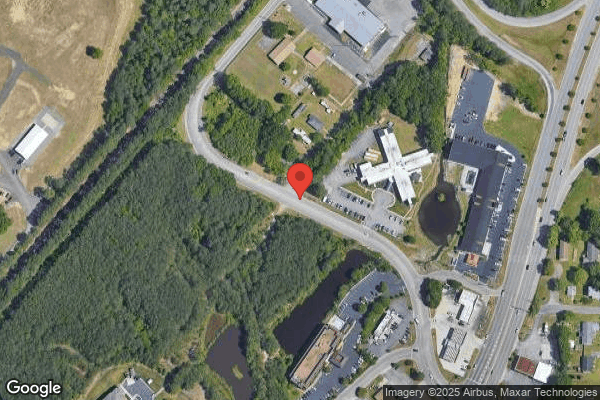
905 COUSINS AVENUE, HOPEWELL, VA 23860 (804) 458-6325
For profit - Corporation 130 Beds Independent Data: November 2025 4 Immediate Jeopardy citations
Trust Grade
0/100
#283 of 285 in VA
Last Inspection: July 2023

Over 2 years since last inspection. Current conditions may differ from available data.

Overview

Wonder City Rehabilitation and Nursing Center has received a Trust Grade of F, indicating significant concerns and poor performance. It ranks #283 out of 285 facilities in Virginia, placing it in the bottom tier of nursing homes in the state, and #2 out of 2 in Hopewell City County, meaning there is only one facility in the area with worse ratings. The facility is worsening, with issues increasing from 11 in 2021 to 53 in 2023. Staffing is a major concern, with a low rating of 1/5 stars and a high turnover rate of 66%, significantly above the state average of 48%, suggesting instability in care. Additionally, the facility faced $103,798 in fines, which is higher than 95% of Virginia facilities, indicating ongoing compliance issues. Specific incidents reveal serious care deficiencies, including a failure to provide appropriate treatment for pressure ulcers, leading to harm for multiple residents, and failing to secure a mattress properly, which posed a fall risk. While the facility does have some RN coverage, it is less than that of 93% of Virginia facilities, which raises concerns about adequate monitoring of residents' health. Overall, families should be cautious and consider these significant weaknesses when researching this nursing home.

Trust Score
F
0/100
In Virginia
#283/285
Bottom 1%
Safety Record
High Risk
Review needed
Inspections
Getting Worse
11 → 53 violations
Staff Stability
⚠ Watch
66% turnover. Above average. Higher turnover means staff may not know residents' routines.
Penalties
✓ Good
$103,798 in fines. Lower than most Virginia facilities. Relatively clean record.
Skilled Nurses
⚠ Watch
Each resident gets only 16 minutes of Registered Nurse (RN) attention daily — below average for Virginia. Fewer RN minutes means fewer trained eyes watching for problems.
Violations
⚠ Watch
72 deficiencies on record. Higher than average. Multiple issues found across inspections.
★☆☆☆☆
1.0
Overall Rating
★☆☆☆☆
1.0
Staff Levels
★★☆☆☆
2.0
Care Quality
★☆☆☆☆
1.0
Inspection Score
Stable
2021: 11 issues
2023: 53 issues

The Good

  • Full Sprinkler Coverage · Fire safety systems throughout facility
  • No fines on record

Facility shows strength in fire safety.

The Bad

1-Star Overall Rating

Below Virginia average (3.0)

Significant quality concerns identified by CMS

Staff Turnover: 66%

19pts above Virginia avg (46%)

Frequent staff changes - ask about care continuity

Federal Fines: $103,798

Well above median ($33,413)

Significant penalties indicating serious issues

Staff turnover is elevated (66%)

18 points above Virginia average of 48%

The Ugly 72 deficiencies on record

4 life-threatening 3 actual harm
Nov 2023 15 deficiencies 2 IJ
CRITICAL (J) 📢 Someone Reported This

A family member, employee, or ombudsman was alarmed enough to file a formal complaint

Immediate Jeopardy (IJ) - the most serious Medicare violation

Pressure Ulcer Prevention (Tag F0686)

Someone could have died · This affected 1 resident

**NOTE- TERMS IN BRACKETS HAVE BEEN EDITED TO PROTECT CONFIDENTIALITY** Based on observation, staff interview, clinical record review, and facility documentation review, the facility staff failed to p...

Read full inspector narrative →
**NOTE- TERMS IN BRACKETS HAVE BEEN EDITED TO PROTECT CONFIDENTIALITY** Based on observation, staff interview, clinical record review, and facility documentation review, the facility staff failed to provide care consistent with standards of practice to promote the healing of and prevent infection of pressure ulcers for one Resident (Resident #214) in a survey sample of four Residents reviewed for pressure ulcers, resulting in harm for Resident #214. Immediate Jeopardy (IJ) was identified on 10/31/23 at 3:10 PM, at which time the facility Administrator and Director of Nursing were made aware. Following verification of the removal of immediacy the facility abated the IJ on 11/3/23 at 3:15 PM. The scope and severity was lowered to a level 3, isolated. The findings included: For Resident #214, the facility staff failed to conduct timely and accurate skin assessments, which included failure to identify wounds, and signs of wound infection; and failed to provide treatment to wounds in accordance with physician orders, resulting in wound deterioration, which constituted harm. On 10/30/23, Resident #214's clinical record was reviewed and revealed the following: a. The most recent note by the wound care specialist dated 10/11/2023, indicated the resident had a stage III wound (1) to her left medial heel, the wound was noted as being stable with 100% granulation tissue. The note also indicated Resident #214 had an unstageable pressure wound (2) to her left lateral ankle. This wound was noted as stable with Exudate amount: Moderate, Exudate Description: Serosanguineous. b. The treatment orders in the wound care specialist's note to the left medial heel and the left lateral ankle read as follows: cleanse with wound cleanser, silver alginate, bordered foam, rolled gauze, every other day. c. Review of the active physician orders and treatment administration record revealed the wound care specialist's orders were not carried out and the orders/treatment being applied were based on orders dated 9/15/22, which read, clean with NS/WC [normal saline/wound cleanser], apply silvercel cover with dry dressing daily. d. Resident #214 had a skin observation tool, dated 10/27/2023, performed by a facility RN. The RN failed to identify either of the wounds to the left lateral heel or left lateral foot. e. Resident #214 was ordered to receive 21 days of IV [intravenous] antibiotic starting 10/3/23, for a right foot post operative wound infection, which was ordered by the infectious disease doctor. The note from the Infectious Disease doctor noted Resident #214 had a history of multiple drug resistant A. Baumannii [Acinetobacter baumannii- an organism that can cause infections in the blood, urinary tract, and lunch, or in wounds in other parts of the body] infection. The Resident missed 5 consecutive doses. On 10/30/2023 at 2:55 p.m., Surveyor C and D made observations of the wounds with LPN B (licensed practical nurse-B) and RN B(registered nurse-B). Upon observation of the right and left foot wounds, it was noted the dressing in place was brownish yellow in color from drainage. There was no date to indicate when the dressings were last changed. RN B and LPN B were asked to describe what was being seen. Both acknowledged the bandage was saturated and brown in color, and it did not appear the dressings had been changed the day prior as ordered. Upon removal of the dressing, there was a significant foul odor. There was brown, yellowish, and green tinted exudate noted in a wound that was on the plantar of the foot across the metatarsal joint region, and the exudate was copious. LPN B and RN B confirmed the odor and exudate. The wound bed was not able to be visualized. Following the observations of Resident #214's wound on 10/30/2023, and acknowledgement of signs of infection confirmed by 2 facility staff, the following was noted: On 10/31/23, the clinical chart of Resident #214 was reviewed again and revealed no evidence that the facility staff had notified the physician of the observed changes in the wounds and signs of infection as evidenced by malodor and copious exudate that had been observed the day prior. The facility policy titled; General Wound Care/Dressing Changes was reviewed. This policy read, A licensed nurse will provide wound care/dressing change(s) as ordered by physician. Procedure: 1. Notify the physician and obtain orders for treatment(s) and dressing changes . 3. Provide treatments as ordered. 4. Remove and reapply dressings as ordered and/or indicated . 9. Document in progress notes any unusual findings and follow-up interventions including notification of physician/responsible party. The facility's Regional Director of Clinical Services identified [NAME] as their nursing standard of practice. According to the Lippincott Manual of Nursing Practice, Eighth Edition, chapter 32, on page 1090 stated the following: Osteomyelitis is a severe pyogenic infection of the bone and surrounding tissues that requires immediate treatment . Management: . 2. Chronic: develops with inadequate or ineffective course of antibiotics or delayed treatment . Complications: 1. Nonhealing wound, 2. Sepsis, 3. Immobility, 4. Amputation . The [NAME] manual of Nursing Practice also stated, in Chapter 2: Standards of Care, Ethical and Legal Issues on page 18, Common Legal Claims for Departure from Standards of Care: Failure to monitor or observe a patient's clinical status adequately, Failure to monitor or observe a change in a patient's clinical status, failure to communicate or document a significant change in a patient's condition to the appropriate professional . Failure to implement a physician/NP [nurse practitioner]/PA [physician assistant] order properly or in a timely fashion, Failure to administer medications properly and in a timely fashion, or to report and administer omitted doses appropriately . failure to prevent infection . Immediately Jeopardy was identified on 10/31/23 at 3:10 PM, at which time the facility Administrator and Director of Nursing were made aware. On 11/1/23 at 1:15 PM, the facility submitted an accepted IJ removal plan, which read as follows: A skin assessment will be conducted on all current residents to include accurate documentation of wounds and identification of signs/symptoms of wound infection. The physician will be notified of any new wounds, changes in the wound status, and/or signs/symptoms of infection. Resident #214's physician was notified of the changes in the wounds and signs/symptoms of infection on 10/31/23. Education will be provided by Nursing Administration to all licensed nurses concerning care and services for provision of appropriate care of residents with wounds to include timely assessment of wounds, timely identification of wounds, identification, and response to signs/symptoms of infection, and physician notification of changes to wounds. Education will be provided to CNAs (certified nursing assistants) on reporting any changes noted in skin through verbal report to the nurse. The nurses will be educated on identification of new wounds and reporting the new wounds to the wound practitioner and Resident physician. The nurses will be educated on signs/symptoms of wound infection to include odor, increased drainage, change in wound color of wound bed, warmth to the surrounding area. The nurses will be educated on notifying the physician of changes to wounds. Nurses will be educated on initialing and dating of dressings prior to placing a dressing on the resident. The wound practitioner will assess residents with wounds on a weekly basis. All nurses and CNAs on duty will be educated on the above and all nurses and CNAs coming on duty will be educated on the above prior to being permitted to work. Completion date 10:00 am on 11/2/23. On 11/2/23 at 10:40 AM, the facility administration submitted to the survey team credible evidence of the IJ immediacy removal plan. Included in the documents was evidence of skin assessments completed on all Residents and the staff education. On 11/2/23, the survey team selected a sample of Residents to observe their skin to identify any skin impairments and verify that any impairments and/or signs of infection had been appropriately identified and communicated to the doctor. During this verification the air mattress for Resident #214 was inadvertently deflated when the head of the bed was elevated and the Resident had to be changed to another mattress, so the observation had to be suspended. When Resident #225 was going to be observed, the Director of Nursing noted that the low-pressure light was on, and her air mattress was not functioning properly, and this observation had to be suspended as well. On 11/3/23, the survey team returned to the facility to verify the abatement of IJ. Upon review, it was noted that for several Residents, which included Resident #214, the skin assessment was inaccurate and didn't identify all skin impairments. Also, there were 4 staff that had worked the night shift from 11/2-11/3, that had no evidence of having received training and 2 current staff working that had no evidence of having received training as noted in the facility's IJ removal plan. On 11/3/23 at 12:28 PM, the facility Administrator, Director of Nursing (DON) and Regional Director of Clinical Services were made aware that the survey team had not been able to verify the abatement of IJ for the above noted reasons. On 11/3/23 at 12:34 PM, the DON provided the survey team with a progress note written 11/3/23 at 11:49 AM, from Resident #214's attending physician. The note read, I was notified by the charge nurse that patient missed the doses of iv antibiotics. Since patient has chronic persistent wounds but clinically had no fever, I ordered blood work and wound culture and advised the wound care NP to assess the wound again before giving her another round of antibiotics and exposing her unnecessarily to antibiotics and increasing the risk of resistant and c. diff [sic]. There was no indication that the missed doses of IV antibiotics were discussed with the infectious disease doctor who ordered the IV antibiotics and there was no evidence in the clinical chart of wound cultures being obtained/conducted as per this note. Following the inability to abate IJ on 11/2/23-11/3/23, the provider submitted a revised IJ removal plan with the only change being the date and time they would complete the plan: the revision indicated it would be complete on 11/3/23 at 2 PM. On 11/3/23, in the afternoon the survey team attempted again to verify the facility staff had implemented their approved IJ immediacy removal plan. Staff interviews were conducted with facility staff from the nursing department to ensure they had received training. A revised skin assessment for Resident #214 was submitted to the survey team. The survey team obtained a Resident census listing and cross checked to ensure that all Residents had a skin assessment and a sample of 10% of the Residents had skin observations conducted by the survey team. The survey team confirmed Immediate Jeopardy was abated on 11/3/23 at 3:15 PM. References: https://www.cms.gov/files/document/pocket-guidepressure-ulcers-and-injuries-stages-and-definitions.pdf (1) Stage 3: Full thickness tissue loss. Subcutaneous fat may be visible, but bone, tendon, or muscle is not exposed. Slough may be present but does not obscure the depth of tissue. (2) Unstageable-Pressure ulcer known but not stageable due to coverage of wound bed by slough and/or eschar.
CRITICAL (J) 📢 Someone Reported This

A family member, employee, or ombudsman was alarmed enough to file a formal complaint

Immediate Jeopardy (IJ) - the most serious Medicare violation

Accident Prevention (Tag F0689)

Someone could have died · This affected 1 resident

Based on observation, interview, clinical record review and facility documentation the facility staff failed to ensure Residents were free from accident hazards for one Resident (#223) in a survey sam...

Read full inspector narrative →
Based on observation, interview, clinical record review and facility documentation the facility staff failed to ensure Residents were free from accident hazards for one Resident (#223) in a survey sample of 32 Residents. Immediate Jeopardy (IJ) was identified on 11/2/23 at 12:10 PM, at which time the facility Administrator and Director of Nursing were made aware. Following verification of the removal of immediacy the facility abated IJ on 11/3/23 at 4:15 PM. The scope and severity were lowered to a level 2, pattern. The findings included: For Resident # 223 the facility staff failed ensure the mattress was secured to the bed so that it did not slide off the bed frame. On the morning of 10/30/23 Resident #223 was observed resting in bed with the mattress sliding off the side of the bed frame, the mattress was hanging over the edge about 3-4 inches. Upon closer inspection of the bed frame, it was discovered that there were no mattress retainers on the bed frame. The bed had no type of bed rails or other positioning device attached. On 10/31/23 at 1:00 PM Resident #223 was observed in bed resting with eyes closed; the side of the mattress was slightly hanging over the frame about 2-3 inches. On 10/31/23 at approximately 1:00 PM on an interview was conducted with RN C (registered nurse-C) who was asked about the overlap, and she stated that this does pose a problem if the Resident were to sit on the edge of the bed they could possibly slide to the floor since the mattress was not on the bed frame properly. On 11/1/23 a review of the clinical record revealed that Resident #223 had no orders and was not care planned for side rails. On 11/1/23 at 2:00 PM observation was made of Resident #223 in bed resting with eyes closed and 1/2 side rails were present on bed. On 11/1/23 at 2:37 PM an interview was conducted with the maintenance director who stated that he was called by the Administrator to put siderails on Resident #223's bed. When asked why he stated, They don't tell me why, all I know is they have to do an assessment and then whatever the reason the Resident needs a siderail they contact me, and I put the rail on and do an entrapment assessment. When asked if this bed had mattress guards to keep the mattress from sliding off the bed he stated, No, the bed is too old, it's a discontinued model. On 11/1/23 at 3:00 PM an interview was conducted with the Administrator who stated that he spoke with someone from the company that manufactured the bed and was told that the bed was too old and there were no mattress stops and that they could use a bed rail to secure the mattress to the bed. When asked if he was saying that the bed rail was being used to secure the mattress to the bed, he stated that it was. On 11/1/23 at 3:15 PM a policy for Bed Rails was requested and the surveyors were told there is no policy at the facility specific to bed rail use. A device policy was submitted to the survey team. A review of the facility policy read: Policy Name: Medical Equipment Policy: Nursing will follow manufacturer's recommended guidelines on all medical equipment and clinical devices. The manufacturer emailed the surveyors a copy of a document called Entrapment Risk Mitigation excerpts are as follows: The specifics for these best practice guidelines were developed from a review of the incident responses received and pertain to dimensional and clinical criteria. The risk of entrapment increases with large gaps or openings in the bed system that could entrap a patient's neck, head, or chest. Gaps can be caused by mattresses that are not the correct recommended size, loose side rails, or design elements such as wide spaces between the openings in the rails. Since the development of the Bed entrapment guidelines CMS has created F-Tags 700 and 909 pertaining to the use of bedrails and regular inspection of the bed system. These updates have utilized the guidance set forth by the HBSW but added that when a rail is in use on a bed, this must be specified to that patient and documented accordingly. This means that for each admission documentation is required for bed rail use and bed systems should be checked frequently for entrapment compliance. On 11/2/23 at 9:04 AM a phone call was placed to the manufacturer of the bed and when asked if this bed (Model 330 B) had mattress stops or guides to keep the mattress from sliding off the frame, the employee stated this is an old bedframe and it did not have built in mattress guides or stops at the time the bed was manufactured. The product support specialist for the manufacturer stated that Mattress stops are available for sale as an accessory for the bed. When asked if the manufacturer would recommend using side rails to stop the mattress from sliding, he stated It is the position of our company that side rails are used only for the needs of the Residents. The Resident must be evaluated, and it must be documented that they need the rails for positioning and as an assistive device. There are regulations that vary from state to state about using siderails as positioning devices, but they are NOT recommended to be used to secure a mattress in place to a bed. For securing the mattress our company has mattress stops available for purchase. Immediate Jeopardy (IJ) was identified on 11/2/23 at 12:10 PM, at which time the facility Administrator and Director of Nursing were made aware. On 11/2/23 at 4:15 PM, the facility submitted an accepted IJ removal plan which read as follows: 11/2/23 - Resident # 223's bed has been replaced with a bed which has a secured mattress. An audit of all facility beds will be conducted to identify any unsecured mattresses. The unsecured mattresses will be corrected to prevent accident hazard. An audit of all bed side rails will be completed to determine the need for the bed side rail and if the resident is at risk of entrapment. Bed side rails determined to be unnecessary will be removed from the bed. All facility staff will be educated on identification of safety hazards related to unsecured mattresses and side rails. All nurses will be educated by Nursing Administration on completion of a bed side rail assessment prior to initiation of bed side rails to ensure the bed side rail is appropriate that risks and benefits have been explained to the resident and/ or responsible party and plan to reduce the use of bed side rail is documented. All staff on duty will be educated on the above and those coming on duty will be educated on the above prior to being permitted to work. Completion date: 11/3/23 12 noon. The survey team verified that education was conducted and the measures stated in the plan were implemented by the facility staff. Immediate Jeopardy was abated on 11/3/23 at 4:15 PM. On 11/3/23 during the end of day meeting, the Administrator was made aware of the concerns; no further information was provided.
CONCERN (D) 📢 Someone Reported This

A family member, employee, or ombudsman was alarmed enough to file a formal complaint

Potential for Harm - no one hurt, but risky conditions existed

Notification of Changes (Tag F0580)

Could have caused harm · This affected 1 resident

**NOTE- TERMS IN BRACKETS HAVE BEEN EDITED TO PROTECT CONFIDENTIALITY** 2. For Resident #208, the facility staff failed to notify the Resident's Representative, of the Resident's transfer to the hospi...

Read full inspector narrative →
**NOTE- TERMS IN BRACKETS HAVE BEEN EDITED TO PROTECT CONFIDENTIALITY** 2. For Resident #208, the facility staff failed to notify the Resident's Representative, of the Resident's transfer to the hospital. On 10/30/23, a clinical record review was conducted of Resident #208's chart. This review revealed that Resident #208, was transferred to the hospital on [DATE]. Review of Resident #208's progress notes revealed an entry from the medical provider on 10/18/23 at 1 PM, that read, Resident is a (age/gender) who is seen today in follow-up for 2 episodes of black vomit. Per nursing resident had 2 episodes this morning of black coffee-ground emesis. Upon examination resident is in no acute distress but complains of nausea and epigastric discomfort . Resident to be sent to the emergency room for evaluation for hematemesis. There was no evidence in the clinical record that indicated the Resident's family member, who according to the Resident's face sheet was listed as Responsible Party, Emergency Contact #1, POA- [power of attorney] Financial, and POA-medical, was made aware of the Resident being sent to the hospital. There was a progress note entry by the social worker on 10/23/23 at 16:28 (4:28 PM), that read, This resident's brother, [name of brother redacted] stated that he called his brother's room at 12:00PM and the person who answered the phone stated that his brother had gone out to the hospital. He said he called here at 4:00PM and spoke to the DON [Director of Nursing]. He called and asked this SW [social worker] why he was not called. This SW spoke to the DON, and she spoke to his nurse. The DON stated that the nurse said she forgot to call the brother to inform him that his brother had been sent out to the hospital. This SW called the brother back and he stated that the DON had just called him and explained the reason why his brother went out and why he was not called. The brother asked this SW to writer a formal complaint. This SW filled out a complaint/grievance report. On 11/3/23, the survey team obtained a copy of the Complaint/Grievance Report that was written on 10/23/23, with regards to Resident #208. It read, Resident's brother [name redacted] asked why he was not called when his brother was sent out to the hospital. The Documentation of the Investigation portion of the form read, [Director of Nursing's name redacted] DON called Mr. [brother's name redacted] and let him know that the nurse forgot to call him. A review of the facility policy titled; Significant Change of Condition was conducted. This policy read, All staff members shall communicate any information about patient status change to appropriate licensed personnel immediately upon observation. Procedure: 1. The patient's change of condition shall be reported immediately to a licensed nurse . 4. Responsible party will also be notified of a change of condition . 9. Notification of responsible party shall be documented in the Progress Notes including time and name of person informed . No further information was provided. Based on interview, clinical record review, and facility documentation the facility staff failed to immediately inform the resident representative(s) when there was a significant change in the Resident's condition for 2 Residents (#201, #208) in a survey sample of 32 Residents. The findings included: 1. For Resident #201 the facility staff failed to notify the Resident's Power of Attorney of the Resident being sent out to the emergency room (ER). On 10/30/23 a review of the clinical record was conducted, and it was found that on 8/26/23 Resident #201 was send to the ER with maggots in his infected venous stasis ulcer. A review of the clinical record revealed that on the face sheet the Resident's daughter was listed as his Power of Attorney (POA) for medical and financial matters. On 10/31/23 a review of the Clinical Record revealed that Resident #201 had an E-Interact Change in Condition form dated 8/26/23 that read as follows: Page 3 Section C- Resident Representative Notification Name of family/resident representative notified: Resident is own POA. On 10/31/23 at 3:00 PM an interview was conducted with RN B (Registered Nurse-B) who stated that if a Resident has next of kin, POA or emergency contact information in the chart they are supposed to inform that person when there is a change in the condition of the Resident. When asked if this included transporting to the emergency room, RN B stated If the Resident is in bad shape and going to a hospital, we might inform them after they have left via 911 however it depends on how urgent it is. If there is time, we call the Responsible Party first but if not, we call immediately after they leave in the Ambulance. On 11/3/23 during the end of day meeting the Administrator was made aware of the concerns and no further information was provided.
CONCERN (D) 📢 Someone Reported This

A family member, employee, or ombudsman was alarmed enough to file a formal complaint

Potential for Harm - no one hurt, but risky conditions existed

Deficiency F0645 (Tag F0645)

Could have caused harm · This affected 1 resident

**NOTE- TERMS IN BRACKETS HAVE BEEN EDITED TO PROTECT CONFIDENTIALITY** Based on staff interview, clinical record review, and facility documentation review, the facility staff failed to obtain and/or ...

Read full inspector narrative →
**NOTE- TERMS IN BRACKETS HAVE BEEN EDITED TO PROTECT CONFIDENTIALITY** Based on staff interview, clinical record review, and facility documentation review, the facility staff failed to obtain and/or complete a Preadmission screening (PASRR) timely for one Resident, (Resident #204) in a survey sample of 3 Resident's reviewed. The findings included: For Resident #204, who was admitted to the facility on [DATE], the facility staff failed to obtain/or complete a Pre-admission Screening and Resident Review (PASRR), to determine if the Resident had a mental disorder or intellectual disability. On 10/30/23, a clinical record review was conducted. This review indicated that Resident #204 was admitted to the facility on [DATE]. Under the Documents tab of the record there was a PASRR, that had been completed on 10/16/23. Review of the PASRR form, revealed the following statement(s) on the top of the form. It read, This form, or the DMAS-95 for Medicaid members, must be completed for ALL individuals seeking a Nursing Facility admission. The form must be completed PRIOR to a Nursing Facility admission by the Staff assigned to conduct Level I Screening . On 10/31/23 at 1:00 PM, an interview was conducted with Employee F, the social work assistant. Employee F was the employee that signed the PASRR as the person completing the assessment for Resident #204 on 10/16/23. Employee F was asked about the purpose of the PASRR and timing. Employee F said, It is to evaluate and see if a Resident coming in needs further treatment if they have serious mental illness or disability. When asked about the timing of the PASRR assessment, Employee F said, They are supposed to be done as soon as they come in, within a few days of them coming here. Employee F accessed the clinical record of Resident #204 and was asked to explain the timing of the PASRR for that Resident. Employee F said, I think he was admitted on a weekend, so I did it on the 16th when I came in. Employee F looked at a calendar and confirmed, that Resident #204 was admitted on a Saturday and therefore the PASRR was not completed prior to admission. The facility policy titled, Level I PASRR- Virginia, with an effective date of 1/6/20, was requested and received. This policy read, Policy: Prior to the arrival of a planned admission the Social Work and Discharge Planner will collaborate with the Admissions Director to preview the transferring hospital's Level I PASRR (Level I Screening for Mental Illness, Intellectual Disability, or Related Conditions) and/or initiate completion of the Level I PASRR if not completed by the transferring hospital. Procedure: 1. The purpose of the Level I PASRR is to predetermine if the transferring patient meets SNF/NF criteria and to screen the patient for indicators of serious mental illness, mental retardation, developmental disabilities or related conditions prior to being admitted in the SNF/NF Center, as required by Federal Regulation. Admissions requests the PASRR Level I from transferring hospitals, regardless of payer source, prior to the patient's discharge to the Center. 2. Prior to admission, review the transferring hospital's preadmission paperwork to determine if the transferring hospital has completed a Level I PASRR. If the Level I PASRR is missing from the preadmission paperwork, collaborate with admissions to determine if/why the admitting patient is exempt from the hospital screening in order to initiate completion of the Level I PASRR internally . a. In the absence of a Social Work and Discharge Planner, the Administrator will appoint a designee who has access to the relevant medical information necessary to conduct the Level I PASSR [sic]. On 10/31/23, during an end of day meeting, the facility Administrator and Director of Nursing were made aware of the above findings. No further information was provided.
CONCERN (D) 📢 Someone Reported This

A family member, employee, or ombudsman was alarmed enough to file a formal complaint

Potential for Harm - no one hurt, but risky conditions existed

Deficiency F0657 (Tag F0657)

Could have caused harm · This affected 1 resident

Based on interview, clinical record review and facility documentation the facility staff failed to review and revise the care plan for two Residents, (#214 & #223) in a survey sample of 32 Residents. ...

Read full inspector narrative →
Based on interview, clinical record review and facility documentation the facility staff failed to review and revise the care plan for two Residents, (#214 & #223) in a survey sample of 32 Residents. The findings included: 1. For Resident # 214 the facility staff failed to revise care plan to reflect the removal of PICC (Peripherally Inserted Central Catheter) line inserted in 7/4/23 and put a new entry for the PICC line inserted on 10/2/23, they also did not put interventions to measure the external portion of the PICC line or the circumference of the upper arm. On 10/31/23 at approximately 11:00 AM observation was made of Resident #214 with a PICC line in her upper right arm. During clinical record review on 11/1/23 it was noted that the Resident had the following entry for PICC line: FOCUS: the resident has a PICC Line venous access, left arm Created on: 07/05/2023 Revision on: 10/03/2023. GOAL: the resident will not have complications from their PICC line access site thru review period Created on: 07/05/2023 Revision on: 10/03/2023 Target Date: 10/07/2023. INTERVENTIONS: CXE to confirm PICC line placement Created on: 10/03/2023. Dressing change per order Created on: 07/05/2023 Revision on: 10/03/2023. Flush per order Created on: 07/05/2023 Revision on: 10/03/2023. Notify MD as indicated Created on: 07/05/2023 Revision on: 10/03/2023. Observe PICC line access site for signs and symptoms of redness, swelling, infection, displacement or infiltration Created on: 07/05/2023 Revision on: 10/03/2023\ The entry in the care plan refers to PICC LINE in LEFT arm that is from July 2023 the PICC line inserted on 10/2/23 was in the RIGHT upper arm. The Interventions do not include measuring the external PICC line or arm circumference. A review of Policy #2602 entitled Care Planning, revealed excerpts that read as follows: Procedure -6. Computerized care plans will be updated by each discipline on an ongoing basis as changes in the patient occur and reviewed quarterly with the quarterly assessment. On 11/1/23 at approximately 4:30 p.m. an interview was conducted with the Corporate Nurse Consultant who was asked if the care plan should have been reviewed and revised when the PICC line inserted in July was discontinued, she stated that it should have been resolved and a new Focus started when the new PICC line was inserted on 10/2/23. On 11/1/23 during the end of day meeting the Administrator was made aware of the concerns and no further information was provided. 2. For Resident #223 the facility staff failed to update the care plan to include side rails. On the morning of 10/30/23 Resident #223 was observed resting in bed with mattress sliding off the side of the bed frame, the mattress was hanging over the edge about 3-4 inches. Upon closer inspection of the bed frame, it was discovered that there were no mattress retainers on the bed frame. The bed had no type of bed rails or other positioning device attached. 10/31/23 at 1:00 PM Resident #223 was observed in bed resting with eyes closed and the bottom of mattress was slightly hanging over the frame about 2-3 inches. On 11/1/23 at 2:00 PM observation was made of Resident #223 in bed resting with eyes closed and 1/2 rails were present on bed. On 11/1/23 at 2:37 PM an interview was conducted with the maintenance director who stated that he was called by the Administrator to put siderails on Resident #223's bed. A review of Policy #2602 entitled Care Planning, revealed excerpts that read as follows: Procedure -6. Computerized care plans will be updated by each discipline on an ongoing basis as changes in the patient occur and reviewed quarterly with the quarterly assessment. On 11/1/23 at approximately 4:30 p.m. an interview was conducted with the Corporate Nurse Consultant who was asked if the care plan should have been reviewed and revised when the bed rails were applied to the bed, she stated that it should have been. On 11/2/23 during the end of day meeting the Administrator was made aware of the concerns and no further information was provided.
CONCERN (D) 📢 Someone Reported This

A family member, employee, or ombudsman was alarmed enough to file a formal complaint

Potential for Harm - no one hurt, but risky conditions existed

Deficiency F0658 (Tag F0658)

Could have caused harm · This affected 1 resident

**NOTE- TERMS IN BRACKETS HAVE BEEN EDITED TO PROTECT CONFIDENTIALITY** Based on observation, interview, clinical record review and facility documentation review, the facility staff failed to provide ...

Read full inspector narrative →
**NOTE- TERMS IN BRACKETS HAVE BEEN EDITED TO PROTECT CONFIDENTIALITY** Based on observation, interview, clinical record review and facility documentation review, the facility staff failed to provide services that meet professional standards of care for one Resident (#214), in a survey sample of 32 Residents. The findings included: For Resident #214 the facility staff 1. failed to provide care and maintenance of a PICC (peripherally inserted central catheter) line according to professional standards; and 2. failed to provide wound care in accordance with standards of practice as evidenced by failure to date dressings and replace dressings as per physician orders. 1. On 10/30/23 during clinical record review it was found that Resident # 214 had a PICC line ordered to administer Meropenem (an intravenous-IV antibiotic) for an infected pressure wound to the right foot. Excerpts from the progress notes are as follows: 10/2/2023 4:04 PM Order Note Text: N.O for IV ABT, PICC line placement has been ordered and [name redacted] RN @ [phone number redacted] infusion service he states he will come late tonight of early morning. 10/2/2023 4:08 PM Health Status Note Text: [Hospital Name Redacted/ MD name redacted] eval and new order meropenem 1 gram iv q 8 hrs. for 21 days for ulcer of right foot. rp [responsible party] notified. 10/2/2023 10:29 PM Health Status Note Text: Infusion service in to insert double lumen PICC line in right upper arm. Mobile Imagining in to confirm placement at 7:00pm. Tech stated that the preliminary results show the PICC is in the right place and ok to start ABT therapy. Awaiting the final results. Resident and RP made aware. 10/3/2023 11:33 AM Health Status Note Text: PICC support made aware of PICC line confirmation results and stated the PICC line is in the right place and able to be used. Resident and RP made aware. A review of the physician order revealed that although the PICC line was inserted on 10/2/23 the Resident did not receive the following orders until 10/23/23: PICC line - Measure external portion of PICC line catheter weekly with dressing changes every day shift every Mon Other 10/23/2023 at 7:00 PICC line dressing change Q week and PRN every day shift every Mon 10/23/2023 at 7:00 On 10/30/23 at 4:20 PM an observation was made of the PICC Line in Resident #214's upper right arm. There was a bio-occlusive [Tegaderm] to the upper right arm that was undated, peeled back, not intact thus, leaving the insertion site of the PICC line exposed to air. RN B (Registered Nurse-B)was at bedside and asked if the bio-occlusive was dated she stated that it was not. RN B was asked the importance of dating a dressing she stated that the dressing should be dated so the staff would know when the dressing was last changed. When asked if the PICC should be left open to air she stated that it should not. When asked why RN B stated that a PICC line goes into the chest and leaving it open to air could increase the risk of infection. When asked how often a PICC line dressing should be changed she stated it should be changed weekly. When asked what some other considerations are when caring for a Resident with a PICC line, she stated that the arm circumference should be measured. When asked why the circumference of the arm should be measured, she stated that it's the only way to know if the arm starts to swell. When asked how often it should be measured, she stated weekly and PRN. RN B stated that the external PICC line should also be measured weekly. When asked why this is important, she stated so that you will know if the catheter is tunneling in or backing out. When asked how often this should be done, she stated weekly and PRN (as needed). On 10/31/23 a review of the document entitled Infusion IV access line maintenance protocol was conducted and excerpts are as follows: PICC Line - Transparent dressing changes - On admission or 24 hours post insertion, then weekly & PRN. Measure upper arm circumference and exterior catheter length with each dressing change and PRN. On 10/31/23 at 2:38 PM an interview was conducted with the Regional Nurse Consultant who was asked where the documentation would be for the circumference of the arm and the external PICC line measurements, she indicated they should be in a progress note or in the MAR / TAR (Medication Administration Record / Treatment Administration Record). She stated that she did not find them in the chart or MAR / TAR. The following are excerpts from [NAME] regarding PICC LINE care: https://www.nursingcenter.com/static?pageid=822689 Dressing changes: After PICC insertion, the catheter exit site is initially dressed with gauze and transparent dressing. Occasionally there is oozing of blood at the insertion site post-procedure. This initial gauze dressing should be changed, and the site assessed after 24 hours to prevent the risk of infection. According to the CDC guidelines, gauze dressing should be replaced every 2 days and transparent dressings every 7 days, unless the dressing becomes loose, damp, or soiled. When to remove the PICC -The decision to remove a central catheter is based on discontinuation of therapy or signs of complications. The PICC should be inspected after removal to ensure that the length of the catheter is the same as the documented insertion length. If the catheter removed is shorter than the documented length the physician should be notified. On 10/31/23 during the end of day meeting the Administrator was made aware of the concern and no further information was provided. 2. For Resident #214, the facility staff failed to provide wound care in accordance with standards of practice as evidenced by failure to date dressings and replace dressings as per physician orders. On 10/31/23, Surveyors C and D observed Resident #214's wounds with LPN B (Licensed Practical Nurse-B) and RN B. Upon removal of the prevalon boots from the feet, it was noted that the dressings in place were severely discolored from drainage and soilage. There was no date on the dressing to indicate when it was last changed. Also, the wound on Resident #214's left ischium (the lower and back part of the hip bone), had no dressing to protect the wound from contamination from urine and feces; the Resident was incontinent. During the observations, interviews were conducted with LPN B and RN B. Both nurses confirmed that dressings were to be replaced when soiled or when accidentally removed and all dressings were to be dated. Review of Resident #214's physician orders revealed an order that read, Left Ischium - clean with NS/WC [normal saline/wound cleanser], apply Santyl and cover with foam dressing daily and PRN [as needed] . Review of the facility policy titled; General Wounds Care/Dressing Changes was conducted. This policy read, . 4. Remove and reapply dressings as ordered and/or indicated. 5. Licensed nurses will follow recognized standards of practice regarding dressing change(s), including date and initials on dressing . On 10/31/23, during an end of day meeting, the facility Administrator, Director of Nursing (DON), and Regional Director of Clinical Services were made aware of the above findings. The DON confirmed that she expected dressings to have the date and initials of the nurse applying the dressing. No further information was provided.
CONCERN (D) 📢 Someone Reported This

A family member, employee, or ombudsman was alarmed enough to file a formal complaint

Potential for Harm - no one hurt, but risky conditions existed

Quality of Care (Tag F0684)

Could have caused harm · This affected 1 resident

**NOTE- TERMS IN BRACKETS HAVE BEEN EDITED TO PROTECT CONFIDENTIALITY** Based on observation, interview, clinical record review, and facility documentation, the facility staff failed to provide treatm...

Read full inspector narrative →
**NOTE- TERMS IN BRACKETS HAVE BEEN EDITED TO PROTECT CONFIDENTIALITY** Based on observation, interview, clinical record review, and facility documentation, the facility staff failed to provide treatment and care in accordance with professional standards of practice and the comprehensive person-centered care plan, for one Resident (#214) in a survey sample of 32 Residents. The findings included: For Resident #214, the facility staff failed to provide weekly dressing changes to the PICC (Peripherally Inserted Central Catheter) as ordered by the physician and failed to document the external PICC line and arm circumference measurements and when removing the PICC line failed to document the measurement of the PICC line and inspection of the catheter tip when RN B pulled (removed) the PICC LINE per facility policy and standards of nursing practice. On 10/30/23 during clinical record review it was found that Resident # 214 had a PICC line ordered to administer Meropenem (an intravenous-IV antibiotic) for an infected pressure wound to the right foot. Excerpts from the progress notes are as follows: 10/2/2023 4:04 PM Order Note Text: N.O for IV ABT (antibiotic), PICC line placement has been ordered and [name redacted] RN @ [phone number redacted] infusion service he states he will come late tonight of early morning. 10/2/2023 4:08 PM Health Status Note Text: [Hospital Name Redacted/ MD name redacted] eval and new order meropenem 1 gram iv q 8 hrs. for 21 days for ulcer of right foot. rp [responsible party] notified. 10/2/2023 10:29 PM Health Status Note Text: Infusion service in to insert double lumen PICC line in right upper arm. Mobile Imagining in to confirm placement at 7:00pm. Tech stated that the preliminary results show the PICC is in the right place and ok to start ABT therapy. Awaiting the final results. Resident and RP made aware. 10/3/2023 11:33 AM Health Status Note Text: PICC support made aware of PICC line confirmation results and stated the PICC line is in the right place and able to be used. Resident and RP made aware. A review of the physician order revealed that although the PICC line was inserted on 10/2/23 the Resident did not receive the following orders until 10/23/23: PICC line - Measure external portion of PICC line catheter weekly with dressing changes every day shift every Mon Other 10/23/2023 at 7:00 PICC line dressing change Q (every) week and PRN (as needed) every day shift every Mon 10/23/2023 at 7:00 On 10/30/23 at 4:20 PM an observation was made of the PICC Line in Resident #214's upper right arm. There was a bio-occlusive [Tegaderm] to the upper right arm that was undated, peeled back, not intact thus, leaving the insertion site of the PICC line exposed to air. RN B (Registered Nurse-B)was at bedside and asked if the bio-occlusive was dated she stated that it was not. RN B was asked the importance of dating a dressing she stated that the dressing should be dated so the staff would know when the dressing was last changed. When asked if the PICC should be left open to air she stated that it should not. When asked why RN B stated that a PICC line goes into the chest and leaving it open to air could increase the risk of infection. When asked how often a PICC line dressing should be changed she stated it should be changed weekly. When asked what some other considerations are when caring for a Resident with a PICC line, she stated that the arm circumference should be measured. When asked why the circumference of the arm should be measured, she stated that it's the only way to know if the arm starts to swell. When asked how often it should be measured, she stated weekly and PRN. RN B stated that the external PICC line should also be measured weekly. When asked why this is important, she stated so that you will know if the catheter is tunneling in or backing out. When asked how often this should be done, she stated weekly and PRN. On 10/31/23 a review of the document entitled Infusion IV access line maintenance protocol was conducted and excerpts are as follows: PICC Line - Transparent dressing changes - On admission or 24 hours post insertion, then weekly & PRN. Measure upper arm circumference and exterior catheter length with each dressing change and PRN. On 10/31/23 at 2:38 PM an interview was conducted with the Regional Nurse Consultant who was asked where the documentation would be for the circumference of the arm and the external PICC line measurements, she indicated they should be in a progress note or in the MAR / TAR (Medication Administration Record / Treatment Administration Record). She stated that she did not find them in the chart or MAR / TAR. The following are excerpts from [NAME] in regard to PICC LINE care: https://www.nursingcenter.com/static?pageid=822689 Dressing changes: After PICC insertion, the catheter exit site is initially dressed with gauze and transparent dressing. Occasionally there is oozing of blood at the insertion site post-procedure. This initial gauze dressing should be changed, and the site assessed after 24 hours to prevent the risk of infection. According to the CDC guidelines, gauze dressing should be replaced every 2 days and transparent dressings every 7 days, unless the dressing becomes loose, damp, or soiled. When to remove the PICC -The decision to remove a central catheter is based on discontinuation of therapy or signs of complications. The PICC should be inspected after removal to ensure that the length of the catheter is the same as the documented insertion length. If the catheter removed is shorter than the documented length the physician should be notified. A review of the progress notes revealed the following notes on discontinuing PICC line: 10/30/2023 4:33 PM Health Status Note Text: NP (nurse practitioner) aware that resident has completed ABT (antibiotic) therapy. New order to D/C (discontinue) PICC line. Resident and RP made aware. 10/30/2023 4:53 PM Orders - Administration Note Text: PICC line dressing change Q week and PRN every day shift every Mon PICC line D/C'd. 10/30/2023 4:54 PM Orders - Administration Note Text: PICC line - Measure external portion of PICC line catheter weekly with dressing changes every day shift every Mon PICC Line D/C'd. 10/31/23 3:40 AM - Health Status Note Text: Resident alert and non-verbal. Vital signs stable with no gestures of pain or discomfort. Receive schedule pain medication and it is effective. On charting for removal of PICC line. No adverse reactions and no bleeding noted at this time. Resident resting in bed with eyes closed. Call light within reach and all safety precautions in place. On 10/31/23 during the end of day meeting the Administrator was made aware of the concerns and no further information was provided.
CONCERN (D) 📢 Someone Reported This

A family member, employee, or ombudsman was alarmed enough to file a formal complaint

Potential for Harm - no one hurt, but risky conditions existed

Deficiency F0700 (Tag F0700)

Could have caused harm · This affected 1 resident

2. For Resident #214, the facility staff failed to utilize alternatives and failed to assess for the risk of entrapment, prior to installing bed side rails. On 10/31/23, Surveyors C and D visited Res...

Read full inspector narrative →
2. For Resident #214, the facility staff failed to utilize alternatives and failed to assess for the risk of entrapment, prior to installing bed side rails. On 10/31/23, Surveyors C and D visited Resident #214 in the room, facility staff (RN B and LPN B) were present. It was noted that Resident #214 was non-verbal, severely contracted, and unable to assist with her care, to include turning and repositioning. Facility staff were observed to provide total care of the Resident to turn and move her in bed, the Resident was able to offer no assistance. It was also noted that Resident #214's bed had bilateral 1/2 side rails. Review of Resident #214's clinical record revealed the following: a. Resident #214's care plan indicated, the Resident was at risk for falls/injuries due to sensory deficit r/t [related to] MS [multiple sclerosis], Bulbar Palsy, cognitive impairment, incontinence, OP [osteoporosis], polyneuropathy, quadriplegia. Interventions included but were not limited to: bilateral 1/4 rails to assist with turning and repositioning, which was dated 1/25/23 and transfer using hoyer lift and 2 person assist, which was dated 10/26/22. b. Resident #214's last assessment for the needs of side rails was conducted 8/24/23. This assessment in section A. Type of device, was blank and indicated no devices were present. Section C. which read, Purpose of the device(s) was blank as well. There was no indication that other alternatives, risk of entrapment, review of the risks and benefits or informed consent were obtained prior to the installation of bed side rails. The facility administration reported to the survey team that they had no facility policy with regards to the use of bed side rails. On 11/3/23, the Resident Handbook and admission Agreement were reviewed and revealed no information with regards to the use of bed rails. No further information was provided. Based on observation, interview, clinical record review, and facility documentation review, the facility staff failed to review for risk and benefits and assess for entrapment, prior to installing bed rails for two Residents (#223, #214), in a survey sample of 32 Residents. The findings included: 1. For Resident #223 the facility installed bedrails without proper assessment in response to surveyor inquiry of an unsecured mattress. On the morning of 10/30/23 Resident #223 was observed resting in bed with the mattress sliding off the side of the bed frame, the mattress was hanging over the edge about 3-4 inches. Upon closer inspection of the bed frame, it was discovered that there were no mattress retainers on the bed frame. The bed had no type of bed rails or other positioning device attached. On 10/31/23 at 1:00 PM Resident #223 was observed in bed resting with eyes closed bottom of mattress slightly hanging over the frame about 2-3 inches. On 10/31/23 at approximately 1:00 PM, an interview was conducted with RN C (registered nurse-C) who was asked about the overlap, and she stated that this does pose a problem if the Resident were to sit on the edge of the bed they could possibly slide to the floor since the mattress was not on the bed frame properly. On 11/1/23 at 2:00 PM observation was made of Resident #223 in bed resting with eyes closed and 1/2 rails were present on bed. On 11/1/23 at 2:15 PM a review of the clinical record revealed that Resident #223 had no side rail assessment, no orders and was not care planned for side rails. On 11/1/23 at 2:37 PM an interview was conducted with the maintenance director who stated that he was called by the Administrator to put siderails on Resident #223's bed. When asked why he stated, They don't tell me why, all I know is they have to do an assessment and then whatever the reason the Resident needs a siderail they contact me, and I put the rail on and do an entrapment assessment. When asked if this bed had mattress guards to keep the mattress from sliding off the bed he stated, No, the bed is too old, it's a discontinued model. On 11/1/23 at 3:00 PM an interview was conducted with the Administrator who stated that he spoke with someone from the company that manufactured the bed and was told that the bed was too old and there were no mattress stops and that they could use a bed rail to secure the mattress to the bed. When asked if he was saying that the bed rail was being used to secure the mattress to the bed, he stated that it was. When asked if the Resident had an assessment for side rails none could be found in the electronic health record. The manufacturer emailed the surveyors a copy of a document called Entrapment Risk Mitigation excerpts are as follows: The specifics for these best practice guidelines were developed from a review of the incident responses received and pertain to dimensional and clinical criteria. The risk of entrapment increases with large gaps or openings in the bed system that could entrap a patient's neck, head, or chest. Gaps can be caused by mattresses that are not the correct recommended size, loose side rails, or design elements such as wide spaces between the openings in the rails. Since the development of the Bed entrapment guidelines CMS has created F-Tags 700 and 909 pertaining to the use of bedrails and regular inspection of the bed system. These updates have utilized the guidance set forth by the HBSW but added that when a rail is in use on a bed, this must be specified to that patient and documented accordingly. This means that for each admission documentation is required for bed rail use and bed systems should be checked frequently for entrapment compliance. On 11/2/23 at 3:15 PM a policy for Bed Rails was requested and the surveyors were told there is no policy at the facility specific to bed rail use. A device policy was submitted to the survey team. A review of the facility policy read: Policy Name: Medical Equipment Policy: Nursing will follow manufacturer's recommended guidelines on all medical equipment and clinical devices. On 11/2/23 during the end of day meeting the Administrator was made aware of the concern, and no further information was provided.
CONCERN (D) 📢 Someone Reported This

A family member, employee, or ombudsman was alarmed enough to file a formal complaint

Potential for Harm - no one hurt, but risky conditions existed

Deficiency F0806 (Tag F0806)

Could have caused harm · This affected 1 resident

Based on observation, staff interview, and facility documentation review, the facility staff failed to provide food and drinks in accordance with residents preferences for two residents, Residents #21...

Read full inspector narrative →
Based on observation, staff interview, and facility documentation review, the facility staff failed to provide food and drinks in accordance with residents preferences for two residents, Residents #210 and #211, in a sample of 4 residents reviewed for food preferences. The findings included: On 10/30/23 at approximately 1:00 PM, observations of lunch tray distributions were conducted on the second floor nursing unit and revealed the following: 1. For Resident #210, the facility staff failed to honor the resident's documented food preferences. Resident #210's tray ticket indicated her food and beverage dislikes included but was not limited to Beverages (Tea), Meats (Meatballs), and Vegetables (Tomato). Resident #210's lunch tray included spaghetti with tomato sauce and meatballs and a cup of tea. 2. For Resident #211, the facility staff failed to honor the resident's documented food pretences. Resident #211's tray ticket indicated her food and beverage dislikes included but was not limited to Other (Spaghetti) and Pasta. Resident #211's lunch tray included spaghetti with tomato sauce and meatballs. During the lunch tray distribution, an interview was conducted with RN B (registered nurse-B) who was assisting with the tray distribution. She confirmed the lunch trays for Residents #210 and #211 were not prepared correctly by dietary staff according to the Resident's dislikes that were documented on the lunch tray ticket located on their lunch trays. On 10/30/23 at approximately 1:20 PM, the facility Administrator was shown Resident #210 and #211's lunch trays and tray tickets. He stated, I expect the kitchen staff to prepare meal trays according to a resident's dietary order and food preferences, these trays do not meet my expectations. A facility policy was requested and received from the Facility Administrator. Review of the facility policy titled, Food Preferences, subheading Policy read, It is the policy of this facility to provide food preferences to residents while also allowing residents to make point of service choices that reflect individualized, day-to-day meal preferences with a reasonable effort. On 10/30/23, during an end of day meeting, the Administrator and Director of Nursing were made aware of the above findings. No further information was provided.
CONCERN (D) 📢 Someone Reported This

A family member, employee, or ombudsman was alarmed enough to file a formal complaint

Potential for Harm - no one hurt, but risky conditions existed

Medical Records (Tag F0842)

Could have caused harm · This affected 1 resident

Based on staff interview, clinical record review, and facility documentation review, the facility staff failed to maintain a complete and accurate clinical record for one Resident (Resident #214) in a...

Read full inspector narrative →
Based on staff interview, clinical record review, and facility documentation review, the facility staff failed to maintain a complete and accurate clinical record for one Resident (Resident #214) in a survey sample of 32 Residents. The findings included: For Resident #214, the facility staff failed to maintain a complete and accurate clinical record to include all documentation from outside providers being entered into the clinical record in a timely manner. On 10/30/23 and 10/31/23, a clinical record review was conducted of Resident #214's electronic health record. It was noted that the most recent documentation with regards to a wound evaluation by the facility's consulted provider, was dated 10/11/23. The wound evaluation identified that Resident #214 had the following 8 wounds: a stage III pressure ulcer to the left first metatarsal, a stage III pressure ulcer to the left medial heel, an unstageable pressure wound to the left lateral ankle, an unstageable pressure ulcer to the left ischium, unstageable wounds to the right toes, a stage IV pressure wound to the right first metatarsal, an unstageable pressure wound to the right lateral ankle, and a skin tear/laceration to the right lateral foot. There was a Skin Observation Tool dated 10/27/23, completed by a facility RN (Registered Nurse). This assessment only noted 4 areas of skin impairments. They were noted as, a stage III to the right outer ankle, an unstageable wound to the right toe(s), a stage III to the left great toe, and a stage IV to the right great toe. This assessment was inaccurate as it failed to note skin impairments/wounds to the left ischium, left lateral ankle, or left medial heel. On 10/31/23, Surveyors C and D conducted observations of Resident #214's wounds with LPN B (licensed practical nurse-B) and RN B. The Resident was noted to still have wounds on the left lateral ankle, left medial heel and left ischium. Therefore, the wounds would have been present when the RN conducted the skin assessment on 10/27/23. On 10/31/23, it was confirmed with the facility's Director of Nursing (DON) that all records were in electronic format and there were no paper charts or hybrid charting system being used. The DON further confirmed that information from outside providers is scanned into the electronic health record by the medical records employee. On 10/31/23, in the afternoon, an interview was conducted with the medical records employee. The medical records employee stated that all records had been scanned into the clinical records and she had no documents that were waiting to be scanned and uploaded, therefore all records available would be in the electronic chart. On 10/31/23, during an interview with RN B who stated that Resident #214 was seen by the wound care specialist last week. There was no documentation within the clinical record with regards to that. On 11/1/23, at 11:30 AM the Regional Director of Clinical Services (RDCS) reported to the survey team, I wanted to make sure you saw the progress note from the wound care practitioner dated 10/25/23. The survey team stated they would look at it. The RDCS also provided the survey team with Wound Assessment Reports totaling 8 pages that were dated 10/25/23, and she said, They were not in [name of electronic health record system redacted], indicating they were not included in the clinical record of Resident #214. On 11/1/23, Surveyor D reviewed Resident #214's progress notes again and noted that there was a progress note dated 10/25/23 at 9:13 AM, titled Skin and Wound Note. This note had not previously been present in the record. Upon further review, it was noted that the progress note was not entered into the clinical record until 10/31/23 at 21:53 and did not indicate it was a late entry. The survey team met with the RDCS again to review the progress note and the RDCS confirmed it had not been entered into the record until late evening on 10/31/23, and therefore was not available for review previously. The RDCS stated that the wound care practitioner was new, and she didn't know what had happened and why it was not entered earlier. A review was conducted of the facility provided policy titled, Documentation Summary with an effective date of 11/1/19. Excerpts from this policy read, . 3. Entries will be made as soon as possible after an event or observation is made . 4. Entries will not be pre-dated or backdated . 15. Late entries may be used when a pertinent entry was missed or note written in a timely manner. Identify the new entry as a late entry within the body of the narrative documentation. Enter the current date and time- do not try to give the appearance that the entry was made on a previous date or an earlier time. Identify or refer to the date and incident for which the entry is written. If the late entry is used to document an omission, validate the source of additional information . 16. Another type of late entry is the use of a clarification note. This clarification note is written to avoid incorrect interpretation of information that has previously been documented . No further information was provided.
CONCERN (D) 📢 Someone Reported This

A family member, employee, or ombudsman was alarmed enough to file a formal complaint

Potential for Harm - no one hurt, but risky conditions existed

Room Equipment (Tag F0908)

Could have caused harm · This affected 1 resident

Based on observation, interview, and facility documentation review, the facility staff failed to maintain all patient care equipment in safe operating condition for one Resident (#214) in a survey sam...

Read full inspector narrative →
Based on observation, interview, and facility documentation review, the facility staff failed to maintain all patient care equipment in safe operating condition for one Resident (#214) in a survey sample of 32 Residents. The findings included: For Resident # 214 the facility staff failed to use the bed equipment as per the manufacturer's instructions and guidelines. On the morning of 10/30/23 Resident #223 was observed resting in bed with the mattress sliding off the side of the bed frame, the mattress was hanging over the edge about 3-4 inches. Upon closer inspection of the bed frame, it was discovered that there were no mattress retainers on the bed frame. The bed had no type of bed rails or other positioning device attached. On 10/31/23 at 1:00 PM Resident #223 was observed in bed resting with eyes closed with the bottom of mattress slightly hanging over the frame about 2-3 inches. On 10/31/23 at approximately 1:00 PM on an interview was conducted with RN C (registered nurse-C) who was asked about the overlap, and she stated that this does pose a problem if the Resident were to sit on the edge of the bed they could possibly slide to the floor since the mattress was not on the bed frame properly. On 11/1/23 at 2:00 PM observation was made of Resident #223 in bed resting with eyes closed and 1/2 rails were present on bed. On 11/1/23 at 2:15 PM a review of the clinical record revealed that Resident #223 had no side rail assessment, no orders and was not care planned for side rails. On 11/1/23 at 2:37 PM an interview was conducted with the maintenance director who stated that he was called by the Administrator to put siderails on Resident #223's bed. When asked why he stated, They don't tell me why, all I know is they have to do an assessment and then whatever the reason the Resident needs a siderail they contact me, and I put the rail on and do an entrapment assessment. When asked if this bed had mattress guards to keep the mattress from sliding off the bed he stated, No, the bed is too old, it's a discontinued model. On 11/1/23 at 3:00 PM an interview was conducted with the Administrator who stated that he spoke with someone from the company that manufactured the bed and was told that the bed was too old and there were no mattress stops and that they could use a bed rail to secure the mattress to the bed. When asked if he was saying that the bed rail was being used to secure the mattress to the bed, he stated that it was. On 11/2/23 at 9:04 AM a phone call was placed to the manufacturer of the bed and when asked if this bed (Model 330 B) had mattress stops or guides to keep the mattress from sliding off the frame, the employee stated this is an old bedframe and it did not have built in mattress guides or stops at the time the bed was manufactured. The product support specialist for the manufacturer stated that Mattress stops are available for sale as an accessory for the bed. When asked if the manufacturer would recommend using side rails to stop the mattress from sliding, he stated It is the position of our company that side rails are used only for the needs of the Residents. The Resident must be evaluated, and it must be documented that they need the rails for positioning and as an assistive device. There are regulations that vary from state to state about using siderails as positioning devices, but they are NOT recommended to be used to secure a mattress in place to a bed. For securing the mattress our company has mattress stops available for purchase. On 11/2/23 at 3:15 PM a policy for Bed Rails was requested and the surveyors were told there is no policy at the facility specific to bed rail use. A device policy was submitted to the survey team. A review of the facility policy read: Policy Name: Medical Equipment Policy: Nursing will follow manufacturer's recommended guidelines on all medical equipment and clinical devices. On 11/2/23 during the end of day meeting the Administrator was made aware of the concern and no further information was provided.
CONCERN (E) 📢 Someone Reported This

A family member, employee, or ombudsman was alarmed enough to file a formal complaint

Potential for Harm - no one hurt, but risky conditions existed

Transfer Notice (Tag F0623)

Could have caused harm · This affected multiple residents

**NOTE- TERMS IN BRACKETS HAVE BEEN EDITED TO PROTECT CONFIDENTIALITY** Based on staff interview, clinical record review and facility documentation review, the facility staff failed to issue a notice ...

Read full inspector narrative →
**NOTE- TERMS IN BRACKETS HAVE BEEN EDITED TO PROTECT CONFIDENTIALITY** Based on staff interview, clinical record review and facility documentation review, the facility staff failed to issue a notice in writing, at the time of transfer indicating the reason of transfer and appeal rights, for two Residents (Resident #208 and 213) in a sample of 3 Residents reviewed. The findings included: On 10/30/23, a sample of 3 recent unplanned discharges were selected for review. The clinical record for each Resident was reviewed and revealed the following: 1. For Resident #208, the facility staff failed to issue a notice of transfer/discharge to the Resident and/or Resident Representative, at the time of the transfer. On 10/30/23, a clinical record review was conducted. This review revealed that Resident #208, who was transferred to the hospital on [DATE], the Notice of Transfer/Discharge was not provided to the Resident and/or Resident responsible party at the time of transfer. The form indicated that it was mailed to the responsible party on 10/23/23. The section E. Notice was hand delivered to: was blank. Review of Resident #208's progress notes revealed an entry from the medical provider on 10/23/23 at 1 PM, that read, Resident is a (age/gender) who is seen today in follow-up for 2 episodes of black vomit. Per nursing resident had 2 episodes this morning of black coffee-ground emesis. Upon examination resident is in no acute distress but complains of nausea and epigastric discomfort . Resident to be sent to the emergency room for evaluation for hematemesis. There was no evidence in the clinical record that indicated a transfer/discharge notice was provided at the time of transfer, which would have given the details of why they were being transferred, location where they were being transferred to, or their appeal rights. It was mailed to the family member, which would not have been received until the following day, at the earliest. 2. For Resident #213, the transfer/discharge notice was not provided at the time of transfer/discharge. On 10/30/23, a clinical record review was conducted. This review revealed that Resident #213 was sent to the hospital on [DATE]. The progress notes read, 10/20/2023 at 16:50 (4:50 PM), Resident has a HGB [hemoglobin] of 5.6. Dr. [name of physician redacted] was notified. Send to ER/EVAL and possible blood transfusion. Resident notified as well as RP [responsible party]. O/2 [oxygen] sats-84%. 911 was called and transferred to [hospital name redacted]. Review of the VA- Notice of Transfer/Discharge form revealed that section B. read, Date of transfer/discharge: [DATE]. Section E read, Notice was hand delivered to: was blank and F1. stated, Date notice was mailed: 10/23/2023. On 10/30/23 at 1:46 PM, an interview was conducted with Employee E, the social worker. Employee E confirmed that she is responsible for issuing the transfer/discharge notice. The social worker was asked how this is done and she said, I run a report every day, to see who was discharged and I mail the notice to the family. During the above interview, the social worker accessed and confirmed that neither of the Residents, nor their family were provided the transfer/discharge notice at the time of discharge, she stated, they don't let us know when they are going out, I have to run a report daily or find out in the stand-up meeting. When asked what happens in the evenings or weekends when the social work department is not staffed, she said, it waits until they return. Review of the facility policy titled; Notice of Transfer/Discharge was conducted. Excerpts from this policy read, . 4. Provide proper advance written notification of the transfer/discharge to the patient and family member/legal representative utilizing the [company name initials redacted] Notice of Transfer/Discharge form. Under federal and state law: i. If a transfer/discharge is voluntary a discharge can be coordinated as soon as practicable. ii. If a transfer/discharge is involuntary and for the following reasons, notification shall be made as soon as reasonably possible: 1) The patient's welfare and needs cannot be met in the Center . On 10/30/23, during the end of day meeting, the facility Administrator and Director of Nursing were made aware of the above findings. No further information was provided.
CONCERN (E) 📢 Someone Reported This

A family member, employee, or ombudsman was alarmed enough to file a formal complaint

Potential for Harm - no one hurt, but risky conditions existed

ADL Care (Tag F0677)

Could have caused harm · This affected multiple residents

**NOTE- TERMS IN BRACKETS HAVE BEEN EDITED TO PROTECT CONFIDENTIALITY** Based on Resident interview, facility staff interview, clinical record review and facility documentation review, the facility st...

Read full inspector narrative →
**NOTE- TERMS IN BRACKETS HAVE BEEN EDITED TO PROTECT CONFIDENTIALITY** Based on Resident interview, facility staff interview, clinical record review and facility documentation review, the facility staff failed to provide assistance with activities of daily living (ADL) for three Residents (Resident #205, #207, and #214) to maintain good personal hygiene, in a survey sample of 3 Residents reviewed for ADL care. The findings included: For Residents #205, #207, and #214, all who required staff's assistance with ADL's, the facility staff failed to provide baths and/or showers to maintain personal hygiene. On 10/30/23 and 10/31/23, clinical record reviews were conducted of Resident #205, #207 and #214's chart, with special attention to ADL care. The following was noted: 1. Resident #205 received 3 showers from October 9, 2023-October 31, 2023. Resident #205 was noted to be totally dependent upon facility staff for bathing. The occurrences of a shower occurred on 10/12/23, 10/16/23, and 10/23/23. There was no documentation of refusals of showers noted. 2. Resident #207, received 3 showers from October 9-October 31, 2023. Resident #205 was noted to be dependent upon facility staff for the task of bathing. Resident #207's showers occurred on 10/16/23,10/21/23 and 10/23/23. Resident #205 went 7 consecutive days, 10/9-10/15/23, without receiving a shower to maintain personal hygiene. There was not any documentation that the Resident had refused showers. 3. Resident #214, who was total care and was incontinent and had wounds, had not had a shower since 10/20/23. The Resident's bathing records, and ADL reports indicated she had received only 2 showers from [DATE]-[DATE]. the showers took place on 10/9/23 and 10/20/23. There was no documentation to indicate the Resident had refused showers. On the morning of 10/31/23, Surveyor D attempted to interview the Residents. Resident #205 would only nod her head and was not consistent with her responses. Resident #214 was non-verbal and not able to be interviewed. Resident #207 did participate in the interview. When asked about showers, Resident #214 stated she and her roommate (Resident #205)'s shower days were Monday's. When asked if she was happy with the frequency, Resident #214 stated she would like to receive them twice weekly. On 10/31/23 at approximately 12:05 PM, an interview was conducted with RN B. When asked about showers, RN B said, They are given twice a week. RN B confirmed that they do not have a bath team and the assigned CNA (certified nursing assistant) is responsible for giving the bath/shower. When asked how refusals are handled, RN B said, They let the nurse know and we chart it. RN B assisted with showing and providing Surveyor D a copy of the shower schedule. Review of this document revealed Residents #205 and #207 were scheduled to receive showers on Monday and Thursdays on the 7AM - 3 PM shift. Resident #214 was scheduled to receive showers on Monday and Thursdays during the 3-11 PM shift. On 10/31/23 at 12:34 PM, an interview was conducted with the facility's Director of Nursing (DON). The DON said, Showers are given as per the schedule, twice a week. When asked who gives the showers, the DON said, The assigned CNA. The DON went on to explain that if the Resident refuses, they go back and offer again later, if they continue to refuse the CNA will let the nurse know, who will go and encourage it. If after 3 times they still decline, [the staff] give a bed bath and change their bed linen, the nurse notifies the responsible party and documents it. The facility administration was asked to provide a facility policy with regards to bathing. The policy titled, Shift Responsibilities for CNA with an effective date of 11/1/19, was provided. This policy read, 1. CNAs will report to a designated unit at the beginning of a shift to obtain the shift responsibilities/patient assignment as determined by a licensed nurse. 2. Obtain patient assignment at the beginning of each shift from/with a licensed nurse. Examples of general report information includes but is not limited to: the patient's name, room and bed, scheduled appointments, bathing needs, special health care needs, etc. 3. Provide pertinent patient information to the on-coming shift, such as tasks not completed, etc. 4. Perform shift responsibilities/assignments that promote quality of care; make rounds, identify, and address any immediate patient needs, promptly respond to call lights and notify the licensed nurse of any pertinent findings (reddened skin, etc.). On 10/31/23, during an end of day meeting, the facility Administrator and DON were made aware of the above findings. No further information was received.
CONCERN (E) 📢 Someone Reported This

A family member, employee, or ombudsman was alarmed enough to file a formal complaint

Potential for Harm - no one hurt, but risky conditions existed

Deficiency F0925 (Tag F0925)

Could have caused harm · This affected multiple residents

**NOTE- TERMS IN BRACKETS HAVE BEEN EDITED TO PROTECT CONFIDENTIALITY** Based on observation, staff interview, and facility documentation review, the facility staff failed to maintain an effective pes...

Read full inspector narrative →
**NOTE- TERMS IN BRACKETS HAVE BEEN EDITED TO PROTECT CONFIDENTIALITY** Based on observation, staff interview, and facility documentation review, the facility staff failed to maintain an effective pest control program in the kitchen and on one of two nursing units, which had the ability to affect many Residents. The findings included: 1. The facility staff failed to maintain the kitchen in a manner, and respond to the pest control company's recommendations, to control pests. On 10/30/23 at 1:04 PM, observations were made in the facility's kitchen. The dietary manager/Employee H accompanied Surveyor D in making observations. It was noted in the dish room that under the dish machine and sink there was broken floor files, an abundance of food on the floor and a copious amount of small gnat sized pests flying around. Employee H, the dietary manager confirmed the observations. On 10/30/23 at 1;15 PM, an interview was conducted with Employee J, a cook. When asked about the flying pests, Employee J said, We see them, but we spray each night to clean. On 10/30/23 at approximately 2 PM, an interview was conducted with the pest control company's service technician. When asked about pests in the facility, he said, I do the best I can, but they have to meet me halfway. When I came in today, the back door to the kitchen was wide open. I have told them of things that need to be fixed in the kitchen, I'm to the point of just fixing it myself and sending them the bill. When asked if he has had issues with small gnat sized pests, he indicated he has and that without proper cleaning he can only do so much. On 10/31/23, a review was conducted of the pest control service reports. The report from the visit on 10/30/23, read, . slime and food/grease build up behind oven, drink and ice machine, freezer, under and between floor tiles and around wall in dish room, ice machine still draining outside of drain, mop sink on loading dock has food and grease debris and back door is open. The pest control report from 10/26/23, read, . baited kitchen and dishwashing room for fruit flies. Ice machine drain tube not draining in drain- keeps getting knocked off. Back door needs to be kept closed, floor tiles need to be repaired in dish room, water and food debris needs to be cleaned up daily. The pest control report from 10/16/23, read, . Starting 10/16/23 weekly visits on 1st, 2nd, 3rd, 4th Monday monthly until problem is resolved. Cooperation from staff is essential for control/ there will be an added charge for the fruit flies and fungus gnat treatments . Pooling water behind equipment needs rectified, tile replaced/walls, pipe, cords need cleaning in kitchen . On 10/31/23 at 1:45 PM, observations were made again in the kitchen. The floor tiles were still noted to be broken under the dish machine which left standing water, where the tile should be. There were still copious amounts of food under the sink in the dish room. When the dietary manager was asked about the cleaning of the area, she said, It is hard to get to with all those pipes. Surveyor D noted a utensil in the floor under the sink that had been observed on the day prior. There was still flying pests noted but fewer than the day prior. When asked what they had done, the Dietary manager said, We sprayed it down last night and the pest guy put some stuff in there [referring to the drain]. 2. The facility staff failed to maintain the environment in a manner for the pest control to be effective in control of ants on one Resident unit. On 10/30/23, the pest control log on the 2nd floor was reviewed. This document noted that Room [room number redacted] was noted on 10/24/23 and 10/25/23, to have ants on bedside table. On 10/30/23 at 1:20 PM, Resident #207 was visited by Surveyor D and observations were made of the room. It was noted that there was a trail of ants across the floor by the bedside table. There was food debris noted on the floor under the bed. On 10/30/23 at 1:35 PM, an interview was conducted with CNA B (certified nursing assistant-B). CNA B was asked about pests, and she reported she sees a lot of ants. She added that she knows they have a pest control company that comes but she was not sure how often. On 10/30/23 at approximately 2 PM, an interview was conducted with the pest control company's service technician. When asked about the pests within the facility, the technician said that ants have been an ongoing issue in a particular area. When asked if the hall where Resident #207's room is, is the problem area, he indicated it was. The pest control tech. accompanied Surveyor D to Resident #207's room. The pest control tech. confirmed the trail of ants crawling on the floor under and around the bed of Resident #207. The pest control tech opened the drawers to the bedside table and noted no food items in the cabinet, just the debris on the floor. He then lifted the fall mat that was at the bedside, and it was saturated wet under the fall mat. He noted an abundance of ants under the mat as well and commented that without proper cleaning, his chemicals will only work so well. During the end of day meeting held on 10/30/23 at 5:30 PM, the facility Administrator and Director of Nursing were made aware of the above concerns and the pest control policy was requested. On 10/31/23, the facility provided the policy titled, Pest Control with an effective date of 5/1/22. The policy read, 1. Observe and document sightings of pests in the contractor/pest sighting logbook maintained at each nursing station. 2. Notify service vendor of sightings. 3. Verify vendor provides services as outlined in the [company name redacted] corporate-approved service agreement 5. Complete documentation as outlined in the preventive maintenance electronic record. No further information was provided.
CONCERN (F) 📢 Someone Reported This

A family member, employee, or ombudsman was alarmed enough to file a formal complaint

Potential for Harm - no one hurt, but risky conditions existed

QAPI Program (Tag F0867)

Could have caused harm · This affected most or all residents

Based on observation, interviews, clinical record reviews and facility documentation reviews, the facility failed to have a Quality Assurance and Performance Improvement (QAPI) program that monitored ...

Read full inspector narrative →
Based on observation, interviews, clinical record reviews and facility documentation reviews, the facility failed to have a Quality Assurance and Performance Improvement (QAPI) program that monitored its performance and ensured that improvements were sustained, which had the ability to affect all Residents within the facility. The findings included: The facility staff and QAPI program failed to monitor its performance and correct identified deficiencies and sustain improvements within multiple areas, which had the potential to affect resident care and safety. The facility had a standard recertification survey conducted 7/9/23-7/14/23. During that survey, the facility was cited for not being in compliance in multiple areas, to include but not limited to: notice of discharge, pre-admission screening assessment and resident review (PASRR), failure to following professional standards of nursing practice, care and treatment of pressure ulcers, accident hazards and upholding Resident's food preferences. Immediate Jeopardy was identified in the area of Quality of Care. The facility had submitted a plan of correction, which included the QAPI program conducting audits and monitoring for ongoing compliance. The facility then had a re-visit to the standard survey, conducted 8/29/23-8/30/23. This survey found the facility to have not achieved compliance and deficient practice was cited again, in these same areas, some cited at a level three, isolated, which indicated harm to a Resident, had resulted from the deficient practice. Again, the facility submitted a plan of correction that indicated the QAPI program would conduct audits and monitor for ongoing compliance. During this second re-visit, which was conducted 10/30/23-11/3/23, the facility was found to have not conducted accurate audits, and the ongoing monitoring had missed continued deficient practice in the areas of: notice of discharge, pre-admission screening assessment and resident review (PASRR), failure to following professional standards of nursing practice, care and treatment of pressure ulcers, accident hazards and upholding Resident's food preferences. During this survey, the facility was found to be in immediate jeopardy again in the areas of treatment and services to prevent and heal pressure ulcers and free from accident hazards. On 11/2/23 at 11:09 AM, an interview was conducted with the facility Administrator. When asked about the facility's QAPI program, he indicated that the team meets monthly, and outlines the survey findings during QA (Quality Assurance) based on the survey findings in the 2567 (survey finding/statement of deficiencies report) and monitors the audits conducted and if no one has questions we move on to the next topic. When asked specifically to describe the role of the QAPI committee and how they had failed to identify the continued areas of concern and implement systems to achieve compliance, he asked that he be given a moment and stepped out of the office. Upon the Administrator's return, he was accompanied by the Regional Director of Clinical Services (RDCS). The question was asked again of the RDCS. The RDCS indicated that she attended the QAPI meetings on occasion but not every time. When asked how they had failed to identify the ongoing concerns and lack of compliance she indicated they had been monitoring and felt compliance was achieved but stated, The QAPI process is an ongoing daily thing because our staff are human mistakes can happen, it is an ongoing focused process. Review of the facility policy titled, QAPI with an effective date of 5/9/22, was conducted. Excerpts from this policy read, .4. The center maintains center specific quality clinical and service indicators that re[sic] to be monitored and improved by the QAPI Committee if undesirable patterns or trends are established. The Administrator is responsible for overseeing the QAPI Committee's initiatives to sustain and/or improve quality outcomes of problems identified within his/her Center. 5. In addition to center establish [sic] indicators and surveys, the Administrator and the QAPI Committee are responsible for targeting and monitoring specific services and/or operational areas of on-going studies within the Center. These are identified as a priority for high risk, high volume, or problem prone processes, or value-added care or service relationships and/or opportunities for improving dimensions of performance . On 11/2/23, the facility Administrator and Director of Nursing were made aware of concerns in regard to the QAPI Committee. No further information was provided.
Jul 2023 38 deficiencies 2 IJ
CRITICAL (J) 📢 Someone Reported This

A family member, employee, or ombudsman was alarmed enough to file a formal complaint

Immediate Jeopardy (IJ) - the most serious Medicare violation

Pressure Ulcer Prevention (Tag F0686)

Someone could have died · This affected 1 resident

Based on observation, resident interview, staff interview, clinical record review and facility documentation review, the facility staff failed to provide care and services to prevent the development a...

Read full inspector narrative →
Based on observation, resident interview, staff interview, clinical record review and facility documentation review, the facility staff failed to provide care and services to prevent the development and worsening of pressure ulcers for 2 Residents (Resident #18 and #21), resulting in harm for both Residents, in a survey sample of 61 Residents. The findings included: 1. For Resident #18, a Resident who was in a persistent vegetative state, the facility staff failed to implement preventative measures to prevent the development of a pressure sore. Resident #18 developed a pressure sore that was found at an advanced stage of stage III, this constituted harm. On 7/13/23, during a clinical record review the following was noted: A physician order dated 3/9/23, read, PREVALON boots to bilateral feet as tolerated - remove during ADL care and skin checks- directions: every shift. A nursing note dated 07/10/23 said Resident #18 had a pressure ulcer that was found on her left foot at an advanced stage. Review of the care plan revealed that Resident #18 was identified as being at risk for wound development and indicated her wounds were healed. Some of the interventions included: Bilateral Prevalon Boots at all times-remove for care and skin checks each shift. The record review revealed no evidence of skin checks being performed each shift. On 7/13/23, Surveyor C was accompanied by one of the Clinical Nurse Consultants/Employee O. Employee O stated she had looked at the wound on Resident #18's left third toe and that it was a Stage III wound. Surveyor C observed the wound, and this observation revealed a full thickness tissue loss with no bone or muscle visible. However, full observation was difficult due to Resident #18's impaired mobility and the location of the wound. Resident #18 was observed with the wound open to air, foot being floated by a pillow. Employee O stated that it was open to air because they are coming to assess it and change the treatment, it was keeping it too moist. On 7/13/23 at 6:20 PM, the survey team met with the attending physician of Resident #18, Employee N. The physician was asked about Resident #18's order for the prevalon boots, remove during ADL care and skin checks, every shift. The doctor acknowledged that his expectation was that staff would be looking at the Resident's skin condition at a minimum of daily and the Prevalon boots would have to be removed to make such observations. The doctor also stated that he would expect wounds to be identified prior to being an advance stage and said, That's the standard practice but if they have agency staff, they may not look at things. On 7/13/23, during an end of day meeting, the facility Administrator and Director of Nursing were asked to provide any evidence of skin checks being performed each shift. No documentation was submitted to the survey team prior to conclusion of the survey. On 7/14/23 at approximately 10:45 AM, Resident #18 was observed in bed with her feet on the bed, not being floated and Prevalon boots not on. On 7/14/23 at 11:03 AM, CNA E accompanied Surveyor C to the room of Resident #18. CNA E confirmed that Resident #18 is total care and non-verbal. CNA E also confirmed that Resident #18 doesn't refuse care as she isn't able to engage with staff. During observations Resident #18 was observed with her feet resting on the bed, not being floated and Prevalon boots not on. When CNA E was questioned, CNA E found 1 Prevalon boot in the room but was unable to find the second one. CNA E said, she had been off the day prior (7/13/23) but had Resident #18 on 7/12/23 and had not applied the Prevalon boots that day either, as she was not aware of them and had not seen them in the room on Wednesday, 7/12/23. An additional clinical record review performed on 7/14/23, revealed the wound care specialist had come on the evening of 7/13/23, to assess Resident #18's newly identified wound. The note dated 7/13/23 indicated the following: left foot third toe, Etiology: Pressure, Stage/Severity: Stage 3, Acquired in House: Yes, Date Wound Acquired: 07/07/2023, Wound Status: New . % Slough: 50-74% slough .% Granulation: 25-49% granulation . Exposed Tissue: Subcutaneous . The facility policy titled; Skin Assessments was reviewed. This policy read, . 4. Care plan specific interventions will be developed based on skin risk assessment outcomes and individual patient needs. On 7/14/23, during an end of day meeting, the facility Administrator and Director of Nursing were made aware of the above findings. No further information was provided. 2. For Resident #21, who had a pressure ulcer, the facility staff failed to provide interventions and treatment to prevent the worsening of a pressure ulcer. This is harm. On 7/9/23 at 1:55 PM, during an interview with Resident #21. The Resident reported having a sacral pressure ulcer that hurts. Resident #21 reported, It was just starting when I came here, it has gone out of proportions now, I can tell when it is getting well, it doesn't hurt me so bad but then in a day or two it goes back the other way. The Resident reports they put cream on it daily but here it is 2 o'clock and no one done nothing to it yet. I would get up every day, but I can't get them to put me back to bed when I get to hurting, they will say you have to wait, they have to get someone to come do it. On 7/10/23, a clinical record review was conducted. This review revealed the treatment had not been performed on 7/9/23, as ordered. On 7/11/23 at 10:10 AM, an interview was conducted with RN C, the treatment nurse. RN C was asked about Resident #21's sacral pressure ulcer and pain. RN C said, lately it has redness around it, so I have been putting cream on the peri-wound. She has a stage III; I use lidocaine gel because I know it hurts her. On 7/11/23 at 10:58 AM, RN C conducted the treatment and dressing of Resident #21's sacral pressure ulcer. Surveyor D observed this and noted there was no dressing on the sacral pressure ulcer when the treatment nurse rolled the Resident to her side. RN C confirmed the findings. Following the treatment, on 7/11/23 at approximately 11:09 AM, an interview was conducted with Resident #21. Resident #21 reported that her pain was a 5, on a 1-10 pain scale. Resident #21 went on to say, The pain pill only helps my legs. My bottom really hurts so bag, sometimes I just cry and cry. It gets better then slacks up and goes right on back. Resident #21 reported having pain medication at 6 AM. It looks like they just don't . [resident hesitated and didn't finish statement] you have to tell them. It is so many different people coming in everyday, it is never the same people. On 7/11/23, during an end of day meeting, the facility Administrator and Director of Nursing were made aware of the above findings. No further information was provided.
CRITICAL (J)

Immediate Jeopardy (IJ) - the most serious Medicare violation

Accident Prevention (Tag F0689)

Someone could have died · This affected 1 resident

**NOTE- TERMS IN BRACKETS HAVE BEEN EDITED TO PROTECT CONFIDENTIALITY** Based on interview, clinical record review and facility documentation the facility staff failed to ensure Residents received ade...

Read full inspector narrative →
**NOTE- TERMS IN BRACKETS HAVE BEEN EDITED TO PROTECT CONFIDENTIALITY** Based on interview, clinical record review and facility documentation the facility staff failed to ensure Residents received adequate supervision and assistance prevent accidents for 1 Residents (#331) in a survey sample of 61 Residents. Resident #331 who was supposed to be on one-to-one (1:1), went out a second story window and sustained injuries. Immediate Jeopardy was called for Resident #331 on 7/13/23 at 9:10 am. The Immediate Jeopardy began on 6/17/23 and was removed on 7/14/23 at 12:40 PM. The findings included: For Resident #331, the facility staff failed to continuously supervise Resident #331 and as a result, Resident #331 had time to go to her room, shut the door, remove a drawer from her closet, break the window in her room, go out the window, and was found on the ground below her second-floor window and sustained a thoracic fracture and intra-cranial bleed. Resident #331 was admitted to the facility on [DATE] with diagnoses that included but were not limited to, Non-Traumatic Intracranial Hemorrhage, Unspecified, Psychological Condition (Unspecified Psychosis) Personal History of Traumatic Brain Injury, Unspecified Protein-Calorie Malnutrition, Restlessness and Agitation. A review of the Discharge summary dated [DATE] from the hospital revealed the following excerpts: Was evaluated by psychiatry patient lacks capacity to make her own decisions her friends are her medical POA. Patient has advanced directives for DNR no PEG or artificial means of nutrition. Continue meds for psychosis increase Seroquel to 50 mg [milligrams] bid [twice a day] add prn [as needed] Zyprexa continue prn Xanax Continue Depakote added by Neurology for seizure prophylaxis and mood stabilization. Family would prefer patient at VA facility and will transition to hospice -no further need for sitter at bedside - continue other supportive care. On 7/13/23 a review of the clinical record revealed that the following psychotropic medications were ordered at the facility: Depakote 500 mg twice per day Seroquel 50 mg twice per day Haldol 1 mg 3 times per day (began on 6/16/23 at 9:00 PM) Valium 2mg every 12 hours prn Review of the Medication Administration Record (MAR) showed the Zyprexa and Xanax were not started. On 7/14/23 at approximately 11:55 AM, an interview was conducted with the DON who stated that the nurse did make a transcription error and did not have all the medications put into the system that were ordered from the hospital. Resident #331 arrived on 6/15/23 at 5:35 PM and according to the MAR, received her 9 PM dose of Seroquel and Depakote. The following are excerpts from Resident #331's progress notes: 6-16-23 at 7:47 AM - Note Text: Multiple behavior issues during the night. Wandering halls and intrusive wandering into other resident rooms. Also, trying to rummage into other resident's belongings. Exit seeking x1 this shift-has wander guard in place & functional. Disrobed completely & was wandering naked x2. Also urinated out in the hallway x1-leaned against linen cart & voided on floor. Numerous attempts to orient to facility & room without success. Also walked up to desk & laid down on floor x2. Also took sheet/blanket, put on floor, and laid down in hallway. Resident currently wandering halls at this time. 6-16-23 at 11:59 AM Nurse Practitioner Note- Alert, standing in room naked going through another resident's closet, very manic and only able to tell me her name spoke to nurse manager and other staff outside of her door she has been this way since admission and unable to be left alone, requiring 1:1 very close supervision combative, verbally and physically staff currently waiting on police and EMS to transport her back to hospital in hopes to get a TDO [Temporary Detainment Order] because she is unsafe to not only herself but the staff and other resident's needs to be a locked facility 6-16-23 at 5:57 PM - Type of Behavior: Resident was naked in roommates' bed, unable to redirect, she became combative with CNA staff and caused a skin tear to her left arm during combative episode. She wanted to get out of room while naked she began to bang on glass window. She was redirected to other areas of the room and the banging stopped. Non-pharmacological intervention: Writer sat 1:1 at residents' door during psychotic episode to ensure residents safety Effect: Effective till EMS, 911 arrived and they took her to ER for eval PRN Medication: Outcome: NP assessed resident in room during episode, N.O. [new order] for Haldol 1mg sublingual TID x 3days. However, Resident #331 she was not admitted on a TDO and was returned to the facility. The following are notes included in the discharge summary from the hospital dated 6-16-23. 6/16/23 at 5:15 PM - She was put on meds for psychosis including Seroquel and prn Zyprexa and prn Xanax. She was discharged in [sic] a skilled nursing facility; she was sent to the facility due to increased agitation and hit a staff member. However, chair [sic] also reports that patient was standing naked being [sic] her head against the window at the facility. Patient was not given any prn medications by staff at facility. Our case manager discussed with the case manager at the facility. It seems like they (the facility) did not reach out to the doctor to get any other additional medications to help out with anxiety or agitated behaviors and they can help adjust them. The following progress note was entered into the facility clinical records about the events that took place when she returned from the hospital on the evening 6/16/23 through the morning of 6-17-23: 6/17/23 at 9:30 AM - Description of the fall/V/S/injuries if any: Resident came back from hospital at 2300, was assigned a staff all night to watch her. Resident was restless off and on but later started sleeping early this morning at 0500. At 7:15 resident was seen pacing the hallway with her staff, she was agitated and combative, she stated that we won't let her do what she wants, and she said to get ready to call 911, I'm getting out of here. However, I kept following her around, she walked to another hall going into resident rooms exit seeking, banging on doors and windows. Resident stated she will deal with me if I don't get out of her way. Attempted to administer PRN Haldol but she wouldn't take it. Resident ran inside her room and shut the room door up. After 3 mins a call came in from downstairs stating resident was at the backyard. Rushed inside the room, searched for resident could not find her, noted her glass window was broken into pieces, looked downward through the broken window saw her kneeling with both knees while bowing down her head. Rushed downstairs go assess her while I called 911 on the phone. They stated someone already called. On arrival of 911 resident was assessed and collar placed on her neck and was transported to [hospital name redacted] Hospital. What interventions were in place at the time of the fall? 911 was called, resident assessed. On 7/14/23, an interview was conducted with RN B who worked the evening of 6-16-23 (3-11) and the overnight shift (11-7). When asked to describe the events of the evening and night shift she stated that it was Just like I put in my notes. She stated that Resident #311 was put on 1:1 supervision from evening shift until morning. She stated that the night shift CNA left at 7 AM and that the Resident was restless on and off all night but fell asleep at around 5 AM. She stated she cannot speak for the day shift CNA, however she knew for sure the night shift CNA stayed with her every step she took. RN B stated in the morning after the night shift CNA left, she (RN B) was trying to report off to the oncoming shift and there were a lot of people around, so she (RN B) did not notice if the assigned day shift CNA was following Resident #311. RN B stated she was trying to give report and in about 2-3 minutes she received a call that Resident #331 had broken the window and, Fallen down from her second-floor window to grass below her window. RN B stated she then ran down while calling 911. She stated the Resident was alive and breathing but mumbling about some people chasing her. She stated she tried to keep the Resident calm and still until the EMS arrived. According to a facility synopsis, Resident #331 sustained a thoracic fracture and intra-cranial bleed from the fall. 7/12/23 at 4:23 PM, an interview was conducted via telephone with the CNA D who worked the overnight shift (11 -7 on 6/16/23-6/17/23). CNA D stated that she stayed with the Resident all evening and night until 7 AM. She stated that the Resident was agitated and that she (CNA D) reported off to the day shift CNA that she needed close monitoring. She stated that she left and got on the elevator and the day shift CNA was sitting near the nurse's station watching the Resident from about 20 feet. Several unsuccessful attempts were made during survey to contact CNA B during survey. CNA B is the agency CNA assigned to 1:1 with Resident #311 during the day shift on 6/17/23. A review of the as worked schedules for 6-15-23 through 6-17-23 revealed no 1:1 specifically identified on the schedule or assignment sheet. Resident # 311 was in room [ROOM NUMBER] and was assigned to the CNA covering that hall however there was no staff listed as dedicated 1:1 with Resident #311. The facility was notified of Immediate Jeopardy on 7/13/2023 @10:30am. The facility presented the following removal plan. As of 7/13/23 the facility has reviewed residents with diagnoses of impaired cognition, mental disorder, depression, bipolar disorder, anxiety disorder, and behavior requiring interventions. There are currently no residents requiring one to one supervision. Education will be provided by Nursing Administrations to all staff concerning care and services to provide appropriate care of residents with impaired cognition, mental disorders, depression, bipolar disorder, anxiety disorder, and behaviors requiring intervention. Behaviors requiring one to supervision include but are not limited to agitated pacing, agitated pacing toward any type of exit, knocking or kicking at doors or windows, physical aggression towards self or others, or objects. Behavior management includes but is not limited to notifying the practitioner of the behaviors, provision of one-to-one supervision, provision of calm, quiet environment, notification of the Director of Nursing and Administrator, and initiation of emergency management by calling 911 if indicated. One -to-one supervision is defined as staying within direct line of vision of the resident. All staff will be educated that an alternatives staff member will provide relief to ensure continuity of one-to-one supervision. All staff will be educated that if the resident becomes more agitated, staff will initiate emergency management by calling 911. All staff on duty have been educated and all staff coming on duty will be educated prior to the next shift. Completion date 7/14/23 at 10 AM. The survey team verified the IJ removal plan as evidenced by the following: On 7/14/23, at 10 AM, the survey team reviewed the facility's submitted credible evidence that all Residents with diagnosis to include, but not limited to, impaired cognition, mental disorders, depression, bipolar disorder, anxiety disorder, and behaviors requiring intervention, had been reviewed to identify if behaviors warranted one-on-one supervision. There were no Residents identified to need one on one services by the facility staff. The survey team observed all residents and none were observed to have behaviors requiring intervention. The survey team reviewed the staff education provided to facility staff with regards to Residents with behaviors and how to handle one on one supervision. Staff interviews were conducted of across all departments to verify the education was provided and the staff understood one-on-one supervision and how to respond when Residents displayed behaviors that could warrant initiation of one-on-one supervision. The Immediate Jeopardy was removed on 7/14/23 at 12:40 PM.
SERIOUS (G)

Actual Harm - a resident was hurt due to facility failures

Quality of Care (Tag F0684)

A resident was harmed · This affected 1 resident

Based on observation, interview, clinical record review and facility documentation the facility staff failed to ensure Residents receive care and services in accordance with professional standards and...

Read full inspector narrative →
Based on observation, interview, clinical record review and facility documentation the facility staff failed to ensure Residents receive care and services in accordance with professional standards and the comprehensive care plan and Resident choices for 1 Resident (#123) in a survey sample of 61 Residents. The findings included: For Resident # 123, the facility staff failed to ensure the Resident was provided transportation to her follow up surgeon appointments, causing her to miss 2 appointments. On 7/12/23 at approximately 2:00 PM an interview was conducted with Resident #123 who complained that she missed 2 of her last 3 appointments due to transportation issues. She stated she was supposed to go at the end of May, but it got rescheduled to June 8th and she made it to that one. She stated she then had a follow up June 22nd and it got rescheduled to June 28th, because transportation did not arrive and the one on June the 28th got rescheduled because of transportation too. When asked how she is transported she stated that she is supposed to go in a wheelchair. A review of the clinical record revealed that this was in fact true Resident #123 did miss two of the last 3 appointments. On 7/13/23 at approximately 4:00 PM an interview was conducted with the Social Worker who stated that she does not arrange transportation that Employee P is responsible for that. On 7/13/23 at 4:10 PM an interview was conducted with Employee P who stated that she is the person who arranges transportation for appointments. When asked what she does if the transportation does not show up, she stated that she will call the company and see if there is a reason for the delay if they are not coming then she will call the doctor's office and reschedule the appointment. She stated there is not much else I can do other than reschedule. On 7/13/23 at 5:00 PM an interview was conducted with the DON who stated that it is ultimately the facility's responsibility to get the resident to their doctor appointments timely. On 7/13/23 during the end of day meeting the Administrator was made aware of the concerns and no further information was provided.
SERIOUS (G)

Actual Harm - a resident was hurt due to facility failures

Incontinence Care (Tag F0690)

A resident was harmed · This affected 1 resident

Based on observation, staff interview, clinical record review, and facility documentation the facility staff failed to provide appropriate treatment to prevent a urinary tract infection for 1 Resident...

Read full inspector narrative →
Based on observation, staff interview, clinical record review, and facility documentation the facility staff failed to provide appropriate treatment to prevent a urinary tract infection for 1 Resident (Resident #21) in a survey sample of 61 Residents resulting in harm. The findings include: For Resident #21, the resident developed a urinary tract infection. This is harm. On 07/09/23 at 01:55 PM, during an interview with Resident #21, the Resident said the facility staff replaced her Foley catheter (a flexible tube that passes through the urethra and into the bladder to drain urine) few days ago, but something is not right, it hurts, and urine comes from around it. Resident #21 reported that she has told the nurses on several occasions and They said they were going to come look at it but haven't come back yet. Resident #21 reported that her gown had been saturated with urine that morning from the leakage. On 7/9/23 at approximately 2 PM, an interview was conducted with LPN G. LPN G confirmed that Resident #21's gown had been wet with urine that morning. LPN G said that there was urine in the catheter drainage bag, and she had advised the Resident and staff to let her know if they noted any further leakage. On 7/9/23, during the end of day meeting, the facility Administrator and Director of Nursing were made aware that Resident #21 was reporting pain at her urinary catheter and leakage. On 7/10/23 at 8:44 AM, an interview was conducted with Resident #21. Resident #21 reported the following when asked about her catheter, They changed it last night. On 7/11/23 at 10:58 AM, Surveyor D made an observation of Resident #21's sacral wound, with RN C, the treatment nurse. During this observation, it was noted that a towel was between Resident #21's legs. When asked, Resident #21 reported that the catheter was still leaking. On 7/11/23 at approximately 11:09 AM, an interview was conducted with Resident #21. Resident #21 reported that the catheter isn't hurting like it was, but it feels like it is pulling. Resident #21 went on to report, they got some urine out of the bag to send to the lab, but they haven't told me the results yet. Resident #21 reported she has had the catheter for a long time. They claim it was because I was staying wet and it was interfering with my bottom [wound on her sacrum], I've got the catheter in and I'm still wet. On 7/11/23 at approximately 11:15 AM, Surveyors C and D talked with LPN G, who was assigned to care for Resident #21. LPN G confirmed that the Resident's gown had been saturated with urine that morning and they were waiting on the results from the urine sample. On 7/10/23 and 7/11/23, a clinical record review was conducted. Review of Resident #21's diagnosis revealed a diagnosis of neuromuscular dysfunction of bladder, but no physician notes made mention of this diagnosis and no urology notes could be found. This review revealed that preliminary results of the urine sample were available. The results had been reported to the facility at on 7/10/23 at 7:39 PM. The results were indicative of the urinary tract infection as noted by, having turbid clarity, specific gravity of 1.006, 500 Leuk Esterase, 2+ nitrite, 3+ blood, 3+ urine bacteria, WBC [white blood count] of 21-50, and amorphous crystals present. On 7/11/23, in the afternoon, interviews were conducted with LPN D, LPN E and LPN G. When asked about the process for labs, all of them indicated the labs are reported/loaded directly into the clinical record of each Resident and the providers [doctor and/or nurse practitioner] looks at them and will put in any orders they have. Each of the nurses interviewed indicated they do not monitor to see when results come back and notify the provider, it is the providers responsibility to check for results, except in the instance of the lab result being critical, in which case the lab will call the facility and the facility nurse will then call the provider. During the above interview with LPN G, Surveyor C asked the nurse to see if Resident #21 had any labs. LPN G accessed the clinical chart and noted, She has a urine culture to be reviewed, the doctor will review it. She is growing something; it usually takes 3 days for the culture and sensitivity to come back. On 7/11/23 at 1:22 PM, an interview was conducted with Employee D, one of the doctors at the facility and the attending physician of Resident #21. The doctor was asked about the process for lab results. The doctor said, The nurse will call us if the result is positive. The doctor was asked about why Resident #21 had a urinary catheter and he said it was for wound healing. On 7/11/23, during the end of day meeting, the facility Administrator and Director of nursing were made aware that the urine lab report for Resident #21 had been received on the evening of 7/10/23, and no action had been taken despite the Resident continuing to report pain and discomfort. The urine report/result was noted to be in a status of to be reviewed. During the end of day meeting on 7/11/23, the director of nursing explained that having a urinary catheter must be handled with care because Residents are at an increased risk of infection. The facility staff were also asked to provide any supporting documentation with regards to the diagnosis of neuromuscular dysfunction of bladder when this diagnosis was made and by whom. On the morning of 7/12/23, the facility staff reported that Resident #21 had been started on an antibiotic and the Foley catheter had been removed. They also stated that Resident #21 had the Foley due to a sacral pressure wound and the diagnosis of neuromuscular dysfunction of bladder had been entered into her diagnosis listing in error. On 7/12/23, the urine culture report noted, >100,000 CFU/ML Lactose fermenting gram negative rods, result: Escherichia coli (E-Coli). (E-Coli is a bacteria that can cause diarrhea, urinary tract infections, respiratory illness and pneumonia, and other illnesses.) On 7/13/23 during the end of day meeting, the DON and Administrator were made aware of the above findings and no further information was provided.
SERIOUS (G)

Actual Harm - a resident was hurt due to facility failures

Deficiency F0698 (Tag F0698)

A resident was harmed · This affected 1 resident

Based on observation, interview, record review, and facility menu review, the facility failed to coordinate services and provide meals and snacks for one of two sampled residents (Resident (R) 7) revi...

Read full inspector narrative →
Based on observation, interview, record review, and facility menu review, the facility failed to coordinate services and provide meals and snacks for one of two sampled residents (Resident (R) 7) reviewed for dialysis and received dialysis treatments at an outside dialysis center. Findings include: Review of R7's admission Record, located under the Profile tab in the resident's electronic medical record (EMR) revealed R7 was admitted to the facility with diagnoses which included end stage renal disease (ESRD), prediabetes, and dependent on renal dialysis. Review of R7's Physician Orders, located under the Orders tab in the resident's EMR, revealed current orders for R7 to receive hemodialysis on Monday, Wednesday, and Friday at 6:30 AM and to receive a renal diet. Review of R7's quarterly Minimum Data Set (MDS) with an Assessment Reference Date (ARD) of 06/06/23, located in the resident's EMR, specified the resident received dialysis. The resident had a Brief Interview for Mental Status (BIMS) score of 15 of 15, which indicated the resident was cognitively intact. Review of R7's current care plan, located in the EMR under the care plan tab, revealed a Focus area initiated on 12/14/22, that specified, Increased risk for complications secondary to requiring dialysis secondary to ESRD. The care plan's goal specified [No] complications secondary to requiring dialysis thru review period. Care plan approaches included, Therapeutic diet as ordered and Pack lunch or snacks to be sent with the resident to dialysis as needed. Review of the facility's planned breakfast menu for 07/10/23 revealed a resident ordered to receive a renal diet was planned to be served the following: four ounces of apple juice, four ounces of hot cereal, two ounces of scrambled eggs, one slice of toasted white bread and four ounces of skim milk. During an interview on 07/09/23 at 2:40 PM, R7 stated she was transported from the facility to her dialysis treatments every Monday, Wednesday, and Friday. R7 explained that on the days she received dialysis treatments, she left the facility between 6:15 AM to 6:30 AM. R7 stated prior to leaving the facility for dialysis she was not always served a breakfast meal. The resident stated when she was provided something to eat prior to going to dialysis it was usually something she did not like to eat, so she did not eat it. R7 stated when she returned to the facility at around 11:30 AM to 12:00 PM after her dialysis treatment she was hungry because she did not eat any breakfast. An additional interview with R7 on 07/10/23 at 6:07 AM revealed she was leaving her room to go for her dialysis treatment and had not received her breakfast meal. Observation on 07/10/23 at 6:17 AM revealed R7 was seated in her wheelchair near the nurse's station when a nurse offered her a Styrofoam container. R7 was observed to look inside the container and stated that she could not eat any of the food and left the container at the nurse's station. Interview with R7 on 07/10/23 at 6:18 AM revealed the items in the Styrofoam container were all too sweet and would run her sugar up, so she could not eat any of it. Observation of the contents of the Styrofoam container revealed it contained a carton of whole milk, raisin bran cereal, yogurt, fruit punch, apple sauce, and a banana. Observation on 07/10/23 at 6:22 AM revealed a nurse provided R7 with her dialysis bag. R7 was observed to look through the bag and take out a bottle of water and hand the bag back to the nurse. R7 stated that she did not like anything in the bag except the water, because the other food and beverage in the bag were too sweet. Observation on 07/10/23 at 6:30 AM, revealed R7 exited the facility and was assisted onto the transport van by the van driver for transport to her dialysis treatment. R7 had the bottle of water from her dialysis bag but did not take any food with her to the dialysis center. Observation on 07/10/23 at 6:37 AM, of the remaining contents of R7's dialysis bag, with the Dietary Manager (DM) present, revealed it contained a peanut butter and jelly sandwich, 2 fig bars, apple sauce and cranberry juice. During an interview on 07/10/23 at 6:40 AM, the Dietary Manager (DM) stated a resident's dialysis bag contained food and beverages the resident was to take with them to their dialysis treatments. The DM was informed that R7 only took the bottle of water from her dialysis bag to her dialysis treatment this morning because the other food and beverage were too sweet. The DM stated that she discussed food preferences with residents, but not necessarily what foods and beverages they preferred to receive in their dialysis bags. During an interview on 07/11/23 at 2:15 PM, the DM stated prior to R7 leaving the facility for her early morning dialysis treatment on Monday, Wednesday, and Friday she should be served a breakfast meal as planned on the facility menu. The DM confirmed there were mornings when R7 was not served a breakfast meal before she left the facility for her dialysis treatment. The DM explained the kitchen opened at 5:30 AM and the dietary staff were to prepare R7 a breakfast meal as specified on the facility menu. But there were mornings when the nurse aides did not come to the kitchen to pick up R7's breakfast meal until after R7 had left the facility for her 6:30 AM dialysis treatment.
CONCERN (D)

Potential for Harm - no one hurt, but risky conditions existed

Deficiency F0554 (Tag F0554)

Could have caused harm · This affected 1 resident

Based on observation, interview, clinical record review and facility documentation the facility staff failed to assess for appropriateness of self-administration of medications for 1 Resident (Residen...

Read full inspector narrative →
Based on observation, interview, clinical record review and facility documentation the facility staff failed to assess for appropriateness of self-administration of medications for 1 Resident (Resident #119) in a survey sample of 61 Residents. The findings included: For Resident #119 the facility allowed Resident #119 to have Chlorhexidine Gluconate, a prescription disinfecting mouthwash used to treat periodontal disease, in her room, at the sink, without first assessing the Resident's ability to self-medicate. On 7/12/23 at approximately 10:00 AM, Resident #119 was noted to have Chlorhexidine Gluconate mouthwash at the sink in the room, unsecured. On 7/12/23 at approximately 10:05 AM, an interview was conducted with Resident #119. The Resident reported she has been using the medication for several weeks and uses after every episode of brushing her teeth. The Resident further reported she has always kept it in her room. A clinical record review was conducted. This review revealed a physician order dated 6/8/23, that read, Chlorhexidine Gluconate Solution 0.12 %; Give 15 ml orally after meals for mouth care Swish undiluted for 30 seconds then expel. Not intended for ingestion & should be expectorated after rinsing. Review of Resident #119's care plan revealed no indication that she had been assessed for the ability to self-administer medications. Review of the facility policy titled; Self-Administration of Medication at Bedside was conducted. This policy read, 1. The patient may request to keep medications at bedside for self-administration in a lock box. 2. Verify physician's order in the patient's chart for self-administration of specific medications under consideration. 3. Complete self-administration safety screen. 4. The interdisciplinary team will review the assessment and will document during care plan . On 7/12/23, during the end of day meeting, the Administrator and Director of Nursing were made aware of the concern and no further information was provided.
CONCERN (D) 📢 Someone Reported This

A family member, employee, or ombudsman was alarmed enough to file a formal complaint

Potential for Harm - no one hurt, but risky conditions existed

Notification of Changes (Tag F0580)

Could have caused harm · This affected 1 resident

**NOTE- TERMS IN BRACKETS HAVE BEEN EDITED TO PROTECT CONFIDENTIALITY** 2. For Resident #208, the facility staff failed to notify the Resident's Representative, of the Resident's transfer to the hospi...

Read full inspector narrative →
**NOTE- TERMS IN BRACKETS HAVE BEEN EDITED TO PROTECT CONFIDENTIALITY** 2. For Resident #208, the facility staff failed to notify the Resident's Representative, of the Resident's transfer to the hospital. On 10/30/23, a clinical record review was conducted of Resident #208's chart. This review revealed that Resident #208, was transferred to the hospital on [DATE]. Review of Resident #208's progress notes revealed an entry from the medical provider on 10/18/23 at 1 PM, that read, Resident is a (age/gender) who is seen today in follow-up for 2 episodes of black vomit. Per nursing resident had 2 episodes this morning of black coffee-ground emesis. Upon examination resident is in no acute distress but complains of nausea and epigastric discomfort . Resident to be sent to the emergency room for evaluation for hematemesis. There was no evidence in the clinical record that indicated the Resident's family member, who according to the Resident's face sheet was listed as Responsible Party, Emergency Contact #1, POA- [power of attorney] Financial, and POA-medical, was made aware of the Resident being sent to the hospital. There was a progress note entry by the social worker on 10/23/23 at 16:28 (4:28 PM), that read, This resident's brother, [name of brother redacted] stated that he called his brother's room at 12:00PM and the person who answered the phone stated that his brother had gone out to the hospital. He said he called here at 4:00PM and spoke to the DON [Director of Nursing]. He called and asked this SW [social worker] why he was not called. This SW spoke to the DON, and she spoke to his nurse. The DON stated that the nurse said she forgot to call the brother to inform him that his brother had been sent out to the hospital. This SW called the brother back and he stated that the DON had just called him and explained the reason why his brother went out and why he was not called. The brother asked this SW to writer a formal complaint. This SW filled out a complaint/grievance report. On 11/3/23, the survey team obtained a copy of the Complaint/Grievance Report that was written on 10/23/23, with regards to Resident #208. It read, Resident's brother [name redacted] asked why he was not called when his brother was sent out to the hospital. The Documentation of the Investigation portion of the form read, [Director of Nursing's name redacted] DON called Mr. [brother's name redacted] and let him know that the nurse forgot to call him. A review of the facility policy titled; Significant Change of Condition was conducted. This policy read, All staff members shall communicate any information about patient status change to appropriate licensed personnel immediately upon observation. Procedure: 1. The patient's change of condition shall be reported immediately to a licensed nurse . 4. Responsible party will also be notified of a change of condition . 9. Notification of responsible party shall be documented in the Progress Notes including time and name of person informed . No further information was provided. Based on interview, clinical record review, and facility documentation the facility staff failed to immediately inform the resident representative(s) when there was a significant change in the Resident's condition for 2 Residents (#201, #208) in a survey sample of 32 Residents. The findings included: 1. For Resident #201 the facility staff failed to notify the Resident's Power of Attorney of the Resident being sent out to the emergency room (ER). On 10/30/23 a review of the clinical record was conducted, and it was found that on 8/26/23 Resident #201 was send to the ER with maggots in his infected venous stasis ulcer. A review of the clinical record revealed that on the face sheet the Resident's daughter was listed as his Power of Attorney (POA) for medical and financial matters. On 10/31/23 a review of the Clinical Record revealed that Resident #201 had an E-Interact Change in Condition form dated 8/26/23 that read as follows: Page 3 Section C- Resident Representative Notification Name of family/resident representative notified: Resident is own POA. On 10/31/23 at 3:00 PM an interview was conducted with RN B (Registered Nurse-B) who stated that if a Resident has next of kin, POA or emergency contact information in the chart they are supposed to inform that person when there is a change in the condition of the Resident. When asked if this included transporting to the emergency room, RN B stated If the Resident is in bad shape and going to a hospital, we might inform them after they have left via 911 however it depends on how urgent it is. If there is time, we call the Responsible Party first but if not, we call immediately after they leave in the Ambulance. On 11/3/23 during the end of day meeting the Administrator was made aware of the concerns and no further information was provided.
CONCERN (D)

Potential for Harm - no one hurt, but risky conditions existed

Deficiency F0582 (Tag F0582)

Could have caused harm · This affected 1 resident

Based on staff interview, clinical record review and facility documentation review, the facility staff failed to issue appropriate notices when skilled services were ending for 1 Resident (Resident #1...

Read full inspector narrative →
Based on staff interview, clinical record review and facility documentation review, the facility staff failed to issue appropriate notices when skilled services were ending for 1 Resident (Resident #10) in a survey sample of 3 Residents, reviewed for such notices. The findings included: For Resident #10 the facility staff failed to issue an Advance Beneficiary Notice (ABN) when skilled services were ending. On 7/9/23, the facility Administrator was asked to provide a listing of Residents who were discharged from Medicare Part A services. From this listing a sample was selected which included Resident #10. The notices issued to these Residents were reviewed and revealed the following: For Resident #10, the facility staff failed to provide a SNF ABN notice prior to skilled care services ending. Only a Notice of Medicare Non-Coverage (NOMNC) was issued. Resident #10 was under skilled care with Medicare Part A as her primary payer from 1/3/23-1/13/23. Upon skilled care ending, Resident #10 remained a Resident of the facility and therefore should have been issued an SNF ABN in addition to the NOMNC. On 7/10/23 at 3:10 PM, an interview was conducted with the social worker (SW)/Employee E. The SW confirmed that she is responsible for the ABN and NOMNC forms. When asked to explain the purpose of the forms and when they are issued, the SW said, One is for when services will end here, and we can't bill their insurance anymore. The ABN is the same thing. When asked how she knows when to issue the forms, the SW said, We talk about everyone on case load in our meeting. When asked about the issuing the specific forms, she said, In Connecticut they got both, here I give the NOMNC. When asked, when is an ABN issued, the SW said, Unless I get it from their insurance company, I don't issue an ABN at all. When asked why not, the SW was unable to answer. The SW did have an ABN form in her office available for use. The facility policy titled; Advanced Beneficiary Notice (ABN) reviewed. This policy read, The Advanced beneficiary Notice will be used to properly notify a Medicare Part A or Medicare Part B patient and/or responsible party of the clinical determination that the patient no longer meets the Medicare criteria for skilled services . 2. The Social Work and Discharge Planner or designee issues the notice to the beneficiary or their representative in person or by telephone of the upcoming non-coverage status based on clinical team recommendations. a. This notification must be made at least 2 days in advance of non-coverage status for Part A recipients . In the CMS document, Form Instructions Skilled Nursing Facility Advanced Beneficiary Notice of Non-coverage (SNFABN). This instruction sheet read, .The SNFABN provides information to the beneficiary so that s/he can decide whether or not to get the care that may not be paid for by Medicare and assume financial responsibility. SNFs must use the SNFABN when applicable for SNF Prospective Payment System services (Medicare Part A) . Accessed online at: https://www.cms.gov/Medicare/Medicare-General-Information/BNI/FFS-SNF-ABN- On 7/10/23, during the end of day meeting, the facility Administrator was made aware of the above findings. No further information was provided.
CONCERN (D) 📢 Someone Reported This

A family member, employee, or ombudsman was alarmed enough to file a formal complaint

Potential for Harm - no one hurt, but risky conditions existed

Deficiency F0583 (Tag F0583)

Could have caused harm · This affected 1 resident

Based on resident interview, staff interview and facility documentation review, the facility staff failed to provide privacy during care for 1 of 61 residents (Resident #123). The findings include: Fo...

Read full inspector narrative →
Based on resident interview, staff interview and facility documentation review, the facility staff failed to provide privacy during care for 1 of 61 residents (Resident #123). The findings include: For Resident # 123 the facility staff failed to use the privacy curtain and failed to close the door to provide privacy during incontinent care. On 7/11/23 at approximately 11:00 AM an interview was conducted with Resident # 123 who stated that she gets hot, so she sleeps in the nude with only a sheet on her at night. She stated that the CNA's on nightshift come in to change her and they don't close the door or the privacy curtain, the just pull the sheet down and change her. She stated that when she complained the CNA's will say, Isn't nobody coming down this hall at this time of night. The roommate of Resident #123 confirmed that they do not close the privacy curtain and they do not close the door on night shift they just change Residents in full view of anyone in the hall or in the room. When asked if there was a specific CNA who did this both Resident #123 and her roommate stated, All of them do it on night shift. A review of the Policy entitled Resident Rights revealed the following excerpt: The Right to: 12. Be treated with consideration, respect and full recognition of his / her dignity or individuality, including privacy in treatment and in care of his / her personal needs. On 7/12/23 at 1:00 PM an interview was conducted with CNA B who stated that the CNA should close the curtain until the care is done. She also stated that if a Resident chooses to sleep without clothing the CNA should leave the sheet covering her top at least so that she does not feel totally exposed. On 7/14/23 during the end of day meeting the DON was asked about the expectation for CNA's providing privacy during care. She stated that the CNA's should be utilizing the privacy curtain and or the door to provide privacy for the Residents. On 7/14/23 during the end of day meeting the Administrator was made aware and no further documentation was provided.
CONCERN (D) 📢 Someone Reported This

A family member, employee, or ombudsman was alarmed enough to file a formal complaint

Potential for Harm - no one hurt, but risky conditions existed

Grievances (Tag F0585)

Could have caused harm · This affected 1 resident

Based on interview, record review, and facility policy review, the facility failed to promptly respond to resolve resident grievances about resident clothing being lost in the laundry and clothing not...

Read full inspector narrative →
Based on interview, record review, and facility policy review, the facility failed to promptly respond to resolve resident grievances about resident clothing being lost in the laundry and clothing not being returned from the laundry in a timely manner for seven of seven (Residents (R) R42, R59, R82, R85, R95, R98 and R119) sampled residents reviewed for grievances. Findings include: Review of the facility's policy titled. Grievances, dated 01/23/20, revealed, The patient has the right to voice/file grievances/complaints (orally, in writing or anonymously) without fear of discrimination or reprisal. The Administrator serves as the grievance official of the Center and is responsible for overseeing the grievance process and for receiving and tracking to their conclusion. Review of R82's quarterly Minimum Data Set (MDS) with an Assessment Reference Date (ARD) of 06/01/23, located in the resident's electronic medical record (EMR) under the MDS tab revealed a Brief Interview for Mental Status (BIMS) score of 15 of 15, which indicated the resident was cognitively intact. During an interview on 07/09/23 at 4:57 PM, R82 voiced a concern about her clothing getting lost when it goes to the laundry to be washed. R82 stated at a recent Resident Council meeting, staff discussed a new system that involved resident clothing being placed on an inventory list to prevent clothing from being lost in the laundry. R82 stated the residents already label their clothing with their names, so she did not understand how putting their clothing on an inventory list would help resident clothing from getting lost in the laundry. A group interview meeting was conducted on 07/10/23 at 3:00 PM, with six residents whom the facility identified as reliable historians. During the meeting, six of the six residents (R42, R59, R82, R85, R95, and R98) voiced complaints about their clothing getting lost in the laundry and that it takes a long time to get your clothes back from the laundry. The residents stated sometimes it takes two to three weeks for the laundry to return your clothes. The residents stated these laundry issues have been brought up at previous Resident Council meetings and are an ongoing issue that has not been resolved. Review of the minutes from the Resident Council meeting minutes, dated 06/26/23 revealed three residents (R42, R98 and R119) voiced concerns about missing clothing. During an interview on 07/12/23 at 2:30PM, the Director of Laundry stated residents have their names written on all their clothing. This helps us keep track of the residents' clothing and make sure residents get the right clothing. If any resident clothing is missing, a CNA will search in the laundry room with the help of a laundry staff. If they cannot find the resident clothing, either myself or the CNA will report to the administrator. The Director of Laundry stated no paperwork was used, only verbal communication.
CONCERN (D)

Potential for Harm - no one hurt, but risky conditions existed

Report Alleged Abuse (Tag F0609)

Could have caused harm · This affected 1 resident

Based on observation, staff interview, clinical record review and facility documentation review, the facility staff failed to report an injury of unknown origin involving one Resident (Resident #18) i...

Read full inspector narrative →
Based on observation, staff interview, clinical record review and facility documentation review, the facility staff failed to report an injury of unknown origin involving one Resident (Resident #18) in a survey sample of 61 Residents. The findings included: Resident #18 had an x-ray of her foot that revealed a dislocation at the metatarsophalangeal joint (MTPJ) of the fifth toe and the facility staff failed to report the injury of unknown origin. On 7/13/23, during an electronic health record review, the following was noted: On 7/7/23, an x-ray was performed of Resident #18's foot. The x-ray report read, There is dislocation at the MTPJ of the fifth toe with the proximal phalanx positioned medially. Postsurgical change is seen involving the phalanges of the second and fourth toes and possibly the third although I do not see the distal portion of the proximal phalanx of the third toe adequately to exclude osteomyelitis. The tarsometatarsal articulations are unremarkable . On 7/13/23, Surveyor C reviewed all the abuse allegations, injuries or unknown origin and allegations of neglect that the facility staff had reported to the regulatory agencies for the past year. There was no report of Resident #18's injury. On the morning of 7/13/23, the facility Administrator was asked to provide any evidence he had with regards to Resident #18's injury being reported to the State Survey Agency and adult protective services where state law provides for jurisdiction in long-term care facilities. On the afternoon of 7/13/23, the facility Administrator and Director of Nursing reported that such injuries should be reported within 2 hours to the [state survey agency], adult protective services, ombudsman, and police. They further stated that they had nothing to provide that this had been done with regards to Resident #18's dislocation at the MTPJ of the fifth toe. Review of the facility's abuse policy, titled, Reporting Requirements/Investigations was conducted. An excerpt from this policy read, .1. Immediately upon notification of any alleged violations involving abuse, neglect, exploitation, or mistreatment, including injuries of unknown source and misappropriation of resident property, the Administrator will immediately report to the State Agency, but not later than 2 hours after the allegation is made, if the events that caused the allegation involves abuse or results in serious bodily injury, or not later than 24 hours if the events that caused the allegation do not involve abuse and do not result in serious bodily injury . No further information was provided.
CONCERN (D)

Potential for Harm - no one hurt, but risky conditions existed

Investigate Abuse (Tag F0610)

Could have caused harm · This affected 1 resident

Based on observation, staff interview, clinical record review and facility documentation review, the facility staff failed to conduct an investigation with regards to an injury of unknown origin invol...

Read full inspector narrative →
Based on observation, staff interview, clinical record review and facility documentation review, the facility staff failed to conduct an investigation with regards to an injury of unknown origin involving one Resident (Resident #18) in a survey sample of 61 Residents. The findings included: Resident #18 had an x-ray of her foot, that revealed a dislocation at the metatarsophalangeal joint (MTPJ) of the fifth toe and the facility staff failed to conduct an investigation into an injury of unknown origin to determine the cause and/or if abuse/neglect had occurred. On 7/13/23, Resident #18 was visited in her room. Resident #18 was not interviewable, as she was in a persistent vegetative state, as noted in her clinical chart. On 7/13/23, during an electronic health record review, the following was noted: On 7/7/23, an x-ray was performed of Resident #18's foot. The x-ray report read, There is dislocation at the MTPJ of the fifth toe with the proximal phalanx positioned medially. Postsurgical change is seen involving the phalanges of the second and fourth toes and possibly the third although I do not see the distal portion of the proximal phalanx of the third toe adequately to exclude osteomyelitis. The tarsometatarsal articulations are unremarkable . Nursing notes, physician notes, physician orders, and the care plan of Resident #18 were reviewed. There was no mention of an investigation, or any further evaluation having been conducted, other than a progress note from the nurse practitioner dated 7/11/23, which noted the x-ray results and stated that an orthopedic consult was being ordered. On 7/13/23, Surveyor C reviewed all the facility investigations. There was no evidence of an investigation of Resident #18's injury. On the morning of 7/13/23, the facility Administrator was asked to provide any evidence they had with regards to Resident #18's injury being investigated. No information was submitted. On the evening of 7/13/23, an interview was conducted with Employee N, the attending physician for Resident #18. The doctor stated that he had ordered additional/repeat x-rays for further clarification/information. The physician stated he didn't feel that the dislocation was a result of an incident because typically in such a patient, you would see fractures. The doctor further agreed that additional studies and investigation into the etiology were needed. Review of the facility's abuse policy, titled, Reporting Requirements/Investigations was conducted. An excerpt from this policy read, .2. The Administrator and/or Director of Nursing will immediately initiate a thorough internal investigation of the alleged/suspected occurrence. The investigation protocol will include, but not be limited to, collecting evidence, interviewing alleged victims and witnesses, and involving other appropriate individuals, agents, or authorities to assist in the process and determinations . On the afternoon of 7/13/23, the facility Administrator and Director of Nursing reported that such injuries should be investigated immediately, and they had nothing to submit. No further information was provided.
CONCERN (D)

Potential for Harm - no one hurt, but risky conditions existed

Assessment Accuracy (Tag F0641)

Could have caused harm · This affected 1 resident

Based on interview, record review, and review of the Resident Assessment Instrument (RAI) Manual, the facility failed to ensure the accuracy of the Minimum Data Set (MDS) assessments for antipsychotic...

Read full inspector narrative →
Based on interview, record review, and review of the Resident Assessment Instrument (RAI) Manual, the facility failed to ensure the accuracy of the Minimum Data Set (MDS) assessments for antipsychotic use for two of five sampled residents (Residents (R) 47 and R91) reviewed for unnecessary medications. These failures placed the residents at risk of having unmet care needs and services. Findings include: Review of the RAI Manual 3.0, dated 10/19, revealed, .If an MDS assessment is found to have errors that incorrectly reflect the resident's status, then that assessment must be corrected . 1. Review of the admission Record found on the Profile tab of the electronic medical record (EMR) revealed R47 was admitted to the facility with a diagnosis of major depressive disorder. Review of R47's physician's orders found on the Orders tab of the EMR revealed an order for a 10-milligram tablet of Abilify (an antipsychotic medication) each day. This order was initiated on 07/05/22. Review of the resident's June 2023 monthly Medication Administration Record (MAR) revealed R47 received Abilify every day from 06/01/23 to 06/12/23. Review of R47's quarterly MDS assessment with an Assessment Reference Date (ARD) of 06/12/23 revealed, the assessment's Antipsychotic Medication Review section specified R47 had not received an antipsychotic medication since her admission/entry or reentry or the prior OBRA assessment, whichever was more recent. 2. Review of the admission Record found on the Profile tab of the EMR revealed R91 was admitted to the facility with diagnoses which included schizophrenia and unspecified psychosis. Review of R91's physician's orders found under the Orders tab of the EMR revealed an order for the resident to receive a 1 milligram tablet of Risperdal (an antipsychotic medication) twice a day. This order was initiated on 06/05/23. Review of the resident's June 2023 monthly MAR revealed R91 received Risperdal every day from 06/05/23 to 06/11/23. Review of R91's quarterly MDS assessment with an ARD of 06/11/23 revealed, the assessment's Antipsychotic Medication Review section specified R91 had not received an antipsychotic medication since her admission/entry or reentry or the prior OBRA assessment, whichever was more recent. During an interview on 07/12/23 at 2:30 PM, MDS Coordinator (MDSC)1 reviewed R47 and R91's EMR and confirmed the Antipsychotic Medication Review quarterly MDS was inaccurate because it did not reflect the residents had received an antipsychotic medication. MDSC1 stated she would submit a correction for this MDS assessment error.
CONCERN (D)

Potential for Harm - no one hurt, but risky conditions existed

PASARR Coordination (Tag F0644)

Could have caused harm · This affected 1 resident

Based on interview, record review, and policy review the facility failed to make a referral for a Level II Preadmission admission Screening and Resident Review (PASARR) evaluation after a resident exp...

Read full inspector narrative →
Based on interview, record review, and policy review the facility failed to make a referral for a Level II Preadmission admission Screening and Resident Review (PASARR) evaluation after a resident experienced a significant change in mental health status which included being newly diagnosed with major depressive disorder, psychosis, and mood affect disorder, and experiencing hallucinations. The failure to ensure the required PASARR screening and review was completed affected one (Resident (R) 38) of three sampled residents reviewed for PASARR Level II evaluations. Findings include: Review of the facility's policy titled, Level I PASRR-Virginia, dated 01/06/20, revealed, The preadmission Level I PASARR remains valid for the duration of the patient's care in the center unless there is a significant change in a patient's status affecting his/her mental health or mental retardation needs. a. A significant change can be in the form of a discovery of mental illness, mental retardation or a related condition after the preadmission Level I was preformed by the transferring agent; an increase in behavior problems or symptoms; . b. A significant change affecting a patient's mental health may include acute psychosis, behavioral changes such as physical assault, acute suicidal thoughts/actions, and audio/visual hallucinations, delusional thought processes etc. c. If there is a status change an MDS [Minimum Data Set] for significant change will be completed by the Center and the Social Worker and Discharge Planner must immediately notify the PASRR contractor . of the significant change and request a PASRR Level II evaluation. Review of R38's admission Record, located in the resident's EMR under the Profile tab, revealed R38 was admitted to the facility in 2019 with diagnoses which included anxiety disorder and chronic obstructive pulmonary disease. Further review of the resident's admission Record, which contained R38's current medical diagnoses, revealed on 03/09/22 R38 was diagnosed with major depressive disorder, and psychosis, and on 06/24/22, R38 was diagnosed with mood affective disorder. Review of R38's PASARR information, located in the resident's electronic medical record (EMR) under the Misc[ellaneous] tab, revealed R38 had a PASARR Level I screen completed on 07/10/19. Review of R38's 07/10/19 PASARR Level I screen revealed the resident did not have a current serious mental illness and meet the criteria for nursing facility admission. Review of R38's current care plan, located in the EMR under the care plan tab, revealed a Focus area that was created on 07/05/22 that specified, At risk for changes in mood related to anxiety, depression, psychosis, mood disorder. The goals specified Will accept care and medication as prescribed and Will maintain involvement with ADL (Activities of Daily Living) performance and social activities. Approaches included Administer medication per physician orders, Assess for physical/environmental changes that may precipitate change in mood, Observe for mental status/mood state changes when new medication is started or with dose changes, and Offer choices to enhance sense of control. Review of R38's Annual MDS, with an Assessment Reference Date (ARD) of 03/13/23, located in the resident's EMR under the MDS tab, specified R38 was not currently considered by the state level II PASARR process to have serious mental illness and/or intellectual disability or a related condition. However, review of R38's medical record revealed a PASARR level II evaluation could not be found. Review of R38's quarterly Minimum Data Set (MDS), with an Assessment Reference Date (ARD) of 06/04/23, located in the resident's EMR under the MDS tab, specified R38 did not experience hallucinations, delusions, or behaviors during the review period. Review of documentation located in R38's EMR under the Progress Notes tab, revealed the following notes from 06/17/23 to 07/08/23: Review of a Health Status Note, dated 06/17/23 at 3:15 AM, revealed R38 was at the nurse's station since 1:00 AM due to constant yelling and making several attempts to get out of bed. Review of a Health Status note dated 06/17/23 at 5:00 AM, revealed when nursing staff attempted to put resident to bed when she began screaming and yelling stating that she did not want to go to bed in this room because the lady in the other bed was calling the aliens to come and get her and that the police were coming through the window and we needed to call 911. Review of a Health Status note dated 06/23/23 at 6:12 AM revealed . After midnight resident began yelling & hallucinating, resident sat at nursing station until [3:30 AM] and returned to bed after she calmed down & was no longer yelling/hallucinating . Review of a Behavior note dated 06/30/23 at 2:41 PM revealed, Resident was stating There is a man in my room and ya'll act like you can't see him, but I can. He got a camera and he can repeat everything I say. Why ya'll hiding from me, come get me from this man. Review of a Health Status note dated 07/08/23 at 9:31 PM revealed, Resident continues on behavior charting for yelling out. Resident continues to yell out and thinks there is corpse in her room that have [sic] to be removed by a mortician . During an interview on 07/11/23 at 3:55 PM, the Social Worker stated she was not aware R38 was currently experiencing behaviors including hallucinations and yelling out. The SW stated she was responsible for requesting Level II PASARR screens for residents. The SW stated she had worked at the facility since March 2023 and had not requested a Level II screen for R38. During an interview on 07/12/23 at 11:18 AM, the SW stated a PASARR Level II screen had not been previously requested for R38. The SW stated she reviewed the facility's Psych book and noticed the resident's hallucinations and yelling behaviors had recently increased. Additionally, the SW stated when she visited R38 she observed the resident having a hallucination. The SW stated she would request a PASARR level II screen for R38 based on the resident exhibiting a significant change with increased behaviors.
CONCERN (D)

Potential for Harm - no one hurt, but risky conditions existed

Deficiency F0645 (Tag F0645)

Could have caused harm · This affected 1 resident

**NOTE- TERMS IN BRACKETS HAVE BEEN EDITED TO PROTECT CONFIDENTIALITY** Based on observation, interview, clinical record review and facility documentation, the facility staff failed to ensure a PASARR...

Read full inspector narrative →
**NOTE- TERMS IN BRACKETS HAVE BEEN EDITED TO PROTECT CONFIDENTIALITY** Based on observation, interview, clinical record review and facility documentation, the facility staff failed to ensure a PASARR (Pre-admission Screening and Resident Review) was completed for 1 Resident (#76) in a survey sample of 61 Residents. The findings included: For Resident # 76, the facility staff failed to ensure a PASARR was completed. Resident # 76 was admitted to the facility on [DATE] with diagnoses that included but were not limited to PTSD (Post Traumatic Stress Syndrome) and Depression. On 7/14/23 approximately 1:45 PM an interview was conducted with the DON who was asked who ensures the PASARR's are completed she indicated that the Social Worker handled that part of the admission. On 4/14/23 at approximately 2:00 PM an interview was conducted with the Social Worker who stated that she did not have a PASARR for Resident #76. On 7/14/23 during the end of day meeting the Administrator was made aware and no further information was provided
CONCERN (D)

Potential for Harm - no one hurt, but risky conditions existed

Deficiency F0657 (Tag F0657)

Could have caused harm · This affected 1 resident

Based on interview, clinical record review and facility documentation the facility staff failed to review and revise the care plan for 2 Residents (#'s 13 & 123) in a survey sample of 61 Residents. Th...

Read full inspector narrative →
Based on interview, clinical record review and facility documentation the facility staff failed to review and revise the care plan for 2 Residents (#'s 13 & 123) in a survey sample of 61 Residents. The findings included: For Resident # 13 the facility staff failed to update the care plan to include interventions from the latest fall on 6/2/23. Resident # 13 had diagnoses that included but was not limited to difficulty in walking, dizziness, syncope and collapse, history of falling, orthostatic hypotension, and dementia with behavioral disturbance. Resident #13 had a BIMS (Brief Interview of Mental Status) score of 7 of 15 indicating severe cognitive impairment. On 7/13/23, a review of the clinical record revealed that Resident #13 sustained a fall on 5/30/23 at 4:00 PM. The staff filled out an Situation-Background-Assessment-Recommendation (SBAR) form to notify the physician and the staff notified the family, however there was no update to the care plan. Resident #13 was care planned for falls, but no updates were made to the care plan for new interventions for falls. On 7/13/23 at approximately 2:00 PM, an interview was conducted with the DON who stated that it was her expectation that the care plan be updated to include new interventions after a fall. When asked if there was a timeframe for this to be completed, she stated as soon as possible once the Resident has been evaluated and the cause of the fall has been determined the care plan would be updated accordingly. The following is an excerpt from the care plan policy: 5. Computerized care plans will be updated by each discipline on and ongoing basis as changes in the patient occur and reviewed quarterly with the quarterly assessment. On 7/13/23 during the end of day meeting the Administrator was made aware of the concerns and no further information as provided. 2. For Resident #123 the facility staff failed to Review and revise the care plan to 1) address bathing in the ADL care goals; 2) discontinue or resolve IV antibiotics when stopped and PICC line removed; and 3) resolve the isolation for C-Diff when the specimen results were resulted as negative. On 7/13/23 a review of the clinical record revealed the care plan had not 1) addressed the Resident's preference to be showered rather than bed bathed. The Resident did not receive any showers until after the start of survey when the Resident requested this be brought to staff attention. Further review of the care plan revealed that the Resident had 2) a PICC (Peripherally Inserted Central Catheter) and 3) was supposed to be on precautions for C Diff. On 7/13/23 at 11:45 AM an interview was conducted with Resident #123 who stated that she had her PICC line removed early in June when the antibiotics stopped. When asked about C-Diff she stated that she had not actually been positive for it they were worried that she had it because she had so much diarrhea however the results were negative. When asked if she was on isolation precautions, she stated that she was put on isolation at that time, but it was taken down after the results came back negative. She stated she would like to see a GI specialist because she has had diarrhea Off and on since I arrived here and it's not getting any better. On 7/13/23 at approximately 2:00 PM, an interview was conducted with the DON who stated that it was her expectation that the care plan be updated to include new interventions when a Resident's condition changes or when new meds or procedures begin or end. She stated that the care plan should be updated to reflect any changes in care. When asked if there was a timeframe for this to be completed, she stated as soon as possible once the Resident had been evaluated and the changes to orders or medications are made then care plan would be updated accordingly. The following is an excerpt from the care plan policy: 5. Computerized care plans will be updated by each discipline on and ongoing basis as changes in the patient occur and reviewed quarterly with the quarterly assessment. On 7/13/23 during the end of day meeting the Administrator was made aware of the concerns and no further information as provided.
CONCERN (D)

Potential for Harm - no one hurt, but risky conditions existed

Deficiency F0658 (Tag F0658)

Could have caused harm · This affected 1 resident

Based on observation, resident interview, staff interview, clinical record review, and facility documentation review, the facility staff failed to provide care and services in accordance with professi...

Read full inspector narrative →
Based on observation, resident interview, staff interview, clinical record review, and facility documentation review, the facility staff failed to provide care and services in accordance with professional standards for 1 resident, Resident #65, of 61 sampled residents. The findings included: For Resident #65, facility staff failed to administer medications as ordered by the physician. On 7/9/23 at approximately 2:30 PM, an interview was conducted with Resident #65. Resident #65 stated, I have a history of bowel problems, loose stools, and I have managed it with medication, the doctor told me that I could have it when I need it, I have requested the medication both yesterday and today but the nurses just tell me that they are all out of it, I had diarrhea all over my bed early this morning and I know it would not have happened if they had given me the medicine yesterday when I asked, I have to leave here early tomorrow morning for a follow-up doctor's appointment about my broken arm, I am worried that I will have an accident [bowel movement] because I can't get my medication. Resident #65 stated that she asked for the medication around noon today. On 7/9/23 at approximately 2:45 PM, an interview was conducted with LPN B who confirmed that Resident #65 had requested medication for loose stools and stated, I need to double check all that with the doctor, I can't just give it, I need his 'ok'. On 7/9/23 at approximately 3:15 PM, an interview was conducted with the Director of Nursing (DON) who confirmed the availability of antidiarrheal medication in the medication storage room. The DON stated the doctor would not have to be notified if an active order for antidiarrheal medication was already obtained and should be administered upon request and as indicated. On 7/9/23 at approximately 3:30 PM, Resident #65's clinical record was reviewed and revealed a physician's order dated 6/15/23 that read, Loperamide HCl Oral Capsule 2 mg, give 2 mg by mouth as needed for diarrhea 4 times a day as needed. The Medication Administration Record revealed that one dose was given previously on 7/4/23 at 9:18 AM. Documentation also revealed on 7/8/23, Resident #65 had an incontinent episode of a large amount of loose/diarrhea at 12:38 PM and again on 7/9/23 at 1:59 PM. According to Lippincott Manual of Nursing Practice, 11th edition, 2019, page 15, Standards of Practice-General Principles, item 1, read, The practice of professional nursing has standards of practice setting minimum levels of acceptable performance for which its practitioners are accountable and Box 2-1, Common Legal Claims for Departure from the Standards of Care, item 8, read, Failure to implement a physician's, advanced practice nurse's, or physician assistant's order properly or in a timely fashion. On 7/9/23 at the end of day de-briefing, the Facility Administrator and Director of Nursing (DON) were updated on the findings. The DON stated, It is my expectation for Resident #65 to have received the medication that she had requested because there was a valid doctor's order and she had experienced loose stools, there was no reason for her to not have received it, I will be re-educating her nurse immediately. No further information was provided.
CONCERN (D)

Potential for Harm - no one hurt, but risky conditions existed

Deficiency F0697 (Tag F0697)

Could have caused harm · This affected 1 resident

Based on Resident interview, staff interview, clinical record review and facility documentation review, the facility staff failed to ensure pain management was provided to 1 Resident (Resident #21) in...

Read full inspector narrative →
Based on Resident interview, staff interview, clinical record review and facility documentation review, the facility staff failed to ensure pain management was provided to 1 Resident (Resident #21) in a survey sample of 61 Residents. The findings included: For Resident #21, who reported pain from a sacral pressure ulcer and a Foley catheter, the facility staff failed to respond to a physician order for an increase in pain medication and to pre-medicate prior to dressing changes and failed to notify the physician of the catheter pain. On 07/09/23 at 01:55 PM, during an interview with Resident #21, the Resident said the facility staff replaced her Foley catheter (a flexible tube that passes through the urethra and into the bladder to drain urine) few days ago, but something is not right, it hurts, and urine comes from around it. Resident #21 reported that she has told the nurses on several occasions and They said they were going to come look at it but haven't come back yet. Resident #21 also reported having a sacral wound that hurts. On 7/9/23, in the afternoon, an interview was conducted with LPN G. LPN G stated she was aware of Resident #21 reporting discomfort and leaking from her catheter but had not notified the doctor. On 7/11/23 at 10:10 AM, an interview was conducted with RN C, the treatment nurse. RN C was asked about Resident #21's sacral pressure ulcer and pain. RN C said, lately it has redness around it, so I have been putting cream on the peri-wound. She has a stage III; I use lidocaine gel because I know it hurts her. On 7/11/23 at 10:58 AM, RN C conducted the treatment and dressing of Resident #21's sacral wound. Surveyor D observed this. Following the treatment, on 7/11/23 at approximately 11:09 AM, an interview was conducted with Resident #21. Resident #21 reported that her pain was a 5, on a 1-10 pain scale. Resident #21 went on to say, The pain pill only helps my legs. My bottom really hurts so bag, sometimes I just cry and cry. It gets better then slacks up and goes right on back. Resident #21 reported having pain medication at 6 AM. It looks like they just don't . [resident hesitated and didn't finish statement] you have to tell them. It is so many different people coming in everyday, it is never the same people. On 7/10/23 and 7/11/23, a clinical record review was conducted. This review revealed a progress note from the physician dated 6/30/23, that read, advised to see her as her pain is not under control on dressing change on back. The note also stated, .since her pain is worse only on dressing change advised to give her 2 tablets before the dressing change, patient agrees, c/w [continue with] other meds. A nursing progress note was written that read, Updated on residents pain management, r/t [related to] wound increase pain during wound care. Dr [physician's name redacted] ordered extra Norco and sacral x-ray. Review of the physician orders revealed an order for Hydrocodone-Acetaminophen Oral Tablet 5-325 MG (Hydrocodone-Acetaminophen) Give 1 tablet by mouth four times daily. Review of the narcotic sheet revealed the medication was being given as 1 pill, four times daily. The MAR [medication administration record] confirmed the same. There was no indication that the increase in dosage prior to dressing changes had been carried out. On 7/11/23 at approximately 2:15 PM, an interview was conducted with LPN G. LPN G stated, She [Resident #21] gets pain meds at 12 midnight, 6 AM, 12 noon, 6 PM, scheduled. When asked if they coordinate the pain medications with when her wound care is performed, LPN G said, most of the time the wound nurse has her routine and does it close to the same time each day and we give the pain meds as ordered at 12, 6, 12 and 6. LPN G was asked to access Resident #21's chart and read the progress note from the doctor dated 6/30/23. LPN G read the note and said, I don't know who he told, I don't know if he talked with the treatment nurse. LPN G confirmed she was not aware of the increase in pain medication and order to be pre-medicated prior to wound care. Review of the facility policy titled Physician's orders was conducted. This policy only discussed admission orders and didn't address order changes during the Resident's stay. On 7/11/23, during an end of day meeting, the facility Administrator and Director of Nursing were made aware of the above findings. On 7/12/23 at 10 AM, the facility Administrator and Director of nursing reported to the survey team that Resident #21's urinary/Foley catheter had been discontinued/removed, an antibiotic started, and the pain medication order had been transcribed. They went on to indicate they had determined which nurse had failed to carry out the change/increase in pain medication order and said, She feels horrible. No further information was provided.
CONCERN (D)

Potential for Harm - no one hurt, but risky conditions existed

Deficiency F0700 (Tag F0700)

Could have caused harm · This affected 1 resident

2. For Resident #214, the facility staff failed to utilize alternatives and failed to assess for the risk of entrapment, prior to installing bed side rails. On 10/31/23, Surveyors C and D visited Res...

Read full inspector narrative →
2. For Resident #214, the facility staff failed to utilize alternatives and failed to assess for the risk of entrapment, prior to installing bed side rails. On 10/31/23, Surveyors C and D visited Resident #214 in the room, facility staff (RN B and LPN B) were present. It was noted that Resident #214 was non-verbal, severely contracted, and unable to assist with her care, to include turning and repositioning. Facility staff were observed to provide total care of the Resident to turn and move her in bed, the Resident was able to offer no assistance. It was also noted that Resident #214's bed had bilateral 1/2 side rails. Review of Resident #214's clinical record revealed the following: a. Resident #214's care plan indicated, the Resident was at risk for falls/injuries due to sensory deficit r/t [related to] MS [multiple sclerosis], Bulbar Palsy, cognitive impairment, incontinence, OP [osteoporosis], polyneuropathy, quadriplegia. Interventions included but were not limited to: bilateral 1/4 rails to assist with turning and repositioning, which was dated 1/25/23 and transfer using hoyer lift and 2 person assist, which was dated 10/26/22. b. Resident #214's last assessment for the needs of side rails was conducted 8/24/23. This assessment in section A. Type of device, was blank and indicated no devices were present. Section C. which read, Purpose of the device(s) was blank as well. There was no indication that other alternatives, risk of entrapment, review of the risks and benefits or informed consent were obtained prior to the installation of bed side rails. The facility administration reported to the survey team that they had no facility policy with regards to the use of bed side rails. On 11/3/23, the Resident Handbook and admission Agreement were reviewed and revealed no information with regards to the use of bed rails. No further information was provided. Based on observation, interview, clinical record review, and facility documentation review, the facility staff failed to review for risk and benefits and assess for entrapment, prior to installing bed rails for two Residents (#223, #214), in a survey sample of 32 Residents. The findings included: 1. For Resident #223 the facility installed bedrails without proper assessment in response to surveyor inquiry of an unsecured mattress. On the morning of 10/30/23 Resident #223 was observed resting in bed with the mattress sliding off the side of the bed frame, the mattress was hanging over the edge about 3-4 inches. Upon closer inspection of the bed frame, it was discovered that there were no mattress retainers on the bed frame. The bed had no type of bed rails or other positioning device attached. On 10/31/23 at 1:00 PM Resident #223 was observed in bed resting with eyes closed bottom of mattress slightly hanging over the frame about 2-3 inches. On 10/31/23 at approximately 1:00 PM, an interview was conducted with RN C (registered nurse-C) who was asked about the overlap, and she stated that this does pose a problem if the Resident were to sit on the edge of the bed they could possibly slide to the floor since the mattress was not on the bed frame properly. On 11/1/23 at 2:00 PM observation was made of Resident #223 in bed resting with eyes closed and 1/2 rails were present on bed. On 11/1/23 at 2:15 PM a review of the clinical record revealed that Resident #223 had no side rail assessment, no orders and was not care planned for side rails. On 11/1/23 at 2:37 PM an interview was conducted with the maintenance director who stated that he was called by the Administrator to put siderails on Resident #223's bed. When asked why he stated, They don't tell me why, all I know is they have to do an assessment and then whatever the reason the Resident needs a siderail they contact me, and I put the rail on and do an entrapment assessment. When asked if this bed had mattress guards to keep the mattress from sliding off the bed he stated, No, the bed is too old, it's a discontinued model. On 11/1/23 at 3:00 PM an interview was conducted with the Administrator who stated that he spoke with someone from the company that manufactured the bed and was told that the bed was too old and there were no mattress stops and that they could use a bed rail to secure the mattress to the bed. When asked if he was saying that the bed rail was being used to secure the mattress to the bed, he stated that it was. When asked if the Resident had an assessment for side rails none could be found in the electronic health record. The manufacturer emailed the surveyors a copy of a document called Entrapment Risk Mitigation excerpts are as follows: The specifics for these best practice guidelines were developed from a review of the incident responses received and pertain to dimensional and clinical criteria. The risk of entrapment increases with large gaps or openings in the bed system that could entrap a patient's neck, head, or chest. Gaps can be caused by mattresses that are not the correct recommended size, loose side rails, or design elements such as wide spaces between the openings in the rails. Since the development of the Bed entrapment guidelines CMS has created F-Tags 700 and 909 pertaining to the use of bedrails and regular inspection of the bed system. These updates have utilized the guidance set forth by the HBSW but added that when a rail is in use on a bed, this must be specified to that patient and documented accordingly. This means that for each admission documentation is required for bed rail use and bed systems should be checked frequently for entrapment compliance. On 11/2/23 at 3:15 PM a policy for Bed Rails was requested and the surveyors were told there is no policy at the facility specific to bed rail use. A device policy was submitted to the survey team. A review of the facility policy read: Policy Name: Medical Equipment Policy: Nursing will follow manufacturer's recommended guidelines on all medical equipment and clinical devices. On 11/2/23 during the end of day meeting the Administrator was made aware of the concern, and no further information was provided.
CONCERN (D)

Potential for Harm - no one hurt, but risky conditions existed

Medication Errors (Tag F0758)

Could have caused harm · This affected 1 resident

Based on interview, clinical record review and facility documentation, the facility staff failed to ensure Residents are free from unnecessary psychotropic medications for 1 Resident (#63) in a survey...

Read full inspector narrative →
Based on interview, clinical record review and facility documentation, the facility staff failed to ensure Residents are free from unnecessary psychotropic medications for 1 Resident (#63) in a survey sample of 61 Residents. The Findings included: For Resident #63 the facility staff failed to ensure PRN anti-anxiety medications were not for more than 2 weeks without the proper physician's documentation. On 7/12/23, a review of the clinical record revealed that Resident #63 had orders that included Buspirone HCL 15 mg (milligrams) three times a day for anxiety as well as a PRN order for Ativan 0.5 mg (an anti-anxiety drug) that was written on 5/1/2023. On 7/12/23 at approximately 11:00 AM an interview was conducted with LPN E who stated that Buspirone HCL was given routinely for anxiety. When asked what Ativan was for, she sated it was also for anxiety and agitation. She further elaborated that some Residents become agitated when they are anxious, so they need something extra like a PRN Ativan to help control the agitation. On 7/12/23 at approximately 10:00 AM an interview was conducted with the DON who was asked if she was aware of the regulation regarding PRN anti-anxiety medications such as Ativan. She indicated that she was aware that it could only be a 14-day order and had to be reevaluated by the physician and reordered after that if he wanted it to continue. When asked if she was aware that Resident #63 had an order for Ativan that was from 5/1/23 she stated that she was not. On 7/13/23 during the end of day meeting the Administrator was made aware of the concerns and no further information as provided.
CONCERN (D)

Potential for Harm - no one hurt, but risky conditions existed

Deficiency F0761 (Tag F0761)

Could have caused harm · This affected 1 resident

Based on observation, interview, clinical record review and facility documentation the facility staff failed to store medications in a secure location on 1 of 2 nursing units. The findings included: ...

Read full inspector narrative →
Based on observation, interview, clinical record review and facility documentation the facility staff failed to store medications in a secure location on 1 of 2 nursing units. The findings included: The facility staff failed to ensure medications were stored in a secure location so that only persons authorized had access to the medications. On 07/09/23 at 02:24 PM, Surveyor C observed a Symbicort inhaler at the bedside of Resident #46. On 7/9/23 at 2:25 PM, an interview was conducted with Resident #46. When asked about the inhaler, the Resident said, I use it every morning. During the end of day meeting held on 7/9/23, the facility staff were notified of the above observation. On 07/10/23 at 09:14 AM, it was noted that the facility staff had removed the Symbicort inhaler. Resident #46, reported, they took it out. On 7/12/23 at approximately 10:00 AM, Resident #119 was noted to have Chlorhexidine Gluconate mouthwash at the sink in the room, unsecured. On 7/12/23 at approximately 10:05 AM, an interview was conducted with Resident #119. The Resident reported she has been using the medication for several weeks and uses after every episode of brushing her teeth. The Resident further reported she has always kept it in her room. A review was performed of the facility policy titled, Storage of Medications. An excerpt from the policy read, . 2. Only licensed nurses, pharmacy personnel, and those lawfully authorized to administer medications (such as medication aides) are permitted to access medications. Medication rooms, carts, and medication supplies are locked when they are not attended by persons with authorized access . On 7/9/23 and again on 7/12/23, during the end of day meetings, the Administrator and Director of Nursing were made aware of the above concerns with Residents having unsecured medications at the bedside. No further information was provided.
CONCERN (D)

Potential for Harm - no one hurt, but risky conditions existed

Deficiency F0806 (Tag F0806)

Could have caused harm · This affected 1 resident

Based on observation, interview, and record review, the facility failed to honor the food preferences for three of six sampled residents (Resident (R) 42, R82, and R95) reviewed for choices. Findings...

Read full inspector narrative →
Based on observation, interview, and record review, the facility failed to honor the food preferences for three of six sampled residents (Resident (R) 42, R82, and R95) reviewed for choices. Findings include: Review of R82's electronic medical record (EMR) revealed a quarterly Minimum Data Set (MDS) with an Assessment Reference Date (ARD) of 06/01/23 located under the MDS tab. The assessment recorded a Brief Interview for Mental Status (BIMS) score of 15 of 15 for R82, which indicated the resident was cognitively intact. An observation on 07/10/23 at 8:53 AM, revealed R82 was eating breakfast in her room. Observation of the resident's breakfast meal revealed she was served grits, one hard-boiled egg, hash browns, half of a banana, orange juice and coffee on her tray. Review of the resident's tray slip, that was provided with this meal, revealed the resident's breakfast preferences included cold cereal, two hard boiled eggs and two eight-ounce waters that were not served on her meal tray. During an interview on 07/10/23 at 8:55 AM, R82 stated the kitchen does not honor her food preferences. R82 stated she would not eat the grits she received because she preferred cold cereal at breakfast, and she requested two hard boiled eggs at breakfast but was only served one at this meal. R82 stated the kitchen often does not serve her preferred foods and beverages that are listed on her tray slip at meals. During a group interview on 07/10/23 at 3:00 PM, with six residents whom the facility identified as reliable historian, revealed three of the six residents (R42, R82, and R95) specified their food preferences were not honored at mealtimes. These residents stated they were served food at meals they previously informed staff they did not like to eat and at times were not served food they previously requested to receive at meals. During an interview on 07/12/23 at 4:10 PM, the Dietary Manager (DM) stated when a resident was admitted to the facility, staff obtain the resident's food and beverage preferences. These preferences were entered into the computer so they would print on the resident's meal tray slip and staff should honor these preferences when they prepare the resident's meal tray. The DM reviewed R82's food and beverage preferences and confirmed R82 should have been served cold cereal, two hard boiled eggs and water with her 07/10/23 breakfast meal.
CONCERN (D)

Potential for Harm - no one hurt, but risky conditions existed

Medical Records (Tag F0842)

Could have caused harm · This affected 1 resident

Based on staff interview, clinical record review, and facility documentation review, the facility staff failed to maintain a complete and accurate clinical record for one Resident (Resident #214) in a...

Read full inspector narrative →
Based on staff interview, clinical record review, and facility documentation review, the facility staff failed to maintain a complete and accurate clinical record for one Resident (Resident #214) in a survey sample of 32 Residents. The findings included: For Resident #214, the facility staff failed to maintain a complete and accurate clinical record to include all documentation from outside providers being entered into the clinical record in a timely manner. On 10/30/23 and 10/31/23, a clinical record review was conducted of Resident #214's electronic health record. It was noted that the most recent documentation with regards to a wound evaluation by the facility's consulted provider, was dated 10/11/23. The wound evaluation identified that Resident #214 had the following 8 wounds: a stage III pressure ulcer to the left first metatarsal, a stage III pressure ulcer to the left medial heel, an unstageable pressure wound to the left lateral ankle, an unstageable pressure ulcer to the left ischium, unstageable wounds to the right toes, a stage IV pressure wound to the right first metatarsal, an unstageable pressure wound to the right lateral ankle, and a skin tear/laceration to the right lateral foot. There was a Skin Observation Tool dated 10/27/23, completed by a facility RN (Registered Nurse). This assessment only noted 4 areas of skin impairments. They were noted as, a stage III to the right outer ankle, an unstageable wound to the right toe(s), a stage III to the left great toe, and a stage IV to the right great toe. This assessment was inaccurate as it failed to note skin impairments/wounds to the left ischium, left lateral ankle, or left medial heel. On 10/31/23, Surveyors C and D conducted observations of Resident #214's wounds with LPN B (licensed practical nurse-B) and RN B. The Resident was noted to still have wounds on the left lateral ankle, left medial heel and left ischium. Therefore, the wounds would have been present when the RN conducted the skin assessment on 10/27/23. On 10/31/23, it was confirmed with the facility's Director of Nursing (DON) that all records were in electronic format and there were no paper charts or hybrid charting system being used. The DON further confirmed that information from outside providers is scanned into the electronic health record by the medical records employee. On 10/31/23, in the afternoon, an interview was conducted with the medical records employee. The medical records employee stated that all records had been scanned into the clinical records and she had no documents that were waiting to be scanned and uploaded, therefore all records available would be in the electronic chart. On 10/31/23, during an interview with RN B who stated that Resident #214 was seen by the wound care specialist last week. There was no documentation within the clinical record with regards to that. On 11/1/23, at 11:30 AM the Regional Director of Clinical Services (RDCS) reported to the survey team, I wanted to make sure you saw the progress note from the wound care practitioner dated 10/25/23. The survey team stated they would look at it. The RDCS also provided the survey team with Wound Assessment Reports totaling 8 pages that were dated 10/25/23, and she said, They were not in [name of electronic health record system redacted], indicating they were not included in the clinical record of Resident #214. On 11/1/23, Surveyor D reviewed Resident #214's progress notes again and noted that there was a progress note dated 10/25/23 at 9:13 AM, titled Skin and Wound Note. This note had not previously been present in the record. Upon further review, it was noted that the progress note was not entered into the clinical record until 10/31/23 at 21:53 and did not indicate it was a late entry. The survey team met with the RDCS again to review the progress note and the RDCS confirmed it had not been entered into the record until late evening on 10/31/23, and therefore was not available for review previously. The RDCS stated that the wound care practitioner was new, and she didn't know what had happened and why it was not entered earlier. A review was conducted of the facility provided policy titled, Documentation Summary with an effective date of 11/1/19. Excerpts from this policy read, . 3. Entries will be made as soon as possible after an event or observation is made . 4. Entries will not be pre-dated or backdated . 15. Late entries may be used when a pertinent entry was missed or note written in a timely manner. Identify the new entry as a late entry within the body of the narrative documentation. Enter the current date and time- do not try to give the appearance that the entry was made on a previous date or an earlier time. Identify or refer to the date and incident for which the entry is written. If the late entry is used to document an omission, validate the source of additional information . 16. Another type of late entry is the use of a clarification note. This clarification note is written to avoid incorrect interpretation of information that has previously been documented . No further information was provided.
CONCERN (D)

Potential for Harm - no one hurt, but risky conditions existed

Infection Control (Tag F0880)

Could have caused harm · This affected 1 resident

Based on observation and staff interview, the facility staff failed to implement infection control standards to prevent the spread of infections within the facility on 1 of 2 nursing units. The findi...

Read full inspector narrative →
Based on observation and staff interview, the facility staff failed to implement infection control standards to prevent the spread of infections within the facility on 1 of 2 nursing units. The findings included: On the first-floor nursing unit the facility staff failed to don (put on) an isolation gown, gloves, and mask prior to entering the room identified as being on droplet precautions. On 7/9/23 at 2:17 PM, Employee S was observed to enter the room to deliver personal laundry. Employee S failed to don (put on) any PPE (personal protective equipment/gloves, gown, and mask). Upon Employee S' exit from the room an interview was conducted. Employee S said, I didn't know when asked why she had failed to put on the gloves, gown, and mask. When the droplet precaution sign beside the room door was pointed out, Employee S said, I don't know nothing about that. The sign outside the room read, STOP: Droplet Precautions: Perform hand hygiene using soap and water and/or alcohol-based hand rub before entering and before exiting room. Wear mask when entering room, remove before exiting room. Wear gown when entering room, remove before exiting room. Bag linen and discard trash to prevent contamination of self, environment, or outside bag. On 7/10/23 at 8:42 AM, CNA J was observed to enter a room on droplet precautions without donning any PPE. Upon exit CNA J was asked and stated, I didn't know. A review of the facility policy titled, Transmission Based Precautions- General Practice, was reviewed. Excerpts from this policy read, . 2. Transmission based precautions may be used for patients known or suspected to be infected or colonized with highly transmissible or epidemiologically important pathogens. Transmission based precautions are used in addition to standard precautions . On 7/10/23, during the end of day meeting, the facility's Director of Nursing (DON) stated that all staff entering a room on droplet precautions is to don an isolation gown, mask, and gloves, prior to entering the room. The DON was asked to clarify if this was dependent upon the task the staff person was going to perform once inside the room. The DON stated, No and elaborated that regardless of the purpose or duration in the room, all staff were to put on PPE prior to entering the room. No additional information was provided.
CONCERN (D)

Potential for Harm - no one hurt, but risky conditions existed

Deficiency F0883 (Tag F0883)

Could have caused harm · This affected 1 resident

**NOTE- TERMS IN BRACKETS HAVE BEEN EDITED TO PROTECT CONFIDENTIALITY** Based on staff interview, clinical record review, and facility documentation review, the facility staff failed to 1) provide inf...

Read full inspector narrative →
**NOTE- TERMS IN BRACKETS HAVE BEEN EDITED TO PROTECT CONFIDENTIALITY** Based on staff interview, clinical record review, and facility documentation review, the facility staff failed to 1) provide influenza vaccines for 2 residents, Residents #13 and #98, out of 5 residents reviewed for influenza immunization and facility staff failed to 2) provide a pneumococcal vaccine for 1 resident, Resident #12, out of 5 residents reviewed for pneumococcal immunization. The findings included: 1. The facility staff failed to provide influenza immunization, to include education of risks/benefits about influenza immunization, for Residents #13 and #98. On 7/11/23 at approximately 2:30 PM, clinical record reviews were performed and revealed the following: 1A. Resident #13, who was admitted to the facility on [DATE], had no documentation with regard to influenza immunization, to include the resident's current influenza vaccination status, offer to provide immunization against influenza infection, or documentation of resident refusal or medical contraindication. 1B. For Resident #98, the clinical record review revealed Resident #98, who was admitted to the facility on [DATE], had received influenza immunization on 10/18/21. There was no documentation of the flu vaccine being offered, refused, contraindicated, or administered for the current year, 2022. On 7/11/23 at approximately 2:45 PM, an interview was conducted with the Director of Nursing (DON) who accessed the clinical records for the residents sampled and verified the findings. The DON confirmed there was no additional information. A facility policy was requested and received. On 7/11/23 at approximately 3:00 PM, a review of the facility policy entitled, Influenza Vaccination, effective date 5/01/23, was conducted. It stated under the subtitle, Procedure, item 1a, Influenza vaccine should be offered annually .optimal time to administer influenza vaccine is in late September or early October of each year. The vaccine can be given after the flu season begins .Those who have not had a flu vaccine will be offered one upon admission and item 1, e, 1 read, Educate the patient and or RP [Responsible Party] .document education in the electronic medical record. On 7/11/23 at approximately 5:15 PM, the Facility Administrator and Director of Nursing were made aware of the findings. No further information was provided. 2. The facility staff failed to provide education of risks/benefits about pneumococcal immunization, for Resident #12. On 7/11/23 at approximately 2:30 PM, a clinical record review was performed for Resident #12 and revealed Resident #12 refused to have a pneumococcal vaccine on 6/1/23, however there was no evidence of education regarding the risks/benefits for pneumococcal immunization. On 7/11/23 at approximately 2:45 PM, an interview was conducted with the Director of Nursing (DON) who accessed the clinical record for Resident #12 and verified the findings. The DON confirmed there was no additional information and acknowledged that providing immunization education to residents who may be unsure, or refuse the initial offer to vaccinate, may be beneficial for them to be able to make a fully informed decision. A facility policy was requested and received. On 7/11/23 at approximately 3:00 PM, a review of the facility policy entitled, Pneumococcal Vaccinations, effective date 5/01/23, was conducted. It stated under the subtitle, Procedure, item 1, e, 1 read, Educate the patient and or RP [Responsible Party] .document education in the electronic medical record. On 7/11/23 at approximately 5:15 PM, the Facility Administrator and Director of Nursing were made aware of the findings. No further information was provided.
CONCERN (D)

Potential for Harm - no one hurt, but risky conditions existed

Deficiency F0887 (Tag F0887)

Could have caused harm · This affected 1 resident

**NOTE- TERMS IN BRACKETS HAVE BEEN EDITED TO PROTECT CONFIDENTIALITY** Based on staff interview, clinical record review, and facility documentation review, the facility staff failed to provide COVID-...

Read full inspector narrative →
**NOTE- TERMS IN BRACKETS HAVE BEEN EDITED TO PROTECT CONFIDENTIALITY** Based on staff interview, clinical record review, and facility documentation review, the facility staff failed to provide COVID-19 bivalent vaccines for 1 resident, Resident #98, out of 5 residents reviewed for COVID-19 bivalent immunization. The findings included: 1. The facility staff failed to provide COVID-19 bivalent immunization, to include education of risks/benefits about COVID-19 immunization, for Resident #98. On 7/11/23 at approximately 2:30 PM, a clinical record review was performed and revealed Resident #98, who was admitted to the facility on [DATE], had received a monovalent booster on 6/17/22, however there was no evidence that Resident #98 had been offered or received a COVID-19 bivalent booster dose. On 7/11/23 at approximately 2:45 PM, an interview was conducted with the Director of Nursing (DON) who accessed the clinical records for Resident #98 and verified the findings. The DON confirmed there was no additional information. A facility policy was requested and received. On 7/11/23 at approximately 3:00 PM, a review of the facility policy entitled, COVID-19 Vaccinations, effective date 5/01/23, was conducted. It stated under the subtitle, Procedure, item 1, CDC [Centers for Disease Control and Prevention] recommends that everyone stay up to date with COVID-19 vaccination and item 2c read, If contraindicated or refused, document in the patient's immunization record, including that the patient and/or RP [Responsible Party] was provided education regarding the benefits and potential risks associated with the COVID-19 vaccine. The CDC (Centers for Disease Control and Prevention) document titled, Interim Clinical Considerations for Use of COVID-19 Vaccines in the United States, updated May 12, 2023, page 2, Recommendations for the use of COVID-19 vaccines, read, COVID-19 vaccination is recommended for everyone ages 6 months and older in the United States for the prevention of COVID-19 and CDC recommends that people ages 6 months and older receive at least 1 bivalent mRNA COVID-19 vaccine. On 7/11/23 at approximately 5:15 PM, the Facility Administrator and Director of Nursing were made aware of the findings. No further information was provided.
CONCERN (D)

Potential for Harm - no one hurt, but risky conditions existed

Room Equipment (Tag F0908)

Could have caused harm · This affected 1 resident

Based on Resident interview, staff interview, clinical record review and facility documentation review, the facility staff failed to ensure that Resident beds were maintained in a safe operating condi...

Read full inspector narrative →
Based on Resident interview, staff interview, clinical record review and facility documentation review, the facility staff failed to ensure that Resident beds were maintained in a safe operating condition for 2 Residents (Resident #21 and #330) in a survey sample of 61 Residents. The findings included: 1. For Resident #21, the facility staff failed to ensure an air mattress was properly maintained to prevent the Resident from laying directly on the metal bed frame. On 07/09/23 at 01:58 PM, an interview was conducted with Resident #21. During this interview, Resident #21 reported that she had a sacral wound. It was observed that Resident #21 was not on an air mattress. When asked about this, Resident #21 reported that on several occasions she did have an air mattress and they would blow out leaving her laying directly on the metal bed frame, so she isn't interested in being on an air mattress anymore. Review of the clinical record of Resident #21, revealed notes that indicated the Resident refused an air mattress. On 7/11/23 at 10:10 AM, an interview was conducted with RN C, the treatment nurse. When asked about Resident #31 and why she isn't on an air mattress, RN C said, She said it kept going down flat so she doesn't want it. On 7/12/23, the maintenance work orders for Resident #21's bed were reviewed. It revealed a maintenance request being entered on 2/23/23, to change the air mattress to a regular mattress. During the end of day meeting held on 7/11/23, the facility Administrator, Director of Nursing and Regional Clinical Director were made aware of the above findings. They were made aware that Resident #21 only refuses the air mattress because she has had several in the past that were not maintained properly. On the morning of 7/12/23, the facility Administrator let the survey team know he had traveled to a sister-facility and obtained an air mattress the night before and Resident #21 was put on the air mattress. The administrator reported the mattress was a different kind and was demonstrated for the Resident, to show it would not go flat if air pressure was lost. The Resident agreed and is now on the air mattress. On the morning of 7/12/23, Resident #21 was visited in her room and was observed to be on an air mattress. Resident #21 reported it was very comfortable and very pleased with it. No further information was provided. 2. For Resident #330, the facility staff failed to maintain the bed in a safe operating condition. During a closed clinical record review, it was noted that on 4/25/22, Resident #330's bed was not operating properly. The nursing noted read, Residents HOB [head of bed] does not go down & the remote control to bed doesn't work, maintenance work order was completed by previous nurse. Review of the facility's investigation file revealed that staff interviews were conducted. The interviews revealed that on 4/22/22, Resident #330's air mattress was deflating and that the mattress would have to be changed to a regular mattress until it can be fixed. There was an additional statement dated 4/22/22, that read, the nurse told me his bed was flat, I changed his mattress. On 4/23/22, 4/24/22, and 4/25/22, Resident #330 was transferred in and out of bed, by facility staff, using a draw sheet/bed sheet because the bed was not operating properly. On 4/23/22 and 4/24/22, the head of the bed would not go up or down. On 4/25/23, the bed that had been placed in the room on 4/24/23, did not have a remote control to operate the bed. On the afternoon of 7/12/23, the facility Administrator, Director of Nursing and Corporate Nurse Consultant were made aware of the above findings. No further information was provided.
CONCERN (D)

Potential for Harm - no one hurt, but risky conditions existed

Deficiency F0947 (Tag F0947)

Could have caused harm · This affected 1 resident

Based on staff interview and facility documentation review, the facility staff failed to ensure that the required 12 hours annual in-service training was completed for 2 certified nursing aides (CNAs)...

Read full inspector narrative →
Based on staff interview and facility documentation review, the facility staff failed to ensure that the required 12 hours annual in-service training was completed for 2 certified nursing aides (CNAs), CNA C and CNA D, in a survey sample of 3 CNAs. The findings included: The facility staff failed to ensure 12 hours of required annual training for CNA C and CNA D were completed. On 7/13/23 at approximately 11:00 AM, a request was made to the Facility Administrator to provide evidence that CNA C, hired on 4/29/2004, and CNA D, hired on 12/3/2020, had completed 12 hours of required annual in-service training and a facility policy regarding annual in-service training for CNAs. On 7/13/23 at approximately 7:00 PM, during the end of day debriefing with the Facility Administrator, Director of Nursing, and Regional Clinical Consultant, a second request was made to provide evidence of required annual in-service training for CNA C and CNA D, along with a facility policy that addressed annual in-service training for CNAs. The Facility Administrator stated, Okay. On 7/14/23 at approximately 12:30 PM, a third request was made for the previously requested required annual training for CNA C and CNA D and facility policy. The Facility Administrator stated, Okay. There were no training documents provided to show that CNA C and CNA D had a minimum 12 hours of mandatory in-service training or a facility policy, as previously requested, upon the conclusion of the survey on 7/14/23 at 4:00 PM.
CONCERN (E)

Potential for Harm - no one hurt, but risky conditions existed

Transfer Notice (Tag F0623)

Could have caused harm · This affected multiple residents

**NOTE- TERMS IN BRACKETS HAVE BEEN EDITED TO PROTECT CONFIDENTIALITY** Based on interview, record review and facility policy review, the facility failed to ensure two of three sampled residents (Resi...

Read full inspector narrative →
**NOTE- TERMS IN BRACKETS HAVE BEEN EDITED TO PROTECT CONFIDENTIALITY** Based on interview, record review and facility policy review, the facility failed to ensure two of three sampled residents (Resident (R) 38, and R91) and/or their Resident Representative (RR), reviewed for a facility-initiated emergent hospital transfer, were provided with a written transfer/discharge notice that stated the reason for transfer, the place of transfer, and other information regarding the transfer. This failure had the potential to affect the resident and their Resident Representative by not having the knowledge of where and why a resident was transferred, and/or how to appeal the transfer, if desired. Findings include: Review of the facility's policy titled, Notice of Transfer/Discharge, dated of 01/06/20, specified, When the Center initiates a notice of transfer/discharge to a patient and/or responsible party, Social Work and Discharge Planning staff will pursue timely and appropriate transfer/discharge notifications as well as discharge planning initiatives to ensure a safe and orderly discharge from the Center. 1. Review of the Progress Notes located in the EMR revealed R38 had an emergency transfer and was admitted to the hospital on [DATE] with diagnoses of respiratory failure and hypercapnia. Further review of the EMR revealed no documentation that written notification containing information as to the reason for the facility-initiated hospital transfer was provided to the resident and/or the RR. 2. Review of the Progress Notes located in the EMR revealed R91 was transferred to the hospital on [DATE] when a chest x ray showed a possible large plural effusion. Further review of progress notes revealed R91 was also transferred to the hospital on [DATE] and was admitted with a diagnosis of continuous bladder irrigation. Review of the EMR revealed no documentation that written notification containing information as to the reason for R91's facility-initiated hospital transfers on 04/18/23 and 5/30/23 was provided to the resident and/or the RR. During an interview on 07/11/23 at 3:50 PM, the Social Worker (SW) stated she notified the Ombudsman of R38 and R91's but did not provide written notification to the resident and/or the RR of either of these transfers. The SW stated she thought the nursing staff was responsible for notifying the resident and/or the RR in writing when a resident was transferred to the hospital. During an interview on 07/12/23 at 3:40 PM, the Director of Nurses (DON) stated it was the SW's responsibility to provide written notification to the resident and/or the RR when a resident was transferred to the hospital. During an interview on 07/12/23 at 3:43 PM, the SW stated she worked at the facility since March 2023, and was not informed that it was her responsibility to provide written notification to the resident and/or the RR for a facility-initiated resident transfer to the hospital. The SW again stated she did not provide R91, R38 and/or the RR with written notification of the resident's hospital transfers. During an interview on 07/12/23 at 3:47 PM, the Administrator stated the SW was responsible for providing written notification to the resident and/or the RR for a facility initiated resident transfer to the hospital.
CONCERN (E) 📢 Someone Reported This

A family member, employee, or ombudsman was alarmed enough to file a formal complaint

Potential for Harm - no one hurt, but risky conditions existed

ADL Care (Tag F0677)

Could have caused harm · This affected multiple residents

**NOTE- TERMS IN BRACKETS HAVE BEEN EDITED TO PROTECT CONFIDENTIALITY** 3. For Resident #65, facility staff failed to provide incontinence care in a timely manner. On 7/9/23 at approximately 2:30 PM, ...

Read full inspector narrative →
**NOTE- TERMS IN BRACKETS HAVE BEEN EDITED TO PROTECT CONFIDENTIALITY** 3. For Resident #65, facility staff failed to provide incontinence care in a timely manner. On 7/9/23 at approximately 2:30 PM, Resident #65 was observed sitting in a wheelchair next to her bed which had been stripped of all linens. Resident #65's right arm was in a sling. Resident #65 stated that her day had not started out well earlier that morning as she had been incontinent of both bladder and bowel overnight and could not get assistance in getting cleaned up, stating, the nurses told me they were busy and would come back, but they never did .I was wet, dirty, and uncomfortable. She stated, I hate to be a bother but I have a broken right arm and it is difficult for me to clean myself right now .my bed had to be stripped because it was soiled as well, I guess it will get made when the nurses have time .I will be able to take a nap then. Resident #65 further stated that around 9:00 AM, Employee T, a Certified Occupational Therapy Assistant (COTA) had come to her room to begin her therapy session, however she was still in bed, in pajamas, waiting for help to be cleaned up from the overnight incontinence episode. Resident #65 stated that Employee T told her that she would try to find a nurse's aide to help her with getting cleaned up and would return later to start her therapy session. Resident #65 stated that Employee T returned a couple of hours later for her therapy session, however she was still soiled from overnight so Employee T assisted her in getting cleaned up and assisted her with bathing. On 7/9/23 at approximately 2:45 PM, LPN B was interviewed and confirmed that Resident #65 was located on her assigned nursing unit. LPN B stated Resident #65 had episodes of incontinence and was able to make her needs known. LPN B stated she was aware that Employee T had assisted Resident #65 to get cleaned up earlier that day but was unaware that the bed remained stripped of linen. LPN B stated, I expect the CNAs [Certified Nursing Assistants] to check the incontinent residents first thing each morning and to help them get cleaned up if needed, we have all been busy today. On 7/10/23 at approximately 10:00 AM, a review of Resident #65's clinical record revealed an Occupational Therapy Treatment Encounter Note dated 7/9/23 at 3:11 PM authored by Employee T which read, First attempt pt [patient] stated she couldn't do therapy just yet because she hadn't been cleaned, second attempt around 11 AM, therapist asked pt if it was ok to do ADLs [Activities of Daily Living] with her since that's a part of OT, pt willing . On 7/10/23 at approximately 10:30 AM, an interviewed was conducted with Employee T who confirmed her first encounter with Resident #65 on 7/9/23 was around 9 AM .she was still in bed and asked me to come back because she needed to be cleaned up before doing anything else .I put the call light on for her and I attempted to find an aide but was unable to see anyone, I figured they would respond to her call light though. Employee T verified that she returned to Resident #65 around 11 o'clock and she still had not been cleaned up, at that point I helped her get out of her soiled brief and gown and assisted her with bathing, her right arm is broken and in a sling so she cannot clean herself up independently yet. On 7/10/23 at the end of day de-briefing, the Facility Administrator and Director of Nursing (DON) were notified of the findings. A facility policy regarding ADLs or Incontinence Care was requested, however no additional information was received. Based on observation, interview, clinical record review, and facility documentation, the facility staff failed to provide necessary services to maintain good grooming and personal hygiene for 3 Residents (# 123, 63, & 65) in a survey sample of 61 Residents. The findings included: 1. For Resident #123 the facility staff failed to give the Resident choice about bed bath or showers and failed to give shower upon resident request after episode of diarrhea incontinence. On 7/9/23 at approximately 3:00 PM, an interview was conducted with Resident #123 who stated that she has been told by staff You cannot have a shower, it is not your shower day. Resident #123 stated she requested the shower on a day where she had a large diarrhea incontinent episode. She stated the CNA was cleaning her up, but she stated it was just making a bigger mess smearing it up her back. She requested the CNA just take her to the shower. Resident #123 stated the CNA refused telling her that it was not her shower day. Resident #123 stated that she never gets showers on her shower day, she stated she only gets bed baths. She stated she could not remember the last time her hair had been washed. On 7/9/23 at approximately 4:00 PM an interview was conducted with LPN D who stated that the process is that when a CNA gives a shower, he or she fills out a shower sheet and places it back in the book. A review of the shower book revealed that Resident #123 had no shower sheets in the book for June or July. When asked if there is another place the sheets are kept, LPN D stated that there was not. On 7/9/23 a review of the clinical record revealed that Resident #123 had not been getting showers she had only been getting bed baths since admission on [DATE]. On 7/10/23 at 5:00 PM, an interview was conducted with the DON who stated that Residents are scheduled 2 showers a week. When asked if she was aware of CNA's refusing to give a Resident a shower, she stated she was not. When asked what her thoughts on that situation she said, Well the patient should let the nurse know that the CNA refused to give her a shower. The DON was notified at that time that the Resident would like to start getting in the shower as opposed to bed bathing, On 7/11/23 at approximately 12:00 PM, an interview was conducted with Resident #123 who stated I feel like a million bucks. I got a shower and my hair washed last night. On 7/11/23 during the end of day meeting the Administrator was made aware of the concerns and no further information was provided. 2. For Resident #63, the facility staff failed to provide adequate bathing and grooming, thus leaving the Resident looking unkempt and having body odor about him. On 7/9/23 at 2:00 PM Resident #63 was observed in bed with a hospital gown on him and his hair did not appear to have been combed and during the interview with Resident #63 he stated he did not get in the shower they only bed bathed him. When asked if bed bathing is his choice, he stated that he has not been asked if he would like to get in the shower. He stated he was not aware he had a choice. Resident #63 had a strong body odor about him. On 7/9/23 at approximately 4:00 PM an interview was conducted with LPN D who stated that the process is that when a CNA gives a shower, he or she fills out a shower sheet and places it back in the book. A review of the shower book revealed that Resident #63 did not have any shower sheets in the book. 7/10/23 at 3:00 PM Resident Council meeting was held, and 6 Residents attended. When asked about bathing and personal hygiene the results were as follows: 1 of 6 Residents stated he only receives one shower per month. Another Resident stated he was unsure if the shower even worked when he first came to the facility because he was not receiving any showers. He stated he now gets 1 shower per week and would like more if possible. He stated he does not know his shower schedule and how often he was to receive showers. On 7/10/23 a review of the clinical record revealed that there were no showers given only bed baths since admission on [DATE]. On 7/11/23 during the end of day meeting the Administrator was made aware of the concerns and no further information was provided.
CONCERN (E)

Potential for Harm - no one hurt, but risky conditions existed

Garbage Disposal (Tag F0814)

Could have caused harm · This affected multiple residents

Based on observation, interview, and facility policy review, the facility failed to properly dispose of garbage and refuse. One of two outside facility trash dumpsters contained uncovered and mounded ...

Read full inspector narrative →
Based on observation, interview, and facility policy review, the facility failed to properly dispose of garbage and refuse. One of two outside facility trash dumpsters contained uncovered and mounded garbage that was above the top of the dumpster because it did not have a lid to cover and contain the garbage placed inside by staff. Findings include: Review of the facility's policy titled, Food Related Garbage and Rubbish Disposal, dated December 2008, specified, Food-related garbage and rubbish shall be disposed of in accordance with current state laws regulating such matters. 2. All garbage and rubbish containers shall be provided with tight fitting lids or cover and must be kept covered when stored or not in continuous use. 5. Garbage and rubbish containing food wastes will be stored in a manner that is inaccessible to vermin. 7. Outside dumpsters provided by garbage pick up will be kept closed and free of surrounding litter. Observation on 07/09/23 at 6:30 PM of the facility's outside dumpster area, revealed two trash dumpsters. One of the dumpsters was uncovered and contained bags of trash mounded above the top of the dumpster. Closer observation of this uncovered dumpster revealed a bag of trash was hanging off the back and the dumpster did not have a lid to cover the trash inside. During an interview on 07/09/23 at 6:40 PM, the Administrator viewed the outside dumpster and confirmed the dumpster did not have a lid to cover the garbage inside. The Administrator stated garbage in the dumpsters should be covered and he was unaware one of the dumpsters did not have a lid to cover the garbage. The Administrator stated he would discuss the concern with the company that provided the facility with the dumpsters and trash pickup. Further observation of the facility's outside dumpster area on 07/10/23 at 6:00 AM and 6:00 PM, on 07/11/23 at 8:00 AM and 6:00 PM, and on 07/12/23 at 6:45 AM and 7:45 PM revealed this dumpster did not have a lid and the trash inside was uncovered.
CONCERN (E)

Potential for Harm - no one hurt, but risky conditions existed

Deficiency F0925 (Tag F0925)

Could have caused harm · This affected multiple residents

Based on observation, interview, review of Resident Council Meeting minutes, and facility policy review, the facility failed to maintain an effective pest control program so the facility was free of p...

Read full inspector narrative →
Based on observation, interview, review of Resident Council Meeting minutes, and facility policy review, the facility failed to maintain an effective pest control program so the facility was free of pests. This deficient practice had the potential for residents of the facility to be at risk for diseases caused by pest infestations. Findings include: Review of the policy titled, Pest Control, dated 05/01/22, revealed, The Center environment will be inspected monthly and treated for pests by a corporate-approved contractor. 1. Observe and document sightings of pests in the contractor/pest sighting logbook maintained at each nursing station. Review of the policy titled, Sanitation, dated October 2008, revealed, All kitchens, kitchen areas and dining areas shall be kept clean, free from litter and rubbish and protected from rodents, roaches, flies and other insects. Review of the Resident Council Meeting minutes dated 06/26/23, revealed (Residents (R)42 and R9) voiced concerns about seeing insects in their rooms. Observation during the initial kitchen sanitation inspection on 07/09/23 from 12:00 PM to 12:45 PM, revealed numerous flies in the kitchen's tray line/food preparation area, and dish machine area. Additionally, three dead roaches were observed under shelving units in the kitchen's dry storage area. Observations of the facility's back door revealed it was not completely closed. The door's handle was loose and bent downward and the base of the door was bent inward which provided holes and opened gaps that would be entry points for flies, roaches, and other insects to enter the kitchen. During an interview on 07/09/23 at 12:15 PM, Cook1 stated a maintenance request was submitted about two weeks ago to repair the kitchen's back door. During an interview on 07/09/23 at 3:00 PM, the Dietary Manager (DM) confirmed the kitchen's back door had a broken handle and the bottom of the door was bent which provided holes and gaps for flies, roaches, and other insects to enter the kitchen. Observation on 07/09/23 at 6:45 PM of the kitchen's back loading dock, with the Administrator present, revealed the kitchen's back door was not completely closed. Additionally, there were two open bags of garbage with numerous flies in and around these opened bags that were placed near the kitchen's partially opened back door, and numerous empty card board boxes were stacked and scattered on the loading dock. During an interview on 07/09/23 at 6:45 PM, the Administrator stated he saw the issue that the opened bags of garbage and numerous empty boxes placed on the facility's back loading dock would attack flies and insects to the kitchen, and staff should keep the kitchen's back door closed. The Administrator also confirmed the kitchen's back door had a loose and bent handle and a bent base that would provide entry points for insects to enter the kitchen. The Administrator stated the plan was for the kitchen's broken back door to be replaced.
CONCERN (F) 📢 Someone Reported This

A family member, employee, or ombudsman was alarmed enough to file a formal complaint

Potential for Harm - no one hurt, but risky conditions existed

Deficiency F0802 (Tag F0802)

Could have caused harm · This affected most or all residents

Based on observation, interview, review of the facility's meal schedule, and facility policy review, the facility failed to have sufficient dietary staff to assure food was prepared, served, and store...

Read full inspector narrative →
Based on observation, interview, review of the facility's meal schedule, and facility policy review, the facility failed to have sufficient dietary staff to assure food was prepared, served, and stored in a sanitary and safe manner. Kitchen food preparation, service equipment and floors were not kept cleaned and sanitized. Dietary staff failed to cover stored food, discard hot dog buns with mold growth and serve milk from the kitchen tray line at a temperature of 41 degrees Fahrenheit or below. Additionally, there were not sufficient dietary staff to ensure resident meals were served as scheduled. The lack of dietary staff had the potential to affect 115 residents who consumed meals that were prepared from the kitchen. Findings include: Review of the facility's undated policy titled, Resident Meal Times, revealed, the resident breakfast meal service for the first and second floor was scheduled to begin at 7:30 AM, the resident lunch meal service for the first and second floor was scheduled to begin at 12:30 PM, and the evening meal service for the first and second floor was to begin at 5:30 PM. The facility's Resident Meal Times policy did not provide specific times when meals were scheduled to conclude. 1. Observation during the initial kitchen walk-through on 07/09/23 from 12:00 PM to 12:45 PM revealed the kitchen was not clean. Kitchen food preparation and service equipment, food preparation pans, shelves, and floors were unclean. Opened food was not covered when stored and hot dog buns were molded. Additionally, dietary staff failed to serve milk from the tray line at an internal temperature of 41 degrees Fahrenheit or below. Cross-reference F812. 2. Observation on 07/09/23 at 12:00 PM revealed there were only two dietary employees working in the kitchen, which included [NAME] (C)1 and Dietary Aide (DA)1. During an interview on 07/09/23 at 12:00PM, C1 stated they were behind schedule with the resident meal service because they were working short staffed today. C1 explained four dietary employees should be working in the kitchen at this time to assist with preparation and service of resident meals, but he and DA1 were the only two employees working today. C1 also specified the resident lunch meal was scheduled to begin at 12:30 PM, but they were running behind schedule and the meal would be served late. C1 stated there were a total of six meal delivery carts that staff would fill with resident lunch meals and deliver to the facility's first and second floors. Observations on 07/09/23 at 12:50 PM revealed C1 and DA1 started to serve resident lunch meals from the kitchen tray line for residents on the second floor. At 1:00 PM DA2 was observed to enter the kitchen and assisted with preparing resident meal trays on the tray line. Observation during the lunch meal of 07/09/23, of the six meal delivery carts leaving the kitchen and arriving to the hallways revealed the following resident meals were delivered later than scheduled: On 07/09/23 at 1:07 PM the first resident meal cart left the kitchen and arrived on the second floor at 1:10 PM. On 07/09/23 at 1:32 PM the second resident meal cart left the kitchen and arrived on the second floor at 1:33 PM. On 07/09/23 at 1:50 PM the third resident meal delivery cart left the kitchen and arrived on the second floor at 1:52 PM. On 07/09/23 at 2:05 PM the fourth resident meal delivery cart left the kitchen and arrived on the first floor at 2:05 PM. On 07/09/23 at 2:22 PM the fifth resident meal delivery cart left the kitchen and arrived on the first floor at 2:22 PM. On 07/09/23 at 2:35 PM the sixth resident meal delivery cart left the kitchen and arrived on the first floor at 2:35 PM. 3. Observations during the breakfast meal of 07/10/23, of the six meal delivery carts leaving the kitchen and arriving to the hallways revealed the following resident meals were delivered later than scheduled: On 07/10/23 at 7:50 AM the first meal cart left the kitchen and arrived on the second floor at 7:52 AM. On 07/10/23 at 8:03 AM the second meal cart left the kitchen and arrived on the second floor at 8:05 AM. On 07/10/23 at 8:18 AM the third meal cart left the kitchen and arrived on the second floor at 8:20 AM. On 07/10/23 at 8:32 AM the fourth meal cart left the kitchen and arrived on the first floor at 8:32 AM. 07/10/23 at 8:48 AM the fifth meal cart left the kitchen and arrived on the first floor at 8:48 AM. On 07/10/23 at 9:02 AM the sixth meal cart left the kitchen and arrived on the first floor at 9:02 AM. At 9:05 am staff were observed to start serving resident meal trays from this cart. At 9:15 AM staff were observed to serve the last meal tray from this cart to R126. 4. Review of R126's admission Minimum Data Set (MDS) with an Assessment Reference Date (ARD) of 06/27/23, located in the resident's electronic medical record (EMR) under the MDS tab revealed a (Brief Interview for Mental Status (BIMS) score of 15 of 15, which indicated the resident was cognitively intact. During an interview on 07/10/23 at 11:46 AM, R126 stated resident meals were served later than scheduled. R126 stated on 07/10/23 she received her breakfast meal at 9:15 AM and breakfast was usually not served until 9:00 AM or later. R126 stated she would prefer to receive her breakfast between 8:00 AM to 8:30 AM. R126 also stated sometimes lunch was not served until after 2:00 PM which she stated occurred on 07/09/23. R126 stated she would prefer to receive her lunch meal much earlier, between 12:30 PM and 1:00 PM. 5. Review of R7's quarterly MDS with an ARD of 06/06/23, located in the resident's EMR under the MDS tab revealed a BIMS score of 15 of 15, which indicated the resident was cognitively intact. During an interview on 07/09/23 at 2:40 PM, R7, who resided on the facility's first floor, stated meals are served late. R7 explained she wondered if she was going to receive a lunch meal today because she waited, and waited, and her lunch was finally served after 2:30 PM. R7 stated she would prefer for her lunch meal to be served at around 1:00 PM each day. 6. A group interview meeting was conducted on 07/10/23 at 3:00 PM with six residents whom the facility identified as reliable historians. During the meeting, five of the six residents (R42, R82, R85, R95, and R98) voiced complaints about their meals being served later than scheduled. The residents stated on some days their breakfast was not served until 9:00 AM or later and their lunch was not served until 2:00 PM or later. During an interview on 07/09/23 at 3:20 PM, the Dietary Manager (DM) stated the dietary department currently had three vacant positions which included two cooks and one DA. The DM stated the department had not been fully staffed in a while and she had to work in the kitchen to cover some of the vacant positions. The DM explained when the kitchen was not fully staffed it is very hard to get everything done including the kitchen cleaning duties and to prepare and serve resident meals on time. The DM stated when the kitchen was fully staffed there would be four staff scheduled to work during the morning/afternoon shift and three staff scheduled to work during the afternoon/evening shift. The DM explained when fully staffed the schedules of these seven employees overlapped, and at 1:00 PM there would be seven scheduled employees working in the kitchen. During an interview on 07/11/23 at 2:15 PM, the DM stated the kitchen has worked shorthanded since May 2023. The DM stated the resident breakfast meal service should conclude between 8:30 AM to 8:45 AM, the resident lunch meal service should conclude between 1:30 PM and 1:45 PM and the resident evening meal service should conclude between 6:30 PM to 6:45 PM. During an interview on 07/12/23 at 4:35 PM, C1 stated the kitchen needed more staff to complete cleaning duties to keep the kitchen clean and to serve resident meals on time.
CONCERN (F)

Potential for Harm - no one hurt, but risky conditions existed

Deficiency F0804 (Tag F0804)

Could have caused harm · This affected most or all residents

Based on observation, interview, tasting of food served on a requested test tray, record review, and facility policy review, the facility failed to serve food that was palatable and hot to 10 of 12 sa...

Read full inspector narrative →
Based on observation, interview, tasting of food served on a requested test tray, record review, and facility policy review, the facility failed to serve food that was palatable and hot to 10 of 12 sampled residents (Resident (R)7, R42, R47, R82, R85, R95, R98, R102, R123 and R126) reviewed for food palatability. Findings include: Review of the facility's undated policy titled, Food Temperatures, revealed, Food should be transported as quickly as possible to maintain temperatures for delivery and service. If food transportation time is extensive, food should be transported using a method that maintains temperatures (i.e. hot/cold carts, pellet systems, insulated bases and domes, etc.). 1. Review of R7's quarterly Minimum Data Set (MDS) with an Assessment Reference Date (ARD) of 06/06/23, located in the resident's EMR under the MDS tab revealed a Brief Interview for Mental Status (BIMS) score of 15 of 15, which indicated the resident was cognitively intact. During an interview on 07/09/23 at 2:40 PM, R7 stated the food served at the facility was not hot and did not taste good to her. 2. Review of R47's quarterly MDS with an ARD of 06/13/23, located in the resident's EMR under the MDS tab revealed a BIMS score of 15 of 15, which indicated the resident was cognitively intact. During an interview on 07/09/23 at 5:15 PM, R47 stated the facility's food did not taste good, and lacks flavor. The resident stated the mashed potatoes taste like they were made with water and the food was not hot when served. 3. Review of R82's quarterly MDS with an ARD of 06/01/23, located in the resident's EMR under the MDS tab revealed a BIMS score of 15 of 15, which indicated the resident was cognitively intact. During an interview on 07/09/23 at 4:57 PM, R82 stated the food served at the facility was cold when served at meals, did not taste good, and all meals (breakfast, lunch, and evening meal) were about the same. 4. Review of R102's annual MDS with an ARD of 03/29/23, located in the resident's EMR under the MDS tab revealed a BIMS score of 15 of 15, which indicated the resident was cognitively intact. During an interview on 07/09/23 at 4:28 PM, R102 stated the food served at the facility was not hot and did not taste good when served at meals. 5. Review of R126's admission MDS with an ARD of 06/27/23, located in the resident's EMR under the MDS tab revealed a BIMS score of 15 of 15, which indicated the resident was cognitively intact. During an interview on 07/10/23 at 11:46 AM, R126 stated she did not like the food the facility served at meals. The resident specified the food is bland, most of the time it is cold, the meat is tough, and vegetables are overcooked. 6. A group interview meeting was conducted on 07/10/23 at 3:00 PM with six residents whom the facility identified as reliable historians. During the meeting, five of the six residents (R42, R82, R85, R95, and R98) voiced complaints about the food. The residents stated the food the facility served at meals did not always taste good and was not always hot. In response to resident complaints about food, a test tray was requested to be sent to the facility's hallway which included Rooms 100 to 110 for the breakfast meal of 07/12/23. Observations revealed before the tray cart left the kitchen at 8:44 AM temperature monitoring of food being served from the kitchen's tray line was at acceptable levels, of greater than 140 degrees Fahrenheit. The meal trays were placed on an enclosed cart with no heating element. The meal cart with the test tray was observed to arrive to the hallway (Rooms 100 to 110) at 8:45 AM. Staff was observed to complete the resident meal pass for this hallway at 8:57 AM. However, observations on 07/12/23 at 8:57 AM revealed multiple unserved resident meals were still on the meal delivery cart that was on the hallway for resident Rooms 123 to 133. During an interview on 07/12/23 at 8:57 AM, the DM stated the resident meal trays for the hallway (Rooms 123 to 133) left the kitchen approximately at 8:30 AM which was 15 minutes earlier than the meal cart (Rooms 100 to 110) that contained the test tray. The DM stated staff should have already served the resident meals to residents who resided in Rooms 123 to 133 to keep their food hot. The DM stated she did not know why these resident meals were not served by staff. On 07/12/23 at 8:58 AM the DM transferred the test tray to the meal cart, with unserved resident meal trays, on the hallway for Rooms 123 to 133. Observations on 07/12/23 at 9:05 AM revealed staff completed the meal pass on this hallway (Rooms 123 to 133). At this time, the test tray was sampled in the presence of the facility's Dietary Manager (DM). Observation and tasting of the food revealed the following: The scrambled eggs served on the test tray tasted barely warm. The DM tasted the scrambled eggs and confirmed the eggs were not hot. During an interview on 07/12/23 at 3:30 PM, the Director of Nurses (DON) stated staff should serve resident meals in the order the meal carts were delivered to the hallways from the kitchen. The DON explained it should be All hands-on deck and staff were expected to promptly serve resident meal trays when they arrived on the hallway so resident meals were hot when served. During an interview on 07/12/23 at 4:35 PM, [NAME] (C)1 stated the kitchen had standardized recipes available for all menu items and the cooks were expected to use recipes when they prepared resident meals to ensure food was cooked and seasoned correctly.
CONCERN (F)

Potential for Harm - no one hurt, but risky conditions existed

Food Safety (Tag F0812)

Could have caused harm · This affected most or all residents

Based on observation, interview, and facility policy review, the facility failed to cover stored food, discard hot dog buns with mold growth, keep kitchen equipment and areas clean including the dry s...

Read full inspector narrative →
Based on observation, interview, and facility policy review, the facility failed to cover stored food, discard hot dog buns with mold growth, keep kitchen equipment and areas clean including the dry storage can rack, food preparation pans, and floors, and serve milk from the tray line at an internal temperature of 41 degrees Fahrenheit (F.) or below. This failure had the potential to affect all 115 residents who consumed food prepared from the facility's kitchen. Findings include: Review of the facility's undated policy titled, Sanitation, specified, The food service area shall be maintained in a clean and sanitary manner. 1. All kitchens, kitchen areas and dining areas shall be kept clean, free from litter and rubbish and protected from rodents, roaches, flies and other insects. 2. All utensils, counters shelves and equipment shall be kept clean and maintained in good repair . Review of the facility's undated policy titled, Food Temperatures, specified, All cold items must be stored and served at a temperature of 41 [degrees] F. or below. 1. Observation during the initial kitchen inspection on 07/09/23 from 12:00 PM to 12:45 PM revealed only two dietary employees were working in the kitchen. The following concerns with food storage were observed: a. Observation of foods stored in the kitchen's dry storage area revealed an uncovered large plastic container with flour stored inside, an uncovered large plastic container with breadcrumbs stored inside, an uncovered large plastic container with sugar stored inside, and an uncovered large plastic container with food thickener stored inside. The contents in each of these four uncovered storage containers were unprotected from possible contamination. b. Observation of the large can storage rack in the kitchen's dry storage area revealed shelves on the rack, with cans stored on them, were unclean with a white powdery substance. c. Observation of bread stored on the kitchen's bread rack revealed four packages of hot dog buns with mold growth on the buns inside each of these packages. d. Observation of food stored in the kitchen's walk-in refrigerator revealed an uncovered box of bacon not protected from possible contamination. During an interview on 07/09/23 at 3:00 PM, the Dietary Manager (DM) confirmed the uncovered foods, unclean can rack and molded hot dog buns observed during the initial kitchen inspection. The DM stated staff were expected to completely cover all stored food, keep the can rack clean and to discard any food with signs of spoilage. 2. Observation during the initial kitchen inspection on 07/09/23 from 12:00 PM to 12:45 PM, revealed the following unclean stored food preparation equipment: a. Eight of 10 food preparation pans that were stored stacked together on a shelf, and ready for use, had a very greasy residue on them. b. Four of the five large sheet pans that were stored stacked together on a shelf, and ready for use, had a very greasy residue on them. During an interview on 07/09/23 at 3:00 PM, the DM confirmed the stored food preparation and sheet pans were unclean with a very greasy residue on them. The DM stated staff were expected to make sure pans were clean and grease free prior to storing them for use. 3. Observation during the initial kitchen inspection on 07/09/23 from 12:00 PM to 12:45 PM revealed the floor behind the kitchen's ovens, deep fat fryer and stove top was very unclean with greasy residues and accumulated food debris and trash. During an interview on 07/09/23 at 3:00 PM, the DM confirmed the floor behind the kitchen's ovens, deep fat fryer and stove top was very unclean. The DM stated staff were expected to keep the kitchen floor clean. During an interview on 07/09/23 at 3:20 PM, the DM stated the dietary department currently had three vacant positions which included two cooks and one dietary aide. The DM stated the department had not been fully staffed in a while and she had to work in the kitchen to cover some of the vacant positions. The DM explained when the kitchen was not fully staffed it is very hard to get everything done including the kitchen cleaning duties and to prepare and serve resident meals on time. 4. Observation on 07/10/23 at 8:35 AM of food and beverages being served from the kitchen's breakfast tray line revealed cartons of milk being served from plastic containers on a cart that were not covered in ice. Temperature monitoring of one of these cartons of milk revealed it had an elevated internal temperature of 52.3 degrees F. During an interview on 07/10/23 at 8:35 AM, the DM stated when staff serve cartons of milk from the kitchen tray line, they are expected to keep the milk completely covered in ice to maintain its internal temperature at 41 degrees F. or below.
CONCERN (F)

Potential for Harm - no one hurt, but risky conditions existed

Deficiency F0843 (Tag F0843)

Could have caused harm · This affected most or all residents

Based on staff interview and facility record review, the facility staff failed to maintain a written transfer agreement with a hospital, which has the potential to affect all 123 Residents residing in...

Read full inspector narrative →
Based on staff interview and facility record review, the facility staff failed to maintain a written transfer agreement with a hospital, which has the potential to affect all 123 Residents residing in the facility. The findings included: On 7/13/23, during the extended survey, Surveyor C asked the facility staff to submit for review the hospital transfer agreement. On 7/13/23, the facility submitted a policy titled, Extended Power Outages. An excerpt from this policy was pointed out, which read, . 5. The center will maintain current transfer agreement(s) with local hospital(s) and transportation agencies and will implement transferring procedures to move the patient if the medication condition necessitate or the patient's safety and/or comfort cannot be maintained appropriately within the building . On 7/13/23, Surveyor C let the facility Administration know the survey team was looking for a written/executed transfer agreement with a hospital, not a policy. On 7/14/23, the facility staff submitted a contract with the Veterans Administration. It was discussed by the survey team that this was a contract for the facility to provide services to Veterans in a manner to bill the Veterans Administration for services. The discussion included that this was not a hospital transfer agreement, as all Residents are not veterans and are therefore not able to receive services or be transferred to the Veterans hospital for services. On 7/14/23, the facility Administrator stated they had a staff member at the hospital now, working on that [referring to the transfer agreement]. They further confirmed that at the time of survey they did not have credible evidence of an active and current transfer agreement with a hospital. No further information was provided.
CONCERN (F)

Potential for Harm - no one hurt, but risky conditions existed

QAPI Program (Tag F0867)

Could have caused harm · This affected most or all residents

Based on observation, interviews, clinical record reviews and facility documentation reviews, the facility failed to have a Quality Assurance and Performance Improvement (QAPI) program that monitored ...

Read full inspector narrative →
Based on observation, interviews, clinical record reviews and facility documentation reviews, the facility failed to have a Quality Assurance and Performance Improvement (QAPI) program that monitored its performance and ensured that improvements were sustained, which had the ability to affect all Residents within the facility. The findings included: The facility staff and QAPI program failed to monitor its performance and correct identified deficiencies and sustain improvements within multiple areas, which had the potential to affect resident care and safety. The facility had a standard recertification survey conducted 7/9/23-7/14/23. During that survey, the facility was cited for not being in compliance in multiple areas, to include but not limited to: notice of discharge, pre-admission screening assessment and resident review (PASRR), failure to following professional standards of nursing practice, care and treatment of pressure ulcers, accident hazards and upholding Resident's food preferences. Immediate Jeopardy was identified in the area of Quality of Care. The facility had submitted a plan of correction, which included the QAPI program conducting audits and monitoring for ongoing compliance. The facility then had a re-visit to the standard survey, conducted 8/29/23-8/30/23. This survey found the facility to have not achieved compliance and deficient practice was cited again, in these same areas, some cited at a level three, isolated, which indicated harm to a Resident, had resulted from the deficient practice. Again, the facility submitted a plan of correction that indicated the QAPI program would conduct audits and monitor for ongoing compliance. During this second re-visit, which was conducted 10/30/23-11/3/23, the facility was found to have not conducted accurate audits, and the ongoing monitoring had missed continued deficient practice in the areas of: notice of discharge, pre-admission screening assessment and resident review (PASRR), failure to following professional standards of nursing practice, care and treatment of pressure ulcers, accident hazards and upholding Resident's food preferences. During this survey, the facility was found to be in immediate jeopardy again in the areas of treatment and services to prevent and heal pressure ulcers and free from accident hazards. On 11/2/23 at 11:09 AM, an interview was conducted with the facility Administrator. When asked about the facility's QAPI program, he indicated that the team meets monthly, and outlines the survey findings during QA (Quality Assurance) based on the survey findings in the 2567 (survey finding/statement of deficiencies report) and monitors the audits conducted and if no one has questions we move on to the next topic. When asked specifically to describe the role of the QAPI committee and how they had failed to identify the continued areas of concern and implement systems to achieve compliance, he asked that he be given a moment and stepped out of the office. Upon the Administrator's return, he was accompanied by the Regional Director of Clinical Services (RDCS). The question was asked again of the RDCS. The RDCS indicated that she attended the QAPI meetings on occasion but not every time. When asked how they had failed to identify the ongoing concerns and lack of compliance she indicated they had been monitoring and felt compliance was achieved but stated, The QAPI process is an ongoing daily thing because our staff are human mistakes can happen, it is an ongoing focused process. Review of the facility policy titled, QAPI with an effective date of 5/9/22, was conducted. Excerpts from this policy read, .4. The center maintains center specific quality clinical and service indicators that re[sic] to be monitored and improved by the QAPI Committee if undesirable patterns or trends are established. The Administrator is responsible for overseeing the QAPI Committee's initiatives to sustain and/or improve quality outcomes of problems identified within his/her Center. 5. In addition to center establish [sic] indicators and surveys, the Administrator and the QAPI Committee are responsible for targeting and monitoring specific services and/or operational areas of on-going studies within the Center. These are identified as a priority for high risk, high volume, or problem prone processes, or value-added care or service relationships and/or opportunities for improving dimensions of performance . On 11/2/23, the facility Administrator and Director of Nursing were made aware of concerns in regard to the QAPI Committee. No further information was provided.
MINOR (C)

Minor Issue - procedural, no safety impact

Staffing Information (Tag F0732)

Minor procedural issue · This affected most or all residents

Based on observations and interview, the facility failed to post the current Nurse Staffing Information. This had the potential to affect all 123 residents residing in the facility. Findings include: ...

Read full inspector narrative →
Based on observations and interview, the facility failed to post the current Nurse Staffing Information. This had the potential to affect all 123 residents residing in the facility. Findings include: Observation during the initial tour in the lobby area of the facility on 07/09/23 at 11:30 AM, revealed the posted Nursing Staffing Schedule was dated July 6, 2023. On 07/10/23 at 6:00 AM, the second day of the survey, in the lobby area, the Nursing Staffing Schedule was still dated July 6, 2023. An interview with the Unit Clerk on 07/10/23 at 10:25 AM was conducted. The Unit Clerk stated that the person who does the schedule posting had called-out sick on July 7, 2023. The Unit Clerk stated that she is the back-up to doing the Posted Nursing Staffing. It was not done because I did not know that the person was out sick.
May 2021 11 deficiencies
CONCERN (D)

Potential for Harm - no one hurt, but risky conditions existed

Deficiency F0602 (Tag F0602)

Could have caused harm · This affected 1 resident

Based on observation, interview with facility staff and resident family members (F1), and review of facility policies, the facility failed to ensure that one resident (R34) of 27 sampled was free from...

Read full inspector narrative →
Based on observation, interview with facility staff and resident family members (F1), and review of facility policies, the facility failed to ensure that one resident (R34) of 27 sampled was free from misappropriation of property. Findings include: Interview with F1 on 05/03/21 at 4:47 PM revealed a chair was purchased for R34's use. The chair was placed in her bedroom and was now missing. The chair was purchased in 2020 and cost $144.00. In February 2021 when visitation had been suspended, R34 was moved from the first floor of the building to the second floor or R34's current bedroom. In March 2021, compassionate visitations were permitted allowing F1 to visit. During F1's first visit, she noticed the chair she had purchased was missing. She contacted the Administrator the next day requesting an explanation. The Administrator told F1 she would look for the chair. Interview with the Administrator on 05/06/21 at 1:00 PM verified the conversation and search for the chair. F1 explained the Administrator found the chair in the employee breakroom. The Administrator explained to F1, the chair had been damaged and was thrown out. This conversation was also verified by the Administrator on 05/06/21 at 1:00 PM. As of 05/03/21 at 4:47 PM the chair had not been replaced nor had F1 been compensated for personal property that was missing from her daughter's bedroom. Further interview with F1 at the time noted above revealed that the Administrator told her two weeks ago, she would purchase a new chair of equal value. At this point, that has not been done. Observations in R34's bedroom on 05/03/21 at 4:47 PM revealed the chair was not in the bedroom. This observation was verified by F1. Review of the facility policy Abuse Investigation and Reporting, dated July 2017, indicated in section under Role of the Administrator p.1 that the Administrator will assign the investigation to the appropriate individual. There is no documentation an investigation took place as required. Moreover, the policy states on p2 that upon the conclusion of the investigation, the investigator will record the results on approved documentation forms and provide documentation to the administrator. Interview with the Administrator on 05/06/21 at 1:00 pm revealed no documentation is available.
CONCERN (D)

Potential for Harm - no one hurt, but risky conditions existed

Report Alleged Abuse (Tag F0609)

Could have caused harm · This affected 1 resident

Based on observation, staff interview and family member (F1) interview, and review of facility policy the facility failed to report misappropriation of property to the state survey agency related to o...

Read full inspector narrative →
Based on observation, staff interview and family member (F1) interview, and review of facility policy the facility failed to report misappropriation of property to the state survey agency related to one of four residents reviewed for property in a sample of 40 residents, (R34). Findings include: Interview with F1 on 05/03/21 at 4:47 PM revealed a chair that was purchased before visitations were suspended for her daughter or resident 34 (R34), was reported missing in March of 2021 after her daughter moved to another room on another floor of the building. F1 complained to the Administrator the day after compassionate visitations were resumed in March 2021 after she noticed the chair was missing. In a conversation described by F1 and confirmed by the Administrator on 05/06/21, the Administrator and staff searched for the chair and located the chair in the employee breakroom. F1 described the conversation confirmed by the Administrator on 05/06/21 at 1:00 PM that the chair purchased for her daughter was broken and thrown out. F1 indicated on 05/03/21 at 4:47 PM that the Administrator came to her two weeks ago suggesting the chair could be replaced, however, nothing has been done to date. Interview with the Administrator on 05/06/21 at 1:00 PM revealed despite the reports by F1 of the missing chair and subsequent location and disposal of the chair after it was found damaged in the employee breakroom, the Administrator has no documentation of an investigation, nor did the Administrator report the $144.00 dollar missing chair to the state survey agency. Interview with the Administrator on 05/06/21 at 1:00 PM indicated she did not report the $144.00 dollar missing chair to the state survey agency as required by the federal regulations and the facility policy. Review of the facility policy entitled Abuse Investigation and Reporting dated July 2017 p.1 indicates the Role of the Administrator .will assign the investigation to an appropriate individual. An investigation is to be conducted complete with interviews and record review, interview with possible witnesses and suspension of employees considered suspects in the investigation. On p.2 of the policy, the Role of the Investigator .upon conclusion of the investigation, the investigator will record the results of the investigation on approved documentation forms and provide the completed documentation to the Administrator. Further on p.2, under Reporting the facility Administrator will report findings to the state licensing/certification agency responsible for surveying and licensing.
CONCERN (D)

Potential for Harm - no one hurt, but risky conditions existed

PASARR Coordination (Tag F0644)

Could have caused harm · This affected 1 resident

Based on record review and interview, the facility failed to ensure that a pre-admission screening and resident review (PASARR) Level II was completed on a Resident (R), with a serious mental disorder...

Read full inspector narrative →
Based on record review and interview, the facility failed to ensure that a pre-admission screening and resident review (PASARR) Level II was completed on a Resident (R), with a serious mental disorder, admitted to their facility for one of two sampled residents (R17) for PASSAR II compliance. This failure could negatively impact R17 due to R17 not receiving a comprehensive evaluation in order to determine if R17 needed or qualified for specialized services. Findings include: A review of R17's electronic medical record (EMR) under the face sheet tab revealed R17's admission date as 03/12/19. Continued review of the EMR, under the diagnosis tab, revealed the diagnosis of bipolar disorder. After a review of R17's EMR it was determined a completed PASARR Level II form could not be located. In an interview on 05/06/21 at 2:05 PM with the SSD she said she thinks that the PASARR II was in process for R17. SSD agreed to try and locate the PASARR II. In an interview on 05/06/21 at 4:30 PM with the SSD she stated, I honestly don't have it (PASARR II), she (R17) was here when I started working at the facility which was over one year ago. SSD said she was not aware the PASARR II for R17 had not been done.
CONCERN (D)

Potential for Harm - no one hurt, but risky conditions existed

Quality of Care (Tag F0684)

Could have caused harm · This affected 1 resident

Based on observation, record review, and interview of one resident (Residents (R) 12) with a history of pressure ulcers in a sample of six residents reviewed for pressure ulcers from a sample of 40 re...

Read full inspector narrative →
Based on observation, record review, and interview of one resident (Residents (R) 12) with a history of pressure ulcers in a sample of six residents reviewed for pressure ulcers from a sample of 40 residents showed the facility failed to replace a sagging mattress to provide support and comfort for the resident. Findings include: Observation on 05/03/21 at 12:34 PM identified the R12's mattress to be sagging to the extent R12 who was sitting sideways on the bed, appeared to be sitting in a hole. Review of resident 12's Minimum Data Set (MDS ) with an Assessment Reference Date (ARD) of 02/10/21 revealed the resident had a Brief Interview for Mental Status (BIMS) score of 13 out of 15, which indicated the resident was cognitively intact. The assessment documented the resident required extensive of two-person physical assist for all ADL's and was non-ambulatory. R12's diagnosis included history of pressure ulcer, cerebral infarction and muscle weakness. Review of the RCP (resident care plan) dated 02/05/21 identified Actual skin breakdown related to sacral pressure ulcer. Review of wound care Tissue ANALYTICS dated 03/25/21 at 8:31 AM indicated the wound was healed. In an Interview on 05/03/21 at 12:35 PM with R12 she stated My mattress is very uncomfortable. I have complained about it and am told by the nurse and administrator they will have maintenance look at it. It never gets done. I have trouble sleeping and I tell the nurses, but they don't care. I want to go home, and my Mother is working to get the house ready so I can go home. I have had it. I'm done. In an interview on 05/05/21 at 9:25 AM with the Director of Maintenance (DOM) revealed nursing electronically sends work orders to him. The system shows when the order was sent and received and if forwarded for completion to whom. DOM received an order for a new mattress for R12 on 3/26/21, and the order was forwarded to the Housekeeping Supervisor (HS) because she is responsible for replacing mattresses. In an interview on 05/05/21 at 10:00 AM with the Housekeeping Supervisor (HS) she stated that she completes orders when she gets them. When asked by this surveyor if she had received a work order for a new mattress for R12 she thought that she had and had done it but realized she had not. She stated she would place a new mattress on the bed right away. In an interview on 05/05/21 at 3:00 PM RN2 stated the mattress had been placed on the bed. When this surveyor went to look at the new mattress it was accidentally placed on the wrong resident's bed. HS was contacted and another mattress was secured and placed on R12's bed.
CONCERN (D)

Potential for Harm - no one hurt, but risky conditions existed

Deficiency F0688 (Tag F0688)

Could have caused harm · This affected 1 resident

Based on observation, interview with facility staff and review of the electronic medical record (EMR), the facility failed to ensure that one resident (R14) of eight residents reviewed for range of mo...

Read full inspector narrative →
Based on observation, interview with facility staff and review of the electronic medical record (EMR), the facility failed to ensure that one resident (R14) of eight residents reviewed for range of motion in a sample of 40 residents received appropriate treatment and services to increase range of motion and/or prevent further decrease in range of motion. Findings include: Observations of the R14 in her bed on 05/03/21 at 9:50 AM, 05/05/21 at 10:25 AM and 12:20 PM revealed the resident did not have a splint on her right arm/elbow. In addition, both observations on 05/05/21 at 10:25 AM and 12:20 PM revealed the towel roll in her right hand had unraveled completed extending down her arm with only a small portion of the towel in her right hand. The towel was not opening the right hand to prevent contractures as intended due to the unraveling. Review of the EMR for R14 revealed diagnosis that included persistent vegetative state, anoxic brain damage not elsewhere classified, contracture of right wrist, contracture of unspecified joint, contracture of muscle, multiple sites, and contracture of right elbow. Additional documents in the medical record revealed a discharge summary from the Occupational Therapist dated 02/25/21 that was forwarded to nursing to continue the care related to the splint of the right elbow and wrist. The summary recommends the R [right] elbow extension splint and towel roll to R wrist from 7am to 3pm as tolerated. May remove for ADL's and skin checks. The expectation was the splint was to be worn unless ADL's or skin checks or intolerance were noted or necessary. Further review of the EMR progress notes from 02/25/21 to 05/06/21 revealed no examples of intolerance of the right elbow splint. The nursing care plan dated 02/06/21 calls for acknowledgement that R14 is at risk for worsening of musculoskeletal problems related to contractures. The care plan does not specify the period of time for which the splint is to be applied. Interview with the Director of Therapy on 05/05/21 at 10:20 AM revealed that R14 was not currently on the case load for therapy services and was referred to nursing on 02/25/21. She also indicated that there were no documents related to training of nursing staff on how to apply the splint and care for the elbow and wrist. The Physical Therapy director subsequently trained the nursing staff on how to use R14's right elbow splint on 05/05/21 at 3:10 PM to 3:16 PM. The current physician order for May 2021 indicated the use of the right elbow splint calls for the splint to be used as tolerated. Interview with the Director of Nursing at R14's bedside on 05/05/21 at 12:20 PM acknowledged that the splint was not on R14's right elbow and wrist. She stated she did not expect the record to show the splint was not tolerated and did indicate she was not aware of any intolerance with the splint. In addition, the Director of Nursing also indicated the towel roll was not effective when unraveled in R14's hand. Interview with CNA6 on 05/06/21 at 9:45 AM revealed she knows how to apply the splint and the splint is on R14 this morning.
CONCERN (D)

Potential for Harm - no one hurt, but risky conditions existed

Accident Prevention (Tag F0689)

Could have caused harm · This affected 1 resident

**NOTE- TERMS IN BRACKETS HAVE BEEN EDITED TO PROTECT CONFIDENTIALITY** 3. Review of the undated admission Face Sheet, located in the Electronic Medical Record (EMR) revealed R103 was admitted to the ...

Read full inspector narrative →
**NOTE- TERMS IN BRACKETS HAVE BEEN EDITED TO PROTECT CONFIDENTIALITY** 3. Review of the undated admission Face Sheet, located in the Electronic Medical Record (EMR) revealed R103 was admitted to the facility on [DATE]. Diagnoses included chronic obstructive pulmonary disease (COPD), Alzheimer's Disease, dementia with behavior disturbance, and anxiety disorder. Review of the paper Fall Investigation - Root Cause Analysis documentation dated 03/25/21 revealed the resident fell on this date. The documentation revealed the resident had been ambulating in the east hall and carrying multiple items. R103 was then observed sitting on her bottom. No pain or injuries were noted upon assessment. The resident was assisted to a standing position and then assisted back to her room. The resident's physician and family were notified. Review of the significant change MDS with an ARD of 04/21/21, located in the EMR revealed the resident had a BIMS score of four out of 15 indicating severe cognitive impairment. R103 exhibited no mood or behavioral indicators. R103 required extensive assistance of one person for dressing, personal hygiene and toilet use. R103 required supervision and set up assistance for walking in the corridor. R103 experienced one fall since the previous assessment with no injury sustained. Review of the Falls Care Area Assessment triggered from the 04/21/21 significant Change Assessment (undated) on paper revealed Resident is at risk for falls related to recent fall and gait is not always steady. Resident's safety needs are addressed thru (sic) staff and changes made as needed for resident's safety. The problem of falls would be care planned. Review of the Care Plan revised on 04/26/21, located in the EMR, revealed the resident was at risk for falls due to dementia and unsteady gait and episodes of incontinence. The goal was for the resident to be free of major falls through the next review date. Interventions included therapy evaluation and treatment as ordered, and providing assistance to transfer and ambulate as needed. The problem of ADL self care deficit was also care planned, dated 10/19/19. The goal was for the resident to be clean, dressed and well groomed daily. Interventions in pertinent part were assistance of one staff for ADLs including assisting with daily hygiene, grooming, and dressing as needed. Observations revealed R103 wore pants that were too long, dragging on the floor, and her non-skid socks were not consistently worn as intended (non-skid textured surface underneath the feet) creating an accident hazard as follows: On 05/04/21 at 8:06 AM, R103 walked up to the first-floor nurses' station then turned around and walked towards her room down the hallway. There were four halls, like spokes on a wheel that extended from the centralized nurses' station. This was the nurses' station for all four hallways and approximately 50 residents who resided on the first floor. There were several staff at the nurses' station at this time when R103 walked up and down the hallway. R103 was wearing non-skid socks; however, the textured non slip surface was positioned so it was located on the top of her feet versus underneath her feet. In addition, R103 wore black pants that were approximately three inches longer than where the bottom of her feet met the surface of the floor. The excess fabric was dragging behind and underneath her feet as she walked up and down the hallway. The resident stepped on the fabric underneath her feet, from the heel up to the ball of the foot. The resident's socks were visible from the ball of the foot forward. The resident was carrying a cup, and several other items in her hands as she walked. At 08:56 AM, R103 was observed walking in the hallway between her room and the first-floor nurses' station. Several staff were in the area, at the nurses' station and in her hallway. The socks continued to be worn with the non-skid textured surface on top of her feet and the slippery surface on the bottom of her feet. She continued to wear the same pants that were dragging underneath and behind her as she walked. A nursing staff member asked R103 if she had finished her breakfast and escorted the resident to her room to see if she would eat some more breakfast. At 9:21 AM, R103 was observed walking down the first-floor hallway with the non-skid socks in the same position (the non-skid surface on top of her foot) with her pants dragging underneath her feet and behind her. The resident was within view of the nurses' station; several staff were in the area. On 05/04/21 at 9:54 AM, R103 walked near the nurses' station with the non-skid socks in the same position (non-skid surface on top of her feet) and with the same pants dragging behind and underneath her feet. On 05/05/21 at 9:17 AM, R103 was walking near the nurses' station carrying a cup of water, and a mask in her hands. She wore multi-colored pants that were approximately 2 ½ inches longer than where the surface of her foot met the floor. The pants were dragging behind the resident as she walked. Nursing staff were present at the nurses' station at the time. At 10:30 AM, R103 wore the same multi-colored pants, dragging behind her, while she walked between the nurses' station and her room. Nursing staff were present at the nurses' station at the time. On 05/05/21 at 4:22 PM, R103 was observed walking in hallway between her room and the nurses' station wearing black pants that were approximately three inches longer than where the bottom of her feet met the floor. The pants were dragging behind the resident and underneath her feet as she walked. Registered Nurse (RN)1 was walking down the hall at this time and the surveyor asked her about the resident's pants. RN1 stated the resident's pants looked hazardous and stated she would assist the resident to change her pants. RN1 escorted the resident into her room and closed the door. During an interview on 05/06/21 at 9:10 AM, Certified Nursing Assistant (CNA)1 stated she monitored R103's walking up and down the hall and she kept watch on the resident to prevent falls. CNA1 stated R103 wouldn't sit down, she always carried things around, did not like to wear shoes, and wore non-skid socks. CNA1 stated she noticed R103's pants were too long. CNA1 stated most of the resident's pants were like that. CNA1 stated R103 did not have many clothes. CNA1 indicated R103's long pants were an accident hazard. CNA1 stated the resident was feisty at times and did not always allow the CNAs to bathe her. CNA1 stated the resident needed some help with ADLs due to confusion. During an interview 05/05/21 at 9:45 AM, Licensed Practical Nurse (LPN)2 stated R103's only behavior was frequent ambulating up and down hallway. LPN2 stated R103 was encouraged to rest at times and she could be become anxious. LPN2 stated R103 had a fall in the last couple months. LPN2 reviewed the EMR and stated R103 had a fall on 03/25/21. LPN2 stated staff should provide R103 assistance with ADLs and transfers as needed to keep her safe. During an interview on 05/06/21 at 2:33 PM, the Director of Nursing (DON) stated CNA3 was normally the primary CNA for R103, and the resident normally wore a lot of dresses. The DON stated R103 liked to disrobe and change clothes and at times changed her own clothes. The DON stated she was aware of the length of R103's black pants and that they were long and dragged on the floor. The DON stated she rolled them (R103's black pants) up twice during the survey and other staff did as well. She stated she did not know about the resident's inventory of pants or whether other pants were at an appropriate length. The DON stated the resident had been in the facility a long time and R103's family was not that involved with her care. Based on observation, electronic medical record (EMR) review, and interviews the facility failed to ensure that three of five residents in a sample of 40 residents reviewed for falls (Resident (R) 59, R14, and R103 were provided a safe environment to prevent and decrease residents risk for falls. The facility failed to ensure R59 remained free of accidents to prevent harm when the facility failed to secure a pressure reduction cushion properly to the wheelchair causing R59 to fall out of a chair resulting in a major injury. Findings include: 1. Review of the EMR revealed a diagnosis for R59 of periprosthetic fracture around internal prosthetic right knee joint, subsequent encounter, unspecified dementia without behavioral disturbance, repeated falls, and lack of coordination. The most recent quarterly Minimum Data Set (MDS) with an Assessment Reference Date (ARD) of 03/01/21 revealed that R59 required extensive assistance in bed mobility and extensive assistance with staff support and weight bearing assistance for transfers from or to the bed and wheelchair. Walking in bedroom and walking in corridor was not attempted and not possible for this resident. R59 required extensive assistance of two staff for dressing, extensive assistance with eating of one staff and extensive assist of one person with bathing. The resident has a BIMS score (brief interview for mental status) score of six indicating poor cognition. Review of the EMR revealed that on 02/08/21 at 7:09 PM, R59 slipped out of her wheelchair to the floor with the cushion. Assessed with no apparent injury. Therapy reported the cushion came out of the wheelchair that was closing up. Therapy gave the resident a new wheelchair along with a clip on cushion. Neuro checks started. MD [medical doctor] and RP [responsible party] updated. Further review of the EMR revealed on 03/03/21 at 6:52 PM revealed Resident slipped out of wheelchair in her room while attempting to go to the cabinet, leaning forward slipped out of chair. Resident was assessed and no apparent injury noted. Resident was assisted from the floor x 2 staff members, doctor and RP updated. Neuro checks in place. On 03/10/21 at 8:03 PM the resident was complaining of pain from fall last week. On 03/04/21 at 3:55 PM, the electronic medical record read the x-ray of her right knee was returned as negative. On 03/11/21 at 7:25 PM, the EMR revealed R59 was monitored for discomfort to the right knee. Some minor discoloration noted to back on right knee, addressed with Tylenol. On 03/12/21 at 12:55 PM the EMR indicated purple bruising noted to right knee, notified Nurse Practioner new order for lidocaine patch, 5% daily to right knee. On 03/13/21 at 3:43 PM the EMR revealed R59's knee is bruised and purple in color with complaints of right knee pain. On 03/15/21 at 11:08 AM, the EMR revealed purple, green and yellow discoloration to right knee, swelling noted as well, lidocaine effective for R59. Later that day, a second x-ray was ordered at 3:05 PM. At 10:46 PM, MD made aware of Xray of right knee, acute distal femoral fracture extending to knee arthroplasty. N.O. ortho appointment, no weight bearing on right leg. On 03/17/21 at 11:55 AM, the EMR revealed the doctor to evaluate R59. MD request to send to emergency room for evaluation due to exacerbation of pain and pending appointment. On 03/25/21 at 4:21 PM, the EMR revealed, transferred to named Medical Center on 03/17/21 when she was admitted with a diagnosis of a right periprosthetic distal femur fracture with history of total knee replacement. She underwent surgical treatment with ORIF on 03/18/21 with placement of pre-contoured locking variable angle distal femur plate and six screws distally, and four screws proximally and one additional screw at fracture site. During surgery, she had acute blood loss anemia and hemoglobin down to 7g/dl receiving transfusion of two units of prbc (packed red blood cells) on 03/21/21. readmitted to Wonder City on 03/22/21. Interview with CNA7 on 05/05/21 at 3:40 PM you mean the one in identified room [referring to R59], I make sure she's in the seat right or we put her to bed if she is having trouble sliding around in the chair. Observations on 05/04/21 at 4:10 PM and 05/05/21 at 10:05 AM revealed the resident was in the same wheelchair and cushion. Both periods the R59 was wearing her right knee immobilizer. Interview with the Physical Therapy Director on 05/06/21 at 8:10 AM revealed R59's wheelchair cushion was not correct. When asked if the cushion was to be applied in the manner showing (cushion can be pulled out over 12 inches beyond the seat of the wheelchair with no support underneath), she stated, no, this is wrong and needs adjusting. The cushion was tied or connected to each arm of the wheelchair on each side. The Physical Therapy Director changed the straps so that the cushion would not move if the resident moved forward. When asked if staff had been trained on how to apply this cushion, she shook her head no. R59's care plan on 01/26/21 involved wearing proper footwear, maintaining the bed in a low position and keeping her call bell in place. Interview with MDS nurse on 05/05/21 at 2:30 PM revealed the resident's care plan was changed after her fall on 02/08/21 to include a seat cushion in the wheelchair to prevent sliding and add cushion to prevent skin breakdown. R59 care plan after the 03/03/21 fall includes bilateral floor mats, check status frequently. Therapy has provided a new wheelchair with a clip-on seat cushion. 2. Review of the EMR for R14 revealed a diagnosis of persistent vegetative state, anoxic brain damage not elsewhere classified, and contracture of muscle in multiple sites. The most recent quarterly MDS in the EMR dated 02/06/21 reveals that R14 is totally dependent for bed mobility, eating, toileting, personal hygiene and bathing. The EMR physician orders detail bilateral siderails, following positioning protocols using pillow to support bilateral lower extremities. She also has an order for a low air loss mattress bed. The care plan noted in the EMR for R14 calls for R14 not sustain major injury, siderails ordered to keep head up, use for positioning, transfer using mechanical lift. R14 was observed in bed with her wedges in place on 05/03/21 at 9:50 AM, 05/04/21 at 8:25 AM, and 05/05/21 at 10:25 AM. Review of the progress notes in the EMR on 03/05/21 11:39 PM revealed writer flushed patient peg tube at 6:00 AM. Patient was on the middle of the bed. Then at 6:30 AM, Certified Nurse Aide (CNA) rounding and found patient lying on the floor on her back. Agency nurse to assess patient. No skin issues, no apparent injury noted. Writer found the wedges near the wall. But not being used to provide safety for the resident. Educated staff using them all times. Nurse Practioner notified. Interview with the Director of Nursing (DON) on 05/05/21 at 12:20 PM revealed the bolsters or wedges are to be in her bed for positioning at all times. Interview with CNA6 on 05/06/21 at 9:45 AM revealed the aides must have positioned her wrong in bed before leaving and without the wedges. R14 will also cough and she will jerk when she coughs as that's all the movement she will make. She may have been coughing and shakes, moving herself out of the bed. This is the only reason that CNA can make as to why someone in a persistent vegetative state would fall out of bed.
CONCERN (E)

Potential for Harm - no one hurt, but risky conditions existed

Resident Rights (Tag F0550)

Could have caused harm · This affected multiple residents

**NOTE- TERMS IN BRACKETS HAVE BEEN EDITED TO PROTECT CONFIDENTIALITY** Based on observation, interview, record review and policy review, the facility failed to ensure eight of 40 sampled residents (R...

Read full inspector narrative →
**NOTE- TERMS IN BRACKETS HAVE BEEN EDITED TO PROTECT CONFIDENTIALITY** Based on observation, interview, record review and policy review, the facility failed to ensure eight of 40 sampled residents (Resident (R) 6, R12, R51, R53, R54, R63, R78, and R84) were treated in a dignified manner and care and services provided as needed. Specifically, R53's clothing and bedding were soiled with vomit; staff failed to change her clothing and bedding in a timely manner, R6, R51, R54, R63, and R78, who required assistance with meals, were identified by nursing staff as, feeders. Staff failed to apply R12's hand splint so she could feed herself using silverware resulting in the resident putting her head down and eating directly from the plate with her mouth. The resident was tearful when recounting this experience. The facility failed to provide R84 with the appropriate skin/scalp care to prevent the excessive shedding of skin to the resident's clothing. Findings include: Review of the paper Quality of Life - Dignity policy dated August 2009 revealed, Each resident shall be cared for in a manner that promotes and enhances quality of life, dignity, respect and individuality. The policy indicated residents would be groomed as they wished to be groomed. The policy indicated staff would speak respectfully to residents at all times and using the resident's name of choice and not labeling or referring to the resident by his or her room number, diagnosis, or care needs. Demeaning practices and standards of care that compromised dignity were prohibited. 1. R53 was admitted to the facility on [DATE]; diagnoses included cerebral palsy, chronic obstructive pulmonary disease (COPD), muscle weakness, moderate intellectual disabilities, abnormal posture, morbid obesity, and contracture, per the admission Face Sheet, undated in the Electronic Medical Record (EMR). Review of the quarterly Minimum Data Set (MDS) in the EMR with an Assessment Reference Date (ARD) of 03/17/21 revealed R53 had a Brief Interview for Mental Status (BIMS) score of 7, indicating severely impaired cognition. R53 had no mood indicators or behavioral concerns. R53 was dependent on either one or two staff for bed mobility, transfers, dressing, and personal hygiene. Review of the Care Plan revised on 12/06/20 in the EMR revealed a focus area of ADL (activities of daily living) self care deficit related to physical limitations, COPD, morbid obesity hypoventilation syndrome, decreased mobility . the goal was for R53 to receive assistance necessary to meet ADL (activity of daily living) needs. Interventions in pertinent part included assistance of one to two staff; assist to bathe/shower as needed; and assist with hygiene, grooming, dressing, oral care and eating. On 05/04/21 at 8:54 AM the resident was lying in bed in her room. Her meal tray consisting of scrambled eggs, ground meat, and juice remained on the overbed table untouched. The resident, who was slumped in the bed and moaning softly, stated she was sick and had thrown up. Dried vomit was observed on the resident's gown in the right neck/shoulder area, covering an area of approximately four inches in diameter. The sheet, the resident was lying on, was also soiled with a pink/orange substance approximately 12 inches in length and several inches across. On 05/04/21 at 10:07 AM, R53 was observed lying in bed. R53's breakfast tray had been removed. She stated she was thirsty and asked the surveyor for some coffee. The surveyor assisted R53 to activate her call light for assistance. A hand towel had been placed on top of the resident's gown in the right neck/shoulder area; the vomit was not visible. Within a couple minutes, Certified Nursing Assistant (CNA)5 answered the call light and entered the room. CNA5 removed the towel from on top of the resident's hospital gown and the area of dried vomit remained on the resident's gown. The pink/orange-stained area on the sheet also continued to be present. CNA5 stated she was not assigned to the resident; however, she would make sure the resident was changed into a clean gown and bedding, and would be changed immediately. Review of paper Individualized Statement Forms from Nurse Aide Trainee (NAT) and CNA1 revealed the two staff entered R53's room on 05/04/21, observed the vomit, covered the area with a towel, left the room without changing the resident and without notifying other staff to change the resident as follows: The 05/04/21 Individualized Statement Form (handwritten statement) by NAT regarding the vomit incident on 05/04/21 was reviewed. Review of the handwritten statement by NAT indicated she and CNA1 walked into the resident's room and observed R53 was not eating and spit up her food. CNA1 grabbed a towel and covered it up. CNA1 submitted a handwritten statement regarding the vomit incident on 05/04/21. Review of the undated Individualized Statement Form indicated she went to assist the resident with breakfast, she noted R53 had thrown up, and placed a towel on the resident's chest in case she might need to throw up again. CNA1 indicated she had to go care for another resident that soiled himself and when she returned to care for R53, the resident had already been cleaned up. During an interview on 05/06/21 at 1:48 PM, CNA1 stated on 05/04/21 R53 had been assigned to her. She stated the NAT was following/working with her at the time of the incident. CNA1 stated the two of them were passing room trays when they noted R53's gown was soiled with vomit. She stated she put a towel on top of the resident's gown in case R53 might have to vomit again. She stated she was not able to change the resident at that time, indicating she needed to keep passing the trays and then another resident had a large bowel movement and needed to be changed. She stated R53 had been reassigned to another CNA by the time she returned to the room to change the resident's clothing. CNA1 stated she did not notify the nurse or other staff the resident had vomited and needed to be changed, indicating she was planning to take care of it herself once she finished passing/removing trays and assisting the other resident to be cleaned up after a bowel movement. During an interview on 05/05/21 at 9:27 AM, Licensed Practical Nurse (LPN)2 stated the CNAs should have reported R53's vomiting incident to the nurses right away and should have changed the resident's clothing and bedding immediately. She indicated the nurses had not been notified until after CNA5 entered the room to answer the resident's call light and discovered (with the surveyor) the towel covering the vomit-soaked gown. She stated the staff should not have covered the vomit with a towel and left the room without changing the resident. During an interview on 05/05/21 at 11:30 AM, the Social Worker stated once R53 was identified with vomit on her gown, the staff should have dressed her into clean clothing right away. The Social Worker verified remaining in vomit-soaked clothing was undignified. During an interview on 05/06/21 at 2:25 PM, the Director of Nursing (DON) stated the nursing staff came and got her after CNA5 answered the resident's call light on 05/04/21 and discovered the vomit on R53's gown covered by the towel. The DON stated she was informed R53 had just vomited. The DON stated she immediately went to talk with CNA1 (who the resident was assigned to); however, CNA1 was with a different resident cleaning up a bowel movement. The DON stated she instructed two other CNAs to take care of it (clean R53, change her gown and bedding), which they did. The DON stated she later asked CNA1 why she did not tell someone if she was unable to clean and change the resident at the time the vomit was observed. The DON indicated CNA1 indicated she was not thinking and she had a trainee with her. The DON stated she addressed the problem with CNA1, indicating CNA1 had to prioritize care. The DON indicated R53 should have been cleaned up right away or other staff should have been notified if NAT and CNA1 were unable to take care of R53 at the time. 2. Observations and interviews revealed residents were referred to as feeders by staff: a. During meal observation on 05/03/21 at 12:43 PM, CNA3 and CNA2 were noted to be passing trays on the first floor to residents who ate in their rooms. As they removed residents' trays from the meal cart (located in the hallway), one of the CNAs asked the other CNA if R54 was a feeder. The other CNA responded, Yes (R54) is a feeder. b. On 05/05/21 at 12:30 PM, a meal cart for the first floor was delivered from the kitchen. Several minutes later, two CNAs (CNA1 and CNA4) were observed in the hallway passing trays to the residents. The CNAs were discussing which residents were feeders. CNA1 and CNA4 used the word feeder to described R63, R51 and R78. c. During an observation on 05/04/21 at 8:58 AM, R6 was lying in bed with his meal located on the overbed table above him. A cover was in place on top of the plate. R6 stated the tray had been delivered but he had not been assisted yet with the meal. He stated he was unable to feed himself due to physical limitations. He stated the CNA told him when she dropped off the tray earlier, she did not know he was a, feeder and indicated she would come back to feed him later. R6 indicated he was used to the term feeder and it did not bother him. During an interview on 05/05/21 at 11:30 AM, the Social Worker stated staff should not use the word feeder, when describing a resident. She stated staff should use terminology such as a resident that needed to be fed. The Social Worker stated the term feeder was not appropriate. During an interview on 05/06/21 at 1:48 PM, CNA1 stated the term feeder meant a resident needed assistance with eating his or her food and he or she could not feed him/herself. CNA1 verified she had referred to residents using the word feeder and stated a more dignified way to refer to a resident would be to say a resident who needed assistance with eating. During an interview on 05/06/21 at 8:36 AM, the Registered Dietitian (RD) stated she had not heard staff refer to residents as, feeders. The RD stated feeder was a label and stated it was not a dignified way to refer to residents. During an interview on 05/06/21 at 2:24 PM, the DON stated staff should not refer to residents who required meal assistance as feeders. The DON stated she had started staff education to address this. 3. Record review for R12 showed diagnosis included cerebral infarction, inflammatory demyelinating polyneuritis, lack of coordination, and generalized muscle weakness. Review of R12's MDS with an ARD of 02/10/21 revealed the resident had a BIMS score of 13 out of 15, which indicated the resident was cognitively intact. Functional status identified R12 required extensive assistance of two persons physical assist for bed mobility, transfer, toilet use, personal hygiene, bathing, non-ambulatory, and total dependence for eating. Review of Resident 12's Care Plan (RCP) identified Assist with daily hygiene, grooming, dressing, oral care and eating as needed. The RCP failed to identify the need to apply the universal cuff at each meal so the resident could feed herself. Observation during the initial tour on 05/03/21 at 9:30 AM in the East Hall identified R12 was sitting on the side of her bed receiving AM care. In an Interview on 05/03/21 at 11:56 AM, R12 was dressed and awaiting lunch. R12 stated, I also need to have a splint on my wrist to feed myself. It holds special utensils. Most of the time the aids don't know how to put it on. I put my face in my food dish and eat that way. R12 was observed by this surveyor to be crying. R12 cannot use her hands secondary to contractures from a stroke. She would lean forward and blink to eliminate her tears. Interview on 05/05/21 at 9:35 AM with the Director of Nursing (DON) stated R12 has become bitter because she is angry, she can't go home safely. I have told her going home AMA [against medical advice] would result in not being able to provide the services she needs at home, i.e., PT, home health care, medications, follow-up appoints with primary care. She recently has been complaining of care. She said the care on the weekend was awful. The CNAs did not put her brace on and didn't put the spoon in her hand. It was agency staff. She has my personal number and is able to call me, but she doesn't charge her phone. She knows how to put the splint on and she can show the aids. This surveyor asked if it is R12's responsibility to teach her caregivers how to place the splint? The DON replied, No. The DON was not able to show where the RCP addressed the splint. The DON stated it should but was unable to show where the RCP identified the need for the splint or whom was to apply. Interview on 5/5/21 at 10:15 AM with the Director of Rehabilitation identified OT should have trained the staff to apply the splint but did not. Staff education was provided 05/05/21 to staff on all shifts. 4. Observation of R84's room on 05/03/21 during the initial tour revealed R84 in bed, sleeping, hair laden with flakes of skin heavily packed on the hair causing follicles to be elevated and R84's shirt was covered with flakes of skin. Observation on 05/04/21 at 11:00 AM revealed R84 hair and clothing continued to be covered with flakes of skin, and CNA5 was preparing to bathe R84. Observation on 5/5/21 at 2:00 PM revealed R84's hair was cleaner, but still shedding skin and shirt had some flakes of skin. Review of R84's MDS with an ARD of 04/10/21 revealed R84 required 1-2 person physical assist for all activities of daily living. The assessment identified a diagnosis of diabetes for R84. Medications included: The most recent order dated 5/6/21 for Ketoconazole Shampoo 1% topically T - F for dandruff obtained after surveyor investigation. Review of the Physician orders did not identify any treatment for the dry skin. In an interview on 05/05/21 at 2:00 PM with CNA5 revealed she stated she usually cares for R84, and the flaky skin has been going on for months. She further stated that she has reported it to all of the nurses. In an interview with RN2 on 05/05/21 at 2:10 PM identified that she had placed a call to the Dr. to discuss the dry skin. The Dr. ordered Ketoconazole Shampoo 1% topically T-F for dandruff to begin on 05/06/21.
CONCERN (E)

Potential for Harm - no one hurt, but risky conditions existed

Safe Environment (Tag F0584)

Could have caused harm · This affected multiple residents

**NOTE- TERMS IN BRACKETS HAVE BEEN EDITED TO PROTECT CONFIDENTIALITY** 6. Resident (R)44 was admitted to the facility on [DATE]. R44 was admitted with diagnoses including, in pertinent part, coronavi...

Read full inspector narrative →
**NOTE- TERMS IN BRACKETS HAVE BEEN EDITED TO PROTECT CONFIDENTIALITY** 6. Resident (R)44 was admitted to the facility on [DATE]. R44 was admitted with diagnoses including, in pertinent part, coronavirus (COVID)19 with pneumonia, sepsis, respiratory failure, muscle weakness, anxiety, major depressive disorder and conversion disorder (per the admission Face Sheet undated in the Electronic Medical Record (EMR). Review of the admission Minimum Data Set (MDS) with an Assessment Reference Date (ARD) of 02/10/21 located in the EMR revealed the resident was admitted to the facility from the hospital. R44's Brief Interview for Mental Status Score (BIMS) showed cognitive impairment with a score of 7 out of a total of 15. R44 was documented with mood symptoms including little interest in doing things, feeling down, depressed, trouble falling asleep, feeling tired, and poor appetite/overeating, and feeling she would be better off dead or thought of hurting herself. The resident was documented with physical and verbal behavior. R44 indicated it was very important to choose what clothes she wore, very important to take care of her personal belongings, and very important to have a place to lock her things to keep them safe. Review of the Care Plan in the EMR revealed no documentation related to clothing or laundry. Review of the EMR, Miscellaneous Section (location for personal property inventory forms), revealed no initial clothing or personal property inventory was completed for R44. In an interview on 05/06/21 at 12:25 p.m., the Director of Nursing verified there should have been but there was no personal property inventory form completed for R44. Review of the Complaint/Grievance Report dated 04/29/21 revealed R44 communicated her concern of missing clothing to the Social Service Director. The Housekeeping Supervisor was assigned responsibility for the investigation. The findings of the investigation revealed the resident received one pair of pants, three pairs of panties and three blouses from housekeeping on 05/04/21. The form indicated the grievance was not resolved and the resident was not satisfied because the resident continued to miss several clothing items. The Social Service Director offered to go purchase clothing for the resident (to purchase with the resident's money). The form indicated the resident did not want this to be done because the Social Service Director did not know what she wanted/liked. During an interview on 05/03/21 11:24 AM, R44 stated she had been wearing the same pair of pants for two weeks, adding this was the only pair (denim pants) of pants she currently had. R44 stated her pants did not get washed because she had nothing else to wear. She stated the laundry lost two pairs of pants and two night gowns. R44 stated she now had only one night gown. R44 stated she bought two packages of panties with nine pairs in each package for a total of 18 pairs and was now down to five pairs. R44 stated when she first came in, she was very ill with COVID-19. She stated the staff took her clothes to be washed without ensuring they were labeled. R44 stated some of her clothes had labels and some did not. R44 stated she had reported her missing clothes, described the items and asked staff if she could go look for her clothes in the laundry, but she was not allowed to. R44 stated the staff brought her other people's clothes and she stated her clothing might be in other people's closets. R44 stated she discussed her concerns with the laundry supervisor and was told she was out of luck. R44 stated the facility would not replace the missing clothing and she was expected to replace her own clothes. R44 stated the clothes the staff took to the laundry should be the facility's responsibility and if the clothes were missing, the facility should pay to replace them. R44 stated she had talked to the social worker and had not gotten anywhere, indicating she wanted to go shopping for new clothes in the community but there was no transportation available. R44 stated the facility lost her shoes after she came in and she went five weeks without shoes. She stated she went to doctor appointment without shoes. The resident pointed to her shoes and stated, I bought these shoes. Social Services ordered them on internet. During an interview on 05/05/21 at 9:45 AM, Licensed Practical Nurse (LPN)2 stated she was at the nurses' desk on 05/04/21 when R44 came and stated she would not go to her MRI (Magnetic Resonance Imaging) appointment because she did not have any clean clothes to wear. LPN2 indicated the resident did not go the appointment, even though nursing staff offered to wash her clothes. LPN2 stated she was aware of the resident's complaints of missing clothing and the housekeeping supervisor was also aware. LPN2 stated R44 did not have a lot of clothing. LPN2 stated she thought R44 might have another outfit. LPN2 stated the housekeeping/laundry supervisor took the resident's blue jeans, a shirt and underwear to be washed. LPN2 stated the resident had one clean shirt in her room. LPN2 stated there was a lost and found in the laundry. LPN2 stated there should be an inventory list for all residents that was completed upon admission. Families were notified residents' clothing should be labeled. The nurses typically had a permanent marker at the desk available to label clothing. During an interview on 05/05/21 at 10:16 AM, R44 was observed in her room wearing a night gown. She stated her clothing was taken to the laundry that morning to be washed and she had no clean pants to wear. She stated she could not get dressed because her only pair of pants were in the laundry. R44 stated she refused to go the MRI appointment the day before because she had worn her panties and shirt for three days and her pants for weeks. She stated, I don't go (to appointments) dirty. They are washing my pants and one shirt now . They won't let me go to the laundry to look (for clothing). The resident stated it was embarrassing to wear clothing for multiple days in a row. R44 stated the place she resided previously in a group home did not require labeling of clothing and indicated she did not know initially clothing should be labeled. R44 instructed the surveyor to look in her drawers and closet. In the resident's closet the following clothing items were observed: a bathrobe, a blazer, a sweater, and a down coat. None of these clothing items were labeled with the resident's name. In her drawers the following items were observed: one shirt, one purple sweater (unlabeled), one white sweater (unlabeled). R44 stated the white sweater was not hers and she would not wear clothing that belonged to other people. The resident had no socks, pants, or panties in her possession. R44 stated it made her feel like, a street woman to wear panties multiple days in a row. During an interview on 05/05/21 at 11:19 AM, the Social Service Director (SSD) stated R44 came to her Thursday last week and said she had some missing clothes. The SSD stated the resident reported clothing including 10 pairs of panties were missing. The SSD stated she told the resident she would have the Housekeeping Supervisor look into it. The SSD stated she did not know if there were labels on the resident's clothing, adding that when residents were admitted , families came in to make sure the names were in the clothing. The SSD stated the facility now had a label maker, but they did not have one when the resident was admitted . The SSD stated R44 told her she did not have enough clothing. The SSD stated if clothing was not labeled, it could get distributed, for example to residents who needed clothing. The SSD stated she offered to go shopping for the resident stating she could not take the resident shopping because the facility had no bus or transportation available. The SSD stated she gave the resident a catalog she could order clothing from. The SSD stated the resident did not have family involved and she had a guardian who tried to see her once a month. The SSD stated she would contact the guardian to assist the resident to go shopping. During an interview on 05/06/21 at 9:13 AM, Certified Nursing Assistant (CNA)1 stated R44 told anyone she encountered about her missing clothes. CNA1 stated this started about two weeks ago. CNA1 stated the CNAs went to the laundry to get R44's clothes; however, if someone else's name was on the clothing, R44 wouldn't wear it. CNA1 stated when new residents were admitted , whoever (CNA) was assigned to the resident should complete the inventory list. The CNA should record the resident's name on all clothing and put it in the closet. CNA1 stated all of R44's clothes should be labeled. CNA1 indicated if soiled clothing was observed in the resident's room, she grabbed the clothing and put it in a plastic bag and took it to the laundry. The plastic bag was not labeled with the resident's name since the clothing should all be labeled. When asked if residents could look through the lost and found clothing area for their clothing, she stated she had not taken residents to the laundry to look at lost and found and did not think it was allowed. CNA1 stated the resident was alert and oriented and was an accurate historian. During an interview on 05/06/21 at 2:39 PM, the Director of Nursing (DON) stated the inventory form should be filled out when a resident was admitted . The DON stated when the resident was admitted , she had little clothing. The DON did not know if or how she obtained additional clothing. The DON stated the Housekeeping Supervisor tried to take R44 some capris but R44 stated the pants were not hers and she did not want them. The DON indicated the CNAs or families should label clothing upon admission. The DON said it was challenging to get R44 new clothing since the facility did not have any transportation available to residents. During an interview on 05/05/21 11:43 AM, the Housekeeping Supervisor stated there was a label maker in the laundry when she started her employment last July 2020. The Housekeeping Supervisor stated the CNAs were supposed to label residents' clothing with a marker. She stated the laundry put blank labels on the clothes so the CNAs could write the residents' names. When asked how they knew what clothing belonged to individual residents if there was no label, she stated, At times we remember. We look. The Laundry Supervisor stated they had some donated clothes and if residents did not have their own clothes, they could get donated clothes. The Housekeeping Supervisor stated R44 had four pairs of white panties when she came in, one pair of jeans and some blouses. The Housekeeping Supervisor stated she applied labels to some of the resident's clothing and the resident wrote her name on the labels with a marker. The Housekeeping Supervisor stated she looked and could not find the resident's clothing reported missing. The Housekeeping Supervisor stated she was aware of a jacket in the closet that needed a label. She stated clothing had been delivered to R44 just before this interview including a pair of capris she did not want, three blouses, two pairs of underwear and a gown. Review of the paper Grievance/Concern Log from 01/06/21 - 04/19/21 revealed there were seven grievances filed related to missing items (glasses, hearing aids, clothing, and shoes) that were forwarded to the Laundry Supervisor for resolution. There were no grievances recorded on the log after 04/19/21. R44's concern of missing clothing dated 04/29/21 was not documented on the Grievance/Concern Log. Review of the Acknowledgements form completed at admission by residents/responsible parties revealed, It is highly recommended that all laundry be labeled whether laundered at the facility or by the Responsible Party. There was a box on the form for the resident/responsible party to check whether they wanted or did not want the facility to do laundry for the resident. Review of the Laundry Charges/Pick Up policy, dated October 2018 revealed residents were provided with personal laundry service at no cost by the facility. Each resident/representative could choose whether he/she wanted to use this service. Review of the Personal Property policy, dated September 2012 revealed residents were permitted to retain and use personal possessions and appropriate clothing, as space permitted. The policy indicated, The Resident's personal belongings and clothing shall be inventoried and documented upon admission .Responsibility for maintenance and loss is at the Resident/Responsibility Parties for furnishing and maintaining the Resident's own clothing and other items of property as needed or desired. Resident/Responsible Parties are encouraged to obtain casualty insurance at Resident/Responsibility Parties own expense to cover potential damage to or loss of any of Resident's personal property. Facility will take reasonable steps to protect Resident' personal property . The facility will promptly investigate any complaints of misappropriation on or mistreatment of resident property. Neither the Laundry Charges/Pick Up policy nor the Personal Property policy addressed taking an inventory of a resident's personal possessions upon admission, labeling a resident's clothing and who was responsible (nursing staff, laundry staff, residents or responsible parties), the process for removing soiled clothing and returning laundered clothing, or the process for residents who reported missing laundry and what efforts would be taken to locate the clothing. 5. Observation on 05/03/21 at 9:30 AM revealed the resident was wearing a tee shirt and jeans. Review of resident 12's initial MDS with an ARD of 02/10/21 revealed the resident had a BIMS score of 13 out of 15, which indicated the resident was cognitively intact. R12 required extensive two-person physical assist for all ADL's and was non-ambulatory. Diagnosis included: Other cerebral infarction and, chronic inflammatory demyelinating polyneuritis. Interview on 05/03/21 at 4:46 PM with R12 revealed all of the clothing I came with is gone. I told the Aids and nurses, but nothing was done. I am wearing clothing the laundry gives me. I am missing 1 black pair of sweats with cuffs, 2 dark grey sweats and two light grey sweats, a black thermal top with flowers, and two pairs of jeans. Review of the facility's policy titled, Personal Property revised 2012 indicated under Policy Interpretation and Implementation . The Resident's personal belongings and clothing shall be inventoried and documented upon admission. Resident Parties shall indemnify and hold Facility harmless from and against any damages for damage to or loss of the property of any person or resident cause by the acts or omission of Resident, Responsibility Party and/or any of Resident's guest or visitors, to the fullest extent permitted by law. Responsibility for Maintenance and loss is at the Resident/Responsibility Parties for furnishing and maintaining the Resident's own clothing and other items of property as needed or desired. Resident/Responsibility Parties are encouraged to obtain casualty insurance at Resident/Responsibility own expense to cover potential damage to or loss of any of Resident's personal property. Facility will take reasonable steps to protect Resident's personal property .facility will promptly investigate any complaints of misappropriation or mistreatment of resident property. Interview on 05/05/21 at 9:10 AM with Social Services (SS) to ascertain the process to handle missing property. SS stated a concern form to see what is missing is filled out and depending on what the item is the form is distributed/forwarded to the proper department - like laundry. If item(s) are located, they are given back, or maybe replaced. On admission we tell residents not to bring anything of value. We have replaced things of value, like a cell phone or hearing aid. We do not have a system in place to deal with unclaimed clothing. SS further stated she was unaware R12 was missing all of her clothing. Interview on 05/05/21 at 11:45 AM with the Housekeeping Supervisor (HS) revealed the facility lacks a policy or system to mark residents clothing upon admission. HS stated the family is supposed to do it or maybe the nurse aids. HS did not know what happens when a resident is too ill or has no family to mark the clothing. HS was not aware R12 was wearing unclaimed clothing from laundry because her clothing was missing. Interview on 05/06/21 at 12:25 PM with the Director of Nursing (DON) stated I do not have the inventory sheet. I am sorry. When asked if anyone had it, she said no. Based on observations, interview with the Director of Maintenance (DOM), and review of facility policies and procedures, the facility failed to provide housekeeping and maintenance services necessary to maintain a sanitary and orderly environment for four bedrooms on one of six units affecting four resident rooms (bedrooms 210, 200, 204, 208.) 2. The facility failed to ensure two of two residents reviewed for property in a sample of 40 residents R12 and R44 who reported missing clothing after sent to the laundry and provided no process in place to find their clothing or replace their clothing or put a system in place to ensure tracking of resident's personal property. Findings include: 1. Observations on 05/03/21 at 3:41 PM revealed the wall under the sink in bedroom [ROOM NUMBER] had a two foot section of corner base peeled away from the wall and chunks of drywall missing and on the floor. In addition, bed A wall near the door had a eight inch by eight inch dry wall mud patch near the electrical light switch as well as severely marred walls and door frame with missing and discolored paint from marks and dents. Interview with the DOM on 05/06/21 at 3:00 PM verified the condition of the walls in the room. 2. Observations on 05/03/21 at 10:00 AM revealed the wall by the door or bed A in bedroom [ROOM NUMBER] is severely marred and discolored with large scrapes, missing sections of dry wall paper. Interview with the DOM on 05/06/21 at 3:00 PM verified the condition of the wall in the bedroom. 3. Observations on 05/03/21 at 9:50 AM revealed severe marred and scraped walls near bed A in bedroom [ROOM NUMBER] including wheelchair wall damage near the sink as well as an eight inch by eight inch dry wall patch above the light switch near bed A. Interview with the DOM on 05/06/21 at 3:00 PM verified the conditions of the walls in the bedroom. 4. Observations on 05/03/21 at 11:34 AM revealed an eight inch by eight inch dry wall patch above the light switch near bed A in bedroom [ROOM NUMBER]. The wall below the light switch was found to be severely marred and discolored with long scrapes and severe paint chipping at the door frame. Interview with the DOM on 05/06/21 at 3:00 PM verified the condition of the walls. Further interview with the DOM on 05/06/21 at 3:00 PM revealed the facility makes daily rounds of the bedrooms reviewing the environment and nursing care. He stated, once something is discovered that needs repair, nurses or aides are to submit maintenance requests via the computer. The request generates a report that the maintenance department processes, completes and makes repairs that eventually are turned into a digital report when repairs are completed. Review of the facility policies and procedures entitled Maintenance Service dated December 2020 revealed the maintenance department is responsible for the maintenance schedule. All maintenance requests are to be made through a named private contract. The maintenance department is responsible for maintaining the grounds in good repair and free of hazards.
CONCERN (E)

Potential for Harm - no one hurt, but risky conditions existed

Menu Adequacy (Tag F0803)

Could have caused harm · This affected multiple residents

Based on observation, interview, record review and policy review, the facility failed to ensure menus were followed for four of 40 sampled residents (Resident (R)12, R44, R69, R105) for residents on p...

Read full inspector narrative →
Based on observation, interview, record review and policy review, the facility failed to ensure menus were followed for four of 40 sampled residents (Resident (R)12, R44, R69, R105) for residents on pureed diets, for residents who were part of the resident council, and for a resident who wished to remain anonymous. Menu substitutions were made without documentation or Dietitian approval. A food group (bread) was consistently omitted for residents on pureed diets and small portions were served. Findings include: Review of the paper Menus policy dated October 2017 revealed, Menus are developed and prepared to meet resident choices including religious, cultural and ethnic needs while following established national guidelines for nutritional adequacy . Menus for regular and therapeutic diets are written at least two (2) weeks in advance, and are dated and posted in the kitchen at least (1) week in advance . The Dietitian reviews and approves all menus . Deviations from the posted menus (as served, including substitutions) are kept on file for at least 1 year . Menus provide a variety of foods form the basic daily good groups and indicate standard portions at each meal. If a food group is missing from a resident daily diet (e.g., dairy products), the resident is provided an alternate means of meeting his or her nutrition needs. In an interview on 05/04/21 at 9:04 AM, R69 stated the vegetables were always the same. In an interview on 05/04/21 at 9:29 AM, R105 stated he was served the same thing every day for breakfast. In an interview on 05/03/21 at 12:37 PM, R12 stated the food was always the same; there was no variety. In an interview on 05/03/21 at 11:24 AM, R44 stated breakfast was the same thing every day: scrambled eggs, sausage, and a slice of toast. R44 reported that yesterday for lunch, she was served one tiny slice of turkey, a scoop of instant potatoes and four pieces of broccoli, indicating the portions were small. Review of the 01/31/21 paper Resident Council Questionnaire revealed the Resident Council Questionnaire would be utilized in place of Resident Council Meetings due to COVID-19 (coronavirus) restrictions. The Questionnaire included the following pertinent dietary concerns: the frequent omission of bread and the lack of variety of food on the menu. Review of the paper 02/28/21 Resident Council Questionnaire revealed the following pertinent dietary concerns: Two residents expressed concerns about the dietary department that were not specified. Review of the paper 03/31/21 Resident Council Questionnaire revealed two residents expressed concerns about the dietary department that were not specified. During the Resident Council Meeting held on 05/04/21 at 10:51 AM with four residents, one of the members of resident council stated the menus were not followed. Review of the paper Grievance/Concern Log from 01/01/21 - 04/19/21 (there were no entries after 04/19/21) revealed there were eight grievances filed about the food/dietary department. Observations, interviews and review of the menu during the survey revealed menus were not followed: a. Lunch on 05/03/21 Review of the paper Fall/Winter Regular/No Added Salt, Week 1 Menu dated 12/29/20 revealed lunch consisted of ham with macaroni and cheese, brussel sprouts, wheat dinner roll, margarine, chocolate chips cookies and beverages were to be served. The planned alternate for lunch was baked chicken. The paper Fall/Winter 1, Diet Spreadsheet menu for residents on mechanically altered diets called for macaroni and cheese. The menu called for pureed macaroni and cheese for residents on pureed diets. Residents on pureed diets were to be served pureed dinner roll in addition to the pureed ham, macaroni and cheese, vegetable, and cookie. Dining observations made in all the units of the facility between 12:14 PM and 12:53 PM revealed residents were served white rice with beef stew on top, vegetable blend (cauliflower, broccoli and carrots), a dinner roll and ice cream or sherbet for dessert. None of the items on the planned menu were served. Residents were served a chicken pot pie for the alternate instead of baked chicken. The portions were observed to be small. Residents on ground and pureed diets were served mashed potatoes with gravy. Residents on pureed diets were not served pureed dinner roll; no substitution was made and the food group was omitted. The portions were observed to be small. In an interview on 05/03/21 at 3:03 PM, the Interim Dietary Manager stated he had to make the lunch substitutions due to the truck (with the food order) not arriving on time. He stated he should have served ham with macaroni and cheese. He also stated the alternate was supposed to be baked chicken, but that was on the truck as well that did not arrive in time on Monday so he served chicken pot pie instead. During an interview on 05/06/21 at 3:01 PM, the Interim Dietary Manager stated he did not have enough ham and that was why he changed the menu for lunch. He verified he did not ask the Dietitian to review the menu change and had not documented any of the menu changes on the substitution log. b. Breakfast 05/04/21 Review of the paper Fall/Winter Regular/No Added Salt, Week 1 Menu dated 12/29/20 revealed breakfast consisted of orange juice, cream of rice, fresh banana, fried egg, cinnamon wheat toast and beverages (milk, coffee, tea). Dining observations made of room cart meal service on 05/04/21 between 7:45 AM -8:58 AM revealed residents were served scrambled eggs, sausage, and toast for breakfast. Residents were not served fried eggs or cinnamon toast in accordance with the menu. During an interview on 05/05/21 at 1:00 PM, the Interim Dietary Manager stated scrambled eggs were served instead of fried eggs. c. Breakfast 05/05/21 Review of the paper Fall/Winter Regular/No Added Salt, Week 1 Menu dated 12/29/20 revealed breakfast consisted of orange juice, oatmeal, fresh apple, mushroom omelet, wheat toast, margarine, jelly and beverages (milk, coffee, tea) were to be served. Dining observations made of room cart meal service on 05/05/21 between 7:45 AM -9:23 AM revealed residents were served scrambled eggs, sausage, and toast for breakfast. Residents were not served a mushroom omelet or a fresh apple in accordance with the menu. During an interview on 05/05/21 at 1:00 PM, the Interim Dietary Manager stated the mushroom omelet was not served for breakfast because it was not available from the vendor. He stated apples were not served as directed per the menu, indicating some residents were served oranges or bananas instead. He stated scrambled eggs were served instead of fried eggs. d. Lunch 5/5/21 Review of the paper Fall/Winter Regular/No Added Salt, Week 1 Menu dated 12/29/20 revealed roast beef w au jus, noodles Jefferson, asparagus, wheat dinner roll, margarine, fruit cobbler and beverages (milk, coffee, tea) were to be served. The planned alternate was fish filet. Review of the paper Fall/Winter Diet Spreadsheet, Day 4 dated 1/11/21 revealed residents on pureed diets should be served pureed beef with au jus, pureed noodles Jefferson, pureed asparagus, pureed dinner roll/margarine, and pureed fruit cobbler. Kitchen meal service and dining observations made on 05/05/21 between 11:55 AM - 1:00 PM revealed residents were served roast beef with au jus, egg noodles, lima beans or peas, corn muffin until they ran out and then dinner rolls, fruit cobbler (30 portions were available) until it ran out and then pears for the remaining residents (approximately 70 residents). Residents were not served asparagus or margarine with their rolls as directed per the menu. Most residents received canned pears instead of cobbler. Residents were served a chicken club sandwich or grilled cheese for the alternate; there was no fish filet available. The portion sizes specified on the paper Fall/Winter Diet Spreadsheet, Day 4 dated 1/11/21 were not consistently followed resulting in some portions being smaller than what the menu called for. For example, observation and interview with the cook at 11:55 AM revealed a number 12 scoop (equal to 2.67 ounces) was used for pureed menu items of pureed roast beef and pureed mashed potatoes. The menu called for a number 8 scoop (1/2 cup or 4 ounces) for the pureed roast beef and pureed starch. Serving sizes for residents on regular diets were a number 12 scoop for the noodles and peas or lima beans. The menu called for a number 8 scoop (1/2 cup or 4 ounces). Kitchen meal service and dining observations made on 05/05/21 between 11:55 AM - 1:00 PM revealed residents on pureed diets were not served pureed dinner roll/margarine as directed on the menu. This food group was omitted. Residents were served pureed roast beef with au jus, pureed mashed potatoes with au jus, pureed lima beans, and applesauce for dessert. Residents did not receive pureed noodles, pureed asparagus, or pureed cobbler in accordance with the menu. During an interview on 05/05/21 at 12:07 PM, the Interim Dietary Manager stated corn muffins were served until they were used up and then dinner rolls were served. He stated he was trying to use up the corn muffins. The Interim Dietary Manager stated he did not receive a sufficient amount of cobbler with his last order and that was why most residents were served canned pears instead. The Interim Dietary Manager stated there was a substitution log for recording menu substitutions but it had not been filled out since he had been in the supervisor position starting in March 2021. During an interview on 05/05/21 at 1:00 PM, the Interim Dietary Manager stated the fish filet was not prepared as an alternate on this date in accordance with the menu because the residents did not like it. He also stated asparagus was not served per the menu because he did not receive it from the vendor. During an interview on 05/06/21 at 3:01 PM, the Interim Dietary Manager stated margarine should have been served with the rolls for the lunch meal. He stated he was not aware of the oversight. He also stated the staff never prepared pureed bread or rolls that were on the menu. He stated this was the dietary practice in effect when he took over as interim manager in March 2021. He verified a substitute starch to make up for the lack of pureed bread was not implemented. During an interview on 05/06/21 at 8:36 AM, the Dietitian stated her role was in a support capacity to the Dietary Manager. She indicated the Interim Dietary Manager was relatively new and she was providing more support and presence. She stated she was not aware of the menu changes that took place during the survey except for the asparagus. She stated there had been some concerns with getting the foods from their food vendor to match what the menu called for. She stated noodles should be pureed in accordance with the menu and the residents should not be served mashed potatoes instead. She stated she was not aware residents on pureed diets were not served pureed bread. She verified the portion sizes documented on the menus should be followed. She was not aware of smaller portions being served than what the menu called for.
CONCERN (E)

Potential for Harm - no one hurt, but risky conditions existed

Deficiency F0804 (Tag F0804)

Could have caused harm · This affected multiple residents

Based on observation, interview, record review and policy review, the facility failed to ensure the food was palatable for seven of 40 sampled residents (Resident (R)6, R12, R21, R44, R64, R69, R105) ...

Read full inspector narrative →
Based on observation, interview, record review and policy review, the facility failed to ensure the food was palatable for seven of 40 sampled residents (Resident (R)6, R12, R21, R44, R64, R69, R105) for residents who were part of the resident council, and for a resident who wished to remain anonymous. Specifically, food was not consistently served at the appropriate temperatures, was not appetizing, and/or was not appealing. Findings include: Review of the paper Food and Nutrition Services policy dated October 2018 revealed, Each resident is provided with a nourishing, palatable, well-balanced diet that meets his or her daily nutritional and special dietary needs, taking into consideration the preferences of each resident . The multidisciplinary staff, including nursing staff, the attending physician and the dietitian will assess each resident's nutritional needs, food likes, dislikes and eating habits . that affect eating and nutritional intake and utilization . Reasonable efforts will be made to accommodate resident choices and preferences . Food and nutrition service staff will inspect food trays to ensure that the correct meal is provided to each resident, the food appears palatable and attractive, and it is served at a safe and appetizing temperature. In an interview on 05/04/21 at 9:04 AM, R69 stated the food was not good. The vegetables were not cooked. In an interview on 05/04/21 at 9:29 AM, R105 stated the food was not that good. The resident's breakfast tray was on the overbed table in his room. The resident had not eaten the scrambled eggs and had eaten 50% of the sausage. R105 stated the sausage was greasy and it was not hot when he was served. The coffee was untouched and the resident stated the coffee was not hot. In an interview on 05/03/21 at 12:37 PM, R12 stated sometimes the food was terrible. In an interview on 05/03/21 at 11:24 AM, R44 some of the food was ok, but a lot of it needed improvement. She stated the food was instant or canned. She stated meat was tougher than shoe leather. R44 stated the last time the staff brought her a sandwich, one of the pieces of bread was wet and black with mold. R44 stated the food was overcooked; the vegetables were like mush. R44 stated they cooked the taste and nutrition out of the food; she had discussed her concerns with the manager of the kitchen. R44 stated most of the time the food was not hot, not even warm. R44 stated she was served warm tea that was supposed to be iced. In an interview on 05/04/21 at 12:04 PM, R21 stated the food was not good. She stated the peas and vegetables were not cooked. In an interview on 05/04/21 at 8:58 AM, R6 stated sometimes the food was hot and other times it was not. He stated sometimes the staff heated up his meal tray, but the scrambled eggs were, no good when reheated. In an interview on 05/04/21 at 2:53 PM, R64 stated the food was not good. He stated it was cold and did not taste good. In an interview on 05/03/21 at 4:27 PM, a resident requesting anonymity stated he did not care for the food. He stated flavor was lacking. He stated he spent too much of his own money ordering food to be delivered because the food served by the facility was not good. Review of the 01/31/21 paper Resident Council Questionnaire revealed the Resident Council Questionnaire would be utilized in place of Resident Council Meetings due to COVID-19 (coronavirus) restrictions. The Questionnaire included the following pertinent dietary concerns: The food having too much pepper and bread being soggy. The food was not cooked well done. The food was not done. The food was not drained making it soggy. Review of the paper 02/28/21 Resident Council Questionnaire revealed the following pertinent dietary concerns: The food is not good and is cold. Two additional residents expressed concerns about the dietary department that were not specified. Review of the paper 03/31/21 Resident Council Questionnaire revealed two residents expressed concerns about the dietary department that were not specified. During the Resident Council Meeting held on 05/04/21 at 10:51 AM with four residents, one of the members of resident council stated the food was cold and did not always taste good. Review of the paper Grievance/Concern Log from 01/01/21 - 04/19/21 (there were no entries after 04/19/21) revealed there were eight grievances filed about the food or dietary department. Observations interviews and evaluation of a test tray during the survey revealed food concerns voiced by the residents were confirmed: a. Lunch 05/03/21 Dining observations made in all the units of the facility between 12:14 PM and 12:53 PM revealed residents were served white rice with beef stew on top, vegetable blend (cauliflower, broccoli and carrots), a dinner roll and ice cream or sherbet for dessert. Residents were served a chicken pot pie for the alternate. The beef stew was observed to contain little meat and the mixture contained mostly potatoes, some celery and carrots in a brown gravy. It was not appetizing in appearance. The vegetable blend of cauliflower, broccoli and carrots were faded in color, appearing overcooked. The dinner roll was served without margarine. On 05/03/21 at 12:11 PM, R44 requested the surveyor come to her room immediately. When the surveyor arrived, the resident stated she wanted to show the surveyor the meal she was served, exclaiming both the regular and alternates were unappetizing and she did not want to eat either. The resident had a plate with the rice with beef stew untouched with only one small piece of meat visible in the mixture, the vegetable blend faded appearing overcooked, a roll without margarine, whole milk, and tea. She also had a chicken pot pie on a plate. R44 stated all the hot foods were cold. In an interview on 05/04/21 at 8:58 AM, R6 stated he did not like the meal served for lunch on 05/03/21 (beef stew on rice, cauliflower/broccoli/carrot blend vegetable and dinner roll), indicating it was unappetizing and he did not eat it. b. Kitchen meal service and dining observations made on 05/05/21 between 11:55 AM - 1:00 PM revealed residents were served roast beef with au jus, egg noodles, lima beans or peas, corn muffin until they ran out and then dinner rolls, fruit cobbler (30 portions were available) until it ran out and then pears for the remaining residents (approximately 70 residents). Residents were not served margarine with their rolls as directed per the menu. Most residents received canned pears instead of cobbler. On 05/05/21 at 12:42 PM the Interim Dietary Manager and Surveyor evaluated a regular diet test tray sent on the second cart to the first floor. The tray was evaluated after all residents with trays on that cart were served and assisted with the meal. Although the hot food temperatures were adequate, two cold items were too warm: Tea (ice tea) was 57 degrees Fahrenheit (F), without any ice visible, and was cool but not cold verified by the Interim Dietary Manager. Pears were 74 degrees F. They were lukewarm. The Interim Dietary Manager verified the pears could be colder. In addition, the roast beef was tough to chew and not easily cut with the knife on the tray. The Interim Dietary Manager verified the meat could have been more tender. No margarine was served with the dinner roll. During an interview on 05/06/21 at 3:01 PM, the Interim Dietary Manager stated margarine should have been served with the rolls for the lunch meal. He stated he was not aware of the oversight. During an interview on 05/05/21 at 1:00 PM, the Interim Dietary Manager stated he was aware of residents' food concerns and indicated he received a lot of complaints about lunch on 05/03/21. He stated he was aware of the food concerns. He stated he had been in the position of Interim Dietary Manager since March 2021 and was learning. He stated previously, he had been a cook and not a supervisor. During an interview on 05/06/21 at 8:36 AM, the Dietitian stated her role was in a support capacity to the Dietary Manager. She stated she obtained food preferences and notified the kitchen. She conducted test trays weekly to help ensure temperatures were adequate. She stated she audited diet orders and tray cards to make sure they matched and did spot checks of trays. She indicated the Interim Dietary Manager was relatively new and she was providing more support and presence. She indicated she was not aware of the extent of food concerns/complaints voiced during the survey.
CONCERN (F)

Potential for Harm - no one hurt, but risky conditions existed

Food Safety (Tag F0812)

Could have caused harm · This affected most or all residents

Based on observation, interview, record review and policy review, the facility failed to ensure the kitchen was maintained and operating in a sanitary manner. This created the potential for the transm...

Read full inspector narrative →
Based on observation, interview, record review and policy review, the facility failed to ensure the kitchen was maintained and operating in a sanitary manner. This created the potential for the transmission of food borne illness to 100 of 109 residents who received meals prepared in the kitchen, (9 residents received nutrition via feeding tubes). Findings include: 1.The initial kitchen tour was conducted on 05/03/21 from 9:37 AM 10:17 AM with the Interim Dietary Manager. The following concerns were noted: a. Garbage, including a soiled N95 mask was on the floor in the corner by the handwashing sink. b. Five cycles of the commercial dish washer were observed. A rinse additive was observed dripping onto the stainless-steel counter, of the clean side, where trays of clean dishes came out of the dish machine. The rinse additive, a green solution, dripped continuously and the container on the wall was positioned such that the solution had the potential to drip directly on clean dishware while it was being removed from the machine. In addition, there was a significant amount of pooled water on the counters of each side (dirty, where dishes went into the machine and clean, where dishes were removed) of the dish machine. On the dirty side water covered the counter from the location of the sprayer/disposal to the machine door where dirty dishes went into the machine. Approximately one third of the counter on the clean side was covered with water. The clean dishware was pushed on a rack through the standing water on the clean side of the machine when removed after being washed. The clean dishware had the potential to become contaminated by the water, with a significant amount of rinse additive that dripped on the counter, while it was being removed from the dish machine. The Interim Dietary Manager was asked about the dripping rinse additive and stated he had not noticed the dripping. He adjusted the container and the dripping stopped. He indicated the pooled water on the clean and dirty counters was typical. c. The dry store room was observed. There was a dented can of tuna fish located on the can rack. It was significantly dented along the bottom seal of the can. The Interim Dietary Manager stated it should be removed and placed on a separate cart to be returned to the vendor. He removed the can at this time. d. A reach-in ice cream freezer was noted to be 10 degrees Fahrenheit (F) per the thermometer located within the unit. Several individual portion containers of ice cream where checked and they were not frozen. The ice cream soft to touch. The Interim Dietary Manager stated the ice cream freezer door had not been closed properly. In addition, there was a plastic cup with ice/beverage (without a lid) sitting on top of a box of the individually packaged ice cream. The Interim Dietary Manager stated staff drinks should not be located there and he removed it. e. There was no log for the freezer with temperatures noted in the area. The Interim Dietary Manager stated there was a log and retrieved a notebook with logs. No temperatures had been recorded on 05/01/21 or 05/02/21 for the ice cream freezer or any of the other refrigerators or freezers; the Interim Dietary Manager said the temperatures had not been recorded on the weekend (05/01/21 and 05/02/21). The interior of the microwave was soiled with multiple, accumulated food spatters. 2. A second observation was conducted on 05/04/21 from 2:33 PM - 2:49 PM with the regional Certified Dietary Manager (CDM). The following concerns were noted: a. The garbage, including the soiled N95 mask, continued to be on the floor in the corner by the handwashing sink. The CDM verified the presence of garbage on the floor and asked a staff member to clean it up. b. Dishes from lunch were being washed in the dishwasher. There was standing water on the clean side of the dish machine, covering a third of the counter. The water was contaminated with numerous food particles. The regional CDM verified there were a lot of food particles on clean side. Trays of clean dishware were observed to be pushed through the soiled water when removed from the dish machine. The Dietary Aide, who was washing the dishes, stated the food came from the filter/screens in the bottom of the dish machine. The filters were full of food including peas, carrots, noodles etc. The Dietary Aide stated the trays were cleaned after each meal at the end of the dishwashing cycle. On the dirty side of the dish machine, there was a significant amount of pink fluid covering the counter and draining into the sink (where the disposal was located) and into the dish machine. The CDM stated the disposal was broken and they were in the process of getting it fixed. The sink (in which the disposal was located) was full of pink fluid and was overflowing onto the floor and into the dish machine. c. The internal temperature of the ice cream freezer was 5 degrees F. The individual ice cream cups were checked and they were not frozen. The CDM verified the ice cream was not frozen and she would be working on getting the situation addressed. d. The microwave was checked and it continued to be covered with accumulated food spatters. The CDM verified it was not clean and stated it would be addressed. 3. A third observation in the kitchen was conducted on 05/05/21 at 10:04 AM with the CDM. The dish washing area was observed. There was a significant amount of pooled water/fluid on the counters of the clean and dirty sides. Fluid contaminated with food particles overflowed onto the dirty counter and was dripping on the floor. The CDM stated they emptied out the sink at the end of each meal using a five-gallon bucket, scooping out the fluid because the disposal was broken and the sink was not draining. The CDM stated the disposal had been broken for four days and a repair person had been out to evaluate it yesterday. 4. During an interview on 05/06/21 at 9:41 AM, the Director of Maintenance stated the Interim Dietary Manager had submitted a maintenance request for the disposal last week (04/28/21). He stated he investigated at that time and discovered the disposal was damaged by a fork or spoon. He stated he called in the electric/plumbing company to see if it could be repaired and stated the company sent a repair person on came in on Monday to evaluate (05/03/21). He stated he reached out to another vendor and asked them for an estimate. He stated he received an estimate on 05/04/21 to replace disposal, approval was granted and it was going to be repaired. He stated they were waiting for parts and did not know when it would be repaired. When asked about the amount of water on the counters on the clean and dirty sides of the dish machine, he stated Ecolab serviced the dish machine and did all regular maintenance to the machine. He indicated he would check with Ecolab. A paper Maintenance Req (request) dated 04/28/21 was reviewed. The request was made at by the Interim Dietary Manager at 10:13 AM due to the disposal not working. The Director of Maintenance documented the unit would need to be replaced dated 04/29/21. During an interview on 05/06/21 at 8:36 AM, the Dietitian stated her role was in a support capacity to the Dietary Manager. She indicated the Interim Dietary Manager was relatively new and she was providing more support and presence. She stated usually once a week she conducted a sanitation check. When the sanitation findings were shared, she made no comments. She stated she was not involved in concerns related to the dish machine. Review of the paper Sanitization Policy dated October 2008 revealed, The food service area shall be maintained in a clean and sanitary manner . All kitchens, kitchen areas and dining areas shall be kept clean, free from litter and rubbish . All utensils, counters, shelves and equipment shall be kept clean, maintained in good repair
Aug 2018 8 deficiencies
CONCERN (D)

Potential for Harm - no one hurt, but risky conditions existed

Deficiency F0558 (Tag F0558)

Could have caused harm · This affected 1 resident

**NOTE- TERMS IN BRACKETS HAVE BEEN EDITED TO PROTECT CONFIDENTIALITY** Based on resident interviews, staff interview, facility documentation review, clinical record review, and in the course of a com...

Read full inspector narrative →
**NOTE- TERMS IN BRACKETS HAVE BEEN EDITED TO PROTECT CONFIDENTIALITY** Based on resident interviews, staff interview, facility documentation review, clinical record review, and in the course of a complaint investigation, the facility staff failed to ensure that a resident received necessary, safe, transfer assistance in a timely manner, for one resident (Resident #84) in a survey sample of 33 residents. For Resident #84, the facility staff allowed the resident (who was a quadriplegic) to remain suspended over the floor in a hoyer lift for approximately 30 minutes unattended. The findings included: Resident #84 was admitted to the facility on [DATE] with diagnoses including; Quadriplegia from a traumatic fall, hypertension, and pressure ulcers. Resident #84's most recent Minimum Data Set (MDS) assessment was a quarterly assessment with an Assessment Reference Date (ARD) of 7-24-18. Resident #84 was coded with a Brief Interview of Mental Status score of 15, indicating no cognitive impairment. Resident #84 was completely dependant on staff assistance for activities of daily living care, such as transferring from bed into a wheel chair. On 8-7-18 at 1:00 p.m. Resident #84 was observed sitting quietly in a wheelchair, after the dining observation at lunch. Resident #84 required 2 staff members assistance for transfers, into and out of bed and wheel chair, incorporating a mechanical hoyer lift. The transfer requirements were documented throughout the electronic and paper clinical record in the following locations: 1. CNA (certified nursing assistant) [NAME] report. 2. MDS assessments. 3. Current care plan 4. Nursing Progress notes On 8-8-18 at 10:00 a.m., Resident #84 was interviewed. The Resident stated On May 10th or 12th, which ever one was Saturday, 2 nurse aides left me in the lift for 30-40 minutes in the air. The Resident went on to recount the incident and stated that one of the two CNA's involved was a regular staff member, and one was an agency temporary CNA that the facility hired for the day because there was not enough staff that day. He stated that the 2 aides got him into the hoyer lift and lifted him into the air and swung him over the bed so that his feet were facing the bed, and his butt was hanging over the floor. He went on to say that the temporary agency CNA got a call that a family member was rushed to the hospital, and she left immediately. The facility staff CNA did not come back to the room. The Resident stated that he was left alone hanging in the lift, and his room mate went to get help after about 10 to 15 minutes. He stated he continued to wait, and no one came. He stated he was yelling for help, as he was sliding down in the hammock like lift and it was becoming increasingly hard for him to breathe all scrunched up in that thing I am a quad, and I can't move anything but my head. He continued to yell and after another 15 minutes a second Resident entered the room to find out what was wrong, and left the room and called 911. The Resident stated that the nurse on the medication cart in the hallway was also an agency temporary employee, and from the hall she had yelled in to him if you can yell, you can breathe. He stated that shortly after that the unit manager nurse found out 911 had been called, and she and another staff member came in and got him down. He stated he had only been in the chair a couple minutes when the emergency people from the ambulance came into the room and asked him if he wanted to go to the hospital, and he told them no he just wanted to get out of that lift. The Resident's old room mate (no longer in the room with Resident #84), and the second Resident who called 911 were identified by Resident #84, and both were found to still reside in the facility. Both individuals were interviewed and supported Resident #84's accounts of that day. However, neither of the other 2 Residents stated they heard the nurse say if you can yell you can breathe. The Resident's paper, and electronic clinical records were thoroughly reviewed and revealed that there were only 2 nursing notes on 5-12-18. They were documented at 4:01 a.m., before the incident, and at 9:46 p.m., after the incident. Neither of those notes describes anything related to the incident. The Administrator and Director of Nursing were notified at the end of day meeting on 8-9-18 at 12:00 p.m. No further information was provided by the facility. Complaint Deficiency.
CONCERN (D)

Potential for Harm - no one hurt, but risky conditions existed

Free from Abuse/Neglect (Tag F0600)

Could have caused harm · This affected 1 resident

**NOTE- TERMS IN BRACKETS HAVE BEEN EDITED TO PROTECT CONFIDENTIALITY** Based on Resident interviews, staff interview, facility documentation review, clinical record review, and in the course of a com...

Read full inspector narrative →
**NOTE- TERMS IN BRACKETS HAVE BEEN EDITED TO PROTECT CONFIDENTIALITY** Based on Resident interviews, staff interview, facility documentation review, clinical record review, and in the course of a complaint investigation, the facility staff failed to ensure that a Resident was free from Neglect, for one Resident (Resident #84) in a survey sample of 33 residents. For Resident #84, the facility staff allowed the resident (who was a quadriplegic) to remain suspended over the floor in a hoyer lift for approximately 30 minutes unattended. The findings included: Resident #84 was admitted to the facility on [DATE] with diagnoses including; Quadriplegia from a traumatic fall, hypertension, and pressure ulcers. Resident #84's most recent Minimum Data Set (MDS) assessment was a quarterly assessment with an Assessment Reference Date (ARD) of 7-24-18. Resident #84 was coded with a Brief Interview of Mental Status score of 15, indicating no cognitive impairment. Resident #84 was completely dependant on staff assistance for activities of daily living care, such as transferring from bed into a wheel chair. On 8-7-18 at 1:00 p.m. Resident #84 was observed sitting quietly in a wheelchair, after the dining observation at lunch. Resident #84 required 2 staff members assistance for transfers, into and out of bed and wheel chair, incorporating a mechanical hoyer lift. The transfer requirements were documented throughout the electronic, and paper clinical record in the following locations: 1. CNA (certified nursing assistant) [NAME] report. 2. MDS assessments. 3. Current care plan 4. Nursing Progress notes On 8-8-18 at 10:00 a.m., Resident #84 was interviewed. The Resident stated On May 10th or 12th, which ever one was Saturday, 2 nurse aides left me in the lift for 30-40 minutes in the air. The Resident went on to recount the incident and stated that one of the two CNA's involved was a regular staff member, and one was an agency temporary CNA that the facility hired for the day because there was not enough staff that day. He stated that the 2 aides got him into the hoyer lift and lifted him into the air and swung him over the bed so that his feet were facing the bed, and his butt was hanging over the floor. He went on to say that the temporary agency CNA got a call that a family member was rushed to the hospital, and she left immediately. The facility staff CNA did not come back to the room. The Resident stated that he was left alone hanging in the lift, and his room mate went to get help after about 10 to 15 minutes. He stated he continued to wait, and no one came. He stated he was yelling for help, as he was sliding down in the hammock like lift and it was becoming increasingly hard for him to breathe all scrunched up in that thing I am a quad, and I can't move anything but my head. He continued to yell and after another 15 minutes a second Resident entered the room to find out what was wrong, and left the room and called 911. The Resident stated that the nurse on the medication cart in the hallway was also an agency temporary employee, and from the hall she had yelled in to him if you can yell, you can breathe. He stated that shortly after that the unit manager nurse found out 911 had been called, and she and another staff member came in and got him down. He stated he had only been in the chair a couple minutes when the emergency people from the ambulance came into the room and asked him if he wanted to go to the hospital, and he told them no he just wanted to get out of that lift. The Resident's old room mate (no longer in the room with Resident #84), and the second Resident who called 911 were identified by Resident #84, and both were found to still reside in the facility. Both individuals were interviewed and supported Resident #84's accounts of that day, and allegations of neglect on the part of the facility staff. However, neither of the other 2 Residents stated they heard the nurse say if you can yell you can breathe. The Resident's paper, and electronic clinical records were thoroughly reviewed and revealed that there were only 2 nursing notes on 5-12-18. They were documented at 4:01 a.m., before the incident, and at 9:46 p.m., after the incident. Neither of those notes describes anything related to the incident. On 5-12-18 No facility reported incident (FRI) or allegation of neglect was forwarded to the state agency, (the Virginia Department of Health Office of Licensure and Certification VDH/OLC), nor to Adult Protective Services (APS) as is mandated by state and federal regulation. A report was called in to APS on 5-25-18 by a Registered Nurse (RN) responsible for advocacy of those in a Virginia waiver program, for whom she was a mandated reporter of abuse/neglect allegations. On 5-29-18, after the APS investigation had begun, the facility reported a FRI to the state agency, 2 weeks after the incident occurred. APS then reported the incident to the state agency VDH/OLC again on 7-30-18, after conducting their investigation. An investigation was conducted by APS and abuse/neglect was founded, however, APS stated that the Resident did not need further protective services by their office, and they forwarded their findings to the state agency for follow up. The facility abuse & neglect policy and procedure documents were requested from the administrator, and obtained. Review of the policy entitled Abuse Investigation and Reporting revealed that all allegations of abuse be reported within 24 hours after the allegation is made. On the policy entitled Abuse and Neglect - Clinical Protocol, the document describes neglect under #2 as: the failure of the facility , it's employees or service providers to provide goods and services to a resident that are necessary to avoid physical harm, pain, mental anguish, or emotional distress. On 8-9-18 at 10:30 a.m. the Director of Nursing (DON) was interviewed and asked for the investigation and federally mandated report to the state agency for Resident #84. Specifically, all documents that were available in regard to the incident occurring 5-12-18. They responded with copies of statements, that also corroborated the Resident's account. The Administrators investigation final report, revealed errors, as 2 other Residents were involved, and the report states the room mate called 911, however, the room mate went for help but a second resident called 911. This was borne out by separate interviews with Resident # 84, his past room mate, and a neighboring Resident from the opposite end of the hall. The facility Administrator involved was no longer employed at the facility, and could not be reached for interview. The Administrator's investigation did not include statements of the other 2 Resident's nor did it include a full statement from Resident #84. The Administrator's account did not reveal why no report was made per state and federal regulation time frames. The Administrator and Director of Nursing were notified at the end of day meeting on 8-9-18 at 12:00 p.m. No further information was provided by the facility.
CONCERN (D)

Potential for Harm - no one hurt, but risky conditions existed

Abuse Prevention Policies (Tag F0607)

Could have caused harm · This affected 1 resident

**NOTE- TERMS IN BRACKETS HAVE BEEN EDITED TO PROTECT CONFIDENTIALITY** Based on Resident interviews, staff interview, facility documentation review, clinical record review, and in the course of a com...

Read full inspector narrative →
**NOTE- TERMS IN BRACKETS HAVE BEEN EDITED TO PROTECT CONFIDENTIALITY** Based on Resident interviews, staff interview, facility documentation review, clinical record review, and in the course of a complaint investigation, the facility staff failed to implement abuse and neglect policies and procedures for one Resident (Resident #84) in a survey sample of 33 residents. For Resident #84, the facility staff did not implement abuse and neglect policies and procedures after the allegation was made by a Resident. The findings included: Resident #84 was admitted to the facility on [DATE] with diagnoses including; Quadriplegia from a traumatic fall, hypertension, and pressure ulcers. Resident #84's most recent Minimum Data Set (MDS) assessment was a quarterly assessment with an Assessment Reference Date (ARD) of 7-24-18. Resident #84 was coded with a Brief Interview of Mental Status score of 15, indicating no cognitive impairment. Resident #84 was completely dependant on staff assistance for activities of daily living care, such as transferring from bed into a wheel chair. On 8-7-18 at 1:00 p.m. Resident #84 was observed sitting quietly in a wheelchair, after the dining observation at lunch. Resident #84 required 2 staff members assistance for transfers, into and out of bed and wheel chair, incorporating a mechanical hoyer lift. The transfer requirements were documented throughout the electronic, and paper clinical record in the following locations: 1. CNA (certified nursing assistant) [NAME] report. 2. MDS assessments. 3. Current care plan 4. Nursing Progress notes On 8-8-18 at 10:00 a.m., Resident #84 was interviewed. The Resident stated On May 10th or 12th, which ever one was Saturday, 2 nurse aides left me in the lift for 30-40 minutes in the air. The Resident went on to recount the incident and stated that one of the two CNA's involved was a regular staff member, and one was an agency temporary CNA that the facility hired for the day because there was not enough staff that day. He stated that the 2 aides got him into the hoyer lift and lifted him into the air and swung him over the bed so that his feet were facing the bed, and his butt was hanging over the floor. He went on to say that the temporary agency CNA got a call that a family member was rushed to the hospital, and she left immediately. The facility staff CNA did not come back to the room. The Resident stated that he was left alone hanging in the lift, and his room mate went to get help after about 10 to 15 minutes. He stated he continued to wait, and no one came. He stated he was yelling for help, as he was sliding down in the hammock like lift and it was becoming increasingly hard for him to breathe all scrunched up in that thing I am a quad, and I can't move anything but my head. He continued to yell and after another 15 minutes a second Resident entered the room to find out what was wrong, and left the room and called 911. The Resident stated that the nurse on the medication cart in the hallway was also an agency temporary employee, and from the hall she had yelled in to him if you can yell, you can breathe. He stated that shortly after that the unit manager nurse found out 911 had been called, and she and another staff member came in and got him down. He stated he had only been in the chair a couple minutes when the emergency people from the ambulance came into the room and asked him if he wanted to go to the hospital, and he told them no he just wanted to get out of that lift. The Resident's old room mate (no longer in the room with Resident #84), and the second Resident who called 911 were identified by Resident #84, and both were found to still reside in the facility. Both individuals were interviewed and supported Resident #84's accounts of that day, and allegations of neglect on the part of the facility staff. Neither of the other 2 Residents stated they heard the nurse say if you can yell you can breathe. The Resident's paper, and electronic clinical records were thoroughly reviewed and revealed that there were only 2 nursing notes on 5-12-18. They were documented at 4:01 a.m., before the incident, and at 9:46 p.m., after the incident. Neither of those notes describes anything related to the incident. On 5-12-18 No facility reported incident (FRI) or allegation of neglect was forwarded to the state agency, (the Virginia Department of Health Office of Licensure and Certification VDH/OLC), nor to Adult Protective Services (APS) as is mandated by state and federal regulation. A report was called in to APS on 5-25-18 by a Registered Nurse (RN) responsible for advocacy of those in a Virginia waiver program, for whom she was a mandated reporter of abuse/neglect allegations. On 5-29-18, after the APS investigation had begun, the facility reported a FRI to the state agency, 2 weeks after the incident occurred. APS then reported the incident to the state agency VDH/OLC again on 7-30-18, after conducting their investigation. An investigation was conducted by APS and abuse/neglect was founded, however, APS stated that the Resident did not need further protective services by their office, and they forwarded their findings to the state agency for follow up. The facility abuse & neglect policy and procedure documents were requested from the administrator, and obtained. Review of the policy entitled Abuse Investigation and Reporting revealed that all allegations of abuse be reported within 24 hours after the allegation is made. On the policy entitled Abuse and Neglect - Clinical Protocol, the document describes neglect under #2 as: the failure of the facility , it's employees or service providers to provide goods and services to a resident that are necessary to avoid physical harm, pain, mental anguish, or emotional distress. On 8-9-18 at 10:30 a.m. the Director of Nursing (DON) was interviewed and asked for the investigation and federally mandated report to the state agency for Resident #84. Specifically, all documents that were available in regard to the incident occurring 5-12-18. They responded with copies of statements, that also corroborated the Resident's account. The Administrators investigation final report, revealed errors, as 2 other Residents were involved, and the report states the room mate called 911, however, the room mate went for help but a second resident called 911. This was borne out by separate interviews with Resident # 84, his past room mate, and a neighboring Resident from the opposite end of the hall. The facility Administrator involved was no longer employed at the facility, and could not be reached for interview. The Administrator's investigation did not include statements of the other 2 Resident's nor did it include a full statement from Resident #84. The Administrator's account did not reveal why no report was made per state and federal regulation time frames. The Administrator and Director of Nursing were notified at the end of day meeting on 8-9-18 at 12:00 p.m. No further information was provided by the facility.
CONCERN (D)

Potential for Harm - no one hurt, but risky conditions existed

Report Alleged Abuse (Tag F0609)

Could have caused harm · This affected 1 resident

**NOTE- TERMS IN BRACKETS HAVE BEEN EDITED TO PROTECT CONFIDENTIALITY** Based on Resident interviews, staff interview, facility documentation review, clinical record review, and in the course of a com...

Read full inspector narrative →
**NOTE- TERMS IN BRACKETS HAVE BEEN EDITED TO PROTECT CONFIDENTIALITY** Based on Resident interviews, staff interview, facility documentation review, clinical record review, and in the course of a complaint investigation, the facility staff failed to report to authorities an allegation of Abuse/Neglect per federal regulation, in a timely manner for one Resident (Resident #84) in a survey sample of 33 residents. For Resident #84, the facility staff did not report an allegation of abuse/neglect for 2 weeks after the allegation was made by a Resident. The findings included: Resident #84 was admitted to the facility on [DATE] with diagnoses including; Quadriplegia from a traumatic fall, hypertension, and pressure ulcers. Resident #84's most recent Minimum Data Set (MDS) assessment was a quarterly assessment with an Assessment Reference Date (ARD) of 7-24-18. Resident #84 was coded with a Brief Interview of Mental Status score of 15, indicating no cognitive impairment. Resident #84 was completely dependant on staff assistance for activities of daily living care, such as transferring from bed into a wheel chair. On 8-7-18 at 1:00 p.m. Resident #84 was observed sitting quietly in a wheelchair, after the dining observation at lunch. Resident #84 required 2 staff members assistance for transfers, into and out of bed and wheel chair, incorporating a mechanical hoyer lift. The transfer requirements were documented throughout the electronic, and paper clinical record in the following locations: 1. CNA (certified nursing assistant) [NAME] report. 2. MDS assessments. 3. Current care plan 4. Nursing Progress notes On 8-8-18 at 10:00 a.m., Resident #84 was interviewed. The Resident stated On May 10th or 12th, which ever one was Saturday, 2 nurse aides left me in the lift for 30-40 minutes in the air. The Resident went on to recount the incident and stated that one of the two CNA's involved was a regular staff member, and one was an agency temporary CNA that the facility hired for the day because there was not enough staff that day. He stated that the 2 aides got him into the hoyer lift and lifted him into the air and swung him over the bed so that his feet were facing the bed, and his butt was hanging over the floor. He went on to say that the temporary agency CNA got a call that a family member was rushed to the hospital, and she left immediately. The facility staff CNA did not come back to the room. The Resident stated that he was left alone hanging in the lift, and his room mate went to get help after about 10 to 15 minutes. He stated he continued to wait, and no one came. He stated he was yelling for help, as he was sliding down in the hammock like lift and it was becoming increasingly hard for him to breathe all scrunched up in that thing I am a quad, and I can't move anything but my head. He continued to yell and after another 15 minutes a second Resident entered the room to find out what was wrong, and left the room and called 911. The Resident stated that the nurse on the medication cart in the hallway was also an agency temporary employee, and from the hall she had yelled in to him if you can yell, you can breathe. He stated that shortly after that the unit manager nurse found out 911 had been called, and she and another staff member came in and got him down. He stated he had only been in the chair a couple minutes when the emergency people from the ambulance came into the room and asked him if he wanted to go to the hospital, and he told them no he just wanted to get out of that lift. The Resident's old room mate (no longer in the room with Resident #84), and the second Resident who called 911 were identified by Resident #84, and both were found to still reside in the facility. Both individuals were interviewed and supported Resident #84's accounts of that day, and allegations of neglect on the part of the facility staff. Neither of the other 2 Residents stated they heard the nurse say if you can yell you can breathe. The Resident's paper, and electronic clinical records were thoroughly reviewed and revealed that there were only 2 nursing notes on 5-12-18. They were documented at 4:01 a.m., before the incident, and at 9:46 p.m., after the incident. Neither of those notes describes anything related to the incident. On 5-12-18 No facility reported incident (FRI) or allegation of neglect was forwarded to the state agency, (the Virginia Department of Health Office of Licensure and Certification VDH/OLC), nor to Adult Protective Services (APS) as is mandated by state and federal regulation. A report was called in to APS on 5-25-18 by a Registered Nurse (RN) responsible for advocacy of those in a Virginia waiver program, for whom she was a mandated reporter of abuse/neglect allegations. On 5-29-18, after the APS investigation had begun, the facility reported a FRI to the state agency, 2 weeks after the incident occurred. APS then reported the incident to the state agency VDH/OLC again on 7-30-18, after conducting their investigation. An investigation was conducted by APS and abuse/neglect was founded, however, APS stated that the Resident did not need further protective services by their office, and they forwarded their findings to the state agency for follow up. The facility abuse & neglect policy and procedure documents were requested from the administrator, and obtained. Review of the policy entitled Abuse Investigation and Reporting revealed that all allegations of abuse be reported within 24 hours after the allegation is made. On the policy entitled Abuse and Neglect - Clinical Protocol, the document describes neglect under #2 as: the failure of the facility , it's employees or service providers to provide goods and services to a resident that are necessary to avoid physical harm, pain, mental anguish, or emotional distress. On 8-9-18 at 10:30 a.m. the Director of Nursing (DON) was interviewed and asked for the investigation and federally mandated report to the state agency for Resident #84. Specifically, all documents that were available in regard to the incident occurring 5-12-18. They responded with copies of statements, that also corroborated the Resident's account. The Administrators investigation final report, revealed errors, as 2 other Residents were involved, and the report states the room mate called 911, however, the room mate went for help but a second resident called 911. This was borne out by separate interviews with Resident # 84, his past room mate, and a neighboring Resident from the opposite end of the hall. The facility Administrator involved was no longer employed at the facility, and could not be reached for interview. The Administrator's investigation did not include statements of the other 2 Resident's nor did it include a full statement from Resident #84. The Administrator's account did not reveal why no report was made per state and federal regulation time frames. The Administrator and Director of Nursing were notified at the end of day meeting on 8-9-18 at 12:00 p.m. No further information was provided by the facility.
CONCERN (D)

Potential for Harm - no one hurt, but risky conditions existed

Pressure Ulcer Prevention (Tag F0686)

Could have caused harm · This affected 1 resident

**NOTE- TERMS IN BRACKETS HAVE BEEN EDITED TO PROTECT CONFIDENTIALITY** Based on observation, staff interview, clinical record and facility documentation review, the facility staff failed, for 1 resid...

Read full inspector narrative →
**NOTE- TERMS IN BRACKETS HAVE BEEN EDITED TO PROTECT CONFIDENTIALITY** Based on observation, staff interview, clinical record and facility documentation review, the facility staff failed, for 1 resident (Resident #67) of the survey sample of 33 residents, to implement interventions to prevent pressure ulcers. 1. The facilty staff failed to provide services to prevent skin breakdown (heel/boot protectors) for one resident (Resident #67) to ensure prevention of pressure ulcers. Resident #67 was admitted on [DATE]. His most recent readmission after hospitalization occurred on 7/11/2018. readmission diagnoses included: Parkinson's disease, muscle weakness, chronic kidney disease (Stage 3, moderate), and Type II Diabetes Mellitus. His most recent MDS (Minimum Data Set) was a Quarterly assessment dated [DATE]. This MDS showed that the staff considered him to have moderately impaired cognitive skills, and that the resident was rarely/never understood when he attempted to communicate. This MDS also showed that Resident #67 required extensive assistance of 2 staff members for bed mobility, and that staff had to complete all dressing and personal hygiene for the resident. This MDS showed that the resident was at risk for skin breakdown, and had Moisture Associated Skin Damage (MASD). Resident #67 was observed in a reclining chair on 8/7/2018. He was in this recliner from approximately 1:30 PM to 3:30 PM. The surveyor observed this resident 3 times during this period, and he did not have heel protectors or boots on. His feet were bare, swollen, and resting on the recliner surface. His feet were on a level with his waist. Resident #67 was observed in bed at 8 AM on 8/9/2018. CNA A was asked to show the surveyor the resident's feet, and did so. The resident was observed to have bare feet in contact with the mattress. CNA A was asked if there were any nursing issues for this resident's feet, and replied He is supposed to have boots on. CNA A opened the resident's closet, removed two boot style foot protectors, and applied them to the resident. Note the Treatment Administration Record (TAR) showed that night shift signed off the placement of Prevalon boots to bilateral feet for 11:00 PM to 7:00 AM for 8/9/2018. Resident #67's care plan shows an intervention (initiated 5/2/2018) for Prevalon Boots to bil feet as tolerated. It also lists suspend/float heels as able. The Provider's Policy for Prevention of Pressure Ulcers/Injuries was provided by staff. Under Risk Assessment, the Policy states e. Reposition resident as indicated on the care plan. No further information was provided prior to exit.
CONCERN (D)

Potential for Harm - no one hurt, but risky conditions existed

Pharmacy Services (Tag F0755)

Could have caused harm · This affected 1 resident

**NOTE- TERMS IN BRACKETS HAVE BEEN EDITED TO PROTECT CONFIDENTIALITY** Based on observation, staff interview, clinical record review, the facility staff failed to ensure a system of prompt identifica...

Read full inspector narrative →
**NOTE- TERMS IN BRACKETS HAVE BEEN EDITED TO PROTECT CONFIDENTIALITY** Based on observation, staff interview, clinical record review, the facility staff failed to ensure a system of prompt identification of potential diversion of controlled medications and provide safekeeping of hard scripts for all controlled drugs for 1 resident (Resident # 85) in a survey sample of 23 residents. 1. For Resident # 85, the facility staff failed to ensure a method of disposition of written prescriptions for narcotics to prevent potential diversion of controlled drugs. The facility staff failed to send a hard copy script dated 7/16/2018 for the narcotic, Hydrocodone/APAP Lortab 5/325 MG (milligrams) to the Pharmacy. Findings included: 1. For Resident # 85, the facility staff failed to send a hard copy script dated 7/16/2018 for the narcotic, Hydrocodone/APAP Lortab 5/325 MG (milligrams) to the Pharmacy. Resident # 85 was an [AGE] year old female admitted to the facility on [DATE] with the diagnoses of, but not limited to, Left Pubic and Hip Fracture, History of meningioma, status post resection, history of Hypothyroidism and DVT The most recent Minimum Data Set (MDS) was an admission Assessment with an Assessment Reference Date (ARD) of 7/23/2018. The MDS coded Resident # 85 with a BIMS (Brief Interview for Mental Status) of 15/15 indicating no cognitive impairment; Resident # 85 required limited to extensive assistance of one staff person with activities of daily living; She was also coded as occasionally incontinent of bowel and bladder. On 8/8/2018 at 9:30 AM, review of the clinical record was conducted. Review of the Physicians Orders section of the clinical record revealed hard copies of three written prescriptions dated 7/16/2018 from the hospital. The prescriptions were for a Narcotic (Lortab), Tylenol and Lovenox. On 8/08/18 at 01:56 PM, review of the prescription for the narcotic revealed: dated 7/16/2018 for Hydrocodone/APAP Lortab 5/325 MG (milligrams) Dispense 30 days, one tab by mouth every 6 hours as needed for Pain Scale 3-7 No refills. Observation of the narcotic prescription revealed no documentation on the script to indicate the prescription had been filled already. Review of the admission Physicians Orders signed by the Physician on 7/17/2018 revealed an order for Hydrocodone/APAP Lortab 5/325 MG (milligrams) one tablet po (by mouth) every 6 hours as needed for Pain. Review of the Physicians Orders Summary for August 2018 signed by the Physician on 8/8/2018 revealed an order for Hydrocodone/APAP Lortab 5/325 MG (milligrams) one tablet by mouth every 6 hours as needed for Pain level 3-7. On 8/08/18 at 02:25 PM, an interview was conducted with LPN (Licensed Practical Nurse) B who stated the facility staff should send hard scripts for Narcotics to the Pharmacy upon admission as soon as the order has been confirmed as accurate by the facility doctor. On 8/08/18 at 02:28 PM, an interview was conducted with LPN C who stated hard scripts for Narcotics should go back to the Pharmacy in a red folder that goes back immediately after the nurse confirms the orders from the attending physician. On 8/8/2018 at 3:45 PM, an interview was conducted with the Director of Nursing who stated prescriptions for Narcotics should not be kept in the clinical record. During the end of day debriefing on 8/8/2018 at 4:15 PM, the Director of Nursing, and the corporate consultant were informed of the findings. The Director of Nursing stated the hard script for a narcotic should not be kept in the chart and should be sent to the Pharmacy because of the risk of drug diversion. No further information was provided.
CONCERN (D)

Potential for Harm - no one hurt, but risky conditions existed

Medication Errors (Tag F0758)

Could have caused harm · This affected 1 resident

**NOTE- TERMS IN BRACKETS HAVE BEEN EDITED TO PROTECT CONFIDENTIALITY** Based on observation, interview and clinical record review the facility failed to ensure 1 Resident (Resident #54) was free from...

Read full inspector narrative →
**NOTE- TERMS IN BRACKETS HAVE BEEN EDITED TO PROTECT CONFIDENTIALITY** Based on observation, interview and clinical record review the facility failed to ensure 1 Resident (Resident #54) was free from unnecessary psychotropic medication in a survey sample of 33 residents. For Resident #54 the facility failed to ensure that Resident #54 had an appropriate diagnosis for receiving Seroquel (an anti-psychotic medication). The findings include: Resident # 54 a [AGE] year old female was admitted into the facility on 5/11/2015 with diagnoses of but not limited to Hypertension, Congestive Heart Failure, Diabetes, Chronic Renal Failure, Atrial Fibrillation (irregular heart rhythm) and Dementia. The most recent Minimum Data Set (MDS) was an admission Assessment with an Assessment Reference Date (ARD) of 6/20/2018. The MDS coded Resident #54 with a BIMS (Brief Interview for Mental Status) of 7/15 indicating resident is severely cognitively impaired. On 8/9/2018 at 9:00 AM a review of the clinical record was conducted and according to the MAR (Medication Administration Record) Resident #54 receives the Seroquel (anti-psychotic). A review of Resident # 54 psychiatric consults revealed one note dated 2/8/18 stating Resident #54 has a Diagnosis of Dementia, Alzheimer's with behavioral disturbance, episodes of paranoia stable now. On 8/9/18 at 10:45 an interview with LPN D was conducted and she stated She is getting the Seroquel for her behaviors. She has Dementia and she gets paranoid sometimes. The manufacturer instructions state: WARNING! INCREASED MORTALITY IN ELDERLY PATIENTS WITH DEMENTIA-RELATED PSYCHOSIS; and SUICIDAL THOUGHTS AND BEHAVIORS Increased Mortality in Elderly Patients with Dementia-Related Psychosis Elderly patients with dementia-related psychosis treated with antipsychotic drugs are at an increased risk of death [see WARNINGS AND PRECAUTIONS]. SEROQUEL is NOT approved for the treatment of patients with dementia-related psychosis [see WARNINGS AND PRECAUTIONS]. According to the FDA: SEROQUEL may cause serious side effects, including: 1. Risk of death in the elderly with dementia. Medicines like SEROQUEL can increase the risk of death in elderly people who have memory loss (dementia). SEROQUEL is not for treating psychosis in the elderly with dementia. 2. Risk of suicidal thoughts or actions (antidepressant medicines, depression and other serious mental illnesses, and suicidal thoughts or actions). On 8/9/2018 the Administration was notified of findings and no new information was provided.
CONCERN (E)

Potential for Harm - no one hurt, but risky conditions existed

Deficiency F0645 (Tag F0645)

Could have caused harm · This affected multiple residents

**NOTE- TERMS IN BRACKETS HAVE BEEN EDITED TO PROTECT CONFIDENTIALITY** 3. Resident # 50 did not have a Level I PASARR on admission, nor a Level II for her diagnosis of bipolar disorder that was being...

Read full inspector narrative →
**NOTE- TERMS IN BRACKETS HAVE BEEN EDITED TO PROTECT CONFIDENTIALITY** 3. Resident # 50 did not have a Level I PASARR on admission, nor a Level II for her diagnosis of bipolar disorder that was being treated with Seroquel. Resident # 50 was admitted to the facility on [DATE] with diagnoses of senile dementia, anxiety, depressive disorder, and unspecified late effects of cerebrovascular disease. Resident # 50's most recent Minimum Data Set (MDS) with an Assessment Reference Date (ARD) of 06/20/2018 was coded as a quarterly assessment. Resident # 50 was coded as having severe short and long term memory deficits as well as severely impaired in decision-making. Resident # 50 was coded as total dependence and requiring one to two staff members to perform activities of daily living. There were no behavioral symptoms or psychosis reported in most recent MDS. Review of the clinical record revealed there was no PASARR I or II. The resident was being treated for bipolar and psychosis. On 08/09/2018, at 10:45 am, the social worker (SW) stated there was no PASARR I or II for this Resident. On 08/09/2018 at approximately 11:00 am, the Director of Nursing (DON) was notified of above findings. 4. For Resident # 23 the facility failed to complete a LEVEL I or LEVEL II PASARR and Resident #23 has a diagnosis of Schizophrenia Resident #23 a [AGE] year old male was admitted to the facility on [DATE] with diagnoses of but not limited to Hypertension Major Depressive Disorder, Schizophrenia, Anxiety. The most recent MDS (Minimum Data Set) coded as an annual with an (ARD) Assessment Reference Date) of 5/19/2018, codes Resident #23 as having a (BIMS) Brief Interview of Mental Status score of 10. This score indicates moderate cognitive impairment. On 8/7/2018 a review of the clinical records indicated there had been no Level I PASARR on admission and no Level II based on Diagnosis of Schizophrenia. On 8/7/2018 at 12:00 PM an interview was conducted with the Social Worker and she stated I have just been working here a few months and I will have to look for the PASARR's. I have a book here and if they are not in this book I will have to look for them. On 8/8/2018 at 8:45 AM the PASARR documents were requested again. On 8/9/2018 at 09:45 in an interview with the Social Worker, she admitted she did not have the PASARR documents for several Residents including Resident #23. Administration was made aware on 8/9/2018 and no further information was provided. 5. For Resident #60, facility staff failed to ensure a Preadmission Screening and Resident Review (PASARR) was completed prior to admission. Resident #60 was admitted on [DATE]. Her most recent Minimum Data Set (MDS) assessment was an Annual assessment with an Assessment Reference Date (ARD) of 7/05/18. The Brief Interview for Mental Status (BIMS) scored Resident #60 at 15, indicating no impairment. Resident #60's diagnoses included but were not limited to: Bipolar Disorder, Major Depressive Disorder, Diabetes Mellitus Type II, and Chronic Kidney Disease Stage III. Resident #60 was independent in Eating with setup and Dressing, while requiring Supervision and setup help for transfers and walking in the hall. On 8/08/18, a review of Resident #60's record was conducted, and a diagnosis of Bipolar Disorder was noted. No PASARR was found in the resident record. On the afternoon of 8/08/18, an interview was conducted with the Director of Nursing (DON), who was asked what the facility's policy on PASARRs was. The DON replied that all residents should get a Level I PASARR prior to entering the facility. The DON was asked to located Resident #60's PASARR. She replied that she would ask Employee B, the facility Social Worker, to locate and bring the PASARR to the survey team. Employee B brought this surveyor a photocopied document that appeared to be missing pages. The document starts with the question Is the individual currently Medicaid eligible? next to which YES was printed. The first numbered section was labeled 3. Pre-admission Screening Information (to be completed only by Level I, Level II, and ALF screeners) Under entries Length of Stay and Progress Notes, no information was printed. The next numbered section read 5. Signatures and contained typed names labeled Individuals Name: [RESIDENT #60] 7/28/2016 and Screeners Name: [NAME] 7/28/2016. No sections numbered 1, 2, or 4 were present. This surveyor asked Employee B if the facility had a standard PASARR form, or a complete copy of the untitled document previously provided to the survey team. Employee B said she would look and get back to the surveyor. On 8/09/18, at 9:45 a.m., Employee B informed the survey team that a PASARR for Resident #60 could not be located. The Administrator and DON were informed of the findings at the end of day meeting on 8/09/2018. No further documents were provided. Based on Clinical Record Review and Staff Interview, the facility staff failed to complete a Pre-admission Screening and Resident Review for five Residents (Residents #59, 5, 50, 23, and 60 ), in a survey sample of 33 Residents. 1. For Resident #59, the facility staff failed to complete a Pre-admission Screening and Resident Review (PASARR). 2. For Resident #5, facility staff failed to ensure a Preadmission Screening and Resident Review (PASARR) was completed prior to admission. 3. For Resident #50, facility staff failed to ensure a Preadmission Screening and Resident Review (PASARR) was completed prior to admission. 4. For Resident #23, facility staff failed to ensure a Preadmission Screening and Resident Review (PASARR) was completed prior to admission. 5. For Resident #60, facility staff failed to ensure a Preadmission Screening and Resident Review (PASARR) was completed prior to admission. The findings included: 1. Resident #59 was admitted on [DATE]. Diagnoses included: Parkinson's dementia, seizures, depression, and psychosis. The Residents most recent Minimum Data Set (MDS) Assessment was a Quarterly Assessment with an Assessment Reference Date (ARD) of 7-7-18. The Brief Interview for Mental Status (BIMS) score revealed 5, indicating severe cognitive impairment. Resident #59 required the extensive assistance of 2 staff for activities of daily living to include transfers dressing, bathing, and hygiene. On 8-8-18, a review of Resident #59's clinical record was conducted. It was noted that Resident #59's diagnoses included 3 diagnoses of significant mental illness disorders. No PASARR was found in the resident's clinical record. Facility staff were asked to locate the PASARR I, and/or II, for Resident #59. On 8-9-18 at 10:30 a.m., the Social worker (employee B) stated that no PASARR for Resident #59 had been completed. The Administrator and DON were informed of the findings at the end of day meeting on 5-9-18. No further documents were provided. 2. Resident #5 did not have a Level I PASARR on admission, nor a level II for his diagnosis of Schizophrenia. Resident #5 was admitted to the facility on [DATE]-16 with diagnoses of high blood pressure and schizophrenia. Resident #5's most recent MDS (minimum data set) with an ARD (assessment reference date) of 5-4-18 was coded as a quarterly assessment. Resident #5 was coded as having a BIMS (brief interview of mental status) of 14 out of a possible 15 or no cognitive impairment. Resident #5 was coded as requiring extensive to total assistance of one to two staff members to perform activities of daily living. There were no behaviors coded in the last seven days. Review of the clinical record revealed there was no PASARR I or II. The resident was being treated for schizophrenia. On 8/09/18 at 10:45 AM, the SW (social worker)stated, The VA (veteran's administration did not provide PASARR I or II for this resident. On 8-9-18 at approximately 11:00 AM, the DON (director of nursing) was notified of the above findings.
Understanding Severity Codes (click to expand)
Life-Threatening (Immediate Jeopardy)
J - Isolated K - Pattern L - Widespread
Actual Harm
G - Isolated H - Pattern I - Widespread
Potential for Harm
D - Isolated E - Pattern F - Widespread
No Harm (Minor)
A - Isolated B - Pattern C - Widespread

Questions to Ask on Your Visit

  • "What changes have you made since the serious inspection findings?"
  • "Why is there high staff turnover? How do you retain staff?"
  • "Can I speak with families of current residents?"
  • "What's your RN coverage like on weekends and overnight?"

Our Honest Assessment

Strengths
  • • Licensed and certified facility. Meets minimum state requirements.
Concerns
  • • Multiple safety concerns identified: 4 life-threatening violation(s), 3 harm violation(s), $103,798 in fines, Payment denial on record. Review inspection reports carefully.
  • • 72 deficiencies on record, including 4 critical (life-threatening) violations. These warrant careful review before choosing this facility.
  • • $103,798 in fines. Extremely high, among the most fined facilities in Virginia. Major compliance failures.
  • • Grade F (0/100). Below average facility with significant concerns.
Bottom line: This facility has 4 Immediate Jeopardy findings. Serious concerns require careful evaluation.

About This Facility

What is Wonder City Rehabilitation And Nursing Center's CMS Rating?

CMS assigns WONDER CITY REHABILITATION AND NURSING CENTER an overall rating of 1 out of 5 stars, which is considered much below average nationally. Within Virginia, this rating places the facility higher than 0% of the state's 100 nursing homes. A rating at this level reflects concerns identified through health inspections, staffing assessments, or quality measures that families should carefully consider.

How is Wonder City Rehabilitation And Nursing Center Staffed?

CMS rates WONDER CITY REHABILITATION AND NURSING CENTER's staffing level at 1 out of 5 stars, which is much below average compared to other nursing homes. Staff turnover is 66%, which is 19 percentage points above the Virginia average of 46%. High turnover can affect care consistency as new staff learn residents' individual needs. RN turnover specifically is 85%, which is notably high. RNs provide skilled clinical oversight, so turnover in this role can affect medical care quality.

What Have Inspectors Found at Wonder City Rehabilitation And Nursing Center?

State health inspectors documented 72 deficiencies at WONDER CITY REHABILITATION AND NURSING CENTER during 2018 to 2023. These included: 4 Immediate Jeopardy (the most serious level, indicating potential for serious harm or death), 3 that caused actual resident harm, 64 with potential for harm, and 1 minor or isolated issues. Immediate Jeopardy findings are rare and represent the most serious regulatory concerns. They require immediate corrective action.

Who Owns and Operates Wonder City Rehabilitation And Nursing Center?

WONDER CITY REHABILITATION AND NURSING CENTER is owned by a for-profit company. For-profit facilities operate as businesses with obligations to shareholders or private owners. The facility operates independently rather than as part of a larger chain. With 130 certified beds and approximately 118 residents (about 91% occupancy), it is a mid-sized facility located in HOPEWELL, Virginia.

How Does Wonder City Rehabilitation And Nursing Center Compare to Other Virginia Nursing Homes?

Compared to the 100 nursing homes in Virginia, WONDER CITY REHABILITATION AND NURSING CENTER's overall rating (1 stars) is below the state average of 3.0, staff turnover (66%) is significantly higher than the state average of 46%, and health inspection rating (1 stars) is much below the national benchmark.

What Should Families Ask When Visiting Wonder City Rehabilitation And Nursing Center?

Based on this facility's data, families visiting should ask: "What changes have been made since the serious inspection findings, and how are you preventing similar issues?" "How do you ensure continuity of care given staff turnover, and what is your staff retention strategy?" "Can you walk me through typical staffing levels on day, evening, and night shifts?" "Can I visit during a mealtime to observe dining assistance and food quality?" These questions are particularly relevant given the facility's Immediate Jeopardy citations, the facility's high staff turnover rate, and the below-average staffing rating.

Is Wonder City Rehabilitation And Nursing Center Safe?

Based on CMS inspection data, WONDER CITY REHABILITATION AND NURSING CENTER has documented safety concerns. Inspectors have issued 4 Immediate Jeopardy citations (the most serious violation level indicating risk of serious injury or death). The facility has a 1-star overall rating and ranks #100 of 100 nursing homes in Virginia. Families considering this facility should ask detailed questions about what corrective actions have been taken since these incidents.

Do Nurses at Wonder City Rehabilitation And Nursing Center Stick Around?

Staff turnover at WONDER CITY REHABILITATION AND NURSING CENTER is high. At 66%, the facility is 19 percentage points above the Virginia average of 46%. Registered Nurse turnover is particularly concerning at 85%. RNs handle complex medical decisions and coordinate care — frequent RN changes can directly impact care quality. High turnover means new staff may not know residents' individual needs, medications, or preferences. It can also be disorienting for residents, especially those with dementia who rely on familiar faces. Families should ask: What is causing the turnover? What retention programs are in place? How do you ensure care continuity during staff transitions?

Was Wonder City Rehabilitation And Nursing Center Ever Fined?

WONDER CITY REHABILITATION AND NURSING CENTER has been fined $103,798 across 1 penalty action. This is 3.0x the Virginia average of $34,117. Fines at this level are uncommon and typically indicate a pattern of serious deficiencies, repeated violations, or failure to correct problems promptly. CMS reserves penalties of this magnitude for facilities that pose significant, documented risk to resident health or safety. Families should request specific documentation of what issues led to these fines and what systemic changes have been implemented.

Is Wonder City Rehabilitation And Nursing Center on Any Federal Watch List?

WONDER CITY REHABILITATION AND NURSING CENTER is not on any federal watch list. The most significant is the Special Focus Facility (SFF) program, which identifies the bottom 1% of nursing homes nationally based on persistent, serious quality problems. Not being on this list means the facility has avoided the pattern of deficiencies that triggers enhanced federal oversight. This is a positive indicator, though families should still review the facility's inspection history directly.