THE SPRINGS NURSING & REHAB CENTER
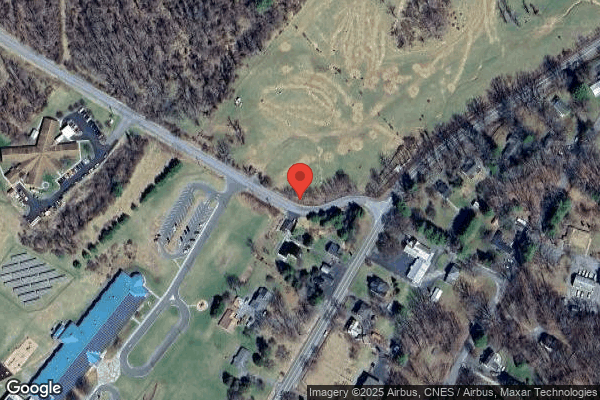
167 SPRING STREET, HOT SPRINGS, VA 24445 (540) 839-2299
Non profit - Corporation 60 Beds KISSITO HEALTHCARE Data: November 2025
Trust Grade
75/100
#109 of 285 in VA
Last Inspection: September 2023

Over 2 years since last inspection. Current conditions may differ from available data.

Overview

The Springs Nursing & Rehab Center has a Trust Grade of B, which means it is considered a good option for families seeking care, falling within the solid range of facilities. It ranks #109 out of 285 nursing homes in Virginia, placing it in the top half, and is the only facility in Bath County, indicating there are no local competitors. The facility is on an improving trend, with issues decreasing from 6 in 2022 to 5 in 2023. Staffing is rated at 4 out of 5 stars, but its turnover rate is 50%, which is average compared to the state average of 48%. Notably, there have been no fines reported, which is a positive sign, and the facility offers more registered nurse coverage than many others, helping to catch potential issues early. However, there are some concerns. Recent inspections found that the kitchen staff did not properly label or store food, which raises food safety issues. Additionally, there was a failure to accurately document a resident's pneumonia vaccine status, potentially impacting their health. These incidents highlight areas where the facility needs improvement, despite its overall strengths in staffing and care quality.

Trust Score
B
75/100
In Virginia
#109/285
Top 38%
Safety Record
Low Risk
No red flags
Inspections
Getting Better
6 → 5 violations
Staff Stability
⚠ Watch
50% turnover. Above average. Higher turnover means staff may not know residents' routines.
Penalties
✓ Good
No fines on record. Clean compliance history, better than most Virginia facilities.
Skilled Nurses
○ Average
Each resident gets 41 minutes of Registered Nurse (RN) attention daily — about average for Virginia. RNs are the most trained staff who monitor for health changes.
Violations
⚠ Watch
16 deficiencies on record. Higher than average. Multiple issues found across inspections.
★★★★☆
4.0
Overall Rating
★★★★☆
4.0
Staff Levels
★★★★☆
4.0
Care Quality
★★★★☆
4.0
Inspection Score
Stable
2022: 6 issues
2023: 5 issues

The Good

  • 4-Star Staffing Rating · Above-average nurse staffing levels
  • 4-Star Quality Measures · Strong clinical quality outcomes
  • Full Sprinkler Coverage · Fire safety systems throughout facility
  • No fines on record

Facility shows strength in staffing levels, quality measures, fire safety.

The Bad

Staff Turnover: 50%

Near Virginia avg (46%)

Higher turnover may affect care consistency

Chain: KISSITO HEALTHCARE

Part of a multi-facility chain

Ask about local staffing decisions and management

The Ugly 16 deficiencies on record

Sept 2023 5 deficiencies
CONCERN (D)

Potential for Harm - no one hurt, but risky conditions existed

Abuse Prevention Policies (Tag F0607)

Could have caused harm · This affected 1 resident

Based on employee file review and staff interview, the facility staff failed to follow the abuse policy for two of 25 employee files reviewed. Two employee files did not have a background investigatio...

Read full inspector narrative →
Based on employee file review and staff interview, the facility staff failed to follow the abuse policy for two of 25 employee files reviewed. Two employee files did not have a background investigation check obtained. Findings include: On 9/19/23 beginning at 2:00 p.m., 25 employee files were reviewed. Two files did not include background investigation checks. On 9/19/23 at 3:20 p.m., the payroll/benefit administrator, identified as Other Staff (OS) # 1, was interviewed. OS # 1 stated, We looked at that, and the previous human resource person did not print it off. I have the print out that the money and forms were sent, but if I print off the reference check, it will have today's date since it wasn't printed off and filed in the employee's record at the time it came back. The DON (director of nursing) was asked for a copy of the abuse policy 9/19/23 at 3:45 p. m. The policy Abuse,Neglect, and Exploitation included I. Screening. A. Potential employees will be screened for a history of abuse, neglect, exploitation, or misappropriation of resident property. 1. Background, reference, and credentials' checks shall be conducted on potential employees, contracted temporary staff, students affiliated with academic institutions, volunteers, and consultants 3. The facility will maintain documentation of proof that the screening occurred. The administrator, DON, ADON (assistant director of nursing), and regional nurse consultant were informed of the above findings during an end of day meeting on 9/19/23 beginning at 4:05 p.m. No further information was provided prior to the exit conference.
CONCERN (D)

Potential for Harm - no one hurt, but risky conditions existed

Comprehensive Care Plan (Tag F0656)

Could have caused harm · This affected 1 resident

**NOTE- TERMS IN BRACKETS HAVE BEEN EDITED TO PROTECT CONFIDENTIALITY** Based on observation, staff interview, and clinical record review, the facility staff failed to develop a comprehensive care pla...

Read full inspector narrative →
**NOTE- TERMS IN BRACKETS HAVE BEEN EDITED TO PROTECT CONFIDENTIALITY** Based on observation, staff interview, and clinical record review, the facility staff failed to develop a comprehensive care plan for one of twenty residents (Resident #7). The findings include: Resident #7 (R7) had no care plan developed regarding moisture associated skin damage (MASD). R7 was admitted to the facility with diagnoses that included dementia with agitation, gastroesophageal reflux disease, hypertension, diabetes, major depressive disorder, dysphagia, chronic kidney disease, restless leg syndrome and atrial fibrillation. The minimum data set (MDS) dated [DATE] assessed R7 with severely impaired cognitive skills, always incontinent of bladder, occasionally incontinent of bowel, and as requiring extensive assistance of one person for toileting. R7's clinical record documented a 8/26/23 nursing note which read in part, CNA [certified nurses' aide] alerted this nurse of resident with scant amount of bleeding present on resident's brief when being taken to the shower. Resident was assessed to find a [NAME] [nickel] sized opened area at the top of resident's buttocks. Area cleansed, dressing applied . R7's clinical record documented an 8/26/23 physician's order to cleanse the open buttocks area with wound cleanser, pat dry, and apply dry dressing each day. R7's treatment administration records documented that daily cleansing and dressing changes were completed as ordered. R7's plan of care (revised 6/7/23) included no problems, goals and/or interventions regarding the open area on the buttocks. The plan of care identified that R7 was at risk for pressure ulcer development due to cognitive impairment and incontinence. The plan of care made no mention of any actual skin impairments. On 9/19/23 at 3:36 p.m., with the resident's permission and accompanied by licensed practical nurse (LPN) #2, R7's buttocks area was observed. R7 had red, excoriated skin at the top of both buttock cheeks over the sacral area. The red area had a prickly appearance with no opened areas observed. On 9/20/23 at 9:20 a.m., the director of nursing (DON) was interviewed about skin changes to R7's buttocks. The DON stated that she looked at the resident today and assessed the area as moisture associated skin damage. The DON stated that the MDS coordinator was responsible for care plan development/updates. On 9/20/23 at 8:53 a.m., registered nurse (RN) #3, the MDS coordinator who was responsible for care plans, was interviewed about R7. RN #3 reviewed R7's care plan and stated that she did not see anything listed about the MASD. RN #3 stated she reviewed all new physician orders and resident updates from the morning meetings and used that information to update/revise care plans as needed. RN #3 stated she was out of work when R7 acquired the MASD and another staff person from another building was assisting with MDS/care plans during that time. RN #3 stated that adding the MASD to R7's care plan was missed. This finding was discussed with the administrator, assistant administrator, and DON on 9/20/23 at 10:15 a.m. with no further information provided prior to the end of the survey.
CONCERN (D)

Potential for Harm - no one hurt, but risky conditions existed

Quality of Care (Tag F0684)

Could have caused harm · This affected 1 resident

**NOTE- TERMS IN BRACKETS HAVE BEEN EDITED TO PROTECT CONFIDENTIALITY** Based on observation, staff interview, facility document review, and clinical record review, the facility staff failed to assess...

Read full inspector narrative →
**NOTE- TERMS IN BRACKETS HAVE BEEN EDITED TO PROTECT CONFIDENTIALITY** Based on observation, staff interview, facility document review, and clinical record review, the facility staff failed to assess and/or initiate treatment for skin impairments for two of twenty residents (Resident #7 and #9) and failed to follow standards of care for medication administration during a medication pass observation on one of two units (100 hall). The findings include: 1. Resident #7 (R7) had no initial or ongoing assessments of an open skin area/rash on the buttocks that was treated daily by nursing staff. R7 was admitted to the facility with diagnoses that included dementia with agitation, gastroesophageal reflux disease, hypertension, diabetes, major depressive disorder, dysphagia, chronic kidney disease, restless leg syndrome and atrial fibrillation. The minimum data set (MDS) dated [DATE] assessed R7 with severely impaired cognitive skills, always incontinent of bladder, occasionally incontinent of bowel, and as requiring extensive assistance of one person for toileting. R7's clinical record documented a 8/26/23 nursing note which read in part, CNA [certified nurses' aide] alerted this nurse of resident with scant amount of bleeding present on resident's brief when being taken to the shower. Resident was assessed to find a [NAME] [nickel] sized opened area at the top of resident's buttocks. Area cleansed, dressing applied . R7's clinical record documented an 8/26/23 physician's order to cleanse the open buttocks area with wound cleanser, pat dry, and apply dry dressing each day shift. R7's treatment administration records documented that the daily cleansing and dressing changes were completed as ordered. Skin/body audits completed on 8/26/23 and 9/12/23 documented that R7 had a new wound but included no wound type or any description/assessment of the wound. R7's clinical record documented no initial or ongoing assessments of the skin impairment to the resident's buttocks. Nursing notes from 8/27/23 through 9/18/23 made no further mention of the open area and documented no ongoing description, size, appearance or status of the wound. R7's plan of care (revised 6/7/23) made no mention of the open area which had been identified on 8/26/23. A physician progress note dated 9/14/23 included no assessment of the area and documented, Skin: See nursing assessment for detailed skin exam . On 9/19/23 at 1:45 p.m., the assistant director of nursing (ADON) was interviewed about the skin changes to R7's buttocks and the provision of any assessment or ongoing monitoring of the impairment. The ADON stated that she had seen the open area on R7's buttocks but that no assessment was documented. Checking R7's medical record, the ADON stated, I don't see an assessment in the record. On 9/19/23 at 3:36 p.m., with the resident's permission and accompanied by licensed practical nurse (LPN) #2, R7's buttocks area was observed. The resident had areas of red, excoriated (raw) skin at the top of both buttock cheeks, over the sacral area. This red area had a prickly appearance with no drainage observed. LPN #2 stated daily treatments were completed as ordered. LPN #2 stated the assistant director of nursing (ADON) was responsible for tracking wounds. On 9/20/23 at 9:20 a.m., the director of nursing (DON) was interviewed about the skin condition of R7's buttocks. The DON stated that she had assessed the area today (9/20/23) as being moisture associated skin damage. The DON stated that the floor nurses providing treatments should have been assessing the area and documenting the status in the clinical record. The DON stated that a RN was available to assist with assessments if needed. The facility's policy titled Wound Care/Treatments Guidelines (undated) documented, .A weekly assessment should be done on all wounds requiring treatment. This should include measurement and a description. Preferably, this will be done on an assessment sheet and placed .on the chart so nurses will be aware of the progress . This finding was reviewed with the administrator, assistant administrator and DON during a meeting on 9/19/23 at 4:15 p.m. with no other information provided prior to the end of the survey. 2. Resident #9 had no treatment orders obtained and/or entered for an assessed open skin area on the resident's coccyx. Resident #9 (R9) was admitted to the facility with diagnoses that included persistent vegetative state, cerebral infarction, epilepsy, obesity, major depressive disorder, atherosclerotic heart disease, anxiety, hypertension, contractures, COPD (chronic obstructive pulmonary disease) and chronic respiratory failure. The minimum data set (MDS) data 8/16/23 assessed no cognitive function due to persistent vegetative status, that the resident was always incontinent of bowel/bladder, and required the total assistance of two people for bed mobility and toileting/hygiene. R9's clinical record included a 9/17/23 nursing note which documented, This nurse and CNA [certified nurses' aide] were providing incontinent care, an open area was noted to top of coccyx. Sure prep and dry dressing applied at this time. MD [physician] made aware. (Sic) On 9/19/23, a review of R9's clinical record revealed no further assessment of the coccyx wound, no treatment orders for the open area, and no physician notification of the skin impairment. On 9/19/23 at 12:52 p.m., the licensed practical nurse (LPN #1) caring for R9 was interviewed about the coccyx skin impairment. LPN #1 reviewed R9's clinical record and stated that there was no order for any treatment to a coccyx wound. LPN #1 stated that she was not aware that R9 had a skin impairment on the coccyx. Reviewing the record, LPN #1 stated that the last body audit was completed on 9/12/23 and listed no new wounds. When questioned further, LPN #1 stated if a new skin impairment was found, the physician should have been notified and any new orders entered for treatment. On 9/19/23 at 12:56 p.m., registered nurse (RN) #4 that documented the note on 9/17/23 about the open area, was interviewed. RN #4 stated that R9 had .just a little open area on his coccyx that was seen during incontinence care. RN #4 stated that she applied Sure prep around the wound and a dry dressing. RN #4 stated she did not immediately notify the physician but added R9's name to the book for the physician to see on Monday (9/18/23). LPN #1 stated at this time that the physician did not come to the facility yesterday (9/18/23) and was scheduled to come today (9/19/23). RN #4 stated the assistant director of nursing (ADON) usually assessed and monitored wounds, but she had not yet assessed R9's coccyx. On 9/19/23 at 1:05 p.m., the director of nursing (DON) was interviewed about the skin impairment to R9's coccyx. The DON stated that it had been reported in the morning meeting yesterday (9/18/23) that R9 had a wound and she had thought someone had already assessed the area. On 9/19/23 at 1:14 p.m., the assistant director of nursing (ADON) responsible for wound assessments was interviewed about R9's open area. The ADON stated she had not been made aware of R9's skin impairment until today (9/19/23) and had not yet assessed the area. The ADON stated RN #4 found the area over the weekend and listed the issue in the physician book to be seen on Monday (9/18/23). The ADON stated the physician did not come in until today (9/19/23). The ADON stated that the nurse should have contacted the provider or on-call supervisor regarding the open wound and obtained/initiated standing orders for treatment of the area. On 9/19/23 at 1:30 p.m., accompanied by LPN #1, R9's coccyx area was observed. The resident had an irregular shaped discolored area over the coccyx that had a moist appearance. There was no drainage observed. On 9/19/23 at 1:30 p.m., the DON was interviewed again about the absence of treatment orders for R9's coccyx wound with no treatment orders. The DON stated that she assessed the area today and identified this area as discolored skin from an old wound. The DON stated the resident had an open area on the coccyx a long time ago that had healed. The DON stated she did not know what the resident's coccyx looked like on 9/17/23 but today (9/19/23) assessed the area as .discolored and moist but not open. On 9/20/23 at 9:20 a.m., the DON stated that there should have been an order entered for care/treatment of the open area when found on 9/17/23. The DON stated that standing orders included the use of the Sure prep with a dressing, but that the provider should have been notified and an order entered for care/treatment of the impairment. R9's plan of care (revised 3/20/23) documented that R9 was at risk for pressure ulcers and skin impairments due to incontinence and limited mobility. Interventions to prevent impaired skin included, prompt incontinence care, pressure reducing mattress, assessments as needed, nutritional supplements, and frequent turning/repositioning. The facility's policy titled Prevention of Pressure Ulcers (undated) documented on page 340, .Notify physician of impaired skin integrity and obtain 'wound care per protocol' order .Select an appropriate treatment from the Treatment Protocol for Skin Tears & Pressure Ulcers .Once an appropriate treatment has been select, write a telephone order, fax the order to the pharmacy, and order the necessary supplies .Document the initial and weekly measurement and characteristics . (Sic) This finding was reviewed with the administrator, assistant administrator, and DON during a meeting on 9/19/23 at 4:15 p.m. 3. Manufacturer's instructions/standard of care for the prevention of yeast infection were not followed during a medication pass on the 100 hall for the medication Wixela (fluticasone-salmeterol). On 9/19/23 at 7:45 a.m., a medication pass observation was conducted with registered nurse (RN) #4 administering medications to Resident #30 (R30). Included in the medications administered was Wixela (fluticasone-salmeterol) inhalation aerosol powder 500-50 mcg/act (micrograms per actuation). After activation of the dose, R30 inhaled the Wixela once from the inhaler device. R30 did not rinse his mouth after inhaling the medication and there was no prompt or instruction from RN #4 for the resident to rinse/spit after taking the medication. Manufacturer's instructions printed on the Wixela box documented that the patient should rinse and spit after inhaling the medication. R30's clinical record documented a 7/15/23 physician's order for fluticasone-salmeterol inhalation aerosol powder breath activated 500-50 mcg/act, with instructions for one inhalation orally two times per day for treatment of COPD (chronic obstructive pulmonary disease). On 9/19/23 at 8:01 a.m., RN #4 was interviewed about the lack of mouth rinse following R30's inhalation of Wixela. RN #4 stated, He [R30] usually will do it [rinse]. RN #4 stated that R30 was alert and oriented and usually rinsed his mouth .on his own. R30's clinical record documented no assessment or order for the resident to self-administer medications. The facility's pharmacy provided administration instructions for all forms of fluticasone-salmeterol powder. This document listed specific guidance regarding the administration of fluticasone-salmeterol via inhaler device, Following administration, instruct patient to rinse the mouth with water to minimize dry mouth. Do not swallow the water . The Nursing 2022 Drug Handbook on page 657 describes Wixela (fluticasone-salmeterol) as a corticosteroid used for treatment of asthma and COPD. Instructions for administration on page 660 document, Instruct patient to rinse mouth after inhalation to prevent oral candidiasis [fungal/yeast infection] . (1) This finding was reviewed with the administrator, assistant administrator, and director of nursing during a meeting on 9/19/23 at 4:15 p.m. with no further information provided prior to the end of the survey. (1) Woods, [NAME] Dabrow. Nursing 2022 Drug Handbook. Philadelphia: Wolters Kluwer, 2022.
CONCERN (E)

Potential for Harm - no one hurt, but risky conditions existed

Food Safety (Tag F0812)

Could have caused harm · This affected multiple residents

Based on observation, staff interview, and facility document review, the facility staff failed to store food properly in the main kitchen; dried food and meat were not labeled. The Findings Include: O...

Read full inspector narrative →
Based on observation, staff interview, and facility document review, the facility staff failed to store food properly in the main kitchen; dried food and meat were not labeled. The Findings Include: On 9/18/23 at 11:45 AM, the initial kitchen tour was conducted with the dietary manager (other staff, OS #2). The dry storage room yielded opened bulk bags of sugar, powdered gravy, and flour without dates indicating when the item was opened or when the item was to be used by. When asked about the opened containers, OS #2 said that the items should have been dated with an open date and an use by date. The reach-in refrigerator was then observed, a storage bag of approximately 15 leftover cooked pork links was also found without a label indicating when it was placed in the refrigerator (opened) or the use by date. OS #2 verbalized that the bag should have been labeled with the item contents and a use by date. OS #2 then took the bag from the refrigerator and disposed of it. On 9/19/23 at 4:00 PM, the administrator and director of nursing were notified of the above finding. A facility policy titled Date Marking for Food Safety was obtained and read in part, 2. The food shall be clearly marked to indicate the date or day by which the food shall be consumed or discarded. 3. The individual opening or preparing a food shall be responsible for date marking the food at the time the food is opened or prepared. No other information was provided prior to exit conference on 9/20/23.
CONCERN (E)

Potential for Harm - no one hurt, but risky conditions existed

Deficiency F0883 (Tag F0883)

Could have caused harm · This affected multiple residents

**NOTE- TERMS IN BRACKETS HAVE BEEN EDITED TO PROTECT CONFIDENTIALITY** Based on clinical record review, staff interview, and facility document review, the facility staff failed to accurately assess a...

Read full inspector narrative →
**NOTE- TERMS IN BRACKETS HAVE BEEN EDITED TO PROTECT CONFIDENTIALITY** Based on clinical record review, staff interview, and facility document review, the facility staff failed to accurately assess and document pnemococcal vaccine status for one of five resident records reviewed: Resident # 17. Findings include: On 9/19/23 beginning at 11:00 a.m., five resident records were reviewed for immunization status. Resident # 17 was identified as having no documentation of either having been administered or having declined the pneumonia vaccine. On 9/19/23 at 1:30 p.m., the DON (director of nursing) was asked for assistance in locating the information. On 9/20/23 at 8:30 a.m., the DON stated, I have a declination form in my notebook that was signed by the son on 5/29/23. I became DON in March 2023 and started looking at all of this, which is when I got the signed declination form . The DON was then questioned about the MDS (minimum data set) assessment for Resident # 17; noting the resident was admitted to the facility on [DATE], the admission MDS assessment for Section O0300 documented that Resident #17 had not been offered the vaccine. The DON stated that the MDS coordinator would know about that. On 9/20/23 at 9:00 a.m., the MDS coordinator, identified as RN (registered nurse) # 3, was interviewed and asked how she obtained information for vaccine status. RN # 3 stated, I look for the paperwork; either a consent form or declination form, and also look at the MAR (medication administration record) to see if the vaccine was given. I could not find any information that the resident [Resident #17] received the pneumonia vaccine, or refused it, so I marked 'not offered' at Section O. On 9/20/23, during further review of Resident # 17's clinical record, a progress note dated 2/1/22 written by the social worker documented Received verbal consent from [name of resident's daughter] for Prevnar 23. On 9/20/23 at 9:30 a.m., the DON and ADON (assistant director of nursing) were informed of the progress note. The DON stated that she was not aware of the note, and that a social worker is not able to accept verbal consent; that is done by 2 nurses. The DON further stated, The nurse doing the admission gathers information, and then for immunizations, we [the DON and ADON], as the facility ICP's, take over from there and make sure consents and/or declinations are done. Honestly, I hadn't had time to scan the declination into the record The facility immunization policy for Pnemococcal vaccine directed, Upon admission to the facility, each resident will be evaluated for history of pnemococcal vaccinations and offered the appropriate pnemococcal vaccine in accordance with CDC recommendations for adult vaccinations . e. Declination of the vaccine will be documented in the resident's clinical record. The administrator, DON, ADON, and regional nurse consultant were informed of the above findings during a meeting with facility staff 9/20/23 beginning at 9:55 a.m. No further information was provided prior to the exit conference.
Aug 2022 6 deficiencies
CONCERN (D)

Potential for Harm - no one hurt, but risky conditions existed

Deficiency F0563 (Tag F0563)

Could have caused harm · This affected 1 resident

Based on complaint investigation, clinical record review, staff interview, and family interview, the facility staff failed for one of 18 residents in the survey sample, Resident # 58, to offer compass...

Read full inspector narrative →
Based on complaint investigation, clinical record review, staff interview, and family interview, the facility staff failed for one of 18 residents in the survey sample, Resident # 58, to offer compassionate care visits. The family of Resident # 58 was not offered compassionate care visits while visitation in the facility was restricted. The findings were: Resident # 58 was admitted with diagnosed that included chronic systolic congestive heart failure, hypertension, chronic atrial fibrillation, dysphagia, moderate protein-calorie malnutrition, hypothyroidism, chronic respiratory failure with hypoxia, pneumonia, and generalized muscle weakness. The resident was in the facility for five days and left before completion of the admission Minimum Data Set. According to a complaint narrative written by the resident's daughter-in-law, the resident was married for 67 years and was upset that, due to COVID, was only able to visit his wife through a window. The daughter-in-law also wrote that during telephone conversation, the resident said, I just want to go ahead and die, and was begging to see his wife and hold her hand. Review of the Progress Notes in the resident's Electronic Health Record revealed the following Social Services note: 9/2/2022 - 10:34 a.m. Social Services - .(Name of Resident) stated, 'I am ready to die, I am suffering.' Social Services reported the information to the DON (Director of Nursing) and ADON (Assistant Director of Nursing) At 2:20 p.m. on 8/9/2022, LPN # 2 (Licensed Practical Nurse), who serves as a Unit Manager, and who was familiar with the resident, was interviewed regarding Resident # 58 and visitation. According to LPN # 1, the resident was placed on isolation upon admission, consistent with COVID practices at that time, even though the resident had a rapid COVID test on the day of admission that was negative. Asked about visitation, LPN # 1 confirmed that the family had window visits with the resident. When asked about compassionate care visits, LPN # 1 said, We did not offer compassionate care visits because he was not on comfort care. LPN # 1 provided the date the resident was placed on comfort care, which was the fourth day of the resident's stay. At 9:10 a.m. on 8/10/2022, the resident's daughter-in-law was interviewed by telephone. Asked if the facility offered the family compassionate care visitation, the daughter-in-law said, No. We could only do a window visit. They (the staff) would wheel him to a window and we would talk through a screen. We couldn't even touch him. On 8/10/2022 at 2:45 p.m., the facility's Operations Manager was interviewed regarding family visitation. According to the Operations Manager, the resident's daughter and daughter-in-law were allowed in the facility to do a room visit. However, the Operations Manager said he did a search of visitation logs and could find no documentation of visits made by the family. On 8/11/2022, four opportunities were made to contact the former facility Administrator for further information regarding the family's visitation and compassionate care visits. All four calls were not returned. QSO-20-39-NH Revised 3/30/21 includes the following about Compassionate Care Visits: While end of life situations have been used as examples of compassionate care situations, the term 'compassionate care situations' does not exclusively refer to end of life situations. Examples of other types of compassionate care situations include, but are not limited to: A resident, who was living with their family before recently being admitted to a nursing home, is struggling with the change in environment and lack of family support. The findings were discussed during a meeting at 4:00 p.m. on 8/9/2022 that included the Administrator, Director of Nursing, and the survey team. COMPLAINT DEFICIENCY
CONCERN (D)

Potential for Harm - no one hurt, but risky conditions existed

Assessment Accuracy (Tag F0641)

Could have caused harm · This affected 1 resident

Based on staff interview and clinical record review, the facility failed to ensure an accurate MDS (minimum data set) assessment for one of 18 resident's in the survey sample. Resident #59's discharge...

Read full inspector narrative →
Based on staff interview and clinical record review, the facility failed to ensure an accurate MDS (minimum data set) assessment for one of 18 resident's in the survey sample. Resident #59's discharge MDS assessment was coded as being discharged to the hospital instead of home. The Findings Include: Diagnoses for Resident #59 included: Compression fracture, dementia, adult failure to thrive, and dehydration. The most current MDS (minimum data set) was an admission assessment with an ARD (assessment reference date) of 3/17/22. Resident #59's cognitive score was a 11 indicating moderately cognitively intact. During a closed record review, Resident #59 was added to the sample as a hospital discharge review. On 8/10/22 Resident #59's clinical record was reviewed. Section A2100 of Resident #59's discharge MDS (dated 5/26/22) documented Resident #59 had been discharged to Acute Hospital. Review of Resident #59's progress notes dated 5/26/22 read in part Resident being discharged to home today. On 08/10/22 at 2:15 PM, during a meeting with the director of nursing, administrator, and unit manager (license practical nurse, LPN #1) the above finding was presented. LPN #1 reviewed the documentation and verbalized that Resident #59 was discharged home and an error had been made on the discharge MDS assessment. No other information was presented prior to exit conference on 8/10/22.
CONCERN (D)

Potential for Harm - no one hurt, but risky conditions existed

PASARR Coordination (Tag F0644)

Could have caused harm · This affected 1 resident

**NOTE- TERMS IN BRACKETS HAVE BEEN EDITED TO PROTECT CONFIDENTIALITY** Based on staff interview, clinical record review and facility document review, the facility staff failed to ensure one of 18 res...

Read full inspector narrative →
**NOTE- TERMS IN BRACKETS HAVE BEEN EDITED TO PROTECT CONFIDENTIALITY** Based on staff interview, clinical record review and facility document review, the facility staff failed to ensure one of 18 residents (Resident #32) had a targeted resident review coordinated with the appropriate state designated authority according to the Level II PASARR (pre-admission screening and resident review). Findings include: Resident #32's diagnoses included, but were not limited to: major depressive disorder, severe recurrent psychotic symptoms, dependent personality disorder, and bipolar disorder. The resident's most recent MDS (minimum data set) was an annual assessment dated [DATE]. This MDS assessed the resident with a cognitive score of 15 indicating the resident was intact for daily decision making skills. This MDS also assessed the resident with major depressive disorder, recurrent, severe with psych symptoms in Section I. (I0020B. Primary Medical Condition ICD). Resident #32 triggered in the LTCSP system for 'No PASARR with diagnoses'. The resident's clinical records were reviewed and no level II could be located. On 08/10/22 at approximately 12:45 PM, the SW (social worker) was asked for the information. The SW presented the information. The resident's level II dated 06/11/2021 documented that the resident would receive services of lesser intensity at the nursing facility, but also documented the following: .A targeted resident review is scheduled in 120 days to further assess [name of resident] status in the nursing facility and his potential to transition to a community setting with appropriate support services . The SW was asked if that review had been completed. The SW stated that she was not in that role at that time and would check, but did not have anything regarding the targeted review. A policy was requested on pre-admission screening and resident review (PASARR) At approximately 1:00 PM, the administrator stated that they can't find where that review had been completed or had taken place for this resident. The policy was presented and documented, .incorporating the recommendations from the PASARR level II determination and evaluation report into the resident's assessment, care planning and transitions of care . No further information and/or documentation was presented prior to the exit conference on 08/10/22.
CONCERN (D)

Potential for Harm - no one hurt, but risky conditions existed

Comprehensive Care Plan (Tag F0656)

Could have caused harm · This affected 1 resident

**NOTE- TERMS IN BRACKETS HAVE BEEN EDITED TO PROTECT CONFIDENTIALITY** Based on staff interview and clinical record review, the facility failed to develop care plans for two of 18 resident's in the s...

Read full inspector narrative →
**NOTE- TERMS IN BRACKETS HAVE BEEN EDITED TO PROTECT CONFIDENTIALITY** Based on staff interview and clinical record review, the facility failed to develop care plans for two of 18 resident's in the survey sample. Resident #7 did not have a care plan for antidepressant medication and mood. Resident #27 did not have a complete care plan for tube feeding care and management. The Findings Include: 1. Diagnoses for Resident #7 included: Respiratory failure, chronic obstructive pulmonary disease, anxiety, and depression. The most current MDS (minimum data set) was a quarterly assessment with an ARD (assessment reference date) of 6/5/22. Resident #7's cognitive score was a 15 indicating cognitively intact. Section D0200 (B) documented Resident #7 had felt down, depressed, or hopeless 7 to 11 days of the 14 day look back period. On 8/10/22 Resident #7's physician orders were reviewed and documented Sertraline 200 MG (milligrams) and Trazadone 100 MG (antidepressants) were ordered daily for depression and anxiety. Resident #7's care plan was then reviewed and did not evidence a care plan for mood, psychosocial or antidepressant medication. On 8/10/22 at 1:24 PM the MDS coordinator (license practical nurse, LPN #2) was interviewed. LPN #2 reviewed Resident #7's care plan and verbalized the care plans for mood and antidepressants were over-looked and would be corrected. On 08/10/22 at 2:15 PM the above information was presented to the director of nursing and administrator, during an end of day meeting. No other information was presented prior to exit conference on 8/10/22. 2. The facility failed to develop a comprehensive care plan for Resident #27 for gastrostomy tube/tube feeding care and management. Resident #27's diagnoses included, but were not limited to: history of cerebral infarct (stroke) due to occlusion/stenosis, moderate intellectual disability, contractures, chronic respiratory failure, chronic pain syndrome, epilepsy, GERD (gastroesophageal reflux disease), persistent vegetative state, abdominal distention, dysphasia and presence of gastronomy (peg) tube. The resident's most current MDS (minimum data set) was a quarterly assessment dated [DATE]. This MDS assessed the resident's cognitive status as '00', indicating the resident had severe impairment in daily decision making skills. The resident was also assessed as requiring total assistance from two or three staff for all ADSL's (activities of daily living). This MDS also assessed the resident in Section B0600. Speech Clarity as having no speech. In Section B0700. Makes Self Understood and Section B0800. Ability To Understand Others it documented the resident as, Rarely/never understands. This MDS also assessed the resident as having a abdominal (PEG) tube and receiving 51% or more of total calories through tube feeding and as receiving 501 cc/day or more per day of fluid intake. On 08/09/22 Resident #27 was observed multiple times throughout the day without a peg tube dressing to the resident's peg tube site. On 08/09/22 Resident #27 was observed with the resident's HOB (head of bed) at a 25 degree angle during tube feeding administration. The resident's physician's orders were observed. The resident had an order for, Peg care q [every] shift and prn [as needed] . There were no specific orders for care and treatment for Resident #27 regarding the peg tube/peg tube site and/or enteral feeding guidelines. The resident's CCP (comprehensive care plan) was reviewed and documented, .requires feeding by gastrostomy tube secondary to dysphasia secondary to anoxic brain injury .check placement .crush meds .flushes per order, G tube feeding per MD order, HOB elevated during feeding per order .NPO (nothing by mouth) .observe or aspiration .treatment to g tube insertion site as ordered . The resident had no physician's order regarding keeping HOB elevation and/or treatment to the resident's peg tube site. On 08/10/22 at 10:13 AM, LPN #2 (MDS/Careplan) was interviewed regarding Resident #27's care plan. The LPN was asked if the resident should have something specific on the care plan regarding a dressing changes, having the HOB (head of bed) elevated, and monitoring fluid intake since the resident is on tube feeding. The LPN stated, Yes Ma'am as far as the dressing change and HOB. The LPN stated that as far as monitoring fluid intake she would check with the regional nurse. The LPN was made aware that she had included on the resident's careplan for treatment to the peg site per the physician's orders and the HOB elevated per order, but the interventions were not specific and there were no physician's orders for those items. The LPN stated that for HOB the bed should be at 30 degrees or higher for a resident with tube feeding. At approximately 10:30 AM, the LPN returned and stated that the regional nurse stated that fluid intake information did not need to be on the care plan. On 08/10/22 at 2:30 PM, the administrator, DON (director of nursing), ADON, and corporate consultant were made aware that the resident's comprehensive care plan (CCP) was not developed with specific, specialized care and treatment interventions for this particular resident. No further information and/or documentation was presented prior to the exit summary on 08/10/22.
CONCERN (D)

Potential for Harm - no one hurt, but risky conditions existed

Tube Feeding (Tag F0693)

Could have caused harm · This affected 1 resident

**NOTE- TERMS IN BRACKETS HAVE BEEN EDITED TO PROTECT CONFIDENTIALITY** Based on observation, staff interview, clinical record review and facility document review, the facility staff failed to ensure ...

Read full inspector narrative →
**NOTE- TERMS IN BRACKETS HAVE BEEN EDITED TO PROTECT CONFIDENTIALITY** Based on observation, staff interview, clinical record review and facility document review, the facility staff failed to ensure specific physician's orders and interventions were in place for the the care, treatment and management of a gastrostomy tube for one of 18 residents in the survey sample, Resident #27. Findings include: Resident #27's diagnoses included, but were not limited to: history of cerebral infarct (stroke) due to occlusion/stenosis, moderate intellectual disability, contractures, chronic respiratory failure, chronic pain syndrome, epilepsy, GERD (gastroesophageal reflux disease), persistent vegetative state, abdominal distention, dysphagia and presence of gastronomy (peg) tube. The resident's most current MDS (minimum data set) was a quarterly assessment dated [DATE]. This MDS assessed the resident's cognitive status as '00', indicating the resident had severe impairment in daily decision making skills. The resident was also assessed as requiring total assistance from two or three staff for all ADL's (activities of daily living). This MDS also assessed the resident in Section B0600. Speech Clarity as having no speech. In Section B0700. Makes Self Understood and Section B0800. Ability To Understand Others it documented the resident as, Rarely/never understands. This MDS also assessed the resident as having a abdominal (PEG) tube and receiving 51% or more of total calories through tube feeding and as receiving 501 cc/day or more per day of fluid intake. On 08/09/22 at 9:21 AM, Resident #27 was observed in bed without a shirt on, covered with a sheet from the navel down to the feet. The resident's peg tube was exposed. There was no dressing in place to the peg tube site. The tube feeding machine was sounding/beeping and observed, along with the TF (tube feeding) bottle and water flush bag. The bottle was dated 08/08/22 and timed 9:00 PM, documented 95ml/hr (milliliters per hour). The flush bag was dated the same and documented, 240 ml every 4 hours. LPN (Licensed Practical Nurse) #2 came into the room to address the machine beeping, the LPN turned the machine off and stated that she would tell LPN #4 (the resident's nurse for the day) that the resident was done. LPN #2 exited the room. At approximately 9:28 AM on 08/09/22, LPN #1 (also known as the UM/unit manager) entered the room and stated, Is it beeping. The UM was made aware that LPN #2 had just come in an shut the machine off due to it beeping and stated that the resident was done. The UM stated that the resident was not done and restarted the machine. The UM was asked about the feeding machine readings, the UM stated that the resident gets 95ml/hr of feeding and 280 every 4 hours of flush. The bottle of TF hanging had approximately 1100 cc left in bottle (approx 1500cc bottle) and the water bag flush had approximately 700 cc remaining in bag (approx 1000cc bag). On 08/09/22 at 11:26 AM, the resident was again observed. There was no dressing in place to the peg tube site. The resident's tube feeding was again observed and again was sounding/beeping. The rate on the machine was set for 95ml/hr and the flush on the machine was reading, 'flush 240 ml every 0 hours, amount infused (for flush) is 0' this is what was showing on the machine. The flush bags again has approximately 700cc remaining in the bag, as observed earlier. On 08/09/22 at 1:43 PM, the UM was again asked about the resident's tube feeding. The UM stated that it should be getting ready to come down. The UM was asked if I&O (intake and output) records (specifically intake records) are kept on this resident and the UM stated, No. The UM was asked about the resident's physician's orders and were asked to pull them up. The UM pulled the resident's orders up and stated that the TF is to start at 9PM and come down at 2PM the next day. The UM was asked if when the pump was shut down earlier by LPN #2 does the machine clear it's settings. The UM stated that the setting are not cleared, they have to cleared manually. The UM stated that an error had read on the machine earlier and that she had cleared the TF setting, but not the flush setting. The UM was asked to go to the resident's room and check the settings/volume infused. The resident was again observed without a dressing to the peg tube site. The UM observed the machine settings of 0 (amount infused) for flush and that it was set to infuse every 0 hour. The UM was made aware that this didn't make sense and was very confusing as the orders and the machine readings did not match. The UM stated that she would notify the NP (nurse practitioner) to see what she wants to do. The UM was asked how do you know what the resident is actually getting and what is actually infused, if there is no intake records. The UM stated that it's the volume is included on the physician's orders to be infused. The UM was asked or a policy and procedure on TF/peg tube care/maintenance/feeding and flush. On 08/09/22 at 1:58 PM, The UM stated that the NP ordered to do a one time manual flush and stated that she did not know how much the resident had actually received due to the machine readings and tube feeding equipment. The resident's physician's orders were reviewed and documented, .[Name of TF formula] 1.2 @ 95ml/h for total of 1615 ml total kcal [kilocalories] 1398 in 24 hours Stop at 1400, Free water flush via pump of 280ml q4 hours Minimum volume to infuse is 1445, please notify MD/FNP if minimum volume not met . The resident's CCP (comprehensive care plan) was reviewed and documented, .requires feeding by gastrostomy tube secondary to dysphagia secondary to anoxic brain injury .check placement .crush meds .flushes per order, G tube feeding per MD order, HOB elevated during feeding per order .NPO (nothing by mouth) .observe or aspiration .treatment to g tube insertion site as ordered . The policy was presented and reviewed. The policy titled, Enteral Feeding Guidelines documented, .providing residents with the highest level of care .provide safe administration of enteral feedings .administration bottles and/or bags and tubing are to be marked with the resident's name and date .feeding bottles and tubing are to be changed per manufacturer's guidelines .verify the resident's physician's orders .position resident .keep the head of bed at a minimum of 30 degrees .utilize feeding tubes in accordance with current clinical standards of practice .the resident's plan of care will address the use of feeding tube, including strategies to prevent complications .examination and cleaning of the insertion site in order to identify, lessen, or resolve possible skin irritation and local infection .frequency of and volume used for flushing .and what to do when a prescriber's order does not specify .direction for staff regarding the conditions and circumstances under which a tube is to be changed will be provided .when to replace and/or change a feeding tube .as ordered/scheduled by the physician .when a long term feeding tube comes out unexpectedly, or when the tube is worn or clogged .documentation of all nutritional formulas and flush amounts in the electronic health record .direction for staff regarding how to manage and monitor the rate of flow .use of pump .The resident's plan of care will direct staff regarding proper positioning of the resident consistent with the individual needs .notify and involve physician .of any complications . On 08/10/22 at 9:18 AM, the resident was again observed. The resident's bed was set at a 25 degrees, tube feeing infusing. The resident's feeding pump was set to 95 ml/hr and the flush set at 280 ml/every 4 hours. According to the TF pump, the feed volume infused read 766 ml at this time. The water flush, amount infused on the pump read 1400 ml. The bottle documented the time of 9PM [start] to 2 PM [finish] and was dated 08/10/22. The water flush bag had the date written 8/9 with a start time of 2100. The TF bottle had approximately 3/4 of feeding remaining in the bottle. The water bag flush was approximately 1/2 full. On 08/10/22 at 9:30 AM, the UM entered the room and asked if the machine was beeping again. The UM looked at the machine and then looked at the resident's bed and adjusted the head of bed higher for the resident. The UM was made aware that the bed height had been set at 25 degrees prior to that change. The UM was made aware that the volume infused shown on the pump and the amount remaining hanging and the amount ordered by the physician did not add up or make sense and was again asked if intake records are kept for this resident regarding the amount of TF and water flushes the resident is taking in each shift. The UM again stated that they do not keep intake records on this resident. The UM was made aware that Resident #27 did not have a dressing to the gastrostomy site during multiple observations on 08/09/22. The UM asked if the resident had a dressing in place now and pulled the resident's sheet down exposing the resident's peg tube and there was now a dressing in place. The UM was made aware that the resident's orders were reviewed and there was no evidence of an order for a dressing to the resident's peg tube site and there was no documentation on the resident's MARs/TARs (medication/treatment administration records) regarding a dressing to the site. The UM stated that she would call the night shift nurse and try to get information and/or explanation regarding the TF machine reading and the amounts observed and see if something had happened. The UM stated that she didn't know unless a new bottle was hung. The UM stated that it doesn't make sense or add up. The UM stated that there is not a specific time documented on the bottle that was hung and that time should be documented when it is actually started. The UM was made aware that nothing was documented in the nursing notes regarding anything unusual pertaining to Resident #27 or the resident's peg tube, feeding and/or flushes. On 08/10/22 at 10:36 AM, the UM stated that she had spoke the NP, and she stated that the resident's weight has been stable and that they are going to adjust and extend the order to get the total volume ordered and then just resume the regular order at 8 pm tonight. On 08/10/22 at 2:14 PM, the administrator, DON (director of nursing), ADON, corporate consultant were made aware of concerns regarding the lack of specific physician's orders for the care and treatment of the Resident #27's peg tube/tube feeding/flushes and the lack of interventions to assess and monitor a resident with a gastrostomy tube. No further information and/or documentation was presented prior to the exit conference.
CONCERN (E)

Potential for Harm - no one hurt, but risky conditions existed

Food Safety (Tag F0812)

Could have caused harm · This affected multiple residents

Based on observation, staff interview, and review of facility documents, the facility failed to ensure food was stored in a manner to ensure food safety, and kitchen staff failed follow proper handwas...

Read full inspector narrative →
Based on observation, staff interview, and review of facility documents, the facility failed to ensure food was stored in a manner to ensure food safety, and kitchen staff failed follow proper handwashing procedures. The findings were: 1. At approximately 9:30 a.m. on 8/9/2022, during a tour of the Kitchen, the following was observed in the reach-in cooler: An open package of lunch meat in a zip-lock bag was undated. Asked about the lunch meat, the Dietary Manager said, That's sliced ham. An open package of grated cheese, identified by the Dietary Manager as Mozzarella, wrapped in saran wrap was undated. An open package of grated cheese, identified by the Dietary Manager as Parmesan, wrapped in saran wrap was undated. An open package of lunch meat, identified by the Dietary Manger as sliced turkey, wrapped in saran wrap was undated. A pitcher, approximately one-quarter full of what appeared to be orange drink, was not labeled or dated. A pitcher full of what appeared to be fruit drink was not labeled or dated. The Dietary Manager acknowledged the food items were not dated or labeled. Review of the facility's Dietary and Food Handling revealed the following in the section titled Proper Food Handling: Leftovers must be dated, labeled, covered, cooled and stored (within 1/2 hour) in a refrigerator, not at room temperature. Foods must be labeled with the date when opened and discarded, if not used, within 72 hours. 2. At 11:30 a.m. on 8/9/2022, during observation of preparation for the lunch meal, a staff member engaged in placing food on the steam table went to the handwashing sink. The staff member wet her hands, lathered with soap, and then rinsed her hands. After rinsing her hands, the staff member turned off the water and then obtained paper towels to dry her hands. Review of the facility's Dietary and Food Handling revealed the following in the section titled Personal Hygiene: Handwashing procedure: a) Wet hand thoroughly. b) Lather with soap to wrists and use friction. c) Rinse, clean nails. d) Lather second time. e) Rinse with water running from wrist down f) Dry on paper towel g) Turn faucet off with paper towel The findings were discussed during a meeting at 4:00 p.m. on 8/9/2022 that included the Administrator, Director of Nursing, and the survey team.
Mar 2021 5 deficiencies
CONCERN (D)

Potential for Harm - no one hurt, but risky conditions existed

Free from Abuse/Neglect (Tag F0600)

Could have caused harm · This affected 1 resident

**NOTE- TERMS IN BRACKETS HAVE BEEN EDITED TO PROTECT CONFIDENTIALITY** Based on staff interview, family interview, clinical record review, facility document review and in the course of a complaint in...

Read full inspector narrative →
**NOTE- TERMS IN BRACKETS HAVE BEEN EDITED TO PROTECT CONFIDENTIALITY** Based on staff interview, family interview, clinical record review, facility document review and in the course of a complaint investigation, the facility staff failed to ensure one of 14 residents (Resident #2) was free from neglect. Facility staff failed to get an order for a urinalysis for Resident #2 after a request by the family. Resident #2, who had a history of urinary tract infections, subsequently was admitted to the hospital and treated for a urinary tract infection a week later. Findings include: Resident #2 was admitted to the facility on [DATE], with the most current readmission on [DATE]. Diagnoses for Resident #2 included, but were not limited to: dementia, high blood pressure, history of stroke with left side hemiparesis/hemiplegia, depression, psychotic disorder, history of nausea with vomiting and UTI (urinary tract infection). The most current MDS (minimum data set) was a quarterly review dated 12/31/20. This MDS assessed the resident as having long and short term memory impairment and modified impairment in daily decision making skills. This MDS assessed the resident as requiring extensive assistance from staff for all ADLs (activities of daily living). The resident also had a five day medicare MDS dated [DATE]. This MDS assessed the resident with a cognitive score of 9, indicating the resident had moderate impairment in daily decision making skills. The resident was assessed as having a UTI in the last 30 days. The complaint alleged that on 02/22/21 a window visitation was conducted between the son and Resident #2, and the son noticed the resident had a change in demeanor and was concerned. The son reported this information, communicated with facility staff, and asked for the resident to be seen by the physician regarding his concerns. According to the complaint the son was concerned that the resident may have a UTI. The facility submitted a Facility Reported Incident (FRI) to the State Agency regarding this concern. Resident #2 was a current resident of the facility. The resident was observed on multiple occasions and multiple attempts were made to interview the resident during the survey process. Resident #2 only spoke a few words at a time and stated that she did not remember going to the hospital. On 03/22/21, the administrator was asked for any documentation, investigation and/or follow up related to the FRI dated 03/01/21. The investigation included the following statement dated 03/01/21 from the AD (Activity Director), .02/22/21 .6:00 - 6:30 PM .I spoke with [name of Resident #2's son] while I was outside setting up chairs for a window visit with him and his mother. Two other family members were there. He told me that this mother seemed confused when he spoke to her on the phone earlier that week. He said that her confusion could indicate a UTI and he would like to have her checked for a UTI. I reported what he said to the nurse [Name of nurse/identified as Registered Nurse #1]. A statement dated 03/04/21 from RN #1 documented, Was stopped by [name of Resident #2's son] after my shift had ended and was told that he wanted a U/A [urinalysis] for his mother. I told him I would put her on the doctor's book. I intended to do this in the AM when I came into work but was sick and called out. Resident #2's nursing notes were reviewed from 02/19/21 [prior to the window visit] through 03/01/21 [the date the resident went to the hospital]. The nursing notes revealed the following: 2/19/2021 [5:11 AM] .Resident awake, vomited undigested food. Staff in to change gown and bed. Am meds provided. Will monitor and assess [signature RN #3]. 2/19/2021 [12:17 PM] .Promethazine HCl Tablet 25 MG Give 1 tablet by mouth every 6 hours as needed for an/v [nausea/vomiting] 60cc dark yellow syrupy emesis [signature of RN #1]. 2/19/2021 [3:21 PM] .eMAR .Promethazine HCl Tablet 25 MG [milligrams] Give 1 tablet by mouth every 6 hours as needed for n/v PRN [as needed] Administration was Effective Resident up in a chair and emesis has stopped for now [signature of RN #1]. 2/19/2021 [5:00 PM] .eMAR .Notified RP [responsible party] and MD [medical doctor] of emesis. Resident vomited approx. 60 cc x 3 this am of the same type fluid but is feeling better after the Phenergan. Resident is drinking tea and is looking forward to dinner. Resident is afebrile. No other symptoms noted. Will continue to observe [signature of RN #1]. 2/26/2021 [1:07 PM] .Resident received COVID vaccine yesterday. No adverse reactions noted. Tolerating well [signature of LPN #4]. 2/27/2021 [2:15 AM] .Resident continues to be under skilled services .A&O [alert and oriented] x 2 .mucous membranes are pink, moist, and intact .Speech is clear .can voice needs. Lungs clear .No cough, or SOB [shortness of breath] noted or voiced .Abdomen is soft and non distended .Bowel sounds present .has no complaint of pain or discomfort .Took meds whole w/o [without] difficulty .Rsd [resident] experienced fever and vomiting during shift, Rsd given 25mg/ml Phenergan and started on clear liquid diet per standing orders. [name of NP/nurse practitioner] informed of rsd symptoms [signature of RN #2]. A late entry nursing note dated effective for 2/27/2021 10:30 PM [creation date: 03/05/21 11:09 PM] documented, .Nurse observed rsd with emesis on chest/face/hair. Assessed rsd and low grade temp of 99.5 was noted. Rsd was given a shower due to emesis. Approx 30 min after initial temp was assessed, a normal temp of 98.6 was noted. Temp was assessed throughout the night and remained with normal limits. NP was notified of rsd condition and that rsd was started on standing orders [signature of RN #2] 2/28/2021 9:27 AM .Resident continues to be under skilled services at this time. A&O to self .mucous membranes are pink, moist, and intact .Speech is clear. Rsd can voice needs. Lungs clear .No cough, or SOB noted .no complaint of pain or discomfort .Took meds w/o difficulty or adverse effects [signature of LPN #1]. 3/1/2021 9:08 AM .Resident continues .A&O x 2 mucous membranes are pink, moist, and intact .Speech is clear .can voice needs. Lungs clear .No cough, or SOB noted or voiced .abdomen is soft and non distended. Bowel sounds present no complaint of pain or discomfort .Took meds w/o difficulty .[signature of LPN #1]. 3/1/2021 12:50 PM Discharge/Transfer Summary Note .altered mental status, clammy, sweaty, diaphoretic .decreased level of consciousness, clammy. BS [blood sugar] checked 202 .resident was lethargic sternal rub performed with minimal response from resident .MD aware .blood Pressure: BP 90/70 .Temperature: 98.6 . Pulse: 101 .Regular .Respiration: 16 .O2 Sats: 94 % .[signature of LPN #1]. Resident #2's comprehensive care plan dated 11/02/20 (prior to resident's discharge) documented, .Resident is incontinent of urine .resident will remain as clean and dry as possible .Check and change frequently as needed .Observe for changes in urine characteristics for s/s [signs or symptoms] of an urinary infection .administer medications as ordered . On 03/22/21 at 3:45 PM, the AD was interviewed. The AD stated that she remembered that day and stated that she had got him [the son] set up with the window visit and he voiced that he was concerned that his mother was confused and he wanted her to be seen by the doctor and that the confusion may indicate the resident is getting a UTI. The AD stated, After I got him [son] set up, I went in to the nurse and told her what the family had said and that he wanted her to be checked. The AD stated that RN #1 told her, I can't just do a check like that, I have to get an order. The AD then stated that the doorbell to the facility rang and she left the nurse and went to answer the door. The AD was asked if RN #1 was working today. The AD stated that she had not seen RN #1 in about a week. On 03/22/21 at approximately 3:50 PM, the ADON (assistant director of nursing) stated that RN #1 no longer worked at the facility and her last day was on March 9th, 2021. On 03/22/21 at 4:00 PM, the administrator, DON (director of nursing), ADON and the CNO (chief nursing officer) were made aware of the concerns regarding Resident #2 and the above information. The CNO stated that RN #1 denied that the AD reported anything to her regarding Resident #2. The administrative staff were made aware that RN #1 was made aware by the resident's son, according to RN #1's statement taken on 03/04/21. On 03/23/21 at 8:45 AM, Resident #2's son was interviewed. The resident's son stated that he spoke with RN #1 on the evening of 02/22/21 around 6:30 PM and informed her of his concerns regarding Resident #2. The resident's son stated that RN #1 assured him it would be taken care of the next day, when the RN returned to work. The resident's son stated that according to the facility, RN #1 was sick the following day and did not return to work until several days later. On 03/23/21 at 10:50 AM, the NP (nurse practitioner) was interviewed. The NP stated that she did not remember being called about Resident #2 on 02/27/21 by RN #2. The NP stated that, nausea and vomiting were not uncommon for Resident #2 and stated that the resident was on multiple stomach medications. The NP stated if a resident is put on the book by nursing, the resident would been seen on the next physician's visit. On 03/23/21 at 1:00 PM, RN #2 was interviewed regarding the note written on 02/27/21 at 2:15 AM. The RN stated that she called the NP and reported concerns and did what was ordered. RN #2 stated that she did not put her on the book to be seen by the physician, as this wasn't uncommon for this resident and that the NP was called. Hospital records for Resident #2 were reviewed. The ER [emergency room] note documented, .presents to the ED [emergency department] from NH [nursing home] .a report form NH staff of altered mental status. Per the report from NH .pt was difficult to arouse and confused .On arrival to the ED, pt is alert and in no apparent distress. She is able to answer questions and follow commands .denies any complaints . The resident was admitted to the hospital for UTI, treated with IV medications and fluids and discharged back to the facility on [DATE]. No further information and/or documetnation was presented prior to the exit conference on 03/23/21 at 3:30 PM. This is a complaint deficiency.
CONCERN (D)

Potential for Harm - no one hurt, but risky conditions existed

Investigate Abuse (Tag F0610)

Could have caused harm · This affected 1 resident

**NOTE- TERMS IN BRACKETS HAVE BEEN EDITED TO PROTECT CONFIDENTIALITY** Based on resident interview, clinical record review, facility document review and staff interview, the facility staff failed for...

Read full inspector narrative →
**NOTE- TERMS IN BRACKETS HAVE BEEN EDITED TO PROTECT CONFIDENTIALITY** Based on resident interview, clinical record review, facility document review and staff interview, the facility staff failed for one of 14 residents to conduct a complete and thorough investigation for an injury sustained during an altercation between a resident and a staff member. Resident #7 sustained a large bruise covering the left eye. The Findings Include: Resident #7 was admitted to the facility on [DATE]. Diagnoses for Resident #7 included: Dementia with behaviors, mild cognitive impairment, impulse disorder, and chronic obstructive pulmonary disease. The most current MDS (minimum data set) was an annual assessment with an ARD (assessment reference date) of 3/12/21. Resident #7 was assessed with a cognitive score of 14 indicating cognitively intact. On 03/21/21 at 11:24 AM, Resident #7 was interviewed. During the interview Resident #7 was observed with a fading bruise surrounding the left eye. When asked about the bruise Resident #7 said a woman hit him about 2 weeks ago. Resident #7 was asked if the bruise was caused by a staff member. Resident #7 nodded yes but did not give anymore information. On 3/22/21 Resident #7's clinical record was reviewed. A progress note documented 3/17/2021 21:53 [11:53 PM] Nurse's Note Note Text: Was alerted by other nurse that Resident tried hitting her and struck her elbow, which deflected resident hand and he struck himself in the L [left] eye. Resident assessed, redness and some swelling noted to L eyelid along with a 1 cm scratch. Resident denies pain discomfort to area. Resident PERRLA. Speech clear. Resident alert and oriented to self usual level of orientationhe [SIC] On 3/22/21 at 1:44 PM, the administrator was interviewed and was asked if a FRI (Facility Reported Incident) had been sent to the State Agency regarding Resident #7's bruised eye. The administrator said a FRI had not been sent because the facility knew how the bruise was acquired. The administrator was told that during an interview with Resident #7, Resident #7 stated that a staff member hit him. The administrator stated That's the first time I have heard that. On 03/22/21 at 2:30 PM an interview with the ADON (assistant director of nursing) took place. The ADON said Resident #7 has behavior issues and a nurse was working as a CNA (certified nurse assistant) and was giving Resident #7 a bath, Resident #7 became combative and started trying to punch the nurse and while throwing punches Resident #7's fist deflected off the nurses elbow and he hit himself in the left eye. The ADON was asked to present all investigation documentation. A witness statement documented [name of staff member involved, identified as LPN #3] incident date and time 3/17/21 at 9:00 PM [documented by LPN #3] Resident went to hit me in the face while I was showering him. When he hit my left elbow his fist came back hitting him on the left brow. Immediate intervention: Told [name of LPN, identified as LPN #2] about incident came in and assessed. Denied pain. Fingernail caused a little cut on brow. [signature of LPN #3 and interviewer ADON]. On 03/23/21 at 9:46 AM, the ADON was interviewed regarding witness statements. The ADON stated, LPN #3 was the only witness, LPN #2 did an investigation with LPN #3 at the time of the incident and said Resident #7 was on a shower bed and LPN #3 was standing above Resident #7 shaving him when Resident #7 hit LPN #3's arm deflecting off the arm hitting himself in the face. The ADON said that the physician and guardian were notified. On 3/22/21 review of Resident #7's most recent Nursing Monthly Summary dated 3/6/21 documented Resident #7's mental status as being Alert [and] Able to fully express self and understand others [ .] Resident #7's care plan was also reviewed and did evidence that Resident #7 had behaviors that included throwing meal trays, yelling and cursing at staff, and trying to strike out at staff. According to Resident #7's most recent MDS with an ARD of 3/12/21 under section G0120 Bathing Resident #7 is coded as total dependant on staff with 2 plus physical assistance from staff. On 03/23/21 at 10:27 AM, the ADON was asked about not getting a statement from Resident #7. The ADON said there was no rational for not getting a resident statement, she thought LPN #2 asked him what happened but Resident #7 said he didn't know what happened. On 03/23/21 at 10:36 AM, the ADON said herself along with the DON assessed Resident #7 on 3/18/21 and during the assessment Resident #7 was asked what happened and Resident #7 said he did not know. It was explained to the ADON that nothing about this was documented in the clinical record. The ADON said, she would put the information as a late entry. The late entry was reviewed and was dated for 3/18/21 and entered on 3/23/21 and read '[ .] asked resident what happened to his eye. resident [sic] states he didn't know and for us to get out of his room. Review of the facilities abuse policy in regards to investigation read in part Designated staff will immediately review and investigate all allegations or observations of abuse. [ .] The organization will conduct analysis for trends and patterns related to incidents [i.e. falls, skin tears, bruising or injury of unknown origin, unusual occurrences, reportable incidence.]. On 03/23/21 at 02:43 PM, during a facility staff meeting, the above information was presented to the administrator, DON, ADON, and chief nursing officer (CNO). The CNO stated the facility knew what had happened and felt their investigation was completed. The ADON stated that she would try to get the nurses that were involved on the phone for an interview. On 03/23/21 at 03:06 PM, LPN #2 was interviewed via telephone. LPN #2 said she was at the nurses station and was called into shower room and nurse (LPN #3) working as a CNA (certified nursing assistant) said during Resident #7 being shaved he became combative and began swinging his arms, his fist deflected off LPN #3's elbow and hit himself in the eye. LPN #2 asked Resident #7 what happened, and he said my eye hurts. Attempt's were made to contact LPN #3, but was unavailable. No other information was presented prior to exit conference on 3/23/21.
CONCERN (D)

Potential for Harm - no one hurt, but risky conditions existed

Transfer Requirements (Tag F0622)

Could have caused harm · This affected 1 resident

**NOTE- TERMS IN BRACKETS HAVE BEEN EDITED TO PROTECT CONFIDENTIALITY** Based on staff interview and clinical record review, the facility staff failed to ensure documentation regarding transfer was in...

Read full inspector narrative →
**NOTE- TERMS IN BRACKETS HAVE BEEN EDITED TO PROTECT CONFIDENTIALITY** Based on staff interview and clinical record review, the facility staff failed to ensure documentation regarding transfer was in the clinical record for one of 14 residents, Resident #45. Resident #45 was transferred to another skilled nursing facility; there was no documentation in the clinical record regarding coordination of care and service needs of the resident prior to her discharge. Findings were: Resident #45 was originally admitted to the facility on [DATE] and most recently readmitted on [DATE]. Her diagnoses included, but were not limited to: COVID-19, hypertension, dementia with behavioral disturbances, osteoarthritis, incontinence, and depressive disorder. A quarterly MDS (minimum data set) with an ARD (assessment reference date) of 01/15/2021, assessed Resident #45 as having problems with both long and short term memory, as well as moderately impaired with daily decision making skills. The clinical record was reviewed on 03/22/2021 beginning at approximately 2:15 p.m. The progress note section on 02/12/2021, the following note was written: 15:33 [3:33 p.m.] Resident transferred to [Name of facility and Location]. There was no documentation of any coordination with the receiving facility regarding the resident's needs, nor was there any documentation showing the basis for the transfer. The ADON (assistant director of nursing) was interviewed at approximately 3:30 p.m. She stated, She was the only COVID resident we had left in the facility. [Name of Facility] still had a COVID unit so we transferred her there .we asked the resident and her son and they agreed. The ADON was asked if any of that information was documented anywhere. She stated, I'm not sure .one of our social workers was working remotely. Let me see what I can find. The ADON reported back at approximately 3:45 p.m. She stated, It looks like [name of the administrator] talked to the son . I have a Notice of Transfer or Discharge form that he filled out .it is checked that the transfer or discharge is necessary to meet the resident's welfare and the resident's needs could not be met in the facility .we transferred her down there but we expected her to come back .our policy is that if a resident is COVID positive they have to stay in isolation until they have two COVID tests that are negative .she had one that was negative, we transferred her down there until she could get the second negative and then we expected her to come back, but the family decided to keep her down there. An end of the day meeting was held with the DON [director of nursing], the ADON, the administrator and the Nurse Consultant on 03/22/2021 at approximately 4:00 p.m. The above information was discussed. They were asked how the receiving facility knew what to do with the resident regarding her care .The nurse consultant stated, That is our sister facility .they have access to her records here .the whole record can be accessed from there .we've never done any kind of documentation for a transfer to them .we sent her there because she was still testing COVID positive .I know the CDC says isolation for 14 days and you don't need to retest, but our policy is more stringent .we isolate for 14 days and then require two negative COVID tests before a resident comes out of isolation .The social worker was out with COVID so [name of the administrator] discussed the transfer by phone with the resident's son. The DON stated, We were planning on getting her back, she was just transferred there because of COVID .we had to discharge her, and then when she came back we would do a new admission. At 4:55 p.m. the ADON called and stated, We don't have a discharge summary, or a transfer summary, and I don't see any discharge planning .what we have is the notice of transfer/discharge .I'll get you a copy. The Notice of Transfer or Discharge was received and reviewed. The form was completed by the administrator on 02/12/2021 and contained the following: Resident's name, date of notice (02/12/2021), transfer/discharge date (02/12/2021), the name/location of the facility receiving the resident, the reason for transfer. The transfer or discharge is necessary to meet the resident's welfare and the resident's needs could not be met in the facility, and the following statement was written at the bottom of the form: Spoke with residents RP [responsible party] [Name] for transfer to [name of facility/location] for COVID recovery. Son is in agreement with the transfer with return to the [name of facility] when recovery is complete. No further information was obtained prior to the exit conference on 03/23/2021.
CONCERN (D)

Potential for Harm - no one hurt, but risky conditions existed

Deficiency F0658 (Tag F0658)

Could have caused harm · This affected 1 resident

Based on staff interview, facility document review and clinical record review, the facility staff failed to follow professional standards during a medication pass and pour observation, for one of 14 r...

Read full inspector narrative →
Based on staff interview, facility document review and clinical record review, the facility staff failed to follow professional standards during a medication pass and pour observation, for one of 14 residents, Resident #22 License practical nurse (LPN #1) was going to give Resident #22 the wrong dose of Tylenol. The findings include: On 03/22/21 at 8:31 AM, during an observation of a medication pass and pour, LPN #1 began pulling medications out for Resident #22. One of the medications scheduled to be given was Tylenol. LPN #1 pulled a bulk bottle of Tylenol was observed and documented the dosage at 500 MG (milligrams) per tablet. Review of the electronic Medication Administration Record (MAR) documented to give 1000 MG. LPN #1 continued to dispense 4 Tylenol pills (equaling 2000 MG) into a medication cup along with other medications. LPN #1 then locked the cart and stepped away from the medication cart. LPN #1 was asked Are you ready to give the medications. LPN #1 said Yes. LPN #1 was then asked to stop and review the dosage on the bottle of Tylenol. After LPN #1 reviewed the dosage of Tylenol LPN #1 stated I read that so wrong. On 03/22/21 at 09:10 AM, the ADON (assistant director of nursing) was aware of the above finding. Review of the physician order for Resident #22 documented Tylenol tablet Give 1000 mg by mouth two times a day [ .] Do Not exceed 3grams [ .] in 24 hours. The start date of the Tylenol was dated 1/22/21. Review of the facilities policy for medication administration read in part [ .] Verify each time a medication is administered that it is the correct medication, at the correct dose [ .]. On 03/22/21 at 04:02 PM, during an end of day facility staff meeting, the above information was presented to the director of nursing, administrator and chief nursing officer. No other information was presented prior to exit conference on 3/23/21.
CONCERN (D)

Potential for Harm - no one hurt, but risky conditions existed

Deficiency F0761 (Tag F0761)

Could have caused harm · This affected 1 resident

**NOTE- TERMS IN BRACKETS HAVE BEEN EDITED TO PROTECT CONFIDENTIALITY** Based on observation, staff interview and facility document review, the facility staff failed to ensure drugs and biologicals we...

Read full inspector narrative →
**NOTE- TERMS IN BRACKETS HAVE BEEN EDITED TO PROTECT CONFIDENTIALITY** Based on observation, staff interview and facility document review, the facility staff failed to ensure drugs and biologicals were stored properly in the facility's medication room. The facility failed to ensure an expired multi dose vial of influenza and a multi dose via of tuberculin were not available for administration; and failed to ensure a 30 ml bottle of Lorazepam concentrate belonging to a deceased resident, was not available for administration. Findings include: On [DATE] at 8:00 AM, the facility's medication room was observed with RN (Registered Nurse) #4. In the refrigerator was an opened multi dose vial of influenza, with an open date on the bottle and the box of [DATE]. A multi dose vial of opened TB (tuberculin) was labeled with an open date of [DATE]. The vial box was also labeled with the same date. A 30 ml bottle of Lorazepam concentrate was in the locked compartment of the refrigerator, the bottle had not been opened. The Lorazepam had a fill date of [DATE]. RN #4 was asked if this resident was a current resident. RN #4 stated that she thought this resident had expired. RN #4 was asked why this medication was not returned to the pharmacy. RN #4 stated that she was not sure. Further review revealed that the Lorazepam concentrate belonged to a resident that expired on [DATE], the same date that the medication was filled. A policy was presented on drug storage by the ADON (assistant director of nursing) on [DATE] at 8:30 AM. The policy documented, facility should ensure that medications and biologicals that: (1) have an expired date on the label; (2) have been retained longer than recommended by manufacturer .are stored separate .until destroyed or returned to the pharmacy .staff record the calculated expiration date based on date opened .if a multi dose vial of an injectable has been opened or accessed .the vial should be dated and discarded within 28 days .facility should ensure that medications and biologicals for expired or discharged or hospitalized residents are stored separately, away from use, until destroyed or returned to the provider . The administrator, ADON and DON (director of nursing) were made aware of the above on [DATE] at 11:30 AM, in a meeting with the survey team. No further information and/or documentation was provided prior to the exit conference on [DATE] at 3:30 PM.
Understanding Severity Codes (click to expand)
Life-Threatening (Immediate Jeopardy)
J - Isolated K - Pattern L - Widespread
Actual Harm
G - Isolated H - Pattern I - Widespread
Potential for Harm
D - Isolated E - Pattern F - Widespread
No Harm (Minor)
A - Isolated B - Pattern C - Widespread

Questions to Ask on Your Visit

  • "Can I speak with families of current residents?"
  • "What's your RN coverage like on weekends and overnight?"

Our Honest Assessment

Strengths
  • • No major safety red flags. No abuse findings, life-threatening violations, or SFF status.
  • • No fines on record. Clean compliance history, better than most Virginia facilities.
Concerns
  • • 16 deficiencies on record. Higher than average. Multiple issues found across inspections.
Bottom line: Generally positive indicators. Standard due diligence and a personal visit recommended.

About This Facility

What is The Springs Nursing & Rehab Center's CMS Rating?

CMS assigns THE SPRINGS NURSING & REHAB CENTER an overall rating of 4 out of 5 stars, which is considered above average nationally. Within Virginia, this rating places the facility higher than 99% of the state's 100 nursing homes. This rating reflects solid performance across the metrics CMS uses to evaluate nursing home quality.

How is The Springs Nursing & Rehab Center Staffed?

CMS rates THE SPRINGS NURSING & REHAB CENTER's staffing level at 4 out of 5 stars, which is above average compared to other nursing homes. Staff turnover is 50%, compared to the Virginia average of 46%.

What Have Inspectors Found at The Springs Nursing & Rehab Center?

State health inspectors documented 16 deficiencies at THE SPRINGS NURSING & REHAB CENTER during 2021 to 2023. These included: 16 with potential for harm.

Who Owns and Operates The Springs Nursing & Rehab Center?

THE SPRINGS NURSING & REHAB CENTER is owned by a non-profit organization. Non-profit facilities reinvest revenue into operations rather than distributing to shareholders. The facility is operated by KISSITO HEALTHCARE, a chain that manages multiple nursing homes. With 60 certified beds and approximately 54 residents (about 90% occupancy), it is a smaller facility located in HOT SPRINGS, Virginia.

How Does The Springs Nursing & Rehab Center Compare to Other Virginia Nursing Homes?

Compared to the 100 nursing homes in Virginia, THE SPRINGS NURSING & REHAB CENTER's overall rating (4 stars) is above the state average of 3.0, staff turnover (50%) is near the state average of 46%, and health inspection rating (4 stars) is above the national benchmark.

What Should Families Ask When Visiting The Springs Nursing & Rehab Center?

Based on this facility's data, families visiting should ask: "Can I visit during a mealtime to observe dining assistance and food quality?" "How do you handle medical emergencies, and what is your hospital transfer rate?" "Can I speak with family members of current residents about their experience?"

Is The Springs Nursing & Rehab Center Safe?

Based on CMS inspection data, THE SPRINGS NURSING & REHAB CENTER has a clean safety record: no substantiated abuse findings (meaning no confirmed cases of resident harm), no Immediate Jeopardy citations (the most serious violation level indicating risk of serious injury or death), and is not on the Special Focus Facility watch list (a federal program monitoring the lowest-performing 1% of nursing homes). The facility has a 4-star overall rating and ranks #1 of 100 nursing homes in Virginia. While no facility is perfect, families should still ask about staff-to-resident ratios and recent inspection results during their visit.

Do Nurses at The Springs Nursing & Rehab Center Stick Around?

THE SPRINGS NURSING & REHAB CENTER has a staff turnover rate of 50%, which is about average for Virginia nursing homes (state average: 46%). Moderate turnover is common in nursing homes, but families should still ask about staff tenure and how the facility maintains care continuity when employees leave.

Was The Springs Nursing & Rehab Center Ever Fined?

THE SPRINGS NURSING & REHAB CENTER has no federal fines on record. CMS issues fines when nursing homes fail to meet care standards or don't correct problems found during inspections. The absence of fines suggests the facility has either maintained compliance or corrected any issues before penalties were assessed. This is a positive indicator, though families should still review recent inspection reports for the full picture.

Is The Springs Nursing & Rehab Center on Any Federal Watch List?

THE SPRINGS NURSING & REHAB CENTER is not on any federal watch list. The most significant is the Special Focus Facility (SFF) program, which identifies the bottom 1% of nursing homes nationally based on persistent, serious quality problems. Not being on this list means the facility has avoided the pattern of deficiencies that triggers enhanced federal oversight. This is a positive indicator, though families should still review the facility's inspection history directly.