GRAYSON REHABILITATION AND HEALTH CARE CENTER
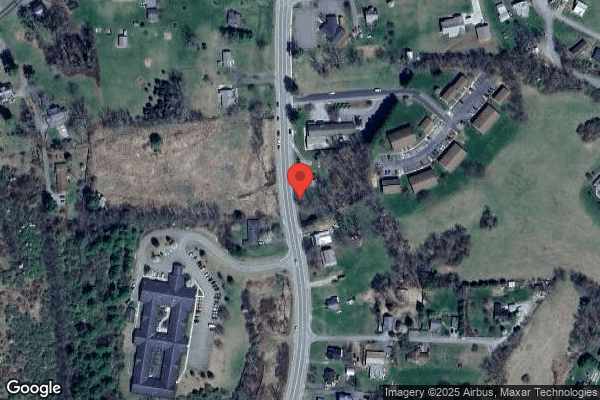
400 SOUTH INDEPENDENCE AVENUE, INDEPENDENCE, VA 24348 (276) 773-0303
For profit - Corporation 120 Beds CONSULATE HEALTH CARE/INDEPENDENCE LIVING CENTERS/NSPIRE HEALTHCARE/RAYDIANT HEALTH CARE Data: November 2025
Trust Grade
70/100
#78 of 285 in VA
Last Inspection: December 2023

Within standard 12-15 month inspection cycle. Federal law requires annual inspections.

Overview

Grayson Rehabilitation and Health Care Center has a Trust Grade of B, indicating it is a good choice, performing better than many other facilities. It ranks #78 out of 285 in Virginia, placing it in the top half, and is the only nursing home in Grayson County. The facility is showing improvement, with issues decreasing from six in 2023 to only two in 2024. However, the staffing rating is concerning at 2 out of 5 stars, with a turnover rate of 44%, slightly below the state average of 48%, suggesting staff may not be as stable as desired. While the facility has not incurred any fines, which is a positive sign, there were notable incidents including failures to follow medical orders for two residents, resulting in missed medication and critical health monitoring, which raises concerns about patient care consistency.

Trust Score
B
70/100
In Virginia
#78/285
Top 27%
Safety Record
Low Risk
No red flags
Inspections
Getting Better
6 → 2 violations
Staff Stability
○ Average
44% turnover. Near Virginia's 48% average. Typical for the industry.
Penalties
✓ Good
No fines on record. Clean compliance history, better than most Virginia facilities.
Skilled Nurses
○ Average
Each resident gets 34 minutes of Registered Nurse (RN) attention daily — about average for Virginia. RNs are the most trained staff who monitor for health changes.
Violations
⚠ Watch
30 deficiencies on record. Higher than average. Multiple issues found across inspections.
★★★★☆
4.0
Overall Rating
★★☆☆☆
2.0
Staff Levels
★★★★☆
4.0
Care Quality
★★★★☆
4.0
Inspection Score
Stable
2023: 6 issues
2024: 2 issues

The Good

  • 4-Star Quality Measures · Strong clinical quality outcomes
  • Full Sprinkler Coverage · Fire safety systems throughout facility
  • No fines on record
  • Staff turnover below average (44%)

    4 points below Virginia average of 48%

Facility shows strength in quality measures, fire safety.

The Bad

Staff Turnover: 44%

Near Virginia avg (46%)

Typical for the industry

Chain: CONSULATE HEALTH CARE/INDEPENDENCE

Part of a multi-facility chain

Ask about local staffing decisions and management

The Ugly 30 deficiencies on record

Aug 2024 2 deficiencies
CONCERN (D) 📢 Someone Reported This

A family member, employee, or ombudsman was alarmed enough to file a formal complaint

Potential for Harm - no one hurt, but risky conditions existed

Quality of Care (Tag F0684)

Could have caused harm · This affected 1 resident

Based on staff interview and clinical record review, the facility staff failed to follow medical provider orders for 2 of 4 sampled residents (Resident #1 and Resident #4). The findings included: 1. ...

Read full inspector narrative →
Based on staff interview and clinical record review, the facility staff failed to follow medical provider orders for 2 of 4 sampled residents (Resident #1 and Resident #4). The findings included: 1. For Resident #1, the facility staff failed to notify the medical provider of blood sugar readings less than 60 or greater than 450 on four (4) separate occasions during the month of April 2024. This was a closed record review. Resident #1's diagnosis list indicated diagnoses, which included, but not limited to Chronic Kidney Disease Stage 5, Type 2 Diabetes Mellitus, Chronic Respiratory Failure, Adult Failure to Thrive, Chronic Obstructive Pulmonary Disease, and Dependence on Renal Dialysis. The minimum data set (MDS) with an assessment reference date (ARD) of 4/10/24 assigned the resident a brief interview for mental status (BIMS) summary score of 15 out of 15 indicating the resident was cognitively intact. Resident #1's comprehensive person-centered care plan included a focus area stating [Resident #1] has Diabetes Mellitus with an intervention for accu-checks as ordered. Resident #1's medical provider orders included an order dated 4/09/24 for accu-checks (blood sugar checks) before meals and at bedtime and notify provider for a blood sugar reading below 60 or above 450. A review of Resident #1's clinical record revealed the following blood sugar (BS) levels which required provider notification however, surveyor was unable to locate documentation of the notification: 4/18/24 9:00 PM - BS 516 4/23/24 9:00 PM - BS 479 4/25/24 5:12 AM - BS 45 4/26/24 4:45 PM - BS 25 On 8/01/24 at 2:30 PM, surveyor met with the Administrator and Director of Nursing (DON) and discussed the concern of staff failing to notify the provider as ordered when Resident #1's blood sugar levels were below 60 or above 450. At 3:10 PM, the DON returned to the surveyor and acknowledged the lack of provider notification and stated they will develop a plan of action to address the concern. No further information regarding this concern was presented to the surveyor prior to the exit conference on 8/01/24. 2. For Resident #4, the facility staff failed to obtain a blood sugar reading as ordered by the medical provider. Resident #4's diagnosis list indicated diagnoses, which included, but not limited to Type 2 Diabetes Mellitus, Chronic Obstructive Pulmonary Disease, Heart Failure, and Hemiplegia and Hemiparesis following Cerebral Infarction. The most recent minimum data set (MDS) with an assessment reference date (ARD) of 5/31/24 assigned the resident a brief interview for mental status (BIMS) summary score of 13 out of 15 indicating the resident was cognitively intact. Resident #4's current comprehensive person-centered care plan included a focus area stating [Resident #4] has Diabetes Mellitus with an intervention for Accu-checks as ordered by doctor. A review of Resident #4's clinical record revealed a nursing progress note dated 7/09/24 11:37 PM which read in part Resident approaching this nurse since shift started with low blood sugars. Dexcom reading 78, 69, 67, 73, 59, 51 then only read as low. [Medical provider] contacted snacks, food, drinks given. N/o [new order] to decrease Glargine to 20 units. Administered. Resident Dexcom read low. Dr. recommended glucagon and send out. During transfer process resident requested finger stick which read 474. And resident decided not to go to the hospital. [Medical provider] ordered to recheck in one hour and give 6 units of novolog if still over 400. Surveyor reviewed Resident #4's clinical record and was unable to locate documentation of the blood sugar recheck. On 8/01/24 at 2:30 PM, surveyor met with the Administrator and Director of Nursing (DON) and discussed the concern of staff failing to recheck Resident #4's blood sugar on 7/09/24 as ordered by the provider. At 3:10 PM, the DON returned to the surveyor and acknowledged there was no evidence of the blood sugar recheck and stated they will develop a plan of action to address the concern. No further information regarding this concern was presented to the surveyor prior to the exit conference on 8/01/24.
CONCERN (D) 📢 Someone Reported This

A family member, employee, or ombudsman was alarmed enough to file a formal complaint

Potential for Harm - no one hurt, but risky conditions existed

Deficiency F0760 (Tag F0760)

Could have caused harm · This affected 1 resident

Based on staff interview and facility document review, the facility staff failed to ensure 2 of 4 sampled residents were free of significant medication errors (Resident #1 and Resident #4). The findin...

Read full inspector narrative →
Based on staff interview and facility document review, the facility staff failed to ensure 2 of 4 sampled residents were free of significant medication errors (Resident #1 and Resident #4). The findings included: 1. For Resident #1, the facility staff failed to follow the medical provider orders for the administration of Novolog, a fast-acting insulin used to lower blood sugar levels, on 28 separate occasions. This was a closed record review. Resident #1's diagnosis list indicated diagnoses, which included, but not limited to Chronic Kidney Disease Stage 5, Type 2 Diabetes Mellitus, Chronic Respiratory Failure, Adult Failure to Thrive, Chronic Obstructive Pulmonary Disease, and Dependence on Renal Dialysis. The minimum data set (MDS) with an assessment reference date (ARD) of 4/10/24 assigned the resident a brief interview for mental status (BIMS) summary score of 15 out of 15 indicating the resident was cognitively intact. Resident #1's comprehensive person-centered care plan included a focus area stating [Resident #1] has Diabetes Mellitus with an intervention stating Diabetes medication as ordered by doctor . Resident #1's medical provider orders included an order dated 4/12/24 for Novolog subcutaneously every six hours as needed per sliding scale: 70-150 = 0 units, 151 - 200 = 1 unit, 201 - 250 = 2 units, 251 - 300 = 3 units, 301 - 350 = 4 units, 351 - 400 = 6 units. The resident's orders also included an order dated 4/06/24 for Novolog 8 units subcutaneously before meals and at bedtime and hold for a blood sugar less than 400. Resident #1 was seen by the physician on 4/26/24, the progress note read in part .Resident on rounds for eval .DM [Diabetes Mellitus] . Blood sugars remain labile at baseline but no hypoglycemia since my last evaluation completed with a low of 89 and a high of 400 .short acting low-dose sliding scale available from the hospital with hold parameters cautiously in place A review of Resident #1's April 2024 Medication Administration Record (MAR) revealed Novolog 8 units was administered on 4/16/24 at 11:00 AM for a blood sugar of 218 instead of 2 units per the sliding scale order. On 4/21/24 at 4:00 PM, 8 units of Novolog was administered for a blood sugar of 385 instead of the ordered amount of 6 units. According to Resident #1's April 2024 MAR, Novolog every 6 hours per sliding scale was not administered as ordered on 26 occasions from 4/12/24 through 4/27/24. On each of the 26 occasions, Novolog was not administered despite the resident requiring Novolog based on the identified sliding scale. On 8/01/24 at 2:30 PM, surveyor met with the Administrator and Director of Nursing (DON) and discussed the concern of staff failing to follow the medical provider orders for the administration of Novolog. At 3:10 PM, the DON returned to the surveyor and acknowledged the errors and stated they will develop a plan of action to address the concern. No further information regarding this concern was presented to the surveyor prior to the exit conference on 8/01/24. 2. For Resident #4, the facility staff failed to follow the medical provider order for the administration of Insulin Lispro, a fast-acting insulin used to lower blood sugar levels. Resident #4's diagnosis list indicated diagnoses, which included, but not limited to Type 2 Diabetes Mellitus, Chronic Obstructive Pulmonary Disease, Heart Failure, and Hemiplegia and Hemiparesis following Cerebral Infarction. The most recent minimum data set (MDS) with an assessment reference date (ARD) of 5/31/24 assigned the resident a brief interview for mental status (BIMS) summary score of 13 out of 15 indicating the resident was cognitively intact. Resident #4's current comprehensive person-centered care plan included a focus area stating [Resident #4] has Diabetes Mellitus with an intervention for Diabetes medication as ordered by doctor . Resident #4's current provider orders included an order dated 5/30/24 for Insulin Lispro 5 units subcutaneously before meals and hold for a blood sugar less than 300. A review of Resident #4's July 2024 Medication Administration Record (MAR) revealed Insulin Lispro 5 units was administered on 7/26/24 at 11:30 AM with a documented blood sugar reading of 140. On 8/01/24 at 2:30 PM, surveyor met with the Administrator and Director of Nursing (DON) and discussed the concern of staff failing to follow the medical provider order for the administration of Insulin Lispro. At 3:10 PM, the DON returned to the surveyor and acknowledged the error and stated they will develop a plan of action to address the concern. No further information regarding this concern was presented to the surveyor prior to the exit conference on 8/01/24.
Dec 2023 6 deficiencies
CONCERN (D)

Potential for Harm - no one hurt, but risky conditions existed

Quality of Care (Tag F0684)

Could have caused harm · This affected 1 resident

Based on staff interview, clinical record review, and facility document review, the facility staff failed to follow the providers order for 1 of 24 current residents, Residents #267. The findings inc...

Read full inspector narrative →
Based on staff interview, clinical record review, and facility document review, the facility staff failed to follow the providers order for 1 of 24 current residents, Residents #267. The findings included: For Resident #267, the facility nursing staff failed to administer the medications Gabapentin and Risperdal per the providers orders. Resident #267's diagnoses included, but were not limited to, diabetes, bipolar disorder, peripheral vascular disease, and orthopedic aftercare. There was no completed minimum data set assessment for Resident #267. This resident was alert and orientated to self and place. Resident #267's care plan included the intervention give all medications as ordered. Resident #267's clinical record included provider orders for Gabapentin 600 mg give 0.5 tablet by mouth every 12 hours for neuropathy and Risperdal 2 mg by mouth every 12 hours related to bipolar disorder the order dates were documented as 12/05/23. A review of the clinical record revealed that on 12/05/23 at 9:00 p.m. and 12/06/23 at 9:00 a.m. the facility nursing staff documented a 9 for the medications Risperdal and Gabapentin. Per the preprinted code on the medication administration record (MAR) a 9=other/see nurses note. Further review of the clinical record revealed that on 12/05/23 and 12/06/23 the nursing staff documented medication not arrived from pharmacy, medication on order, and/or awaiting arrival from pharmacy. A review of the Omnicell list (back up drug list) revealed these medications were available for administration. The facility staff provided the survey team with a copy of a policy titled, Medication Shortages/Unavailable Medications. This policy read in part, .Upon discovery that Facility has an inadequate supply of a medication to administer to a resident, Facility staff should immediately initiate action to obtain the medication from Pharmacy. If the medication shortage is discovered at the time of medication administration, Facility staff should immediately take action to notify the Pharmacy .If the next available delivery causes delay or a missed dose in the resident's medication schedule, Facility nurse should obtain the medication from the Emergency Medication Supply to administer the dose . On 12/13/23 at 10:00 a.m., the Director of Nursing (DON) was made aware of the issue regarding Resident #267's medications Gabapentin and Risperdal not being administered per the provider orders when they were available in the Omnicell. The DON stated the nurses should have obtained the medications from the Omnicell and they would re-educate the nursing staff. On 12/13/23 at 3:30 p.m., during an end of the day meeting with the Administrator and DON the issue regarding Resident #267's medications not being administered per the providers orders was reviewed. No further information regarding this issue was provided to the survey team prior to the exit conference.
CONCERN (D)

Potential for Harm - no one hurt, but risky conditions existed

Accident Prevention (Tag F0689)

Could have caused harm · This affected 1 resident

Based on observation, resident interview, staff interview, and facility document review, the facility staff failed to ensure the resident environment was free of accident hazards for 1 of 24 current r...

Read full inspector narrative →
Based on observation, resident interview, staff interview, and facility document review, the facility staff failed to ensure the resident environment was free of accident hazards for 1 of 24 current residents, Resident #96. The findings were: Resident #96 possessed both cigarettes and lighter in his room which was against facility policy. The smoking assessment coded Resident #96 as an unsafe smoker prior to the surveyors asking about the facility's smoking policy. Resident #96's admission record contained a list of diagnoses which included but were not limited to chronic kidney disease, major depressive disorder, generalized anxiety disorder, unsteadiness on feet, malignant neoplasm of prostate, secondary malignant neoplasm of bone, disorientation, and psychophysiologic insomnia. The minimum data set with an assessment reference date of 11/24/23 coded the resident's brief interview for mental status a 12 out of 15 in Section C (cognitive patterns). The care plan included but was not limited to a focus area that read the resident was a smoker with interventions which included but were not limited to, instruct resident about the facility policy on smoking: locations, times, safety concerns, and notify charge nurse immediately if it is suspected resident has violated facility smoking policy. On 12/11/23 between 3:30 p.m. and 4:00 p.m., while meeting residents, two surveyors observed a pack of cigarettes on Resident #96's bed. The resident was sitting next to the bed, in a wheelchair. Resident #96 reported being a smoker and acknowledged the cigarettes on the bed belonged to him. When asked how he got his cigarettes lit, he stated he kept his lighter in his pocket and tapped his shirt pocket with his hand. The resident reported staff did accompany him outside during scheduled smoking times. Resident #96's clinical record contained a smoking evaluation dated 11/29/2023. Under Observations, number three read in part, the resident was not able to light cigarette safely with a lighter. The summary of evaluation noted the resident was an Unsafe Smoker and needed constant supervision while smoking. The concern about Resident #96 having cigarettes and lighter in his room was discussed with the administrator, the director of nursing (DON), and regional nurse consultant at the end of day meeting on 12/12/23 at 3:35 p.m. The DON reported the facility policy prohibited residents from keeping cigarettes and/or lighters in their room. The policy and procedure with Subject: Smoking - Supervised, Document Name: S-406 with an effective date of 11/30/2014 and revision date of 2/07/2020 was reviewed. Under the Procedure, it read in part, 5. The Center will retain and store matches, lighters, etc. for all residents. On 12/13/23, the DON provided the surveyor with a new smoking evaluation for Resident #96 and reported facility staff had performed an audit for all smoking residents. Resident #96's new smoking evaluation dated 12/13/23 determined the resident was a safe smoker with the observation portion reading that the resident was able to light cigarette safely with a lighter. On 12/14/23 at approximately 1:30 p.m., the DON acknowledged that regardless of whether Resident #96 was determined a safe or unsafe smoker, no resident was allowed to maintain their cigarettes and/or lighter in their room. No further information was provided prior to the exit conference.
CONCERN (D)

Potential for Harm - no one hurt, but risky conditions existed

Pharmacy Services (Tag F0755)

Could have caused harm · This affected 1 resident

Based on staff interview, facility document review and clinical record review the facility staff failed to ensure medications were available for administration for one of 24 residents, Resident #93. ...

Read full inspector narrative →
Based on staff interview, facility document review and clinical record review the facility staff failed to ensure medications were available for administration for one of 24 residents, Resident #93. The findings include: For Resident #93, the facility staff failed to ensure the medication Zyprexa was available for administration. Resident #93's face sheet listed diagnoses which included but not limited to dementia, bipolar disorder, depression, and unspecified mood disorder. Resident #93's most recent minimum data set with an assessment reference data of 11/07/23 coded the resident as having both long- and short-term memory loss with severely impaired cognitive skills for daily decision making. Resident #93's comprehensive care plan was reviewed and contained care plans for . has potential to be physically aggressive & have increased sexual behaviors r/t Dementia and . uses psychotropic medications r/t dementia with behaviors, BIPOLAR d/o (disorder), depression, insomnia. Resident #93's clinical record was reviewed and contained a physician's order summary which read in part, Zyprexa Oral Tablet (Olanzapine). Give 2.5 mg by mouth one time a day for Mood related to BIPOLAR DISORDER, UNSPECIFIED. Resident #93's electronic medication administration (eMAR) record for the months of September and October 2023 were reviewed and contained an entry which read in part, Zyprexa Oral Tablet (Olanzapine). Give 2.5 mg by mouth one time a day for Mood related to BIPOLAR DISORDER, UNSPECIFIED. This entry was coded 9 on 09/23/23 and 10/26/23. Chart code 9 is equivalent to other/see nurse's notes. Resident #93's nurse's progress notes were reviewed and contained notes which read in part, Effective Date: 09/23/23 Note Text: On order from pharmacy and Effective Date: 10/26/2023 Note Text: on order. Surveyor requested and was provided with a facility policy entitled Medication Shortages/Unavailable Medications which read in part Procedure: 1. Upon discovery that Facility has an inadequate supply of a medication to administer to a resident, Facility staff should immediately initiate action to obtain the medication from Pharmacy. If the medication shortage is discovered at the time of medication administration, Facility staff should immediately take action to notify the Pharmacy. 2. If a medication is unavailable during normal Pharmacy hours: 2.1 A Facility Nurse should call Pharmacy to determine the status of the order, which may be found on Omniview under Pharmacy Connection menu. If the medication has not been ordered, the licensed Facility nurse should place the order or reorder for the next scheduled delivery. 2.2 If the next available delivery causes delay or missed dose in the resident's medication schedule, Facility nurse should obtain the medication from Emergency Medication Supply to administer the dose. 2.3 If the medication is not available in the Emergency Medication Supply, Facility staff should notify Pharmacy and arrange for an emergency delivery, if medically necessary. 3. If a medication is unavailable is discovered after normal Pharmacy hours: 3.2 If the ordered medication is not available in the Emergency Medication Supply, the licensed Facility nurse should call Pharmacy's emergency answering service and request to speak with the registered pharmacist on duty to manage the plan of action. Action may include: 3.2.1 Emergency delivery; or 3.2.2 Use of an emergency (back-up) Third Party Pharmacy. 4. If an emergency delivery is unavailable, Facility nurse should contact the attending physician to obtain orders or directions. 9. When a missed dose is unavoidable, Facility nurse should document the missed dose and the explanation for such missed dose on the MAR (medication administration record) or TAR (treatment administration record) and in the nurse's notes per Facility policy. 9.1 A description of the circumstances of the medication shortage; 9.2 A description of Pharmacy's response upon notification; and 9.3 Action(s) taken. Surveyor requested and was provided with a copy of medications available in the facility's emergency medication supply. This list did not contain the medication Zyprexa 2.5 mg. Surveyor spoke with the director of nursing (DON) on 12/12/23 at 3:30 pm. DON stated that staff should follow the policy for obtaining the medication. DON provided the surveyor with a copy of an Education In-service Attendance Record form dated 12/12/23 which read in part If a medication was not available be sure to check Omnicell (emergency supply) and notify MD. The concern of not ensuring medications were available for administration for Resident #93 was discussed with the administrator and DON on 12/14/23 at 1:30 pm. No further information was provided prior to exit.
CONCERN (D)

Potential for Harm - no one hurt, but risky conditions existed

Deficiency F0760 (Tag F0760)

Could have caused harm · This affected 1 resident

Based on staff interview, clinical record review and facility staff review the facility staff failed to ensure three of 24 residents was free of significant medication errors, Resident #82, Resident #...

Read full inspector narrative →
Based on staff interview, clinical record review and facility staff review the facility staff failed to ensure three of 24 residents was free of significant medication errors, Resident #82, Resident #215 and #267. The findings included: 1. For Resident #82 the facility staff failed to administer the anticoagulant medication, Xarelto. Resident #82's face sheet listed diagnoses which included but not limited to Alzheimer's disease, atrial fibrillation, and hypertension. Resident #82's most recent minimum data set with an assessment reference date of 09/07/23 assigned the resident a brief interview for mental status score of 3 out of 15 in section C, cognitive patterns. This indicates that the resident is severely cognitively impaired. Resident #82's comprehensive care plan was reviewed and contained a care plan for . is on anticoagulant therapy r/t (related to) Atrial fibrillation. Interventions for this care plan include Administer ANTICOAGULANT medications as ordered by physician. Resident #82's clinical record was reviewed and contained a physician's order summary which read in part, Xarelto Tablet 15 mg (Rivaroxaban). Give 1 tablet by mouth at bedtime related to unspecified atrial fibrillation (I48.91). Resident #82's electronic medication administration record (eMAR) for the month of November 2023 was reviewed and contained and entry which read in part, Xarelto Tablet 15 mg (Rivaroxaban). Give 1 tablet by mouth at bedtime related to unspecified atrial fibrillation (I48.91). This entry was coded 9 on 11/26/23. Chart code 9 is equivalent to other/see nurses notes. Resident #82's nurse's progress notes were reviewed and contained a note, which read in part 11/26/2023 20:14 Note Text: awaiting pharmacy. Surveyor requested and was provided with a facility policy entitled Medication Shortages/Unavailable Medications which read in part Procedure: 1. Upon discovery that Facility has an inadequate supply of a medication to administer to a resident, Facility staff should immediately initiate action to obtain the medication from Pharmacy. If the medication shortage is discovered at the time of medication administration, Facility staff should immediately take action to notify the Pharmacy. 3. If a medication is unavailable is discovered after normal Pharmacy hours: 3.1 A Facility nurse should obtain the ordered medication from the Emergency Medication Supply. Surveyor requested and was provided with a copy of medications available in the facility's emergency medication supply. This list contained the medication, Xarelto 15 mg tablet. Surveyor spoke with the director of nursing (DON) on 12/12/23 at 3:30 pm. DON stated that medication should have been removed from the emergency supply, if available there. DON provided the surveyor with a copy of an Education In-service Attendance Record form dated 12/12/23 which read in part If a medication was not available be sure to check Omnicell (emergency supply) and notify MD. The concern of not ensuring Resident #82 was free of significant medication error was discussed with the administrator and DON on 12/14/23 at 1:30 pm. No further information provided prior to exit. 3. For Resident #267, the facility nursing staff failed to administer the antibiotic Vancomycin per the providers orders. Resident #267's diagnoses included, but were not limited to, diabetes, bipolar disorder, peripheral vascular disease, and orthopedic aftercare. There was no completed minimum data set assessment for this resident. Resident #267 was alert and orientated to self and place. Resident #267's care plan included the intervention give all medications as ordered. Resident #267's clinical record included provider orders for Vancomycin 125 mg give 1 capsule by mouth every 6 hours for wound for 8 days. The order date was documented as 12/05/23 with a start date of 12/06/23. A review of the clinical record revealed that on 12/06/23 at midnight, 6:00 a.m., and 12:00 p.m., the facility nursing staff documented a 9 for the medication on the medication administration record (MAR). Per the preprinted code on the MAR a 9=other/see nurses note. On 12/06/23 the nursing staff documented in the clinical record medication not arrived from pharmacy, medication on order, and/or awaiting arrival from pharmacy. The facility staff provided the survey team with a copy of a policy titled, Medication Shortages/Unavailable Medications. This policy read in part, .Upon discovery that Facility has an inadequate supply of a medication to administer to a resident, Facility staff should immediately initiate action to obtain the medication from Pharmacy. If the medication shortage is discovered at the time of medication administration, Facility staff should immediately take action to notify the Pharmacy .If the medication is not available in the Emergency Medication Supply, Facility staff should notify Pharmacy and arrange for an emergency delivery, if medically necessary .If an emergency delivery is unavailable, Facility nurse should contact the attending physician to obtain orders or directions . On 12/14/23 at 1:30 p.m., during a meeting with the Administrator and Director of Nursing the issue with Resident #267's antibiotic Vancomycin was reviewed. No further information regarding this issue was provided to the survey team prior to the exit conference. 2. For Resident #215, facility staff failed to administer an antibiotic, Ceftriaxone, as ordered by the provider. Resident #215's face sheet listed diagnoses which included but were not limited to heart failure, cellulitis of right and left lower limbs (bacterial skin infection), sepsis, ST elevation myocardial infarction (heart attack), pasteurellosis (bacterial infection), and acute respiratory failure with hypoxia. Resident #215's minimum data set with an assessment reference date of 12/05/23 coded the resident's brief interview for mental status a 13 out of 15 in Section C (cognitive patterns). The care plan included a focus area for the resident having pasteurella bacteremia with bilateral lower extremities cellulitis with sepsis. Interventions included but were not limited to Administer antibiotic as per MD orders. The electronic clinical record contained a provider order for Ceftriaxone Sodium Intravenous Solution Reconstituted 2 GM. Use 2 gram intravenously at bedtime for covid PNX for 14 days to start on 11/30/23 and end of 12/14/23. The Medication Administration Record (MAR) was reviewed. For the 9:00 p.m. dose on 12/09/23, the nurse documented a 9, the code meaning Other/See Nurse Notes. The eMAR - Medication Administration Note dated 12/10/23 at 12:04 a.m. and written by a licensed practical nurse read, medication not available pharmacy was contacted and made aware. On 12/14/23 at approximately noon, the director of nursing (DON) was notified of the concern regarding Resident #215 not receiving the ordered Ceftriaxone dose for 12/09/23 9:00 p.m. The DON stated the pharmacy had not sent that dose of the antibiotic and stated it was common for the pharmacy to send medication doses in batches instead of the complete order's doses. On 12/14/23 at 1:18 p.m. the nurse practitioner (NP) and DON reported to the survey team that Resident #215 did not receive the Ceftriaxone because the pharmacy had not delivered the medication. The NP reported that she and the medical director were both aware of the missed dose and were communicating with the pharmacy; the pharmacy insisted the order was complete. Both the NP and DON acknowledged the resident did miss a dose of the antibiotic and acknowledged their emergency box did not contain the ordered medication (Ceftriaxone 2GM). The DON stated that although the facility does have a backup pharmacy, staff had gotten out of the habit of using it but we have a good plan to correct that, with education and everything. The DON acknowledged the medication was not available in their emergency medication box. The concern of not ensuring Resident #215 received an antibiotic as ordered was discussed with the administrator and DON on 12/14/23 at 1:30 p.m. No further information was provided prior to the exit conference.
CONCERN (D)

Potential for Harm - no one hurt, but risky conditions existed

Deficiency F0761 (Tag F0761)

Could have caused harm · This affected 1 resident

**NOTE- TERMS IN BRACKETS HAVE BEEN EDITED TO PROTECT CONFIDENTIALITY** Based on observation and staff interview, the facility staff failed to dispose of expired laboratory (blood) tubes in 1 of 4 med...

Read full inspector narrative →
**NOTE- TERMS IN BRACKETS HAVE BEEN EDITED TO PROTECT CONFIDENTIALITY** Based on observation and staff interview, the facility staff failed to dispose of expired laboratory (blood) tubes in 1 of 4 medication rooms. The 100-hall medication room. The findings included: The medication room on 100-hall contained 6 expired laboratory tubes. On [DATE] at 9:10 a.m., the surveyor and Licensed Practical Nurse (LPN) #4 completed an observation of the medication room on 100-hall. This medication room was observed to contain 6 yellow top laboratory tubes with an expiration date of [DATE]. The expired laboratory tubes were mixed in with laboratory tubes that were not expired. LPN #4 acknowledged the laboratory tubes were out of date and placed the expired blood tubes in the sharps box for disposable. On [DATE] at 1:30 p.m., the Administrator and Director of Nursing were made aware of the issue regarding the expired laboratory tubes. No further information regarding this issue was provided to the survey team prior to the exit conference.
CONCERN (E)

Potential for Harm - no one hurt, but risky conditions existed

Deficiency F0730 (Tag F0730)

Could have caused harm · This affected multiple residents

Based on staff interview and facility document review, the facility staff failed to complete reviews of nurse aides at least every 12 months and failed to provide in-service education based on the out...

Read full inspector narrative →
Based on staff interview and facility document review, the facility staff failed to complete reviews of nurse aides at least every 12 months and failed to provide in-service education based on the outcome of these reviews. The findings were: The facility administration failed to complete performance reviews for nurse aides at least every 12 months and therefore failed to provide in-service education which was based on the outcome of the performance reviews. After completing the sufficient and competent nurse staff task, the surveyor asked the human resource manager about nurse aide performance reviews. The nurse aides had received in-service education during their employment however, the education was not based on the outcome of these reviews. On 12/13/23 at the end of day meeting with the administrator and director of nursing (DON), the concern about not having evidence of nurse aide performance reviews was discussed. The administrator said the facility had not provided performance reviews in years and he was unsure why. A policy and procedure with the subject titled, Employee j [sic]=Job Performance Evaluations with the document name: HR-405 and an effective date of 11/30/2014 was provided and reviewed. The policy read in part, It is the policy of The Company to evaluate each employee's job performance on a continual and ongoing basis. Employees will receive an evaluation of their performance prior to the completion of their introductory Period [sic] and annually thereafter. The procedure read in part, General Provisions Applicable to All Evaluations: Performance evaluations are to be conducted before the completion of the introductory period and annually thereafter. Written performance evaluations are to be prepared by the employee's immediate supervisor in conjunction with the department head, or in the absence of a supervisory, by the department head. No further information was provided prior to the exit conference.
Apr 2022 8 deficiencies
CONCERN (D)

Potential for Harm - no one hurt, but risky conditions existed

Notification of Changes (Tag F0580)

Could have caused harm · This affected 1 resident

Based on staff interview and clinical record review, the facility staff failed to consult with the physician the need to review current treatment due to possible adverse medication interactions for 2 ...

Read full inspector narrative →
Based on staff interview and clinical record review, the facility staff failed to consult with the physician the need to review current treatment due to possible adverse medication interactions for 2 of 23 residents in the survey sample, Residents #29 and #359. For Resident #29, the facility staff failed to consult the physician regarding drug protocol alerts for possible drug interactions between Xanax (a benzodiazepine used to treat anxiety) and Norco (a narcotic used to treat pain), Xanax and Nizoral Shampoo (a topical antifungal), and Xanax and Depakote Sprinkles (an antiepileptic used to treat seizures). For Resident #359, the facility staff failed to consult the physician regarding drug protocol alerts for possible drug interactions between trazodone (a serotonin modulator used to treat depression) and buspirone (an anxiolytic used to treat anxiety), and remeron (an antidepressant used to treat depression) and buspirone. The findings included: 1. Resident #29's diagnosis list indicated diagnoses, which included, but not limited to Vascular Dementia, Chronic Obstructive Pulmonary Disease, Generalized Anxiety Disorder, Pulmonary Hypertension, and Peripheral Vascular Disease. The most recent quarterly MDS (minimum data set) with an ARD (assessment reference date) of 2/07/22 assigned the resident a BIMS (brief interview for mental status) summary score of 0 out of 15 indicating the resident was severely cognitively impaired. Resident #29's current physician's orders included an order dated 1/21/22 for Xanax 0.5 mg by mouth every Wednesday and Saturday one hour prior to baths. Resident #29's clinical record included an Orders Progress Note dated 1/21/22 4:25 pm stating in part the system has identified a possible moderate drug interaction between Norco and Xanax, a possible severe interaction between Xanax and Nizoral Shampoo 2%, and a possible moderate interaction between Xanax and Depakote Sprinkles. Surveyor was unable to locate documentation of physician notification of these possible drug interactions. On 4/06/22 at 3:02 pm, surveyor spoke with the DON (director of nursing) regarding system identified possible drug interaction alerts. DON stated the nurse should make a list of the interactions and notify the doctor. On 4/06/22 at 3:08 pm, surveyor spoke with UM (unit manager) #1 regarding system identified possible drug interaction alerts and the UM stated if there is an interaction the pharmacy notifies them and they do not have to do anything for the auto-generated system identified interactions. On 4/06/22 at 4:05 pm, surveyor met with the administrator and DON and discussed the concern of Resident #29's physician not being notified of the system identified possible drug interactions. No further information regarding this concern was presented to the survey team prior to the exit conference on 4/07/22. 2. Resident #359's diagnosis list indicated diagnoses, which included, but not limited to Metabolic Encephalopathy, Dementia, Essential Hypertension, Atrial Fibrillation, Chronic Obstructive Pulmonary Disease, Generalized Anxiety Disorder, Restlessness and Agitation, and Type 2 Diabetes Mellitus. The most recent admission MDS (minimum data set) with an ARD (assessment reference date) of 3/08/22 did not assess the resident's BIMS (brief interview for mental status) summary score. Resident #359 was coded as usually makes self understood and sometimes understands others. Resident #359's current physician's orders included an order dated 3/11/22 for Trazodone HCL 50 mg at bedtime for insomnia, an order dated 3/19/22 for Buspirone HCL 10 mg by mouth two times a day for anxiety, and an order dated 3/22/22 for Remeron 15 mg by mouth at bedtime for poor appetite. The resident's clinical record included an Orders Progress note dated 3/11/22 7:06 pm stating in part the system has identified a possible severe drug interaction between Trazodone and Buspirone in which the additive serotonergic effects may occur during co-administration and the risk of developing serotonin syndrome may be increased. Additional Orders Progress notes dated 3/17/22 10:24 am and 3/19/22 5:23 pm again identified a possible severe drug interaction between Trazodone and Buspirone. Surveyor reviewed Resident #359's clinical record and was unable to locate documentation of physician notification of the possible severe interaction between Trazodone and Buspirone. Orders Progress Notes dated 3/17/22 10:24 am and 3/19/22 5:23 pm also documented the system has identified a possible severe drug interaction Buspirone and Remeron in which the additive serotonergic effects may occur during co-administration and the risk of developing serotonin syndrome may be increased. Surveyor reviewed Resident #359's clinical record and was unable to locate documentation of physician notification of the possible severe interaction between Buspirone and Remeron. On 4/06/22 at 3:02 pm, surveyor spoke with the DON (director of nursing) regarding system identified possible drug interaction alerts. DON stated the nurse should make a list of the interactions and notify the doctor. On 4/06/22 at 3:08 pm, surveyor spoke with UM (unit manager) #1 regarding system identified possible drug interaction alerts and the UM stated if there is an interaction the pharmacy notifies them and they do not have to do anything for the auto-generated system identified interactions. On 4/06/22 at 4:05 pm, surveyor met with the administrator and DON and discussed the concern of Resident #359's physician not being notified of the system identified possible drug interactions. No further information regarding this concern was presented to the survey team prior to the exit conference on 4/07/22.
CONCERN (D)

Potential for Harm - no one hurt, but risky conditions existed

Deficiency F0637 (Tag F0637)

Could have caused harm · This affected 1 resident

Based on observations, staff interviews, clinical record review, and facility document review, the facility staff failed to complete a Significant Change Minimum Data (MDS) assessment for 1 of 23 samp...

Read full inspector narrative →
Based on observations, staff interviews, clinical record review, and facility document review, the facility staff failed to complete a Significant Change Minimum Data (MDS) assessment for 1 of 23 sampled residents, Resident #160. The findings include: Resident #160's comprehensive minimum data set (MDS) assessment, with an assessment reference date of 2/23/22, was dated as completed on 3/1/22. Resident #160 was assessed as able to make self understood and as able to understand others. Resident #160's Brief Interview for Mental Status (BIMS) summary score was documented as an eight (8) out of 15; this indicated moderate cognitive impairment. Resident #160 was documented as requiring assistance with bed mobility, transfers, toilet use, and personal hygiene. Resident #160's diagnose included, but were not limited to: high blood pressure, thyroid disease, arthritis, and Alzheimer's disease. Resident #160 was assessed as not having unhealed pressure ulcers. Resident #160 was assessed as not having an indwelling urinary catheter. Resident #160's clinical documentation indicated, on 2/25/22, the resident was ordered an indwelling urinary catheter. The indwelling urinary catheter was noted to be in use on 4/5/22. Resident #160's treatment administration records (TARs) indicated the indwelling urinary catheter had been in place since ordered on 2/25/22. Resident #160's clinical documentation indicated, on 2/28/22, a stage two pressure wound was noted to the resident's left heel and a stage one pressure wound was noted to the left calf. On 4/6/22 at 1:50 p.m., Resident #160 was observed to receive wound care: (a) for a left heel pressure wound documented as a stage II wound and (b) for a left calf pressure wound that had been documented as progressing to an unstageable wound on 3/28/22). Suspected deep tissue injuries were documented to the left medial foot on 3/7/22 and to the lower spine on 3/16/22. Resident #160's clinical documentation did not include a significant change MDS assessment to address the changes in skin condition and the addition of an indwelling urinary catheter. The following information was found in a facility policy titled MDS (with a revision date of 9/25/17): The center conducts initial and periodic standardized, comprehensive and reproducible assessments no less than every three months for each resident including, but not limited to, the collection of data regarding functional status, strengths, weaknesses and preferences using the federal and/or state required RAI. On 4/07/22 at 11:25 a.m., the facility's MDS nurse reported a significant change MDS assessment should have been completed for an ARD date of 3/4/22 instead of the Interim Payment MDS assessment that was completed with an ARD date of 3/4/22. A survey team meeting was conducted with the facility's Administrator and Director of Nursing on 4/07/22 at 12:52 p.m. The failure of the facility staff to complete a significant change MDS assessment to address Resident #160's indwelling urinary catheter and skin condition changes was discussed.
CONCERN (D)

Potential for Harm - no one hurt, but risky conditions existed

Deficiency F0657 (Tag F0657)

Could have caused harm · This affected 1 resident

Based on staff interview, clinical record review, and facility document review, the facility staff failed to review and revise the comprehensive person-centered plan of care for 1 of 23 residents in t...

Read full inspector narrative →
Based on staff interview, clinical record review, and facility document review, the facility staff failed to review and revise the comprehensive person-centered plan of care for 1 of 23 residents in the survey sample, Resident #29. Resident #29's comprehensive person-centered plan of care was not revised following discovery of the resident inappropriately touching another resident. The findings included: Resident #29's diagnosis list indicated diagnoses, which included, but not limited to Vascular Dementia, Chronic Obstructive Pulmonary Disease, Generalized Anxiety Disorder, Pulmonary Hypertension, and Peripheral Vascular Disease. The most recent quarterly MDS (minimum data set) with an ARD (assessment reference date) of 2/07/22 assigned the resident a BIMS (brief interview for mental status) summary score of 0 out of 15 indicating the resident was severely cognitively impaired. A review of Resident #29's clinical record revealed a physician's progress note dated 11/30/21 stating in part On rounds 11-23-21 for eval (evaluation) of dementia and sexual behaviors. (He/she) recently had an incident of inappropriate touching another impaired residents [sp]. They were discovered quickly by staff and easily redirected. (He/she) has no recall of the event . On 4/05/22, the DON (director of nursing) provided the surveyor with a copy of a FRI (facility reported incident) dated 11/18/21 and follow-up investigation dated 11/22/21 regarding the aforementioned incident. Upon review on 4/06/22, Resident #29's current comprehensive person-centered plan of care did not address the incident of inappropriate touching occurring on 11/18/21. On 4/06/22 at 1:54 pm, surveyor spoke with the MDS Nurse regarding revision of Resident #29's care plan following the incident of inappropriate touching. The MDS Nurse reviewed the resident's care plan and stated it was not listed under the behaviors care plan and this was the first time knowing of the incident. Surveyor requested and received the facility policy entitled Plans of Care which read in part Review, update and/or revise the comprehensive plan of care based on changing goals, preferences and needs of the resident and in response to current interventions after the completion of each OBRA MDS assessment (except discharge assessments), and as needed. The interdisciplinary team shall ensure the plan of care addresses any resident needs and that the plan is oriented toward attaining or maintaining the highest practicable physical, mental and psychosocial well-being. On 4/06/22 at 4:05 pm, surveyor met with the administrator and director of nursing and discussed the concern of Resident #29's care plan not being revised following an incident of inappropriately touching another resident. No further information regarding this concern was presented to the survey team prior to the exit conference on 4/07/22.
CONCERN (D)

Potential for Harm - no one hurt, but risky conditions existed

ADL Care (Tag F0677)

Could have caused harm · This affected 1 resident

Based on observation, staff interview, and clinical record review the facility staff failed to provide ADL (activities of daily living) care for a dependent resident for 1 of 23 residents, Residents #...

Read full inspector narrative →
Based on observation, staff interview, and clinical record review the facility staff failed to provide ADL (activities of daily living) care for a dependent resident for 1 of 23 residents, Residents #69. The facility staff failed to provide nail care. The findings included: Resident #69's diagnoses included, but were not limited to, chronic kidney disease, anxiety disorder, hypertension, anorexia, adult failure to thrive, and benign prostatic hyperplasia. Section C (cognitive patterns) of Resident #69's quarterly MDS assessment with an ARD (assessment reference date) of 02/15/22 included a BIMS (brief interview for mental status) summary score of 00. Section G (functional status) was coded 3/2 for personal hygiene to indicate the resident required extensive assistance of one person for this task. Resident #69's comprehensive care plan included the focus area-Has ADL self-care performance deficit related to diagnosis Alzheimer's dementia with behaviors, confusion. Interventions included, Check nail length and trim and clean on bath day and as necessary. 04/05/22 11:39 a.m., toenails observed to be long, thick, and jagged. 04/06/22 10:40 a.m., checked toenails with MDS coordinator, toenails remain long, thick, and jagged in appearance. 04/06/22 1:50 p.m., CNA (certified nursing assistant) #1 stated they were responsible for cutting the residents nails unless the person is a diabetic. 04/06/22 4:05 p.m., the issue with Resident #69's nails was discussed during an end of the day meeting with the administrator and DON (director of nursing). 04/07/22 12:51 p.m., during a meeting with the survey team the DON stated Resident #69 had been placed on the podiatrist list. No further information regarding this issue was provided to the survey team prior to the exit conference.
CONCERN (D)

Potential for Harm - no one hurt, but risky conditions existed

Quality of Care (Tag F0684)

Could have caused harm · This affected 1 resident

Based on staff interview, clinical record review, and facility document review, the facility staff failed to follow physician's orders for 2 of 23 residents in the survey sample, Resident #7 and #110....

Read full inspector narrative →
Based on staff interview, clinical record review, and facility document review, the facility staff failed to follow physician's orders for 2 of 23 residents in the survey sample, Resident #7 and #110. For Resident #7, the facility staff failed to perform weekly skin assessments as ordered by the physician. For Resident #110, the facility staff failed to transcribe a physician's order from the hospital discharge summary for wound care. The findings included: 1. Resident #7's diagnosis list indicated diagnoses, which included, but not limited to Epilepsy, Alzheimer's Disease, Orthostatic Hypotension, Generalized Anxiety Disorder, Repeated Falls, Chronic Kidney Disease, and Essential Hypertension. The most recent admission MDS (minimum data set) with an ARD (assessment reference date) of 1/07/22 assigned the resident a BIMS (brief interview for mental status) summary score of 2 out of 15 indicating the resident was severely cognitively impaired. Resident #7 was coded as requiring extensive assistance with bed mobility, transfers, toilet use, and personal hygiene. The resident was coded as being at risk of developing pressure ulcers. Resident #7 had a current physician's order dated 12/31/21 stating Weekly Skin Checks. Surveyor reviewed the resident's clinical record and was unable to locate documentation of any weekly skin checks. On 4/06/22 at 10:22 am, surveyor spoke with the UM (unit manager) regarding Resident #7's weekly skin assessments. UM reviewed the resident's clinical record and acknowledged the lack of documented weekly skin assessments and stated I am going to fix that. Surveyor requested and received the facility policy entitled Skin Evaluation which read in part A Licensed Nurse will complete a total body evaluation on each resident weekly and document the observation on the Skin Evaluation form. On 4/06/22 at 4:05 pm, surveyor met with the administrator and director of nursing and discussed the concern of Resident #7's lack of weekly skin assessments as ordered by the physician. No further information regarding this concern was presented to the survey team prior to the exit conference on 4/07/22. 2. Resident #110's diagnosis list indicated diagnoses, which included, but not limited to Surgical Aftercare following Surgery on the Circulatory System, Presence of Aortocoronary Bypass Graft, Atherosclerotic Heart Disease of Native Coronary Artery, Peripheral Vascular Disease, Hyperlipidemia, Essential Hypertension, Abdominal Aortic Aneurysm, and Monoplegia of Upper Limb following Cerebral Infarction Affecting Left Non-Dominant Side. The admission MDS (minimum data set) with an ARD (assessment reference date) of 5/18/21 assigned the resident a BIMS (brief interview for mental status) summary score of 14 out of 15 indicating the resident was cognitively intact. Resident #110 was coded as requiring extensive assistance with bed mobility, transfers, dressing, toileting, personal hygiene, and being totally dependent on staff for bathing. The resident was coded for the presence of an unstageable pressure ulcer due to coverage of the wound bed by slough and/or eschar and another unstageable pressure ulcer presenting as a deep tissue injury. Each pressure ulcer was coded as being present on admission to the facility. Resident #110 was also coded for the presence of four (4) venous and arterial ulcers and surgical wounds. Resident #110's comprehensive person-centered plan of care included venous/stasis ulcers to the left lateral foot, top of left foot, left medial knee, left lateral knee; surgical wounds to the left medial calf and left groin; and a DTI (deep tissue injury) to the left heel. Resident #110 was discharged from (hospital name omitted) and admitted to (facility name omitted) on 5/11/21 following a coronary artery bypass graft x four and a left femoral popliteal artery bypass with intraoperative angiogram and left femoral endarterectomy. Follow-up instructions included keep wounds clean with hydrogen peroxide daily. Resident #110's Admission/readmission Data Collection-CHC - V3 dated 5/11/21 documented in part that resident had the following skin areas present on the lower extremities: groin rash and incision from procedure, wound to front of left knee, abrasion to front of left lower leg, DTI (deep tissue injury) to left heel, large darken area to left heal, and ? Excoriation to left toe(s). Surveyor reviewed Resident #110's 5/11/21 admission orders and could not locate an order to clean wounds daily with hydrogen peroxide. An order dated 5/12/21 stated skin prep to areas on left foot and heel and leg every day shift. On 4/06/22 at 9:09 am, surveyor spoke with the DON (director of nursing) regarding the reason for the hydrogen peroxide on the hospital discharge summary not being ordered upon admission to the facility. DON stated they would look into it. On 4/07/22 at 9:42 am, DON stated they did not know why the hydrogen peroxide treatment was not ordered on admission. Surveyor asked if it should have been and the DON stated it was on the discharge summary. On 4/07/22 at 12:52 pm, surveyor met with the administrator and DON and discussed the concern of the treatment of hydrogen peroxide not being ordered upon admission for Resident #110's wounds as documented on the discharge summary. No further information regarding this concern was presented to the survey team prior to the exit conference on 4/07/22.
CONCERN (D)

Potential for Harm - no one hurt, but risky conditions existed

Drug Regimen Review (Tag F0756)

Could have caused harm · This affected 1 resident

Based on staff interview, clinical record review and facility document review the facility staff failed to follow up on monthly drug regimen reviews for 2 of 23 residents, Resident #72 and Resident #7...

Read full inspector narrative →
Based on staff interview, clinical record review and facility document review the facility staff failed to follow up on monthly drug regimen reviews for 2 of 23 residents, Resident #72 and Resident #74. For Resident #72, the facility staff failed to follow up on pharmacist recommendations for the months of September 2021 and December 2021. For Resident #74, the facility staff failed to follow up on a pharmacist recommendation for the month of September 2021. The findings included: 1. Resident #72's face sheet included diagnoses which included but not limited to Alzheimer's disease, dementia, Type 2 diabetes mellitus, depression, hypertension, and gastroesophageal reflux disease. Resident #72's most recent annual MDS (minimum data set) with an ARD (assessment reference date) of 02/21/22 assigned the resident a BIMS (brief interview for mental status) score of 2 out of 15 in section C, cognitive patterns. This indicates that the resident is severely cognitively impaired. Resident #72's clinical record was reviewed and contained monthly MRR's (medication regimen review) dated 09/24/21 and 12/29/21, which read in part See report for any noted irregularities and/or recommendations. This resident's medical record including electronic documentation was reviewed on this date. These reviews were signed by the consultant pharmacist. The surveyor could not locate the recommendations in the resident's clinical record. Surveyor spoke with the DON (director on nursing) on 04/06/22 at 3pm regarding the missing pharmacy recommendations. DON informed surveyor on 04/07/22 at 10:30 am that the recommendations had not been located. Surveyor requested and was provided with a facility policy entitled Medication Regimen Review, which read in part 1. The Consultant Pharmacist will conduct MRR's if required under a Pharmacy Consultation Agreement and will make recommendation based on the information available in the resident's health record. 6. The pharmacist will address copies of residents' MRRs to the Director of Nursing and /or the attending physician and to the Medical Director. Facility staff should ensure that the attending physician, Medical Director, and Director of Nursing are provided with copies of the MRR's. 7. Facility should encourage Physician/Prescriber or other Responsible Parties receiving the MRR and the Director of Nursing to act upon recommendations contained in the MRR. 7.2 The attending physician should document in the residents' health record that the identified irregularity has been reviewed and what, if any, action has been take to address it. 8. Facility should alert the Medical Director where the MRR's are not addressed by the attending physician in a timely manner. The concern of the missing pharmacy recommendations was discussed with the administrative team during a meeting on 04/07/22 at 12:50 pm. No further information was provided prior to exit. 2. Resident #74's face sheet listed diagnoses which included but not limited to heart failure, acute kidney failure, atrial fibrillation, type 2 diabetes mellitus, hypertension, anxiety, depression and schizoaffective disorder. Resident #74's most recent quarterly MDS (minimum data set) with an ARD (assessment reference date) of 02/22/22 assigned the resident a BIMS (brief interview for mental status) score of 13 out of 15 in Section C, cognitive patterns. This indicates that the resident is cognitively intact. Resident #74's clinical record was reviewed and contained a monthly MRR (medication regimen review) dated 09/24/21, which read in part See report for any noted irregularities and/or recommendations. This resident's medical record including electronic documentation was reviewed on this date. This review was signed by the consultant pharmacist. The surveyor could not locate the recommendation in the resident's clinical record. Surveyor spoke with the DON (director on nursing) on 04/06/22 at 3pm regarding the missing pharmacy recommendation. DON informed surveyor on 04/07/22 at 10:30 am that the recommendation had not been located. Surveyor requested and was provided with a facility policy entitled Medication Regimen Review, which read in part 1. The Consultant Pharmacist will conduct MRR's if required under a Pharmacy Consultation Agreement and will make recommendation based on the information available in the resident's health record. 6. The pharmacist will address copies of residents' MRRs to the Director of Nursing and /or the attending physician and to the Medical Director. Facility staff should ensure that the attending physician, Medical Director, and Director of Nursing are provided with copies of the MRR's. 7. Facility should encourage Physician/Prescriber or other Responsible Parties receiving the MRR and the Director of Nursing to act upon recommendations contained in the MRR. 7.2 The attending physician should document in the residents' health record that the identified irregularity has been reviewed and what, if any, action has been take to address it. 8. Facility should alert the Medical Director where the MRR's are not addressed by the attending physician in a timely manner. The concern of the missing pharmacy recommendation was discussed with the administrative team during a meeting on 04/07/22 at 12:50 pm. No further information provided prior to exit.
CONCERN (D)

Potential for Harm - no one hurt, but risky conditions existed

Unnecessary Medications (Tag F0759)

Could have caused harm · This affected 1 resident

Based on staff interview, clinical record review, facility document review, and during a medication pass and pour observation, the facility staff failed to ensure a medication error rate of less than ...

Read full inspector narrative →
Based on staff interview, clinical record review, facility document review, and during a medication pass and pour observation, the facility staff failed to ensure a medication error rate of less than 5% there were 3 errors in 30 opportunities for a medication error rate of 10%. These errors effected Residents #12 and #42. The findings included: 1. Section C (cognitive patterns) of Resident #12's annual MDS (minimum data set) assessment with an ARD (assessment reference date) 01/05/22 included a BIMS (brief interview for mental status) summary score of 3 out of a possible 15 points. The clinical record included the diagnoses Alzheimer's, dementia, glaucoma, and chronic kidney disease. 04/06/22 7:48 a.m., LPN (licensed practical nurse) #1 prepared Resident #12's morning medications to include Senna 8.6 mg 2 tablets. Resident #12's clinical record included a physicians order for Senna 8.6 mg give 1 tablet by mouth two times a day for constipation. 04/06/22 9:34 a.m., LPN #1 stated they administered Senna 2 tablets. LPN #1 reviewed the clinical record and stated the order read 1 tablet and they were going to contact the doctor as the resident could use 2 tablets. 04/06/22 10:30 a.m., the DON (director of nursing) provided the survey team with a copy of a policy titled, General Dose Preparation and Medication Administration. This policy read in part, .Facility staff should verify that the medication name and dose are correct when compared to the medication order on the medication administration record . 4/06/22 4:05 p.m., during an end of the day meeting the medication error rate was discussed with the administrator and DON (director of nursing). No further information regarding this issue was provided to the survey team prior to the exit conference. 2. Section C (cognitive patterns) of Resident #42's quarterly MDS (minimum data set) assessment with an ARD (assessment reference date) of 02/09/22 included a BIMS (brief interview for mental status) summary score of 3 out of a possible 15 points. The clinical record included the diagnoses, Alzheimer's and major depressive disorder. 04/06/22 8:28 a.m., the surveyor observed LPN (licensed practical nurse) #2 prepare Resident #42's morning medications to include the medication Escitalopram (Lexapro) 10 mg. Resident #42's clinical record included a physicians order for Escitalopram give 15 mg by mouth one time a day for major depressive disorder. The clinical record also included an order for Carboxymethylcellulose sodium PF solution instill 1 drop in both eye two times a day for eye dryness. The surveyor did not observe any eye drops being administered. 04/06/22 9:40 a.m., the surveyor and LPN #2 checked the medication cart for the Escitalopram. The medication card read Escitalopram 10 mg give with 5 mg. LPN #2 stated they did not have a 5 mg card of this medication and they had not administered the residents eye drops. LPN #2 later stated they had found the 5 mg card of Escitalopram in the medication drawer but it was turned backwards. 04/06/22 10:30 a.m., the DON (director of nursing) provided the survey team with a copy of a policy titled, General Dose Preparation and Medication Administration. This policy read in part, .Facility staff should verify that the medication name and dose are correct when compared to the medication order on the medication administration record . 4/06/22 4:05 p.m., during an end of the day meeting the medication error rate was discussed with the administrator and DON (director of nursing). No further information regarding this issue was provided to the survey team prior to the exit conference.
CONCERN (D)

Potential for Harm - no one hurt, but risky conditions existed

Deficiency F0888 (Tag F0888)

Could have caused harm · This affected 1 resident

Based on observations, interviews, and facility document reviews, the facility staff failed to correctly implement contingency plans for staff who were not fully vaccinated for COVID-19. The findings ...

Read full inspector narrative →
Based on observations, interviews, and facility document reviews, the facility staff failed to correctly implement contingency plans for staff who were not fully vaccinated for COVID-19. The findings include: Two (2) staff members (SMs), with COVID-19 vaccine exemptions, were reviewed as part of the COVID-19 immunization review (SM #21 and SM #22). On 4/6/22 at 9:30 a.m., SM #21 was observed to have a KN95 mask. SM #21 reported, as part of the facility's exemption contingency plan, they had to wear the mask when not eating or drinking. SM #21 also reported they had to have weekly COVID-19 test completed. On 4/6/22 at 9:40, SM #21 was asked about wearing a N95 mask verses a KN95 mask; SM #21 indicated their understand was the KN95 was okay to wear. On 4/6/22 at 9:35 a.m., SM #22 was observed to be wearing a KN95 mask. SM #22 reported, as part of the facility's exemption contingency plan, they had to wear the mask. SM #22 also reported they had to have weekly COVID-19 test completed. SM #22 was asked if the mask should be a N95 mask instead of a KN95; SM #22 indicated they believed the mask they were wearing was appropriate. The following information was found in a facility policy titled Employee COVID-19 Vaccinations (with a revised date of 3/23/22): Exempted Employees and Reasonable Accommodation: . Current guidance, which is subject to change, requires the use of Universal Source Control depending on Community Transmission rates and regular testing for all unvaccinated personnel working in Care Centers . Staff will use Respirators [sic] as source control . A survey team meeting was conducted with the facility's Administrator and Director of Nursing on 4/6/22 at 4:05 p.m. The facility's policy requiring staff members with COVID-19 vaccine exemptions to use respirators for source control and the observations of SM #21 and SM #22 to be using KN95 mask was discussed. The administrative team reported that the expectation was that the staff with COVID-19 vaccine exemptions would wear N95 masks not KN95 masks. The Administrator reported the facility provided its staff with N95 masks.
Jan 2019 14 deficiencies
CONCERN (D)

Potential for Harm - no one hurt, but risky conditions existed

Deficiency F0578 (Tag F0578)

Could have caused harm · This affected 1 resident

**NOTE- TERMS IN BRACKETS HAVE BEEN EDITED TO PROTECT CONFIDENTIALITY** 2. The facility staff failed to ensure an accurate DDNR for Resident # 95. Resident # 95 was a [AGE] year-old-male who was admit...

Read full inspector narrative →
**NOTE- TERMS IN BRACKETS HAVE BEEN EDITED TO PROTECT CONFIDENTIALITY** 2. The facility staff failed to ensure an accurate DDNR for Resident # 95. Resident # 95 was a [AGE] year-old-male who was admitted to the facility on [DATE]. Diagnoses included but were not limited to dementia, type 2 diabetes mellitus, chronic atrial fibrillation, and anxiety. The clinical record for Resident # 95 was reviewed on 1/29/19 at 1:26 pm. The most recent MDS (minimum data set) assessment was a quarterly assessment with an ARD (assessment reference date) of 1/8/19. Section C of the MDS assesses cognitive patterns. In Section C0500, the facility staff documented that Resident # 95 had a BIMS (brief interview for mental status) score of 3 out of 15, which indicated that Resident # 95's cognitive status was severely impaired. The plan of care for Resident # 95 was reviewed and revised on 1/15/19. The facility staff documented a focus area for Resident # 95 as Resident has advanced directives r/t (related to) DNR (do not recesutate) AEB (as evidenced by) DNR order. Interventions included but were not limited to, Discuss advanced directives with resident and or resident's representative. The physician signed the current orders for Resident # 95 on 1/1/19. Orders included but were not limited to, Do not resuscitate. On 1/29/19 at 1:26 pm, the surveyor observed a DDNR (durable do not resuscitate) form in the clinical record for Resident # 95. The surveyor observed a check mark on the DDNR form for Resident # 95 documented next to .B. While capable of making an informed decision, the patient has executed a written advanced directive which appoints a Person Authorized to Consent on the Patient's Behalf with authority to direct that life prolonging procedures be withheld or withdrawn. The surveyor further reviewed the clinical record for Resident # 95 and did not locate a written advance directive for Resident # 95. On 1/30/19 at 2:35 pm, the surveyor asked the administrative team to provide the advanced directive for Resident # 95. On 1/30/19 at 3:20 pm, the social services director informed the surveyor that Resident # 95 had a financial power of attorney, but did not have a written advance directive in his clinical record. The social services director stated, Resident # 95 came from (facility name withheld) with that DDNR. On 1/31/19 at 2:00 pm, the administrative team was made aware of the findings as stated above. No further information regarding this issue was presented to the survey team prior to the exit conference on 1/31/19. Based on staff interview and clinical record review, the facility staff failed to ensure a complete and accurate DDNR (Durable Do Not Resuscitate) for 2 of 26 residents in the survey sample (Resident #99 and Resident #95). The findings included: 1. The facility staff failed to ensure a complete and accurate DDNR (Durable Do Not Resuscitate) for Resident #99. Resident #99 was admitted to the facility on [DATE] with the following diagnoses, but not limited to atrial fibrillation, high blood pressure, diabetes and dementia. On the 5 day admission MDS (Minimum Data Set) with an ARD (Assessment Reference Date) of 12/20/18, the resident was coded as having a BIMS (Brief Interview for Mental Status) score of 3 out of a possible score of 15. The resident was coded as requiring extensive assistance of 2 staff members for dressing and personal hygiene. Resident #99 was also coded as being totally dependent on 2 staff members for bathing. The surveyor conducted a clinical record review on Resident #99 on 1/30/19. During this review, it was noted by the surveyor that the DDNR dated for 12/18/18 was not filled out completely. Section 1 of the DDNR read in part, I further certify [must check 1 or 2]: 1. The patient is CAPABLE of making an informed decision . 2. The patient is INCAPABLE of making an informed decision . The boxes beside #2 was checked. Section 2 read If you checked 2 above, check A, B, or C below: The three boxes below were blank. The surveyor notified the administrative team on 1/30/19 at 2 pm in the conference room of the above documented findings. No further information was provided to the surveyor prior to the exit conference on 1/31/19.
CONCERN (D)

Potential for Harm - no one hurt, but risky conditions existed

Assessment Accuracy (Tag F0641)

Could have caused harm · This affected 1 resident

**NOTE- TERMS IN BRACKETS HAVE BEEN EDITED TO PROTECT CONFIDENTIALITY** Based on staff interview and clinical record review, the facility staff failed to ensure an accurate MDS (Minimum Data Set) for ...

Read full inspector narrative →
**NOTE- TERMS IN BRACKETS HAVE BEEN EDITED TO PROTECT CONFIDENTIALITY** Based on staff interview and clinical record review, the facility staff failed to ensure an accurate MDS (Minimum Data Set) for 1 of 26 residents in the survey sample (Resident #43). The findings included: The facility staff failed to code Resident #43's fall, which occurred on 1/13/18 on the MDS with an ARD (Assessment Reference Date) of 4/10/18. Resident #43 was readmitted to the facility on [DATE] with the following diagnoses of, but not limited to anemia, high blood pressure, dementia and respiratory failure. On the quarterly MDS with an ARD (Assessment Reference Date) of 11/26/18 which coded the resident as having a BIMS (Brief Interview for Mental Status) score of 10 out of a possible score of 15. Resident #43 was also coded as requiring extensive assistance of 2 staff members for dressing and personal hygiene and was totally dependent on 2 staff members for bathing. The surveyor performed a clinical review of Resident #44's record. During this review, the surveyor noted nursing documentation on 1/13/18, which was concerning a fall that the resident had. The surveyor reviewed the MDS with an ARD of 4/10/18. In section J1800 of the MDS, coded the resident as 0 for any falls since admission/reentry or prior assessment, whichever is most recent. In section J1900, the resident was not coded for number of falls since admission/reentry of prior assessment, whichever is most recent and not coded if the resident received no injury, injury or major injury with this fall. The surveyor notified the DON and the MDS nurse on 1/31/19 at 10:50 am. The surveyor asked the MDS nurse if the resident received a fall on 1/13/18, would it not be captured or coded on the next MDS, which would, had been on the MDS with ARD of 4/10/18. The MDS nurse stated, We just missed it. No further information was provided to the surveyor prior to the exit conference on 1/31/19.
CONCERN (D)

Potential for Harm - no one hurt, but risky conditions existed

Deficiency F0646 (Tag F0646)

Could have caused harm · This affected 1 resident

**NOTE- TERMS IN BRACKETS HAVE BEEN EDITED TO PROTECT CONFIDENTIALITY** Based on facility document review, staff interview and clinical record review, the facility staff failed to notify the MD (medic...

Read full inspector narrative →
**NOTE- TERMS IN BRACKETS HAVE BEEN EDITED TO PROTECT CONFIDENTIALITY** Based on facility document review, staff interview and clinical record review, the facility staff failed to notify the MD (medical doctor) of a significant change for 1 of 26 residents in the survey sample (Resident #43). The findings included: The facility staff failed to notify the MD (medical doctor) of a significant change for Resident #43. Resident #43 was readmitted to the facility on [DATE] with the following diagnoses of, but not limited to anemia, high blood pressure, dementia and respiratory failure. On the quarterly MDS (Minimum Data Set) with an ARD (Assessment Reference Date) of 11/26/18 which coded the resident as having a BIMS (Brief Interview for Mental Status) score of 10 out of a possible score of 15. Resident #43 was also coded as requiring extensive assistance of 2 staff members for dressing and personal hygiene and was totally dependent on 2 staff members for bathing. The surveyor performed a clinical review of Resident #43's record on 1/29/19 through 1/31/19. During this review, the surveyor noted nursing documentation on the Report of Fall facility form dated for the fall that occurred on 5/18/18 at 5:15 pm. Resident #44 had a fall on this date and time, which resulted in the resident going to the ER (emergency room). The resident had a head laceration that required stitches. The surveyor noted the following documentation: .Date and time physician notified 5/18/18 8:47 pm .Date and time physician responded 5/18/18 8:48 pm . On the SBAR (Situation, Background, Assessment, Recommendation, a technique that can be used to facilitate prompt and appropriate communication) was dated and timed for 5/18/18 at 5:15 pm. Under the section, .Review and Notify . Primary Care Clinician Notified: _______ (name of physician) Date: 5/18/18 Time: 8:47 pm . The surveyor met with the administrator (ADM), director of nursing (DON) and the regional nurse consultant on 1/31/19 at approximately 10 am. At this time, the above documented persons were notified of the above documented findings. The surveyor asked the DON that if a resident had a fall that resulted in that resident going to the ER, when the physician should be notified of this. The DON stated, The nurse should call the physician as soon as possible to let him know about this. The surveyor asked the DON if the resident fell at 5:15 pm and the nurse documented that the physician was notified of this fall at 8:47 pm, did the nurse notify the physician in a timely manner. The DON stated, The nurse should had assessed the resident and then notified the physician of those findings as soon after the fall as possible. The surveyor requested and received a copy of the facility's policy titled Notification of Change in Condition which read in part: .In the event of an emergency situation, 911 to be called and the attending physician and the Resident Representative to be notified as soon as possible . The nurse will contact the physician, in the event that the attending physician does not respond in a reasonable amount of time, the Medical Director may be contacted . The surveyor interviewed LPN (licensed practical nurse) #1 on 1/31/19 at approximately 1:30 pm. The surveyor asked LPN #1, if a resident has a fall that requires that resident to go to the ER for evaluation, when she should notify the physician of this change of condition. LPN #1 stated, As soon as you can. The surveyor stated, when Resident #43 had a fall on 5/18/18 at 5:15 pm, the documentation on the SBAR, that was signed by this nurse, shows that the physician was notified of the fall on 5/18/18 at 8:47 pm concerning Resident #43. The surveyor asked, Was this as soon as possible to notify the physician. LPN #1 stated, Everything got busy and I knew I needed to send her out. I didn't call the doctor until 8:47 pm when I realized that she hadn't been called about this. No further information was provided to the surveyor prior to the exit conference on 1/31/19.
CONCERN (D)

Potential for Harm - no one hurt, but risky conditions existed

Comprehensive Care Plan (Tag F0656)

Could have caused harm · This affected 1 resident

**NOTE- TERMS IN BRACKETS HAVE BEEN EDITED TO PROTECT CONFIDENTIALITY** Based on staff interview and clinical record review the facility staff failed to develop a comprehensive care plan for 1 of 26 R...

Read full inspector narrative →
**NOTE- TERMS IN BRACKETS HAVE BEEN EDITED TO PROTECT CONFIDENTIALITY** Based on staff interview and clinical record review the facility staff failed to develop a comprehensive care plan for 1 of 26 Residents, Resident #47. Resident #47 was admitted to the facility on [DATE] with diagnoses including schizophrenia, diabetes mellitus, hypertension, gastroesophageal reflux disease, anxiety, and dementia. On the admission minimum data set assessment (MDS) with assessment reference date 12/6/18, the resident scored 11/15 on the brief interview for mental status and was assessed as without symptoms of delirium, psychosis, or behaviors affecting care or others. During an interview on 1/29/19, the resident indicated that she smoked cigarettes. The resident was on the list of smokers living in the facility. The surveyor observed the resident smoking outside with a group of residents. During clinical record review on 1/29/19, the surveyor noted a safe smoking assessment was conducted on 11/29/18. There was no conclusion concerning safety to smoke. That section was blank. Smoking was not covered on the resident's care plan. On 1/30/19 at 11:08 AM, the surveyor spoke with the director of nursing. She said the resident was a safe smoker. The assessment form was new and the old form had everything on the front so staff didn't have to turn it over to complete it. The director of nursing provided revised smoking assessment forms and care plans on 1/30/19.
CONCERN (D)

Potential for Harm - no one hurt, but risky conditions existed

Deficiency F0657 (Tag F0657)

Could have caused harm · This affected 1 resident

**NOTE- TERMS IN BRACKETS HAVE BEEN EDITED TO PROTECT CONFIDENTIALITY** Based on clinical record review and staff interview, the facility staff failed to review and revise the comprehensive care plan ...

Read full inspector narrative →
**NOTE- TERMS IN BRACKETS HAVE BEEN EDITED TO PROTECT CONFIDENTIALITY** Based on clinical record review and staff interview, the facility staff failed to review and revise the comprehensive care plan for 2 of 26 Residents in the survey sample, Resident # 25 and Resident # 86. The findings included 1. The facility staff failed to ensure that the comprehensive care plan for Resident # 25 included person centered non-pharmacological interventions associated with the use of Zyprexa and Abilify for Resident # 25. Resident # 25 was a [AGE] year-old-female who was admitted to the facility on [DATE]. Diagnoses included but were not limited to, schizophrenia, mood disorder, depression, and unspecified intellectual disabilities. The clinical record for Resident # 25 was reviewed on 1/29/19 at 3:00 pm. The most recent MDS (minimum data set) assessment was an annual assessment with an ARD (assessment reference date) of 11/14/18. Section C of the MDS assesses cognitive patterns. In Section C0500, the facility staff documented that Resident # 25 had a BIMS (brief interview for mental status) score of 15 out of 15, which indicated that Resident # 25 was cognitively intact. Section N of the MDS assesses medications. In Section N0410, the facility staff documented that Resident # 25 had received antipsychotic medications for 7 days during the lookback period for the 11/14/18 ARD. The plan of care for Resident # 25 was reviewed and revised on 1/15/19. The facility documented a focus area for Resident # 25 as, Resident # 25 uses psychotropic medications r/t (related to) schizophrenia. Interventions were documented as Administer psychotropic medications as ordered by physician. Monitor for side effects and effectiveness Q (every) shift, and Monitor/document/report PRN (as needed) any adverse reactions of psychotropic medications. The surveyor did not observe any person centered non-pharmacological interventions associated with the use of Zyprexa and Abilify for Resident # 25. The physician signed the current orders for Resident # 25 on 1/1/19. Orders included but were not limited to, Olanzapine 10 mg (milligram) tablet 1 tab (tablet) by mouth every day, and Aripiprazole 20 mg tablet take 1 tab by mouth every day for schizophrenia. On 1/31/19 at 10:22 am, the surveyor interviewed the social services director. The surveyor asked the social services what target behaviors did Resident # 25 display that would warrant the use of antipsychotic medications. The social services director stated that Resident # 25 was, Very needy. Always wanting things and if she doesn't get the things she wants she will have a fit. She asks for things all the time and will say I am sorry. She calls her aunt her mom. She will call her multiple times a day, and will get upset if she doesn't answer the phone. We have tried very hard to get her involved in activities, even the internet. If it's not Resident # 25 centered she doesn't want to participate. The surveyor asked the social services director what type of non-pharmacological interventions are utilized to manage Resident # 25's behaviors. The social services director stated that Resident # 25 gets her nails done, colors, and has even gone out of the facility to have lunch with a female friend. The social services director stated that Resident # 25 has a male friend that she communicates with via text from her personal cell phone and Resident # 25 recently had a birthday party in the facility. On 1/31/19 at 10:28 am, the surveyor interviewed LPN #1.The surveyor asked LPN # 1 what types of behaviors Resident # 25 displayed. LPN # 1 stated, Some days she is very needy and attention seeking. It is like she is bored. We try to meet her needs as best we can. A lot of times she will use her light. I have had to tell her to calm down because she works herself up and we try to redirect her. The surveyor asked LPN # 1 what non-pharmacological interventions were utilized when Resident # 25 displayed behaviors. LPN # 1 stated that Resident # 25 liked to color and staff members take Resident # 25 to see the birds. On 1/31/19 at 11:17 am, the surveyor interviewed the MDS RN # 1 (registered nurse) regarding the lack of person centered non-pharmacological interventions associated with the use of Zyprexa and Abilify on the care plan for Resident # 25. MDS RN # 1 nurse reviewed the plan of care for Resident # 25 along with the surveyor and agreed that the care plan for Resident # 25 did not reflect non pharmacological interventions associated with the use of Zyprexa and Abilify. On 1/31/19 at 2:00 pm, the administrative team was made aware of the findings as stated above. No further information was provided to the survey team prior to the exit conference on 1/31/19. 2. The facility staff failed to review and revise the plan of care for Resident # 86 to address the use of an elbow extension splint utilized to decrease skin breakdown/pain, and increase range of motion. Resident # 86 was an [AGE] year-old-female who was originally admitted to the facility on [DATE] with a readmission date of 5/7/18. Diagnoses included but were not limited to, cerebrovascular disease, hypertension, dementia, and insomnia. The clinical record for Resident # 86 was reviewed on 1/30/19 at 9:15 am. The most recent MDS (minimum data set) assessment was an annual assessment with an ARD (assessment reference date) of 1/2/19. Section C of the MDS assesses cognitive patterns. In Section C0500, the facility staff documented that Resident # 86 had a BIMS (brief interview for mental status) score of 14 out of 15, which indicated that Resident # 86 was cognitively intact. Section G of the MDS assesses functional status. In Section G0400, the facility staff documented that Resident # 86 had functional limitation in range of motion on one side of the upper extremity. Resident #86 had current orders that were initiated by the physician on 6/13/18. Orders included but were not limited to, Elbow extension splint-wear schedule for 4-5 hours during the day to decrease skin breakdown/pain and increase range of motion. The plan of care for Resident # 86 was reviewed and revised on 1/15/19. The surveyor observed that the plan of care for Resident # 86 did not address the use of the elbow extension splint. On 1/31/19 at 11:22 am, the surveyor interviewed the MDS RN # 1 (registered nurse). The surveyor and MDS RN # 1 reviewed the plan of care for Resident # 86. MDS RN # 1 agreed that the care plan for Resident # 86 had not been revised to address the use of the elbow extension splint. On 1/31/19 at 2:00 pm, the administrative team was made aware of the findings as stated above. No further information regarding this issue was provided to the survey team prior to the exit conference on 1/31/19.
CONCERN (D)

Potential for Harm - no one hurt, but risky conditions existed

Deficiency F0658 (Tag F0658)

Could have caused harm · This affected 1 resident

**NOTE- TERMS IN BRACKETS HAVE BEEN EDITED TO PROTECT CONFIDENTIALITY** Based on staff interview, facility document review and clinical record review, the facility staff failed to follow professional ...

Read full inspector narrative →
**NOTE- TERMS IN BRACKETS HAVE BEEN EDITED TO PROTECT CONFIDENTIALITY** Based on staff interview, facility document review and clinical record review, the facility staff failed to follow professional standards of practice for 2 of 26 residents in the survey sample (Resident #13 and Resident #43). The findings included: 1. The facility staff failed to perform an assessment on Resident #13 when he returned to the facility from a hospital stay. Resident #13 was readmitted to the facility on [DATE]. On the annual MDS (Minimum Data Set) with an ARD (Assessment Reference Date) of 11/6/18, coded the resident as having a BIMS (Brief Interview for Mental Status) score of 12 out of possible score of 15. Resident #13 was also coded as requiring extensive assistance of 1 staff member for dressing and personal hygiene and totally dependent on 1 staff member for bathing. The surveyor performed a clinical record review on 01/31/19 at 10:45 am. During this review, it was noted that the facility staff failed to perform an assessment when the resident had returned to facility from the hospital. Resident #13 was sent to the hospital from dialysis to be evaluated for chest pain. At 9:00 am on 1/31/19, the DON (Director of Nursing), ADM (Administrator) and Regional nurse were notified of the above documented findings. The surveyor asked the DON if an assessment should had been documented in the clinical record due to a change in condition related to the resident being evaluated in the ER (Emergency Room) for chest pain on 8/27/18. The DON stated, They should had documented the assessment they performed when the resident returned from the ER that night on 8/27/18. Per the documentation in the clinical record, there was a nursing entry on 8/27/18 at 12:15 pm, which stated ______ (name of dialysis center) called to notify this nurse that they sent rsd (resident) for eval (evaluation) @ (at) hospital d/t (due to) c/o (complaints of) chest pain . The next entry in the nurses' notes was on 8/30/18 at 10 am which stated .Seen on rounds. See new orders. RP (responsible party) notified . The surveyor requested and received the facility's policy titled; Clinical/Medical Records which read in part as follows: o .Clinical records are maintained in accordance with professional standards to provide complete and accurate information on each resident for continuity of care. o The purpose of the clinical record is to document the course of the resident's plan of care and to provide a medium of communication among health care professionals involved in this care . No further information was provided to the surveyor prior to the exit conference on 1/31/19. 2. The facility staff failed to perform an assessment on Resident #43 when she returned to the facility from being evaluated in the ER (emergency room). Resident #43 was readmitted to the facility on [DATE] with the following diagnoses of, but not limited to anemia, high blood pressure, dementia and respiratory failure. On the quarterly MDS with an ARD (Assessment Reference Date) of 11/26/18 which coded the resident as having a BIMS (Brief Interview for Mental Status) score of 10 out of a possible score of 15. Resident #43 was also coded as requiring extensive assistance of 2 staff members for dressing and personal hygiene and was totally dependent on 2 staff members for bathing. The surveyor performed a clinical review of Resident #43's record on 1/29/19 through 1/31/19. During this review, the surveyor noted no nursing documentation when Resident #43 had returned to the facility after going to the ER for treatment of a head laceration that continued to bleed after the resident fell on 5/18/18. According to the nursing documentation dated and timed for 5/20/18 1:50 pm that read, .______ (name of transport company) here to transport res (resident) to ER .5/20/18 2 pm Report called to _______ (name of hospital ER) . The next documentation noted was timed and dated for 5/21/18 1 am which read in part, .Rsd (resident) resting in bed. (circle with a line thru it) No bleeding from head. Post fall D-2 (day 2) ROM (range of motion) WNL's (within normal limits) for rsd .no acute distress noted . The surveyor notified the ADM (administrator), director of nursing (DON) and the regional nurse consultant of the above documented findings on 1/31/19 at approximately 10 am. The surveyor asked the DON that according to the nursing documentation on 5/20/28 and 5/21/18, when did the resident return to the facility after being seen in the ER. The DON stated, I don't know. The surveyor then asked was the resident assess after returning from the ER. The DON stated, I don't know what time the resident returned and I don't see any documentation of that or an assessment of the resident. The surveyor requested and received the facility's policy titled; Clinical/Medical Records which read in part as follows: o .Clinical records are maintained in accordance with professional standards to provide complete and accurate information on each resident for continuity of care. o The purpose of the clinical record is to document the course of the resident's plan of care and to provide a medium of communication among health care professionals involved in this care . No further information was provided to the surveyor prior to the exit conference on 1/31/19.
CONCERN (D)

Potential for Harm - no one hurt, but risky conditions existed

Quality of Care (Tag F0684)

Could have caused harm · This affected 1 resident

**NOTE- TERMS IN BRACKETS HAVE BEEN EDITED TO PROTECT CONFIDENTIALITY** Based on clinical record review, Resident interview, and staff interview, the facility staff failed to follow physician's orders...

Read full inspector narrative →
**NOTE- TERMS IN BRACKETS HAVE BEEN EDITED TO PROTECT CONFIDENTIALITY** Based on clinical record review, Resident interview, and staff interview, the facility staff failed to follow physician's orders for 2 of Residents in the survey sample, Resident # 40 and Resident # 86. The findings included: 1. The facility staff failed to follow physician's orders for Metolazone for Resident # 40. Resident # 40 was a [AGE] year-old-female who was originally admitted to the facility on [DATE] with a readmission date of 11/14/18. Diagnoses included but were not limited to, congestive heart failure, type 2 diabetes mellitus, atrial fibrillation, and chronic obstructive pulmonary disease. The clinical record for Resident # 40 was reviewed on 1/29/18 at 3:32 pm. The most recent MDS (minimum data set) assessment was a 14-day scheduled assessment with an ARD (assessment reference date) of 11/27/18. Section C of the MDS assesses cognitive patterns. In Section C0500, the facility staff documented that Resident # 40 had a BIMS (brief interview for mental status) score of 15 out of 15, which indicated that Resident # 40 was cognitively intact. The plan of care for Resident # 40 was reviewed and revised on 11/15/19. The facility documented a focus area for Resident # 40 as, Resident # 40 has oxygen therapy r/t (related to) COPD (chronic obstructive pulmonary disease), chronic respiratory failure, CHF (congestive heart failure), smoker. Interventions included but was not limited to, Give medications as ordered by physician. Monitor/document side effects and effectiveness. Resident # 40 had orders that included but was not limited to, Metolazone 2.5 mg (milligram) tablet take 1 tab by mouth on Mondays, Wednesdays, and Fridays for fluid overload which was initiated by the physician on 11/14/18, and .Change Lasix to 40 mg po (by mouth) QAM (every morning) Take Metolazone 30-40 min (minutes) after the Lasix, which was initiated by the physician on 1/23/19. On 1/29/19 at 3:16 pm, the surveyor was conducting a Resident interview with Resident # 40. The surveyor observed swelling bilaterally in Resident # 40's legs and feet. The surveyor asked Resident # 40 if she has swelling in her legs and feet often. Resident # 40 stated that she did have swelling in her feet and legs often. Resident # 40 stated that she took a fluid pill. Resident # 40 also stated, The doctor changed my fluid pill and I am supposed to have a pill after I take my fluid pill but I don't know if they are doing it. On 1/29/19 at 3:54 pm, the surveyor reviewed the medication administration record for Resident # 40. The surveyor observed that the documentation on the medication administration record for Resident # 40 reflected that Metolazone 2.5 mg was given at 9:00 am on 1/25/19 and 1/28/19, and Lasix 40 mg PO QAM had been given at 9:00 am on 1/24/19, 1/25/19, 1/26/19, 1/27/19, 1/28/19, and 1/29/19. The surveyor observed that the documentation on the medication administration record did not reflect that the Metolazone 2.5 mg was administered 30-40 min after the Lasix as ordered by the physician on 1/23/19. On 1/29/19 at 3:56 pm, the surveyor spoke with the assistant director of nursing about the Metolazone 2.5 mg not being administered 30-40 minutes after the Lasix as ordered by the physician on 1/23/19. The assistant director of nursing reviewed the medication administration record for Resident # 40 along with the surveyor and agreed that the order for Metolazone 2.5 mg had not been carried out as ordered by the physician on 1/23/19. On 1/30/19 at 2:00 pm, the administrative team was made aware of the findings as stated above. No further information regarding this issue was provided to the survey team prior to the exit conference on 1/31/19. 2. The facility staff failed to follow physician's orders for an elbow extension splint for Resident # 86. Resident # 86 was an [AGE] year-old-female who was originally admitted to the facility on [DATE] with a readmission date of 5/7/18. Diagnoses included but were not limited to, cerebrovascular disease, hypertension, dementia, and insomnia. The clinical record for Resident # 86 was reviewed on 1/30/19 at 9:15 am. The most recent MDS (minimum data set) assessment was an annual assessment with an ARD (assessment reference date) of 1/2/19. Section C of the MDS assesses cognitive patterns. In Section C0500, the facility staff documented that Resident # 86 had a BIMS (brief interview for mental status) score of 14 out of 15, which indicated that Resident # 86 was cognitively intact. Section G of the MDS assesses functional status. In Section G0400, the facility staff documented that Resident # 86 had functional limitation in range of motion on one side of the upper extremity. Resident #86 had current orders that were signed by the physician on 1/1/19. Orders included but were not limited to, Elbow extension splint-wear schedule for 4-5 hours during the day to decrease skin breakdown/pain and increase range of motion. The plan of care for Resident # 86 was reviewed and revised on 1/15/19. The surveyor observed that the plan of care for Resident # 86 did not address the use of the elbow extension splint. On 1/30/19 at 9:06 am, the surveyor observed Resident # 86 wearing an elbow extension splint on her right upper extremity. On 1/30/19 at 2:46 pm, the surveyor observed Resident # 86 lying in bed with the elbow extension splint on her right upper extremity. On 1/30/19 at 2:48 pm, the surveyor interviewed LPN # 1 (licensed practical nurse) elbow extension splint for Resident # 86. The surveyor asked LPN # 1 if she had applied the elbow extension splint to Resident # 86's right upper extremity. LPN # 1 stated that she did not apply the elbow extension splint to Resident # 86's right upper extremity. LPN # 1 stated that a CNA (certified nursing assistant) or restorative aid had applied the elbow extension splint to Resident # 86 on the morning of 1/30/19. The surveyor asked LPN # 1 if she knew what time the elbow extension splint had been applied to Resident # 86's right upper extremity. LPN # 1 stated, Probably around 9:00 am. On 1/30/19 at 2:52 pm, the surveyor interviewed CNA # 1. The surveyor asked CNA #1 if she had applied the elbow extension splint to Resident # 86's right upper extremity on 1/30/19. CNA # 1 stated that she did apply the elbow extension splint to Resident # 86's right upper extremity on 1/30/19. The surveyor asked CNA # 1 what time she had applied the elbow extension splint to Resident # 86. CNA # 1 stated that she applied the elbow extension splint on Resident # 86 around 9:00 am. The surveyor asked CNA # 1 what time was she supposed to remove the elbow extension splint from Resident # 86's right upper extremity. CNA # 1 stated that she did not remove the elbow extension splint during her shift and she thought that the second shift staff removed it on their shift. On 1/30/19 at 2:57 pm, the surveyor interviewed LPN # 1 who had been present during the interview with the surveyor and CNA # 1. LPN # 1 agreed that the elbow extension splint had been on Resident # 86 longer than the 4-5 hour physician ordered parameters. On 1/31/19 at 2:00 pm, the administrative team was made aware of the findings as stated above. No further information regarding this issue was provided to the survey team prior to the exit conference on 1/31/19.
CONCERN (D)

Potential for Harm - no one hurt, but risky conditions existed

Accident Prevention (Tag F0689)

Could have caused harm · This affected 1 resident

**NOTE- TERMS IN BRACKETS HAVE BEEN EDITED TO PROTECT CONFIDENTIALITY** 2. The facility staff failed to complete the smoking evaluation for Resident #99. Resident #99 was admitted to the facility on [...

Read full inspector narrative →
**NOTE- TERMS IN BRACKETS HAVE BEEN EDITED TO PROTECT CONFIDENTIALITY** 2. The facility staff failed to complete the smoking evaluation for Resident #99. Resident #99 was admitted to the facility on [DATE] with the following diagnoses, but not limited to atrial fibrillation, high blood pressure, diabetes and dementia. On the 5 day, admission MDS (Minimum Data Set) with an ARD (Assessment Reference Date) of 12/20/18, the resident was coded as having a BIMS (Brief Interview for Mental Status) score of 3 out of a possible score of 15. Resident #99 was coded as requiring extensive assistance of 2 staff members for dressing and personal hygiene. Resident #99 was also coded as being totally dependent on 2 staff members for bathing. The surveyor observed Resident #99 on 1/29/19 at 1:48 pm. The resident was outside smoking with a smoking apron over resident. One staff member was observed to be outside with the residents that were smoking. The surveyor conducted a clinical record review on Resident #99 on 1/30/19. During this review, it was noted by the surveyor that the Safe Smoking Evaluation had a date of 12/20/18. The front of this form was filled out with checks. The back of this form on the Summary Evaluation was left blank. In the area of .Resident is determined to be: Safe Smoker or Unsafe Smoker these blocks were not marked. The surveyor also reviewed the care plan for Resident #99. On the current care plan dated for 1/30/19 had the following documentation: .resident is unsafe smoker. Goal: The resident will not smoke without supervision . Interventions: .resident requires a smoking apron while smoking. The resident requires SUPERVISION while smoking. The resident's smoking supplies are stored at nurses desk . On 1/30/19 at 2:53 pm, the administrative team was notified of the above documented findings. On 1/31/19 at 8 am, the facility staff had left a smoking evaluation for Resident #99 that had a date of 1/30/19. The form was appropriately filled out. No further information was provided to the surveyor prior to the exit conference on 1/31/19. Based on observation, staff interview , resident interview and clinical record review, facility staff failed to ensure a hazard free environment for 2 of 26 Residents in the survey sample (Residents #47 and 99). 1. For Resident#47, facility staff failed to complete the safe smoking assessment and add smoking to the resident's care plan prior to allowing the resident to smoke. Resident #47 was admitted to the facility on [DATE] with diagnoses including schizophrenia, diabetes mellitus, hypertension, gastroesophageal reflux disease, anxiety, and dementia. On the admission minimum data set assessment (MDS) with assessment reference date 12/6/18, the resident scored 11/15 on the brief interview for mental status and was assessed as without symptoms of delirium, psychosis, or behaviors affecting care or others. During an interview on 1/29/19, the resident indicated that she smoked cigarettes. The resident was on the list of smokers living in the facility. The surveyor observed the resident smoking outside with a group of residents. During clinical record review on 1/29/19, the surveyor noted a safe smoking assessment was conducted on 11/29/18. There was no conclusion concerning safety to smoke. That section was blank. Smoking was not covered on the resident's care plan. On 1/30/19 at 11:08 AM, the surveyor spoke with the director of nursing. She said the resident was a safe smoker. The assessment form was new and the old form had everything on the front so staff didn't have to turn it over to complete it. The director of nursing provided a revised smoking assessment forms and care plans on 1/30/19.
CONCERN (D)

Potential for Harm - no one hurt, but risky conditions existed

Respiratory Care (Tag F0695)

Could have caused harm · This affected 1 resident

**NOTE- TERMS IN BRACKETS HAVE BEEN EDITED TO PROTECT CONFIDENTIALITY** Based on observation, Resident interview, staff interview, and clinical record review the facility staff failed to obtain physic...

Read full inspector narrative →
**NOTE- TERMS IN BRACKETS HAVE BEEN EDITED TO PROTECT CONFIDENTIALITY** Based on observation, Resident interview, staff interview, and clinical record review the facility staff failed to obtain physicians orders for the use of oxygen for 1 of 26 Residents, Resident # 40. The findings included The facility staff failed to obtain orders for oxygen for Resident # 40. Resident # 40 was a [AGE] year-old-female who was originally admitted to the facility on [DATE] with a readmission date of 11/14/18. Diagnoses included but were not limited to, congestive heart failure, type 2 diabetes mellitus, atrial fibrillation, and chronic obstructive pulmonary disease. The clinical record for Resident # 40 was reviewed on 1/29/18 at 3:32 pm. The most recent MDS (minimum data set) assessment was a 14-day scheduled assessment with an ARD (assessment reference date) of 11/27/18. Section C of the MDS assesses cognitive patterns. In Section C0500, the facility staff documented that Resident # 40 had a BIMS (brief interview for mental status) score of 15 out of 15, which indicated that Resident # 40 was cognitively intact. The plan of care for Resident # 40 was reviewed and revised on 11/15/19. The facility documented a focus area for Resident # 40 as, Resident # 40 has oxygen therapy r/t (related to) COPD (chronic obstructive pulmonary disease), chronic respiratory failure, CHF (congestive heart failure), smoker. Interventions included but was not limited to, Give medications as ordered by physician. Monitor/document side effects and effectiveness. The surveyor reviewed the current physician's orders for Resident # 40 and did not observe any current orders for oxygen. On 1/29/19 at 3:15 pm, the surveyor was in Resident # 40's room conducting a Resident interview. The surveyor observed that Resident # 40 was receiving oxygen at 3 liters via nasal cannula. On 1/31/19 at 10:47 am, the surveyor and LPN # 1 (licensed practical nurse) reviewed clinical record for Resident # 40 for orders for oxygen. LPN # 1 stated, You are exactly right. I don't see it. LPN # 1 agreed that Resident # 40 did not have a current order for oxygen. On 1/31/19 at 2:00 pm, the administrative team was made aware of the findings as stated above. No further information regarding this issue was presented to the survey team prior to the exit conference on 1/31/19.
CONCERN (D)

Potential for Harm - no one hurt, but risky conditions existed

Pharmacy Services (Tag F0755)

Could have caused harm · This affected 1 resident

**NOTE- TERMS IN BRACKETS HAVE BEEN EDITED TO PROTECT CONFIDENTIALITY** Based on staff interview, facility document review and clinical record review, the facility staff failed to ensure that a physic...

Read full inspector narrative →
**NOTE- TERMS IN BRACKETS HAVE BEEN EDITED TO PROTECT CONFIDENTIALITY** Based on staff interview, facility document review and clinical record review, the facility staff failed to ensure that a physician ordered medication was available for administration for 1 of 26 residents in the survey sample (Resident #44). The findings included: The facility staff failed to ensure a physician ordered medication, Hydrocodone, was available for administration for Resident #44. Resident #44 was readmitted to the facility on [DATE] with the following diagnoses of, but not limited to heart failure, high blood pressure, diabetes and anxiety disorder. On the quarterly MDS (Minimum Data Set) with an ARD (Assessment Reference Date) of 11/27/18, the resident was coded as having a BIMS (Brief Interview for Mental Status) score of 4 out of a possible score of 15. Resident #44 was also coded as requiring extensive assistance from 2 staff members for dressing and being totally dependent on 2 staff members for personal hygiene and bathing. The surveyor performed a clinical record review on Resident #44 on 1/31/19. During this review, the surveyor noted a physician order for the following medication: Hydrocodone-Acet 7.5-325mg (milligram) For Norco 1 tab by mouth three times daily for pain . The resident's physician originally ordered this order on 10/26/18. The surveyor noted a physician order dated for 1/16/19, which stated, Hold Hydrocodone until available from pharmacy. The surveyor notified the DON (director of nursing) on 1/31/19 at 2:20 pm. The surveyor requested copies of the shipment summary from the pharmacy and copy of the contents of the STAT box. These copies were provided to the surveyor. On the Shipment Summary, the date shipped for this medication for Resident #44 was 1/16/19. The Date Received was documented for 1/17/19 at 3:32 am. The inventory listing for the STAT box had Hydrocodone/APAP 5/325 mg (milligram) with a quantity of 5 tablets. According to the resident's MAR (medication administration record), the resident was not administered Hydrocodone as ordered on 1/15/19 at 2 pm and 10 pm and on 1/16/19 at 6 am. No further information was provided to the surveyor prior to the exit conference on 1/31/19.
CONCERN (D)

Potential for Harm - no one hurt, but risky conditions existed

Deficiency F0757 (Tag F0757)

Could have caused harm · This affected 1 resident

**NOTE- TERMS IN BRACKETS HAVE BEEN EDITED TO PROTECT CONFIDENTIALITY** Based on staff interview and clinical record review, the facility staff failed to monitor targeted behaviors for 1 of 26 residen...

Read full inspector narrative →
**NOTE- TERMS IN BRACKETS HAVE BEEN EDITED TO PROTECT CONFIDENTIALITY** Based on staff interview and clinical record review, the facility staff failed to monitor targeted behaviors for 1 of 26 residents in the survey sample. (Resident #44) The findings included: The facility staff failed to monitor targeted behaviors while Resident #44 was receiving Ativan for anxiety. Resident #44 was readmitted to the facility on [DATE] with the following diagnoses of, but not limited to heart failure, high blood pressure, diabetes and anxiety disorder. On the quarterly MDS (Minimum Data Set) with an ARD (Assessment Reference Date) of 11/27/18, the resident was coded as having a BIMS (Brief Interview for Mental Status) score of 4 out of a possible score of 15. Resident #44 was also coded as requiring extensive assistance from 2 staff members for dressing and being totally dependent on 2 staff members for personal hygiene and bathing. The surveyor performed a clinical record review on Resident #44 on 1/31/19. During this review, the surveyor noted the resident had a physician order for Lorazepam 0.5 mg (milligram) tablet for Ativan 1 tab by mouth three times daily for anxiety . The surveyor reviewed the targeted behavior sheets for December 2018 and January 2019. On these sheets, there were numerous times on evening and night shift that there was no documentation on the targeted behaviors. The nursing notes were reviewed and the surveyor did not find any documentation on targeted behaviors. The surveyor also reviewed the resident's care plan. Under the area of Focus it read in part, The resident uses anti-anxiety medications r/t (related to) Anxiety disorder. The interventions for the Focus read in part the following: Administer ANTI-ANXIETY medications as ordered by physician. Monitor for side effects and effectiveness Q-SHIFT .Monitor/document/report PRN (as needed) any adverse reactions to ANTI-ANXIETY therapy . On 1/31/19 at 11:20 am, the surveyor notified the DON (director of nursing) of the above documented findings. The surveyor reviewed the monitoring sheets with the DON. No further information was provided prior to the exit conference on 1/31/19.
CONCERN (D)

Potential for Harm - no one hurt, but risky conditions existed

Medication Errors (Tag F0758)

Could have caused harm · This affected 1 resident

**NOTE- TERMS IN BRACKETS HAVE BEEN EDITED TO PROTECT CONFIDENTIALITY** Based on staff interview, clinical record review, and facility document review, the facility staff failed to ensure that 2 of 26...

Read full inspector narrative →
**NOTE- TERMS IN BRACKETS HAVE BEEN EDITED TO PROTECT CONFIDENTIALITY** Based on staff interview, clinical record review, and facility document review, the facility staff failed to ensure that 2 of 26 Residents were free of unnecessary psychotropic medications, Resident # 95 and Resident #25. The findings included 1. The facility staff failed to monitor behaviors associated with the use of psychotropic medications for Resident # 25. Resident # 95 was a [AGE] year-old-male who was admitted to the facility on [DATE]. Diagnoses included but were not limited to dementia, type 2 diabetes mellitus, chronic atrial fibrillation, and anxiety. The clinical record for Resident # 95 was reviewed on 1/29/19 at 1:26 pm. The most recent MDS (minimum data set) assessment was a quarterly assessment with an ARD (assessment reference date) of 1/8/19. Section C of the MDS assesses cognitive patterns. In Section C0500, the facility staff documented that Resident # 95 had a BIMS (brief interview for mental status) score of 3 out of 15, which indicated that Resident # 95's cognitive status was severely impaired. The plan of care for Resident # 95 was reviewed and revised on 1/15/19. The facility staff documented a focus area for Resident # 95 as, Resident # 95 uses antianxiety medications r/t (related to) anxiety disorder. Interventions included but were not limited to, Administer anti-anxiety medications as ordered by physician. Monitor for side effects and effectiveness Q (every) shift. Resident # 95 had current orders that were signed by the physician on 1/1/19. Orders included but were not limited to, Lorazepam 0.5 mg (milligram) tablet take 1 tab by mouth twice daily for anxiety. On 1/31/19 at 1:00 pm, the surveyor reviewed the Behavior/Intervention Monthly Flow Record sheet in the clinical record for Resident # 95. The surveyor observed that there was no documentation of behavior monitoring for the following dates and shifts: 10/1/18-evening 10/4/18-night 10/6/18-evening 10/7/18-evening 10/15/18-evening 10/19/18-day 10/20/18-day 10/20/18-evening 10/21/18-day 10/21/18-evening 10/22/18-day 10/23/18-day 10/28/18-day 10/29/18-evening 10/30/18-day 10/31/19-day 11/3/18-evening 11/4/18-evening 11/9/18-evening 11/12/18-evening 11/17/18-evening 11/18/18-evening 11/19/18-evening 11/20/18-evening 11/23/18-evening 11/27/18-day 11/28/18-day 11/29/18-day 11/30/18-day 11/30/18-night The facility policy on Psychotropic Medication Use contained documentation that included but was not limited to, .Facility staff should monitor the resident's behavior pursuant to facility policy using a behavioral monitoring chart or behavioral assessment record for residents receiving psychotropic medication for organic mental syndrome with agitated or psychotic behavior(s). Facility staff should monitor behavioral triggers, episodes, and symptoms. Facility staff should document the number and/or intensity of symptoms and the resident's response to staff interventions. On 1/31/19 at 1:11 pm, the surveyor and the director of nursing reviewed the Behavior/Intervention Monthly Flow Record sheets for Resident # 95. The director of nursing observed the missing documentation as stated above. The surveyor asked the director of nursing after she reviewed the documentation if she felt that her nursing staff was effectively monitoring the psychotropic medication for Resident # 95. The director of nursing stated, No. On 1/31/19 at 2:00 pm, the administrative team was made aware of the findings as stated above. No further information was provided to the survey team prior to the exit conference on 1/31/19. 2. The facility staff failed to appropriately monitor behaviors associated with the use of Abilify and Zyprexa for Resident # 25. Resident # 25 was a [AGE] year-old-female who was admitted to the facility on [DATE]. Diagnoses included but were not limited to, schizophrenia, mood disorder, depression, and unspecified intellectual disabilities. The clinical record for Resident # 25 was reviewed on 1/29/19 at 3:00 pm. The most recent MDS (minimum data set) assessment was an annual assessment with an ARD (assessment reference date) of 11/14/18. Section C of the MDS assesses cognitive patterns. In Section C0500, the facility staff documented that Resident # 25 had a BIMS (brief interview for mental status) score of 15 out of 15, which indicated that Resident # 25 was cognitively intact. Section N of the MDS assesses medications. In Section N0410, the facility staff documented that Resident # 25 had received antipsychotic medications for 7 days during the lookback period for the 11/14/18 ARD. The plan of care for Resident # 25 was reviewed and revised on 1/15/19. The facility documented a focus area for Resident # 25 as, Resident # 25 uses psychotropic medications r/t (related to) schizophrenia. Interventions were documented as Administer psychotropic medications as ordered by physician. Monitor for side effects and effectiveness Q (every) shift, and Monitor/document/report PRN (as needed) any adverse reactions of psychotropic medications. The physician signed the current orders for Resident # 25 on 1/1/19. Orders included but were not limited to, Olanzapine 10 mg (milligram) tablet 1 tab (tablet) by mouth every day, and Aripiprazole 20 mg tablet take 1 tab by mouth every day for schizophrenia. On 1/31/19 at 1:10 pm, the surveyor reviewed the Behavior/Intervention Monthly Flow Record sheet in the clinical record for Resident # 25. The surveyor observed that there was no documentation of behavior monitoring for the following dates and shifts 10/1/18-evening 10/3/18-night 10/4/18-night 10/6/18-evening 10/7/18-evening 10/12/18-evening 10/20/18-evening 10/21/18-evening 10/25/18-day 10/26/18-day 10/29/18-evening 10/30/18-day 10/31/18-day 12/1/18-evening 12/2/18-evening 12/3/18-day 12/15/18-evening 12/16/18-evening 12/17/18-day 12/22/18-day 12/24/18-day 12/25/18-evening 12/29/18-evening 12/30/18-evening 12/31/18-day 12/31/18-evening 12/31/18-night The facility policy on Psychotropic Medication Use contained documentation that included but was not limited to .Facility staff should monitor the resident's behavior pursuant to facility policy using a behavioral monitoring chart or behavioral assessment record for residents receiving psychotropic medication for organic mental syndrome with agitated or psychotic behavior(s). Facility staff should monitor behavioral triggers, episodes, and symptoms. Facility staff should document the number and/or intensity of symptoms and the resident's response to staff interventions. On 1/31/19 at 2:00 pm, the administrative team was made aware of the findings as stated above. No further information regarding this issue was presented to the survey team prior to the exit conference on 1/31/19.
CONCERN (D)

Potential for Harm - no one hurt, but risky conditions existed

Medical Records (Tag F0842)

Could have caused harm · This affected 1 resident

**NOTE- TERMS IN BRACKETS HAVE BEEN EDITED TO PROTECT CONFIDENTIALITY** Based on staff interview and clinical record review the facility staff failed to ensure a complete and accurate clinical record ...

Read full inspector narrative →
**NOTE- TERMS IN BRACKETS HAVE BEEN EDITED TO PROTECT CONFIDENTIALITY** Based on staff interview and clinical record review the facility staff failed to ensure a complete and accurate clinical record for 1 of 26 residents in the survey sample (Resident #43). The findings included: The facility staff failed to document in the nursing notes when Resident #43 had returned from the ER (emergency room) on 5/20/18. Resident #43 was readmitted to the facility on [DATE] with the following diagnoses of, but not limited to anemia, high blood pressure, dementia and respiratory failure. On the quarterly MDS with an ARD (Assessment Reference Date) of 11/26/18 which coded the resident as having a BIMS (Brief Interview for Mental Status) score of 10 out of a possible score of 15. Resident #43 was also coded as requiring extensive assistance of 2 staff members for dressing and personal hygiene and was totally dependent on 2 staff members for bathing. The surveyor performed a clinical review of Resident #43's record on 1/29/19 through 1/31/19. During this review, the surveyor noted no nursing documentation when Resident #43 had returned to the facility after going to the ER for treatment of a head laceration that continued to bleed after the resident fell on 5/18/18. According to the nursing documentation dated and timed for 5/20/18 1:50 pm that read, .______ (name of transport company) here to transport res (resident) to ER .5/20/18 2 pm Report called to _______ (name of hospital ER) . The next documentation noted was timed and dated for 5/21/18 1 am which read in part, .Rsd (resident) resting in bed. (circle with a line thru it) No bleeding from head. Post fall D-2 (day 2) ROM (range of motion) WNL's (within normal limits) for rsd .no acute distress noted . The surveyor notified the ADM (administrator), director of nursing (DON) and the regional nurse consultant of the above documented findings on 1/31/19 at approximately 10 am. The surveyor asked the DON that according to the nursing documentation on 5/20/28 and 5/21/18, when did the resident return to the facility after being seen in the ER. The DON stated, I don't know. The surveyor requested and received the facility's policy titled; Clinical/Medical Records which read in part as follows: .Clinical records are maintained in accordance with professional standards to provide complete and accurate information on each resident for continuity of care. The purpose of the clinical record is to document the course of the resident's plan of care and to provide a medium of communication among health care professionals involved in this care . No further information was provided to the surveyor prior to the exit conference on 1/31/19.
CONCERN (D)

Potential for Harm - no one hurt, but risky conditions existed

Infection Control (Tag F0880)

Could have caused harm · This affected 1 resident

**NOTE- TERMS IN BRACKETS HAVE BEEN EDITED TO PROTECT CONFIDENTIALITY** Based on observation, staff interview, clinical record review and facility document review the facility staff failed to follow e...

Read full inspector narrative →
**NOTE- TERMS IN BRACKETS HAVE BEEN EDITED TO PROTECT CONFIDENTIALITY** Based on observation, staff interview, clinical record review and facility document review the facility staff failed to follow established infection control procedures for 2 of 26 Residents, #49 and #159. 1. For Resident #49 the facility staff failed to post signage outside of the Resident's room, and staff failed to don proper PPE (personal protective equipment) prior to assisting with Resident care. Resident #49 was admitted to the facility on [DATE] and readmitted on [DATE]. Diagnoses included but not limited to anemia, atrial fibrillation, congestive heart failure, benign prostatic hyperplasia, diabetes mellitus, hypothyroidism, arthritis, Alzheimer's disease, dementia, anxiety, depression, schizophrenia, ataxia, dysphagia, and insomnia. The most recent MDS (minimum data set) with an ARD (assessment reference date) of 12/04/18 coded the Resident as 3 out of 15 in section C, cognitive patterns. Section H, bowel and bladder, coded the Resident as being always incontinent of urine. This is an annual MDS. On 01/29/19 at approximately 1505, surveyor observed an isolation cart outside of Resident's bedroom door. No signage posted in the area to indicate that Resident was on contact precautions. Surveyor spoke with the unit manager regarding isolation cart. Unit manager stated Resident was on contact precautions for ESBL (extended-spectrum beta lactamase) in urine. According to the CDC (Centers for Disease Control), ESBL is an enzyme that allows bacteria to become resistant to a wide variety of penicillin and cephalosporin antibiotics. Resident #49's clinical record was reviewed on 01/29/19. It contained a signed physician's order dated 01/24/19, which read in part Contact isolation x 10 days On 01/30/19 at approximately 0815, surveyor observed Resident up in common area of unit. Surveyor again observed that no signage posted on Resident's door indicating that Resident was on contact precautions. Surveyor asked with CNA #1 if Resident #49 was continent of urine, and CNA stated that he was not. Surveyor then asked CNA #1 if Resident ever had urinary toileting accidents, and she stated that Resident rarely had accidents if toileted regularly, and that he wore adult incontinent briefs in case he did have an accident. On 01/30/19 at approximately 0910 surveyor observed CNA (certified nurse's aide) #1 and CNA #2 taking Resident to bathroom. CNA's entered Resident's room, donned gloves only, and proceeded to toilet Resident. Surveyor requested and DON (director of nursing) provided a copy of facility policies entitled Isolation-Initiating Transmission-Based Precautions and Standard Precautions. The policy entitled Isolation-Initiating Transmission-Based Precautions read in part, When Transmission-Based Precautions are implemented, the Infection Preventionist (or designee) shall: Post the appropriate notice on the room entrance so that all staff will be aware of precautions, or be aware that they must first see a nurse to obtain additional information about the situation before entering the room. The policy entitled Standard Precautions read in part, Standard precautions include the following practices: 4. Gowns a. Wear a gown (clean, non-sterile) to protect skin and prevent soiling of clothing during procedures and Resident care activities that are likely to generate splashes or sprays of blood, body fluids, secretions, or excretions or cause soiling of clothing. Surveyor spoke with the ADON/IC (assistant director of nursing/infection control) on 01/30/19 at approximately 1120 regarding contact precautions. ADON/IC stated staff should be wearing gowns and gloves, there should be cart beside door, a magnet on door indicating Resident is on contact precautions, and there should be red bins in room for trash/linens. Surveyor spoke with CNA #1 on 01/30/19 at approximately 1330 regarding Resident #49. Surveyor asked CNA #1 if she knew that Resident #49 was on contact precaution, and she stated that she was. Surveyor then asked CNA #1 if should have worn a gown while providing care for Resident #49 and CNA stated she probably should have, but it was not clear whether she really needed to. The concern of the signage not being posting and the CNA's not utilizing proper PPE during care was discussed with the administrative team during a meeting on 01/30/19 at approximately 1355. No further information was provided prior to exit. 2. For Resident #159, facility staff failed to follow infection control procedures put in place to prevent the spread of infection. Resident #159 was admitted tot he facility on 1/22/19. Diagnoses included metabolic encephalopathy, urinary tract infection, methicillin resistant staphylococcus aureus infection as the cause of diseases classified elsewhere, type 2 diabetes mellitus without complications, essential hypertension, and angina pectoris. No minimum data set assessment had been completed at the time of the survey, but the resident was able to answer questions about her treatment and presence in the facility. During the initial screening of residents on 1/29/19 at 11:50 AM, the surveyor observed an isolation cart at the door of the room occupied by Resident #159. A magnet on the door frame announced contact isolation. The resident was in a private room. The surveyor called to the resident from the hall and the resident said to come on in adding that she was no longer on isolation. The surveyor asked the nurse at the nurse's station about isolation. The nurse said the resident was still on contact precautions. On 01/30/19 at 08:54 AM, the surveyor observed a CNA exiting the room with a rolling blood pressure/ temperature equipment setup. The CNA had not gowned and gloved and took the cart down the hall without cleaning the equipment. She was not observed to wash her hands prior to entering another room. No nursing staff was in sight from the nurse's station or the resident's room at that time. At 09:19 AM, the surveyor asked the MDS nurse about the resident's status. The MDS nurse told the surveyor that the resident was just on contact precautions so that there was no need to gown and glove to enter the room unless you were providing care. At 9:40, two CNAs approached the room. CNA#1 gowned and gloved, entered the room, bagged the breakfast tray, and handed it off to CNA#2. The surveyor asked about the process and CNA#1 explained that the resident was on contact precautions and that gowns and gloves were required for all entry to the room. The surveyor interviewed the resident on 1/30/19. The resident reported staff took her to the bathroom if she asked. The surveyor observed that there was a shower in the resident's bathroom. The resident said she did not use it, that she went to the shower room for showers. She could not say why she did not use the shower in her room. When the surveyor went to wash her hands in the bathroom, it took over 4 minutes for the water to get luke warm. It never felt body temperature. Staff were still operating from the baseline care plan developed on 1/22/19. That care plan documented MRSA-UTI under isolation. On 01/30/19 at 11:13 AM, discussed concerns with the director of nursing (DON). She said that with the resident on contact precautions, everyone should gown and glove prior to entry. She did not know why the CNAs would not use the shower in the resident's room. She said she would get the maintenance director to check the water temperatures. On 1/30 and 1/31, the surveyor went with the maintenance director to confirm water temperatures in the room. The surveyor was informed that the water temperature should be at least 105 degrees for handwashing. The maintenance director tried for approximately 20 minutes to get the water to a temperature of 105 degrees. The highest temperature registered by his thermometer at that time was 103. The temperature ranged between 94 and 99 degrees for the majority of that time. The surveyor left the maintenance director to work on the issue. The surveyor was called twice more to check the water temperature during the surveyor and it did not register as high as 105 in the resident's room. The maintenance temperature records recorded the temperature at 108 on 1/19 and 110 on 12/25. The surveyor informed the facility administrator and director of nursing during a summary meeting on 1/31/19 that staff had not met requirements concerning PPE and provision of ability to conduct appropriate handwashing for a resident on contact isolation.
Understanding Severity Codes (click to expand)
Life-Threatening (Immediate Jeopardy)
J - Isolated K - Pattern L - Widespread
Actual Harm
G - Isolated H - Pattern I - Widespread
Potential for Harm
D - Isolated E - Pattern F - Widespread
No Harm (Minor)
A - Isolated B - Pattern C - Widespread

Questions to Ask on Your Visit

  • "Can I speak with families of current residents?"
  • "What's your RN coverage like on weekends and overnight?"

Our Honest Assessment

Strengths
  • • No major safety red flags. No abuse findings, life-threatening violations, or SFF status.
  • • No fines on record. Clean compliance history, better than most Virginia facilities.
  • • 44% turnover. Below Virginia's 48% average. Good staff retention means consistent care.
Concerns
  • • 30 deficiencies on record. Higher than average. Multiple issues found across inspections.
Bottom line: Mixed indicators with Trust Score of 70/100. Visit in person and ask pointed questions.

About This Facility

What is Grayson Rehabilitation And Health's CMS Rating?

CMS assigns GRAYSON REHABILITATION AND HEALTH CARE CENTER an overall rating of 4 out of 5 stars, which is considered above average nationally. Within Virginia, this rating places the facility higher than 99% of the state's 100 nursing homes. This rating reflects solid performance across the metrics CMS uses to evaluate nursing home quality.

How is Grayson Rehabilitation And Health Staffed?

CMS rates GRAYSON REHABILITATION AND HEALTH CARE CENTER's staffing level at 2 out of 5 stars, which is below average compared to other nursing homes. Staff turnover is 44%, compared to the Virginia average of 46%. This relatively stable workforce can support continuity of care.

What Have Inspectors Found at Grayson Rehabilitation And Health?

State health inspectors documented 30 deficiencies at GRAYSON REHABILITATION AND HEALTH CARE CENTER during 2019 to 2024. These included: 30 with potential for harm.

Who Owns and Operates Grayson Rehabilitation And Health?

GRAYSON REHABILITATION AND HEALTH CARE CENTER is owned by a for-profit company. For-profit facilities operate as businesses with obligations to shareholders or private owners. The facility is operated by CONSULATE HEALTH CARE/INDEPENDENCE LIVING CENTERS/NSPIRE HEALTHCARE/RAYDIANT HEALTH CARE, a chain that manages multiple nursing homes. With 120 certified beds and approximately 112 residents (about 93% occupancy), it is a mid-sized facility located in INDEPENDENCE, Virginia.

How Does Grayson Rehabilitation And Health Compare to Other Virginia Nursing Homes?

Compared to the 100 nursing homes in Virginia, GRAYSON REHABILITATION AND HEALTH CARE CENTER's overall rating (4 stars) is above the state average of 3.0, staff turnover (44%) is near the state average of 46%, and health inspection rating (4 stars) is above the national benchmark.

What Should Families Ask When Visiting Grayson Rehabilitation And Health?

Based on this facility's data, families visiting should ask: "Can you walk me through typical staffing levels on day, evening, and night shifts?" "Can I visit during a mealtime to observe dining assistance and food quality?" "How do you handle medical emergencies, and what is your hospital transfer rate?" "Can I speak with family members of current residents about their experience?" These questions are particularly relevant given the below-average staffing rating.

Is Grayson Rehabilitation And Health Safe?

Based on CMS inspection data, GRAYSON REHABILITATION AND HEALTH CARE CENTER has a clean safety record: no substantiated abuse findings (meaning no confirmed cases of resident harm), no Immediate Jeopardy citations (the most serious violation level indicating risk of serious injury or death), and is not on the Special Focus Facility watch list (a federal program monitoring the lowest-performing 1% of nursing homes). The facility has a 4-star overall rating and ranks #1 of 100 nursing homes in Virginia. While no facility is perfect, families should still ask about staff-to-resident ratios and recent inspection results during their visit.

Do Nurses at Grayson Rehabilitation And Health Stick Around?

GRAYSON REHABILITATION AND HEALTH CARE CENTER has a staff turnover rate of 44%, which is about average for Virginia nursing homes (state average: 46%). Moderate turnover is common in nursing homes, but families should still ask about staff tenure and how the facility maintains care continuity when employees leave.

Was Grayson Rehabilitation And Health Ever Fined?

GRAYSON REHABILITATION AND HEALTH CARE CENTER has no federal fines on record. CMS issues fines when nursing homes fail to meet care standards or don't correct problems found during inspections. The absence of fines suggests the facility has either maintained compliance or corrected any issues before penalties were assessed. This is a positive indicator, though families should still review recent inspection reports for the full picture.

Is Grayson Rehabilitation And Health on Any Federal Watch List?

GRAYSON REHABILITATION AND HEALTH CARE CENTER is not on any federal watch list. The most significant is the Special Focus Facility (SFF) program, which identifies the bottom 1% of nursing homes nationally based on persistent, serious quality problems. Not being on this list means the facility has avoided the pattern of deficiencies that triggers enhanced federal oversight. This is a positive indicator, though families should still review the facility's inspection history directly.