LOUDOUN REHABILITATION AND NURSING CENTER
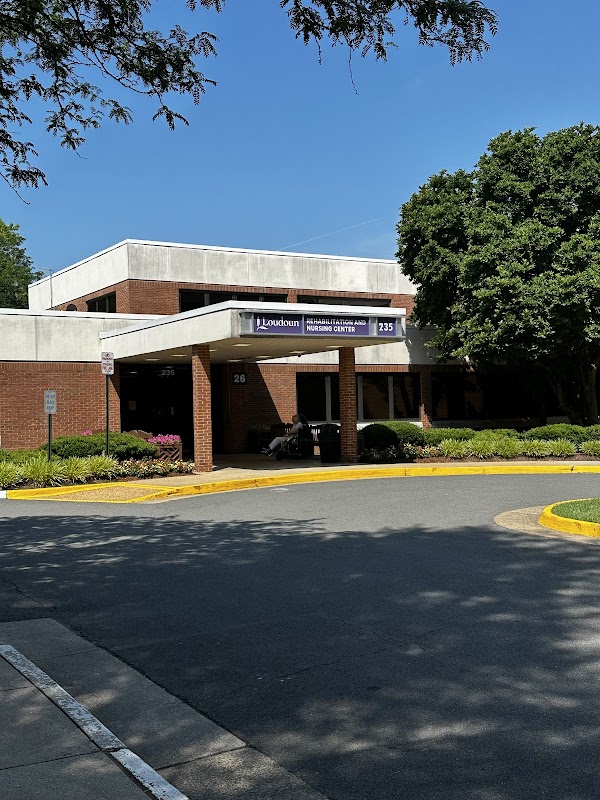
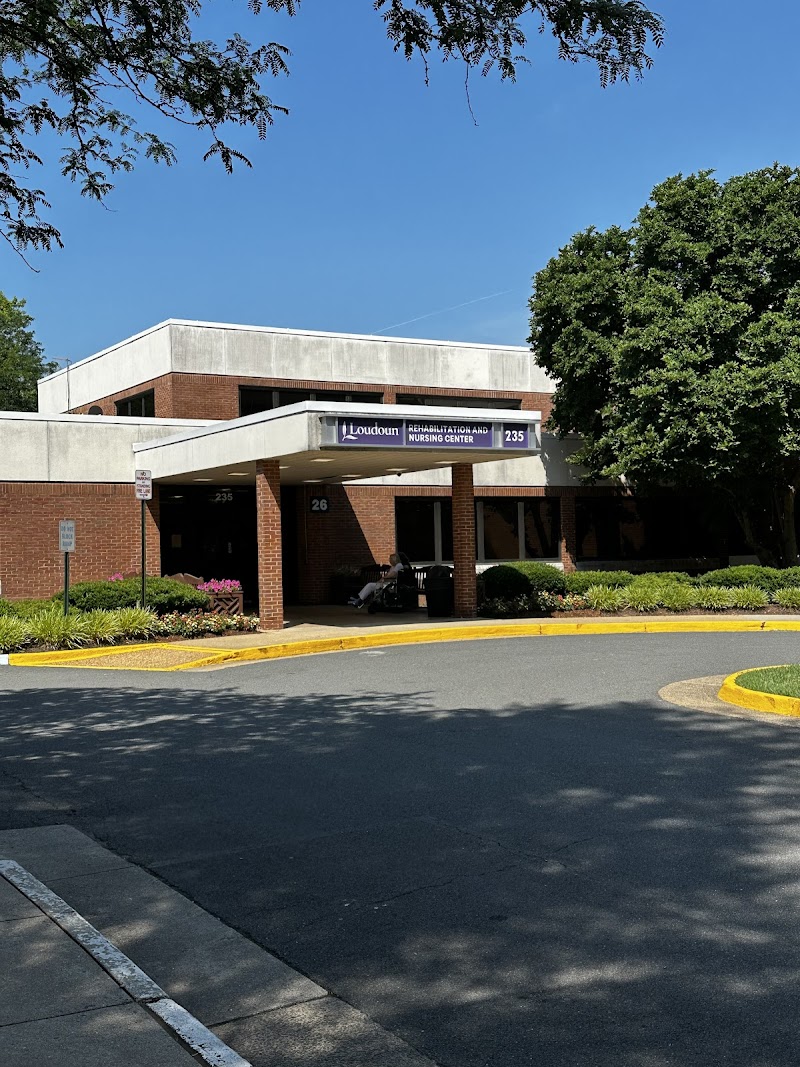
235 OLD WATERFORD ROAD, NORTHWEST, LEESBURG, VA 20176 (703) 771-2841
For profit - Limited Liability company 100 Beds Independent Data: November 2025 2 Immediate Jeopardy citations
Trust Grade
6/100
#201 of 285 in VA
Last Inspection: December 2023

Within standard 12-15 month inspection cycle. Federal law requires annual inspections.

Overview

Loudoun Rehabilitation and Nursing Center has received a Trust Grade of F, indicating significant concerns about the facility's operations and care quality. Ranked #201 out of 285 nursing homes in Virginia, they fall in the bottom half of facilities in the state and are the lowest-ranked option in Loudoun County. The situation appears to be worsening, as the number of reported issues increased dramatically from 2 in 2024 to 28 in 2025. Staffing has a 3/5 rating with a turnover rate of 31%, which is better than the state average, but the facility has received concerning fines totaling $101,928, higher than 96% of facilities in Virginia. Additionally, specific incidents raised serious alarms, including a resident who fell and suffered a head injury due to lack of supervision on the patio and another resident who did not receive prescribed pureed food, risking choking. While the quality measures are rated excellent, the overall health inspection score of 1/5 reflects troubling conditions that families should carefully consider.

Trust Score
F
6/100
In Virginia
#201/285
Bottom 30%
Safety Record
High Risk
Review needed
Inspections
Getting Worse
2 → 28 violations
Staff Stability
○ Average
31% turnover. Near Virginia's 48% average. Typical for the industry.
Penalties
○ Average
$101,928 in fines. Higher than 50% of Virginia facilities. Some compliance issues.
Skilled Nurses
○ Average
Each resident gets 36 minutes of Registered Nurse (RN) attention daily — about average for Virginia. RNs are the most trained staff who monitor for health changes.
Violations
⚠ Watch
76 deficiencies on record. Higher than average. Multiple issues found across inspections.
★★☆☆☆
2.0
Overall Rating
★★★☆☆
3.0
Staff Levels
★★★★★
5.0
Care Quality
★☆☆☆☆
1.0
Inspection Score
Stable
2024: 2 issues
2025: 28 issues

The Good

  • 5-Star Quality Measures · Strong clinical quality outcomes
  • Full Sprinkler Coverage · Fire safety systems throughout facility
  • No fines on record
  • Staff turnover below average (31%)

    17 points below Virginia average of 48%

Facility shows strength in quality measures, fire safety.

The Bad

2-Star Overall Rating

Below Virginia average (3.0)

Below average - review inspection findings carefully

Staff Turnover: 31%

15pts below Virginia avg (46%)

Typical for the industry

Federal Fines: $101,928

Well above median ($33,413)

Significant penalties indicating serious issues

The Ugly 76 deficiencies on record

2 life-threatening 1 actual harm
May 2025 28 deficiencies 1 IJ (1 facility-wide)
CRITICAL (L) 📢 Someone Reported This

A family member, employee, or ombudsman was alarmed enough to file a formal complaint

Immediate Jeopardy (IJ) - the most serious Medicare violation

Accident Prevention (Tag F0689)

Someone could have died · This affected most or all residents

⚠️ Facility-wide issue

**NOTE- TERMS IN BRACKETS HAVE BEEN EDITED TO PROTECT CONFIDENTIALITY** 2.a. For Resident #15 (R15), the facility staff failed to assess the resident to determine if the resident could safely spend ti...

Read full inspector narrative →
**NOTE- TERMS IN BRACKETS HAVE BEEN EDITED TO PROTECT CONFIDENTIALITY** 2.a. For Resident #15 (R15), the facility staff failed to assess the resident to determine if the resident could safely spend time unsupervised on the courtyard patio and failed to provide supervision and a safe environment on the courtyard patio. R15 was unsupervised and fell on the courtyard patio. The resident sustained a head injury that required hospitalization, two staples for a laceration, and a C2 (second cervical) vertebral fracture. R15's diagnoses included but were not limited to congestive heart failure, muscle wasting and atrophy, paranoid personality disorder, auditory hallucinations, and dementia. R15's comprehensive care plan dated 7/19/23 failed to document information regarding the resident spending time outside on the courtyard patio. A review of R15's clinical record revealed the resident sustained falls on 1/9/25, 2/25/25, 3/23/25, and 3/27/25. R15's Morse fall scale assessments dated 1/9/25, 2/25/25, 3/23/25, and 3/27/25 documented the resident was at a high risk for falling. On the most recent MDS (minimum data set), a quarterly assessment with an ARD (assessment reference date) of 2/21/25, the resident scored 11 out of 15 on the BIMS (brief interview for mental status), indicating the resident was moderately cognitively impaired for making daily decisions. An activities note dated 1/31/25 documented, Resident at 11:30 today, the housekeeping director noticed that resident was trying to access the outside looking for a 'cat'. The director went outside for him to check and confirmed there was no cat. He then explains that every nursing home has a cat. Residents' cognitive health seems to be altered. Continues to try to leave to the patio in inappropriate clothing for the weather. A physical therapy progress note dated 4/27/25 documented, Remaining Impairments: strength impairments, decreased dynamic balance, balance deficits and decreased functional capacity. A nurse's note dated 4/30/25 documented, Resident Observed laying on ground outside in Paddio [sic]/Back yard. Upon skin assessment noted blood on head 0.5cm (centimeter) x 0.01cm to scalp. assisted resident off the ground with 3 persons to assist. and back to the room. Assessed resident no other injury noted. Physician notified with new order to send resident to ED (Emergency Department) for evaluation secondary to resident currently on Eliquis (a blood thinning medication). Scanty blood noted to scalp. Family POA (Power of Attorney) notified (name). Hospital documentation dated 4/30/25 revealed R15 sustained a fractured second cervical vertebra and a head laceration to the scalp that required two staples. R15 was re-admitted to the facility on [DATE]. Further review of R15's clinical record (including physical therapy documentation, nursing assessments, physician/nurse practitioner notes, and nurses' notes for 1/31/25 through 5/11/25) failed to reveal the facility staff assessed R15 to determine if the resident could safely spend time unsupervised on the courtyard patio and failed to reveal the facility staff implemented interventions to ensure the resident was supervised while going outside. On 5/13/25 at 4:17 p.m., an interview was conducted with LPN (licensed practical nurse) #2. LPN #2 stated the physical therapy staff complete assessments to determine if residents can safely go out to the patio unsupervised and there was no nursing assessment. LPN #2 stated R15 resides on the second floor and has a wander guard device so if the resident attempted to get on the elevator and go to the first floor, an alarm would sound when he attempted to get on the elevator. On 5/13/25 at 5:15 p.m., an observation of R15 was conducted. No wander guard was observed on the resident's body or wheelchair. Also, a review of R15's clinical record failed to reveal documentation regarding a wander guard. On 5/13/25 at 5:02 p.m., an interview was conducted with OSM (other staff member) #4 (a physical therapist who treated R15). OSM #4 stated R15's cognition and safety awareness was poor. OSM #4 stated she educated R15 that he needed to wait for someone to help him with transfers and obtaining items from the ground and he would not wait. OSM #4 stated R15 does not listen to staff education and is going to do what he wants to do. OSM #4 stated R15 has got to lift his bottom up when transferring or will fall, the resident has a history of falling, and the resident scoots out of the wheelchair. OSM #4 stated residents are not routinely assessed by therapy staff to determine if they can safely spend time on the courtyard patio unsupervised unless a resident says he or she wants to go outside or going outside aligns with their rehab goals. OSM #4 stated she did not think R15 was assessed to determine if he was safe while outside and unsupervised. On 5/14/25 at 7:53 a.m., an observation of R15 was conducted. No wander guard was observed on the resident's body or wheelchair. On 5/14/25 at 8:15 a.m., an observation of the courtyard patio was conducted. The patio was located on the first floor approximately 12 feet from the elevator. The patio door was unalarmed and accessible by opening the door. The following was observed on the patio: -pebbled pavers -multiple tables, chairs, benches, and wooden garden beds -a covered swing -a rectangular metal propane grill with two 20-pound propane tanks -a triangular corner waterfall rock pond (approximately 16 feet [base] by seven feet [corner] by seven feet [corner]); a rail was observed spanning across the base edge of the pond but there was open space (approximately three feet) between the rail and the ground. On 5/14/25 at 8:20 a.m., ASM (administrative staff member) #1 (the administrator) provided a list that documented R15 (and another resident) independently used the courtyard. ASM #1 stated this list was generated based on talking with staff. On 5/14/25 at 8:31 a.m., an interview was conducted with OSM (other staff member) #12 (an anonymous staff member). OSM #12 stated R15 used to go outside to the courtyard patio almost daily and stated the resident said he was leaving food for cats and dogs. OSM #12 stated that at times, the resident was supervised during activities but at other times, the resident was unsupervised. On 5/14/25 at 8:47 a.m., another interview was conducted with OSM #4. OSM #4 stated R15 was non-compliant with rehab recommendations and education. OSM #4 stated she was not aware R15 had been going outside on the courtyard patio and had not been evaluated. On 5/14/25 at 9:07 a.m., an interview was conducted with LPN #4. LPN #4 stated R15 is, always all over the place and always sneaks around. LPN #4 stated sometimes R15 went outside on the patio and sometimes R15 went outside the front entrance but the last time she was aware of the resident going outside was when the resident fell on the patio. LPN #4 stated R15 was currently physically capable of wheeling himself outside to the patio. On 5/14/25 at 11:25 a.m., another interview was conducted with LPN #2. LPN #2 stated she mistakenly spoke when she said R15 had a wander guard, and the resident did not have a wander guard. LPN #2 stated she was the nurse caring for R15 on 4/30/25. LPN #2 stated that on that date, another nurse brought R15 upstairs and said the resident had fallen on the courtyard patio and hit his head on the grill. LPN #2 stated she assessed R15, and the resident was alert and moving all extremities but there was blood coming from his head. LPN #2 stated the nurse practitioner ordered for R15 to be transferred to the hospital because the resident was prescribed a blood thinning medication. On 5/14/25 at 12:37 p.m., ASM (administrative staff member) #1 (the administrator) and ASM #2 (the director of nursing) were notified of IJ (Immediate Jeopardy). The facility presented the following IJ removal plan which was accepted on 5/14/25 at 9:31 p.m. 1. Director of Nursing will instruct resident that he is unable to access the courtyard alone as of 5/14/25. Resident #15 is currently on therapy caseload for improving strength, functional mobility, transfers, gait, endurance, utilizing a reacher & self care. He is currently independent in his wheelchair. Morse Fall Scale and BIMs was completed 5/14/25. Nursing staff that work that unit have been educated to not allow resident to use courtyard without supervision on 5/14/25. A staff member will be posted at the door of the patio 24 hours a day until a locking system can be installed on the courtyard door. 2. Other residents using the courtyard independently could be affected by this practice. List of residents using courtyard independently has been generated as of 5/14/25. 3. The Director of Nursing or designee will educate all staff that resident is unable to access the courtyard alone as of 5/14/25. All staff are being re-educated on ensuring residents requesting to use courtyard without supervision have been assessed by therapy for independence outdoors and will not be allowed to work until re-educated. If therapy is unable to assess a resident who desires to go into the courtyard, the resident will not be able to enter the courtyard alone until the assessment is complete. This assessment will be completed within 3 business days. Should the therapy assessment deem a resident unsafe in the courtyard, the resident will not be allowed to be in the courtyard unsupervised and this will be reflected on their plan of care and in a progress note. Facility staff or family/visitor for that resident will provide supervision. 4. Therapy will screen all new admissions for their ability to go outside independently for the next 6 weeks. Current residents will be screened quarterly for their ability to go outside independently. A list of residents who require supervision to be in the courtyard will be placed on each unit and the receptionist desk. Any resident attempting to enter the courtyard without supervision will be redirected. 5. AOC: 5/14/25 Time: 11:59pm On 5/14/25 at 7:45 p.m., an interview was conducted with OSM #3 (a physical therapist who treated R15). OSM #3 stated residents who present with a fall risk and decreased safety awareness are not safe when unsupervised outside because there is more of a chance for falls and risk of hospitalization. OSM #3 stated R15 had not been assessed for being outside in the courtyard patio unsupervised because staff knows the resident is not safe out there. OSM #3 stated there is a downhill slope at the entrance to the patio and now construction is being completed. OSM #3 stated R15 is safe as long as he doesn't transfer himself without assistance, but the resident does. On 5/15/25 at 9:52 a.m., an interview was conducted with OSM #2 (an occupational therapist). OSM #2 stated there are many components to determine if a resident can safely go out into the courtyard such as managing the door, inclines, declines, coordinating around the area, and cognition. On 5/15/25 the survey team, through observations, interviews, and documentation review, verified the removal plan had been fully implemented by the facility. On 5/15/25 at 12:39 p.m., ASM #1 was informed that the abatement plan was verified. On 5/16/25 at 8:55 a.m., ASM #1 was informed the IJ had been abated. On 5/20/25 at 9:43 a.m., an interview was conducted with LPN (licensed practical nurse) #3 (the nurse who observed R15 on the ground in the courtyard patio on 4/30/25). LPN #3 stated that on 4/30/25, he was inside the building on the first floor and a family member came to him and asked him to go to the courtyard patio. LPN #3 stated he went out to the patio and found R15 laying in front of his wheelchair with his right elbow and legs on the ground, and his head facing the grill. LPN #3 stated that by looking at R15's position and the injury on the resident's head, it looked like R15 hit his head on the grill. LPN #3 stated R15 had two bananas and a shovel, and the resident stated he wanted to plant the bananas in the ground. On 5/20/25 at 11:25 a.m., an interview was conducted with ASM #1. ASM #1 stated a comprehensive assessment including residents' functional and cognitive abilities should be completed to determine if a resident can safely go out on the courtyard patio unsupervised. On 5/20/25 at 1:58 p.m., ASM #1 presented a form titled, Outdoor Safety Screening Tool that was developed after Immediate Jeopardy. The form documented, Trigger Questions: BIMs score (BIMs to be completed same day as screen). If BIMs score is 12 or below, resident is supervised outdoors and remainder of tool does not need to be completed. The facility policy titled, Accidents and Supervision documented, The resident environment will remain as free of accident hazards as is possible. Each resident will receive adequate supervision and assistive devices to prevent accidents. This includes: 1. Identifying hazard(s) and risk(s). 2. Evaluating and analyzing hazard(s) and risk(s). 3. Implementing interventions to reduce hazard(s) and risk(s). 4. Monitoring for effectiveness and modifying interventions when necessary .1. Identification of Hazards and Risks- the process through which the facility becomes aware of potential hazards in the resident environment and the risk of a resident having an avoidable accident. a. All staff (e.g., professional, administrative, maintenance, etc.) are to be involved in observing and identifying potential hazards in the environment, while taking into consideration the unique characteristics and abilities of each resident. b. The facility should make a reasonable effort to identify the hazards and risk factors for each resident. c. Various sources may include, but are not limited to: i. Quality assessment and assurance (QAA) activities. ii. Environmental rounds. iii. MDS/CAA (minimum data set/care area assessment) data. iv. Medical history. v. Physical exam. iv. Facility assessment. vii. Individual observation. e. This information is to be documented and communicated across all disciplines. 2. Evaluation and Analysis- the process of examining data to identify specific hazards and risks and to develop targeted interventions to reduce the potential for accidents. Interdisciplinary involvement is a critical component of this process. a. Analysis may include, for example, considering the severity of hazards, the immediacy of risk, and trends such as time of day, location, etc. b. Both the facility-centered and resident-directed approaches include evaluating hazard and accident risk data, which includes prior accidents/incidents, analyzing potential causes for each hazard and accident risk, and identifying or developing interventions based on the severity of the hazards and immediacy of risk. c. Evaluations also look at trends such as time of day, location, etc. 3. Implementation of Interventions- using specific interventions to try to reduce a resident's risks from hazards in the environment. The process includes: a. Communicating the interventions to all relevant staff. b. Assigning responsibility. c. Providing training as needed. d. Documenting interventions (e.g., plans of action developed through the QAA Committee or care plans for the individual resident). e. Ensuring that the interventions are put into action. f. Interventions are based on the results of the evaluation and analysis of information about hazards and risks and are consistent with relevant standards, including evidence-based practice. g. Development of interim safety measures may be necessary if interventions cannot immediately be implemented fully. h. Facility-based interventions may include, but are not limited to: i. Educating staff. ii. Repairing the device/equipment. iii. Developing or revising policies and procedures. i. Resident-directed approaches may include: i. Implementing specific interventions as part of the plan of care. ii. Supervising staff and residents, etc. iii. Facility records document the implementation of these interventions. 4. Monitoring and Modification- Monitoring is the process of evaluating the effectiveness of care plan interventions. Modification is the process of adjusting interventions as needed to make them more effective in addressing hazards and risks. Monitoring and modification processes include: a. Ensuring that interventions are implemented correctly and consistently. b. Evaluating the effectiveness of interventions. c. Modifying or replacing interventions as needed. d. Evaluating the effectiveness of new interventions. 5. Supervision- Supervision is an intervention and a means of mitigating accident risk. The facility will provide adequate supervision to prevent accidents. Adequacy of supervision: a. Defined by type and frequency. b. Based on the individual resident's assessed needs and identified hazards in the resident environment. 2.b. For Resident #15 (R15), the facility staff failed to maintain a safe environment in the resident's bedroom. A can of Krylon [NAME] aerosol varnish spray was observed in the resident's room. On 5/14/25 at 10:00 a.m., a can of Krylon [NAME] aerosol varnish spray was observed on a table in R15's room. The material safety data sheet for Krylon [NAME] dated 3/13/15 documented, OSHA/HCS status: This material is considered hazardous by the OSHA Hazard Communication Standard. Signal word Hazard statements: Danger Extremely flammable aerosol. Contains gas under pressure; may explode if heated. Causes skin and eye irritation. Suspected of causing cancer. May be fatal if swallowed and enters airways. May cause respiratory irritation. May cause drowsiness and dizziness. On 5/19/25 at 3:49 p.m., the Krylon [NAME] material safety data sheet was reviewed with LPN (licensed practical nurse) #8. LPN #8 stated the substance was flammable, hazardous and carcinogenic and with those properties, the substance should not be in a resident room because the resident may use it. LPN #8 stated she notifies a supervisor or manager if she finds an unsafe substance in a resident's room. On 5/20/25 at 4:45 p.m., ASM (administrative staff member) #1 (the administrator) and ASM #2 (the director of nursing) were made aware of the above concern. The facility policy titled, Accidents and Supervision documented, The facility shall establish and utilize a systematic approach to address resident risk and environmental hazards to minimize the likelihood of accidents. No further information was presented prior to exit. Based on observation, resident interview, staff interview, facility document review, and clinical record review, it was determined that the facility staff failed to provide a safe environment for a census of 97 residents on 12/21/24 and failed to provide supervision to prevent accidents for 2 of 31 residents in the survey sample, Resident #23 and #15. This resulted in a determination of Immediate Jeopardy (IJ). After Immediate Jeopardy was removed, the scope and severity were lowered to a level 3, isolated. The findings include: 1. The facility staff failed to A) provide a safe environment for a census of 97 residents on 12/21/24 and B) notify the fire department of a fire that occurred in the enclosed patio area at the facility on 12/21/24. On 12/21/24, Resident #23 (R23), a resident with known history of unsupervised smoking, threw a lit cigarette into the trash can in the enclosed patio area resulting in a fire which cracked the glass on the patio entrance door. A) On the most recent MDS (minimum data set), a quarterly assessment with an ARD (assessment reference date) of 2/17/25, the resident scored 14 out of 15 on the BIMS (brief interview for mental status) assessment, indicating the resident was cognitively intact for making daily decisions. On the quarterly MDS assessment with an ARD of 11/17/24, the resident scored 13 out of 15 on the BIMS assessment, indicating the resident was cognitively intact for making daily decisions. On 5/14/25 at 9:52 a.m., an interview was conducted with R23 in their room. When asked about smoking, R23 stated that they were a current smoker and smoked 1-2 times a day outside of the facility and had last smoked on 5/13/25. R23 stated that the facility did not allow smoking on the property, but he was allowed to go off the property and smoke and described taking the elevator downstairs to the basement, going out the loading dock doors and outside to a cigarette disposal receptacle located off the property. R23 stated that they kept their cigarettes and lighter in the closet where their clothes were, but an unknown nurse had taken them away on 5/13/25 and did not tell him why. When asked about the fire on 12/21/24, R23 stated that he remembered the incident. R23 stated that someone did not put out a cigarette and had put it in the trash can which caught fire on the patio. When asked about the wander guard monitor, R23 stated that staff had placed a monitor on him a while ago but he had taken it off and thrown it away. No wander guard monitor was observed on R23's person or on R23's wheelchair. The progress notes for R23 documented in part, - Effective Date: 10/08/2024 19:54 (7:54 p.m.) Type: Medical Visit . History: 40 pack history of tobacco use; currently smokes 1/4 ppd (pack per day). H/o (history of) of ETOH (alcohol) abuse in the past . Current Tobacco Use. -40 pack year history, - Cont (continue) Nicoderm, -Counsel on cessation . - 11/24/2024 03:22 (3:22 a.m.) Note Text: Nicoderm CQ Transdermal Patch 24 Hour (Nicotine) Apply 1 patch transdermally one time a day for tobacco abuse and remove per schedule. Pharmacy. Active: 10/8/2024 08:00. Resident who wears a transdermal nicotine patch has been going downstairs to the first floor and outdoors smoking. The supervisor told the resident several times that smoking isn't allowed on the premises and that he shouldn't be smoking. Writer re-enforced the information regarding smoking to the resident. - 12/21/2024 21:54 Note Text: Resident went to the patio to smoke even though he knows that the facility is a smoke free area. Resident put the lighter [sic] cigarette in the trash can and the trash can caught on fire. Fire extenguisher [sic] used to put the fire out. The glass door at the enterance [sic] of the patio is craked [sic] due to the heat from the fire. The resident admitted to putting the lighted cigarette in the trash can. Resident talked to about the dangers of smoking. 1 pack of cigarette [sic] and 2 lighters were taken from the resident for safe keeping. Will monitor closely. A sigh [sic] was placed on the door to prevent people from using the door. The nursing admission assessment for R23 dated 10/7/24 documented the resident being a current smoker, smoking 1-2 cigarettes per day. The assessment documented R23 requiring supervision when smoking and documented, Resident is smoker last time was before his admission to the hospital on [DATE] . The assessment further documented R23 was not an elopement risk. A smoking assessment for R23 dated 12/21/24 documented the resident being a current smoker, smoking 5-10 cigarettes per day. The assessment documented, .The resident is not safe to smoke. This is a smoke-free facility; [Name of R23] has disregarded our non-smoking policy. He put his cigarette in the patio trash can while it was still lit. The trash can caught fire. Luckily, staff was able to extinguish the fire swiftly. Resident is not able to smoke unsupervised. Our facility remains smoke free . The physician orders documented in part, Order Date: 4/3/2025. Special equipment: wander guard on at all times. Check placement and function every shift for monitoring right ankle. An elopement risk assessment dated [DATE] documented R23 being at risk to wander with a previous history of wandering and history of elopement. The comprehensive care plan for R23 documented in part, MD order for wander guard. Date Initiated: 04/03/2025 . The care plan failed to evidence documentation regarding R23's smoking status or smoking non-compliance. The clinical record failed to evidence documentation regarding rationale for the wander guard placement on 4/3/25, or checks of the wander guard from 4/3/25 to the present. The clinical record failed to evidence interventions put into place to prevent hazards from unsupervised smoking for the resident after they were first aware of the resident smoking at the facility. On 5/14/25 at 10:11 a.m., an observation was made of the facility loading dock area and parking lot area. Double doors opened to the loading dock area with a ramp area that opened to the parking lot. Approximately 100 yards across the paved parking lot a standing smoking receptacle was observed at the edge of the adjoining hospital property parking lot. On 5/14/25 at 9:58 a.m., an interview was conducted with CNA (certified nursing assistant) #8 who stated that staff had taken R23's smoking materials last year and they were kept at the nurse's station. On 5/14/25 at 10:05 a.m., an interview was conducted with LPN (licensed practical nurse) #2. When asked where R23's smoking materials were kept, LPN #2 stated that they were kept in a cabinet behind the desk at the nurse's station. When asked to see the location that they were stored, LPN #2 went to a cabinet located inside of the nurse's station and stated that they were not there. She stated that someone must have removed them because that was where they were. When asked about the smoking process at the facility, LPN #2 stated that they did not allow smoking and R23 was not allowed to smoke. She stated that last year was the last time she knew he was smoking as far as she knew. On 5/14/25 at 11:13 a.m., a follow up interview was conducted with LPN #2 who stated that last year R23's family had brought him cigarettes and a lighter and he had been caught smoking on the patio. She stated that time, the manager had called the family and told them that smoking was not allowed and not to give him any smoking materials. LPN #2 stated that R23 had been receiving a nicotine patch daily since coming to the facility to help him not smoke and he was not supposed to leave their floor but there were times when he tried to leave, and they redirected him. LPN #2 stated that R23 could leave the unit if they did not watch him, and they did not allow him to leave the unit because the last time he went outside he almost burned the place, and they did not know who brought the things to him. She stated that R23 was reliable, and she thought he knew if something happened but may have some short-term memory loss. When asked what staff did to keep R23 from going off the unit to smoke, LPN #2 stated that they provided snacks and drinks and explained to R23 about why he should not leave the unit. She stated that she explained to him about the Nicoderm patch and encouraged him and then he was fine. LPN #2 stated that she did not remove any smoking materials from R23 yesterday and it may have been another nurse. She stated that R23's wander guard was placed when they caught him smoking outside and the monitor would beep when he got near the elevator. She stated that R23 had tried to take the wander guard off the wheelchair in the past or left the wheelchair and tried to walk down without any assistance. She stated that when she worked with him she saw patterns and knew what he was trying to do so she would intervene. LPN #2 stated that R23 would say he was going to use the bathroom by the elevator because his was locked and they would have to stop him because he wanted to smoke. She stated that she did not have eyes on him for the entire shift, but the other staff watched him also and they relied on the wander guard to alert them if R23 was attempting to leave the unit. On 5/14/25 at 1:15 p.m., an interview was conducted with OSM #14, anonymous staff member, who stated that staff observed R23 outside smoking in the patio area about a week before the fire on 12/21/24 and it was reported to the former director of nursing in the stand-up meeting. OSM #14 stated that staff were watching R23 more closely now, but it was possible for him to go out because there were not always staff in the basement area to monitor who was coming down there, the doors were normally not locked, and the cameras down there had not worked for a long time. On 5/14/25 at 1:21 p.m., an interview was conducted with RN (registered nurse) #1. RN #1 stated that she was in front of the elevator on the first floor when she saw a bright light and turned and saw the fire in a trash can in the interior patio area. She stated that she ran out and moved R23 inside and got another staff member to get the fire extinguisher. She stated that the staff member put the fire out and she assessed R23, took the cigarettes and lighter and locked them in the medication cart. RN #1 stated that R23 told her that he did not know that the cigarette was still lit when he threw it in the trash can in the courtyard. She stated that she told R23 that it was a non-smoking facility, and the fire was out but could have been something else. RN #1 stated that she had seen R23 about 10 minutes prior to the incident when he told her that he was going to the bathroom downstairs. She stated that she had reported the fire to the former director of nursing who stated that she did not need to call the fire department because they had extinguished the fire. On 5/14/25 at 1:40 p.m., an interview was conducted with OSM #11, social worker. OSM #11 stated that when R23 was caught smoking and had caused the fire she was asked to speak with him about smoking. She stated that she talked to him and his family who felt that he should be able to smoke. OSM #11 stated that she had started looking for another facility that allowed smoking, but they had not been able to find any placement as of now but were still actively looking. She stated that R23's family had mentioned their dad had seen employees smoking and she had explained that they could not control hospital employees off their property and their dad should not be out far enough to see them. She stated that staff were aware that at one point he was going outside to the hospital property to smoke prior to the incident and it was probably in November 2024. She stated that since 12/24 she was not aware of him going out and she thought that he may have had stuff hidden in his room but was not aware of anyone removing anything yesterday. OSM #11 stated that she believed the daughters were bringing him the smoking materials but was not sure, as one daughter had admitted it in the past but not currently. She stated that R23 did not leave the unit that she knew of because her office was by the elevator. OSM #11 stated that when she was in her office she saw him go to the bathroom in the sunroom and he had a wander guard on and the elevator alarm would have sounded if he had gone on the elevator. She stated that she has never smelled smoke in the bathroom. OSM #11 stated that she recalled nursing reporting R23 had been caught out in the back of the facility smoking in morning stand up meeting, but nothing had happened. She stated that they always knew R23 was smoking, and the report was probably mid November 2024. OSM #11 stated that this was based on her emails with the family that discuss his care plan. She stated that she remembered that one of the night nurses had caught him outside smoking, and she thought that it was the former unit manager who had reported it in the meeting. On 5/14/25 at 5:49 p.m., an interview was conducted with OSM #16, former director of nursing. OSM #16 stated that R23 started sneaking out of the building soon after admission to smoke and they had spoken with him and his family about it being a non-smoking facility. She stated that they had attempted to find R23 a smoking facility and he had agreed not to smoke until he moved but they had reports that his family still took him out to smoke. On 5/16/25 at 9:30 a.m., an interview was conducted with OSM #11, anonymous staff member. OSM #11 stated that they had never witn[TRUNCATED]
CONCERN (D) 📢 Someone Reported This

A family member, employee, or ombudsman was alarmed enough to file a formal complaint

Potential for Harm - no one hurt, but risky conditions existed

Resident Rights (Tag F0550)

Could have caused harm · This affected 1 resident

Based on observation, resident interview, staff interview and clinical record review, it was determined that facility staff failed to promote resident's dignity for two of 31 current residents in the ...

Read full inspector narrative →
Based on observation, resident interview, staff interview and clinical record review, it was determined that facility staff failed to promote resident's dignity for two of 31 current residents in the survey sample, Residents #1 (R1) and R7. The findings include: 1a. For R1, facility staff failed to wash R1's hands before eating and stood while providing feeding assistance. R1 was admitted to the facility with diagnoses that included but were not limited to hemiplegia (1). On the most recent comprehensive MDS (minimum data set), a quarterly assessment with an ARD (assessment reference date) of 03/25/2024, R1 scored 11 out of 15 on the BIMS (brief interview for mental status), indicating R1 was moderately impaired of cognition for making daily decisions. GG0130 Self-Care coded R1 as requiring Partial/moderate assistance - helper does ESS THAN HALF the effort. Helper lifts or holds trunk or limbs, but provides less than half the effort with eating and coded Dependent for Personal hygiene: The ability to maintain personal hygiene, including combing hair shaving, applying makeup, washing/drying face and hands. On 05/12/2025 at approximately 1:20 p.m. R1 was observed in her room sitting in her wheelchair with an over-the-bed table in front of her and placed R1's lunch on the over-the-bed table. Further observations failed to evidence CNA (certified nursing assistant) #8 washing R1's hands before R1 started eating. At approximately 1:25 p.m. another observation of R1 revealed CNA #8 standing next to R1 while providing feeding assistance to R1. On 05/14/2025 at approximately 5:00 p.m. an interview was conducted with R1. When asked she felt about the CNA standing next to her when he was providing her with feeding assistance, R1 stated that it made her uncomfortable and that the staff should sit when assisting her. When asked about not having her hands washed before eating R1 stated that the staff do not wash her hands before or after eating her meals. On 05 19/2025 at approximately 3:06 p.m. an interview was conducted with CNA #8. When informed of the above observations and interview with R1, CNA #8 stated he recalled the situation. CNA #8 stated the unit (long term care) was short staffed that day and it took time to get back to R1 because he had all the lunch trays to deliver to residents that could eat independently and had residents to feed. He stated he did not have enough help. When asked about standing while he provided feeding assistance to R1, he stated it was not dignified. He further stated that he should have been sitting next to or in front of R1 when assisting with the meal. When asked about washing R1's hands before and after eating, CNA #8 stated it should be done, and it is not dignified for residents not to clean their hands before and after eating. The facility's policy Resident's Rights documented in part, 4. Respect and dignity. The resident has a right to be treated with respect and dignity. The facility's policy Activities of Daily Living documented in part, Policy Explanation and Compliance Guidelines: 3. A resident who is unable to carry out activities of daily living will receive the necessary services to maintain good nutrition, grooming, and personal and oral hygiene. On 05/20/2025 at approximately 4:30 p.m., ASM (administrative staff member) #1, administrator, ASM #2, director of nursing, and ASM #4, regional administrator, were made aware of the above findings. No further information was provided prior to exit. Complaint deficiency References: (1) Loss of muscle function in part of your body. This information was obtained from the website: https://medlineplus.gov/paralysis.html. 1b. For R1, the facility staff failed to serve the meal at the same time the roommate received their meal in the same room. On 05/12/2025 at approximately 12:55 p.m. R1 was observed in her room sitting in her wheelchair with an over-the-bed table in front of her, dressed, neat and clean. Further observations revealed R1's lunch tray sitting on a counter next to the sink approximately six feet away from the resident. An observation of R1's roommate revealed she was sitting on the edge of her bed eating her lunch independently. At 1:20 p.m. CNA (certified nursing assistant) #8 entered R1's room and set up R1's lunch on the over-the-bed table in front of R1. On 05/14/2025 at approximately 5:00 p.m. an interview was conducted with R1. She was asked how she felt about waiting 25 minutes to receive her lunch on 05/12/2025 while her roommate ate their own meal while she waited. R1 stated that she should not have to wait that long, and the food could get cold. On 05 19/2025 at approximately 3:06 p.m. an interview was conducted with CNA #8. When informed of the above observations and interview with R1 regarding CNA #8 stated he recalled the situation. When asked about R1 having to wait 25 minutes to receive her lunch while her roommate was eating and finished their meal before R1 received her meal, CNA #8 stated the facility was short staffed that day and it took time to get back to R1 because he had two other residents to feed. He further stated it was not dignified to have R1 wait for her meal while her roommate was eating. On 05/20/2025 at approximately 4:30 p.m., ASM (administrative staff member) #1, administrator, ASM #2, director of nursing, and ASM #4, regional administrator, were made aware of the above findings. No further information was provided prior to exit. 2. For R7, facility staff stood while providing feeding assistance. R7 was admitted to the facility with diagnoses that included but were not limited to muscle weakness. On the most recent comprehensive MDS (minimum data set), a quarterly assessment with an ARD (assessment reference date) of 03/04/2024, R7 scored 5 (five) out of 15 on the BIMS (brief interview for mental status), indicating R1 was severely impaired of cognition for making daily decisions. GG0130 Self-Care coded R7 as requiring Supervision or touching assistance - Helper provides verbal cues and/or touching/steadying and/or contact guard assistance as resident completes activity. Assistance may be provided throughout the activity or intermittently. On 05/12/2025 at approximately 1:30 p.m., an observation revealed R7 receiving assistance with feeding by CNA (certified nursing assistant) #8. Further observations revealed CNA #8 was standing next to R7's bed while providing assistance. On 05 19/2025 at approximately 3:06 p.m. an interview was conducted with CNA #8. When informed of the above observations and interview with R1, CNA #8 stated he recalled the situation. When asked about standing while he provided feeding assistance to R7, he stated it was not dignified. He further stated that he should have been sitting next to the bed when assisting with the meal. On 05/20/2025 at approximately 4:30 p.m., ASM (administrative staff member) #1, administrator, ASM #2, director of nursing, and ASM #4, regional administrator, were made aware of the above findings. No further information was provided prior to exit. Complaint deficiency
CONCERN (D) 📢 Someone Reported This

A family member, employee, or ombudsman was alarmed enough to file a formal complaint

Potential for Harm - no one hurt, but risky conditions existed

Free from Abuse/Neglect (Tag F0600)

Could have caused harm · This affected 1 resident

Based on staff interview and clinical record review, it was determined that the facility staff failed to keep residents free from neglect for two of 31 residents in the survey sample, Residents #13 (R...

Read full inspector narrative →
Based on staff interview and clinical record review, it was determined that the facility staff failed to keep residents free from neglect for two of 31 residents in the survey sample, Residents #13 (R13) and R19. The findings include: 1. For R13, the facility staff failed to check and perform incontinence care in a timely manner. R13 was admitted to the facility with diagnoses that included but were not limited to dementia (1). On the most recent MDS (minimum data set), an annual assessment with an ARD (assessment reference date) of 03/14/2025, R13 scored 2 (two) out of 15 on the BIMS (brief interview for mental status), indicating the resident is severely impaired of cognition for making daily decisions. Section H0300 Urinary Continence coded R13 as being always incontinent. On 05/13/2025 at 12:42 p.m. until 5:00 p.m. continuous observations were conducted of R13. During the four hour and 17 minutes of observation, R13 was not checked by a nurse or a CNA (certified nursing assistant) for incontinence care. On 05/13/2025 at approximately 5:05 p.m. an interview was conducted with CNA #3. When asked if he was assigned to R13 for the 3:00 p.m. to 11:00 p.m. shift he stated yes. He asked to describe the procedure for residents who are dependent on staff for incontinence care. CNA #3 stated residents are checked for incontinence care at the beginning of each shift, checked every two hours throughout the shift and at the end of each shift. He also stated at the beginning of the shift he receives report from the previous shift CNA that includes the resident's condition, and which residents had received incontinence care. When asked about consequences a resident may encounter if they are left wet and/or soiled for extended periods of time he stated the resident could have skin breakdown. When asked if he received information regarding R13's incontinence care from the CNA on the previous shift (7:00 a.m. - 3:00 p.m.), CNA #3 stated he was not informed. When informed of the observation stated above, CNA #3 stated he would check R13 immediately. On 5/13/25 at 5:15 p.m., CNA (certified nursing assistant) #3 and CNA #4 were observed attempting to provide incontinence care to R13 in his room. R13 displayed stiffness and tremors in his arms, and stiffness in his legs as he sat in his wheelchair. CNA #3 repeatedly placed his hands on R13's arms attempting to pull the resident up from a sitting position in the wheelchair in order to transfer the resident to the bed for incontinence care. The resident repeatedly resisted; CNA #3 persisted in his efforts. CNA #4 told CNA #3 that R13 would not respond to this type of action, and that R13 would be able to transfer with minimal assistance if CNA #3 would not touch the resident. CNA #3 continued to attempt to take the resident's arm and assist him to move toward the bed. CNA #4 took over the effort, and assisted the resident to self-propel his wheelchair over to the sink area. CNA #4 stated: Put your hands on the counter and stand up. You are soaking wet. R13 refused to stand at the sink. CNA #4 assisted the resident to self-propel in the wheelchair back to the bed, and CNA #4 and CNA #3 physically lifted R13 from the wheelchair and moved him to a supine position on the bed. CNA #3 removed the resident's pants and incontinence brief. The brief was saturated with urine to the point that the brief contained hardened ridges where urine had pooled over time. The brief contained a large amount of feces, some of it soft, and some of it dried on the resident's buttocks. On 05/20/2025 at approximately 5:08 p.m. an interview was conducted with LPN (licensed practical nurse) #13. When asked what would constitute neglect of a resident she stated it would include not feeding a resident, not administering their medications and not providing ADL (activities of daily living) care. When asked to describe the process for ensuring a resident who is dependent on incontinence care is not left wet or soiled she stated that the resident should be checked every two hours. LPN #13 also stated that it would be neglect if a resident was not checked every two hours for incontinence care. On 05/20/2025 at approximately 5:12 p.m. an interview was conducted with CNA (certified nursing assistant) #17. When asked what would constitute neglect of a resident she stated it would include leaving a resident unattended or not giving care. When asked to describe the process for ensuring a resident who is dependent on incontinence care is not left wet or soiled she stated that the resident should be checked every two hours. LPN #13 also stated that it would be neglect if a resident was not checked every two hours for incontinence care. On 05/20/2025 at approximately 4:30 p.m., ASM (administrative staff member) #1, administrator, ASM #2, director of nursing, and ASM #4, regional administrator, were made aware of the above findings. No further information was provided prior to exit. Complaint deficiency Reference: (1) A loss of brain function that occurs with certain diseases. It affects memory, thinking, language, judgment, and behavior. This information was obtained from the website: https://medlineplus.gov/ency/article/000739.htm. 2. For R19, the facility staff failed to check and perform incontinence care in a timely manner. R19 was admitted to the facility with diagnoses that included but were not limited to a stroke. On the most recent MDS (minimum data set), an annual assessment with an ARD (assessment reference date) of 01/29/2025, R19 scored 0 (zero) out of 15 on the BIMS (brief interview for mental status), indicating the resident is severely impaired of cognition for making daily decisions. Section H0300 Urinary Continence coded R13 as being always incontinent. On 05/13/2025 at 12:42 p.m. until 5:00 p.m. continuous observations were conducted of R19. During the four hour and 17 minutes of observation, R19 was not checked by a nurse or a CNA (certified nursing assistant) for incontinence care. On 05/13/2025 at 5:00 p.m. an interview was conducted with CNA #6. When asked if she was assigned to R19 from the 3:00 p.m. to 11:00 p.m. shift she stated yes. When asked to describe the procedure for incontinence care for residents who are dependent on staff for incontinence care. CNA #6 stated residents are checked for incontinence care at the beginning of each shift, checked every two hours throughout the shift and at the end of each shift. She also stated at the beginning of the shift she receives report from the previous shift CNA that includes which residents have received incontinence care. When asked about consequences a resident may encounter if they are left wet and/or soiled for extended periods of time she stated the resident could have skin breakdown. When asked if she received information regarding R19's incontinence care from the CNA on the previous shift (7:00 a.m. - 3:00 p.m.), CNA #6 stated she was not informed. When informed of the observation stated above, CNA #6 stated she would check R19 immediately. On 5/13/25 at 5:02 p.m., CNA #6 entered R19's room carrying wipes and a clean incontinence brief. R19 saw the incontinence care supplies and started to shake her head. CNA #6 stated: I would like to change you. R19 continued to refuse. CNA #6 told the resident she would return again and ask about incontinence care just before dinner trays were distributed. CNA #6 stated R19 frequently refused incontinence care. CNA #6 stated even if a resident is known to refuse care, the care should still be offered every 2 hours. On 05/20/2025 at approximately 5:08 p.m. an interview was conducted with LPN (licensed practical nurse) #13. When asked what would constitute neglect of a resident she stated it would include not feeding a resident, not administering their medications and not providing ADL (activities of daily living) care. When asked to describe the process for ensuring a resident who is dependent for incontinence care is not left wet or soiled she stated that the resident should be checked every two hours. LPN #13 also stated that it would be neglect if a resident was not checked every two hours for incontinence care. On 05/20/2025 at approximately 5:12 p.m. an interview was conducted with CNA (certified nursing assistant) #17. When asked what would constitute neglect of a resident she stated it would include leaving a resident unattended or not giving care. When asked to describe the process for ensuring a resident who is dependent on incontinence care is not left wet or soiled she stated that the resident should be checked every two hours. LPN #13 also stated that it would be neglect if a resident was not checked every two hours for incontinence care. On 05/20/2025 at approximately 4:30 p.m., ASM (administrative staff member) #1, administrator, ASM #2, director of nursing, and ASM #4, regional administrator, were made aware of the above findings. No further information was provided prior to exit. Complaint deficiency
CONCERN (D) 📢 Someone Reported This

A family member, employee, or ombudsman was alarmed enough to file a formal complaint

Potential for Harm - no one hurt, but risky conditions existed

Abuse Prevention Policies (Tag F0607)

Could have caused harm · This affected 1 resident

Based on staff interview and facility document review, it was determined that the facility staff failed to implement the abuse policy for of six of six contract employees and failed to investigate and...

Read full inspector narrative →
Based on staff interview and facility document review, it was determined that the facility staff failed to implement the abuse policy for of six of six contract employees and failed to investigate and report allegations of abuse and exploitation for one of 31 residents in the survey sample, Resident #18 (R18). The findings include: 1. On 05/13/2025 criminal background checks were requested from ASM (administrative staff member) #1, the administrator for six contracted construction workers who were observed working in the facility. On 05/14/2025 review of the documents provided by the facility failed to evidence criminal record background checks. The employees identified were: 1. OSM (other staff member) #20, construction worker with a hire date of 06/24/2024. 2. OSM #21, construction worker with a hire date of 06/24/2024. 3. OSM #22, construction worker with a hire date of 06/24/2024. 4. OSM #23, construction worker with a hire date of 04/07/2025. 5. OSM #24, electrician with a hire date of 02/2025. 6. OSM #25, electrician with a hire date of 06/24/2024. On 05/20/2025 at approximately 10:28 a.m., an interview was conducted with ASM #4, regional administrator, regarding background checks for construction workers in the facility. ASM #4 stated that the general contractor of the construction company stated the construction workers did not have social security numbers but could provide national background checks for the construction workers. ASM #4 stated she was provided background checks from Ecuador and accepted them. When asked if the background checks from Ecuador met the regulations ASM #4 stated she did not know if the background checks met the regulations. The facility policy Abuse, Neglect and Exploitation documented in part, I. Screening: A1. Background, reference, and credentials' check shall be conducted on potential employees, contracted temporary staff, student affiliated with academic institutions, volunteers and consultants. A2. Screenings may be conducted by the facility staff itself, third-party agency or academic institutions. A3. The facility will maintain documentation of proof that the screening occurred. On 05/20/2025 at approximately 4:30 p.m., ASM #1, administrator, ASM #2, director of nursing, and ASM #4, regional administrator, were made aware of the above findings. No further information was provided prior to exit. Based on staff interview, facility document review, and clinical record review, the facility staff failed to follow a policy to prevent abuse, and to report and investigate an allegation of resident exploitation for one of 31 residents in the survey sample, Resident #28, and for six of six contract staff records reviewed. The findings include: 1. For Resident #28 (R28), the facility staff failed to follow its policy to report an allegation of resident exploitation to the state agency (SA) and to investigate this allegation. A review of the facility policy, Abuse, Neglect, and Exploitation, revealed, in part: 'Exploitation' means the deliberate misplacement, exploitation, or wrongful, temporary or permanent, use of a resident's belongings or money without the resident's consent Investigation .An immediate investigation is warranted when suspicion of abuse, neglect, or exploitation, or reports of abuse, neglect, and exploitation, occur .Written procedures for investigation include .Identifying and interviewing all involved persons, including the alleged victim, alleged perpetrator, witnesses, and others who might have knowledge of the allegation .Providing complete and thorough documentation of the investigation .Reporting/Response .The facility will have written procedures that include .reporting of alleged violations to the Administrator, state agency, adult protective services, and to all other required agencies .within specified timeframes. A review of R28's progress notes revealed the following: 10/11/2023 .Social / Psychosocial Note .Social Work Note: The Director of Nursing let this writer know that [R28]'s daughter expressed concerns that her father is being exploited of his funds by a friend of his whom she does not know. This writer met with [R28] who denied all allegations. [R28] in fact, is alert and oriented X4 and denied these allegations. [R28] did share his wishes .to no longer have his daughter manage his bank account. This writer reached out to the Ombudsman who recommended SS (social services) to contact APS (adult protective services) and file a report. This writer contacted [name of county] Adult Protective Services .today to file a report that [R28] wishes his daughter to be investigated. APS will be reaching out to SS Department when they have filed a claim. 1/4/2024 .Social / Psychosocial Note .This writer spoke with resident's APS worker regarding case for exploitation of funds. [APS worker] . stated she will be closing the case and has spoken to resident regarding issuing funds inappropriately and providing banking information to unknown individuals. Resident seems to be in denial and not receptive. APD (sic) requested facility become payee. SS will continue to provide support as needed. On 5/19/25 and 5/20/25, requests were made of facility management to provide evidence of a report to the SA regarding R28's allegation of exploitation and of an investigation of the allegation. On 5/20/25 at 8:32 a.m., ASM (administrative staff member) #1, the administrator, was interviewed. He stated any reports of possible resident exploitation should be reported from front line team members to the manager, then the manager should report the allegation to the administrator or the DON (director of nursing). He stated the report should be made immediately. Following the report, the administrator or DON should submit a report to the SA and to APS. After the allegation is reported, the facility should immediately begin an investigation, including interviews with the resident, staff, and any outside party who may have knowledge of the situation. The SA should receive a final report with the results of the investigation within five business days. ASM #1 stated he was still looking for evidence that the allegation of exploitation of R28 had been reported to the SA. On 5/20/25 at 4:27 p.m., ASM #1, the administrator, and ASM #2, the director of nursing, were informed of these concerns. ASM #1 stated no report to the SA or evidence of an investigation had been located as of yet. No additional information was provided prior to exit.
CONCERN (D) 📢 Someone Reported This

A family member, employee, or ombudsman was alarmed enough to file a formal complaint

Potential for Harm - no one hurt, but risky conditions existed

Report Alleged Abuse (Tag F0609)

Could have caused harm · This affected 1 resident

Based on staff interview, facility document review, and clinical record review, the facility staff failed to report an allegation of resident exploitation to the State Agency (SA) for one of 31 reside...

Read full inspector narrative →
Based on staff interview, facility document review, and clinical record review, the facility staff failed to report an allegation of resident exploitation to the State Agency (SA) for one of 31 residents in the survey sample, Resident #28. The findings include: For Resident #28 (R28), the facility staff failed to report an allegation of exploitation to the SA when staff members became aware on 10/11/23. A review of R28's progress notes revealed the following: 10/11/2023 .Social / Psychosocial Note .Social Work Note: The Director of Nursing let this writer know that [R28]'s daughter expressed concerns that her father is being exploited of his funds by a friend of his whom she does not know. This writer met with [R28] who denied all allegations. [R28] in fact, is alert and oriented X4 and denied these allegations. [R28] did share his wishes .to no longer have his daughter manage his bank account. This writer reached out to the Ombudsman who recommended SS (social services) to contact APS (adult protective services) and file a report. This writer contacted [name of county] Adult Protective Services .today to file a report that [R28] wishes his daughter to be investigated. APS will be reaching out to SS Department when they have filed a claim. 1/4/2024 .Social / Psychosocial Note .This writer spoke with resident's APS worker regarding case for exploitation of funds. [APS worker] . stated she will be closing the case and has spoken to resident regarding issuing funds inappropriately and providing banking information to unknown individuals. Resident seems to be in denial and not receptive. APD (sic) requested facility become payee. SS will continue to provide support as needed. On 5/19/25 and 5/20/25, requests were made of facility management to provide evidence of a report to the SA regarding R28's allegation of exploitation. On 5/20/25 at 8:32 a.m., ASM (administrative staff member) #1, the administrator, was interviewed. He stated any reports of possible resident exploitation should be reported from front line team members to the manager, then the manager should report the allegation to the administrator or the DON (director of nursing). He stated the report should be made immediately. Following the report, the administrator or DON should submit a report to the SA and to APS. After the allegation is reported, the facility should immediately begin an investigation, including interviews with the resident, staff, and any outside party who may have knowledge of the situation. The SA should receive a final report with the results of the investigation within five business days. ASM #1 stated he was still looking for evidence that the allegation of exploitation of R28 had been reported to the SA. On 5/20/25 at 4:27 p.m., ASM #1, the administrator, and ASM #2, the director of nursing, were informed of these concerns. ASM #1 stated no report to the SA had been located as of yet. A review of the facility policy, Abuse, Neglect, and Exploitation, revealed, in part: 'Exploitation' means the deliberate misplacement, exploitation, or wrongful, temporary or permanent, use of a resident's belongings or money without the resident's consent .Reporting/Response .The facility will have written procedures that include .reporting of alleged violations to the Administrator, state agency, adult protective services, and to all other required agencies .within specified timeframes. No additional information was provided prior to exit.
CONCERN (D) 📢 Someone Reported This

A family member, employee, or ombudsman was alarmed enough to file a formal complaint

Potential for Harm - no one hurt, but risky conditions existed

Investigate Abuse (Tag F0610)

Could have caused harm · This affected 1 resident

Based on staff interview, facility document review, and clinical record review, the facility staff failed to investigate an allegation of resident exploitation for one of 31 residents in the survey sa...

Read full inspector narrative →
Based on staff interview, facility document review, and clinical record review, the facility staff failed to investigate an allegation of resident exploitation for one of 31 residents in the survey sample, Resident #28. The findings include: For Resident #28 (R28), the facility staff failed to investigate an allegation of exploitation when staff members became aware on 10/11/23. A review of R28's progress notes revealed the following: 10/11/2023 .Social / Psychosocial Note .Social Work Note: The Director of Nursing let this writer know that [R28]'s daughter expressed concerns that her father is being exploited of his funds by a friend of his whom she does not know. This writer met with [R28] who denied all allegations. [R28] in fact, is alert and oriented X4 and denied these allegations. [R28] did share his wishes .to no longer have his daughter manage his bank account. This writer reached out to the Ombudsman who recommended SS (social services) to contact APS (adult protective services) and file a report. This writer contacted [name of county] Adult Protective Services .today to file a report that [R28] wishes his daughter to be investigated. APS will be reaching out to SS Department when they have filed a claim. 1/4/2024 .Social / Psychosocial Note .This writer spoke with resident's APS worker regarding case for exploitation of funds. [APS worker] . stated she will be closing the case and has spoken to resident regarding issuing funds inappropriately and providing banking information to unknown individuals. Resident seems to be in denial and not receptive. APD (sic) requested facility become payee. SS will continue to provide support as needed. On 5/19/25 and 5/20/25, requests were made of facility management to provide evidence of an investigation regarding R28's allegation of exploitation. On 5/20/25 at 8:32 a.m., ASM (administrative staff member) #1, the administrator, was interviewed. He stated any reports of possible resident exploitation should be reported from front line team members to the manager, then the manager should report the allegation to the administrator or the DON (director of nursing). He stated the report should be made immediately. Following the report, the administrator or DON should submit a report to the SA and to APS. After the allegation is reported, the facility should immediately begin an investigation, including interviews with the resident, staff, and any outside party who may have knowledge of the situation. The SA should receive a final report with the results of the investigation within five business days. ASM #1 stated he was still looking for evidence that the allegation of exploitation of R28 had been investigated. On 5/20/25 at 4:27 p.m., ASM #1, the administrator, and ASM #2, the director of nursing, were informed of these concerns. ASM #1 stated no investigation had been located as of yet. A review of the facility policy, Abuse, Neglect, and Exploitation, revealed, in part: 'Exploitation' means the deliberate misplacement, exploitation, or wrongful, temporary or permanent, use of a resident's belongings or money without the resident's consent .Investigation .An immediate investigation is warranted when suspicion of abuse, neglect, or exploitation, or reports of abuse, neglect, and exploitation, occur .Written procedures for investigation include .Identifying and interviewing all involved persons, including the alleged victim, alleged perpetrator, witnesses, and others who might have knowledge of the allegation .Providing complete and thorough documentation of the investigation. No additional information was provided prior to exit.
CONCERN (D) 📢 Someone Reported This

A family member, employee, or ombudsman was alarmed enough to file a formal complaint

Potential for Harm - no one hurt, but risky conditions existed

Deficiency F0627 (Tag F0627)

Could have caused harm · This affected 1 resident

**NOTE- TERMS IN BRACKETS HAVE BEEN EDITED TO PROTECT CONFIDENTIALITY** Based on staff interview, facility document review, and clinical record review, the facility staff failed to provide a safe disc...

Read full inspector narrative →
**NOTE- TERMS IN BRACKETS HAVE BEEN EDITED TO PROTECT CONFIDENTIALITY** Based on staff interview, facility document review, and clinical record review, the facility staff failed to provide a safe discharge for one of 31 residents in the survey sample, Resident #28. The findings include: For Resident #28 (R28), the facility staff failed to discharge the resident to a safe environment with a comprehensive discharge plan. A review of R28's clinical record revealed he was admitted to the facility with diagnoses including Parkinson's disease and alcoholism. Further review of the clinical record revealed multiple progress notes documenting the resident's continued alcohol abuse, including the following progress notes: 2/3/2024 16:16 (4:16 p.m.) Health Status Note .At around 1330 (1:30 p.m.) patient came back from outing. When patient returned this writer went in to take his vitals. Pt (patient) was noted aggressive, screaming, appeared red, slurring words. Pt was redirected. Noted smells of alcohol. Supervisor/NP (nurse practitioner) aware. 2/3/2024 22:45 (10:45 p.m.) Health Status Note .Resident went out to buy beer, got drunk but was calm on this shift, although he complained a little bit about his dinner in his room. 2/21/2024 15:20 (3:20 p.m. Medical Visit .Diagnoses: ETOH abuse .CIWA Clinical Institute Withdrawal Assessment for Alcohol (1) inpatient .Parkinson's Disease .Psych: irritable mood, normal affect .HX (history) of ETOH (alcohol) abuse .patient noted to have gone on LOA (leave of absence) and returned intoxicated recently, counsel alcohol cessation, follow and support process for risk reduction rt (related to) ETOH use. 4/12/2024 16:48 (4:48 p.m.) Medical Visit .Pt. asked to be seen by staff for recert (recertification) .Asked by staff to eval (evaluate) pt (patient) for q (each) 30/60 day follow up .Reason for admission: Diagnoses: Debility, Alcohol dependence .Parkinson's disease .Assessment/Plan: Worsening weakness, unsteady gait, unintentional weight loss, multiple falls Suspected due to chronic alcoholism .Alcohol use/withdrawal .As per the patient last drink was 1 week ago however the daughter at bedside disagrees. We will place on CIWA protocol .Rehab potential: fair. Further review of the clinical record revealed the following notes regarding the resident's discharge from the facility: 2/29/2024 11:05 (a.m.) IDT (Interdisciplinary Team) Note .IDT Quarterly CARE PLAN MEETING .POC (plan of care) reviewed/discussed and continued. All questions presented by Mr. [NAME] were addressed by the IDT members .Recommendations for psych (psychiatric) referral made due to resident behaviors of irritation and aggression. The Social Services dept (department) will continue to monitor and address concerns as they arise. [R28] remains a long-term care placement and has been issued a 30 day notice due to nonpayment, Will continue plan of care with goals and approaches. SS (social services) will continue to provide support as needed. 4/29/2024 16:08 (4:08 p.m.) COMMUNICATION - with Resident .Writer met and spoke w/ (with) [R28] in regard to his move out plan, he informed that w/ his income he would not be able to afford a hotel, but he has a backup for a family member in which he would not disclose to pick him up Saturday. He stated If the Family Member does not come then he has no other options no money, I asked what county his ID listed and he Informed me [name of county], requested if tomorrow 4/30 we could look into shelters. 4/30/2024 14:22 (2:22 p.m.) COMMUNICATION - with Resident .Admin (administrator) and Writer met w/ resident to inform of discharge plan. Resident agreed and understood terms and options provided. Will discharge Saturday. 5/4 Resident states a Friend will be picking him up, but he seems unsure. informed facility will provide transportation and pay for hotel for a few nights. Writer Called several Shelters and found one that will accept in [name of adjacent state]. 5/4/2024 17:25 (5:25 p.m.) Health Status Note .RESIDENT discharged WITH ALL BELONGINGS AT 1625 (4:25 p.m.). NO DISTRESS NOTED. RESIDENT SIGNED DISCHARGE PAPER. A review of facility documents revealed a Notice of Transfer or discharge date d 2/8/24. This notice contained, in part, the following: To: [R28] The purpose of this letter is to inform you that after careful consideration, it is our plan to transfer or discharge you for the following reasons .[R28] failed, after reasonable and appropriate notice, to pay (or to have paid under Medicare or Medicaid) a stay at the nursing facility. Total amount due to the facility is $6251.60 and you and/or your representative were previously given notice of payment due on 1/22/2024. The notice contained information regarding immediate payment instructions, appeal resources, and ombudsman contact information. The notice did not indicate a proposed date of discharge or a discharge location. The notice was signed by the former facility administrator, ASM (administrative staff member) #6. R28's record review failed to reveal evidence of the date he received this notice. On 5/19/25 at 4:01 p.m., OSM (other staff member) #11, a social worker, was interviewed. She stated she began working at the facility in December 2023. She stated her role in a resident's planned discharge is to find out the discharge destination, and to determine the resident's medical needs at discharge. These could include durable medical equipment, wound care services, home health services, and outpatient therapy services. She stated she would set up psychiatric services if those are needed and would handle getting the resident's prescriptions to the resident's pharmacy of choice. She explained that in order to facilitate a safe discharge, the facility must know exactly where the resident will be living. After reviewing the discharge notification letter addressed to R28, OSM #11 confirmed there was no date of discharge, and no discharge destination contained in the letter. She stated ASM #6 instructed her to find placement for [R28] because he had to be discharged . According to her, ASM #6 told her the facility would pay for three nights in a hotel if that's what was needed, but [R28] had to leave regardless. OSM #11 told ASM #6 she was not comfortable discharging R28 to a hotel and attempted to find an alternative. She stated she located a homeless shelter in an adjacent state, contacted the shelter staff, and was assured there would be a bed for the resident. She stated at one time, she, ASM #6, and R28 agreed on a discharge date and time, but the plan changed several times after the agreement was made. OSM #11 stated ASM #6 was clear on me leaving out certain things about the discharge. He wanted me to leave out the final discharge location and the real reason we were discharging [R28]. OSM #11 stated she was not aware of R28's alcohol abuse and dependency as she had only been employed by the facility for a few months when R28 was discharged . She stated the resident's discharge plan should have included substance abuse counseling, and there was no plan to address the resident's substance abuse after discharge. She stated: This was not a safe discharge, adding the social services team was kept out of the loop until the very last days of discharge management for R28. On 5/19/25 at 4:21 p.m., OSM #19, the director of social services, was interviewed. After reviewing the facility's notification of discharge to R28, she stated there was no indication of the date the resident received the notification or the discharge destination. She stated she was not directly involved in R28's discharge but remembers advising OSM #11 because OSM #11 was new to the facility. She added: [ASM #6] was basically doing [this discharge] solo, without anyone's input. On 5/20/25 at 8:32 a.m., ASM #1, the administrator, was interviewed. He stated that a resident, the facility staff would need to make sure the resident would have everything medically needed after discharge. He stated it was difficult for him to speak to the specifics of R28's discharge because it was well before the beginning of his employment at the facility. On 5/20/25 at 10:08 a.m., OSM #19 stated she had searched R28's records and could not find any evidence that the resident had been discharged safely. She stated the progress notes were not clear about where the resident was going and about with whom the resident left the facility. She explained that if the social workers are aware that a resident with alcohol dependency is discharging, this should be addressed in the resident's discharge plan. She added: That is part of social services' responsibilities. On 5/20/25 at 4:27 p.m., ASM #1, the administrator, and ASM #2, the director of nursing, were informed of these concerns. A review of the facility policy, Transfer and Discharge, revealed, in part: If the information in the [discharge] notice changes prior to effecting the transfer or discharge, the Social Services Director or designee must update the recipients of the notice as soon as practicable once the updated information becomes available. For significant changes, such as a change in the transfer or discharge destination, a new notice will be given that clearly describes the change(s) and resets the transfer or discharge date in order to provide 30-day advance notification .Orientation for transfer or discharge will be provided and documented to ensure safe and orderly transfer or discharge from the facility, in a form and manner that the resident can understand. Depending on the circumstances, this orientation may be provided by various members of the interdisciplinary team .The nurse caring for the resident at the time of discharge is responsible for ensuring the Discharge Summary is complete and includes, but not limited to, the following .A post discharge plan of care that is developed with the participation of the resident and the resident's representative(s) which will assist the resident to adjust to his or her new living environment .Supporting documentation shall include evidence of the resident's or resident representative's verbal or written notice of intent to leave the facility, a discharge plan, and documented discussions with the resident and/or resident representative. No additional information was provided prior to exit. Reference (1) The CIWA-Ar assesses the severity of common symptoms of alcohol withdrawal syndrome, including but not limited to tremors, sensory disturbances, and agitation. Generally, mild alcohol withdrawal is defined as a CIWA-Ar score of 8 or less. CIWA-Ar scores between 8 and 15 indicate moderate withdrawal, and scores above 15 imply severe withdrawal. This information is taken from the website https://www.ncbi.nlm.nih.gov/books/NBK442882/.
CONCERN (D) 📢 Someone Reported This

A family member, employee, or ombudsman was alarmed enough to file a formal complaint

Potential for Harm - no one hurt, but risky conditions existed

Deficiency F0628 (Tag F0628)

Could have caused harm · This affected 1 resident

Based on staff interview, facility document review, and clinical record review, the facility staff failed to provide required documentation for discharge for one of 31 residents in the survey sample, ...

Read full inspector narrative →
Based on staff interview, facility document review, and clinical record review, the facility staff failed to provide required documentation for discharge for one of 31 residents in the survey sample, Resident #28. The findings include: For Resident #28 (R28), the facility staff failed to include the date of the planned discharge or the location of discharge for R28's discharge from the facility. A review of R28's clinical record revealed he was discharged from the facility on 5/4/24. A review of facility documents for R28 revealed a Notice of Transfer or discharge date d 2/8/24. This notice contained, in part, the following: To: [R28] The purpose of this letter is to inform you that after careful consideration, it is our plan to transfer or discharge you for the following reasons .[R28] failed, after reasonable and appropriate notice, to pay (or to have paid under Medicare or Medicaid) a stay at the nursing facility. Total amount due to the facility is $6251.60 and you and/or your representative were previously given notice of payment due on 1/22/2024. The notice contained information regarding immediate payment instructions, appeal resources, and ombudsman contact information. The notice did not indicate a proposed date of discharge or a discharge location. The notice was signed by the former facility administrator, ASM (administrative staff member) #6. R28's record review failed to reveal evidence of the date he received this notice. On 5/19/25 at 4:01 p.m., OSM (other staff member) #11, a social worker, was interviewed. She stated she began working at the facility in December 2023. After reviewing the discharge notification letter addressed to R28, OSM #11 confirmed there was no date of discharge, and no discharge destination contained in the letter. She stated ASM (administrative staff member) #6, a former administrator, instructed her to find placement for [R28] because he had to be discharged . She stated at one time, she, ASM #6, and R28 agreed on a discharge date and time, but the plan changed several times after the agreement was made. OSM #11 stated ASM #6 was clear on me leaving out certain things about the discharge. He wanted me to leave out the final discharge location and the real reason we were discharging [R28]. On 5/19/25 at 4:21 p.m., OSM #19, the director of social services, was interviewed. After reviewing the facility's notification of discharge to R28, she stated there was no indication of the date the resident received the notification or the discharge destination. She stated she was not directly involved in R28's discharge but remembers advising OSM #11 because OSM #11 was new to the facility. She added: [ASM #6] was basically doing [this discharge] solo, without anyone's input. On 5/20/25 at 8:32 a.m., ASM #1, the administrator, was interviewed. He stated it was difficult for him to speak to the specifics of R28's discharge because it was well before the beginning of his employment at the facility. On 5/20/25 at 4:27 p.m., ASM #1, the administrator, and ASM #2, the director of nursing, were informed of these concerns. A review of the facility policy, Transfer and Discharge, revealed, in part: The facility's transfer/discharge notice will be provided to the resident and the resident's representative in a language and manner in which they can understand. The notice will include all of the following at the time it is provided .The effective date of transfer or discharge .The specific location (such as the name of the new provider or description and/or address if the location is a residence) to which the resident is to be transferred or discharged .For significant changes, such as a change in the transfer or discharge destination, a new notice will be given that clearly describes the change(s) and resets the transfer or discharge date in order to provide 30-day advance notification. No additional information was provided prior to exit.
CONCERN (D) 📢 Someone Reported This

A family member, employee, or ombudsman was alarmed enough to file a formal complaint

Potential for Harm - no one hurt, but risky conditions existed

Comprehensive Care Plan (Tag F0656)

Could have caused harm · This affected 1 resident

Based on staff interview, clinical record review and facility document review, it was determined the facility staff failed to implement the comprehensive care plan for one of 31 residents in the surve...

Read full inspector narrative →
Based on staff interview, clinical record review and facility document review, it was determined the facility staff failed to implement the comprehensive care plan for one of 31 residents in the survey sample, Resident #2. The findings include: For Resident #2 (R2), the facility staff failed to implement the comprehensive care plan to A) provide showers on dates in August, September and October of 2024, B) provide incontinence care on dates in January and February of 2025 and C) monitor vital signs as ordered. On the most recent MDS (minimum data set) a quarterly assessment with an ARD (assessment reference date) of 2/8/25, the resident scored 0 out of 15 on the BIMS (brief interview for mental status) assessment, indicating the resident was severely impaired for making daily decisions. The assessment documented R2 dependent on staff for showering/bathing and always incontinent of bowel and bladder. An annual assessment with an ARD of 6/12/24 documented R2 dependent on staff for showering/bathing and always incontinent of bowel and bladder. A) The comprehensive care plan for R2 documented in part, Resident requires assistance with self care and mobility R/T (related to) dementia, schizophrenia. Date Initiated: 11/28/2023. Under Interventions it documented in part, Shower/Bathing; Dependent. Date Initiated: 01/31/2025. It further documented, [Name of R2] has an ADL self-care performance deficit r/t Dementia, depression, Schizophrenia and alcohol dependence. re-admitted to the center on 7/13/23 with new order. See MAR. Date Initiated: 07/14/2023. Under Interventions it documented in part, .Provide sponge bath when a full bath or shower cannot be tolerated. Date Initiated: 07/14/2023. The resident requires staff assistance with bathing/showering and as necessary. Date Initiated: 07/14/2023 . Review of the ADL documentation for R2 dated 8/1/24-8/31/24 documented Shower Schedule: Mon/Thur Eve Shift. On 8/26/24 it documented 1,NA,NA. The documentation key documented in part, Task Completed? 0-Yes, 1-No . NA- Not Applicable . Review of the ADL documentation for R2 dated 9/1/24-9/30/24 documented Shower Schedule: Mon/Thur Eve Shift. On 9/19/24 it documented 1,NA,NA. The documentation key documented in part, Task Completed? 0-Yes, 1-No . NA- Not Applicable . On 9/23/24 it documented 1,NA,5. The documentation key documented in part, Task Completed? 0-Yes, 1-No . NA- Not Applicable .Skin Observation .5-None of the above observed . Review of the ADL documentation for R2 dated 10/1/24-10/31/24 documented Shower Schedule: Mon/Thur Eve Shift. On 10/28/24 it documented 1,NA,5. The documentation key documented in part, Task Completed? 0-Yes, 1-No . NA- Not Applicable .Skin Observation .5-None of the above observed . The clinical record for R2 failed to evidence refusals for baths/showers on the dates above. On 5/14/25 at 8:59 a.m., an interview was conducted with LPN (licensed practical nurse) #4 who stated that the purpose of the care plan was to show how to provide care for the residents, show what they needed and what the expectations were. She stated that the care plan was implemented and should be implemented to provide the care for the resident. On 5/20/25 at 9:11 a.m., an interview was conducted with ASM (administrative staff member) #2, director of nursing. ASM #2 stated that the shower documentation on the ADLs looked like it said not applicable and she was not sure why it would be not applicable. She stated that the shower/bathing, dependent documentation listed underneath the shower schedule showed the amount of assistance required to have a shower and it did not show that a shower was provided. On 5/20/25 at 9:55 a.m., an interview was conducted with CNA (certified nursing assistant) #15 who stated that R2 required total care with all ADLs. She stated that R2 was dependent for bathing and was always incontinent and wore briefs. CNA #15 stated that showers were provided twice a week and his were Mondays and Thursdays on the evening shift. She stated that the care they provided was evidenced by documenting it in the electronic medical record and any refusals were documented there and reported to the nurse. On 5/20/25 at 2:00 p.m., ASM #2 stated that she had spoken with a staff member who had documented the NA on the ADL documentation and normally it was documented when it was not the residents scheduled shower dates. She stated that those were his dates so it may have been an accident. She stated that NA does not apply to showers. The facility provided policy Care Plan Revisions Upon Status Change dated 9/24, failed to evidence guidance regarding implementing the care plan. On 5/20/25 at 4:18 p.m., ASM #1, the administrator and ASM #2, the director of nursing were made aware of the concern. No further information was provided prior to exit. B) The comprehensive care plan for R2 documented in part, The resident has bowel and bladder incontinence r/t impaired mobility. Date Initiated: 11/29/2023. Under Interventions it documented in part, Brief Use: The resident uses disposable briefs. Change as soiled and frequently with rounding. Date Initiated: 11/29/2023. Clean peri-area with each incontinence episode. Date Initiated: 11/29/2023 . It further documented, [Name of R2] has an ADL self-care performance deficit r/t Dementia, depression, Schizophrenia and alcohol dependence. re-admitted to the center on 7/13/23 with new order. See MAR. Date Initiated: 07/14/2023. Under Interventions it documented in part, . Skin Inspection: The resident requires SKIN inspection every shift and after each incontinence episode, Observe for redness, open areas, scratches, cuts, bruises and report changes to the Nurse. Date Initiated: 05/11/2023. Revision on: 07/07/2023 . Review of the ADL documentation for R2 dated 1/1/25-1/31/25 failed to evidence incontinence care/toileting assistance provided on evening shift 1/7/25 and 1/17/25 and night shift on 1/4/25 and 1/31/25. The dates documented NA or were blank. The documentation key documented NA-not applicable. Review of the ADL documentation for R2 dated 2/1/25-2/28/25 failed to evidence incontinence care/toileting assistance provided on evening shift 2/9/25 and 2/11/25 and night shift on 2/1/25, 2/2/25, 2/8/25, 2/14/25, 2/21/25, 2/22/25 and 2/28/25. The dates documented NA or were blank. The documentation key documented NA-not applicable. The clinical record for R2 failed to evidence refusals for incontinence care on the dates above. On 5/14/25 at 8:59 a.m., an interview was conducted with LPN (licensed practical nurse) #4 who stated that the purpose of the care plan was to show how to provide care for the residents, show what they needed and what the expectations were. She stated that the care plan was implemented and should be implemented to provide the care for the resident. On 5/20/25 at 9:55 a.m., an interview was conducted with CNA (certified nursing assistant) #15 who stated that R2 required total care with all ADLs. She stated that R2 was always incontinent and wore briefs. She stated that the care they provided was evidenced by documenting it in the electronic medical record and any refusals were documented there and reported to the nurse. On 5/20/25 at 4:18 p.m., ASM #1, the administrator and ASM #2, the director of nursing were made aware of the concern. No further information was provided prior to exit. C) The comprehensive care plan for R2 documented, The resident has S&S (signs and symptoms) of potential fluid deficit r/t (related to) Poor intake and hypernatremia. IV (intravenous) fluids per MD order. Date Initiated: 01/18/2025. Created on: 01/20/2025. Under Interventions it documented in part, .Monitor vital signs as ordered/per protocol and record. Notify MD of significant abnormalities. Date Initiated: 01/18/2025 . The physician's order summary for R2 documented in part, - Check Vital signs every 2 hours. every shift for Abnormal Vital signs (Elevated Temperature). Order Date: 03/15/2025. Start Date: 03/15/2025. The progress notes for R2 documented in part, - 03/15/2025 18:37 (6:37 p.m.) .Primary Chief Complaint: Fever. History Present Illness: The patient is alert and oriented to self. Current temperature readings are 101.9°F and Per Nurse dropped to 99.2°F earlier this am after first suppository insertion. A chest x-ray has been ordered. stat lab order, signs of infection were noted reviewed. prophylactic antibiotic orders and started. A single dose of Rocephin was administered, pending the chest x-ray. The next dose of Rocephin is scheduled for 1700 today . Plan: . Check vital signs every 2 hours . Review of the vital signs documented a temperature summary with temperatures documented twice on 3/15/25 and 3/16/25, once on 3/18/25, once on 3/20/25, 3/21/25, 3/22/25, 3/23/25, and 3/24/25, once on 3/27/25, twice on 3/28/25 and once on 3/30/25. The vital signs failed to evidence checks every two hours as ordered. A review of the clinical record failed to evidence documentation of vital signs checked every two hours. On 5/14/25 at 8:59 a.m., an interview was conducted with LPN (licensed practical nurse) #4 who stated that the purpose of the care plan was to show how to provide care for the residents, show what they needed and what the expectations were. She stated that the care plan was implemented and should be implemented to provide the care for the resident. On 5/19/25 at 3:48 p.m., an interview was conducted with LPN #8 who stated that vital signs were monitored as ordered or more often if indicated. She stated that they were documented in the vital signs portion of the electronic medical record. On 5/20/25 at 4:18 p.m., ASM (administrative staff member) #1, the administrator, and ASM #2, the director of nursing, were made aware of the above concern. No further information was provided prior to exit.
CONCERN (D) 📢 Someone Reported This

A family member, employee, or ombudsman was alarmed enough to file a formal complaint

Potential for Harm - no one hurt, but risky conditions existed

Deficiency F0657 (Tag F0657)

Could have caused harm · This affected 1 resident

Based on staff interview and clinical record review, it was determined that the facility staff failed to revise the comprehensive care plan for one of 31 residents in the survey sample, Residents #1 (...

Read full inspector narrative →
Based on staff interview and clinical record review, it was determined that the facility staff failed to revise the comprehensive care plan for one of 31 residents in the survey sample, Residents #1 (R1). For R1, facility staff failed to revise the comprehensive care plan for the discontinued use of a voice amplifier. R1 was admitted to the facility with diagnoses that included but were not limited to muscle weakness. On the most recent comprehensive MDS (minimum data set), a quarterly assessment with an ARD (assessment reference date) of 03/25/2024, R1 scored 11 out of 15 on the BIMS (brief interview for mental status), indicating R1 was moderately impaired of cognition for making daily decisions. The physician's order for R1 documented in part, SPECIAL EQUIPMENT: Voice amplifier and charger will be stored at bedside per resident request. Day Nurse will give to assigned CNA before breakfast, Eve Nurse will obtain from CNA HS. every day and evening shift Monitor every shift for appliance safety/ensure use. Evening shift to charge amplifier at night. Order Date 05/24/2024. Start Date: 05/24/2024. The comprehensive care plan for R1 with a revision date 01/25/2024 documented in part, Focus. Resident requires assistance with self care and mobility R/T (related to) right sided hemiplegia, parkinson's with ADL (activities of daily living) fluctuations according to disease process. Revision on: 01/25/2024. Under Interventions it documented in part, Special Equipment: Voice amplifier and charger will be stored at bedside per resident request. Day Nurse will give to assigned CNA (certified nursing assistant) before breakfast. Eve (evening) nurse will obtain from CNA HS (hours of sleep). Date Initiated: 08/07/2024. On 05/14/2025 at approximately 8;00 a.m., an interview was conducted with OSM (other staff member) #30, speech therapist. When asked about the voice amplifier for R1 she stated that it was something that the family wanted R1 to try. OSM # 30 stated R1 attempted it in therapy a few times but did not like using and did not want it. She further stated that R1 does not use the voice amplifier. On 05/20/2025 at approximately 2:15 p.m., an interview was conducted with RN (registered nurse) #4, MDS coordinator. When asked to describe the procedure for revising a resident's care plan she stated it is revised quarterly. She also stated that if there is a new medication, change in medication or treatments, the care plan is updated immediately. She also stated that when updating or revising the care plan she would check the physician's orders and check with the resident's nurse and CNAs. After reviewing R1 care plan for the use of a voice she stated the care plan for the voice amplifier should have been reviewed and revised. The facility's policy Care Plan Revisions Upon Status Change documented in part, Policy:The purpose of this procedure is to provide a consistent process for reviewing and revising the care plan for those residents experiencing a status change. Policy Explanation and Compliance Guidelines: 1. The comprehensive care plan will be reviewed, and revised as necessary, when a resident experiences a status change. 2. Procedure for reviewing and revising the care plan when a resident experiences a status change: a. Upon identification of a change in status, the nurse will notify the MDS Coordinator, the physician, and the resident representative, if applicable. e. Staff involved in the care of the resident will report resident response to new or modified interventions. f. Care plans will be modified as needed by the MDS Coordinator or other designated staff member. g. The Unit Manager or other designated staff member will communicate care plan interventions to all staff involved in the resident's care. On 05/20/2025 at approximately 4:30 p.m., ASM (administrative staff member) #1, administrator, ASM #2, director of nursing, and ASM #4, regional administrator, were made aware of the above findings. No further information was provided prior to exit.
CONCERN (D) 📢 Someone Reported This

A family member, employee, or ombudsman was alarmed enough to file a formal complaint

Potential for Harm - no one hurt, but risky conditions existed

ADL Care (Tag F0677)

Could have caused harm · This affected 1 resident

2. For R1, the facility staff failed to provide a scheduled bath. R1 was admitted with diagnoses that included but were not limited to hemiplegia (1). On the most recent comprehensive MDS (minimum dat...

Read full inspector narrative →
2. For R1, the facility staff failed to provide a scheduled bath. R1 was admitted with diagnoses that included but were not limited to hemiplegia (1). On the most recent comprehensive MDS (minimum data set), a quarterly assessment with an ARD (assessment reference date) of 03/25/2024, R1 scored 11 out of 15 on the BIMS (brief interview for mental status), indicating R1 was moderately impaired of cognition for making daily decisions. Section GG 0130 Self Care coded R1 as being dependent for showers or bathing self. The facility's POC (point of care) sheet for R1 dated May 2025 documented, in part, Shower Schedule: Wed/Sat Eve (Wednesday/Saturday Evening) shift. Review of the POC revealed a a blank on 05/07/2025 for showers. The comprehensive care plan for R1 with a revision date 01/25/2024 documented in part, Focus. Resident requires assistance with self care and mobility R/T (related to) right sided hemiplegia, parkinson's with ADL (activities of daily living) fluctuations according to disease process. Revision on: 01/25/2024. Under Interventions it documented in part, Shower/Bathing: dependent. Date Initiated: 10/31/2023. On 05/20/2025 at approximately 2:00 p.m. an interview was conducted with CNA (certified nursing assistant) #15. When asked how and where it is evidenced that residents receive their scheduled showers, she stated that it is documented in PCC. On 05/20/2025 at approximately 4:30 p.m., ASM (administrative staff member) #1, administrator, ASM #2, director of nursing, and ASM #4, regional administrator, were made aware of the above findings. No further information was provided prior to exit. Complaint deficiency References: (1) The loss of muscle function in part of your body. Paralysis can be complete or partial. It can occur on one or both sides of your body. It can also occur in just one area, or it can be widespread. This information was obtained from the website: https://medlineplus.gov/paralysis.html. Based on observation, staff interview, clinical record review and facility document review, it was determined the facility staff failed to provide ADL (activities of daily living) care to a dependent resident for two of 31 residents in the survey sample, Resident #2 and Resident #1. The findings include: 1. For Resident #2 (R2), the facility staff failed to A) evidence showers provided on dates in August, September and October of 2024 and B) evidence incontinence care provided on dates in January and February of 2025. On the most recent MDS (minimum data set) a quarterly assessment with an ARD (assessment reference date) of 2/8/25, the resident scored 0 out of 15 on the BIMS (brief interview for mental status) assessment, indicating the resident was severely impaired for making daily decisions. The assessment documented R2 dependent on staff for showering/bathing and always incontinent of bowel and bladder. An annual assessment with an ARD of 6/12/24 documented R2 dependent on staff for showering/bathing and always incontinent of bowel and bladder. A) Review of the ADL documentation for R2 dated 8/1/24-8/31/24 documented Shower Schedule: Mon/Thur Eve Shift. On 8/26/24 it documented 1,NA,NA. The documentation key documented in part, Task Completed? 0-Yes, 1-No . NA- Not Applicable . Review of the ADL documentation for R2 dated 9/1/24-9/30/24 documented Shower Schedule: Mon/Thur Eve Shift. On 9/19/24 it documented 1,NA,NA. The documentation key documented in part, Task Completed? 0-Yes, 1-No . NA- Not Applicable . On 9/23/24 it documented 1,NA,5. The documentation key documented in part, Task Completed? 0-Yes, 1-No . NA- Not Applicable .Skin Observation .5-None of the above observed . Review of the ADL documentation for R2 dated 10/1/24-10/31/24 documented Shower Schedule: Mon/Thur Eve Shift. On 10/28/24 it documented 1,NA,5. The documentation key documented in part, Task Completed? 0-Yes, 1-No . NA- Not Applicable .Skin Observation .5-None of the above observed . The clinical record for R2 failed to evidence refusals for baths/showers on the dates above. The comprehensive care plan for R2 documented in part, Resident requires assistance with self care and mobility R/T (related to) dementia, schizophrenia. Date Initiated: 11/28/2023. Under Interventions it documented in part, Shower/Bathing; Dependent. Date Initiated: 01/31/2025. It further documented, [name of R2] has an ADL self-care performance deficit r/t Dementia, depression, Schizophrenia and alcohol dependence. re-admitted to the center on 7/13/23 with new order. See MAR. Date Initiated: 07/14/2023. Under Interventions it documented in part, .Provide sponge bath when a full bath or shower cannot be tolerated. Date Initiated: 07/14/2023. The resident requires staff assistance with bathing/showering and as necessary. Date Initiated: 07/14/2023 . On 5/13/25 at 9:57 a.m., an interview was conducted with OSM (other staff member) #14, anonymous staff member. OSM #14 stated that R2 was not showered for weeks when they were at the facility. OSM #14 stated that APS (adult protective services) came in to investigate a concern and they had started showering him but after the investigation they stopped showering him again. On 5/13/25 at 10:08 a.m., an interview was conducted with OSM #12, anonymous staff member. OSM #12 stated that R2 was rarely showered when they were at the facility, and they worried about the lack of care they received. On 5/14/25 at 5:49 p.m., an interview was conducted with OSM #16, the former director of nursing. OSM #16 stated that APS had come in to investigate concerns about care of R2 when they were at the facility. She stated that they had investigated the concern as well and were not able to substantiate any of the care concerns. OSM #16 stated that R2 did look disarrayed at times, and he had some staff that worked with him better than others. She stated that some were able to shower him and get him to do things. On 5/20/25 at 9:11 a.m., an interview was conducted with ASM (administrative staff member) #2, director of nursing. ASM #2 stated that the shower documentation on the ADLs looked like it said not applicable and she was not sure why it would be not applicable. She stated that the shower/bathing, dependent documentation listed underneath the shower schedule showed the amount of assistance required to have a shower and it did not show that a shower was provided. On 5/20/25 at 9:55 a.m., an interview was conducted with CNA (certified nursing assistant) #15 who stated that R2 required total care with all ADLs. She stated that R2 was dependent for bathing and was always incontinent and wore briefs. CNA #15 stated that showers were provided twice a week and his were Mondays and Thursdays on the evening shift. She stated that the care they provided was evidenced by documenting it in the electronic medical record and any refusals were documented there and reported to the nurse. On 5/20/25 at 2:00 p.m., ASM #2 stated that she had spoken with a staff member who had documented the NA on the ADL documentation and normally it was documented when it was not the residents scheduled shower dates. She stated that those were his dates so it may have been an accident. She stated that NA does not apply to showers. The facility policy, Activities of Daily Living (ADLs) dated 9/24, documented in part, The facility will, based on the resident's comprehensive assessment and consistent with the resident's needs and choices, ensure a resident's abilities in ADLs do not deteriorate unless deterioration is unavoidable. Care and services will be provided for the following activities of daily living: 1. Bathing, dressing, grooming and oral care; 2. Transfer and ambulation; 3. Toileting; 4. Eating to include meals and snacks; and 5. Using speech, language or other functional communication systems . A resident who is unable to carry out activities of daily living will receive the necessary services to maintain good nutrition, grooming, and personal and oral hygiene . On 5/20/25 at 4:18 p.m., ASM #1, the administrator and ASM #2, the director of nursing were made aware of the concern. No further information was provided prior to exit. B) Review of the ADL documentation for R2 dated 1/1/25-1/31/25 failed to evidence incontinence care/toileting assistance provided on evening shift 1/7/25 and 1/17/25 and night shift on 1/4/25 and 1/31/25. The dates documented NA or were blank. The documentation key documented NA-not applicable. Review of the ADL documentation for R2 dated 2/1/25-2/28/25 failed to evidence incontinence care/toileting assistance provided on evening shift 2/9/25 and 2/11/25 and night shift on 2/1/25, 2/2/25, 2/8/25, 2/14/25, 2/21/25, 2/22/25 and 2/28/25. The dates documented NA or were blank. The documentation key documented NA-not applicable. The clinical record for R2 failed to evidence refusals for incontinence care on the dates above. The comprehensive care plan for R2 documented in part, The resident has bowel and bladder incontinence r/t impaired mobility. Date Initiated: 11/29/2023. Under Interventions it documented in part, Brief Use: The resident uses disposable briefs. Change as soiled and frequently with rounding. Date Initiated: 11/29/2023. Clean peri-area with each incontinence episode. Date Initiated: 11/29/2023 . It further documented, [Name of R2] has an ADL self-care performance deficit r/t Dementia, depression, Schizophrenia and alcohol dependence. re-admitted to the center on 7/13/23 with new order. See MAR. Date Initiated: 07/14/2023. Under Interventions it documented in part, . Skin Inspection: The resident requires SKIN inspection every shift and after each incontinence episode, Observe for redness, open areas, scratches, cuts, bruises and report changes to the Nurse. Date Initiated: 05/11/2023. Revision on: 07/07/2023 . On 5/13/25 at 9:57 a.m., an interview was conducted with OSM (other staff member) #14, anonymous staff member. OSM #14 stated that R2 often smelled like urine and wore clothing that was wet with urine. On 5/13/25 at 10:08 a.m., an interview was conducted with OSM #12, anonymous staff member. OSM #12 stated that R2 often smelled like urine and the room smelled like urine frequently. On 5/13/25 at 10:25 a.m., an interview was conducted with OSM #11, anonymous staff member. OSM #11 stated that R2 was incontinent, and the room smelled strongly of urine. OSM #11 stated that R2's clothing was rarely changed and when it was reported to the former administration they became defensive anytime anyone brought it up but nothing ever changed. OSM #11 stated that staff kept R2's door closed most of the time. On 5/14/25 at 5:49 p.m., an interview was conducted with OSM #16, the former director of nursing. OSM #16 stated that APS had come in to investigate concerns about care of R2 when they were at the facility. She stated that they had investigated the concern as well and were not able to substantiate any of the care concerns. OSM #16 stated that R2 did look disarrayed at times, and he had some staff that worked with him better than others. She stated that some were able to shower him and get him to do things. On 5/20/25 at 9:55 a.m., an interview was conducted with CNA (certified nursing assistant) #15 who stated that R2 required total care with all ADLs. She stated that R2 was always incontinent and wore briefs. She stated that the care they provided was evidenced by documenting it in the electronic medical record and any refusals were documented there and reported to the nurse. On 5/20/25 at 4:18 p.m., ASM #1, the administrator and ASM #2, the director of nursing were made aware of the concern. No further information was provided prior to exit.
CONCERN (D) 📢 Someone Reported This

A family member, employee, or ombudsman was alarmed enough to file a formal complaint

Potential for Harm - no one hurt, but risky conditions existed

Incontinence Care (Tag F0690)

Could have caused harm · This affected 1 resident

Based on staff interview and clinical record review, it was determined that the facility staff failed to provide incontinence care for two of 31 residents in the survey sample, Residents #13 (R13) and...

Read full inspector narrative →
Based on staff interview and clinical record review, it was determined that the facility staff failed to provide incontinence care for two of 31 residents in the survey sample, Residents #13 (R13) and R19. The findings include: 1. For R13, the facility staff failed to perform incontinence care. R13 was admitted to the facility with diagnoses that included but were not limited to dementia (1). On the most recent MDS (minimum data set), an annual assessment with an ARD (assessment reference date) of 03/14/2025, R13 scored 2 (two) out of 15 on the BIMS (brief interview for mental status), indicating the resident is severely impaired of cognition for making daily decisions. Section H0300 Urinary Continence coded R13 as being always incontinent. On 05/13/2025 at 12:42 p.m. until 5:00 p.m. continuous observations were conducted of R13. During the four hour and 17 minutes of observation, R13 was not checked by a nurse or a CNA (certified nursing assistant) for incontinence care. On 05/13/2025 at approximately 5:05 p.m. an interview was conducted with CNA #3. When asked if he was assigned to R13 for the 3:00 p.m. to 11:00 p.m. shift he stated yes. He asked to describe the procedure for residents who are dependent on staff for incontinence care. CNA #3 stated residents are checked for incontinence care at the beginning of each shift, checked every two hours throughout the shift and at the end of each shift. He also stated at the beginning of the shift he receives report from the previous shift CNA that includes the resident's condition, and which residents had received incontinence care. When asked about consequences a resident may encounter if they are left wet and/or soiled for extended periods of time he stated the resident could have skin breakdown. When asked if he received information regarding R13's incontinence care from the CNA on the previous shift (7:00 a.m. - 3:00 p.m.), CNA #3 stated he was not informed. When informed of the observation stated above, CNA #3 stated he would check R13 immediately. On 5/13/25 at 5:15 p.m., CNA (certified nursing assistant) #3 and CNA #4 were observed attempting to provide incontinence care to R13 in his room. R13 displayed stiffness and tremors in his arms, and stiffness in his legs as he sat in his wheelchair. CNA #3 repeatedly placed his hands on R13's arms attempting to pull the resident up from a sitting position in the wheelchair in order to transfer the resident to the bed for incontinence care. The resident repeatedly resisted; CNA #3 persisted in his efforts. CNA #4 told CNA #3 that R13 would not respond to this type of action, and that R13 would be able to transfer with minimal assistance if CNA #3 would not touch the resident. CNA #3 continued to attempt to take the resident's arm and assist him to move toward the bed. CNA #4 took over the effort, and assisted the resident to self-propel his wheelchair over to the sink area. CNA #4 stated: Put your hands on the counter and stand up. You are soaking wet. R13 refused to stand at the sink. CNA #4 assisted the resident to self-propel in the wheelchair back to the bed, and CNA #4 and CNA #3 physically lifted R13 from the wheelchair and moved him to a supine position on the bed. CNA #3 removed the resident's pants and incontinence brief. The brief was saturated with urine to the point that the brief contained hardened ridges where urine had pooled over time. The brief contained a large amount of feces, some of it soft, and some of it dried on the resident's buttocks. On 05/20/2025 at approximately 4:30 p.m., ASM (administrative staff member) #1, administrator, ASM #2, director of nursing, and ASM #4, regional administrator, were made aware of the above findings. No further information was provided prior to exit. Complaint deficiency Reference: (1) A loss of brain function that occurs with certain diseases. It affects memory, thinking, language, judgment, and behavior. This information was obtained from the website: https://medlineplus.gov/ency/article/000739.htm. 2. For R19, the facility staff failed to perform incontinence care. R19 was admitted to the facility with diagnoses that included but were not limited to a stroke. On the most recent MDS (minimum data set), an annual assessment with an ARD (assessment reference date) of 01/29/2025, R19 scored 0 (zero) out of 15 on the BIMS (brief interview for mental status), indicating the resident is severely impaired of cognition for making daily decisions. Section H0300 Urinary Continence coded R13 as being always incontinent. On 05/13/2025 at 12:42 p.m. until 5:00 p.m. continuous observations were conducted of R19. During the four hour and 17 minutes of observation, R19 was not checked by a nurse or a CNA (certified nursing assistant) for incontinence care. On 05/13/2025 at 5:00 p.m. an interview was conducted with CNA #6. When asked if she was assigned to R19 from the 3:00 p.m. to 11:00 p.m. shift she stated yes. When asked to describe the procedure for incontinence care for residents who are dependent on staff for incontinence care. CNA #6 stated residents are checked for incontinence care at the beginning of each shift, checked every two hours throughout the shift and at the end of each shift. She also stated at the beginning of the shift she receives report from the previous shift CNA that includes which residents have received incontinence care. When asked about consequences a resident may encounter if they are left wet and/or soiled for extended periods of time she stated the resident could have skin breakdown. When asked if she received information regarding R19's incontinence care from the CNA on the previous shift (7:00 a.m. - 3:00 p.m.), CNA #6 stated she was not informed. When informed of the observation stated above, CNA #6 stated she would check R19 immediately. On 5/13/25 at 5:02 p.m., CNA #6 entered R19's room carrying wipes and a clean incontinence brief. R19 saw the incontinence care supplies and started to shake her head. CNA #6 stated: I would like to change you. R19 continued to refuse. CNA #6 told the resident she would return again and ask about incontinence care just before dinner trays were distributed. CNA #6 stated R19 frequently refused incontinence care. CNA #6 stated even if a resident is known to refuse care, the care should still be offered every 2 hours. On 05/20/2025 at approximately 4:30 p.m., ASM (administrative staff member) #1, administrator, ASM #2, director of nursing, and ASM #4, regional administrator, were made aware of the above findings. No further information was provided prior to exit.
CONCERN (D) 📢 Someone Reported This

A family member, employee, or ombudsman was alarmed enough to file a formal complaint

Potential for Harm - no one hurt, but risky conditions existed

Respiratory Care (Tag F0695)

Could have caused harm · This affected 1 resident

2. For R1, the facility staff failed to store a nebulizer (1) mask in a sanitary manner. R1 was admitted to the facility with diagnoses that included but were not limited to pneumonia. On the most r...

Read full inspector narrative →
2. For R1, the facility staff failed to store a nebulizer (1) mask in a sanitary manner. R1 was admitted to the facility with diagnoses that included but were not limited to pneumonia. On the most recent comprehensive MDS (minimum data set), a quarterly assessment with an ARD (assessment reference date) of 03/25/2024, R1 scored 11 out of 15 on the BIMS (brief interview for mental status), indicating R1 was moderately impaired of cognition for making daily decisions. On 05/14/2024 at approximately 2:00 p.m. an observation of R1's nebulizer mask revealed it was sitting on top of R1's bedside table uncovered. On 05/14/2024 at approximately 5:00 p.m. an observation of R1's nebulizer mask revealed it was sitting on top of R1's bedside table uncovered. On 05/15/2024 at approximately 9:40 a.m. an observation of R1's nebulizer mask revealed it was sitting on top of R1's bedside table uncovered. The physician's order for R1 documented, Ipratropium-Albuterol Solution (2) 0.5-2.5 MG (milligrams)/3ML (milliliters). 1 (one) vial (small container) inhale orally two times a day for Shortness of breath. Order Date: 8/21/2024. On 05/20/2025 at approximately 4:00 p.m., an interview was conducted with LPN (licensed practical nurse) #8. When asked how a resident's nebulizer mask should be stored when not in use She stated that it should be placed in a plastic bag with the date, time and resident name. On 05/20/2025 at approximately 4:30 p.m., ASM (administrative staff member) #1, administrator, ASM #2, director of nursing, and ASM #4, regional administrator, were made aware of the above findings. No further information was provided prior to exit. References: (1) A small machine that turns liquid medicine into a mist. This information was obtained from the website: https://medlineplus.gov/ency/patientinstructions/000006.htm. (2) The combination of albuterol and ipratropium is used to prevent wheezing, difficulty breathing, chest tightness, and coughing in people with chronic obstructive pulmonary disease (COPD). This information was obtained from the website: https://medlineplus.gov/druginfo/meds/a601063.html. Based on observation, clinical record review, staff interview and facility document review it was determined that the facility staff failed to provide respiratory care and services consistent with professional standards of practice for two of 31 residents, Resident #2 and Resident #1. The findings include: 1. For Resident #2 (R2), the facility staff failed to implement pulmonology consult recommendations made to titrate oxygen to maintain SpO2 (oxygen saturation) >92% and encourage IS/Flutter (incentive spirometry/flutter valve) for pulmonary toileting. On the most recent MDS (minimum data set), a quarterly assessment with an ARD (assessment reference date) of 2/8/25, the resident scored 0 out of 15 on the BIMS (brief interview for mental status) assessment, indicating the resident was severely impaired for making daily decisions. Section O documented no oxygen use. The progress notes for R2 documented in part, - 03/17/2025 15:47 (3:47 p.m.) Medical Visit. Reason for visit : Pulmonary Consult. Abnormal Chest X-ray . Assessment/Plan : Abnormal Chest X-ray . Encourage IS/Flutter for pulmonary toileting . - 03/19/2025 15:01 (3:01 p.m.) Type: Medical Visit. Reason for visit: Reason for visit-ID (infectious disease) consult- [Name of physician]consult- IV (intravenous) antibx - Pneumonia . Assessment/plan: Abnormal chest x-ray concern for pneumonia . incentive spirometry. continue supportive oxygen and wean as tolerated. Continue pulmonary toileting . - 03/21/2025 14:08 (2:08 p.m.) Type: Medical Visit. Reason for visit : Pulmonary Consult. Abnormal Chest X-ray . Assessment/Plan: Abnormal Chest X-ray. -Maintain SpO2 >92%. -Titrate Oxygen per facility policy to maintain SpO2 goal. -Encourage IS/Flutter for pulmonary toileting . - 03/26/2025 17:32 (5:32 p.m.) Type: Medical Visit. Reason for visit: ID progress note- ID consult- [Name of physician] consult- Previous IV antibx - Pneumonia . Assessment/plan: . incentive spirometry. continue supportive oxygen and wean as tolerated. Continue pulmonary toileting . - 03/28/2025 13:45 (1:45 p.m.) Medical Visit. Reason for visit: Pulmonary Consult . Assessment/Plan: Abnormal Chest X-ray. -Maintain SpO2 >92%, -Titrate Oxygen per facility policy to maintain SpO2 goal, -Encourage IS/Flutter for pulmonary toileting . - 03/28/2025 23:04 (11:04 p.m.) Note Text: Resident is Alert. Vitals taken; BP 95/60, P 64, Temp 97.8, Oxygen 90% at room temperature . - 03/29/2025 15:43 (3:43 p.m.) Note Text: Resident is observed having shortness of breath and physically unable to swallow medications. Difficulty swallowing noted Vital signs were 89/66 (blood pressure), p (pulse) 116, 02 (oxygen) 94, R (respirations) 28, and T (temperature) 98.0. Shift supervisor and Incoming nursing made aware to monitor the resident. - 03/30/2025 03:23 (3:23 a.m.) (Virtual physician visit note) Date of Service: 03/30/2025 12:52 AM CT Details: [Name of nurse] Patient Name: [name of R2] Primary Chief Complaint: General: Hospice Patient Declining. History Present Illness: Pt is not hospice but on comfort medications, is DNR (do not resuscitate) DNH (do not hospitalize) and nurse now notifies that pt is having significant decline: increased shortness of breath with RR (respiratory rate) 52, shallow, spO2 78% and HR 127. Pt is unresponsive, frail and cachectic on video evaluation. Nurse reports consult is planned for Hospice on Monday. Unfortunately the pt is presenting as actively dying at this time . Plan: . supplemental oxygen 2-4liters per NC PRN to keep spO2 >90%. Disposition: Stay at Facility. The physician orders for R2 documented an order for supplemental O2 2-4L per nasal cannula as needed to keep spO2 >90% as needed dated 3/30/25. Physician orders failed to evidence an order for incentive spirometry or recommendations made on 3/28/25 for titrating oxygen to maintain the SpO2 >92%. The eTAR (electronic treatment administration record) for R2 dated 3/1/25-3/31/25 documented oxygen use from 3/15/25-3/24/25 with discontinuation of the order on 3/25/25. The eTAR failed to evidence oxygen use or monitoring of oxygen saturations after 3/24/25 or incentive spirometry use. The eMAR (electronic medication administration record) for R2 dated 3/1/25-3/31/25 failed to evidence oxygen use or monitoring of oxygen saturations after 3/24/25 or incentive spirometry use. The vital sign summary for R2 documented oxygen saturations as follows between 3/24/25-3/30/25. - 3/24/25 16:03 (4:03 p.m.) 96% (room air). - 3/26/25 17:36 (5:36 p.m.) 96% (room air). - 3/27/25 22:45 (11:45 p.m.) 97% (room air). - 3/28/25 15:53 (3:53 p.m.) 94% (room air). - 3/30/25 02:30 (2:30 a.m.) 89% (oxygen via nasal cannula). Low of 90.0 exceeded. The comprehensive care plan for R2 documented in part, The resident has altered respiratory status/difficulty breathing r/t lung sarcoidosis. Date Initiated: 11/29/2023. The clinical record failed to evidence implementation of the pulmonology consult recommendations made for IS/Flutter for pulmonary toileting. The record failed to evidence staff response to the oxygen saturation of 90% documented in the progress notes on 3/28/25 or titrating oxygen to maintain the SpO2 >92%. On 5/19/25 at 3:48 p.m., an interview was conducted with LPN (licensed practical nurse) #8. LPN #8 stated that when the residents had pulmonary consults, they came back with the recommendations. She stated that the nurses put in the orders and clarified anything needed with the house nurse practitioner. She stated that when a resident needed an incentive spirometer they would put in an order telling staff how often to assist the resident to use it and document it on the eMAR or eTAR. She stated that when there were recommendations regarding maintaining oxygen saturation they would monitor it every shift and follow the orders when not in the parameters. LPN #8 stated that she was not sure what pulmonary toileting was but if an incentive spirometer was ordered they had them available in the supply closet. LPN #8 stated that she had called the NP who saw R2 virtually on 3/30/25 during the night shift. She stated that R2 had a rapid decline, and she had placed oxygen on him prior to calling the NP and she had increased it during the call. On 5/20/25 at 9:11 a.m., an interview was conducted with ASM (administrative staff member) #2, the director of nursing. ASM #2 stated that pulmonology consult recommendations were communicated with the staff who put the orders in. She stated that the consulting pulmonologist wrote notes with their recommendations in them. When asked about the recommendations on the pulmonology consult for R2, ASM #2 stated that the expectation was for the staff to check the oxygen saturations every shift or more often if the resident was in distress. She stated that an order should be put in for the incentive spirometer. ASM #2 stated that for R2 they should have been doing oxygen saturations more often, but she was not sure if he was strong enough to use the incentive spirometer at that time. She stated that he was still walking around at that time but was very weak and someone had to be with him at that point. The facility policy, Oxygen Administration dated 9/24, documented in part, Oxygen is administered to residents who need it, consistent with professional standards of practice, the comprehensive person-centered care plans, and the resident's goals and preferences . The facility failed to offer guidance on incentive spirometer use. On 5/20/25 at 4:18 p.m., ASM #1, the administrator and ASM #2, the director of nursing were made aware of the concern. No further information was provided prior to exit.
CONCERN (D) 📢 Someone Reported This

A family member, employee, or ombudsman was alarmed enough to file a formal complaint

Potential for Harm - no one hurt, but risky conditions existed

Deficiency F0725 (Tag F0725)

Could have caused harm · This affected 1 resident

Based on staff interview and clinical record review, it was determined that the facility staff failed to maintain sufficient nursing staff to care for a resident's needs for one of 31 residents in the...

Read full inspector narrative →
Based on staff interview and clinical record review, it was determined that the facility staff failed to maintain sufficient nursing staff to care for a resident's needs for one of 31 residents in the survey sample, Resident #1 (R1). The findings include: 1a. For R1, the facility staff failed to wash R1's hands before eating, stood while providing feeding assistance and serve the meal at the same time the roommate received their meal in the same room due to insufficient CNA (certified nursing assistant) staffing. R1 was admitted with diagnoses that included but were not limited to hemiplegia (1). On the most recent comprehensive MDS (minimum data set), a quarterly assessment with an ARD (assessment reference date) of 03/25/2024, R1 scored 11 out of 15 on the BIMS (brief interview for mental status), indicating R1 was moderately impaired of cognition for making daily decisions. Section GG 0130 Self Care coded R1 as being dependent for showers or bathing, Partial/moderate assistance with eating and Dependent for Personal hygiene: The ability to maintain personal hygiene, including combing hair shaving, applying makeup, washing/drying face and hands. On 05/12/2025 at approximately 12:55 p.m. R1 was observed in her room sitting in her wheelchair with an over-the-bed table in front of her, dressed, neat and clean. Further observations revealed R1's lunch tray sitting on a counter next to the sink approximately six feet away from the resident. An observation of R1's roommate revealed she was sitting on the edge of her bed eating her lunch independently. At 1:20 p.m. CNA #8 entered R1's room and set up R1's lunch on the over-the-bed table in front of R1. Further observations failed to evidence CNA #8 washing R1's hands before R1 started eating. At approximately 1:25 p.m. another observation of R1 revealed CNA #8 standing next to R1 while providing feeding assistance to R1. The facility's As Worked schedule dated 05/12/2025 documented five CNAs scheduled on the long-term care unit/floor during 7:00 a.m. to 3:00 p.m. shift. Further review revealed that a CNA's name for the 7:00 a.m. to 3:00 p.m. shift on the long-term care unit/floor was struck out and CNA #18's written in for that shift on the long-term care unit. On 05/14/2025 at approximately 5:00 p.m. an interview was conducted with R1. When asked she felt about the CNA standing next to her when he was providing her with feeding assistance, R1 stated that it made her uncomfortable and that the staff should sit when assisting her. When asked about not having her hands washed before eating R1 stated that the staff do not wash her hands before or after eating her meals. On 05/19/2025 at approximately 3:06 p.m. an interview was conducted with CNA #8. When informed of the above observations and interview with R1, CNA #8 stated he recalled the situation. CNA #8 stated the unit (long term care) was short staffed that day and it took time to get back to R1 because he had all the lunch trays to deliver to residents that could eat independently and had residents to feed. He stated he did not have enough help and had to hurry to get everything done. On 05/20/2025 at approximately 10:55 a.m. an interview was conducted with OSM (other staff member) #18, staffing coordinator. When asked to describe CNA staffing requirements she stated that the day and evening shifts have five CNAs on the skilled (first floor) and long-term care (second floor) units, three CNAs on the skilled unit and two CNAs on the long-term care unit for the overnight (11:00 p.m. to 7:00 a.m.) shift. When asked about the procedure for staff call outs, OSM #18 stated she will try to get staff from other shifts to come in early, call PRN (as needed) staff and try to pull CNAs from another floor to help out. She also stated that sometimes a nurse will volunteer to fill in as a CNA. When asked about the effects of units being short staffed, OSM #18 stated that it can affect resident care. When asked about the staff call out on 05/12/2025 on the long-term care unit during the 7:00 a.m. to 3:00 p.m. shift OSM #18 stated that she pulled CNA #18 from the first floor (skilled unit) to the long-term care unit so the unit was fully staffed for the shift. On 05/20/2025 at approximately 3:20 p.m. an interview was conducted with CNA #18. After reviewing the As Worked schedule dated 05/12/2025 for the 7:00 a.m. to 3:00 p.m. shift on the long-term care unit, CNA #18 stated she was reassigned to the long-term care floor from the skilled floor for the 7:00 a.m. to 3:00 p.m. shift. She also stated that she had provided care for one resident and was about to provide care to another resident when she was instructed by another CNA to go back to the first floor (skilled unit) because they were short staffed on that unit. When asked if that left the long-term care unit short staffed, she stated yes. The Facility's Assessment with a revision date of 5/1/25 documented in part, Facility Assessment and Staffing Needs: This facility assessment will be used to: Inform staffing decisions to ensure that there are a sufficient number of staff, with the appropriate competencies and skill sets necessary to care for its resident's needs as identified through resident assessment and plans of care; Consider specific staffing needs for each resident unit in the facility and adjust as necessary based on changes to its resident population; Consider specific staffing needs for each shift, such as day, evening, night and adjust as necessary based on any changes to its resident population. On 05/20/2025 at approximately 4:30 p.m., ASM (administrative staff member) #1, administrator, ASM #2, director of nursing, and ASM #4, regional administrator, were made aware of the above findings. No further information was provided prior to exit. Reference: (1) The loss of muscle function in part of your body. This information was obtained from the website: https://medlineplus.gov/paralysis.html. 1b. For R1, the facility staff failed to provide a scheduled bath due to insufficient CNA (certified nursing assistant) staffing. The facility's POC (point of care) sheet for R1 dated May 2025 documented, in part, Shower Schedule: Wed/Sat Eve (Wednesday/Saturday Evening) shift. Review of the POC revealed a a blank on 05/07/2025 for showers. The comprehensive care plan for R1 with a revision date 01/25/2024 documented in part, Focus. Resident requires assistance with self care and mobility R/T (related to) right sided hemiplegia, parkinson's with ADL (activities of daily living) fluctuations according to disease process. Revision on: 01/25/2024. Under Interventions it documented in part, Shower/Bathing: dependent. Date Initiated: 10/31/2023. The facility's As Worked schedule dated 05/07/2025 documented four CNAs on the facility's long term care unit (second floor) during the evening shift (3:00 p.m. to 11:00 p.m). On 05/20/2025 at approximately 10:55 a.m. an interview was conducted with OSM (other staff member) #18, staffing coordinator. When asked to describe CNA staffing requirements she stated that the day and evening shifts have five CNAs on the skilled (first floor) and long-term care (second floor) units, three CNAs on the skilled unit and two CNAs on the long-term care unit for the overnight (11:00 p.m. to 7:00 a.m.) shift. When asked about the procedure for staff call outs, OSM #18 stated she will try to get staff from other shifts to come in early, call PRN (as needed) staff and try to pull CNAs from another floor to help out. She also stated that sometimes a nurse will volunteer to fill in as a CNA. When asked about the effects of units being short staffed, OSM #18 stated that it can affect resident care. On 05/20/2025 at approximately 2:00 p.m. an interview was conducted with CNA (certified nursing assistant) #15. When asked how and where it is evidenced that residents receive their scheduled showers, she stated that it is documented in PCC. After reviewing the facility As Worked schedule dated 05/07/2025 for the evening shift, she stated that the shift was short staffed because there was four CNAs scheduled and there should have been five for the evening shift. CNA #15 further stated that it was hard to give proper care to residents when they are short staffed. On 05/20/2025 at approximately 4:30 p.m., ASM (administrative staff member) #1, administrator, ASM #2, director of nursing, and ASM #4, regional administrator, were made aware of the above findings. No further information was provided prior to exit.
CONCERN (D) 📢 Someone Reported This

A family member, employee, or ombudsman was alarmed enough to file a formal complaint

Potential for Harm - no one hurt, but risky conditions existed

Deficiency F0745 (Tag F0745)

Could have caused harm · This affected 1 resident

**NOTE- TERMS IN BRACKETS HAVE BEEN EDITED TO PROTECT CONFIDENTIALITY** Based on staff interview, facility document review, and clinical record review, the facility staff failed to provide medically r...

Read full inspector narrative →
**NOTE- TERMS IN BRACKETS HAVE BEEN EDITED TO PROTECT CONFIDENTIALITY** Based on staff interview, facility document review, and clinical record review, the facility staff failed to provide medically related social services for one of 31 residents in the survey sample, Resident #28. The findings include: For Resident #28 (R28), the facility social services staff failed to develop a safe discharge plan. A review of R28's clinical record revealed he was admitted to the facility with diagnoses including Parkinson's disease and alcoholism. Further review of the clinical record revealed multiple progress notes documenting the resident's continued alcohol abuse, including the following progress notes: 2/3/2024 16:16 (4:16 p.m.) Health Status Note .At around 1330 (1:30 p.m.) patient came back from outing. When patient returned this writer went in to take his vitals. Pt (patient) was noted aggressive, screaming, appeared red, slurring words. Pt was redirected. Noted smells of alcohol. Supervisor/NP (nurse practitioner) aware. 2/3/2024 22:45 (10:45 p.m.) Health Status Note .Resident went out to buy beer, got drunk but was calm on this shift, although he complained a little bit about his dinner in his room. 2/21/2024 15:20 (3:20 p.m. Medical Visit .Diagnoses: ETOH abuse .CIWA Clinical Institute Withdrawal Assessment for Alcohol (1) inpatient .Parkinson's Disease .Psych: irritable mood, normal affect .HX (history) of ETOH (alcohol) abuse .patient noted to have gone on LOA (leave of absence) and returned intoxicated recently, counsel alcohol cessation, follow and support process for risk reduction rt (related to) ETOH use. 4/12/2024 16:48 (4:48 p.m.) Medical Visit .Pt. asked to be seen by staff for recert (recertification) .Asked by staff to eval (evaluate) pt (patient) for q (each) 30/60 day follow up .Reason for admission: Diagnoses: Debility, Alcohol dependence .Parkinson's disease .Assessment/Plan: Worsening weakness, unsteady gait, unintentional weight loss, multiple falls Suspected due to chronic alcoholism .Alcohol use/withdrawal .As per the patient last drink was 1 week ago however the daughter at bedside disagrees. We will place on CIWA protocol .Rehab potential: fair. Further review of the clinical record revealed the following notes regarding the resident's discharge from the facility: 2/29/2024 11:05 (a.m.) IDT (Interdisciplinary Team) Note .IDT Quarterly CARE PLAN MEETING .POC (plan of care) reviewed/discussed and continued. All questions presented by Mr. [NAME] were addressed by the IDT members .Recommendations for psych (psychiatric) referral made due to resident behaviors of irritation and aggression. The Social Services dept (department) will continue to monitor and address concerns as they arise. [R28] remains a long-term care placement and has been issued a 30 day notice due to nonpayment, Will continue plan of care with goals and approaches. SS (social services) will continue to provide support as needed. 4/29/2024 16:08 (4:08 p.m.) COMMUNICATION - with Resident .Writer met and spoke w/ (with) [R28] in regard to his move out plan, he informed that w/ his income he would not be able to afford a hotel, but he has a backup for a family member in which he would not disclose to pick him up Saturday. He stated If the Family Member does not come then he has no other options no money, I asked what county his ID listed and he Informed me [name of county], requested if tomorrow 4/30 we could look into shelters. 4/30/2024 14:22 (2:22 p.m.) COMMUNICATION - with Resident .Admin (administrator) and Writer met w/ resident to inform of discharge plan. Resident agreed and understood terms and options provided. Will discharge Saturday. 5/4 Resident states a Friend will be picking him up, but he seems unsure. informed facility will provide transportation and pay for hotel for a few nights. Writer Called several Shelters and found one that will accept in [name of adjacent state]. 5/4/2024 17:25 (5:25 p.m.) Health Status Note .RESIDENT discharged WITH ALL BELONGINGS AT 1625 (4:25 p.m.). NO DISTRESS NOTED. RESIDENT SIGNED DISCHARGE PAPER. A review of facility documents revealed a Notice of Transfer or discharge date d 2/8/24. This notice contained, in part, the following: To: [R28] The purpose of this letter is to inform you that after careful consideration, it is our plan to transfer or discharge you for the following reasons .[R28] failed, after reasonable and appropriate notice, to pay (or to have paid under Medicare or Medicaid) a stay at the nursing facility. Total amount due to the facility is $6251.60 and you and/or your representative were previously given notice of payment due on 1/22/2024. The notice contained information regarding immediate payment instructions, appeal resources, and ombudsman contact information. The notice did not indicate a proposed date of discharge or a discharge location. The notice was signed by the former facility administrator, ASM (administrative staff member) #6. R28's record review failed to reveal evidence of the date he received this notice. On 5/19/25 at 4:01 p.m., OSM (other staff member) #11, a social worker, was interviewed. She stated she began working at the facility in December 2023. She stated her role in a resident's planned discharge is to find out the discharge destination, and to determine the resident's medical needs at discharge. These could include durable medical equipment, wound care services, home health services, and outpatient therapy services. She stated she would set up psychiatric services if those are needed and would handle getting the resident's prescriptions to the resident's pharmacy of choice. She explained that in order to facilitate a safe discharge, the facility must know exactly where the resident will be living. After reviewing the discharge notification letter addressed to R28, OSM #11 confirmed there was no date of discharge, and no discharge destination contained in the letter. She stated ASM #6 instructed her to find placement for [R28] because he had to be discharged . According to her, ASM #6 told her the facility would pay for three nights in a hotel if that's what was needed, but [R28] had to leave regardless. OSM #11 told ASM #6 she was not comfortable discharging R28 to a hotel and attempted to find an alternative. She stated she located a homeless shelter in an adjacent state, contacted the shelter staff, and was assured there would be a bed for the resident. She stated at one time, she, ASM #6, and R28 agreed on a discharge date and time, but the plan changed several times after the agreement was made. OSM #11 stated ASM #6 was clear on me leaving out certain things about the discharge. He wanted me to leave out the final discharge location and the real reason we were discharging [R28]. OSM #11 stated she was not aware of R28's alcohol abuse and dependency as she had only been employed by the facility for a few months when R28 was discharged . She stated the resident's discharge plan should have included substance abuse counseling, and there was no plan to address the resident's substance abuse after discharge. She stated: This was not a safe discharge, adding the social services team was kept out of the loop until the very last days of discharge management for R28. On 5/19/25 at 4:21 p.m., OSM #19, the director of social services, was interviewed. After reviewing the facility's notification of discharge to R28, she stated there was no indication of the date the resident received the notification or the discharge destination. She stated she was not directly involved in R28's discharge but remembers advising OSM #11 because OSM #11 was new to the facility. She added: [ASM #6] was basically doing [this discharge] solo, without anyone's input. On 5/20/25 at 8:32 a.m., ASM #1, the administrator, was interviewed. He stated that a resident, the facility staff would need to make sure the resident would have everything medically needed after discharge. He stated it was difficult for him to speak to the specifics of R28's discharge because it was well before the beginning of his employment at the facility. On 5/20/25 at 10:08 a.m., OSM #19 stated she had searched R28's records and could not find any evidence that the resident had been discharged safely. She stated the progress notes were not clear about where the resident was going and about with whom the resident left the facility. She explained that if the social workers are aware that a resident with alcohol dependency is discharging, this should be addressed in the resident's discharge plan. She added: That is part of social services' responsibilities. On 5/20/25 at 4:27 p.m., ASM #1, the administrator, and ASM #2, the director of nursing, were informed of these concerns. A review of the facility's job description for Social Services (non-licensed), revealed, in part: Works with the resident, family, and other members of the health care team to formulate a discharge plan that provides the resident services in the appropriate post-acute setting. Gathers and assesses information regarding the resident's physical needs, mental status, family support system, financial resources, and available community and governmental resources. Employs assessment to develop a comprehensive case management plan that will address the needs identified .Implements discharge plan through service referral and coordination activities. As part of the discharge plan development process, collaborates with other healthcare professionals in multi-disciplinary meetings and resident rounds .In accordance with established clinical guidelines, standards, and pathways, establishes a comprehensive discharge plan for those residents with post-acute care needs. The Social Worker will organize, secure, integrate, and modify the resources necessary to meet the goals stated in the discharge plan. The Social Worker will monitor resident care across the continuum through the follow-up with residents, families, and community services. A review of the facility's job description for Director of Social Services revealed, in part: Serves as Discharge Planning Coordinator, determining social and emotional needs relating to discharge and utilizing community resources to meet such needs. No additional information was provided prior to exit. Reference (1) The CIWA-Ar assesses the severity of common symptoms of alcohol withdrawal syndrome, including but not limited to tremors, sensory disturbances, and agitation. Generally, mild alcohol withdrawal is defined as a CIWA-Ar score of 8 or less. CIWA-Ar scores between 8 and 15 indicate moderate withdrawal, and scores above 15 imply severe withdrawal. This information is taken from the website https://www.ncbi.nlm.nih.gov/books/NBK442882/.
CONCERN (D) 📢 Someone Reported This

A family member, employee, or ombudsman was alarmed enough to file a formal complaint

Potential for Harm - no one hurt, but risky conditions existed

Deficiency F0761 (Tag F0761)

Could have caused harm · This affected 1 resident

**NOTE- TERMS IN BRACKETS HAVE BEEN EDITED TO PROTECT CONFIDENTIALITY** Based on observation, family interview, staff interview and facility document review, it was determined the facility staff faile...

Read full inspector narrative →
**NOTE- TERMS IN BRACKETS HAVE BEEN EDITED TO PROTECT CONFIDENTIALITY** Based on observation, family interview, staff interview and facility document review, it was determined the facility staff failed to discard biologicals past their expiration date in one of two nursing unit storage closets and one of one central supply storage areas. The findings include: The facility failed to discard expired biologicals in the storage closet on the second-floor nursing unit and in the central supply storage area. On [DATE] at approximately 10:27 a.m., during an interview with a current resident family member, the family member voiced concerns regarding expired supplies since the new ownership had changed the medical supplier. On [DATE] at approximately 11:25 a.m., an observation was made of the Unit 2 storage closet. Observation revealed medical supplies located on shelving units against the walls on the left side of the room available for use. Ten IV (intravenous) start kits were observed on a shelf in a bin with an expiration date of [DATE]. Forty-eight 3x3 oil emulsion dressings were observed with an expiration date of [DATE]. A sixteen-ounce bottle of isopropyl rubbing alcohol 70% was observed with an expiration date of [DATE]. Three 16-ounce bottles of hydrogen peroxide 3% were observed with one bottles expiration date [DATE] and two bottles expiration date [DATE]. On [DATE] at approximately 11:20 a.m., an observation was made of the facility's central supply room revealed Foley catheters with several others loosely stacked and in boxes on a shelf available for use. Observation of the catheters revealed three with expiration dates of [DATE], [DATE] and [DATE]. On [DATE] at approximately 11:20 a.m. an interview was conducted with OSM (other staff member) #17, central supply coordinator. He was asked to describe the procedure for ordering and maintaining supplies in the facility for the residents and staff. OSM #17 stated he ordered PPE (personal protective equipment), medical supplies, incontinence supplies, dry and wet wipes, supplements, resident hygiene and grooming supplies (e.g., toothbrush, toothpaste, combs, body soap, peri cleaner, etc.) and over the counter medications (e.g., vitamins, acetaminophen, etc ). He stated that there was a supply room on each floor in the facility and he checked them twice a day to determine what supplies need to be restocked and when he restocked the supply rooms the items were rotated to help eliminate expired items being used. On Fridays, OSM #17 stated he checks the supply rooms and restocks double the common supplies (e.g., incontinent supplies, wipes, gloves, PPE) to cover the weekend. He also stated that a nurse on each of the units has a key to access the central supply room to get any supplies they may run out of in the supply rooms. When asked about ordering supplies OSM #17 stated he submits the order through an electronic ordering system to the vendor. He stated that the purchasing manager for the facility reviews the order and makes the final decision as to what is ordered based on cost effectiveness and quantity needed. When asked how he ensures that expired supplies are not available for use, he stated that the stock is rotated, expired items are removed from the supply rooms when being restocked on Fridays. He further stated that nursing also checks for expired items in the supply rooms. On [DATE] at 11:52 a.m., an interview was conducted with LPN (licensed practical nurse) #2 who stated that the central supply staff member came to the unit each day and stocked supplies on the unit. She stated that he was responsible for rotating stock and checking for expired supplies. LPN #2 stated that everything in the supply closet was available for resident use and they normally just pulled out what they needed because they were busy. She stated that she checked the dates on any medicines, like the enemas in the supply closet but the other items in the closet were not checked because that was his job. LPN #2 observed the supplies documented above from the Unit 2 storage closet and stated that they were expired and should not be available for use. The facility policy, Clinical Supplies in Case of Emergency dated 9/2024, documented in part, .Par levels of various supplies will be set, based on use, and procedures for reordering will be followed accordingly to ensure availability of supplies on an ongoing basis . The policy failed to evidence guidance on disposal of expired supplies. On [DATE] at 4:18 p.m., ASM (administrative staff member) #1, the administrator and ASM #2, the director of nursing were made aware of the findings. No further information was provided prior to exit.
CONCERN (D) 📢 Someone Reported This

A family member, employee, or ombudsman was alarmed enough to file a formal complaint

Potential for Harm - no one hurt, but risky conditions existed

Deficiency F0805 (Tag F0805)

Could have caused harm · This affected 1 resident

Based on observation, staff interview, and facility document review, it was determined the facility staff failed to serve pureed food in a form to meet the needs of residents in one of one kitchen. T...

Read full inspector narrative →
Based on observation, staff interview, and facility document review, it was determined the facility staff failed to serve pureed food in a form to meet the needs of residents in one of one kitchen. The findings include: On 5/12/25 during dinner service test trays were conducted. The test trays left the kitchen on 5/12/25 at 5:20 p.m. with the final food cart. The last resident tray was served at 5:32 p.m. The test tray was then tested for temperature by OSM (other staff member) #8, dietary manager. There were no concerns regarding the temperature of the food. Observation of the pureed test tray revealed snow peas served which had pod fibers present in the serving with the consistency not being smooth and appearing chopped. At that time, the test tray was tasted by OSM #29, the district manager for dietary services and two surveyors. Pod fibers were present in the food and not palatable. When asked about the pureed snow peas, OSM #29 stated that he saw what the problem was and OSM #8 stated that he did not think that snow peas could be pureed, and they should have substituted regular peas. On 5/16/25 at 10:12 a.m., an interview was conducted with OSM #8, dietary manager. OSM #8 stated that pureed food was prepared using the Robot Coupe blender and should be a pudding-like consistency. He stated that on 5/12/25 there was a lot going on and the pureed snow peas got past him. He stated that he had educated his staff and had started sending pictures of the pureed foods to his corporate manager to have extra eyes on them now. The facility policy, Food: Quality and Palatability revised 2/2023, documented in part, . Food and liquids are prepared and served in a manner, form, and texture to meet resident's needs . The attached Diet Consistencies & Therapeutic Diets dated March 2025, documented in part, . Pureed- Food is blended to a smooth consistency. No lumps. Not sticky. Liquid must not separate from solid. Cannot be drunk from a cup because it does not flow easily. Cannot be sucked through a straw . On 5/20/25 at 4:18 p.m., ASM (administrative staff member) #1, the administrator and ASM #2, the director of nursing were made aware of the concern. No further information was provided prior to exit.
CONCERN (D) 📢 Someone Reported This

A family member, employee, or ombudsman was alarmed enough to file a formal complaint

Potential for Harm - no one hurt, but risky conditions existed

Deficiency F0836 (Tag F0836)

Could have caused harm · This affected 1 resident

Based on clinical record review, staff interview and facility document review, it was determined that the facility staff failed to report a fire that occurred at the facility on 12/21/2024 to the stat...

Read full inspector narrative →
Based on clinical record review, staff interview and facility document review, it was determined that the facility staff failed to report a fire that occurred at the facility on 12/21/2024 to the state agency as required in 12VAC5-371-190. The findings include: The facility staff failed to report a fire on the interior patio of the facility on 12/21/24 which was caused by Resident #23 (R23) throwing a lit cigarette into the trash can. The fire caused damage to the glass on the patio door. The progress notes for R23 documented in part, - 12/21/2024 21:54 Note Text: Resident went to the patio to smoke even though he knows that the facility is a smoke free area. Resident put the lighter [sic] cigarette in the trash can and the trash can caught on fire. Fire extenguisher [sic] used to put the fire out. The glass door at the enterance [sic] of the patio is craked [sic] due to the heat from the fire. The resident admitted to putting the lighted cigarette in the trash can. Resident talked to about the dangers of smoking. 1 pack of cigarette [sic] and 2 lighters were taken from the resident for safe keeping. Will monitor closely. A sigh [sic] was placed on the door to prevent people from using the door. On 5/14/25 at 1:21 p.m., an interview was conducted with RN (registered nurse) #1. RN #1 stated that she was in front of the elevator on the first floor when she saw a bright light and turned and saw the fire in a trashcan in the interior patio area. She stated that she ran out and moved R23 inside and got another staff member to get the fire extinguisher. She stated that the staff member put the fire out and she assessed R23, took the cigarettes and lighter and locked them in the medication cart. RN #1 stated that R23 told her that he did not know that the cigarette was still lit when he threw it in the trash can in the courtyard. She stated that she told R23 that it was a non-smoking facility, and the fire was out but could have been something else. RN #1 stated that she had seen R23 about 10 minutes prior to the incident when he told her that he was going to the bathroom downstairs. She stated that she had reported the fire to the former director of nursing who stated that she did not need to call the fire department because they had extinguished the fire. On 5/20/25 at 8:32 a.m., an interview was conducted with ASM (administrative staff member) #1, the administrator. ASM #1 stated that when a fire was discovered the staff were to ensure that the residents were safe, they were to announce the fire and follow the RACE protocol (rescue, alarm, contain, extinguish/evacuate). He stated that after the fire there was an investigation conducted, the fire department should respond to follow up on their end to assist with anything that may be needed, and the fire should be reported to the state agency. ASM #1 stated that the fire department did not respond to the fire on 12/21/24 because the fire was able to be extinguished, and the call was made to not call them. He stated that he had received guidance from the regional administrator that the fire did not require reporting to the state agency, but it should have been reported. According to The Code of Virginia, Regulations for the Licensure of Nursing Facilities, 12VAC5-371-190. Safety and emergency procedures, documented in part, . E. In the event of a disaster, fire, emergency or any other condition that may jeopardize the health, safety and well-being of residents, the nursing facility shall notify the OLC of the conditions and status of the residents and the physical plant as soon as possible . The facility policy Fire and Disaster Safety Plan dated 9/24, documented in part, .This facility shall provide a course of action to follow should a fire or other disaster occur within our facility and a means of orderly transaction of emergency procedures should the need arise . On 5/20/25 at 4:18 p.m., ASM #1, the administrator and ASM #2, the director of nursing were made aware of the concern. No further information was provided prior to exit.
CONCERN (D) 📢 Someone Reported This

A family member, employee, or ombudsman was alarmed enough to file a formal complaint

Potential for Harm - no one hurt, but risky conditions existed

Medical Records (Tag F0842)

Could have caused harm · This affected 1 resident

Based on staff interview, facility document review, and clinical record review, the facility staff failed to maintain an accurate clinical record for one of 31 residents in the survey sample, Resident...

Read full inspector narrative →
Based on staff interview, facility document review, and clinical record review, the facility staff failed to maintain an accurate clinical record for one of 31 residents in the survey sample, Resident #28. The findings include: For Resident #28 (R28), the facility physician derroneously documented recommendation of an assessment which the facility staff are not trained to perform. A review of R28's clinical record revealed the following progress note: 4/12/2024 16:48 (4:48 p.m.) Medical Visit .Pt. asked to be seen by staff for recert (recertification) .Asked by staff to eval (evaluate) pt (patient) for q (each) 30/60 day follow up .Reason for admission: Diagnoses: Debility, Alcohol dependence .Parkinson's disease .Assessment/Plan: Worsening weakness, unsteady gait, unintentional weight loss, multiple falls Suspected due to chronic alcoholism .Alcohol use/withdrawal .As per the patient last drink was 1 week ago however the daughter at bedside disagrees. We will place on CIWA (Clinical Institute Withdrawal Assessment for Alcohol) (1) protocol .Rehab potential: fair. This note was written by ASM (administrative staff member) #7, an attending physician. Further review of R28's clinical record failed to reveal evidence of CIWA assessment's following ASM #7's documentation on 4/12/24. On 5/20/25 at 9:11 a.m., ASM #2, the director of nursing, was interviewed. She stated the facility staff does not perform CIWA assessments on residents. On 5/20/25 at 11:05 a.m., ASM #7 was interviewed. He stated his recommendation for the facility to perform CIWA assessments on R28 must have just been a mistake. He stated he knows a long term care facility does not ordinarily perform CIWA assessments. He stated this was an error on his part, and the clinical record was not accurate in this regard. On 5/20/25 at 4:27 p.m., ASM (administrative staff member) #1, the administrator, and ASM #2, the director of nursing, were informed of these concerns. A review of the facility policy, Documentation in Medical Record, revealed, in part: Each resident's medical record shall contain an accurate representation of the actual experiences of the resident .Documentation shall be accurate, relevant and complete. No additional information was provided prior to exit. Reference (1) The CIWA-Ar assesses the severity of common symptoms of alcohol withdrawal syndrome, including but not limited to tremors, sensory disturbances, and agitation. Generally, mild alcohol withdrawal is defined as a CIWA-Ar score of 8 or less. CIWA-Ar scores between 8 and 15 indicate moderate withdrawal, and scores above 15 imply severe withdrawal. This information is taken from the website https://www.ncbi.nlm.nih.gov/books/NBK442882/.
CONCERN (D) 📢 Someone Reported This

A family member, employee, or ombudsman was alarmed enough to file a formal complaint

Potential for Harm - no one hurt, but risky conditions existed

Deficiency F0944 (Tag F0944)

Could have caused harm · This affected 1 resident

Based on staff interview, and facility document review, the facility staff failed to ensure training regarding the facility QAPI (quality assurance and performance improvement) program was completed f...

Read full inspector narrative →
Based on staff interview, and facility document review, the facility staff failed to ensure training regarding the facility QAPI (quality assurance and performance improvement) program was completed for two of five employee reviews. The findings include: For OSM (other staff member) #26 (a dietary aide), and OSM #27 (a housekeeper), the facility staff failed to ensure training regarding the facility QAPI program was completed. OSM #26 was hired on 4/3/23 and OSM #27 was hired on 4/6/23. The facility staff failed to provide evidence these two employees had completed training regarding the facility QAPI program. On 5/20/25 at 10:52 a.m., an interview was conducted RN #3 (the education coordinator). RN #3 stated QAPI education should be provided during orientation, but OSM #26 and OSM #27 are contracted employees and do not attend the facility orientation. On 5/20/25 at 11:26 a.m., another interview was conducted with RN #3. RN #3 stated the importance of QAPI training is so staff are aware the facility is constantly working on solving issues, but the issues need to be identified so areas of concern can be improved. On 5/20/25 at 4:45 p.m., ASM (administrative staff member) #1 (the administrator) and ASM #2 (the director of nursing) were made aware of the above concern. The facility policy titled, Training Requirements documented, Training content includes, at a minimum, with compliance to twelve (12) hours annual training: c. Elements and goals of the facility's QAPI program. No further information was presented prior to exit.
CONCERN (D) 📢 Someone Reported This

A family member, employee, or ombudsman was alarmed enough to file a formal complaint

Potential for Harm - no one hurt, but risky conditions existed

Deficiency F0947 (Tag F0947)

Could have caused harm · This affected 1 resident

Based on staff interview, and facility document review, the facility staff failed to ensure CNAs (certified nursing assistants) completed required annual in-service trainings for two of five CNA revie...

Read full inspector narrative →
Based on staff interview, and facility document review, the facility staff failed to ensure CNAs (certified nursing assistants) completed required annual in-service trainings for two of five CNA reviews. The findings include: For CNA #10 and CNA #12, the facility staff failed to ensure the CNAs completed 12 hours of annual training. CNA #10 was hired on 11/1/23 and CNA #12 was hired on 10/23/23. A review of CNA #10 and CNA #12's record failed to reveal evidence that the two CNAs had completed 12 hours of annual training. On 5/20/25 at 10:52 a.m., an interview was conducted with RN (registered nurse) #3 (the education coordinator). RN #3 stated she assigns trainings in the computerized training software, tracks staff completion each quarter and submits a report of completion to the administrator and director of nursing. On 5/20/25 at 11:26 a.m., another interview was conducted with RN #3. RN #3 stated CNA #10 and CNA #12 did not complete 12 hours of annual training. RN #3 stated it is important for CNAs to complete 12 hours of annual training to keep up with their skills. RN #3 stated it is always good for staff to make sure they are practicing according to policy and the current standards of practice because things change all the time. On 5/20/25 at 4:45 p.m., ASM (administrative staff member) #1 (the administrator) and ASM #2 (the director of nursing) were made aware of the above concern. The facility policy titled, Training Requirements documented, Training content includes, at a minimum, with compliance to twelve (12) hours annual training. No further information was presented prior to exit.
CONCERN (E) 📢 Someone Reported This

A family member, employee, or ombudsman was alarmed enough to file a formal complaint

Potential for Harm - no one hurt, but risky conditions existed

Notification of Changes (Tag F0580)

Could have caused harm · This affected multiple residents

Based on staff interview, clinical record review and facility document review, it was determined that facility staff failed to notify the physician and responsible party as required for three of 31 cu...

Read full inspector narrative →
Based on staff interview, clinical record review and facility document review, it was determined that facility staff failed to notify the physician and responsible party as required for three of 31 current residents in the survey sample, Residents #1 (R1), R24 and R29. The findings include: 1. For R1, facility staff failed to notify the physician and responsible party (RP) when the Lidocaine (1) patch was not available. R1 was admitted to the facility with diagnoses that included but were not limited to hemiplegia (2). On the most recent comprehensive MDS (minimum data set), a quarterly assessment with an ARD (assessment reference date) of 03/25/2024, R1 scored 11 out of 15 on the BIMS (brief interview for mental status), indicating R1 was moderately impaired of cognition for making daily decisions. Section J0100 Pain Management coded R1 as having occasional pain. The physician's order for R1 documented, Lidocare Arm/Neck/Leg Patch 4 % (four percent) (Lidocaine). Apply to right upper back/neck topically (on the outside of the body) one time a day for myalgia (3) removed the patch at 1800 (6:00 p.m.) and remove per schedule. Order Dare: 8/9/2023. Start Date: 8/10/2023. The eMARs (electronic medication administration records) for R1 dated January 2025, February 2025, March 2025 and April 2025 documented in part, Lidocare Arm/Neck/Leg Patch 4 % (Lidocaine). Apply to right upper back/neck topically one time a day for myalgia removed the patch at 1800 (6:00 p.m.) and remove per schedule. Start Date: 8/10/2023 0800 (8:00 a.m.). The eMAR for R1 dated January 2025 for the administration of Lidocaine at 8:00 a.m. documented, 13 on 01/03/2025, 01/04/2025, 01/05/2025, 01/10/2025 and 9 (nine) on 01/20/2025 and on 01/27/2025. The eMAR Chart Codes documented, 13=Medication Not Available and 0=Other / See Progress Notes. The eMAR for R1 dated February 2025 for the administration of Lidocaine at 8:00 a.m. documented, 9 on 02/05/2025 and on 02/13/2025. The eMAR for R1 dated March 2025 for the administration of Lidocaine at 8:00 a.m. documented, 13 on 03/10/2025 and 9 on 03/04/2025, 03/05/2025, 03/15/2025 and on 03/17/2025. The eMAR for R1 dated April 2025 for the administration of Lidocaine at 8:00 a.m. documented, 13 on 04/05/2025 and 9 on 04/01/2025 and on 04/14/2025. Review of the facility's progress notes for R1 dated 01/01/2025 through 04/28/2025 failed to evidence documentation regarding the eMAR codes of 13 and 9 on the dates listed above. The facility's packing lists from (Name of Medical Supply Company) were reviewed. The packing lists with the following dates documented: 01/07/2025 documented 10 boxes of Lidocaine patches shipped on 01/07/2025, 01/14/2025 documented 7 (seven) boxes of Lidocaine patches shipped on 01/14/2025, 01/21/2025 documented 12 boxes of Lidocaine patches shipped on 01/21/2025, 01/28/2025 documented 12 boxes of Lidocaine patches shipped on 01/28/2025, 02/04/2025 documented 12 boxes of Lidocaine patches shipped on 02/04/2025, 02/11/2025 documented 12 boxes of Lidocaine patches shipped on 02/11/2025, 02/17/2025 documented 12 boxes of Lidocaine patches shipped on 02/17/2025, 02/25/2025 documented 8 (eight) boxes of Lidocaine patches shipped on 02/25/2025, 03/04/2025 documented 12 boxes of Lidocaine patches shipped on 03/04/2025, 03/11/2025 documented 16 boxes of Lidocaine patches shipped on 03/11/2025, 03/25/2025 documented 14 boxes of Lidocaine patches shipped on 03/25/2025, 04/01/2025 documented 14 boxes of Lidocaine patches shipped on 04/01/2025, 04/16/2025 documented 14 boxes of Lidocaine patches shipped on 04/16/2025 and 04/29/2025 documented 14 boxes of Lidocaine patches shipped on 04/29/2025. The facility's list of House Supply of Over-the-Counter Medicine documented in part Lidocaine, 4% Patches. On 05/15/2025 at approximately 11:20 a.m. an interview and observation of facility supplies was conducted with OSM (other staff member) #17, central supply coordinator. He was asked to describe the procedure for ordering and maintaining supplies in the facility for the residents and staff. OSM #17 stated he orders PPE (personal protective equipment), medical supplies, incontinence supplies, dry and wet wipes, supplements, resident hygiene and grooming supplies (e.g., toothbrush, toothpaste, combs, body soap, peri cleaner, etc), peri cleaner and over the counter medications (e.g., vitamins, acetaminophen, etc ). He stated that there is a supply room on each floor in the facility and he checks them twice a day to determine what supplies need to be restocked and when he restocks the supply rooms the items are rotated to help eliminate expired items being used. OSM #17 stated that on Fridays he checks the supply rooms and restocks double the common supplies (e.g., incontinent supplies, wipes, gloves, PPE) to cover the weekend. He also stated that a nurse on each of the units has a key to access the central supply room to get any supplies they may run out of in the supply rooms. When asked about ordering supplies OSM #17 stated he submits the order through an electronic ordering system to the vendor. He stated that the purchasing manager for the facility reviews the order and makes the final decision as to what is ordered based on cost effectiveness and quantity needed. On 05/19/2025 at approximately 2:00 p.m., an interview was conducted with LPN (licensed practical nurse) #2. When asked about coding on a resident's eMAR she stated when a resident is administered the medication there is a check mark, and if the resident refuses the medication, it is coded the number 9 (nine) and it is documented in the progress note. After reviewing the nursing progress notes dated January 6, 2025, the eMAR notes dated January 6, 2025, at 10:58 am., January 2025 eMAR for R1, LPN #2 was asked about the code 9 above her initials on 01/06/2025 for Lidocaine at 8:00 a.m. She stated the medication was not available. LPN #2 further stated that sometimes they had the Lidocaine and sometimes they did not. When asked about the procedure when a resident refused their medication or it was not available, she stated that the physician or NP (nurse practitioner) should be notified each time and documented in the progress notes. On 05/19/2025 at approximately 4:00 p.m. an interview was conducted with LPN #8, regarding the coding on a resident's eMAR. She stated that code 9 indicates that they do not have the medication or it's on the way from the pharmacy, code 13 indicated that the medication was not available and not in the facility, and a check mark (?) indicated the medication was administered. After reviewing the eMAR dated March 10 coding R1's Lidocaine was 13, not available at 8:00 a.m., and the eMAR notes for the same day, LPN #8 was asked about the absence of documentation to the pharmacy about the medication not being available. She did not have an explanation. When asked to describe the procedure when a resident's medication is not available, she stated that the pharmacy is notified, and it is documented in the resident's progress notes. When asked if the physician is notified that a resident did not receive a medication and/ or it was not available for administration she stated no. On 05/19/2025 at approximately 4:10 p.m. an interview was conducted with LPN #10 regarding the coding on a resident's eMAR. She stated that code 9 (number nine) indicated that they do not have the medication, code 13 indicated that the medication was not available and not in the facility, and a check mark (?) indicated the medication was administered. When asked to describe the procedure when a resident's medication is not available, LPN #10 stated the nurse practitioner or physician is notified and it is documented in the progress notes. On 05/20/2025 at 9:20 a.m., an interview was conducted ASM (administrative staff member) #2, director of nursing, regarding the coding on a resident's eMAR. She stated a check mark (?) indicated the medication was given, code 9 refers to a progress note that explains why a medication was not given and code 13 indicated that the medication was not in the facility. She further stated that if the medication is not on the medication cart, the nurse should be checking the supply rooms and the Pixis (an automated medication dispensing system) for over-the-counter medications. When asked to describe the procedure when a resident's medication is not available ASM #2 stated that the physician and the responsible party or the resident, if they are their own responsible party, should be notified and it should be documented in the progress notes. On 05/21/2025 at approximately 8:30 a.m. an interview was conducted with OSM #17 regarding over-the-counter medications. He stated the procedure for ordering over-the-counter medications is the same procedure he followed when ordering other supplies as described during the interview on 05/15/2025. He stated that he checks the supply room on the first floor, the inventory in the central supply room and checks the director of nursing and the nursing staff to see if they need any specific medications other than what is normally ordered. He stated the order for over-the-counter medications is sent in once a week on Mondays and usually arrives by Wednesday or Thursday of the same week. When asked about the quantity the Lidocaine patches are shipped in, he stated that each case contains 12 boxes, and each box contains five patches. On 05/20/2025 at 1:14 p.m., an interview was conducted ASM #2, director of nursing after reviewing R1's eMARS for the dates listed above, the progress notes dated 01/01/2025 through 04/28/2025. ASM #2 stated that R1's lidocaine patch was not available on the dates listed above that were coded thirteen and nine on the eMARs listed above. She further stated that there was no documentation that the physician or RP was notified when the medication was unavailable. The facility's policy Unavailable Medications documented in part, 4. Medications may be unavailable for a number of reasons. Staff shall take immediate action when it is known that the medication is unavailable: b. Notify physician of inability to obtain medication upon notification or awareness that medication is not available. Obtain alternative treatment orders and/or specific orders for monitoring resident while medication is on hold. 5. If a resident misses a scheduled dose of the medication, staff shall follow procedures for medication errors, including physician/family notification, completion of a medication error report, and monitoring the resident for adverse reactions to omission of the medication. On 05/20/2025 at approximately 4:30 p.m., ASM (administrative staff member) #1, administrator, ASM #2, director of nursing, and ASM #4, regional administrator, were made aware of the above findings. No further information was provided prior to exit. Complaint deficiency References: (1) Used to stop pain. This information was obtained from the website:https://www.drugs.com/cdi/lidocaine-patch.html. (2) Loss of muscle function in part of your body. This information was obtained from the website: https://medlineplus.gov/paralysis.html. (3) The medical term for muscle pain. This information was obtained from the website: https://myclevelandclinic.org/health/symptoms/myalgia-muscle-pains. 2. For Resident #24 (R24), the facility staff failed to notify the RR (resident representative) of a new medication order. On the annual MDS (minimum data set) with an ARD (assessment reference date) of 2/7/24, R24 was coded as being moderately cognitively impaired. A review of R24's clinical record revealed the following order dated 8/16/24: Valacyclovir (1) HCl Oral Tablet 1 GM (gram) (Valacyclovir HCl) Give 2 tablets by mouth every 12 hours for herpes labialis for 1 Day. A review of R24's August 2024 MAR (medication administration record) revealed he received the medication as ordered. Further review of R24's clinical record failed to reveal evidence that his RR (resident representative) was notified of this new medication order. On 5/19/25 at 2:31 p.m., LPN (licensed practical nurse) #2 was interviewed. She stated if a resident has a new diagnosis requiring a new medication, the RR should always be notified. She stated the nurse who processes the order is responsible for this notification. She added: [The RR] needs to be aware of what is going on with the resident. On 5/20/25 at 4:27 p.m., ASM (administrative staff member) #1, the administrator, and ASM #2, the director of nursing, were informed of these concerns. No additional information was provided prior to exit. Reference (1) Valacyclovir is used to treat herpes zoster (shingles) and genital herpes. It does not cure herpes infections but decreases pain and itching, helps sores to heal, and prevents new ones from forming. This information is taken from the website https://medlineplus.gov/druginfo/meds/a695010.html. 3. For Resident #29 (R29), the facility staff failed to notify the responsible party and physician of multiple medication refusals between 4/1/24-6/30/24. On the most recent MDS (minimum data set) assessment, a quarterly assessment with an ARD (assessment reference date) of 5/19/24, the resident scored one out of 15 on the BIMS (brief interview for mental status) assessment, indicating the resident was severely impaired for making daily decisions. The assessment documented no behaviors or rejection of care. The admission record for R29 documented the daughter as the financial and care power of attorney and emergency contact. Review of the eMAR (electronic medication administration record) for R29 dated 4/1/24-4/30/24 documented the following scheduled medications: - Amlodipine Besylate 5 mg tab. Give 1 tablet orally one time a day for HTN (hypertension). Scheduled daily at 9:00 a.m. - Benztropine Mes 1mg tablet. Give 1 tablet orally two times a day for EPS (extrapyramidal symptoms). Scheduled daily at 9:00 a.m. and 5:00 p.m. - Clonidine 0.1 mg/day patch. Apply 1 patch transdermally one time a day every Thu for HTN and remove per schedule. Scheduled to remove at 7:59 a.m. and apply at 8:00 a.m. weekly on Thursdays. - Famotidine 40 mg tablet. Give 1 tablet orally one time a day for GERD (gastroesophageal reflux disease). Scheduled daily at 8:00 a.m. - Furosemide 40 MG tablet. Give 1 tablet orally one time a day for Edema. Scheduled daily at 8:00 a.m. - Incruse Ellipta 62.5 MCG Inh 1 capsule inhale orally at bedtime for COPD (chronic obstructive pulmonary disease). Scheduled daily at 9:00 p.m. - Losartan Potassium 50 mg tab. Give 1 tablet orally one time a day for HTN. Scheduled daily at 8:00 a.m. - Potassium Cl ER 20 MEQ Tablet. Give 1 tablet orally one time a day for Supplement. Scheduled daily at 8:00 a.m. - Risperdal Consta 25 mg VIAL Inject 1 vial intramuscularly one time a day every 14 day(s) for Schizophrenia. Scheduled on 4/3/24 and 4/26/24. - Carbidopa-Levodopa 25-100 Tab. Give 1 tablet orally three times a day for Parkinsons. Scheduled daily at 9:00 a.m., 1:00 p.m., and 9:00 p.m. - Depakote Sprinkles Oral Capsule Delayed Release Sprinkle 125 MG (Divalproex Sodium). Give 2 capsule by mouth three times a day for Mood DO (disorder). It can be sprinkled into food or drinks. Scheduled daily at 6:00 a.m., 2:00 p.m., and 10:00 p.m. - Hydralazine 50 mg Tablet. Give 1 tablet orally three times a day for HTN. Scheduled daily at 9:00 a.m., 1:00 p.m. and 9:00 p.m. All medications scheduled between 4/1/24-4/30/24 were documented as not administered with a 9 or 2 documented. The administration key documented in part, 2=Drug refused and 9=Other/See Progress Notes. Review of the eMAR for R29 dated 5/1/24-5/31/24 documented the medications as listed above from the April 2024 eMAR except for the Risperdal Consta 25 mg VIAL Inject 1 vial intramuscularly scheduled on 5/10/24 and 5/24/24 and the Depakote Sprinkles 125 MG decreased to twice a day scheduled at 9:00 a.m. and 5:00 p.m. starting on 5/17/24. All medications scheduled between 5/1/24-5/31/24 were documented as not administered with a 9 or 2 documented except for the Benztropine mes 1mg on 5/14/24 at 5:00 p.m., Carbidopa/Levodopa 25-100 tab on 5/6/24 and 5/18/24 at 9:00 p.m., Incruse Ellipta 62.5mcg on 5/18/24 at 9:00 p.m., and Hydralazine 50mg on 5/6/24 at 9:00 p.m. and 5/18/24 at 9:00 p.m. The administration key documented in part, 2=Drug refused and 9=Other/See Progress Notes. Review of the eMAR for R29 dated 6/1/24-6/30/24 documented the medications as listed above from the April 2024 eMAR except for the Risperdal Consta 25 mg VIAL Inject 1 vial intramuscularly scheduled on 6/7/24 and 6/21/24 and the Depakote Sprinkles 125 MG scheduled at 9:00 a.m. and 5:00 p.m. All medications scheduled between 5/1/24-5/31/24 were documented as not administered with a 9 or 2 documented except for the Famotidine 40mg, Furosemide 40mg, Losartan Potassium 50mg and Potassium CL ER 20meq on 6/18/24 at 8:00 a.m., and the Carbidopa/Levodopa 25-100 tab on 6/18/24 at 9:00 a.m. The administration key documented in part, 2=Drug refused and 9=Other/See Progress Notes. Review of the progress notes/eMAR administration notes documented R29 refusing medications. The notes failed to evidence notification of the physician/nurse practitioner or responsible party of the refusals of medication. Physician notes on 4/1/24 and 6/10/24 documented a history of refusal of medications. On 5/19/25 at 2:34 p.m., an interview was conducted with LPN (licensed practical nurse) #2 who stated that R29 occasionally would agree to take her medications but refused them most of the time. She stated that R29 had behaviors of yelling, throwing things and being aggressive to staff. She stated that when R29 refused the medication they attempted again after leaving for a little while and if she still refused they documented it. She stated that the responsible party and the nurse practitioner should be notified every time a resident refuses medication. She stated that she did not recall calling the responsible party and that she may have notified the nurse practitioner, but she should have documented it in the notes. On 5/19/25 at 2:40 p.m., an interview was conducted with ASM (administrative staff member) #3, nurse practitioner. ASM #3 stated that she remembered that R29 was non-compliant with medications and care, and it was difficult to give her the medication. She stated that R29 was aggressive, and she had continued the medication orders because she needed them and there were times when she would take them so the strategy was to keep as much in her system that she would let them, and to try to stay on top of the behaviors. On 5/20/25 at 9:11 a.m., an interview was conducted with ASM #2, the director of nursing who stated that when a resident refused their medications they first attempted to find out why they were refusing them and try to educate the resident. She stated that if the resident was not alert and oriented they notified the power of attorney and the physician what was going on and they may be able to do an alternative treatment or medication. She stated that they should care plan the refusals and have more frequent rounds with the psychiatry provider. The facility policy Notification of Changes dated 9/24, documented in part, .The facility must inform the resident, consult with the resident's physician and /or notify the resident's family member or legal representative when there is a change requiring such notification . On 5/20/25 at 4:18 p.m., ASM #1, the administrator and ASM #2, the director of nursing were made aware of the above concern. No further information was obtained prior to exit.
CONCERN (E) 📢 Someone Reported This

A family member, employee, or ombudsman was alarmed enough to file a formal complaint

Potential for Harm - no one hurt, but risky conditions existed

Employment Screening (Tag F0606)

Could have caused harm · This affected multiple residents

Based on staff interview and facility document review, it was determined that the facility staff failed to obtain criminal background checks to screen for abuse of six of six contract employees. The f...

Read full inspector narrative →
Based on staff interview and facility document review, it was determined that the facility staff failed to obtain criminal background checks to screen for abuse of six of six contract employees. The findings include: On 05/13/2025 criminal background checks were requested from ASM (administrative staff member) #1, the administrator for six contracted construction workers who were observed working in the facility. On 05/14/2025 review of the documents provided by the facility failed to evidence criminal record background checks. The employees identified were: OSM (other staff member) #20, construction worker with a hire date of 06/24/2024. OSM #21, construction worker with a hire date of 06/24/2024. OSM #22, construction worker with a hire date of 06/24/2024. OSM #23, construction worker with a hire date of 04/07/2025. OSM #24, electrician with a hire date of 02/2025. OSM #25, electrician with a hire date of 06/24/2024. On 05/20/2025 at approximately 10:28 a.m., an interview was conducted with ASM #4, regional administrator, regarding background checks for construction workers in the facility. ASM #4 stated that the general contractor of the construction company stated the construction workers did not have social security numbers but could provide national background checks for the construction workers. ASM #4 stated she was provided background checks from Ecuador and accepted them. When asked if the background checks from Ecuador met the regulations ASM #4 stated she did not know if the background checks met the regulations. The facility policy Abuse, Neglect and Exploitation documented in part, I. Screening: A1. Background, reference, and credentials' check shall be conducted on potential employees, contracted temporary staff, student affiliated with academic institutions, volunteers and consultants. A2. Screenings may be conducted by the facility staff itself, third-party agency or academic institutions. A3. The facility will maintain documentation of proof that the screening occurred. On 05/20/2025 at approximately 4:30 p.m., ASM #1, administrator, ASM #2, director of nursing, and ASM #4, regional administrator, were made aware of the above findings. No further information was provided prior to exit.
CONCERN (E) 📢 Someone Reported This

A family member, employee, or ombudsman was alarmed enough to file a formal complaint

Potential for Harm - no one hurt, but risky conditions existed

Quality of Care (Tag F0684)

Could have caused harm · This affected multiple residents

**NOTE- TERMS IN BRACKETS HAVE BEEN EDITED TO PROTECT CONFIDENTIALITY** Based on staff interview, clinical record review and facility document review, it was determined that facility staff failed to f...

Read full inspector narrative →
**NOTE- TERMS IN BRACKETS HAVE BEEN EDITED TO PROTECT CONFIDENTIALITY** Based on staff interview, clinical record review and facility document review, it was determined that facility staff failed to follow the physician's order for two of 31 current residents in the survey sample, Residents #1 (R1) and R2. The findings include: 1. For R1, facility staff failed to administer a Lidocaine patch (1) according to the physician's orders. R1 was admitted to the facility with diagnoses that included but were not limited to hemiplegia (2). On the most recent comprehensive MDS (minimum data set), a quarterly assessment with an ARD (assessment reference date) of [DATE], R1 scored 11 out of 15 on the BIMS (brief interview for mental status), indicating R1 was moderately impaired of cognition for making daily decisions. Section J0100 Pain Management coded R1 as having occasional pain. The physician's order for R1 documented, Lidocare Arm/Neck/Leg Patch 4 % (four percent) (Lidocaine). Apply to right upper back/neck topically (on the outside of the body) one time a day for myalgia (3) removed the patch at 1800 (6:00 p.m.) and remove per schedule. Order Dare: [DATE]. Start Date: [DATE]. The eMARs (electronic medication administration records) for R1 dated [DATE], February 2025, [DATE] and [DATE] documented in part, Lidocare Arm/Neck/Leg Patch 4 % (Lidocaine). Apply to right upper back/neck topically one time a day for myalgia removed the patch at 1800 (6:00 p.m.) and remove per schedule. Start Date: [DATE] 0800 (8:00 a.m.). The eMAR for R1 dated [DATE] for the administration of Lidocaine at 8:00 a.m. documented, 13 on [DATE], [DATE], [DATE], [DATE] and 9 (nine) on [DATE] and on [DATE]. The eMAR Chart Codes documented, 13=Medication Not Available and 0=Other / See Progress Notes. The eMAR for R1 dated February 2025 for the administration of Lidocaine at 8:00 a.m. documented, 9 on [DATE] and on [DATE]. The eMAR for R1 dated [DATE] for the administration of Lidocaine at 8:00 a.m. documented, 13 on [DATE] and 9 on [DATE], [DATE], [DATE] and on [DATE]. The eMAR for R1 dated [DATE] for the administration of Lidocaine at 8:00 a.m. documented, 13 on [DATE] and 9 on [DATE] and on [DATE]. Review of the facility's progress notes for R1 dated [DATE] through [DATE] failed to evidence documentation regarding the eMAR codes of 13 and 9 on the dates listed above. The facility's packing lists from (Name of Medical Supply Company) were reviewed. The packing lists with the following dates documented: [DATE] documented 10 boxes of Lidocaine patches shipped on [DATE], [DATE] documented 7 (seven) boxes of Lidocaine patches shipped on [DATE], [DATE] documented 12 boxes of Lidocaine patches shipped on [DATE], [DATE] documented 12 boxes of Lidocaine patches shipped on [DATE], [DATE] documented 12 boxes of Lidocaine patches shipped on [DATE], [DATE] documented 12 boxes of Lidocaine patches shipped on [DATE], [DATE] documented 12 boxes of Lidocaine patches shipped on [DATE], [DATE] documented 8 (eight) boxes of Lidocaine patches shipped on [DATE], [DATE] documented 12 boxes of Lidocaine patches shipped on [DATE], [DATE] documented 16 boxes of Lidocaine patches shipped on [DATE], [DATE] documented 14 boxes of Lidocaine patches shipped on [DATE], [DATE] documented 14 boxes of Lidocaine patches shipped on [DATE], [DATE] documented 14 boxes of Lidocaine patches shipped on [DATE] and [DATE] documented 14 boxes of Lidocaine patches shipped on [DATE]. The facility's list of House Supply of Over-the-Counter Medicine documented in part Lidocaine, 4% Patches. On [DATE] at approximately 11:20 a.m. an interview and observation of facility supplies was conducted with OSM (other staff member) #17, central supply coordinator. He was asked to describe the procedure for ordering and maintaining supplies in the facility for the residents and staff. OSM #17 stated he orders PPE (personal protective equipment), medical supplies, incontinence supplies, dry and wet wipes, supplements, resident hygiene and grooming supplies (e.g., toothbrush, toothpaste, combs, body soap, peri cleaner, etc), peri cleaner and over the counter medications (e.g., vitamins, acetaminophen, etc ). He stated that there is a supply room on each floor in the facility and he checks them twice a day to determine what supplies need to be restocked and when he restocks the supply rooms the items are rotated to help eliminate expired items being used. OSM #17 stated that on Fridays he checks the supply rooms and restocks double the common supplies (e.g., incontinent supplies, wipes, gloves, PPE) to cover the weekend. He also stated that a nurse on each of the units has a key to access the central supply room to get any supplies they may run out of in the supply rooms. When asked about ordering supplies OSM #17 stated he submits the order through an electronic ordering system to the vendor. He stated that the purchasing manager for the facility reviews the order and makes the final decision as to what is ordered based on cost effectiveness and quantity needed. On [DATE] at approximately 2:00 p.m., an interview was conducted with LPN (licensed practical nurse) #2. When asked about coding on a resident's eMAR she stated when a resident is administered the medication there is a check mark, and if the resident refuses the medication, it is coded the number 9 (nine) and it is documented in the progress note. After reviewing the nursing progress notes dated [DATE], the eMAR notes dated [DATE], at 10:58 am., [DATE] eMAR for R1, LPN #2 was asked about the code 9 above her initials on [DATE] for Lidocaine at 8:00 a.m. She stated the medication was not available. LPN #2 further stated that sometimes they had the Lidocaine and sometimes they did not. On [DATE] at approximately 4:00 p.m. an interview was conducted with LPN #8, regarding the coding on a resident's eMAR. She stated that code 9 indicates that they do not have the medication or it's on the way from the pharmacy, code 13 indicated that the medication was not available and not in the facility, and a check mark (?) indicated the medication was administered. After reviewing the eMAR dated [DATE] coding R1's Lidocaine was 13, not available at 8:00 a.m., and the eMAR notes for the same day, LPN #8 was asked about the absence of documentation to the pharmacy about the medication not being available. She did not have an explanation. When asked to describe the procedure when a resident's medication is not available, she stated that the pharmacy is notified, and it is documented in the resident's progress notes. On [DATE] at approximately 4:10 p.m. an interview was conducted with LPN #10 regarding the coding on a resident's eMAR. She stated that code 9 (number nine) indicated that they do not have the medication, code 13 indicated that the medication was not available and not in the facility, and a check mark (?) indicated the medication was administered. On [DATE] at 9:20 a.m., an interview was conducted ASM (administrative staff member) #2, director of nursing, regarding the coding on a resident's eMAR. She stated a check mark (?) indicated the medication was given, code 9 refers to a progress note that explains why a medication was not given and code 13 indicated that the medication was not in the facility. She further stated that if the medication is not on the medication cart, the nurse should be checking the supply rooms and the Pixis (an automated medication dispensing system) for over-the-counter medications. On [DATE] at approximately 8:30 a.m. an interview was conducted with OSM #17 regarding over-the-counter medications. He stated the procedure for ordering over-the-counter medications is the same procedure he followed when ordering other supplies as described during the interview on [DATE]. He stated that he checks the supply room on the first floor, the inventory in the central supply room and checks the director of nursing and the nursing staff to see if they need any specific medications other than what is normally ordered. He stated the order for over-the-counter medications is sent in once a week on Mondays and usually arrives by Wednesday or Thursday of the same week. When asked about the quantity the Lidocaine patches are shipped in, he stated that each case contains 12 boxes, and each box contains five patches. On [DATE] at 1:14 p.m., an interview was conducted ASM #2, director of nursing after reviewing R1's eMARS for the dates listed above, the progress notes dated [DATE] through [DATE]. ASM #2 stated that R1's lidocaine patch was not available on the dates listed above that were coded thirteen and nine on the eMARs listed above. The facility's policy Unavailable Medications documented in part, 3. The facility shall follow established procedures for ensuring residents have a sufficient supply of medications. 4. Medications may be unavailable for a number of reasons. Staff shall take immediate action when it is known that the medication is unavailable: a. Determine reason for unavailability, length of time medication is unavailable, and what efforts have been attempted by the facility or pharmacy provider to obtain the medication. On [DATE] at approximately 4:30 p.m., ASM (administrative staff member) #1, administrator, ASM #2, director of nursing, and ASM #4, regional administrator, were made aware of the above findings. No further information was provided prior to exit. Complaint deficiency References: (1) Used to stop pain. This information was obtained from the website:https://www.drugs.com/cdi/lidocaine-patch.html. (2) Loss of muscle function in part of your body. This information was obtained from the website: https://medlineplus.gov/paralysis.html. (3) The medical term for muscle pain. This information was obtained from the website: https://myclevelandclinic.org/health/symptoms/myalgia-muscle-pains. 2. For Resident #2 (R2), the facility staff failed to follow physician orders to monitor vital signs every two hours. The physician's order summary for R2 documented in part, - Check Vital signs every 2 hours. every shift for Abnormal Vital signs (Elevated Temperature). Order Date: [DATE]. Start Date: [DATE]. The progress notes for R2 documented in part, - [DATE] 18:37 (6:37 p.m.) .Primary Chief Complaint: Fever. History Present Illness: The patient is alert and oriented to self. Current temperature readings are 101.9°F and Per Nurse dropped to 99.2°F earlier this am after first suppository insertion. A chest x-ray has been ordered. stat lab order, signs of infection were noted reviewed. prophylactic antibiotic orders and started. A single dose of Rocephin was administered, pending the chest x-ray. The next dose of Rocephin is scheduled for 1700 today . Plan: . Check vital signs every 2 hours . The comprehensive care plan for R2 documented, The resident has S&S (signs and symptoms) of potential fluid deficit r/t (related to) Poor intake and hypernatremia. IV (intravenous) fluids per MD order. Date Initiated: [DATE]. Created on: [DATE]. Under Interventions it documented in part, .Monitor vital signs as ordered/per protocol and record. Notify MD of significant abnormalities. Date Initiated: [DATE] . Review of the vital signs documented a temperature summary with temperatures documented twice on [DATE] and [DATE], once on [DATE], once on [DATE], [DATE], [DATE], [DATE], and [DATE], once on [DATE], twice on [DATE] and once on [DATE]. The vital signs failed to evidence checks every two hours as ordered. A review of the clinical record failed to evidence documentation of vital signs checked every two hours. On [DATE] at 3:48 p.m., an interview was conducted with LPN (licensed practical nurse) #8 who stated that vital signs were monitored as ordered or more often if indicated. She stated that they were documented in the vital signs portion of the electronic medical record. On [DATE] at 9:55 a.m., an interview was conducted with CNA (certified nursing assistant) #15 who stated that currently they did vital signs on long term care residents daily. She stated that day shift did odd numbered rooms and evening shift did odd number rooms. She stated that she did not recall how often they checked R2's vital signs when they resided at the facility. On [DATE] at 4:18 p.m., ASM (administrative staff member) #1, the administrator, and ASM #2, the director of nursing, were made aware of the above concern. No further information was provided prior to exit.
CONCERN (E) 📢 Someone Reported This

A family member, employee, or ombudsman was alarmed enough to file a formal complaint

Potential for Harm - no one hurt, but risky conditions existed

Deficiency F0730 (Tag F0730)

Could have caused harm · This affected multiple residents

Based on staff interview and facility document review, the facility staff failed to complete an annual performance review for three of five CNA (certified nursing assistant) reviews. The findings incl...

Read full inspector narrative →
Based on staff interview and facility document review, the facility staff failed to complete an annual performance review for three of five CNA (certified nursing assistant) reviews. The findings include: For CNA #10, CNA #11, and CNA #12, the facility staff failed to complete an annual performance review. CNA #10 was hired on 11/1/23. CNA #11 was hired on 10/10/23. CNA #12 was hired on 10/23/23. The facility staff could not provide an annual performance review for the three CNAs. On 5/20/25 at 11:06 a.m., an interview was conducted with OSM (other staff member) #18 (the human resources assistant). OSM #18 stated she pulls a monthly report to see who is due for an annual performance review, based on their hire date, then she prints out blank performance reviews and provides them to the unit managers who are supposed to complete them. On 5/20/25 at 1:24 p.m., another interview was conducted with OSM #18. OSM #18 stated that annual performance reviews are important to make sure staff are compliant with facility needs, staff know the rules and protocols of the facility, and staff understand quality of care for the residents. On 5/20/25 at 4:45 p.m., ASM (administrative staff member) #1 (the administrator) and ASM #2 (the director of nursing) were made aware of the above concern. The facility policy titled, Training Requirements failed to document information regarding performance reviews. No further information was presented prior to exit.
CONCERN (E) 📢 Someone Reported This

A family member, employee, or ombudsman was alarmed enough to file a formal complaint

Potential for Harm - no one hurt, but risky conditions existed

Infection Control (Tag F0880)

Could have caused harm · This affected multiple residents

Based on observation, staff interview and facility document review, it was determined the facility staff failed to transport resident personal laundry in a sanitary manner on one of two floors, second...

Read full inspector narrative →
Based on observation, staff interview and facility document review, it was determined the facility staff failed to transport resident personal laundry in a sanitary manner on one of two floors, second floor. The findings include: On 7/21/25 at 2:07 p.m. an observation revealed a rolling rack of clean resident clothes being pushed down the Teal Wing on the second floor. Observation of the clothing rack failed to evidence that the clothes were covered while being transported. A second observation was made on 7/21/25 at 2:48 p.m. on the [NAME] Wing on the second floor of a clothing rack with resident personal clothing, not covered while being transported. An interview was conducted with OSM (other staff member) #1, laundry aide, on 7/22/25 at 11:00 a.m. When asked about the process for putting the residents' clean laundry in their rooms, OSM #1 stated he puts the clean laundry on the cart that is labeled with the resident room numbers. He stated he brings the cart to the floor and goes room by room putting things away. The above observations were shared with OSM #1. OSM #1 stated the cart should be covered when he is transporting the clean laundry to the resident rooms and it was not covered yesterday, he didn't cover it yesterday. The facility policy, Handling Clean Linen, documented in part, 5. Guidelines for the storage of clean linen include, but are not limited to the following: a. Clean linen shall be delivered to resident care units on covered linen carts with covers down. ASM (administrative staff member) #1, the administrator and ASM #2, the director of nursing, were made aware of the above concern on 7/22/25 at 3:41 p.m. No further information was provided prior to exit.
CONCERN (E) 📢 Someone Reported This

A family member, employee, or ombudsman was alarmed enough to file a formal complaint

Potential for Harm - no one hurt, but risky conditions existed

Deficiency F0949 (Tag F0949)

Could have caused harm · This affected multiple residents

Based on staff interview, and facility document review, the facility staff failed to ensure behavioral health training was completed for four of five employee reviews. The findings include: For CNA (c...

Read full inspector narrative →
Based on staff interview, and facility document review, the facility staff failed to ensure behavioral health training was completed for four of five employee reviews. The findings include: For CNA (certified nursing assistant) #10, RN (registered nurse) #2, OSM (other staff member) #7 (the director of rehab), and OSM #26, (a dietary aide) the facility staff failed to ensure behavioral health training was completed. CNA #10 was hired on 11/1/23. RN #2 was hired on 4/1/23. OSM #7 was hired on 4/1/24 and OSM #26 was hired on 4/3/23. The facility staff failed to provide evidence that these four employees had completed behavioral health training. On 5/20/25 at 10:52 a.m., an interview was conducted with RN #3 (the education coordinator). RN #3 stated she assigns trainings for staff in a computerized training system and completes face-to-face in-services. RN #3 stated approximately three weeks ago, she and the director of nursing identified the need for behavioral health training and plans to hold a session regarding this with staff next week. On 5/20/25 at 11:26 a.m., another interview was conducted with RN #3. RN #3 stated behavioral health training is important because the facility staff have been seeing a lot more patients with behavioral issues and it's important for staff to identify and monitor their behaviors and follow up with psychiatry. On 5/20/25 at 4:45 p.m., ASM (administrative staff member) #1 (the administrator) and ASM #2 (the director of nursing) were made aware of the above concern. The facility policy titled, Training Requirements documented, Training content includes, at a minimum, with compliance to twelve (12) hours annual training: f. Behavioral health. No further information was presented prior to exit.
CONCERN (F) 📢 Someone Reported This

A family member, employee, or ombudsman was alarmed enough to file a formal complaint

Potential for Harm - no one hurt, but risky conditions existed

Deficiency F0941 (Tag F0941)

Could have caused harm · This affected most or all residents

Based on staff interview, and facility document review, the facility staff failed to ensure effective communication training was completed for five of five direct care staff employee reviews. The find...

Read full inspector narrative →
Based on staff interview, and facility document review, the facility staff failed to ensure effective communication training was completed for five of five direct care staff employee reviews. The findings include: For CNA (certified nursing assistant) #10, CNA #11, RN (registered nurse) #2, LPN (licensed practical nurse) #11, and OSM (other staff member) #7 (the director of rehab), the facility staff failed to ensure effective communication training was completed. CNA #10 was hired on 11/1/23. CNA #11 was hired on 10/10/23. RN #2 was hired on 4/1/23. LPN #11 was hired on 4/1/23. OSM #7 was hired on 4/1/23. The facility staff failed to provide evidence that these five employees had completed effective communication training. On 5/20/25 at 10:52 a.m., an interview was conducted with RN #3 (the education coordinator). RN #3 stated she assigns trainings for staff in a computerized training system and completes face-to-face in-services. RN #3 stated approximately three weeks ago, she and the director of nursing identified the need for effective communication training and plans to hold a session regarding this with staff next week. On 5/20/25 at 11:26 a.m., another interview was conducted with RN #3. RN #3 stated effective communication training is important because she wants to make sure staff communicate with residents and the interdisciplinary team accordingly and timely. On 5/20/25 at 4:45 p.m., ASM (administrative staff member) #1 (the administrator) and ASM #2 (the director of nursing) were made aware of the above concern. The facility policy titled, Training Requirements documented, Training content includes, at a minimum, with compliance to twelve (12) hours annual training: a. Effective communication for direct care staff. No further information was presented prior to exit.
Dec 2024 2 deficiencies 1 Harm
SERIOUS (G) 📢 Someone Reported This

A family member, employee, or ombudsman was alarmed enough to file a formal complaint

Actual Harm - a resident was hurt due to facility failures

Quality of Care (Tag F0684)

A resident was harmed · This affected 1 resident

**NOTE- TERMS IN BRACKETS HAVE BEEN EDITED TO PROTECT CONFIDENTIALITY** Based on staff interview, facility document review, and clinical record review, it was determined the facility staff failed to a...

Read full inspector narrative →
**NOTE- TERMS IN BRACKETS HAVE BEEN EDITED TO PROTECT CONFIDENTIALITY** Based on staff interview, facility document review, and clinical record review, it was determined the facility staff failed to administer an antibiotic for the treatment of a urinary tract infection. The resident missed six prescribed doses of Macrobid. The resident was sent out to the hospital three days later and admitted with septic shock from E. coli bacteremia/E.coli urinary tract infection, thus causing harm to one of two residents in the survey sample, Resident #1. The findings include: For Resident #1, the facility staff failed to administer six doses of the antibiotic, Macrobid (used to treat urinary tract infections) (1) prescribed to treat a urinary tract infection. On 12/30/23 Resident #1 was admitted to the facility with diagnoses that included but were not limited to: DRPLA (Dentatorubral-pallidoluysian atrophy - a progressive brain disorder) (2), metabolic encephalopathy, history of pneumonia, benign prostatic hyperplasia, dysphagia and dementia. The MDS (minimum data set) assessment, prior to transfer to the hospital on 8/2/24, a quarterly assessment, with an assessment reference date of 7/17/24, the resident scored a three out of 15 on the BIMS (brief interview for mental status) score, indicating the resident was severely impaired for making daily decisions. In Section GG - Functional Goals, the resident was coded as being dependent upon staff for all of his activities of daily living. The nurse practitioner note dated, 7/19/24, documented in part, CC (chief complaint): Staff asked to see patient for recent fall, frequent attempts to get out of WC (wheelchair) .He is noted per staff with recent fall, no apparent injuries. He has been increasingly trying to get out of his WC without assistance which is new Assessment/Plan: No injuries noted, check labs. The laboratory test results collected 7/22/24, documented in part, CBC (complete blood count): WBC (white blood cell count) = 11.21 (reference range - 3.10 - 9.50 X10 3u/L). The infectious disease (ID) nurse practitioner note dated, 7/24/24, documented in part, Reason for visit: Known to ID service. AMS (altered mental status). He is noted per staff with recent fall, no apparent injuries. He has been increasingly trying to get out of his WC without assistance which is new. Labs ordered by this provider available for review, noted with AKI (acute kidney injury), with cr (creatinine) of 1.4 from baseline cr 0.8 on 3/21., elevated Na+ (sodium) and slight leukocytosis. Pt was also evaluated for COVID infection by our ID team. Pt with increased agitation on 7/23. Our team was notified. by primary team Assessment and Plan: Change in AMS in baseline confused pt - rule out infectious process vs. (verses) worsening underlying neurodegenerative disease vs. due to dehydration/electrolyte imbalances .Recommendations: Obtain clean catch midstream UA (urinalysis) with reflex to cx (culture) ordered. Obtain CXR (chest x-ray) - fax sent from out ID office. Hold off on starting antibiotics t this time. Repeat CBC with differential ordered for 7/25 AM (morning). Hydration. Monitor electrolytes. The nurse practitioner note dated, 7/24/24, documented in part, CC: Staff asked to see patient for review of labs (na+ sodium, cr. 1.4 WBC 11.21 7/23) .Labs ordered by this provider available for review, noted with AKI (acute kidney injury), with cr (creatinine) of 1.4 from baseline cr 0.8 on 3/21., elevated Na+ (sodium) and slight leukocytosis. This provider consulted with ID re: elevated WBC .Assessment/Plan: DC (discontinue) Cozaar (3). Ordered D5W (dextrose 5% and water) @ 100cc/h (cubic centimeters per hour) x one liter, repeat labs on Monday, consulted ID for WBC. Leukocytosis: Infection w/u (work up). The CXR report dated,documented in part, Impression: 1. Unremarkable frontal view chest. 2. No evidence of active tuberculosis is noted. The nurse practitioner note dated, 7/26/24, documented in part, CC: Staff asked tro see patient sp (status post) fall again, and to discuss with wife updates of care .Noted recently with AKI (acute kidney injury), with cr (creatinine) of 1.4 from baseline cr 0.8 on 3/21., elevated Na+ (sodium) and slight leukocytosis. This provider consulted with ID re: elevated WBC, CXR and urine studies are pending. Patient was given 1L (liter) D5W dt (due to) elevated Na+ and Cr. Cozaar was dc'd (discontinued). Repeat labs pending for Monday .Assessment and Plan: Off Cozaar; BP (blood pressure) is 133/78. Repeat labs pending for Monday. SP D5W at 100 cc/h x one liter. Labs and plan of care DW (discussed with) wife via telephone. Leukocytosis: Infectious w/u per ID, CXR pending., urine studies pending. Observed to have a fall again today. The Urine Culture Report printed 7/28/24, documented in part, > (greater than) 100,000 CFU/mL Escherichia coli. The nurse practitioner note dated, 7/30/24, documented in part, CC: Staff asked to see patient for lab review, noted positive growth on urine culture, continues with agitation, change from baseline .Repeat labs available for review, Cr remains elevated at 1.4. Na+ improved. WBC is increased, and urine studies are positive for E.coli (Escherichia coli) uti (urinary tract infection), mixed resistance .7/29 - WBC - 12.24 , 7/23 - WBC - 11.21. Assessment/Plan: + E. coli UTI. DW ID team who will follow. Macrobid per ID. Noted with WBC 12.24 .Noted UTI, insert foley and trial void after ABX (antibiotics). The ID nurse practitioner note dated, 7/30/24, documented in part, Reason for visit: ID progress note .Labs/diagnostic results: Labs reviewed. WBC increased to 12.24 on 7/29/24. 7/31 - CXR - negative. Urine cx (culture) grew E. coli sens (sensitive ) to all except #E.coli U TI. #change in AMS in baseline confusion pt - possible secondary to E. coli UTI vs. ? worsening underlying neurodegenerative disease, vs. due to dehydration/electrolyte imbalances .Recommendations: Start Macrobid for a total of 5 days. The physician order dated 7/30/24 at 1:29 p.m. documented, Macrobid Oral Capsule 100 mg (milligrams); Give 100 mg by mouth one time only for UTI for 5 days 100 mg PO (by mouth) twice daily. Review of the July 2024 MAR (medication administration record) documented the above order. The MAR documented the administration of the Macrobid on 7/30/24 at 3:10 p.m. The MAR did not evidence documentation any other times for the medication to be administered. There was a blank on the MAR for 7/31/24. The August 2024 MAR documented the above order and there were blanks for 8/1/24 and 8/2/24. Again, there was no times for administration documented on the MAR. Under the Temperature Tab in the computer, the following temperatures were documented: 7/27/24 at 3:26 p.m. - 97.4 degrees 7/29/24 at 10:30 p.m. - 98.0 degrees 8/2/24 at 7:00 p.m. - 101.0 degrees The nurse's note dated, 8/2/24 at 10:32 p.m. documented, OFFERED A CUP OF ICE WATER AT 1548 (3:48 P.M.), REPORTED TO HAVE VOMITED AT 16:10 (4:10 P.M.) DURING INCONTINENCE CHANGE. OFFERED CUP OF GINGER ALE AND RESIDENT DRANK ALL. RESIDENT SENT TO ER (EMERGENCY ROOM) DUE TO FEBRILE, SOB (SHORTNESS OF BREATH) AND HYPOXIA. VITAL SIGNS @ 16:20 (4:20 P.M.) 99.5 (TEMPERATURE), 20 (RESPIRATIONS) 130/56 (BP), 99 (HEART RATE). WETCOLD TOWELS PUT ON RESIENT'S FOREHEAD AND ARMPITS AT 16:30 (4:40 P.M.). AT 1700 (5:00 P.M.) TEMP. WAS STILL 99.5 AND WAS GIVEN 2 TABLETS OF TYLENOL 325 MG. AT TEMP RECHECIED, WAS 101.1 AND HAS VOMITED TWICE. ONE TIME ZOFRAN (5) 4 MG. PT NOTED HAVING LABORED BREATHING. VITALS RECHECKED AT 18:20 (6:20 P.M.) 21 (RESPIRATIONS) 105.4 (TEMPERATURE), 136/54 (BP), 143 (HEART RATE) 66% 3L (OXYGEN SATURATION ON 3 LITERS OF OXYGEN). PUT ON REBREATHER MASK ON 5L, WAS FLATUATION (SIC) B/N (BETWEEN) 73% AND 83%. SENT OUT AT 19:30 (7:30 P.M.) ALL RESPECTIVE PARTIES NOTIFIED. PT WAS REPORTED TO BE admitted TO (NAME OF HOSPITAL). 8/2/24 at 7:42 p.m. The emergency room physician note dated, documented in part, Chief Complaint: Fever. Altered Mental Status. 69 yo (year old) M (male) h/o (history of) Dentatorubral-pallidoluysian atrophy (DRPLA) progressive neurodegenerative disease living in long term care here in ED (emergency department) via EMS (emergency medical services) on CPAP (5) due to AMS and difficulty breathing. EMS reports staff rounded on him to find him hypoxic to the 60's put on NC. They started CPAP sats in mid-80's pt. altered. Have been febrile today. Temp 101. Been recently treated for UTI Physical Exam: BP: 100/67, Heart Rate: 115, Temp: 103.3, Resp Rate: 26 .Constitutional: Comments: Patient is toxic appearing altered responding only to pain increased work of breath tachypneic .Pulmonary: Breath sounds: No wheezing or rhonchi. Comments: Tachypneic increased work of breathing on CPAP on arrival . Medical Decision Making: Labs: ordered. Radiology: ordered. ECG/medicine tests: ordered XXX[AGE] year-old male with progressive neurodegenerative disease living in a long-term care facility here in the emergency department due to acute change in mental status hypoxia respiratory failure .Highly suspect sepsis possible respiratory failure secondary to poor reserve due to progressive neuro degenerative disease. Possible urinary tract infection source versus bacterial versus viral pneumonia versus aspiration pneumonia. There is no facial asymmetry he is generally weak. Called for stat pressors and a chest x-ray he does not appear volume overloaded lungs sound relatively clear anteriorly but his is extremely tachypneic lower extremity is not swollen abdomen is not swollen. Differential does include flash pulmonary edema acute valvular CHF (congestive heart failure) ACS pulmonary embolism. Highly suspect sepsis. Heart review do not see a recent echocardiogram. Patient does have a history of hypoxic respiratory failure due to fluid pneumonia in the past on chart review XR chest AP Portable - 8/2/24 at 7:57 p.m. Impression: No acute disease CT Chest Abdomen Pelvis WO (without) Contrast. Impression: Multifocal pneumonia .Clinical Impression: Sepsis. Acute hypoxic respiratory failure. Troponin level elevated. Pneumonia of both lungs due to infectious organism, unspecified part of lung. The hospital Discharge summary dated [DATE] documented in part, 69 y.o. Male with a history of Dentatorubral-pallidoluysian atrophy (DRPLA), ataxia, dysphagia, incontinence, hypertension, who resides in long-term care facility, was brought into ER by EMS on 8/2/24 for altered mentation and dyspnea. Patient was noted to be febrile with temperature of 103.3, mild leukocytosis of 9.9, acidotic with serum bicarb(bicarbonate) of 17, creatinine elevated at 1.9, was noted to be hypoxic into the 70's, required nasal cannula oxygen, saturating still in the 80%, admitted to the ICU for septic shock, acute respiratory failure with hypoxia, found to have E. coli bacteremia from urinary tract infection. Treated with broad-spectrum antibiotics, subsequently weaned off the Levophed (6), oxygen and transferred to regular floor on 8/6/24. Diagnoses: #Septic shock from E. coli bacteremia/E.coli urinary tract infection: Resolved. Off the Levophed. # E. coli bacteremia from UTI: E. coli resistant to ampicillin and ciprofloxacin. # Aspiration pneumonia: respiratory pathogens: not detected (8/2/24). [NAME] blood cell count: 19.0 (8/10/24) up from 18.8 (8/9/24), high 37.6 (8/5/24) Completed 7 days of antibiotics with IV (intravenous) Zosyn (7) .# Acute respiratory failure with hypoxia: From bilateral aspiration pneumonia. Resolved. On 12/4/24 at 11:25am An interview was conducted with ASM (administrative staff member) #3, the nurse practitioner, ASM #3 stated the resident had DRPLA, he was having a gradual decline in his condition. It's called a burden of chronic disease. Any assault on his system, they can't come back as fast. Each assault on his system, make them weaker each time. When asked of his urinary retention, ASM #3 stated the resident had obstructive uropathy, anatomically, due to an enlarged prostate and was being treated with two medications for that. The above laboratory tests were reviewed with ASM #3. She stated that once the resident is referred to ID, they take over the treatment of any infections. The ID note of 7/30/24 was reviewed with ASM #3. The July and August MARs were reviewed with ASM #3. When asked if the resident didn't get the antibiotic as prescribed, what is the likelihood for him to get sicker and then go septic, ASM #3 stated, when you have an infection, you need antibiotics. She couldn't say that was the cause for him going to the hospital but in the presence of infection they need antibiotics. She further stated the resident should have received the five days of antibiotics that were prescribed. On 12/4/24 at 11:59 a.m. An interview was conducted with RN (registered nurse) #1 When asked how she evidenced that she has given a medication, RN #1 stated it's documented on the MAR. There will be a check mark and the initials of the staff member giving the medication documented on the MAR. When asked what a blank on the MAR indicated, RN #1 stated, it (medication) wasn't given, there should be a check mark and the initials. On 12/4/24 at 12:31 p.m. An interview was conducted with ASM #2, the director of nursing,The above MARs were reviewed with ASM #2. ASM #2 stated she had looked at them. The ID doctor didn't put the orders in PCC (computer program) correctly. ASM #3 stated the resident only got one dose of the Macrobid. ASM #3 stated yes from that order it was supposed to be for five days. She stated the bigger problem was he, the resident, had aspirated prior to leaving the facility, he vomited and aspirated. When asked how she evidenced that a medication has been administered, ASM #3 stated it's signed off on the MAR. On 12/5/24 at 1:13 p.m. ASM #1 and ASM #2 were made aware of the concern for harm for Resident #1 On 12/5/24 at 4:48 p.m. An interview was conducted with ASM #2 When asked if an antibiotic is ordered twice a day, when should it be given, ASM #2 stated it could be given at 9:00 a.m. and 9:00 p.m. or 9:00 a.m. and 5:00 p.m. On 12/5/24 at 6:15 p.m. An interview was conducted with ASM #4, the ID nurse practitioner,When asked if she was aware of the resident didn't receive the antibiotic she ordered, ASM #4 stated the director of nursing had just told her about it. She stated she put it in the computer to be a one-time mediation, not a routine medication. She stated she ordered it for twice a day for five days. When asked if a resident vomits and possibly aspirates, would they get a fever within two hours. ASM #4 stated probably not. ASM #4 was told the temperature of the resident was over 105 when he went to the hospital, she stated that was probably not from aspiration. The facility policy, Medication and Treatment Order, failed to evidence documentation related to administering medications per the physician orders. No further information was provided prior to exit. References: (1) Macrobid - Nitrofurantoin is used to treat urinary tract infections. Nitrofurantoin is in a class of medications called antibiotics. It works by killing bacteria that cause infection. This information was obtained from the following website: https://medlineplus.gov/druginfo/meds/a682291.html (2) Dentatorubral-pallidoluysian atrophy (DRPLA) is a progressive brain disorder that causes involuntary movements, mental and emotional problems, and a decline in thinking ability. The average age of onset for DRPLA is around 30 years, but this condition can appear any time between infancy and mid-adulthood. The signs and symptoms of DRPLA differ somewhat between affected children and adults. When DRPLA appears before age [AGE], it most often involves episodes of involuntary muscle jerking or twitching (myoclonus), seizures, behavioral changes, intellectual disabilities, and problems with balance and coordination (ataxia). When DRPLA begins after age [AGE], the most frequent signs and symptoms are ataxia, uncontrollable movements of the limbs (choreoathetosis), psychiatric symptoms such as delusions, and deterioration of intellectual function (dementia). This information was obtained from the following website: Dentatorubral-pallidoluysian atrophy: MedlinePlus Genetics. (3) Cozaar is used alone or in combination with other medications to treat high blood pressure. This information was obtained from the following website: https://medlineplus.gov/druginfo/meds/a695008.html. (4) E.Coli - E. coli is the name of a type of bacteria that lives in your intestines. This information is obtained from the following website: https://medlineplus.gov/ecoliinfections.html. (5) Positive airway pressure (PAP) treatment uses a machine to pump air under pressure into the airway of the lungs. This helps keep the windpipe open during sleep. The forced air delivered by CPAP (continuous positive airway pressure) prevents episodes of airway collapse that block the breathing in people with obstructive sleep apnea and other breathing problems. This information was obtained from the following website: https://medlineplus.gov/ency/article/001916.htm. (6) Levophed is similar to adrenaline. It is used to treat life-threatening low blood pressure (hypotension) that can occur with certain medical conditions or surgical procedures. This information was obtained from the following website: https://www.drugs.com/mtm/levophed.html. (7) Zosyn - Piperacillin and tazobactam injection is used to treat pneumonia and skin, gynecological, and abdominal (stomach area) infections caused by bacteria. This information was obtained from the following website: https://medlineplus.gov/druginfo/meds/a694003.html.
CONCERN (D) 📢 Someone Reported This

A family member, employee, or ombudsman was alarmed enough to file a formal complaint

Potential for Harm - no one hurt, but risky conditions existed

Deficiency F0657 (Tag F0657)

Could have caused harm · This affected 1 resident

Based on staff interview, facility document review and clinical record review, it was determined the facility staff failed to review and revise the comprehensive care plan for one of two residents in ...

Read full inspector narrative →
Based on staff interview, facility document review and clinical record review, it was determined the facility staff failed to review and revise the comprehensive care plan for one of two residents in the survey sample, Resident #1. The findings include: For Resident #1, the facility staff failed to review and revise the comprehensive care plan for the treatment of a urinary tract infection. The physician order dated 7/30/24 at 1:29 p.m. documented, Macrobid Oral Capsule 100 mg (milligrams); Give 100 mg by mouth one time only for UTI for 5 days 100 mg PO (by mouth) twice daily. Review of the comprehensive care plan dated, 1/4/24, failed to evidence revised documentation related to the treatment of a urinary tract infection on 7/30/24. On 12/4/24 at 11:59 a.m.an interview was conducted with RN (registered nurse) #1, When asked if a resident is being treated with antibiotics for a urinary tract infection, should that be addressed on the care plan RN #1 stated, yes. On 12/5/24 pm at 4:48 an interview was conducted with ASM (administrative staff member) #2, the director of nursing,asked if a resident is being treated with antibiotics for a urinary tract infection, should that be addressed on the care plan, ASM #2 stated yes. She stated she had reviewed the care plan of Resident #1 and did not see that it had been updated to reflex the urinary tract infection. The facility policy, Resident Centered Care Plan, documented in part, 12) The Care Planning/Interdisciplinary Team is responsible for review and updating the care plans. a. When requested by the resident/resident representative. b. When there has been a significant change in the resident's condition. c. When the desired outcome is not met. d. When the resident has been readmitted to the facility from a hospital stay, and e. At least quarterly and after each OBRA MDS assessment. On 12/5/24 at approximately 5:30 p.m. ASM #1, the administrator and ASM #2, the director of nursing, were made aware of the above concern No further information was provided prior to exit.
Dec 2023 26 deficiencies 1 IJ
CRITICAL (J) 📢 Someone Reported This

A family member, employee, or ombudsman was alarmed enough to file a formal complaint

Immediate Jeopardy (IJ) - the most serious Medicare violation

Deficiency F0805 (Tag F0805)

Someone could have died · This affected 1 resident

**NOTE- TERMS IN BRACKETS HAVE BEEN EDITED TO PROTECT CONFIDENTIALITY** 2. For Resident #8 , the facility staff failed to serve pureed foods as ordered by the physician. The supper tray was observed t...

Read full inspector narrative →
**NOTE- TERMS IN BRACKETS HAVE BEEN EDITED TO PROTECT CONFIDENTIALITY** 2. For Resident #8 , the facility staff failed to serve pureed foods as ordered by the physician. The supper tray was observed to include textured rotisserie chicken and lima beans, bread, cheesy mashed potatoes, and vanilla ice cream. Resident #8 was admitted to the facility on [DATE] with diagnosis that included but were not limited to: dysphagia, oropharyngeal phase, Parkinson's disease and diabetes. The most recent MDS (minimum data set) assessment, a quarterly Medicare assessment, with an ARD (assessment reference date) of 11/6/23, coded the resident as scoring a 08 out of 15 on the BIMS (brief interview for mental status) score, indicating the resident was moderately cognitively impaired. A review of the MDS Section G-functional status coded the resident as requiring supervision for eating. MDS Section K0520. Nutritional Approaches: C. Mechanically altered diet - require change in texture of food or liquids (e.g., pureed food, thickened liquids)-yes. D. Therapeutic diet (e.g., low salt, diabetic, low cholesterol)-yes. A review of the comprehensive care plan dated 7/12/23, which revealed, FOCUS: The resident has nutritional problem or potential nutritional problem related to altered diet texture; Parkinson's, diabetes, dysphagia, long term care resident. INTERVENTIONS: Provide, serve diet as ordered. Monitor intake and record every meal. Gluten Free diet, Dysphagia Puree texture, Regular/Thin consistency. A review of the physician's orders dated 7/10/23, revealed, Consistent Carbohydrate Diet, Dysphagia Puree texture, Regular/Thin consistency. On 11/28/23 at 12:52 p.m., the food on a test tray was sampled by two surveyors. OSM (other staff member) #1, the dining services district manager, was present for the sampling. The pureed meat did not have a smooth appearance; it contained identifiable pieces/chunks of hamburger OSM #1 stated the pureed meat looked a little like pudding, but with small chunks of meat present. He stated: When you bite into it, it has small chunks of meat. He added: I don't have the equipment in this building to puree food to the consistency it needs to be. I have requested a [commercial grade food processor]. On 11/28/23 at 1:05 p.m., OSM #4, a speech therapist, observed and tasted the pureed meat on the test tray. She stated: It's more of a mechanical soft consistency. Some of it is pureed, but it has chunks of meat. She stated this pureed meat was not safe to serve to residents with orders for a pureed diet. She stated if those at risk residents ate this meat, they were at risk for aspirating and choking. She stated this meat could also leave residue in their mouths and the residents could choke later. She stated: It is a safety hazard. It is not appropriate for someone on a pureed diet. On 11/28/23 at 4:45 p.m., OSM #1 stated: The [commercial grade food processor] has been ordered and will be here tomorrow. I haven't had the right equipment since I started this job. A review of a purchase order dated 11/27/23 at 6:00 p.m. revealed a commercial grade food processor was on order for the facility. An interview was conducted on 11/28/23 at 4:50 PM with Resident #8. When asked if he receives a pureed diet, Resident #8 stated, they do. When asked if the food was of a smooth consistency, Resident #8 stated it was not. When asked if he had choked or coughed while eating any of his pureed meals, Resident #8 stated they had not. An interview was conducted on 11/28/23 at 5:45 PM with CNA (certified nursing assistant) #5, after Resident #8 was served their supper tray which was observed not to be pureed. When shown Resident #8's tray and when asked if it was pureed, CNA #5 stated, No, this is not the smooth consistency and texture that pureed food should be. An interview was conducted on 11/30/23 at 9:30 AM with OSM (other staff member) #4, the speech language pathologist. When asked the purpose of a pureed diet, OSM #4 stated, the purpose is to help residents with dysphagia to not aspirate. When asked the signs of aspiration, OSM #4 stated, throat clearing, coughing, double swallows and a wet vocal quality. When asked the texture of a pureed diet, OSM #4 stated, pureed diet is smooth and with no chunks. On 11/30/23 at 1:30 PM, ASM (administrative staff member) #1, the administrator, ASM #2, the director of nursing, ASM #3, the Regional Director of Operations and ASM #4, the Regional Director of MDS were made aware of the finding. A review of the facility's policy Therapeutic Diet revealed, Mechanically Altered Diet: means one in which the texture of a diet is altered. When the texture is modified, the type of texture modification must be specific and part of the physicians' or delegated registered or licensed dietitian order. A review of the facility's policy Specialized Diets revealed, Dietary precautions, including use of therapeutic and mechanically altered diets will be communicated to the interdisciplinary team. Diet orders will be communicated to the dietary department. Dietary orders, including restrictions and precautions will be documented in the resident's medical record, examples may include: Medication Administration Record, Special Instructions, Tasks for CNAs, [NAME], Dietary restrictions, precautions will be included in the resident's comprehensive plan of care. Meals will be prepared and served according to the prescribed diet. A menu card or tool that includes the diet order, any restrictions, precautions, and resident preferences/dislikes will be used by staff preparing and delivering the food to the resident. No further information was provided prior to exit. Based on observation, staff interview, facility document review, and clinical record review, the facility staff failed to prepare and serve food and liquids to residents with orders for modified consistency diets for two of 41 residents in the survey sample, Residents #80 and #8. For Resident #8, the facility staff failed to serve pureed foods as ordered by the physician. For Resident #80, the facility staff served the incorrect food and fluid consistency which resulted in Resident #80 coughing and a nosebleed. The facility's deficient practice placed the resident at risk of infection, lack of oxygen to the brain, or death. This resulted in a determination of Immediate Jeopardy (IJ). After Immediate Jeopardy was removed, the scope and severity was lowered to a level 2 isolated. The findings include: 1. For Resident #80 (R80), the facility staff failed to serve food and liquid to the resident per the physician prescribed orders. R80 who had physician orders for pureed food and honey thick liquids was served a regular meal with thin liquids. The resident presented with coughing and a nosebleed after eating bites of regular oatmeal and thin milk. R80 was admitted to the facility on [DATE] with a diagnosis of dysphagia (difficulty swallowing food or liquid). A review of R80's clinical record revealed a physician's order dated 9/14/23 for a regular diet with a dysphagia pureed texture, honey/moderately thickened liquids, and pleasure feeds as tolerated. R80's comprehensive care plan created on 9/18/23 documented, Regular diet, Dysphagia Puree texture, Honey/Moderately Thick consistency, for Nutrition PLEASURE FEEDS AS TOLERATED . A speech therapy evaluation dated 10/12/23 documented, Patient presents with severe aphasia (a comprehension and communication disorder) and dysphagia, following a stroke which necessitates skilled SLP (speech language pathology) services for dysphagia to reduce signs and symptoms of aspiration .What modified liquid is recommended for the patient to swallow safely? = Moderately thick. What modified diet is recommended for the patient to swallow solids safely? = Pureed . On 11/29/23 at 8:24 a.m., CNA (certified nursing assistant) #7 served R80 the resident's roommate's meal tray. The meal ticket on the tray contained the roommate's name and documented a regular diet. The meal tray contained a regular biscuit with sausage gravy, shredded hash browns, oatmeal, and a carton of thin consistency milk. CNA #7 opened the milk carton and poured some of the milk on the oatmeal, lifted the lid off the plate, and left the room. R80 fed herself one bite of the oatmeal mixture and began to cough. R80 fed herself a second bite of oatmeal mixture, coughed and tried to clear her throat. She took a sip of honey thick water, which was on her over bed table. Her nose began to bleed. CNA #8 and OSM (other staff member) #4 (the speech therapist) entered the room. CNA #8 and OSM #4 recognized R80 had been served her roommate's meal tray. OSM #4 removed the meal tray. On 11/29/23 at 10:00 a.m., ASM (administrative staff member) #1 (the administrator), ASM #2 (the director of nursing), and ASM #4 (the regional minimum data set coordinator) were notified of Immediate Jeopardy (IJ). On 11/29/23 at 1:15 p.m., an interview was conducted with CNA #7. CNA #7 stated she identifies residents by looking at their wristbands but if they don't have a wristband then she looks at the names on the door. CNA #7 stated that this was her first day working at the facility, so she was paired with CNA #8. CNA #7 stated she has served meal trays a million times so when the trays arrived on the unit, she asked CNA #8 if she wanted her to start serving trays. CNA #7 stated she thought someone was going to assist her, but CNA #8 told her to go ahead and begin. CNA #7 stated that while she was serving trays, CNA #8 came to her and told her she accidentally gave the wrong tray to R80. CNA #7 stated she was unaware that the top name on the room name plate was the resident by the window and the bottom number on the room name plate was the resident by the door. CNA #7 stated that after she served the wrong tray to R80, CNA #8 told her the room numbers are posted on the light fixtures above the residents' beds so she should always look at that. On 11/29/23 at 1:25 p.m., an interview was conducted with CNA #8. CNA #8 stated that when serving meal trays, CNAs should compare the room numbers on the meal tray tickets with the room numbers that are posted on the light fixtures above residents' beds. CNA #8 stated CNA #7 wanted to pass meal trays by herself, so she told her twice that she had to compare the meal tray tickets to the room numbers on the light fixtures. CNA #8 stated that earlier this morning, she and OSM #4 noticed R80 had a nosebleed, so they entered the room and OSM #4 realized R80 had been served the roommate's meal tray. CNA #8 stated OSM #4 removed the meal tray, and she (CNA #8) notified the nursing management team. On 11/30/23 at 9:21 a.m., an interview was conducted with OSM #4. OSM #4 stated R80 came to the facility from Florida with a feeding tube and has orders for pleasure feeds with pureed food and honey thick liquids. OSM #4 stated the potential risks of R80 eating regular food and thin liquids includes aspiration with food and drink going into the lungs instead of the stomach. OSM #4 stated that 11/29/23 was CNA #7's first day so staff told her to look at the room numbers on the light fixtures in the rooms to identify the appropriate patients. OSM #4 stated that on 11/29/23, she was in a room across the hall from R80 and she saw R80 eating so she went over to R80 and saw the resident had received the wrong tray. OSM #4 stated she removed the tray and educated CNA #7. The facility policy titled, Food and Fluid Tray Identification and Service documented, POLICY: Appropriate identification/coding shall be used to identify and appropriate serve various diets and fluids. SPECIFIC PROCEDURES/ REQUIREMENTS: 1. To assist in setting up and serving the correct food trays/diets to residents, the Food Services Department will use appropriate computer generated identification diet cards to specify the resident specific ordered diets/fluids, name and room number. 2. The Food Services staff will check trays and/ or prepared meals for correct diets before they are provided to the resident. 3. Nursing staff or person assisting to deliver the meal to the resident, will check foods/fluids, name, room number for the correct diet and resident before serving the resident. 4. If there is an error, dietary Department and nursing supervisor will be immediately notified so that the appropriate food/fluid items can be served to the appropriate resident. The facility document titled, Bed Identification System documented, Each semi-private room has two numbers outside the room door. The room number on top is the resident bed by the window. The room number on the bottom is the resident bed by the door. For example, room [ROOM NUMBER] is the bed by the window. room [ROOM NUMBER] is the bed by the door. The facility presented the following IJ removal plan which was accepted on 11/29/23 at 5:30 p.m. Date: 11/29/23 ISSUE/CONCERN: F805- The facility staff failed to prepare and serve food and liquids to a resident prescribed a pureed diet and honey thick liquids. The wrong texture of diet and consistency of liquids was served to Resident #80. This resulted in a choking incident for this resident. Goals/Objectives/Expected Outcome: It is the policy of the facility to ensure that residents are protected from the likelihood of choking or aspirating from receiving the incorrect consistency of food or liquid. Action(s) Planned. 1. Correction for identified resident/system (if applicable) 2. How you will identify other potential residents and correct for them if needed? 3. System changes; what are you going to do differently to minimize recurrence? 4. Monitoring- explain how you will monitor that the plan and system changes are successful; include QA Committee oversight. 5. Add/modify tasks and plan as needed. CORRECTION: The resident's tray was immediately removed. The Nurse Practitioner and Speech Therapist were onsite and addressed the resident. Care was provided to address the resident's nose bleed until it was resolved. The resident will continue to be monitored by licensed nurses and the provider and responsible party will be notified of any changes in the resident's condition. OTHER POTENTIAL: Other residents with practitioner's ordered altered textured diets and thickened liquids are at risk for the deficient practice. Residents who had orders for altered textured diets and liquids were observed during tray pass. There were no discrepancies noted. SYSTEM CHANGES: List each action separately. -Dietary staff currently on duty have been trained on the proper preparation of pureed diets. Staff members will validate receiving and understanding the training. Dietary staff not present for this training will be trained at their next scheduled day of work, they will not prepare or fill trays until training has been completed. Dietary staff will audit each tray for proper diet order prior to leaving kitchen. -Clinical staff on duty have been training on proper tray identification and resident identification to ensure residents are served the appropriate diet and fluids. Staff members will validate receiving and understanding the training. Clinical staff not present for this training will be training at their next scheduled shift/day of work, they will not deliver or provide food or fluids to residents until training has been completed. -Current staff on duty have been trained on resident bed/room identification. Staff members will validate receiving and understanding the training. Other staff not present for this training will be trained at their next scheduled shift/day of work, they will not deliver or provide food or fluids to residents until training has been completed. -The Food Service Department will continue to use computer generated tray cards to specify the resident's prescribed diet and fluid orders. -The Food Service Department will continue to validate that the proper diet/fluid are provided on the tray according to the meal ticket during the preparation of the tray in the kitchen. -Nursing staff or persons assisting to deliver the meals to the residents, will check foods/fluids, resident name, room number for the correct diet and fluids before serving the resident. -The resident room/bed number has been placed above each bed to indicate the correct resident with the corresponding number. MONITORING/QA OVERSIGHT: -The Dietary Manager/designee will monitor 10% of resident meal trays for each meal x 1 week and then 10% for one meal each day x 3 weeks for meal consistency and fluid accuracy. Any discrepancies noted will be corrected immediately and staff re-educated and/or disciplined as necessary. -The Speech Therapist, licensed nurse, or facility leadership will monitor 100% of pureed and/or thickened liquid meal trays for each meal x 1 week then 10% for one meal each day x 3 weeks for meal consistency and fluid accuracy. Any discrepancies noted will be corrected immediately and staff re-educated and/or disciplined as necessary. All the above audits will be provided weekly to the administrator for review and oversight. An analysis of the audits will be presented to the QAPI committee for additional oversite and input. Compliance Date: 11/30/23 11:50 a.m. On 11/30/23 at 3:30 p.m., the survey team, through observations, interviews, and documentation review, verified the removal plan had been fully implemented by the facility. On 11/30/23 at 3:33 p.m., ASM #1, ASM #2, ASM #3 (the regional director of operations) were informed the removal plan had been verified and the IJ had been abated.
CONCERN (D) 📢 Someone Reported This

A family member, employee, or ombudsman was alarmed enough to file a formal complaint

Potential for Harm - no one hurt, but risky conditions existed

Resident Rights (Tag F0550)

Could have caused harm · This affected 1 resident

**NOTE- TERMS IN BRACKETS HAVE BEEN EDITED TO PROTECT CONFIDENTIALITY** 2. For Resident #42, the facility staff failed to promote and enhance the resident's right to a dignified existence and being re...

Read full inspector narrative →
**NOTE- TERMS IN BRACKETS HAVE BEEN EDITED TO PROTECT CONFIDENTIALITY** 2. For Resident #42, the facility staff failed to promote and enhance the resident's right to a dignified existence and being respected. The facility staff failed to wear a name/ID badge. Observations on 11/28/23 and 11/29/23 revealed that no staff on the [NAME] Wing were wearing name tags, with the exception of two CNA (certified nursing assistant) students. Resident #42 was admitted to the facility on [DATE] with diagnosis that included but were not limited to: hearing loss. The most recent MDS (minimum data set) assessment, a quarterly assessment, with an ARD (assessment reference date) of 11/6/23, coded the resident as scoring a 15 out of 15 on the BIMS (brief interview for mental status) score, indicating the resident was cognitively intact. A review of the comprehensive care plan dated 8/18/23 revealed, FOCUS: Resident has a communication problem related to Hearing deficit. INTERVENTIONS: COMMUNICATION: Allow adequate time to respond, repeat as necessary, do not rush, Request clarification from the resident to ensure understanding, Face when speaking, make eye contact, turn off TV/radio to reduce environmental noise, ask yes/no questions if appropriate, use simple, brief, consistent words/cues, use alternative communication tools as needed. An interview was conducted on 11/28/23 at 9:40 AM with CNA #2. CNA #2 was not wearing a visible name tag. When asked the location of their name tag, CNA #2 stated, It is in my car. I will go get it shortly. An interview was conducted on 11/28/23 at 1:30 PM with LPN (licensed practical nurse) #1. LPN #1 was not wearing a visible name tag. When asked the location of her name tag, LPN #1 stated, It is downstairs in my locker. An interview was conducted on 11/29/23 at 9:55 AM with CNA #2. CNA #2 was not wearing a visible name tag. CNA #2 stated My name tag is in my other car. I do not have it. An interview was conducted on 11/29/23 at 10:15 AM with Resident #42. Resident #42 stated, The staff do not wear their name tags. It is difficult to know who is taking care of you. I recognize some faces but without their names, it is difficult to know who is caring for you. When asked if she feels treated with dignity and respect, Resident #42 stated, No, when you do not know who is caring for you. An interview was conducted on 11/29/23 at 3:55 PM with LPN (licensed practical nurse) #2. When asked if staff do not wear their name tags are they being treated with dignity and respect, LPN #2 stated, No, the residents are not being treated with dignity if the staff are not wearing their name tag. On 11/30/23 at 1:30 PM, ASM (administrative staff member) #1, the administrator, ASM #2, the director of nursing, ASM #3, the Regional Director of Operations and ASM #4, the Regional Director of MDS were made aware of the finding. According to the facility's policy Resident Rights which reveals, The facility will ensure that facility operations and systems are implemented in a manner that facilitates the resident / resident representative can exercise his or her rights without interference, coercion, discrimination, or reprisal from the facility. The facility will implement and maintain systems to ensure all facility staff understand and foster the rights of every nursing home resident. A review of the facility's policy Identification Name Badges which reveals, All personnel are required to wear identification name tags or badges during their work shift. No further information was provided prior to exit. 3. For Resident #24, the facility staff failed to promote and enhance the resident's right to a dignified existence and being respected. The facility staff failed to wear a name/ID badge. Observations on 11/28/23 and 11/29/23 revealed that no staff on the [NAME] Wing were wearing name tags, with the exception of two CNA (certified nursing assistant) students. Resident #24 was admitted to the facility on [DATE] with diagnosis that included but were not limited to: diabetes, CVA (cerebrovascular accident), hemiplegia, hemiparesis, and epilepsy. The most recent MDS (minimum data set) assessment, a quarterly assessment, with an ARD (assessment reference date) of 10/6/23, coded the resident as scoring a 15 out of 15 on the BIMS (brief interview for mental status) score, indicating the resident was cognitively intact. A review of the comprehensive care plan dated 6/16/23 revealed, FOCUS: Resident has a communication problem related to Aphasia following nontraumatic intracerebral hemorrhage. INTERVENTIONS: All staff to converse with resident while providing care. COMMUNICATION: Allow adequate time to respond, repeat as necessary, do not rush, Request clarification from the resident to ensure understanding, Face when speaking, make eye contact, turn off TV/radio to reduce environmental noise, ask yes/no questions if appropriate, use simple, brief, consistent words/cues, use alternative communication tools as needed. An interview was conducted on 11/28/23 at 9:40 AM with CNA #2. CNA #2 was not wearing a visible name tag. When asked the location of their name tag, CNA #2 stated, It is in my car. I will go get it shortly. An interview was conducted on 11/28/23 at 1:30 PM with LPN (licensed practical nurse) #1. LPN #1 was not wearing a visible name tag. When asked the location of her name tag, LPN #1 stated, It is downstairs in my locker. An interview was conducted on 11/29/23 at 9:55 AM with CNA #2. CNA #2 was not wearing a visible name tag. CNA #2 stated, My name tag is in my other car. I do not have it. An interview was conducted on 11/29/23 at 10:30 AM with Resident #24. Resident #24 stated, The staff do not wear their name tags. I do not know who is taking care of me and when I ask their name, they sometimes do not tell me. I wish they would wear their name tags. It does not make me feel respected. An interview was conducted on 11/29/23 at 3:55 PM with LPN (licensed practical nurse) #2. When asked if staff do not wear their name tags are they being treated with dignity and respect, LPN #2 stated, No, the residents are not being treated with dignity if the staff are not wearing their name tag. On 11/30/23 at 1:30 PM, ASM (administrative staff member) #1, the administrator, ASM #2, the director of nursing, ASM #3, the Regional Director of Operations and ASM #4, the Regional Director of MDS were made aware of the finding. According to the facility's policy Resident Rights which reveals, The facility will ensure that facility operations and systems are implemented in a manner that facilitates the resident / resident representative can exercise his or her rights without interference, coercion, discrimination, or reprisal from the facility. The facility will implement and maintain systems to ensure all facility staff understand and foster the rights of every nursing home resident. A review of the facility's policy Identification Name Badges which reveals, All personnel are required to wear identification name tags or badges during their work shift. No further information was provided prior to exit. Based on observation, resident interview, staff interview, facility document review, and clinical record review, the facility staff failed to maintain dignity for three of 41 residents in the survey sample, Residents #246, #42, and #24. The findings include: 1. For Resident #246 (R246), the facility staff failed to cover the resident's lower body on 11/28/23. On 11/28/23 at 9:50 a.m., R246 was observed from the hallway lying in bed. The resident's lower body was completely uncovered. The resident was not wearing any clothing on his legs. The resident's incontinence brief was partially unfastened, and visible to anyone who looked in from hallway. Over the next 15 minutes, three staff members walked by or into the room. None of these staff members attempted to cover R246's exposed lower body. On 11/30/23 at 9:53 a.m., LPN (licensed practical nurse) #4 was interviewed. She stated walking by a resident who is exposed due to lack of covers is a no-no. She stated R246 should have been covered by staff when they walked into or by the resident's room. She stated this is not a dignified manner for the resident to be treated. On 11/30/23 at 10:09 a.m., CNA (certified nursing assistant) #13 was interviewed. She stated if she saw a resident with the lower body and unfastened brief exposed, she would go in and cover the resident. She stated it is not dignified for a resident to appear uncovered that way. She stated: I would not want to be that way myself. On 11/30/23 at 2:50 p.m., ASM (administrative staff member) #1, the administrator, ASM #2, the director of nursing, and ASM #3, the regional director of operations, were informed of these concerns. A review of the facility policy, Dignity, revealed, in part: Each resident shall be cared for in a manner that promotes his or her sense of wellbeing, level of satisfaction with life, and feelings of self-worth and self-esteem .Residents will be treated with dignity and respect at all times. No further information was provided prior to exit.
CONCERN (D)

Potential for Harm - no one hurt, but risky conditions existed

Deficiency F0554 (Tag F0554)

Could have caused harm · This affected 1 resident

Based on observation, resident interview, staff interview and facility document review, it was determined the facility staff failed to assess a resident for the self-administration of a medicated mout...

Read full inspector narrative →
Based on observation, resident interview, staff interview and facility document review, it was determined the facility staff failed to assess a resident for the self-administration of a medicated mouthwash for one of 41 residents in the survey sample, Resident #45. The findings include: For Resident #45 (R45), the facility staff failed to assess the resident for the self-administration of a medicated mouthwash. On the most recent MDS (minimum data set) assessment, a quarterly assessment, with an assessment reference date of 10/6/2023, the resident scored a 15 out of 15 on the BIMS (brief interview for mental status) score, indicating the resident was not cognitively impaired for making daily decisions. Observation was made of R45 on 11/28/2023 at approximately 9:00 a.m. There was a bottle of Dexamethasone oral solution was noted on the bedside table. R45 stated her oncologist ordered this for her. She stated she takes it with her when she leaves the facility to go on outings. R45 stated she goes out almost daily with friends or goes to the senior center. The physician order dated, 11/10/2023 documented, Dexamethasone oral liquid (1) 0.5 mg/5 ml (milligrams per milliliters) solution four times a day; Give 10 ml orally 4 times day. Swish for 2 minutes then spit. Do not eat or drink for 1 hr. after. Do not swallow. Use for 8 weeks. Review of the clinical record failed to evidence documentation of an assessment for the self-administration of the medicated mouth wash. Review of the comprehensive care plan failed to address the use and self-administration of the medicated mouthwash. An interview was conducted with LPN (licensed practical nurse) #6 on 11/29/2023 at 11:59 a.m. When asked the process for a resident to keep medications at the bedside, LPN #6 stated the doctor must give an order for the resident to administer medications. LPN #6 was asked even if it was a medicated mouthwash, LPN #6 stated, R45 goes out to the senior center all the time and takes it with her. When asked if R45 was assessed for the self-administration of the medicated mouthwash, LPN #6 stated, I don't know. An interview was conducted with RN (registered nurse) #2 on 11/29/2023 with LPN #6 present. When asked if R45 was assessed for self-administration of her medicated mouthwash, RN #2 stated the resident has her medicated mouthwash, but we give her, her other medications. When asked if the resident had been assessed for the self-administration of the medicated mouthwash, RN #2 instructed LPN #6 to look in the chart. LPN #6 reviewed the clinical record and stated she didn't see an assessment for that. A request was made for the self-administration of medication assessment for R45 on 11/29/23 at 5:00 p.m. On 11/30/2023 at 9:09 a.m. ASM (administrative staff member) #2, the director of nursing, stated they did not have the assessment and decided to not let the resident have it at the bedside. The facility policy, Self - Administration of Medications, Treatments, documented in part, POLICY: : Residents have the right to self-administer medications / treatments if the interdisciplinary team has determined that it is clinically appropriate and safe for the resident to do so. SPECIFIC PROCEDURES / REQUIREMENTS: 1. As part of their overall evaluation, the staff and practitioner will assess each resident's mental and physical abilities and choice to determine whether self-administering medications and/or treatments is clinically appropriate for the resident. 2. The staff and practitioner may ask residents who are identified as being able to self-administer medications/treatments whether they wish to do so. 3. In addition to general evaluation of decision-making capacity, the staff and practitioner will perform a more specific skill assessment, which may include (but not limited to) the resident's: a. Ability to read and understand medication labels / treatment instructions; b. Comprehension of the purpose and proper administration for his or her medications/treatments. c. Ability to remove medications and/or treatment supplies from a container. d. Ability to recognize risks and major adverse consequences of his or her medications/treatments. ASM #1, the administrator, ASM #2, and ASM #3, regional director of operations, were made aware of the above concern on 11/30/2023 at 2:49 p.m. No further information was provided prior to exit. (1) Dexamethasone is a steroid used to treat inflammation and certain cancers. This information was obtained from the following website: https://medlineplus.gov/druginfo/meds/a682792.html.
CONCERN (D)

Potential for Harm - no one hurt, but risky conditions existed

Deficiency F0578 (Tag F0578)

Could have caused harm · This affected 1 resident

**NOTE- TERMS IN BRACKETS HAVE BEEN EDITED TO PROTECT CONFIDENTIALITY** Based on staff interview, facility document review and clinical record review, the facility staff failed to implement Advance Di...

Read full inspector narrative →
**NOTE- TERMS IN BRACKETS HAVE BEEN EDITED TO PROTECT CONFIDENTIALITY** Based on staff interview, facility document review and clinical record review, the facility staff failed to implement Advance Directive requirements for one of 41 residents in the survey sample, Resident #6. The findings include: For Resident #6 (R6), the facility staff failed to maintain the resident's advance medical directive on the clinical record. Review of R6's clinical record revealed a social services assessment dated [DATE] that documented R6 had advance directives and R6 assigned the resident's daughter as POA (power of attorney). Further review of R6's clinical record (including the electronic record and paper record) failed to reveal the advance directive and POA documents were on file. On 11/29/23 at 3:44 p.m., an interview was conducted with OSM (other staff member) #5 (the director of social services). OSM #5 stated the facility staff obtains advance directive and POA documents upon admission and uploads the documents into the electronic clinical record or gives the documents to the medical records clerk. R6's advance directive and POA documents were requested. On 11/29/23 at 4:42 p.m., OSM #5 presented a copy of R6's advance medical directive and POA documents dated 3/8/21. OSM #5 stated she obtained the documents from the admissions office. On 11/30/23 at 3:13 p.m., ASM (administrative staff member) #1 (the administrator) and ASM #2 (the director of nursing) were made aware of the above concern. The facility policy titled, Advance Directives) documented, 7. Information about whether or not the resident has executed an advance directive shall be displayed prominently in the medical record.
CONCERN (D)

Potential for Harm - no one hurt, but risky conditions existed

Deficiency F0582 (Tag F0582)

Could have caused harm · This affected 1 resident

Based on staff interview, facility document review and clinical record review, the facility staff failed to issue a beneficiary notice of non-coverage for one of three beneficiary notice reviews, Resi...

Read full inspector narrative →
Based on staff interview, facility document review and clinical record review, the facility staff failed to issue a beneficiary notice of non-coverage for one of three beneficiary notice reviews, Resident #75. The findings include: For Resident #75 (R75), the facility staff failed to provide an advance beneficiary notice of non-coverage in a timely manner. A review of a list of residents discharged from a Medicare covered Part A stay with benefit days remaining revealed R75 was discharged from services on 9/23/23. A Skilled Nursing Facility Advance Beneficiary Notice of Non-coverage documented, Medicare doesn't pay for everything, even some care that you or your health care provider think you need. The Skilled Nursing Facility (SNF) or its Utilization Review Committee believes that the care listed below does not meet Medicare coverage requirements. Beginning on 09/23/2023, you may have to pay out of pocket for this care if you do not have other insurance that may cover these costs . The notice was signed by R75 on 11/29/23. On 12/1/23 at 8:44 a.m., an interview was conducted with ASM (administrative staff member) #2 (the director of nursing). ASM #2 stated the advance beneficiary notice of non-coverage should be provided to a resident within 48 hours of the date of discharge from services. ASM #2 stated R75's notice was not given in a timely manner. ASM #2 was made aware this was a concern.
CONCERN (D)

Potential for Harm - no one hurt, but risky conditions existed

Deficiency F0583 (Tag F0583)

Could have caused harm · This affected 1 resident

Based on observation, staff interview, and facility document review, the facility staff failed to protect clinical information privacy for one of 41 residents in the survey sample, Resident #246. The ...

Read full inspector narrative →
Based on observation, staff interview, and facility document review, the facility staff failed to protect clinical information privacy for one of 41 residents in the survey sample, Resident #246. The findings include: For Resident #246 (R246), the facility staff failed to protect the resident's clinical information privacy by posting information related to the resident's medical diagnosis and feeding protocol on signs above his bed, visible to all visitors. On the following dates and times, R246 was observed in his room: 11/28/23 at 9:50 a.m. and 3:53 p.m.; 11/30/23 at 10:04 a.m. At each observation, two signs were posted on the wall above the head of the resident's bed. Each sign contained information about the resident's medical diagnosis of difficulty swallowing, and instructions regarding the altered texture of his food and liquids, and instructions regarding the resident's need for feeding assistance. On 11/30/23 at 9:53 a.m., LPN (licensed practical nurse) #4 was interviewed. When asked about the signs at the head of R246's bed, she stated the resident is unable to speak for himself. She stated R246 has a roommate, and his roommate has visitors all the time. She stated the instructions regarding altered textures of food and liquids, as well as feeding instructions, are usually placed on the inside of a resident's closet door. She stated the resident's medical privacy is not protected when instructions are placed at the head of the bed, visible for all to see. On 11/30/23 at 2:50 p.m., ASM (administrative staff member) #1, the administrator, ASM #2, the director of nursing, and ASM #3, the regional director of operations, were informed of these concerns. A review of the facility policy, Resident Rights, revealed, in part: The resident has a right to secure and confidential personal and medical records. No further information was provided prior to exit. Based on observation, staff interview, and facility document review, the facility staff failed to protect clinical information privacy for one of 41 residents in the survey sample, Resident #246. No further information was provided prior to exit.
CONCERN (D)

Potential for Harm - no one hurt, but risky conditions existed

Safe Environment (Tag F0584)

Could have caused harm · This affected 1 resident

Based on observation, staff interview, and facility document review, the facility staff failed to provide a clean, homelike environment for one of 41 residents in the survey sample, Resident #247. The...

Read full inspector narrative →
Based on observation, staff interview, and facility document review, the facility staff failed to provide a clean, homelike environment for one of 41 residents in the survey sample, Resident #247. The findings include: For Resident #247 (R247), the facility staff failed to change the resident's soiled sheet and underpad. On 11/28/23 at 10:15 a.m. (first shift staff on duty) and 3:54 p.m. (second shift staff on duty), R247 was observed lying in his bed. On the left side, between his left shoulder to just below his left hand, dried red/black spots were visible on the sheet and the exposed underpad. On 11/28/23 at 3:54 p.m., LPN (licensed practical nurse) #2 observed R247's bed linens. She stated the linens looked to have blood stains on them. She stated: These need to be changed. I need to assess him because he is a bleeder. She stated the soiled linens did not create a clean, homelike environment for the resident. On 11/28/23 at 3:58 p.m., CNA (certified nursing assistant) #12 was interviewed. She stated if a resident has blood on the sheets, the sheets should be changed, and the nurse should be notified. She stated the soiled linens were neither sanitary nor homelike. On 11/30/23 at 2:50 p.m., ASM (administrative staff member) #1, the administrator, ASM #2, the director of nursing, and ASM #3, the regional director of operations, were informed of these concerns. A review of the facility policy, Homelike Environment, revealed, in part: The facility staff and management maximizes, to the extent possible, the characteristics of the facility that reflect a personalized, homelike setting. These characteristics include .a clean, sanitary and orderly environment .clean bed and bath linens that are in good condition. No further information was provided prior to exit.
CONCERN (D) 📢 Someone Reported This

A family member, employee, or ombudsman was alarmed enough to file a formal complaint

Potential for Harm - no one hurt, but risky conditions existed

Report Alleged Abuse (Tag F0609)

Could have caused harm · This affected 1 resident

Based on staff interview and facility document review, it was determined the facility staff failed to report a potential crime in a timely manner to the state agency. The findings include: There was...

Read full inspector narrative →
Based on staff interview and facility document review, it was determined the facility staff failed to report a potential crime in a timely manner to the state agency. The findings include: There was threat to blow up this place up made by a resident's family member on 8/13/2023 and it was not reported to the state agency until 8/22/2023. The facility synopsis of the event was not dated where is stated, report date. At the bottom of the document it was dated, 8/13/2023, where the responsible party and law enforcement was notified. This form documented in part, The facility is reporting a bomb threat made by son of (resident's name). (Name of son) came into the facility intoxicated and when it was discovered his father's shirts were missing he made the comment, 'I should blow this place up. The family member was escorted from the facility and police called at which time the son was arrested. An interview was conducted with ASM (administrative staff member) #1, the administrator, on 11/30/2023 at 9:24 a.m. When asked if the facility had a bomb threat made against the facility, ASM #1 stated there was an incident where the son of a resident came into the facility, drunk, accompanied by his mother. The son started saying crude things to the staff and stated he should blow this place up. ASM #1 stated he called 911 and the son left the facility. When asked if he reported this crime to the state agency, ASM #1 stated, I thought it was sent but when I looked at it a few days later, I noticed it hadn't gone through the fax so I resent it. When asked how many days do you have to report a crime to the state agency, ASM #1 stated he has two hours to report an allegation of abuse and 24 hours for any allegation of neglect, crime, exploitation or misappropriation. The facility policy, Abuse documented in part, Reporting: 2. The organization will maintain systems to ensure that all [alleged] violations involving abuse, neglect, exploitation, or mistreatment, including injuries of unknown source and misappropriation of resident property, and crime, are reported in accordance with federal and state guidance. The facility will use the state designated form and protocol for reporting. a. Initial Report: i. For alleged violations of abuse or if there is resulting serious bodily injury, the facility must report the allegation immediately, but no later than 2 hours after the allegation is made. ii. For alleged violations of neglect, exploitation, misappropriation of resident property, or mistreatment that do not result in serious bodily injury, the facility must report the allegation no later than 24 hours. ASM #1, ASM #2, the director of nursing, and ASM #3, regional director of operations, were made aware of the above concern on 11/30/2023 at 2:49 p.m. No further information was obtained prior to exit.
CONCERN (D)

Potential for Harm - no one hurt, but risky conditions existed

Transfer Requirements (Tag F0622)

Could have caused harm · This affected 1 resident

**NOTE- TERMS IN BRACKETS HAVE BEEN EDITED TO PROTECT CONFIDENTIALITY** 2. For Resident #24, the facility staff failed to evidence provision of required resident information to the receiving facility ...

Read full inspector narrative →
**NOTE- TERMS IN BRACKETS HAVE BEEN EDITED TO PROTECT CONFIDENTIALITY** 2. For Resident #24, the facility staff failed to evidence provision of required resident information to the receiving facility at the time of discharge. Resident #24 was transferred to the hospital on 8/14/23. A review of the progress note dated 8/14/23 at 8:54 AM, revealed, Resident observed with stroke like symptoms, decreased cognition, slow to respond to verbal stimuli, aphasic, with right sided facial droop. The MD (physician) was notified, she was sent to ER (emergency room) for evaluation & treatment. There was no evidence of clinical documents sent with the resident to the hospital on 8/14/23. A review of the eINTERACT (interventions to reduce acute care transfers) dated 8/14/23, revealed the Acute Care Document Transfer Checklist as blank. An interview was conducted on 11/30/23 at 8:57 AM with ASM (administrative staff member) #2, the director of nursing. ASM #2 stated, We do not have evidence of the clinical documents sent with this resident to the hospital. On 11/30/23 at 1:30 PM, ASM (administrative staff member) #1, the administrator, ASM #2, the director of nursing, ASM #3, the Regional Director of Operations and ASM #4, the Regional Director of MDS were made aware of the finding. A review of the facilities Facility Initiated Transfer and Discharge policy revealed, The facility will consistently deploy systems to identify resident needs and preferences. When it is determined that the resident needs to be discharged to another location, the facility will provide notice to the resident, resident representative, attending physician and discharge location in an effort to support the resident's right for appeal and a successful discharge. No further information was provided prior to exit. Based on staff interview, facility document review, and clinical record review, the facility staff failed to provide evidence that required clinical information was provided to the receiving facility at the time of discharge for two of 41 residents in the survey sample, Residents #73 and #24. The findings include: 1. For Resident #73 (R73), the facility staff failed to provide evidence of sending clinical documents for the continuity of care (including care plan goals, advance directives, and current orders) to the receiving hospital when the resident was discharged on 10/19/23. A review of R73's clinical record revealed she was emergently transferred to a local hospital on [DATE]. Further review of her record failed to reveal evidence that any clinical information was sent to the receiving hospital when she was transferred. On 11/30/23 at 2:50 p.m., ASM (administrative staff member) #1, the administrator, ASM #2, the director of nursing, and ASM #3, the regional director of operations, were informed of these concerns. On 11/30/23 at 4:33 p.m., RN (registered nurse) #2, a unit manager, was interviewed. She stated when a resident is discharged to the hospital, the assigned nurse makes a copy of the face sheet, recent progress notes, advance directives, and other clinical information and places it in a manilla folder. This manilla folder is given to emergency medical personnel, who, in turn, give the manilla folder to the hospital staff. When asked if the facility retains any evidence that this clinical information was sent to the hospital, she stated: Not unless the nurse writes a progress note. A review of the facility policy, Facility Initiated Transfer, revealed, in part: The medical record will .Identify Information provided to the receiving provider which at a minimum will include .Contact information of the practitioner who was responsible for the care of the resident . Resident representative information, including contact information .Advance directive information .Special instructions and/or precautions for ongoing care, as appropriate, which must include, if applicable, but are not limited to treatments and devices .Precautions such as isolation or contact .Special risks such as risk for falls, elopement, bleeding, or pressure injury and/or aspiration precautions .The resident's comprehensive care plan goals .All information necessary to meet the resident's needs. No further information was provided prior to exit.
CONCERN (D)

Potential for Harm - no one hurt, but risky conditions existed

Assessment Accuracy (Tag F0641)

Could have caused harm · This affected 1 resident

Based on staff interview and clinical record review, the facility staff failed to maintain a complete and accurate MDS (minimum data set) assessment for three of 41 residents in the survey sample, Res...

Read full inspector narrative →
Based on staff interview and clinical record review, the facility staff failed to maintain a complete and accurate MDS (minimum data set) assessment for three of 41 residents in the survey sample, Residents #72, #78 and #80. The findings include: 1. For Resident #72 (R72), the facility staff failed to attempt the BIMS (Brief Interview for Mental Status) and mood interviews for the quarterly MDS (minimum data set) assessment with an ARD (assessment reference date) of 11/1/23. Section B of R72's quarterly MDS with an ARD of 11/1/23 coded the resident as understood and as able to understand verbal content. A review of sections C and D revealed the BIMS and mood interviews were not attempted with the resident. On 11/29/23 at 4:02 p.m., an interview was conducted with RN (registered nurse) #1 (the MDS coordinator) and ASM (administrative staff member) #4 (the regional MDS coordinator). ASM #4 stated the BIMS and mood interviews are completed by the social services department and the interviews should be attempted with every resident because in that moment, the resident may be able to answer. ASM #4 stated there was a time when the facility staff was having trouble with keeping up with the MDS assessments and she guessed the interviews for R72 were not done since they were coded as not assessed. ASM #4 stated she references the CMS (Centers for Medicare and Medicaid Services) RAI (Resident Assessment Instrument) when completing MDS assessments. On 11/29/23 at 4:51 p.m., an interview was conducted with OSM (other staff member) #5 (the director of social services). OSM #5 stated the BIMS and mood interviews are supposed to be completed within the seven-day ARD period and attempted with all residents. OSM #5 stated that if R72's BIMS and mood interviews were coded as not assessed then it's because the social services staff did not see the patient within the seven-day ARD period. OSM #5 stated that sometimes the MDS nurses put the assessment in the computer system to be completed after the ARD date. OSM #5 stated the interviews can't be done after the ARD date and have to be coded as not assessed. On 11/30/23 at 3:13 p.m., ASM #1 (the administrator) and ASM #2 (the director of nursing) were made aware of the above concern. The CMS RAI manual documented, C0100: Should Brief Interview for Mental Status Be Conducted? Attempt to conduct the interview with ALL residents. This interview is conducted during the look-back period of the Assessment Reference Date .D0100: Should Resident Mood Interview Be Conducted? Attempt to conduct the interview with ALL residents. This interview is conducted during the look-back period of the Assessment Reference Date . 2. For Resident #78 (R78), the facility staff inaccurately coded the resident as having a restraint on the admission MDS (minimum data set) assessment with an ARD (assessment reference date) of 10/6/23. A review of R78's clinical record revealed a physician's order dated 9/29/23 that documented, MAY USE SIDERAILS OR MOBILITY BAR FOR BED MOBILITY IF NEEDED. Section P of R78's admission MDS assessment with an ARD of 10/6/23 documented, Physical restraints are any manual method or physical or mechanical device, material or equipment attached or adjacent to the resident's body that the individual cannot remove easily which restricts freedom of movement or normal access to one's body. Section P further documented a bed rail was used daily as a physical restraint. On 11/29/23 at 7:41 a.m., R78 was observed lying in bed with bilateral one-half bed rails in the upright position. On 11/29/23 at 4:02 p.m., an interview was conducted with RN (registered nurse) #1 (the MDS coordinator) and ASM (administrative staff member) #4 (the regional MDS coordinator). ASM #4 stated that when the nurses complete daily skilled evaluations and check off bed rail use in the computer system, the evaluations automatically trigger the bed rails to be coded as restraints on the MDS assessments. ASM #4 stated the nurses were not aware of this and the MDS staff should be checking the MDS for accuracy. ASM #4 stated R78 was inaccurately coded as having a restraint and she was currently working on a solution for this problem. ASM #4 stated she references the CMS (Centers for Medicare and Medicaid Services) RAI (Resident Assessment Instrument) manual when completing MDS assessments. On 11/30/23 at 3:13 p.m., ASM #1 (the administrator) and ASM #2 (the director of nursing) were made aware of the above concern. The CMS RAI manual documented, SECTION P: RESTRAINTS AND ALARMS Intent: The intent of this section is to record the frequency that the resident was restrained by any of the listed devices, or an alarm was used, at any time during the day or night, during the 7-day look-back period. Assessors will evaluate whether or not a device meets the definition of a physical restraint or an alarm and code only the devices that meet the definitions in the appropriate categories. 3. For Resident #80 (R80), the facility staff inaccurately coded the resident as having a restraint on the admission MDS (minimum data set) assessment with an ARD (assessment reference date) of 9/18/23. A review of R80's clinical record revealed a physician's order dated 9/14/23 that documented, MAY USE SIDERAILS OR MOBILITY BAR FOR BED MOBILITY IF NEEDED. Section P of R80's admission MDS assessment with an ARD of 0/18/23 documented, Physical restraints are any manual method or physical or mechanical device, material or equipment attached or adjacent to the resident's body that the individual cannot remove easily which restricts freedom of movement or normal access to one's body. Section P further documented a bed rail was used daily as a physical restraint. On 11/28/23 at 9:29 a.m., R80 was observed lying in bed with bilateral one-half bed rails in the upright position. On 11/29/23 at 4:02 p.m., an interview was conducted with RN (registered nurse) #1 (the MDS coordinator) and ASM (administrative staff member) #4 (the regional MDS coordinator). ASM stated #4 that when the nurses complete daily skilled evaluations and check off bed rail use in the computer system, the evaluations automatically trigger the bed rails to be coded as restraints on the MDS assessments. ASM #4 stated the nurses were not aware of this and the MDS staff should be checking the MDS for accuracy. ASM #4 stated R80 was inaccurately coded as having a restraint and she was currently working on a solution for this problem. On 11/30/23 at 3:13 p.m., ASM #1 (the administrator) and ASM #2 (the director of nursing) were made aware of the above concern.
CONCERN (D)

Potential for Harm - no one hurt, but risky conditions existed

Deficiency F0655 (Tag F0655)

Could have caused harm · This affected 1 resident

Based on observation, facility document review, clinical record review, and facility document review, the facility staff failed to develop a complete baseline care plan for one of 41 residents in the ...

Read full inspector narrative →
Based on observation, facility document review, clinical record review, and facility document review, the facility staff failed to develop a complete baseline care plan for one of 41 residents in the survey sample, Resident # 246. The findings include: For Resident #246 (R246), the facility staff failed to develop a baseline care plan for the resident's neck stabilizing collar. On the following dates and times, R246 was observed in his room wearing a neck stabilizing collar: 11/28/23 at 9:50 a.m. and 3:53 p.m. and 11/30/23 at 10:04 a.m. A review of R246's clinical record revealed the following order dated 11/8/23: Aspen (neck stabilizing) collar at all times every shift for support. Further review of R246's orders failed to reveal evidence of orders to check R246's skin or to clean the collar. A review of R246's baseline care plan dated 11/8/23 revealed no information at all related to R246's neck stabilizing collar. On 11/30/23 at 9:40 a.m., ASM (administrative staff member) #4, the regional MDS (minimum data set) coordinator, was interviewed. When asked if a resident's neck stabilizing collar should be included on the baseline care plan, she stated: Yes, it should be included on the baseline care plan. She stated the baseline care plan should include interventions related to skin integrity, pain, and positioning. After reviewing R246's baseline care plan, she stated she did not see any information related to the neck stabilizing collar. On 11/30/23 at 9:53 a.m., LPN (licensed practical nurse) #4 was interviewed. She stated if a resident is wearing a neck stabilizing collar, the facility staff should take it off at least twice a day to clean the collar and to check the resident's skin underneath the collar. She stated the collar can rub the skin causing skin breakdown. She stated if the collar is dirty, bacteria can get inside the wound and cause infection. She stated the provider should give orders for both cleaning and assessing the skin. On 11/30/23 at 2:50 p.m., ASM (administrative staff member) #1, the administrator, ASM #2, the director of nursing, and ASM #3, the regional director of operations, were informed of these concerns. A review of the facility policy, Person Centered Care Planning, revealed, in part: To assure that the resident's immediate care needs are met and maintained, a baseline care plan will be developed within 48 hours of the resident's admission .The Interdisciplinary Team will review the following to assist in developing the baseline care plan .Orders obtained at the time of admission .The instructions are needed to provide effective and person-centered care that meets professional standards of quality care .The residents' immediate health and safety needs .Physician and dietary orders. No further information was provided prior to exit.
CONCERN (D)

Potential for Harm - no one hurt, but risky conditions existed

Deficiency F0657 (Tag F0657)

Could have caused harm · This affected 1 resident

Based on staff interview, facility document review and clinical record review, it was determined the facility staff failed to review and revise the care plan for one of 41 residents in the survey samp...

Read full inspector narrative →
Based on staff interview, facility document review and clinical record review, it was determined the facility staff failed to review and revise the care plan for one of 41 residents in the survey sample, Resident #45. The findings include: For Resident #45, the facility staff failed to review and revise the care plan for the use and self-administration of a medicated mouthwash. On the most recent MDS (minimum data set) assessment, a quarterly assessment, with an assessment reference date of 10/6/2023, the resident scored a 15 out of 15 on the BIMS (brief interview for mental status) score, indicating the resident was not cognitively impaired for making daily decisions. Observation was made of R45 on 11/28/2023 at approximately 9:00 a.m. There was a bottle of Dexamethasone oral solution was noted on the bedside table. R45 stated her oncologist ordered this for her. She stated she takes it with her when she leaves the facility to go on outings. R45 stated she goes out almost daily with friends or goes to the senior center. The physician order dated, 11/10/2023 documented, Dexamethasone oral liquid (1) 0.5 mg/5 ml (milligrams per milliliters) solution four times a day; Give 10 ml orally 4 times day. Swish for 2 minutes then spit. Do not eat or drink for 1 hr. after. Do not swallow. Use for 8 weeks. Review of the comprehensive care plan failed to address the use and self-administration of the medicated mouthwash. Review of the clinical record failed to evidence documentation of an assessment for the self-administration of the medicated mouth wash. An interview was conducted with LPN (licensed practical nurse) #6 on 11/29/2023 at 12:05 p.m. When asked if a resident is allowed to use and self-administer a medicated mouthwash, should that be addressed on the resident's care plan, LPN #6 stated, yes. What's the purpose of the care plan, LPN #6 stated, it's the plan on how to take care of the resident. The facility policy, Resident Centered Care Plan documented in part, 1) The Care Planning/Interdisciplinary Team is responsible for the review and updating of care plans: a) When requested by the resident / resident representative. b) When there has been a significant change in the residents' condition. c) When the desired outcome is not met. d) When the resident has been readmitted to the facility from a hospital stay; and e) At least quarterly and after each OBRA MDS assessment. ASM #1, the administrator, ASM #2, and ASM #3, regional director of operations, were made aware of the above concern on 11/30/2023 at 2:49 p.m. No further information was provided prior to exit. (1) Dexamethasone is a steroid used to treat inflammation and certain cancers. This information was obtained from the following website: https://medlineplus.gov/druginfo/meds/a682792.html.
CONCERN (D) 📢 Someone Reported This

A family member, employee, or ombudsman was alarmed enough to file a formal complaint

Potential for Harm - no one hurt, but risky conditions existed

Deficiency F0658 (Tag F0658)

Could have caused harm · This affected 1 resident

Based on staff interview, facility document review and clinical record review, it was determined the facility staff failed to follow professional standards of practice for the administration of medica...

Read full inspector narrative →
Based on staff interview, facility document review and clinical record review, it was determined the facility staff failed to follow professional standards of practice for the administration of medications and treatments for two of 41 residents in the survey sample, Residents #147 and #63. The findings include: 1. For Resident #147, the facility staff failed to administer a medication when it was available in the emergency medication supply. The physician order dated, 11/23/2023, documented, Pravastatin Sodium (1) Oral Tablet 40 MG (milligrams); Give 40 mg by mouth one time a day for hyperlipidemia. The MAR (medication administration record) documented the above order. On 11/24/2023, 11/25/2023, 11/26/2023 and 11/27/2023 a 13 was documented in the block for administration. A 13 indicated, Medication Not Available. Review of the nurse's notes for the dates above failed to evidence documentation for the reason the medication was not administered. Review of the Inventory On Hand list of medications available in the emergency box (CUBEX), documented, Pravastatin Sod (sodium) 10 MG tablet. On hand in UDI (name of system) - 30. An interview was conducted with LPN (licensed practical nurse) #6 on 11/29/2023 at 11:50 a.m. When asked if she runs out of medications, does the facility have any back up stock, LPN #6 stated they have extras in the bottom of the medication cart. She further stated there used to be a STAT box but since the new company, they only have a few things, mostly antibiotics. LPN #6 was asked where it was located, LPN #6 stated she didn't know, but only the supervisor and director of nursing had access to it. An interview was conducted with RN (registered nurse) #4, on 11/29/2023 at 3:44 p.m. When asked if the facility has a STAT box of medications, RN #4 stated they have a CUBEX in the first-floor supply room. She explained the nurse must log in to get in the system. All nurses have a log in. Observation was made of the CUBEX in the supply room on the first floor. When asked what type of medications are in the system, RN #4 stated it has most medications. She stated there are also stock medications on the medication carts too. When asked the process if a nurse is administering medications and doesn't have the medication in the cart, RN #4 stated they should first go to the CUBEX, call the pharmacy to deliver the mediation stat. Notify the nursing supervisor, doctor and resident and/or responsible party. The facility policy, Medications Not Available documented in part, 3. In the event, that a prescribed medication is not available, staff will follow the steps below as necessary: a. Search the medication cart - look in all drawers; look to see if medication has mistakenly been taken out of the package. b. Look in all possible medication storage areas [i.e., med room]; look on all nursing units if resident has had recent medication change. c. Review medication list for meds available in on-site medication dispensing machine [i.e., Cubex, Omnicell, etc.]. If missing med is in medication dispensing machine, then obtain medication from dispenser- contact pharmacy for verification code if medication is a narcotic. ASM (administrative staff member) #1, the administrator, ASM #2, the director of nursing, and ASM #3, regional director of operations, were made aware of the above concern on 11/30/2023 at 2:49 p.m. No further information was provided prior to exit. (1) Pravastatin works by slowing the production of cholesterol in the body to decrease the amount of cholesterol that may build up on the walls of the arteries and block blood flow to the heart, brain, and other parts of the body. This information was obtained from the following website: https://medlineplus.gov/druginfo/meds/a692025.html. 2. For Resident #63, the facility staff failed obtain blood sugars per the physician orders. The physician order dated, 6/15/2023, documented, BS AC/HS (blood sugar before meals and at bedtime) before meals and at bedtime for diabetes mellitus. The September MAR (medication administration record) documented the above order. Documented on 9/14/2023 at 7:30 a.m. was a 9. A 9 indicated Other/See Progress note. On 9/14/2023 at 11:30 a.m., it was blank, no documentation of the blood sugar. Review of the nurse's notes for 9/14/2023 at 9:44 a.m. documented, Resident ate already. There was no documentation related to the 11:30 a.m. physician ordered blood sugar. The November 2023 MAR documented the above order. The MAR documented the following: 11/6/2023 at 5:30 p.m. - a 9 was documented. 11/10/2023 at 11:30 a.m. - blank. 11/12/2023 at 7:30 a.m. - a 9 was documented. 11/16/2023 at 11:30 a.m. - blank 11/23/2023 at 11:30 a.m. - blank Review of the nurse's notes revealed: 11/6/2023 at 2:09 a.m. documented, Didn't check the blood sugar. 11/10/2023 at 11:30 a.m. there was no nurse's note documented. 11/12/2023 at 7:30 a.m. the nurse documented, Resident ate already. 11/16/2023 at 11:30 a.m. and 11/23/2023 at 11:30 a.m., there was no nurse's note documented. On 11/30/23 at 8:59 a.m. ASM (administrative staff member) #2, the director of nursing stated blanks in the MAR (medication administration record), TAR (treatment administration record) and ADL (activities of daily living) documentation indicates it was either not given or completed. The facility policy, Medication Administration documented in part, 18. If a drug is withheld, refused, or given at a time other than the scheduled time, the individual administering the medication shall initial and document in the MAR the reason that the medication was not administered. ASM #1, the administrator, ASM #2, and ASM #3, regional director of operations, were made aware of the above concern on 11/30/2023 at 2:49 p.m. No further information was obtained prior to exit.
CONCERN (D) 📢 Someone Reported This

A family member, employee, or ombudsman was alarmed enough to file a formal complaint

Potential for Harm - no one hurt, but risky conditions existed

Deficiency F0676 (Tag F0676)

Could have caused harm · This affected 1 resident

Based on staff interview, clinical record review and facility document review, it was determined the facility staff failed to provide evidence of providing ADLs (activities of daily living) for two of...

Read full inspector narrative →
Based on staff interview, clinical record review and facility document review, it was determined the facility staff failed to provide evidence of providing ADLs (activities of daily living) for two of 41 residents, Resident #42 and Resident #8. The findings include: 1. The facility staff failed to provide evidence of bathing and showers for Resident #42. The most recent MDS (minimum data set) assessment, a quarterly assessment, with an ARD (assessment reference date) of 11/6/23, coded the resident as scoring a 15 out of 15 on the BIMS (brief interview for mental status) score, indicating the resident was cognitively intact. A review of the MDS Section G-functional status coded the resident as requiring supervision for bed, mobility, transfer, bathing, dressing, hygiene, eating and locomotion. A review of the comprehensive care plan dated 5/18/23 revealed, FOCUS: Resident has an ADL self-care performance deficit related to multiple health issues and difficulty in walking. INTERVENTIONS: BATHING /SHOWERING: Provide sponge bath when a full bath or shower cannot be tolerated. A review of the October ADL form reveals three out of 31 missing day shift documentation on 10/5/23, 10/7/23 and 10/19/23. A review of the November ADL form reveals two out of 30 missing day shift documentation 11/11/23 and 11/13/23. An interview was conducted on 11/29/23 at 7:40 AM with CNA (certified nursing assistant) #6. When asked where bathing and showers are documented, CNA #6 stated they document the showers in PCC (Point Click Care-electronic charting system) there is no book. When asked what it indicates if there are blanks in the documentation, CNA #6 stated, the bathing and showers were not done. An interview was conducted on 11/30/23 at 10:00 AM with RN (registered nurse) #2. When asked where bathing and showers are documented, RN #2 stated, everything should be in PCC, they used to have a shower sheet but everything goes into PCC. The CNAs are responsible for putting it into system. Each resident is schedule for twice a week showers and Sundays are shower make up days. Each resident should be getting a bed bath every single day. If the documentation is missing, then the care was not provided. On 11/30/23 at 1:30 PM, ASM (administrative staff member) #1, the administrator, ASM #2, the director of nursing, ASM #3, the Regional Director of Operations and ASM #4, the Regional Director of MDS were made aware of the finding. A review of the facility's Activities of Daily Living policy revealed, Residents will be provided with care, treatment, and services as appropriate to maintain or improve their ability to carry out activities of daily living (ADLs). No further information was provided prior to exit. 2. The facility staff failed to provide evidence of bathing and showers for Resident #8. The most recent MDS (minimum data set) assessment, a quarterly Medicare assessment, with an ARD (assessment reference date) of 11/6/23, coded the resident as scoring a 08 out of 15 on the BIMS (brief interview for mental status) score, indicating the resident was moderately cognitively impaired. A review of the MDS Section G-functional status coded the resident as requiring supervision for eating. MDS Section K0520. Nutritional Approaches: C. Mechanically altered diet - require change in texture of food or liquids (e.g., pureed food, thickened liquids)-yes. D. Therapeutic diet (e.g., low salt, diabetic, low cholesterol)-yes. A review of the comprehensive care plan dated 10/31/23, which revealed, FOCUS: Resident requires assistance with self-care and mobility related to Parkinson's disease with fluctuations in ADLs. INTERVENTIONS: Shower/Bathing; Dependent. A review of the October ADL form reveals four out of 31 missing day shift documentation on 10/5/23, 10/7/23, 10/29/23 and 10/31/23. A review of the November ADL form reveals two out of 30 missing day shift documentation 11/11/23 and 11/13/23. An interview was conducted on 11/29/23 at 7:40 AM with CNA (certified nursing assistant) #6. When asked where bathing and showers are documented, CNA #6 stated they document showers in PCC (Point Click Care-electronic charting system) there is no book. When asked what it indicates if there are blanks in the documentation, CNA #6 stated, the bathing and showers were not done. An interview was conducted on 11/30/23 at 10:00 AM with RN (registered nurse) #2. When asked where bathing and showers are documented, RN #2 stated everything should be in PCC, they used to have a shower sheet but everything goes into PCC. The CNAs are responsible for putting it into system. Each resident is schedule for twice a week showers and Sundays are shower make up days. Each resident should be getting a bed bath every single day. If the documentation is missing, then the care was not provided. On 11/30/23 at 1:30 PM, ASM (administrative staff member) #1, the administrator, ASM #2, the director of nursing, ASM #3, the Regional Director of Operations and ASM #4, the Regional Director of MDS were made aware of the finding. A review of the facility's Activities of Daily Living policy revealed, Residents will be provided with care, treatment, and services as appropriate to maintain or improve their ability to carry out activities of daily living (ADLs). No further information was provided prior to exit.
CONCERN (D)

Potential for Harm - no one hurt, but risky conditions existed

Quality of Care (Tag F0684)

Could have caused harm · This affected 1 resident

2. For Resident #246 (R246), the facility staff failed to provide evidence of skin checks and device cleaning for the resident's use of a neck stabilizing collar. On the following dates and times, R24...

Read full inspector narrative →
2. For Resident #246 (R246), the facility staff failed to provide evidence of skin checks and device cleaning for the resident's use of a neck stabilizing collar. On the following dates and times, R246 was observed in his room wearing a neck stabilizing collar: 11/28/23 at 9:50 a.m. and 3:53 p.m., and 11/30/23 at 10:04 a.m. A review of R246's clinical record revealed the following order dated 11/8/23: Aspen (neck stabilizing) collar at all times every shift for support. Further review of R246's orders failed to reveal evidence of orders to check R246's skin or to clean the collar. A review of R246's baseline care plan dated 11/8/23 revealed no information at all related to R246's neck stabilizing collar. On 11/30/23 at 9:53 a.m., LPN (licensed practical nurse) #4 was interviewed. She stated if a resident is wearing a neck stabilizing collar, the facility staff should take it off at least twice a day to clean the collar and to check the resident's skin underneath the collar. She stated the collar can rub the skin causing skin breakdown. She stated if the collar is dirty, bacteria can get inside the wound and cause infection. She stated the provider should give orders for both cleaning and assessing the skin. On 11/30/23 at 2:50 p.m., ASM (administrative staff member) #1, the administrator, ASM #2, the director of nursing, and ASM #3, the regional director of operations, were informed of these concerns. No further information was provided prior to exit. Based on observation, staff interview, facility document review and clinical record review, it was determined the facility staff failed to ensure two of 41 residents in the survey received care and services in accordance with professional standards of practice and the comprehensive care plan, Residents #48 and #246. The findings include: 1. For Resident #48. the facility staff failed to administer a treatment for a wound on the resident's shoulder. On the most recent MDS (minimum dataset) assessment, a significant change assessment, with an assessment reference date of 10/13/2023, the resident scored a 15 out of 15 on the BIMS (brief interview for mental status) score, indicating the resident was not cognitively impaired for making daily decisions. The physician order dated, 11/2/2023, documented, Cleanser left shoulder with normal saline, pat dry, apply hydrocolloid and leave open to air three times a week and PRN (as needed). The TAR (treatment administration record) documented the above order. On 11/7/2023, the block to sign off that the treatment was performed was blank. On 11/30/23 at 8:59 a.m. ASM (administrative staff member) #2, the director of nursing stated blanks in the MAR (medication administration record), TAR (treatment administration record) and ADL (activities of daily living) documentation indicates it was either not given or completed. ASM #1, the administrator, ASM #2, and ASM #3, regional director of operations, were made aware of the above concern on 11/30/2023 at 2:49 p.m. No further information was provided prior to exit.
CONCERN (D)

Potential for Harm - no one hurt, but risky conditions existed

Deficiency F0697 (Tag F0697)

Could have caused harm · This affected 1 resident

**NOTE- TERMS IN BRACKETS HAVE BEEN EDITED TO PROTECT CONFIDENTIALITY** Based on resident interview, staff interview, facility document review and clinical record review, the facility staff failed to ...

Read full inspector narrative →
**NOTE- TERMS IN BRACKETS HAVE BEEN EDITED TO PROTECT CONFIDENTIALITY** Based on resident interview, staff interview, facility document review and clinical record review, the facility staff failed to implement a complete pain management program for one of 41 residents in the survey sample, Resident #197. The findings include: For Resident #197 (R197), the facility staff failed to administer the physician prescribed medication gabapentin (1) on 11/22/23. R197 was admitted to the facility on [DATE] with a fractured left upper leg. The MDS (minimum data set) assessment was not complete. A review of R197's clinical record revealed a BIMS (Brief Interview for Mental Status) assessment dated [DATE] that documented a score of 15 on a scale from 0 to 15, indicating the resident was cognitively intact. On 11/28/23 at 9:50 a.m., an interview was conducted with R197. The resident voiced concern about not getting pain medication in a timely manner during the first couple of days after admission to the facility. Further review of R197's clinical record revealed a physician's order dated 11/21/23 for gabapentin 100 mg (milligrams) three times a day for neuropathy. A review of R197's November 2023 MAR (medication administration record) revealed the same physician's order. On 11/22/23 at 9:00 p.m., the MAR documented the code, 9= Other/ See Progress Notes. A nurse's note dated 11/22/23 at 8:52 p.m. documented, Awaiting delivery from pharmacy. A review of the facility backup medication supply list revealed gabapentin 100 mg was available in the supply. A review of the inventory for the backup medication supply revealed gabapentin 100 mg was only pulled from the supply for R197 twice on 11/22/23. On 11/30/23 at 9:36 a.m., an interview was conducted with LPN (licensed practical nurse) #3. LPN #3 stated that when a resident is admitted to the facility, the admitting nurse should put the orders into the computer system. LPN #3 stated the orders are transmitted to the pharmacy then the pharmacy sends the medications. LPN #3 stated that if a medication is due and has not arrived from the pharmacy, then nurses should obtain the medication from the facility backup medication supply. On 12/1/23 at 10:08 a.m., ASM (administrative staff member) #1 (the administrator) and ASM #2 (the director of nursing) were made aware of the above concern. The facility policy titled, Pain Management documented, The organization will ensure that pain management is provided to residents who require such services, consistent with professional standards of practice, the comprehensive person-centered care plan, and the residents' goals and preferences. Reference: (1) Gabapentin is used to treat seizures and nerve pain. This information was obtained from the website: https://medlineplus.gov/druginfo/meds/a694007.html
CONCERN (D)

Potential for Harm - no one hurt, but risky conditions existed

Deficiency F0699 (Tag F0699)

Could have caused harm · This affected 1 resident

Based on staff interview, facility document review, and clinical record review, the staff failed to provide trauma informed care for one of 41 resident in the survey sample, Resident #5. The findings ...

Read full inspector narrative →
Based on staff interview, facility document review, and clinical record review, the staff failed to provide trauma informed care for one of 41 resident in the survey sample, Resident #5. The findings include: For Resident #5, the facility staff failed to provide informed care for a resident with PTSD (post traumatic disorder) (1). On the most recent MDS (minimum data set) an annual assessment with an ARD (assessment reference date) of 9/28/23, R5 was coded as being moderately impaired for making daily decisions, having scored 10 out of 15 on the BIMS (brief interview for mental status). He was admitted to the facility with diagnoses including anxiety disorder, depression and PTSD. A review of the social service assessments dated 5/1/23 and 5/11/23 revealed no information related to PTSD. A review of the Trauma Screen assessments dated 7/24/23 and 7/25/23 revealed no information related to PTSD and were not fully completed. A review of care plan dated 5/11/23 revealed no information related to PTSD interventions and accommodations. On 11/29/23 at 3:45 p.m., OSM (Other Staff Member) #5, the director of social services, was interviewed. She stated that their process for admitting someone with PTSD includes the facility staff looking for any behaviors and symptoms that indicate PTSD. She states that they would then care plan for any mood or behaviors that were exhibited. She also added that she had been employed at the facility for only 5 months. She could not explain why there was no documentation prior to survey entrance. She stated that since R5 has PTSD and the facility should have provided services and trauma informed care. A review of the facility policy, Trauma Informed Care revealed in part, The interdisciplinary team will be trained on screening tools, assessments that collect data regarding potential of the resident's having experienced trauma, and hot to identify triggers associated with re-traumatization. Such information may be obtained from interview with the resident/ resident representative or review of medical record: a. as part of the comprehensive assessment, b. as part of the resident's social history . Staff are guided in evidence-based organizational and interpersonal strategies that support trauma informed care .The interdisciplinary team will make referrals to the attending practitioner as needed for mental health services. On 11/29/23 at 2:50 p.m , ASM (administrative staff member) #1, the administrator; ASM#2, the director of nursing; and ASM#3 the regional director of operations were informed of these concerns. No further information was provided prior to exit. 1. Post-traumatic stress disorder (PTSD) is a disorder that develops in some people who have experienced a shocking, scary, or dangerous event. This information was taken from the website https://www.nimh.nih.gov/health/topics/post-traumatic-stress-disorder-ptsd.
CONCERN (D)

Potential for Harm - no one hurt, but risky conditions existed

Deficiency F0745 (Tag F0745)

Could have caused harm · This affected 1 resident

Based on, staff interview and facility document review, and clinical record review, the facility staff failed to provide medically related social services for one of 41 residents in the survey sample,...

Read full inspector narrative →
Based on, staff interview and facility document review, and clinical record review, the facility staff failed to provide medically related social services for one of 41 residents in the survey sample, Resident #5. The findings include: For Resident#5 (R5), who had a diagnosis of PTSD (post traumatic stress disorder) (1), the facility social worker failed to follow up on a recommendation for counseling services. There was no evidence of any kind of recommendation for counseling services. On the most recent MDS (minimum data set) an annual assessment with an ARD (assessment reference date) of 9/28/23, R5 was coded as being moderately impaired for making daily decisions, having scored 10 out of 15 on the BIMS (brief interview for mental status). He was admitted to the facility with diagnoses including anxiety disorder, depression and PTSD. A review of the social service assessments dated 5/1/23 and 5/11/23 revealed no information related to PTSD. A review of the Trauma Screen assessments dated 7/24/23 and 7/25/23 revealed no information related to PTSD and was not fully completed. A review of care plan dated 5/11/23 revealed no information related to PTSD interventions and accommodations. On 11/29/23 at 3:45 p.m., OSM (Other Staff Member) #5, the director of social services, was interviewed. She stated that their process for admitting someone with PTSD includes them looking for any behaviors and symptoms that indicate PTSD. She stated that they would then care plan for any mood or behaviors that were exhibited. She also added that she had been employed at the facility for only 5 months. She could not explain why there was no documentation prior to survey entrance. She stated that since R5 has PTSD the facility should have provided services. On 11/29/23 at 2:50 p.m , ASM (administrative staff member) #1, the administrator; ASM#2, the director of nursing; and ASM#3 the regional director of operations were informed of these concerns. A review of the facility's job description for the social services director revealed, in part: Works with the resident, family, and other members of the health care team to formulate a discharge plan that provides the resident services in the appropriate post-acute setting. Gathers and assesses information regarding the resident's physical needs, mental status, family support system, financial resources, and available community and governmental resources. Employs assessment to develop comprehensive case management plan that will address the needs identified .Determines specific objectives, goals, and measures that are designed to meet the client's needs that have been identified through assessment. The plan will be action-oriented and time-specific including collaboration with utilization management to manage length of stay .Performs a variety of services for meeting the psychosocial needs of residents and their families such as assisting with initial adjustment and subsequent changes, crisis management, providing financial counseling and assistance and coordinating in house room transfers. A review of the facility policy, Trauma Informed Care revealed in part, The interdisciplinary team will be trained on screening tools, assessments that collect data regarding potential of the resident's having experienced trauma, and hot to identify triggers associated with re-traumatization. Such information may be obtained from interview with the resident/ resident representative or review of medical record: a. as part of the comprehensive assessment, b. as part of the resident's social history . Staff are guided in evidence-based organizational and interpersonal strategies that support trauma informed care .The interdisciplinary team will make referrals to the attending practitioner as needed for mental health services. No further information was provided prior to exit. References: 1. Post-traumatic stress disorder (PTSD) is a disorder that develops in some people who have experienced a shocking, scary, or dangerous event. This information was taken from the website https://www.nimh.nih.gov/health/topics/post-traumatic-stress-disorder-ptsd.
CONCERN (D)

Potential for Harm - no one hurt, but risky conditions existed

Pharmacy Services (Tag F0755)

Could have caused harm · This affected 1 resident

Based on observation, staff interview, clinical record review, and facility document review, the facility staff failed to ensure medications were available for administration for one of seven resident...

Read full inspector narrative →
Based on observation, staff interview, clinical record review, and facility document review, the facility staff failed to ensure medications were available for administration for one of seven residents in the medication administration observation, Resident #198. The findings include: For Resident #198 (R198), the facility staff failed to reorder Aspirin and Multivitamins from the pharmacy in a timely manner, resulting in the resident missing a dose of both medications on 11/28/23. On 11/28/23 at 9:10 a.m., LPN (licensed practical nurse) #5 was observed preparing medications for administration to R198. LPN #5 handed two medication cards to the surveyor, and stated: These are not available. I will have to request a refill from the pharmacy. They will be here tomorrow. The two cards were for Aspirin 81 mgs (milligrams) and a Multivitamin. Neither card had any remaining medications. LPN #5 did not check for the availability of these two medications anywhere in the building, and did not administer Aspirin or a Multivitamin to R198. A review of R198's orders revealed an order for Aspirin 81 mgs and a Multivitamin to be given daily. A review of R198's December 2023 MAR (medication administration record) revealed a 13 in the box for the Aspirin and Multivitamin on 11/28/23. According to the MAR code key, a 13 means the medication was not administered because it was not available from the pharmacy. A review of the medications available in the facility's always-available (back up) supply did not reveal evidence that Aspirin or Multivitamins were available from that supply. On 11/30/23 at 9:53 a.m., LPN #4 was interviewed. She stated medications provided by the pharmacy should always be available for administration to residents. She stated the medications should be reordered from the pharmacy when there are only three or four left on a medication card. She stated neither Aspirin nor Multivitamins are available in the facility's back up medication supply or in facility stock medication bottles. On 11/30/23 at 2:50 p.m., ASM (administrative staff member) #1, the administrator, ASM #2, the director of nursing, and ASM #3, the regional director of operations, were informed of these concerns. ASM #2 stated both Aspirin and Multivitamins are both available in stock bottles on each medication cart. On 11/30/23 at 4:04 p.m., LPN #7 was asked to show all of the stock bottles in the medication cart for R198. There were no Aspirin or Multivitamins available in a stock bottle. LPN #7 stated both Aspirin and Multivitamins come on a card from the pharmacy, and are not available in the back up medication supply or in the med carts in stock bottles. She stated pharmacy-supplied medications should be reordered when there are five remaining medications on the card. A review of the facility policy, Medications Not Available, revealed, in part: Search the medication cart - look in all drawers; look to see if medication has mistakenly been taken out of the package .b. Look in all possible medication storage areas [i.e., med room]; look on all nursing units if resident has had recent medication change .Review medication list for meds available in on-site medication dispensing machine .Call the pharmacy for a refill - do not assume that someone else has done it. Ask the pharmacy if the medication or supply had been sent to the facility. No further information was provided prior to exit.
CONCERN (D)

Potential for Harm - no one hurt, but risky conditions existed

Unnecessary Medications (Tag F0759)

Could have caused harm · This affected 1 resident

Based on observation, staff interview, clinical record review, and facility document review, the facility staff failed to administer medications at an error rate of less than five percent for one of s...

Read full inspector narrative →
Based on observation, staff interview, clinical record review, and facility document review, the facility staff failed to administer medications at an error rate of less than five percent for one of seven residents in the medication administration observation, Resident #198. The findings include: For Resident #198 (R198), the facility failed to administer Aspirin and a Multivitamin as ordered by the physician during the medication administration observation on 11/28/23, resulting in two errors out of 34 total opportunities. The medication administration error rate was 5.88%. On 11/28/23 at 9:10 a.m., LPN (licensed practical nurse) #5 was observed preparing medications for administration to R198. LPN #5 handed two medication cards to the surveyor, and stated: These are not available. I will have to request a refill from the pharmacy. They will be here tomorrow. The two cards were for Aspirin 81 mgs (milligrams) and a Multivitamin. Neither card had any remaining medications. LPN #5 did not check for the availability of these two medications anywhere in the building, and did not administer Aspirin or a Multivitamin to R198. A review of R198's orders revealed an order for Aspirin 81 mgs and a Multivitamin to be given daily. A review of R198's December 2023 MAR (medication administration record) revealed a 13 in the box for the Aspirin and Multivitamin on 11/28/23. According to the MAR code key, a 13 means the medication was not administered because it was not available from the pharmacy. On 11/30/23 at 9:53 a.m., LPN #4 was interviewed. She stated medications provided by the pharmacy should always be available for administration to residents. She stated the medications should be reordered from the pharmacy when there are only three or four left on a medication card. She stated neither Aspirin nor Multivitamins are available in the facility's back up medication supply or in facility stock medication bottles. On 11/30/23 at 2:50 p.m., ASM (administrative staff member) #1, the administrator, ASM #2, the director of nursing, and ASM #3, the regional director of operations, were informed of these concerns. ASM #2 stated both Aspirin and Multivitamins are both available in stock bottles on each medication cart. On 11/30/23 at 4:04 p.m., LPN #7 was asked to show all of the stock bottles in the medication cart for R198. There were no Aspirin or Multivitamins available in a stock bottle. LPN #7 stated both Aspirin and Multivitamins come on a card from the pharmacy, and are not available in the back up medication supply or in the med carts in stock bottles. She stated pharmacy-supplied medications should be reordered when there are five remaining medications on the card. No further information was provided prior to exit.
CONCERN (D) 📢 Someone Reported This

A family member, employee, or ombudsman was alarmed enough to file a formal complaint

Potential for Harm - no one hurt, but risky conditions existed

Deficiency F0883 (Tag F0883)

Could have caused harm · This affected 1 resident

Based on staff interview, facility document review and clinical record review, it was determined the facility staff failed to offer a influenza vaccination and/or pneumococcal vaccination for two of f...

Read full inspector narrative →
Based on staff interview, facility document review and clinical record review, it was determined the facility staff failed to offer a influenza vaccination and/or pneumococcal vaccination for two of five residents in the infection control task/review, Residents #48 and #72. The findings include: 1. For Resident #48, the facility staff failed to offer a pneumococcal vaccination. The clinical record was reviewed. Under the tab for immunizations, there was no documentation for a pneumococcal vaccination. Next to the pneumococcal vaccine it was documented, Consent Required. A request was made on 11/30/2023 at 5:00 p.m. for evidence of a pneumococcal vaccination administration or evidence that is was offered and declined. On 12/1/2023 at 8:45 a.m. ASM (administrative staff member) #2, the director of nursing, stated there was no documentation that it was given. The staff is pulling information from the state vaccination website. The staff need to verify if the resident needs it and if so, it will be offered. The facility policy, Pneumococcal Vaccine, documented in part, 1. Prior to or upon admission, resident will be assessed for eligibility to receive the pneumococcal vaccine series, and when indicated, will be offered the vaccine series within thirty days of admission to the facility unless medically contraindicated or the resident has already been vaccinated. ASM #1, the administrator and ASM #2 were made aware of the above concern on 12/1/2023 at 10:09 a.m. No further information was provided prior to exit. 2. For Resident #72, the facility staff failed to offer an influenza vaccination for the current influenza season. The clinical record documented under the immunization tab that the last recorded influenza vaccination was dated 6/2/2022. A request was made on 11/30/2023 at 5:00 p.m. for evidence of a influenza vaccination administration or evidence that is was offered and declined. On 12/1/2023 at 8:45 a.m. ASM #2, she stated the resident did not get the influenza vaccine. Apparently, the staff asked her, and she declined, but I don't have any documentation related to it. ASM #2 stated the resident is discharging today and is getting it prior to discharge. The facility policy, Influenza Vaccination, documented in part, All residents and employees who have no medical contraindications to the vaccine will be offered the influenza vaccine annually to encourage and promote the benefits associated with vaccination against influenza . 1. Resident and employees of the long-term care facility will be offered the influenza vaccination upon initial admission to the nursing home in accordance with the guidelines set forth by the Center for Disease Control. ASM #1, the administrator and ASM #2 were made aware of the above concern on 12/1/2023 at 10:09 a.m. No further information was provided prior to exit.
CONCERN (E)

Potential for Harm - no one hurt, but risky conditions existed

Comprehensive Care Plan (Tag F0656)

Could have caused harm · This affected multiple residents

**NOTE- TERMS IN BRACKETS HAVE BEEN EDITED TO PROTECT CONFIDENTIALITY** 2.a. For Resident #5 (R5), the facility staff failed to develop and/or implement the comprehensive care plan for PTSD trauma rel...

Read full inspector narrative →
**NOTE- TERMS IN BRACKETS HAVE BEEN EDITED TO PROTECT CONFIDENTIALITY** 2.a. For Resident #5 (R5), the facility staff failed to develop and/or implement the comprehensive care plan for PTSD trauma related care, and incontinence. On the most recent MDS (minimum data set) an annual assessment with an ARD (assessment reference date) of 9/28/23, R5 was coded as being moderately impaired for making daily decisions, having scored 10 out of 15 on the BIMS (brief interview for mental status). He was admitted to the facility with diagnoses including anxiety disorder, depression and PTSD (post traumatic stress disorder)(1). A review of a progress note dated 9/16/23 revealed: Pt (Patient) noted to be screaming out, cursing, stating that the Housekeeper shouldn't be in his room when he is in there. Stated that he doesn't like the dust. Cursing at the Housekeeper, stating that he would 'cuss her out but she doesn't know English.' Removed patient from room and tried to explain that she was only attempting to help, by cleaning his room. Pt very upset and difficult to console. This note was from a registered nurse who is no longer employed at the facility. A further review of the progress notes revealed no information regarding PTSD prior to survey entrance. A review of the social service assessments dated 5/1/23 and 5/11/23 revealed no information related to PTSD. A review of the Trauma Screen assessments dated 7/24/23 and 7/25/23 revealed no information related to PTSD and were not fully completed. A review of the care plan dated 5/11/23 revealed no information related to PTSD interventions and accommodations. On 11/29/23 at 3:45 p.m., OSM (Other Staff Member) #5, the director of social services, was interviewed. She stated that their process for admitting someone with PTSD includes them looking for any behaviors and symptoms that indicate PTSD. She states that they would then care plan for any mood or behaviors that were exhibited. She also added that she had been employed at the facility for only 5 months. She could not explain why there was no documentation prior to survey entrance. She stated that since R5 has PTSD the facility should have developed a care plan. On 11/29/23 at 3:44 PM., LPN (licensed practical nurse) #2 was interviewed. She stated that she is not sure who would report behaviors and that it should be in the progress notes if they were any. She was unsure if R5 had a psych visit. She stated that if residents did have any behaviors, they would notify the physician and nurse as well as place their name in the psych grid and make sure they were MDS coded. She also stated that nurses usually communicate during morning clinical meetings. That is when they would discuss behaviors if any. She stated that she was not informed on the info, but they would usually send an email out if they were. She stated that it is everybody's responsibility to take care of the resident's needs. She also stated that she does not see any orders, but it on the care plan. On 11/29/23 at 2:50 p.m , ASM (administrative staff member) #1, the administrator; ASM#2, the director of nursing; and ASM#3 the regional director of operations were informed of these concerns. No further information was provided prior to exit. References: 1.Post-traumatic stress disorder (PTSD) is a disorder that develops in some people who have experienced a shocking, scary, or dangerous event. This information was taken from the website https://www.nimh.nih.gov/health/topics/post-traumatic-stress-disorder-ptsd. 2.b. For Resident #5 (R5), the facility staff failed to develop and/or implement the comprehensive care plan for incontinence related care. On the most recent MDS (minimum data set), an annual assessment with an ARD (assessment reference date) 9/28/23, R5 was coded as being moderately impaired for making daily decisions, having scored 10 out 15 on the BIMS (brief interview for mental status. He was coded as requiring the supervision of one person for toileting. He was coded as being occasionally incontinent for urinary and frequently incontinent for bowel. R5 has an indwelling catheter. A review of the care plan dated 5/1/23 revealed no information related to any incontinence care or treatment. Further review of R5's clinical record revealed no evidence of order or that R5 had received any care or treatment regarding incontinence. On 11/29/23 at 3:44 PM., LPN (licensed practical nurse) #2 was interviewed. She stated that R5 has indwelling catheter and that it is on care plan. She stated that it is everybody's responsibility to take care of the resident's needs. She then said that the incontinence is not on the care plan, but it should have been taken care of. On 11/29/23 at 2:50 p.m , ASM (administrative staff member) #1, the administrator; ASM#2, the director of nursing; and ASM#3 the regional director of operations were informed of these concerns. No further information was provided prior to exit. Based on observations, staff interview, resident interview, and facility document review, it was determined the facility staff failed to develop/implement the care plan for three of 41 residents in the survey sample; Resident #8, Resident #5 and Resident #63. The findings include: 1. For Resident #8, the facility staff failed to implement the comprehensive care plan for diet as ordered. Resident #8 was admitted to the facility on [DATE] with diagnosis that included but were not limited to: dysphagia, oropharyngeal phase, and Parkinson's disease. The most recent MDS (minimum data set) assessment, a quarterly Medicare assessment, with an ARD (assessment reference date) of 11/6/23, coded the resident as scoring a 08 out of 15 on the BIMS (brief interview for mental status) score, indicating the resident was moderately cognitively impaired. A review of the MDS Section G-functional status coded the resident as requiring supervision for eating. MDS Section K0520. Nutritional Approaches: C. Mechanically altered diet - require change in texture of food or liquids (e.g., pureed food, thickened liquids)-yes. D. Therapeutic diet (e.g., low salt, diabetic, low cholesterol)-yes. A review of the comprehensive care plan dated 7/12/23, which revealed, FOCUS: The resident has nutritional problem or potential nutritional problem related to altered diet texture; Parkinson's, diabetes, dysphagia, long term care resident. INTERVENTIONS: Provide, serve diet as ordered. Monitor intake and record every meal. Gluten Free diet, Dysphagia Puree texture, Regular/Thin consistency. A review of the physician's orders dated 7/10/23, revealed, Consistent Carbohydrate Diet, Dysphagia Puree texture, Regular/Thin consistency. An interview was conducted on 11/28/23 at 5:45 PM with Resident #8. The supper tray was observed to include textured rotisserie chicken and lima beans, bread, cheesy mashed potatoes, and vanilla ice cream. When asked if the supper was the same smooth consistency, Resident #8 stated, No, but I am not choking on it. An interview was conducted on 11/28/23 at 5:45 PM with CNA (certified nursing assistant) #5. When shown Resident #8's tray and asked if it was pureed, CNA #5 stated, No, this is not the smooth consistency and texture that pureed food should be. An interview was conducted on 11/29/23 at 3:55 PM with LPN (licensed practical nurse) #2. When asked the purpose of the care plan, LPN #2 stated, the care plan's purpose is for us to figure out the kind of care the patient needs, interventions and goals. When asked if a pureed diet is ordered by the physician and on the care plan, but the resident is not receiving a pureed diet, is the care plan being implemented, LPN #2 stated, no, the care plan is not implemented. On 11/30/23 at 1:30 PM, ASM (administrative staff member) #1, the administrator, ASM #2, the director of nursing, ASM #3, the Regional Director of Operations and ASM #4, the Regional Director of MDS were made aware of the finding. A review of the facility's Resident Centered Care Plan policy revealed, The facility will develop and implement a comprehensive person-centered care plan for each resident, that includes measurable objectives and timeframes to meet a resident's medical, nursing, and mental and psychosocial needs as identified throughout the comprehensive Resident Assessment Instrument (RAI) process. The resident will receive the services and/or items included in the plan of care. No further information was provided prior to exit. 3. For Resident #63, the facility staff failed to develop a care plan for the use of side rails. On the most recent MDS (minimum data set) assessment, a quarterly assessment with an assessment reference date of 9/5/2023, the resident scored a six out of 15 on the BIMS (brief interview for mental status) score, indicating the resident is severely cognitively impaired for making daily decisions. Observation was made of Resident #63 on 11/28/2023 at approximately 9:00 a.m. Resident #63 was in bed with the bilateral side rails up in place. The physician order dated, 7/18/2023, documented, May use siderails or mobility bar for bed mobility if needed. Review of the comprehensive care plan failed to address the use of side rails. An interview was conducted with ASM (administrative staff member) #4, the regional MDS consultant, on 11/30/2023 at 10:59 a.m. When asked if she would expect to see side rails on the care plan, ASM #4 stated, if the resident has them, then yes, it should be on the care plan. ASM #1, the administrator, ASM #2, the director of nursing, and ASM #3, regional director of operations, were made aware of the above concern on 11/30/2023 at 2:49 p.m. No further information was provided prior to exit.
CONCERN (E) 📢 Someone Reported This

A family member, employee, or ombudsman was alarmed enough to file a formal complaint

Potential for Harm - no one hurt, but risky conditions existed

ADL Care (Tag F0677)

Could have caused harm · This affected multiple residents

Based on staff interview, clinical record review and facility document review, the facility staff failed to provide evidence of providing ADL (activities of daily living) care for one of 41 dependent ...

Read full inspector narrative →
Based on staff interview, clinical record review and facility document review, the facility staff failed to provide evidence of providing ADL (activities of daily living) care for one of 41 dependent residents, Resident #146. The findings include: For Resident #146, the facility staff failed to provide evidence of showers, bathing, and incontinence care. The most recent MDS (minimum data set) assessment, a significant change assessment, with an ARD (assessment reference date) of 6/25/23, coded the resident as scoring a 00 out of 15 on the BIMS (brief interview for mental status) score, indicating the resident was severely cognitively impaired. A review of the MDS Section G-functional status coded the resident as being dependent for bed mobility, transfers, locomotion, dressing, eating, personal hygiene, toileting and bathing. A review of the comprehensive care plan dated 6/23/23 included: FOCUS: The resident has an ADL self-care performance deficit related to immobility and Advanced Dementia. Resident is incontinent of bowel and bladder related to immobility and advanced Dementia. INTERVENTIONS: BATHING /SHOWERING: The resident is totally dependent on staff to provide bath/shower and as necessary. All staff to be informed of resident's special dietary and safety needs. Clean peri-area with each incontinence episode. A review of Resident #146's July 2023 ADL documentation revealed, bladder elimination care missing eight of 31 evening shifts (7/1/23, 7/3/23, 7/4/23, 7/6/23, 7/7/23, 7/8/23, 7/9/23 and 7/11/23) and eight of 31-night shifts (7/1/23, 7/2/23, 7/7/23, 7/13/23, 7/16/23, 7/20/23, 7/23/23 and 7/26/23). A review of Resident #146's August 2023 ADL documentation revealed, bladder elimination care missing 17 of 31 evening shifts (8/3/23, 8/8/23, 8/10/23, 8/12/23, 8/14/23, 8/15/23, 8/17/23, 8/18/23, 8/19/23. 8/20/23, 8/22/23, 8/23/23, 8/24/23, 8/25/23, 8/28/23, 8/30/23 and 8/31/23) and 5 of 31 night shifts (8/7/23, 8/13/23, 8/14/23, 8/25/23 and 8/26/23). Bathing/shower documentation was missing for 5 of 31 day shifts (8/25/23, 8/27/23, 8/28/23, 8/29/23 and 8/31/23). A review of Resident #146's September 2023 ADL documentation revealed, bladder elimination care missing 15 of 20 evening shifts (9/1/23, 9/2/23, 9/5/23, 9/6/23, 9/7/23, 9/8/23, 9/11/23, 9/12/23, 9/13/23, 9/14/23, 9/15/23, 9/16/23, 9/17/23, 9/19/23 and 9/20/23) and 5 of 20 night shifts (9/3/23, 9/7/23, 9/9/23, 9/13/23 and 9/19/23). An interview was conducted on 11/29/23 at 7:40 AM with CNA (certified nursing assistant) #6. When asked where bathing and showers are documented, CNA #6 stated, they document the showers in PCC (Point Click Care-electronic charting system) there is no book. When asked what it indicates if there are blanks in the documentation, CNA #6 stated, the bathing and showers were not done. An interview was conducted on 11/30/23 at 10:00 AM with RN (registered nurse) #2. When asked where bathing and showers are documented, RN #2 stated, everything should be in PCC, we used to have a shower sheet but everything goes into PCC. The CNAs are responsible for putting it into system. Each resident is schedule for twice a week showers and Sundays are shower make up days. Each resident should be getting a bed bath every single day. If the documentation is missing, then the care was not provided. On 11/30/23 at 1:30 PM, ASM (administrative staff member) #1, the administrator, ASM #2, the director of nursing, ASM #3, the Regional Director of Operations and ASM #4, the Regional Director of MDS were made aware of the finding. A review of the facility's Activities of Daily Living policy revealed, Residents who are unable to carry out activities of daily living independently will receive the services necessary to maintain good nutrition, grooming and personal and oral hygiene. No further information was provided prior to exit.
CONCERN (E)

Potential for Harm - no one hurt, but risky conditions existed

Food Safety (Tag F0812)

Could have caused harm · This affected multiple residents

Based on observation, staff interview, and facility document review, the facility staff failed to prepare, store, and serve food in a sanitary manner in one of one facility kitchens. The findings incl...

Read full inspector narrative →
Based on observation, staff interview, and facility document review, the facility staff failed to prepare, store, and serve food in a sanitary manner in one of one facility kitchens. The findings include: The initial kitchen tour and follow up observation on 11/28/23 revealed concerns with food storage, preparation, and service in a sanitary manner. On 11/28/23 at 7:52 a.m., initial observation of the kitchen occurred. All three compartments of the three compartment sink contained a moderate amount of loose debris and a small amount of grease residue. OSM (other staff member) #7, the dietary manger, stated: I agree. The sink could be cleaner. The plate warmer contained loose debris and a large amount of crumbs around the plate. Additionally, a buildup of grease/dirt was observed in the ledge surrounding the plate. OSM #7 stated the plate warmer needed to be cleaned. The standing food warmer contained a moderate amount of crumbs and loose black debris, as well as patches of grease build up. The handles were sticky. OSM #7 stated: It's not so great with cleanliness. The stove contained a large amount of crumbs and loose black debris, as well as patches of grease build up. The walk in freezer contained a three pound bag of frozen broccoli and a bag of cookies. Both bags were opened, but not labeled. The floor of the walk in refrigerator was littered with food peelings and trash. The dry storage area contained a large bag of cereal that was split lengthwise, and flakes of the cereal littered the shelves underneath and the floor. The bag was unlabeled. On 11/28/23 at 11:39 a.m., the floor of the walk in refrigerator remained unchanged from the earlier observation. On 11/28/23 at 1:18 p.m., OSM #13, a dietary aide, was observed loading the dishwasher. The observed wash temperature was 140 degrees Fahrenheit. The maximum wash temperature of the next load of dishes was 159. The final rinse temperature ranged between 116 and 140 for both loads of dishes. OSM #13 was asked what temperatures the machine needed to reach during the wash and rinse cycles to effectively wash and sanitize the dishes. He stated: I don't know who has that knowledge. Maybe other people. Not me. OSM #1, the regional dining services director stated: I will put out a service call. It is not functioning like it should be. When asked why the dishwasher was being used when the temperatures were not sufficiently high enough to be effective, he stated: I will need to find out. On 11/30/23 at 2:50 p.m., ASM (administrative staff member) #1, the administrator, ASM #2, the director of nursing, and ASM #3, the regional director of operations, were informed of these concerns. A review of the facility policy, Dishwashing Machine Use, revealed, in part: Food Service staff required to operate the dishwashing machine will be trained in all steps of dishwashing machine use by the supervisor or a designee proficient in all aspects of proper use and sanitation .Dishwashing machines that use hot water to sanitize will maintain the following wash solution temperatures: a. 150°F for stationary rack, dual temperature machines or multi-tank, conveyor, multi-temperature machines. b. 160°F for single tank, conveyor, dual temperature machines. c. 165°F for stationary rack, single temperature machines . 7. The operator will check temperatures using the machine gauge with each dishwashing machine cycle, and will record the results in a facility approved log. The operator will monitor the gauge frequently during dishwashing machine cycle. Inadequate temperatures will be reported to the supervisor and corrected immediately. A review of the facility policy, Refrigerators and Freezers, revealed, in part: 7. All food will be appropriately dated to ensure proper rotation by expiration dates. Received dates (dates of delivery) will be marked on cases and on individual items removed from cases for storage. a. Use by dates may be completed with expiration dates on all prepared food in refrigerators. b. Expiration dates on unopened food will be observed and use by dates indicated once food is opened . 10. Refrigerators and freezers will be kept clean, free of debris, and mopped with sanitizing solution on a scheduled basis and more often as necessary. No further information was provided prior to exit.
CONCERN (E)

Potential for Harm - no one hurt, but risky conditions existed

Deficiency F0909 (Tag F0909)

Could have caused harm · This affected multiple residents

Based on observation, staff interview, facility document review, it was determined the facility staff failed to conduct regular bed inspections for four of 41 residents in the survey sample, Residents...

Read full inspector narrative →
Based on observation, staff interview, facility document review, it was determined the facility staff failed to conduct regular bed inspections for four of 41 residents in the survey sample, Residents #63, #48, #9 and #7. The findings include: 1. For Resident #63, the facility staff failed to conduct regular bed inspections. Observation was made of Resident #63 on 11/28/2023 at approximately 9:00 a.m. Resident #63 was in bed with the bilateral side rails up in place. A copy of the bed inspections was requesting during the entrance conference on 11/28/2023 at 8:30 a.m. A book was presented on 11/28/2023 of the bed inspections. The last bed inspection was dated April 2022. A document dated 10/1/2022 through 9/30/2023 documented in part On-site repairs and preventative maintenance was performed. An interview was conducted with ASM (administrative staff member) #1, the administrator, on 11/30/2023 at 9:24 a.m. When asked if the bed inspections have been completed since April 2022, ASM #1 stated the facility did not have any bed inspections since April 2022. They had a company come in and do general maintenance but there was no assessment for the risk of entrapment. The facility policy, Bedrail, Risk and Safety, documented in part, POLICY: This organization will take measures to develop and implement a strategy to minimize the possibility of resident entrapment and or injury while using bed rails. This will include an evaluation of residents who have a need for or desire to use bed rails and that may have characteristics that place them at special risk for entrapment. The evaluation will also include inspection of the bed, mattress, and bed rail for risk of entrapment. ASM #1, ASM #2, the director of nursing, and ASM #3, regional director of operations, were made aware of the above concern on 11/30/2023 at 2:49 p.m. No further information was provided prior to exit. 2. For Resident #48, the facility staff failed to conduct regular bed inspections. Observation was made of Resident #48 on 11/28/2023 at approximately 8:50 a.m. Resident #48 was in bed with the bilateral side rails up in place. A copy of the bed inspections was requesting during the entrance conference on 11/28/2023 at 8:30 a.m. A book was presented on 11/28/2023 of the bed inspections. The last bed inspection was dated April 2022. A document dated 10/1/2022 through 9/30/2023 documented in part On-site repairs and preventative maintenance was performed. An interview was conducted with ASM (administrative staff member) #1, the administrator, on 11/30/2023 at 9:24 a.m. When asked if the bed inspections have been completed since April 2022, ASM #1 stated the facility did not have any bed inspections since April 2022. They had a company come in and do general maintenance but there was no assessment for the risk of entrapment. ASM #1, ASM #2, the director of nursing, and ASM #3, regional director of operations, were made aware of the above concern on 11/30/2023 at 2:49 p.m. No further information was provided prior to exit. 3. For Resident #9, the facility staff failed to conduct regular bed inspections. Observation was made of Resident #9 on 11/28/2023 at approximately 9:20 a.m. Resident #9 was in bed with the bilateral padded side rails up in place. A copy of the bed inspections was requesting during the entrance conference on 11/28/2023 at 8:30 a.m. A book was presented on 11/28/2023 of the bed inspections. The last bed inspection was dated April 2022. A document dated 10/1/2022 through 9/30/2023 documented in part On-site repairs and preventative maintenance was performed. An interview was conducted with ASM (administrative staff member) #1, the administrator, on 11/30/2023 at 9:24 a.m. When asked if the bed inspections have been completed since April 2022, ASM #1 stated the facility did not have any bed inspections since April 2022. They had a company come in and do general maintenance but there was no assessment for the risk of entrapment. ASM #1, ASM #2, the director of nursing, and ASM #3, regional director of operations, were made aware of the above concern on 11/30/2023 at 2:49 p.m. No further information was provided prior to exit. 4. For Resident #7, the facility staff failed to conduct regular bed inspections. Observation was made of Resident #7 on 11/28/2023 at approximately 3:30 p.m. Resident #7 was in bed with the bilateral side rails up in place. A copy of the bed inspections was requesting during the entrance conference on 11/28/2023 at 8:30 a.m. A book was presented on 11/28/2023 of the bed inspections. The last bed inspection was dated April 2022. A document dated 10/1/2022 through 9/30/2023 documented in part On-site repairs and preventative maintenance was performed. An interview was conducted with ASM (administrative staff member) #1, the administrator, on 11/30/2023 at 9:24 a.m. When asked if the bed inspections have been completed since April 2022, ASM #1 stated the facility did not have any bed inspections since April 2022. They had a company come in and do general maintenance but there was no assessment for the risk of entrapment. ASM #1, ASM #2, the director of nursing, and ASM #3, regional director of operations, were made aware of the above concern on 11/30/2023 at 2:49 p.m. No further information was provided prior to exit.
CONCERN (F) 📢 Someone Reported This

A family member, employee, or ombudsman was alarmed enough to file a formal complaint

Potential for Harm - no one hurt, but risky conditions existed

Infection Control (Tag F0880)

Could have caused harm · This affected most or all residents

3. The facility staff failed to follow infection control practices for Resident #24. The blood glucose (BG) glucometer was not cleaned prior to use on Resident #24's during the medication administrati...

Read full inspector narrative →
3. The facility staff failed to follow infection control practices for Resident #24. The blood glucose (BG) glucometer was not cleaned prior to use on Resident #24's during the medication administration observation. A review of the physician orders dated 6/29/23 revealed, Blood Sugar Check in AM . On 11/28/23 at 7:45 AM during the medication administration, LPN (licensed practical nurse) #1 was observed using the glucometer machine on Resident #24 without first cleaning it. On 11/28/23 at 8:30 AM an interview was conducted with LPN #1. When asked the process to clean the glucometer, LPN #1 stated, It should have been cleaned before the first use and then between the residents. I did not do that and I always clean it. Resident #24 did not have any bloodborne pathogens. On 11/30/23 at 1:30 PM, ASM (administrative staff member) #1, the administrator, ASM #2, the director of nursing, ASM #3, the Regional Director of Operations and ASM #4, the Regional Director of MDS were made aware of the finding. According to the facility policy, Cleaning and Use of Resident Point of Care Devices (Blood Glucose Meters) which revealed, The facility will maintain processes to prevent the spread of infection and disease and to ensure that Point of Care Devices are utilized safely when used on multiple residents by properly cleaning the devices between each resident. When point of care devices [such as blood glucose meters or prothrombin time devices] are shared for multiple residents, the device will be cleaned and disinfected before and after each resident use by licensed staff following facility protocol and/or manufacturer's guidelines. No further information was provided prior to exit. 4. The facility staff failed to follow infection control practices for Resident #15. The blood glucose (BG) glucometer was not cleaned prior to use on Resident #15's during the medication administration observation. A review of the physician orders dated 7/27/23 revealed, Finger stick blood sugar ac &hs QID (before meals and at bedtime four times a day) for Diabetes Monitor. On 11/28/23 at 7:45 AM during the medication administration, LPN (licensed practical nurse) #1 was observed using the glucometer machine without first cleaning it on Resident #15. On 11/28/23 at 8:30 AM an interview was conducted with LPN #1. When asked the process to clean the glucometer, LPN #1 stated, It should have been cleaned before the first use and then between the residents. I did not do that and I always clean it. Resident #15 did not have any bloodborne pathogens. On 11/30/23 at 1:30 PM, ASM (administrative staff member) #1, the administrator, ASM #2, the director of nursing, ASM #3, the Regional Director of Operations and ASM #4, the Regional Director of MDS were made aware of the finding. According to the facility policy, Cleaning and Use of Resident Point of Care Devices (Blood Glucose Meters) which revealed, The facility will maintain processes to prevent the spread of infection and disease and to ensure that Point of Care Devices are utilized safely when used on multiple residents by properly cleaning the devices between each resident. When point of care devices [such as blood glucose meters or prothrombin time devices] are shared for multiple residents, the device will be cleaned and disinfected before and after each resident use by licensed staff following facility protocol and/or manufacturer's guidelines. No further information was provided prior to exit. 5. For Resident #86 (R86), the facility staff failed to follow infection control procedures during the medication administration observation on 11/28/23. On 11/28/23 at 9:24 a.m., LPN (licensed practical nurse) #4 was observed preparing to administer medications to R86. LPN #4 was wearing gloves, and with her gloved hands, she touched the top of the medication cart, the computer, the medication cart handles, and multiple individual cards containing medications. As she punched each of the following medications for R86 from its medication card, the medication landed in her dirty gloved hand. She poured the medications from her hand into the medication cup: Midodrine 5 mg (milligrams) (used to regulate blood pressure), Lexapro 5mg (an antidepressant), and Potassium 20 mEq (milliequivalents) (an electrolyte necessary for heart function). R86 was observed taking each of these medications from the cup. On 11/30/23 at 9:53 a.m., LPN #4 was interviewed. When asked if she remembered punching R86's pills into her gloved hands before putting the pills into the medication cup, she stated she did. She stated: I know I shouldn't have done that. I should have punched the pills directly in the cup. She stated she knew her gloves were not clean, and her actions were a risk for the spread of infection. On 12/1/23 at 10:19 a.m., ASM (administrative staff member) #1, the administrator, and ASM #2, the director of nursing, were informed of these concerns. No further information was provided prior to exit. 6. For Resident #76 (R76), the facility staff failed to follow infection control procedures during the medication administration observation on 11/28/23. On 11/28/23 at 9:33 a.m., LPN (licensed practical nurse) #4 was observed preparing to administer medications to R76. LPN #4 was wearing gloves, and with her gloved hands, she touched the top of the medication cart, the computer, the medication cart handles, and multiple individual cards containing medications. She placed her gloved right index finger inside a medication cup, and used this finger and her thumb to place the medication cup on the medication cart. She punched one Claritin D tablet from the medication card into this medication cup. The resident was observed to swallow the pill that was in this cup. On 11/30/23 at 9:53 a.m., LPN #4 was interviewed. When asked if she remembered placing her dirty gloved index finger inside R76's pill cup prior to putting the Claritin D in the cup. She stated she thought she remembered. She stated she knew her gloves were not clean, and her actions were a risk for the spread of infection. On 12/1/23 at 10:19 a.m., ASM (administrative staff member) #1, the administrator, and ASM #2, the director of nursing, were informed of these concerns. No further information was provided prior to exit. 7. The facility staff failed to store linens in a sanitary manner. On 11/28/23 at 7:52 a.m. and 9:26 a.m., observation of a clean linen cart in the basement hall was conducted. The linen cart contained clean towels, bed linens and gowns. The front cover of the cart was flipped up on top of the cart, exposing the clean linens to dust and contaminates. No staff was observed around the linen cart. On 11/30/23 at 9:52 a.m., an interview was conducted with OSM (other staff member) #8 (the environmental services supervisor). OSM #8 stated she receives clean linens in bins from an outside company then transfers the clean linens from the bins to a metal cart for transportation to the linen closets. OSM #8 stated the metal transportation cart should be completely covered to avoid contamination. OSM #8 stated she was loading the linen cart on 11/28/23 and must have been pulled away to do something else. OSM #8 stated she usually makes sure the linen cart is covered. On 11/30/23 at 3:13 p.m., ASM (administrative staff member) #1 (the administrator) and ASM #2 (the director of nursing) were made aware of the above concern. Based on staff interview, resident interview, clinical record review and facility document review, the facility staff failed failed to maintain an effective infection control tracking system; failed to maintain an effective infection control program for five of 41 residents in the survey sample, Residents #49 #24, #15, #86, #76 ; and failed to store linens in a sanitary manner, for one of one linen carts. The findings include: 1. The facility staff failed to maintain complete infection control tracking. The March, May, June 2023 tracking logs documented the number of the following infections: UTI (urinary tract infections) Pneumonia Wound Gastrointestinal Clostridium Difficile Cellulitis Osteomyelitis Surgical Other infections. Attached to this tracking log were the list of antibiotics prescribed. There was no documentation of onset date of the infection, no diagnostic (x-ray or laboratory) results. No tracking of where the infections were in the facility. There was no infection tracking log for April 2023. What was presented was the vaccination status of residents, but no infection tracking. The tracking logs for July and August 2023, failed to evidence documentation of the onset date or diagnostic results. Again, it just listed the antibiotics prescribed. The September and October 2023 infection tracking logs failed to evidence in the designated columns, the onset date, laboratory test results, signs, and symptoms, whether it was healthcare-associated infections. Again, only antibiotics were documented when prescribed. An interview was conducted with ASM #2, the director of nursing, on 12/1/2023 at 10:18 a.m. When asked the process for tracking infections, ASM #2 stated she gets the names of residents with signs and symptoms of infections in morning clinical meeting. The staff talk to the nurse practitioner. ASM #2 stated she tracks the use of antibiotics. She stated she has only worked on the September and October tracking logs. She reviewed the logs for these two months and stated, yes there is a column for symptoms or onset date and a column for diagnostics. She further stated she uses the census sheet to track infection areas, trends and to see if any are the same organism. Then she completes education where needed. The facility policy, Infection Surveillance documented in part, Data collection and recording: Identifying information (resident's name, age, room number, unit and attending physician); diagnosis; admission date, date of onset of infection (may list onset of symptoms, if known, or date of positive diagnostic test); Infection site (be specific as possible); pathogens, invasive procedures or risk factors (surgery indwelling tubes, Foley, fractured hip, malnutrition, altered mental status); Pertinent remarks (additional relevant information, temperature, other symptoms of specific infection, white blood cell count) Also, record if the resident is admitted to the hospital or expires. Treatment measures and precautions. ASM #1, the administrator and ASM #2 were made aware of the above concern on 12/1/2023 at 10:09 a.m. No further information was provided prior to exit. 2. For Resident #49 (R49), the facility staff failed to store an indwelling urinary drainage collection bag in a sanitary manner. On the most recent MDS (minimum data set) assessment, a quarterly assessment, with an assessment reference date of 9/21/2023, the resident scored a 15 out of 15 on the BIMS (brief interview for mental status) score, indicating the resident is not cognitively impaired for making daily decisions. In Section H - Bladder and Bowel, the resident was coded as having an indwelling urinary catheter. Observation was made on 11/28/2023 at 3:54 p.m. R49 was in bed. The urinary drainage collection bag was lying flat on the floor. R49 was asked if she has had any urinary tract infections, she replied that she has only had one and that was quite a while ago. An interview was conducted with CNA (certified nursing assistant) #12 on 11/29/2023 at 3:55 p.m. When asked if a resident has an indwelling catheter, where is the drainage collection bag stores, CNA #12 stated it should be below the resident and she usually hooks it to the bed frame. CNA #12 was asked if it should be lying on the floor, CNA #12 stated, no, it shouldn't be on the floor. An interview was conducted with LPN (licensed practical nurse) #2, on 11/29/2023 at 4:03 p.m. When asked where an indwelling catheter drainage collection bag should be stored, LPN #2 stated, below the resident, on the bedframe. LPN #2 was asked if it should be lying on the floor, LPN #2 stated no. The facility policy, Urinary Catheter Care, documented in part, b. Be sure the catheter tubing and drainage bag are kept off the floor. ASM (administrative staff member) #1, the administrator, ASM #2, the director of nursing, and ASM #3, regional director of operations, were made aware of the above concern on 11/30/2023 at 2:49 p.m. No further information was provided prior to exit.
Apr 2022 12 deficiencies
CONCERN (D)

Potential for Harm - no one hurt, but risky conditions existed

Transfer Requirements (Tag F0622)

Could have caused harm · This affected 1 resident

Based on staff interview, clinical record review, and facility document review, it was determined the facility staff failed to provide a resident's comprehensive care plan goals to the receiving facil...

Read full inspector narrative →
Based on staff interview, clinical record review, and facility document review, it was determined the facility staff failed to provide a resident's comprehensive care plan goals to the receiving facility at the time of discharge for one of 50 residents in the survey sample, Resident #32. The facility failed to evidence that Resident #32's (R32's) care plan goals were sent to the hospital when the resident was discharged on 2/6/22. The findings include: On the most recent MDS, a significant change assessment with an ARD of 2/24/22, R32 was coded as being severely cognitively impaired for making daily decisions, having scored two out of 15 on the BIMS. A review of R32's clinical record revealed a rapid response assessment form dated 2/6/22. The form stated R32 had experienced a decrease in oxygenation due to COVID-19, and was transferred to the hospital via ambulance. The form contained a check list where staff had placed a check mark beside documents sent with the resident to the hospital. There was no check mark indicating comprehensive care plan goals had been sent to the hospital. On 4/25/22 at 5:30 p.m., ASM (administrative staff member) #1, the administrator, and ASM #2, the director of nursing) were informed of these concerns. On 4/26/22 at 9:35 a.m., ASM #2 stated the facility could not locate any evidence that the care plan goals were sent to the hospital with R32 on 2/6/22. On 4/26/22 at 12:53 p.m., LPN (licensed practical nurse) #1 was interviewed. When asked what paperwork is sent to the hospital when a resident is discharged , she stated the do not resuscitate form, a face sheet, a copy of medications, recent laboratory results, and the comprehensive care plan goals should be sent. She stated there is a checklist on the back of the transfer form where a nurse places a check beside all documents he/she send with the resident. LPN #1 stated it is important for care plan goals to be sent so the hospital staff can take better care of the resident by knowing the resident's particular needs, including with which activities of daily living a resident needs assistance. A review of the facility policy, Emergency Transfer to the Emergency Room, revealed, in part: Copy any pertinent physician order sheets, current MAR (medication administration record, past 24 hours nurses' notes, pertinent lab work, x-rays .to send with the Rapid Response Form .Comprehensive Care Plan Goals. No further information was provided prior to exit.
CONCERN (D)

Potential for Harm - no one hurt, but risky conditions existed

Assessment Accuracy (Tag F0641)

Could have caused harm · This affected 1 resident

**NOTE- TERMS IN BRACKETS HAVE BEEN EDITED TO PROTECT CONFIDENTIALITY** Based on observation, resident interview, staff interview, facility document review, and clinical record review, it was determin...

Read full inspector narrative →
**NOTE- TERMS IN BRACKETS HAVE BEEN EDITED TO PROTECT CONFIDENTIALITY** Based on observation, resident interview, staff interview, facility document review, and clinical record review, it was determined the facility failed to complete an accurate MDS (minimum data set) for four of 50 residents in the survey sample, Residents #108, #105, #23, and #83. The findings include: 1. For Resident #108 (R108) the facility inaccurately coded the discharge location on the 2/28/22 MDS. On the most recent MDS, an admission assessment with an ARD (assessment reference date) of 2/16/22, R108 was coded as being severely cognitively impaired for making daily decisions, having scored zero out of 15 on the BIMS (brief interview for mental status). A review of R108's clinical record revealed the following from the Discharge summary dated [DATE]: [R108] discharged home with all belongings. Family supportive of care. A review of the discharge MDS dated [DATE] revealed R108 was coded as having been discharged to the hospital. Box A2100, Discharge Status, was coded as a 3, indicating R108 was discharged to the hospital. On 4/25/22 at 2:59 p.m., RN (registered nurse) #1, the MDS coordinator, was interviewed. When asked what reference she uses to complete the MDS, she stated she uses the RAI (Resident Assessment Instrument) manual. On 4/25/22 at 4:32 p.m., ASM (administrative staff member) #1, the administrator, was informed of this concern. She stated R108 had not been discharged to the hospital, but instead had been discharged home. She stated the 2/16/22 MDS was coded in error. No further information was provided prior to exit. According to the MDS RAI Manual, v1 17.1 October, 2019, at A2100: Coding Instructions Select the 2-digit code that corresponds to the resident's discharge status. · Code 01, community (private home/apt., board/care, assisted living, group home): if discharge location is a private home, apartment, board and care, assisted living facility, or group home. · Code 02, another nursing home or swing bed: if discharge location is an institution (or a distinct part of an institution) that is primarily engaged in providing skilled nursing care and related services for residents who require medical or nursing care or rehabilitation services for injured, disabled, or sick persons. Includes swing beds. · Code 03, acute hospital: if discharge location is an institution that is engaged in providing, by or under the supervision of physicians for inpatients, diagnostic services, therapeutic services for medical diagnosis, and the treatment and care of injured, disabled, or sick persons. 2. For Resident #105 (R105), the facility staff failed to correctly code the resident's ADL (activities of daily living) performance status on the 11/25/22 MDS. On the most recent MDS (minimum data set), a quarterly assessment with an ARD (assessment reference date) of 2/25/22, R105 was coded as being severely cognitively impaired for making daily decisions, having scored zero out of 15 on the BIMS (brief interview for mental status). In a comparison between R105's quarterly MDS with an ARD of 2/25/22, and the previous quarterly assessment with an ARD of 11/25/22, R105 was coded to have declined in ability to perform the ADLs of bed mobility, transferring, and eating. In each category, she was coded as going from a 3, meaning she required the extensive assistance of staff, to a 4, meaning she was completely dependent on staff. On 4/25/22 at 2:59 p.m., RN (registered nurse) #1, the MDS coordinator, was interviewed. She was asked about the reason for the decline. RN #1 stated R105 was completely dependent in all ADLs at the time of both assessments. She stated R105 was completely dependent on staff for all ADLs for as long as the resident has lived at the facility. She stated the ADL coding on the 11/25/22 MDS for bed mobility, transferring, and eating, was incorrect. RN #1 provided credible evidence from CNA (certified nursing assistant) daily records to verify this statement. On 4/25/22 at 5:30 p.m., ASM (administrative staff member) #1, the administrator, and ASM #2, the director of nursing, were informed of these concerns. No further information was provided prior to exit. According to the MDS RAI Manual, v1 17.1 October, 2019, at Section G: Coding Instructions For each ADL activity: - Consider all episodes of the activity that occur over a 24-hour period during each day of the 7-day look-back period, as a resident ' s ADL self-performance and the support required may vary from day to day, shift to shift, or within shifts. There are many possible reasons for these variations to occur, including but not limited to, mood, medical condition, relationship issues (e.g., willing to perform for a nursing assistant that he or she likes), and medications. The responsibility of the person completing the assessment, therefore, is to capture the total picture of the resident 's ADL self-performance over the 7-day period, 24 hours a day (i.e., not only how the evaluating clinician sees the resident, but how the resident performs on other shifts as well). 3. For Resident #23 (R23), the facility incorrectly coded the resident as having restraints on the 2/9/22 MDS (minimum data set). On the most recent MDS (minimum data set), a quarterly assessment with an ARD (assessment reference date) of 2/9/22, R23 was coded as being moderately cognitively impaired for making daily decisions, having scored 12 out of 15 on the BIMS (brief interview for mental status). R23 was coded as having restraints in section P. 4/24/22 at 2:41 p.m., R23 was observed sitting up in bed. Both side rails were up. R23 was asked if they used the side rails. R23 stated they used them all the time for turning over in bed, and for getting in and out of bed. When asked if the side rails prevented their movement in any way, R23 stated the side rails did not. On 4/25/22 at 2:59 p.m., RN (registered nurse) #1, the MDS coordinator, was interviewed. When asked if R23 uses restraints, she stated: No. After reviewing section P of the 2/9/22 MDS, she stated the MDS incorrectly coded R23 as having restraints. She stated the MDS coding in section P was a mistake. She stated instead of a 1, R23 should have been coded as a zero. On 4/25/22 at 5:30 p.m., ASM (administrative staff member) #1, the administrator, and ASM #2, the director of nursing, were informed of these concerns. No further information was provided prior to exit. According to the MDS RAI Manual, v1 17.1 October, 2019, at Section P: Coding Instructions Identify all physical restraints that were used at any time (day or night) during the 7-day look-back period. After determining whether or not an item listed in (P0100) is a physical restraint and was used during the 7-day look-back period, code the frequency of use: o Code 0, not used: if the item was not used during the 7-day look-back or it was used but did not meet the definition. o Code 1, used less than daily: if the item met the definition and was used less than daily. o Code 2, used daily: if the item met the definition and was used on a daily basis during the look-back period. 4. Facility staff failed to complete an accurate MDS (Minimum Data Set) assessment for Resident #83. The annual assessment with an ARD (Assessment Reference Date) of 4/10/22 was erroneously coded for the use of anticoagulant medication when the resident was not on any. On the most recent MDS, an annual assessment with an ARD of 4/10/22, Resident #83 scored 15 out of 15 on the BIMS (brief interview for mental status), indicating the resident was not cognitively impaired for making daily decisions. The resident was coded as being independent for eating; required limited assistance for transfers, dressing, toileting and hygiene; and extensive assistance for bathing. A review of the above MDS revealed Section N Medications the question Indicate the number of DAYS the resident received the following medications during the last 7 days or since admission/entry or reentry if less than 7 days. There were 8 medication types listed, one which was anticoagulants. The MDS was coded as the resident having been administered anticoagulants for 7 out of 7 days prior to the MDS date. A review of the clinical record failed to reveal any evidence that the resident had been on any anticoagulant medication in the time period of the above MDS. On 4/25/22 at 3:10 PM, an interview was conducted with RN #1 (Registered Nurse) the MDS nurse. When asked about the coding for anticoagulants and that none was identified in the clinical record, they reviewed the record. They stated that the resident was on an anticoagulant medication which had been discontinued in May of 2020 and was not currently on any. They stated that it was a coding error for the use of anticoagulant medication. When asked what procedures are used to complete the MDS, they stated the RAI manual (Resident Assessment Instrument). A review of the RAI manual, Version 1.17.1, October 2019, documented: Medications are an integral part of the care provided to residents of nursing homes. They are administered to try to achieve various outcomes, such as curing an illness, diagnosing a disease or condition, arresting or slowing a disease's progress, reducing or eliminating symptoms, or preventing a disease or symptom ·Residents taking medications in these medication categories and pharmacologic classes are at risk of side effects that can adversely affect health, safety, and quality of life. ·While assuring that only those medications required to treat the resident's assessed condition are being used, it is important to assess the need to reduce these medications wherever possible and ensure that the medication is the most effective for the resident's assessed condition. ·As part of all medication management, it is important for the interdisciplinary team to consider non-pharmacological approaches. Educating the nursing home staff and providers about non-pharmacological approaches in addition to and/or in conjunction with the use of medication may minimize the need for medications or reduce the dose and duration of those medications . Steps for Assessment: 1. Review the resident's medical record for documentation that any of these medications were received by the resident during the 7-day look-back period (or since admission/entry or reentry if less than 7 days) Anticoagulant (e.g., warfarin, heparin, or low- molecular weight heparin): Record the number of days an anticoagulant medication was received by the resident at any time during the 7-day look-back period (or since admission/entry or reentry if less than 7 days). Do not code antiplatelet medications such as aspirin/extended release, dipyridamole, or clopidogrel here. On 4/25/22 5:40 PM an end-of-day meeting was conducted with ASM #1 and ASM #2 (Administrative Staff Members) the Administrator and Director of Nursing, respectively. They were notified of this concern. No further information was provided by the end of the survey.
CONCERN (D)

Potential for Harm - no one hurt, but risky conditions existed

Deficiency F0657 (Tag F0657)

Could have caused harm · This affected 1 resident

Based on observation, staff interview, facility document review and clinical record review, the facility staff failed to review and revise the comprehensive care plan for 1 of 50 residents in the surv...

Read full inspector narrative →
Based on observation, staff interview, facility document review and clinical record review, the facility staff failed to review and revise the comprehensive care plan for 1 of 50 residents in the survey sample, Resident #55. The facility staff failed to review and revise Resident #55's (R55) comprehensive care plan for the use of side rails. The findings include: On the most recent MDS (minimum data set), an admission assessment with an ARD (assessment reference date) of 3/20/22, the resident scored 0 out of 15 on the BIMS (brief interview for mental status), indicating the resident is severely cognitively impaired for making daily decisions. A review of R55's clinical record revealed a physician's order dated 3/16/22 for two upper side rails in bed. R55's comprehensive care plan dated 3/21/22 failed to document information regarding side rails. On 4/24/22 at 3:36 p.m. and 4/25/22 at 8:52 a.m., R55 was observed lying in bed with two upper side rails in the upright position. On 4/25/22 at 3:15 p.m., an interview was conducted with RN (registered nurse) #1. RN #1 stated the purpose of the care plan is for everyone to know how to take care of the patients. RN #1 stated side rails are not used as restraints and are used as enablers for bed mobility and transfers but a former director of nursing told staff side rails need to be documented on residents' care plans. RN #1 reviewed R55's care plan and stated she did not see the use of side rails documented on the care plan. On 4/25/22 at 5:44 p.m., ASM (administrative staff member) #1 (the administrator) and ASM #2 (the director of nursing were made aware of the above concern. The facility policy titled, CARE PLANNING MDS- RESIDENT PLAN OF CARE documented, 5. The Plan of Care is updated with new orders, occurrences or changes that affect the resident within a reasonable amount of time. No further information was presented prior to exit.
CONCERN (D)

Potential for Harm - no one hurt, but risky conditions existed

Deficiency F0658 (Tag F0658)

Could have caused harm · This affected 1 resident

**NOTE- TERMS IN BRACKETS HAVE BEEN EDITED TO PROTECT CONFIDENTIALITY** 2. The facility staff failed to follow medication administration standards of practice during the medication administration obse...

Read full inspector narrative →
**NOTE- TERMS IN BRACKETS HAVE BEEN EDITED TO PROTECT CONFIDENTIALITY** 2. The facility staff failed to follow medication administration standards of practice during the medication administration observation on 4/25/2022. A pill cutter was used for medication prepared for Resident #33 (R33) and Resident #98 (R98) consecutively without cleaning between cutting R33's medication and R98's medication. On 4/25/2022 at approximately 8:01 a.m., an observation was conducted of LPN (licensed practical nurse) #4 administering medications. LPN #4 was observed preparing medications for R33 which included 11 tablets. LPN #4 was observed using a pill cutter to cut 4 of the tablets in half at R33's request. LPN #4 was observed to place the pill cutter inside of the medication cart after cutting the tablets. LPN #4 failed to clean the pill cutter after use prior to returning it to the medication cart. LPN #4 administered the medications to R33 and proceeded to prepare medications for R98. LPN #4 prepared 12 tablets for R98 and was observed removing the pill cutter from the medication cart to cut 2 of the tablets in half. LPN #4 was observed to place the pill cutter back into the medication cart after cutting the tablets without cleaning it. On the most recent MDS (minimum data set), an admission assessment with an ARD (assessment reference date) of 2/26/2022, R33 scored 7 out of 15 on the BIMS (brief interview for mental status) assessment, indicating the resident is moderately impaired for making daily decisions. On the most recent MDS, an admission assessment with an ARD of 4/15/2022, R98 scored 14 out of 15 on the BIMS assessment, indicating the resident is not cognitively impaired for making daily decisions. On 4/25/2022 at 8:57 a.m., an interview was conducted with LPN #4. LPN #4 stated that they cleaned the pill cutter with alcohol prep pads kept on the medication cart. LPN #4 stated that they normally cleaned the pill cutter between every three resident medication passes. On 4/25/2022 at 3:29 p.m., an interview was conducted with LPN #1. LPN #1 stated that they did not use the pill cutter often but they would wash it with soap and water between uses and let it air dry. LPN #1 stated that they would do this to keep it clean and to keep the next resident from getting any residue from the previous medication on the cutter. On 4/25/2022 at 3:45 p.m., an interview was conducted with LPN #2. LPN #2 stated that they cleaned the pill cutter after each use with an alcohol wipe and let it air dry prior to storing it on the medication cart. LPN #2 stated that they cleaned it because the medication could linger on the pill cutter and could potentially get to the next resident. LPN #2 stated that the next resident could be allergic to any medication left on the pill cutter. The facility policy, Tablet splitting Guidance for Patient Safety failed to evidence guidance on cleaning the pill cutter between uses. On 4/25/2022 at approximately 5:30 p.m., ASM (administrative staff member) #1, the administrator and ASM #2, the director of nursing were made aware of the findings. No further information was presented prior to exit. Based on staff interview, clinical record review and facility document review, it was determined that the facility staff failed to follow professional standards of practice for 2 of 50 residents in the survey sample; Residents #317 and #98. The findings include: 1. The facility staff failed to transcribe and sign out for a medication as ordered and administered; and failed to ensure the medication that was administered was designated for the resident that received it. Resident #317 was admitted to the facility on [DATE] and discharged on 2/22/22. On the admission MDS (Minimum Data Set) assessment with an ARD (Assessment Reference Date) of 2/1/22, Resident #317 scored 7 out of 15 on the BIMS (brief interview for mental status, indicating the resident was cognitively impaired for making daily decisions. The resident was coded as requiring extensive to total care for all areas of activities of daily living. A review of the clinical record revealed a nurse's note dated 2/15/22 that documented, .Sat in nurses station all shift. Not compliant with getting up by himself. This AM (morning) patient had a mental status change. MD (medical doctor) ordered Haldol (1) one time dose and not effective . A review of the clinical record revealed a nurse's note dated 2/18/22 that documented, Patient started the morning in good mood. Then about 0945 patient got very combative, kicking, hitting, trying to get out of the chair. 5 staff members were struggling to keep (the resident) safe. This nurse called director of nursing in to help. MD (medical doctor) was called and IM (intramuscular) one time dose of Haldol was ordered. That was effective. [Family member] was called to make family aware. Will continue to monitor. A review of the physician's orders and the February 2022 eMAR (electronic medication administration record) failed to reveal any evidence that this medication order was transcribed and initialed as being given on these 2 dates. On 4/26/22 at 10:45 AM, LPN #5 was interviewed. They stated that they could not recall if they transcribed the order and signed it out or not as it was a while ago. On 4/26/22 at 11:28 AM, ASM #1 and ASM #2 (Administrative Staff Member) the Administrator and the Director of Nursing, respectively, were notified of the concern. ASM #1 stated that this medication was maintained in a locked cabinet system that required the pharmacy to provide a code in order to access the cabinet and obtain the medication. ASM #1 stated that it requires an order for the medication that has to be provided to the pharmacy before they will provide access to the cabinet. On 4/26/22 at 12:30 PM an observation was made of the locked cabinet system, with RN #5 (Registered Nurse) the unit manager, and ASM #2. RN #5 described the system, pointing to a sign posted on the wall above the cabinet with the pharmacy number and instructions. RN #5 stated that staff call the number and provide the pharmacy with the physician's order and the pharmacy then uses a code to provide access to the cabinet drawer that the medication is in. At this time, ASM #2 called the Director of Pharmacy (OSM #4 - Other Staff Member) on the phone and inquired if there was evidence that on 2/15/22 and 2/18/22, that the pharmacy received an order for the Haldol and provided access to the cabinet to pull the Haldol. OSM #4 stated that the system had not been accessed on those dates for that medication for this resident. On 4/26/22 at 12:40 PM, ASM #2, RN #5, and LPN #5 met to discuss how and where the medication was obtained as the pharmacy had not provided it from the locked system and the order had not been transcribed in the clinical record and sent to the pharmacy, and the medication was not on the eMAR and signed out for. LPN #5 stated that they obtained it from another nurse's medication cart from a resident who had been discharged . A review of the facility policy, Medication and Treatment Administration Records was conducted. This policy documented, A complete record of medications and treatments will be provided for each resident for the use in preparing, administering and documenting .All medications and treatments will be transcribed exactly as written by the Physician/Nurse Practitioner . This policy did not include direction regarding ensuring medications administered are for the resident it is being administered to and not borrowing medications from other residents. No further information was provided by the end of the survey. COMPLAINT RELATED DEFICIENCY [NAME], [NAME] and [NAME], Fundamentals of Nursing, 2007, Ambler, PA, page 181 documented Nurses carry a great deal of responsibility for making sure that patients get the right drugs at the right time, in the right dose and by the right routes .this includes accurate documentation and explanation . Page 165 documented, After administering a tablet or capsule, be sure to record: drug given, dose given, date and time of administration, signing out the drug on the patients medication record . The phrase, Neither a borrower nor a [NAME] be,originated from Shakespeare's famous play, [NAME] (1603), when it comes to medication safety, Shakespeare's advice is timeless; medications should never be borrowed from or lent to others. [NAME] H, Shastay AD. Nursing 2008 survey report: getting to the root of medication errors. Nursing 2008 December 2008;38(12):39-47. From the November 19, 2009 Nursing 2009 issue. (1) Haldol - Is used to treat psychotic disorders. It is also used to treat severe behavioral problems such as explosive, aggressive behavior. Information obtained from https://medlineplus.gov/druginfo/meds/a682180.html
CONCERN (D)

Potential for Harm - no one hurt, but risky conditions existed

Respiratory Care (Tag F0695)

Could have caused harm · This affected 1 resident

2. The facility staff failed to store an incentive spirometer and a nebulizer mask in a sanitary manner and obtain an order for use of an incentive spirometer for Resident #59 (R59). On the most rece...

Read full inspector narrative →
2. The facility staff failed to store an incentive spirometer and a nebulizer mask in a sanitary manner and obtain an order for use of an incentive spirometer for Resident #59 (R59). On the most recent MDS (minimum data set), an admission assessment with an ARD (assessment reference date) of 3/27/2022, the resident scored 14 out of 15 on the BIMS (brief interview for mental status) assessment, indicating the resident is not cognitively impaired for making daily decisions. On 4/24/2022 at approximately 2:15 p.m., an observation was made of R59 in their room. An incentive spirometer was observed on the overbed table in R59's room uncovered. A nebulizer machine was observed on the nightstand to the left of R59's bed with a mask attached to the nebulizer medication delivery device. The nebulizer mask was observed to be lying on top of the machine uncovered. At this time an interview was conducted with R59. R59 stated that they used the incentive spirometer sometimes to help their breathing and they received medication through the nebulizer. When asked about storage of both, R59 stated that the incentive spirometer stayed on the bedside table and was not ever covered and the nebulizer was sometimes put in the nightstand drawer. Additional observations of R59's room on 4/24/2022 at 2:57 p.m., and 4/24/2022 at 5:41 p.m. revealed the findings above. On 4/25/2022 at 8:45 a.m., the incentive spirometer remained on the overbed table uncovered and the nebulizer mask was observed to be on the nightstand in a plastic bag dated 4/25/2022. The physician's orders for R59 documented, - DuoNeb (Ipratropium-Albuterol) Inhalation Solution 0.5-2.5 (3) MG (milligram)/3ML (milliliter), every 6 hours. 2AM, 8AM, 2PM, 8PM 03/22/2022-05/30/2022, Diagnosis: Chronic Obstructive pulmonary disease, unspecified. The physician orders failed to evidence an order for the incentive spirometer. The MAR (medication administration record) dated 4/1/2022-4/30/2022 for R59 documented in part, DuoNeb (Ipratropium-Albuterol) Inhalation Solution 0.5-2.5 (3) MG (milligram)/3ML (milliliter), every 6 hours. 2AM, 8AM, 2PM, 8PM 03/22/2022-05/30/2022, Instructions: none. Diagnosis: Chronic Obstructive pulmonary disease, unspecified. The MAR documented R59 receiving the nebulizer each day at the scheduled times through 4/25/2022. The comprehensive care plan for R59 dated 3/25/2022 documented in part, Resident has potential for difficulty in breathing related to: COPD (chronic obstructive pulmonary disease), CHF (congestive heart failure) . On 4/25/2022 at 3:29 p.m., an interview was conducted with LPN (licensed practical nurse) #1. LPN #1 stated that incentive spirometers should be stored in plastic Ziploc bags when not in use. LPN #1 stated that they were stored in bags to keep them clean. LPN #1 stated that nebulizer masks should also be kept in Ziploc bags and should be labeled. LPN #1 stated that the bags should be labeled with residents name and room number. On 4/25/2022 at 3:45 p.m., an interview was conducted with LPN #2. LPN #2 stated that incentive spirometers were stored in bags with residents names on the bag and the room numbers. LPN #2 stated that they were kept in bags for identification purposes and for infection control purposes. LPN #2 stated that nebulizer masks were washed out after each use and dried at the sink prior to being placed in a storage bag. LPN #2 stated that the nebulizer mask was stored in the bag for infection control purposes. LPN #2 stated that there should be an order for incentive spirometer use. LPN #2 stated that the nursing staff assisted residents in the use of the incentive spirometer and the order advised them how often the resident was to use it. On 4/25/2022 at approximately 4:00 p.m., LPN #2 observed the uncovered incentive spirometer in R59's room on the overbed table and was made aware of the observations of the uncovered nebulizer mask on 4/24/2022. LPN #2 stated that the nebulizer mask was now in a bag dated 4/25/2022 and the night shift must have placed it in the bag. LPN #2 stated that they would check to see if there was an order for the incentive spirometer for R59. On 4/25/2022 at approximately 2:00 p.m., ASM (administrative staff member) #1, the administrator provided written documentation of the facility nursing standard of practice as following the Lippincott Manual of Nursing Practice and the Long Term Care Nursing assistants textbook. According to The Lippincott Manual of Nursing Practice 10th Edition, 2014, page 236, Procedure Guidelines 10-11 documented in part, Follow-up phase 1. Record medication used and description of secretions. 2. Disassemble and clean nebulizer after each use. Keep this equipment in the patient's room. The equipment is changed according to facility policy. Each patient has own breathing circuit (nebulizer, tubing and mouthpiece). Through proper cleaning, sterilization, and storage of equipment, organisms can be prevented from entering the lungs. The facility policy, Nebulizer Treatments documented in part, .Store dry equipment in a clean, closed container changing weekly (plastic bags are easily changed weekly- do not use Tupperware containers) . On 4/25/2022 at approximately 5:30 p.m., ASM #1, the administrator and ASM #2, the director of nursing were made aware of the findings. No further information was provided prior to exit. Based on observation, resident interview, staff interview, facility document review and clinical record review, the facility staff failed to ensure respiratory care and services were provided in a sanitary manner for 2 of 50 residents in the survey sample, Residents #209 and #59. The findings include: 1. The facility staff failed to store Resident #209's (R209) incentive spirometer in a sanitary manner. R209's diagnoses included but were not limited to pneumonia. On the most recent MDS (minimum data set), a 5 day Medicare assessment with an ARD (assessment reference date) of 4/19/22, the resident scored 15 out of 15 on the BIMS (brief interview for mental status), indicating the resident is not cognitively impaired for making daily decisions. A review of R209's clinical record revealed a physician's order dated 4/15/22 for an incentive spirometer. R209's comprehensive care plan dated 4/20/22 documented, Resident has potential for difficulty in breathing related to -Pna (pneumonia) -pulmonary masses. The care plan failed to document information regarding the storage of R209's incentive spirometer. On 4/24/22 at 3:51 p.m., R209 was observed in bed. An incentive spirometer was on the resident's over bed table. The incentive spirometer (including a mouth piece) was uncovered and exposed to air. At this time, an interview was conducted with the resident. R209 stated staff has never provided a cover for the incentive spirometer. On 4/25/22 at 8:45 a.m., the incentive spirometer remained uncovered on the over bed table. On 4/25/22 at 3:29 p.m., an interview was conducted with LPN (licensed practical nurse) #1. LPN #1 stated an incentive spirometer should be stored in a plastic Ziploc bag to keep the device clean and prevent organisms. On 4/25/22 at 5:44 p.m., ASM (administrative staff member) #1 (the administrator) and ASM #2 (the director of nursing were made aware of the above concern. On 4/26/22 at 3:29 p.m., ASM #1 stated the facility did not have a policy regarding incentive spirometers. No further information was presented prior to exit.
CONCERN (D)

Potential for Harm - no one hurt, but risky conditions existed

Drug Regimen Review (Tag F0756)

Could have caused harm · This affected 1 resident

Based on staff interview, facility document review and clinical record review it was determined that the facility staff failed to act in a timely manner on the pharmacy medication regimen review for o...

Read full inspector narrative →
Based on staff interview, facility document review and clinical record review it was determined that the facility staff failed to act in a timely manner on the pharmacy medication regimen review for one of 50 residents in the survey sample, Resident #47 (R47). R47's medication regimen review was completed on 1/13/2022 with recommendations for a gradual dose reduction of the antipsychotic medication which were not addressed by the facility physician until after 3/9/2022. The findings include: On the most recent MDS (minimum data set), an annual assessment with an ARD (assessment reference date) of 3/8/2022, the resident scored a 2 out of 15 on the BIMS (brief interview for mental status) assessment, indicating the resident is severely impaired for making daily decisions. Section N documented R47 receiving antidepressant and antipsychotic medications. Review of R47's clinical record contained a medication regimen review form which documented reviews completed on 4/14/21, 5/13/21, 6/9/21, 7/14/21, 8/11/21, 9/9/21, 10/13/21 and 12/8/21. On 4/26/2022 at 9:13 a.m., an interview was conducted with RN (registered nurse) #4, unit manager. RN #4 stated that the pharmacist came in monthly and documented the medication regimen review on the form in the clinical record. RN #4 reviewed R47's chart and stated that they would try to find the medication regimen reviews for 11/21, 1/22 and 2/22. On 4/26/2022 at 11:56 a.m., ASM (administrative staff member) #1, the administrator provided evidence of the pharmacist medication regimen review completed for 11/21 and 2/22. ASM #1 provided a blank copy of the physician recommendations from the medication regimen review dated 1/13/2022 which documented recommendations from the pharmacist for the physician to consider a gradual dose reduction of the antipsychotic medication Quetiapine 75 mg. At this time a request was made to ASM #1 for the physician response to the recommendations made on 1/13/2022. On 4/26/2022 at 10:00 a.m., an interview was conducted with ASM #3, medical doctor. ASM #3 stated that they had joined in on R47's care about 3 months ago and at their last evaluation had chosen to continue their current psychiatric medications. ASM #3 stated that their plan for R47 was for continued psychiatric evaluation and medication management. On 4/26/2022 at 12:33 p.m., ASM #1 provided a copy of the document, Recommendations with no response dated For Outcomes Entered Between 3/1/2022-3/9/2022 for R47. It documented in part, .Recommendation Status, No response .Priority: Normal MRR (medication regimen review) Date: 1/13/2022. Recommendation: This resident has been taking the antipsychotic Quetiapine 75mg (milligram) by mouth 2 times daily since 7/2021. Please evaluate the current dose and consider a dose reduction . A mark was observed in the area documenting, Resident with good response, maintain the current dose . The document was signed by ASM #3, there was no date observed with the signature. On 4/26/2022 at 1:40 p.m., an interview was conducted with RN #4, unit manager. RN #4 stated that the medication regimen reviews were faxed to them and they left them in a box in the nurses station area for the physicians to review. RN #4 stated that after the physician reviewed the MRR's, they made sure any orders were completed and faxed them to the pharmacy. RN #4 stated they were not sure if there was a timeframe for the physician to respond to the MRR or not. RN #4 stated that they had never had to contact a physician regarding completing the MRR because they were good about checking the box and completing them. RN #4 reviewed the document, Recommendations with no response for R47 and stated that it appeared that the document was sent from the pharmacy because the physician at that time did not respond to the MRR recommendations from 1/13/2022. The facility policy, Monthly Drug Medication Regimen Reviews documented in part, .Reviews should be addressed by the physician upon his next visit where a progress note is written .If the attending physician does not respond to the Medication Regimen Review in a timely manner (45 days) the Medical Director is to be notified . On 4/26/2022 at approximately 1:53 p.m., ASM #1, the administrator was made aware of the findings. No further information was provided prior to exit.
CONCERN (D)

Potential for Harm - no one hurt, but risky conditions existed

Medication Errors (Tag F0758)

Could have caused harm · This affected 1 resident

**NOTE- TERMS IN BRACKETS HAVE BEEN EDITED TO PROTECT CONFIDENTIALITY** Based on observation, staff interview, facility document review, and clinical record review, it was determined that the facility...

Read full inspector narrative →
**NOTE- TERMS IN BRACKETS HAVE BEEN EDITED TO PROTECT CONFIDENTIALITY** Based on observation, staff interview, facility document review, and clinical record review, it was determined that the facility staff failed to provide services to prevent a resident from receiving unnecessary psychoactive medications for two of 50 residents in the survey sample, Residents #91 and #23. The findings include: 1. For Resident #91 (R91), the facility staff failed to evaluate the use of, and document a reason for use beyond two weeks for, two psychoactive medications which were prescribed on a prn (as-needed) basis. On the most recent MDS (minimum data set), a quarterly assessment with an ARD (assessment reference date) of 2/7/22, R91 was coded as being severely cognitively impaired for making daily decisions, experiencing both short term and long term memory problems. R91 was coded as receiving an antipsychotic, antidepressant, and anti-anxiety medication on all seven days of the look back period. On 4/24/22 at 2:31 p.m., R91 was observed standing in the doorway between their bedroom and the hallway. R91 slapped themselves on the right cheek hard with the right hand four times in succession. R91 then walked back and sat on the side of the bed. A review of R91's clinical record revealed the following physician order: Lorazepam (1) oral tablet 0.5 mg (milligrams) po (by moth) prn (as needed) bedtime (Behavior - insomnia). Instructions Ativan 0.25 mg po prn nightly. This order was dated 2/25/22. A review of R91's MAR (medication administration record) for April 2022 revealed R91 received as-needed Lorazepam six times between 4/1/22 and 4/24/22. The MAR contained consistent documentation of the behaviors R91 demonstrated at the time of administration. Further review of the clinical record revealed the following physician order: Trazodone HCl (2) Oral Tablet 100 mg 1 tablet PO prn Every 6 hours prn (Behavior - anxiety .biting .combative .continuous crying out .screaming .continuous pacing .insomnia.) This order was dated 4/18/21. A review of R91's April 2022 MAR revealed R 91 received as-needed Trazodone six times between 4/1/22 and 4/24/22. The MAR contained consistent documentation of the behaviors R91 demonstrated at the time of administration. A review of R91's care plan dated 2/21/21 and updated 5/10/22 revealed no information related to the extended use for an as-needed psychoactive medication. Further review of the clinical record failed to reveal evidence that the prn orders for Lorazepam and Trazodone were evaluated by the physician or pharmacist beyond 14 days of use. A review of a consult report from an outside psychiatrist dated 4/15/22 failed to reveal evidence of a review of the prn orders for Ativan and Trazodone for use beyond 14 days. On 4/25/22 at 5:30 p.m., ASM (administrative staff member) #1, the administrator, and ASM #2, the director of nursing) were informed of these concerns. Evidence of the review of these two psychoactive medications for use beyond 14 days on an as-needed basis was requested. On 4/26/22 at 9:35 a.m., ASM #2 stated she had not been able to locate any documentation from a provider for use of the as-needed Lorazepam or Trazodone beyond 14 days. On 4/26/22 at 10:21 a.m., ASM #3, the attending physician, was interviewed. He stated he had only assumed care of R91 three or four months ago. He stated the resident has had episodes of severe behaviors, and needs psychoactive medications for safety. ASM #3 stated he plans to evaluate R91 the next time he is in the building (in two or three days). On 4/26/22 at 11:58 a.m., ASM #4, the consultant pharmacist, was interviewed. When asked if she has a role in evaluating prn psychoactive medications for use beyond 14 days, she stated she looks for behaviors as indications for use of the medications, as well as the frequency a prn medication is used. She stated the provider usually writes an order that states he/she is evaluating and recommending the usage of a prn medication beyond 14 days, and gives the basis for this recommendation. She stated she was not aware of such an order for R91. She stated she knows R91 is being followed by a psychiatrist, and she relies on the psychiatrist to address the usage of prn psychoactive medications beyond 14 days. On 4/26/22 at 2:07 p.m., ASM #1 and ASM #2 were informed of these concerns. A review of the facility policy, Psychotropic Drug Use, revealed, in part: PRN psychotropic drugs are limited to 14 days without an additional rationale documentation. No further information was provided prior to exit. REFERENCES (1) Lorazepam (brand name Ativan) is used to relieve anxiety. Lorazepam is in a class of medications called benzodiazepines. It works by slowing activity in the brain to allow for relaxation. This information is taken from the website https://medlineplus.gov/druginfo/meds/a682053.html. (2) Trazodone is used to treat depression. Trazodone is in a class of medications called serotonin modulators. It works by increasing the amount of serotonin, a natural substance in the brain that helps maintain mental balance. This information is taken from the website https://medlineplus.gov/druginfo/meds/a681038.html. 2. For Resident #23 (R23), the facility staff failed to two gradual dose reductions (GDRs) for an antidepressant during the first year of its use. On the most recent MDS (minimum data set), a quarterly assessment with an ARD (assessment reference date) of 2/9/22, R23 was coded as being moderately cognitively impaired for making daily decisions, having scored 12 out of 15 on the BIMS (brief interview for mental status). R23 was coded as receiving an antidepressant on all seven days of the look back period. A review of R23's clinical record revealed the following physician order, dated 8/14/20 when R23 was admitted to the facility: Lexapro (Escitalopram) (1) oral tablet 10 mg (milligrams) 1 tablet po (by mouth) at bedtime .diagnosis: Major depressive disorder. A review of the MARs (medication administration records) for R23 between 8/14/20 and 8/14/21 revealed R23 had received the medication as ordered. A review of R23's monthly medication regimen reviews revealed an attempt at a gradual dose reduction for Lexapro on 2/9/21. The review did not reveal a second GDR attempt during the 12 months between 8/14/20 and 8/14/21. On 4/26/22 at 11:58 a.m., ASM (administrative staff member) #4, the consultant pharmacist, was interviewed. When asked why a second GDR had not been attempted for R23's Lexapro during the first 12 months R23 took the medication, ASM #4 stated she did not like to rush the antidepressant GDRs. She stated: I like to give it a little more time. She stated she could not find evidence of a second GDR for R23's Lexapro. On 4/26/22 at 2:07 p.m., ASM #1 and ASM #2 were informed of these concerns. A review of the facility policy, Psychotropic Drug Use, revealed, in part: GDR/Tapering considerations . [name of facility] attempts to discontinue or reduce the dosage of a psychotropic drug for those residents who do receive them .Within the first year: Facility must attempt a GDR in two separate quarters (with at least one month between the attempts), unless clinically contraindicated. No further information was provided prior to exit. REFERENCES (1) Escitalopram is used to treat depression in adults and children and teenagers [AGE] years old or older. Escitalopram is also used to treat generalized anxiety disorder (GAD; excessive worry and tension that disrupts daily life and lasts for 6 months or longer) in adults. Escitalopram is in a class of antidepressants called selective serotonin reuptake inhibitors (SSRIs). It works by increasing the amount of serotonin, a natural substance in the brain that helps maintain mental balance. This information is taken from the website https://medlineplus.gov/druginfo/meds/a603005.html.
CONCERN (D)

Potential for Harm - no one hurt, but risky conditions existed

Medical Records (Tag F0842)

Could have caused harm · This affected 1 resident

**NOTE- TERMS IN BRACKETS HAVE BEEN EDITED TO PROTECT CONFIDENTIALITY** Based on staff interview, clinical record review and facility document review, it was determined that the facility staff failed ...

Read full inspector narrative →
**NOTE- TERMS IN BRACKETS HAVE BEEN EDITED TO PROTECT CONFIDENTIALITY** Based on staff interview, clinical record review and facility document review, it was determined that the facility staff failed to ensure a complete and accurate clinical record for 1 of 50 residents in the survey sample; Resident #317. The findings include: Resident #317 was admitted to the facility on [DATE] and discharged on 2/22/22. On the admission MDS (Minimum Data Set) assessment with an ARD (Assessment Reference Date) of 2/1/22, Resident #317 scored 7 out of 15 on the BIMS (brief interview for mental status, indicating the resident was cognitively impaired for making daily decisions. The resident was coded as requiring extensive to total care for all areas of activities of daily living. A. 2/15/22: A review of the clinical record revealed a nurse's note dated 2/15/22 that documented, .Sat in nurses station all shift. Not compliant with getting up by himself. This AM (morning) patient had a mental status change. MD (medical doctor) ordered Haldol (1) one time dose and not effective . This note did not document that the family was notified of this behavior and the medication intervention required. In addition, the resident's behaviors were not clearly and specifically documented, as it was only documented as a mental status change. On 4/26/22 at 10:45 AM, LPN #5 was interviewed, as the nurse who wrote the note. They stated that they did notify the family and even requested if someone could come sit with the resident as that may calm the resident down to have family there. They stated that when they wrote the note, they forgot to include that family was notified. They stated that when they documented mental status change it was because the resident started out in a good mood and then flipped suddenly, becoming combative, agitated, aggressive, hitting and kicking. B. 2/20/22 A review of the clinical record revealed a nurse's note dated 2/20/22 that documented, .Resident was combative this morning. Tried several times to get out of the recliner Dr (doctor) [name] was notified and ordered Haldol 1mg (milligram) IM (intramuscular) x1 dose. Haldol 1mg given. Resident was calm for some time. Was able to eat breakfast .patient kept in the nurses station for close monitoring. On 4/26/22 at 3:06 PM, RN #6 was interviewed. They stated that on 2/20/22 upon arrival to work, the resident was already at the nurse's station and was very aggressive and combative. They stated that they called the family but the family was not able to come so the supervisor called the doctor to get the Haldol order. They stated that they waited a while to see if the resident would calm down but the resident did not so they gave the Haldol and then the resident calmed down but it took a while and they were able to clean the resident and assist the resident to bed. When asked if they notified the family about the Haldol, they stated that when the family did come in, they told them that they gave the resident the medication because he was very aggressive. They stated that they should have documented that they spoke to the family and notified them. A review of the facility policy Charting - Skilled and Post Acute Documentation was conducted. The policy contained very little direction on what should be documented and did not address documenting family notifications and did not address documentation should be complete and accurate and the legalities of not charting pertinent and required information. On 4/26/22 at 11:28 AM, ASM #1 and ASM #2 (Administrative Staff Member) the Administrator and the Director of Nursing, respectively, were notified of the concern. No further information was provided. COMPLAINT RELATED DEFICIENCY The following quotation is found in Lippincott's Fundamentals of Nursing 5th edition (2007, page 237): The client record serves as a legal document of the client's health status and care received .Because nurses and other healthcare team members cannot remember specific assessments or interventions involving a client years after the fact, accurate and complete documentation at the time of care is essential. The care may have been excellent, but the documentation must prove it. (1) Haldol - Is used to treat psychotic disorders. It is also used to treat severe behavioral problems such as explosive, aggressive behavior. Information obtained from https://medlineplus.gov/druginfo/meds/a682180.html
CONCERN (D)

Potential for Harm - no one hurt, but risky conditions existed

Deficiency F0947 (Tag F0947)

Could have caused harm · This affected 1 resident

Based on staff interview and employee record review, it was determined that the facility staff failed to ensure that one of five CNA (certified nursing assistant) records reviewed received the require...

Read full inspector narrative →
Based on staff interview and employee record review, it was determined that the facility staff failed to ensure that one of five CNA (certified nursing assistant) records reviewed received the required dementia training. The findings include: On 4/25/2022 at approximately 1:00 p.m., a review of the facility's CNA annual training was conducted. Review of five CNA training transcripts revealed one of five CNAs selected for review did not meet the required dementia training. Review of CNA #2's training transcript documented a hire date of 1/8/2007. Further review of the training transcript dated 1/1/2021 through 1/31/2022 failed to evidence dementia training during the review period. On 4/25/2022 at 2:44 p.m., an interview was conducted with RN (registered nurse) #2, education coordinator. RN #2 stated that they were new to the position but had a calendar they used with topics to assign to staff each month in the computer for them to complete. RN #2 stated that they also performed face to face inservices as needed. RN #2 reviewed the transcript provided for CNA #2 and stated that the dementia training was assigned to them but it was not completed. RN #2 stated that the dementia training was assigned to all staff in March of 2021 and would show up on the transcript if it were completed. On 4/25/2022 at 2:57 p.m., an interview was conducted with RN #3, the infection preventionist. RN #3 stated that they were the previous education coordinator. RN #3 stated that the unit managers follow up with staff who do not complete the required training and the staff get emails from the computer program reminding them to complete the training. RN #3 stated that dementia training was mandatory and had to be completed annually. The facility policy Mandatory Education Checklist for Clinical Staff and other Personnel dated 2021, documented in part, .Month Due: June, Hours: 2.0, Topic: Latex Allergy & Cognitive Impairment and Dementia . On 4/25/2022 at approximately 5:30 p.m., ASM (administrative staff member) #1, the administrator and ASM #2, the director of nursing were made aware of the above concern. No further information was presented prior to exit.
CONCERN (E)

Potential for Harm - no one hurt, but risky conditions existed

Resident Rights (Tag F0550)

Could have caused harm · This affected multiple residents

Based on observation, staff interview, facility document review, and clinical record review, it was determined the facility staff failed to serve meals in a manner to promote resident dignity for two ...

Read full inspector narrative →
Based on observation, staff interview, facility document review, and clinical record review, it was determined the facility staff failed to serve meals in a manner to promote resident dignity for two of 50 residents in the survey sample, Residents #32 and #95; and during the evening meal on 4/24/22 in two of two dining rooms. The findings include: 1. At dinner on 4/24/22, Resident #32 (R32) and Resident #95 (R95) had to wait 23 minutes for their meal to be served. While they waited at the table with Resident #34 (R34), R 34 was served her meal and finished eating her meal before R32 and R95 were ever served. On the most recent MDS (minimum data set), a quarterly assessment with an ARD (assessment reference date) of 3/5/22, R34 was coded as being moderately impaired for making daily decisions, having scored 12 out of 15 on the BIMS (brief interview for mental status). On the most recent MDS, a significant change assessment with an ARD of 2/24/22, R32 was coded as being severely cognitively impaired for making daily decisions, having scored two out of 15 on the BIMS. On the most recent MDS, a quarterly assessment with an ARD of 2/12/22, R95 was coded as being severely cognitively impaired for making daily decisions, having scored one out of 10 on the BIMS. On 4/24/22 at 5:00 p.m., R32, R34, and R95 sat at a table in the dining room. CNA (certified nursing assistant) #1 placed R34's meal tray in front of the resident. Neither R32 nor R95 was served food or beverage. R34 began to eat. As R34 ate, R32 and R95 stared at R34. None of the residents spoke to each other. R34 ate all the meal and pushed back from the table at 5:21 p.m. R34 stated: I am finished. At 5:23 p.m., CNA #1 put R32's in front of the resident, returned to the tray cart, obtained R95's tray, and served R95. Both residents began eating immediately. On 2/24/22 at 5:34 p.m., CNA #1 was interviewed. When asked why it took so long for R32 and R95 to receive their meals after their tablemate had been served, CNA #1 stated sometimes there is more staff to assist with meal service. CNA #1 also stated the order in which residents are served depends on which carts arrive first from the kitchen downstairs. She stated: When the cart gets here, we try to serve. She stated if there is only one staff person to serve, it can take a longer amount of time than usual. She stated the nursing staff members have asked the kitchen to send all carts at one time, but that has not started happening. CNA #1 stated residents also switch preferences from eating in the dining room to eating in their bedrooms from time to time. When asked if there were any concerns with a resident being served a meal 23 minutes before the tablemates, and completing the meal before tablemates were even served, CNA #1 stated she would not like it if that happened to her. CNA #1 stated it would be hard to be the resident who had to watch another resident eat, especially if she were hungry. On 4/25/22 at 1:55 p.m., OSM (other staff member) #1, the director of food services, was interviewed. He stated carts are loaded in the kitchen according to their final destination. He stated each cart holds 16 trays. He stated the nursing staff is responsible for the order in which the trays are served. He stated he was not working on 4/24/22 for the evening meal. He stated there is normally one cart which contains the trays for all residents who are eating the meal in the dining room. He stated if a resident changes a preference from dining room to bedroom or vice versa, the nursing staff should notify the dining staff. When informed of the observations of the delay in serving the evening meal to R32 and R95 the night before, he stated such a delay could cause inconvenience, and perhaps even conflict between residents. He stated it is a matter of dignity if a resident is forced to watch another resident eat a meal at the same table, without having their own meal to enjoy at the same time. On 4/25/22 at 5:30 p.m., ASM (administrative staff member) #1, the administrator, and ASM #2, the director of nursing, were informed of these concerns. A review of the facility policy, Dignity, Respect, and Privacy, revealed, in part: All residents in our facility must be treated with kindness, dignity, and respect whenever talked with, cared for, or talked about. No further information was provided prior to exit. 2. The facility staff failed to provide dining services in a dignified manner on 2 of 2 nursing units, 1st floor and 2nd floor. On 4/24/22 at 2:40 PM an inspection of the kitchen was conducted with OSM #3 (Other Staff Member) the Assistant Dietary Manager. During this inspection, staff were noted to be in the midst of preparing for the dinner service. Quantities of styrofoam trays, plates, etc., were noted to be out and ready for use. OSM #3 stated that the dietary department is short staffed on the weekends so they use styrofoam on the weekends and use standard dishware during the week. On 4/24/22 at 4:58 PM, The survey team observed residents on the two nursing units being served the dinner meal. All residents were noted to being served their meals on styrofoam trays with styrofoam plates with a plastic cover, plastic and/or styrofoam bowls, plastic cups, and plastic utensils. CNA #1 (Certified Nursing Assistant), who was serving residents, was asked how long residents have been served on styrofoam and plastic. They stated that it had been about a week and that they thought there might be something broken in the kitchen. On 4/25/22 at 8:45 AM an interview was conducted with OSM #1, the Director of Food Services. When asked if the dishwasher was broken, they stated it was not, and that a new one was installed within the last 2 months. When asked if the dishwasher was working on Sunday 4/24/22, they stated it was. When asked why were residents served on styrofoam on Sunday 4/24/22 if the dishwasher was not broken, there was no infection outbreaks in the facility, and there was no emergency events interfering with meal service, they stated that the facility did not have adequate staff in the kitchen on Sunday, 4/24/22. They stated that it comes down to staffing. When asked if the use of styrofoam and plastic was for staff convenience, they stated that it was. When asked about the statement from CNA #1 that the residents had been served on styrofoam about a week and that the unit staff thought there might be something broken in the kitchen, they stated that was not accurate, and that it was an infrequent occurrence. A policy regarding dining and dishware was requested. A review of the facility document provided, Labor Management was conducted. This policy documented, Staffing is sufficient to carry out the functions of department in a timely and appropriate manner .Staffing is designed and planned to meet the needs of the account . This policy did not address residents rights and dignity to be served on standard dishware in absence of an infection outbreak in the facility, dishwashing equipment failure, or an emergency event that interferes with normal meal and dining service (of which staffing concerns do not qualify as an emergency). A review of the facility policy, Dignity, Respect and Privacy was conducted. This policy documented, All residents in our facility must be treated with kindness, dignity and respect whenever talked with, cared for, or talked about. The policy did not address the use of dishware during meal service. On 4/25/22 at 5:40 PM an end-of-day meeting was conducted with ASM #1 and ASM #2 (Administrative Staff Members) the Administrator and Director of Nursing, respectively. They were notified of this concern. ASM #1 stated that they were not aware that dietary staff had been using styrofoam and plastic on the weekend and that it should not be happening. No further information was provided by the end of the survey.
CONCERN (E)

Potential for Harm - no one hurt, but risky conditions existed

Food Safety (Tag F0812)

Could have caused harm · This affected multiple residents

Based on observation, staff interview and facility document review, it was determined that the facility staff failed to store food in a sanitary manner in 1 of 1 facility kitchens. The findings includ...

Read full inspector narrative →
Based on observation, staff interview and facility document review, it was determined that the facility staff failed to store food in a sanitary manner in 1 of 1 facility kitchens. The findings include: On 4/24/22 at 2:40 PM an inspection of the kitchen was conducted with OSM #3 (Other Staff Member) the Assistant Dietary Manager. The following items were observed in the walk-in freezer: 1. A box of breaded chicken breast, a box of hamburger patties, a box of biscuits, were noted to be open and exposed to the environment. 2. Two whole pies on a sheet pan on a cart were noted to be uncovered, exposed to the environment. On 4/24/22 at 2:47 PM OSM #3 was asked about the exposed items in the freezer. They stated that everything should be sealed or covered. A review of the facility policy, Food and Supply Storage was conducted. This policy documented, Frozen Storage Store bulk materials in NSF approved containers that have tight fitting lids. Label both the bin and the lid. Use food grade plastic bags for food storage .Wrap food tightly to prevent cross contamination. On 4/25/22 5:40 PM an end-of-day meeting was conducted with ASM #1 and ASM #2 (Administrative Staff Members) the Administrator and Director of Nursing, respectively. They were notified of this concern. No further information was provided by the end of the survey.
MINOR (B)

Minor Issue - procedural, no safety impact

MDS Data Transmission (Tag F0640)

Minor procedural issue · This affected multiple residents

**NOTE- TERMS IN BRACKETS HAVE BEEN EDITED TO PROTECT CONFIDENTIALITY** Based on staff interview, facility document review and clinical record review, the facility staff failed to transmit MDS (minimu...

Read full inspector narrative →
**NOTE- TERMS IN BRACKETS HAVE BEEN EDITED TO PROTECT CONFIDENTIALITY** Based on staff interview, facility document review and clinical record review, the facility staff failed to transmit MDS (minimum data set) OBRA (Omnibus Budget Reconciliation Act) tracking records and assessments to CMS (the Centers for Medicare and Medicaid Services) for 6 of 50 residents in the survey sample, Residents #6, #8, #9, #10, #11 and #12. The findings include: 1. The facility staff failed to transmit Resident #6's (R6) discharge- return not anticipated assessment dated [DATE]. On the most recent MDS (minimum data set), an admission assessment with an ARD (assessment reference date) of 11/1/21, the resident scored 12 out of 15 on the BIMS (brief interview for mental status), indicating the resident is moderately cognitively impaired for making daily decisions. Review of R6's clinical record revealed a discharge- return not anticipated assessment dated [DATE] was completed but not transmitted to CMS. On 4/25/22 at 3:10 p.m., an interview was conducted with RN (registered nurse) #1 (MDS coordinator). RN #1 stated R6's discharge-return not anticipated assessment was not transmitted because the resident's payer source was a private insurance company. On 4/25/22 at 4:25 p.m., RN #1 stated it was a mistake to not transmit R6's assessment and it should have been sent. RN #1 stated she references the CMS RAI (resident assessment instrument) manual in regards to transmitting MDS assessments. On 4/25/22 at 5:44 p.m., ASM (administrative staff member) #1 (the administrator) and ASM #2 (the director of nursing were made aware of the above concern. The facility policy titled, CARE PLANNING- MDS SUBMISSION AND CORRECTION documented, All Medicare and/or Medicaid- certified nursing facilities or agents of those facilities must transmit required MDS data records to CMS QIES (Quality Improvement and Evaluation System) Assessment Submission and Processing (ASAP) system .(Refer to Chapter 5 of the CMS Long-Term Care Resident Assessment Instrument User's 3.0 Manual). The CMS RAI manual documents the following: CHAPTER 2: ASSESSMENTS FOR THE RESIDENT ASSESSMENT INSTRUMENT (RAI) OBRA-Required Tracking Records and Assessments are Federally mandated, and therefore, must be performed for all residents of Medicare and/or Medicaid certified nursing homes. These assessments are coded on the MDS 3.0 in items A0310A (Federal OBRA Reason for Assessment) and A0310F (Entry/discharge reporting). They include: Tracking records ·Entry ·Death in facility Assessments ·admission (comprehensive) ·Quarterly ·Annual (comprehensive) ·SCSA (comprehensive) ·SCPA (comprehensive) ·SCQA ·Discharge (return not anticipated or return anticipated). CHAPTER 5: SUBMISSION AND CORRECTION OF THE MDS ASSESSMENTS Nursing homes are required to submit Omnibus Budget Reconciliation Act (OBRA) required Minimum Data Set (MDS) records for all residents in Medicare- or Medicaid-certified beds regardless of the pay source. No further information was presented prior to exit. 2. The facility staff failed to transmit Resident #8's (R8) entry tracking record dated 11/4/21 and discharge- return not anticipated assessment dated [DATE]. On the most recent MDS (minimum data set), an admission assessment with an ARD (assessment reference date) of 11/10/21, the resident scored 14 out of 15 on the BIMS (brief interview for mental status), indicating the resident is not cognitively impaired for making daily decisions. Review of R8's clinical record revealed an entry tracking record dated 11/4/21 and a discharge- return not anticipated assessment dated [DATE] was completed but not transmitted to CMS. On 4/25/22 at 3:10 p.m., an interview was conducted with RN (registered nurse) #1 (MDS coordinator). RN #1 stated R8's entry tracking record and discharge-return not anticipated assessment was not transmitted because the resident's payer source was a private insurance company. On 4/25/22 at 4:25 p.m., RN #1 stated it was a mistake to not transmit R8's tracking record and assessment and they should have been sent. On 4/25/22 at 5:44 p.m., ASM (administrative staff member) #1 (the administrator) and ASM #2 (the director of nursing were made aware of the above concern. No further information was presented prior to exit. 3. The facility staff failed to transmit Resident #9's (R9) entry tracking record dated 11/3/21 and discharge- return not anticipated assessment dated [DATE]. On the most recent MDS (minimum data set), an admission assessment with an ARD (assessment reference date) of 11/9/21, the resident scored 0 out of 15 on the BIMS (brief interview for mental status), indicating the resident is severely cognitively impaired for making daily decisions. Review of R9's clinical record revealed an entry tracking record dated 11/3/21 and a discharge- return not anticipated assessment dated [DATE] was completed but not transmitted to CMS. On 4/25/22 at 3:10 p.m., an interview was conducted with RN (registered nurse) #1 (MDS coordinator). RN #1 stated R9's entry tracking record and discharge-return not anticipated assessment was not transmitted because the resident's payer source was a private insurance company. On 4/25/22 at 4:25 p.m., RN #1 stated it was a mistake to not transmit R9's tracking record and assessment and they should have been sent. On 4/25/22 at 5:44 p.m., ASM (administrative staff member) #1 (the administrator) and ASM #2 (the director of nursing were made aware of the above concern. No further information was presented prior to exit. 4. The facility staff failed to transmit Resident #10's (R10) entry tracking record dated 11/8/21 and discharge- return not anticipated assessment dated [DATE]. On the most recent MDS (minimum data set), an admission assessment with an ARD (assessment reference date) of 11/14/21, the resident scored 8 out of 15 on the BIMS (brief interview for mental status), indicating the resident is moderately cognitively impaired for making daily decisions. Review of R10's clinical record revealed an entry tracking record dated 11/8/21 and a discharge- return not anticipated assessment dated [DATE] was completed but not transmitted to CMS. On 4/25/22 at 3:10 p.m., an interview was conducted with RN (registered nurse) #1 (MDS coordinator). RN #1 stated R10's entry tracking record and discharge-return not anticipated assessment was not transmitted because the resident's payer source was a private insurance company. On 4/25/22 at 4:25 p.m., RN #1 stated it was a mistake to not transmit R10's tracking record and assessment and they should have been sent. On 4/25/22 at 5:44 p.m., ASM (administrative staff member) #1 (the administrator) and ASM #2 (the director of nursing were made aware of the above concern. No further information was presented prior to exit. 5. The facility staff failed to transmit Resident #11's (R11) discharge- return anticipated assessment dated [DATE], entry tracking record dated 2/26/22 and annual assessment dated [DATE]. On the most recent MDS (minimum data set), an annual assessment with an ARD (assessment reference date) of 3/8/22, the resident scored 11 out of 15 on the BIMS (brief interview for mental status), indicating the resident is moderately cognitively impaired for making daily decisions. Review of R11's clinical record revealed a discharge- return anticipated assessment dated [DATE], an entry tracking record dated 2/26/22 and an annual assessment dated [DATE] was completed but not transmitted to CMS. On 4/25/22 at 3:10 p.m., an interview was conducted with RN (registered nurse) #1 (MDS coordinator). RN #1 stated R11's discharge- return anticipated assessment, entry tracking record and annual assessment was not transmitted because the resident's payer source was private pay. On 4/25/22 at 4:25 p.m., RN #1 stated it was a mistake to not transmit R11's tracking record and assessments and they should have been sent. On 4/25/22 at 5:44 p.m., ASM (administrative staff member) #1 (the administrator) and ASM #2 (the director of nursing were made aware of the above concern. No further information was presented prior to exit. 6. The facility staff failed to transmit Resident #12's (R12) discharge- return not anticipated assessment dated [DATE]. On the most recent MDS (minimum data set), an admission assessment with an ARD (assessment reference date) of 12/21/21, the resident scored 0 out of 15 on the BIMS (brief interview for mental status), indicating the resident is severely cognitively impaired for making daily decisions. Review of R12's clinical record revealed a discharge- return not anticipated assessment dated [DATE] was completed but not transmitted to CMS. On 4/25/22 at 3:10 p.m., an interview was conducted with RN (registered nurse) #1 (MDS coordinator). RN #1 stated R12's discharge-return not anticipated assessment was not transmitted because the resident's payer source was a private insurance company. On 4/25/22 at 4:25 p.m., RN #1 stated it was a mistake to not transmit R12's assessment and it should have been sent. On 4/25/22 at 5:44 p.m., ASM (administrative staff member) #1 (the administrator) and ASM #2 (the director of nursing were made aware of the above concern. No further information was presented prior to exit.
Mar 2019 8 deficiencies
CONCERN (D)

Potential for Harm - no one hurt, but risky conditions existed

Resident Rights (Tag F0550)

Could have caused harm · This affected 1 resident

**NOTE- TERMS IN BRACKETS HAVE BEEN EDITED TO PROTECT CONFIDENTIALITY** Based on observation, staff interview, facility documentation review, and clinical record review the facility staff failed to se...

Read full inspector narrative →
**NOTE- TERMS IN BRACKETS HAVE BEEN EDITED TO PROTECT CONFIDENTIALITY** Based on observation, staff interview, facility documentation review, and clinical record review the facility staff failed to serve food in a dignified manner for one of 42 residents in the survey sample; Resident #88. The facility staff failed to ensure Resident #88 was served the lunch meal in a home like manner on 3/20/19. LPN (Licensed Practical Nurse) #4 placed Resident #88's tray on the table without removing the plate, cups, and utensils from the tray. Resident #88 was observed eating his food from the tray, cafeteria style and not in a homelike manner. The findings include: Resident #88 was admitted to the facility on [DATE] with the diagnoses of but not limited to Cachexia, metabolic encephalopathy, and chronic pancreatitis. Resident #88's Minimum Data Set (MDS) was an admission assessment with an Assessment Reference Date (ARD) of 2/7/19. Resident #88 was coded as severely cognitively impaired in ability to make daily life decisions. The resident was coded as requiring extensive assistance for hygiene, dressing, transfers, and eating; total care for bathing; and as incontinent bowel. On 3/20/19 at approximately 12:05 p.m., an observation was made of the first floor's dining room. Resident #88 was observed being brought into the dining room via a wheelchair by his wife and who seated him at table #5. LPN (Licensed Practical Nurse) #4 followed the Resident with Resident #88's food on a cafeteria-style tray and placed the tray on the table without removing the plate, cups, and utensils from the tray. Resident #88 then ate his food from the tray cafeteria style and not in a homelike manner. On 3/21/19 at 12:17 p.m., an interview was conducted with OSM #8 (Food Service Aid) regarding Resident #88's dining experience from previous day's lunch. When asked about how LPN #4 placed Resident #88's tray on the table in front of him, lifted the lid to the plate and left the room without removing the tray OSM #8 stated, He (Resident #88) is different. He normally eats in his room. His wife is here and she takes care of him. I don't think she (wife) thinks about it. The plate is hot and (the tray) keeps it from sliding over. When asked if the resident's dining experience was provided in a homelike situation if the food is served on a tray, OSM #8 stated, No. I did not think to ask her (LPN #4) to do that (remove the tray) and I don't know if she (LPN #4) knew to do that. A review of the facility's policy on Dignity, Respect, and Privacy documented, All residents in our facility must be treated with kindness, dignity, and respect whenever talked with, cared for, or talked about. On 3/21/19 at 12:26 p.m., ASM #1 (Administrative Staff Member) (Administrator) and ASM #2 (Director of Nursing) were made aware of the findings. No further information was provided by the end of the survey.
CONCERN (D)

Potential for Harm - no one hurt, but risky conditions existed

Deficiency F0583 (Tag F0583)

Could have caused harm · This affected 1 resident

**NOTE- TERMS IN BRACKETS HAVE BEEN EDITED TO PROTECT CONFIDENTIALITY** Based on observation, staff interview, and clinical record review, it was determined that the facility staff failed to maintain ...

Read full inspector narrative →
**NOTE- TERMS IN BRACKETS HAVE BEEN EDITED TO PROTECT CONFIDENTIALITY** Based on observation, staff interview, and clinical record review, it was determined that the facility staff failed to maintain confidentiality for one of 5 residents in the medication administration observation, Resident #83. The facility staff failed to ensure Resident #83's confidentiality by leaving medication packages that contained the resident's name, drug name and strength on top of the medication cart. The findings include: Resident #83 was admitted to the facility on [DATE]. Diagnoses for Resident #83 included but were not limited to Memory Loss, High Blood Pressure, and Depression. Resident #83's Minimum Data Set (quarterly assessment) with an Assessment Reference Date of 2/27/19 coded Resident #83 with no cognitive impairment. In addition, the Minimum Data Set (MDS) coded Resident #83 as requiring extensive assistance of one staff member with activities of daily living and supervision of one staff member with eating. On 3/20/19, at approximately 8:08 a.m., Resident #83 was observed during medication administration observation. LPN (licensed practical nurse) #1 administered the following medications: Amlodipine 2.5mg (milligram) (1), Aspirin 81mg, and Symbicort 80-4.5mcg (microgram)/act inhaler (2) to Resident #83. LPN (licensed practical nurse) #1 left Resident #83's medication packages on top of the medication cart when she entered the room to administer medications. Resident #83's name and the name and strength of the medications was visible on the package. The medication cart was not in LPN #1's eyesight. A housekeeper walked past the medication cart while LPN #1 was in the room administering medications to Resident #83. An interview was conducted on 3/20/19 at approximately 3:12 p.m. with LPN #1. LPN #1 was asked about the protocol staff follows for ensuring confidentiality when administering medications. LPN #1 stated the top of the medication cart should not have medications on top and medications must be locked away. LPN #1 was asked if staff ensure medications are locked away when not being administered. LPN #1 stated Yes. LPN #1 asked why is it important to ensure resident's medications are locked inside of the medication cart. LPN #1 stated, To prevent others from seeing what medications the resident is receiving. LPN #1 was informed she left Resident #83's medication packages on top of the medication cart during medication pass. LPN #1 stated, It was a mistake. I usually make sure all of my medications are locked away. A facility policy titled Medication Administration failed to document information regarding leaving medication packages on top of the medication cart. On 3/20/19 at approximately 5:30 p.m., ASM (administrative staff member) #1 (the administrator) and ASM #2 (the director of nursing) were made of the following concern. No further information was presented prior to exit. References (1) A medication used to lower blood pressure. This information was obtained from the following website: https://medlineplus.gov/druginfo/meds/a692044.html (2) A medication used to treat pulmonary disease. This information was obtained from the following website: https://medlineplus.gov/ency/patientinstructions/000025.htm
CONCERN (D)

Potential for Harm - no one hurt, but risky conditions existed

Deficiency F0657 (Tag F0657)

Could have caused harm · This affected 1 resident

**NOTE- TERMS IN BRACKETS HAVE BEEN EDITED TO PROTECT CONFIDENTIALITY** Based on observation, resident interview, staff interview, facility document review and clinical record, it was determined the f...

Read full inspector narrative →
**NOTE- TERMS IN BRACKETS HAVE BEEN EDITED TO PROTECT CONFIDENTIALITY** Based on observation, resident interview, staff interview, facility document review and clinical record, it was determined the facility staff failed to review and revise the comprehensive care plan for two of 42 residents in the survey sample, Resident #48 and #17. 1. The facility staff failed to review and revise Resident #48's comprehensive care plan when the bed alarm was discontinued. 2.a. The facility staff failed to review and revise Resident #17's care plan when the medication Ativan was discontinued. 2.b. The facility staff failed to review and revise the comprehensive care plan to include the physician ordered feeding instructions for Resident #17. The findings include: 1. The facility staff failed to review and revise Resident #48's comprehensive care plan when the bed alarm was discontinued. Resident #48 was admitted to the facility on [DATE] with recent readmission on [DATE], with diagnoses that included but were not limited to: depression, high blood pressure, and Parkinson's Disease [a slowly progressive neurological disorder characterized by resting tremor, shuffling gait, stooped posture, rolling motions of the fingers, drooling and muscle weakness, sometimes with emotional instability (1)]. The most recent MDS (minimum data set) assessment, a quarterly assessment, with an assessment reference date of 1/29/19, coded the resident as scoring a 9 on the BIMS (brief interview for mental status) score, indicating he was moderately impaired to make daily cognitive decisions. In Section G - Functional Status, the resident was coded as requiring limited to extensive assistance for all of his activities of daily living. Observation was made of Resident #48 on 3/20/19 at 8:30 a.m. The resident was in his bed. A chair alarm was noted in the wheelchair, next to his bed. No bed alarm was observed. A second observation was made on 3/20/19 at 3:47 p.m. The resident was in his room. No bed alarm was observed. The resident informed this surveyor that he only has the alarm in his wheelchair. The physician orders dated, 10/30/18 - 4/30/19, signed by the physician on 3/17/19, documented, Alarm - Seat in Chair (Check placement and function) every shift. Special Instructions: For patient safety awareness and to alert staff of attempts to ambulate unassisted. The Fall Risk Assessment dated, 2/4/19, documented in part, Total Score - 19 - If score is over 12, interventions will be put into place and the Care Plan revised. The comprehensive care plan dated, 9/28/18 and revised on 2/7/19, documented in part, Resident has risk for falls and/or history of falls. The Approaches documented in part, Apply personal alarm - bed/chair/Tab. There were circles documented around bed and chair. The Pictorial Care Card found in the resident's closet, no date documented, documented in part, Mobility or seating special instructions or Resident preferences. There was a circle documented around Bed Alarm and Chair Alarm. An interview was conducted with RN (registered nurse) #5 on 3/21/19 at 8:40 a.m. When asked the purpose of the care plan, RN #5 stated, It's to let the staff be able to know how to take care of the resident. An interview was conducted with LPN (licensed practical nurse) #3 on 3/21/19 at 9:32 a.m. When asked if Resident #48 is supposed to have a bed alarm, LPN #3 stated he had one but he became so irritated with it, they discontinued it. LPN #3 then reviewed the physician orders in the clinical record, and stated she only saw an order for the chair alarm. The care plan was reviewed with LPN #3. LPN #3 stated, The care plan must not have been revised to remove it (bed alarm). When asked the care plan should be updated, LPN #3 stated, Yes. The Pictorial Care Card was shown to LPN #3. When asked if the Pictorial Care Card is part of the care plan, LPN #3 stated, Yes. When asked if the Pictorial Care Card should also have been updated when the bed alarm was discontinued, LPN #3 stated, Yes, Ma'am. The facility policy, Care Planning MDS - Resident Plan of Care, documented in part, Procedure: 5. The Plan of Care is updated with new orders, occurrences or changes that affect the resident within a reasonable amount of time .7. Plan of Care is shared with all members of the resident's team and family to insure that interventions are carried out. Administrative staff member (ASM) #1, the administrator and ASM #2, the director of nursing, were made aware of the above concern on 3/21/19 at 11:58 a.m. According to Fundamentals of Nursing [NAME] and [NAME] 2007 pages 65-77 documented, A written care plan serves as a communication tool among health care team members that helps ensure continuity of care .The nursing care plan is a vital source of information about the patient's problems, needs, and goals. It contains detailed instructions for achieving the goals established for the patient and is used to direct care .expect to review, revise and update the care plan regularly, when there are changes in condition, treatments, and with new orders . No further information was obtained prior to exit. (1) Barron's Dictionary of Medical Terms for the Non-Medical Reader, 5th edition, Rothenberg and [NAME], page 437. 2.a. The facility staff failed to review and revise Resident #17's care plan when the medication Ativan was discontinued. Resident #17 was admitted to the facility on [DATE] with diagnoses that included but were not limited to: anoxic brain damage [damage to the brain after absence or abnormally low amount of oxygen in the blood (1)], quadriplegic [paralysis affecting all four limbs and the trunk of the body below the level of spinal cord injury (2)], and pneumonia. The most recent MDS (minimum data set) assessment, a quarterly assessment, with an assessment reference date of 3/9/19, coded the resident as not being able to complete the interview for cognitive patterns. The staff assessment for cognitive patterns documented the resident had short and long term memory difficulties and was severely impaired to make daily cognitive decisions. The resident was coded as totally dependent upon one or two staff members for all of his activities of daily living. The physician orders dated, 11/13/18, documented in part, D/C (discontinue) scheduled Lorazepam (Ativan) order. [Lorazepam is used to treat anxiety; it is called an anxiolytic (3)]. The physician order dated, 2/15/19, documented in part, D/C PRN (as needed) Lorazepam due to non-use. The comprehensive care plan dated, 12/17/18, documented in part, Problem/Concern: Resident is at risk for side effects related to use of psychoactive medications. A check mark was documented next to Anxiolytics. An interview was conducted with RN (registered nurse) #3, an MDS coordinator, on 3/20/19 at 4:06 p.m. When asked who updates the care plans, RN #3 stated, I do. When asked if the care plan should be updated when resident's psychotropic medication is discontinued, RN #3 stated, Yes. RN #3 informed this surveyor the unit managers, on the floors, could update the care plan also. Administrative staff member (ASM) #1, the administrator and ASM #2, the director of nursing, were made aware of the above concern on 3/21/19 at 11:58 a.m. (1) Barron's Medical Dictionary for the Non-Medical Reader, 5th edition, Rothenberg and [NAME], page 38. (2) Barron's Medical Dictionary for the Non-Medical Reader, 5th edition, Rothenberg and [NAME], page 489. (3) This information was obtained from the following website: https://medlineplus.gov/druginfo/meds/a682053.html 2.b. The facility staff failed to review and revise the comprehensive care plan to include the physician ordered feeding instructions for Resident #17. The physician order dated, 3/1/17 - 4/30/19, documented, Diet - Regular - SPECIAL INSTRUCTIONS: Awake/alert, upright 90 degrees for all oral intake, 45 degrees upright after meals, alternate solids and liquids. The Pictorial Care Card documented under the Eating section had circled, spoon fed. Under Eating Location there were check marks noted next to Resident Room and Main Dining Room - as tolerated. The comprehensive care plan dated 12/17/18, documented in part, Problem/Concern: Resident has been assessed as having no or limited potential for change in ADL (activities of daily loving) performance and requires extensive total assistance with ADLs. The Approach documented in part, Eating: Res (resident) eats in his room. The care plan dated, 12/17/18, documented in part, Resident is at risk for compromised nutritional and hydration status related to anoxic brain injury. The Approach documented check marks next to, Diet per MD (medical doctor's) order and in conjunction with resident choice. Keep resident upright (at least 30 - 45 degrees) for 30 minutes after meal. There was no documentation in the care plan for the above physician ordered feeding instructions. A physical therapy note dated, 6/22/18, documented on part, Precautions and Contraindications: Aspiration precautions, Elevate HOB (head of bed) 45-90 degrees. An interview was conducted with LPN #3 on 3/21/19 at 8:09 a.m. When asked if there were any special precautions on how to feed Resident #17, LPN #3 stated the resident has be upright. When asked how upright, LPN #3 stated he has to be sitting at a 45 degree angle. When asked how the CNAs (certified nursing assistants) know about any special instructions, LPN #3 stated, We tell them if they don't know. When asked if CNAs have anything as a reference, such as a care card, LPN #3 stated that there should be one in every resident's closet. LPN #3 and this surveyor went into the resident's room and checked the closet. There was no care card in the closet. LPN #3 stated, It must have been removed for his recent care plan. LPN #3 went to speak with the unit manager. An interview was conducted with RN (registered nurse) # 5 on 3/21/19 at 8:40 a.m. The Pictorial Care Card was reviewed with RN #5. The Pictorial Care Card failed to evidence documentation of the physician ordered feeding instructions. The physician orders and care plan were reviewed with RN #5. When asked if the physician ordered feeding instructions should be on the care plan and care card, RN #5 stated, Yes. When asked if the physician orders are part of the plan of care, RN #5 stated, Yes. When asked if the orders should be followed, RN #5 stated, yes. When asked if the care plan and care card should reflect these orders, RN #5 stated, Yes, it should be updated. Administrative staff member (ASM) #1, the administrator and ASM #2, the director of nursing, were made aware of the above concern on 3/21/19 at 11:58 a.m. No further information was provided prior to exit.
CONCERN (D)

Potential for Harm - no one hurt, but risky conditions existed

Deficiency F0658 (Tag F0658)

Could have caused harm · This affected 1 resident

**NOTE- TERMS IN BRACKETS HAVE BEEN EDITED TO PROTECT CONFIDENTIALITY** Based on observation, staff interview, facility document review and clinical record review, it was determined that the facility ...

Read full inspector narrative →
**NOTE- TERMS IN BRACKETS HAVE BEEN EDITED TO PROTECT CONFIDENTIALITY** Based on observation, staff interview, facility document review and clinical record review, it was determined that the facility staff failed to follow professional standards of practice for one of five residents in the medication administration observation, Resident #407. LPN (Licensed practical nurse) #2 failed to administer medication labeled with Resident #407's name to the resident. Instead, LPN #2 borrowed medication labeled with Resident #408's name and administered the medication to Resident #407. The findings include: Resident #408 was admitted to the facility on [DATE]. Resident #408's diagnoses included but were not limited to high blood pressure, fractured ribs and malnutrition. Resident #408's admission MDS (minimum data set) was not complete. Resident #408's admission nursing assessment dated [DATE] documented the resident was alert and knew her own name. Review of Resident #408's clinical record revealed a physician's order dated 3/6/19 for hydralazine (1) 25 mg (milligrams)- one tablet by mouth as needed every eight hours for a systolic blood pressure equal to or greater than 160. Resident #407 was admitted to the facility on [DATE]. Resident #407's diagnoses included but were not limited to chronic kidney disease, abdominal pain and diarrhea. Resident #407's admission MDS was not complete. Resident #407's admission nursing assessment dated [DATE] documented the resident was alert and knew her name, date, season and reason for admission. Review of Resident #407's clinical record revealed a nurse's note dated 3/19/19 that documented Resident #407's blood pressure was 172/72 and the physician ordered hydralazine 25 mg by mouth every six hours as needed for a systolic blood pressure equal to or greater than 160. Further review of Resident #407's clinical record revealed a physician's order dated 3/19/19 at 12:30 p.m. for hydralazine 25 mg by mouth every six hours as needed for a systolic blood pressure equal to or greater than 160. Resident #407's baseline care plan dated 3/19/19 failed to document information regarding high blood pressure. On 3/19/19 at 4:24 p.m., LPN #2 was observed preparing and administering Resident #407's medications. LPN #2 pulled a packet containing a hydralazine 25 mg tablet from the medication cart. The packet was labeled with Resident #408's name. LPN #2 stated Resident #407's blood pressure was very high and hydralazine was just ordered. LPN #2 stated Resident #407's hydralazine had not arrived to the facility so she was borrowing the medication from another patient. LPN #2 administered the hydralazine (borrowed from Resident #408) and to Resident #407. On 3/20/19 at 3:26 p.m., an interview was conducted with RN (registered nurse) #1. RN #1 was asked what should be done to obtain a medication that is newly ordered. RN #1 stated the medication could be obtained from a medication dispenser located in the facility. RN #1 stated if the medication is not available in the dispenser then nurses could call the pharmacy and place a stat (immediate) order to receive the medication from a nearby pharmacy. RN #1 confirmed hydralazine was available in the medication dispenser and stated the new order has to be placed in the computer system before the medication can be obtained from the dispenser. When asked if nurses should borrow and administer medication that is labeled for another resident, RN #1 stated, Absolutely not. Review of the list of medications contained in the medication dispenser revealed hydralazine 25 mg tablets were available in the dispenser. On 3/20/19 at 5:30 p.m., ASM (administrative staff member) #1 (the administrator) and ASM #2 (the director of nursing) were made aware of the above concern. The facility policy/standard of practice titled, ORDERS-TELEPHONE documented, 11. Any medication that needs to be administered prior to pharmacy delivery can use medication dispense or order the medication STAT prior to administration time. The phrase, Neither a borrower nor a [NAME] be, originated from Shakespeare's famous play, [NAME] (1603), during which Lord Polonius gives this advice to his son who is heading back to school. Because our world is different today, you may believe this advice is outdated and irrelevant. But when it comes to medication safety, Shakespeare's advice is timeless; medications should never be borrowed from or lent to others. [NAME] H, Shastay AD. Nursing2008 survey report: getting to the root of medication errors. Nursing2008 December 2008; 38(12):39-47. From the November 19, 2009 Nursing2009 issue. No further information was presented prior to exit. (1) Hydralazine is used to treat high blood pressure. This information was obtained from the website: https://medlineplus.gov/druginfo/meds/a682246.html
CONCERN (D)

Potential for Harm - no one hurt, but risky conditions existed

Quality of Care (Tag F0684)

Could have caused harm · This affected 1 resident

**NOTE- TERMS IN BRACKETS HAVE BEEN EDITED TO PROTECT CONFIDENTIALITY** Based on observation, staff interview, facility document review, and clinical record review, it was determined the facility staf...

Read full inspector narrative →
**NOTE- TERMS IN BRACKETS HAVE BEEN EDITED TO PROTECT CONFIDENTIALITY** Based on observation, staff interview, facility document review, and clinical record review, it was determined the facility staff failed to ensure one of 42 residents in the survey sample, received the care and services in accordance with professional standards and the comprehensive care plan for Resident #17. The facility staff failed to follow the physician ordered feeding instructions for Resident #17. During separate observations the facility staff were observed feeding Resident #17 without the resident being positioned at 90 degrees as ordered by the physician. The findings include: Resident #17 was admitted to the facility on [DATE] with diagnoses that included but were not limited to: anoxic brain damage [damage to the brain after absence or abnormally low amount of oxygen in the blood (1)], quadriplegic [paralysis affecting all four limbs and the trunk of the body below the level of spinal cord injury (2)], and pneumonia. The most recent MDS (minimum data set) assessment, a quarterly assessment, with an assessment reference date of 3/9/19, coded the resident as not being able to complete the interview for cognitive patterns. The staff assessment for cognitive patterns documented the resident had short and long term memory difficulties and was severely impaired to make daily cognitive decisions. Resident #17 was coded as being dependent upon one or two staff members for all of his activities of daily living. The physician order dated, 3/1/17 - 4/30/19, documented, Diet - Regular - SPECIAL INSTRUCTIONS: Awake/alert, upright 90 degrees for all oral intake, 45 degrees upright after meals, alternate solids and liquids. Review of Resident #17's Pictorial Care Card under the Eating section revealed Spoon fed was circled. Under Eating Location there were check marks noted next to Resident Room and Main Dining Room - as tolerated. The comprehensive care plan dated 12/17/18, documented in part, Problem/Concern: Resident has been assessed as having no or limited potential for change in ADL (activities of daily loving) performance and requires extensive total assistance with ADLs. The Approach documented in part, Eating: Res (resident) eats in his room. The care plan dated, 12/17/18, documented in part, Resident is at risk for compromised nutritional and hydration status related to anoxic brain injury. The Approach documented check marks next to, Diet per MD (medical doctor's) order and in conjunction with resident choice. Keep resident upright (at least 30 - 45 degrees) for 30 minutes after meal. There was no documentation on the comprehensive care plan for the above physician ordered feeding instructions. Observation was made of Resident #17 on 3/20/19 at approximately 12:35 p.m. The resident was being fed by a CNA (certified nursing assistant). The resident was in his bed; the head of the resident's bed was at approximately 45 degrees. Observation was made of Resident #17 on 3/21/19 at 8:00 a.m. The resident was in bed being fed by CNA # 4. The head of the resident's bed was not at 90 degrees, it was at approximately 70-80 degrees. An interview was conducted with LPN #3 on 3/21/19 at 8:09 a.m. When asked if there were any special precautions on how to feed Resident #17, LPN #3 stated the resident has be upright. When asked how upright, LPN #3 stated he has to be sitting at a 45 degree angle. When asked how the CNAs know about any special instructions, LPN #3 stated, We tell them if they don't know. When asked if CNAs have anything as a reference, such as a care card, LPN #3 stated that there should be one in every resident's closet. LPN #3 and this surveyor went into the resident's room and checked the closet. There was no care card in the closet. LPN #3 stated, It must have been removed for his recent care plan. An interview was conducted with CNA #4 on 3/21/19 at 8:15 a.m. When asked how she knows about any special precautions to be taken when caring for a resident, CNA #4 stated, It's on the Pictorial Care Card in the closet. CNA #4 and this surveyor checked Resident #17's closet and there was no care card. When asked if Resident #17 had any special precautions for feeding, CNA #4 stated he has to be at 90 degrees for his meals. When asked if there were any other precautions, CNA #4 stated she didn't know of any. When asked if Resident #17 was at a 90-degree angle when she fed him this morning, CNA #4 stated, It wasn't quite at 90 degrees. An interview was conducted with RN (registered nurse) #5, the unit manager; on 3/21/19 at 8:40 a.m., RN #5 presented Resident #17's Pictorial Care Card for review. The Pictorial Care Card failed to evidence any feeding instructions other than HOB (head of bed) at 45 -90 - degree angle during meals. The physician order was reviewed with RN #5. The two observations of Resident #17 being fed were reviewed with RN #5. When asked if this was following the physician ordered feeding instructions, RN #5 stated, No. When asked if the physician orders are part of the plan of care, RN #5 stated that they were. When asked if they should be followed, RN #5 stated, Yes, they should be followed. Administrative staff member (ASM) #1, the administrator and ASM #2, the director of nursing, were made aware of the above concern on 3/21/19 at 11:58 a.m. At this time, ASM #2 stated the facility did not have a policy on following physician orders that the Medication Administration Policy is what they would follow. The facility policy, Medication and Treatment Administration Records documented in part, All medications and treatments in (initials of facility) are administered upon the order of a physician or nurse practitioner with (initials of facility) clinical privileges, and records on the patient/resident's electronic medication or treatment administration record. In Fundamentals of Nursing 6th edition, 2005; [NAME] A. [NAME] and [NAME] Perry; Mosby, Inc; Page 419. The physician is responsible for directing medical treatment. Nurses are obligated to follow physician's orders unless they believe the orders are in error or would harm clients. No further information was provided prior to exit. (1) Barron's Medical Dictionary for the Non-Medical Reader, 5th edition, Rothenberg and [NAME], page 38. (2) Barron's Medical Dictionary for the Non-Medical Reader, 5th edition, Rothenberg and [NAME], page 489.
CONCERN (D)

Potential for Harm - no one hurt, but risky conditions existed

Respiratory Care (Tag F0695)

Could have caused harm · This affected 1 resident

**NOTE- TERMS IN BRACKETS HAVE BEEN EDITED TO PROTECT CONFIDENTIALITY** Based on observation, staff interview, facility document review and clinical record review, it was determined that the facility ...

Read full inspector narrative →
**NOTE- TERMS IN BRACKETS HAVE BEEN EDITED TO PROTECT CONFIDENTIALITY** Based on observation, staff interview, facility document review and clinical record review, it was determined that the facility staff failed to provide respiratory care and services for two of 42 residents in the survey sample, Residents #21 and #28. 1.a. The facility staff failed to obtain a physician's order for an incentive spirometer that was observed in Resident #21's room and available for the resident's use. 1.b. The facility staff failed to store Resident #21's incentive spirometer mouthpiece in a clean and sanitary manner. 2. The facility staff failed to store oxygen tubing in a sanitary manner for Resident #28. The findings include: 1.a. The facility staff failed to obtain a physician's order for an incentive spirometer (1) that was observed in Resident #21's room and available for the resident's use. Resident #21 was admitted to the facility on [DATE]. Resident #21's diagnoses included but were not limited to heart failure, acute respiratory failure and depressive disorder. Resident #21's most recent MDS (minimum data set), a quarterly assessment with an ARD (assessment reference date) of 12/19/18, coded the resident as being cognitively intact. Section G coded Resident #21 as requiring extensive assistance of one staff with bed mobility, transfers, locomotion and dressing. On 3/19/19 at 3:07 p.m., Resident #21 was observed lying in bed. An incentive spirometer was observed on the resident's nightstand. On 3/20/19 at 9:22 a.m., Resident #21 was in a wheelchair in the room. An incentive spirometer was observed on the resident's nightstand. Multiple attempts to interview Resident #21 were made during the survey. The resident did not respond to this surveyor's verbalizations. Review of Resident #21's clinical record failed to reveal a physician's order for an incentive spirometer. Resident #21's care plan dated 3/18/19 documented, Note: Res (Resident) recently Dx (diagnosed) w/ (with) PNA (pneumonia) & pulm (pulmonary) edema (2) w/ s/sx (signs and symptoms) of cough, congestion, flu was - (negative), on abx (antibiotics) & O2 (oxygen), will monitor. The care plan failed to document information regarding an incentive spirometer. On 3/20/19 at 3:26 p.m., an interview was conducted with RN (registered nurse) #1 (the nurse caring for Resident #21). RN #1 was made aware an incentive spirometer was observed on Resident #21's nightstand. RN #1 was asked if the incentive spirometer was available for Resident #21's use. RN #1 stated she thought the resident was not using the incentive spirometer. RN #1 stated the incentive spirometer was not ordered for Resident #21. When asked if she had seen the incentive spirometer on Resident #21's nightstand, RN #1 stated she had not. When asked if Resident #21 was capable of picking up and using the incentive spirometer, RN #1 stated she was but she (RN #1) never told the resident to do so and never educated the resident on the use of the device. RN #1 stated Resident #21 did not have a physician's order for the incentive spirometer. RN #1 stated she did not know why the device was in the resident's room but somebody put it in there. When asked if there should be a physician's order for the incentive spirometer since it was in Resident #21's room and could potentially be used by the resident, RN #1 stated there should be a physician's order and the order should contain the times the device should be used and the reason for use. On 3/20/19 at 5:30 p.m., ASM (administrative staff member) #1 (the administrator) and ASM #2 (the director of nursing) were made aware of the above concern. The facility policy titled, ORDERS-TELEPHONE documented, Medications will be dispensed and treatments administered only upon the written or verbal order of individuals who are legally authorized, duly licensed, and granted clinical privileges by (name of facility). No further information was presented prior to exit. (1) An incentive spirometer is a device used to help you keep your lungs healthy after surgery or when you have a lung illness, such as pneumonia. Using the incentive spirometer teaches you how to take slow deep breaths. Deep breathing keeps your lungs well-inflated and healthy while you heal and helps prevent lung problems, like pneumonia. How to use an Incentive Spirometer Many people feel weak and sore after surgery and taking big breaths can be uncomfortable. A device called an incentive spirometer can help you take deep breaths correctly. By using the incentive spirometer every 1 to 2 hours, or as instructed by your nurse or doctor, you can take an active role in your recovery and keep your lungs healthy. This information was obtained from the website: https://medlineplus.gov/ency/patientinstructions/000451.htm (2) Pulmonary edema is an abnormal buildup of fluid in the lungs. This buildup of fluid leads to shortness of breath. This information was obtained from the website: https://medlineplus.gov/ency/article/000140.htm 1.b. The facility staff failed to store Resident #21's incentive spirometer (1) mouth piece in a clean and sanitary manner. On 3/19/19 at 3:07 p.m., Resident #21 was observed lying in bed. An uncovered incentive spirometer was observed on the resident's nightstand. The mouthpiece was exposed to potential contaminates in the air. On 3/20/19 at 9:22 a.m., Resident #21 was in a wheelchair in the room. An uncovered incentive spirometer was observed on the resident's nightstand. The mouthpiece was exposed to potential contaminates in the air. Multiple attempts to interview Resident #21 were made during the survey. The resident did not respond to this surveyor's verbalizations. Review of Resident #21's clinical record failed to reveal a physician's order for an incentive spirometer. Resident #21's care plan dated 3/18/19 documented, Note: Res (Resident) recently Dx (diagnosed) w/ (with) PNA (pneumonia) & pulm (pulmonary) edema (2) w/ s/sx (signs and symptoms) of cough, congestion, flu was - (negative), on abx (antibiotics) & O2 (oxygen), will monitor. The care plan failed to document information regarding an incentive spirometer. On 3/20/19 at 3:26 p.m., an interview was conducted with RN (registered nurse) #1. RN #1 was asked how an incentive spirometer should be stored. RN #1 stated, Clean. In a bag. On 3/20/19 at 5:30 p.m., ASM (administrative staff member) #1 (the administrator) and ASM #2 (the director of nursing) were made aware of the above concern. On 3/21/19 at 9:01 a.m., an interview was conducted with RN #3. RN #3 was asked how an incentive spirometer should be stored. RN #3 stated, In a bag. When asked why, RN #3 stated, Infection control. The facility policy titled, NEBULIZER TREATMENTS documented, 12. Store dry equipment in a clean, closed container changing weekly (plastic bags are easily changed weekly- do not use Tupperware containers). (e.g. mask, tubing, and hand held equipment). On 3/21/19 at 9:52 a.m., ASM #2 stated the nebulizer treatments policy applied to incentive spirometers. No further information was presented prior to exit. (1) An incentive spirometer is a device used to help you keep your lungs healthy after surgery or when you have a lung illness, such as pneumonia. Using the incentive spirometer teaches you how to take slow deep breaths. Deep breathing keeps your lungs well-inflated and healthy while you heal and helps prevent lung problems, like pneumonia .To use the spirometer: ·Sit up and hold the device. ·Place the mouthpiece spirometer in your mouth. Make sure you make a good seal over the mouthpiece with your lips. ·Breathe out (exhale) normally. ·Breathe in (inhale) SLOWLY . This information was obtained from the website: https://medlineplus.gov/ency/patientinstructions/000451.htm (2) Pulmonary edema is an abnormal buildup of fluid in the lungs. This buildup of fluid leads to shortness of breath. This information was obtained from the website: https://medlineplus.gov/ency/article/000140.htm 2. The facility staff failed to store oxygen tubing in a saniatry manner for Resident #28. Resident #28 was admitted to the facility on [DATE] with a recent readmission on [DATE], with diagnoses that included but were not limited to: end stage renal disease requiring hemodialysis - [a procedure used in toxic conditions and renal [kidney] failure, in which wastes and impurities are removed from the blood by a special machine. (1)], amputations of toes on right foot and below the knee on the left leg, COPD [general term for chronic, nonreversible lung disease that is usually a combination of emphysema and chronic bronchitis. (2)] and peripheral vascular disease [any abnormal condition, including atherosclerosis, affecting blood vessels outside the heart (3)]. The most recent MDS (minimum data set) assessment, a quarterly assessment, with an assessment reference date of 12/22/18, coded the resident as scoring a 15 on the BIMS (brief interview for mental status) score, indicating he was capable of making daily cognitive decisions. He was coded as requiring limited assistance of one staff member for most of his activities of daily living. Resident #28 was coded in Section O - Special Treatments and Programs as using oxygen while a resident in the facility. Observation was made of Resident #28's room on 3/19/19 at 4:36 p.m. The resident was not in his room. His oxygen tubing was observed wrapped around the upper side rail of the residents bed, on the right side. Observation was made on 3/20/19 at 8:52 a.m. The resident was sitting on the side of his bed. His oxygen tubing was noted to be partially in the plastic bag on the oxygen concentrator. The portion of the tubing with the prongs that go in the resident's nose, was not in the plastic bag and was touching the front body of the concentrator. The resident stated he puts his oxygen tubing on the side rail. A third observation was made on 3/21/19 at 8:00 a.m. of Resident #28 and his oxygen. The resident had the tubing with the prongs on it, attached to the side rail. He was eating breakfast and there was food debris on the floor. The end of the tubing that is inserted into the oxygen concentrator was lying on the floor among the food debris. The physician order dated 11/13/18, documented, Oxygen - Bedtime 9 PM (9:00 p.m.) - Special instructions: O2 (oxygen) via nasal cannula & (and) O2 concentrator at 2L/min (liters per minute) every HS (hours of sleep) for shortness of breath. The comprehensive care plan dated 3/19/19, documented in part, Problem/Concern: Resident has potential for difficulty breathing related to: COPD. The Approaches documented in part, Administer oxygen per physician order. An interview was conducted with LPN (licensed practical nurse) #3, on 3/21/19 at 8:02 a.m. When asked how oxygen equipment is supposed to be stored when not in use, LPN #3 stated it should be stored in a Ziploc bag. When asked if the part of the oxygen tubing that goes in the resident's nose should be stored completely in the bag, LPN #3 acknowledged, yes. When asked what should happen if any part of the tubing touches the floor, LPN #3 stated it should be replaced with a clean one. When asked if she had been in Resident #28's room this morning, LPN #3 stated she had been in to wake the residents up for breakfast. LPN #3 and this surveyor went into Resident #28's room. LPN #3 noticed the tubing on the floor and immediately picked in up and explained to the resident she was going to get him a new tubing. Administrative staff member (ASM) #1, the administrator and ASM #2, the director of nursing, were made aware of the above concern on 3/21/19 at 11:58 a.m. When asked for a policy on oxygen storage, ASM #2 stated that the storage of the tubing is on in there policy, Oxygen Tanks and Equipment. She stated it's just like the nebulizer machines, the equipment is to be stored in a plastic bag when not in use. In Fundamentals of Nursing 7th edition, 2009: [NAME] A. [NAME] and [NAME]: Mosby, Inc; Page 648. Box 34-2 Sites for and Causes of Health Care-Associated Infections under Respiratory Tract -- Contaminated respiratory therapy equipment. No further information was obtained prior to exit. (1) Barron's Dictionary of Medical Terms for the Non-Medical Reader, 5th edition, Rothenberg and [NAME], page 266. (2) Barron's Dictionary of Medical Terms for the Non-Medical Reader, 5th edition, Rothenberg and [NAME], page 124. (3) Barron's Dictionary of Medical Terms for the Non-Medical Reader, 5th edition, Rothenberg and [NAME], page 447.
CONCERN (E)

Potential for Harm - no one hurt, but risky conditions existed

Transfer Requirements (Tag F0622)

Could have caused harm · This affected multiple residents

**NOTE- TERMS IN BRACKETS HAVE BEEN EDITED TO PROTECT CONFIDENTIALITY** 3. The facility staff failed to evidence that Resident # 43's comprehensive care plan goals were sent with the resident to the h...

Read full inspector narrative →
**NOTE- TERMS IN BRACKETS HAVE BEEN EDITED TO PROTECT CONFIDENTIALITY** 3. The facility staff failed to evidence that Resident # 43's comprehensive care plan goals were sent with the resident to the hospital for the transfer dated 3/5/19. Resident # 43 was admitted to the facility on [DATE]. His diagnoses included but not limited to bipolar disorder (1), hypertension (2), altered mental status (3), CVA (cardio vascular accident) (4), and breast cancer. Resident # 43's most recent Minimum Data Set (MDS) assessment was a Quarterly Assessment with and Assessment Reference Date (ARD) of 1/8/19. The Brief Interview for Mental Status(BIMS) coded Resident # 43 as scoring a 10 on the BIMS of a score of 0 - 15, 10 - indicating moderately impaired for making daily decisions. A review of Resident # 43's clinical record revealed a nurse's note dated 3/5/19 at [2315] 11:15 p.m., that documented Resident # 43 had been sent to the hospital for chest pain. The nurse's note did not evidence documentation that the comprehensive care plan goals were sent with the resident to the hospital. On 03/20/2019 at 4:29p.m., an interview was conducted with RN (registered nurse) # 4. When asked what documents are sent with residents to the hospital, RN # 4 stated the following are sent: hard copies of the bed hold policy, notice of transfer, the face sheet, physician order sheet, and a current set of vital signs. When asked if the comprehensive care plan goals are sent with residents' to the hospital, RN # 4 stated, No, they are not. On 3/20/19 at 5:02 p.m., an interview was conducted with RN # 3. RN # 3 was asked to describe the information that was provided to hospital staff when residents were transferred to the hospital. RN # 3 stated, We were using a rapid response form. RN # 3 confirmed physician contact information, resident representative contact information, special instructions for providing care, advance directives and physician orders were provided to hospital staff. RN # 3 confirmed resident's comprehensive care plan goals were not provided. On 3/20/19 at approximately 5:30 p.m., ASM (administrative staff member) # 1, The Administrator and ASM # 2, The Director of Nursing were made aware of the findings. No further information was provided. References: 1. A brain disorder that causes unusual shifts in mood, energy, activity levels, and the ability to carry out day-to-day tasks. This information was obtained from the website: https://www.nimh.nih.gov/health/topics/bipolar-disorder/index.shtml 2. High blood pressure. This information was obtained from the website: https://www.nlm.nih.gov/medlineplus/highbloodpressure.html. 3. An alteration in mental status refers to general changes in brain function, such as confusion, amnesia (memory loss), loss of alertness, disorientation (not cognizant of self, time, or place), defects in judgment or thought, unusual or strange behavior, poor regulation of emotions, and disruptions in perception. This information was obtained from: https://www.medicinenet.com/altered_mental_status/symptoms.htm 4. Cerebrovascular accident (CVA) is the medical term for a stroke. A stroke is when blood flow to a part of your brain is stopped either by a blockage or the rupture of a blood vessel. This information was obtained from the website: https://www.healthline.com/health/cerebrovascular-acciden 4. The facility staff failed to evidence that Resident #81's comprehensive care plan goals were provided to the receiving facility when the resident was transferred to the hospital on 2/19/19. Resident #81 was admitted to the facility on [DATE] with the diagnoses of but not limited to high blood pressure, stroke, pacemaker, coronary heart disease. Resident #81 Minimum Data Set (MDS) was an admission assessment with an Assessment Reference Date (ARD) of 2/9/19. Resident #81 was coded as severely cognitively impaired in ability to make daily life decisions. A review of the clinical record revealed a nurse's note dated 2/19/19 at 10:00 p.m., that documented, .Patient looked lethargic .Patient difficult to arouse. Did not eat his dinner. Patient unresponsive to verbal and tactile stimulation. Could hardly open his eyes from the beginning of shift. Blood pressure dropped down to 99/53 at 7:30 p.m., B/P (blood pressure) at 7:40 p.m., 104/57 .MD (medical doctor) called and notified. Got order to transfer patient to ER (emergency room) for further evaluation for AMS (altered mental status) .Patient transferred to ER. POA (power of attorney) called and notified. Continued review of the clinical record revealed a physician history and physical dated 2/21/19 that documented, Chief Complaint: Altered mental status and fever. History of present illness: .The patient was sent from (name of facility) with fever of 101 degrees Fahrenheit, altered mental status and unresponsiveness .He was noted to have a urinary tract infection. Continued review of the clinical record failed to reveal any evidence that the resident's comprehensive care plan goals were sent with the resident upon transfer to the hospital on 2/19/19. On 3/20/19 at 5:02 p.m., an interview was conducted with RN (registered nurse) #3. RN #3 was asked to describe the information that was provided to hospital staff when residents were transferred to the hospital. RN #3 stated, We were using a rapid response form. RN #3 confirmed physician contact information, resident representative contact information, special instructions for providing care, advance directives and physician orders were provided to hospital staff. RN #3 confirmed that Resident #81's comprehensive care plan goals were not provided. On 3/21/19 at 12:26 PM, ASM #1 (Administrative Staff Member) (Administrator) and ASM #2 (Director of Nursing) were made aware of the findings. No further information was provided by the end of the survey. Meds are identified as: (1) ceftriaxone is used for urinary tract infections (complicated and uncomplicated) caused by Escherichia coli, Proteus mirabilis, Proteus vulgaris, Morganella morganii or Klebsiella pneumoniae. This information was obtained from the website: https://dailymed.nlm.nih.gov/dailymed/fda/fdaDrugXsl.cfm?setid=dac396fb-748d-45ea-9830-17c6eeb8834f (2) Ceftin is used for uncomplicated urinary tract infections caused by Escherichia coli or Klebsiellapneumoniae. This information was obtained for the website: https://toxnet.nlm.nih.gov/cgi-bin/sis/search/r?dbs+hsdb:@term+@rn+@rel+64544-07-6 5. The facility staff failed to evidence that Resident #79's comprehensive care plan goals were provided to the receiving facility when the resident was transferred to the hospital on 2/6/19. Resident #79 was admitted to the facility on [DATE] with the diagnoses of but not limited to high blood pressure, depression, toe fracture, and scoliosis. Resident #79's Minimum Data Set (MDS) was an admission assessment with an Assessment Reference Date (ARD) of 2/18/19. Resident #79 was coded as moderately cognitively impaired in ability to make daily life decisions. A review of the clinical record revealed a nurse's note dated 2/6/19 at 2:00 p.m., that documented, .patient not feeling well. Given Tramadol (1) with complaints of pain. Later with Occupational therapy and physical therapy, patient not able to follow directions, not able to complete sentences. Patient had week grasps, having twitching on the right side of face and spasms in left leg. No SOB (shortness of breath) or cough noted. Patient's reflexes slow. MD (medical doctor) notified, sent to ER (emergency room). Continued review of the clinical record revealed a physician history and physical dated 2/20/19 that documented, Chief complaint: Generalized weakness and deconditioning after a hospital admission with pneumonia and UTI (urinary tract infection) . History of present illness: .The patient was noted to have decreased mental status. She exhibited stroke-like symptoms. The patient was promptly referred to the emergency room. Continued review of the clinical record failed to reveal any documented evidence that the resident's comprehensive care plan goals were sent with the resident upon transfer to the hospital on 2/6/19. On 3/20/19 at 5:02 p.m., an interview was conducted with RN (registered nurse) #3. RN #3 was asked to describe the information that was provided to hospital staff when residents were transferred to the hospital. RN #3 stated, We were using a rapid response form. RN #3 confirmed physician contact information, resident representative contact information, special instructions for providing care, advance directives and physician orders were provided to hospital staff. RN #3 confirmed that Resident #79's comprehensive care plan goals were not provided. On 3/14/19 at 12:26 PM, ASM #1 (Administrative Staff Member) (Administrator) and ASM #2 (Director of Nursing) were made aware of the findings. No further information was provided by the end of the survey. Meds are identified as: (1) Tramadol is an opioid analgesic used for the therapy of mild-to-moderate pain. This information was obtained from the website: https://pubchem.ncbi.nlm.nih.gov/compound/Tramadol (2) Levaquin is used for the treatment of nosocomial or community-acquired pneumonia This information was obtained from the website: https://dailymed.nlm.nih.gov/dailymed/drugInfo.cfm?setid=a1f01e8e-97e9-11de-b91d-553856d89593 2. The facility staff failed to ensure Resident #18's comprehensive care plan goals were sent with the resident to the hospital at the time of transfer on 3/4/19. Resident #18 was admitted to the facility on [DATE]. His most recent re-admission was 03/10/2019. His diagnoses included Asthma, Congestive Heart Failure (1), Coronary Artery Disease (2), and Chronic Atrial Fibrillation (3). The most recent Minimum Data Set (MDS) Assessment for Resident #18 was an Annual Assessment with an Assessment Reference Date (ARD) of 12/15/2018. The Brief Interview for Mental Status (BIMS) scored Resident #18 as a 15, indicating no impairment. During the review of the clinical record, it was noted that Resident #18 was transferred to the hospital on [DATE]. A Progress Notes for 03/04/2019 at 2:30 a.m., documented that Resident #18 experienced shortness of breath and respiratory distress and was sent to the hospital for evaluation. The note failed to document what, if any, documentation was sent with the resident to the hospital. On 3/20/19 at 5:02 p.m., an interview was conducted with RN (registered nurse) #3. RN #3 was asked to describe the information that was provided to hospital staff when residents were transferred to the hospital. RN #3 stated, We were using a rapid response form. RN #3 confirmed physician contact information, resident representative contact information, special instructions for providing care, advance directives and physician orders were provided to hospital staff. RN #3 confirmed residents' comprehensive care plan goals were not provided. Administrative Staff Member (ASM) #1, the Facility Administrator, and ASM #2, the Director of Nursing, were informed of the findings at the end of day meeting on 03/21/2019. No further information was provided. 1. Heart failure is a condition in which the heart can't pump enough blood to meet the body's needs. Heart failure does not mean that your heart has stopped or is about to stop working. It means that your heart is not able to pump blood the way it should. It can affect one or both sides of the heart. - https://medlineplus.gov/heartfailure.html 2. Coronary artery disease (CAD) is the most common type of heart disease. It is the leading cause of death in the United States in both men and women. CAD happens when the arteries that supply blood to heart muscle become hardened and narrowed. This is due to the buildup of cholesterol and other material, called plaque, on their inner walls. This buildup is called atherosclerosis. As it grows, less blood can flow through the arteries. As a result, the heart muscle can't get the blood or oxygen it needs. This can lead to chest pain (angina) or a heart attack. Most heart attacks happen when a blood clot suddenly cuts off the hearts' blood supply, causing permanent heart damage. Over time, CAD can also weaken the heart muscle and contribute to heart failure and arrhythmias. Heart failure means the heart can't pump blood well to the rest of the body. Arrhythmias are changes in the normal beating rhythm of the heart. - https://medlineplus.gov/coronaryarterydisease.html Based on staff interview, facility document review and clinical record review, it was determined that the facility staff failed to ensure all required information was provided to the receiving health care institution for eight of 42 residents in the survey sample, Residents #63, #18, #43, #81, #79, #28, #48 and #23. 1. The facility staff failed to provide Resident #63's comprehensive care plan goals to hospital staff when the resident was transferred to the hospital on [DATE]. 2. The facility staff failed to ensure Resident #18's comprehensive care plan goals were sent with the resident to the hospital at the time of transfer on 3/4/19. 3. The facility staff failed to evidence that Resident # 43's comprehensive care plan goals were sent with the resident to the hospital for the transfer dated 3/5/19. 4. The facility staff failed to evidence that Resident #81's comprehensive care plan goals were provided to the receiving facility when the resident was transferred to the hospital on 2/19/19. 5. The facility staff failed to evidence that Resident #79's comprehensive care plan goals were provided to the receiving facility when the resident was transferred to the hospital on 2/6/19. 6. The facility staff failed to send Resident #28's comprehensive care plan goals to the hospital for a transfer on 3/5/19. 7. The facility staff failed to send Resident #48's comprehensive care plan goals to the hospital for a transfer on 12/25/19. 8. The facility staff failed to send Resident #23's comprehensive care plan goals to the hospital for a transfer on 11/22/19. The findings include: 1. The facility staff failed to provide Resident #63's comprehensive care plan goals to hospital staff when the resident was transferred to the hospital on [DATE]. Resident #63 was admitted to the facility on [DATE]. Resident #63's diagnoses included but were not limited to chronic kidney disease, heart failure and shortness of breath. Resident #63's most recent MDS (minimum data set), a significant change in status assessment with an ARD (assessment reference date) of 2/6/19, coded the resident as being cognitively intact. Review of Resident #63's clinical record revealed a nurse's note dated 12/3/18 that documented the resident was transferred to the hospital due to respiratory distress. Further review of Resident #63's clinical record failed to reveal evidence that the resident's comprehensive care plan goals were provided to the hospital staff. On 3/20/19 at 5:02 p.m., an interview was conducted with RN (registered nurse) #3. RN #3 was asked to describe the information that was provided to hospital staff when residents were transferred to the hospital. RN #3 stated, We were using a rapid response form. RN #3 confirmed physician contact information, resident representative contact information, special instructions for providing care, advance directives and physician orders were provided to hospital staff. RN #3 confirmed residents' comprehensive care plan goals were not provided. On 3/20/19 at 5:30 p.m., ASM (administrative staff member) #1 (the administrator) and ASM #2 (the director of nursing) were made aware of the above concern. The facility policy titled, TRANSFERS TO EMERGENCY ROOM documented, 2. Resident may be sent to the E.R. (emergency room) with the following information: -Copy of face sheet -Copy of Nurses Notes for the last 24-48 hours. -Copy of significant MD (medical doctor) Progress Notes or Consults. -Write transfer physician order and send a copy of it. -Send 'Notice of Bed Hold Policy' with current date (location in red plastic sheath behind physician telephone order index) and send 'Notice of Discharge'. -Copy of DNR (do not resuscitate) form or Advance Directive. -Copy of current MAR (medication administration record) and POS (physician order sheet). -Copies of significant labs [laboratory tests], X-rays, etc -COPY of Rapid Response sent. The policy failed to document information regarding comprehensive care plan goals. No further information was presented prior to exit. 6. The facility staff failed to send Resident #28's comprehensive care plan goals to the hospital for a transfer on 3/5/19. Resident #28 was admitted to the facility on [DATE] with a recent readmission on [DATE], with diagnoses that included but were not limited to: end stage renal disease requiring hemodialysis - [a procedure used in toxic conditions and renal [kidney] failure, in which wastes and impurities are removed from the blood by a special machine. (1)], amputations of toes on right foot and below the knee on the left leg, COPD [general term for chronic, nonreversible lung disease that is usually a combination of emphysema and chronic bronchitis (2)] and peripheral vascular disease [any abnormal condition, including atherosclerosis, affecting blood vessels outside the heart (3)]. The most recent MDS (minimum data set) assessment, a quarterly assessment, with an assessment reference date of 12/22/18, coded the resident as scoring a 15 on the BIMS (brief interview for mental status) score, indicating he was capable of making daily cognitive decisions. The nurse's note dated, 3/5/19 at 3:45 p.m. documented in part, Pt (patient) was sent direct admit to hospital for blood transfusion @ (at) 1:45 p.m. by physician transport. The physician order dated, 3/5/19 at 11:45 a.m. documented, Send Pt to (Name of Hospital) for blood transfusion. Review of the documents provided by the facility at the time of transfer, failed to evidence documentation that the facility sent the resident's care plan goals with the resident upon transfer to the hospital on 3/5/219. On 3/20/19 at 5:02 p.m., an interview was conducted with RN (registered nurse) #3. RN #3 was asked to describe the information that was provided to hospital staff when residents were transferred to the hospital. RN #3 stated, We were using a rapid response form. RN #3 confirmed physician contact information, resident representative contact information, special instructions for providing care, advance directives and physician orders were provided to hospital staff. RN #3 confirmed residents' comprehensive care plan goals were not provided. Administrative staff member (ASM) #1, the administrator and ASM #2, the director of nursing, were made aware of the above concern on 3/21/19 at 11:58 a.m. No further information was provided prior to exit. (1) Barron's Dictionary of Medical Terms for the Non-Medical Reader, 5th edition, Rothenberg and [NAME], page 266. (2) Barron's Dictionary of Medical Terms for the Non-Medical Reader, 5th edition, Rothenberg and [NAME], page 124. (3) Barron's Dictionary of Medical Terms for the Non-Medical Reader, 5th edition, Rothenberg and [NAME], page 447. 7. The facility staff failed to send Resident #48's comprehensive care plan goals to the hospital for a transfer on 12/25/19. Resident #48 was admitted to the facility on [DATE] with recent readmission on [DATE], with diagnoses that included but were not limited to: depression, high blood pressure, and Parkinson's Disease [a slowly progressive neurological disorder characterized by resting tremor, shuffling gait, stooped posture, rolling motions of the fingers, drooling and muscle weakness, sometimes with emotional instability (1)]. The most recent MDS (minimum data set) assessment, a quarterly assessment, with an assessment reference date of 1/29/19, coded the resident as scoring a 9 on the BIMS (brief interview for mental status) score, indicating he was moderately impaired to make daily cognitive decisions. The Rapid Response Assessment Form dated, 12/25/18 at 4:00 p.m. documented in part, Pt (patient) was going out with the family for dinner and fell at the side walk sustaining a laceration on the forehead. Family with Pt when resident fell. Order to send to ER (emergency room). Review of the clinical record revealed documented the resident had been transferred to (Name of other hospital) for observation. On 3/20/19 at 5:02 p.m., an interview was conducted with RN (registered nurse) #3. RN #3 was asked to describe the information that was provided to hospital staff when residents were transferred to the hospital. RN #3 stated, We were using a rapid response form. RN #3 confirmed physician contact information, resident representative contact information, special instructions for providing care, advance directives and physician orders were provided to hospital staff. RN #3 confirmed residents' comprehensive care plan goals were not provided. Administrative staff member (ASM) #1, the administrator and ASM #2, the director of nursing, were made aware of the above concern on 3/21/19 at 11:58 a.m. No further information was provided prior to exit. (1) Barron's Dictionary of Medical Terms for the Non-Medical Reader, 5th edition, Rothenberg and [NAME], page 437. 8. The facility staff failed to send Resident #23's comprehensive care plan goals to the hospital for a transfer on 11/22/19. Resident #23 was admitted to the facility on [DATE] with diagnoses that included but were not limited to: history if alcohol abuse, anxiety disorder, dementia, history of gastrointestinal bleeding and high blood pressure. The most recent MDS (minimum data set) assessment, a quarterly assessment, with an assessment reference date of 12/23/18, coded the resident as scoring a 6 on the BIMS (brief interview for mental status) score, indicating she is severely impaired to make daily cognitive decisions. The Rapid Response Assessment Form dated, 11/22/18, documented in part, Patient emesis X (times) 1 time. Coffee brown color. Hx (history) of GI (gastrointestinal) bleeding. Multiple BMs (bowel movements) last night. Order to send to ER (emergency room). On 3/20/19 at 5:02 p.m., an interview was conducted with RN (registered nurse) #3. RN #3 was asked to describe the information that was provided to hospital staff when residents were transferred to the hospital. RN #3 stated, We were using a rapid response form. RN #3 confirmed physician contact information, resident representative contact information, special instructions for providing care, advance directives and physician orders were provided to hospital staff. RN #3 confirmed residents' comprehensive care plan goals were not provided. Administrative staff member (ASM) #1, the administrator and ASM #2, the director of nursing, were made aware of the above concern on 3/21/19 at 11:58 a.m. No further information was provided prior to exit
CONCERN (E)

Potential for Harm - no one hurt, but risky conditions existed

Infection Control (Tag F0880)

Could have caused harm · This affected multiple residents

2. During an observation of the lunch meal service on 3/20/19, in the Dining Hall on the first floor, the facility staff failed to wash or sanitize their hands after touching the food service utensils...

Read full inspector narrative →
2. During an observation of the lunch meal service on 3/20/19, in the Dining Hall on the first floor, the facility staff failed to wash or sanitize their hands after touching the food service utensils and the food service cart, and then touched the edge of resident's plate, while serving food in the dining hall. On 3/20/19 11:45 a.m., a dining observation - first floor dining room was conducted. Residents approximately 5 to 6 were observed sitting at multiple tables awaiting their food to be served drinks were already served. Between 11:45 a.m., and 11:58 a.m., one food service cart was observed, which contained the resident's food in individual containers (at least three food containers for each of the 5 of 6 residents) and was used to serve each person's food individually. OSM #8 (other staff member) (food service aid) was observed wearing gloves, and touching multiple items such as the service cart, serving utensils and food containers. OSM #8 was observed placing her thumbs on the top of the rim of the plate, the contact surface area for food, as she moved the plate from the food service cart to the table, when placing the plate of food in front of the residents. After serving a resident's food, OSM #8, pushed the food service cart to the next resident at each table to serve their food, wearing the same gloves. OSM #8 did not remove her gloves, wash her hands or sanitize her hands, and reapply gloves before serving the next resident's food after coming in contact with multiple potentially contaminated items. On 3/20/19 between 12:10 and 12:17 p.m., OSM #8 was observed placing used food containers into a larger transport food service container located in another part of the dining room. OSM #8 was then observed removing the used dishes from the tables and place them in a container on a food service cart, wearing the same gloves used to serve the resident's food earlier. Then OSM #8 was observed providing ice and drink refills for several residents without changing gloves, washing or sanitizing her hands. On 3/21/19 at 12:17 p.m., an interview was conducted with OSM #8 regarding the dining room service processes and the observations above. OSM #8 was asked about the observations above. How she touched items before serving the residents plates of food, and how she pushed the food service cart around, served the resident's food at the table while touching the rim of the plates (demonstrated for OSM #8), and removed the used dishes from the tables all without washing or sanitizing her hands, and changing her gloves. OSM #8 stated, I really was not aware of that (touching the rim of the plates) or doing that (not washing or sanitizing her hands, and changing her gloves) because the plates are extraordinarily hot. A review of the facility's policy Hand Hygiene documented, Policy: It is the policy of this facility that all employees will wash their hands according to the guidelines set forth by CDC [Center for Disease Control] and the facility. Since all residents are at a high risk for infection, correct hand hygiene is critical. Hand washing and using an alcohol-based scrub (foam) are the single most important procedures for preventing the spread of infections. These products are provided by the facility. On 3/21/19 at 12:26 p.m., ASM #1 (Administrative Staff Member) (Administrator) and ASM #2 (Director of Nursing) were made aware of the findings. No further information was provided by the end of the survey. Based on observation, staff interview and facility document review, it was determined the facility staff failed to serve food in a sanitary manner and failed to maintain infection control practices during the lunch meal in two of five dining areas, second floor multi-purpose room and the Dining Hall on the first floor. 1. OSM (other staff member) #1 (the dietary catering associate) touched her face with gloved hands multiple times while serving food to residents in the second floor multi-purpose room. OSM #1 failed to change gloves or wash her hands after touching her face, and continued to serve food. 2. During an observation of the lunch meal service on 3/20/19, in the Dining Hall on the first floor, the facility staff failed to wash or sanitize their hands after touching the food service utensils and the food service cart, and then touched the edge of resident's plate, while serving food in the dining hall. The findings include: 1. OSM (other staff member) #1 (the dietary catering associate) touched her face with gloved hands multiple times while serving food to residents in the second floor multi-purpose room. OSM #1 failed to change gloves or wash her hands after touching her face, and continued to serve food. On 3/20/19 at 11:50 a.m., a dining observation was conducted in the second floor multi-purpose room. During the observation, OSM #1 was observed wiping the front of her face with the back of her gloved hand and then continuing to serve residents food without changing gloves or washing her hands. This was observed four times. OSM #1 served food to 11 residents after the first time she wiped her face. On 3/20/19 at 4:20 p.m., an interview was conducted with OSM #2 (the food service director). OSM #2 was asked what should be done if one is wearing gloves while serving food and one touches his/her face with gloved hands. OSM #2 stated, They should change their gloves and wash their hands. When asked to clarify if this should be done prior to continuing to serve food, OSM #2 stated, Yeah. On 3/20/19 at 4:25 p.m., a telephone interview was conducted with OSM #1. OSM #1 was asked what should be done if one is wearing gloves while serving food and one touches his/her face with gloved hands. OSM #1 stated, Uh. Change the gloves. When OSM #1 was made aware of this surveyor's observations, OSM #1 stated she did not recall touching her face. On 3/20/19 at 5:30 p.m., ASM (administrative staff member) #1 (the administrator) and ASM #2 (the director of nursing) were made aware of the above concern. The facility policy titled, HAND HYGIENE documented, In the Food & Nutrition Services Department: All associates associated with the handling of food shall wash hands. Hands are washed with soap and water at the following times: After touching hair, skin, beard or clothing . No further information was presented prior to exit.
Understanding Severity Codes (click to expand)
Life-Threatening (Immediate Jeopardy)
J - Isolated K - Pattern L - Widespread
Actual Harm
G - Isolated H - Pattern I - Widespread
Potential for Harm
D - Isolated E - Pattern F - Widespread
No Harm (Minor)
A - Isolated B - Pattern C - Widespread

Questions to Ask on Your Visit

  • "What changes have you made since the serious inspection findings?"
  • "Can I speak with families of current residents?"
  • "What's your RN coverage like on weekends and overnight?"

Our Honest Assessment

Strengths
  • • 31% turnover. Below Virginia's 48% average. Good staff retention means consistent care.
Concerns
  • • Multiple safety concerns identified: 2 life-threatening violation(s), 1 harm violation(s), $101,928 in fines, Payment denial on record. Review inspection reports carefully.
  • • 76 deficiencies on record, including 2 critical (life-threatening) violations. These warrant careful review before choosing this facility.
  • • $101,928 in fines. Extremely high, among the most fined facilities in Virginia. Major compliance failures.
  • • Grade F (6/100). Below average facility with significant concerns.
Bottom line: Trust Score of 6/100 indicates significant concerns. Thoroughly evaluate alternatives.

About This Facility

What is Loudoun Rehabilitation And Nursing Center's CMS Rating?

CMS assigns LOUDOUN REHABILITATION AND NURSING CENTER an overall rating of 2 out of 5 stars, which is considered below average nationally. Within Virginia, this rating places the facility higher than 0% of the state's 100 nursing homes. A rating at this level reflects concerns identified through health inspections, staffing assessments, or quality measures that families should carefully consider.
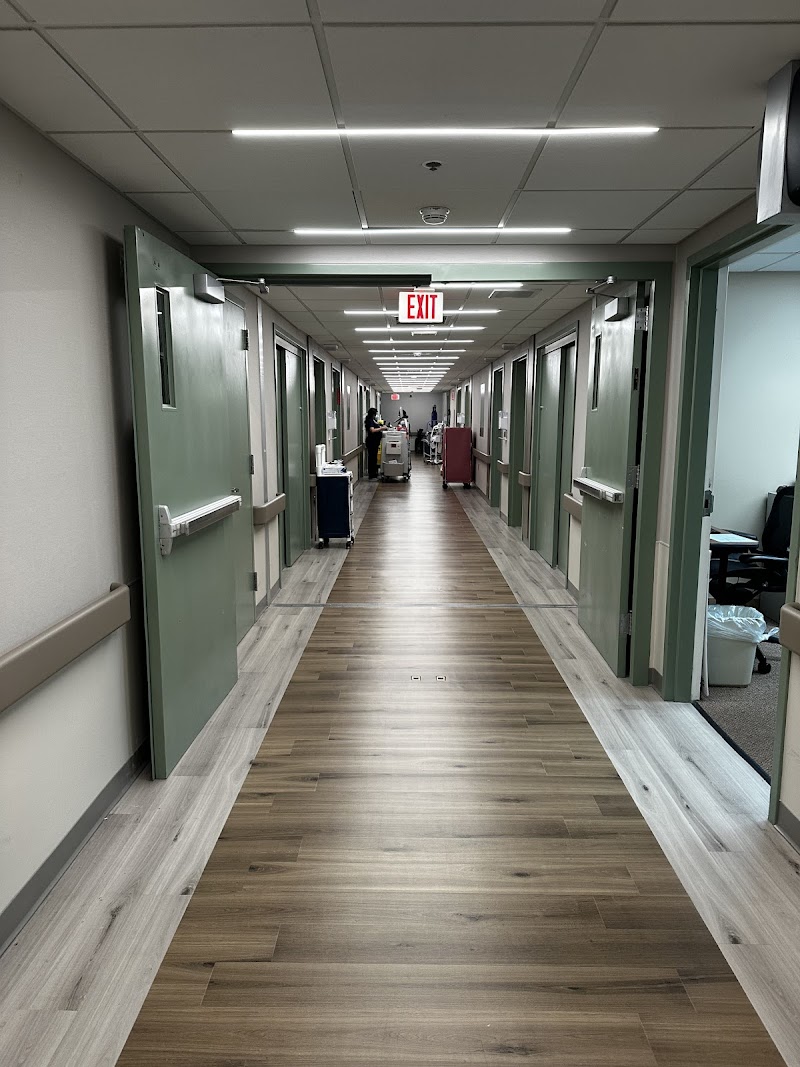
How is Loudoun Rehabilitation And Nursing Center Staffed?

CMS rates LOUDOUN REHABILITATION AND NURSING CENTER's staffing level at 3 out of 5 stars, which is average compared to other nursing homes. Staff turnover is 31%, compared to the Virginia average of 46%. This relatively stable workforce can support continuity of care.

What Have Inspectors Found at Loudoun Rehabilitation And Nursing Center?

State health inspectors documented 76 deficiencies at LOUDOUN REHABILITATION AND NURSING CENTER during 2019 to 2025. These included: 2 Immediate Jeopardy (the most serious level, indicating potential for serious harm or death), 1 that caused actual resident harm, 72 with potential for harm, and 1 minor or isolated issues. Immediate Jeopardy findings are rare and represent the most serious regulatory concerns. They require immediate corrective action.
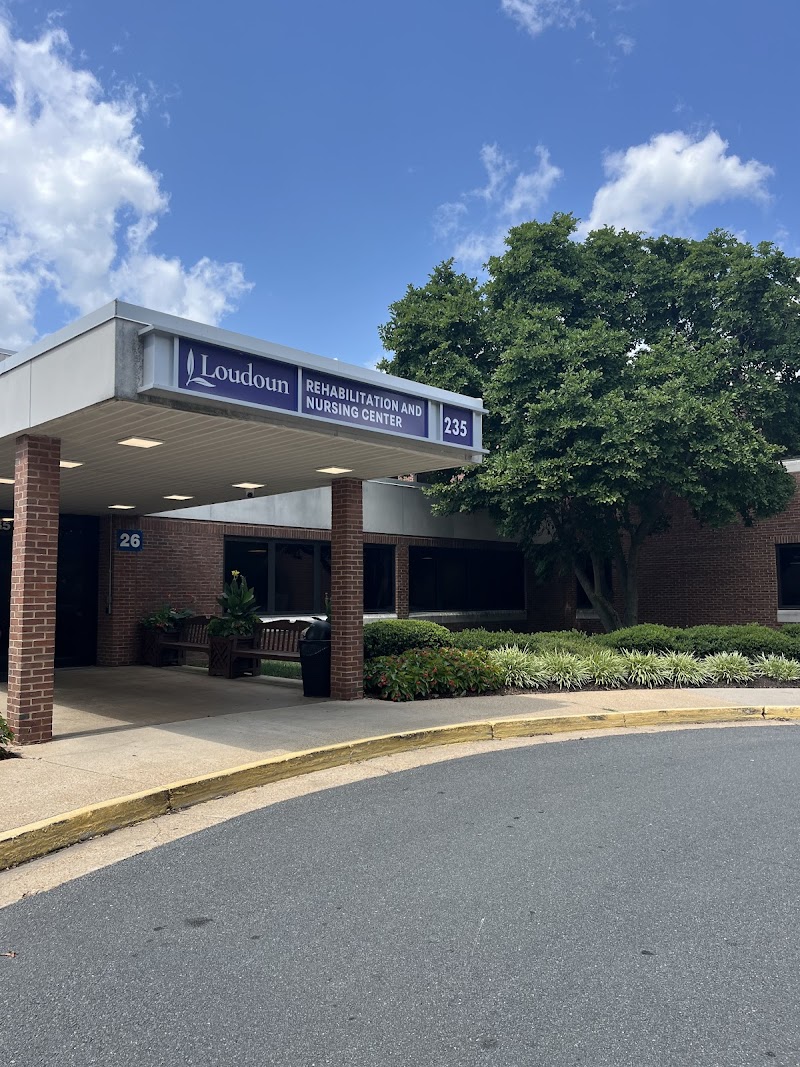
Who Owns and Operates Loudoun Rehabilitation And Nursing Center?

LOUDOUN REHABILITATION AND NURSING CENTER is owned by a for-profit company. For-profit facilities operate as businesses with obligations to shareholders or private owners. The facility operates independently rather than as part of a larger chain. With 100 certified beds and approximately 92 residents (about 92% occupancy), it is a mid-sized facility located in LEESBURG, Virginia.
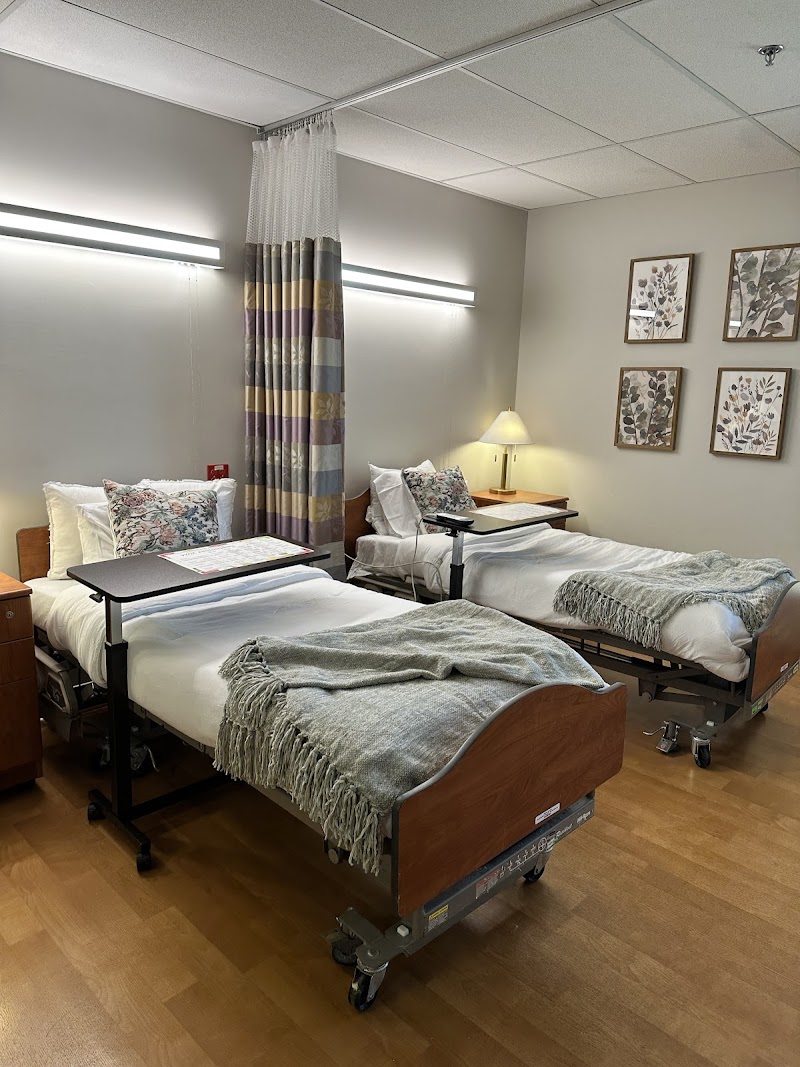
How Does Loudoun Rehabilitation And Nursing Center Compare to Other Virginia Nursing Homes?

Compared to the 100 nursing homes in Virginia, LOUDOUN REHABILITATION AND NURSING CENTER's overall rating (2 stars) is below the state average of 3.0, staff turnover (31%) is significantly lower than the state average of 46%, and health inspection rating (1 stars) is much below the national benchmark.

What Should Families Ask When Visiting Loudoun Rehabilitation And Nursing Center?

Based on this facility's data, families visiting should ask: "What changes have been made since the serious inspection findings, and how are you preventing similar issues?" "Can I visit during a mealtime to observe dining assistance and food quality?" "How do you handle medical emergencies, and what is your hospital transfer rate?" "Can I speak with family members of current residents about their experience?" These questions are particularly relevant given the facility's Immediate Jeopardy citations.

Is Loudoun Rehabilitation And Nursing Center Safe?

Based on CMS inspection data, LOUDOUN REHABILITATION AND NURSING CENTER has documented safety concerns. Inspectors have issued 2 Immediate Jeopardy citations (the most serious violation level indicating risk of serious injury or death). The facility has a 2-star overall rating and ranks #100 of 100 nursing homes in Virginia. Families considering this facility should ask detailed questions about what corrective actions have been taken since these incidents.

Do Nurses at Loudoun Rehabilitation And Nursing Center Stick Around?

LOUDOUN REHABILITATION AND NURSING CENTER has a staff turnover rate of 31%, which is about average for Virginia nursing homes (state average: 46%). Moderate turnover is common in nursing homes, but families should still ask about staff tenure and how the facility maintains care continuity when employees leave.

Was Loudoun Rehabilitation And Nursing Center Ever Fined?

LOUDOUN REHABILITATION AND NURSING CENTER has been fined $101,928 across 3 penalty actions. This is 3.0x the Virginia average of $34,098. Fines at this level are uncommon and typically indicate a pattern of serious deficiencies, repeated violations, or failure to correct problems promptly. CMS reserves penalties of this magnitude for facilities that pose significant, documented risk to resident health or safety. Families should request specific documentation of what issues led to these fines and what systemic changes have been implemented.

Is Loudoun Rehabilitation And Nursing Center on Any Federal Watch List?

LOUDOUN REHABILITATION AND NURSING CENTER is not on any federal watch list. The most significant is the Special Focus Facility (SFF) program, which identifies the bottom 1% of nursing homes nationally based on persistent, serious quality problems. Not being on this list means the facility has avoided the pattern of deficiencies that triggers enhanced federal oversight. This is a positive indicator, though families should still review the facility's inspection history directly.