LOUISA HEALTH & REHABILITATION CENTER
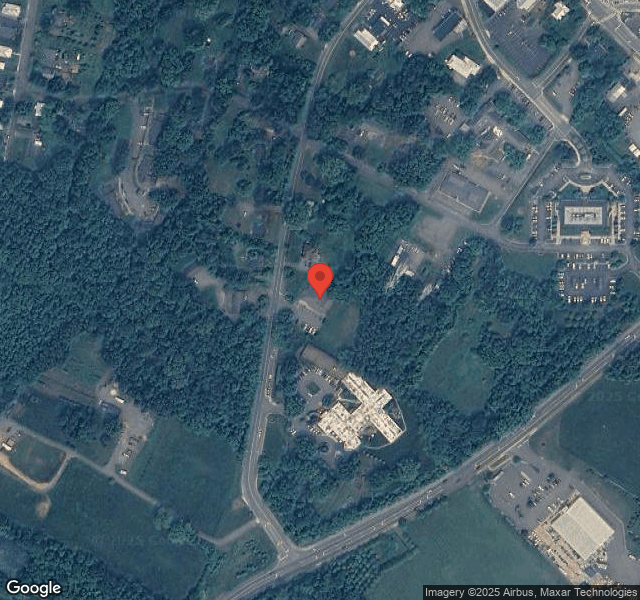

210 ELM STREET, LOUISA, VA 23093 (540) 967-2250
For profit - Limited Liability company 90 Beds LIFEWORKS REHAB Data: November 2025
Trust Grade
50/100
#202 of 285 in VA
Last Inspection: January 2023

Over 2 years since last inspection. Current conditions may differ from available data.

Overview

Louisa Health & Rehabilitation Center has a Trust Grade of C, which means it is average, placing it in the middle of the pack among nursing homes. It ranks #202 out of 285 facilities in Virginia, indicating it is in the bottom half, but it is the only option in Louisa County. The facility is improving, with the number of issues identified decreasing from 10 in 2023 to 2 in 2025. Staffing is a concern, rated at 1 out of 5 stars, and has a turnover rate of 50%, which is average but still high. Although there have been no fines, which is a positive sign, there have been specific concerns, including delays in responding to call bells, a lack of wound care orders for a resident with pressure ulcers, and inadequate care planning for a resident with multiple health issues. Overall, while there are strengths such as no fines and improvements in compliance, families should be aware of staffing challenges and specific care concerns.

Trust Score
C
50/100
In Virginia
#202/285
Bottom 30%
Safety Record
Low Risk
No red flags
Inspections
Getting Better
10 → 2 violations
Staff Stability
⚠ Watch
50% turnover. Above average. Higher turnover means staff may not know residents' routines.
Penalties
✓ Good
No fines on record. Clean compliance history, better than most Virginia facilities.
Skilled Nurses
⚠ Watch
Each resident gets only 25 minutes of Registered Nurse (RN) attention daily — below average for Virginia. Fewer RN minutes means fewer trained eyes watching for problems.
Violations
⚠ Watch
22 deficiencies on record. Higher than average. Multiple issues found across inspections.
★★☆☆☆
2.0
Overall Rating
★☆☆☆☆
1.0
Staff Levels
★★★★☆
4.0
Care Quality
★★★☆☆
3.0
Inspection Score
Stable
2023: 10 issues
2025: 2 issues

The Good

  • 4-Star Quality Measures · Strong clinical quality outcomes
  • Full Sprinkler Coverage · Fire safety systems throughout facility
  • No fines on record

Facility shows strength in quality measures, fire safety.

The Bad

2-Star Overall Rating

Below Virginia average (3.0)

Below average - review inspection findings carefully

Staff Turnover: 50%

Near Virginia avg (46%)

Higher turnover may affect care consistency

Chain: LIFEWORKS REHAB

Part of a multi-facility chain

Ask about local staffing decisions and management

The Ugly 22 deficiencies on record

May 2025 2 deficiencies
CONCERN (D) 📢 Someone Reported This

A family member, employee, or ombudsman was alarmed enough to file a formal complaint

Potential for Harm - no one hurt, but risky conditions existed

Notification of Changes (Tag F0580)

Could have caused harm · This affected 1 resident

**NOTE- TERMS IN BRACKETS HAVE BEEN EDITED TO PROTECT CONFIDENTIALITY** Based on staff interview, facility document review and clinical record review, the facility staff failed to notify the family/re...

Read full inspector narrative →
**NOTE- TERMS IN BRACKETS HAVE BEEN EDITED TO PROTECT CONFIDENTIALITY** Based on staff interview, facility document review and clinical record review, the facility staff failed to notify the family/responsible party of a fall with injury for one of eight residents in the survey sample (Resident #5). The findings include: Resident #5 (R5) was admitted to the facility with diagnoses that included diabetes, chronic kidney disease, osteoporosis, hypertension, depression, and gastroesophageal reflux disease. The minimum data set (MDS) dated [DATE] assessed R5 with severely impaired cognitive skills. R5's clinical record documented a nursing note dated 4/4/25 stating, .Nurse was in the room across the hall performing wound care when Nurse was alerted to Resident being on the floor. Resident was observed on the floor on the right side of the bed in between the bed and the wall .upon assessment there was one skin tear on right elbow. Unit Manager notified, NP [nurse practitioner] notified new orders to cleanse Rt elbow skin tears with wound cleanser apply Xeroform and cover with bordered gauze QD [each day] . The clinical record documented no notification to the resident's responsible party regarding the fall. On 5/27/25 at 2:10 p.m., licensed practical nurse (LPN #4) caring for R5 on 4/4/25 was interviewed. LPN #4 stated R5 rolled out of bed on 4/4/25 and she assessed the resident following the fall with a skin tear on the right elbow. LPN #4 stated she notified the unit manager and the nurse practitioner and obtained orders for care of the skin tear. LPN #4 stated she thought the resident was her own responsible party and did not notify the resident's family member/emergency contact listed on the face sheet. On 5/27/25 at 2:15 p.m., the unit manager (LPN #5) on R5's unit was interviewed. LPN #5 reviewed the clinical record and stated there was no family notification regarding the 4/4/25 fall. LPN #5 stated concerning the notification, That wasn't handled the way it should have been. LPN #5 stated R5's family should have been called and notified immediately regarding the fall/injury. On 5/27/25 at 3:45 p.m., the administrator was interviewed about R5's fall on 4/4/25. The administrator stated LPN #4 did not reach out to the family about the incident and injury of 4/4/25. The administrator stated LPN #4 should have notified the family/responsible party regarding the fall. The facility's policy titled Significant Change of Condition (effective 1/29/24) documented, .A licensed nurse will assess the patient for signs and symptoms of change of condition .Notify provider and document in Progress Notes .Responsible party will be notified of a change in condition . On 5/28/25 at 1:15 p.m., the administrator and regional nurse consultant stated a plan of correction had been implemented in response to the failure to notify R5's family following the fall. The following plan of correction was presented. Problem -Nurse did not notify the responsible party of a fall. Actions taken included: - R5's responsible party was notified of the fall. A meeting was conducted on 4/7/25 with R5's family members and facility administration to discuss family concerns that included the notification failure. -All residents were identified to have the potential to be affected by failure to notify of changes in condition. - LPN #4 was educated and issued corrective action/warning on 4/15/25 regarding failure to notify R5's family of the fall. - In-service education was provided by director of nursing (DON) and/or designee to all nursing staff on 5/1/25 regarding notification to the physician and responsible party following falls and/or changes in condition. Additional training was conducted on 5/12/24 with all nursing staff that included requirements to notify family/responsible party of falls, incidents and changes in condition. - The DON or designee will complete responsible party notification audit during daily clinical meeting for 6 weeks and then randomly during clinical meetings to ensure prompt notifications to the responsible party. - Audit results will be reported to the monthly quality assurance committee for review/discussion until quality assurance committee deems actions taken ensure compliance. - Date of correction was 5/14/25. The survey team verified actions taken. R5's clinical record documented the family meeting was held on 4/7/25 with the notification failure discussed/reviewed with R5's family. Signature sheets documented education and corrective action warning with LPN #4 and all other nurses. Audits sheets were documented and ongoing from the daily clinical meetings regarding notifications. Two current residents that had experienced falls since the correction date of 5/14/25 were added to the survey sample (Residents #7 and #8). Notifications to the residents' family/responsible party were documented in the clinical record following the falls with no deficiency identified since the correction date. The survey team accepted the plan of correction and cited this deficiency as past non-compliance.
CONCERN (D) 📢 Someone Reported This

A family member, employee, or ombudsman was alarmed enough to file a formal complaint

Potential for Harm - no one hurt, but risky conditions existed

Medical Records (Tag F0842)

Could have caused harm · This affected 1 resident

Based on staff interview, clinical record review, and facility document review, the facility staff failed to ensure a complete and accurate clinical record for one of eight residents in the survey sam...

Read full inspector narrative →
Based on staff interview, clinical record review, and facility document review, the facility staff failed to ensure a complete and accurate clinical record for one of eight residents in the survey sample (Resident #3, R3). The findings include: Medication Administration Record (MAR) was not documented on multiple times for the month of August 2024. Diagnoses for R3 included: Dementia, peripheral vascular disease, neuropathy, and diabetes. The most current MDS (minimum data set) was a quarterly assessment with an ARD (assessment reference date) of 4/7/2025. R3 was assessed as being cognitively intact. Review of R3's medication orders documented an order dated 8/14/24 that read: Gabapentin Capsule 100 MG [milligrams] Give 2 capsules by mouth three times a day for Neuropathy. Review of R3's MAR for the month of August 2024 did not indicate the medication had been signed off as being given on 8/14/24 for the 2:00 p.m. dose and the 9:00 p.m. dose, and also not signed off as being given on 8/15/24 for the 9:00 a.m. dose and the 2:00 p.m. dose. On 5/28/25 at 12:00 p.m. the facility's nurse consultant (administrative staff, AS #2) was interviewed. AS #2 verbalized the nurse that was giving medications on the days in question was no longer employed at the facility. AS #2 was able to provide narcotic sign out sheet indicating that the medication in question was signed off for distribution for R3, however did agree that the medication was not signed off on the MAR indicating that it had been given. A policy titled General Guidelines for Medication Administration read in part: IV. Documentation 1. The individual who administers the medication dose records the administration the resident's MAR directly after the medication is given. At the end of each medication pass, the person administering the medication reviews the MAR to ensure the necessary doses were administered and documented. In no case should the individual who administered the medication report off-duty without first recording the administration of any medications. On 5/28/25 at 1:30 p.m. the above information was presented to the administrator. No other information was presented prior to exit conference on 5/28/25.
Jan 2023 10 deficiencies
CONCERN (D) 📢 Someone Reported This

A family member, employee, or ombudsman was alarmed enough to file a formal complaint

Potential for Harm - no one hurt, but risky conditions existed

Notification of Changes (Tag F0580)

Could have caused harm · This affected 1 resident

**NOTE- TERMS IN BRACKETS HAVE BEEN EDITED TO PROTECT CONFIDENTIALITY** Based on staff interview, clinical record review, and facility document review, the facility staff failed to notify the physicia...

Read full inspector narrative →
**NOTE- TERMS IN BRACKETS HAVE BEEN EDITED TO PROTECT CONFIDENTIALITY** Based on staff interview, clinical record review, and facility document review, the facility staff failed to notify the physician and the RP (responsible party) of a change in resident status for one of 24 residents, Resident #79. Findings were: Added to the survey sample as a closed record review, Resident #79 was admitted to the facility for Respite care after being discharged from a local hospital. At the time of the discharge from the hospital, Resident #79's family/caretakers were sick with the flu and in his best interest, had him admitted to the facility until the family illness passed. Resident #79's diagnoses included but were not limited to dementia with agitation, severe protein-calorie malnutrition, type 2 diabetes mellitus, mild cognitive impairment, adult failure to thrive, coronary artery disease, alpha thalassemia minor, prostate cancer, and major depression. An admission MDS (minimum data set) with an ARD (assessment reference date) of 11/10/2022, assessed Resident #79 as severely impaired in daily decision making, with a cognitive summary score of 00, out of 15. The clinical record was reviewed on 01/24/2023. Resident #79 had two skin assessments completed while in the facility. The first skin assessment dated [DATE] documented his skin as warm and dry with the following note: no impairments observed to sacrum or feet/heels, unable to examine entire body due to resident resisting care and refusing. resident stiffens arms and does not let staff remove clothes.[sic] The second skin assessment, written by RN (registered nurse) #1 and dated 11/12/2022, documented bruising to Resident #79's abdomen, left upper arm, rib area on the left side, and the right upper arm. His skin was described as warm and dry with the following note: Pt has bruisin on his left side front he upper arm down the left side to the abdomen and left hop. There is also a small bruise on his upper right arm. All are purplish with yellow and green beginning to fade. [sic] There was no documentation in the clinical record that the physician or the RP had been notified of the bruises that were identified. On 01/24/2023 at approximately 4:00 p.m., the administrator was asked for any investigation completed regarding the above information. She presented a folder and stated, We identified that we did not document appropriately. The FRI (facility reported incident) was reviewed. The conclusion on the FRI was Staff interviews reveal that [Resident #79] was not cooperative with staff during initial skin assessment. Staff reports he would not allow them to visualize his upper body including but not limited to: his pelvic and pubic area, trunk area, upper arms, or back. He refused to remove his shirts and jacket Our internal investigation was completed which included record review and staff interviews. The [local police] were notified and have been in to investigate the incident .There are no documented falls since admission, the first time the bruises were visualized by our staff was on Monday, November 7th. Due to his unwillingness for our staff to look at his body, this was not recorded timely .At this time we cannot determine the true origin of these old and fading bruises, however we have no suspicion of abuse in this investigation. Staff who cared for Resident #79 during his time at the facility were interviewed on 01/25/2023 and 01/26/2023. Interviews revealed that CNA (certified nursing assistant) #1 observed bruising to Resident #79 on 11/07/2022 and 11/12/2022. RN #1 observed bruising on 11/12/2022 and CNA #3 observed bruising on the weekend of 11/05/2022 through 11/06/2022. CNA #3 reported that she had reported the bruising to LPN #1, but LPN #1 stated in her interview that she had never seen the bruising and was not aware of it. When asked if she had attempted to do skin assessments on Resident #79 at anytime other than his admission, LPN #1 stated, Yes, I did .I probably didn't communicate that it wasn't done and I probably should have. The bruising was not reported to the physician or the RP prior to the RP's arrival at the facility on 11/14/2022 when she observed the bruising first hand. The DON was interviewed at 10:40 a.m. regarding the above interviews and findings. Asked what should have occurred, the DON stated, Someone should have reported the bruises to me, the administrator or the unit manager. I didn't know about the bruises until the day his daughter was here. I knew he was agitated but I didn't know he wasn't allowing skin assessments while he was here .that should have been reported to me too. Asked if the physician and the RP should have been notified of the bruising and the resident's refusal to have skin assessments, the DON stated, Yes, they should have been notified when it first happened. No further information was obtained prior to the exit conference on 01/26/2023.
CONCERN (D) 📢 Someone Reported This

A family member, employee, or ombudsman was alarmed enough to file a formal complaint

Potential for Harm - no one hurt, but risky conditions existed

Abuse Prevention Policies (Tag F0607)

Could have caused harm · This affected 1 resident

**NOTE- TERMS IN BRACKETS HAVE BEEN EDITED TO PROTECT CONFIDENTIALITY** Based on staff interview, clinical record review, and facility document review, the facility staff failed to follow their abuse ...

Read full inspector narrative →
**NOTE- TERMS IN BRACKETS HAVE BEEN EDITED TO PROTECT CONFIDENTIALITY** Based on staff interview, clinical record review, and facility document review, the facility staff failed to follow their abuse policies for reporting injuries of unknown origin (bruises) for one of 24 residents, Resident #79. Findings were: Added to the survey sample as a closed record review, Resident #79 was admitted to the facility for Respite care after being discharged from a local hospital. At the time of his discharge from the hospital, his family/caretakers were sick with the flu and in his best interest, had him admitted to the facility until the family illness passed. His diagnoses included but were not limited to dementia with agitation, severe protein-calorie malnutrition, type 2 diabetes mellitus, mild cognitive impairment, adult failure to thrive, coronary artery disease, alpha thalassemia minor, prostate cancer, and major depression. An admission MDS (minimum data set) with an ARD (assessment reference date) of 11/10/2022, assessed Resident #79 as severely impaired with a cognitive summary score of 00 out of 15. The clinical record was reviewed on 01/24/2023. The initial admission assessment dated [DATE] was reviewed. Under the section 13, Skin Observations the following was observed: Did the head to toe skin assessment on admission reveal any skin conditions or impairments? NO; General Skin Condition: Warm, dry; Comments: (No entries were made regarding Resident #79's skin). The admission narrative note contained the following: resident arrived at facility via stretcher from [hospital] alert and oriented X 1. pureed diet, takes meds crushed in applesauce. fall risk, not compliant in using call light for assistance. Resident #79 had two skin assessments completed while in the facility. The first skin assessment dated [DATE] documented his skin as warm and dry with the following note: no impairments observed to sacrum or feet/heels, unable to examine entire body due to resident resisting care and refusing. resident stiffens arms and does not let staff remove clothes. Both the initial admission assessment and the first skin assessment were completed by LPN (Licensed Practical Nurse) #4. The second skin assessment written by RN (registered nurse) #1 and dated 11/12/2022 documented bruising to Resident #79's abdomen, left upper arm, rib area on the left side and the right upper arm. His skin was described as warm and dry with the following note: Pt has bruisin on his left side front he upper arm down the left side to the abdomen and left hop. There is also a small bruise on his upper right arm. All are purplish with yellow and green beginning to fade.(sic) A progress note dated 11/14/2022 and written by the DON was the first note to contain information regarding bruising to Resident #79: This morning between 10-10:15 am, the resident's daughter .approached the nurses station and reported that she would be taking her dad home tomorrow. It had been reported at the time of admission that he would be discharged home with his daughter when she got over the flu, so this came as no surprise. Shortly after going to his room, she requested someone come in the room with her. Upon entering the room, noted a CNA [Certified Nursing Assistant] in addition to [daughter's name] being in the room. [Daughter's name] was crying and hard to console. She stated that her dad had bruises and he was wet. DON assessed [Resident #79's] skin to fine [sic] that he had bruising to the LLQ [left lower quadrant of abdomen] of his abdomen radiating to his left hip, bruising to L [left] upper arm and also to right antecubital areas. She stated that she was taking her dad home today. She was visibly and verbally upset and accusatory. DON told her that an internal investigation will be initiated. The DON assisted with putting [Resident #79's] pants on and left the room. [Attending physician's name redacted]) was notified of [daughter's name] taking her dad home today. Hospice .was notified as well. On 01/24/2023 at approximately 4:00 p.m., the administrator was asked for any facility account completed regarding the above information. She presented a folder and stated, We identified that we did not document appropriately. The facility synopsis concluded, Staff interviews reveal that [Resident #79] was not cooperative with staff during initial skin assessment. Staff reports he would not allow them to visualize his upper body including but not limited to: his pelvic and pubic area, trunk area, upper arms, or back. He refused to remove his shirts and jacket Our internal investigation was completed which included record review and staff interviews. The [local police] were notified and have been in to investigate the incident .There are no documented falls since admission, the first time the bruises were visualized by our staff was on Monday, November 7th. Due to his unwillingness for our staff to look at his body, this was not recorded timely .At this time we cannot determine the true origin of these old and fading bruises, however we have no suspicion of abuse in this investigation. Staff who cared for Resident #79 during his time at the facility were interviewed on 01/25/2023 and 01/26/2023. Interviews revealed that several staff had observed the bruised areas of Resident #79. CNA #1 observed bruising to Resident #79 on 11/07/2022 and 11/12/2022. RN #1 observed bruising on 11/12/2022 and CNA #3 observed bruising on the weekend of 11/05/2022-11/06/2022. When questioned, CNA #1 stated, I gave him a shower over the weekend, [redacted Name of RN #1] came in there with me .he still had the bruises and she didn't say anything about them. When asked if bruising was something that should be reported, CNA #1 stated, Yes, I should have told the nurse when I saw them the first time. When questioned, RN #1 stated, Normally we report things like that to the doctor and the RP [responsible party] .I didn't look to see if it had already been reported or not. At approximately 4:00 p.m., RN #1 reported that she could not find the weekend report for November twelfth and did not know if the bruising had been reported on it or not. CNA #3 stated that she had reported the bruising to LPN #1, but LPN #1 stated in her interview that she had never seen the bruising and was not aware of it. When asked if she had attempted to do skin assessments on Resident #79 at anytime other than his admission, LPN #1 stated, Yes, I did .I probably didn't communicate that it wasn't done and I probably should have. Per the facility policy Abuse/Neglect/Misappropriation/Crime, A licensed nurse will immediately respond to all allegations and/or reasonable suspicions of staff to patient, patient to patient, and/or visitor to patient, abuse, neglect, mistreatment, exploitation, or an misappropriation of patient property or crime against a patient. All alleged violations involving abuse, neglect, exploitation or mistreatment, including injuries of unknown source .are to be reported immediately . The facility policy Injuries of Unknown Origin contained the following: Injuries of unknown origin will be handled the same as an allegation of mistreatment, neglect, or abuse and must be reported to the center Administrator. The DON was interviewed at 10:40 a.m. regarding the above interviews and findings. She was asked what should have occurred. The DON stated, Someone should have reported the bruises to me, the administrator or the unit manager. I didn't know about the bruises until the day his daughter was here. I knew he was agitated but I didn't know he wasn't allowing skin assessments while he was here .that should have been reported to me too. No further information was obtained prior to the exit conference on 01/26/2023.
CONCERN (D) 📢 Someone Reported This

A family member, employee, or ombudsman was alarmed enough to file a formal complaint

Potential for Harm - no one hurt, but risky conditions existed

Report Alleged Abuse (Tag F0609)

Could have caused harm · This affected 1 resident

**NOTE- TERMS IN BRACKETS HAVE BEEN EDITED TO PROTECT CONFIDENTIALITY** Based on staff interview, clinical record review and facility document review, the facility staff failed to report an injury of ...

Read full inspector narrative →
**NOTE- TERMS IN BRACKETS HAVE BEEN EDITED TO PROTECT CONFIDENTIALITY** Based on staff interview, clinical record review and facility document review, the facility staff failed to report an injury of unknown origin to the administrator for one of 24 residents (Resident #79). Bruising that was observed on Resident #79's abdomen, hip, and arms by several nursing staff was not reported to the administrator or the DON (director of nursing) until the day of discharge from the facility. Findings were: Added to the survey sample as a closed record review, Resident #79 was admitted to the facility on [DATE] for Respite care, after being discharged from a local hospital. At the time of his discharge from the hospital, his family/caretakers were sick with the flu and in his best interest, had him admitted to the facility until the family illness passed. His diagnoses included but were not limited to: dementia with agitation, severe protein-calorie malnutrition, type 2 diabetes mellitus, mild cognitive impairment, adult failure to thrive, coronary artery disease, alpha thalassemia minor, prostate cancer, and major depression. An admission MDS (minimum data set) with an ARD (assessment reference date) of 11/10/2022, assessed Resident #79 as severely impaired for daily decision making, with a cogntive summary score of 00 out of 15. The clinical record was reviewed on 01/24/2023. On the initial admission assessment dated [DATE], under section 13. Skin Observations, the following documentation was observed, Did the head to toe skin assessment on admission reveal any skin conditions or impairments? NO; General Skin Condition: Warm, dry. Under Comments, no entries were made regarding Resident #79's skin. The admission narrative note contained the following: resident arrived at facility via stretcher from (hospital) alert and oriented X 1. pureed diet, takes meds crushed in applesauce. fall risk, not compliant in using call light for assistance. Resident #79 had two skin assessments completed during the 11/4/22-11/15/22 stay in the facility. The first skin assessment dated [DATE] documented his skin as warm and dry, along with this note: no impairments observed to sacrum or feet/heels, unable to examine entire body due to resident resisting care and refusing. resident stiffens arms and does not let staff remove clothes. Both the initial admission assessment and the first skin assessment were completed by LPN (Licensed Practical Nurse) #4. The second skin assessment written by RN (registered nurse) #1 and dated 11/12/2022 documented bruising to Resident #79's abdomen, left upper arm, rib area on the left side and the right upper arm. His skin was described as warm and dry with the following note: Pt has bruisin on his left side front he upper arm down the left side to the abdomen and left hop. There is also a small bruise on his upper right arm. All are purplish with yellow and green beginning to fade.[SIC] The progress note section was also reviewed. A medical note written on 11/05/2022 by the NP (nurse practitioner) described Resident #79's skin as Dry, intact. Throughout the progress note section regarding Resident #79's behaviors, i.e. hitting staff, hitting medication out of nurse's hands, going into other patient rooms, wandering, refusing medications, requiring redirection from staff, urinating in trash cans and other inappropriate places. His aggressive behaviors escalated to the point that PRN (as needed) Haldol was ordered. There was no documentation in the progress note section regarding staff attempting to do skin assessments and Resident #79 refusing, no documentation regarding the bruising documented on the skin assessment dated [DATE], and subsequently no documentation of this occurrence being reported. A progress note dated 11/14/2022 and written by the DON was the first note to contain information regarding bruising to Resident #79: This morning between 10-10:15 am, the resident's daughter .approached the nurses station and reported that she would be taking her dad home tomorrow. It had been reported at the time of admission that he would be discharged home with his daughter when she got over the flu, so this came as no surprise. Shortly after going to his room, she requested someone come in the room with her. Upon entering the room, noted a CNA in addition to [daughter's name redacted] being in the room. [Daughter's name redacted] was crying and hard to console. She stated that her dad had bruises and he was wet. DON assessed [Resident #79's name] skin to fine (sic) that he had bruising to the LLQ [left lower quadrant] of his abdomen radiating to his left hip, bruising to L [left] upper arm and also to right antecubital areas. She stated that she was taking her dad home today. She was visibly and verbally upset and accusatory. DON told her that an internal investigation will be initiated. The DON assisted with putting [Resident #79's name] pants on and left the room. [Attending physician redacted] was notified of [Resident's daughter] taking her dad home today. Hospice .was notified as well. (sic) On 01/24/2023 at approximately 4:00 p.m., the administrator was asked for any facility account completed regarding the above findings. She presented a folder and stated, We identified that we did not document appropriately. The facility synopsis concluded, Staff interviews reveal that [Resident #79] was not cooperative with staff during initial skin assessment. Staff reports he would not allow them to visualize his upper body including but not limited to: his pelvic and pubic area, trunk area, upper arms, or back. He refused to remove his shirts and jacket Our internal investigation was completed which included record review and staff interviews. The [local police] were notified and have been in to investigate the incident .There are no documented falls since admission, the first time the bruises were visualized by our staff was on Monday, November 7th. Due to his unwillingness for our staff to look at his body, this was not recorded timely .At this time we cannot determine the true origin of these old and fading bruises, however we have no suspicion of abuse in this investigation. Staff who cared for Resident #79 during his time at the facility were interviewed on 01/25/2023 and 01/26/2023. The following information was obtained: CNA #1 was interviewed at 2:55 p.m. on 01/25/2023. She was asked if she remembered Resident #79 and whether or not she had seen any bruising on his person. She acknowledged that she remembered the resident and had taken care of him. She stated, The first time I took care of him was on November seventh .I went in his room to help his roommate and [Resident #79] needed to go to the restroom. I helped him in there and I was able to get him fully undressed and get some clean clothes on him. I saw his bruises then. She was asked to describe what she saw. CNA #1 stated, They [the bruises] were on his lower abdomen and spread to his hip, they looked old to me, purplish-green color. They were also on his left arm I didn't ask him what happened, he didn't act like they hurt while I was cleaning him up. She was asked if she reported the bruising to anyone. She stated, I didn't ask anyone about it or tell anyone .I thought the nurses already knew about it because he had been here for a few days. CNA #1 also stated, I gave him a shower over the weekend, [redacted Name of RN #1] came in there with me .he still had the bruises and she didn't say anything about them. When asked if bruising was something that should be reported, CNA #1 stated, Yes, I should have told the nurse when I saw them the first time. RN #1 was interviewed at 3:20 p.m. She was asked about the bruising she had documented on the skin assessment sheet dated 11/12/2022. She stated that she had gone into the shower room with CNA #1 on 11/12/2022 to assist her with Resident #79's shower. She stated that was the first time she had seen the bruises. She described the areas as, yellowish, dark purple in the middle, yellow at the edges. When asked if she reported what she had observed, RN #1 stated, I don't know if I reported it or not .I was the weekend supervisor .I do a weekend report for the DON, the administrator, and the unit manager. I'll have to see if I put it on there. She was asked if the bruising had been reported previously. RN #1 stated, Normally we report things like that to the doctor and the RP [responsible party] .I didn't look to see if it had already been reported or not. At approximately 4:00 p.m., RN #1 reported that she could not find the weekend report for November twelfth and did not know if the bruising had been reported on it or not. The nurse practitioner (NP) who completed Resident #79's medical admission note on 11/05/2022 was interviewed over the telephone at approximately 4:00 p.m. Asked if during his assessment had he visualized Resident #79's abdomen, the NP stated, Yes, I assessed him. He was asked if he had observed any bruising. The NP stated, No, I did not see that, if I had, it would be documented, there was no bruising. On 01/26/2023 at 10:00 a.m., LPN #1 who completed the admission assessment on 11/04/2022 and the first skin assessment on 11/05/2022, was interviewed. She stated that Resident #79 was resistive to care. LPN #1 stated, He [Resident #79] wore a long jacket that came down below his brief .he held it down and wouldn't let you take it off of him .he didn't usually wear pants, just his brief but he kept his jacket pulled down. She was asked if she had attempted to do skin assessments on Resident #79 at anytime other than his admission. LPN #1 stated, Yes, I did .I probably didn't communicate that it wasn't done and I probably should have. When asked if anyone had told her about Resident #79's bruising, LPN #1 stated, No. Interviewed at 10:25 a.m., CNA #3 stated that she saw the bruises the weekend after Resident #79 was admitted , which she clarified was the weekend of November 5th-6th. CNA #3 stated, I saw the bruises when he was in the bathroom .they were on his side, I don't remember which side, maybe the left. I don't remember the color but they weren't dark. She was asked if she had reported her observation to anyone. She stated, Yes, I told [Name of LPN #1 redacted] .she said she would have the unit manager go look at his skin with her. The DON was interviewed at 10:40 a.m. regarding the above interviews and findings. She was asked what should have occurred. The DON stated, Someone should have reported the bruises to me, the administrator or the unit manager. I didn't know about the bruises until the day his daughter was here. I knew he was agitated but I didn't know he wasn't allowing skin assessments while he was here .that should have been reported to me too. A meeting was held with the DON and the administrator prior to the exit conference on 01/26/2023. Concerns were voiced that at least three staff members had observed bruising on Resident #79 and no one had reported it to the DON, the administrator, the physician, or the RP nor had anyone reported that Resident #79 was not allowing skin assessments. The DON presented information that nursing staff had been reeducated on skin assessments and all staff had been educated on abuse and reporting. The administrator was asked if residents in house had been assessed for skin impairments, reporting findings, etc. The DON stated, No, we just did some education. No further information was obtained prior to the exit conference on 01/26/2023.
CONCERN (D)

Potential for Harm - no one hurt, but risky conditions existed

Drug Regimen Review (Tag F0756)

Could have caused harm · This affected 1 resident

**NOTE- TERMS IN BRACKETS HAVE BEEN EDITED TO PROTECT CONFIDENTIALITY** 2. Resident #24 was admitted to the facility with the following diagnoses, including but not limited to: generalized anxiety dis...

Read full inspector narrative →
**NOTE- TERMS IN BRACKETS HAVE BEEN EDITED TO PROTECT CONFIDENTIALITY** 2. Resident #24 was admitted to the facility with the following diagnoses, including but not limited to: generalized anxiety disorder, hypertension, dementia without behavioral disturbances, major depressive disorder, delusional disorder, and pressure ulcer of the sacral region. The most recent MDS (minimum data set) was a quarterly assessment with an ARD (assessment reference date) of 12/18/2022. Resident #24 was assessed as severely impaired in daily decision making, with a cognitive summary score of 04 out of 15. The clinical record was reviewed on 01/25/2023 at approximately 11:00 a.m. A Consultant Pharmacist Recommendation to Physician form with a medical record review date of 12/15/2022 contained the following: Federal guidelines state antipsychotic drugs should have an attempt at a gradual dose reduction (GDR) twice per year for the first year in 2 different quarters with at least 1 month between attempts, then annually thereafter. This resident has been taking ABILIFY 20 MG HS (hour of sleep) since 6/2022 without a GDR. Could we attempt a dose reduction at this time to 15 MG HS to verify the resident is on the lowest possible dose? If not, please indicate response below . Five choices were listed for the physician to choose as the response. Resident #24's physician chose: Reduce the dose of ABILIFY to: 15 mg. The form was signed by the physician on 01/19/2023. The physician order section of the clinical record was reviewed. Current orders for Abilify were: ARIPiprazole (generic ABILIFY) Tablet 10 MG Give 2 tablets by mouth at bedtime for psychosis related to GENERALIZED ANXIETY DISORDER; DELUSIONAL DISORDERS; MAJOR DEPRESSIVE DISORDER . The DON (Director of nursing) was interviewed on 01/25/2023 at approximately 1:00 p.m. regarding Resident #24's Abilify orders. After reviewing the form from the pharmacy and the physician response, the DON stated, I see what happened. The DON pointed to writing on the form that had been struck through and stated, He [the physician] got confused .he thought this resident had passed and he wrote passed on the form .when it came back to me I gave it back to him .the form is supposed to come back to me to write the orders .this one didn't .I will contact the doctor and let him know what happened. At approximately 2:00 p.m., the DON presented a progress note that contained the following: 01/25/2023 (Name of physician) notified of Abilify GDR not being completed on 01/19/2023. Order obtained to decrease Abilify to 15 mg on this date. Order placed in system .RP [responsible party] notified of new order. The DON also presented a new physician order summary that included the change of Abilify from 20 mg to 15 mg at bedtime. The above information was discussed during an end of the day meeting on 01/25/2023. Concerns were voiced that Resident #24 had received 20 mg of Abilify at HS for six nights instead of the reduction to the 15 mg dosage prescribed by the physician. No further information was obtained prior to the exit conference on 01/26/2023. Based on staff interview, facility document review and clinical record review, the facility staff failed to act upon pharmacy recommendations for two of twenty-four residents in the survey sample. Pharmacy recommendations for Residents #44 and #24 were not responded to and/or implemented. The findings include: 1. Resident #44's pharmacy recommendation regarding the use of the anti-anxiety medication lorazepam beyond 14 days was not responded to by the provider. Resident #44 was admitted to the facility with diagnoses that included multiple sclerosis, asthma, atrial fibrillation, anxiety disorder, protein-calorie malnutrition, depression, hypothyroidism, insomnia, hypertension, failure to thrive and gastroesophageal reflux disease. The minimum data set (MDS) dated [DATE] assessed Resident #44 with severely impaired cognitive skills for dialy decision making. Resident #44's clinical record documented a physician's order dated 12/22/22 for lorazepam (anti-anxiety medication) concentrate (2 milligrams/milliliter) 0.5 milliliters by mouth every 8 hours as needed (prn) for agitation related to anxiety disorder. A consultant pharmacist's recommendation dated 12/22/22 documented, The resident has an order to receive the following medication Lorazepam prn . all PRN psychotropic medication(s) are limited to 14 days of usage to limit their effect on the brain activities associated with mental processes and behavior .To extend the PRN order past the 14 days, the prescriber must document the rationale in the medical record and indicate the duration of the PRN order . The clinical record documented no physician response to the 12/22/22 pharmacy recommendation regarding the prn lorazepam order. Spaces on the recommendation sheet for physician response were blank and the clinical record documented no rationale or duration for the continued use of the prn lorazepam. On 1/25/23 at 1:45 p.m., the registered nurse unit manager (RN #2) was interviewed about Resident #44's prn lorazepam order in place for over 30 days. RN #2 stated that she saw no recommendation from pharmacy in the clinical record regarding the prn lorazepam. Questioned further, RN #2 stated that she did not know why the prn lorazepam was ordered beyond 14 days and with no end date. On 1/26/23 at 8:11 a.m., the director of nursing (DON) was interviewed about any response to the prn lorazepam pharmacy recommendation for Resident #44. The DON reviewed the clinical record and stated there had been no physician response to the pharmacy recommendation. The DON stated she usually received the recommendations monthly and forwarded any recommendations to the physician for response. Regarding Resident #44's recommendation of 12/22/22, the DON stated, This one was missed. The facility's policy titled Medication Regimen Review (effective 8/2020) documented regarding facility response to recommendations, .Resident-specific irregularities and/or clinically significant risks resulting from or associated with medication are documented in the resident's active record and reported to the Director of Nursing, Medical Director, and/or prescriber as appropriate .Recommendations are acted upon and documented by the facility staff and/or the provider .The prescriber accepts and acts upon recommendation or rejects provides an explanation for disagreeing . (sic) This finding was reviewed with the administrator, DON, and regional director of clinical services during a meeting on 1/25/23 at 4:50 p.m.
CONCERN (D)

Potential for Harm - no one hurt, but risky conditions existed

Deficiency F0761 (Tag F0761)

Could have caused harm · This affected 1 resident

Based on observation, staff interview, and facility document review, the facility staff failed to ensure expired medications were not available for administration on one of two medication carts inspec...

Read full inspector narrative →
Based on observation, staff interview, and facility document review, the facility staff failed to ensure expired medications were not available for administration on one of two medication carts inspected: Residential unit. A vial of expired Lantus insulin was observed in the medication cart. Findings include: On 1/25/23 beginning at 9:30 a.m., the medication cart on the Residential unit was inspected. LPN (licensed practical nurse) # 2 was present during the inspection. A vial of Lantus insulin with an open date of 12/1/22 was located in the medication cart. LPN # 2 was asked about the date, and how long the insulin could be on the cart after being opened. LPN # 2 stated It's good for 28 days once opened. LPN # 2 was asked if the new expiration date was recorded on the label and she stated I don't think so. On 1/25/23 at 9:45 a.m., the DON (director of nursing) was asked for a policy on insulin labeling and storage. The policy Medications With Shortened Expiration Dates was reviewed. For Lantus insulin, the policy directed Vial: once opened .product expires 28 days after first use or removal from refrigerator, whichever comes first. On 1/25/23 at 10:15 a.m., the Regional Clinical Coordinator (RCC) was interviewed. Presented with the policy, the RCC stated, I see where it says it expires after 28 days of opening; I think there's a label for staff to record not only the date opened, but the date it should be taken out of the cart. The RCC and I went to the medication cart and observed the label affixed to the insulin vial in question. Staff had recorded the open date, and there was also a place to record the new expiration date, but no date had been recorded. The RCC stated Well, there is a space to record an expiration date; not sure why staff aren't doing that I know they are to check before administration of medications with a shortened expiration date but since there's a space for that, it should be recorded so it's a quick reference . The above findings were shared with the administrator, DON, and Regional Clinical Coordinator during a meeting with facility staff beginning at 4:50 p.m. No further information was provided prior to the exit conference.
CONCERN (D)

Potential for Harm - no one hurt, but risky conditions existed

Medical Records (Tag F0842)

Could have caused harm · This affected 1 resident

Based on staff interview, clinical record review and facility document review, the facility staff failed to ensure a complete and accurate clinical record for one of 24 residents in the survey sample ...

Read full inspector narrative →
Based on staff interview, clinical record review and facility document review, the facility staff failed to ensure a complete and accurate clinical record for one of 24 residents in the survey sample (Resident #23). The Findings Include: Resident #23 had incomplete documentation of the Treatment Administration Record (TAR) for several days in the month of January 2023. Diagnoses for Resident #23 included; Urinary tract infection, Osteomyelitis, multiple pressure ulcers and wounds, and quadriplegia. The most current MDS (minimum data set) was a quarterly assessment with an ARD (assessment reference date) of 12/28/22. Resident #23 was assessed with a cognitive score of 14 out of 15, indicating cognitively intact for daily decision making. On 1/25/23, Resident #23's physician orders were reviewed. There were multiple orders for wound dressings to be completed each night, which included dressing changes to Resident #23's left foot and toes, left lower hip, right hip, right below knee amputation site, left heel, and coccyx (all wounds were acquired prior to admission). The TAR for January 2023 was then reviewed and noted to have blanks for all treatments (no nurses initials indicating the treatment had been completed) for the 3rd, 5th, and 10th of January. Review of the progress notes for the dates in question, did not indicate Resident #23 was out of the facility. On 01/25/23 at 1:59 PM license practical nurse (LPN #1) was interviewed. LPN #1 said that she was assigned to Resident #23 on the day shift after the dates in question, and did not recall getting report that the dressings were not completed, as usually this would be reported in an end of shift report so that the next nurse can ensure to complete anything that was not done. LPN #1 went onto say that she felt that the dressing changes were being completed but not signed off as the nurses were good about letting each other know if something was not completed and also there was no documentation of refusals. On 01/25/23 at 3:00 PM, Resident #23 was interviewed regarding dressing changes. Resident #23 said that the nurses have been doing the dressing changes each night and to his knowledge had not missed any dressing changes. Resident #23 went onto say that the nurses and aides are taking good care of him. Resident #23's wife was in the room during the interview and agreed. On 01/25/23 at 5:00 PM, the above information was presented to the director of nursing (DON) and administrator during an end of day meeting and was asked for follow up on the concern. 01/26/23 08:20 AM, the DON and administrator was interviewed again. The DON verbalized that she was able to reach out to one of the night shift nurses working on the night in question but the nurse was unable to verify that she did or did not complete dressing changes. The DON went onto to say that Resident #23 chooses when he gets his dressing changes and prefers not to be awaken if sleeping, but then the nurse would have documented on the TAR that the resident had refused treatment. The DON stated that in terms of the documentation, she could not say for definite that Resident #23 did or did not get dressing changes, but felt that he did receive the dressing changes, although it was not documented on the TAR. When asked about documenting on the TAR, the administrator and DON agreed that it is the expectation of the nurses to document on the TAR if a dressing change was performed or not. The facility's policy titled Topical Medication Administration read in part 22. Note administration of the treatment by recording initials, date and time in the appropriate area on the MAR or TAR [ .]. No other information was presented prior to exit conference on 1/26/23.
CONCERN (E) 📢 Someone Reported This

A family member, employee, or ombudsman was alarmed enough to file a formal complaint

Potential for Harm - no one hurt, but risky conditions existed

Deficiency F0655 (Tag F0655)

Could have caused harm · This affected multiple residents

**NOTE- TERMS IN BRACKETS HAVE BEEN EDITED TO PROTECT CONFIDENTIALITY** 3. Resident #79's baseline care plan did not include interventions regarding his refusal of care and his resistance to having sk...

Read full inspector narrative →
**NOTE- TERMS IN BRACKETS HAVE BEEN EDITED TO PROTECT CONFIDENTIALITY** 3. Resident #79's baseline care plan did not include interventions regarding his refusal of care and his resistance to having skin assessments completed. According to the closed record review, Resident #79 was admitted to the facility for Respite care after being discharged from a local hospital. At the time of his discharge from the hospital, his family/caretakers were sick with the flu and in his best interest, had him admitted to the facility until the family illness passed. His diagnoses included but were not limited to: dementia with agitation, severe protein-calorie malnutrition, type 2 diabetes mellitus, mild cognitive impairment, adult failure to thrive, coronary artery disease, alpha thalassemia minor, prostate cancer, and major depression. An admission MDS (minimum data set) with an ARD (assessment reference date) of 11/10/2022, assessed Resident #79 as severely impaired with a cognitive summary score of 00 out of 15. Resident #79 had two skin assessment completed while in the facility. The first skin assessment dated [DATE] documented his skin as warm and dry with the following note: no impairments observed to sacrum or feet/heels, unable to examine entire body due to resident resisting care and refusing. resident stiffens arms and does not let staff remove clothes. The second skin assessment dated [DATE] documented bruising to Resident #79's abdomen, left upper arm, rib area on the left side and the right upper arm. His skin was described as warm and dry with the following note: Pt has bruisin (sic) on his left side front he upper arm down the left side to the abdomen and left hop. There is also a small bruise on his upper right arm. All are purplish with yellow and green beginning to fade. The progress note section was reviewed. There was documentation throughout the progress note section regarding Resident #79's behaviors, i.e. hitting staff, knocking medication out of nurse's hands, going into other patient rooms, wandering, refusing medications, requiring redirection from staff, urinating in trash cans and other inappropriate places. His aggressive behaviors escalated to the point that PRN (as needed) Haldol (antipsychotic medication) was ordered. There was no documentation in the progress note section regarding staff attempting to do skin assessments and Resident #79 refusing, or any documentation regarding the bruising documented on the skin assessment dated [DATE]. The care plan was reviewed. There were no interventions regarding Resident #79 refusing care, his behaviors, or the bruising noted on the skin assessment dated [DATE]. RN (Registered Nurse) #1 was interviewed on 01/25/2023 at 3:20 p.m. When asked about the bruising she had documented on the skin assessment sheet dated 11/12/2022, RN #1 stated that the first time she had seen the bruises was when she had entered the shower room with CNA #1 on 11/12/2022, to assist her with Resident #79's shower. RN #1 described the areas as yellowish, dark purple in the middle, yellow at the edges. Asked if she had updated base line care plan regarding the bruises, RN #1 stated, No. On 01/26/2023 at 10:00 a.m., LPN (licensed practical nurse) #1 who completed Resident #79's admission assessment was interviewed. LPN #1stated that Resident #79 was resistive to care. When asked if she had attempted to do skin assessments on Resident #79 at anytime other than his admission, LPN #1 stated, Yes, I did .I probably didn't communicate that it wasn't done and I probably should have. Asked about the lack of information on the care plan regarding resident #79 being resistive to care or refusing skin assessments, LPN #1 stated, I don't do the care plan .MDS used to do it, I'm not sure who does it now. When asked if the resistance to care and having skin assessments should be on the care plan, LPN #1 stated, Probably. When asked if she had observed any bruising on Resident #79's body, LPN #1 stated, No. On 1/26/2023 at 10:40 a.m., The DON was interviewed. When asked about the above interviews and findings, the DON stated, The care plan is triggered by the initial assessment, but it can have additional information added. When asked if Resident #79's behaviors, refusal of care & skin assessments, and the noted bruises should have been on the base line care plan, the DON stated, Yes. No further information was obtained prior to the exit conference on 01/26/2023. Based on observations, clinical record review, and staff interview, the facility staff failed to develop a baseline care plan for the immediate care needs identified upon admission for three of 24 residents. Findings include: 1. The facility failed to develop a baseline (initial) care plan within 48 hours of admission for Resident #225 to address the immediate care of diabetes, wound care, anticoagulant therapy, or pain management. Resident #225 was admitted to the facility on [DATE]. Diagnoses upon admission included, but were not limited to Stage III high grade serous primary peritoneal carcinoma/metastatic, DM (diabetes mellitus), high blood pressure, malignant neoplasm of the peritoneum, thrombocytopenia, major depressive disorder, oral mucositis - ulcerative (mouth sores) due to antineoplastic therapy, history of pulmonary emobolis (on anticoagulant medication), and stage III pressure ulcer (open wound) to the sacral region. Resident #225's most current MDS (minimum data set) was a five day admission assessment dated [DATE]. This MDS assessed the resident with a cognitive score of 13, indicating the intact cognition for daily decision making skills. Resident #225 was also assessed as requiring supervision with most ADL's (activities of daily living) with assistance from at least one staff person. According to the MDS, Resident #225 required extensive assistance for transfers. Resident #225 was observed on 01/24/23 at approximately 11:15 AM, laying supine in bed with eyes closed. Observed again on 01/24/23 at approximately 2:00 PM., a person identified as the resident's sister was at the bedside. Stating that the resident had cancer and had recently been admitted to the LTC (long term care) facility, Resident 225's sister was tearful and stated that the resident's body was shutting down. The resident was again observed lying supine, eyes closed and was mouth breathing. The resident's sister stated that the resident has declined pretty rapidly and was no longer talking or really responding. The resident's baseline care plan was reviewed. The initial care plan was dated 01/07/23 and included the following: constipation, falls, urinary catheter, and malnutrition. There was no care plan for the specific care needs of the diabetes, pressure ulcers, anticoagulant therapy, pain medications, and oral/dental care until 01/17/23, which was 11 days after admission. On 01/25/23 at approximately 10:30 AM, the administrator was asked about the initial care plan develooment for Resident #225. On 01/25/23 at approximately 1:00 PM, the administrator stated that there was no initial care plan for immediate care of the resident in those areas until 01/17/23 (per the clinical record) and that it was not triggered on the resident's admission assessment. The administrator stated that those areas should have been included upon admission and triggered by the admission assessment. No further information and/or documentation was presented prior to the exit conference on 01/26/23 at 12:15 PM. 2. The facility failed to develop a baseline care plan within 48 hours of admission for Resident #75 to address the immediate care of pressure ulcers or bladder incontinence. Resident #75 was admitted to the facility on [DATE]. Diagnoses for Resident #75 upon admission included, but were not limited to unstageable pressure ulcer to the coccyx, unstageable pressure ulcer to the thoracic spine, retroperitoneal hematoma-probable abscess from PID (pelvic inflammatory disease), severe sepsis, acute kidney injury, high blood pressure, and protein malnutrition. Resident #75's most current MDS (minimum data set) was an admission assessment dated [DATE]. This MDS assessed the resident with a cognitive score of 15 out of 15, indicating the resident was intact for daily decision making skills. Resident #75 was also assessed as requiring extensive assistance with most all ADL's (activities of daily living), with support from at least one staff person. Section M documented that two unstageable pressure ulcers were present upon admission. In Section H. H0300 Urinary Continence, the resident was assessed as always incontinent under bladder function on this MDS. Resident #75's clinical records were reviewed, along with the resident's baseline care plan. The first baseline care plan developed for Resident #75 was dated 06/21/22 and was for nutrition and weight loss. Other care areas were added on 06/23/22. Further review revealed that the resident did not have any type of care plan developed for pressure ulcers and/or bladder incontinence until 07/06/22, which was 17 days after admission. On 01/25/23 at approximately 10:30 AM, the administrator was asked about the initial care plan development for Resident #75. On 01/25/23 at approximately 1:00 PM, the administrator stated that there was no initial care plan for the immediate care of Resident #75's pressure ulcers or incontinence care, until 07/06/22. The administrator stated that those care areas were documented upon admission and on the admission assessment, but were not marked to trigger the baseline care plan. No further information and/or documentation was presented prior to the exit conference on 01/26/23 at 12:15 PM.
CONCERN (E) 📢 Someone Reported This

A family member, employee, or ombudsman was alarmed enough to file a formal complaint

Potential for Harm - no one hurt, but risky conditions existed

Pressure Ulcer Prevention (Tag F0686)

Could have caused harm · This affected multiple residents

**NOTE- TERMS IN BRACKETS HAVE BEEN EDITED TO PROTECT CONFIDENTIALITY** Based on staff interview, clinical record review and during a complaint investigation, the facility staff failed to ensure wound...

Read full inspector narrative →
**NOTE- TERMS IN BRACKETS HAVE BEEN EDITED TO PROTECT CONFIDENTIALITY** Based on staff interview, clinical record review and during a complaint investigation, the facility staff failed to ensure wound care orders were in place for one of 24 residents in the survey sample, Resident #75. Resident #75 did not have wound care orders for the treatment of two unstageable pressure ulcers that were present upon admission to the facility (06/20/22); physician orders for wound care were not obtained until 06/28/22, eight days after admission. Findings include: Resident #75 was admitted to the facility on [DATE]. Diagnoses for Resident #75 upon admission included, but were not limited to: unstageable pressure ulcer to the coccyx, unstageable pressure ulcer to the thoracic spine, retroperitoneal hematoma-probable abscess from PID [pelvic inflammatory disease], severe sepsis, acute kidney injury, high blood pressure, and protein malnutrition. The resident's most current MDS (minimum data set) was an admission assessment dated [DATE]. This MDS assessed the resident with a cognitive score of 15, indicating the resident was intact for daily decision making skills. The resident was also assessed as requiring extensive assistance with most all ADL's (activities of daily living) with assistance from at least one staff person. This MDS also assessed the resident as being at risk for pressure ulcers and having two unstageable pressure ulcers (present upon admission). In Section M. M1200. Skin and Ulcer/Injury Treatments (check all that apply) none were checked. A complaint investigation regarding Resident #75 was completed on 01/24/23 through 01/26/23. An allegation within the complaint alleged that the resident did not have physician orders for wound care treatments upon admission. Resident #75's admission assessment dated [DATE] documented, .vertebrae (upper-mid) pressure 5 cm (centimeters) (length) by 2 cm (wide) .Sacrum pressure 0.5 cm X 0.5 cm . The resident's physician's orders were reviewed and revealed an order for, but not limited to: .(order date: 06/28/22) (start date: 06/29/22) Z-Guard paste to peri wound on coccyx and spine as needed for unstageable pressure ulcers, cleanse with wound cleanser. Apply Medi Honey to wound, then Z-guard paste to peri wound and then cover with bordered foam dressing daily and as needed if missing or soiled .WOUND CARE consult (order date: 06/20/22) The above orders were the only orders seen for wound care from 06/20/22 through 06/28/22. The resident's TARs (treatment administration records) were reviewed for June 2022. According to the June 2022 TAR the above treatment was started and administered on 06/29/22 and 06/30/22. A wound evaluation note by the wound NP dated 06/23/22 documented, .coccyx .100 % slough .unstageable .zinc barrier cream to peri wound .dressing change daily cleanse with wound cleanser .medihoney .bordered foam (dressing) . A wound evaluation note by the wound NP dated 06/23/22 documented, .mid thoracic spine .100% slough .unstageable .zinc barrier cream to peri wound .dressing change daily cleanse with wound cleanser .medihoney .bordered foam (dressing) . The resident was seen by the wound NP and wound treatments were completed on 06/23/22 and 06/27/22, not daily as indicated in the wound NP's wound evaluation assessments. There was no evidence of any wound care treatments for 06/20/22 (date of admission), 06/21/22, 06/22/23, 06/24/22, 06/25/22, 06/26/22 or 06/28/22. On 01/25/23 at approximately 10:30 AM, the above information was reviewed with the DON (director of nursing) and administrator. The DON and administrator were asked for assistance in locating wound care orders and/or wound care treatments for Resident #75 from admission through 06/28/22. On 01/25/23 at approximately 1:00 PM, the administrator and DON stated that the resident was seen by the wound care nurse as described above. There was no explanation by the DON and/or administrator as to why the resident did not have wound care orders upon admission and/or why the resident did not receive daily wound dressing changes as documented by the wound NP on the wound evaluation assessments. The resident's CCP (comprehensive care plan) documented, . (created on: 07/06/22) .unstageable pressure ulcer to: 1. Mid-thoracic spine 2. Coccyx .administer treatments as ordered and monitor for effectiveness (created on 07/06/22) .report dressing if not intact during care to nurse (created on: 07/06/22) . On 01/25/22 at approximately 5:00 PM, the administrator and DON were informed of concerns regarding Resident #75 not having initial physician's orders for care and treatment of pressure ulcers that were present upon admission and that according to the wound NP's documentation the resident should have been getting dressing changes daily, but was not. The DON and administrator stated that they would continue to look into this and get back with me tomorrow, but could not provide information as to why the resident didn't have orders and treatments daily per the wound NP. On 01/26/22 at approximately 9:15 AM, the DON again presented wound care documentation completed by the wound NP on 06/23/22 and 06/27/22. The DON stated that she did not know why wound orders were not put in for Resident #75 or why the resident wasn't getting daily wound care treatments as described by the wound care NP. No further information and/or documentation was presented prior to the exit conference on 01/26/23 at 12:15 PM.
CONCERN (E)

Potential for Harm - no one hurt, but risky conditions existed

Deficiency F0725 (Tag F0725)

Could have caused harm · This affected multiple residents

Based on family interview, resident council interview, staff interview and facility document review, the facility staff failed to promptly respond to call bells on one of two units (Residential unit)....

Read full inspector narrative →
Based on family interview, resident council interview, staff interview and facility document review, the facility staff failed to promptly respond to call bells on one of two units (Residential unit). Residents and a family member reported extended wait times for staff response to call bells on the Residential unit. The findings include: On 1/24/23 at 4:13 p.m., Resident #56's family member was interviewed about quality of care/life in the facility. The family member stated she had witnessed extended response time by staff members to the call bell. The family member stated two weekends ago it took over one hour before a staff person responded to take Resident #79 to the bathroom. The family member stated that she pressed the call bell several times, got no response, and then went to the nursing station to request assistance. The family member stated it took another 15 minutes for a CNA (certified nurses' aide) to come and take Resident #79 to the bathroom. The family member stated the resident was wanting to go to a Bingo activity and was delayed because of slow staff response. The family member stated Resident #56 had a history of urinary tract infections, adding that it was not good for her to hold her urine for extended times. On 1/25/23 at 2:00 p.m., an interview was conducted with ten members of the facility's resident council. Resident #20 stated during this interview that the facility was frequently short of help and call bell response was slow, especially on the evening shift. After ringing the bell for assistance last week, Resident #20 stated that the wait for assistance was over one hour. When the aide came to assist her, Resident #20 stated, I was soaked. Resident #20 stated this delayed response required her to change clothing as well as her brief due to leakage. Resident #20 stated this had happened on another occasion with her waiting over 20 minutes for a staff person to change her brief. Resident #20 stated both extended responses were after 6:00 p.m. and on the Residential unit. Resident #20 stated there were problems when the CNAs had split assignments on more than one hall because the CNAs were not always able to see the call lights when on the other unit. Other residents during the council interview agreed that at times staff response to call bells was slow, especially in the evenings. Several residents stated that at times a staff person came to the room, said they were getting their assigned aide, but nobody returned to provide the care. Resident #20 stated lengthy call bell response had been communicated to the administration during prior council meetings. On 1/26/23 at 9:20 a.m., the administrator was interviewed about the family interview and resident council interview indicating extended call bell response. The administrator stated that she recognized that prompt call bell response with appropriate follow up was an issue. The administrator stated that sometimes staff initially responded to the call bell but did not always follow up to be sure the need was completely addressed. The administrator stated that all employees were responsible for responding to call bells, but the issue was making sure the need was met. The administrator stated she had met with the resident council and discussed the call bell issue. The administrator stated she had observed call bells answered but no follow up provided as stated by the residents. The administrator stated all call bells do not require a nurse or CNA. The administrator stated at times they did have split assignments between the two units and that could possibly create a problem for call light visibility due to the facility layout. The facility's policy titled Shift Responsibilities for CNA (effective 11/1/19) documented, .Perform shift responsibilities/assignments that promote quality of care; make rounds, identify and address any immediate patient needs, promptly respond to call lights and notify the licensed nurse of any pertinent patient findings . This finding was reviewed with the administrator, director of nursing and regional director of clinical services during a meeting on 1/25/23 at 4:50 p.m.
CONCERN (E)

Potential for Harm - no one hurt, but risky conditions existed

Medication Errors (Tag F0758)

Could have caused harm · This affected multiple residents

**NOTE- TERMS IN BRACKETS HAVE BEEN EDITED TO PROTECT CONFIDENTIALITY** Based on staff interview and clinical record review, the facility staff failed to ensure an as needed (prn) psychotropic medicat...

Read full inspector narrative →
**NOTE- TERMS IN BRACKETS HAVE BEEN EDITED TO PROTECT CONFIDENTIALITY** Based on staff interview and clinical record review, the facility staff failed to ensure an as needed (prn) psychotropic medication was limited to 14-day use for one of twenty-four residents in the survey sample. Resident #44 had an order for the anti-anxiety medication lorazepam in use beyond 14 days without a documented rationale for the extended use or a designated duration for the order. The findings include: Resident #44 was admitted to the facility with diagnoses that included multiple sclerosis, asthma, atrial fibrillation, anxiety disorder, protein-calorie malnutrition, depression, hypothyroidism, insomnia, hypertension, failure to thrive and gastroesophageal reflux disease. The minimum data set (MDS) dated [DATE] assessed Resident #44 with severely impaired cognitive skills for daily decision making. Resident #44's clinical record documented a physician's order dated 12/22/22 for lorazepam (antianxiety medication) concentrate (2 milligrams/milliliter) 0.5 milliliters by mouth every 8 hours as needed for agitation related to anxiety disorder. The clinical record included no documented rationale for use of the prn lorazepam beyond 14 days or any designated stop date for the order. Resident #44's medication administration record (MAR) for January 2023 documented prn doses of the lorazepam were administered on 1/12/23, 1/17/23, 1/23/23 and 1/24/23. On 1/25/23 at 1:30 p.m., the licensed practical nurse (LPN #2) caring for Resident #44 was interviewed about the extended use of prn lorazepam. LPN #2 stated that the resident was on comfort care and she thought the prn lorazepam was a standing order for those on comfort measures. LPN #2 stated that she did not know why the order had no specified duration. On 1/25/23 at 1:45 p.m., the registered nurse unit manager (RN #2) was interviewed about Resident #44's prn lorazepam in use beyond 14 days. RN #2 stated the pharmacist usually sent recommendations about limited days of use or rationales for extended use. RN #2 stated she did not see any pharmacy recommendation about the prn lorazepam and did not know why the order had no designated duration. On 1/26/23 at 8:11 a.m., the director of nursing (DON) was interviewed about Resident #44' prn lorazepam. The DON stated that there was a pharmacy recommendation issued on 12/22/22 about limiting the order to 14 days unless there was a documented rationale and specified duration. The DON stated that the physician had not responded to the 12/22/22 pharmacy recommendation and the order had been in place since 12/22/22 without a designated duration and/or rationale for extended use. The DON stated that response to the pharmacy recommendation about Resident #44's prn lorazepam had been missed. The Nursing 2022 Drug Handbook on pages 908 through 910 describes lorazepam as an anxiolytic used for the treatment of anxiety and insomnia and precautions include, .Use cautiously in elderly, acutely ill, or debilitated patients . (1) This finding was reviewed with the administrator, director of nursing, and regional director of clinical services during a meeting on 1/25/23 at 4:50 p.m. (1) Woods, [NAME] Dabrow. Nursing 2022 Drug Handbook. Philadelphia: Wolters Kluwer, 2022.
Apr 2021 7 deficiencies
CONCERN (D)

Potential for Harm - no one hurt, but risky conditions existed

Deficiency F0557 (Tag F0557)

Could have caused harm · This affected 1 resident

Based on observation, interview and facility policy review, the facility failed to ensure one resident (Resident (R) R21) was able to have her desired personal property. R21 was unable to have a telev...

Read full inspector narrative →
Based on observation, interview and facility policy review, the facility failed to ensure one resident (Resident (R) R21) was able to have her desired personal property. R21 was unable to have a television of the size she wanted in her room. This failure effected one of 36 sampled residents. Findings include: During interview on 04/19/21 at 2:48 PM, R21 stated she wanted a 40-inch television in her room but the facility told her she was only allowed to have a 32-inch television. R21 further stated she could not see the 32-inch television very well and thought a larger television would help. R21's television was observed, there was open space around the wall on her side of the room allowing for a larger television. During interview on 04/22/21 at 1:30 PM, the Maintenance Director stated the facility had a policy that residents could only have a 32-inch television or smaller. The Maintenance Director stated R21 had purchased her own television for her room. The Maintenance Director stated the same rules applied if the resident had purchased his/her own television. The Maintenance Director stated that R21 had stated to him that she wanted a 70-inch television and he informed her that she could only have a 32-inch television. During interview on 04/22/21 at 2:55 PM, the Maintenance Director stated there was not a written policy regarding television size in resident rooms but it varied by facility and for this facility they have always followed the 32-inch rule. During interview on 04/22/21 at 3:11 PM, Administrator 1 stated in the admission packet it stated that residents were able to have personal property as long as there was space in the room to accommodate the items. During interview on 04/22/21 at 3:50 PM, Administrator 1 stated R66's room would be able to accommodate a larger television. The Resident Handbook provided by the facility stated under Furnishings and Clothing, Residents are encouraged to bring personal furnishings within the space and safety limits of their room. Portable televisions on a movable stand are permissible. To ensure the safety, health, and well-being of all residents, any personal and electrical room furnishings must be approved by the Administrator. The admission Packet provided by the facility stated under Resident Rights the right to retain and use his/her personal clothing and possessions as space permits unless to do so would infringe upon rights of other Residents and unless medically contraindicated as documented by his/her physician in his/her medical record.
CONCERN (D)

Potential for Harm - no one hurt, but risky conditions existed

Deficiency F0657 (Tag F0657)

Could have caused harm · This affected 1 resident

Based on observation, interview, record review, and review of facility policies, the facility failed to update the comprehensive care plan with person-centered interventions to prevent additional fall...

Read full inspector narrative →
Based on observation, interview, record review, and review of facility policies, the facility failed to update the comprehensive care plan with person-centered interventions to prevent additional falls for 1of 17 sampled residents, (Resident (R) 60), who had a history of falls prior to admission and subsequently sustained a fall after admission to the facility. Findings include: Review of the facility policy titled, Falls Management Program, with an Effective Date of 11/01/19, revealed: The Center considers all patients to be at risk for falls and provides an environment as safe as practicable for all patients. The center utilizes a systems approach to a Falls Management Program that conducts multi-faceted, interdisciplinary assessments with evidence based [sic] interventions to develop individual care strategies. 2. Complete the Post-Fall Assessment to determine, to the extent possible, the cause of a patient fall. Follow-Up Responsibilities: 1. The Unit Manager will review the Incident Report and any post fall follow-up and communicate any necessary fall management interventions to direct caregivers. Falls Committee: . 2. Each fall will be reviewed for causative factors utilizing the Post Fall Assessment, Device Assessment, and Incident Report. 3.The committee will evaluate and recommend additional fall management strategies as indicated . 5. The Unit Manager verifies care plan revisions, patient monitoring, appropriate referrals, and communication to staff for all recommendations. Review of R60's Electronic Medical Record (EMR) under the Profile tab revealed the facility admitted the resident on 03/02/21 from an acute care hospital. Under the Medical Diagnosis tab the resident's diagnoses included encephalopathy (brain disease, disorder, or damage), generalized muscle weakness, altered mental status, mononeuropathy (damage to a single nerve that can cause a loss of sensation, movement, or function of the affected body part) of both legs, unspecified dementia without behavioral disturbance, unsteadiness on feet, and repeated falls. Review of R60's admission Assessment/Screening V.1.2 under the Assmnts (Assessments) tab in the EMR, dated 03/02/21 at 1:52 PM, revealed the resident was alert and oriented to person and situation. The assessment indicated the resident had fallen within the past month. A Falls Risk Assessment also under the Assmnts tab completed on 03/02/21 at 1:52 PM revealed the admitting nurse documented that R60's risk factors for falls included impaired vision with or without glasses and incontinence. The resident's most recent fall prior to admission occurred on 02/23 (no year documented). Review of the resident's Order Summary Report under the Orders tab for the dates 03/01/21 through 04/30/21 revealed no orders pertinent to the resident's risk for falls. Review of the resident's admission Minimum Data Set (MDS), with an Assessment Reference Date (ARD) of 03/08/21, revealed the answer codes for the Brief Interview for Mental Status (BIMS) assessment and summary score, and the staff assessment of the resident's mental status were all populated with dashes. The MDS assessment indicated that R60 had no behavioral symptoms, did not reject care, and did not exhibit wandering behavior. R60 was able to walk in her room with limited assistance of one person, was unsteady on her feet but able to stabilize herself without staff assistance but sustained a fall in the last month prior to her admission. Review of R60's multidisciplinary Progress Notes under the Progress Notes tab dated from 03/02/21 at 1:52 PM through 04/20/21 at 4:05 PM, a Fall Risk Assessment under the Assmnts tab dated 03/24/21 at 4:52 AM, and Post Fall Documentation notes also under the Assmnts tab from 03/24/21 at 12:28 PM through 03/29/21 at 4:28 AM, revealed that on 03/24/21 at 4:45 AM, the nurse documented the resident, . had to stay at the nursing station most of the night, until sleepy. [The] resident had a fall this shift at 0410 [4:10 AM] . Neuro checks were completed and skin check [sic]. Resident has not complained of any pain. Review of a Post Fall Documentation note, dated 03/24/21 at 12:28 PM, revealed the resident had an unwitnessed fall in her room during the prior shift. The nurse documented the resident, . has a hx [history] of falls, confusion, and ambulating w/o [without] calling for assistance. [A] bruise [is] noted to resident's right temple next to [her] eye. [The] resident denies any pain r/t fall. Scattered bruising noted to BLUE [bilateral (both) upper extremities], and BLLE [bilateral lower extremities]. Vitals [vital signs] WNL [within normal limits]. No s/s [signs of symptoms] of distress or SOB [shortness of breath] noted. Resident does not indicate when transferring that she has pain, no facial grimacing or wincing, does not say ow or that hurts. Recommendations: Continue with current plan of care as it remains appropriate. Resident located in highly visible area to ensure residents safety at this time. Review of R60's Care Plan, dated 03/09/21, found under the Care Plan tab in the EMR revealed a Focus or problem area created on 03/02/21 related to her fall risk that read, The resident is at risk for falls r/t [related to] confusion, deconditioning, gait/balance problems, diuretic therapy, hyperlipidemia, HTN [high blood pressure], [and] major depressive disorder. The staff documented the Goal for the resident's fall risk as, The resident will be free of falls through the review date [05/31/21]. The interventions developed by the staff to prevent R60 from future falls included only three preventative measures: Anticipate and meet the resident's needs. Be sure the resident's call light is within reach and encourage the resident to use it for assistance as needed. Keep environment free of trip hazards. R60's care plan was not updated with new or revised person-centered interventions following the resident's fall on 03/24/21. Review of an Incident Note under the Progress Notes tab in the EMR, which was completed on 03/24/21 at 3:44 PM by the facility's Certified Infection Preventionist and Unit Manager, Licensed Practical Nurse (LPN) 4 revealed, [The] resident was observed on floor next to her bed by staff wrapped in her blankets . Hx of falls, dementia [diagnosis] . Recommendations: Will place fall mats next to bed. Subsequent Post Fall Documentation notes under the Assmnts tab dated from 03/24/21 at 12:28 PM through 03/29/21 at 4:28 AM reflected the Recommendations to prevent further falls included: Continue with current plan of care as it remains appropriate; frequent reminders, frequent checks, when awake is given activities to do in eye view of staff or has been talking with other residents in the hall; and Continue POC [Plan of Care]. During an interview on 04/21/21 at 1:05 PM, the facility's Certified Infection Preventionist and Unit Manager, Licensed Practical Nurse (LPN) 4 stated that she talks with the resident and the staff to try and determine the reason the resident's fall. The resident's fall is then reviewed at least weekly by the Falls Management/Committee Meeting during which the team conducts a root-cause analysis of the resident's fall to determine the appropriate fall-prevention interventions to add to the resident's care plan. During an interview on 04/22/21 at 3:15 PM, the Director of Nursing (DON) provided a copy of a Falls Management/Committee Meeting Minutes form for R60's fall that occurred on 03/24/21. The DON stated that the Falls Management/Committee team is to meet weekly after a resident falls to review the factors involved in the fall and update the resident's care plan with appropriate interventions to help prevent future falls. Review of the form's instructions for completion revealed the team is to, . Complete [the form] at least weekly during falls committee meeting. Minutes are to be completed anytime falls are discussed. The form included six sections for the team to complete: Medications, Orthostatic hypotension, 'Vision, Mobility, Unsafe Behavior, and Other. Further review of the 03/24/21 Falls Management/Committee Meeting Minutes form completed in response to R60's fall revealed the Falls Management/Committee competed only one of the six sections, Unsafe Behavior, which reflected only that the resident, Fell out of bed wrapped in blankets. Fall mats next to bed. The DON then stated that the 03/24/21 Falls Management/ Committee Meeting Minutes form for R60's fall was the only documentation the facility had for her fall. Review of the meeting minutes provided no documentation reflective of a root-cause analysis by the committee of the resident's 03/24/21 fall and/or of her history of falls prior to admission to determine any common causes. Review of R60's care plan for fall risk revealed the care plan was not updated after the committee's meeting to reflect the addition of fall mats next to the resident's bed or other person-centered interventions.
CONCERN (D)

Potential for Harm - no one hurt, but risky conditions existed

Accident Prevention (Tag F0689)

Could have caused harm · This affected 1 resident

Based on interviews, record review, and facility policy review, the facility failed to conduct an effective post-fall root-cause analysis per facility policy to develop appropriate person-centered fal...

Read full inspector narrative →
Based on interviews, record review, and facility policy review, the facility failed to conduct an effective post-fall root-cause analysis per facility policy to develop appropriate person-centered fall prevention measures for one resident (Resident (R) 60) with repeated falls out of a sample of 17 residents. The failed practice put R60 at risk for further falls and injury. Findings include: 1. Review of R60's EMR under the Profile tab revealed the facility admitted the resident on 03/02/21 from an acute care hospital. Under the Medical Diagnosis tab the resident's diagnoses included encephalopathy (brain disease, disorder, or damage), generalized muscle weakness, altered mental status, mononeuropathy (damage to a single nerve that can cause a loss of sensation, movement, or function of the affected body part) of both legs, unspecified dementia without behavioral disturbance, unsteadiness on feet, and repeated falls. Review of R60's admission Assessment/Screening V.1.2 under the Assmnts (Assessments) tab, dated 03/02/21 at 1:52 PM, revealed the resident was alert and oriented to person and situation. The assessment indicated the resident had fallen within the past month. A Falls Risk Assessment also under the Assmnts tab completed on 03/02/21 at 1:52 PM revealed the admitting nurse documented that R60's risk factors for falls included impaired vision with or without glasses and incontinence. The resident's most recent fall prior to admission occurred on 02/23 (no year documented). Review of the resident's Order Summary Report under the Orders tab in the EMR for the dates 03/01/21 through 04/30/21 revealed no physician orders pertinent to the resident's risk for falls. Review of the resident's admission Minimum Data Set (MDS), with an Assessment Reference Date (ARD) of 03/08/21, found under the MDS tab in the EMR revealed the answer codes for the Brief Interview for Mental Status (BIMS) assessment and summary score, and the staff assessment of the resident's mental status were all populated with dashes. The MDS assessment indicated that R60 had no behavioral symptoms, did not reject care, and did not exhibit wandering behavior. R60 was able to walk in her room with limited assistance of one person, was unsteady on her feet but able to stabilize herself without staff assistance but had sustained a fall in the last month prior to her admission. Review of R60's Care Plan, dated 03/09/21, found under the Care Plan tab in the EMR revealed a Focus or problem area created on 03/02/21 related to her fall risk that read, The resident is at risk for falls r/t [related to] confusion, deconditioning, gait/balance problems, diuretic therapy, hyperlipidemia, HTN [high blood pressure], [and] major depressive disorder. The staff documented the Goal for the resident's fall risk as, The resident will be free of falls through the review date [05/31/21]. The interventions developed by the staff to prevent R60 from future falls included only three preventative measures: Anticipate and meet the resident's needs. Be sure the resident's call light is within reach and encourage the resident to use it for assistance as needed. Keep environment free of trip hazards. Review of R60's multidisciplinary Progress Notes under the Progress Notes tab in the EMR dated from 03/02/21 at 1:52 PM through 04/20/21 at 4:05 PM, a Falls Risk Assessment under the Assmnts tab dated 03/24/21 at 4:52 AM, and Post Fall Documentation notes also under the Assmnts tab from 03/24/21 at 12:28 PM through 03/29/21 at 4:28 AM, revealed that on 03/24/21 at 4:45 AM, the nurse documented the resident, . had to stay at the nursing station most of the night, until sleepy. [The] resident had a fall this shift at 0410 [4:10 AM] . Neuro checks were completed and skin check [sic]. Resident has not complained of any pain. Review of a Post Fall Documentation Note, dated 03/24/21 at 12:28 PM, revealed the resident had an unwitnessed fall in her room during the prior shift. The nurse documented the resident, . has a hx [history] of falls, confusion, and ambulating w/o [without] calling for assistance. [A] bruise [is] noted to resident's right temple next to [her] eye. [The] resident denies any pain r/t fall. Scattered bruising noted to BLUE [bilateral (both) upper extremities], and BLLE [bilateral lower extremities]. Vitals [vital signs] WNL [within normal limits]. No s/s [signs of symptoms] of distress or SOB [shortness of breath] noted. Resident does not indicate when transferring that she has pain, no facial grimacing or wincing, does not say ow or that hurts. Recommendations: Continue with current plan of care as it remains appropriate. Resident located in highly visible area to ensure residents safety at this time. Review of an Incident Note under the Progress Notes tab, which was completed on 03/24/21 at 3:44 PM by the facility's Certified Infection Preventionist and Unit Manager, Licensed Practical Nurse (LPN) 4 revealed, [The] resident was observed on floor next to her bed by staff wrapped in her blankets . Hx of falls, dementia [diagnosis] . Recommendations: Will place fall mats next to bed. Subsequent Post Fall Documentation notes under the Assmnts tab dated from 03/24/21 through 04/20/21 reflected the Recommendations included: Continue with current plan of care as it remains appropriate; frequent reminders, frequent checks, when awake is given activities to do in eye view of staff or has been talking with other residents in the hall; and Continue POC [Plan of Care]. During an interview on 04/21/21 at 1:05 PM, the facility's Certified Infection Preventionist and Unit Manager Licensed Practical Nurse (LPN) 4 stated that when a resident falls, the nurse performs a full head-to-toe assessment to determine if the resident has any injuries or is experiencing pain. LPN4 stated that she talks with the resident and the staff to try and determine the reason the resident fell. The resident's fall is then reviewed at least weekly by the Falls Management/Committee Meeting during which the team conducts a root-cause analysis if the resident's fall to determine and implement appropriate fall-prevention interventions. During an interview on 04/22/21 at 3:15 PM, the Director of Nursing (DON) provided a copy of a Falls Management/Committee Meeting Minutes form for R60's fall that occurred on 03/24/21. Review of the form's instructions for completion revealed the team is to, . Complete at least weekly during falls committee meeting. Minutes are to be completed anytime falls are discussed. The form included six sections for the team to complete: Medications, Orthostatic hypotension, 'Vision, Mobility, Unsafe Behavior, and Other. Further review of the form completed in response to R60's fall on 03/24/21 revealed the Falls Management/Committee completed only one of the six sections, Unsafe Behavior, which reflected only that the resident, Fell out of bed wrapped in blankets. Fall mats next to bed. The DON stated that the Falls Management/Committee team is to meet weekly after a resident falls to review the factors involved in the fall and update the resident's care plan with appropriate interventions to help prevent future falls. The DON then stated that the 03/24/21 Falls Management/Committee Meeting Minutes form for R60's fall was the only documentation the facility had for her fall. Further review of the meeting minutes provided no documentation reflective of a root-cause analysis by the committee of the resident's 03/24/21 fall and/or of her history of falls prior to admission to determine any common causes. Review of R60's care plan for fall risk revealed the care plan was not updated after the committee's meeting to reflect the addition of fall mats next to the resident's bed. Review of the facility policy titled, Falls Management Program, with an Effective Date of 11/01/19, revealed: The Center considers all patients to be at risk for falls and provides an environment as safe as practicable for all patients. The center utilizes a systems approach to a Falls Management Program that conducts multi-faceted, interdisciplinary assessments with evidence based [sic] interventions to develop individual care strategies. 2. Complete the Post-Fall Assessment to determine, to the extent possible, the cause of a patient fall. Follow-Up Responsibilities: 1. The Unit Manager will review the Incident Report and any post fall follow-up and communicate any necessary fall management interventions to direct caregivers . Falls Committee: . 2. Each fall will be reviewed for causative factors utilizing the Post Fall Assessment, Device Assessment, and Incident Report. 3.The committee will evaluate and recommend additional fall management strategies as indicated. 5. The Unit Manager verifies care plan revisions, patient monitoring, appropriate referrals, and communication to staff for all recommendations.
CONCERN (D)

Potential for Harm - no one hurt, but risky conditions existed

Respiratory Care (Tag F0695)

Could have caused harm · This affected 1 resident

Based on observation, interview, record review, and review of facility policy, the facility failed to provide necessary respiratory care consistent with the physicians' orders, professional standards ...

Read full inspector narrative →
Based on observation, interview, record review, and review of facility policy, the facility failed to provide necessary respiratory care consistent with the physicians' orders, professional standards of practice, and the residents' care plans for two of two residents observed for oxygen use, (Resident (R) 6 and R171). The staff failed to date and initial R6's and R171's oxygen tubing and humidifiers, failed to ensure the residents' oxygen tubing did not come into contact with the contaminated floor, and failed to ensure that R171's humidifier bottle was replaced when empty. Findings include: Review of the facility's policy and procedure titled, Respiratory/Oxygen Equipment, with an Effective Date of 11/01/19, revealed that, Licensed staff will administer and maintain respiratory equipment, oxygen administration, and oxygen equipment per physician's order and in accordance with standards of practice . 6. Nasal cannulas, Simple masks, Venturi mask, and Oximizer must be changed every week, dated and initialed. 7. If [the] flow rate [of oxygen] is greater than 4 liters/minute, a pre-filled disposable humidifier bottle must be used. Humidifier bottles are to be dated and changed every 7 days. The policy and procedure failed to address that staff ensure oxygen tubing be kept off the floor. 1. Observation on 04/19/21 at 11:45 AM revealed R171 rested in bed and received oxygen at 3L/min delivered via clear tubing applied to his nose and supplied by an oxygen concentrator at bedside. Additional observation revealed R171's oxygen tubing trailed off the left side of the resident's bed to the floor and continued along the floor approximately 2 feet to the oxygen concentrator where it joined to an empty humidifier bottle. Neither the oxygen tubing nor the humidifier bottle were initialed and dated with the last change of the respiratory equipment. During an interview on 04/19/21 at 11:45 AM, R171 stated he was admitted to the facility . a week ago due to a worsening of his COPD and an increase in edema (fluid retention) to both of his feet. When asked when the staff most recently changed his oxygen tubing and replaced his humidifier bottle, the resident stated the staff applied his oxygen tubing on admission and added the humidifier bottle, . the day after I got here and have not changed it out for a full bottle since then. Review of R171's Electronic Medical Record (EMR) under the Profile tab revealed the facility admitted the resident on 04/09/21. Review of the Med Diag [Medical Diagnosis] tab in the EMR revealed R171 was admitted with diagnoses that included acute respiratory failure with hypoxia (low oxygen level in the blood), exacerbation (an increase in symptoms) of chronic obstructive pulmonary disease (COPD), and dependence on supplemental oxygen. Review of R171's April 2021 Order Summary Report found under the Orders tab in the EMR revealed physician's orders for: Oxygen Therapy - Oxygen 3 liters per minute [3L/min] via nasal cannula [for] COPD with an order date of 04/12/21; and Oxygen tubing and humidifier change weekly on Thursdays every night shift every 7 day(s) with an order date of 04/12/21. Review of the R171's admission Minimum Data Set (MDS) with an Assessment Reference Date (ARD) of 04/15/21 found under the MDS tab in the EMR revealed the resident had a Brief Interview for Mental Status (BIMS) score of 13 out of 15, which indicated the resident was cognitively intact. The assessment revealed R171 experienced shortness of breath or trouble breathing with exertion and when lying flat. Review of the resident's undated active Care Plan found under the Care Plan tab in the EMR revealed it did not include interventions for changing the resident's oxygen tubing and humidifier every 7 days, to initial and date the oxygen tubing and humidifier when changed, nor to ensure the resident's oxygen tubing did not come into contact with the contaminated floor (Cross-reference F656 - Comprehensive Care Plans). Review of the resident's April 2021 Treatment Administration Record (TAR) found under the Orders tab in the EMR revealed an entry for: Oxygen tubing and humidifier change weekly on Thursdays every night shift every 7 day(s) with an order date of 04/12/21. Further review of the April 2021 TAR revealed the staff documented this task was most recently completed by the night shift staff on Monday, 04/19/21. However, the TAR entry did not include instructions for the staff to initial and date the respiratory equipment when changed and did not include an entry for the staff to ensure the resident's oxygen tubing did not come into contact with the contaminated floor. 2. Observation on 04/19/21 at 11:24 AM revealed R6 rested in bed and received oxygen at 2L/min delivered via clear tubing applied to his nose and supplied by an oxygen concentrator at bedside. Additional observation revealed R6's oxygen tubing trailed off the left side of the resident's bed to the floor and continued along the contaminated floor approximately 2.5 feet to the oxygen concentrator where it joined to a humidifier bottle with approximately 1/4 cup of fluid remaining in the bottle. Neither the oxygen tubing nor the humidifier bottle were initialed and dated with the last change of the respiratory equipment. Review of R6's EMR Profile tab revealed the facility admitted the resident on 01/06/21. Review of the Med Diag [Medical Diagnosis] tab in the EMR revealed the resident was admitted with diagnoses that included other cerebrovascular disease, acute embolism and thrombosis of left femoral vein, and simple chronic bronchitis. Review of R6's April 2021 Order Summary Report found under the Orders tab in the EMR revealed physician's orders for: Oxygen Therapy - Oxygen at 2 liters per minute via nasal cannula (order date: 03/03/21); and Oxygen tubing change weekly on Sunday, 7p-7a shift every night shift every Sun (order date: 03/03/21). Review of R6's significant change in status assessment MDS with an ARD of 01/14/21 revealed the resident had a BIMS score of 13 out of 15, which indicated the resident was cognitively intact. Review of the resident's undated active Care Plan found under the Care Plan tab in the EMR revealed it did not include interventions for changing the resident's oxygen tubing and humidifier every 7 days, to initial and date the oxygen tubing and humidifier when changed, nor to ensure the resident's oxygen tubing did not come into contact with the contaminated floor (Cross-reference F656 - Comprehensive Care Plans). Review of the resident's April 2021 TAR found under the Orders tab in the EMR revealed an entry for: Oxygen tubing change weekly on Sunday, 7p-7a shift every night shift every Sun[day] with an order date of 03/03/21 and a discontinue date of 04/09/21. The April 2021 TAR revealed the staff documented this task was most recently completed by the night shift staff on Sunday, 04/04/21. Further review of the TAR revealed that although the resident had active physician's orders for oxygen use and for weekly changes of the oxygen tubing, the TAR had no subsequent entries for R6's oxygen order, interventions for the maintenance and labeling of the resident's respiratory equipment, or for ensuring the resident's oxygen tubing did not come into contact with the contaminated floor. During an interview on 04/21/21 at 1:05 PM, the facility's Certified Infection Preventionist, Licensed Practical Nurse (LPN) 4 stated that oxygen tubing should never be allowed to touch the floor due to infection prevention and control concerns. LPN4 stated that all staff were responsible for checking oxygen tubing placement and the water level in the humidifier bottles. All respiratory equipment should be changed every 7 days and labeled with the date of the change and initialed by the staff member who provided the change in the respiratory equipment.
CONCERN (D)

Potential for Harm - no one hurt, but risky conditions existed

Deficiency F0883 (Tag F0883)

Could have caused harm · This affected 1 resident

**NOTE- TERMS IN BRACKETS HAVE BEEN EDITED TO PROTECT CONFIDENTIALITY** Based on interview, record review, facility policy review, and review of the Centers for Disease Control and Prevention (CDC) gu...

Read full inspector narrative →
**NOTE- TERMS IN BRACKETS HAVE BEEN EDITED TO PROTECT CONFIDENTIALITY** Based on interview, record review, facility policy review, and review of the Centers for Disease Control and Prevention (CDC) guidelines, the facility failed to obtain physician orders for and offer two of five residents (Resident (R) 66 and R169) and/or their representative, reviewed for influenza/pneumonia vaccinations, the opportunity for the resident to be vaccinated in accordance with nationally recognized standards. The facility failed to offer R169 the opportunity to be vaccinated with PCV13 (pneumococcal vaccine) in accordance with CDC guidelines and failed to obtain a physician order for or offer the resident the influenza vaccine in accordance with the facility policy. The facility also failed to obtain a physician order for or offer R66 the opportunity to be vaccinated with the influenza vaccination in accordance with the facility policy. The resident and/or their representative were unable to share in clinical decision making with the medical provider as they were not given information or offered the vaccinations. The failed practice had the potential to increase the risk for influenza and/or pneumonia for the two residents. Findings include: Review of the Centers for Disease Control and Prevention (CDC) website titled, Pneumococcal Vaccine Recommendations revealed, For adults 65 years or older who do not have an immunocompromising condition, cerebrospinal fluid leak, or cochlear implant and want to receive PCV13 (Prevnar13®), AND PPSV23 (Pneumovax23®) . Administer 1 dose of PCV13 first then give 1 dose of PPSV23 at least 1 year later. If the patient already received PPSV23, give the dose of PCV13 at least 1 year after they received the most recent dose of PPSV23. Anyone who received any doses of PPSV23 before age [AGE] should receive 1 final dose of the vaccine at age [AGE] or older. Retrieved online, 04/22/21, at https://www.cdc.gov/vaccines/vpd/pneumo/hcp/recommendations.html Review of the facility policy Vaccinations and PPDs with an effective date of 11/01/19, read in part, Policy: After receiving a physician's order a licensed nurse will administer routine or standard vaccination to each patient unless medically contraindicated and will document accordingly. Procedure: 1. Annual flu vaccine will be administered to all patients by physician order. 2. A copy of vaccine related information/education that was provided to the patient of [sic] responsible party in the form of CDC Vaccination Information Statement will be placed in the patient's medical record. 3. Pneumovax . will be administered as physician ordered. 5. Documentation of all vaccinations is to be documented on the Immunization Report. 1. Review of R66's Electronic Medical Record (EMR) under the Profile tab revealed the facility admitted the resident on 09/30/20 with diagnoses that included dementia, chronic obstructive pulmonary disease, and history of urinary tract infection. Review of the resident's admission Minimum Data Set (MDS), with an Assessment Reference Date (ARD) of 10/06/20, revealed the resident did not receive the influenza vaccine at the facility for the 2020 influenza season and that the facility did not offer the influenza vaccine to the resident. Review of the resident's Quarterly MDS assessments, with ARDs of 01/05/21 and 04/05/21 respectively, revealed the resident did not receive the influenza vaccine at the facility for the 2020 influenza season and that the facility did not offer the influenza vaccine to the resident. Review of R66's Physician Orders for April 2021, found under the Orders tab in the EMR, failed to contain an order to administer the influenza vaccine. Review of R66's EMR under the Immunizations tab revealed no documentation to indicate the resident received or was offered the influenza vaccine or did not receive the vaccines due to medical contraindications, previous vaccination, or refusal. 2. Review of R169's EMR under the Profile tab revealed the facility admitted the resident on 04/08/21 with a primary diagnosis of small bowel perforation. The resident was greater than [AGE] years of age at the time of admission. Review of the resident's admission MDS with an ARD of 04/14/21, revealed the section for Influenza Vaccine, was blank. The section for Pneumococcal Vaccine indicated the resident's pneumococcal vaccination was not up to date but provided no reason why the resident did not receive the pneumococcal vaccine. Review of R169's Physician Orders for April 2021, found under the Orders tab in the EMR failed to contain an order to administer the influenza or pneumococcal vaccines. Review of R169's EMR under the Immunizations tab revealed no documentation to indicate the resident was offered or received the Prevnar 13 pneumococcal vaccine, the Pneumovax 23 vaccine, or the influenza vaccine, or did not receive the vaccines due to medical contraindications, previous vaccination, or refusal. During an interview on 04/22/21 at 12:15 PM, the Director of Nursing (DON) and the Registered Nurse (RN) Consultant, the DON confirmed the facility had no documentation related to the influenza vaccination for R66 and had no documentation related to R169's influenza, Prevnar 13, or Pneumovax 23 vaccinations or documentation of previous administration.
CONCERN (E)

Potential for Harm - no one hurt, but risky conditions existed

Comprehensive Care Plan (Tag F0656)

Could have caused harm · This affected multiple residents

Based on observation, interview, record review, and review of facility policies, the facility failed to develop comprehensive and individualized care plans that included person-centered interventions ...

Read full inspector narrative →
Based on observation, interview, record review, and review of facility policies, the facility failed to develop comprehensive and individualized care plans that included person-centered interventions to meet the residents' medical needs for 3 of 17 sampled residents, (Resident (R) 6, R60 and R171). The facility failed to include individualized interventions on the care plan for R60 to prevent falls and potential for injury when the resident had a history of repetitive falls prior to admission. The facility failed to include individualized interventions on the care plans for R6 and R171 of the necessary respiratory care interventions, consistent with physicians' orders and professional standards of practice, for the prevention of respiratory infections resulting from the residents' oxygen tubing resting on the floor. Findings include: Review of the facility's policy and procedure titled, Care Planning with an Effective Date of 11/01/19, revealed, A licensed nurse, in coordination with the interdisciplinary team, develops and implements an individualized care plan for each patient in order to provide effective, person-centered care, and the necessary health-related care and services to attain or maintain the highest practical physical, mental, and psychosocial well-being of the patient. 1. Review of R60's Electronic Medical Record (EMR) under the Profile tab revealed the facility admitted the resident on 03/02/21 from an acute care hospital. Under the Medical Diagnosis tab the resident's diagnoses included encephalopathy (brain disease, disorder, or damage), generalized muscle weakness, altered mental status, mononeuropathy (damage to a single nerve that can cause a loss of sensation, movement, or function of the affected body part) of both legs, unspecified dementia without behavioral disturbance, unsteadiness on feet, and repeated falls. Review of R60's admission Assessment/Screening V.1.2 under the Assmnts (Assessments) tab in the EMR, dated 03/02/21 at 1:52 PM, revealed the resident was alert and oriented to person and situation. The assessment indicated the resident had fallen within the past month. A Falls Risk Assessment also under the Assmnts tab completed on 03/02/21 at 1:52 PM revealed the admitting nurse documented that R60's risk factors for falls included impaired vision with or without glasses and incontinence. The resident's most recent fall prior to admission occurred on 02/23 (no year documented). Review of the resident's Order Summary Report under the Orders tab for the dates 03/01/21 through 04/30/21 revealed no orders pertinent to the resident's risk for falls. Review of the resident's admission Minimum Data Set (MDS), with an Assessment Reference Date (ARD) of 03/08/21, in the EMR under the MDS tab, revealed the answer codes for the Brief Interview for Mental Status (BIMS) assessment and summary score, and the staff assessment of the resident's mental status were all populated with dashes. The MDS assessment indicated that R60 had no behavioral symptoms, did not reject care, and did not exhibit wandering behavior. R60 was able to walk in her room with limited assistance of one person, was unsteady on her feet but able to stabilize herself without staff assistance but sustained a fall in the last month prior to her admission. Review of R60's care plan, dated 03/09/21, revealed a Focus or problem area created on 03/02/21 related to her fall risk that read, The resident is at risk for falls r/t [related to] confusion, deconditioning, gait/balance problems, diuretic therapy, hyperlipidemia, HTN [high blood pressure], [and] major depressive disorder. The staff documented the Goal for the resident's fall risk as, The resident will be free of falls through the review date [05/31/21]. The interventions developed by the staff to prevent R60 from future falls included only three preventative measures: Anticipate and meet the resident's needs. Be sure the resident's call light is within reach and encourage the resident to use it for assistance as needed. Keep environment free of trip hazards. The three interventions on R60's care plan for fall prevention were not person-centered and did not include the resident's fall history, impaired vision with or without glasses, and incontinence status. 2. Review of R171's EMR under the Profile tab revealed the facility admitted the resident on 04/09/21. Review of the resident's diagnoses under the Medical Diagnosis tab in the EMR revealed R171 was admitted with diagnoses that included acute respiratory failure with hypoxia (low oxygen level in the blood), exacerbation (an increase in symptoms) of chronic obstructive pulmonary disease (COPD), and dependence on supplemental oxygen. Review of R171's April 2021 Order Summary Report found under the Orders tab in the EMR revealed physician's orders for: Oxygen Therapy - Oxygen 3 liters per minute [3L/min] via nasal cannula [for] COPD with an order date of 04/12/21; and Oxygen tubing and humidifier change weekly on Thursdays every night shift every 7 day(s) with an order date of 04/12/21. Review of R171's admission MDS with an ARD of 04/15/21 found under the MDS tab in the EMR revealed the resident had a BIMS score of 13 out of 15, which indicated the resident was cognitively intact. The assessment revealed R171 experienced shortness of breath or trouble breathing with exertion and when lying flat. Observation on 04/19/21 at 11:45 AM revealed R171 received oxygen at 3L/min delivered via clear tubing applied to his nose and supplied by an oxygen concentrator at bedside. Additional observation revealed R171's oxygen tubing trailed off the left side of the resident's bed to the floor and continued along the contaminated floor approximately 2 feet to the oxygen concentrator where it joined to an empty humidifier bottle. Neither the oxygen tubing nor the humidifier bottle where initialed and dated with the last change of the respiratory equipment. During an interview on 04/19/21 at 11:45 AM, R171 stated the staff applied his oxygen tubing on admission and added the humidifier bottle, . the day after I got here and have not changed it out for a full bottle since then. Review of the resident's undated active Care Plan found under the Care Plan tab in the EMR revealed the staff did not include interventions for changing the resident's oxygen tubing and humidifier every seven days, for initialing and dating the oxygen tubing and the humidifier bottle when changed, or to ensure that the resident's oxygen tubing did not come into contact with the contaminated floor. 3. Review of R6's EMR Profile tab revealed the facility admitted the resident on 01/06/21. The resident's diagnoses under the Medical Diagnosis tab revealed the resident was admitted with diagnoses that included other cerebrovascular disease, acute embolism and thrombosis of left femoral vein, and simple chronic bronchitis. Review of R6's Significant Change in Status Assessment MDS with an ARD of 01/14/21 revealed the resident had a BIMS score of 13 out of 15, which indicated the resident was cognitively intact. Review of R6's April 2021 Order Summary Report found under the Orders tab in the EMR revealed physician's orders for: Oxygen Therapy - Oxygen at 2 liters per minute via nasal cannula (order date: 03/03/21); and Oxygen tubing change weekly on Sunday, 7p-7a shift every night shift every Sun (order date: 03/03/21). Observation on 04/19/21 at 11:24 AM revealed R6 rested in bed and received oxygen at 2L/min delivered via clear tubing applied to his nose and supplied by an oxygen concentrator at bedside. Additional observation revealed R6's oxygen tubing trailed off the left side of the resident's bed to the floor and continued along the contaminated floor approximately 2.5 feet to the oxygen concentrator where it joined to a humidifier bottle with approximately 1/4 cup of fluid remaining in the bottle. Neither the oxygen tubing nor the humidifier bottle were initialed and/or dated with the last change of the respiratory equipment. Review of the resident's undated active Care Plan found under the Care Plan tab in the EMR revealed the staff did not include interventions for changing the resident's oxygen tubing and humidifier every seven days, to initial and date the oxygen tubing and humidifier when changed, or to ensure the resident's oxygen tubing did not come into contact with the contaminated floor. During an interview on 04/22/21 at 3:15 PM, the Director of Nursing (DON) stated that she expected the admitting nurse to begin the initial care plan for new admissions and is to include pertinent interventions according to the resident's specific risk factors and care needs.
CONCERN (E)

Potential for Harm - no one hurt, but risky conditions existed

Infection Control (Tag F0880)

Could have caused harm · This affected multiple residents

Based on observation, interview, record review, review of facility policy, and review of disinfectant instructions for use, the facility failed to ensure the staff appropriately disinfected blood gluc...

Read full inspector narrative →
Based on observation, interview, record review, review of facility policy, and review of disinfectant instructions for use, the facility failed to ensure the staff appropriately disinfected blood glucose (sugar) monitors between resident use for one of two residents (Resident (R) 38), and failed to prevent the potential for cross-contamination for two of two residents (R38 and R12) when the staff placed wax paper barriers on the potentially contaminated surfaces of two medication carts and on surfaces in resident rooms. The facility had 18 residents who received blood glucose monitoring. Findings include: Review of the facility's policy and procedure titled, Blood Test Monitoring, dated 11/01/19, revealed, Procedure: . 2. Manufacturer's guidelines will be followed for monitoring device preparation . 6. Device must be cleaned and disinfected between patients. Review of a document titled, Cleaning and Disinfecting the Assure Platinum Blood Glucose Monitoring System, revised 12/17 revealed, The meter should be cleaned and disinfected after use on each patient . [An] Environmental Protection Agency (EPA) registered disinfectant product may be used to clean and disinfect the blood glucose meter. Review of the Product Literature Sheet, dated 2021, for PDI (Professional Disposables International, Inc.) Sani-Cloth Bleach Germicidal Disposable Wipe, retrieved online on 04/21/2021 at: https://pdihc.com/wp-content/uploads/2018/08/PDI-Sani-Cloth-Bleach-Clinical-Wipe-Sell-Sheet_12207201.pdf, revealed the Sani-Cloth Bleach Wipe Benefits included that the product was, Effective against SARS-CoV-2 (Coronavirus), the virus that causes COVID-19. Review of the PDI Sani-Cloth Bleach Germicidal Disposable Wipe Wall Chart titled, General Guidelines for Use, dated 2019, retrieved online 04/21/2021 at: https://pdihc.com/wp-content/ uploads/2019/08/SaniClothBleachIFUCanisterWallchart 05168534.pdf revealed, . 4. Treated surface must remain visibly wet for a full four (4) minutes. Use additional wipe(s) if needed to assure continuous 4 minute [sic] wet contact time. 1. a. Observation on 04/21/2021 at 11:55 AM revealed Licensed Practical Nurse (LPN) 2 stood at her medication cart wiping all surfaces of glucometer #2 (a device used to measure the blood sugar levels) with a disposable wipe. The LPN identified the wipe as a PDI Sani-Cloth Bleach Germicidal Disposable Wipe. After wiping the device with the germicidal wipe, the LPN placed the glucometer on a piece of wax paper on the medication cart. Further observation revealed a second glucometer (glucometer #1) sat on a separate piece of wax paper uncovered and dry. LPN2 stated that she had also cleaned the glucometer #1 with a PDI Sani-Cloth Bleach Germicidal Disposable Wipe. Continued observation revealed at 12:03 PM, the LPN used glucometer #2, which she had wiped with the PDI Sani-Cloth Bleach Germicidal Disposable Wipe seven minutes prior, to complete a blood sugar test for R38. After completion of the test, LPN2 took the potentially contaminated glucometer back to the medication cart and used two PDI Sani-Cloth Bleach Germicidal Wipes to clean the glucometer. The LPN disposed of both wipes in the trash and placed the glucometer on a new piece of wax paper on the top of the medication cart. LPN2 stated, It [the glucometer] has to sit for four minutes before it can be used again to make sure it's disinfected. When asked about the PDI Sani-Cloth Bleach Germicidal Wipes instructions for use for cleaning and disinfecting glucometers after use, the LPN stated, I was told they [the glucometers] were supposed to dry for four minutes while the disinfectant worked. The LPN stated that she was unaware the glucometers needed to remain visibly wet with the germicide for at least four minutes in order to appropriately disinfect the devices. LPN2 did not recall who instructed her to allow the glucometers to air dry, nor when she received inservice training in infection control as it related to the disinfection of glucometers. b. Observation on 04/21/2021 at 11:55 AM revealed after LPN2 finished wiping the surface of glucometer #2 with PDI Sani-Cloth Bleach Germicidal Wipes, she placed the glucometer on a piece of wax paper that was in direct contact with the potentially contaminated top of the medication cart. At 12:03 PM, the LPN assembled additional blood sugar testing supplies, picked up glucometer #2 along with the wax paper underneath the device, entered R38's room, and placed the wax paper holding the glucometer on the potentially contaminated countertop of the resident's sink while she washed and dried her hands and applied gloves. LPN2 then placed the wax paper and glucometer on the resident's potentially contaminated bedside table. After completing the resident's blood sugar test, the LPN picked up glucometer #2 along with the wax paper underneath the device and placed the wax paper underneath the glucometer directly on the top of the medication cart potentially contaminating the cart top. When asked about the potential for cross-contamination of both the resident's room items and top of the medication cart, the LPN stated that she had not considered that possibility. 2. Observation on 04/21/2021 at 11:37 AM revealed LPN1 stood at her medication cart and placed a section of wax paper on the surface of the medication cart without first cleaning and disinfecting the cart top. LPN1 then retrieved a glucometer from a plastic bag storage and placed it and other supplies on the wax paper. LPN1 picked up the glucometer along with the wax paper underneath the device, entered R12's room, and placed the wax paper holding the glucometer on top of the potentially contaminated countertop of the resident's sink while she washed and dried her hands and applied gloves. LPN1 then placed the wax paper and glucometer on the resident's potentially contaminated bedside table. After completing the resident's blood sugar test, the LPN picked up the glucometer along with the wax paper underneath the device and returned to the medication cart. The LPN then disposed of the wax paper and without first cleaning and disinfecting the cart top, placed a new section of wax paper directly on the top. When asked about the potential for cross-contamination of both the resident's room items and top of the medication cart, the LPN stated that she had not considered that possibility. Review of an Inservice/Education Sign in Sheet, dated 2/27/20, revealed the training information presented related to cleaning of glucometers. The inservice Sign in Sheet revealed both LPN1 and LPN2 attended the training, which instructed the staff to keep, 2 [sic] glucometers on each [medication] cart top when one is in use the other is being cleaned. The attachment titled, Cleaning and Disinfecting the Assure Platinum Blood Glucose Monitoring System, revised 12/17 revealed, The meter should be cleaned and disinfected after use on each patient. [An] Environmental Protection Agency (EPA) registered disinfectant product may be used to clean and disinfect the blood glucose meter. The training did not address that use of the PDI Sani-Cloth Bleach Germicidal Wipes required the glucometer to remain visibly wet with the germicidal agent for at least four minutes for adequate disinfection, nor did it address how to avoid sources of potential cross-contamination. During an interview on 04/21/2021 at 1:05 PM, LPN4, the facility's Certified Infection Preventionist, stated that the facility had no residents with diagnoses that included blood-borne pathogens. LPN4 stated that she expected the staff to, . follow protocol, standards of practice, and the facility's policies and procedures when performing blood sugar testing and for disinfecting the medication carts. This included cleaning and disinfecting the tops of the medication carts in between medication passes, cleaning and disinfecting the glucometers after each use as specified by the device's directions for use, and to use a protective barrier when using the glucometer, but to use a separate wax paper barrier in the resident's room, which is disposed of prior to leaving the resident's room to avoid possible cross-contamination. During an interview on 04/22/2021 at 12:15 PM the Director of Nursing and the Registered Nurse (RN) Consultant stated the staff were to follow the facility's policies and procedures and standards of clinical practice when performing blood sugar testing and for disinfecting the glucometers and medication carts.
Oct 2018 3 deficiencies
CONCERN (D)

Potential for Harm - no one hurt, but risky conditions existed

Infection Control (Tag F0880)

Could have caused harm · This affected 1 resident

Based on observation and staff interview, the facility staff failed to follow proper handwashing technique during a medication pass and pour observation. Staff touched the motion-activated paper towel...

Read full inspector narrative →
Based on observation and staff interview, the facility staff failed to follow proper handwashing technique during a medication pass and pour observation. Staff touched the motion-activated paper towel dispenser after washing their hands. Findings include: On 10/3/18 beginning at 8:00 a.m. a medication pass and pour observation was conducted with LPN (licensed practical nurse) # 1, who was the unit manager. During the first administration observation, LPN # 1 went to the sink in the resident's room and proceeded to wash his hands. After washing his hands, he touched the paper towel dispenser with his thumb to activate the motion sensor on the dispenser. After drying his hands, he then touched the dispenser with his thumb again, and turned off the water faucet. After administering medications to the second resident in a different room, LPN # 1 again slid his thumb over the sensor on the paper towel dispenser, dried his hands, and slid his thumb again over the sensor to obtain paper towel to turn of the water faucet. LPN # 1 was asked why he had touched the dispenser. LPN # 1 stated I must have done it inadvertently; I guess I have big hands. I didn't realize I touched it. LPN # 1 then proceeded to re-wash his hands, and did not touch the sensor again. On 10/3/18 at 8:25 a.m. the DON (director of nursing) was made aware of the above findings, and asked for the facility policy on handwashing. The DON stated The policy speaks to when to wash hands, and drying with a paper towel, but it does not speak to the motion activated dispensers. The expectation; however, is to not touch the dispenser; that's the whole reason behind the motion sensor so the dispenser doesn't have to be touched. The administrator, DON, and corporate nurse consultant were made aware of the above findings during a meeting with facility staff 10/3/18 beginning at 3:30 p.m. No further information was provided prior to the exit conference.
MINOR (B)

Minor Issue - procedural, no safety impact

Transfer Notice (Tag F0623)

Minor procedural issue · This affected multiple residents

**NOTE- TERMS IN BRACKETS HAVE BEEN EDITED TO PROTECT CONFIDENTIALITY** Based on resident record review and staff interview the facility failed to notify the state ombudsman's office and the responsib...

Read full inspector narrative →
**NOTE- TERMS IN BRACKETS HAVE BEEN EDITED TO PROTECT CONFIDENTIALITY** Based on resident record review and staff interview the facility failed to notify the state ombudsman's office and the responsible party in writing for discharge to hospital for one of 21 Resident's, Resident #2 . The Findings Include: Resident #2 was admitted to the facility on [DATE]. Diagnoses for Resident #2 included: Alzheimer's disease, dementia with behaviors, breast cancer, and sundowner syndrome. The most current MDS (minimum data set) was an initial assessment with an ARD (assessment reference date) of 4/8/18. Resident #2 was assessed with have long and short-term memory loss with a cognitive status of moderately impaired. Resident #2's medical record was reviewed on 10/3/18. A progress note dated 4/8/18 documented that Resident #2 was admitted to the hospital due to treatment of fractured left hip. Resident #2 did not return to the facility. On 10/3/18 at 2:30 PM this surveyor asked the director of nursing to present evidence that written notification was sent to Resident #2's responsible party (RP) and to the state ombudsman's office regarding the discharge of Resident #2. On 10/04/18 09:08 AM the facilities nurse consultant verbalized that they did not notify RP or Ombudsman's office in writing of Resident #2's discharge. No other information was presented prior to exit conference on 10/4/18
MINOR (C)

Minor Issue - procedural, no safety impact

Deficiency F0567 (Tag F0567)

Minor procedural issue · This affected most or all residents

**NOTE- TERMS IN BRACKETS HAVE BEEN EDITED TO PROTECT CONFIDENTIALITY** Based on observations, clinical record review, resident interview, and staff interview, the facility staff failed to ensure resi...

Read full inspector narrative →
**NOTE- TERMS IN BRACKETS HAVE BEEN EDITED TO PROTECT CONFIDENTIALITY** Based on observations, clinical record review, resident interview, and staff interview, the facility staff failed to ensure residents had ready access to petty cash in their Resident Fund Account. Resident withdrawals of petty cash from the Resident Fund Account could only be made Monday through Friday. The findings were: Upon entering the facility at 10:30 a.m. on 10/2/18, a small sign was observed on a filing cabinet located next to the Reception Desk. The sign read as follows: Resident Banking Hours Monday - Friday 8:30 am - 4:00 pm At 11:15 a.m. on 10/2/18, an individual resident interview was conducted with Resident # 48. The resident was admitted to the facility on [DATE], and most recently readmitted on [DATE] with diagnoses that included hypertension, neurogenic bladder, anxiety disorder, depression, generalized muscle weakness, cerebrovascular disease, chronic pain, heart disease, edema, and cerebrovascular accident. According to the most recent Minimum Data Set, a Quarterly Review with an Assessment Reference Date of 8/21/18, Resident # 48 was assessed under Section C (Cognitive Patterns) as being cognitively intact, with a Summary Score of 15 out of 15. During the interview, Resident # 48 was asked if she had money in the Resident Fund Account. The resident said that she did. Asked if she could get petty cash from the Resident Fund Account, she said that she could, but only on Monday through Friday. You can't get money on the weekend, Resident # 48 said. I need to plan ahead if I need, or if I think I might need, money on the weekend. I took some out last Friday (9/28/18) for the weekend. At 10:55 a.m. on 10/3/18, the Receptionist was interviewed about how residents obtain petty cash from the Resident Fund Account. Asked who a resident would see, the Receptionist said, That would be me. The Receptionist went on to say that, The safe (with the petty cash) is locked Monday through Friday. The only people who can unlock the safe are the Administrator, the Payroll Clerk, and the Business Office Manager. If a resident wants money during the week, I can get it for them. Asked about the weekends, the Receptionist said, On the weekends, there is nobody here that is authorized to open the safe. At 1:05 p.m. on 10/3/18, the Business Office Manager was interviewed about resident access to petty cash. Our business hours are Monday through Friday, the Business Office Manager said. Asked about weekends, the Business Manager said, We don't have hours on the weekend. All the residents know this. We recently hired a receptionist for the weekends, and we are looking at the feasibility of having banking hours on the weekend. The findings were discussed during a meeting at 3:00 p.m. on 10/3/18 that included the Administrator, Director of Nursing, Corporate Nurse Consultant, and the survey team.
Understanding Severity Codes (click to expand)
Life-Threatening (Immediate Jeopardy)
J - Isolated K - Pattern L - Widespread
Actual Harm
G - Isolated H - Pattern I - Widespread
Potential for Harm
D - Isolated E - Pattern F - Widespread
No Harm (Minor)
A - Isolated B - Pattern C - Widespread

Questions to Ask on Your Visit

  • "Can I speak with families of current residents?"
  • "What's your RN coverage like on weekends and overnight?"

Our Honest Assessment

Strengths
  • • No major safety red flags. No abuse findings, life-threatening violations, or SFF status.
  • • No fines on record. Clean compliance history, better than most Virginia facilities.
Concerns
  • • 22 deficiencies on record. Higher than average. Multiple issues found across inspections.
  • • Grade C (50/100). Below average facility with significant concerns.
Bottom line: Mixed indicators with Trust Score of 50/100. Visit in person and ask pointed questions.

About This Facility

What is Louisa Health & Rehabilitation Center's CMS Rating?

CMS assigns LOUISA HEALTH & REHABILITATION CENTER an overall rating of 2 out of 5 stars, which is considered below average nationally. Within Virginia, this rating places the facility higher than 0% of the state's 100 nursing homes. A rating at this level reflects concerns identified through health inspections, staffing assessments, or quality measures that families should carefully consider.

How is Louisa Health & Rehabilitation Center Staffed?

CMS rates LOUISA HEALTH & REHABILITATION CENTER's staffing level at 1 out of 5 stars, which is much below average compared to other nursing homes. Staff turnover is 50%, compared to the Virginia average of 46%.

What Have Inspectors Found at Louisa Health & Rehabilitation Center?

State health inspectors documented 22 deficiencies at LOUISA HEALTH & REHABILITATION CENTER during 2018 to 2025. These included: 20 with potential for harm and 2 minor or isolated issues.

Who Owns and Operates Louisa Health & Rehabilitation Center?

LOUISA HEALTH & REHABILITATION CENTER is owned by a for-profit company. For-profit facilities operate as businesses with obligations to shareholders or private owners. The facility is operated by LIFEWORKS REHAB, a chain that manages multiple nursing homes. With 90 certified beds and approximately 82 residents (about 91% occupancy), it is a smaller facility located in LOUISA, Virginia.

How Does Louisa Health & Rehabilitation Center Compare to Other Virginia Nursing Homes?

Compared to the 100 nursing homes in Virginia, LOUISA HEALTH & REHABILITATION CENTER's overall rating (2 stars) is below the state average of 3.0, staff turnover (50%) is near the state average of 46%, and health inspection rating (3 stars) is at the national benchmark.

What Should Families Ask When Visiting Louisa Health & Rehabilitation Center?

Based on this facility's data, families visiting should ask: "Can you walk me through typical staffing levels on day, evening, and night shifts?" "Can I visit during a mealtime to observe dining assistance and food quality?" "How do you handle medical emergencies, and what is your hospital transfer rate?" "Can I speak with family members of current residents about their experience?" These questions are particularly relevant given the below-average staffing rating.

Is Louisa Health & Rehabilitation Center Safe?

Based on CMS inspection data, LOUISA HEALTH & REHABILITATION CENTER has a clean safety record: no substantiated abuse findings (meaning no confirmed cases of resident harm), no Immediate Jeopardy citations (the most serious violation level indicating risk of serious injury or death), and is not on the Special Focus Facility watch list (a federal program monitoring the lowest-performing 1% of nursing homes). The facility has a 2-star overall rating and ranks #100 of 100 nursing homes in Virginia. While no facility is perfect, families should still ask about staff-to-resident ratios and recent inspection results during their visit.

Do Nurses at Louisa Health & Rehabilitation Center Stick Around?

LOUISA HEALTH & REHABILITATION CENTER has a staff turnover rate of 50%, which is about average for Virginia nursing homes (state average: 46%). Moderate turnover is common in nursing homes, but families should still ask about staff tenure and how the facility maintains care continuity when employees leave.

Was Louisa Health & Rehabilitation Center Ever Fined?

LOUISA HEALTH & REHABILITATION CENTER has no federal fines on record. CMS issues fines when nursing homes fail to meet care standards or don't correct problems found during inspections. The absence of fines suggests the facility has either maintained compliance or corrected any issues before penalties were assessed. This is a positive indicator, though families should still review recent inspection reports for the full picture.

Is Louisa Health & Rehabilitation Center on Any Federal Watch List?

LOUISA HEALTH & REHABILITATION CENTER is not on any federal watch list. The most significant is the Special Focus Facility (SFF) program, which identifies the bottom 1% of nursing homes nationally based on persistent, serious quality problems. Not being on this list means the facility has avoided the pattern of deficiencies that triggers enhanced federal oversight. This is a positive indicator, though families should still review the facility's inspection history directly.