SKYVIEW SPRINGS REHAB AND NURSING CENTER
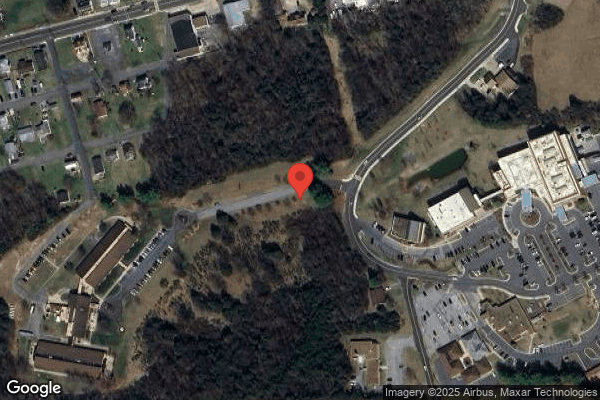
30 MONTVUE DRIVE, LURAY, VA 22835 (540) 743-4571
For profit - Limited Liability company 120 Beds HILL VALLEY HEALTHCARE Data: November 2025 1 Immediate Jeopardy citation
Trust Grade
31/100
#220 of 285 in VA
Last Inspection: November 2023

Within standard 12-15 month inspection cycle. Federal law requires annual inspections.

Overview

Skyview Springs Rehab and Nursing Center has a Trust Grade of F, indicating a poor level of care with significant concerns. It ranks #220 out of 285 facilities in Virginia, placing it in the bottom half of all nursing homes in the state, though it is the only option in Page County. The facility's trend is stable, with 19 issues reported in both 2022 and 2023, suggesting no recent improvement or deterioration. Staffing is a relative strength, with a turnover rate of 31%, which is lower than the state average, although the staffing rating itself is only 2 out of 5 stars. There have been concerning incidents, including a serious case of sexual abuse between residents and multiple days without registered nurse coverage, which raises significant red flags about safety and oversight in the facility.

Trust Score
F
31/100
In Virginia
#220/285
Bottom 23%
Safety Record
High Risk
Review needed
Inspections
Holding Steady
19 → 19 violations
Staff Stability
○ Average
31% turnover. Near Virginia's 48% average. Typical for the industry.
Penalties
✓ Good
$7,443 in fines. Lower than most Virginia facilities. Relatively clean record.
Skilled Nurses
⚠ Watch
Each resident gets only 18 minutes of Registered Nurse (RN) attention daily — below average for Virginia. Fewer RN minutes means fewer trained eyes watching for problems.
Violations
⚠ Watch
55 deficiencies on record. Higher than average. Multiple issues found across inspections.
★★☆☆☆
2.0
Overall Rating
★★☆☆☆
2.0
Staff Levels
★★★★☆
4.0
Care Quality
★★☆☆☆
2.0
Inspection Score
Stable
2022: 19 issues
2023: 19 issues

The Good

  • 4-Star Quality Measures · Strong clinical quality outcomes
  • Full Sprinkler Coverage · Fire safety systems throughout facility
  • No fines on record
  • Staff turnover below average (31%)

    17 points below Virginia average of 48%

Facility shows strength in quality measures, fire safety.

The Bad

2-Star Overall Rating

Below Virginia average (3.0)

Below average - review inspection findings carefully

Staff Turnover: 31%

15pts below Virginia avg (46%)

Typical for the industry

Federal Fines: $7,443

Below median ($33,413)

Minor penalties assessed

Chain: HILL VALLEY HEALTHCARE

Part of a multi-facility chain

Ask about local staffing decisions and management

The Ugly 55 deficiencies on record

1 life-threatening 1 actual harm
Nov 2023 13 deficiencies
CONCERN (D)

Potential for Harm - no one hurt, but risky conditions existed

Resident Rights (Tag F0550)

Could have caused harm · This affected 1 resident

Based on observation, staff interview, clinical record review and facility document review, it was determined that the facility staff failed to protect the dignity of 1 of 34 residents in the survey s...

Read full inspector narrative →
Based on observation, staff interview, clinical record review and facility document review, it was determined that the facility staff failed to protect the dignity of 1 of 34 residents in the survey sample; Resident #65. The findings include: For Resident #65, the facility staff failed to provide eating assistance in a dignified manner. On the 9/15/23 quarterly MDS (Minimum Data Set) Resident #65 was coded as being severely cognitively impaired in ability to make daily life decisions. The resident was coded as requiring extensive assistance with eating. On 10/31/23 at 1:10 PM an observation was made of Resident #65. She was up in her recliner geri-chair in the dining room area, being fed by CNA #1 (Certified Nursing Assistant). CNA #1 was standing over the resident to feed her. There were empty chairs nearby where CNA #1 could have sat next to Resident #65 to feed her. On 1/11/23 at 7:50 AM an interview was conducted with CNA #1. When asked how one should be positioned when feeding a resident, she stated, In front of them. When asked if she should be sitting or standing, she stated, Sitting. When asked if she was sitting when she was feeding Resident #65, she stated, No, I was not. When asked why she was standing over the resident, she stated, I don't know. I guess I thought since she was in her geri-chair she was kinda leaned back a little but I know I should have been sitting. When asked if standing over a resident while feeding them is a dignity concern for the resident, she stated that it was. The facility policy, Dignity, was reviewed. This policy documented, Each resident shall be cared for in a manner that promotes and enhances his or her sense of well-being, level of satisfaction with life, and feelings of self-worth and self-esteem . 5. When assisting with care, residents are supported in exercising their rights. For example, residents are: . e. provided with a dignified dining experience On 11/1/23 at 4:30 PM, ASM #1 (Administrative Staff Member) the Administrator, ASM #2 the Director of Nursing, ASM #3 the Regional Nurse Consultant, ASM #4 the Regional [NAME] President of Operations, and LPN #1 (Licensed Practical Nurse) the Assistant Director of Nursing, were made aware of the findings. No further information was provided by the end of the survey.
CONCERN (D)

Potential for Harm - no one hurt, but risky conditions existed

Deficiency F0578 (Tag F0578)

Could have caused harm · This affected 1 resident

**NOTE- TERMS IN BRACKETS HAVE BEEN EDITED TO PROTECT CONFIDENTIALITY** 2. For Resident #33 (R33), the facility staff failed to conduct a periodic review of the resident's advance directives. R33 was ...

Read full inspector narrative →
**NOTE- TERMS IN BRACKETS HAVE BEEN EDITED TO PROTECT CONFIDENTIALITY** 2. For Resident #33 (R33), the facility staff failed to conduct a periodic review of the resident's advance directives. R33 was admitted to the facility on [DATE]. A review of R33's clinical record revealed documents for a general power of attorney dated 3/30/12 and an advance directive for health care dated 3/26/14. Further review of R33's clinical record failed to reveal evidence that a periodic review of all aspects of advance directives was conducted with R33 or the resident's representative (only the resident's code status was reviewed). On 11/1/23 at 2:01 PM, an interview was conducted with OSM #3 (Other Staff Member) the Director of Social Services, and OSM #4 the Social Services Assistant. They stated that during quarterly care plan meetings they do ask residents or family about the resident's code status, whether or not to hospitalize the resident if needed, and if they have any questions. However, they don't ask about formulating or changing Living Will or Power of Attorney documents, and other wishes the resident may have such as organ donation or life sustaining treatments. On 11/1/23 at 4:41 p.m., ASM (administrative staff member) #1 (the administrator) and ASM #2 (the director of nursing) were made aware of the above concern. Based on staff interview, clinical record review and facility document review, it was determined that the facility staff failed to evidence periodic review of Advance Directives for three of 34 residents in the survey sample; Residents #78, #33 and #41. The findings include: 1. For Resident #78, the facility staff failed to evidence that periodic review was completed regarding the resident's Advance Directive wishes. Resident #78 was admitted to the facility on [DATE]. A review of the physician's orders revealed an order dated 4/24/23 for DO NOT RESUSCITATE - DNR, and an order dated 5/30/23 for hospice services. In addition, review of the clinical record revealed an Advance Medical Directive form dated 11/16/2020. Further review of the clinical record failed to reveal any evidence that the resident and/or resident representative was provided opportunity to review and make changes to the Advance Directive document, formulate a Living Will, or formulate / change other decisions such as organ donation, wishes for any life sustaining treatments, or whether or not to hospitalize if the resident experienced an acute medical condition. On 11/1/23 at 2:01 PM, an interview was conducted with OSM #3 (Other Staff Member) the Director of Social Services, and OSM #4 the Social Services Assistant. They stated that during quarterly care plan meetings they do ask residents or family about the resident's code status, whether or not to hospitalize the resident if needed, and if they have any questions, but they don't ask about formulating or changing Living Will or Power of Attorney documents, and other wishes the resident may have such as organ donation or life sustaining treatments. The facility policy, Advance Directives documented, 18. The Interdisciplinary Team will periodically [missing word] with the resident his or her advance directives to ensure that such directives are still the wishes of the resident. On 11/1/23 at 4:30 PM, ASM #1 (Administrative Staff Member) the Administrator, ASM #2 the Director of Nursing, ASM #3 the Regional Nurse Consultant, ASM #4 the Regional [NAME] President of Operations, and LPN #1 (Licensed Practical Nurse) the Assistant Director of Nursing, were made aware of the findings. No further information was provided by the end of the survey. 3. For Resident #41, the facility staff failed to periodically review the resident's advance directives. On the most recent MDS (minimum data set) assessment, an annual assessment, with an assessment reference date of 9/6/2023, the resident scored a 15 out of 15 on the BIMS (brief interview for mental status) score, indicating the resident was not cognitively impaired for making daily decisions. The physician order dated 6/1/2017 documented, DNR (do not resuscitate). Review of the clinical record failed to evidence documents related to advanced directives and documentation of any review of the resident's wishes for an advanced directive. On 11/1/2023 at 2:01 p.m., an interview was conducted with OSM #3 (Other Staff Member) the Director of Social Services, and OSM #4 the Social Services Assistant. They stated that during quarterly care plan meetings they do ask residents or family about the resident's code status, whether or not to hospitalize the resident if needed, and if they have any questions. However, they don't ask about formulating or changing Living Will or Power of Attorney documents, and other wishes the resident may have such as organ donation or life sustaining treatments. ASM (administrative staff member) #1, the administrator, ASM #2, the director of nursing, ASM #3, the regional nurse consultant, ASM #4, the regional director of operations, and LPN (licensed practical nurse) #1, the assistant director of nursing, were made aware of the above concern on 11/1/2023 at 4:32 p.m. No further information was provided prior to ext.
CONCERN (D)

Potential for Harm - no one hurt, but risky conditions existed

Notification of Changes (Tag F0580)

Could have caused harm · This affected 1 resident

Based on staff interview and clinical record review, the facility staff failed to notify the physician of a possible need to alter treatment for one of 34 residents in the survey sample, Resident #35....

Read full inspector narrative →
Based on staff interview and clinical record review, the facility staff failed to notify the physician of a possible need to alter treatment for one of 34 residents in the survey sample, Resident #35. The findings include: For Resident #35 (R35), the facility staff failed to notify the physician when the resident's medication Jardiance (1) was not available for administration on 10/9/23 and 10/10/23. A review of R35's clinical record revealed a physician's order dated 3/13/23 for Jardiance 25 mg (milligrams) by mouth one time a day for type two diabetes mellitus. A review of R35's October 2023 MAR (medication administration record) revealed the same physician's order for Jardiance. On 10/9/23 and 10/10/23, the MAR documented the code, 9= Other/ See Progress Notes. Nurses' notes dated 10/9/23 and 10/10/23 documented the medication Jardiance was not administered and was on order. Further review of R35's clinical record failed to reveal the resident's physician was notified and made aware the medication was not available for administration. On 11/1/23 at 2:19 p.m., an interview was conducted with LPN (licensed practical nurse) #4. LPN #4 stated the physician should be notified if a medication is not available for administration to see if the physician wants to adjust for an alternative medication that may be available, and so the resident can be monitored for any adverse effects from not receiving the medication. On 11/1/23 at 4:41 p.m., ASM (administrative staff member) #1 (the administrator) and ASM #2 (the director of nursing) were made aware of the above concern. Reference: (1) Jardiance is used to lower blood sugar levels for people with diabetes mellitus. This information was obtained from the website: https://medlineplus.gov/druginfo/meds/a614043.html
CONCERN (D)

Potential for Harm - no one hurt, but risky conditions existed

Deficiency F0645 (Tag F0645)

Could have caused harm · This affected 1 resident

**NOTE- TERMS IN BRACKETS HAVE BEEN EDITED TO PROTECT CONFIDENTIALITY** Based on staff interview, clinical record review and facility document review, it was determined that the facility staff failed ...

Read full inspector narrative →
**NOTE- TERMS IN BRACKETS HAVE BEEN EDITED TO PROTECT CONFIDENTIALITY** Based on staff interview, clinical record review and facility document review, it was determined that the facility staff failed to ensure a PASARR (Preadmission Screening and Resident Review) was completed for one of 34 residents in the survey sample; Resident #24. The findings include: For Resident #45, the facility failed to complete a PASARR. Resident #24 was admitted to the facility on [DATE]. A review of the clinical record revealed a Medicaid Funded Long-Term Care Services Authorization Form document dated 2/26/20. This document included 3. Pre-admission Screening Information (to be completed only by Level I, Level II or ALF screeners) Level I/ALF Screening Identification? YES .Level II Assessment Determination? NO The document did not contain any of the questions and responses of the State PASARR screening form. On 11/1/23 at 2:30 PM, OSM #3 (Other Staff Member) the Director of Social Services, was asked about this document. She stated that it was all the facility had and that it did not meet the requirement of a PASARR. The facility policy Long-Term Services and Supports (LTSS) Screening, Preadmission Screening and Resident Review (PASRR) Policy was reviewed. This policy documented, Level 1 Screening: a. If a Level 1 Screening has not been completed prior to admission and the resident is already Medicaid member OR financially eligible by way of application as verified by the ePAS system, the Social Worker, Admissions Coordinator, or designee will request that the referral provider and/or Community Screening Team complete the screen prior to admission; b. If the resident is not Medicaid or Medicaid eligible by way of application, the nursing facility will be responsible for completion of the Level 1 screening . On 11/1/23 at 4:30 PM, ASM #1 (Administrative Staff Member) the Administrator, ASM #2 the Director of Nursing, ASM #3 the Regional Nurse Consultant, ASM #4 the Regional [NAME] President of Operations, and LPN #1 (Licensed Practical Nurse) the Assistant Director of Nursing, were made aware of the findings. No further information was provided by the end of the survey.
CONCERN (D)

Potential for Harm - no one hurt, but risky conditions existed

Deficiency F0658 (Tag F0658)

Could have caused harm · This affected 1 resident

Based on observation, staff interview, clinical record review and facility document review, it was determined that the facility staff failed to follow professional standards of practice for one of 34 ...

Read full inspector narrative →
Based on observation, staff interview, clinical record review and facility document review, it was determined that the facility staff failed to follow professional standards of practice for one of 34 residents in the survey sample; Resident #94. The findings include: For Resident #94, the facility staff failed to administer Humalog as ordered by the physician. A review of the clinical record revealed the following orders: 1. An order dated 7/27/23 for Humalog (1) 10 units twice daily, before breakfast and lunch. 2. An order dated 7/7/23 for Humalog, dose per sliding scale, before breakfast and lunch. (Resident #94's glucose level was 217. The sliding scale dose order included, 200 - 249 = 2 units). On 11/01/23 at 8:20 AM, the Medication Administration task was conducted with LPN #5 (Licensed Practical Nurse) for Resident #94. The following was observed: 1. Humalog 10 units, scheduled, was administered after the resident had breakfast. 2. Humalog 2 units based on sliding scale, was administered after the resident had breakfast. When asked if Resident #94's insulin was administered in accordance with the physician's order of before breakfast, she stated it was not, because it was administered after breakfast. She stated that the resident won't take it before breakfast because he is afraid his glucose will drop. When asked if the doctor was aware of this, she stated that the doctor was aware but that this was still the order, so it should have been given before breakfast. A review of the comprehensive care plan dated 9/2/23 revealed: The resident has Diabetes Mellitus. This care plan included the intervention dated 9/2/23 for Diabetes medication as ordered by doctor . The facility policy, General Guidelines for Medication Administration, was reviewed. This policy documented, Medications are administered as prescribed in accordance with good nursing principles and practices and only by persons legally authorized to administer. On 11/1/23 at 4:30 PM, ASM #1 (Administrative Staff Member) the Administrator, ASM #2 the Director of Nursing, ASM #3 the Regional Nurse Consultant, ASM #4 the Regional [NAME] President of Operations, and LPN #1 the Assistant Director of Nursing, were made aware of the findings. No further information was provided by the end of the survey. References: 1. Humalog is used to treat diabetes. Information obtained from https://medlineplus.gov/druginfo/meds/a697021.html
CONCERN (D)

Potential for Harm - no one hurt, but risky conditions existed

Deficiency F0688 (Tag F0688)

Could have caused harm · This affected 1 resident

Based on observation, resident interview, staff interview, facility document review and clinical record review, it was determined the facility staff failed to implement interventions for the preventio...

Read full inspector narrative →
Based on observation, resident interview, staff interview, facility document review and clinical record review, it was determined the facility staff failed to implement interventions for the prevention of a decrease in range of motion for one of 34 residents in the survey sample, Resident #46. The findings include: For Resident #46 (R46), the facility staff failed to place a washcloth in the resident's left hand per the physician orders. On the most recent MDS (minimum data set) assessment, a quarterly assessment, with an ARD (assessment reference date) of 8/2/2023, the resident scored a 15 out of 15 on the BIMS (brief interview for mental status), indicating the resident is not cognitively impaired for making daily decisions. In Section G, Functional Status, the resident was coded as having functional limitations in range of motion with impairment on one side of upper and lower extremities. The physician order dated 5/22/2023 documented, Ensure rolled up washcloth to inside of left grip at all times, change washcloth daily or as needed if soiled, every shift for contracture, skin protection. Observation was made of R46 on 11/1/2023 at 8:27 a.m. There was no washcloth in her left hand. The resident stated sometimes the staff remembers to put it in there and sometimes they don't. A second observation was made of R46 on 11/1/2023 at 11:54 a.m., no washcloth was noted in the resident's left hand. The resident's hand was warm and moist. An interview was conducted with CNA (certified nursing assistant) #4 on 11/1/2023 at 11:56 a.m. When asked if there was anything special that needed to be done for R46 related to her positioning, CNA #4 stated the resident likes a pillow under her left arm. CNA #4 was asked if the resident required anything special for her left hand. CNA #4 stated she remembered the resident had a brace at one time, and that she had a washcloth in that hand the other day. When asked how she finds out what a resident may need specific to that resident, CNA #4 stated: I just go on observation of how her hand is. An interview was conducted with LPN (licensed practical nurse) #5 on 11/01/23 12:00 p.m. When asked if R46 is to have a washcloth in her left hand, LPN #5 stated another nurse was doing the treatments for the day and had already signed it off. When asked how the aides are informed about what is needed for R46, LPN #5 stated most of the aides know about it. LPN #5 stated the purpose of the washcloth in the left hand is due to the resident's contracture, and the resident gets yeast infections in that hand. The comprehensive care plan dated, 5/16/2023, documented in part, Focus: The resident has an ADL (activities of daily living) self-performance deficit r/t (related to) Fibromyalgia, prior CVA (stroke) with left hemiparesis and left hand/wrist contracture .CONTRACTURES: The resident has contractures of the left hand/wrist. Provide skin care to keep clean and prevent skin breakdown Focus: The resident has potential for skin impairment r/t dermatitis, incontinence, candidiasis (1). Left hemiparesis and decrease in mobility .Administer treatments as ordered and monitor for effectiveness. The facility policy, Resident Mobility and Range of Motion, documented in part, POLICY: 1. Residents will not experience an avoidable reduction in range of motion (ROM). 2. Residents with limited range of motion will receive treatment and services to increase and/or prevent a further decrease in ROM. 3. Residents with limited mobility will receive appropriate services, equipment, and assistance to maintain or improve mobility unless reduction in mobility is unavoidable .6. Interventions may include therapies, the provision of necessary equipment, and/or exercises and will be based on professional standards of practice and be consistent with state laws and practice acts. 7. The care plan will include the type, frequency, and duration of interventions, as well as measurable goals and objectives. The resident and representative will be included in determining these goals and objectives. ASM (administrative staff member) #1, the administrator, ASM #2, the director of nursing, ASM #3, the regional nurse consultant, ASM #4, the regional director of operations, and LPN (licensed practical nurse) #1, the assistant director of nursing, were made aware of the above concern on 11/1/2023 at 4:32 p.m. No further information was provided prior to exit. References: (1) Candidiasis is a fungal infection caused by a yeast (a type of fungus) called Candida. This information was obtained from the following website: https://www.cdc.gov/fungal/diseases/candidiasis/.
CONCERN (D)

Potential for Harm - no one hurt, but risky conditions existed

Respiratory Care (Tag F0695)

Could have caused harm · This affected 1 resident

**NOTE- TERMS IN BRACKETS HAVE BEEN EDITED TO PROTECT CONFIDENTIALITY** 2. For Resident #97, the facility staff failed to provide respiratory therapy as ordered. Resident #97 was observed with oxygen ...

Read full inspector narrative →
**NOTE- TERMS IN BRACKETS HAVE BEEN EDITED TO PROTECT CONFIDENTIALITY** 2. For Resident #97, the facility staff failed to provide respiratory therapy as ordered. Resident #97 was observed with oxygen setting at 2.5 lnc (liters nasal cannula) on 10/31/23 at 12:00 PM and 10/31/23 at 1:53 PM. Resident #97 was admitted to the facility on [DATE] with diagnosis that included atrial fibrillation, multiple fractures and COPD (chronic obstructive pulmonary disease). The most recent MDS (minimum data set) assessment, a Medicare 5-day admission assessment with an ARD (assessment reference date) of 10/25/23, coded the resident as scoring a 15 out of 15 on the BIMS (brief interview for mental status), indicating the resident was not cognitively impaired. Section G, functional, status coded the resident as being dependent for bed mobility, transfer, dressing and hygiene; total dependence for bathing. A review of the comprehensive care plan dated 10/4/23, revealed, FOCUS: Resident has altered respiratory status/difficulty breathing related to COPD and wheezing. INTERVENTIONS: OXYGEN SETTINGS: Oxygen as ordered. A review of the physician orders dated 10/22/23 revealed, O2 at 2LPM via nasal cannula to maintain oxygen at 90% or above. every shift for Hypoxia. An interview was conducted on 10/31/23 at 1:53 PM with LPN (licensed practical nurse) #3. When asked to look at the oxygen setting for Resident #97, LPN #3 stated it was on 2 liters. She stated: I checked it this morning and it is at the same setting. LPN #3 stated the middle of the flowmeter ball should be on the line for the correct number of liters. On 11/1/23 at 4:32 PM, ASM (administrative staff member) #1, the administrator, ASM #2, the director of nursing, ASM #3, the regional nurse consultant, ASM # 4, the regional director of operations and LPN #1, the assistant director of nursing were made aware of the findings. A review of the facility's Oxygen Administration policy revealed: The purpose of this procedure is to provide guidelines for safe oxygen administration. Verify that there is a physician's order for this procedure. Review the physician's orders or facility protocol for oxygen administration. No further information was provided prior to exit. Based on observation, staff interview, facility document review and clinical record review, it was determined the facility staff failed to provide respiratory services per the physician orders for two of 34 residents in the survey sample, Residents #46 and #97. The findings include: 1. For Resident #46 (R46), the facility staff failed to have the correct oxygen concentrator to provide oxygen at the physician prescribed rate. On the most recent MDS (minimum data set) assessment, a quarterly assessment with an assessment reference date of 8/2/2023, the resident scored a 15 out of 15 on the BIMS (brief interview for mental status), indicating the resident is not cognitively impaired for making daily decisions. Observation was made of R46 on 10/31/2023 at approximately 1:30 p.m. R46 was lying in bed with a nasal cannula in place with oxygen being delivered. The oxygen concentrator flowmeter was numbered two to ten, with two being the first number on the bottom and ten being the top number on the flowmeter. There were no lines below the number two to indicate any level of oxygen below two. The ball was set at the bottom of the flowmeter. The top of the ball was touching the line for two liters per minute. The physician order dated 2/15/2022 documented, Oxygen therapy at 1 L/min (liters per minute) via nasal cannula every shift for SOB (shortness of breath). A second observation was made of the R46 on 11/1/2023 at 8:28 a.m. The oxygen concentrator was set with the top of the ball touching the line for two liters per minute. The resident had the nasal cannula in her nose. A third observation was made of R46 on 11/1/2023 at 12:00 p.m. with LPN (licensed practical nurse) #5. When asked what the oxygen was set at, LPN #5 stated that it was on one. When asked the locationin of the line indicating one liter per minute, LPN #5 stated, I guess I screwed up. I thought that it was below two, and if I could feel oxygen coming out, then it was at one. LPN #5 was asked how to set the flow rate of the oxygen. She stated the line of the prescribed rate should go through the center of the ball. When asked if the oxygen was set according to the physician order, LPN #5 stated it was not. The comprehensive care plan dated 9/29/2022 documented in part, Focus: The resident has altered respiratory status/difficulty breathing r/t (related to) hx (history) of malignant neoplasm of lung, hx of smoking. Requires HOB (head of bed) elevated due to SOB when lying flat .Oxygen as ordered. The facility policy, Oxygen Administration, documented in part, POLICY: The purpose of this procedure is to provide guidelines for safe oxygen administration .1. Verify that there is a physician's order for this procedure. Review the physician's orders or facility protocol for oxygen administration .5.Turn on the oxygen at the number of liters / minutes as ordered by the physician/practitioner. The manufacturer's booklet for the Invacare Platinum 10 L (liter) Oxygen Concentrator documented in part, 1. Turn the flowrate knob to the setting prescribed by your physician or therapist. To properly read the flowmeter, locate the prescribed flowrate line on the flowmeter. Next, turn the flow knob until the ball rises to the line. Now, center the ball on the L/min line prescribed. ASM (administrative staff member) #1, the administrator, ASM #2, the director of nursing, ASM #3, the regional nurse consultant, ASM #4, the regional director of operations, and LPN (licensed practical nurse) #1, the assistant director of nursing, were made aware of the above concern on 11/1/2023 at 4:32 p.m. No further information was provided prior to ext.
CONCERN (D)

Potential for Harm - no one hurt, but risky conditions existed

Deficiency F0700 (Tag F0700)

Could have caused harm · This affected 1 resident

Based on staff interview, clinical record review and facility document review, it was determined the facility staff failed to implement bed rail requirements for one out of 34 residents in the survey ...

Read full inspector narrative →
Based on staff interview, clinical record review and facility document review, it was determined the facility staff failed to implement bed rail requirements for one out of 34 residents in the survey sample, Resident # 106. The findings include: For Resident #106, the facility staff failed to evidence a review of the risks and benefits of bedrails, and failed to obtain informed consent for the use of the rails. Resident #106 was observed in bed with one quarter bed rail bilaterally on 10/31/23 at 12:00 PM, 11/1/23 at 9:00 AM, and 11/1/23 at 10:45 AM. The most recent MDS (minimum data set) assessment, a Medicare 5-day admission assessment, with an ARD (assessment reference date) of 10/11/23, coded the resident as scoring a 15 out of 15 on the BIMS (brief interview for mental status) score, indicating the resident was not cognitively impaired. In Section G, functional status, the resident was coded as being independent for bed mobility and transfers. A review of the clinical record revealed no evidence of a bed rail evaluation or informed consent for Resident #106. An interview was conducted on 10/31/23 at 12:00 PM with Resident #106. When asked if she used the bed rails, Resident #106 stated, Yes, I use them to help turn and reposition myself. An interview was conducted on 10/31/23 at 1:00 PM with LPN (licensed practical nurse) #3. When asked the process to be followed for a resident's bed rails, LPN #3 stated, We do an assessment on the risks / benefits of the bed rails, obtain a consent and put it on the care plan. On 11/1/23 at 4:32 PM, ASM (administrative staff member) #1, the administrator, ASM #2, the director of nursing, ASM #3, the regional nurse consultant, ASM # 4, the regional director of operations and LPN #1, the assistant director of nursing were made aware of the findings. A review of the facility's Bed Rail Risk and Safety policy revealed, This organization will take measures to develop and implement a strategy to minimize the possibility of resident entrapment and or injury while using bed rails. This will include an evaluation of residents who have a need for or desire to use bed rails and that may have characteristics that place them at special risk for entrapment. If the resident's evaluation identifies him or her as appropriate for the use of bed rail(s), the following procedures will be followed: Educate the resident/resident representative on the risks and obtain consent for use. The resident and/or resident representative's consent for use of the bed rails will be documented in the medical record. The resident's representative will be notified as appropriate. The physician/practitioner will be notified and a specific order for the use of bed rails (identify how many / type of rails, which side or sides of the bed, and when they are to be in place) will be obtained. The reason for the bed rails and their proper use will be integrated into the comprehensive care plan and revised as necessary. No further information was provided prior to exit.
CONCERN (D)

Potential for Harm - no one hurt, but risky conditions existed

Pharmacy Services (Tag F0755)

Could have caused harm · This affected 1 resident

Based on staff interview, facility document review and clinical record review, the facility staff failed to provide pharmacy services for one of 34 residents in the survey sample, Resident #35. The fi...

Read full inspector narrative →
Based on staff interview, facility document review and clinical record review, the facility staff failed to provide pharmacy services for one of 34 residents in the survey sample, Resident #35. The findings include: For Resident #35 (R35), the facility staff failed to ensure the medication Jardiance (1) was available for administration on 10/9/23 and 10/10/23. A review of R35's clinical record revealed a physician's order dated 3/13/23 for Jardiance 25 mg (milligrams) by mouth one time a day for type two diabetes mellitus. A review of R35's October 2023 MAR (medication administration record) revealed the same physician's order for Jardiance. On 10/9/23 and 10/10/23, the MAR documented the code, 9= Other/ See Progress Notes. Nurses' notes dated 10/9/23 and 10/10/23 documented the medication Jardiance was not administered and was on order. On 11/1/23 at 2:19 p.m., an interview was conducted with LPN (licensed practical nurse) #4. LPN #4 stated medications should be re-ordered from the pharmacy when there is a five-day supply of the medication left. LPN #4 stated that if a medication is not available for administration, then the nurses should pull the medication from the facility backup medication supply, and if the medication is not in the backup supply, then nurses should update the physician and resident's family. A review of the facility backup medication supply list revealed Jardiance was not available in the supply. On 11/1/23 at 4:41 p.m., ASM (administrative staff member) #1 (the administrator) and ASM #2 (the director of nursing) were made aware of the above concern. The facility pharmacy policy titled, General Guidelines for Medication Administration documented, Medications are administered as prescribed . Reference: (1) Jardiance is used to lower blood sugar levels for people with diabetes mellitus. This information was obtained from the website: https://medlineplus.gov/druginfo/meds/a614043.html
CONCERN (D)

Potential for Harm - no one hurt, but risky conditions existed

Unnecessary Medications (Tag F0759)

Could have caused harm · This affected 1 resident

Based on observation, staff interview, clinical record review and facility document review, it was determined that the facility staff failed to ensure a medication error rate of less than 5% for one o...

Read full inspector narrative →
Based on observation, staff interview, clinical record review and facility document review, it was determined that the facility staff failed to ensure a medication error rate of less than 5% for one of 34 residents in the survey sample; Resident #94. The facility had two medication errors out of 35 opportunities, resulting in a medication error rate of 5.71%. The findings include: For Resident #94, Humalog insulin was administered after breakfast instead of before breakfast, resulting in a medication error of not administering the medication at the right time as ordered by the physician. On 11/01/23 at 8:20 AM, the Medication Administration task was conducted with LPN #5 (Licensed Practical Nurse) for Resident #94. The following was observed: 1. Humalog (1) 10 units, scheduled, was administered after the resident had breakfast. 2. Humalog 2 units based on sliding scale, was administered after the resident had breakfast. A review of the clinical record revealed the following orders: 1. An order dated 7/27/23 for Humalog 10 units twice daily, before breakfast and lunch. 2. An order dated 7/7/23 for Humalog, dose per sliding scale, before breakfast and lunch. (Resident #94's glucose level was 217. The sliding scale dose order included, 200 - 249 = 2 units). When asked if Resident #94's insulin was administered in accordance with the physician's order of before breakfast, she stated it was not, because it was administered after breakfast. She stated that the resident won't take it before breakfast because he is afraid his glucose will drop. When asked if the doctor was aware of this, she stated that the doctor was aware but that this was still the order, so it should have been given before breakfast. When asked about the five rights of medication administration, she stated Right person, right medication, right dose, right route, right time. When asked if Resident #94's insulin was administered in accordance with those rights she stated it was not, because after breakfast was not the right time. A review of the comprehensive care plan dated 9/2/23 revealed, in part: The resident has Diabetes Mellitus .Diabetes medication as ordered by doctor . The facility policy, General Guidelines for Medication Administration was reviewed. This policy documented, .6. At a minimum, the 5 Rights - right resident, right drug, right dose, right route, and right time - should be applied to all medication administration and reviewed at three steps in the process of preparation: (1) when medication is selected, (2) when the dose is removed from the container, and (3) after the dose is prepared and the medication is put away On 11/1/23 at 4:30 PM, ASM #1 (Administrative Staff Member) the Administrator, ASM #2 the Director of Nursing, ASM #3 the Regional Nurse Consultant, ASM #4 the Regional [NAME] President of Operations, and LPN #1 the Assistant Director of Nursing, were made aware of the findings. No further information was provided by the end of the survey. References: 1. Humalog is used to treat diabetes. Information obtained from https://medlineplus.gov/druginfo/meds/a697021.html
CONCERN (D)

Potential for Harm - no one hurt, but risky conditions existed

Medical Records (Tag F0842)

Could have caused harm · This affected 1 resident

Based on staff interview, clinical record review and facility document review, it was determined the facility staff failed to provide complete and accurate documentation for two of 34 residents in the...

Read full inspector narrative →
Based on staff interview, clinical record review and facility document review, it was determined the facility staff failed to provide complete and accurate documentation for two of 34 residents in the survey sample, Residents #11 and #106. The findings include: 1. For Resident #11, the facility staff failed to evidence complete and accurate documentation for showers/bathing. A review of the comprehensive care plan dated 2/3/23, which revealed, FOCUS: Resident has an ADL (activities of daily living) self-care performance deficit related to weakness and right leg amputation. INTERVENTIONS: Provide supervision and cuing as needed with ADLs. Physical assist as needed with ADLs. A review of the ADL document in Resident #11's medical record, revealed documentation for showers was missing for 8/23/23 and 8/26/23. Shower documentation was also missing for 9/6/23, 9/30/23, 0/4/23, 10/7/23, 10/11/23, 10/18/23, 10/21/23, 10/25/23 and 10/28/23. An interview was conducted on 10/31/23 at 3:00 PM with Resident #11. Resident #11 stated, They do not give me showers consistently. I do not think they like me. On 11/1/23 at approximately 11:00 AM, LPN (licensed practical nurse) #4 stated, This is the documentation we have on Resident #11's showers. She provided indivdual shower sheet records Resident #11. When asked if this documentation is to be included in the electronic medical record, LPN #4 stated, Yes, it is to be documented there. She stated if the documentation is not included in the electronic medical record, the medical record is not complete or accurate. An interview was conducted on 11/1/23 at 2:00 PM with CNA (certified nursing assistant) #2. When asked where shower and bathing are documented, CNA #1 stated, We document it on the CNA form in [the electronic medical record]. An interview was conducted on 11/2/23 at 8:00 AM with CNA #3. When asked where showers and bathing are documented, CNA #3 stated, It is to be documented in [the electronic medical record. Sometimes we document it on the shower sheets. She stated if the documentation is not included in the electronic medical record, the medical record is not complete or accurate. On 11/1/23 at 4:32 PM, ASM (administrative staff member) #1, the administrator, ASM #2, the director of nursing, ASM #3, the regional nurse consultant, ASM # 4, the regional director of operations and LPN #1, the assistant director of nursing were made aware of the findings. A review of the facility's Charting and Documentation policy, revealed, All services provided to the resident, progress toward the care plan goals, or any changes in the resident's medical, physical, functional, or psychosocial condition, will be documented in the resident's medical record. The medical record will facilitate communication between the interdisciplinary team regarding the resident's condition and response to care. No further information was provided prior to exit. 2. For Resident #106, the facility staff failed to evidence complete and accurate record for resident weights. A review of the comprehensive care plan dated 10/6/23 revealed, FOCUS: Resident is at risk for alteration in nutritional status related to new admission/facility adjustment, CKD, diuretic use for edema. INTERVENTIONS: Weights per protocol. A review of the physician orders dated 10/6/23 revealed, Daily Weight x3 days, Weekly Weight x4 weeks, then monthly. A review of the weight sheet in the electronic medical record and the October TAR (treatment administration record) revealed no evidence of weight documentation on 10/16/23, 10/23/23 and 10/30/23. On 11/1/23 at approximately 11:00 AM, LPN (licensed practical nurse) #4 stated, This is the documentation we have on Resident #106's weights. She provided individual weight sheets for Resident #106. A review of the sheets for 10/19/23 and 10/26/23 revealed documentation that Resident #106 had refused to have weights done. When asked if this documentation is to be included in the electronic medical record, LPN #4 stated, Yes, it is to be documented there. She stated if the documentation is not in the electronic medical record, the record is not complete or accurate. An interview was conducted on 11/2/23 at 8:00 AM with CNA (certified nursing assistant) #3. When asked where weights are documented, CNA #3 stated, It is to be documented in [the electronic medical record. She stated sometimes the staff document it on the weight sheets. She stated if the weights are not documented in the electronic medical record, the record is not accurate or complete. On 11/1/23 at 4:32 PM, ASM (administrative staff member) #1, the administrator, ASM #2, the director of nursing, ASM #3, the regional nurse consultant, ASM # 4, the regional director of operations and LPN #1, the assistant director of nursing were made aware of the findings. No further information was provided prior to exit.
CONCERN (E)

Potential for Harm - no one hurt, but risky conditions existed

Comprehensive Care Plan (Tag F0656)

Could have caused harm · This affected multiple residents

**NOTE- TERMS IN BRACKETS HAVE BEEN EDITED TO PROTECT CONFIDENTIALITY** 2. For Resident #11, the facility staff failed to implement the comprehensive care plan for ADL's (activities of daily living). ...

Read full inspector narrative →
**NOTE- TERMS IN BRACKETS HAVE BEEN EDITED TO PROTECT CONFIDENTIALITY** 2. For Resident #11, the facility staff failed to implement the comprehensive care plan for ADL's (activities of daily living). Resident #11 was admitted to the facility on [DATE] with diagnoses that included but were not limited to: peripheral vascular disease (PVD), right AKA (above the knee amputation) and diabetes mellitus. The most recent MDS (minimum data set) assessment, a quarterly Medicare assessment, with an ARD (assessment reference date) of 9/25/23, coded the resident as scoring a 15 out of 15 on the BIMS (brief interview for mental status), indicating the resident was not cognitively impaired. A review of the MDS Section G,functional status, revealed the resident was coded as requiring extensive assistance for bed mobility, transfer, dressing and hygiene; total dependence for bathing. A review of the comprehensive care plan dated 2/3/23 revealed, FOCUS: Resident has an ADL self-care performance deficit related to weakness and right leg amputation. INTERVENTIONS: Provide supervision and cuing as needed with ADLs. Physical assist as needed with ADLs. A review of the ADL document in Resident #11's medical record revealed showers were scheduled for Wednesday and Saturday. Review of the August 2023 record revealed missing documentation on 8/23/23 and 8/26/23. Review of the September 2023 record revealed missing documentation on 9/6/23 and 9/30/23. Review of the October 2023 record revealed missing documentation on 10/4/23, 10/7/23, 10/11/23, 10/18/23, 10/21/23, 10/25/23 and 10/28/23. An interview was conducted on 11/1/23 at approximately 11:00 AM with LPN (licensed practical nurse) #4. LPN #4 stated the purpose of the care plan is to lay out the care that each resident needs. Asked if the care plan was being implemented if there was no evidence of showers/bathing, LPN #4 stated, No, it is not. On 11/1/23 at 4:32 PM, ASM (administrative staff member) #1, the administrator, ASM #2, the director of nursing, ASM #3, the regional nurse consultant, ASM #4, the regional director of operations and LPN #1, the assistant director of nursing were made aware of the findings. No further information was provided prior to exit. 3. For Resident #29, the staff failed to implement the comprehensive care plan for dialysis care and fluid restriction. Resident #29 was admitted to the facility on [DATE] with diagnoses that included but were not limited to: ESRD (end stage renal disease) and diabetes. The most recent MDS (minimum data set) assessment, a Medicare 5-day assessment, with an ARD (assessment reference date) of 10/10/23, coded the resident as scoring a 15 out of 15 on the BIMS (brief interview for mental status) score, indicating the resident was not cognitively impaired. A review of the MDS Section G, functional status, revealed the resident was coded as being independent for eating, bed mobility, transfer, walking and locomotion. A review of the comprehensive care plan dated 10/4/23 revealed, FOCUS: Resident has ESRD and receives Hemodialysis at dialysis center on Monday-Wednesday-Friday. INTERVENTIONS: Auscultation/palpation of the AV fistula (pulse, bruit and thrill) to assure adequate blood flow per protocols. A review of the physician's orders dated 10/4/23 revealed, Dialysis at (specify place) on Monday, Wednesday, Friday. Fluid Restriction 1500 ml Daily every shift Record. Shift Intake AND every night shift Record 24-hr Intake. Assess Dialysis Fistula/Graft to Right forearm for Thrill and Bruit Daily and signs and symptoms of infection every shift. Check dialysis port to Right forearm each shift. Keep dressing dry on bath days. Do not remove dressing, this will be done at dialysis. Every shift. A review of Resident #29's October 2023 MAR (medication administration record) and TAR (treatment administration record) revealed no documentation of assessment of the dialysis fistula/graft for thrill and bruit, and for signs of infection, for day shift on 10/5/23, 10/6/23 and 10/27/23. A review of Resident #29's dialysis communication book revealed missing communication forms from the facility to the provider for six of twelve dialysis treatments: 10/11/23, 10/13/23, 10/16/23, 10/18/23, 10/27/23 and 10/30/23. An interview was conducted on 11/1/23 at 10:00 AM with RN (registered nurse) #1. RN #1 stated the purpose is to define the goals and interventions for each resident. She stated if the documentation of fluid restriction, bruit, thrill and dialysis site are missing, the care plan was not implemented. On 11/1/23 at 4:32 PM, ASM (administrative staff member) #1, the administrator, ASM #2, the director of nursing, ASM #3, the regional nurse consultant, ASM # 4, the regional director of operations and LPN #1, the assistant director of nursing were made aware of the findings. No further information was provided prior to exit. 4. For Resident #97, the staff failed to implement the comprehensive care plan for oxygen therapy. Resident #97 was admitted to the facility on [DATE] with a diagnosis of COPD (chronic obstructive pulmonary disease). A review of the comprehensive care plan dated 10/4/23 revealed, FOCUS: Resident has altered respiratory status/difficulty breathing related to COPD and wheezing. INTERVENTIONS: OXYGEN SETTINGS: Oxygen as ordered. A review of the physician orders dated 10/22/23 revealed the following: O2 at 2LPM (liters per minute) via nasal cannula to maintain oxygen at 90% or above. Every shift for Hypoxia. An interview was conducted on 10/31/23 at 1:53 PM with LPN (licensed practical nurse) #3. Asked to look at the oxygen setting for Resident #97, LPN #3 stated, It is on 2.5 liters. I checked it this morning and it is at the same setting. Asked if care plan is being implemented if the orders are for 2 liters per minute, and the care plan documents oxygen as ordered, LPN #3 stated the care plan is not being implemented. On 11/1/23 at 4:32 PM, ASM (administrative staff member) #1, the administrator, ASM #2, the director of nursing, ASM #3, the regional nurse consultant, ASM # 4, the regional director of operations and LPN #1, the assistant director of nursing were made aware of the findings. No further information was provided prior to exit. 5. For Resident #106, the staff failed to develop the comprehensive care plan for weights and bedrails. Resident #106 was observed in bed with one quarter bed rails on both sides of the bed on 10/31/23 at 12:00 PM, 11/1/23 at 9:00 AM, and 11/1/23 at 10:45 AM. A review of the comprehensive care plan dated 10/6/23 revealed, FOCUS: Resident is at risk for alteration in nutritional status related to new admission/facility adjustment, CKD, diuretic use for edema. INTERVENTIONS: Weights per protocol. A review of the physician orders dated 10/6/23 revealed the following: Daily Weight x3 (times three days) days, Weekly Weight x4 weeks, then monthly. A review of the weight documentation revealed no evidence of a weight documentation on 10/16/23, 10/23/23 and 10/30/23. An interview was conducted on 11/1/23 at approximately 11:00 AM with LPN (licensed practical nurse) #4. LPN #4 stated the purpose of a care plan is to lay out the care that each resident needs. When asked if weights and bedrails should be on the care plan, LPN #4 stated they usually are. When asked if the care plan is completely developed if it does not include information regarding weights and bedrails, LPN #4 stated it is not. On 11/1/23 at 4:32 PM, ASM (administrative staff member) #1, the administrator, ASM #2, the director of nursing, ASM #3, the regional nurse consultant, ASM # 4, the regional director of operations and LPN #1, the assistant director of nursing were made aware of the findings. No further information was provided prior to exit. 6. For Resident #35 (R35), the facility staff failed to implement the resident's comprehensive care plan for diabetic medication. R35's comprehensive care plan dated 7/22/21 documented, (R35) has diabetes mellitus. Interventions: Diabetes medication as ordered by doctor . A review of R35's clinical record revealed a physician's order dated 3/13/23 for Jardiance (1) 25 mg (milligrams) by mouth one time a day for type two diabetes mellitus. A review of R35's October 2023 MAR (medication administration record) revealed the same physician's order for Jardiance. On 10/9/23 and 10/10/23, the MAR documented the code, 9= Other/ See Progress Notes. Nurses' notes dated 10/9/23 and 10/10/23 documented the medication Jardiance was not administered and was on order. On 11/1/23 at 2:19 p.m., an interview was conducted with LPN (licensed practical nurse) #4. LPN #4 stated the purpose of the care plan is to allow for the most personalized care of each individual resident, and all care plans are available for nurses' review to ensure they are implemented. LPN #4 stated medications should be re-ordered from the pharmacy when there is a five-day supply of the medication left. LPN #4 stated that if a medication is not available for administration, then the nurses should pull the medication from the facility backup medication supply, and if the medication is not in the backup supply, then nurses should update the physician and resident's family. On 11/1/23 at 4:41 p.m., ASM (administrative staff member) #1 (the administrator) and ASM #2 (the director of nursing) were made aware of the above concern. Reference: (1) Jardiance is used to lower blood sugar levels for people with diabetes mellitus. This information was obtained from the website: https://medlineplus.gov/druginfo/meds/a614043.html 7. For Resident #23 (R23), the facility staff failed to develop a comprehensive care plan regarding the resident's PTSD (post-traumatic stress disorder). R23 was admitted to the facility on [DATE] with a diagnosis of PTSD. R23's comprehensive care plan dated 11/7/21 documented the resident uses psychotropic medication related to PTSD, but failed to document any further information such as goals and interventions for the resident's PTSD. A psychiatry note dated 10/16/23 documented, Additional supportive psychotherapy interventions: Insight-oriented Psychotherapy, 1:1 Supportive therapy, Relaxation Techniques, Active Problem Solving, Positive Feedback, Encouragement, Sleep Hygiene . On 11/1/23 at 9:53 a.m., an interview was conducted with OSM (other staff member) #4 (the social services assistant). OSM #4 stated the purpose of the care plan is so that staff knows about the resident and everything that is going on. OSM #4 stated R23 does not display signs and symptoms of PTSD, but she felt the care plan should explain more regarding the resident's PTSD, such as the cause of the PTSD and potential signs and symptoms such as nightmares and flashbacks. OSM #4 stated R23's care plan should include goals and interventions for the resident's PTSD, and this should be based on each specific individual. On 11/1/23 at 4:41 p.m., ASM (administrative staff member) #1 (the administrator) and ASM #2 (the director of nursing) were made aware of the above concern. Based on observation, resident interview, staff interview, clinical record review and facility document review, it was determined that the facility staff failed to develop and/or implement the comprehensive care plan for eight of 34 residents in the survey sample; Residents #94, #11, #29, #97, #106, #23, #35, and #46. The findings include: 1. For Resident #94, the facility staff failed to follow the comprehensive care plan for the administration of diabetic related medications as ordered. A review of the comprehensive care plan revealed one dated 9/2/23 for The resident has Diabetes Mellitus. This care plan included the intervention dated 9/2/23 for Diabetes medication as ordered by doctor . A review of the clinical record revealed the following orders: 1. An order dated 7/27/23 for Humalog (1) 10 units twice daily, before breakfast and lunch. 2. An order dated 7/7/23 for Humalog, dose per sliding scale, before breakfast and lunch. (Resident #94's glucose level was 217. The sliding scale dose order included, 200 - 249 = 2 units). On 11/01/23 at 8:20 AM, the Medication Administration task was conducted with LPN #5 (Licensed Practical Nurse) for Resident #94. The following was observed: 1. Humalog 10 units, scheduled, was administered after the resident had breakfast. 2. Humalog 2 units based on sliding scale, was administered after the resident had breakfast. On 11/1/23 at 2:49 PM an interview was conducted with LPN #5. When asked if Resident #94's insulin was administered in accordance with the physician's order of before breakfast, she stated it was not, because it was administered after breakfast. She stated that the resident won't take it before breakfast because he is afraid his glucose will drop. When asked if the doctor was aware of this, she stated that the doctor was aware but that this was still the order, so it should have been given before breakfast. When asked if the care plan was followed if it documented to administer diabetic medication as ordered, she stated that it was not. When asked what was the purpose of the care plan, she stated it was to make sure all the goals are being followed and the resident's needs are being met. The facility policy Care Planning - Comprehensive Person-Centered was reviewed. This policy documented, 2. The facility will develop and implement a comprehensive person-centered care plan for each resident, that includes measurable objectives and timeframes to meet a resident's medical, nursing, and mental and psychosocial needs as identified throughout the comprehensive Resident Assessment Instrument (RAI) process . On 11/1/23 at 4:30 PM, ASM #1 (Administrative Staff Member) the Administrator, ASM #2 the Director of Nursing, ASM #3 the Regional Nurse Consultant, ASM #4 the Regional [NAME] President of Operations, and LPN #1 the Assistant Director of Nursing, were made aware of the findings. No further information was provided by the end of the survey. References: 1. Humalog is used to treat diabetes. Information obtained from https://medlineplus.gov/druginfo/meds/a697021.html 8.a. For Resident #46, the facility staff failed to implement the comprehensive care plan for administering oxygen per the physician orders. On the most recent MDS (minimum data set) assessment, a quarterly assessment, with an assessment reference date of 8/2/2023, the resident scored a 15 out of 15 on the BIMS (brief interview for mental status) score, indicating the resident is not cognitively impaired for making daily decisions. The comprehensive care plan dated 9/29/2022 documented in part, Focus: The resident has altered respiratory status/difficulty breathing r/t (related to) hx (history) of malignant neoplasm of lung, hx of smoking. Requires HOB (head of bed) elevated due to SOB when lying flat .Oxygen as ordered. The physician order dated 2/15/2022 documented, Oxygen therapy at 1 L/min (liters per minute) via nasal cannula every shift for SOB (shortness of breath). Observation was made of R46 on 10/31/2023 at approximately 1:30 p.m. R46 was lying in bed with a nasal cannula in place with oxygen being delivered. The oxygen concentrator flowmeter was numbered two to ten, with two being the first number on the bottom and ten being the top number on the flowmeter. There were no lines below the number two to indicate any level of oxygen below two. The ball was set at the bottom of the flowmeter. The top of the ball was touching the line for two liters per minute. A second observation was made of the R46 on 11/1/2023 at 8:28 a.m. The oxygen concentrator was set with the top of the ball touching the line for two liters per minute. The resident had the nasal cannula in her nose. A third observation was made of R46 on 11/1/2023 at 12:00 p.m. with LPN (licensed practical nurse) #5. When asked what the oxygen was set at, LPN #5 stated that it was on one. When asked the locationin of the line indicating one liter per minute, LPN #5 stated, I guess I screwed up. I thought that it was below two and if I could feel oxygen coming out, then it was at one. LPN #5 was asked how to set the flow rate of the oxygen. She stated the line of the prescribed rate should go through the center of the ball. When asked if the oxygen was set according to the physician order, LPN #5 stated it was not. LPN #5 stated the purpose of the care plan is to make sure the resident's goals, both short and long term, are being followed for them to get the best care. When asked if R46's care plan was being followed for oxygen administration, she stated it was not. ASM (administrative staff member) #1, the administrator, ASM #2, the director of nursing, ASM #3, the regional nurse consultant, ASM #4, the regional director of operations, and LPN (licensed practical nurse) #1, the assistant director of nursing, were made aware of the above concern on 11/1/2023 at 4:32 p.m. No further information was provided prior to exit. 8.b. For Resident #46, the facility staff failed to implement the care plan for administering treatments per the physician orders. The comprehensive care plan dated, 5/16/2023, documented in part, Focus: The resident has an ADL (activities of daily living) self-performance deficit r/t (related to) Fibromyalgia, prior CVA (stroke) with left hemiparesis and left hand/wrist contracture. The Interventions documented in part, CONTRACTURES: The resident has contractures of the left hand/wrist. Provide skin care to keep clean and prevent skin breakdown. The care plan further documented, Focus: The resident has potential for skin impairment r/t dermatitis, incontinence, candidiasis (1). Left hemiparesis and decrease in mobility. The Interventions documented in part, Administer treatments as ordered and monitor for effectiveness. The physician order dated 5/22/2023 documented, Ensure rolled up washcloth to inside of left grip at all times, change washcloth daily or as needed if soiled, every shift for contracture, skin protection. Observation was made of R46 on 11/1/2023 at 8:27 a.m. There was no washcloth in her left hand. The resident stated sometimes the staff remembers to put it in there and sometimes they don't. A second observation was made of R46 on 11/1/2023 at 11:54 a.m. No washcloth was noted in the resident's left hand. The resident's hand was warm and moist. An interview was conducted with LPN (licensed practical nurse) #5 on 11/01/23 12:00 p.m. When asked if R46 is to have a washcloth in her left hand, LPN #5 stated another nurse is doing the treatments for the day. When asked how the aides are informed about what is needed for R46, LPN #5 stated most of the aides know about it. LPN #5 was asked why the resident had the washcloth in her hand. LPN #5 stated, It's because she has a contracture and gets yeast infections in that hand. LPN #5 stated the purpose of the care plan is to make sure the resident's goal, both short and long term, are being followed for them to get the best care. When asked if the resident's care plan for the washcloth in the left hand was being followed, she stated it was not. ASM (administrative staff member) #1, the administrator, ASM #2, the director of nursing, ASM #3, the regional nurse consultant, ASM #4, the regional director of operations, and LPN (licensed practical nurse) #1, the assistant director of nursing, were made aware of the above concern on 11/1/2023 at 4:32 p.m. No further information was provided prior to exit.
CONCERN (E)

Potential for Harm - no one hurt, but risky conditions existed

Deficiency F0698 (Tag F0698)

Could have caused harm · This affected multiple residents

**NOTE- TERMS IN BRACKETS HAVE BEEN EDITED TO PROTECT CONFIDENTIALITY** Based on resident interview, staff interview, clinical record review and facility document review, it was determined the facilit...

Read full inspector narrative →
**NOTE- TERMS IN BRACKETS HAVE BEEN EDITED TO PROTECT CONFIDENTIALITY** Based on resident interview, staff interview, clinical record review and facility document review, it was determined the facility staff failed to provide dialysis care and services for one of 34 residents in the survey sample, Resident #29. The findings include: For Resident #29, the facility failed to monitor for fluid restriction and intake, failed to assess for bruit and thrill at the dialysis access site, and failed to maintain a complete communication system with the dialysis center. Resident #29 was admitted to the facility on [DATE] with diagnosis that included but were not limited to: ESRD (end stage renal disease) and diabetes. The most recent MDS (minimum data set) assessment, a Medicare 5-day assessment, with an ARD (assessment reference date) of 10/10/23, coded the resident as scoring a 15 out of 15 on the BIMS (brief interview for mental status) score, indicating the resident was not cognitively impaired. A review of the MDS Section G-functional status coded the resident as being independent for eating, bed mobility, transfer, walking and locomotion. A review of the comprehensive care plan dated 10/4/23, which revealed, FOCUS: Resident has ESRD and receives Hemodialysis at dialysis center on Monday-Wednesday-Friday. INTERVENTIONS: Auscultation/palpation of the AV fistula (pulse, bruit and thrill) to assure adequate blood flow per protocols. A review of the physician's orders dated 10/4/23, revealed, Dialysis at (specify place) on Monday, Wednesday, Friday. Fluid Restriction 1500 ml Daily every shift Record shift Intake and every night shift Record 24-hr Intake. Assess Dialysis Fistula/Graft to Right forearm for Thrill and Bruit Daily and signs and symptoms of infection every shift. Check dialysis port to Right forearm each shift. Keep dressing dry on bath days. Do not remove dressing, this will be done at dialysis. every shift. A review of Resident #29's October 2023 MAR (medication administration record) and TAR (treatment administration record) revealed no documentation of assessment of the dialysis fistula/graft for thrill and bruit, and for signs of infection, for day shift on 10/5/23, 10/6/23 and 10/27/23. A review of Resident #29's dialysis communication book revealed missing communication forms from the facility to the provider for six of twelve dialysis treatments: 10/11/23, 10/13/23, 10/16/23, 10/18/23, 10/27/23 and 10/30/23. A review of Resident #29's October 2023 MAR (medication administration record) and TAR (treatment administration record) revealed no evidence of fluid restriction being monitored or documented. An interview was conducted on 11/1/23 at 10:00 AM with RN (registered nurse) #1. When asked where bruit, thrill and dialysis site assessments are documented, RN #1 stated it would be documented on the TAR. When asked where fluid restriction and intakes are documented, she stated it would be documented on the TAR. She stated if there is no documentation, then the services were not provided. On 11/1/23 at approximately 11:00 AM, LPN (licensed practical nurse) #4 stated the fluid restriction on Resident #29 was discontinued by the dietician, She stated she was going to talk with the NP (nurse practitioner) about this. When asked to provide evidence that the fluid restriction was discontinued, LPN #4 stated, Let me search for it. On 11/1/23 at approximately 1:30 PM, Resident #29 was asked if his fistula was checked. Resident #29 stated, Yes, they check the bruit and thrill. When asked if he takes a communication book with him to dialysis, Resident #29 stated, Yes, they put papers in it here and at the dialysis center. When asked if he was on a fluid restriction, he stated he was not sure about that. He added: I watch what I drink, though. On 11/1/23 at 4:32 PM, ASM (administrative staff member) #1, the administrator, ASM #2, the director of nursing, ASM #3, the regional nurse consultant, ASM # 4, the regional director of operations and LPN #1, the assistant director of nursing were made aware of the findings. ASM #1 told the survey team there is no policy for dialysis care. A review of the facility's policy, ,Resident Hydration and Prevention of Dehydration revealed: Physician orders to limit fluids will take priority over calculated fluid needs. The dietitian may refer calculated needs to the physician if restrictions potentially increase a risk for dehydration. Nursing will monitor and document fluid intake as ordered by the physician/practitioner or per facility protocol. The dietitian will be kept informed of status. The interdisciplinary team will update the care plan and document resident response to interventions until the team agrees that fluid intake and relating factors are stabilized or resolved. A review of the facility's dialysis contract with Resident #29's provider revealed, Facility will send to provider documentation as to how the patient's care is managed and all medical records necessary to provide services. No further information was provided prior to exit.
Aug 2023 2 deficiencies 1 Harm
SERIOUS (G) 📢 Someone Reported This

A family member, employee, or ombudsman was alarmed enough to file a formal complaint

Actual Harm - a resident was hurt due to facility failures

Free from Abuse/Neglect (Tag F0600)

A resident was harmed · This affected 1 resident

Based on resident interview, staff interview, facility document review, and clinical record review, the facility failed to protect the resident's right to be free from sexual abuse by a resident, for ...

Read full inspector narrative →
Based on resident interview, staff interview, facility document review, and clinical record review, the facility failed to protect the resident's right to be free from sexual abuse by a resident, for one of three residents in the survey sample, Resident #2. The facility developed and implemented an acceptable plan of correction, therefore this deficiency is cited at past non-compliance. The findings include: For Resident #2 (R2), the facility staff failed to ensure the resident was free from sexual abuse by another resident (Resident #1) on 7/16/2023. The facility synopsis of the event, dated 7/16/2023, documented, Incident type: Resident to resident sexual abuse. Describe Incident: (Name of R1) noted in (room number) with (Name of R2) with (R2's) penis in mouth performing oral sex. Residents separated immediately. The nurse's note dated, 7/16/2023 at 3:20 p.m. documented, At 1500 [3:00 p.m.] a nursing staff member came to nurse's station and notified this write and another nurse that (room number of R1) was noted to be in (room number of R2) with (R2) lying in bed and with (R1) performing oral sex to (R2). This write and another nurse down to room (room number of R2). STOP sign was covering doorway. (R1) was noted in his wheelchair beside (R2) and leaning over the bed providing oral sex. Upon the nurse stating (R1's) name, (R1) leaned up and turned and (R2) tucked his penis back into brief. Residents were separated immediately. Skin assessment performs with no skin issues noted. DON (director of nursing) and NP (nurse practitioner) notified immediately. (R1's) RP (responsible party) aware. (R2's) RP, (first name of RP), attempted to be contacted and notified with no answer. Message left for her to call facility back. APS (adult protective services) and VDH (Virginia Department of Health) notified with initial FRI (facility reported incident). Law enforcement notified. This write spoke with dispatch 905 at 1612 [4:12 p.m.]. On the most recent MDS (minimum data set) assessment, a quarterly assessment with an assessment reference date of 6/23/2023, R2 scored an eight out of 15 on the BIMS (brief interview for mental status) score, indicating the resident is moderately cognitively impaired for making daily decisions. In Section G - the resident was coded as requiring extensive assistant for most of his activities of daily living except eating in which he was independent after set up assistance was provided. The psychologist notes dated 7/19/2023 documented R2 could not recall the incident. An interview was conducted with R2 on 8/14/2023 at 12:52 p.m. R2 was asked about the incident of 7/16/2023 of another male resident performing oral sex on him and he stated he could not recall it and denied that it happened. R2's comprehensive care plan dated, 11/2/2021 and revised on 7/20/2023, documented in part, Focus: The resident has a behavior problem r/t (related to) a hx (history) of masturbating in public areas and getting agitated with staff when redirected. Hx of crawling OOB (out of bed), 'sits self on floor to go to bathroom,' throws objects in room, hitting staff/residents, hx of attempts to grab between female staff members legs while providing care. Hx of making inappropriate sexual comments to staff. Resident noted to have a hx of pulling out genitals in public at staff and residents. Resident has a hx of making sexual accosts towards staff/residents. 6/23/22: TDO [temporary detaining order] considered on this date to ER [emergency room] with return [to facility]. The Interventions documented in part, Administer medications as ordered. Monitor/document for side effect and effectiveness. 7/20/2023: Alarm to door frame to notify staff of resident leaving room or staff/residents entering room for monitoring. Anticipate and meet the resident's needs. Attempt to redirect and explain to resident that sexual behaviors are not appropriate. Encourage resident to ring for toileting/urinal assistance when needed. Explain all procedures to the resident before starting and allow the resident to adjust to changes. If reasonable, discuss the resident's behavior. Explain/reinforce why behavior is inappropriate in a calm manner. Divert attention. Remove from situation and take to alternate location as needed. Minimize potential for the resident disruptive behaviors. Offer snacks, TV on, provide activities of choice as needed. Offer privacy if resident feels need to address sexual urges. Offer urinal at bedside. Provide privacy as needed. Psych (psychiatric/psychological) consult for behaviors as needed. 6/24/2022: Stop sign to residents' door to deter other resident from entering this room. For Resident #1 (R1), on 8/14/2023 at 9:22 a.m. R1 was observed in bed with his wheelchair next to the bed. Observations were made of R1 on 8/14/2023 at 10:18 a.m. R1 was sitting on the side of his bed. There was no roommate in his room. Continuous observation was made of R1 from 10:18 a.m. through 10:59 a.m. The resident never exited his room. At 10:56 a.m. the alarm when off and two staff members went to the room. The resident never came out of the room and not visible in the hallway. Staff left and then reentered the room at 10:59 a.m. and left right afterwards. R1 was observed in his bed, lying across the bed on 8/14/2023 at 12:01 p.m. An interview was conducted with R1 on 8/14/2023 at 12:45 p.m. R1 was asked if he recalled an incident where he was having oral sex with another male resident. R1 stated he could not recall that. On the most recent MDS (minimum data set) assessment, an annual assessment, with an assessment reference date of 7/22/2023, R1 was coded as scoring a nine out of 15 on the BIMS (brief interview for mental status) score, indicating the resident was moderately cognitively impaired to make daily decisions. In Section G - Functional Status, the resident was coded as being either independent or requiring only supervision for all his activities of daily living. The resident was coded as being independent for locomotion on and off the unit. For R1, the comprehensive care plan dated, 2/14/2023 and revised on 7/16/2023, documented, Focus: The resident has a behavior problem r/t (related to) being sexually active in hallways in front of other residents, becomes aggressive with wife when visiting and staff at times when he can't go home. Resident has noted to attempt to be sexually inappropriate with staff and is redirected. Resident hx [history] of sexual acts with another male residents. The Interventions documented, 7/19/2023: 1:1 with resident while out of his room until further notice. Administer medications as ordered. Monitor/document for side effects and effectiveness. Anticipate and meet the resident's needs. Caregivers to provided opportunity for positive interaction, attention. Stop and talk with him/her as passing by. Explain all procedures to the resident before starting and allow the resident time to adjust to changes. If reasonable, discuss the resident's behavior. Explain/reinforce why behavior is inappropriate and/or unacceptable to the resident. Intervene as necessary to protect the rights and safety of others. Approach/Speak in a calm manner. Divert attention. Remove from situation and take to alternate location as needed. 7/20/2023: Motion Sensor alarm to alert staff of resident being out of room. Psych [psychiatric or psychological] consults as needed. Re-educate resident on the inappropriateness of behaviors when occurring. 7/16/2023: Room move offered and resident and POA [power of attorney] accepted. An interview was conducted with OSM (other staff member) #1, the director of social services, on 8/14/2023 at 1:12 p.m. When asked if R2 had any history of sexual behaviors, OSM #1 stated, R2 was always nice. She stated the resident had a slick mouth regarding sexual behaviors but has never physically touched another resident. OSM #1 stated R2 was on one-to-one a while back, maybe over a year ago, due to his behaviors a while back. OSM #1 stated the care plan talks about sexual behaviors, but he hasn't touched anyone to her knowledge. An interview was conducted with LPN (licensed practical nurse) #1 on 8/14/2023 at 1:30 p.m. When asked what happened on 7/16/2023, LPN #1 stated she was at the nurse's station with another nurse doing their charting when a CNA (certified nursing assistant) came up the hall in a panic. She told me them they had to come down there, the CNA felt they were in the room doing something not good. The CNA told her she was going by the door but couldn't see if anything was going on. LPN #1 stated she and (name of RN -registered nurse - #1) ran down there. When she got to the doorway, we could see that the stop sign was in place. The resident had gone under it. She stated both she and (RN #1) saw a resident's head (R1) going up and down over (R2)'s private area. Once they saw what was going on they called out both resident names. The resident performing the oral sex lifted their head up, he was in his wheelchair, next to the bed of (R2) and turned and looked at them. LPN #1 stated (R2) took [sic] his privates into his brief. She stated they immediately separated them. LPN #1 stated she interviewed the male resident performing the oral sex and at first, he denied it but once she told him she saw what he was doing he didn't deny it at that point. The facility policy, Abuse documented in part, Policy: This organization recognized an respect that each resident has the right to be free from abuse, neglect, misappropriation of resident's property, and exploitation as defined in this subpart. This includes, but is not limited to, freedom from corporal punishment, involuntary seclusion and any physical, or chemical restraint not required to treat the resident's medical symptoms . 3 a. Prevention: The facility will not use verbal, mental, sexual, or physical abuse, corporal punishment or involuntary seclusion .4. Identification: b. Staff are encouraged to identify, correct, and intervene in situations in which abuse, neglect and/or misappropriation of resident property is more likely to occur. Immediately following ensuring the resident's safety, staff are to report any allegation or observation of abuse to their supervisor, director of nursing administrator or facility leadership member .Protection: a. In the event of an allegation or observation of abuse, the facility will immediately assess the residents, notify the physician and resident representative, and protect the resident and other residents from further harm or incident. ASM (administrative staff member) #1, the administrator, ASM #2, the assistant director of nursing, and ASM #3, the regional nurse consultant, were made aware of the above findings on 8/14/2023 at 3:44 p.m. The facility presented the following plan of correction: 1. Room change was completed on 7/16/2023 for Resident #1. Frequent monitoring was initiated on 7/16/2023 for both Resident #1 & Resident #2. Both Resident #1 & Resident #2 had skin assessments completed on 7/16/2023. After further discussion 1:1 initiated when Resident #1 comes out of room on 7/20/2023. 2. Situation reported to VDH, APS, Law Enforcement, Medical Director, Responsible parties, and Director of Nursing per policy. 3. All resident [sic] on north have the potential to be affected by the alleged deficient practice. The facility will conduct interviews on north for all interviewable residents with a BIMS score of 8 or greater screening for abuse and neglect. Non-interviewable residents will have skin assessments performed assessing for signs and symptoms of abuse. Any allegations of abuse and neglect will be immediately addressed in accordance with the facility abuse and neglect policy. 4. All nursing staff on will be education on resident #1 having alarm on doorway and staff to be 1:1 when he leaves his room until further notice. No staff will be allowed to return to work after 7/24/2023 until the abuse and neglect education is completed. 5. The facility will conducted an adhoc QAPI (quality assurance program improvement) meeting reviewing this plan by 7/24/2023. The attendees of the adhoc QAPI meeting will consist of the administrator, director of nursing services (DON), the medical director, the regional nurse consultant, Human Resources, and a certified nursing assistant. 6. The DON or designee will conduct interviews to validate understanding of reporting guidelines and investigating allegations of abuse 3 x week x 4 weeks. Any issues identified will be addressed immediately by DON/Designee and appropriate action will be taken. The DON/Designee will identify any trends or patterns and educate as needed. All findings will be discussed with QAPI committee at least quarterly. 7. Date of compliance 7/24/2023. All of the credible evidence was reviewed. Verification of above was made through observation, resident interviews, and staff interviews. Past non-compliance.
CONCERN (D) 📢 Someone Reported This

A family member, employee, or ombudsman was alarmed enough to file a formal complaint

Potential for Harm - no one hurt, but risky conditions existed

Deficiency F0561 (Tag F0561)

Could have caused harm · This affected 1 resident

Based on resident interview, staff interview, facility document review and clinical record review, it was determined the facility staff failed to promote self-determination to participate in activitie...

Read full inspector narrative →
Based on resident interview, staff interview, facility document review and clinical record review, it was determined the facility staff failed to promote self-determination to participate in activities and socialization with other resident for one of three residents in the survey sample, Resident #1. The findings include: Resident #1 (R1) only participated in an activity of choice 13 out of 28 days from 7/16/2023 through 8/14/2023. On the most recent MDS (minimum data set) assessment, an annual assessment, with an assessment reference date of 7/22/2023, the resident was coded as scoring a nine out of 15 on the BIMS (brief interview for mental status) score, indicating the resident was moderately cognitively impaired to make daily decisions. In Section G - Functional Status, the resident was coded as being either independent or requiring only supervision for all his activities of daily living. The resident was coded as being independent for locomotion on and off the unit. In Section F - Preferences for Customary Routine and Activities, the resident was coded as the following items being very important to him: having books, newspapers, and magazines to read, listen to music he likes, to be around animals such as pets, to keep up with the news, do things with groups of people, do his favorite activities, go outside to get fresh air when the weather is good, and participate in religious services or practices. On 7/16/2023, due to an incident with another resident, R1's room was changed from one hall to another. An alarm was placed on the door to alert the staff when the resident came out of the room. R1 required supervision to attend activities. An interview was conducted with R1 on 8/14/2023 at 12:45 p.m. When asked if the alarm interfered with his life at the facility, R1 stated he isn't allowed to go play dominoes with (names of three residents). R1 stated he must find someone to take him to the other unit. When his wife comes, R1 stated, she takes him down there to play dominoes. But if his wife doesn't come, then he doesn't get to go play dominoes. R1 stated he missed his friends down on the (name of former) unit. He stated he liked to just sit and talk with a few of them. An interview was conducted with OSM (other staff member) #1, the director of social services, on 8/14/2023 at 1:12 p.m. When asked how the facility is meeting R1's needs of self-determination since the alarm was placed on the doorway to his room, OSM #1 stated, We go in and talk to him. I do room rounds every morning, Monday through Friday in his room. OSM #1 was asked if R1 was confined to his room, OSM #1 stated she has seen him out of his room with supervision. An interview was conducted with OSM #3, the activities director, on 8/14/2023 at 2:26 p.m. OSM #3 was asked to explain what activities R1 participated in prior to his move to the other unit, OSM #3 stated the resident would attend social gatherings, played dominoes with a group of residents in the evenings, bingo, coffee socials, dining programs in the evenings every day, and socialize with (name of a female resident). OSM #3 stated the resident was quite social, but his socialization had decreased after he was told he had to stay at the facility for long term care. OSM #3 was asked to explain what activities are being provided to R1 since 7/16/2023. OSM #3 stated, R1 has been in his room, activities stop in to see him but he's not on one to one for activities. She stated he watches television. OSM #3 stated the resident does go out for dominoes but since that happens after she leaves for the day, she's not sure how often he goes down there now. OSM #3 stated, I don't know honestly what to do with him for now. He's welcome to come to bingo but they need to send him with supervision as I'm not staffed for that. OSM #3 was asked to bring the documentation of R1's participation in activities since 7/16/2023. An interview was conducted with ASM (administrative staff member) #3, regional nurse consultant, and ASM #2, the assistant director of nursing, on 8/14/2023 at 2:44 p.m. When asked if R1 can come out of the room, ASM #3 stated, yes, the staff is supposed to be with him when he comes out. ASM #3 was asked if the resident knows that, and ASM #3 stated, I would think so. He still comes out to play dominoes. ASM #2 interjected that they had a hospitality aide stay late one day on the weekend so he could be supervised playing dominoes. OSM #3 presented the activity participation logs for July and August 2023 on 8/14/2023 at 3:12 p.m. The form documented the number of days for the following activities from 7/16/2023 through 8/14/2023: Activity Visits: 15 Television: 26 Walking/Strolling: 5 Social Events: 2 OSM #3 was asked to explain the events above. OSM #3 stated the activity visits is socialization with the resident, talking to them and asking if they want to participate in activities that day. Television is when they have observed the resident watching television. Social Events could be an ice cream social and if the resident didn't attend, she brings the ice cream cart to their rooms. The one-to-one documentation for R1 since July 16, 2023 documented the resident went to play dominoes on: 7/22/2023, 7/24/2023, 7/25/2023, 7/26/2023, 7/29/2023, 7/30/2023, 7/31/2023, 8/2/2023, 8/3/2023, 8/6/2023, 8/8/2023, 8/12/2023 and 8/13/2023. This is 13 out of 28 days. The facility policy, Resident Self Determination and Participation documented in part, Policy: Our facility respects and promotes the right of each resident to exercise his or her autonomy regarding what the resident considers to be important facets of his or her life .1. Each resident is allowed to choose activities, schedules and health care that are consistent with his or her interests, values, assessments and plans of care including: activities, hobbies, and interests 2. In order to facilitate resident choices, the administration and staff: b. Gather information about the residents' personal preferences on initial assessment and periodically thereafter and document these preferences in the medical record .4. Resident are helped as need to engage in their preferred activities on a routine basis. ASM #1, the administrator, ASM #2, the assistant director of nursing, and ASM #3, the regional nurse consultant, were made aware of the above concern on 8/14/2023 at 3:44 p.m. No further information was provided prior to exit.
May 2023 4 deficiencies
CONCERN (D) 📢 Someone Reported This

A family member, employee, or ombudsman was alarmed enough to file a formal complaint

Potential for Harm - no one hurt, but risky conditions existed

Comprehensive Care Plan (Tag F0656)

Could have caused harm · This affected 1 resident

Based on staff interview, facility document review and clinical record review, it was determined the facility staff failed to implement the comprehensive care plan for one of seven residents in the su...

Read full inspector narrative →
Based on staff interview, facility document review and clinical record review, it was determined the facility staff failed to implement the comprehensive care plan for one of seven residents in the survey sample, Residents #2. The findings include: 1.a. For Resident #2 (R2), the facility staff failed to implement the comprehensive care plan for administering the medication Midodrine Midodrine is used to treat orthostatic hypotension (sudden fall in blood pressure that occurs when a person assumes a standing position) (1). On the most recent MDS (minimum data set) assessment, a quarterly assessment, with an assessment reference date of 3/21/2023, the resident scored a 14 out of 15 on the BIMS (brief interview for mental status) score, indicating the resident was not cognitively impaired for making daily decisions. The comprehensive care plan dated, 5/26/2021, documented in part, Focus: (R2) has the potential for altered cardiovascular status r/t (related to) cardiomyopathy, CHF (congestive heart failure), CAD (coronary artery disease), orthostatic hypotension, HTN (high blood pressure), pacemaker, and A-Fib (atrial fibrillation). The Interventions documented in part, Medications as ordered. The physician order dated, 5/5/2022, documented, Midodrine HCL (hydrochloride) Tablet 10 MG (milligrams); Give 1 tablet by mouth three tines a day for hypotension. Hold for SBP (systolic blood pressure) > (greater than) 110. The October MAR (medication administration record) documented the above order. On the following dates and times the SBP was over 110 yet the medication was documented as given: 10/3/2022 at 9:00 a.m. - BP (blood pressure) - 126/74 10/6/2022 at 2:00 p.m. - BP - 120/69 10/7/2022 at 9:00 a.m. - BP - 113/69 10/7/2022 at 9:00 p.m. - BP - 141/72 10/8/2022 at 9:00 a.m. - BP - 128/67 10/17/2022 at 9:00 a.m. - BP - 118/68 10/17/2022 at 2:00 p.m. - BP - 118/68 10/18/2022 at 9:00 a.m. - BP - 118/64 10/18/2022 at 9:00 p.m. - BP - 118/68 10/21/2022 at 9:00 a.m. - BP - 128/74 10/22/2022 at 9:00 p.m. - BP - 136/68 10/25/2022 at 9:00 a.m. - BP - 116/66 10/27/2022 at 9:00 a.m. - BP - 117/68 10/27/2022 at 2:00 p.m. - BP - 114/63 10/27/2022 at 9:00 p.m. - BP - 119/68 10/28/2022 at 9:00 a.m. - BP - 126/74 10/28/2022 at 2:00 p.m. - BP - 121/70 10/28/2022 at 9:00 p.m. - BP - 116/68 The November 2022 MAR documented the above order. On the following dates and times, the SBP was over 110 yet the medication was documented as given: 11/3/2022 at 9:00 a.m. - BP - 115/70 11/3/2022 at 2:00 p.m. - BP - 120/70 11/4/2022 at 9:00 a.m. - BP - 116/69 11/5/2022 at 9:00 a.m. - BP - 112/66 11/5/2022 at 2:00 p.m. - BP - 122/70 11/5/2022 at 9:00 p.m. - BP - 119/70 11/10/2022 at 9:00 a.m. - BP - 118/73 11/13/2022 at 9:00 p.m. - BP - 120/70 11/14/2022 at 9:00 a.m. - BP - 124/70 11/17/2022 at 9:00 a.m. - BP - 123/77 11/17/2022 at 2:00 p.m. - BP - 118/69 11/18/2022 at 9:00 a.m. - BP - 112/66 11/18/2022 at 9:00 p.m. - BP - 118/68 11/19/2022 at 9:00 p.m. - BP - 118/68 11/20/2022 at 9:00 p.m. - BP - 132/72 11/22/2022 at 9:00 a.m. - BP - 122/70 11/22/2022 at 2:00 p.m. - BP - 118/68 11/23/2022 at 2:00 p.m. - BP - 119/60 11/24/2022 at 2:00 p.m. - BP - 128/72 11/25/2022 at 9:00 p.m. - BP - 118/68 11/28/2022 at 9:00 p.m. - BP - 118/62 11/29/2022 at 9:00 a.m. - BP - 140/71 11/29/2022 at 2:00 p.m. - BP - 134/74 11/29/2022 at 9:00 p.m. - BP - 112/62 The December 2022 MAR documented the above order. On the following dates and times, the SBP was over 110 yet the medication was documented as given: 12/1/2022 at 9:00 p.m. - BP - 114/60 12/2/2022 at 9:00 a.m. - BP - 115/54 12/2/2022 at 2:00 p.m. - BP - 118/68 12/2/2022 at 9:00 p.m. - BP - 130/54 12/3/2022 at 9:00 a.m. - BP - 123/60 12/5/2022 at 2:00 p.m. - BP - 118/64 12/8/2022 at 2:00 p.m. - BP - 118/77 12/9/2022 at 9:00 p.m. - BP - 120/68 12/10/2022 at 9:00 a.m. - BP - 118/62 12//10/2022 at 2:00 p.m. - BP - 124/68 12/14/2022 at 9:00 a.m. - BP - 118/62 12/14/2022 at 2:00 p.m. - BP - 118/78 12/15/2022 at 2:00 p.m. - BP - 118/68 12/18/2022 at 9:00 p.m. - BP - 124/68 12/20/2022 at 2:00 p.m. - BP - 119/68 12/22/2022 at 2:00 p.m. - BP - 114/68 12/23/2022 at 9:00 p.m. - BP - 124/68 12/30/2022 at 9:00 a.m. - BP - 116/70 12/31/2022 at 9:00 p.m. - BP - 118/70 An interview was conducted with LPN (licensed practical nurse) #2, on 5/3/2023 at 1:37 p.m. When asked the purpose of the care plan, LPN #2 stated, It's the guideline, that is individualized for each resident, to give proper care for each resident. When asked if the care plan should be followed. LPN #2 stated, yes. The facility policy, Comprehensive Assessments and the Care Delivery Process, documented in part, 1. Comprehensive assessments, care planning and the care delivery process involve collecting and analyzing information, choosing and initiating interventions and then monitoring results and adjusting interventions. ASM #1, the administrator, ASM #2, the director of nursing, and ASM #3, the assistant director of nursing, were made aware of the above findings on 5/3/2023 at 5:15 p.m. No further information was obtained prior to exit. (1) This information was obtained from the following website: https://medlineplus.gov/druginfo/meds/a616030.html,. 1.b. For Resident #2, the facility staff failed to implement the comprehensive care plan for monitoring the resident's blood sugar and notifying the physician of blood sugars out of the physician ordered parameters. The comprehensive care plan dated, 5/26/2021, documented in part, Focus: (R2) has Diabetes Mellitus. The Interventions documented in part, Labs (laboratory tests) and blood sugar as ordered. Monitor/document/report PRN (as needed) any s/sx (signs/symptoms) of hypoglycemia (low blood sugar). The physician order dated, 8/24/2019, documented, Accu check (fingerstick blood sugar) every morning and as needed for DM2 (diabetes mellitus - type two), in the morning for n DM2; call if < (less than) 70 or > (greater than) 350. The MAR (medication administration record) for October 2022, documented the above order. On 10/4/2022 the fingerstick blood sugar was documented as 67. On 10/6/2022, the fingerstick blood sugar was documented as 69. The MAR for December 2022 documented the above order. On 12/7/2022, the fingerstick blood sugar was documented as 68. On 12/17/2022, the fingerstick blood sugar was documented as 63. Review of the nurse's notes for October and December 2022 failed to evidence documentation of notifying the physician or nurse practitioner. An interview was conducted with LPN (licensed practical nurse) #2, on 5/3/2023 at 1:37 p.m. When asked the purpose of the care plan, LPN #2 stated, It's the guideline, that is individualized for each resident, to give proper care for each resident. When asked if the care plan should be followed. LPN #2 stated, yes. ASM #1, the administrator, ASM #2, and ASM #3, the assistant director of nursing, were made aware of the above findings on 5/3/2023 at 5:15 p.m. No further information was obtained prior to exit.
CONCERN (D) 📢 Someone Reported This

A family member, employee, or ombudsman was alarmed enough to file a formal complaint

Potential for Harm - no one hurt, but risky conditions existed

Deficiency F0725 (Tag F0725)

Could have caused harm · This affected 1 resident

Based on staff interview, facility document review and clinical record review, it was determined the facility staff failed to provide sufficient staffing for one of seven residents in the survey sampl...

Read full inspector narrative →
Based on staff interview, facility document review and clinical record review, it was determined the facility staff failed to provide sufficient staffing for one of seven residents in the survey sample, Resident #1. The findings include: For Resident #1 (R1) the facility staff failed to have sufficient staffing during the evening and night shift 5/9/2022 through 5/10/2022. There were only two CNAs (certified nursing assistants) for a census of 55 residents on the South wing for the evening shift. There was only one CNA on the South Wing for the night shift from 11:00 p.m. until 3:00 a.m. At 3:00 a.m. two CNAs came in. There was only one nurse on the South Wing for night shift. R1 was found on the floor in their room, in front of the wheelchair at 2:20 a.m. On the most recent MDS (minimum data set) assessment, a quarterly assessment, with an assessment reference date (ARD) of 2/1/2023, the resident scored a one out of 15 on the BIMS (brief interview for mental status) score, indicating the resident is severely, cognitively impaired for making daily decisions. In Section G - Functional Status, R1 was coded as requiring extensive assistance of two staff members for moving in the bed and transfers. The resident was coded as not walking. The MDS assessment, a quarterly assessment, with an ARD of 5/10/2022, the resident scored a three out of 15 on the BIMS score, indicating the resident is severely, cognitively impaired for making daily decisions. In Section G - Functional Status, R1 was coded as requiring extensive assistance of one for moving in the bed and extensive assistance of two staff members for transfers. The resident was coded as not walking. The nurse's note dated, 5/10/2022 at 3:31 a.m. documented in part, CNA (certified nursing assistant) retrieved this nurse that resident had fallen. Resident was found sitting on the floor in front of her wheelchair. Resident states that she slipped out of her wheelchair. Resident denies any pain. Resident assisted up x2 (by two staff members), placed in wheelchair and then assisted to bed. No injuries noted at this time. The Fall Investigation, dated, 5/10/2022 at 2:21 a.m., documented the above nurse's note. The resident census for 5/9/2022 into 5/10/2022, on the South Unit, was 55. The Daily Schedule dated 5/9/2022 was reviewed. For the evening shift on 5/9/2022, there was one nurse from 3:00 p.m. - 11:00 p.m. There was another nurse that came in at 6:00 p.m. There was one CNA working the whole shift from 3:00 p.m. - 11:00 p.m. There was a CNA from 3:00 p.m. - 7:00 p.m. and another CNA came in at 7:30 p.m. and working until 3:00 a.m. The night shift, 11:00 p.m. to 7:00 a.m. There was one nurse and one CNA from 11:00 p.m. - 3:00 a.m. for the South Unit. Two CNAs came in at 3:00 a.m. An interview was conducted with OSM (other staff member) #3, the staffing coordinator, on 5/3/2023 at 8:46 a.m. The above Daily Schedule was reviewed with OSM #4. OSM#4 verified there was only one CNA from 11:00 p.m. to 3:00 a.m. OSM #3 was not employed at the facility in May 2022. When asked if it was adequate staffing to care for these residents, OSM #4 stated, no in her opinion. When asked if the facility utilizes agency staff, OSM #3 stated, yes at times. An interview was conducted with OSM #4, Human Resources, who was filling in with staffing during May 2022. The above schedule was reviewed. When asked the level of staffing the South will should have on each shift, OSM #4 stated for the day shift there should be two nurses on 7:00 a.m. to 3:00 p.m. and on 3:00 p.m. to 11:00 p.m. and one nurse for 11:00 p.m. to 7:00 a.m. For CNAs, there should be at least four on 7:00 a.m. to 3:00 p.m., two to three on 3:00 p.m. to 11:00 p.m. and two on 11:00 p.m. to 7:00 a.m. When asked if the unit was understaffed for 5/9/2022, OSM #4 stated, yes. On 5/3/2023 at 9:08 a.m. an interview was conducted with LPN (licensed practical nurse) #1, who worked the 3:00 p.m. to 11:00 p.m. shift, When asked about R1's normal bedtime schedule, LPN #1 stated the resident and roommate normally go to bed after dinner, the latest they stay up is until 9:00 p.m. When asked if she recalled if R1 was put to bed on 5/9/2022, LPN #1 stated the only thing she could think of it the resident wanted to stay up which is unusual for them. LPN #1 stated she didn't know why she [the resident] wouldn't have gone to bed. The CNA's that worked the evening shift on 5/9/2022 were no longer employed at the facility and unavailable for interview. An interview was conducted with LPN #3, the night shift nurse, on 5/3/2023 at 9:41 a.m. LPN #3 was asked to review the fall investigation and her nurse's note of 5/10/2022 at 3:31 a.m. When asked if the resident was in the wheelchair at the time of the fall, LPN #3 stated, the evening shift normally puts them to bed and didn't recall if (R1) was up in the wheelchair. LPN #3 stated the resident did slide out of her wheelchair a lot. She stated it would be unusual for the residents not to be in bed when she came on shift. When asked R1's normal bedtime, LPN #3 stated, R1's normal was to be in bed by 9:00 p.m. at the latest, maybe they refused. When asked where the wheelchair was located at the time of the fall, LPN #3 stated it was next to the bed. LPN #3 stated, once they put R1 to bed she stays put, R1 will sometimes throw a leg out but normally doesn't attempt to get out of the bed. When asked how many CNA's she had that night, LPN #3 stated she only had one until 3:00 a.m. LPN #3 stated she tried to help the CNA with rounds between her medication administration. When asked how many CNAs did, she normally have on the night shift, LPN #3 stated they try to have two but that didn't always happen. When asked if she felt it was understaffed that night, LPN #3 stated, Yes, we can't take care of these residents properly without the staffing. The CNA that worked the night shift from 5/9/2022 through 5/10/2022, was no longer employed at the facility and was unavailable for interview. An interview was conducted with ASM (administrative staff member) #3, the assistant director of nursing, on 5/3/2023 at 10:08 a.m. When asked if she was involved with the staffing, ASM #3 stated, mainly if she is on call, we discuss staffing with the holes (blanks where they need staff to work). When asked the staffing for 3:00 p.m. to 11:00 p.m. and 11:00 p.m. to 7:00 a.m., ASM #3 stated it should ideally be two aides on each wing with one on each hall for 3:00 p.m. to 11:00 p.m. On 11:00 p.m. to 7:00 a.m. it should ideally be one for each all but at times we have only had one aide at night. ASM #1, the administrator, ASM #2, the director of nursing, and ASM #3, were made aware of the above findings on 5/3/2023 at 5:15 p.m. No further information was obtained prior to exit.
CONCERN (E) 📢 Someone Reported This

A family member, employee, or ombudsman was alarmed enough to file a formal complaint

Potential for Harm - no one hurt, but risky conditions existed

Notification of Changes (Tag F0580)

Could have caused harm · This affected multiple residents

Based on staff interview, facility document review, and clinical record review, it was determined the facility staff failed to notify the physician and/or responsible party for a change in condition f...

Read full inspector narrative →
Based on staff interview, facility document review, and clinical record review, it was determined the facility staff failed to notify the physician and/or responsible party for a change in condition for two of seven residents in the survey sample, Residents #1 and #4. The findings include: 1. For Resident #1 (R1), the facility staff failed to notify the responsible party of a fall in May 2022. On the most recent MDS (minimum data set) assessment, a quarterly assessment, with an assessment reference date of 2/1/2023, the resident scored a one out of 15 on the BIMS (brief interview for mental status) score, indicating the resident was severely, cognitively impaired for making daily decisions. A nurse's note dated, 5/10/2022 at 3:31 a.m. documented in part, CNA (certified nursing assistant) retrieved this nurse that resident had fallen. Resident was found sitting on the floor in front of her wheelchair. Resident states that she slipped out of her wheelchair. Resident denies any pain. Resident assisted up x2 (by two staff members), placed in wheelchair and then assisted to bed. No injuries noted at this time. The nurse's note dated, 5/11/2022 at 12:50 p.m. documented, IDT (interdisciplinary team) note in regard to resident fall, resident will be encouraged to go to bed earlier in evening/nights. NP (nurse practitioner) and RP (responsible party) aware. The Fall Investigation, dated, 5/10/2022, documented the above nurse's note. The form documented, People Notified: POA Care (power of attorney), name and date: 5/13/2022 at 8:15 a.m. An interview was conducted with LPN (licensed practical nurse) #3 on 5/3/2023 at 9:41 a.m. When asked if she had contacted the responsible party after the fall on 5/10/2022, LPN #3 stated, she had forgotten to put it in her note. The above Fall Investigation was shown to LPN #3. LPN #3 stated, now she recalls, she didn't call the RP. She stated the next time she saw the RP she told them it was her fault that she didn't call them. LPN #3 stated, It's most likely that I didn't call her after the fall. When asked the normal process for notifying the RP after a fall, LPN #3 stated, if there are no injuries, we wait until the day shift comes on and then we sit down and notify the RP, not wanting to alarm them in the middle of the night. On 5/3/2023 at 10:08 a.m., an interview was conducted with ASM (administrative staff member) #3, the assistant director of nursing, who wrote the nurse's note of 5/11/2022. When asked if she called the RP after the fall, ASM #3 stated, no. ASM #3 stated that she did not realize when she wrote the note of 5/11/2022 that the RP hadn't been called. Once she realized that the RP hadn't been called, she called the RP on 5/13/2022 at 8:15 a.m. When asked the normal process for notifying the RP of a fall, ASM #3 stated the nurse should call the RP and NP (nurse practitioner) after the resident has been assessed and cared for. The facility policy, Change in Resident's Condition documented in part, 1. The nurse will notify the resident's Attending Physician/practitioner on call when there has been a (an): accident of incident involving the resident .3. Unless otherwise instructed by the resident, a nurse will notify the resident's representative when: a. The resident is involved in any accident or incident that results in any injury including injuries of an unknown source .4. Except in medical emergencies, notifications will be made within twenty-four hours of a change occurring in the resident's medical/mental condition or status. ASM #1, the administrator, ASM #2, the director of nursing, and ASM #3, were made aware of the above findings on 5/3/2023 at 5:15 p.m. No further information was obtained prior to exit. 2. For Resident #4 (R4), the facility staff failed to notify the physician/practitioner of the resident's refusal to take ordered medications on multiple occasions. On the most recent MDS (minimum data set) assessment, a quarterly assessment, with an assessment reference date of 1/13/2023, the resident was coded as rarely/never being understood. R4 was coded as having no speech. 1. The physician order dated, 9/24/2022, documented: Levothyroxine Sodium Tablet 75 MCG (micrograms) (1); Give 1 tablet by mouth one time a day for low thyroid hormone. 2. The physician order dated, 4/21/2023, documented, Bactrim DS (double strength) Oral Tablet 800 - 160 MG (milligrams) (2); Give 1 tablet by mouth two times a day for right lateral chest abscess for 14 days. 3. The physician order dated, 4/21/2023, documented, Cipro Oral Tablet 500 MG (3); Give 1 tablet by mouth two times a day for abscess for 14 days. 4. The physician order dated, 10/31/2022, documented, Acetaminophen Liquid; Give 20.3 ml (milliliters) (4) by mouth every 8 hours for wound pain. 5. The physician order dated, 4/19/2023, documented, Acetaminophen Oral Tablet; Give 650 MG (4) by mouth every 8 hours for pain, 2 tablets oral every 8 hours for pain (325 mg tablet). 6. The physician order dated, 4/4/2023, documented, Baclofen Oral Tablet 5 MG (5); Give 1 tablet by mouth every 8 hours for muscle spasms. The April 2023 MAR (medication administration record) documented the above orders. 1. For the Levothyroxine, it was documented on the following dates at 6:00 a.m., a 9, indicating, Other/See Progress Notes. 4/1/2023 through 4/4/2023, 4/6/2023, 4/8/2023, 4/9/2023, 4/11/2023, 4/12/2023, 4/14/2023, 4/15/2023, 4/18/2023 through 4/20/2023, 4/24/2023, 4/26/2023 and 4/29/2023. 2. For the Bactrim DS, for the 9:00 a.m. dose on 4/22/2023, a 5 was documented, indicating, Hold/See Progress Notes. 3. For the Cipro tablets, a 9 was documented for the 5:00 a.m. dose on 4/22/2023 and 4/24/2023. 4. For the Acetaminophen Liquid, a 9 was documented for the following dates for the 6:00 a.m. dose, 4/1/2023, 4/2/2023, 4/3/2023. 4/4/2023, 4/6/2023, 4/8/2023, 4/9/2023, 4/11/2023, 4/12/2023, 4/14/2023, 4/15/2023, 4/18/2023, and 4/19/2023. For the 2:00 p.m. doses a 9 was documented on 4/11/2023 and 4/12/2023. A 5 was documented for the 2:00 p.m. dose on 4/14/2023. A 9 was documented for the following dates for the 10:00 p.m. dose on 4/3/2023. 5. For the Acetaminophen Tablets, a 9 was documented on the following dates for the 6:00 a.m. dose: 4/20/2023, 4/21/2023, 4/24/2023, 4/26/2023, and 4/29/2023. 6. For the Baclofen tablets, a 9 was documented for the 6:00 a.m. dose on 4/4/2023, 4/6/2023, 4/8/2023, 4/9/2023. 4/11/2023, 4/12/2023, 4/14/2023, 4/15/2023, 4/18/2023, 4/19/2023, 4/20/2023, 4/21/2023, 4/26/2023, and 4/29/2023. The progress notes/nurse's notes were reviewed. For all of the above dates and times it was documented, Resident refused to take medications. The following dates were the only documentation of notification to the NP or RP regarding the refusal of medications: The nurse's notes documented on 4/3/2023 at 5:33 p.m., Resident refused meds, NP/RP informed. The nurse's note dated, 4/17/2023 at 3:28 p.m. documented, NP/Hospice aware of residents refusal to take medications at times throughout the weekend. Resident often refuses medications at times. The nurse's note dated, 4/22/2023 at 3:10 p.m. documented in part, . Resident continues on x2 (two) ABT (antibiotics) for wound infection and resident refused to take any medications for this nurse. Unable to redirect to take medications multiple times. Resident kept trying to grab nurse's shirt to pull this nurse close to him. Educated resident that he cannot touch others, resident continued to try and grab nurses shirt. The nurse's note dated, 4/25/2023 at 2:21 p.m. documented in part, Fluids encouraged and refused. Refused Magic cup (frozen dietary supplement). x2. The nurse's note dated, 4/26/2023 at 6:28 a.m. documented in part, Encouraged fluids but refused. Resident refused meds this am. An interview was conducted with LPN (licensed practical nurse) #2 on 5/3/2023 at 1:37 p.m. When asked the process for when a resident refuses their medication, LPN #2 stated the nurse should try to go back and offer again. If the resident still doesn't take the medication, then you write a note and notify the physician, RP and the unit manager. An interview was conducted with ASM (administrative staff member) #2, the director of nursing, on 5/3/2023 at 4:23 p.m. ASM #2 stated she could not account for why no one notified the doctor/NP and the responsible party of all the refusals. ASM #2 presented care plan that documents the resident does refuse care. When asked if the nurses should still notify the NP and RP even though the resident has a care plan for refusals, ASM #2 stated, there still needs to be documentation of the notification to both the RP and NP. The facility policy, General Guidelines for Medication Administration documented in part, Refusals of Medications: Medication refusal must be reported to the prescriber after 3 doses are refused, or in accordance with facility policy, and prescriber notification must be documented. The facility policy, Change in Resident's Condition documented in part, 1. The nurse will notify the resident's Attending Physician/practitioner or physician on all where there has been a refusal of treatment or medications two (2) or more consecutive times. ASM #1, the administrator, ASM #2, the director of nursing, and ASM #3, were made aware of the above findings on 5/3/2023 at 5:15 p.m. No further information was obtained prior to exit. (1) Levothyroxine is used to treat hypothyroidism (condition where the thyroid gland does not produce enough thyroid hormone). This information was obtained from the following website: https://medlineplus.gov/druginfo/meds/a682461.html (2) Bactrim DS is used to treat certain bacterial infections. This information was obtained from the following website: https://medlineplus.gov/druginfo/meds/a684026.html (3) Cipro is used to treat or prevent certain infections caused by bacteria. This information was obtained from the following website: https://medlineplus.gov/druginfo/meds/a688016.html (4) Acetaminophen is used to treat fever and mild to moderate pain. This information was obtained from the following website: https://medlineplus.gov/druginfo/meds/a681004.html (5) Baclofen is used to treat pain and certain types of spasticity. This information was obtained from the following website: https://medlineplus.gov/druginfo/meds/a682530.html
CONCERN (E) 📢 Someone Reported This

A family member, employee, or ombudsman was alarmed enough to file a formal complaint

Potential for Harm - no one hurt, but risky conditions existed

Deficiency F0658 (Tag F0658)

Could have caused harm · This affected multiple residents

Based on staff interview, facility policy review, and clinical record review, it was determined the facility staff failed to follow professional standards of practice for following the physician order...

Read full inspector narrative →
Based on staff interview, facility policy review, and clinical record review, it was determined the facility staff failed to follow professional standards of practice for following the physician orders, and for the administration of medications for two of seven residents in the survey sample, Residents #2 and #3. The findings include: 1. a. For Resident #2 (R2), the facility staff failed to follow the physician's order for notifying the physician/nurse practitioner when the resident's blood sugar was lower than 70 per the physician's order. On the most recent MDS (minimum data set) assessment, a quarterly assessment, with an assessment reference date of 3/21/2023, the resident scored a 14 out of 15 on the BIMS (brief interview for mental status) score, indicating the resident was not cognitively impaired for making daily decisions. The physician order dated, 8/24/20019, documented, Accu check (fingerstick blood sugar) every morning and as needed for DM2 (diabetes mellitus - type two), in the morning for n DM2; call if < (less than) 70 or > (greater than) 350. The MAR (medication administration record) for October 2022, documented the above order. On 10/4/2022 the fingerstick blood sugar was documented as 67. On 10/6/2022, the fingerstick blood sugar was documented as 69. The MAR for December 2022 documented the above order. On 12/7/2022, the fingerstick blood sugar was documented as 68. On 12/17/2022, the fingerstick blood sugar was documented as 63. Review of the nurse's notes for October and December 2022 failed to evidence documentation of notifying the physician or nurse practitioner. The comprehensive care plan dated, 5/26/2021, documented in part, Focus: (R2) has Diabetes Mellitus. The Interventions documented in part, Labs (laboratory tests) and blood sugar as ordered. Monitor/document/report PRN (as needed) any s/sx (signs/symptoms) pf hypoglycemia (low blood sugar). An interview was conducted with LPN (licensed practical nurse) #2, on 5/3/2023 at 1:37 p.m. The above order and MAR was reviewed with LPN #2. When asked according to the physician order, what is the nurse to do if the blood sugar is outside the parameters, LPN #2 stated, you are supposed to call the doctor, nurse practitioner, responsible party and the unit manager and then write a progress note after you have done it. An interview was conducted with ASM (administrative staff member) #2, the director of nursing, on 5/3/2023 at 4:24 p.m. When asked where the documentation of notifying the physician when the blood sugars above were out of the physician prescribed range, ASM #2 stated she could not find anything documented related to notifying the physician when the fingerstick blood sugars were outside the parameters. ASM #1, the administrator, ASM #2, and ASM #3, the assistant director of nursing, were made aware of the above findings on 5/3/2023 at 5:15 p.m. No further information was obtained prior to exit. 1.b. For R2, the facility staff failed to administer, Midodrine (used to treat sudden fall in blood pressure that occurs when a person assumes a standing position) (1) according to the physician orders. The physician order dated, 5/5/2022, documented, Midodrine HCL (hydrochloride) Tablet10 MG (milligrams); Give 1 tablet by mouth three tines a day for hypotension. Hold for SBP (systolic blood pressure) > (greater than) 110. The October MAR (medication administration record) documented the above order. On the following dates and times the SBP was over 110 and the medication was documented as given: 10/3/2022 at 9:00 a.m. - BP (blood pressure) - 126/74 10/6/2022 at 2:00 p.m. - BP - 120/69 10/7/2022 at 9:00 a.m. - BP - 113/69 10/7/2022 at 9:00 p.m. - BP - 141/72 10/8/2022 at 9:00 a.m. - BP - 128/67 10/17/2022 at 9:00 a.m. - BP - 118/68 10/17/2022 at 2:00 p.m. - BP - 118/68 10/18/2022 at 9:00 a.m. - BP - 118/64 10/18/2022 at 9:00 p.m. - BP - 118/68 10/21/2022 at 9:00 a.m. - BP - 128/74 10/22/2022 at 9:00 p.m. - BP - 136/68 10/25/2022 at 9:00 a.m. - BP - 116/66 10/27/2022 at 9:00 a.m. - BP - 117/68 10/27/2022 at 2:00 p.m. - BP - 114/63 10/27/2022 at 9:00 p.m. - BP - 119/68 10/28/2022 at 9:00 a.m. - BP - 126/74 10/28/2022 at 2:00 p.m. - BP - 121/70 10/28/2022 at 9:00 p.m. - BP - 116/68 The November 2022 MAR documented the above order. On the following dates and times, the SBP was over 110 and the medication was documented as given: 11/3/2022 at 9:00 a.m. - BP - 115/70 11/3/2022 at 2:00 p.m. - BP - 120/70 11/4/2022 at 9:00 a.m. - BP - 116/69 11/5/2022 at 9:00 a.m. - BP - 112/66 11/5/2022 at 2:00 p.m. - BP - 122/70 11/5/2022 at 9:00 p.m. - BP - 119/70 11/10/2022 at 9:00 a.m. - BP - 118/73 11/13/2022 at 9:00 p.m. - BP - 120/70 11/14/2022 at 9:00 a.m. - BP - 124/70 11/17/2022 at 9:00 a.m. - BP - 123/77 11/17/2022 at 2:00 p.m. - BP - 118/69 11/18/2022 at 9:00 a.m. - BP - 112/66 11/18/2022 at 9:00 p.m. - BP - 118/68 11/19/2022 at 9:00 p.m. - BP - 118/68 11/20/2022 at 9:00 p.m. - BP - 132/72 11/22/2022 at 9:00 a.m. - BP - 122/70 11/22/2022 at 2:00 p.m. - BP - 118/68 11/23/2022 at 2:00 p.m. - BP - 119/60 11/24/2022 at 2:00 p.m. - BP - 128/72 11/25/2022 at 9:00 p.m. - BP - 118/68 11/28/2022 at 9:00 p.m. - BP - 118/62 11/29/2022 at 9:00 a.m. - BP - 140/71 11/29/2022 at 2:00 p.m. - BP - 134/74 11/29/2022 at 9:00 p.m. - BP - 112/62 The December 2022 MAR documented the above order. On the following dates and times, the SBP was over 110 and the medication was documented as given: 12/1/2022 at 9:00 p.m. - BP - 114/60 12/2/2022 at 9:00 a.m. - BP - 115/54 12/2/2022 at 2:00 p.m. - BP - 118/68 12/2/2022 at 9:00 p.m. - BP - 130/54 12/3/2022 at 9:00 a.m. - BP - 123/60 12/5/2022 at 2:00 p.m. - BP - 118/64 12/8/2022 at 2:00 p.m. - BP - 118/77 12/9/2022 at 9:00 p.m. - BP - 120/68 12/10/2022 at 9:00 a.m. - BP - 118/62 12//10/2022 at 2:00 p.m. - BP - 124/68 12/14/2022 at 9:00 a.m. - BP - 118/62 12/14/2022 at 2:00 p.m. - BP - 118/78 12/15/2022 at 2:00 p.m. - BP - 118/68 12/18/2022 at 9:00 p.m. - BP - 124/68 12/20/2022 at 2:00 p.m. - BP - 119/68 12/22/2022 at 2:00 p.m. - BP - 114/68 12/23/2022 at 9:00 p.m. - BP - 124/68 12/30/2022 at 9:00 a.m. - BP - 116/70 12/31/2022 at 9:00 p.m. - BP - 118/70 The comprehensive care plan dated, 5/26/2021, documented in part, Focus: (R2) has the potential for altered cardiovascular status r/t (related to) cardiomyopathy, CHF (congestive heart failure), CAD (coronary artery disease), orthostatic hypotension, HTN (high blood pressure), pacemaker, and A-Fib (atrial fibrillation). The Interventions documented in part, Medications as ordered. An interview was conducted with LPN (licensed practical nurse) #2 on 5/3/2023 at 1:37 p.m. The above order for Midodrine was reviewed with LPN #2. When asked what steps the nurse should take when administering the medication, LPN #2 stated, this drug has parameters, the nurse has to take the blood pressure prior to the administration, if the blood pressure is greater than 110, then you hold the medication and write a note. An interview was conducted with ASM (administrative staff member) #2, the director of nursing, on 5/2/2023 at 4:24 p.m. ASM #2 stated she had identified this as a concern. She has done education and in-services on this concern but has not educated all nurses yet. The facility policy, General Guidelines for Medication Administration documented in part, 6. At a minimum, the 5 rights - right resident, right drug, right dose, right route, and right time, should be applied to all medication administration and reviewed at three steps in the process of preparation: 1. when medication is selected, 2. When the dose is removed from the container, and 3. after the dose is prepared and the mediation is put away Medications are administered in accordance with written orders of the prescriber. ASM #1, the administrator, ASM #2, and ASM #3, the assistant director of nursing, were made aware of the above findings on 5/3/2023 at 5:15 p.m. No further information was obtained prior to exit. (1) This information was obtained from the following website: https://medlineplus.gov/druginfo/meds/a616030.html. 2. For Resident #3, the facility staff failed to administer Gabapentin (2) although it was available in the back up medication supply. On the most recent MDS (minimum data set) assessment, an annual assessment, with an assessment reference date of 3/31/2023, the resident scored a 10 out of 15 on the BIMS (brief interview for mental status) score, indicating the resident was moderately impaired for making daily decisions. The physician order dated, 5/17/2022, documented, Gabapentin Capsule 400 MG (milligrams) (used to treat seizures and pain); Give 2 capsule by mouth two times a day for Neuropathy. The April 2023, Medication Administration Record (MAR) documented the above order. For the 9:00 p.m. dose on 4/20/2023, the 9:00 a.m. dose on 4/21/2023, the 9:00 p.m. dose on 4/21/2023 and on 4/22/2023 for the 9:00 a.m. dose, a 9 was documented. A 9 indicates Hold/See Progress Notes. The Progress notes for the above doses documented, On order. The review of the list for the facility emergency/back up medication system, documented, Gabapentin 100 MG capsules - 13 caps (capsules) and Gabapentin 300 MG capsules - 7 capsules, currently in the emergency medication supply. An interview was conducted with LPN (licensed practical nurse) #2, on 5/3/2023 at 1:37 p.m. When asked the process for when a medication is not in the medication cart when it is time to be administered, LPN #2 stated, first, the nurse checks the overflow mediations (ones that don't fit in the medication cart), if not there, the nurse goes to the (name of emergency/back up medication system). If not there, then the nurse should notify the unit manager and they will call the pharmacy. LPN #2 further stated that if it is not given and there is no back up and it's not here from the pharmacy in a timely manner for the prescribed time, then the nurse should call the nurse practitioner or doctor and the responsible party and write a note. The list of medications in the backup system was reviewed with LPN #2. LPN #2 stated, the resident gets 800 MG, so I would have pulled two 300 MG capsules and two 100 MG capsules to equal their dose of 800 MG. An interview was conducted with ASM (administrative staff member) #2, the director of nursing, on 5/3/2023 at 4:21 p.m. ASM #2 was asked why the medication was not taken from the backup mediation system, ASM #2 stated, she can't say why they didn't put it from the (name of the backup medication system). The facility policy, General Guidelines for Medication Administration documented in part, 13. If a medication with a current, active order cannot be located in the medication cart/drawer, other areas of the medication cart, medication room and facility are searched, if possible. If the medication cannot be located after further investigation, the pharmacy is contacted or medication removed from the emergency kit. ASM #1, the administrator, ASM #2, and ASM #3, the assistant director of nursing, were made aware of the above findings on 5/3/2023 at 5:15 p.m. No further information was obtained prior to exit. (2) This information was obtained from the following website: https://medlineplus.gov/druginfo/meds/a694007.html
Feb 2022 19 deficiencies
CONCERN (D)

Potential for Harm - no one hurt, but risky conditions existed

Grievances (Tag F0585)

Could have caused harm · This affected 1 resident

Based on resident interview, staff interview, clinical record review and facility document review, it was determined that the facility staff failed to act upon a reported grievance for missing persona...

Read full inspector narrative →
Based on resident interview, staff interview, clinical record review and facility document review, it was determined that the facility staff failed to act upon a reported grievance for missing personal items for one of 51 residents in the survey sample, Resident #21. The facility staff failed to promptly respond to a known grievance for missing clothing items for Resident #21. The findings include: On the most recent MDS (minimum data set), a quarterly assessment with an ARD (assessment reference date) of 12/9/2021, the resident scored 15 out of 15 on the BIMS (brief interview for mental status), indicating the resident is cognitively intact for making daily decisions. On 2/6/2021 at 5:00 p.m., an interview was conducted with Resident #21. The resident stated that they had received several items of clothing from their son and his girlfriend for Christmas and had sent them to the laundry to be labeled which had not been returned. The resident stated that they were missing a sweatshirt, two pairs of sweatpants and a pajama set and they had spoken to [Name of OSM (other staff member) #5, environmental services director] about these but had not gotten any follow up on the items. Review of the facility grievances for the past 12 months revealed a grievance dated 1/11/2022 for Resident #21 completed by social services. The grievance documented in part, .Missing Items: clothing; Date item last seen: 12/25/21; Describe the missing item: set of pajamas multi colored size small. Gray nilon [sic] hoody [sic], pink short sleeve shirt/v-neck, 2 to 3 pair of black sweat pants .Initial Action Taken: I have looked for the said items above in laundry & the residents closet & didn't find the items. To my conclusion, the items were not sent to the laundry dept. (department) 1/13/22 [Staff signature]. The form failed to evidence any follow up actions taken or resolution of the grievance. Review of the resident council minutes documented a meeting held on 1/31/2022 which documented in part, .Resident feels like they are being redirecting [sic] in their issues/concerns. Resident feels that they are not being heard. Laundry- House clothes not being return . The minutes documented resident comments/concerns from Resident #21 dated 1/31/2022 regarding clothing not being returned. The comments documented, I [Name of OSM #5] have notified the laundry dept (department) of the above said issue. I also have looked for items myself & have not found them. 02/01/22. [Signature of OSM #5] On 2/7/2022 at 4:00 p.m., an interview was conducted with OSM #5, the environmental services director. OSM #5 stated that when they receive a grievance for missing clothing or personal items they searched the laundry for them and also the residents room. OSM #5 stated that whether they found them or not they completed the grievance form and returned it to the social services department. OSM #5 stated that Resident #21 had sent a bag of new clothes down to the laundry to be labeled. OSM #5 stated that they had labeled the clothing and returned them in the same bag back to the resident in the closet in the room. OSM #5 stated that the clothing had been down to be washed several times since then and returned to the resident. OSM #5 stated that if there were missing clothing it was not sent to the laundry because they had returned everything. At that time, OSM #5 went to Resident #21's room and spoke with them regarding missing clothing. Resident #21 informed OSM #5 that they were still missing pajamas, sweatpants and a sweatshirt. OSM #5 advised Resident #21 that the clothing may have been mixed in the the linen by the nursing staff, which was sent outside of the facility. OSM #5 checked Resident #21's closet and stated that the clothing that gets mixed in with the linen was not returned by the linen service. On 2/7/2022 at 4:30 p.m., an interview was conducted with OSM #6, social services. OSM #6 stated that when they received a grievance for missing items they completed the grievance form and forwarded it to the appropriate department. OSM #6 stated that if missing clothing was not located right away they continued to look for them and offered replacement or reimbursement for the items. OSM #6 stated that they had spoken with Resident #21 that morning about the missing clothing items. OSM #6 stated that Resident #21 had advised her that they did not care about the clothing or getting them replaced. At that time, OSM #6 went to Resident #21's room and spoke with them regarding the missing clothing. Resident #21 became tearful explaining that the clothing was a gift from her son and his girlfriend for Christmas and she did want them back. OSM #6 discussed speaking with Resident #21's son regarding reimbursement or replacement of the clothing items. Resident #21 appeared satisfied with the agreement to discuss the concern with her son. On 2/8/2022 at approximately 1:50 p.m., a request was made to ASM (administrative staff member) #1, the administrator for the facility policy on personal property. The facility policy Resident Rights documented in part, .17. The Resident has the right to voice grievances to the facility or other agency or entity that hears grievances without discrimination or reprisal. Such grievances include those with respect to care and treatment which have been furnished as well as that which have not been furnished, the behavior of staff and of other residents; and other concerns regarding their LTC (long term care) facility stay. The resident has the right to and the facility must make prompt efforts to resolve grievances the resident may have. The resident has the right to obtain a written decision regarding his or her grievance . The facility policy Grievances/Complaints, Filing dated April 2017 provided during survey entrance on 2/6/2022 documented in part, Residents and their representatives have the right to file grievances, either orally or in writing, to the facility staff or to the agency designated to hear grievances (e.g., the State Ombudsman). The Administrator and staff will make prompt efforts to resolve grievances to the satisfaction of the resident and/or representative .All grievances, complaints or recommendations stemming from resident or family groups concerning issues of resident care in the facility will be considered. Actions on such issues will be responded to in writing, including a rationale for the response .Upon receipt of a grievance and/or complaint, the Grievance Officer will review and investigate the allegations and submit a written report of such findings to the Administrator within five (5) working days of receiving the grievance and/or complaint .The results of all grievances files, investigated and reported will be maintained on file for a minimum of three years from the issuance of the grievance decision . On 2/7/2022 at approximately 5:00 p.m., ASM #1, the administrator, ASM #2, the director of nursing, ASM #3, the regional director of operations and ASM #4, the vice president of clinical services were made aware of the concern. No further information was presented prior to exit.
CONCERN (D)

Potential for Harm - no one hurt, but risky conditions existed

Transfer Requirements (Tag F0622)

Could have caused harm · This affected 1 resident

**NOTE- TERMS IN BRACKETS HAVE BEEN EDITED TO PROTECT CONFIDENTIALITY** Based on staff interview, facility document review and clinical record review, it was determined that the facility staff failed ...

Read full inspector narrative →
**NOTE- TERMS IN BRACKETS HAVE BEEN EDITED TO PROTECT CONFIDENTIALITY** Based on staff interview, facility document review and clinical record review, it was determined that the facility staff failed to implement facility initiated transfer requirements for 3 of 51 residents in the survey sample, Residents #96, #81 and #54. The facility staff failed to evidence a physician note regarding facility initiated hospital transfers for Residents #96 and #81 and failed to evidence required information provided to hospital staff for facility initiated transfers for Residents #81 and #54. The findings include: 1. Resident #96 was admitted to the facility on [DATE]. On the most recent MDS (minimum data set), a quarterly assessment with an ARD (assessment reference date) of 8/18/21, the resident scored 3 out of 15 on the BIMS (brief interview for mental status), indicating the resident is severely cognitively impaired for making daily decisions. Review of Resident #96's clinical record revealed the resident was transferred to the hospital on [DATE] for a fever and altered mental status. Further review of Resident #96's clinical record failed to reveal physician or nurse practitioner documentation regarding the transfer. On 2/7/22 at 4:28 p.m., an interview was conducted with ASM (administrative staff member) #5 (nurse practitioner). ASM #5 stated she documents a note regarding resident transfers to the hospital if she is in the facility at the time of transfer but does not document a note if she is not in the facility at the time of transfer. On 2/8/22 at 1:52 p.m., ASM (administrative staff member) #1 (the administrator), ASM #2 (the director of nursing) and ASM #3 (the regional vice president of clinical services) were made aware of the above concern. The facility policy titled, Facility Initiated Transfer and Discharge documented, 3. Facility initiated transfers/discharges will be implemented when any one or more of the following conditions are met: a. The transfer or discharge is necessary for the resident's welfare and the resident's needs cannot be met in the facility; i. The medical record will contain documentation by the attending physician to include the identification of the resident's specific needs that cannot be met by the facility and of the facility's attempt to meet those needs. No further information was presented prior to exit. 2. Resident #81 was admitted to the facility on [DATE] . On the most recent MDS (minimum data set), a quarterly assessment with an ARD (assessment reference date) of 1/31/22, the resident scored 6 out of 15 on the BIMS (brief interview for mental status), indicating the resident is severely cognitively impaired for making daily decisions. Review of Resident #81's clinical record revealed the resident was transferred to the hospital on 1/5/22 due to a fall with a deep laceration to the back of the head. Further review of Resident #81's clinical record failed to reveal physician or nurse practitioner documentation regarding the transfer, and failed to reveal the information provided to hospital staff. On 2/7/22 at 4:28 p.m., an interview was conducted with ASM (administrative staff member) #5 (nurse practitioner). ASM #5 stated she documents a note regarding resident transfers to the hospital if she is in the facility at the time of transfer but does not document a note if she is not in the facility at the time of transfer. On 2/8/22 at 11:52 a.m., an interview was conducted with LPN (licensed practical nurse) #2. LPN #2 stated that nurses provide hospital staff with a care plan, face sheet, do not resuscitate order (if applicable), physician's orders, pertinent labs or x-rays, recent nurses notes, physician notes and a copy of the bed hold agreement when residents are transferred to the hospital. LPN #2 stated nurses are supposed to document the information provided to hospital staff in a progress note and make a copy to keep in the facility records. On 2/8/22 at 1:52 p.m., ASM (administrative staff member) #1 (the administrator), ASM #2 (the director of nursing) and ASM #3 (the regional vice president of clinical services) were made aware of the above concern. The facility policy titled, Facility Initiated Transfer and Discharge documented,4. The medical record: a. Will clearly identify the basis or reason for transfer or discharge b. Identify Information provided to the receiving provider which at a minimum will include: i. Contact information of the practitioner who was responsible for the care of the resident; ii. Resident representative information, including contact information; iii. Advance directive information; iv. Special instructions and/or precautions for ongoing care, as appropriate, which must include, if applicable, but are not limited to treatments and devices (oxygen, implants, IVs, tubes/catheters); v. Precautions such as isolation or contact; vi. Special risks such as risk for falls, elopement, bleeding, or pressure injury and/or aspiration precautions; vii. The resident's comprehensive care plan goals; and viii. All information necessary to meet the resident's needs, which includes, but may not be limited to: (1) Resident status, including baseline and current mental, behavioral, and functional status, reason for transfer, recent vital signs; (2) Diagnoses and allergies; (3) Medications (including when last received); and (4) Most recent relevant labs, other diagnostic tests, and recent immunizations ix. Discharge summary if the resident is not expected to return to the facility. No further information was provided prior to exit. 3. Resident #54 was admitted to the facility on [DATE]. On the most recent MDS (minimum data set), a five day Medicare assessment with an ARD (assessment reference date) of 1/2/22, the resident scored 7 out of 15 on the BIMS (brief interview for mental status), indicating the resident is severely cognitively impaired for making daily decisions. Review of Resident #54's clinical record revealed the resident was transferred to the hospital on [DATE] for respiratory distress. Further review of Resident #54's clinical record failed to reveal the information provided to hospital staff. On 2/8/22 at 11:52 a.m., an interview was conducted with LPN (licensed practical nurse) #2. LPN #2 stated that nurses provide hospital staff with a care plan, face sheet, do not resuscitate order (if applicable), physician's orders, pertinent labs or x-rays, recent nurses notes, physician notes and a copy of the bed hold agreement when residents are transferred to the hospital. LPN #2 stated nurses are supposed to document the information provided to hospital staff in a progress note and make a copy to keep in the facility records. On 2/8/22 at 1:52 p.m., ASM (administrative staff member) #1 (the administrator), ASM #2 (the director of nursing) and ASM #3 (the regional vice president of clinical services) were made aware of the above concern. No further information was provided prior to exit.
CONCERN (D)

Potential for Harm - no one hurt, but risky conditions existed

Assessment Accuracy (Tag F0641)

Could have caused harm · This affected 1 resident

**NOTE- TERMS IN BRACKETS HAVE BEEN EDITED TO PROTECT CONFIDENTIALITY** Based on staff interview, resident interview, facility document review and clinical record review, it was determined the facilit...

Read full inspector narrative →
**NOTE- TERMS IN BRACKETS HAVE BEEN EDITED TO PROTECT CONFIDENTIALITY** Based on staff interview, resident interview, facility document review and clinical record review, it was determined the facility staff failed to provide an accurate assessment for one of 51 residents, Resident #32. The facility staff failed to complete an accurate MDS (minimum data set), an annual assessment, for Resident #32. The findings include: During the entrance conference on 2/6/22, request was made for the facility to provide a list for smoking times and residents that smoke. There were five residents from the south wing and three residents from the north wing on the list provided 2/6/22 at 3:30 PM; Resident #32 was included on the list. On 2/7/22 at 3:00 PM, Resident #32 was observed to go to the outside smoking area. The smoking area for South wing residents was supervised by two staff, with five residents smoking. LPN (licensed practical nurse) #8 distributed cigarettes and then lit each resident's cigarette. The smoking area contained a smoke blanket and a fire extinguisher with inspection tag dated 2020-2021, and punch holes on months of June and September 2020. Resident #32 was admitted to the facility on [DATE] with diagnoses that included but were not limited to: nicotine dependence. On the most recent MDS (minimum data set), a quarterly assessment with an ARD (assessment reference date) of 12/14/21, the resident scored 15 out of 15 on the BIMS (brief interview for mental status), indicating the resident is not cognitively impaired for making daily decisions. On the MDS Section G- Functional Status, the resident was coded as being independent with bed mobility, transfers, dressing, personal hygiene, bathing, eating and locomotion; walking did not occur. A review of the annual MDS assessment with an ARD of 8/6/21 revealed Resident #32 was documented has having no current tobacco use in Section J-Health Conditions. A review of Resident #32's comprehensive care plan dated 10/15/21, revealed, in part, FOCUS-Resident is a smoker and it has been determined that [Resident #32] is a safe smoker with supervision. INTERVENTIONS-Resident educated on facility smoking times and compliance requirements to safely smoke. No O2 (oxygen) is to be in area of smokers. Smoking assessment on admission, re-admission, quarterly and PRN (as needed) with changes in condition. Will be educated on designated area and will comply with limiting smoking to that area. Will voice understanding of smoking area, smoking times and facility policy related to smoking. A review of the smoking evaluation dated 10/15/21 at 4:19 PM revealed, in part, Evaluation: Resident utilizes tobacco. Poor vision or blindness: No. Balance problems while sitting or standing: No. Total or limited ROM (range of motion) in arms or hands: No. Insufficient fine motor skills needed to securely hold cigarette: No. Lethargic / falls asleep easily during tasks or activities: No. Burns skin, clothing, furniture or other: No. Drops ashes on self: No. Follow the facility's policy on location and time of smoking: Yes. Concerns: Able to light a cigarette safely. Able to hold a cigarette safely. Able to extinguish a cigarette safely. Able to use ashtray to extinguish a cigarette. A review of the nursing progress note dated 3/28/21 at 10:59 AM revealed, in part, Late entry: Yesterday evening at 3:20 PM, resident came back down onto the floor from the offices. Resident was upset because they had not yet been out to smoke due to not having a staff member to assist with taking them out. This member was unable to, and the 3-11 staff was doing rounds/med pass and unable to take them out. Resident continued to go off and he went into room. This writer talked to resident about not having a member available and resident finally began to calm down. A review of the nursing progress note dated 7/14/21 at 5:37 PM revealed, in part, Nicotine patch was offered to resident for next two weeks. Resident refused. An interview was conducted on 2/7/22 at 11:00 AM with Resident #32. When asked if he smoked, Resident #32 stated, Yes, I have been smoking for years. When asked where he smokes, Resident #32 stated, I smoke outside in the closed-in area. We go out of the doors on this wing now, because of COVID. An interview was conducted on 2/7/22 at 4:00 PM with RN (registered nurse) #2, the MDS coordinator. When asked to review the annual MDS dated [DATE] for Resident #32, Section J-tobacco use, RN #2 stated, It is documented as 'No'. When shown the care plan and safe smoking evaluation for Resident #32, RN #2 stated, The MDS is incorrect. I will correct it. When asked what standard is followed for the MDS, RN #2 stated, We follow the RAI (resident assessment instrument). On 2/7/22 at 5:00 PM, ASM (administrative staff member) #1, the administrator, ASM #2, the director of nursing, ASM #3, the regional director of operations, ASM #4, the regional vice president of clinical services and LPN (licensed practical nurse) #3, the assistant director of nursing were made aware of the concern. No further information was provided prior to exit. According to the RAI version three, Section J- tobacco use: Steps for Assessment 1. Ask the resident if he or she used tobacco in any form during the 7-day look-back period. 2. If the resident states that he or she used tobacco in some form during the 7-day look-back period, code 1, yes.
CONCERN (D)

Potential for Harm - no one hurt, but risky conditions existed

ADL Care (Tag F0677)

Could have caused harm · This affected 1 resident

**NOTE- TERMS IN BRACKETS HAVE BEEN EDITED TO PROTECT CONFIDENTIALITY** Based on family interview, facility document review, and clinical record review, it was determined the facility staff failed to ...

Read full inspector narrative →
**NOTE- TERMS IN BRACKETS HAVE BEEN EDITED TO PROTECT CONFIDENTIALITY** Based on family interview, facility document review, and clinical record review, it was determined the facility staff failed to provide ADL (activities of daily living) care for one of 51 residents in the survey sample, Resident #52. Resident #52, a dependent resident, was not provided baths. The findings include: Resident #52 was admitted to the facility on [DATE]. On the most recent MDS (minimum data set), a quarterly assessment, with an ARD (assessment reference date) of 12/30/2021, the resident scored an 8 of 15 on the BIMS (brief interview for mental status), indicating the resident is severely cognitively impaired for making daily decisions. In Section G - Functional Status, the resident was coded as not having had a shower or bath during the lookback period. The comprehensive care plan dated 11/29/2021 documented, in part, Focus: The resident has an ADL self-care performance deficit r/t (related to) Dementia, Limited Mobility .BATHING/SHOWERING - Provide sponge bath when a full bath or shower cannot be tolerated. There was no documentation in the care plan that the resident has refused baths/showers. An interview was conducted with the resident's family member on 2/6/2022 at 3:11p.m. When asked if she had any concerns, the family representative stated she is concerned that her mother is not getting baths/showers. She stated that the staff is telling her that the resident is refusing them. The ADL (activities of daily living) records for the following months documented: - For November 2021, the resident received a bed bath on 11/24/2021. The activity (bathing) did not occur on 11/23/2021, 11/25/2021, 11/26/2021, 11/27/2021, 11/28/2021, 11/29/2021 and 11/30/2021. On the following dates, bathing did not occur, and Hair Only was documented: 11/26/2021, 11/28/2021, and 11/29/2021. - For December 2021 there were only six days of documentation of bathing. 12/1/2021 - the resident received a bed bath. 12/2/2021 - the resident did not receive any bathing. 12/3/2021 - the resident received a partial bed bath on day shift and a bed bath on night shift. 12/4/2021 - there was no documentation of any bathing. 12/5/2021 - the resident received a bed bath on night shift. 12/6/2021 - the resident received a bed bath on night shift. - For January 2022, the resident's showers were scheduled on the evening shift on Tuesday and Friday. There was no documentation until 1/14/2022. On 1/14/2022, 1/18/2022, 1/21/2022, 1/25/2022, and 1/28/2022, it was documented that the bathing activity did not occur; however, an S was documented for each date. - For February 2022, on 2/1/2022 and 2/4/2022 the bathing activity did not occur. For both of these, it was documented hair only. The nurse's notes from 11/22/2021 through 2/7/2022 were reviewed. There was no documentation of the resident's refusal of baths/showers. An interview was conducted with CNA (certified nursing assistant) #7 on 2/8/2022 at 9:03 a.m. The above ADL records was reviewed with CNA #7. CNA #7 was informed that family members had expressed concerns about the resident not receiving baths/showers. CNA #7 stated the resident refuses them. When asked how facility staff are to document a resident's refusal of a bath/shower, CNA #7 stated the staff has nowhere to document the refusal. She stated they were told to document the task was not completed, and then to document what should have been given. She stated the January 2022 documentation referenced above shows that the bath/shower did not occur, but that a shower should have been given. When asked if a resident refuses what action should the CNA take, CNA #7 stated, We have to tell the nurse. CNA #7 stated she has not seen the ADL records printed in this manner. At this time, LPN (licensed practical nurse) #3 was asked to provide any documentation that Resident #52 had received a bath/shower on the above referenced dates. On 2/8/2022 at 9:59 a.m. LPN #3 provided documentation that Resident #52 received three baths/showers. The dates were 1/28/2022, 2/3/2022 and 2/7/2022. LPN #3 stated the facility could not find any other documentation that the resident received any other showers/baths. ASM (administrative staff member) #1, the administrator, ASM #2, the director of nursing, ASM #3, the regional vice president of clinical services, were made aware of the above concern on 2/8/2022 at 2:05 p.m. The facility policy, Activities Of Daily Living (ADLs) documented in part, Residents who are unable to carry out activities of daily living independently will receive the services necessary to maintain good nutrition, grooming and personal and oral hygiene .2. Appropriate care and services will be provided for residents who are unable to carry out ADLs independently, with the consent of the resident and in accordance with the plan of care, including appropriate support and assistance with: a. hygiene (bathing, dressing, grooming, and oral care). ASM (administrative staff member) #1, the administrator, ASM #2, the director of nursing, ASM #3, the regional vice president of clinical services, were made aware of the above concern on 2/8/2022 at 2:05 p.m. No further information was obtained prior to exit.
CONCERN (D)

Potential for Harm - no one hurt, but risky conditions existed

Pressure Ulcer Prevention (Tag F0686)

Could have caused harm · This affected 1 resident

Based on observation, staff interview, facility document review and clinical record review, it was determined the facility staff failed to implement the physician ordered interventions for the prevent...

Read full inspector narrative →
Based on observation, staff interview, facility document review and clinical record review, it was determined the facility staff failed to implement the physician ordered interventions for the prevention of pressure injuries for one of 51 residents in the survey sample, Resident # 11. The facility staff failed to place a donut pillow on the resident's left ankle. The findings include: Resident #11 was admitted to the facility 7/11/2015. On the most recent MDS (minimum data set) assessment, a quarterly assessment with an ARD (assessment reference date) of 11/17/2021, the resident was coded as having short and long term memory problems and as being severely cognitively impaired for making daily decisions. In Section M - Skin Conditions, the resident was coded as having one stage III pressure injury. Pressure Injury: A pressure injury is localized damage to the skin and underlying soft tissue usually over a bony prominence or related to a medical or other device. The injury can present as intact skin or an open ulcer and may be painful. The injury occurs as a result of intense and/or prolonged pressure or pressure in combination with shear. Stage 3 Pressure Injury: Full-thickness skin loss Full-thickness loss of skin, in which adipose (fat) is visible in the ulcer and granulation tissue and epibole (rolled wound edges) are often present. Slough and/or eschar may be visible. (1) Observation was made of Resident #11 on 2/7/2022 at 8:11 a.m. The resident was seated in a reclining chair with her legs bent at her knees. There was no donut pillow around the resident's left ankle. A second observation was made on 2/7/2022 at 3:31 p.m. The resident was in her bed with her covers over her. The donut pillow was noted on the top of her nightstand. CNA (certified nursing assistant) #6 came into the room. When asked if the resident was supposed to have the donut pillow on her left ankle, CNA #6 stated that she always puts it on the resident. She added: It's supposed to be on all the time. CNA #6 confirmed the donut pillow was sitting on the nightstand and not placed on the resident. The physician orders dated, 12/16/2021, documented in part, Donut pillow to left foot at all times, every shift for changes in skin texture. The February 2022 TAR (treatment administration record) documented the above order. The donut pillow was documented as being in place for day shift on 2/7/2022. The comprehensive care plan dated 11/9/2021, and revised on 2/7/2022, documented in part, Focus: The resident has a pressure ulcer of left shoulder .Donut pillow to left ankle to alleviate pressure. The wound care consultant note dated 12/21/2021 documented a new wound on the left ball of the foot. It was described as a pressure - suspected deep tissue injury (Deep Tissue Pressure Injury: Persistent non-blanchable deep red, maroon or purple discoloration Intact or non-intact skin with localized area of persistent non-blanchable deep red, maroon, purple discoloration or epidermal separation revealing a dark wound bed or blood filled blister.) (1). The wound measurements were 2.3 centimeters (cm) in length, by 1.6 cm in width, and no depth. The wound consultant note dated 1/11/2022, documented the wound on the ball of the left foot has healed. The wound consultant note dated 1/25/2022 did not document anything about the ball of the left foot. An interview was conducted with LPN (licensed practical nurse) #8 on 2/7/2022 at 3:32 p.m. The above observation was shared with LPN #8. When asked if the physician-ordered donut pillow should be in place as prescribed, LPN #8 stated yes. When asked if the resident currently has a pressure injury on her left foot, LPN #8 stated she had one but it healed. The facility policy, Pressure Injury Prevention And Management documented in part, Preventative Measures: 1. Preventive interventions will be implemented based on the pressure ulcer/injury risk assessment, other related factors, and resident preferences. Such interventions may include: . c. Use of pressure reducing/relieving support surfaces or devices that assist with pressure redistribution and tissue load .Treatment Protocols:1. Treatments will be ordered by the physician / practitioner. Treatment and interventions may include but are not limited to: c. Use of support devices. ASM (administrative staff member) #1, the administrator, ASM #2, the director of nursing, and ASM #3, the regional vice president of clinical services, were made aware of the above concern on 2/8/2022 at 2:05 p.m. No further information was obtained prior to exit. References: (1) This information was obtained from the following website: https://cdn.ymaws.com/npuap.site-ym.com/resource/resmgr/npuap_pressure_injury_stages.pdf
CONCERN (D)

Potential for Harm - no one hurt, but risky conditions existed

Accident Prevention (Tag F0689)

Could have caused harm · This affected 1 resident

**NOTE- TERMS IN BRACKETS HAVE BEEN EDITED TO PROTECT CONFIDENTIALITY** 2. The facility staff failed to provide and maintain safety equipment in the area where Resident #32 was observed smoking. Duri...

Read full inspector narrative →
**NOTE- TERMS IN BRACKETS HAVE BEEN EDITED TO PROTECT CONFIDENTIALITY** 2. The facility staff failed to provide and maintain safety equipment in the area where Resident #32 was observed smoking. During the entrance conference on 2/6/22, request was made for the facility to provide a list for smoking times and residents that smoke. Resident #32 was included in the five residents from the south wing and three residents from the north wing on the list provided on 2/6/22 at 3:30 PM. Resident #32 was admitted to the facility on [DATE] with diagnoses that included but were not limited to nicotine dependence. On the most recent MDS (minimum data set), a quarterly assessment with an ARD (assessment reference date) of 12/14/21, the resident scored 15 out of 15 on the BIMS (brief interview for mental status, indicating the resident is cognitively intact for making daily decisions. In section G of the MDS, the resident was coded as being independent with bed mobility, transfers, dressing, personal hygiene, bathing, eating and locomotion; walking did not occur. A review of the annual MDS assessment with an ARD of 8/6/21 revealed that in Section J-Health Conditions, the resident was coded as no for current tobacco use. A review of Resident #32's comprehensive care plan dated 10/15/21, revealed, in part, FOCUS-Resident is a smoker and it has been determined that [name of Resident #32] is a safe smoker with supervision .Resident educated on facility smoking times and compliance requirements to safely smoke. No O2 (oxygen) is to be in area of smokers. Smoking assessment on admission, re-admission, quarterly and PRN with changes in condition. Will be educated on designated area and will comply with limiting smoking to that area. Will voice understanding of smoking area, smoking times and facility policy related to smoking. A review of the smoking evaluation dated 10/15/21 at 4:19 PM revealed, in part, Evaluation: Resident utilizes tobacco. Poor vision or blindness: No. Balance problems while sitting or standing: No. Total or limited ROM in arms or hands: No. Insufficient fine motor skills needed to securely hold cigarette: No. Lethargic / falls asleep easily during tasks or activities: No. Burns skin, clothing, furniture or other: No. Drops ashes on self: No. Follow the facility's policy on location and time of smoking: Yes. Concerns: Able to light a cigarette safely. Able to hold a cigarette safely. Able to extinguish a cigarette safely. Able to use ashtray to extinguish a cigarette. An interview was conducted on 2/7/22 at 11:00 AM with Resident #32. When asked if he smoked, Resident #32 stated, Yes, I have been smoking for years. When asked where he smokes, Resident #32 stated, I smoke outside in the closed-in area. We go out of the doors on this wing now, because of COVID. On 2/7/22 at 3:00 PM, Resident #32 was observed to go to outside smoking area. The smoking area for South wing residents was supervised by two staff, with five residents smoking. LPN (licensed practical nurse) #8 distributed cigarettes and then lit each resident's cigarette. The smoking area contained a smoke blanket and a fire extinguisher with inspection tag dated 2020-2021, and punch holes on months of June and September. An interview was conducted on 2/7/22 at 3:30 PM with OSM (other staff member) #6, social services. OSM #6 was one of the employees supervising the smoking area during the 3:00 PM smoking time for the south wing. OSM #6 was shown the fire extinguisher inspection tag and asked the purpose of the tag. OSM #6 stated, It shows when the tag is inspected. When asked if the inspections were current, OSM #6 stated, No, it is not. When asked what the dates 2020-2021 meant, OSM #6 stated, It means the year. When asked who is responsible to maintain the fire extinguisher, OSM #6 stated, I believe that would be maintenance. An interview was conducted on 2/7/22 at 3:54 PM with OSM #1, the maintenance director. When asked about the inspection tag on the fire extinguisher, OSM #1 stated, Maintenance is responsible to check them monthly and then we have a company come in and perform the yearly check. I am not sure how this one was missed. I have replaced it now with one that is inspected. When asked when it was last inspected per the inspection tag, OSM #1 stated, It was last checked September 2020. On 2/7/22 at 5:00 PM, ASM (administrative staff member) #1, the administrator, ASM #2, the director of nursing, ASM #3, the regional director of operations, ASM #4, the regional vice president of clinical services, and LPN (licensed practical nurse) #3, the assistant director of nursing were made aware of the concern. According to the facility's Smoking Permitted policy, Residents, visitors, and staff may smoke in designated areas only: a. Smoking area will be clearly identified; b. Smoking times will be identified: c. Oxygen will not be used in the smoking area d. The area will be kept clean and free of liter from smoking activities e. The area will be equipped with self-containing ashtrays f. The area will be equipped with smoking blanket(s) g. The facility will provide reasonable access to a call system h. A fire extinguisher will be kept in close proximity. No further information was provided prior to exit. Based on observation, resident interview, staff interview and clinical record review, it was determined that the facility staff failed to implement interventions to prevent an accident for two of 51 residents in the survey sample, Residents # 10 and #32. The findings include: 1. The facility staff failed to provide two fall mats and place one fall mat on Resident # 10's right side of the bed. Resident # 10 was admitted to the facility with a diagnosis that included but was not limited to lack of coordination. On the most recent MDS (minimum data set), a quarterly assessment with an ARD (assessment reference date) of 11/16/2021, the resident scored 4 out of 15 on the BIMS (brief interview for mental status), indicating the resident is severely impaired of cognition for making daily decisions. On 02/06/2022 at approximately 2:22 p.m., an observation of Resident # 10 revealed they were lying in bed with a fall mat on the floor to the resident's left side. On 02/07/2022 at approximately 9:52 a.m., an observation of Resident # 10 revealed they were lying in bed with a fall mat on the floor to the resident's left side. On 02/07/2022 at approximately 2:10 p.m., an observation of Resident # 10 revealed they were lying in bed with a fall mat on the floor to the resident's left side. The current POS (physician order sheet) for Resident # 10 documented in part, Floor mats to both sides of bed Q (every) shift. Every shift. Order Date: 02/07/2022. Start Date: 02/07/2022. The comprehensive care plan for Resident # 10 with a revision date of 10/29/2021 documented in part, Focus: [Resident # 10] is at risk for falls r/t (related to) Gait/balance problems .Revision on: 10/29/2021 .Floor mats at bedside on right side. Date Initiated: 06/14/2021. On 02/07/2022 at approximately 10:35 a.m., an interview was conducted with LPN (licensed practical nurse) # 1. When asked to describe the orientation of placing a fall mat on the right or left side of a resident's bed LPN # 1 stated that it referred to the resident's left or right side. On 02/07/2022 at approximately 2:20 p.m., an observation of Resident # 10's fall mat and interview was conducted with LPN # 1. When asked to describe the location of Resident # 10's fall mat LPN # 1 stated, It's on the left side of [Name of Resident # 10's] bed. After reviewing the physician's order, LPN # 1 was asked to interpret the order. LPN # 1 stated, I take 'mats' to be plural so there should be two mats, but I would like to confirm it with the unit manager and will get back to you. On 02/07/2022 at approximately 3:20 p.m., LPN # 1 stated, There should have been a fall mat on both sides of Resident # 10's bed. On 02/07/2022 at approximately 5:00 p.m., ASM (administrative staff member) # 1, administrator, ASM # 2, director of nursing, ASM # 3, regional vice president of operations, and ASM # 4, vice president of clinical services, were made aware of the findings. No further information was provided prior to exit.
CONCERN (D)

Potential for Harm - no one hurt, but risky conditions existed

Respiratory Care (Tag F0695)

Could have caused harm · This affected 1 resident

**NOTE- TERMS IN BRACKETS HAVE BEEN EDITED TO PROTECT CONFIDENTIALITY** Based on observation, clinical record review, staff interview and facility document review it was determined that the facility s...

Read full inspector narrative →
**NOTE- TERMS IN BRACKETS HAVE BEEN EDITED TO PROTECT CONFIDENTIALITY** Based on observation, clinical record review, staff interview and facility document review it was determined that the facility staff failed to provide respiratory services as ordered, and in a sanitary manner, for three of 51 residents in the survey sample, Residents #74, #28, and #41. The findings include: 1. The facility staff failed to administer oxygen at the ordered flow rate to Resident #74. On the most recent MDS (minimum data set), a quarterly assessment with an ARD (assessment reference date) of 1/19/2022, the resident was coded as being severely impaired for making daily decisions. Section O documented the resident receiving oxygen while a resident at the facility. On 2/6/2022 at approximately 2:15 p.m., Resident #74 was observed in bed wearing an oxygen nasal cannula with a humidifier bottle dated 2/4/22; this equipment was attached to an oxygen concentrator. The oxygen flow rate on the concentrator was observed to be set at 1.5 lpm (liters per minute). Resident #74 was observed to be alert, awake and non-verbal. Additional observations of Resident #74 on 2/6/2022 at approximately 4:15 p.m. and 2/7/2022 at approximately 8:15 a.m. revealed the oxygen flow rate to be set at 1.5 lpm. The physician order's for Resident #74 documented in part, Oxygen therapy at 2 (two) liters per minute via nasal cannula. Start Date: 1/18/2022. The comprehensive care plan for Resident #74 failed to evidence documentation of oxygen administration. On 2/7/2022 at 2:35 p.m., an interview was conducted with LPN (licensed practical nurse) #1. LPN #1 stated that staff checked the oxygen settings every shift. LPN #1 stated that the oxygen rate was set by centering the metal ball of the flowmeter on the line showing the ordered oxygen flow rate on the concentrator. LPN #1 observed Resident #74's oxygen and stated that it was set at 1.5 lpm and she would verify the orders and correct this if needed. On 2/7/2022 at approximately 3:30 p.m., LPN #1 stated that they had confirmed the ordered oxygen rate of 2 lpm for Resident #74. The facility policy Oxygen Administration documented in part, . 5. Turn on the oxygen at the number of liters / minute as ordered by the physician/practitioner. 6. Place appropriate oxygen device on the resident (i.e., mask, nasal cannula and/or nasal catheter). 7. Adjust the oxygen delivery device so that it is comfortable for the resident and the proper flow of oxygen is being administered . On 2/7/2022 at 5:00 p.m., ASM (administrative staff member) #1, the administrator, ASM #2, the director of nursing, ASM #3, the regional director of operations, and ASM #4, the vice president of clinical services were made aware of the findings. No further information was provided prior to exit. 3. The facility staff failed to maintain Resident # 41's oxygen flow rate at one liter per minutet, according to the physician's orders. Resident # 41 was admitted to the facility with diagnoses that included but were not limited to: respiratory failure and chronic obstructive pulmonary disease. On the most recent MDS (minimum data set), a quarterly assessment with an ARD (assessment reference date) of 12/10/2021, the resident scored 15 out of 15 on the BIMS (brief interview for mental status), indicating the resident is cognitively intact for making daily decisions. Section O Special Treatments, Procedures and Programs coded Resident # 41 for Oxygen Therapy while a resident. On 02/06/2022 at approximately 3:23 p.m., an observation of Resident # 41 revealed they were lying in bed receiving oxygen by nasal cannula. Observation of the flow meter on the oxygen concentrator revealed an oxygen flow rate between 0.5 and 1.0 liters per minute. On 02/07/2022 at approximately 8:20 a.m., an observation of Resident # 41 revealed they were lying in bed receiving oxygen by nasal cannula. Observation of the flow meter on the oxygen concentrator revealed an oxygen flow rate between 0.5 and 1.0 liters per minute. On 02/07/2022 at approximately 2:15 p.m., an observation of Resident # 41 revealed they were lying in bed receiving oxygen by nasal cannula. Observation of the flow meter on the oxygen concentrator revealed an oxygen flow rate between 0.5 and 1.0 liters per minute. The physician order for Resident #41 documented, O2 (oxygen) at 1 LPM (one liter per minute) via (by) NC (nasal cannula) every shift. Order Date: 12/01/2020. The comprehensive care plan for Resident # 41 dated 11/02/2021 documented, in part, Focus: The resident has altered respiratory status/difficulty breathing r/t (related to) COPD (chronic obstructive pulmonary disease), respiratory failure. Date Initiated: 11/02/2021 . OXYGEN as ordered. Date Initiated: 11/02/2021. On 02/07/2022 at approximately 2:30 p.m., an observation of Resident # 41's flow meter on their oxygen concentrator and interview was conducted with LPN (licensed practical nurse) # 1. When asked what the oxygen flow rate was for Resident # 41, LPN # 1 read the flow meter and stated, One and a half liters per minute. After reviewing the physician's order for Resident # 41's oxygen, LPN # 1 stated, It should be one liter per minute. When asked why it was important to maintain the oxygen flow rate according to the physician's orders LPN # 1 stated, They could become more dependent on it. On 02/07/2022 at approximately 5:00 p.m., ASM (administrative staff member) # 1, administrator, ASM # 2, director of nursing, ASM # 3, regional vice president of operations, and ASM # 4, vice president of clinical services, were made aware of the findings. No further information was provided prior to exit. 2. The facility staff failed to store respiratory equipment in a sanitary manner for Resident #28. Resident #28 was admitted to the facility on [DATE] with diagnoses that include, but were not limited to, chronic obstructive pulmonary disease (COPD). On the most recent MDS (minimum data set) assessment, an annual assessment, with an ARD (assessment reference date) of 12/13/2021, the resident scored 13 out of 15 on the BIMS (Brief interview for mental status) score, indicating the resident is not cognitively impaired for making daily decisions. In Section O - Special Treatments, Procedures and Programs, the resident was coded as using oxygen while a resident at the facility. Observation was made of Resident #28 on 2/6/2022 at 2:59 p.m. The resident was in bed. She was not using her oxygen at that time. The oxygen tubing and nasal cannula were draped over the oxygen concentrator, and were not in a clean plastic bag. There was a plastic bag on the floor that was dated 1/13/2022. The resident was observed on 2/7/2022 at 7:41 a.m. in her bed with her oxygen in use via the nasal cannula. A third observation was made on 2/7/2022 at 3:23 p.m. The resident was in her bed, not using her oxygen at the time. The oxygen tubing with nasal cannula were draped over the oxygen concentrator, and it were not in a clean plastic bag. The physician order dated, 6/2/2021, documented, Oxygen at 2L/min (liters per minute) via nasal cannula continuous as resident tolerates every shift. The comprehensive care plan dated 1/6/2022 documented, in part, Focus: [Resident #28] has COPD, left middle lung malignancy, at risk for respiratory alterations .Oxygen as ordered. On 2/7/2022 at 3:24 p.m., LPN (licensed practical nurse) #8 was brought into Resident #28's room and asked to observe the oxygen tubing. When asked where oxygen tubing should be stored when not in use, LPN #8 stated, it's supposed to be stored in a plastic bag, when not in use. LPN #3 went to get a bag. ASM (administrative staff member) #1, the administrator, ASM #2, the director of nursing, ASM #2, the director of nursing, ASM #4, the vice president of clinical operations, and LPN #3, the assistant director of nursing, were made aware of the above concern on 2/7/2022 at approximately 4:45 p.m. A review of the facility policy Oxygen Administration failed to reveal information related to the storage of oxygen equipment when not in use. No further information was obtained prior to exit.
CONCERN (D)

Potential for Harm - no one hurt, but risky conditions existed

Deficiency F0700 (Tag F0700)

Could have caused harm · This affected 1 resident

**NOTE- TERMS IN BRACKETS HAVE BEEN EDITED TO PROTECT CONFIDENTIALITY** Based on observation, staff interview, facility document review and clinical record review, it was determined the facility staff...

Read full inspector narrative →
**NOTE- TERMS IN BRACKETS HAVE BEEN EDITED TO PROTECT CONFIDENTIALITY** Based on observation, staff interview, facility document review and clinical record review, it was determined the facility staff failed to complete an assessment for the use of side rails and/or failed to have consent, after discussion of the risks and benefits for the use of the bed rails, for three of 51 residents in the survey sample, Residents #11, #40 and #28. The findings include: 1. The facility staff failed to obtain consent, after a discussion of the risks and benefits for the use of the bed rails, from the responsible party, for Resident #11. Resident #11 was admitted to the facility 7/11/2015. On the most recent MDS (minimum data set) assessment, a quarterly assessment, with an ARD (assessment reference date) of 11/17/2021, the resident was coded as having short and long term memory problems and severely cognitively impaired for making daily decisions. In Section G - Functional Status, the resident was coded as requiring extensive assistance of two staff members for moving in the bed. Observation was made of Resident #11 on 2/6/2022 at 2:10 p.m. The resident observed to be in her bed, with both side rails up. The Bed Rail Assessment dated, 2/4/2022 at 1:31 p.m., failed to evidence documentation of the discussion of the risks and benefits for the use of the bed rails, with the responsible party. The nurse who completed this assessment was not available for interview during the survey. Review of the nurse's notes failed to evidence documentation of the discussion and consent for the use of the side rails with the responsible party. The physician orders dated, 5/29/2019, documented, 1/4 (quarter) side rails to aid with bed mobility and positioning as needed. The comprehensive care plan dated, 11/17/2021, documented in part, Focus: [Resident #11] has an ADL (activities of daily living) self-care performance deficit r/t (related to) Alzheimer's Dementia. The Interventions documented in part, 1/4 side rails to aid with bed mobility and positioning. An interview was conducted with LPN (licensed practical nurse) #2 on 2/8/2021 at 11:52 a.m. The above side rail assessment was reviewed with LPN #2. When asked how does the nurse complete the side rail assessment, LPN #2 stated she didn't think she had done one like the form above. I feel like therapy assesses for side rails. LPN #2 stated everything has changed with the assessments. I feel we do them with the quarterly assessment along with the fall assessments. When asked if the facility should have consent for the use of side rails, after a discussion with the resident and/or responsible party, LPN #2 stated, yes, we document it in the nurse's notes. An interview was conducted with LPN, the unit manager, #7 on 2/8/2022 at 1:17 p.m. When asked the process for a resident to have side rails, LPN #7 stated, for most residents they are used for bed mobility. When asked if a consent and discussion with the resident and/or responsible party is required for the use of the side rails, LPN #7 stated there once was a form included in teh admission paperwork that was signed upon admission. When asked if that document stated the risks and benefits for the use of the side rails, LPN #7 stated she could not remember. The above bed rail assessment was reviewed with LPN #7. When asked who the nurse completing the assessment documents the discussion with the resident and/or responsible party and the consent to use them, LPN #7 asked if there was a second page to this assessment, she was told that was what was received. LPN #7 requested to look into the matter and get back with this writer. On 2/8/2022 at 1:50 p.m., LPN #7 returned and stated that when the new company took over this building the consents are part of the admission paperwork. LPN #7 further stated they have nothing for [Resident #11] as she has been here for a long time. The facility policy, Bed Inspection and Safety documented in part, 1. The resident's sleeping environment shall be evaluated by the interdisciplinary team, considering the resident's safety, medical conditions, comfort, and freedom of movement, as well as input from the resident and family regarding previous sleeping habits and bed environment. ASM (administrative staff member) #1, the administrator, ASM #2, the director of nursing, ASM #3, the regional vice president of clinical services, were made aware of the above concern on 2/8/2022 at 2:05 p.m. No further information was obtained prior to exit. 2. The facility staff failed to complete an assessment and obtain consent, after a discussion of the risks and benefits for the use of the bed rails, from the resident and/or responsible party, for Resident #40. Resident #40 was admitted to the facility on [DATE]. On the most recent MDS (minimum data set), a quarterly assessment with an ARD of 12/17/2021, the resident scored a 12 out of 15 om the BIMS (brief interview for mental status) indicating the resident is moderately cognitively impaired for making daily decisions. In Section G - Functional Status, the resident was coded as requiring extensive assistance of one staff member for moving in the bed. Observation was made of Resident #40 on 2/6/2022 at 2:10 p.m. The resident was in her bed, with both side rails up. Review of the clinical record failed to evidence documentation of a bed rail assessment. Review of the nurse's notes failed to evidence documentation of a discussion with the resident and/or responsible party for the risks and benefits for the use of side rails. The physician orders dated 11/20/2019, documented, quarter rails to bed to promote turn and repositioning as well as independence. The comprehensive care plan dated, 8/17/2021, documented in part, Focus: [Resident #40] has the potential for ADL self-care performance deficit r/t depression, dizziness, anxiety. The Interventions documented in part, 1/4 side rails to promote independence with repositioning. On 2/7/2022 at 1:36 p.m. ASM (administrative staff member) #2, the director of nursing, stated the facility doesn't have side rails assessments or consents for most of the residents. On 2/7/2022 at 4:57 p.m., ASM #2 stated they had no side rail assessments or consents for Resident #40. ASM (administrative staff member) #1, the administrator, ASM #2, the director of nursing, ASM #3, the regional vice president of clinical services, were made aware of the above concern on 2/8/2022 at 2:05 p.m. No further information was obtained prior to exit. 3. The facility staff failed to complete an assessment and obtain consent, after a discussion of the risks and benefits for the use of the bed rails, from the resident and/or responsible party, for Resident #28. Resident #28 was admitted to the facility on [DATE]. On the most recent MDS (minimum data set) assessment, an annual assessment, with an ARD of 12/13/2021, the resident scored 13 out of 15 on the BIMS, indicating the resident is not cognitively impaired for making daily decisions. In Section G - Functional Status, the resident was coded as requiring extensive assistance of one staff member for moving in the bed. Observation was made of Resident #28 on 2/6/2022 at 2:12 p.m. The resident was observed to be in her bed, with both side rails up. Review of the clinical record failed to evidence documentation of a side bed rail assessment. Review of the nurse's notes failed to evidence documentation of a discussion with the resident and/or responsible party for the risks and benefits for the use of side rails. The physician order dated, 5/20/2019, documented in part, Quarter side rails up x2 (both sides) for independence in position and bed mobility. The comprehensive care plan dated, 7/22/2021, documented in part, Focus: [Resident #28] has a potential for ADL self-care performance deficit r/t hx (history) of CVA (stroke) with right sided weakness. The Interventions documented in part, 1/4 side rails to promote independence with positioning and bed mobility. On 2/7/2022 at 1:36 p.m. ASM (administrative staff member) #2, the director of nursing, stated the facility doesn't have side rails assessments or consents for most of the residents. On 2/7/2022 at 4:57 p.m., ASM #2 stated they had no side rail assessments or consents for Resident # 28. ASM (administrative staff member) #1, the administrator, ASM #2, the director of nursing, ASM #3, the regional vice president of clinical services, were made aware of the above concern on 2/8/2022 at 2:05 p.m. No further information was obtained prior to exit.
CONCERN (D)

Potential for Harm - no one hurt, but risky conditions existed

Deficiency F0730 (Tag F0730)

Could have caused harm · This affected 1 resident

Based on staff interview, facility document review and employee record review, it was determined that the facility staff failed to evidence documentation for one of four CNA (certified nursing assista...

Read full inspector narrative →
Based on staff interview, facility document review and employee record review, it was determined that the facility staff failed to evidence documentation for one of four CNA (certified nursing assistant) employee records reviewed, CNA #3. For CNA #3, the facility staff failed to evidence documentation of an annual performance review. The findings include: A review was conducted of four CNA employee records for the documentation of an annual performance review. CNA #3 failed to have documented evidence of a performance review. A request was made for the above records on 2/7/2022 at the end of day meeting at approximately 4:45 p.m. On 2/8/2022 at approximately 9:00 a.m., OSM (other staff member) # 3, human resources, reviewed the requested documents with this surveyor and stated she'd return with answers after looking further. On 2/8/2022 at 11:00 a.m., OSM #3 presented a Critical Skills Checklist dated 7/8/2021. OSM #3 stated she could not find any other documentation of an annual performance review for CNA #3. The facility policy, Nurse Aide In-service Training, documented in part, 2: The facility completes a performance review of nurse aides at least annually. ASM (administrative staff member) #1, the administrator, ASM #2, the director of nursing, and ASM #3, the regional vice president of clinical services, were made aware of the above concern on 2/8/2022 at 2:05 p.m. No further information was obtained prior to exit.
CONCERN (D)

Potential for Harm - no one hurt, but risky conditions existed

Medical Records (Tag F0842)

Could have caused harm · This affected 1 resident

**NOTE- TERMS IN BRACKETS HAVE BEEN EDITED TO PROTECT CONFIDENTIALITY** Based on staff interview, facility document review, and clinical record review, it was determined that the facility staff failed...

Read full inspector narrative →
**NOTE- TERMS IN BRACKETS HAVE BEEN EDITED TO PROTECT CONFIDENTIALITY** Based on staff interview, facility document review, and clinical record review, it was determined that the facility staff failed to ensure a complete and accurate clinical record for 1 of 51 residents in the survey sample, Resident #83. The facility staff failed to ensure that the PASRR (Pre-admission Screening and Resident Review) level 2 screening was available on the clinical record. The findings include: Resident #83 was admitted to the facility on [DATE] and had the diagnoses of but not limited to stroke, bipolar, and depression. On the most recent MDS (minimum data set), a quarterly assessment with an ARD (assessment reference date) of 1/25/22, the resident scored 15 out of 15 on the BIMS (brief interview for mental status), indicating the resident was not cognitively impaired for making daily decisions. The resident was coded as requiring extensive assistance for bathing and supervision for all other areas of activities of daily living. A review of the clinical record revealed a PASRR level 1 screening dated 2/14/18 that documented, 5. Recommendation Refer for secondary assessment Further review of the clinical record failed to reveal any evidence that the level 2 screening had been completed. On 2/08/22 at 9:06 AM, ASM #2 (Administrative Staff Member, the Director of Nursing) stated, We do not have the level 2 at this time. The resident came from another facility, plus the current ownership does not have access to previous company records. We are making calls to see what they can get. On 2/08/22 at 11:17 AM, an interview was conducted with OSM #2 (Other Staff Member, the Director of Social Services). She stated that she was not in this department at that time. Typically, a level 2 is done before admission. This is the first time I ever ran into this. Typically when the Level 1 was done and they recommended the Level 2, it should have been followed through with before we admitted her. On 2/08/22 at 1:05 PM, OSM #2 provided this surveyor a copy of the level 2 screening. This screening had a fax date stamp of 2/8/22 at 12:39 PM, indicating the facility received it from elsewhere and that it had not been on the clinical record. A review of the level 2 screening, which was dated 3/2/18, documented, Specialized services are not indicated. OSM #2 stated that the company that performed the level 2 screening apologized for not having provided the level 2 documentation to the facility at the time of the screening. On 2/08/22 at 2:08 PM, at the End of Day meeting, ASM #1 (the Administrator) and ASM #2 were made aware of the findings. No further information was provided by the end of the survey. A review of the facility policy Charting and Documentation revealed, All services provided to the resident, progress toward the care plan goals, or any changes in the resident's medical, physical, functional, or psychosocial condition, will be documented in the resident's medical record. The medical record will facilitate communication between the interdisciplinary team regarding the resident's condition and response to care. No further information was provided prior to exit.
CONCERN (D)

Potential for Harm - no one hurt, but risky conditions existed

Deficiency F0883 (Tag F0883)

Could have caused harm · This affected 1 resident

**NOTE- TERMS IN BRACKETS HAVE BEEN EDITED TO PROTECT CONFIDENTIALITY** Based on staff interview, facility document review and clinical record review, it was determined that the facility staff failed ...

Read full inspector narrative →
**NOTE- TERMS IN BRACKETS HAVE BEEN EDITED TO PROTECT CONFIDENTIALITY** Based on staff interview, facility document review and clinical record review, it was determined that the facility staff failed to administer the pneumococcal immunization for one of five resident immunization record reviews, Resident 91. Resident #91's RR (resident representative) provided consent for the pneumococcal immunization on 12/29/21. The facility staff failed to evidence the immunization was administered to the resident. The findings include: Resident #91 was admitted to the facility on [DATE]. On the most recent MDS (minimum data set), a quarterly assessment with an ARD (assessment reference date) of 1/27/22, the resident scored 5 out of 15 on the BIMS (brief interview for mental status), indicating the resident is severely cognitively impaired for making daily decisions. Review of Resident #91's clinical record revealed a consent for the pneumococcal immunization form dated 12/29/21 that documented a check mark beside, I hereby GIVE the facility permission to administer a pneumonia VACCINATION, unless medically contraindicated. The verbal consent was obtained from Resident #91's RR via phone by two nurses. Further review of Resident #91's clinical record, including the immunization record, failed to reveal documentation regarding the administration of the pneumococcal immunization. On 2/8/22 at 11:52 a.m., an interview was conducted with LPN (licensed practical nurse) #2. LPN #2 stated nurses obtain consent for the pneumococcal immunization from residents' family members if the residents are not their own representative, and then the immunization is ordered by the physician, obtained from the pharmacy and usually administered within a few days. On 2/8/22 at 1:52 p.m., ASM (administrative staff member) #1 (the administrator), ASM #2 (the director of nursing) and ASM #3 (the regional vice president of clinical services) were made aware of the above concern. The facility policy Pneumococcal Vaccine documented, 6. Consent for the administration of the pneumococcal vaccination will be obtained from the resident and/or resident's representative prior to administration of the vaccine .7. Administration of the pneumococcal vaccination will be documented on the Medication Administration Record and/or Vaccination Log for the month/hear given, manufacturer, expiration date and lot number and name of person administering the vaccine. No further information was presented prior to exit.
CONCERN (D)

Potential for Harm - no one hurt, but risky conditions existed

Deficiency F0888 (Tag F0888)

Could have caused harm · This affected 1 resident

Based on staff interview and facility document review, it was determined that the facility staff failed to track all employees' COVID-19 vaccination status, and failed to implement the facility policy...

Read full inspector narrative →
Based on staff interview and facility document review, it was determined that the facility staff failed to track all employees' COVID-19 vaccination status, and failed to implement the facility policy for employee vaccination tracking for 6 of 100 employees sampled, OSM (other staff member) #10, #11, #12, #13, #14, and #15. The facility staff failed to implement their policy for COVID-19 employee vaccination status tracking, and failed to track COVID-19 vaccination status for OSM #10, #11, #12, #13, #14, and #15, all employees of [name of Hospice Company]. The findings include: The facility policy titled, COVID-19 (SARS-CoV-2) Vaccination Policy- Employee documented, 4. Procedures- [Name of facility company] requires all employees, and all volunteers and contractors working on-site, to be 'fully vaccinated' against COVID-19. Employees must provide proof of full vaccination status either by proof of vaccination via the Vaccination Attestation form .To establish they have received the COVID-19 vaccine, employees must [sic] one of the following: CDC (Centers for Disease Control) vaccination card (recommended); Healthcare provider documentation; or State immunization information system documentation . Review of the facility staff COVID-19 vaccination matrix failed to reveal documentation regarding Hospice contract staff. On 2/8/22 at 9:07 a.m., an interview was conducted with ASM (administrative staff member) #2 (the director of nursing). ASM #2 stated [name of Hospice Company] can only give us a statement that all staff are vaccinated. On 2/8/22 at 9:34 a.m., an interview was conducted with OSM (other staff member) #2 (the social services director). OSM #2 stated she had not previously addressed Hospice staff vaccination status but she talked to someone from the Hospice human resources department this morning. OSM #2 stated the hospice company would not send copies of employees' COVID-19 vaccination cards due to confidentially but the company would send a letter documenting all employees follow vaccine mandates unless it's an approved exemption. On 2/8/22 at 10:03 a.m., an interview was conducted with OSM #3 (human resources director). OSM #3 stated the facility usually obtains copies of employees' COVID-19 vaccination cards but the facility had not obtained validation of [name of Hospice Company's] employees COVID-19 vaccination cards. On 2/8/22 at 1:52 p.m., ASM (administrative staff member) #1 (the administrator), ASM #2 (the director of nursing) and ASM #3 (the regional vice president of clinical services) were made aware of the above concern. No further information was presented prior to exit.
CONCERN (D)

Potential for Harm - no one hurt, but risky conditions existed

Deficiency F0909 (Tag F0909)

Could have caused harm · This affected 1 resident

**NOTE- TERMS IN BRACKETS HAVE BEEN EDITED TO PROTECT CONFIDENTIALITY** Based on observation, staff interview, facility document review, and clinical record review, it was determined the facility staf...

Read full inspector narrative →
**NOTE- TERMS IN BRACKETS HAVE BEEN EDITED TO PROTECT CONFIDENTIALITY** Based on observation, staff interview, facility document review, and clinical record review, it was determined the facility staff failed to have an annual inspection of three resident beds of 52 beds in the survey sample, Resident #11, #40, and #28. The findings include: 1. For Resident #11, the facility staff failed to complete an annual bed inspection. Resident #11 was admitted to the facility 7/11/2015. On the most recent MDS (minimum data set) assessment, a quarterly assessment, with an ARD (assessment reference date) of 11/17/2021, the resident was coded as having short and long term memory problems and severely cognitively impaired for making daily decisions. In Section G - Functional Status, the resident was coded as requiring extensive assistance of two staff members for moving in the bed. Observation was made of Resident #11 on 2/6/2022 at 2:10 p.m. The resident observed to be in her bed, with both side rails up. The physician orders dated, 5/29/2019, documented, 1/4 (quarter) side rails to aid with bed mobility and positioning as needed. The comprehensive care plan dated, 11/17/2021, documented in part, Focus: [Resident #11] has an ADL (activities of daily living) self-care performance deficit r/t (related to) Alzheimer's Dementia .1/4 side rails to aid with bed mobility and positioning. A request was made on 2/7/2022 at 10:30 a.m. for the documentation of the bed inspections. On 2/7/2022 at 3:09 p.m. OSM (other staff member) #1, the maintenance director, stated that the beds that were requested had not been inspected when other beds in the facility were reviewed at the time of the previous inspection. OSM #1 further stated that at the time of the last inspection, 2/24/2021, the facility was in an outbreak of COVID and the inspectors would not go behind the plastic barrier walls to do the inspection. The facility policy Bed Inspections and Safety documented in part, 2.To try to prevent deaths/injuries from the beds and related equipment (including the frame, mattress, side rails, headboard, footboard, and bed accessories), the facility shall conduct regular bed safety inspections and will promote the following approaches: a) Inspection by maintenance staff of all beds and related equipment as part of our regular bed safety program to identify risks and problems including potential entrapment risks. ASM (administrative staff member) #1, the administrator, ASM #2, the director of nursing, and ASM #3, the regional vice president of clinical services, were made aware of the above concern on 2/8/2022 at 2:05 p.m. No further information was obtained prior to exit. 2. For Resident #40, the facility staff failed to complete an annual bed inspection. Resident #40 was admitted to the facility on [DATE]. On the most recent MDS (minimum data set), a quarterly assessment with an ARD of 12/17/2021, the resident scored a 12 out of 15 om the BIMS (brief interview for mental status) indicating the resident is moderately cognitively impaired for making daily decisions. In Section G - Functional Status, the resident was coded as requiring extensive assistance of one staff member for moving in the bed. Observation was made of Resident #40 on 2/6/2022 at 2:10 p.m. The resident was in her bed, with both side rails up. The physician orders dated 11/20/2019 documented, .quarter rails to bed to promote turn and repositioning as well as independence. The comprehensive care plan dated 8/17/2021 documented in part, Focus: [Resident #40] has the potential for ADL self-care performance deficit .1/4 side rails to promote independence with repositioning. A request was made on 2/7/2022 at 10:30 a.m. for the documentation of the bed inspections. On 2/7/2022 at 3:09 p.m. OSM (other staff member) #1, the maintenance director, stated that the beds that were requested had not been inspected when other beds in the facility were reviewed at the time of the previous inspection. OSM #1 further stated that at the time of the last inspection, 2/24/2021, the facility was in an outbreak of COVID and the inspectors would not go behind the plastic barrier walls to do the inspection. ASM (administrative staff member) #1, the administrator, ASM #2, the director of nursing, and ASM #3, the regional vice president of clinical services, were made aware of the above concern on 2/8/2022 at 2:05 p.m. No further information was obtained prior to exit. 3. For Resident #28, the facility staff failed to complete an annual bed inspection. Resident #28 was admitted to the facility on [DATE]. On the most recent MDS (minimum data set) assessment, an annual assessment, with an ARD of 12/13/2021, the resident scored 13 out of 15 on the BIMS, indicating the resident is not cognitively impaired for making daily decisions. In Section G - Functional Status, the resident was coded as requiring extensive assistance of one staff member for moving in the bed. Observation was made of Resident #28 on 2/6/2022 at 2:12 p.m. The resident was observed to be in her bed, with both side rails up. The physician order dated, 5/20/2019, documented in part, Quarter side rails up x2 (both sides) for independence in position and bed mobility. The comprehensive care plan dated, 7/22/2021, documented in part, Focus: [Resident #28] has a potential for ADL self-care performance deficit .1/4 side rails to promote independence with positioning and bed mobility. A request was made on 2/7/2022 at 10:30 a.m. for the documentation of the bed inspections. On 2/7/2022 at 3:09 p.m. OSM (other staff member) #1, the maintenance director, stated that the beds that were requested had not been inspected when other beds in the facility were reviewed at the time of the previous inspection. OSM #1 further stated that at the time of the last inspection, 2/24/2021, the facility was in an outbreak of COVID and the inspectors would not go behind the plastic barrier walls to do the inspection. ASM (administrative staff member) #1, the administrator, ASM #2, the director of nursing, and ASM #3, the regional vice president of clinical services, were made aware of the above concern on 2/8/2022 at 2:05 p.m. No further information was obtained prior to exit.
CONCERN (D)

Potential for Harm - no one hurt, but risky conditions existed

Deficiency F0947 (Tag F0947)

Could have caused harm · This affected 1 resident

Based on staff interview, facility document review, and employee record review, it was determined the facility staff failed to ensure one of four CNA (certified nursing assistants) had required traini...

Read full inspector narrative →
Based on staff interview, facility document review, and employee record review, it was determined the facility staff failed to ensure one of four CNA (certified nursing assistants) had required training, CNA #2. The facility failed to provide CNA #2 training in dementia care. The findings include: The employee education records of four CNAs were reviewed. It was noted that CNA #2 failed to have any documented dementia training. A request was made for CNA #2's dementia training records on 2/7/2022 at the end of day meeting at approximately 4:45 p.m. On 2/8/2022 at approximately 9:00 a.m. OSM (other staff member) # 3, human resources, reviewed the requested documents with this surveyor and stated she would return with further information. On 2/8/2022 at 11:00 a.m., OSM #3 stated she could not find the documentation of any dementia training for CNA #2. The facility policy Nurse Aide In-service Training documented, in part, 4. Annual in-services: e. include training that addresses the care of residents with cognitive impairment; and f. include training in dementia management, infection control, and abuse prevention. ASM (administrative staff member) #1, the administrator, ASM #2, the director of nursing, and ASM #3, the regional vice president of clinical services, were made aware of the above concern on 2/8/2022 at 2:05 p.m. No further information was obtained prior to exit.
CONCERN (E)

Potential for Harm - no one hurt, but risky conditions existed

Comprehensive Care Plan (Tag F0656)

Could have caused harm · This affected multiple residents

**NOTE- TERMS IN BRACKETS HAVE BEEN EDITED TO PROTECT CONFIDENTIALITY** 6. The facility staff failed to develop a care plan for the use of oxygen for Resident #74. On the most recent MDS (minimum data...

Read full inspector narrative →
**NOTE- TERMS IN BRACKETS HAVE BEEN EDITED TO PROTECT CONFIDENTIALITY** 6. The facility staff failed to develop a care plan for the use of oxygen for Resident #74. On the most recent MDS (minimum data set), a quarterly assessment with an ARD (assessment reference date) of 1/19/2022, the resident was coded as being severely impaired for making daily decisions. Section O documented the resident receiving oxygen at the facility during the look back period. On 2/6/2022 at approximately 2:15 p.m., Resident #74 was observed in bed wearing an oxygen nasal cannula with a humidifier bottle dated 2/4/22; the equipment was attached to an oxygen concentrator. Resident #74 was observed to be alert, awake and non-verbal. Additional observations of Resident #74 on 2/6/2022 at approximately 4:15 p.m. and 2/7/2022 at approximately 8:15 a.m. revealed oxygen being administered by nasal cannula as described above. The comprehensive care plan for Resident #74 failed to evidence documentation of oxygen administration. The physician order's for Resident #74 documented in part, Oxygen therapy at 2 (two) liters per minute via nasal cannula. Start Date: 1/18/2022. On 2/7/2022 at approximately 2:35 p.m., an interview was conducted with LPN (licensed practical nurse) #1. LPN #1 stated that the purpose of the care plan was to guide the care of the patient. LPN #1 stated that oxygen should be included on the care plan. LPN #1 observed Resident #74's oxygen and stated it was set at 1.5 liters per minute, and that she would verify the orders and the care plan and correct this as needed. The facility policy Care planning documented in part, .2. The facility will develop and implement a comprehensive person-centered care plan for each resident, that includes measurable objectives and timeframes to meet a resident's medical, nursing, and mental and psychosocial needs as identified throughout the comprehensive Resident Assessment Instrument (RAI) process . On 2/7/2022 at 5:00 p.m., ASM #1, the administrator, ASM #2, the director of nursing, ASM #3, the regional director of operations and ASM #4, the vice president of clinical services were made aware of the findings. No further information was provided prior to exit. Based on observation, family interview, observation, staff interview, clinical record review and facility document review, it was determined that the facility staff failed to develop and/or implement the comprehensive care plan for six of 51 residents in the survey sample, Residents # 10, # 41, # 88, # 52, # 11 and # 74. The findings include: 1. The facility staff failed to implement Resident # 10's comprehensive care plan for the use of fall mats. Resident # 10 was admitted to the facility with a diagnosis that included but was not limited to lack of coordination. On the most recent MDS (minimum data set), a quarterly assessment with an ARD (assessment reference date) of 11/16/2021, the resident scored 4 (four) out of 15 on the BIMS (brief interview for mental status), indicating the resident is severely impaired of cognition for making daily decisions. On 02/06/2022 at approximately 2:22 p.m., an observation of Resident # 10 revealed they were lying in bed with a fall mat on the floor to the resident's left side. On 02/07/2022 at approximately 9:52 a.m., an observation of Resident # 10 revealed they were lying in bed with a fall mat on the floor to the resident's left side. On 02/07/2022 at approximately 2:10 p.m., an observation of Resident # 10 revealed they were lying in bed with a fall mat on the floor to the resident's left side. The current POS (physician order sheet) for Resident # 10 documented in part, Floor mats to both sides of bed Q (every) shift. Every shift. Order Date: 02/07/2022. Start Date: 02/07/2022. The comprehensive care plan for Resident # 10 documented in part, Focus: [Resident # 10] is at risk for falls r/t (related to) Gait/balance problems .Revision on: 10/29/2021. Floor mats at bedside on right side. Date Initiated: 06/14/2021. On 02/07/2022 at approximately 10:35 a.m., an interview was conducted with LPN (licensed practical nurse) # 1. When asked to describe the orientation of placing a fall mat on the right or left side of a resident's bed, LPN # 1 stated that it referred to the resident's left or right side. When asked what should happen if a resident's care plan documents a procedure or the use of a device/equipment, LPN # 1 stated, It should be implemented or in place. On 02/07/2022 at approximately 2:20 p.m., an observation Resident # 10's fall mat and interview was conducted with LPN # 1. When asked to describe the location of Resident # 10's fall mat LPN # 1 stated, It's on the left side of [Name of Resident # 10's] bed. After reviewing the comprehensive care plan for Resident # 10, LPN # 1 was asked if the care plan was being implemented for the placement of the fall mat. LPN # 1 stated no. The facility's policy Care Planning - Comprehensive Person-Centered documented, in part, 2. The facility will develop and implement a comprehensive person-centered care plan for each resident, that includes measurable objectives and timeframes to meet a resident's medical, nursing, and mental and psychosocial needs as identified throughout the comprehensive Resident Assessment Instrument (RAI) process. On 02/07/2022 at approximately 5:00 p.m., ASM (administrative staff member) # 1, administrator, ASM # 2, director of nursing, ASM # 3, regional vice president of operations, ASM # 4, vice president of clinical services, were made aware of the findings. No further information was provided prior to exit. 2. Facility staff failed to implement Resident # 41's comprehensive care plan for the administration of oxygen at one liter per minute. Resident # 41 was admitted to the facility with diagnoses that included but were not limited to: respiratory failure and chronic obstructive pulmonary disease. On the most recent MDS (minimum data set), a quarterly assessment with an ARD (assessment reference date) of 12/10/2021, the resident scored 15 out of 15 on the BIMS (brief interview for mental status), indicating the resident is cognitively intact for making daily decisions. Section O Special Treatments, Procedures and Programs coded Resident # 41 as receiving oxygen in the facility during the look back period. On 02/06/2022 at approximately 3:23 p.m., an observation of Resident # 41 revealed they were lying in bed receiving oxygen by nasal cannula. Observation of the flow meter on oxygen concentrator revealed an oxygen flow rate between 0.5 and 1 liters per minute. On 02/07/2022 at approximately 8:20 a.m., an observation of Resident # 41 revealed they were lying in bed receiving oxygen by nasal cannula. Observation of the flow meter on oxygen concentrator revealed an oxygen flow rate between 0.5 and 1 liters per minute. On 02/07/2022 at approximately 2:15 p.m., an observation of Resident # 41 revealed they were lying in bed receiving oxygen by nasal cannula. Observation of the flow meter on oxygen concentrator revealed an oxygen flow rate between 0.5 and 1 liters per minute. The physician order for Resident #41 documented, O2 (oxygen) at 1LPM (one liter per minute) via (by) NC (nasal cannula) every shift. Order Date: 12/01/2020. The comprehensive care plan for Resident # 41 dated 11/02/2021 documented in part, Focus: The resident has altered respiratory status/difficulty breathing r/t (related to) COPD (chronic obstructive pulmonary disease), respiratory failure. Date Initiated: 11/02/2021 .OXYGEN as ordered. Date Initiated: 11/02/2021. On 02/07/2022 at approximately 2:30 p.m., an observation Resident # 41's flow meter on their oxygen concentrator and interview was conducted with LPN (licensed practical nurse) # 1. When asked the oxygen flow rate was for Resident # 41 who was receiving oxygen by nasal cannula LPN # 1 read the flow meter and stated, One and a half liters per minute. After reviewing the comprehensive care plan for Resident # 41's respiratory care, LPN # 1 was asked if the care plan was being followed. LPN # 1 stated no. On 02/07/2022 at approximately 5:00 p.m., ASM (administrative staff member) # 1, administrator, ASM # 2, director of nursing, ASM # 3, regional vice president of operations, ASM # 4, vice president of clinical services, were made aware of the findings. No further information was provided prior to exit. 3. The facility staff failed to implement Resident #88's comprehensive care plan for implementing non-pharmacological interventions prior to the administration of Norco (hydrocodone-acetaminophen) (1). Resident # 88 was admitted to the facility with a diagnosis that included but was not limited to chronic pain. On the most recent MDS (minimum data set), a quarterly assessment with an ARD (assessment reference date) of 01/26/2022, the resident scored 15 out of 15 on the BIMS (brief interview for mental status), indicating the resident is cognitively intact for making daily decisions. Section J0400 Pain Frequency coded Resident # 88 as Frequently. Under J0600. Pain Intensity, it documented, A. Numeric Rating Scale (00-10) Ask resident: Please rate your worst pain over the last 5 days on a zero to ten scale, with zero being no pain and ten as the worst pain you can imagine. (Show resident 00-10 pain scale). Enter two-digit response. Enter 99 if unable to answer. Resident # 88 was coded a 6 (six). The POS (physician's order sheet) for Resident # 88 documented in part, Norco Tablet 5-325 (five to 325) MG (HYDROcodoneAcetaminophen). Give 1 (one) tablet by mouth every 4 hours as needed for Pain. For pain 1-5 [NAME] 6-10 Norco. Order Date: 08/04/2020. Start Date: 08/04/2020. The comprehensive care plan for Resident # 88 dated 08/12/2021 documented in part, Focus: [Resident # 88] has the potential for pain/discomfort. Date Initiated: 08/12/2021 .Offer non-pharm (non-pharmacological) interventions for pain. Date Initiated: 10/27/2021. The eMAR (electronic medication administration record) for Resident # 88 dated January 2022 documented the physician's order as stated above. Further review of the eMAR revealed Resident # 88 received 5-325 mgs of Norco on the following dates and times, with no evidence of non-pharmacological interventions being attempted: 01/01/2022 at 2:06 a.m.; 01/02/2022 at 4:00 a.m., and at 7:23 p.m.; 01/03/2022 at 7:33 p.m.; 01/04/2022 at 2:00 a.m., and at 7:22 p.m.; 01/05/2022 at 1:30 a.m.; 01/06/2022 at 1:00 a.m.; 01/07/2022 at 12:00 a.m., and at 7:30 p.m.; 1/08/2022 at 7:14 p.m.; 01/09/2022 at 1:30 a.m., and at 7:46 p.m.; 01/10/2022 at 1:00 a.m.; 01/11/2022 at 1:00 a.m.; 01/12/2022 at 2:24 a.m., and at7:24 p.m.; 01/13/2022 at12:30 a.m., and at 8:14 p.m.; 01/14/2022 at 8:33 p.m.; 01/18/2022 at 7:54 p.m.; 01/20/2022 at 2:34 a.m.; 01/2/1/2022 at 2:03 a.m.; 01/22/2022 at 7:23 p.m.; 01/23/2022 at 9:43 p.m.; 01/24/2022 at 2:00 a.m.; 01/25/2022 at 2:00 a.m.; 01/26/2022 at 12:25 a.m., and at 7:40 p.m.; 01/27/2022 at 1:00 a.m.; 01/28/2022 at 2:00 a.m., and at 7:46 p.m.; 01/29/2022 at 1:45 a.m.; and on 01/31/2022 at 7:25 a.m. The eMAR for Resident # 88 dated February 2022 documented the physician's order as stated above. Further review of the eMAR revealed Resident # 88 received 5-325 mgs of Norco on the following dates and times, without no evidence of non-pharmacological interventions being attempted: 02/02/2022 at 1:45 a.m., and at 7:58 p.m.; 02/04/2022 at 2:10 a.m.; 02/05/2022 at 7:22 p.m.; 02/06/2022 at 1:30 a.m., and at 7:42 p.m.; 07/07/2022 at 1:30 a.m. Review of the facility's nursing progress notes for Resident # 88 dated 12/01/2021 through 02/07/2022 failed evidence documentation non-pharmacological interventions attempted for the dates Resident # 88 received 5-325 mgs of Norco listed above. On 02/06/22 at 2:10 p.m., an interview was conducted with Resident # 88 regarding their pain. Resident # 88 stated that they have arthritis pain in their hand and left knee. When asked if they receive pain medication as needed, Resident # 88 stated yes. When asked if nursing staff try to alleviate their pain before administering their medication Resident # 88 stated, No, they just give me the pain medication and say I hope it helps. On 02/08/2022 at approximately 11:04 a.m., an interview was conducted with LPN # 1. LPN # 1 was asked if there was documentation that non-pharmacological interventions were attempted prior to Resident # 88 receiving the physician ordered pain medication of Norco. LPN # 1 stated no. After reviewing the care plan for Resident # 88, LPN # 1 was asked if the care plan was implemented for the use of non-pharmacological interventions prior to the administration for the pain medication on the dates listed above. LPN # 1 stated no. On 02/08/2022 at approximately 1:50 p.m., ASM (administrative staff member) # 1, administrator, ASM # 2, director of nursing and ASM # 4, vice president of clinical services, were made aware of the findings. No further information was provided prior to exit. References: (1) Hydrocodone is an opioid pain medication. An opioid is sometimes called a narcotic. Acetaminophen is a less potent pain reliever that increases the effects of hydrocodone. The combination of acetaminophen and hydrocodone is used to relieve moderate to severe pain. This information was obtained from the website: https://www.rxlist.com/norco-5-325-drug/patient-images-side-effects.htm. 4. The facility staff failed to implement the comprehensive care plan for bathing for Resident #52. Resident #52 was admitted to the facility on [DATE]. On the most recent MDS (minimum data set), a quarterly assessment, with an ARD (assessment reference date) of 12/30/2021, the resident scored an 8 of 15 on the BIMS (brief interview for mental status), indicating the resident is severely cognitively impaired for making daily decisions. In Section G - Functional Status, the resident was coded as not having had a shower or bath during the lookback period. The comprehensive care plan dated 11/29/2021 documented, in part, Focus: The resident has an ADL self-care performance deficit r/t (related to) Dementia, Limited Mobility .BATHING/SHOWERING - Provide sponge bath when a full bath or shower cannot be tolerated. There was no documentation in the care plan that the resident has refused baths/showers. An interview was conducted with the resident's family member on 2/6/2022 at 3:11p.m. When asked if she had any concerns, the family representative stated she is concerned that her mother is not getting baths/showers. She stated that the staff is telling her that the resident is refusing them. The ADL (activities of daily living) records for the following months documented: - For November 2021, the resident received a bed bath on 11/24/2021. The activity (bathing) did not occur on 11/23/2021, 11/25/2021, 11/26/2021, 11/27/2021, 11/28/2021, 11/29/2021 and 11/30/2021. On the following dates, bathing did not occur, and Hair Only was documented: 11/26/2021, 11/28/2021, and 11/29/2021. - For December 2021 there were only six days of documentation of bathing. 12/1/2021 - the resident received a bed bath. 12/2/2021 - the resident did not receive any bathing. 12/3/2021 - the resident received a partial bed bath on day shift and a bed bath on night shift. 12/4/2021 - there was no documentation of any bathing. 12/5/2021 - the resident received a bed bath on night shift. 12/6/2021 - the resident received a bed bath on night shift. - For January 2022, the resident's showers were scheduled on the evening shift on Tuesday and Friday. There was no documentation until 1/14/2022. On 1/14/2022, 1/18/2022, 1/21/2022, 1/25/2022, and 1/28/2022, it was documented that the bathing activity did not occur; however, an S was documented for each date. - For February 2022, on 2/1/2022 and 2/4/2022 the bathing activity did not occur. For both of these, it was documented hair only. The nurse's notes from 11/22/2021 through 2/7/2022 were reviewed. There was no documentation of the resident's refusal of baths/showers. An interview was conducted with CNA (certified nursing assistant) #7 on 2/8/2022 at 9:03 a.m. The above ADL records was reviewed with CNA #7. CNA #7 was informed that family members had expressed concerns about the resident not receiving baths/showers. CNA #7 stated the resident refuses them. When asked how facility staff are to document a resident's refusal of a bath/shower, CNA #7 stated the staff has nowhere to document the refusal. She stated they were told to document the task was not completed, and then to document what should have been given. She stated the January 2022 documentation referenced above shows that the bath/shower did not occur, but that a shower should have been given. When asked if a resident refuses what action should the CNA take, CNA #7 stated, We have to tell the nurse. CNA #7 stated she has not seen the ADL records printed in this manner. At this time, LPN (licensed practical nurse) #3 was asked to provide any documentation that Resident #52 had received a bath/shower on the above referenced dates. An interview was conducted with LPN (licensed practical nurse) #1, on 2/8/2022 at 11:07 a.m. When asked the purpose of the care plan, LPN #1 stated it's a guide to patient care. When asked if it should be followed, LPN #1 stated, yes. ASM (administrative staff member) #1, the administrator, ASM #2, the director of nursing, ASM #3, the regional vice president of clinical services, were made aware of the above concern on 2/8/2022 at 2:05 p.m. No further information was obtained prior to exit. 5. The facility staff to implement the comprehensive care plan for the placement of a pressure relieving device for Resident #11. The donut pillow was not in place per the comprehensive care plan. Resident #11 was admitted to the facility 7/11/2015. On the most recent MDS (minimum data set) assessment, a quarterly assessment, with an ARD (assessment reference date) of 11/17/2021, the resident was coded as having short and long term memory problems and severely cognitively impaired for making daily decisions. In Section M - Skin Conditions, the resident was coded as having one stage III pressure injury. Pressure Injury: A pressure injury is localized damage to the skin and underlying soft tissue usually over a bony prominence or related to a medical or other device. The injury can present as intact skin or an open ulcer and may be painful. The injury occurs as a result of intense and/or prolonged pressure or pressure in combination with shear. Stage 3 Pressure Injury: Full-thickness skin loss Full-thickness loss of skin, in which adipose (fat) is visible in the ulcer and granulation tissue and epibole (rolled wound edges) are often present. Slough and/or eschar may be visible. (1). The comprehensive care plan dated 11/9/2021, and revised on 2/7/2022, documented in part, Focus: The resident has a pressure ulcer of left shoulder .Donut pillow to left ankle to alleviate pressure. Observation was made of Resident #11 on 2/7/2022 at 8:11 a.m. The resident was seated in a reclining chair with her legs bent at her knees. There was not donut pillow around the resident's left ankle. A second observation was made on 2/7/2022 at 3:31 p.m. The resident was in her bed with her covers over her. The donut pillow was noted on the top of her nightstand. CNA (certified nursing assistant) #6 came into the room. When asked if the resident was to have the donut pillow on her left ankle, CNA #6 stated that she always puts it on her. It's supposed to be on all the time. CNA #6 confirmed the donut pillow was sitting on the nightstand and not on the resident. The physician orders dated, 12/16/2021, documented in part, Donut pillow to left foot at all times, every shift for changes in skin texture. An interview was conducted with LPN (licensed practical nurse) #8 on 2/7/2022 at 3:32 p.m. The above observation was shared with LPN #8. When asked if the physician ordered donut pillow should be in place as prescribed, LPN #8 stated, yes. When asked if the resident's care plan stating the donut pillow should be in place is being followed, LPN #8 stated, no. ASM (administrative staff member) #1, the administrator, ASM #2, the director of nursing, ASM #3, the regional vice president of clinical services, were made aware of the above concern on 2/8/2022 at 2:05 p.m. No further information was obtained prior to exit. References: (1) This information was obtained from the following website: https://cdn.ymaws.com/npuap.site-ym.com/resource/resmgr/npuap_pressure_injury_stages.pdf
CONCERN (E)

Potential for Harm - no one hurt, but risky conditions existed

Deficiency F0697 (Tag F0697)

Could have caused harm · This affected multiple residents

**NOTE- TERMS IN BRACKETS HAVE BEEN EDITED TO PROTECT CONFIDENTIALITY** Based on resident interview, staff interview, clinical record review and facility document review, it was determined that the fa...

Read full inspector narrative →
**NOTE- TERMS IN BRACKETS HAVE BEEN EDITED TO PROTECT CONFIDENTIALITY** Based on resident interview, staff interview, clinical record review and facility document review, it was determined that the facility staff failed to implement a complete pain management program by documenting the location of the resident's pain and implementing non-pharmacological interventions prior to the administration of prn (as needed) pain medications for two of 51 residents in the survey sample, Residents # 25 and # 88. The findings include: 1. The facility staff failed to document the location of the Resident #25's pain and implementing non-pharmacological interventions prior to the administration of Tramadol (1). Resident # 25 was admitted to the facility with a diagnosis that included by not limited to osteoarthritis. On the most recent MDS (minimum data set), a quarterly assessment with an ARD (assessment reference date) of 12/10/2021, the resident scored 14 out of 15 on the BIMS (brief interview for mental status), indicating the resident is cognitively intact for making daily decisions. Section J0400 Pain Frequency coded Resident # 25 as Almost constantly. Under J0600. Pain Intensity it documented, A. Numeric Rating Scale (00-10) Ask resident: Please rate your worst pain over the last 5 days on a zero to ten scale, with zero being no pain and ten as the worst pain you can imagine. (Show resident 00-10 pain scale).Enter two-digit response. Enter 99 if unable to answer. Resident # 25 was coded a 10. The physician's order sheet for Resident # 25 dated February 2022 documented in part: Tramadol HCl (hydrogen chloride) Tablet. Give 25 mg (milligrams) by mouth every 6 (six) hours as needed for moderate to severe pain. Will come in 1/2 (half) tabs (tablets). Order Date: 06/17/2021. Start Date: 06/17/2021. The comprehensive care plan for Resident # 25 dated 06/01/2021 documented in part, [Resident # 25] has the potential for pain/discomfort .The resident is able to: call for assistance when in pain, reposition self, ask for medication, tell you how much pain is experienced, tell you what increase or alleviates pain. Date Initiated: 07/27/2021. The eMAR (electronic medication administration record) for Resident # 25 dated December 2021 documented the physician's order as stated above. Further review of the eMAR revealed Resident # 25 received 25 mgs (milligrams) of Tramadol on 12/08/2021 at 9:33 p.m. with pain level of eight, 12/15/2021 at 9:33 p.m. with pain level of four, 12/25/2021 at 4:06 a.m. with pain level of four and on 12/28/2021 at 8:43 a.m. with pain level of ten. Further review of the eMAR failed to evidence documentation of the location of Resident # 25's pain and non-pharmacological interventions attempted. The eMAR (electronic medication administration record) for Resident # 25 dated January 2022 documented the physician's order as stated above. Further review of the eMAR revealed Resident # 25 received 25 mgs of Tramadol on 01/09/2022 at 1:26 p.m. with pain level of eight, 01/12/2022 11:16 p.m. with pain level of eight, 01/17/2022 at 3:12 a.m. with pain level of four, 01/23/2022 at 10:31 a.m. with pain level of eight, 01/24/2022 at 4:30 a.m. with pain level of six, 01/26/2022 at 12:13 p.m. with pain level of eight, 01/27/2022 at 11:55 a.m. with pain level of five, 01/28/2022 at 4:30 a.m. with pain level of six and on 01/31/2022 at 2:21 a.m. with pain level of one. Further review of the eMAR failed to evidence documentation of the location of Resident # 25's pain and non-pharmacological interventions attempted. The eMAR (electronic medication administration record) for Resident # 25 dated February 2022 documented the physician's order as stated above. Further review of the eMAR revealed Resident # 25 received 25 mgs of Tramadol on 02/02/2022 at 3:45 a.m. with pain level of seven. Further review of the eMAR failed to evidence documentation of the location of Resident # 25's pain and non-pharmacological interventions attempted. Review of the facility's nursing progress notes for Resident # 25 dated 12/01/2021 through 02/07/2022 failed evidence documentation of the location of Resident # 25's pain and non-pharmacological interventions attempted for the dates Resident # 25 received 25 mgs of Tramadol on the dates and times stated above on the eMARs. On 02/06/22 at 2:37 p.m., an interview was conducted with Resident # 25 regarding pain. When asked if they experience pain and where their pain is located Resident # 25 stated, I have pain in my stomach. When asked if they receive pain medication as needed Resident # 25 stated yes. When asked if nursing staff try to alleviate their pain before administering their medication Resident # 25 stated no. On 02/07/2022 at approximately 10:35 a.m., an interview was conducted with LPN (licensed practical nurse) # 1 regarding the procedure for administering prn pain medication and documentation of non-pharmacological interventions. LPN # 1 stated, Assess the resident's pain, where the pain is and using a scale one to ten, with ten being the worse pain. Attempt other techniques to alleviate their pain, if it doesn't work check the order for prn pain medication and administer it. Recheck the resident 30 minutes after giving the medication to see if it was effective. When asked how often the non-pharmacological interventions should be attempted LPN # 1 stated, Every time when giving the prn pain medication. When asked about documenting location of the resident's pain and attempts of non-pharmacological interventions LPN # 1 stated, It's documented on the comments section of the MARs (medication administration record) or the nurses' notes. On 02/08/2022 at approximately 11:04 a.m., an interview was conducted with LPN # 1. After reviewing the physician's orders, eMARs dated December 202, January 2022 and February 2022, the nurses' progress notes dated 12/01/2021 through 02/07/2022 for Resident # 25, LPN # 1 was asked if there was documentation of the location Resident # 25's pain and that non-pharmacological interventions were attempted prior to Resident # 25 receiving the physician ordered pain medication of Tramadol. LPN # 1 stated no. The facility's policy Pain Management documented in part, Various strategies and modalities may be utilized to assist the resident in achieving optimal comfort. Such strategies and modalities may include, but are not limited to: a. Non-pharmacological interventions may be appropriate alone or in conjunction with medications. Some non-pharmacological interventions include: i. Environmental - adjusting the room temperature, smoothing the linens, providing a pressure-reducing mattress, repositioning, etc.; ii. Physical - ice packs, cool or warm compresses, baths, transcutaneous electrical nerve stimulation (TENS), massage, acupuncture, etc.; iii. Exercise - range of motion exercises to prevent muscle stiffness and contractures; iv. Cognitive or Behavioral - relaxation, music, diversions, activities, etc. On 02/08/2022 at approximately 1:50 p.m., ASM (administrative staff member) # 1, administrator, ASM # 2, director of nursing and ASM # 4, vice president of clinical services, were made aware of the findings. No further information was provided prior to exit. References: (1) Tramadol is used to relieve moderate to moderately severe pain. Tramadol is in a class of medications called opiate (narcotic) analgesics. It works by changing the way the brain and nervous system respond to pain. This information was obtained from the website: https://medlineplus.gov/druginfo/meds/a695011.html. 2. The facility staff failed to by documenting the location of the Resident # 88's pain and implementing non-pharmacological interventions prior to the administration of Norco (hydrocodone-acetaminophen) (1). Resident # 88 was admitted to the facility with a diagnosis that included but was not limited to chronic pain. On the most recent MDS (minimum data set), a quarterly assessment with an ARD (assessment reference date) of 01/26/2022, the resident scored 15 out of 15 on the BIMS (brief interview for mental status), indicating the resident is cognitively intact for making daily decisions. Section J0400 Pain Frequency coded Resident # 88 as Frequently. Under J0600. Pain Intensity It documented, A. Numeric Rating Scale (00-10) Ask resident: Please rate your worst pain over the last 5 days on a zero to ten scale, with zero being no pain and ten as the worst pain you can imagine. (Show resident 00-10 pain scale).Enter two-digit response. Enter 99 if unable to answer. Resident # 88 was coded a 6 (six). The current POS (physician's order sheet) for Resident # 88 documented in part, Norco Tablet 5-325 (five to 325) MG (HYDROcodoneAcetaminophen). Give 1 (one) tablet by mouth every 4 hours as needed for Pain. For pain 1-5 [NAME] 6-10 Norco. Order Date: 08/04/2020. Start Date: 08/04/2020. The comprehensive care plan for Resident # 88 dated 08/12/2021 documented in part, Focus: [Resident # 88] has the potential for pain/discomfort r/t Arthritis .Offer non-pharm (non-pharmacological) interventions for pain Date Initiated: 10/27/2021. The eMAR (electronic medication administration record) for Resident # 88 dated January 2022 documented the physician's order as stated above. Further review of the eMAR revealed Resident # 88 received 5-325 mgs of Norco on 01/01/2022 at 2:06 a.m. with pain level of six, 01/02/2022 at 4:00 a.m. with pain level of seven and at 7:23 p.m. with pain level of eight, 01/03/2022 at 7:33 p.m. with pain level of six, 01/04/2022 at 2:00 a.m. with pain level of six and at 7:22 p.m. with pain level of six, 01/05/2022 at 1:30 a.m. with pain level of six, 01/06/2022 at 1:00 a.m. pain level of six, 01/07/2022 at 12:00 a.m. with pain level of seven and at 7:30 p.m. with pain level of seven, 01/08/2022 at 7:14 p.m. with pain level of six, 01/09/2022 at 1:30 a.m. with pain level of seven and at 7:46 p.m. with pain level of six, 01/10/2022 at 1:00 a.m. with pain level of six, 01/11/2022 at 1:00 a.m. with pain level of seven, 01/12/2022 at 2:24 a.m. with pain level of eight and at 7:24 p.m. with pain level of seven, 01/13/2022 at12:30 a.m. with pain level of seven and at 8:14 p.m. with pain level of six, 01/14/2022 at 8:33 p.m. with pain level of six, 01/18/2022 at 7:54 p.m. with pain level of six, 01/20/2022 at 2:34 a.m. with pain level of six, 01/2/1/2022 at 2:03 a.m. with pain level of eight, 01/22/2022 at 7:23 p.m. with pain level of six, 01/23/2022 at 9:43 p.m. with pain level of six, 01/24/2022 at 2:00 a.m. with pain level of seven, 01/25/2022 at 2:00 a.m. with pain level of seven, 01/26/2022 at 12:25 a.m. with pain level of six and at 7:40 p.m. with pain level of six, 01/27/2022 at 1:00 a.m. with pain level of six, 01/28/2022 at 2:00 a.m. with pain level of six and at 7:46 p.m. with pain level of six, 01/29/2022 at 1:45 a.m. with pain level of six, and on 01/31/2022 at 7:25 a.m. with pain level of six. Further review of the eMAR failed to evidence documentation of the location of Resident # 88's pain and non-pharmacological interventions attempted. The eMAR (electronic medication administration record) for Resident # 88 dated February 2022 documented the physician's order as stated above. Further review of the eMAR revealed Resident # 88 received 5-325 mgs of Norco on 02/02/2022 at 1:45 a.m. with pain level of seven and at 7:58 p.m. with pain level of six, 02/04/2022 at 2:10 a.m. with pain level of six, 02/05/2022 at 7:22 p.m. with pain level of six, 02/06/2022 at 1:30 a.m. with pain level of six and at 7:42 with pain level of six and on 07/07/2022 at 1:30 a.m. with pain level of six. Further review of the eMAR failed to evidence documentation of the location of Resident # 88's pain and non-pharmacological interventions attempted. Review of the facility's nursing progress notes for Resident # 88 dated 12/01/2021 through 02/07/2022 failed to evidence documentation of the location of Resident # 88's pain and non-pharmacological interventions attempted for the dates Resident # 88 received 5-325 mgs of Norco on the dates and times stated above on the eMARs. On 02/06/22 at 2:10 p.m., an interview was conducted with Resident # 88 regarding their pain. Resident # 88 stated that they have arthritis pain in their hand and left knee. When asked if they receive pain medication as needed Resident # 88 stated yes. When asked if nursing staff try to alleviate their pain before administering their medication Resident # 88 stated, No, they just give me the pain medication and say I hope it helps. On 02/07/2022 at approximately 10:35 a.m., an interview was conducted with LPN (licensed practical nurse) # 1 regarding the procedure for administering prn (as needed) pain medication and documentation of non-pharmacological interventions. LPN # 1 stated, Assess the resident's pain, where the pain is and using a scale one to ten, with ten being the worse pain. Attempt other techniques to alleviate their pain, if it doesn't work check the order for prn pain medication and administer it. Recheck the resident 30 minutes after giving the medication to see if it was effective. When asked how often the non-pharmacological interventions should be attempted LPN # 1 stated, Every time when giving the prn pain medication. When asked about documenting location of the resident's pain and attempts of non-pharmacological interventions LPN # 1 stated, It's documented on the comments section of the MARs (medication administration record) or the nurses' notes. On 02/08/2022 at approximately 11:04 a.m., an interview was conducted with LPN # 1. After reviewing the physician's orders, eMARs dated December 202, January 2022 and February 2022, the nurses' progress notes dated 12/01/2021 through 02/07/2022 for Resident # 88, LPN # 1 was asked if there was documentation of the location Resident # 88's pain and that non-pharmacological interventions were attempted prior to Resident # 88 receiving the physician ordered pain medication of Norco. LPN # 1 stated no. On 02/08/2022 at approximately 1:50 p.m., ASM (administrative staff member) # 1, administrator, ASM # 2, director of nursing and ASM # 4, vice president of clinical services, were made aware of the findings. No further information was provided prior to exit. References: (1) Hydrocodone is an opioid pain medication. An opioid is sometimes called a narcotic. Acetaminophen is a less potent pain reliever that increases the effects of hydrocodone. The combination of acetaminophen and hydrocodone is used to relieve moderate to severe pain. This information was obtained from the website: https://www.rxlist.com/Norco-5-325-drug/patient-images-side-effects.htm.
CONCERN (E)

Potential for Harm - no one hurt, but risky conditions existed

Deficiency F0804 (Tag F0804)

Could have caused harm · This affected multiple residents

Based on observation, resident interview, staff interview and clinical record review, it was determined that the facility staff failed to provide food at a palatable temperature during lunch service o...

Read full inspector narrative →
Based on observation, resident interview, staff interview and clinical record review, it was determined that the facility staff failed to provide food at a palatable temperature during lunch service on 2/7/2022, with the potential to affect 53 of 54 residents on the North unit receiving a meal tray. The findings include: Review of the resident council minutes from a meeting held on 1/31/2022. The minutes stated: .1. Food- not being cooked/too tough. Cold food- Getting trays late. Resident requested hot . A resident comments/concerns form dated 1/31/22 included in the minutes documented in part, .Resident c/o (complains of) food being cold when they get it. 2. They want hot coffee. 3. Some of the food is too tough to eat. - The food is at temp (temperature) when it leaves the kitchen- we do not have any control of when it is delivered. The coffee is served at 160 (degrees) in an insulated mug. We will speak to DON (director of nursing). Tough food is most likely pork chops. We are working on that as we speak. Trying to find a way to tenderize them better. [Signature of OSM (other staff member) #7, dietary manager]. Resident #88's most recent MDS (minimum data set), a quarterly assessment with an ARD (assessment reference date) of 1/26/2022, coded the resident as being cognitively intact. On 2/6/2022 at 2:06 p.m., an interview was conducted with Resident #88. The resident stated the facility food was sometimes cold. Resident #25's most recent MDS, a quarterly assessment with an ARD of 12/10/2021, coded the resident as being cognitively intact. On 2/6/2022 at 2:40 p.m., an interview was conducted with Resident #25. The resident stated the facility food had no taste and was not always hot when served. Resident #28's most recent MDS, an annual assessment with an ARD of 12/13/2021, coded the resident as being cognitively intact. On 2/6/2022 at 3:23 p.m., an interview was conducted with Resident #28. The resident stated the facility food was cold when they received it. Resident #8's most recent MDS, an admission assessment with an ARD of 11/9/2021, coded the resident as being moderately impaired. On 2/6/2022 at 3:07 p.m., an interview was conducted with Resident #8. The resident stated the facility food was bland and sometimes cold. On 2/7/2022 at 11:25 a.m., the holding temperatures of lunch food items were obtained from the service line in the kitchen and were (in degrees Fahrenheit): Pot roast- 167 Peas- 190 Butter noodles- 164 Puréed noodles- 172 Puréed peas- 176 Puréed beef- 178 After the holding temperatures were obtained, plates were prepared, covered with a lid, placed in food carts and taken to units. On 2/7/2022 at 12:28 p.m., a test tray was plated and sent to the North unit in the food cart with resident trays. On 2/7/2022 at 12:44 p.m. (when the final meal was served on the North unit), the temperatures of the food on the test tray were obtained by OSM #7, the dietary manager and OSM #4, the dietary supervisor. The temperatures were: Pot roast- 90 Peas- 90 Buttered noodles- 108 Puréed noodles- 104 Puréed peas- 110 Puréed beef- 90 The food on the test tray was sampled by two surveyors who determined the pot roast, peas, pureed beef and buttered noodles were not warm enough to be palatable. OSM #4 confirmed this and stated these food items could be warmer. On 2/8/2022 at approximately 1:50 p.m., a request was made to ASM (administrative staff member) #1, the administrator for the facility policy on serving food at a palatable temperature. The facility policy, Food and Nutrition Services documented in part, Each resident is provided with a nourishing, palatable, well-balanced diet that meets his or her daily nutritional and special dietary needs, taking into consideration the preferences of each resident . On 2/7/2022 at 5:00 p.m., ASM #1, the administrator, ASM #2, the director of nursing, ASM #3, the regional director of operations, and ASM #4, the vice president of clinical services, were made aware of the findings. No further information was presented prior to exit.
MINOR (C)

Minor Issue - procedural, no safety impact

Deficiency F0577 (Tag F0577)

Minor procedural issue · This affected most or all residents

Based on observation, staff interview, and facility document review, it was determined the facility staff failed to make available the results of the most recent survey. The facility staff failed to i...

Read full inspector narrative →
Based on observation, staff interview, and facility document review, it was determined the facility staff failed to make available the results of the most recent survey. The facility staff failed to include the results of the abbreviated survey ending 12/29/2021 in the survey results notebook in the lobby. The findings include: Observation was made of the survey results book located in the lobby of the facility on 2/6/2022 at 2:00 p.m. and on 2/7/2022 at 8:05 a.m. The most recent survey results in the book were dated June 2021. The results from the most recent survey, ending on 12/29/2021, were not in the book. An interview was conducted with ASM (administrative staff member) #1, the administrator, on 2/8/2022 at 10:29 a.m. When the above observation was shared with ASM #1, ASM #1 stated he had just gotten to the facility a few weeks ago. ASM #1 stated he really had not thought to look at that. When asked the process for making the survey results available for the residents and resident representatives, ASM #1 stated the most current survey results should be available in the binder in the lobby. The facility policy, Resident Rights documented in part, 18. The Resident has a right to examine the results of the most recent survey of the Facility conducted by Federal or State surveyors and any plan of correction in effect with respect to the Facility. ASM #1, ASM #2, the director of nursing, ASM #3, the regional vice president of clinical services, were made aware of the above concern on 2/8/2022 at 2:05 p.m. No further information was obtained prior to exit.
MINOR (C)

Minor Issue - procedural, no safety impact

Staffing Information (Tag F0732)

Minor procedural issue · This affected most or all residents

Based on observation, staff interview and facility document review, it was determined the facility staff failed to post the daily nursing staff posting on 2/6/2022. The findings include: Observation...

Read full inspector narrative →
Based on observation, staff interview and facility document review, it was determined the facility staff failed to post the daily nursing staff posting on 2/6/2022. The findings include: Observation was made of the nursing staff posting on the wall outside the door to the receptionist area on 2/6/2022 at 1:00 p.m. The nursing staff posting was dated 2/4/2022. Observation was made of the nursing staff posting outside the receptionist area on 2/7/2022 at 7:30 a.m. The nursing staff posting was dated 2/4/2022. An interview was conducted with OSM (other staff member) #8, the staffing coordinator, on 2/7/2022 at 11:44 a.m. When asked who does the staff posting sheets, OSM #8 stated, [name of OSM #9]. An interview was conducted with OSM #9, the accounts payable/receptionist, on 2/7/2022 at 11:45 a.m. When asked the process for the staff posting, OSM #9 stated she gets the information from the [name of computer program] that gives her the staff and times. When asked when she puts the paper in the frame in the lobby, OSM #9 stated she arrives at the around 7:30 a.m., does her rounds and then posts it. When asked who changes the staff posting based on changes in the schedules, OSM #9 stated, [name of OSM #3]. When asked who posts the document on the weekends, OSM #9 stated there is no one to put it up on the weekends, as the weekend staff do not have access to the computer program. An interview was conducted with OSM #3, the human resources staff member on 2/7/2022 at 11:54 a.m. When asked how the posting is done on a daily basis, OSM #3 stated the daily schedule is put in [name of computer program] and then the receptionist puts it up on the wall. When asked who does the posting on the weekends, OSM #3 stated the part-time receptionist is responsible for putting it up. The facility policy, Posting Direct Care Daily Staffing documented in part, POLICY: Our facility will post, on a daily basis for each shift, the number of nursing personnel responsible for providing direct care to residents. SPECIFIC PROCEDURES / GUIDANCE: 1. At the beginning of each shift, the number of licensed nurses (RNs, LPNs, and LVNs) and the number of unlicensed nursing personnel (CNAs) directly responsible for resident care will be posted in a prominent location (accessible to residents and visitors) and in a clear and readable format .The shift supervisor or designee will compute the number of direct care staff and complete the facility designated form. The shift supervisor /designee will date the form, record the census, and post the staffing information in the location(s) designated by the administrator. ASM (administrative staff member) #1, the administrator, ASM #2, the director of nursing, and ASM #3, the regional vice president of clinical services, were made aware of the above concern on 2/8/2022 at 2:05 p.m. No further information was obtained prior to exit.
Nov 2019 17 deficiencies 1 IJ (1 affecting multiple)
CRITICAL (K)

Immediate Jeopardy (IJ) - the most serious Medicare violation

Accident Prevention (Tag F0689)

Someone could have died · This affected multiple residents

**NOTE- TERMS IN BRACKETS HAVE BEEN EDITED TO PROTECT CONFIDENTIALITY** 4. Resident #48 was admitted to the facility on [DATE] with diagnoses that included but were not limited to: Alzheimer's (1), sc...

Read full inspector narrative →
**NOTE- TERMS IN BRACKETS HAVE BEEN EDITED TO PROTECT CONFIDENTIALITY** 4. Resident #48 was admitted to the facility on [DATE] with diagnoses that included but were not limited to: Alzheimer's (1), schizophrenia (2) and depressive disorder (3). The most recent MDS (minimum data set) assessment, a quarterly assessment, with an ARD (assessment reference date) of 9/23/19, coded the resident as scoring a 15 out of 15 on the BIMS (brief interview for mental status) score, indicating the resident was cognitively intact. The resident was coded as independent for bed mobility, transfer, walking in room and corridor, locomotion on and off the unit, dressing, eating, toilet use and personal hygiene. The annual MDS (minimum data set) assessment with ARD (assessment reference date) of 3/23/19 coded the resident's current tobacco use, as yes. The care plan dated 2/6/19, documented in part, Focus: Smoking: Non-compliant with smoking policy. The Goal: dated 2/6/19, documented, (Resident #48) will not smoke against facility policy through next review. The Interventions: dated 2/6/19, documented, Remind her that she cannot smoke under the breezeway close to front doors and remind her that she may only smoke within the designated area on the front SW (south wing) patio and with family. A social service's note dated 2/12/19 at 11:04 AM, documented in part, IDT (inter-disciplinary team) members met to review resident's behaviors of this past week, (Resident #48) smokes, she is aware this is a non-smoking facility and is not to be smoking without a family member or friend accompanying her. She is also aware her family does not want her smoking. Team will continue to monitor. Review of the clinical record failed to evidence any smoking assessment or that Resident #48 had been assessed as safe to smoke unsupervised. On 11/14/19 at 3:45 PM, an interview was conducted, with Resident #48 regarding smoking. Resident #48 stated, I've smoked for about 40 years. I was smoking about 1.5 packs per day; I don't smoke that much now. When asked where she goes to smoke at the facility, Resident #48 stated, I go to the south patio to smoke. When asked if any staff member had discussed smoking with her, Resident #48 stated, Yes, they told me I could only smoke in designated areas off premises. When asked where those areas were located, Resident #48 stated, The far side of the sign and the patio. When asked about the residents smoking materials, Resident #48 stated, I keep the cigarettes, I give them my lighter. When asked if anyone goes out with her to smoke, Resident #48 stated, I sometimes push (Resident #45) out to smoke with me. When asked if staff had assessed her for risks related to smoking, such as fire, Resident #48 stated, Today, but I don't remember before that. On 11/14/19 at 4:10 PM, Resident #48 was observed smoking on the South unit, patio (on the facility premises). There were no staff present, no safety equipment such as a fire blanket or extinguisher and no communication method present during this time. A cigarette disposal unit was observed. An interview was conducted with Resident #48 at this time. When asked where she disposed of the cigarette butt, Resident #48 stated, I put it in the trash can. Resident #48 then placed her cigarette butt in the trashcan, located by the second column from facility front entrance. At this time observation of the trashcan revealed several small black cigarette butt marks on the outer covering. The contents included: a plastic trashcan bag, two cigarette butts, one napkin, one empty plastic water bottle, one small plastic bag, one small water cup, one empty Gold colored Marlboro cigarette pack. A review of the Out on Leave Release of Responsibility of Absence document for Resident # 48 revealed one sign out for each of following months February 2019, March 2019, May 2019, June 2019, July 2019, August 2019 and October 2019; two sign outs for April 2019 and November 2019. In the month of September 2019 there were 25 sign outs to smoke. ASM #1, the administrator, ASM #2, the director of nursing, and ASM #3, the vice president of clinical services, were notified of the above concern during the Immediate Jeopardy on 11/14/19 at 1:56 p.m. References: (1) Alzheimer's Disease is progressive loss of mental ability. This information was obtained from Barron's Dictionary of Medical Terms for the Non-Medical Reader, 7th edition, Rothenberg and [NAME], page 25. (2) Schizophrenia is mental disorder characterized by gross distortions of reality, withdrawal from social contacts, and disturbances of thought, language and perception. Barron's Dictionary of Medical Terms for the Non-Medical Reader, 7th edition, Rothenberg and [NAME], page 518. (3) Depressive disorder is a dejected state of mind with feelings of sadness, discouragement, and hopelessness. Barron's Dictionary of Medical Terms for the Non-Medical Reader, 7th edition, Rothenberg and [NAME], page 157. 3. Resident #95 was admitted to the facility on [DATE], diagnoses include, but are not limited to, COPD (chronic obstructive pulmonary disease) (1), congestive heart failure (2), and high blood pressure. On the most recent MDS (minimum data set), a quarterly assessment with an assessment reference date of 10/27/19, Resident #95 was coded as having no cognitive impairment for making daily decisions, having scored 15 out of 15 on the BIMS (brief interview for mental status). Resident #95 was coded as being independent for transfers, locomotion on and off the unit, dressing, eating, and toileting. The resident was coded as requiring staff assistance for personal hygiene and bathing. Resident #95 was coded as using a walker for mobility and as using oxygen each day during the look back period. During the course of the survey, Resident #95 was observed multiple times (11/14/19 at 4:05 p.m., 11/14/19 at 6:05 p.m., 11/15/19 at 10:15 a.m., and 11/18/19 at 11:25 a.m.). On each of these observations, Resident #95 was observed lying in her bed with oxygen being delivered at 2 lpm (liters per minute) through a nasal cannula. On each observation, Resident #95 was alert and watching television. A review of Resident #95's social services notes revealed the following entries: A note dated 9/10/19, documented, in part: IDT (interdisciplinary team) members met to review residents (sic) behaviors of this past week, resident is aware she lives in a smoke-free facility. She goes outside on front patio and smokes. IDT members will continue to monitor. The social services director, OSM (other staff member) #3, wrote this note. A noted dated 9/17/19, documented, in part: IDT members met to review residents (sic) behaviors of this past week, resident is aware she lives in a smoke-free facility. She continues to go outside north wing entrance to smokes (sic) .IDT members will continue to monitor. The social services director, OSM (other staff member) #3, wrote this note. A note dated 9/25/19, documented, in part: IDT members met to review residents (sic) behaviors of this past week, resident is aware she lives in a smoke-free facility. She continues to go outside north wing entrance to smokes (sic) .IDT members will continue to monitor. The social services director, OSM (other staff member) #3, wrote this note. A note dated 10/1/19, documented, in part: IDT members met to review residents (sic) behaviors of this past week, resident is aware she lives in a smoke-free facility. She continues to go outside north wing entrance to smokes (sic) .IDT members will continue to monitor. The social services director, OSM (other staff member) #3, wrote this note. A note dated 10/2/19, documented, in part: Family Meeting - A family meeting was held this morning with resident's son POA (power of attorney). In attendance was Son, SW (social worker), DON (director of nursing) and UM (unit manager). We discussed with son and she is also being non-compliant with our smoking policy. Son reports this is nothing new for his mother, and that these behaviors have been going on for years due to her depression. We told him that we just wanted to make him aware of the issues The social services assistant, OSM #9, wrote this note. A note dated 10/30/19, documented, in part: Resident reviewed in care plan meeting for a quarterly review. Resident invited during interview and declined. Family invited by mail on 10/2/19 .No one chose to attend at this time. Goals and approaches reviewed. Continue with current plan of care. The social services assistant, OSM #9, wrote this note. A review of Resident #95's comprehensive care plan dated 4/22/19, updated on 9/13/19, and in effect on 11/12/19 when surveyors entered the facility revealed, in part, the following: SMOKER - The resident has a history of smoking. [Resident #95] will not smoke through the review date .Continue to educate and remind resident this is a nonsmoking facility (date initiated 9/13/19). Instruct resident about the facility policy on smoking: no smoking facility .Notify charge nurse immediately if it is suspected resident has violated facility smoking policy. A review of the physician /NP (nurse practitioner) orders for Resident #95 revealed no evidence of information or medications related to smoking or smoking cessation. A review of Resident #95's Leave of Absence Record revealed two entries (5/20/19 at 6:41 p.m. and 5/21/19 at 7:15 p.m.) in which the resident signed herself out. She did not sign herself back in on both dates, and no reason was given for the resident's leave. Further review of Resident #95's clinical record failed to evidence any smoking assessments or that Resident #95, had been assessed as safe to smoke unsupervised prior to survey entrance on 11/12/19. Further review of nurses' notes for Resident #95 revealed no mention of Resident #95's smoking. A review of the physician notes for Resident #95 revealed two notes written by ASM (administrative staff member) #4, the attending physician. ASM #4 wrote notes on 6/30/19 and 9/20/19. On both notes, ASM #4 listed history of tobacco abuse as a problem, but did not mention it in the remainder of either note. A review of the nurse practitioner notes Resident #95 dated 5/29/19,6/3/19, 7/24/19, 7/26/19, 8/7/1/9, 8/12/19, 8/14/19, and 10/4/19 revealed no mention of Resident #95's history of tobacco abuse or smoking at the facility. On 11/14/19 at 9:44 a.m., ASM #2, the director of nursing, was interviewed. ASM #2 stated the facility is a non-smoking facility. When asked what is done to assess residents for safe unsupervised smoking, ASM #2 stated, We don't assesses because we are a non-smoking facility. ASM #2 stated that, to her knowledge, the only place residents could smoke would be off grounds. When asked if a resident who is noncompliant with the non-smoking policy should be care planned for noncompliance, ASM #2 stated, Yes. When asked if Resident #95 is a current smoker, ASM #2 stated, Yes. On 11/14/19 at 10:12 a.m., OSM #3 social services director, was interviewed. OSM #3 stated Resident #95 is noncompliant with the policy. When asked if any residents who smoke also use oxygen, OSM #3 stated that Resident #95 uses oxygen and smokes. When asked if she has provided any education to Resident #95 related to the oxygen use, OSM #3 stated, Yes, they know not to smoke while they are using oxygen. When asked if noncompliant residents are being supervised while they smoke, OSM #3 stated, No. When asked how she knows that Resident #95 is not using oxygen while she is out smoking, OSM #3 did not provide an answer. On 11/14/19 at 11:30 a.m., ASM #1, the administrator, was interviewed. When asked if she is aware that residents are non-compliant with the facility's non-smoking policy, ASM #1 stated, Yes. On 11/14/19 at 4:05 p.m., Resident #95 was interviewed. When asked if she smokes at the facility, Resident #95 stated, Yes. Not every day, but most days. When asked where she goes to smoke, Resident #95 stated, I go outside those doors there [pointing to the doors near the nurse station]. When asked if she goes off the facility property, Resident #95 stated, No, I just go down the sidewalk a little bit. When asked if she does anything with her oxygen while smoking, Resident #95 stated, Oh, I take it off. It never leaves the room with me. Resident #95 stated she ambulates independently with her walker, and that no one accompanies her. Resident #95 further stated, I don't need anybody. It's not too far to walk. When asked if there was a cigarette disposal device where she had been smoking, Resident #95 stated, No. When asked how long she has been smoking at the facility, Resident #95 stated, Ever since I got here. But I only got caught doing it a little while ago. When asked where her smoking materials are kept, Resident #95 stated, They are right there [pointing a bag hanging on her walker]. When asked if she had both her cigarettes and lighter in her room in the bag, Resident #95 stated, Yes. At this time, the surveyor approached LPN (licensed practical nurse) #10 and informed her that Resident #95 had reported that she has both cigarettes and a lighter in her room, where there is also an oxygen concentrator. LPN #10 stated, She is not allowed to have her lighter. I will go get it. On 11/14/19 at 6:11 p.m., an interview was conducted with LPN #10 to verify that Resident #95's lighter was no longer in the room with the oxygen concentrator. LPN #10 showed the surveyor the lighter, and stated, She [Resident #95] gave it up easily. She knew she was not supposed to have it in there with her. LPN #10 was asked when she became aware that Resident #95 was smoking on facility premises. LPN #10 stated, I'm not even sure. Not too long ago. It seems like everybody just knew it. When asked if she reported the smoking to anyone, LPN #10 stated, I'm pretty sure I told the social worker. On 11/18/19 at 10:19 a.m., OSM #9, the social services assistant was interviewed. When asked when she became aware that Resident #95 was smoking outside on the facility premises, OSM #9, stated, I was not aware until somebody told me they had seen her outside smoking, maybe two months ago. I called her son to find out if they were bringing her cigarettes, and he said no. He said she had been a smoker at the assisted living where she lived before this nursing home. He said he had no idea how she was getting her cigarettes. When I found out she (Resident #95) was smoking, I asked her to give me the cigarettes and the lighter. She gave them to me without any trouble. She would typically smoke before I get here or after I leave. My understanding is that she would go outside, down the sidewalk a little ways. When asked if that location was considered to be off facility property, OSM #9 stated, No. She further stated, She [Resident #95] is a night owl. She stays up all night and sleeps during the day. OSM #9 stated the administrator and all the department heads are aware that Resident #95 has been smoking. OSM #9 stated this concern was brought up at the daily morning meeting on several occasions. When asked if the attending physician or NP (nurse practitioner) are aware of the smoking, OSM #9 stated, They are both aware. On 11/18/19, an interview was conducted with OSM #3, at 10:43 a.m. OSM #3 stated that OSM #9, (the social services assistant) was the social worker responsible for Resident #95's unit and that she (OSM #3) attends the IDT meetings and documents those. OSM #3 stated she became aware that Resident #95 was smoking at the facility by going to the north end patio to smoke. She stated, as far as she knew, Resident #95 had never gone off the property to smoke. On 11/18/19 at 11:23 a.m., ASM #4, the attending physician, was interviewed. When asked if he was aware that Resident #95 had been smoking at the facility prior to surveyor entrance on 11/12/19, ASM #4 stated, I don't remember specifically what I knew. On 11/18/19 at 11:49 a.m., ASM #6, the NP (nurse practitioner) was interviewed. When asked if she was aware that Resident #95 had been smoking at the facility, ASM #6 stated, Yes. I have been aware, but I've actually never seen her smoke. ASM #1, the administrator, ASM #2, the director of nursing, and ASM #3, the vice president of clinical services, were notified of the above concern during the Immediate Jeopardy on 11/14/19 at 1:56 p.m. References: (1) COPD is a general term for chronic, nonreversible lung disease that is usually a combination of emphysema and chronic bronchitis. Barron's Dictionary of Medical Terms for the Non-Medical Reader, 5th edition, Rothenberg and [NAME], page 124. (2) Heart failure is a condition in which the heart is no longer able to pump oxygen-rich blood to the rest of the body efficiently. This causes symptoms to occur throughout the body .As the heart's pumping becomes less effective, blood may back up in other areas of the body. Fluid may build up in the lungs, liver, gastrointestinal tract, and the arms and legs. This is called congestive heart failure. This information is taken from the website https://medlineplus.gov/ency/article/000158.htm Based on observation, staff, interview, resident interview, facility document review, and clinical record review, facility staff failed to ensure six of 60 sampled residents, (Residents #32, #36, #45, #95, #48, and #101) were assessed and safe, for unsupervised smoking, to prevent accidents and injuries, and failed to ensure a safe environment for smoking residents, and others residing in the facility. On 11/12/19, during entrance, the facility administrator, ASM (administrative staff member) #1 stated the facility was a nonsmoking facility and presented the policy. On 11/14/19 at 9:14 a.m., Resident #32 and 36 were observed outside on the south unit, patio (on the facility premises) smoking, without staff supervision. The patio area had no receptacles to safely, extinguish and dispose of cigarettes, or safety equipment (fire extinguishers, fire blankets, etc.). The clinical records for both residents documented noncompliant smoking behaviors, but failed to evidence either resident had been assessed, as safe to smoke unsupervised. On 11/14/19, Residents #45, #95, #48, and #101, were identified as residents who smoke on a list provided by ASM #1, the administrator. Each resident had documented noncompliant smoking behaviors and the facility staff stated they were aware. The clinical records for Residents #45, #95, #48, and #101, failed to evidence they had smoking assessment completed or had been assessed as safe to smoke unsupervised. This resulted in Immediate Jeopardy (IJ) and SQC (substandard quality of care), which was identified in the area of Quality of Care on 11/14/19 at 1:56 p.m. The plan of removal for the immediacy was accepted on 11/14/19, at 7:30 p.m. The IJ was abated on 11/15/19 at 10:40 a.m., with the Scope and Severity lowered to Level II, Pattern. The findings Include: Surveyor A: 1. On 11/12/19 at 11:30 a.m., during the entrance conference, the ASM (administrative staff member) #1, the administrator stated that the facility is a non-smoking facility and provided the facility policy asserting the facility's non-smoking status. A review of the facility policy, documented the following: It is the policy of (name of facility) to be a non- smoking facility for residents. This smoke-free environment is to ensure that the environment exists from threat of Fire and of primary and secondary smoke. No Smoking will not be allowed inside the facility at any time. We do recognize that a resident has the right to smoke and this will be allowed, however they must go off campus. Their lighters must be kept at nurses' station and they must return them after they are finished smoking. The designated area for Visitors is outside at the front porch marked off with yellow tape. Staff members who smoke will only be allowed to smoke outside off the loading dock in the space provided. (Note - a tour of the facility, discussed in a later paragraph, revealed there was no area marked off with yellow tape.) This policy was noted as Revised October 2019. On 11/14/19 at 9:15 AM, an observation was made of the South unit, patio area by bending down to look through one of three windows with blinds. The window the observation was conducted through had blinds closed 3/4 the way and revealed two residents [Resident #36 and #32] smoking on the south unit patio (on facility property). Resident #36 was sitting in a chair on the patio alongside Resident #32. Both residents were observed smoking. No staff members were assisting the residents. No safety devices such as a fire extinguisher or smoking aprons were observed in the smoking area. There were no cigarette disposal devices to safely extinguish and dispose of cigarettes. The inside of the building at this patio was the south unit living room / dayroom / dining area. There were three large windows located on the end wall of the building that faced this patio area. Two of the windows hand blinds closed all the way. The third window through which the observation was conducted had the blinds closed 3/4 of the way down. There were two doors, observed that led out from either side of the living room / dayroom / dining area. One door on the left and one on the right side, close to the large windows. Both doors required a keypad code to exit the building. The two residents who were smoking on the patio were not visible through the windows with the blinds all the way down. On one side of the living room / dayroom / dining area, at the last resident room, closest to the windows, LPN (licensed practical nurse) #8 was observed at a medication cart. When asked whom the two residents were outside on the patio, LPN #8 went over to the window through which the observation was made, and moved the blind to the side to see the residents. LPN #8 identified the residents that were smoking as Residents #32 and #36. There was no other staff noted in the area inside or outside of the building supervising the two residents. On 11/14/19 at 9:17 AM in an interview with CNA #3 (Certified Nursing Assistant), she was asked if the residents were allowed to smoke there. CNA #3 stated, I honestly don't know. On 11/14/19 at 9:44 AM, in an interview with ASM #2 (Administrative Staff Member, the Director of Nursing), ASM #2 stated, This is a non-smoking facility. It was non-smoking before I got here. I started June, 2018. When asked about assessing the residents for safe smoking, ASM #2 stated, We don't assess them because we are a non-smoking facility. When asked about the location of where residents, are instructed to smoke, ASM #2 stated, The sign (the property entrance sign that identifies the name of the facility located at the entrance to the parking lot) is off grounds. That is off-site for smoking for (name of facility). (Note: This sign is located in a mulched roundabout area where the street meets the parking lot. The street extends off the main road and goes up hill towards this mulched area marking the entrance to the facility parking lot) When asked if that is the only place, the residents can smoke, ASM #2 stated, Yes, to my knowledge. When asked if she had seen residents smoke elsewhere, ASM #2 stated, No. When asked if residents were assessed to determine if they were safe to smoke in these areas, ASM #2 stated, No because it is non-smoking facility. When asked about residents who smoke at the facility, ASM #2 stated, That I'm aware of, maybe five, (she then named the residents, including Resident #32 and #36). ASM #2 was asked when the facility was aware the residents were smokers. ASM #2 stated, I knew they were (smokers) before today. When asked if residents who are smoking should be, care planned, ASM #2 stated, Yes. Whenever we realize they are a smoker. When asked further about the care plans, as reviews had revealed the care plans were developed and/or reviewed/revised on this date (11/14/19), ASM #2 stated, I did the care plans this morning, I won't lie to you. I was told you (surveyors) were looking at smokers. When asked who updated the care plans, ASM #2 stated, I updated all of them. When asked who should have updated them before this date, ASM #2 stated, I thought social services would have updated the care plan. When asked if the facility has IDT (Interdisciplinary team) meetings, ASM #2 stated, Yes, I don't attend the meetings. When asked if the facility has weekly care plan meetings, ASM #2 stated, Yes, if they are not complying (with no smoking) we talk about it as a behavior. To my knowledge this is a non-smoking facility. Resident #32's diagnoses include but are not limited to, stroke with hemiplegia, and seizure disorder. The most recent MDS, an annual assessment, with an assessment reference date coded the resident as scoring a 12 on the BIMS (brief interview for mental status) score, indicating the resident was moderately impaired to make daily cognitive decisions. The resident was coded as requiring extensive assistance of one staff member for bed mobility, transfers, dressing, and bathing. He required limited assistance of one staff member for toileting and personal hygiene. In Section G - Functional Status, the resident was coded as having impairments in his range of motion in his arm and leg on one side. Resident #32 was coded as being independent in moving on and off the unit with only set up assistance. The resident was coded as using a wheelchair for his locomotion. Under J1300, he was coded, no for tobacco use. A physician's order dated 4/3/19, documented, Nicotine Patch 14 mg (milligrams) daily for 2 weeks, and then decrease to 7 mg daily for 2 weeks and then discontinue. A review of the April 2019 MAR (Medication Administration Record) revealed that the patch was provided. The comprehensive care plan dated 3/3/17 documented, Behaviors: (Resident #32) is aware this is a non smoking (Sic.) facility. The interventions included, 3/3/17 - Encourage pt (patient) not to smoke or ask visitors for cigarettes due to no smoking policy. 3/3/17 - Encourage (Resident #32) to not get cigarettes out of ashtrays out side (Sic.). 3/3/17 - Review smoking policy with resident as needed. There were no other interventions prior to the survey, for smoking. Further review of 6 months of notes in the clinical record revealed the following notes documented by the social worker: On 5/7/19, 5/14/19, 5/21/19, 5/28/19, 6/4/19, 6/18/19, 7/2/19, 7/12/19, 7/16/19, 7/30/19, 8/6/19, 8/14/19, and 8/26/19, that documented, (Resident #32) smokes when (Resident #32) knows a family member or friend must be with (Resident #32). (Resident #32) is wearing a nicotine patch, but continues to sneak smoke (Note the physician order for the patch was during the month of April. There were no nicotine patch orders in place and no nicotine patch provided for the above identified dates.) On 9/4/19 the following was documented, (Name of Resident #32) smokes when (Name of Resident #32) knows a family member or friend must be with (Name of Resident #32). (Name of Resident #32) is giving other residents cigarettes. (Name of Resident #32) has been educated. Denies this behavior On 9/17/19, 9/25/19, and 10//1/19 the following was documented, (Name of Resident #32) continues to smoke when (Name of Resident #32) has been educated on smoking policies. (Name of Resident #32) is providing cigarettes to other residents in the facility, and denies behaviors when questioned On 10/22/19, the following was documented, Resident continues to smoke when (Name of Resident #32) has been educated on smoking policies. Resident is providing cigarettes to other residents in the facility, and denies giving other residents cigarettes. Resident picking up cigarette butts in the parking lot to smoke. Resident denies this behavior On 11/7/19, the following was documented, resident continues to smoke when (Name of Resident #32) has been educated on smoking policies. (Name of Resident #32) is providing cigarettes to other residents in the facility, and denies behaviors when questioned. Resident also is picking up cigarette butts in the parking lot Review of the clinical record failed to evidence any smoking assessments for safe unsupervised smoking or any other interventions to address the residents continued smoking other than what is documented above. Surveyor B clinical record review of Resident #36 and interview: Resident #36, was admitted [DATE], diagnoses included but are not limited to, dementia, epilepsy (seizure disorder), and unsteadiness on feet. Resident #36's admission MDS (minimum data set) assessment with an ARD (assessment reference date) of 03/01/2019, scored Resident #36 at a 14 on the BIMS (brief interview for mental status), indicating minimal impairment. Resident #36 was coded as requiring supervision of one staff member for most ADLs (activities of daily living). Under J1900. Number of falls since admission or prior assessment, whichever is most recent, Resident #36 was coded with a 1 under: B. Injury (except Major) skin tears, abrasion, laceration, superficial bruises, hematomas, and sprains; or any fall -related injury that causes the resident to complain of pain. Resident #36's mobility device was coded as a walker. Resident #36's care plan documented interventions for the behavior of smoking as follows: Instruct Resident about smoking risks and hazards and about smoking cessation aids that are available, notify charge nurse immediately if it is suspected that resident has violated facility smoking policy (Non Smoking facility). These interventions were dated Initiated 02/22/2019 and Revised 02/26/2019. On 11/14/2019 at 12:00p.m., an interview was conducted with Resident #36 regarding his smoking habits at the facility. During this interview, Resident #36 stated that on one occasion he fell while ambulating himself to the spot staff had directed him to smoke, which was a mulch-covered area near the facility signage (the property entrance sign that identifies the name of the facility located at the entrance to the parking lot). Resident #36 stated that he became weak and just sort of sat down suddenly. When asked how he got back, Resident #36 stated that another resident who was out to smoke, Resident #32 who uses a wheelchair, had to wheel back to the facility and get staff for assistance. A review of Resident #36's medical record verified documentation of a fall without injury occurring on 09/04/2019. An entry dated 10/02/2019, documented IDT (interdisciplinary team) met to review fall when legs became weak while walking and he fell. Will continue on therapy caseload and no other falls have been reported. Team will continue to monitor. Resident #36's medical record, failed to evidence a smoking assessment to determine safety smoking and with unsupervised smoking. Surveyor A: On 11/14/19 at 10:12 AM, an interview was conducted with OSM #3 (Other Staff Member, Director of Social Services), regarding residents that smoked. OSM #3 stated, Usually, if I find out they are smoking, I have to tell them it is a non-smoking facility, which they already know. When asked what that means, OSM #3 stated, Not to smoke on the grounds. When asked about the location residents are allowed to smoke, OSM #3 stated, Past the [TRUNCATED]
CONCERN (D)

Potential for Harm - no one hurt, but risky conditions existed

Deficiency F0554 (Tag F0554)

Could have caused harm · This affected 1 resident

**NOTE- TERMS IN BRACKETS HAVE BEEN EDITED TO PROTECT CONFIDENTIALITY** Based on observation, resident interview, staff interview, facility document review and clinical record review, it was determine...

Read full inspector narrative →
**NOTE- TERMS IN BRACKETS HAVE BEEN EDITED TO PROTECT CONFIDENTIALITY** Based on observation, resident interview, staff interview, facility document review and clinical record review, it was determined the facility staff failed to assess a resident to administer their medications independently for one of 60 residents in the survey sample, Resident #87. Resident # 87 was observed administering her nebulizer treatments without supervision from a nurse on two occasions; review of the clinical record failed to evidence a self-administration of medication assessment for the resident. The findings include: Resident #87 was admitted to the facility on [DATE] with diagnoses that include but were not limited to: respiratory failure, chronic pain syndrome, COPD [general term for chronic, nonreversible lung disease that is usually a combination of emphysema and chronic bronchitis] (1) and anxiety disorder. The most recent MDS (minimum data set) assessment, an annual assessment, with an assessment reference date of 10/24/19, coded the resident as scoring a 15 on the BIMS (brief interview for mental status) score, indicating she was capable of making daily cognitive decisions. In Section G - Functional Status, the resident was coded as being independent in all of her activities of daily living except bathing in which she required limited assistance. In Section O - Special Treatments, Procedures and Programs, the resident was coded as using oxygen while a resident at the facility. Observation was made of Resident #87 on 11/12/19 at 1:43 p.m. The resident was observed standing at her bedside, and leaning over her bedside table using a nebulizer. There was no nurse in the area of her room. Resident #87 was observed again, on 11/12/19 at 4:12 p.m., standing at her bedside, leaning over her bedside table using a nebulizer. There was no nurse in the area of her room. An interview was conducted with Resident #87 on 11/13/19 at 9:48 a.m. When asked if the nurses stay with her while she does her nebulizer treatments, Resident #87 stated they did not, they set it up and leave the room and come back later to put the nebulizer away. Resident #87 was asked if the facility had completed any kind of assessment or questioned her to see if she could administer her medications independently. Resident #87 stated she did not recall anything like that. Review of the physician orders revealed documented orders for five different nebulizer treatments as follows: *Albuterol Sulfate Nebulization Solution [Albuterol used to prevent and treat difficulty breathing, wheezing, shortness of breath and chronic obstructive pulmonary disease. (2)]; 3 milliliters inhale orally via nebulizer every 4 hours as needed for shortness of breath/wheezing. * Brovana Nebulization Solution [Arformoterol inhalation used to control wheezing, shortness of breath, coughing, and chest tightness caused by chronic obstructive pulmonary disease. (3)], 15 MCG/2ML (micrograms per milliliters) 1 vial inhale orally via nebulizer two time a day for COPD. *Ipratropium-Albuterol Solution [The combination of albuterol and ipratropium is used to prevent wheezing, difficulty breathing, chest tightness, and coughing in people with chronic obstructive pulmonary disease (4)] 0.5 - 2.5 MG/3ML (milligrams per milliliters) inhale orally every 4 hours for COPD. *Pulmicort Suspension [used to prevent difficulty breathing, chest tightness, wheezing, and coughing caused by asthma. (5)] 0.5 MG/2ML inhale orally two time a day for COPD. * Yupeiri Solution [Revefenacin oral inhalation used to control wheezing, shortness of breath, coughing, and chest tightness in patients with chronic obstructive pulmonary disease. (6)], 175 MCG/3ML 3 milliliters inhale orally one time a day for COPD. Review of the MARs (mediation administration records) revealed the resident receives nebulizer treatments at 12:00 a.m., 4:00 a.m., 8:00 a.m., 12:00 p.m., 4:00 p.m. and 8:00 p.m. Review of the clinical record failed to evidence documentation that a self-administration of medication assessment had been completed for Resident #87. The comprehensive care plan dated, 10/17/18 and revised on 9/23/19, documented in part, Focus: Respiratory Disorders: (Resident #87) has a diagnosis of emphysema, COPD, and recent respiratory failure. The Interventions documented in part, Administer medication as ordered q (every) HS (Hours of sleep) for COPD. See MAR. Nurse prepares and hands neb (nebulizer) treatment to resident and she administers the treatment and nurse returns to make sure neb is completed. This intervention was dated 9/19/19. An interview was conducted with LPN (licensed practical nurse) #4 on 11/13/19 at 3:42 p.m. When asked if the nurse stays with a resident during a nebulizer treatment, LPN #4 stated, No. Ma'am. I don't. When asked if there should be an assessment completed to allow the resident to self-administer her medications, LPN #4 stated there was a form about two weeks ago but not sure, where it is kept. When asked about Resident #87 administering her nebulizer treatments by herself, LPN #4 stated, She always does, I don't know if she has been assessed or where that is documented. An interview was conducted with ASM (administrative staff member) #2, the director of nursing, on 11/13/19 at 4:02 p.m. When asked if a resident can be left alone with a nebulizer treatment, ASM #2 stated, If the mask is on and they don't take it off. When asked if the nurse should be with the resident during the nebulizer treatment administration, ASM #2 stated, Yes. When asked if Resident #87 had been assessed to see if she could self -administer her medications, ASM #2 stated, There is one dated today. On 11/13/19 at 4:12 p.m. ASM #2 presented a document dated, 11/13/19, Self Administration of Medication Assessment Tool for Resident #87. The form documented under the comments section - inhaler. This form did not address the assessment for the use of nebulizer treatments. The facility policy, Policy and Procedure Self-Administration of Medications documented in part, Policy: Resident may self-administer medications from the bedside if the physician write an order that the resident may self-administer. Procedure: All resident that receive physician's orders for self-administration of medication from the beside will have an evaluation done by the nurse receiving the order and the interdisciplinary care plan team utilizing a documentation tool, for their appropriateness in self-administration of mediations. The Care Plan will indicate that the resident may self-administer mediations from the bedside and what medication can be self-administered. The interdisciplinary care plan team will review each resident quarterly for appropriateness to self-administer using the documentation tool developed for assessment purposes. ASM #1, the administrator, ASM #2, the director of nursing and ASM #3, the regional vice president of clinical services, were made aware of the above concern on 11/15/19 at 2:00 p.m. No further information was provided prior to exit.
CONCERN (D)

Potential for Harm - no one hurt, but risky conditions existed

Free from Abuse/Neglect (Tag F0600)

Could have caused harm · This affected 1 resident

**NOTE- TERMS IN BRACKETS HAVE BEEN EDITED TO PROTECT CONFIDENTIALITY** Based on staff interview, clinical record review, and facility documentation review, facility staff failed to ensure two of 60 r...

Read full inspector narrative →
**NOTE- TERMS IN BRACKETS HAVE BEEN EDITED TO PROTECT CONFIDENTIALITY** Based on staff interview, clinical record review, and facility documentation review, facility staff failed to ensure two of 60 residents in the survey sample, Residents #72, and #82, were free from abuse. On 9/24/19, Resident #304 hit Resident #72 on the face with his open hand, causing a red area on Resident #72's face and pushed Resident #72, hitting his knee on the doorframe causing an abrasion. On 7/12/19, Resident #53 hit Resident #82 with her cane causing a bruises to her fifth digit of the right hand. The Findings Included: 1. Resident #72 was admitted to the facility on [DATE]. His diagnoses included diabetes, delusional disorders, and intellectual disability. Resident #72's most recent Minimum Data Set (MDS) assessment was a quarterly assessment with an Assessment Reference Date (ARD) of 10/15/2019. The Brief Interview for Mental Status (BIMS) scored Resident #72 at a 12, indicating mild impairment. Resident #72 was coded as requiring extensive assistance of one person for bed mobility, transfers, and dining. Resident #304 was not currently in the facility and was reviewed as a closed record. Resident #304 was admitted on [DATE]. His diagnoses included dementia, muscle weakness, and neutropenia (low levels of white blood cells). Resident #304's most recent MDS assessment was a quarterly assessment with an ARD of 09/11/2019. The BIMS scored Resident #304 at an 11, indicating mild to moderate impairment. Resident #304 was coded as being independent in Activites of Daily Living (ADLs). A review of a Facility Reported Incident (FRI) final report, sent to the State Agency on 09/27/2019, described an incident that occurred on 09/24/2019 and documented: On the evening of 09/24 [RESIDENT #304] abused [RESIDENT #72]. [RESIDENT #304] hit [RESIDENT #72] on the face with his open hand, causing a red area on [Resident #72's] face and pushed him hitting his knee on the door frame causing an abrasion. The facility Administration has found that the abuse did take place. A review of both residents care plans revealed that the care plans were reviewed and updated following the incident. On 11/13/2019 at 4:02p.m. an interview was conducted with Licensed Practical Nurse (LPN) #3 regarding abuse. When asked to describe what constitutes abuse, LPN #3 described verbal, physical, emotional, and financial abuse. When asked what she would do if she witnessed abuse of one resident by another, LPN #3 stated she would first separate the residents and assess them for injuries, then, if needed, treat any injuries, then inform the MD (medical doctor), unit manager, and Director of Nursing. Finally, she would fill out an incident report. On 11/13/2019 at 4:15p.m., an interview was conducted with Certified Nurse Aide (CNA) #1 regarding abuse. CNA #1 was asked to describe abuse. She stated, Verbal, physical, or emotional. When asked what she should do in the event of a resident on resident abuse situation, CNA #1 stated, separate residents, make sure they are okay, and notify the nurse, supervisor, and administrator. The facility policy, Abuse Prohibition Standards of Practice documented in part, Each resident has the right to be free from abuse, neglect, misappropriation and exploitation. This includes but is not limited to verbal abuse, physical abuse, mental abuse, sexual abuse, corporal punishment, involuntary seclusion and any physical or chemical restraint not required to treat the resident's medical symptoms. Administrative Staff Member (ASM) #1, the Administrator, and ASM #2, the Director of Nursing, were informed of the findings at the end of day meeting on 11/14/2019. No further information or documentation was provided. 2. On 7/12/19, Resident #53 hit Resident #82 with her cane causing a bruise to the tip of her fifth digit and in the bend of her fifth digit of the right hand. Resident #82 was admitted to the facility on [DATE], and readmitted to the facility on [DATE] with diagnoses that included but were not limited to, dementia, atrial fibrillation, morbid obesity, depression, and high blood pressure. The most recent MDS (minimum data set) assessment, a significant change assessment, with an assessment reference date of 10/17/19, coded the resident as scoring a 5 on the BIMS (brief interview for mental status) score, indicating the resident was severely impaired to make daily cognitive decisions. The resident was coded as requiring limited assistance of one or more staff members for most of her activities of daily living. Resident #53 was admitted to the facility on [DATE]. Her diagnoses included Alzheimer's disease, diabetes, and dementia with behavioral disturbance. Resident #53's most recent MDS assessment was a quarterly assessment with an ARD of 09/26/2019. The BIMS scored Resident #53 at a nine, indicating significant impairment. Resident #53 was coded as being independent in most ADLs. Review of the FRI final report, sent to the State Agency on 07/16/2019, described an incident that occurred on 07/12/2019. The FRI documented in part, [RESIDENT #53] and [RESIDENT #82] had an altercation with each other where they threw water on each other and [RESIDENT #53] hit [RESIDENT #82] with her cane causing a bruise to the tip of her 5th digit and in the bend of her 5th digit of the right hand. A review of both residents care plans revealed the staff reviewed and updated the comprehensive care plans to address the incident for both residents. Administrative Staff Member (ASM) #1, the Administrator, and ASM #2, the Director of Nursing, were informed of the findings at the end of day meeting on 11/14/2019. No further information or documentation was provided.
CONCERN (D)

Potential for Harm - no one hurt, but risky conditions existed

Transfer Notice (Tag F0623)

Could have caused harm · This affected 1 resident

**NOTE- TERMS IN BRACKETS HAVE BEEN EDITED TO PROTECT CONFIDENTIALITY** Based on staff interview, facility document review and clinical record review, it was determined the facility staff failed to no...

Read full inspector narrative →
**NOTE- TERMS IN BRACKETS HAVE BEEN EDITED TO PROTECT CONFIDENTIALITY** Based on staff interview, facility document review and clinical record review, it was determined the facility staff failed to notify the ombudsman of a transfer to the hospital and evidence a notice was given to the resident and/or responsible party with the reason for the transfer for one of 60 residents in the survey sample, Resident #19. The findings include: Resident #19 was admitted to the facility on [DATE], with a recent readmission on [DATE] with diagnoses that included but were not limited to: anxiety disorder, dementia, seizures, and stroke. The most recent MDS (minimum data set) assessment, a quarterly assessment, with an assessment reference date of 9/6/19, coded the resident as scoring a 9 on the BIMS (brief interview for mental status) score, indicating the resident was moderately impaired to make daily cognitive decisions. The nurse's note dated, 10/16/19 at 8:34 a.m. documented, Resident found beside of bed on back. When attempted to move he complained of back and head pain, resident to be sent for eval (evaluation) and treat (treatment). The physician order dated, 10/16/19, documented, Send resident to ER (emergency room) for eval and treat. An interview was conducted with LPN (licensed practical nurse) #8 on 11/18/19 at 12:39 p.m. When asked what documents are sent to the hospital when a resident is transferred, LPN #8 stated, Face sheet, MAR/TAR (medication administration/treatment administration), orders, code status, note with our assessment, vital signs, who was made aware, immunization record, recent laboratory work, the order to send them out, transfer papers, bed hold paperwork and care plan goals. When asked where staff document what is sent with the resident, LPN #8 stated, We do a checklist that goes to the hospital. When asked if she kept a copy of that checklist, LPN #8 stated, No, I haven't kept a copy of it before but did today when I sent someone out. When asked if she notifies the ombudsman, LPN #8 stated that the social workers take care of that. When asked if she kept a copy of the transfer notice provided to the resident and/or resident representative, LPN #8 stated that she did not keep a copy. On 11/18/19 at 2:53 p.m., OSM (other staff member) #16 stated that social services did not notify the ombudsman regarding the transfer. OSM #16 stated she could not find documentation that the resident and/or resident representative were provided written documentation of the reason for transfer. An interview was conducted with OSM #3, the social worker, on 11/18/19 at 3:08 p.m. When asked why the ombudsman was not notified of Resident #19's transfer to the hospital on [DATE], OSM #3 stated, It's my fault. He came back the same day. I wasn't aware that the ombudsman had to be notified if they weren't admitted . The facility policy, Transfer or Discharge Documentation Standard of Practice documented in part, 8. Send a copy of transfer/discharge to ombudsman for facility initiated discharges. For emergency room transfers, may send notice to ombudsman when practicable such a list of residents on a monthly basis. ASM (administrative staff member) #1, the administrator, ASM #2, the director of nursing, and ASM #3, the regional vice president of clinical services were made aware of the above concern on 11/18/19 at 3:52 p.m. No further information was provided prior to exit.
CONCERN (D)

Potential for Harm - no one hurt, but risky conditions existed

Assessment Accuracy (Tag F0641)

Could have caused harm · This affected 1 resident

**NOTE- TERMS IN BRACKETS HAVE BEEN EDITED TO PROTECT CONFIDENTIALITY** Based on observation, resident interview, staff interview, and facility document review, it was determined that the facility sta...

Read full inspector narrative →
**NOTE- TERMS IN BRACKETS HAVE BEEN EDITED TO PROTECT CONFIDENTIALITY** Based on observation, resident interview, staff interview, and facility document review, it was determined that the facility staff failed to accurately code the MDS (Minimum Data Set) assessment for smoking status for 2 of 60 residents in the survey sample; Residents #32 and #45. The facility staff coded the Resident #32 as not being a current tobacco user on the most recent comprehensive assessment dated [DATE] and the resident was observed smoking. The facility staff coded the Resident #45 as not being a current tobacco user on the most recent comprehensive assessment dated [DATE], when the resident stated during interview that (Resident #45) does go outside to smoke about twice a day with another resident. The findings include: 1. Resident #32 was admitted to the facility with the diagnoses including but not limited to, diabetes, nicotine dependence, angina, hemiplegia, mood disorder, depression, epilepsy, high blood pressure, cerebrovascular disease, and aphasia. The annual MDS (Minimum Data Set) assessment with an ARD (Assessment Reference Date) of 9/11/19 coded the resident as being cognitively intact in ability to make daily life decisions. Further review of the MDS revealed that in Section J 1300, Current Tobacco Use Resident #32 was marked as 0 for No. (The alternative option was to mark 1 for Yes). On 11/14/19 at 9:15 AM and on 11/14/2019 at 4:12 PM, Resident #32 was observed on the south unit outside patio area smoking. On 11/18/19 at 2:30 PM, an interview was attempted with Resident #32. Resident #32 was in (Resident #32) bed watching TV. (Resident #32) was difficult to communicate with due to the effects of a stroke. (Resident #32) was able to point to things, and indicate yes and no. Other spoken words were more difficult to understand by this surveyor. During the interview, the resident indicated through yes and no questions, that (Resident #32) had been instructed that the facility was a non-smoking facility but (Resident #32) wanted to smoke anyway and was not going to give up smoking. A review of the clinical record revealed the following social worker notes: On 5/7/19, 5/14/19, 5/21/19, 5/28/19, 6/4/19, 6/18/19, 7/2/19, 7/12/19, 7/16/19, 7/30/19, 8/6/19, 8/14/19, and 8/26/19, that documented, (Resident #32) smokes when (Resident #32) knows a family member or friend must be with (Resident #32). (Resident #32) is wearing a nicotine patch, but continues to sneak smoke (Note: the order for the patch was during the month of April. There were no nicotine patch orders in place for the above identified dates. The wording of each note was identical, with the same spacing error of the comma after the word patch indicating the note was a copy/paste note week after week.) On 9/4/19 was documented, (Resident #32) smokes when (Resident #32) knows a family member or friend must be with (Resident #32). (Resident #32) is giving other residents cigarettes. (Resident #32) has been educated. Denies this behavior On 9/17/19, 9/25/19, and 10//1/19 was documented, (Resident #32) continues to smoke when (Resident #32) has been educated on smoking policies. (Resident #32) is providing cigarettes to other residents in the facility, and denies behaviors when questioned On 10/22/19 was documented, Resident continues to smoke when (Resident #32) has been educated on smoking policies. Resident is providing cigarettes to other residents in the facility, and denies giving other residents cigarettes. Resident picking up cigarette butts in the parking lot to smoke. Resident denies this behavior On 11/7/19 was documented, resident continues to smoke when (Resident #32) has been educated on smoking policies. (Resident #32) is providing cigarettes to other residents in the facility, and denies behaviors when questioned. Resident also is picking up cigarette butts in the parking lot The comprehensive care plan dated 3/3/17, documented, Behaviors: (Resident #32) is aware this is a non smoking facility. The interventions included: 3/3/17 - Encourage pt (patient) not to smoke or ask visitors for cigarettes due to no smoking policy. 3/3/17 - Encourage (Resident #32) to not get cigarettes out of ashtrays out side. 3/3/17 - Review smoking policy with resident as needed. On 11/18/19 at 12:06 PM in an interview with LPN #2 (Licensed Practical Nurse) the MDS nurse, she stated that the resident was marked as not being a current tobacco user because the facility is a non-smoking facility and (Resident #32) was not supposed to be smoking. When asked if the MDS assessment is coded, based on the facility policy or based on what the resident is actually doing, LPN #2 stated it is coded based on the resident. When asked if the MDS assessment should have coded (Resident #32) as a current tobacco user because (Resident #32) was smoking, LPN #2 stated, Yes. On 11/18/19 at 5:24 PM in a follow up interview with LPN #2 when asked about facility policy for accurately completing the MDS she stated they use the RAI manual (Resident Assessment Instrument). According to the RAI Manual 3.0, Version 1.16, dated October 2018, Pages J-23 and J-24 documented: J1300: Current Tobacco Use Health-related Quality of Life: The negative effects of smoking can shorten life expectancy and create health problems that interfere with daily activities and adversely affect quality of life. Planning for Care: This item opens the door to negotiation of a plan of care with the resident that includes support for smoking cessation. If cessation is declined, a care plan that allows safe and environmental accommodation of resident preferences is needed. Steps for Assessment 1. Ask the resident if he or she used tobacco in any form during the 7-day look-back period. 2. If the resident states that he or she used tobacco in some form during the 7-day look-back period, code 1, yes. 3. If the resident is unable to answer or indicates that he or she did not use tobacco of any kind during the look-back period, review the medical record and interview staff for any indication of tobacco use by the resident during the look-back period. Coding Instructions • Code 0, no: if there are no indications that the resident used any form of tobacco. • Code 1, yes: if the resident or any other source indicates that the resident used tobacco in some form during the look-back period. On 11/18/19 at 6:05 PM, ASM #1 (Administrative Staff Member) was made aware of the findings. No further information was provided. 2. Resident #45 was admitted with the diagnoses of but not limited to, diabetes, gout, macular degeneration, vascular dementia, peripheral vascular disease, anxiety disorder, depression, high blood pressure, congestive heart failure, and chronic obstructive pulmonary disease. The quarterly MDS (Minimum Data Set) assessment with an ARD (Assessment Reference Date) of 9/25/19 coded the resident as being cognitively intact in ability to make daily life decisions. J1300 Current Tabaco use Yes or No was blank. The significant Change in Status MDS assessment with an ARD of 5/29/19 coded Resident #45 under Current Tabaco use as No. Resident #45 was not observed to be smoking during the survey. On 11/14/19 at 8:55 AM, the resident stated that (Resident #45) does go outside to smoke about twice a day with another resident. Resident #45 stated the other resident pushes (Resident #45) in (Resident #45) wheel chair to the smoking area. Resident #45 stated on days that are cold, (Resident #45) might not go out any to smoke. The weather during survey was cold. A review of the comprehensive care plan revealed one dated 11/10/15 for Cardiac - The resident has coronary artery disease (CAD) r/t (related to) Atrial Fibrillation, Hypertension, smoking. This care plan included the intervention dated 1/20/19, Encourage resident to refrain from smoking. There was no other interventions for this resident regarding smoking in her care plan before survey. Review of the clinical record revealed the following notes: • A note written by ASM #2 the Director of Nursing, dated 2/5/19, that documented, IDT members met to review residents non compliance with facility smoking policy. (Resident #45) has been made aware several times this is a non smoking facility. The only way (Resident #45) can smoke is with a family member or a friend. Resident continues to go smoke on own. Has been re-educated over and over by staff member. Will continue to monitor. • Social worker notes dated 4/10/19, 4/16/19, 4/23/19, 8/15/19, 8/26/19, documented, (Resident #45) continues to smoke , (Resident #45) is aware this is a non smoking facility and is not to be smoking without a family member or a friend accompanying (Resident #45) • Social worker notes dated 8//15/19, 8/26/19, 9/4/19, 9/10/19, 9/17/19, 9/25/19, 10/1/19, 10/27/19, 10/27/19, 10/29/19, and 11/7//19, that documented, (Resident #45) continues to smoke , (Resident #45) is aware this is a non smoking facility and is not to be smoking without a family member or a friend accompanying (Resident #45). She will get another resident to take her off the facility premises to smoke On 11/18/19 at 12:06 PM in an interview with LPN #2 (Licensed Practical Nurse) the MDS nurse, she stated that the resident was marked as not being a current tobacco user because the facility is a non-smoking facility and the resident was not supposed to be smoking. LPN #2 further stated that she did not know when the resident started smoking but was not smoking when (Resident #45) was admitted to the facility. When informed that there were notes documented as early as February 2019 that the resident was smoking and the resident stated she was smoking and LPN #2 was asked if the MDS assessment is coded, based on the facility policy, or based on what the resident is actually doing. LPN #2 stated that it is coded based on the resident and therefore should have coded (Resident #45) as a current tobacco user because (Resident #45) was smoking. On 11/18/19 at 6:05 PM, ASM #1 (Administrative Staff Member) was made aware of the findings. No further information was provided.
CONCERN (D)

Potential for Harm - no one hurt, but risky conditions existed

Comprehensive Care Plan (Tag F0656)

Could have caused harm · This affected 1 resident

**NOTE- TERMS IN BRACKETS HAVE BEEN EDITED TO PROTECT CONFIDENTIALITY** Based on observation, staff interview, clinical record review, and facility documentation review, the facility staff failed to i...

Read full inspector narrative →
**NOTE- TERMS IN BRACKETS HAVE BEEN EDITED TO PROTECT CONFIDENTIALITY** Based on observation, staff interview, clinical record review, and facility documentation review, the facility staff failed to implement the comprehensive care plan for one Resident, Resident #25, in a sample of 60 Residents. The facility staff failed to implement the interventions for Resident #25's urinary catheter care plan. The Findings Included: Resident #25 was admitted to the facility on [DATE]. His diagnoses included anxiety disorder, depression, and urinary retention. Resident #25's most recent Minimum Data Set (MDS) assessment was a Significant Change Assessment with an Assessment Reference Date (ARD) of 09/04/2019. The Brief Interview for Mental Status (BIMS) scored Resident #25 at a 15, indicating no impairment. Resident #25 was coded as requiring extensive assistance of two or more people for all Activities of Daily Living (ADLs). On 11/12/2019 at 12:06p.m., an observation was made of Resident #25 in his room watching TV in his wheelchair. It was noted at that time that the urine drainage bag from Resident #25's catheter was strapped to his thigh and visible, with no privacy cover in place. When the resident was asked about the lack of a cover, the resident stated it did not bother him. On 11/12/2019 at 3:26p.m., a second observation of Resident #25 was made. Resident #25 was observed again in his wheelchair with the urine drainage bag visible strapped to his thigh. A review of Resident #25's comprehensive care plan most recently revised on 09/11/2019 revealed, under the focus the resident has obstructive uropathy related to BPH (1), the following intervention: check for placement of privacy cover q (every) shift. On 11/15/2019 at 10:224a.m., an interview was conducted with [LPN] regarding catheter care. When asked if urine drainage bags should be covered, [LPN] stated, Yes. The facility policy, Foley Catheter Care and Maintenance documented in part, Maintenance of Residents Dignity with a Urinary Drainage System: Any resident who maintains a urinary drainage system, is to have it covered and the device remain off the floor at all times to maintain their dignity. Administrative Staff Member (ASM) #1, the Administrator, and ASM #2, the Director of Nursing, were informed of the findings at the end of day meeting on 11/14/2019. No further documentation was provided. 1. The prostate is a gland in men. It helps make semen, the fluid that contains sperm. The prostate surrounds the tube that carries urine out of the body. As men age, their prostate grows bigger. If it gets too large, it can cause problems. An enlarged prostate is also called benign prostatic hyperplasia (BPH). Most men will get BPH as they get older. Symptoms often start after age [AGE]. - https://medlineplus.gov/enlargedprostatebph.html
CONCERN (D)

Potential for Harm - no one hurt, but risky conditions existed

Deficiency F0657 (Tag F0657)

Could have caused harm · This affected 1 resident

Based on staff interview, facility document review, and clinical record review, it was determined that the facility staff failed to review and/or revise the comprehensive care plan to address a fall f...

Read full inspector narrative →
Based on staff interview, facility document review, and clinical record review, it was determined that the facility staff failed to review and/or revise the comprehensive care plan to address a fall for one of 60 residents in the survey sample; Resident #19. The findings include: Resident #19 was admitted to the facility with the diagnoses of but not limited to mental and behavioral disorders, sepsis, anxiety disorder, bladder neuromuscular dysfunction, vascular dementia, seizures, stroke, aphasia, and benign prostatic hyperplasia. The quarterly MDS (Minimum Data Set) assessment with an ARD (Assessment Reference Date) of 9/6/19 coded the resident as being moderately impaired in ability to make daily life decisions. The resident was coded as extensive care for bathing, hygiene, toileting, and dressing; supervision for bed mobility; independent for eating and ambulation; had no upper or lower extremity impairment; was incontinent of bowel frequently and had an indwelling catheter for bladder. A review of the clinical record revealed a nurse's note dated 2/8/19 that documented, pt (patient) observed on floor stated he slid off bed, Denies pain or discomfort at this time, pt cath (catheter) open, urine on floor, neuro (neurological) check initiated A review of the clinical record revealed a nurse's note dated 5/24/19 that documented, Resident was observed sitting on floor in front of closet with wheelchair next to him. Assessed for injury. Skin tear noted to right elbow. Area cleaned, steri strips applied and covered with border gauze . A review of the comprehensive care plan failed to reveal any evidence that the care plan was reviewed or revised after either of the above falls . On 11/18/19 at 12:36 PM in an interview with LPN #8 (Licensed Practical Nurse), when asked if a care plan should be reviewed and revised after a fall, she stated it should be. When asked who can update the care plan, she stated the nurses, unit manager, anyone can. On 11/18/19 at 4:51 PM, in an interview with RN #1 (Registered Nurse), when asked if a care plan should be updated after a fall, she stated it should be. When asked who can update the care plan, she stated, I assume the unit manager. I have never been told I could update a care plan. A review of the facility policy, Comprehensive Person-Centered Care Planning documented, 15. The Care Planning / Interdisciplinary Team is responsible for the review and updating of care plans; a) When requested by the resident/resident representative; b) When there has been a significant change in the resident's condition; c) When the desired outcome is not met; d) When the resident has been readmitted to the facility form a hospital stay; and e) At least quarterly and after each OBRA MDS assessment. On 11/18/19 at 6:05 PM, ASM #1 (Administrative Staff Member) was made aware of the findings. No further information was provided.
CONCERN (D)

Potential for Harm - no one hurt, but risky conditions existed

Respiratory Care (Tag F0695)

Could have caused harm · This affected 1 resident

**NOTE- TERMS IN BRACKETS HAVE BEEN EDITED TO PROTECT CONFIDENTIALITY** Based on observation, staff interview, facility document review and clinical record review, it was determined that the facility ...

Read full inspector narrative →
**NOTE- TERMS IN BRACKETS HAVE BEEN EDITED TO PROTECT CONFIDENTIALITY** Based on observation, staff interview, facility document review and clinical record review, it was determined that the facility staff failed to ensure respiratory care consistent with professional standards of practices for one of 60 residents in the survey sample, Resident # 86. The facility staff failed to ensure a full E-cylinder of oxygen for Resident #60 was properly stored and secured. The findings include: Resident #86 was admitted to the facility on [DATE] with diagnoses that included but were not limited to: COPD [chronic obstructive pulmonary disease] (1), anxiety disorder, and GERD [gastroesphogeal refulx disease] (1). The most recent MDS (minimum data set) assessment, an admission assessment, with an assessment reference date of 10/21/19, coded the resident as scoring a 14 on the BIMS (brief interview for mental status) score, indicating he was capable of making daily cognitive decisions. The resident was coded as requiring supervision to limited assistance for his activities of daily living. In Section O - Special Treatments, Procedures and Programs, the resident was coded as using oxygen while a resident at the facility. The physician orders dated, 10/15/19, documented, Oxygen therapy at 4 liters per minute via nasal cannula every shift for COPD. The physician order dated, 10/17/19, documented, Resident is under the care of (name of company) hospice. Observation was made of Resident #86's room upon initial screening on 11/12/189 at approximately 12:20 p.m. Resident #86 was in his recliner with his oxygen in use via an oxygen concentrator. Observed under the sink were five E cylinders of oxygen. Four of the oxygen tanks were secured in a cardboard rack. One full tank with the seal still in place, was sitting next to the cardboard rack, and not secured. A second observation was made of Resident #86's room on 11/12/19 at 1:36 p.m. and the oxygen tank was still under the sink, unsecured. At this time, ASM (administrative staff member) #1, the administrator, was walking into Resident #86's room. When shown the unsecured tank, ASM #1 stated, Hospice did that. ASM #1 stated, It needs to be removed immediately. ASM #1 proceeded to remove the unsecured oxygen tank out of the room. Observation of the oxygen storage rooms was conducted on both units. All oxygen tanks were secured. The facility policy, Oxygen Safety documented in part, 1. Oxygen cylinders must be stored in racks with chains, sturdy portable carts and/or approved stands. ASM #1, the administrator, ASM #2, the director of nursing and ASM #3, the regional vice president of clinical services, were made aware of the above concern on 11/15/19 at 2:00 p.m. No further information was provided prior to exit. References: (1) COPD- chronic obstructive pulmonary disease - general term for chronic, nonreversible lung disease that is usually a combination of emphysema and chronic bronchitis. Barron's Dictionary of Medical Terms for the Non-Medical Reader, 5th edition, Rothenberg and [NAME], page 124. (2) GERD- gastroesphogeal refulx disease - backflow of the contents of the stomach into the esophagus, usually caused by malfunction of the sphincter muscle between the two organs; symptoms include burning pain in the esophagus, commonly known as heartburn. Barron's Dictionary of Medical Terms for the Non-Medical Reader, 5th edition, Rothenberg and [NAME], page 243.
CONCERN (D)

Potential for Harm - no one hurt, but risky conditions existed

Medical Records (Tag F0842)

Could have caused harm · This affected 1 resident

**NOTE- TERMS IN BRACKETS HAVE BEEN EDITED TO PROTECT CONFIDENTIALITY** Based on staff interview, facility document review and clinical record review, it was determined the facility staff failed to en...

Read full inspector narrative →
**NOTE- TERMS IN BRACKETS HAVE BEEN EDITED TO PROTECT CONFIDENTIALITY** Based on staff interview, facility document review and clinical record review, it was determined the facility staff failed to ensure a complete and accurate medical record for one of 59 residents, Resident #48. The physician's progress notes failed to document discussion regarding alternative to smoking. The findings include: Resident #48 was admitted to the facility on [DATE] with diagnoses that included but were not limited to: Alzheimer's (progressive loss of mental ability and function often accompanied by personality changes and emotional instability (1), schizophrenia (mental disorder characterized by gross distortions of reality, withdrawal from social contacts, and disturbances of thought, language and perception) (2) and depressive disorder (dejected state of mind with feelings of sadness, discouragement, and hopelessness) (3). The most recent MDS (minimum data set) assessment, a quarterly assessment, with an ARD (assessment reference date) of 9/23/19, coded the resident as scoring a 15 out of 15 on the BIMS (brief interview for mental status) score, indicating the resident was cognitively intact. The resident was coded as independent for bed mobility, transfer, walking in room and corridor, locomotion on and off the unit, dressing, eating, toilet use and personal hygiene. The annual MDS with ARD of 3/23/19, coded the Resident #48's current tobacco use, as yes. The social service's note dated 2/12/19 at 1:40 PM, documented, IDT (inter disciplinary team) members met to review resident's behaviors of this past week. (Resident #48) smokes, she is aware this is a non-smoking facility and is not to be smoking without a family member or friend accompanying her. She is also aware her family does not want her smoking. Team will continue to monitor. The care plan dated 2/6/19, documented in part, Focus: Smoking: Non-compliant with smoking policy. The Goal: dated 2/6/19, documented, (Resident #48) will not smoke against facility policy through next review. The Interventions: dated 2/6/19, documented, Remind her that she cannot smoke under the breezeway close to front doors and remind her that she may only smoke within the designated area on the front SW (south wing) patio and with family. The physician's progress note dated 9/2/19 at 11:44 AM, documented, Smokes occasionally and considers herself smoke free. I have asked her to cut down or stop. She will consider. An interview was conducted on 11/18/19 at 2:30 PM with ASM (administrative staff member) #5, the resident's physician. When asked when he was notified Resident #48 smoked, ASM #5 stated, I wasn't aware that she smoked till recently, I believe a couple of months ago. When asked if his note of 9/2/19 which documented smoking was his first awareness, ASM #5 stated, Yes it was. When asked if he had discussed alternatives to smoking with Resident #48, ASM #5 stated, I considered a patch and discussed with her. Resident #48 feels she smokes so little, that she is smoke free. I was afraid to prescribe it, since I worry that she will wear the patch and smoke also. When asked where this was documented in the medical record, ASM #5 stated, If it's not in that note, then I didn't document it. I didn't order the patch. When asked if it should be documented, ASM #5 stated, Yes, I thought I had documented it there in the note. ASM #1, the administrator, ASM #2, the DON (director of nursing) and ASM #3, the regional VP (vice president) for clinical services were informed of the incomplete medical record for Resident #48 on 11/18/19 at 3:50 PM. No further information was provided prior to exit. References: (1) Barron's Dictionary of Medical Terms for the Non-Medical Reader, 7th edition, Rothenberg and [NAME], page 25. (2) Barron's Dictionary of Medical Terms for the Non-Medical Reader, 7th edition, Rothenberg and [NAME], page 518. (3) Barron's Dictionary of Medical Terms for the Non-Medical Reader, 7th edition, Rothenberg and [NAME], page 157.
CONCERN (E)

Potential for Harm - no one hurt, but risky conditions existed

Resident Rights (Tag F0550)

Could have caused harm · This affected multiple residents

Based on resident interview, facility staff interview, and facility document review, it was determined that the facility staff failed to assist residents to exercise their right to vote. The facility ...

Read full inspector narrative →
Based on resident interview, facility staff interview, and facility document review, it was determined that the facility staff failed to assist residents to exercise their right to vote. The facility staff failed to offer residents who could vote the opportunity to do so for the November 2019 election. The findings include: On 11/13/19 at 11:00 a.m., a group interview was conducted with 12 residents. Of these 12 residents, eight (Residents # 9, #45, #87, #13 and GRP [group resident] #31, #42, #3, and #48) were coded as cognitively intact with brief interview for mental status scores at 13-15. As a part of the group interview, the surveyor asked the residents if they were given the opportunity, or if they were assisted to vote in the recent elections. All eight cognitively intact residents stated they were not offered the chance to vote. On 11/13/19 at 3:11 p.m., OSM (other staff member) #17, the activities director, was interviewed. When asked who is responsible for arranging for facility residents to vote, OSM #17 stated, I am. But I did not do that this year. It completely slipped my mind. I was not in that job last year this time, so I haven't gone through it. When asked what the process is for assisting residents with exercising their right to vote, OSM #17 stated, I am not really sure. I will check and get back to you. On 11/13/19 at 3:25 p.m., OSM #17 returned and stated, It's pretty simple. If they want to vote, I just give them this absentee ballot. When asked if anything else is involved, OSM #17 stated, No. Not that I know of. When asked if there is a facility policy on resident voting, OSM #17 stated, I don't know for sure. But I don't think so. On 11/15/19 at 11:10 a.m., ASM (administrative staff member) #1, the administrator, was informed of these concerns. A policy on resident voting was requested. On 11/18/19 at 10:20 a.m., ASM #1 told the surveyor that the facility does not have a policy on resident voting. No further information was provided prior to exit.
CONCERN (E)

Potential for Harm - no one hurt, but risky conditions existed

Safe Environment (Tag F0584)

Could have caused harm · This affected multiple residents

**NOTE- TERMS IN BRACKETS HAVE BEEN EDITED TO PROTECT CONFIDENTIALITY** Based on observation and facility staff interview, the facility staff failed to maintain a comfortable home-like environment in ...

Read full inspector narrative →
**NOTE- TERMS IN BRACKETS HAVE BEEN EDITED TO PROTECT CONFIDENTIALITY** Based on observation and facility staff interview, the facility staff failed to maintain a comfortable home-like environment in two of two common areas on the north wing, and in the main dining room. On 11/13/19, observations revealed temperatures in the north wing common areas were 61 degrees, and the temperature in the main dining room was 64 degrees. The findings include: On 11/13/19 at 8:58 a.m., the surveyor walked through the north wing of the facility. In both common areas at either end of the wing, the temperature felt cold. Two residents were observed in one of the common areas; both residents were wearing heavy sweaters and had their hands arms crossed tightly in front of them. On 11/13/19 at 9:04 a.m., OSM (other staff member) #7, the maintenance director, was asked to accompany the surveyor to the common areas and to take the temperatures. In the common area nearest the main entrance, the temperature registered 61 degrees. The common area at the opposite end of the unit also measured 61 degrees. OSM #7 stated, It does feel like it's that cold in here. Let me check something. The surveyor accompanied OSM #7 to the thermostat on the hallway outside room [ROOM NUMBER]. OSM #7 took the cover off the thermostat and stated, No wonder it's so cold. The thermostat is set on air conditioning. I need to switch it to heat right now. On 11/13/19 at 11:00 a.m., the surveyor arrived in the main dining room for the group meeting. Several of the residents were observed wearing heavy sweaters and/or coats, and stated they were cold. The surveyor asked OSM #7 to meet her in the main dining room and to take the temperature of the room. He measured the temperature and stated, It says its 64, but I'd be surprised it's that much. It is my fault. Its cold in here, too, and the air conditioning is on in here. I will switch it over to heat. On 11/18/19 at 11:02 a.m., OSM #7 was asked about the process for making sure the common areas of the facility are at a comfortable, home-like temperature. He stated, I go at the discretion of the employees and patients. I know I have a certain temperature I have to keep in the building for the regulations. When asked what those temperatures are, OSM #7 stated, 72 or 73 to 85. He further stated, With our system being as old as it is, it is just not efficient. The way the heat is set up, one thermostat does multiple rooms. One thermostat controls more than just one room, and it makes it difficult to keep everybody happy. When asked who is responsible for switching the air conditioner over to the heat, OSM #7 stated, It has been really cold here these last couple of weeks. But I was not aware those areas were as cold as they were. I had been out of work. So had my assistant. We had both been out and I am just getting back. It's my responsibility to turn on the heat. I just had not had time to get to it. Those systems should have been converted to heat a month ago. I was out. It's my fault. On 11/15/19 at 11:10 a.m., ASM (administrative staff member) #1, the administrator, was informed of these concerns. A policy on maintaining comfortable temperatures in the building was requested. A review of the facility policy, Preventive Maintenance Program, revealed no information concerning maintaining comfortable temperatures in the building. No further information was provided prior to exit.
CONCERN (E)

Potential for Harm - no one hurt, but risky conditions existed

Transfer Requirements (Tag F0622)

Could have caused harm · This affected multiple residents

**NOTE- TERMS IN BRACKETS HAVE BEEN EDITED TO PROTECT CONFIDENTIALITY** 5. The facility staff failed to evidence that Resident #105's comprehensive care plan goals were provided to the hospital for a ...

Read full inspector narrative →
**NOTE- TERMS IN BRACKETS HAVE BEEN EDITED TO PROTECT CONFIDENTIALITY** 5. The facility staff failed to evidence that Resident #105's comprehensive care plan goals were provided to the hospital for a facility initiated hospital transfer of Resident #105 on 8/19/19. Resident #105 was admitted to the facility on [DATE]. Diagnoses include, but are not limited to a compression fracture in his spine, dementia, and heart failure. On the most recent MDS (minimum data set), an admission assessment with an assessment reference date of 8/16/19, Resident #105 was coded as being moderately cognitively impaired for making daily decisions, having scored 11 out of 15 on the BIMS (brief interview for mental status). A review of Resident #105's clinical record revealed a document, Notice of Emergency Transfer, which documented, in part: This notice is to confirm that on 8/19/19; [Resident #105] was transferred from [name of facility] on an emergent basis to [name of receiving hospital]. The reason for the transfer was decreased oxygenation and AMS (altered mental status). Further review of Resident #105's clinical record failed to reveal evidence that his comprehensive care plan goals were sent to the receiving hospital. An interview was conducted with LPN (licensed practical nurse) #4 on 11/13/19 at 3:42 p.m. When asked what documents are sent with a resident transferred to the hospital, LPN #4 stated, the face sheet, the medication list, the progress notes, medication administration record, bed hold policy. When asked where it is documented that these items were sent to the hospital, LPN #4 stated, We have a folder that has the check list on it and we send that to the hospital. The envelope with the checklist was reviewed with LPN #4. The checklist documented in part, North Hall Transfer Information: Items sent: face sheet, physician orders, code status order, MAR & TAR (medication administration record & treatment administration record), copy of care plan, bed hold policy (send copy, keep original); transfer policy (send copy, keep original), immunization record, and Nursing notes. At the bottom of this form, it was documented, Initial each item as completed and sent & make a copy of this sheet and place in unit manager's folder for facility. When asked if she makes a copy of the checklist, LPN #4 stated, I don't. I won't lie to you. An interview was conducted with ASM (administrative staff member) #2, the director of nursing, on 11/13/19 at 4:02 p.m., ASM #2 was asked what information is sent with the resident when they are transferred to the hospital. ASM #2 stated, The orders, the consent for bed hold, the care plan goals, face sheet, copy of the DNR (do not resuscitate), advanced directives, pertinent information of why they are being sent, history and physical, most recent doctor progress notes and any pertinent laboratory tests or x-ray results. When asked where this information is documented, ASM #2 stated, In the progress notes. The envelope and form that LPN #4 shared with this surveyor was shown to ASM #2. ASM #2 stated, Honestly, I've never seen this form. On 11/13/19 at 4:50 p.m. ASM #1, the administrator, informed this surveyor that the facility did not have any documentation that the care plan goals were sent to the hospital for Resident #105. No further information was provided prior to exit. Based on staff interview, facility document review and clinical record review, it was determined the facility staff failed to evidence documentation that the care plan goals were sent to the hospital upon transfer for 5 of 60 Residents in the survey sample, Residents #56, #19, #81, #82, and #105 The findings include: 1. On 10/8/19, Resident #56 was transferred to the hospital, there was no documented evidence that the comprehensive care plan goals were sent to the receiving facility. Resident #56 was admitted to the facility on [DATE], with a recent readmission on [DATE] with diagnoses that included but were not limited to: congestive heart failure (1), anxiety disorder, high blood pressure, gout (2), and dementia. The most recent MDS (minimum data set) assessment, a quarterly assessment, with an assessment reference date of 9/30/19, coded the resident as scoring a 14 on the BIMS (brief interview for mental status) score, indicating the resident was capable of making daily cognitive decisions. A nurse's note dated, 10/8/19 at 4:37 a.m. documented Resident #56 was experiencing shortness of breath and documented in part, Resident being sent to ED (emergency department) for eval (evaluation) and treat (treatment). The physician order dated, 10/8/19 at 4:45 a.m. documented, Sent to ED for eval and treat. An interview was conducted with LPN (licensed practical nurse) #4 on 11/13/19 at 3:42 p.m., regarding what documents the facility sends with residents' transferred to the hospital. LPN #4 stated the face sheet, the medication list, the progress notes, medication administration record, bed hold policy. When asked where staff document that these items were sent to the hospital, LPN #4 stated, We have a folder that has the check list on it and we send that to the hospital. The envelope with the checklist was reviewed with LPN #4. The checklist documented in part, North Hall Transfer Information: Items sent: face sheet, physician orders, code status order, MAR & TAR (medication administration record & treatment administration record), copy of care plan, bed hold policy (send copy, keep original); transfer policy (send copy, keep original), immunization record, and Nursing notes. At the bottom of this form, it was documented, Initial each item as completed and sent & make a copy of this sheet and place in unit manager's folder for facility. When asked if she makes a copy of the checklist, LPN #4 stated, I don't. I won't lie to you. An interview was conducted with ASM (administrative staff member) #2, the director of nursing, on 11/13/19 at 4:02 p.m., regarding the information sent with residents' when they are transferred to the hospital. ASM #2 stated, The orders, the consent for bed hold, the care plan goals, facesheet, copy of the DNR (do not resuscitate), advanced directives, pertinent information of why they are being sent, history and physical, most recent doctor progress notes and any pertinent laboratory tests or x-ray results. When asked where staff document this information, ASM #2 stated, In the progress notes. The envelope and form that LPN #4 shared with this surveyor was shown to ASM #2. ASM #2 stated, Honestly, I've never seen this form. On 11/13/19 at 4:50 p.m. ASM #1, the administrator, informed this surveyor that the facility did not have any documentation that the care plan goals were sent to the hospital for Resident #56. The facility policy, Transfer or Discharge Documentation Standard of Practice documented in part, 7. Should a resident be transferred or discharged for any reason, the following information will be communicated to the receiving facility or provider: a. The basis for the transfer or discharge; if the resident is being transferred or discharged because his or her needs cannot be met at the facility, documentation will include: the specific resident needs that cannot be met, this facility's attempt to meet those needs and the receiving facility's services that are available to meet those needs. b. Contact information of the practitioner responsible for the care pf the resident. c. Resident representative information including contact information. d. Advanced Directive information. e. All special instructions or precautions of ongoing care, as appropriate. f. Comprehensive care plan goals. g. All other necessary information, including a copy of the residents discharge summary and any other documentation, as applicable to ensure a safe and effective transition of care. ASM #1, the administrator, ASM #2 the director of nursing and ASM #3, the regional vice president of clinical services, were made aware of the above concern on 11/15/19 at 2:00 p.m. No further information was provided prior to exit. References: (1) Congestive heart failure: abnormal condition characterized by circulatory congestion and retention of salt and water by the kidneys. Barron's Dictionary of Medical Terms for the Non-Medical Reader, 5th edition, Rothenberg and [NAME], page 138. (2) Gout is a disease in which a defect in uric acid metabolism causes the acid and its salts to accumulate in the blood and joints, causing pain and swelling of the joints. Barron's Dictionary of Medical Terms for the Non-Medical Reader, 5th edition, Rothenberg and [NAME], page 252. 2. The facility staff failed to evidence the comprehensive care plan goals were sent to the hospital for Resident # 19 on 10/16/19, hospital transfer. Resident #19 was admitted to the facility on [DATE], with a recent readmission on [DATE] with diagnoses that included but were not limited to: anxiety disorder, dementia, seizures, and stroke. The most recent MDS (minimum data set) assessment, a quarterly assessment, with an assessment reference date of 9/6/19, coded the resident as scoring a 9 on the BIMS (brief interview for mental status) score, indicating the resident was moderately impaired to make daily cognitive decisions The nurse's note dated, 10/16/19 at 8:34 a.m. documented, Resident found beside of bed on back. When attempted to move he complained of back and head pain, resident to be sent for eval (evaluation) and treat (treatment). The physician order dated, 10/16/19, documented, Send resident to ER (emergency room) for eval and treat. An interview was conducted with LPN (licensed practical nurse) #8 on 11/18/19 at 12:39 p.m., regarding the documents that are sent with residents being transferred to the hospital. LPN #8 stated, Face sheet, MAR/TAR, orders, code status, note with our assessment, vital signs, who was made aware, immunization record, recent laboratory work, the order to send them out, transfer papers, bed hold paperwork and care plan goals. When asked where staff document the information sent to the hospital, LPN #8 stated, We do a checklist that goes to the hospital. When asked if she kept a copy of that checklist, LPN #8 stated, No, I haven't kept a copy of it before, but did today when I sent someone out. On 11/18/19 at 2:53 p.m. OSM (other staff member) #16, medical records, stated that the facility did not have documentation that the care plan was sent to the hospital on transfer for Resident #19 on 10/16/19. ASM #1, the administrator, ASM #2 the director of nursing and ASM #3, the regional vice president of clinical services, were made aware of the above concern on 11/18/19 at 3:52 p.m. No further information was provided prior to exit. 3. The facility staff failed to evidence that the comprehensive care plan goals were sent to the hospital transfer on 10/1/19 for Resident #81. Resident #81 was admitted to the facility on [DATE], with a readmission on [DATE] with diagnoses that included but were not limited to: cancer of the lung, anxiety disorder, stroke, chronic pain syndrome, and high blood pressure. The most recent MDS (minimum data set) assessment, a Medicare 30 day assessment, with an assessment reference date of 11/7/19, coded the resident as scoring a 15 on the BIMS (brief interview for mental status) scoring, indicating she was capable of making daily cognitive decisions. The nurse's note dated, 10/1/19 at 8:24 a.m. documented, CNA (certified nursing assistant) retrieved this nurse voicing that resident has blood coming from her mouth. Upon entering room, this nurse observed resident with dark black emesis coming from her mouth. Resident with c/o (complaint of) abd (abdominal) discomfort and being nauseous. Resident noted with a large BM (bowel movement) on Sunday 9/29/19 and abd was soft and non-distended. Order from NP (nurse practitioner) to send resident to ER (Emergency room) for eval (evaluation). Report called to (initials of hospital) and daughter made aware via phone. 911 (emergency services) activated. An interview was conducted with LPN (licensed practical nurse) #4 on 11/13/19 at 3:42 p.m., regarding the documents sent with residents' that are transferred to the hospital. LPN #4 stated the face sheet, the medication list, the progress notes, medication administration record, bed hold policy. When asked where staff document that these items were sent to the hospital, LPN #4 stated, We have a folder that has the check list on it and we send that to the hospital. The envelope with the checklist was reviewed with LPN #4. The checklist documented in part, North Hall Transfer Information: Items sent: face sheet, physician orders, code status order, MAR & TAR (medication administration record & treatment administration record), copy of care plan, bed hold policy (send copy, keep original); transfer policy (send copy, keep original), immunization record, and Nursing notes. At the bottom of this form, it was documented, Initial each item as completed and sent & make a copy of this sheet and place in unit manager's folder for facility. When asked if she makes a copy of the checklist, LPN #4 stated, I don't. I won't lie to you. An interview was conducted with ASM (administrative staff member) #2, the director of nursing, on 11/13/19 at 4:02 p.m., regarding the information sent with residents' when they are transferred to the hospital. ASM #2 stated, The orders, the consent for bed hold, the care plan goals, face sheet, copy of the DNR (do not resuscitate), advanced directives, pertinent information of why they are being sent, history and physical, most recent doctor progress notes and any pertinent laboratory tests or x-ray results. When asked where staff document this information, ASM #2 stated, In the progress notes. The envelope and form that LPN #4 shared with this surveyor was shown to ASM #2. ASM #2 stated, Honestly, I've never seen this form. On 11/13/19 at 4:50 p.m. ASM #1, the administrator, informed this surveyor that the facility did not have any documentation that the care plan goals were sent to the hospital for Resident #81. ASM #1, the administrator, ASM #2 the director of nursing and ASM #3, the regional vice president of clinical services, were made aware of the above concern on 11/15/19 at 2:00 p.m. No further information was provided prior to exit. 4. On 10/8/19, the facility initiated transfer of Resident #82 to the hospital. The facility staff failed to evidence that the comprehensive care plan goals were sent with the resident for this transfer to the hospital. Resident #82 was admitted to the facility on [DATE] with a recent readmission on [DATE], with diagnoses that included but were not limited to: dementia, obesity, depression, high blood pressure and atrial fibrillation (1). The most recent MDS (minimum data set) assessment, a significant change assessment, with an assessment reference date of 10/17/19, coded the resident as scoring a 5 on the BIMS (brief interview for mental status) score, indicating she was severely impaired to make daily cognitive decisions. The physician order dated, 10/8/19 at 8:18 a.m. documented, Send to emergency room for eval and treat. The Notice of Emergency Transfer dated 10/8/19, documented in part, The Reason for the transfer was: chest pain/SOB (shortness of breath), (a circle with a line through it indicating 'no') BP (blood pressure), unresponsive. Review of the clinical record failed to evidence the comprehensive care plan goals were sent to the hospital with the resident on 10/8/19. See above interviews related to this investigation. On 11/13/19 at 4:50 p.m. ASM (administrative staff member) #1, the administrator, informed this surveyor that the facility did not have any documentation that the care plan goals were sent to the hospital for Resident #82. No further information was provided prior to exit. References: (1) Atrial fibrillation a condition characterized by rapid and random contraction of the atria of the heart causing irregular beats of the ventricles and resulting in decreased heart output and frequently clot formation in the atria. Barron's Dictionary of Medical Terms for the Non-Medical Reader, 5th edition, Rothenberg and [NAME], page 55.
CONCERN (E)

Potential for Harm - no one hurt, but risky conditions existed

Deficiency F0658 (Tag F0658)

Could have caused harm · This affected multiple residents

**NOTE- TERMS IN BRACKETS HAVE BEEN EDITED TO PROTECT CONFIDENTIALITY** Based on resident interview, staff interview, facility document review and clinical record review, it was determined the facilit...

Read full inspector narrative →
**NOTE- TERMS IN BRACKETS HAVE BEEN EDITED TO PROTECT CONFIDENTIALITY** Based on resident interview, staff interview, facility document review and clinical record review, it was determined the facility staff failed to ensure professional standards of quality for as needed pain medications for two of 60 residents in the survey sample, Resident #81 and #87. The facility staff failed to clarify two PRN (as needed) pain medication orders for Resident #81 to determine when each medication should be administered based on pain level parameters. The facility staff failed to clarify two PRN (as needed) pain medication orders for Resident #87 to determine when to administer each medication based on pain level parameters. The findings include: 1. Resident #81 was admitted to the facility with diagnoses that included but were not limited to: cancer of the lung, anxiety disorder, stroke, chronic pain syndrome, and high blood pressure. The most recent MDS (minimum data set) assessment, a Medicare 30 day assessment, with an assessment reference date of 11/7/19, coded the resident as scoring a 15 on the BIMS (brief interview for mental status) scoring, indicating she was capable of making daily cognitive decisions. Resident #81 was coded as requiring limited to extensive assistance for all of her activities of daily living. In Section J - Health Conditions, the resident was coded as having pain occasionally that has made it hard for her to sleep at night. Resident #81 was coded as having limited her day-to-day activities because of pain. The resident coded her pain level as a 7. Zero being no pain and ten as the worst pain you can imagine. The physician orders dated, 10/9/19, documented, Acetaminophen (Tylenol) (used to treat mild to moderate pain or fever) (1), 325 mg (milligrams); give 2 tablet by mouth every 6 hours as needed for pain. The physician order dated, 11/13/19, documented, Percocet Tablet 5-325 MG (oxycodone - acetaminophen- used to treat severe pain) (2) Give 1 tablet by mouth every 4 hours as needed for pain. The November MAR (medication administration record) documented the above physician medication orders. The Acetaminophen was documented as administered on 11/2/19 at 12:35 a .m. for a pain level of 7. The Percocet Tablet was documented as administered on the following dates and times for pain level ratings as follows: on 11/13/19 at 5:15 p.m. for a pain level of 9 and on 11/14/19 at 2:45 a.m. for a pain level of 7. The comprehensive care plan dated, 9/20/19 and revised on 10/10/19, documented in part, Focus: Pain Management: The resident has potential for pain r/t (related to) Depression, Fibromyalgia. The Interventions documented in part, Administer Percocet as ordered. Offer pain interventions. An interview was conducted with LPN (licensed practical nurse) #4 on 11/13/19 at 3:42 p.m. When asked what staff does when a resident has two as needed pain medications prescribed, LPN #4 stated, If it's mild pain I would give Tylenol. If it's above a 6 on the pain scale, I'd give the Percocet. When asked if it is with in her scope of practice to make that decision, LPN #4 stated, Yes, it's in my nursing judgment as to which to give. An interview was conducted with ASM (administrative staff member) #2, the director of nursing, on 11/13/19 at 4:02 p.m. When asked how staff know which as needed pain medication to administer if a resident has two as needed pain medications prescribed, ASM #2 stated, It's a nursing judgement. When asked if it is within a nurse's scope of practice to decide what to give, ASM #2 stated, I guess no, it should be the doctors that define which to give. An interview was conducted with ASM # 6, the nurse practitioner, on 11/15/19 at 12:07 p.m. When asked if a nurse can decide which as needed pain medications to give if there is nothing in the orders to tell them when to administer each medication, ASM #6 stated, We are supposed to ensure that each PRN (as needed) pain medication has numbers of the pain scale [parameters] with each order. The facility policy, Pain Management documented in part, Pain management is defined as the process of alleviating the resident's pain to a level that is acceptable to the resident and is based on his or her clinical condition and established treatment goals .Specific Procedures/Requirements: f. Identifying and using specific strategies for different levels and sources of pain. ASM #1, the administrator, ASM #2 the director of nursing and ASM #3, the regional vice president of clinical services, were made aware of the above concern on 11/15/19 at 2:00 p.m. No further information was provided prior to exit. References: (1) This information was obtained from the following website: https://medlineplus.gov/druginfo/meds/a681004.html. (2) This information was obtained from the following website: https://medlineplus.gov/ency/article/007285.htm 2. Resident #87 was admitted to the facility on [DATE] with diagnoses that include but were not limited to: respiratory failure, chronic pain syndrome, COPD (1) and anxiety disorder. The most recent MDS (minimum data set) assessment, an annual assessment, with an assessment reference date of 10/24/19, coded the resident as scoring a 15 on the BIMS (brief interview for mental status) score, indicating she was capable of making daily cognitive decisions. In Section G - Functional Status, the resident was coded as being independent in all of her activities of daily living except bathing in which she required limited assistance. In Section J - Health Conditions, the resident was coded as having pain during the look back period that is almost constant. She was coded that the pain has made it hard for her to sleep at night. Resident #87 was coded as having pain that has limited her day-to-day activities because of pain. Resident #87 was coded as having a pain level at the time of the assessment as being an 8. The physician orders dated, 4/29/19 documented, Roxicodone Tablet 5 MG (milligrams) (oxycodone) (Oxycodone is used to relieve moderate to severe pain) (2), Give 1 tablet by mouth every 4 hours as needed for pain. The physician order dated 5/21/19, documented, Acetaminophen (Tylenol) (used to treat mild to moderate pain and fever) (3) Give 325 MG by mouth every 6 hours as needed for pain do not exceed 3250 mg daily. The October 2019 MAR (medication administration record) documented the above physician medication orders. The medications were administered on the following dates and times for pain level ratings as follows: Acetaminophen: 10/16/19 at 10:18 a.m. - pain level - 6 10/18/19 at 4:58 p.m. - pain level - 7 Oxycodone: 10/1/19 at 1:15 a.m. - pain level - 7 10/1/19 at 6:16 a.m. - pain level - 7 10/1/19 at 6:20 p.m. - pain level - 6 10/1/19 at 10:20 p.m. - pain level - 6 10/2/19 at 2:24 a.m. - pain level - 8 10/2/19 at 7:40 a.m. - pain level - 6 10/2/19 at 4:05 p.m. - pain level - 6 10/2/19 at 8:40 p.m. - pain level - 6 10/3/19 at 12:40 a.m. - pain level - 8 10/3/19 at 5:00 a.m. - pain level - 8 10/3/19 at 9:15 a.m. - pain level - 7 10/3/19 at 10:45 a.m. - pain level - 6 10/4/19 at 4:59 a.m. - pain level - 8 10/4/19 at 9:41 a.m. - pain level - 8 10/4/19 at 10:28 p.m. - pain level - 6 10/5/19 at 3:00 a.m. - pain level - 8 10/5/19 at 8:20 a.m. - pain level - 6 10/6/19 at 1:19 a.m. - pain level - 7 10/6/19 at 8:31 a.m. - pain level - 6 10/6/19 at 12:29 p.m. - pain level - 6 10/6/19 at 4:45 p.m. - pain level - 6 10/6/19 at 8:47 p.m. - pain level - 6 10/7/19 at 2:17 a.m. - pain level - 7 10/7/19 at 8:32 a.m. - pain level - 6 10/7/19 at 4:48 p.m. - pain level - 7 10/7/19 at 9:17 p.m. - pain level - 6 10/8/19 at 5:47 a.m. - pain level - 8 10/8/19 at 10:16 a.m. - pain level - 9 10/8/19 at 2:42 p.m. - pain level - 8 10/8/19 at 9:25 p.m. - pain level - 6 10/9/18 at 1:44 a.m. - pain level - 7 10/9/19 at 5:54 a.m. - pain level - 7 10/9/19 at 10:23 a.m. - pain level - 8 10/9/19 at 2:51 p.m. - pain level - 7 10/10/19 at 12:00 a.m. - pain level - 8 10/10/19 at 5:15 a.m. - pain level - 7 10/10/19 at 1:33 p.m. - pain level - 6 10/10/19 at 5:27 p.m. - pain level - 7 10/11/19 at 1:30 a.m. - pain level - 8 10/11/19 at 5:33 a.m. - pain level - 7 10/11/19 at 1:33 p.m. - pain level - 6 10/11/19 at 5:36 p.m. - pain level - 7 10/12/19 at 1:25 a.m. - pain level - 7 10/12/19 at 8:44 a.m. - pain level - 7 10/12/19 at 12:51 p.m. - pain level - 7 10/12/19 at 4:58 p.m. - pain level - 7 10/13/19 at 2:30 a.m. - pain level - 8 10/13/19 at 6:32 a.m. - pain level - 8 10/13/19 at 10:37 a.m. - pain level - 7 10/13/19 at 2:54 p.m. - pain level - 8 10/13/19 at 8:47 p.m. - pain level - 8 10/14/19 at 7:57 a.m. - pain level - 7 10/14/19 at 12:00 p.m. - pain level - 6 10/15/19 at 12:00 a.m. - pain level - 8 10/15/19 at 5:30 a.m. - pain level - 8 10/15/19 at 9:30 a.m. - pain level - 6 10/15/19 at 1:30 p.m. - pain level - 6 10/15/19 at 5:50 p.m. - pain level - 6 10/15/19 at 10:07 p.m. - pain level - 6 10/16/19 at 2:18 a.m. - pain level - 6 10/16/19 at 6:46 a.m. - pain level - 7 10/16/19 at 11:54 a.m. - pain level - 6 10/16/19 at 4:27 p.m. - pain level - 6 10/16/19 at 8:44 p.m. - pain level - 6 10/17/19 at 12:45 a.m. - pain level - 8 10/17/19 at 5:45 a.m. - pain level - 8 10/17/19 at 10:16 a.m. - pain level - 7 10/17/19 at 2:45 p.m. - pain level - 7 10/17/19 at 8:28 p.m. - pain level - 6 10/18/19 at 1:15 a.m. - pain level - 8 10/18/19 at 5:40 a.m. - pain level - 7 10/18/19 at 2:-5 p.m. - pain level - 7 10/18/19 at 6:23 p.m. - pain level - 7 10/18/19 at 10:37 p.m. - pain level - 6 10/19/19 at 2:40 a.m. - pain level - 8 10/19/19 at 6:50 a.m. - pain level - 7 10/19/19 at 2:50 p.m. - pain level - 6 10/19/19 at 8:40 p.m. - pain level - 6 10/20/19 at 1:16 a.m. - pain level - 7 10/20/19 at 6:30 a.m. - pain level - 7 10/20/19 at 10:30 a.m. - pain level - 6 10/20/19 at 6:35 p.m. - pain level - 6 10/20/19 at 10:35 p.m. - pain level - 6 10/21/19 at 2:46 a.m. - pain level - 8 10/21/19 at 6:53 a.m. - pain level - 8 10/21/19 at 11:12 a.m. - pain level - 7 10/21/19 at 3:15 p.m. - pain level - 6 10/21/19 at 8:20 a.m. - pain level - 7 10/22/19 at 12:30 a.m. - pain level - 8 10/22/19 at 5:00 a.m. - pain level - 7 10/22/19 at 11:00 a.m. - pain level - 8 10/22/19 at 3:09 p.m. - pain level - 8 10/22/19 at 6:51 p.m. - pain level - 7 10/22/19 at 11:15 p.m. - pain level - 8 10/23/19 at 3:32 a.m. - pain level - 8 10/23/19 at 7:35 a.m. - pain level - 6 10/23/19 at 11:35 a.m. - pain level - 6 10/23/19 at 4:15 p.m. - pain level - 6 10/23/19 at 8:20 p.m. - pain level - 6 10/24/19 at 12:30 a.m. - pain level - 8 10/24/19 at 1:51 p.m. - pain level - 7 10/24/19 at 6:10 p.m. - pain level - 6 10/24/19 at 10:10 p.m. - pain level - 6 10/25/19 at 3:01 a.m. - pain level - 8 10/25/19 at 12:58 p.m. - pain level - 7 10/25/19 at 5:20 p.m. - pain level - 6 10/25/19 at 10:35 p.m. - pain level - 6 10/26/19 at 5:05 a.m. - pain level - 7 10/26/19 at 1:18 p.m. - pain level - 7 10/26/19 at 5:24 p.m. - pain level - 7 10/26/19 at 9:52 p.m. - pain level - 7 10/27/19 at 2:00 a.m. - pain level - 7 10/27/19 at 9:39 a.m. - pain level - 7 10/27/19 at 1:41 p.m. - pain level - 7 10/2719 at 5:56 p.m. - pain level - 7 10/27/19 at 10:45 p.m. - pain level - 7 10/28/19 at 3:00 a.m. - pain level - 8 10/28/19 at 8:43 a.m. - pain level - 7 10/28/19 at 5:55 p.m. - pain level - 6 10/28/19 at 9:55 p.m. - pain level - 6 10/29/19 at 2:00 a.m. - pain level - 8 10/29/19 at 10:00 a.m. - pain level - 8 10/29/19 at 2:01 p.m. - pain level - 8 10/29/19 at 6:02 p.m. - pain level - 6 10/29/19 at 10:02 p.m. - pain level - 6 10/30/19 at 11:16 a.m. - pain level - 7 10/30/19 at 4:18 p.m. - pain level - 6 10/30/19 at 9:00 p.m. - pain level - 6 10/31/19 at 1:02 a.m. - pain level - 8 10/31/19 at 5:15 a.m. - pain level - 7 10/31/19 at 5:28 p.m. - pain level - 6 10/31/19 at 9:30 p.m. - pain level - 6 The November 2019 MAR documented the above physician medication orders. Further review of the MAR revealed the medications were administered on the following dates and time for pain level ratings as follows: Acetaminophen: was not administered. Oxycodone: 11/1/19 at 7:50 a.m. - pain level - 6 11/1/19 at 11:55 a.m. - pain level - 7 11/2/19 at 12:00 a.m. - pain level - 8 11/2/19 at 4:30 a.m. - pain level - 8 11/2/19 at 1:10 p.m. - pain level - 7 11/2/19 at 5:55 p.m. - pain level - 6 11/2/19 at 10:15 p.m. - pain level - 6 11/3/19 at 2:15 a.m. - pain level - 7 11/3/19 at 6:15 a.m. - pain level - 7 11/3/19 at 10:40 a.m. - pain level - 7 11/3/19 at 3:50 p.m. - pain level - 6 11/3/19 at 8:30 p.m. - pain level - 6 11/4/19 at 12:30 a.m. - pain level - 7 11/4/19 at 4:36 a.m. - pain level - 7 11/4/19 at 9:13 a.m. - pain level - 7 11/4/19 at 5:05 p.m. - pain level - 7 11/5/19 at 8:51 a.m. - pain level - 7 11/5/19 at 5:06 p.m. - pain level - 6 11/6/19 at 1:00 a.m. - pain level - 8 11/6/19 at 5:10 a.m. - pain level - 7 11/6/19 at 9:50 a.m. - pain level - 8 11/6/19 at 1:30 p.m. - pain level - 9 11/6/19 at 10:08 p.m. - pain level - 8 11/7/19 at 2:30 a.m. - pain level - 8 11/7/19 at 6:45 a.m. - pain level - 9 11/7/19 at 10:40 a.m. - pain level - 8 11/7/19 at 2:20 p.m. - pain level - 8 11/7/19 at 6:57 p.m. - pain level - 9 11/7/19 at 11:02 p.m. - pain level - 8 11/8/19 at 3:39 a.m. - pain level - 8 11/8/19 at 9:02 a.m. - pain level - 7 11/8/19 at 1:25 p.m. - pain level - 7 11/8/19 at 5:36 p.m. - pain level - 8 11/9/19 at 1:03 p.m. - pain level - 8 11/9/19 at 5:35 p.m. - pain level - 6 11/9/19 at 9:40 p.m. - pain level - 6 11/10/19 at 1:45 a.m. - pain level - 8 11/10/19 at 5:45 a.m. - pain level - 7 11/10/19 at 9:30 a.m. - pain level - 7 11/10/19 at 3:47 p.m. - pain level - 7 11/11/19 at 12:45 a.m. - pain level - 8 11/11/19 at 5:00 a.m. - pain level - 7 11/11/19 at 9:27 a.m. - pain level - 6 11/11/19 at 1:42 p.m. - pain level - 7 11/12/19 at 11:45 a.m. - pain level - 8 11/12/19 at 3:58 p.m. - pain level - 6 11/12/19 at 8:45 p.m. - pain level - 6 11/13/19 at 12:45 a.m. - pain level - 6 11/13/19 at 5:15 a.m. - pain level - 6 11/13/19 at 1:23 p.m. - pain level - 4 11/13/19 at 5:38 p.m. - pain level - 6 11/13/19 at 9:45 p.m. - pain level - 6 11/14/19 at 2:06 a.m. - pain level - 8 11/14/19 at 6:09 a.m. - pain level - 8. The comprehensive care plan dated, 10/17/18 and revised 2/25/19, documented, Focus: (Resident #87) has chronic pain r/t (related to) osteoporosis, multiple musculoskeletal disorders and COPD. The Interventions documented in part, Administer analgesia as per order. An interview was conducted with LPN (licensed practical nurse) #4 on 11/13/19 at 3:42 p.m. When asked what staff does when a resident has two as needed pain medications prescribed, LPN #4 stated, If it's mild pain I would give Tylenol. If it's above a 6 on the pain scale, I'd give the Percocet. When asked if it is with in her scope of practice to make that decision, LPN #4 stated, Yes, it's in my nursing judgment as to which to give. An interview was conducted with ASM (administrative staff member) #2, the director of nursing, on 11/13/19 at 4:02 p.m. When asked how staff know which as needed pain medication to administer if a resident has two as needed pain medications prescribed, ASM #2 stated, It's a nursing judgement. When asked if it is within a nurse's scope of practice to decide what to give, ASM #2 stated, I guess no, it should be the doctors that define which to give. An interview was conducted with ASM # 6, the nurse practitioner, on 11/15/19 at 12:07 p.m. When asked if a nurse can decide which as needed pain medications to give if there is nothing in the orders to tell them when to administer each medication, ASM #6 stated, We are supposed to ensure that each PRN (as needed) pain medication has numbers of the pain scale [parameters] with each order. ASM #1, the administrator, ASM #2 the director of nursing and ASM #3, the regional vice president of clinical services, were made aware of the above concern on 11/15/19 at 2:00 p.m. No further information was provided prior to exit. (1) COPD - Chronic Obstructive Pulmonary Disease is general term for chronic, nonreversible lung disease that is usually a combination of emphysema and chronic bronchitis. Barron's Dictionary of Medical Terms for the Non-Medical Reader, 5th edition, Rothenberg and [NAME], page 124. (2) This information was obtained from the following website: https://medlineplus.gov/druginfo/meds/a682132.html. (3) This information was obtained from the following website: https://medlineplus.gov/druginfo/meds/a681004.html.
CONCERN (F)

Potential for Harm - no one hurt, but risky conditions existed

Deficiency F0727 (Tag F0727)

Could have caused harm · This affected most or all residents

Based on staff interview and facility document review it was determined that the facility staff failed to ensure RN (Registered Nurse) coverage for at least 8 hours a day, every day. A review of the s...

Read full inspector narrative →
Based on staff interview and facility document review it was determined that the facility staff failed to ensure RN (Registered Nurse) coverage for at least 8 hours a day, every day. A review of the staffing schedules and postings revealed several dates where there was no RN on duty. The findings include: A review of the as-worked schedule for 30 days and the staff postings revealed there was no RN coverage on the following dates: 10/12/19 10/13/19 10/20/19 10/21/19- [Review of the staff posting for 10/21/19, documented 24 hours of RN coverage. This was not reflected on the as-worked schedule. No evidence was provided, that an RN was on duty this date.] 10/24/29 - [Review of the staff posting for 10/24/19, documented 16 hours of RN coverage. This was not reflected on the as-worked schedule. No evidence was provided, that an RN was on duty this date.] 10/25/19 10//25/19 11/9/19 11/10/19 A review of the staff posting revealed that there was no RN scheduled for the following dates: 10/12/19 - this was in agreement with the as-worked schedule. 10/13/19 - this was in agreement with the as-worked schedule. 11/9/19 - this was in agreement with the as-worked schedule. On 11/15/19 at 9:29 AM, an interview was conducted with OSM #5 (Other Staff Member) the staffing coordinator. When asked about the requirements for RN coverage, OSM #5 stated that there has to be one RN daily. When asked if she had ensured there is one daily, OSM #5 stated, We have 2 RN's on staff; we call the other one to come in when one calls out. When asked about the dates in question for missing RN coverage, OSM #5 stated that she had been in the position for 2 weeks and was getting assistance from RN #1 (the Assistant Director of Nursing) on how to do the schedule. OSM #5 stated that she did not start doing the schedule until about November 1, 2019. On 11/15/19 at 12:47 PM, an interview was conducted with OSM #18 the previous schedule coordinator, she stated that she was not doing the schedule as of October 11, 2019. On 11/15/19 at 12:47 PM, in an interview with OSM #19, who was the staffing coordinator from 9/30/19 to 10/14/19, she stated that, there has to be a nurse (RN or LPN - Licensed Practical Nurse) on each hall. OSM #19 stated she was not told anything specific about the requirements for RN coverage. On 11/15/19 at 1:03 PM, an interview was conducted with ASM #2 (Administrative Staff Member, the Director of Nursing). ASM #2 stated that OSM #18 made the schedule through 11/7/19 and the facility continued to follow that schedule until its conclusion, even though it was after OSM #18 was no longer the staffing coordinator. On 11/15/19 at 1:13 PM, in a follow up interview with OSM #18, she stated that the facility only had 1 full time RN and two part-time RN's at the time she made the schedule. OSM #18 stated that there was not enough RN's on staff to cover it all because one of the part-time RN's only worked Sunday's and Monday's and the other worked every other weekend and picked up other times only if it did not interfere with her other job. OSM #18 stated that the requirements for RN coverage was there had to be one scheduled per day, any shift, for at least 8 hours. OSM #18 stated that the facility did not have the RN's available to meet that requirement. She stated that the DON (director of nursing)or ADON (assistant director of nursing) does not count. On 11/15/19 at 2:00 PM, ASM #1, the Administrator, was made aware of the findings. Policies were requested regarding staffing requirements. None were provided. No further information was provided by the end of the survey.
CONCERN (F)

Potential for Harm - no one hurt, but risky conditions existed

Food Safety (Tag F0812)

Could have caused harm · This affected most or all residents

Based on observation, staff interview, and facility document review, it was determined that the facility staff failed to prepare and serve food in a sanitary manner. The findings include: On 11/13/19 ...

Read full inspector narrative →
Based on observation, staff interview, and facility document review, it was determined that the facility staff failed to prepare and serve food in a sanitary manner. The findings include: On 11/13/19 from 11:42 AM to 12:40 PM, an observation was made of the tray line service. The following issues were observed: 1. OSM #10 (Other Staff Member, dietary staff) was preparing the plates for each tray. The tray line contained a wooden butcher-block surface area for setting items on. The wooden surface was noted to contain stains of various age appearance. She had the same pair of gloves on throughout the tray line service. She was noted to touch this stained wooden surface multiple times with her gloved hands. She was noted to place the tongs used to pick up fish and Salisbury steaks, directly on the wooden surface. OSM #10 was noted to handle plates, bowls, serving tongs and spoons, and touch various surfaces of the steam table / tray line equipment with the same gloves on that touched the stained butcher-block surface. She was observed to handling each plate as she prepared it with her thumbs on the rim of the plates. OSM #10 was observed using her fingers to reposition food items that landed on the plate in a disorganized fashion. She was noted picking up bowls with her fingers down inside the food -contact surface area of the bowls. As she prepared each plate, she was observed picking up a sprig of parsley with her fingers and putting it on each plate. She was observed obtaining stacks of plates from the plate warmer, holding them against her shirt as she transported them from the warmer to the steam table. On 11/15/19 at 10:53 AM, in an interview with OSM #15, the dietary manager, when asked about the butcher-block surface, she stated that it is a porous surface. When asked how it is cleaned, OSM #15 stated a regular all-purpose cleaner. When asked if this ensured the butcher-block surface was sanitized through and through, OSM #15 stated that she cannot ensure that. When asked about the observations of thumbs on the plates, OSM #15 stated that thumbs should not be on the top of the plate. When asked about carrying plates against one's shirt, OSM #15 stated that the plates should not be in contact with clothes that way. When asked about the observation of fingers down in the bowls, OSM #15 stated that fingers should not be down in the bowls. When asked about using fingers to position food on the plate, OSM #15 stated that fingers should not be used to scoop food back together. She stated there is no reason to be touching the top of the plate at all. When asked about the parsley, OSM #15 stated that it should have been picked up with tongs. When asked about the serving tongs for the fish and Salisbury steak laying on the stained butcher-block surface, OSM #15 stated that the serving end should not be on the butcher block. 2. OSM #11, dietary staff, was preparing the trays. She had the same gloves on throughout. She was observed handling plate bases, dome covers, condiment packets, silverware, and the trays themselves. The trays were noted stacked and each one was noted to have the meal ticket, napkin, salt/pepper/sugar packets already. The bottom of the previous tray rested on these items on the next tray. As she picked up each tray from the stack and placed it on the tray line for preparation, OSM # 11 placed her hand on the napkin of each one, then obtained silverware and placed them on the napkin, which had already been in contact with her gloved hand and the bottom of another tray. She was also noted to touch some of the silverware on the food contact surface end with the same gloves on that touched other items. On 11/15/19 at 11:06 AM, in an interview with OSM #15, she stated that as long as she (OSM #11) did not move from the tray line and touch anything else, it was ok that she touched the napkins with her hand on the middle of it. But she should not touch the silverware on the eating end. 3. OSM #12, dietary staff, was at the end of the tray line. She did not have gloves on. Between each tray, her hands were noted to be at her side, touching her clothes. She was noted to placing beverage cups of tea on the trays. Each cup contained a plastic lid that covered the opening and the top of the rim of the cup. The lid did not cover any surface of the side of the rim of the cup where lips may meet during drinking from the cup. She was noted to pick each cup up at the top of the cup near the rim, with her bare hands, which had been resting at her sides between trays, touching her clothes. On 11/15/19 at 11:06 AM, in an interview with OSM #15, she stated that this was not sanitary. 4. OSM #13, dietary staff, was at the end of the tray line across from OSM #12. She wore the same gloves throughout tray line service. Between trays, she was noted to rest her hands on the upper level of the tray line equipment, on the rollers that the trays were moved along on like an assembly line. She was noted to finish the trays with the dome covers. Next to her was large metal bowls of ice containing cartons of milk. She was observed moving the ice around with her hands, and obtaining cartons of milk for the trays. With these same gloves, she was noted to add the dessert bowl to the tray, with her thumb on the surface of the rim of the bowl. The bowls were not individually covered with any lid or plastic wrap. Her thumb was directly on the surface of the rim of each bowl. In addition, she was also noted to handle beverage cups of tea in the same manner as OSM #12 had. On 11/15/19 at 11:06 AM, in an interview with OSM #15, she stated that OSM #13 should not have her hands on the rollers and should not grab the cups at the top. OSM #15 stated, I don't know how she could grab the dessert bowls any other way. 5. OSM #14, dietary staff, was in and out of the kitchen with a waist-high serving cart for the dining room. She was observed obtaining the plates, cups, dessert bowls, and saucers of rolls, from the dietary staff, for each resident in the dining room, and placing some on the top of the cart and some inside the cart. The cart did not have any doors on it to protect the food items inside it, or a lid / cover of some kind to protect the food items on top of it. OSM #14 then pushed this cart out into the main hallway and into the dining room across the hall to serve to the residents. For each resident, the saucers of rolls and bowls of dessert were not covered, and exposed as the cart was being pushed out of the kitchen into the hallway and dining room. On 11/15/19 at 11:06 AM, in an interview with OSM #15, she stated that food should be covered before leaving the kitchen. 6. OSM #15, the dietary manager, was observed obtaining an empty pitcher to be refilled, from a staff member that came to the door of the kitchen. OSM #15 had at that moment, paper in one hand that she was going to throw away. She was noted to retrieve the pitcher from the staff member, went over to the trashcan, removed the lid and opened it with her other hand and diposed of the paper. OSM #15 then removed the lid from the pitcher to refill the pitcher, with the same hand she used to open the trash can lid. She did not wash her hands after handling the trash can and before handling the pitcher she refilled. On 11/15/19 at 11:06 AM, in an interview with OSM #15, she stated that she did not wash hands after touching the trash can lid and the tea pitcher lid but should not have handled anything after touching the trash can lid before washing her hands. A review of the facility policy, Food Preparation: Dietary Food Handling documented, 3. Food should be prepared and served with clean tongs, scoops, forks, spoons, spatulas or other suitable implements so as to avoid manual contact of prepared foods with hands 5. Prepared food should be transported to other areas in closed food carts or covered containers 15.b. Cutting boards should be of hard rubber construction rather than wood and must be dishwasher safe On 11/15/19 at 2:00 PM, ASM #1, the Administrator, was made aware of the findings. Policies. No further information was provided by the end of the survey.
CONCERN (F)

Potential for Harm - no one hurt, but risky conditions existed

Deficiency F0947 (Tag F0947)

Could have caused harm · This affected most or all residents

**NOTE- TERMS IN BRACKETS HAVE BEEN EDITED TO PROTECT CONFIDENTIALITY** Based on staff interview, facility document review, and employee record review, it was determined that the facility staff failed...

Read full inspector narrative →
**NOTE- TERMS IN BRACKETS HAVE BEEN EDITED TO PROTECT CONFIDENTIALITY** Based on staff interview, facility document review, and employee record review, it was determined that the facility staff failed to meet the training requirements for eight of 15 CNA (Certified Nursing Assistant) employee records reviewed, (CNA #4, CNA #5, CNA #6, CNA #7, CNA #8, CNA #9, CNA #2 and CNA #100. The findings include: A review of education records was conducted for 15 facility CNA records. The following was identified: 1. CNA #4 did not complete the required 12 hours of training during her anniversary year of [DATE] to [DATE]. She completed 7.75 hours. 2. CNA #5 did not complete the required 12 hours of training during her anniversary year of [DATE] to [DATE]. She completed 10 hours. 3. CNA #6 did not complete the required 12 hours of training; did not complete dementia care training during her anniversary year from [DATE] to [DATE]. She completed 4.25 hours. 4. CNA #7 did not complete the required 12 hours of training; did not complete dementia care training during her anniversary year from [DATE] to [DATE]. She completed 3.5 hours. 5. CNA #8 did not complete the required training's of abuse prevention and dementia care during her anniversary year of [DATE] to [DATE]. 6. CNA #9 did not complete the required 12 hours of training and did not complete abuse prevention training during her anniversary year of [DATE] to [DATE]. She completed 7.25 hours. 7. CNA #2 did not complete the required 12 hours of training; did not complete dementia care training during her anniversary year of [DATE] to [DATE]. She completed 9.5 hours. 8. CNA #10 did not complete the required 12 hours of training and did not complete the abuse prevention or dementia care training's during her anniversary year of [DATE] to [DATE]. She completed zero hours. On [DATE] at 12:19 PM in an interview with RN #1 (Registered Nurse), the Assistant Director of Nursing, she stated that she did not know why the hours and required abuse and dementia training's were not completed. RN #1 stated that she tracks them now but during some of the times frames she was not doing the education. RN #1 stated that she did not know who was doing it before. She stated that she had been doing it since [DATE]. RN #1 stated that upon hiring, in their packet is a paper that lists their required in-services, and that the company puts out a 12-month calendar that the facility follows and she hangs one at the time clock. RN #1 stated there were no policies regarding the training requirements. A review of the page from the hiring packet documented the following: .All employees must participate in mandatory inservices. Other mandatory inservices may be added that are not included in the list below: LIST OF REQUIRED INSERVICES: Customer Services Basics, Resident Rights, The Aging Process, Adding To Business Results, Ethics, Preventing The Spread of Infection, Tuberculosis, Bloodborne (Sic.) Pathogens, Accident Prevention, Heimlich Maneuver, Chemical Safety, Fire Prevention and Response, CPR [cardiopulmonary resuscitation] (Mandatory for RN's and LPN's [licensed practical nurse] only). A review of the annual calendar documented as 2018-2019 In-services documented as follows (Training's that was identified as being required for all staff or for CNA's listed below for the purpose of this citation): January: Seasonal Flu, COPD (Chronic Obstructive Pulmonary Disease), Maintaining good communication. February: Sexual Harassment, Hydration Needs, Diabetes Basics, Calculating Meal Percentages. March: Breaking the Chain of Infection, The importance of good nutrition, Basic C-Diff (clostridium difficile) April: Understanding the Aging Process, Ergonomics, Understanding Dementia. May: Vulnerable Adult Protection, Understanding Stroke. June: Environmental Safety, Fire Safety, Safety Data Sheets, Healthcare worker Abuse, Work place violence, Active Shooter. July: Wandering/Elopement, Heimlich Maneuver, Fall Restraint Reduction, Body Positioning/Preventing foot drop, contractures, and pressures. August: Qapi (quality assurance and performance improvement), Role as Nursing assistant. September: HIPAA/HITECH (Health Insurance Portability and Accountability Act / Health Information Technology for Economic and Clinical Health), Pressure Ulcer Prevention. October: Caring for Alzheimer's client, Back Safety, Dining Experience. November: Isolation Precautions. December: Resident Adjustment to transfer, Incontinence 101, Lift use review. On [DATE] at 2:00 PM, ASM #1, the Administrator, was made aware of the findings. Policies were requested regarding staffing requirements. None were provided. No further information was provided by the end of the survey.
MINOR (C)

Minor Issue - procedural, no safety impact

Staffing Information (Tag F0732)

Minor procedural issue · This affected most or all residents

**NOTE- TERMS IN BRACKETS HAVE BEEN EDITED TO PROTECT CONFIDENTIALITY** Based on observation, staff interview and facility document review it was determined that the facility staff failed to ensure a ...

Read full inspector narrative →
**NOTE- TERMS IN BRACKETS HAVE BEEN EDITED TO PROTECT CONFIDENTIALITY** Based on observation, staff interview and facility document review it was determined that the facility staff failed to ensure a continuous, accurate posting of the facility staffing. Observation of the staff posting upon entrance to the facility on [DATE] 11:40 AM, revealed the staff posting for Friday, 11/8/19. There was no evidence of a current posting was observed. The findings include: On 11/15/19 at 9:45 AM RN #1 (Registered Nurse) the Assistant Director of Nursing was asked about who posts the staffing. She identified OSM #6 (Other Staff Member) who she stated was the person at the front desk, the secretary. On 11/15/19 at 9:54 AM, in an interview with OSM #6, she stated that her position was Accounts payable/Executive Assistant. When asked about the staff posting, OSM #6, stated that the master schedule is input into the computer and then pulls the data for the staffing hours. She stated that she then prints it and hangs it. When asked what knew about the requirements of posting the staffing, OSM #6 stated, I know we are supposed to post it every day. It doesn't get done on the weekends. I post it on Friday morning and there is no one else who has access to the computer because to print it you have to get into the payroll system and they don't want everyone getting into the payroll system. OSM #6 was asked when the next one was posted. OSM #6 stated, Tuesday morning when I came back to work. When asked what time she came back to work, OSM #6 stated, At 7:30 AM when I came in on Tuesday morning. When asked about the observation upon entrance at 11:30 AM on Tuesday, 11/12/19, of the wrong posting, left in place since Friday, 11/8/19, OSM #6 stated, I was on vacation and when they called and said you (the state agency) were here I told them they had to print it and post it. When asked whom else had the capability to post it if she was not in the facility, OSM #6 stated, HR posted it. She is here 9-5 Monday to Friday. Regarding to her comment that she posts the staffing first thing in the morning (after the start of day shift), OSM #6 was asked, if there are any changes to the census, or staffing related to call-outs, etc., on evening and night shifts, is the posting updated before each shift to accurately reflect the changes. OSM #6 stated, It is done once a day in the morning and is not updated/adjusted for census changes through the day or if there are call outs for an upcoming shift. It may not be accurate with schedule changes if they cannot find someone to replace the staff member that called out. A review of 30 days of staff posting failed to reveal evidence of cross-outs and changes in census and staffing, as they occur. All 30 days were clean copies as originally printed without noted changes, corrections, or adjustments; and it was noted that at least for RN coverage, the posting was not accurate on 10/21/19 and 10/24/19, as these dates reflected RN coverage (24 hours and 16 hours respectively) when the as-worked schedules revealed there were none. On 11/15/19 at 2:00 PM, ASM #1, the Administrator, was made aware of the findings. Policies were requested regarding staffing requirements. None were provided. No further information was provided by the end of the survey.
Understanding Severity Codes (click to expand)
Life-Threatening (Immediate Jeopardy)
J - Isolated K - Pattern L - Widespread
Actual Harm
G - Isolated H - Pattern I - Widespread
Potential for Harm
D - Isolated E - Pattern F - Widespread
No Harm (Minor)
A - Isolated B - Pattern C - Widespread

Questions to Ask on Your Visit

  • "What changes have you made since the serious inspection findings?"
  • "Can I speak with families of current residents?"
  • "What's your RN coverage like on weekends and overnight?"

Our Honest Assessment

Strengths
  • • 31% turnover. Below Virginia's 48% average. Good staff retention means consistent care.
Concerns
  • • Multiple safety concerns identified: 1 life-threatening violation(s), 1 harm violation(s). Review inspection reports carefully.
  • • 55 deficiencies on record, including 1 critical (life-threatening) violation. These warrant careful review before choosing this facility.
  • • Grade F (31/100). Below average facility with significant concerns.
Bottom line: Trust Score of 31/100 indicates significant concerns. Thoroughly evaluate alternatives.

About This Facility

What is Skyview Springs Rehab And Nursing Center's CMS Rating?

CMS assigns SKYVIEW SPRINGS REHAB AND NURSING CENTER an overall rating of 2 out of 5 stars, which is considered below average nationally. Within Virginia, this rating places the facility higher than 0% of the state's 100 nursing homes. A rating at this level reflects concerns identified through health inspections, staffing assessments, or quality measures that families should carefully consider.
How is Skyview Springs Rehab And Nursing Center Staffed?

CMS rates SKYVIEW SPRINGS REHAB AND NURSING CENTER's staffing level at 2 out of 5 stars, which is below average compared to other nursing homes. Staff turnover is 31%, compared to the Virginia average of 46%. This relatively stable workforce can support continuity of care.

What Have Inspectors Found at Skyview Springs Rehab And Nursing Center?

State health inspectors documented 55 deficiencies at SKYVIEW SPRINGS REHAB AND NURSING CENTER during 2019 to 2023. These included: 1 Immediate Jeopardy (the most serious level, indicating potential for serious harm or death), 1 that caused actual resident harm, 50 with potential for harm, and 3 minor or isolated issues. Immediate Jeopardy findings are rare and represent the most serious regulatory concerns. They require immediate corrective action.
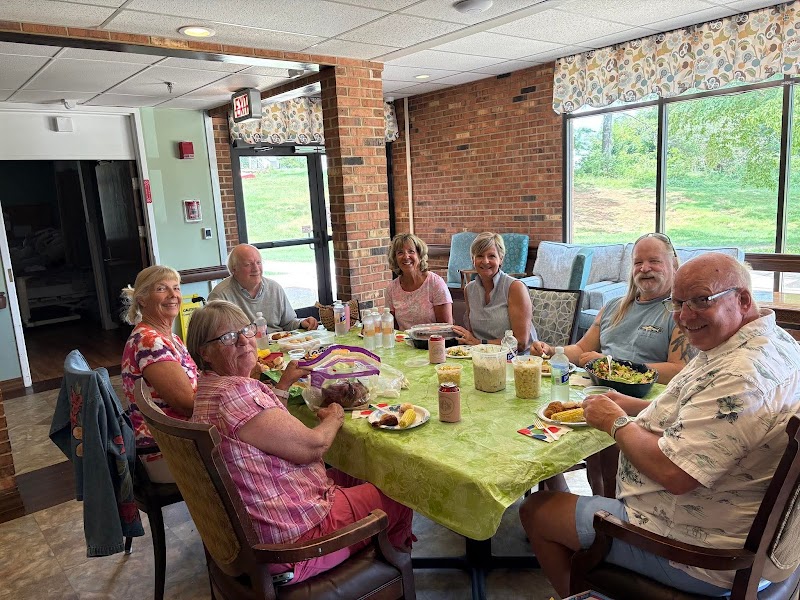
Who Owns and Operates Skyview Springs Rehab And Nursing Center?

SKYVIEW SPRINGS REHAB AND NURSING CENTER is owned by a for-profit company. For-profit facilities operate as businesses with obligations to shareholders or private owners. The facility is operated by HILL VALLEY HEALTHCARE, a chain that manages multiple nursing homes. With 120 certified beds and approximately 115 residents (about 96% occupancy), it is a mid-sized facility located in LURAY, Virginia.
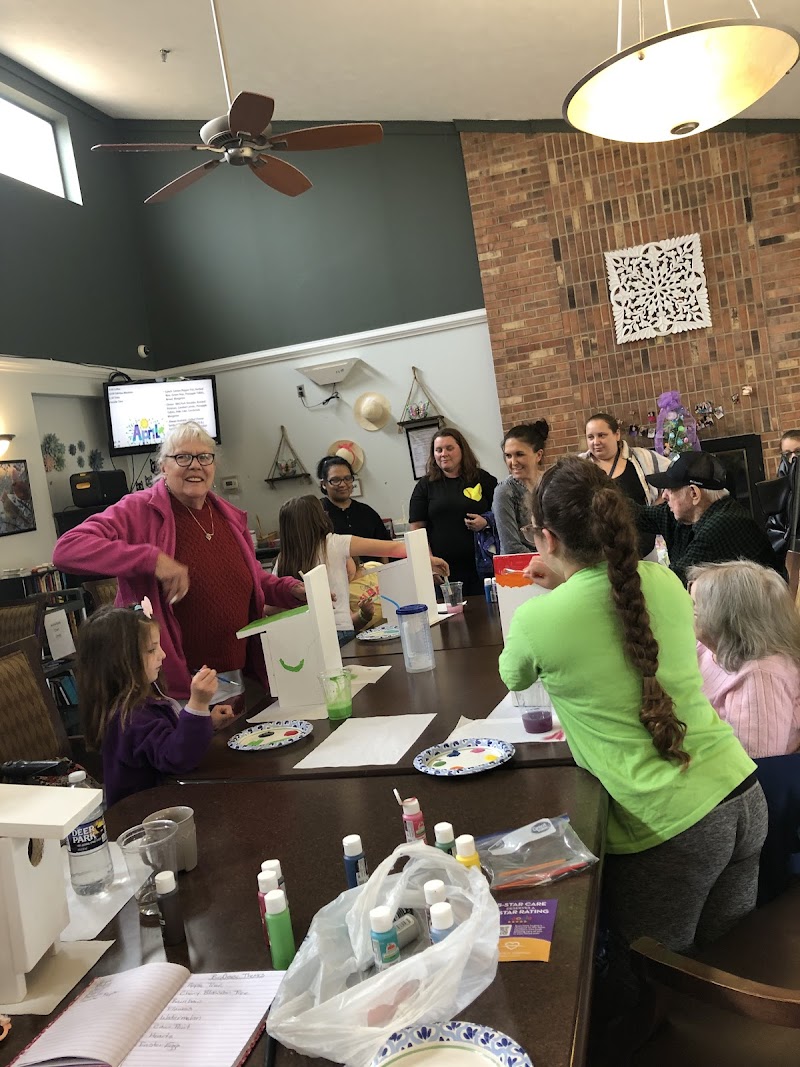
How Does Skyview Springs Rehab And Nursing Center Compare to Other Virginia Nursing Homes?

Compared to the 100 nursing homes in Virginia, SKYVIEW SPRINGS REHAB AND NURSING CENTER's overall rating (2 stars) is below the state average of 3.0, staff turnover (31%) is significantly lower than the state average of 46%, and health inspection rating (2 stars) is below the national benchmark.

What Should Families Ask When Visiting Skyview Springs Rehab And Nursing Center?

Based on this facility's data, families visiting should ask: "What changes have been made since the serious inspection findings, and how are you preventing similar issues?" "Can you walk me through typical staffing levels on day, evening, and night shifts?" "Can I visit during a mealtime to observe dining assistance and food quality?" "How do you handle medical emergencies, and what is your hospital transfer rate?" These questions are particularly relevant given the facility's Immediate Jeopardy citations and the below-average staffing rating.

Is Skyview Springs Rehab And Nursing Center Safe?

Based on CMS inspection data, SKYVIEW SPRINGS REHAB AND NURSING CENTER has documented safety concerns. Inspectors have issued 1 Immediate Jeopardy citation (the most serious violation level indicating risk of serious injury or death). The facility has a 2-star overall rating and ranks #100 of 100 nursing homes in Virginia. Families considering this facility should ask detailed questions about what corrective actions have been taken since these incidents.

Do Nurses at Skyview Springs Rehab And Nursing Center Stick Around?

SKYVIEW SPRINGS REHAB AND NURSING CENTER has a staff turnover rate of 31%, which is about average for Virginia nursing homes (state average: 46%). Moderate turnover is common in nursing homes, but families should still ask about staff tenure and how the facility maintains care continuity when employees leave.

Was Skyview Springs Rehab And Nursing Center Ever Fined?

SKYVIEW SPRINGS REHAB AND NURSING CENTER has been fined $7,443 across 1 penalty action. This is below the Virginia average of $33,153. While any fine indicates a compliance issue, fines under $50,000 are relatively common and typically reflect isolated problems that were subsequently corrected. Families should ask what specific issues led to these fines and confirm they've been resolved.

Is Skyview Springs Rehab And Nursing Center on Any Federal Watch List?

SKYVIEW SPRINGS REHAB AND NURSING CENTER is not on any federal watch list. The most significant is the Special Focus Facility (SFF) program, which identifies the bottom 1% of nursing homes nationally based on persistent, serious quality problems. Not being on this list means the facility has avoided the pattern of deficiencies that triggers enhanced federal oversight. This is a positive indicator, though families should still review the facility's inspection history directly.