LIBERTY RIDGE HEALTH & REHAB

189 MONICA BLVD, LYNCHBURG, VA 24502 (434) 847-2860
For profit - Limited Liability company 90 Beds SABER HEALTHCARE GROUP Data: November 2025
Trust Grade
53/100
#143 of 285 in VA
Last Inspection: June 2024

Within standard 12-15 month inspection cycle. Federal law requires annual inspections.

Overview

Liberty Ridge Health & Rehab has a Trust Grade of C, which means it is average among nursing homes, sitting in the middle of the pack. It ranks #143 out of 285 facilities in Virginia, placing it in the bottom half, and #4 out of 8 in Lynchburg City County, indicating that only three other local options are better. The facility is worsening, with issues increasing from 7 in 2022 to 9 in 2024. Staffing is average with a turnover rate of 48%, which matches the state average, but the RN coverage is average, suggesting there is room for improvement. Notably, the facility faced $10,033 in fines, which is concerning as it is higher than 78% of Virginia facilities. Several serious incidents were reported, including a case where a resident received medication meant for another resident, resulting in hospitalization due to harm. Additionally, there were complaints that the meals served did not match the posted menu, impacting residents' expectations. Overall, while there are strengths in some areas, the facility has significant weaknesses that families should consider when researching options.

Trust Score
C
53/100
In Virginia
#143/285
Top 50%
Safety Record
Moderate
Needs review
Inspections
Getting Worse
7 → 9 violations
Staff Stability
⚠ Watch
48% turnover. Above average. Higher turnover means staff may not know residents' routines.
Penalties
⚠ Watch
$10,033 in fines. Higher than 90% of Virginia facilities, suggesting repeated compliance issues.
Skilled Nurses
⚠ Watch
Each resident gets only 26 minutes of Registered Nurse (RN) attention daily — below average for Virginia. Fewer RN minutes means fewer trained eyes watching for problems.
Violations
⚠ Watch
18 deficiencies on record. Higher than average. Multiple issues found across inspections.
★★★☆☆
3.0
Overall Rating
★★★☆☆
3.0
Staff Levels
★★★★☆
4.0
Care Quality
★★★☆☆
3.0
Inspection Score
Stable
2022: 7 issues
2024: 9 issues

The Good

  • 4-Star Quality Measures · Strong clinical quality outcomes
  • Full Sprinkler Coverage · Fire safety systems throughout facility
  • No fines on record

Facility shows strength in quality measures, fire safety.

The Bad

3-Star Overall Rating

Near Virginia average (3.0)

Meets federal standards, typical of most facilities

Staff Turnover: 48%

Near Virginia avg (46%)

Higher turnover may affect care consistency

Federal Fines: $10,033

Below median ($33,413)

Minor penalties assessed

Chain: SABER HEALTHCARE GROUP

Part of a multi-facility chain

Ask about local staffing decisions and management

The Ugly 18 deficiencies on record

2 actual harm
Jun 2024 9 deficiencies 2 Harm
SERIOUS (G)

Actual Harm - a resident was hurt due to facility failures

Deficiency F0658 (Tag F0658)

A resident was harmed · This affected 1 resident

**NOTE- TERMS IN BRACKETS HAVE BEEN EDITED TO PROTECT CONFIDENTIALITY** Based on staff interview, clinical record review, and facility documentation review, the facility staff failed to follow profess...

Read full inspector narrative →
**NOTE- TERMS IN BRACKETS HAVE BEEN EDITED TO PROTECT CONFIDENTIALITY** Based on staff interview, clinical record review, and facility documentation review, the facility staff failed to follow professional standards of practice during medication administration, that resulted in harm for 1 of 21 residents in the survey sample. (Resident # 33 - R 33). The findings include: Facility staff administered medications to R33 that had been ordered for another resident, R15, who was her roommate. The nurse that prepared the medications gave the medication to another nurse to administer, which resulted in R33 receiving medications not intended or ordered for her, requiring hospitalization, which is harm. On 6/4/24 and 6/5/24, a clinical record review was conducted of R33's chart. This review revealed that on 1/12/24 R33 was transferred to the ER (emergency room) for treatment after receiving medications that had been ordered for R15. Per the 1/12/24 ER records, R 33 was administered atropine by emergency medical services, while in route to the ER, and was admitted with diagnoses that included: 1. Acute metabolic encephalopathy (due to accidental ingestion of several medications that were not prescribed for her) 2. Medication administered in error (resident was accidentally given amlodipine 10 mg, digoxin 125 mcg 1 ½ tabs, Lasix 40 mg, iron 325 mg, potassium chloride 10 meq, Seroquel 75 mg, enalapril 20 mg, Klonopin 0.25 mg, docusate, Eliquis 5 mg) 3. Supratherapeutic INR (abnormal coagulation profile . supratherapeutic INR after receiving Coumadin and Eliquis, presented with an INR 4.93. Goal INR 2-3 in the setting of chronic A-fib.) 4. Accidental clonazepam poisoning (poisoning by benzodiazepines, accidental) 5. Accidental digoxin overdose (Digoxin level 0.8) While at the ER, R33 received a CT scan of her brain/head, chest x-ray, cardiac monitoring via telemetry, labs and was given intravenous fluids. Following treatment and stabilization, R33 was discharged to return to the facility on 1/15/24. On 6/4/24, a review of the facility event summary report revealed that on 1/12/24 a licensed nurse (Licensed practical nurse-LPN #7) was overseeing another licensed nurse (registered nurse - RN#3) in orientation. This event summary revealed that RN #3 prepared R15's medications and then handed the cup of medications to the other nurse (LPN #7), who administered the medications to the wrong resident, R33. According to the summary, the incident was discovered immediately, and reported to the NP, who assessed R33 and subsequently sent R33 to the ED for treatment. Also, according to the facility documentation, both LPN #7 and RN #3 were immediately suspended, pending investigation, residents who had already received medications from LPN #7 and RN #3 that shift had assessments completed to ensure there was no change in condition, and residents who were able to be interviewed were asked if they had any issues with their medication administration that day. No concerns were identified. On 6/4/24 at 10:30 AM, RN #3 was interviewed regarding the incident. RN #3 stated that she was being orientated to the med cart.by LPN # 7. RN #3 stated she pulled meds for R15 and handed them to LPN #7, who then left the med cart and entered the resident's room. RN #3 stated that when she entered the resident's room, she realized that LPN #7 had given the medications to the wrong resident. RN #3 stated the unit manager and nurse practitioner (NP) were notified and that R33 was sent to ER for treatment. RN#3 stated she was immediately educated on the 5 rights of medication administration and suspended pending investigation. Upon returning to work, RN #3 stated that she received additional education on medication administration. When asked how this could have been avoided, RN #3 stated, You pull what you give and give what you pull, basically nursing 101. On 6/5/24 at 10:24 AM, LPN #3 who was the unit manager was interviewed. LPN #3 stated that the situation was handled by the DON and that since the situation occurred there have been med pass audits, inservices, and med cart audits. LPN #3 stated that the error occurred due to one nurse pulling the medications and another nurse giving the medication. LPN #3 stated that since the incident occurred staff had been instructed that .if you pull it [a medication], you give it. On 6/5/24 at 10:29 AM, LPN #7 was interviewed via phone regarding the incident. LPN #7 stated that she was late arriving to work and that RN #3 was already on the med cart. LPN #7 stated that RN #3 had popped the meds as they were talking about R33. She stated that she took the meds from RN #3 and gave them to R33. LPN #7 stated the error was immediately realized and the NP was notified. LPN #7 stated that as R33 was being monitored, there was a drastic change with her blood pressure and was sent to the ER for treatment. LPN #7 stated she was immediately suspended for 3 days. Since returning to work LPN #7 stated she had been reeducated and observed during med pass administrations. LPN #7 then stated, I know I should not have done it, but we were late, and I was trying to help her (RN3#) out. RN #3 was orientating to supervisor role and was getting used to the med cart. R33 was not interviewed due to severe cognitive impairment. A review was conducted of the facility policy titled General Dose Preparation and Medication Administration. Per the facility policy, prior to administration of medication facility staff should .verify each time a medication is administered that it is the correct medication, at the correct dose, at the correct route, at the correct rate, at the correct time, for the correct resident. Fundamentals of Nursing, by [NAME] directs that The physician is responsible for directing medical treatment. Nurses follow physicians' orders unless they believe the orders are in error or harm clients. Guidance is given from [NAME] Solutions, Safe Medication Administration Practices, General 10/02/2015. Document all medications administered in the patient's MAR or EMAR (Electronic Medication Administration Record). If a medication wasn't administered, document the reason why, any interventions taken, practitioner notification, and the patient's response to interventions. Additional Guidance from [NAME]'s Nursing Center.com (www.nursingcenter.com) Rights of Medication Administration were noted as: 1. Right patient, 2. Right medication, 3. Right dose, 4. Right route, 5. Right time, 6. Right documentation, 7. Right reason, 8. Right response Reference: Nursing 2012 Drug Handbook. (2012). [NAME] & [NAME]: Philadelphia, Pennsylvania. The facility self-identified the deficient practice, initiated, and implemented a plan of correction, which included: RN #3 and LPN #7 were immediately suspended after reporting the medication error. Nursing staff education provided on 1/12/24 through 1/15/24 that stated, 5 rights of medication administration must be completed for every resident, every medication and that if two nurses are on a med cart for any reason, orienting or sharing responsibility the nurse that prepared and signed the medication off was responsible for ensuring the 5 rights of medication administration was met. This was also added to new hire orientation. The DON/designee was to complete random med pass observations 5 times per week for 4 weeks, then monthly for 2 months. The DON/designee was to randomly interview 3 residents a week for 12 weeks. The DON/designee was to assess 3 random non-interviewable residents 3 x week for 12 weeks to ensure they had no indication of med error changes in condition. The results of the audits were submitted to the QAPI committee. The DON stated the date of correction and compliance was achieved on 5/20/24. During the survey, facility staff were observed during medication administration with no deficient practice noted. The facility Quality Assessment and Performance Improvement Plan and Quality Assessment and Assurance Programs were reviewed, with no deficient practice noted. On 6/5/24, facility nursing staff were interviewed about receiving education on medication administration and were able to voice that they had received education on the 5 rights of administration and that the nurse who prepares and signs the medication is responsible for the 5 rights and giving the medication. The facility's medication administration audits and observations were reviewed. Resident interviews conducted by the facility's DON were reviewed. Inservice attendance records for nursing staff were reviewed. No concerns were found. No further information was provided. During the survey, no additional concerns were identified with regards to professional standards of nursing practice not being followed. Past non-compliance was achieved on 5/20/24.
SERIOUS (G)

Actual Harm - a resident was hurt due to facility failures

Deficiency F0760 (Tag F0760)

A resident was harmed · This affected 1 resident

**NOTE- TERMS IN BRACKETS HAVE BEEN EDITED TO PROTECT CONFIDENTIALITY** Based on staff interview, clinical record review, and facility documentation review, the facility staff failed to ensure that 1 ...

Read full inspector narrative →
**NOTE- TERMS IN BRACKETS HAVE BEEN EDITED TO PROTECT CONFIDENTIALITY** Based on staff interview, clinical record review, and facility documentation review, the facility staff failed to ensure that 1 of 21 residents in the survey sample were free of significant medication errors, which resulted in harm (Resident # 33 - R 33). The findings include: Facility staff administered medications to R33 that had been ordered for another resident, R15, who was the roommate. The nurse that prepared the medications gave the medication to another nurse to administer, which resulted in R33 receiving medications not intended or ordered for her. resulting in hospitalization, which caused harm. According to the clinical record, R33 had diagnoses that included dementia, muscle weakness, hypertension, major depressive disorder, long term use of anticoagulants, and chronic atrial fibrillation. The most recent minimum data set, which was a quarterly assessment, assessed R33 with severe cognitive impairment. On 6/4/24 and 6/5/24, a clinical record review was conducted of R33's chart. This review revealed that on 1/12/24 R33 was transferred to the ER (emergency room) for treatment after receiving medications that had been ordered for R15. Per the ER records, R 33 received atropine by emergency medical services while in route to the ER and was admitted with diagnoses that included: 1. Acute metabolic encephalopathy (due to accidental ingestion of several medications that were not prescribed for her) 2. Medication administered in error (resident was accidentally given amlodipine 10 mg, digoxin 125 mcg 1 ½ tabs, Lasix 40 mg, iron 325 mg, potassium chloride 10 meq, Seroquel 75 mg, enalapril 20 mg, Klonopin 0.25 mg, docusate, Eliquis 5 mg) 3. Supratherapeutic INR (abnormal coagulation profile) (supratherapeutic INR after receiving Coumadin and Eliquis, presented with an INR 4.93. Goal INR 2-3 in the setting of chronic A-fib.) 4. Accidental clonazepam poisoning (poisoning by benzodiazepines, accidental) 5. Accidental digoxin overdose (Digoxin level 0.8) While at the ER, R33 received a CT scan of her brain/head, chest x-ray, cardiac monitoring via telemetry, labs and was given intravenous fluids. Following treatment and stabilization, R33 was discharged to return to the facility on 1/15/24. On 6/4/24, a review of the facility event summary report revealed that on 1/12/24 a licensed nurse (Licensed practical nurse-LPN #7) was overseeing another licensed nurse (registered nurse - RN#3) in orientation. This event summary revealed that RN #3 prepared R15's medications and then handed the cup of medications to the other nurse (LPN #7), who administered the medications to the wrong resident, R33. According to the summary, the incident was discovered immediately, and reported to the NP, who assessed R33 and subsequently sent R33 to the ED for treatment. Also, according to the facility documentation, both LPN #7 and RN #3 were immediately suspended, pending investigation, residents who had already received medications from LPN #7 and RN #3 that shift had assessments completed to ensure there was no change in condition, and residents who were able to be interviewed were asked if they had any issues with their medication administration that day. No concerns were identified. On 6/4/24 at 10:30 AM, RN #3 was interviewed regarding the incident. RN #3 stated that she was being orientated to the med cart.by LPN # 7. RN #3 stated she pulled meds for R15 and handed them to LPN #7, who then left the med cart and entered the resident's room. RN #3 stated that when she entered the resident's room, she realized that LPN #7 had given the medications to the wrong resident. RN #3 stated the unit manager and nurse practitioner (NP) were notified and that R33 was sent to ER for treatment. RN#3 stated she was immediately educated on the 5 rights of medication administration and suspended pending investigation. Upon returning to work, RN #3 stated that she received additional education on medication administration. When asked how this could have been avoided, RN #3 stated, You pull what you give and give what you pull, basically nursing 101. On 6/5/24 at 10:24 AM, LPN #3 who was the unit manager was interviewed. LPN #3 stated that the situation was handled by the DON and that since the situation occurred there have been med pass audits, inservices, and med cart audits. LPN #3 stated that the error occurred due to one nurse pulling the medications and another nurse giving the medication. LPN #3 stated that since the incident occurred staff had been instructed that .if you pull it [a medication], you give it. On 6/5/24 at 10:29 AM, LPN #7 was interviewed via phone regarding the incident. LPN #7 stated that she was late arriving to work and that RN #3 was already on the med cart. LPN #7 stated that RN #3 had popped the meds as they were talking about R33. She stated that she took the meds from RN #3 and gave them to R33. LPN #7 stated the error was immediately realized and the NP was notified. LPN #7 stated that as R33 was being monitored, there was a drastic change with her blood pressure and was sent to the ER for treatment. LPN #7 stated she was immediately suspended for 3 days. Since returning to work LPN #7 stated she had been reeducated and observed during med pass administrations. LPN #7 then stated, I know I should not have done it, but we were late, and I was trying to help her (RN3#) out. RN #3 was orientating to supervisor role and was getting used to the med cart. R33 was not interviewed due to severe cognitive impairment. A review was conducted of the facility policy titled General Dose Preparation and Medication Administration Per the facility policy prior to administration of medication facility staff should verify each time a medication is administered that it is the correct medication, at the correct dose, at the correct route, at the correct rate, at the correct time, for the correct resident. Fundamentals of Nursing, by [NAME], stated The physician is responsible for directing medical treatment. Nurses follow physicians' orders unless they believe the orders are in error or harm clients. Guidance is given from [NAME] Solutions, Safe Medication Administration Practices, General 10/02/2015. Document all medications administered in the patient's MAR or EMAR (Electronic Medication Administration Record). If a medication wasn't administered, document the reason why, any interventions taken, practitioner notification, and the patient's response to interventions. Additional Guidance from [NAME]'s Nursing Center.com (www.nursingcenter.com) Rights of Medication Administration were noted as: 1. Right patient, 2. Right medication, 3. Right dose, 4. Right route, 5. Right time, 6. Right documentation, 7. Right reason, 8. Right response Reference: Nursing2012 Drug Handbook. (2012). [NAME] & [NAME]: Philadelphia, Pennsylvania. The facility self-identified the deficient practice, initiated, and implemented a plan of correction, which included: RN #3 and LPN #7 were immediately suspended after reporting the medication error. Nursing staff education provided on 1/12/24 through 1/15/24 that stated, 5 rights of medication administration must be completed for every resident, every medication and that if two nurses are on a med cart for any reason, orienting or sharing responsibility the nurse that prepared and signed the medication off was responsible for ensuring the 5 rights of medication administration was met. This was also added to new hire orientation. The DON/designee was to complete random med pass observations 5 times per week for 4 weeks then monthly for 2 months. The DON/designee was to randomly interview 3 residents a week for 12 weeks. The DON/designee was to assess 3 random non-interviewable residents 3 x week for 12 weeks to ensure they had no indication of med error changes in condition. The results of the audits were submitted to the QAPI committee. The DON stated the date of correction and compliance was achieved on 5/20/24. During the survey, facility staff were observed during medication administration with no deficient practice noted. The facility Quality Assessment and Performance Improvement Plan and Quality Assessment and Assurance Programs were reviewed, with no deficient practice noted. On 6/5/24 facility nursing staff were interviewed about receiving education on medication administration and were able to voice that they had received education on the 5 rights of administration and that the nurse who prepares and signs the medication is responsible for the 5 rights and giving the medication. The facility's medication administration audits and observations were reviewed. Resident interviews conducted by the facility's DON were reviewed. Inservice attendance records for nursing staff were reviewed. No further information was provided. During the survey, no additional concerns were identified with regards to professional standards of nursing practice not being followed. Past non-compliance was achieved on 5/20/24.
CONCERN (D)

Potential for Harm - no one hurt, but risky conditions existed

Medication Errors (Tag F0758)

Could have caused harm · This affected 1 resident

**NOTE- TERMS IN BRACKETS HAVE BEEN EDITED TO PROTECT CONFIDENTIALITY** Based on resident interview, staff interview, clinical record review, and facility documentation review, the facility staff fail...

Read full inspector narrative →
**NOTE- TERMS IN BRACKETS HAVE BEEN EDITED TO PROTECT CONFIDENTIALITY** Based on resident interview, staff interview, clinical record review, and facility documentation review, the facility staff failed to ensure two residents (Resident #70- R70) and (Resident #67- R67), were free from unnecessary psychotropic medications, in a survey sample of 21 residents. The findings included: 1. For Resident #70 (R70), the facility staff failed to limit an order to 14 days for the psychotropic medication Ativan, an antianxiety medication, ordered to be given as needed. On 6/3/24 at 11:51 a.m., R70 was observed in their room and appeared comfortable. On 6/3/24 and 6/4/24, a clinical record review was conducted of R70's chart. This review revealed that R70 had an active physician order for Ativan 0.5 mg tablet to be administered every 4 hours as needed (prn) for anxiety or agitation. The order was written 4/15/24, had no stop date, and at the time of survey, it remained an active order. On 6/4/24 at 2:50 p.m., an interview was conducted with CNA #1 (certified nursing assistant). When asked about R70, CNA #1 said that R70 is a very friendly and cooperative with care. CNA #1 said that R70 had no behaviors but did get anxious at times. On 6/4/24 at 02:53 p.m., an interview was conducted with LPN #6. LPN #6 accessed R70's medication administration record and confirmed that the Ativan was an active order and was ordered to be given every 4 hours as needed. LPN #6 also confirmed that the order did not have a stop date and said, It's been 2 months ago that we got the order for it. When asked about the duration of prn (as needed) orders, LPN #6 said, 15 days, if not used we are to discontinue it. On 6/4/24 at approximately 3:15 p.m., the director of nursing (DON) was made aware of the above findings. The DON confirmed that any psychotropic medications that are ordered prn are to be ordered for no more than 14 days and they must be re-evaluated following 14 days. On 6/4/24 at 9:05 a.m., the DON provided the surveyor with a copy of the order and said she had spoken to the doctor, and it was discontinued on 6/4/24, following notification by the surveyor. The DON stated, The doctor ordered it for comfort and didn't think the resident would live as long as he did. The DON was asked to provide the facility policy related to prn orders for psychotropic medications. On 6/4/24 at 10:15 a.m., the DON stated that the facility did not have a policy related to prn orders for psychotropic medications. On 6/4/24 at approximately 11:15 a.m., the facility administrator was made aware of the above findings. No further information was provided. 2. Resident #67 had a prn (as needed) order for the antipsychotic medication Seroquel, which was entered without a stop date and was in place beyond the 14-day limit. Resident #67 (R67) was admitted to the facility with diagnoses that included coronary artery disease, dementia with agitation, mood disorder and hypertension. The minimum data set (MDS) dated [DATE] assessed R67 as cognitively intact. R67's clinical record documented a physician's order dated 4/7/24 for Seroquel 25 mg (milligrams) with instructions to give 1/2 tablet every 8 hours as needed (prn) due to dementia/psychosis. The clincal record revealed that the order was entered with no stop date and was in place for 30 days prior to being discontinued on 5/8/24 in response to a pharmacy recommendation. R67's clinical record documented no physician and/or nurse practitioner assessments indicating the need/rationale for the prn Seroquel use beyond a 14-day limit. On 6/4/24 at 10:58 a.m., the director of nursing (DON) was interviewed about R67's prn Seroquel order that had been in place without a stop date. The DON stated the prn Seroquel order was entered when the resident was admitted on [DATE]. The DON stated the order was entered without a stop date and was not discontinued until 5/8/24. The Nursing 2022 Drug Handbook on pages 1250 and 1251 describes Seroquel as an antipsychotic medication used for the treatment of schizophrenia and bipolar disorder/depression. This reference documents on page 1252 that Seroquel has a Black Box Warning stating, The risk of death is increased in elderly patients with dementia-related psychosis. Quetiapine [Seroquel] isn't approved for the treatment of patients with dementia-related psychosis (1) This finding was reviewed with the administrator, DON, and regional consultant during a meeting on 6/4/24 at 4:00 p.m. with no further information presented prior to the end of the survey. (1) Woods, [NAME] Dabrow. Nursing 2022 Drug Handbook. Philadelphia: Wolters Kluwer, 2022.
CONCERN (D)

Potential for Harm - no one hurt, but risky conditions existed

Deficiency F0761 (Tag F0761)

Could have caused harm · This affected 1 resident

2. Failed to ensure expired medications were discarded on 1 of 2 units, the skilled unit. Findings were: During a medication storage review conducted on 6/5/24 at 8:54 AM, the medication cart on the ...

Read full inspector narrative →
2. Failed to ensure expired medications were discarded on 1 of 2 units, the skilled unit. Findings were: During a medication storage review conducted on 6/5/24 at 8:54 AM, the medication cart on the skilled unit was reviewed with licensed practical nurse (LPN # 2). A floor stock bottle of psyllium husk powder was noted to have a manufacturer's expiration date of 3/24. LPN # 2 also reviewed the medication and verbalized that the medication should have been discarded. LPN # 2 then removed the medication from the cart. A facility policy titled Storage and Expiration Dating of Medications, Biologicals read in part 4. Facility should ensure that medications and biologicals that: (1) have an expired date on the label; (2) have been retained longer than recommended by manufacturer or supplier guidelines; or (3) have been contaminated or deteriorated, are stored separate from other medications until destroyed or returned to the pharmacy or supplier. On 6/5/24 at 11:00 AM the above information was presented to the director of nursing and the administrator. No further information was obtained prior to the exit conference on 6/5/24. Based on observation, staff interview, facility document review and clinical record review, the facility staff failed to accurately label a medication and discard an expired medication on one of two units (skilled unit). The findings include: 1. The medication metoprolol administered to Resident #132 during a medication pass observation was labeled with an incorrect dosage. A medication pass observation was conducted on 6/4/24 at 7:39 a.m., with licensed practical nurse (LPN #2) administering medications to Resident #132 (R132). Among the medications administered was a half tablet of metoprolol 25 mg (milligrams) for a 12.5 mg dose. R132's pharmacy supply card of metoprolol was labeled with instructions to give 25 mg twice per day. There was nothing documented on the supply card label indicating the half tablet (12.5 mg) dose or of any recent dose change. R132's clinical record documented a physician's order dated 5/30/24 for metoprolol 25 mg with instructions to give 1/2 (one half) tablet twice per day for treatment of hypertension. On 6/4/24 at 8:26 a.m., LPN #2 was interviewed about the metoprolol label not matching the current 12.5 mg dose. LPN #2 stated the resident was previously on 25 mg twice per day and the order was changed on 5/30/24 to 25 mg half tablet (12.5 mg) twice per day. LPN #2 stated the new order was sent to pharmacy, but the half tablets had not been supplied and the label not changed. LPN #2 stated the tablets were scored so she cut the tablet in half to give the proper dose. LPN #2 stated she did not know why the label and/or new half tablet supply were not provided by pharmacy. On 6/4/24 at 9:20 a.m., the pharmacy manager (other staff #4) was interviewed about R132's metoprolol label not matching the ordered dosage. The pharmacy manager stated R132's metoprolol order was changed on 5/30/24 from 25 mg to 12.5 mg twice per day. The pharmacy manager stated when the 12.5 mg order was entered, the insurance company did not approve a new supply of tablets, so the facility was to cut the whole tablets in half to meet the dose requirements and consume the current supply. When asked about the pharmacy label indicating the discontinued dose, the pharmacy manager stated stickers were available to place on supply cards alerting nursing staff of a recent dose or instruction change. On 6/4/24 at 9:57 a.m., the administrator stated that the pharmacy had no written policy regarding use of the dose change alert stickers but that the stickers were available for use. This finding was reviewed with the administrator, director of nursing and regional consultant during a meeting on 6/4/24 at 4:00 p.m. with no further information provided prior to the end of the survey.
CONCERN (D)

Potential for Harm - no one hurt, but risky conditions existed

Medical Records (Tag F0842)

Could have caused harm · This affected 1 resident

**NOTE- TERMS IN BRACKETS HAVE BEEN EDITED TO PROTECT CONFIDENTIALITY** Based on staff interview and clinical record review, the facility staff failed to ensure an accurate clinical record for one of ...

Read full inspector narrative →
**NOTE- TERMS IN BRACKETS HAVE BEEN EDITED TO PROTECT CONFIDENTIALITY** Based on staff interview and clinical record review, the facility staff failed to ensure an accurate clinical record for one of twenty-one residents in the survey sample (Resident #68) The findings include: Resident #68 (R68) was admitted to the facility with diagnoses that included anemia, atrial fibrillation, diabetes and arthritis. The minimum data set (MDS) dated [DATE] assessed R68 as cognitively intact. R68's clinical record documented a Durable Do Not Resuscitate Order signed by the physician and resident on 5/19/24. R68's clinical record also documented an Advance Care Planning Tracking Form dated 5/21/24 for Resident #73. Resident #73's Advance Care Planning Tracking Form documented a verified full code status and was dated 5/21/24. On 6/4/24 at 10:54 a.m., the medical records clerk (other staff #1) was interviewed about R73's advance directive checklist found in R68's clinical record. The medical records clerk stated that the social services department was responsible for entering forms regarding resuscitation status into the clinical record. On 6/4/24 at 11:37 a.m., the social services director (other staff #2) was interviewed about R68's record including R73's advance directive checklist. The social services director stated R73's advance directive form, verifying a full code status, was scanned and entered into the wrong clinical record. The social services director stated R73's documents should not have been saved to R68's clinical record. This finding was reviewed with the administrator, director of nursing and regional consultant during a meeting on 6/4/24 at 4:00 p.m. with no further information provided prior to the end of the survey.
CONCERN (E)

Potential for Harm - no one hurt, but risky conditions existed

Menu Adequacy (Tag F0803)

Could have caused harm · This affected multiple residents

Based on observation, resident and staff interviews, and facility documentation review, the facility staff failed to follow the posted menu, affecting residents on 2 of 2 nursing units. The findings i...

Read full inspector narrative →
Based on observation, resident and staff interviews, and facility documentation review, the facility staff failed to follow the posted menu, affecting residents on 2 of 2 nursing units. The findings included: The facility staff failed to follow the posted menu with regards to the vegetable. On 6/3/24 at 3 p.m., the resident council met with a surveyor. During the meeting, residents verbalized that they do not get what is posted on the menu. On 6/3/24 at approximately 4 p.m., observations were made of the menu posting on each of the resident units. The evening meal was listed as chicken tenders, greens, and macaroni and cheese. On 6/3/24, in the afternoon, the menu was reviewed, and it listed the evening meal as being chicken tenders, seasoned greens, macaroni and cheese, and fresh fruit cup. On 6/3/24 at 04:24 p.m., observations were conducted in the kitchen of the evening meal that was being prepared by the cook/other staff #6 (OS #6). The cook said that she was preparing broccoli because they didn't have greens. When asked what the process is when they do not have what is on the menu to prepare. The cook said, Since it was greens, I try to stick with something green, he [the dietary manager] said he thought he saw greens on shelf. The surveyor asked the cook if they have a substitution log, the cook said, what do you mean by that? The cook was asked if she doesn't have something on the menu to prepare, does she have to have someone approve it, she said, No. On 6/3/24 at approximately 4:30 p.m., the dietary manager/other staff #5 (OS #5) was interviewed and asked about when items are not available on the menu. The dietary manager said, We try to stay as close to the menu as we can. When asked if there is a substitution log, the manager said, There should be one in the back. When the dietary manager was accompanied to the food prep area, a 3-ring binder was observed on a table next to the oven, which was found to contain the substitution logs, but were last filled out on 2/10/2022. On 06/04/24 at 02:10 p.m., an interview was conducted with the registered dietician/RD (other staff #7- OS #7). The RD said that substitutions are to be put in the logbook so that she can review and sign off on them to ensure substitutions are nutritionally equivalent. When asked if that is being done at this facility, she stated, No. A review was conducted of the facility policy titled, Menu Substitution(s) Policy. The policy read in part, All changes to the menu (including date, menu item substitution, and reason for the substitution) will be recorded on the Menu Substitution Form. Posted menus will be updated to reflect menu substitutions as soon as possible to notify residents of changes. Menu changes should be evaluated periodically by the RD/DTR [registered dietician], and an appropriate plan of action made to correct any concerns . On 06/04/24 at 3:47 p.m., during an end of day meeting the facility Administrator and Director of Nursing (DON) were made aware of the above concerns. No additional information was provided.
CONCERN (E)

Potential for Harm - no one hurt, but risky conditions existed

Deficiency F0804 (Tag F0804)

Could have caused harm · This affected multiple residents

Based on observations, resident and staff interviews, and facility documentation review, the facility failed to provide foods that were at appetizing temperatures on two of two nursing units, affectin...

Read full inspector narrative →
Based on observations, resident and staff interviews, and facility documentation review, the facility failed to provide foods that were at appetizing temperatures on two of two nursing units, affecting multiple residents. Findings include: The facility staff failed to serve foods at an appetizing temperature on the long-term care unit. On 6/3/24 at 3 p.m., a meeting was held with the resident council, of which seven residents were in attendance. During the meeting, the residents verbalized that the food is not hot. On 6/3/24 at 3:15 p.m., an interview was conducted with Resident #51 (R51) who stated, The food is lukewarm, coffee is not hot. I could probably get someone to heat it up or get me another cup, but then you have to wait. On 6/3/24 at 4:24 p.m., observations were conducted in the kitchen. The dietary manager was asked how coffee was prepared and distributed to residents. The dietary manager explained that coffee is brewed in the kitchen, cooled with ice, and then put into coffee dispensers that are sent to the dining room. The dietary manager stated that from the dining room, the nursing staff fill coffee cups and distribute them to residents. On 6/4/24 at 7:45 a.m., the tray line in the kitchen was observed for the breakfast meal. At 8:01 a.m., a test tray was prepared and placed on the last meal cart, which was for the 100 hall, leaving the kitchen immediately after the test tray was prepared. The facility staff were then observed in the dining room, filling cups with coffee from a coffee dispenser, then placing them on the meal trays, uncovered, and then distributing the trays to resident rooms. The dietary manager and surveyor noted that the residents on the 100 hall were the last residents being served. At 8:25 a.m., there were 3 resident trays remaining on the cart to be distributed so the test tray was swapped with a resident tray and the temperature of the foods were taken. The temperatures were noted as follows: milk. 52.5 degrees farenheight, coffee 126.7 degrees farenheight, eggs 107 degrees farenheight, oatmeal 131.7 degrees farenheight, biscuit: 106.5 degrees farenheight. Following the above observation and taking the temperatures of the test tray, the dietary manager was asked what he thought of the temperatures. The dietary manager stated the temperatures were a little low but added, It is breakfast foods, which don't hold heat too well. Review of the related food policies revealed two policies that addressed food temperature being served to the residents. One was the policy titled Food Brought in From Outside the Facility Policy, which addressed reheating of foods and specificed that . goal temp is 130-155 when served The second policy titled, Food Temperatures Policy, read in part, Hot food should be palatable at point of delivery. Review of the Food and Drug Administration's Food Code 2017: 7 Recommendations of the United States Public Health Service Food and Drug Administration, reviewed and current as of 03/2022, read in part, Foodborne illness in the United States is a major cause of personal distress, preventable illness, and death . Epidemiological outbreak data repeatedly identify five major risk factors related to employee behaviors and preparation practices in food service settings as contributing to foodborne illness: Improper holding temperatures, Inadequate cooking, such as undercooking raw shell eggs, Contaminated equipment, Food from unsafe sources, and Poor personal hygiene . The Food Code addresses controls for risk factors and further establishes 5 key public health interventions to protect consumer health. Specifically, these interventions are demonstration of knowledge, employee health controls, controlling contamination, and time and temperature parameters for controlling pathogens. 3-202.11 Temperature. (A) Except as specified in (B) of this section, refrigerated temperature control for food safety will be maintained at a temperature of 5oC (41oF) or below when served/received. (D) Temperature control for food safety of cooked foods that is cooked to a temperature and for a time specified under §§ 3-401.11 - 3-401.13 and received hot shall be at a temperature of 57oC (135oF) or above. On 6/4/24 at 3:45 p.m., during an end of day meeting, the facility administrator and director of nursing were made aware of the above findings. No further information was provided.
CONCERN (E)

Potential for Harm - no one hurt, but risky conditions existed

Food Safety (Tag F0812)

Could have caused harm · This affected multiple residents

Based on observation, staff interview, and facility documentation review, the facility staff failed to store and prepare food in accordance with food safety standards in the main kitchen having the po...

Read full inspector narrative →
Based on observation, staff interview, and facility documentation review, the facility staff failed to store and prepare food in accordance with food safety standards in the main kitchen having the potential to affect residents on 2 of 2 resident care units. The findings included: 1. The facility staff failed to store foods in a manner to prevent contamination and failed to label and date items in the freezer and refrigerators. On 6/3/24 at 10:35 a.m., an initial tour of the kitchen was conducted with the dietary manger. This observation revealed that in the dry storage room there was two bags of pasta that were open to air. One bag of pasta had the bag tied but a hole had also been ripped into the bag. Neither bag was dated as to when they were opened. There was also a bag of brown sugar that was open to air and didn't have any date as to when it was opened, or when it was to be used by. When asked how such items were expected to be stored, the dietary manager stated, In a re-usable bag. There were three containers that held dry cereal that had been removed from the original package, two of the containers had no date. When asked about the dating of items, the dietary manager said, I'm not sure dry goods need to be labeled, I will have to check the code. On 6/4/24 at 11:09 a.m., an additional observation was conducted of the dry food storage area. There was a package of sausage gravy, and a package of brown gravy that had both been placed in storage bags that were not secured and were open to air. Neither of the packages had any dates as to when they were opened or to be used by. There was a package of pink lemonade drink mix that was open to air and without any dates. There was a bag of powdered sugar that had been stored in a zip lock bag but didn't have any dates. There was also a package of flour tortilla shells that were in a zip lock bag that was not closed, leaving the contents open to air, and that had not been labeled with any dates of when the items were opened, or to be used by. On 6/4/24 at 02:10 p.m., an interview was conducted with the facility's registered dietician (RD). The RD confirmed that the expectation was that all items are to be closed and dated with the date opened. When asked why the dates are important, the RD said, So we know when to use it by. A review was conducted of the facility policy titled, Storage of Dry Food Policy. The policy read in part, . 7. When original packaging is opened food must be stored in containers intended for food that are durable, leak-proof, that can be sealed or covered. 8. Except when holding food that can be unmistakable recognized such as dry pasta, containers will be identified with the common name of the food item and date opened . The CFR [Federal code] read, 3-305.11 Food Storage .D. A date marking system that meets the criteria . (2) Marking the date or day of preparation, with a procedure to discard the food on or before the last date or day by which the food must be consumed on the premises, sold, or discarded According to the 2017 Food Code published by the U.S. Public Health Service, FDA U.S. Food & Drug Administration chapter 3, section 3-302.15, page 64 stated: Package Integrity. Food packages shall be in good condition and protect the integrity of the contents so that the food is not exposed to adulteration or potential contaminants. On 6/4/24 at 3:45 p.m., during an end of day meeting, the facility administrator and director of nursing were made aware of the above findings. No additional information was provided. 2. The facility staff failed to ensure expired food items were removed and were not available to be served to residents. On 6/3/24 at 10:35 a.m., observations were conducted of the facility's main kitchen. The dietary manager was present for the walk-through. In the dry storage area there was a container had colored rings of dry cereal, that appeared to be fruit loops. It had a date of 7/18/23, which was the date opened, and a use by date of 10/18/23. Observation of the walk-in cooler revealed skim milk with an expiration date of 6/3/24, which was the day of the inspection. On 6/4/24 at 7:45 a.m., the tray line in the kitchen was observed for the breakfast meal. During this observation, facility staff had milk at the side of the tray line, where they were using the supply to put on resident trays. Observations were noted that there were four cartons of milk with an expiration date of 6/3/24, that were available to be served to residents. The dietary aide stated she had not noticed the milk had expired. During the above observations, the dietary manager removed the expired milk and discarded it in the trash. The dietary manager said he would talk to the milk supplier, because they are supposed to give us 10 days out [referring to the expiration date being 10 days past the date of delivery]. On 6/4/24 at 02:10 p.m., an interview was conducted with the facility's registered dietician (RD). The RD confirmed that the expectation was for all items to be closed and dated with the date opened. When asked why the dates are important, the RD said, so we know when to use it by. The food storage policies of the facility were reviewed and didn't address the use of expired food items. According to SERV Safe Fourth Edition manual page 7-3 read, When food is stored improperly and not used in a timely manner, quality and safety suffer Page 7-4 stated, Discard food that has passed the manufacturer's expiration date. On 6/4/24 at 3:45 p.m., during an end of day meeting, the facility administrator and director of nursing were made aware of the above findings. No additional information was provided. 3. The facility staff failed to properly dry dishes to prevent the development of microorganism growth. On 6/3/24 at 10:35 a.m., observations were conducted of the facility staff washing dishes. It was noted that a dietary aide was observed removing dishes from the dish washer and immediately stacking them, while wet. This was with the tulip bowls, which were stacked, and then turned upside down and placed on the shelf above the steam table. The surveyor observed water running from the bowls as they were inverted. The dietary manager and surveyor observed the bowls and confirmed that water was in them. The dietary manager stated that this was wet nesting and could allow the growth of bacteria. Review of the facility policy titled, Manual Ware Washing Policy read in part, . 14. Pan(s), utensils, etc., shall be allowed to air-dry on sanitized drain board/rack/cart. Wet pans, dishes, and other small wares shall not be stacked until they are allowed to air dry . According to the 2017 Food Code published by the U.S. Public Health Service, FDA U.S. Food & Drug Administration chapter 4, section 4-901.11, titled Equipment and Utensils, Air-Drying Required pages 151-152 stated: After cleaning and sanitizing, equipment, and utensils: (A) Shall be air-dried or used after adequate draining as specified in the first paragraph of 40 CFR 180.940 Tolerance exemptions for active and inert ingredients for use in antimicrobial formulations (food-contact surface sanitizing solutions), before contact with food; and (B) May not be cloth dried except that utensils that have been air-dried may be polished with cloths that are maintained clean and dry. On 6/4/24 at 3:45 p.m., during an end of day meeting, the facility administrator and director of nursing were made aware of the above findings. No additional information was provided.
MINOR (C)

Minor Issue - procedural, no safety impact

Grievances (Tag F0585)

Minor procedural issue · This affected most or all residents

Based on observation, staff interviews, resident interviews, and facility documentation, the facility staff failed to update the grievance officer's information so residents would know with whom to fi...

Read full inspector narrative →
Based on observation, staff interviews, resident interviews, and facility documentation, the facility staff failed to update the grievance officer's information so residents would know with whom to file a grievance on two of two units. The findings included: The facility staff failed to update the postings in the common area on each of the nursing units with the grievance officer's correct information, so the residents would know to whom to file their grievance. On 6/3/24 at 3:00 p.m., a resident council group meeting was conducted, with seven residents in attendance. Residents # 1, 5, 12, 20, 21, 31, and 56 were in attendance and verbalized that they were not aware of who to file a grievance with, if they needed to do file a grievance. On 6/3/24 at 3:45 p.m., an observation was made of two postings with the grievance officer's information. The two postings were located at the nurse's station on each unit. On each of the grievance postings, the grievance official's name, phone number, and address was noted, which identified other staff #8 as the grievance officer. On 6/3/24 at 4:00 p.m., an interview was conducted with staff members. When questioned about other staff #8 being the grievance officer as posted, the director of nursing (DON), licensed practical nurse (LPN#4), and the unit manager (LPN#5) verbalized that they did not know that person and that other staff #8 no longer worked at the facility. On 6/4/24 at 3:45 p.m., an end of day meeting was conducted. The administrator was at the meeting and verbalized that he was presently the grievance officer and had been the grievance officer for over four years. The regional nurse consultant verbalized that it had been a long time since the grievance officer on the posting was employed there at the facility. On 6/5/24, a facility documentation review was conducted. The policy titled, Resident Grievances and Concerns Policy, read in part, The facility will make available to all residents via a posting in a prominent location in the facility, information of the right to file grievances orally or in writing; the right to file grievances anonymously; contact information for the Grievance Official; a reasonable time frame for completing the review of the grievance. Grievance Official is the person designated by the Administrator to receive all grievances to be investigated by the Grievance Committee. On 6/5/24 at 11:00 a.m., an exit conference was conducted. The administrator, DON, and regional nurse consultant attended the exit conference, and no additional information was provided prior to the exit conference.
Dec 2022 2 deficiencies
CONCERN (D) 📢 Someone Reported This

A family member, employee, or ombudsman was alarmed enough to file a formal complaint

Potential for Harm - no one hurt, but risky conditions existed

Quality of Care (Tag F0684)

Could have caused harm · This affected 1 resident

**NOTE- TERMS IN BRACKETS HAVE BEEN EDITED TO PROTECT CONFIDENTIALITY** Based on observation, staff interview, facility document review, clinical record review and complaint investigation, the facilit...

Read full inspector narrative →
**NOTE- TERMS IN BRACKETS HAVE BEEN EDITED TO PROTECT CONFIDENTIALITY** Based on observation, staff interview, facility document review, clinical record review and complaint investigation, the facility staff failed to administer medications as ordered by the physician for one of three residents in the survey sample. Resident #2's intravenous medications were not administered at frequencies designated by physician's order. The findings include: Resident #2 was admitted to the facility with diagnoses that included status post cholecystectomy with suspected intra-abdominal abscess, reflux esophagitis, anorexia, hypertension, protein-calorie malnutrition and depression. The minimum data set (MDS) dated [DATE] assessed Resident #2 as cognitively intact. Resident #2's closed clinical record documented the resident was admitted to the facility with a central venous catheter in the right upper chest for the administration of intravenous antibiotics. The record documented physician orders for the following antibiotic medications dated 7/19/22: Ceftazidime-Avibactam (Avycaz) solution reconstituted - give 2.5 grams intravenously every shift until 7/26/22 for treatment of infection and Vancomycin HCl solution - give 1 gram intravenously every 18 hours for treatment of infection. Resident #2's medication administration record (MAR) report dated 7/21/22 documented the first dose of Avycaz scheduled for 7/19/22 at 11:00 p.m. was administered over three hours later at 2:11 a.m. Another dose of Resident #2's Avycaz scheduled for 7/21/22 at 12:00 a.m. was administered over three hours later at 3:10 a.m. A nursing note dated 7/20/22 documented the Avycaz was late due to the resident's late arrival at the facility on the evening of 7/19/22. There was no documentation regarding the late administration of Avycaz scheduled for 7/21/22 at 12:00 a.m. Resident #2's MAR documented a dose of Vancomycin was administered as ordered on 7/20/22 at 10:18 a.m. The next dose of Vancomycin scheduled for 7/21/22 at 4:00 a.m. was not administered. A nursing note dated 7/21/22 at 10:08 a.m. documented the 7/21/22 dose of Vancomycin was not administered when scheduled. A new order was entered to administer the dose now. The resident was transferred to the hospital per resident request prior to the administration of the 7/21/22 dose of Vancomycin. The facility's policy titled Medication Administration Times (revised 1/1/22) documented, .Facility should commence medication administration within sixty (60) minutes before the designated times of administration and should be completed by sixty (60) minutes after the designated times of administration . On 12/19/22 at 2:15 p.m., the registered nurse (RN #2) assistant director of nursing (ADON) was interviewed about Resident #2's late antibiotic administration. RN #2 stated the resident and family reported concerns about the late antibiotic administration. RN #2 stated the late dose of Vancomycin on 7/21/22 was because the nurse put the wrong lock on the medication refrigerator and was unable to access the medicines. RN #2 stated maintenance cut the lock on 7/21/22 after 8:00 a.m. RN #2 stated an order was obtained to administer the medication late but the resident wanted to be discharged and did not want the dose administered. On 12/19/22 at 4:30 p.m., the regional director of clinical services (RN #1) and the ADON (RN #2) were interviewed about Resident #2's late medications. RN #1 stated the Avycaz was ordered once per shift (three times per day) and the first dose was administered on 7/20/22 at 2:00 a.m. RN #1 stated the next dose should have been given around 10:00 a.m. and was not administered until after 4:00 p.m. RN #1 stated the resident was in the facility for a total of 38 hours and received four doses of the Avycaz but the doses were not timely and not administered each shift as ordered. RN #1 stated nurses should have adjusted the scheduled administration times after the first dose was late to provide timely administration at the required frequency/intervals. RN #1 stated the Vancomycin dose scheduled on 7/21/22 at 4:00 a.m. was missed because the nurse put a wrong lock on the medication refrigerator and was unable to access the medication. RN #2 stated the resident was offered the Vancomycin dose later that morning after the lock was removed but the resident did not want the medication administered and requested to return to the hospital. RN #1 stated the nurse should have immediately contacted the provider and nursing administration about the late medications and incident with the refrigerator so interventions to get the medicine could have been initiated sooner. On 12/19/22 at 10:45 p.m., the licensed practical nurse (LPN #1) caring for Resident #2 on 7/21/22 was interviewed. LPN #1 stated she unlocked the refrigerator to get Resident #2's Vancomycin scheduled for the early morning dose on 7/21/22. LPN #1 stated she got distracted with another issue and placed a lock back on the refrigerator. LPN #1 stated, I put the wrong lock on the refrigerator. LPN #1 stated there were several extra locks in a drawer and she placed the wrong lock back on the refrigerator. LPN #1 stated when she went back to get the Vancomycin, she was unable to open the refrigerator and unable to find a key for the lock. LPN #1 stated she notified the director of nursing and administrator when the day shift came in and maintenance cut the lock from the refrigerator later in the morning. LPN #1 stated the Vancomycin was not administered as scheduled during the early morning on 7/21/22 due to the locked refrigerator issue. On 12/20/22 at 8:20 a.m., the regional director of clinical services (RN #1) was interviewed again about Resident #2's antibiotics. RN #1 stated medications were expected to be administered within 60 minutes of the assigned times as required in their policy. RN #1 stated the director of nursing and administrator initiated a quality assessment and performance improvement plan regarding Resident #2's late/missed medications. RN #1 presented a correction plan initiated on 7/21/22 regarding Resident #2's late antibiotic medication administration. The correction plan dated 7/21/22 documented nursing failed to follow physician orders and/or notify MD [physician] and NSG [nursing] admin [administration] of unavailable med [medication] - this was d/t [due to] it being locked in fridge with the wrong lock and no key was available .Nursing staff did not follow policy/guidance r/t [related to] medication administration .Licensed nurses needed to be re-educated on IV [intravenous] medication administration and admission process/times of medications based on last dose given and how to enter those orders . The plan to address Resident #2's late and inconsistent antibiotic administration times included the following: 1. Verbal consultation with charge nurse that failed to notify MD and administration of unavailable medication, needed supplies and immediate maintenance need. Education provided to licensed nurses on following physician orders and specifically about notifying physician of late medications, unavailable medications and/or lack of intravenous supplies. 2. The electronic health record dashboard was reviewed daily (Monday through Friday) for medications not administered and follow up initiated on any identified issues. 3. Education provided to all licensed nurses regarding when and who to notify when a medication was unavailable and/or not administered timely. IV infusion education and handouts provided regarding IV administration sets and infusion of medications. IV infusion competencies/skills completed that included management of midlines/central lines and medication administration. admission process updated to include times of ordered medications based on arrival time to facility versus when do and how to accurately enter those orders. A checklist titled Management of Midlines and Central Vascular Access Devices (2021) was documented for use with staff competencies. 4. Random medication pass observations with licensed nurses were conducted two times per week for 8 weeks to ensure nurses were able to identify if medications were late, if physician was notified if not available and prompt notification to nursing administration of any issues and/or delays with medication administration. Date of compliance was 9/30/22. Review of the correction plan documented staff education, competency checks and monitoring as listed. Resident #3 was added to the current survey sample and was reviewed regarding care/services related to a central venous catheter. Resident #3's central line and IV medication administration were observed with no deficiencies identified. Nurses were able to access the medication refrigerator with no extra locks observed. These findings were reviewed with the administrator, ADON and regional director of clinical services on 12/20/22 at 8:45 a.m. The director of nursing was on leave and not available during the survey. This was a complaint deficiency cited as past non-compliance.
CONCERN (D) 📢 Someone Reported This

A family member, employee, or ombudsman was alarmed enough to file a formal complaint

Potential for Harm - no one hurt, but risky conditions existed

Deficiency F0694 (Tag F0694)

Could have caused harm · This affected 1 resident

**NOTE- TERMS IN BRACKETS HAVE BEEN EDITED TO PROTECT CONFIDENTIALITY** Based on observation, staff interview, facility document review, clinical record review and complaint investigation, the facilit...

Read full inspector narrative →
**NOTE- TERMS IN BRACKETS HAVE BEEN EDITED TO PROTECT CONFIDENTIALITY** Based on observation, staff interview, facility document review, clinical record review and complaint investigation, the facility staff failed to provide sterile caps for use with a central venous catheter. Resident #2's central venous catheter was observed by a staff member without a protective cap in place over the access hub. The findings include: Resident #2 was admitted to the facility with diagnoses that included status post cholecystectomy with suspected intra-abdominal abscess, reflux esophagitis, anorexia, hypertension, protein-calorie malnutrition and depression. The minimum data set (MDS) dated [DATE] assessed Resident #2 as cognitively intact. Resident #2's closed clinical record documented the resident was admitted to the facility with a central venous catheter in the right upper chest for the administration of intravenous antibiotics. The record documented physician orders for the following antibiotic medications dated 7/19/22: Ceftazidime-Avibactam (Avycaz) solution reconstituted - give 2.5 grams intravenously every shift until 7/26/22 for treatment of infection and Vancomycin HCl solution - give 1 gram intravenously every 18 hours for treatment of infection. On 12/19/22 at 2:15 p.m., the registered nurse (RN #2) assistant director of nursing (ADON) was interviewed about the complaint allegation that no cap was placed on Resident #2's central line port at some point during the resident's stay. RN #2 stated the facility had no supply of green caps to cover the hub access upon Resident #2's admission. RN #2 stated pharmacy usually sent the green caps when the intravenous medications were ordered. RN #2 stated Resident #2 was admitted on the evening of 7/19/22 and there were no green caps for the line access in the facility. RN #2 stated the caps were not delivered until 7/21/22 and nurses had not immediately informed administration that the caps were unavailable. RN #2 stated the access hubs on the central line catheters were supposed to have a green cap for protection of the line access against contamination. RN #2 stated after removal to administer medications and/or flushes, a new green cap was supposed to be placed on the hub. RN #2 stated the resident reported that nurses put a dressing over the access hub instead of a sterile cap. On 12/19/22 at 4:30 p.m., the regional director of clinical services (RN #1) was interviewed about no caps available for Resident #2's central line hub. RN #1 stated there were no caps available in the facility for the hub when Resident #2 was admitted . RN #1 stated the caps were available on 7/21/22. RN #1 stated nurses had not reported to nursing administration that the central line caps were unavailable. On 12/19/22 at 10:45 p.m., the licensed practical nurse (LPN #1) caring for Resident #2 on 7/21/22 was interviewed. LPN #1 stated Resident #2 had a central line with one access port. LPN #1 stated when she reported to work on the evening of 7/20/22 the hub did not have a green cap but was covered with a Tegaderm dressing. LPN #1 stated, We did not have any caps. LPN #1 stated she thought a day shift nurse had placed the Tegaderm dressing over the port. LPN #1 stated caps were available on 7/21/22 and she replaced the Tegaderm dressing with a sterile green cap during her shift. LPN #1 described Tegaderm as a sterile, transparent dressing usually used over the central line access site but not the hub. On 12/20/22 at 8:20 a.m., the RN #1 was interviewed again about the unavailable caps for Resident #2's central line. RN #1 stated a quality improvement and performance improvement plan was completed regarding the unavailable central line caps and failure of nurses to notify administration about the unavailable caps. RN #1 presented a correction plan initiated on 7/21/22 regarding Resident #2's unavailable central line caps. The correction plan dated 7/21/22 documented, Nursing staff failed to notify administration of unavailable supplies .Nursing staff did not follow policy/guidance r/t [related to] medication administration and infection control practices . The plan to address the unavailable central line caps included the following: 1. Verbal consultation with charge nurses that failed to notify MD and administration of unavailable/needed supplies. Education provided to licensed nurses on following physician orders and specifically about immediately notifying nursing administration of unavailable/needed intravenous supplies. 2. In-service education was provided to all licensed nurses regarding infection control prior to and during intravenous (IV) medication administration. Education included when and who to notify if medications and/or supplies were not available. IV infusion education/handouts were provided that addressed IV administration sets, infusion of medications and sterile end caps. 3. IV infusion competencies/skills completed for licensed nurses in management of midlines/central lines and medication administration and when/who to notify if supplies unavailable. A checklist titled Management of Midlines and Central Vascular Access Devices (2021) was documented for use with staff competencies. 4. Random medication pass observations with licensed nurses were conducted two times per week for 8 weeks to ensure nurses were able to identify if medications were late, if physicians were notified if not available and prompt notification to nursing administration of any issues and/or delays with medication administration or unavailable supplies. Date of compliance was 9/30/22. Review of the correction plan documented staff education, competency checks and monitoring as listed. During the current survey, Resident #3 was included in the survey sample for review of care/services related to a central venous catheter. On 12/19/22 at 4:10 p.m., accompanied by LPN #2, Resident #3's central line site was observed. The central line was positioned on the resident's right upper chest and was covered with a transparent dressing dated as changed on 12/18/22 with a nurse's initials noted. The line had two access ports with both hubs covered with a green cap. There was no redness, drainage, swelling, signs of infection and/or complication at the access site. There was a supply of sterile green caps available in the unit's storage room. The record documented a physician's order to change the central line site transparent dressing once every 7 days in addition to orders regarding flushing/care of the central catheter. On 12/20/22 at 8:00 a.m., LPN #3 was observed administering the intravenous medication Avycaz to Resident #3 via the central line. [NAME] caps were in place on both hubs of the central line access at the time of this observation. LPN #3 followed appropriate infection control practices during the flushing then start-up of the intravenous medication. LPN #3 applied a sterile green cap to the access hub after flushing the central line with sterile normal saline. The IV medication was administered as ordered. LPN #3 stated green caps had been available for use with the port and she was not aware of any unavailable IV supplies. There were no identified deficiencies during the current survey regarding IV medication administration or the availability of supplies for a central line. These findings were reviewed with the administrator, ADON and regional director of clinical services on 12/20/22 at 8:45 a.m. The director of nursing was on leave and not available during the survey. This was a complaint deficiency cited as past non-compliance.
Feb 2022 5 deficiencies
CONCERN (D)

Potential for Harm - no one hurt, but risky conditions existed

Deficiency F0645 (Tag F0645)

Could have caused harm · This affected 1 resident

**NOTE- TERMS IN BRACKETS HAVE BEEN EDITED TO PROTECT CONFIDENTIALITY** Based on clinical record review and staff interview, the facility staff failed to accurately complete a PASARR (Preadmission Scr...

Read full inspector narrative →
**NOTE- TERMS IN BRACKETS HAVE BEEN EDITED TO PROTECT CONFIDENTIALITY** Based on clinical record review and staff interview, the facility staff failed to accurately complete a PASARR (Preadmission Screening and Resident Review) for one of 22 residents in the survey sample, Resident #62. Resident #62's PASARR did not accurately document the diagnosis of schizophrenia. The findings include: Resident #62 was admitted to the facility on [DATE] with diagnoses that included foot fracture, hypertension, hypotension, muscle weakness, hyperlipidemia, depression, and schizophrenia. The most recent minimum data set (MDS) dated [DATE] was a 5 day admission assessment and assessed Resident #62 as cognitively intact for daily decision making with a score of 14 out of 15. Under Section I - Active Diagnoses: Psychiatric/Mood Disorders, Resident #62 was assessed with depression and schizophrenia. Resident #62's electronic clinical record was reviewed on 02/08/22. Observed on the physician's orders was the following: Trihexyphenidyl HCI Table 5 MG Give 0.5 tablet by mouth two times a day for schizophrenia. Start Dated 01/27/2022. Observed on the care plans was the following focus area: Resident is at risk for adverse effects R/T (related to) psychoactive medication use: Schizophrenia, depression, delusions. Date Initiated: 01/19/2022. A PASARR Level I, DMAS form 95 was observed scanned into the miscellaneous documents of the clinical record. The PASARR did not identify Resident #62 has having a current mental illness. Per review of the clinical record, Resident #62 was diagnosed with schizophrenia. On 02/09/2022 at 4:00 p.m., the facility's social service director (OS #3) was interviewed regarding the PASARR. OS #3 reviewed the PASARR and stated he was responsible for completing the Level I prior to admission. OS #3 was asked about the information on the document that was not reflective of the diagnoses listed on Resident #62's clinical record. OS #3 stated, I must have missed the schizophrenia diagnosis when I reviewed the preadmission paperwork. On 02/09/2022 at 4:40 p.m., the above findings were reviewed with the administrator, director of nursing, assistant director of nursing, and corporate consultant. No other information was provided to the survey team prior to exit on 02/10/22 at 12:30 p.m.
CONCERN (D)

Potential for Harm - no one hurt, but risky conditions existed

Medical Records (Tag F0842)

Could have caused harm · This affected 1 resident

Based on staff interview and clinical record review, the facility staff failed to ensure a complete and accurate clinical record for one of 22 residents in the survey sample: Resident # 31. Resident 3...

Read full inspector narrative →
Based on staff interview and clinical record review, the facility staff failed to ensure a complete and accurate clinical record for one of 22 residents in the survey sample: Resident # 31. Resident 31 had a PASARR (Preadmission Screening and Resident Review) form in the clinical record that was incomplete and inaccurate. Findings include: Resident # 31 was admitted to the facility 6/2/13 with diagnoses to include, but were not limited to: muscle weakness, pain in right hip, heart failure, high blood pressure, and vitamin D deficiency. The most recent MDS (minimum data set) was a quarterly review dated 1/7/22 and had Resident # 31 as being cognitively intact with a summary score of 13 out of 15. The electronic medical record (EMR) was reviewed 2/9/22 at approximately 3:00 p.m. A PASARR Level I, DMAS form 95 was observed scanned into the miscellaneous documents of the clinical record. The PASARR did not identify Resident #31 has having a current mental illness. Per review of the clinical record, Resident # 31 did not have a diagnosis of a mental illness, or dementia. The PASARR form, dated 12/17/21 had the resident as 5.b. No referral for active treatment needs assessment required because individual: Has a primary diagnosis of dementia (including Alzheimer's disease) On 02/09/2022 at 4:00 p.m., the facility's social service director (OS #3) was interviewed regarding the PASARR. OS #3 reviewed the PASARR and stated he was responsible for completing the Level I prior to admission. Resident # 31 was admitted as a private pay resident, and only recently required a screening for the Medicaid services. It was pointed out to OS #3 that the information on the document was not reflective of the diagnoses listed on Resident # 31's clinical record. OS #3 stated, I thought [name of resident] had dementia . OS # 3 was informed the resident did not have a dementia or Alzheimer's disease diagnosis listed in the EMR. OS # 3 stated I'll check on that to see if that was updated; I'm fairly certain I heard she had some dementia The DON (director of nursing) was asked if Resident # 31 had any update of her diagnoses to include dementia or Alzheimer's. She stated No. On 02/09/2022 at 4:40 p.m., the above findings were reviewed with the administrator, director of nursing, assistant director of nursing, and corporate consultant. No other information was provided to the survey team prior to exit on 02/10/22 at 12:30 p.m.
CONCERN (D)

Potential for Harm - no one hurt, but risky conditions existed

Infection Control (Tag F0880)

Could have caused harm · This affected 1 resident

Based on observation, staff interview and facility document review, the facility staff failed to ensure infection control practices were followed for one of three isolation rooms on the COVID unit. Fi...

Read full inspector narrative →
Based on observation, staff interview and facility document review, the facility staff failed to ensure infection control practices were followed for one of three isolation rooms on the COVID unit. Findings include: On 02/09/22 10:36 AM, the COVID unit/rooms were observed. Each room had a plastic barrier at each door and two isolation carts were in the hall. Both isolation carts had gowns, gloves and N-95 masks, but there was no eye protection in either of the isolation carts. Each of the rooms had signage attached to the door frame, which documented: .droplet-contact precautions .perform hand hygiene, wear a mask before entering, gown before entering, gloves before entering, eye protection before entering .red room. CNA (certified nursing assistant) #3, was informed there was no eye protection/goggles on the carts and was asked where the eye protection was located. CNA #3 stated that she didn't know, but would try to find the goggles they use. CNA #3 looked in the supply room and did not find any. CNA #3 stated that she thought housekeeping restocked the isolation cart, but wasn't sure. CNA #3 then stated that CNA #2 was working down there and may know where they were. CNA #3 then walked down the hall and called for CNA #2. CNA #2 was observed through the plastic barrier, sitting in the first isolation room in a chair. CNA #3 asked CNA #2 through the plastic barrier where the goggle/eye protection was located. CNA #2 stated that she didn't know. CNA #2 was observed sitting inside of the room, behind the plastic barrier without any eye protection CNA #2 was asked why she didn't have on eye protection. CNA #2 got up from the chair and walked closer to the door and stated, There wasn't any in there (pointing to the isolation cart). At 10:45 AM, RN (Registered Nurse) #3 came down the hall with several pairs of goggles. CNA #2 came to the plastic barrier of the room where she was sitting and RN #3 handed her a pair of goggles. RN #3 stated that she would refill the goggles with what she had brought down. RN #3 was asked about the protocol for COVID positive rooms. RN #3 stated, We are supposed to have N95, eye protection, gown and gloves in the red and yellow rooms. RN #3 was asked what a red room wasz. RN #3 replied a COVID positive room. RN #3 was asked if CNA #2 should have had on eye protection in that room RN #3 stated, 100 % it should have been for that room. At 11:11 AM, CNA #2 was interviewed. CNA #2 stated that she was in the COVID room, because the resident was in the bathroom and she was waiting on him to finish. CNA #2 was asked why she didn't have a pair of goggles on prior to entering in a COVID positive room, as the signage reads. CNA #2 stated, There wasn't any in the outside cubby drawer and I didn't have any. CNA #2 was asked about the signage on the door. CNA #2 stated that the red rooms are COVID positive and you should wear a gown, gloves, mask and goggles prior to entering and stated, Goggles for sure. CNA #2 was asked who usually stocks the carts and CNA #2 stated that staff usually do after their shift and stated, They have some now. On 02/09/22 at 2:16 PM, the DON (director of nursing) was asked the expectation for PPE (personal protective equipment) when entering a COVID positive room. The DON stated, The expectation is that staff will wear a gown, gloves, N95 and eye protection. The DON was made aware of the observation and was asked for a policy regarding isolation and PPE requirements. At 2:30 PM, the DON presented a policy, Recommended use of personal protective equipment for health care settings for Coronavirus Disease .Isolation unit [RED] .anyone .N95-eye protection-gown-gloves . On 02/09/22 4:40 PM, the Administrator, DON, ADON [assistant director of nursing] and corporate nurse were made aware of the above information. No further information and/or documentation was presented prior to the exit conference on 02/10/22.
CONCERN (D)

Potential for Harm - no one hurt, but risky conditions existed

Deficiency F0888 (Tag F0888)

Could have caused harm · This affected 1 resident

Based on staff interview and facility document review, the facility staff failed to meet the requirement for staff COVID-19 vaccination. The facility staff's COVID-19 vaccination rate was 93.5% instea...

Read full inspector narrative →
Based on staff interview and facility document review, the facility staff failed to meet the requirement for staff COVID-19 vaccination. The facility staff's COVID-19 vaccination rate was 93.5% instead of the required 100% compliance rate as required. The findings include: On 02/08/2022 at 10:21 a.m. during the entrance conference, the administrator and director of nursing (DON) were interviewed regarding the facility's staff COVID-19 vaccination rate. The DON stated, We're not at 100%, but we're working on it and are providing onsite COVID-19 vaccines for all staff. The facility's staff was requested to provide the current COVID-19 vaccination status for all staff members including any contract staff. A review of the NHSN (National Health Safety Network) data dated 1/23/2022 documented the facility's reported staff vaccination rate was 83.2%. A review of the facility's COVID-19 staff vaccination matrix documented the facility employed 123 staff, that included 109 staff completely vaccinated, 5 staff partially vaccinated, and 1 staff with a pending medical exemption which equaled 93.5% of staff that were vaccinated. On 02/09/2022 at 8:09 a.m., the DON was interviewed regarding the staff's vaccination rate. The DON stated that one staff member (laundry aid) had received her first vaccination on 2/8/21 and the facility had an upcoming vaccination clinic scheduled for Friday, 2/11/22 and two more staff were scheduled to receive their first vaccines. The DON was asked if the facility provided ongoing testing, education and monitoring for all staff who were not fully vaccinated. The DON stated, Yes staff and residents are currently being tested twice per week. We educate everyone about the importance of COVID vaccination especially staff. If they choose not to get vaccinated or don't have an approved exemption then they are removed from the schedule. They either quit or are terminated. We've been offering vaccine/COVID clinics since January 2021 not only for our staff and residents, but also for family members and vendors. On 02/10/2022 at 9:15 a.m., the corporate consultant was interviewed regarding the facility's staff vaccination rate. The corporate consultant stated, We originally had a QAPI (Quality Assessment and Performance Improvement) Plan dated 1/27/22 to meet the required 100% compliance by 3/27/22 which was within the 90 day window. However, on yesterday (02/09/22) we reviewed and updated the plan to meet the 100% compliance by 02/20/22. The corporate consultant was asked if the facility was providing education to non-vaccinated staff. The corporate consultant stated, Yes we meet with them weekly and document our efforts. If they choose not to get vaccination and there is not an approved exemption then they will be terminated effective 2/25/22. On 02/10/22 at 12:00 the above findings were reviewed with the administrator, DON, ADON, and corporate consultants. No other information was provided to the survey team prior to exit on 02/10/22 at 12:30 p.m.
CONCERN (E)

Potential for Harm - no one hurt, but risky conditions existed

Food Safety (Tag F0812)

Could have caused harm · This affected multiple residents

Based on observation, staff interview, and facility document review the facility staff failed to ensure food was stored and prepared in a sanitary manner in the main kitchen of the facility. Findings ...

Read full inspector narrative →
Based on observation, staff interview, and facility document review the facility staff failed to ensure food was stored and prepared in a sanitary manner in the main kitchen of the facility. Findings include: On 2/8/22 beginning at 10:55 a.m. the kitchen was inspected with the dietary manager (DM). The refrigerator contained 4 plastic bins with approximately 50 half-pint containers of milk that were expired as of 2/7/22. Another plastic bin contained approximately 20 cartons of expired milk for a total of approximately 220 cartons of expired milk. The DM was asked about the amount of milk, and he replied, The delivery man used to come twice per week, he has only been coming once a week for the past month. I had this same issue last week, and I'm trying to get him back twice a week. There was no explanation as to why he has reduced the delivery schedule . On 2/8/22 at 12:00 p.m. an employee, identified as the cook, was observed without a hair restraint covering over her hair. When asked why she did not have on a hair restraint, she stated I've been running around here trying to get things done and just forgot. On 2/9/22 the nurse consultant was asked for a policy for food storage and hair restraint. The food storage policy Storage of Refrigerated Foods documented 16 .Monitor daily for expiration or 'use by' dates and discard all outdated items immediately. The policy for hair restraints Dress and Personal Hygiene documented 2. Employees, when working in the Food and Nutrition Services Department will wear a clean and appropriate hairnet/hair restraint. This hairnet/hair restraint will cover all hair . The administrator, DON (director of nursing), ADON (assistant director of nursing), and corporate nurse consultant were advised of the above observations during a meeting with facility staff 2/9/22 beginning at 4:40 p.m. No further information was provided prior to the exit conference.
Feb 2021 2 deficiencies
CONCERN (D)

Potential for Harm - no one hurt, but risky conditions existed

Pressure Ulcer Prevention (Tag F0686)

Could have caused harm · This affected 1 resident

**NOTE- TERMS IN BRACKETS HAVE BEEN EDITED TO PROTECT CONFIDENTIALITY** 3. Resident #15 was admitted to the facility on [DATE]. Diagnoses for Resident #15 included; Abnormal posture, dementia, Alzheim...

Read full inspector narrative →
**NOTE- TERMS IN BRACKETS HAVE BEEN EDITED TO PROTECT CONFIDENTIALITY** 3. Resident #15 was admitted to the facility on [DATE]. Diagnoses for Resident #15 included; Abnormal posture, dementia, Alzheimer's disease, and failure to thrive. The most current MDS (minimum data set) was a quarterly assessment with an ARD (assessment reference date) of 12/10/20. Resident #15 was assessed with long and short-term memory loss and severely impaired in decision making skills. On 02/16/21 at 01:31 PM, Resident #15 was observed laying in bed with legs crossed and right foot hanging off the side of the bed with no sock on. An interview with Resident #15 was attempted but Resident #15 was not interviewable. On 02/17/21 Resident #15's medical record was reviewed. An active order with an origination date of 11/16/20 instructed Provena boots [feet protectors] to bilateral heels q [every] shift for protection. On 02/16/21 at 9:55 AM, Resident #15 was observed laying in bed, legs crossed, and again did not have Provena boots in place. On 02/17/21 at 10:08 AM, certified nurse assistant (CNA #2) also observed Resident #15 without Provena boots and verbalized unawareness that an order was in place. After looking around in Resident #15's closet CNA #2 found the protectors and placed them on Resident #15's feet. An observation was made of Resident #15's heels at this time, the left heel had a quarter size reddened area and was without open areas. On 02/17/21 at 03:50 PM the above information was presented to the administrator, director of nursing and nurse consultants No other information was presented prior to exit conference on 02/17/21. Based on observation, resident interview, staff interview and clinical record review, the facility staff failed to implement interventions for the prevention and/or treatment of pressure ulcers for three of 21 residents in the survey sample. Wound treatment orders for Resident #24's toe ulcer were not implemented as recommended by the wound consultant and per manufacturer's recommendation for administration of Santyl ointment. Resident #43's heel ulcer was observed without a physician ordered dressing and protective boot in place. Resident #15 was observed without a protective boot in use for pressure ulcer prevention. The findings include: 1. Resident #24 was admitted to the facility on [DATE] with a re-admission on [DATE]. Diagnoses for Resident #2 included diabetes, neuropathy, asthma, gout, anxiety, depression, hypertension, atherosclerotic heart disease, chronic pain, dementia, heart failure and fractured clavicle. The minimum data set (MDS) dated [DATE] assessed Resident #24 as cognitively intact. During an interview with Resident #24, the resident stated new shoes rubbed a blister on one of her left toes and nurses provided daily dressing changes to the open wound. Resident #24's clinical record documented a current physician's order dated 2/2/21 to cleanse the open area on the left 2nd toe with normal saline or wound cleanser, pat dry, apply Santyl topically then cover with dry dressing each day for wound healing. The clinical record documented weekly assessments of Resident #24's left toe ulcer by a wound consultant nurse practitioner (NP). The assessment dated [DATE] documented treatment of the following wounds on the resident's left 2nd toe that were from friction with use of new shoes w/o [without] socks, with contributing factors of diabetes, neuropathy and dementia: full thickness ulceration of the left proximal 2nd toe measuring 4 x 0.2 x 0.1 (length by width by depth in centimeters) and full thickness ulceration of the left distal 2nd toe measuring 1.0 x 0.7 x 0.2 cm, 100% slough prior to debridement with small amount of non-odorous serous drainage. On 2/2/21, the wound consultant documented instructions to avoid use of wound cleanser on the toe wounds. The wound consultant's notes dated 2/2/21 and 2/9/21 documented treatment for the left second toe as, .Cleanse site with normal saline or sterile water (Do not use wound cleanser, this may decrease effectiveness of Santyl (collagenase) .Apply Santyl (collagenase) ointment (nickel thickness) to wound base - Cover with foam dressing .Provide this care daily and as needed . On 2/17/21 at 7:55 a.m., with the resident's permission, registered nurse (RN) #1 was observed changing the dressing on Resident #24's left second toe. During this dressing change, RN #1 used dermal wound cleanser on a gauze to cleanse the wound prior to applying Santyl ointment. The linear wound was along the top of the left second toe. The wound bed was pink/red in color with resident expressing pain/discomfort when the area was contacted during the dressing change. On 2/17/21 at 10:12 a.m., RN #1 was interviewed about the use of wound cleanser instead of sterile water or saline as recommended by the wound consultant. RN #1 stated a facility nurse was with the wound care provider during assessments and she usually entered any new treatment orders. RN #1 stated the current order for treatment of Resident #24's toe wound had not been changed to include the recommendation about avoiding wound cleanser. RN #1 stated the current order stated wound cleanser or saline could be used. On 2/17/21 at 10:40 a.m., the unit manager (RN #2) was interviewed about the wound consultant's recommendation to avoid wound cleanser with use of Santyl for Resident #24's toe wound. RN #2 reviewed the clinical record and stated the facility nurse that accompanied the wound specialist usually entered any new orders for changes in treatment. RN #2 stated, We didn't pay attention. RN #2 stated the treatment orders were not updated to discontinue the wound cleanser and include the foam dressing as recommended by the wound care consultant. The manufacturer's prescriber information for Santyl (collagenase) describes the topical agent as an enzymatic ointment used for debriding chronic dermal ulcers. Listed under precautions is, The optimal pH range of collagenase is 6 to 8. Higher or lower pH conditions will decrease the enzyme's activity and appropriate precautions should be taken. The enzymatic activity is also adversely affected by certain detergents, and heavy metal ions such as mercury and silver which are used in some antiseptics. When it is suspected such materials have been used, the site should be carefully cleansed by repeated washings with normal saline before Collagenase Santyl Ointment is applied .Cleansing materials such as Dakin's solution and normal saline are compatible with Collagenase Santyl Ointment . Administration instructions documented, .Prior to application the wound should be cleansed of debris and digested material by gently rubbing with a gauze pad saturated with normal saline solution, or with the desired cleansing agent compatible with Collagenase Santyl Ointment . (1) These findings were reviewed with the administrator and director of nursing during a meeting on 2/17/21 at 3:45 p.m. (1) Collagenase Santyl Ointment prescriber information. 2016. [NAME] & Nephew, Inc. Fort Worth, Texas. 2/18/21. www.santyl.com. 2. Resident #43 was admitted to the facility on [DATE] with a re-admission on [DATE]. Diagnoses for Resident #43 included anemia, aphasia, cerebral infarction, hypertension, urinary tract infection, urinary retention, left-side hemiplegia, depression and metabolic encephalopathy. The minimum data set (MDS) dated [DATE] assessed Resident #43 with severely impaired cognitive skills and as requiring the extensive assistance of two people for bed mobility. Resident #43's clinical record documented the resident was admitted with a pressure ulcer on her right heel. On 2/17/21 at 8:22 a.m., Resident #43 was observed in bed. The resident was pulling with use of her right hand on the grab rail. The resident was moving her right leg/foot about with her right foot at times over the edge of the bed. The right foot was bare. There was no dressing on the right heel or protective boot in place. On 2/17/21 at 9:52 a.m., accompanied by registered nurse (RN) #1, a dressing change to Resident #43's right heel ulcer was observed. Upon arrival to the room, Resident #43 was observed in bed with no dressing, sock or protective boot on the right foot/heel. The resident was moving her foot back and forth with the right heel rubbing against the sheets. Scattered streaks of red colored drainage were observed on the sheets near the resident's foot. There was no pillow or elevation device in or near the bed. There was a protective boot in a chair against the wall across from the bed. RN #1 cleansed, treated and applied a new dressing to the right heel ulcer as ordered. The pressure ulcer was on the inner part of the right heel, was circular in shape and approximately dime sized. The wound bed was pink and without odor. Resident #43's clinical record documented a physician's order dated 2/16/21 to cleanse the right heel with wound cleanser, apply hydrogel with a composite dressing each day. The most recent wound consultant assessment dated [DATE] documented the resident had a stage 3 pressure ulcer measuring 1.4 x 1.3 by 0.2 (length by width by depth in centimeters) with slough and moderate amount of serosanguineous drainage. Resident #43's plan of care (revised 12/23/20) documented the resident was at risk of skin breakdown and had a pressure ulcer on her heel. Interventions to promote healing and prevent further skin breakdown included, .keep clean and dry .monitor for s/s [signs/symptoms] of infection .notify md [physician] prn [as needed] with any changes .prevalon boot to right foot as resident allows .provide/assist/encourage resident to turn in bed frequently and prn, float heels intermittently as resident allows . The clinical record including nursing notes documented no explanation of why the pressure ulcer dressing and protective boot were not in place when observed on 2/17/21. On 2/17/21 at 9:55 a.m., RN #1 performing the dressing change was interviewed about Resident #42's right heel ulcer. RN #1 stated she did not know why the dressing, sock or boot were not in place. RN #1 stated she found the dressing off when she assessed the resident just prior to the observed dressing change. RN #1 stated the resident was supposed to have a dressing covering the pressure ulcer and a protective boot. On 2/17/21 at 10:07 a.m., the certified nurses' aide (CNA#1) caring for Resident #43 was interviewed about the protective boot and/or dressing for right heel. CNA #1 stated she came to work today (2/17/21) at 7:00 a.m. she found Resident #43 with a bare right foot. CNA #1 stated the right heel had no dressing, sock or boot in place. CNA #1 stated she thought the protective boot was used when the resident was in the wheelchair. CNA #1 stated she did not know why the resident had no dressing or sock her right foot/heel. On 2/17/21 at 10:37 a.m., the registered nurse unit manager (RN #2) was interviewed about care and treatment for Resident #43's right heel ulcer. RN #2 stated the resident's heels were supposed to be floated when in bed with use of a pillow and a boot in place on the right foot for protection. These findings were reviewed with the administrator and director of nursing during a meeting on 2/17/21 at 3:45 p.m.
CONCERN (D)

Potential for Harm - no one hurt, but risky conditions existed

Deficiency F0697 (Tag F0697)

Could have caused harm · This affected 1 resident

**NOTE- TERMS IN BRACKETS HAVE BEEN EDITED TO PROTECT CONFIDENTIALITY** Based on observation, resident interview, staff interview and clinical record review, the facility staff failed to implement int...

Read full inspector narrative →
**NOTE- TERMS IN BRACKETS HAVE BEEN EDITED TO PROTECT CONFIDENTIALITY** Based on observation, resident interview, staff interview and clinical record review, the facility staff failed to implement interventions to minimize pain during a dressing change for one of 21 residents in the survey sample. Resident #24 was not offered any interventions to minimize pain/discomfort during a dressing change to a left toe wound. The findings include: Resident #24 was admitted to the facility on [DATE] with a re-admission on [DATE]. Diagnoses for Resident #2 included diabetes, neuropathy, asthma, gout, anxiety, depression, hypertension, atherosclerotic heart disease, chronic pain, dementia, heart failure and fractured clavicle. The minimum data set (MDS) dated [DATE] assessed Resident #24 as cognitively intact. During an interview with Resident #24, the resident stated new shoes rubbed a blister on one of her left toes and nurses provided daily dressing changes to the open wound. On 2/17/21 at 7:55 a.m., with the resident's permission, registered nurse (RN) #1 was observed changing the dressing on Resident #24's left second toe. When RN #1 removed the resident's sock from the left foot, there was no dressing on the left second toe wound. Resident #24 winced and stated her toe hurt as the sock was removed. Resident #24 stated the wound consultant scraped the wound yesterday (2/16/21) and the toe had been very tender and painful since. Resident #24 stated her left foot hurt all night. Without any further pain assessment or attempts/offers of interventions to minimize pain/discomfort, RN #1 proceeded to cleanse the left second toe wound with use of cleanser soaked gauze pads. Each time the wound was contacted during cleansing the resident winced and stated, Ouch, ouch .it hurts. RN #1 stated she was sorry and proceeded to pat the wound with a dry gauze. When RN #1 applied the prescribed Santyl ointment directly to the wound, Resident #24 winced and pulled her foot back stating her toe hurt. RN #1 applied an adhesive dressing to the toe. RN #1's gloves stuck to the edge of the adhesive dressing and caused pressure to the wound when she pulled the glove loose. RN #1 wrote the date and her initials on the surface of the dressing after applying it to the resident's toes. Resident #24 yelled out, It hurts, it hurts as RN #1 applied and wrote on the dressing. RN #1 offered no interventions for pain relief prior to or during the dressing change. Resident #24's clinical record documented a current physician's order dated 2/2/21 to cleanse the open area on the left 2nd toe with normal saline or wound cleanser, pat dry; apply Santyl topically; cover with dry dressing each day for wound healing. The clinical record documented weekly assessments of Resident #24's left toe ulcer by a wound consultant nurse practitioner (NP). The assessment dated [DATE] documented treatment of the following wounds on the resident's left 2nd toe that were from friction with use of new shoes w/o [without] socks, with contributing factors of diabetes, neuropathy and dementia. The wounds were assessed as a full thickness ulceration of the left proximal 2nd toe measuring 4 x 0.2 x 0.1 (length by width by depth in centimeters) and a full thickness ulceration of the left distal 2nd toe measuring 1.0 x 0.7 x 0.2 cm with 100% slough prior to debridement and small amount of non-odorous serous drainage. The resident's plan of care (revised 1/23/21) documented the resident was at risk of pain due to chronic pain, osteoarthritis, neuropathy, gout and shoulder pain. Interventions to decrease and provide adequate pain relief included, assess for increased, decreased pain .assist with positioning for comfort .meds/labs/treatments as ordered .monitor for fatigue and provide rest periods .Notify MD [physician] as needed with any changes .Provide distractions prn . This care plan documented the resident had a wound on the left second toe. Interventions for care of the left toe wound included, .notify md [physician] with any changes . The clinical record documented a physician's order dated 2/14/21 for Tylenol 650 milligrams every 4 hours as needed for pain. On 2/17/21 at 10:12 a.m., RN #1 that performed the dressing change was interviewed about the resident's expression of pain/discomfort. RN #1 stated the resident was seen on 2/16/21 by the wound consultant and the wound was debrided. RN #1 stated she should not have written on the dressing after it was in placed on the resident's toe. RN #1 stated she was not aware of any standard protocol for pain and the resident only had an order for Tylenol as needed in addition to her scheduled medications. On 2/17/21 at 10:40 a.m., the unit manager (RN #2) was interviewed about Resident #24's dressing change and no offering of interventions for pain relief. RN #2 stated she was not aware the resident had pain during dressing changes. RN #2 stated the wound consultant debrided the wound on 2/16/21 and this could have caused the increased pain. RN #2 stated the only order for prn (as needed) pain medication was Tylenol every 4 hours. These findings were reviewed with the administrator and director of nursing during a meeting on 2/17/21 at 3:45 p.m.
Understanding Severity Codes (click to expand)
Life-Threatening (Immediate Jeopardy)
J - Isolated K - Pattern L - Widespread
Actual Harm
G - Isolated H - Pattern I - Widespread
Potential for Harm
D - Isolated E - Pattern F - Widespread
No Harm (Minor)
A - Isolated B - Pattern C - Widespread

Questions to Ask on Your Visit

  • "Can I speak with families of current residents?"
  • "What's your RN coverage like on weekends and overnight?"

Our Honest Assessment

Strengths
  • • Licensed and certified facility. Meets minimum state requirements.
Concerns
  • • 18 deficiencies on record, including 2 serious (caused harm) violations. Ask about corrective actions taken.
  • • $10,033 in fines. Above average for Virginia. Some compliance problems on record.
  • • Grade C (53/100). Below average facility with significant concerns.
Bottom line: Mixed indicators with Trust Score of 53/100. Visit in person and ask pointed questions.

About This Facility

What is Liberty Ridge Health & Rehab's CMS Rating?

CMS assigns LIBERTY RIDGE HEALTH & REHAB an overall rating of 3 out of 5 stars, which is considered average nationally. Within Virginia, this rating places the facility higher than 0% of the state's 100 nursing homes. This mid-range rating indicates the facility meets federal standards but may have areas for improvement.

How is Liberty Ridge Health & Rehab Staffed?

CMS rates LIBERTY RIDGE HEALTH & REHAB's staffing level at 3 out of 5 stars, which is average compared to other nursing homes. Staff turnover is 48%, compared to the Virginia average of 46%.

What Have Inspectors Found at Liberty Ridge Health & Rehab?

State health inspectors documented 18 deficiencies at LIBERTY RIDGE HEALTH & REHAB during 2021 to 2024. These included: 2 that caused actual resident harm, 15 with potential for harm, and 1 minor or isolated issues. Deficiencies causing actual harm indicate documented cases where residents experienced negative health consequences.
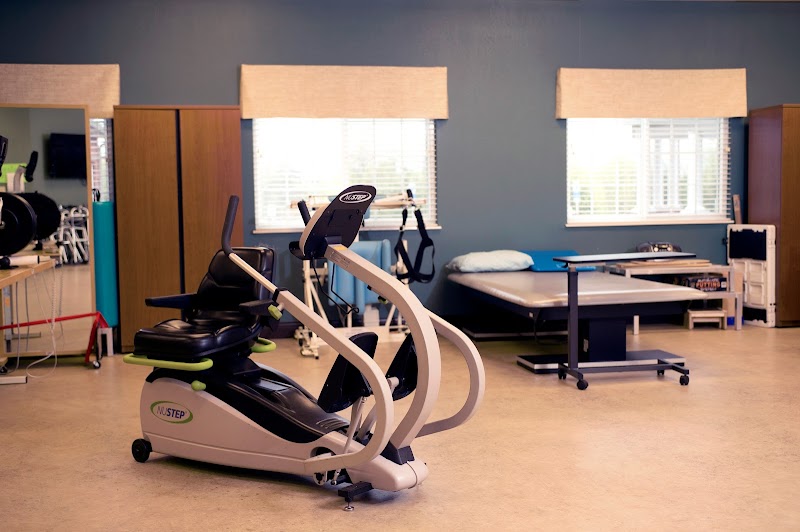
Who Owns and Operates Liberty Ridge Health & Rehab?

LIBERTY RIDGE HEALTH & REHAB is owned by a for-profit company. For-profit facilities operate as businesses with obligations to shareholders or private owners. The facility is operated by SABER HEALTHCARE GROUP, a chain that manages multiple nursing homes. With 90 certified beds and approximately 79 residents (about 88% occupancy), it is a smaller facility located in LYNCHBURG, Virginia.

How Does Liberty Ridge Health & Rehab Compare to Other Virginia Nursing Homes?

Compared to the 100 nursing homes in Virginia, LIBERTY RIDGE HEALTH & REHAB's overall rating (3 stars) is below the state average of 3.0, staff turnover (48%) is near the state average of 46%, and health inspection rating (3 stars) is at the national benchmark.

What Should Families Ask When Visiting Liberty Ridge Health & Rehab?

Based on this facility's data, families visiting should ask: "Can I visit during a mealtime to observe dining assistance and food quality?" "How do you handle medical emergencies, and what is your hospital transfer rate?" "Can I speak with family members of current residents about their experience?"

Is Liberty Ridge Health & Rehab Safe?

Based on CMS inspection data, LIBERTY RIDGE HEALTH & REHAB has a clean safety record: no substantiated abuse findings (meaning no confirmed cases of resident harm), no Immediate Jeopardy citations (the most serious violation level indicating risk of serious injury or death), and is not on the Special Focus Facility watch list (a federal program monitoring the lowest-performing 1% of nursing homes). The facility has a 3-star overall rating and ranks #100 of 100 nursing homes in Virginia. While no facility is perfect, families should still ask about staff-to-resident ratios and recent inspection results during their visit.

Do Nurses at Liberty Ridge Health & Rehab Stick Around?

LIBERTY RIDGE HEALTH & REHAB has a staff turnover rate of 48%, which is about average for Virginia nursing homes (state average: 46%). Moderate turnover is common in nursing homes, but families should still ask about staff tenure and how the facility maintains care continuity when employees leave.

Was Liberty Ridge Health & Rehab Ever Fined?

LIBERTY RIDGE HEALTH & REHAB has been fined $10,033 across 1 penalty action. This is below the Virginia average of $33,179. While any fine indicates a compliance issue, fines under $50,000 are relatively common and typically reflect isolated problems that were subsequently corrected. Families should ask what specific issues led to these fines and confirm they've been resolved.

Is Liberty Ridge Health & Rehab on Any Federal Watch List?

LIBERTY RIDGE HEALTH & REHAB is not on any federal watch list. The most significant is the Special Focus Facility (SFF) program, which identifies the bottom 1% of nursing homes nationally based on persistent, serious quality problems. Not being on this list means the facility has avoided the pattern of deficiencies that triggers enhanced federal oversight. This is a positive indicator, though families should still review the facility's inspection history directly.