SEVEN HILLS REHABILITATION AND NURSING
2081 LANGHORNE ROAD, LYNCHBURG, VA 24501 (434) 846-8437
For profit - Corporation 120 Beds EASTERN HEALTHCARE GROUP Data: November 2025 4 Immediate Jeopardy citations
Trust Grade
0/100
#275 of 285 in VA
Last Inspection: August 2023

Over 2 years since last inspection. Current conditions may differ from available data.

Overview

Seven Hills Rehabilitation and Nursing has received a Trust Grade of F, which indicates a poor rating with significant concerns about care quality. It ranks #275 out of 285 facilities in Virginia, placing it in the bottom half, and #8 out of 8 in Lynchburg City County, meaning there are no better local options. Although the facility is showing signs of improvement, decreasing from 9 issues in 2024 to 2 in 2025, it still operates with alarming statistics, including a 68% staff turnover rate, which is considerably higher than the Virginia average. The facility faces serious concerns with $291,152 in fines, higher than 98% of Virginia facilities, and has incidents such as failing to respond to a resident expressing self-harm thoughts and allowing unsecured smoking materials, which led to a fire, indicating a lack of adequate supervision and intervention. While there are some strengths, including average RN coverage, the overwhelming number of deficiencies raises significant red flags for potential residents and their families.

Trust Score
F
0/100
In Virginia
#275/285
Bottom 4%
Safety Record
High Risk
Review needed
Inspections
Getting Better
9 → 2 violations
Staff Stability
⚠ Watch
68% turnover. Above average. Higher turnover means staff may not know residents' routines.
Penalties
✓ Good
$291,152 in fines. Lower than most Virginia facilities. Relatively clean record.
Skilled Nurses
⚠ Watch
Each resident gets only 20 minutes of Registered Nurse (RN) attention daily — below average for Virginia. Fewer RN minutes means fewer trained eyes watching for problems.
Violations
⚠ Watch
91 deficiencies on record. Higher than average. Multiple issues found across inspections.
★☆☆☆☆
1.0
Overall Rating
★☆☆☆☆
1.0
Staff Levels
★★★☆☆
3.0
Care Quality
★☆☆☆☆
1.0
Inspection Score
Stable
2024: 9 issues
2025: 2 issues

The Good

  • Full Sprinkler Coverage · Fire safety systems throughout facility
  • No fines on record

Facility shows strength in fire safety.

The Bad

1-Star Overall Rating

Below Virginia average (3.0)

Significant quality concerns identified by CMS

Staff Turnover: 68%

22pts above Virginia avg (46%)

Frequent staff changes - ask about care continuity

Federal Fines: $291,152

Well above median ($33,413)

Significant penalties indicating serious issues

Chain: EASTERN HEALTHCARE GROUP

Part of a multi-facility chain

Ask about local staffing decisions and management

Staff turnover is elevated (68%)

20 points above Virginia average of 48%

The Ugly 91 deficiencies on record

4 life-threatening 1 actual harm
Jan 2025 2 deficiencies
CONCERN (D) 📢 Someone Reported This

A family member, employee, or ombudsman was alarmed enough to file a formal complaint

Potential for Harm - no one hurt, but risky conditions existed

Deficiency F0657 (Tag F0657)

Could have caused harm · This affected 1 resident

Based on staff interview and clinical record review, the facility staff failed to review and revise the comprehensive plan of care for one of two residents in the survey sample (Resident #1). The find...

Read full inspector narrative →
Based on staff interview and clinical record review, the facility staff failed to review and revise the comprehensive plan of care for one of two residents in the survey sample (Resident #1). The findings include: Resident #1's plan of care was not updated with problems, goals, and interventions regarding a pressure ulcer. R1's clinical record documented the resident was assessed on 12/30/24 with a stage 2 pressure injury on the sacrum. R1's clinical record documented treatment orders dated 12/30/24 for daily dressing changes with wound cleanser, medical grade honey and bordered gauze. R1's clinical record documented current physician orders for pressure ulcer treatment/prevention that included heel protectors, elevation of heels as tolerated when in bed, a pillow between knees at all times in addition to skin barrier cream, and Pro-stat supplement to assist with wound healing. R1's plan of care revised on 12/6/24, documented the resident was at risk of pressure ulcer development. Care plan interventions included protective ointment to buttocks, prompt incontinence care, and skin assessments. R1's care plan had not been updated indicating the resident had a pressure ulcer and included no goals and/or interventions implemented for care/treatment of the ulcer. On 1/8/25 at 10:40 a.m., the registered nurse responsible for care plan updates (RN #1) was interviewed about R1's plan of care. RN #1 stated R1's care plan had not been updated since the pressure ulcer was assessed and treatment initiated. RN #1 stated she was responsible for care plan updates and usually updated plans based upon new treatment orders and wound reports. RN #1 stated R1's plan of care should have been updated to include the pressure ulcer and reflect goals and interventions in place for care of the ulcer. This finding was reviewed with the administrator and director of nursing on 1/8/25 at 12:15 p.m. with no further information presented prior to the end of the survey.
CONCERN (D) 📢 Someone Reported This

A family member, employee, or ombudsman was alarmed enough to file a formal complaint

Potential for Harm - no one hurt, but risky conditions existed

Pressure Ulcer Prevention (Tag F0686)

Could have caused harm · This affected 1 resident

**NOTE- TERMS IN BRACKETS HAVE BEEN EDITED TO PROTECT CONFIDENTIALITY** Based on observation, staff interview, and clinical record review, the facility staff failed to implement physician ordered inte...

Read full inspector narrative →
**NOTE- TERMS IN BRACKETS HAVE BEEN EDITED TO PROTECT CONFIDENTIALITY** Based on observation, staff interview, and clinical record review, the facility staff failed to implement physician ordered interventions for pressure ulcer prevention for one of two residents in the survey sample (Resident #1). The findings include: Resident #1 (R1) was admitted to the facility with diagnoses that included osteoporosis, vascular dementia, psychotic disturbance, mood disorder, anxiety, atherosclerosis, depression, neuropathy, glaucoma and osteoarthritis. The minimum data set (MDS) dated [DATE] assessed R1 with severely impaired cognitive skills. R1's clinical record documented a physician's order dated 5/18/22, which read, Elevate bilateral heels, as tolerated, when Resident is in bed on pillows to assist w/ [with] skin breakdown prevention. R1's record also documented a physician's order dated 5/19/22 for bilateral heel protectors and a physician's order dated 10/26/22 to keep a pillow between the knees at all times for pressure prevention. On 1/7/25 at 2:15 p.m., accompanied by licensed practical nurse (LPN) #3 and the unit manager (LPN #4), R1 was observed prior to a pressure ulcer dressing change. R1 was in bed with no heel protectors in use. The resident's heels were resting directly on the sheet-covered mattress. There was no pillow between the resident's legs. The heels and legs were observed with no skin breakdown noted. LPN #4 was interviewed at this time about the heel protectors and positioning pillow. LPN #4 stated she was not sure about the heel protectors or pillows. On 1/7/25 at 2:35 p.m., the certified nurses' aide (CNA #1) caring for R1 was interviewed. CNA #1 stated that R1's feet were sometimes elevated on pillows. CNA #1 stated she had not seen the heel protectors today and was not sure where the heel protectors were located. On 1/7/25 at 2:50 p.m., LPN #2 who was caring for R1 was interviewed about the heel protectors and pillows. LPN #2 stated that R1 previously had the pillow placed between the legs, but she had found the pillow soiled and sent it to laundry. LPN #2 stated she had not seen the heel protectors in use today and was not sure why they were not in place. On 1/7/25 at 4:00 p.m., the director of nursing (DON) was interviewed about R1 observed without use of heel protectors or positioning pillows. The DON stated R1 was at high risk of pressure ulcer development and the heel protectors and pillows should have been in use as ordered. The DON stated the pillow between the knees was to prevent skin breakdown as R1 had impaired leg positioning. This finding was reviewed with the administrator and DON on 1/7/25 at 4:15 p.m., with no further information presented prior to the end of the survey.
Jun 2024 1 deficiency
CONCERN (D) 📢 Someone Reported This

A family member, employee, or ombudsman was alarmed enough to file a formal complaint

Potential for Harm - no one hurt, but risky conditions existed

Deficiency F0602 (Tag F0602)

Could have caused harm · This affected 1 resident

**NOTE- TERMS IN BRACKETS HAVE BEEN EDITED TO PROTECT CONFIDENTIALITY** Based on resident interview, staff interview, clinical record review, and facility documentation review, the facility staff fail...

Read full inspector narrative →
**NOTE- TERMS IN BRACKETS HAVE BEEN EDITED TO PROTECT CONFIDENTIALITY** Based on resident interview, staff interview, clinical record review, and facility documentation review, the facility staff failed to ensure misappropriation of medications did not occur for one of nine residents, resident # 7 (R7). The findings included: On 5/14/24, licensed practical nurse #2 (LPN #2) was observed removed medications belonging to R7 from the facility med cart and gave them to certified nursing assistant #2, (CNA#2) for personal use. A review of the clinical record revealed that R7 was admitted to the facility on [DATE] with diagnoses that included Alzheimer's Disease, dementia, cerebral infarction, major depressive disorder, chronic pain, generalized anxiety disorder, and hypertension. The most recent minimum data set (MDS) assessment was a quarterly assessment, dated 3/3/24, which assessed R7 as cognitively intact. On 6/11/24 at 8:38 AM, other staff #1 (OS#1), who was the director of rehabilitation, was interviewed. OS #1 stated that on 5/14/24 she was in the facility gym when she observed 2 facility employees in the parking lot talking. OS#1 stated that LPN #2 was observed running into the facility, so OS#1 stated that she went to .see what was wrong. OS #1 stated that when she reached the med cart where LPN #2 had been, she noticed a medication supply card lying on the med cart. OS #1 stated that she then went to the door, she watched LPN #2 hand CNA #2 .a baggie. OS#1 stated that CNA #2 left the parking lot and LPN #2 returned to the facility. OS #1 then stated that she reported what she had observed to the director of nursing (DON) and to human resources, then provided a written statement of her observations. On 6/11/24 at 8:45 AM, OS #3 (Speech Therapist) was interviewed. OS #3 stated that she had observed CNA # 2 in tears as she walked down the hall, after speaking to LPN #2. OS #3 then stated that she observed LPN #2 .open the med cart drawer, remove a pill pack, and start popping pills, at least six, into a plastic baggie. OS #3 then stated that LPN #2 placed the baggie into her pocket and left the med cart. OS #3 stated that she noted the medication on the label of the pill pack to be Zofran. OS #3 stated that she reported her observations to her manager, who was OS #1, and provided a written statement. On 6/11/24 at 8:57 AM, R7 was interviewed. R7 stated that she was not aware of the incident and that she always received her medications when she asked for them. On 6/11/24 at 9:00 AM, OS #2, who was the admissions coordinator, was interviewed. OS #2 stated that he was outside talking to CNA #2 .because she was upset and that he .wanted to make sure she was ok. OS #2 stated that while he and CNA #2 were talking, LPN #2 also came outside, then went back inside the facility. He stated that LPN #2 returned to the parking lot, holding a plastic bag, and handed it to CNA #2. OS #2 stated that he did not observe the contents of the bag, that CNA #2 left the parking lot, and that he returned to the facility. OS #2 stated that he also had provided a written statement. On 6/11/24 at 9:06 AM, the administrator was interviewed. The administrator stated that both LPN #2 and CNA #2 were terminated immediately following the reported observations. The administrator also stated that the incident was due to the .actions of 2 employees, and that no one else was re-educated about the abuse policy since they were not involved. On 6/11/24, the facility event summary for the incident was reviewed. The summary included the witness statements from LPN #2 and CNA #2, evidence that both employees had been terminated, and that the event had been reported to all entities. On 6/11/24 at 10:06 AM, the DON was interviewed regarding conflicting written statements in the event summary that had been obtained from LPN #2. The DON stated that LPN #2 had first reported that the medication she gave to CNA #2 was famotidine which she obtained from the floor stock supply, then later reported it as being Zofran from R7's discontinued medication supply. According to R7's clinical record, Zofran was a current medication she received on an as needed basis. On 6/11/24, the facility policy for Abuse, Neglect, and Exploitation was reviewed. Per the policy, It is the policy of the facility to provide protections for the health, welfare, and rights of each resident by developing and implementing written policies and procedures that prohibit and prevent abuse, neglect, exploitation and misappropriation of resident property. The policy defines misappropriation as .deliberate misplacement, exploitation, or wrongful, temporary or permanent, use of a resident's belongings or money without the resident's consent. Per the policy, New employees will be educated on abuse, neglect, exploitation, and misappropriation of resident property during new orientation and existing staff will receive annual education through planned in-services and as needed. Review of LPN #2's employee file did not indicate any occurrences or allegations of misappropriation of medication prior to this incident. On 6/11/24 at 11:04 AM, the DON and administrator were made aware of the above concerns. No further information was provided.
Feb 2024 8 deficiencies 2 IJ (1 affecting multiple)
CRITICAL (J) 📢 Someone Reported This

A family member, employee, or ombudsman was alarmed enough to file a formal complaint

Immediate Jeopardy (IJ) - the most serious Medicare violation

Accident Prevention (Tag F0689)

Someone could have died · This affected 1 resident

Based on clinical record review, staff interview, and review of facility documents, the facility failed to ensure adequate supervision and implement interventions for non-compliance with smoking mater...

Read full inspector narrative →
Based on clinical record review, staff interview, and review of facility documents, the facility failed to ensure adequate supervision and implement interventions for non-compliance with smoking materials for one of seven residents (Resident #3). Multiple occurences of non-compliance with smoking materials, designated smoking times, designated smoking areas, and smoking supervision was revealed in Resident #3's clinical record, as well as through staff interviews. No evidence was found that the facility implemented interventions to address the unsecured smoking materials repeatedly observed in R3's possession. While R3 was in therapy on 2/1/24, a fire occurred in R3's room and unsecured smoking materials were again retrieved from the room, which had been accessible to other residents. On 2/13/24, the survey team determined that no focused interventions or the additional measures indicated per facility policy had been implemented to address R3's ongoing noncompliance, putting all residents at risk for serious injury, harm, impairment, or death. This resulted in the identification of immediate jeopardy (IJ), as well as substandard quality of care. Once the facility's removal plan was approved and verified on 2/14/24, the IJ was removed, and the scope and severity were lowered to a level 2, isolated. The Findings include: On 2/12/24, a review was conducted of the 2/2/24 facility synopsis of a fire that occurred in R3's room on 2/1/24. The facility synopsis of the fire event did not evidence that R3 had caused the fire in his room. However, the result of the investigation did lead to deficient practice. Diagnoses for R3 included: Chronic obstructive pulmonary disease, bipolar, schizoaffective disorder, anxiety, epilepsy with partial seizures, and tobacco use. The most current MDS (minimum data set - assessment tool) was a quarterly assessment, with an ARD (assessment reference date) of 1/15/24, which assessed R3 as being cognitively intact for daily decision making, with a BIMS (Brief Interview for Mental Status) score of 15 out of 15. Review of R3's current care plan for smoking, created on 2/2/23 and revised on 8/22/23, documented R3 as being a supervised smoker. The care plan did not indicate that R3 was non-compliant with smoking policies or that any interventions had been implemented to address R3's non-compliance. Review of R3's progress notes revealed the following exerpts: 1/20/24 at 10:20 PM: resident went out side door to smoke outside of smoking hours, resident stated he knows hes [SIC] not supposed to but is going to do it anyway, resident did not sign himself out. 1/20/24 at 10:43 PM: writer caught resident smoking vape with O2 [oxygen] in his nose in his room, contacted on call supervisor made her aware. 1/26/24 2:32 AM: per CNA [certified nursing assistant] resident went to front lobby and asked to be let out to smoke, she stated she wasn't allowed to then resident became verbally abusive with the CNA. it has been explained to resident on numerous occasions that it is a safety concern for him to be out at night by himself and he was only allowed to smoke at designated times in designated areas per policy he stated he doesn't care and proceeded to let himself out. Review of R3's notes written by the nurse practitioner included the following exerpts: 1/31/24: Patient found vaping in his room per nursing. 2/1/24 at 12:41 PM: Smoking materials were found in the resident's room. He had a multicolored vape and a black lighter. These items were turned in to Social Services. Social Services turned the items over to the Director of Nursing. On 2/12/24 at 4:45 PM, certified nursing assistant (CNA #5) was interviewed. CNA #5 verbalized working with R3 a few days prior to the fire and verbalized catching R3 vaping (e-cigarette) in his room, while handing out meal trays. CNA #5 stated that she had reported it to the nurse (identified as license practical nurse (LPN #6), who she thought had taken the vape away and stored it in the med cart. When questioned further, CNA #5 verbalized, [R3] is non-compliant with smoking and does what he wants to do. On 2/12/24 at 5:00 PM, R3 was interviewed. When questioned about smoking, R3 verbalized that he was noncompliant with the smoking/vaping policy and has kept smoking materials in his room (a vape pipe). Questioned further, R3 verbalized finding a lighter while at dialysis, picked it up, and had put it in his room because it looked to be in good condition. R3 stated that he had never used the lighter, as he no longer smokes. When questioned about the types of smoking materials used, R3 verbalized only vaping. When questioned about noncompliance, R3 admitted to going outside at night to vape, .even when staff tells me I'm not supposed to . but it helps me with my anxiety. On 2/12/24 at 7:20 PM, LPN #6 (working on unit where R3 resided) was interviewed. LPN #6 verbalized catching R3 vaping in his room on 1/20/24, collecting the vape, and putting it in the med cart at that time. When questioned further, LPN #6 said that R3 goes out at night unsupervised and vapes, has been caught multiple times vaping in his room. When asked what happens when R3 was caught, LPN #6 stated that the smoking materials are confiscated and re-education attempted, but that R3 continues to vape and hide smoking materials in his room. On 2/13/24 at 8:50 AM, CNA #6 (working on unit where R3 resided) was interviewed regarding compliance with smoking materials. CNA #6 verbalized that R3 had been caught several times with smoking items in his room and vaping unsupervised in and out of the facility. On 2/13/24 at 9:00 AM, LPN #7 (working on the unit where R3 resided) was interviewed. LPN #7 denied personally catching R3 smoking but was aware of R3's non-compliance and that R3 had previously asked LPN #7 to order vape products off the Internet. On 2/13/24 at 9:55 AM, LPN #1 (assigned to R3 at this time) was interviewed. LPN #1 denied personally catching R3 vaping in a room or smoking at non-smoke times, but stated knowing of R3's non-compliance with smoking. LPN#1 said that R3 could be manipulative and demanding when wanting to smoke. LPN#1 stated that after it was given to him when leaving for dialysis, LPN #1 suspected that R3 did not turn the vape back in when returning from dialysis. On 2/13/24 at 10:40 AM, the nurse practitioner (Other Staff, OS #7) was interviewed regarding a progress note dated 1/31/24. OS #7 verbalized being aware that R3 had been caught vaping the night of 1/30/24 or the early morning of 1/31/24. OS #7 verbalized knowing of R3's non-compliance and that R3 had been educated several times regarding his health, but continues to smoke. On 2/13/24 at 11:15 AM, R3 was interviewed again. When asked how the smoking materials are kept, R3 verbalized, When I go to dialysis, I don't turn in my vape or if I go to the scheduled smoking breaks, I just smuggle it back to my room with me . I'm slick like that and very observant. The survey team extended the sample to include three additional residents that smoke (Resident #'s 1, 4, and 5) and had the potential to keep lighters and smoking materials. Rooms of all residents that smoked were observed and did not evidence unsecured smoking materials. Resident smoke breaks were observed throughout the survey process and did not evidence concern. The facility had a total of 7 smokers at the time of the survey. Review of the facility Smoking Policy with a revision date of 8/1/23 included these excerpts: 1. Smoking in the facility is prohibited in all areas except the designated smoking area. 2. e. Prohibition of oxygen use in or near the smoking area. 3. Electronic cigarettes will be treated the same as any other smoking product 6. Residents who desire to continue smoking will be assessed to determine recommendations for safe smoking safety interventions. Residents will be educated on and must agree to the terms outlined in the facility resident smoking agreement 8. If a resident contributes to an unsafe environment related to smoking the plan of care may be revised to include additional measures up to and including: room searches, increased supervision, or appropriate discharge proceedings 11. For the safety of all residents, those residents who have agreed to the smoking terms must have their materials to include cigarettes, e-cigarettes, vaping pens and all devices secured in a locked system that is not accessible to other residents and in an area that is supervised by the facility staff. On 2/13/24 at 3:20 PM, the administrator was made aware in a meeting with the survey team of the above findings and serious concerns regarding Resident #3, which had been discussed with the state agency. Thus, the administrator was notified that the survey team had identified IJ (Immediate Jeopardy) and substandard quality of care (SQC) findings, based on the facility's failure to ensure adequate supervision of a non-compliant smoker and failure to implement interventions for non-compliance with smoking materials, putting all residents and staff in danger. When a written plan of removal regarding adequate supervision and interventions to address the non-compliance with the facilities smoking policy by R3 was requested, the administrator verbalized that it would be hard to come up with a plan of removal involving R3, as R3 is non-compliant with smoking. On 2/13/24 at 7:30 PM, LPN #5 was interviewed (via telephone) regarding a progress note written by LPN #5. LPN #5 verbalized documenting an incident based on what a CNA had reported. LPN #5 said that R3 had demanded to go outside to smoke and had smoking material with him. When the CNA refused to allow R3 to go outside to smoke, R3 proceeded to enter the door code to the outside, and let himself out. On 2/14/24 at 8:20 AM, LPN #4 (assigned to R3 on the day of the fire) was interviewed. LPN #4 verbalized at the time of the fire R3 had been in therapy for close to an hour before the staff began to smell smoke and realized the smoke was coming from R3's room. LPN #4 stated feeling certain that R3 had not started the fire but verbalized that R3 was non-compliant with keeping smoking materials in his room and had been caught multiple times vaping in the room. On 2/14/24 at 8:50 AM, the survey team was presented with a plan of removal for failure to ensure hazardous smoking materials were secured and failure to address R3's repeated non-compliance with smoking policies, which put all residents and staff in danger, related to the risk of fire. The facility's plan of removal included the following interventions: Resident #3 was issued a discharge notice on 2/13/24. Resident #3 will sign out for his vape when going to appointments and will be required to sign it back in after each trip. Resident educated on this on 2/13/24. Resident #3 will have random room searches completed as he permits following appointments. Should resident refuse, he will be placed on 1:1 supervision. Resident educated on this 2/13/24. Resident #3's plan of care has been reviewed and updated to reflect non-compliance. Resident updated smoking assessment completed 2/13/24. DON immediately secured the found smoking material in a lock box on 2/1/24. Room rounds conducted starting on 2/1/24 for 7 days to ensure the absence of cigarettes and other fire-starting materials. Identified like residents of current residents in facility by auditing current smokers. All smoking residents had updated smoking assessments completed on 2/13/24. All smokers had their smoking contracts reviewed with them and re-educated to the smoking process on 2/1/24. All smokers found to be non-compliant with smoking by: smoking off times, locations, or by not following the smoking contract will be issued a 30-day discharge from facility and placed on increased supervision checks until no longer in the facility. DON held ad-hoc safety meeting on 2/13/24 to discuss survey IJ findings and create removal plan. DON notified medical director of IJ findings and action plan on 2/13/24. Findings of like resident reviews discussed at QAPI ad-hoc meeting on 2/13/24. Care plans of smokers reviewed and updated 2/13/24. AIT (Administrator in Training) educated all staff present in the building on 2/13/24, regarding locked safety box process and what to do if violation. Education will remain ongoing for any staff that did not attend prior to working their next assigned shift. Staff will be required to sign out and in for resident vape pens. Staff on duty were educated on 2/13/24 and others educated prior to their next worked shift. Education regarding assessment of smoking, monitoring unsafe behaviors and smokers' safety lock box will be added to new hire orientation. DON/administrator will educate the interdisciplinary team, other department heads and receptionists on the facility smoking material safety box lock process upon entry to the center on 2/13/24. Education will remain ongoing for any facility staff that did not attend prior to their next shift. Data obtained during the audit process will be analyzed for patterns and trends and reported to QAPI by the administrator/DON for 3 months. QAPI committee will determine effectiveness of interventions and determine need for continued auditing to maintain compliance. On 2/14/24 at 9:40am, the facility administrator was again interviewed. The administrator acknowledged that R3's non-compliance with the smoking policy began in December 2023. When asked about the facility's QA program, the administrator identified the purpose of QA is to identify concerns and trends, review operations, systems and quality improvement. The administrator stated that the QA team meets on a monthly basis. When asked to identify how items are identified for the QA committee to work to improve, he said, we use a standard format, look at quality measures, survey issues, and anything of that nature. When asked about the QA's involvement to ensure ongoing compliance once R3's was known to be non-compliant with the use and storage of smoking materials, the administrator stated, When we had issues, we did room sweeps. For the most part we haven't had issues until the [R3's name redacted] issue. When asked what the QA team did to ensure the safety of all residents, once R3's non-compliance became known in December 2023, the administrator looked through the QA meeting minutes from December 28, 2023 through January 29, 2024, and stated, There is nothing in there. When asked if R3's noncompliance would have been an opportunity for the QA committee to identify and monitor ongoing compliance with the smoking policy and storage of smoking materials, the administrator stated, Yes, I can't disagree with that. On 2/14/24, the survey team verified the plan of removal through observations of resident rooms for smoking materials, ensuring smoking lock box materials were secured and accounted for, and the review of newly implemented tool used to sign out E-cigarettes. The survey team also verified the removal plan through staff interviews regarding education on smoking policy and what to do if smoking materials were found unsecured. The survey team also reviewed inservices, as well signatures of staff receiving education, and all other documentation indicated in the plan of removal. No concerns were identified. The IJ was removed by the survey team on 2/14/23 at 11:55 PM.
CRITICAL (K) 📢 Someone Reported This

A family member, employee, or ombudsman was alarmed enough to file a formal complaint

Immediate Jeopardy (IJ) - the most serious Medicare violation

Deficiency F0740 (Tag F0740)

Someone could have died · This affected multiple residents

**NOTE- TERMS IN BRACKETS HAVE BEEN EDITED TO PROTECT CONFIDENTIALITY** 2. For Resident #6 (R6), who verbalized having feelings/thoughts of self-harm and/or being better off dead, the facility staff f...

Read full inspector narrative →
**NOTE- TERMS IN BRACKETS HAVE BEEN EDITED TO PROTECT CONFIDENTIALITY** 2. For Resident #6 (R6), who verbalized having feelings/thoughts of self-harm and/or being better off dead, the facility staff failed to respond and implement interventions to address the resident's behavioral health needs. On 2/12/24 at approximately 4:30 p.m., a review of R6's clinical record was conducted. R6's most recent MDS (minimum data set - an assessment tool) with an ARD (assessment reference date) of 12/20/23, was a quarterly assessment. R6 was coded in section D0150, question I, which asked if the resident has Thoughts that you would be better off dead, or of hurting yourself in some way. R6 reported having these feelings 2-6 days (several days), out of 14 days. There was no evidence within the clinical record that the facility responded to or implemented any interventions to address R6's mental/behavioral health needs. According to the clinical record, R6's diagnosis included but were not limited to major depressive disorder, mood disorder, and anxiety disorder. On 1/29/24, R6 was seen by the doctor who documented Chronic MDD [major depressive disorder]. Not optimal control. Sertraline was increased to 100 mg daily 1/22/2024. F/u [follow-up] psychiatry team provider as well There was no evidence that R6 was seen by psychiatry following this order. According to the clinical record, R6's feelings of depression and suicidal ideation were not noted in the progress notes indicating that any facility staff had any further conversation with the resident about their feelings. The care plan did not mention the event nor any interventions. On 2/12/24 at 4:55 p.m., an interview was conducted with RN #2, who was a MDS coordinator. RN #2 confirmed conducting the interview on 12/20/23, during which R6 had expressed suicidal ideation. Following , RN #2 stated that R2's response had been reported to the director of nursing (DON) and facility Administrator. When asked what is done when a resident verbalizes feelings of depression and/or suicidal ideation, RN #2 said, It is left up to them [Administrator and DON], but we need to get some type of psychiatric services that day, either in-house or at the ER [emergency room]. When questioned about the provision of psychiatric services, RN #2 reviewed R6's clinical chart and confirmed that R6 was last seen by psychiatric services in December 2022. RN #2 also confirmed that there was no evidence of any facility response to R6's verbalizations of feelings that he/she would be better off dead and/or self-harm once facility leadership had been made aware. RN #2 provided the survey team with a copy of an email where RN #2 had notified the facility administrator and director of nursing of R6's response to the MDS question/suicidal ideation. On 2/13/24 at 8:30 a.m., during an interview, the Director of Nursing (DON) stated that psychiatric services have continued to be available at the facility with on-site visits and 24-hour telehealth visits. On 2/13/24 at 8:44 a.m., an interview was conducted with the facility administrator. The administrator stated that when a resident verbalizes such feelings of depression and suicidal ideation that It should be escalated to the DON and provider, and they will handle it and implement interventions. When asked about the timing of such interventions, the administrator said, It should be addressed immediately. On 2/13/24 at 10:03 a.m., an interview was conducted with the facility's social worker (SW - Administrative Staff #5 - AS#5). The SW stated that when a resident verbalizes suicidal ideation, she usually hears about it in morning meeting. When asked about R6's expressions of suicidal ideation on 12/20/23, the SW stated that she was unaware of this. On 2/13/24 at 10:19 a.m., an interview was conducted with the nurse practitioner (NP). When asked about the availability of psychiatric services, the NP stated, psychiatric services are available and if urgent, we can do telehealth. The NP was asked about when orders are placed for psychiatry is ordered when she would expect this to be implemented, the NP said, Typically psych services rounds once a week or every other week, I would expect them to be seen on the next visit, unless it is urgent. When asked about R6's feelings of depression and expressions of suicidal ideation shared with facility staff on 12/20/23, the NP said, This is the first I'm hearing of this. On 2/13/24, in the afternoon, R6 was interviewed in their room by the surveyor. When questioned, R6 denied having any suicidal ideation at that time. On 2/13/24 at 3:20 p.m., the facility Administrator was made aware of the above findings when Immediate Jeopardy (IJ) was identified. On 2/14/24, the facility administrator and corporate nurse consultant both explained that each day the facility holds a morning meeting with the department managers and IDT (interdisciplinary team) to review items and areas of concern that need addressing. During this meeting, the 24-hour report is reviewed, new physician orders, and risk areas. On 2/14/24, the facility staff provided the survey team with the 24-hour report and documentation of the morning meetings. According to these documents, there was no evidence that R6 was a topic of discussion following his verbalization of suicidal ideation on 12/20/23. On 2/14/24, an IJ removal plan was presented to the survey team, which, in addition to the action noted above, included the following measures that specifically addressed R6's needs: NP assessed resident on 2/13/24 with no presenting danger to self; Will have PHQ-9 repeated weekly x 4 weeks to ensure no noing issues; Will be seen by the psych provider with the next in house visit on 2/14/24. The survey team verified the evidence that R6 had been seen by the NP on 2/13/24, which documented that during this assessment, R6 denied having feelings of depression and denied suicidal ideation. The NP's orders were reviewed and noted to include one dated 2/13/24, for consult psych. Although the facility administration reported R6 was seen by psychiatry that morning (2/14/24), the notes from this visit were not available prior to the conclusion of the survey. Care plan updated to reflect PHQ-9 responses that indicate expressions of self-harm and associated interventions/actions. Staff on R6's unit including those assigned to care for R6, were interviewed to verify knowledge about the resident's self-harm risks and interventions in place for prevention of self-harm. No concerns noted. No further information was provided prior to exit. 3. For Resident #7 (R7), who reported suicidal ideation, the facility staff failed to respond and implement interventions to address the resident's behavioral health needs. On the afternoon of 2/12/24, a review of R7's clinical record was conducted. R7's had a current MDS (minimum data set - an assessment tool) in progress, which was a quarterly assessment with an ARD (assessment reference date) of 2/12/24. Section D0150, question I, which asked Thoughts that you would be better off dead, or of hurting yourself in some way, coded R7 as having these feelings 12-14 days (nearly every day), out of 14 days. There was no evidence within the clinical record that the facility implemented any interventions to address R7's suicidal ideation. According to the clinical record, R7 has diagnosis included but were not limited to vascular dementia, major depressive disorder, and generalized anxiety disorder. According to the clinical record, a progress note entry was made on 2/12/24 at 4:13 p.m., that read, Resident scored a 24 on PHQ-9, answered yes to question concerning thoughts of hurting herself, resident does not have a plan in place. Administrator aware, Director of clinical services aware. On 2/12/24 at 4:55 p.m., an interview was conducted with RN #2 and RN #3, who were MDS coordinators. RN #3 confirmed conducting the 2/12/24 assessment, during which R7 had expressed suicidal ideation. RN #3 stated that R7's response had been reported to the director of nursing (DON) and facility Administrator. When asked what is done when a resident verbalizing feelings of depression and/or suicidal ideation, RN #2 said, It is left up to them [Administrator and DON], but we need to get some type of psychiatric services that day, either in-house or at the ER [emergency room]. On 2/12/24 at 5:15 p.m., R7 was interviewed in their room. R7 denied any suicidal ideation to the surveyor, but memory loss was evident. On 2/13/24 at 8:30 a.m., during an interview, the Director of Nursing (DON) stated that psychiatric services have continued to be available at the facility with on-site visits and 24-hour telehealth visits. On 2/13/24 at 8:44 a.m., an interview was conducted with the facility administrator. The administrator stated that when a resident verbalizes such feelings of depression and suicidal ideation that It should be escalated to the DON and provider, and they will handle it and implement interventions. When asked the timing of such interventions, the administrator said, It should be addressed immediately. On 2/13/24 at 8:50 a.m., a review of the doctor's book for the nursing unit where R7 resides,was conducted. This book is where facility staff communicates resident needs with the medical doctor and/or nurse practitioner, but it was noted that R7 was not listed among those needing to be seen and that no information about R7's suicidal ideation was noted. On 2/13/24 at 9 a.m., an interview was conducted with LPN #1, who was assigned to care for R7 on 2/12/24 and 2/13/24. When asked about R7's report of suicidal ideation on 2/12/24, LPN #1 said, That was new to me. Yesterday about 3:20 p.m., the MDS lady [RN #3] came to me and had to do an assessment and wanted to know where the resident was. Then about 4 p.m., the unit manager came to me and said that I'm doing 15 min checks on the resident. I went to see [R7] in the tv room and he/she was ok. LPN #1 went on to say she called the on-call psych provider, but it went to voicemail, so I left a message, and put it in the book. When asked if she had received a return call, LPN #1 said, No. When asked if notification of the medical provider had been attempted, LPN #1 said, No. On 2/13/24 at 9:05 a.m., the director of nursing (DON) was at the nursing station and showed the surveyor where R7 had been placed in the book for the psychiatric provider. The entry read, reported to staff, she's suicidal. The DON also provided the surveyor with a copy of the 15-minute checks form for R7 where staff were to note the location of the resident and what the resident is doing. There was no indication of what the staff were to be watching for, assessing for, etc. There was also no indication of who conducted the 15-minute checks from 4 p.m. until 7:45 p.m., on 2/12/24. The 15 minute checks form also revealed that there was no record of R7 being checked since 7 a.m., on 2/13/24. On 2/13/24 at 10:03 a.m., an interview was conducted with the facility's social worker (SW) (Administrative Staff #5- AS#5). The SW stated that when a resident verbalizes suicidal ideation, she usually hears about it in morning meeting. When asked about R7's expression of suicidal ideation on 2/13/24, the SW stated being was unaware of that report. On 2/13/24 at 10:19 a.m., an interview was conducted with the nurse practitioner (NP). When asked about the availability of psychiatric services, the NP stated, psychiatric services are available and if urgent we can do telehealth. When asked about R7's feelings of depression and suicidal ideation shared with facility staff on 2/12/24, the NP reported being unaware of that. When notified that the facility staff reported they had called the on-call psychiatric provider and left a voicemail with no return call, the NP said, They should have called back. On 2/13/24, the facility Administrator was made aware of the above findings when Immediate Jeopardy was identified at 3:20 p.m. On 2/14/24, the facility administrator and corporate nurse consultant both explained that each day the facility holds a morning meeting with the department managers and IDT (interdisciplinary team) to review items and areas of concern that need addressing. During this meeting, the 24-hour report is reviewed, new physician orders, and risk areas. On 2/14/24, the facility staff provided the survey team with the 24-hour report and documentation of the morning meetings but reported that due to the survey team being on-site, the meeting was not held on 2/13/24. On 2/14/24, an IJ removal plan was presented to the survey team, which, in addition to the action noted above, included the following measures that specifically addressed R7's needs: Placed on 15-minute checks on 2/12/24; NP assessed resident on 2/13/24 with no presenting danger to self, 15-minute checks discontinued, referred for psych evluation, psych assess resident on 2/14/24; Will have PHQ-9 repeated weekly for 4 weeks to ensure no ongoing issues. The survey team verified evidence that R7 was seen by the NP on 2/13/24. The NP documentation noted, . being seen today for concerns for having thoughts of self-harm. Provider met with the patient to evaluate facility concerns . When asked if the patient feels sad, blue, depressed, the patient replies no. Patient ask [sic] if she wants to harm/hurt self, the patient responds no. The patient is unable to complete simple tasks, such as picking up an ink pen with her left hand and placing it on the table . Consult Psych NP. On 2/14/24, the facility administration reported that R7 was seen by psychiatry that morning, but the notes from this visit were not available prior to conclusion of the survey. Care plan updated to reflect PHQ-9 responses that indicate expressions of self-harm and associated interventions/actions. Staff on R7's unit including those assigned to care for R7, were interviewed to verify knowledge about the resident's self-harm risks and interventions in place for prevention of self-harm. No concerns noted. No further information was provided prior to exit. Based on observation, resident interview, staff interview, facility document review, and clinical record review, the facility staff failed to assess and implement behavioral health interventions following statements of suicidal intent for three of seven residents in the survey sample (Residents #2, #6 and #7), resulting in the identification of immediate jeopardy. The findings include: 1. Facility staff failed to identify and implement interventions to address Resident #2's behavioral health needs following statements of self-harm reported to staff on 12/26/23. Resident #2 attempted self-harm on 1/19/24 by wrapping the bed remote cord around her neck. After an emergency department visit/assessment, Resident #2 was readmitted to the facility with no updated plan of care implemented for suicide prevention. Five days later (1/24/24), Resident #2 was found again with the bed remote cord wrapped around her neck along with continued suicidal statements. Resident #2 was hospitalized for five days following this suicide attempt and was readmitted to the facility on [DATE] with a recommendation for restricted access to cords/ligatures. Resident #2 was observed on 2/12/24 with the bed remote/cord accessible on the resident's bed rail and no plan of care addressing the recent suicide attempts with the cord. Resident #2 (R2) was admitted to the facility with diagnoses that included bipolar disorder, major depression disorder, affective mood disorder, borderline personality disorder, dementia with agitation, psychotic disturbance, generalized anxiety disorder, cognitive communication deficit, cerebral infarction, hypertension, diabetes, atrial fibrillation, ischemic heart disease, urinary tract infection, COPD (chronic obstructive pulmonary disease) and asthma. The MDS (minimum data set - an assessment tool) dated 12/12/23 assessed R2 with severely impaired cognitive skills and as being dependent on staff for bed mobility and transfers. R2's clinical record documented on 12/21/23 that R2 had been verbally abusive to staff, using racial slurs, in addition to refusing blood sugar checks and meals. A social services (SS) note dated 12/26/23 documented, .Resident came to Social Services on 12/26/23 around noon and stated that she wanted to go 'home to live with her mom at her house' .Then [R2] proceeded to state that if SS didn't get her out of the building soon she would harm herself. She was descriptive. SS notified the nurse on duty and the nurse notified the NP on duty. The nurse practitioner (NP) assessed R2 on 12/27/23 but documented no assessment or mention of the resident's statement on 12/26/23 of self-harm. The NP progress note dated 12/27/23, .patient is being seen today for mood disorder. Patient is refusing care and medications. Nursing reports patient is combative at times and hitting at staff. She is not easily redirected. She has a diagnosis of dementia, which is likelyprogressing [likely progressing] .Mood euthymic .Start Hydroxyzine 25 mg [milligrams] .every 8 hours as needed X 7 days for anxiety . Nursing notes documented on 1/11/24 that R2 continued to refuse medications & meals and made verbally aggressive statements toward staff. The NP assessed R2 again on 1/12/24 in reference to mood disorder, refusing medications and verbal aggression. On 1/12/24, the NP ordered the Hydroxyzine 25 mg every 8 hours as needed for an additional 14 days. The NP documented no assessment or mention of the resident's statements of self-harm. A social services note dated 1/12/24 documented a conversation with R2 about the verbally aggressive behaviors but made no mention of the resident's status regarding the expression of suicidal intent or self-harm. The SS note dated 1/12/24 documented, .spoke to resident [R2] today about the inappropriate language .She was asked to please use kind words when speaking to staff . R2's Nursing notes on 1/13/24 and 1/14/24 documented incidents in which R2 refused care, refused medications, made multiple verbal threats to staff that included wanting to blow this Nurses brains out, threatened to get a machine gun and kill, and demonstrated physical aggression by grabbing a nurse's arm saying she was going to break it, and throwing a cup of water on a nurse. The Nursing notes documented that after some time, R2 settled down and went to sleep. There was no notification to a provider about the aggressive behaviors, threats, or care refusals on 1/13/24 and 1/14/24. R2's medication administration record (MAR) documented no administration or refusal of the Hydroxyzine 25 mg that was ordered every 8 hours as needed for anxiety. There was no psychiatric referral or assessment in response to these behaviors. R2's last psychiatric evaluation was documented on 5/5/23. R2's Nursing note dated 1/19/24 documented, .Around 4pm today resident stated that she wanted to kill herself. Patient was caught in her room with the cord from her bed remote controller around her neck. Unit manager was notified .instructed nurse to send resident out to the hospital for further evaluation. R2's emergency department (ED) note dated 1/19/24 documented, .Patient arrives by ems [emergency medical services] from [nursing facility] with thoughts of SI [suicidal ideation], patient denies HI [homicidal ideation] but per ems stated 'I am going to burn this place down' .presents to the emergency department with suicidal thoughts .states she has been depressed for 'a good while' .over the last several weeks, she has had thoughts of not wanting to live. She reports that she prays she will die. She has been suicidal with several plans to harm herself. She has thought of buying a gun and shooting herself. She has also considered running off a mountain ledge. She is currently at a skilled care nursing facility and states that today, she wrapped a cord around her neck to try to suffocate herself .does have a distant history of a mental health admission . The hospital documentation revealed that Mental Health evaluated R2 in the hospital's ED on 1/19/24 and recommended admission since the resident had suicidal thoughts with plans. The hospital's ED disposition note dated 1/20/24 documented, presents to the emergency department with suicidal thoughts .has been increasingly depressed with worsening suicidal thoughts over the last several weeks. She has several plans to harm herself . she wrapped a cord around her neck . head and neck exam is unremarkable . I do not suspect traumatic injury from her actions . I do not suspect an acute medical process . Mental health has evaluated her and is recommending admission. Disposition pending bed placement . According to the hospital documentation, R2 was discharged to the nursing facility on 1/20/24, with orders to start the antipsychotic medication Seroquel 12.5 mg at each bedtime and an antibiotic for 7 days for treatment of a urinary tract infection. Upon readmission to the facility on 1/20/24, R2's chart revealed that there were no other physician orders or any care plan interventions implemented to address the attempted suicide or suicide prevention. According to the progress notes, the physician assessed R2 on 1/22/24 but documented no assessment of and/or reference to the suicide attempt of 1/19/24 or the status of the R2's intent for self-harm. The physician's progress note dated 1/22/24 listed no changes regarding R2's bipolar affective disorder or generalized anxiety diagnoses and no changes in treatment. There were no physician orders for any safety monitoring or preventative measures in response to R2's suicide attempt with the bed remote cord. Progress notes reveal that the NP assessed R2 again on 1/24/24 regarding follow up for the treatment of the urinary tract infection. The NP's note dated 1/24/24 documented review of R2's medication and a physical examination, but made made no mention or reference to the resident's mental state, status of self-harm intent, or interventions in place for suicide prevention. On 1/24/24, R2 was found again with the bed remote cord wrapped around her neck. A nursing note dated 1/24/24 at 6:54 p.m. documented, .Resident observed lying in bed with bed remote cord wrapped around her neck. Resident verbally voiced that she does want to kill herself and she plans to do so using the bed remote cord. On call physc [psych] contacted and made aware that resident has suicidal ideations, has plan, and this is her 2nd attempt within this month. Verbal order given to send patient to hospital . The hospital's ED report dated 1/24/24 documented, .pt [patient] from facility for trying to wrap telephone cord around her neck; pt stated 'if i wanted to hurt myself, then i should have that right to do so . Mental health evaluated R2 and recommended psychiatric admission with pending bed placement with assessment listed as suicidal ideation, Alzheimer's dementia and affective mood disorder. The ED Discharge summary dated [DATE] documented, .Patient has been in the emergency department over 120 hours at this point and has been declined from most acute inpatient psychiatric units due to medical needs .today she denies all SI and HI .We are approaching 6 days in the emergency department .remaining in the emergency department indefinitely pursuing an unlikely bed search would be detrimental to patient's overall mental health and wellbeing given this prolonged length of stay .increased frequency of Seroquel to 12.5 mg with meals and at bedtime .Imminent risk for suicide is low at this point .recommend nursing facility restrict access to ligature risks such as phone cords given she has attempted this in the past . R2 was readmitted to the nursing facility on 1/29/24 with orders for the increased frequency of Seroquel and referral for psych services. R2's clinical record documented that the Seroquel dose was increased as ordered upon readmission on [DATE], but there were no orders or updated care plan interventions addressing the repeated suicide attempt, safety monitoring, or the restricted access to ligatures/cords as recommended by the ED physician. According to the chart, R2 was assessed by psychiatry on 1/31/24 and 2/7/24, which documented R2 as denying thoughts of self-harm. Psychiatry recommended non-pharmacological interventions in addition to medication that included a quiet environment, gentle redirection/reassurance, reinforcement of self-efficacy, identify/address/eliminate underlying causes of distress, approach in way the does not increase distress, safety monitoring for falls, and redirection as needed. R2's comprehensive care plan included no updates regarding the statement of suicidal intent on 12/26/23, the suicide attempts with the bed remote cord on 1/19/24 and 1/24/24, or the restricted access to cords for suicide prevention. R2's care plan documented the diagnosis of depression and a history of suicidal ideation that was listed as being resolved on 5/22/23. Interventions to minimize depression, anxiety, and sad mood were last updated on 5/22/23 and included, Arrange for psych consult, follow up as indicated . Discuss with resident/family caregiver any concerns, fears, issues . Monitor/document/report PRN [as needed] any risk for harm to self; suicidal plan, past attempt at suicide, risk actions . intentionally harmed or tried to harm self, refusing to eat or drink, refusing med [medication] or therapies, senses of hopelessness or helplessness, impaired judgement or safety awareness . Monitor/document/report PRN any s/sx [signs/symptoms] of depression .pharmacy review monthly R2's plan of care had been updated on 1/29/24 noting, Touch call bell at bedside for use when assistance is needed . The touch bell was not associated with any care plan problem/concern and there was no explanation listed as to why R2 needed/used a touch call bell. On 2/12/24 at 10:50 a.m., R2 was observed in bed with eyes closed. There were quarter length bed rails raised on each side of the bed near the head/upper portion of the bed. The bed remote with a coiled cord was observed mounted on R2's right bed rail, near R2's side. A manual tap bell was observed on the over-bed table. On 2/12/24 at 2:30 p.m., R2's physician/medical director (administration staff #6) was interviewed. The physician stated that R2 had been assessed on 12/22/23 concerning blood pressures and insomnia, but was aware the resident had behaviors as she called him a quack during the visit. When questioned about the R2's ED visits, the physician reviewed the clinical record and stated that R2 was seen in the ED on 1/19/24 due to an attempt to self-harm and returned to the facility because there was no psych bed available. When questioned further, the physician stated that he had assessed R2 on 1/22/24 and that there was nothing in his note speaking to the suicide attempt because he was unaware of the event at that time. The physician stated that he had not been notified of R2's statement of self-harm of 12/26/23 or the 1/19/24 suicide attempt. The physician stated the ED notes from the 1/19/24 visit had not been scanned for his review when he saw the resident on 1/22/24. The physician R2 went to the ED again on 1/24/24 with another suicide attempt and was kept for five days because inpatient psych care was not available. The physician stated that he saw R2 after the readmission to the facility on 1/29/24, along with the director of nursing (DON) and assistant director of nursing (ADON) and anything with a cord was removed. The physician stated psych services were available whenever needed and could be provided at the request of a provider and/or nursing at any time. On 2/12/24 at 2:10 p.m., R2 was observed in bed. The bed remote with coiled cord was hanging from the bed rail with the remote portion laying on the floor. R2 was interviewed at this time about why she had a tap bell. R2 stated that she had tried to choke herself with a cord a couple of times. When asked about her access to the cords, R2 stated that staff did not get rid of the cords right away but later removed the call light cord and gave her the tap bell. R2 did not know why the bed remote with cord was not removed. On 2/12/24 at 2:20 p.m., the social worker (administration staff #5) was interviewed about R2. The social worker stated on 12/26/23, R2 came to her and voiced that she did not want to be in the facility and threatened to harm herself. The social worker stated she reported this to the ADON, who she thought told the nurse practitioner. The social worker stated she thought R2's name was put in the book for a NP visit. The social worker stated R2 was found with the bed control cord wrapped around her neck on 1/19/24. When questioned further, the social worker stated that the cords were not removed from R2's room until after the second suicide attempt on 1/24/24. The social worker did not know why the cords were not removed after the first attempt on 1/19/24. The social worker stated that she thought nursing had taken measures to protect R2 and prevent self-harm. On 2/12/24 at 3:20 p.m., R2 was observed in bed with the bed rails in the up position. The bed remote with cord was mounted on R2's right bed rail near the resident's side. When asked if able to reach/use the bed remote, R2 stated, I can reach it but barely. On 2/12/24 at 3:22 p.m., the licensed practical nurse unit manager (LPN #8) was interviewed about R2 and interventions to prevent self-harm. LPN #8 reviewed R2's plan of care and stated that the interventions for attempts of suicide included arranging for psych services, psych medications, and documenting any reports of self-harm. When questioned why the interventions had not been implemented, LPN #8 stated that nobody had reported any recent issues to her about R2. On 2/12/24 at 3:30 p.m., LPN #9, a nurse who routinely cared for R2, was interviewed. LPN #9 stated that bR2 had frequent behaviors of refusing medicines, refusing meals, and verbal threats/racial slurs. LPN #9 stated that he found R2 on 1/24/24 with the bed cord wrapped around her neck. LPN #9 stated that the cord had been wrapped around the neck several times, as tight as she could get it, and that R2 made statements that she wanted to die. LPN #9 stated that he was not working the first time R2 wrapped the cord around the neck (1/19/24). When questioned about safety interventions, LPN #9 stated that the call light cord was replaced with a tap bell, but this was done after the second suicide attempt on 1/29/24. LPN #9 stated he did not know why the cords were not removed after the first suicide attempt. When questioned about the which cords had been removed, LPN #9 stated that R2 still had the bed remote/cord, but that staff were supposed to keep the bed remote/cord out of the R2's reach. On 2/13/24 at 8:00 a.m., the DON was interviewed about R2 and any interventions or care plan updates following R2's expressing suicidal intent on 12/26/23. The DON stated that she started working as the DON on 12/27/23 and was not aware of behavioral issues with R2 until January 2024. The DON stated R2 was found with the bed remote cord wrapped around her neck on 1/19/24 and was sent for emergency evaluation. When questioned about interventions implemented, the DON stated that R2 returned to the facility on 1/20/24 with orders for Seroquel. The DON stated that the interdisciplinary team had a discussion upon R2's return, and that someone on the team had stated that R2 usually exhibited behaviors (verbal, aggressive, self-harm) with a UTI (urinary tract infection), but did not remember who had made that statement. The DON stated R2 was scheduled to be evaluated by psyc[TRUNCATED]
CONCERN (D) 📢 Someone Reported This

A family member, employee, or ombudsman was alarmed enough to file a formal complaint

Potential for Harm - no one hurt, but risky conditions existed

Notification of Changes (Tag F0580)

Could have caused harm · This affected 1 resident

**NOTE- TERMS IN BRACKETS HAVE BEEN EDITED TO PROTECT CONFIDENTIALITY** 2. For Resident #6 (R6) who reported suicidal ideation and feelings of depression, the facility staff failed to notify the physi...

Read full inspector narrative →
**NOTE- TERMS IN BRACKETS HAVE BEEN EDITED TO PROTECT CONFIDENTIALITY** 2. For Resident #6 (R6) who reported suicidal ideation and feelings of depression, the facility staff failed to notify the physician. On 2/12/24 at approximately 4:30 p.m., a review of R6's clinical record was conducted. R6's most recent MDS (minimum data set - an assessment tool) was a quarterly assessment, with an ARD (assessment reference date) of 12/20/23. Section D0150, question I asked Thoughts that you would be better off dead, or of hurting yourself in some way, and coded that R6 had reported having these feelings 2-6 days (several days). There was no evidence within the clinical record that the facility responded to or implemented any interventions to address R6's behavioral health needs. According to the clinical record, R6 has diagnosis included but were not limited to major depressive disorder, mood disorder, and anxiety disorder. According to the clinical record, R6's feelings of depression and suicidal ideation were not reported to the doctor. R6 was seen by the physician on 1/22/24, for a recertification visit. There was no mention of R6's reported suicidal ideation. On 2/12/24 at 4:55 p.m., an interview was conducted with RN #2, who was an MDS coordinator. RN #2 confirmed having conducted the interview on 12/20/23, during which R6 expressed suicidal ideation. RN #2 stated that he had reported R6's response to the director of nursing (DON) and facility Administrator. When asked what happens when a resident verbalizes feelings of depression and/or suicidal ideation, RN #2 said, It is left up to them [Administrator and DON], but we need to get some type of psychiatric services that day, either in-house or at the ER [emergency room]. During this interview, RN #2 reviewed R6's clinical chart and confirmed that R6 was last seen by psychiatric services in December 2022. RN #2 also confirmed that there was no evidence of the physician being notified of the suicidal ideation. RN #2 later provided the survey team with a copy of an email where RN #2 had notified the facility administrator and director of nursing of R6's response to the MDS question/suicidal ideation. On 2/13/24 at 8:44 a.m., an interview was conducted with the facility administrator. The administrator stated that when a resident verbalizes such feelings of depression and suicidal ideation, It should be escalated to the DON and provider, they will handle it and implement interventions. When asked about the timing of such interventions, the administrator said, It should be addressed immediately. On 2/13/24 at 10:19 a.m., an interview was conducted with the nurse practitioner (NP). When asked about the availability of psychiatric services, the NP stated, Psychiatric services are available and if urgent, we can do telehealth. When asked about the expectation for implementation of orders for psychiatry, the NP said, Typically psych services round once a week or every other week. I would expect them to be seen on the next visit, unless it is urgent. When asked about R6's feelings of depression and suicidal ideation expressed on 12/20/23, the NP said, This is the first I'm hearing of this. On 2/13/24, in the afternoon, R6 was visited in their room by the surveyor. R6 denied any suicidal ideation at that time. On the afternoon of 2/13/24, the facility Administrator was made aware of the above findings. On 2/14/24, the facility provided evidence that R6 was seen by the NP on 2/13/24. The NP noted that during her assessment, R6 denied feelings of depression and denied suicidal ideation. The NP orders included, consult psych. On 2/14/24, the facility administration reported R6 was seen by psychiatry that morning. The notes from this visit were not available prior to the conclusion of the survey. No further information was provided. 3. For Resident #7 (R7), who reported suicidal ideation, the facility staff failed to notify the physician. On the afternoon of 2/12/24, a review of R7's clinical record was conducted. R7's had a current MDS (minimum data set - an assessment tool) in progress, which was a quarterly assessment, with an ARD (assessment reference date) of 2/12/24. Section D0150, question I, which asked Thoughts that you would be better off dead, or of hurting yourself in some way, coded that R7 reported having these feelings 12-14 days (nearly every day). There was no evidence within the clinical record that the facility implemented any interventions to address R7's suicidal ideation, including physician notification. According to the clinical record, R7 had diagnosis that included, but were not limited to, vascular dementia, major depressive disorder, and generalized anxiety disorder. According to the clinical record, a progress note entry was made on 2/12/24 at 4:13 p.m., that read, Resident scored a 24 on PHQ9, answered yes to question concerning thoughts of hurting herself, resident does not have a plan in place. Administrator aware, Director of clinical services aware. On 2/12/24 at 4:55 p.m., an interview was conducted with RN #2 and RN #3, who were MDS coordinators. RN #3 confirmed that she had conducted the assessment with R7, when the resident expressed suicidal ideation. RN #3 stated that she had reported the event to the director of nursing (DON) and facility Administrator. When asked what happens when a resident verbalizes feelings of depression and/or suicidal ideation, RN #2 said, It is left up to them [Administrator and DON], but we need to get some type of psychiatric services that day, either in-house or at the ER [emergency room]. On 2/12/24 at 5:15 p.m., R7 was visited in their room. When questioned, R7 denied any suicidal ideation to the surveyor, but memory loss was evident. On 2/13/24 at 8:44 a.m., an interview was conducted with the facility administrator. The administrator stated that when a resident verbalizes such feelings of depression and suicidal ideation, It should be escalated to the DON and provider, they will handle it, and implement interventions. When asked about the timing of such interventions, the administrator said, It should be addressed immediately. On 2/13/24 at 8:50 a.m., the surveyor went to the nursing station where R7 resides. Review of the doctor's book, where facility staff communicate with the medical doctor and/or nurse practitioner, revealed that R7 was not listed and no information about R7's suicidal ideation was noted. On 2/13/24 at 9 a.m., an interview was conducted with LPN #1, who was assigned to care for R7 on 2/12/24 and 2/13/24. When asked about R7's report of suicidal ideation on 2/12/24, LPN #1 said, That was new to me. Yesterday about 3:20 p.m., the MDS lady [RN #3] came to me saying that she had to do an assessment and wanted to know where the resident was. Then at about 4 p.m., the unit manager came to me and said I'm doing 15 min checks on the resident. I went to see [R7] in the tv room and she was ok. When questioned further, LPN #1 went on to say that she called the on-call psych provider, but it went to voicemail, so I left a message, and put it in the book. When asked if she had received a return call, LPN #1 said, No. When asked if she had attempted to notify the medical provider, LPN #1 said, No. On 2/13/24 at 9:05 a.m., the director of nursing (DON) was at the nursing station and showed the surveyor where R7 had been placed in the notification book for the psychiatric provider. The entry read, Reported to staff, she's suicidal. On 2/13/24 at 10:19 a.m., an interview was conducted with the nurse practitioner (NP). When asked about the availability of psychiatric services, the NP stated, Psychiatric services are available and if urgent, we can do telehealth. When asked about R7's feelings of depression and suicidal ideation that had been shared with facility staff on 2/12/24, the NP said, she was unaware of this. When notified that the facility staff reported they had called the on-call psychiatric provider and left a voicemail with no return call, the NP said, They should have called back. On 2/13/24, an additional clinical record review was conducted, which revealed a new entry dated 2/13/24 at 9:37 a.m., noted an effective date of 2/12/24, in which LPN #1 wrote in part, . Nurse was notified by UM [unit manager] resident was observed depressed with suicidal ideations. Nurse observed resident in tv room watching television drinking coffee. Nurse began 15min checks and contacted on psych. No answer, Nurse left VM and wrote for evaluation in the communication book On 2/14/24, the facility provided evidence that R7 was seen by the NP on 2/13/24. The NP noted, . being seen today for concerns for having thoughts of self-harm. Provider met with the patient to evaluate facility concerns . When asked if the patient feels sad, blue, depressed, the patient replies no. Patient ask [sic] if she wants to harm/hurt self, the patient responds no. The patient is unable to complete simple tasks, such as picking up an ink pen with her left hand and placing it on the table . Consult Psych NP. On 2/14/24, the facility administration reported to the survey team that R7 had been seen by psychiatry that morning, but the notes from this visit were not available prior to conclusion of the survey. The facility policy titled, Notification of Changes with a revision date of 3/10/23, was reviewed. The policy read in part, The purpose of this policy is to ensure the facility promptly informs the resident, consults the resident's physician; and notifies, consistent with his or her authority, resident's representative when there is a change requiring notification . The facility must inform the resident, consult with the resident's physician and/or notify the resident's family member or legal representative when there is a change requiring such notification. Circumstances requiring notification include: 1. Accidents a. resulting in injury. b. Potential to require physician intervention. 2. Significant change in the resident's physical, mental or psychosocial condition such as deterioration in health, mental or psychosocial status. This may include a. Life-threatening conditions, or b. Clinical complications . No further information was provided. Based on staff interview and clinical record review, the facility staff failed to notify the physician and/or nurse practitioner of significant changes in condition for three of seven residents in the survey sample (Residents #2, #6 and #7). The findings include: 1. Resident #2's physician and/or nurse practitioner (NP) were not promptly notified regarding the resident's statements of self-harm, episodes of aggressive physical/verbal behaviors, or of Resident #2's first suicide attempt of wrapping a cord around her neck. Resident #2 (R2) was admitted to the facility with diagnoses that included bipolar disorder, major depression disorder, affective mood disorder, borderline personality disorder, dementia with agitation, psychotic disturbance, generalized anxiety disorder, cognitive communication deficit, cerebral infarction, hypertension, diabetes, atrial fibrillation, ischemic heart disease, urinary tract infection, COPD (chronic obstructive pulmonary disease) and asthma. The minimum data set (MDS) dated [DATE] assessed R2 with severely impaired cognitive skills. R2's clinical record documented a social services (SS) note dated 12/26/23 stating, Resident came to Social Services on 12/26/23 around noon and stated that she wanted to go 'home to live with her mom at her house' .Then she [R2] proceeded to state that if SS didn't get her out of the building soon she would harm herself. She was descriptive. SS notified the nurse on duty and the nurse notified the NP on duty. The nurse practitioner (NP) assessed R2 on 12/27/23 and documented no assessment or mention of the resident's statement on 12/26/23 of self-harm. The NP progress note dated 12/27/23, .patient is being seen today for mood disorder. Patient is refusing care and medications. Nursing reports patient is combative at times and hitting at staff. She is not easily redirected. She has a diagnosis of dementia, which is likelyprogressing [likely progressing] .Mood euthymic .Start Hydroxyzine 25 mg [milligrams] .every 8 hours as needed X 7 days for anxiety . The NP assessed R2 again on 1/12/24 in reference to mood disorder, refusing medications and verbal aggression. The NP documented no assessment or mention of R2's statements of self-harm. Nursing notes on 1/13/24 and 1/14/24 documented R2 refused care, refused medications, made multiple verbal threats to staff that included wanting to blow this Nurses brains out and getting a machine gun and killing. The notes also revealed that R2 demonstrated physical aggression by grabbing a nurse's arm, saying that she was going to break it, and throwing a cup of water on a nurse. Nursing notes documented that after some time R2 settled down and went to sleep. There was no notification to the physician or NP about these episodes of aggressive behavior. A nursing note dated 1/19/24 documented, Around 4pm today resident stated that she wanted to kill herself. Patient was caught in her room with the cord from her bed remote controller around her neck. Unit manager was notified .instructed nurse to send resident out to the hospital for further evaluation. R2 was sent to the emergency room. The emergency department (ED) note dated 1/19/24 documented, Patient arrives by ems [emergency medical services] from [nursing facility] with thought of SI [suicidal ideation], patient denies HI [homicidal ideation] but per ems stated, 'I am going to burn this place down' . presents to the emergency department with suicidal thoughts . states she has been depressed for 'a good while' .over the last several weeks, she has had thoughts of not wanting to live. She reports that she prays she will die. She has been suicidal with several plans to harm herself. She has thought of buying a gun and shooting herself. She has also considered running off a mountain ledge. She is currently at a skilled care nursing facility and states that today, she wrapped a cord around her neck to try to suffocate herself . does have a distant history of a mental health admission R2 was discharged from the hospital and readmitted to the nursing facility on 1/20/24 with orders to start the antipsychotic medication Seroquel 12.5 mg at each bedtime and an antibiotic for 7 days for treatment of a urinary tract infection. The physician assessed R2 on 1/22/24 and made no assessment and/or reference to the suicide attempt on 1/19/24 or the status of the R2's desire for self-harm. On 1/24/24, R2 was found again with the bed remote cord wrapped around her neck. A nursing note dated 1/24/24 at 6:54 p.m. documented, .Resident observed lying in bed with bed remote cord wrapped around her neck. Resident verbally voiced that she does want to kill herself and she plans to do so using the bed remote cord. On call physc [psych] contacted and made aware that resident has suicidal ideations, has plan, and this is her 2nd attempt within this month. Verbal order given to send patient to hospital . R2 was hospitalized for five days following this suicide attempt and was readmitted to the facility on [DATE], with recommendation for restricted access to ligatures/cords. On 2/12/24 at 2:20 p.m., the social worker (administration staff #5) was interviewed about notification to the medical provider of R2's suicidal ideation/plans. The social worker stated that on 12/26/23, R2 came to her and voiced that she did not want to be in the facility and threatened to harm herself. The social worker stated that she reported this to the ADON (assistant director of nursing) who she thought told the nurse practitioner. The social worker stated that she thought the resident's name was put in the book for a NP visit and that she did not directly notify the physician or nurse practitioner about R2's desire for self-harm. On 2/12/24 at 2:30 p.m., R2's physician/medical director (administration staff #6) was interviewed about R2. The physician stated that he assessed R2 on 12/22/23 concerning blood pressures and insomnia and was aware that R2 had behaviors. When questioned further, the physician reviewed the clinical record and stated that R2 was seen in the ED on 1/19/24 due to an attempt to self-harm and returned to the facility because there was no psych bed available. The physician stated that he assessed R2 on 1/22/24 and that there was nothing in his note speaking to the suicide attempt because he was unaware of the event at the time. The physician stated he had not been notified of R2's statement of self-harm of 12/26/23 or the 1/19/24 suicide attempt. On 2/13/24 at 8:00 a.m., the director of nursing (DON) was interviewed about notifications to the physician or NP regarding R2's voicing self-harm and aggressive verbal/physical behaviors toward staff on 1/13/24 and 1/14/24. When questioned about the change in behaviors, the DON stated that she had not been aware of R2's behavioral concerns until January 2024. The DON stated that the on-call provider was notified on 1/19/24 when the resident was found with a cord around her neck. The DON stated she was not sure if the physician or NP were notified on 1/19/24 but confirmed that the on-call provider was made aware. On 12/13/24 at 10:15 a.m., the nurse practitioner (NP - other staff #7) was interviewed about R2 and notification regarding changes in condition. The NP stated R2 was in the book on 12/26/23 for her to assess the resident regarding refusing medications. The NP stated it was not communicated to her that the resident had made a statement of self-harm on 12/26/23 and that self-harm was not listed in the book as a reason or need for her visit. The NP stated she assessed R2 on 12/27/23 but reviewed the resident for behaviors that included refusal of medications/care and prescribed a medication as needed for anxiety. The NP stated that if the self-harm had been reported to her, she would have assessed R2 for that, addressed the issue in her notes, and most likely obtained a psychiatric referral. The NP stated that she had no notifications about R2's self-harm until 1/19/24 when R2 was found with a cord around her neck. R2's plan of care (revised 2/2/24) documented the resident had a history of suicidal ideation. Interventions to minimize anxiety and symptoms of depression was to monitor, document, and report as needed any risks of self-harm, suicide plan, or behaviors indicating potential for self-harm. These findings were reviewed with the administrator, DON, and regional nurse consultant on 2/14/23 at 11:30 a.m., with no further information provided prior to the end of the survey.
CONCERN (E) 📢 Someone Reported This

A family member, employee, or ombudsman was alarmed enough to file a formal complaint

Potential for Harm - no one hurt, but risky conditions existed

Deficiency F0657 (Tag F0657)

Could have caused harm · This affected multiple residents

**NOTE- TERMS IN BRACKETS HAVE BEEN EDITED TO PROTECT CONFIDENTIALITY** 3. For Resident #6 (R6), who verbalized suicidal ideation, the facility staff failed to review and revise the care plan to inclu...

Read full inspector narrative →
**NOTE- TERMS IN BRACKETS HAVE BEEN EDITED TO PROTECT CONFIDENTIALITY** 3. For Resident #6 (R6), who verbalized suicidal ideation, the facility staff failed to review and revise the care plan to include implementation of interventions. On 2/12/24 at approximately 4:30 p.m., a review of R6's clinical record was conducted. R6's most recent MDS (minimum data set - an assessment tool) was a quarterly assessment, with an ARD (assessment reference date) of 12/20/23. Section D0150, question I, asked Thoughts that you would be better off dead, or of hurting yourself in some way and coded that R6 had reported having these feelings 2-6 days (several days). There was no evidence within the clinical record that the facility responded to or implemented any interventions to address R6's behavioral health needs. According to the clinical record, R6 had diagnoses that included but were not limited to major depressive disorder, mood disorder and anxiety disorder. According to the clinical record, R6's expression of having feelings of depression and suicidal ideation were not documented in the progress notes. The care plan for R6, which was revised on 1/18/24, did not mention the suicidal ideation nor any related interventions. On 2/12/24 at 4:55 p.m., an interview was conducted with RN #2, who was an MDS coordinator. RN #2 confirmed having conducted the interview on 12/20/23, during which R6 expressed suicidal ideation. RN #2 stated that he had reported R6's response to the director of nursing (DON) and facility Administrator. When asked what happens when a resident verbalizes feelings of depression and/or suicidal ideation, RN #2 said, It is left up to them [Administrator and DON], but we need to get some type of psychiatric services that day, either in-house or at the ER [emergency room]. During this interview, RN #2 reviewed R6's clinical chart and confirmed that R6 was last seen by psychiatric services in December 2022. RN #2 also confirmed that there was no evidence of the physician being notified of the suicidal ideation. On 2/13/24 at 9:45 a.m., another interview was conducted with RN #2 - MDS Coordinator, who stated that he was responsible for care plan development and updates. RN #2 stated any updates or changes were discussed in daily meetings (Monday through Friday) with department heads and the clinical team. RN #2 stated that based upon those discussions, he was responsible for updating care plans accordingly. On 2/14/24, the facility administrator and corporate nurse consultant both explained that each day the facility holds a morning meeting with the department managers and IDT (interdisciplinary team) to review items and areas of concern that need to be addressed, including a review of the 24-hour report, new physician orders, and risk areas. On 2/14/24, the facility staff provided the survey team with the 24-hour report and documentation of the morning meetings. According to these documents, there was no evidence that R6 was a topic of discussion since expressing suicidal ideation on 12/20/23. On 2/14/24, the facility provided evidence that R6 was seen by the NP on 2/13/24. The NP noted that during her assessment, R6 denied feelings of depression and denied suicidal ideation. The NP orders included, consult psych. On 2/14/24, the facility administration reported that R6 had been seen by psychiatry that morning. The notes from this visit were not available prior to the conclusion of the survey. The facility policy titled, Behavioral Health Services was received and reviewed. The policy read, in part, . 9. Behavioral health care plans shall be reviewed and revised as needed, such as when interventions are not effective or when the resident experiences a change in condition . No further information was provided. 2. Resident #3's (R3) smoking care plan was not revised related to non-compliance with smoking materials. Diagnoses for R3 included: Chronic obstructive pulmonary disease, bipolar, schizoaffective disorder, anxiety, and tobacco use. The most current MDS (minimum data set) was a quarterly assessment with an ARD (assessment reference date) of 1/15/23, which assessed R3 as being cognitively intact with a BIMS score of 15 out of 15. Review of R3's progress notes revealed the following: 1/20/24 at 10:20 PM: resident went out side door to smoke outside of smoking hours, resident stated he knows hes [SIC] not supposed to but is going to do it anyway, resident did not sign himself out. 1/20/24 at 10:43 PM: writer caught resident smoking vape with O2 [oxygen] in his nose in his room, contacted on call supervisor made her aware. 1/26/24 2:32 AM: per CNA [certified nursing assistant] resident went to front lobby and asked to be let out to smoke, she stated she wasn't allowed to then resident became verbally abusive with the CNA. it has been explained to resident on numerous occasions that it is a safety concern for him to be out at night by himself and he was only allowed to smoke at designated times in designated areas per policy he stated he doesn't care and proceeded to let himself out. Review of a nurse practitioner note dated 1/31/24 read in part: Patient found vaping in his room per nursing. 2/1/24 at 12:41 PM: Smoking materials were found in the resident's room. He had a multicolored vape and a black lighter. These items were turned in to Social Services. Social Services turned the items over to the Director of Nursing. Review of R3's current care plan for smoking created on 2/2/23 and revised on 8/22/23 did not indicate that R3 was non-compliant with smoking policies nor interventions to address R3's non-compliance. On 2/13/24, a registered nurse (RN #2, MDS coordinator) was interviewed. RN #2 verbalized being aware of R3's non-compliance to smoking through the daily stand-up meetings. When questioned further, RN #2 said that nursing is supposed to notify the MDS coordinators of what to care plan, adding that the MDS coordinators just couldn't put in what was needed. RN #2 reviewed R3's care plan for smoking and agreed that non-compliance to smoking should be added to the care plan. On 2/14/24 at 11:30 AM, the above information was presented to the director of nursing, administrator, and nurse consultant. No other information was presented prior to the exit conference on 2/14/24. Based on staff interview, facility document review, and clinical record review, the facility staff failed to review and revise the comprehensive care plan for three of seven residents in the survey sample (Residents #2, #3 and #6). The findings include: 1. a) Resident #2's plan of care was not revised following statements of self-harm and before/after two suicide attempts by the resident when the bed remote cord was found wrapped around the resident's neck. Resident #2 (R2) was admitted to the facility with diagnoses that included bipolar disorder, major depression disorder, affective mood disorder, borderline personality disorder, dementia with agitation, psychotic disturbance, generalized anxiety disorder, cognitive communication deficit, cerebral infarction, hypertension, diabetes, atrial fibrillation, ischemic heart disease, urinary tract infection, COPD (chronic obstructive pulmonary disease) and asthma. The minimum data set (MDS) dated [DATE] assessed R2 with severely impaired cognitive skills and as dependent on staff for bed mobility and transfers. R2's clinical record documented on 12/21/23 that the resident was verbally abusive to staff, using racial slurs in addition to refusing blood sugar checks and meals. A social services (SS) note dated 12/26/23 documented, .Resident came to Social Services on 12/26/23 around noon and stated that she wanted to go 'home to live with her mom at her house' .Then she [R2] proceeded to state that if SS didn't get her out of the building soon she would harm herself. She was descriptive. SS notified the nurse on duty and the nurse notified the NP [nurse practitioner] on duty. A nursing note dated 1/19/24 documented, Around 4pm today resident stated that she wanted to kill herself. Patient was caught in her room with the cord from her bed remote controller around her neck. Unit manager was notified .instructed nurse to send resident out to the hospital for further evaluation. R2 was sent to the emergency room. The emergency department (ED) note dated 1/19/24 documented, .Patient arrives by ems [emergency medical services] from [nursing facility] with thought of SI [suicidal ideation], patient denies HI [homicidal ideation] but per ems stated 'I am going to burn this place down' .presents to the emergency department with suicidal thoughts .states she has been depressed for 'a good while' .over the last several weeks, she has had thoughts of not wanting to live. She reports that she prays she will die. She has been suicidal with several plans to harm herself. She has thought of buying a gun and shooting herself. She has also considered running off a mountain ledge. She is currently at a skilled care nursing facility and states that today, she wrapped a cord around her neck to try to suffocate herself .does have a distant history of a mental health admission . The emergency documentation noted that Mental health evaluated R2 in the emergency department on 1/19/24 and recommended admission since the resident had suicidal thoughts with plans. The ED disposition note dated 1/20/24 documented, Presents to the emergency department with suicidal thoughts .has been increasingly depressed with worsening suicidal thoughts over the last several weeks. She has several plans to harm herself .she wrapped a cord around her neck .head and neck exam is unremarkable .I do not suspect traumatic injury from her actions .I do not suspect an acute medical process .Mental health has seen her and is recommending admission. Disposition pending bed placement R2 was discharged from the hospital and readmitted to the nursing facility on 1/20/24 with orders to start the antipsychotic medication Seroquel 12.5 mg at each bedtime and an antibiotic for 7 days for treatment of a urinary tract infection. On 1/24/24, R2 was found again with the bed remote cord wrapped around her neck. A nursing note dated 1/24/24 at 6:54 p.m. documented, Resident observed lying in bed with bed remote cord wrapped around her neck. Resident verbally voiced that she does want to kill herself and she plans to do so using the bed remote cord. On call physc [psych] contacted and made aware that resident has suicidal ideations, has plan, and this is her 2nd attempt within this month. Verbal order given to send patient to hospital . The ED report dated 1/24/24 documented, .pt [patient] from facility for trying to wrap telephone cord around her neck; pt stated 'if i wanted to hurt myself, then i should have that right to do so Mental health evaluated R2 and recommended psychiatric admission with pending bed placement with assessment listed as suicidal ideation, Alzheimer's dementia and affective mood disorder. The ED Discharge summary dated [DATE] documented, .Patient has been in the emergency department over 120 hours at this point and has been declined from most acute inpatient psychiatric units due to medical needs .today she denies all SI and HI .We are approaching 6 days in the emergency department .remaining in the emergency department indefinitely pursuing an unlikely bed search would be detrimental to patient's overall mental health and wellbeing given this prolonged length of stay .increased frequency of Seroquel to 12.5 mg with meals and at bedtime .Imminent risk for suicide is low at this point .recommend nursing facility restrict access to ligature risks such as phone cords given she has attempted this in the past . R2 was readmitted to the nursing facility on 1/29/24 with orders for the increased frequency of Seroquel and referral for psych services. R2's plan of care (revised 2/2/24) included no updates regarding the expressions of self-harm on 12/26/23 or the suicide attempts with the bed remote cord on 1/19/24 and 1/24/24. R2's plan of care documented a diagnosis of depression and a history of suicidal ideation that was listed as resolved on 5/22/23. Interventions to minimize depression, anxiety, and sad mood were last updated on 5/22/23 and included, Arrange for psych consult, follow up as indicated . Discuss with resident/family caregiver any concerns, fears, issues . Monitor/document/report PRN [as needed] any risk for harm to self; suicidal plan, past attempt at suicide, risk actions .intentionally harmed or tried to harm self, refusing to eat or drink, refusing med [medication] or therapies, sense of hopelessness or helplessness, impaired judgement or safety awareness .Monitor/document/report PRN any s/sx [signs/symptoms] of depression . pharmacy review monthly . R2's plan of care was revised on 1/29/24 stating, Touch call bell at bedside for use when assistance is needed . The intervention was not associated with any care plan problem/concern and there was no explanation listed as to why the resident needed/used a touch bell. The care plan included no mention of the restricted access to cords following the two suicide attempts when the resident was found the with bed remote cord wrapped around her neck. On 2/13/24 at 8:00 a.m., the director of nursing (DON) was interviewed about R2's care plan regarding self-harm. When asked why the plan of care had not been updated in response to the expressions of self-harm, suicide attempts, or need for restricted cord access, the DON stated that the MDS coordinator was responsible for care plan updates. On 2/13/24 at 9:45 a.m., the registered nurse MDS coordinator (RN #2) responsible for care plan updates was interviewed. RN #2 stated R2's care plan was updated on 1/29/24 indicating the resident used a tap bell. RN #2 stated that the tap bell was added because he was told to add it by the assistant director of nursing. RN #2 stated he did not recall anything else being added to the plan. When questioned further, RN #2 stated that there were no updates regarding the expressions of self-harm statements and nothing had been added about the suicide attempts or about restricting access to cords. When asked further, RN #2 stated resident concerns and changes in condition were discussed each Monday through Friday during morning meetings with the interdisciplinary and clinical team. RN #2 stated care plans were supposed to be revised/updated based up discussions with the clinical team in response to changes in condition or care needs. The facility's policy titled Behavioral Health Services (revised 12/1/22) documented, .Behavioral health care plan shall be reviewed and revised as needed, such as when interventions are not effective or when the resident experiences a change in condition . 1. b) Resident #2's plan of care was not revised to accurately reflect the resident's resuscitation status. R2's clinical record documented a Durable Do Not Resuscitate form dated 4/18/17 signed by the resident and physician, indicating the decision to withhold cardiopulmonary resuscitation in case of cardiac arrest. R2's clinical record documented a physician's order for Do Not Resuscitate - DNR, dated 4/16/23. R2's plan of care (revised 2/2/24) documented the resident's resuscitation status as full code. The advanced directives section of the care plan had not been updated since 1/21/23 and the plan of care did not reflect the resident's DNR order. On 2/13/24 at 9:45 a.m., the registered nurse MDS coordinator (RN #2) responsible for care plan updates was interviewed about R2's resuscitation status. RN #2 stated nobody had informed him that R2's code status needed to be changed to DNR. On 2/14/23 at 8:00 a.m., the director of nursing (DON) was interviewed about R2's resuscitation status. The DON reviewed the clinical record and stated the resident had a DNR order. When questioned further, the DON stated that the care plan had not been updated to indicate the DNR status. This finding was reviewed with the administrator, DON, and regional nurse consultant on 2/14/24 at 11:30 a.m., with no further information presented prior to the end of the survey.
CONCERN (E) 📢 Someone Reported This

A family member, employee, or ombudsman was alarmed enough to file a formal complaint

Potential for Harm - no one hurt, but risky conditions existed

Deficiency F0745 (Tag F0745)

Could have caused harm · This affected multiple residents

**NOTE- TERMS IN BRACKETS HAVE BEEN EDITED TO PROTECT CONFIDENTIALITY** 2. For Resident #6 (R6), who verbalized feelings/thoughts of self-harm and/or being better off dead, the facility staff failed t...

Read full inspector narrative →
**NOTE- TERMS IN BRACKETS HAVE BEEN EDITED TO PROTECT CONFIDENTIALITY** 2. For Resident #6 (R6), who verbalized feelings/thoughts of self-harm and/or being better off dead, the facility staff failed to provide medically related social services for the resident to maintain their highest practicable mental and psychosocial well-being. On 2/12/24 at approximately 4:30 p.m., a review of R6's clinical record was conducted. R6's most recent MDS (minimum data set) (an assessment tool) with an ARD (assessment reference date) of 12/20/23, was a quarterly assessment. R6 was coded in section D0150, question I, which asked Thoughts that you would be better off dead, or of hurting yourself in some way. R6 reported having these feelings 2-6 days (several days). There was no evidence within the clinical record that the facility responded to or implemented any interventions to address R6's behavioral health needs. According to the clinical record, R6 has diagnosis included but were not limited to major depressive disorder, mood disorder and anxiety disorder. According to the clinical record, R6's feelings of depression and suicidal ideation were not noted in the progress notes indicating that any social services involvement was made about the resident's suicidal ideation. The most recent social services progress notes and/or assessments were as follows: a. On 9/27/23, a late entry was made to indicate a quarterly care conference was held on 9/27/23. b. On 2/3/23 a note indicated that R6's responsible party came in and needed POA [power of attorney] documentation. There were no social services notes or assessments noted for 2022, or 2024. On 2/13/24 at 10:03 a.m., an interview was conducted with the facility's social worker (SW) (Administrative Staff #5- AS#5). The SW stated that when a resident verbalizes suicidal ideation, she usually hears about it in morning meeting. The SW was asked about R6's report of suicidal ideation on 12/20/23. The SW stated she was unaware of this. When asked about her role and involvement with residents, the SW said she visits residents and will speak to them but was not able to give any clear indication about the frequency of her visits with residents or level of involvement when someone verbalizes suicidal ideation or has a mental health diagnosis. On 2/14/24 at 9:40 a.m., an interview was conducted with the facility administrator. When asked to explain the role of the social worker, the administrator said, She is the resident's go to person for any psychosocial needs. When asked to explain her role when a resident is having an acute change such as verbalizing suicidal ideation, the administrator said, The social worker should be reaching out to the provider with assistance with nursing and working to get whatever that resident needs. When asked if the social worker would be notified if a resident is verbalizing thoughts of suicidal ideation and any assessment of the resident, the administrator confirmed that the social worker should be notified and working with that resident. When notified that there was no evidence of involvement from the social worker when R6 verbalized feelings of suicidal ideation, the administrator stated he would have expected there to be documentation and involvement from the social worker. The administrator also stated, nursing was handling a lot of the normal social services things because that was not a stable position and she [the social worker] is still learning and growing in her role. During the above meeting, the facility administrator was made aware that the survey team had concerns regarding the lack of medically related social services for R6, he verbalized understanding. On 2/14/24, a review was conducted of the Social Worker's job description. This document read in part, Summary: Identify and provide for each resident's social, emotional and psychological needs, and the continuing development of the resident's full potential during his/her stay at the facility . Essential Duties & Responsibilities: . Assist residents and families with social, emotional, and family issues ., maintain progress notes for each resident as required by company policy and state and federal regulations, indicating response to the treatment plan and adjustment to facility life . make referrals to support agencies when the need for such services is determined by the interdisciplinary team, keeping records of such referrals, . work closely with the facility mental health provider to ensure that all resident psychosocial needs are identified, referrals are made and services are provided . No further information was provided. 3. For Resident #7 (R7), who reported suicidal ideation, the facility staff failed to provide medically related social services for the resident to maintain their highest practicable mental and psychosocial well-being. On the afternoon of 2/12/24, a review of R7's clinical record was conducted. R7's had a current MDS (minimum data set) (an assessment tool) in progress, with an ARD (assessment reference date) of 2/12/24, which was a quarterly assessment. R7 was coded in section D0150, question I, which asked Thoughts that you would be better off dead, or of hurting yourself in some way. R7 reported having these feelings 12-14 days (nearly every day). There was no evidence within the clinical record that the facility implemented any interventions to address R7's suicidal ideation. According to the clinical record, R7 has diagnosis included but were not limited to vascular dementia, major depressive disorder, and generalized anxiety disorder. According to the clinical record, a progress note entry was made on 2/12/24 at 4:13 p.m., that read, Resident scored a 24 on PHQ9, answered yes to question concerning thoughts of hurting herself, resident does not have a plan in place. Administrator aware, Director of clinical services aware. There was no social services documentation within R7's chart for 2024. The only documentation with regards to social services was as follows: a. The last social services assessment documented under the assessment tab of the clinical record was dated 4/13/22. b. The most recent progress note entry was dated 9/29/2023, and read, Quarterly Care Conference held on 9/11/2023 and attended by [R7's name redacted], her POA [Power of attorney name redacted], SS [social services], Dietary, Activities Dir. PT/OT rep, and Nursing: Discussed goals, requests, preferences, concerns, medications, current treatments, current therapy plans, current diet. Concerns relayed to appropriate disciplines. c. The only other note for 2023 was dated 1/11/2023, and read, Resident will move from 24B to 39B. Responsible party has been made aware and is receptive to the change. On 2/13/24 at 10:03 a.m., an interview was conducted with the facility's social worker (SW) (Administrative Staff #5- AS#5). The SW stated that when a resident verbalizes suicidal ideation, she usually hears about it in morning meeting. The SW was asked about R7's report of suicidal ideation on 2/12/24. The SW stated she was unaware of this. When asked about her role and involvement with residents, the SW said she visits residents and will speak to them but was not able to give any clear indication about the frequency of her visits with residents or level of involvement when someone verbalizes suicidal ideation or has a mental health diagnosis. On 2/14/24 at 9:40 a.m., an interview was conducted with the facility administrator. When asked to explain the role of the social worker, the administrator said, She is the resident's go to person for any psychosocial needs. When asked to explain her role when a resident is having an acute change such as verbalizing suicidal ideation, the administrator said, The social worker should be reaching out to the provider with assistance with nursing and working to get whatever that resident needs. When asked if the social worker would be notified if a resident is verbalizing thoughts of suicidal ideation and any assessment of the resident, the administrator confirmed that the social worker should be notified and working with that resident. When notified that there was no evidence of involvement from the social worker when R7 verbalized feelings of suicidal ideation, the administrator stated he would have expected there to be documentation and involvement from the social worker. The administrator also stated, nursing was handling a lot of the normal social services things because that was not a stable position and she [the social worker] is still learning and growing in her role. During the above meeting, the facility administrator was made aware that the survey team had concerns regarding the lack of medically related social services for R7, he verbalized understanding. On 2/14/24, a review was conducted of the Social Worker's job description. This document read in part, Summary: Identify and provide for each resident's social, emotional and psychological needs, and the continuing development of the resident's full potential during his/her stay at the facility . Essential Duties & Responsibilities: . Assist residents and families with social, emotional, and family issues ., maintain progress notes for each resident as required by company policy and state and federal regulations, indicating response to the treatment plan and adjustment to facility life . make referrals to support agencies when the need for such services is determined by the interdisciplinary team, keeping records of such referrals, . work closely with the facility mental health provider to ensure that all resident psychosocial needs are identified, referrals are made and services are provided . No further information was provided. Based on staff interview, facility document review and clinical record review, the facility staff failed to provide medically related social services in response to statements of self-harm for three of seven residents in the survey sample (Residents #2, #6 and #7). The findings include: 1. Facility staff failed to provide a social services assessment and initiate and/or advocate for interventions for suicide prevention and emotional support for Resident #2 following statements of self-harm and two suicide attempts involving the resident wrapping the bed remote cord around her neck. Resident #2 (R2) was admitted to the facility with diagnoses that included bipolar disorder, major depression disorder, affective mood disorder, borderline personality disorder, dementia with agitation, psychotic disturbance, generalized anxiety disorder, cognitive communication deficit, cerebral infarction, hypertension, diabetes, atrial fibrillation, ischemic heart disease, urinary tract infection, COPD (chronic obstructive pulmonary disease) and asthma. The minimum data set (MDS) dated [DATE] assessed R2 with severely impaired cognitive skills and as dependent on staff for bed mobility and transfers. A social services (SS) note dated 12/26/23 documented, .Resident came to Social Services on 12/26/23 around noon and stated that she wanted to go 'home to live with her mom at her house' .Then she [R2] proceeded to state that if SS didn't get her out of the building soon she would harm herself. She was descriptive. SS notified the nurse on duty and the nurse notified the NP on duty. The nurse practitioner (NP) assessed R2 on 12/27/23 and documented no assessment or mention of the resident's statement on 12/26/23 of wanting to self-harm. The NP progress note dated 12/27/23, .patient is being seen today for mood disorder. Patient is refusing care and medications. Nursing reports patient is combative at times and hitting at staff. She is not easily redirected. She has a diagnosis of dementia, which is likelyprogressing [likely progressing] .Mood euthymic .Start Hydroxyzine 25 mg [milligrams] .every 8 hours as needed X 7 days for anxiety . A social services note dated 1/12/24 documented a conversation with R2 about the verbally aggressive behaviors but made no mention of the resident's status regarding a desire for self-harm. The SS note dated 1/12/24 documented, .spoke to resident today about the inappropriate language .She was asked to please use kind words when speaking to staff . Nursing notes on 1/13/24 and 1/14/24 documented R2 refused care, refused medications, made multiple verbal threats to staff that included wanting to blow this Nurses brains out, getting a machine gun and kill, demonstrated physical aggression by grabbing a nurse's arm saying she was going to break it and throwing a cup of water on a nurse. Nursing notes documented after some time the resident settled down and went to sleep. There was no notification to a provider about the aggressive behaviors on 1/13/24 and 1/14/24. There was no psychiatric referral or assessment in response to these behaviors. R2's last psychiatric evaluation was documented on 5/5/23. A nursing note dated 1/19/24 documented, .Around 4pm today resident stated that she wanted to kill herself. Patient was caught in her room with the cord from her bed remote controller around her neck. Unit manager was notified .instructed nurse to send resident out to the hospital for further evaluation. R2 was sent to the emergency room. The emergency department (ED) note dated 1/19/24 documented, .Patient arrives by ems [emergency medical services] from [nursing facility] with thought of SI [suicidal ideation], patient denies HI [homicidal ideation] but per ems stated 'I am going to burn this place down' .presents to the emergency department with suicidal thoughts .states she has been depressed for 'a good while' .over the last several weeks, she has had thoughts of not wanting to live. She reports that she prays she will die. She has been suicidal with several plans to harm herself. She has thought of buying a gun and shooting herself. She has also considered running off a mountain ledge. She is currently at a skilled care nursing facility and states that today, she wrapped a cord around her neck to try to suffocate herself .does have a distant history of a mental health admission . Mental health evaluated R2 in the emergency department on 1/19/24 and recommended admission since the resident had suicidal thoughts with plans. The ED disposition note dated 1/20/24 documented, presents to the emergency department with suicidal thoughts .has been increasingly depressed with worsening suicidal thoughts over the last several weeks. She has several plans to harm herself .she wrapped a cord around her neck .head and neck exam is unremarkable .I do not suspect traumatic injury from her actions .I do not suspect an acute medical process .Mental health has evaluated her and is recommending admission. Disposition pending bed placement . R2 was discharged from the hospital and readmitted to the nursing facility on 1/20/24 with orders to start the antipsychotic medication Seroquel 12.5 mg at each bedtime and an antibiotic for 7 days for treatment of a urinary tract infection. Upon readmission on [DATE], there were no other orders or care plan interventions implemented regarding the suicide prevention. There was no assessment or notes from social services about any needed behavioral support or services in response to the attempted suicide. On 1/24/24, R2 was found again with the bed remote cord wrapped around her neck. A nursing note dated 1/24/24 at 6:54 p.m. documented, .Resident observed lying in bed with bed remote cord wrapped around her neck. Resident verbally voiced that she does want to kill herself and she plans to do so using the bed remote cord. On call physc [psych] contacted and made aware that resident has suicidal ideations, has plan, and this is her 2nd attempt within this month. Verbal order given to send patient to hospital . The ED report dated 1/24/24 documented, .pt [patient] from facility for trying to wrap telephone cord around her neck; pt stated 'if i wanted to hurt myself, then i should have that right to do so . Mental health evaluated R2 and recommended psychiatric admission with pending bed placement with assessment listed as suicidal ideation, Alzheimer's dementia and affective mood disorder. The ED Discharge summary dated [DATE] documented, .Patient has been in the emergency department over 120 hours at this point and has been declined from most acute inpatient psychiatric units due to medical needs .today she denies all SI and HI .We are approaching 6 days in the emergency department .remaining in the emergency department indefinitely pursuing an unlikely bed search would be detrimental to patient's overall mental health and wellbeing given this prolonged length of stay .increased frequency of Seroquel to 12.5 mg with meals and at bedtime .Imminent risk for suicide is low at this point .recommend nursing facility restrict access to ligature risks such as phone cords given she has attempted this in the past . R2 was readmitted to the nursing facility on 1/29/24 with orders for the increased frequency of Seroquel and referral for psych services. There were no orders or updated care plan interventions addressing the restricted access to ligatures/cords as recommended by the ED physician. A social services note dated 2/1/24 documented an additional conversation with R2 about inappropriate language but made no mention of the resident's status regarding the desire for self-harm or any interventions in place for suicide prevention. The social services note of 2/1/24 documented, .spoke to the resident about yelling .She [R2] was reminded that this language is not appropriate and will not be used . There were no other documented interactions by the social worker with R2. R2's care plan (revised 2/2/24) include no problems, goals and/or interventions regarding the self-harm statements, recent suicidal ideation and suicide attempts with the bed remote cord. The clinical record included no assessments by the social worker following the self-harm statements and suicide attempts other than telling the resident not to use inappropriate language. On 2/12/24 at 2:20 p.m., the social worker (administration staff #5) was interviewed about services provided for R2 in response to suicide attempts and ideation. The social worker stated R2 came to her office and reported the thoughts of self-harm on 12/26/23 and that she reported those statements to the assistant director of nursing (ADON). The social worker stated she thought the ADON contacted the NP and that the resident was put in the book for psychiatric services. When asked about any support services or follow up concerning the self-harm statement, the social worker stated she checked on the resident and had talked with the resident about not using inappropriate language. The social worker stated she thought nursing had taken measures about suicide prevention. On 2/14/24 at 9:40 a.m., the administrator was interviewed about the social worker's role regarding residents' behavioral health needs. The administrator stated, She [social worker] is the residents go to person for any psychosocial needs. When asked to explain the social worker's role when a resident was having an acute change such as verbalizing suicidal ideation, the administrator stated, The social worker should be reaching out to the provider with assistance with nursing and working to get whatever that resident needs. The administrator confirmed that the social worker should be notified and working with any resident with thoughts of self-harm. Regarding R2's suicidal ideation and attempts of self-harm, the administrator stated he would have expected there to be documentation and involvement from the social worker. On 2/13/24 at 10:00 a.m., the social worker (administration staff #5) was interviewed again about follow-up, interventions or support services provided for R2 following the statements/attempts of suicide. The social worker stated, I pop in and out checking on her (R2). When asked if she inquired about any psychiatric services for R2, the social worker stated she was told the resident was put in the book to see psychiatry. When asked about her role if a resident expressed self-harm, the social worker stated she would notify nursing or the provider, that she was still learning her job and would document in notes if there were concerns. The facility's social services director job description (dated December 2018) documented under essential duties and responsibilities, .Participate in resident care planning by identifying the social and emotional needs of the residents in accordance with the medical assessment .Make referrals to support agencies when the need for such services is determined by the interdisciplinary team, keeping records of such referrals .Work closely with the facility mental health provider to ensure that all resident psychosocial needs are identified, referrals are made, and services are provided . This finding was reviewed with the administrator, director of nursing and regional nurse consultant on 2/14/24 at 11:30 a.m. with no further information provided prior to the end of the survey.
CONCERN (E) 📢 Someone Reported This

A family member, employee, or ombudsman was alarmed enough to file a formal complaint

Potential for Harm - no one hurt, but risky conditions existed

Administration (Tag F0835)

Could have caused harm · This affected multiple residents

**NOTE- TERMS IN BRACKETS HAVE BEEN EDITED TO PROTECT CONFIDENTIALITY** Based on observation, staff and resident interviews, clinical record reviews and facility documentation reviews, the facility st...

Read full inspector narrative →
**NOTE- TERMS IN BRACKETS HAVE BEEN EDITED TO PROTECT CONFIDENTIALITY** Based on observation, staff and resident interviews, clinical record reviews and facility documentation reviews, the facility staff failed to provide effective administration regarding behavioral health services and smoking safety, resulting in the identification of two immediate jeopardy situations and substandard quality of care being identified, which had the potential to affect multiple residents on all 3 of the nursing units. The findings included: 1. The facility administration failed to administer the facility in an effective manner to address the behavioral health needs of 3 Residents who verbalized suicidal ideation, one of which had 2 attempts of suicide. On 2/12/24, during observations and clinical record reviews, the following was noted: 1A. On 12/26/23, Resident #2 (R2) reported to facility staff statements of suicidal ideation and was noted with increased verbal/physical behaviors. The facility staff failed to respond to the suicidal ideation and implemented no interventions to protect the resident or address the behavioral health needs of the resident. On 1/19/24, R2 attempted self-harm by wrapping the bed controller cord around her neck. After an emergency department visit/assessment, R2 was readmitted to the facility with no updated plan of care implemented for suicide prevention or ideation. On 1/24/24, five days later, R2 was found again with the bed controller cord wrapped around their neck, along with expressing suicidal ideation. R2 was hospitalized for 6 days following this suicide attempt and was readmitted to the facility on [DATE] with a recommendation for restricted access to cords/ligatures. On 2/12/24, observations by the survey team noted that R2 was in bed with the bed controller cord accessible, on the resident's bed rail. Chart review on 2/12/24 revealed no plan of care addressing suicidal ideation or the recent suicide attempts with the bed controller cord. Resident #2 made two attempts of self-harm resulting in emergency transfers to the hospital for treatment. Failure to implement a plan of care for suicidal ideation, including the recommended restricted access to cords/ligatures, allowed Resident #2 with means for additional attempts of self-harm. 1B. During a clinical record review on 2/12/24, it was noted that on 12/20/23, during an interview for mood status, Resident #6 (R6) verbalized feelings to facility staff of being better off dead or thoughts of harming self. The facility failed to respond and failed to implement measures to address the suicidal ideation for R6. On 2/12/24 at 4:55 p.m., an interview was conducted with RN #2, who was an MDS coordinator. RN #2 confirmed that he had interviewed R6 on 12/20/23, when the resident expressed suicidal ideation. Following the Resident's response, RN #2, reported the event to the director of nursing (DON) and facility Administrator. When asked what is done following a Resident verbalizing feelings of depression and/or suicidal ideation, RN #2 said, It is left up to them [Administrator and DON], but we need to get some type of psychiatric services that day, either in-house or at the ER [emergency room]. During the above interview with RN #2, the nurse accessed R6's clinical chart. RN #2 confirmed that R6 was last seen by psychiatric services in December 2022. RN #2 also confirmed there was no evidence of any facility response to R6's verbalizations of feelings that he/she would be better off dead and/or self-harm once facility leadership was made aware. RN #2 provided the survey team with a copy of an email where RN #2 had notified the facility administrator and director of nursing of R6's response to the MDS question/suicidal ideation. On 2/14/24, the facility administrator and corporate nurse consultant both explained that each day the facility holds a morning meeting with the department managers and IDT (interdisciplinary team) to review items and areas of concern that need addressing. During this meeting, the 24-hour report is reviewed, new physician orders, and risk areas. On 2/14/24, the facility staff provided the survey team with the 24-hour report and documentation of the morning meetings. According to these documents, there was no evidence that R6 was a topic of discussion following his verbalization of suicidal ideation on 12/20/23. 1C. On 2/12/24, during a clinical record review and staff interview with RN #1 and RN #2, it was noted that Resident #7 (R7) during an interview for mood status, conducted that day, R7 verbalized having almost daily thoughts of being better off dead or of self-harm. The facility failed to notify the doctor and implement safety interventions to ensure R7's suicidal ideation was addressed. According to the clinical record, a progress note entry was made on 2/12/24 at 4:13 p.m., that read, Resident scored a 24 on PHQ9, answered yes to question concerning thoughts of hurting herself, resident does not have a plan in place. Administrator aware, Director of clinical services aware. There was no further documentation to address R7's suicidal ideation. During each of the above instances of resident's expressing suicidal ideation, the facility administrator and director of nursing were aware. Despite the knowledge, no interventions were implemented to protect the resident and address their behavioral health needs. On 2/13/24 at 9 a.m., an interview was conducted with LPN #1, who was assigned to care for R7 on 2/12/24 and 2/13/24. When asked about R7's report of suicidal ideation on 2/12/24, LPN #1 said, That was new to me. Yesterday about 3:20 p.m., the MDS lady [RN #3] came to me and had to do an assessment and wanted to know where the resident was. Then at about 4 p.m., the unit manager came to me and said I'm doing 15 min checks on the resident. I went to see her [R7] in the tv room and she was ok. LPN #1 went on to say she called the on-call psych provider, but it went to voicemail, so I left a message and put it in the book. When asked if she had received a return call, LPN #1 said, No. LPN #1 was asked if she had attempted to notify the medical provider, LPN #1 said, no. On 2/14/24, the facility administrator and corporate nurse consultant both explained that each day the facility holds a morning meeting with the department managers and IDT (interdisciplinary team) to review items and areas of concern that need addressing. During this meeting, the 24-hour report is reviewed, new physician orders, and risk areas. On 2/14/24, the facility staff provided the survey team with the 24-hour report and documentation of the morning meetings but reported due to the survey team being on-site the meeting was not held on 2/13/24. 2. The facility administration failed to administer the facility in an effective manner to address smoking safety. On 7/21/23, the facility experienced a fire event that was related to unsecured smoking materials. This incident was investigated during a standard survey conducted 7/30/23 through 8/2/23, which resulted in immediate jeopardy being identified during that survey. As part of the facility's plan of correction, the facility stated, The smoking policy was revised to indicate that smoking material, including any incendiary device would be secured and supervised by facility staff. All smokers were educated to the process with particular attention to storage of smoking materials . The administrator/designee will conduct a random quality monitoring audit of 10 rooms per week to ensure smoking materials are secured as per the new process . On 2/12/24, during this abbreviated survey, it was noted that the facility failed to adhere to the smoking policy/protocol to address serial noncompliance of Resident #3 (R3). Although policy requires that hazardous smoking material be secured and inaccessible to residents, unsecured smoking material and an incendiary device were retrieved and/or observed from Resident #3's possession on 1/20/24, 1/26/24, 1/27/24, 1/31/24, and 2/1/24. No evidence was found that any of the measures to address resident noncompliance were implemented. Following the identification and documentation of R3 having unsecured smoking devices and failure of interventions, while R3 was in therapy, a fire was started in R3's room on 2/1/24. Residents on the unit had to be evacuated and the fire department was called and responded and extinguished the fire. Immediately following the fire, an unsecured electronic cigarette and a cigarette lighter was removed from R3's. The facility's Resident Smoking policy with a revision date of 8/1/23, had provisions on how non-compliance would be handled. The policy read in part, . 8. All safe smoking intervention recommendations will be documented on each resident's care plan. If a resident contributes to an unsafe environment related to smoking the plan of care may be revised to include additional measures up to and including room searches, increased supervision, or appropriate discharge proceedings . Review of R3's care plan revealed that the non-compliance with the storage of smoking devices was not addressed, nor any interventions with regards to the non-compliance. The above resulted in immediate jeopardy (IJ) being identified and called on 2/13/24 at 3:20 p.m. When the facility administrator was made aware of the IJ, he stated that R3 was going to be problematic because of his ongoing non-compliance and he didn't know how they were going to address this. On 2/14/24 at 9:40 a.m., an interview was conducted with the facility administrator. The administrator acknowledged that R3's non-compliance with the smoking policy began in December 2023. Therefore, the administration knew of the non-compliance and failed to implement their smoking policy and measures to address the serial non-compliance, which put the safety of everyone in the facility in jeopardy. Review of the job description for the administrator was conducted. The document read in part, . Essential Duties & Responsibilities: .Verify that the building and grounds are maintained appropriately, and that equipment and work areas are clean, safe and orderly, and any hazardous conditions are addressed . Oversee regular rounds to monitor delivery of nursing care, operation of support departments, cleanliness and appearance of the facility; morale of the staff; and ensure resident needs are being addressed . Consult with department managers concerning the operation of their departments to assist in eliminating/correcting problem areas, and/or improvement of services . On 2/14/24, the facility Administrator was made aware of the above concerns. No further information was provided.
CONCERN (E) 📢 Someone Reported This

A family member, employee, or ombudsman was alarmed enough to file a formal complaint

Potential for Harm - no one hurt, but risky conditions existed

Deficiency F0865 (Tag F0865)

Could have caused harm · This affected multiple residents

Based on observation, staff interview, clinical record review, and facility documentation review, the facility staff failed to maintain an effective quality assurance program with regards to smoking s...

Read full inspector narrative →
Based on observation, staff interview, clinical record review, and facility documentation review, the facility staff failed to maintain an effective quality assurance program with regards to smoking safety, which had the potential to affect many residents on one of three nursing units. The findings included: The facility staff failed to maintain an effective quality assurance (QA) program to address smoking safety. On 7/21/23, the facility experienced a fire event that was related to unsecured smoking materials. This incident was investigated during a standard survey conducted 7/30/23 through 8/2/23, which resulted in immediate jeopardy being identified during that survey. As part of the facility's plan of correction, the facility stated, The smoking policy was revised to indicate that smoking material, including any incendiary device would be secured and supervised by facility staff. All smokers were educated to the process with particular attention to storage of smoking materials . The administrator/designee will conduct a random quality monitoring audit of 10 rooms per week to ensure smoking materials are secured as per the new process . On 2/12/24, during this abbreviated survey, it was noted that the facility failed to adhere to the smoking policy/protocol to address serial noncompliance of Resident #3 (R3). The facility policy requires that hazardous smoking material be secured and inaccessible to residents. According to R3's clinical record, unsecured smoking material and an incendiary device were retrieved and/or observed in R3's possession on 1/20/24, 1/26/24, 1/27/24, 1/31/24, and 2/1/24. There was no credible evidence that any of the measures to address resident noncompliance were implemented. Following the identification and documentation of R3 having unsecured smoking devices and failure of interventions, while R3 was in therapy, a fire was started in R3's room on 2/1/24. Residents on the unit had to be evacuated and the fire department was called and responded and extinguished the fire. Immediately following the fire, an unsecured electronic cigarette and a cigarette lighter was removed from R3's. The facility's Resident Smoking policy with a revision date of 8/1/23, had provisions on how non-compliance would be handled. The policy read in part, . 8. All safe smoking intervention recommendations will be documented on each resident's care plan. If a resident contributes to an unsafe environment related to smoking the plan of care may be revised to include additional measures up to and including room searches, increased supervision, or appropriate discharge proceedings . Review of R3's care plan revealed that the non-compliance with the storage of smoking devices was not addressed, nor were any interventions implemented with regards to the non-compliance. The above resulted in immediate jeopardy (IJ) being identified and called on 2/13/24 at 3:20 p.m., for the second time in a 6-month period. When the facility administrator was made aware of the IJ, he stated that R3 was going to be problematic because of his ongoing non-compliance and he didn't know how they were going to address this. On 2/14/24 at 9:40 a.m., an interview was conducted with the facility administrator. The administrator acknowledged that R3's non-compliance with the smoking policy began in December 2023. When asked about the facility's QA program, the administrator identified the purpose of QA is to identify concerns and trends, review operations, systems and quality improvement. The administrator stated that the QA team meets on a monthly basis. When asked to identify how items are identified for the QA committee to work to improve, he said, we use a standard format, look at quality measures, survey issues, and anything of that nature. The administrator was shown the survey report (form CMS-2567) from the standard survey conducted 7/30/23 through 8/2/23, which resulted in immediate jeopardy being identified in the area of Quality of Care with regards to accident hazards. As part of the facility's plan of correction, the facility had stated, The smoking policy was revised to indicate that smoking material, including any incendiary device, would be secured and supervised by facility staff. All smokers were educated to the process with particular attention to storage of smoking materials . The administrator/designee will conduct a random quality monitoring audit of 10 rooms per week to ensure smoking materials are secured as per the new process . Review of the facility's plan of correction from the deficient practice cited in August 2023 was conducted, which included a statement from the administrator that indicated . as of 8/22/23 smoking policy was changed related to noncompliance of smokers. All resident smoking materials are secured, and smoking is supervised. Also included in the plan of correction were audits of 10 rooms to monitor for on-going compliance. Those audits were conducted on 8/25/23, 9/1/23, 9/5/23, 9/14/23, 9/19/23 and 9/24/23, additionally there was one page of an audit that was undated. When asked about the QA's involvement to ensure ongoing compliance once R3 was identified and known to be non-compliant with the storage and use of smoking materials, the administrator stated, When we had issues, we did room sweeps. For the most part we haven't had issues until the [R3's name redacted] issue. When asked what the QA team did to ensure the safety of all residents once R3's non-compliance was identified and known in December 2023, the administrator looked through the QA meeting minutes from December 28, 2023 through January 29, 2024, and stated, There is nothing in there. When asked if R3's noncompliance would have been an opportunity for the QA committee to identify and monitor ongoing compliance with the smoking policy and storage of smoking materials, the administrator stated, Yes, I can't disagree with that. A review was conducted of the facility policy titled, Quality Assurance and Performance Improvement (QAPI) with a revision date of 12/1/22. The policy read in part, It is the policy of this facility to develop, implement, and maintain an effective, comprehensive, data driven QAPI program that focuses on indicators of the outcomes of care and quality of life . 2. The QAA Committee shall be interdisciplinary and shall: c. Develop and implement appropriate plans of action to correct identified quality deficiencies . 3. The QAPI plan will address the following elements: . c. Process addressing how the committee will conduct activities necessary to identify and correct quality deficiencies. Key components of this process include, but are not limited to, the following: i. tracking and measuring performance . iii. Identifying and prioritizing quality deficiencies. iv. Systematically analyzing underlying causes of systemic quality deficiencies. v. Developing and implementing corrective action or performance improvement activities. vi. Monitoring and evaluating the effectiveness of corrective action/performance improvement activities and revising as needed . On 2/14/24 during the meeting at 9:40 a.m., the facility Administrator was made aware of the above concerns with regards to an effective Quality Assurance program. No further information was provided.
CONCERN (F) 📢 Someone Reported This

A family member, employee, or ombudsman was alarmed enough to file a formal complaint

Potential for Harm - no one hurt, but risky conditions existed

Deficiency F0838 (Tag F0838)

Could have caused harm · This affected most or all residents

Based on facility documentation and staff interviews, the facility staff failed to review and update a facility-wide assessment to care for the resident population during day-to-day operations and eme...

Read full inspector narrative →
Based on facility documentation and staff interviews, the facility staff failed to review and update a facility-wide assessment to care for the resident population during day-to-day operations and emergencies, which had the potential to affect all 82 residents residing in the facility. The findings included: On 2/13/24, the facility administrator was asked to provide the survey team with the facility assessment. On 2/14/24, a three-ring binder was provided to the survey team which included the most recent facility assessment which indicated the following, Date of facility assessment: 5/12/22, Date reviewed with QAPI Committee: 5/26/2021 . It was noted that the facility name did not reflect the current name the facility was operating under, nor updates to reflect the current facility administration staff. On 2/14/24 at 9:40 a.m., an interview was conducted with the facility administrator. When asked what the facility assessment is and the purpose of it, the administrator said, It is done to look to overall view of the facility. When asked how often it is reviewed and by whom, the administrator said, It is reviewed annually by the Administrator and IDT [interdisciplinary team]. When it was discussed that the last review was performed in May 2022, he said, It's one of those items with the changes, I've only been here since August and we've been trying but I can only do so much, it's not an easy building. The administrator confirmed that the ownership change took place the beginning of February with a new ownership. During the above meeting with the facility administrator, the surveyor shared the concerns that the facility assessment had not been revised annually as required and was not up to date. The administrator verbalized understanding. On 2/14/24, the administrator provided a facility policy titled, Facility Assessment with a reviewed/revised date of 12/1/22. The policy in part read, . 3. The administrator is responsible for ensuring the completion of the facility assessment and maintaining all documents that pertain to the assessment. He/she serves as the leader of the facility assessment process or may designate someone to lead the process . 10. The facility assessment will be reviewed and updated whenever there is, or the facility plans for, any change that would require a substantial modification to any part of the assessment or at a minimum annually. Any changes to the assessment will be documented, along with a revision history. No further information was provided.
Sept 2023 5 deficiencies
CONCERN (D) 📢 Someone Reported This

A family member, employee, or ombudsman was alarmed enough to file a formal complaint

Potential for Harm - no one hurt, but risky conditions existed

Pharmacy Services (Tag F0755)

Could have caused harm · This affected 1 resident

**NOTE- TERMS IN BRACKETS HAVE BEEN EDITED TO PROTECT CONFIDENTIALITY** Based on staff interview, facility document review, and clinical record review, the facility staff failed to ensure medications ...

Read full inspector narrative →
**NOTE- TERMS IN BRACKETS HAVE BEEN EDITED TO PROTECT CONFIDENTIALITY** Based on staff interview, facility document review, and clinical record review, the facility staff failed to ensure medications were available for administration for two of fifteen residents in the survey sample (Residents #107 and #108). The findings include: 1. The medication ondansetron was not available for administration to Resident #107. Resident #107 (R107) was admitted to the facility with diagnoses that included dementia, seizures, atrial fibrillation, insomnia, protein-calorie malnutrition, anxiety, osteoporosis, breast cancer, chronic kidney disease, hypertension, spondylosis, cerebral infarction and COPD (chronic obstructive pulmonary disease). The minimum data set (MDS) dated [DATE] assessed R107 with severely impaired cognitive skills. R107's clinical record documented a physician's order dated 12/21/22 for ondansetron 4 mg (milligrams) before meals for nausea prevention. R107's medication administration record (MAR) documented ondansetron was not administered before breakfast on 9/24/23. A nursing note dated 9/24/23 listed the ondansetron was unavailable for administration waiting for delivery from pharmacy. On 9/26/23 at 2:30 p.m., the licensed practical nurse (LPN #1) caring for R107 was interviewed about the missed medication. LPN #1 stated the ondansetron was documented as not available from the pharmacy. LPN #1 stated nurses were expected to reorder medications several days in advance to allow time for refills from the pharmacy. On 9/26/23 at 3:00 p.m., the director of nursing (DON) was interviewed about R107's missed ondansetron. The DON stated R107's supply of ondansetron had been depleted and was not available on 9/24/23. The DON stated nurses were expected to reorder medications several days in advance to maintain adequate supply. On 9/26/23 at 3:40 p.m., the administrator-in-training stated that she reviewed the back-up supply list, and ondansetron was not included in the back-up inventory. 2. The medications Plavix (clopidogrel bisulfate) and Zoloft were not available for administration to Resident #108. R108 (R108) was admitted to the facility with diagnoses that included cerebral infarction with hemiplegia, COPD (chronic obstructive pulmonary disease), ischemic heart disease, major depressive disorder, osteoarthritis, chronic pain syndrome, insomnia, and anxiety. The minimum data set (MDS) dated [DATE] assessed R108 as cognitively intact. R108's clinical record documented a physician's order dated 9/21/22 for clopidogrel bisulfate 75 mg (milligrams) each day for stroke prevention and an order dated 9/20/22 for Zoloft 200 mg each day for treatment of depression. R108's medication administration record (MAR) documented the clopidogrel bisulfate was not administered on 9/17/23 and the Zoloft was not administered on 9/26/23. R108's clinical record documented on 9/17/23 the clopidogrel bisulfate was not available for administration and listed the medication as on order. A nursing note dated 9/26/23 documented regarding the missed dose of Zoloft, Drug on order from pharmacy. On 9/26/23 at 2:40 p.m., the licensed practical nurse (LPN #2) caring for R108 was interviewed about the missed medications. LPN #2 stated the supply of R108's Zoloft and clopidogrel bisulfate ran out and were either not reordered timely or not delivered from the pharmacy promptly. LPN #2 stated typically the computer prompted nurses to initiate refills. LPN #2 stated he usually reordered medications a week prior to running out to prevent depleting the supply. LPN #2 stated the Zoloft dose that was missed today (9/26/23) had not been reordered from the pharmacy. LPN #2 stated sometimes the pharmacy delivered the next day and other times it took several days to get refills. On 9/26/23 at 3:00 p.m., the director of nursing (DON) was interviewed about missed medications. The DON stated that nurses were expected to initiate refills from the computer several days in advance of depleting the supply. On 9/26/23 at 3:40 p.m., the administrator-in-training stated she reviewed the back-up supply list, and Zoloft and Plavix were not part of the back-up inventory. The facility's policy titled Medication Reordering (revised 12/1/22) read in part, It is the policy of this facility to accurately and safely provide or obtain pharmaceutical services including the provision of routine and emergency medications and biologicals in a timely manner to meet the needs of each resident .Acquisition of medications should be completed in a timely manner to ensure medications are administered in a timely manner .Each time a nurse is administering medications and observes (6) or less doses left of one kind, that nurse will reorder the medication, time permitting . These findings were reviewed with the administrator and DON during a meeting on 9/27/23 at 11:10 a.m. with no further information presented regarding the unavailable medications prior to the end of the survey.
CONCERN (D) 📢 Someone Reported This

A family member, employee, or ombudsman was alarmed enough to file a formal complaint

Potential for Harm - no one hurt, but risky conditions existed

Deficiency F0772 (Tag F0772)

Could have caused harm · This affected 1 resident

Based on clinical record review and staff interview, the facility staff failed to ensure laboratory services were obtained for one of 15 residents in the survey sample: Resident # 105. A urine specime...

Read full inspector narrative →
Based on clinical record review and staff interview, the facility staff failed to ensure laboratory services were obtained for one of 15 residents in the survey sample: Resident # 105. A urine specimen was not picked up by the contracted lab, and a Valproic acid (Depakote) level was not obtained as ordered by the physician. Findings include: Resident # 105 was admitted to the facility 2/2/23 with diagnoses which included, but were not limited to, acute and chronic respiratory failure, COPD, diabetes, and dialysis. The most recent MDS (minimum data set) was a quarterly review dated 8/21/23, which had Resident # 105 assessed as cognitively intact with a total summary score of 15/15. The clinical record was reviewed 9/26/23 beginning at 12:00 p.m. The physician order summary included orders for LAB: Valproic Acid one time only for Schizoaffective dx [diagnosis] for 1 day 9/21/23 U/A due to pain/burning with urination, lower abdominal pain, and milky consistency of urine. Start date 9/21/23. The MAR (medication administration record) was reviewed. There were staff initials beside the order, indicating the labs were performed. Further review of the record failed to reveal results for those ordered labs. On 9/27/23 at 9:15 a.m., the DON (director of nursing) was asked for assistance locating the lab results. On 9/27/23 at 10:15 a.m., the DON stated, The urine sample was obtained, but the lab failed to pick it up, so we'll have to reorder that. The bloodwork was not obtained; the staff initialed in the space because the lab slip had been filled out. We will reorder that lab as well. The administrator and DON were informed of the above findings on 9/27/23 during a meeting with facility staff beginning at 11:00 a.m. No further information was provided prior to the exit conference.
CONCERN (D) 📢 Someone Reported This

A family member, employee, or ombudsman was alarmed enough to file a formal complaint

Potential for Harm - no one hurt, but risky conditions existed

Deficiency F0883 (Tag F0883)

Could have caused harm · This affected 1 resident

Based on staff interview, facility document review, and clinical record review, the facility staff failed to offer, educate, and document the status of pneumococcal immunizations for three of five res...

Read full inspector narrative →
Based on staff interview, facility document review, and clinical record review, the facility staff failed to offer, educate, and document the status of pneumococcal immunizations for three of five residents reviewed during the infection control survey task (Residents #105, #109 and #111). The findings include: Immunizations were reviewed on 9/26/23 as part of the infection control survey task. During this review, the clinical records for Residents #105 (R105), #109 (R109) and #111 (R111) revealed no pneumococcal immunization status. There was no evidence that R105, R109 or R111 had been offered and/or educated about the pneumococcal vaccine. The clinical records for these residents documented no status, education, or offering of the pneumococcal vaccine. On 9/27/23 at 8:40 a.m., the director of nursing (DON) was interviewed about pneumococcal vaccination status for R105, R109, and R111. Reviewing the historical immunization records of these residents, the DON stated there was no record of their pneumococcal immunization status and it was not known if they had been offered the vaccine. The DON stated that some of the immunization records had not yet been uploaded to the clinical records. The DON stated that admissions was supposed to obtain immunization status during the admissions process, but this was not always done. The DON stated that the facility was still working to get all immunizations up-to-date and the status uploaded to the electronic health record. The facility's policy titled Pneumococcal Vaccine (Series), revised 12/1/22 read in part, It is our policy to offer our residents and staff immunization against pneumococcal disease in accordance with current CDC guidelines and recommendations .Each resident will be assessed for pneumococcal immunization upon admission .Each resident will be offered a pneumococcal immunization unless it is medically contraindicated or the resident has already been immunized .Prior to offering the pneumococcal immunization, each resident or the resident's representative will received education regarding the benefits and potential side effects of the immunization .The resident's medical record shall include documentation .the resident or resident's representative was provided education .The resident received the pneumococcal immunization or did not receive due to medical contraindication or refusal . This finding was reviewed with the administrator and director of nursing during a meeting on 9/27/23 at 11:10 a.m. with no further information presented prior to the end of the survey.
CONCERN (D) 📢 Someone Reported This

A family member, employee, or ombudsman was alarmed enough to file a formal complaint

Potential for Harm - no one hurt, but risky conditions existed

Deficiency F0887 (Tag F0887)

Could have caused harm · This affected 1 resident

Based on staff interview, facility document review, and clinical record review, the facility staff failed to offer, educate, and document the status of COVID-19 immunizations for two of five residents...

Read full inspector narrative →
Based on staff interview, facility document review, and clinical record review, the facility staff failed to offer, educate, and document the status of COVID-19 immunizations for two of five residents reviewed during the infection control survey task (Residents #109 and #112) and failed to develop an infection control policy to address offering/provision of COVID-19 immunizations to all residents. The findings include: 1. Facility staff failed to offer, educate and document the status of COVID-19 immunizations for two of five residents reviewed during the infection control survey task (Residents #109 and #112). COVID-19 immunizations were reviewed on 9/26/23 as part of the infection control survey task. During this review, Resident 109's and 112's clinical records documented no status of COVID-19 immunization. There was no evidence the residents had received, refused, been educated about or offered the vaccine or boosters. On 9/27/23 at 8:40 a.m., the director of nursing (DON) was interviewed about COVID-19 vaccination status for R109 and R112. The DON reviewed immunization records and stated that R112 had no history of receiving any of the COVID-19 immunizations and there was no record that the resident had been educated and/or offered the vaccine. The DON stated that there was no record of R109's COVID-19 immunization status. The DON stated some of the historical immunization records had not yet been uploaded to the clinical records. The DON stated that admissions was supposed to obtain immunization status during the admissions process, but this was not always done. The DON stated the facility was still working to get all immunizations up-to-date and the status uploaded to the electronic health record. The facility's policy titled Coronavirus Prevention and Response (revised 7/18/22) documented, All facility staff and residents will be encouraged to get vaccinated against SARS-CoV02. The policy included no procedures/protocols to ensure all residents were offered the COVID-19 vaccine unless contraindicated or refused, were provided education regarding risks/benefits or that residents' COVID-19 status was documented in the clinical record. 2. Facility staff failed to develop an infection control policy to address offering/provision of COVID-19 immunizations to all residents. COVID-19 immunization policies were reviewed on 9/26/23, as part of the infection control survey task. The facility's policy titled Coronavirus Prevention and Response (revised 7/18/22) documented, All facility staff and residents will be encouraged to get vaccinated against SARS-CoV02. The policy included no procedures to ensure all residents were offered the COVID-19 vaccine unless contraindicated or refused, were provided education regarding risks/benefits, or that residents' COVID-19 status was documented in the clinical record. On 9/27/23 at 10:10 a.m., the director of nursing (DON) was interviewed about a policy to offer/provide COVID-19 immunizations to residents. The DON stated the facility followed CDC guidelines for vaccinations and the only facility policy was the Coronavirus Prevention and Response (revised 7/18/22). The DON stated that there were no other policies regarding COVID-19 immunizations. On 9/27/23 at 10:40 a.m., the regional director of clinical services (RDCS - administration staff #3) was interviewed about a policy regarding COVID-19 immunizations. The RDCS stated the provided policy (Coronavirus Prevention and Response - 7/18/22) was their only policy about COVID-19. The RDCS stated that the policy provided during the last standard survey on 8/2/23 (COVID-19 Vaccination (revised 10/20/21), was not the most recent and was no longer active in their system. The RDCS stated the only thing in the current policy about COVID-19 was to encourage staff and residents to get vaccinated. The RDCS stated the current policy did not include steps/protocols on how COVID-19 immunizations would be offered/provided/documented. The RDCS stated, This is the only policy we have. These findings were reviewed with the administrator and director of nursing during a meeting on 9/27/23 at 11:10 a.m. with no further information provided regarding COVID-19 immunizations prior to the end of the survey.
CONCERN (E) 📢 Someone Reported This

A family member, employee, or ombudsman was alarmed enough to file a formal complaint

Potential for Harm - no one hurt, but risky conditions existed

Quality of Care (Tag F0684)

Could have caused harm · This affected multiple residents

**NOTE- TERMS IN BRACKETS HAVE BEEN EDITED TO PROTECT CONFIDENTIALITY** Based on staff interview and clinical record review, the facility staff failed to follow physician orders for four of fifteen re...

Read full inspector narrative →
**NOTE- TERMS IN BRACKETS HAVE BEEN EDITED TO PROTECT CONFIDENTIALITY** Based on staff interview and clinical record review, the facility staff failed to follow physician orders for four of fifteen residents in the survey sample (Residents #101, #105, #107 and #108). The findings include: 1. Resident #107 (R107) was not administered medications hydrocodone-acetaminophen and ondansetron as ordered by the physician. Resident #107 was admitted to the facility with diagnoses that included dementia, seizures, atrial fibrillation, insomnia, protein-calorie malnutrition, anxiety, osteoporosis, breast cancer, chronic kidney disease, hypertension, spondylosis, cerebral infarction and COPD (chronic obstructive pulmonary disease). The minimum data set (MDS) dated [DATE] assessed R107 with severely impaired cognitive skills. R107's clinical record documented a physician's order dated 12/9/22 for hydrocodone-acetaminophen 5-325 mg (milligrams) three times per day for pain management and an order dated 12/21/22 for ondansetron 4 mg before meals for nausea prevention. R107's medication administration record (MAR) documented the scheduled 2:00 p.m. dose of hydrocodone-acetaminophen was not administered on 9/15/23 and the 9:00 p.m. dose was not administered on 9/25/23. R107's MAR documented ondansetron was not administered before breakfast on 9/24/23. R107's clinical notes made no mention or explanation regarding the missed hydrocodone-acetaminophen on 9/15/23. A nursing note dated 9/24/23 documented the ondansetron was unavailable for administration pending delivery from the pharmacy. A nursing note dated 9/25/23 documented the hydrocodone-acetaminophen was unavailable at this time. On 9/26/23 at 2:30 p.m., the licensed practical nurse (LPN #1) caring for R107 was interviewed about the missed medications. LPN #1 stated she did not know why the hydrocodone-acetaminophen was not given on 9/15/23 or 9/25/23. LPN #1 stated hydrocodone-acetaminophen was available in the back-up supply if not provided by the pharmacy. LPN #1 stated the ondansetron was documented as not available from the pharmacy. LPN #1 stated nurses were expected to reorder medications several days in advance to allow time for refills from the pharmacy. On 9/26/23 at 3:00 p.m., the director of nursing (DON) was interviewed about R107's missed medications. The DON presented the narcotic count sheet for R107's hydrocodone-acetaminophen showing that no dose was removed from the supply for the 2:00 p.m. dose on 9/15/23. The DON stated she did not know why the 9/15/23 or 9/25/23 doses of hydrocodone-acetaminophen were not administered as this medication was available in the back-up supply. The DON stated R107's supply of ondansetron had been depleted and was not available on 9/25/23. The DON stated nurses were expected to reorder medications several days in advance to maintain adequate supply. On 9/26/23 at 3:40 p.m., the administrator-in-training (other staff #1) stated she reviewed the back-up supply list, and the hydrocodone-acetaminophen was available but the ondansetron was not included in the back-up inventory. This finding was reviewed with the administrator and DON during a meeting on 9/27/23 at 11:10 a.m. with no further information presented regarding the failure to administer these medications prior to the end of the survey. 2. Resident #108 (R108) was not administered the medications Plavix (clopidogrel bisulfate) and Zoloft as ordered by the physician. R108 was admitted to the facility with diagnoses that included cerebral infarction with hemiplegia, COPD (chronic obstructive pulmonary disease), ischemic heart disease, major depressive disorder, osteoarthritis, chronic pain syndrome, insomnia, and anxiety. The minimum data set (MDS) dated [DATE] assessed R108 as cognitively intact. R108's clinical record documented a physician's order dated 9/21/22 for clopidogrel bisulfate 75 mg (milligrams) each day for stroke prevention and an order dated 9/20/22 for Zoloft 200 mg each day for treatment of depression. R108's medication administration record (MAR) documented the clopidogrel bisulfate was not administered on 9/17/23 and the Zoloft was not administered on 9/26/23. R108's clinical record documented on 9/17/23 the clopidogrel bisulfate was not available for administration and listed the medication as on order. A nursing note dated 9/26/23 documented regarding the missed dose of Zoloft, Drug on order from pharmacy. On 9/26/23 at 2:40 p.m., the licensed practical nurse (LPN #2) caring for R108 was interviewed about the missed medications. LPN #2 stated the supply of R108's Zoloft and clopidogrel bisulfate ran out and were either not reordered timely or not delivered from the pharmacy promptly. LPN #2 stated typically the computer prompted nurses to initiate refills. LPN #2 stated he usually reordered medications a week prior to running out to prevent depleting the supply. LPN #2 stated the Zoloft dose that was missed today (9/26/23) had not been reordered from the pharmacy. LPN #2 stated sometimes the pharmacy delivered the next day and other times it took several days to get refills. On 9/26/23 at 3:00 p.m., the director of nursing (DON) was interviewed about missed medications. The DON stated nurse were expected to initiate refills from the computer several days in advance of depleting the supply. On 9/26/23 at 3:40 p.m., the administrator-in-training (other staff #1) stated she reviewed the back-supply list, and Zoloft and Plavix were not part of the back-up inventory. This finding was reviewed with the administrator and DON during a meeting on 9/27/23 at 11:10 a.m. with no further information presented regarding the failure to administer these medications prior to the end of the survey. 3. Resident # 101 was not administered Midrodine (medication for low blood pressure) per physician order. Resident # 101 was admitted to the facility 7/25/23 with diagnoses to include, but not limited to: inherited spinal muscular atrophy, quadriplegia, and dysphagia. The most recent MDS (minimum data set) was the admission assessment dated [DATE]. Resident # 101 was assessed as cognitively intact with a total summary score of 15/15. The clinical record was reviewed beginning 9/26/23 at 11:40 a.m. The physician order summary included an order for Midrodine HCL Oral Tablet 5 mg Give 2 tablets via Peg-Tube three times a day for hypotension. The MAR (medication administration record) for September 2023 was then reviewed and revealed the medication was not documented as given on 9/15/23. The space for staff to initial, or refer the reader to a legend of why the medication was not administered, was blank. On 7/27/23 at 9:15 a.m., the DON (director of nursing) was asked for information about the missed dose of medication. The DON stated she would research it and get back to me. On 9/27/23 at 10:15 a.m., the DON stated, That day, an agency nurse was working. I can try to call her, but yes, the space is blank, so I assume the medication was not administered. The administrator and DON were informed of the above findings on 9/27/23 during a meeting with facility staff beginning at 11:00 a.m. No further information was provided regarding failure to administer this medication prior to the exit conference. 4. Resident # 105 was not administered Lokelma (medication for high potassium), calcium acetate (a phosphate binder), and Midrodine (for low blood pressure) per physician orders. Resident # 105 was admitted to the facility 2/2/23 with diagnoses to include, but were not limited to: acute and chronic respiratory failure, COPD, diabetes, and dialysis. The most recent MDS (minimum data set) was a quarterly review dated 8/21/23 and had Resident # 105 assessed as cognitively intact with a total summary score of 15/15. The clinical record was reviewed 9/26/23 beginning at 12:00 p.m. The physician order summary included orders for Lokelma Oral Packet 10 GM Give one packet by mouth one time a day . Calcium Acetate (Phos Binder) oral Capsule 667 MG Give 3 capsules by mouth after meals related to END STAGE RENAL DISEASE (sic) . Midrodine HCL Tablet 10 MG Give 1 tablet by mouth three times a day for low blood pressure. The MAR (medication administration record) was reviewed and revealed that the medications were not administered as ordered on 9/15/23. The space for staff to indicate the medication was given, or refer the reader to a legend of why the medication was not administered, was blank. On 7/27/23 at 9:15 a.m., the DON (director of nursing) was asked for information about the missed dose of medication. The DON stated she would research it and get back to me. On 9/27/23 at 10:15 a.m., the DON stated, That day, an agency nurse was working. I can try to call her, but yes, the space is blank, so I assume the medications were not administered. The administrator and DON were informed of the above findings on 9/27/23 during a meeting with facility staff beginning at 11:00 a.m. No further information regarding the failure to administer these medications was provided prior to the exit conference.
Aug 2023 1 deficiency
CONCERN (D) 📢 Someone Reported This

A family member, employee, or ombudsman was alarmed enough to file a formal complaint

Potential for Harm - no one hurt, but risky conditions existed

Report Alleged Abuse (Tag F0609)

Could have caused harm · This affected 1 resident

**NOTE- TERMS IN BRACKETS HAVE BEEN EDITED TO PROTECT CONFIDENTIALITY** Based complaint investigation, clinical record review, staff interview, and review of facility documents, the facility staff fai...

Read full inspector narrative →
**NOTE- TERMS IN BRACKETS HAVE BEEN EDITED TO PROTECT CONFIDENTIALITY** Based complaint investigation, clinical record review, staff interview, and review of facility documents, the facility staff failed to report a fire in a resident bathroom on the Brookside Unit to the local fire department or the state survey and certification agency. A fire started in a trash can in a shared resident bathroom was believed to have been started by a resident. The findings were: On the morning of 8/22/2023, according to witness statements from six facility staff, a strong smell of smoke was detected on the area of room [ROOM NUMBER] on the Brookside Unit. Investigation by staff found a fire in a wastebasket located in the bathroom shared by room [ROOM NUMBER] and an adjoining resident room. The fire was extinguished by staff. There were no apparent injuries to residents or staff. At approximately 11:00 a.m. on 8/25/2023, the facility Administrator was asked if the fire was reported to the local fire department or the the state survey and certification agency. The Administrator responded, No, it was not. The Administrator went on to say that corporate did not think it was necessary to report the incident. Resident # 1 in the survey sample, a known smoker, was identified by the Administrator as the person who was most likely responsible for the fire. Asked if the resident gave a reason for starting the fire, the Administrator said the resident was in denial, and sought to blame other two other residents in the room, both of whom were non-smokers, for the fire. Resident # 1 was transferred to another room and placed on 1-to-1 observation. At approximately 12:25 p.m. on 8/23/2023, Resident # 1 was transferred to the hospital under an Emergency Custody Order pending other placement arrangements. Resident # 1 was admitted to the facility on [DATE] with diagnoses that included left lower leg fracture, schizoaffective disorder, type II diabetes mellitus, history of transient ischemic attacks, cerebral infarction, epilepsy, atherosclerotic heart disease, hypertension, alcohol dependence, shortness of breath, cognitive communication deficit, dysphagia, history of urinary tract infection, and major depressive disorder. According to an admission Minimum Data Set, with an Assessment Reference Date of 7/2/2023, the resident was assessed under Section C (Cognitive Patterns) as moderately cognitively impaired, with a Summary Score of 11 out of 15 Under Section G (Functional Status), the resident was assessed as needing supervision with set-up help only for bed mobility, transfer, walking in the room, locomotion on and off the unit, eating, toilet use, and personal hygiene; as needing supervision with one person physical assist for bathing; as needing limited assistance with one person physical assist for walking in the corridor; and as having no impairment in range of motion. According to Resident # 1's comprehensive care plan for smoking, created on 8/22/2023, after the fire in the wastebasket, the Focus area noted, Unsafe Smoking: (Resident's Name) is at risk for injury r/t (related to) unsafe smoking status r/t vision and cognitive deficits. The Goal for the stated Focus area was, Will safely smoke at designated times, in designated areas with supervision of staff and have no smoking injuries or incidents x (times) 90 days. The Interventions for the stated Focus area included, Assist (resident) as needed to designated smoking area at designated times; Ensure (resident) does not leave designated smoking area with smoking materials; Facility smoking policy is to be included in each admission packet. Smoking policy will be reviewed with resident, family and/or responsible party to assure full understanding of policy and compliance; Give positive reinforcement for compliant behavior with smoking policy; Remind and cue as to when and where the designated smoke times and areas is as indicated; Residents, family members, responsible parties will be instructed, and reminded as indicated, that any smoking materials (cigarettes, cigars, pipes, matches, lighters) are to be turned into facility staff fro management and dispensing; Smoking assessment to be completed on admission, quarterly and with any significant change in condition; Smoking will be supervised by staff members; and, The resident's smoking supplies are locked and stored appropriately per facility policy. A review of notes from a Quality Assurance meeting held the afternoon of the incident revealed non-compliance on the part of residents and staff, including lighters not being returned for safe keeping, and smoking materials being kept by residents in their rooms.
Aug 2023 30 deficiencies 1 IJ (1 facility-wide)
CRITICAL (L) 📢 Someone Reported This

A family member, employee, or ombudsman was alarmed enough to file a formal complaint

Immediate Jeopardy (IJ) - the most serious Medicare violation

Accident Prevention (Tag F0689)

Someone could have died · This affected most or all residents

⚠️ Facility-wide issue

**NOTE- TERMS IN BRACKETS HAVE BEEN EDITED TO PROTECT CONFIDENTIALITY** Findings include: Review of R75's undated admission Record, located in the Electronic Medical Record (EMR) under the Profile tab...

Read full inspector narrative →
**NOTE- TERMS IN BRACKETS HAVE BEEN EDITED TO PROTECT CONFIDENTIALITY** Findings include: Review of R75's undated admission Record, located in the Electronic Medical Record (EMR) under the Profile tab, revealed R75 was originally admitted on [DATE] and re-admitted on [DATE] with a primary diagnosis of cellulitis of left lower limb and co-morbidity of tobacco use. Review of R75's Minimum Data Set (MDS) located in the EMR under the MDS tab with an Assessment Reference Date (ARD) of [DATE], revealed R75 had a Brief Interview for Mental Status (BIMS) score of 15 out of 15 indicating he was cognitively intact. Review of R75's Care Plan, located in the EMR under the Care Plan tab and initiated on [DATE]. revealed . R75 smokes unsupervised per smoking assessment .R75 will be educated on safe smoking recommendations to include, use of smoking apron, designated smoking area, use of locked box . Notify charge nurse immediately if it is suspected resident has violated facility smoking policy . Review of R75's Resident Smoking Agreement, located in the EMR under the Miscellaneous tab and dated [DATE], revealed R75 signed the agreement that indicated residents were allowed to smoke on the premises as long as the activity did not endanger staff, families, or other residents at the facility. The facility indicated it did not provide supervised or assisted smoking and . I understand that if I am observed engaging in any of the following activities that I voluntarily agree to the enhanced enforcement measures including, but no limited to, unannounced room searches, monitoring of all mail and visitor traffic, and/or immediate discharge from the facility: .Leaving smoking materials unsecure in an area that is easily accessible to other residents . Review of R75's Safe Smoking Screening, located in the EMR under the Assessments tab and dated [DATE], revealed . Resident has no plans to smoke at this time . Review of R75's Progress Note, located in the EMR under the Progress Notes tab and dated [DATE], indicated the resident was a former smoker. During an interview and observation on [DATE] at 4:06 PM, R75 stated he was a current smoker but did not smoke on the facility premises, additionally R75 showed this surveyor he kept his lighter and three packs of cigarettes in a black bag with a zipper on the table next to his bed. Additionally, R75 confirmed that he did not have a lock box to keep his cigarettes, nor did the facility offer a lock box upon readmission. Based on observation, resident interview, staff interview, facility document review and clinical record review, the facility staff failed to ensure hazardous smoking materials were secured for three of forty residents in the survey sample (Residents #43, #24 and #75). The facility experienced a centrally located fire on [DATE] with heavy smoke requiring evacuation of the facility with three of forty residents in the survey sample hospitalized for assessment/treatment related to the smoke/evacuation event (Residents #19, #23 and #239). Resident #43 was found with a lighter immediately after the [DATE] fire that started in her room. There was no protocol implemented after finding the lighter, to ensure all smoking materials including lighters, were securely stored. Two residents (Resident #24 and #75) were observed on [DATE] with smoking materials unsecured and accessible to other residents. This resulted in the identification of immediate jeopardy and substandard quality of care related to unsecured, hazardous smoking materials creating a risk of fire to all residents. The findings include: A facility reported incident form dated [DATE] documented the facility experienced a fire on [DATE] at approximately 7:45 p.m. This report to the state agency documented, At approximately 745 pm a resident came out into the hall and began yelling that it was flooding near her room. When staff began to investigate, they discovered there was flames in [Resident #43's room] and smoke was coming out of the room. The facility was evacuated . (Sic) This report documented the local fire department and fire marshal responded promptly with the fire and smoke contained assisted by the activated sprinkler system. This report documented the fire marshal identified that the fire started in Resident #43's wardrobe located in her room. The facility's investigation of the [DATE] fire incident included interviews with residents and staff working on the evening of the fire. The investigation documented, .Staff responded and were able to determine that the fire was coming from [Resident #43's] room .All residents were evacuated except for twenty-six residents which the local fire department would not allow to be evacuated but rather would shelter in place due to their safety protocol .It was at this time, two residents [Residents #19 and #23] exhibited signs/symptoms potentially related to smoke inhalation and were transferred to the local hospital .staff identified that [Resident #43] had a lighter in her gown pocket. When asked for it she refused. When asked how the fire started in her room and she denied knowing any details .When [Resident #43] was brought back into the building, the Fire Marshall, and the Regional Director of Clinical Services .went directly to interview her. She [Resident #43] was asked if she had smoked in her room, and she responded no. The Fire Marshall informed her that the fire had started in her wardrobe, and did she have any knowledge as to how this occurred, she responded no. When asked to search her, she responded no. When confronted with information of staff seeing her with a lighter .she reported she had one but had thrown it down outside. When asked where she got it, she would not respond. When asked by the Fire Marshall where she threw the lighter down, she described the area outside where she had been sitting during the evacuation. The Fire Marshall went outside and did in fact find the lighter. [Resident #43] was placed on direct line of sight 1:1 supervision at this point .[Resident #43] requested the Fire Marshall speak with her [family member] regarding the event. The Fire Marshall did so and reported to him [family member] that while he did not believe she was smoking, he did believe she started the fire . This investigation documented the fire marshal inspected Resident #43's room after the fire and reported no evidence of smoking but identified that the fire initiated in R43's wardrobe and believed this was the result of someone potentially lighting something in the space . Resident #43 (R43) was transferred to the hospital on [DATE] after the family called 911 for transport of the resident for psychiatric evaluation. The investigation documented, .All resident rooms assessed for fire starting material to ensure all were safely stored . (Sic) Written statements from staff working on the evening of [DATE] documented that Resident #43 was upset by recent changes in the smoking protocol that no longer allowed her to smoke. Written statements from staff included the following and were dated [DATE]. Certified nurses' aide (CNA) #7 - When I had gone into room to complete care, resident [#43] began asking to be pushed to the front. I explained I couldn't she yelled and said 'this is bullshit' I talked to the nurse and another aide came up to explain to resident the policy on smoking again. Resident left room was in hallway right outside her room .10 minutes later was alarted [alerted] there was a fire in the residents room. (Sic) Licensed practical nurse (LPN) #7 - Resident [#43] .was yelling at CNA about her smoking privileges and became increasingly upset. resident was cursing at CNA and yelling more as myself and another CNA were trying to explain policy. Shortly after leaving out of resident's room as I rounded the corner entering Pondside unit I heard the fire alarm sound. As I approached the fire panel, I could see smoke filling Riverside end of hall entering Twin Lakes . CNA #8 - I went to [R43's] room and explain smoking policy. I then went to help another aide within 10 minutes .[LPN #2] ran up the hall for help. When I approached the hall the room had water and black smoke flowing out. I then called 911 . (Sic) Resident #54 - .states roommate said she smelled smoke. Resident went to the door and saw smoke and yelled it's a fire. Resident states, 'I saw [R43] roll herself out of the room fast' . LPN #2 unit manager - On [DATE] I was coming out of my office .when [Resident #54] started screaming and yelling its a fire. I immediately ran down there and pulled the fire alarm. I attempted to open the door to check to see if [R43] was in her room but due to the amount of smoke and water I couldn't see. The CNA said don't go in [R43] is in the hallway . A survey team entered the facility on [DATE] at 10:30 a.m. and obtained a list of current smokers. The fire incident of [DATE] was also reviewed. Investigation revealed the facility implemented a new smoking policy on [DATE]. The previous policy required staff supervision of all smoking at designated times with staff responsible for locking/security of all smoking materials in a central location not accessible to residents. The new policy (revised [DATE]) implemented by the facility on [DATE], no longer allowed residents requiring supervision and/or transport to the smoking area to smoke and placed the responsibility for locking/securing smoking materials with the residents that smoked rather than staff. The new policy documented, For the safety of all residents, those residents who desire to smoke must have their materials secured at all times in an area that is not accessible to other residents . Identified smokers were provided a personal, metal lock box with key for storage of their smoking materials. Resident #43 was admitted to the facility with diagnoses that included history of alcohol dependence, obesity, congestive heart failure, insomnia, tobacco use, depression, hypertension, edema, COPD (chronic obstructive pulmonary disease), atrial fibrillation, asthma, and anxiety. The minimum data set (MDS) dated [DATE] assessed R43 as cognitively intact. R43's smoking assessment dated [DATE] documented the resident required supervision, a smoking apron and was not deemed eligible to smoke because she was unable to wheel own self to go smoke. R43's plan of care (revised [DATE]) documented prior to [DATE], the resident was an active smoker in the facility with supervision. The plan of care was revised on [DATE] following the change in the facility's smoking policy stating, The resident was an active smoker who failed the smoking assessment and is not safe to smoke independently therefore a smoking cessation program will be offered. Interventions added on [DATE] included, Instruct resident about smoking risks and hazards and about smoking cessation aids that are available .Quarterly smoking assessments . A nursing note dated [DATE] at 6:26 p.m. documented, Resident [#43] was observed outside smoking. Resident was educated on the smoking policy and offered a nicotine patch. Resident is non compliance with the smoking policy and stated she was going to continue to smoke. Resident educated on the policy. (Sic) On [DATE] at 11:55 a.m., the assistant director of nursing (LPN #1) was interviewed about the fire incident, smoking policy and Resident #43's history with smoking materials. LPN #1 stated she was called on the evening of [DATE] about the fire and she came to the facility. LPN #1 stated the fire marshal reported to her that evening that the fire started in Resident #43's room. LPN #1 stated Resident #43 had been a smoker but with the new policy implemented on [DATE], the resident was deemed unsafe to smoke. LPN #1 stated the new policy required that the smokers be independent and able to get to and from the smoking area on their own. LPN #1 stated as a result of the fire, there were two residents sent to the hospital due to smoke exposure (Residents #19 and #23) and another resident (Resident #239) became unresponsive after evacuation while in the holding area. LPN #1 stated EMS, monitoring residents in the holding areas, initiated resuscitation to Resident #239 (R239) prior to transferring him to the hospital for possible cardiac arrest. On [DATE] at 1:53 p.m., Resident #24 (R24), assessed as a current and independent smoker, was observed in his room. R24 stated he currently had no cigarettes, but had a lighter. R24 displayed his smoking lock box which was empty. A lighter was observed in the drawer beside the box unlocked/unsecured. On [DATE] at 2:27 p.m., the director of nursing (DON) and LPN #1 were interviewed again about the fire investigation and any actions taken in response to the incident. LPN #1 stated a lighter was seen in R43's gown pocket immediately after the fire but the resident refused to turn in the lighter. LPN #1 stated R43 later acknowledged she had a lighter and she threw it on the ground in the holding area during the evacuation. LPN #1 stated the fire marshal located the lighter in the area reported by the resident. LPN #1 stated R43 was placed on one-to-one supervision until she left the facility. The DON stated Resident #43 was a previous smoker and she did not say where she obtained the lighter. On [DATE] at 2:36 p.m., the unit manager (LPN #2) working on the evening of [DATE], the DON and LPN #1 were interviewed. LPN #2 stated R43 was a previous smoker when all smoking was supervised by staff members. LPN #1 stated the new policy required residents to secure their own smoking materials and was implemented on [DATE]. LPN #2 stated with the new policy, R43 was no longer eligible to smoke because she required supervision and was unable to get to and from the designated smoking area independently. When asked about R43's reaction to the new policy, LPN #2 stated, She was not happy about it. LPN #2 stated she was not happy that staff were not going to transport her to/from the smoking area. When asked about R43's smoking materials when the policy changed, the DON stated, We did not search her belongings. The DON stated prior to the policy change, all smoking materials were locked in a central location by staff. LPN #2 stated she wrote the note and witnessed R43 smoking on [DATE] and she informed the resident on that date she was not eligible to smoke. LPN #2 stated R43 told her she got a cigarette from another resident. LPN #2 stated she did not see a lighter on the resident at that time. LPN #2 stated she educated R43 again about the new policy. LPN #2 stated R43 finished her cigarette and stated she was going to continue to smoke. LPN #2 stated she did not know where R43 got the lighter because previously, all lighters were supposed to be locked by staff. The DON stated all the current smokers were provided a lock box and key. When asked how the facility ensured that residents were locking their supplies since the new policy was implemented, the DON stated, We don't really know. We have to trust them [residents]. LPN #1 stated, That's a good question. During an interview and observation on [DATE] at 4:06 PM, R75 stated he was a current smoker but did not smoke on the facility premises, additionally R75 displayed how he kept his lighter and three packs of cigarettes in a black bag with a zipper on the table next to his bed. When questioned further, R75 confirmed that he did not have a lock box to keep his cigarettes, nor did the facility offer a lock box upon readmission. Review of R75's undated admission Record, located in the Electronic Medical Record (EMR) under the Profile tab, revealed R75 was originally admitted on [DATE] and re-admitted on [DATE] with a primary diagnosis of cellulitis of left lower limb and co-morbidity of tobacco use. Review of R75's Minimum Data Set (MDS) located in the EMR under the MDS tab with an Assessment Reference Date (ARD) of [DATE], revealed R75 had a Brief Interview for Mental Status (BIMS) score of 15 out of 15 indicating he was cognitively intact. Review of R75's Care Plan, located in the EMR under the Care Plan tab and initiated on [DATE]. revealed . R75 smokes unsupervised per smoking assessment .R75 will be educated on safe smoking recommendations to include, use of smoking apron, designated smoking area, use of locked box . Notify charge nurse immediately if it is suspected resident has violated facility smoking policy . Review of R75's Resident Smoking Agreement, located in the EMR under the Miscellaneous tab and dated [DATE], revealed R75 signed the agreement that indicated residents were allowed to smoke on the premises as long as the activity did not endanger staff, families, or other residents at the facility. The facility indicated it did not provide supervised or assisted smoking and . I understand that if I am observed engaging in any of the following activities that I voluntarily agree to the enhanced enforcement measures including, but no limited to, unannounced room searches, monitoring of all mail and visitor traffic, and/or immediate discharge from the facility: .Leaving smoking materials unsecure in an area that is easily accessible to other residents . Review of R75's Safe Smoking Screening, located in the EMR under the Assessments tab and dated [DATE], revealed . Resident has no plans to smoke at this time . Review of R75's Progress Note, located in the EMR under the Progress Notes tab and dated [DATE], indicated the resident was a former smoker. There was no identified protocol in place since the [DATE] fire to ensure that hazardous smoking materials were secured from unauthorized access. R43 was found with an unsecured lighter immediately after the fire incident on [DATE]. Two additional residents were observed on [DATE] with lighters/cigarettes unsecured, which was not according to the smoking policy. After consulting with state agency supervision, immediate jeopardy was identified on [DATE] at 4:45 p.m. related to unsecured smoking materials and lack of protocol to ensure hazardous smoking materials remained locked when not in use. The DON and assistant director of nursing (LPN #1) were notified of the immediate jeopardy status on [DATE] at 4:45 p.m. Staff members searched all resident rooms on the evening of [DATE], educated staff and all residents on the smoking policy, and removed/secured all smoking materials found during the search. The survey team verified initial audits were completed and residents/staff were educated about the policy while the plan of immediate jeopardy removal was in development. On [DATE] at 10:55 a.m., the regional director of clinical services (RDCS - administration staff #4) was interviewed. The RDCS stated the thought process behind the new policy was because smokers had complained about scheduled times to smoke. The RDCS stated the new policy was thought to give residents more autonomy by allowing them to smoke at their leisure instead of at specified times. The RDCS stated all residents assessed as safe to smoke were given a lock box and key and signed an agreement stating the items would remain locked when not in use. The RDCS stated for residents not following the policy, residents knew their smoking rights could be revoked. When asked about a plan to ensure that residents locked their smoking materials as required, the RDCS stated she had not been notified about problems with the security of lighters/cigarettes. The RDCS stated she and the interim administrator performed a sweep after the fire incident on [DATE] and did not find any unlocked materials. The RDCS stated that since unsecured lighters/cigarettes were found by the survey team on [DATE], that locking of all smoking materials was obviously not maintained. On [DATE] at 8:37 a.m., the interim administrator (administration staff #1) was interviewed about the fire incident. The interim administrator stated she was out of town on [DATE] but came to the facility on [DATE]. The administrator stated a room sweep was conducted on [DATE] with no unlocked smoking materials found. When asked if there was any protocol or process from that moment forward to ensure smoking materials remained locked, the interim administrator stated, No. The interim administrator stated the plan was to follow up about the new smoking policy implementation during quality assurance meetings but that the fire incident happened prior to any quality assurance meeting about smoking. The facility presented a revised plan of immediate jeopardy removal dated [DATE] that documented, .The facility took immediate action to resolve the Immediate Jeopardy related to failure to ensure hazardous smoking materials (cigarettes, lighters) were secured to prevent access to other residents as unsecured smoking material was identified in the unlocked room of 2 residents in an accessible location . The plan included the following. -Care plans of smokers reviewed for any documented unsafe behaviors [DATE]. -DON immediately secured the found smoking materials and locked them in the DON office - completed [DATE]. -DON educated all staff present in the building regarding locked safety box process with education remaining for any staff not present prior to their next scheduled shift - initiated on [DATE]. -Room rounds were conducted on [DATE] that included a room search to locate/remove any smoking materials not locked. -Second room inspected by the DON and ADON on [DATE] to ensure security of any smoking paraphernalia. -DON educated the interdisciplinary team, other department heads and receptionists about lock box process on [DATE]. -QAPI (quality assurance/process improvement) meeting was held on [DATE] and the smoking policy revised with changes to the security process for smoking materials. This new policy implemented on [DATE] required all smoking lock boxes locked in central location and supervised by staff 24/7. Resident will obtain smoking material from staff when desired and return to designated staff person upon completion. A responsible staff member will log smoking devices out when obtained and log back in upon return. Notification will be made to the DON and/or administrator of any smoking materials not returned to the staff person for security. Violations by any resident that contributes to an unsafe environment, including smokers and non-smokers may result in additional measures that include room searches, increased supervision or appropriate discharge proceedings. Visitors that threaten the safety of the environment and the facility may be subject to modified visitation. -Inservice/education of all staff members and residents (smokers and non-smokers) on the new smoking policy starting on [DATE]. This plan of immediate jeopardy removal was presented and approved by the survey team and state agency supervision on [DATE] at 5:00 p.m. Following implementation of the plan of removal, the survey team observed/verified that the plan was implemented as written. The survey team performed the following: Observed the lock boxes in central location and all materials locked in supervised container. Process observed - residents requesting and signing out cigarettes, lighters with documentation on sign in/out sheet. Observed receptionist providing supplies, verifying that residents return supplies. Sampled smokers and non-smokers that verified education had been done and knowledge of the new policy. Sampled staff working and verified education had been done and was ongoing as staff report to work regarding new smoking protocol/policy. Education was documented on in-service sheets with resident/staff signatures. After verification of the plan of immediate jeopardy removal and consultation with state agency supervision, the survey team abated the immediate jeopardy status on [DATE] at 12:20 p.m. and advised facility administration at this time. The three residents transferred to the hospital for assessment/treatment following the [DATE] fire were Residents #19, #23 and #239. Resident #19 (R19) was admitted to the facility with diagnoses that included cerebral infarction with left-side hemiplegia, insomnia, depression, diabetes, chronic pain, cognitive communication deficit, muscle contractures, obesity, atrial fibrillation, history of pneumonia, dementia with behaviors and mood disorder. The MDS dated [DATE] assessed R19 as cognitively intact. R19's clinical record documented on [DATE], Resident sent to [hospital] due to smoke inhalation . Resident #19 was admitted on [DATE] and discharged back to the facility on [DATE]. The hospital Discharge summary dated [DATE] documented, .presented to the hospital from .her nursing facility after a fire broke out there. Patient was exposed to a small amount of smoke but is feeling fine .denies any shortness of breath, headache, chest pain. Her O2 sat [oxygen saturation] remains stable .is returning to SNF [skilled nursing facility] today in stable condition. Resident #23 (R23) was admitted to the facility with diagnoses that included cerebral infarction, glaucoma, depression, insomnia, hemiplegia, osteoarthritis, gastroesophageal reflux disease, epilepsy, hypertension and schizoaffective disorder. The MDS dated [DATE] assessed Resident #23 as cognitively intact. R23's clinical record documented a nursing note dated [DATE] stating, Resident transported to [hospital] due to smoke inhalation. The resident was hospitalized and returned to the facility on [DATE]. The hospital Discharge summary dated [DATE] documented, .brought to hospital from .nursing facility .there was fire in the building, and concern of inhalation of smoke, patient without any acute issues in the ED [emergency department], but could not return to her nursing facility due to fire damage in the building .Clinically stable, has very minimal sore throat, no trouble breathing, eating and drinking well. No concerns per nursing. Patient discharging in a stable condition today back to her nursing facility . Resident #239 (R239) was admitted to the facility with diagnoses that included kidney failure, urine retention, pharynx cancer with tracheostomy, anemia, hypertension, urinary tract infection, protein-calorie malnutrition, anxiety, dysphagia, emphysema, COPD, and tracheo-esophageal fistula. The MDS dated [DATE] assessed Resident #239 with short and long-term memory problems and severely impaired cognitive skills. Resident #239 was admitted to the hospital after becoming unresponsive in the holding area after evacuation on [DATE] due to the facility fire. The hospital Discharge summary dated [DATE] documented, .to the ED on 07/21 after there was report of a fire at his nursing facility .It was reported that he was taken to holding area for safety. While he was sitting in a wheelchair in the holding area, it was reported that he became unresponsive and was thought to be in cardiac arrest .He received CPR less than 5 minutes .The patient awakened and did not require any ongoing treatment, but was transferred to the ED. It is thought that the episode of unresponsiveness could have very well been secondary to position with sitting in a wheelchair causing his trach to become obstructed . The resident was discharged back to the nursing facility in stable condition on [DATE]. No further information was presented regarding the fire incident and/or unsecured smoking materials prior to the end of the survey.
SERIOUS (G) 📢 Someone Reported This

A family member, employee, or ombudsman was alarmed enough to file a formal complaint

Actual Harm - a resident was hurt due to facility failures

Deficiency F0698 (Tag F0698)

A resident was harmed · This affected 1 resident

**NOTE- TERMS IN BRACKETS HAVE BEEN EDITED TO PROTECT CONFIDENTIALITY** Based on record review, interviews, and facility policy review, the facility failed to provide transportation to the hemodialysi...

Read full inspector narrative →
**NOTE- TERMS IN BRACKETS HAVE BEEN EDITED TO PROTECT CONFIDENTIALITY** Based on record review, interviews, and facility policy review, the facility failed to provide transportation to the hemodialysis center for two consecutive appointments for one of one (Resident (R)59) reviewed for dialysis out of a total sample of 41 residents. This failure caused harm when R59 required emergent dialysis and hospital admission for chest pain, fluid overload and critically high blood potassium levels. Findings include: Review of the facility's Policy titled, Care Planning Special Needs - Dialysis, revised on 12/1/2022, revealed as follows This facility will provide the necessary care and treatment, consistent with professional standards of practice, physician orders, the comprehensive person-centered care plan, and the resident's goals and preferences, to meet the special medical, nursing, mental, and psychosocial needs of residents receiving dialysis .Policy Explanation and Compliance Guidelines: 3. Interventions will include, but not limited to: .h. Transportation Arrangements .4. Nursing staff will provide a report to the dialysis provider regarding the resident's condition and treatment provisions each dialysis treatment day, and as needed. 5. If no written report is received upon return from dialysis, nursing staff will call the dialysis provider to receive a report. 6. Changes in condition following a dialysis treatment will be reported immediately to the physician . Review of R59's admission Record, located under the Profile tab of the Electronic Medical Record (EMR), revealed R59 was originally admitted to the facility on [DATE] and readmitted on [DATE] with diagnoses that included end stage renal disease (ESRD) and dependence on renal dialysis. Review of R59's discharge assessment Minimum Data Set (MDS), located in the Electronic Medical Record (EMR) under the MDS tab with an Assessment Reference Date (ARD) of 06/05/23, revealed R59 was admitted to the facility on [DATE] with diagnoses that included ESRD and dependence on dialysis. Review of the quarterly MDS with an ARD of 04/12/23 revealed a Brief Interview for Mental Status BIMS score of 12 out of 15 indicating the resident was moderately cognitively impaired. Review of R59's Care Plan, located under the Care Plan tab of the EMR and initiated on 02/21/23, revealed R59, receives Hemodialysis due to diagnosis of ESRD (End Stage Renal Disease). Resident goes to dialysis on Tuesday/Thursday/Saturday. Review of R59's hospital discharge notes, dated 03/01/23 and located under the Miscellaneous tab of the EMR, revealed as follows .Spoke to his sister who said that the reason they [facility] did not take him to dialysis is because he was positive for COVID the week before and confusion over who could transport him causing him to miss 2 sessions. He was negative on his COVID test here so that should not be a problem in the future .Discharge Diagnoses 1. Hyperkalemia [elevated blood potassium level] Resolved after he received a session of dialysis last night. 2. Volume overload (as above) [retention of fluid resulting in increased burden on the heart] .Summary of Hospital Course .He was brought to the emergency department because of transportation issues he missed his 2 previous dialysis sessions. Patient complains of shortness of breath and anxiety/nervousness, but otherwise full 12-point review of systems was negative. In the emergency department he was found to be tachypneic [rapid breathing], satting [oxygen saturations] well on room air, labs notable for elevated potassium of 6.6 [normal range between 3.5 and 5.0 Elevated potassium levels can cause heart problems that require immediate medical attention]. He was admitted for dialysis. He underwent dialysis emergently on the evening of 28 February and was fine easily after. He did well overnight, and his labs showed significant improvement as well and he was sent back to [Facility Name] nursing home with instructions to insist that he go to dialysis and not be allowed to refuse. The patient lacks capacity and should not be allowed to make that decision. Review of the progress notes for R59, located under the Progress Notes tab of the EMR, revealed a note by Assistant Director of Nursing/ License Practical Nurse (ADON/ LPN)1 dated 03/01/23 at 8:28 AM as follows: - LATE ENTRY: Resident missed dialysis appointments on 2/25. Transportation trips were canceled by transportation company due to resident being Covid positive. Further review of the progress notes failed to reveal that R59 had also missed a dialysis appointment on 02/28/23 and had been transferred to the hospital. Telephone interview with the complainant on 08/01/23 at 11:40 AM revealed she was the social worker at the dialysis clinic where R59 received treatment. Complainant stated as follows: - She recalled R59 had a high potassium level in February 2023 and the dialysis clinic was trying to coordinate with the facility to start a medication to treat that and they were unable to get through to anyone in the nursing home to coordinate R59's treatment. Complainant stated she called R59's sister who went to the facility and reported finding R59 in bed, lethargic with slurred speech. R59's sister insisted that he be sent to the hospital. R59 had missed a couple of treatments and his potassium was high. The complainant stated she left messages for the Administrator, Director of Nursing, and the Unit Manager, and none returned her calls to coordinate care for R59. It was R59's sister who informed the dialysis clinic that R59 had been admitted to the hospital. The complainant stated that she found out after the fact that R59 missed his appointments because he was COVID positive; however, part of that process that COVID patients who had Medicaid could be transported by ambulance. The dialysis clinic was equipped to receive COVID patients. The complainant stated it was the facility's obligation to make alternative arrangements via basic life support ambulance transport and COVID should not have kept R59 from receiving critical dialysis treatment. During an interview on 08/02/23 at 10:29 AM LPN1 stated she had written the note dated 03/01/23 because she had just been informed at that time that R59 was in the hospital. LPN1 stated she could not recall all the events at the time. LPN1 stated she was the unit manager in February 2023. She could recall that R59 was sent to the hospital at some point. LPN1 stated R59 tested positive for COVID after a rapid test on the night of 02/21/23 during the third shift. Review of the Progress Notes located under the Progress Notes tab of the EMR revealed no progress notes documenting that R59 had missed his dialysis appointments on 2/25/23 and 2/28/23. LPN1 stated she did not know what happened regarding the two missed dialysis appointments. LPN1 stated she talked to Medical Records, who told her that the transport company canceled the trip because resident was COVID positive. When asked what she did about R59 missing two dialysis appointments, she stated she did not send R59 to the ER and she did not know who sent R59 to the ER or why he was sent to the ER. LPN 1 stated she noted on the Progress Notes as follows: 03/01/23 at 8:31 AM: - Writer called hospital to get an update on resident. Writer informed that resident has been admitted with an admitting diagnosis of chest pain, volume overload and increased potassium. LPN1 stated R59 was admitted on [DATE] and returned to the facility on 3/01/23. LPN1 confirmed that the progress notes on 03/01/23 failed to reveal any nursing notes about R59's return from the hospital, any assessment, and whether the physician had been notified of his status. When asked if R59 was not getting dialysis at all because he was COVID positive, LPN1 stated she was not sure. When asked if a transport company rejected R59 for being COVID positive, what was the backup plan to ensure the resident got to dialysis, LPN1 stated she did not know. During an interview with the Medical Records Coordinator (MRC) on 08/02/23 at 11:03 AM she stated that she recalled the situation with R59. The transport company was scheduled to take him to dialysis but refused to take him due to his COVID positive status. She stated she called the insurance company who informed her that the driver would not pick up a COVID positive patient. The MRC further stated that in such circumstances, when transportation failed, she would call the insurance company to see if they can arrange alternative transport for the resident. The MRC stated she called another transport company that also refused to transport R59 secondary to being COVID positive. If not, the dialysis would be rescheduled. The MRC stated it would be the nurses who informed her when a resident was not picked up. When asked if the facility made any effort on 02/28/23 to send R59 to dialysis after he missed the appointment on 02/25/23, the MRC stated she did not know. When asked if she reported the transport challenges to nursing, she stated they were aware. When asked if she had documentation of her transport arrangements, she stated she did not keep a log. Review of email sent to MRC on 02/28/23 at 1:08 PM by LPN1, provided by MRC revealed LPN1 requested for transport to dialysis and stated R59 was COVID free. Neither LPN1 nor MRC could explain why R59 was not transported to dialysis on 02/28/23. During an interview on 08/02/23 at 11:49 AM the Director of Nursing (DON) stated she was not employed at the facility when R59 missed two dialysis appointments in February 2023 requiring R59 to be transported to the ER for emergent dialysis and admitted to the hospital for chest pain, fluid overload, and high potassium.
CONCERN (D)

Potential for Harm - no one hurt, but risky conditions existed

Resident Rights (Tag F0550)

Could have caused harm · This affected 1 resident

**NOTE- TERMS IN BRACKETS HAVE BEEN EDITED TO PROTECT CONFIDENTIALITY** Based on observations, interviews, and record review, the facility failed to ensure the maintenance of residents' dignity for tw...

Read full inspector narrative →
**NOTE- TERMS IN BRACKETS HAVE BEEN EDITED TO PROTECT CONFIDENTIALITY** Based on observations, interviews, and record review, the facility failed to ensure the maintenance of residents' dignity for two of two residents (Residents (R)239 and R240) with an indwelling urinary catheter by failing to provide a privacy cover for their urinary catheter drainage bags and one resident (R44) when the curtain and door were not closed during personal care out of a total sample of 41 residents. Findings include: Review of the facility's policy titled Promoting/Maintaining Resident Dignity, review/revised 12/1/22, revealed as follows: It is the practice of this facility to protect and promote resident rights and treat each resident with respect and dignity as well as care for each resident in a manner and in an environment, that maintains or enhances resident's quality of life by recognizing each resident's individuality .1. All staff members are involved in providing care to residents to promote and maintain resident dignity and respect resident rights .12. Maintain resident privacy . 1. Review of the admission Record, located under the Profile tab of the Electronic Medical Record (EMR), revealed R239 was originally admitted to the facility on [DATE] and readmitted on [DATE] with diagnoses that included encounter for palliative care, dysphagia (difficulty swallowing) and sarcopenia (muscle loss). Review of R239's entry tracking record Minimum Data Set (MDS), located in the Electronic Medical Record (EMR) under the MDS tab with an Assessment Reference Date (ARD) of 07/25/23, revealed R239 was admitted to the facility on [DATE] with diagnoses that included cancer, anemia, obstructive neuropathy, and renal insufficiency. There was no Brief Interview for Mental Status (BIMS) score available. Review of R239's Care Plan, initiated on 07/25/23 and, located under the Care Plan tab of the EMR, revealed R239 had a communication problem related to laryngectomy (removal of voice box) secondary to cancer and that R239 had a urinary catheter. Observation on 07/30/23 at 6:25 PM revealed R239's urinary catheter with urine hanging on the bedside rail, visible from the hallway. Further observations on 07/31/23 at 10:33 AM and 08/01/23 at 9:05 AM revealed R239's catheter bag filled with urine and visible from the hallway. During an interview on 08/02/23 at 11:49 AM, the Director of Nursing (DON) stated it was her expectation that urinary catheters be covered with a privacy bag. 2. Review of the admission Record, located under the Profile tab of the EMR, revealed R240 was admitted to the facility on [DATE] with diagnoses that included spinal muscular atrophy (muscle loss), functional quadriplegia (paralysis), and neuromuscular dysfunction of bladder (inability to control urination). Review of R240's admission MDS, located in the EMR under the MDS tab with an ARD of 07/25/23, revealed R240 was admitted to the facility on [DATE] from an acute hospital. There was no BIMS score available. Review of R240's Care Plan, initiated on 7/25/23 and located under the Care Plan tab of the EMR, revealed R240 had an indwelling Foley catheter related to neuromuscular dysfunction. Observation on 07/30/23 at 5:17 PM revealed R240's urinary catheter with urine hanging on the bedside rail, visible from the hallway. Further observations on 07/31/23 at 10:33 AM and 08/01/23 at 9:06 AM, revealed R240's catheter bag filled with urine was visible from the hallway. During an interview on 07/30/23 at 5:17 PM R240 stated she was unaware her urinary catheter had no privacy cover, had not been offered a cover, and would like to have a cover. During an interview on 08/02/23 at 11:49 AM the DON stated it was her expectation that urinary catheters be covered with a privacy bag. 3. Review of R44's admission Record, located under the Profile tab of the EMR, revealed R44 was originally admitted to the facility on [DATE] and readmitted on [DATE] with diagnoses that included encounter for orthopedic aftercare, generalized muscle weakness, need for assistance with personal care, and acquired absence (amputation) of right leg below knee. Review of R44's admission MDS, located in the EMR under the MDS tab with an ARD of 07/03/23, revealed R44 was originally admitted to the facility on [DATE] with diagnoses that diabetes and renal insufficiency. R44 had a BIMS score of 15 out of 15, indicating the resident was cognitively intact. During an observation from the hallway on 07/30/23 at 2:19 PM, R44's door was open, and his privacy curtain half drawn. R44 was observed to be unclothed with only a brief. Certified Nurse Assistant (CNA)1 was observed in the process of repositioning R44 after changing R44's brief. During an interview on 07/30/23 at 2:20 PM, CNA1 acknowledged that R44's door was open, that the curtain was half drawn, and that R44 was unclothed except for a brief. CNA1 stated that she was just moving fast and did not close the door or draw the curtain during care of R44. During an interview on 08/02/23 at 11:49 AM, the DON stated it was her expectation that CNA1 shut the door and pulled the curtain to protect R44's privacy and dignity.
CONCERN (D)

Potential for Harm - no one hurt, but risky conditions existed

Deficiency F0558 (Tag F0558)

Could have caused harm · This affected 1 resident

**NOTE- TERMS IN BRACKETS HAVE BEEN EDITED TO PROTECT CONFIDENTIALITY** Based on record review, observations, interviews, and policy review, the facility failed to ensure safe positioning for one (Res...

Read full inspector narrative →
**NOTE- TERMS IN BRACKETS HAVE BEEN EDITED TO PROTECT CONFIDENTIALITY** Based on record review, observations, interviews, and policy review, the facility failed to ensure safe positioning for one (Resident (R)140) of two residents reviewed for positioning in a total sample of 41 residents. This deficient practice had the potential to cause respiratory issues for residents who require assistance with positioning for meals. Findings include: Review of the Policy titled Accommodation of Needs, dated 12/01/22, documented: Based on individual needs and preferences, the facility will assist the resident in maintaining and/or achieving independent functioning, dignity, and wellbeing to the extent possible. Review of the admission Record, located in the Electronic Medical Record (EMR) under the Admission tab, revealed R140 was admitted to the facility on [DATE] with diagnoses that included dementia, torticollis (the neck twists to one side), dysphagia (difficulty swallowing), and anxiety. Review of the Care Plan, located in the EMR under the Care Plan tab and dated 01/28/21, related to R140's activity intolerance and weakness revealed the nursing staff to set up meal tray of each meal and offer physical assist daily and as needed. The quarterly Minimum Data Set (MDS) assessment located in the EMR under the MDS tab with an Assessment Reference Date (ARD) of 07/06/23 documented R140 had a Brief Interview of Mental Status (BIMS) of 12 of 15, indicating mildly impaired cognition, that set up help is required with eating, and that extensive assistance is required with positioning. An observation conducted on 07/30/23 at 1:12 PM revealed R140 was lying flat in her bed on her back with the lunch tray on the over bed table, which was over the bed. R140 was trying to eat her lunch while lying flat in bed. R140 had consumed 10% to 15% of her meal. An observation conducted on 07/30/23 at 1:17 PM revealed Certified Nursing Assistant (CNA)3 bringing a tray to R140's roommate. CNA3 observed R140 eating while lying flat in bed and said that she did not know who set up R140's lunch tray without raising the head of her bed. CNA3 positioned R140 and raised the head of her bed. CNA3 stated that the staff were to ensure R140 was sitting upright when eating to prevent potential choking issues. An observation conducted on 07/30/23 at 1:17 PM revealed R140's bed remote control was positioned out of her reach, on the outer left side of the upper bed rail. During an interview on 07/30/23 at 1:20 PM, R140 stated a CNA brought her lunch tray in the room and she was lying flat in bed. R140 said the CNA set up the tray on the overbed table, which she then placed over the bed. R140 said that the CNA did not raise the head of her bed and left the room. R140 stated the staff always positions her and raises the head of her bed for meals. R140 stated she was right-handed, could not reach the remote control for raising and lowering her bed, and had never used the remote control. An observation conducted on 07/30/23 at 6:14 PM revealed Licensed Practical Nurse (LPN)6 and LPN7 boosting R140 up in bed. Afterward, one of the LPNs raised the head of her bed and assisted her with her meal tray. LPN6 and LPN7 stated the staff always positions R140 prior to eating and raises the head of her bed to ensure her safety during eating. During an interview on 08/01/23 at 4:10 PM, the Director of Nurses (DON) and Director of Clinical Services (DCS) were informed of the above information and observations. The DON stated that staff were to position residents prior to eating in an upright position, unless medically contraindicated. The DON stated that no residents were to eat while lying flat in bed, as this was a potential concern for aspiration.
CONCERN (D)

Potential for Harm - no one hurt, but risky conditions existed

Notification of Changes (Tag F0580)

Could have caused harm · This affected 1 resident

**NOTE- TERMS IN BRACKETS HAVE BEEN EDITED TO PROTECT CONFIDENTIALITY** Based on record review, interviews, and facility policy review, the facility failed to notify the guardian of significant weight...

Read full inspector narrative →
**NOTE- TERMS IN BRACKETS HAVE BEEN EDITED TO PROTECT CONFIDENTIALITY** Based on record review, interviews, and facility policy review, the facility failed to notify the guardian of significant weight loss, of a significant event and/or potential for abuse for one (Resident (R)80) of two residents reviewed for notification of a pool of 41 residents. Specifically, the guardian was not notified of a fire in the building on 07/21/23 which required evacuation of residents in the building, and was not notified allegation of abuse involving R80. Findings include: Review of the facility policy titled, Notification of Changes, revised 03/10/23, revealed The purpose of this policy is to ensure the facility promptly informs the resident, consults the resident's physician; and notifies, consistent with his or her authority, resident's representative when there is a change requiring notification . Review of the facility synopsis provided by the facility and dated 06/14/23, revealed that R80's arm and/or his Geri-chair was slapped by a nurse to get his attention on 06/14/23. The agency nurse that was noted to have done this, was no longer allowed to work in the facility after the incident. A witness statement by staff present at time of the incident indicated she witnessed the nurse that is working on Twin Lakes slap a patient's arm to keep him from pulling his clothes off. The investigation concluded that, On 06/14/23, CNA [Certified Nursing Assistant] .observed the nurse on twin lakes . slap [R80] on the arm and was telling him 'We don't do that' . [R80] was attempting to pull his shirt off. The resident is unable to be interviewed due to being non-verbal as a result of his autism. The Administrator, DON [Director of Nursing], ADON [Assistant Director of Nursing], and Regional Director of Clinical Services were notified immediately . The conclusion to the synopsis revealed that, After the facility investigation including staff and resident interviews and eye-witness accounts, the facility can confirm that [Licensed Practical Nurse 4] slapped the resident's arm/Geri-chair to get his attention . Review of the facility synopsis provided by the facility and dated 07/21/23, revealed that there was a fire in the building on 07/21/23, the fire department was called, and a fire in the closet of room [ROOM NUMBER] was extinguished. All residents were evacuated, except for 26 residents which the local fire department would not allow to be evacuated but rather would shelter in place due to their safety protocol- they were all contained behind a fire door/wall . According to this report, two residents were exhibiting signs/symptoms of potential smoke inhalation and were transferred to the local emergency department. Review of R80's admission Record, located in the Electronic Medical Record (EMR) under the Profile tab, revealed R80 was originally admitted to the facility on [DATE] and re-admitted on [DATE] with a primary diagnosis of epilepsy. Review of R80's Care Plan, located in the EMR under the Care Plan tab and initiated on 06/22/23, revealed R80 was dependent on staff for activities of daily living (ADL) care, was non-verbal due to Autism, had impaired cognitive function/impaired thought processes, had tube feeding status due to dysphagia, had incontinent of bowel and bladder, had anxiety and seizure disorders, had an indwelling urinary catheter, and was bed bound. Review of R80's admission Minimum Data Set (MDS) located in the EMR under the MDS tab with an Assessment Review Date (ARD) date of 06/14/23, revealed a Brief Interview for Mental Status (BIMS) was not able to be completed due to cognitive deficits. Additionally, the MDS indicated R80 required extensive to one person assistance for all ADLs and was non-verbal. Review of R80's Progress Notes located in the EMR under the Progress Notes tab dated 06/13/23 revealed the Registered Dietitian recommended Ensure Plus (nutritional supplement) twice daily (BID) related to risk for malnutrition. Review of R80's Progress Notes, located in the EMR under the Progress Notes tab and dated 06/14/23 at 7:15 PM, revealed nursing staff had been notified by a CNA that R80 was involved in an alleged abuse allegation and that staff had left a voicemail for the Guardian. Review of R80's Progress Notes located in the EMR under the Progress Notes tab dated 07/17/23 revealed the Registered Dietitian noted a seven percent weight loss since admission with increased lethargy noted. Review of R80's Weights located in the EMR under the Vitals tab revealed R80 weighed 121.9 pounds on 06/08/23, and 113.4 pounds on 07/09/23. During an interview on 07/31/23 at 2:51 PM with R80's Guardian revealed she was not notified of the abuse allegation on 06/14/23, and that she had been in contact with the facility multiple times since the alleged incident. The Guardian also stated that she was not notified of the fire in the building on 07/21/23. She stated that she visited the facility and R80 on 07/26/23 and she noticed one of the hallways being closed off with yellow tape, however, no one mentioned the hall was closed due to a fire in the building. The Guardian also stated that she was not aware of R80's 7% weight loss over the past month. During an interview on 08/01/23 at 5:46 PM, the Assistant Director of Nursing stated that the administrative staff printed a census and called the family/responsible parties for the involved residents of potential abuse allegations. She was not sure which person had his unit, but all parties should have notified her the next day. The expectation was for all responsible parties to be notified within 24 hours of abuse and neglect allegations. During an interview on 08/01/23 at 5:07 PM the Administrator stated was not sure that all Guardians/Family Representatives had been notified of the fire on 07/21/23 or if the Guardian was aware of R80's weight loss.
CONCERN (D)

Potential for Harm - no one hurt, but risky conditions existed

Safe Environment (Tag F0584)

Could have caused harm · This affected 1 resident

**NOTE- TERMS IN BRACKETS HAVE BEEN EDITED TO PROTECT CONFIDENTIALITY** Based on observation, interviews, document review, and facility policy review, the facility failed to provide housekeeping and m...

Read full inspector narrative →
**NOTE- TERMS IN BRACKETS HAVE BEEN EDITED TO PROTECT CONFIDENTIALITY** Based on observation, interviews, document review, and facility policy review, the facility failed to provide housekeeping and maintenance services necessary to maintain a sanitary, orderly, and comfortable interior for one unit (Brookside) of four units. Findings include: Observations conducted on the Brookside Unit revealed that rooms [ROOM NUMBERS] shared a bathroom area and rooms [ROOM NUMBERS] shared a bathroom area. There were three separate areas in each of the bathrooms: a room with two double sinks, a toilet room with no door behind the sink room, and a second toilet room with no door behind the first toilet room. 1. Observations conducted in the shared bathroom area for rooms [ROOM NUMBERS], on 07/30/23 at 11:29 AM and 12:50 PM, on 07/31/23 at 10:14 AM and 2:13 PM, and 08/01/23 at 12:54 PM, revealed the following: In the sink room, there were two wheelchairs in front of each sink, four basins that were not marked with a resident's name, one unmarked kidney basin with a new toothbrush and toothpaste, and a cardboard box directly on the floor under one sink that contained silk flowers. In the first toilet room there was dried feces on the toilet bowl rim, a small piece of brown stool on the floor next to the toilet, and a pronounced urine odor. In the second toilet room were three wheelchairs, one which had dried brown material on various parts of the wheelchair. There was a box directly on the floor that contained the following personal items: a sneaker, a pink bear, and an Afghan on a wheelchair. The toilet in this room had wet paper material with green, brown material on the paper that appeared to be mold, and a dark brown ring around the inside of the toilet. The floor was dirty with dried brown material and there was a pronounced urine odor. 2. Observations conducted in the shared bathroom area for rooms [ROOM NUMBERS] on 07/30/23 at 12:53 PM, 07/31/23 at 10:17 AM, and 07/31/23 at 2:31 PM revealed the following: There was a very pronounced urine odor in room [ROOM NUMBER], room [ROOM NUMBER], and the bathroom areas. In the sink room, there were broken tiles on the floor and several tiles that had been replaced. Some of the replaced tiles had grout around them that were not level with the floor. The paint was peeling in many areas on the inside of the door frames and there was a piece of molding pulled away from the wall, exposing four nails. There were two boxes directly on the floor that contained resident belongings. In the first toilet room dried feces was observed on the inside of the toilet bowl and there was brown, black rusted material around the base of the toilet and on the tiles surrounding the floor. The outside of the toilet was soiled with black material and there was a soiled glove sitting on the top of the toilet (only on the 07/30/23 observation). There was a cardboard box directly on the floor containing various resident items. The second toilet room contained three geriatric chairs, one had food particles on the seat and dried beige material on the arm rest, and a wheelchair that had a cracked arm rest. There was a strong urine odor in both bathrooms and near the geriatric chairs. On 07/31/23 at 10:20 AM, Certified Nurse Aide (CNA)2 said only the toilet in the first toilet room behind the sink room was used and the second toilet rooms were not used. CNA2 stated there have been urine odors in rooms [ROOM NUMBERS] and in their shared bathrooms for several months. CNA2 stated the odor is noticed as soon as one enters their rooms or the shared bathrooms. On 07/31/23 at 2:35 PM, Housekeeper (HSK)8 said there was a strong urine odor in the bathroom between room [ROOM NUMBER] and 43 and even after cleaning, the urine odor was still present. She stated because of all the equipment stored in the bathrooms, she cannot get to the second bathroom to clean. HSK8 stated that although she cleans around the toilet in the first toilet room the rust and smell near the toilet persists. On 08/01/23 at 9:40 AM, the Director of Nurses (DON) confirmed the above findings in the four rooms and their shared bathrooms On 08/01/23 at 12:42 PM, the Housekeeping/Laundry Director confirmed the above findings in the four rooms and shared bathrooms. The Housekeeping/Laundry Director said although boxes were not to be left directly on the floor, he had limited storage and his staff were not allowed to touch residents' belongings. The Housekeeping/Laundry Director stated due to the cluttering of both adjoining bathrooms for rooms 41, 43, 45, and 48, the staff had difficulty getting into those rooms to complete a thorough cleaning. On 08/01/23 at 12:54 PM, the Maintenance Director said environmental room rounds were completed weekly on eight residents and issues were addressed as needed. Maintenance Director stated the last room rounds on rooms 41, 43, 45, 48 were completed in June 2023 and no issues were identified. The Maintenance Director said he had replaced multiple tiles in the bathroom area shared by rooms [ROOM NUMBERS]. Maintenance Director said he was not able to get the same thickness tile to replace the tiles on the floor, therefore more grout had to be used to secure and seal the tiles, which caused minimal unevenness in the floor. Maintenance Director confirmed all the above findings in rooms 41, 43, 45, and 48 and the corresponding bathrooms. Review of the Facility's Angel Rounding Forms (used to monitor room appearance and resident appearance) for the Brookside Unit, provided by the Housekeeping/Laundry Director on 08/02/23 at 4:00 PM documented the following: 05/12/23: room [ROOM NUMBER] smell in room, room [ROOM NUMBER], bathroom smell 05/15/23 rooms [ROOM NUMBERS] odor in bathroom 05/18/23: room [ROOM NUMBER] urine odor 06/03/23: rooms [ROOM NUMBERS], bathroom smell 06/30/23: room [ROOM NUMBER] urine odor and clutter There were no Angel Rounding Forms for the above rooms completed for July 2023. On 08/01/23 at 12:42 PM, The Housekeeping/Laundry Director confirmed the issues identified during the Angel Rounds related to the above findings. The Housekeeping/Laundry Director said he was aware of the urine odors in room [ROOM NUMBER] and stated one of the residents stashed his clothing soiled with urine in the closet. The Housekeeping/Laundry Director stated the housekeepers tried to spend extra time in this room to decrease the urine odors. The Housekeeping/Laundry Director confirmed there were no Angel Round Forms completed in July 2023 for rooms 41, 43, 45, 48, and their adjoining bathrooms. Review of the undated Housekeeping Guidelines provided by the Housekeeping/Laundry Director on 08/02/23 at 4:00 PM documented: Once a month, a detailed cleaning must be performed on every room . Review of the Deep Clean Room Schedule provided by the Housekeeping/Laundry Director on 08/02/23 at 4:00 PM documented deep room cleaning was completed as follows: 07/05/23 and 07/06/23 room [ROOM NUMBER] 07/07/23 room [ROOM NUMBER] 07/08/23 room [ROOM NUMBER] 07/22/23 room [ROOM NUMBER] The Housekeeping/Laundry Director stated that he did not know if deep cleaning of the second toilet room in the above rooms was completed in July 2023 due to the large volume of clutter in those areas. An observation conducted on 07/30/22 at 12:50 PM revealed the Physical Therapist (PT) and Physical Therapist Assistant (PTA) were assisting staff with positioning a resident, who resided in room [ROOM NUMBER]. The PT handled the resident's remote control, repositioned the resident, and handled the sling. The PTA was wearing gloves, which were removed in hall. Neither the PT or PTA performed hand hygiene before leaving the room, or directly after leaving the room. On 08/02/23 at 10:55 AM, the PT and PTA said on 07/30/22, they were paged immediately to room [ROOM NUMBER] and assisted the staff with the positioning of the resident in the geriatric chair. They said they never wash their hands in resident rooms on the Brookside Unit as the sinks and bathrooms were usually dirty and the area had a strong urine smell. The PT and PTA said they usually brought sanitizer with them when going to a resident's room on the Brookside Unit. On 08/02/23 at 4:06 PM the Interim Administrator and the Administrator both verified the odors and unsanitary conditions of rooms cited.
CONCERN (D) 📢 Someone Reported This

A family member, employee, or ombudsman was alarmed enough to file a formal complaint

Potential for Harm - no one hurt, but risky conditions existed

Free from Abuse/Neglect (Tag F0600)

Could have caused harm · This affected 1 resident

**NOTE- TERMS IN BRACKETS HAVE BEEN EDITED TO PROTECT CONFIDENTIALITY** Based on resident interview, staff interviews, clinical record review, and facility document review, the facility failed to ensu...

Read full inspector narrative →
**NOTE- TERMS IN BRACKETS HAVE BEEN EDITED TO PROTECT CONFIDENTIALITY** Based on resident interview, staff interviews, clinical record review, and facility document review, the facility failed to ensure that three of 41 residents of the survey sample (Resident (R) #1, R80, R189) were free from abuse. Findings include: Review of the facility's policy titled Abuse, Neglect, and Exploitation, revised on 10/01/21, revealed It is the policy of this facility to provide protections for the health, welfare and rights of each resident by developing and implementing written policies and procedures that prohibit and prevent abuse, neglect, exploitation and misappropriation of resident property . Review of the facility's admission Agreement provided by the facility revealed, . Each resident has the following rights . 9. To be free from mental and physical abuse . 1. Resident #1 (R1) was subjected to verbal/physical/mental/emotional abuse by a facility nurse. Review of the facility synopsis provided by the facility and dated 06/14/23, revealed that Licensed Practical Nurse LPN10 had a verbal altercation with R1, during which time she threw R1's phone to the ground and made R1 apologize to other residents. Additionally, the synopsis revealed that R80's arm and/or his Geri-chair was slapped by the nurse to get his attention on 06/14/23. The agency nurse (LPN10) that was noted to have done this, was no longer allowed to work in the facility after the incidents. A written statement by staff present at that time included in part, [Name redacted] witnessed the nurse that is working on Twin Lakes slap[sic] a patient's arm to keep him from pulling his clothes off. The investigation concluded that, On 06/14/23, CNA [Certified Nursing Assistant] observed the nurse on Twin Lakes . slap [R80] on the arm and was telling him 'We don't do that' .[R80] was attempting to pull his shirt off. The resident is unable to be interviewed due to being non-verbal as a result of his autism. The Administrator, DON [Director of Nursing], ADON [Assistant Director of Nursing], and Regional Director of Clinical Services were notified immediately . The conclusion of this synopsis revealed that, After the facility investigation including staff and resident interviews and eye-witness accounts, the facility can confirm that [Licensed Practical Nurse 10] slapped the resident's arm/Geri-chair to get his attention . Review of R1's admission Record, located in the Electronic Medical Record (EMR) under the Profile tab, revealed R1 was admitted to the facility on [DATE] with a primary diagnosis of malignant neoplasm of left breast and co-morbidities including unspecified mental disorder due to known physiological condition. Review of R1's quarterly Minimum Data Set (MDS) located in the EMR under the MDS tab, with an Assessment Reference Date (ARD) of 06/23/23 revealed a Brief Interview for Mental Status (BIMS) was not completed due to R1's inability to complete the interview. Review of R1's Progress Notes, located in the EMR under the Progress Notes tab and dated 6/14/23 at 11:06 PM, revealed that a Certified Nursing Assistant notified the nurse that a nurse on another unit threw a phone at R1. During an interview on 7/30/23 at 6:47 PM, R1 denied being able to recall an incident where any staff was abusive or specifically had thrown down the her phone on the floor/on the bed. 2. Resident #80 (R80) was subjected to physical/emotional abuse by a facility nurse. Review of R80's admission Record located in the EMR indicated the resident was admitted to the facility on [DATE] with a primary diagnosis of epilepsy. Review of R80's admission MDS located in the EMR under the MDS tab, with an ARD dated 06/14/23 revealed a BIMS was not completed due to R80's inability to complete the interview. Review of R80's Progress Notes located in the EMR under the Progress Notes tab, dated 6/14/23 at 7:15 PM revealed that the nurse was notified by a CNA that R80 was allegedly abused by another nurse. 3. Resident #189 was subjected to verbal/physical/emotional abuse and property damage by facility nurse. (R189) reported that licensed practical nurse (LPN 10) told him he was going too slow in his wheelchair, grabbed his wheelchair, and pulled him down the hall without his permission. R189 was admitted to the facility with diagnoses that included cerebral palsy, hemiplegia, dysphagia, hypertension, depression, obesity, anemia, history of lumbosacral spine fractures, affective mood disorder, and epilepsy. The minimum data set (MDS) dated [DATE] assessed R189 as cognitively intact. A facility synopsis dated 6/15/23 to the state agency documented, On 6/15/23 at approximately 10:15 AM resident [R189] reported that LPN [#10] looked at him and said 'you are moving too slow' and then grabbed his wheelchair and pulled it down the hallway. Resident was assessed for injuries; none noted Resident BIMS [brief interview for mental status] is 14 .Staff member [LPN #10] was suspended on 6/14/23 for previous allegations . A facility's synopsis dated 6/21/23 documented that there were no witnesses to R189's interaction with LPN #10 on 6/14/23 but there were witnesses that LPN #10 had slapped another resident or his chair (Resident #80) on 6/14/23, in addition to verbal abuse/property damage involving Resident #1. The investigation documented, .We cannot confirm or have witnesses to the incident with [R189] but given the evening in totality we have no reason to belief [believe] it did not occur . On 7/30/23 at 1:18 p.m., R189 was interviewed about the reported mistreatment by LPN #10 on 6/14/23. R189 stated he was in the hallway and LPN #10 told him he was going too slow down the hall. R189 stated, without his permission, LPN #10 grabbed his wheelchair and pulled him backward down the hall for a ways. R189 stated he had not experienced problems with this nurse before. R189 stated he reported this to staff when they interviewed him about abuse the next day. R189 stated he did not like her grabbing the wheelchair and pulling him without his permission, but he was not hurt during the incident and felt like the facility had handled the situation. R189 stated he had no problems with any other staff members. On 8/1/23 at 9:57 a.m., the regional director of clinical services (RDCS - administration staff #4) was interviewed. The RDCS stated that R189 reported his incident with LPN #10 when they were interviewing residents following the witnessed events of LPN #10 involving Residents #1 and #80. The RDCS stated LPN #10 was already suspended when R189 reported his mistreatment by LPN #10. The RDCS stated this nurse had no history of complaints and/or abuse prior to the incidents on 6/14/23. The facility's policy titled Compliance with Reporting Allegations of Abuse/Neglect/Exploitation (revised 10/1/21) defined verbal abuse as, .use of oral, written or gestured language that willfully includes disparaging and derogatory terms to residents or their families, or within their hearing distance regardless of their age, ability to comprehend, or disability . This policy defined mistreatment as, .inappropriate treatment or exploitation of a resident . The facility documented the following actions in response to abuse incidents involving R1, R80, and R189. Notification to state survey agency, adult protective services, ombudsman, department of health professions, physician, and law enforcement on 6/15/23. Staff interviews conducted with all residents with BIMS higher than 9 regarding abuse completed on 6/15/23. Residents with BIMS lower than 9 had skin evaluations completed 6/15/23 focusing on abuse with no other issued identified. Staff were educated on abuse and neglect protocols with completion prior to 6/22/23. Resident plans of care reviewed and updated as indicated prior to 6/22/23. LPN #10 was identified as a Do Not Return to work for this facility as she was an agency employee. The facility identified their correction date for the abuse incidents involving LPN #10 as 6/22/23. On 8/2/23 R 9:35 a.m., the director of nursing (DON) stated that she and the assistant director of nursing (LPN #1) completed education with staff about abuse, neglect, resident rights and exploitation in the days following the incident. Staff members were interviewed during the current survey and verified education following the abuse incidents involving LPN #10. Resident, family, and group interviews conducted during the current survey revealed no current issues with abuse or mistreatment by staff. There was no abuse identified during the current survey since the correction date of 6/22/23. The plan of correction was accepted, and this deficiency was cited as past non-compliance. This finding was reviewed with the administrator, director of nursing and regional director of clinical services during a meeting on 8/2/23 at 2:20 p.m. with no other information presented prior to exit.
CONCERN (D) 📢 Someone Reported This

A family member, employee, or ombudsman was alarmed enough to file a formal complaint

Potential for Harm - no one hurt, but risky conditions existed

Deficiency F0602 (Tag F0602)

Could have caused harm · This affected 1 resident

Based on staff interview, clinical record review, and facility document review, the facility failed to prevent misappropriation of personal property for one of 40 residents in the survey sample. Resid...

Read full inspector narrative →
Based on staff interview, clinical record review, and facility document review, the facility failed to prevent misappropriation of personal property for one of 40 residents in the survey sample. Resident #88's (R88) Klonopin (medication for anxiety) had been misplaced. The Findings Include: Diagnoses for Resident #88 included: Hypothyroidism, malnutrition, anxiety, and chronic pain. The most current MDS (minimum data set) was a 5 day assessment with an ARD (assessment reference date) of 4/16/23. Resident #88 was not cognitively assessed at the time of the 5 day assessment. A facility reported incident (FRI) for R88 dated 5/26/23 indicated a concern regarding misappropriation of personal property. On 7/31/23 R88's clinical record was reviewed. A physician's order documented Klonopin 1 MG [milligram] Give 1 tablet by mouth three times a day for anxiety. Review of R88's medication administration record (MAR) documented R 88 was receiving the medication as prescribed. Review of the facility's investigation indicated R88 had brought a bottle containing 79 pills of klonopin to the facility upon admission and the nursing staff had stored the medication in the medication cart for safekeeping. The investigation went on to document that the medication was found to be missing when the nurse manager was collecting medications for R88 as she was leaving for the weekend to visit family. On 7/31/23 at 3:25 PM the regional director of clinical services (administrative staff, AS #4) was interviewed. AS #4 verbalized that R88 had been admitted in April 2023 and at the time had brought in Klonopin which was counted, a flow sheet for the medication was created and then placed in the medication cart for safekeeping until a family member visited and could pick up the medication. AS #4 verbalized the Klonopin brought from home was never used by the facility as they were distributing the medication using the facility's pharmacy. It wasn't until R88 was going home for the weekend of 5/26/23, that the nurse manager was going to give the Klonopin to the family to take home when it was discovered the medication and the medication flow sheet was not in the cart or could be found. AS #4 verbalized that an investigation was started and two nurses that had access to the medication cart (on 5/26/23) was suspended pending investigation. It could not be determined exactly when the medication went missing because the medication count sheet could not be found, but through interviews with nurses working from the medication cart (close to 5/26/23) remembered seeing the medication on the medication cart, it was determined the medication had not been missing for long. AS #4 said that there was strong suspicion surrounding one of the nurses that was suspended (no longer working at the facility) and the incident was reported to the police and all required entities for investigation. R88 was reimbursed for misappropriation of the medication and education was provided to the nursing staff. On 8/2/23 at 10:40 AM license practical nurse (LPN #3, the second nurse that was suspended) was interviewed. LPN #3 verbalized that she was assigned to R88 a week prior to the incident and remembered counting the Klonopin. The day of the incident she was working another hallway and the other nurse who was suspended (identified as LPN #10) was working on the treatment cart doing treatments throughout the facility and had access to the medication rooms, LPN #10 seemed upset for not being assigned to pass out medications (which seemed odd to LPN #3) and ended up leaving work early saying she wasn't feeling well. On 8/2/23 at 11:15 AM the director of nursing (DON) was interviewed. The DON verbalized that the facility was unable to determine exactly when the medication went missing because the medication count sheet was also missing which would document a shift by shift account for the medication and without the medication or the flow sheet being in the cart, then the nurses would not know to count the medication. The DON said that since this incident the keys to the medication cart and room has been separated from the key to the treatment cart. A facility provided a policy titled resident Personal belongings that read in part Nothing contained in this agreement shall be construed to impose any liability on the facility for replacement of or reimbursement for loss or damaged personal possessions except for those possessions delivered to the facility business office and accepted by the Facility for safekeeping [ .] On 8/2/23 the facility provided a plan of correction done at the time of the incident and is as follows: - Incident reported to all necessary entities - Police notified - Physician notified - Nurses suspended pending investigation - Whole house quality monitoring completed to ensure that all in-house residents had their scheduled narcotics/anxiolytics in-house. - Medications replaced at facility cost - Education to occur with nursing staff on controlled drug protocol and key control. - Random weekly quality monitoring of controlled drug safekeeping to be conducted by nursing management. - Compliance date 6/9/23. Inservice and monitoring flow sheets were also provided and reviewed. Nursing staff were interviewed regarding misappropriation of personal property, ensuring proper medication safekeeping and medication counting along with proper control of medication keys and yielded no concern. The plan of correction was accepted. This deficiency cited as past non-compliance. No other information was presented prior to exit conference on 8/2/23.
CONCERN (D)

Potential for Harm - no one hurt, but risky conditions existed

Abuse Prevention Policies (Tag F0607)

Could have caused harm · This affected 1 resident

Based on staff interview, and facility document review, the facility failed to ensure an employee background check was completed for one of 20 employees reviewed. The Findings Include: During an emplo...

Read full inspector narrative →
Based on staff interview, and facility document review, the facility failed to ensure an employee background check was completed for one of 20 employees reviewed. The Findings Include: During an employee record review conducted on 8/2/23 there was no documentation to indicate an employee hired on 4/28/23 had completed a required background check. On 8/1/23 at 4:00 PM the business manager (other staff, OS #5) was interviewed. OS #5 verbalized recently taking over the position and after going through employee records realized that the previous business manager had not been completing some of the required documentation on new employees and she (OS #5) had been trying to catch everything up to date. OS #5 went onto say that the employee in question works on an as needed basis and hasn't worked since the concern was identified but a form had been placed in the employees mailbox for her to sign so that the background check could be performed. A policy titled Abuse, Neglect and Exploitation read in part Background, reference, and credentials' checks shall be conducted on potential employees . On 8/02/23 at 2:20 PM, the above finding was presented to the director of nursing and nurse consultant. No other information was presented prior to exit conference on 8/2/23.
CONCERN (D)

Potential for Harm - no one hurt, but risky conditions existed

Deficiency F0657 (Tag F0657)

Could have caused harm · This affected 1 resident

**NOTE- TERMS IN BRACKETS HAVE BEEN EDITED TO PROTECT CONFIDENTIALITY** Based on record review, interviews, and facility policy review, the facility failed to ensure three of three residents (Resident...

Read full inspector narrative →
**NOTE- TERMS IN BRACKETS HAVE BEEN EDITED TO PROTECT CONFIDENTIALITY** Based on record review, interviews, and facility policy review, the facility failed to ensure three of three residents (Residents (R)1, R8, and R59) reviewed for care planning out of 41 sample residents were invited to participate in their quarterly care plan meetings. Findings include: Review of the facility's policy titled Care Planning- Resident and/or Resident Representative participation, revised 12/01/22, revealed The facility supports the resident's and/or resident's representative right to be informed of, and participate in, his or her care planning and treatment (implementation of care) . Review of the facility's policy titled Comprehensive Care Plans, revised 12/01/22, revealed It is the policy of this facility to develop and implement a comprehensive person-centered care plan for each resident, consistent with resident rights, that includes measurable objectives and timeframes to meet a resident's medical, nursing, and mental and psychosocial needs that are identified in the resident's comprehensive assessment . The comprehensive care plan will be prepared by an interdisciplinary team, that includes, but is not limited to: . e. The resident and the resident's representative, to the extent practicable . 1. Review of R1's admission Record, located in the Electronic Medical Record (EMR) under the Profile tab, revealed the R1 was admitted to the facility on [DATE] with a primary diagnosis of malignant neoplasm of left breast and co-morbidities including unspecified mental disorder due to known physiological condition. Review of R1's quarterly Minimum Data Set (MDS) located in the EMR under the MDS tab, with an Assessment Reference Date (ARD) of 06/23/23 revealed a Brief Interview for Mental Status (BIMS) was not able to be completed due to R1's inability to complete the interview. During an interview on 07/31/23 at 10:45 AM R1 revealed she was not aware of any care conferences being held or that she had been invited to attend. During an interview on 08/01/23 at 3:39 PM Registered Nurse (RN)1 confirmed that the expectation was for care conferences to be held upon admission, quarterly, and with any significant changes with residents and/or their responsible parties (RP) to be invited. The facility's process was for the business office to send out an invitation letter to the resident/RP, as well as calling the RP to schedule a time for the care conference. RN1 confirmed that R1 had not had a care conference since 11/08/22 but should have had meetings held in February and May 2023. 2. Review of R8's admission Record, located under the Profile tab of the EMR, revealed R8 was originally admitted to the facility on [DATE] and readmitted on [DATE] with diagnoses that included fracture of neck of right femur, subsequent encounter for closed fracture with routine healing, generalized muscle weakness, difficulty in walking, chest pain, cognitive communication deficit, and anxiety disorder. During an interview with R8's family member (F1) on 07/30/23 at 11:17 AM, F1 stated he was R8's responsible party. F1 stated neither he nor his mother had received any invitation to care planning conferences since R8 had been admitted to the facility in January 2023. 3. Review of R59's admission Record, located under the Profile tab of the EMR revealed R59 was originally admitted to the facility on [DATE] and readmitted on [DATE] with diagnoses that included end stage renal disease, acquired absence (amputation) of right leg below knee, dependence on renal dialysis, generalized muscle weakness and bipolar type schizoaffective disorder. Review of R59's medical record revealed there was no documentation related to care plan meetings. During an interview with the facility's Minimum Data Set Coordinator (MDSC) on 08/01/23 at 4:43 PM, the MDSC stated she could not find a record of any invitation, or actual care plan meeting for R8 and R59. When asked how often care plan meetings were held, the MDSC stated they were held quarterly. When asked why there were no care plan meetings held for R8 who was admitted to the facility in January 2023 and for R59 who had been in the facility since February of 2023, the MDSC stated she had no explanation other than we are behind.
CONCERN (D)

Potential for Harm - no one hurt, but risky conditions existed

ADL Care (Tag F0677)

Could have caused harm · This affected 1 resident

**NOTE- TERMS IN BRACKETS HAVE BEEN EDITED TO PROTECT CONFIDENTIALITY** Based on observations, interview, record review, and policy review, the facility failed to ensure residents who were dependent o...

Read full inspector narrative →
**NOTE- TERMS IN BRACKETS HAVE BEEN EDITED TO PROTECT CONFIDENTIALITY** Based on observations, interview, record review, and policy review, the facility failed to ensure residents who were dependent on staff for Activities of Daily Living (ADL) assistance received services for three of four residents (Resident (R)50, R31, and R140 ) reviewed for shaving and/or fingernail care in a total sample of 41 residents. This failure placed residents at risk for diminished self-worth, self-esteem, feelings of embarrassment, and/or medical issues. Findings include: Review of the facility's policy titled Grooming a Resident's Facial Hair, dated 12/01/22, documented it is the practice of this facility to assist residents with grooming facial hair to help maintain proper hygiene. Review of the facility's policy titled Activities of Daily Living (ADL), dated 12/01/22, documented .A resident who is unable to carry out activities of daily living will receive the necessary services to maintain good grooming and personal and oral hygiene. 1. Review of the Face Sheet, located in the Electronic Medical Record (EMR) under the Admissions tab documented R50 was admitted to the facility on [DATE] and had diagnosis that included depression, anemia, and need for assistance with personal care. Review of the Care Plan, in the EMR under the Care Plan tab and dated 03/15/21, related to Activities of Daily Living (ADL)/self-care performance deficit revealed all [R50's] grooming and hygiene needs will be met with extensive staff assistance. Review of the quarterly Minimum Data Set (MDS)assessment located in the EMR under the MDS tab with an Assessment Reference Date (ARD) of 03/22/23 documented R50 had a Brief Interview for Mental Status (BIMS)of 15 out of 15, which indicated no cognitive impairment. Review of the quarterly MDS assessment with an ARD of 06/22/23, did not document R50's BIMS. The MDS assessment documented R50 was dependent on the staff for personal hygiene that included shaving and had no rejection of care. Observations conducted on 07/30/23 at 5:20 PM, 07/31/23 at 9:15 AM, and 08/01/23 at 8:25 AM revealed R50 had a moderate growth of black whiskers on her face and chin, needed to be shaved, had black material under all her fingernails, and needed nail care. During an interview on 07/31/23 at 9:15 AM, R50 said she was not able to shave herself or clean her fingernails. She stated some of the staff shave her and trim and clean her nails and sometimes they are too busy, and they do not shave and provide nail care. R50 said she wanted to be shaved and have her fingernails cleaned. During an interview on 08/01/23 at 9:00 AM, the Director of Nurses (DON) stated R50 was alert and oriented and required staff assistance with shaving and nail care. She stated R50 was compliant with hygiene and personal care. During an interview on 08/01/23 at 9:53 AM Licensed Practical Nurse (LPN) 2 said R50 was alert and oriented and was compliant with shaving and nail care. She stated R50 had beard growth and the staff shaved R50 in the morning. LPN2 said R50's fingernails were dirty, and she would have the staff provide nail care. During an interview on 08/01/23 at 10:00 AM CNA2 stated there were a lot of residents on the unit that had not been shaved on the weekend and needed to be shaved CNA2 said R50 was compliant with shaving and fingernail care. She stated R50 had a lot of black facial hair on her face and chin that morning, and she shaved the resident. CNA2 confirmed R50's fingernails were dirty and needed to be cleaned and trimmed. 2. Review of the Face sheet, found in the EMR under the Admission tab, documented R31 was admitted to the facility on [DATE] and had diagnoses that included schizophrenia, unspecified intellectual disabilities, and need for assistance with personal care. Review of the Care Plan, located in the EMR under the Care Plan tab and dated 02/17/17, revealed R31 required staff assistance with personal care. Review of the quarterly MDS assessment located in the EMR under the MDS tab with an ARD of 06/09/23 documented R31 had a BIMS of 12 of 15, which indicated minimum cognitive impairment, required extensive assistance of staff for personal care that included shaving, had limited range of motion of both upper extremities, and had no behaviors. Observations conducted on 07/30/23 at 11:12 AM, 07/31/23 at 9:49 AM and 2:17 PM, and 08/01/23 at 8:20 AM revealed R31 had a heavy black beard. During an interview on 07/30/23 at 11:12 AM, R31 said he was not able to shave himself and the staff shave him. He stated he did not know when he was last shaved and would like to get shaved. During an interview on 08/01/23 at 9:30 AM, LPN2 confirmed that R31 had a heavy beard growth, required shaving by the staff, and she would have the staff shave him. During an interview on 08/01/23 at 10:00 AM, CNA2 said on 07/31/23, she observed R31 had a heavy beard growth and she had not had time to shave him. She stated many of the residents had not received shaving over the weekend. She stated the nurse asked her to shave him today and she had shaved him. During an interview on 08/01/23 at 4:10 PM, the DON said R31 was compliant with nail care and shaving. 3. Review of R140's Face Sheet, located in EMR under the Admissions tab, documented R140 was admitted to the facility on [DATE] and had diagnosis that included anemia, major depression, Alzheimer's Disease, and need for assistance with personal care. Review of R140's Care Plan, located in the EMR under the Care Plan tab and dated 12/0/821, revealed R140 required staff assistance with grooming. Review of the quarterly MDS assessment located in the EMR under the MDS tab with an ARD of 07/06/23 documented the resident had a BIMS score of 12 out of 15, which indicated mild cognitive impairment and required extensive staff assistance for personal hygiene that included shaving. Observations conducted on 07/30/23 at 1:17 PM, on 07/31/23 at 10:04 AM and 2:26 PM, and 08/01/23 at 8:17 AM revealed R140 had white whiskers approximately one quarter to one half inches on her face and chin and needed to be shaved. During an interview on 07/30/23 at 1:17 PM, R140 said she cannot shave herself. She said sometimes she tells the staff to shave her, and they forget. She said the staff had not shave her in a long time and she did not like the hair on her face. During an interview on 08/01/23 at 9:30 AM, LPN6 confirmed that R140 needed to be shaved, was compliant with shaving, and she would have the staff shave the resident. During an interview on 08/01/23 at 10:10 AM, CNA3 said R140 was always compliant with personal hygiene. She said R140 had a lot of facial hair, wanted to be shaved, and she would shave her. During an interview on 08/01/23 at 4:10 PM, the DON was informed of the above shaving issues. The DON said R140 was compliant with personal care. DON said staff were to assess residents' daily for the need for fingernail care and shaving and provide nail care and shaving as needed to residents.
CONCERN (D)

Potential for Harm - no one hurt, but risky conditions existed

Deficiency F0692 (Tag F0692)

Could have caused harm · This affected 1 resident

**NOTE- TERMS IN BRACKETS HAVE BEEN EDITED TO PROTECT CONFIDENTIALITY** Based on observations, interviews, record reviews, and facility policy review, the facility failed to assess and monitor the nut...

Read full inspector narrative →
**NOTE- TERMS IN BRACKETS HAVE BEEN EDITED TO PROTECT CONFIDENTIALITY** Based on observations, interviews, record reviews, and facility policy review, the facility failed to assess and monitor the nutritional status of one of five residents (Resident (R)80) reviewed for weight loss in a total sample of 41 residents. Findings include: Review of the facility's policy titled, Weight Monitoring, revised 12/01/22, revealed Based on the resident's comprehensive assessment, the facility will ensure that all residents maintain acceptable parameters of nutritional status, such as usual body weight or desirable body weight range and electrolyte balance, unless the resident's clinical condition demonstrates that this is not possible or resident preferences indicate otherwise . Interventions will be identified, implemented, monitored and modified (as appropriate), consistent with the resident's assessed needs, choices, preferences, goals and current professional standards to maintain acceptable parameters of nutritional status .A significant change in weight is defined as: a. 5% change in weight in 1 month (30 days) b. 7.5% change in weight in 3 months (90 days) c. 10% change in weight in 6 months (180 days) . The physician should be informed of a significant change in weight and may order nutritional interventions . The Registered Dietitian or Dietary Manager should be consulted to assist with interventions; actions are recorded in the nutrition progress notes . The interdisciplinary plan of care communicates care instructions to staff. Review of the facility's policy titled, Nutritional Management, revised 12/01/22, revealed The facility provides care and services to each resident to ensure the resident maintains acceptable parameters of nutritional status in the context of his or her overall condition .Interventions will be individualized to address the specific needs of the resident .The physician will be notified of . significant changes in weight . Review of R80's admission Record, located in the Electronic Medical Record (EMR) under the Profile tab, revealed R80 was originally admitted to the facility on [DATE] and re-admitted on [DATE] with a primary diagnosis of epilepsy. The resident was hospitalized [DATE] through 07/06/23. Review of R80's Care Plan, located in the EMR under the Care Plan tab and initiated on 06/09/23, revealed R80 was dependent on staff for all nutrition due to tube feeding related to dysphagia and that the resident would maintain adequate nutritional and hydration status as evidenced by stable weight. Review of R80's admission Minimum Data Set (MDS) located in the EMR under the MDS tab with an Assessment Review Date (ARD) date of 06/14/23, revealed a Brief Interview for Mental Status (BIMS) was not able to be completed due to R80's cognitive deficits. Additionally, the MDS indicated R80 required total assistance with eating and toileting, extensive assist for all other ADLs, and was non-verbal. Review of R80's Orders in the EMR under the Orders tab, dated 06/08/23, included continuous enteral nutrition Two Cal @ 50 ml/hr. Review of R80's Orders in the EMR under the Orders tab, dated 07/18/23, included continuous enteral nutrition Osmolite 1.5 calorie via feeding tube at 60 ml/hr. Observations on 08/02/23 revealed R80's tube feeding was off at 8:30 AM, 12:14 PM, and 2:43 PM. During an interview on 08/02/23 at 2:43 PM Certified Nursing Assistant (CNA6) confirmed that R80's feeding pump had been in the off position since she started her shift that morning. CNA6 stated that she told the Assistant Director of Nursing (ADON) that R80's feeding pump was off and the ADON told her she would take a look at it. During an interview on 08/02/23 at 2:45 PM the Assistant Director of Nurses (ADON) stated she was not aware that R80's feeding pump was off and that she would turn it back on. No explanation was given as to why the pump was off since 8:30 AM. Review of R80's AHR- Nutritional Data Collection Tool- V 2, located in the EMR under the Assessments tab, dated 06/21/23 revealed R80 had tube feeding orders, was to have nothing by mouth, and his ideal body weight was 151 pounds (current weight upon admission 121.9 pounds). Review of R80's Weights, located in the EMR under the Vitals tab, revealed R80 weighed 121.9 pounds on 06/08/23 and 113.4 pounds on 07/09/23 a loss of 8.5 pounds in one month. No additional weights were documented. Review of R80's Dietary Notes, in the EMR under the Progress Notes tab and dated 06/13/23, revealed the Registered Dietitian (RD) recommended R80 receive Ensure Plus eight ounces twice daily via gastric tube for risk of malnutrition. Review of R80's Dietary Notes, in the EMR under the Progress Notes tab and dated 07/17/23, revealed the Registered Dietitian (RD) noted R80 to have a significant weight loss of 7% over the past month. No additional nutrition notes were completed. During an interview on 08/02/23 at 11:19 AM the Registered Dietitian (RD) confirmed that R80 had a significant weight loss of 7% over the past month. RD reviewed progress notes from June and July 2023 and confirmed that she had recommended Ensure Plus supplements on 06/13/23 and that she had previously spoken with administrative staff regarding her concerns with her recommendations not being reviewed and entered as orders in a timely manner; sometimes it was a month or more that the orders are delayed in being implemented. Additionally, the RD confirmed that as of 08/02/23 her recommendations for dietary supplementation had not been addressed or implemented by the provider but should have been. During an interview on 08/02/231 at 2:05 PM the RD stated she worked part-time at the facility, including two days off site and one day on site. During an interview on 08/03/23 at 1:49 PM the Director of Nurses (DON) revealed that the facility ran a weight and vital exception report for weight loss or gain on a regular basis and also on each resident's dashboard in the EMR, an alert was triggered for any significant weight loss/gain. Additionally, the Registered Dietitian sent the DON a report each visit, she then sent this information to the provider who then approved RD recommendations or wrote new orders. Once the provider's response was received, the DON forwarded this information to the Unit Manager. The DON stated she did not have the July weight report with recommendations from the RD and that she was not sure what happened with the 06/13/23 recommendations for R80 but the orders should have been received and implemented.
CONCERN (D)

Potential for Harm - no one hurt, but risky conditions existed

Respiratory Care (Tag F0695)

Could have caused harm · This affected 1 resident

**NOTE- TERMS IN BRACKETS HAVE BEEN EDITED TO PROTECT CONFIDENTIALITY** Based on observation, interview, and record review, the facility failed to ensure the oxygen units for two of two residents (Res...

Read full inspector narrative →
**NOTE- TERMS IN BRACKETS HAVE BEEN EDITED TO PROTECT CONFIDENTIALITY** Based on observation, interview, and record review, the facility failed to ensure the oxygen units for two of two residents (Resident (R)50 and R23) reviewed for respiratory care were clean and sanitary in a sample of 41 residents. This failed practice has the potential to cause respiratory and other infections for residents. Findings include: 1. Review of the Face Sheet, located in the Electronic Medical Record (EMR) under the Admissions tab, documented R50 was admitted to the facility on [DATE]. Review of the Physician Orders, located in the EMR under the Orders tab and dated 11/10/22, revealed an order for Oxygen Therapy - Oxygen at 2 liters per minute via nasal cannula. Review of R50's quarterly Minimum Data Set (MDS) located in the resident's EMR under the MDS tab with an Assessment Reference Date (ARD) of 03/22/23, revealed a Brief Interview of Mental Status (BIMS) score of 15 out of 15, indicating R50 was cognitively intact and used oxygen. 2. Review of the Face Sheet, located in the EMR under the Admissions tab, documented R23 was admitted to the facility on [DATE]. Review of the July Physician Orders, located in the EMR under the Orders tab, revealed an order for oxygen therapy-2-4 liters per minute of oxygen via nasal canula as needed to maintain oxygen saturation levels greater than 92%. Review of R23's quarterly MDS located in the resident's EMR under the MDS tab with an ARD of 03/10/23, revealed a BIMS score of 15 out of 15, indicating R23 was cognitively intact and used oxygen. Observations conducted on 07/30/23 at 11:25 AM, 07/31/23 at 2:23 PM, and 08/01/23 at 8:10 AM and 10:00 AM revealed R23 and R50's oxygen units were dusty and soiled with light black material. On 08/01/23 at 9:30 AM, Licensed Practical Nurse (LPN) 6 said R23 and R50's oxygen units had debris, were dirty, and needed to be cleaned. LPN6 stated the nursing staff did not clean the oxygen units, she did not know who was responsible for cleaning them. On 08/01/23 at 4:10 PM, the unsanitary oxygen units were reviewed with the Director of Nurses (DON) and the Director of Clinical Services (DCS). The DON said housekeeping was to clean the oxygen units as needed during resident room cleaning.
CONCERN (D)

Potential for Harm - no one hurt, but risky conditions existed

Pharmacy Services (Tag F0755)

Could have caused harm · This affected 1 resident

**NOTE- TERMS IN BRACKETS HAVE BEEN EDITED TO PROTECT CONFIDENTIALITY** Based on staff interview, facility document review, and clinical record review, the facility staff failed to ensure medications ...

Read full inspector narrative →
**NOTE- TERMS IN BRACKETS HAVE BEEN EDITED TO PROTECT CONFIDENTIALITY** Based on staff interview, facility document review, and clinical record review, the facility staff failed to ensure medications were available for administration for two of fifteen residents in the survey sample (Residents #107 and #108). The findings include: 1. The medication ondansetron was not available for administration to Resident #107. Resident #107 (R107) was admitted to the facility with diagnoses that included dementia, seizures, atrial fibrillation, insomnia, protein-calorie malnutrition, anxiety, osteoporosis, breast cancer, chronic kidney disease, hypertension, spondylosis, cerebral infarction and COPD (chronic obstructive pulmonary disease). The minimum data set (MDS) dated [DATE] assessed R107 with severely impaired cognitive skills. R107's clinical record documented a physician's order dated 12/21/22 for ondansetron 4 mg (milligrams) before meals for nausea prevention. R107's medication administration record (MAR) documented ondansetron was not administered before breakfast on 9/24/23. A nursing note dated 9/24/23 listed the ondansetron was unavailable for administration waiting for delivery from pharmacy. On 9/26/23 at 2:30 p.m., the licensed practical nurse (LPN #1) caring for R107 was interviewed about the missed medication. LPN #1 stated the ondansetron was documented as not available from the pharmacy. LPN #1 stated nurses were expected to reorder medications several days in advance to allow time for refills from the pharmacy. On 9/26/23 at 3:00 p.m., the director of nursing (DON) was interviewed about R107's missed ondansetron. The DON stated R107's supply of ondansetron had been depleted and was not available on 9/24/23. The DON stated nurses were expected to reorder medications several days in advance to maintain adequate supply. On 9/26/23 at 3:40 p.m., the administrator-in-training stated that she reviewed the back-up supply list, and ondansetron was not included in the back-up inventory. 2. The medications Plavix (clopidogrel bisulfate) and Zoloft were not available for administration to Resident #108. R108 (R108) was admitted to the facility with diagnoses that included cerebral infarction with hemiplegia, COPD (chronic obstructive pulmonary disease), ischemic heart disease, major depressive disorder, osteoarthritis, chronic pain syndrome, insomnia, and anxiety. The minimum data set (MDS) dated [DATE] assessed R108 as cognitively intact. R108's clinical record documented a physician's order dated 9/21/22 for clopidogrel bisulfate 75 mg (milligrams) each day for stroke prevention and an order dated 9/20/22 for Zoloft 200 mg each day for treatment of depression. R108's medication administration record (MAR) documented the clopidogrel bisulfate was not administered on 9/17/23 and the Zoloft was not administered on 9/26/23. R108's clinical record documented on 9/17/23 the clopidogrel bisulfate was not available for administration and listed the medication as on order. A nursing note dated 9/26/23 documented regarding the missed dose of Zoloft, Drug on order from pharmacy. On 9/26/23 at 2:40 p.m., the licensed practical nurse (LPN #2) caring for R108 was interviewed about the missed medications. LPN #2 stated the supply of R108's Zoloft and clopidogrel bisulfate ran out and were either not reordered timely or not delivered from the pharmacy promptly. LPN #2 stated typically the computer prompted nurses to initiate refills. LPN #2 stated he usually reordered medications a week prior to running out to prevent depleting the supply. LPN #2 stated the Zoloft dose that was missed today (9/26/23) had not been reordered from the pharmacy. LPN #2 stated sometimes the pharmacy delivered the next day and other times it took several days to get refills. On 9/26/23 at 3:00 p.m., the director of nursing (DON) was interviewed about missed medications. The DON stated that nurses were expected to initiate refills from the computer several days in advance of depleting the supply. On 9/26/23 at 3:40 p.m., the administrator-in-training stated she reviewed the back-up supply list, and Zoloft and Plavix were not part of the back-up inventory. The facility's policy titled Medication Reordering (revised 12/1/22) read in part, It is the policy of this facility to accurately and safely provide or obtain pharmaceutical services including the provision of routine and emergency medications and biologicals in a timely manner to meet the needs of each resident .Acquisition of medications should be completed in a timely manner to ensure medications are administered in a timely manner .Each time a nurse is administering medications and observes (6) or less doses left of one kind, that nurse will reorder the medication, time permitting . These findings were reviewed with the administrator and DON during a meeting on 9/27/23 at 11:10 a.m. with no further information presented regarding the unavailable medications prior to the end of the survey.
CONCERN (D)

Potential for Harm - no one hurt, but risky conditions existed

Deficiency F0761 (Tag F0761)

Could have caused harm · This affected 1 resident

Based on observation, staff interview, and facility document review, the facility staff failed properly store liquid narcotics in one of two refrigerators and failed to ensure medications were labeled...

Read full inspector narrative →
Based on observation, staff interview, and facility document review, the facility staff failed properly store liquid narcotics in one of two refrigerators and failed to ensure medications were labeled appropriately in one of two medication carts reviewed. Findings were: During a medication storage review conducted on 8/1/23 at 4:00 PM, the medication refrigerator serving Riverside and Twin Lakes unit was reviewed. A bottle of liquid Ativan was stored directly on the shelf of the refrigerator and not in the permanently affixed lock box inside the refrigerator. License practical nurse (LPN #4, assisting with the review) was asked about proper storage of a narcotic. LPN #4 verbalized that all narcotics are supposed to be inside of the lock box that is affixed to the refrigerator and locked. A medication cart on Twin Lakes unit was then reviewed and revealed the following: Two bottles of stool softeners 100 milligram (MG) tablets, 1 bottle of Melatonin 3 mg tablets, and 1 bottle of Famotidine 10 MG tablets, all opened and without an open date. Registered nurse (RN #2, assisting with the cart review) verbalized that the medications are supposed to be dated when the medication is opened and was unable to verbalize when the medications had been opened. On 8/1/23 at 4:45 PM, the above information was presented to the nurse consultant and a policy was requested. The nurse consultant verbalized that she would look for one. The facility policy which was provided was titled Controlled Substance Administration and Accountability and read in part Controlled substances are stored under double lock until administered to the patient. On 8/02/23 at 2:20 PM the above information was presented to the director of nursing and nurse consultant and was asked what is the expectation of over the counter medications when opened. The nurse consultant verbalized that the nurse is supposed to label the bottle with the date opened. No further information was obtained prior to the exit conference on 08/2/2023.
CONCERN (D) 📢 Someone Reported This

A family member, employee, or ombudsman was alarmed enough to file a formal complaint

Potential for Harm - no one hurt, but risky conditions existed

Deficiency F0772 (Tag F0772)

Could have caused harm · This affected 1 resident

Based on clinical record review and staff interview, the facility staff failed to ensure laboratory services were obtained for one of 15 residents in the survey sample: Resident # 105. A urine specime...

Read full inspector narrative →
Based on clinical record review and staff interview, the facility staff failed to ensure laboratory services were obtained for one of 15 residents in the survey sample: Resident # 105. A urine specimen was not picked up by the contracted lab, and a Valproic acid (Depakote) level was not obtained as ordered by the physician. Findings include: Resident # 105 was admitted to the facility 2/2/23 with diagnoses which included, but were not limited to, acute and chronic respiratory failure, COPD, diabetes, and dialysis. The most recent MDS (minimum data set) was a quarterly review dated 8/21/23, which had Resident # 105 assessed as cognitively intact with a total summary score of 15/15. The clinical record was reviewed 9/26/23 beginning at 12:00 p.m. The physician order summary included orders for LAB: Valproic Acid one time only for Schizoaffective dx [diagnosis] for 1 day 9/21/23 U/A due to pain/burning with urination, lower abdominal pain, and milky consistency of urine. Start date 9/21/23. The MAR (medication administration record) was reviewed. There were staff initials beside the order, indicating the labs were performed. Further review of the record failed to reveal results for those ordered labs. On 9/27/23 at 9:15 a.m., the DON (director of nursing) was asked for assistance locating the lab results. On 9/27/23 at 10:15 a.m., the DON stated, The urine sample was obtained, but the lab failed to pick it up, so we'll have to reorder that. The bloodwork was not obtained; the staff initialed in the space because the lab slip had been filled out. We will reorder that lab as well. The administrator and DON were informed of the above findings on 9/27/23 during a meeting with facility staff beginning at 11:00 a.m. No further information was provided prior to the exit conference.
CONCERN (D)

Potential for Harm - no one hurt, but risky conditions existed

Deficiency F0773 (Tag F0773)

Could have caused harm · This affected 1 resident

**NOTE- TERMS IN BRACKETS HAVE BEEN EDITED TO PROTECT CONFIDENTIALITY** Based on record review, interviews, and review of facility policy, the facility failed to ensure a urinalysis (UA) and urine cul...

Read full inspector narrative →
**NOTE- TERMS IN BRACKETS HAVE BEEN EDITED TO PROTECT CONFIDENTIALITY** Based on record review, interviews, and review of facility policy, the facility failed to ensure a urinalysis (UA) and urine culture and sensitivity (C&S) tests were processed and reported to the provider for one of one (Resident (R)68) resident reviewed for urinary tract infections in a total sample size of 41. Specifically, R68's abnormal UA C&S results were not reported to the physician until 08/02/23, delaying the treatment for recurrent urinary tract infection. Findings include: Review of the facility's policy, Laboratory Services and Reporting, revised 12/01/22, documented the facility was to . provide or obtain laboratory services when ordered by a physician, physician assistant, nurse practitioner, or clinical nurse specialist in accordance with state law . The facility is responsible for the timeliness of the services .Promptly notify the ordering physician, physician assistant, nurse practitioner, or clinical nurse specialist of laboratory results that fall outside the clinical reference range. Review of the facility's policy, Notification of Changes revised 03/10/23 revealed The purpose of this policy is to ensure the facility promptly informs the resident, consults the resident's physician . Review of R68's admission Record, located in the Electronic Medical Record (EMR) under the Profile tab, revealed R68 was admitted on [DATE] and had diagnoses that included benign prostatic hyperplasia (enlargement of the prostate gland) with lower urinary tract symptoms and history of urinary tract infection (UTI). Review of R68's quarterly Minimum Data Set (MDS) assessment located in the EMR under the MDS tab with an Assessment Reference Date (ARD) of 07/09/23, revealed R68 had a Brief Interview for Mental Status (BIMS) score of 15 out of 15, indicating he was cognitively intact. This MDS indicated that R68 required extensive one person assistance with emptying catheter bag and that he had an indwelling urinary catheter. Review of R68's Care Plan, located in the EMR under the Care Plan tab and revised on 07/17/23, revealed R68 had an indwelling Foley catheter and a history of urinary tract infections. Interventions included monitoring vital signs, monitoring for signs and symptoms of UTI, and . obtain and monitor lab/diagnostic work as ordered. Report results to MD (physician) and follow up as indicated . Review of R68's Physician Orders, located in the EMR under the Orders tab, revealed Foley catheter dated 07/12/23. Review of R68's Progress Note, located in the EMR under the Progress Notes tab and dated 07/27/23, revealed R68 had increased confusion and reported that his bladder wasn't emptying. Urine was noted to be dark; tea colored in appearance and had a foul odor. The Nurse Practitioner was notified and urinalysis with culture and sensitivity (UA C&S) was ordered. Review of R68's Lab Results Report, located in the EMR under the Results tab dated 07/28/23, revealed a urine specimen was collected on 07/28/23, and results report was sent to the facility on [DATE] at 12:41 PM. The results indicated R68 had gram positive cocci greater than 100,000 CFU/ML (colony-forming unit per milliliter) with turbid urine, elevated urine ph (potential of hydrogen) 8.5 (normal range 5.0-8.0), positive for white blood cells (WBC) which indicated UTI (normal range is negative for WBC), positive for urine protein (normal range is negative), WBC count 51-100/ HPF (high power field) (normal range is 0-4). The report was also marked with a yellow flag from the lab indicating results were abnormal. During an observation on 07/30/23 at 12:18 PM R68 had a urinary collection bag draining dark red urine to the bedside. During an interview on 07/30/23 at 12:18 PM R68 revealed he recently had a urine specimen collected due to suspected UTI but didn't know the results from about five days ago. During an interview on 07/30/23 at 6:27 PM Licensed Practical Nurse (LPN)8 stated she noticed his catheter looked like it had blood in it but had not followed up on urinary output and was not aware of any pending urinalysis or culture and sensitivity. During an interview on 08/01/23 at 5:53 PM the Assistant Director of Nurses (ADON) revealed that she was not aware of any pending laboratory results for R68. During an interview on 08/02/23 at 1:36 PM the Director of Nurses (DON) and Regional Director of Clinical Services confirmed that R68 had a UA C&S run on 07/27/23 and that results had been uploaded on 07/28/23. The DON's expectation was for the abnormal results to be called in to the physician immediately. During an interview on 08/02/23 at 4:14 PM the ADON/ Infection Preventionist stated she called the provider once this surveyor had brought the lab results to her attention and R68 was prescribed Ciprofloxacin HCL (hydrochloride) (antibiotic) for his urinary tract infection on 08/02/23.
CONCERN (D)

Potential for Harm - no one hurt, but risky conditions existed

Deficiency F0883 (Tag F0883)

Could have caused harm · This affected 1 resident

Based on staff interview, facility document review and clinical record review, the facility staff failed to offer, educate and document the status of pneumococcal and/or influenza immunizations for tw...

Read full inspector narrative →
Based on staff interview, facility document review and clinical record review, the facility staff failed to offer, educate and document the status of pneumococcal and/or influenza immunizations for two of five residents reviewed during the infection control survey task (Residents #48 and #79). The findings include: Immunizations were reviewed on 8/1/23 as part of the infection control survey task. During this review, Resident #48's (R48's) clinical record documented no pneumococcal immunization status. There was no evidence the R48 had been offered and/or educated about the pneumococcal vaccine. Resident #79's (R79's) clinical record documented no status, education or offering of the pneumococcal or influenza vaccines. On 8/1/23 at 4:00 p.m., the licensed practical nurse infection preventionist (LPN #1) was interviewed about pneumococcal and influenza immunization requirements for R48 and R79. LPN #1 reviewed the clinical record and stated there was no documented status of R48's pneumococcal vaccine. LPN #1 stated there was nothing in the record indicating the resident had been educated and/or offered the vaccine. LPN #1 stated R79's status for influenza and pneumococcal vaccines was not listed and there was nothing indicating if the resident had been educated, offered or given the vaccines. LPN #1 stated she was responsible for obtaining immunization status for each resident. LPN #1 stated she had just recently obtained access to an immunization database for vaccine history, but she had not updated all records. The facility's policy titled Pneumococcal Vaccine (Series), revised 12/1/22 documented, It is our policy to offer our residents and staff immunization against pneumococcal disease in accordance with current CDC guidelines and recommendations .Each resident will be assessed for pneumococcal immunization upon admission .Each resident will be offered a pneumococcal immunization unless it is medically contraindicated or the resident has already been immunized .Prior to offering the pneumococcal immunization, each resident or the resident's representative will received education regarding the benefits and potential side effects of the immunization .The resident's medical record shall include documentation .the resident or resident's representative was provided education .The resident received the pneumococcal immunization or did not receive due to medical contraindication or refusal . The facility's policy titled Influenza Vaccination (revised 12/1/22) documented, It is the policy of this facility to minimize the risk of acquiring, transmitting or experiencing complications from influenza by offering our residents, staff members, and volunteer workers annual immunization against influenza .Influenza vaccinations will be routinely offered annually from October 1st through March 31st unless such immunization is medically contraindicated, the individual has already been immunized .or refuses to receive the vaccine .the person receiving the immunization, or his/her legal representative, will be provided with a copy of CDC's current vaccine information statement relative to the influenza vaccinations .The resident's medical record will include documentation that the resident and/or the resident's representative was provided education regarding the benefits and potential side effects of immunization, and that the resident received or did not receive the immunization due to medical contradiction or refusal . This finding was reviewed with the administrator, director of nursing and regional director of clinical services during a meeting on 8/2/23 at 2:20 p.m. with no other information about vaccines presented prior to exit.
CONCERN (D)

Potential for Harm - no one hurt, but risky conditions existed

Deficiency F0887 (Tag F0887)

Could have caused harm · This affected 1 resident

Based on staff interview, facility document review, and clinical record review, the facility staff failed to offer and record the status of COVID-19 immunizations for one of five residents reviewed du...

Read full inspector narrative →
Based on staff interview, facility document review, and clinical record review, the facility staff failed to offer and record the status of COVID-19 immunizations for one of five residents reviewed during the infection control survey task (Resident #79). The findings include: Immunizations were reviewed on 8/1/23 as part of the infection control survey task. During this review, Resident #79's (R79's) clinical record documented no status of COVID-19 immunizations. There was no evidence that R79 had received, refused, been educated about, or offered the vaccine or boosters. On 8/1/23 at 4:00 p.m., the licensed practical nurse infection preventionist (LPN #1) was interviewed about R79's COVID-19 immunizations. LPN #1 stated the resident was admitted in June 2023 and the COVID-19 immunization status should have been determined at admission. LPN #1 stated the status was not documented in the clinical record. LPN #1 stated she had just recently obtained access to an historical database to review immunization history but had not updated all records. The facility's policy titled COVID-19 Vaccination (revised 10/20/21) documented, It is the policy of this facility to minimize the risk of acquiring, transmitting or experiencing complications from COVID-19 (SARS-CoV-2) by educating and offering our residents and staff the COVID-19 vaccine .vaccinations will be offered to residents and staff .as per CDC and/or FDA guidelines unless such immunization is medically contraindicated, the individual has already been immunized .or refuses to receive the vaccine .Prior to offering the COVID-19 vaccine, staff, resident or the resident's representative, will be educated regarding the risks, benefits and potential side effects associated with the vaccine .The resident's medical record will include documentation of the following .Education .Each dose of the vaccine administered .If the resident did not receive the COVID-19 vaccine .or refusal . This finding was reviewed with the administrator, director of nursing and regional director of clinical services during a meeting on 8/2/23 at 2:20 p.m. with no other information about vaccines presented prior to exit.
CONCERN (E)

Potential for Harm - no one hurt, but risky conditions existed

Deficiency F0582 (Tag F0582)

Could have caused harm · This affected multiple residents

Based on facility document review and staff interview, the facility staff failed to provide advanced notice of discontinued Medicare Part A services for two of three residents sampled (Residents #70 a...

Read full inspector narrative →
Based on facility document review and staff interview, the facility staff failed to provide advanced notice of discontinued Medicare Part A services for two of three residents sampled (Residents #70 and #77). The findings include: Three residents were sampled as part of the skilled nursing facility beneficiary protection notification review. During this review, there was no evidence that an advanced notice was provided to Residents #70 (R70) and #77 (R77) regarding discontinued Medicare services. R70's Medicare Part A services started on 4/17/23 with the last date covered on 5/15/23. R77's Medicare Part A services started on 3/21/23 with the last dated covered on 4/10/23. The facility had no documentation that any type of notification was issued to R70 and R77 prior to the end of service and no explanation was documented as to why notices were not provided. On 7/31/23 at 3:08 p.m., the business office manager (other staff #5) was interviewed about any notices provided to R70 and R77. The business office manager stated she reviewed records and found no notices and/or explanation of why notices were not issued for these residents. The business office manager stated, I can't find anything issued. This finding was reviewed with the administrator, director of nursing and regional director of clinical services during a meeting on 8/2/23 at 2:20 p.m.
CONCERN (E)

Potential for Harm - no one hurt, but risky conditions existed

Assessment Accuracy (Tag F0641)

Could have caused harm · This affected multiple residents

**NOTE- TERMS IN BRACKETS HAVE BEEN EDITED TO PROTECT CONFIDENTIALITY** Based on staff interview and clinical record review, the facility staff failed to ensure complete and accurate minimum data set ...

Read full inspector narrative →
**NOTE- TERMS IN BRACKETS HAVE BEEN EDITED TO PROTECT CONFIDENTIALITY** Based on staff interview and clinical record review, the facility staff failed to ensure complete and accurate minimum data set (MDS) assessments for four of forty residents in the survey sample (Residents #41, #48, #50 and #189). The findings include: 1. Resident #41 (R41) had no assessment of cognitive status for quarterly MDS assessments dated 4/25/23 and 6/25/23. Resident #41 was admitted with diagnoses that include schizophrenia, dementia, seizure disorder, hypertension, hyperlipidemia and respiratory failure. The MDS dated [DATE] assessed R41 with severely impaired cognitive skills. R41's clinical record documented quarterly MDS assessments dated 4/25/23 and 6/25/23. Section C. for assessment of cognitive patterns was blank with no responses to the BIMS (brief interview for mental status) or staff assessment of mental status. 2. Resident #48 (R48) had no assessment of cognitive status for the quarterly MDS assessment dated [DATE]. R48 was admitted to the facility with diagnoses that included anemia, coronary artery disease, congestive heart failure, schizophrenia, hypertension and dementia. The MDS dated [DATE] assessed R48 with severely impaired cognitive skills. R48's clinical record documented a quarterly MDS assessment dated [DATE]. Section C. for assessment of cognitive patterns was blank with no responses to the BIMS or staff assessment of mental status. 3. Resident #189 (R189) had no assessment of cognitive status for a quarterly MDS assessment dated [DATE] and a 5-day assessment dated [DATE]. R189 was admitted to the facility with diagnoses that included cerebral palsy, hemiplegia, dysphagia, hypertension, depression, obesity, anemia, history of lumbosacral spine fractures, affective mood disorder, and epilepsy. The minimum data set (MDS) dated [DATE] assessed R189 as cognitively intact. R189's clinical record documented quarterly a MDS assessment dated [DATE] and a 5-day assessment dated [DATE]. Section C. for assessment of cognitive patterns was blank on these assessments with no responses to the BIMS or staff assessment of mental status. On 8/1/23 at 9:03 a.m., the registered nurse (RN #1) responsible for MDS assessments was interviewed about R41, R48 and R189 not having evaluation of cognitive/mental status. RN #1 stated the social worker was usually responsible for completing section C. RN #1 stated that corporate provided help with MDS assessments but sometimes the cognitive assessment was not possible because they were outside of the 7-day look back period when attempting to complete the MDS. RN #1 stated the cognitive assessments got behind. The Long-Term Care Facility Resident Assessment Instrument 3.0 User's Manual on pages C-1 and C-2 documents the following steps for completion of section C, .Code 0, no: if the interview should not be conducted because the resident is rarely/never understood; cannot respond verbally, in writing, or using another method; or an interpreter is needed but not available. Skip to C0700, Staff Assessment of Mental Status .Code 1, yes: if the interview should be conducted because the resident is at least sometimes understood verbally, in writing, or using another method, and if an interpreter is needed, one is available .Attempt to conduct the interview with ALL residents. This interview is conducted during the look-back period of the Assessment Reference Date (ARD) and is not contingent upon item B0700, Makes Self Understood . (1) This finding was reviewed with the administrator, director of nursing and regional director of clinical services during a meeting on 8/2/23 at 2:20 p.m. with no further information presented prior to exit. (1) Long-Term Care Facility Resident Assessment Instrument 3.0 User's Manual, Version 1.17.1, Centers for Medicare & Medicaid Services, Revised October 2019. 4. Review of the Face Sheet, located in the EMR under the Admissions tab, documented R50 was admitted to the facility on [DATE] and had diagnosis that included depression, anemia, and need for assistance with personal care. Review of the quarterly MDS assessment located in the EMR under the MDS tab with an ARD of 06/22/23, documented that the BIMS should be completed, which would indicate the resident's cognitive status. The BIMS was not completed in R50's 06/22/23 quarterly MDS assessment. On 08/01/23 at 9:00 AM, the DON confirmed that R50's quarterly MDS assessment with an ARD of 06/22/23 did not have a completed BIMS. On 08/01/23 at 9:00 AM, the Director of Clinical Services (DCS) said the facility was transitioning to a new Social Worker and some of the BIMS were not completed in error.
CONCERN (E) 📢 Someone Reported This

A family member, employee, or ombudsman was alarmed enough to file a formal complaint

Potential for Harm - no one hurt, but risky conditions existed

Quality of Care (Tag F0684)

Could have caused harm · This affected multiple residents

**NOTE- TERMS IN BRACKETS HAVE BEEN EDITED TO PROTECT CONFIDENTIALITY** Based on interviews, record reviews, and facility policy reviews, the facility failed to complete a nursing assessment and/or in...

Read full inspector narrative →
**NOTE- TERMS IN BRACKETS HAVE BEEN EDITED TO PROTECT CONFIDENTIALITY** Based on interviews, record reviews, and facility policy reviews, the facility failed to complete a nursing assessment and/or incontinent care for one (Resident (R)90) of 41 sampled residents. Findings include: Review of the facility policy titled, Activities of Daily Living (ADLs), revised 12/01/22, revealed . A resident who is unable to carry out activities of daily living will receive the necessary services to maintain good nutrition, grooming, and personal and oral hygiene . Nursing staff will record care as it is provided . and advise the charge nurse of any issues or concerns. Review of the facility's document titled, Eastern Required [User Defined Assessments] UDA Assessment Schedule, dated 07/23, revealed the following assessments should be conducted upon admission: admission/readmission screening, Morse Fall Scale, Braden Scale for predicting pressure sore risk, Gates Wandering Assessment, Base Line Care Plan, and Functional Abilities and Goals. Review of R90's undated admission Record located in the electronic medical record (EMR) under the Profile tab revealed she was admitted on [DATE] with diagnoses including pneumonia, acute respiratory failure, emphysema, dysphagia, pulmonary hypertension, and heart failure. The resident was discharged to the hospital on [DATE]. Review of R90's entry tracking record Minimum Data Set (MDS) located in the EMR under the MDS tab, with an Assessment Reference Date (ARD) of 01/13/23 did not include any assessment information. Review of R90's Care Plan, initiated on 01/15/23, indicated she required daily skin care and hygiene assistance, had pneumonia/acute respiratory failure, required continuous oxygen, protein calorie malnutrition, swallowing difficulties, at risk for pressure ulcers, chronic pain, bowel, and bladder incontinence. All conditions noted required ongoing monitoring and assessments by nursing staff. Review of R90's Complaint Intake, dated 03/09/23 provided by the Virginia State Agency indicated she was not provided proper incontinent care, and not provided care/services according to physician orders. Additionally, R90 reported she was left to . sit in stool and urine . Review of R90's Assessments located in the EMR under the Assessments tab revealed no admission nursing assessments were performed from 01/13/23-01/16/23. Review of R90's all Tasks from 01/13/23-01/16/23 was blank. Review of R90's Orders located in the EMR under the Orders tab revealed orders including albuterol sulfate every four hours as needed for wheezing (01/13/23), daily weights for three days (01/13/23), and documentation of lung sounds once a day (01/13/23). Review of R90's Medication Administration Record (MAR) and Treatment Administration Record (TAR) located in the EMR under the Orders tab from 01/13/23-01/16/23 revealed no vital signs were obtained upon admission, no weights were taken while a resident in the facility, and no albuterol treatments were offered or administered during R90's stay at the facility. Review of R90's Progress Notes located in the EMR under the Progress Notes tab revealed no nursing assessment notes on 01/13/23 or 01/15/23. On 01/16/23 a nursing progress note indicated the resident called 911 (emergency services) for hospital transfer due to shortness of breath on 01/17/23 at 7:19 PM. Upon emergency services assessment the resident's oxygen saturations were 91% on five LPM (liters per minute) of oxygen. During an interview on 08/01/23 at 3:39 PM Registered Nurse (RN1) stated she did not remember R90. On 08/02/23 at 10:00 AM voicemails were left for Certified Nursing Assistants (CNA5 and CNA8). No return calls were received. On 08/02/23 at 1:11 PM a voicemail was left for RN4. No return call received. During an interview on 08/02/23 at 12:59 PM CNA7 stated she did not remember R90. During an interview on 08/02/23 at 1:07 PM the Assistant Director of Nursing (ADON) stated she did not remember R90. During an interview on 08/02/23 at 2:43 PM CNA6 stated she did not remember R90. During an interview on 08/02/23 at 1:07 PM the Director of Nursing (DON) and Administration/Corporate4 stated it was their expectation that the nurse on duty immediately assess and document what they did, what they saw, and any concerns noted. Administrative staff confirmed that no nursing assessments could be located in the EMR from 01/13/23-01/16/23, and no CNA documentation was available to confirm that the CNA's had provided incontinent/hygiene care. Administrative staff confirmed no additional documentation was available to prove the nursing staff performed appropriate admission and daily assessments, or appropriate incontinent/hygiene care.
CONCERN (E)

Potential for Harm - no one hurt, but risky conditions existed

Pressure Ulcer Prevention (Tag F0686)

Could have caused harm · This affected multiple residents

**NOTE- TERMS IN BRACKETS HAVE BEEN EDITED TO PROTECT CONFIDENTIALITY** Based on observation, staff interview, and clinical record review, the facility staff failed to perform weekly skin assessments ...

Read full inspector narrative →
**NOTE- TERMS IN BRACKETS HAVE BEEN EDITED TO PROTECT CONFIDENTIALITY** Based on observation, staff interview, and clinical record review, the facility staff failed to perform weekly skin assessments for pressure ulcer prevention for one of forty residents in the survey sample (Resident #55). The findings include: Resident #55 (R55) did not have weekly skin assessments as required in the plan of care for pressure ulcer prevention. R55 was admitted to the facility with diagnoses that included hypothyroidism, breast cancer, chronic kidney disease, macular degeneration, adult failure to thrive, dementia, dysphagia, insomnia, osteoporosis, anxiety, depression and COPD (chronic obstructive pulmonary disease). The minimum data set (MDS) dated [DATE] assessed R55 with severely impaired cognitive skills. R55's clinical record documented no skin assessments during the past three weeks. The last documented skin assessment was dated 7/5/23 indicating intact skin. R55's plan of care (revised 7/24/23) documented the resident was at risk of pressure ulcer development due to bowel/bladder incontinence, impaired mobility and impaired cognition. Interventions to maintain skin integrity and prevent pressure ulcers included, .Obtain weekly skin assessments . R55's clinical record documented a physician's order dated 5/17/22 for, Weekly skin observations .every 7 day(s) .Nurses to complete on Wednesdays 7-3 and PRN [as needed] . On 7/31/23 at 1:00 p.m., with the resident's permission and accompanied by licensed practical nurse (LPN) #2, R55's skin was observed. The resident had edema on both lower legs in addition to scaly, flaking skin on the legs and arms. There were no open wounds and/or pressure areas identified during the observation. On 7/31/23 at 1:06 p.m., the unit manager (LPN #2) was interviewed about R55 not having weekly skin assessments. LPN #2 stated she was not sure why the assessments had not been done since 7/5/23 as the task was supposed show up in the computer system and prompt nurses to complete the skin audit. LPN #2 stated the facility required weekly skin assessments for all residents for pressure ulcer prevention. LPN #2 stated, Everyone in the building is supposed to have weekly skin checks. LPN #2 reviewed the clinical record and did not locate any skin assessments since 7/5/23. This finding was reviewed with the administrator, director of nursing and regional director of clinical services on 8/2/23 at 2:20 p.m. with no further information provided prior to exit.
CONCERN (E)

Potential for Harm - no one hurt, but risky conditions existed

Deficiency F0727 (Tag F0727)

Could have caused harm · This affected multiple residents

Based on interviews and the staffing pattern, the facility failed to ensure that there was a Registered Nurse (RN) on duty at least eight consecutive hours a day, seven days a week for five of the 30 ...

Read full inspector narrative →
Based on interviews and the staffing pattern, the facility failed to ensure that there was a Registered Nurse (RN) on duty at least eight consecutive hours a day, seven days a week for five of the 30 days reviewed for staffing patterns, and two of the Payroll Based Data (PBJ) days reviewed. This failure had the potential to impact all residents present in the building. Findings include: Review of the staffing pattern for the 30 days prior to the start of survey on 07/30/23 revealed no Registered Nurse was in the building the entire day on 07/06/23, 07/09/23, 07/23/23, 07/27/23, and 07/31/23 respectively. Review of the facility's staffing schedule on 02/19/23, and 03/19/23 revealed no registered nurse on the schedule for those dates. During an interview on 08/02/23 at 3:21 PM, with Administrative Staff Member (ASM -Business office Manager)5 acknowledged there was no RN in the facility on all shifts on 02/19/23, 03/19/23, 07/06/23, 07/09/23, 07/23/23, 07/27/23, and 07/31/23.
CONCERN (E)

Potential for Harm - no one hurt, but risky conditions existed

Food Safety (Tag F0812)

Could have caused harm · This affected multiple residents

Based on observations, interviews, and facility policy review, the facility failed to properly store food in a sanitary manner for 36 of 40 residents that received meals from the kitchen. This failure...

Read full inspector narrative →
Based on observations, interviews, and facility policy review, the facility failed to properly store food in a sanitary manner for 36 of 40 residents that received meals from the kitchen. This failure increased the risk for food borne illnesses. Findings include: Review of the facility's undated policy titled, Food Receiving and Storage revealed Foods shall be received and stored in a manner that complies with safe food handling practices .Dry foods that are stored in bins will be removed from original packaging, labeled, and dated (use by date) . All foods stored in the refrigerator or freezer will be covered, labeled, and dated (use by date) .The freezer must keep frozen foods frozen solid. Wrappers of frozen foods must stay intact until thawing .Beverages must be dated when opened and discarded after twenty-four (24) hours .Other opened containers must be dated and sealed or covered during storage . During an observation and interview on 07/30/23 at 11:08 AM in the dry kitchen storage area, refrigerators, and freezer, the Lead [NAME] (LC) revealed: 1. Bag of egg noodles had an opened date of 07/20/23, the bag was partially used, and not sealed. The bag did not have a use by date. LC stated the expectation was for all packages to be wrapped with plastic wrap and/or tied closed and have a use by date on the package. 2. A bottle of yellow mustard with an expiration date of 04/25/23, was opened and in the refrigerator. LC stated it was supposed to be thrown out yesterday and was not sure when it was last used. 3. A 25-pound bag of flour in a large plastic storage container was not labeled or dated. The flour was still in the original bag and open. 4. A bag of flour tortillas was opened and unlabeled with a manufacturer's expiration date of 09/04/23. There was no opened or use by date on the bag and it was open to air. LC stated the bag should have been sealed properly and had the opened and use by date on the bag. 5. A one-gallon container of Italian Dressing, had no opened date or use by date on the bottle. LC stated condiments should be used within 14 days of opening. 6. A sweet Baby Rays barbeque sauce bottle, had a manufacturers expiration date of 12/01/24 with no opened date or use by date. 7. A bag of Shredded cheese located in the refrigerator was opened and undated. 8. A bag of frozen French fries and tater tots located in the freezer were opened, with no opened date and no use by date. LC stated they were opened this week and should have been labeled. 9. A large bag of frozen sugar cookies located in the freezer was open to air, not sealed closed with no open date or use by date. LC did not know when the package had been opened. 10. One box of frozen sausage patties located in the freezer had been unsealed and open to air. There was no opened date or use by date. 11. Frozen fish fillets located in the freezer were wrapped in plastic wrap, unlabeled as to the contents, and had no opened date or use by date. 12. Large bag of [NAME] Crispies cereal that was located in the dry storage area was opened, improperly sealed, and had no opened or use by date. 13. Brownie mix that was located in the dry storage area was opened with no opened date or use by date. 14. Chicken 1/2 (half inch) diced, located in the freezer, opened, and wrapped in plastic wrap. LC stated it was chicken. The food was unlabeled, with no opened or use by date. 15. A snack refrigerator had an opened soda and lemonade bottle that were partially consumed. LC stated they were employee drinks that were stored in with the resident's snacks that were prepared for today. During an interview on 07/30/23 at 11:30 AM with the Dietary Manager (DM) confirmed above storage items that were improperly labeled/stored. The expectation was that all items be labeled with their contents, marked with an open date, and marked with a use by date. Additionally, the DM stated that employees should not store their opened food/beverages in with resident food/beverages, but rather be stored in the employee refrigerator in the break room.
CONCERN (E)

Potential for Harm - no one hurt, but risky conditions existed

Deficiency F0868 (Tag F0868)

Could have caused harm · This affected multiple residents

Based on facility document review and staff interview, the facility staff failed to conduct quality assessment and assurance meetings at least quarterly. The findings include: Review of the facility's...

Read full inspector narrative →
Based on facility document review and staff interview, the facility staff failed to conduct quality assessment and assurance meetings at least quarterly. The findings include: Review of the facility's quality assessment and assurance program found no evidence of recent meetings that included the required staff and review of the facility's overall performance regarding quality management systems and process improvement projects. The last formal quarterly meeting was documented on 12/29/22. Additional meetings were due in March 2023 and June 2023 to meet the quarterly requirement. On 8/2/23 at 9:40 a.m., the interim administrator (administration staff #1), current administrator (administration staff #2) and regional director of clinical services (RDCS - administration staff #4) were interviewed about quality assessment (QA) and assurance committee meetings. The interim administrator, working since 7/17/23 stated she had not been involved in a formal QA meeting since she had been there. The interim administrator stated an ad hoc meeting was initiated on 7/25/23 in response to the fire incident and there was an ad hoc meeting on 5/31/23 in response to a state survey. The administrator stated he reviewed the records and found no formal meetings held since 12/29/22. The RDCS stated she was involved with the 5/31/23 meeting but that was not a formal, quarterly meeting but a meeting to address specific issues from a state survey. On 8/2/23 at 10:48 a.m., the current administrator stated he did not find any further quarterly meetings since December 2022. The current administrator stated, We've had some ad hoc meeting but not formal meetings. The facility's policy titled Quality Assurance and Performance Improvement (QAPI) revised 12/1/22 documented, It is the policy of this facility to develop, implement, and maintain an effective, comprehensive, data-driven QAPI program that focuses on indicators of the outcomes of care and quality of life .The QAA Committee shall be interdisciplinary and shall .Meet at least quarterly and as needed to coordinate and evaluate activities under the QAPI program . This finding was reviewed with the current administrator, director of nursing and RDCS during a meeting on 8/2/23 at 2:20 p.m. with no further information presented prior to exit.
CONCERN (E)

Potential for Harm - no one hurt, but risky conditions existed

Infection Control (Tag F0880)

Could have caused harm · This affected multiple residents

**NOTE- TERMS IN BRACKETS HAVE BEEN EDITED TO PROTECT CONFIDENTIALITY** 2. Facility staff failed to screen three residents (R68, R80, R90) for tubercolosis, as part of the infection prevention and con...

Read full inspector narrative →
**NOTE- TERMS IN BRACKETS HAVE BEEN EDITED TO PROTECT CONFIDENTIALITY** 2. Facility staff failed to screen three residents (R68, R80, R90) for tubercolosis, as part of the infection prevention and control program. Review of the facility policy titled, Resident Screening for Tuberculosis revised on 12/01/22 revealed, This facility screens residents for tuberculosis in accordance with state requirements as part of the facility's overall infection prevention and control program .Prior to or at the time of admission, all new residents will receive TB (tuberculosis) testing and/or chest radiograph in accordance with state requirements .The facility shall follow CDC (Center for Disease Control) recommendations for targeted testing for TB infection. 1. Two Mantoux TB skin tests will be given two weeks apart unless the resident reports a history of BCG vaccination or previous treatment for latent TB infection or TV disease .d. All initial and follow-up TB test shall be administered and interpreted (48-72 hours for skin tests) by a trained healthcare provider on our staff, or any licensed physician .Nursing staff are responsible for initial and repeat resident screening, documentation of results, and documentation of any assessments or symptoms of TB disease . A. Review of R68's admission Record located in the Electronic Medical Record (EMR) under the Profile tab, revealed R68 was admitted on [DATE]. Review of R68's quarterly Minimum Data Set (MDS) assessment located in the EMR under the MDS tab with an Assessment Reference Date (ARD) of 07/09/23, revealed R68 had a Brief Interview for Mental Status (BIMS) score of 15 out of 15, indicating he was cognitively intact. Review of R68's Physician Orders located in the EMR under the Orders tab did not include any orders for admission or annual TB testing. Review of R68's Immunizations tab located in the EMR under the Immunizations tab was empty. During an interview on 07/30/23 at 12:18 PM, R68 revealed that he did not recall having a TB test upon admission. B. Review of R80's admission Record located in the Electronic Medical Record (EMR) under the Profile tab revealed R80 was originally admitted to the facility on [DATE] and re-admitted on [DATE] with a primary diagnosis of epilepsy. Review of R80's admission MDS located in the EMR under the MDS tab with an ARD date of 06/14/23, revealed BIMS was not able to be completed due to cognitive deficits. Review of R80's Physician Orders located in the EMR under the Orders tab did not include any orders for admission or annual TB testing. Review of R80's Immunizations tab located in the EMR under the Immunizations tab was empty. C. Review of R90's undated admission Record revealed that R90 was admitted on [DATE] with primary diagnoses of pneumonia and discharged to the hospital on [DATE]. Review of R90's Entry Tracking Record Minimum Data Set (MDS) located in the Electronic Medical Record (EMR) under the MDS tab, dated 01/13/23 did not include any assessment information. Review of R90's Physician Orders located in the EMR under the Orders tab did not include any orders for admission or annual TB testing. Review of R90's Immunizations tab located in the EMR under the Immunizations tab was empty. During an interview on 08/01/23 at 4:02 PM the Infection Preventionist (IP) stated that she had been the IP since March 2023 and that the facility expectation was for residents to be screened for TB upon admission and then again annually. Additionally, the IP confirmed that R68, R80, and R90 had not received any TB testing upon admission, while R79's testing had not been completed.3. Facility staff failed to perform proper hand hygiene during care of R239. Review of facility's Policy titled Hand Hygiene' provided by the facility, dated 11/01/20, reviewed 12/11/22, revealed as follows: .All staff will perform proper hand hygiene procedures to prevent the spread of infection to other personnel, residents, and visitors. This applies to all staff working in all locations within the facility.6. Additional considerations: The use of gloves does not replace hand hygiene. If your task requires gloves, perform hand hygiene prior to donning gloves, and immediately after removing gloves Hand Hygiene Table .Between resident contacts. After handling contaminated objects. Before applying and after removing personal protective equipment (PPE), including gloves .Before performing resident care procedures; .After handling items potentially contaminated with blood, body fluids, secretions, or excretions. When, during resident care, moving from a contaminated body site to a clean body site. Observation of Licensed Practical Nurse (LPN)5 on 07/30/23 at 1:48 PM revealed LPN5 donned a pair of gloves without first performing hand hygiene and began to take down a bottle of enteral feeding with the attached water flush bag and tubing from the pole in R239's room. LPN5 discovered she needed a different bag of tube feed and stated she was going to the supply room. On 07/30/23 at 1:52 PM, LPN5 removed the gloves she was wearing, did not perform hand hygiene, left R239's room and went to the supply room down the hallway. LPN5 punched in the code of the supply room with unwashed hands, entered the supply room, and rummaged around until she found the correct tubing. On 07/30/23 at 1:53 PM, LPN5 retrieved the tubing and stopped by her medication cart in the hallway. Without performing hand hygiene, LPN5 returned to R239's room. On 07/30/23 at 1:55 PM LPN5 donned another pair of gloves without performing hand hygiene. On 07/30/23 at 1:57 PM, LPN5 filled the water flush bag with water, labeled the tube feeding and water flush bags, hung new feeding bag and water flush bag, and programmed the tube feeding machine without changing gloves or performing hand hygiene. On 07/30/23 at 2:02 PM, LPN5 disconnected the old tubing from at R239's abdomen, and attached new tubing to R239's gastrostomy tube (inserted through abdomen directly into stomach), without changing gloves or performing hand hygiene. On 07/30/23 at 2:03 PM, LPN5 removed her gloves, picked up the trash in the room, changed the trash bag, and finally washed her hands at the sink in R239's room. During an interview on 07/30/23 at 2:06 PM, LPN5 acknowledged that she had not changed gloves or performed hand hygiene as observed, but stated that she had not moved to another resident, that it was all done with the same resident. During an interview on 08/02/23 at 11:49 AM, the Director of Nursing (DON) stated it was her expectation that staff perform hand hygiene upon entering a resident's room, change gloves between dirty and clean processes, and before wearing and after wearing gloves. Based on observation, resident interview, staff interview, facility document review, and clinical record review, the facility staff failed to provide appropriate tuberculin testing per policy for four of forty residents (Residents #79, #68, #80, #90), failed to perform proper hand hygiene during care of one of forty residents (Resident #239), and failed to follow infection control protocols on one of four units (Brookside) regarding handling of linen. The findings include: 1. Facility staff failed to interpret/read a tuberculin (TB) test for Resident #79 (R79) as part of the infection control protocols for new admissions. Resident #79's immunization status was reviewed on 8/1/23 as part of the infection control/immunization survey task. R79's clinical record documented the resident was administered a tuberculin skin test on 6/21/23. As of 8/1/23, the result of the test was documented as pending. There was no documentation in the clinical that the test had been read and/or interpreted. On 8/1/233 at 4:00 p.m., the licensed practical nurse infection preventionist (LPN #1) was interviewed about R79's tuberculin test. LPN #1 stated all residents were supposed to be screened for tuberculosis upon admission to the facility. LPN #1 stated R79's skin test was administered but there was no record the test was read. LPN #1 stated the skin tests were supposed to be read 48 to 72 hours after the test was initiated and results documented in the clinical record. The facility's policy titled Resident Screening for Tuberculosis (revised 12/1/22) documented, .all new residents will receive TB testing and/or chest radiograph .All initial and follow-up TB tests shall be administered and interpreted (48-72 hours for skin tests) by a trained healthcare provider on our staff . This finding was reviewed with the administrator, director of nursing and regional director of clinical services during a meeting on 8/2/23 at 2:20 p.m. with no further information provided regarding TB testing prior to exit. 4. Facility staff failed to follow infection control protocols on the Brookside Unit. Observations conducted on 07/31/23 at 9:20 AM and 10:20 AM in room [ROOM NUMBER] on the Brookside unit revealed two soiled hospital gowns and two towels lying directly on the right side of the floor inside room [ROOM NUMBER]. Observations conducted on 07/30/23 at 11:19 AM, 1:26 PM, and 2:44 PM, on the Brookside Unit in room [ROOM NUMBER] revealed a soiled brief and soiled and partially wet towels and facecloths directly on the floor next to the TV and sink. Observations conducted on 08/01/32 at 9:30 AM,10:10 AM, and 10:50 AM in room [ROOM NUMBER] revealed soiled towels and facecloths directly on the floor next to the TV and sink. Observations conducted on 8/02/22 at 9:30 AM, 10:10 AM, 10:50 AM, and 1:15 PM on the Brookside unit in room [ROOM NUMBER] revealed soiled towels and facecloths directly on the floor next to the TV and the sink. On 08/02/23 at 10:10 AM, Licensed Practical Nurse (LPN)2 went into room [ROOM NUMBER], came out of the room and did not address the soiled linens on the floor. At 12:30 PM, a Certified Nursing Assistant (CNA)2 was observed bringing a tray into room [ROOM NUMBER] and she did not address the soiled linens on the floor. When questioned at 1:15 PM, LPN2 confirmed that the soiled linens were on the floor in room [ROOM NUMBER] and addressed the issue. LPN2 said linen was not to be left on the floor and was a potential infection control issue. When questioned further, LPN2 said she was not aware soiled linen had also been left on the floor in room [ROOM NUMBER] and would monitor the issue. On 08/02/23 at 1:22 PM, CNA2 said sometimes the residents in room [ROOM NUMBER] placed their soiled linens on the floor. She said although assigned to the residents in room [ROOM NUMBER] today, she was not aware there were soiled linens on the floor. She said no type of linen was to be on the floor and soiled linens were to be placed in a plastic bag. CNA2 said linens on the floor could cause infections. On 08/01/23 at 9:00 AM, the Director of Nurses (DON) was notified of the soiled linens in rooms [ROOM NUMBERS]. On 08/02/23 at 5:00 PM, the soiled linens on the floor in room [ROOM NUMBER] were discussed with the DON and the Director of Clinical Services (DSC). The DSC stated soiled linens and briefs were never to be placed on the floor and were to be placed in a plastic bag to prevent potential infection control issues. She stated the facility did not have a specific policy that specified that no type of linen should ever be placed on the floor.
CONCERN (E)

Potential for Harm - no one hurt, but risky conditions existed

Deficiency F0925 (Tag F0925)

Could have caused harm · This affected multiple residents

Based on observation, staff interview, group interview, the facility failed to ensure an effective pest control program. Flies were observed in multiple areas of the facility. The Findings Include: Ob...

Read full inspector narrative →
Based on observation, staff interview, group interview, the facility failed to ensure an effective pest control program. Flies were observed in multiple areas of the facility. The Findings Include: Observations during initial tour of the facility on 7/30/23 included multiple sightings of flies throughout the facility, including residents' rooms and common areas. During a group interview meeting conducted on 7/31/23 at 1:37 PM, one of the concerns brought up by the group of residents were the flies throughout the facility. On 8/2/23, the facility's pest control logs were reviewed for the past 3 months. According to the contracted pest control company, a report dated 6/2/23 found improper food storage practices, along with food surfaces needing to be washed, and suggested that the facility remind employees to keep outside doors closed in the kitchen and to install a screen door with auto door closer. On 8/02/23 at 10:25 AM, the dietary manager (other staff, OS #6) was interviewed. OS #6 verbalized that the air conditioning system had been broken and staff had been propping the door open to allow air flow. OS #6 reported that the air conditioner had been fixed recently and the door was closed at the time of the survey. On 8/02/23 at 10:28 AM, the housekeeping manager (OS #3) was asked what were some contributing factors regarding the flies in the facility. OS #3 verbalized most of the flies are on the Brookside unit because of a soiled utility room that is hot in the summer and people going in and out of the room to drop off dirty laundry. The soiled utility room was then observed with OS #3. The room did not have any air conditioning and a door to the outside was propped open. When asked if the door being propped open could allow entry for insects, OS #3 said that it could and then closed the outside door. On 8/02/23 at 11:22 AM, the maintenance director (OS #4) was asked about the contributing factors of flies in the building. OS #4 verbalized that doors being left open and food items being left out in the residents' rooms. When asked about the air conditioning system, OS #4 verbalized that the system had been broken for about two months, because of parts being unavailable and went on to say that the air conditioning system had just been fixed on 7/31/23. On 8/02/23 at 2:20 PM, the above finding was presented to the director of nursing and nurse consultant. No other information was presented prior to exit conference on 8/2/23.
CONCERN (E)

Potential for Harm - no one hurt, but risky conditions existed

Deficiency F0947 (Tag F0947)

Could have caused harm · This affected multiple residents

Based on facility document review and staff interview, the facility staff failed to track and show evidence that nurse aides received at least 12 hours of in-service training per year. The findings in...

Read full inspector narrative →
Based on facility document review and staff interview, the facility staff failed to track and show evidence that nurse aides received at least 12 hours of in-service training per year. The findings include: On 8/2/23 at 8:10 a.m., the training for nurse aides was reviewed with licensed practical nurse (LPN #1) responsible for staff development/education. LPN #1 had no tracking system or database indicating what annual training had been completed by certified nurse aides or when the training was due. LPN #1 was interviewed at this time about how the facility provided the required annual training for nurse aides. LPN #1 stated she had been in the education role since March 2023. LPN #1 stated there was no previous system for tracking the annual nurse aide training and she had not yet established a system. LPN #1 stated, Before me, it was not tracked effectively. LPN #1 stated all staff had been educated on abuse/neglect/resident rights multiple times in the past several months in response to incidents. LPN #1 stated incontinence care training was initiated if needed based upon mapping/tracking of urinary tract infections through the infection control surveillance and orientation training was done with new hires. LPN #1 stated training was conducted with nurse aides as needed but she currently had no system for tracking the annual 12-hour training requirements. LPN #1 stated she was not able to show which aides had completed training and who was due. On 8/2/23 at 8:20 a.m., the director of nursing (DON) was interviewed about the annual nurse aide training. The DON stated there had been lots of turnover in the facility and training had not been tracked effectively. The DON stated training was completed as needed in response to incidents/events, but the required training currently had not formal tracking system. On 8/2/23 at 8:30 a.m., the regional director of clinical services (RDCS - administration staff #4) was interviewed about required nurse aide training. The RDCS stated the annual training had not been effectively tracked. The RDCS stated training had been completed regarding abuse, neglect, resident rights, and emergency response as needed in addition to job performance evaluations and new hires/roles, but the annual training had not been tracked properly. On 8/2/23 at 3:30 p.m., the interim administrator (administration staff #1) stated CNA competency evaluations that were completed for new hires and were supposed to be done annually. The interim administrator stated there was not a system to track the required training. This finding was reviewed with the administrator, DON and regional director of clinical services during a meeting on 8/2/23 at 2:20 p.m. with no further information provided regarding required nurse aide training.
CONCERN (F) 📢 Someone Reported This

A family member, employee, or ombudsman was alarmed enough to file a formal complaint

Potential for Harm - no one hurt, but risky conditions existed

Administration (Tag F0835)

Could have caused harm · This affected most or all residents

Based on staff interview, facility document review and clinical record review, the facility staff failed to effectively manage and use resources to ensure resident safety following changes to the faci...

Read full inspector narrative →
Based on staff interview, facility document review and clinical record review, the facility staff failed to effectively manage and use resources to ensure resident safety following changes to the facility's smoking protocols. New smoking protocols transferred responsibility to secure smoking materials from staff to residents. Three days after implementing the policy, the facility experienced a centrally located fire resulting in evacuation and three residents (Residents #19, #23 and #239) sent to the hospital for assessment/treatment related to the fire. An unsecured lighter was associated with the start of the facility fire. Unsecured hazardous smoking materials, including lighters were found during the survey resulting in the identification of immediate jeopardy and substandard quality of care. The findings include: A facility reported incident form dated 7/21/23 documented the facility experienced a fire on 7/21/23 at approximately 7:45 p.m. This report to the state agency documented, At approximately 745 pm a resident came out into the hall and began yelling that it was flooding near her room. When staff began to investigate, they discovered there was flames in [Resident #43's] and smoke was coming out of the room. The facility was evacuated . This report documented the local fire department and fire marshal responded promptly with the fire and smoke contained assisted by the activated sprinkler system. This report documented the fire marshal identified that the fire started in Resident #43's wardrobe located in her room. The facility's investigation of the 7/21/23 fire incident included interviews with residents and staff working on the evening of the fire. The investigation documented, .Staff responded and were able to determine that the fire was coming from [Resident #43's] room .All residents were evacuated except for twenty-six residents which the local fire department would not allow to be evacuated but rather would shelter in place due to their safety protocol .It was at this time, two residents [Residents #19 and #23] exhibited signs/symptoms potentially related to smoke inhalation and were transferred to the local hospital .staff identified that [Resident #43] had a lighter in her gown pocket. When asked for it she refused. When asked how the fire started in her room and she denied knowing any details . When [Resident #43] was brought back into the building, the Fire Marshall, and the Regional Director of Clinical Services .went directly to interview her. She [Resident #43] was asked if she had smoked in her room, and she responded no. The Fire Marshall informed her that the fire had started in her wardrobe, and did she have any knowledge as to how this occurred, she responded no. When asked to search her, she responded no. When confronted with information of staff seeing her with a lighter .she reported she had one but had thrown it down outside. When asked where she got it, she would not respond. When asked by the Fire Marshall where she threw the lighter down, she described the area outside where she had been sitting during the evacuation. The Fire Marshall went outside and did in fact find the lighter. [Resident #43] was placed on direct line of sight 1:1 supervision at this point .[Resident #43] requested the Fire Marshall speak with her [family member] regarding the event. The Fire Marshall did so and reported to him [family member] that while he did not believe she was smoking, he did believe she started the fire . (Sic) This investigation documented the fire marshal inspected Resident #43's room after the fire and reported no evidence of smoking but identified that the fire initiated in Resident #43's wardrobe and believed this was the result of someone potentially lighting something in the space . A survey team entered the facility on 7/30/23 at 10:30 a.m. and obtained a list of current smokers. The fire incident of 7/21/23 was also reviewed. Investigation revealed the facility implemented a new smoking policy on 7/18/23. The previous policy required staff supervision of all smoking at designated times with staff responsible for locking/security of all smoking materials in a central location. The new policy (revised 6/1/23) implemented by the facility on 7/18/23, no longer allowed residents requiring supervision and/or transport to the smoking area to smoke and placed the responsibility for locking/securing smoking materials on the residents that smoked. The policy documented, For the safety of all residents, those residents who desire to smoke must have their materials secured at all times in an area that is not accessible to other residents . Identified smokers were provided a personal, metal lock box with key for storage of their smoking materials. On 7/30/26 at 2:36 p.m., the director of nursing (DON) and LPN #1 were interviewed about security of smoking materials in the facility. When asked how the facility ensured that residents were locking their supplies since the new policy was implemented, the DON stated, We don't really know. We have to trust them [residents]. LPN #1 stated, That's a good question. There was no identified protocol in place since the 7/21/23 fire to ensure that hazardous smoking materials were secured from unauthorized access. Resident #43 was found with an unsecured lighter immediately after the fire incident on 7/21/23. Two additional residents (Residents #24 and #75) were observed on 7/30/23 with lighters/cigarettes unsecured and not according to the smoking policy. After consulting with the state agency supervision, immediate jeopardy was identified on 7/30/23 at 4:45 p.m. related to unsecured smoking materials and lack of protocol to ensure hazardous smoking materials remained locked when not in use. The DON and assistant director of nursing (LPN #1) were notified of the immediate jeopardy status on 7/30/23 at 4:45 p.m. On 7/31/23 at 10:55 a.m., the regional director of clinical services (RDCS - administration staff #4) was interviewed. The RDCS stated the thought process behind the new policy was because smokers had complained about scheduled times to smoke. The RDCS stated the new policy was thought to give residents more autonomy allowing them to smoke at their leisure instead of at designated times. The RDCS stated all residents assessed as safe to smoke were given a lock box and key and signed an agreement stating the items would remain locked when not in use. The RDCS stated for residents not following the policy, residents knew their smoking rights could be revoked. When asked about a plan to ensure that residents locked their smoking materials as required, the RDCS stated she had not been notified about problems with the security of lighters/cigarettes. The RDCS stated she and the interim administrator performed a sweep after the fire incident on 7/21/23 and did not find any unlocked materials. The RDCS stated since lighters/cigarettes were found by the survey team unsecured on 7/30-/23, that locking of all smoking materials was obviously not maintained. On 8/1/23 at 8:37 a.m., the interim administrator (administration staff #1) was interviewed about the fire incident. The interim administrator stated she was out of town on 7/21/23 but came to the facility on 7/22/23. The administrator stated a room sweep was conducted on 7/22/23 with no unlocked smoking materials found. When asked if there was any protocol or process from that moment forward to ensure smoking materials remained locked, the interim administrator stated, No. The interim administrator stated the plan was to follow up about the new smoking policy implementation during quality assurance (QA) meetings but that the fire incident happened prior to any quality assurance meeting about smoking. On 8/1/23 at 2:30 p.m., the regional director of operations (administration staff #5) was interviewed. The director of operations stated the new smoking protocols were company-wide and were initiated in response to new guidance in an attempt to promote resident rights. The director of operations stated the thought was we wanted to get nursing back to nursing. When asked of any thoughts and/or plans to monitor the new protocol to ensure safety, the director of operations stated the plan was to review the protocols and any concerns during QA meetings by the QA committee. No further information was presented prior to exit regarding administration strategies to ensure resident safety related to the new smoking policy implemented on 7/18/23.
May 2023 7 deficiencies
CONCERN (D) 📢 Someone Reported This

A family member, employee, or ombudsman was alarmed enough to file a formal complaint

Potential for Harm - no one hurt, but risky conditions existed

Deficiency F0657 (Tag F0657)

Could have caused harm · This affected 1 resident

**NOTE- TERMS IN BRACKETS HAVE BEEN EDITED TO PROTECT CONFIDENTIALITY** Based on staff interview and clinical record review, the facility staff failed to review and revise the comprehensive care plan ...

Read full inspector narrative →
**NOTE- TERMS IN BRACKETS HAVE BEEN EDITED TO PROTECT CONFIDENTIALITY** Based on staff interview and clinical record review, the facility staff failed to review and revise the comprehensive care plan for one of fifteen residents in the survey sample (Resident #3). The findings include: Resident #3's plan of care was not revised to discontinue obsolete and discontinued care interventions for a cancerous facial lesion. Resident #3 was admitted to the facility with diagnoses that included squamous cell carcinoma on face, Alzheimer's, anemia, mood disorder, depression, blepharitis, hypothyroidism, dementia with behavioral disturbance, cellulitis, dysphagia, and chronic conjunctivitis. The minimum data set (MDS) dated [DATE] assessed Resident #3 with severely impaired cognitive skills. Resident #3's clinical record documented the resident was treated for a cancerous lesion on her forehead above the right eye starting on 6/15/22. A physician's order was entered on 11/1/22 for cleansing, triple antibiotic ointment dressing twice per day for treatment. A NP note dated 11/1/22 documented no stop date for the antibiotic ointment as resident has a lesion on forehead that drains into her eye. A weekly non-pressure wound assessment was completed on 11/16/22. This assessment documented the right forehead/eyebrow wound appears to be cancerous, dark in color, with areas of yellow discoloration noted . protruding away from face, Height of growth is 2.5 cm [centimeters] . This assessment documented the wound had been present since 6/15/22, was worsening, had signs of infection, was irregular shaped, had foul/necrotic odor and measured 5.5 cm in length and 3 cm in width. Resident #3 was referred and evaluated by a plastic surgeon on 12/5/22. The plastic surgeon consult dated 12/5/22 documented the resident would not allow exam of the right forehead mass and recommended non-surgical treatments due to the size of the lesion and the resident's poor candidacy for surgery. On 1/12/23 a communication sheet to the physician documented, Refuses meds routinely. A physician's order was entered on 1/12/23 to discontinue the triple antibiotic dressing to the forehead lesion along with eye drops and other oral medications routinely refused by the resident. Resident #3's clinical record documented a nursing note dated 5/9/23 stating, CNA [certified nurses' aide] in to do round on resident noted blood on hands, under nails and right side of face. Nurse and CNA attempted to clean area to face and hands. Noted to have maggots on area to forehead. Resident combative during care and did not allow face to be cleaned. On call NP [nurse practitioner] .called order to clean and apply dressing if resident allows .This nurse attempted to clean area again and resident continued to be combative . A nurse practitioner note dated 5/9/23 documented, .seen today per request of nursing staff for an evaluation of cancerous lesion on right forehead that is noted to maggots in it .It is imperative that we are able to cleanse the lesion at this time and will adminisiter [administer] IM [intramuscular] Haldol for mild sedation .to provide care . Lesion is semi detached from forehead; it is brown and crusted on surface w/ large amounts of both fresh and old blood covering her forehead, face, and hands. Resident R [right] eye is sealed shut w/ blood w/o [without] edema. There are noted to be large amounts of maggots crawling out of the lesion and point of lesion detaching from forehead .Wound cleaned .after which maggots were suctioned out of wound/lesion .no verbal or non verbal s/s [signs/symptoms] of pain noted . Nursing documented on 5/9/23 at 5:48 a.m. that Resident #3 continued to pick at forehead and had blood on her face and hair. On 5/9/23 at 2:06 p.m., nursing documented attempts to clean eye and growth on forehead were unsuccessful and the NP gave an order to send the resident to the hospital for further treatment of the maggot infestation. Resident #3 was readmitted to the facility on [DATE] following hospitalization and treatment for the maggot infestation of the forehead lesion and facial cellulitis. Resident #3's plan of care prior to the maggot infestation (last revised 1/21/23) listed the resident had a forehead skin lesion and frequently refused care to lesion, resisted activities of daily living care and most medications. Interventions to prevent complications with the lesion and minimize refusals included wound care with topical ointment, saline cleansing and TAO (triple antibiotic ointment) dressing, encouragement for resident to avoid scratching, short fingernails, good nutrition/hydration, keeping skin clean/dry, plastic surgery consult for removal of lesion, surgical consult, provision of opportunities for positive interaction/attention, encouragement to allow treatment to lesion, pain medications as ordered one half hour before treatment, explanation of procedures, and praise for improved behaviors. The active care plan interventions for treatment of the lesion and care refusals included surgical referrals that were completed in December 2022 and treatment interventions that had been discontinued on 1/12/23. The care plan interventions for the lesion and refusals had not been revised since 1/21/23 and did not include any interventions in rsponse to the maggot infestation or hospitalization. On 5/16/23 at 10:30 a.m., the registered nurse (RN #3) responsible for care planning was interviewed about Resident #3's plan of care. RN #3 stated the last care plan meeting for Resident #3 was on 1/24/23. RN #3 stated the lesion was discussed but nothing was added to the plan since the resident was extremely resistant to care, constantly picked at the lesion, and had been referred to surgery. RN #3 stated the discontinued interventions (referrals, dressing changes/antibiotic ointment) should have been deleted from the plan when they were completed and/or discontinued. This finding was reviewed with the administrator, director of nursing, regional nurse consultant, and regional director of operations during a meeting on 5/16/23 at 2:10 p.m. No further information was provided regarding Resident #3's plan of care.
CONCERN (D) 📢 Someone Reported This

A family member, employee, or ombudsman was alarmed enough to file a formal complaint

Potential for Harm - no one hurt, but risky conditions existed

Deficiency F0712 (Tag F0712)

Could have caused harm · This affected 1 resident

**NOTE- TERMS IN BRACKETS HAVE BEEN EDITED TO PROTECT CONFIDENTIALITY** Based on staff interview and clinical record review, the facility staff failed to provide a physician visit every 60 days for on...

Read full inspector narrative →
**NOTE- TERMS IN BRACKETS HAVE BEEN EDITED TO PROTECT CONFIDENTIALITY** Based on staff interview and clinical record review, the facility staff failed to provide a physician visit every 60 days for one of fifteen residents in the survey sample (Resident #3). The findings include: Resident #3, seen by the provider on 2/10/23, did not have another physician/provider visit until eighty-seven days later on 5/9/23. Resident #3 was admitted to the facility with diagnoses that included squamous cell carcinoma on face, Alzheimer's, anemia, mood disorder, depression, blepharitis, hypothyroidism, dementia with behavioral disturbance, cellulitis, dysphagia, and chronic conjunctivitis. The minimum data set (MDS) dated [DATE] assessed Resident #3 with severely impaired cognitive skills. Resident #3's clinical record documented the nurse practitioner (NP) assessed the resident regarding a skin tear on 2/10/23. The was no other physician/provider visit until 5/9/23 when the resident was assessed with maggot infestation in a skin lesion. On 5/16/23 at 2:00 p.m., the regional nurse consultant (administration staff #3) was asked to verify the frequency of physician visits for Resident #3. The regional nurse consultant stated that the resident should have had a physician visit in April 2023. On 5/16/23 at 2:05 p.m., the registered nurse assistant director of nursing (RN #2) was interviewed about physician visits for Resident #3. RN #2 stated that she looked and could not find any other provider visits. RN #2 stated that the NP saw Resident #3 on 2/10/23 and that Resident #3 was not seen again until 5/9/23. This finding was reviewed with the administrator, director of nursing, regional nurse consultant and regional director of operations during a meeting on 5/16/23 at 2:10 p.m. No further information was provided regarding Resident #3's physician visits.
CONCERN (D) 📢 Someone Reported This

A family member, employee, or ombudsman was alarmed enough to file a formal complaint

Potential for Harm - no one hurt, but risky conditions existed

Medical Records (Tag F0842)

Could have caused harm · This affected 1 resident

**NOTE- TERMS IN BRACKETS HAVE BEEN EDITED TO PROTECT CONFIDENTIALITY** Based on staff interview and clinical record review, the facility staff failed to ensure an accurate clinical record for one of ...

Read full inspector narrative →
**NOTE- TERMS IN BRACKETS HAVE BEEN EDITED TO PROTECT CONFIDENTIALITY** Based on staff interview and clinical record review, the facility staff failed to ensure an accurate clinical record for one of fifteen residents in the survey sample (Resident #3). The findings include: Progress notes documented by the nurse practitioner (NP) inaccurately listed medications and treatments as current when they had been previously discontinued. Resident #3 was admitted to the facility with diagnoses that included squamous cell carcinoma on face, Alzheimer's, anemia, mood disorder, depression, blepharitis, hypothyroidism, dementia with behavioral disturbance, cellulitis, dysphagia, and chronic conjunctivitis. The minimum data set (MDS) dated [DATE] assessed Resident #3 with severely impaired cognitive skills. Nurse practitioner progress notes dated 2/10/23 and 5/9/23 inaccurately documented the following as current medications and/or treatments for Resident #3. Neomycin-Bacitracin-Polymyxin triple antibiotic ointment, apply to forehead lesion every day and evening shift Polymyxin B-Trimethoprim solution 10000-0.1 unit/ml % to both eyes three times per day for chronic eye infection Seroquel 50 mg at each bedtime for mood disorder Seroquel 12.5 mg two times per day for mood disorder Namenda 10 mg two times per day for dementia with behaviors Ergocalciferol capsule 1.25 mg each Monday and Friday for supplement Cyanocobalamin B12 fast dissolve tablet 5000 mcg each day for supplement Miralax powder 17 grams each day for constipation prevention (inaccurate on 5/9/23 note) The clinical record documented the above medications except the Miralax had been discontinued since 1/12/23 per a physician's order. The Miralax powder was discontinued on 3/1/23. Resident #3's medication administration records documented the medications were discontinued as ordered. On 5/16/23 at 8:05 a.m., the NP (other staff #8) was interviewed about the progress notes listing medications and treatments that Resident #3 was no longer receiving. The NP stated that she was not aware that the triple antibiotic ointment and other medications were discontinued by the physician on 1/12/23. The NP stated that the medication and treatment list in her notes was computer generated and someone would have to edit the list if changes were needed. This finding was reviewed with the administrator, director of nursing, regional nurse consultant and regional director of operations during a meeting on 5/16/23 at 2:10 p.m. No further information was provided regarding Resident #3's inaccurate progress notes.
CONCERN (E) 📢 Someone Reported This

A family member, employee, or ombudsman was alarmed enough to file a formal complaint

Potential for Harm - no one hurt, but risky conditions existed

Deficiency F0658 (Tag F0658)

Could have caused harm · This affected multiple residents

**NOTE- TERMS IN BRACKETS HAVE BEEN EDITED TO PROTECT CONFIDENTIALITY** Based on observation, staff interview, facility document review and clinical record review, the facility staff failed to follow ...

Read full inspector narrative →
**NOTE- TERMS IN BRACKETS HAVE BEEN EDITED TO PROTECT CONFIDENTIALITY** Based on observation, staff interview, facility document review and clinical record review, the facility staff failed to follow professional standards of practice for one of fifteen residents in the survey sample (Resident #3). The findings include: There were no documented assessments or ongoing monitoring of a cancerous skin lesion on Resident #3's forehead for over five months as required in the facility policies for management of wounds and prevention of skin impairments. Resident #3 was admitted to the facility with diagnoses that included squamous cell carcinoma on face, Alzheimer's, anemia, mood disorder, depression, blepharitis, hypothyroidism, dementia with behavioral disturbance, cellulitis, dysphagia, and chronic conjunctivitis. The minimum data set (MDS) dated [DATE] assessed Resident #3 with severely impaired cognitive skills. Resident #3's clinical record documented the resident was treated for a cancerous lesion on her forehead above the right eye starting on 6/15/22. A nursing note dated 11/1/22 documented, Area to forehead increasing in size. Resident picking at area causing bleeding. Difficult to clean due to residents resistance. Information communicated to MD/NP for evaluation. (Sic) A physician's order was entered on 11/1/22 for cleansing, triple antibiotic ointment dressing twice per day for treatment of the lesion. A NP (nurse practitioner) note dated 11/11/22 documented, .Nursing staff report concerns of lesion to forehead .Large, raised, red lesion with rough texture and irregular borders to right forehead with irritation and bleeding noted . A weekly non-pressure wound assessment was completed on 11/16/22. This assessment documented the right forehead/eyebrow wound appears to be cancerous, dark in color, with areas of yellow discoloration noted . protruding away from face, Height of growth is 2.5 cm [centimeters] . This assessment documented the wound had been present since 6/15/22, was worsening, had signs of infection, was irregular shaped, had foul/necrotic odor and measured 5.5 cm in length by 3 cm in width. Resident #3's clinical record documented treatment of the area with the ordered triple antibiotic ointment (TAO) dressing with the resident refusing most of the attempted applications/dressing changes. The NP assessed Resident #3 on 1/6/23 and documented the resident had a forehead lesion but listed no assessment or description of the lesion. On 1/12/23 a communication sheet to the physician documented, Refuses meds [medications] routinely. A physician's order was entered on 1/12/23 to discontinue the triple antibiotic dressing to the forehead lesion along with eye drops and other oral medications routinely refused by the resident. The clinical record from 1/13/23 through 5/8/23 documented no ongoing assessments of the lesion, either routine skin assessments or wound assessments, indicating the status (improving vs. worsening), appearance, size, drainage, odor, condition of surrounding skin/tissue, signs of infection or any pain/discomfort associated with the impairment. The last assessment of the lesion was over five months earlier on 11/16/22 and indicated a worsening condition with signs of infection. Routine skin assessments had not been completed on Resident #3 in over six months with the most recent skin assessment dated [DATE]. This assessment did not include any mention of the forehead lesion. Resident #3 had not been referred to the consultant wound physician, who came to the facility weekly, for any assessment, monitoring, or treatment recommendations regarding the lesion. Resident #3's clinical record documented a nursing note dated 5/9/23 stating, CNA [certified nurses' aide] in to do round on resident noted blood on hands, under nails and right side of face. Nurse and CNA attempted to clean area to face and hands. Noted to have maggots on area to forehead. Resident combative during care and did not allow face to be cleaned. On call NP [nurse practitioner] .called order to clean and apply dressing if resident allows .This nurse attempted to clean area again and resident continued to be combative . A nurse practitioner note dated 5/9/23 documented, .seen today per request of nursing staff for an evaluation of cancerous lesion on right forehead that is noted to have maggots in it. Resident has resisted care to this lesion repeatedly over the past months. She has been out for consult w/ [with] dermatology for removal however this was not done D/T [due to] her extreme agitation .In house we have tried ant-anxiety meds to enable staff to provide care to the site and have been unsuccessful .It is imperative that we are able to cleanse the lesion at this time and will adminisiter [administer] IM [intramuscular] Haldol for mild sedation .to provide care . Lesion is semi detached from forehead; it is brown and crusted on surface w/ large amounts of both fresh and old blood covering her forehead, face, and hands. Resident R [right] eye is sealed shut w/ blood w/o [without] edema. There are noted to be large amounts of maggots crawling out of the lesion and point of lesion detaching from forehead .Wound cleaned .after which maggots were suctioned out of wound/lesion .no verbal or non verbal s/s [signs/symptoms] of pain noted . Nursing documented on 5/9/23 at 5:48 a.m. that Resident #3 continued to pick at her forehead and had blood on her face and hair. On 5/9/23 at 2:06 p.m., nursing documented attempts to clean the eye and forehead lesion were unsuccessful and the NP gave an order to send the resident to the hospital for further treatment of the maggot infestation. The hospital records dated 5/9/23 documented, .has a large right forehead skin lesion likely cancerous in nature .This large skin lesion on her forehead has been there for quite some time .within the last 24 hours staff .noticed that she had maggots in the wound .hospitalist was asked to admit given concerns about possible left facial cellulitis .She was given a one-time dose of IV [intravenous] Zosyn. Patient does indeed have maggots in the central part of her wound . The emergency room assessment of the lesion dated 5/9/23 documented, .Large golf ball size forehead skin lesion consistent with cancer with centralized section with some bleeding and infestation of maggots. Minimal redness in this area though periorbital area might be a little bit swollen . The resident was admitted to the hospital and diagnosed with maggot infestation of forehead lesion and facial cellulitis. An adhesive dressing was applied after cleansing and the resident was discharged back to the facility on 5/12/23 with orders to leave the adhesive dressing in place until it naturally came off followed by miconazole sprinkled on wound with a dressing to cover. The comprehensive care plan in place prior to the maggot infestation (revised 1/21/23) listed that Resident #3 had a forehead skin lesion and frequently refused care to lesion, resisted activities of daily living care and most medications. Interventions to prevent complications with the lesion and minimize refusals included wound care with topical ointment, saline cleansing and TAO dressing, encouragement for resident to avoid scratching, short fingernails, good nutrition/hydration, keeping skin clean/dry, plastic surgery consult for removal of lesion, surgical consult, provision of opportunities for positive interaction/attention, encouragement to allow treatment to lesion, pain medications as ordered one half hour before treatment, explanation of procedures, and praise for improved behaviors. These care plan interventions for treatment of the lesion and care refusals prior to the maggot infestation had not been updated or modified since 1/21/23. There were no interventions listed regarding monitoring of the lesion for signs of infection or complications until after the maggot infestation on 5/9/23. On 5/15/23 at 10:00 a.m., Resident #3 was observed in bed. Resident #3's forehead lesion above the right eye area was mostly covered with an adhesive tape type dressing. Where visible, the lesion was raised, had irregular shaped edges/surface and was dark red/brown in color with no signs of active bleeding. The forehead lesion was visible without direct contact with the resident and was readily observed without resistance or refusal from Resident #3. On 5/15/23 at 1:30 p.m., the registered nurse assistant director of nursing (RN #2) was interviewed about Resident #3. RN #2 reviewed Resident #3's clinical record and stated that prior to 5/9/23, she did not find any nursing notes about the lesion since January (2023). RN #2 stated there were no weekly skin assessments for Resident #3 since 10/24/22. RN #2 stated there was no order for and therefore no prompts in the electronic record for the weekly skin checks. RN #2 stated that the facility had no designated wound nurse and that any wound assessments by nursing were supposed to be documented in the clinical record, if done. RN #2 reviewed Resident #3's clinical record prior to the maggot infestation and stated that no assessment of the forehead lesion was found since 11/16/22. When questioned about facility method of monitoring resident skin condition, RN #2 stated that all residents were supposed to have weekly skin assessments with any refusals documented. RN #2 stated that she did not know why Resident #3 had no assessments or weekly skin checks prior to the maggot infestation. On 5/15/23 at 3:10 p.m., LPN #2 that routinely cared for Resident #3 was interviewed. LPN #2 stated Resident #3 frequently picked at the forehead lesion and scratched it. When questioned further, LPN #2 stated that the nurses were responsible for weekly skin checks and performing any ordered wound care. On 5/15/23 at 3:35 p.m., the assistant director of nursing (RN #2) was interviewed again about any ongoing assessments of the forehead lesion prior to 5/9/23. RN #2 stated that Resident #3 frequently refused care/treatment but if skin assessments had been attempted, it was not documented. RN #2 stated that there was no order entered for any scheduled assessment of the lesion. On 5/16/23 at 8:50 a.m., the survey team met with and interviewed the administrator, director of nursing (DON), assistant director of nursing (RN #2) and the unit manager (LPN #3) about Resident #3's maggot infestation. The unit manager stated routine skin assessments were supposed to be completed weekly on all residents. The DON stated because the lesion did not require care or measurements, that nurses would only document an assessment if the area was bleeding or started coming detached. The DON stated assessments were expected when there was a change. When asked if there had been changes in the lesion, the DON stated there may have been changes in the lesion since the resident frequently scratched and picked at the area. The unit manager stated nurses had not reported to her any concerns or problems with the lesion prior to the maggot infestation on 5/9/23. The DON was asked again about expected monitoring of the lesion. The DON stated, It was not considered a wound. When asked what should have happened to prevent the maggot infestation, the DON stated, If it is part of her and closed, then referral to consults was all that was needed. On 5/16/23 at 9:40 a.m., the physician (other staff #9) caring for Resident #3 was interviewed. The physician stated he was surprised that the resident had not been referred to the facility's wound consultant that provided weekly assessments and treatment recommendations for wounds. The facility's policy titled Documentation of Wound Treatments (revised 12/1/22) documented, The facility completes accurate documentation of wound assessments and treatments, including response to treatment, change in condition, and changes in treatment. This policy documented, .Wound assessments are documented on admission Skin Assessment upon admission, daily x 3 days, weekly using the Weekly Skin Review, and as needed if the resident or wound condition deteriorates .The following elements are documented as part of a compete wound assessment using the Pressure and Non-Pressure Wound Log .Type of wound .anatomical location .degree of skin loss if non-pressure .Measurements: height, width, depth .Description of wound characteristics .Color of the wound bed .Type of tissue .Condition of the peri-wound skin .Presence, amount, and characteristics of wound drainage/exudate .Presence or absence of odor .Presence or absence of pain .Wound treatments are documented at the time of each treatment on the Treatment Administration Record .If no treatment is due, an indication on the status of the dressing shall be documented each shift (i.e., clean, dry, intact) .Additional documentation shall include .Date and time of wound management treatments .Weekly progress towards healing and effectiveness of current intervention .Any treatment for pain .Modifications of treatments or interventions .Notifications to physician and/or responsible party regarding wound or treatment changes . The facility's policy titled Skin Assessment (reviews 12/1/22) documented, It is our policy to perform a full body skin assessment as part of our systematic approach to pressure injury prevention and management .A full body, or head to toe, skin assessment will be conducted by a licensed or registered nurse upon admission/re-admission, daily for three days, and weekly thereafter. The assessment may also be performed after a change of condition .Document observations .type of wound .Describe wound (measurements, color, type of tissue in wound bed, drainage, odor, pain) (Pressure and Non-pressure Wound Log) .Document if resident refused assessment and why .Document other information as indicated or appropriate. This finding was reviewed with the administrator, director of nursing, regional nurse consultant and regional director of operations during a meeting on 5/16/23 at 2:10 p.m. The regional nurse consultant (administrative staff #3) stated at this meeting they had no other information or documentation to present regarding assessment of Resident #3's lesion.
CONCERN (E) 📢 Someone Reported This

A family member, employee, or ombudsman was alarmed enough to file a formal complaint

Potential for Harm - no one hurt, but risky conditions existed

Quality of Care (Tag F0684)

Could have caused harm · This affected multiple residents

**NOTE- TERMS IN BRACKETS HAVE BEEN EDITED TO PROTECT CONFIDENTIALITY** Based on observation, staff interview, facility document review and clinical record review, the facility staff failed to assess ...

Read full inspector narrative →
**NOTE- TERMS IN BRACKETS HAVE BEEN EDITED TO PROTECT CONFIDENTIALITY** Based on observation, staff interview, facility document review and clinical record review, the facility staff failed to assess and implement care interventions for a skin lesion for one of fifteen residents in the survey sample (Resident #3). The findings include: Resident #3 had no ongoing assessments, monitoring or care interventions attempted for a cancerous lesion on the forehead. After over three months with no attempted treatments or monitoring, the lesion was found to be infested with maggots, requiring hospitalization for treatment of the infestation and facial cellulitis. Resident #3 was admitted to the facility with diagnoses that included squamous cell carcinoma on face, Alzheimer's, anemia, mood disorder, depression, blepharitis, hypothyroidism, dementia with behavioral disturbance, cellulitis, dysphagia, and chronic conjunctivitis. The minimum data set (MDS) dated [DATE] assessed Resident #3 with severely impaired cognitive skills. Resident #3's clinical record documented the resident was treated for a cancerous lesion on her forehead above the right eye starting on 6/15/22. A nursing note dated 11/1/22 documented, Area to forehead increasing in size. Resident picking at area causing bleeding. Difficult to clean due to residents resistance. Information communicated to MD/NP for evaluation. (Sic) A physician's order was entered on 11/1/22 for cleansing, triple antibiotic ointment and a dressing twice per day for treatment of the lesion. A NP note dated 11/1/22 documented no stop date for the antibiotic ointment .as resident has a lesion on forehead that drains into her eye. A NP note dated 11/11/22 documented, .Nursing staff report concerns of lesion to forehead .Large, raised, red lesion with rough texture and irregular borders to right forehead with irritation and bleeding noted . A weekly non-pressure wound assessment was completed on 11/16/22. This assessment documented the right forehead/eyebrow wound appears to be cancerous, dark in color, with areas of yellow discoloration noted . protruding away from face, Height of growth is 2.5 cm [centimeters] . This assessment documented the wound had been present since 6/15/22, was worsening, had signs of infection, was irregular shaped, had foul/necrotic odor and measured 5.5 cm in length by 3 cm in width. Resident #3 was referred and evaluated by a plastic surgeon on 12/5/22. The plastic surgeon consult dated 12/5/22 documented the resident would not allow exam of the right forehead mass and recommended non-surgical treatments due to the size of the lesion and the resident's poor candidacy for surgery. Resident #3's clinical record documented continued treatment of the area with the ordered triple antibiotic ointment (TAO) dressing with the resident refusing most of the attempted applications/dressing changes. The NP assessed Resident #3 on 1/6/23 and documented the resident had a forehead lesion but documented no assessment or status of the lesion. On 1/12/23, a communication sheet to the physician documented, Refuses meds [medications] routinely. A physician's order was entered on 1/12/23 to discontinue the triple antibiotic dressing to the forehead lesion along with eye drops and other oral medications routinely refused by the resident. As of 5/8/23, there were no further care orders and/or interventions implemented for Resident #3's forehead lesion after the discontinued treatment on 1/12/23. The record from 1/13/23 through 5/8/23 documented no further attempts at assessing, cleansing, treating, or covering the lesion with any type of dressing. There were no ongoing assessments of the lesion indicating the status (improving vs. worsening), appearance, size, drainage, odor, condition of surrounding skin/tissue, signs of infection or any pain/discomfort associated with the impairment. The last assessment of the lesion was over five months earlier on 11/16/22 indicating a worsening condition with signs of infection. Routine skin assessments had not been completed on Resident #3 in over six months with the most recent skin assessment dated [DATE]. This assessment made no mention of the forehead lesion. Resident #3's lesion had not been referred to the consultant wound physician that came weekly for any assessment/monitoring and treatment recommendations. Resident #3's clinical record documented a nursing note dated 5/9/23 stating, CNA [certified nurses' aide] in to do round on resident noted blood on hands, under nails and right side of face. Nurse and CNA attempted to clean area to face and hands. Noted to have maggots on area to forehead. Resident combative during care and did not allow face to be cleaned. On call NP [nurse practitioner] .called order to clean and apply dressing if resident allows .This nurse attempted to clean area again and resident continued to be combative . A nurse practitioner note dated 5/9/23 documented, .seen today per request of nursing staff for an evaluation of cancerous lesion on right forehead that is noted to have maggots in it. Resident has resisted care to this lesion repeatedly over the past months. She has been out for consult w/ [with] dermatology for removal however this was not done D/T [due to] her extreme agitation .In house we have tried ant-anxiety meds to enable staff to provide care to the site and have been unsuccessful .It is imperative that we are able to cleanse the lesion at this time and will adminisiter [administer] IM [intramuscular] Haldol for mild sedation .to provide care . Lesion is semi detached from forehead; it is brown and crusted on surface w/ large amounts of both fresh and old blood covering her forehead, face, and hands. Resident R [right] eye is sealed shut w/ blood w/o [without] edema. There are noted to be large amounts of maggots crawling out of the lesion and point of lesion detaching from forehead .Wound cleaned .after which maggots were suctioned out of wound/lesion .no verbal or non verbal s/s [signs/symptoms] of pain noted . Nursing documented on 5/9/23 at 5:48 a.m. that Resident #3 continued to pick at her forehead and had blood on her face and hair. On 5/9/23 at 2:06 p.m., nursing documented attempts to clean the eye and forehead lesion were unsuccessful and the NP gave an order to send the resident to the hospital for further treatment of the maggot infestation. The hospital records dated 5/9/23 documented, .has a large right forehead skin lesion likely cancerous in nature .This large skin lesion on her forehead has been there for quite some time .within the last 24 hours staff .noticed that she had maggots in the wound .hospitalist was asked to admit given concerns about possible left facial cellulitis .She was given a one-time dose of IV [intravenous] Zosyn. Patient does indeed have maggots in the central part of her wound . The emergency room assessment of the lesion dated 5/9/23 documented, .Large golf ball size forehead skin lesion consistent with cancer with centralized section with some bleeding and infestation of maggots. Minimal redness in this area though periorbital area might be a little bit swollen . The resident was admitted to the hospital and diagnosed with maggot infestation of forehead lesion and facial cellulitis. An adhesive dressing was applied after cleansing and the resident was discharged back to the facility on 5/12/23 with orders to leave the adhesive dressing in place until it naturally comes off followed by miconazole sprinkled on wound with a dressing to cover. Resident #3's plan of care in place prior to the maggot infestation (revised 1/21/23) listed that the resident had a forehead skin lesion and frequently refused care to lesion, resisted activities of daily living care and most medications. Interventions to prevent complications with the lesion and minimize refusals included wound care with topical ointment, saline cleansing and TAO dressing, encouragement for resident to avoid scratching, short fingernails, good nutrition/hydration, keeping skin clean/dry, plastic surgery consult for removal of lesion, surgical consult, provision of opportunities for positive interaction/attention, encouragement to allow treatment to lesion, pain medications as ordered one half hour before treatment, explanation of procedures, and praise for improved behaviors. The care plan interventions for treatment of the lesion and care refusals prior to the maggot infestation had not been updated since 1/21/23. There were no interventions listed regarding monitoring of the lesion for signs of infection or complications until 5/9/23 after the maggot infestation. On 5/15/23 at 10:00 a.m., Resident #3 was observed in bed. The resident's forehead lesion above the right eye area was mostly covered with an adhesive tape type dressing. Where visible, the lesion was raised, had irregular shaped edges/surface and was dark red/brown in color with no signs of active bleeding. There were no maggots observed and the resident expressed no verbal or non-verbal indicators or pain or irritation. On 5/15/23 at 1:20 p.m., the registered nurse (RN #1) caring for Resident #3 was interviewed about the forehead lesion. RN #1 stated that the resident had current orders to leave the taped dressing in place until it fell off. RN #1 did not know about any care orders prior to the maggot infestation on 5/9/23. On 5/15/23 at 1:30 p.m., the registered nurse assistant director of nursing (RN #2) was interviewed about Resident #3. RN #2 stated that Resident #3 had not been referred to and had not been seen by the wound consultant because she did not have a wound. RN #2 reviewed Resident #3's clinical record and stated that prior to 5/9/23, she did not find any nursing assessments/notes about the lesion since January (2023). RN #2 stated that there were no weekly skin assessments for Resident #3 since 10/24/22. RN #2 stated that there were no orders for and therefore no prompts in the electronic record for the weekly skin checks. RN #2 stated that the facility had no designated wound nurse and any wound assessments by nursing were supposed to be documented in the clinical record if done. RN #2 reviewed Resident #3's clinical record prior to the maggot infestation and found no assessment of the forehead lesion since 11/16/22. RN #2 stated that the facility had a consultant wound physician that assessed/monitored wounds weekly and entered orders for treatments. RN #2 stated that the floor nurses were responsible for completing wound treatments as ordered. RN #2 stated that if nurses had concerns with the lesion, they were supposed to document a note, and notify the physician or NP. RN #2 stated that she did not know why Resident #3 had no wound assessments or weekly skin checks prior to identification of the maggot infestation. On 5/15/23 at 3:00 p.m., the licensed practical nurse (LPN #1) that routinely cared for Resident #3 was interviewed. LPN #1 stated that the resident currently had a tape dressing on the lesion and returned from the hospital with an order to leave the tape in place. LPN #1 stated prior to the maggot infestation, there were no orders for care or treatment, and the lesion was open to air. LPN #1 stated that she thought the resident had no care orders because she refuses everything. LPN #1 stated that she thought the wound consultant documented assessment of wounds during weekly visits. On 5/15/23 at 3:10 p.m., LPN #2 that routinely cared for Resident #3 was interviewed. LPN #2 stated Resident #3 frequently picked at the forehead lesion and scratched it. LPN #2 stated there were no treatment orders for the lesion. LPN #2 stated the resident scratched the lesion every now and then and she had placed a Band-Aid on the lesion when it was bleeding. LPN #2 stated a wound consultant came to the facility each week, but she was not sure if Resident #3 was seen by the consultant. LPN #2 stated nurses were responsible for weekly skin checks and performing any ordered wound care. On 5/15/23 at 3:35 p.m., the assistant director of nursing (RN #2) was interviewed again about any ongoing assessments, attempted treatments, or care interventions for the forehead lesion prior to 5/9/23. RN #2 stated that the resident frequently refused care/treatment but if skin assessments had been attempted, it was not documented. RN #2 stated that the last attempted medical treatment was discontinued on 1/12/23 because of ongoing refusal by the resident. RN #2 that stated consultation with a plastic surgeon resulted in a recommendation for conservative treatment and there had been no further orders for care of the lesion since 1/12/23. RN #2 stated there was no order entered for any scheduled assessment of the lesion. On 5/16/23 at 8:05 a.m., the NP (other staff #8) caring for Resident #3 was interviewed about the forehead lesion with maggot infestation. The NP stated that the resident would not let anyone get near the lesion. The NP stated the resident was constantly itching, digging in it [lesion]. The NP stated the lesion had been progressing in size since July/August 2022, at one point had a foul odor and that Resident #3 at times had blood and debris under her fingernails from scratching the area. The NP stated that she had tried anti-anxiety medications, but she did not remember when that was done. (This was attempted in August 2022 with medications discontinued on 9/13/22.) The NP stated that she was notified on 5/9/23 about maggots in the lesion and she examined and suctioned a multitude of maggots from the lesion after mild sedation. The NP stated that the maggots were coming out of the lesion in the area of detachment. The NP stated that she was concerned about the maggots getting into Resident #3's eyes and about the possible discomfort/pain caused by the infestation. The NP stated that four to five hours later, nursing notified her that more maggots coming from the lesion so she sent Resident #3' to the hospital for further treatment. When asked about any plan to prevent the maggot infestation, the NP stated, I don't think there really was a plan because you could not get near her. The NP stated that she thought Resident #3 was still having the cleansing, antibiotic ointment/TAO dressing attempted and was not aware the physician (other staff #9) had discontinued the treatment and other medications on 1/12/23. The NP stated that she had not been notified by nursing of any problems and/or concerns with the forehead lesion and did not realize there had been no ongoing assessments and/or monitoring of the area. When asked about a referral to the wound consultant, the NP stated that nursing usually referred residents to the wound consultant and then informed her about the referral. When asked about Resident #3's resistance to care, the NP stated that if she had her stethoscope around her neck when entering the room, Resident #3 was more likely to let her get near and perform an exam. On 5/16/23 at 8:50 a.m., the survey team met with and interviewed the administrator, director of nursing (DON), assistant director of nursing (RN #2) and the unit manager (LPN #3) about Resident #3's maggot infestation. The DON stated Resident #3's cancerous lesion was not an open place and stated the wound was never open. The DON stated the resident was constantly scratching and digging at the lesion. When asked what care was done and/or attempted for the lesion, the DON stated, Nothing. The DON stated that there were no care orders for the lesion and the last order was for the referral to plastic surgery. The DON stated that she was not sure if there were any attempted interventions regarding the scratching and digging of the lesion. The unit manager (LPN #3) stated prior to the maggot infestation, there were no orders for care and that nurses left the area alone because the area was not open and the resident had already been sent for a referral. The unit manager stated that routine skin assessments were supposed to be completed weekly on all residents. The DON stated that because the lesion did not require care or measurements that nurses would only document an assessment if the area was bleeding or started coming detached. The DON stated assessments were expected when there was a change. When asked if there had been changes in the lesion, the DON stated that there may have been changes in the lesion since the resident frequently scratched and picked at the area. The unit manager stated that nurses had not reported to her any concerns or problems with the lesion prior to the maggot infestation on 5/9/23. The DON was asked again about expected monitoring of the lesion. The DON stated, It was not considered a wound. When asked what should have happened to prevent the maggot infestation, the DON stated, If it is part of her, closed .then referral to consults was all that was needed. The DON stated that the lesion had become bothersome to Resident #3 because of the itching. On 5/16/23 at 9:20 a.m., the NP reported to the survey team that she had removed the partially detached tape dressing from Resident #3's forehead. The NP stated the top layer of the lesion had been removed at the hospital and the lesion was now clear of maggots. The NP stated the lesion had some slough tissue present, and a foul odor. The NP stated she was starting orders today for wound care that included cleansing with Betadine, miconazole sprinkles, and a dry dressing daily, in addition to liquid medication (Ativan) prior to dressing changes to minimize Resident #3's anxiety related to wound care/dressing changes. On 5/16/23 at 9:40 a.m., the physician (other staff #9) caring for Resident #3 was interviewed. The physician stated that since the referral to the plastic surgeon and the recommendation for conservative interventions, the treatment of the lesion had been hands off due to difficulty with the Resident #3's cooperation. The physician stated that he had no recollection of any orders implemented after the antibiotic ointment and dressing was discontinued on 1/12/23. When questioned further, the physician stated that he had not been asked about attempting any anti-anxiety medications prior to treatments or dressing changes. The physician stated that he was surprised that the resident had not been referred to the facility's wound consultant that provided weekly assessments and treatment recommendations for wounds. The physician stated that he did not recall any communication during the past several months about any problems and or changes to Resident #3's lesion. The physician stated that the maggot infestation could not be adequately cleaned out at the facility, so Resident #3 was sent to the hospital. The physician stated that maggots only consumed necrotic, dead tissue but the infestation could lead to infection. The physician stated that infection and infestation were possible complications for any uncovered, open wound. The facility's policy titled Documentation of Wound Treatments (revised 12/1/22) documented, The facility completes accurate documentation of wound assessments and treatments, including response to treatment, change in condition, and changes in treatment. This policy documented, .Wound assessments are documented on admission Skin Assessment upon admission, daily x 3 days, weekly using the Weekly Skin Review, and as needed if the resident or wound condition deteriorates .The following elements are documented as part of a compete wound assessment using the Pressure and Non-Pressure Wound Log .Type of wound .anatomical location .degree of skin loss if non-pressure .Measurements: height, width, depth .Description of wound characteristics .Color of the wound bed .Type of tissue .Condition of the peri-wound skin .Presence, amount, and characteristics of wound drainage/exudate .Presence or absence of odor .Presence or absence of pain .Wound treatments are documented at the time of each treatment on the Treatment Administration Record .If no treatment is due, an indication on the status of the dressing shall be documented each shift (i.e., clean, dry, intact) .Additional documentation shall include .Date and time of wound management treatments .Weekly progress towards healing and effectiveness of current intervention .Any treatment for pain .Modifications of treatments or interventions .Notifications to physician and/or responsible party regarding wound or treatment changes . This finding was reviewed with the administrator, director of nursing, regional nurse consultant and regional director of operations during a meeting on 5/16/23 at 2:10 p.m. The regional nurse consultant (administrative staff #3) stated at this meeting they had no other information or documentation to present regarding care of Resident #3's lesion.
CONCERN (E) 📢 Someone Reported This

A family member, employee, or ombudsman was alarmed enough to file a formal complaint

Potential for Harm - no one hurt, but risky conditions existed

Safe Environment (Tag F0921)

Could have caused harm · This affected multiple residents

Based on observation, and staff interview, the facility failed to ensure a safe homelike environment on one of 4 units and in the occupational therapy room. There were missing floor tiles on the Rive...

Read full inspector narrative →
Based on observation, and staff interview, the facility failed to ensure a safe homelike environment on one of 4 units and in the occupational therapy room. There were missing floor tiles on the Riverside unit making the floor uneven, and uneven floor at the entrance of occupational therapy room. The Findings Include: On 5/15/23 at 12:15 PM, an observation was made of a physical therapist assisting a Resident ambulating in the hallway (on the Riverside unit) with a walker. When the Resident and the therapist (identified as other staff, OS #6) approached the missing tile in the middle of the hallway, OS #6 redirected the Resident to turn around and ambulate in another direction. On 5/16/23 at 11:20 AM, OS #6 was interviewed regarding the observation. OS #6 said that the tile had been missing for a few months and felt that it was a trip hazard and would not walk residents past the missing tile. OS #6 went on to verbalize that the entrance to the occupational room was also uneven and had seen residents using a walker almost trip when entering the room. At this time, OS #6 pointed out the entrance to the occupational room. The threshold to the room was uneven and did not have a proper transition strip to make the floor even. OS #6 verbalized that the floor had been that way since the new hallway flooring had been placed. On 5/16/23 at 11:30 AM, the maintenance director (other staff , OS #7) was interviewed. OS #7 said that the floor on Riverside had to be cut up due to a broken waterline in February (2023) and at the time the contractors thought that they might have to come back and do some additional work so the tile wasn't replaced. Since then, no more work had been done so the floor contractor was notified (approximately a month ago) to come out and replace the missing tile, but had not been out to the facility to work on the floor. OS #7 verbalized awareness of the uneven floor entering the occupation room and said that the floor contractor was supposed to fix it when he comes out. On 5/16/23 at 2:10 PM, the above information was presented to the administrator and director of nursing. No other information was presented prior to exit conference on 5/16/23.
MINOR (C) 📢 Someone Reported This

A family member, employee, or ombudsman was alarmed enough to file a formal complaint

Minor Issue - procedural, no safety impact

Grievances (Tag F0585)

Minor procedural issue · This affected most or all residents

Based on observation, and staff interview, the facility failed to ensure grievance information was current. The facility's posting of the grievance procedure was not updated with the current contact p...

Read full inspector narrative →
Based on observation, and staff interview, the facility failed to ensure grievance information was current. The facility's posting of the grievance procedure was not updated with the current contact person. The Findings Include: Review of the facility's grievance procedures (posted in a common area of the facility) documented a contact person (employee) and phone number. On 5/15/23 at 11:15 AM registered nurse (RN #3, MDS coordinator) was asked who the person was identified on the posted grievance information. RN #3 verbalized that the person was a social worker that no longer works at the facility and has been gone for about a year. On 5/15/23 at 11:45 AM the administrator reviewed the posting and verbalized that he is the person that is taking care of grievances and would get the information changed. On 5/16/23 at 4:45 PM the above information was presented to the administrator, and assistant director of nursing. No other information was presented prior to exit conference on 5/16/23.
Mar 2023 4 deficiencies
CONCERN (D) 📢 Someone Reported This

A family member, employee, or ombudsman was alarmed enough to file a formal complaint

Potential for Harm - no one hurt, but risky conditions existed

Abuse Prevention Policies (Tag F0607)

Could have caused harm · This affected 1 resident

**NOTE- TERMS IN BRACKETS HAVE BEEN EDITED TO PROTECT CONFIDENTIALITY** Based on staff interview, resident interview, and facility document review the facility staff failed to implement the abuse poli...

Read full inspector narrative →
**NOTE- TERMS IN BRACKETS HAVE BEEN EDITED TO PROTECT CONFIDENTIALITY** Based on staff interview, resident interview, and facility document review the facility staff failed to implement the abuse policy to report allegations of abuse for one of 15 residents in the survey sample: Resident # 1. Findings include: Resident # 1 was admitted to the facility 2/15/23 with diagnoses to include, but not limited to: unspecified dementia with behaviors, suicidal ideations, bipolar disorder, and dementia in other classification with severe psychotic disturbances. The admission MDS dated [DATE] had Resident #1 assessed with severe impairment in cognition with a total summary score of 03/15. An allegation of inappropriate touching of Resident # 1 was made by the resident's daughter to the unit manager on the 3-11 shift on 3/16/23 at approximately 9:30 p.m. On 3/23/23 at approximately 4:36 p.m. the administrator and DON (director of nursing) were interviewed about the allegation. The DON stated I was called at 9:30 p.m. on 3/16/23 and advised the daughter had made an allegation of someone touching her mother inappropriately. I got here as soon as I could, around 10:15-10:30 p.m. I brought the resident and the daughter in the conference room with the unit manager. We tried to determine what exactly happened. The daughter was adamant that someone had touched her mother under her bra, and while changing her brief, but was unable to tell us who had done that. I offered to do a head to toe assessment, to look for any signs of abuse .abrasions, redness, scratches, .anything. The daughter refused to let me do that. I then attempted to ask the resident what happened, but she kept saying 'no one touched me.' The daughter was adamant that she wanted her sent to the ER to be checked, and we did it is my understanding that the police were called, but it was decided not to do a forensic workup after they spoke with the daughter and the resident. The DON was asked if a report had been made to the State Agency, and she stated No; I did not .the daughter was the one making the allegation, and the resident kept saying no one touched her, so no, I did not report it. The survey team asked if in addition to getting staff statements, any cognitive female residents on the unit were interviewed, the DON stated she did not. The DON further stated that looking back now, she should have made a report, but since the allegation actually came from the daughter, she did not. The administrator stated that she did not make a report to the state agency due to finding out about the incident on her way to work the following morning, and the resident no longer being in the facility. On 3/23/23 ten cognitive female residents that resided on the unit where Resident # 1 had resided were asked if they had been touched by any staff member inappropriately. All ten residents stated they had not. The facility policy Abuse, Neglect, and Exploitation directed A. An immediate investigation is warranted when suspicion of abuse, neglect or exploitation or reports of abuse, neglect or exploitation occur B. The administrator will follow up with government agencies, during business hours, to confirm the initial report was received, and to report the results of the investigation when final within 5 working days of the incident, as required by state agencies. No further information was provided prior to the exit conference.
CONCERN (D) 📢 Someone Reported This

A family member, employee, or ombudsman was alarmed enough to file a formal complaint

Potential for Harm - no one hurt, but risky conditions existed

Report Alleged Abuse (Tag F0609)

Could have caused harm · This affected 1 resident

**NOTE- TERMS IN BRACKETS HAVE BEEN EDITED TO PROTECT CONFIDENTIALITY** Based on staff interview, resident interview, and facility document review the facility staff failed to implement the abuse poli...

Read full inspector narrative →
**NOTE- TERMS IN BRACKETS HAVE BEEN EDITED TO PROTECT CONFIDENTIALITY** Based on staff interview, resident interview, and facility document review the facility staff failed to implement the abuse policy to report allegations of abuse for one of 15 residents in the survey sample: Resident # 1. Findings include: Resident # 1 was admitted to the facility 2/15/23 with diagnoses to include, but not limited to: unspecified dementia with behaviors, suicidal ideations, bipolar disorder, and dementia in other classification with severe psychotic disturbances. The admission MDS dated [DATE] had Resident #1 assessed with severe impairment in cognition with a total summary score of 03/15. An allegation of inappropriate touching of Resident # 1 was made by the resident's daughter to the unit manager on the 3-11 shift on 3/16/23 at approximately 9:30 p.m. On 3/23/23 at approximately 4:36 p.m. the administrator and DON (director of nursing) were interviewed about the allegation. The DON stated I was called at 9:30 p.m. on 3/16/23 and advised the daughter had made an allegation of someone touching her mother inappropriately. I got here as soon as I could, around 10:15-10:30 p.m. I brought the resident and the daughter in the conference room with the unit manager. We tried to determine what exactly happened. The daughter was adamant that someone had touched her mother under her bra, and while changing her brief, but was unable to tell us who had done that. I offered to do a head to toe assessment, to look for any signs of abuse .abrasions, redness, scratches, .anything. The daughter refused to let me do that. I then attempted to ask the resident what happened, but she kept saying 'no one touched me.' The daughter was adamant that she wanted her sent to the ER to be checked, and we did it is my understanding that the police were called, but it was decided not to do a forensic workup after they spoke with the daughter and the resident. The DON was asked if a report had been made to the State Agency, and she stated No; I did not .the daughter was the one making the allegation, and the resident kept saying no one touched her, so no, I did not report it. The survey team asked if in addition to getting staff statements, any cognitive female residents on the unit were interviewed, the DON stated she did not. The DON further stated that looking back now, she should have made a report, but since the allegation actually came from the daughter, she did not. The administrator stated she did not make a report to the state agency due to finding out about the incident on her way to work the following morning, and the resident no longer being in the facility. On 3/23/23 ten cognitive female residents that resided on the unit where Resident # 1 had resided were asked if they had been touched by any staff member inappropriately. All ten residents stated they had not. The facility policy Abuse, Neglect, and Exploitation Section VII Reporting/Response directed A. The facility will have written procedures that include: 1. Reporting of all alleged violations to the Administrator, State Agency, adult protective services and to all other required agencies (e.g. law enforcement when applicable) within specified timeframes: a. Immediately, but not later than 2 hours after the allegation is made, if the events that cause the allegation involve abuse or result in serious bodily injury, or b. Not later than 24 hours if the events that cause the allegation do not involve abuse and do not result in serious bodily injury . B. The administrator will follow up with government agencies, during business hours, to confirm the initial report was received, and to report the results of the investigation when final within 5 working days of the incident, as required by state agencies. No further information was provided prior to the exit conference.
CONCERN (D) 📢 Someone Reported This

A family member, employee, or ombudsman was alarmed enough to file a formal complaint

Potential for Harm - no one hurt, but risky conditions existed

Investigate Abuse (Tag F0610)

Could have caused harm · This affected 1 resident

**NOTE- TERMS IN BRACKETS HAVE BEEN EDITED TO PROTECT CONFIDENTIALITY** Based on staff interview, resident interview, and facility document review the facility staff failed to thoroughly investigate a...

Read full inspector narrative →
**NOTE- TERMS IN BRACKETS HAVE BEEN EDITED TO PROTECT CONFIDENTIALITY** Based on staff interview, resident interview, and facility document review the facility staff failed to thoroughly investigate an allegation of abuse for one of 15 residents in the survey sample: Resident # 1. Findings include: Resident # 1 was admitted to the facility 2/15/23 with diagnoses to include, but not limited to: unspecified dementia with behaviors, suicidal ideations, bipolar disorder, and dementia in other classification with severe psychotic disturbances. The admission MDS dated [DATE] had Resident #1 assessed with severe impairment in cognition with a total summary score of 03/15. An allegation of inappropriate touching of Resident # 1 was made by the resident's daughter to the unit manager on the 3-11 shift on 3/16/23 at approximately 9:30 p.m. On 3/23/23 at approximately 4:36 p.m. the administrator and DON (director of nursing) were interviewed about the allegation. The DON stated I was called at 9:30 p.m. on 3/16/23 and advised the daughter had made an allegation of someone touching her mother inappropriately. I got here as soon as I could, around 10:15-10:30 p.m. I brought the resident and the daughter in the conference room with the unit manager. We tried to determine what exactly happened. The daughter was adamant that someone had touched her mother under her bra, and while changing her brief, but was unable to tell us who had done that. I offered to do a head to toe assessment, to look for any signs of abuse .abrasions, redness, scratches, .anything. The daughter refused to let me do that. I then attempted to ask the resident what happened, but she kept saying 'no one touched me.' The daughter was adamant that she wanted her sent to the ER to be checked, and we did it is my understanding that the police were called, but it was decided not to do a forensic workup after they spoke with the daughter and the resident. The DON was asked if a report had been made to the State Agency, and she stated No; I did not .the daughter was the one making the allegation, and the resident kept saying no one touched her, so no, I did not report it. The survey team asked if in addition to getting staff statements, any cognitive female residents on the unit were interviewed, the DON stated she did not. The DON further stated that looking back now, she should have made a report, but since the allegation actually came from the daughter, she did not. The administrator stated she did not make a report to the state agency due to finding out about the incident on her way to work the following morning, and the resident no longer being in the facility. On 3/23/23 ten cognitive female residents that resided on the unit where Resident # 1 had resided were asked if they had been touched by any staff member inappropriately. All ten residents stated they had not. The facility policy Abuse, Neglect, and Exploitation directed A. An immediate investigation is warranted when suspicion of abuse, neglect or exploitation or reports of abuse, neglect or exploitation occur B. Written procedures for investigations include: 4. Identifying and interviewing all involved persons, including the alleged victim, alleged perpetrator, witnesses, and others who might have knowledge of the allegations; 5. Focusing the investigation on determining if abuse, neglect, exploitation, and/or mistreatment has occurred, the extent, and cause; and 6. Providing complete and thorough documentation of the investigation. No further information was provided prior to the exit conference.
CONCERN (D) 📢 Someone Reported This

A family member, employee, or ombudsman was alarmed enough to file a formal complaint

Potential for Harm - no one hurt, but risky conditions existed

Pressure Ulcer Prevention (Tag F0686)

Could have caused harm · This affected 1 resident

**NOTE- TERMS IN BRACKETS HAVE BEEN EDITED TO PROTECT CONFIDENTIALITY** Based on observation, staff interview, and clinical record review, the facility staff failed to follow physician orders for the ...

Read full inspector narrative →
**NOTE- TERMS IN BRACKETS HAVE BEEN EDITED TO PROTECT CONFIDENTIALITY** Based on observation, staff interview, and clinical record review, the facility staff failed to follow physician orders for the care of a pressure ulcer for one of fifteen residents, Resident #3. Findings were: Resident #3 was admitted to the facility with the following diagnoses including but not limited to: Diabetic neuropathy, failure to thrive, dementia, diabetes mellitus, dementia, and protein calorie malnutrition. A significant change MDS (minimum data set) with an ARD (assessment reference date) of 02/06/2023, assessed Resident #3 as moderately impaired with a cognitive summary score of 9 out of 15, indicating moderately impaired cogntive function. Resident #3's clinical record was reviewed on 03/23/2023 at approximately 4:00 p.m. The physician orders were reviewed and contained the following order dated 03/23/2023: Clean left heel and left medial foot W/NS (with normal saline) and skin prep, NO left shoe on . On 03/24/2023 at 10:15 a.m., Resident #3 was sitting up in his wheelchair, tennis shoes were observed on both feet. At 10:20 a.m., LPN (licensed practical nurse) #1 was accompanied to Resident #3's room to provide treatment to his left foot. LPN #1 stated, He isn't supposed to have a shoe on his left foot .I'm going to take that off and not put it back on. LPN #1 was asked who had put the shoe on him. LPN #1 stated, Probably the CNA (certified nursing assistant). At approximately 10:25 a.m. CNA #1 and CNA #2 were identified as caring for Resident #3. Both were interviewed. CNA #2 stated, The orientee (CNA #1) put his shoes on him. CNA #1 stated, He was reaching for them so I put them on him. Both were asked how they knew what to do for the residents. CNA #2 stated, We came over here to help .they were short .I've worked over here before .just not with him for a while. CNA #2 was asked how she knew what to do for each resident. CNA #2 stated, There's a [NAME] (care plan for CNA usage) .I usually look at it, but I didn't today. CNA #2 was asked to look and see if there was guidance on the [NAME] regarding Resident #3 not wearing a shoe on his left foot. CNA #2 pulled up the [NAME] and stated, It's on here . I didn't know. The [NAME] was reviewed at approximately 11:00 a.m., under the section Skin Care was the following entry: .NO left shoe on. The above information was discussed with the DON (director of nursing) and the administrator during a meeting on 03/24/2023 at approximately 11:45 a.m. The DON stated, He's not supposed to have a shoe on his left foot. No further information was obtained prior to the exit conference on 03/24/2023.
Jan 2023 5 deficiencies 1 IJ
CRITICAL (J) 📢 Someone Reported This

A family member, employee, or ombudsman was alarmed enough to file a formal complaint

Immediate Jeopardy (IJ) - the most serious Medicare violation

Accident Prevention (Tag F0689)

Someone could have died · This affected 1 resident

**NOTE- TERMS IN BRACKETS HAVE BEEN EDITED TO PROTECT CONFIDENTIALITY** On 1/12/23 the abbreviated survey resumed. The above information was verified through documentation. On 1/12/23 at 12:50 PM LPN ...

Read full inspector narrative →
**NOTE- TERMS IN BRACKETS HAVE BEEN EDITED TO PROTECT CONFIDENTIALITY** On 1/12/23 the abbreviated survey resumed. The above information was verified through documentation. On 1/12/23 at 12:50 PM LPN #1 (the nurse that wrote the progress note on 12/24/22 at 4:35 PM) was interviewed. LPN #1 said that he was not assigned to Resident #1 that day but was floating and helping out other nurses. Resident #1 seemed upset because the activities assistant director was not taking the resident's out to smoke due to very low temperatures that day. A fire was discovered in Resident #1's room (room [ROOM NUMBER]) and the fire department was called out. Resident #1 was moved to another room and seemed to be getting more agitated and began roaming throughout the facility. Another fire was started in the lobby around 2:30 PM and two other fires broke out in rooms [ROOM NUMBERS] where Resident #1 was moved to after the first fire. Resident #1 denied starting the fires and LPN #1 did not observe Resident #1 with a lighter. LPN #1 verbalized that the facility staff are not allowed to search a Resident or a Resident's room. According to LPN #1 the fire Marshal also did not search Resident #1 or his belongings, as there was no proof that Resident #1 had started the fires. LPN #1 was asked about supervision for Resident #1. LPN #1 said that Resident #1 was put on 30 or 60 minute time checks but he (LPN #1) did not document any time checks as he was not assigned to Resident #1. LPN #1 said that after the 4th fire, LPN #1 personally put Resident #1 on one to one supervision but Resident #1 was taken out of the facility shortly after. On 1/12/23 at 3:30 PM the activities assistant director (other staff, OS #1) was interviewed. OS #1 verbalized she is the primary person that takes residents out to smoke on day shift and on 12/24/22 had decided not to do smoke breaks due to the cold temperatures. OS #1 said that on the day of the fires, Resident #1 did not speak to her or ask to go outside to smoke but others were asking and she (OS #1) took other residents out to smoke at 1:00 PM and Resident #1 did not go. OS #1 was asked about the process of taking resident's out to smoke. OS #1 said that we have a box with packs of cigarettes and usually 2 lighters. The resident's are handed one or two cigarettes and she (OS #1) would light the cigarettes for the resident's. OS #1 was asked, how does she (OS #1) ensure lighters don't go missing. OS #1 said that she counts the lighters before and after the smoke breaks. OS #1 went on to say that every once in a while a staff member might take a lighter out of the box and forget to put it back. OS #1 was asked how could a resident get a lighter. OS #1 verbalized that sometimes family members or friends might bring cigarettes and lighters in and give them to the resident's and the resident's are supposed to turn them in to the facility but was not sure if that always happened. On 1/12/23 at 3:45 PM LPN #2 was interviewed (the nurse that wrote the progress note on 12/24/22 at 11:05 AM). LPN #2 said that she was not assigned to Resident #1 on 12/24/22, but was the nurse that discovered the first fire and called the fire department. LPN #2 verbalized Resident #1 was showing signs of behaviors due to not being allowed to go out and smoke so she (LPN #2) took Resident #1 out to smoke around 1:30 PM. LPN #2 said that she helped clean up Resident #1's room after the fire was put out and noticed 2 cigarettes in Resident #2's coat pocket but did not take them as the director of nursing (DON) said we could not take Resident's belongings. LPN #2 verbalized that there was no observation of a lighter, but she did ask Resident #1 to hand over the cigarettes to which Resident #1 refused. LPN #2 said that Resident #1 was placed on 30 or 60 minute checks by the maintenance director but due to not being assigned to Resident #1 she did not document checks and assumed the nurse assigned to Resident #1 would do the documentation of the checks. During the interviews of LPN #1, #2 and OS #1 all were asked if any education was provided after the incident regarding what to do if someone is suspected of starting fires and providing supervision. All three staff members verbalized that they did not receive education on high risk resident's starting fires or supervision, but was educated on extinguishing fires using the acronym RACE (remove, alert, confine, extinguish) and PASS (pull pin, aim, squeeze, sweep). On 1/12/23 at 4:10 PM the DON was interviewed via telephone. The DON verbalized that she was notified by the floor nurse that a fire had broke out in Resident #1's room and the fire department was called to extinguish the fire. The DON was also aware that the maintenance man had told the nurses to put Resident #1 on 30 minute checks. The DON was asked if there was anything she could have done differently regarding supervision. The DON verbalized looking back on things Resident #1 should have been placed on one to one supervision and the physician should have been notified. The DON was asked if there was any education that was provided after the incident. The DON verbalized that the facility did training in what to do in case of a fire and how to use the fire extinguishers. On 1/12/23 at 4:30 PM the previous administrator (AS #4) to the facility was interviewed via telephone in regards to staff not being allowed to search a resident's room. AS #4 verbalized based on new regulations we are not to search a resident's room and that's why we called 911, so that the Fire Marshal could search the room, but the Fire Marshal did not conduct a search as he could not prove Resident #1 started the fires. The current administrator was asked for a copy of the new regulation regarding searching rooms, but the survey team was not provided a copy of the regulation. Review of Resident #1's 30 minute checks were hand written on a piece of paper and not part of the electronic medical record. The documentation had no signature and entries made to the documentation were not consistent with 30 minute intervals, with the longest period between documentation was from 11:15 AM to 12:30 PM. In response to the request, the administrator was able to provide the staff member's name that documented the Resident #1's observation checks. The staff member [LPN #3] was not available for interview. The survey team extended the sample to include ten additional residents (#'s 6 through 15) and included all residents that smoked and had potential to keep lighters and smoking material. The survey team did not find concerns with the resident's in the extended sample. The Facility's Policy implemented on 12/01/22 read in part: 1. Smoking is prohibited in all areas except the designated smoking area. 12. If a resident or family member does not abide by the smoking policy or care plan (e.g. smoking materials are provided directly to the resident, smoking in non-smoking areas, does not wear protective gear), the plan of care may be revised to include additional measures such as room searches, prohibited smoking, or even discharge. On 1/12/23 at 5:35 PM, the administrator and regional director of clinical services (Administration Staff, AS #2) were made aware in a meeting with the survey team of the above information and serious concerns regarding Resident #1. The administrator and AS #2 were notified at this time that the survey team had consulted and discussed the above information with the state agency and the survey team had identified IJ (Immediate Jeopardy) and substandard quality of care (SQC) due to the facilities failure to ensure adequate supervision for Resident #1 suspected of starting fires in the facility and putting residents and staff in danger. At this time the survey team advised the administrator and AS #2 to develop and present a plan of removal regarding supervision for Resident's suspected of starting fires. On 1/12/23 at 7:20 PM , the administrator and AS #2 presented a plan of removal for review of the survey team. The facility's plan of removal for the immediate jeopardy for adequate supervision for resident's exhibiting behaviors of starting fires included the following interventions: 1). Resident #1 was discharged from the facility on 12/24/22. 2). 100% of in-house staff educated by nursing administration regarding protocol for staff in the event that residents exhibit fire starting behavior: Staff to immediately assure residents safety and safety of all residents in the affected area. Staff are to initiate 1:1 direct supervision with the resident exhibiting fire starting behavior. Staff to then call 911. MD (physician) and RP (responsible party) are to be notified. Any staff on leave will receive the required education prior to starting their next shift, this protocol will be added to new hire education for all staff. 3). In the event that residents exhibit fire starting behavior they will be placed on 1 on 1 direct supervision and 911 initiated. Resident will remain on 1:1 until either emergency services arrives, or higher level of care arrangements are made; Other residents will be removed from the affected area to safety; MD/RP will also be notified of the occurrence. 4). Once the facility is secured, room rounds will be conducted immediately to ensure absence of fire of fire starting materials. 5). Safety stand down will be conducted to review incident with all staff and provide education as necessary. The survey team reviewed and accepted the plan of removal for IJ status on 1/12/23 at 7:30 PM. On 1/13/23 the survey team observed and interviewed staff in regard to education, the team also reviewed inservices as well signatures of staff receiving education. The survey team abated the IJ on 1/13/23 at 12:35 PM. This is a complaint deficiency. 3. The facility staff failed to ensure residents' smoking materials (cigarettes and lighters) were secured and inaccessible to residents; the residents' smoke box with materials (cigarettes and lighters) was left unlocked and unsecured at the nurse's station, readily accessible to residents, which resulted in IJ (Immediate Jeopardy) and SQC (Sub-Standard Quality of Care). On 01/12/23, a complaint investigation resumed from 01/03/23. The complaint alleged that the facility failed to maintain an environment for residents' safety and prevention of injury related to a resident, identified as Resident #1 (no longer a resident of the facility and discharged on 12/24/22), who had started multiple fires in the facility on 12/24/22 prior to being discharged . On 01/12/23 at approximately 11:00 AM, a list of all residents who smoke was requested from the acting administrator. These residents were added to the survey sample. On 01/12/23 at approximately 11:45 AM, Resident #12 was interviewed in his room. Resident #12 was assessed as being cognitively intact for daily decision making (Cognitive score of 14 out of 15) on the most recent MDS (minimum data set), an admission assessment dated [DATE]. During the interview on 01/12/23 at 11:45 AM, Resident #12 was asked about smoking in the facility. Resident #12 acknowledged that he was a current smoker. When asked if he is allowed to go out to smoke or do staff take him out, Resident #12 stated, That's the only way you can go out to smoke, is if you have staff with you. Resident #12 further stated that the door is locked to the smoking area and that the designated staff member will open the door during smoke times. Resident #12 then stated that he had cigarettes and Black and Milds (cigars) stolen. When asked where the cigarettes were stolen from, Resident #12 stated that they were stolen from the box. This resident went on to explain that staff make the residents keep your cigarettes (and lighter if you have one) in the 'locker' box, but added, most of the time, they don't lock it up. This resident stated that the locker box is supposed to be kept locked and inside the medication room. The resident stated that the box had been left out at the nurse's station and it isn't locked. When asked how anything could be stolen from a locked box, Resident #12 stated that there isn't a lock on the box and that as far as he knew, there hadn't been a lock on the box for a long time. When asked if he keeps cigarettes and/or lighters on his person, Resident #12 stated that he did not, adding that smoking materials (cigarettes/lighters/cigars, etc.) are kept by staff and that the residents aren't allowed to keep the smoking supplies on them. When questioned further, Resident #12 stated that the smoking supplies are kept in the box that is supposed to be locked and kept in the medication room, which is also locked. When asked to explain the 'locker box', Resident #12 stated that the box is a small plastic type toolbox/lock box, which most of the time staff doesn't lock up, but is left at the nurse's station on a shelf. When asked why staff was not putting the smoke box in the medication room to secure it, Resident #12 stated that everyone doesn't have a key to the medication room. On 01/12/23 at approximately 12:50 PM, the smoking area was observed. The door giving access to the smoking area was locked and could not be opened without a key. A small poster with smoke times was observed and documented who was responsible for taking residents out to smoke at the designated times. According to this poster, Activities was responsible for two smoking breaks on day shift (9:30 AM to 9:50 AM and 1:00 PM to 1:20 PM) and Nursing was responsible for two smoke breaks on evenings (4:00 PM to 4:20 PM and 7:00 PM to 7:20 PM). On 01/12/23 at 1:00 PM, the Activity Assistant (OS #1) unlocked the door to the smoking area. The AA was holding a small plastic box (smoke box) that contained the residents' smoking materials. The residents went out to the smoking area. The AA opened the box (no lock seen) and passed out each individual resident a single cigarette and lit it, and then proceeded to the next resident, giving a single cigarette, and lighting it. The residents did not light their own cigarettes or handle the lighter at any time during the observation. When asked how the smoking process works, OS #1 stated that all resident smoking materials are kept in the smoke box, she opens it and gives out cigarettes and lights them for the residents. When asked if the smoke box was locked, as no lock was seen, the AA stated that there is no lock on the smoke box and further stated that someone had left the key inside of the box and the lock had to be cut off. The OS #1 stated that the smoke box has not had a lock since back in the summer. When asked where the smoke box is kept, OS #1 stated that it is kept at the nurse's station in a closet in the medication room. When questioned further, OS #1 stated that there is only one smoke box and that sometimes if it is not in the medication room, it is kept on the shelf at the nurse's station. OS #1 was asked if she had ever left the box at the nurse's station (not in medication room) without a lock on the box. When her past actions were questioned, OS #1 stated that she had left the unlocked smoke box at the nurse's station on a shelf. OS #1 was asked why the box would be left at the nurse's station if there a designated place to secure the box. OS #1 replied, Because you can't always find a nurse to get it out of the medication room or put it back. On 01/12/23 at 1:15 PM, LPN (Licensed Practical Nurse) # 1 was interviewed. LPN #1 was on duty the day the fires occurred (12/24/22). The LPN #1 confirmed awareness of the fires started on 12/24/22 and of Resident #1's involvement. When asked about the resident smoke box, LPN #1 stated that smoking materials stay behind the nurse's station, in the box, and is either on the shelf at the nurse's station (Riverside) or in the medication room. The LPN #1 stated that the key to the medication room is among the nurse's keys on Riverside. The LPN #1 stated that the smoke box itself has a 'snap lock', which doesn't have an actual lock to prevent access. When asked if the smoke box was ever left unlocked and accessible at the nurse's station, LPN #1 stated, Yes, I could get into it. LPN #1 added that the prior smoke box had a combination lock, but the facility got the current box approximately 6 months ago. LPN #1 explained, If a CNA [certified nursing assistant] takes them [residents] out, sometimes I have to pick it up [from the nurse's station] and put it in the med room. When questioned, LPN #1 stated that the normal routine is for the smoking assistant to ask the nurse to open the med room to get the box, make the smoke break announcement, and get the key to the outside smoking area out of the smoke box. After smoking, LPN #1 stated that the smoking area door is locked, and the box is returned to be locked up in the medication room. LPN #1 stated, I have seen the box on the counter, but if so, I get the nurse (who possesses the key) to put the box back in the med room. The LPN was asked about receiving any type of education and/or in-service after the fires on 12/24/22 that were started by Resident #1 or of any new processes that may have been initiated, because of the fires. LPN #1 stated, I don't recall, we may have, but I don't recall. I didn't get any information about smoking or the smoke box. On 01/12/23 at 3:15 PM, OS #1 was again interviewed. Asked if she had been in-serviced and/or received any education regarding fires being set (per the complaint) or on any supervision/fire safety/smoking/resident smoke box topics, OS #1 stated that she had not been in-serviced or received any education regarding that. OS #1 stated that it was so cold the day the fires occurred (12/24/22), but that she had let the DON (director of nursing) and the administrator know earlier that week that due to the severe cold temperatures being called for that day, that she was not going to take the residents out (12/24/22). OS #1 repeated, I wasn't going to take them to smoke because it was so cold, like 6 degrees. When questioned what the response had been to that plan, OS #1 stated that the administrator had said Ok. OS #1 stated that on that Saturday (12/24/22), Resident #1 did not ask her to go out to smoke. Stating that she routinely asked residents about having smoking materials on them, OS #1 specified that when Resident #1 was asked about having cigarettes or a lighter, Most of the time, he would give them to me. OS #1 stated that she had taken them out the day before (12/23/22) and that she didn't see any cigarettes or lighter on Resident #1 or any other residents. OS #1 again stated that no residents are supposed to have a lighter or cigarettes. OS #1 stated that she would open the door (smoking area) if they residents have cigarettes or lighter, they will give them to her when asked. The OS #1 stated she will give them a cigarette and she will light the cigarette for them. OS #1 was asked again about the smoke box and asked if she remembered the box being left unlocked at the nurses' station on 12/24/22 (the day of the fires). OS #1 stated that the box was on the shelf this morning (01/12/23 at 9:30 AM) and that it was left at the nurses' station unlocked on 12/24/22. OS #1 was asked how she knew that nothing was missing from the smoke box. OS #1 stated, I looked and didn't have any lighters missing. OS #1 was asked how many lighters are supposed to be kept in the smoke box and if there is an inventory sheet or check list to ensure all items are accounted for. Stating that there was no inventory sheet to account for the items in the smoke box, OS #1 added, I don't know how many lighters are supposed to be in the box. When questioned about where the smoke box was stored, OS #1 stated that she would bring the smoke box to the nursing station where smoke box is kept, sometimes sitting it on the shelf or under the desk, if she could not find a nurse. Asked how many times per week is the box not locked up in the medication room and left at the nurse's station, OS #1 stated that she could only speak for herself, but if she had to guess maybe two to three times per week. The OS #1 stated that whoever takes the residents out to smoke is responsible for them and for the smoke box security. On 01/12/23 at 3:40 PM, LPN #2 was interviewed via phone. LPN #2 confirmed that she was on duty on 12/24/22, when the fires were started in the facility. LPN #2 stated that the resident was agitated, repeatedly denying that he was trying to smoke and that he had set the room on fire. LPN #2 stated that his room was cleaned thoroughly after the fire and the resident returned to his room. The LPN stated that she didn't find any lighters when just looking around but stated that she did see two cigarettes in the resident's coat pocket that was sitting on the chair. LPN #2 was asked if she took the cigarettes. The LPN stated that she did not and further stated, We aren't allowed to search or take his stuff. He said he was allowed to smoke, and he said that he didn't have a lighter. LPN #2 stated that she reported the information to the DON via phone (who was not at the facility that day). LPN #2 stated that the DON reiterated, during that call, that staff cannot search the resident. LPN #2 stated that she did end up taking the resident out to smoke later that day (12/24/22), around 1:30 PM. LPN #2 stated that while outside smoking, Resident #1 said he didn't start the fire and complained about the facility being a smoking facility but that the staff wasn't taking the residents out to smoke. When questioned, LPN #2 stated that after the fires on 12/24/22, staff received education on fire extinguishers, but no education on resident's exhibiting high risk behaviors, smoking/smoke box security or supervision. On 01/12/23 at 4:10 PM, the DON was interviewed via phone (not in the building) by the survey team. When asked what education was provided, the DON stated that the education was on fire extinguishers, RACE and PASS. When asked if that was all of the education provided, the DON stated that, in hindsight, Resident #1's physician should have been called and Resident #1 on 1:1 (one to one observation) immediately. The facility's smoking policy was reviewed and included the following, but not limited to: 12/01/22 .all resident and family members will be notified of this policy during the admission process, and as needed .all residents will be asked about tobacco use during the admission process, and during each quarterly or comprehensive MDS assessment .Any resident who is deemed safe to smoke, WILL BE SUPERVISED and will be allowed to smoke in designated smoking areas (weather permitting, at designated times, and in accordance with his/her care plan .If a resident or family member does not abide by the smoking policy or care plan (e.g. smoking materials are provided directly to the resident, smoking in non-smoking areas .the plan of care may be revised to include additional measures such as room searches, prohibited smoking or even discharge .smoking materials of residents requiring supervision with smoking will be maintained by nursing staff . On 01/12/23 at 5:25 PM, the resident smoke box was observed on a shelf, at the nursing station, by two surveyors. When the box was removed from the shelf, no lock was found on the smoke box. When the smoke box was opened, two cigarette lighters and 16 packs of cigarettes were found inside. The smoke box had been observed in plain view, unsupervised, and accessible to residents. On 01/12/23 at 5:35 PM, the acting administrator and corporate nurse were made aware in a meeting with the survey team of the serious concerns regarding the facility's failure to ensure smoking materials (specifically lighters) were supervised, secured and inaccessible to residents. The acting administrator and corporate nurse were made aware that after consulting with the state agency, IJ (Immediate Jeopardy) and SQC (Sub-Standard Quality of Care) had been identified at that time. On 01/12/23 at 7:30 PM, the survey team reviewed and accepted a plan of removal for the IJ identified. The facility's IJ Plan of Removal included the following: .The facility took immediate action to resolve the Immediate Jeopardy related to accident hazards/supervision/devices .In the event residents exhibit fire starting behavior they will be placed on 1 on 1 direct supervision and 911 initiated .MD/RP will also be notified .Resident cigarette box was immediately secured with lock (key to lock kept in the locked utility closed); Cigarette box will be maintained behind locked door (a combination locking door) in Riverside Central Supply closet when not being utilized during smoking times; Interim Administrator notified facility medical director on 01/12/23 at 6:55 PM of the IJ and was made aware of the action plan; Immediate education regarding the new lock process (storage area) to all staff presently in building conducted by unit manager, maintenance director, and rehab director at 7:00 PM (01/12/23); Department heads will conduct room rounds to ensure absence of cigarette lighters or other fire starting materials; Care plans have been updated with new process for securing lighters and cigarettes; Emergency QAPI meeting held with all department heads to inform of IJ issued as F-689. In addition, the facility will take the following actions beginning 01/13/23: Current resident that smoke have had a new smoking assessment completed; 100 % of in-house staff educated by nursing administration on new lock process for cigarettes box and need for lighters and cigarettes to be secured within locked safety box at all times, when not in use. All staff on leave will receive the required education prior to starting their next shift, this education will be added to new hire education. Allegations of Compliance (AOC) date- 1/13/23 .signature of administrator. On 1/13/23 from 9:30 AM until 9:50 AM, residents were observed smoking in the outside designated area accompanied by the AA (OS #1). The smoking supply box was observed with a lock, prior to the activity assistant accessing a lighter and residents' cigarettes from inside. Residents were supervised by OS #1 during the entire observation and smoking was performed in a safe manner. At the end of the smoking session, the lighter and any remaining cigarettes/cigars were returned to the supply box and locked. OS #1 stored the locked smoking supply box in a locked utility closet on the nearby nursing unit. On 01/13/23 at 11:54 AM, the Activity Director (identified as AD) was interviewed. When asked about taking residents out to smoke, the AD stated that she had taken residents out to smoke and had most recently taken them out last Wednesday (01/11/23). The AD stated that she usually takes the residents out on Wednesdays because the AA (identified as Activity Assistant) is off on Wednesdays. The AD was asked if she was aware of the smoke box not having a lock on it. The AD stated that she did know that the box didn't have a lock on it and that there hadn't been one for approximately 6 months. When asked if she had reported that to the administrative staff, the AD replied that she had reported it to the administrator at the time. When asked for the name of the administrator, the AD stated that she didn't remember the name but that it was the administrator before Admin #4. The AD then added that she had reported it to the maintenance director (who was still in the same role). The AD was asked if she had reported it to anyone since, the AD stated that she had just reported it then and had not to anyone since. When asked why, the AD stated, I didn't. We just went along. The key got left in the box and the lock got broke off .never replaced it. On 01/13/23 at 12:15 PM, the maintenance director was interviewed. The maintenance director was asked if he was aware that the resident smoke box had not had a lock on it for approximately 6 months according to interviews. The maintenance director stated that he did not know anything about it and that no one had reported it to him. On 01/13/23 at 12:35 PM, after verifying and reviewing the facility's credible evidence, as well as performing observations and interviews of both residents and staff, the IJ was abated. No further information and/or documentation was presented prior to the exit conference on 01/13/23 at 1:15 PM. Based on complaint investigation, clinical record review, staff interview, and review of facility documents, the facility failed for one of fifteen residents in the survey sample (Resident #1) to provide adequate supervision for the resident who was suspected of starting several fires in the facility. The resident was placed on 30-minute checks, but continued to move about the building, setting several more fires, before being transferred to the hospital. Upon review of the initial survey findings, further investigation was deemed necessary, and the survey was extended, subsequently finding that the facility failed to implement any interventions to prevent reoccurrence, after the first fire was discovered. In addition, the facility failed to ensure that smoking materials were secure and not accessible to residents. These combined findings were determined to have put all residents and staff at risk of serious injury/harm/impairment and/or death, which resulted in the identification of immediate jeopardy and substandard quality of care. The findings were: 1. Resident #1 was admitted to the facility on [DATE], and most recently readmitted on [DATE] with diagnoses that included wedge compression fracture of the second lumbar vertebra, acute osteomyelitis of the right ankle and foot, methicillin resistant staphylococcus aureus, chronic pain, hypertension, depressive disorder, legal blindness, chronic obstructive pulmonary disease, generalized muscle weakness, cognitive communication deficit, and anemia. According to the admission Minimum Data Set (MDS) with an Assessment Reference Date of 12/6/2022, Resident #1 was assessed under Section B (Hearing, Speech, and Vision) as having clear speech, able to make self-understood, and able to understand others. Under Section C (Cognitive Patterns), Resident #1 was assessed as being cognitively intact for daily decision making, with a Summary Score of 15 out of 15. A Safe Smoking Screen, dated 3/31/2020, found Resident #1 was safe to smoke. The screen also noted the following: D. Other: 3. Level of supervision required for resident when smoking: b. Resident requires supervision while smoking. No other smoking screens were found. The facility's Resident Smoking policy included the following: 10. All safe smoking measures will be documented on each resident's care plan and communicated to all staff, visitors, and volunteers who will be responsible for supervising residents while smoking. Supervision will be provided as indicated on each resident's care plan. 13. Smoking materials of residents requiring supervision with smoking will be maintained by nursing staff. Review of the Progress Notes in the Resident #1's closed Electronic Health Record (EHR) revealed the following entries: 12/24/2022 - 11:05 a.m. - Writer and Housekeeper were in hallway talking with activities assistant. At this time writer smelled burning and housekeeper stated he smelled burning and saw smoke from the hallway. Nurse proceeded to walk down hallway and saw towels on resident's dresser on fire. Nurse immediately removed resident from the room, yelled fire and to activate the alarm. The CNA (Certified Nursing Assistant) brought the fire extinguisher to the room and the fire was put out. Fire department called, and DON (Director of Nursing) notified. [NOTE: The room in question was Resident # 1's room.] 12/24/2022 - 16:35 (4:35 p.m.) - Resident had a fire in his room this morning. Fire department was notified and came. Resident [TRUNCATED]
CONCERN (D) 📢 Someone Reported This

A family member, employee, or ombudsman was alarmed enough to file a formal complaint

Potential for Harm - no one hurt, but risky conditions existed

Notification of Changes (Tag F0580)

Could have caused harm · This affected 1 resident

Based on staff interview, clinical record review and complaint investigation, the facility staff failed to notify the physician of suspected unsafe behavior for one of 15 residents. This was a closed ...

Read full inspector narrative →
Based on staff interview, clinical record review and complaint investigation, the facility staff failed to notify the physician of suspected unsafe behavior for one of 15 residents. This was a closed record review. The findings include: The physician was not notified of Resident #1's change in behavior and was suspected of starting multiple fires in the facility. Diagnoses for Resident #1 included; Wedge compression fracture of the lumbar, osteomylitis, depression, anemia, legal blindness, and alcohol abuse. The most current MDS (minimum data set) was a 5 day assessment with an ARD (assessment reference date) of 12/6/2022. Resident #1 was assessed under Section B (Hearing, Speech, and Vision) as having clear speech, able to make self understood, and able to understand others. Under Section C (Cognitive Patterns), the resident was assessed as being cognitively intact for daily decision making, with a Summary Score of 15 out of 15. On 1/12/23, Resident #1's progress notes were reviewed. A progress note dated 12/24/22 at 11:05 AM documented: Writer [LPN #2] and housekeeper were in hallway talking with activities assistant. At this time writer smelled burning and housekeeper stated he smelled burning and saw smoke from the hallway. Nurse proceeded to walk down hallway and saw towels on resident's dresser on fire. Nurse immediately removed resident from the room. The CNA [certified nursing assistant] brought the fire extinguisher to the room and the fire was put out. Fire department called, and DON [director of nursing] notified. According to a progress note dated 12/24/22 at 12:55 PM, Resident #1's nurse had notified the nurse practitioner in regards to Resident #1's intravenous access had been displaced, but did not document that the nurse practitioner was made aware of Resident #1's behavior of starting a fire. A progress note dated 12/24/22 at 4:35 PM written by LPN #1 summarized Resident #1's activity throughout the day, documenting that Resident #1 had a fire in his room and the fire department was called. The progress note also documented that Resident #1 was moved to another room and displayed verbal aggressive behavior, before 2 other fires were discovered in the facility where Resident #1 was roaming throughout the building and then a fourth fire was discovered in the room where Resident #1 was placed after the first fire. The nurse practitioner was contacted at this time and that Resident #1 was sent out for mental evaluation. On 1/12/23 at 12:50 PM, LPN #1 was interviewed in regards to notifying the physician. When questioned, LPN #1 said that he was not assigned to Resident #1 that day but was floating and helping out other nurses. LPN #1 stated that Resident #1 seemed upset because the activities assistant director was not taking the resident's out to smoke due to very low temperatures that day. LPN #1 stated that a fire was discovered in Resident #1's room and the fire department was called out. LPN #1 added that Resident #1 was moved to another room, seemed to be getting more agitated, and began roaming throughout the facility where fires started popping up near Resident #1's location. LPN #1 was asked if he had notified the physician. LPN #1 verbalized that he did not because he was not assigned to Resident #1 and thought that Resident #1's assigned nurse would have called the physician. On 1/12/23 at 3:45 PM, LPN #2 was interviewed in regards to notifying the physician. LPN #2 said that she was not assigned to Resident #1 on 12/24/22, but was the nurse that discovered the first fire and called the fire department. LPN #2 verbalized Resident #1 was showing signs of behaviors due to not being allowed to go out and smoke so she (LPN #2) took Resident #1 out to smoke around 1:30 PM. LPN #2 was asked if the physician should have been contacted due to Resident #1's behavior. LPN #2 agreed that the physician should have been contacted but thought the assigned nurse would have called. The nurse assigned to Resident #1 on 12/24/22 was unable to be contacted for interview. On 1/12/23 at 4:10 PM, the director of nursing (DON) was contacted by phone for an interview. The DON verbalized that she was contacted via telephone on 12/24/22 regarding Resident #1, who was suspected of setting a fire, and was informed that the facility had put Resident #1 on 30 minutes checks, but had been unaware that the physician had not been contacted prior to the end of the day, when the last fire was observed. On 1/12/23 at 5:15 PM, the above information was presented to the administrator. No other information was presented prior to exit conference on 1/13/23.
CONCERN (D) 📢 Someone Reported This

A family member, employee, or ombudsman was alarmed enough to file a formal complaint

Potential for Harm - no one hurt, but risky conditions existed

Comprehensive Care Plan (Tag F0656)

Could have caused harm · This affected 1 resident

**NOTE- TERMS IN BRACKETS HAVE BEEN EDITED TO PROTECT CONFIDENTIALITY** Based on complaint investigation, closed clinical record review, staff interview, and review of facility policy, the facility st...

Read full inspector narrative →
**NOTE- TERMS IN BRACKETS HAVE BEEN EDITED TO PROTECT CONFIDENTIALITY** Based on complaint investigation, closed clinical record review, staff interview, and review of facility policy, the facility staff failed to develop a plan of care to address Resident # 1's smoking. Resident # 1, who was assessed as needing supervision for smoking, did not have a care plan for the provision of smoking supervision. The findings were: Resident # 1 in the survey sample was admitted to the facility on [DATE], and most recently readmitted on [DATE], with diagnoses that included wedge compression fracture of the second lumbar vertebra, acute osteomyelitis of the right ankle and foot, methicillin resistant staphylococcus aureus, chronic pain, hypertension, depressive disorder, legal blindness, chronic obstructive pulmonary disease, generalized muscle weakness, cognitive communication deficit, and anemia. According to an admission Minimum Data Set (MDS) with an Assessment Reference Date of 12/6/2022, Resident #1 was assessed under Section B (Hearing, Speech, and Vision) as having clear speech, able to make self understood, and able to understand others. Under Section C (Cognitive Patterns), the resident was assessed as being cognitively intact for daily decision making, with a Summary Score of 15 out of 15. A Safe Smoking Screen, dated 3/31/2020, found Resident # 1 was safe to smoke. The screen also noted the following: D. Other: 3. Level of supervision required for resident when smoking: b. Resident requires supervision while smoking. The facility's Resident Smoking policy included the following: 10. All safe smoking measures will be documented on each resident's care plan and communicated to all staff, visitors, and volunteers who will be responsible for supervising residents while smoking. Supervision will be provided as indicated on each resident's care plan. Review of Resident # 1's comprehensive care plan failed to reveal any focus (problem area) related to smoking. At approximately 11:55 a.m. on 1/3/2023, the MDS/Care Plan Coordinator was interviewed. Asked about a care plan for the Resident #1's smoking, the Coordinator readily admitted there was none. The Coordinator offered no excuse other than to say .it was missed. The finding was discussed during the Exit Conference at 1:15 p.m. on 1/3/2023. COMPLAINT DEFICIENCY
CONCERN (E) 📢 Someone Reported This

A family member, employee, or ombudsman was alarmed enough to file a formal complaint

Potential for Harm - no one hurt, but risky conditions existed

Deficiency F0727 (Tag F0727)

Could have caused harm · This affected multiple residents

Based on facility document review and staff interview, the facility staff failed to ensure that a registered nurse worked in the facility for at least eight consecutive hours each day. No registered n...

Read full inspector narrative →
Based on facility document review and staff interview, the facility staff failed to ensure that a registered nurse worked in the facility for at least eight consecutive hours each day. No registered nurse (RN) worked eight consecutive hours each 24-hour day for eight days out of thirty days reviewed. The findings include: The facility's daily as-worked staff schedules dated 12/12/22 through 1/12/23 were reviewed. The schedules documented no registered nurse worked for eight consecutive hours on eight days during this time. No registered nurse worked on 12/24/22, 12/25/22, 12/29/22, 1/3/23, 1/6/23, 1/7/23, 1/8/23 and 1/11/23. On 1/13/23 at 9:00 a.m., the staffing coordinator (other staff #2) was interviewed about the eight days during the past month with no RN coverage. The staffing coordinator reviewed the schedules and verified that no RNs worked on the days listed. The staffing coordinator stated she had an agency RN scheduled to come in on 12/24/22 but she did not show up. The staffing coordinator stated the facility had two registered nurses that provided most of the RN coverage. The staffing coordinator stated agency nurses were used to cover the days these two nurses did not work. The staffing coordinator stated sometimes the agency nurses did not report to work and attempts to get others were not always successful. The staffing coordinator stated she provided a copy of the weekly schedule to the unit manager and director of nursing (DON), so they were aware when RN coverage was not provided. The staffing coordinator stated bonuses and extra compensation had been offered in attempts to get registered nurses. On 1/13/23 at 11:05 a.m., the administrator was interviewed about the eight days in the last month without RN coverage. The administrator stated she was interim and had not been in the facility long. The administrator stated she checked with the DON and there were two registered nurses employed by the facility that provided most of the coverage. The administrator stated if a registered nurse was not listed on the schedule then we did not have one [RN]. The DON was on leave and not available for interview regarding staffing. This finding was reviewed with the administrator and regional director of clinical services on 1/13/23 at 11:20 a.m.
CONCERN (E) 📢 Someone Reported This

A family member, employee, or ombudsman was alarmed enough to file a formal complaint

Potential for Harm - no one hurt, but risky conditions existed

Administration (Tag F0835)

Could have caused harm · This affected multiple residents

**NOTE- TERMS IN BRACKETS HAVE BEEN EDITED TO PROTECT CONFIDENTIALITY** Based on clinical record review, staff interview and facility document review, the facility staff failed to initiate action in r...

Read full inspector narrative →
**NOTE- TERMS IN BRACKETS HAVE BEEN EDITED TO PROTECT CONFIDENTIALITY** Based on clinical record review, staff interview and facility document review, the facility staff failed to initiate action in response to a resident exhibiting high risk behaviors (pyromania/fire starting behaviors) that put residents and staff at risk for potential harm, which resulted in IJ (immediate jeopardy) on 01/12/23. Findings include: Resident #1 was admitted to the facility on [DATE]. Diagnoses for Resident #1 included, but were not limited to: chronic pain, high blood pressure, major depressive disorder, cognitive communication deficit, chronic obstructive pulmonary disease and legal blindness (able to see objects up close). Resident #1's admission MDS (Minimum Data Set) dated 12/06/2022, assessed the resident with a cognitive score of 15, indicating intact cognition for daily decision making skills. Resident #1 was also assessed under Section B (Hearing, Speech, and Vision) as having clear speech, able to make self understood, and able to understand others. Resident #1's CCP (comprehensive care plan) was reviewed and documented, .at risk for alteration in psychosocial well-being related to COVID-19 .monitor for psychosocial changes .observe and report any changes in mental status caused by situational stressors .provide opportunities for expression of feelings related to situational stressors .Diagnosed with major depressive disorder .arrange psych consult, follow up as indicated .Monitor/Document/Report PRN (as needed) any risk for harm to self; suicidal plan, past attempt at suicide, risky actions (stockpiling pills, saying goodbye to family, giving away possessions or writing a note, etc.), intentionally harmed or tried to harm self and/or impaired judgement or safety awareness . According to Resident #1's clinical records, on 12/24/22 at approximately 11:05 AM, LPN (Licensed Practical Nurse) #2 found Resident #1 in his room with towels on fire and burning on top of the dresser. According to the note, the LPN immediately removed the resident from the room, yelled fire, and yelled to activate the alarm. The fire was extinguished with a fire extinguisher, the fire department responded to being called, and the DON (director of nursing) was notified via phone. According to Resident #1's clinical records, there were no follow up nursing notes regarding the above incident. There was no information in the resident's record, as to how the fire was started, who started the fire or why the fire was started. There were no specific details regarding the fire in Resident #1's room, other than Resident #1 was the only one that was in the room at the time the fire was discovered. There were no progress notes found to evidence that the physician had been notified of the above incident. There were no physician orders found to evidence that any type of interventions and/or treatment was prescribed regarding the above incident. A nursing note dated 12/24/22 (4:35 PM) written by LPN #1 documented that Resident #1 had started a fire in his room that morning, the fire department was notified and responded to the facility. The note documented that Resident #1 was moved to another room, after the fire had been found in his room. The note documented that Resident #1 became verbally aggressive when questioned about the fire and that Resident #1 apparently went on to start two more fires. The note documented that at some time after the first fire (12/24/22 - no actual time was documented), another fire was discovered in the room that Resident #1 was moved to. It was further documented that Resident #1 was observed roaming the halls throughout the building in the vicinity of the subsequent fires. Lastly, the note documented that after Resident #1 was suspected of starting a fourth fire, LPN #1 had called the NP (nurse practitioner) for an order to send the resident out for a mental health evaluation, and that Resident #1 was sent out to the hospital some time after 4:00 PM. On 01/12/23 at approximately 1:00 PM, documentation of the facilty's investigation was presented. The investigation included a hand-written sheet that documented the following: 12/24 [2022] 11:15 AM Resident was sitting in the hallway .12:30 PM We started to smell smoke again toilet paper roll was found in [resident] bathroom against the wall, resident was then sitting in TV room .1:10 PM smoke was spotted again in the front lobby way. Resident was then placed in room [ROOM NUMBER] til [sic] everything was cleared but resident left out of room and refused to go back in (fire under desk) .1:30 PM Resident went out to smoke [LPN #2 took the resident to smoke] .2 PM Resident was sitting in TV room .2:35 PM Resident walked to his room after that the hallway was filled with smoke, at that point the bathroom of [room] #11 and curtain of [room] #14 was on fire .3:15 PM Resident was sitting in TV room .3:50 PM Resident waiting in lobby for ambulance. This document did not have any other information, was not part of the resident's clinical record, and was not signed by the writer. Another hand-written document in the investigation noted, .moved to room [ROOM NUMBER]-threw clothes in bathroom-caught them on fire and lit curtains on fire- fire department sill (sic) in the building-extinguished .resident walked to TV room lit boxes on fire in front lobby and slid under desk . This document did not have a date when written or a signature of who wrote the note. On 01/12/23 at 1:10 PM, LPN #1 was interviewed with the survey team. LPN #1 was asked if he had received any information and/or education regarding any new processes or protocols since the incidents of fire starting had occurred on 12/24/22 by Resident #1 to ensure that this type of incident can be prevented in the future. LPN #1 stated that he had not been educated on anything regarding the above incidents. LPN #1 stated that he was educated on fire alarms and how to extinguish fires, but no other information. On 01/12/23 at 3:40 PM, LPN #2 was interviewed via phone with the survey team. LPN #2 was asked if she had received any education and/or if any changes had been implemented since the above incidents with Resident #1. LPN #2 stated that she received an in-service on fire extinguishers. LPN #2 stated that the resident was upset that he couldn't go out to smoke because it was so cold that day. LPN #2 stated that the resident was verbalizing that the facility was a smoking facility, but staff wasn't allowing them (the residents) to smoke. LPN #2 stated that she had taken the resident out to smoke at approximately 1:30 PM, in an attempt and effort to calm the resident down as he had been exiting agitation and verbal aggression. On 01/12/23 at approximately 4:10 PM, the survey team interviewed the DON via phone and asked about the above information. The DON stated that after the first fire, she was notified via phone and she, in turn notified the maintenance director. The DON stated that the maintenance director was notified to go to the facility and reset the electrical panel (after a fire alarm pulled). The DON stated that the maintenance director reported to the facility, reset the panel and told the nurse's to keep an eye on the resident and to put the resident on 30 minutes checks. The DON stated that the maintenance director initiated the 30 minutes checks, not herself. The DON stated that they are not allowed to search resident's or their rooms. The DON stated, In hindsight, we should have contacted the physician to put the resident on one on one supervision immediately. When questioned further about facility inaction, the DON stated that she did not know why law enforcement was not contacted, in addition to the fire department. The administrator (at the time of the incident) was interviewed via phone by the survey team on 01/12/23 at 4:25 PM. The administrator stated that the fire marshal has authority to search a resident, but we (facility staff) do not and stated that the fire department could not determine if Resident #1 was actually the one who started the fires. The administrator stated, We can't do any search and seizure on anyone or belongings. The administrator was asked if anything was put in place or if any changes were made at the facility after this incident to ensure that something like this doesn't occur in the future. The administrator stated, I don't believe they did. On 01/12/23 at approximately 5:30 PM, the survey team met with the acting administrator and corporate nurse and made them aware of the serious concerns regarding the above findings, specifying the lack of action (supervision), and the lack of intervention taken by administration to prevent additional fires, after the first fire was discovered and suspected to have been deliberately started by Resident #1 on 12/24/22. The survey team called Immediate Jeopardy and SQC (Sub-Standard Quality of Care) on 01/12/23 at 5:35 PM, after discussion with the state agency. On 01/13/23 at approximately 8:30 AM, the administrator presented an Emergency QAPI meeting sign in sheet for supervision regarding the IJ incident on 12/24/22 (the sign-in sheet had attendees signatures and was dated 01/12/23). Prior to the exit conference on 01/13/23 at 1:15 PM, no further information and/or documentation was presented to evidence that facility administration acted in response to the high risk behaviors of Resident #1, which put all residents and staff at risk, resulting in IJ and SQC.
Dec 2021 13 deficiencies
CONCERN (D)

Potential for Harm - no one hurt, but risky conditions existed

Abuse Prevention Policies (Tag F0607)

Could have caused harm · This affected 1 resident

**NOTE- TERMS IN BRACKETS HAVE BEEN EDITED TO PROTECT CONFIDENTIALITY** Based on staff interview, facility document review and clinical record review, the facility staff failed to follow abuse prevent...

Read full inspector narrative →
**NOTE- TERMS IN BRACKETS HAVE BEEN EDITED TO PROTECT CONFIDENTIALITY** Based on staff interview, facility document review and clinical record review, the facility staff failed to follow abuse prevention policies for reporting and thoroughly investigating an allegation of abuse for one of 23 residents in the survey sample, Resident #67. Allegations by Resident #67 of inappropriate sexual comments from another resident that made the resident uncomfortable were not reported or thoroughly investigated as required by the facility's abuse prevention policies. The findings include: Resident #67 was admitted to the facility on [DATE] and was discharged to the hospital on 11/17//21. Diagnoses for Resident #67 included viral hepatitis C, cirrhosis of liver, liver failure, affective mood disorder, renal failure, coronary artery disease, hypertension and hypothyroidism. The minimum data set (MDS) dated [DATE] assessed Resident #67 as cognitively intact. The facility's complaint/grievance logs were reviewed. The social services director documented a complaint/grievance form dated 6/17/21 stating, Resident [#67] reports that another resident is making inappropriate sexual comments toward her. The investigation section of the grievance form was blank. Findings on the report were documented by the social services director on 6/21/21 and stated, SSD [social services director] talked with other resident who denied making these comments. this writer advised that resident stay away from [Resident #67's] room and off her hallway as she feels uncomfortable. Resident agreed. (Sic) The social services director signed the form and listed the grievance as Resolved. The form listed no communication or review of the incident by the administrator, director of nursing or nursing staff caring for either resident. Resident #67's grievance form dated 6/17/21 included no documentation identifying the resident accused of making the comments, what alleged comments were made, where the incident occurred or frequency of the alleged comments. There was no documented interview with the resident about the comments or any details describing the situation or events surrounding the residents' interactions. There was no documented interview of the accused resident and no interviews with staff or other residents about any issues with the accused resident. Resident #67's closed record including a plan of care (revised 6/7/21) made no mention of the resident feeling uncomfortable or of any incidents with other residents. On 11/30/21 at 3:30 p.m., the director of social services (other staff #1) was interviewed about Resident #67's allegation of sexual comments. The social services director stated it was reported to her from other staff and Resident #67 that another resident made inappropriate sexual comments to Resident #67 that made the resident uncomfortable. The social services director identified the resident accused of making the inappropriate comments as Resident #43. The social services director stated she talked with Resident #43 about the allegations after the report and he denied making the comments. When asked if she documented her interview with Resident #43, the social services director stated, It was not a formal complaint. The social services director stated she called local social services about the incident but did not make an official report to adult protective services. When asked about what Resident #43 was accused of saying and where the incident took place, the social services director stated she did not remember exactly. The social services director stated, It was her [Resident #67's] word against his [Resident #43's] .I spoke with [Resident #43] and asked him to kind of stay away from her. It was a conversation. The social services director stated she reported the incident to administration. On 12/1/21 at 9:00 a.m., the administrator was interviewed about reporting and investigating Resident #67's allegation of sexual comments by Resident #43. The administrator stated the incident was not an actual assault and Resident #43 said some things. The administrator stated Resident #67 took care of the incident herself. The administrator stated, She [Resident #67] told him off [Resident #43] and it didn't happen again. The administrator stated the reason for not reporting or investigating the incident was because the resident took care of it herself. The director of nursing at the time of the incident was not interviewed, as she no longer worked at the facility. Resident #67's allegations of sexual comments from Resident #43 were not thoroughly investigated. The social services director failed to document identification of the accused resident, the alleged comments made or where the incident occurred. There were no documented interviews with Resident #67 other than on the original grievance form. There was no interview with the accused resident (#43) other than the social services director documenting the resident denied the allegation. There was no documented communication of the incident to administration including the director of nursing. There were no social worker notes about the incident in Resident #67's clinical record. The facility's policy titled Abuse, Neglect and Exploitation (revised 10/22/20) documented, It is the policy of this facility to provide protections for the health, welfare and rights of each resident by developing and implementing written policies and procedures that prohibit and prevent abuse, neglect, exploitation and misappropriation of resident property .'Verbal Abuse' means the use of oral, written or gestured communication or sounds that willfully includes disparaging and derogatory terms to residents or their families, or within their hearing distance regardless of their age, ability to comprehend, or disability . This policy documented regarding investigation/reporting of allegations, .procedures for investigation include .Identifying and interviewing all involved persons, including the alleged victim, alleged perpetrator, witnesses, and others who might have knowledge of the allegations .Focusing the investigation on determining if abuse, neglect, exploitation, and/or mistreatment has occurred, the extent, and cause; and .Providing complete and thorough documentation of the investigation . The facility will make efforts to ensure all residents are protected from physical and psychosocial harm during and after the investigation . This policy's steps for reporting/response included, .Reporting of all alleged violations to the Administrator, state agency, adult protective services .within specified time frames .Not later than 24 hours if the events that cause the allegation do not involve abuse and do not result in serious bodily injury .Assuring that reporters are free from retaliation or reprisal .Taking all necessary actions as a result if [of] the investigation which may include .Analyzing the occurrence(s) to determine .what changes are needed to prevent further occurrences .Defining how care provision will be changed and/or improved to protect residents receiving services .The Administrator will follow up with government agencies .to confirm the initial report was received, and to report the results of the investigation when final within 5 working days of the incident, as required by state agencies . This finding was reviewed with the administrator, director of nursing and regional director of clinical services on 12/1/21 at 11:30 a.m.
CONCERN (D)

Potential for Harm - no one hurt, but risky conditions existed

Report Alleged Abuse (Tag F0609)

Could have caused harm · This affected 1 resident

**NOTE- TERMS IN BRACKETS HAVE BEEN EDITED TO PROTECT CONFIDENTIALITY** Based on staff interview, facility document review and clinical record review, the facility staff failed to report to the state ...

Read full inspector narrative →
**NOTE- TERMS IN BRACKETS HAVE BEEN EDITED TO PROTECT CONFIDENTIALITY** Based on staff interview, facility document review and clinical record review, the facility staff failed to report to the state agency and adult protective services, an allegation of inappropriate sexual comments toward one of 23 residents in the survey sample. Allegations by Resident #67 of inappropriate sexual comments from another resident that made the resident uncomfortable were not reported to the state agency or local adult protective services. The findings include: Resident #67 was admitted to the facility on [DATE] and was discharged to the hospital on 11/17//21. Diagnoses for Resident #67 included viral hepatitis C, alcoholic cirrhosis of liver, liver failure, affective mood disorder, renal failure, coronary artery disease, hypertension and hypothyroidism. The minimum data set (MDS) dated [DATE] assessed Resident #67 as cognitively intact. While investigating complaint allegations regarding Resident #67, the facility's complaint/grievance logs were reviewed. The social services director documented a complaint/grievance form dated 6/17/21 stating, Resident [#67] reports that another resident is making inappropriate sexual comments toward her. The investigation section of the grievance form was blank. Findings on the report were documented by the social services director on 6/21/21 and stated, SSD [social services director] talked with other resident who denied making these comments. this writer advised that resident stay away from [Resident #67's] room and off her hallway as she feels uncomfortable. Resident agreed. (Sic) The social services director signed the form and listed the grievance as Resolved. The form listed no communication or review of the incident by the administrator, director of nursing or nursing staff caring for either resident. Resident #67's grievance form dated 6/17/21 included no documentation identifying the resident accused of making the comments, what alleged comments were made, where the incident occurred or frequency of the alleged comments. There was no documented interview with the resident about the comments or any details describing the situation or events surrounding the residents' interactions. There was no documented interview of the accused resident and no interviews with staff or other residents about any issues with the accused resident. Resident #67's closed record including a plan of care (revised 6/7/21) made no mention of the resident feeling uncomfortable or of any incidents with other residents. On 11/30/21 at 3:30 p.m., the director of social services (other staff #1) was interviewed about Resident #67's allegation of sexual comments. The social services director stated it was reported to her from other staff and Resident #67 that another resident made inappropriate sexual comments to Resident #67 that made the resident uncomfortable. The social services director identified the resident accused of making the inappropriate comments as Resident #43. The social services director stated she talked with Resident #43 about the allegations after the report and he denied making the comments. When asked if she documented her interview with Resident #43, the social services director stated, It was not a formal complaint. The social services director stated she called local social services about the incident but did not make an official report to adult protective services. When asked about what Resident #43 was accused of saying and where the incident took place, the social services director stated she did not remember exactly. The social services director stated, It was her [Resident #67's] word against his [Resident #43's] .I spoke with [Resident #43] and asked him to kind of stay away from her. It was a conversation. The social services director stated she reported the incident to administration. On 12/1/21 at 9:00 a.m., the administrator was interviewed about reporting and investigating Resident #67's allegation of sexual comments by Resident #43. The administrator stated the incident was not an actual assault and Resident #43 said some things. The administrator stated Resident #67 took care of the incident herself. The administrator stated, She [Resident #67] told him off [Resident #43] and it didn't happen again. The administrator stated the reason for not reporting or investigating the incident was because the resident took care of it herself. The director of nursing at the time of the incident was not interviewed, as she no longer worked at the facility. Resident #67's allegations of sexual comments from Resident #43 were not thoroughly investigated and were not reported to the state agency or adult protective services. This finding was reviewed with the administrator, director of nursing and regional director of clinical services on 12/1/21 at 11:30 a.m.
CONCERN (D)

Potential for Harm - no one hurt, but risky conditions existed

Investigate Abuse (Tag F0610)

Could have caused harm · This affected 1 resident

**NOTE- TERMS IN BRACKETS HAVE BEEN EDITED TO PROTECT CONFIDENTIALITY** Based on staff interview, facility document review and clinical record review, the facility staff failed to thoroughly investiga...

Read full inspector narrative →
**NOTE- TERMS IN BRACKETS HAVE BEEN EDITED TO PROTECT CONFIDENTIALITY** Based on staff interview, facility document review and clinical record review, the facility staff failed to thoroughly investigate allegations of potential verbal abuse for one of 23 residents in the survey sample. Allegations by Resident #67 of inappropriate sexual comments from another resident that made the resident uncomfortable were not thoroughly investigated. The findings include: Resident #67 was admitted to the facility on [DATE] and was discharged to the hospital on 11/17//21. Diagnoses for Resident #67 included viral hepatitis C, alcoholic cirrhosis of liver, liver failure, affective mood disorder, renal failure, coronary artery disease, hypertension and hypothyroidism. The minimum data set (MDS) dated [DATE] assessed Resident #67 as cognitively intact. While investigating complaint allegations regarding Resident #67, the facility's complaint/grievance logs were reviewed. The social services director documented a complaint/grievance form dated 6/17/21 stating, Resident [#67] reports that another resident is making inappropriate sexual comments toward her. The investigation section of the grievance form was blank. Findings on the report were documented by the social services director on 6/21/21 and stated, SSD [social services director] talked with other resident who denied making these comments. this writer advised that resident stay away from [Resident #67's] room and off her hallway as she feels uncomfortable. Resident agreed. (Sic) The social services director signed the form and listed the grievance as Resolved. The form listed no communication or review of the incident by the administrator, director of nursing or nursing staff caring for either resident. Resident #67's grievance form dated 6/17/21 included no documentation identifying the resident accused of making the comments, what alleged comments were made, where the incident occurred or frequency of the alleged comments. There was no documented interview with the resident about the comments or any details describing the situation or events surrounding the residents' interactions. There was no documented interview of the accused resident and no interviews with staff or other residents about any issues with the accused resident. Resident #67's closed record including a plan of care (revised 6/7/21) made no mention of the resident feeling uncomfortable or of any incidents with other residents. On 11/30/21 at 3:30 p.m., the director of social services (other staff #1) was interviewed about Resident #67's allegation of sexual comments. The social services director stated it was reported to her from other staff and Resident #67 that another resident made inappropriate sexual comments to Resident #67 that made the resident uncomfortable. The social services director identified the resident accused of making the inappropriate comments as Resident #43. The social services director stated she talked with Resident #43 about the allegations after the report and he denied making the comments. When asked if she documented her interview with Resident #43, the social services director stated, It was not a formal complaint. The social services director stated she called local social services about the incident but did not make an official report to adult protective services. When asked about what Resident #43 was accused of saying and where the incident took place, the social services director stated she did not remember exactly. The social services director stated, It was her [Resident #67's] word against his [Resident #43's] .I spoke with [Resident #43] and asked him to kind of stay away from her. It was a conversation. The social services director stated she reported the incident to administration. On 12/1/21 at 9:00 a.m., the administrator was interviewed about reporting and investigating Resident #67's allegation of sexual comments by Resident #43. The administrator stated the incident was not an actual assault and Resident #43 said some things. The administrator stated Resident #67 took care of the incident herself. The administrator stated, She [Resident #67] told him off [Resident #43] and it didn't happen again. The administrator stated the reason for not reporting or investigating the incident was because the resident took care of it herself. The director of nursing at the time of the incident was not interviewed, as she no longer worked at the facility. Resident #67's allegations of sexual comments from Resident #43 were not thoroughly investigated. The social services director failed to document identification of the accused resident, the alleged comments made or where the incident occurred. There were no documented interviews with Resident #67 other than on the original grievance form. There was no interview with the accused resident (#43) other than the social services director documenting the resident denied the allegation. There was no documented communication of the incident to administration including the director of nursing. There were no social worker notes about the incident in Resident #67's clinical record. This finding was reviewed with the administrator, director of nursing and regional director of clinical services on 12/1/21 at 11:30 a.m.
CONCERN (D)

Potential for Harm - no one hurt, but risky conditions existed

Assessment Accuracy (Tag F0641)

Could have caused harm · This affected 1 resident

**NOTE- TERMS IN BRACKETS HAVE BEEN EDITED TO PROTECT CONFIDENTIALITY** Based on observation, resident interview, and clinical record review, the facility staff failed to ensure an accurate minimum da...

Read full inspector narrative →
**NOTE- TERMS IN BRACKETS HAVE BEEN EDITED TO PROTECT CONFIDENTIALITY** Based on observation, resident interview, and clinical record review, the facility staff failed to ensure an accurate minimum data set (MDS) for one of 23 residents in the survey sample. Resident #49's 5-day and significant change MDS both documented an inaccurate assessment of bladder function. The findings include: Resident #49 originally admitted to the facility on [DATE] and readmitted on [DATE] with diagnoses that included hypertension, chronic kidney disease, vitamin d deficiency, depression, hypokalemia, after care for amputation, and urine retention. The most recent MDS dated [DATE] was a significant change and assessed Resident #49 as cognitively intact for daily decision making with a score of 15 out of 15. Under Section H - Bowels and Bladder, Resident #49 was assessed as having an indwelling catheter. A comparative review of the 5-day MDS dated [DATE] was completed. Under Section H - Bowels and Bladder, Resident #49 was assessed as having an indwelling catheter. On 11/29/2021 during the initial tour, Resident #49 was observed sleeping in his bed, no catheter bag or catheter related devices were observed. On 11/29/2021, Resident #49 was again observed in his room eating, no catheter bag or catheter related devices were observed. On 11/30/2021 at 8:30 a.m., Resident #49 was observed eating breakfast in his room, no catheter bag or catheter related devices were observed. Resident was #49 was interviewed regarding the quality of care and life since his admission at the facility. Resident #49 stated things were good and the staff took good care of him. Resident #49 stated he had been in and out of the hospital because of his leg amputation. Resident #49 was asked about his assistance for activities of daily living (ADL) care including bladder and bowels. Resident #49 stated he required toileting assistance. Resident #49 was asked if he had a catheter. Resident #49 stated, I did, but it was removed about a month ago. On 11/30/2021 Resident #49's clinical record was reviewed. The Admission/readmission Screening dated 10/25/2021 assessed Resident #49's bladder continence as always incontinent. Resident #49 was not assessed as having a catheter on the 10/25/2021 Admission/readmission Screening. A review of the care plans documented the following: The resident has an indwelling Catheter r/t (related to) urethra trauma/urinary retention Date Initiated 3/25/2021 . A review of the orders documented the foley catheter orders were discontinued on 10/17/2021. On 12/01/2021 at 8:00 a.m., the MDS coordinator (RN #4) was interviewed regarding Resident #49's MDS accuracy. RN #4 reviewed Resident #49's clinical record including the hospital discharge summary and the facility's admission/readmission screening dated 10/25/2021. RN #4 stated, [Resident #49] had the foley catheter for so long I just thought he was readmitted with it. It's not showing on the hospital discharge summary nor the readmission screening so I made a mistake. It should not have been assessed on either the 5-day or the significant change MDS and I will submit a modification for both of those MDS for correction. On 12/02/2021 at 11:20 a.m., the above findings were discussed with the administrator, director of nursing (DON) and corporate consultant. No additional information was received by the survey team prior to the exit on 12/02/2021 at 1:15 p.m.
CONCERN (D)

Potential for Harm - no one hurt, but risky conditions existed

Deficiency F0657 (Tag F0657)

Could have caused harm · This affected 1 resident

**NOTE- TERMS IN BRACKETS HAVE BEEN EDITED TO PROTECT CONFIDENTIALITY** Based on observation, resident interview, and clinical record review, the facility staff failed to review and revise a comprehen...

Read full inspector narrative →
**NOTE- TERMS IN BRACKETS HAVE BEEN EDITED TO PROTECT CONFIDENTIALITY** Based on observation, resident interview, and clinical record review, the facility staff failed to review and revise a comprehensive care plan for 2 of 23 residents in the survey sample, Resident #49 and Resident #47. Resident #49's care plans were not reviewed and revised for discontinuation of a foley catheter. Resident #47's care plans were not reviewed and revised for code status change. The findings include: 1. Resident #49 originally admitted to the facility on [DATE] and readmitted on [DATE] with diagnoses that included hypertension, chronic kidney disease, vitamin d deficiency, depression, hypokalemia, after care for amputation, and urine retention. The most recent MDS dated [DATE] was a significant change and assessed Resident #49 as cognitively intact for daily decision making with a score of 15 out of 15. Under Section H - Bowels and Bladder, Resident #49 was assessed as having an indwelling catheter. A comparative review of the 5-day MDS dated [DATE] was completed. Under Section H - Bowels and Bladder, Resident #49 was assessed as having an indwelling catheter. On 11/29/2021 during the initial tour, Resident #49 was observed sleeping in his bed, no catheter bag or catheter related devices were observed. On 11/29/2021, Resident #49 was again observed in his room eating, no catheter bag or catheter related devices were observed. On 11/30/2021 at 8:30 a.m., Resident #49 was observed eating breakfast in his room, no catheter bag or catheter related devices were observed. Resident was #49 was interviewed regarding the quality of care and life since his admission at the facility. Resident #49 stated things were good and the staff took good care of him. Resident #49 stated he had been in and out of the hospital because of his leg amputation. Resident #49 was asked about his assistance for activities of daily living (ADL) care including bladder and bowels. Resident #49 stated he required toileting assistance. Resident #49 was asked if he had a catheter. Resident #49 stated, I did, but it was removed about a month ago. On 11/30/2021 Resident #49's clinical record was reviewed. The Admission/readmission Screening dated 10/25/2021 assessed Resident #49's bladder continence as always incontinent. Resident #49 was not assessed as having a catheter on the 10/25/2021 Admission/readmission Screening. A review of the care plans documented the following: The resident has an indwelling Catheter r/t (related to) urethra trauma/urinary retention Date Initiated 3/25/2021 . A review of the physician orders documented the foley catheter orders were discontinued on 10/17/2021. On 12/01/2021 at 8:00 a.m., the MDS coordinator (RN #4) was interviewed regarding Resident #49's care plans. RN #4 reviewed Resident #49's clinical record including the hospital discharge summary and the facility's admission/readmission screening dated 10/25/2021. RN #4 stated, [Resident #49] had the foley catheter for so long I just thought he was readmitted with it. It's not showing on the hospital discharge summary nor the readmission screening so I made a mistake, it should have been removed from his care plans . On 12/02/2021 at 11:20 a.m., the above findings were discussed with the administrator, director of nursing (DON) and corporate consultant. No additional information was received by the survey team prior to the exit on 12/02/2021 at 1:15 p.m. 2. Resident #47 originally admitted to the facility on [DATE] and readmitted on [DATE] with diagnoses that included hypertension, peripheral vascular disease, septicemia, urinary tract infection, type 2 diabetes, cerebrovascular accident (CVA/Stroke), depression, and hyperlipidemia. The most recent MDS dated [DATE] was a quarterly assessment and assessed Resident #47 as moderately impaired for daily decision making with a score of 9 out of 15. On 11/29/2021, Resident #47's clinical record was reviewed. Observed on the resident manager contact screen was the following: Code Status: DNR . Observed on the physician orders was the following: DNR. Revision Date: 11/29/2021 and Admit to hospice services with [Hospice Provider] Patient is a DNR . Revision Date: 11/29/2021 . Observed on Resident #47's care plans was the following: .Advanced Directives: Full Code . On 12/01/2021 at 8:00 a.m., the MDS coordinator (RN #4) was interviewed regarding Resident #47's hospice admission and code status. RN #4 stated Resident #47 was admitted to hospice on 11/29/2021 and the facility social worker was responsible for updating the code status care plan. RN #4 was asked if the social worker was aware of the hospice admission and code status change. RN #4 stated, yes. On 12/01/2021 at 8:25 a.m., the facility's social worker (OS #1) was interviewed regarding Resident #47's code status change and care plan revision. OS #1 stated, I was aware that hospice was going to have a conversation with the family about the code status change from full code to DNR. This was a brand new hospice admission and took place on Saturday. OS #1 reviewed the orders and stated, [Facility Medical Director] gave the order to change the code status from full code to DNR. But this order was changed at 5:43 p.m. and it was not communicated to me but I was aware there was a conversation taking place with hospice. The care plan should have been updated to reflect the change. On 12/01/2021 at 11:20 a.m., the above findings were discussed with the administrator, director of nursing (DON), and corporate consultant. The corporate consultant stated, it is a team effort and the care plans should have been revised. A review of the facility's policy titled Care Plan Revisions Upon Status Change (Date Implemented: 11/1/2020) documented the following: 1. The comprehensive care plan will be reviewed, and revised as necessary, when a resident experiences a status change. 2. Procedure for reviewing and revising the care plan when a resident experiences a status change: a. Upon identification of a change in status, the nurse or any member of the interdisciplinary team will notify the MDS Coordinator, the physician, and the resident representative, if applicable d. The care plan will be updated with the new or modified interventions f. Care plans will be modified as needed by MDS Coordinator or other designated staff member . No additional information was received by the survey team prior to exit on 12/01/2021 at 1:15 p.m.
CONCERN (D)

Potential for Harm - no one hurt, but risky conditions existed

Quality of Care (Tag F0684)

Could have caused harm · This affected 1 resident

**NOTE- TERMS IN BRACKETS HAVE BEEN EDITED TO PROTECT CONFIDENTIALITY** Based on observation, resident interview, staff interview and clinical record review, the facility staff failed to obtain a phys...

Read full inspector narrative →
**NOTE- TERMS IN BRACKETS HAVE BEEN EDITED TO PROTECT CONFIDENTIALITY** Based on observation, resident interview, staff interview and clinical record review, the facility staff failed to obtain a physician's order prior to use of a topical medication for one of 23 residents in the survey sample. Resident #72 had topical Nystatin powder applied to her skin without a physician's order for its use. The findings include: Resident #72 was admitted to the facility on [DATE] with a readmission on [DATE]. Diagnoses for Resident #72 included hypoxia, respiratory failure, morbid obesity, diabetes, urinary tract infection, obstructive sleep apnea, anxiety, urinary retention, depression and anemia. The minimum data set (MDS) dated [DATE] assessed Resident #72 as cognitively intact. On 11/30/21 at 9:30 a.m., Resident #72 was observed in bed. A bottle of Nystatin powder was observed on the resident's over-bed table. Resident #72 was interviewed at this time about the Nystatin powder. Resident #72 stated the aides or nurses sprinkled the powder on hot spots on her skin as needed. Resident #72 stated she did not apply the powder herself but the nurses applied it to skin areas that were burning or red. Resident #72 stated staff members had been applying the powder when needed for about two months. Resident #72's clinical record documented no current physician's order for Nystatin powder. The record documented the resident was assessed with moisture associated skin damage under her left breast on 10/11/21. A physician's order dated 10/11/21 was documented for Nystatin powder to be applied to the affected area and covered with an ABD pad twice per day until resolved. The record documented the order for Nystatin powder was discontinued on 10/31/21. Resident #72's treatment administration records documented the Nystatin powder was applied as ordered from 10/11/21 through 10/31/21. The resident's November 2021 treatment administration record documented no use of Nystatin powder. On 11/30/21 at 10:43 a.m., the licensed practical nurse (LPN #4) was interviewed about the use of the Nystatin powder located in the resident's room. LPN #4 reviewed the resident's clinical record and stated she did not see a current order for use of Nystatin powder. LPN #4 stated there should be a physician's order prior to use of the Nystatin powder. On 11/30/21 at 3:00 p.m., the unit manager (LPN #3) was interviewed about Resident #72's report of staff applying Nystatin powder as needed to hot spots on her skin. LPN #3 stated there should be a physician's order for use of the Nystatin and the powder was supposed to be stored in the treatment cart. Resident #72's plan of care (revised 10/16/21) documented the resident was at risk of skin breakdown due to obesity, immobility and incontinence. Interventions to maintain skin integrity included applying moisturizer to skin/back daily, assisting to turn/reposition on rounds, a bariatric air mattress and notification to physician of any changes in skin status. The care plan listed the use of Nystatin powder as ordered for moisture associated skin damage under the left breast until resolved. The Nursing 2017 Drug Handbook on page 1056 describes Nystatin powder as a topical medication used to treat fungal infections of the skin. (1) This finding was reviewed with the administrator, director of nursing and regional director of clinical services on 11/30/21 at 2:30 p.m. (1) [NAME], [NAME], [NAME] and [NAME]. Nursing 2017 Drug Handbook. Philadelphia: Wolters Kluwer, 2017.
CONCERN (D)

Potential for Harm - no one hurt, but risky conditions existed

Pressure Ulcer Prevention (Tag F0686)

Could have caused harm · This affected 1 resident

**NOTE- TERMS IN BRACKETS HAVE BEEN EDITED TO PROTECT CONFIDENTIALITY** Based on observation, staff interview, clinical record review and facility document review, the facility staff failed to ensure ...

Read full inspector narrative →
**NOTE- TERMS IN BRACKETS HAVE BEEN EDITED TO PROTECT CONFIDENTIALITY** Based on observation, staff interview, clinical record review and facility document review, the facility staff failed to ensure one of 23 residents in the survey sample, Resident #30, was provided care and treatment to promote healing and prevent infection of a pressure ulcer. Findings include: Resident #30 was admitted to the facility on [DATE], with the most recent readmission on [DATE]. Diagnoses for Resident #30 included, but were not limited to: anemia, CHF (congestive heart failure), high blood pressure, history of multiple strokes with hemiparesis/hemiplegia, cardiac arrhythmias, schizophrenia, and a stage 4 pressure ulcer. The most current MDS (minimum data set) was a quarterly assessment dated [DATE]. This MDS assessed the resident with a cognitive score of 9, indicating the resident had moderate impairment in daily decision making skills. The resident was also assessed as requiring extensive assistance for all ADL's (activities of daily living). The resident was assessed as having a current stage 4 pressure ulcer. On 11/29/21 at 1:30 PM, a dressing change was observed on Resident #30. The dressing change was conducted by RN (Registered Nurse) #2. RN #2 entered the room of Resident #30 with supplies in hand. RN #2 went to the resident's bedside, pulled the privacy curtain and put the supplies on the resident's bedside table. RN #2 did not clean the bedside table prior to placing supplies down and did not provide a clean field for the dressing supplies. RN #2 cleaned her scissors with an alcohol prep, and donned gloves. RN #2 did not wash her hands after entering the resident's room or prior to donning gloves. RN #2 then turned the resident to her left side and unfastened the brief, opened the back side of the brief and laid it open onto the pad under the resident. The resident's bottom was exposed, and a dressing was observed on the coccyx. RN #2 removed the dressing and laid the open dressing on the opened brief. RN #2 then took a syringe of normal saline from the supplies located on the bedside table and squirted it in and around the wound/wound bed and laid the empty syringe on the opened brief. RN #2 did not dispose of the soiled dressing, did not remove her gloves, or wash her hands after removing the soiled dressing. RN #2, then took off her gloves, laid them on top of the resident's brief, along with the soiled dressing and empty saline syringe. RN #2 then donned new gloves. RN #2 did not wash her hands prior to putting on the new gloves. RN #2 then took a gauze pad and wiped around the resident's wound, laid the soiled gauze down on the opened brief, took another pre-filled saline syringe from the bedside table and squirted it in and around the wound, laid that empty syringe on the bed, took another gauze and wiped all around the wound, and laid that on the bed. RN #2 then took a sterile Q-tip and inserted it into the wound and used another saline syringe to irrigate the wound. RN #2 put the used supplies on the bed with the other used supplies and soiled dressing. RN #2 did not remove her gloves or wash her hand during this process. RN #2 then took off the left glove (the right hand remained gloved) and laid it on the bed, along with the other used supplies. RN #2 took her left hand and got a skin prep pack with her left hand and opened it with her left (ungloved hand) and her right (gloved) hand, and applied skin prep around the wound with the right gloved hand. RN #2 then started to pick up the old dressing and used supplies, but stopped and donned a new glove for the left hand. RN #2 then picked up the wound medication, along with a tongue depressor, and mixed the medication with a small amount of gel product (hydrogel). RN #2 took the tongue depressor and put the medication mixture into the wound. RN #2 laid the medication cup with tongue depressor onto the bed/brief with the other used supplies and soiled dressing. RN #2 did not wash her hands during this portion of the dressing change and did not change gloves. RN #2 then gathered the soiled dressing and used supplies and discarded the trash into the receptacle and proceeded to cover the resident up with the same gloves on. RN #2 stated that she needed to call the nurse's station for a new dressing to cover the resident's wound. RN #2 then removed her gloves, pushed the call bell and proceeded to the sink to wash her hands. RN #2 started washing her hands with soap and water (approximately 5-10 seconds), turned off the faucet with her bare hand, and proceeded to dry her hands. The new dressing arrived, RN #2 donned new gloves, dated the dressing and applied the new dressing to Resident #30. RN #2 then washed her hands and exited the room. At approximately 2:00 PM, RN #2 was interviewed. RN #2 was made aware of the observations. RN #2 stated that she was a little nervous and that she should have washed her hands before the glove change. RN #2 was asked about the facility's policy regarding wound care and dressing changes. RN #2 stated that she wasn't sure what the policy said. RN #2 was asked if she could provide a copy of the policy; RN #2 stated that she wasn't sure where to get it. On 11/29/21 at approximately 3:30 PM, a policy was requested on wound care/dressing changes from the administrator. On 11/30/21 at 11:20 AM, the facility's policy was again requested on wound care/dressing changes from the Director of Nusrsing (DON). The policy titled, Wound Care, documented, .care of wounds to promote healing .assemble equipment and supplies as needed .dressing material, as indicated .gauze, tape, scissors .disposable gloves Steps in the Procedure .disposable cloth (paper towel is adequate) to establish a clean field on the resident's overbed table. Place all items to be used .on the clean field. Arrange .so they can be easily reached .wash and dry your hands thoroughly .position resident, place disposable cloth next to resident (under the wound) to serve as a barrier to protect bed linen and other body sites .put on exam gloves .remove dressing .pull glove over dressing and discard into appropriate receptacle .wash and dry hands thoroughly .put on gloves .use no touch technique .apply treatments .dress wound .apply dressing. Be certain all clean items are on a clean field .remove the disposable cloth next to resident and discard .remove disposable gloves and discard .wash and dry hands thoroughly .reposition bed covers .make resident comfortable .use clean field saturated with alcohol to wipe overbed table .wipe reusable supplies with alcohol .outside of containers .scissors .wash and dry hands thoroughly .if resident desires return the door and curtains to open position . The resident's CCP (comprehensive care plan) was reviewed and documented, .history of MRSA in sacral wound .Stage 4 pressure ulcer .administer medications as ordered .observed for signs and symptoms of infection .cleanse sacral wound .open wounds should be covered . On 12/01/21 at 11:25 AM, the DON, administrator and corporate consultant were informed of the above information and observations. The corporate consultant stated that the nurse was educated. No further information and/or documentation was provided prior to the exit conference on 12/01/21 at 1:30 PM.
CONCERN (D)

Potential for Harm - no one hurt, but risky conditions existed

Incontinence Care (Tag F0690)

Could have caused harm · This affected 1 resident

**NOTE- TERMS IN BRACKETS HAVE BEEN EDITED TO PROTECT CONFIDENTIALITY** 2. Resident # 50 was admitted to the facility 1/8/21 with diagnoses to include, but not limited to: cardiovascular disease, hidr...

Read full inspector narrative →
**NOTE- TERMS IN BRACKETS HAVE BEEN EDITED TO PROTECT CONFIDENTIALITY** 2. Resident # 50 was admitted to the facility 1/8/21 with diagnoses to include, but not limited to: cardiovascular disease, hidradenitis suppurativa (an inflammatory process requiring the use of a catheter), COPD, diabetes, and depression. The most recent MDS (minimum data set) was a quarterly assessment dated [DATE] and had the resident coded as cognitively intact with a total summary score of 15 out of 15. On 11/29/21 at 12:56 P.M. Resident # 50 was observed in bed with the catheter bag and partial tubing laying on the floor under the bed. Resident # 50 stated It's always on the floor, it keeps falling. CNA (certified nursing assistant) # 1 was outside the resident's door, and was asked for assistance. CNA # 1 entered the room, and was advised of the catheter bag on the floor. CNA # 1 stated Yes, we've had a time with this. The clip that attached the bag to the bedrail broke off. I tried fixing it but it won't stay, it keeps falling. At that time, LPN (licensed practical nurse) # 1 entered the room, and repeated CNA # 1's remarks. She stated they would work on it to devise a way to keep the bag off the floor. On 11/29/21 at 1:30 the DON (director of nursing) was asked for a policy on catheter care. The policy Catheter Care, Urinary documented under Infection Control 2.b. Be sure the catheter tubing and drainage bag are kept off the floor. The administrator, DON, and corporate nurse consultant were advised of the above findings during a meeting with facility staff 11/30/21 beginning at 2:26 p.m. No further information was provided prior to the exit conference. Based on observation, resident interview, staff interview, facility document review and clinical record review, the facility staff failed to provide appropriate catheter care for two of 23 residents in the survey sample. Resident #72 had a urinary catheter in use with the tubing unsecured to prevent pulling/tugging at the insertion site. Resident #50's catheter bag was observed in the floor under the resident's bed. The findings include: 1. Resident #72 was admitted to the facility on [DATE] with a re-admission on [DATE]. Diagnoses for Resident #72 included hypoxia, respiratory failure, morbid obesity, diabetes, urinary tract infection, obstructive sleep apnea, anxiety, urinary retention, depression and anemia. The minimum data set (MDS) dated [DATE] assessed Resident #72 as cognitively intact. On 11/30/21 at 9:12 a.m., Resident #72 was observed in bed with a Foley urinary catheter in use. Resident #72 was interviewed at this time about catheter care provided by the facility. When asked about an anchor or a device to secure the catheter tubing, Resident #72 stated the catheter tubing was not anchored or attached in any manner. Resident #72 pulled back the bed covers and the catheter tubing was observed positioned over top of the left leg. The tubing was not anchored or attached in any manner to prevent pulling or movement. Resident #72 stated concerning the catheter, It feels like I'm about to crown down there sometimes. On 11/30/21 at 9:30 a.m., the licensed practical nurse (LPN #4) caring for Resident #72 was interviewed about the catheter tubing. LPN #4 stated catheter tubing was supposed to be anchored to prevent movement. On 11/30/21 at 10:47 a.m., accompanied by LPN #4 and with the resident's permission, Resident #72's catheter tubing was observed. The tubing was positioned over the left upper leg and was not attached and/or anchored to prevent pulling/tugging. Resident #72 stated at this time that the catheter tugged and was uncomfortable at times especially when she was turned in bed. On 11/30/21 at 3:00 p.m., the unit manager (LPN #3) was interviewed about Resident #72's unsecured catheter tubing. LPN #3 stated that checking for the tubing anchor was part of the daily care for Foley catheters. LPN #3 stated catheter tubing was expected to be anchored or secured with a device to minimize pulling. The resident's plan of care (revised 11/8/21) listed the resident had an indwelling Foley catheter due to urinary retention. Interventions listed to prevent complications from catheter use included to monitor/document for pain/discomfort due to catheter. The facility's policy titled Catheter Care, Urinary (revised Sept. 2014) documented, The purpose of this procedure is to prevent catheter-associated urinary tract infections .Ensure that the catheter remains secured with a leg strap to reduce friction and movement at the insertion site. (Note: Catheter tubing should be strapped to the resident's inner thigh) .Secure catheter utilizing a leg band . This finding was reviewed with the administrator, director of nursing and regional director of clinical services on 11/30/21 at 2:30 p.m.
CONCERN (D)

Potential for Harm - no one hurt, but risky conditions existed

Respiratory Care (Tag F0695)

Could have caused harm · This affected 1 resident

**NOTE- TERMS IN BRACKETS HAVE BEEN EDITED TO PROTECT CONFIDENTIALITY** Based on observation, resident interview, staff interview and facility document review, the facility staff failed to ensure oxyg...

Read full inspector narrative →
**NOTE- TERMS IN BRACKETS HAVE BEEN EDITED TO PROTECT CONFIDENTIALITY** Based on observation, resident interview, staff interview and facility document review, the facility staff failed to ensure oxygen equipment was maintained in sanitary manner for one of 23 residents, Resident #44. Findings include: Resident #44 was admitted to the facility on [DATE]. Diagnoses included, but were not limited to: acute kidney failure, COPD (chronic obstructive pulmonary disease), heart failure, diabetes, HIV, history of pulmonary embolis, major depressive disorder and SIRS (systemic inflammatory response). The most current MDS (minimum data set) was an admission assessment dated [DATE]. This MDS assessed the resident as a 9 cognitively, indicating the resident had moderate impairment in daily decision making skills. On 11/29/21 at 12:23 PM, Resident #44's oxygen concentrator was observed in his room. The oxygen tubing was dated 11/22/21. The humidifier canister had approximately 1/8th of water remaining in the humidifier, and the humidifier canister was not dated. On 12/01/21 at approximately 7:45 AM, Resident #44 was interviewed. Resident #44 was sitting in his wheelchair in the hall near the nurse's station. Resident #44 was asked about his oxygen, and stated that he uses his oxygen mainly at night and later in the day. Resident #44 stated that as the day goes on and he becomes more tired that is when he tends to use the oxygen more. At approximately 7:50 AM, Resident #44's oxygen concentrator was observed again in his room. The oxygen tubing dated 11/22/21 and the humidifier was almost empty and there was no date on it. At 7:55 AM, LPN (Licensed Practical Nurse) #2 was interviewed about Resident #44's oxygen tubing and humidification. LPN #2 stated that the tubing is to be changed weekly and that she thought it was done on Sunday nights, and the humidifier should be dated and changed out accordingly (when empty). On 12/01/21 at 10:00 AM, a policy was requested on oxygen care and administration. The policy titled, Oxygen Administration documented, .Staff shall perform hand hygiene and don gloves when administering oxygen or when in contact with oxygen equipment. Other infection control measures include: .change oxygen tubing and mask/cannula weekly and as needed if it becomes soiled or contaminated .Change humidifier bottle when empty, every 72 hours, or as recommended by manufacturer .Use only sterile water for humidification .keep delivery devices covered in a plastic bag when not in use . Resident #44's physician's orders were reviewed and documented, .Change O2 humidifier bottle weekly and as needed .every Mon .Change Oxygen set up and bag weekly and as needed .Monday .place in labeled O2 bag . Resident #44's comprehensive care plan was reviewed and documented, .COPD related to smoking .monitor for breathing difficulties .oxygen settings O2 via nasal cannula per MD order .resistive to care, refuses to wear oxygen at times . On 12/01/21 at 11:00 AM, the DON (director of nursing), the administrator and corporate nurse consultant were made aware that the resident's oxygen tubing had not been changed for over a week, that the humidifier was nearly empty and was not labeled to indicate when it was changed last. The DON stated that those items should be dated. No further information was presented prior to the exit conference on 12/01/21 at 1:30 PM.
CONCERN (D)

Potential for Harm - no one hurt, but risky conditions existed

Deficiency F0761 (Tag F0761)

Could have caused harm · This affected 1 resident

**NOTE- TERMS IN BRACKETS HAVE BEEN EDITED TO PROTECT CONFIDENTIALITY** Based on observation, resident interview, staff interview, clinical record review, and facility document review, the facility st...

Read full inspector narrative →
**NOTE- TERMS IN BRACKETS HAVE BEEN EDITED TO PROTECT CONFIDENTIALITY** Based on observation, resident interview, staff interview, clinical record review, and facility document review, the facility staff failed to properly store medications for two of 23 residents in the survey sample, Resident # 28 and #72. Findings include: 1. On 11/30/21 at 7:45 a.m., a medication pass and pour observation was conducted on the Riverside unit with LPN (licensed practical nurse) # 1. LPN # 1 was observed administering medications to Resident # 28. Upon entering the resident's room, a medication bag containing prescription nasal spray was on the overbed table. LPN # 1 asked the resident to hand her the bag. LPN # 1 was asked why the bag was there, and she stated I don't know, it could have been left there on night shift. LPN # 1 returned the nasal spay to the medication cart. On 11/30/21 at approximately 10:00 a.m. Resident # 28, who was assessed as cognitively intact, was asked about the nasal spray. She stated It's been there on that table since yesterday morning, I guess they just forgot. The administrator, DON, and corporate nurse consultant were advised of the above findings during a meeting with facility staff 11/30/21 beginning at 2:26 p.m. No further information was provided prior to the exit conference. 2. Resident #72 was admitted to the facility on [DATE] with a readmission on [DATE]. Diagnoses for Resident #72 included hypoxia, respiratory failure, morbid obesity, diabetes, urinary tract infection, obstructive sleep apnea, anxiety, urinary retention, depression and anemia. The minimum data set (MDS) dated [DATE] assessed Resident #72 as cognitively intact. On 11/30/21 at 9:30 a.m., Resident #72 was observed in bed. A bottle of Nystatin powder was observed on the resident's over-bed table. Resident #72 was interviewed at this time about the Nystatin powder. Resident #72 stated the aides or nurses sprinkled the powder on hot spots on her skin as needed. Resident #72 stated she did not apply the powder herself but the nurses applied it to skin areas that were burning or red. Resident #72 stated staff members had been applying the powder when needed for about two months. On 11/30/21 at 3:00 p.m., the unit manager (LPN #3) was interviewed about Resident #72's report of staff applying Nystatin powder as needed to hot spots on her skin. LPN #3 stated the Nystatin powder was supposed to be stored in the treatment cart. On 11/30/21 at approximately 10:15 a.m. the DON (director of nursing) was asked for the policy for medication storage. The policy Medication Storage documented 1. General Guidelines: All medications and biologicals will be stored in locked compartments . During a medication pass, medications must be under the direct observation of the person administering medications or locked in the medication cart/storage area .
CONCERN (D)

Potential for Harm - no one hurt, but risky conditions existed

Infection Control (Tag F0880)

Could have caused harm · This affected 1 resident

**NOTE- TERMS IN BRACKETS HAVE BEEN EDITED TO PROTECT CONFIDENTIALITY** 2. On 11/30/21 at 7:45 a.m., a medication pass and pour observation was conducted on the Riverside unit with LPN (licensed pract...

Read full inspector narrative →
**NOTE- TERMS IN BRACKETS HAVE BEEN EDITED TO PROTECT CONFIDENTIALITY** 2. On 11/30/21 at 7:45 a.m., a medication pass and pour observation was conducted on the Riverside unit with LPN (licensed practical nurse) # 1. After administering medications, LPN # 1 proceeded to wash her hands with soap and water. After washing her hands, she turned off the water faucet with her bare hands, retrieved a paper towel from the dispenser, and dried her hands. LPN # 1 was asked about the technique observed, and she stated Oh, yeah .I should have turned off the water with a paper towel . The DON (director of nursing) was asked for a policy on hand hygiene 11/30/21 at approximately 8:45 a.m. The policy Hand Hygiene documented 5. Hand hygiene when using soap and water: a wet hands with water .b. apply to hands the amount of soap .c. rub hands together vigorously for 15 seconds .d. rinse with water .e. dry thoroughly with a single-use towel .f. use towel to turn off faucet. The administrator, DON, and corporate nurse consultant were advised of the above findings during a meeting with facility staff 11/30/21 beginning at 2:26 p.m. No further information was provided prior to the exit conference. Based on observation, staff interview, clinical record review, and facility document review, the facility staff failed to ensure infection control practices were maintained during a dressing change for one of 23 residents (Resident #30), and during a medication pass and pour observation on one of two nursing units. Findings include: 1. Resident #30 was admitted to the facility on [DATE], with the most recent readmission on [DATE]. Diagnoses for Resident #30 included, but were not limited to: anemia, CHF (congestive heart failure), high blood pressure, history of multiple strokes with hemiparesis/hemiplegia, cardiac arrhythmias, schizophrenia, and a stage 4 pressure ulcer. The most current MDS (minimum data set) was a quarterly assessment dated [DATE]. This MDS assessed the resident with a cognitive score of 9, indicating the resident had moderate impairment in daily decision making skills. The resident was also assessed as requiring extensive assistance for all ADL's (activities of daily living), no ambulation, and a current stage 4 pressure ulcer for the look back period. On 11/29/21 at 1:30 PM, a dressing change was observed on Resident #30. The dressing change was conducted by RN (Registered Nurse) #2. RN #2 entered the room of Resident #30 with supplies in hand. RN #2 went to the resident's bedside, pulled the privacy curtain and put the supplies on the resident's bedside table and donned gloves. RN #2 did not wash her hands after entering the resident's room or prior to donning gloves for the dressing change. RN #2 then turned the resident to her left side, removed the brief exposing the resident's bottom with a dressing intact on the resident's coccyx. RN #2 removed the dressing and took a syringe of normal saline and squirted in and around the wound/wound bed. RN #2 did not dispose of the soiled dressing, and did not remove the gloves after the dressing was removed and did not wash her hands. RN #2 took off her gloves, and then donned new gloves. RN #2 did not wash her hands prior to putting on the new gloves. RN #2 then took a gauze pad and wiped around the resident's wound, took another pre-filled saline syringe and squirted it in and around the wound, took another gauze and wiped around the wound again. RN #2 did not remove her gloves or wash her hand during this process. RN #2 then took off the left glove (right hand remained gloved), and opened a skin prep pack and applied skin prep around the wound with the gloved hand. RN #2 then donned a new left glove, mixed the medication with a small amount of gel product and put the medication mixture into the wound. RN #2 then gathered the soiled dressing and used supplies, discarded in the trash, and proceeded to cover the resident up with the same gloves on. RN #2 did not wash her hands or use any hand sanitizer during this portion of the dressing change and did not change gloves. RN #2 then removed her gloves and proceeded to the sink to wash her hands. RN #2 started washing her hands with soap and water (approximately 5-10 seconds), turned off the faucet with a bare hand, and dried her hands. RN #2 then donned new gloves and applied the new dressing to the resident's coccyx, removed the gloves and then washed her hands and exited the room. At approximately 2:00 PM, RN #2 was interviewed. RN #2 was made aware of the observations. RN #2 stated that she was a little nervous and that she should have washed her hands before the glove change and should not have turned the water off with a bare hand. RN #2 stated she should have washed her hands for at least 20 seconds. On 11/29/21 at approximately 3:30 PM, a policy was requested on handwashing. On 11/30/21 at 11:20 AM, the facility's policy titled, Hand Hygiene was presented and documented, .Staff will perform hand hygiene when indicated .soap and water .hand sanitizer .using proper technique .under the conditions listed .soap and water .visibly soiled .before and after eating .after using restroom .between resident contact .after handling contaminated objects .before applying and after removing personal protective equipment .including gloves .when in doubt soap and water .rub vigorously for at least 15 seconds .the use of gloves does not replace hand hygiene. If your task requires gloves, perform hand hygiene prior to donning and immediately after removing gloves On 12/01/21 at 11:25 AM, the DON (director of nursing), administrator and corporate consultant were informed of the above information. No further information and/or documentation was provided prior to the exit conference on 12/01/21 at 1:30 PM.
CONCERN (E)

Potential for Harm - no one hurt, but risky conditions existed

Deficiency F0886 (Tag F0886)

Could have caused harm · This affected multiple residents

Based on staff interview and facility document review, the facility staff failed to ensure routine COVID-19 testing for unvaccinated staff was conducted based on level of community transmission rates,...

Read full inspector narrative →
Based on staff interview and facility document review, the facility staff failed to ensure routine COVID-19 testing for unvaccinated staff was conducted based on level of community transmission rates, for two of four weeks in the month of November. Findings include: A review of the facility's infection control program was reviewed from 11/29/21 through 12/01/21. There were no current COVID-19 positive cases for residents or staff. On 11/30/21 the administrator presented the routine COVID-19 testing requirements for staff based on the facility's level of community transmission. The facility had a binder with the level of community transmission rates listed. For the month of November 2021 the following rates were recorded. 11/02/21 - 11.88 % (HIGH - twice weekly testing required) 11/09/21 - 9.55 % (SUBSTANTIAL - twice weekly testing required) 11/15/21 - 7.53 % (MODERATE - once weekly testing required) 11/22/21 - 9.84 % (SUBSTANTIAL - twice weekly testing required) On 12/1/21 at 8:50 AM, the facility's routine testing records for unvaccinated staff was reviewed. Routine testing of unvaccinated staff was conducted once a week for the week of 11/09/21 and 11/22/21. The DON (director of nursing) was asked for the testing records for the weeks that required twice a week testing. The DON stated that unvaccinated staff had only been tested on ce and if they were tested twice during that week, she did not have evidence of that. The facility's policy/COVID-19 action plan was reviewed and documented the following: .Unvaccinated facility staff located in counties with a substantial to high community transmission should be tested twice weekly .Routine Testing of Staff .routine testing of unvaccinated staff should be based on the extent of the virus in the community .the facility will utilize their community transmission level as the trigger for staff testing frequency .the facility will test unvaccinated staff per the routine testing intervals as follows: Low - not recommended .Moderate - once a week .Substantial - twice a week .High - twice a week . On 12/01/21 at 11:30 AM, the DON, administrator and corporate consultant were made aware of the above concerns with the lack of routine testing per the requirements. No further information and/or documetnation was presented prior to the exit conference on 12/01/21 at 1:30 PM.
CONCERN (F)

Potential for Harm - no one hurt, but risky conditions existed

Deficiency F0570 (Tag F0570)

Could have caused harm · This affected most or all residents

Based on staff interview and facility document review, the facility staff failed to provide security of all resident personal funds deposited with the facility. The facility did not have a surety bond...

Read full inspector narrative →
Based on staff interview and facility document review, the facility staff failed to provide security of all resident personal funds deposited with the facility. The facility did not have a surety bond in an amount to cover resident fund balances. The facility's surety bond was for $55,000 and resident funds equaled $146,285. The findings include: On 11/30/21 at 4:24 p.m., the business office manager (other staff #8) was interviewed about resident fund accounts as part of the triggered personal fund survey task. The business office manager presented a balance sheet dated 11/30/21 listing the current balance of all resident deposited funds as $146,285.99. The surety bond was requested as part of the review. The business office manager presented a copy of the facility's surety bond (effective date 7/1/19) with the amount of coverage listed as $55,000. On 11/30/21 at 4:30 p.m., the business office manager was interviewed about the surety bond amount not covering resident funds. The business office manager stated she did not realize the surety bond amount was less than the residents' fund balance. 12/1/21 at 8:23 a.m., the administrator was interviewed about the surety bond. The administrator stated he was not aware the surety bond did not cover resident fund amounts. This finding was reviewed with the administrator, director of nursing and regional director of clinical services on 12/1/21 at 11:30 a.m.
Feb 2019 15 deficiencies
CONCERN (D)

Potential for Harm - no one hurt, but risky conditions existed

Resident Rights (Tag F0550)

Could have caused harm · This affected 1 resident

**NOTE- TERMS IN BRACKETS HAVE BEEN EDITED TO PROTECT CONFIDENTIALITY** Based on staff interview and facility document review, the facility staff failed to treat one of 31 residents in the survey samp...

Read full inspector narrative →
**NOTE- TERMS IN BRACKETS HAVE BEEN EDITED TO PROTECT CONFIDENTIALITY** Based on staff interview and facility document review, the facility staff failed to treat one of 31 residents in the survey sample with respect and dignity. The facility administrator yelled and talked over Resident #455 during a conversation regarding the patient pay. The findings include: Resident #455 was admitted to the facility on [DATE] with diagnoses that included: muscle weakness, end stage renal disease requiring dialysis, fever, hypertension, unspecified abnormalities of gait and mobility, atrial fibrillation (AFIB) and systemic inflammatory response syndrome (SIRS). The Minimum Data Set, dated [DATE] assessed Resident #455 as cognitive intact for daily decision making with a score of 14. A facility reported incident (FRI) form dated [DATE] documented the following, Resident reported that while the Administrator was speaking along with the S.S. (social worker) and B.O.M. (business office manager) that the Administrator was condescending rude and he felt verbally abused, that she spoke in an angry manner, and was disrespectful. The facility's investigation of this incident dated [DATE] documented two staff interviews from staff who were present during the incident on [DATE]: [Name of Social Worker] - Last week . [Name of Administrator], [Name of Business Office Manager], and I went to talk to [Resident #455] about not paying for his stay. The resident said he was going to report the incident to APS (adult protective services). [Name of Administrator] was yelling, 'You need to pay us.' [Name of DON] said she could hear it in her office with the door closed. The resident said, 'you don't speak to me that way.' [Name of Administrator] said 'as an attorney, I know the law and what you're telling us won't hold up in court.' [Name of Business Office Manager] tried to interject that his (Resident #455) moving from Medicare to Medicaid, he needed to turn over his money except the $40.00. The resident still refused. [Name of Administrator] talked loudly and partially over him. [Name of Administrator] left the room. The resident asked [Name of Social Worker] why she let [Name of Administrator] talk to him that way . [Name of Business Office Manager] - We went to talk to him (Resident #455) about payment, the patient pay. [Name of Administrator] and the resident were both talking loudly and trying to talk over each other. The resident said no one told him he was going to have to pay and that he was invited to the facility. The resident would get loud and [Name of Administrator] would get loud back. [Name of Administrator] told the resident he had a room here and would have to pay .They (the resident and [Name of Administrator]) yelled at each other across the room and then she (the administrator) left . The facility's investigation of this incident dated [DATE] documented the following interview with Resident #455: [Resident #455] - .On the day in question, [Name of Administrator], [Name of Business Office Manager], and [Name of Social Worker] came to talk to him about his outstanding bill. He told them he didn't know what they were talking about. [Resident #455] said [Name of Administrator] said, 'you're going to pay. You have money in your account.' He said [Name of Administrator] tone was disrespectful and condescending .They yelled back and forth. [Name of Administrator] walked out. The resident said he asked [Name of social worker] why did she let [Name of Administrator] talk to him like that. The resident said [Name of Administrator] came back and told her (social worker) to get out his room. The facility's follow-up investigation letter to the State Agency documented the following: [Name of Resident #455], BIMs of 15, reported that [Name of Administrator], spoke to him in a condescending voice, was rude, angry and disrespectful when she was speaking with him about paying his outstanding bill to the facility. [Name of Administrator] was suspended immediately and sent home. Interviews were done with Social Worker [name] and Business office manager, [name] who were present during the conversation . Staff were in-serviced on the abuse policy as well as receiving a post-test. [Name of Administrator] was given sensitivity training and abuse training by [Name], Director of Operations at [name of company]. MD (medical director), APS (adult protective services), DHP (department of health professionals) were notified. In conclusion after a through investigation the facility can not substantiate the allegation of verbal abuse to [Resident #455] by [Name of Administrator]. On [DATE] at 11:08 a.m., the social worker (OS #2), who witnessed the incident on [DATE] was interviewed. OS #2 stated the incident was in regards to Resident #455 transitioning to long-term care and his patient pay. OS #2 stated the business office manager, the facility administrator, and herself, were all involved in the conversation due to Resident #455 becoming increaslingly agitated during his stay at the facility. OS #2 stated during the discussion of the patient pay with Resident #455, he became loud and cursing, talking over the business office manager and administrator. OS #2 stated the facility administrator became loud and started talking over the resident to get her point across. OS #2 stated they (Resident #455 and the administrator) both yelled back and forth at each other. Resident #455 made the statement that he felt sorry for her (the administrator's) husband and the administrator yelled to the resident 'my husband is deceased ' and walked out of the room. On [DATE] at 12:11 p.m., the business office manager (OS #4) who witnessed the incident on [DATE] was interviewed. OS #4 stated while in the room discussing the patient pay with Resident #455, he begin yelling and cursing at her and the administrator. OS #4 stated the administrator kept speaking overtop of Resident #455 to get out her point about the importance of his patient pay. OS #4 stated they (Resident #455 and the administrator) were both loud, going back and forth. OS #4 stated she and the social worker tried to talk with Resident #455, but he would not listen. OS #4 stated she remembered he (Resident #455) told the administrator he felt sorry for her husband. OS #4 said the administrator yelled at him (Resident #455) and said her husband was deceased and walked out of the room. The Interim Director of Nursing who submitted the follow-up investigation letter was no longer employed by the facility and not available for interview. The facility administrator who was involved in the incident was no longer employed by the agency and was not available for interview. Resident #455 was discharged from the facility on [DATE]. There was no contact information available for the resident, therefore he was not contacted for an interview. Resident #455's clinical record was reviewed and there was no information documented regarding this incident. Resident #455's plan of care was reviewed. A focus area created on [DATE] documented the following: [Resident #455] has a psychosocial well-being problem adjusting to a new facility with new caregivers r/t (related to) Recent Admission. Interventions documented Allow [Resident #455] time to answer questions and to verbalize feelings, perceptions and fears; Assist/encourage/support [Resident #455] to set realistic goals; [Resident #455] needs assistance/encouragement/support to identify problems that cannot be controlled; When conflict arises, remove resident to a calm safe environment and allow to vent/share feelings. These findings were reviewed with the administrator, director of nursing, and regional consultants during a meeting on [DATE] at 2:07 p.m. No further information was received by the survey team prior to the exit conference on [DATE] at 3:45 p.m. This was a complaint deficiency.
CONCERN (D)

Potential for Harm - no one hurt, but risky conditions existed

Safe Environment (Tag F0584)

Could have caused harm · This affected 1 resident

**NOTE- TERMS IN BRACKETS HAVE BEEN EDITED TO PROTECT CONFIDENTIALITY** Based on observation and staff interview, the facility staff failed to ensure a safe, clean and homelike environment on two of f...

Read full inspector narrative →
**NOTE- TERMS IN BRACKETS HAVE BEEN EDITED TO PROTECT CONFIDENTIALITY** Based on observation and staff interview, the facility staff failed to ensure a safe, clean and homelike environment on two of four living units. On the Brookside unit, there was a damaged access cover in the hallway creating a trip hazard and a damaged over-bed table in room [ROOM NUMBER]. On the Pondside unit, water was leaking into the floor around the ice machine with resulting floor damage. The louvered air return panel on the Pondside unit was dirty with heavy lint accumulation. The findings include: On 2/24/19 at 3:45 p.m., a damaged access cover in the center of the hallway on the Brookside unit was observed. The circular panel was bent and partially raised from the floor creating a trip hazard. Residents and staff members were observed walking in the hallway in the area of this bent cover. Also on this unit, an over-bed table in room [ROOM NUMBER] was in disrepair. The corners/edges of the tables extended beyond the plastic trim with rough particle board visible. On 2/25/19 at 10:40 a.m., a damaged section of flooring was observed on the Pondside unit. This flooring near the ice maker was separated and torn resulting in a trip hazard. Water was also in the floor under the ice maker. The large louvered air return panel on the wall near the ice maker was dirty with accumulated lint/debris. On 2/26/19 at 8:00 a.m., the facility's maintenance director was shown the above items and interviewed about the needed repairs. The maintenance director stated he was aware of the floor damage near the ice maker but he did not have matching floor materials to repair the area. When asked how long the floor had been damaged, the maintenance director stated, I would say weeks. The maintenance director stated he was not sure if the ice maker was leaking or if the water in the floor was from spilled ice. The maintenance director stated his department was responsible for cleaning the louvered air return panel. The maintenance director stated the circular covers along the hallway floors were access points to the sewage system. The maintenance director stated the access cover on the Brookside unit might have been damaged by the floor scrubber. The maintenance director stated he had bed tables for the facility on order but currently did not have a replacement for the damaged table in room [ROOM NUMBER]. The maintenance director stated staff members were supposed to submit work orders for any needed repairs. The maintenance director stated there were no previous work orders submitted concerning the above items in disrepair. On 2/26/19 at 11:45 a.m., the administrator stated they had recognized that bed tables were in disrepair and were working on getting new tables. These findings were reviewed with the administrator and director of nursing during a meeting on 2/25/19 at 5:15 p.m.
CONCERN (D)

Potential for Harm - no one hurt, but risky conditions existed

Abuse Prevention Policies (Tag F0607)

Could have caused harm · This affected 1 resident

**NOTE- TERMS IN BRACKETS HAVE BEEN EDITED TO PROTECT CONFIDENTIALITY** Based on staff interview, clinical record review, and facility document review, the facility staff failed to implement written p...

Read full inspector narrative →
**NOTE- TERMS IN BRACKETS HAVE BEEN EDITED TO PROTECT CONFIDENTIALITY** Based on staff interview, clinical record review, and facility document review, the facility staff failed to implement written policies and procedures for the prevention of abuse, neglect and exploitation for one of 31 residents in the survey sample, Resident #42. The facility staff failed to investigate an injury of unknown origin, involving Resident #42. The resident was found with a knot and small laceration over his left eye, in addition to a broken front tooth. The facility failed to investigate, focusing the investigation on determining if abuse, neglect, exploitation, and/or mistreatment occurred, the extent, and cause; and failed to provide a complete and thorough documentation of the investigation. Findings include: Resident #42 was admitted to the facility on [DATE]. Diagnoses for Resident #42 included, but were not limited to: syncope/collapse, high blood pressure, weakness, diabetes mellitus, seizures, history of chest pain, and major depressive disorder. The most current MDS (minimum data set) was an assessment with an ARD (assessment reference date) of 01/09/19. The resident was assessed with a cognitive score of 6, indicating the resident had moderate impairment in daily decision making skills. The resident was documented as requiring extensive assistance of at least one person for bed mobility, transfers, walking in room and corridor, dressing, toileting, and personal hygiene. The resident triggered in the CAAS (care area assessment summary) section of this MDS for, but not limited to: cognition, ADL's (activities of daily living), urinary, behaviors and falls. Section L Oral/Dental Status was reviewed on this MDS and documented, none of the above for any type of dental/oral issues or concerns. A nursing note dated 01/30/19 documented that the resident's family was in the facility visiting and had a concern regarding Resident #42 having a knot with a small laceration above his left eye and having a front tooth broken. No other documentation was found regarding the above in the resident's clinical record. The resident's physician's orders were reviewed and included an order for weekly skin assessments. The residents skin assessments were reviewed and did not evidence the resident had any skin impairments and/or concerns. A skin assessment dated [DATE] (the day after the concern) was completed by the DON (director of nursing) that documented the resident had no new skin areas/impairments and that skin was intact. A nursing note was documented by LPN (Licensed Practical Nurse) # 2 on 01/31/19, that Resident #42 had no new skin issues/concerns noted. The resident's CCP (comprehensive care plan) was reviewed and documented, .requires assistance with transfers and mobility, which could contribute to risk of falls .call bell in reach .encourage to call for assist . On 02/25/19 at 4:10 PM, the DON was interviewed regarding where information would be documented for a resident who had a fall (with or without injury) and/or a resident that sustained an injury/trauma of unknown origin. The DON stated that information regarding falls and/or incidents could be found in the risk management section of the electronic medical record and stated that this just started. The DON stated that in January, information was kept in a large binder. The DON was asked to assist with looking for any information and/or documentation for Resident #42 regarding a fall and/or injury of known or unknown origin. The DON looked in the computer system and stated that there was nothing for this resident in the risk management section, but would go get the binder to check it. On 02/25/19 at 4:17 PM, the DON presented the binder and stated that she did not see any information regarding Resident #42. The binder was reviewed and no information was found pertaining to Resident #42. The DON was interviewed regarding the nursing note on 01/30/19 for Resident #42. The DON stated, that should have been investigated. The DON stated that she remembered something about this and had asked the resident a couple of days later what happened and the resident told her that he hit his head on the night stand. The DON stated that conversation happened after and went on to say, it [injury] was healing when she had asked the resident what happened. The DON stated that conversation either took place that day or a few days later. The DON stated that the resident told her that he hit his head on the night stand and that she [the DON] moved his night stand out away from the bed. The DON stated that she didn't understand why the nurse who wrote the note on 01/30/19 about the injury didn't complete an incident report or investigate. On 02/25/19 at 5:45 PM, the DON, administrator, and nurse consultant were made aware of the above concerns with this resident. The POS (physician order set) and care plan for this resident was requested, along with a policy on falls/injuries of unknown origin and investigation. On 02/26/19 at 9:16 AM, a policy was presented on Fall Response and Management. The policy documented, .Unwitnessed fall/resident injury .evaluate injury .determine extent of the resident's injuries .change in level of consciousness .pain .location and severity .look for lacerations, abrasions, and obvious deformities .provide first aid for minor injuries .notify the doctor .determine whether the resident experienced head trauma .monitor neurological assessments per physician's orders or every 15 minutes for 1 hour, then every 30 minutes for 1 hour, then every hour for 2 hours or until condition stabilizes, if resident has hit head .investigate the cause of the fall after emergency care has been given .notify physician and family .complete the post fall investigation and event report .revise plan of care .document in the medical record . None of the above interventions or actions were found for this resident. On 02/26/19 at 9:37 AM, Resident #42 was interviewed and was asked if he remembered having a a fall or an injury about a month ago where he hurt his eye/head area. The resident was asked if her remembered having a fall or an injury where he hurt his eye, leaving a knot and a cut. The resident stated, yes. The resident was asked if he could talk about what happend. The resident stated that he just fell and hit it. The resident was asked where he fell, the resident stated that he fell in his room. The resident stated that he thought he hit the bed post, but wasn't for sure. The resident was asked if he broke or chipped a tooth at that time and the resident stated, yes. The resident stated that he did report this to someone and thought it was nurse, but could not remember who it was. On 02/26/19 at 9:44 AM, the administrator stated that he wanted to discuss the information regarding Resident #42 and stated that an investigation was completed under the previous administration, but they (staff) couldn't find it and went on to say that we (current administration) went back yesterday and talked to the nurses and CNAs (certified nursing assistants). The administrator was asked to bring any information regarding an investigation. The administrator was made aware that investigation for this resident was requested yesterday and was informed by the DON, that an investigation was not completed on this resident regarding this incident. On 02/26/19 at 9:59 AM, the administrator, corporate nurse, and the DON (director of nursing) were interviewed with the survey team. The administrator stated, We could not find the investigation that was done while we had our previous DON, but we found information in the computer indicating that one was done. The administrator was asked where the information was. The administrator stated that it is in the documentation presented. The information presented was reviewed and did not reveal that an investigation had been completed. The DON stated that there was a physician's progress note regarding this incident. The physician's progress note documented, .DOS (date of service) 1/30/2019 .63 years .male .assessed with staff due to concerns about the sudden purple discoloration of his mouth .no history of falls reported .Ears/Nose/Mouth/Throat .staff concerns of purple discoloration of his mouth and teeth .mucosa including tongue, was covered by purple discoloration .the teeth were decayed and some broken .kept under observation completely asymptomatic .look out for any nausea, vomiting .signed by physician 02/26/2019 7:58 AM. The DON, administrator and corporate nurse were made aware that the physician's progress note did address the concern, which was a knot with small laceration to the eye and a broken front tooth per the nursing note of family concerns. The facility staff were also made aware that this incident occurred on 01/30/19 and the physician just made a note today, 02/26/19. No further information and/or documentation was presented prior to the exit conference on 02/26/19 at 3:34 PM to evidence that the facility staff completed and investigation of an injury of unknown origin for Resident #42.
CONCERN (D)

Potential for Harm - no one hurt, but risky conditions existed

Deficiency F0657 (Tag F0657)

Could have caused harm · This affected 1 resident

**NOTE- TERMS IN BRACKETS HAVE BEEN EDITED TO PROTECT CONFIDENTIALITY** Based on observation, staff interview, and clinical record review, the facility staff failed to review and revise the comprehens...

Read full inspector narrative →
**NOTE- TERMS IN BRACKETS HAVE BEEN EDITED TO PROTECT CONFIDENTIALITY** Based on observation, staff interview, and clinical record review, the facility staff failed to review and revise the comprehensive care plan for two of 31 residents in the survey sample, Resident #77 and #46. 1. Resident #77's care plan was not revised to reflect discontinuation of dialysis and shunt. 2. Resident #46's plan of care was not revised to include problems, goals and/or interventions regarding chronic nausea. The Findings Include: 1. Resident #77 was admitted to the facility on [DATE] with the most current readmission on [DATE]. Diagnoses for Resident #77 included: Depression, end stage renal disease, diabetes. The current MDS (minimum data set) was a 5 day assessment with an ARD (assessment reference date) of 2/1/19. Resident #77 was assessed as being cognitively intact with a score of 15 of 15. On 02/24/19 at 4:30 PM, Resident #77 was interviewed. When asked of any concerns regarding dialysis, Resident #77 verbalized that he no longer receives dialysis and it was his choice not to receive dialysis anymore. On 2/25/19 Resident #77's medical record was reviewed. According to a discharge hospital summary dated 2/20/19, Resident #77 stated that he no longer wished to receive dialysis and understood the complications. During the hospital stay Resident #77's dialysis access port was removed and Resident #77 returned back to the facility. Resident #77's care plan was then reviewed and evidenced that a care plan dated 1/29/19 was still in place for dialysis and care of dialysis access port. On 02/25/19 at 4:59 PM, the director of nursing (DON) was interviewed concerning Resident #77 refusing dialysis with regards to the care plan. The DON verbalized that after coming back from hospital the last time, Resident #77 made the decision not to do dialysis anymore and the dialysis shunt was removed at the hospital. The DON was asked about updating care plan to reflect discontinuation of dialysis. The DON reviewed the care plan and verbalized that the care plan should have been updated when Resident #77 came back from the the hospital. No other information was provided prior to exit conference on 2/26/19. 2. Resident #46 was admitted to the facility on [DATE] with a re-admission on [DATE]. Diagnoses for Resident #46 included tonsil cancer, dysphagia with gastrostomy, gastroesophageal reflux disease (GERD), hypertension and cerebrovascular accident (stroke). The minimum data set (MDS) dated [DATE] assessed Resident #46 with moderately impaired cognitive skills. On 2/24/19 at 3:50 p.m., Resident #46 was observed in bed, leaning over the trash can stating he felt sick on his stomach. Resident #46 stated his stomach stayed messed up. Resident #46's clinical record documented ongoing treatment for chronic nausea/vomiting due to status post chemotherapy and radiation due to tonsil cancer. The clinical record documented a physician's order dated 1/18/19 for Scopolamine patch 1.5 mg (milligrams) transdermal every 3 days for nausea/vomiting. There was also a physician's order dated 9/29/18 for Zofran 4 mg to be given every 4 hours as needed for nausea/vomiting. A physician's progress note dated 1/3/19 documented, .He has a history of GERD and complains of chronic nausea. He has Zofran ordered as well as scopolamine patches . Resident #46's plan of care (revised 2/21/19) included no problems, goals and/or interventions regarding the resident's chronic nausea. On 2/25/19 at 4:25 p.m., the registered nurse (RN #3) responsible for care plan development was interviewed about Resident #46. RN #3 reviewed the care plan and stated she did not see anything on the plan about the chronic nausea. RN #3 stated revisions to care plans were made as needed by nursing with communication of care areas taking place during morning meetings and from physician orders. RN #3 stated the chronic nausea should have been added to the care plan. These findings were reviewed with the administrator and director of nursing during a meeting on 2/25/19 at 5:15 p.m.
CONCERN (D)

Potential for Harm - no one hurt, but risky conditions existed

ADL Care (Tag F0677)

Could have caused harm · This affected 1 resident

**NOTE- TERMS IN BRACKETS HAVE BEEN EDITED TO PROTECT CONFIDENTIALITY** 2. Resident #104 was admitted to the facility on [DATE]. Diagnoses for this resident included, but were not limited to: fracture...

Read full inspector narrative →
**NOTE- TERMS IN BRACKETS HAVE BEEN EDITED TO PROTECT CONFIDENTIALITY** 2. Resident #104 was admitted to the facility on [DATE]. Diagnoses for this resident included, but were not limited to: fracture to right ilium, difficulty walking , muscle weakness, unsteadiness, uropathy, Vitamin D deficiency, glaucoma, and dementia. The resident's most current MDS (minimum data set) was a 5 day admission assessment dated [DATE]. This MDS assessed the resident with a cognitive score of 10 indicating moderate impairment of daily decision making skills. The resident was assessed as requiring extensive assistance from at least one staff person for bed mobility, transfers, walking, dressing, toileting, personal hygiene and required total dependence for bathing with one person assist. Resident #104 was observed on 02/24/19 at 5:00 PM The resident's fingernails were observed visibly soiled under the nails, and the nails were jagged and in need of cutting. At approximately 5:30 PM on 02/24/19 the resident's wife was interviewed. The resident's wife stated that the resident nails are dirty and that she (the wife) and the resident have been asking to have the nails cleaned and trimmed since he got here. The resident then stated that he had hurt his nail attempting to open a supplement shake carton, that the staff didn't open for him. The resident and wife were asked if assistance had been requested for opening items. The resident stated, As soon as they [staff] sit the tray down, they're gone .you don't have time to ask for anything. The resident's ADL (activities of daily living) records were reviewed, including bathing, and revealed that staff were documenting that the resident was receiving a bed bath daily from 02/14/19 through present. There was not a defined area to document nail care. On 02/25/19 at 7:50 AM, Resident #104 was observed with sputum on side of face/mouth. The resident stated that he could not wipe it himself, although an attempt was made by the resident. The resident was observed in this condition for approximately 30 minutes. A staff member wiped the resident's face at approximately 8:20 AM. Resident #104 was observed multiple time through out the survey from 02/24/19 to 02/25/19 with soiled fingernails and no change in the condition of the nails. On 02/26/19 at 9:02 AM, Resident #104 was observed with his meal tray in front of him, with no food consumed. The administrator was observing from the hall. The administrator was asked to observe the resident and was made aware that this resident was supposed to have assistance with meals. The administrator stated, Maybe someone assisted . before you got here. The administrator was made aware that the resident's tray had not been touched and was asked to find out if the resident had been assisted. The administrator was also made aware of the resident's fingernails. The administrator observed the resident's fingernails. The administrator was made aware that the resident had been observed since entry to the facility on [DATE] and the resident's fingernails had not changed. The resident's ADL records revealed that the resident had a bed bath everyday from February 13th through February 25th, and bathing total dependence with assist of one for the same dates. The resident's [NAME] documented, .assist with all meals and snack intake .eating .provide diet as ordered .snack .staff to assist with bed bath as required .Assist with ADL's .staff to assist resident with grooming . The resident's CCP (comprehensive care plan) documented, .provide and serve supplements as ordered (mighty shake) .monitor intake and record every meal .eating: requires assistance to complete meal .assist with all meals and snack intake .Grooming: assisted by staff make sure to have proper tools: brush, washcloth, soap, toothpaste .staff to assist with grooming . On 02/26/19 at 9:15 AM, the administrator was asked about expectation for nail care and for feeding assistance. The administrator stated, Nail care should be looked at every day and addressed when found to be inappropriate and residents needing assistance with meals should be provided assistance. No further information and/or documentation was provided prior to the exit conference on 02/26/19 at 3:45 PM, to evidence that Resident #104 received appropriate ADL care assistance for nail care and for feeding assistance. Based on observation, resident interview, staff interview and clinical record review, the facility staff failed to provide activities of daily living (ADL) care for two of 31 residents in the survey sample. Resident #98's teeth were not brushed/cleaned. Resident #104 was observed with long, dirty fingernails. 1. Resident #98, totally dependent upon staff for ADL care, was observed with unclean teeth. 2. The facility staff failed to ensure Resident #104 was provided ADL (activities of daily living) care to assist with nail care, and meal consumption. The findings include: 1. Resident #98 was admitted to the facility on [DATE] with a re-admission on [DATE]. Diagnoses for Resident #98 included hemiplegia/hemiparesis from cerebrovascular accident (stroke), intracranial injury, cataracts, hypertension, glaucoma, dysphagia, diabetes, seizures and history of aspiration pneumonitis. The minimum data set (MDS) dated [DATE] assessed Resident #98 with moderately impaired cognitive skills and as requiring the extensive assistance of one person for personal hygiene including oral/teeth care. On 2/24/19 at 4:52 p.m., Resident #98 was observed in bed. The resident's teeth had an accumulation of white build-up along the gum line and in between his visible lower front teeth. Resident #98 was interviewed at this time about his teeth. Resident #98 stated his teeth had not been brushed today (2/24/19). Resident #98 stated his teeth were only brushed every other day but he did not know why. On 2/25/19 at 4:50 p.m., Resident #98 was observed again with white, accumulated build-up present on his visible lower, front teeth. The white substance was visible along the gum line and in between the teeth. On 2/25/19 at 5:00 p.m., the certified nurses' aide (CNA #1) caring for Resident #98 was interviewed. CNA #1 stated Resident #98 was total care and not able to independently brush his teeth. CNA #1 stated that sometimes the resident did not let them brush his teeth. When asked how often she brushed Resident #98's teeth, CNA #1 stated, Once or twice a week. On 2/26/19 at 8:07 a.m., CNA #2 routinely caring for Resident #98 on the day shift was interviewed about his teeth. CNA #2 stated the resident was totally dependent on staff for oral/teeth care. CNA #2 stated she brushed the resident's teeth each day or as needed whenever she cared for him. CNA #2 stated the resident sometimes refused oral care because his gums were sore but the refusals were not often. CNA #2 stated she did not care for Resident #98 yesterday (2/25/19) but had already brushed his teeth today (2/26/19) without any problems. On 2/26/19 at 8:15 a.m., the registered nurse unit manager (RN #4) was interviewed about Resident #98's unclean teeth. RN #4 stated the resident sometimes refused care but not often. RN #4 stated 90% of the time the resident was cooperative with care if re-attempted. RN #4 stated aides were expected to brush residents' teeth at least twice per day. Resident #98's clinical record documented no refusal of oral care on 2/24/19 or 2/25/19. ADL tracking records from 2/13/19 through 2/25/19 documented daily ADL care including brushing of teeth. The column on this report to indicate resident refusals was blank. Resident #98's plan of care (revised 2/15/19) documented the resident had an ADL self-care deficit due to hemiplegia, limited mobility and brain trauma. Interventions to maintain personal hygiene included, [Resident #98] requires total assistance with personal hygiene care . The care plan listed the resident has tendency to refuse care at times. Interventions to minimize care refusals included, Anticipate needs .provide opportunity for positive interaction, attention .Discuss behavior with [Resident #98] .Explain/reinforce why behavior is inappropriate and/or unacceptable .Explain all procedures to [Resident#98] to before staring and allow resident time to adjust to changes . (Sic) These findings were reviewed with the administrator and director of nursing during a meeting on 2/26/19 at 2:15 p.m.
CONCERN (D)

Potential for Harm - no one hurt, but risky conditions existed

Pharmacy Services (Tag F0755)

Could have caused harm · This affected 1 resident

**NOTE- TERMS IN BRACKETS HAVE BEEN EDITED TO PROTECT CONFIDENTIALITY** Based on observation, staff interview, and clinical record review the facility staff failed to ensure medications were available...

Read full inspector narrative →
**NOTE- TERMS IN BRACKETS HAVE BEEN EDITED TO PROTECT CONFIDENTIALITY** Based on observation, staff interview, and clinical record review the facility staff failed to ensure medications were available for 2 of thirty-one in the survey sample, Resident #29 and Resident #104. 1. The facility staff failed to ensure medications were available for Resident #29 during a medication pass and pour observation, per the physician's order. 2. The facility staff failed to ensure the medications, Aricept and Vitamin D were available for administration for Resident # 104. Findings include: 1. On 02/25/19 at 8:31 AM, a medication pass and pour observation was conducted with LPN (Licensed Practical Nurse) #2. LPN #2 prepared medications for the second resident, Resident #29. LPN #2 stated that this resident gets 1000 mg of gabapentin and normally they (the pharmacy) will send an 800 mg (milligram) pill, but she (the resident) doesn't have any. LPN #2 stated that the resident usually gets one 800 mg pill, along with two 100 mg capsules to equal 1000 mg dose, as ordered by the physician. LPN #2 stated that the resident does have the 100 mg capsules and stated, I'll just give her 10 [capsules]. LPN #2 popped 10 gabapentin capsules from the medication card into a plastic dispensing cup. LPN #2 finished preparing the medications and took the medications into the room to the resident. LPN #2 told the resident that the gabapentin 800 mg was not here and handed Resident #29 10 gabapentin 100 mg capsules and stated, I have ten of these for you. The resident stated, Ten. The LPN stated, Yes, ten. The resident stated, That's a lot of pills. Resident #29 took the medications without difficulty and then stated, Why can't they check on this before hand and get that ahead of time, that's a lot of pills. The resident was laying in bed with her breakfast on the overbed table. The resident was asked if she was going to eat her breakfast now and the resident stated, I don't know if I am or not now. On 02/25/19 at approximately 9:40 AM, a medication reconciliation was completed on Resident #29. The physician's orders included an order for, GABAPENTIN 800 MG TABLET 1 TAB BY MOUTH THREE TIMES DAILY .GABAPENTIN 100 MG CAPSULE 2 CAPS BY MOUTH THREE TIMES DAILY . On 02/25/19 at 11:42 AM, LPN #2 was interviewed regarding the above information. LPN #2 was asked to look at Resident #29's gabapentin medication and why the resident would be administered ten pills. LPN #2 stated, It isn't usually like that, but I don't know why they (pharmacy) didn't send it, I honestly don't know. LPN #2 was asked if she could determine if the medication had been ordered and LPN #2 then looked up the medication and stated that it had not been reordered since 01/24/19. The administrator, DON (director of nursing) and the corporate nurse were made aware of the issue in a meeting with the survey team on 02/25/19 at 5:45 PM. The administrator stated that the expectation is for nurses to reorder medications timely to ensure that physician ordered medications are readily available for administration. No further information and/or documentation was presented prior to the exit conference on 02/26/19 at 3:45 PM to evidence facility staff ensured medications were available for administration per physician's orders. 2. Resident #104 was admitted to the facility on [DATE]. Diagnoses for this resident included, but were not limited to: fracture to right ilium, difficulty walking , muscle weakness, unsteadiness, uropathy, Vitamin D deficiency, glaucoma, and dementia. The resident's most current MDS (minimum data set) was a 5 day admission assessment dated [DATE]. This MDS assessed the resident with a cognitive score of 10 indicating moderate impairment of daily decision making skills. The resident was assessed as requiring extensive assistance from at least one staff person for bed mobility, transfers, walking, dressing, toileting, personal hygiene and required total dependence for bathing with one person assist. During clinical record review, Resident #104's nursing notes were reviewed from admission [DATE]) through present. An eMAR-Medication Administration Note dated 02/24/19 11:47 documented, Aricept not available to administer, on order from pharmacy .2/24/2019 11:46 eMAR-Medication Administration Note .Vitamin d3 not available to administer . Resident #104's physician's orders were reviewed and included an order for, but not limited to: .Aricept 10 mg .one time a day for dementia .Vitamin D3 Capsule 400 UNIT Give 1 capsule by mouth one time a day for Vit D deficiency . The MARs (medication administration records) were reviewed and documented a 9 (see nursing notes) on 02/24/19 for the medication Aricept and Vitamin D3. The DON (director of nursing), administrator, and corporate nurse were made aware in a meeting with the survey team on 02/25/19 at 5:45 PM. A policy was requested on medications being available for administration for residents. The policy was provided on 02/26/19 at approximately 9:15 AM. The policy documented, . reorders can be written .can be submitted verbally .can be faxed .electronic orders .electronically reorder resident medications .facility staff should reorder medications using an electronic list of residents and medications due or use of barcode technology .staff should select needed refill orders from a list .should review the transmitted order is confirmed for status and potential issues and pharmacy response .staff should use .to review the status of open orders for follow up with pharmacy . The administrator stated that the expectation is for nurses to reorder medications timely to ensure that physician ordered medications are readily available for administration. No further information and/or documentation was presented prior to the exit conference on 02/26/19 at 3:45 PM to evidence facility staff ensured medications were available for administration per physician's orders.
CONCERN (D)

Potential for Harm - no one hurt, but risky conditions existed

Drug Regimen Review (Tag F0756)

Could have caused harm · This affected 1 resident

**NOTE- TERMS IN BRACKETS HAVE BEEN EDITED TO PROTECT CONFIDENTIALITY** Based on staff interview, facility document review, and clinical record review, facility staff failed to act upon pharmacy recom...

Read full inspector narrative →
**NOTE- TERMS IN BRACKETS HAVE BEEN EDITED TO PROTECT CONFIDENTIALITY** Based on staff interview, facility document review, and clinical record review, facility staff failed to act upon pharmacy recommendations for one of 31 residents in the survey sample, Resident #81. Facility staff failed to respond to a pharmacy request dated 02/01/2019 and 02/18/2019 for Resident #81. Findings included: Resident #81 was admitted to the facility on [DATE] with diagnoses including, but not limited to: Radiculopathy of the Lumbar Region, Dementia with Behaviors, Encephalopathy, Hypertension, and Osteoarthritis. The most recent MDS (minimum data set) was an admission assessment with an ARD (assessment reference date) of 02/02/2019. Resident #81 was assessed as severely impaired in her cognitive status with a total cognitive score of four out of 15. Resident #81's clinical record was reviewed on 02/26/2019 at approximately 9:00 a.m. During this review two pharmacy review notes were observed and included the following: 2/1/2019 23:13 [11:13 p.m.], Consulting Pharmacist .An admission/re-admission pharmacy medication regimen review was done using the EMR [electronic medical record]. [X] See report for any noted irregularities and/or recommendations .and 2/18/2019 15:39 [3:59 p.m.], Consulting Pharmacist .This monthly pharmacy medication regimen review was done using the EMR. [X] See report for any noted irregularities and/or recommendations . The actual reports could not be located in the clinical record. At approximately 10:00 a.m. the DON (director of nursing) was interviewed regarding the location of pharmacy recommendation reports. The DON stated, I am not sure. I have not seen any pharmacy reports or received any emails from the pharmacy. I have a book here of reports, but they are from 2018. At approximately 10:45 a.m. the DON provided a copy of the pharmacy recommendations dated 02/18/19. During a meeting with the survey team at approximately 11:30 a.m., the DON stated, The reports were going to [Name] [Former DON] email. [Name] [Pharmacist] is going to send them to me. This is the only pharmacy recommendation I have. I have placed the report in the doctor's folder to review. During a later meeting with the survey team at approximately 2:00 p.m., the DON stated, [Name] [Pharmacist] is sending me all the pharmacy recommendations for this year. It is slow going because they are coming one by one. All the recommendations will be placed in the doctor's folder for review. The Administrator was advised of the above information during a meeting with the survey team on 02/26/19 at approximately 2:00 p.m. No further information was received by the survey team prior to the exit conference on 02/26/19.
CONCERN (D)

Potential for Harm - no one hurt, but risky conditions existed

Unnecessary Medications (Tag F0759)

Could have caused harm · This affected 1 resident

Based on medication administration observation, staff interview and clinical record review, facility staff failed to ensure a medication error rate of less than five percent in the facility. There wer...

Read full inspector narrative →
Based on medication administration observation, staff interview and clinical record review, facility staff failed to ensure a medication error rate of less than five percent in the facility. There were two medication administration errors out of 30 opportunities total, resulting in an overall medication error rate of 6.67 %. The Findings Include: During medication pass and pour observation conducted on 02/25/19 at 8:12 AM, Resident #37 was observed receving medications. The labels on two medications were observed. One label instructed Carvedilol (Coreg) 3.125 MG (millagrams) give two tablets twice a day (given for hypertension); the second instructed Allopurinol 100 MG give two tablets twice a day (given for hyperuricemia). Registered nurse (RN) #2 was observed putting one of each tablet into a dispense cup. Then RN #2 picked up the medication cup and began to enter Resident #37's room. At this time this surveyor stopped RN #2 and asked RN #2 to recheck the medication label for Coreg and Allopurinol. This surveyor pointed out that according to the medication labels Resident #37 should be receiving 2 tablets of Allopurinol and 2 tablets of Coreg. RN #2 verbalized she had not seen what the instructions on the labels read, and thought Resident #37 was to receive only one tablet of each medication. RN #2 then counted the pills in the dispense cup and against the pills ordered to be given and verified that there was only one Coreg and one Allupurinol in the dispense cup. This surveyor then asked RN #2 to verify the Medication Administration Record (MAR) against the acting physician orders. The physician orders read Allopurinol Tablet 100 MG Give 2 tablets by mouth two times a day for Hyperuricemia .Coreg Tablet 3.125 MG Give 2 tablet by mouth two times a day for HTN [hypertension]. RN #2 verbalized that she didn't pay attention and only thought one pill of each was to be given. On 02/25/19 at 5:12 PM, the director of nursing and administrator were informed of the above finding. No other information was presented prior to exit conference on 2/26/19.
CONCERN (D)

Potential for Harm - no one hurt, but risky conditions existed

Deficiency F0761 (Tag F0761)

Could have caused harm · This affected 1 resident

Based on observation, and staff interview, the facility staff failed to ensure expired over the counter medications were not available for distribution on one of 4 medication carts. Four bulk over th...

Read full inspector narrative →
Based on observation, and staff interview, the facility staff failed to ensure expired over the counter medications were not available for distribution on one of 4 medication carts. Four bulk over the counter (OTC) medications were expired and available for distribution on the Brookside medication cart. The Findings Include: On 02/25/19 at 2:14 PM, the Brookside medication cart was reviewed and evidenced the following expired medications: Vitamin C 1000 MG (Milligrams) expiration 12/2018, Antihistamine Allergy relief expiration 8/2018, Multivitamin expiration date 9/2018, and Vit B-12 500 MCG (Micrograms) expiration date 11/2018. License practical nurse (LPN) #3 was present during the observation and confirmed the medications were expired and available for distribution. When asked how nurses ensure that expired medications are not available for distribution, LPN #3 verbalized each nurse is responsible for checking for expired medications on a daily basis. On 02/25/19 at 5:12 PM, the above information was brought to the attention of the director of nursing (DON) and administrator during an end of day staff meeting. When asked what the expectation is regarding available expired medications the DON verbalized night shift should be looking for expired medications. The administrator was asked for a policy regarding storing medications. On 02/26/19 the facility presented a policy regarding storage and expiration dates of drugs and biological's which read in part [ .] Have an Expiration Date on the label; Have not been retained longer than recommended by the manufacturer or supplier guidelines; [ .] No other information regarding this concern was provided prior to exit conference on 2/26/19.
CONCERN (D)

Potential for Harm - no one hurt, but risky conditions existed

Medical Records (Tag F0842)

Could have caused harm · This affected 1 resident

**NOTE- TERMS IN BRACKETS HAVE BEEN EDITED TO PROTECT CONFIDENTIALITY** Based on staff interview and clinical record review, the facility staff failed to ensure a complete and accurate clinical record...

Read full inspector narrative →
**NOTE- TERMS IN BRACKETS HAVE BEEN EDITED TO PROTECT CONFIDENTIALITY** Based on staff interview and clinical record review, the facility staff failed to ensure a complete and accurate clinical record for two of 31 residents in the survey sample. 1. Resident #46's clinical record failed to document a physician's order for hospice services. 2. Resident #78's clinical record inaccurately documented physician orders for contact precautions. The findings include: 1. Resident #46 was admitted to the facility on [DATE] with a re-admission on [DATE]. Diagnoses for Resident #46 included tonsil cancer, dysphagia with gastrostomy, gastroesophageal reflux disease (GERD), hypertension and cerebrovascular accident (stroke). The minimum data set (MDS) dated [DATE] assessed Resident #46 with moderately impaired cognitive skills. Resident #46's clinical record documented a change in payer source of 2/15/19 from Medicaid only to Medicaid plus hospice. The resident's clinical record documented no physician's order for hospice care. A social worker note dated 2/12/19 documented a discussion with Resident #46's family regarding hospice services. This note stated, .SW [social worker] tentatively scheduled the meeting with hospice on 2/15/19 at 1:30 p.m. There was no further documentation in the clinical record indicating an outcome of this meeting. There was no documentation in the record indicating hospice services were ordered by the physician. On 2/25/19 at 4:06 p.m., the business office manager was interviewed about Resident #46's listed payer source. The office manager stated she got an email from the social worker stating the resident started hospice services on 2/15/19. The office manager stated she changed the payer source for Resident #46 to hospice starting on 2/15/19 based upon the email notification. On 2/25/19 at 4:36 p.m., the social worker was interviewed about hospice services for Resident #46. The social worker stated the family met with the hospice representative on 2/15/19 as scheduled. The social worker stated the hospice representative reported to her on 2/15/19 that the resident was entered into hospice care. The social worker stated she reported this to the business office and the unit manager. The social worker stated hospice required a physician's order but she did not know why the order was not in Resident #46's clinical record. On 2/25/19 at 4:54 p.m., the social worker stated she investigated and found that the order for Resident #46's hospice was entered into the computer incorrectly. The social worker stated the hospice order was entered on 2/15/19 as a one-time only completed order and therefore did not show in the record. The social worker stated the order should have been entered as an active order without a stop date as hospice services were ongoing. These findings were reviewed with the administrator and director of nursing during a meeting on 2/26/19 at 2:15 p.m.2. Resident # 78 was admitted to the facility on [DATE], and most recently readmitted on [DATE] with diagnoses that included anemia, septicemia, diabetes mellitus, Non-Alzheimer's dementia, volvulus, generalized muscle weakness, esophageal obstruction, colostomy placement, muscle wasting and atrophy, nontraumatic perforation of the intestine, pneumonitis, and metabolic encephalopathy. According to a Medicare 5-Day Minimum Data Set, with an Assessment Reference Date of 2/5/19, the resident was assessed under Section C (Cognitive Patterns) as being severely cognitively impaired, with a Summary Score of 6 out of 15. During review of Resident # 78's Electronic Health Record (EHR), the following order was noted under the Orders Section, Contact precautions for MRSA (Methicillin Resistant Staphylococcus Aureus) abdominal wound. The order was dated 2/25/19. Observation of the resident's room on the morning of 2/25/19 noted a sign on the door indicating contact precautions were in effect, and there was a panel hanging on the door containing personal protective equipment items. At 10:45 a.m. on 2/25/19, LPN # 3 (Licensed Practical Nurse) was asked the source of Resident # 78's MRSA. I think it's in his urine, LPN # 3 replied. At 10:55 a.m. on 2/25/19, RN # 1 (Registered Nurse), who is also the Infection Control Nurse, was asked the source of Resident # 78's MRSA. I'm not sure, but I will check on it, RN #1 replied. Review of the Electronic Medication Administration Record in Resident # 78's EHR revealed he was not currently on any antibiotics. Further review of Resident # 78's EHR revealed a Surgical Consultation Report, dated 2/4/19, that noted, Incision healing well without signs of infection .sutures removed today. On 2/26/19 at 10:15 a.m., review of the resident's EHR noted that the contact precautions order in the Orders section of the EHR was no longer displayed. When interviewed about the removal of the contact precautions order, the Director of Nursing (DON) said .the resident did have a mid-line abdominal wound that is healed. Contact precautions were discontinued. Asked why the contact precautions order was no longer listed, the DON said, When an order is D/C'd (discontinued), it is removed from the orders section. During a meeting at approximately 1:30 p.m. on 2/26/19, that included the Administrator, DON, two corporate nurse consultants, and the survey team, the DON was asked again about the contact precautions order. Asked specifically who discontinued the contact precautions order, the DON said, I did. It (the order) was in error.
CONCERN (E)

Potential for Harm - no one hurt, but risky conditions existed

Respiratory Care (Tag F0695)

Could have caused harm · This affected multiple residents

Based on observation, clinical record review, and staff interview, the facility staff failed to obtain a physician order for the administration of supplemental oxygen for one of 31 residents in the su...

Read full inspector narrative →
Based on observation, clinical record review, and staff interview, the facility staff failed to obtain a physician order for the administration of supplemental oxygen for one of 31 residents in the survey sample: Resident # 102. Findings include: Resident # 102 was admitted to the facility 12/13/11 with a readmission date of 2/1/19. Diagnoses for Resident # 102 included, but was not limited to: hemiparesis and hemiplegia following a stroke, convulsions, COPD, high blood pressure, and dependence on supplemental oxygen. On 2/24/19 at 3:45 p.m. during initial tour of the facility Resident # 102 was observed sitting in her wheelchair in her room. There was a portable oxygen (02) tank on the back of the wheelchair that was empty; the resident had a nasal cannula hooked to it and the tubing in her nose. LPN (licensed practical nurse) # 1 was asked for assistance with the observation. LPN # 1 stated Yes, that tank is empty; when the CNA (certified nursing assistant) brought her back to the room she should have been switched over to the oxygen concentrator. LPN # 1 was asked if an 02 saturation (test to measure oxygen in the body) could be done. The 02 saturation was 95% and LPN # 1 stated We've been trying to wean her off 02. On 2/25/19 beginning at 7:45 a.m. review of the clinical record revealed no current orders for the administration of oxygen, nor any current orders for weaning the resident off oxygen. The TAR (treatment administration record) was reviewed for January and February 2019. The order on the TAR had a start date of 4/4/18; the February TAR had the order carried forward with a D/C (discontinue) date of 2/1/19. There was an X for each day on the February 2019 TAR indicating the oxygen was not documented as being in use. On 2/25/19 at 10:00 a.m. LPN #2 was asked for assistance in locating an order for the oxygen, as well as an order for the discontinuation of it. LPN # 2 stated It should be on the POS (physician order summary). She looked through the clinical record and stated I went back to October of 2018 and I don't see an order for the oxygen. Further review of the record revealed an order on the August 2018 POS for Oxygen continuous at 2 lpm via nasal cannula The POS from September 2018 to current did not have the order for oxygen documented. On 2/25/19 at 10:08 Resident # 102 was observed sitting in her wheelchair in her room. There was a portable oxygen tank attached to the back of the wheelchair. The resident did not have on a nasal cannula, and the oxygen concentrator was not in the room. On 2/25/19 at 4:30 p.m. the DON (director of nursing) was asked about the order for Resident # 102's oxygen, and for any order or documentation of weaning the resident off oxygen. She was also asked for a policy on how often and whom was to check the portable oxygen tanks to ensure they were not empty. The DON stated There is no policy. The expectation is the nurses and CNAs check the tanks daily and change if empty. I did rounds with our NP (nurse practitioner) around the first of February. I remember her saying [name of resident] did not need to use the oxygen anymore since her 02 sats were staying above 90%. One of the other nurses said her sister wanted her to stay on the oxygen. The NP stated she did not need it and d/c'd it that day. The DON looked through the clinical record and stated I don't see where there's an order on 2/1/19 to d/c the oxygen; I see [name of doctor] d/c'd it today. I'm not sure what happened with that order after August 2018; somebody would have had to go in and take it off the list for it to not show up on the POS. On 2/25/19 beginning at 5:10 p.m. during an end of the day meeting the administrator, DON, and regional nurse consultant were informed of the above findings. No further information was provided prior to the exit conference.
CONCERN (E)

Potential for Harm - no one hurt, but risky conditions existed

Deficiency F0697 (Tag F0697)

Could have caused harm · This affected multiple residents

**NOTE- TERMS IN BRACKETS HAVE BEEN EDITED TO PROTECT CONFIDENTIALITY** Based on staff interview and clinical record review, the facility staff failed to obtain and administer pain medications as orde...

Read full inspector narrative →
**NOTE- TERMS IN BRACKETS HAVE BEEN EDITED TO PROTECT CONFIDENTIALITY** Based on staff interview and clinical record review, the facility staff failed to obtain and administer pain medications as ordered by the physician for one of 31 residents in the survey sample. Resident #46, assessed with ongoing pain related to cancer, was not administered the pain medication Morphine Sulfate as ordered by the physician for five consecutive days. The findings include: Resident #46 was admitted to the facility on [DATE] with a re-admission on [DATE]. Diagnoses for Resident #46 included tonsil cancer, dysphagia with gastrostomy, gastroesophageal reflux disease (GERD), hypertension and cerebrovascular accident (stroke). The minimum data set (MDS) dated [DATE] assessed Resident #46 with moderately impaired cognitive skills. Resident #46's clinical record documented a nurse practitioner's progress note dated 1/10/19 stating, Hx [history] of malignant neoplasms of the tonsil, s/p [status post] chemo and radiation .I asked him on exam if he had pain states 'oh yes'; he does not get into specifics of pain such as quality, severity, duration .facial grimacing on exam .keep the oxycodone as needed as ordered, scheduled Roxanol [morphine sulfate] 10 mg [milligrams] 3 times a day. Rx [prescription] provided . A nurse practitioner's progress note dated 1/15/19 documented, Resident tells me he's in pain .Had written an order for Morphine scheduled on 1/10 [2019]. When I reviewed the MAR [medication administration record], I realized he hadn't been receiving this medication. Resident doesn't get into pain specifics such as quality, severity, duration, etc .Spoke with DON [director of nursing] and unit manager, resident hasn't been receiving. Not sure why? I rewrote another prescription for this Morphine to be given 10 mg TID [three times per day]. This would explain his c/o [complaint of] pain . The record documented a physician's order dated 1/10/19 for the medication Morphine Sulfate [Roxanol] concentrate (20 mg/milliliter) with 0.5 milliliters to be given three times per day for pain management. Resident #46's MAR for January 2019 documented the resident was not administered the Morphine Sulfate three times as day as ordered from 1/11/19 through 1/15/19. The MAR documented Resident #46 was administered as needed Oxycodone as ordered on 1/12/19, 1/13/19, 1/14/19 and twice on 1/15/19 for pain rated from 6 to 10 (on scale with 0 as no pain, 10 as worst pain). Multiple nursing notes from 1/11/19 through 1/15/19 documented the Morphine Sulfate was on order and the facility was waiting on pharmacy. A note dated 1/15/19 at 10:48 a.m. documented, Medication not available at facility. MD, DON and Unit manager notified. Will call pharmacy to check on status of medication. The record documented the Morphine Sulfate was not delivered to the facility until 1/15/19 at 8:32 p.m. On 2/26/19 at 12:05 p.m., registered nurse (RN) #1 was interviewed about the missed doses of Morphine Sulfate for Resident #46. RN #1 stated the order was entered into the computerized record on 1/10/19 but the script was not provided to the pharmacy. RN #1 stated the pharmacy required an actual written script since this was a controlled medication. RN #1 stated she contacted pharmacy and they did not get the script for the controlled medication until 1/15/19. RN #1 presented a copy of the script written by the nurse practitioner on 1/10/19. RN #1 stated she did not know why the script was not sent to the pharmacy on 1/10/19 when the order was placed. RN #1 stated she reviewed the record and did not find anything indicating a reason for the delay. RN #1 again stated she did not know why it took 5 days to get the script for the Morphine Sulfate to the pharmacy. Resident #46's plan of care (revised 2/21/19) listed the resident had pain due to cancer and documented, Resident reports pain as occurring almost constantly. Interventions to resolve pain and maintain comfort included, Administer medication as ordered by MD [physician] .Alert MD to unresolved episodes of pain .Reposition as required and during care . The Nursing 2017 Drug Handbook on pages 998 and 999 describes Morphine Sulfate (Roxanol) as an opioid analgesic used for the management of moderate to severe pain, around-the clock opioid pain management and severe, chronic pain associated with terminal cancer. (1) This finding was reviewed with the administrator and director of nursing during a meeting on 2/26/19 at 2:15 p.m. (1) [NAME], [NAME], [NAME] and [NAME]. Nursing 2017 Drug Handbook. Philadelphia: Wolters Kluwer, 2017.
CONCERN (E)

Potential for Harm - no one hurt, but risky conditions existed

Deficiency F0725 (Tag F0725)

Could have caused harm · This affected multiple residents

**NOTE- TERMS IN BRACKETS HAVE BEEN EDITED TO PROTECT CONFIDENTIALITY** Based on resident interview, group interview, facility document review, and in the course of a complaint investigation, facility...

Read full inspector narrative →
**NOTE- TERMS IN BRACKETS HAVE BEEN EDITED TO PROTECT CONFIDENTIALITY** Based on resident interview, group interview, facility document review, and in the course of a complaint investigation, facility staff failed to answer call bells in a timely manner throughout the facility. Facility staff failed to answer call bells in a timely manner as evidenced by individual resident interviews, family interview, group resident interview, and as documented in past resident council meeting minutes. Findings included: Resident #97 was interviewed on 02/25/19 at 10:10 a.m. regarding call lights and the aides covering for one another during breaks. Resident #97 stated, They (CNAs) don't cover for each other. They will come in and say your aide is on break, turn off your light and leave. If you ring on third shift, no one comes. They need more CNAs. Resident #97's son was interviewed via phone on 02/25/19 at 10:20 a.m. He stated, Me and my sister [Name] get calls at night around midnight or so from Mom saying I am short of breath and no one is around. We will call at night and the phone rings and rings. No one ever answers. It is especially bad on weekends, mornings and late at night. I have personally seen the aides outside smoking together, walking to the convenience store, and leaving one aide to care for forty patients. That is too much. Since [Company Name] has taken over there have been changes, but there is still a long way to go. I have spoken to the new Administrator and he is trying to make changes. Review of Resident Council Minutes dated November 27, 2018, December 21, 2018, and January 28, 2019 included the following: .Residents stated that nursing staff when finally answering residents call bell they have an attitude. Resident's discussed 3rd shift stating they sometimes have fewer CNA's .Resident states he is unable to reach call bell at night. Residents state that it is taking a while for staff to answer call bell at night .Residents state that 2nd shifts still have attitudes when talking to them or call bell is rung. Resident state that call bells need to be answered more timely . (sic) A group meeting was held on 02/25/19 at 2:30 p.m. with a member of the survey team. During the meeting, resident's in attendance concurred that when staff call out, it takes a while for staff to answer call lights. It was also stated that the residents feel sorry for the aides that are working because it is too much. On 02/25/19 at 04:15 p.m., Resident #29 requested to speak to this surveyor. Resident #29 stated, Something has got to be done. The aides do not help you like they should. You put your light on and nobody comes. I laid here today from 10:00 to 3:00 o'clock in a wet diaper. [Name] CNA [certified nursing assistant] finally came and changed it. I kept going to sleep. I don't know if she just kept turning the light off or what, but each time I woke up I would turn my light back on .11-7 shift is awful. They never answer your light. The aides will all go on break for 30 minutes or longer and never come to help you. It is ridiculous. During a meeting with the survey team on 02/25/19 at 5:15 p.m. the DON (director of nursing) was interviewed regarding CNA breaks, lunch times and answering call lights. The DON stated, CNAs have scheduled lunch breaks on the assignment sheet. During breaks they check in with the nurse on the floor. They should go one at a time. The nurses and aides or anyone can answer call lights and assist the residents. No further information was received by the survey team prior to the exit conference on 02/26/19. This is a complaint deficiency.
MINOR (C)

Minor Issue - procedural, no safety impact

Transfer Notice (Tag F0623)

Minor procedural issue · This affected most or all residents

**NOTE- TERMS IN BRACKETS HAVE BEEN EDITED TO PROTECT CONFIDENTIALITY** Based on staff interview and clinical record review the facility staff failed to provide written notification of a facility init...

Read full inspector narrative →
**NOTE- TERMS IN BRACKETS HAVE BEEN EDITED TO PROTECT CONFIDENTIALITY** Based on staff interview and clinical record review the facility staff failed to provide written notification of a facility initiated hospital transfer for one of 31 residents in the survey sample: Residents #77. Resident #77 was discharged to hospital and the facility did not notify the Ombudsman or the responsible party (RP) in writing. The Findings Include: Resident #77 was admitted to the facility on [DATE] with the most recent readmission on [DATE]. Diagnoses for Resident #77 included: Depression, end stage renal disease, diabetes. Resident #77 is his own responsible person (RP). The most current MDS (minimum data set) was a 5 day assessment with an ARD (assessment reference date) of 2/1/19. Resident #77 was assessed as being cognitively intact with a score of 15 of 15. On 2/25/19 Resident #77's medical record (via hospital discharge summaries) indicated that Resident #77 was admitted to the hospital on [DATE] with a primary diagnoses of infection Staphylococcus aureus bacteremia, and returned back to the facility on 1/25/19; admitted to the hospital on [DATE] with primary diagnoses of Thrombosis of jugular vein, returned back to the facility on 2/13/19; admitted back to the hospital again on 2/16/19 with primary diagnoses of agitation with behaviors, and returned back to the facility on 2/20/19. Resident #77's progress notes were reviewed: A progress note dated 1/16/19 evidenced that the facility initiated the transfer to the hospital due to a physician's order secondary to possibility of dehydration and abnormal elevated temperature. A progress note dated 2/7/19 evidenced that the facility initiated the transfer to the hospital due to a CT (computer tomography) scan that showed abnormality. A progress note dated 2/16/19 evidenced that the facility initiated the transfer to the hospital for evaluation due to behaviors exhibited by Resident #77. On 02/26/19 at 8:09 AM, the social worker (other staff, OS #2) was interviewed concerning written notification to the Ombudsman office for Resident #77, describing the reasons for the above mentioned discharges. OS #2 verbalized she did not provide written notification to Ombudsman or representative of discharge to hospital and only provides information to the Ombudsman's office when a resident discharges to the community and was unaware that notification needed to be sent when a resident discharges to the hospital. On 02/26/19 at 9:02 AM, the admissions director (OS #3) was also interviewed concerning written notification to the Ombudsman office and representative. OS #3 confirmed that the social worker did all discharge notifications. On 02/26/19 at 2:09 PM, the administrator and director of nursing were informed of the above finding. The administrator verbalized that the social worker does send the Ombudsman's office notification when a Resident is discharged , but not when a Resident is discharged to the hospital with intent to return to the facility. No other information was presented prior to exit conference on 2/26/19.
MINOR (C)

Minor Issue - procedural, no safety impact

Deficiency F0925 (Tag F0925)

Minor procedural issue · This affected most or all residents

Based on complaint investigation, staff interview, and review of facility documents, the facility failed to maintain an effective pest control program. Between 7/31/18 and 12/11/18, there were 20 Serv...

Read full inspector narrative →
Based on complaint investigation, staff interview, and review of facility documents, the facility failed to maintain an effective pest control program. Between 7/31/18 and 12/11/18, there were 20 Service Request Log entries for cockroaches in various areas of the facility. The findings were: In the course of a complaint investigation, the Maintenance Director was interviewed regarding cockroaches in the facility, particularly in late August and early September of 2018. We had a problem with roaches late last Summer, the Maintenance Director said. He went on to explain that a car used by a resident who still drove, and which was parked behind the building, was infested with roaches. Continuing, the Maintenance Director said, We found out the roaches were coming in on the resident and on items he was bringing in to the building. Ecolab (the pest control company) came out and fumigated the whole building. The Maintenance Director indicated the fumigation resolved the cockroach problem. At the request of the surveyor, the Maintenance Director provided the pest control book for review. Included in the book was a Service Request Log. Review of the Service Request Log for the period 7/3/18 through 12/11/18 revealed the following: 7/31/18 - Roaches in Brookside (nursing unit) shower room 8/10/18 - Roaches in Kitchen 8/17/18 - Roaches at Ice Machine (NOTE: The Ice Machine is located adjacent to the Kitchen.) 8/21/18 - Roaches in laundry 8/26/18 - Roaches at Ice Machine 9/1/18 - Roaches in a resident room 9/6/18 - Roaches in two resident rooms 9/10/18 - Roach eggs found at stairway door 9/12/18 - Roaches in Kitchen and Dry Storage Room 9/12/18 - Roaches in Conference Room 9/24/18 - Roaches in Therapy Room 10/2/18 - Roaches in a resident room 10/2/18 - Roaches in the Minimum Data Set office 10/11/18 - Roaches in Kitchen on service line 10/12/18 - Roaches on the Riverside (nursing) Unit 10/17/18 - Roaches on the Twin Lakes (nursing) Unit 10/25/18 - Roaches at the Reception Desk 10/25/18 - Roaches in the Activity Room 10/30/18 - Roaches in Employee Break Room 12/11/18 - Roaches on counter top in Therapy Room In total, there were 20 service requests concerning cockroaches between 7/31/18 and 12/11/18. Also reviewed was a Service Report dated 1/22/19 that noted the following: Cockroaches reported in Breakroom, Garbage area, Kitchen area, Office area. Treatments done using Advion Cockroach Gel Bait, and Arilon Insecticide. During a meeting at approximately 1:30 p.m. on 2/26/19, that included the Administrator, DON, two corporate nurse consultants, and the survey team, the lack of an effective pest control program was discussed. COMPLAINT DEFICIENCY
Understanding Severity Codes (click to expand)
Life-Threatening (Immediate Jeopardy)
J - Isolated K - Pattern L - Widespread
Actual Harm
G - Isolated H - Pattern I - Widespread
Potential for Harm
D - Isolated E - Pattern F - Widespread
No Harm (Minor)
A - Isolated B - Pattern C - Widespread

Questions to Ask on Your Visit

  • "What changes have you made since the serious inspection findings?"
  • "What safeguards are in place to prevent abuse and neglect?"
  • "Why is there high staff turnover? How do you retain staff?"
  • "Can I speak with families of current residents?"
  • "What's your RN coverage like on weekends and overnight?"

Our Honest Assessment

Strengths
  • • Licensed and certified facility. Meets minimum state requirements.
Concerns
  • • Multiple safety concerns identified: Federal abuse finding, 4 life-threatening violation(s), 1 harm violation(s), $291,152 in fines. Review inspection reports carefully.
  • • 91 deficiencies on record, including 4 critical (life-threatening) violations. These warrant careful review before choosing this facility.
  • • $291,152 in fines. Extremely high, among the most fined facilities in Virginia. Major compliance failures.
  • • Grade F (0/100). Below average facility with significant concerns.
Bottom line: This facility has a substantiated abuse finding. Extreme caution advised. Explore alternatives.

About This Facility

What is Seven Hills Rehabilitation And Nursing's CMS Rating?

CMS assigns SEVEN HILLS REHABILITATION AND NURSING an overall rating of 1 out of 5 stars, which is considered much below average nationally. Within Virginia, this rating places the facility higher than 0% of the state's 100 nursing homes. A rating at this level reflects concerns identified through health inspections, staffing assessments, or quality measures that families should carefully consider.
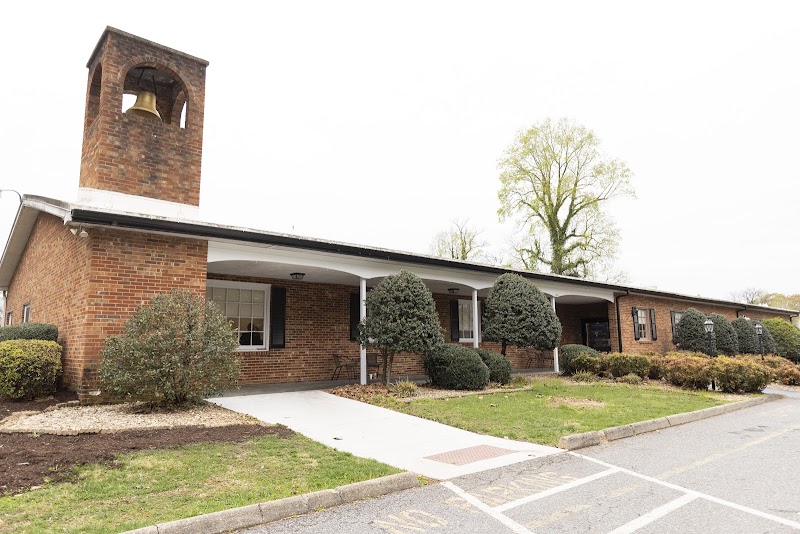
How is Seven Hills Rehabilitation And Nursing Staffed?

CMS rates SEVEN HILLS REHABILITATION AND NURSING's staffing level at 1 out of 5 stars, which is much below average compared to other nursing homes. Staff turnover is 68%, which is 22 percentage points above the Virginia average of 46%. High turnover can affect care consistency as new staff learn residents' individual needs. RN turnover specifically is 86%, which is notably high. RNs provide skilled clinical oversight, so turnover in this role can affect medical care quality.

What Have Inspectors Found at Seven Hills Rehabilitation And Nursing?

State health inspectors documented 91 deficiencies at SEVEN HILLS REHABILITATION AND NURSING during 2019 to 2025. These included: 4 Immediate Jeopardy (the most serious level, indicating potential for serious harm or death), 1 that caused actual resident harm, 83 with potential for harm, and 3 minor or isolated issues. Immediate Jeopardy findings are rare and represent the most serious regulatory concerns. They require immediate corrective action.
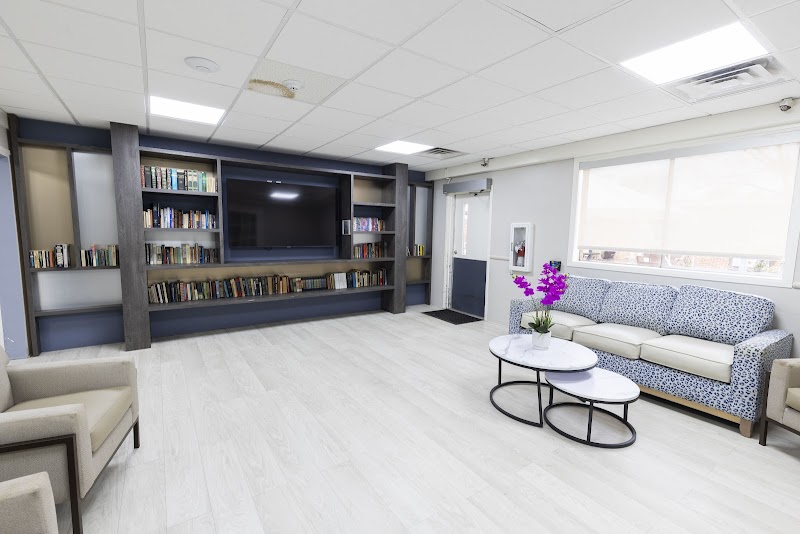
Who Owns and Operates Seven Hills Rehabilitation And Nursing?

SEVEN HILLS REHABILITATION AND NURSING is owned by a for-profit company. For-profit facilities operate as businesses with obligations to shareholders or private owners. The facility is operated by EASTERN HEALTHCARE GROUP, a chain that manages multiple nursing homes. With 120 certified beds and approximately 96 residents (about 80% occupancy), it is a mid-sized facility located in LYNCHBURG, Virginia.
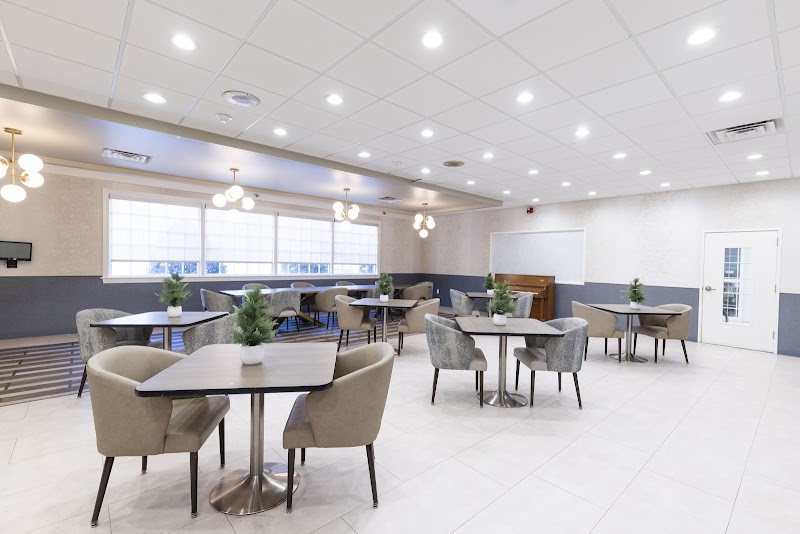
How Does Seven Hills Rehabilitation And Nursing Compare to Other Virginia Nursing Homes?

Compared to the 100 nursing homes in Virginia, SEVEN HILLS REHABILITATION AND NURSING's overall rating (1 stars) is below the state average of 3.0, staff turnover (68%) is significantly higher than the state average of 46%, and health inspection rating (1 stars) is much below the national benchmark.

What Should Families Ask When Visiting Seven Hills Rehabilitation And Nursing?

Based on this facility's data, families visiting should ask: "What changes have been made since the serious inspection findings, and how are you preventing similar issues?" "What safeguards and monitoring systems are in place to protect residents from abuse or neglect?" "How do you ensure continuity of care given staff turnover, and what is your staff retention strategy?" "Can you walk me through typical staffing levels on day, evening, and night shifts?" These questions are particularly relevant given the facility's Immediate Jeopardy citations, the substantiated abuse finding on record, the facility's high staff turnover rate, and the below-average staffing rating.

Is Seven Hills Rehabilitation And Nursing Safe?

Based on CMS inspection data, SEVEN HILLS REHABILITATION AND NURSING has documented safety concerns. The facility has 1 substantiated abuse finding (meaning confirmed case of resident harm by staff or other residents). Inspectors have issued 4 Immediate Jeopardy citations (the most serious violation level indicating risk of serious injury or death). The facility has a 1-star overall rating and ranks #100 of 100 nursing homes in Virginia. Families considering this facility should ask detailed questions about what corrective actions have been taken since these incidents.

Do Nurses at Seven Hills Rehabilitation And Nursing Stick Around?

Staff turnover at SEVEN HILLS REHABILITATION AND NURSING is high. At 68%, the facility is 22 percentage points above the Virginia average of 46%. Registered Nurse turnover is particularly concerning at 86%. RNs handle complex medical decisions and coordinate care — frequent RN changes can directly impact care quality. High turnover means new staff may not know residents' individual needs, medications, or preferences. It can also be disorienting for residents, especially those with dementia who rely on familiar faces. Families should ask: What is causing the turnover? What retention programs are in place? How do you ensure care continuity during staff transitions?

Was Seven Hills Rehabilitation And Nursing Ever Fined?

SEVEN HILLS REHABILITATION AND NURSING has been fined $291,152 across 4 penalty actions. This is 8.1x the Virginia average of $35,990. Fines at this level are uncommon and typically indicate a pattern of serious deficiencies, repeated violations, or failure to correct problems promptly. CMS reserves penalties of this magnitude for facilities that pose significant, documented risk to resident health or safety. Families should request specific documentation of what issues led to these fines and what systemic changes have been implemented.

Is Seven Hills Rehabilitation And Nursing on Any Federal Watch List?

SEVEN HILLS REHABILITATION AND NURSING is not on any federal watch list. The most significant is the Special Focus Facility (SFF) program, which identifies the bottom 1% of nursing homes nationally based on persistent, serious quality problems. Not being on this list means the facility has avoided the pattern of deficiencies that triggers enhanced federal oversight. This is a positive indicator, though families should still review the facility's inspection history directly.