TATE SPRINGS HEALTH & REHAB


2200 LANDOVER PLACE, LYNCHBURG, VA 24501 (434) 846-4626
For profit - Individual 118 Beds HILL VALLEY HEALTHCARE Data: November 2025
Trust Grade
80/100
#39 of 285 in VA
Last Inspection: April 2023

Over 2 years since last inspection. Current conditions may differ from available data.

Overview

Tate Springs Health & Rehab has a Trust Grade of B+, which means it is above average and recommended for families seeking care. It ranks #39 out of 285 facilities in Virginia, placing it in the top half overall, and it is the best option out of 8 in Lynchburg City County. The facility is improving, with a decrease in issues from three in 2023 to just one in 2024. However, staffing is a concern, as it received a rating of 2 out of 5 stars and staff turnover is at 34%, which is better than the state average but still indicates some instability. There have been no fines reported, which is a strong point, and there is more RN coverage than 84% of facilities in Virginia, ensuring better oversight of care. Despite these strengths, there have been some concerning incidents. For example, the facility did not properly verify physician orders for oxygen therapy for multiple residents, which could lead to serious health risks. Additionally, some residents reported that the food served was unappetizing, with issues like overcooked pasta and tough meat. Lastly, there were problems with food storage practices, including unlabeled and improperly sanitized items, which could pose health risks to residents. Overall, while there are notable strengths, families should be aware of these weaknesses as they consider care options.

Trust Score
B+
80/100
In Virginia
#39/285
Top 13%
Safety Record
Low Risk
No red flags
Inspections
Getting Better
3 → 1 violations
Staff Stability
○ Average
34% turnover. Near Virginia's 48% average. Typical for the industry.
Penalties
✓ Good
No fines on record. Clean compliance history, better than most Virginia facilities.
Skilled Nurses
○ Average
Each resident gets 38 minutes of Registered Nurse (RN) attention daily — about average for Virginia. RNs are the most trained staff who monitor for health changes.
Violations
⚠ Watch
21 deficiencies on record. Higher than average. Multiple issues found across inspections.
★★★★★
5.0
Overall Rating
★★☆☆☆
2.0
Staff Levels
★★★★★
5.0
Care Quality
★★★★☆
4.0
Inspection Score
Stable
2023: 3 issues
2024: 1 issues

The Good

  • 5-Star Quality Measures · Strong clinical quality outcomes
  • Full Sprinkler Coverage · Fire safety systems throughout facility
  • No fines on record
  • Staff turnover below average (34%)

    14 points below Virginia average of 48%

Facility shows strength in quality measures, fire safety.

The Bad

Staff Turnover: 34%

12pts below Virginia avg (46%)

Typical for the industry

Chain: HILL VALLEY HEALTHCARE

Part of a multi-facility chain

Ask about local staffing decisions and management

The Ugly 21 deficiencies on record

Sept 2024 1 deficiency
CONCERN (D) 📢 Someone Reported This

A family member, employee, or ombudsman was alarmed enough to file a formal complaint

Potential for Harm - no one hurt, but risky conditions existed

Deficiency F0658 (Tag F0658)

Could have caused harm · This affected 1 resident

**NOTE- TERMS IN BRACKETS HAVE BEEN EDITED TO PROTECT CONFIDENTIALITY** Based on staff interview, facility document review, and clinical record review, the facility staff failed to follow professional...

Read full inspector narrative →
**NOTE- TERMS IN BRACKETS HAVE BEEN EDITED TO PROTECT CONFIDENTIALITY** Based on staff interview, facility document review, and clinical record review, the facility staff failed to follow professional standards regarding wound documentation for one of four residents in the survey sample (Resident #2). The findings include: Facility staff failed to document assessments for Resident #2 that included measurements, appearance, description and/or status of a wound. Resident #2 (R2) was admitted to the facility with diagnoses that included metabolic encephalopathy, diabetes, acute kidney failure, history of sepsis, ulcerative colitis, cognitive communication deficit, bipolar disorder and depression. The minimum data set (MDS) dated [DATE] assessed R2 as cognitively intact. R2's clinical record documented a sacral wound on 11/29/24. A physician's progress note dated 11/29/24 documented, .Anorexia - continues to refuse to eat; frequently refuses meds [medications]. Developing sacral wound is due to worsening protein malnutrition due to poor dietary habits. Anticipate wound worsening and possibly additional wounds due to her meds and meals noncompliance . A physician's order dated 11/29/24 documented treatment of the sacrum with normal saline, honey fiber and foam dressing each day for wound care. Clinical notes on 11/29/23 documented no descriptive assessment of the sacrum wound indicating the type of wound, stage if pressure injury, wound measurements or any description of the wound's appearance. R2's treatment administration record (TAR) documented the treatments were administered as ordered. Nursing notes documented monitoring and treatment changes of the sacrum wound as follows: 12/2/23 - Physician's order to change wound treatment to zinc cream each day and evening shift for wound care. 12/11/23 - .Skin observation completed . 12/13/23 - .Skin observation completed .reddened area on sacral area - zinc was applied as ordered . 12/20/23 - .skin observation completed .With wound on her coccyx area measuring 1.5 cm in length and 0.5 cm in width. Zinc cream was applied as ordered . 12/27/23 - .skin observation completed .resident With wound on her coccyx area. Zinc cream applied as ordered . 1/3/24 - .skin observation completed. Open area to coccyx .coccyx area measuring 1.5 cm in length and 0.5 cm in width. Zinc cream applied as ordered . 1/6/24 - Physician's order to change wound treatment to normal saline, honey fiber and foam dressing each day A nursing note dated 1/10/24 documented R2's sacral wound had deteriorated rapidly and the resident was referred to the wound consultant for evaluation and treatment. The wound consultant diagnosed R2 with a Kennedy terminal ulcer and documented comprehensive assessments of the sacral ulcer weekly, until the resident's discharge on [DATE]. Prior to referral to the wound consultant, R2's wound/skin observations were documented as done but notes did not include thorough assessments of the wound. There was no documented assessment associated with physician ordered treatment changes on 12/2/23 (honey fiber/foam dressing to zinc cream), nor on 1/6/24 (zinc cream to honey fiber/foam dressing). R2's clinical notes dated 11/29/23 and 12/27/23 indicated an open area on the sacrum but documented no measurements of the open area. R2's assessments captured on 11/29/23, 12/11/23, 12/20/23, 12/27/23, and 1/3/24 documented no description of the wound or length/width measurements, only noting open area. These assessments documented no appearance of the wound bed or surrounding skin, presence or absence of drainage, or if odor or pain was associated with the wound. On 9/3/24 at 2:20 p.m., the licensed practical nurse unit manager (LPN #2) was interviewed about assessment of R2's sacral wound. LPN #2 stated wound assessments were listed in the nursing notes or under the wound assessment tab in the clinical record. LPN #2 stated the wound consultant documented comprehensive wound assessments for wound tracked/treated by the consultant. LPN #2 stated nurses were expected to document the status of all wounds when assessed and with changes in treatment. LPN #2 stated assessments were supposed to provide a description of the wound. On 9/4/24 at 9:00 a.m., the director of nursing (DON) was interviewed about R2's documented assessments prior to the wound consultant care on 1/10/24. The DON stated she reviewed the clinical record and did not find complete assessments documented prior to 1/10/24. The DON stated that the unit managers were responsible for wound assessments. The DON stated if there was an open skin area, nurses were expected to document the measurements, appearance of surrounding tissue/skin, a description of the wound and presence of drainage, odor or pain. The DON stated prior to referral to the wound consultant, the physician/medical director provided care orders. The DON stated R2's wound was assessed, the physician notified, and treatments were implemented/changed based upon assessments. The DON stated the assessments completed by nurses prior to 1/10/24, were not thoroughly documented and did not include all required information. The facility's policy titled Documentation of Wound Treatments (undated) documented, .The facility completes accurate documentation of wound assessments and treatments, including response to treatment, change in condition, and changes in treatment . The following elements are documented as part of a complete wound assessment .Type of wound (pressure injury, surgical, etc.) and anatomical location . Stage of wound, if pressure injury .or the degree of skin loss if non-pressure .Measurements: height, width, depth . Description of wound characteristics .Color .Type of tissue .Condition of the peri-wound .wound drainage .Presence or absence of odor .Presence or absence of pain .Wound treatments are documented at the time of each treatment . These findings was reviewed with the administrator, DON, and nurse consultant during a meeting on 9/4/24 at 10:15 a.m. with no further information presented prior to the end of the survey.
Apr 2023 3 deficiencies
CONCERN (D)

Potential for Harm - no one hurt, but risky conditions existed

Comprehensive Care Plan (Tag F0656)

Could have caused harm · This affected 1 resident

Based on staff interview and clinical record review, the facility failed to develop a care plan for one of 21 residents. Resident #43 did not have a care plan for fluid restrictions. The Findings Inc...

Read full inspector narrative →
Based on staff interview and clinical record review, the facility failed to develop a care plan for one of 21 residents. Resident #43 did not have a care plan for fluid restrictions. The Findings Include: Diagnoses for Resident #43 included: Congestive heart failure, end stage renal disease (ESRD), hypertension with heart failure, and diabetes. The most current MDS (minimum data set) was a 5 day assessment with an ARD (assessment reference date) of 2/17/23. Resident #43 was assessed with a cognitive score of 11 indicating moderately cognitively intact. On 4/17/23 Resident #43's active physician orders were reviewed and read in part: Fluid Restriction 1200 ML every shift for ESRD. Review of Resident #43's care plan did not evidence a care plan had been developed for fluid restrictions. On 4/18/23 at 11:59 AM registered nurse (RN # , unit manager) was asked to review Resident #43's care plan for fluid restrictions. RN # reviewed the care plan and verbalized that a care plan should have been developed. On 4/18/23 at 4:07 PM the above finding was presented to the director of nursing and administrator during an end of day meeting. No other information was presented prior to exit conference on 4/19/23.
CONCERN (D)

Potential for Harm - no one hurt, but risky conditions existed

Deficiency F0761 (Tag F0761)

Could have caused harm · This affected 1 resident

Based on observation, interview and policy review, the facility failed to ensure a vial of insulin was not expired for one out of 18 residents who were prescribed insulin. This failure had the possibi...

Read full inspector narrative →
Based on observation, interview and policy review, the facility failed to ensure a vial of insulin was not expired for one out of 18 residents who were prescribed insulin. This failure had the possibility of negatively impacting all 18 insulin dependent residents. Findings include: During a medication pass observation on 04/19/23 at 9:00 AM with Registered Nurse (RN) 3, a vial of Novolog insulin with an open date of 01/18/23 was in the top drawer of medication cart A. RN3 confirmed the written date on the insulin vial was 01/18/23. During an interview on 04/19/23 at 9:15 AM, Licensed Practical Nurse (LPN) 1, stated medications in the medication cart are checked randomly for expired medications. LPN1 stated that she did not know of a scheduled time/day for the expired medication check to be completed. During an interview on 04/19/23 at 9:45 AM, LPN2 stated the medication carts should be checked for expired medications daily during the night shift. During an interview on 04/19/23 at 11:40 AM, the Director of Nursing (DON) stated the medication carts should be checked daily for expired medications. A review of the facility's policy, Storage of Medications revised 08/2020 revealed, .Procedures III. Expiration Dating (Beyond-Use Dating) .3. Certain medication or package types, such as .multiple does injectable vials .require an expiration date shorter than the manufacturer's expiration date once opened to ensure medication purity and potency .5. When the original seal of a manufacturer's container or vial is initially broken, the container or vial will be dated. A. The nurse shall place a date opened sticker on the medication and record the date opened on the new date of expiration. The expiration date of the vial or container will be 30 days from opening . No other information was presented prior to exit conference on 4/19/23.
CONCERN (D) 📢 Someone Reported This

A family member, employee, or ombudsman was alarmed enough to file a formal complaint

Potential for Harm - no one hurt, but risky conditions existed

Medical Records (Tag F0842)

Could have caused harm · This affected 1 resident

**NOTE- TERMS IN BRACKETS HAVE BEEN EDITED TO PROTECT CONFIDENTIALITY** Based on clinical record review and staff interview, the facility staff failed for one of 21 residents in the survey sample (Res...

Read full inspector narrative →
**NOTE- TERMS IN BRACKETS HAVE BEEN EDITED TO PROTECT CONFIDENTIALITY** Based on clinical record review and staff interview, the facility staff failed for one of 21 residents in the survey sample (Resident # 30) to ensure the resident's clinical record was complete and accurate. The circumstances of a fall sustained by the resident were not reflected in the clinical record. The findings were: Resident # 30 in the survey sample was admitted on [DATE] with diagnoses that included Type II Diabetes Mellitus, hypertension, renal insufficiency, hyperlipidemia, history of transient ischemic attacks and cerebral infarction, dysarthria and anarthria, muscle disorder, and hyperglycemia. According to a Quarterly review Minimum Data Set with an Assessment Reference Date of 2/28/2023, the resident was assessed under Section C (Cognitive Patterns) as being cognitively intact, with a Summary Score of 15 out of 15. Under Section G (Functional Status), the resident was assessed as independent with no set-up help needed for walking in the room and locomotion on the unit; as needing supervision with set-up help only for eating; as needing supervision with one person physical assist for dressing; as needing limited assistance with one person physical assist for personal hygiene; as needing extensive assistance with one person physical assist for bathing; and, as not walking in the unit corridor or having locomotion off the unit. Review of the Progress Notes in Resident # 30's Electronic Health Record (EHR) revealed the following entry: 2/22/2023 - 3:49 p.m. Resident had a fall yesterday with no apparent injury. She is alert and oriented. Vitals 132/76 (blood pressure), pulse 88, O2 (oxygen) sat (saturation) 96%, temp(erature) 98.6, respirations 18. She had not complained of any pain today. Further review of the Progress Notes revealed there were no other entries regarding the nature or cause of the resident's fall. At approximately 11:00 a.m. on 4/18/2023, the Director of Nursing (DON) was asked for any additional information regarding the resident's fall. At approximately 2:00 p.m. on 4/18/2023, the DON provided a copy of the incident report on the resident's fall which noted the following: Nursing Description: Resident found sitting in floor in the bathroom in front of the stool facing the stool. Resident Description: I was trying to get on the stool and my feet sled (sic) out from under me. Immediate Action Taken: Resident checked by nurse no injuries noted, resident not taken to hospital. No injuries observed at time of incident. Mental Status: Resident oriented to place, person, time, and what happened. At 2:30 p.m. on 4/18/2023, the DON was interviewed regarding the lack of documentation of the resident's fall. Asked if there should have been more documentation of the fall, the DON replied, There is an expectation that the fall would be documented in the Progress Notes. I don't know why the nurse didn't do it, she completed an incident report. The findings were discussed during a meeting at 3:45 p.m. on 4/18/2023 that included the Administrator, DON, Corporate Nurse Consultant, and the survey team.
Nov 2021 11 deficiencies
CONCERN (D)

Potential for Harm - no one hurt, but risky conditions existed

PASARR Coordination (Tag F0644)

Could have caused harm · This affected 1 resident

Based on record review, review of facility policy, and interview, the facility failed to refer one resident of three residents (Resident (R) 40) reviewed for Preadmission Screening and Resident Review...

Read full inspector narrative →
Based on record review, review of facility policy, and interview, the facility failed to refer one resident of three residents (Resident (R) 40) reviewed for Preadmission Screening and Resident Review (PASARR) to the appropriate State-designated authority for a Level II PASARR evaluation and determination. Findings include: Review of the facility's policy titled, Social Services Guidelines Documentation dated August 2021 revealed, .complete the new PASARR screen for patients if the PASARR received is incorrect., and .Social service staff are required to coordinate the PASARR assessment. Review of R40's electronic medical record (EMR), under tab Clinical, revealed R40's initial admission date was 07/13/19. Review of R40's EMR under Med Diag (Medical Diagnoses) tab, revealed R40's diagnoses included a diagnosis of schizophrenia (mental disorder), dated 07/13/19. Review of R40's paper medical record, under the tab Legal Documents, revealed a PASARR I dated 09/03/19, which documented R40 did not have a serious mental illness. Review of R40's paper medical record, under the tab, Legal Documents, revealed there was not a PASARR II form. Review of R40's admission Minimum Data Set (MDS), with an assessment reference date (ARD) of 10/06/21, located in the resident's EMR under the MDS tab revealed the resident was assessed to have the active diagnosis of schizophrenia, (a mental disorder). During an interview on 11/18/21 at 5:35 PM, the Director of Nursing (DON) verified neither R40's electronic nor paper medical record included a Level II PASARR. The DON confirmed R40 had a diagnosis of a serious mental illness, schizophrenia, at the time the Level I was completed. DON confirmed SW was responsible to refer R40 to the department of community health, for a Level II PASARR screening and determination.
CONCERN (D)

Potential for Harm - no one hurt, but risky conditions existed

Comprehensive Care Plan (Tag F0656)

Could have caused harm · This affected 1 resident

**NOTE- TERMS IN BRACKETS HAVE BEEN EDITED TO PROTECT CONFIDENTIALITY** Based on interview, medical record review, and facility policy review, the facility failed to ensure a comprehensive care plan w...

Read full inspector narrative →
**NOTE- TERMS IN BRACKETS HAVE BEEN EDITED TO PROTECT CONFIDENTIALITY** Based on interview, medical record review, and facility policy review, the facility failed to ensure a comprehensive care plan was developed and implemented for two of 30 sampled residents (Resident (R) 32, R47, and R186). Specifically, the facility failed to develop a care plans for R32's and R47's oxygen therapy; and an incontinence care plan for R186. Findings include: Review of the facility's policy titled, INTERDISPLINARY CARE PLANNING, updated March 2018 revealed, .The facility must develop and implement a baseline person-centered care plan for each patient that includes the instructions needed to provide effective and person-centered care that meets professional standards of quality care. 1. Review of R32's electronic medical record (EMR), under tab Clinical, revealed R32's initial admission date was 08/05/13. Review of EMR under Med Diag (Medical Diagnoses) tab, revealed R32's diagnoses did not indicate a respiratory diagnosis (dated 08/05/13). Review of the EMR under the tab, Care plans, revealed R32 did not have a care plan for oxygen treatment. Review of the EMR under the tab, TAR (treatment administration record), included . O2 [oxygen] @ [at] 4 liters per minute via [by way of] NC [nasal canula] every shift for chronic O2 use. dated November 2021. Review of the EMR under the tab, Orders revealed, .O2 @ 4 liters per minute via NC every shift for chronic O2 use O2 check @ shift, notify MD [Medical Doctor] below 90%., dated 09/23/21. Review of R32's quarterly Minimum Data Set (MDS), with an assessment reference date (ARD) of 11/01/21 revealed the resident was assessed for respiratory diagnosis and no diagnosis was documented. Facility staff assessed the resident as using oxygen while at the facility. An observation conducted on 11/15/21 at 3:46 PM, revealed R32 was receiving oxygen treatment with a flow rate of 5 liters via nasal cannula. A second observation conducted on 11/16/21 at 9:39 AM, revealed R32 was receiving oxygen treatment with a flow rate of 5 liters via nasal cannula. A third observation conducted on 11/17/21 at 8:32 AM, revealed R32 was receiving oxygen treatment with a flow rate of 5 liters via nasal cannula. During an interview and observation conducted on 11/17/21 at 2:36 PM, the Unit Manager (UM) verified R32 was receiving oxygen with a flow rate of 5 liters via nasal cannula. During an interview on 11/18/21 at 3:01 PM, the Director of Nursing (DON) confirmed R32's care plan should have included oxygen therapy. 2. Review of the admission MDS with an ARD of 10/12/21 indicated R47 was admitted to the facility on [DATE] with diagnoses including cardiopulmonary disease (range of disorders affecting the heart and lungs), chronic obstructive pulmonary disease (COPD, a condition involving constriction of the airways and difficulty breathing), and viral pneumonia. Review of the EMR under the Care Plan tab, the care plan dated 10/11/21 did not include a plan for the use of oxygen. During observation on 11/16/21 at 9:44 AM, 11/17/21 at 8:40 AM, and 11/18/21 at 9:40 AM, R47 was in bed with oxygen being administered via nasal canula at 4 liters per minute (LPM). During an observation and interview on 11/18/21 at 1:20 PM, Licensed Practical Nurse (LPN)1 verified that R47 was receiving oxygen per nasal canula and that it was set at a rate of 4 LPM. LPN1 also verified the resident did not have a care plan for the use of oxygen. 3. Review of the MDS dated 01/29/21 located in the EMR indicated R186 was admitted to the facility on [DATE] with a diagnosis of adult failure to thrive. The resident was also noted to be frequently incontinent of bowel and bladder. Review of R186's Care Plan under the Care Plan tab dated 01/25/21 revealed no evidence of a care plan to address the resident's incontinence. Review of the [NAME] dated 01/25/21 revealed no evidence of incontinence care. In an interview with LPN1 on 11/18/21 at 1:20 PM confirmed R186 did not have a care plan to address her incontinence.
CONCERN (D)

Potential for Harm - no one hurt, but risky conditions existed

Deficiency F0660 (Tag F0660)

Could have caused harm · This affected 1 resident

Based on interview, medical record review, and facility policy review, the facility failed to include one resident of 25 sampled residents (Resident (R) 25) in the discharge planning process. Finding...

Read full inspector narrative →
Based on interview, medical record review, and facility policy review, the facility failed to include one resident of 25 sampled residents (Resident (R) 25) in the discharge planning process. Findings include: Review of the facility's policy, titled Social Services Guidelines, dated 8/21, revealed . Discharge planning is a person-center interdisciplinary process driven by the patient . It is important that patients make informed choices in the course of discharge planning. During an interview conducted on 11/15/21 at 12:45 PM, R25 indicated he would like a discharge plan from the facility and Social Worker (SW) would not help. Review of R25's quarterly Minimum Data Set (MDS) with an Assessment Reference Date (ARD) of 08/15/21 revealed the facility assessed R25 to have a Brief Interview for Mental Status (BIMS) score of 13 out of 15 which indicated R25 was cognitively intact. Review of R25's electronic medical record (EMR), under the Profile tab, revealed a facility initial admission date of 03/04/21 with multiple medical diagnoses. Review of R25's EMR, under the tab, Progress Note, a note dated 11/01/21, revealed a note documented by the Social Worker (SW). The note further revealed, the SW informed R25 his option for discharge was Against Medical Advice (AMA) per the Interdisciplinary Team (IDT) meeting's decision. An interview conducted with Medical Doctor on 11/18/21 at 4:35 PM, revealed AMA was not R25's only discharge option. An interview conducted with the SW on 11/18/21 at 5:05 PM, revealed R25 was not included in his discharge plan. The SW stated R25 was not part of the IDT meeting. The SW stated because the IDT decided the discharge was AMA, she was unable to assist R25 with discharge options. The SW confirmed including R25 in his discharge plan and IDT meeting would be beneficial. During an interview on 11/18/21 at 5:26 PM, the Director of Nursing (DON) stated the facility should begin discharge planning, with the resident, on the day of the resident's admission.
CONCERN (D)

Potential for Harm - no one hurt, but risky conditions existed

Pressure Ulcer Prevention (Tag F0686)

Could have caused harm · This affected 1 resident

**NOTE- TERMS IN BRACKETS HAVE BEEN EDITED TO PROTECT CONFIDENTIALITY** Based on observation, interview, policy review and record review, the facility failed to ensure professional standards of practi...

Read full inspector narrative →
**NOTE- TERMS IN BRACKETS HAVE BEEN EDITED TO PROTECT CONFIDENTIALITY** Based on observation, interview, policy review and record review, the facility failed to ensure professional standards of practice were maintained for the treatment of pressure ulcers, for one of one resident (Resident (R) 47) observed for pressure ulcer treatments. Staff failed to perform hand hygiene and ensure a clean environment prior to performing wound treatments. Findings include: Review of the admission ''Minimum Data Set (MDS) found in the electronic medical record (EMR) revealed R47 was admitted to the facility on [DATE] and had a ''Brief Interview for Mental Status (BIMS)'' of 15 which indicated that resident was cognitively intact. The assessment revealed that R47 had a Stage 3 Sacral wound, a surgical wound to her right lower quadrant and a peri-stoma. Review of R47's EMR under, the ''Orders'' tab and Treatment Administration Record, (TAR) dated 11/11/21 revealed, R47 had three wounds with three different treatments. An abdominal right lower quadrant (RLQ) peristomal wound, a RLQ (boil) and a Sacral Stage 3 wound. Observation on 11/16/21 at 4:15 PM revealed Nursing Supervisor Registered Nurse (NSRN) was completing wound care to R47's three wounds. NSRN did not clean and disinfect or drape the area for clean supplies and did not perform hand hygiene after doffing and prior to donning gloves in between treatments to the resident's three wounds. During an interview on 11/18/21 at 4:15 PM, NSRN verified that she did not clean the table, did not put down a barrier and did not perform hand hygiene between dirty to clean glove changes during the wound care performed on 11/16/21. Review of the facilities policy titled, ''Dressing change: nonsterile (clean)'', dated 12/09 indicated, '' .disinfect over bed table using an EPA (environmental protective agent) approved disinfectant .Place a clean barrier on the over bed table .Perform hand hygiene when going from clean to dirty.''
CONCERN (D)

Potential for Harm - no one hurt, but risky conditions existed

Accident Prevention (Tag F0689)

Could have caused harm · This affected 1 resident

**NOTE- TERMS IN BRACKETS HAVE BEEN EDITED TO PROTECT CONFIDENTIALITY** Based on observation, interview, record review, and review of facility policies, the facility failed to provide assistive device...

Read full inspector narrative →
**NOTE- TERMS IN BRACKETS HAVE BEEN EDITED TO PROTECT CONFIDENTIALITY** Based on observation, interview, record review, and review of facility policies, the facility failed to provide assistive devices to prevent accidents for one of five (Resident (R) 23) residents reviewed for accidents out of 30 sample residents. Findings include: Review of R23's admission Record, located under the Profile tab of the electronic medical record (EMR) revealed he was admitted to the facility on [DATE]. Review of R23's diagnoses, located under the Diagnosis tab of his EMR revealed unspecified dementia without behavioral disturbance, type 2 Diabetes mellitus with diabetic neuropathy (Weakness, numbness, and pain from nerve damage, usually in the hands and feet), and cerebral infarction (disrupted blood flow to the brain due to problems with the blood vessels that supply it). Review of R23's quarterly Minimum Data Set (MDS) with an assessment reference date (ARD) of 09/13/21, revealed a Brief Interview of Mental Status (BIMS) score of 13 out of 15, indicting intact cognition. R23 was assessed as being total dependent on two persons for transfers with mechanical lift. Review of R23's care plan located in the EMR under the Care Plan tab, dated 02/18/20 revealed a Focus area of risk for falls. Review of the Interventions revealed the facility planned to keep his bed in the low position; encourage to transfer and change positions slowly; have commonly used articles within easy reach; and staff education. Further review of R23's care plan revealed an additional intervention for therapy evaluation on his wheelchair beginning 09/20/21. Review of a Falls report provided by the facility revealed R23 had a fall on 09/20/21 at 1:12 PM. R23 had an outside appointment and was transported by a transport company arranged by the facility. Upon return to the facility and while still inside of the transport van, R23 slid out of his wheelchair to the floor of the transport vehicle. R23 had no visible injuries noted at that time. Review of a Witness Statement report provided by the facility, dated 09/20/21 at 1:30 PM, revealed the van driver stated R23 was properly secured when leaving the dental appointment. When the driver turned around and realized the resident was sliding out of his wheelchair, he pulled over to a safe area to reposition the resident. He could not reposition the resident successfully and returned to the facility that was five minutes away. By that time, the resident had slid all the way to the floor. The driver of the transport van was not available for interview. Interview on 11/17/21 at 3:22 PM with R23 revealed that the resident did not remember having a fall during transport. Observation of R23's room on 11/17/21 at 3:22 PM revealed the resident's wheelchair folded between the wall and the bed. Leg/footrest were not on the wheelchair. Interview on 11/17/21 at 3:25 PM with Nurse Aide (NA) 2 revealed that the footrest was usually taken off the wheelchair and stored when not in use. NA2 stated the footrest kept the resident from sliding out of his chair. On 11/17/21 at 2:09 PM, interview with the Director of Nursing (DON) revealed that R23 did not self-propel, and his wheelchair should have leg/footrests. DON stated footrests should have been in place on R23's wheelchair when he left for his appointment. At the time of the incident, his wheelchair did not have that assistive device. The DON stated the resident's wheelchair was used for transport and was strapped into the van. No other facility staff assisted the resident during transportation. At 2:13 PM on 11/17/21, an interview with the Corporate Quality Assurance Consultant-RN (CQAC-RN) stated that the root cause of the fall incident was due to R23 not having a leg/footrest on his wheelchair and that was the contributing factor for him sliding out of his wheelchair. On 11/17/21 at 3:29 PM an interview with the Administrator revealed that she went out to the transport van as soon as the facility was notified of the incident. R23 was on the floor of the van and his wheelchair did not have leg/footrests attached to the chair. The Administrator believed they were taken off to help the resident and stated that the leg rest were on the floor of the van. Review of the Rehabilitation Screening for R23 on 9/20/21 revealed that the R23 stated that the wheelchair did not have leg rests on at the time of his fall. Rehabilitation services documented that the resident has no issues sitting in his chair when leg rests were used. Staff documented the resident reported he did not have his leg rests when he left the facility. Review of the facility Falls Practice Guide dated 12/11, indicated that this is what the facility provided as the Fall Policy. The CQAC-RN stated that this is the Fall Policy. This Practice Guide indicated . that this booklet is considered a practice guide . this guide is intended to support clinical practice .the purpose is to describe the process steps for identification of patient fall risk factors and interventions and systems that may be used to manage falls .the information included within this guide does not relieve a business unit ore center of the obligation to comply with all applicable HCR ManorCare policies as well as federal and state regulations.
CONCERN (D)

Potential for Harm - no one hurt, but risky conditions existed

Tube Feeding (Tag F0693)

Could have caused harm · This affected 1 resident

**NOTE- TERMS IN BRACKETS HAVE BEEN EDITED TO PROTECT CONFIDENTIALITY** Based on observation and interview it was determined the facility failed to ensure the resident receiving enteral feeding receiv...

Read full inspector narrative →
**NOTE- TERMS IN BRACKETS HAVE BEEN EDITED TO PROTECT CONFIDENTIALITY** Based on observation and interview it was determined the facility failed to ensure the resident receiving enteral feeding received appropriate care and services to prevent complications for one of one resident (Resident (R)17) reviewed for tube feeding cares. Findings include: Review of R17's face sheet located under the Admissions Record tab in the electronic medical record (EMR) revealed R17 was admitted to the facility on [DATE] following a cerebral vascular accident (CVA, loss of blood flow to the brain resulting in damage to brain tissue). R17's physician's orders found under the Orders tab of the EMR revealed R17 had an enteral feeding tube in place for nutrition and administration of medications. During an observation on 11/17/21 at 12:50 PM, Licensed Practical Nurse (LPN) 2 administered one medication to R17 by way of (via) the enteral tube. LPN2 did not place a barrier down on the overbed table or the bed prior to placing her supplies on it. LPN2 aspirated for residual volume from the feeding tube without opening the clamp proximal to R17's body. LPN2 placed the syringe on the bed while she was getting her supplies ready. LPN2 flushed to tube with 30 cubic centimeters (cc) of water, gave the crushed medication with 15 cc of water and then flushed the tube with 30 cc of water. LPN2 used the plunger on the syringe to push the fluids in as opposed to attempting a gravity feed. During an interview on 11/18/21 at 9:05AM, the Family Nurse Practitioner (FNP), referring to how medications were to be given via enteral tube stated, Always gravity-that is how we were taught to do it-always. During an interview on 11/18/21 at 9:17AM, the Medical Director, referring to how medications were to be given via an enteral tube stated, Always gravity is the preferred method. During an interview on 11/18/21 at 1:54 PM, LPN 2 stated she was not sure why she did it (used the plunger, opposed to allowing to gravity feed) that way on that day. LPN 2 stated she was aware of the need to use a barrier and to do attempt a gravity feed prior to using the syringe plunger. During an interview on 11/18/21 at 6:50 PM, when asked how the nurse would know to give medications by gravity feed, the Director of Nursing (DON) stated there was a procedure manual on each nurses' station for the nurses to review. The DON added that their policy did not indicate to give medication by gravity feed but acknowledged it was a Standard of Practice and should be done by gravity feed.
CONCERN (D)

Potential for Harm - no one hurt, but risky conditions existed

Deficiency F0698 (Tag F0698)

Could have caused harm · This affected 1 resident

Based on interview, medical record review, and facility policy review, the facility failed to ensure there was a physician order for dialysis treatment for one resident of two residents (Resident (R) ...

Read full inspector narrative →
Based on interview, medical record review, and facility policy review, the facility failed to ensure there was a physician order for dialysis treatment for one resident of two residents (Resident (R) 25) reviewed for dialysis out of 30 sampled residents. Findings include: Review of the facility's policy, titled Agreement for Outpatient Dialysis, dated 07/01/16, revealed .G. Prescription for treatment by any other physician. Review of R25's electronic medical record (EMR), under the Profile tab, revealed a facility initial admission date of 03/04/21 with multiple medical diagnoses including chronic kidney disease, Stage 3 unspecified, under Med diag tab. Review of R25's quarterly Minimum Data Set (MDS) with an assessment reference date (ARD) of 08/15/21 revealed the facility assessed R25 to have a Brief Interview for Mental Status (BIMS) score of 13 out of 15 which indicated R25 was cognitively intact. The facility assessed R25 for Active Diagnosis, and confirmed R25's diagnoses of renal insufficiency (decreased kidney function), renal failure (a condition where the kidneys stop working and are not able to remove waste), and end stage renal disease (ESRD, reduced kidney function requiring dialysis treatment). Review of R25's EMR, under the Orders tab, revealed there was not a physician's order for dialysis treatment. Review of R25's paper chart, under Physician Orders tab, revealed there was not a physician's order for dialysis treatment. Review of R25's EMR under the Care Plan tab, under the column Focus, created date of 08/04/21, revealed .resident needs dialysis hemo. During an interview on 11/18/21 at 10:26 AM, the Unit Manager (UM) verified and confirmed no physician order was included on R25's EMR for dialysis treatment. UM confirmed the facility should include a physician order for R25's dialysis treatment. During an interview on 11/18/21 at 2:50 PM, the Director of Nursing (DON) verified and confirmed R25's EMR did not include a physician's order for dialysis treatment. DON confirmed R25 was transported to dialysis outpatient treatment center on 11/16/21 without physician orders on the R25's EMR or paper chart. During an interview on 11/18/21 at 2:24 PM, the Medical Doctor (MD) confirmed R25's paper chart did not include a physician's order for dialysis treatment. MD confirmed a physician's order was required for hemodialysis treatment for facility's residents.
CONCERN (D)

Potential for Harm - no one hurt, but risky conditions existed

Deficiency F0761 (Tag F0761)

Could have caused harm · This affected 1 resident

Based on observation, interview, and review of the facility's policy, the facility failed to remove expired medication from their medication room. This failure to remove expired medication had the pot...

Read full inspector narrative →
Based on observation, interview, and review of the facility's policy, the facility failed to remove expired medication from their medication room. This failure to remove expired medication had the potential to place the resident at an increased risk of receiving expired medications. Findings include: During an observation of the Third Floor Medication Room on 11/18/21 at 10:50 AM, the following items were found to be expired: one opened stock vial of TUBERSOL, Tuberculin Purified Protein Derivative (Mantoux) solution dated as opened on 10/11/21 and 30 packets of stock ProSource with manufacturer expiration dates of 04/03/21 and 06/02/21. Licensed Practical Nurse (LPN) 2 verified the items in question had expired at the time of the observation. Interview with the Director of Nursing (DON) on 11/18/21 at 6:30PM, revealed the medication rooms were to be checked weekly by the central supply staff for expired medications. The DON did not have a reason for the medications to have remained in the medication room and agreed they should have been removed. Review of the facility policy titled Disposal/Destruction of Expired or Discontinued Medication dated 12/01/07 revealed . 4. Facility should place all discontinued or out-dated medications in a designated, secure location which is solely for discontinued medications or marked to identify the medications are discontinued and subject to destruction.
CONCERN (E)

Potential for Harm - no one hurt, but risky conditions existed

Respiratory Care (Tag F0695)

Could have caused harm · This affected multiple residents

**NOTE- TERMS IN BRACKETS HAVE BEEN EDITED TO PROTECT CONFIDENTIALITY** Based on observation, interview, medical record review, and facility policy review, the facility failed to ensure physician orde...

Read full inspector narrative →
**NOTE- TERMS IN BRACKETS HAVE BEEN EDITED TO PROTECT CONFIDENTIALITY** Based on observation, interview, medical record review, and facility policy review, the facility failed to ensure physician orders were verified and followed for oxygen therapy flow rate for four of four residents (Resident (R) 40, R32, R44, and R47) reviewed for respiratory care. Findings include: Review of the facility's policy, titled OXYGEN ADMINISTRATION, updated 07/17, revealed .Verify Physician's order. 1. Review of R40's electronic medical record (EMR), under tab Clinical, revealed R40's initial admission date was 07/13/19. Review of the EMR under Med Diag (Medical Diagnoses) tab, revealed R40's diagnoses included COPD (chronic obstructive pulmonary disease (lung disease that blocks airflow and makes it difficult to breath)), dated 07/13/19. Review of the EMR under the tab Care plans under the column Focus, created date of 07/13/19, revealed .Has respiratory impairment related to COPD, Under the column titled, Interventions/Tasks, revealed .Administer medications/treatments per physician, orders. Review of the EMR under the tab, TAR (treatment administration record), included .O2 [oxygen] @ [at] 2 liters per minute via [by way of] NC [nasal cannula]. dated 11/21. Review of the EMR under the tab Orders revealed, .O2 @ 2 liters per minute via NC., dated 10/21/21. Review of R40's quarterly, Minimum Data Set (MDS), with an assessment reference date (ARD) of 10/06/21, revealed the resident was assessed for respiratory diagnosis and COPD or chronic lung disease was included with multiple other diagnoses. The MDS revealed the facility answered yes to the question regarding use of oxygen while a resident at the facility. An observation conducted on 11/16/21 at 9:42 AM, revealed R40 had oxygen being administered at a flow rate of 5 liters per minute. A second observation conducted on 11/17/21 on 8:36 AM, revealed oxygen was not being administered to R40. A third observation conducted on 11/18/21 at 9:53 AM, revealed R40 had oxygen being administered at a flow rate of 5 liters per minute. During an interview on 11/18/21 at 3:01 PM, the Director of Nursing (DON) confirmed physician orders should be followed for administration of oxygen's flow rate. During an interview on 11/18/21 at 2:24 PM, the Medical Doctor confirmed the oxygen flow rate should be the same as the physician's order for the resident. 2. Review of R32's EMR, under tab Clinical, revealed R32's initial admission date was 08/05/13. Review of EMR under Med Diag tab, revealed R32's diagnoses did not indicate a respiratory diagnosis, (dated 08/05/13). Review of the EMR under the tab, Care plans, revealed R32 did not have a care plan for oxygen treatment. Review of the EMR under the tab, TAR, included . O2 @ 4 liters per minute via NC every shift for chronic O2 use. dated November 2021. Review of the EMR under the tab, Orders revealed, .O2 @ 4 liters per minute via NC every shift for chronic O2 use O2 check @ shift, notify MD [Medical Doctor] below 90%., dated 09/23/21. Review of R32's quarterly MDS, with an ARD of 11/01/21 revealed the resident was assessed for respiratory diagnosis and no diagnosis was documented. Facility staff assessed the resident as using oxygen while at the facility. An observation conducted on 11/15/21 at 3:46 PM, revealed R32 was receiving oxygen treatment with a flow rate of 5 liters via nasal cannula. A second observation conducted on 11/16/21 at 9:39 AM, revealed R32 was receiving oxygen treatment with a flow rate of 5 liters via nasal cannula. A third observation conducted on 11/17/21 at 8:32 AM, revealed R32 was receiving oxygen treatment with a flow rate of 5 liters via nasal cannula. During an interview and observation conducted on 11/17/21 at 2:36 PM, the Unit Manager (UM) verified R32 was receiving oxygen with a flow rate of 5 liters, administered by nasal cannula. During an interview on 11/18/21 at 3:01 PM, the DON confirmed physician orders should be followed for administration of oxygen's flow rate. 3. During an observation on 11/15/21 at 1:10 PM, R44 was in his room with oxygen flowing at a rate of 4 liters per minute via nasal cannula. During subsequent observations on 11/15/21 at 1:20 PM and 4:58 PM, R44 was sleeping, and his oxygen continued at 4 liters per minute via nasal cannula. Review of R44's EMR, under tab admission Record, revealed R44 was admitted to the facility on [DATE]. Review of the EMR under Med Diag tab, revealed R40's had a diagnosis of congestive heart failure and coronary artery disease. Review of R44's EMR under the Orders tab revealed, R44 did not have orders for oxygen. Review of R44's EMR under the Care Plan tab revealed R44 was not care planned for care for oxygen therapy. A review of R44's most recent MDS with an ARD of 11/05/21, documented he did not receive oxygen therapy. During an interview on 11/16/21 at 2:34 PM, Licensed Practical Nurse (LPN) 2 confirmed she could not locate an order for R44's oxygen in the EMR orders. LPN2 checked R44's Medication Administration Record (MAR) and TAR in the EMR and was unable to find an oxygen order. LPN2 stated when she went into R44's room to give meds, she checked his oxygen to make sure tubing was dated, water bottle was full, and oxygen was running. When asked how she knew what rate the oxygen was to be running, LPN2 stated she would look at the order. LPN 2 admitted she did not have an order for R 44's oxygen and should not have administered it without an order. LPN 2 stated she did not know how the order was missed but she would call the doctor right away to get the order. LPN2 stated nurses could administer oxygen at 2 liters per minute per nursing judgement and then get the order. LPN2 agreed this was not the case since R44 had been getting oxygen at 4 liters per minute. During an interview on 11/18/21 at 2:24 PM, the Medical Doctor confirmed oxygen should not be administered without a physician order. 4. Review of the admission MDS with an ARD of 10/12/21indicated that (R)47 was admitted to the facility on [DATE] with diagnoses including cardiopulmonary disease, chronic obstructive pulmonary disease (COPD) and viral pneumonia. During observation on 11/16/21 at 9:44 AM, 11/17/21 at 8:40 AM, and 11/18/21 at 9:40 AM revealed R47 was in bed, with oxygen being administered at a rate of 4 LPM via nasal canula. During an observation and interview on 11/18/21 at 1:20 PM LPN1 verified R47 was receiving oxygen per nasal canula at a rate of LPM. LPN1 verified R47 did not have a current order for the use of oxygen.
CONCERN (E)

Potential for Harm - no one hurt, but risky conditions existed

Deficiency F0804 (Tag F0804)

Could have caused harm · This affected multiple residents

Based on observation, resident interview, staff interview, and review of the facility policy, the facility failed to serve food that was palatable for three of 30 sample. Specifically, pureed food was...

Read full inspector narrative →
Based on observation, resident interview, staff interview, and review of the facility policy, the facility failed to serve food that was palatable for three of 30 sample. Specifically, pureed food was unpalatable, pasta overcooked, and meat was tough. Findings include: Review of the facility's menu for 11/18/21 indicated the facility was served country fried steak with gravy, mashed potatoes, squash casserole, Texas toast, and strawberry rhubarb pie. The alternate choices were baked fish, orzo pilaf, and broccoli. Pureed foods included beef, mashed potatoes, the orzo, broccoli, squash casserole, bread, and pudding. Review of the facility's policy titled, Consistency Modified Foods-Level 4 Pureed, dated 11/2020, documented .pureed Level 4 diet requires foods that have a smooth texture with no lumps and are not sticky . 1. During an interview on 11/15/21 at 10:30 AM, R45 stated he did not like the food. 2. During an interview on 11/15/21 at 10:50 AM, R337 stated he did not like the food. 3. During an interview on 11/15/21 at 11:20 AM, R84 stated that a pig wouldn't eat the food. 4. During an observation and interview on 11/18/21 at 10:45 AM, the Dietary [NAME] (DC), Food Service Director (FSD), and the surveyor tasted the pureed orzo which was served as the alternative item on the menu. The DC gagged and stated, this tastes like pure paste. The FSD stated the pureed orzo was terrible, and he was taking it off the tray line so it would not be served. Both the DC and FSD stated they did not taste the prepared pureed foods. During observations on 11/18/21 from 12:43 PM to 1:11PM, five residents were served pureed trays on the second-floor units. These residents were not interviewable and were not able to answer questions regarding their meals. 5. On 11/18/21 at 12:59 PM, a test tray was tasted by the FSD and the surveyor. The FSD stated, the country fried steak was hard, dry, and the coating did not stay on the steak. It was extremely hard to chew, and I would not serve it again. The FSD stated the orzo was gummy and overcooked. The FSD stated the food texture was correct for the residents on the first floor served. However, for the last floor and unit served, the food was overcooked due to being on the steam table for so long. The FSD said he did not know how to prevent this. Observations on 11/18/21 at 1:23 PM of trays going back to the kitchen after being served to residents, revealed 14 trays with the country fried steak not eaten.
CONCERN (E)

Potential for Harm - no one hurt, but risky conditions existed

Food Safety (Tag F0812)

Could have caused harm · This affected multiple residents

Based on observation, staff interview, and review of facility policy, the facility failed to ensure foods stored in the kitchen were labeled, dated when opened, and sealed closed. Also, pots and pans ...

Read full inspector narrative →
Based on observation, staff interview, and review of facility policy, the facility failed to ensure foods stored in the kitchen were labeled, dated when opened, and sealed closed. Also, pots and pans were not properly sanitized after washing and cups were not allowed to air dry before lids were reattached. These failures had the potential to affect all 90 residents in the facility who ate food from the kitchen. Findings include: Review of the facility's policy titled, Labeling Food and Date Marking, dated November 2020, documented .foods are labeled following preparation or opening to identify the item and to provide date, and time information .Use-by date is the last date recommended for the use of the product while at peak quality. Review of the facility's policy titled, Storage of Food, dated November 2020, documented . label opened foods as to contents and date. Review of the facility's policy titled, Food Storage and Date Marking, dated 2018, documented . Plastic containers with tight-fitting covers must be used for storing cereals, flour, sugar, dried vegetables, and broken lots of bulk foods. All containers must be legible and accurately labeled . 1. On 11/15/21 at 9:20 AM, the following observations were made with and verified by the Food Service Director (FSD). The dry storage room contained one bag of breadcrumbs, one bag of coconut flakes, one bag of cherry gelatin powder, and one bag of almonds that were opened and had not been labeled with a use by date. One bag of cherry gelatin powder that was open to air and not sealed closed. A plastic container of a powder food thickener was not labeled as to the contents of the container, nor did it have a use by date. The FSD confirmed open foods should be labeled with a use by date. 2. On 11/15/21 at 9:20 AM, four cups with lids on trays ready to go to the units that were still wet on the inside were observed with the FSD. The FSD stated the cups were still wet and could not air dry because the lids were on them. The FSD stated, there would be a potential for bacteria since the cups were closed and wet. 3. On 11/17/21 at 10:45 AM, an observation revealed there were no sanitizing buckets in the kitchen to wipe off workstations. The FSD located two sanitizing buckets in the dish washroom that did not contain sanitizer and one bucket had broken glass in it. The FSD stated they did not use spray disinfectants in the kitchen. The FSD stated, the buckets were being washed and they should have one in the kitchen to be used at all times. 4. On 11/17/21 at 11:14 AM, the wash, rinse, and sanitizer sinks were cold and contained food products. The sanitizer was tested by the FSD and did not register any sanitizer. All three sinks were emptied and refilled, and the sanitizer level was then adequate per manufacturer recommendation.
Feb 2019 6 deficiencies
CONCERN (D)

Potential for Harm - no one hurt, but risky conditions existed

Comprehensive Care Plan (Tag F0656)

Could have caused harm · This affected 1 resident

**NOTE- TERMS IN BRACKETS HAVE BEEN EDITED TO PROTECT CONFIDENTIALITY** Based on resident interview, staff interview and clinical record review, the facility staff failed to ensure a CCP (comprehensiv...

Read full inspector narrative →
**NOTE- TERMS IN BRACKETS HAVE BEEN EDITED TO PROTECT CONFIDENTIALITY** Based on resident interview, staff interview and clinical record review, the facility staff failed to ensure a CCP (comprehensive care plan) was developed and implemented for one of 23 residents in the survey sample, Resident #24. Findings include: Resident #24 was admitted to the facility originally on 05/27/18. The resident was readmitted on [DATE] and again on 08/17/18, with the most recent readmission being on 01/31/19. Diagnoses for Resident #24 included, but were not limited to: high blood pressure, DM (diabetic mellitus), depression, ESRD (end stage renal disease) dependent upon hemodialysis, right above the knee amputation, constipation and gastroparesis. A quarterly MDS (minimum data set) assessment dated [DATE] was reviewed. The MDS assessed the resident with a cognitive score of 15, indicating the resident was cognitively intact for daily decision making skills. The resident was assessed as requiring extensive assistance for toileting with at least one person physical assistance. The resident was also assessed as always continent of bowel. This MDS additionally assessed the resident as receiving a diuretic during the previous, 7 day look back period, and as receiving hemodialysis while a resident. The most recent full MDS assessment with CAAS (care area assessment summary), was a 5 day admission assessment dated [DATE]. This MDS was reviewed for CAAS information. The resident triggered on this MDS for, but not limited to: urinary, nutrition and dehydration. Further review of this MDS for dehydration, documented that the resident had vomiting on 05/29/18 per nursing notes and this was a causative trigger. An interview was conducted on 02/19/19 at 2:52 PM with Resident #24. The resident stated that she went to the hospital January 28th because she was sick and stated that she was vomiting and couldn't stop. The resident stated that she was eventually sent to the hospital, where she was admitted and was told [by hospital staff] that she was impacted. The resident stated that this isn't the first time that she has had problems with her bowels and it seems to be an ongoing problem. The resident was readmitted to the facility on [DATE]. Resident #24's clinical record documented that the resident had a new diagnoses of gastroparesis, as of 01/31/19. The resident's hospital records were reviewed and documented that it was originally thought that the resident had a gastrointestinal virus [nausea/vomiting], but after further evaluation, concluded the resident was impacted. A GI (gastroenterologist) consult dated 01/18/19 was reviewed and documented that the resident was examined and the resident had complained of constipation and associated nausea with abdominal cramping. The GI consult documented, .patient previously doing well on Linzess, but [was] discontinued in 08/2018-unsure why this was done .Constipation- will restart Linzess 290 mcg [micrograms] daily after dialysis continue Miralax as well after dialysis .Nausea - feel this is secondary to constipation . A review of Resident 24's medical record revealed the resident went to hospital on [DATE] for chest pain while at dialysis. The resident was admitted to the hospital and then readmitted to the facility on [DATE]. On 08/08/18 the resident's hand written POS (physician's order set) documented orders for Linzess 290 mcg once daily. A nursing note documented the resident was trying to have a BM (bowel movement) on 08/11/18, but was having difficulty. On 08/14/18 the resident was at dialysis and complained of a headache with slurred speech per documentation. The resident was again sent to ER. The resident was readmitted to the facility on [DATE]. The Linzess was not on the POS dated 08/17/18. The resident was discharged to the hospital and upon return the medication was not restarted. There was no discontinuation order and no documentation regarding the discontinuation of the Linzess. The physician's orders were signed, but did not include the medication Linzess. Further review of the resident's record revealed that the resident was administered Linzess, Miralax and Colace daily from 01/18/19 through 01/28/19. It was documented that the resident had bowel movements during this time. The resident's current CCP (comprehensive care plan) was reviewed. The CCP documented, .Pain medication .Monitor for altered mental status .constipation . No other information was found regarding the resident's constipation, gastroparesis, nausea/vomiting, medications used for constipation or any information regarding this resident's history of bowel problems. On 02/20/19 at 3:37 PM, an end of day meeting was held with the DON (director of nursing), administrator, corporate nurse and regional director. They were asked for the most current CCP on Resident #24. On 02/21/19 at 8:08 AM, the DON presented a CCP for Resident #24 and stated that this was the most current care plan. The DON stated that the resident did not have a care plan for constipation, and agreed that the resident should have triggered and should have a care plan for constipation. The DON then stated, that she updated the care plan this morning, but not for constipation. The DON was asked why this resident's medication (Linzess) for constipation had been discontinued in August of 2018. On 02/21/19 at 8:20 AM, the DON returned and stated that the resident had constipation listed under the pain section of the CCP. The DON then stated that the resident doesn't actually have a diagnoses of constipation. The DON then stated that the resident went to the hospital in August and was readmitted , and when the resident came back, the medication was not on the admission orders and we go by the hospital admission orders. The DON was made aware of the resident's history from the interview with the resident, as well as documentation in the resident's clinical record did evidence that the resident had constipation issues. The DON was made aware that the resident did have a current diagnosis of constipation, as well as gastroparesis and had been seen by GI for concerns. No further information and/or documentation was presented prior to the exit conference on 02/21/19 at 10:45 AM, to evidence the facility staff developed and implemented a CCP for this resident for constipation and gastroparesis.
CONCERN (D)

Potential for Harm - no one hurt, but risky conditions existed

Deficiency F0761 (Tag F0761)

Could have caused harm · This affected 1 resident

Based on observation, and staff interview, the facility staff failed to ensure a date was placed on opened medication and was readily available for use on one of 2 units. An opened multidose vial of ...

Read full inspector narrative →
Based on observation, and staff interview, the facility staff failed to ensure a date was placed on opened medication and was readily available for use on one of 2 units. An opened multidose vial of Lantus (insulin) without a date was readily available for use on the second floor unit. The Findings Include: On 02/20/19 at 2:39 PM, storage of medications and biological's was observed on the second floor. A multidose vial of Lantus insulin was observed opened and without an open date in the refrigerator available for distribution. There was a sticker on the bottle to indicate that the Lantus would expire after 28 days of being opened. The Director of nursing (DON) was in the medication room at the time of the observation. When asked about the medication without an open date, the DON verbalized that the Lantus should have been dated with an open date and should not be in the refrigerator. On 02/20/19 at 3:35 PM, the above information was brought to the attention of the director of nursing (DON) and administrator during an end of day staff meeting. The administrator was asked for a policy regarding storing medications. On 02/21/19 the facility presented a policy regarding storage and expiration dates of drugs and biological's and read in part [ .] Nursing staff should record the date opened on the medication container when the medication has a shortened expiration date once opened. No other information regarding this concern was provided prior to exit conference on 2/21/19.
CONCERN (E)

Potential for Harm - no one hurt, but risky conditions existed

Dental Services (Tag F0791)

Could have caused harm · This affected multiple residents

Based on observation, resident interview, staff interview, and clinical record review the facility staff failed to obtain dental services for Resident # 55. Resident # 55 had broken, carious bottom te...

Read full inspector narrative →
Based on observation, resident interview, staff interview, and clinical record review the facility staff failed to obtain dental services for Resident # 55. Resident # 55 had broken, carious bottom teeth, and had no dental care since admission. Findings include: Resident # 55 was admitted to the facility 3/17/18 with diagnoses to include but not limited to: anemia, high blood pressure, anxiety and depression. The most recent MDS (minimum data set) was a quarterly review dated 1/15/19. Resident # 55 was coded as cognitively intact with a total summary score of 13 out of 15. The clinical record was reviewed 2/20/19 beginning at 10:30 a.m. Nurses' notes documented the following: 11/30/18 Complaint of tooth pain. Tylenol 325 mg 2 tabs administered. Effective 12/5/18 .tooth pain. 2 Tylenol 325 mg administered with effectiveness. 12/17/18 (name of practice) called regarding an appointment for tooth extraction .daughter aware and will transport . 1/14/19 scheduled for oral surgery 1/23/19 . 1/18/19 complain of tooth pain .Tylenol 325 mg 2 tabs administered. Effective. 1/20/19 tooth pain .Tylenol administered with relief 1/23/19 Dental appt. canceled by daughter. She states she will let us know when appt. (appointment) is rescheduled. 1/25/19 .complaint of tooth pain .given Tylenol daughter canceled dental appt. in (city) stating she could not drive her car that far .spoke with unit manager concerning this . 1/28/19 Tylenol for tooth pain 2/6/19 Tylenol for tooth pain . 2/8/19 Tylenol for tooth pain .pain rated at 6 . On 2/20/19 the unit manager, RN (registered nurse) # 2 was interviewed about the resident's tooth pain, and if there was any further information about the appointment that was to have been rescheduled by the daughter. RN # 2 was read the entry from 1/25/19 that he was made aware of the canceled appointment. He stated Who made that note? I do know that the daughter was supposed to call back when the appointment was rescheduled .she has not called yet. No one locally will see our patient's, they have to go out of the area. RN # 2 was then asked since the daughter had voiced an issue with her car, why the facility ahd not gotten the appointment rescheduled and transportation arranged? RN # 2 stated The social worker should have been involved to help with those arrangements. On 2/20/19 at 11:30 a.m. the facility social worker was interviewed. She stated Well, I know I had quite a time to get that first appointment scheduled; I had arranged transportation but then the daughter said she would take her .I was not made aware the appointment did not happen .the unit manager is the one who would have reported to me so I could get everything rescheduled . On 2/20/19 at 1:50 p.m. during an interview Resident # 55 she stated Yes, these bottom teeth have been bothering me quite a while .do you think you can help me get a ride to get them taken care of? They're [teeth] in a bad fix. The resident was then asked if the bottom teeth could be observed. She stated yes and of the 4 remaining teeth on the bottom, one was broken, two were blackened, and two other teeth were in poor condition overall. On 2/21/19 at 7:45 a.m. the care plan was reviewed. A care plan for dental problems was dated as initiated on 1/30/19. The care plan included focus/goals and interventions related to the resident's tooth pain. The care plan did not include any information about the canceled appointment. There were few interventions other than to refer to dentist/hygienist for evaluation/recommendations re: denture realignment, new fitting, teeth pulled, repair of carious teeth. Other interventions included administering medication for tooth pain and reporting any changes in oral cavity. On 2/21/19 at 8:09 a.m. RN # 3, who was an MDS coordinator, was asked about the care plan, and the date initiated as the resident began complaining of tooth pain in November 2018. RN # 3 stated In November when the tooth pain was identified they could have/should have initiated the care plan at that time. On previous assessments, there had not been any dental issues identified. When the most recent quarterly review was done, that's when the tooth pain and issues were identified so that's when I initiated the care plan . On 2/21/19 at approximately 9:00 a.m. the social worker informed this surveyor a dentist appt. for Resident # 55 had been made for in the morning. On 2/21/19 during a meeting with facility staff the administrator, DON (director of nursing), and regional nurse consultant were made aware of the above findings. No further information was provided prior to the exit conference.
MINOR (B)

Minor Issue - procedural, no safety impact

Assessment Accuracy (Tag F0641)

Minor procedural issue · This affected multiple residents

**NOTE- TERMS IN BRACKETS HAVE BEEN EDITED TO PROTECT CONFIDENTIALITY** Based on clinical record review and staff interview, the facility failed for one of 23 residents in the survey sample (Resident ...

Read full inspector narrative →
**NOTE- TERMS IN BRACKETS HAVE BEEN EDITED TO PROTECT CONFIDENTIALITY** Based on clinical record review and staff interview, the facility failed for one of 23 residents in the survey sample (Resident # 101) to ensure an accurate Minimum Data Set. Resident # 101, who was discharged home, was identified on a Discharge - Return Not Anticipated Minimum Data Set as having been discharged to an acute hospital. The findings were: Resident # 101 in the survey sample, a [AGE] year-old male, was admitted to the facility on [DATE] with diagnoses that included anemia, atrial fibrillation, congestive heart failure, hypertension, gastroesophageal reflux disease, benign prostatic hyperplasia, renal insufficiency, diabetes mellitus, hyperlipidemia, osteomyelitis, difficulty walking, Vitamin D deficiency, morbid obesity, dilated cardiomyopathy, generalized muscle weakness, acquired absence of left great toe and other left toes. According to the resident's admission Minimum Data Set (MDS), with an Assessment Reference Date (ARD) of 1/7/19, the resident was assessed under Section C (Cognitive Patterns) as being cognitively intact, with a Summary Score of 15 out of 15. Review of Resident # 101's closed Electronic Health Record (EHR) revealed the following Progress (Nurses) Notes entry: 1/18/2019 - 1608 - Resident discharged at this time. All belongings taken with resident. All scripts taken with resident. SUN transport to transport home Also included in the resident's EHR was an Ombudsman Discharge Notification, dated 1/18/19, that indicated the resident was discharged back to the community because the resident's discharge goals were met. According to a Discharge - Return Not Anticipated MDS, with an ARD of 1/18/19, the resident was identified at Item A2100 Discharge Status, as having been discharged to an acute hospital. On 2/20/19 at 1:30 p.m., RN # 1 (Registered Nurse), the MDS Coordinator, was interviewed regarding the entry at Item A2100 on the Discharge - Return Not Anticipated MDS. After checking her records, RN # 1 stated the entry at A2100, acute hospital, was incorrect. The findings were reviewed during a meeting at 3:30 p.m. on 2/20/19 that included the Administrator, Director of Nursing, Corporate Nurse Consultant, and the survey team.
MINOR (B)

Minor Issue - procedural, no safety impact

Deficiency F0645 (Tag F0645)

Minor procedural issue · This affected multiple residents

**NOTE- TERMS IN BRACKETS HAVE BEEN EDITED TO PROTECT CONFIDENTIALITY** Based on clinical record review and staff interview the facility failed to ensure a PASARR (Pre-admission Screening and Resident...

Read full inspector narrative →
**NOTE- TERMS IN BRACKETS HAVE BEEN EDITED TO PROTECT CONFIDENTIALITY** Based on clinical record review and staff interview the facility failed to ensure a PASARR (Pre-admission Screening and Resident Review) was completed for one of 23 resident's, Resident #62. Resident #62 did not have a PASARR screening when admitted to the facility. The Findings Include: Resident #62 admitted to the facility on [DATE]. The most recent MDS was a quarterly assessment with ARD (Assessment Reference Date) of 1/22/19. Diagnoses for Resident #62 included: Diabetes, dementia with lewy bodies, Parkinson's disease, depression, malignant neoplasm of uterus. Resident #62 had a cognitive score of 11 indicating moderately cognitively intact. On 2/19/19 Resident #62's medical record was reviewed and did not evidence that A PASSAR had been completed by the facility. On 2/20/19 at 9:45, AM the social worker along with the admissions director was asked to present evidence that a PASARR was completed at the time of admission. The social worker present a Psycho-social Assessment that was faxed to the facility by PACE (Programs for all Inclusive Care for the Elderly) and was faxed stamped and dated 11/25/2011. The assessment itself did not evidence when the assessment was completed. On 2/20/19 at 10:56 AM, the social worker was interviewed again about the pre-screen PASARR that should be completed upon admission. The social worker verbalized that Resident #62 was admitted through PACE and PACE should have completed the pre-screen and would call PACE and ask to have it faxed to the facility. On 02/20/19 at 3:35 PM, the above information was presented to the administrator, director of nursing and regional vice president. On 2/21/19 at 9:00 AM, the social worker was again asked for evidence of the PASARR. The social worker verbalized that the facility was still trying to get a copy from PACE. On 02/21/19 at 10:05 AM, during a meeting with the administrator, director of nursing and regional vice president, the regional vice president stated that there was a misunderstanding with PACE in regards to completing a PASARR and therefore it was never completed, indicating only a psych-social assessment was done at the time of admission. No other information was presented prior to exit conference. on 2/21/19.
MINOR (C)

Minor Issue - procedural, no safety impact

Transfer Notice (Tag F0623)

Minor procedural issue · This affected most or all residents

**NOTE- TERMS IN BRACKETS HAVE BEEN EDITED TO PROTECT CONFIDENTIALITY** 2. Resident #93 was admitted to the facility on [DATE] with a readmission on [DATE]. Diagnoses for Resident #93 included: cerebr...

Read full inspector narrative →
**NOTE- TERMS IN BRACKETS HAVE BEEN EDITED TO PROTECT CONFIDENTIALITY** 2. Resident #93 was admitted to the facility on [DATE] with a readmission on [DATE]. Diagnoses for Resident #93 included: cerebrovascular disease (CVA), chronic kidney disease, muscle weakness, hypertension, difficulty walking, fracture of right femur, and routine healing of fracture. The most recent minimum data set (MDS) dated [DATE] assessed Resident #93 as being cognitively intact with a score of 15 for daily decision making. Resident #93 was interviewed on 02/19/19 regarding her stay at the facility. Resident #93 stated she was doing better and making slow progress since her hospital stay last month. Resident #93 stated she originally was admitted to the facility for therapy after falling and breaking her hip at home, however she had a small stroke and was admitted to the hospital where she had surgery for stent placement and wore a heart monitor for a few days. Resident #93's clinical record was reviewed on 02/19/19 at 2:15 p.m. A nursing progress note dated 01/23/19 with a timestamp of 14:53 p.m. (2:53 p.m.) documented Patient admitted to hospital. On 02/20/19 at 10:56 a.m., the social worker (OS #1) was interviewed concerning notifying the State Ombudsman's office regarding Resident #93 being discharged to the hospital on [DATE]. OS #1 stated she did not notify the State Ombudsman's office of Resident #93's discharge to the hospital because she was not aware she was supposed to. OS #1 stated she had not been notifying the State Ombudsman's office when any resident was discharged to the hospital. These findings were reviewed with the administrator, director of nursing and corporate staff during a meeting on 02/20/19 at 3:34 p.m. Based on staff interview and clinical record review the facility staff failed to provide written notification of a hospital transfer for two of 23 residents in the survey sample: Residents #76 and # 93. 1. Resident #76 was discharged to hospital and the facility did not notify the Ombudsman or the responsible party (RP) in writing. 2. Resident #93 was discharged to hospital and the facility did not notify the Ombudsman or the responsible party (RP) in writing. The Findings Include: 1. Resident #76 was admitted to the facility on [DATE] with the most readmission on [DATE]. Diagnoses for Resident #76 included: Diabetes, end stage renal disease receiving dialysis, hypotension, sleep apnea, and morbid obesity. The most current MDS (minimum data set) was a quarterly assessment with an ARD (assessment reference date) of 1/27/19. Resident #76 was assessed as being cognitively intact with a score of 15 of 15. Resident #76 was her own responsible person (RP). On 2/20/19 Resident #76's medical record indicated that Resident #76 was admitted to the hospital on [DATE] with a primary diagnoses of C-Diff colitis with hypotension, returned back to the facility on 1/17/19, discharged to the hospital again on 1/21/19 with primary diagnoses of hypotension secondary to adrenal insufficiency and returned back to the facility on 1/24/19. On 02/20/19 at 10:56 AM, the social worker (SW) was interviewed concerning notifying the Ombudsman and Resident #76 in writing of the discharges in January 2019. The SW verbalized that she had not been sending written notification to Ombudsman or Representative regarding being discharged to the hospital. The SW verbalized that she does send notification to the Ombudsman of someone's discharge if the Resident is not going to return to the facility, but was unaware that she had to notify in writing if a Resident was being discharged to a hospital. On 02/20/19 03:35 PM the above information was presented to the director of nursing and the administrator. No other information was presented prior to exit conference on 2/21/19.
Understanding Severity Codes (click to expand)
Life-Threatening (Immediate Jeopardy)
J - Isolated K - Pattern L - Widespread
Actual Harm
G - Isolated H - Pattern I - Widespread
Potential for Harm
D - Isolated E - Pattern F - Widespread
No Harm (Minor)
A - Isolated B - Pattern C - Widespread

Questions to Ask on Your Visit

  • "Can I speak with families of current residents?"
  • "What's your RN coverage like on weekends and overnight?"

Our Honest Assessment

Strengths
  • • Grade B+ (80/100). Above average facility, better than most options in Virginia.
  • • No major safety red flags. No abuse findings, life-threatening violations, or SFF status.
  • • No fines on record. Clean compliance history, better than most Virginia facilities.
  • • 34% turnover. Below Virginia's 48% average. Good staff retention means consistent care.
Concerns
  • • 21 deficiencies on record. Higher than average. Multiple issues found across inspections.
Bottom line: Generally positive indicators. Standard due diligence and a personal visit recommended.

About This Facility

What is Tate Springs Health & Rehab's CMS Rating?

CMS assigns TATE SPRINGS HEALTH & REHAB an overall rating of 5 out of 5 stars, which is considered much above average nationally. Within Virginia, this rating places the facility higher than 99% of the state's 100 nursing homes. This rating reflects solid performance across the metrics CMS uses to evaluate nursing home quality.

How is Tate Springs Health & Rehab Staffed?

CMS rates TATE SPRINGS HEALTH & REHAB's staffing level at 2 out of 5 stars, which is below average compared to other nursing homes. Staff turnover is 34%, compared to the Virginia average of 46%. This relatively stable workforce can support continuity of care.

What Have Inspectors Found at Tate Springs Health & Rehab?

State health inspectors documented 21 deficiencies at TATE SPRINGS HEALTH & REHAB during 2019 to 2024. These included: 18 with potential for harm and 3 minor or isolated issues.
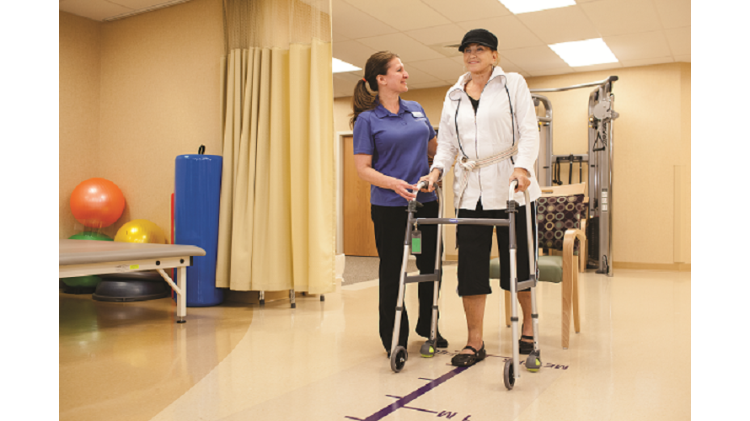
Who Owns and Operates Tate Springs Health & Rehab?

TATE SPRINGS HEALTH & REHAB is owned by a for-profit company. For-profit facilities operate as businesses with obligations to shareholders or private owners. The facility is operated by HILL VALLEY HEALTHCARE, a chain that manages multiple nursing homes. With 118 certified beds and approximately 104 residents (about 88% occupancy), it is a mid-sized facility located in LYNCHBURG, Virginia.
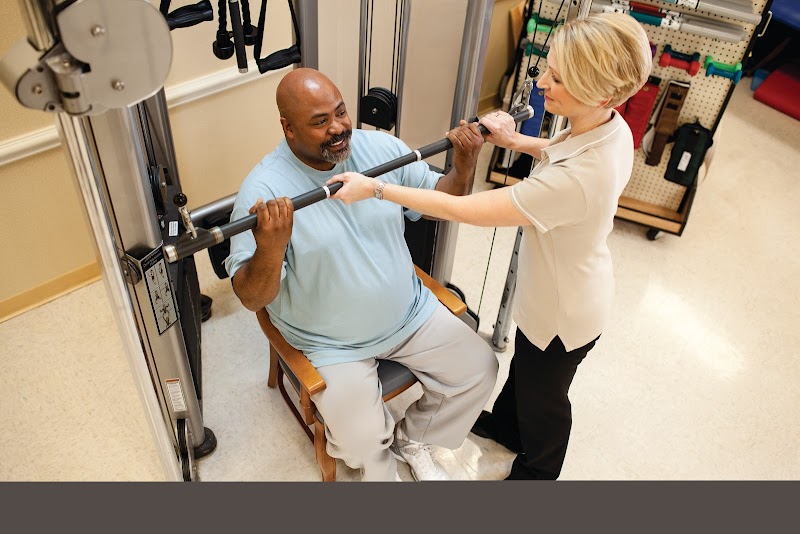
How Does Tate Springs Health & Rehab Compare to Other Virginia Nursing Homes?

Compared to the 100 nursing homes in Virginia, TATE SPRINGS HEALTH & REHAB's overall rating (5 stars) is above the state average of 3.0, staff turnover (34%) is significantly lower than the state average of 46%, and health inspection rating (4 stars) is above the national benchmark.

What Should Families Ask When Visiting Tate Springs Health & Rehab?

Based on this facility's data, families visiting should ask: "Can you walk me through typical staffing levels on day, evening, and night shifts?" "Can I visit during a mealtime to observe dining assistance and food quality?" "How do you handle medical emergencies, and what is your hospital transfer rate?" "Can I speak with family members of current residents about their experience?" These questions are particularly relevant given the below-average staffing rating.

Is Tate Springs Health & Rehab Safe?

Based on CMS inspection data, TATE SPRINGS HEALTH & REHAB has a clean safety record: no substantiated abuse findings (meaning no confirmed cases of resident harm), no Immediate Jeopardy citations (the most serious violation level indicating risk of serious injury or death), and is not on the Special Focus Facility watch list (a federal program monitoring the lowest-performing 1% of nursing homes). The facility has a 5-star overall rating and ranks #1 of 100 nursing homes in Virginia. While no facility is perfect, families should still ask about staff-to-resident ratios and recent inspection results during their visit.

Do Nurses at Tate Springs Health & Rehab Stick Around?

TATE SPRINGS HEALTH & REHAB has a staff turnover rate of 34%, which is about average for Virginia nursing homes (state average: 46%). Moderate turnover is common in nursing homes, but families should still ask about staff tenure and how the facility maintains care continuity when employees leave.

Was Tate Springs Health & Rehab Ever Fined?

TATE SPRINGS HEALTH & REHAB has no federal fines on record. CMS issues fines when nursing homes fail to meet care standards or don't correct problems found during inspections. The absence of fines suggests the facility has either maintained compliance or corrected any issues before penalties were assessed. This is a positive indicator, though families should still review recent inspection reports for the full picture.

Is Tate Springs Health & Rehab on Any Federal Watch List?

TATE SPRINGS HEALTH & REHAB is not on any federal watch list. The most significant is the Special Focus Facility (SFF) program, which identifies the bottom 1% of nursing homes nationally based on persistent, serious quality problems. Not being on this list means the facility has avoided the pattern of deficiencies that triggers enhanced federal oversight. This is a positive indicator, though families should still review the facility's inspection history directly.