MANASSAS HEALTH AND REHAB CENTER

8575 RIXLEW LANE, MANASSAS, VA 20109 (703) 257-9770
For profit - Corporation 120 Beds COMMONWEALTH CARE OF ROANOKE Data: November 2025
Trust Grade
48/100
#145 of 285 in VA
Last Inspection: March 2022

Over 2 years since last inspection. Current conditions may differ from available data.

Overview

Manassas Health and Rehab Center has received a Trust Grade of D, indicating below-average performance with some concerning issues. It ranks #145 out of 285 facilities in Virginia, placing it in the bottom half of nursing homes in the state and only #2 out of 2 in Manassas City County, meaning there is only one local option that is better. The facility is worsening, with the number of reported issues increasing from 5 in 2022 to 6 in 2024. Staffing is a relative strength, with a turnover rate of 33%, which is lower than the state average of 48%, although RN coverage is rated as average. There have been concerning fines totaling $16,376, which are higher than 82% of Virginia facilities, suggesting recurring compliance problems. Specific incidents of concern include neglect in monitoring a resident with respiratory distress, which resulted in harm, and the presence of expired laboratory supplies in medication storage areas, indicating potential procedural lapses. While the facility has some strengths, families should be cautious and weigh these issues carefully.

Trust Score
D
48/100
In Virginia
#145/285
Top 50%
Safety Record
Moderate
Needs review
Inspections
Getting Worse
5 → 6 violations
Staff Stability
○ Average
33% turnover. Near Virginia's 48% average. Typical for the industry.
Penalties
✓ Good
$16,376 in fines. Lower than most Virginia facilities. Relatively clean record.
Skilled Nurses
○ Average
Each resident gets 31 minutes of Registered Nurse (RN) attention daily — about average for Virginia. RNs are the most trained staff who monitor for health changes.
Violations
⚠ Watch
29 deficiencies on record. Higher than average. Multiple issues found across inspections.
★★★☆☆
3.0
Overall Rating
★★★☆☆
3.0
Staff Levels
★★★★☆
4.0
Care Quality
★★★☆☆
3.0
Inspection Score
Stable
2022: 5 issues
2024: 6 issues

The Good

  • 4-Star Quality Measures · Strong clinical quality outcomes
  • Full Sprinkler Coverage · Fire safety systems throughout facility
  • No fines on record
  • Staff turnover below average (33%)

    15 points below Virginia average of 48%

Facility shows strength in quality measures, fire safety.

The Bad

3-Star Overall Rating

Near Virginia average (3.0)

Meets federal standards, typical of most facilities

Staff Turnover: 33%

13pts below Virginia avg (46%)

Typical for the industry

Federal Fines: $16,376

Below median ($33,413)

Minor penalties assessed

Chain: COMMONWEALTH CARE OF ROANOKE

Part of a multi-facility chain

Ask about local staffing decisions and management

The Ugly 29 deficiencies on record

2 actual harm
Feb 2024 6 deficiencies 2 Harm
SERIOUS (G) 📢 Someone Reported This

A family member, employee, or ombudsman was alarmed enough to file a formal complaint

Actual Harm - a resident was hurt due to facility failures

Free from Abuse/Neglect (Tag F0600)

A resident was harmed · This affected 1 resident

**NOTE- TERMS IN BRACKETS HAVE BEEN EDITED TO PROTECT CONFIDENTIALITY** Based on staff interviews, family interview, clinical record review, and facility document reviews, it has been determined that ...

Read full inspector narrative →
**NOTE- TERMS IN BRACKETS HAVE BEEN EDITED TO PROTECT CONFIDENTIALITY** Based on staff interviews, family interview, clinical record review, and facility document reviews, it has been determined that the facility staff failed to ensure that a resident was free from neglect when they neglected to properly assess, monitor, treat, and consult a physician or practitioner for 1 of 15 residents (Resident #15, closed record review) in the survey sample who was unresponsive and presented with respiratory distress, which constituted harm. The findings include: For Resident #15, the facility neglected to properly administer supplemental oxygen, assess, and monitor during signs and symptoms of respiratory distress for approximately two (2) hours before calling 911. Resident #15 was originally admitted to the facility on [DATE] and re-admitted on [DATE]. The resident was discharged from the nursing facility, admitted to the local hospital on [DATE], and did not return to the nursing facility. Resident #15 diagnoses included dementia, left lower leg cellulitis, anxiety, and allergic rhinitis. The quarterly Minimum Data Set (MDS) assessment with an assessment reference date (ARD) of 12/7/23 coded the resident as completing the Brief Interview for Mental Status (BIMS) and scoring 99 which indicated severely impaired cognition. In section G Activities of Daily Living Assistance (ADLs), the resident was coded as extensive assistance with the physical assistance of 1-2 for transfers, toileting, and bed mobility. Resident #15's person-centered care plan dated 9/24/23 notes that she required extensive assistance with physical assistance of 1-2 for transfers, toileting, and bed mobility. This care plan also noted the intervention that staff should report changes in breathing patterns or difficulty breathing including wheezing, shortness of breath, rales, rhonchi, note on observation and/or auscultation for further assessment by nurse or practitioner due to diagnosis of allergic rhinitis. A review of the Emergency Medical Service (EMS) Fire and Rescue System Report read they received a call on 12/21/23 at 12:56 AM from the facility concerning resident #15 being in acute respiratory distress. EMS was at the bedside at 1:08 am. EMS documented that they did not receive a report from the nursing staff concerning the resident's condition, although there were 6 staff members at the bedside. The nursing staff at the bedside could not give them any information about Resident #15. EMS documented that they heard audible rales (abnormal breath sounds), and Resident #15 was found to have on a simple mask connected to a 02 cylinder that was not turned on. When staff was asked about this, they ignored EMS staff and walked away. EMS staff placed Resident #15 on an NRB with 12 liters of 02 and the resident's initial 02 saturations were noted to be 82% (95-100%=normal). Resident #15's 02 saturation via pulse oximetry started to rise to 90% and she then was placed on a continuous positive airway pressure machine (CPAP) with positive end-expiratory pressure (PEEP) of 5. EMS documented that the facility staff was unable to provide information on the resident's normal mental status. Resident #15 was also hypotensive with recorded BPs of 77/33 at 1:11 AM, 60/36 at 1:21 AM, 66/25 at 1:26 AM, and 96/70 at 1:30 AM. There were some problems getting the resident oxygen levels to register, her PEEP was increased to 7.5, and the resident started to open her eyes. On 12/21/23 at 1:26 AM, EMS transferred the resident to the local hospital emergency department for evaluation and she was subsequently admitted to the hospital. An interview was conducted on 2/8/24 at approximately 1:15 PM with Licensed Practical Nurse (LPN) #5 who worked the 3:00 PM to 11:00 PM shift on 12/20/23. LPN #5 shared that Resident #15 was re-admitted around 8:00 PM on 12/20/23 from the hospital. LPN #5 said Resident #15 was very weak, and they noticed at some point that evening (she did not remember the time), that the resident was trying to get out of bed. LPN #5 said that she and a certified nursing assistant (CNA) got the resident dressed, out of bed, into the wheelchair, and brought her into the common area. LPN #5 said that they helped the resident eat a peanut butter sandwich, juice, and ice cream. LPN #5 said during that time Resident #15 had no breathing issues. LPN #5 said when they later recognized that she was having breathing issues (sometime during shift change during the 11:00 PM hour), they got her back to bed, put the head of the bed up, the CNA got a set of vital signs (VS), and the resident's oxygen level was low, but she does not remember how low. LPN #5 said she put the resident on oxygen at 2 liters via nasal cannula, and the resident's breathing did not get better, she then changed the resident to a non-rebreather oxygen mask (NRB), called the doctor, and 911. EMS report reads that they received a call from the facility at 12:56 AM and when they arrived the resident was on a simple face mask with the oxygen tank turned off. LPN #5 said she really could not remember who did what, but that all the above took place. An interview was conducted on 2/8/24 at approximately 3:54 PM with the Director of Nursing (DON). The DON confirmed receiving a voicemail from Adult Protective Services (APS) when she returned to work from leave in December 2023. She shared that the message included concerns about the neglect of care and services including failure to assess and monitor the decline in the resident's level of consciousness that included proper application of oxygen therapy. The message included EMS's first assessment of Resident #15 the oxygen tubing was not connected to an oxygen source and the six (6) nursing staff members at the bedside could not tell them anything about Resident #15. The DON said she spoke to registered nurse (RN) #2 because this nurse was supervising the facility at the time the above event occurred. The DON added that after getting feedback from RN #2 there was no further investigation of the event. An interview was conducted on 2/9/24 at approximately 12:12 AM with RN #2 (Nursing Supervisor). RN #2 shared that on 12/21/23 he came to work a little after midnight. RN #2's timecard verified that he clocked in at 1:01 AM. RN #2 said while doing rounds he saw nursing staff in Resident #15's room. RN #2 said that when he made his rounds, Resident #15 was on a non-rebreather mask with 100% oxygen and that EMS came up right after he arrived. RN #2 did not assess the resident or equipment, he just observed the scene and left to continue his rounds. The EMS report read the resident was on a simple face mask and the oxygen tank was not on. An interview was conducted on 2/9/24 at approximately 12:37 AM with RN #6 who worked the 11:00 PM to 7:00 AM shift on the Dogwood unit. RN#6 shared that on 12/20/23 during the 11:00 PM hour, a CNA came to her unit yelling Help. RN #6 said she then went to the Evergreen unit to help, and Resident #15 was unresponsive and with an oxygen saturation of 69%, so she left the Evergreen unit and went to her unit to get 02 and 02 tubing. When asked, Why did you leave the Evergreen unit to go to another unit to get oxygen? She responded that Evergreen did not keep 02 on their unit. It was confirmed that Evergreen did keep one (1) oxygen tank on their code cart. RN #6 said she was not sure of how the events truly played out and who did what. RN #6 said although no one got a new set of vital signs (VS) to include pulse oximetry reading on the resident, they put her on a non-rebreather mask (NRB) with 10 liters of oxygen. The EMS report read the resident was on a simple face mask and the oxygen tank was not on. RN #6 also confirmed that although she was the nurse providing most of the care for Resident #15 during this time the primary nurse left the unit to open the door at the main entrance for EMS. She said they did not give a report to EMS although she was one of six at the bedside when they inquired about what was going on with the resident. RN #6 did not chart any of the observations she made or interventions she implemented while caring for Resident #15. An interview was conducted on 2/9/24 at approximately 1:05 AM with CNA #8. CNA #8 said that when she came to work on 12/20/23 for the 11:00 PM to 7:00 AM shift Resident #15 was in the wheelchair and appeared to be asleep. CNA #8 said shortly after 11:00 PM during shift change, she noticed that Resident #15 didn't sound right. CNA #8 said she notified LPN #3, and she, LPN #3, and LPN #5 got the resident in the bed. CNA #8 said that she took her VS, but did not remember what they were, but did remember that the resident's vital signs including pulse oximetry readings resulted in a low oxygen saturation level and the nurses put 02 on the resident. The CNA stated she thought she remembered CNA # 9 went and got a 02 concentrator and that LPN #3 applied 02 to the resident. RN#6 shared during her interview (2/9/24 at 12:37 AM) that she went to get an oxygen tank from her unit. These two statements from CNA #8 and RN#6 conflicted with the method of O2 that may have been in use. A phone interview was conducted on 2/12/24 at approximately 12:31 PM with LPN #3. The LPN shared she worked the 12/20/23 11:00 PM to 7:00 AM shift. LPN #3 said that Resident #15 was admitted on the evening shift and when she arrived at work at approximately 11:00 PM the resident was in the common area in her wheelchair and her breathing was off. LPN #3 said she called 911 immediately (the EMS report read that they were called at 12:56 AM), they got the resident to bed, put the head of the bed up, and a nurse from the Dogwood unit put 02 on Resident #15. LPN #3 said she went to the front door/main entrance to wait for EMS to arrive. A review of documents that were provided and reviewed supported that LPN #3 clocked in at 11:03 PM on 12/20/2023 and the RN #2 supervisor clocked in at 1:01 AM on 12/21/2023. Based on that timeline, from approximately 11:03 PM to 1:08 AM (EMS with resident) Resident #15 was having breathing difficulties. A review of Resident #15's medical record dated 12/21/23 documented vital signs at approximately 2:45 AM (after Resident #15 left the building) were temperature(T) 97, pulse (P) 36, respirations (R) 18, blood pressure (BP) 104/20, and oxygen saturations (02) 69%. A review of Resident #15 medical record indicated there was no admission assessment and no comprehensive assessments completed. In addition, there was no documented evidence that ongoing respiratory assessments and follow-up vital signs were done especially when the nursing staff identified a change in the resident's condition (unresponsive, breathing difficulties). A phone interview was conducted on 2/13/24 at approximately 1:15 PM with the Administrator, DON, Assistant Director of Nursing (ADON) shared that under the circumstances of what happening with Resident #15, 911 should have been called immediately and the physician was made aware when the LPN recognized breathing difficulties at the beginning of her shift. On 2/13/24 at approximately 3:00 PM the above findings were further discussed with the Administrator, DON, and Corporate Nurse Consultant. An opportunity was offered to the facility's staff to present additional information. No additional information was provided before the survey exit. A review of facility policy Abuse Prevention with a review and revised date of 10/7/22, states neglect is the failure of the center, its employees, or any service provider to provide goods and services to a resident that are necessary to avoid physical harm, pain, mental anguish, or emotional stress. A review of facility policy Oxygen Administration with a review and revised date of 5/27/22, indicated oxygen is administered to patients that need it, consistent with professional standards of practice .Licensed nurses will document the initial and ongoing assessment of the patient's condition warranting oxygen and the response to oxygen therapy . Licensed nurses will notify the physician and the patient's legal representative of any changes in the patient condition, including changes in VS, oxygen concentrations, or evidence of complications associated with the use of oxygen. Positive airway pressure (PAP) treatment uses a machine to pump air under pressure into the airway of the lungs. This helps keep the windpipe open during sleep. The forced air delivered by CPAP (continuous positive airway pressure) prevents episodes of airway collapse that block breathing in people with obstructive sleep apnea and other breathing problems (http://medlineplus.gov/ency/article/001916.htm). Positive end-expiratory pressure (PEEP) is a constant amount of low pressure to keep the air sacs in the lung from collapsing (www.thoracic.org/patients/patient-resources/resources/mechanical-ventilation.pdf). Vital signs show how well your body is functioning. A normal blood pressure reading for adults is lower than 120/80 and higher than 90/60 (http://medlineplus.gov/ency/article/002341.htm). Hypoxia/Hypoxemia is low levels of oxygen in your blood. It causes symptoms like headache, difficulty breathing, rapid heart rate, and bluish skin. Many heart and lung conditions put you at risk for hypoxemia. Hypoxia/Hypoxemia can be life-threatening (http://my.clevelandclinic.org/health/disease/177727-hypoxemia). Pulse oximetry is a test that uses a small, clip-like device called a pulse oximeter to measure oxygen levels in the blood. When you breathe, your lungs take in oxygen and send it into your bloodstream. This oxygen-rich blood is carried into your heart, which pumps it to the rest of your body. If your blood oxygen level (oxygen saturation) is too low (normal range is 95-100%), it can make it hard for your body to work properly. It can put a dangerous strain on your vital organs (http://medlineplus.gov/lab-test/pluse-oximetry/). Face masks: A simple facemask is a mask with no bag attached, which delivers oxygen at 5 to 8 liters per minute (LPM). A non-rebreathing mask has a bag attached to the mask known as a reservoir bag, which inhalation draws from to fill the mask through a one-way valve and features ports at each side for exhalation, resulting in an ability to provide the patient with 100% oxygen at higher LPM flow rate (www.ncbi.nlm.nih.gov/books/NBK5516171/).
SERIOUS (G) 📢 Someone Reported This

A family member, employee, or ombudsman was alarmed enough to file a formal complaint

Actual Harm - a resident was hurt due to facility failures

Respiratory Care (Tag F0695)

A resident was harmed · This affected 1 resident

**NOTE- TERMS IN BRACKETS HAVE BEEN EDITED TO PROTECT CONFIDENTIALITY** Based on staff interviews, Emergency Medical Service (EMS) report, facility document review, and clinical record review, it was ...

Read full inspector narrative →
**NOTE- TERMS IN BRACKETS HAVE BEEN EDITED TO PROTECT CONFIDENTIALITY** Based on staff interviews, Emergency Medical Service (EMS) report, facility document review, and clinical record review, it was determined that the facility staff failed to assess, monitor, and appropriately treat an unresponsive resident who presented with respiratory distress for 1 of 15 residents (Resident #15, closed record review) in the survey sample, which constituted harm. The findings include: For Resident #15, the facility failed to properly administer supplemental oxygen, assess, and monitor an unresponsive resident including vital signs and signs and symptoms of hypoxia for approximately 2 hours before calling 911. Resident #15 was originally admitted to the facility on [DATE] and re-admitted on [DATE]. The resident was discharged from the nursing facility, admitted to the local hospital on [DATE], and did not return to the nursing facility. Resident #15 diagnoses included dementia, left lower leg cellulitis, anxiety, and allergic rhinitis. The quarterly Minimum Data Set (MDS) assessment with an assessment reference date (ARD) of 12/7/23 coded the resident as completing the Brief Interview for Mental Status (BIMS) and scoring 99 which indicated severely impaired cognition. In section G Activities of Daily Living Assistance (ADLs), the resident was coded as extensive assistance with the physical assistance of 1-2 for transfers, toileting, and bed mobility. Resident #15 person-centered care plan dated 9/24/23 noted that she required extensive assistance with physical assistance of 1-2 for transfers, toileting, and bed mobility. This care plan also noted the intervention that staff should report changes in breathing patterns or difficulty breathing including wheezing, shortness of breath, rales, rhonchi, note on observation and/or auscultation for further assessment by nurse or practitioner due to diagnosis of allergic rhinitis. A review of the Emergency Medical Service (EMS) Fire and Rescue System Report read they received a call on 12/21/23 at 12:56 AM from the facility concerning resident #15 being in acute respiratory distress. EMS was at the bedside at 1:08 am. EMS documented that they did not receive a report from the nursing staff concerning the resident's condition, although there were 6 staff members at the bedside. The nursing staff at the bedside could not give them any information about Resident #15. EMS documented that they heard audible rales (abnormal breath sounds), and Resident #15 was found to have on a simple mask connected to a 02 cylinder that was not turned on. When staff was asked about this, they ignored EMS staff and walked away. EMS staff placed Resident #15 on an NRB with 12 liters of 02 and the resident's initial 02 saturations were noted to be 82% (95-100%=normal). Resident #15 02 saturation via pulse oximetry started to rise to 90% and she then was placed on a continuous positive airway pressure machine (CPAP) with positive end-expiratory pressure (PEEP) of 5. EMS documented that the facility staff was unable to provide information on the resident's normal mental status. Resident #15 was also hypotensive with recorded BPs of 77/33 at 1:11 AM, 60/36 at 1:21 AM, 66/25 at 1:26 AM, and 96/70 at 1:30 AM. There were some problems getting the resident oxygen levels to register, her PEEP was increased to 7.5, and the resident started to open her eyes. On 12/21/23 at 1:26 AM, EMS transferred the resident to the local hospital emergency department for evaluation and she was subsequently admitted to the hospital. An interview was conducted on 2/8/24 at approximately 1:15 PM with Licensed Practical Nurse (LPN) #5 who worked the 3:00 PM to 11:00 PM shift on 12/20/23. LPN #5 shared that Resident #15 was re-admitted around 8:00 PM on 12/20/23 from the hospital. LPN #5 said Resident #15 was very weak, and they noticed at some point that evening (she did not remember the time), that the resident was trying to get out of bed. LPN #5 said that she and a certified nursing assistant (CNA) got the resident dressed, out of bed, into the wheelchair, and brought her into the common area. LPN #5 said that they helped the resident eat a peanut butter sandwich, juice, and ice cream. LPN #5 said during that time Resident #15 had no breathing issues. LPN #5 said when they later recognized that she was having breathing issues (sometime during shift change during the 11:00 PM hour), they got her back to bed, put the head of the bed up, the CNA got a set of vital signs (VS), and the resident's oxygen level was low, but she did not remember how low. LPN #5 said she put the resident on oxygen at 2 liters via nasal cannula, and the resident's breathing did not get better, she then changed the resident to a non-rebreather oxygen mask (NRB), called the doctor, and 911. EMS report reads that they received a call from the facility at 12:56 AM and when they arrived the resident was on a simple face mask with the oxygen tank turned off. LPN #5 said she really could not remember who did what, but that all the above took place. An interview was conducted on 2/9/24 at approximately 12:12 AM with RN #2 (Nursing Supervisor). RN #2 shared that on 12/21/23 he came to work a little after midnight. RN #2 timecard verified that he clocked in at 1:01 AM. RN #2 said while doing rounds he saw staff in Resident #15's room. RN #2 said that when he made his rounds, Resident #15 was on a non-rebreather mask with 100% oxygen and that EMS came up right after he arrived. RN #2 did not assess the resident or equipment, he just observed the scene and left to continue his rounds. The EMS report read the resident was on a simple face mask and the oxygen tank was not on. An interview was conducted on 2/9/24 at approximately 12:37 AM with RN #6 who worked the 11:00 PM to 7:00 AM shift on the Dogwood unit. RN#6 shared that on 12/20/23 during the 11:00 PM hour, a CNA came to her unit yelling Help. RN #6 said she then went to the Evergreen unit to help, and Resident #15 was unresponsive and with an oxygen saturation of 69%, so she left the Evergreen unit and went to her unit to get 02 and 02 tubing. When asked, Why did you leave the Evergreen unit to go to another unit to get oxygen? She responded that Evergreen did not keep 02 on their unit. It was confirmed that Evergreen did keep one (1) oxygen tank on their code cart. RN #6 said she was not sure of how the events truly played out and who did what. RN #6 said although no one got a new set of vital signs (VS) to include pulse oximetry reading on the resident, they put her on a non-rebreather mask (NRB) with 10 liters of oxygen. The EMS report read the resident was on a simple face mask and the oxygen tank was not on. RN #6 also confirmed that although she was the nurse providing most of the care for Resident #15 during this time the primary nurse left the unit to open the door at the main entrance for EMS. She said they did not give a report to EMS although she was one of six at the bedside when they inquired about what was going on with the resident. RN #6 did not chart any of the observations she made or interventions she implemented while caring for Resident #15. An interview was conducted on 2/9/24 at approximately 1:05 AM with CNA #8. CNA #8 said that when she came to work on 12/20/23 for the 11:00 PM to 7:00 AM shift Resident #15 was in the wheelchair and appeared to be asleep. CNA #8 said shortly after 11:00 PM during shift change, she noticed that Resident #15 didn't sound right. CNA #8 said she notified LPN #3, and she, LPN #3, and LPN #5 got the resident in the bed. CNA #8 said that she took her VS, but did not remember what they were, but did remember that the resident's vital signs including pulse oximetry readings resulted in a low oxygen saturation level and the nurses put 02 on the resident. The CNA stated she thought she remembered CNA # 9 went and got a 02 concentrator and that LPN #3 applied 02 to the resident. RN#6 shared during her interview (2/9/24 at 12:37 AM) that she went to get an oxygen tank from her unit. These two statements from CNA #8 and RN#6 conflicted with the method of O2 that may have been in use. A phone interview was conducted on 2/12/24 at approximately 12:31 PM with LPN #3. The LPN shared she worked the 12/20/23 11:00 PM to 7:00 AM shift. LPN #3 said that Resident #15 was admitted on the evening shift and when she arrived at work at approximately 11:00 PM the resident was in the common area in her wheelchair and her breathing was off. LPN #3 said she called 911 immediately (the EMS report read that they were called at 12:56 AM), they got the resident to bed, put the head of the bed up, and a nurse from the Dogwood unit put 02 on Resident #15. LPN #3 said she went to the front door/main entrance to wait for EMS to arrive. A review of documents that were provided and reviewed supported that LPN #3 clocked in at 11:03 PM on 12/20/2023 and the RN #2 supervisor clocked in at 1:01 AM on 12/21/2023. Based on that timeline, from approximately 11:03 PM to 1:08 AM (EMS at bedside) Resident #15 was having breathing difficulties and signs and symptoms of hypoxia. A review of Resident #15's medical record dated 12/21/23 documented vital signs at approximately 2:45 AM (after Resident #15 left the building) were temperature(T) 97, pulse (P) 36, respirations (R) 18, blood pressure (BP) 104/20, and oxygen saturations (02) 69%. A review of Resident #15 medical record indicated there was no admission assessment and no comprehensive assessments completed. In addition, there was no documented evidence that ongoing respiratory assessments and follow-up vital signs were done especially when the nursing staff identified a change in the resident's condition (unresponsive, breathing difficulties). A phone interview was conducted on 2/13/24 at approximately 1:15 PM with the Administrator, DON, Assistant Director of Nursing (ADON) shared that under the circumstances of what happening with Resident #15, 911 should have been called immediately and the physician was made aware when the LPN recognized breathing difficulties at the beginning of her shift. On 2/13/24 at approximately 3:00 PM, the above findings were further discussed with the Administrator, Corporate Nurse Consultant, Director of Nursing, and Assistant Director of Nursing. An opportunity was offered to the facility's staff to present additional information. No further information was provided before the survey exit. A review of facility policy Oxygen Administration with a review and revised date of 5/27/22, indicated oxygen is administered to patients that need it, consistent with professional standards of practice .Licensed nurses will document the initial and ongoing assessment of the patient's condition warranting oxygen and the response to oxygen therapy . Licensed nurses will notify the physician and the patient's legal representative of any changes in the patient condition, including changes in VS, oxygen concentrations, or evidence of complications associated with the use of oxygen. Positive airway pressure (PAP) treatment uses a machine to pump air under pressure into the airway of the lungs. This helps keep the windpipe open during sleep. The forced air delivered by CPAP (continuous positive airway pressure) prevents episodes of airway collapse that block breathing in people with obstructive sleep apnea and other breathing problems (http://medlineplus.gov/ency/article/001916.htm). Positive end-expiratory pressure (PEEP) is a constant amount of low pressure to keep the air sacs in the lung from collapsing (www.thoracic.org/patients/patient-resources/resources/mechanical-ventilation.pdf). Vital signs show how well your body is functioning. A normal blood pressure reading for adults is lower than 120/80 and higher than 90/60 (http://medlineplus.gov/ency/article/002341.htm). Hypoxia/Hypoxemia is low levels of oxygen in your blood. It causes symptoms like headache, difficulty breathing, rapid heart rate, and bluish skin. Many heart and lung conditions put you at risk for hypoxemia. Hypoxia/Hypoxemia can be life-threatening (http://my.clevelandclinic.org/health/disease/177727-hypoxemia). Pulse oximetry is a test that uses a small, clip-like device called a pulse oximeter to measure oxygen levels in the blood. When you breathe, your lungs take in oxygen and send it into your bloodstream. This oxygen-rich blood is carried into your heart, which pumps it to the rest of your body. If your blood oxygen level (oxygen saturation) is too low (normal range is 95-100%), it can make it hard for your body to work properly. It can put a dangerous strain on your vital organs (http://medlineplus.gov/lab-test/pluse-oximetry/). Face masks: A simple facemask is a mask with no bag attached, which delivers oxygen at 5 to 8 liters per minute (LPM). Non-rebreathing masks have a bag attached to the mask known as a reservoir bag, which inhalation draws from to fill the mask through a one-way valve and features ports at each side for exhalation, resulting in an ability to provide the patient with 100% oxygen at higher LPM flow rate (www.ncbi.nlm.nih.gov/books/NBK5516171/).
CONCERN (D) 📢 Someone Reported This

A family member, employee, or ombudsman was alarmed enough to file a formal complaint

Potential for Harm - no one hurt, but risky conditions existed

Deficiency F0552 (Tag F0552)

Could have caused harm · This affected 1 resident

**NOTE- TERMS IN BRACKETS HAVE BEEN EDITED TO PROTECT CONFIDENTIALITY** Based on staff interviews and clinical record review the facility staff failed to honor a Family Member/Responsible Party's verb...

Read full inspector narrative →
**NOTE- TERMS IN BRACKETS HAVE BEEN EDITED TO PROTECT CONFIDENTIALITY** Based on staff interviews and clinical record review the facility staff failed to honor a Family Member/Responsible Party's verbalized choice for a transfer from the facility to the hospital or to another facility for 1 of 3 resident's (Resident #13) reviewed for participation in treatment options which resulted in the responsible party physically removing the resident from the facility. The findings included: Resident #13 was originally admitted to the facility 8/30/23 for rehabilitation services after a left hip fracture and surgical repair. The admission diagnoses included; fracture of left femur and a stroke with left hemiparesis. The resident was transferred from the facility on 8/31/23 therefore a closed record review was conducted. The resident had not been admitted to the facility long enough for the Minimum Data Set (MDS) to be completed therefore the following information was obtained from the Admission/readmission Nursing Collection Tool dated 8/30/23. The tool revealed the resident was oriented to person, place, and situation. In section GG (Usual Performance Admission) the resident was coded as requiring substantial/maximal assistance with toileting hygiene, upper body dressing, sit to stand, and chair/bed-to-chair transfer. The resident was coded dependent with toilet transfers. A synopsis of an event dated 9/1/23 revealed that Resident #13 had a fall around 8:30 AM while being transferred by CNA #1 on 8/31/23. Family member #1 spoke with the Nursing Supervisor at approximately 9:00 AM concerning Resident #13's fall, shortly thereafter Family member #1 spoke with the Administrator and the Social Worker separately concerning the residents fall and they did not seem interested. Family member #1 expressed dissatisfaction with the Nurse Practitioner's (NP's) #1 assessment and the lack of interventions. As a result, Family Member #1 requested x-rays and a comprehensive assessment by an outside provider. A review of Resident #13's progress note dated 8/31/23 at 12:15 PM stated that Family member #1 spoke with the Social Worker and was very upset concerning Resident's #13's fall and lack of assessment and care. The Social Worker asked Family member #1 if he wanted the resident to go to the hospital or to another facility. Family member #1 stated to the social worker that he would let the Doctor decide but insisted that she would not stay here. Family member #1 continued to express dissatisfaction with the NP's absence of on-going assessments, lack of interventions, and response to Resident #13's complaints of intense pain. Also, Family member #1 was not satisfied that an x-ray had not been completed 6.5 hours after the fall. A review of Resident #13's progress note dated 8/31/23 at 4:21 PM stated that the Social Worker received a call from the insurance company representative with Family #1 present on the phone call. Family #1 insisted that Resident #13 be transferred from the facility. On 2/12/24 at 12:00 PM an interview was conducted with LPN #1. LPN #1 stated that Family member #1 was very upset about Resident's #13's fall and was yelling that an x-ray be obtained. LPN #1 also stated that Family Member #1 was set on taking the resident from the facility and it was explained to Family member #1 that it takes a couple hours to arrange transportation to a hospital or another facility, when requested by a responsible party and/or resident. A further review of Resident #13's progress note dated 8/31/23 at 5:22 PM stated that (NP) #1 told LPN #1 that Resident #13 could be sent to the emergency room for further evaluation of her left hip due to the fall however this was only after Family Member #1 became upset and continued to ask for the x-ray results. On 2/12/24 at 12:00 PM an interview was conducted with LPN #1. The x-ray results of the left hip were handed to Family Member #5 on 8/31/23 at 6:15 PM as Family Member #1 was removing the resident from the facility without staff assistance. LPN #1 stated that Family Member #1 transferred the resident into a wheelchair, took the resident outside, and then transferred the resident into the front seat of the car and drove off. A synopsis of an event dated 9/1/23 stated that Family Member #1 transported the resident from the facility to a local hospital on 8/31/23. A review of the local Hospital's Discharge summary dated [DATE] read, that the resident sustained a new peri-prosthetic fracture of the left hip which required surgical repair on 9/3/23. On 2/13/24 at 2:10 PM a final interview was conducted with the Administrator, the Director of Nursing (DON), the Assistant Director of Nursing, and the Corporate Nurse. The Administrator stated that that the resident was lowered to the floor by CNA #1, and she voiced that they do not know what occurred after Family Member #1 transferred the resident from the facility.
CONCERN (D) 📢 Someone Reported This

A family member, employee, or ombudsman was alarmed enough to file a formal complaint

Potential for Harm - no one hurt, but risky conditions existed

Notification of Changes (Tag F0580)

Could have caused harm · This affected 1 resident

**NOTE- TERMS IN BRACKETS HAVE BEEN EDITED TO PROTECT CONFIDENTIALITY** Based on staff interview, facility document review, and clinical record, it was determined that the facility staff failed to not...

Read full inspector narrative →
**NOTE- TERMS IN BRACKETS HAVE BEEN EDITED TO PROTECT CONFIDENTIALITY** Based on staff interview, facility document review, and clinical record, it was determined that the facility staff failed to notify the on-call practitioner of a resident's change in condition including shortness of breath, difficulty breathing, and unresponsiveness for approximately 2 hours, and the decision to transfer from the facility to the emergency room for 1 of 15 residents in the survey sample, Resident #15 (a closed record resident). The findings include: For Resident #15, the facility staff failed to notify the on-call practitioner of a resident's change in condition and the decision to transfer from the facility to the hospital emergency room. Resident #15 was originally admitted to the facility on [DATE] and re-admitted on [DATE]. The resident was discharged from the nursing facility and admitted to the local hospital on [DATE]. The resident did not return to the nursing facility. Resident #15 diagnoses included dementia, anxiety, and allergic rhinitis and a primary re-admission diagnosis of left lower leg cellulitis. The quarterly Minimum Data Set (MDS) assessment with an assessment reference date (ARD) of 12/7/23 coded the resident as completing the Brief Interview for Mental Status (BIMS) and scoring 99 which indicated severely impaired cognition. In section G Activities of Daily Living Assistance (ADLs), the resident was coded as extensive assistance with the physical assistance of 1-2 for transfers, toileting, and bed mobility. Resident #15 person-centered care plan dated 9/24/23 noted that the resident required extensive assistance with physical assistance of 1-2 for transfers, toileting, and bed mobility. This care plan also noted the intervention that staff should report changes in breathing patterns or difficulty breathing including wheezing, shortness of breath, rales, rhonchi, note on observation and/or auscultation for further assessment by nurse or practitioner due to diagnosis of allergic rhinitis. An interview was conducted on 2/12/24 over the phone with LPN #3 at approximately 12:31 PM. LPN #3 shared that Resident #15 was admitted on the evening shift and when she arrived to work on 12/21/23 at approximately 11:00 PM Resident #15 was in the common area in her wheelchair and the resident's breathing was off. LPN #3 said she called 911 immediately. The Emergency Medical Services (EMS) report read, that the facility called at 12:56 AM. LPN #3 said she notified a doctor but did not remember who, that the resident was having breathing problems, and that the resident left the facility after 1:00 AM to go to the emergency room. A phone interview was conducted on 2/12/24 at approximately 1:15 PM with Other #4, a Nurse Practitioner (NP), who stated she was not on call the night of 12/21/23. Other #4 said it would have been Other #5, (Attending Physician). A phone interview was conducted on 2/12/24 at approximately 1:21 PM with Other #5, who stated he was out of the country on 12/21/23. Other #5 said Other #6 was on call for him. A phone interview was conducted on 2/12/24 at approximately 1:54 PM with Other #6 and she did not recall being notified by the nursing staff on 12/21/23 that Resident #15 was in respiratory distress and/or that she was transferred to the hospital. Other #6 checked her phone call log and messages during the phone interview and said that she had no record of a call from the facility on 12/20/23 or 12/21/23 regarding Resident #15 in respiratory distress or that she was transferred to the hospital. A review of a nurse's note dated 12/21/23 at 2:36 AM by LPN #3 read, that Resident #15 was transferred to the hospital for shallow breathing, congestion, drainage, unresponsive, and weakness. It also read that Family Member #3 was notified and yes MD was aware. A review of Emergency Medical Services (EMS) Fire and Rescue System Report read, that they received a call on 12/21/23 at 12:56 AM from the facility concerning Resident #15 being in acute respiratory distress. EMS arrived on the scene at 1:03 AM. EMS treated Resident #15 who was hypoxic and unresponsive, once they got her oxygen saturation above 90% and saw the resident start to open her eyes, they departed the facility at 1:26 AM and transferred the resident to the local hospital emergency room. A review of facility policy Notification of Changes with a review and revised date of 5/27/2022 notes the purpose of this policy is to ensure the center promptly informs the patient, consults the patient's physician/physician extender, and notifies the patient's legal representative when there is a change requiring notification. A phone interview was conducted on 2/13/24 at approximately 1:15 PM with the Administrator, DON, Assistant Director of Nursing (ADON) shared that under the circumstances of what was happening with Resident #15, 911 should have been called immediately and the physician was made aware when the LPN recognized breathing difficulties at the beginning of her shift. On 2/13/24 at approximately 3:00 PM the above findings were further discussed with the Administrator, Corporate Nurse Consultant, Director of Nursing, and Assistant Director of Nursing. An opportunity was offered to the facility's staff to present additional information, but no additional information was provided before the survey exit.
CONCERN (D) 📢 Someone Reported This

A family member, employee, or ombudsman was alarmed enough to file a formal complaint

Potential for Harm - no one hurt, but risky conditions existed

Accident Prevention (Tag F0689)

Could have caused harm · This affected 1 resident

Based on staff interviews, clinical record review, and review of facility documents, the facility staff failed to provide two-person assistance while transferring Resident #13, which resulted in a fal...

Read full inspector narrative →
Based on staff interviews, clinical record review, and review of facility documents, the facility staff failed to provide two-person assistance while transferring Resident #13, which resulted in a fall for 1 of 3 residents reviewed for falls in the survey sample. The findings included: Resident #13 was originally admitted to the facility 8/30/23 for rehabilitation services after a left hip fracture and surgical repair. The admission diagnoses included; fracture of left femur and a stroke with left hemiparesis. The resident was transferred from the facility on 8/31/23 therefore a closed record review was conducted. The resident's Minimum Data Set (MDS) was not completed therefore the following information was obtained from the Admission/readmission Nursing Collection Tool dated 8/30/23. The tool revealed the resident was oriented to person, place, and situation. In section GG (Usual Performance Admission) the resident was coded as requiring substantial/maximal assistance with chair/bed-to-chair transfer and the resident was coded dependent with toilet transfers. A fall risk assessment was conducted on 8/30/23. Resident #13 was categorized as a moderate risk for falls due to a history of experiencing falls over the last six months. A care plan problem dated 8/30/23 read, risk for falls. The goal read, will not sustain an avoidable fall or injury through the next review. The interventions included assess fall risk per facility protocol and implement appropriate measures. Reassess per protocol and as needed. A synopsis of the event dated 9/1/23 revealed that Resident #13 had a fall while being transferred by one Certified Nursing Assistant (CNA)#1 on 8/31/23. A review of Resident #13's nurses note dated 8/31/23 at 11:54 AM read that it was reported to Registered Nurse (RN) #4 that the resident's lower extremities gave out during a transfer from the bedside commode and the resident was lowered to the floor by CNA #1. The nurses note further read that CNA #1 stated Family Member #1 was at bedside when the fall occurred and assisted to transfer the resident from the floor to the wheelchair. The nurses note also read that the resident was without injuries, denied pain, and denied being lowered to the floor. Nurse Practitioner (NP) #1 was notified of the fall and ordered a stat x-ray of the hip and knee. On 2/7/24 at 2:20 PM an interview was conducted with CNA #1. CNA #1 stated that although not assigned to this resident, she still went to check on the resident when the call light was observed on. CNA #1 stated that Resident #13 was on the bedside commode and desired to get back into bed, therefore the resident was cleaned up and assisted back into bed. CNA #1 stated the resident complained of discomfort and requested to sit in the wheelchair. While transferring Resident #13 from the bed to the wheelchair, CNA #1 stated that she experienced difficulties due to the resident's weight, and it became necessary to lower the resident to the floor. CNA #1 stated that Family Member #1 assisted with transferring the resident from the floor to the wheelchair. An interview was conducted on 2/12/24 at 12:00 PM with Licensed Practical Nurse (LPN) #1. LPN #1 stated the resident required two-person assistance for all transfers because the resident was recovering from a left hip fracture and the staff was to follow standard hip precautions. LPN #1 also stated that on 8/30/23 at approximately 8:30 AM, CNA #1 responded to a call bell in Resident #13's room. LPN #1 stated that CNA #1 was doing what was right, but CNA #1 did not have all the information about this resident. This included not seeking out additional information such as the need to have two-person assistance with transfers prior to rendering care. A synopsis of an event dated 9/1/23 revealed that Resident #13 had a fall while being transferred by one CNA #1 on 8/31/23. Family member #1 spoke with the Nursing Supervisor at approximately 9:00 AM concerning Resident #13's fall, shortly thereafter Family member #1 spoke with the Administrator and with the Social Worker multiple times concerning the residents fall. Family member #1 expressed dissatisfaction with the NP assessment, the lack of interventions for Resident #13's complaints of intense pain, and absence of on-going assessment's including an x-ray for 6.5 hours after the fall. A review of the x-ray results of Resident #13's left hip/knee revealed that the pictures were taken on 8/31/23 at 3:45 PM. The results were made available to Family Member #5 on 8/31/23 at 6:15 PM as they were removing the resident from the facility. On 2/13/24 at 2:10 PM a final interview was conducted with the Administrator, the Director of Nursing (DON), the Assistant Director of Nursing, and the Corporate Nurse. The Administrator stated that that the resident was lowered to the floor by CNA #1, and she voiced that they do not know what occurred after Family Member #1 transferred the resident from the facility. The facility staff voiced they had no additional concerns. The Facility's Fall Prevention Program document with a revision date of 5/27/22 read: Each resident will be assessed for fall risk and will receive care and services in accordance with their individualized level of risk to minimize the likeliness of falls.
CONCERN (D) 📢 Someone Reported This

A family member, employee, or ombudsman was alarmed enough to file a formal complaint

Potential for Harm - no one hurt, but risky conditions existed

Deficiency F0726 (Tag F0726)

Could have caused harm · This affected 1 resident

**NOTE- TERMS IN BRACKETS HAVE BEEN EDITED TO PROTECT CONFIDENTIALITY** Based on staff interview, Emergency Medical Service (EMS) report, facility document review, and clinical record review, it was d...

Read full inspector narrative →
**NOTE- TERMS IN BRACKETS HAVE BEEN EDITED TO PROTECT CONFIDENTIALITY** Based on staff interview, Emergency Medical Service (EMS) report, facility document review, and clinical record review, it was determined that the facility staff failed to ensure the licensed nurses and other nursing personnel have the knowledge, competencies, and skill sets to provide care and respond to emergencies for a resident who was unresponsive with breathing difficulties for 1 of 15 residents (Resident #15, a closed record review) in the survey sample. The findings include: Resident #15 was originally admitted to the facility on [DATE] and re-admitted on [DATE].The resident was discharged and admitted to the local hospital on [DATE]. The resident did not return to the nursing facility. Resident #15 diagnoses included dementia, left lower leg cellulitis, anxiety, and allergic rhinitis. The quarterly Minimum Data Set (MDS) assessment with an assessment reference date (ARD) of 12/7/23 coded the resident as completing the Brief Interview for Mental Status (BIMS) and scoring 99 which indicated severely impaired cognition. In section G Activities of Daily Living Assistance (ADLs), the resident was coded as extensive assistance with the physical assistance of 1-2 for transfers, toileting, and bed mobility. Resident #15's person-centered care plan dated 9/24/23 notes that she required extensive assistance with physical assistance of 1-2 for transfers, toileting, and bed mobility. This care plan also noted the intervention that staff should report changes in breathing patterns or difficulty breathing including wheezing, shortness of breath, rales, rhonchi, note on observation and/or auscultation for further assessment by nurse or practitioner due to diagnosis of allergic rhinitis. A review of the Emergency Medical Service (EMS) Fire and Rescue System Report read they received a call on 12/21/23 at 12:56 AM from the facility concerning resident #15 being in acute respiratory distress. EMS was at the bedside at 1:08 AM. EMS documented that they did not receive a report from the nursing staff concerning the resident's condition, although there were 6 staff members at the bedside. The nursing staff at the bedside could not give them any information about Resident #15. EMS documented that they heard audible rales (abnormal breath sounds), and Resident #15 was found to have on a simple mask connected to a 02 cylinder that was not turned on. When staff was asked about this, they ignored EMS staff and walked away. EMS staff placed Resident #15 on an NRB with 12 liters of 02 and the resident's initial 02 saturations were noted to be 82% (95-100%=normal). Resident #15's 02 saturation via pulse oximetry started to rise to 90% and she then was placed on a continuous positive airway pressure machine (CPAP) with positive end-expiratory pressure (PEEP) of 5. EMS documented that the facility staff was unable to provide information on the resident's normal mental status. Resident #15 was also hypotensive with recorded BPs of 77/33 at 1:11 AM, 60/36 at 1:21 AM, 66/25 at 1:26 AM, and 96/70 at 1:30 AM. There were some problems getting the resident oxygen levels to register, her PEEP was increased to 7.5, and the resident started to open her eyes. On 12/21/23 at 1:26 AM, EMS transferred the resident to the local hospital emergency department for evaluation and she was subsequently admitted to the hospital. A review of documents that were provided and reviewed supports LPN #3 clocked in at 11:03 PM on 12/20/2023 and RN #2, supervisor clocked in at 1:01 AM on 12/21/2023. When LPN #3 was interviewed by phone on 2/12/24 at approximately 12:31 PM she said she noticed Resident #15's breathing was off when she arrived at the unit, shortly after 11:03 PM. When RN #2 was interviewed on 2/9/24 at 12:12 AM he said he arrived at 1:01 AM and EMS showed up right after at 1:03 AM. Based on that timeline, from approximately 11:03 PM to 1:08 AM (EMS at bedside) Resident #15 was having breathing difficulties without oxygen therapy. The RN could not provide evidence that he assessed the resident and the resident's equipment. A phone interview was conducted on 2/13/24 at approximately 1:15 PM with the Administrator, Director of Nursing (DON), and Assistant Director of Nursing (ADON). The ADON shared in her role that she also covers staff education. She said that nursing staff should be assessed for their competencies, skills, and knowledge annually. The Administrator on 2/12/24 at 3:30 PM, acknowledged that the facility could locate all the skills competencies for the nurses. The ADON confirmed that they were not done. The DON and ADON shared that under the circumstances of what happened with Resident #15, 911 should have been called immediately when the LPN recognized breathing difficulties during the early 11:00-hour shift change. An interview was conducted on 2/9/24 at approximately 11:00 AM with the DON concerning staff education and whether drills such as mock codes were provided to staff to help them know how to respond to emergencies in the facility. The DON said that they provided this education but were unable to provide supporting documentation. A review of Resident #15's medical record dated 12/21/23 documented vital signs at approximately 2:45 AM (after Resident #15 left the building) were temperature(T) 97, pulse (P) 36, respirations (R) 18, blood pressure (BP) 104/20, and oxygen saturations (02) 69%. A review of Resident #15 medical record indicated there was no admission assessment and no comprehensive assessments completed. In addition, there was no documented evidence that ongoing respiratory assessments and follow-up vital signs were done especially when the nursing staff identified a change in the resident's condition (unresponsive, breathing difficulties). On 2/13/24 at approximately 3:00 PM the above findings were further discussed with the Administrator, Corporate Nurse Consultant, Director of Nursing, and Assistant Director of Nursing. An opportunity was offered to the facility's staff to present additional information, but no additional information was provided before the survey exit. A review of facility policy Oxygen Administration with a review and revised date of 5/27/22, indicated oxygen is administered to patients that need it, consistent with professional standards of practice .Licensed nurses will document the initial and ongoing assessment of the patient's condition warranting oxygen and the response to oxygen therapy . Licensed nurses will notify the physician and the patient's legal representative of any changes in the patient condition, including changes in VS, oxygen concentrations, or evidence of complications associated with the use of oxygen.
Mar 2022 5 deficiencies
CONCERN (D)

Potential for Harm - no one hurt, but risky conditions existed

Deficiency F0558 (Tag F0558)

Could have caused harm · This affected 1 resident

**NOTE- TERMS IN BRACKETS HAVE BEEN EDITED TO PROTECT CONFIDENTIALITY** Based on observation, staff interview, resident interview, facility document review and clinical record review, it was determine...

Read full inspector narrative →
**NOTE- TERMS IN BRACKETS HAVE BEEN EDITED TO PROTECT CONFIDENTIALITY** Based on observation, staff interview, resident interview, facility document review and clinical record review, it was determined the facility staff failed to place a call bell within reach for one of 46 residents in the survey sample, Resident #103. The findings include: The facility staff failed to place Resident #103's call bell within reach. Resident #103 was admitted to the facility on [DATE] with diagnoses that include pneumonia and neuropathy. Resident #103's most recent MDS (minimum data set) assessment, a five day Medicare assessment, with an assessment reference date of 2/24/22, coded the resident as scoring 15 out of 15 on the BIMS (brief interview for mental status) score, indicating the resident was not cognitively impaired. MDS Section G coded the resident as requiring extensive staff assistance with bed mobility, transfers, dressing, hygiene; total dependence for bathing. Section H coded the resident as frequently incontinent for bowel and for bladder. A review of the comprehensive care plan dated 2/18/22 revealed, in part, FOCUS: At risk for falls related to recent history of falls at home .Orient patient to room, call bell, lighting and bathroom. Encourage to use call bell for assistance with needs. On 3/8/22 at 8:05 AM, Resident #103's call bell was noted to be on the floor in between her bed her roommate's bed. Breakfast was observed being delivered to Resident #103 at approximately 8:15 AM. On 3/8/22 at 10:05 AM, Resident #103's call bell was in the same location, on the floor between the two beds. An interview was conducted on 3/8/22 at 10:05 AM with Resident #103. When asked if she had her call bell, Resident #103 stated, It's probably on the floor. It is on the floor frequently because it slides off of the bed, I guess. An interview was conducted on 3/8/22 at 10:07 AM with OSM (other staff member) #2, a physical therapist. OSM #2 entered Resident #103's room, and was asked about the location of Resident #103's call bell. OSM #2 stated, Yes, it is on the floor. When asked where the call bell should be located, OSM #2 stated, It should be within the resident's reach. I'm just going to wipe it and give it back to her, it should not be on the floor. OSM #2 was observed wiping the call bell and cord with an antibacterial wipe, and giving it back to the resident. On 3/8/22 at 10:15 AM, an interview was conducted with LPN (licensed practical nurse) #2. When asked if she had administered Resident #103's morning medications, LPN #2 stated, Yes, I gave her the morning meds but did not see the call bell on the floor. I'm sorry about that. It should not be on the floor. On 3/9/22 at 4:58 PM, ASM (administrative staff member) #1, the interim administrator, ASM #2, the director of nursing were informed of the above findings. On 3/10/22 at 8:42 AM, ASM #1 stated, With regards to the call light, I wanted to talk about the accommodation of needs. The resident was able to make her needs known at the time. She asked the social worker if she had washcloths. When asked how the social worker was contacted, ASM #1 stated, The social worker was going by the room in the hall and the resident called out. When asked if calling out was an accommodation of needs, ASM #1 stated, No, I don't expect them to call out. We were able to accommodate her needs. We round each shift, the leadership. From a regulatory standpoint there is the requirement that the call bell should be in reach within all times. I do not deny that it happened I just do not think it is widespread. A review of the facility's Call Lights: Accessibility and Timely Response policy dated 6/1/2021, which revealed, The purpose of this policy is to assure the facility is adequately equipped with a call light at each resident's bedside, toilet and bathing facility to allow residents to call for assistance. With each interaction in the resident's room or bathroom, staff will ensure the call light is within reach of the resident and secured, as needed. No further information was provided prior to exit.
CONCERN (D)

Potential for Harm - no one hurt, but risky conditions existed

Respiratory Care (Tag F0695)

Could have caused harm · This affected 1 resident

Based on observation, staff interview, clinical record review, and facility document review, it was determined that facility staff failed to provide respiratory services according to the physician's o...

Read full inspector narrative →
Based on observation, staff interview, clinical record review, and facility document review, it was determined that facility staff failed to provide respiratory services according to the physician's orders for one of 46 residents in the survey sample, Resident # 45. The findings include: Facility staff failed to maintain Resident # 45's oxygen flow rate at 2 liters per minute according to the physician's orders. Resident # 45 was admitted to the facility with diagnoses that included but were not limited to: chronic obstructive pulmonary disease (COPD). On the most recent MDS (minimum data set), a quarterly assessment with an ARD (assessment reference date) of 01/17/2022, the resident scored 15 out of 15 on the BIMS (brief interview for mental status), indicating the resident is cognitively intact for making daily decisions. Section O Special Treatments, Procedures and Programs coded Resident # 45 for Oxygen Therapy while a resident. On 03/08/22 at approximately 1:36 p.m., an observation of Resident # 45 revealed they were lying in bed receiving oxygen by nasal cannula. Observation of the flow meter on the oxygen concentrator revealed an oxygen flow rate of three liters per minute. On 03/09/22 at approximately 8:35 a.m., an observation of Resident # 45 revealed they were lying in bed receiving oxygen by nasal cannula. Observation of the flow meter on the oxygen concentrator revealed an oxygen flow rate of three liters per minute. On 03/09/22 at approximately 12:50 p.m., an observation of Resident # 45 revealed they were lying in bed receiving oxygen by nasal cannula. Observation of the flow meter on the oxygen concentrator revealed an oxygen flow rate of three liters per minute. The physician order for Resident #45 documented, O2 (oxygen) at 2 (two) L/min (liters per minute) via (by) nasal cannula every 4 (four) hours as needed for SOB (shortness of breath). Order Date: 02/19/2022. Start Date 02/19/2022. The comprehensive care plan for Resident # 45 dated 09/04/2021 documented in part, Focus: [Resident # 45] has respiratory problem (s) related to acute illness or chronic condition r/t (related to) COPD, Asthma. Date Initiated: 09/04/2021 .Provide oxygen as ordered. Date Initiated: 09/04/2021. On 03/09/2022 at approximately 12:55 p.m., an observation of Resident # 45's flow meter on their oxygen concentrator, and an interview was conducted with LPN (licensed practical nurse) # 4. When asked how they read the oxygen flow rate on an oxygen concentrator LPN # 4 stated, The liter line goes through the middle of the ball. When asked to read the oxygen flow rate on Resident # 45's oxygen concentrator, LPN # 4 read the flow meter and stated, Three liters per minute. After reviewing the physician's order for Resident # 45's oxygen administration LPN # 4 stated, It should be two liter per minute. When asked why it was important to maintain the oxygen flow rate according to the physician's orders LPN # 4 stated, They could hyperventilate. The User Manual by [Name of Manufacturer] for [Name of Oxygen Concentrator] for Resident # 45 documented in part, 6. Adjust the flow to the prescribed setting by turning the knob at the top of the flow meter until the ball is centered on the line marking the specific flow rate. On 03/09/2022 at approximately 5:00 p.m., ASM (administrative staff member) # 1, interim administrator and ASM # 2, director of clinical services, were made aware of the above findings. No further information was provided prior to exit.
CONCERN (D)

Potential for Harm - no one hurt, but risky conditions existed

Medical Records (Tag F0842)

Could have caused harm · This affected 1 resident

Based on resident interview, clinical record review, facility document review and staff interviews it was determined that the facility failed to maintain a complete and accurate clinical record for on...

Read full inspector narrative →
Based on resident interview, clinical record review, facility document review and staff interviews it was determined that the facility failed to maintain a complete and accurate clinical record for one of 46 residents in the survey sample, Resident #42. The findings include: The facility staff failed to maintain a complete and accurate ADL (activities of daily living) record for Resident #42. On the most recent MDS (minimum data set), a quarterly assessment with an ARD (Assessment Reference Date) of 1/15/2022, the resident scored 15 out of 15 on the BIMS (brief interview for mental status), indicating the resident is cognitively intact for making daily decisions. Section G documented Resident #42 requiring extensive assistance of two or more persons for bed mobility and one person for dressing and personal hygiene. On 3/8/2022 at 10:00 a.m., an interview was conducted with Resident #42. Resident #42 stated that the facility staff used a mechanical lift to get him out of bed to take him to the shower. Resident #42 stated that he was scheduled for showers on Tuesdays and Fridays and at times they were not offered, and he was not sure why. Resident #42 stated that he did refuse showers on some days, but not always. The comprehensive care plan documented in part, [Resident #42] demonstrates the need for ADL assistance as related to impaired mobility, s/p (status post) Lt. (left) AKA (above the knee amputation), also old/healed Rt (right) AKA. Generalized weakness, altered balance, Incontinence, pain and glaucoma . Date Initiated: 06/26/2020 . The Documentation Survey Report dated 2/1/2022-2/28/2022 was reviewed for bathing/shower documentation. The report failed to evidence documentation for the bathing/shower area on 2/4/2022, 2/11/2022 and 2/25/2022. The areas for those dates were blank. On 3/10/2022 at 9:45 a.m., an interview was conducted with CNA (certified nursing assistant) #3. CNA #3 stated that baths and showers were provided twice a week and documented in the computer. CNA #3 stated that they entered documentation if a resident refused, was out of the building, or received the shower, and how much assistance the resident required. CNA #3 stated that they were not sure about blanks on the ADL documentation but thought the CNA who was caring for the resident may not have charted the bath or shower. On 3/10/2022 at 10:00 a.m., an interview was conducted with LPN (licensed practical nurse) #6. LPN #6 stated that blanks on the bathing/shower documentation probably meant that the CNAs did not document the care or the refusal of care on those dates. LPN #6 stated that the blanks indicated the charting was not complete. The facility policy Documentation in Medical Record dated 6/1/21 documented in part, Each resident's medical record should contain an accurate representation of the actual experiences of the resident and include enough information to provide a picture of the resident's progress through complete, accurate, and timely documentation .Licensed staff and interdisciplinary team members shall document all assessments, observations, and services provided in the resident's medical record in accordance with state law and facility policy . On 3/10/2022 at approximately 10:00 a.m., ASM (administrative staff member) #1, the interim administrator and ASM #2, the director of nursing were made aware of the findings. No further information was provided prior to exit.
CONCERN (E)

Potential for Harm - no one hurt, but risky conditions existed

Comprehensive Care Plan (Tag F0656)

Could have caused harm · This affected multiple residents

**NOTE- TERMS IN BRACKETS HAVE BEEN EDITED TO PROTECT CONFIDENTIALITY** 5. The facility staff failed to implement the comprehensive care plan for the call light for Resident #103. Resident #103 was ad...

Read full inspector narrative →
**NOTE- TERMS IN BRACKETS HAVE BEEN EDITED TO PROTECT CONFIDENTIALITY** 5. The facility staff failed to implement the comprehensive care plan for the call light for Resident #103. Resident #103 was admitted to the facility on [DATE] with diagnoses that include, but are not limited to, pneumonia and neuropathy. Resident #103's most recent MDS (minimum data set) assessment, a five day Medicare assessment, with an assessment reference date of 2/24/22, coded the resident as scoring 15 out of 15 on the BIMS (brief interview for mental status), indicating the resident was not cognitively impaired. MDS Section G coded the resident as requiring the extensive assistance of staff for bed mobility, transfers, dressing, hygiene; total dependence for bathing. Section H coded the resident as frequently incontinent for bowel and for bladder. A review of the comprehensive care plan dated 2/18/22 revealed, in part, FOCUS: At risk for falls related to recent history of falls at home .Orient patient to room, call bell, lighting and bathroom. Encourage to use call bell for assistance with needs. An interview was conducted on 3/8/22 at 10:05 AM with Resident #103. When asked if she had her call bell, Resident #103 stated, It's probably on the floor. It is on the floor frequently because it slides off of the bed I guess. An interview was conducted on 3/8/22 at 10:07 AM with OSM (other staff member) #2, a physical therapist in Resident #103's room. When OSM #2 was asked about the location of Resident #103's call bell, OSM #2 stated, Yes, it is on the floor. When asked where the call bell should be located, OSM #2 stated, It should be within the resident's reach. I'm just going to wipe it and give it back to her, it should not be on the floor. OSM #2 observed sanitized the call bell and cord, and gave it back to the resident. On 3/8/22 at 10:15 AM, an interview was conducted with LPN (licensed practical nurse) #2. When asked if she had administered Resident #103's morning medications, LPN #2 stated, Yes, I gave her the morning meds but did not see the call bell on the floor. I'm sorry about that. It should not be on the floor. An interview was conducted on 3/9/22 at approximately 1:10 PM with LPN #3. When asked the purpose of the care plan, LPN #3 stated, It is to outline the plan of care for the resident. When asked if the care plan was implemented if the interventions listed were not implemented, LPN #3 stated, No, it was not implemented. On 3/9/22 at 4:58 PM, ASM (administrative staff member) #1, the interim administrator, ASM #2, the director of nursing were informed of the above findings. No further information was provided prior to exit. Based on observation, resident interview, staff interview, clinical record review and facility document review, it was determined that the facility staff failed to implement the comprehensive care plan for five of 46 residents in the survey sample, Residents #45, #24, # 64, #56 and # 103. The findings include: 1. The facility staff failed implement Resident # 45's comprehensive care plan to administer oxygen at two liters per minute. Resident # 45 was admitted to the facility with diagnoses that included but were not limited to: chronic obstructive pulmonary disease (COPD). On the most recent MDS (minimum data set), a quarterly assessment with an ARD (assessment reference date) of 01/17/2022, the resident scored 15 out of 15 on the BIMS (brief interview for mental status), indicating the resident is cognitively intact for making daily decisions. Section O Special Treatments, Procedures and Programs coded Resident # 45 for Oxygen Therapy while a resident. On 03/08/22 at approximately 1:36 p.m., an observation of Resident # 45 revealed they were lying in bed receiving oxygen by nasal cannula. Observation of the flow meter on the oxygen concentrator revealed an oxygen flow rate of three liters per minute. On 03/09/22 at approximately 8:35 a.m., an observation of Resident # 45 revealed they were lying in bed receiving oxygen by nasal cannula. Observation of the flow meter on the oxygen concentrator revealed an oxygen flow rate of three liters per minute. On 03/09/22 at approximately 12:50 p.m., an observation of Resident # 45 revealed they were lying in bed receiving oxygen by nasal cannula. Observation of the flow meter on the oxygen concentrator revealed an oxygen flow rate of three liters per minute. The physician order for Resident #45 documented, O2 (oxygen) at 2 (two) L/min (liters per minute) via (by) nasal cannula every 4 (four) hours as needed for SOB (shortness of breath). Order Date: 02/19/2022. Start Date 02/19/2022. The comprehensive care plan for Resident # 45 dated 09/04/2021 documented in part, Focus: [Resident # 45] has respiratory problem (s) related to acute illness or chronic condition r/t (related to) COPD, Asthma. Date Initiated: 09/04/2021 .Provide oxygen as ordered. Date Initiated: 09/04/2021. On 03/09/2022 at approximately 12:55 p.m., an observation of Resident # 45's flow meter on their oxygen concentrator and interview was conducted with LPN (licensed practical nurse) # 4. When asked how they read the oxygen flow rate on an oxygen concentrator LPN # 4 stated, The liter line goes through the middle of the ball. When asked to read the oxygen flow rate on Resident # 45's oxygen concentrator, LPN # 4 read the flow meter and stated, Three liters per minute. After reviewing the physician's order for Resident # 45's oxygen administration, LPN # 4 stated, It should be two liter per minute. When asked to describe the purpose of a resident's care plan, LPN # 4 stated, How we go about taking care of the resident. After reviewing the comprehensive care plan for Resident # 45's respiratory care LPN # 4 was asked if the care plan was being followed. LPN # 4 stated, Right now, no. On 03/09/2022 at approximately 5:00 p.m., ASM (administrative staff member) # 1, interim administrator and ASM # 2, director of clinical services, were made aware of the above findings. A review of the facility document Comprehensive Care Planning Process was conducted. This policy did not specifically direct that the care plan must be followed / implemented. No further information was provided prior to exit. 2. The facility staff failed implement Resident # 24's comprehensive care plan to maintain regular communication with the dialysis center. Resident # 24 was admitted to the facility with diagnoses included but were not limited to: end stage renal disease [2]. On the most recent MDS (minimum data set), a quarterly assessment with an ARD (assessment reference date) of 12/23/2022, the resident scored 15 out of 15 on the BIMS (brief interview for mental status), indicating the resident is cognitively intact for making daily decisions. Section O Special Treatments, Procedures and Programs coded Resident # 24 for Dialysis while a resident. The physician's order sheet for Resident # 24 documented in part, Resident receives Dialysis as follows: 1) [Name, Address and Phone Number of Dialysis Center]. Dialysis Days: Tues-Thurs-Sat 4) Dialysis Medical DX: ESRD 5) Dialysis Transport (company): [Name of Company]. 6) Chair time: 10:55am (a.m.). Start Date 08/10/2021. The comprehensive care plan for Resident # 24 dated 08/10/2021 documented in part, Focus: [Resident # 24] has Renal Disease requiring dialysis Date Initiated: 08/10/2021 .Coordinate with dialysis center for dialysis treatments as ordered. Communicate with dialysis provider regularly via pre/post treatment notes .Date Initiated: 08/10/2021. Review of the facility's Transfer and Treatment Forms for Resident # 24's dialysis failed to evidence documentation of the following: all vital signs on 01/03/0221 and 01/08/2021; respiration and temperature on 01/11/2021 and the nurse's signature on 01/03/0221, 01/08/2021, 01/11/2021, 01/13/0221, 01/18/2021, 01/25/2021, 01/27/2021, 02/05/2021, 03/01/2021 and 03/05/2021. On 03/09/2022 at approximately 4:05 p.m. an interview was conducted with ASM (administrative staff member) # 2, director of nursing. When asked what portions of the dialysis sheets the facility was responsible for completing, ASM # 2 stated, The resident's name, date, vital signs (blood pressure, respiration, pulse, and temperature), and the nurse's signature. After reviewing the facility's Transfer and Treatment Forms for Resident # 24 as dated above, ASM # 2 was asked if the forms were completed. ASM # 2 stated, No. When asked to describe the purpose of a care plan, ASM # 2 stated, It's a plan of care, tells us what we have to do. When asked if Resident # 24's comprehensive care plan was implemented to maintain regular communication with the dialysis center for the dates listed above, ASM # 2 stated, No. On 03/09/2022 at approximately 5:00 p.m., ASM # 1, interim administrator and ASM # 2, director of clinical services, were made aware of the above findings. No further information was provided prior to exit. References: [1] Dialysis treats end-stage kidney failure. It removes waste from your blood when your kidneys can no longer do their job. Hemodialysis (and other types of dialysis) does some of the job of the kidneys when they stop working well. This information was obtained from the website: https://medlineplus.gov/ency/patientinstructions/000707.htm. [2] The last stage of chronic kidney disease. This is when your kidneys can no longer support your body's needs. This information was obtained from the website: https://medlineplus.gov/ency/article/000500.htm. 3. The facility staff failed to implement the comprehensive care plan for coordination with dialysis services for Resident #64. Resident #64 was admitted to the facility on [DATE] and had the diagnoses of but not limited to kidney transplant, diabetes, dialysis, and chronic kidney disease. On the most recent MDS (Minimum Data Set), a 5-day assessment with an ARD (Assessment Reference Date) of 2/7/22, the resident scored a 15 out of 15 on the BIMS (brief interview for mental status, indicating the resident was not cognitively impaired for making daily decisions. The resident was coded as requiring supervision for eating and extensive assistance for all other areas of activities of daily living. The resident was coded as receiving dialysis services during the look back period. A review of the clinical record revealed a physician's order dated 2/2/22 for, Resident receives Dialysis Dialysis Days: Monday, Wednesday, and Friday A review of the comprehensive care plan revealed one dated 1/31/22 for, [Resident #64] has Renal Disease requiring dialysis Further review revealed an intervention dated 1/31/22 for Coordinate with Dialysis center for dialysis treatments as ordered. Communicate with dialysis provider regularly via pre/post treatment notes. A review of the dialysis communication book revealed Transfer and Treatment Forms that were to be completed for Resident #64 prior to being sent to dialysis. This form included the following information: name, date, facility, address, provider, diagnosis, code status, allergies, current medical condition, vital signs, height, weight, and skin condition. The dates of 3/4/22, 3/7/22 and 3/9/22, the facility did not complete the communication forms for the required vital signs and current weight for communication to the dialysis center. The form dated 3/9/22 did have the blood pressure only documented but did not have complete vital signs documented. On 3/10/22 at 7:45 AM an interview was conducted with RN #3 (Registered Nurse). When asked the purpose of the dialysis communication book, she stated it is to let dialysis know a resident's status, especially blood pressure and weight. When asked if the information was not completed, was the dialysis center was provided with the required information they needed, she stated they were not. When asked if the care plan documented to communicate pre treatment notes with dialysis, was the care plan followed, she stated it was not. On 3/10/22 at 8:25 AM, ASM #2, (Administrative Staff Member) the Director of Nursing, was notified of the findings. When asked if the dialysis forms that were incomplete evidenced that the facility communicated with the dialysis center, she stated that the dialysis forms should have been completed When asked the purpose of the care plan, she stated It tells us what we have to do, everything about the resident. When asked if the care plan was being followed regarding the missing communication data for the above dates, she stated it was not. On 3/10/22 at approximately 10:15 AM, ASM #1, the Administrator, was made aware of the findings. No further information was provided by the end of the survey. 4. The facility staff failed to implement the comprehensive care plan for coordination with dialysis services for Resident #56. Resident #56 was admitted to the facility on [DATE] and had the diagnoses of but not limited to diabetes, end stage renal disease, and dialysis. On the most recent MDS (Minimum Data Set), a quarterly assessment with an ARD (Assessment Reference Date) of 1/26/22, the resident scored a 12 out of 15 on the BIMS (brief interview for mental status, indicating the resident was moderately cognitively impaired for making daily decisions. The resident was coded as requiring limited to extensive assistance for all areas of activities of daily living. The resident was coded as receving dialysis services during the look back period. A review of the clinical record revealed a physician's order dated 10/22/21 for, Resident receives Dialysis Dialysis Days: Mon-Wed-Fri (Monday, Wednesday, Friday). A review of the comprehensive care plan revealed one dated 10/20/21 for, [Resident #56] has Renal Disease requiring dialysis .Coordinate with Dialysis center for dialysis treatments as ordered. Communicate with dialysis provider regularly via pre/post treatment notes. A review of the dialysis communication book revealed Transfer and Treatment Forms that were to be completed for Resident #64 prior to being sent to dialysis. This form included the following information: name, date, facility, address, provider, diagnosis, code status, allergies, current medical condition, vital signs, height, weight, and skin condition. The dates of 3/9/22, 3/7/22, 3/4/22, 3/2/22, 2/28/22, 2/23/22, 2/14/22, and 2/7/22, the facility did not complete the communication forms for the required vital signs and current weight for communication to the dialysis center. On 3/10/22 at 7:45 AM an interview was conducted with RN #3 (Registered Nurse). When asked the purpose of the dialysis communication book, she stated it is to let dialysis know a resident's status, especially blood pressure and weight. When asked if the information was not completed, was dialysis center provided with the required information they needed, she stated they were not. When asked if the care plan for communicating pre-treatment notes with the dialysis center was being followed, she stated it was not. On 3/10/22 at 8:25 AM, ASM #2, (Administrative Staff Member) the Director of Nursing, was notified of the findings. When asked if the dialysis forms that were incomplete evidenced that the facility communicated with the dialysis center, she stated that the dialysis forms should have been completed. When asked the purpose of the care plan, she stated It tells us what we have to do, everything about the resident. When asked if the care plan was being followed for dialysis communication data for the above dates, she stated it was not. On 3/10/22 at approximately 10:15 AM, ASM #1, the Administrator, was made aware of the findings. No further information was provided by the end of the survey.
CONCERN (E)

Potential for Harm - no one hurt, but risky conditions existed

Deficiency F0698 (Tag F0698)

Could have caused harm · This affected multiple residents

**NOTE- TERMS IN BRACKETS HAVE BEEN EDITED TO PROTECT CONFIDENTIALITY** Based on staff interview, facility document review and clinical record review, it was determined that the facility staff failed ...

Read full inspector narrative →
**NOTE- TERMS IN BRACKETS HAVE BEEN EDITED TO PROTECT CONFIDENTIALITY** Based on staff interview, facility document review and clinical record review, it was determined that the facility staff failed to provide care and service for a complete dialysis [1] program for three of 46 residents in the survey sample, Residents # 24, # 64 and # 56. The findings include: 1. The facility staff failed to maintain accurate communication regarding Resident #24's care with the dialysis center for January 2022 through March 2022. Resident # 24 was admitted to the facility with diagnoses included but were not limited to: end stage renal disease [2]. On the most recent MDS (minimum data set), a quarterly assessment with an ARD (assessment reference date) of 12/23/2022, the resident scored 15 out of 15 on the BIMS (brief interview for mental status), indicating the resident is cognitively intact for making daily decisions. Section O Special Treatments, Procedures and Programs coded Resident # 24 as having received dialysis while a resident. The physician's order sheet for Resident # 24 documented in part, Resident receives Dialysis as follows: 1) [Name, Address and Phone Number of Dialysis Center]. Dialysis Days: Tues-Thurs-Sat 4) Dialysis Medical DX: ESRD 5) Dialysis Transport (company): [Name of Company]. 6) Chair time: 10:55am (a.m.). Start Date 08/10/2021. The comprehensive care plan for Resident # 24 dated 08/10/2021 documented in part, Focus: [Resident # 24] has Renal Disease requiring dialysis Date Initiated: 08/10/2021 .Coordinate with dialysis center for dialysis treatments as ordered. Communicate with dialysis provider regularly via pre/post treatment notes .Date Initiated: 08/10/2021. Review of the facility's Transfer and Treatment Forms for Resident # 24's dialysis failed to evidence documentation of the following: all vital signs on 01/03/0221 and 01/08/2021; respiration and temperature on 01/11/2021 and the nurse's signature on 01/03/0221, 01/08/2021, 01/11/2021, 01/13/0221, 01/18/2021, 01/25/2021, 01/27/2021, 02/05/2021, 03/01/2021 and 03/05/2021. On 03/09/2022 at approximately 4:05 p.m. an interview was conducted with ASM (administrative staff member) # 2, director of nursing. When asked what portions of the dialysis sheets the facility was responsible for completing, ASM # 2 stated, The resident's name, date, vital signs (blood pressure, respiration, pulse, and temperature), and the nurse's signature. After reviewing the facility's Transfer and Treatment Form for Resident # 24 as dated above, ASM # 2 was asked if the forms were complete. ASM # 2 stated, No. When asked why it was important for the forms to be completed ASM # 2 stated, To document and changes in the resident and the nurse that completed the form. Then facility's policy documented in part, Hemodialysis. Compliance Guidelines: 1. The licensed nurse will communicate to the dialysis facility via telephonic communication or written format, such as a dialysis communication form or other form, that will include, but not limit itself to: b. Physician/treatment orders, laboratory values, and vital signs . On 03/09/2022 at approximately 5:00 p.m., ASM # 1, interim administrator and ASM # 2, director of clinical services, were made aware of the above findings. No further information was provided prior to exit. References: [1] Dialysis treats end-stage kidney failure. It removes waste from your blood when your kidneys can no longer do their job. Hemodialysis (and other types of dialysis) does some of the job of the kidneys when they stop working well. This information was obtained from the website: https://medlineplus.gov/ency/patientinstructions/000707.htm. [2] The last stage of chronic kidney disease. This is when your kidneys can no longer support your body's needs. This information was obtained from the website: https://medlineplus.gov/ency/article/000500.htm. 2. The facility staff failed to evidence communication and coordination of dialysis care and services for Resident #64 between the facility and the dialysis center. Resident #64 was admitted to the facility on [DATE] with the diagnoses of, but not limited to, kidney transplant, diabetes, dialysis, and chronic kidney disease. On the most recent MDS (Minimum Data Set), a 5-day assessment with an ARD (Assessment Reference Date) of 2/7/22, the resident scored a 15 out of 15 on the BIMS (brief interview for mental status, indicating the resident was not cognitively impaired for making daily decisions. The resident was coded as requiring supervision for eating and extensive assistance for all other areas of activities of daily living. The resident was coded as receiving dialysis services during the look back period. A review of the clinical record revealed a physician's order dated 2/2/22 for, Resident receives Dialysis Dialysis Days: Monday, Wednesday, and Friday A review of the dialysis communication book revealed Transfer and Treatment Forms that were to be completed for Resident #64 prior to being sent to dialysis. This form included the following information: name, date, facility, address, provider, diagnosis, code status, allergies, current medical condition, vital signs, height, weight, and skin condition. On 3/4/22, 3/7/22 and 3/9/22, the facility did not complete the communication forms for the required vital signs and current weight for communication to the dialysis center. The form dated 3/9/22 did have the blood pressure only documented but did not have complete vital signs documented. On 3/10/22 at 7:45 AM an interview was conducted with RN #3 (Registered Nurse). When asked the purpose of the dialysis communication book, she stated it is to let dialysis know a resident's status, especially blood pressure and weight. When asked if the information was not completed, was the dialysis center was provided with the required information they needed, she stated they were not. On 3/10/22 at 8:25 AM, ASM #2, (Administrative Staff Member) the Director of Nursing, was notified of the findings. When asked if the dialysis forms that were incomplete evidenced that the facility communicated with the dialysis center, she stated that the dialysis forms should have been completed. A review of the comprehensive care plan revealed one dated 1/31/22 for, [Resident #64] has Renal Disease requiring dialysis .Coordinate with Dialysis center for dialysis treatments as ordered. Communicate with dialysis provider regularly via pre/post treatment notes. On 3/10/22 at approximately 10:15 AM, ASM #1, the Administrator, was made aware of the findings. No further information was provided by the end of the survey. 3. The facility staff failed to evidence communication and coordination of dialysis care and services for Resident #56 between the facility and the dialysis center. Resident #56 was admitted to the facility on [DATE] and had the diagnoses of, but not limited to, diabetes, end stage renal disease, and dialysis. On the most recent MDS (Minimum Data Set), a quarterly assessment with an ARD (Assessment Reference Date) of 1/26/22, the resident scored a 12 out of 15 on the BIMS (brief interview for mental status, indicating the resident was moderately cognitively impaired for making daily decisions. The resident was coded as requiring limited to extensive assistance for all areas of activities of daily living. The resident was coded as receiving dialysis services during the look back period. A review of the clinical record revealed a physician's order dated 10/22/21 for, Resident receives Dialysis Dialysis Days: Mon-Wed-Fri (Monday, Wednesday, Friday). A review of the dialysis communication book revealed Transfer and Treatment Forms that were to be completed for Resident #64 prior to being sent to dialysis. This form included the following information: name, date, facility, address, provider, diagnosis, code status, allergies, current medical condition, vital signs, height, weight, and skin condition. On 3/9/22, 3/7/22, 3/4/22, 3/2/22, 2/28/22, 2/23/22, 2/14/22, and 2/7/22, the facility did not complete the communication forms for the required vital signs and current weight for communication to the dialysis center. On 3/10/22 at 7:45 AM an interview was conducted with RN #3 (Registered Nurse). When asked the purpose of the dialysis communication book, she stated it is to let dialysis know a resident's status, especially blood pressure and weight. When asked if the information was not completed, was dialysis center provided with the required information they needed, she stated they were not. On 3/10/22 at 8:25 AM, ASM #2, (Administrative Staff Member) the Director of Nursing, was notified of the findings. When asked if the dialysis forms that were incomplete evidenced that the facility communicated with the dialysis center, she stated that the dialysis forms should have been completed. A review of the comprehensive care plan revealed one dated 10/20/21 for, [Resident #56] has Renal Disease requiring dialysis .Coordinate with Dialysis center for dialysis treatments as ordered. Communicate with dialysis provider regularly via pre/post treatment notes. On 3/10/22 at approximately 10:15 AM, ASM #1, the Administrator, was made aware of the findings. No further information was provided by the end of the survey.
Mar 2021 7 deficiencies
CONCERN (D)

Potential for Harm - no one hurt, but risky conditions existed

Notification of Changes (Tag F0580)

Could have caused harm · This affected 1 resident

**NOTE- TERMS IN BRACKETS HAVE BEEN EDITED TO PROTECT CONFIDENTIALITY** Based on observation, staff interview, facility document review, and clinical record review, it was determined that the facility...

Read full inspector narrative →
**NOTE- TERMS IN BRACKETS HAVE BEEN EDITED TO PROTECT CONFIDENTIALITY** Based on observation, staff interview, facility document review, and clinical record review, it was determined that the facility staff failed to notify the physician of a change in peritoneal dialysis status for one of 46 residents in the survey sample, Resident #245. The facility staff failed to notify the physician when Resident #245 did not complete peritoneal dialysis on 2/28/21 and 3/1/21. The findings include: Resident #245 was admitted to the facility on [DATE] with diagnoses including, but not limited to infected leg wound and ESRD (end stage renal disease) (2). On the most recent MDS (minimum data set), an admission assessment with an ARD (assessment reference date) of 3/5/21. Resident #245 was coded as moderately cognitively impaired, scoring seven out of 15 on the BIMS (brief interview for mental status). He was coded as receiving dialysis in the facility during the look back period. Resident #245 was observed lying on his back in bed, with his eyes closed, on the following dates and times: 3/02/21 at 12:18 p.m., 3/02/21 at 3:06 p.m., and 3/03/21 at 9:11 a.m. During each observation, supplies for the resident's peritoneal dialysis (1), including dialysis solutions and a machine, were visible in the room. A review of Resident #245's clinical record revealed the following physician's orders: - Peritoneal Dialysis: 1. Low calcium (2.5mEq/L [milliequivalent/ liter]) with 1.5% Dextrose 6000 ml [milliliter] x 1 bags (yellow cap) 2. Low calcium (2.5mEq/L) with 2.5% Dextrose 6000 ml x 1 bags (GREEN cap) 3. Extraneal (icodextrin) 2000 ml x 1 bag (purple cap) UNTIL SOLUTION IS COMPLETE - Peritoneal Dialysis: 1. Low calcium (2.5mEq/L [milliequivalent / per Liter]) with 1.5% Dextrose 6000 ml (milliliters) x 2 bags (yellow cap) 2. Extraneal (icodextrin) 2000 ml x 1 bag (purple cap) UNTIL SOLUTION IS COMPLETE - PD [peritoneal dialysis] Drain Time: 1900-0500 - Peritoneal dialysis: Call [name of local dialysis center] at [phone number for dialysis center] for any issues - PD Catheter Care q (each) shift. A review of Resident #245's progress notes revealed, in part the following: 2/28/2021 3:00 a.m. Health Status Note .writer went in patient's room and observed peritoneal dialysis machine stopped working. Writer tried to help patient to fix the machine, but patient denied and removed all the connectors and stated that he will start the machine at 12 noon. Patient denied any discomfort. This note was written by RN (registered nurse) #4. 3/1/2021 4:45 a.m. Health Status Note .PD machine was beeping around 0400 (4:00 a.m.) this morning. Patient called for assistance and writer went in to check what was going on. Patient did not allow writer to fix the problem and told writer that he did not want to continue with the therapy again. Patient asked writer to disconnect everything. Therapy was not completely done. This note was written by RN #4. A review of Resident #245's initial care plan, dated 2/27/21 and updated 3/4/21, revealed, in part: [Resident #245] needs dialysis (peritoneal r/t (related to) renal failure .Check and change dressing daily at access site per MD (medical doctor) orders .labs [laboratory tests] as ordered. Report results to physician .Observe for and report to MD s/sx [signs and symptoms] of the following: bleeding, hemorrhage, bacteremia (infection in the blood), septic shock. On 3/4/21 at 8:05 a.m., RN (registered nurse) #4 was interviewed regarding her responsibilities with Resident #245's peritoneal dialysis. RN #4 stated since she works night shift, she is responsible for monitoring him through the night, and for taking him off the machine when he finishes in the morning. RN #4 stated, He is already hooked up when I get here. When asked about the two mornings referenced in the above progress notes when Resident #245 did not complete the peritoneal dialysis, RN #4 stated that on both nights, the machine had been working well during the night. But on both mornings, when she had gone in to check the resident, she had discovered the machine beeping and no longer working to dialyze the resident. She stated that on 2/28/21, the resident would not allow her to troubleshoot and restart the machine. She stated that on 3/1/21, the resident again would not allow her to restart the machine. When asked if she notified they physician that the resident did not complete the dialysis, she stated she did not. RN #4 stated, I know I was supposed to. I called the dialysis nurse, but I did not call the physician. On 3/4/21 at 9:22 a.m., ASM (administrative staff member) #2, the director of nursing, was interviewed, regarding the process staff should follow a resident's peritoneal dialysis is not completed. ASM #2 stated, You have to notify the doctor. When asked why it would be important to notify the doctor, ASM #2 stated, Because we are trying to get all the fluid out. If it stops, that means the fluid may not have all drained out, and anything can happen. On 3/4/21 at 11:58 a.m., ASM #1, (the administrator) ASM #2, the director of nursing and ASM #3, the nurse consultant were notified of these concerns. No further information was provided prior to exit. (1) Peritoneal dialysis is a treatment for kidney failure that uses the lining of your abdomen, or belly, to filter your blood inside your body. Health care providers call this lining the peritoneum. This information was provided by the website https://www.niddk.nih.gov/health-information/kidney-disease/kidney-failure/peritoneal-dialysis. (2) End-stage kidney disease (ESKD) is the last stage of long-term (chronic) kidney disease. This is when your kidneys can no longer support your body's needs. End-stage kidney disease is also called end-stage renal disease (ESRD). This information is taken from the website https://medlineplus.gov/ency/article/000500.htm.
CONCERN (D)

Potential for Harm - no one hurt, but risky conditions existed

Comprehensive Care Plan (Tag F0656)

Could have caused harm · This affected 1 resident

**NOTE- TERMS IN BRACKETS HAVE BEEN EDITED TO PROTECT CONFIDENTIALITY** Based on staff interviews, facility document review and clinical record review, it was determined the facility staff failed to d...

Read full inspector narrative →
**NOTE- TERMS IN BRACKETS HAVE BEEN EDITED TO PROTECT CONFIDENTIALITY** Based on staff interviews, facility document review and clinical record review, it was determined the facility staff failed to develop and / or implement the comprehensive care plan for two of forty six residents, Resident #53 and Resident #61. The facility staff failed to develop and implement a comprehensive care plan to address the use of an incentive spirometer for Residents #53 and # 61. The findings include: 1. Resident #53 was admitted to the facility on [DATE] with diagnoses that included but were not limited to: bipolar (mental disorder characterized by periods of mania and depression) (1), diabetes mellitus (inability of insulin to function normally in the body) (2) and angina (severe pain in the chest accompanied by a choking feeling) (3). The most recent MDS (minimum data set) assessment, an annual assessment, with an ARD (assessment reference date) of 1/24/21, coded the resident as scoring a 15 out of 15 on the BIMS (brief interview for mental status) score, indicating the resident is cognitively intact. A review of the MDS Section G-functional status coded the resident as requiring limited assistance for bed mobility, hygiene, bathing, dressing; supervision for eating / locomotion and as independent in walking. Observations of resident #53's room and bedside table on 3/2/21 at 11:15 AM, 3/2/21 at 1:00 PM and 3/3/21, revealed an uncovered incentive spirometer. A review of Resident #53's physician orders failed to evidence any order for the use of an incentive spirometer. A review of the physical therapy notes dated 1/22/21 at 3:22 PM, documented in part, Diaphragmatic breathing exercises to improve lung capacity followed by use of incentive spirometer. Oxygen saturation was 97% at room air post incentive spirometer use. Instructed resident in using the incentive spirometer to improve lung capacity with good carry over noted. A review of Resident #53's comprehensive care plan failed to address or evidence any documentation for the use of an incentive spirometer. An interview was conducted on 3/3/21 at 2:00 PM with Resident #53. When asked if he used his incentive spirometer, Resident #53 stated, Oh yes! It makes such a difference. I use it four times a day. Therapy helped me get it. When I use it, my oxygen levels get to 97% or 98%, when I do not it is 91%. I can't believe how much better I breathe when I use it. An interview was conducted on 3/03/21 at 2:05 PM with OSM (other staff member) #1, the rehabilitation director regarding Resident #53's incentive spirometer. OSM #1 stated, We discussed this with nursing after assessing the resident for the incentive spirometer. Nursing gets the order and gives it to the patient (Resident #53) then. An interview was conducted on 3/3/21 at 2:30 PM with LPN (licensed practical nurse) #3. When asked if orders were obtained for Resident #53's incentive spirometer, LPN #3 stated, No, incentive spirometers don't require a physician order, they are a nursing intervention. When asked if Resident #53 used his spirometer, LPN #3 stated, Yes, he does use it. When asked about the purpose of the comprehensive care plan, LPN #3 stated, To provide a guide for the resident's care. When asked if an incentive spirometer should be on the care plan, LPN #3 stated, Yes, it should be on the care plan. An interview was conducted on 3/3/21 at 4:10 PM with LPN #2, the unit manager, regarding the purpose of the comprehensive care plan. LPN #2 stated, The plan drives the care of the residents with problems, goals and interventions. When asked about the comprehensive care plan and residents using an incentive spirometer, LPN #2 stated, The care plan should be developed as the incentive spirometer is a device to tell staff how and why it is indicated for use. When asked if there was a care plan for incentive spirometer for Resident #53, LPN #2 stated, No there is no care plan. When asked if there were orders for the incentive spirometer for Resident #53, LPN #2 stated, No, there are not orders, but we consider the incentive spirometer a nursing intervention and do not need a physician order. On 3/4/21 at 8:59 AM, ASM (administrative staff member) #1, the administrator, ASM #2, the director or nursing and ASM #3, the nurse consultant were informed of the above concerns. No further information was provided prior to exit. References: 1. Barron Dictionary of Medical Terms, 7th edition, Rothenberg and Kaplan, page 71. 2. Barron Dictionary of Medical Terms, 7th edition, Rothenberg and Kaplan, page 160. 3. Barron Dictionary of Medical Terms, 7th edition, Rothenberg and Kaplan, page 34. 2. The facility staff failed to develop a comprehensive care plan for Resident #61's use of an incentive spirometer. [1] Resident # 61 was admitted to the facility with diagnoses that included but were not limited to: chronic obstructive pulmonary disease [2]. Resident # 61's most recent MDS (minimum data set), a significant change assessment with an ARD (assessment reference date) of 01/26/2021, coded Resident # 61 as scoring a 12 on the staff assessment for mental status (BIMS) of a score of 0 - 15, 12- being moderately impaired of cognition for making daily decisions. On 03/02/21 at approximately 2:45 p.m., 5:09 p.m., and 03/03/21 at approximately 8:25 a.m., observations of Resident #61's room revealed an incentive spirometer on the bedside table uncovered. The physician's order for Resident # 61 dated 1/8/2021 documented, Incentive Spirometer x 10 HR [ten times per hour] while awake. Frequency: every shift. Schedule Type: Everyday. The comprehensive care plan for Resident # 61 dated 02/17/2021 failed to evidence the use of an incentive spirometer. On 03/02/2021 at approximately 2:45 p.m., in an interview with Resident # 61 regarding the use of the incentive spirometer, Resident # 61 stated, I use it several times a week On 03/03/2021 at approximately 3:30 p.m., an interview was conducted with LPN [licensed practical nurse] # 5. When asked to describe the purpose of a comprehensive care plan, LPN # 5 stated that it describes the proper treatment and care of a resident. When asked if a resident's use of an incentive spirometer should be addressed on their care plan LPN # 5 stated yes. On 03/03/2021 at approximately 4:00 p.m. LPN #2, unit manager, was asked to review Resident # 61's comprehensive care plan dated 02/17/2021, for the use of an incentive spirometer. At approximately 4:05 p.m., LPN # 2 stated that the comprehensive care plan did not address Resident # 61's incentive spirometer use. The facility's policy Comprehensive Care-Planning Process documented in part, 6. Duties and responsibilities of the Care Planning/Interdisciplinary Team include, but are not limited to: b. Reviewing the care plan to assure that: i. They reflect the resident's medical and nursing assessments; iii. They are oriented toward preventing declines in functioning and/or functional levels. On 03/03/2021 at 5:25 p.m., ASM # 1 [administrative staff member], administrator, was made aware of the findings. No further information was provided prior to exit. References: [1] A device used to help you keep your lungs healthy after surgery or when you have a lung illness, such as pneumonia. Using the incentive spirometer teaches you how to take slow deep breaths. This information was obtained from the website: https://medlineplus.gov/ency/patientinstructions/000451.htm. [2] Disease that makes it difficult to breath that can lead to shortness of breath. This information was obtained from the website: https://www.nlm.nih.gov/medlineplus/copd.html.
CONCERN (D)

Potential for Harm - no one hurt, but risky conditions existed

Deficiency F0657 (Tag F0657)

Could have caused harm · This affected 1 resident

**NOTE- TERMS IN BRACKETS HAVE BEEN EDITED TO PROTECT CONFIDENTIALITY** Based on observation, staff interview, facility document review and clinical record review, it was determined that the facility ...

Read full inspector narrative →
**NOTE- TERMS IN BRACKETS HAVE BEEN EDITED TO PROTECT CONFIDENTIALITY** Based on observation, staff interview, facility document review and clinical record review, it was determined that the facility staff failed to review and revise the comprehensive care plan for three of 46 residents in the survey sample, Residents #90, #65 and #194. The facility staff failed to review and revise the comprehensive care plans for Resident #90, Resident #65 and Resident #194 to address the residents' use of bed rails. The findings include: 1. Resident #90 was admitted to the facility on [DATE]. Resident #90's diagnoses included but were not limited to muscle weakness, dementia and difficulty swallowing. Resident #90's admission MDS (minimum data set) assessment, with an ARD (assessment reference date) of 2/15/21, coded the resident's cognition as severely impaired. On 3/2/21 at 4:33 p.m., Resident #90 was observed lying in bed with bilateral one half bed rails raised in the upright position. Review of Resident #90's clinical record failed to reveal a physician's order for bed rails. Resident #90's comprehensive care plan initiated on 2/10/21 failed to document information regarding bed rails. On 3/3/21 at 9:26 a.m., an interview was conducted with RN (registered nurse) #2. RN #2 stated the purpose of a care plan is to individualize residents' care. RN #2 stated the use of bed rails should be included in residents' care plans so staff is aware. On 3/3/21 at 2:15 p.m., ASM (administrative staff member) #1 (the administrator) and ASM #2 (the director of nursing) were made aware of the above concern. The facility bed rail policy documented, Based upon the individualized comprehensive assessment if it is determined that bed rail(s) will be indicated to assist resident in maintaining or improving functional ability and do not constitute a restriction as defined as a restraint, bed rail(s) may be utilized and care planned with the consent of the resident/resident representative to meet the individualized need. No further information was presented prior to exit. 2. The facility staff failed to review and revise Resident #65's comprehensive care plan for the use of bed rails. Resident #65 was admitted to the facility on [DATE]. Resident #65's diagnoses included but were not limited to dementia, diabetes and major depressive disorder. Resident #65's quarterly MDS (minimum data set) assessment with an ARD (assessment reference date) of 2/1/21, coded the resident's cognition as severely impaired. On 3/2/21 at 11:38 a.m. and 3/3/21 at 8:34 a.m., Resident #65 was observed lying in bed with bilateral quarter bed rails raised in the upright position. Review of Resident #65's clinical record failed to reveal a physician's order for bed rails. Resident #65's comprehensive care plan initiated on 12/14/18 failed to document information regarding bed rails. On 3/3/21 at 9:26 a.m., an interview was conducted with RN (registered nurse) #2. RN #2 stated the purpose of a care plan is to individualize residents' care. RN #2 stated the use of bed rails should be included in residents' care plans so staff is aware. On 3/3/21 at 2:15 p.m., ASM (administrative staff member) #1 (the administrator) and ASM #2 (the director of nursing) were made aware of the above concern. No further information was presented prior to exit. 3. The facility staff failed to review and revise Resident #194's comprehensive care plan for the use of bed rails. Resident #194 was admitted to the facility on [DATE]. Resident #194's diagnoses included but were not limited to chronic kidney disease, major depressive disorder and Alzheimer's disease. Resident #194's admission minimum data set assessment was in progress. An admission nursing assessment dated [DATE] documented Resident #194 was oriented to self and able to follow directions. On 3/2/21 at 11:35 a.m., Resident #194 was observed lying in bed with bilateral half bed rails in the upright position. Review of Resident #194's clinical record failed to reveal a physician's order for bed rails. Resident #194's comprehensive care plan initiated on 2/22/21 failed to document information regarding bed rails. On 3/3/21 at 9:26 a.m., an interview was conducted with RN (registered nurse) #2. RN #2 stated the purpose of a care plan is to individualize residents' care. RN #2 stated the use of bed rails should be included in residents' care plans so staff is aware. On 3/3/21 at 2:15 p.m., ASM (administrative staff member) #1 (the administrator) and ASM #2 (the director of nursing) were made aware of the above concern. No further information was presented prior to exit.
CONCERN (D)

Potential for Harm - no one hurt, but risky conditions existed

Respiratory Care (Tag F0695)

Could have caused harm · This affected 1 resident

**NOTE- TERMS IN BRACKETS HAVE BEEN EDITED TO PROTECT CONFIDENTIALITY** 3. The facility staff failed to store respiratory equipment in a sanitary manner, the incentive spirometer for Resident #53. Obs...

Read full inspector narrative →
**NOTE- TERMS IN BRACKETS HAVE BEEN EDITED TO PROTECT CONFIDENTIALITY** 3. The facility staff failed to store respiratory equipment in a sanitary manner, the incentive spirometer for Resident #53. Observation revealed Resident #53's incentive spirometer on the bedside table uncovered when not in use. Resident #53 was admitted to the facility on [DATE] with diagnoses that included but were not limited to: bipolar (mental disorder characterized by periods of mania and depression) (1), diabetes mellitus (inability of insulin to function normally in the body) (2) and angina (severe pain in the chest accompanied by a choking feeling) (3). The most recent MDS (minimum data set) assessment, an annual, with an ARD (assessment reference date) of 1/24/21, coded the resident as scoring a 15 out of 15 on the BIMS (brief interview for mental status) score, indicating the resident is cognitively intact. A review of the MDS Section G-functional status coded the resident as limited assistance for bed mobility, hygiene, bathing, dressing; supervision for eating / locomotion and independence in walking. A review of MDS Section H- bowel and bladder coded the resident as always continent for bowel and occasionally incontinent for bladder. Resident #53's bedside table was observed with an uncovered incentive spirometer during observations on 3/2/21 at 11:15 AM, 3/2/21 at 1:00 PM and 3/3/21at 8:00 AM. A review of Resident #53's physician orders failed to evidence any order for the use of an incentive spirometer. A review of the physical therapy notes dated 1/22/21 at 3:22 PM, documented in part, Diaphragmatic breathing exercises to improve lung capacity followed by use of incentive spirometer. Oxygen saturation was 97% at room air post incentive spirometer use. Instructed resident in using the incentive spirometer to improve lung capacity with good carry over noted. A review of Resident #53's comprehensive care plan failed to address or evidence any documentation for the use of an incentive spirometer. An interview was conducted on 3/3/21 at 2:00 PM with Resident #53. When asked if he used his incentive spirometer, Resident #53 stated, Oh yes! It makes such a difference. I use it four times a day. Therapy helped me get it. When I use it, my oxygen levels get to 97% or 98%, when I do not it is 91%. I can't believe how much better I breathe when I use it. An interview was conducted on 3/3/21 at 2:30 PM with LPN (licensed practical nurse) #3. When asked how incentive spirometers should be stored, LPN #3 stated, The incentive spirometer should be covered when not in use. An interview was conducted on 3/3/21 at 4:10 PM with LPN #2, the unit manager. When asked how the incentive spirometer should be stored when not in use, LPN #2 stated, It should be covered when not in use. LPN #2 stated, The resident can cover it with the bag and nursing checks it to make sure it is covered. It is nursing's responsibility. When asked if there was a policy for incentive spirometer, LPN #2, the unit manager stated, No, there is not a policy. On 3/4/21 at 8:59 AM, ASM (administrative staff member) #1, the administrator, ASM #2, the director or nursing and ASM #3 the nurse consultant were informed of the above concerns. No further information was provided prior to exit. References: 1. Barron Dictionary of Medical Terms, 7th edition, Rothenberg and Kaplan, page 71. 2. Barron Dictionary of Medical Terms, 7th edition, Rothenberg and Kaplan, page 160. 3. Barron Dictionary of Medical Terms, 7th edition, Rothenberg and Kaplan, page 34. Based on observation, resident interview, staff interview, clinical record review, and facility document review, it was determined that facility staff failed to provide respiratory care, consistent with professional standards of practice, for three of 46 residents in the survey sample, Residents # 61, # 64 and #53. The facility staff failed to store Resident #61 and # 53's incentive spirometers and Resident #64's C-PAP [continuous positive airway pressure] mask in a sanitary manner. The findings include: 1. The facility staff failed to store Resident # 61's incentive spirometer [1] in a sanitary manner. Multiple observations revealed Resident #61's incentive spirometer on the bedside table uncovered when not in use. Resident # 61 was admitted to the facility with diagnoses that included but were not limited to: chronic obstructive pulmonary disease [2]. Resident # 61's most recent MDS (minimum data set), a significant change assessment with an ARD (assessment reference date) of 01/26/2021, coded Resident # 61 as scoring a 12 on the staff assessment for mental status (BIMS) of a score of 0 - 15, 12- being moderately impaired of cognition for making daily decisions. On 03/02/21 at approximately 2:45 p.m., an observation of Resident #61 room revealed an incentive spirometer on the bedside table uncovered. On 03/02/21 at approximately 5:09 p.m., observation of Resident #61's room revealed the incentive spirometer remained on the over-the-bed table uncovered. On 03/03/21 at approximately 8:25 a.m., an observation of Resident #61 room revealed an incentive spirometer on the over-the-bed table uncovered. The physician's order for Resident # 61 dated 1/8/2021 documented, Incentive Spirometer x 10 HR [ten times per hour] while awake. Frequency: every shift. Schedule Type: Everyday. The comprehensive care plan for Resident # 61 dated of 02/17/2021 failed to address or evidence the use of an incentive spirometer. On 03/02/2021 at approximately 2:45 p.m., an interview with Resident # 61. When asked about the incentive spirometer Resident # 61 stated, I use it several times a week. On 03/03/2021 at approximately 3:30 p.m., an interview regarding the storage of an incentive spirometer was conducted with LPN [licensed practical nurse] # 5. When asked if an incentive spirometer was considered a piece of respiratory equipment, LPN # 5 stated yes. When asked about the procedure staff follows for storing an incentive spirometer that is not in use, LPN # 5 stated that it should be placed in a Ziploc bag to prevent the spread of bacteria. At this time, an observation of Resident #61's room was conducted with LPN #5. LPN # 5 entered Resident # 61's room with their permission at approximately 3:35 p.m. An observation of the incentive spirometer revealed it was on top the bedside table setting inside a Ziploc bag. Further observation revealed the Ziploc bag was open and the mouth piece on the incentive spirometer was exposed to the environment. LPN # 5 was asked if the incentive spirometer was stored in a sanitary manner. LPN # 5 stated no the mouth piece should have been placed inside the bag and the bag closed. In Fundamentals of Nursing 7th edition, 2009: [NAME] A. [NAME] and [NAME]: Mosby, Inc; Page 648. Box 34-2 Sites for and Causes of Health Care-Associated Infections under Respiratory Tract -- Contaminated respiratory therapy equipment. On 03/03/2021 at 5:25 p.m., ASM # 1 [administrative staff member], administrator, was made aware of the findings. No further information was provided prior to exit. References: [1] A device used to help you keep your lungs healthy after surgery or when you have a lung illness, such as pneumonia. Using the incentive spirometer teaches you how to take slow deep breaths. This information was obtained from the website: https://medlineplus.gov/ency/patientinstructions/000451.htm. [2] Disease that makes it difficult to breath that can lead to shortness of breath. This information was obtained from the website: https://www.nlm.nih.gov/medlineplus/copd.html. 2. The facility staff failed to store Resident # 64's C-PAP [continuous positive airway pressure] mask [1] in a sanitary manner. Multiple observations revealed Resident #64's C-PAP mask on the bedside table uncovered when not in use. Resident # 64 was readmitted to the facility with diagnoses that included but were not limited to: obstructive sleep apnea [2]. Resident # 64's most recent comprehensive MDS (minimum data set), a quarterly assessment with an ARD (assessment reference date) of 02/01/2021, coded Resident # 64 as scoring an eight on the staff assessment for mental status (BIMS) of a score of 0 - 15, eight- being moderately impaired of cognition for making daily decisions. On 03/02/21 at approximately12:03 p.m., and at approximately 12:35 p.m., observations of Resident # 64's room revealed a C-PAP mask laying on top of the bedside table uncovered. On 03/02/21 at approximately 2:58 p.m., an observation of Resident # 64's room revealed the C-PAP mask remained on top of the bedside table uncovered. The physician's order dated 02/21/2021 for Resident # 64 documented, CPAP @ [at] 10pm [10:00 p.m.]. Frequency: at bedtime. Schedule Type: Everyday. The comprehensive care plan for Resident # 64 with a revision date of 03/21/2020 documented, Focus: [Name of Resident # 64] has impaired respiratory System. Hx [history]: obstructive sleep apnea, uses present CPAP at bedtime but will sometimes refuse to wear despite education on importance. Date Initiated: 02/19/2020. Revision on: 03/21/2020. Under Interventions/Tasks it documented in part, Cpap as ordered. Date Initiated: 02/19/2020. Revision on: 03/21/2020. On 03/03/2021 at approximately 3:19 p.m., an interview regarding the storage of a C-PAP mask was conducted with LPN [licensed practical nurse] # 5. When asked if a C-PAP mask was considered a piece of respiratory equipment, LPN # 5 stated yes. When asked to describe the procedure staff follows for storing a C-PAP mask when not in use, LPN # 5 stated that it should be placed in a Ziploc bag to prevent the spread of bacteria. At this time an observation was conducted with LPN #5 of Resident #64's room. LPN #5 entered Resident # 64's room at approximately 3:27 p.m., and observed the C-PAP mask laying on top of the bedside table uncovered. LPN # 5 stated that the CPAP mask was not stored in a sanitary manner. The facility's policy CPAP and BiPAP [Bi-level Positive Airway Pressure] documented in part, 2. Equipment Care. a. Everyday the mask is to be wiped with a sanitizing cloth and then wiped with a wet washcloth. It is then to be dried with a paper towel and placed in a bag for storage when not in use. On 03/03/2021 at 5:25 p.m., ASM # 1 [administrative staff member], administrator, was made aware of the findings. No further information was provided prior to exit. References: [1] Positive airway pressure (PAP) treatment uses a machine to pump air under pressure into the airway of the lungs. This helps keep the windpipe open during sleep. The forced air delivered by CPAP (continuous positive airway pressure) prevents episodes of airway collapse that block the breathing in people with obstructive sleep apnea and other breathing problems. This information was obtained from the website: https://medlineplus.gov/ency/article/001916.htm. [2] Sleep apnea is a common disorder that causes your breathing to stop or get very shallow. Breathing pauses can last from a few seconds to minutes. They may occur 30 times or more an hour. This information was obtained from the website: https://medlineplus.gov/sleepapnea.html.
CONCERN (D)

Potential for Harm - no one hurt, but risky conditions existed

Deficiency F0700 (Tag F0700)

Could have caused harm · This affected 1 resident

**NOTE- TERMS IN BRACKETS HAVE BEEN EDITED TO PROTECT CONFIDENTIALITY** Based on observation, staff interview, facility document review and clinical record review, it was determined that the facility ...

Read full inspector narrative →
**NOTE- TERMS IN BRACKETS HAVE BEEN EDITED TO PROTECT CONFIDENTIALITY** Based on observation, staff interview, facility document review and clinical record review, it was determined that the facility staff failed to implement bed rail requirements for three of 46 residents in the survey sample, Residents #90, #65 and #194. 1. The facility staff failed to assess Resident #90 as requiring the use of bed rails and failed to obtain consent for the use of bed rails. On 3/2/21, the resident was observed lying in bed with bed rails in the upright position. 2. The facility staff failed to assess Resident #65 as requiring the use of bed rails. On 3/2/21 and 3/3/21 Resident #65 was observed lying in bed with bed rails in the upright position. 3. The facility staff failed to assess Resident #194 for the use of bed rails and failed to obtain consent for the use of bed rails. On 3/2/21 Resident #194 was observed lying in bed with bed rails in the upright position. The findings include: 1. The facility staff failed to assess Resident #90 as requiring the use of bed rails and failed to obtain consent for the use of bed rails. Resident #90 was admitted to the facility on [DATE]. Resident #90's diagnoses included but were not limited to muscle weakness, dementia and difficulty swallowing. Resident #90's admission MDS (minimum data set) assessment, with an ARD (assessment reference date) of 2/15/21 coded the resident's cognition as severely impaired. On 3/2/21 at 4:33 p.m., Resident #90 was observed lying in bed with bilateral one half bed rails raised in the upright position. Review of Resident #90's clinical record failed to reveal a physician's order for bed rails. An informed consent form for bed rails signed by the resident's representative on 2/10/21 documented a check mark beside, I DO NOT consent to the use of bed rail(s) as recommended and understand the risk and benefits. Resident #90's comprehensive care plan initiated on 2/10/21 failed to document information regarding bed rails. A bed rail evaluation dated 2/12/21 documented, NO bed rail(s) required. On 3/3/21 at 9:26 a.m., an interview was conducted with RN (registered nurse) #2, the nurse who completed the 2/12/21 bed rail evaluation, regarding the facility process for the use of bed rails. RN #2 stated, We do an assessment to see what they need it for, we get a consent from the family and let the family know the risks and benefits of the side rails, then we let the doctor know and if they meet the criteria, get an order, put it in the care plan and let staff know what it is used for. RN #2 was informed Resident #90's bed rail assessment documented bed rails were not required and an informed consent form documented the resident's representative did not consent to the use of bed rails and was made aware of the above observation of Resident #90 lying in bed with bed rails in the upright position. RN #2 stated she was not aware the CNAs (certified nursing assistants) were raising Resident #90's bed rails. On 3/3/21 at 2:15 p.m., ASM (administrative staff member) #1 (the administrator) and ASM #2 (the director of nursing) were made aware of the above concern. The facility bed rail policy documented, It is the policy of this facility that after appropriate alternatives have been attempted and the alternatives that were attempted were not adequate to meet the resident's needs, the resident will be assessed for the use of bed rails. This assessment will include, but is not limited to, a review of risks including entrapment. An informed consent will be obtained from the resident or if applicable, the resident representative if bed rail use is indicated. No further information regarding this concern was presented prior to exit. 2. The facility staff failed to assess Resident #65 as requiring the use of bed rails. On 3/2/21 and 3/3/21 Resident #65 was observed lying in bed with bed rails in the upright position. Resident #65 was admitted to the facility on [DATE]. Resident #65's diagnoses included but were not limited to dementia, diabetes and major depressive disorder. Resident #65's quarterly MDS (minimum data set) assessment with an ARD (assessment reference date) of 2/1/21, coded the resident's cognition as severely impaired. On 3/2/21 at 11:38 a.m. and 3/3/21 at 8:34 a.m., Resident #65 was observed lying in bed with bilateral quarter bed rails raised in the upright position. Review of Resident #65's clinical record failed to reveal a physician's order for bed rails. Resident #65's comprehensive care plan initiated on 12/14/18 failed to document information regarding bed rails. The most recent bed rail evaluation for Resident #65 was dated 12/7/20 and documented, NO bed rail(s) required. On 3/3/21 at 10:04 a.m., an interview was conducted with LPN (licensed practical nurse) #2, the nurse who completed the 12/7/20 bed rail evaluation, regarding the facility process for the use of bed rails. LPN #2 stated, When a resident is admitted , part of our process is to evaluate the use of bed rails. They should come in not using bed rails. LPN #2 stated, then if it is necessary for the of use of a bed rail, review the risks and benefits, obtain consent, depending on what they check off, assess the resident for the need, if yes, explain why. The consent form needs to be signed by the resident or responsible party. There should be a risk vs benefits conversation with the resident or responsible party. If yes, there should be a generic order put in place and the care plan should briefly be updated for bedrails as indicated. LPN #2 was informed Resident #65's bed rail assessment documented bed rails were not required, and was made aware of the above observation of Resident #65 lying in bed with bed rails in the upright position. LPN #2 could not provide any additional information. On 3/3/21 at 2:15 p.m., ASM (administrative staff member) #1 (the administrator) and ASM #2 (the director of nursing) were made aware of the above concern. No further information was presented prior to exit. 3. The facility staff failed to assess Resident #194 for the use of bed rails and failed to obtain consent for the use of bed rails. On 3/2/21 Resident #194 was observed lying in bed with bed rails in the upright position. Resident #194 was admitted to the facility on [DATE]. Resident #194's diagnoses included but were not limited to chronic kidney disease, major depressive disorder and Alzheimer's disease. Resident #194's admission minimum data set assessment was in progress. An admission nursing assessment dated [DATE] documented Resident #194 was oriented to self and able to follow directions. On 3/2/21 at 11:35 a.m., Resident #194 was observed lying in bed with bilateral half bed rails in the upright position. Review of Resident #194's clinical record failed to reveal a physician's order for bed rails, a bed rail evaluation and an informed consent form for the use of bed rails. Resident #194's comprehensive care plan initiated on 2/22/21 failed to address or document information regarding the use of bed rails. On 3/3/21 at 10:04 a.m., an interview was conducted with LPN (licensed practical nurse) #2, the nurse who completed the 12/7/20 bed rail evaluation, regarding the facility process for the use of bed rails. LPN #2 stated, When a resident is admitted , part of our process is to evaluate the use of bed rails. They should come in not using bed rails. LPN #2 stated, then if it is necessary for the of use of a bed rail, review the risks and benefits, obtain consent, depending on what they check off, assess the resident for the need, if yes, explain why. The consent form needs to be signed by the resident or responsible party. There should be a risk vs benefits conversation with the resident or responsible party. If yes, there should be a generic order put in place and the care plan should briefly be updated for bedrails as indicated. LPN #2 further stated that Resident #194 was transferred to this facility from a sister facility so she could see if a bed rail evaluation and informed consent form were completed at the sister facility. When asked if those documents should be completed upon admission to this facility, LPN #2 stated, They should be. On 3/3/21 at 2:15 p.m., ASM (administrative staff member) #1 (the administrator) and ASM #2 (the director of nursing) were made aware of the above concern. No further information was presented prior to exit.
CONCERN (E)

Potential for Harm - no one hurt, but risky conditions existed

Food Safety (Tag F0812)

Could have caused harm · This affected multiple residents

**NOTE- TERMS IN BRACKETS HAVE BEEN EDITED TO PROTECT CONFIDENTIALITY** Based on observation, staff interview, and facility document review it was determined facility staff failed to store food in the...

Read full inspector narrative →
**NOTE- TERMS IN BRACKETS HAVE BEEN EDITED TO PROTECT CONFIDENTIALITY** Based on observation, staff interview, and facility document review it was determined facility staff failed to store food in the kitchen and in one of three nourishment rooms in accordance with professional standards for food service safety. The findings include: 1. The facility failed to properly store opened, available for use dry goods in the kitchen and failed to dispose of dry goods that were past their expiration date. On 3/2/21 at approximately 11:20 a.m., an observation of the facility's kitchen was conducted with OSM (other staff member) #7, the dietary manager. Observation of the kitchen's dry storage area revealed a gallon sized zipper closure plastic bag containing two 1.41-pound bags of dry chicken gravy. One package was observed unopened and the other was observed opened. OSM #7 confirmed that the package of dry chicken gravy was opened inside of the plastic bag and was not dated. OSM #7 stated that staff were to date any item that was opened with the date it was opened and a use by date. Further observation in the dry storage area revealed an opened two-pound bag of dry curly medium pasta noodles. OSM #7 confirmed that the bag was opened and approximately one-quarter full and was not dated with an opened or use by date. The dry storage area also contained two unopened boxes of instant grits, which contained 12 one-ounce packages of grits in each box. Observation of both boxes revealed they were labeled with, Best if used by [DATE] (10/08/2020). An additional box of instant grits that contained four packs was observed opened with the date, Best if used by [DATE]. OSM #7 confirmed that the date on the box was the date that they would have discarded them. An opened 25-pound bag of panko breadcrumbs was observed on the wire shelf in the dry storage area. The bag was observed opened at the top and partially rolled down on itself exposing a gap in the bag and revealing the inside contents. OSM #7 confirmed that the bread crumbs were normally kept in a clean sealed bin like the sugar and flour and were not to be stored in the bag as observed. On 3/2/21 at approximately 11:45 a.m., an interview was conducted with OSM #7. OSM #7 stated that opened dry good stored in the dry storage area were dated with the opened date and the use by date. OSM #7 stated that when opened goods were found without an opened or use by date they were discarded. OSM #7 stated that dry goods like breadcrumbs were stored in a sealed bin to prevent contamination like the flour and sugar. On 3/3/21 at approximately 9:45 a.m., a request was made to OSM #7 for the facility policy for storage of dry goods in the facility. The facility policy Food and Supply Storage documented in part, .Dry Goods .3. Opened packages must be securely closed and product identified. 4. Boxes and cans should be dated with the date of delivery and stored according to the first-in-first out procedure . On 3/3/21 at approximately 5:30 p.m., ASM (administrative staff member) #1, the administrator and ASM #3, the regional clinical director were made aware of the findings. No further information was provided prior to exit. 2. The facility staff failed to dispose of available for use sugar-free cookies that were past their best use by date in one of three nourishment rooms in the facility. On 3/3/21 at approximately 9:35 a.m., an observation was made of the nourishment room on the Dogwood unit at the facility. Observations revealed one soft baked sugar free lemon cookie packaged in a plastic wrapper. The wrapper was observed dated BB (best by) 03/01/2021. Additional observations revealed four soft baked sugar free chocolate chip cookies dated, BB 02/12/2021 and five soft baked sugar free chocolate chip cookies dated BB 02/17/2021. On 3/3/21 at 9:42 a.m., an interview was conducted with OSM #7, the dietary manager. OSM #7 stated that the dietary staff maintained the stock of the snacks and drinks that were available for use to them in the nourishment rooms in the facility. OSM #7 stated that they ordered boxes of the cookies every week and that the dietary staff stocked the nourishment rooms twice a day, checking the expiration dates on the products and rotating the stock. OSM #7 stated that when food items were found expired or past the best by date, they discarded them. OSM #7 confirmed the dates on the cookies in the Dogwood nourishment room and stated that they thought the BB on the package meant best by and they should be discarded. OSM #7 stated that they would confirm the best by date on the box of cookies they had in the dry storage in the kitchen to ensure that they were in date. On 3/3/21 at approximately 5:30 p.m., ASM (administrative staff member) #1, the administrator and ASM #3, the regional clinical director were made aware of the findings. No further information was provided prior to exit.
CONCERN (F)

Potential for Harm - no one hurt, but risky conditions existed

Laboratory Services (Tag F0770)

Could have caused harm · This affected most or all residents

**NOTE- TERMS IN BRACKETS HAVE BEEN EDITED TO PROTECT CONFIDENTIALITY** Based on staff interview and clinical record review, it was determined that the facility staff failed to dispose of laboratory v...

Read full inspector narrative →
**NOTE- TERMS IN BRACKETS HAVE BEEN EDITED TO PROTECT CONFIDENTIALITY** Based on staff interview and clinical record review, it was determined that the facility staff failed to dispose of laboratory vaccutainers upon expiration date in three of three medication storage rooms, (Evergreen, Magnolia and Dogwood medication storage rooms). Expired laboratory vaccutainer tubes were observed available for use in Evergreen, Magnolia and Dogwood medication storage rooms. The Evergreen medication storage room contained 17 expired laboratory (lab) vaccutainer tubes, Magnolia medication storage room contained 18 expired lab vaccutainer tubes and Dogwood medication storage room contained seven expired lab vaccutainer tubes. The findings include: During the medication storage and labeling facility task on [DATE] at 8:14 AM with LPN (licensed practical nurse) #2, the unit manager a review of the Evergreen and Magnolia medication storage rooms was conducted. During the observation and review with LPN #2, the following expired laboratory supplies were observed: -In the Evergreen medication storage room: eight purple top (hematology, platelet count) (1) vaccutainer tubes (5), expired 8-12-20 volume: 4 milliliter, five blue top (prothrombin and partial thromboplastin time) (2) vaccutainer tubes, expired 1-10-21 volume: 3.5 milliliter, one red top (chemistry) (3) vaccuatiner tube, expired 9-10-20 volume: 8 milliliter, and three green top (chemistry, ammonia, carboxyhemoglobin) (4) vaccuatiner tubes, expired 12-9-20 volume: 5 milliliter. All expired vaccutainer tubes were found in a red 4-quadrant basket. - In the Magnolia medication storage room: six purple top (hematology, platelet count), vaccutainer tubes, expired 8-12-20 volume: 4 milliliter, five blue top (prothrombin and partial thromboplastin time), vaccuatiner tubes, expired 1-10-21 volume: 3.5 milliliter, four red top (chemistry) vaccuatiner tubes, expired 9-10-20 volume: 8 milliliter, and three green top (chemistry, ammonia, carboxyhemoglobin) vaccuatiner tubes, expired 12-9-20 volume: 5 milliliter. All expired vaccutainer tubes were found in a red 4-quadrant basket. An interview was conducted on [DATE] at 8:14 AM with LPN #2, the unit manager. When asked about the above laboratory vaccutainer tubes, LPN #2 stated, Yes, it is expired. When asked about the process for disposing of expired laboratory supplies, LPN #2 stated, I do not know. The director of nursing would know. We use a laboratory vendor though. An interview was conducted on [DATE] at 8:38 AM with ASM (administrator staff member) #2, the director of nursing. When asked about the process staff follows for disposing of expired laboratory vaccutainer tubes, ASM #2 stated, We use a vendor for our lab. We do check the lab [laboratory] vaccutainers date, we check them and the lab person checks them. The lab tech said that Dogwood is central location for laboratory supplies. During COVID, we tried to decentralize the lab process to prevent spread of COVID, got smaller lab baskets, and put them on Evergreen and Magnolia. The lab person said they were too small. The nurses were checking them but I thought they were disposed of. Dogwood is central storage and all vaccutainer tubes should be good in there because we did not decentralize there. It is the same process of supply and restocking. An observation was conducted in the Dogwood medication storage room and seven green top vaccutainer tubes (chemistry, ammonia, carboxyhemoglobin), expired 12-9-20 volume: 5 milliliter were found. All expired vaccutainer tubes were found in a red 4-quadrant basket. On [DATE] at 8:59 AM, ASM (administrative staff member) #1, the administrator, ASM #2, the director or nursing and ASM #3 the nurse consultant were informed of the above concerns. According to the facility's Medication Storage policy dated [DATE], which documents in part, Medications and biologicals are stored safely, securely and properly following manufacturer's recommendations. Potentially harmful substances (e.g. test reagents) are identified and stored away from medications. Outdated, contaminated or deteriorated medications are immediately removed from stock, disposed of according to procedures. According to applicable requirements for laboratories specified in Part 493 of this chapter: § 493.1252 Standard: Test systems, equipment, instruments, reagents, materials, and supplies.(4) (d) Reagents, solutions, culture media, control materials, calibration materials, and other supplies must not be used when they have exceeded their expiration date, have deteriorated, or are of substandard quality. No further information was provided prior to exit. References: (1) Mosby's Manual of Diagnostic and Laboratory Tests, 6th edition, Elsevier, page 15. (2) Mosby's Manual of Diagnostic and Laboratory Tests, 6th edition, Elsevier, page 15. (3) Mosby's Manual of Diagnostic and Laboratory Tests, 6th edition, Elsevier, page 15. (4) Mosby's Manual of Diagnostic and Laboratory Tests, 6th edition, Elsevier, page 15. (5) Vacutainer. (n.d.) [NAME]-Hill Concise Dictionary of Modern Medicine. (2002). Retrieved [DATE] from https://medical-dictionary.thefreedictionary.com/Vacutainer
Jun 2019 11 deficiencies
CONCERN (D)

Potential for Harm - no one hurt, but risky conditions existed

Transfer Requirements (Tag F0622)

Could have caused harm · This affected 1 resident

**NOTE- TERMS IN BRACKETS HAVE BEEN EDITED TO PROTECT CONFIDENTIALITY** 3. The facility staff failed to evidence what, if any, required transfer documents was provided to the receiving facility when R...

Read full inspector narrative →
**NOTE- TERMS IN BRACKETS HAVE BEEN EDITED TO PROTECT CONFIDENTIALITY** 3. The facility staff failed to evidence what, if any, required transfer documents was provided to the receiving facility when Resident #94 was transferred to the hospital on 2/18/19. Resident #94 was admitted to the facility on [DATE] with the diagnoses of but not limited to unspecified dementia with behavioral disturbance, type 2 diabetes mellitus, end stage renal disease (1), dependence on renal dialysis, and peripheral vascular disease. The most recent MDS (Minimum Data Set), a quarterly assessment, with an ARD (Assessment reference date) of 6/2/19, coded the resident as scoring a 15 out of 15 on the BIMS (Brief Interview for Mental Status) score, indicating the Resident had no cognitive impairment for daily decision making. A review of the clinical record revealed a nurse's note dated 2/18/19, at 9:30 AM, that documented in part, Res (resident) has temp (temperature) of 101.1 (degrees) at change of shift .Per NP (Nurse Practitioner) resident to be sent out .Resident said he is not nauseous but 'does not feel well.' Resident transported to hospital via stretcher with EMT (Emergency Medical Technician). A review of the clinical record revealed a physician's note dated 2/18/19, documented in part, .Pt (patient) is c/o (complaining of) felling lethargic, malaise w/ (with) feeling hot and tremulous throughout. He said he has chills/fever/night sweats and mumbling .PCP-NP (Primary Care Physician) immediately notified and gave order for ER (Emergency Room) . A review of the Transfer Checklist revealed that E-Interact Transfer Form, E-Interact Change in Condition Form, SBAR (Situation, Background, Appearance, and Review and Notify), Face Sheet, Current Medication List, H&P (History and Physical), Advanced Directive, Comprehensive Care Plan Goals, Nursing Home Capabilities List, Bed Hold Policy, (electronic health record) Transfer Order, (electronic health record) Progress Note, and Personal Belongings Sent With Resident is to be documented on this form. However, the facility did not retain a copy of this form for Resident #94's hospital transfer on 2/18/19 and therefore had no evidence that any of the required documentation was sent. On 6/20/19 at 4:07 PM, ASM (administrative staff member) #1, the Administrator and ASM #3, the Director of Risk Management and Quality Assurance & Performance Improvement were made aware of the findings. No further information was provided by the end of the survey. (1) End Stage Renal Disease: is a medical condition in which a person's kidneys cease functioning on a permanent basis leading to the need for a regular course of long-term dialysis or a kidney transplant to maintain life. This information was obtained from the following website: https://www.cms.gov/Medicare/Coordination-of-Benefits-and-Recovery/Coordination-of-Benefits-and-Recovery-Overview/End-Stage-Renal-Disease-ESRD/ESRD.html 2. The facility staff failed to evidence that the comprehensive care plan goals were sent with Resident #12 to the hospital on [DATE]. Resident #12 was admitted to the facility on [DATE]. Her diagnoses included Dementia, Schizoaffective Disorder (1), Epilepsy, Hypertension (high blood pressure), and Anemia (low level of red blood cells). Resident #12's most recent Minimum Data Set (MDS) assessment was an Annual Assessment with an Assessment Reference Date (ARD) of 03/25/2019. The Brief Interview for Mental Status (BIMS) scored Resident #12 at 15, indicating no impairment. Review of the clinical record revealed that Resident #12 was transferred to the hospital on [DATE]. Per a Progress Note dated 04/05/2019 at 10:59a.m., which documented in part the following: .MD (medical doctor) ordered resident sent to ER (emergency room) via 911 for possible seizure activity with pain in lower abdominal pain associated with menstrual cycle with heavy bleeding. Pt (patient) was taken out at 1105 (11:05a.m.) by Paramedics, Resident sent with discharge paperwork: current med [medication] list, bed hold policy, transfer form, no advanced directives, face sheet. The progress note did not include documentation that resident's comprehensive care plan goals were sent with the resident to the hospital. On 06/20/2019 at 2:45p.m., an interview was conducted with Licensed Practical Nurse (LPN) #9 regarding transfer of residents to the hospital. LPN #9 was asked if comprehensive care plan goals were sent with the resident on transfer to the hospital. LPN #9 stated that they were, and were included on the Transfer Checklist. When asked if the facility retained a copy of the Transfer Checklist as documentation of what is sent with the resident, LPN #9 stated that no copy of the checklist is kept. Administrative Staff Member (ASM) #1, the Administrator, and ASM #2, the Director of Nursing, were informed of the findings at the end of day meeting on 06/20/2019. No further documentation was provided. 1. Schizoaffective disorder is a mental condition that causes both a loss of contact with reality (psychosis) and mood problems (depression or mania). - https://medlineplus.gov/ency/article/000930.htm Information obtained from https://medlineplus.gov/druginfo/meds/a681004.html Based on staff interview, clinical record review, and facility document review, it was determined that the facility staff failed to ensure the required physician documentation was completed and/or that the required transfer documentation was provided to the receiving facility upon hospital transfers for three of 44 residents in the survey sample; Resident #53, #12, and #94. 1. The facility staff failed to evidence that the required transfer documentation was provided to the receiving facility for Resident #53's transfer to the hospital on 2/23/19. 2. The facility staff failed to evidence that the comprehensive care plan goals were sent with Resident #12 to the hospital on [DATE]. 3. The facility staff failed to evidence what, if any, required transfer documentations was provided to the receiving facility when Resident #94 was transferred to the hospital on 2/18/19. The findings include: 1. The facility staff failed to evidence that the required transfer documentation was provided to the receiving facility for Resident #53's transfer to the hospital on 2/23/19. Resident #53 was admitted to the facility on [DATE] with the diagnoses of but not limited to pleural effusion, pulmonary embolism, high blood pressure, chronic kidney disease, heart failure, diabetes, peripheral vascular disease, anxiety disorder, and above knee amputation. The most recent MDS (Minimum Data Set) was a quarterly assessment with an ARD (Assessment Reference Date) of 5/19/19. The resident was coded as being cognitively intact in ability to make daily life decisions. A review of the clinical record revealed a nurse's note dated 2/23/19 that documented, Resident is [AGE] year old female, admitted with diagnoses of CHF (congestive heart failure), HLD (hyperlipidemia) & (and) CAD (coronary artery disease). She is alert and oriented x 3 (alert and oriented to person, place, time), verbally responsive. Currently on ABT (antibiotic therapy) PO (by mouth), Augmentin (1) for UTI (urinary tract infection) & Levaquin (2) tab for PNA (pneumonia). VS (vital signs) 124/80 (blood pressure) 86 (pulse rate) 18 (respirations) 97.9 (temperature) 95% (oxygen saturation) on 2L (two liters) oxygen via NC (nasal cannula). Complained of pleuritic pain radiating to the right flank area at the start of shift, no tenderness or fever noted on assessment, PRN (as needed) Tylenol (3) administered. Approximately 19:30 (7:30 PM) paramedics were seen entering patient's room, she had apparently called 911 and insisted on being taken to the ER (emergency room), unable to reach first emergency contact (name), 2nd emergency contact (name) & MD (medical doctor) notified. Patient transported to (name of hospital) Emergency Room. This note did not document what, if any, required documentation was provided to the hospital upon transfer. Further review of the clinical record revealed a Nursing Home to Hospital Transfer Form (E-Interact form) dated 2/23/19 which included information of Resident #53's demographics, code status, emergency contact information, physician contact information, facility contact information, reason for transfer, vital signs, allergies, mental status, usual functional status, devices and treatments, allergies, risk alerts, and impairments. This form did not document that the medication list and comprehensive care plan goals were provided to the receiving facility for the 2/23/19 hospital transfer. A review of the facility Transfer Checklist revealed that a resident's E-Interact form, Face Sheet, Advanced Directives, current medication list, most recent History and Physical, Recent/Relevant Labs [laboratory tests], and Comprehensive Care Plan Goals, among other documents, were to be provided to the hospital. The facility did not retain a copy of this checklist upon completion for Resident #53's 2/23/19 hospital transfer. There was no evidence that any of the required documents were provided to the receiving facility for the 2/23/19 hospital transfer. On 6/20/19 at 2:33 PM, in an interview with RN #3 (Registered Nurse) she stated that the paperwork that is sent to the hospital for residents' includes the care plan, bed hold notice, face sheet, medication list, all the orders. RN #3 stated there was a folder with checklist that is completed and that staff check off on the folder and send it. She stated that a copy of the checklist is not kept. RN #3 stated that the nurse's document in a note what was sent. RN #3 was asked how the facility evidences the information sent to the hospital if the facility does not keep a copy of checklist and does not document a note including the information sent. RN #3 stated that there wouldn't be any if it was not in a note. She stated that EMS (emergency medical services) doesn't wait for a lot of paperwork in an emergency; that most of it is already in the folder. On 6/20/19 at 2:52 PM, in an interview with LPN #9 (Licensed Practical Nurse) the unit manager, she stated that the facility goes by the checklist for what to send but doesn't keep a copy of the checklist. On 6/20/19 at approximately 4:15 PM, the Administrator (ASM #1 - Administrative Staff Member) and the DON (Director of Nursing, ASM #2) reviewed the clinical record and stated that it did not reflect evidence of what was sent to the hospital upon the 2/23/19 hospital transfer. A review of the facility policy, Notification of Discharge did not specify what, if any, required documentation is to be sent with the resident to the hospital. No further information was provided by the end of the survey. (1) Augmentin is an antibiotic. Information obtained from https://medlineplus.gov/druginfo/meds/a685024.html (2) Levaquin is an antibiotic. Information obtained from https://medlineplus.gov/druginfo/meds/a697040.html (3) Tylenol is used to treat mild to moderate pain.
CONCERN (D)

Potential for Harm - no one hurt, but risky conditions existed

Transfer Notice (Tag F0623)

Could have caused harm · This affected 1 resident

**NOTE- TERMS IN BRACKETS HAVE BEEN EDITED TO PROTECT CONFIDENTIALITY** 3. The facility staff failed to provide Resident #94's representative with the required written notification of why the resident...

Read full inspector narrative →
**NOTE- TERMS IN BRACKETS HAVE BEEN EDITED TO PROTECT CONFIDENTIALITY** 3. The facility staff failed to provide Resident #94's representative with the required written notification of why the resident was sent to the hospital on 2/18/19. Resident #94 was admitted to the facility on [DATE] with the diagnoses of but not limited to unspecified dementia with behavioral disturbance, type 2 diabetes mellitus, end stage renal disease (1), dependence on renal dialysis, and peripheral vascular disease. The most recent MDS (Minimum Data Set), a quarterly assessment, with an ARD (Assessment reference date) of 6/2/19, coded the resident as scoring a 15 out of 15 on the BIMS (Brief Interview for Mental Status) score, indicating the Resident had no cognitive impairment for daily decision making. A review of the clinical record revealed a nurse's note dated 2/18/19, at 9:30 AM, that documented in part, Res (resident) has temp (temperature) of 101.1 (degrees) at change of shift .Per NP (Nurse Practitioner) resident to be sent out .Resident said he is not nauseous but 'does not feel well.' Resident transported to hospital via stretcher with EMT (Emergency Medical Technician). A review of the clinical record revealed a physician's note dated 2/18/19, at 9:30 AM, documented in part, .Pt (patient) is c/o (complaining of) felling lethargic, malaise w/ (with) feeling hot and tremulous throughout. He said he has chills/fever/night sweats and mumbling .PCP-NP (Primary Care Physician) immediately notified and gave order for ER (Emergency Room) . There was no evidence that the resident representative was provided with the required written notification of why the resident was sent to the hospital on 2/18/19. On 6/20/19 at 4:12 p.m., an interview was conducted with ASM (administrative staff member) # 1, administrator and ASM # 2, the director of nursing. ASM #1 was asked to describe how the resident and the resident's representative are provided written notification of a transfer. ASM # 1 stated, If we are sending them to the hospital and if the resident is alert we communicate to them verbally why they are going to the hospital and we complete the transfer packet with all the documentation listed on it. Included in that packet is the transfer note that has the reason for transfer. It is documented in the clinical record (electronic health record) under the progress notes that that they (resident and resident representative) were informed of the transfer. We use the transfer note as the written notification to the resident and resident representative. The director of nursing is responsible for ensuring the process is followed. On 6/20/19 at 4:07 PM, ASM #1, the Administrator and ASM #3, the Director of Risk Management and Quality Assurance & Performance Improvement were made aware of the findings. No further information was provided by the end of the survey (1) End Stage Renal Disease: is a medical condition in which a person's kidneys cease functioning on a permanent basis leading to the need for a regular course of long-term dialysis or a kidney transplant to maintain life. This information was obtained from the following website: https://www.cms.gov/Medicare/Coordination-of-Benefits-and-Recovery/Coordination-of-Benefits-and-Recovery-Overview/End-Stage-Renal-Disease-ESRD/ESRD.html 4. The facility staff failed to provide Resident #43's representative with the required written notification of why the resident was sent to the hospital on 4/10/19. Resident #43 was admitted to the facility on [DATE] with the diagnoses of but not limited to unspecified dementia without behavioral disturbance, peripheral vascular disease, type 2 diabetes mellitus, major depressive disorder, and anxiety. The most recent MDS (Minimum Data Set), a 14-day scheduled assessment, with an ARD (Assessment reference date) of 4/29/19, coded the resident as scoring a 12 out of 15 on the BIMS (Brief Interview for Mental Status) score, indicating the Resident had moderate cognitive impairment for daily decision making. A review of the clinical record revealed a nurse's note dated 4/10/19, at 3:00 PM, documented in part, Called Dr. (Doctor) (name of) office to F/U (follow up) with doctor about possible direct admit to (name of) hospital due to fevers, poor appetite, IV (intravenous) fluids, and ABT (antibiotics) due to infection to foot needing amputation .suggestion to send to (name of) hospital ER (Emergency Room) for admission .NP (Nurse Practitioner) PCP (Primary Care Physician) made aware and approves orders. Further review of the clinical record revealed a nurse's note dated 4/10/19, at 3:10 PM, Called and spoke with daughter/RP (Responsible Party) (name), updated on all information from today's conversations and sending her dad to the hospital .Daughter is ok with this and approved transfer .Does not want a bed hold at this time due to cost. There was no evidence that the resident representative was provided with the required written notification of why the resident was sent to the hospital on 4/10/19. On 6/20/19 at 4:12 p.m., an interview was conducted with ASM (administrative staff member) # 1, administrator and ASM # 2, the director of nursing. ASM #1 was asked to describe how the resident and the resident's representative are provided written notification of a transfer. ASM # 1 stated, if we are sending them to the hospital and if the resident is alert we communicate to them verbally why they are going to the hospital and we complete the transfer packet with all the documentation listed on it. Included in that packet is the transfer note that has the reason for transfer. It is documented in the clinical record (electronic health record) under the progress notes that that they (resident and resident representative) were informed of the transfer. We use the transfer note as the written notification to the resident and resident representative. The director of nursing is responsible for ensuring the process is followed. On 6/20/19 at 4:07 PM, ASM #1, the Administrator and ASM #3, the Director of Risk Management and Quality Assurance & Performance Improvement were made aware of the findings. No further information was provided by the end of the survey. 2. The facility staff failed to evidence that the Resident #12 or the responsible party were given written notice for the residents transfer to the hospital on [DATE]. Resident #12 was admitted to the facility on [DATE]. Her diagnoses included Dementia, Schizoaffective Disorder (1), Epilepsy, Hypertension (high blood pressure), and Anemia (low level of red blood cells). Resident #12's most recent Minimum Data Set (MDS) assessment was an Annual Assessment with an Assessment Reference Date (ARD) of 03/25/2019. The Brief Interview for Mental Status (BIMS) scored Resident #12 at 15, indicating no impairment. Review of the clinical record revealed that Resident #12 was transferred to the hospital on [DATE]. Per a Progress Note dated 04/05/2019 at 10:59a.m., which documented in part the following: .MD (medical doctor) ordered resident sent to ER (emergency room) via 911 for possible seizure activity with pain in lower abdominal pain associated with menstrual cycle with heavy bleeding. Pt (patient) was taken out at 1105 (11:05a.m.) by Paramedics, Resident sent with discharge paperwork: current med [medication] list, bed hold policy, transfer form, no advanced directives, face sheet. The progress note did not include documentation that a written notification was given to the resident or sent to the RP (responsible party). On 06/20/19 at 4:12 p.m., an interview was conducted with ASM (administrative staff member) # 1, administrator and ASM # 2, the director of nursing. ASM #1 was asked to describe how the resident and the resident's representative are provided written notification of a transfer. ASM # 1 stated, if we are sending them to the hospital and if the resident is alert we communicate to them verbally why they are going to the hospital and we complete the transfrer packet with all the documentation listed on it. Included in that packet is the transfer note that has the reason for transfer. It is documented in the clinical record (electronic health record) under the progress notes that that they (resident and resident representative) were informed of the transfer. We use the transfer note as the written notification to the resident and resident representative. The director of nursing is responsible for ensuring the process is followed. Administrative Staff Member (ASM) #1, the Administrator, and ASM #2, the Director of Nursing, were informed of the findings at the end of day meeting on 06/20/2019. No further documentation was provided. 1. Schizoaffective disorder is a mental condition that causes both a loss of contact with reality (psychosis) and mood problems (depression or mania). - https://medlineplus.gov/ency/article/000930.htm 5. The facility staff failed to notify the ombudsman of a facility-initiated transfer on 04/11/19, for Resident # 21. Resident # 21 was admitted to the facility on [DATE] and a re-admission on [DATE] with diagnoses that included but were not limited to: chronic respiratory failure (1), old myocardial infarction (2), and anxiety (3). Resident # 21's most recent MDS (minimum data set), a quarterly assessment with an ARD (assessment reference date) of 04/09/19, coded Resident # 21 as scoring a 15 on the brief interview for mental status (BIMS) of a score of 0 - 15, 15 - being cognitively intact for making daily decisions. The facility's Progress Notes for Resident # 21 dated 04/11/2019 documented in part the following, 13:15 (1:15 p.m.) . New order received to send the resident to (Name of Hospital) ER (emergency room) for further evaluation of ileostomy with constipation with non emergency services. (Name of Transportation Company) called at 13:20 (1:20 p.m.) and awaiting for arrival and call placed to the (Name of Hospital) ER at 13:25 (1:35 p.m.). RP notified and made him aware. On 06/20/2019 at 8:17 a.m., an interview was conducted with OSM (other staff member) # 10, social worker regarding notification to the ombudsman of a resident transfer. OSM # 10 stated, I send faxes to the ombudsman on a daily basis for planned discharges to assisted living, or home and one time a week I fax a list of discharges for those that went to the hospital. When asked about residents who are transferred to the hospital, OSM # 10 stated, When the resident is transferred to the hospital I only notify the ombudsman if the resident is admitted , if they go to the hospital and return the same day I don't notify the ombudsman. OSM # 10 further stated that she was not aware that the ombudsman was required to be notified of all transfers regardless of whether they are admitted or not. On 06/20/19 at approximately 2:15 p.m., ASM # 1 (administrative staff member), administrator, and ASM # 3, director of risk management and QAPI, were made aware of the findings. No further information was provided prior to exit. References: (1) When not enough oxygen passes from your lungs into your blood. This information was obtained from the website: https://www.nlm.nih.gov/medlineplus/respiratoryfailure.html. (2) Heart attack. Most heart attacks are caused by a blood clot that blocks one of the coronary arteries. The coronary arteries bring blood and oxygen to the heart. If the blood flow is blocked, the heart is starved of oxygen and heart cells die. This information was obtained from the website: https://medlineplus.gov/ency/article/000195.htm. (3) Fear. This information was obtained from the website: https://www.nlm.nih.gov/medlineplus/anxiety.html#summary. Based on staff interview, clinical record review, and facility document review, it was determined that the facility staff failed to ensure the resident or resident representative, was provided written notification of a hospital transfer for four of 44 sampled residents, (Residents #53, #12, #94, and #43); and failed to provide a copy of the notice of transfer to the ombudsman for one of 44 sampled residents, (Resident #21). 1. The facility staff failed to evidence that Resident #53 or the resident representative were provided with written notification of the residents hospital transfer on 2/23/19. 2. The facility staff failed to evidence that the Resident #12 or the responsible party were given written notice for the residents transfer to the hospital on [DATE]. 3. The facility staff failed to provide Resident #94's representative with the required written notification of why the resident was sent to the hospital on 2/18/19. 4. The facility staff failed to provide Resident #43's representative with the required written notification of why the resident was sent to the hospital on 4/10/19. 5. The facility staff failed to notify the ombudsman of a facility-initiated transfer on 04/11/19 and 04/16/19 for Resident #21. The findings include: 1. The facility staff failed to evidence that Resident #53 or the resident representative were provided with written notification of the residents hospital transfer on 2/23/19. Resident #53 was admitted to the facility on [DATE] with the diagnoses of but not limited to pleural effusion, pulmonary embolism, high blood pressure, chronic kidney disease, heart failure, diabetes, peripheral vascular disease, anxiety disorder, and above knee amputation. The most recent MDS (Minimum Data Set) was a quarterly assessment with an ARD (Assessment Reference Date) of 5/19/19. The resident was coded as being cognitively intact in ability to make daily life decisions. A review of the clinical record revealed a nurse's note dated 2/23/19 that documented in part the following, Complained of pleuritic pain radiating to the right flank area at the start of shift, no tenderness or fever noted on assessment, PRN (as needed) Tylenol (3) administered. Approximately 19:30 (7:30 PM) paramedics were seen entering patient's room, she had apparently called 911 and insisted on being taken to the ER (emergency room), unable to reach first emergency contact (name), 2nd emergency contact (name) & MD (medical doctor) notified. Patient transported to (name of hospital) Emergency Room. This note did not document that a written notification was provided to the resident and/or resident representative. A review of the facility Transfer Checklist revealed that, among other documents, a Transfer & Treatment Form is included in the hospital transfer packet. The facility did not retain a copy of this checklist upon completion for Resident #53's 2/23/19 hospital transfer. On 6/20/19 at 4:12 PM, an interview was conducted with the Administrator (ASM #1 - Administrative Staff Member) and the Director of Nursing (ASM #2). ASM #1 was asked to describe how the resident and the resident's representative are provided written notification of a transfer. ASM # 1 stated, If we are sending them to the hospital and if the resident is alert we communicate to them verbally why they are going to the hospital and we complete the transfer packet with all the documentation listed on it. Included in that packet is the transfer note that has the reason for transfer. It is documented in the clinical record (electronic health record) under the progress notes that that they (resident and resident representative) were informed of the transfer. We use the transfer note as the written notification to the resident and resident representative. The Director of Nursing is responsible for ensuring the process is followed. On 6/20/19 at approximately 4:15 PM, ASM #1 and ASM #2, the director of nursing, reviewed the clinical record and stated that it did not reflect evidence of this notification being completed and provided. A review of the facility policy, Notification of Discharge documented, Discharge notices for emergent discharges will be provided to the patient/representative as soon as practicable When possible, provide the Discharge notice with the paperwork that accompanies the patient to the hospital. If not possible, issue the notice to a responsible party/representative as soon as practicable following the hospital transfer and document in the medical record No further information was provided by the end of the survey. (1) Augmentin is an antibiotic. Information obtained from https://medlineplus.gov/druginfo/meds/a685024.html (2) Levaquin is an antibiotic. Information obtained from https://medlineplus.gov/druginfo/meds/a697040.html (3) Tylenol is used to treat mild to moderate pain. Information obtained from https://medlineplus.gov/druginfo/meds/a681004.html
CONCERN (D)

Potential for Harm - no one hurt, but risky conditions existed

Deficiency F0625 (Tag F0625)

Could have caused harm · This affected 1 resident

**NOTE- TERMS IN BRACKETS HAVE BEEN EDITED TO PROTECT CONFIDENTIALITY** Based on observation, staff interview, clinical record review, and facility document review, it was determined the facility staf...

Read full inspector narrative →
**NOTE- TERMS IN BRACKETS HAVE BEEN EDITED TO PROTECT CONFIDENTIALITY** Based on observation, staff interview, clinical record review, and facility document review, it was determined the facility staff failed to evidence that a written bed hold notice was provided to the resident's representative for a hospital transfer for one of 44 residents in the survey sample; Resident #94. The facility staff failed to provide Resident #94's representative written notification of the bed hold policy when the resident was transferred to the hospital on 2/18/19. The findings include: Resident #94 was admitted to the facility on [DATE] with the diagnoses of but not limited to unspecified dementia with behavioral disturbance, type 2 diabetes mellitus, end stage renal disease (1), dependence on renal dialysis, and peripheral vascular disease. The most recent MDS (Minimum Data Set), a quarterly assessment, with an ARD (Assessment reference date) of 6/2/19, coded the resident as scoring a 15 out of 15 on the BIMS (Brief Interview for Mental Status) score, indicating the Resident had no cognitive impairment for daily decision making. A review of the clinical record revealed a nurse's note dated 2/18/19, at 9:30 AM, that documented in part, Res (resident) has temp (temperature) of 101.1 (degrees) at change of shift .Per NP (Nurse Practitioner) resident to be sent out .Resident said he is not nauseous but 'does not feel well.' Resident transported to hospital via stretcher with EMT (Emergency Medical Technician). A review of the clinical record revealed a physician's note dated 2/18/19, at 9:30 AM, documented in part, .Pt (patient) is c/o (complaining of) felling lethargic, malaise w/ (with) feeling hot and tremulous throughout. He said he has chills/fever/night sweats and mumbling .PCP-NP (Primary Care Physician) immediately notified and gave order for ER (Emergency Room) . A review of the Transfer Checklist revealed that E-Interact Transfer Form, E-Interact Change in Condition Form, SBAR (Situation, Background, Appearance, and Review and Notify), Face Sheet, Current Medication List, H&P (History and Physical), Advanced Directive, Comprehensive Care Plan Goals, Nursing Home Capabilities List, Bed Hold Policy, (electronic health record) Transfer Order, (electronic health record) Progress Note, and Personal Belongings Sent With Resident is to be documented on this form. However, the facility did not retain a copy of this form for Resident #94's hospital transfer on 2/18/19 and therefore had no evidence that any of the required documentation was sent. On 6/20/19 at 4:34 PM, an interview with RN (Registered Nurse) #3 was conducted. RN #3 was asked about the process staff follows when a resident goes to the hospital. RN #3 stated, We send the care plan, bed hold policy, face sheet, doctor's order. There is a list in the transfer folder - a transfer checklist. The packet goes with the resident. RN #3 was asked if the facility cannot evidence the bed hold notification was provided if the information is not documented and a copy of the list is not retained. RN #3 stated, I guess so. There was no evidence that the resident representative was provided written notification of the bed hold policy when the resident was transferred to the hospital on 2/18/19. A review of the facility's policy Notice of Bed Hold Policy, documented in part, .Nursing Services is responsible for .2.Showing Policy to resident BEFORE the resident goes to the hospital .3. Forwarding signed form (or witnessed mark) to Social Services Department .Social Services/Admissions are responsible for .Following up to see that nursing has shown form to resident and that resident signed .2. Notifying responsible party by phone, or in person, documenting conversation on Notice form is notified by phone, having responsible party sign form either in person or by Mail. (Keep a copy of form if sent in the mail) . On 6/20/19 at 4:07 PM, ASM (Administrative Staff Member) #1, the Administrator and ASM #3, the Director of Risk Management and Quality Assurance & Performance Improvement were made aware of the findings. No further information was provided by the end of the survey. (1) End Stage Renal Disease: is a medical condition in which a person's kidneys cease functioning on a permanent basis leading to the need for a regular course of long-term dialysis or a kidney transplant to maintain life. This information was obtained from the following website: https://www.cms.gov/Medicare/Coordination-of-Benefits-and-Recovery/Coordination-of-Benefits-and-Recovery-Overview/End-Stage-Renal-Disease-ESRD/ESRD.html
CONCERN (D)

Potential for Harm - no one hurt, but risky conditions existed

Assessment Accuracy (Tag F0641)

Could have caused harm · This affected 1 resident

**NOTE- TERMS IN BRACKETS HAVE BEEN EDITED TO PROTECT CONFIDENTIALITY** Based on staff interview and clinical record review, it was determined that the facility staff failed to maintain a complete and...

Read full inspector narrative →
**NOTE- TERMS IN BRACKETS HAVE BEEN EDITED TO PROTECT CONFIDENTIALITY** Based on staff interview and clinical record review, it was determined that the facility staff failed to maintain a complete and accurate MDS (minimum data set) assessment for one of 44 residents in the survey sample, Resident # 107. The facility staff failed to accurately code Resident # 107's discharge status to the community on the discharge assessment MDS (minimum data set) with an ARD (assessment reference date) of 04/18/19. Instead, the resident's discharge was coded as 'Acute hospital. The findings include: Resident # 107 was admitted to the facility on [DATE] with diagnoses that included but were not limited to muscle weakness, difficulty walking and high blood pressure. Resident # 107's MDS (minimum data set), a discharge assessment with an ARD (assessment reference date) of 04/18/19, coded Resident # 107 as 03 (three) - Acute hospital under section A2100 Discharge Status. The facility's Progress Notes dated 04/18/2019, documented that Resident $ 107 left with her son and was discharged home. On 06/19/19 at 3:55 p.m., an interview was conducted with LPN (licensed practical nurse) # 7, MDS coordinator. LPN #7 was asked if Resident # 107's Discharge Return Not Anticipated MDS assessment dated [DATE] was correctly coded. LPN # 7 stated she would check and get back to this surveyor. On 06/19/19 at 4:02 p.m., LPN # 7 stated that after reviewing Resident # 107's progress notes and the discharge plan of care that the MDS was coded incorrectly. On 06/20/19 at 8:08 a.m., ASM (administrative staff member) 3 1, administrator, provided this surveyor with copy of the Resident # 107's corrected discharge MDS assessment dated [DATE]. Under section A2100 Discharge Status Resident # 107 was coded as 01 (one): Community (private home/apt .board care, assisted living, group home.). On 06/19/19 at approximately 5:30 p.m., ASM # 1 (administrative staff member), administrator, and ASM # 3, director of risk management and QAPI (quality assurance and performance improvement), were made aware of the findings. No further information was provided prior to exit.
CONCERN (D)

Potential for Harm - no one hurt, but risky conditions existed

Comprehensive Care Plan (Tag F0656)

Could have caused harm · This affected 1 resident

**NOTE- TERMS IN BRACKETS HAVE BEEN EDITED TO PROTECT CONFIDENTIALITY** 3. The facility staff failed to develop the comprehensive care plan for the use of bed rails for Resident #43. Resident #43 was ...

Read full inspector narrative →
**NOTE- TERMS IN BRACKETS HAVE BEEN EDITED TO PROTECT CONFIDENTIALITY** 3. The facility staff failed to develop the comprehensive care plan for the use of bed rails for Resident #43. Resident #43 was admitted to the facility on [DATE] with the diagnoses of but not limited to unspecified dementia without behavioral disturbance, peripheral vascular disease, type 2 diabetes mellitus, major depressive disorder, acquired absence of right leg above the knee, acquired absence of left leg above the knee, high blood pressure, and anxiety. The most recent MDS (Minimum Data Set), a 14-day scheduled assessment, with an ARD (Assessment reference date) of 4/29/19, coded the resident as scoring a 12 out of 15 on the BIMS (Brief Interview for Mental Status) score, indicating the Resident had moderate cognitive impairment for daily decision making. The resident required limited assistance for eating; extensive assistance for hygiene, dressing, and toileting; total care for bathing and transfers; was always incontinent of bladder and bowel. On 6/18/19 at 1:45 PM and on 6/19/19 at 2:17 PM, the resident was observed in his room, in his wheel chair next to his bed. His bed was noted to have 2 half-length side rails (one on each side) and the side rails were up at each observation. Although the resident was not seen in bed for any of the observations, the side rails were present, in the up position, and available for potential use by the resident when he is in bed. A review of the clinical record failed to reveal a comprehensive care plan for the use of bed rails for Resident #43. On 6/20/19 at 7:33 AM, an interview was conducted with ASM (administrative staff member) #1, the administrator, regarding care planning bed rails. When asked if there are physician's orders for the use of the resident's bed rails, ASM #1 stated, No, but they are care planned as a nursing intervention. The physician signs off on the care plan. When asked if the physician attends the care plan meetings, ASM #1 stated, No. When asked if the physician reads the care plan, ASM #1 stated, No. On 6/20/19 at 4:07 PM, ASM #1, the Administrator and ASM #3, the Director of Risk Management and Quality Assurance & Performance Improvement were made aware of the findings. No further information was provided by the end of the survey. Based on resident interview, staff interview and clinical record review, it was determined that facility staff failed to develop and or implement the comprehensive care plan for three of 44 residents in the survey sample, Residents # 83, # 92, and # 43. 1. The facility staff failed to implement Resident #83's comprehensive care plan for the use of non-pharmacological interventions prior to the administration of as needed pain medication. 2. The facility staff failed to develop a comprehensive care plan for the use of side rails for Resident #92. 3. The facility staff failed to develop the comprehensive care plan for the use of bed rails for Resident #43. The findings include: 1. The facility staff failed to implement Resident #83's comprehensive care plan for the use of non-pharmacological interventions prior to the administration of as needed pain medication. Resident # 83 was admitted to the facility on [DATE] with diagnoses that included but were not limited to rheumatoid arthritis (1), depressive disorder (2), and anemia (3). Resident # 83s most recent MDS (minimum data set), a significant change assessment with an ARD (assessment reference date) of 05/28/19, coded Resident # 83 as scoring a 15 on the staff assessment for mental status (BIMS) of a score of 0 - 15, 15- being cognitively intact for making daily decisions. On 06/19/19 at 8:41 a.m., an interview was conducted with Resident # 83. When asked if the staff assess her pain before giving her an as needed (prn) pain medication, Resident # 83 stated, Sometimes they will ask me what my pain level is from one to ten. When asked if the staff try to alleviate her pain using other techniques prior to administering the pain medication Resident # 83 stated, No. The Physician's Order Sheet dated 06/19/2019 documented, Tylenol Tablet 325MG (milligram) (Acetaminophen) Give 1 (one) tablet by mouth every 6 (six) hours as needed for pain. Order Date: 12/14/2018. Start Date: 12/14/2018. The eMAR (electronic medication administration record) dated Apr (April) 2019 documented the above physician's order for Tylenol. Review of the eMAR revealed Tylenol 325mg was administered on 04/02/19 at 9:26 p.m., with a pain level of two, 04/08/19 at 9:15 p.m., with a pain level of three, 04/09/19 at 5:49 a.m., with a pain level of two, 04/10/19 at 5:48 a.m., with a pain level of two and at 11:23 p.m., and on 04/21/19 at 8:58 p.m., with a pain level of four. Further review of the eMAR dated Apr (April) 2019 and the eMAR notes dated 04/02/19 through 04/21/19 failed to evidence documentation of non-pharmacological interventions attempted prior to the administration of Tylenol. The eMAR (electronic medication administration record) dated May 2019 documented the above physician's order for Tylenol. Review of the eMAR revealed Tylenol 325mg was administered on 05/19/19 at 6:30 a.m., with a pain level of three and at 6:56 p.m. with a pain level of three. Further review of the eMAR dated May 2019 and the eMAR notes dated 05/19/19 failed to evidence documentation of non-pharmacological interventions attempted prior to the administration of Tylenol. The eMAR (electronic medication administration record) dated June 2019documented the above physician's order for Tylenol. Review of the eMAR revealed Tylenol 325mg was administered on 06/02/19 at 7:32 a.m., with a pain level of three and on 06/15/19 at 8:27 p.m. with a pain level of three. Further review of the eMAR dated June 2019 and the eMAR notes dated 06/02/19 and 06/15/19 failed to evidence documentation of non-pharmacological interventions attempted prior to the administration of Tylenol. The comprehensive care plan for Resident # 83 dated 01/15/2019 documented, Focus. (Resident # 83 has potential for pain, has H/O (history of) migraines and has [sic] contractors from arthritis. Date Initiated 12/05/2018. Revision on: 01/15/2019. Under Interventions/tasks it documented, Assess pain level q (every) shift and PRN (as needed) and apply interventions as needed. Date Initiated: 12/05/2018. On 06/20/19 at 10:02 a.m., an interview was conducted with RN (registered nurse) # 2, unit manager. RN #2 was asked to describe the procedure for the administration of prn pain medication. RN # 2 stated, Ask them if they have pain. Check the record for the resident's prn pain medication based on scale zero to ten, ten being the highest level of pain, and the location of the pain, check the order for which pain medication is prescribe and how much, administer the mediation and document it in the eMAR. Follow up with the resident an hour to determine the effectiveness of the medication. When asked about attempting non-pharmacological interventions, RN # 2 stated, The non-pharmacological interventions should be attempted prior to administering the medication. When asked where the staff document the non-pharmacological interventions attempted, RN # 2 stated, It is documented in the eMAR. After review of the eMAR for Resident # 83 dated April, May and June 2019, RN # 2 agreed that for the above dates and time documented non-pharmacological interventions were not attempted. When asked to describe the purpose of a care plan, RN # 2 stated, It tells us how to take care of the patient. When asked if the Resident #83's comprehensive care plan was implemented/followed for the use of non-pharmacological interventions RN #2 stated, No. On 06/20/19 at approximately 2:15 p.m., ASM # 1 (administrative staff member), administrator, and ASM # 3, director of risk management and QAPI (quality assurance performance improvement), were made aware of the findings. No further information was provided prior to exit. References: (1) A long-term disease. It leads to inflammation of the joints and surrounding tissues. It can also affect other organs. This information was obtained from the website: https://medlineplus.gov/ency/article/000431.htm. (2) Depression may be described as feeling sad, blue, unhappy, miserable, or down in the dumps. Most of us feel this way at one time or another for short periods. Clinical depression is a mood disorder in which feelings of sadness, loss, anger, or frustration interfere with everyday life for weeks or more. This information was obtained from the website: https://medlineplus.gov/ency/article/003213.htm. (3) Low iron. This information was obtained from the website: https://www.nlm.nih.gov/medlineplus/anemia.html. 2. The facility staff failed to develop a comprehensive care plan for the use of side rails for Resident #92. Resident #92 was admitted to the facility on [DATE] with the diagnoses of but not limited to high blood pressure, chronic kidney disease, diabetes, epilepsy, renal dialysis, diabetic retinopathy, diabetic neuropathy, depression, blindness, congestive heart failure, stroke, peripheral vascular disease, end stage renal disease, amputation of right toes. The most recent MDS (Minimum Data Set) was an admission/5-day assessment with an ARD (Assessment Reference Date) of 5/25/19. The resident was coded as being cognitively intact in ability to make daily life decisions. The resident was coded as requiring extensive care for bathing, hygiene, toileting, dressing, and transfers; and was independent for eating. Observations made of Resident #92 on 6/18/19 at 11:30 AM, 5:15 PM, and on 6/19/19 at 1:44 PM revealed Resident #92 in bed, with half side rails up on both sides. A review of the clinical record revealed that on readmission from the hospital on 5/5/19, a Nursing Admission/readmission Assessment & (and) Interim POC (plan of care) - V4 (version four) form was completed. This form contained a section identified as Section K. Mobility/Safety. This section contained an area for Side rails. Next to Side Rails was a circle for marking Yes or No. Under that, was a. if yes: ___1. Left, ___2. Right, ___3. Both. (Each line in the above sentence represented a circle on the document, for selecting which answer applied). Under that, was b. If yes: ___1. Half, ___2. Full (Each line in the above sentence represented a circle on the document, for selecting which answer applied). Under that, was, c. Are side rails used to promote independence with bed mobility ___1 Yes, ___2. No. (Each line in the above sentence represented a circle on the document, for selecting which answer applied). For Resident #92, this document identified she was to use half-length side rails on both sides of the bed to promote independence with bed mobility. Further review of the clinical record failed to reveal any evidence an assessment for risk of entrapment for the use of side rails with Resident #92 was completed. There was no evidence of risk and benefits for the use of side rails being discussed with the resident and family or any evidence of an informed consent for the use of the side rails for Resident #92. A review of the comprehensive care plan revealed one dated 5/18/19 for Demonstrates the need for ADL (activities of daily living) assistance. This care plan did not include any interventions for the use of side rails that the resident was observed using. On 6/20/19 at 2:47 PM, an interview was conducted with LPN #9 (Licensed Practical Nurse) the unit manager. She stated that the resident uses her side rails to turn and reposition, that the resident is blind, has anxiety, and has seizures so side rails are appropriate. When asked if the side rails should be care planned, LPN #9 stated they should be. When asked who can initiate or change a care plan, LPN #9 stated that initially the admitting nurse and supervisor does, but that any nurse can. A review of the facility policy, Comprehensive Care Planning Process documented, The facility must develop a comprehensive care plan for each resident that includes measurable objectives and timetables to meet a resident's medical, nursing, and mental and psychosocial needs that are identified in the comprehensive assessment. An interdisciplinary assessment team shall develop a comprehensive assessment and care plan for each resident based on outcomes of assessments and input from the resident, family and interdisciplinary team members. The team serves as the authority for overseeing resident care services A comprehensive care plan is developed within seven (7) days of completion of the initial comprehensive assessment (MDS) Additionally, the care plan is a fluid document and shall be reviewed and updated at any time the resident, family or representative or member of the ID (interdisciplinary) team determines a need for additional interventions or care areas to be addressed On 06/20/19 at 4:00 PM, the Administrator, (ASM #1 - administrative staff member), was made aware of the findings. No further information was provided by the end of the survey.
CONCERN (D)

Potential for Harm - no one hurt, but risky conditions existed

Incontinence Care (Tag F0690)

Could have caused harm · This affected 1 resident

**NOTE- TERMS IN BRACKETS HAVE BEEN EDITED TO PROTECT CONFIDENTIALITY** Based on observation, staff interview and clinical record review, it was determined that facility staff failed to provide care a...

Read full inspector narrative →
**NOTE- TERMS IN BRACKETS HAVE BEEN EDITED TO PROTECT CONFIDENTIALITY** Based on observation, staff interview and clinical record review, it was determined that facility staff failed to provide care and services for a suprapubic catheter to prevent infections for one of 44 residents in the survey sample, Residents # 56. The facility staff failed to prevent Resident # 56's catheter collection bag from resting on the floor. The findings include: Resident # 56 was admitted to the facility on [DATE] and a re-admission on [DATE] with diagnoses that included but were not limited to: retention of urine, hypertension (1), depressive disorder (2), and multiple sclerosis (3). Resident # 56's most recent MDS (minimum data set), a significant change assessment with an ARD (assessment reference date) of 05/16/19, coded Resident # 56 as scoring a 7 (seven) on the brief interview for mental status (BIMS) of a score of 0 - 15, 7 (seven) - being severely impaired of cognition for making daily decisions. Resident # 56 was coded as being totally dependent of one staff member for activities of daily living. Section H Bladder and Bowel Resident # 56 was coded as A. Indwelling catheter (including suprapubic catheter and nephrostomy tube). On 06/18/19 at 4:21 p.m., an observation of Resident # 56 revealed she was in her room, lying in her bed watching television. Observation of the bed revealed it was low to the ground and the observation of the catheter collection bag revealed it was attached to the side of the bed and resting on the floor. The POS (physician's order sheet) for Resident # 56 dated June 19, 2019 documented, Supra pubic catheter 20F (French) with 20cc (cubic centimeters) balloon for neurogenic bladder. Change PRS (as needed) for facility protocol. Order Date: 09/11/17. The comprehensive care plan for Resident # 56 dated 06/08/2015 documented, Focus: The resident has an Indwelling (Suprapubic) Catheter: Neurogenic bladder. At risk for chronic UTIs (urinary tract infections) date Initiated: 08/19/2016. On 06/19/19 at 11:32 a.m., an interview was conduct with CNA (certified nursing assistant) # 7. When asked to describe the placement of a resident's catheter collection bag, CNA # 7 stated, The collection bag is put on the side of the bed and low so it drains. It should not be on the floor to avoid infection. On 06/20/19 at 2:25 p.m., an interview was conduct with LPN (licensed practical nurse) # 4. When asked to describe the placement of a resident's catheter collection bag, LPN # 4 stated, The collection bag is put on the side of the bed it should not be on the floor to avoid infection or contamination. The facility's policy Catheter Care documented, PROCEDURE: H4. Collection container is below bladder level but not touching the floor. On 06/19/19 at approximately 5:30 p.m., ASM # 1 (administrative staff member), administrator, and ASM # 3, director of risk management and QAPI (quality assurance and performance improvement), were made aware of the findings. No further information was provided prior to exit. References: (1) High blood pressure. This information was obtained from the website: https://www.nlm.nih.gov/medlineplus/highbloodpressure.html. (2) Depression may be described as feeling sad, blue, unhappy, miserable, or down in the dumps. Most of us feel this way at one time or another for short periods. Clinical depression is a mood disorder in which feelings of sadness, loss, anger, or frustration interfere with everyday life for weeks or more. This information was obtained from the website: https://medlineplus.gov/ency/article/003213.htm. (3) A nervous system disease that affects your brain and spinal cord. It damages the myelin sheath, the material that surrounds and protects your nerve cells. This damage slows down or blocks messages between your brain and your body, leading to the symptoms of MS. They can include visual disturbances, muscle weakness, trouble with coordination and balance, sensations such as numbness, prickling, or pins and needles and thinking and memory problems. This information was obtained from the website: https://medlineplus.gov/multiplesclerosis.html.
CONCERN (D)

Potential for Harm - no one hurt, but risky conditions existed

Respiratory Care (Tag F0695)

Could have caused harm · This affected 1 resident

**NOTE- TERMS IN BRACKETS HAVE BEEN EDITED TO PROTECT CONFIDENTIALITY** Based on observation, staff interview and clinical record review, it was determined that facility staff failed to provide care a...

Read full inspector narrative →
**NOTE- TERMS IN BRACKETS HAVE BEEN EDITED TO PROTECT CONFIDENTIALITY** Based on observation, staff interview and clinical record review, it was determined that facility staff failed to provide care and services for a tracheostomy consistent with professional standards of practice, the comprehensive person-centered care plan for one of 44 residents in the survey sample, Residents # 21. The facility staff failed to wash her hands and change her gloves while providing Resident # 21's tracheostomy care. The findings include: The facility staff failed to wash her hands and change her gloves while providing Resident # 21's tracheostomy care. Resident # 21 was admitted to the facility on [DATE] and a re-admission on [DATE] with diagnoses that included but were not limited to: chronic respiratory failure (1), old myocardial infarction (2), and anxiety (3). Resident # 21's most recent MDS (minimum data set), a quarterly assessment with an ARD (assessment reference date) of 04/09/19, coded Resident # 21 as scoring a 15 on the brief interview for mental status (BIMS) of a score of 0 - 15, 15 - being cognitively intact for making daily decisions. Under Section O Special Treatments, Procedures and Programs Resident # 21 was coded as D. Suctioning; E. Tracheostomy care. On 06/19/19 at 10:40 a.m., an observation was conducted of tracheostomy's care to Resident # 21 performed by LPN (licensed practical nurse) # 6. LPN #6 entered resident # 21's room and set up packaged trach (tracheostomy) supplies on a clean barrier. LPN #6 then washed her hands and put on a clean pair of gloves, opened a sterile Suction Kit. LPN #6 then removed her gloves, opened and put on the sterile gloves from the kit. LPN #6 then opened the package with the sterile suction tubing, connected it to the tubing from the suction machine, and turned on the suction machine with her left sterile gloved hand. LPN #6 then placed both sterile gloved hands on the sterile tubing and placed it the tubing into Resident #21's trach to suction out secretions. Upon completing this task, LPN # 6 turned off the suction machine, disconnected the tubing, and removed the gloves she was wearing. LPN #6 then donned a pair of plastic gloves, opened a sterile Tracheostomy Care Tray, removed the items and placed them on the clean barrier that included Powder free Nitrate Gloves. While wearing the regular plastic gloves LPN # 6 removed the cannula from Resident # 21's trach, placed it in the tray, opened the bottle of saline and peroxide, placed the cannula in the tray and cleaned it using the enclosed brush. While wearing the same gloves LPN # 6 opened another bottle of saline and using a cotton swab cleaned the area around Resident #21's trach opening. LPN #6 then removed a clean strap from the Tracheostomy Care Tray and removed the strap on the right side of Resident #21's trach cuff. She then attached the new strap, moved the over-the-bed table while wearing the same gloves, went to the left side of the bed, removed the old strap from the trach cuff and attached the new strap to the left side of the trach cuff. LPN #6 then removed a new cannula, opened the package and placed a new, clean cannula into Resident # 21's trach cuff. The POS (physician's order sheet) for Resident # 21 dated June 19, 2019 documented, Trach [tracheostomy] care q (every) shift and PRN (as needed). Order Date: 04/18/19. The comprehensive care plan for Resident # 21 dated 01/18/2019 documented, Focus: (Resident # 21) is at risk for respiratory problem(s) related to chronic condition DX (diagnosis) of chronic respiratory failure with hypoxia with periods of acute exacerbation. Date Initiated: 01/18/2019. Under Interventions/Tasks it documented, Provide Trach Care as ordered. Date Initiated: 02/08/2019. On 06/19/19 at 1:21 p.m., an interview was conducted with LPN (licensed practical nurse) # 6 regarding the tracheostomy care provided to Resident # 21. When asked to describe the procedure for using gloves, LPN # 6 stated, I sanitize or wash my hands between glove use. LPN #6 was then informed of the above observations of not changing gloves, washing her hands between changing gloves and touching items while wearing gloves when providing Resident # 21's trach care. LPN # 6 stated, I should have only touched the items in the sterilized field. I touched the suction tubing with same gloved hand I turned the suction machine on with. When asked if she washed or sanitized her hands between changing gloves during the trach care for Resident LPN stated, No. The facility's policy Tracheostomy Care documented, PROCEDURE: A. 2. Wash your hands (keep procedure as aseptic as possible). On 06/19/19 at approximately 5:30 p.m., ASM # 1 (administrative staff member), administrator, and ASM # 3, director of risk management and QAPI (quality assurance and performance improvement), were made aware of the findings. No further information was provided prior to exit. References: (1) When not enough oxygen passes from your lungs into your blood. This information was obtained from the website: https://www.nlm.nih.gov/medlineplus/respiratoryfailure.html. (2) Heart attack. Most heart attacks are caused by a blood clot that blocks one of the coronary arteries. The coronary arteries bring blood and oxygen to the heart. If the blood flow is blocked, the heart is starved of oxygen and heart cells die. This information was obtained from the website: https://medlineplus.gov/ency/article/000195.htm. (3) Fear. This information was obtained from the website: https://www.nlm.nih.gov/medlineplus/anxiety.html#summary.
CONCERN (D)

Potential for Harm - no one hurt, but risky conditions existed

Deficiency F0697 (Tag F0697)

Could have caused harm · This affected 1 resident

**NOTE- TERMS IN BRACKETS HAVE BEEN EDITED TO PROTECT CONFIDENTIALITY** Based on resident interview, staff interview and clinical record review, it was determined that facility staff failed to provide...

Read full inspector narrative →
**NOTE- TERMS IN BRACKETS HAVE BEEN EDITED TO PROTECT CONFIDENTIALITY** Based on resident interview, staff interview and clinical record review, it was determined that facility staff failed to provide pain management for one of 44 residents in the survey sample, Resident # 83. The facility staff failed to implement non-pharmacological interventions prior to the administration of as needed pain medication to Resident #83. The findings include: Resident # 83 was admitted to the facility on [DATE] with diagnoses that included but were not limited to rheumatoid arthritis (1), depressive disorder (2), and anemia (3). Resident # 83s most recent MDS (minimum data set), a significant change assessment with an ARD (assessment reference date) of 05/28/19, coded Resident # 83 as scoring a 15 on the staff assessment for mental status (BIMS) of a score of 0 - 15, 15- being cognitively intact for making daily decisions. Resident # 83 was coded as requiring extensive assistance of none staff member for all ADLs (activities of daily living). On 06/19/19 at 8:41 a.m., an interview was conducted with Resident # 83. When asked if the staff assess her pain before giving her an as needed pain medication, Resident # 83 stated, Sometimes they will ask me what my pain level is from one to ten. When asked if the staff try to alleviate her pain with other techniques prior to administering the pain medication Resident # 83 stated, No. The Physician's Order Sheet dated 06/19/2019 documented, Tylenol Tablet 325MG (milligram) (Acetaminophen) Give 1 (one) tablet by mouth every 6 (six) hours as needed for pain. Order Date: 12/14/2018. Start Date: 12/14/2018. The eMAR (electronic medication administration record) dated Apr (April) 2019 documented the above physician's order for Tylenol. Review of the eMAR revealed Tylenol 325mg was administered on 04/02/19 at 9:26 p.m., with a pain level of two, 04/08/19 at 9:15 p.m., with a pain level of three, 04/09/19 at 5:49 a.m., with a pain level of two, 04/10/19 at 5:48 a.m., with a pain level of two and at 11:23 p.m., and on 04/21/19 at 8:58 p.m., with a pain level of four. Further review of the eMAR dated Apr (April) 2019 and the eMAR notes dated 04/02/19 through 04/21/19 failed to evidence documentation of non-pharmacological interventions attempted prior to the administration of Tylenol. The eMAR (electronic medication administration record) dated May 2019 documented the above physician's order for Tylenol. Review of the eMAR revealed Tylenol 325mg was administered on 05/19/19 at 6:30 a.m., with a pain level of three and at 6:56 p.m. with a pain level of three. Further review of the eMAR dated May 2019 and the eMAR notes dated 05/19/19 failed to evidence documentation of non-pharmacological interventions attempted prior to the administration of Tylenol. The eMAR (electronic medication administration record) dated June 2019documented the above physician's order for Tylenol. Review of the eMAR revealed Tylenol 325mg was administered on 06/02/19 at 7:32 a.m., with a pain level of three and on 06/15/19 at 8:27 p.m. with a pain level of three. Further review of the eMAR dated June 2019 and the eMAR notes dated 06/02/19 and 06/15/19 failed to evidence documentation of non-pharmacological interventions attempted prior to the administration of Tylenol. The comprehensive care plan for Resident # 83 dated 01/15/2019 documented, Focus. (Resident # 83 has potential for pain, has H/O (history of) migraines and has [sic] contractors from arthritis. Date Initiated 12/05/2018. Revision on: 01/15/2019. Under Interventions/tasks it documented, Assess pain level q (every) shift and PRN (as needed) and apply interventions as needed. Date Initiated: 12/05/2018. On 06/20/19 at 10:02 a.m., an interview was conducted with RN (registered nurse) # 2, unit manager. RN #2 was asked to describe the procedure for the administration of prn pain medication. RN # 2 stated, Ask them if they have pain. Check the record for the resident's prn pain medication based on scale zero to ten, ten being the highest level of pain, and the location of the pain, check the order for which pain medication is prescribe and how much, administer the mediation and document it in the eMAR. Follow up with the resident an hour to determine the effectiveness of the medication. When asked about attempting non-pharmacological interventions, RN # 2 stated, The non-pharmacological interventions should be attempted prior to administering the medication. When asked where the staff document the non-pharmacological interventions attempted, RN # 2 stated, It is documented in the eMAR. After review of the eMAR for Resident # 83 dated April, May and June 2019, RN # 2 agreed that for the above dates and time documented non-pharmacological interventions were not attempted. The facility's policy Pain Management In The Long Term Care Setting it documented, 3. Document present and past treatments utilized by the resident for the treatment of pain, include: b. alternative treatments such as positioning, heat and cold applications. On 06/20/19 at approximately 2:15 p.m., ASM # 1 (administrative staff member), administrator, and ASM # 3, director of risk management and QAPI (quality assurance and performance improvement), were made aware of the findings. No further information was provided prior to exit. References: (1) A long-term disease. It leads to inflammation of the joints and surrounding tissues. It can also affect other organs. This information was obtained from the website: https://medlineplus.gov/ency/article/000431.htm. (2) Depression may be described as feeling sad, blue, unhappy, miserable, or down in the dumps. Most of us feel this way at one time or another for short periods. Clinical depression is a mood disorder in which feelings of sadness, loss, anger, or frustration interfere with everyday life for weeks or more. This information was obtained from the website: https://medlineplus.gov/ency/article/003213.htm. (3) Low iron. This information was obtained from the website: https://www.nlm.nih.gov/medlineplus/anemia.html.
CONCERN (D)

Potential for Harm - no one hurt, but risky conditions existed

Food Safety (Tag F0812)

Could have caused harm · This affected 1 resident

Based on observation, staff interview, and facility document review the facility staff failed to store, and serve food in a sanitary manner. The facility staff failed to remove an eight pound- ten oun...

Read full inspector narrative →
Based on observation, staff interview, and facility document review the facility staff failed to store, and serve food in a sanitary manner. The facility staff failed to remove an eight pound- ten ounce bottle of salsa available for use, sitting on the top shelf of the walk-in refrigerator with an open date of 05/15/19 and a use-by-date of 6/15/19. The findings include: On 06/18/19 at approximately 11:50 a.m., an observation of the facility's kitchen was conducted with OSM (other staff member) # 4, dietary manager. Observation of the inside of the facility's walk-in refrigerator revealed an eight pound- ten ounce bottle of salsa sitting on the top shelf. The bottle of salsa had two dates written on the outside of the bottle. The dates were open date of 05/15/19 and a use-by-date of 6/15/19. On 06/19/19 at 7:46 a.m., an interview was conducted with OSM # 4, dietary manager. When asked to describe the process of ensuring expired food is not available for use OSM # 4 stated, We date the item when we receive it, when it was opened and the use by date. We check items on a daily basis and if it is at the use-by date, we discard it. I don't know how we missed that one. The (Name of Corporation) Food Storage and Retention Guide provided by OSM # 4 on 06/18/19 at approximately 2:00 p.m. documented, Salsa. Dry Storage: 12 months. After opening: 1 (one) month. On 06/19/19 at approximately 5:30 p.m., ASM # 1 (administrative staff member), administrator, and ASM # 3, director of risk management and QAPI, (quality assurance and performance improvement) were made aware of the findings. No further information was provided prior to exit.
CONCERN (D)

Potential for Harm - no one hurt, but risky conditions existed

Infection Control (Tag F0880)

Could have caused harm · This affected 1 resident

**NOTE- TERMS IN BRACKETS HAVE BEEN EDITED TO PROTECT CONFIDENTIALITY** Based on observation, staff interview, clinical record review and facility document review, it was determined that the facility ...

Read full inspector narrative →
**NOTE- TERMS IN BRACKETS HAVE BEEN EDITED TO PROTECT CONFIDENTIALITY** Based on observation, staff interview, clinical record review and facility document review, it was determined that the facility staff failed to implement infection control practices for two of 44 residents in the survey sample, Residents # 21 and # 56. 1. The facility staff failed to implement infection control practices during Resident # 21's tracheostomy care. 2. The facility staff failed to implement infection control practices for the placement of Resident # 56's catheter collection bag. The findings include: 1. The facility staff failed to implement infection control practices during Resident # 21's tracheostomy care. Resident # 21 was admitted to the facility on [DATE] and a re-admission on [DATE] with diagnoses that included but were not limited to: chronic respiratory failure (1), old myocardial infarction (2), and anxiety (3). Resident # 21's most recent MDS (minimum data set), a quarterly assessment with an ARD (assessment reference date) of 04/09/19, coded Resident # 21 as scoring a 15 on the brief interview for mental status (BIMS) of a score of 0 - 15, 15 - being cognitively intact for making daily decisions. Under Section O Special Treatments, Procedures and Programs Resident # 21 was coded as D. Suctioning; E. Tracheostomy care. On 06/19/19 at 10:40 a.m., an observation was conducted of tracheostomy's care to Resident # 21 performed by LPN (licensed practical nurse) # 6. LPN #6 entered resident # 21's room and set up packaged trach (tracheostomy) supplies on a clean barrier. LPN #6 then washed her hands and put on a clean pair of gloves, opened a sterile Suction Kit. LPN #6 then removed her gloves, opened and put on the sterile gloves from the kit. LPN #6 then opened the package with the sterile suction tubing, connected it to the tubing from the suction machine, and turned on the suction machine with her left sterile gloved hand. LPN #6 then placed both sterile gloved hands on the sterile tubing and placed it the tubing into Resident #21's trach to suction out secretions. Upon completing this task, LPN # 6 turned off the suction machine, disconnected the tubing, and removed the gloves she was wearing. LPN #6 then donned a pair of plastic gloves, opened a sterile Tracheostomy Care Tray, removed the items and placed them on the clean barrier that included Powder free Nitrate Gloves. While wearing the regular plastic gloves LPN # 6 removed the cannula from Resident # 21's trach, placed it in the tray, opened the bottle of saline and peroxide, placed the cannula in the tray and cleaned it using the enclosed brush. While wearing the same gloves LPN # 6 opened another bottle of saline and using a cotton swab cleaned the area around Resident #21's trach opening. LPN #6 then removed a clean strap from the Tracheostomy Care Tray and removed the strap on the right side of Resident #21's trach cuff. She then attached the new strap, moved the over-the-bed table while wearing the same gloves, went to the left side of the bed, removed the old strap from the trach cuff and attached the new strap to the left side of the trach cuff. LPN #6 then removed a new cannula, opened the package and placed a new, clean cannula into Resident # 21's trach cuff. The POS (physician's order sheet) for Resident # 21 dated June 19, 2019 documented, Trach [tracheostomy] care q (every) shift and PRN (as needed). Order Date: 04/18/19. The comprehensive care plan for Resident # 21 dated 01/18/2019 documented, Focus: (Resident # 21) is at risk for respiratory problem(s) related to chronic condition DX (diagnosis) of chronic respiratory failure with hypoxia with periods of acute exacerbation. Date Initiated: 01/18/2019. Under Interventions/Tasks it documented, Provide Trach Care as ordered. Date Initiated: 02/08/2019. On 06/19/19 at 1:21 p.m., an interview was conducted with LPN (licensed practical nurse) # 6 regarding the tracheostomy care provided to Resident # 21. When asked to describe the procedure for using gloves, LPN # 6 stated, I sanitize or wash my hands between glove use. LPN #6 was then informed of the above observations of not changing gloves, washing her hands between changing gloves and touching items while wearing gloves when providing Resident # 21's trach care. LPN # 6 stated, I should have only touched the items in the sterilized field. I touched the suction tubing with same gloved hand I turned the suction machine on with. When asked if she washed or sanitized her hands between changing gloves during the trach care for Resident LPN stated, No. The facility's policy Tracheostomy Care documented, PROCEDURE: A. 2. Wash your hands (keep procedure as aseptic as possible). On 06/19/19 at approximately 5:30 p.m., ASM # 1 (administrative staff member), administrator, and ASM # 3, director of risk management and QAPI (quality assurance and performance improvement), were made aware of the findings. No further information was provided prior to exit. References: (1) When not enough oxygen passes from your lungs into your blood. This information was obtained from the website: https://www.nlm.nih.gov/medlineplus/respiratoryfailure.html. (2) Heart attack. Most heart attacks are caused by a blood clot that blocks one of the coronary arteries. The coronary arteries bring blood and oxygen to the heart. If the blood flow is blocked, the heart is starved of oxygen and heart cells die. This information was obtained from the website: https://medlineplus.gov/ency/article/000195.htm. (3) Fear. This information was obtained from the website: https://www.nlm.nih.gov/medlineplus/anxiety.html#summary. 2. The facility staff failed to implement infection control practices for the placement of Resident # 56's catheter collection bag. Resident # 56 was admitted to the facility on [DATE] and a re-admission on [DATE] with diagnoses that included but were not limited to: retention of urine, hypertension (1), depressive disorder (2), and multiple sclerosis (3). Resident # 56's most recent MDS (minimum data set), a significant change assessment with an ARD (assessment reference date) of 05/16/19, coded Resident # 56 as scoring a 7 (seven) on the brief interview for mental status (BIMS) of a score of 0 - 15, 7 (seven) - being severely impaired of cognition for making daily decisions. Resident # 56 was coded as being totally dependent of one staff member for activities of daily living. Section H Bladder and Bowel Resident # 56 was coded as A. Indwelling catheter (including suprapubic catheter and nephrostomy tube). On 06/18/19 at 4:21 p.m., an observation of Resident # 56 revealed she was in her room, lying in her bed watching television. Observation of the bed revealed it was low to the ground and the observation of the catheter collection bag revealed it was attached to the side of the bed and resting on the floor. The POS (physician's order sheet) for Resident # 56 dated June 19, 2019 documented, Supra pubic catheter 20F (French) with 20cc (cubic centimeters) balloon for neurogenic bladder. Change PRS (as needed) for facility protocol. Order Date: 09/11/17. The comprehensive care plan for Resident # 56 dated 06/08/2015 documented, Focus: The resident has an Indwelling (Suprapubic) Catheter: Neurogenic bladder. At risk for chronic UTIs (urinary tract infections) date Initiated: 08/19/2016. On 06/19/19 at 11:32 a.m., an interview was conduct with CNA (certified nursing assistant) # 7. When asked to describe the placement of a resident's catheter collection bag, CNA # 7 stated, The collection bag is put on the side of the bed and low so it drains. It should not be on the floor to avoid infection. On 06/20/19 at 2:25 p.m., an interview was conduct with LPN (licensed practical nurse) # 4. When asked to describe the placement of a resident's catheter collection bag, LPN # 4 stated, The collection bag is put on the side of the bed it should not be on the floor to avoid infection or contamination. The facility's policy Catheter Care documented, PROCEDURE: H4. Collection container is below bladder level but not touching the floor. On 06/19/19 at approximately 5:30 p.m., ASM # 1 (administrative staff member), administrator, and ASM # 3, director of risk management and QAPI (quality assurance and performance improvement), were made aware of the findings. No further information was provided prior to exit. References: (1) High blood pressure. This information was obtained from the website: https://www.nlm.nih.gov/medlineplus/highbloodpressure.html. (2) Depression may be described as feeling sad, blue, unhappy, miserable, or down in the dumps. Most of us feel this way at one time or another for short periods. Clinical depression is a mood disorder in which feelings of sadness, loss, anger, or frustration interfere with everyday life for weeks or more. This information was obtained from the website: https://medlineplus.gov/ency/article/003213.htm. (3) A nervous system disease that affects your brain and spinal cord. It damages the myelin sheath, the material that surrounds and protects your nerve cells. This damage slows down or blocks messages between your brain and your body, leading to the symptoms of MS. They can include visual disturbances, muscle weakness, trouble with coordination and balance, sensations such as numbness, prickling, or pins and needles and thinking and memory problems. This information was obtained from the website: https://medlineplus.gov/multiplesclerosis.html.
CONCERN (E)

Potential for Harm - no one hurt, but risky conditions existed

Deficiency F0700 (Tag F0700)

Could have caused harm · This affected multiple residents

**NOTE- TERMS IN BRACKETS HAVE BEEN EDITED TO PROTECT CONFIDENTIALITY** 21. The facility staff failed to assess Resident #94 for risk of entrapment, review risks and benefits and obtain informed conse...

Read full inspector narrative →
**NOTE- TERMS IN BRACKETS HAVE BEEN EDITED TO PROTECT CONFIDENTIALITY** 21. The facility staff failed to assess Resident #94 for risk of entrapment, review risks and benefits and obtain informed consent prior to the use of bed rails. Resident #94 was admitted to the facility on [DATE] with the diagnoses of but not limited to unspecified dementia with behavioral disturbance, type 2 diabetes mellitus, major depressive disorder, and peripheral vascular disease. The most recent MDS (Minimum Data Set), a quarterly assessment, with an ARD (Assessment reference date) of 6/2/19, coded the resident as scoring a 15 out of 15 on the BIMS (Brief Interview for Mental Status) score, indicating the Resident had no cognitive impairment for daily decision making. The resident required supervision for bathing, transfers, and eating; limited assistance for dressing, hygiene, and toileting; was occasionally incontinent of bladder and always continent of bowel. On 6/18/19 at 4:16 PM and on 6/19/19 at 2:17 PM, the resident was observed in his room, in his wheel chair next to his bed. His bed was noted to have 2 half-length side rails (one on each side) and the side rails were up at each observation. Although the resident was not seen in bed for any of the observations, the side rails were present, in the up position, and available for potential use by the resident when he is in bed. A review of the clinical record revealed that upon readmission from the hospital on 2/23/19, a Nursing Admission/readmission Assessment & (and) Interim POC (plan of care) - V4 (version four) form was completed. This form contained a section identified as Section K. Mobility/Safety. This section contained an area for Side rails. Next to Side Rails was a circle for marking Yes or No. Under that, was a. if yes: ___1. Left, ___2. Right, ___3. Both. (Each line in the above sentence represented a circle on the document, for selecting which answer applied). Under that, was b. If yes: ___1. Half, ___2. Full. (Each line in the above sentence represented a circle on the document, for selecting which answer applied). Under that, was, c. Are side rails used to promote independence with bed mobility ___1. Yes, ___2. No. (Each line in the above sentence represented a circle on the document, for selecting which answer applied). For Resident #94, this document identified he did not require the use half-length side rails on both sides of the bed to promote independence with bed mobility. Further review of the clinical record failed to reveal a physician's order for the use of side rails. Further review of the clinical record failed to reveal any evidence of an assessment for the risk of entrapment with the use of side rails for Resident #94. The record failed to evidence any of risk and benefits for the use of side rails being discussed with the resident and family or any evidence of an informed consent for the use of the side rails for Resident #94. A review of the comprehensive care plan revealed one dated 12/10/18 for (Resident #94) demonstrates the need for ADL (activities of daily living) assistance r/t (related to) decreased mobility and impaired altered balance. This care plan included the intervention, dated 12/31/18, for 1/2 (half length) side rails x (times) 1-2 as needed for bed mobility/positioning. Further review of the clinical record revealed a Care Conference Note, dated 6/18/19, during which the care plan was reviewed. It was documented that the resident attended the meeting. There was no written evidence that risk versus benefits of side rails was discussed and no written consent obtained at this meeting. On 6/20/19 at 1:20 PM, an interview with Resident #94 was conducted. When Resident #94 was asked if the facility discussed risk of entrapment, review risks and benefits, and obtain informed consent prior to the use of bed rails, he stated, No. No one talked to be about bed rails. On 6/20/19 at 4:07 PM, ASM #1, the Administrator and ASM #3, the Director of Risk Management and Quality Assurance & Performance Improvement were made aware of the findings. No further information was provided by the end of the survey (1) End Stage Renal Disease: is a medical condition in which a person's kidneys cease functioning on a permanent basis leading to the need for a regular course of long-term dialysis or a kidney transplant to maintain life. This information was obtained from the following website: https://www.cms.gov/Medicare/Coordination-of-Benefits-and-Recovery/Coordination-of-Benefits-and-Recovery-Overview/End-Stage-Renal-Disease-ESRD/ESRD.html 22. The facility staff failed to assess Resident #43 for risk of entrapment, review risks and benefits and obtain informed consent prior to the use of bed rails. Resident #43 was admitted to the facility on [DATE] with the diagnoses of but not limited to unspecified dementia without behavioral disturbance, peripheral vascular disease, acquired absence of right leg above the knee, acquired absence of left leg above the knee, high blood pressure, and anxiety. The most recent MDS (Minimum Data Set), a 14-day scheduled assessment, with an ARD (Assessment reference date) of 4/29/19, coded the resident as scoring a 12 out of 15 on the BIMS (Brief Interview for Mental Status) score, indicating the Resident had moderate cognitive impairment for daily decision making. The resident required limited assistance for eating; extensive assistance for hygiene, dressing, and toileting; total care for bathing and transfers; was always incontinent of bladder and bowel. On 6/18/19 at 1:45 PM and on 6/19/19 at 2:17 PM, the resident was observed in his room, in his wheel chair next to his bed. His bed was noted to have 2 half-length side rails (one on each side) and the side rails were up at each observation. Although the resident was not seen in bed for any of the observations, the side rails were present, in the up position, and available for potential use by the resident when he is in bed. A review of the clinical record revealed that upon readmission from the hospital on 4/15/19, a Nursing Admission/readmission Assessment & (and) Interim POC (plan of care) - V4 (version four) form was completed. This form contained a section identified as Section K. Mobility/Safety. This section contained an area for Side rails. Next to Side Rails was a circle for marking Yes or No. Under that, was a. if yes: ___1. Left, ___2. Right, ___3. Both. (Each line in the above sentence represented a circle on the document, for selecting which answer applied). Under that, was b. If yes: ___1. Half, ___2. Full. (Each line in the above sentence represented a circle on the document, for selecting which answer applied). Under that, was, c. Are side rails used to promote independence with bed mobility ___1. Yes, ___2. No. (Each line in the above sentence represented a circle on the document, for selecting which answer applied). For Resident #43, this document identified he was to use half-length side rails on both sides of the bed to promote independence with bed mobility. Further review of the clinical record failed to reveal a physician's order for the use of side rails. Further review of the clinical record failed to reveal any evidence of an assessment for the risk of entrapment with the use of side rails for Resident #43. The record failed to evidence any of risk and benefits for the use of side rails being discussed with the resident and family or any evidence of an informed consent for the use of the side rails for Resident #43. A review of the clinical record failed to reveal a comprehensive care plan for the use of bed rails for Resident #43. Further review of the clinical record revealed a Care Conference Note, dated 5/28/19, during which the care plan was reviewed. However, it was also documented that the resident and his family did not attend the meeting. Therefore, there was no evidence that the use of side rails was discussed with the resident and family. On 6/20/19 at 1:22 pm, an interview with Resident #43 was conducted. When Resident #43 was asked if the facility discussed risk of entrapment, review risks and benefits, and obtain informed consent prior to the use of bed rails, he stated, No. On 6/20/19 at 4:07 PM, ASM #1, the Administrator and ASM #3, the Director of Risk Management and Quality Assurance & Performance Improvement were made aware of the findings. No further information was provided by the end of the survey 23. The facility staff failed to assess Resident #105 for risk of entrapment, review risks and benefits and obtain informed consent prior to the use of bed rails. Resident #105 was admitted to the facility on [DATE] with the diagnoses of but not limited to type 2 diabetes mellitus, high blood pressure, major depressive disorder, benign prostatic hyperplasia with lower urinary tract symptoms, retention of urine, displaced intertrochanteric fracture of right femur (1), and anxiety. The most recent MDS (Minimum Data Set), an admission assessment, with an ARD (Assessment reference date) of 6/10/19, coded the resident as scoring an 11 out of 15 on the BIMS (Brief Interview for Mental Status) score, indicating the Resident had moderate cognitive impairment for daily decision making. The resident required extensive assistance for hygiene, dressing, toileting, transfers, and eating; total care for bathing; had an indwelling urinary catheter (2) and was frequently incontinent of bowel. On 6/18/19 at 1:54 PM and on 6/19/19 at 2:20 PM, the resident was the resident was observed in his room, in his wheel chair next to his bed. His bed was noted to have 2 half-length side rails (one on each side) and the side rails were up at each observation. Although the resident was not seen in bed for any of the observations, the side rails were present, in the up position, and available for potential use by the resident when he is in bed. A review of the clinical record revealed that upon admission from the hospital on 6/3/19, a Nursing Admission/readmission Assessment & (and) Interim POC (plan of care) - V4 (version four) form was completed. This form contained a section identified as Section K. Mobility/Safety. This section contained an area for Side rails. Next to Side Rails was a circle for marking Yes or No. Under that, was a. if yes: ___1. Left, ___2. Right, ___3. Both. (Each line in the above sentence represented a circle on the document, for selecting which answer applied). Under that, was b. If yes: ___1. Half, ___2. Full. (Each line in the above sentence represented a circle on the document, for selecting which answer applied). Under that, was, c. Are side rails used to promote independence with bed mobility ___1. Yes, ___2. No. (Each line in the above sentence represented a circle on the document, for selecting which answer applied). For Resident #105, this document identified he was to use half-length side rails on both sides of the bed to promote independence with bed mobility. Further review of the clinical record failed to reveal a physician's order for the use of side rails. Further review of the clinical record failed to reveal any evidence of an assessment for the risk of entrapment with the use of side rails for Resident #105. The record failed to evidence any of risk and benefits for the use of side rails being discussed with the resident and family or any evidence of an informed consent for the use of the side rails for Resident #105. Further review of the clinical record revealed a Safe Transitions Meeting, dated 6/4/19, during which the care plan was reviewed. It was also documented that the resident and his family attended the meeting. There was no evidence that the use of side rails was discussed with the resident and family. A review of the comprehensive care plan revealed one dated 6/4/19. Demonstrates the need for ADL (activities of daily living) assistance d/t (due to) decreased mobility and impaired balance r/t (related to) recent hip fracture. This care plan included the intervention, dated 6/14/19, for 1/2 (half length) side rails x (times) 1-2 as needed for bed mobility. As the above intervention was not developed until 6/14/19, it cannot be stated that the resident and family were informed of the use of, risks and benefits of, and consented to, the side rails at the 6/4/19 Safe Transition Meeting. On 6/20/19 at 1:24 pm, an interview with Resident #105 was conducted. When Resident #105 was asked if the facility discussed risk of entrapment, review risks and benefits, and obtain informed consent prior to the use of bed rails, he stated, No. On 6/20/19 at 4:07 PM, ASM #1, the Administrator and ASM #3, the Director of Risk Management and Quality Assurance & Performance Improvement were made aware of the findings. No further information was provided by the end of the survey (1) Displaced intertrochanteric fracture of right femur: You had a fracture (break) in the femur in your leg. It is also called the thighbone. You may have needed surgery to repair the bone. You may have had surgery called an open reduction internal fixation. In this surgery, your surgeon will make a cut to open your fracture. This information was obtained from the website: https://medlineplus.gov/ency/patientinstructions/000166.htm. (2) An indwelling catheter is a tube that drains urine from the bladder to a bag outside of the body. This information was obtained from the website: https://medlineplus.gov/ency/patientinstructions/000140.htm 24. The facility staff failed to assess Resident #40 for risk of entrapment, review risks and benefits and obtain informed consent prior to the use of bed rails. Resident #40 was admitted to the facility on [DATE] with the diagnoses of but not limited to bipolar disorder, major depressive disorder, high blood pressure, and unspecified cirrhosis of liver (1). The most recent MDS (Minimum Data Set), a quarterly assessment, with an ARD (Assessment reference date) of 5/2/19, coded the resident as scoring a 15 out of 15 on the BIMS (Brief Interview for Mental Status) score, indicating the Resident had no cognitive impairment for daily decision making. The resident required supervision for transfers; limited assistance for hygiene, bathing, dressing, and toileting; independent for eating; was always continent of bladder and bowel. On 6/18/19 at 1:45 PM, 4:53 PM, and on 6/19/19 at 2:17 PM, the resident was not observed in his room. His bed was noted to have 2 half-length side rails (one on each side) and the side rails were up at each observation. Although the resident was not seen in bed for any of the observations, the side rails were present, in the up position, and available for potential use by the resident when he is in bed. A review of the clinical record revealed that upon admission from the hospital on [DATE], a Nursing Admission/readmission Assessment & (and) Interim POC (plan of care) - V4 (version four) form was completed. This form contained a section identified as Section K. Mobility/Safety. This section contained an area for Side rails. Next to Side Rails was a circle for marking Yes or No. Under that, was a. if yes: ___1. Left, ___2. Right, ___3. Both. (Each line in the above sentence represented a circle on the document, for selecting which answer applied). Under that, was b. If yes: ___1. Half, ___2. Full. (Each line in the above sentence represented a circle on the document, for selecting which answer applied). Under that, was, c. Are side rails used to promote independence with bed mobility ___1. Yes, ___2. No. (Each line in the above sentence represented a circle on the document, for selecting which answer applied). For Resident #40, this document identified he was to use half-length side rails on both sides of the bed to promote independence with bed mobility. Further review of the clinical record failed to reveal a physician's order for the use of side rails. Further review of the clinical record failed to reveal any evidence of an assessment for the risk of entrapment with the use of side rails for Resident #40. The record failed to evidence any of risk and benefits for the use of side rails being discussed with the resident and family or any evidence of an informed consent for the use of the side rails for Resident #40. A review of the comprehensive care plan revealed one dated 4/3/19 for (Resident #40) completes all ADLs (activities of daily living) by self but is able to ask for requires assistance at times with ADLs secondary to decreased mobility. Level of assistance needed may vary secondary to fatigue, comorbidities. This care plan included the intervention, dated 1/21/19, for 1/2 (half length) side rails to assist in bed mobility and transfers. Further review of the clinical record revealed a Care Conference Note, dated 5/14/19, during which the care plan was reviewed. It was also documented that the resident and his family attended the meeting. There was no evidence that the use of side rails was discussed with the resident and family. There was no written evidence that risk vs benefits of side rails was discussed and no written consent obtained at this meeting. On 6/20/19 at 1:25 pm, an interview with Resident #40 was attempted. Resident #40 was not in his room. On 6/20/19 at 4:07 PM, ASM #1, the Administrator and ASM #3, the Director of Risk Management and Quality Assurance & Performance Improvement were made aware of the findings. No further information was provided by the end of the survey (1) Cirrhosis: Cirrhosis is scarring of the liver and poor liver function. It is the last stage of chronic liver disease. This information was obtained from the following website: https://medlineplus.gov/ency/article/000255.htm 10. The facility staff failed to obtain consent, a physician order and review risk and benefits prior to the use of bed rails for Resident #14. Resident #14 was admitted to the facility on [DATE]. Resident #14's diagnoses included but were not limited to alcohol abuse, anxiety disorder and high blood pressure. Resident #14's most recent MDS (minimum data set), a quarterly assessment with an ARD (assessment reference date) of 3/29/19, coded Resident #14 with no cognitive impairment. Section G coded Resident #14 as requiring supervision of one staff member with bed mobility. Review of Resident #14's clinical record revealed a Side Rail assessment dated [DATE], which documented, Only use upper half rails for independent bed mobility. Review of Resident #14's comprehensive care plan dated 1/1/19 documented, Half side rails, 1-2 as needed for bed mobility/positioning. Further review of Resident #14's clinical record failed to reveal documented consent, a physician order or documentation that risk and benefits were reviewed with Resident #14 (or the resident's representative). On 6/19/19 at 11:45 a.m., Resident #14 was observed in bed watching television. Both upper half rails were in the lowest position and not in use. Resident #14 was asked if he used the half rails at any time. Resident #14 stated, I do not use those things. On 6/20/19 at 7:33 a.m., an interview was conducted with ASM (administrative staff member) #1 (the administrator) regarding bed rails. ASM #1 was asked to provide evidence that the risk and benefits of bed rail use were discussed or provided to the residents or the resident's representative. ASM #1 stated, They are discussed but there is no documentation that it was done. When asked if there are physician's orders for use of the resident's bed rails ASM #1 stated, No, but they are care planned as a nursing intervention. When asked about documentation of routine maintenance of the resident's bed rails ASM #1 stated, It's done on an annual basis and provided documentation of a bed inspection of all facility beds in April 2019 that included documentation of bed rail inspection as part of the bed inspection. When asked to provide evidence that consent was obtained for the use of bed rails ASM #1 stated that they did not obtain any consent for the use of bed rails. A review of the facility policy, Guidelines for Side Rail Use, documented, Side rails may function as an enabler to promote independence with bed mobility and/or transfers when the resident is able to independently use or requires minimal cueing for the device. Regardless of the reason for use, rails should be managed on a regular basis as you would manage any restraint: *Do not use without evidence of assessment; *Re-evaluate periodically for need and potential hazard; *Education resident/family in potential adverse outcomes; *Monitor resident for potential adverse outcomes; *Document use. All side rails are potential accident hazards - if the resident is attempting to get out of bed (through, over, or around the rails), continued use of the rails must be re-assessed and documentation should indicate that therapeutic benefit from continued use of the rail outweighs the risk of potential injury. When side rails are padded, there should be a specific intervention for the padding and additional interventions to address potential social isolation resulting visual limitation should be addressed. The documentation of the medical record should identify specifically why the rails need to be padded. If the purpose for the use of rails is not for resident independence in bed mobility and/or transfers, the use of the rails may be considered a restraint. Documentation regarding need for and use of side rails should be consistent throughout the clinical record. On 6/20/19 at 4:07 PM, ASM (administrative staff member) 1, ASM #3 (the director of risk management and quality assurance & performance improvement), and OSM (other staff member) #3 (the regional registered dietitian) were made aware of the findings. No further information was provided by the end of the survey. 11. The facility staff failed to obtain consent, a physician order and review risk and benefits prior to the use of bed rails for Resident #19. Resident #19 was admitted to the facility on [DATE]. Resident #19's diagnoses included but were not limited to Alzheimer's disease, osteoarthritis and high cholesterol. Resident #19's most recent MDS (minimum data set), a quarterly assessment with an ARD (assessment reference date) of 4/7/19, coded Resident #19 with moderate cognitive impairment. Section G coded Resident #19 as requiring supervision of one staff member with bed mobility. Review of Resident #19's clinical record revealed a Side Rail assessment dated [DATE], which documented, Only use upper half rails for independent bed mobility secondary to independence with positioning. Review of Resident #19's comprehensive care plan dated 2/5/19 documented, Half side rails to assist in bed mobility and transfers. Further review of Resident #19's clinical record failed to reveal documented consent, a physician order or documentation that risk and benefits were reviewed with Resident #19 (or the resident's representative). On 6/19/19 at 11:50 a.m., Resident #19 was observed outside of her room sitting in the day room. Bilateral upper rails were noted on Resident #19's bed. Both upper half rails were in the lowest position and not in use. On 6/20/19 at 4:07 PM, ASM (administrative staff member) 1, ASM #3 (the director of risk management and quality assurance & performance improvement), and OSM (other staff member) #3 (the regional registered dietitian) were made aware of the findings. No further information was provided by the end of the survey. 12. The facility staff failed to obtain consent, a physician order and review risk and benefits prior to the use of bed rails for Resident #26. Resident #26 was admitted to the facility on [DATE]. Resident #26's diagnoses included but were not limited to diabetes mellitus type 2, high blood pressure and high cholesterol. Resident #26's most recent MDS (minimum data set), a quarterly assessment with an ARD (assessment reference date) of 4/15/19, coded Resident #26 with severe cognitive impairment. Section G coded Resident #26 as requiring extensive assistance of one staff member with bed mobility. Review of Resident #26's clinical record revealed a Side Rail assessment dated [DATE], which documented, Only use upper half rails for independent bed mobility. Review of Resident #26's comprehensive care plan dated 1/9/18 documented, Half side rails, 1-2 as needed for bed mobility/positioning. Further review of Resident #26's clinical record failed to reveal documented consent, a physician order or documentation that risk and benefits were reviewed with Resident #26 (or the resident's representative). On 6/19/19 at 11:55 a.m., Resident #26 was observed lying in bed with her eyes closed. Bilateral upper rails were noted on Resident #26's bed. Both upper half rails were in the lowest position and not in use. On 6/20/19 at 4:07 PM, ASM (administrative staff member) 1, ASM #3 (the director of risk management and quality assurance & performance improvement), and OSM (other staff member) #3 (the regional registered dietitian) were made aware of the findings. No further information was provided by the end of the survey. 13. The facility staff failed to obtain consent, a physician order and review risk and benefits prior to the use of bed rails for Resident #38. Resident #38 was admitted to the facility on [DATE]. Resident #38's diagnoses included but were not limited to Alzheimer's disease, heart failure and anxiety disorder. Resident #38's most recent MDS (minimum data set), a quarterly assessment with an ARD (assessment reference date) of 4/30/19, coded Resident #38 with moderate cognitive impairment. Section G coded Resident #38 as requiring extensive assistance of one staff member with bed mobility. Review of Resident #38's clinical record revealed a Side Rail assessment dated [DATE], which documented, Only use upper half rails for independent bed mobility. Review of Resident #38's comprehensive care plan dated 4/11/18 documented, Half side rails, 1-2 as needed for bed mobility/positioning. Further review of Resident #38's clinical record failed to reveal documented consent, a physician order or documentation that risk and benefits were reviewed with Resident #38 (or the resident's representative). On 6/19/19 at 12:15 p.m., Resident #38 was observed outside of his room eating lunch in the day room on the Evergreen unit. Bilateral upper rails were noted on Resident #38's bed. Both upper half rails were in the lowest position and not in use. On 6/20/19 at 4:07 PM, ASM (administrative staff member) 1, ASM #3 (the director of risk management and quality assurance & performance improvement), and OSM (other staff member) #3 (the regional registered dietitian) were made aware of the findings. No further information was provided by the end of the survey. 14. The facility staff failed to obtain consent, a physician order and review risk and benefits prior to the use of bed rails for Resident #66. Resident #66 was admitted to the facility on [DATE]. Resident #66's diagnoses included but were not limited to heart disease, right-sided weakness and high blood pressure. Resident #66's most recent MDS (minimum data set), an admission assessment with an ARD (assessment reference date) of 5/22/19, coded Resident #66 with severe cognitive impairment. Section G coded Resident #66 as requiring extensive assistance of two or more staff members with bed mobility. Review of Resident #66's clinical record revealed a Side Rail assessment dated [DATE], which documented, Only use upper half rails for independent bed mobility secondary to promote mobility and positioning. Review of Resident #66's comprehensive care plan dated 6/19/19 documented, Half side rails, 1-2 as needed for bed mobility/positioning. Further review of Resident #66's clinical record failed to reveal documented consent, a physician order or documentation that risk and benefits were reviewed with Resident #66 (or the resident's representative). On 6/19/19 at 12:20 p.m., Resident #66 was observed outside of her room eating lunch in the day room on the Evergreen unit. Bilateral upper rails were noted on Resident #66's bed. Both upper half rails were in the lowest position and not in use. On 6/20/19 at 4:07 PM, ASM (administrative staff member) 1, ASM #3 (the director of risk management and quality assurance & performance improvement), and OSM (other staff member) #3 (the regional registered dietitian) were made aware of the findings. No further information was provided by the end of the survey. 15. The facility staff failed to obtain consent, a physician order and review risk and benefits prior to the use of bed rails for Resident #69. Resident #69 was admitted to the facility on [DATE]. Resident #69's diagnoses included but were not limited to Alzheimer's disease, osteoarthritis and anxiety disorder. Resident #69's most recent MDS (minimum data set), a quarterly assessment with an ARD (assessment reference date) of 3/22/18, coded Resident #69 with severe cognitive impairment. Section G coded Resident #69 as requiring extensive assistance of two or more staff members with bed mobility. Review of Resident #69's clinical record revealed a Side Rail assessment dated [DATE], which documented, No side rails indicated at this time. Recommend side rails be removed or tied down to prevent raising. Review of Resident #69's comprehensive care plan dated 3/30/17 documented, May use half side rails, 1-2 as needed for bed mobility/positioning. Further review of Resident #69's clinical record failed to reveal documented consent, a physician order or documentation that risk and benefits were reviewed with Resident #69 (or the resident's representative). On 6/19/19 at 12:30 p.m., Resident #69 was observed outside of her room eating lunch in the day room on the Evergreen unit. Bilateral upper rails were noted on Resident #69's bed. Both upper half rails were in the lowest position and not in use. On 6/20/19 at 4:07 PM, ASM (administrative staff member) 1, ASM #3 (the director of risk management and quality assurance & performance improvement), and OSM (other staff member) #3 (the regional registered dietitian) were made aware of the findings. No further information was provided by the end of the survey. 16. The facility staff failed to obtain consent, a physician order and review risk and benefits prior to the use of bed rails for Resident #90. Resident #90 was admitted to the facility on [DATE]. Resident #90's diagnoses included but were not limited to Alzheimer's disease, high blood pressure and depression. Resident #90's most recent MDS (minimum data set), a quarterly assessment with an ARD (assessment reference date) of 5/30/19, coded Resident #90 with severe cognitive impairment. Section G coded Resident #90 as requiring supervision of one staff member with bed mobility. Review of Resident #90's clinical record revealed a Side Rail assessment dated [DATE], which documented, Only use half upper rails for independent bed mobility. Review of Resident #90's comprehensive care plan dated 1/22/19 documented, Half side rails, 1-2 as needed for bed mobility/positioning. Further review of Resident #[TRUNCATED]
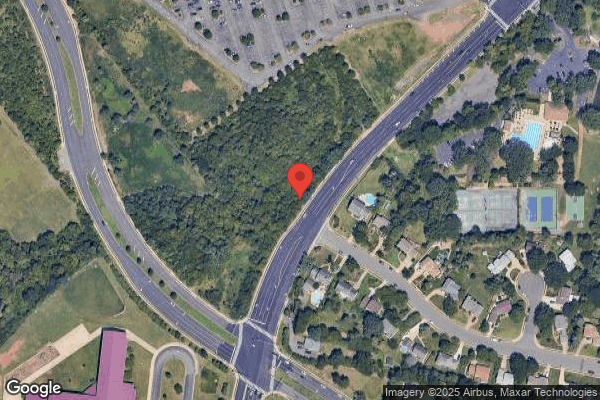
Understanding Severity Codes (click to expand)
Life-Threatening (Immediate Jeopardy)
J - Isolated K - Pattern L - Widespread
Actual Harm
G - Isolated H - Pattern I - Widespread
Potential for Harm
D - Isolated E - Pattern F - Widespread
No Harm (Minor)
A - Isolated B - Pattern C - Widespread

Questions to Ask on Your Visit

  • "Can I speak with families of current residents?"
  • "What's your RN coverage like on weekends and overnight?"

Our Honest Assessment

Strengths
  • • 33% turnover. Below Virginia's 48% average. Good staff retention means consistent care.
Concerns
  • • 29 deficiencies on record, including 2 serious (caused harm) violations. Ask about corrective actions taken.
  • • $16,376 in fines. Above average for Virginia. Some compliance problems on record.
  • • Grade D (48/100). Below average facility with significant concerns.
Bottom line: Trust Score of 48/100 indicates significant concerns. Thoroughly evaluate alternatives.

About This Facility

What is Manassas Health And Rehab Center's CMS Rating?

CMS assigns MANASSAS HEALTH AND REHAB CENTER an overall rating of 3 out of 5 stars, which is considered average nationally. Within Virginia, this rating places the facility higher than 0% of the state's 100 nursing homes. This mid-range rating indicates the facility meets federal standards but may have areas for improvement.

How is Manassas Health And Rehab Center Staffed?

CMS rates MANASSAS HEALTH AND REHAB CENTER's staffing level at 3 out of 5 stars, which is average compared to other nursing homes. Staff turnover is 33%, compared to the Virginia average of 46%. This relatively stable workforce can support continuity of care.

What Have Inspectors Found at Manassas Health And Rehab Center?

State health inspectors documented 29 deficiencies at MANASSAS HEALTH AND REHAB CENTER during 2019 to 2024. These included: 2 that caused actual resident harm and 27 with potential for harm. Deficiencies causing actual harm indicate documented cases where residents experienced negative health consequences.

Who Owns and Operates Manassas Health And Rehab Center?

MANASSAS HEALTH AND REHAB CENTER is owned by a for-profit company. For-profit facilities operate as businesses with obligations to shareholders or private owners. The facility is operated by COMMONWEALTH CARE OF ROANOKE, a chain that manages multiple nursing homes. With 120 certified beds and approximately 112 residents (about 93% occupancy), it is a mid-sized facility located in MANASSAS, Virginia.

How Does Manassas Health And Rehab Center Compare to Other Virginia Nursing Homes?

Compared to the 100 nursing homes in Virginia, MANASSAS HEALTH AND REHAB CENTER's overall rating (3 stars) is below the state average of 3.0, staff turnover (33%) is significantly lower than the state average of 46%, and health inspection rating (3 stars) is at the national benchmark.

What Should Families Ask When Visiting Manassas Health And Rehab Center?

Based on this facility's data, families visiting should ask: "Can I visit during a mealtime to observe dining assistance and food quality?" "How do you handle medical emergencies, and what is your hospital transfer rate?" "Can I speak with family members of current residents about their experience?"

Is Manassas Health And Rehab Center Safe?

Based on CMS inspection data, MANASSAS HEALTH AND REHAB CENTER has a clean safety record: no substantiated abuse findings (meaning no confirmed cases of resident harm), no Immediate Jeopardy citations (the most serious violation level indicating risk of serious injury or death), and is not on the Special Focus Facility watch list (a federal program monitoring the lowest-performing 1% of nursing homes). The facility has a 3-star overall rating and ranks #100 of 100 nursing homes in Virginia. While no facility is perfect, families should still ask about staff-to-resident ratios and recent inspection results during their visit.

Do Nurses at Manassas Health And Rehab Center Stick Around?

MANASSAS HEALTH AND REHAB CENTER has a staff turnover rate of 33%, which is about average for Virginia nursing homes (state average: 46%). Moderate turnover is common in nursing homes, but families should still ask about staff tenure and how the facility maintains care continuity when employees leave.

Was Manassas Health And Rehab Center Ever Fined?

MANASSAS HEALTH AND REHAB CENTER has been fined $16,376 across 2 penalty actions. This is below the Virginia average of $33,243. While any fine indicates a compliance issue, fines under $50,000 are relatively common and typically reflect isolated problems that were subsequently corrected. Families should ask what specific issues led to these fines and confirm they've been resolved.

Is Manassas Health And Rehab Center on Any Federal Watch List?

MANASSAS HEALTH AND REHAB CENTER is not on any federal watch list. The most significant is the Special Focus Facility (SFF) program, which identifies the bottom 1% of nursing homes nationally based on persistent, serious quality problems. Not being on this list means the facility has avoided the pattern of deficiencies that triggers enhanced federal oversight. This is a positive indicator, though families should still review the facility's inspection history directly.