SW VA M H INST GERI TRT CTR

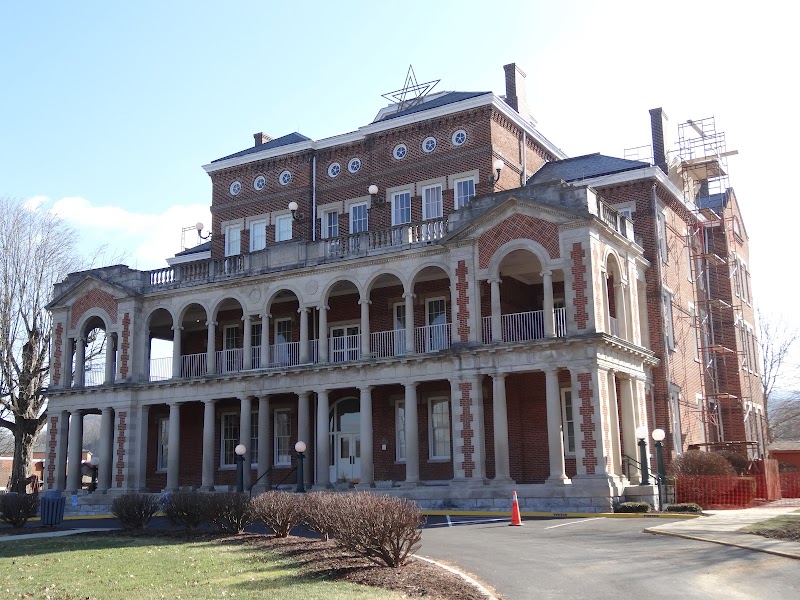
340 BAGLEY CIRCLE, MARION, VA 24354 (276) 783-1209
Government - State 25 Beds Independent Data: November 2025
Trust Grade
95/100
#38 of 285 in VA
Last Inspection: August 2023

Over 2 years since last inspection. Current conditions may differ from available data.

Overview

SW VA M H Inst Geri Trt Ctr in Marion, Virginia has received a Trust Grade of A+, indicating it is an elite facility with top-tier services. It ranks #38 out of 285 nursing homes in Virginia, placing it in the top half, and is #2 out of 3 in Smyth County, meaning only one local option is rated higher. However, the facility is experiencing a worsening trend, having increased from 1 issue in 2021 to 2 in 2023, and there are currently 8 total issues noted, with 7 categorized as concerns. Staffing is a strong point, with a perfect 5/5 rating and a low turnover of 14%, which is significantly better than the state average, and they have more RN coverage than 98% of Virginia facilities. Specific incidents of concern include failures to review monthly medication regimens by physicians and a high medication error rate, with 6 errors found in 32 opportunities in a past inspection, raising potential safety issues for residents.

Trust Score
A+
95/100
In Virginia
#38/285
Top 13%
Safety Record
Low Risk
No red flags
Inspections
Getting Worse
1 → 2 violations
Staff Stability
✓ Good
14% annual turnover. Excellent stability, 34 points below Virginia's 48% average. Staff who stay learn residents' needs.
Penalties
✓ Good
No fines on record. Clean compliance history, better than most Virginia facilities.
Skilled Nurses
✓ Good
Each resident gets 123 minutes of Registered Nurse (RN) attention daily — more than 97% of Virginia nursing homes. RNs are the most trained staff who catch health problems before they become serious.
Violations
○ Average
8 deficiencies on record. Average for a facility this size. Mostly minor or procedural issues.
★★★★★
5.0
Overall Rating
★★★★★
5.0
Staff Levels
★★★★☆
4.0
Care Quality
★★★★☆
4.0
Inspection Score
Stable
2021: 1 issues
2023: 2 issues

The Good

  • 5-Star Staffing Rating · Excellent nurse staffing levels
  • 4-Star Quality Measures · Strong clinical quality outcomes
  • Low Staff Turnover (14%) · Staff stability means consistent care
  • Full Sprinkler Coverage · Fire safety systems throughout facility
  • No fines on record
  • Staff turnover is low (14%)

    34 points below Virginia average of 48%

Facility shows strength in staffing levels, quality measures, staff retention, fire safety.

The Bad

No Significant Concerns Identified

This facility shows no red flags. Among Virginia's 100 nursing homes, only 1% achieve this.

The Ugly 8 deficiencies on record

Aug 2023 2 deficiencies
CONCERN (D)

Potential for Harm - no one hurt, but risky conditions existed

Medication Errors (Tag F0758)

Could have caused harm · This affected 1 resident

Based on staff interview and clinical record review the facility staff failed to ensure one of 16 residents was free from unnecessary psychotropic medications, Resident #17. The findings included: Fo...

Read full inspector narrative →
Based on staff interview and clinical record review the facility staff failed to ensure one of 16 residents was free from unnecessary psychotropic medications, Resident #17. The findings included: For Resident #17, the facility failed to provide a discontinue date or re-evaluate the resident for continued use for the as needed (prn) medication Zyprexa. Zyprexa is an antipsychotic medication used to treat severe agitation associated with schizophrenia and/or bipolar mania. Resident #17's clinical record listed diagnoses which included but not limited to major neurocognitive disorder due to probable Alzheimer's disease, severe, with other behavioral disturbances, adjustment disorder with anxious mood, and Alzheimer's dementia. Resident #17's most recent minimum data set with an assessment reference date of 08/07/23 assigned the resident a brief interview for mental status score of 0 out of 15 in section C, cognitive patterns. This indicates that the resident is severely cognitive impaired. Resident #17's comprehensive care plan contained a plan for Behavioral symptoms. Interventions for this plan included administer medications per order. Resident #17's clinical record was reviewed and contained physician's order summary which read in part, Olanzapine (Zyprexa Zydis) 5 mg= 1 tab, Oral, Tab-Dis, every 8 hr for 365 days, PRN, agitation . This order had a stop date of 06/04/24. Resident #17's medication administration record (MAR) for the month of August 2023 was reviewed and indicated the prn Zyprexa was administered 2 times. The MAR's for June and July 2023 indicated the resident did not receive any prn Zyprexa. Resident #17's clinical record contained Drug Regimen Review forms for the months of June, July, and August 2023. Each of these forms read in part, Medication Regimen Review Findings: Duration of medication review needed. Drug Regimen Comments From Findings: Patient has PRN Olanzapine > (greater than) 14 days. Please evaluate continued need and limit to 14 days if still needed. The concern of not providing a discontinue date and/or re-evaluating the resident for continued use of PRN Zyprexa was discussed with the administrator and unit manager on 08/31/23 at 1:30 pm. No further information was provided prior to exit.
CONCERN (F)

Potential for Harm - no one hurt, but risky conditions existed

Drug Regimen Review (Tag F0756)

Could have caused harm · This affected most or all residents

Based on staff interview, clinical record review and facility document review the facility staff failed to ensure that monthly medication regimen reviews were reviewed by the physician and/or the dire...

Read full inspector narrative →
Based on staff interview, clinical record review and facility document review the facility staff failed to ensure that monthly medication regimen reviews were reviewed by the physician and/or the director of nursing and that pharmacist recommendations were acted upon for all residents of the facility. The findings included: While reviewing the monthly Medication Regimen Review (MRR) forms for five residents selected for review of psychotropic medication use, it was found that the MRR forms were not being reviewed by the physician and/or the director or nursing and that pharmacist recommendations were not being acted upon. Surveyor spoke with the unit manager on 08/30/23 at 11:30 regarding MRR's. Unit manager stated they get an email notification that the MRR has been completed, and they review it. Unit manager stated the pharmacist either emails or call the physician with recommendations. Surveyor spoke with the facility pharmacist on 08/30/23 at 3 pm regarding MRR's and how they communicate recommendations to the physician. Pharmacist stated they put their recommendations into the form for each resident, then send a monthly email to the physician, psychiatrist, administrator, and unit manager once each unit is complete, with a summary of recommendations. Pharmacist stated most MRR's go to the psychiatrist. Pharmacist stated they sometimes call the psychiatrist to let them know what the recommendations are. Surveyor spoke with the administrator and unit manager on 08/30/23 regarding MRR's. Surveyor asked how they know if the physician has reviewed and/or followed up on pharmacy recommendations, and administrator stated they look the next month, and if not changed, they send it back. Surveyor spoke with the psychiatrist on 08/31/23 at 9:25 am. Psychiatrist stated they make a regular monthly note, but it is not specifically related to the MRR, and that they had never made a specific response to an MRR. Psychiatrist stated that until recently, they were never sure when a MRR was completed. Psychiatrist stated, They have started putting them under expiring meds, until then I had to hunt for them. On 08/31/23 at 10:20 am, the unit manager stated the procedure for conducting MRR's was done through the Message Center, in the electronic health record. The MRR was to be completed by the pharmacist, then sent to the physician/psychiatrist in the message center. Physician/psychiatrist can read the MRR, make notes, and save their response. Then it should automatically be put into the clinical record. Unit manager stated they don't know if the psychiatrist is doing that. Surveyor requested and was provided with a facility policy entitled Pharmacist Medication Regimen Review which read in part, Procedures: E. The pharmacist shall document the review and provide this original to the attending medical professional for review and response. G. If irregularities are identified, they are deemed either insignificant or significant. 1. For clinically insignificant irregularities, the pharmacist will refer it for review by the attending medical professional, who will take action by the time of the subsequent review and return the form to the program director. 2. For clinically significant irregularities or those requiring immediate attention, the pharmacist will contact the attending medical professional in person or by telephone, who will review the findings and take action. If the attending medical professional is unavailable, the pharmacist will notify the medical director. All documentation regarding communication shall be noted on the review form, if necessary. The concern of the physician/psychiatrist/director of nursing not reviewing and/or acting upon pharmacist recommendations was discussed with the administrator and unit manager on 08/31/23 at 1:30 pm. No further information was provided prior to exit.
Feb 2021 1 deficiency
CONCERN (E)

Potential for Harm - no one hurt, but risky conditions existed

Unnecessary Medications (Tag F0759)

Could have caused harm · This affected multiple residents

Based on observations, staff interviews, and clinical document review, it was determined the facility staff failed to ensure a medication error rate of less than 5%. There were six (6) medication erro...

Read full inspector narrative →
Based on observations, staff interviews, and clinical document review, it was determined the facility staff failed to ensure a medication error rate of less than 5%. There were six (6) medication errors in 32 opportunities resulting in a medication error rate of 18.75%. (The residents involved in these medication errors were: Resident #14, Resident #4, and Resident #1.) The findings include: Medication errors were observed while completing the Medication Administration Task on the morning of 2/24/21. There were six (6) errors in 32 opportunities resulting in a medication error rate of 18.75%. Resident #14's minimum data set (MDS) assessment, with an assessment reference date (ARD) of 12/14/20, had the resident assessed as able to make self understood and as usually able to understand others. Resident #14's Brief Interview for Mental Status (BIMS) summary score was a 12 out of 15. Resident #14 was assessed as requiring limited assistance with transfers and supervision with eating and personal hygiene. Resident #14's diagnoses included, but were not limited to: heart failure, high blood pressure, diabetes, and Parkinson's disease. Resident #4's minimum data set (MDS) assessment, with an assessment reference date (ARD) of 1/6/21, had the resident assessed as usually able to make self understood and as usually able to understand others. Resident #4's Brief Interview for Mental Status (BIMS) summary score was a seven (7) out of 15. Resident #4 was assessed as requiring supervision with dressing, eating, and toilet use. Resident #4's diagnoses included, but were not limited to: heart failure, coronary artery disease, and peripheral vascular disease. Resident #1's minimum data set (MDS) assessment, with an assessment reference date (ARD) of 12/7/20, had the resident assessed as able to make self understood and as able to understand others. Resident #1's Brief Interview for Mental Status (BIMS) summary score was a one (1) out of 15. Resident #1 was assessed as requiring supervision with bed mobility, eating, transfers, dressing, and toilet use. Resident #1's diagnoses included, but were not limited to: heart failure, high blood pressure, dementia, and lung disease. On 2/24/21 at 7:47 a.m., Licensed Practical Nurse (LPN) #1 was observed administering medications to Resident #14. The following three (3) medications were included in the medications provided to Resident #14 during this observation: (a) Metformin 1000 mg one (1) tablet by mouth, (b) humulin N insulin 35 units as a subcutaneous injection, and (c) levothyroxine 88 mcg one (1) tablet by mouth. These three (3) medications were administered after breakfast and without food. Resident #14's clinical record included the following orders: - insulin isophane (NPH) 35 units subcutaneous daily before breakfast; - levothyroxine 88 mcg one (1) tablet daily before breakfast; and - metformin 1000 mg one (1) tablet twice a day with meals. During an interview on 2/24/21 at 9:50 a.m., LPN #1 confirmed the aforementioned medications were given after breakfast. During an interview on 2/24/21 at 10:10 a.m., the facility's Unit Nurse Manager (UNM) reported the metformin should have been administered with food. On 2/24/21 at 8:03 a.m., LPN #1 was observed administering medications to Resident #4. LPN #1 was observed to give Resident #4 cinacalcet 30 mg one (1) tablet by mouth; this medication was not administered with food. Resident #4's clinical record included an order for cinacalcet 30 mg one (1) tablet by mouth with instructions to Take With Food. On 2/24/21 at 08:07 a.m., LPN #1 was observed administering medications to Resident #1. LPN #1 was observed to crush the following medications prior to administering them to Resident #1: (a) Metoprolol ER 25 mg one (1) tablet and (b) paliperidone 3 mg one (1) tablet. The packaging of Paliperidone included the phrase DO NOT CRUSH. On 2/24/21 at 12:50 p.m., Registered Nurse (RN) #5 provided a copy of a Do Not Crush List to the survey team; this document included Metoprolol ER tablet due to it being a sustained release medication. The following information was found in a facility policy/procedure with the subject of Medication Administration (with a review date of August 1, 2021): - The medication nurse is responsible for ensuring the 6 Rights (i.e., drug, dose, patient, route, time, and documentation) . - If medications are ordered by the medical professional to be crushed, the nurse administering medications is responsible to check the Do Not Crush List prior to crushing and administering medications. The aforementioned medication administration observations were discussed with the facility Unit Nurse Manager (UNM) on 2/25/21 at 4:30 p.m. These observations were also discussed with the facility's Administrator, UNM, and Director of Acute Treatment Services on 2/6/21 at 3:52 p.m.
Mar 2019 5 deficiencies
CONCERN (D)

Potential for Harm - no one hurt, but risky conditions existed

Transfer Requirements (Tag F0622)

Could have caused harm · This affected 1 resident

**NOTE- TERMS IN BRACKETS HAVE BEEN EDITED TO PROTECT CONFIDENTIALITY** Based on staff interview and clinical record review, the facility staff failed to provide the receiving provider with care plan ...

Read full inspector narrative →
**NOTE- TERMS IN BRACKETS HAVE BEEN EDITED TO PROTECT CONFIDENTIALITY** Based on staff interview and clinical record review, the facility staff failed to provide the receiving provider with care plan goals when the resident was transferred for 1 of 15 residents in the survey sample, Resident #12. Findings included: Resident #12 was admitted to the facility on [DATE]. Diagnoses included, but were not limited to, major neurocognitive disorder, cerebrovascular disease, diabetes, hypertension, and chronic kidney disease. Section C (cognitive patterns) of Resident #12's most recent MDS (minimum data set) assessment with an ARD (assessment reference date) of 02/20/18 included a BIMS (brief interview for mental status) summary score of 03 out of a possible 15 points. On 03/12/19 at 12:00pm the surveyor interviewed Resident #12. During the interview, Resident #12 voiced he was recently hospitalized for a heart attack. On 03/13/19 the surveyor reviewed Resident # 12's clinical record. It contained a nurse progress note dated 01/29/19 at 8:56am that read in part: .evaluation at local hospital via 911/ambulance transport. His LAR (legal authorized representative) was notified of the change in patient condition and ER (emergency room) evaluation at 0830 by RN .Resident #12 left facility at 0847. Report called to local hospital by RN. Resident #12 left facility at 0847 via local fire and rescue, accompanied by PCT (patient care technician) . The surveyor reviewed a physician order dated 01/29/19 at 08:44am which read in part: Transfer to local hospital ER BY AMBULANCE. On 03/13/19 at 4:30 pm, the surveyor spoke to RN (registered nurse) #1 during an end of day meeting with the facilities administrative team. The surveyor asked RN#1, What health information was sent with Residents upon transfer to the local hospital? RN #1 stated MARs (medication administration records), the physician calls report to the ER physician and the nurse calls report to the ER nurse. There is a packet we send. Contact information and code status is also sent. The surveyor asked if the comprehensive care plan goals are sent with the Resident, RN #1 stated No, we do not. No further information regarding this issue was provided to the survey team prior to the exit conference on 03/14/19.
CONCERN (D)

Potential for Harm - no one hurt, but risky conditions existed

Assessment Accuracy (Tag F0641)

Could have caused harm · This affected 1 resident

Based on staff interview and clinical record review, the facility staff failed to ensure an accurate MDS (minimum data set) assessment for 1 of 15 residents (Resident #19). The findings included: The ...

Read full inspector narrative →
Based on staff interview and clinical record review, the facility staff failed to ensure an accurate MDS (minimum data set) assessment for 1 of 15 residents (Resident #19). The findings included: The facility staff failed to code Resident #19's fall on the 1/15/19 MDS. The clinical record of Resident #19 was reviewed 3/12/19 through 3/14/19. Resident #19 was admitted to the facility 2/16/18 with diagnosis that included but not limited to bipolar disorder, generalized pain, hyperlipidemia, hypertension, hypothyroidism, osteoporosis, hysterectomy, and cerebral shunt insertion. Resident #19's annual MDS with an assessment reference date (ARD) of 1/15/19 assessed the resident with a brief interview for mental status in Section C0500 as 4/15. Section G Functional Status assessed the resident to need supervision of one person for transfers and supervision only to walk in room. Section J Health Conditions did not have any falls coded. The nursing progress note dated 12/28/18 11:46 a.m. read Resident #19 was in her room sitting in wheelchair and reports she leaned over to retrieve some items off of the floor and fell out of chair onto her knees. Not witnessed. Denies pain. Assessed by staff, assisted back into wheelchair. The comprehensive MDS with an ARD of 1/15/19 did not have any falls coded. The surveyor interviewed registered nurse #1 on 3/14/19 at 9:15 a.m. R.N. #1 reviewed the nursing progress note and the MDS. R.N. #1 stated in the computer there were no falls coded for the 1/15/19 MDS. R.N. #1 stated the psychiatrist are responsible for Section I, J, N and some of S. R.N. #1 stated a locum was the psychiatrist responsible for the 1/15/19 MDS. The surveyor informed the administrator, the registered nurse program coordinator, and the assistant administrator/licensed clinical social worker of the above concern of Resident #19's inaccurate MDS assessment in the end of the day meeting on 3/14/19 at 12:35 p.m. No further information was provided prior to the exit conference on 3/14/19.
CONCERN (D)

Potential for Harm - no one hurt, but risky conditions existed

Medical Records (Tag F0842)

Could have caused harm · This affected 1 resident

**NOTE- TERMS IN BRACKETS HAVE BEEN EDITED TO PROTECT CONFIDENTIALITY** Based on staff interview and clinical record review the facility staff failed to sustain an accurate clinical record for 1 of 15...

Read full inspector narrative →
**NOTE- TERMS IN BRACKETS HAVE BEEN EDITED TO PROTECT CONFIDENTIALITY** Based on staff interview and clinical record review the facility staff failed to sustain an accurate clinical record for 1 of 15 Residents, Resident #15. Findings included: For Resident #15, the facility failed to ensure accurate code status in physician's orders. The Resident is a DNR (Do Not Resuscitate) and the physician's orders indicated the Resident was a full code. Per clinical record review Resident #15 was admitted to the facility on [DATE]. Diagnosis included but were not limited to major neurocognitive disorder, cerebrovascular disease, gastro esophageal reflux disease, hypertension, and history of head injury. Section C (cognitive patterns) of Resident #15's admission MDS (minimum data set) assessment with an ARD (assessment reference date) of 12/18/18 included a BIMS (brief interview for mental status) summary score of 15 out of a possible 15 points. On 03/12/19 at 2:59pm the surveyor reviewed Resident 15's clinical record. The Resident's clinical record included a DDNR (durable do not resuscitate) order form dated 09/26/18 from the Virginia Department of Health. The clinical record included an active Physician's order dated 10/22/18 which read in part: Code Status: Full Code. On 03/13/19 at 12:15pm the surveyor asked RN (registered nurse) #1 if Resident #15 was a DNR and voiced the concern of Resident #15's inaccurate clinical record. RN#1 stated I will have to look into this and see. RN #1 verified that Resident #15's clinical record was inaccurate. RN#1 stated This was an oversight and did not get changed. I will have that done. The administrative team was made aware of the above findings on 03/13/19 at 4:30pm at the end of day meeting. No further information regarding this issue was provided to the survey team prior to the exit conference on 03/14/19.
CONCERN (E)

Potential for Harm - no one hurt, but risky conditions existed

Medication Errors (Tag F0758)

Could have caused harm · This affected multiple residents

**NOTE- TERMS IN BRACKETS HAVE BEEN EDITED TO PROTECT CONFIDENTIALITY** Based on staff interview and clinical record review, the facility staff failed to ensure 4 of 15 residents were free of unnecess...

Read full inspector narrative →
**NOTE- TERMS IN BRACKETS HAVE BEEN EDITED TO PROTECT CONFIDENTIALITY** Based on staff interview and clinical record review, the facility staff failed to ensure 4 of 15 residents were free of unnecessary psychotropic medications that affected Resident #4, Resident #7, Resident #19, and Resident #20. The findings included: 1. The facility staff failed to discontinue or review the use of the prn (as needed) medication Olanzapine for Resident #4. Resident #4 was admitted to the facility on [DATE]. Diagnoses included but not limited to unspecified schizophrenia, major neurocognitive disorder with behavioral disturbances, anemia, chronic kidney disease, constipation, chronic obstructive pulmonary disease, hypertension, diabetes and prolapsed rectum. Resident #4's most recent quarterly MDS (minimum data set) assessment with an assessment reference date (ARD) of 1/24/19 assessed the resident with a brief interview for mental status (BIMS) as 1/15. There were signs of delusions, inattention and disorganized thinking. Resident #4's clinical record was reviewed 3/12/19 through 3/14/19. The March 2019 physician's order had an order that read in part Olanzapine 5 mg (milligrams) = 1 tab q 12h (every 12 hours) PRN agitation/restlessness for 365. The order for the prn Olanzapine did not have an end date and there was no documentation in Resident #4's clinical record that the physician had re-evaluated the resident for continued use of the prn medication. The surveyor informed the registered nurse unit coordinator, the administrator, and the assistant administrator/licensed clinical social worker of the above concern on 3/13/19 at 4:12 p.m. regarding Resident #4. The registered nurse unit coordinator informed the surveyor on 3/14/19 at 8:08 a.m. that the order had been changed 3/14/19. The R.N. unit coordinator stated Resident #4 had a locum but never got the prn medication. No further information was provided prior to the exit conference on 3/14/19. 2. The facility staff failed to document the indications for use and the targeted behaviors when Resident #7 was administered Olanzapine on 2/28/19 and 3/8/19. The clinical record of Resident #7 was reviewed 3/12/19 through 3/14/19. Resident #7 was admitted to the facility 12/22/17 with diagnoses that included but not limited to bipolar disorder, degenerative joint disease, diabetes mellitus, generalized pain, hyperlipidemia, hypertension, obesity, osteoarthritis, breast cancer, Parkinson's disease and gastrointestinal obstruction. Resident #7's quarterly minimum data set (MDS) assessment with an assessment reference date (ARD) of 2/11/19 assessed the resident with a brief interview for mental status (BIMS) as 13/15. There were no signs of delirium. Resident #7 was assessed with inattention, disorganized thinking, verbal and physical behaviors directed towards others, and other behaviors not directed at others. Resident #7's February 2019 and March 2019 physician orders included Olanzapine 5 mg (milligrams) =1 tab oral q12h (every 12 hours) psychotic agitation for 14 days for mood disorder or schizophrenia. The surveyor reviewed the February 2019 and March 2019 electronic medication administration record. Resident #7 was administered Olanzapine 5 mg on 2/28/19 at 11:36 a.m. and on 3/8/19 at 7:52 a.m. The surveyor was unable to locate the indications for use or the targeted behaviors in the clinical record. The surveyor informed the head nurse registered nurse #2 on 3/14/19 at 10:27 a.m. The head nurse R.N. #2 stated there were no notes written for those specific days. The surveyor asked if the nursing staff should document why medications were administered and the head nurse R.N. #2 stated yes. The surveyor informed the administrator, the registered nurse program coordinator, and the assistant administrator/licensed clinical social worker of the above concern with administration of antipsychotic medication to Resident #7 without adequate monitoring and indication for use in the end of the day meeting on 3/14/19 at 12:35 p.m. No further information was provided prior to the exit conference on 3/14/19. 3. The facility staff failed to document reasons in the nursing notes for the administration of prn (as needed) Zyprexa (an antipsychotic) for Resident #19. Resident #19 received Olanzapine on 3/8/19 at 8:26 a.m., 3/10/19 at 8:53 a.m., 3/11/19 at 11:02 a.m., and 3/12/19 at 7:29 a.m. without indications for use. The comprehensive treatment plan did not include targeted behaviors for Olanzapine administration, and did not include non-pharmacological interventions prior to administration. The clinical record of Resident #19 was reviewed 3/12/19 through 3/14/19. Resident #19 was admitted to the facility 2/16/18 with diagnosis that included but not limited to bipolar disorder, generalized pain, hyperlipidemia, hypertension, hypothyroidism, osteoporosis, hysterectomy, and cerebral shunt insertion. Resident #19's annual MDS with an assessment reference date (ARD) of 1/15/19 assessed the resident with a brief interview for mental status in Section C0500 as 4/15. Resident #19 was assessed with signs of delusions and behaviors affecting others included physical and verbal. Resident #19's comprehensive treatment plan dated 1/30/19 included focus area for psychiatric/psychological areas. Active: paranoid, delusional, preoccupied with religion and having babies, intrusiveness, agitation and threatening behaviors toward staff and other residents. Interventions/goals included to take medications as prescribed, be free of intruding in others rooms, personal space, and be free of verbal aggression. Resident #19 will share one coping skill she can use when she feels upset in the community. Above interventions discussed with the resident. There were no specific non-pharmacological interventions on the comprehensive treatment plan dated 1/30/19. The March 2019 physician's orders read Olanzapine 5 mg (milligrams) 1 tab oral every eight hours as needed for anxiety/agitation/aggression for mood disorder or schizophrenia. Start date: 2/5/19 and Stop date: 12/30/19. The physician order for Olanzapine was greater than 14 days. The surveyor was unable to locate the reasons for the administration of Olanzapine on 3/8/19, 3/10/19, 3/11/19 and 3/12/19 and informed the head nurse of the unit registered nurse #2 on 3/13/19 at 9:28 a.m. R.N. #2 informed the surveyor on 3/13/19 at 9:55 a.m. the nurses who administered the Olanzapine failed to document the reasons the medication was administered. R.N. #2 stated some of the nurses were part time but expected the nursing staff to document the reasons why medications were administered. The surveyor informed the administrator, the registered nurse program coordinator, and the assistant administrator/licensed clinical social worker of the above concern with administration of antipsychotic medication to Resident #19 without adequate monitoring, no end date to the current physician order and the lack of non-pharmacological interventions on the comprehensive treatment plan in the end of the day meeting on 3/14/19 at 12:35 p.m. No further information was provided prior to the exit conference on 3/14/19. 4. The facility staff failed to document the reasons Resident #20 was administered Olanzapine. The clinical record of Resident #20 was reviewed 3/12/19 through 3/14/19. Resident #20 was admitted to the facility 1/21/17 with diagnoses that included but not limited to adjustment disorder with anxiety, mild intellectual disability, schizoaffective disorder, depression type, history of Hepatitis C, uterine cancer, recurrent urinary tract infections, and hypothyroidism. Resident #20's quarterly minimum data set (MDS) assessment with an assessment reference date (ARD) of 1/28/19 assessed the resident with a brief interview for mental status (BIMS) as 7/15. There were no signs or symptoms of delirium or psychosis. Resident #20 was assessed to have verbal behaviors, other behavioral symptoms, and rejection of care during the look back period. Resident #20's comprehensive treatment plan dated 12/28/18 identified behaviors of aggression, agitation, yelling, and suicidal ideation and thoughts of self-harm. Interventions: Observe and document behaviors by ward staff, engage in conversation every shift and 1-1, and weekly reminiscing road trip. Resident #20's February 2019 and March 2019 physician's orders include the following: Olanzapine 2.5 mg (milligrams) oral q (every) 12 h (hours) prn (as needed) for psychotic agitation for 14 days bid (twice a day) prn (as needed)-start date 3/12/19, end state 3/26/19. The March electronic medication administration record (eMAR) was reviewed. Resident #20 was administered Olanzapine 2.5 mg on 2/2/19 at 10:00 a.m., 2/5/19 at 14:49 (2:29 p.m.), 2/17/19 at 8:44 a.m., and 3/12/19 at 8:40 a.m. The surveyor was unable to locate any documentation in the nursing progress notes for the reasons Resident #20 received prn Olanzapine (an antipsychotic). The surveyor informed the head nurse registered nurse #2 on 3/13/19 at 2:57 p.m. of the above concern. The head nurse R.N. #2 informed the surveyor on 3/13/19 at 3:10 p.m. that the nurses had failed to document the reasons for the administration of Olanzapine to Resident #20 on 2/2/19, 2/5/19, 2/17/19 and 3/12/19. The surveyor asked if the nurses who administered Resident #20 Olanzapine should document the reasons why, R.N. #2 stated yes and the nursing staff would be receiving education. The surveyor informed the administrator, the registered nurse program coordinator, and the assistant administrator/licensed clinical social worker of the above concern with administration of antipsychotic medication to Resident #20 without adequate monitoring and indication for use in the end of the day meeting on 3/14/19 at 12:35 p.m. No further information was provided prior to the exit conference on 3/14/19.
MINOR (C)

Minor Issue - procedural, no safety impact

Deficiency F0558 (Tag F0558)

Minor procedural issue · This affected most or all residents

Based on observation, resident interview and staff interview, the facility staff failed to post the diet menu at a level that was visual by residents seated in wheelchairs and non-ambulatory residents...

Read full inspector narrative →
Based on observation, resident interview and staff interview, the facility staff failed to post the diet menu at a level that was visual by residents seated in wheelchairs and non-ambulatory residents. The findings included: The facility staff failed to post the diet menus at a level that could be viewed by residents seated in wheelchairs and those residents that were non-ambulatory. The surveyor met with the resident council on 3/12/19 at 2:30 p.m. The four members that attended the resident council requested the therapeutic recreational therapist join the meeting. When the surveyor asked the group about the food, one member of the resident council (Resident #16) stated, You have to call the staff over to find out what's on the menu. If you are in a wheelchair, you can't see the menus. Upon completion of the resident council meeting, the therapeutic recreational therapist and the surveyor viewed the area where the diet menus were kept. The diet menus, along with the Resident Rights poster and state survey results, were kept in a locked Plexiglas display cabinet near the entrance to the unit. The cabinet was above the handrails. The therapeutic recreational therapist stated the menus are way too high and the font is way too little on the menus for someone in a wheelchair to see. The surveyor was unable to read the menus from a wheelchair. The therapeutic recreational therapist stated the entire bulletin board needed to be lowered so everything would be at eye level. The surveyor informed the administrator, the assistant administrator/licensed clinical social worker and the registered nurse program coordinator of the above concern on 3/13/19 at 4:12 p.m. The R.N. coordinator stated the resident rights and the survey results are located in the visitor's room near the front entrance to the unit. The surveyor and the registered nurse program coordinator checked the visitor's room after the end of the day meeting. The survey results were located in a notebook and the Resident Rights poster was placed on the wall at eye level. RN Program Coordinator stated, The administrator is taking care of the Plexiglas for the menus. No further information was provided prior to the exit conference on 3/14/19.
Understanding Severity Codes (click to expand)
Life-Threatening (Immediate Jeopardy)
J - Isolated K - Pattern L - Widespread
Actual Harm
G - Isolated H - Pattern I - Widespread
Potential for Harm
D - Isolated E - Pattern F - Widespread
No Harm (Minor)
A - Isolated B - Pattern C - Widespread

Questions to Ask on Your Visit

  • "Can I speak with families of current residents?"
  • "What's your RN coverage like on weekends and overnight?"

Our Honest Assessment

Strengths
  • • Grade A+ (95/100). Above average facility, better than most options in Virginia.
  • • No major safety red flags. No abuse findings, life-threatening violations, or SFF status.
  • • No fines on record. Clean compliance history, better than most Virginia facilities.
  • • 14% annual turnover. Excellent stability, 34 points below Virginia's 48% average. Staff who stay learn residents' needs.
Concerns
  • • No significant concerns identified. This facility shows no red flags across CMS ratings, staff turnover, or federal penalties.
Bottom line: Generally positive indicators. Standard due diligence and a personal visit recommended.

About This Facility

What is Sw Va M H Inst Geri Trt Ctr's CMS Rating?

CMS assigns SW VA M H INST GERI TRT CTR an overall rating of 5 out of 5 stars, which is considered much above average nationally. Within Virginia, this rating places the facility higher than 99% of the state's 100 nursing homes. This rating reflects solid performance across the metrics CMS uses to evaluate nursing home quality.

How is Sw Va M H Inst Geri Trt Ctr Staffed?

CMS rates SW VA M H INST GERI TRT CTR's staffing level at 5 out of 5 stars, which is much above average compared to other nursing homes. Staff turnover is 14%, compared to the Virginia average of 46%. This relatively stable workforce can support continuity of care.

What Have Inspectors Found at Sw Va M H Inst Geri Trt Ctr?

State health inspectors documented 8 deficiencies at SW VA M H INST GERI TRT CTR during 2019 to 2023. These included: 7 with potential for harm and 1 minor or isolated issues.
Who Owns and Operates Sw Va M H Inst Geri Trt Ctr?

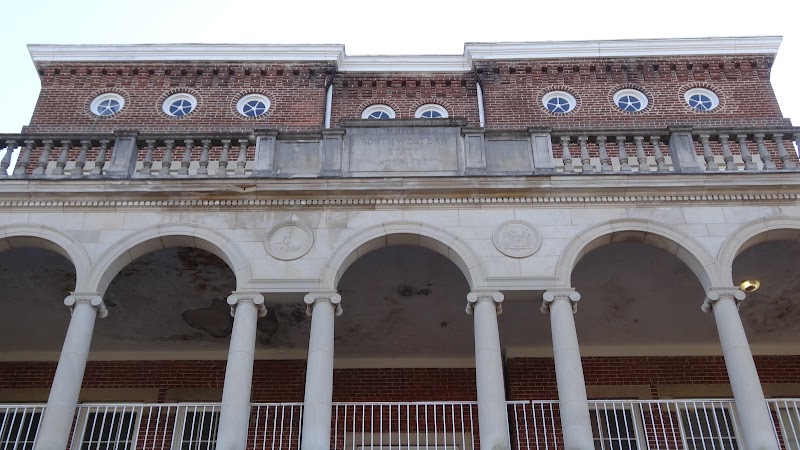
SW VA M H INST GERI TRT CTR is owned by a government entity. Government-operated facilities are typically run by state, county, or municipal agencies. The facility operates independently rather than as part of a larger chain. With 25 certified beds and approximately 20 residents (about 80% occupancy), it is a smaller facility located in MARION, Virginia.

How Does Sw Va M H Inst Geri Trt Ctr Compare to Other Virginia Nursing Homes?

Compared to the 100 nursing homes in Virginia, SW VA M H INST GERI TRT CTR's overall rating (5 stars) is above the state average of 3.0, staff turnover (14%) is significantly lower than the state average of 46%, and health inspection rating (4 stars) is above the national benchmark.

What Should Families Ask When Visiting Sw Va M H Inst Geri Trt Ctr?

Based on this facility's data, families visiting should ask: "Can I visit during a mealtime to observe dining assistance and food quality?" "How do you handle medical emergencies, and what is your hospital transfer rate?" "Can I speak with family members of current residents about their experience?"

Is Sw Va M H Inst Geri Trt Ctr Safe?

Based on CMS inspection data, SW VA M H INST GERI TRT CTR has a clean safety record: no substantiated abuse findings (meaning no confirmed cases of resident harm), no Immediate Jeopardy citations (the most serious violation level indicating risk of serious injury or death), and is not on the Special Focus Facility watch list (a federal program monitoring the lowest-performing 1% of nursing homes). The facility has a 5-star overall rating and ranks #1 of 100 nursing homes in Virginia. While no facility is perfect, families should still ask about staff-to-resident ratios and recent inspection results during their visit.

Do Nurses at Sw Va M H Inst Geri Trt Ctr Stick Around?

Staff at SW VA M H INST GERI TRT CTR tend to stick around. With a turnover rate of 14%, the facility is 32 percentage points below the Virginia average of 46%. Low turnover is a positive sign. It means caregivers have time to learn each resident's needs, medications, and personal preferences. Consistent staff also notice subtle changes in a resident's condition more quickly. Registered Nurse turnover is also low at 21%, meaning experienced RNs are available to handle complex medical needs.

Was Sw Va M H Inst Geri Trt Ctr Ever Fined?

SW VA M H INST GERI TRT CTR has no federal fines on record. CMS issues fines when nursing homes fail to meet care standards or don't correct problems found during inspections. The absence of fines suggests the facility has either maintained compliance or corrected any issues before penalties were assessed. This is a positive indicator, though families should still review recent inspection reports for the full picture.

Is Sw Va M H Inst Geri Trt Ctr on Any Federal Watch List?

SW VA M H INST GERI TRT CTR is not on any federal watch list. The most significant is the Special Focus Facility (SFF) program, which identifies the bottom 1% of nursing homes nationally based on persistent, serious quality problems. Not being on this list means the facility has avoided the pattern of deficiencies that triggers enhanced federal oversight. This is a positive indicator, though families should still review the facility's inspection history directly.