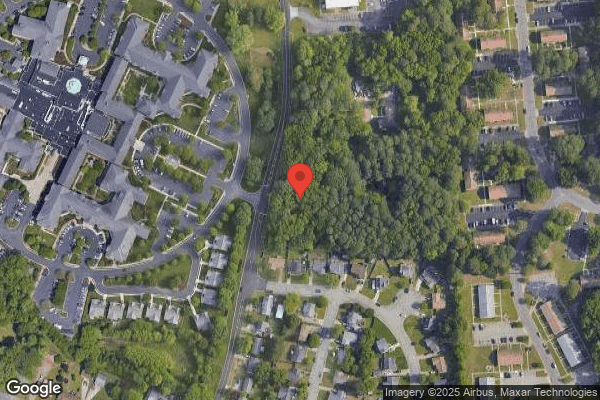




THE CHESAPEAKE

955 HARPERSVILLE RD, NEWPORT NEWS, VA 23601 (757) 599-4376
Non profit - Corporation 52 Beds Independent Data: November 2025
Trust Grade
80/100
#40 of 285 in VA
Last Inspection: January 2022

Over 2 years since last inspection. Current conditions may differ from available data.

Overview

The Chesapeake nursing home in Newport News has a Trust Grade of B+, which means it is recommended and performs above average. It ranks #40 out of 285 facilities in Virginia, placing it in the top half, and #1 out of 6 in Newport News City County, indicating it is the best local option available. The facility is improving, having reduced its issues from 11 in 2020 to 5 in 2022. Staffing is a strong point, with a perfect 5-star rating and a turnover rate of 46%, which is slightly below the state average, suggesting that staff are experienced and familiar with residents' needs. There have been no fines, which is good, but there are some concerns, such as past incidents where the facility lacked adequate RN coverage for extended periods and failed to ensure proper food handling practices, both of which could potentially impact resident safety.

Trust Score
B+
80/100
In Virginia
#40/285
Top 14%
Safety Record
Low Risk
No red flags
Inspections
Getting Better
11 → 5 violations
Staff Stability
⚠ Watch
46% turnover. Above average. Higher turnover means staff may not know residents' routines.
Penalties
✓ Good
No fines on record. Clean compliance history, better than most Virginia facilities.
Skilled Nurses
✓ Good
Each resident gets 63 minutes of Registered Nurse (RN) attention daily — more than 97% of Virginia nursing homes. RNs are the most trained staff who catch health problems before they become serious.
Violations
⚠ Watch
23 deficiencies on record. Higher than average. Multiple issues found across inspections.
★★★★★
5.0
Overall Rating
★★★★★
5.0
Staff Levels
★★★★★
5.0
Care Quality
★★★★☆
4.0
Inspection Score
Stable
2020: 11 issues
2022: 5 issues

The Good

  • 5-Star Staffing Rating · Excellent nurse staffing levels
  • 5-Star Quality Measures · Strong clinical quality outcomes
  • Full Sprinkler Coverage · Fire safety systems throughout facility
  • No fines on record

Facility shows strength in staffing levels, quality measures, fire safety.

The Bad

Staff Turnover: 46%

Near Virginia avg (46%)

Higher turnover may affect care consistency

The Ugly 23 deficiencies on record

Jan 2022 5 deficiencies
CONCERN (D)

Potential for Harm - no one hurt, but risky conditions existed

Deficiency F0578 (Tag F0578)

Could have caused harm · This affected 1 resident

Based on clinical record review, staff interview and facility documentation review, the facility staff failed to ensure 1 of 25 residents (Resident #46) in the survey sample was given the opportunity ...

Read full inspector narrative →
Based on clinical record review, staff interview and facility documentation review, the facility staff failed to ensure 1 of 25 residents (Resident #46) in the survey sample was given the opportunity to formulate an Advance Directive. The findings included: Resident #46 was admitted to the nursing facility on 11/04/20. Diagnosis for Resident #46 included but not limited to Cerebral Infarction (stroke) and Chronic Atrial Fibrillation. Resident #46's Minimum Data Set (MDS-an assessment protocol) an annual assessment with an Assessment Reference Date (ARD) of 12/27/21 coded a 13 out of a possible score of 15 on the Brief Interview for Mental Status (BIMS), indicating no impaired cognitive skills for daily decision-making. Review of Resident #46's Physician Order Sheet (POS) for January 2022 revealed the following order: Do Not Resuscitate (DNR) starting on 11/04/20. The review of Resident #46's clinical record did not show evidence of an Advance Directive. On 01/06/22 at approximately 1:47 p.m., an interview was conducted with the Social Worker, who stated, The process for obtaining the resident's Advance Directive is discuss during the admission process. He stated, Somehow getting the information related to Resident #46's Advance Directive was just overlooked. A debriefing was conducted with the Administrator, Director of Nursing (DON) and Staff Development Coordinator/Quality Assurance on 01/06/22 at approximately 6:38 p.m. The facility did not present any further information about the findings. The facility's policy titled Advance Directives with a review/revised date (01/10/17) included but not limited to: Policy: The resident has the right to request, refuse, and/or discontinue treatment to participate in or refuse to participate in experimental research, and to formulate an advanced directive. -Prior to or upon admission to a license area or program of the (name of facility), the resident shall be provided orally and in writing, information concerning his/her right to make decisions concerning medical care, including the right to accept or refuse medical or surgical treatment, and the right to formulate advance directive by the social worker or designee. Definitions: -Atrial Fibrillation is the most common type of arrhythmia. An arrhythmia is a problem with the rate or rhythm of the heartbeat. During an arrhythmia, the heart can beat too fast, too slow, or with an irregular rhythm (www.Nhlbl.nih.gov).
CONCERN (D)

Potential for Harm - no one hurt, but risky conditions existed

Deficiency F0602 (Tag F0602)

Could have caused harm · This affected 1 resident

Based on staff interviews, facility documentation review and clinical record review, it was determined that the facility staff failed to notify a state agency of misappropriation of stolen property in...

Read full inspector narrative →
Based on staff interviews, facility documentation review and clinical record review, it was determined that the facility staff failed to notify a state agency of misappropriation of stolen property in a timely manner for one of 25 residents in the survey sample, Resident #4. The findings include: Resident #4 was originally admitted to the nursing facility on 02/09/2017. Diagnosis for Resident #4 included but not limited to Muscle Weakness and Type 2 Diabetes Mellitus. Resident #4's Minimum Data Set an Annual assessment with an Assessment Reference Date (ARD) of 10/11/21 coded Resident #4 a 9 out of a possible score of 15 on the Brief Interview for Mental Status (BIMS),This indicated Resident #4 cognitive abilities for daily decision making were moderately impaired. The facility staff failed to provide personal care to include showers for Resident #4 in the survey sample who was unable to independently carry out Activities of Daily Living (ADL's). In addition, the MDS coded Resident #4 requiring physical help of one person with bathing. Requiring extensive assistance of one person with bed mobility, transfers, dressing, toilet use and personal hygiene. The care plan dated 2/09/17 reads: Resident requires assistance with ADL's (Activities of Daily Living) related to increased weakness, increased falls, decreased mobility. Increased discomfort, and impaired gait. Resident will receive assistance with all ADL's as evidenced by good grooming, neat and clean appearance, and be free of body odors daily through next review. Intervention: Bathing: Shower/bed bath. Staff to complete bathing care as needed. Resident requires: Minimum assistance with one person assistance. The FRI (Facility Reported Incident) Initial Report Date: 10/15/21. Incident Date: 10/11/21. Notification to Responsible Party: 10/11/21. Notification to Physician: 10/11/21. Notification to Law Enforcement: 10/15/21. Notification to Office of Licensure and Certification (OLC): 10/19/21. Incident Type: Resident Property. Incident description reads: On the evening of 10/11/21, CNA (Certified Nursing Assistant) notified supervisor of resident missing engagement ring. Resident usually has engagement ring on chain that is gold in color around. Investigation initiated and ongoing. Resident representative notified. Medical provider notified. Police report submitted. Employee Action Taken: See Final Investigation. A review of the final investigation reveal that Resident's routine caregiver notified the evening supervisor that she found the resident's necklace on the nightstand and the diamond ring was missing. Investigations were initiated. The resident stated that the girl came in and took off my necklace, left and then came back. She could not recall the day, time or name of the individual. She was unable to provide a description. The resident's representative, Medical Director and a police report was filed as well as resident's room was searched. Review of the facility FRI's (facility reported incidents) revealed that a FRI was not submitted to the OLC (Office of Licensure and Certification) in a timely manner. (According to the documentation the incident occurred on 10/11/21 (Monday), but was reported to VDH/OLC on 10/19/21 (Tuesday) (Excluding Saturday and Sunday) was six days reporting to VDH/OLC.) On 01/05/22 at 2:09 PM, during the initial tour an interview was conducted with Resident #4. She was asked if she had any missing property. She stated, Someone stole my diamond ring a few months ago. On 1/06/22 at approximately 11:00 AM., an interview was conducted with the DON (Director of Nursing) concerning missing property for Resident #4. She confirmed that resident #4 reported that she was missing jewelry and an investigation was made. On 1/06/22 an interview was conducted with the Administrator at approximately 6:30 PM., concerning Resident #4's FRI/Facility Reported Incident. She stated that an investigation was made as well as a police report filed. The case is still ongoing pending the police report. When asked if she notified OLC within the required 5 days of reporting the incident she stated, I forwarded the incident to Virginia Department of Health on 10/19/21. On 1/06/22 an interview was conducted with Resident's niece at 5:25 PM., concerning the incident above. She stated, My aunt had her 3 carat wedding ring stolen. She had the ring for over forty-five years. She started wearing her ring and her late husband's ring around her neck for a few years because her ring had gotten too big on her fingers. RN (Registered Nurse) #1, said that a CNA (Certified Nursing Assistant) said that she saw the necklace on the night stand. A report was filled out by RN #1. I called the administrator and she stated that she was never told about the incident. I called the police detective and they never called me back. The administrator said that she will talk to the workers concerning the stolen ring. Received a copy of Handbook for the Health Care Center from the administrator on 1/06/22: Highlighted in the Handbook was the Lost and Found section. It reads: The Chesapeake is not responsible for replacing lost or misplaced items by Resident to include dentures, hearings aids and other valuables. Residents are asked to maintain valuables off site and to lock money in the secure box in their accommodation. A review of the abuse training documents show that in-services were conducted with staff members on 10/20/21 concerning Misappropriation of Property. The Policy: Abuse dated: 5/21/21 Reads: Misappropriation: Of resident property means the deliberate misplacement, exploitation, or wrongful, temporary, or permanent use of a resident's belongings or money without the resident's consent. Investigation: The designated staff will immediately review and investigate all allegations or observations of abuse. The result of all investigations are to be communicated to the administrator or his or her designated representative and to other officials in accordance with state law, including to the State Survey Agency, within 5 working days of the incident and if the allege violation is verified appropriate correction action must be taken. A pre-exit interview was conducted on 1/06/2022 at approximately 6:40 PM. The above findings were shared with the Administrator, Director of Nursing and Licensed Practical Nurse of Staff Development and Quality Assurance. No concerns were voiced at this time.
CONCERN (D)

Potential for Harm - no one hurt, but risky conditions existed

Transfer Requirements (Tag F0622)

Could have caused harm · This affected 1 resident

**NOTE- TERMS IN BRACKETS HAVE BEEN EDITED TO PROTECT CONFIDENTIALITY** Based on staff interviews, clinical record review and facility documentation review, the facility staff failed to send a copy of...

Read full inspector narrative →
**NOTE- TERMS IN BRACKETS HAVE BEEN EDITED TO PROTECT CONFIDENTIALITY** Based on staff interviews, clinical record review and facility documentation review, the facility staff failed to send a copy of one resident's care plan (Resident #23) after being transferred to the hospital for 1 of 25 residents in the survey sample. The findings included: The facility staff failed to send Resident #23's care plan to include their goals when discharged and admitted to the hospital on [DATE]. Resident #23 was originally admitted to the nursing facility on 10/02/19 and readmitted to the facility on [DATE]. Diagnosis for Resident #23 included but not limited to Cognitive Communication Deficit. Resident #23's Minimum Data Set (MDS-an assessment protocol) an admission assessment with an Assessment Reference Date (ARD) of 11/23/21 coded a 15 out of a possible score of 15 on the Brief Interview for Mental Status (BIMS), indicating no impaired cognitive skills for daily decision-making. Review of Resident #23's admission MDS assessment with an ARD of 11/23/21, under Section G (Functional Status) was coded requiring extensive assistance of two with transfer and bed mobility, extensive assistance of one with dressing, hygiene and toilet use, limited assistance of one with bathing and supervision with one assist with eating for Activities of Daily Living (ADL) care. The Discharge MDS assessments was dated for 11/16/21 - discharge return anticipated. Resident #23 was re-admitted to the nursing facility on 11/17/21. Review of Resident #23's clinical record revealed the following documentation entered on 11/16/21 at approximately 10:05 p.m., Resident #23 will be leaving for his surgery later this morning and will return to the facility until able to secure a safe discharge plan. He did not note any negative moods but acknowledged he is moving more slowly due to the right shoulder fracture. The clinical note did not provide evidence that the resident's care plan was sent when discharged to the hospital on [DATE]. An interview was conducted with the Administrator on 01/05/22 at approximately 1:01 p.m., who stated, We were not able to find documentation in Resident #23's clinical record that the care plan was sent with him when discharged and admitted to the hospital on [DATE]. A debriefing was conducted with the Administrator, Director of Nursing (DON) and Staff Development Coordinator/Quality Assurance (QA) on 01/06/22 at approximately 6:38 p.m. The Director of Nursing stated, The purpose of sending the resident's care plan when a resident is being discharged and admitted to the hospital is to continue with their plan of care.
CONCERN (D)

Potential for Harm - no one hurt, but risky conditions existed

Assessment Accuracy (Tag F0641)

Could have caused harm · This affected 1 resident

Based on clinical record review, staff interview and facility documentation, the facility staff failed to ensure that 1 of 25 residents (Resident #30) in the survey sample received a complete and accu...

Read full inspector narrative →
Based on clinical record review, staff interview and facility documentation, the facility staff failed to ensure that 1 of 25 residents (Resident #30) in the survey sample received a complete and accurate assessment Minimum Data Set (MDS). The findings included: The facility staff failed to ensure the significant change MDS with an Assessment Reference Date (ARD) of 12/02/21 under Section M (skin conditions) for the number of stage III pressure ulcers that were present upon admission/reentry into the facility was accurate for Resident #30. Resident #30 was originally admitted to the nursing facility on 03/07/04 with a readmission date of 07/04/14. Diagnosis for Resident #30 included but not limited to stage III pressure ulcer of the sacral region. Resident #30's Minimum Data Set (MDS-an assessment protocol) significant change MDS with an ARD of 12/02/21 coded a 08 out of a possible score of 15 on the Brief Interview for Mental Status (BIMS), indicating moderate cognitive impairment. The comprehensive care plan with a revision date of 11/29/21documented Resident #30 has a stage three sacral pressure. The goal set for the resident by the staff is there will have no further open areas caused by pressure or friction. Some of the interventions to manage goal include turn every 2 hours, prompt incontinence care, encourage resident to allow staff to turn and reposition with the use of pillows and/or wedge, air pro mattress to bed; check placement and function every shift (effective 11/13/19). Review of Resident #30's skin evaluation form dated 11/22/21 revealed the following: facility acquired open area with darker area presented with 95% granulation tissue and 5% slough measuring 1 cm x 1 cm with light serous drainage. Review of Resident #30's significant change MDS with an ARD date of 12/02/21 was coded under section M (skin conditions) the resident presented with a stage III pressure ulcer when admitted /reentry into the facility. An interview was conducted with MDS Coordinator on 01/05/22 @ 12:35 p.m. The MDS Coordinator was asked to review Resident #30's significant change MDS with an ARD date of 12/02/21 for the accuracy of section M (skin conditions) for being admitted with a stage III sacral pressure ulcer or if the pressure ulcer was facility acquired. On the same day at approximately 2:15 p.m., the MDS Coordinator stated, The MDS is not accurate, the resident's stage III pressure ulcer was facility acquired. A debriefing was conducted with the Administrator, Director of Nursing (DON) and Staff Development Coordinator/Quality Assurance (QA) on 01/06/22 at approximately 6:38 p.m. The facility did not present any further information about the findings. CMS's RAI Version 3.0 Manual - Chapter 1: Resident assessment Instrument (RAI). -An accurate assessment requires collecting information from multiple sources, some of which are mandated by regulations. Those sources must include the resident and direct care staff on all shifts, and should also include the resident's medical record, physician, and family, guardian, or significant other as appropriate or acceptable. It is important to note here that information obtained should cover the same observation period as specified by the MDS items on the assessment, and should be validated for accuracy (what the resident's actual status was during that observation period) by the IDT completing the assessment. As such, nursing homes are responsible for ensuring that all participants in the assessment process have the requisite knowledge to complete an accurate assessment.
CONCERN (D)

Potential for Harm - no one hurt, but risky conditions existed

Pressure Ulcer Prevention (Tag F0686)

Could have caused harm · This affected 1 resident

Based on observation, family interview, staff interviews, and clinical record review, the facility staff failed to ensure the most appropriate pressure reducing bed surface was afforded to a vulnerabl...

Read full inspector narrative →
Based on observation, family interview, staff interviews, and clinical record review, the facility staff failed to ensure the most appropriate pressure reducing bed surface was afforded to a vulnerable immobile resident with a history of Moisture Associated Skin Damage (MASD) to avoid further progression of the area to a stage III pressure ulcer and deterioration to a stage IV for 1 of 25 residents (Resident #15), in the survey sample. The findings included: Resident #15 was originally admitted to the facility 9/10/20, was discharged from the facility 9/23/20, return anticipated and returned to the facility 9/26/20. Resident #15's diagnoses included; recent stroke on 9/6/20 with hemiparesis (inability to move on one side) and aphasia (speech/communication problems), diabetes and dementia. The quarterly Minimum Data Set (MD'S) assessment with an assessment reference date (AR) of 12/17/20 coded the resident as not having the ability to complete the Brief Interview for Mental Status (BIMS). The staff interview was coded for long and short-term memory problems as well as severely impaired daily decision-making abilities. In section G (Physical functioning) the resident was coded as requiring extensive assistance of two people with transfers, extensive assistance of one person with bed mobility, eating, personal hygiene, bathing, dressing, and tilting. In section H (Bladder and Bowel), the resident was coded as incontinent of bladder and continent of bowel. Section M of the MDS assessment revealed the resident had a potential for skin breakdown but the assessment was coded for no skin impairments. The 10/19/20 the Braden scale for predicting pressure sore risk score was 13. The tool stated if the Resident's score was 12 or less; consider the resident at risk for pressure ulcer development. (The 1/2021 Braden assessment was omitted). The next Braden scale predictor was completed 3/23/21. The score was 14. The Braden assessment revealed the resident was with very limited ability to respond meaningfully to pressure related discomfort, the residents skin is often to exposed to moisture, the resident is bedfast, has very limited ability to control and change body position, rarely eats a complete meal, requires moderate to maximum assistance with moving to prevent skin friction and shearing. A care plan problem dated 9/26/20 read actual skin breakdown related to delicate skin, immobility, hemiparesis, diabetes, incontinence, behaviors with refusal of care and history of skin breakdown (There is no indication what the problem was at that time for there were no treatment for this actual skin breakdown). The goal read; Resident will have no further open areas caused by pressure of friction through the next review. The interventions included; skin risk assessment; Braden scale upon admission, significant change, quarterly and as needed. The interventions included; pressure relieving device in wheel chair. Pressure relief mattress to bed. Lotion skin with care, avoid friction over bony prominences. Check care during ADL care daily. Protective skin barrier after incontinence. Diabetic shoes. Check every two hours for incontinence and change as indicated. A Social Worker's (SW) note dated 2/1/21 read the resident would become a permanent health care resident based on her level of care needs effective 2/1/22. The SW spoke with the sister/Power of Attorney (POA) who agreed to vacate the assisted living (AL) apartment and have the resident remain in the health care unit (HCU). Review of Resident #15's clinical record revealed on 2/9/21 the resident was without any existing skin conditions. On 2/15/21, Resident #15 was observed with excoriation and denuded skin to the sacrum. A new order was obtained for Triamcinolone acetonide 0.025%, Miconazole 2%, Zinc oxide 20%; apply to sacrum every shift for moisture associated skin damage (MASD). This treatment ended 3/8/21. A care plan problem dated 2/15/21 read; acquired moisture associated skin damage (MASD) to the sacrum, appears as denuded skin. The goal read; Area will resolve within the next 30 days. The interventions included; weekly skin checks and document the results. Treatment as ordered. Monitor for infection, redness, swelling drainage foul smell, decline in function, reduced mobility. This area was documented as resolved 4/12/21. On 2/22/21, an email from the Director of Social Work stated the Director of Nursing (DON) had given permission to swap out the HCU hospital bed for the bed the resident owned in AL. Another email dated 2/24/21 was sent to the facility's staff stating a need to coordinate moving the resident's personal bed with all the belongings on it and her recliner from ALU to HCU so the room could be flipped. During an interview with the Certifiecd Wound Care Associate (CWCA) on 1/6/22 at approximately 3:05 p.m., she stated the bed the resident had in AL was not a good choice for Resident #15 because it lacked the pressure reducing components she required, especially with the MASD they were treating. The CWCA was not exactly sure of the date the resident's personal bed was placed in her room but she stated it was a Friday and by Monday the midline buttock (gluteal cleft) Stage III pressure ulcer had developed. The CWCA also stated she would have issued the resident a pressure-reducing mattress overlay because the facility owned an abundance of them and they are readily available. The CWCA stated at the time the resident was observed with MASD, the resident was utilizing a standard pressure-relieving mattress to the bed and she felt it was appropriate for the resident since she required staff to provide turning and positioning and she was incontinent of her bowels and bladder coupled with multiple other co-morbidities. During the phone interview with the complainant on 1/6/22 at approximately 9:30 a.m., the complainant stated she requested Resident #15's personal bed be moved to the HCU but at that time no one explained to her that the bed wasn't appropriate for the resident with her inability to turn and reposition herself. She stated once she was educated she allowed the facility to utilize the recommended bed. An interview was conducted with the DON on 1/6/22 at approximately 5:20 p.m. to determine if she spoke with the POA to educate her why use of the resident's AL bed was not in the resident's best interest especially since she had skin impairment. The DON stated the POA declined to continue with use of the HCU bed, but not that she gave the POA beneficial reasons for the resident to use the HCU bed. The clinical record revealed a wound care note dated 3/5/21 at 14:23, which read; midline buttock (gluteal cleft) presents with a full thickness open area with 100% granulation tissue. No drainage and the skin surrounding the open area is intact. The skin evaluation form dated 3/5/21 described the midline buttock (gluteal cleft) as measuring 3.0 centimeters (cm) by width 2.0 centimeters and depth of 0.8 centimeters. The wound was classified as a healing stage III pressure ulcer. The treatment ordered read; Clean the midline buttock (gluteal cleft) with normal saline, pat dry, apply Solosite wound gel, apply gauze and cover it with a foam dressing daily and as needed. (This treatment ended 3/15/21). On 3/7/21, a nurse's note read; air mattress overlay functioning, which was a nursing judgement and did not require a physician's order. On 3/15/21 the midline buttock (gluteal cleft) presented wound had deteriorated. It presented with 60% granulation tissue and 40% yellow slough and measured length 4.0 centimeters by width 1.0 centimeters by 0.3 centimeters. There was no drainage. The sacrum was with denuded skin. The treatment order dated 3/16/21 read; cleanse the midline buttock (gluteal cleft) with normal saline, pat dry, apply Santyl to the wound bed, apply Triad to the periwound and cover with a foam dressing daily and as needed. A care plan dated 3/29/21 read; Pressure Ulcer present Gluteal Cleft stage III, related to bed change. The goal read; Pressure ulcer will be without signs/symptoms of infection through the next review. The interventions read; nurse to measure and monitor wound status, progression or deterioration every week. Notify MD and family of changes. Treatment as ordered. Dietary consult to consider nutrition, hydration healing factors. Supplements as ordered. Frequent turning and repositioning to off-load throughout each shift. Pressure relieving device in wheel chair (gel cushion), Pressure reducing mattress (AP+). Float heels in bed. The 4/22/21 skin evaluation revealed the midline buttock (gluteal cleft) presented with 100% granulation tissue but measured; length 3.9 cm by width 3.0 cm by depth 0.6 cm. The treatment was changed to cleanse the midline buttock (gluteal cleft) with normal saline, pat dry, and apply Santyl to the wound bed pack lightly with Maxorb II plain cut to the size of the wound. Apply Triad to the periwound. Cover it with a foam dressing, change daily and as needed. The wound remained classified as a healing stage III. On 6/21/21 Resident #15's pressure ulcer again presented with deterioration after it had shown improvement 4/26/21 through 6/18/21. The 6/21/21 skin evaluation revealed the midline buttock (gluteal cleft) presented with 70% granulation tissue and 30% slough with exposed muscle. A note stated there was a small amount of drainage. The wound measured; length 4.0 cm by width 3.0 cm by depth 1.5 cm. The note stated to continue with the same treatment ordered 6/18/21. The treatment read; to cleanse the midline buttock (gluteal cleft) with normal saline, pat dry, apply Medi-honey calcium alginate - honey; cut to the size of the wound. Pack lightly fluffed dry 4x4 gauze and cover. Then apply skin prep to the peri-wound and cover with foam dressing, change every three days and as needed. The wound was upgraded to a stage IV. The clinical record revealed an order dated 6/18/21, which read; a low air loss/alternating air mattress to the bed to assist with healing of the sacrum wound. The facility's policy titled; Wound Care Protocol with a revision date of 9/9/21 read on page 6; for a stage II pressure ulcer apply an air pro mattress (a mattress with air cells that expand and contract on an alternating basis to continually reduce pressure) to the bed. Based on the facility's policy information Resident #15 was not advanced to and placed on the air pro mattress on 3/5/21 and instead placed on a mattress overlay (a water, gel, air, or foam device applied on top of a mattress to prevent pressure ulcers) on 3/7/21. The 6/28/21 skin evaluation indicated further deterioration of the midline buttock (gluteal cleft) pressure ulcer. It presented with 70 % granulation tissue and 30% yellow slough with exposed muscle. There was a small amount of drainage and an odor. The wound measured; length 4.0 cm by width 3.0 cm by depth 1.5 cm. The note stated to continue with the same treatment ordered 6/18/21. The treatment read; to cleanse the midline buttock (gluteal cleft) with normal saline, pat dry, apply Medi-honey calcium alginate - honey; cut to the size of the wound. Pack lightly fluffed dry 4x4 gauze and cover. Then apply skin prep to the peri-wound and cover with foam dressing, change every three days and as needed. The wound was upgraded to a stage IV. On 7/5/21 the skin evaluation revealed with further deterioration of the midline buttock (gluteal cleft) pressure ulcer. It presented with 60% granulation tissue and 40% yellow slough with exposed muscle. There was serosanguinous drainage and no odor. Undermining was observed at 9 o'clock 2.2 cm, 12 o'clock 3.5 cm, and at 6 o'clock 0.8 cm. The wound measured; length 4.4 cm by width 2.0 cm by depth 2.0 cm. The note stated new treatment orders were received. The treatment read; to cleanse the midline buttock (gluteal cleft) with normal saline, pat dry, apply Santyl to the wound bed pack lightly with Maxorb II plain cut to the size of the wound. Then apply z-guard and skin prep to skin where the foam dressing will be placed, cover with foam dressing, change every day and as needed. The wound was upgraded to a stage IV. On 7/9/21 at the POA's request the resident was transferred to a local emergency department where she was admitted and diagnosed with MRSA of the wound. The resident returned to the facility 7/13/21. On 7/28/21, the resident began wound evaluations/treatment at a local wound care clinic and continues the service. On 1/5/22 at approximately 12:45 p.m., just before the resident was transferred to the wound care clinic, an observation of wound care was made. The wound measured by sight at approximately length 4.0 centimeters by width 1.0 centimeters. The depth couldn't be estimated but at eleven o'clock, dark tissue was observed and the wound bed contained dark red tissue. There was no drainage and no odor. The resident tolerated the procedure without moaning, hitting or indications of discomfort. During the survey week 1/4/22 through 1/6/22 observations were made of the staff turning and repositioning the resident with no resistance of care was observed but there was some indications of discomfort (grimacing, moaning). An interview was also conducted with Licensed Practical Nurse (LPN) #2. LPN #2 stated Resident #15 is compliant with medication administration and wound care, staff feeds the resident and her intake is usually approximately 75% of most meals. LPN #2 stated she speaks calmly to the resident during care to prevent her from pushing and crying out. She also stated wedges and pillows are used to position the resident for pressure reduction to the pressure sore. An interview was conducted with the primary day shift Certified Nursing Assistant (CNA) #3 on 1/61/21 at approximately 12:07 p.m. CNA #3 stated the resident doesn't resist care but does cry out when turn and repositioned especially over lumps of linens and she often experiences discomfort of the left foot when it is moved. CNA #3 stated the resident is only positioned on her back for meals and for approximately 20 minutes after the meal otherwise she is turned from side to side and a wedge is placed at her back and pillows between her legs. CNA #3 stated if the resident goes out for an appointment she goes by stretcher and she only sits in a low back wheel chair if she's going to the beauty shop. CNA #3 further stated the resident is fed all meals and has a good appetite. On 1/6/22 at approximately 6:38 p.m., the above findings were shared with the Administrator, Director of Nursing and Wound Care Nurse. An opportunity was offered to the facility's staff to present additional information but they declined. The information below was obtained on 1/19/22 at (https://www.ncbi.nlm.nih.gov/books/NBK326430/). Pressure-relieving mattresses and support surfaces can lower the risk of pressure ulcers. There are now many different products that can be used in hospitals, nursing homes or at home. Most of them offer especially soft surfaces or alternating pressure. Special foam mattresses can be used to provide a soft surface, for example. These distribute the pressure over a larger surface area, reducing the pressure on especially vulnerable parts of the body. One drawback of very soft mattresses is that they can make it more difficult for people to move themselves. If they sink into the mattress, it can be harder for them to prop themselves up and change positions. This is a problem especially for weaker people who would actually still be able to change their position on their own. Therefore, it makes sense to check what kind of mattress is most suitable. Special mattresses known as alternating pressure mattresses are also commonly used and can help to prevent pressure ulcers. These mattresses have several chambers that are automatically filled with different amounts of air. The air pressure usually changes several times an hour to relieve pressure on different parts of the body. Alternating pressure mattresses are most often used for patients who have an especially high risk of developing pressure ulcers - such as patients in intensive care who are on a ventilator and can't move on their own. The information below was obtained on 1/18/22 from https://www.woundsource.com/patientcondition/moisture-associated-skin-damage-masd# Moisture-associated skin damage (MASD) is the general term for inflammation or skin erosion caused by prolonged exposure to a source of moisture such as urine, stool, sweat, wound drainage, saliva, or mucus. The information below was obtained on 1/18/22 from https://www.ahrq.gov/sites/default/files/wysiwyg/professionals/systems/hospital/pressure_ulcer_prevention/webinars/webinar6_pu_woundassesst.pdf * A stage III Pressure Ulcer: Definition · Full thickness tissue loss. Subcutaneous fat may be visible but bone, tendon, or muscle are not exposed. Some slough may be present. ·May include undermining and tunneling Description The depth of a stage III pressure ulcer varies by anatomical location. - The bridge of the nose, ear, occiput, and malleolus do not have adipose subcutaneous tissue and stage III ulcers can be shallow. - In contrast, areas of significant adiposity can develop extremely deep stage III pressure ulcers. *Bone/tendon is not visible or directlypalpable A Stage IV Pressure Ulcer: Definition o Full thickness tissue loss with exposed bone, tendon, or muscle - Slough or eschar may be present. o Often include undermining and tunneling Description o The depth of a stage IV pressure ulcer varies by anatomical location. - The bridge of the nose, ear, occiput, and malleolus do not have adipose subcutaneous tissue and stage IV ulcers can be shallow. o Stage IV ulcers can extend into muscle and/or supporting structures (e.g., fascia, tendon, or joint capsule), making osteomyelitis or osteitis likely to occur. o Exposed bone/tendon is visible or directly palpable. An Unstageable Pressure ulcer: Definition o Full thickness tissue loss in which actual depth of the ulcer is completely obscured by slough (yellow, tan, gray, green, or brown) and/or eschar (tan, brown, or black) in the wound bed. Description o Until enough slough and/or eschar is removed to expose the base of the wound, the true depth cannot be determined but it will be either a Stage III or IV. o Stable (dry, adherent, intact without erythema or fluctuance) eschar on the heels serves as the body's natural (biological) cover and should not be removed. *Tunneling. Tracts extending out from the wound. COMPLAINT DEFICIENCY
Jan 2020 11 deficiencies
CONCERN (D)

Potential for Harm - no one hurt, but risky conditions existed

Safe Environment (Tag F0584)

Could have caused harm · This affected 1 resident

Based on observations, resident interview, staff interviews, and clinical record review the facility staff failed to ensure a resident wheel chair was in good repair, for 1 of 24 residents (Resident #...

Read full inspector narrative →
Based on observations, resident interview, staff interviews, and clinical record review the facility staff failed to ensure a resident wheel chair was in good repair, for 1 of 24 residents (Resident #11), in the survey sample. Resident #11's wheel chair had a torn pressure relief cushion and a broken right arm rest. The findings included: Resident #11 was originally admitted to the facility 5/3/19 and had never been discharged from the facility. The current diagnoses included; mini stroke, arthritis and dementia. The quarterly, Minimum Data Set (MDS) assessment with an assessment reference date (ARD) of 10/24/19 coded the resident as completing the Brief Interview for Mental Status (BIMS) and scoring 12 out of a possible 15. This indicated Resident 11's cognitive abilities for daily decision making were moderately impaired. In section G (Physical functioning) the resident was coded as requiring extensive assistance of 2 with transfers and walking in the corridor, extensive assistance of 1 person with bed mobility, locomotion, dressing, toileting, and personal hygiene. Resident #11 was observed on 1/14/20 at approximately 12:45 p.m., seated in a recliner chair in room with a wheel chair directly in front of the recliner. The wheel chair had a dark blue vinyl cushion in it. The cushion was tied to the wheel chair. It was also observed to have tears exposing a beige foam insert. The wheel chair cushion was also with the full thickness in the left front and partial thickness on the right front, making a front imbalance if the resident was seated in the wheel chair. The right arm rest was observed with a crack which separated the top (a soft vinyl with foam) of the arm rest from the bottom (a hard plastic). An interview was conducted with Resident #1, on 1/14/20 at approximately 12:48 p.m. The resident stated a fall had occurred from the wheelchair about a week ago when an object fell to the floor and the resident reached down to pick it up. The resident further stated since that time spilling had occurred while in the wheel chair and the right arm rest was no support during transfers. An occupational therapy order dated 1/9/20 read: resident to be treated 3 times per week for 6 weeks for self care, therapeutic exercises, therapeutic activities, wheel chair assessment and management. An interview was conducted with Licensed Practical Nurse (LPN) #1, on 1/15/20 at approximately 12:45 p.m. LPN #1 viewed Resident #11's wheel chair and stated she wasn't aware of the condition of the resident's wheel chair cushion, the various thickness of the cushion or knowledgeable of the broken right arm rest to the wheel chair, but would notify the therapy department for assistance. An interview was conducted with the Rehabilitation Director 1/15/20. The Rehabilitation Director stated the resident was on caseload and they would assess the wheel chair and cushion further. The Rehabilitation Director also stated the cushion was not in the wheel chair correctly, the front of the cushion was the full thickness section and the partial thickness section was to be placed to the back of the wheel chair which aids the resident to have more weight to the back of the wheel chair and aid in preventing falls. On 1/15/20, at approximately 4:00 p.m., the above findings were shared with the Administrator Director of Nursing, and the Assistant Director of Nursing. The Director of Nursing stated a new wheel chair and cushion had been issued to Resident #11.
CONCERN (D)

Potential for Harm - no one hurt, but risky conditions existed

Transfer Requirements (Tag F0622)

Could have caused harm · This affected 1 resident

**NOTE- TERMS IN BRACKETS HAVE BEEN EDITED TO PROTECT CONFIDENTIALITY** Based on a resident interview, clinical record review, staff interviews, and facility documentation review, the facility staff f...

Read full inspector narrative →
**NOTE- TERMS IN BRACKETS HAVE BEEN EDITED TO PROTECT CONFIDENTIALITY** Based on a resident interview, clinical record review, staff interviews, and facility documentation review, the facility staff failed to covey the resident's comprehensive care plan goals to the receiving facility for 1 of 24 residents (Resident #36) in the survey sample. The findings included: Resident #36 was originally admitted to the facility 11/4/19 and readmitted [DATE]. The current diagnoses included anemia and diabetes. The significant change Minimum Data Set (MDS) assessment with an assessment reference date (ARD) of 12/11/19 coded the resident as completing the Brief Interview for Mental Status (BIMS) and scoring 15 out of a possible 15. This indicated Resident #36's cognitive abilities for daily decision making were intact. In section G (Physical functioning) the resident was coded as requiring total care of 1 person with bathing, extensive assistance of 2 people with bed mobility and toileting, extensive assistance of 1 person with transfers, dressing, and personal hygiene and supervision after set-up with eating. An interview was conducted with Resident #36 in the resident's room on 1/13/19 at approximately 11:15 a.m. The resident stated an appointment was scheduled for an off site physician's visit because of a problem with anemia requiring transfusions. The resident further stated there were recent hospitalizations for treatment of severe anemia. Review of the clinical record revealed the resident was discharged to a local hospital 11/19/19 for critical labs. Another discharge to the hospital was documented 11/22/19 related to a fall in the bathroom with wounds to the head, left arm and abdomen. The clinical record also revealed the resident was discharged to the hospital 11/30/19, for lethargy and only non-verbal responses to painful stimuli. An interview was conducted with Licensed Practical Nurse (LPN) #1 on 1/15/20 at approximately 12:45 p.m. LPN #1 stated when a resident is transferred to the hospital, a list of documents are attached to a transfer envelope instructing the staff what to send to the hospital but LPN #1 couldn't remember what were. LPN #1 further stated they simply follow the instructions on the form and if it says to make copies for the resident's record, We make copies for the record. An interview was conducted on 1/15/20, at approximately 2:10 p.m., with the Assistant Director of Nursing. The Assistant Director of Nursing presented a package of documents which were to be sent with a resident at the time of discharge. The package stated the care plan should be sent to the transferring facility and the Assistant Director of Nursing stated I created this package of documents and in-serviced. The Assistant Director of Nursing further stated the copies for the clinical record related to the above discharges were not in the clinical record as they should have, therefore they couldn't attest the care plan goals were conveyed the to receiving facility. On 1/15/20, at approximately 4:00 p.m., the above findings were shared with the Administrator Director of Nursing, and the Assistant Director of Nursing. The Assistant Director of Nursing stated in-servicing has already begun to prevent this from happening again.
CONCERN (D)

Potential for Harm - no one hurt, but risky conditions existed

Transfer Notice (Tag F0623)

Could have caused harm · This affected 1 resident

**NOTE- TERMS IN BRACKETS HAVE BEEN EDITED TO PROTECT CONFIDENTIALITY** Based on resident interview, staff interviews, clinical record review, and facility documentation review, the facility staff fai...

Read full inspector narrative →
**NOTE- TERMS IN BRACKETS HAVE BEEN EDITED TO PROTECT CONFIDENTIALITY** Based on resident interview, staff interviews, clinical record review, and facility documentation review, the facility staff failed to notify the Office of the State Long-Term Care Ombudsman in writing of three hospital discharges for 1 of 24 residents (Resident #36) in the survey sample. The findings included: Resident #36 was originally admitted to the facility 11/4/19 and readmitted [DATE]. The current diagnoses included; anemia and diabetes. An interview was conducted with Resident #36 in the resident's room on 12/13/19 at approximately 11:15 a.m. The resident stated an appointment was scheduled for an off site physician's visit because of a problem with anemia requiring transfusions. The resident further stated there were recent hospitalizations for treatment of severe anemia. Review of the clinical record revealed the resident was discharged to a local hospital on [DATE], 11/22/19, and the resident was also discharged to the hospital 11/30/19, for lethargy and only non-verbal responses to painful stimuli. An interview was conducted 1/15/20, at approximately 2:10 p.m., with the Social Worker. The Social Worker stated there were no transmittals in the Ombudsman's notification book for Resident #36's discharges on 11/19/19, 11/22/19 and 11/30/19 therefore they couldn't say they had been sent. On 1/15/20, at approximately 4:00 p.m., the above findings were shared with the Administrator Director of Nursing, and the Assistant Director of Nursing. The Assistant Director of Nursing stated they had looked again but the transmittals were not there to present.
CONCERN (D)

Potential for Harm - no one hurt, but risky conditions existed

Deficiency F0645 (Tag F0645)

Could have caused harm · This affected 1 resident

**NOTE- TERMS IN BRACKETS HAVE BEEN EDITED TO PROTECT CONFIDENTIALITY** Based on clinical record review and staff interview, the facility staff failed to complete a Preadmission Screening and Resident...

Read full inspector narrative →
**NOTE- TERMS IN BRACKETS HAVE BEEN EDITED TO PROTECT CONFIDENTIALITY** Based on clinical record review and staff interview, the facility staff failed to complete a Preadmission Screening and Resident Review (PASARR) for one (Resident #19) of 24 residents in the survey sample. The findings included: Resident #19 was admitted to the facility on [DATE]. The latest diagnoses included, but not limited to, Parkinson's disease; generalized anxiety disorder; major depressive disorder, single episode; and, psychotic disorder with hallucination due to known physiological condition. Resident #19's most recent MDS (Minimum Data Set) assessment was a Quarterly Review Assessment with an ARD (Assessment Reference Date) of 11/07/2019. Resident #19 scored as cognitively intact, scoring a 13 out of 15 on the BIMS (Brief Interview for Mental Status) exam. A review of Resident #19's clinical record was conducted on 1/14/2020 yielding no results of a PASARR (Preadmission Screening and Resident Review) assessment. During an interview conducted with the Social Worker, Other Administrative Staff #4 on 1/15/2020 at approximately 1:00 p.m., a request for Resident #19's PASARR was submitted for response. Staff #4 responded, We don't have one on file for her. The Facility Administrator and DON (Director of Nursing) were notified of this finding on 1/15/2020 at approximately 4:00 p.m. during a pre-exit briefing. No additional documentation was provided prior to survey exit.
CONCERN (D)

Potential for Harm - no one hurt, but risky conditions existed

Accident Prevention (Tag F0689)

Could have caused harm · This affected 1 resident

Based on observations, resident interview, staff interviews, and clinical record review the facility staff failed to maintain a resident's wheel chair in a condition to prevent accident hazards for 1 ...

Read full inspector narrative →
Based on observations, resident interview, staff interviews, and clinical record review the facility staff failed to maintain a resident's wheel chair in a condition to prevent accident hazards for 1 of 24 residents (Resident #11), in the survey sample. The findings included: Resident #11 was originally admitted to the facility 5/3/19 and had never been discharged from the facility. The current diagnoses included; mini stroke, arthritis and dementia. The quarterly, Minimum Data Set (MDS) assessment with an assessment reference date (ARD) of 10/24/19 coded the resident as completing the Brief Interview for Mental Status (BIMS) and scoring 12 out of a possible 15. This indicated Resident 11's cognitive abilities for daily decision making were moderately impaired. In section G (Physical functioning) the resident was coded as requiring extensive assistance of 2 with transfers and walking in the corridor, extensive assistance of 1 person with bed mobility, locomotion, dressing, toileting, and personal hygiene. Resident #11 was observed on 1/14/20 at approximately 12:45 p.m., seated in a recliner chair in room with a wheel chair directly in front of the recliner. The wheel chair had a dark blue vinyl cushion in it. The cushion was tied to the wheel chair. It was also observed to have tears on exposing a beige foam insert. The wheel chair cushion was placed with the full thickness in the left front and partial thickness on the right front, making a front imbalance if the resident was seated in the wheel chair. The right arm rest was observed with a crack which separated the top (a soft vinyl with foam) of the arm rest from the bottom (a hard plastic). An interview was conducted with Resident #1, 1/14/20 at approximately 12:48 p.m. The resident stated a fall had occurred from the wheelchair about a week ago when an object fell to the floor and the resident reached down to pick it up. The resident further stated since that time spilling had occurred while in the wheel chair and the right arm rest was no support during transfers. Review of the clinical record revealed a Nurse Practitioner's note dated 1/8/20, stating the resident was being seen related to a fall resulting in an emergency room visit. The note further stated the resident had reported to the Nurse Practitioner there had been additional episodes of slipping out of the wheel chair. The Nurse Practitioner went to see the therapist about the wheel chair cushion and learned the item in the wheel chair wasn't a wheel chair cushion but a device to be placed on the floor for balance. The Nurse Practitioner's note further stated the therapist planned to give the resident a spare cushion and pick the resident up for therapy. The physical therapist note dated 1/8/20, stated the resident slid out the wheel chair 1/5/20, sustaining a fall. The note also stated therapy was necessary to improve bilateral lower extremity strength and functional activity tolerance for improved bed mobility and safe transfers. and manual techniques as stated. An occupational therapy order dated 1/9/20 read: resident to be treated 3 times per week for 6 weeks for self care, therapeutic exercises, therapeutic activities, wheel chair assessment and management. An interview was conducted with Licensed Practical Nurse (LPN) #1, on 1/15/20 at approximately 12:45 p.m. LPN #1 viewed Resident #11's wheel chair and stated she wasn't aware of the condition of the resident's wheel chair cushion, the various thickness of the cushion or knowledgeable of the broken right arm rest to the wheel chair, but would notify the therapy department for assistance. An interview was conducted with the Rehabilitation Director 1/15/20. The Rehabilitation Director stated the resident was on caseload and they would assess the wheel chair and cushion further. The Rehabilitation Director also stated the cushion was not in the wheel chair correctly, the front of the cushion was the full thickness section and the partial thickness section was to be placed to the back of the wheel chair which aids the resident to have more weight to the back of the wheel chair and aid in preventing falls. On 1/15/20, at approximately 4:00 p.m., the above findings were shared with the Administrator Director of Nursing, and the Assistant Director of Nursing. The Director of Nursing stated a new wheel chair and cushion had been issued to Resident #11.
CONCERN (D)

Potential for Harm - no one hurt, but risky conditions existed

Deficiency F0761 (Tag F0761)

Could have caused harm · This affected 1 resident

Based on inspection of 2 out of the facility's 4 medication carts and staff interview, four expired cards of the medication Tylenol, were in use. The findings include: On 1/13/20 at 12:55 p.m., during...

Read full inspector narrative →
Based on inspection of 2 out of the facility's 4 medication carts and staff interview, four expired cards of the medication Tylenol, were in use. The findings include: On 1/13/20 at 12:55 p.m., during inspection of one of the unit's medication carts on the [NAME] hall, Licensed Practical Nurse (LPN) #2 identified two cards of 30 Tylenol 325 milligrams in use had an expiration date of 12/31/19. The LPN removed the Tylenol and stated the medication would be reordered. On 1/13/20 at 1:38 p.m., during inspection East hall medication cart, LPN #3 identified two cards of Tylenol 325 mg in use that had an expiration date of 12/31/19. The LPN stated the process to determine if all expired medications are removed from the cart included checking all medications in the medication cart on the night shift and removing them and reorder if necessary, but that any nurse can remove expired medications and reorder them. On 1/14/20 at 5:30 p.m., the Administrator was made aware of the aforementioned issue. No further information was provide prior to survey exit on 1/15/20. The facility's policy dated 4/24/14 titled Storage of Medications indicated the facility shall not use outdated drugs of biologicals.
CONCERN (E)

Potential for Harm - no one hurt, but risky conditions existed

Food Safety (Tag F0812)

Could have caused harm · This affected multiple residents

Based on observations and staff interviews, the facility staff failed to handle, prepare and store food in a manner to prevent food borne illness potentially affecting most residents in the facility. ...

Read full inspector narrative →
Based on observations and staff interviews, the facility staff failed to handle, prepare and store food in a manner to prevent food borne illness potentially affecting most residents in the facility. The findings included: During the initial kitchen inspection at 11:30 A.M. on 01/13/20 a male staff member was observed in the kitchen and dish washing area without a beard guard. On 01/14/20 at 11:15 A.M. a male staff member was observed in the kitchen and dish washing area without a beard guard. On 01/15/20 at 9:45 A.M. a male staff member was observed in the kitchen and dish washing area without a beard guard. During an interview on 01/13/20 at 12:30 P.M. with the Dietary Manager she stated, all staff in the kitchen are aware that hair nets and beard guards must be worn at all times.
CONCERN (E)

Potential for Harm - no one hurt, but risky conditions existed

Garbage Disposal (Tag F0814)

Could have caused harm · This affected multiple residents

Based on observation and staff interview, the facility staff failed to ensure garbage and refuse were disposed of properly. The findings included: During the outside garbage and refuse observation at ...

Read full inspector narrative →
Based on observation and staff interview, the facility staff failed to ensure garbage and refuse were disposed of properly. The findings included: During the outside garbage and refuse observation at 12:45 P.M. on 01/14/20 the following were observed in the outside area: one discarded wheelchair, one discarded merry walker PCV pipe frame, 14 pallets, one bed side dresser, one cabinet, and copious amounts of card board boxes, paper, trash and debris. The area around the grease disposal container was noted to have copious amounts of spillage on the concrete flooring with trash and debris. During an interview with the Dietary Manger on 01/14/20 at 1:05 P.M. she stated, it was the Maintenance Department responsibility to maintain the refuse and garbage area. She would have them to clean the area immediately.
CONCERN (F)

Potential for Harm - no one hurt, but risky conditions existed

Deficiency F0727 (Tag F0727)

Could have caused harm · This affected most or all residents

Based on review of nurse staffing and staff interviews, the facility staff failed to have a Registered Nurse (RN) coverage for at least 8 consecutive hours a day, 7 days a week. The findings included:...

Read full inspector narrative →
Based on review of nurse staffing and staff interviews, the facility staff failed to have a Registered Nurse (RN) coverage for at least 8 consecutive hours a day, 7 days a week. The findings included: Review of RN coverage from October 1, 2019 through January 12, 2020 revealed there was no RN for at least 8 consecutive hours on 10/19/19. On 1/14/20 at 1:30 p.m., during an interview with the Assistant Director of Nursing (ADON), she verified they were absent an RN on 10/19/19 for at least 8 hours within a 24 hour timeframe. On 1/14/20 at 5:30 p.m., an interview was conducted with the Director of Nursing (DON). She stated the facility did not have a staffing policy related to RN coverage within a 24 hour period, but she was aware of the requirement. On 1/14/20 at 5:45 p.m., the aforementioned issue was reviewed with the Administrator and no further information was provided prior to survey exit on 1/15/20.
MINOR (C)

Minor Issue - procedural, no safety impact

Deficiency F0730 (Tag F0730)

Minor procedural issue · This affected most or all residents

Based on staff interview, facility documentation review, and review of Certified Nursing Assistant (CNA) training, the facility staff failed to ensure 23 CNA's (CNA #1 through CNA #23) received 12 hou...

Read full inspector narrative →
Based on staff interview, facility documentation review, and review of Certified Nursing Assistant (CNA) training, the facility staff failed to ensure 23 CNA's (CNA #1 through CNA #23) received 12 hours of nurse aide training per year by their anniversary date . The findings included: The facility staff did not have a system in place to capture the in-service training of the 23 CNA's employed by the nursing facility. On 1/13/20 at approximately 1:00 p.m., a request was made to provide CNA training records to determine compliance with the 12 hours of training per their anniversary date. The Director of Nursing (DON) returned on 1/14/20 at 4:30 p.m. and stated, I know they had the skills fair that was at least 8 hours and that the newly hired CNA's would have at least the same with orientation, but we can't come up with how we are tracking the 12 hours. We would need to go through sign in sheets to find their names and what the topics were, as well as add up some of their computer training. I am not sure how we have been doing it and this has never been asked to produce. I am going to give up and tell you I can't provide the evidence of 12 hours of CNA training per their hire date. On 1/14/20 at 5:30 p.m., the Administrator stated they had a Staff Development person and a Human Resources (HR) person that left and may have had a way to demonstrate how they calculated the CNA in-service training. She stated she believed they manually uploaded the training from in-services into the computer based training system. Several CNA computer in-service training records were pulled up, but none totaled 12 hours per year as calculated by the date they were hired. The facility's policy titled Mandatory Inservices dated 9/2/14 indicated CNA in-service training shall consist of at least 12 hours per anniversary year.
MINOR (C)

Minor Issue - procedural, no safety impact

Infection Control (Tag F0880)

Minor procedural issue · This affected most or all residents

Based on review of the facility's Infection Control Program and staff interviews, the facility staff failed to ensure they conducted an annual review of its Infection Prevention Control Program (IPCP)...

Read full inspector narrative →
Based on review of the facility's Infection Control Program and staff interviews, the facility staff failed to ensure they conducted an annual review of its Infection Prevention Control Program (IPCP). The findings included: On 1/14/20 at 3:45 p.m., during review of the facility's IPCP with the Registered Nurse (RN) in charge of the IPCP, it was discovered that the last full annual review of the program as approved was dated 2009. She stated, I worked on different components of the program, for example Antibiotic Stewardship and the immunizations program and updated them in 2019. I should have reviewed the entire program at the same time. I will know to do this going forward. On 1/14/20 at 5:30 p.m., the aforementioned issue was brought to the attention of the Administrator. No further information was provided prior to survey exit.
Sept 2018 7 deficiencies
CONCERN (D)

Potential for Harm - no one hurt, but risky conditions existed

Deficiency F0577 (Tag F0577)

Could have caused harm · This affected 1 resident

Based on observations and information obtained during the group interview, the facility staff failed to ensure Residents were knowledgeable of where the most recent survey and plan of correction resul...

Read full inspector narrative →
Based on observations and information obtained during the group interview, the facility staff failed to ensure Residents were knowledgeable of where the most recent survey and plan of correction results could be found. The facility staff failed to ensure residents knew where the most recent survey results were located. The findings include: During the group interview conducted 9/6/18, at approximately 10:00 a.m., 6 residents were present. All of the residents in the group interview were unable to verbalize the location of the State survey results and that they were unaware they could exam the results at will. Two random Resident interviews (Resident #23 and 1 random resident not in the group interview), were also conducted and the individuals stated they too were unaware the survey results were transmitted to the facility after the survey concluded, it was their right to examine the results, the posting of the location of the survey results and the facility's plan of correction could be examined at will, without asking. An interview was conducted with the Activity Director after the group interview on 9/6/18 at approximately 10:25 a.m. The Activity Director stated the posting of the location of the survey results was in the main corridor, immediately outside the activity room door. Two surveyors observed the survey results posting in the location as stated by the Activity Director. On 9/6/18 at 10:50 a.m., the Director of Nursing stated the facility was cited for the not posting last year therefore; they posted the sign and made 1 year (2017) of survey results immediately available for viewing and the other 2 years (2015 and 2016) were kept at the nurse's station for viewing upon asking. The Director of Nursing stated they understood the above was sufficient meet the requirements. The above findings were shared with the Administrator, Director of Nursing and Unit Manager on 9/6/18 at approximately 6:00 p.m., the Director of Nursing stated, the survey results posting and been updated and the 3 years of survey results were now together and available to be examined without having to ask for them.
CONCERN (D)

Potential for Harm - no one hurt, but risky conditions existed

Transfer Notice (Tag F0623)

Could have caused harm · This affected 1 resident

**NOTE- TERMS IN BRACKETS HAVE BEEN EDITED TO PROTECT CONFIDENTIALITY** Based on resident record review, staff interviews and facility document review, the facility failed to notify the Office of the ...

Read full inspector narrative →
**NOTE- TERMS IN BRACKETS HAVE BEEN EDITED TO PROTECT CONFIDENTIALITY** Based on resident record review, staff interviews and facility document review, the facility failed to notify the Office of the State Long-Term Care Ombudsman in writing of hospital discharges for 2 of 17 residents (Resident #38 and 24) in the survey sample. 1. The facility staff failed to notify the Office of the State Long-Term Care Ombudsman of Resident #38's transfer and admission to the hospital on [DATE]. 2. The facility staff failed to notify the Office of the State Long-Term Care Ombudsman of Resident #24's transfer and admission to the hospital on [DATE]. The findings included: 1. Resident #38 was admitted to the facility on [DATE]. Diagnosis for Resident #38 included but not limited to *Atrial Fibrillation. The current Minimum Data Set (MDS), a 30-day assessment with an Assessment Reference Date (ARD) of 08/03/18 coded the resident with a 13 out of a possible score of 15 on the Brief Interview for Mental Status (BIMS) indicating no cognitive impairment. The Discharge MDS assessments was dated for 07/02/18 - discharge return anticipated. On 07/02/18, according to the facility's documentation, Resident #38 was found with his eyes rolling up, extremities were rigid and his arms straight out. Resident's vital signs were; BP (140/80), P (105), R (28-32), T (98.9). Resident #38 was transport to the local emergency room (ER) via Emergency Medical Services (EMS). Resident returned to the facility on [DATE]. On 09/06/18 at approximately at 11:20 a.m., an interview was conducted with the Social Worker (SW) who stated, I could not locate where the Ombudsman was notified of Resident #38's transfer and admission to the hospital on [DATE]. The facility administration was informed of the finding during a briefing on 09/07/18 at approximately 4:45 p.m. The facility did not present any further information about the findings. *Atrial Fibrillation is the most common type of arrhythmia. An arrhythmia is a problem with the rate or rhythm of the heartbeat. During an arrhythmia, the heart can beat too fast, too slow, or with an irregular rhythm (Source: www.Nhlbl.nih.gov). 2. Resident #24 was originally admitted to the facility on [DATE]. Diagnosis for Resident #24 included but not limited to *Hypertension. The current Minimum Data Set (MDS), a quarterly Assessment Reference Date (ARD) of 07/10/18 coded the resident with a 08 out of a possible score of 15 on the Brief Interview for Mental Status (BIMS) indicating moderate cognitive impairment. The Discharge MDS assessments was dated for 04/01/18 - discharge return anticipated. On 04/01/18, according to the facility's documentation, Resident #24 presented in bed shaking, eyes open but unable to communicate. Resident's vital signs were; BP (129/73), P (155), R (24), T (102.3). Resident #24 was transported to the local ER via Emergency Medical Services (EMS). Resident returned to the facility on [DATE]. On 09/06/18 at approximately at 11:20 a.m., an interview was conducted with the Social Worker (SW) who stated, I could not locate where the Ombudsman was notified of Resident #24's transfer and admission to the hospital on [DATE]. The facility administration was informed of the finding during a briefing on 09/07/18 at approximately 4:45 p.m. The facility did not present any further information about the findings. * Hypertension is when your blood pressure, the force of your blood pushing against the walls of your blood vessels, is consistently too high (https://medlineplus.gov/ency/article/007365.htm).
CONCERN (D)

Potential for Harm - no one hurt, but risky conditions existed

Deficiency F0625 (Tag F0625)

Could have caused harm · This affected 1 resident

**NOTE- TERMS IN BRACKETS HAVE BEEN EDITED TO PROTECT CONFIDENTIALITY** Based on staff interviews, facility documentation review and clinical record review the facility staff failed send a copy of the...

Read full inspector narrative →
**NOTE- TERMS IN BRACKETS HAVE BEEN EDITED TO PROTECT CONFIDENTIALITY** Based on staff interviews, facility documentation review and clinical record review the facility staff failed send a copy of the Bed-Hold Policy for 1 of 17 resident's (Resident #38) after being transferred to the hospital on [DATE]. The facility staff failed to provide the resident or resident's representative with a written a copy of the bed hold policy. The findings included: Resident #38 was admitted to the facility on [DATE]. Diagnosis for Resident #38 included but not limited to *Atrial Fibrillation. The current Minimum Data Set (MDS), a 30-day assessment with an Assessment Reference Date (ARD) of 08/03/18 coded the resident with a 13 out of a possible score of 15 on the Brief Interview for Mental Status (BIMS) indicating no cognitive impairment. The Discharge MDS assessments was dated for 07/02/18 - discharge return anticipated. On 07/02/18, according to the facility's documentation, Resident #38 was found with his eyes rolling up, extremities were rigid and his arms straight out. Resident's vital signs were; BP (140/80), P (105), R (28-32), T (98.9). Resident #38 was transport to the local ER via Emergency Medical Services (EMS). Resident returned to the facility on [DATE]. On 09/06/18 at approximately at 11:20 a.m., an interview was conducted with the Social Worker (SW) who stated, I could not locate where the resident or their representative were informed of the facility's bed hold policy. The facility policy titled Bed Hold (Last revision: 1/1/12). -It is the Chesapeake's policy to provide all Health Care residents and responsible parties with the Notice of Bed Hold Policy within 24 hours of when the resident is discharged to another medical facility. The facility administration was informed of the finding during a briefing on 09/07/18 at approximately 4:45 p.m. The facility did not present any further information about the findings. *Atrial Fibrillation is the most common type of arrhythmia. An arrhythmia is a problem with the rate or rhythm of the heartbeat. During an arrhythmia, the heart can beat too fast, too slow, or with an irregular rhythm (Source: www.Nhlbl.nih.gov). .
CONCERN (D)

Potential for Harm - no one hurt, but risky conditions existed

Deficiency F0657 (Tag F0657)

Could have caused harm · This affected 1 resident

Based on observation, staff interview, clinical record review, and review of the facility's policy the facility staff failed to revise the person centered care plan as the resident's status changed fo...

Read full inspector narrative →
Based on observation, staff interview, clinical record review, and review of the facility's policy the facility staff failed to revise the person centered care plan as the resident's status changed for 1 of 17 residents (Resident #29), in the survey sample. The facility staff failed to revise Resident #29's care plan to include use of a Hoyer lift for transfers. The findings included: Resident #29 was originally admitted to the facility 07/13/18 and the resident has never been discharged from the facility. The current diagnoses included; unspecified dementia with behavior disturbance. The admission Minimum Data Set (MDS) assessment with an assessment reference date (ARD) of 07/20/18 coded the resident as not having the ability to complete the Brief Interview for Mental Status (BIMS). The staff interview was coded that the resident's long and short term memory were okay and that she has no recall. The resident was also coded for severely impaired daily decision making abilities. In section G the resident was coded as requiring total care of 2 people for transfers and exhibiting balance problems during transfers. The resident's active care plan dated 7/13/18 had a problem which read; (name of resident) requires assistance with Activities of Daily Living (ADL) related to increased weakness, decreased mobility, and increased confusion due to advanced dementia, impaired gait and balance. The goal read; (name of resident) will receive assistance with all ADLs as evidenced by good grooming, neat and clean appearance and be free of body odors daily through next review. The approaches includes; Transfers: resident requires the use of a gait belt and 2 people assistance for transfers. On 9/6/17 at approximately 11:40 a.m., 2 Certified Nursing Assistant (CNA) were observed transferring Resident #29 from the bed to a wheelchair using a Hoyer and signage at the resident's door read; Hoyer with 2 people. An interview was conducted with the Director of Nursing (DON) on 9/7/18 at approximately 3:50 p.m. The DON stated Resident #29's condition deteriorated to the point she was unable to bear weight; an indication for use of the Hoyer lift. The DON also stated rehabilitation services screened the resident and determined she wasn't a candidate for their services therefore; nursing made the decision to discontinue transfer utilizing a gait belt and begin Hoyer lift transfers. The DON further stated she was unable to locate documentation indicating the date the decision was made but it was intervention instituted for the resident's best interest. The DON stated Resident #29's person centered care plan should reflect the change in means of transfers from use of the gait belt to use of the Hoyer lift because; the care plan directs care. The facility's Care Plan policy was requested but not received. The above findings were shared with the Administrator, Director of Nursing and Unit Manager on 9/7/18, at approximately 4:45 p.m. An opportunity was offered for additional information to be presented but none was offered. Definitions: Hoyer lift: a mechanical device used to lift and transfer an individual Gait Belt: a device used by caregivers to transfer individuals with mobility issues
CONCERN (D)

Potential for Harm - no one hurt, but risky conditions existed

QAPI Program (Tag F0867)

Could have caused harm · This affected 1 resident

Based on staff interviews, facility documentation review, the facility staff failed to ensure the Quality Assessment and Assurance (QAA) committee had a physician present during their quarterly meetin...

Read full inspector narrative →
Based on staff interviews, facility documentation review, the facility staff failed to ensure the Quality Assessment and Assurance (QAA) committee had a physician present during their quarterly meeting on 4/26/18. The findings included: On 09/07/18 at approximately 3:30 p.m., an interview was conducted with the Administrator and Director of Staff Development and QA. The facility's sign-in sheets were reviewed for their Quality Assessment and Assurance meetings on 10/26/17, 1/25/18, 4/26/18, and 7/26/18. The sign-in sheet reviewed for 4/26/18 showed no documentation that a Physician was in attendance. The facility was not able to provide documentation from the Quality Assessment and Assurance meeting notes that a Physician was in attendance. The facility policy titled Quality Assurance Performance Improvement Committee (Revision date: 4/27/17. -Specific Procedures/Requirements in part: 4. The facility will maintain a QAPI committee consisting at a minimum of: a. The director of nursing services b. The Medical Director or his or her designee c. At least three other member of the facility's at least one of who must be the administrator, owner, a board member or other individual in a leadership role. 6. The committee will meet at least quarterly and as needed to coordinate and evaluate activities under the QAPI program. The facility administration was informed of the findings during a briefing on 09/07/18 at approximately 4:45 p.m. The facility did not present any further information about the findings.
CONCERN (E)

Potential for Harm - no one hurt, but risky conditions existed

Food Safety (Tag F0812)

Could have caused harm · This affected multiple residents

Based on observation, staff interview and facility document review the facility staff failed to store food in accordance with professional standards for food service safety. The food service staff fai...

Read full inspector narrative →
Based on observation, staff interview and facility document review the facility staff failed to store food in accordance with professional standards for food service safety. The food service staff failed to ensure foods stored in refrigerated units were sealed, dated and labeled appropriately. The findings included: On 09/05/18 at 7:15 a.m., during the initial inspection of the kitchen with the Dietary Manager, the following were observed: 1. In the reach in freezer was a box of egg rolls, 2 bags of breaded chicken filets, 3 bags of sweet potato fries, 1 bag of French fries, 1 bag of hash browns, 1 bag of breaded fish fillet, 1 bag of French toast, 1 box of breaded country fried steak and 1 box of clam strips. They were all open, not sealed, and not labeled and not dated. 2. In the reach in refrigerator was an open bag of Parmesan cheese; not labeled and dated. 3. In the Independent reach in refrigerator was 7 single serving banana cream pies, 6 single serving bowels of beets, 12 single serving bowels of potato salad, 3 single serving chocolate cream pies and one salad, all uncovered, not labeled and not dated. The dietary manager stated that all food items should be dated when opened. The dietary manager instructed the kitchen manager to discard all food items that were open and not dated. On the same day at 7:45 a.m., an interview was conducted with the kitchen manage who stated, Food items should be dated after they have been opened. The facility's policy titled Food Storage (Last Revision date: 8/30/13). -Prepared food stored in the refrigerator until service shall be date with an expiration date. Such foods will be tightly sealed with plastic wrap, foil or a lid. The facility Administration was informed of the findings during a briefing on 09/07/18 at approximately 4:45 p.m. The Director of Culinary Services stated, All food items should be dated and labeled when open. The facility did not present any further information about the findings.
CONCERN (F)

Potential for Harm - no one hurt, but risky conditions existed

Infection Control (Tag F0880)

Could have caused harm · This affected most or all residents

2. Resident #29 was originally admitted to the facility 07/13/18 and has never been discharged . The current diagnoses included; unspecified dementia with behavior disturbance and a pressure ulcer of ...

Read full inspector narrative →
2. Resident #29 was originally admitted to the facility 07/13/18 and has never been discharged . The current diagnoses included; unspecified dementia with behavior disturbance and a pressure ulcer of the left *ischium. The admission Minimum Data Set (MDS) assessment with an assessment reference date (ARD) of 07/20/18 coded the resident as not having the ability to complete the Brief Interview for Mental Status (BIMS) therefore; the staff interview was conducted. The staff interview indicated the resident's long and short term memory were okay and she had no recall. The resident was also coded for severely impaired daily decision making abilities. In section G the resident was coded as requiring total care of 2 people for transfers, total care of one person with locomotion and bathing, extensive assistance of 2 people with bed mobility, dressing, toileting, and personal hygiene, as well as requiring extensive assistance of 1 person with eating. In section M, Skin Conditions; the MDS assessment was coded that the resident was admitted to the facility with an unstageable pressure ulcer with eschar. Resident # 29 had an appointment on 09/05/18 at the wound care clinic. New wound care orders were received. The order read; every other day and as needed dressing change to the left ischium: Cleanse wound and peri wound with normal saline, pack wound with Aquacel Ag ribbon leaving long tail for easy removal. Cover with fluffed gauze and cover with Allevyn border dressing. The care plan problem dated 07/26/18 read; Pressure Ulcer Present, the location is the left ischium related to incontinence, poor nutritional intake, decreased mobility. The goal states Pressure ulcer will show signs of healing without signs or symptoms of infection through the next review. The approaches included; Nurse to measure and monitor wound status progression or deterioration every week, notify MD and family of changes. Treatment as ordered. See POS for current treatments .Wound care clinic per MD order. Resident #29's, wound care was observed 09/06/18, at approximately 11:40 a.m. The Licensed Practical Nurse (LPN) #1, was observed gathering her supplies together to provide wound care. The supplies included; 2 x 2 gauze, 2 normal saline ampules, 1 calcium alginate dressing, 1 package of *Aquacel Ag ribbon and 1 suture removal kit, which was already opened when she removed it from the treatment cart. LPN # 1 placed her supplies on a clean field. She proceeded to remove the soiled dressing and packing from resident # 29's wound to the left ischium; a moderate amount of dark green drainage with a foul odor was observed. The peri wound was intact, the wound bed appeared pinkish around the edges, and the approximate size of the wound was 2 centimeters (length) by 2 centimeters (width) by 1.5 centimeters (depth). LPN # 1, proceeded to clean the left ischium wound, removed her gloves, sanitized her hands, donned gloves, opened the biocclusive dressing, sanitized her hands, donned gloves, removed some of the Aquacel Ag ribbon from the package and began to pack the wound using cotton tip applicators. Once the wound was fully packed, LPN #1, removed the pair of scissors from the opened single use suture kit, cutting the sterile Aquacel Ag ribbon with the scissors from the opened kit and packing the tail of the Aquacel Ag ribbon, which was observed touching the suture kit package, into the wound. LPN #1 layered 2x2 gauze over the ribbon and completed the dressing change by applying a biocclusive dressing. The facility's Policy entitled Clean Dressing Change dated 1/01/12 indicates that it is The Chesapeake's policy to provide guidelines for the application of clean dressings. Specifically, it is The Chesapeake's policy to perform a dressing change under clean and sanitary conditions, protect the resident from infection and to promote active healing of all wounds. The facility's Procedure states the charge nurse will assemble equipment and supplies that are necessary for the dressing change, including, but not limited to scissors,tape, dressings per resident's physician order and personal protective equipment. The procedure also states that the charge nurse will open supplies, touching only the exterior surface, and organize on the sanitary surface. An interview was conducted on 09/06/18, at 12:00 p.m., with LPN #1. She stated; using scissors from an opened, single use, suture removal kit was not the right thing to do. LPN # 1 also stated I thought, should I have gotten another kit or used a pair of my own scissors. She stated that the Director of Nursing (DON), told her that she could have used her own scissors and just cleaned them off instead of taking the scissors from the suture kit. On 09/06/18, at approximately 12:10 p.m., the above findings were shared with the Director of Nursing, who was present during the wound care observation. The DON stated LPN #1 should have used a pair of her own scissors and wiped them off instead of using the scissors from the opened suture removal kit. Definition: *AQUACEL Ag with Hydrofiber (Aquacel Ag), silver impregnated antimicrobial dressing is a soft, sterile, non- woven pad or ribbon dressing composed of sodium carboxymethylcellulose and 1.2% ionic silver which allows for a maximum of 12mg of silver for a 4 inch x 4 inch dressing. (https://www.healthproductsforyou.com/p-convatec-aquacel-ag-hydrofiber-ribbon-dressing-with-strengthening-fiber-and-ionic-silver.html?msclkid=5463682a06c516b9ee1633b2601d8c64&utm_source=bing&utm_medium=cpc&utm_campaign=WC-Wound%20Care%20Advanced&utm_term=aquacel%20ag%20ribbon&utm_content=Aquacel%20Ag) *Ischium: the area at the lower and back part of the hip bone. Based on staff interview, and facility document review, the facility staff failed to implement a water management policy and procedure to reduce the risk of growth and spread of Legionella and other opportunistic pathogens in building water system and failed maintain an infection control program to provide a safe, sanitary environment to prevent the development and transmission of disease and infection for 1 of 17 residents (Resident #29) in the survey sample. 1. The facility staff failed to implement a water management policy and procedure to reduce the risk of growth and spread of Legionella 2. The facility staff failed to maintain good infection control practices during wound care for Resident #29. The findings included: 1. An interview was conducted with the Director of building and grounds on 09/07/18 at approximately 12:45 p.m. He (Director of building and grounds) stated, As of right now, we are still in the process of creating the policy of Legionella. He proceeded to say, We have a consultant, so we are waiting for him to help us finalized our policy. The director of building of grounds stated, We do have a Legionella process but has not been implement at this time. The surveyor asked, Are water testing being done he replied, We are not doing water testing at this time. There was no documentation that the facility specifies testing protocols and acceptable ranges for control measures, and documents the results of testing and corrective actions taken when control limits are not maintained. The facility administration was informed of the finding during a briefing on 09/07/18 at approximately 4:45 p.m. The facility did not present any further information about the findings. The facility's policy titled Water Management Program to Prevent *Legionnaire's Disease read in part: 1. The facility will develop and maintain a water management program that includes the following elements. a. Establish a water management team. b. Describe the building water system used test and diagrams. c. Identify areas where Legionella could grow and spread. d. Describe where control measures would be applied, monitor and log compliance quarterly. e. Establish ways to respond when control measure are not met. f. Monitor the program for effectiveness. g. Document all activities (monitoring, response to variances, etc). 2. The water management program will be reviewed at least annually and as needed. 3. As part of the facility's overall infection control program, the facility will maintain educational and resources information on Legionnaire's Disease to include information on signs/symptoms, testing, transmission, and treatment etc . *Legionnaire's disease is a serious type of pneumonia caused by bacteria, called Legionella that live in water. Legionella can make people sick when they inhale contaminated water from building water systems that are not adequately maintained.
Understanding Severity Codes (click to expand)
Life-Threatening (Immediate Jeopardy)
J - Isolated K - Pattern L - Widespread
Actual Harm
G - Isolated H - Pattern I - Widespread
Potential for Harm
D - Isolated E - Pattern F - Widespread
No Harm (Minor)
A - Isolated B - Pattern C - Widespread

Questions to Ask on Your Visit

  • "Can I speak with families of current residents?"
  • "What's your RN coverage like on weekends and overnight?"

Our Honest Assessment

Strengths
  • • Grade B+ (80/100). Above average facility, better than most options in Virginia.
  • • No major safety red flags. No abuse findings, life-threatening violations, or SFF status.
  • • No fines on record. Clean compliance history, better than most Virginia facilities.
Concerns
  • • 23 deficiencies on record. Higher than average. Multiple issues found across inspections.
Bottom line: Generally positive indicators. Standard due diligence and a personal visit recommended.

About This Facility

What is The Chesapeake's CMS Rating?

CMS assigns THE CHESAPEAKE an overall rating of 5 out of 5 stars, which is considered much above average nationally. Within Virginia, this rating places the facility higher than 99% of the state's 100 nursing homes. This rating reflects solid performance across the metrics CMS uses to evaluate nursing home quality.

How is The Chesapeake Staffed?

CMS rates THE CHESAPEAKE's staffing level at 5 out of 5 stars, which is much above average compared to other nursing homes. Staff turnover is 46%, compared to the Virginia average of 46%.

What Have Inspectors Found at The Chesapeake?

State health inspectors documented 23 deficiencies at THE CHESAPEAKE during 2018 to 2022. These included: 21 with potential for harm and 2 minor or isolated issues.

Who Owns and Operates The Chesapeake?

THE CHESAPEAKE is owned by a non-profit organization. Non-profit facilities reinvest revenue into operations rather than distributing to shareholders. The facility operates independently rather than as part of a larger chain. With 52 certified beds and approximately 47 residents (about 90% occupancy), it is a smaller facility located in NEWPORT NEWS, Virginia.

How Does The Chesapeake Compare to Other Virginia Nursing Homes?

Compared to the 100 nursing homes in Virginia, THE CHESAPEAKE's overall rating (5 stars) is above the state average of 3.0, staff turnover (46%) is near the state average of 46%, and health inspection rating (4 stars) is above the national benchmark.

What Should Families Ask When Visiting The Chesapeake?

Based on this facility's data, families visiting should ask: "Can I visit during a mealtime to observe dining assistance and food quality?" "How do you handle medical emergencies, and what is your hospital transfer rate?" "Can I speak with family members of current residents about their experience?"

Is The Chesapeake Safe?

Based on CMS inspection data, THE CHESAPEAKE has a clean safety record: no substantiated abuse findings (meaning no confirmed cases of resident harm), no Immediate Jeopardy citations (the most serious violation level indicating risk of serious injury or death), and is not on the Special Focus Facility watch list (a federal program monitoring the lowest-performing 1% of nursing homes). The facility has a 5-star overall rating and ranks #1 of 100 nursing homes in Virginia. While no facility is perfect, families should still ask about staff-to-resident ratios and recent inspection results during their visit.

Do Nurses at The Chesapeake Stick Around?

THE CHESAPEAKE has a staff turnover rate of 46%, which is about average for Virginia nursing homes (state average: 46%). Moderate turnover is common in nursing homes, but families should still ask about staff tenure and how the facility maintains care continuity when employees leave.

Was The Chesapeake Ever Fined?

THE CHESAPEAKE has no federal fines on record. CMS issues fines when nursing homes fail to meet care standards or don't correct problems found during inspections. The absence of fines suggests the facility has either maintained compliance or corrected any issues before penalties were assessed. This is a positive indicator, though families should still review recent inspection reports for the full picture.

Is The Chesapeake on Any Federal Watch List?

THE CHESAPEAKE is not on any federal watch list. The most significant is the Special Focus Facility (SFF) program, which identifies the bottom 1% of nursing homes nationally based on persistent, serious quality problems. Not being on this list means the facility has avoided the pattern of deficiencies that triggers enhanced federal oversight. This is a positive indicator, though families should still review the facility's inspection history directly.