AUTUMN CARE OF NORFOLK
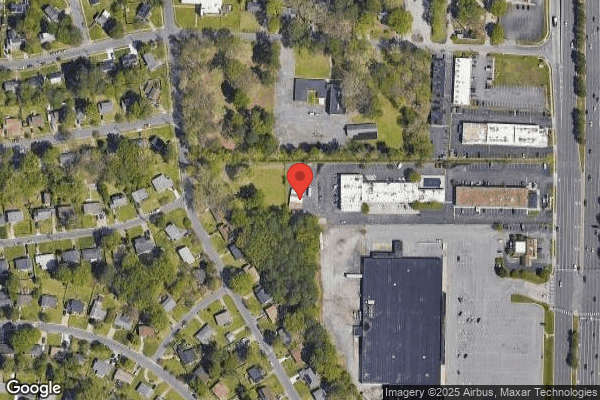
1401 HALSTEAD AVENUE REVISED, NORFOLK, VA 23502 (757) 857-0481
For profit - Individual 120 Beds SABER HEALTHCARE GROUP Data: November 2025
Trust Grade
70/100
#60 of 285 in VA
Last Inspection: January 2023

Over 2 years since last inspection. Current conditions may differ from available data.

Overview

Autumn Care of Norfolk has a Trust Grade of B, which means it is considered a good option for families, indicating a solid level of care. It ranks #60 out of 285 facilities in Virginia, placing it in the top half, and #2 out of 8 in Norfolk City County, showing that there is only one other local facility rated higher. The facility is improving, as the number of issues reported decreased from 17 in 2019 to 11 in 2023. Staffing is a concern, with a rating of 2 out of 5 stars and a turnover rate of 54%, which is around the state average. There were no fines reported, which is a positive sign, and the facility has average RN coverage, critical for catching potential problems. However, there have been specific incidents of concern. In one case, a resident was not given their scheduled IV antibiotic for several days, which could have serious health implications. Additionally, another resident's comprehensive assessment was completed seven days late, and there were delays in acquiring necessary medications, risking the resident's health needs. While the facility has strengths, particularly in its overall ratings and improving trend, families should be aware of these weaknesses when considering care options.

Trust Score
B
70/100
In Virginia
#60/285
Top 21%
Safety Record
Low Risk
No red flags
Inspections
Getting Better
17 → 11 violations
Staff Stability
⚠ Watch
54% turnover. Above average. Higher turnover means staff may not know residents' routines.
Penalties
✓ Good
No fines on record. Clean compliance history, better than most Virginia facilities.
Skilled Nurses
⚠ Watch
Each resident gets only 26 minutes of Registered Nurse (RN) attention daily — below average for Virginia. Fewer RN minutes means fewer trained eyes watching for problems.
Violations
⚠ Watch
43 deficiencies on record. Higher than average. Multiple issues found across inspections.
★★★★☆
4.0
Overall Rating
★★☆☆☆
2.0
Staff Levels
★★★★★
5.0
Care Quality
★★★☆☆
3.0
Inspection Score
Stable
2019: 17 issues
2023: 11 issues

The Good

  • 5-Star Quality Measures · Strong clinical quality outcomes
  • Full Sprinkler Coverage · Fire safety systems throughout facility
  • No fines on record

Facility shows strength in quality measures, fire safety.

The Bad

Staff Turnover: 54%

Near Virginia avg (46%)

Higher turnover may affect care consistency

Chain: SABER HEALTHCARE GROUP

Part of a multi-facility chain

Ask about local staffing decisions and management

The Ugly 43 deficiencies on record

Jan 2023 11 deficiencies
CONCERN (D)

Potential for Harm - no one hurt, but risky conditions existed

ADL Care (Tag F0677)

Could have caused harm · This affected 1 resident

Based on observation, interview, record review, and policy review, the facility staff failed to ensure two of three residents (Resident (R) 24 and R74) reviewed for Activities of Daily Living (ADL), o...

Read full inspector narrative →
Based on observation, interview, record review, and policy review, the facility staff failed to ensure two of three residents (Resident (R) 24 and R74) reviewed for Activities of Daily Living (ADL), out of a sample of 34 residents, received nail care. The findings include: A review of the Morning Care/AM Care policy, provided by the facility with a revision date of 09/01/22, revealed Morning care will be offered each day to promote resident comfort, cleanliness, grooming, and general well-being. Residents who are capable of performing their own personal care are encouraged to do so but will be provided with setup assistance if needed. Showers and baths are scheduled three times weekly or more or less often according to resident preference. Continued review of the policy revealed provide nail care supplies and 3. Perform hand hygiene and provide privacy. Use standard precautions, as necessary. 1. During an observation on 01/10/23 at 1:04 PM, revealed R24 had long fingernails with dark debris underneath the nails on the left hand. An observation on 01/11/23 at 4:15 PM with the Director of Nursing (DON), the DON confirmed R24's nails on the left hand were long with debris under the nails and confirmed the nails needed to be trimmed. A review of the electronic medical record (EMR) located under the Diagnoses tab, revealed R24 had diagnoses that included unspecified dementia without behavioral disturbance, psychotic (out of touch with reality) disturbance, mood disturbance and anxiety, muscle weakness, arthritis, and anxiety disorder. A review of the EMR quarterly Minimum Data Set (MDS), located under the MDS tab, with an Assessment Reference Date (ARD) of 12/04/22 revealed a Brief Interview for Mental Status (BIMS) score of seven out of 15 indicating R24 was severely impaired in the cognitive skills for daily decision making. Further review of the MDS revealed R24 required total dependence of one person assistance for personal hygiene. A review of the EMR Care Plan, located under the Care Plan tab and dated 12/19/22, revealed, Non-Compliance r/t [related to] personal care resident has been noted to refusing showers, refusing medications and treatments, and resident has self-care deficit related to cognitive impairment. A review of the EMR Task: Bathing Documentation/Shower Due Tues/Fri 7-3, dated 01/11/23 revealed R24 had not refused showers. A review of the EMR Personal Hygiene: Self Performance - How resident maintains personal hygiene, including combing hair, brushing teeth, shaving, applying makeup, washing/drying face and hands (excludes baths and showers), dated the last 30 days including 01/11/23, revealed that R24 did not decline personal hygiene. 2. During an observation on 01/10/23 at 1:06 PM, revealed R74 with long fingernails and dark debris underneath the nails. An observation on 01/11/23 at 5:13 PM with Registered Nurse RN/Unit Manager (RN) 1, the RN1 confirmed R74's nails were soiled and needed to be trimmed. A review of the electronic medical record (EMR) located under the Diagnoses tab, revealed R74 had adult failure to thrive, anxiety, personal history of transient ischemic attack/cerebral infarction (stroke) without residual deficits, and Parkinson's disease. A review of the EMR admission MDS with an ARD of 09/27/22 revealed a Brief Interview for Mental Status (BIMS) score of 10 out of 15 which indicated R74 was moderately impaired in the cognitive skills for daily decision making. Further review of the MDS revealed R74 required extensive assistance of one person for personal hygiene. A review of the EMR Care Plan, located under the Care Plan tab and dated 10/05/22, revealed He uses a device to communicate, resident is mute. Resident has ADL/self-care deficit related to dx: Parkinson's, impaired cognitive-communication, and generalize weakness. Resident has difficulty communicating r/t aphasia following CVA. Resident is able to verbalize pain via communication device, nonverbal cues, has an ADL Self Care Performance Deficit r/t disease process (Parkinson's) and generalized weakness, resident has a behavior problem r/t refuse ADL care at times and fingernail care at time. A review of the EMR Bathing: Self Performance - How resident takes full-body bath/shower, sponge bath, and transfers in/out of tub/shower (excludes washing of back and hair, located under the Tasks tab dated the last 30 days including 01/11/23, revealed R74 did not decline but received baths/showers. A review of the EMR Personal Hygiene: Personal Hygiene: Self Performance - How resident maintains personal hygiene, including combing hair, brushing teeth, shaving, applying makeup, washing/drying face and hands (excludes baths and showers), located under the Tasks tab dated the last 30 days including 01/11/23, revealed R74 did not decline personal hygiene. In an interview conducted on 01/11/23 at 4:05 PM, the DON stated the residents should get their nails trimmed weekly/during shower days. In an interview conducted on 01/11/23 at 5:13 PM, RN 1 confirmed that R74's fingernails needed to be trimmed and had dark debris underneath the nail bed.
CONCERN (D) 📢 Someone Reported This

A family member, employee, or ombudsman was alarmed enough to file a formal complaint

Potential for Harm - no one hurt, but risky conditions existed

Deficiency F0687 (Tag F0687)

Could have caused harm · This affected 1 resident

**NOTE- TERMS IN BRACKETS HAVE BEEN EDITED TO PROTECT CONFIDENTIALITY** Based on observation, resident and staff interviews, and clinical record review, the facility staff failed to ensure one of 40 r...

Read full inspector narrative →
**NOTE- TERMS IN BRACKETS HAVE BEEN EDITED TO PROTECT CONFIDENTIALITY** Based on observation, resident and staff interviews, and clinical record review, the facility staff failed to ensure one of 40 residents (Resident #7) in the survey sample who were unable to carry out activities of daily living received the necessary services to maintain adequate toenail care. The findings include: The facility staff failed to ensure podiatry services were provided to Resident #7. Resident #7 was originally admitted to the facility on [DATE]. Diagnoses for Resident #7 included but not limited to Type II Diabetes Mellitus and Venous Insufficient (chronic/peripheral.) The most recent Minimum Data Set (MDS) was a quarterly assessment with an Assessment Reference Date (ARD) of 12/08/22 coded the resident on the Brief Interview for Mental Status (BIMS) with a score of 9 out of a possible score of 15, which indicated moderate cognitive impairment for daily decision-making. Resident #7 was coded to require total dependence of one with toilet use and bathing, extensive assistance of two with bed mobility, extensive assistance of one with dressing and personal hygiene, and supervision with eating Activities of Daily Living (ADL) care. During the initial tour on 01/10/23 at approximately 2:10 p.m., Resident #7's feet were observed outside of the covers. The great toe on each foot was 1/2 inches thick with redness surrounding the nail bed. There were two (2) toenails missing on the right foot and one toenail missing on the left foot. The resident stated his covers were pulled back over his feet because they (covers) hurt his toenails. The resident stated he has not had podiatry services since he was admitted to the facility. He stated his toenails need to be shaved, not cut because they are long, thick, and painful when touched. On 01/12/23 at approximately 9:05 a.m., an assessment of Resident #7's toenails was made by the Director of Nursing (DON) with this surveyor present. She stated the resident's toenails were thick and needed podiatry services. She also stated there was fungus noted around the nail beds. A review of Resident #7's clinical note dated 01/12/23 revealed the resident was evaluated by the podiatrist on this shift (3p-11p) shift. The note included there were missing toenails to the third and fourth digit on the right foot and on the left third digit the toenail was missing and had scabbed over. The note stated the resident did not want his toenails trimmed due to sensitivity. A new order was given for a wound consult and to apply betadine to toenails. A review of Resident #7's Physician Order Audit Report for January 2023 revealed an order for a podiatry order dated 01/13/23 at approximately 10:13 a.m. The order read for a podiatry consult, please make an outpatient podiatry appointment for nail care for the Resident #7 who has a history of Type II Diabetes. The Social Worker (SW) was interviewed on 01/13/23 at approximately 10:07 a.m., who stated the previous podiatrist was fabricating documents. She stated the podiatrist provided documentation alleging that residents were receiving podiatry care when he never provided services. The SW provided a list that indicated Resident #7 had refused podiatry services on 09/09/22, 10/14/22 and 11/01/22. She said she kept adding Resident #7 to the podiatry list because the resident kept saying the podiatrist never cut/trimmed his toenails. She stated she was approached by a resident who wanted to know when the podiatrist was coming to cut and trim her toenails. She stated the podiatrist had just left the facility and provided documentation on (name of resident mention) that he had just cut and trimmed the resident's toenails which was not true, the resident's toenails were never cut or trimmed. An interview was conducted with CNA #5 on 01/13/23 at approximately 11:38 a.m. She said she started working at the facility about five (5) months ago and Resident #7's toenails were always long and thick. She stated she thought the nurses knew Resident #7's toenails needed to be cut and trimmed. She said she thought some of his toenails fell off but never informed the nurse. She stated that Resident #7's should have been assessed by a licensed nurse. On 01/13/23 at approximately 12:15 p.m., the Regional Director of Clinical Services stated the facility did not have a policy and procedures related to podiatry services or foot care. A final interview was held with the Administrator, Director of Nursing, Assistant Director of Nursing, Regional Director of Clinical Services, and [NAME] President of Operations on 01/13/23 at approximately 3:25 p.m. No further information was provided related to Resident #7's lack of proper toenail care prior to the survey exit.
CONCERN (D) 📢 Someone Reported This

A family member, employee, or ombudsman was alarmed enough to file a formal complaint

Potential for Harm - no one hurt, but risky conditions existed

Deficiency F0698 (Tag F0698)

Could have caused harm · This affected 1 resident

**NOTE- TERMS IN BRACKETS HAVE BEEN EDITED TO PROTECT CONFIDENTIALITY** Based on resident record review, staff interviews and facility document review, the facility staff failed to ensure residents on...

Read full inspector narrative →
**NOTE- TERMS IN BRACKETS HAVE BEEN EDITED TO PROTECT CONFIDENTIALITY** Based on resident record review, staff interviews and facility document review, the facility staff failed to ensure residents on hemodialysis had orders for the treatment as well as transportation to the dialysis center for one of 43 residents in the survey sample, Resident #249. The findings included: Resident #249 was admitted to the facility on [DATE] and discharged on 9/26/21 to an acute hospital. Diagnoses for Resident #249 included but were not limited to unspecified diastolic congestive heart failure and renal failure with dependence on hemodialysis. The current Minimum Data Set (MDS), a 5-day Scheduled Assessment with an Assessment Reference Date (ARD) of 08/27/21 coded the resident as completing the Brief Interview for Mental Status (BIMS) and scoring 10 out of a possible 15. This indicated Resident #249 cognitive abilities for daily decision-making were moderately impaired. In section G(Physical functioning) the resident was coded as requiring extensive assistance from one person with bed mobility, transfers, dressing, toilet use, personal hygiene, and physical assistance with bathing. Requiring set-up help only with eating. Section O (Special Treatments, Procedures, and Programs) coded the resident as receiving Dialysis. The care plan dated 8/22/21 indicated: Focus- Resident #249 Receives Dialysis Treatment three times weekly related to stage three chronic renal disease. Interventions: Maintain communication with Dialysis staff and physician per routine. Dialysis Monday, Wednesday, and Friday. A review of the September 2021 order summary, Medication Administration Record (MAR), and Treatment Administration Record (TAR) revealed no dialysis orders. The resident's family member complained about missed dialysis appointments and the resident receiving dialysis services at the hospital due to having transportation issues. On 1/13/23 at 1:35 PM, an interview was conducted with the Director of Nursing (DON). She said the person in charge of dialysis transportation was out this week, but that the facility was responsible to set up adequate transportation to and from dialysis treatments and that there should have been a dialysis order for treatment. A review of the nursing progress note dated 9/10/21 at 2:46 PM indicated that Resident #249 had returned to the facility from the hospital transported by medical transport via stretcher. The progress note indicated Patient had dialysis at the hospital. Dialysis days are Tuesday, Thursday, and Saturday. Follow up with Cardiology specialists. These days were different from the dialysis treatment days listed in the resident's care plan. A review of the Medication Administration Note dated 9/11/21 at 5:30 PM., read that the Resident was out for dialysis at the emergency department. A review of a progress note written by the facility Nurse Practitioner (NP) dated 9/14/21 read that due to Resident #249's past missed dialysis appointments he had to go to the emergency room because of issues with transportation. On 1/12/23 at approximately 11:18 AM., an interview was conducted with Licensed Practical Nurse (LPN) #5 concerning Resident #249. She said that she did not remember the resident. On 1/12/23 at approximately 8:22 PM., an interview was conducted with LPN #6 concerning Resident #249. Although the above nursing progress note dated 9/10/21 at 2:46 PM. was written by LPN#6, she stated that she did not remember any issues involving dialysis treatments or transportation problems. On 01/13/23 at approximately 3:25 PM., during an interview with the Administrator, Director of Nursing, and Corporate Consultant, an opportunity was offered to present additional information, but no additional information was provided prior to survey exit.
CONCERN (D) 📢 Someone Reported This

A family member, employee, or ombudsman was alarmed enough to file a formal complaint

Potential for Harm - no one hurt, but risky conditions existed

Unnecessary Medications (Tag F0759)

Could have caused harm · This affected 1 resident

**NOTE- TERMS IN BRACKETS HAVE BEEN EDITED TO PROTECT CONFIDENTIALITY** Based on observation of medication pass and pour, staff interviews, clinical record review, and facility documentation, the faci...

Read full inspector narrative →
**NOTE- TERMS IN BRACKETS HAVE BEEN EDITED TO PROTECT CONFIDENTIALITY** Based on observation of medication pass and pour, staff interviews, clinical record review, and facility documentation, the facility staff failed to ensure they were free of medication error rate of 5 percent (%) or greater. During the medication observation, there were twenty-seven (27) opportunities for error, two (2) medication errors were observed which resulted in a medication error rate of 7.41%. The resident involved in the medication error rate was Resident #66. The findings included: On 01/10/23 at approximately 11:45 a.m., a medication pass and pour observation was conducted with License Practical Nurse (LPN) #4. The LPN was unable to locate Resident #66's Lasix (Furosemide) 40 milligrams (mg) and Metoprolol Tartrate tablet 50 mg inside the medication cart. On the same day at approximately 12:10 p.m., the LPN stated she had contacted the physician to inform the above medications were not available with new orders to hold the above medications until they arrive from pharmacy. The above medications were not administered to Resident #66 as ordered by the physician. Resident #66 was originally admitted to the facility on [DATE]. Diagnoses included but were not limited to Congestive Heart Failure (CHF) and Hypertension (high blood pressure.) Resident #66's Minimum Data Set (MDS - an assessment protocol) a quarterly assessment with an Assessment Reference Date of 09/19/22 coded Resident #66's Brief Interview for Mental Status (BIMS) with a score of 15 out of a possible score of 15 indicating no cognitive impairment. A review of Resident #66 Physician Order Summary (POS) and Medication Administration Record (MAR) for January 2023 revealed the following orders: -Lasix tablet 20 mg to be administered every morning at 9:00 a.m., for CHF. -Metoprolol Tartrate 50 mg - give one day by mouth twice daily at 10:00 a.m., and 10:00 p.m., for high blood pressure. The following medications were in the facility's Omnicell machine: Lasix 20 mg (10 tablets) and Metoprolol Tartrate 50 mg (10 tablets.) An interview was conducted with License Practical Nurse (LPN) #4 on 01/12/23 at approximately 12:31 p.m. She stated she did not administer Resident #66 her scheduled Metoprolol and Lasix because they were not inside the medication cart. LPN #4 was provided a copy of the medication list for all medication that were in the Omnicell machine on 01/10/23. She stated the above medication should have been pulled from the Omnicell machine and administered to Resident #66 as ordered by the physician. On 01/13/23 at approximately 8:47 a.m., an interview was conducted with the Director of Nursing (DON.) She stated the nurse should have checked the Omnicell first to make sure the medications were there to administer Resident #66. She stated if the medications were in the Omnicell, the medications should have been pulled and administered to the resident as ordered by the physician. She said the physician and pharmacy should have been notified only if the medications were not available for administration. An interview was held with the Administrator, Director of Nursing, Assistant Director of Nursing, Regional Director of Clinical Services and [NAME] President of Operations on 01/13/23 at approximately 3:25 p.m. No further information was provided prior to exit. Definitions: -Congestive Heart Failure occurs when the heart muscle doesn't pump blood as well as it should. When this happens, blood often backs up and fluid can build up in the lungs, causing shortness of breath. Certain heart conditions, such as narrowed arteries in the heart (coronary artery disease) or high blood pressure, gradually leave the heart too weak or stiff to fill and pump blood properly (https://www.mayoclinic.org/diseases-conditions/heart-failure/symptoms). -Hypertension is when your blood pressure, the force of your blood pushing against the walls of your blood vessels, is consistently too high (https://medlineplus.gov/ency/article/007365.htm).
CONCERN (D)

Potential for Harm - no one hurt, but risky conditions existed

Deficiency F0825 (Tag F0825)

Could have caused harm · This affected 1 resident

Based on resident and staff interview, clinical record review, and facility documentation, the facility staff failed to ensure one (1) resident (Resident #200) in the survey sample of 43, received reh...

Read full inspector narrative →
Based on resident and staff interview, clinical record review, and facility documentation, the facility staff failed to ensure one (1) resident (Resident #200) in the survey sample of 43, received rehab services as recommended by the physician. The findings included: Resident #200 was admitted to the nursing facility on 12/23/22. Diagnoses for Resident #200 included but are not limited to wedge compression fracture of second lumbar vertebra. The admission Minimum Data Set (MDS) had not been completed. A review of Resident #200's Physician Order Summary (POS) for January 2022 revealed an order to admit to Skilled Nursing Facility (SNF) for Skilled Care under the care (name of physician) starting 12/26/22. Further review of the POS revealed an order dated 12/26/22 for an evaluation and treatment for Physical, Occupational and Speech therapy. During the initial tour on 01/10/23 at approximately 2:28 p.m., an interview was conducted with Resident #200. Resident #200 stated he was admitted to the facility for rehab services over two (2) weeks ago and he was still waiting. He stated the rehab department stated they were waiting for Department of Veterans Affairs (VA) approval. He stated he checked with the therapy department every day and they continued to tell him the same thing, we are still waiting for the (VA) to get back with us. He stated he did not understand why his rehab was taking so long. On 12/23/22, a physician progress note indicated Resident #200 was transferred from a different nursing facility following hospitalization after a lumbar spinal fracture. The progress note further indicated the following: The resident had participated with therapy and achieved some progress in mobility, requiring one (1) person assist with Activities of Daily Living (ADL) including mobility. The resident is to continue with PT for strengthening and functional mobility. An interview was conducted with the Director of Rehab on 01/13/23 at approximately 9:56 a.m. She stated someone from rehab should have screened Resident #200 within two days after being admitted to the nursing facility on 12/23/22. She said, Resident #200 was screened on 12/28/22 but only after he approached me in hallway requesting to be seen by therapy. We (the facility) were not sure if Resident #200 was here for long-term care (LTC) placement or skilled services. She stated Resident #200 was evaluated and picked up for therapy services on 01/11/23. An interview was held with the Administrator, Director of Nursing, Assistant Director of Nursing, Regional Director of Clinical Services and [NAME] President of Operations on 01/13/23 at approximately 3:25 p.m. No further information was provided prior to survey exit. The facility's policy titled Rehab Therapy Evaluation Policy was revised on 03/01/22. The policy indicated the following: It is the facility policy for evaluation to be completed on approved evaluation forms for each discipline in the rehab electronic software. All sections will be filled out completely and accurately. Prior to the complete of the evaluation, provider orders to complete treatment must be obtained. Procedure read in part: -Evaluation to be completed within 48 hours of admission and by the close of business on the day of evaluating the resident. -Obtain provider order for frequency and duration of therapy services. -Evaluation must be signed by the physician according to payer plan requirements. -Evaluation will become a part of the medical record. -Evaluation will consist of evaluation date, frequency, treatment codes, and duration.
CONCERN (D)

Potential for Harm - no one hurt, but risky conditions existed

Deficiency F0885 (Tag F0885)

Could have caused harm · This affected 1 resident

Based on staff interview and review of facility documents, the facility staff failed to inform residents, their representatives, and families of those residing in the facility by 5 p.m., the next cale...

Read full inspector narrative →
Based on staff interview and review of facility documents, the facility staff failed to inform residents, their representatives, and families of those residing in the facility by 5 p.m., the next calendar day following the occurrence of confirmed infection of COVID-19 or include cumulative updates for residents, their representatives, and families at least weekly with mitigating actions implemented to prevent or reduce the risk of transmission. The findings included: A review of facility documents revealed on 11/25/22 a staff member tested positive for COVID-19 and by 12/1/22 twenty staff were positive for COVID-19. On 11/27/22 twenty-four residents tested positive for COVID-19 and by 12/1/22 a total of 32 residents tested positive for COVID-19. On 12/1/22 the facility's staff issued a letter titled Confirmed or Probable COVID-19 Cases. The letter read unfortunately, despite our efforts, like so many other communities, like ours we too have had additional staff and resident test positive for COVID-19. While this is not unexpected, it still saddens us, and our hearts go out to those affected. The letter failed to include information on mitigating actions implemented to prevent or reduce the risk of transmission, including if normal operations of the facility will be altered; and include cumulative updates for residents, their representatives, and families at least weekly. Between 12/2/22 and 12/8/22 thirteen more staff tested positive for COVID-19 and two more residents tested positive. Again the letter dated 12/8/22 lacked the mitigating actions implemented and cumulative updates for residents, their representatives, and families at least weekly. On 12/13/22 at approximately 1:05 p.m., a copy of the letter to the residents, their representatives, and families was reviewed with the Administrator. The Administrator stated it was the facility's practice to update the residents, their representatives, and families weekly instead of the next calendar day by 5 p.m., after a confirmed case. The Administrator stated the letter reviewed dated 12/1/22 didn't meet regulatory requirements. On 1/13/23 at approximately 4:30 p.m., an interview was conducted with the Administrator, Director of Nursing and two Corporate Consultants. An opportunity was offered to the facility's staff to present additional information, but no additional information was provided, and no further concerns were voiced.
CONCERN (E) 📢 Someone Reported This

A family member, employee, or ombudsman was alarmed enough to file a formal complaint

Potential for Harm - no one hurt, but risky conditions existed

Notification of Changes (Tag F0580)

Could have caused harm · This affected multiple residents

Based on resident interview, staff interviews, and clinical record review, the facility staff failed to notify the resident, the Physician and/or Practitioner that the scheduled medications were not a...

Read full inspector narrative →
Based on resident interview, staff interviews, and clinical record review, the facility staff failed to notify the resident, the Physician and/or Practitioner that the scheduled medications were not administered as ordered for one of 43 residents (Resident #149) in the survey sample. The findings included: The scheduled intravenous (IV) antibiotic Daptomycin Solution Reconstituted was not administered on 1/6/23, 1/7/23, 1/8/23 and 1/9/23. Resident #149 was originally admitted to the facility 1/6/23 after an acute care hospital stay. The resident had never been discharged from the facility. The resident's diagnoses included diabetes, osteomyelitis of the left foot resulting in a partial resection of the remnant of the left second toe, and amputation of toes number 3-5 of the left foot. The resident had not been at the facility long enough to have an MDS assessment completed therefore the following information was gleaned from the nursing admission note dated 1/6/23 at 4:13 p.m. The assessment revealed the resident was alert and oriented to person, place, and time, could make his needs known, and his daily decision-making abilities were intact. The assessment also revealed the resident was able to ambulate, complete activities of daily living and self-toilet. On 1/10/23 at approximately 1:53 p.m., Resident #149 stated he was admitted to the facility on Friday 1/6/23 after 4:00 p.m., for antibiotic therapy secondary to a left foot infection resulting in resection of the second toe on the left foot and amputation of toes 3-5. He also stated in August 2022 the left great toe was amputated and he was afraid he would lose his entire foot without the antibiotics administered as he was told by the hospital staff would happen in the rehabilitation facility. The resident further stated the hospital staff stated he would receive antibiotic therapy in the rehabilitation facility for thirty-two days, and he was scheduled to complete the IV antibiotic therapy on 2/7/23. The resident stated he didn't desire to remain in the facility beyond 2/7/23. Resident #149 also stated no one said anything to him about why he wasn't receiving the antibiotic therapy. A review of Resident #149's physician orders revealed an order dated 1/6/23 at 4:30 p.m., for Daptomycin Solution Reconstituted - Use 378 mg intravenously every 24 hours for Complicated skin and skin structure infections (cSSSI) for 33 administrations. This order was discontinued 1/6/23 at 6:42 p.m. The Medication Administration Record (MAR) was coded Other/Nurses Note, but a review of the nurses notes for 1/6/23, didn't address the IV antibiotic administration. Another order for this medication was dated 1/7/23 at 8:30 p.m. The second order was discontinued 1/9/22 at 5:21 p.m. The MAR for 1/7/23 and 1/8/23 was coded Other/Nurses Note, but again the progress notes failed to reveal a note that the IV antibiotic wasn't administered. A review of the MAR revealed the medication wasn't administered on 1/9/23. The MAR revealed a third order dated 1/10/23 at 5:30 p.m., for Daptomycin Solution Reconstituted - Use 378 mg intravenously every 24 hours for cSSSI for 35 administrations. This order was signed off as administered on 1/10/23 at 4:39 p.m. The nurse's notes did not evidence documentation that the resident and the Physician/Practitioner were notified that the scheduled intravenous (IV) antibiotic Daptomycin Solution Reconstituted was not administered on 1/6/23, 1/7/23, 1/8/23 and 1/9/23. On 1/12/23 at approximately 1:15 p.m., an interview was conducted with the onsite Nurse Practitioner (NP). The NP stated she wasn't made aware the resident did not receive the IV antibiotic until 1/10/23. On 1/12/23 at approximately 2:40 p.m., an interview was conducted with the Manager for the unit where the resident resided. The Manager stated she was made aware the IV antibiotic wasn't available for administration on 1/9/23 and the pharmacy was contacted. The Manager stated the pharmacy said they hadn't received an order therefore the order was sent again to the pharmacy and the medication arrived at the facility 1/9/23 at 6:38 p.m. The Manager stated the IV antibiotic should have been administered on the day it arrived to the facility to establish the therapy's pattern. The Manager also stated the resident should have been informed by staff of the status of his antibiotic therapy and what they were doing to ensure the medication became available for administration. On 1/13/23 at approximately 4:30 p.m., the above findings were shared with the Administrator, Director of Nursing (DON) and two Corporate Consultants. The DON stated the resident should have been informed of the status of the antibiotic therapy.
CONCERN (E)

Potential for Harm - no one hurt, but risky conditions existed

Comprehensive Assessments (Tag F0636)

Could have caused harm · This affected multiple residents

3. The facility failed to complete an admission (initial) comprehensive assessment timely for Resident #200. The resident was admitted to the nursing facility 12/23/22. Diagnosis for Resident #200 inc...

Read full inspector narrative →
3. The facility failed to complete an admission (initial) comprehensive assessment timely for Resident #200. The resident was admitted to the nursing facility 12/23/22. Diagnosis for Resident #200 included but are not limited to a wedge compression fracture of second lumbar vertebra and cirrhosis of the liver. A review of Resident #200's MDS assessment revealed the admission assessment was 7 days overdue. An interview was conducted with MDS Coordinator, License Practical Nurse (LPN) #1 on 01/12/23 at approximately 1:17 p.m. After reviewing the resident's MDS assessment, she stated she was aware that Resident #200's MDS was 7 days overdue. She stated the MDS should have been completed by 01/05/23. An interview was held with the Administrator, Director of Nursing, Assistant Director of Nursing, Regional Director of Clinical Services and [NAME] President of Operations on 1/13/23 at approximately 3:25 p.m. No further information was provided prior to exit. The following information was obtained from the Resident Assessment Instrument (RAI)Chapter 2 Pages 20-21 revised October 2019. 01. admission Assessment (A0310A = 01) The admission assessment is a comprehensive assessment for a new resident and, under some circumstances, a returning resident that must be completed by the end of day 14, counting the date of admission to the nursing home as day 1 if this is the resident's first time in this facility, OR the resident has been admitted to this facility and was discharged return not anticipated, OR the resident has been admitted to this facility and was discharged return anticipated and did not return within 30 days of discharge. Based on observation, resident interview, staff interview, clinical record review, and review of facility documents, the facility staff failed to conduct a comprehensive Minimum Data Set (MDS) assessment within 14 calendar days after admission, for three of 43 residents (Resident #152, #153, and #200), in the survey sample. The findings included: 1. The facility staff failed to complete an admission MDS assessment for Resident #152 within 14 calendar days. Resident #152 was admitted to the facility 12/28/22 after an acute care hospital stay. The resident had never been discharged from the facility. The resident's diagnosis included multiple myleoma. Upon review of the MDS assessment on 1/11/23 under information, the assessment was noted to be incomplete. The admission MDS assessment for Resident #152 should have been completed on 1/10/23. 2. The facility staff failed to complete an admission MDS assessment for Resident #153 within 14 calendar days. Resident #153 was admitted to the facility 12/19/22 after an acute care hospital stay. The resident had never been discharged from the facility. The resident's diagnosis included stroke with right sided weakness. Upon review of the MDS assessment on 1/11/23 under information, the assessment was noted to be incomplete. The admission MDS assessment for Resident #153 should have been completed on 1/2/23. On 1/12/23 at approximately 1:00 p.m., an interview was conducted with the MDS Coordinator. The MDS Coordinator stated the department was short two staff members therefore the MDS assessments had not been completed within the required timeframes.
CONCERN (E)

Potential for Harm - no one hurt, but risky conditions existed

Pharmacy Services (Tag F0755)

Could have caused harm · This affected multiple residents

Based on observations, clinical record review, staff and resident interviews and facility document review, the facility staff failed to provide pharmaceutical services that assured medications were ac...

Read full inspector narrative →
Based on observations, clinical record review, staff and resident interviews and facility document review, the facility staff failed to provide pharmaceutical services that assured medications were acquired timely to meet the needs of one of 43 residents in the survey sample, Resident #149. The findings included: The facility staff failed to procure the intravenous (IV) antibiotic Daptomycin Solution Reconstituted timely to prevent Resident #149 from missing dosages for a Complicated skin and skin structure infections (cSSSI). Resident #149 was originally admitted to the facility 1/6/23 after an acute care hospital stay. The resident had never been discharged from the facility. His diagnoses included diabetes, osteomyelitis of the left foot resulting in a partial resection of the remnant of the left second toe, amputation of toes number 3-5 of the left foot. The resident had not been at the facility long enough to have an MDS assessment completed therefore the following information is gleamed from the nursing admission note dated 1/6/23 at 4:13 p.m. The assessment revealed the resident was alert and oriented to person, place, and time, could make his needs known, and his daily decision-making abilities were intact. The assessment also revealed the resident was able to ambulate, complete activities of daily living and self-toilet. On 1/10/23 at approximately 1:53 p.m., Resident #149 stated he was admitted to the facility on Friday 1/6/23 after 4:00 p.m., for antibiotic therapy secondary to a left foot infection resulting in resection of the second toe on the left foot and amputation of toes 3-5. He also stated in August 2022 the left great toe was amputated and he was afraid he would lose his entire foot without the antibiotics administered as he was told by the hospital staff would happen in the rehabilitation. A review of Resident #149's physician orders revealed an order dated 1/6/23 at 4:30 p.m., for Daptomycin Solution Reconstituted - Use 378 mg intravenously every 24 hours for Complicated skin and skin structure infections (cSSSI) for 33 administrations. This order was discontinued 1/6/23 at 6:42 p.m. The Medication Administration Record (MAR) was coded Other/Nurses Note, but a review of the nurses notes for 1/6/23, didn't address the IV antibiotic administration. Another order for this medication was dated 1/7/23 at 8:30 p.m. The second order was discontinued 1/9/22 at 5:21 p.m. The MAR for 1/7/23 and 1/8/23 was coded Other/Nurses Note, but again the progress notes failed to reveal a note that the IV antibiotic wasn't administered. On 1/12/23 at approximately 2:40 p.m., an interview was conducted with the Manager for the unit the resident resided on. The Manager stated she was made aware the IV antibiotic wasn't available for administration on 1/9/23 and the pharmacy was contacted. The Manager stated the pharmacy stated they hadn't received an order therefore the order was sent again to the pharmacy and the medication arrived at the facility 1/9/23 at 6:38 p.m. On 1/13/23 at approximately 4:30 p.m., an interview was conducted with the Administrator, Director of Nursing and two Corporate Consultants. An opportunity was offered to the facility's staff to present additional information, but no additional information was provided, and no further concerns were voiced.
CONCERN (E) 📢 Someone Reported This

A family member, employee, or ombudsman was alarmed enough to file a formal complaint

Potential for Harm - no one hurt, but risky conditions existed

Drug Regimen Review (Tag F0756)

Could have caused harm · This affected multiple residents

**NOTE- TERMS IN BRACKETS HAVE BEEN EDITED TO PROTECT CONFIDENTIALITY** Based on observations, staff interview, and clinical record reviews, the facility staff failed to ensure the physician was infor...

Read full inspector narrative →
**NOTE- TERMS IN BRACKETS HAVE BEEN EDITED TO PROTECT CONFIDENTIALITY** Based on observations, staff interview, and clinical record reviews, the facility staff failed to ensure the physician was informed of the pharmacist Monthly Regimen Review (MMR) recommendation for medication changes for three out of 43 residents (Resident #66, #81, and #2) in the survey sample. The findings included: 1. The facility staff failed to ensure the physician was informed of the pharmacist recommendation to decrease the medication Zantac 20 mg twice a day to 20 mg daily at bedtime. Resident #66 was originally admitted to the facility on [DATE]. Diagnosis included but were not limited to Gastroesophageal reflux disease (GERD). Resident #66's Minimum Data Set (MDS - an assessment protocol) quarterly assessment with an Assessment Reference Date (ARD) of 09/19/22 coded Resident #66 on the Brief Interview for Mental Status (BIMS) with a score of 15 out of a possible score of 15 indicating no cognitive impairment. A review of Resident #66's Medication Administration Record (MAR) for January 2022, revealed an order to administer Famotidine (Zantac) 20 mg tablet - given by mouth two times a day for GERD starting on 09/11/21. A review of the pharmacist Monthly Regimen Review (MMR) for July and August 2022 revealed the recommendation to decrease Zantac to 20 mg daily at bedtime. Further review of Resident #81's clinical record revealed the MMR recommendations were never transcribed. On 01/13/23 at approximately 8:47 a.m., an interview was conducted with the Director of Nursing (DON.) She stated she was not able locate in Resident #66's clinical record that the physician was informed of the above pharmacist recommendations. She stated the physician should have been informed of the recommendations who would accept or decline the recommendations. She stated, if accepted the recommendation is converted into an order then faxed to the pharmacy. An interview was held with the Administrator, Director of Nursing, Assistant Director of Nursing, Regional Director of Clinical Services and [NAME] President of Operations on 01/13/23 at approximately 3:25 p.m., who were informed of the above findings. No further information was provided prior to exit. 2. For Resident #81, the facility staff failed to ensure the physician was informed of the pharmacist recommendation to decrease the medication Zantac 40 mg from twice a day to 20 mg daily at bedtime and decrease Prilosec from 40 mg twice a day to 40 mg daily (30 minutes before food.) Resident #81 was originally admitted to the facility on [DATE]. Diagnosis included but are not limited to Gastroesophageal reflux disease (GERD). Resident #81's Minimum Data Set (MDS - an assessment protocol) quarterly assessment with an Assessment Reference Date (ARD) of 10/08/22 coded the resident's Brief Interview for Mental Status (BIMS) with a score of 13 out of a possible score of 15 indicating moderate cognitive impairment. A review of Resident #81's Medication Administration Record (MAR) for January 2022, revealed the following orders to administer Famotidine (Zantac) 20 mg tablet - given by mouth two times a day for GERD starting on 01/30/22 and Omeprazole (Prilosec) 40 mg - given by mouth twice a day for GERD starting on 01/05/22. A review of the pharmacist Monthly Regimen Review (MMR) for July and August 2022 revealed the recommendations to decrease Zantac to 20 mg daily at bedtime and decrease Prilosec to 40 mg daily (30 minutes before food.) Further review of Resident #81's clinical record revealed the MMR recommendations were never transcribed. On 01/13/23 at approximately 8:47 a.m., an interview was conducted with the Director of Nursing (DON.) She stated she was not able locate in Resident #81's clinical record that the physician was informed of the above pharmacist recommendations. She stated the physician should have been informed of the recommendations who would accept or decline the recommendations. She stated, if accepted the recommendation is converted into an order then faxed to the pharmacy. An interview was held with the Administrator, Director of Nursing, Assistant Director of Nursing, Regional Director of Clinical Services and [NAME] President of Operations on 01/13/23 at approximately 3:25 p.m., who were informed of the above findings. No further information was provided prior to exit. 3. Resident #2 was originally admitted to the facility 3/19/2021 and was readmitted to the facility 7/22/21 after an acute hospital stay. The current diagnoses included; stroke with hemiparesis and a seizure disorder. The quarterly Minimum Data Set (MDS) assessment with an assessment reference date (ARD) of 11/9/22 coded the resident as not having the ability to complete the Brief Interview for Mental Status (BIMS). The staff interview was coded for long and short term memory problems as well as severely impaired for daily decision making. The MDS was also coded in section G (Physical functioning) as requiring extensive assistance of one person to total care of one person with all activities of daily living. A review of the Physician's Order Summary (POS) revealed an order dated 07/27/2021 for Aspirin Tablet 325mg. Give 1 tablet via PEG-Tube in the morning for stroke prophylaxis. A review of the Monthly Medication Reviews (MMR) for 12 months revealed on 10/19/22 a licensed pharmacist recommended to reduce the medication Aspirin Tablet 325mg each day to Aspirin Tablet 81mg each day. The licensed pharmacist recommendation further read that lower doses are associated with fewer bleeding complications and have fewer comparable ischemic protection. As of 1/13/23, there was no indication the physician reviewed the recommendation, and/or documented in the resident's medical record if a change will be taken or why no change would take place. On 1/13/23 at approximately 4:30 p.m., an interview was conducted with the Administrator, Director of Nursing and two Corporate Consultants. An opportunity was offered to the facility's staff to present additional information, but no additional information was provided, and no further concerns were voiced.
CONCERN (E)

Potential for Harm - no one hurt, but risky conditions existed

Deficiency F0760 (Tag F0760)

Could have caused harm · This affected multiple residents

Based on observation during medication pass and pour, resident interviews, staff interviews, and clinical record review, the facility staff failed to assure residents were free of significant medicati...

Read full inspector narrative →
Based on observation during medication pass and pour, resident interviews, staff interviews, and clinical record review, the facility staff failed to assure residents were free of significant medication errors for one of 43 residents (Resident #149), in the survey sample. The findings included: The facility staff failed to ensure Resident #149 was administered the IV antibiotic Daptomycin to maintain a therapeutic level in the blood as it eradicated a complicated skin infection. Resident #149 was originally admitted to the facility 1/6/23 after an acute care hospital stay. The resident had never been discharged from the facility. His diagnoses included diabetes, osteomyelitis of the left foot resulting in a partial resection of the remnant of the left second toe, amputation of toes number 3-5 of the left foot. The resident had not been at the facility long enough to have an MDS assessment completed therefore the following information is gleamed from the nursing admission note dated 1/6/23 at 4:13 p.m. The assessment revealed the resident was alert and oriented to person, place, and time, could make his needs known, and his daily decision-making abilities were intact. The assessment also revealed the resident was able to ambulate, complete activities of daily living and self-toilet. On 1/10/23 at approximately 1:53 p.m., Resident #149 stated he was admitted to the facility on Friday 1/6/23 after 4:00 p.m., for antibiotic therapy secondary to a left foot infection resulting in resection of the second toe on the left foot and amputation of toes 3-5. He also stated in August 2022 the left great toe was amputated and he was afraid he would lose his entire foot without the antibiotics administered as he was told by the hospital staff would happen in the rehabilitation facility. The resident further stated the hospital staff stated he would receive antibiotic therapy in the rehabilitation facility for thirty-two days, and he was scheduled to complete the IV antibiotic therapy on 2/7/23. The resident stated he didn't desire to remain in the facility beyond 2/7/23. Resident #149 also stated no one said anything to him about why he wasn't receiving about the antibiotic therapy. A review of Resident #149's physician orders revealed an order dated 1/6/23 at 4:30 p.m., for Daptomycin Solution Reconstituted - Use 378 mg intravenously every 24 hours for Complicated skin and skin structure infections (cSSSI) for 33 administrations. This order was discontinued 1/6/23 at 6:42 p.m. The Medication Administration Record (MAR) was coded Other/Nurses Note, but a review of the nurses notes for 1/6/23, didn't address the IV antibiotic administration. Another order for this medication was dated 1/7/23 at 8:30 p.m. The second order was discontinued 1/9/22 at 5:21 p.m. The MAR for 1/7/23 and 1/8/23 was coded Other/Nurses Note, but again the progress notes failed to reveal a note that the IV antibiotic wasn't administered. A review of the MAR revealed the medication wasn't administered on 1/9/23. The MAR revealed a third order dated 1/10/23 at 5:30 p.m., for Daptomycin Solution Reconstituted - Use 378 mg intravenously every 24 hours for cSSSI for 35 administrations. This order was signed off as administered at 4:39 p.m., on 1/10/23. On 1/13/23 at approximately 4:30 p.m., the above findings were shared with the Administrator, Director of Nursing and two Corporate Consultants. An opportunity was offered to the facility's staff to present additional information, but no additional information was provided, and no further concerns were voiced. Daptomycin injection is used to treat complicated skin and skin structure infections (cSSSI). It is also used to treat infections in the bloodstream (bacteremia), including right-sided infective endocarditis. To help clear up your infection completely, keep using this medicine for the full time of treatment, even if you begin to feel better after a few days. Also, this medicine works best when there is a constant amount in the blood. To help keep the amount constant, you must receive this medicine on a regular schedule. (https://www.mayoclinic.org/drugs-supplements/daptomycin-intravenous-route/description/drg-20063292)
Sept 2019 17 deficiencies
CONCERN (D)

Potential for Harm - no one hurt, but risky conditions existed

Deficiency F0553 (Tag F0553)

Could have caused harm · This affected 1 resident

**NOTE- TERMS IN BRACKETS HAVE BEEN EDITED TO PROTECT CONFIDENTIALITY** Based on resident interview, staff interviews, clinical record review and facility documentation review the facility staff faile...

Read full inspector narrative →
**NOTE- TERMS IN BRACKETS HAVE BEEN EDITED TO PROTECT CONFIDENTIALITY** Based on resident interview, staff interviews, clinical record review and facility documentation review the facility staff failed to failed to provide evidence a care plan meeting was held and/or invite 1 of 44 residents to attend their person centered care plan meeting (Resident #264) in the survey sample. The findings included: Resident #264 was admitted to the facility on [DATE]. Diagnosis for Resident #264 included but not limited to Acute Kidney Failure. Resident #264's Minimum Data Set (MDS-an assessment protocol), a 14-day assessment with an Assessment Reference Date of 08/19/19, coded Resident #264's Brief Interview for Mental Status (BIMS) score of 14 out of a possible score of 15 indicating no cognitive impairment. During the initial tour on 09/17/19 at approximately 11:41 a.m., an interview was conducted with Resident #264 who stated, No one has ever given me a letter or invited me to attend a care plan meeting. An interview was conducted with the Social Worker (SW) on 09/18/19 at approximately 11:24 a.m., who stated, I am not able to provide evidence that Resident #264 was invited to attend her person centered care plan meeting. He said a care plan meeting will be held for Resident #264 as soon as possible; hopefully today. When asked when the initial care plan meeting was held for Resident #264, the SW reviewed Resident #264's clinical record then stated, I am unable to find documentation that a care plan meeting was ever held for (Resident #264). He said the MDS Coordinator should have notified me via email with a date and time for a care plan meeting for Resident #264; which he never received. He said once that information was provided by the MDS Coordinator, I wound have notified the resident and their Responsible Party to schedule a care plan meeting for Resident #264. On 09/18/19 at approximately 12:45 p.m., an interview was conducted with the MDS Coordinator who said she was not aware that Resident #264 did not have a care plan meeting. She said a care plan meeting should have been held on or before day 21 of her admit date . On the same day at approximately 1:00 p.m., the SW said she is unable provide any type of evidence that the SW was made aware when to schedule a care plan meeting for Resident #264. An interview conducted with the SW on 09/19/19 at approximately 9:00 a.m. The surveyor asked, What is the purpose for inviting a resident to attend their person centered care plan meeting. The SW said to ensure active engagement with their care plan decisions. The Administrator, Clinical Director of Operations, Director of Nursing and Assistant Director of Nursing was informed of the finding during a briefing on 09/19/19 at approximately 3:46 p.m. The facility did not present any further information about the findings. The facility's policy titled Care Plan Invitation Letter policy (Revision date: February 2016). Policy: The resident and the resident's Responsible Party or legal representative must be invited to attend each of the Interdisciplinary Care Plan Conference for the specified resident. Procedure in part: 1. The Executive Director and Administrator will designate a staff member who will be responsible for completing the care Planning Invitations, for delivering an invitation to the resident, and for mailing an invitation to the Responsible Party or legal representative. 3. The facility designee will deliver an original Care Plan invitation to the resident 5 days prior to the date of the conference, unless he/she has been deemed legally incompetent. A copy of the invitation will be maintained within the medical record as verification hat it was delivered. The facility's policy titled Care Conference (Revision date: August 2015). -Procedure in part: B. Each resident shall be invited to participate in their care plan conference. At the resident's discretion, the family shall be invited to participate also. The coordination of the care conference and documentation is the responsibility of the MDS Coordinator or his/her designee. C. All newly admitted residents shall have an initial care plan conference within 7 days following completion of the MDS and no later than 21 days from admission, upon any significant change in condition, quarterly and a full assessment and conference annually.
CONCERN (D)

Potential for Harm - no one hurt, but risky conditions existed

Deficiency F0559 (Tag F0559)

Could have caused harm · This affected 1 resident

**NOTE- TERMS IN BRACKETS HAVE BEEN EDITED TO PROTECT CONFIDENTIALITY** Based on observation, resident interview, staff interview and facility documentation review, the facility staff failed to ensure...

Read full inspector narrative →
**NOTE- TERMS IN BRACKETS HAVE BEEN EDITED TO PROTECT CONFIDENTIALITY** Based on observation, resident interview, staff interview and facility documentation review, the facility staff failed to ensure resident rights were maintained for a facility initiated room change for 1 of 44 residents (Resident #264) in the survey sample. The findings included: Resident #264 was admitted to the facility on [DATE]. Diagnosis for Resident #264 included but not limited to Acute Kidney Failure. Resident #264's Minimum Data Set (MDS - an assessment protocol), a 14-day assessment with an Assessment Reference Date of 08/19/19 coded Resident #264's Brief Interview for Mental Status (BIMS) score of 14 out of a possible score of 15 indicating no cognitive impairment. In addition, the MDS coded Resident #264 total dependence of one with bathing, extensive assistance of two with transfer, extensive assistance of one with dressing, hygiene, bed mobility and toilet use for Activities of Daily Living. During the initial tour on 09/17/19 at approximately 11:41 a.m., Resident #264 voiced concerns that she was moved to room against her wishes. She stated, That is taking away my rights, I would like my old room back if possible; my old room was a private room; I enjoyed it there. The surveyor asked, Did you want to move she replied, Absolutely not, but they did not give me a choice. She said someone called my sister-in-law and got permission from her, but I am the one living here, not my family. An interview was conducted with the Social Worker (SW) on 09/19/19 at approximately 9:00 a.m. The surveyor asked if resident #264 was informed of a room change or a possible room change before she was actually moved on 08/27/19, he replied, I'm sure she was but I did not initiate the room change; I was off. The SW reviewed Resident #264's clinical record and said (Resident #264) had a room change on 08/27/19 but I do not see any documentation that she agreed to the room change but I am sure the staff notified her verbally. The SW was asked, if he was not present on 08/27/19, how did he know Resident #264 was informed of a room change prior to her being moved? He replied, I don't. The surveyor asked, What was the purpose of the room change? The SW stated, To increase her socialization. He said now I realize this is a problem. He said I do not know if she was asked or not. The surveyor asked, What is the purpose of notifying a resident of a room change or possible room change, he stated, To honor the residents preference of where they want to stay in the facility. A phone interview was conducted with Licensed Practical Nurse (LPN) #2 on 09/19/19 at approximately 9:53 a.m. LPN #2 assisted with the room change for Resident #264 on 08/27/19. She stated, I was told by the Unit Manager (UM) to move Resident #264 to another room. When I went to the room to move Resident #264, the UM was speaking with her then regarding the room change. She said Resident #264 kept repeating say, I am very upset about the transitioning of moving, why do I have to move to another room. The License Practical Nurse (LPN) said, Resident #264 was very upset over the move but I only moved her because I was told too. On 09/19/19 at approximately 11:03 a.m., an interview was conducted with the SW and DON, who was the UM on 08/27/19. The SW presented a room notice change completed on 08/28/19. The notice of room change included but not limited to the following documentation (effective date: 08/27/19), (reason for room change- encourage social interactions) and (resident response to room change- accepted). The surveyor asked, Who completed the notice of room change, the SW stated, I did, the very next day, on 08/28/19. The surveyor asked, So you spoke with Resident #264 and she agreed with the room change? He replied, No, I did not speak with Resident #264; I was only going by hear-say. The surveyor asked, How do you know she agreed to the room change, He replied, I don't. The DON stated, We should have never moved Resident #264, we should have left her in her room, we infringed on her rights. The Administrator, Clinical Director of Operations, Director of Nursing and Assistant Director of Nursing was informed of the finding during a briefing on 09/19/19 at approximately 3:46 p.m. The facility did not present any further information about the findings. The facility's policy titled Resident Rights and Facility Responsibilities (Revised November 2016). -Policy: It is the facility's policy to abide by all resident rights, and to communicate these rights to residents and their designated representatives in a language that they can understand. (e) Respect and dignity. The resident has a right to be treated with respect and dignity, including but not limited to: -(6) Written notice of room/ roommate change. The right to receive written notice, including the reason for the change, before the resident's room or roommate in the facility is changed.
CONCERN (D)

Potential for Harm - no one hurt, but risky conditions existed

Safe Environment (Tag F0584)

Could have caused harm · This affected 1 resident

**NOTE- TERMS IN BRACKETS HAVE BEEN EDITED TO PROTECT CONFIDENTIALITY** Based on observation and staff interviews the facility staff failed to ensure 1 of 44 residents (Resident #74) mobility wheelcha...

Read full inspector narrative →
**NOTE- TERMS IN BRACKETS HAVE BEEN EDITED TO PROTECT CONFIDENTIALITY** Based on observation and staff interviews the facility staff failed to ensure 1 of 44 residents (Resident #74) mobility wheelchair was in good repair. Resident #74's wheelchair had a worn, torn and cracked left armrest pad. The findings included: Resident #74 was admitted to the facility on [DATE]. Diagnoses for Resident #74 included but not limited to, Metabolic Encephalopathy. The current Minimum Data Set (MDS), a 14-day assessment with an Assessment Reference Date (ARD) of 07/16/19 coded the resident with a 08 out of a possible score of 15 on the Brief Interview for Mental Status (BIMS) indicating moderate cognitive impairment. In addition, the MDS coded Resident #74 requiring extensive assistance of one with transfer, dressing, eating, hygiene, bathing, bed mobility and toilet use. The MDS also included extensive assistance of one on and off the unit. The MDS was coded under section G 0600 for wheelchair for mobility devices. During the initial tour of the facility on 09/17/19 at approximately 11:00 a.m., Resident #74 was sitting up in her wheel chair. Her wheelchair was observed with worn, torn and cracked left armrest pad. The resident was wearing a short sleeve blouse with her skin coming in direct contact with the worn, torn and cracked left armrest pad. On the same day at approximately 3:24 p.m., the left armrest pad remained unchanged. On 09/18/19 at approximately 1:53 p.m., the Director of Maintenance and Surveyor went to Resident #74's room to assess her wheelchair's left armrest pad. After the Director of Maintenance assessed Resident #74's wheelchair, he replied, Yes, the armrest need to be replaced. He said the Certified Nursing Assistant (CNA) or therapy would inform maintenance if a wheelchair armrest pad need replacing. The surveyor asked if he was informed that Resident #74 left armrest pad to her wheelchair needed to be replaced, he replied, No. The Maintenance Director immediately removed the wheel chair from Resident #74's room. On the same day at approximately 2:01 p.m., the Maintenance Director came to the conference room with all surveyors present and stated, It's done, the armrest pad on Resident #74's wheelchair has been replaced, I'm returning her wheel chair now. The Administrator, Clinical Director of Operations, Director of Nursing and Assistant Director of Nursing was informed of the finding during a briefing on 09/19/19 at approximately 3:46 p.m. The facility did not present any further information about the findings.
CONCERN (D)

Potential for Harm - no one hurt, but risky conditions existed

Deficiency F0625 (Tag F0625)

Could have caused harm · This affected 1 resident

**NOTE- TERMS IN BRACKETS HAVE BEEN EDITED TO PROTECT CONFIDENTIALITY** Based on staff interview, facility document review, and clinical record review, it was determined that facility staff failed to ...

Read full inspector narrative →
**NOTE- TERMS IN BRACKETS HAVE BEEN EDITED TO PROTECT CONFIDENTIALITY** Based on staff interview, facility document review, and clinical record review, it was determined that facility staff failed to provide written bed hold notification at the time of a facility-initiated transfer for one of 44 residents in the survey sample, Resident #33. The findings included: Resident #33 was admitted to the facility on [DATE] and readmitted on [DATE] with diagnoses that included but were not limited to, urinary tract infection, Parkinson's disease, occlusion of the bilateral carotid arteries, presence of cardiac pacemaker, type two diabetes and Bipolar disorder. Resident #33's most recent MDS (Minimum Data Set) assessment was a 14 day scheduled assessment with an ARD (assessment reference date) of 7/2/19. Resident #33 was coded as being cognitively intact scoring 15 out of possible 15 on the BIMS (Brief Interview For Mental Status) exam. Review of Resident #33's nursing notes revealed the resident had been transferred to the hospital on 6/7/19 and was admitted back to the facility on 6/18/19 with diagnoses of acute on chronic congestive heart failure. There was no evidence in the clinical record that written bed hold notification was sent with Resident #33 at the time of transfer. On 9/19/19 at 9:52 a.m., an interview was conducted with LPN (Licensed Practical Nurse) # 4, the unit manager. When asked what documents were sent with residents upon transfer to the hospital, LPN #4 stated that nurses should be sending a copy of the facesheet, current medication list, care plan or care plan goals, and bed hold policy upon transfer to the hospital. When asked how to know what documents were sent when a resident was transferred, LPN #4 stated that nursing should fill out an Acute Care Transfer Checklist as well as document in a nursing note what items were sent. LPN #4 confirmed there was no evidence bed hold notification was sent with Resident #33 at the time of transfer. On 9/20/19 at 12:15 p.m., ASM #1, the administrator, ASM #2, the ADON (Assistant Director of Nursing), ASM #3, the interim DON (Director of Nursing), ASM #6, the corporate nurse and ASM #7, the corporate executive nurse were made aware of the above concerns. A policy could not be provided regarding the above information.
CONCERN (D)

Potential for Harm - no one hurt, but risky conditions existed

Assessment Accuracy (Tag F0641)

Could have caused harm · This affected 1 resident

**NOTE- TERMS IN BRACKETS HAVE BEEN EDITED TO PROTECT CONFIDENTIALITY** Based on observations, staff interview and clinical record review the facility staff failed to ensure that the Minimum Data Set ...

Read full inspector narrative →
**NOTE- TERMS IN BRACKETS HAVE BEEN EDITED TO PROTECT CONFIDENTIALITY** Based on observations, staff interview and clinical record review the facility staff failed to ensure that the Minimum Data Set (MDS) assessment accurately reflected 2 residents (Resident #84, #116) of 44 residents in the survey sample. The findings included: 1. For Resident #84, the facility staff coded an inaccurate active diagnosis. Resident #84 was admitted to the facility on [DATE]. Diagnoses included but were not limited to, Viral Hepatitis and Diabetes Mellitus. Resident #84's Quarterly Minimum Data Set (MDS-an assessment protocol) with an Assessment Reference Date of 08/10/2019 was coded with a BIMS (Brief Interview for Mental Status) score of 14 indicating no cognitive impairment. In addition, the Minimum Data Set coded Resident #84 as requiring extensive assistance of 1 with bed mobility and dressing and total dependence of 1 with toilet use, personal hygiene and bathing. On 09/19/2019 review of Resident #84's diagnosis information in the clinical record revealed a diagnosis of Chronic Viral Hepatitis C. On 09/19/2019 review of Resident #84's MDS Section I Active Diagnosis-infections-revealed a diagnosis of Viral Hepatitis. Resident #84's comprehensive care plan was reviewed on 09/19/2019 and the surveyor was unable to locate the diagnosis of Viral Hepatitis in the care plan. On 09/19/2019 at approximately 1:00 p.m., an interview was conducted with Registered Nurse (RN) #3 and she was asked, Should Resident #84's diagnosis of Chronic Hepatitis C be addressed in the comprehensive care plan? RN #3 stated, I need to query the doctor. I don't even know if it's an active diagnosis. On 09/19/2019 at approximately 3:00 p.m., RN #3 stated, (Resident Name) Hepatitis C is not an active diagnosis. The diagnosis should not have been coded on the MDS. RN #3 was asked, Is this MDS an inaccurate assessment? RN #3 stated, Yes, it is an inaccurate assessment. I will modify the assessment. On 09/19/2019 at approximately 4:00 p.m., the surveyor received a modified copy of the Quarterly MDS dated [DATE] with a modified date of 09/19/2019. The Administrator, Interim Director of Nursing, Administrative Staff Member #6 and Administrative Staff Member #7 was made aware of the findings at the pre-exit meeting on 09/20/2019 at approximately 12:30 p.m. No further information was provided about the findings. 2. The facility staff failed to ensure a discharge MDS was accurately coded for Resident #116. Resident #116 was admitted to the facility on [DATE]. Diagnosis for Resident #116 included but not limited to End Stage Renal Disease. Resident #116's Discharge MDS with an Assessment Reference Date of 07/25/19 coded resident with a BIMS score of 14 out of a possible 15 indicating no cognitive impairment. In addition, under section A (Discharge Status) was coded for being discharged to an acute hospital. Review of Resident #116's clinical note dated 07/25/19 revealed the following documentation: Resident discharged to home with daughter. All personal belongings sent with resident. Discharge instructions and medications reviewed with resident and daughter, both states understanding. The MDS Coordinator reviewed resident's clinical note then stated, Resident #116 was discharged home with his daughter. The surveyor asked for the discharge MDS to be reviewed. The MDS was reviewed by the MDS Coordinator. After the MDS was reviewed, the MDS Coordinator said the MDS is not correct. She said the MDS should have coded as being discharged to the community and not to an acute care hospital. On same day at 5:04 p.m., MDS Coordinator #2 stated, Resident #116's discharge MDS was modified for a discharge to the community. The Administrator, Clinical Director of Operations, Director of Nursing and Assistant Director of Nursing was informed of the finding during a briefing on 09/19/19 at approximately 3:46 p.m. The facility did not present any further information about the findings. CMS's RAI Version 3.0 Manual (Chapter 1: Resident assessment Instrument (RAI) 1). 1.3 Completion of the RAI (1) the assessment accurately reflects the resident's status. Goals: The goal of the MDS 3.0 revision are to introduce advances in assessment measures, increase the clinical relevance of items, improve the accuracy and validity of the tool, increase the resident's voice by introducing more resident interview items. Providers, consumers, and other technical experts in the nursing home care requested that MDS 3.0 revision focus on improving the tool's clinical utility, clarity, and accuracy.
CONCERN (D)

Potential for Harm - no one hurt, but risky conditions existed

Deficiency F0655 (Tag F0655)

Could have caused harm · This affected 1 resident

**NOTE- TERMS IN BRACKETS HAVE BEEN EDITED TO PROTECT CONFIDENTIALITY** Facility staff failed to ensure the baseline care plan for one of 44 residents in the survey sample, Resident #214, included car...

Read full inspector narrative →
**NOTE- TERMS IN BRACKETS HAVE BEEN EDITED TO PROTECT CONFIDENTIALITY** Facility staff failed to ensure the baseline care plan for one of 44 residents in the survey sample, Resident #214, included care for her fractured right shoulder and right femur. The findings include: Resident #214 was admitted to the facility on [DATE] with diagnoses that included but were not limited to, fracture of upper end of right humerus, type two diabetes mellitus, and dementia without behavioral disturbance. Resident #214 did not have a completed MDS (Minimum Data Set) assessment as it was not due. Review of Resident #214's September 2019 POS (physician order sheet) revealed the following orders written on 9/12/19: Continue use of sling to right arm. No range of motion to shoulder. Continue hand and wrist (physical therapy). RLE (right lower extremity) - partial weight bearing only. Review of a physical therapy note dated 9/13/19, documented the following: 74 yr (year) old was hospitalized after falling on steps after tripping on her clothes while trying to go down steps without rails to go do laundry. Pt (Patient) sustained closed fracture neck of right femur, impacted subcapital femoral fracture of right hip . She was also diagnosed with R (right) shoulder fracture and orders for a sling, no ROM (range of motion) and has f/u (follow up) with ortho for shoulder in 2 wks (weeks) and for R hip in 4 wks. Review of Resident #214 baseline care plan dated 9/13/19 with the latest revision made on 9/18/19; failed to reflect the care for her fractured right shoulder and right hip. On 9/19/19 at 9:52 a.m., an interview was conducted with LPN (Licensed Practical Nurse) #4, the unit manager. When asked the when a baseline care plan was completed, LPN #4 stated that the baseline care plan was completed upon admission to the facility. When asked what areas were addressed on the baseline care plan, LPN #4 stated that areas such as falls, ADL (activities of daily living deficits), and pain potential would be on the baseline care plan. When asked if she would expect to see the care for a fractured arm and hip if a resident had admission orders for a sling and weight bearing status, LPN #4 stated that she would. When asked who was able to view the care plan, LPN #4 stated that the IDT team (interdisciplinary team) had access to the care plan. When asked the purpose of the care plan, LPN #4 stated the purpose of the care plan was to a guideline to provide proper care for the resident. On 9/20/19 at 12:15 p.m., ASM #1, the Administrator, ASM #2, the ADON (Assistant Director of Nursing), ASM #3, the interim DON (Director of Nursing), ASM #6, the corporate nurse and ASM #7, the corporate executive nurse were made aware of the above concerns. Facility policy titled, Baseline Care Plan, documents in part, the following: The facility will develop and implement within 48 hours of admission, an 'interim' baseline care plan for each resident that includes the instructions needed to provide effective and person-centered care of the resident that meet professional standards and quality care. The baseline care plan will be used until the comprehensive assessment and care plan is developed by the interdisciplinary team .The baseline care plan will include the minimum healthcare information necessary to properly care for a resident including, but not limited to: 1) initial goals based on admission orders 2) physician orders 3) Dietary orders 4) Therapy Services 5) Social Services, 6) PASARR recommendation and 7) Resident goals.
CONCERN (D)

Potential for Harm - no one hurt, but risky conditions existed

Comprehensive Care Plan (Tag F0656)

Could have caused harm · This affected 1 resident

**NOTE- TERMS IN BRACKETS HAVE BEEN EDITED TO PROTECT CONFIDENTIALITY** Based on observation, family interview, staff interview, facility document review, and clinical record review, it was determined...

Read full inspector narrative →
**NOTE- TERMS IN BRACKETS HAVE BEEN EDITED TO PROTECT CONFIDENTIALITY** Based on observation, family interview, staff interview, facility document review, and clinical record review, it was determined that facility staff failed to develop an activity care plan for one of 44 residents in the survey sample, Resident #96. The findings include: Resident #96 was admitted to the facility on [DATE] with diagnoses that included but were not limited to, anoxic brain damage, gastronomy status (feeding tube), and post stroke. Resident #96's most recent comprehensive MDS (Minimum Data Set) assessment with an admission assessment with an ARD (assessment reference date) of 5/22/19. Resident #96 was coded in Section B (Hearing, Speech , Vision) as being in a persistent vegetative state. Section F (Preferences for Customary Routine and Services) could not be filled out or completed due to the his vegetative state. On 9/10/19 through 9/12/19 several observations were made of Resident #96. He was lying in bed with the television on. Resident #96 could not verbally respond when spoken to. Resident #96 appeared to be staring at the ceiling. Review of Resident #96's clinical record failed to evidence that an activity evaluation/assessment was completed. Resident #96's activity evaluation dated 5/18/19 was blank. Review of the only activity note in Resident #96's clinical record was a quarterly note dated 8/15/19 that documented the following: (Name of Resident #96) does not participate in any activities .changes to activity focuses: none. Review of Resident #96's care plan with the latest revision on 9/17/19, failed to evidence a care plan for activities. On 9/17/19 at 2:54 p.m., an interview was conducted with Resident #96's responsible party (RP). When asked if staff did anything to help mentally stimulate Resident #96, his RP stated that she visits frequently and that she will talk to him, rub his head, and play music from her phone. Resident #96's RP stated that staff do not do anything with him for mental stimulation. His RP had stated that no one will even exercise him and move his legs while he is in bed. On 9/18/18 at 4:10 p.m., an interview was conducted with OSM #5, the activities director. When asked what type of activities were being provided to Resident #96, OSM #5 stated that sometimes he will read to him, put music on in his room and do one to one conversation with him. OSM #5 stated that he could not do much more due to Resident #96's vegetative state. OSM #5 stated that he will go into his room maybe once or twice a week but that most of the time he is conducting group activities that Resident #96 can not participate in. When asked if he had conducted an activities assessment on Resident #96, OSM #5 stated that he did talk to the wife to obtain information on the Resident's previous likes and dislikes. When asked if that was in the clinical record, OSM #5 stated that he had that assessment and would try to find it. When asked if all residents should have an activity care plan, OSM #5 stated, Yes they should. When asked who was responsible for completing the activity care plan, OSM #5 stated that he was responsible. When asked why Resident #96 did not have an activity care plan, OSM #5 stated that he was not sure and would go check. When asked why Resident #96's quarterly note stated that the resident did not participate in activities, OSM #5 stated that it was because facility staff were not doing anything with him until the wife had requested that staff provide activities to Resident #96. When asked why activities were not being provided to Resident #96 until the wife had to ask, OSM #5 stated that he really didn't think that Resident #96 would want to do activities; that Resident #96 was Kind of just there. OSM #5 then stated that staff would put the television on for Resident #96. OSM #5 was also asked to provided this writer with all activity logs for Resident #96 since admission. On 9/19/19 at 9:27 a.m., further interview was conducted with OSM #5. OSM #5 stated that he could not find the activities assessment or his initial evaluation. OSM #5 also confirmed that there was not an activity care plan for Resident #96. OSM #5 at this time also presented the activity logs for Resident #96. Review of the activity logs from admission date (5/15/19) until 9/19/19 revealed activities were provided to Resident #96 on 7/6/19, 7/7/19 and 9/10/19. All other dates had the following documented for Resident #96 Rm. When asked OSM #5 what Rm meant; OSM #5 stated that Rm meant that Resident #96 was in his room. OSM #5 confirmed that an activity was not be provided if Rm' was documented. On 9/20/19 at 9:52 p.m., an interview was conducted with OSM #2, the RN (registered nurse) MDS coordinator. OSM #2 explained to this writer that if a resident is in a vegetative state and that option is selected under Section B (Hearing, Speech, Vision) of the MDS, that it will disable Section F (activities) of the MDS. OSM #2 stated that she would still expect the activities director to do some type of customized activity assessment and gather data to provide a therapeutic environment for the resident. OSM #2 stated that she would expect to also see an activity care plan for a resident in a vegetative state. On 9/20/19 at 12:15 p.m., ASM #1, the Administrator, ASM #2, the ADON (Assistant Director of Nursing), ASM #3, the interim DON (Director of Nursing), ASM #6, the corporate nurse and ASM #7, the corporate executive nurse were made aware of the above concerns. No further information was presented prior to exit. Facility policy titled,Activity Documentation Policy documents in part the following: Within 3 days of a resident's admission to the facility, an activity assessment within Point Click Care (PCC) will be conducted to help develop an activities plan that reflects the choices and interests of the resident. The resident's activity assessment is to be conducted by the Activity Department personnel, in conjunction with other staff who will assess related factors such as functional level, cognition, and medical conditions that may affect activities participation. The residents lifelong interests, spirituality, life roles, goals, strengths, needs and activity pursuit patterns and preferences will be included in the assessment .Each resident's Activities Care Plan shall relate to his/her Comprehensive Assessment and should reflect his/her individual needs. Facility policy titled, Care Plan documents in part, the following: The facility must develop a comprehensive care plan for each resident that includes measurable objectives and timetables to meet the resident's medical, nursing, and mental and psychosocial needs that are identified in the comprehensive assessments.
CONCERN (D)

Potential for Harm - no one hurt, but risky conditions existed

Deficiency F0657 (Tag F0657)

Could have caused harm · This affected 1 resident

**NOTE- TERMS IN BRACKETS HAVE BEEN EDITED TO PROTECT CONFIDENTIALITY** Based on staff interviews, clinical record review and facility documentation review, the facility staff failed to revise the com...

Read full inspector narrative →
**NOTE- TERMS IN BRACKETS HAVE BEEN EDITED TO PROTECT CONFIDENTIALITY** Based on staff interviews, clinical record review and facility documentation review, the facility staff failed to revise the comprehensive person centered care plan for 2 of 44 residents in the survey sample, Resident #68 and #13. The findings included: 1. The facility staff failed to revise Resident #68's comprehensive person centered care plan to remove the usage of an antidepressant medication. Resident #68 was admitted to the facility 11/17/15. Diagnoses for Resident #68 included but not limited to, Depression. Resident #68's MDS (Minimum Data Set), a significant change assessment with an Assessment Reference Date (ARD) of 07/22/19, coded Resident #68 with a BIMS (Brief Interview for Mental Status) score of 99 indicating short and long-term memory problems and with moderate cognitive impairment. Resident #68's person-centered comprehensive care plan with a revision date of 02/08/19 documented that Resident #68 uses antidepressant medication related to depression. The goal: will be free from discomfort or adverse reactions related to antidepressant therapy with a revision date of 08/15/19. Some of the intervention/approaches to manage goal included assesses/document/report to physician as needed for ongoing signs and symptoms of depression unaltered by antidepressant medications. Review of Resident #68's discontinued medication list revealed the following order dated 07/19/19: -Discontinue Remeron 15 mg tablet by mouth daily related to major depression disorder. An interview was conducted with MDS Coordinator #2 on 09/18/19 at approximately 4:30 p.m. She reviewed Resident #68's care plan, her current POS and the discontinued order for Remeron written on 07/19/19. She said the care plan should have been revised; the use of an antidepressant medication should have been removed from Resident #68's care plan. The surveyor asked, Who is responsible for updating/revising the resident's person-centered care plans she replied, Myself, the other MDS Coordinator and the nursing staff but mainly MDS. The Administrator, Clinical Director of Operations, Director of Nursing and Assistant Director of Nursing were informed of the finding during a briefing on 09/19/19 at approximately 3:46 p.m. The facility did not present any further information about the findings. 2. The facility staff failed to revise Resident #13's comprehensive care plan when his pressure ulcer healed. Resident #13 was admitted to the facility on [DATE] with diagnoses that included but were not limited to muscle weakness, heart failure, high blood pressure, repeated falls, and dementia. Resident #13's most recent MDS (minimum data set) assessment was a significant change assessment with an ARD (assessment reference date) of 6/19/19. Resident #13 was coded as being severely impaired in cognitive function scoring 99 out of possible 15 on the BIMS (Brief Interview for Mental Status) exam. Review of Resident #13's clinical record revealed that he had a stage 3 pressure ulcer (1) to his coccyx area that had resolved on 9/5/19. The following note was documented on his weekly wound assessment: area is resolved. This wound was identified on 6/3/19 as a DTI (deep tissue injury). Review of Resident #13's comprehensive care plan dated 6/3/19 revealed a current care plan for his pressure ulcer. The following was documented: (Name of Resident #13) has a pressure ulcer wound r/t (related to) Immobility, Incontinence, cognitive deficits .(Name of Resident #13's) pressure ulcer will show signs of healing and remain free from infection by/through review date. On 9/19/19 at 9:52 a.m., an interview was conducted with LPN (Licensed Practical Nurse) #4, the unit manager. When asked the purpose of the care plan, LPN #4 stated that the purpose of the care plan was to provide proper care of resident. When asked who was responsible for updating the care plan, LPN #4 stated that any nurse or IDT (interdisciplinary team) can review or revise the care plan. When asked when the care plan would be revised, LPN #4 stated that the care plan was revised with any changes in condition. When asked if a resident has a pressure ulcer that heals, if the care plan should be resolved or revised to reflect the healed ulcer, LPN #4 stated that it should. LPN #4 stated that she would resolve the care plan and put a potential for impaired skin integrity care plan in its place. LPN #4 confirmed with this writer that Resident #13's pressure ulcer care plan was still active. LPN #4 stated, I will resolve this one out. LPN #4 confirmed that Resident #13 did not have a current pressure ulcer. On 9/20/19 at 12:15 p.m., ASM #1, the administrator, ASM #2, the ADON (Assistant Director of Nursing), ASM #3, the interim DON (assistant director of nursing), ASM #6, the corporate nurse and ASM #7, the corporate executive nurse were made aware of the above concerns. No further information was presented prior to exit. Facility policy titled, Care Plans did not address revising care plans. (1) Stage three pressure ulcer- Full thickness tissue loss. Subcutaneous fat may be visible but bone, tendon or muscle are not exposed. Slough may be present but does not obscure the depth of tissue loss. May include undermining and tunneling. National Pressure Ulcer Advisory Panel website at http://www.npuap.org/pr2.htm.
CONCERN (D)

Potential for Harm - no one hurt, but risky conditions existed

Deficiency F0658 (Tag F0658)

Could have caused harm · This affected 1 resident

**NOTE- TERMS IN BRACKETS HAVE BEEN EDITED TO PROTECT CONFIDENTIALITY** Based on observation, resident interview, staff interview and facility documentation review, the facility staff failed to follow...

Read full inspector narrative →
**NOTE- TERMS IN BRACKETS HAVE BEEN EDITED TO PROTECT CONFIDENTIALITY** Based on observation, resident interview, staff interview and facility documentation review, the facility staff failed to follow physician orders for 1 of 44 residents (Resident #65) in the survey sample. The facility staff failed to follow physician orders for the application and removal of Icy Hot Patches to bilateral knees. The findings included: Resident #65 was admitted to the facility on [DATE]. Diagnosis for Resident #65 included but not limited to Muscle Weakness. Resident #65 Minimum Data Set (MDS-an assessment protocol), a quarterly with an Assessment Reference Date of 07/23/19 coded Resident #65's Brief Interview for Mental Status (BIMS) score of 15 out of a possible score of 15 indicating no cognitive impairment. In addition, the MDS coded Resident #65 as total dependence of two with transfer, extensive assistance of two with bathing, bed mobility and toilet use, extensive assistance of one with dressing and hygiene. Resident #65's Comprehensive person-centered care plan with a revision date of 05/06/19 documented the resident with potential for pain due to Osteoarthritis, chronic pain and polyneuropathy. The goal to manage pain: resident will express pain level within satisfactory limits thorough next review (10/21/19). One of the intervention/approaches to manage goal included: administer pharmacological interventions as indicated per physician and monitor the effectiveness. During the initial tour on 09/17/19 at approximately 11:15 a.m., an interview was conducted with Resident #65. The surveyor asked if she was having any type of pain or discomfort. The resident said not at this time but I do have get patches to my knees but the nurses do not always change them like the doctor ordered. The resident removed the covering from her knees and stated, Look, my pain patches have not been changed in a couple of days. The surveyor observed a patch to both knees with the following information written on them: Date: 09/13/19, Shift 7a-7p and Initials: (**). The resident removed the patches from both knees in the presence of the surveyor. On 09/17/19 at approximately 11:25 a.m., an interview was conducted with Licensed Practical Nurse (LPN) in the presence of the Director of Nurse (DON). The LPN looked at the patches removed from Resident #64's knees. The surveyor asked, What is documented on the patches she replied, 09/13/19, 7a-7p and the initials (**). The DON stated, Those patches should have been removed on 09/13/19 on the evening shift and she should have had new patches placed today. The LPN stated, Today is Resident 65's shower day so I will not apply her new patches until after her shower has been given. The current Physician Order Form (POS) for September 2019 included the following order: -Apply Icy Hot Patch (Menthol) to bilateral knees topically in the morning and remove per schedule related to Polyneuropathy and spastic hemiplegia affecting right side. Review of the Medication Administration Record (MAR) for September 2019 revealed the following order for the Icy Hot Patch: apply at 9:00 a.m., and remove at 6:00 p.m. The MAR was signed off on 09/14/19 and 09/15/19 that a new patch was applied to both knees even though the patches removed by the resident in the presence for surveyor was dated for 09/13/19. An interview was conducted with the DON on 09/19/19 at approximately 3:40 p.m., who stated, I expect for the nurses to follow the orders as written by the physician. The Administrator, Clinical Director of Operations, Director of Nursing and Assistant Director of Nursing was informed of the finding during a briefing on 09/19/19 at approximately 3:46 p.m. The facility did not present any further information about the findings.
CONCERN (D)

Potential for Harm - no one hurt, but risky conditions existed

Pressure Ulcer Prevention (Tag F0686)

Could have caused harm · This affected 1 resident

**NOTE- TERMS IN BRACKETS HAVE BEEN EDITED TO PROTECT CONFIDENTIALITY** Based on observation, staff interview, facility document review, and clinical record review, it was determined that facility sta...

Read full inspector narrative →
**NOTE- TERMS IN BRACKETS HAVE BEEN EDITED TO PROTECT CONFIDENTIALITY** Based on observation, staff interview, facility document review, and clinical record review, it was determined that facility staff failed to provide treatments per physician's order to promote the healing of a pressure ulcer for one of 44 residents in the survey sample, Resident #108. The findings include: Resident #108 was admitted to the facility on [DATE] and readmitted on [DATE] with diagnoses that included but were not limited to enlarged prostate, retention of urine, and high blood pressure. Resident #108's most recent MDS (Minimum Data Set) was a five day scheduled assessment with an ARD (assessment reference date) of 8/27/19. Resident #108 was coded as being severely impaired in cognitive function scoring 99 out of possible 15 on the BIMS (Brief Interview for Mental Status) exam. Resident #108 was coded in Section M (skin conditions) as having one Stage 4 (1) and two unstageable pressure ulcers* (2). Review of Resident #108's weekly wound reports revealed that Resident #108 had a stage 4 pressure ulcer to his sacral area. This wound was initially found at a stage 2 (3) on 8/11/19, declined to an unstageable on 8/12/19 and then a stage 4 on 8/27/19. The following was documented on 8/27/19: Stage: 4. Wound Location: Sacrum. Length (cm) 7.5 x 6.5 x 3.0 cms. Review of Resident #108's September 2019 POS (physician order summary) revealed the following order for his sacral wound: Cleanse wound with 1/4 dakins (4), Apply santyl (5), Cover with dry dressing QD (every day) and PRN (as needed). This order was initiated on 8/22/19. Review of Resident #108's September 2019 TAR (treatment administration record), revealed several holes (blanks) for the treatment to his sacral area. The following dates and times did not have a initials indicating the treatment was completed per order: 9/7/19, 9/9/19, 9/10/19, 9/14/19, 9/15/19, and 9/16/19-day shift. Review of Resident #108's most recent weekly wound assessment dated [DATE], revealed no change to his sacral wound due to the missed treatments. His current measurements were as follows: Stage: 4, Length: 6.0 x 5.5 x 2.5 cms. Further review of Resident #108's clinical record revealed that he also had unstageable pressure wounds to his bilateral heels. These wounds were initially found at a DTI (deep tissue injury) (6) on 8/12/19 and had declined to unstageable pressure ulcers on 8/27/19. The following assessment was documented on 8/27/19: Stage: Unstageable. Wound location: Left heel 4.5 x 5.0 x 0 cm. Wound bed appearance: Black. Stage: Unstageable. Wound location: Right heel 5.5 x 6.0 x 0 cm. Wound bed appearance: Black. Comments: Continue current treatment orders to paint area with betadine QS (every shift). Review of Resident #108's September 2019 TAR revealed several holes (blanks) for the treatment to his right and left heels. The following dates and times did not have a initials indicating the treatment was completed per order: 9/6/19, 9/7/19, 9/10/19, 9/14/19, 9/15/19, 9/16/19 - day shift. 9/9/19- evening shift. Review of Resident #108's most recent weekly wound assessment dated [DATE] revealed no change to his right and left heels due to the missed treatments. Resident #108's bilateral heels remained at an unstageable with the following measurements: Left heel: 5 x 7 x 0 cms; Right heel: 5 x 5 x 0 cms. Review of Resident #108's pressure ulcer care plan dated 8/12/19 revealed the following intervention: Administer treatments as ordered. This intervention was initiated on 8/12/19. On 9/18/19 at 11:03 a.m., observations of Resident #108's wounds were conducted with LPN (Licensed Practical Nurse) #8. There were no concerns noted. On 9/20/19 at 10:33 a.m., an interview was conducted with ASM (administrative staff member) #3, the interim DON (Director of Nursing). When asked what blanks, no initials meant on the MARs and TARS for a treatment order; ASM #3 stated that holes or blanks on the MARS/TARS meant that a treatment was not provided or a medication was not administered. This writer showed ASM #3 the September 2019 TARS for Resident #108. ASM #3 stated, It wasn't done. When asked if there could be another reason for having no signatures on the TAR, ASM #3 stated that nursing staff are supposed to click off on the computer whether a treatment was completed or not. ASM #3 stated that the computer would alert the nurses if a treatment was not completed. ASM #3 stated again that it looked like the treatments were not completed. On 9/20/19 at 12:15 p.m., ASM #1, the Administrator, ASM #2, the ADON (Assistant Director of Nursing), ASM #3, the interim DON (Director of Nursing), ASM #6, the corporate nurse and ASM #7, the corporate executive nurse were made aware of the above concerns Facility policy titled, Pressure Ulcer Policy, did not address completing treatments per physician's order. *Pressure Injury (ulcer): A pressure injury is localized damage to the skin and underlying soft tissue usually over a bony prominence or related to a medical or other device. The injury can present as intact skin or an open ulcer and may be painful. The injury occurs as a result of intense and/or prolonged pressure or pressure in combination with shear. The tolerance of soft tissue for pressure and shear may also be affected by microclimate, nutrition, perfusion, co-morbidities and condition of the soft tissue. https://npuap.org/page/PressureInjuryStages. (1) Stage IV: Full thickness tissue loss with exposed bone, tendon or muscle. Slough or eschar may be present on some parts of the wound bed. Often include undermining and tunneling. National Pressure Ulcer Advisory Panel website at http://www.npuap.org/pr2.htm. (2) Unstageable: Full thickness tissue loss in which the base of the ulcer is covered by slough (yellow, tan, gray, green or brown) and/or eschar (tan, brown or black) in the wound bed. National Pressure Ulcer Advisory Panel website at http://www.npuap.org/pr2.htm. (3) Stage II: Partial thickness loss of dermis presenting as a shallow open ulcer with a red pink wound bed, without slough. May also present as an intact or open/ruptured serum-filled blister. (4) Dakins used to prevent and treat infections of the skin and tissue. This information was obtained from the National Institutes of Health. https://dailymed.nlm.nih.gov/dailymed/drugInfo.cfm?setid=9906e5fe-7bf5-4d99-8107-c048bb5e42d5. (5) *SANTYL® Ointment is an FDA-approved active enzymatic therapy that continuously removes necrotic tissue from wounds at the microscopic level. This works to free the wound bed of microscopic cellular debris, allowing granulation to proceed and epithelialization to occur. (<http://www.santyl.com/about>)National Pressure Ulcer Advisory Panel website at http://www.npuap.org/pr2.htm. (6) DTI (deep tissue injury)- Deep tissue injury (DTI) is a class of serious lesions which develop in the deep tissue layers as a result of sustained tissue loading or pressure-induced ischemic injury. DTI lesions often do not become visible on the skin surface until the injury reaches an advanced stage, making their early detection a challenging task. This information was obtained from The National Institutes of Health. https://www.ncbi.nlm.nih.gov/pmc/articles/PMC3996098/.
CONCERN (D)

Potential for Harm - no one hurt, but risky conditions existed

Accident Prevention (Tag F0689)

Could have caused harm · This affected 1 resident

**NOTE- TERMS IN BRACKETS HAVE BEEN EDITED TO PROTECT CONFIDENTIALITY** Based on observations, staff interviews, facility document review and closed record review, it was determined that facility staf...

Read full inspector narrative →
**NOTE- TERMS IN BRACKETS HAVE BEEN EDITED TO PROTECT CONFIDENTIALITY** Based on observations, staff interviews, facility document review and closed record review, it was determined that facility staff failed to prevent elopement of a known resident who wanders for one of 44 residents in the survey sample, Resident #114. The findings included: Resident #114 was admitted to the facility on [DATE] and discharged to the community on 02/07/2019. He was readmitted to the facility on [DATE] and discharged to the hospital on [DATE]. Diagnoses included but were not limited to, Unspecified Dementia without Behavioral Disturbance and Post Traumatic Stress Disorder. Resident #114's admission Minimum Data Set (MD-an assessment protocol) with an Assessment Reference Date of 03/18/2019 was coded with short term memory problems and long term memory problems and with moderately impaired cognitive skills for daily decision making. In addition, the Minimum Data Set coded Resident #114 as requiring supervision of 1 person for transfer, walking in room, walking in corridor, locomotion on unit and locomotion off unit, limited assistance of 1 for bed mobility, extensive assistance of 1 for dressing, toilet use and personal hygiene. On 09/19/2019 at approximately 1:00 p.m., Resident #114's closed record was reviewed and revealed the following: The Person Centered Plan of Care identified Resident #114 as at risk for elopement R/T (related to) Dx (diagnosis) Dementia, Hx (history) wandering, initiated on 03/11/2019. The goal was that Resident #114 will not leave facility unattended through next review, initiated on 03/11/2019. One of the interventions listed was: Wanderguard to left wrist, initiated 03/11/2019. The Order Summary Report for Resident #114 revealed an order for Wanderguard to left wrist - check function and placement every shift, ordered 03/11/2019. Review of the Progress Notes revealed the following: Post admission Nursing Note dated 03/13/2019: High risk wanderer. Meeting Progress Note dated 03/14/2019 time 12:48 p.m.: Resident pleasantly confused, wanders facility. Has a wander guard on wrist. Post admission Nursing Note dated 03/14/2019 time 10:30 p.m.: Resident continues trying to exit building. Wanderguard on left wrist intact and in working order at this time. Head to Toes Evaluation Note dated 03/22/2019 time 6:07 p.m.: Observed wandering/ambulating about unit with steady gait, easily redirected, The eMAR (electronic Medication Administration Record) was reviewed and included the following documentation: 03/25/2019 time 11:43 a.m., Resident continues to go in other rooms and climb in beds move things that are not his, taking things and putting them in his pockets. Redirections is not solving the problem long term only temporarily. 03/27/2019 time 6:39 a.m., revealed the following: Often wanders unit, staff able to redirect. 04/01/2019 time 11:19 p.m., revealed the following: Wanders throughout unit and facility. Often attempts to wander into residents room. Staff able to redirect as needed. 04/03/2019 time 12:21 a.m., revealed the following: Often wanders unit and attempts to enter other residents room. Staff intervenes and able to redirect as needed. 04/06/2019 time 11:51 p.m., revealed the following: Wanders throughout unit, often wanders into residents room. Staff monitoring and able to redirect as needed. 04/12/2019 time 6:44 a.m., revealed the following: Frequent redirection needed by staff, tries to wander into other residents room. Meeting Progress Note dated 04/12/2019 time 1:45 p.m., revealed the following: Resident reviewed in par R/T exit seeking. Resident not always easily redirected. Resident has wanderguard to wrist. Head to Toe Evaluation Note dated 04/13/2019 time 11:40 p.m., revealed the following: Overview: Occurrence Details: At 2328 (11:28 p.m.) residents wife called the facility and stated the police called to tell me they found my husband at the piggly wiggly (store). Staff nurse went to piggly wiggly where she found resident standing in front of the store and police were standing with him. Resident did not appear to be in distress. Note also revealed the following: Resident has both wanderguards in place, on his left wrist and left ankle. On 09/19/2019 at approximately 3:00 p.m., the surveyor reviewed the facility investigative notes and revealed a Monitoring Timeline for Resident #114 for 04/13/2019 and is documented in part, as follows: Time: 8:30 p.m. - Location: Standing around Nurse's Station. Staff: LPN Time: 8:30 p.m. - Location: Standing around Nurse's Station, Staff: LPN Time: 9:30 p.m. - Location: With CNA at Nurse's Station. Staff: CNA On 09/19/2019 at approximately 3:30 p.m., the surveyor reviewed the facility Investigative Summary FRI (Facility Reported Incident) 04/14/19 Elopement (Resident Name) and it revealed the following: Summary of Investigation: Staff interviews indicate that resident was last seen at 9:30 p.m. at Unit 1 Nurses Station with a CNA standing together. It is inconclusive how the resident exited the facility; On 09/19/2019 at approximately 4:00 p.m., an interview was conducted with Registered Nurse (RN) #4, Unit 1 Manager, and she was asked, Was Resident #114 a wanderer? RN #4 stated, Yes, he wandered in and out of resident rooms and up and down the halls routinely. RN #4 was asked, How often are wanderers monitored? RN #4 stated, Try to monitor wanderers more frequently, at least every 2 hours. RN #4 added, There was a late admission that evening. The ambulance crew brought a resident in and the alarms were shut off. RN #4 was asked, How long were the alarms off? Could Resident #114 have left the facility during that time? RN #4 stated, I don't know. RN #4 stated the facility did implement a new process concerning the alarms after that evening by placing a box over the alarm which requires a code to be entered. On 09/19/2019 at approximately 4:15 p.m., review of facility documentation revealed evidence that the Maintenance Director contacted a company on April 15, 2019 concerning an issue with the Emergency Exit door on the 500 hall. An interview was conducted with the Maintenance Director at approximately 4:30 p.m. and he was asked, Can you explain what the issue was with the Emergency Exit door on April 15, 2019? The Maintenance Director stated, When the wind blew the door would ajar and the door alarm would sound. The Maintenance Director was asked, Would the door open? The Maintenance Director stated, No, the door would not open. The Maintenance Director stated that the whole door has been replaced and no further issue has been noted with the door. The Maintenance Director was asked how many doors in the facility has the wanderguard alarm. The Maintenance Director stated that the facility has one door with the wanderguard alarm, the door into the lobby. The facility has 4 (four) Emergency Exit doors. On 09/19/2019 at approximately 4:30 p.m., the surveyor requested copies of documentation evidencing that Resident #114's wanderguard to left wrist was checked for function and placement every shift as ordered for the months of March 2019 and April 2019. At approximately 4:45 p.m. copies of documented checks were provided. Documentation revealed that checks were completed as ordered. On 09/20/2019 facility FRI (Facility Reported Incident) investigation documentation was reviewed and revealed actions taken and is documented in part as follows: On April 14, 2019 at 2000 (8:00 p.m.) all of the door alarms in the building were checked. The door alarms on the 500 hall, 600 hall, 200 hall, and the 300 hall are working. The alarm sounded when the doors were opened. The alarm on the door leading to the lobby was checked. The alarm sounded and locked when the wanderguard triggered the sensor. All of the resident's wanderguards were checked using the Code Alert Transmitter Tester. All of the wanderguards are active. Copies of Weekly Wander Guard Checklist of the Front Door dated 04/03/19 and 04/10/19 evidencing doors were working when checked. Weekly Emergency Exit Door Checks for the 200 Hall, 300 Hall, 500 Hall and 600 Hall were reviewed and copies for 04/03/2019, 04/11/2019 and 04/15/2019 were obtained. Copy of Resident #114's Elopement Risk Tool dated 04/15/19. Copy of Inservice Attendance Sign-In Sheets dated 04/14, 04/15, 04/16 and 04/17/2019 indicating inservice topic of Elopement Policy and Procedures was provided. Copy of Inservice Attendance Sign-In Sheets dated 04/15/19 and 04/16/19 indicating inservice topic of Door Alarms- Importance of Responding to Alarms was provided. Copies of Q (Every) 15 minute checks performed was provided. On 09/20/2019 at approximately 11:45 a.m., an interview was conducted with Administrative Staff Member (ASM) #7 who was the facility Administrator at the time Resident #114 eloped. ASM #7 was asked, Can you explain how Resident #114 eloped on 04/13/2019? ASM #7 was unable to provide any further information. The Administrator, Interim Director of Nursing, Administrative Staff Member #6 and Administrative Staff Member #7 was made aware of the findings at the pre-exit meeting on 09/20/2019 at approximately 12:30 p.m. No further information was provided about the findings. This deficiency is cited as Past Non-Compliance.
CONCERN (D)

Potential for Harm - no one hurt, but risky conditions existed

Incontinence Care (Tag F0690)

Could have caused harm · This affected 1 resident

**NOTE- TERMS IN BRACKETS HAVE BEEN EDITED TO PROTECT CONFIDENTIALITY** Based on observations, staff interview and clinical record review it was determined that facility staff failed to obtain an orde...

Read full inspector narrative →
**NOTE- TERMS IN BRACKETS HAVE BEEN EDITED TO PROTECT CONFIDENTIALITY** Based on observations, staff interview and clinical record review it was determined that facility staff failed to obtain an order for a indwelling catheter for one of 44 residents in the survey sample, Resident # 108. The findings included: Resident #108 was admitted to the facility on [DATE]. Diagnoses included but were not limited to, Obstructive Uropathy and Dementia. Resident #108's most recent Minimum Data Set (MDS-an assessment protocol) with an Assessment Reference Date of 08/27/2019 coded Resident #108 with short term memory problems and long term memory problems and with severely impaired cognitive skills for daily decision making. In addition, the Minimum Data Set coded Resident #108 as requiring extensive assistance of 1 with dressing, eating and personal hygiene, extensive assistance of 2 with bed mobility and transfer, total dependence of 1 with bathing and total assistance of 2 with toilet use. On 09/19/ 2019 at approximately 11:00 a.m., Resident #108 was observed lying in bed with an indwelling urinary catheter. The residents catheter drainage bag was hanging from the bed frame. On 09/20/2019 at approximately 10:00 a.m., review of Resident 108's MDS revealed the following: Section H Bladder and Bowel- Appliances, revealed that the resident was coded as having an indwelling catheter and Section I Active Diagnosis revealed that the resident was coded as having a diagnosis of Obstructive Uropathy. On 09/20/2019 at approximately 10:15 a.m., review of Resident 108's comprehensive care plan revealed the following: Resident requires urinary catheter. On 09/20/2019 at approximately 10:30 a.m., Resident #108's Physician Order Summary was reviewed and revealed there was no order for the residents indwelling urinary catheter. An interview was conducted with the Interim Director of Nursing (DON) on 09/20/2019 at approximately 10:45 a.m., and the Interim DON was asked, Should Resident #108 have an order for an indwelling urinary catheter? The Interim DON stated, Yes. The Interim DON was asked, Does Resident #108 have an order for an indwelling urinary catheter? The Interim DON stated, No. The resident was admitted with the catheter and the nurse failed to write the order. The Interim DON stated, I've obtained an order now for the residents catheter. The Interim DON was asked, What are your expectations of nurses when admitting residents with an indwelling catheter? The Interim DON stated, When the resident is admitted the nurse should complete the assessment and make sure the orders are verified by the physician. Copy of the facility policy's on writing, obtaining orders and indwelling urinary catheters was requested from the Interim DON on 09/20/2019 at 11:00 a.m. On 09/20/2019 at approximately 11:30 a.m., the Interim DON reported that she was unable to find the above requested policy's. The Administrator, Interim Director of Nursing, Administrative Staff Member #6 and Administrative Staff Member #7 were made aware of the findings at the pre-exit meeting on 09/20/2019 at approximately 12:30 p.m. No further information was provided about the findings.
CONCERN (D)

Potential for Harm - no one hurt, but risky conditions existed

Drug Regimen Review (Tag F0756)

Could have caused harm · This affected 1 resident

**NOTE- TERMS IN BRACKETS HAVE BEEN EDITED TO PROTECT CONFIDENTIALITY** Based on staff interview, facility document review, and clinical record review, it was determined that facility staff failed to ...

Read full inspector narrative →
**NOTE- TERMS IN BRACKETS HAVE BEEN EDITED TO PROTECT CONFIDENTIALITY** Based on staff interview, facility document review, and clinical record review, it was determined that facility staff failed to act upon pharmacy recommendations for one of 44 residents in the survey sample, Resident #17; and failed to include a timeframe in their policies and procedures for the monthly drug regimen review processes. The findings include: Resident #17 was admitted to the facility on [DATE] with diagnoses that included but were not limited to muscle weakness, cognitive communication deficit, high blood pressure, type two diabetes and major depressive disorder. Resident #17's most recent MDS (minimum data set) assessment was a quarterly assessment with an ARD (assessment reference date) of 6/22/19. Resident #17 was coded in section N (Medications) as receiving one anticoagulant (blood thinner) in the last seven days. Review of Resident #17's clinical record revealed the following pharmacy recommendation was made in January, February and March of 2019: (Name of Resident #17) receives apixaban (Eliquis)(1) 5 mg (milligrams) and has two or more of the following characteristics: age greater than or equal to 80 years, body weight less than or equal to 60 kg (kilograms), or serum creatinine (2) greater than or equal to 1.5 mg (milligrams)/dL (deciliter). Recommendation: Please consider decreasing apixaban dose to 2.5 mg twice daily. Review of Resident #17's September 2019 POS (physician order) summary revealed she was still taking Eliquis 5 mg two times a day for DVT (Deep Vein Thrombosis) (3) There was no evidence that the physician or the facility had followed up with this recommendation. On 9/19/19 at 3:39 p.m., an interview was conducted with ASM #3, the interim DON (Director of Nursing). When asked the process for following up on pharmacy recommendations, ASM #2 stated that pharmacy will come in each month, go through resident charts and if they have recommendations they will email the facility the recommendations. ASM #2 then stated emails were printed and put into the physician's book for the physician to accept or decline. ASM #2 stated that if the physician chooses to accept the recommendation, the nurses will put the new order into the computer system. ASM #2 stated if the physician declines that recommendation, he will document a rationale why the resident needs to continue the medication. When asked how long the physician has to follow up on a recommendation, ASM #2 stated that the physician had one week to follow up. When asked who receives the emails for the recommendations, ASM #2 stated that it used to be the old ADON who had left in May of 2019. ASM #2 stated that she would print them out and give them to the nurse managers on the unit. ASM #2 stated that pharmacy was still sending some recommendations to the former ADON's (Assistant DON) email and that was why the above recommendations were missed. ASM #2 stated that she was sure that the physician was not even aware of the above recommendations. Facility policy titled, Drug Regimen Review, documented in part, the following: The drug regimen (medication regimen) of each resident will be reviewed at least once a month by a licensed pharmacist. This review also includes review of the resident's medical chart. All residents receiving psychotropic medications will have a chart and drug regimen review (DRR) to include review of appropriate psychotropic drug requirements and documentation. Procedure: 1. The consultant pharmacist will conduct the drug/medication regimen review of all residents on a monthly, and as needed, basis. The review will also include residents who are anticipated to stay less than 30 days. b. The pharmacist will report any irregularities to the attending physician via written report and the facility's medical director and director of nursing, and these reports are acted upon. The pharmacist will document either that no irregularity was identified or the nature of any identified irregularities. The pharmacist must document any identified irregularities in a separate, written report. c. Any irregularities noted by the pharmacist during this review will be documented on a written report and sent to the attending physician, the facility's medical director and director of nursing; and lists at a minimum, the residents name, the relevant drug, and the irregularity the pharmacist identified. Irregularities will be addressed by the physician in a timely manner. d. The attending physician must document in the resident's medical record that the identified irregularity has been reviewed and what, if any action has been taken to address it. If there is to be no change in the medication, the attending physician should document his or her rationale in the resident's medical record. Attending physician must document: -Review of the identified irregularity-What, if any, action has been taken to address irregularity, -If no change in medication, document rationale in medical record. The above policy did not address a timeframe for the physician to respond to pharmacy recommendations. On 9/20/19 at 12:15 p.m., ASM #1, the Administrator, ASM #2, the ADON (Assistant Director of Nursing), ASM #3, the interim DON, ASM #6, the corporate nurse and ASM #7, the corporate executive nurse were made aware of the above concerns. No further information was presented prior to exit. (1) Eliquis blood thinner indicated for the treatment of deep vein thrombosis, reduce the risk of stroke and pulmonary embolism. This information was obtained from The National Institutes of Health. https://dailymed.nlm.nih.gov/dailymed/drugInfo.cfm?setid=e9481622-7cc6-418a-acb6-c5450daae9b0. (2) Serum Creatinine- Creatinine is a waste product in your blood. It comes from protein in your diet and the normal breakdown of muscles of your body. Creatinine is removed from blood by the kidneys and then passes out of the body in your urine. If you have kidney disease, the level of creatinine in your blood increases. Blood (serum) and urine tests can check your creatinine levels. The tests are done to check how well your kidneys are working. This information was obtained from The National Institutes of Health. https://medlineplus.gov/creatinine.html. (3) Deep Vein Thrombosis is a blood clot that forms in a deep vein if the body. A deep vein thrombosis can break loose and cause a serious problem in the lung, called a pulmonary embolism. This information was obtained from The National Institutes of Health. https://medlineplus.gov/deepveinthrombosis.html.
CONCERN (D)

Potential for Harm - no one hurt, but risky conditions existed

Medical Records (Tag F0842)

Could have caused harm · This affected 1 resident

**NOTE- TERMS IN BRACKETS HAVE BEEN EDITED TO PROTECT CONFIDENTIALITY** Based on observation, resident interview, staff interview and facility documentation review, the facility staff failed to ensure...

Read full inspector narrative →
**NOTE- TERMS IN BRACKETS HAVE BEEN EDITED TO PROTECT CONFIDENTIALITY** Based on observation, resident interview, staff interview and facility documentation review, the facility staff failed to ensure a complete and accurate clinical record for 1 of 44 residents (Resident #65) in the survey sample. The findings included: The facility staff failed to ensure Resident #65's Treatment Administration Record (TAR) was accurate for the application of Icy Hot Patches to bilateral knees. Resident #65 was admitted to the facility on [DATE]. Diagnosis for Resident #65 included but not limited to, Muscle Weakness. Resident #65's Minimum Data Set (MDS-an assessment protocol), a quarterly assessment with an Assessment Reference Date of 07/23/19 coded Resident #65's Brief Interview for Mental Status (BIMS) score of 15 out of a possible score of 15 indicating no cognitive impairment. In addition, the MDS coded Resident #65 total dependence of two with transfer, extensive assistance of two with bathing, bed mobility and toilet use, extensive assistance of one with dressing and hygiene. Resident #65's Comprehensive person-centered care plan with a revision date of 05/06/19 documented resident with potential for pain due to Osteoarthritis, chronic pain and polyneuropathy. The goal to manage pain: resident will express pain level within satisfactory limits thorough next review (10/21/19). One of the intervention/approaches to manage goal included: administer pharmacological interventions as indicated per physician and monitor the effectiveness. During the initial tour on 09/17/19 at approximately 11:15 a.m., an interview was conducted with Resident #65. The surveyor asked if she was having any type of pain or discomfort. The resident said not at this time but I do have get patches to my knees but the nurses do not always change them like the doctor ordered. The resident removed the covering from her knees and stated, Look, my pain patches have not been changed in a couple of days. The surveyor observed a patch to both knees with the following information written on them: Date: 09/13/19, Shift 7a-7p and Initials: MB. The resident removed the patches from both knees in the presence of the surveyor. On 09/17/19 at approximately 11:25 a.m., an interview was conducted with Licensed Practical Nurse (LPN) in the presence of the Director of Nurse (DON). The LPN looked at the patches removed from Resident #64's knees. The surveyor asked, What is documented on the patches she replied, 09/13/19, 7a-7p and the initials (**). The DON stated, Those patches should have been removed on 09/13/19 on the evening shift and she should have had new patches placed today. The LPN stated, Today is Resident 65's shower day so I will not apply her new patches until after her shower has been given. The current treatment as of 09/17/19 is to apply Icy Hot Patch (Menthol) to bilateral knees topically in the morning and remove per schedule related to Polyneuropathy and spastic hemiplegia affecting right side. Review of the Medication Administration Record (MAR) for September 2019 revealed the following order for the Icy Hot Patch: apply at 9:00 a.m., and remove at 6:00 p.m. The MAR was signed off on 09/14/19 and 09/15/19 that a new patch was applied to both knees even though the patches removed by the resident was dated for 09/13/19. A phone interview was conducted with LPN #2 who had signed off on the MAR that the Icy Hot patches were applied on 09/14/19 and 09/15/19. She said Resident #65 had refused to have her patches applied; I thought I had clicked refused. The surveyor asked if she was aware that Resident #65's was still wearing her icy hot patches from 09/13/19, she replied, I should have check to see if her patches were still own but they were to be removed by the night shift. An interview was conducted with the DON on 09/19/19 at approximately 3:40 p.m. The surveyor asked, What is your process for the application of patches she replied: -The patch is to be removed from the medication cart. -The patch should have the following written on it: date, time and the initials of nurse apply the patches. -The nurse is to apply the patch on the resident then return back to the computer and document where the patches were placed and if the patches were refused that should be documented. The Administrator, Clinical Director of Operations, Director of Nursing and Assistant Director of Nursing was informed of the finding during a briefing on 09/19/19 at approximately 3:46 p.m. The facility did not present any further information about the findings.
CONCERN (D)

Potential for Harm - no one hurt, but risky conditions existed

Deficiency F0883 (Tag F0883)

Could have caused harm · This affected 1 resident

**NOTE- TERMS IN BRACKETS HAVE BEEN EDITED TO PROTECT CONFIDENTIALITY** Based on staff interviews, clinical record review and facility document review, the facility staff failed to provide the residen...

Read full inspector narrative →
**NOTE- TERMS IN BRACKETS HAVE BEEN EDITED TO PROTECT CONFIDENTIALITY** Based on staff interviews, clinical record review and facility document review, the facility staff failed to provide the resident or residents representative education regarding the benefits and potential side effects of influenza immunization for 2 of 44 residents in the survey sample, Residents #54, #84. The findings included: 1. Resident #54 was admitted to the facility on [DATE]. Diagnoses included but were not limited to, Cerebral Palsy and Dementia. Resident #54's Minimum Data Set (MDS an assessment protocol) with an Assessment Reference Date of 07/12/2019 was coded with a BIMS (Brief Interview for Mental Status) score of 14 indicating no cognitive impairment. In addition, Section O - Influenza Vaccine was coded as-the resident did not receive the influenza vaccine in this facility for this year's influenza season. The reason influenza vaccine not received-Offered and declined. On 09/19/2019 at approximately 12:00 p.m., the surveyor requested documentation evidencing that Resident #54 and/or the representative was provided education regarding the benefits and potential side effects of the immunization. 2. Resident #84 was admitted to the facility on [DATE]. Diagnosis included but were not limited to, Chronic Obstructive Pulmonary Disease and End Stage Renal Disease. Resident #84's Minimum Data Set (MDS an assessment protocol) with an Assessment Reference Date of 08/10/2019 was coded with a BIMS (Brief Interview for Mental Status) score of 14 indicating no cognitive impairment. In addition, Section O Influenza Vaccine was coded as-the resident did not receive the influenza vaccine in this facility for this year's influenza season. The reason influenza vaccine not received-Offered and declined. On 09/19/2019 at approximately 12:00 p.m., the surveyor requested documentation evidencing that Resident #84 and/or the representative was provided education regarding the benefits and potential side effects of the immunization. On 09/20/2019 at approximately 10:00 a.m., an interview was conducted with the Assistant Director of Nursing (ADON). The ADON was unable to provide documentation evidencing that education was provided regarding the benefits and potential side effects on the influenza immunization to either Resident #54 or Resident #84 or their representatives. The Assistant Director of Nursing (ADON) provided a blank form to the surveyor labeled, Consent to Administer Inactivated (IIV) or Recombinant (RIV) Influenza Vaccine with Vaccine Information Statement attached. The ADON stated, This form will be used in the future and the residents will be educated. A copy of the facility policy on Influenza Vaccine was requested from the ADON on 09/20/2019. On 09/20/2019 at approximately 10:30 a.m., a copy of the facility policy on Influenza Vaccine-was received with a Review Date of August 2017 and Revised Date of August 14, 2017. Review of the policy revealed the following: Procedure: C. Nursing staff (or designee) will provide the resident and/or resident's representative with information regarding the benefits and potential side effects of the influenza vaccine, every year, in the beginning of September or prior to vaccination. D. Nursing staff (or designee) will document the provision of education in the resident's medical record. The Administrator, Interim Director of Nursing, Administrative Staff Member #6 and Administrative Staff Member #7 was made aware of the findings at the pre-exit meeting on 09/20/2019 at approximately 12:30 p.m. No further information was provided about the findings.
CONCERN (E)

Potential for Harm - no one hurt, but risky conditions existed

Transfer Requirements (Tag F0622)

Could have caused harm · This affected multiple residents

**NOTE- TERMS IN BRACKETS HAVE BEEN EDITED TO PROTECT CONFIDENTIALITY** Based on staff interview, facility document review, and clinical record review, it was determined that facility staff failed to ...

Read full inspector narrative →
**NOTE- TERMS IN BRACKETS HAVE BEEN EDITED TO PROTECT CONFIDENTIALITY** Based on staff interview, facility document review, and clinical record review, it was determined that facility staff failed to provide the required documentation at the time of a transfer to the hospital for three of 44 residents in the survey sample, Residents #13, #33, and #108. The findings include: 1. Resident #13 was admitted to the facility on [DATE] with diagnoses that included but were not limited to muscle weakness, heart failure, high blood pressure, repeated falls, and dementia. Resident #13's most recent MDS (minimum data set) assessment was a significant change assessment with an ARD (assessment reference date) of 6/19/19. Resident #13 was coded as being severely impaired in cognitive function scoring 99 out of possible 15 on the BIMS (Brief Interview for Mental Status) exam. Review of Resident #13's clinical record revealed that he was sent out to the hospital on two occasions; 9/14/19 and 9/15/19. The following note was documented on 9/14/19: Resident had fall this shift. Neuro checks and vitals unable to start at this time due to resident being sent to ER (emergency room) for evaluation. Will begin neuro check as soon he returns from (Name of hospital). Further review of Resident #13's nursing notes revealed Resident #13 returned to the facility the same day (9/14/19) with antibiotics for a UTI (urinary tract infection). Review of Resident #13's Acute Care Transfer Checklist, failed to evidence that care plan goals were sent with Resident #13 at the time of transfer. The clinical record revealed that Resident #13 had been transferred to the hospital a second time on 9/15/19. The following nursing note was documented in part: .Staff attempted touse (sic) sit to stand lift to put him back to bed noted him urinating on the floor with a large amount of blood and 2 blood clots while in his w/c (wheelchair). Review of Resident #13's Acute Care Transfer Checklist and assessment form dated 9/15/19, failed to evidence that care plan goals were sent with Resident #13 at the time of transfer. On 9/19/19 at 9:52 a.m., an interview was conducted with LPN (Licensed Practical Nurse) # 4, the unit manager. When asked what documents were sent with residents upon transfer to the hospital, LPN #4 stated that nurses should be sending a copy of the facesheet, current medication list, care plan or care plan goals, and bed hold policy upon transfer to the hospital. When asked how to know what documents were sent when a resident is transferred, LPN #4 stated that nursing should fill out an Acute Care Transfer Checklist as well as document in a nursing note what items were sent. LPN #4 confirmed that there was no evidence care plan goals were sent with Resident #13 at the time of both transfers. On 9/20/19 at 12:15 p.m., ASM #1, the Administrator, ASM #2, the ADON (Assistant Director of Nursing), ASM #3, the interim DON (Director of Nursing), ASM #6, the corporate nurse and ASM #7, the corporate executive nurse were made aware of the above concerns. No further information was presented prior to exit. 2. Resident #33 was admitted to the facility on [DATE] and readmitted on [DATE] with diagnoses that included but were not limited to urinary tract infection, Parkinson's disease, occlusion of the bilateral carotid arteries, presence of cardiac pacemaker, type two diabetes and Bipolar disorder. Resident #33's most recent MDS (minimum data set) assessment was a 14 day scheduled assessment with an ARD (assessment reference date) of 7/2/19. Resident #33 was coded as being cognitively intact scoring 15 out of possible 15 on the BIMS (Brief Interview For Mental Status) exam. Review of Resident #33's clinical record revealed that she had been transferred to the hospital on two separate occasions on 5/19/19 and 6/7/19. Review of Resident #33's SBAR (situation, background, assessment and recommendation) form failed to evidence that care plan goals were sent with Resident #33 at the time of transfer to the hospital. There was no further evidence in Resident #33's clinical record that care plan goals were sent with Resident #33 at the time of transfer on 5/19/19 and 6/7/19. On 9/19/19 at 9:52 a.m., an interview was conducted with LPN (Licensed Practical Nurse) # 4, the unit manager. When asked what documents were sent with residents upon transfer to the hospital, LPN #4 stated that nurses should be sending a copy of the face sheet, current medication list, care plan or care plan goals, and bed hold policy upon transfer to the hospital. When asked how to know what documents were sent when a resident is transferred, LPN #4 stated that nursing should fill out an Acute Care Transfer Checklist as well as document in a nursing note what items were sent. LPN #4 confirmed that there was no evidence care plan goals were sent with Resident #33 at the time of both transfers. On 9/20/19 at 12:15 p.m., ASM #1, the Administrator, ASM #2, the ADON (Assistant Director of Nursing), ASM #3, the interim DON (Director of Nursing), ASM #6, the corporate nurse and ASM #7, the corporate executive nurse were made aware of the above concerns. No further information was presented prior to exit. 3. Resident #108 was admitted to the facility on [DATE] and readmitted on [DATE] with diagnoses that included but were not limited to enlarged prostate, retention of urine, and high blood pressure. Resident #108's most recent MDS (minimum data set) assessment was a five day scheduled assessment with an ARD (assessment reference date) of 8/27/19. Resident #108 was coded as being severely impaired in cognitive function scoring 99 out of possible 15 on the BIMS (Brief Interview for Mental Status) exam. Review of Resident #108's clinical record revealed that he had been transferred to the hospital on 8/15/19. Review of Resident #108's Acute Care Transfer Checklist dated 8/15/19, failed to evidence that care plan goals were sent with Resident #108 at the time of transfer. There was no further evidence in the clinical record that care plan goals were sent with Resident #108 at the time of transfer. On 9/19/19 at 9:52 a.m., an interview was conducted with LPN (Licensed Practical Nurse) # 4, the unit manager. When asked what documents were sent with residents upon transfer to the hospital, LPN #4 stated that nurses should be sending a copy of the face sheet, current medication list, care plan or care plan goals, and bed hold policy upon transfer to the hospital. When asked how to know what documents were sent when a resident is transferred, LPN #4 stated that nursing should fill out an Acute Care Transfer Checklist as well as document in a nursing note what items were sent. On 9/20/19 at 12:15 p.m., ASM #1, the Administrator, ASM #2, the ADON (Assistant Director of Nursing), ASM #3, the interim DON (Director of Nursing), ASM #6, the corporate nurse and ASM #7, the corporate executive nurse were made aware of the above concerns. When asked if they wanted to present any additional information, ASM #6 stated that they probably wouldn't be able to find evidence care plan goals were sent. A policy could not be provided regarding the above concern.
CONCERN (E)

Potential for Harm - no one hurt, but risky conditions existed

Deficiency F0679 (Tag F0679)

Could have caused harm · This affected multiple residents

**NOTE- TERMS IN BRACKETS HAVE BEEN EDITED TO PROTECT CONFIDENTIALITY** 2. Resident #11 was admitted to the facility on [DATE], with a readmission occurring on 12/9/2016. The diagnoses included, but n...

Read full inspector narrative →
**NOTE- TERMS IN BRACKETS HAVE BEEN EDITED TO PROTECT CONFIDENTIALITY** 2. Resident #11 was admitted to the facility on [DATE], with a readmission occurring on 12/9/2016. The diagnoses included, but not limited to, thrombosis, dysphagia, dementia without behaviors, type 2 diabetes, contractures of the left hand, CVA (cardio-vascular disease), seizures and aphasia Resident #11's most recent MDS (Minimum Data Set) assessment was Quarterly Review scheduled assessment with an ARD (assessment reference date) of 7/4/19. Resident #11's cognitive function score was 99 (unable to assess) on the BIMS (brief interview for mental status) exam. A review of Resident #11's Comprehensive Care Plan, in part, indicated: Focus: Resident #11 is lower functioning, dependent on staff for activities, cognitive stimulation, social interaction related to Dementia. Goal: Resident #11 activities will be adapted to meet their abilities though next review. Resident will be offered small group activities daily through next review. Interventions: Assure activities that are compatible with physical and mental capabilities are being offered. Break up activity projects into small tasks. Monitor and assess the need for any 1:1 activity programming. A review of Resident #11's activity logs from 6/2019 indicate that Resident #11 was located in her bedroom during activities. There was no evidence located within the facility record that activities were provided. On 9/18/2019 at approximately 4:30 p.m. an interview was conducted with the Activities Director regarding the Activities Assessment. The Activities Director stated She went out on 12/16/2016 and was never reactivated in the system when she came back. She does not have an assessment. On 9/19/2019 at approximately 10:12 a.m. an interview was conducted with the Social Worker (SW) who was asked about any of Resident #11's preferences provided by family members. The SW stated Her sister is the Authorized Representative. She did not participate in any Care Plan meetings. She participated in a family meeting on 6/26/2016 regarding medical concerns. The Authorized Representative only had one concern that the water pitchers were too heavy. Facility policy titled,Activity Documentation Policy documents in part the following: The facility will conduct an activity assessment and ensure on-going documentation is maintained for each resident in order to promote the physical, mental, and psychosocial well-being. Procedure: Within 3 days of a resident's admission to the facility, an activity assessment within Point Click Care (PCC) will be conducted to help develop an activities plan that reflects the choices and interests of the resident. The resident's activity assessment is to be conducted by the Activity Department personnel, in conjunction with other staff who will assess related factors such as functional level, cognition, and medical conditions that may affect activities participation. The residents lifelong interests, spirituality, life roles, goals, strengths, needs and activity pursuit patterns and preferences will be included in the assessment .Each resident's Activities Care Plan shall relate to his/her Comprehensive Assessment and should reflect his/her individual needs. Based on observation, staff interview, facility document review and clinical record review, it was determined that facility staff failed to provide activities to support the physical, mental, and psychosocial well-being of two of 44 residents in the survey sample, Resident #96 and #31. The findings Include: 1. Resident #96 was admitted to the facility on [DATE] with diagnoses that included but were not limited to anoxic brain damage, gastronomy status (feeding tube), and post stroke. Resident #96's most recent comprehensive MDS (minimum data set) assessment with an admission assessment with an ARD (assessment reference date) of 5/22/19. Resident #96 was coded in Section B (Hearing, Speech , Vision) as being in a persistent vegetative state. Section F (Preferences for Customary Routine and Services) could not be filled out or completed due to the his vegetative state. On 9/10/19 through 9/12/19 several observations were made of Resident #96. He was lying in bed with television on. Resident #96 could not verbally respond when spoken to. Resident #96 appeared to be staring at the ceiling. Review of Resident #96's clinical record failed to evidence that an activity evaluation/assessment was completed. Resident #96's activity evaluation dated 5/18/19 was blank. Review of the only activity note in Resident #96's clinical record was a quarterly note dated 8/15/19 that documented the following: Name of Resident #96 does not participate in any activities .changes to activity focuses: none. Review of Resident #96's care plan with the latest revision on 9/17/19, failed to evidence a care plan for activities. On 9/17/19 at 2:54 p.m., an interview was conducted with Resident #96's responsible party (RP). When asked if staff did anything to help mentally stimulate Resident #96, his RP stated that she visits frequently and that she will talk to him, rub his head, and play music from her phone. Resident #96's RP stated that staff do not do anything with him for mental stimulation. His RP had stated that no one will even exercise him and move his legs while he is in bed. On 9/18/18 at 4:10 p.m., an interview was conducted with OSM #5, the activities director. When asked what type of activities were being provided to Resident #96, OSM #5 stated that sometimes he will read to him, put music on in his room and do one to one conversation with him. OSM #5 stated that he could not do much more due to Resident #96's vegetative state. OSM #5 stated that he will go into his room maybe once or twice a week but that most of the time he is conducting group activities that Resident #96 can not participate in. When asked if he had conducted an activities assessment on Resident #96, OSM #5 stated that he did talk to the wife to obtain information on the Resident's previous likes and dislikes. When asked if that was in the clinical record, OSM #5 stated that he had that assessment and would try to find it. When asked if all residents should have an activity care plan, OSM #5 stated, Yes they should. When asked who was responsible for completing the activity care plan, OSM #5 stated that he was responsible. When asked why Resident #96 did not have an activity care plan, OSM #5 stated that he was not sure and would go check. When asked why Resident #96's quarterly note stated that the resident did not participate in activities, OSM #5 stated that it was because facility staff were not doing anything with him until the wife had requested that staff provide activities to Resident #96. When asked why activities were not being provided to Resident #96 until the wife had to ask, OSM #5 stated that he really didn't think that Resident #96 would want to do activities; that Resident #96 was Kind of just there. OSM #5 then stated that staff would put the television on for Resident #96. OSM #5 was also asked to provided this writer with all activity logs for Resident #96 since admission. On 9/19/19 at 9:27 a.m., further interview was conducted with OSM #5. OSM #5 stated that he could not find the activities assessment or his initial evaluation. OSM #5 also confirmed that there was not an activity care plan for Resident #96. OSM #5 at this time also presented the activity logs for Resident #96. Review of the activity logs from admission date (5/15/19) until 9/19/19 revealed activities were provided to Resident #96 on 7/6/19, 7/7/19 and 9/10/19. All other dates had the following documented for Resident #96 Rm. When asked OSM #5 what Rm meant; OSM #5 stated that Rm meant that Resident #96 was in his room. OSM #5 confirmed that an activity was not be provided if Rm' was documented. On 9/20/19 at 9:52 p.m., an interview was conducted with OSM #2, the RN (registered nurse) MDS coordinator. OSM #2 explained to this writer that if a resident is in a vegetative state and that option is selected under Section B (Hearing, Speech, Vision) of the MDS, that it will disable Section F (activities) of the MDS. OSM #2 stated that she would still expect the activities director to do some type of customized activity assessment and gather data to provide a therapeutic environment for the resident. OSM #2 stated that she would expect to also see an activity care plan for a resident in a vegetative state. On 9/20/19 at 12:15 p.m., ASM #1, the Administrator, ASM #2, the ADON (Assistant Director of Nursing), ASM #3, the interim DON (Director of Nursing), ASM #6, the corporate nurse and ASM #7, the corporate executive nurse were made aware of the above concerns. No further information was presented prior to exit. Facility policy titled,Activity Documentation Policy documents in part the following: The facility will conduct an activity assessment and ensure on-going documentation is maintained for each resident in order to promote the physical, mental, and psychosocial well-being. Procedure: Within 3 days of a resident's admission to the facility, an activity assessment within Point Click Care (PCC) will be conducted to help develop an activities plan that reflects the choices and interests of the resident. The resident's activity assessment is to be conducted by the Activity Department personnel, in conjunction with other staff who will assess related factors such as functional level, cognition, and medical conditions that may affect activities participation. The residents lifelong interests, spirituality, life roles, goals, strengths, needs and activity pursuit patterns and preferences will be included in the assessment .Each resident's Activities Care Plan shall relate to his/her Comprehensive Assessment and should reflect his/her individual needs.
Feb 2018 15 deficiencies
CONCERN (D)

Potential for Harm - no one hurt, but risky conditions existed

Deficiency F0554 (Tag F0554)

Could have caused harm · This affected 1 resident

**NOTE- TERMS IN BRACKETS HAVE BEEN EDITED TO PROTECT CONFIDENTIALITY** Based on clinical record review, staff interviews, and facility document review, the facility staff failed to assess a resident ...

Read full inspector narrative →
**NOTE- TERMS IN BRACKETS HAVE BEEN EDITED TO PROTECT CONFIDENTIALITY** Based on clinical record review, staff interviews, and facility document review, the facility staff failed to assess a resident for self-administration of medications for 1 of 56 residents (Resident #42) in the survey sample. The facility staff failed to assess Resident #42 for self-administration of Saline Nasal Spray Solution. The findings included: Resident #42 was originally admitted to the facility on [DATE]. Diagnosis for Resident #42 included but are not limited to Atrial Fibrillation. The current Minimum Data Set (MDS) a quarter with an Assessment Reference Date (ARD) of 12/14/17 coded the resident with a 15 of a total possible score of 15 on the Brief Interview for Mental Status (BIMS), indicating no cognitive impairment. During medication pass and pour on 02/09/18 at approximately 5:06 p.m., a bottle of Saline nasal spray was located on the resident's nightstand. The surveyor asked the License Practical Nurse (LPN) #4 if the Saline Nasal Spray should be at resident's bedside, she replied, Yes, there's an order for her to self-administer her nasal spray. Review of the Physician Order Sheet and Medication Administration Record (MAR) for February 2018 starting on 1/4/18 reads: Saline Nasal Spray Solution two spray in each nostril every 4 hours for dry nasal passages. Patient may self-administer and keep at bedside. An interview was conducted with Director of Nursing (DON) on 02/13/18 at approximately 1:15 p.m., who said the Saline Nasal Spray medication should not be at the resident's bedside. The surveyor asked if a self-administration assessment was completed on Resident #42, she replied, I do not think so but I will check. On the same day at approximately 3:05 p.m., the DON stated, the self-administration assessment was never completed. The facility administration was informed of the finding during a briefing on 2/13/17 at approximately 3:30 p.m. The DON stated, Before allowing resident to self-administer medication the nurse should complete the Medication Self Administration Assessment then a return demonstration should be performed by the resident. The facility's policy: Self Administration of Medication (Date Revised: May 2016) Policy: The resident may request to keep medications at bedside for self-administration in accordance with Resident Rights. Criteria must be met to determine if the resident is both mentally and physically capable of self-administering medication and to keep accurate documentation of administering the medications. Procedure: -Verify physician's order in the resident's chart for self-administration of specific medications under consideration. -Complete Self-Administration of Medications Assessment form (AL 1008) with the resident. -The Interdisciplinary Team will review the assessment and will document their finds under the comment section on page 2 of the self-Administration of Medications Evaluation.
CONCERN (D)

Potential for Harm - no one hurt, but risky conditions existed

Deficiency F0582 (Tag F0582)

Could have caused harm · This affected 1 resident

**NOTE- TERMS IN BRACKETS HAVE BEEN EDITED TO PROTECT CONFIDENTIALITY** Based on clinical record review, staff interviews, and facility documentation, the facility staff failed to ensure Medicare Bene...

Read full inspector narrative →
**NOTE- TERMS IN BRACKETS HAVE BEEN EDITED TO PROTECT CONFIDENTIALITY** Based on clinical record review, staff interviews, and facility documentation, the facility staff failed to ensure Medicare Beneficiary Notices in accordance with applicable Federal regulations, were issued to 1 of 56 residents (Residents #22) in the survey sample. The findings included: Resident #22 was admitted to the nursing facility on 9/26/17 with diagnoses that included heart failure and generalized weakness. The Minimum Data Set (MDS) assessment dated [DATE] was a quarterly and coded the resident with a 13 out of a possible score of 15 on the Brief Interview for Mental Status (BIMS) which indicated the resident had no problems in the skills needed for daily decision making. On review of the Beneficiary Notification Checklists provided by the facility it was noted that Resident #22 was not listed for having been issued the SNF ABN (Skilled Nursing Facility-Advanced Beneficiary Notice, form CMS-10055). The resident had received a NOMNC (Notice of Medicare Provider Non-Coverage- form CMS-10123), however no copies of the SNF ABN (CMS-10055) were provided. Resident #22 started a Medicare Part A stay on 11/11/17, and the last covered day of this stay was 11/29/17. Resident #22 was discharged from Medicare Part A services when benefit days were not exhausted and should have been issued a SNF ABN (CMS-10055) and an NOMNC (CMS-10123). Only an NOMNC was issued, with verbal notification to the resident on 11/27/17. On 2/9/18 at 1:00 p.m., the facility Administrator and the social worker stated they were not aware of the issuance of a SNF ABN when Medicare Part A is discontinued by the provider. They only issued the NOMNC to the residents. No additional information was provided prior to exit.
CONCERN (D)

Potential for Harm - no one hurt, but risky conditions existed

Deficiency F0642 (Tag F0642)

Could have caused harm · This affected 1 resident

**NOTE- TERMS IN BRACKETS HAVE BEEN EDITED TO PROTECT CONFIDENTIALITY** Based on clinical record review, staff interviews, and facility documentation, the facility staff failed to assure that 1 of 56 ...

Read full inspector narrative →
**NOTE- TERMS IN BRACKETS HAVE BEEN EDITED TO PROTECT CONFIDENTIALITY** Based on clinical record review, staff interviews, and facility documentation, the facility staff failed to assure that 1 of 56 residents (Resident #105) in the survey sample received a complete and accurate assessment. The findings include: Resident #105 was admitted to the facility on [DATE]. Diagnosis for Resident #105 included but not limited to Major Depressive Disorder. Resident #105's MDS with an Assessment Reference Date of 01/24/18 coded the resident with a BIMS score of 11 out of a possible 15, indicating moderate cognitive impairment. In addition, the MDS coded Resident #105 requiring total dependence of two with transfers, dependence of one with dressing, eating and toilet use, extensive assistance of one with bed mobility, personal hygiene and bathing. In addition, under section J under (Health Conditions) asked the question, Should Pain Assessment be Conducted the MDS was coded yes; continued review of the MDS under section J was also marked with all dashes. An interview was conducted with MDS Coordinator on 02/13/18 at approximately 8:45 a.m., who stated, Section J under pain should have been completed and that Resident #105 was interviewable. The MDS Coordinator then stated, The dashes indicates the MDS was not completed on or before the ARD making the MDS late and incomplete. The facility administration was informed of the finding during a briefing on 02/14/18 at approximately 3:30 p.m. The facility did not present any further information about the findings. CMS's RAI Version 3.0 Manual (Chapter 1: Resident assessment Instrument (RAI) 1). 1.3 Completion of the RAI (1) the assessment accurately reflects the resident's status. Goals: The goal of the MDS 3.0 revision are to introduce advances in assessment measures, increase the clinical relevance of items, improve the accuracy and validity of the tool, increase the resident's voice by introducing more resident interview items. Providers, consumers, and other technical experts in the nursing home care requested that MDS 3.0 revision focus on improving the tool's clinical utility, clarity, and accuracy.
CONCERN (D)

Potential for Harm - no one hurt, but risky conditions existed

Deficiency F0655 (Tag F0655)

Could have caused harm · This affected 1 resident

**NOTE- TERMS IN BRACKETS HAVE BEEN EDITED TO PROTECT CONFIDENTIALITY** Resident #365 was admitted to the facility on [DATE]. Diagnosis for Resident #365 included but not limited to Methicillin Resist...

Read full inspector narrative →
**NOTE- TERMS IN BRACKETS HAVE BEEN EDITED TO PROTECT CONFIDENTIALITY** Resident #365 was admitted to the facility on [DATE]. Diagnosis for Resident #365 included but not limited to Methicillin Resistant Staphylococcus Aureus Infection (MRSA) and Unstageable sacral pressure ulcer wound. The admission evaluation assessment dated [DATE] coded Resident #365 being alert and oriented x 3. In addition, the admission evaluation assessment coded requiring assistance of two with bed mobility, toileting, and transfers and assistance of one with bathing, dressing and eating. According to the Medication Administration Record (MAR) for February 05, 2018, Resident #365 was admitted to the facility on Vibramycin 100 mg 1 capsule by mouth every 12 hours and Cipro tablet 500 mg 1 tablet by mouth every 12 hours for MRSA in wounds x 2 days. Under the investigation for pressure ulcers, the question was asked if a baseline care was completed with 48 hours after admission and was the resident or representative given a summary of that care plan. An interview was conducted with the Administrator on 02/12/18 at approximately 10:29 a.m., who stated, We were not start giving the resident's a copy of the their baseline care plan summary until today. The surveyor received a copy of Resident #365 care plan that was signed and dated by the residents' representative for 02/12/18. The Facility Policy and Procedure titled, Baseline Care Plan with a revision date of 11/2017 documented the following: The facility will provide the resident and their representative with a summary of the baseline care plan that includes but not limited to: -The initial goals of the resident. - Summary of residents medications and dietary instructions. -Any services and treatments to be administered by the facility and personnel acting on behalf of the facility. -Any updated information based on the detail of the comprehensive care plan, as necessary. The facility administration was informed of the findings during a briefing on 02/14/18 at approximately 3:30 p.m. The facility did not present any further information about the findings. Based on observation, resident interview, staff interview, facility documentation review, clinical record review, and in the course of a complaint investigation, the facility staff failed to ensure the baseline care plan summary was provided for 2 residents of 56 in the survey sample (Resident #313 and Resident #365). The findings included: Resident #313 was admitted to the facility on [DATE]. Diagnoses for Resident #313 included but are not limited to Asthma and Diabetes. Resident #313's admission Minimum Data Set (MDS) with an Assessment Reference Date (ARD) of 2/2/18, coded Resident #313 with short and long term memory problems and with severely impaired cognitive skills for daily decision making. Resident #313 was totally dependent on two staff for bed mobility, transfers, dressing and personal hygiene. Resident #313 was coded with a wheel chair for mobility device. Resident #313 balance was assessed as not steady, only able to stabilize with staff assistance. The Administrator was asked how the facility documented receipt of the Resident's initial care plan summary as Resident #313's husband stated he did not recall getting a summary of a Care Plan during the initial tour. The Administrator stated on 2/12/18 at approximately 10:29 AM that the Comprehensive Person Centered Interim Care Plan was not provided to either Resident #313 or to her spouse. The Administrator stated the facility had not yet started that process. An observation of Resident #313 was made on 2/6/18 at approximately 1:39 PM. She was sitting in her wheel chair crying out, wanting to get back into bed. On 2/6/18 at approximately 1:43 PM Resident #313 was observed being put back to bed by two CNA's, #4 and #5, using a Hoyer Lift. Resident #313 was screaming prior and during the transfer. On 2/7/18 at approximately 2:22 PM, Resident #313 was observed resting quietly in bed. On 02/12/18 at 10:29 AM, an interview was conducted with the Administrator. he Administrator stated: Giving the baseline care was not started until 2/12/18. The Facility Policy and Procedure titled, Care Plan with a revision date of 4/6/17 documented the following: An Interim Baseline Care plan must be developed within 48 hours of admission to insure that the resident's needs are met appropriately until the Comprehensive Care Plan is Completed. The Policy and Procedure did not document the need to inform the resident and representative of the initial plan for delivery of care and services and need to give the resident and representative a written summary of the baseline care plan. The Facility was updated during a pre-exit interview on 2/13/18 at approximately 3:48 PM and again during the exit interview on 2/14/18 at approximately 2:00 PM. The facility did not present any further information about the findings.
CONCERN (D)

Potential for Harm - no one hurt, but risky conditions existed

Pressure Ulcer Prevention (Tag F0686)

Could have caused harm · This affected 1 resident

**NOTE- TERMS IN BRACKETS HAVE BEEN EDITED TO PROTECT CONFIDENTIALITY** Based on observation, clinical record review, staff interviews, and review of the facility's documentation, the facility staff f...

Read full inspector narrative →
**NOTE- TERMS IN BRACKETS HAVE BEEN EDITED TO PROTECT CONFIDENTIALITY** Based on observation, clinical record review, staff interviews, and review of the facility's documentation, the facility staff failed to ensure the necessary treatment was provided to prevent infection and promote healing for 1 of 56 residents (Resident #365) in the survey sample. The facility staff failed to ensure during wound care a standard to promote healing and prevent the spread of infection. The findings included: Resident #365 was admitted to the facility on [DATE]. Diagnosis for Resident #365 included but not limited to *Methicillin Resistant Staphylococcus Aureus Infection (MRSA) and *Unstageable sacral pressure ulcer wound. *MRSA is a bacterium that causes infections in different parts of the body. It is tougher to treat than most strains of staphylococcus aureus or staph - because it is resistant to some commonly used antibiotics. *Pressure Ulcer is localized damage to the skin and underlying soft tissue usually over a bony prominence or related to a medical or other device. The injury can present as intact skin or an open ulcer and may be painful. The injury occurs as a result of intense and/or prolonged pressure or pressure in combination with shear. The tolerance of soft tissue for pressure and shear may also be affected by microclimate, nutrition, perfusion, co-morbidities and condition of the soft tissue (http://www.npuap.org/resources/educational-and-clinical-resources/npuap-pressure-injury-stages/). *Pressure Injury - Unstageable (Obscured full-thickness skin and tissue loss) Full-thickness skin and tissue loss in which the extent of tissue damage within the ulcer cannot be confirmed because it is obscured by slough or eschar. If slough or eschar is removed, a Stage 3 or Stage 4 pressure injury will be revealed. Stable eschar (i.e. dry, adherent, intact without erythema or fluctuance) on the heel or ischemic limb should not be softened or removed (http://www.npuap.org/resources/educational-and-clinical-resources/npuap-pressure-injury-stages/). The admission evaluation assessment dated [DATE] coded Resident #365 being alert and oriented x 3. The admission evaluation assessment coded the resident as requiring assistance of two with bed mobility, toileting, and transfers and assistance of one with bathing, dressing and eating. A Braden Risk Assessment Report was completed on 2/5/18; resident scored eleven (11) indicating very high risk for development of pressure ulcers. Mobility is completely immobile; does not make even slight changes in body or extremity position without assistance. According to the Medication Administration Record (MAR) for February 05, 2018, resident was admitted to the facility on *Vibramycin 100 mg 1 capsule by mouth every 12 hours and *Cipro tablet 500 mg 1 tablet by mouth every 12 hours for MRSA in wounds x 2 days. *Vibramycin is used to treat infections caused by bacteria including intestinal (https://medlineplus.gov/ency/article/007365.htm). *Cipro is used to treat or prevent certain infections caused by bacteria such as infectious diarrhea (infections that cause severe diarrhea) (https://medlineplus.gov/ency/article/007365.htm). According to the admission evaluation on 2/5/18, under wound overview indicated the following: Unstageable pressure ulcer to the sacrum measuring 7.5 cm x 6.5 cm, moderate amount of *serosanguineous drainage with wound bed appearance being black in color with yellow slough, no odor present. *Serosanquineous is a drainage -thin and red, composed of serum and blood (Mosby's Dictionary of Medicine, Nursing and Health Professions 7th Edition). The review of Resident #365 care plan documented the resident with actual skin breakdown to the sacrum. The goal: the sacrum will show improvement and be free of signs and symptoms of infection. Some of the interventions to manage goal included but not limited to administer treatment as ordered, assess and document the status of the area (healing vs declining), *Redistribution mattress and turn and reposition as needed. *Alternating low air loss mattress is comprised of individual air cells that slowly inflate and deflate under the patient. The alternating or inflation/deflating of cells allow blood flow to reach all areas of the patient's body to heal and prevent bedsores (http://www.alternatingpressuremattress.com/whatisapp.html). The current treatment as 02/06/18 was to clean sacral wound with wound cleanser, apply *betadine soaked gauze and cover with a foam dressing daily and as needed. *Betadine is a topical anti-infective (providone-iodine) (Mosby's Dictionary of Medicine, Nursing and Health Professions 7th Edition). On 2/8/18 at approximately 11:30 a.m., Resident #365 was lying in bed, positioned on his left side, lying on an alternating low air loss pressure mattress. A Foley catheter was at the bedside draining clear yellow urine; the catheter anchored in place. Prior to starting wound care to the resident, the wound nurse and CNA # 2 washed their hands. The wound nurse repositioned the resident on his left side with the assistance of CNA #2. The wound nurse removed her gloves, used hand sanitizer and then donned a new pair of gloves. She then removed the foam dressing that covered the sacral wound. The nurse then placed the soiled dressing inside a red biohazard bag. The sacral wound bed was noted with eschar and yellow slough; a moderate amount of serosanquineoous drainage ran down from the sacral wound; no odor was noted. The LPN removed her gloves, used hand sanitizer and donned another set of gloves. She then proceeded to cleansed the sacral wound in a circular motion using wound cleanser, removed the gloves, and used hand sanitizer. The Resident started having bowel movement; the nurse used 4 x 4 gauzes to clean bowel movement two times, then placed in 4 x 4 gauze in a red bag, removed the gloves, used hand sanitizer, donned a pair of gloves, then proceeded to complete wound care. The nurse painted the sacral wound with Betadine in a circular motion, removed the gloves, applied hand sanitizer, applied skin prep around the outer edges of the sacral wound, placed Betadine gauze cover with the sacral wound, then covered with a foam dressing, removed the gloves, and washed hands for 32 seconds. An interview was conducted with the wound nurse on 2/12/18 at approximately 11:45 a.m., who stated, I thought I washed my hands after I cleaned resident after having a bowel movement but if I didn't wash my hands; I should have. The facility administration was informed of the findings during a briefing on 2/14/18 at approximately 3:30 p.m. The corporate nurse stated the nurse should have washed her hands after she finished providing incontinent care of stool before finishing wound care. The facility's policy: Pressure Ulcer Policy (Revision: 1/18/17) Policy: It is the policy of [NAME] Health Care based on the comprehensive assessment of a resident; the facility must ensure that - -A resident with pressure ulcers receives necessary treatment services, consistent with professional standards of practice, to promote healing, prevent infections and prevent new ulcers from developing. According to The Long-Term Care Pocket Guide for Infection Control: A Resource for Frontline Staff (2008), Section 2 Hand Hygiene, Wash hands before and after all client or body fluid contact. Immediately wash hands and other skin surfaces that are contaminated with blood or bodily fluid. When wearing gloves, wash hands as soon as the gloves are removed. Germicidal handrubs are recommended only when you can't wash.
CONCERN (D)

Potential for Harm - no one hurt, but risky conditions existed

Incontinence Care (Tag F0690)

Could have caused harm · This affected 1 resident

**NOTE- TERMS IN BRACKETS HAVE BEEN EDITED TO PROTECT CONFIDENTIALITY** Based on observations, staff interviews, and facility documentation review, the facility staff failed ensure appropriate care of...

Read full inspector narrative →
**NOTE- TERMS IN BRACKETS HAVE BEEN EDITED TO PROTECT CONFIDENTIALITY** Based on observations, staff interviews, and facility documentation review, the facility staff failed ensure appropriate care of a catheter for 1 of 56 residents (Resident #25) in the survey sample. Resident #25's suprapubic catheter bag was observed on the floor inside its protective cover. The findings included: Resident 25 was admitted to the facility on [DATE]. Diagnosis includes but limited to *Benign Prostatic Hyperplasia (BPH). *Benign Prostatic Hyperplasia (BPH) is a nonmalignant, non-inflammatory enlargement of the prostate, most common among men over [AGE] years of age (Mosby's Dictionary of Medicine, Nursing and Health Professions). The current Minimum Data Set (MDS) a comprehensive assessment with an Assessment Reference Date (ARD) of 02/1/17, coded the resident with a 12 out of a possible score of 15 on the Brief Interview for Mental Status (BIMS), indicating cognitive impairment. In addition, the MDS coded Resident #10 with dependent of one with bathing, extensive assistance of two with bed mobility, dressing, toilet use and personal hygiene. Under section H (Bladder and Bowel) the resident was coded for the use of indwelling catheter (including *Suprapubic catheter). *Suprapubic catheter is a urinary bladder catheter inserted through the skin about 1 inch above the symphysis pubis (Mosby's Dictionary of Medicine, Nursing and Health Professions). The review of residents comprehensive care plan documented Resident #105 with alteration in elimination related to (r/t) suprapubic catheter, incontinent of bowel. The goal: well be free of complications r/t catheter. Some of the interventions to manage goal include: keep Foley catheter bag below the level of bladder. The review of resident's Physician Order Sheet revealed the following orders: change anchor to catheter tubing q (every) week and as needed, change 18 French Suprapubic Catheter as needed, provide privacy cover to drainage bag, provide catheter care around SP with soap and water the pat dry, maintain catheter drainage bag below the bladder level and record Foley output every shift. During the initial tour on 02/06/18 10:57 a.m., Resident #25's suprapubic Foley catheter was observed inside a dignity bag lying on the floor. On the same day at approximately 2:35 p.m., resident catheter remained in the dignity bag on floor; cloudy urine with sediment was noted in catheter line. Again on the same day at approximately 02/06/18 4:05 p.m., the resident's Foley remained in the dignity bag position on the floor. On 02/06/18 at 4:10 p.m., the surveyor and Certified Nursing Assistant (CNA) #1 entered Resident 25's room. The surveyor asked CNA, Is this the correct positioning for a Foley catheter, the CNA removed the Foley bag off the floor then stated, The catheter should be hanging on the bed frame in a drainage position and not lying on the floor. An interview was conducted with License Practical Nurse (LPN) #1 on 02/06/18 at approximately 4:15 p.m., who stated the Foley catheter should be positioned below the bladder in a dignity bag; not on the floor. The facility administration was informed of the finding during a briefing on 2/13/17 at approximately 3:30 p.m. The facility did not present any further information about the findings. The Center of Disease Control (CDC) - Guidelines for Prevention of Catheter-Associated Urinary Tract Infections Proper Techniques for Urinary Catheter Maintenance - Maintain unobstructed urine flow. -Keep the catheter and collecting tube free from kinking. -Keep the collecting bag below the level of the bladder at all times. Do not rest the bag on the floor.
CONCERN (D)

Potential for Harm - no one hurt, but risky conditions existed

Deficiency F0697 (Tag F0697)

Could have caused harm · This affected 1 resident

**NOTE- TERMS IN BRACKETS HAVE BEEN EDITED TO PROTECT CONFIDENTIALITY** Based on observation, resident interview, staff interview, facility document review, and clinical record review, the facility st...

Read full inspector narrative →
**NOTE- TERMS IN BRACKETS HAVE BEEN EDITED TO PROTECT CONFIDENTIALITY** Based on observation, resident interview, staff interview, facility document review, and clinical record review, the facility staff failed to ensure 1 Resident (Resident #313) of 56 in the survey sample was assessed and given measures for pain control during the 4.25 hours she remained sitting in her wheel chair. The findings included: Resident #313 was admitted to the facility on [DATE]. Diagnoses for Resident #313 included but are not limited to Asthma, Adult Failure to Thrive and Diabetes. Resident #313's admission Minimum Data Set (MDS) with an Assessment Reference Date (ARD) 2/2/18 coded Resident #313 with short and long term memory problems and coded Resident #313 severely impaired cognitive skills for daily decision making. The Resident was unable to answer pain presence on the admission MDS. Staff assessment for pain included: non-verbal sounds and facial expressions. The Resident was scored a 2 for indicators of pain or possible pain, meaning pain/possible pain was observed 3 to 4 days in the last 5 days. Resident #313 was totally dependent on two staff for bed mobility, transfers, dressing and personal hygiene. Resident #313 was coded with a wheel chair for mobility device. Resident #313 balance was assessed as not steady, only able to stabilize with staff assistance. The Comprehensive Person Centered Interim Care Plan last revised on 2/7/18 did not include pain as a focus area. Resident #313's Physician orders included the following medications for pain: 2/9/18 Fentanyl Patch 72 hours 12 micrograms per hour; Apply 1 application transdermally one time a day every 3 days for pain and remove as scheduled. 2/1/18 Prednisone Tablet give 10 milligrams via PEG-Tube one time a day for antiinflamatory 1/29/18 Document Pain every shift 1/27/18 Acetaminophen Tablet, Give 650 milligrams by mouth every 6 hours as needed for pain The February Medication Administration record documented the following: For a Pain level of 10 of 10 Acetaminophen 650 milligrams was given on 2/2/18 and documented as effective. The Medication Administrator Record documented pain as followed: 2/1/18 Day Shift 2 of possible 10 pain scale 2/6/18 Day Shift 0 of possible 10 pain scale 2/7/18 Day Shift 6 of possible 10 pain scale 2/1/18 Evening Shift 2 of possible 10 pain scale 2/2/18 Evening Shift 10 of possible 10 pain scale 2/6/18 Evening Shift 4 of possible 10 pain scale 2/7/18 Evening Shift 5 of possible 10 pain scale Night Shift pain was assessed 0 of possible 10 pain scale During February 1 through February 8, 2018 at 18:19 (6:19 PM) when the Medication Administration Record was printed, Resident #313 only received the as needed Acetaminophen as needed medication once on 2/2/18. An observation of Resident #313 was made on 2/6/18 at approximately 1:00 PM. She was in her room, sitting in her wheel chair, calling out to her husband to get someone to put her back to bed. The husband was heard as saying I've already asked for help. An observation of Resident #313 was made on 2/6/18 at approximately 1:39 PM. She was sitting in her wheel chair crying out, wanting to get back into bed. Resident #313 was heard stating, I'm hurting so bad, please put me back to bed. On 2/6/18 at approximately 1:43 PM Resident #313 was observed being put back to bed by two CNAs, #4 and #5, using a Hoyer Lift. Resident #313 was screaming prior and during the transfer. CNA #4 stated that she got Resident #313 up at 9:30 AM for Physical Therapy. CNA #4 stated she did not get Resident back in bed after Physical Therapy as she wanted her to stay up for lunch. When both CNA #4 and CNA #5 were asked if they thought that 4.25 hours was a little long to keep a Resident sitting in a wheel chair that could not position herself, they both answered, I guess so. The Resident's husband stated, I have to often wait a long time for help after ringing the bell. An undated document was provided taken from Clinical Core System Section 100- Clinical Core Programs Pain Management and Pain Protocol, with a note documenting no policy for use of non-pharmacological measures. The document included the following: Positioning - Assists the resident to stay in comfortable positions Helps with pain management Decreases risk of complications such as pressure ulcers Helps maintain range of motion . For positioning in a chair and when able to follow directions have the resident pretend to write the letters of the alphabet in the air using their feet then their arms. Can alternate arms and feet writing six letters at a time. Referring a Resident to Restorative for positioning to alleviate pain is an excellent resource. It should be noted in the Restorative notes the Goal for this Program is to assist with pain relief. The Eighth Edition of Fundamentals of Nursing [NAME] and [NAME] 2013 documented the following: Relieving Pain and Suffering Relieving pain and suffering is more than giving pain medications, repositioning the patient, or cleaning a wound. The relief of pain and suffering encompasses caring nursing actions that give a patient comfort, dignity, respect, and peace. Ensuring that the patient care environment is clean and pleasant and includes personal items makes the physical environment a place that soothes and heals the mind, body, and spirit. Through skillful and accurate assessment of a patient's level and type of pain you are able to design patient-centered care to improve the patient's level of comfort. There are multiple interventions for pain relief, but knowing about the patient and the meaning of his or her pain guides your care. Often conveying a quiet caring presence, touching a patient, or listening helps you to assess and understand the meaning of your patient's pain or discomfort. The caring presence helps you and your patient design goals for pain relief. Human suffering is multifaceted, affecting a patient physically, emotionally, socially, and spiritually. It also affects the patient's family and friends. The Facility was updated during a pre-exit interview on 2/13/18 at approximately 3:48 PM and again during the exit interview on 2/14/18 at approximately 2:00 PM. The facility did not present any further information about the findings.
CONCERN (D)

Potential for Harm - no one hurt, but risky conditions existed

Deficiency F0761 (Tag F0761)

Could have caused harm · This affected 1 resident

Based on observation, staff interviews, and facility documentation review, the facility staff failed to ensure one medication cart for 1 of 2 units (Unit 1) was stored in a secured location, accessibl...

Read full inspector narrative →
Based on observation, staff interviews, and facility documentation review, the facility staff failed to ensure one medication cart for 1 of 2 units (Unit 1) was stored in a secured location, accessible to designated staff only. The facility staff failed to ensure medication cart containing medication in the hallway was locked when not in direct sight of the nurse. The findings include: During the initial tour of the facility on 2/6/18 at approximately 9:10 a.m., the medication cart on the front hall was observed unlocked when not in direct view of the nurse. Residents were observed walking past the cart. On the same day at approximately 9:15 a.m., an interview was conducted with the Director of Nursing (DON) who stated, The nurse should have ensured the medication cart was secure before she left her cart. An interview was conducted with License Practical Nurse (LPN) #1 on 2/6/18 at approximately 9:20 a.m., who stated, I thought I had locked my medication cart; I went to get a name badge so the surveyors could identify me. The surveyor asked the unit manager if the medication cart should be locked when not in direct view, she replied, Yes, I should have made sure my medication cart was locked before I walked away. On 2/9/18 at approximately 4:10 p.m., the medication cart located next to shower room was observed unlocked and unsupervised. On the same day at 4:13 p.m., the unit manger locked the medication cart and stated, The nurse should have made sure her cart was secure before she walked away. On the same day at 4:15 p.m., an interview was conducted with LPN #5 who stated, I was putting away medications; the medication cart is supposed to be locked. The facility administration was informed of the finding during a briefing on 02/15/18 at approximately 3:30 p.m. The facility did not present any further information about the findings. The facility's policy: Medications - 5.3 Storage and Expiration of Medications, Biologicals, Syringes and Needles (Last revision Date: 10/31/16). Applicability: This Policy 5.3 sets for the procedures relating to the storage and expiration dates of medications, biologicals, syringes and needles. General Storage Procedures: -Facility should ensure that all medications and biologicals, including treatment items, are securely stored in a locked cabinet/cart or locked medication room that is inaccessible by residents and visitors.
CONCERN (D)

Potential for Harm - no one hurt, but risky conditions existed

Medical Records (Tag F0842)

Could have caused harm · This affected 1 resident

**NOTE- TERMS IN BRACKETS HAVE BEEN EDITED TO PROTECT CONFIDENTIALITY** Based on clinical record review and staff interview, the facility staff failed to ensure complete documentation for Medication A...

Read full inspector narrative →
**NOTE- TERMS IN BRACKETS HAVE BEEN EDITED TO PROTECT CONFIDENTIALITY** Based on clinical record review and staff interview, the facility staff failed to ensure complete documentation for Medication Administration Records for 3 Residents out of 56 in the survey sample (Resident #58, Resident #67, and Resident #8). The findings included: 1. Resident #58 was readmitted to the facility on [DATE]. Diagnoses included but were not limited to Diabetes, Right Below the Knee Amputation, Non-Alzheimer's Disease and Seizure disorder. The Quarterly Minimum Data Set (MDS) with an Assessment Reference Date (ARD) of 12/27/17 coded Resident #58 as scoring a 15 out of a possible 15 on the BIMS (Brief Interview for Mental Status), indicating no cognitive impairment. The Resident required supervision with 1 staff assistance for bed mobility, transfer, locomotion on and off the Unit, and personal hygiene. The Resident required Extensive Assistance with one staff for toilet use and bathing. The Comprehensive Person Centered Care Plan with a revision date of 4/20/17 identified the resident was at risk for further falls due to weakness and Left Below Knee Amputation, use of hypnotics, and diagnosis of seizure disorder. The goal was that the Resident would not sustain injury due to a fall through next review. One intervention included medication as ordered. Review of Resident #58's Clinical Record's January 2018 Medication Administration Record (MAR) showed the following nurse signature omissions for the following medications: 8/12/17 Physician Prescribed: Ambien Tablet 5 milligrams Give 1 tablet by mouth at bedtime for insomnia. Omitted Nurse Signatures for the following dates: 1/11/18 1/17/18 1/22/18 2/17/16 Physician Prescribed: Atorvastatin Calcium Tablet 80 milligrams Give 80 milligrams by mouth at bedtime for hyperlipidemia. Omitted Nurse Signatures for the following dates: 1/11/18 21:00 (9 PM) 1/17/18 21:00 (9 PM) 1/22/18 21:00 (9 PM) 5/12/17 Physician Prescribed: Levemir Solution 100 Unit/milliliter Insulin Detemir Inject 20 Units subcutaneously at bedtime for Diabetes Mellitus type II. Omitted Nurse Signatures for the following dates: 1/11/18 21:00 (9 PM) 1/17/18 21:00 (9 PM) 1/22/18 21:00 (9 PM) 8/3/16 Physician Prescribed: Prilosec over the counter Tablet delayed Release 20 milligrams Give 1 tablet by mouth at bedtime for Gastro Esophageal Reflux Disease Omitted Nurse Signatures for the following dates: 1/11/18 21:00 (9 PM) 1/17/18 21:00 (9 PM) 1/22/18 21:00 (9 PM) 2/18/16 Physician Prescribed: Cyclobenzaprine HCl Tablet 10 milligrams Give 10 milligrams by mouth two times a day for Muscle Spasm Omitted Nurse Signatures for the following dates: 1/11/18 16:00 (4 PM) 2/17/16 Physician Prescribed: Keppra Tablet 500 milligrams Give 500 milligrams by mouth every 12 hours for Seizure Disorder Omitted Nurse Signatures for the following dates: 1/11/18 21:00 (9 PM) 1/17/18 21:00 (9 PM) 1/22/18 21:00 (9 PM) 2/18/16 Physician Prescribed: Lyrica Capsule 25 milligrams Give 25 milligrams by mouth two times a day for Diabetic Neuropathy Omitted Nurse Signatures for the following dates: 1/11/18 16:00 (4 PM) 5/12/17 Physician Prescribed: Metformin HCl Tablet 500 milligrams give 1 tablet by mouth two times a day for Diabetes Mellitus type II. Omitted Nurse Signatures for the following dates: 1/11/18 16:00 (9 PM) The Resident's Pain scale was not documented on the Evening shift on the following dates: 1/11/18 1/17/18 1/22/18 5/12/16 Physician Prescribed Gagapentin Capsule 100 milligrams Give 100 milligrams by mouth three times a day for Diabetes Mellitus Type II Omitted Nurse Signatures for the following dates: 1/11/18 22:00 (10 PM) 1/17/18 22:00 (10 PM) 1/22/18 22:00 (10 PM) 2/17/16 Physician Prescribed Hydralazine HCl Tablet 100 milligrams Give 100 milligrams by mouth three times a day for Hypertension and Blood Pressure assessment Omitted Nurse Signatures for the following dates: 1/11/18 22:00 (10 PM) 1/14/18 06:00 (6 AM) 1/17/18 22:00 (10 PM) 1/22/18 22:00 (10 PM) 12/7/16 Physician Prescribed Novolog 100 Unit/1 milliter inject as per sliding scale Omitted Nurse Signatures for the following dates: 1/11/18 16:00 (4 PM) 1/11/18 20:00 (8 PM) 1/14/18 06:00 (6 AM) 1/17/18 16:00 (4 PM) 1/17/18 20:00 (8 PM) The Director of Nursing stated on 2/14/18 at approximately 12:45 PM that due to the trend of dates, she had spoken with the nurse involved and stated the omissions were a documentation issue and not the Resident missing the medications. The Facility was updated during a pre-exit interview on 2/13/18 at approximately 3:48 PM and again during the exit interview on 2/14/18 at approximately 2:00 PM. The facility did not present any further information about the findings. 2. Resident #67 was readmitted to the facility on [DATE]. Diagnoses included but were not limited to Non-Alzheimer's Dementia. The Quarterly MDS with an ARD of 1/2/18 coded Resident #67 as scoring a 6 out of a possible 15 on the BIMS (Brief Interview for Mental Status) indicating severe cognitive impairment. The resident was dependent on 1 staff for bed mobility, transfers, dressing, toilet use, bathing and personal hygiene. The Comprehensive Person Centered Care Plan last revised 7/20/17 documented no focus areas with an intervention of give medications as ordered. Review of the Resident's Clinical Record January 2018 Medication Administration Record showed the following nurse signature omissions for the following medications: 5/16/16 Physician Prescribed Oyster shell Calcium D Tablet 500-200 milligram-Unit Give 1 tablet by mouth four times a day for supplement Omitted Nurse Signatures for the following dates: 1/11/18 16:00 (4 PM) 1/11/18 21:00 (9 PM) 1/15/18 16:00 (4 PM) 1/15/18 21:00 (9 PM) 1/17/18 21:00 (9 PM) 1/20/18 16:00 (4 PM) 1/20/18 21:00 (9 PM) 1/22/18 16:00 (4 PM) 1/22/18 21:00 (9 PM) 8/3/17 Physician Prescribed Reglan Tablet 10 milligrams Give 1 Tablet by mouth before meals and at bedtime for indigestion Omitted Nurse Signatures for the following dates: 1/11/18 17:00 (5 PM) 1/11/18 21:00 (9 PM) 1/15/18 17:00 (5 PM) 1/15/18 21:00 (9 PM) 1/17/18 21:00 (9 PM) 1/20/18 17:00 (5 PM) 1/20/18 21:00 (9 PM) 1/22/18 17:00 (5 PM) 1/22/18 21:00 (9 PM) The Nurse did not document Check Placement for Wanderguard on the following Evening Shift dates: 1/11/18 1/15/18 1/20/18 1/22/18 The Resident's pain scale was not documented on Evening Shift on the following dates: 1/11/18 1/15/18 1/20/18 1/22/18 8/29/17 Physician prescribed Zofran Tablet 4 milligrams Give 1 tablet by mouth at bedtime for nausea/vomiting Omitted Nurse signatures for the following dates at 21:00 (9 PM) 1/11/18 1/15/18 1/17/18 1/20/18 1/22/18 8/30/17 Physician prescribed Prilosec Capsule Delayed Release 20 milligram Give 1 capsule by mouth two times a day for GERD (Gastro esophageal reflux disease) Omitted Nurse signatures for the following dates at 17:00 (5 PM) 1/11/18 1/15/18 1/20/18 1/22/18 1/17/18 Physician Prescribed Aspiring Tablet Chewable 81 milligrams Give 1 tablet by mouth at bedtime for Coronary Artery Disease prophylaxis Omitted Nurse signatures for the following dates at 21:00 (9 PM) 1/11/18 1/15/18 1/17/18 1/20/18 1/22/18 12/21/17 Physician Prescribed Seroquel Tablet Give 12.5 milligrams by mouth in the evening related to psychotic disorder with delusions due to unknown physiological condition Omitted Nurse signatures for the following dates at 20:00 (8 PM) 1/11/18 1/15/18 1/20/18 1/22/18 The Director of Nursing stated on 2/14/18 at approximately 12:45 PM that due to the trend of dates, she had spoken with the Nurse involved and stated the omissions were a documentation issue and not the Resident missing the medications. The Facility was updated during a pre-exit interview on 2/13/18 at approximately 3:48 PM and again during the exit interview on 2/14/18 at approximately 2:00 PM. The facility did not present any further information about the findings. 3. Resident #8 was admitted to the facility on [DATE]. Diagnoses for Resident #8 included but were not limited to Psychotic Disorder other than Schizophrenia, Left Leg above knee amputation and Asthma. Resident #8's Annual MDS with an ARD of 2/8/18 coded Resident #8 as having a score of 8 of a possible 15 on the BIMS (Brief Interview for Mental Status) indicating moderate cognitive impairment. The Resident was dependent on staff for bed mobility, transfers, toilet use, personal hygiene, and bathing. The 4/20/16 Comprehensive Person Centered Care Plan identified the Resident at risk for hypo/hyperglycemia episodes related to non insulin dependent diabetes mellitus. The goal was to be free of signs and symptoms of hypo/hyperglycemia through next review. One intervention included medication as ordered. Review of Resident #8's Clinical Record January 2018 Medication Administration showed the following Nurse signature omissions: 5/11/16 Physician Prescribed Aricept Tablet 10 milligrams give 10 milligrams by mouth at bedtime for Dementia with behaviors Omitted Nurse signatures for the following dates for 21:00 (9 PM) 1/11/18 1/15/18 1/17/18 4/6/17 Physician Prescribed Lantus SoloStar Solution Pen injector 100 Unit/milliter Inject 20 unit subcutaneously at bedtime for Diabetes Mellitus Omitted Nurse signatures for the following 21:00 (9 PM) dates 1/11/18 1/15/18 1/17/18 2/23/16 Physician Prescribed Lipitor Tablet 20 milligarms give 20 milligrams by mouth one time a day for hyperlipidemia Omitted Nurse signatures for the following 18:00 (6 PM) dates 1/11/18 1/15/18 2/22/16 Physician Prescribed Blood Glucose Monitoring two times a day for Diabetes Mellitus Omitted Nurse signatures for the following dates 1/11/18 16:00 (4 PM) 1/14/18 06:00 (6 AM) 1/15/18 16:00 (4 PM) 1/17/18 16:00 (4 PM) 10/12/17 Physician Prescribed Buspirone HCl tablet give 10 milligrams by mouth two times a day for anxiety Omitted Nurse signatures for the following 17:00 (5 PM) dates 1/11/18 1/15/18 2/23/16 Physician Prescribed Ferrous Sulfate tablet 325 milligrams give 325 milligrams by mouth tow times a day for anemia Omitted Nurse signatures for the following 18:00 (6 PM) dates 1/11/18 1/15/18 The Resident's pain scale was not documented on Evening Shift on the following dates 1/11/18 1/15/18 1/17/18 The Director of Nursing stated on 2/14/18 at approximately 12:45 PM that due to the trend of dates, she had spoken with the Nurse involved and stated the omissions were a documentation issue and not the Resident missing the medications. The Facility provided no documentation Policy and Procedure. The Eighth Edition of Fundamentals of Nursing [NAME] and [NAME] 2013 documented the following: Documentation is anything written or printed on which you rely as record or proof of patient actions and activities. Documentation in a patient's medical record is a vital aspect of nursing practice. Nursing documentation must be accurate, comprehensive, and flexible enough to retrieve clinical data, maintain continuity of care, track patient outcomes, and reflect current standards of nursing practice. Information in the patient record provides a detailed account of the level of quality of care delivered to patient. Effective documentation ensures continuity of care, saves time, and minimizes the risk of errors. The Facility was updated during a pre-exit interview on 2/13/18 at approximately 3:48 PM and again during the exit interview on 2/14/18 at approximately 2:00 PM. The facility did not present any further information about the findings. The Facility was updated during a pre-exit interview on 2/13/18 at approximately 3:48 PM and again during the exit interview on 2/14/18 at approximately 2:00 PM. The facility did not present any further information about the findings.
CONCERN (D)

Potential for Harm - no one hurt, but risky conditions existed

Deficiency F0868 (Tag F0868)

Could have caused harm · This affected 1 resident

Based on staff interview and facility document review, the facility staff failed to ensure the Medical Director attended and signed the quarterly Quality Assurance (QA) meetings. The findngs included:...

Read full inspector narrative →
Based on staff interview and facility document review, the facility staff failed to ensure the Medical Director attended and signed the quarterly Quality Assurance (QA) meetings. The findngs included: On 02/13/18 1:39 PM an interview was conducted with the Administrator regarding the facility's Quality Assessment and Assurance (QAA) program. The quarterly sign in sheets acknowledging committee members attendance were reviewed for 3/19/17, 5/11/17, 8/25/17, and 10/27/17. On the 10/27/17 QAA sign in sheet, it was identified that the Medical Director's signature was not present. There was no other staff identifed as a designee for the Medical Director on the sign in sheet. The facility policy titled, QAPI (Quality Assurance and Performance Improvement) effective 11/28/17 documented in part, as follows: 4). The facility will maintain a QAPI committee consisting at a minimum of: b) The Medical Director or his or her designee; 8). A separate sign-in sheet will be maintained with the date of the meeting and Committee member name, title, and signature to be provided, as requested, to inspectors or auditors. On 02/13/18 03:50 PM during a pre-exit interview with the Administrator, the Director of Nursing, and the Director of Clinical Services the above information was reviewed. The Administrator was asked about the Medical Director's signature for 10/27/18. The Administrator stated, I assumed the doctor signed the sheet, he sits next to me. I think he just missed it, he was talking. My expectation is that they (committee members) will all sign. Prior to exit no further information was provided.
CONCERN (E)

Potential for Harm - no one hurt, but risky conditions existed

Safe Environment (Tag F0584)

Could have caused harm · This affected multiple residents

**NOTE- TERMS IN BRACKETS HAVE BEEN EDITED TO PROTECT CONFIDENTIALITY** Based on observations, and staff interviews, the facility staff failed to maintain the residents environment in a clean, safe an...

Read full inspector narrative →
**NOTE- TERMS IN BRACKETS HAVE BEEN EDITED TO PROTECT CONFIDENTIALITY** Based on observations, and staff interviews, the facility staff failed to maintain the residents environment in a clean, safe and comfortable manner. During the environment inspection on 2/6/18 through 2/14/18 the facility failed to ensure housekeeping and maintenance services were provided to maintain a sanitary, orderly and comfortable environment. The findings included: On the Two Hundred Unit: room [ROOM NUMBER] was observed to have a large cracked in the wall at bed A. The rubber base board was observed to be coming off at the right corner of the sink. room [ROOM NUMBER] was observed to have a very rusty over bed light fixture. The corner wall guard next to the sink was observed to be ill repaired. The wall next to the bathroom was observed to have peeling paint. On the Three Hundred Unit: room [ROOM NUMBER] was observed to have a hole in the wall that measured approximately one inch wide and 7 inches long at the window side of the room. room [ROOM NUMBER] was observed to have the dresser drawers coming apart at the door side of the room. During the initial tour on 2/6/18 at 11:10 A.M., room [ROOM NUMBER] was observed to have Jevity 1.5 hanging on a tube feeding pole with dried tan looking substance. During an interview on 2/6/18 at 2:05 P.M. with the Unit Manager, she stated, It looks like tube feeding. I will get housekeeping. During an interview on 2/6/18 at 2:15 P.M. the Housekeeping manager stated, Housekeeping is responsible for cleaning the floor and also the tube feeding poles; we will take care of it right away. room [ROOM NUMBER] was observed to have the dresser with a light brown substance on it. The exit door facing west was observed to open and the alarm sounded. The 300 Unit Manager came to cut the alarm off and stated, sometimes the wind will blow the door open and set the alarm off. On the 500 Unit, in the men's bathroom shower room, the door handle to the restroom was observed to be loose and ill fitting. The Electrical Panel box number: 342E was observed to be unlocked. In the Dining Room, there was a non-attached hand sink observed sitting on top of two blocks of wood. In the right far corner next to the non-attached sink were missing wall moldings, measuring four inches wide by two feet long on the back and side of the non-attached sink. The dining room had a non-operational beverage table. Next to the non-operational beverage table the wall had a 2 1/2 in wide by three feet long indention in the wall plaster. The metal door molding leading to the dish washing room was observed to have rusted, corroded metal around the door frame. During an interview on 2/14/18 at 10:30 A.M. with the Administrator he stated, some items are in there capital improvement repair plans.
CONCERN (E)

Potential for Harm - no one hurt, but risky conditions existed

Deficiency F0657 (Tag F0657)

Could have caused harm · This affected multiple residents

**NOTE- TERMS IN BRACKETS HAVE BEEN EDITED TO PROTECT CONFIDENTIALITY** Based on clinical record review, staff interviews, and facility documentation review, the facility failed to revise comprehensiv...

Read full inspector narrative →
**NOTE- TERMS IN BRACKETS HAVE BEEN EDITED TO PROTECT CONFIDENTIALITY** Based on clinical record review, staff interviews, and facility documentation review, the facility failed to revise comprehensive person centered care plans for 3 of 56 residents (Residents #87, #88 and #51 in the survey sample). 1. The facility staff failed to revise Resident #87's person centered care plan to include resident options with rehab services. 2. The facility staff failed to revise Resident #88's person centered care plan to include hospice services. 3. The facility staff failed to revise the care plan for Resident #51 to include the need for a CPAP unit. The findings included: 1. Resident #87 was originally admitted to the nursing facility on 01/10/2018. Diagnosis for included but not limited to *Enterocolitis due to *Clostridium Difficle (C-Diff). *Enterocolitis is an inflammation involving both the large and small intestines. *C-Diff is a bacterium that causes diarrhea (https://medlineplus.gov/clostridiumdifficileinfections.html). The current Minimum Data Set (MDS) with an Assessment Reference Date (ARD) of 01/17/18 coded the resident with a 14 of a total possible score of 15 on the Brief Interview for Mental Status (BIMS), indicating no cognitive impairment. In addition, the MDS coded Resident #87 requiring extensive assistance of one with bed mobility, transfers, dressing, toilet use, personal hygiene and bathing. The resident was also coded as occasionally incontinent of urine and frequently incontinent of bowel. Resident #87's comprehensive care plan documented at risk for infection related to (r/t) C-Diff. The goal: will maintain socialization within limits of isolation. Some of the interventions to maintain the goal included: contact precautions and educate resident/family/legal representative on the importance of compliance. On 08/18 at approximately 11:14 a.m., an interview was conducted with Resident #87 who voiced concerns that the rehab department would not allow him to participate in the therapy gym unless he wore a brief or pull-up and that was against his will. An interview was conducted with Occupational Therapy (OT) on 2/13/18 at approximately 11:30 a.m., who stated, Resident #87 was on contact precautions due to C-Diff and was given the opportunity to either wear a pull up and come to the rehab gym for his therapy session or wear his own underwear and have his therapy session in his room. The resident wanted his therapy session in the gym so he wore pull ups. We did not isolate Resident #87, that why we gave him an option but at the same time we also needed to protect others residents from the potential spread of infection and that was the best plan for him and the other resident. The review of Resident's comprehensive person centered care plan did not include that Resident #87 was given the option by therapy to either wear a pull up and come to the rehab gym for his therapy session or wear his own underwear and have his therapy session in his room. On 2/14/18 at approximately 8:40 a.m., an interview was conducted with OT who stated, I did not realize that I was expected to update the resident's care plan. The facility administration was informed of the finding during a briefing on 02/14/18 at approximately 3:30 p.m. The facility did not present any further information about the findings. 2. Resident #88 was originally admitted to the nursing facility on 08/25/2016. Diagnosis for included but not limited to Intracerebral Hemorrhage. The current Minimum Data Set (MDS) with an Assessment Reference Date (ARD) of 01/15/18 coded the resident with a 05 of a total possible score of 15 on the Brief Interview for Mental Status (BIMS), indicating severe cognitive impairment. In addition, the MDS coded Resident #88 requiring total dependence of two with transfers, total dependence of one with bed mobility, dressing eating, toilet use, personal hygiene and bathing and always incontinent of bowel and bladder. The resident was coded for receiving *hospice services. *Hospice is a system of family-centered care designed to assist the terminally ill person to be comfortable and to maintain a satisfactory life-style through the phase of dying (Mosby's Dictionary of Medicine, Nursing and Health Professions). The review of Resident progress note date 10/16/17 revealed the following: Failure to thrive with continued decline. Patient is eligible for hospice - family has been hesitant in the past; continue supportive care. According to facility's documentation, Resident #88 was admitted to hospice services on 10/21/17. The review of Resident #88's comprehensive care did not include a care plan for hospice care. An interview was conducted with the MDS Coordinator on 2/13/18 at 8:45 a.m. who stated, I'm responsible for revising care plans but I did not revise the resident's care plan to include hospice services. The MDS Coordinator stated the facility has reached out to all hospice providers to also get their hospice care plan. A care plan for hospice care was initiated after the surveyor requested the Resident #88's hospice care plan. The care plan revision was dated for 02/12/18 to include the following: Resident has chosen hospice care related to a terminal prognosis: end stage *Cerebrovascular Accident (CVA) and *Parkinson's disease. The goal: maintain comfort. Some of the interventions to manage goal: Administer pain/symptoms relief medications as prescribed by physician, asses for verbal and nonverbal signs and symptoms relating to pain, grimacing, guarding, crying, moaning, increase anxiety and to provide space and privacy for the family to spend with resident. CVA is a medical emergency. Strokes happen when blood flow to your brain stops. Within minutes, brain cells begin to die (https://medlineplus.gov/stroke.html). *Parkinson's disease is a slowly progressive degenerative neurologic disorder characterized by resting tremors, pill rolling of the fingers, a masklike facies, shuffling gait, and forward flexion of the trunk, loss of postural reflexes, and muscle rigidity and weakness (Mosby's Dictionary of Medicine, Nursing & Health Professions, 7th Edition). The facility administration was informed of the finding during a briefing on 02/14/18 at approximately 3:30 p.m. The facility did not present any further information about the findings. 3. Resident #51 was admitted to the facility on [DATE]. Diagnoses listed for Resident #51 included but not limited to Heart Failure, Chronic Obstructive Pulmonary Disease and Diabetes. Resident #51's Quarterly Minimum Data Set (MDS) with an Assessment Reference Date (ARD) of 12/19/17 coded Resident #51 as 15 out of a possible 15, indicating no cognition impairment. The Resident required one staff person assistance for transfers, walking in room and corridor, dressing, toilet use and personal hygiene. The Comprehensive Person Centered Care Plan with a revision date of 11/2/17 identified the resident had altered Cardiac Functioning related to pacemaker, Congestive Heart Failure and Hypertension. The goal was Will have no cardiac complications. Interventions included the following: Assess vital signs Cardiac assessment as needed Diet as ordered Elevate Head of Bed 30-45 degrees Monitor edema, dyspnea, pallor or cyanosis Monitor for changes in mental status Monitor for signs and symptoms of heart failure Monitor oxygen saturation Oxygen therapy as ordered pacemaker communicator at bedside Resident #51's Comprehensive Person Centered Care Plan did not include use and care for her CPAP (Continuous Positive Air Pressure) unit or for her diagnosis of Chronic Obstructive Pulmonary Disease. Resident #51's Current Physician orders included: C-Pap at hour of bedtime Cleanse CPAP mask with soap and water every week and as needed. Air dry prior to use as needed for CPAP care Cleanse CPAP tubing with soap and water every week and as needed. Allow to air dry. On 2/7/18 at approximately 4:30 PM, Resident #51 was not in her room. Resident #51's CPAP unit was observed on her bedside table. The resident also had a nebulizer that did not have a filter in it. There was no date observed on the CPAP or nebulizer tube. On 2/12/18 at approximately 3:00 PM, Resident #51 stated that his equipment has been cleaned. An interview with the Director of Nursing #2 was conducted on 2/13/18 at approximately 3:45 PM. The Director of Nursing stated that she was aware the facility had issues with the CPAP devices related to the multiple gaps on the Treatment Administrator Record. The Director of Nursing stated that it was her expectation that the CPAP should be care planned. The facility's policy: Care Plan (Revision 4/6/17). Policy: An interdisciplinary plan of care will be established for every resident and updated in accordance with state and federal regulatory requirements and on an as needed basis. Procedure: -The comprehensive care plan is reviewed and updated at least every 90 days by the interdisciplinary team. -In case of significant changes in the resident's condition, The Care Plan must be updated within seven (7) days of new full MDS. -The MDS Coordinator is to review the 24-Hour Report daily for significant changes or changes in resident's ADL status. The Care planning coordinator will add minor changes in resident's status to the existing Care Plans on daily basis. The Facility was updated during a pre-exit interview on 2/13/18 at approximately 3:48 PM and again during the exit interview on 2/14/18 at approximately 2:00 PM. The facility did not present any further information about the findings.
CONCERN (E)

Potential for Harm - no one hurt, but risky conditions existed

Respiratory Care (Tag F0695)

Could have caused harm · This affected multiple residents

**NOTE- TERMS IN BRACKETS HAVE BEEN EDITED TO PROTECT CONFIDENTIALITY** Based on observation, resident interview, staff interview, facility documentation review, clinical record review, and in the cou...

Read full inspector narrative →
**NOTE- TERMS IN BRACKETS HAVE BEEN EDITED TO PROTECT CONFIDENTIALITY** Based on observation, resident interview, staff interview, facility documentation review, clinical record review, and in the course of a complaint investigation, the facility staff failed to ensure adequate respiratory care for 3 of 56 residents in the survey sample (Residents #51, #7, and #84). 1. The facility staff failed to ensure a Continuous Positive Air Pressure (CPAP) device was on Resident #51 per Physician Orders, and failed to ensure Resident #51 had a filter in her nebulizer. 2. The facility staff failed to ensure a CPAP device was on Resident #7, failed to ensure the CPAP unit was cleaned per facility Policy and Procedure, and failed to ensure Resident's nebulizer filter was changed. 3. The facility staff failed to ensure CPAP device was on Resident #84. The findings included: 1. Resident #51 was admitted to the facility on [DATE]. Diagnoses for Resident #51 included but not limited to Heart Failure, Chronic Obstructive Pulmonary Disease and Diabetes. Resident #51's Quarterly Minimum Data Set (MDS) with an Assessment Reference Date (ARD) of 12/19/17 coded Resident #51 as scoring a 15 out of a possible 15, indicating no cognition impairment. The Resident required one staff person assistance for transfers, walking in room and corridor, dressing, toilet use and personal hygiene. Resident #51's Current Physician orders included: C-Pap at hour of bedtime Cleanse CPAP mask with soap and water every week and as needed. Air dry prior to use as needed for CPAP care Cleanse CPAP tubing with soap and water every week and as needed. Allow to air dry. The Comprehensive Person Centered Care Plan with a revision date of 11/2/17 identified the resident had altered Cardiac Functioning related to pacemaker, Congestive Heart Failure and Hypertension. The goal was Will have no cardiac complications. Interventions included the following: Assess vital signs Cardiac assessment as needed Diet as ordered Elevate Head of Bed 30-45 degrees Monitor edema, dyspnea, pallor or cyanosis Monitor for changes in mental status Monitor for signs and symptoms of heart failure Monitor oxygen saturation Oxygen therapy as ordered pacemaker communicator at bedside Resident #51's Comprehensive Person Centered Care Plan did not include use and care for her CPAP unit or for her diagnosis of Chronic Obstructive Pulmonary Disease. Review of Resident #51's Treatment administration record showed that on the following dates that no staff member signed that they ensured the CPAP was on the Resident. 1/5/18 1/12/18 1/18/18 On 2/7/18 at approximately 4:30 PM, Resident #51 was not in her room. Resident #51's CPAP unit was observed on her bedside table. The resident also had a nebulizer that did not have a filter in it. There was no date observed on the CPAP or nebulizer tubings. On 2/12/18 at approximately 3:00 PM, Resident #51 stated that his equipment has been cleaned. On 2/9/18 at approximately 4:30 PM, an interview with Licensed Practical Nurse (LPN) #5 was conducted in Resident #51's room. LPN #5 stated that she saw the CPAP at bedside and that it was not covered. She stated that to clean the CPAP one would take it apart and clean using a sanitizing wipe. The LPN stated she did not know the nebulizer needed a filter. The LPN was asked to open the area the surveyor pointed to so that she could see there was no filter in the nebulizer unit. There was no date observed on the CPAP or nebulizer tubings. An interview with the Director of Nursing #2 was conducted on 2/13/18 at approximately 3:45 PM. The Director of Nursing stated that she was aware the facility had issues with the CPAP devices related to the multiple gaps on the Treatment Administrator Record. 2. Resident #7 was admitted to the facility on [DATE]. Diagnoses listed for Resident #7 included but are not limited to Asthma, Cerebral Palsey, and Non-Alzheimer's Disease. Resident #7's Quarterly MDS with an ARD of 11/13/17, coded Resident #7 as having short and long term memory problems and was coded a Zero, indicating independent with decisions regarding tasks of daily life. In addition, Resident #7 was completely dependent on two staff for bed mobility and transfers. Resident #7 was dependent on 1 staff for toilet use, personal hygiene and bathing. The Comprehensive Person Centered Care Plan revised on 7/7/16 identified the resident focus area Altered Cardiac/Resp (Respiratory). Functioning r/t (related to) .asthma. The goal was to have no cardiac complications. One intervention included CPAP (Continuous Positive Airway Pressure) as ordered at HS (hour of sleep) and Oxygen therapy as ordered. Resident #7's Physician Orders included: 1. 2/12/18 Cleanse CPAP mask with soap and water every week and as needed. Air dry prior to use. Every day shift every Saturday for CPAP care. 2. 2/12/18 Cleanse CPAP tubing with soap and water every week and as needed. Air dry prior to use ever day shift every Saturday for CPAP care 3. 2/22/16 CPAP at bedtime for sleep apnea CPAP to be worn every night at bedtime Review of Resident #7's Clinical Treatment Administration Record (TAR) showed no signature of the nurse assessing that the Resident's CPAP was on, for the following dates: 1/4/18 1/11/18 1/12/18 1/15/18 1/17/18 1/20/18 1/22/18 1/29/18 On 2/6/18 during the initial tour at approximately 10:30 AM, Resident #7 stated his CPAP mask hadn't been cleaned since he had been admitted to the Facility. The Resident stated that he changes his own nebulizer filters. There were no dates observed on the CPAP unit or the Nebulizer unit. The CPAP mask was observed and it was sticky to touch. An interview with LPN #6 was conducted on 2/8/18 at approximately 4:54 PM, she was asked how she would clean and care for the Resident's CPAP and nebulizer. LPN #6 stated that cleaning is generally done on night shift 11 PM to 7 AM, and she stated that she has worked that shift previously. LPN #6 stated that the masks are cleaned weekly with soap and water and after cleaning the masks are to be placed in a plastic bag with a date. The LPN stated that the mask could be cleaned as needed at any time. When asked where the filter was on the nebulizer unit, LPN #6 stated, I didn't know the nebulizer had a filter. An interview with the Director of Nursing #2 was conducted on 2/13/18 at approximately 3:45 PM. The Director of Nursing stated that she was aware the facility had issues with the CPAP devices related to the multiple gaps on the Treatment Administrator Record. 3. Resident #84 was admitted to the facility on [DATE]. Diagnoses for Resident #84 included but were not limited to Heart Failure, Respirator Failure, Diabetes Mellitus and Obstructive Sleep Apnea. Resident #84's admission MDS with an ARD of 10/10/17 coded Resident #84 as scoring a 15 of 15 on the BIMS (Brief Interview for Mental Status) indicating no impairment in cognition. The Resident was dependent on 2 staff for bed mobility and transfers. Resident #84 was dependent on 1 staff for Locomotion on the Unit, Toilet Use, Personal Hygiene and Bathing. Resident #84's balance was coded at not steady, only able to stabilize with staff assistance. Resident #84's Comprehensive Person Centered Care Plan with a revision date of 10/24/17 identified the resident required oxygen related to respiratory failure and Congestive Heart Failure. The goal was for Residents oxygen levels to be kept at desired levels per Medical Doctor orders through next review. One intervention included CPAP per Medical Doctor's orders. Resident #84's Current Physician Orders included: 10/28/17 Wear CPAP every night at bedtime for Obstructive Sleep Apnea. 2/12/18 Cleanse CPAP mask with soap and water every week and as needed. Air dry prior to use every day shift every Saturday for CPAP care. 2/12/18 Cleanse CPAP tubing with soap and water every week and as needed. Air dry prior to use every day shift every Saturday for CPAP care. Review of Resident #84's Treatment Administration Record documented that a nurse did not assess to ensure that the CPAP unit was on the resident on the following nights. 1/1/18 1/4/18 1/8/18 1/18/18 The TAR did not include a cleaning order for CPAP unit or CPAP tubing. The cleaning orders were obtained on 2/12/18. On 2/9/18 at approximately 4:45 PM, Resident #84 was observed in her room, clean and well groomed visiting with her daughter. The daughter agreed to a meeting on Monday 2/12/18 at approximately 4:15 PM to discuss her concerns for her mother related to her complaints called into the State Agency. An interview with the Director of Nursing #2 was conducted on 2/13/18 at approximately 3:45 PM. The Director of Nursing stated that she was aware the facility had issues with the CPAP devices related to the multiple gaps on the Treatment Administrator Record. During a Care Plan meeting on 2/14/18 at approximately 9 AM, the resident's Power of Attorney/daughter stated her concerns that her mother was not always getting her CPAP on at night. Resident #84 stated that once she was asleep she couldn't call for anyone to put it on as she was asleep. The Facility provided undated guidance for Cleaning Your Mask at Home and it documented the following: Wash your mask excluding the Headgear Assembly in soap dissolved in lukewarm water. Do not soak for more than 10 minutes. You should clean the air tubing weekly as described. 1. Wash the air tubing in warm water using mild detergent. Do not wash in a dishwasher or washing machine. 2. Rinse the air tubing thoroughly and allow to dry, out of direct sunlight and/or heat. The Facility was updated during a pre-exit interview on 2/13/18 at approximately 3:48 PM and again during the exit interview on 2/14/18 at approximately 2:00 PM. The facility did not present any further information about the findings. This is a complaint deficiency.
CONCERN (E)

Potential for Harm - no one hurt, but risky conditions existed

Food Safety (Tag F0812)

Could have caused harm · This affected multiple residents

Based on observation, staff interview, and facility documentation review, in the facility staff failed to ensure foods were stored and prepared in a sanitary manner. The findings included: During the ...

Read full inspector narrative →
Based on observation, staff interview, and facility documentation review, in the facility staff failed to ensure foods were stored and prepared in a sanitary manner. The findings included: During the initial kitchen tour on 2/6/18 at approximately 10:30 AM, the following were observed: 1 opened French dressing with dressing dripping down the sides with no open date 1 staff water stored in the main Kitchen Refrigerator 1 can opener with sticky black substance on the blade 1 spray bottle of bleach sitting in the main kitchen area on top of the handwashing sink trash can On 2/14/18 at approximately 11:15 AM, an observation was made of the steam table base. Food particles of 1 small orange square looking like a piece of carrot and some beige substances floating in the water under the steam trays. A Dietary Staff member # was asked when the steam tray table was cleaned and he stated, it was cleaned at the end of the day. When asked what the items were floating in the water he stated, the orange item was a carrot from the previous day's meal. Then asked, if it is a carrot from yesterdays meal, was it cleaned at the end of the day? The Dietary Staff #4 stated, It doesn't look like it and further mentioned that he had not been working for a while and had just returned. The Dietary Manager #4 stated, We don't have a refrigerator for staff only in the kitchen. When asked if the dripping French Dressing should be stored as such, the Dietary Manager stated, No. The Facility Policy and Procedure titled, Infection Control with an effective date of May 2015 documented the following: Purpose: To protect residents and staff by preventing the spread of infection. Food items to be stored shall be properly covered and marked with the date stored. Expiration dates will be monitored closely. A document provided by the Facility dated June 12, 2009 from the CMS (Center Medicare/Medicaid Services) Pub. 100-07 State Operations Provider Certification Transmittal 48 documented the following: Food handling risks associated with food stored on the units may include but are not limited to: Food stored in a manner .spillage from one food item onto another, etc.) that allows cross-contamination: . A document titled, Cleaning Can Opener, provided by the Facility from a revised 2001 Operational Procedures MED-PASS, Inc documented the following: IMMEDIATELY AFTER USE: 1. Remove stand from base. 2. Wash blade with a brush in pot and pan sink. 3. Rinse in sanitizer. Let air dry. 4. Wash base thoroughly with brush and hot detergent water. Be sure to remove all food particles from blade and base. 5. Reassemble blade to can opener. 6. Repeat this procedure after each meal. A titled, Cleaning Hot Food Table provided by the Facility from a revised 2001 Operational Procedures MED-PASS, Inc documented the following: IMMEDIATELY AFTER USE: Interior: 1. Unplug steam table. 2. Remove all pans from steam table. 3. Mix (2) gallons water with small amount of detergent and wash thoroughly. 4. Using soap pads, scrub inside of each well. 5. Prince well with water. The Facility was updated during a pre-exit interview on 2/13/18 at approximately 3:48 PM and again during the exit interview on 2/14/18 at approximately 2:00 PM. The facility did not present any further information about the findings.
CONCERN (E)

Potential for Harm - no one hurt, but risky conditions existed

Infection Control (Tag F0880)

Could have caused harm · This affected multiple residents

**NOTE- TERMS IN BRACKETS HAVE BEEN EDITED TO PROTECT CONFIDENTIALITY** 4. Resident #105 was admitted originally admitted to the facility on [DATE]. Diagnosis for Resident #105 included but are not li...

Read full inspector narrative →
**NOTE- TERMS IN BRACKETS HAVE BEEN EDITED TO PROTECT CONFIDENTIALITY** 4. Resident #105 was admitted originally admitted to the facility on [DATE]. Diagnosis for Resident #105 included but are not limited to Diabetes Type II. Resident #105 Minimum Data Set (MDS) with an Assessment Reference Date (ARD) of 01/24/18 coded the Brief Interview for Mental Status (BIMS) score an 11 out of a possible 15 indicating moderate cognitive impairment. In addition, the MDS coded Resident #105 requiring total dependence of two with transfers, total dependence of one with bed mobility, dressing, eating and toilet use and extensive assistance of one with personal hygiene and bathing of Activities of Daily Living care. On 02/09/18 at approximately 5:23 p.m., during the medication pass and pour observation, License Practical Nurse (LPN) #4 removed an alcohol pad, 2 x 2 gauze, a lancet, a test strip and glucometer from a plastic bag from the medication cart; the plastic bag also contain extra lancets. LPN #4 went into the resident's room then proceeded to clean the resident's finger with an alcohol pad, pricked his finger with lancet, inserted test strip into the glucometer to obtain his blood sugar. After obtaining blood for blood sugar, LPN #4 returned to the medication cart, placed the glucometer back into the white plastic bag without disinfecting the glucometer. The surveyor asked if the glucometer machine should be cleaned after use, the LPN stated, Even though each resident has its own machine they still need to be cleaned after use. On 2/13/18 at approximately 10:25 a.m., an interview was conducted with the Director of Nursing (DON) who stated, The nurse should have cleaned the glucometer machine after use then place in plastic bag. The facility administration was informed of the finding during a briefing on 2/13/17 at approximately 3:30 p.m. The facility did not present any further information about the findings. The facility's Policy: (AL Glucometer Policy) Section (Infection Control) Revision Date: May 2016 Policy: All nurses and Med Techs will be trained on proper use and cleansing of the glucometers and that each resident requiring blood glucose testing will have there own glucometer. Procedure: B. The Med Tech or nurse will clean the resident's glucometer after each use. (Glucometers are not to be shared.) 5. Resident #365 was admitted to the facility on [DATE]. Diagnosis for Resident #365 included but not limited to *Methicillin Resistant Staphylococcus Aureus Infection (MRSA) and *Unstageable sacral pressure ulcer wound. *MRSA is a bacterium that causes infections in different parts of the body. It is tougher to treat than most strains of staphylococcus aureus or staph - because it is resistant to some commonly used antibiotics. *Pressure Ulcer is localized damage to the skin and underlying soft tissue usually over a bony prominence or related to a medical or other device. The injury can present as intact skin or an open ulcer and may be painful. The injury occurs as a result of intense and/or prolonged pressure or pressure in combination with shear. The tolerance of soft tissue for pressure and shear may also be affected by microclimate, nutrition, perfusion, co-morbidities and condition of the soft tissue (http://www.npuap.org/resources/educational-and-clinical-resources/npuap-pressure-injury-stages/). *Pressure Injury - Unstageable (Obscured full-thickness skin and tissue loss) Full-thickness skin and tissue loss in which the extent of tissue damage within the ulcer cannot be confirmed because it is obscured by slough or eschar. If slough or eschar is removed, a Stage 3 or Stage 4 pressure injury will be revealed. Stable eschar (i.e. dry, adherent, intact without erythema or fluctuance) on the heel or ischemic limb should not be softened or removed (http://www.npuap.org/resources/educational-and-clinical-resources/npuap-pressure-injury-stages/). The admission evaluation assessment dated [DATE] coded Resident #365 being alert and oriented x 3. In addition, the admission evaluation assessment coded requiring assistance of two with bed mobility, toileting, and transfers and assistance of one with bathing, dressing and eating. A Braden Risk Assessment Report was completed on 2/5/18; resident scored eleven (11) indicating very high risk for development of pressure ulcers. Mobility is completely immobile; does not make even slight changes in body or extremity position without assistance. According to the Medication Administration Record (MAR) for February 05, 2018, resident was admitted to the facility on Vibramycin 100 mg 1 capsule by mouth every 12 hours and Cipro tablet 500 mg 1 tablet by mouth every 12 hours for MRSA in wounds x 2 days. According to admission, evaluation on 2/5/18 under wound overview indicated the following: Unstageable pressure ulcer to the sacrum measuring 7.5 cm x 6.5 cm, moderate amount of serosanguineous drainage with wound bed appearance being black in color with yellow slough, no odor present. The review of Resident #365 care plan documented Resident with actual skin breakdown to the sacrum. The goal: the sacrum will show improvement and be free of signs and symptoms of infection. Some of the interventions to manage goal included but not limited to administer treatment as ordered, assess and document the status of the area (healing vs declining), Redistribution mattress and turn and reposition as needed. The current treatment as 02/06/18 is to clean sacral wound with wound cleanser, apply betadine soaked gauze and cover with a foam dressing daily and as needed. On 2/8/18 at approximately 11:30 a.m., Resident #365 was lying in bed, positioned on his left side, lying on an alternating low air loss pressure mattress. A Foley catheter was at the bedside draining clear yellow urine; the catheter anchored in place. Prior to starting wound care to the resident, the wound nurse and CNA # 2 washed their hands. The wound nurse repositioned the resident on his left side with the assistance of CNA #2. The wound nurse removed her gloves, used hand sanitizer and then donned a new pair of gloves. She then removed the foam dressing that covered the sacral wound. The nurse then placed the soiled dressing inside a red biohazard bag. The sacral wound bed was noted with eschar and yellow slough; a moderate amount of serosanquineoous drainage ran down from the sacral wound; no odor was noted. The LPN removed her gloves, used hand sanitizer and donned another set of gloves. She then proceeded to cleansed the sacral wound in a circular motion using wound cleanser, removed the gloves, and used hand sanitizer. The Resident started having bowel movement; the nurse used 4 x 4 gauzes to clean bowel movement two times, then placed in 4 x 4 gauze in a red bag, removed the gloves, used hand sanitizer, donned a pair of gloves, then proceeded to complete wound care. The nurse painted the sacral wound with Betadine in a circular motion, removed the gloves, applied hand sanitizer, applied skin prep around the outer edges of the sacral wound, placed Betadine gauze cover with the sacral wound, then covered with a foam dressing, removed the gloves, and washed hands for 32 seconds. An interview was conducted with the wound nurse on 2/12/18 at approximately 11:45 a.m., who stated, I thought I washed my hands after I cleaned resident after having a bowel moved but if I didn't wash my hands; I should have. The facility administration was informed of the findings during a briefing on 2/14/18 at approximately 3:30 p.m. The corporate nurse stated the nurse should have washed her hands after she finished providing incontinent care of stool before finishing wound care. The facility's policy: Hand Washing (Infection Control) Policy: Handwashing is the most important component for preventing the spread of infection. Use of gloves does not replace the need for hand cleaning by either hand rubbing or hand washing. The facility's policy: Pressure Ulcer Policy (Revision: 1/18/17) Policy: It is the policy of [NAME] Health Care based on the comprehensive assessment of a resident; the facility must ensure that - -A resident with pressure ulcers receives necessary treatment services, consistent with professional standards of practice, to promote healing, prevent infections and prevent new ulcers from developing. The facility's skill steps for clean dressing application. -Explain the reason and procedure to the resident. -Wash your hand and pull the curtain. -Put on gloves. -Remove the soiled dressing. Discard in plastic bag or according to facility policy. Avoid crossing over clean supplies with soiled items. -Cleanse wound with the solution ordered. Always clean the area from the center out or from the cleanest to least clean area. -Remove and discard gloves. Wash bandage scissors with soap and water if used during soiled part of procedure. Wash hands. Apply new gloves. According to The Long-Term Care Pocket Guide for Infection Control: A Resource for Frontline Staff (2008), Section 2 Hand Hygiene, Wash hands before and after all client or body fluid contact. Immediately wash hands and other skin surfaces that are contaminated with blood or bodily fluid. When wearing gloves, wash hands as soon as the gloves are removed. Germicidal handrubs are recommended only when you can't wash. Based on observation, resident interview, staff interview, facility document review and clinical record review, the facility staff failed to maintain an infection prevention and control program to provide safe and sanitary environment and to help prevent the development and transmission of communicable disease and infection for 3 of 56 residents in the survey sample (Residents #7, #105, and #365), and in the facility Dining Room. The facility also failed to maintain an effective infection control system to prevent nosocomial infections. 1. The facility staff failed to ensure infection control measures were implemented in Continuous Positive Airway Pressure (CPAP) care for Resident #7. 2. The facility staff failed to ensure infection control measures were implemented between feeding of Residents in the Dining Room. 3. The facility staff failed to maintain an effective Infection Control Program to prevent nosocomial infections (Nosocomial-originating or taking place in a hospital or other health care facility); urinary tract infections (UTI's). 4. The facility staff failed to clean the glucometer after obtaining a blood sugar reading for Resident #105. 5. The facility staff failed to wash her hands after providing incontinent care of stool for resident #365 during wound care. The findings included: 1. Resident #7 was admitted to the facility on [DATE]. Diagnoses listed for Resident #7 included but are not limited to Asthma, Cerebral Palsy, and Non-Alzheimer's Disease. Resident #7's Quarterly Minimum Data Set (MDS) with an Assessment Reference Date (ARD) of 11/13/17, coded Resident #7 as having short and long term memory problems and was coded a Zero, indicating independent with decisions regarding tasks of daily life. Resident #7 was coded as completely dependent on two staff for bed mobility and transfers. Resident #7 was dependent on 1 staff for toilet use, personal hygiene and bathing. The Comprehensive Person Centered Care Plan revised on 7/7/16 identified the resident focus area Altered Cardiac/Resp (Respiratory). Functioning r/t (related to) .asthma. The goal was to have no cardiac complications. One intervention included CPAP as ordered at HS (hour of sleep) and Oxygen therapy as ordered. The Comprehensive Person Centered Care Plan did not address the fact that Resident #7 was changing his personal Nebulizer Unit's filter. Resident #7's Physician Orders included: 2/12/18 Cleanse CPAP mask with soap and water every week and as needed. Air dry prior to use. Every day shift every Saturday for CPAP care. 2/12/18 Cleanse CPAP tubing with soap and water every week and as needed. Air dry prior to use ever day shift every Saturday for CPAP care 2/22/16 CPAP at bedtime for sleep apnea CPAP to be worn every night at bedtime Record Review of Resident #7's Clinical Treatment Administration Record (TAR) showed no signature of the nurse assessing that the Resident's CPAP was on for the following dates: 1/4/18 1/11/18 1/12/18 1/15/18 1/17/18 1/20/18 1/22/18 1/29/18 On 2/6/18 during the initial tour at approximately 10:30 AM, Resident #7 stated his CPAP mask hadn't been cleaned since he had been admitted to the Facility. The Resident stated that he changes his own nebulizer filters. There were no dates observed on the CPAP unit or the Nebulizer unit. The CPAP mask was observed and it was sticky to touch. On 2/14/18 at approximately 9:45 AM, the Resident reported that someone had cleaned his CPAP masks. An interview with LPN #6 was conducted on 2/8/18 at approximately 4:54 PM and she stated when asked how she would clean and care for the Resident's CPAP and nebulizer. LPN #6 stated that cleaning is generally done on night shift 11 PM to 7 AM and she stated that she has worked that shift previously. LPN #6 stated that the masks are cleaned weekly with soap and water and after cleaning the masks are to be placed in a plastic bag with a date. The LPN stated that the mask could be cleaned as needed at any time. When asked where the filter was on the nebulizer unit, LPN #6 stated, I didn't know the nebulizer had a filter. An interview with the Director of Nursing #2 was conducted on 2/13/18 at approximately 3:45 PM. The Director of Nursing stated that she was aware the facility had issues with the CPAP devices related to the multiple gaps on the Treatment Administrator Record. In addition, the Director of Nursing stated the distilled water should have an open date on it. The Facility provided undated guidance for Cleaning Your Mask at Home and it documented the following: Wash your mask excluding the Headgear Assembly in soap dissolved in lukewarm water. Do not soak for more than 10 minutes. You should clean the air tubing weekly as described. 1. Wash the air tubing in warm water using mild detergent. Do not wash in a dishwasher or washing machine. 2. Rinse the air tubing thoroughly and allow to dry, out of direct sunlight and/or heat. The Facility was updated during a pre-exit interview on 2/13/18 at approximately 3:48 PM and again during the exit interview on 2/14/18 at approximately 2:00 PM. The facility did not present any further information about the findings. 2. On 2/6/18 at approximately 12:39 PM an observation of a CNA #5 in the Main Dining Room sitting between two residents and feeding them at the same time. CNA #5 using her right hand would give one resident a spoon or fork full of food and then turn and give the other resident a spoon of food. CNA #5 was observed assisting one of the residents to blow his nose, then she placed the soiled napkin on the table and turned and fed the other resident a fork full of food. At no time during the feeding of the two residents did CNA #5 wash her hands. On 2/6/18 at approximately 12:45 PM CNA #5 was asked about feeding two residents and not washing her hands in between. Initially, CNA #5 didn't think she had done anything wrong until she was asked what she should have done after assisting the resident to blow his nose by holding a napkin to his nose. At that time CNA #5 stated, I should have washed my hands. The Corporate Registered Nurse #3 stated on 2/7/18 at approximately 9:55 AM, Yes she should have washed her hands between feeding two residents. RN #3 stated that the facility would be providing hand sanitizer to be used in the dining room. The Center for Disease Control documented the following: Practicing hand hygiene is a simple yet effective way to prevent infections. Cleaning your hands can prevent the spread of germs, including those that are resistant to antibiotics and are becoming difficult, if not impossible, to treat. On average, healthcare providers clean their hands less than half of the times they should. On any given day, about one in 25 hospital patients has at least one healthcare-associated infection. The Facility was updated during a pre-exit interview on 2/13/18 at approximately 3:48 PM and again during the exit interview on 2/14/18 at approximately 2:00 PM. The facility did not present any further information about the findings. 3. On 2/9/18 at 4:31 pm, an interview was conducted with the Assistant Director of Nursing (ADON) who was responsible for the Infection Control Program Surveillance (data collection). A review of the December 2017 infection surveillance log evidenced there were 7 Urinary Tract Infections (UTIs); 2 residents were admitted from the hospital with a UTI, and 5 UTIs were nosocomial to include a cluster of 4 urinary tract infections on the 400 hallway on unit two. Four residents in close proximity of each other were identified as having a UTI. The organisms were identified as E.Coli, Proteus Mirabilis and gram negative rods. All of these organisms are found in the gastrointestinal system and can be transmitted to the urinary tract during improper incontinence care. The ADON was asked what actions were taken as a result of identification of the UTI cluster. She stated she informed the Director of Nursing (DON). The ADON was asked what was the purpose of analysis of surveillance data. She stated to find trends, identify weaknesses and address them .such as clusters. When asked when a cluster is identified what would be the facility's action, she stated, Education to lower the risk in the future. When asked if any inservice education was provided to the direct care staff to prevent further facility acquired (Nosocomial) UTI's, she stated no. She stated the DON had identified the certified nurse aide (CNA) responsible for not providing appropriate incontinent care, and that CNA was no longer an employee. The DON was asked to provide documentation on the investigation of the cluster. She was not able to provide any. She stated the CNA was identified as working the night shift and was found to not provide timely incontinent care. She stated she had deducted that this one particular CNA was the cause of the cluster. When asked about education to the other staff to prevent further UTI infections, she stated, We dropped the ball. The facility was not able to provide documentation of follow-up activity in response to the identified cluster. The bacterium Escherichia coli (E.coli), which causes the majority of urinary tract infection, will appear as pink (gram negative) rods under the microscope. The vast majority of urinary tract infections are caused by the bacterium E.coli usually found in the digestive system. www.nhi.gov (National Health Institute) Proteus Mirabilis is part of the normal flora of the human gastrointestinal tract. When this organism, however enters the urinary tract, wounds, or the lungs it can become pathogenic. (www.nhi.gov)
Understanding Severity Codes (click to expand)
Life-Threatening (Immediate Jeopardy)
J - Isolated K - Pattern L - Widespread
Actual Harm
G - Isolated H - Pattern I - Widespread
Potential for Harm
D - Isolated E - Pattern F - Widespread
No Harm (Minor)
A - Isolated B - Pattern C - Widespread

Questions to Ask on Your Visit

  • "Can I speak with families of current residents?"
  • "What's your RN coverage like on weekends and overnight?"

Our Honest Assessment

Strengths
  • • No major safety red flags. No abuse findings, life-threatening violations, or SFF status.
  • • No fines on record. Clean compliance history, better than most Virginia facilities.
Concerns
  • • 43 deficiencies on record. Higher than average. Multiple issues found across inspections.
Bottom line: Mixed indicators with Trust Score of 70/100. Visit in person and ask pointed questions.

About This Facility

What is Autumn Care Of Norfolk's CMS Rating?

CMS assigns AUTUMN CARE OF NORFOLK an overall rating of 4 out of 5 stars, which is considered above average nationally. Within Virginia, this rating places the facility higher than 99% of the state's 100 nursing homes. This rating reflects solid performance across the metrics CMS uses to evaluate nursing home quality.

How is Autumn Care Of Norfolk Staffed?

CMS rates AUTUMN CARE OF NORFOLK's staffing level at 2 out of 5 stars, which is below average compared to other nursing homes. Staff turnover is 54%, compared to the Virginia average of 46%.

What Have Inspectors Found at Autumn Care Of Norfolk?

State health inspectors documented 43 deficiencies at AUTUMN CARE OF NORFOLK during 2018 to 2023. These included: 43 with potential for harm.

Who Owns and Operates Autumn Care Of Norfolk?

AUTUMN CARE OF NORFOLK is owned by a for-profit company. For-profit facilities operate as businesses with obligations to shareholders or private owners. The facility is operated by SABER HEALTHCARE GROUP, a chain that manages multiple nursing homes. With 120 certified beds and approximately 112 residents (about 93% occupancy), it is a mid-sized facility located in NORFOLK, Virginia.

How Does Autumn Care Of Norfolk Compare to Other Virginia Nursing Homes?

Compared to the 100 nursing homes in Virginia, AUTUMN CARE OF NORFOLK's overall rating (4 stars) is above the state average of 3.0, staff turnover (54%) is near the state average of 46%, and health inspection rating (3 stars) is at the national benchmark.

What Should Families Ask When Visiting Autumn Care Of Norfolk?

Based on this facility's data, families visiting should ask: "Can you walk me through typical staffing levels on day, evening, and night shifts?" "Can I visit during a mealtime to observe dining assistance and food quality?" "How do you handle medical emergencies, and what is your hospital transfer rate?" "Can I speak with family members of current residents about their experience?" These questions are particularly relevant given the below-average staffing rating.

Is Autumn Care Of Norfolk Safe?

Based on CMS inspection data, AUTUMN CARE OF NORFOLK has a clean safety record: no substantiated abuse findings (meaning no confirmed cases of resident harm), no Immediate Jeopardy citations (the most serious violation level indicating risk of serious injury or death), and is not on the Special Focus Facility watch list (a federal program monitoring the lowest-performing 1% of nursing homes). The facility has a 4-star overall rating and ranks #1 of 100 nursing homes in Virginia. While no facility is perfect, families should still ask about staff-to-resident ratios and recent inspection results during their visit.

Do Nurses at Autumn Care Of Norfolk Stick Around?

AUTUMN CARE OF NORFOLK has a staff turnover rate of 54%, which is 8 percentage points above the Virginia average of 46%. Moderate turnover is common in nursing homes, but families should still ask about staff tenure and how the facility maintains care continuity when employees leave.

Was Autumn Care Of Norfolk Ever Fined?

AUTUMN CARE OF NORFOLK has no federal fines on record. CMS issues fines when nursing homes fail to meet care standards or don't correct problems found during inspections. The absence of fines suggests the facility has either maintained compliance or corrected any issues before penalties were assessed. This is a positive indicator, though families should still review recent inspection reports for the full picture.

Is Autumn Care Of Norfolk on Any Federal Watch List?

AUTUMN CARE OF NORFOLK is not on any federal watch list. The most significant is the Special Focus Facility (SFF) program, which identifies the bottom 1% of nursing homes nationally based on persistent, serious quality problems. Not being on this list means the facility has avoided the pattern of deficiencies that triggers enhanced federal oversight. This is a positive indicator, though families should still review the facility's inspection history directly.