NORFOLK HEALTH AND REHABILITATION CENTER
901 EAST PRINCESS ANNE ROAD, NORFOLK, VA 23504 (757) 626-1642
For profit - Corporation 180 Beds LIFEWORKS REHAB Data: November 2025
Trust Grade
28/100
#264 of 285 in VA
Last Inspection: July 2021

Over 2 years since last inspection. Current conditions may differ from available data.

Overview

Norfolk Health and Rehabilitation Center has received a Trust Grade of F, which indicates significant concerns regarding its care and management. Ranked #264 out of 285 facilities in Virginia, this places them in the bottom half of all nursing homes in the state, and they are last in Norfolk City County with no better local options available. Although the facility's trend is improving, with a reduction in issues from 2 in 2023 to 1 in 2024, the high staffing turnover rate of 63% is concerning, as it exceeds the Virginia average of 48%. Families should note that the facility has incurred fines totaling $21,060, which is higher than 79% of Virginia facilities, indicating potential compliance problems. Specific incidents have raised alarms, such as a failure to manage prescribed pain medications for residents, leading to unnecessary suffering, as well as ongoing pest control issues with roaches identified throughout the facility. While there is an average level of RN coverage, the overall conditions and care quality suggest families should proceed with caution when considering this facility.

Trust Score
F
28/100
In Virginia
#264/285
Bottom 8%
Safety Record
Moderate
Needs review
Inspections
Getting Better
2 → 1 violations
Staff Stability
⚠ Watch
63% turnover. Above average. Higher turnover means staff may not know residents' routines.
Penalties
✓ Good
$21,060 in fines. Lower than most Virginia facilities. Relatively clean record.
Skilled Nurses
⚠ Watch
Each resident gets only 28 minutes of Registered Nurse (RN) attention daily — below average for Virginia. Fewer RN minutes means fewer trained eyes watching for problems.
Violations
⚠ Watch
40 deficiencies on record. Higher than average. Multiple issues found across inspections.
★☆☆☆☆
1.0
Overall Rating
★☆☆☆☆
1.0
Staff Levels
★★★☆☆
3.0
Care Quality
★★☆☆☆
2.0
Inspection Score
Stable
2023: 2 issues
2024: 1 issues

The Good

  • Full Sprinkler Coverage · Fire safety systems throughout facility
  • No fines on record

Facility shows strength in fire safety.

The Bad

1-Star Overall Rating

Below Virginia average (3.0)

Significant quality concerns identified by CMS

Staff Turnover: 63%

17pts above Virginia avg (46%)

Frequent staff changes - ask about care continuity

Federal Fines: $21,060

Below median ($33,413)

Minor penalties assessed

Chain: LIFEWORKS REHAB

Part of a multi-facility chain

Ask about local staffing decisions and management

Staff turnover is elevated (63%)

15 points above Virginia average of 48%

The Ugly 40 deficiencies on record

1 actual harm
Sept 2024 1 deficiency
CONCERN (D) 📢 Someone Reported This

A family member, employee, or ombudsman was alarmed enough to file a formal complaint

Potential for Harm - no one hurt, but risky conditions existed

Incontinence Care (Tag F0690)

Could have caused harm · This affected 1 resident

**NOTE- TERMS IN BRACKETS HAVE BEEN EDITED TO PROTECT CONFIDENTIALITY** Based on observation, resident interview, staff interview, clinical record review, and review of facility documents, the facilit...

Read full inspector narrative →
**NOTE- TERMS IN BRACKETS HAVE BEEN EDITED TO PROTECT CONFIDENTIALITY** Based on observation, resident interview, staff interview, clinical record review, and review of facility documents, the facility's staff failed to provide timely incontinence care after each episode for 1 of 5 residents (Resident #1), in the survey sample. The findings included: Resident #1 was originally admitted to the facility on [DATE]. The current diagnoses included hypertension (HTN), congestive heart failure (CHF), Diabetes Mellitus (DM), Arthritis, and Anxiety. The quarterly Minimum Data Set (MDS) assessment with an assessment reference date (ARD) of 8/10/24 coded Resident #1 as completing the Brief Interview for Mental Status (BIMS) and scoring 15 out of a possible 15, indicating Resident #1 cognitive abilities for daily decision making were intact. In section H(Bladder and Bowels) Resident #1 was coded as always incontinent of bladder and frequently incontinent of bowels. In section M(Skin Conditions) the resident was noted to be at risk for pressure ulcers and received ointment application to skin. Resident #1's care plan created on 2/5/16 and revised last on 9/15/22, had focuses of bladder and bowel incontinence and potential for skin impairment. Interventions last revised on 3/7/24 included: keep skin clean and dry, apply moisture barrier to protect skin as needed, and clean peri area with each incontinent episode. Review of Resident #1's order summary dated 9/1/24 included orders for Lasix (furosemide) 20 mg daily and Calmoseptine (menthol and zinc oxide) ointment daily, both ordered on 3/6/24. Certified Nurse Assistant (CNA) charting flow sheets from 8/23/24 to 9/5/24 indicated Resident #1 was dependent for incontinence care. An interview was conducted with Resident #1 on 9/4/24 at approximately 2:10 PM. The resident was in the bed and said he had been waiting for hours to be cleaned up and that he wanted to get up for the day and go to popcorn and a movie with activities. The resident also said that he often had to wait for hours to be changed. An interview was conducted with (CNA) #1 on 9/4/24 at approximately 2:20 PM. CNA #1 said that she knew Resident #1 had been waiting a while to be changed and that she would get to it after she got another resident out of bed. An observation was made on 9/4/24 at approximately 2:45 PM of CNA #1 and Licensed Practical Nurse (LPN) #2, providing incontinence care for Resident #1. The resident's brief was visibly heavily saturated with urine. An interview was conducted with Licensed Practical Nurse (LPN) #2, who stated because Resident #1's urine was contained within the brief the resident was okay. On 9/5/24 at approximately 5:55 PM, the above findings were shared with the Administrator, Director of Nursing and Corporate Nurse Consultant. An opportunity was offered to the facility's staff to present additional information, but no additional information was provided.
Feb 2023 2 deficiencies 1 Harm
SERIOUS (G) 📢 Someone Reported This

A family member, employee, or ombudsman was alarmed enough to file a formal complaint

Actual Harm - a resident was hurt due to facility failures

Deficiency F0697 (Tag F0697)

A resident was harmed · This affected 1 resident

**NOTE- TERMS IN BRACKETS HAVE BEEN EDITED TO PROTECT CONFIDENTIALITY** Based on resident interviews, family interviews, staff interviews, and clinical record review, the facility staff failed to mana...

Read full inspector narrative →
**NOTE- TERMS IN BRACKETS HAVE BEEN EDITED TO PROTECT CONFIDENTIALITY** Based on resident interviews, family interviews, staff interviews, and clinical record review, the facility staff failed to manage pain by adhering to the prescribed medication regimen for two (2) of eight (8) residents (Resident #6 and #7), in the survey sample which resulted in unnecessary severe pain and constituted harm for both residents. The findings include: 1. The facility's staff failed to procure and administer Resident #6's scheduled pain medication Methadone HCL, for chronic pain which resulted in the resident missing multiple consecutive doses and experiencing such severe pain (8.5 to 9.0 out of a pain scale from 0-10), which affected her day-to-day activities and ability to sleep. Resident #6 was admitted to the facility on [DATE] after a hospital stay and had not been discharged from the facility. The current diagnoses included a chronic compression fracture of the first lumbar vertebrae and chronic pain. The resident had not been admitted to the facility long enough for the Minimum Data Set (MDS) to be completed therefore the following information was obtained from the Admission/readmission Nursing Collection Tool dated 2/11/23. The tool revealed the resident was oriented to person, place, and situation, required maximal assistance with eating, oral care, toileting, moving from sitting on side of the bed to lying flat on the bed, coming to a standing position from sitting in a chair, and with transfers. The pain assessment completed by the nurse on 2/11/23 on the Admission/readmission Nursing Collection Tool revealed the resident had experienced frequent pain over the last 5 days which made it hard to sleep at night and limited day-to-day activities, and Resident #6 rated the pain as 8 severe. A note dated 2/11/23 at 6:00 p.m. was documented also on the Admission/readmission Nursing Collection Tool that indicated the Physician was notified that a narcotic prescription (a printed hard prescription) was needed because it was not sent over from the discharging facility. Concerns were identified during the survey with pain management and procurement of medications for new admissions, therefore an interview was conducted with Resident #6 on 2/16/23 at approximately 4:43 p.m. Resident #6 stated she was admitted to the facility on Saturday 2/11/23 and she was without her ordered pain medication until 2/13/23. The resident stated her pain level ranged from 8.5 to 9.0 out of a range of 0 (representing no pain) to 10 (representing severe pain) throughout the weekend. The resident stated she experienced pain which affected her ability to function during daily activities and made sleeping difficult. The resident further stated she told her Family Member (#1) that if she could tolerate the pain over the weekend (2/11/23 and 2/12/23) she believed on Monday the facility would be able to acquire the medication and administer it to her. The resident stated not even Tylenol or Motrin, was ordered to alleviate some of the pain. There were no other physician orders for any type of analgesic for pain management. Tylenol is an analgesic to treat minor aches and pains and Motrin is an analgesic used to relieve mild to moderate pain. https://connect.mayoclinic.org/blog/adult-pain-medicine/newsfeed-post/what-to-expect-at-my-pain-medicine-appointment/ A review of the resident's medication orders revealed an order dated 2/11/23 at 3:58 p.m., for Methadone HCl Oral Tablet 10 MG - Give 10 mg by mouth three times a day for pain. A review of the medication administration record revealed doses were missed on 2/11/23 at 9:00 p.m., 2/12/23 at 9:00 a.m., 2:00 p.m., and 9:00 p.m. An invoice from the pharmacy revealed thirty Methadone 10 mg tablets arrived at the facility on 2/13/23 at 3:50 a.m. On 2/16/23 at approximately 5:10 p.m., the above findings were shared with the Administrator, Director of Nursing, and two Regional Nurse Consultants. An opportunity was offered to the facility's staff to present additional information and Regional Nurse Consultant #1 stated the hospital should have sent the hard prescription for the pain medication with the resident and that would have expedited receipt of the medication sooner because it wasn't a medication stocked in the facility's Omnicell. Methadone Hydrochloride is the hydrochloride salt of methadone, a synthetic opioid with analgesic activity. Like morphine and other morphine-like agents, methadone mimics the actions of endogenous peptides at CNS opioid receptors, primarily the mu-receptor, resulting in characteristic morphine-like effects including analgesia, euphoria, sedation, respiratory depression, miosis, bradycardia, and physical dependence. (https://pubchem.ncbi.nlm.nih.gov/compound/Methadone-hydrochloride) 2. The facility staff failed to procure and administer Morphine Sulfate to Resident #7, who was admitted to the nursing facility for comfort care because death was imminent. Morphine sulfate treats moderate to severe pain that may be acute or chronic but is mostly used in pain management. Resident #7 was admitted to the facility on [DATE] and readmitted on [DATE] after an acute hospital stay to hospice care. The current diagnoses included aspiration pneumonia, heart failure, chronic metabolic encephalopathy, chronic kidney disease, and functional quadriplegia. The resident had not been admitted to the facility long enough for the Minimum Data Set (MDS) to be completed therefore the following information was obtained from the Admission/readmission Nursing Collection Tool dated 4/9/22 that evidenced the resident was oriented to self and communicated verbally and non-verbally. The resident required two-person assistance with activities of daily living had an indwelling urinary catheter in place and utilized oxygen at 3 liters per minute. Resident #7's pain assessment on completed 4/9/22, revealed the resident experienced pain over the last 5 days and the pain level was 8 out of a range of 0 (representing no pain) to 10 (representing severe pain). An interview was conducted with the resident's Family Member (#2) on 2/16/23 at approximately 10:00 a.m. The resident's Family member #2 stated Resident #7 was admitted to the nursing facility on 4/9/22 at approximately 5:00 a.m., from the hospital. Family Member #2 also stated she had elected for the resident to receive hospice care while he was a patient at the hospital because death was imminent, and she desired that the resident die in comfort with as less pain as possible. Family Member #2 stated she arrived at the nursing facility on 4/9/22 at approximately 11:10 a.m. and was met by the hospice nurse who informed her that Resident #7 wasn't looking good, and asked the resident's assigned nurse, Licensed Practical Nurse (LPN) #4 to administer his pain medication to achieve comfort while easing his shortness of breath as well as pain. Family Member #2 further stated while she was speaking with the hospice nurse another Family member (#3) came to her and stated Resident #7 was uncomfortable, having trouble breathing, and was asking for food, water, and pain medication. During the above interview, Family Member #2 stated that Family Member #3 further said that LPN #4 told him that the resident's pain medication would not arrive until 2:30 p.m. on 4/9/22, the day of the resident's admission. Family Member #2 stated she telephoned LPN #4 and was told the pain medication ordered was Morphine Sulfate (Concentrate) Solution as needed for pain, but it wasn't available in the facility therefore it had to be ordered and the resident would receive the medication at approximately 4:00 p.m. on 4/9/22. Family Member #2 stated she was extremely upset by LPN #4's response because the resident had been in pain for such a long period of time. Family Member #2 estimated it had been nearly eight hours since Resident #7 had not been administered the Morphine Sulfate solution for pain and comfort. Family Member #2 informed LPN #4 she was going to call 911 and have the resident return to the hospital because he wasn't receiving the care, he was admitted to the facility to receive, which was comfort while dying. Family Member #2 called 911. A review of the Physician's Order Summary revealed an order dated 4/9/22 at 5:14 a.m., for Morphine Sulfate (Concentrate) Solution 20 MG/ML - Give 0.5 ml by mouth every one (1) hour as needed for pain. A progress note written by LPN #4 nurse caring for the resident on 4/9/22 at 1:03 p.m., read that the Resident was lying in bed this shift and his vitals were blood pressure 101/54 heart rate 66, respirations 15, temperature 97.3, and his oxygen saturation was 95% on 3 liters of oxygen via nasal cannula. The progress note indicated, The hospice nurse was in the facility today and the as-needed liquid Morphine and Ativan were written and ordered from the pharmacy this morning.The resident's skin is cool to touch and clammy. The resident responds to yes or no questions with small head shakes. The resident presented with [NAME] stokes respirations (abnormal breaths with apnea), increased secretions, with rattles on inhale and the resident is unable to move himself while in bed and many family members came to visit him this shift . Another nurse's note written by LPN #4 on 4/9/22 at 2:21 p.m., read, Resident code status is Do Not Resuscitate, and he is receiving hospice care. The Resident was seen by the hospice nurse this morning who ordered Morphine (a pain medication) and Ativan (a medication to relieve anxiety) liquids for the resident and the orders were faxed to the pharmacy. The pharmacy was contacted, and the representative stated the resident's medications will not arrive until 4:00 p.m. (on 4/9/22). This information was provided to (name of Family member #2), and she stated the resident could not wait until 4:00 p.m., for the pharmacy to deliver the medications. LPN #4 documented the Morphine wasn't available to be pulled from the Omnicell (automated dispensing system) and the resident's Family Member #2 called 911 for the resident to go back to the emergency room to get his pain medication. LPN #4 was unavailable to interview in that she was no longer employed by the nursing facility and there was no current contact phone number. The local hospital's Discharge summary dated [DATE] revealed the resident continued to decline at the hospital after the readmission on [DATE]. He was placed on a BiPAP (a device that helps with breathing), as well as warming blankets, and pain medication that was necessary for comfort. The resident expired at the hospital on 4/10/22 at 8:12 a.m. On 2/16/23 at 5:55 p.m., an interview was conducted with a pharmacist representing the pharmaceutical company the facility contracted with to procure resident medications. The Pharmacist stated the medication Morphine Sulfate 100 MG/5ML in a 15-milliliter bottle was available in the facility's Omnicell and the Pharmacist provided the facility's nurse with a code to obtain the medication on 4/9/22 at 10:08 a.m., for administration to Resident #7. The formulation of Morphine Sulfate Concentrate in the facility's Omnicell required calculation of the dose for accurate administration to Resident #7. On 2/16/23 at approximately 5:10 p.m., the above findings were shared with the Administrator, Director of Nursing, and two Regional Nurse Consultants (RNC). An opportunity was offered to the facility's staff to present additional information. The Administrator stated the resident was supposed to arrive at 6:00 p.m., on 4/8/22 which would have afforded them a better opportunity to coordinate procurement of all necessary items including medications to keep the resident comfortable but because of transportation problems, he arrived at approximately 4:45 a.m., on 4/9/22. Although the pharmacist stated the Morphine Sulfate was in the facility's Omnicell and a code was supplied for LPN #4 to obtain it, the Regional Nurse Consultant (RNC) #1 supported LPN #4 who documented in a nurse's progress note that the medication was not available. RNC #1 also stated although the Omnicell inventory on hand stock listed Morphine Sulfate 100 MG/5ML in a 15-milliliter bottle as available and the Pharmacist validated it was available to administer, she still believed what was documented by LPN #4. Morphine sulfate oral solution is available in three concentrations: 10 mg per 5 mL, 20 mg per 5 mL, and 100 mg per 5 mL (20 mg/mL) are formulations of morphine, an opioid analgesic, indicated for the relief of moderate to severe acute and chronic pain where the use of an opioid analgesic is appropriate. (https://www.accessdata.fda.gov/drugsatfda_docs/label/2012/022195s006lbl.)
CONCERN (D) 📢 Someone Reported This

A family member, employee, or ombudsman was alarmed enough to file a formal complaint

Potential for Harm - no one hurt, but risky conditions existed

Deficiency F0657 (Tag F0657)

Could have caused harm · This affected 1 resident

Based on staff interview, clinical record review and facility documentation review, the facility staff failed to ensure one (1) of 37 residents in the survey sample (Resident #3) comprehensive care pl...

Read full inspector narrative →
Based on staff interview, clinical record review and facility documentation review, the facility staff failed to ensure one (1) of 37 residents in the survey sample (Resident #3) comprehensive care plan was revised to include falls on 07/03, 08/24, 08/29, 10/09 and 11/19/22. The findings included: Resident #3 was admitted to the nursing facility on 03/10/22. Diagnosis for Resident #3 included but are not limited to Alzheimer's disease, repeated falls, difficulty walking, Bipolar and Schizoaffective disorder. Resident #3's Minimum Data Set (MDS - an assessment protocol) an annual assessment with an Assessment Reference Date of 01/07/23 coded Resident #3's Brief Interview for Mental Status (BIMS) a 04 out of a possible score of 15 indicating severe cognitive impairment for decision making. In section G (Physical functioning) the MDS coded Resident #3 independent with transfer, toilet use and bathing, supervision with eating, supervision with one assist with dressing, bed mobility and personal hygiene for Activities of Daily Living (ADL) care. Resident #3's care plan initiated on 03/24/22 identified the resident at risk for falls related to cognitive impairment, poor memory, unsteady gait and refusing to use her walker. The goal set for the resident by the staff the resident will not have an injury related to a fall through the next review period 01/18/2023. Some of the interventions/approaches the staff would use to accomplish this goal is to always wear non-skid socks, remind the resident to use their walker to perform ADLs, place visual cue on walker, place bed in lowest position while resident is in bed and ensure the resident wears shoes when ambulating. An interview was conducted with the Director of Rehab on 02/16/23 at 1:30 p.m., who stated Resident #3 was picked up by Physical Therapy (PT) on 03/25/22 and received through 05/02/22 after a fall on 03/23/22. She was picked up again on 05/24/22 and received therapy through 06/20/22 after a fall on 05/13/22 and 05/17/22. She stated at the time of Resident #3's discharged from therapy on 05/17/22, the resident was independent with all ADLs to include ambulation on the unit using a rolling walker. A review of Resident #3's clinical record revealed the following falls: -On 03/23/22, a fall nurse's note indicated Resident #3 was found on the floor in front of the doorway, next to the bathroom. The floor was free of spill, clutter and the resident were wearing proper footwear. The resident was assessed without injury or complaints of pain. The note indicated the Responsible Representative (RR) was notified on 03/24/22. -On 03/26/22 at 10:17 p.m., a fall note indicated an unwitnessed fall. The note stated the resident fell between her bed and the roommate's bed hitting her head on the footboard; neuro checks started. Further review of the fall note indicated a cut over the right eye with bruising and swelling noted. The resident's (RR) was informed of fall with injury. -On 05/17/2022 at 6:45 a.m., a note indicated an unwitnessed fall. The resident was assessed and transferred back to bed. Interventions were put in place to have bed in low position and always maintain call bell within reach. The note indicated the (RR) was notified on 05/17/22. -On 07/03/22 at 2:39 a.m., the resident laying on the floor in hallway in front of a chair. The resident stated she was trying to sit down, and the chair moved away from her. The note indicated the (RR) was notified on 07/03/22. -On 08/24/22 at 12:41 p.m., the resident was found lying on floor next to bed. She complained of right knee and right hip pain. The note indicated the (RR) was notified on 08/24/22. -On 08/29/22 at 1:35 p.m., the staff heard the resident when she fell hit the floor. The resident was observed lying on her left side with her head at the corner of the closed. A large knot was forming at her forehead long the hairline; neuro checks started. The note indicated the (RR) was notified on 08/29/22. -On 10/9/22 at 1:49 p.m., the fall note indicated the resident was assessed after a fall with no complaints of pain or discomfort. The note indicated no bruising or redness noted. The resident was transferred to bed the assist of two (2) staff members. The note indicated the (RR) was notified on 10/09/22. -On 11/19/22 at 6:46 p.m., the resident was observed on the floor, lying on her stomach. The right side of her head observed with a moderate amount of blood noted. The resident was transferred to the local emergency room (ER) and was transferred back to the facility on the same day. A review of Resident #3's care plan was not revised to include falls that occurred on 07/03, 08/24, 08/29, 10/09 and 11/19/22. An interview was conducted with MDS Coordinator #1 on 02/16/23 at approximately 2:41 p.m. He stated Resident #3's fall care plan was not revised to include falls that occurred on the days mentioned. The care plan should have been revised after each fall with interventions to prevent further falls and to help maintain the residents safety. On 02/16/23 at 4:15 p.m., the Administrator, Director of Nursing and two (2) Regional Director of Clinical Services were informed of the above findings. No further information was provided prior to exit.
Jul 2021 12 deficiencies
CONCERN (D)

Potential for Harm - no one hurt, but risky conditions existed

Deficiency F0574 (Tag F0574)

Could have caused harm · This affected 1 resident

Based on information obtained during the Resident Council Meeting, and interviews, the facility staff failed to inform residents of where State licensing Agency contact information was posted to inclu...

Read full inspector narrative →
Based on information obtained during the Resident Council Meeting, and interviews, the facility staff failed to inform residents of where State licensing Agency contact information was posted to include email, addresses and phone numbers. The findings included: A resident council meeting was held in the resident dining hall on 7/14/21 at approximately, 11:00 AM. Five residents attended the meeting. The residents were not aware of how to obtain or utilize the Long-Term Care Ombudsman's contact information or other advocacy agencies. They also was not aware of where the signage was located. On 7/14/21 at approximately 11:48 AM an interview was conducted with the Activity Director (OSM/Other Staff Member #4) regarding the residents in the Resident Council Meeting stating they didn't know where to find the Ombudsman contact information. The Activity Director stated, They say the same thing every year. We go over who's the ombudsman. We have gone over it several times. The above findings were shared with the Director of Nursing and the Corporate Nurse on 7/15/21 at approximately 2:19 PM during the pre-exit interview. No further comments were made.
CONCERN (D)

Potential for Harm - no one hurt, but risky conditions existed

Deficiency F0578 (Tag F0578)

Could have caused harm · This affected 1 resident

**NOTE- TERMS IN BRACKETS HAVE BEEN EDITED TO PROTECT CONFIDENTIALITY** Based on staff interview, facility documentation review and clinical record review the facility staff failed to ensure for 1 of ...

Read full inspector narrative →
**NOTE- TERMS IN BRACKETS HAVE BEEN EDITED TO PROTECT CONFIDENTIALITY** Based on staff interview, facility documentation review and clinical record review the facility staff failed to ensure for 1 of 56 residents in the survey sample, Resident #121, was provided an opportunity to formulate an advanced directive. The findings included: Resident #121 was originally admitted to the facility on [DATE], discharged to the hospital on [DATE] and readmitted to the facility on [DATE]. Diagnoses for Resident #121 included but are not limited to, Type 2 Diabetes Mellitus with Diabetic Neuropathy and Anxiety Disorder. Resident #121's Minimum Data Set (MDS-an assessment protocol) with an Assessment Reference Date of 06/23/2021 was coded with a BIMS (Brief Interview for Mental Status) score of 15 indicating no cognitive impairment. In addition, the Minimum Data Set coded Resident #121 as requiring extensive assistance of 2 for bed mobility and dressing, total dependence of 1 with toilet use and independent with setup help only for eating and personal hygiene. On 07/14/2021 review of Resident #121's clinical record revealed an order for Full Code with a revision date of 02/02/2021. Review of clinical record did not evidence an advance directive. On 07/14/2021 at 10:30 a.m., requested copy of Resident #121's advance directives. On 07/15/2021 at approximately 3:00 p.m., received a copy of the facility policy and procedure, Patient Self Determination Act (PSDA). During briefing an interview was conducted with the Corporate Nurse on 07/15/2021 at 3:45 p.m. When asked what is the process for reviewing advance directives with residents, Corporate Nurse stated, For a new admission, the Admissions Department goes over advance directives and will ask if they have a living will, advance directives, and if the resident says no they will ask do you want more information on this and if they say yes, Admissions Department will give them a booklet and notify nursing to follow up. If they do not want more information they are done. Throughout their stay the practitioner will ask them if they have one, a living will or advance directive, the admissions person will say to bring in a copy. Nursing is notified and a copy is scanned into (Name of Electronic Medical Record) and if any orders need to be reviewed the provider makes the changes and a hard copy is placed in the book at the nurses station to go out with the resident when they go to the hospital. When asked does Resident #121 have an advance directive, Corporate Nurse stated, We don't have anything for him. When asked was Resident #121 provided an opportunity to formulate an advance directive, Corporate Nurse stated, I can't show you that but I can tell you it is a part of our admission process. When asked should Resident #121 been offered an opportunity to formulate an Advance Directive, Corporate Nurse stated, Yes, everyone should be. The facility was unable to evidence that Resident #121 was provided an opportunity to formulate an advance directive. On 07/15/2021 at approximately 6:00 p.m., the findings were reviewed with the Administrator, Director of Nursing and Corporate Nurse. No further information was provided. Policy Name: Patient Self Determination Act (PSDA) Effective Date 02/05/15 POLICY: In accordance with the Patient Self - Determination Act (PSDA) passed by congress in 1990, the Admissions Director must ask the patient at the time of admission if he / she has an advanced directive and must also inform the patient at the time of admission about their rights under Virginia law to make decisions about their medical care.
CONCERN (D)

Potential for Harm - no one hurt, but risky conditions existed

Transfer Requirements (Tag F0622)

Could have caused harm · This affected 1 resident

**NOTE- TERMS IN BRACKETS HAVE BEEN EDITED TO PROTECT CONFIDENTIALITY** Based on record review and staff interviews the facility staff failed to provide one resident (Resident #189) in the survey samp...

Read full inspector narrative →
**NOTE- TERMS IN BRACKETS HAVE BEEN EDITED TO PROTECT CONFIDENTIALITY** Based on record review and staff interviews the facility staff failed to provide one resident (Resident #189) in the survey sample of 56 residents with documentation of a comprehensive care plan goals during discharge/transfer to a hospital. The findings included: Resident #189 was admitted to the facility with diagnoses which included end stage renal disease, chronic kidney disease, benign neoplasm of pituitary gland, cannabis abuse, obstructive sleep apnea, renal dialysis, mental disorder and hypertension. The facility staff failed to provide documentation of a comprehensive care plan goals when transferred/discharged to the hospital. A Quarterly Minimum Data Set (MDS) dated [DATE] assessed this resident in the area of Cognitive Patterns Basic Information for Mental Status (BIMS) as a level 15. In the area of Activities of Daily Living (ADL's) this resident was coded as a 2/2 for mobility, requiring one person assist. In the area of Transfer this resident was coded as 2/3, requiring a two person physical assist. In the area of Dressing this resident was coded as 3/2, requiring extensive assist. In the area of Personal Hygiene this resident was coded as 0, independent. In the area of Eating this resident was coded as 0, independent. A 7/10/21 Care Plan indicated: Resident #189 receives dialysis and refuses to go to appointments on multiple occasions. Resident have behaviors of cursing, throwing items in room, when not getting what he wants. Resident is combative and resistive to care: refuses med's and care at times. A review of the clinical records indicated Resident #189 was transferred to the hospital on the following dates: 04/07/21 - sent to hospital for dialysis and shortness of breath. 04/23/21 - sent to the hospital for clogged dialysis catheter replacement and dialysis. 05/30/21 - sent to the hospital DVT (deep vein thrombosis) in right leg. 06/09/21 - sent to the hospital for DVT in left leg. 06/30/21 sent to the hospital for change of condition. A review of the clinical records for Resident #189 did not indicate comprehensive care plan goals were sent to the hospital during transfer. During an interview on 07/14/21 at :10:14 a.m. with the Social Worker, she stated, the facility staff did not send comprehensive care plan goals regarding Resident #189 transfers to the hospital on the dates he was sent from the facility.
CONCERN (D)

Potential for Harm - no one hurt, but risky conditions existed

Transfer Notice (Tag F0623)

Could have caused harm · This affected 1 resident

**NOTE- TERMS IN BRACKETS HAVE BEEN EDITED TO PROTECT CONFIDENTIALITY** Based on resident record review, staff interviews and facility document review, the facility failed to notify the Office of the ...

Read full inspector narrative →
**NOTE- TERMS IN BRACKETS HAVE BEEN EDITED TO PROTECT CONFIDENTIALITY** Based on resident record review, staff interviews and facility document review, the facility failed to notify the Office of the State Long-Term Care Ombudsman in writing of hospital discharges for 2 of 56 residents (Resident #60 and Resident #189) in the survey sample. The findings included: 1. The facility staff failed to notify the Office of the State Long-Term Care Ombudsman of Resident #60's transfer and admission to the hospital on [DATE]. Resident #60 was originally admitted to the nursing facility on 07/09/19. Diagnosis for Resident #60 included but not limited Type II Diabetes. Resident #60's Minimum Data Set (MDS - an assessment protocol) an annual assessment with an Assessment Reference Date (ARD) of 05/18/21 coded Resident #60's Brief Interview for Mental Status (BIMS) scored a 15 out of a possible score of 15 indicating no cognitive impairment. The Discharge MDS assessments was dated for 05/10/21 - discharged with return anticipated. On 5/10/21, according to the facility's documentation, Resident #60 departed facility with transport to the local hospital for complaints of abdominal pain. Vital signs (VS): (BP) 108/68, (P) 78, (R) 18, (T) 98.1 with oxygen saturation at 98% on room air. An interview was conducted with Director of Discharging Planning on 07/14/21 at approximately 9:00 a.m. When asked if the Ombudsman was made aware of Resident #60's discharge and admission to the hospital on [DATE], she replied, I notified the State Long-Term Care Ombudsman on 06/01/21 for all of the discharges for the month of May 2021 but I forgot to add Resident #60; so Ombudsman was not informed of Resident #60's transfer to the hospital on [DATE]. The Administrator, Director of Nursing and Regional Director of Clinical Services were informed of the finding during a briefing on 07/15/21 at approximately 3:15 p.m. The facility did not present any further information about the findings. The facility's policy: Notice of Transfer/Discharge effective 01/06/21. -Procedure read in part: 9. (b.) Date the notice was sent to the Ombudsman and the method by which it was sent (The Ombudsman should be notified as close as possible to the actual time of a facility-initiated transfer or discharge). 2. The facility staff failed to provide (Resident #189) with a notice of transfer to the office of the state Long -Term Care Ombudsman. Resident #189 was admitted to the facility with diagnoses which included end stage renal disease, chronic kidney disease, benign neoplasm of pituitary gland, cannabis abuse, obstructive sleep apnea, renal dialysis, mental disorder and hypertension. The facility staff failed to provide a notice of transfer to the Office of the State Long-Term care Ombudsman while being discharged to the hospital. A Quarterly Minimum Data Set (MDS) dated [DATE] assessed this resident in the area of Cognitive Patterns Basic Information for Mental Status (BIMS) as a level 15. In the area of Activities of Daily Living (ADL's) this resident was coded as a 2/2 for mobility, requiring one person assist. In the area of Transfer this resident was coded as 2/3, requiring a two person physical assist. In the area of Dressing this resident was coded as 3/2, requiring extensive assist. In the area of Personal Hygiene this resident was coded as 0, independent. In the area of Eating this resident was coded as 0, independent. A 7/10/21 Care Plan indicated: Resident #189 receives dialysis and refuses to go to appointments on multiple occasions. Resident have behaviors of cursing, throwing items in room, when not getting what he wants. Resident is combative and resistive to care: refuses med's and care at times. A review of the clinical records indicated Resident #189 was transferred to the hospital on the following dates: 04/07/21 - sent to hospital for dialysis and shortness of breath. 04/23/21 - sent to the hospital for clogged dialysis catheter replacement and dialysis. 05/30/21 - sent to the hospital DVT (deep vein thrombosis) in right leg. 06/09/21 - sent to the hospital for DVT in left leg. 06/30/21 sent to the hospital for change of condition. A review of a Notice of Transfer/Discharge provided by the facility for the month of May 2021 did not include Resident #189. No other documentation was provided. During an interview on 07/14/21 at :10:14 a.m. with the Social Worker, she stated, the facility staff did not provide or send a notice of transfer to the Long Term Care Ombudsman regarding Resident #189 transfers to the hospital.
CONCERN (D)

Potential for Harm - no one hurt, but risky conditions existed

Deficiency F0625 (Tag F0625)

Could have caused harm · This affected 1 resident

**NOTE- TERMS IN BRACKETS HAVE BEEN EDITED TO PROTECT CONFIDENTIALITY** Based on record review and staff interviews the facility staff failed to provide one resident (Resident #189) in the survey samp...

Read full inspector narrative →
**NOTE- TERMS IN BRACKETS HAVE BEEN EDITED TO PROTECT CONFIDENTIALITY** Based on record review and staff interviews the facility staff failed to provide one resident (Resident #189) in the survey sample of 56 residents with a notice of Bed Hold Policy before being transferred to the hospital. The findings included: Resident #189 was admitted to the facility with diagnoses which included end stage renal disease, chronic kidney disease, benign neoplasm of pituitary gland, cannabis abuse, obstructive sleep apnea, renal dialysis, mental disorder and hypertension. The facility staff failed to provide a notice of the facility's Bed Hold Policy prior to being transferred to the hospital. A Quarterly Minimum Data Set (MDS) dated [DATE] assessed this resident in the area of Cognitive Patterns Basic Information for Mental Status (BIMS) as a level 15. In the area of Activities of Daily Living (ADL's) this resident was coded as a 2/2 for mobility, requiring one person assist. In the area of Transfer this resident was coded as 2/3, requiring a two person physical assist. In the area of Dressing this resident was coded as 3/2, requiring extensive assist. In the area of Personal Hygiene this resident was coded as 0, independent. In the area of Eating this resident was coded as 0, independent. A 7/10/21 Care Plan indicated: Resident #189 receives dialysis and refuses to go to appointments on multiple occasions. Resident have behaviors of cursing, throwing items in room, when not getting what he wants. Resident is combative and resistive to care: refuses med's and care at times. A review of the clinical records indicated Resident #189 was transferred to the hospital on the following dates: 04/07/21 - sent to hospital for dialysis and shortness of breath. 04/23/21 - sent to the hospital for clogged dialysis catheter replacement and dialysis. 05/30/21 - sent to the hospital DVT (deep vein thrombosis) in right leg. 06/09/21 - sent to the hospital for DVT in left leg. 06/30/21 sent to the hospital for change of condition. During an interview on 07/14/21 at :10:14 a.m. with the Social Worker, she stated, the facility staff did not provide Resident #189 with a notice of Bed Hold Policy prior to being transferred to the hospital.
CONCERN (D)

Potential for Harm - no one hurt, but risky conditions existed

Comprehensive Care Plan (Tag F0656)

Could have caused harm · This affected 1 resident

Based on resident interview, staff interview, and clinical record review the facility's staff failed to develop a person-centered comprehensive care plan to include use of an indwelling catheter for 1...

Read full inspector narrative →
Based on resident interview, staff interview, and clinical record review the facility's staff failed to develop a person-centered comprehensive care plan to include use of an indwelling catheter for 1 of 56 residents (Resident #126), in the survey sample. The findings included: Resident #126 was originally admitted to the facility 6/17/21 after an acute care hospital stay. The resident has never been discharged from the facility. The current diagnoses included; renal and perinephric abscesses and ureteral calculous obstruction. The admission Minimum Data Set (MDS) assessment with an assessment reference date (ARD) of 6/23/21 coded the resident as completing the Brief Interview for Mental Status (BIMS) and scoring 15 out of a possible 15. This indicated Resident #126 cognitive abilities for daily decision making were intact. In section H0100 of the MDS assessment the resident was coded for utilizing an indwelling catheter. During the initial tour on 7/13/21, Resident #126 was observed with a catheter drainage bag attached to the bedframe. Resident #126 stated he was hospitalized for what he thought was an appendix problem but it resulted in sepsis and blood clots resulting the in enteral feedings and use of the indwelling catheter. On 7/15/21 at approximately 11:40 a.m., RN #4 made an observation of Resident #126 confirming an indwelling catheter was in use. Review of the resident's person centered care plan revealed no care plan for use of an indwelling catheter. An interview was conducted with the MDS Coordinator on 7/15/21 at approximately 3:45 p.m. The MDS Coordinator presented a copy of a newly developed care for use of the indwelling catheter at approximately 4:00 p.m. On 7/15/21 at approximately 4:30 p.m., the above findings were shared with the Director of Nursing and the Corporate Consultant. The Corporate consultant stated the resident should have had an order for the indwelling catheter and there should have been a care plan developed for use of the indwelling catheter.
CONCERN (D)

Potential for Harm - no one hurt, but risky conditions existed

Deficiency F0658 (Tag F0658)

Could have caused harm · This affected 1 resident

Based on resident interview, staff interview, and clinical record review the facility's staff failed to obtain a physician's order for use of an indwelling catheter for 1 of 56 residents (Resident #12...

Read full inspector narrative →
Based on resident interview, staff interview, and clinical record review the facility's staff failed to obtain a physician's order for use of an indwelling catheter for 1 of 56 residents (Resident #126), in the survey sample. The findings included: Resident #126 was originally admitted to the facility 6/17/21 after an acute care hospital stay. The resident has never been discharged from the facility. The current diagnoses included; renal and perinephric abscesses and ureteral calculous obstruction. The admission Minimum Data Set (MDS) assessment with an assessment reference date (ARD) of 6/23/21 coded the resident as completing the Brief Interview for Mental Status (BIMS) and scoring 15 out of a possible 15. This indicated Resident #126 cognitive abilities for daily decision making were intact. In section H0100 of the MDS assessment the resident was coded for utilizing an indwelling catheter. During the initial tour on 7/13/21, Resident #126 was observed with a catheter drainage bag attached to the bedframe. Resident #126 stated he was hospitalized for what he thought was an appendix problem but it resulted in sepsis and blood clots resulting in the enteral feedings and use of the indwelling catheter. Review of the current physician's order summary revealed no order for an indwelling catheter. On 7/15/21 at approximately 11:40 a.m., RN #4 made an observation of Resident #126 confirming an indwelling catheter was in use. RN #4 reviewed the physician's orders for an order for use of an indwelling catheter but it wasn't on the order summary. An interview was conducted with the Assistant Director of Nursing (ADON) on 7/15/21 at approximately 4:00 p.m. The ADON she had obtained the necessary physician's order today and a copy was presented. On 7/15/21 at approximately 4:30 p.m., the above findings were shared with the Director of Nursing and the Corporate Consultant. The Corporate consultant stated the resident should have had an order for the indwelling catheter.
CONCERN (D)

Potential for Harm - no one hurt, but risky conditions existed

Incontinence Care (Tag F0690)

Could have caused harm · This affected 1 resident

Based on observation, resident interview, staff interview, and clinical record review the facility's staff failed to ensure appropriate care and services were provided to prevent/reduce complications ...

Read full inspector narrative →
Based on observation, resident interview, staff interview, and clinical record review the facility's staff failed to ensure appropriate care and services were provided to prevent/reduce complications while utilizing an indwelling catheter for 1 of 56 residents (Resident #114), in the survey sample. The findings included: Resident #114 was originally admitted to the facility 6/9/21 after an acute care hospital stay. The resident has never been discharged from the facility. The current diagnoses included; obstructive uropathy, benign prostatic hyperplasia and urinary retention. The admission Minimum Data Set (MDS) assessment with an assessment reference date (ARD) of 6/15/21 coded the resident as completing the Brief Interview for Mental Status (BIMS) and scoring 15 out of a possible 15. This indicated Resident #114 cognitive abilities for daily decision making were intact. In section H0100 of the MDS assessment the resident was coded for utilizing an indwelling catheter. During rounds on 7/13/21 at approximately 11:25 a.m., Resident #114 stated he had experienced kidney problems including stones prior to coming to the facility and it resulted in him needing a catheter to drain his bladder. The resident further stated when he sees the specialist again they will plan when to remove the catheter. Review of the Resident's clinical record revealed a physician's progress note dated 6/11/21 which stated the resident has urethral stones with hydronephrosis, urinary retention and a bladder outlet obstruction in which a procedure is necessary as well as a prostate biopsy but the resident will not consent to treatment. On 7/13/21 at approximately 11:25 a.m., the residents catheter drainage bag was observed on the floor content side up. It contained approximately 200 milliliter of yellow urine. On 7/14/21 at approximately 1:10 p.m. again the resident's catheter drainage bag was observed on the floor with approximately 150 milliliters of clear bright yellow urine inside. On 7/15/21 at approximately 11:00 a.m. the resident bedside drainage bag was observed on the floor with approximately 100 milliliters of urine inside. Further observation revealed there was no clamp on the drainage bag to hang it on the bedframe. An interview was conducted with Certified Nursing Assistant (CNA) #13 on 7/15/21 at approximately 11:30 a.m. CNA #13 stated bedside drainage bags shouldn't make contact with the floor because it can cause the urinary tract infections. On 7/15/21 at approximately 11:40 a.m., RN #4 made an observation of Resident #114's overall status. RN #4 stated the catheter bag was observed on the floor and she was going to obtain the necessary equipment to correct the problem. An interview was conducted with the Assistant Director of Nursing (ADON) on 7/15/21 at approximately 4:00 p.m. The ADON she would be implementing education to the staff to aid in preventing the concern with the catheter from being repeated. On 7/15/21 at approximately 4:30 p.m., the above findings were shared with the Director of Nursing and the Corporate Consultant. An opportunity was offered to the facility's staff to present additional information but none was provided.
CONCERN (E)

Potential for Harm - no one hurt, but risky conditions existed

Assessment Accuracy (Tag F0641)

Could have caused harm · This affected multiple residents

**NOTE- TERMS IN BRACKETS HAVE BEEN EDITED TO PROTECT CONFIDENTIALITY** Based on clinical record review, staff interviews and facility documentation, the facility staff failed to ensure that 3 of 56 r...

Read full inspector narrative →
**NOTE- TERMS IN BRACKETS HAVE BEEN EDITED TO PROTECT CONFIDENTIALITY** Based on clinical record review, staff interviews and facility documentation, the facility staff failed to ensure that 3 of 56 residents (Resident #71, Resident #141 and Resident #129) in the survey sample received a complete and accurate assessment. The findings included: 1. The facility staff failed to ensure the Quarterly MDS with an Assessment Reference Date (ARD) of 05/19/21 under Section P for the use of Restraints and Alarms was coded correctly for Resident #71. Resident #71 was admitted to the nursing facility on 11/29/16. Diagnosis for Resident #71 included but not limited to muscle weakness. Resident #71's Minimum Data Set (MDS - an assessment protocol) with an Assessment Reference Date of 05/19/21 coded Resident #71's Brief Interview for Mental Status (BIMS) scored an 11 out of a possible score of 15 indicating moderate cognitive impairment. In addition, the MDS coded Resident #71 total dependence of one with bathing, extensive assistance of two with bed mobility, transfer, toilet use and personal hygiene and supervision with limited assistance of one with eating for Activities of Daily Living care. Review of Resident #71's quarterly MDS with an ARD of 05/19/21 was coded for limb restraint used less than daily. The section P on the MDS under restraints and alarms read as follows: Physical restraints are any manual method or physical or mechanical device, material or equipment attached or adjusted to the resident's body that the individual cannot remove easily which restricts freedom, movement or normal access to one's body. During the initial tour on 07/13/21 at approximately 12:35 p.m., Resident #71 was observed lying in bed with the head of bed evaluated and only grab bars in place; there was no restraints in use. On the same day at approximately 4:56 p.m., resident remains in bed with only grab bars in place; there was no restraints in use. On 07/14/21 at approximately 8:55 a.m., Resident #71 was observed lying in bed with grab bars attached to his bed; no other restraints in use. An interview was conducted with MDS Coordinator #1 on 07/14/21 at approximately 10:00 a.m. who stated, Resident #71 have never used a restraint; that was a coding error. The Administrator, Director of Nursing and Regional Director of Clinical Services were informed of the finding during a briefing on 07/15/21 at approximately 3:15 p.m. The facility did not present any further information about the findings. 2. The facility staff failed to ensure Resident #141's discharge MDS assessment was coded correctly. Resident #141's was admitted to the facility on [DATE]. Diagnosis for Resident #141 included but not limited to muscle weakness. Resident #141's Discharge MDS with an Assessment Reference Date of 04/23/21 coded resident with a BIMS score of 15 out of a possible 15 indicating no cognitive impairment. In addition, under section A (Discharge Status) was coded for being discharged to an acute hospital. Review of Resident #141's clinical note dated 04/23/21 read in part: Resident discharged home with friend; all discharge instructions, and next physician appointment date given to resident. Resident #141 departed facility with his personal belonging. An interview was conducted with MDS Coordinator #2 on 07/14/21 at approximately 10:05 a.m. When asked, where was Resident #141 discharged to on 04/23/21. After reviewing Resident #141's clinical record, he replied, I see, Resident #141 was discharged home and not to the hospital. He stated, I should have coded discharged to the community and not to an acute setting (hospital). The Administrator, Director of Nursing and Regional Director of Clinical Services were informed of the finding during a briefing on 07/15/21 at approximately 3:15 p.m. The facility did not present any further information about the findings. CMS's RAI Version 3.0 Manual (Chapter 1: Resident assessment Instrument (RAI) 1). 1.3 Completion of the RAI (1) the assessment accurately reflects the resident's status. Goals: The goal of the MDS 3.0 revision are to introduce advances in assessment measures, increase the clinical relevance of items, improve the accuracy and validity of the tool, increase the resident's voice by introducing more resident interview items. Providers, consumers, and other technical experts in the nursing home care requested that MDS 3.0 revision focus on improving the tool's clinical utility, clarity, and accuracy. 3. The facility's staff failed to accurately code Resident #129's Minimum Data Set (MDS) assessment at M0300. Resident #129 was originally admitted to the facility 6/19/21 after an acute care hospital stay. The resident has never been discharged from the facility. The current diagnoses included; Human Immunodeficiency virus, coronary artery disease, atrial fib, peripheral vascular disease, and diabetes. The admission Minimum Data Set (MDS) assessment with an assessment reference date (ARD) of 6/25/21 coded the resident as completing the Brief Interview for Mental Status (BIMS) and scoring 15 out of a possible 15. This indicated Resident #129's cognitive abilities for daily decision making were intact. During an interview with Resident #129 on 7/14/21 at approximately 2:00 p.m., the resident stated she had a dressing to her right foot and another dressing to the right groin. Resident #129 stated the dressing to the groin was a surgical site related to a vascular procedure and the right heel was related to gangrene from a diabetic ulcer. The resident further stated the dressings were supposed to be changed every day but most of the time they are only changed about every other day. The resident stated the last time her dressings had been changed was Monday 7/12/21 when the Nurse Practitioner was there. At the time of this interview the dressings were beneath the bed linens therefore an observation couldn't be made. Review of the 7/8/21 Weekly Skin Evaluation report revealed the resident was currently with a stage 4 right foot diabetic ulcer and a healed left groin surgical incision site. Review of the clinical record revealed Resident #129's admission MDS assessment with an ARD of 6/25/21 was coded at M0300 1-2 for having an unhealed stage 4 pressure ulcer which she was admitted with. An interview was conducted with the Assistant Director of Nursing (ADON) on 7/15/21 at approximately 1:15 p.m. The ADON stated the resident was admitted with the right foot diabetic ulcer which was infected and required antibiotic therapy and the resident had no pressure ulcers since admission to the facility. On 7/15/21 at approximately 4:30 p.m., the above findings were shared with the Director of Nursing and the Corporate Consultant. An opportunity was offered to the facility's staff to present additional information and the Director of Nursing presented a discharge history and physical from the resident's hospital stay which stated the resident came to the facility with a right foot diabetic ulcer.
CONCERN (E)

Potential for Harm - no one hurt, but risky conditions existed

ADL Care (Tag F0677)

Could have caused harm · This affected multiple residents

**NOTE- TERMS IN BRACKETS HAVE BEEN EDITED TO PROTECT CONFIDENTIALITY** 7. The facility staff failed to ensure Resident #60 received her twice a week showers and hair wash. Resident #60 was originally...

Read full inspector narrative →
**NOTE- TERMS IN BRACKETS HAVE BEEN EDITED TO PROTECT CONFIDENTIALITY** 7. The facility staff failed to ensure Resident #60 received her twice a week showers and hair wash. Resident #60 was originally admitted to the nursing facility on 05/13/21. Diagnosis for Resident #60 included but not limited to Morbid Obesity. Resident #60's Minimum Data Set (MDS-an assessment protocol) assessment with an annual assessment with an Assessment Reference Date (ARD) of 05/18/21 coded Resident #60 a 15 out of a possible score of 15 on the Brief Interview for Mental Status (BIMS), indicating no impaired cognitive skills for daily decision-making. In addition, the MDS coded Resident #60 extensive assistance of one with bathing and bed mobility, limited assistance of one with dressing and personal hygiene and supervision with limited assistance of one with transfer and toilet use. Resident #60's person centered care plan with a revision date of 05/13/21 identified the resident with ADL self-care performance deficit related to fatigue. The interventions included to provide bathing/showering - provide sponge bath when a full bath or shower cannot be tolerated. An interview was conducted with Resident #60 on 07/13/21 at approximately 12:13 p.m. Resident #60 stated, I have not a shower or my hair washed in a long time; cannot remember the last time my hair was washed. Resident #60 said my hair feels really dirty. She said my hair is usually washed during my showers. When asked if she wanted showers and her hair washed, she replied, Absolutely. Resident #60's showers were scheduled to be given every Monday and Thursday (3p-11p). Review of Resident 60's Follow up Question Report for ADL for bathing revealed the following: Showers were not given on the following shower days: May 2021 (05/13, 05/17, 05/20, 05/24 and 05/31/21). June 2021 (06/03, 06/14, 06/17, 06/21 and 06/28/21). July 2021 (07/05, 07/08 and 07/12/21). On 07/15/21 at approximately 10:06 a.m., an interview was conducted with Certified Nursing Assistant (CNA) #4. CNA #4 was assigned to Resident #60 on the following shower day: 06/03/21. The CNA said she has never given or offered Resident #60 a shower or hair to be washed. The CNA said, if I had known Resident #60 wanted a shower, I would have offered. An interview was conducted with CNA #3 on 07/15/21 at approximately 10:10 a.m. CNA #3 was assigned to Resident #60 on the following shower day: 05/24/21. The CNA stated, If I did not give Resident #60 her shower or washed her hair, either she refused or we were short staff. When asked, what is the facility's process if a resident refuses their shower, she replied, I'll come back in 20-30 minutes and if they still refuse, the nurse is informed of their refusal and we should document the refusal in the chart but I did not know you could chart their refusal until know. The Administrator, Director of Nursing and Regional Director of Clinical Services were informed of the finding during a briefing on 07/15/21 at approximately 3:15 p.m. The facility did not present any further information about the findings. 8. Resident # 22 was admitted to the facility on [DATE] with diagnoses to include Vascular Dementia, Cerebral Infarction with Hemiplegia and Hypertension. The most recent Minimum Data Set (MDS) assessment was a quarterly with an Assessment Reference Date (ARD) of 4/28/21. The Brief Interview for Mental Status (BIMS) was a 4 out of a possible 15 which indicated Resident #22 was severely cognitively impaired. Under Section G Functional Status, G0110 Activities of Daily Living (ADL) Assistance J. Personal Hygiene Resident #22 was coded as a 4.2, indicating the resident was totally dependent with one person assist. Resident #22's comprehensive care plan dated 2/6/21 was reviewed and is documented in part, as follows: Focus: The resident has an ADL (activity of daily living) self-care deficit related to limited ROM (range of motion). Intervention: Bathing/Showering/Personal Hygiene: The resident requires total care. On 7/13/21 at 12:05 P.M. during the initial tour Resident #22 was observed in bed with both of his hands presenting with long untrimmed nails with jagged edges. On 7/13/21 at 4:32 P.M. Resident #22's nails were observed again and remained long with jagged edges and untrimmed. On 7/14/21 at 4:33 P.M. Resident #22 was once again observed with the long untrimmed nails with jagged edges. On 7/14/21 at 5:23 P.M. the above observations were brought to the attention of ASM (Administrative Staff Member) #2. This surveyor and ASM #2 went to Resident #22's room to observe his fingernails. Upon observation Resident #22's nails had been trimmed and no jagged edges were visible. CNA (Certified Nursing Assistant) #5 was outside of Resident #22's room and was asked if she had trimmed his nail. CNA #5 stated, Yes, I just trimmed them a few minutes ago. ASM #2 was asked her expectations regarding nail care for dependent residents and stated, I expect for the CNA's after they have bathed the resident and cleaned their nails to trim the nails if they are long during ADL (activities of daily living) care. The facility stated for nail care they follow Mosby's Textbook for Long-Term Care Nursing Assistants 8th Edition which was received and is documented in part, as follows: Nail and Foot Care: Hangnails, ingrown nails and nails torn away from the skin cause skin breaks. These breaks are portals of entry for microbes. Long or broken nails can scratch or snag clothing. Nails are easier to trim and clean right after soaking or bathing. Use nail clippers to cut fingernails. A pre-exit debriefing was conducted with ASM #1 and ASM #2 on 7/15/21 at approximately 4:10 P.M. where the above information was shared. Prior to exit no further was provided. 3. Resident #114 was originally admitted to the facility 6/9/21 after an acute care hospital stay. The resident has never been discharged from the facility. The current diagnoses included; obstructive uropathy, benign prostatic hyperplasia and urinary retention. The admission Minimum Data Set (MDS) assessment with an assessment reference date (ARD) of 6/15/21 coded the resident as completing the Brief Interview for Mental Status (BIMS) and scoring 15 out of a possible 15. This indicated Resident #114 cognitive abilities for daily decision making were intact. In section H0100 of the MDS assessment the resident was coded for utilizing an indwelling catheter. During rounds on 7/13/21 at approximately 11:25 a.m., Resident #114 stated he had experienced kidney problems including stones prior to coming to the facility and it resulted in him needing a catheter to drain his bladder. The resident further stated when he sees the specialist again they will plan when to remove the catheter. Resident #114 fingernails were observe to have a large amount of dark brown substance beneath each of them. The resident stated I haven't had a shower since I've been here. Review of Resident #114's showers and bed bath report revealed the resident's showers were scheduled on Mondays and Thursdays on the 3 p.m. -11 p.m. shift. The report further revealed the resident refused showers on two occasions and on five occasions bed baths were provided instead of showers. Another interview was conducted with Resident #114 on 7/15/21 at approximately 12:30 p.m. Resident #114 stated he hadn't refused to be showered but he believes the staff will eventually give him a shower. 4. Resident #126 was originally admitted to the facility 6/17/21 after an acute care hospital stay. The resident has never been discharged from the facility. The current diagnoses included; renal and perinephric abscesses and ureteral calculous obstruction. The admission Minimum Data Set (MDS) assessment with an assessment reference date (ARD) of 6/23/21 coded the resident as completing the Brief Interview for Mental Status (BIMS) and scoring 15 out of a possible 15. This indicated Resident #126 cognitive abilities for daily decision making were intact. In section H0100 of the MDS assessment the resident was coded for utilizing an indwelling catheter. During the initial tour on 7/13/21, Resident #126 was observed with a catheter drainage bag attached to the bedframe. Resident #126 stated he was hospitalized for what he thought was an appendix problem but it resulted in sepsis and blood clots resulting in the enteral feedings and use of the indwelling catheter. Resident #126 also stated he hadn't had a good bath since his arrival to the facility. The resident further stated they come in and wipe you off and put another gown on you, and go. Review of Resident #126's showers and bed bath report revealed the resident's baths were scheduled on Mondays and Thursdays on the 3 p.m. -11 p.m. shift. The report further revealed the resident had received one shower (6/28/21) and eight bed baths instead of showers. Another interview was conducted with Resident #126 on 7/15/21 at approximately 1:00 p.m. Resident #126 stated the information wasn't correct for he hadn't been in a shower since he arrived to the facility. The resident further stated on 7/14/21 he had two visitors and he was taken downstairs with a gown and sheet on only. The resident stated when he realized it later he became very embarrassed for one of the visitors was an ex-girlfriend from 30 years ago. 5. Resident #129 was originally admitted to the facility 6/19/21 after an acute care hospital stay. The resident has never been discharged from the facility. The current diagnoses included; Human Immunodeficiency virus, coronary artery disease, atrial fib, peripheral vascular disease, and diabetes. The admission Minimum Data Set (MDS) assessment with an assessment reference date (ARD) of 6/25/21 coded the resident as completing the Brief Interview for Mental Status (BIMS) and scoring 15 out of a possible 15. This indicated Resident #129's cognitive abilities for daily decision making were intact. During an interview with Resident #129 on 7/14/21 at approximately 2:00 p.m., the resident stated she had a dressing to her right foot and another dressing to the right groin. Resident #129 stated the dressing to the groin was a surgical site related to a vascular procedure and the right heel was related to gangrene from a diabetic ulcer. The resident further stated the dressings were supposed to be changed every day but most of the time they are only changed about every other day. The resident stated the last time her dressings had been changed was Monday 7/12/21 when the Nurse Practitioner (NP) was there. At the time of this interview the dressings were beneath the bed linens therefore an observation couldn't be made. Resident #129 stated I haven't had a bath (full body) since I was admitted to the facility. The resident further stated she was unable to stand any longer but there had be some means for her to get a bath. Review of Resident #129's showers and bed bath report revealed the resident's baths were scheduled on Mondays and Thursdays on the 3 p.m. -11 p.m. shift. The report further revealed one day the resident wasn't available for her bath and seven days a bed bath was given instead of a full body bath. Another interview was conducted with Resident #129 on 7/15/21 at approximately 3:45 p.m. The resident stated no one has offered her a full body bath since admission to the facility. 6. Resident #106 was originally admitted to the facility 6/5/21 after an acute care hospital stay. The resident has never been discharged from the facility. The current diagnoses included; a stroke with right hemiparesis, cirrhosis and Human Immunodeficiency virus. The admission Minimum Data Set (MDS) assessment with an assessment reference date (ARD) of 6/11/21 coded the resident as completing the Brief Interview for Mental Status (BIMS) and scoring 12 out of a possible 15. This indicated Resident #106's cognitive abilities for daily decision making were moderately impaired. During an interview with Resident #106 on 7/13/21 at approximately 12:35 p.m., the resident stated she was an alcoholic and had caused much harm to herself because of the lifestyle she had chosen. The resident also stated she couldn't dial the phone number because she only had use of the left hand but since admission to the facility she had vowed to not return to her old lifestyle if her sister would assist her to get discharged . The resident further stated I can't even get a shower and I've been here almost two months. An interview was conducted with Certified Nursing Assistant (CNA) #13 on 7/13/21 at approximately 1:45 p.m. CNA #13 stated Resident #106 had never refused to allow her to shower her. An interview was conducted with CNA #8 on 7/15/21 at approximately 11:45 a.m. CNA #8 stated Resident #106 had never refused to allow her to shower her. Review of Resident #106's showers and bed bath report revealed 4 refusal of showers and they were on Friday and Tuesday and the resident's assigned shower days were Monday and Thursday on the 11 p.m. - 7 a.m. shift. Seven days were charted as bed baths instead of showers. Another interview was conducted with Resident #106 on 7/15/21 at approximately 11:00 a.m. Resident #106 stated I'm a young woman and I want showers. I have never been offered a shower and I have never refused a shower. An interview was conducted with the Assistant Director of Nursing (ADON) on 7/15/21 at approximately 4:00 p.m. The ADON stated she had developed a new shower schedule and will be personally monitoring it to ensure all residents who want a shower receives a shower. On 7/15/21 at approximately 4:30 p.m., the above findings were shared with the Director of Nursing and the Corporate Consultant. An opportunity was offered to the facility's staff to present additional information but none was provided. Based on observations, clinical record review, staff and resident interviews, the facility staff failed to ensure 8 of 56 (Residents #119, #239, #114, #106, #129, #126, #60 #22) residents grooming and personal hygiene needs were met. The findings included: 1. Resident #119 was admitted to the nursing facility on 6/14/21 with diagnoses that included osteomyelitis of the vertebra, lumbar region and on intravenous antibiotics. The most recent Minimum Data Set (MDS) assessment was an admission dated 6/20/21 and coded Resident #119 on the Brief Interview for Mental Status (BIMS) with a score of 15 out of a possible score of 15, which indicated the resident was cognitively intact in the skills for daily decision making. The resident was assessed to require extensive assistance of two staff for bathing/showers. The resident was coded only able to stabilize himself with staff assistance. Resident #119 had no impairment in upper extremities, but possessed impairment in bilateral lower extremities. On 7/13/21 at 11:00 a.m., Resident #119 was observed in his room in bed. During an interview with the resident, he stated he was not receiving showers because the staff stated they could not protect his left arm Peripherally Inserted Central Catheter (PICC) line from water during showers, but he would like showers if possible. On 7/14/21 at 3:30 p.m., the Assistant Director of Nursing (ADON) stated that all residents with PICC lines can have the area wrapped and secured in order to receive showers. She stated a shower would be planned for tonight or first thing in the morning on 7/15/21. On 7/15/21 at 10:00 a.m., Resident #119 stated he had a shower earlier and felt wonderful. On 7/15/21 at 11:00 a.m., Certified Nursing Assistant (CNA) #6 stated she normally assisted the resident with bed baths, but asked the resident if he wanted a shower and he stated, Yes, thus she set one up for 1:30 p.m. She stated, Even though he had one earlier, I am going to give him another one. I have time. I will wrap his PICC line to protect from the water. On 7/15/21 at approximately 4:30 p.m., Resident #119 stated with his second shower of the day, he focused on his feet which needed extra attention. On 7/15/21 at approximately 5:30 p.m., during debriefing with the two corporate nurses, the aforementioned issue was brought to their attention. They stated there was no reason residents with PICC lines cannot have showers; they protect the site by covering, taping and avoiding getting the area wet. According to Activities of Daily Living (ADL) records for Resident #119, he received one shower since his admission 6/14/21. According to the facility's policy and procedures titled Long-Term Care Nursing Assistants undated, shower chairs with handle nozzle is used which would have been able to direct water away from the resident's left arm PICC line. 2. Resident #239 was admitted to the facility on [DATE] with diagnoses that included medical management for major depressive disorder, intellectual disability (mild) and pain in the right wrist. The resident did not due for a completed Minimum Data Set (MDS) assessment. The baseline care plan dated 7/12/21 identified that the resident had an Activities of Daily Living (ADL) self-care performance deficit. The goal set by the staff for the resident would maintain current level of function through next review date. Some of the interventions to accomplish this goal included provide showers and personal hygiene with supervision. The resident was not due for a full 21 day care plan. The admission Nursing assessment dated [DATE] indicated the resident was alert and oriented and had no issues with normal conversation. She had the ability to understand the staff and was understood by them. She was able to make her needs known. The admission skin assessment dated [DATE] identified red rash and Moisture Associated Skin Damage (MASD) under bilateral breast, red area to posterior neck, abrasions on right elbow and right antecubital. On 7/13/21 at 11:30 a.m., Resident #239 stated she was homeless, lived in a hotel and in a church prior to her admission to the facility. She stated, I was told I could not have a shower until after two weeks because I was a new patient. The resident's feet were dark and her toenails were long, split and jagged. The left great toenail was thick and overgrown. The resident's hair was stringy, exhibited dandruff and possessed an odor. On 7/14/21 at 9:00 a.m. and on 7/15/21 at 10:35 a.m., the resident's appearance, toenails and odor remained unchanged. The resident wore the same clothes as pictured in her clinical record and during all observations. On 7/15/21 at approximately 5:30 p.m., during debriefing with the two corporate nurses, the aforementioned issue was brought to their attention. They stated there was no reason even residents on the observation unit can shower with facemask in place. The Assistant Director of Nursing (ADON) joined the debriefing and stated she was able to trim and file the resident's toenails without difficulty. According to the facility's policy and procedures titled Long-Term Care Nursing Assistants undated, nail and foot care prevents injury, infection and odors. Long or broken nails can scratch skin or snag clothing.
CONCERN (E)

Potential for Harm - no one hurt, but risky conditions existed

Deficiency F0760 (Tag F0760)

Could have caused harm · This affected multiple residents

**NOTE- TERMS IN BRACKETS HAVE BEEN EDITED TO PROTECT CONFIDENTIALITY** Based on staff interviews, clinical record review and facility documentation review the facility staff failed to ensure for 1 of...

Read full inspector narrative →
**NOTE- TERMS IN BRACKETS HAVE BEEN EDITED TO PROTECT CONFIDENTIALITY** Based on staff interviews, clinical record review and facility documentation review the facility staff failed to ensure for 1 of 56 residents in the survey sample, Resident #442 received Gabapentin medication as ordered. The findings included: Resident #442 was originally admitted to the facility on [DATE]. Resident #442 was discharged to the hospital on 3/26/2021 and readmitted to the facility on [DATE]. Resident #442 was discharged to the hospital on 5/8/2021. Diagnoses included but were not limited to, Type 2 Diabetes Mellitus with Hyperglycemia and Major Depressive Disorder. Resident #442's Minimum Data Set (MDS-an assessment protocol) with an Assessment Reference Date of 04/08/2021 was coded with a BIMS (Brief Interview for Mental Status) score of 15 indicating no cognitive impairment. In addition, the Minimum Data Set coded Resident #442 as requiring supervision with setup help only for eating, extensive assistance of 1 with dressing and personal hygiene, extensive assistance of 2 with bed mobility, total dependence of 1 with toilet use and bathing. On 07/14/2021 Resident #442's clinical record was reviewed and revealed the following: Review of Resident #442's Medication Administration Record (MAR) for the period of 08/01/2020 - 08/31/2020 revealed an order which read as follows: Gabapentin Capsule 300 MG (Milligram) give 1 capsule by mouth every 12 hours for Diabetic neuropathy Order Date 07/09/2019 1115. Medication scheduled to be administered at 1000 and 2200. Nurse's initialed MAR on 08/30/20 at 1000, 08/30/20 at 2200, 08/31/20 at 2200 and documented a code of 9. Nurse initialed MAR on 08/31/20 at 1000 and documented a code of 2. Review of chart code revealed that 9 is equivalent to Other / See Progress Notes. Review of chart code revealed that 2 is equivalent to Drug Refused. Review of Resident #442's Medication Administration Record for the period of 09/01/2020 through 09/30/2020 revealed an order which read as follows: Gabapentin Capsule 300 MG give 1 capsule by mouth every 12 hours for Diabetic neuropathy Order Date 07/09/2019 1115. Medication scheduled to be administered at 1000 and 2200. Nurse initialed MAR on 09/01/20 at 1000. This entry was coded with a code of 5. Review of chart code revealed that 5 is equivalent to Hold / See Progress Notes. Nurse's initialed MAR on 09/01/20 at 2200, 09/02/20 at 1000 and 09/02/20 at 2200 and documented a code of 9. Review of MAR's during the period of 08/30/2020 through 09/02/2020 revealed that Resident #442 was not provided 7 doses of Gabapentin 300 mg and 1 dose coded as Drug Refused. Resident #442's Progress Note dated 08/30/2020 at 10:09 was reviewed and revealed the following: Orders - Administration Note Text: Gabapentin Capsule 300 MG Give 1 capsule by mouth every 12 hours for Diabetic neuropathy on order. Resident #442's Progress Note dated 08/30/2020 at 22:24 was reviewed and revealed the following: Order - Administration Note Text: Gabapentin Capsule 300 MG Give 1 capsule by mouth every 12 hours for Diabetic neuropathy on order. Review of Resident #442's Progress Note dated 08/31/2020 at 21:30 was reviewed and revealed the following: Order - Administration Note Text: Gabapentin Capsule 300 MG Give 1 capsule by mouth every 12 hours for Diabetic neuropathy unavailable. Review of Resident #442's Progress Note dated 09/01/2020 at 09:45 was reviewed and revealed the following: Order - Administration Note - Note Text: Gabapentin Capsule 300 MG Give 1 capsule by mouth every 12 hours for Diabetic neuropathy. Review of Progress Note for Resident #442 dated 09/01/2020 at 21:27 revealed the following: Orders - Administration Note - Note Text: Need new script, NP (Nurse Practitioner) (Name of NP) notified. Gabapentin Capsule 300 MG Give 1 capsule by mouth every 12 hours for Diabetic neuropathy. Resident #442's Progress Note dated 09/02/2020 at 11:02 was reviewed and revealed the following: Orders - Administration Note - Note Text: Gabapentin Capsule 300 MG Give 1 capsule by mouth every 12 hours for Diabetic neuropathy has been reordered. Resident #442's Progress Note dated 09/02/2020 at 21:34 was reviewed and revealed the following: Orders - Administrative Note - Note Text: Gabapentin Capsule 300 MG Give 1 capsule by mouth every 12 hours for Diabetic neuropathy called pharmacy waited for code, no code. On 07/15/2021 at approximately 12:45 p.m., an interview was conducted with the Assistant Director of Nursing (ADON). When asked what is the process for nurses if medication is unavailable for administration, ADON stated, When you have a med that is unavailable we have a brown bag that is a stat bag. If it is a narcotic it is not in the bag. The brown bag has a list attached of medications in a cassette in the bag. The nurse pulls medication from the cassette and faxes a sheet filled out stating which medication was pulled. When asked what do the nurses do if Gabapentin is not available to be administered, ADON stated, If it is not a new medication order and if the doctor writes for an amount of medications and the pharmacy sends a less amount, the amount of medication remaining at the pharmacy is documented on the sign out narcotic sheet. The pharmacy can send the remaining amount from the pharmacy when notified by the nurse. The nurse notifies the pharmacy when medication is getting low. If there is a zero balance than the nurse request the script from the doctor. ADON stated, If it is a weekend the nurse can notify the physician and obtain medication from the emergency narcotic lock box. The pharmacist gives a code to get into the box. When asked if Gabapentin is in the Narcotic Stat Box, ADON stated, Yes if it is 100 mg or 300 mg, not like 600 mg. When asked should Resident #442 been able to receive her Gabapentin 300 mg, ADON stated, Yes, she should have been able to get that. Requested list of medications in the narcotic stat box from the ADON. On 07/15/2015 at approximately 1:30 p.m. the ADON provided a paper labeled Manifest and stated, These are the medications in the Narcotic Stat Box. Review of the paper revealed the following: Manifest Description PECB CONTROL BOX Vendor: (Name of Pharmacy) Expire Date 2022-01-31 Facility (Name of Facility) Description: Morphine Sulfate 20mg/ml Milliliter) Conc (Concentrate) Sol (Solution) (Roxanol), Gabapentin 100 mg, Oxycodone/apap 7.5 mg/325 mg., Hydromorphone 2 mg (Dilaudid) Gabapentin 300 mg. Requested policy and procedure on administration of medications, facility unable to provide. Received Pharmacy Information form and review revealed the following: Be sure to reorder 3 - 5 days before you run out; Use (Name) to electronically reorder your prescriptions for faster service/immediate feedback (exceptions: House Stock, IV's (Intravenous) Vaccines, eKit Replacements); Emergency Medication Procedure: If medication is needed prior to your next scheduled tote delivery and is not in your starter/emergency/back-up supply, please follow your regular process to submit the order then call to request the medications STAT.; Controlled Substance Orders: Controlled substances can only be sent upon receipt of a valid script from a prescriber or a verbal order from a prescriber or agent of the prescriber. (Note: Agents of the prescriber may NOT order CII, only CIII, CIV and CV.) On 07/15/2021 at 3:45 p.m., during briefing finding was reviewed with Director of Nursing, Corporate Nurse and Administrator. When asked what are your expectations of nurses when a medication is unavailable, Director of Nursing stated, To notify the nurse practitioner that the script is needed and obtain code to obtain from narcotic Stat Box. No further information was provided. Medication: Gabapentin - Gabapentin is sometimes used to relieve the pain of diabetic neuropathy (numbness or tingling due to nerve damage in people who have diabetes). https://medlineplus.gov/druginfo/meds/a694007.html Complaint Deficiency
CONCERN (F)

Potential for Harm - no one hurt, but risky conditions existed

Deficiency F0925 (Tag F0925)

Could have caused harm · This affected most or all residents

**NOTE- TERMS IN BRACKETS HAVE BEEN EDITED TO PROTECT CONFIDENTIALITY** Based on general observations of the facility, staff and resident interviews, the facility staff failed to maintain an effective...

Read full inspector narrative →
**NOTE- TERMS IN BRACKETS HAVE BEEN EDITED TO PROTECT CONFIDENTIALITY** Based on general observations of the facility, staff and resident interviews, the facility staff failed to maintain an effective pest control program. Roaches were identified during the survey and recorded sightings by staff on all four floors (three resident units and first floor kitchen and common areas). The findings included: The pest sighting log sheets on all four floors identified roaches. Specifically, a review of the last 6 months on the first floor revealed roaches inside the dietary food cart, baseboard dish room, food tray and activities depart. A review of the last 6 months on the second floor revealed roaches in general areas, room [ROOM NUMBER], 227, soiled utility room and roaches everywhere in hallway. A review of the last 6 months on the third floor revealed roaches in room [ROOM NUMBER], 302, 303, 304, 307, 312, 314, 321, 324, 325, 327 and 331 identified by residents and staff. A review of the last 6 months on the fourth floor revealed roaches on the walls, ceiling, floor and hallways and large amounts of big roaches on bed and floor. Roaches from 422 through 425 has a bad case of roaches. On 7/13/21 at 3:00 p.m., an interview was conducted with the Director of Maintenance. He stated that in April 2021 there was a corporation change and a gap in services which restarted in May 2021 with the same previous pest control company that treated the building bi-monthly. He said he also identified a new technician in March 2021 and April 2021 that was not treating the areas as the main technician due to the amount of roach sightings on the floors, big water bugs/roaches. He stated the facility addressed the issue, the complaints stopped and the roaches were under control. On 7/13/21 at 11:45 a.m., Certified Nursing Assistant (CNA) #12 on the fourth floor stated she killed a large roach in room [ROOM NUMBER]. The resident in this room stated the roaches come out at night, crawling on walls and in the closet when it was quiet. The Director of Maintenance could not explain the most recent sightings on 7/13/21, but stated the pest control bi-monthly treatments of the building continue and that they will also come out to gain control of any pest issue. On 7/15/21 at approximately 5:30 p.m., during debriefing with the two corporate nurses, the aforementioned issue was brought to their attention. There was no further information provided prior to survey exit. COMPLAINT DEFICIENCY
May 2019 16 deficiencies
CONCERN (D)

Potential for Harm - no one hurt, but risky conditions existed

Deficiency F0565 (Tag F0565)

Could have caused harm · This affected 1 resident

Based on information obtained during the Resident Council Meeting, observations and interviews, the facility staff failed to respond to ongoing resident issues. The findings included: The Surveyor rec...

Read full inspector narrative →
Based on information obtained during the Resident Council Meeting, observations and interviews, the facility staff failed to respond to ongoing resident issues. The findings included: The Surveyor received 6 months of resident council meeting minutes from the Activity Director. The following were ongoing concerns for six months: On 12/11/18 Residents complained of (c/o) call bells not being answered. On 11/13/18 Residents c/o cold foods, and call bells not being answered. On 1/08/19 Residents c/o cold foods, and call bells not being answered. On 2/12/19 Residents c/o cold foods, and call bells not being answered. On 3/12/19 call bells not being answered. On 4/9/19 ongoing issues, cold foods, call bells not being answered and not getting snacks. On 05/08/19 at approximately 1:14 PM a Resident Council meeting was held in the Resident dining room at the facility. There were eleven Resident's present. An interview was conducted with the residents. The following questions were asked concerning grievances. 1. Does the Grievance Official respond to the resident or the family groups? The response was no. 2. If the facility does not respond to concerns, does the Grievance Official provide a rationale for the response? The response was no. 3. If the Resident Council makes suggestions about some of the rules, does the facility act on those suggestions? The response was no. A few members stated that once their concerns were addressed things will be good for about a week, then the issues would return. When we file a grievance they don't do anything. We are not being treated like adults. Our constitutional rights are being violated. My bathroom floor in disrepair x 1 year they keep saying we'll fix it. Our rights are not respected. We are not treated equally. 05/08/19 01:38 PM at least 5 residents in resident council meeting. agreed that the food was cold, call bells were not being answered in a timely manner (Sometimes as long as 30 minutes to an hour) and that they were not receiving any snacks unless they asked for them. On 05/09/19 at approximately, 9:21 AM an interview was conducted with the Social Worker Director. She was asked if the resident council as a whole had filed any grievances with her. She stated there were no grievances on file but they are fully aware that they can talk with me about any concerns. The surveyors were informed of the above residents concerns. Names were given so that they could follow up with them individually. On 05/09/19 at approximately 9:32 AM an interview was conducted with the Activities Director concerning the above resident concerns and ongoing resident council minutes. She stated that the concerns are addressed with department heads in morning meetings. She also stated that Resident Rights are discussed at every Resident Council meeting. Resident Council Policy titled Activities Policies and Procedures. Effective Date: 04/16/18. The Policy States: The Activities Director will provide patients with support and assistance as designated by the patients in the formation of a Resident Council Meeting. The Procedure States: The Resident Council shall be a patient group meeting regularly to: Discuss and offer suggestions about center policies and procedures affecting patient's care, treatment, and quality of life. New Business states: Open discussion from the floor-concerns/problems/comments. Document council concerns/problems in Resident Council Minutes. Individual concerns should be addressed on the [corporate name] Service Concern report form. Immediately inform the Administrator of any urgent issues, council concerns, or problems. Various interviews were conducted on 05/09/19 with the Dietary Director and Director of Nursing (DON) with Resident concerns such as call bell issues, snacks and cold foods. The Dietary Director said that he offers Residents a variety of snacks. Food is warm when it leaves the kitchen. He also said that he will address the resident council with food/snack concerns or a resident with individual concerns. The DON said that she does random call bell audits, encourage team work and address grievances immediately and follow up with resident concerns. 05/09/19 at approximately 03:03 PM an interview was conducted with the administrator and Nurse Consultant concerning the facility having any Plan of Corrections in place for call bells, cold foods and snacks. He stated they have no written Plan of correction. The above findings were shared with the Administrator and Director of Nursing and Nurse Consultant at approximately 5:30 PM during the pre-exit meeting. The administrator stated that snacks should be readily available. The CNA's (Certified Nurses Assistant) can offer snacks to the residents in between meals. There are some residents that have ordered snacks. per Nurse Consultant.
CONCERN (D)

Potential for Harm - no one hurt, but risky conditions existed

Transfer Notice (Tag F0623)

Could have caused harm · This affected 1 resident

**NOTE- TERMS IN BRACKETS HAVE BEEN EDITED TO PROTECT CONFIDENTIALITY** Based on resident record review, staff interviews and facility document review, the facility failed to notify the Office of the ...

Read full inspector narrative →
**NOTE- TERMS IN BRACKETS HAVE BEEN EDITED TO PROTECT CONFIDENTIALITY** Based on resident record review, staff interviews and facility document review, the facility failed to notify the Office of the State Long-Term Care Ombudsman in writing of hospital discharges for 1 of 60 residents (Resident #52) in the survey sample. The facility staff failed to notify the Office of the State Long-Term Care Ombudsman of Resident #52's transfer to the hospital on [DATE]. The findings included: Resident #52 was originally admitted to the facility on [DATE]. The resident was readmitted on [DATE]. Diagnosis for Resident #52 included but not limited to Cardiomyopathy. The current Minimum Data Set (MDS) with an Assessment Reference Date (ARD) of 03/01/19 coded Resident #52 Brief Interview for Mental Status (BIMS) scored a 99 indicating short and long-term memory problems and with severe cognitive impairment - never/rarely made decisions. The Discharge MDS assessments dated 03/20/19 - discharge return anticipated, resident readmitted on [DATE]. On 03/20/19 at approximately 5:54 a.m., according to the facility's documentation, Resident #52 was observed with thick frothy sputum coming from his nose and mouth, bilateral lungs with noticeable with crackles upon auscultation. Vital signs BP (135/85), P (109), R (20), T (98.4) O2 (91%), on call physician notified with new orders to send to emergency room (ER). Review of Resident #52's medical record does not contain evidence that the notice was sent to the Ombudsman. An interview was conducted with the Social Worker (SW) on 05/07/19 at approximately 2:55 p.m. The SW was asked, Who is responsible for notifying the Ombudsman when a resident is being transferred/discharged to the hospital she replied, Me. The surveyor requested documentation to show the Ombudsman was notified of Resident #52's discharge to the hospital on [DATE]. On the same day at approximately 3:10 p.m., the SW said she was unable to locate documentation to provide the ombudsman was notified of Resident #52's discharge to the hospital on [DATE]. The Administrator and the Nurse Consultant was informed of the finding during a briefing on 05/09/19 at approximately 2:45 p.m. The facility did not present any further information about the findings. Definition *Cardiomyopathy, or heart muscle disease is a type of progressive heart disease in which the heart is abnormally enlarged, thickened, and/or stiffened. As a result, the heart muscle's ability to pump blood is less efficient, often causing heart failure and the backup of blood in the lungs or rest of the body (webmd.com).
CONCERN (D)

Potential for Harm - no one hurt, but risky conditions existed

Assessment Accuracy (Tag F0641)

Could have caused harm · This affected 1 resident

Based on clinical record review, staff interviews, and review of the facility's policy the facility staff failed to accurately code the Minimum Data Set (MDS) assessment for 1 of 60 residents (Residen...

Read full inspector narrative →
Based on clinical record review, staff interviews, and review of the facility's policy the facility staff failed to accurately code the Minimum Data Set (MDS) assessment for 1 of 60 residents (Resident #92), in the survey sample. The facility staff failed to code hearing and vision loss in section B0200 and B1000 and hospice services in section O0100K2 of Resident #92's 4/1/19 quarterly MDS assessment. The findings included; Resident #92 was admitted to the facility 12/1/15 and was discharged from the facility to a local acute care hospital 6/22/18 and returned 6/25/18. The current diagnoses include; legal blindness, bilateral hearing loss and dementia. The quarterly MDS assessment with an assessment reference date (ARD) of 4/1/19 coded the resident as not having the ability to complete the Brief Interview for Mental Status (BIMS). The staff interview was coded for long and short term memory problems as well as severely impaired daily decision making abilities. The facility's policy titled Minimum Data Assessment dated 9/15/16 read; at #7. Each person entering data into the MDS will date the MDS on the MDS signature page indicating the sections/questions each completed attesting to accuracy of the sections they completed. #8 read; By signing, staff indicate their knowledge that accuracy of the MDS is essential because that information is used to generate payment for medicare patients and data for Quality Indicators and Quality Measures as well as impacting the facility's Medicaid rate. In section B0200 was coded for adequate hearing - no difficulty in normal conversation, social interaction or listening to television. Section B1000 was coded adequate vision - sees fine detail, including regular print in newspapers and books. In section O no special treatments or programs were coded, although the resident had been receiving Hospice services since 6/27/18. Resident #92 was observed in bed 5/8/19 at approximately 10:50 a.m. The resident didn't respond in any manner after multiple knocks at the door and asking if the surveyor could enter the room. Upon nearing the resident bed a sign was observed on the wall stating the resident was hearing and visually impaired. Resident #92's undated care plan had a problem which read; the resident has a communication problem related to a hearing deficit/deafness. The goal read; the resident will be able to make basic needs known on a daily basis through the next review date. The interventions included; anticipate and meet needs and refer to audiology for a hearing consult as ordered. Another care plan problem read; the resident has an activities of daily living (ADL) self-care performance deficit related to dementia, legal blindness as defined in the United States of America and deafness. The goal read; the resident will maintain current function through the review date. The interventions included; devices: perimeter mattress, low bed with mats, geri-chair, and grab bars times two. An interview was conducted with certified nursing assistant (CNA) #1 on 5/9/19 at approximately 9:55 a.m. CNA #1 stated he was assigned to care for the resident and he was very familiar with Resident #92. CNA #1 stated the resident is with poor vision and has a hearing loss therefore; in order to assure the resident knows someone was present they gently touch her hand prior to rendering any care. CNA #1 also stated he was aware the resident received hospice services because he often sees the hospice nurse in her room and this day the hospice nurse fed the resident her breakfast. An interview was conducted with the MDS Coordinator 5/9/19 at approximately 10:10 a.m. The MDS Coordinator reviewed the hearing, vision and hospice sections of Resident #92's 4/1/19 quarterly MDS assessment and stated they were coded incorrectly. At approximately 1:00 p.m., the MDS Coordinator presented a modified 4/1/19 MDS assessment due to item coding errors and data entry errors. The modified MDS assessment coded Resident #92 with highly impaired hearing, severely impaired vision and for receiving hospice services. The above findings were shared with the Administrator, Director of Nursing and the Corporate Consultant on 5/9/19 at approximately 5:10 p.m., the Director of Nursing stated she would have to view the 4/1/19, MDS assessment herself to determine if it was not coded accurately but it was her understanding the MDS had been corrected.
CONCERN (D)

Potential for Harm - no one hurt, but risky conditions existed

Deficiency F0655 (Tag F0655)

Could have caused harm · This affected 1 resident

Based on clinical record review, staff and resident interview and facility document review, the facility staff failed to ensure the baseline care plan summary was provided for 1 out of 60 residents (R...

Read full inspector narrative →
Based on clinical record review, staff and resident interview and facility document review, the facility staff failed to ensure the baseline care plan summary was provided for 1 out of 60 residents (Resident #453) in the survey sample. The facility staff failed to issue a newly admitted resident, (Resident #453), a copy of the care plan summary. The summary must include the initial goals for the resident, a list of current medications and dietary instructions and services and treatments to be administered by the facility. The findings included: Resident #453 was admitted to the nursing facility on 05/03/19. Resident #453 diagnosis included but not limited to Pulmonary Fibrosis, hypoxia, Anxiety and Congestive Heart Failure. The resident's Minimum Data Set (MDS) assessment was not due. During the initial on 05/07/19 at approximately 12:07 p.m. Resident #453 was asked if she received a written care plan summary and if so did anyone explain the summary to her. She said as far as I know, no one has given me anything. The resident stated, I came here from the hospital but no one has really told me what I ''supposed to do now. The review of Resident #453's admission Order dated May 03, 2019 included but not limited to the following medications, dietary instructions and treatment: Medications include but not limited to: -Ativan tablet 0.5 mg - give 0.5 mg by mouth every 6 hours as needed for anxiety for 14 days. -Ventolin HFA - give 2 puffs inhale orally every 6 hours as needed for shortness of breath. -Meclizine - give 25 mg by mouth every 6 hours as needed for dizziness. Dietary instructions: -Regular diet - Level (7) - regular texture and regular liquid consistency. -Ensure Plus - one time a day 237 ml at med pass (no chocolate). Treatment include but not limited to: -Oxygen therapy -oxygen at (specify) liters per minute via nasal cannula every shift. -Geriatric Psych Consult as needed with a start date of 05/06/19. An interview was conducted with the Administrator and Nurse Consultant on 05/09/19 at approximately 2:45 p.m. The surveyor asked if Resident #453 received her baseline care plan to include but not limited to the following: Their initials goals, medication list, and how her care and services to be provided. The Nurse Consultant stated, We started the initial education for the issuing of the care plan summary but that is as far as we have gotten. She said as of right now, the care plan summary is not being done at this time. The facility's policy titled Care Planning (Revision date: 11/28/17). Policy: A licensed nurse, in coordination with the interdisciplinary team, develops and implements an individualized care plan for each patient in order to provide effective, person-centered care, and the necessary health-related care and services to attain or maintain the highest practical physical, mental, and psychosocial well-being of the patient. Procedure: 1. The computerized baseline Care Plan is initiated and activated within 48 hours. 2. The Center will provide the patient and representative(s) with a summary of the baseline care plan that includes, but is not limited to: -The initials goals -A summary of the patient's medication list -The patients' dietary instructions -Any services and treatments to be administered by the Center and personnel acting on behalf of the Center Definitions: *Pulmonary fibrosis is a lung disease that occurs when lung tissue becomes damaged and scarred. This thickened, stiff tissue makes it more difficult for your lungs to work properly (http://www.mayoclinic.org). *Hypoxia - diminished availability of oxygen to the body tissues (Reference: http://medical-dictionary.thefreedictionary.com/hypoxia) *Anxiety disorder is a mental condition in which you are frequently worried or anxious about many things. Even when there is no clear cause, you are still not able to control your anxiety (https://medlineplus.gov/ency/patientinstructions/000685.htm). *Congestive Heart Failure is a condition in which the heart can not pump enough blood to meet the body's needs. Heart failure does not mean that your heart has stopped or is about to stop working. It means that your heart is not able to pump blood the way it should. It can affect one or both sides of the heart (Mosby's Dictionary of Medicine, Nursing & Health Professions, 7th Edition).
CONCERN (D)

Potential for Harm - no one hurt, but risky conditions existed

Comprehensive Care Plan (Tag F0656)

Could have caused harm · This affected 1 resident

**NOTE- TERMS IN BRACKETS HAVE BEEN EDITED TO PROTECT CONFIDENTIALITY** Based on observation, resident interview, staff interview, clinical record review and facility document review, it was determine...

Read full inspector narrative →
**NOTE- TERMS IN BRACKETS HAVE BEEN EDITED TO PROTECT CONFIDENTIALITY** Based on observation, resident interview, staff interview, clinical record review and facility document review, it was determined that facility staff failed to implement the comprehensive care plan for one of 60 residents in the survey sample, Resident #31. Facility staff failed to implement the comprehensive care plan and ensure Resident #31's environment was free from fall hazards. The findings include: Resident #31 was admitted to the facility on [DATE] with diagnoses that included but were not limited to Parkinson's disease (1), schizophrenia, and muscle weakness. Resident #31's most recent MDS (minimum data set) assessment was a quarterly assessment with an ARD (assessment reference date) of 2/22/19. Resident #31 was coded as being cognitively intact in the ability to make daily decisions scoring 14 out of possible 15 on the BIMS (Brief Interview for Mental Status) exam. Resident #31 was coded in section G (Functional Status) as being able to walk independently in his room. On 5/9/19 at 10:00 a.m., an observation was made of Resident #31's bathroom. The vinyl flooring was torn in several places with loose debris across the floor. The writer had loose vinyl debris stuck underneath shoes during this observation. Resident #31 could not be reached for an interview at this time. On 5/9/19 at 10:00 a.m., Resident #31's roommate (Resident #124), saw this writer look at the bathroom and stated that he was the one who alerted maintenance about the bathroom. Resident #124 stated that he had talked to maintenance three weeks ago regarding the floor and that maintenance was in the process of getting new material. Resident #124 stated that maintenance gave him an estimated time frame of two weeks before the new flooring would come in but now that timeframe was pushed back a week. Resident #124 stated that he does not get caught up in the floor because he uses his wheelchair to propel in the bathroom and transfer when he reaches the toilet. Resident #124 stated that he could not walk. Resident #124 stated that the floor started to fall apart a year ago but that it just recently got really bad. Review of Resident #31's clinical record revealed that he was a fall risk and has had several falls with no injury while at the facility. Resident #31's most recent falls were on 3/15/19, 2/7/19 and 12/8/18. The following was documented on the post fall assessment for all three falls: Problems with mobility: unsteady gait/poor balance and history of falls. The most recent fall dated 3/15/19 was in the resident's bathroom. The following was documented: Resident found in his bathroom, on his knees attempting to get off floor. I asked resident, did (sic) you fall? resident (sic) stated, Yes I am fine. I asked resident What were you trying to do (sic) Resident stated I was trying to use the bathroom, (sic) resident educated. assessment (sic) completed. skin (sic) intact. Neuro checks in place. pa (physicians assistant) notified. resident (sic) is own RP (responsible party). call (sic) bell in reach. will (sic) continue to monitor. There was no evidence that Resident #31's fall was related to the flooring. Review of Resident #31's fall risk assessment dated [DATE] documented the following: Tries to stand, transfer, or walk alone independently. Review of Resident #31's fall care plan dated 8/15/18 and revised 3/15/18 documented the following: The resident is at risk for falls r/t (related to) limited physical mobility .The resident will be free from falls through next review date. Goals/Interventions: Anticipate and meet The resident's needs .Assistive Devices: rollator, wheelchair with cushion, neck brace, bed extender. Be sure residents call light is within reach and encourage the resident to use it. Educate the resident/family/caregivers about safety reminders and what to do if a fall occurs. Ensure resident is wearing appropriate footwear when ambulating or mobilizing in w/c (wheelchair). Keep environment free of hazards. On 5/9/19 at 12:55 p.m., an interview was conducted with ASM (administrative staff member) #2, the DON (Director of Nursing). When asked if Resident #31 could ambulate by himself, ASM #2 stated that it was unsafe for him to ambulate on his own and that he needed supervision. ASM #2 stated that he was discouraged to walk independently. ASM#2 stated that he sometimes walks without assistance and takes himself to the bathroom. ASM #2 stated that Resident #31 has had falls in the past and that his diagnosis of Parkinson's Disease made him unsteady on his feet and a fall risk. When asked if she had been his bathroom recently, ASM #2 stated that she had not. ASM #2 stated that she knew repairs would start soon to his bathroom. This writer asked ASM #2 to view the bathroom with this writer. On 5/9/19 at 1:09 p.m., observation was made of Resident #31's bathroom with ASM #2. At that time Resident #31 was observed coming out of the bathroom by himself in his wheelchair. When asked ASM#2 if his bathroom was a trip hazard, ASM #2 stated, Oh yes, it can be. When asked what could be done in the meantime while maintenance is working to get materials for the floor, ASM#2 stated that the floor could be stripped to the base floor so that there were no loose particles. ASM #2 stated that she wasn't sure how long the bathroom was in disrepair. ASM #2 stated that she hadn't seen the floor that bad until that observation with this writer. ASM #2 stated that she believed the floor was previously tile and that it was all torn up because maintenance may have removed the tile and began work. ASM #2 stated that all the bathroom floors on that hallway were tile. On 5/9/19 at 1:11 p.m., observations were made of several bathrooms on the 300 hall. The following rooms were observed: 319, 323, 326, 321. All rooms had vinyl flooring to the bathrooms, not tile. Review of maintenance's work orders from the past three months revealed that a work order had not been submitted for the bathroom floor. On 5/9/19 at 2:22 p.m., an interview was conducted with OSM (other staff member) #2, the Director of Maintenance. When asked how he was made aware that repairs were needed in Resident's rooms and/or bathrooms, OSM #2 stated that any staff member could alert him or submit a work order. OSM #2 stated that he also does room rounding on every room at least once per week. OSM #2 stated that Resident #31's roommate had alerted him about the bathroom in early April and that the week prior (In March) he only noticed floor discoloration. OSM #2 stated that there was no work order submitted for Resident #31's bathroom, that he was only alerted by Resident #31's roommate. OSM #2 stated that since the floor has been falling apart, he has been trying to get new material to fix the floor. When asked what material the floor was made out of in Resident #31's bathroom, OSM #2 stated that it was vinyl. When asked if the material in the bathroom was a hazard for a resident who can ambulate in the bathroom, OSM #2 stated, It could be. When asked what could be done to fix the hazard while he was waiting for the new material to come in, OSM #2 stated that he could remove any loose pieces or debris on the floor. When asked how it gets communicated to other departments including nursing, that he is waiting on material to fix the floor, OSM #2 stated that he will send emails out to every department. OSM #2 stated that it did not get communicated to nursing that he was waiting on material to fix the floor. On 5/9/19 at 2:35 p.m., an interview was conducted with LPN (licensed practical nurse) #2, Resident #31's nurse. When asked the purpose of the care plan, LPN #2 stated that the purpose of the care plan was to serve as a guide that specifically addressed needs, care for a particular resident. When asked if it was important for the care plan to be followed, LPN #2 stated that it was. When asked if Resident #31 was a fall risk, LPN #2 stated that he was a fall risk due to him being unsteady and shaky from his Parkinson's disease. When asked if Resident #31 tries to ambulate on his own without assistance, LPN #2 stated that he did. When asked what was going on with his bathroom floor, LPN #2 stated that maintenance was working on it but was not sure how long his floor was in disrepair. When asked if his current floor could possible be fall hazard for Resident #31, LPN #2 stated that it could. When asked what could be done in the meantime to prevent falls, LPN #2 stated that staff could offer him a bedside commode, pull debris from the floor or offer and move the resident to another room. When asked if these things were done, LPN #2 stated, I am not sure. LPN #2 stated that Resident #31 mostly propelled in his wheelchair. When asked if it was also possible for him to trip on the bathroom floor while transferring from is wheelchair to the toilet in the bathroom, LPN #2 stated that it was. When asked if his fall care plan was being followed, LPN #2 stated, No, not at the moment. On 5/9/19 at 3:30 p.m., an interview was attempted with Resident #31. Resident #31 stated that he did not have time to answer questions because he was getting ready to go shower. Resident #31 stated if he had time, he would try to find this writer later. On 5/9/19 at approximately 4 p.m., OSM #2 presented his room rounding/inspection from March 2019. There was no evidence that Resident #31's bathroom floor was in disrepair until early April 2019. The following emails were written between OSM #2 and the company used to obtain the materials: April 02, 2019 Goid (sic) afternoon (name of OSM #2). It was nice meeting with you yesterday. Here are the pictures (pictures of a floor) we had talked about. Let me know what you think. April 19th, 2019 (From OSM #2) What do you think of this type of flooring. This is being installed in other [corporate name] building. April 19th 2019 (From company) Looks great! April 19th 2019 (From OSM #2) (Name of representative at company), Sorry for the delay, however I need you here ASAP to get those two bathrooms floor completed. Please respond ASAP. April 19th 2019 (From company) Yes sir. I will call you later and work out the details. April 22, 2019 (From OSM #2) (Name of representative at company), I really need to get the ball rolling on the two bathrooms at my facility. I mean fast. On 5/9/19 at 5:30 p.m., ASM (administrative staff member) #1, the administrator and ASM #2, the DON (Director of Nursing) and ASM #3, the nurse consultant were made aware of the above concerns. Facility policy titled, Care Planning, documented in part, the following: A licensed nurse, in coordination with the interdisciplinary team, develops and implements an individualized care plan for each patient in order to provide effective, person-centered care, and the necessary health-related care and services to attain or maintain the highest practical physical, mental and psychosocial well-being of the patient. No further information was presented prior to exit.
CONCERN (D)

Potential for Harm - no one hurt, but risky conditions existed

Deficiency F0657 (Tag F0657)

Could have caused harm · This affected 1 resident

Based on resident interview, staff interview, clinical record review and review of the facility's policy the facility staff failed to assure the person centered plan of care was revised as the residen...

Read full inspector narrative →
Based on resident interview, staff interview, clinical record review and review of the facility's policy the facility staff failed to assure the person centered plan of care was revised as the resident's status changed for 1 of 60 residents, (Resident #79) in the survey sample. The facility staff failed to revise Resident #79's care plan after a fall to reduce the likelihood of another fall. The findings included; Resident #79 was originally admitted to the facility 10/11/13, and was readmitted to the facility 4/22/19, after an acute care hospital stay. The current diagnoses included; stroke with left hemiparesis, and seizure disorder. The quarterly Minimum Data Set (MDS) assessment with an assessment reference date (ARD) of 3/23/19, coded the resident as completing the Brief Interview for Mental Status (BIMS) and scoring 15 out of 15. This indicated Resident #79's daily decision making abilities were intact. In section G (Physical functioning) the resident was coded as requiring total care of one with bathing, extensive assistance of one with bed mobility, transfers, dressing, personal hygiene, toileting and independent after set-up with locomotion. An interview was conducted with Resident #79 on 5/8/19 at approximately 10:43 a.m. The resident stated about a week ago she was outside with activity staff and the activity staff was propelling her in her wheel chair. The resident stated her left leg was resting on a foot rest because it is her weak leg and she was holding the right leg up by lifting it, then suddenly the right leg made contact with the pavement causing the wheel chair to come to a sudden stop and project her out of the wheel chair on to the pavement. Resident #79 stated she sustained no injuries but it was a frightening incident. An interview was conducted with the Activity assistant on 5/9/19 at approximately 11:00 a.m. The Activity assistant stated she was propelling Resident #79 outside, the paralyzed leg was up, the other leg was down and when they got to the slant in the sidewalk the resident's down foot hit the concrete and the resident fell from the wheel chair and rolled over on her side on the ground. The Activity assistant stated she and another staff member put the resident back in her wheelchair and took her upstairs so the nurse could assess the resident. The Activity assistant stated on the day Resident #79 fell; her supervisor educated her that if a resident doesn't have leg rest on the wheel chair the resident can't be pushed. Review of the nurse's notes revealed a note dated 4/23/19 at 12:50, which stated fall without injury. On 4/23/19 at 16:46, an order was obtained for an x-ray of the left lower foot and ankle related to pain post fall. The x-ray results dated 4/24/19, revealed no acute fracture or dislocation. A facility Fall Risk Assessment was completed for Resident #79 on 4/23/19. The only risk identified were use of diuretics, anti-hypertensives, anti-seizure and antidepressant medications as well as chair bound and requires assistance with toileting. Resident #79's care plan had an undated problem which read; the resident is at risk for falls related to deconditioning. The goals read; the resident will be free of falls through the next review date, the resident will be free of minor injury through the review date, and the resident will not sustain serious injury through the review date. The interventions included; anticipate and meet the resident's needs. Keep the environment free of trip hazards. Be sure the resident's call light is within reach and encourage the resident to use it. Remind resident to rise slowly to prevent orthostatic hypotension. Grab bar x2, wheel chair with cushion, left foot orthotic, anti-tippers. Resident #79's care plan did not have the intervention, do not propel the resident's wheel chair without leg rest in place, prior to the 4/23/19, fall neither after the fall. The intervention was added 5/9/19. The facility staff reviewed Resident #79's fall during the fall committee meeting on 4/26/19. The notes stated; improper use/handling of the resident in a wheel chair. The intervention was to educate the staff on not pushing the resident in the wheel chair without foot rest. MDS Coordinator #1 stated the fall intervention was linked to the care plan but when the care plan was viewed in the electronic system or printed the intervention was not viewable. MDS Coordinator #1 presented a care plan with the added interventions on 5/9/19 at approximately 4:20 p.m. The above findings were shared with the Administrator, Director of Nursing and the Corporate Consultant on 5/9/19 at approximately 5:10 p.m., the Corporate Consultant stated Resident #79's fall intervention was linked to the care plan. The facility's policy titled Care Planning dated 11/28/16 read; under procedure 4: Computerized care plans will be updated by each discipline on an ongoing basis as changes in the resident occur, and reviewed quarterly with the quarterly assessment. procedure 8 read; a licensed nurse will review the care plan with the staff on his/her unit to ensure that care is rendered as outlined on the care plan. Complaint Deficiency
CONCERN (D)

Potential for Harm - no one hurt, but risky conditions existed

Deficiency F0658 (Tag F0658)

Could have caused harm · This affected 1 resident

Based on clinical record review, staff interviews, and review of the facility's policy the facility staff failed to provide care and services to maintain the resident's highest physical well-being for...

Read full inspector narrative →
Based on clinical record review, staff interviews, and review of the facility's policy the facility staff failed to provide care and services to maintain the resident's highest physical well-being for 1 of 60 residents (Resident #92), in the survey sample. The facility staff failed to follow the physician's order dated 6/29/18 and the person centered-care plan for, no weights for Resident #92. The findings included: Resident #92 was admitted to the facility 12/1/15 and was discharged from the facility to a local acute care hospital 6/22/18 and returned 6/25/18. The current diagnoses include; legal blindness, bilateral hearing loss and dementia. The quarterly MDS assessment with an assessment reference date (ARD) of 4/1/19 coded the resident as not having the ability to complete the Brief Interview for Mental Status (BIMS). The staff interview was coded for long and short term memory problems as well as severely impaired daily decision making abilities. In section G (physical functioning) the resident was coded as requiring total care with bathing, personal hygiene, and toilet use, extensive assistance with eating, dressing and bed mobility. Review of the May 2019 physician's order summary revealed an order dated 6/29/18 which read; other treatment restrictions; do not resuscitate (DNR), no weights, and Hospice care. Review of the undated care plan revealed a problem which read; the resident has a terminal prognosis, do not resuscitate, no hospitalizations and no weights. The goal read; the resident's comfort will be maintained through the review date. The interventions included; assist resident with coping strategies and respect resident wishes, observe resident closely for signs of pain, administer pain medications as ordered and notify the physician immediately if there is breakthrough pain. Review of Resident #92's Weights and Vital Summary revealed the following recorded weights; 1/4/19 102 pounds, 2/6/19 103.5 pounds, 4/2/19 103 pounds, 5/2/19, 99.5 pounds. An interview was conducted with Licensed Practical Nurse (LPN) #1 on 5/9/19 at approximately 1:30 p.m. LPN #1 stated the resident had a physician's order dated 6/29/18, not to obtain weights and nothing had changed by the physician, resident representative or the interdisciplinary team therefore; the weights should have not been obtained. The above findings were shared with the Administrator, Director of Nursing and the Corporate Consultant on 5/9/19 at approximately 5:10 p.m., the Director of Nursing stated she couldn't state if Resident #92's comfort was compromised by moving her to obtain weights but because there was a physician's order not to obtain weights the staff should have not obtained them.
CONCERN (D)

Potential for Harm - no one hurt, but risky conditions existed

ADL Care (Tag F0677)

Could have caused harm · This affected 1 resident

**NOTE- TERMS IN BRACKETS HAVE BEEN EDITED TO PROTECT CONFIDENTIALITY** Based on observation, staff interviews and clinical record review the facility staff failed to ensure 2 of 60 residents (Residen...

Read full inspector narrative →
**NOTE- TERMS IN BRACKETS HAVE BEEN EDITED TO PROTECT CONFIDENTIALITY** Based on observation, staff interviews and clinical record review the facility staff failed to ensure 2 of 60 residents (Resident #117 and 74) in the survey sample who were unable to carry out activities of daily living receives the necessary services to maintain fingernail care. 1. The facility staff failed to provide Resident #117 fingernail care. 2. The facility staff failed to provide fingernail care for Resident #74, prior to his fingernails becoming long and with broken sharp edges. The findings included: 1. The facility staff failed to provide Resident #117 fingernail care. Resident #117 was admitted to the facility on [DATE]. Diagnosis included but were not limited to, hemiplegia following Cerebral Infarction affecting left non-dominant side, other reduced mobility and Peripheral Vascular Disease. Resident #117's Quarterly Minimum Data Set (MDS - an assessment protocol) with an Assessment Reference Date of 04/06/2019 coded Resident #117 with a BIMS (Brief Interview for Mental Status) score of 15 indicating no cognitive impairment. In addition, the Minimum Data Set coded Resident #117 as requiring extensive assistance of 1 with personal hygiene, extensive assistance of 2 with bed mobility and dressing, total dependence of 2 with transfer and toilet use and total dependence of 1 with bathing. During the tour on 05/07/2019 at 12:27 p.m., Resident #117 was observed sitting in bed and fingernails on the right hand were noted to be a brownish yellow color and approximately a half inch in length past the tip of his fingertips and curling over. Resident #117 was asked, Do you like your fingernails to be that length? Resident #117 stated, No, not this long. On 05/08/2019 at approximately 1:00 p.m., the surveyor observed Resident #117's fingernails and they remained unchanged. The surveyor asked Resident #117, Can you show me your left hand? Resident #117 stated, I will try. Resident #117's left hand is very contracted, in a clinched closed position. Resident #117 was able to open his hand slightly and surveyor noted the fingernails on his left hand were a brownish yellow color, approximately a half inch in length past the tip of his finger tips and curling around his fingers. On 05/09/2019 at 8:40 a.m., an interview was conducted with Licensed Practical Nurse (LPN) #5 at the bedside of Resident #117. The surveyor asked LPN #5 to look at Resident #117's fingernails on both of his hands. The LPN #5 stated, His nails need to be clipped. Resident #117 stated, The aide said he was going to trim my nails today. LPN #5 responded to Resident #117, Are you going to allow him to trim your fingernails when he comes in? Resident #117 stated, Yes as long as he does not cut my thumb nails. Outside of Resident #117's room LPN #5 stated, Resident #117 will say that he is going to let the staff cut his nails and then refuses. The CNA's (Certified Nursing Assistant) document when he refuses to have his fingernails trimmed. Surveyor requested copy of CNA's documentation regarding Resident #117's refusals to have his fingernails trimmed from LPN #5. On 05/09/2019 at approximately 12:00 p.m., facility staff reported that they were unable to provide documentation that Resident #117 refused to have his fingernails trimmed. The Administrator and Director of nursing was made aware of the findings at the pre-exit meeting on 05/09/2019 at approximately 5:45 p.m. The Director of Nursing was asked, What are your expectations of staff concerning fingernail care? The Director of nursing stated, During ADL (Activities of Daily Living) rounds, I expect the CNA's to identify residents who want their nails cut and cut them accordingly as needed. The Director of nursing was asked, How often should the residents be provided fingernail care? The Director of nursing stated, Staff should provide care as needed. The Director of nursing added, Someone like Resident #117, probably need to offer nail care everyday. The Director of Nursing stated, I cut Resident #117's fingernails today. The facility did not present any further information about the findings. 2. The facility staff failed to provide fingernail care for Resident #74, prior to his fingernails becoming long and with broken sharp edges. Resident #74 was originally admitted to the facility 11/24/17 and has never been discharged from the facility. The current diagnoses included; stroke, difficulty speaking, and dementia. The quarterly Minimum Data Set (MDS) assessment with an assessment reference date (ARD) of 3/22/19, coded the resident as completing the Brief Interview for Mental Status (BIMS) and scoring 7 out of 15. This indicated Resident #74's daily decision making abilities were severely impaired. The resident was coded in section G (Physical functioning) as requiring total care of one with bathing and off unit locomotion, extensive assistance of 2 people with transfers and extensive assistance of one with eating, toileting, bed mobility, on unit locomotion, dressing, and personal hygiene. Resident #74 was observed seated in the dining room awaiting the lunch meal. His fingernails were observed to be approximately 2 inches beyond the tip of the nail and most were with broken edges resulting in sharp jagged pieces of nails; capable of tearing the skin, getting caught in knit clothing, and etc. Resident #74 nodded yes, when asked if he would allow staff to cut and ensure the jagged edges were smoothed out. Resident #74's undated care plan didn't address fingernail care therefore; an interview was conducted with certified nursing assistant CNA) #1 on 5/9/19 at approximately 9:55 a.m. CNA #1 stated he was assigned to care for the resident and he was familiar with Resident #74. CNA #1 stated the resident is compliant with care therefore; that wouldn't be a reason his fingernails were long and broken. He also stated he had not focused attention on his fingernails but he would take a look at them and address identified concerns. Also on 5/9/19 at approximately 1:30 p.m., an interview was conducted with Licensed Practical Nurse (LPN) #1. LPN #1 stated the resident preferred his fingernails longer than most residents but the broken, jagged edges were filed smoothly and the resident tolerated the fingernail care well. The above findings were shared with the Administrator, Director of Nursing and the Corporate Consultant on 5/9/19 at approximately 5:10 p.m., the Director of Nursing stated Resident 74's fingernails had been filed and the expectations for maintaining fingernail care for all residents is for the CNA to identify the need during care rounds and to cut, trim and clean the resident's fingernails as needed.
CONCERN (D)

Potential for Harm - no one hurt, but risky conditions existed

Accident Prevention (Tag F0689)

Could have caused harm · This affected 1 resident

**NOTE- TERMS IN BRACKETS HAVE BEEN EDITED TO PROTECT CONFIDENTIALITY** 2. The facility staff failed to provide necessary supervision to Resident #553 to prevent elopement from the facility. Resident ...

Read full inspector narrative →
**NOTE- TERMS IN BRACKETS HAVE BEEN EDITED TO PROTECT CONFIDENTIALITY** 2. The facility staff failed to provide necessary supervision to Resident #553 to prevent elopement from the facility. Resident #553 was admitted to the facility on [DATE] and discharged to another nursing home on [DATE]. Diagnosis included but were not limited to, Schizoaffective Disorder, Brain Stem Stroke Disorder and Vascular Dementia with behaviors. Resident #553's Minimum Data Set (an assessment protocol) with an Assessment Reference Date of 11/18/2018 was coded with a BIMS (Brief Interview for Mental Status) score of 8 indicating moderate cognitive impairment. In addition, the Minimum Data Set coded Resident #553 as requiring supervision of 1 for locomotion on the unit and locomotion off of the unit, supervision of 1 with walking in room, limited assistance of 1 for transfer, extensive assistance of 1 with toileting, personal hygiene and total dependence on 1 with bathing. On 05/08/2019 at approximately 1:30 p.m., Resident #553's closed record was reviewed and revealed the following: The Person Centered Plan of Care identified Resident #553 as an elopement risk/wanderer R/T (related to) impaired safety awareness, resident wanders aimlessly. Wanderguard on left ankle, initiated on 05/04/2018. The goal was that Resident #553's safety will be maintained through the review date, initiated on 08/06/2018. One of the interventions listed was: Monitor location. Notify the nurse of wandering behavior and attempted diversional interventions. Review of the Wandering Risk Assessment completed on 08/03/2018 identified Resident #553 as Known wanderer/hx (history) of wandering. The Order Summary Report revealed an order for Check Wander Prevention Band every shift, ordered 08/06/2018. On 05/09/2019 at 3:15 p.m., an interview was conducted with the Floor Technician to discuss the elopement of Resident #553. The Floor Technician stated, (Resident name) was in the lobby ranting and raving, cursing that he wanted to go outside to smoke. I told (resident name) that I would take him outside. (Resident name) had a wanderguard on so I took him out back to smoke. After he smoked his cigarette I told him I had to go back inside and get my floor machine and I would be right back. I left (resident name) outside and I went inside. When I got back he was gone. The Floor Technician was asked, Was a staff member outside to monitor Resident #553 when you left? The Floor Technician stated, No, it was not. The Floor Technician was asked, Should Resident #553 have been left outside unsupervised? The Floor Technician stated, No. On 05/09/2019 at approximately 4:00 p.m., at pre-exit meeting the Administrator and Director of nursing was informed of the findings. An interview was conducted with The Administrator and Director of Nursing and they were asked, What are your expectations of staff when supervising residents outside? The Administrator stated, Supervised smokers are only going out to smoke on Supervised Nursing Hours Only. The Director of Nursing was asked, What are your expectations of staff when supervising residents who are wanderers? The Director of Nursing stated, Wanderers are supervised and not left unattended. The facility did not present any further information about the findings. 3. The facility staff failed to ensure Resident #31's bathroom was free from fall hazards. Resident #31 was admitted to the facility on [DATE] with diagnoses that included but were not limited to Parkinson's disease (1), schizophrenia, and muscle weakness. Resident #31's most recent MDS (minimum data set) assessment was a quarterly assessment with an ARD (assessment reference date) of 2/22/19. Resident #31 was coded as being cognitively intact in the ability to make daily decisions scoring 14 out of possible 15 on the BIMS (Brief Interview for Mental Status) exam. Resident #31 was coded in section G (Functional Status) as being able to walk independently in his room. On 5/9/19 at 10:00 a.m., an observation was made of Resident #31's bathroom. The vinyl flooring was torn in several places with loose debris across the floor. The writer had loose vinyl debris stuck underneath shoes during this observation. Resident #31 could not be reached for an interview at this time. On 5/9/19 at 10:00 a.m., Resident #31's roommate (Resident #124), saw this writer look at the bathroom and stated that he was the one who alerted maintenance about the bathroom. Resident #124 stated that he had talked to maintenance three weeks ago regarding the floor and that maintenance was in the process of getting new material. Resident #124 stated that maintenance gave him an estimated time frame of two weeks before the new flooring would come in but now that timeframe was pushed back a week. Resident #124 stated that he does not get caught up in the floor because he uses his wheelchair to propel in the bathroom and transfer when he reaches the toilet. Resident #124 stated that he could not walk. Resident #124 stated that the floor started to fall apart a year ago but that it just recently got really bad. Review of Resident #31's clinical record revealed that he was a fall risk and has had several falls with no injury while at the facility. Resident #31's most recent falls were on 3/15/19, 2/7/19 and 12/8/18. The following was documented on the post fall assessment for all three falls: Problems with mobility: unsteady gait/poor balance and history of falls. The most recent fall dated 3/15/19 was in the resident's bathroom. The following was documented: Resident found in his bathroom, on his knees attempting to get off floor. I asked resident, did (sic) you fall? resident (sic) stated, Yes I am fine. I asked resident What were you trying to do (sic) Resident stated I was trying to use the bathroom, (sic) resident educated. assessment (sic) completed. skin (sic) intact. Neuro checks in place. pa (physicians assistant) notified. resident (sic) is own RP (responsible party). call (sic) bell in reach. will (sic) continue to monitor. There was no evidence that Resident #31's fall was related to the flooring. Review of Resident #31's fall risk assessment dated [DATE] documented the following: Tries to stand, transfer, or walk alone independently. Review of Resident #31's fall care plan dated 8/15/18 and revised 3/15/18 documented the following: The resident is at risk for falls r/t (related to) limited physical mobility .The resident will be free from falls through next review date. Goals/Interventions: Anticipate and meet The resident's needs .Assistive Devices: rollator, wheelchair with cushion, neck brace, bed extender. Be sure residents call light is within reach and encourage the resident to use it. Educate the resident/family/caregivers about safety reminders and what to do if a fall occurs. Ensure resident is wearing appropriate footwear when ambulating or mobilizing in w/c (wheelchair). Keep environment free of hazards. On 5/9/19 at 12:55 p.m., an interview was conducted with ASM (administrative staff member) #2, the DON (Director of Nursing). When asked if Resident #31 could ambulate by himself, ASM #2 stated that it was unsafe for him to ambulate on his own and that he needed supervision. ASM #2 stated that he was discouraged to walk independently. ASM#2 stated that he sometimes walks without assistance and takes himself to the bathroom. ASM #2 stated that Resident #31 has had falls in the past and that his diagnosis of Parkinson's Disease made him unsteady on his feet and a fall risk. When asked if she had been his bathroom recently, ASM #2 stated that she had not. ASM #2 stated that she knew repairs would start soon to his bathroom. This writer asked ASM #2 to view the bathroom with this writer. On 5/9/19 at 1:09 p.m., observation was made of Resident #31's bathroom with ASM #2. At that time Resident #31 was observed coming out of the bathroom by himself in his wheelchair. When asked ASM#2 if his bathroom was a trip hazard, ASM #2 stated, Oh yes, it can be. When asked what could be done in the meantime while maintenance is working to get materials for the floor, ASM#2 stated that the floor could be stripped to the base floor so that there were no loose particles. ASM #2 stated that she wasn't sure how long the bathroom was in disrepair. ASM #2 stated that she hadn't seen the floor that bad until that observation with this writer. ASM #2 stated that she believed the floor was previously tile and that it was all torn up because maintenance may have removed the tile and began work. ASM #2 stated that all the bathroom floors on that hallway were tile. On 5/9/19 at 1:11 p.m., observations were made of several bathrooms on the 300 hall. The following rooms were observed: 319, 323, 326, 321. All rooms had vinyl flooring to the bathrooms, not tile. Review of maintenance's work orders from the past three months revealed that a work order had not been submitted for the bathroom floor. On 5/9/19 at 2:22 p.m., an interview was conducted with OSM (other staff member) #2, the Director of Maintenance. When asked how he was made aware that repairs were needed in Resident's rooms and/or bathrooms, OSM #2 stated that any staff member could alert him or submit a work order. OSM #2 stated that he also does room rounding on every room at least once per week. OSM #2 stated that Resident #31's roommate had alerted him about the bathroom in early April and that the week prior (In March) he only noticed floor discoloration. OSM #2 stated that there was no work order submitted for Resident #31's bathroom, that he was only alerted by Resident #31's roommate. OSM #2 stated that since the floor has been falling apart, he has been trying to get new material to fix the floor. When asked what material the floor was made out of in Resident #31's bathroom, OSM #2 stated that it was vinyl. When asked if the material in the bathroom was a hazard for a resident who can ambulate in the bathroom, OSM #2 stated, It could be. When asked what could be done to fix the hazard while he was waiting for the new material to come in, OSM #2 stated that he could remove any loose pieces or debris on the floor. When asked how it gets communicated to other departments including nursing, that he is waiting on material to fix the floor, OSM #2 stated that he will send emails out to every department. OSM #2 stated that it did not get communicated to nursing that he was waiting on material to fix the floor. On 5/9/19 at 3:30 p.m., an interview was attempted with Resident #31. Resident #31 stated that he did not have time to answer questions because he was getting ready to go shower. Resident #31 stated if he had time, he would try to find this writer later. On 5/9/19 at approximately 4 p.m., OSM #2 presented his room rounding/inspection from March 2019. There was no evidence that Resident #31's bathroom floor was in disrepair until early April 2019. The following emails were written between OSM #2 and the company used to obtain the materials: April 02, 2019 Goid (sic) afternoon (name of OSM #2). It was nice meeting with you yesterday. Here are the pictures (pictures of a floor) we had talked about. Let me know what you think. April 19th, 2019 (From OSM #2) What do you think of this type of flooring. This is being installed in other [corporate name] building. April 19th 2019 (From company) Looks great! April 19th 2019 (From OSM #2) (Name of representative at company), Sorry for the delay, however I need you here ASAP to get those two bathrooms floor completed. Please respond ASAP. April 19th 2019 (From company) Yes sir. I will call you later and work out the details. April 22, 2019 (From OSM #2) (Name of representative at company), I really need to get the ball rolling on the two bathrooms at my facility. I mean fast. On 5/9/19 at 5:30 p.m., ASM (administrative staff member) #1, the administrator and ASM #2, the DON (Director of Nursing) and ASM #3, the nurse consultant were made aware of the above concerns. Facility policy titled, Falls, documents in part, the following: The Center considers all patients to be at risk for falls and provides an environment as safe as practicable for all patients. The center utilizes a systems approach to a Falls Management Program that conducts multi-faceted, interdisciplinary assessments with evidence based interventions to develop individual care strategies. No further information was presented prior to exit. (1) Parkinson's disease (PD) is a type of movement disorder. It happens when nerve cells in the brain don't produce enough of a brain chemical called dopamine. Sometimes it is genetic, but most cases do not seem to run in families. Exposure to chemicals in the environment might play a role. Symptoms begin gradually, often on one side of the body. Later they affect both sides. They include Trembling of hands, arms, legs, jaw and face, Stiffness of the arms, legs and trunk, Slowness of movement, Poor balance and coordination. As symptoms get worse, people with the disease may have trouble walking, talking, or doing simple tasks. They may also have problems such as depression, sleep problems, or trouble chewing, swallowing, or speaking. This information was obtained from The National Institutes of Health. https://medlineplus.gov/parkinsonsdisease.html. Based on information gleamed during a complaint investigation, resident interviews, staff interviews, clinical record review, and review of the facility's policy the facility staff failed to provide an environment which is free from accident hazards and elopement by implementing interventions and supervision for 3 of 60 resident in the survey sample, (Resident #79, 553 and 31). 1. The facility staff failed to identify Resident #79's inability to hold her leg/foot up for prolonged periods while being propelled in a wheel chair; which resulted in an avoidable fall. 2. The facility staff failed to provide necessary supervision to Resident #553 to prevent elopement from the facility. 3. The facility staff failed to ensure Resident #31's bathroom was free from fall hazards. The findings included; 1. The facility staff failed to identify Resident #79's inability to hold her leg/foot up for prolonged periods while being propelled in a wheel chair; which resulted in an avoidable fall. Resident #79 was originally admitted to the facility 10/11/13, and was readmitted to the facility 4/22/19, after an acute care hospital stay. The current diagnoses included; stroke with left hemiparesis, and seizure disorder. The quarterly Minimum Data Set (MDS) assessment with an assessment reference date (ARD) of 3/23/19, coded the resident as completing the Brief Interview for Mental Status (BIMS) and scoring 15 out of 15. This indicated Resident #79's daily decision making abilities were intact. In section G (Physical functioning) the resident was coded as requiring total care of one with bathing, extensive assistance of one with bed mobility, transfers, dressing, personal hygiene, toileting and independent after set-up with locomotion. An interview was conducted with Resident #79 on 5/8/19 at approximately 10:43 a.m. The resident stated about a week ago she was outside with activity staff and the activity staff was propelling her in her wheel chair. The resident stated her left leg was resting on a foot rest because it is her weak leg and she was holding the right leg up by lifting it, then suddenly the right leg made contact with the pavement causing the wheel chair to come to a sudden stop and project her out of the wheel chair on to the pavement. Resident #79 stated she sustained no injuries but it was a frightening incident. An interview was conducted with the Activity assistant on 5/9/19 at approximately 11:00 a.m. The Activity assistant stated she was propelling Resident #79 outside, the paralyzed leg was up, the other leg was down and when they got to the slant in the sidewalk the resident's down foot hit the concrete and the resident fell from the wheel chair and rolled over on her side on the ground. The Activity assistant stated she and another staff member put the resident back in her wheelchair and took her upstairs so the nurse could assess the resident. The Activity assistant stated on the day Resident #79 fell; her supervisor educated her that if a resident doesn't have leg rest on the wheel chair the resident can't be pushed. Review of the nurse's notes revealed a note dated 4/23/19 at 12:50, which stated fall without injury. On 4/23/19 at 16:46, an order was obtained for an x-ray of the left lower foot and ankle related to pain post fall. The x-ray results dated 4/24/19, revealed no acute fracture or dislocation. A facility Fall Risk Assessment was completed for Resident #79 on 4/23/19. The only risk identified were use of diuretics, anti-hypertensives, anti-seizure and antidepressant medications as well as chair bound and requires assistance with toileting. Resident #79's care plan had an undated problem which read; the resident is at risk for falls related to deconditioning. The goals read; the resident will be free of falls through the next review date, the resident will be free of minor injury through the review date, and the resident will not sustain serious injury through the review date. The interventions included; anticipate and meet the resident's needs. Keep the environment free of trip hazards. Be sure the resident's call light is within reach and encourage the resident to use it. Remind resident to rise slowly to prevent orthostatic hypotension. Grab bar x2, wheel chair with cushion, left foot orthotic, anti-tippers. Resident #79's care plan did not have the intervention do not propel the resident's wheel chair without leg rest in place, prior to the 4/23/19, fall neither after the fall. The intervention was added 5/9/19. The facility staff reviewed Resident #79's fall during the fall committee meeting on 4/26/19. The notes stated; improper use/handling of the resident in a wheel chair. The intervention was to educate the staff on not pushing the resident in the wheel chair without foot rest. The above findings were shared with the Administrator, Director of Nursing and the Corporate Consultant on 5/9/19 at approximately 5:10 p.m., the Director of Nursing stated Resident #79 is routinely propelled by the staff but now they understand foot rest are necessary if a staff member will be propelling the resident's wheel chair. The facility's policy titled Falls Management Program dated 2/1/15 read at III. The fall management program which is to be completed by a licensed nurse as part of the admission process, Communication of fall risk and interventions to direct caregiving staff, residents, family and staff education, Fall occurrence management, Care plan development with ongoing input form the Falls Interdisciplinary Committee, Intervention implementation and evaluation of patient response and Quality Assurance review of each occurrence to include analysis of electronic Fall Tracking Date. Complaint Deficiency
CONCERN (D)

Potential for Harm - no one hurt, but risky conditions existed

Respiratory Care (Tag F0695)

Could have caused harm · This affected 1 resident

Based on observation, resident interview, staff interviews, clinical record review, facility documentation review, the facility staff failed to provide 1 of 60 residents (Resident #453) in the survey ...

Read full inspector narrative →
Based on observation, resident interview, staff interviews, clinical record review, facility documentation review, the facility staff failed to provide 1 of 60 residents (Resident #453) in the survey sample with Respiratory care in accordance with professional standards of practice. The facility staff failed to ensure Resident #453's oxygen order contained a prescribed flow rate to be administered. The findings included: Resident #453 was admitted to the nursing facility on 05/03/19. Resident #453 diagnosis included but not limited to Pulmonary Fibrosis, hypoxia, Anxiety and Congestive Heart Failure. The resident's Minimum Data Set (MDS) assessment was not due. Resident #453's Interim care plan documented resident on oxygen therapy related to respiratory distress. The goal: Resident will have no signs of distress or poor oxygen absorption. Some of the intervention/approaches to manage goal included but not limited to give medications as ordered by physician and monitor for signs and symptoms of respiratory distress and report to physician as needed. During the initial on 05/07/19 at approximately 12:07 p.m. Resident #453 was observed lying in bed with oxygen on at 2 liters minute via nasal cannula with humidification. On the same day at approximately 2:51 p.m., Resident #453 was sitting on side of the bed. The resident remains with oxygen on at 2 liters minute via nasal cannula (n/c) with humidification. The resident said she has had the oxygen on since she came. On 05/08/19 at approximately 10:55 a.m., Resident #453 was observed sitting on the side of her bed; oxygen was on at 2 liters via n/c with humidification. Review of Resident #453's Physician Order Sheet (POS) for May 2019 included the following order: Oxygen Therapy - Oxygen at (specify) liters per minute via nasal cannula with a start date of 05/06/19. Review of Resident #453's medical record revealed Resident was wearing oxygen at 2 liters via nasal cannula (n/c) on the following days: -On 05/04/19 at approximately 3:47 a.m., oxygen on at 2 liters n/c. -On 05/06/19 at approximately 3:59 a.m., oxygen on at 2 liters via n/c. -On 05/06/19 at approximately 3:43 p.m. (admission Note). Uses chronic oxygen at 2 liters via n/c. -On 05/06/19 at approximately 4:09 p.m., oxygen saturations at 98% on oxygen at 2 liters via n/c. -On 05/07/19 at approximately 4:23 p.m., oxygen on at 2 liters via n/c. On 05/08/19 at approximately 1:15 p.m., an interview was conducted with the facility's Nurse Consultant. The Nurse Consultant said the nurse who took report should verified all orders with the physician or Nurse Practitioner. She said there should have been a flow rate prior to administering the resident's oxygen. The surveyor review the oxygen order with the Nurse Consultant who stated she was unable to locate where the order was put in to include the flow rate of oxygen to be administered. The surveyor asked, After you reviewed the oxygen order, how would the nurse know how much oxygen to administer she replied, I don't know how they would; the order does not having a flow rate. An interview was conducted with the Director of Nursing (DON) on 05/09/19 at approximately 11:44 a.m. The surveyor asked, Did Resident #453's oxygen order written on 05/06/19 contain the flow rate she replied, No, it did not. She said the nurse should have notified the physician to get clarification for the oxygen order. The DON said the oxygen order should have included the flow rate. The facility's policy titled Respiratory/Oxygen Equipment (Revised on 08/04/15). -Policy: Licensed nurses will administer and maintain respiratory equipment, oxygen administration, and oxygen equipment per physician's order and in accordance with standards of practice. Oxygen Therapy via Nasal Cannula, Simple Mask, and Venturi Mask may include but not limited to: -3. Set appropriate flow rate and place oxygen delivery device on the patient. Definitions: *Pulmonary fibrosis is a lung disease that occurs when lung tissue becomes damaged and scarred. This thickened, stiff tissue makes it more difficult for your lungs to work properly (http://www.mayoclinic.org). *Hypoxia - diminished availability of oxygen to the body tissues (Reference: http://medical-dictionary.thefreedictionary.com/hypoxia) *Anxiety disorder is a mental condition in which you are frequently worried or anxious about many things. Even when there is no clear cause, you are still not able to control your anxiety (https://medlineplus.gov/ency/patientinstructions/000685.htm). *Congestive Heart Failure is a condition in which the heart can't pump enough blood to meet the body's needs. Heart failure does not mean that your heart has stopped or is about to stop working. It means that your heart is not able to pump blood the way it should. It can affect one or both sides of the heart (Mosby's Dictionary of Medicine, Nursing & Health Professions, 7th Edition).
CONCERN (D)

Potential for Harm - no one hurt, but risky conditions existed

Deficiency F0849 (Tag F0849)

Could have caused harm · This affected 1 resident

Based on clinical record review, staff interviews, and review of the Hospice policy; the facility staff failed to integrate the Hospice Agency's written agreement describing the responsibilities betwe...

Read full inspector narrative →
Based on clinical record review, staff interviews, and review of the Hospice policy; the facility staff failed to integrate the Hospice Agency's written agreement describing the responsibilities between the hospice agency and the nursing home for 1 of 60 residents (Resident #92), in the survey sample. The facility staff failed to ensure the Hospice Agency's coordinated plan of care for Resident #92, to identify which services the Hospice Agency would provide, when the services would be provided, the communication process, and when or why the nursing facility staff should notify the Hospice Agency was integrated with the facility's care plan. The findings included: Resident #92 was admitted to the facility 12/1/15 and was discharged from the facility to a local acute care hospital 6/22/18 and returned 6/25/18. The current diagnoses include; legal blindness, bilateral hearing loss and dementia. The quarterly MDS assessment with an assessment reference date (ARD) of 4/1/19 coded the resident as not having the ability to complete the Brief Interview for Mental Status (BIMS). The staff interview was coded for long and short term memory problems as well as severely impaired daily decision making abilities. In section G (physical functioning) the resident was coded as requiring total care with bathing, personal hygiene, and toilet use, extensive assistance with eating, dressing and bed mobility. Review of the May 2019 physician's order summary revealed an order dated 6/27/19, which read; admit to (name of the hospice agency) for a diagnosis of dementia. Continue current medications in the facility and start comfort medications. Another physician's order dated 6/29/18 read; other treatment restrictions; do not resuscitate (DNR), no weights, and hospice care. Review of the undated person-centered plan of care revealed a problem which read; the resident has a terminal prognosis, do not resuscitate, no hospitalizations and no weights. The goal read; the resident's comfort will be maintained through the review date. The interventions included; assist resident with coping strategies and respect resident wishes, observe resident closely for signs of pain, administer pain medications as ordered and notify the physician immediately if there is breakthrough pain. The undated person-centered plan of care didn't include any information about the election of hospice services on 6/27/18, the name of the hospice agency, contact information for the hospice agency, the coordinated plan of care; which includes services the hospice agency would provide, when the services would be provided, the communication process, and when or why the nursing facility staff should notify the hospice agency. An interview was conducted with certified nursing assistant CNA) #1 on 5/9/19 at approximately 9:55 a.m. CNA #1 stated he was assigned to care for the resident and he was very familiar with Resident #92. CNA #1 stated he was aware the resident received hospice services because he often sees the hospice nurse in her room and this day the hospice nurse fed the resident her breakfast, but CNA #1 was unaware of days or times the hospice staff visits Resident #92. An interview was conducted with the MDS Coordinator 5/9/19 at approximately 10:10 a.m. The MDS Coordinator stated he didn't realize the facility's care plan did not include hospice services and the hospice agency's plan of care wasn't included with the facility's care plan. The MDS Coordinator further stated her would obtain a copy of the hospice agency plan of care and ensure they were integrated. At approximately 4:00 p.m., the MDS Coordinator stated Resident #92's person-centered plan of care had been revised to include hospice services and the hospice agency's plan of care. The above findings were shared with the Administrator, Director of Nursing and the Corporate Consultant on 5/9/19 at approximately 5:10 p.m., the Director of Nursing stated Resident #92's care plan included terminal illness. The facility's policy title Terminal Illness/Death or Dying dated 4/25/18 read; under procedure 1. Review resident's medical record for advanced directive. Procedure 2. If an advanced directive is located, ensure the Center and physician are aware of the resident's decision regarding advanced directives and decisions regarding care and services.
CONCERN (D)

Potential for Harm - no one hurt, but risky conditions existed

Infection Control (Tag F0880)

Could have caused harm · This affected 1 resident

**NOTE- TERMS IN BRACKETS HAVE BEEN EDITED TO PROTECT CONFIDENTIALITY** Based on observations, medical record review, facility documentation review, and staff interview the facility staff failed to en...

Read full inspector narrative →
**NOTE- TERMS IN BRACKETS HAVE BEEN EDITED TO PROTECT CONFIDENTIALITY** Based on observations, medical record review, facility documentation review, and staff interview the facility staff failed to ensure infection control measures were provided during wound care and the facility staff failed to conduct a risk assessment to reduce the risk of Legionella on 1 residents. (Resident #55) of 60 residents in the survey sample. For Resident #55, the facility staff failed to place a barrier under the Resident's Right Lower Extremity (right heel) while providing wound care and to sanitize equipment used in wound care (scissors and bedside table). The findings included: Resident #55 was admitted to the facility on [DATE] and readmitted to the facility on [DATE]. Diagnosis for Resident #55 included but not limited to Pressure Ulcer of Unspecified, Pressure Ulcer of Right Hip, and Major Depressive Disorder. The current Minimum Data Set (MDS), a discharged assessment with an Assessment Reference Date (ARD) of 02/19/19. Staff assessment of mental status coded the resident as having short term memory problems. In section G (Physical functioning) the MDS scored Resident #55 as requiring total dependence with 2 staff persons for Transfers. Resident #55 was coded as requiring total dependence with one staff person assistance for Dressing, Hygiene, and Bathing. In section N (Skin Conditions) resident was coded as having two unstageable pressure ulcers due to coverage of wound bed by slough and/or eschar. Resident #55's Revised Care Plan on 03/18/19 documented a focus area of: Potential for skin impairment/pressure ulcer development. Actual Impairment: Right Heel. Goal: Resident will have no evidence of skin impairment through the next review. Revised on 3/18/19. Interventions: Air loss Mattress, Prevalon Boots. Keep Skin Clean and dry. Weekly Skin Assessment. Wound Care as ordered. Resident #55 physician orders documented the following: MD order dated 03/29/19: Cleanse Right heel wound with normal saline. Apply santyl ointment to right heel topically every day shift for wound healing. Cover with dry gauze and kerlix daily and as needed. Licensed Practical Nurse (LPN) #3 was observed performing wound care on 05/07/19 at approximately 4:10 PM. LPN #3 did not utilize infection control measures during wound care because no barrier was placed under Resident's Right heel. Instead of using a barrier Resident's right heel was placed on the bed and also placed resident's right heel on top of his left foot thereby increasing his chances of cross contamination. When wound care was completed LPN #3 did not sanitize the bed side table nor did she sanitize her scissors after completing wound care. The following steps were observed during wound care: Performed hand hygiene. Donned gloves. Retrieved bedside table and disinfected table with a sani cloth. Allowed table to dry. Removed gloves. Performed hand hygiene. Donned gloves. Applied sterile drape to bed side table. Assembled supplies on drape. (gauze, normal saline, santyl, kerlix, hypaflix) forgot scissors-going to find them got scissors premedicated resident for pain. received permission from resident. nodded head yes. removed kerlix placed heel on bed added normal saline soak gauze to heel placed heel on resident's sock. Performed hand hygiene. Donned gloves. Applied nickel thick amount of santyl on gauze. Raise Resident's right heel Applied gauze, kerlix Resident was asked if he was okay by LPN #3. He shook his head yes. Dressing dated initial, time placed. (Did not change gloves) Gloves changed, placed cover on resident. Placed call bell in reach. Bed in lowest position. Removed gloves. Placed soiled items in trash bag. Unclean scissors placed on Resident's table. Bed side table not sanitized. Performed hand hygiene. In opened supplies placed in cart. scissors remain on cart cart pushed in clean linen. scissors removed. Wound care completed at 4:28 PM. No barrier was placed under residents lower extremity while wound care was being provided. On 05/09/19 at approximately 4:24 PM, a wound care policy was received from the Nurse Consultant. A review of the facility policy titled, General Wound Care/Dressing Changes with an effective date of 02/01/15. The Policy states: A licensed nurse will provide wound care/dressing changes as ordered by the physician. The Procedure states: #3 Provide Treatments as ordered. #4 Remove and reapply dressings as ordered and /or indicated. On 05/09/19 at approximately 10:42 AM an interview was conducted with the Director of Nursing (DON) and Registered Nurse #2,(Infection Control Nurse). Concerning wound care observations on Resident #55. The above findings were discussed. Registered Nurse #2 stated that We provide barriers, it goes under your patient to keep infection control. All equipment should be cleaned with disinfectant when done. On 5/09/19 at approximately 10:52 AM a phone call to Licensed Practical Nurse #3, was made by the DON concerning wound care observations. The DON was not able to leave a message. On 05/09/19 at approximately 5:30 PM a Pre-exit interview was conducted. The Administrator, Director of Nursing and Nurse Consultant were present. The above findings were discussed concerning the wound care observations. The DON stated that A barrier should have been placed under the resident's extremity and the bedside table should have been disinfected.
CONCERN (E)

Potential for Harm - no one hurt, but risky conditions existed

Transfer Requirements (Tag F0622)

Could have caused harm · This affected multiple residents

**NOTE- TERMS IN BRACKETS HAVE BEEN EDITED TO PROTECT CONFIDENTIALITY** Based on staff interviews, clinical record review and facility documentation review the facility staff failed to send a copy of ...

Read full inspector narrative →
**NOTE- TERMS IN BRACKETS HAVE BEEN EDITED TO PROTECT CONFIDENTIALITY** Based on staff interviews, clinical record review and facility documentation review the facility staff failed to send a copy of the Resident's Care Plan to include their care plan goals after being discharged /transferred to the hospital for 3 of 60 residents (Resident #52, 51 and 3) in the survey sample. 1. The facility staff failed to send Resident #52's Care Plan Summary to include goals when discharged to the hospital on [DATE]. 2a. The facility staff failed to convey to the receiving provider Resident #51's comprehensive care plan goals at the time of discharge to the local hospital on [DATE]. 2b. The facility staff failed to convey to the receiving provider Resident #51's comprehensive care plan goals at the time of discharge to the local hospital on 2/7/19. 3. Facility staff failed to evidence that all the required documentation; care plan goals were sent with the resident at the time of a facility-initiated transfer for Resident #3. The findings included: 1. The facility staff failed to send Resident #52's Care Plan Summary to include goals when discharged to the hospital on [DATE]. Resident #52 was originally admitted to the facility on [DATE]. The resident was readmitted on [DATE]. Diagnosis for Resident #52 included but not limited to Cardiomyopathy. The current Minimum Data Set (MDS) with an Assessment Reference Date (ARD) of 03/01/19 coded Resident #52 Brief Interview for Mental Status (BIMS) scored a 99 indicating short and long term memory problems and with severe cognitive impairment - never/rarely made decisions. The Discharge MDS assessments dated 03/20/19 - discharge return anticipated, resident readmitted on [DATE]. On 03/20/19 at approximately 5:54 a.m., according to the facility's documentation, Resident #52 was observed with thick frothy sputum coming from his nose and mouth, bilateral lungs with noticeable with crackles upon auscultation. Vital signs BP (135/85), P (109), R (20), T (98.4) O2 (91%), on call physician notified with new orders to send to emergency room (ER). An interview was conducted with Unit Manager on (Unit 4) on 05/08/19 at approximately 9:30 a.m. The surveyor asked, What paperwork is sent with the resident's when they are being transferred out to the hospital. The nurse replied, Their care plan, transfer summary, medication list and their face sheet. The surveyor asked, Did Resident #52's care plan go with him upon discharge/transfer to the hospital she replied, It should have; there should be a note documented in his chart. On the same day at approximately 9:47 a.m., the Unit Manager said she was unable to locate that Resident #52's care plan was sent with him when discharged to the hospital on [DATE]. The Administrator and the Nurse Consultant was informed of the finding during a briefing on 05/09/19 at approximately 2:45 p.m. The facility did not present any further information about the findings. Definition: *Cardiomyopathy, or heart muscle disease is a type of progressive heart disease in which the heart is abnormally enlarged, thickened, and/or stiffened. As a result, the heart muscle's ability to pump blood is less efficient, often causing heart failure and the backup of blood in the lungs or rest of the body (webmd.com). 3. Facility staff failed to evidence that all the required documentation; care plan goals were sent with the resident at the time of a facility-initiated transfer for Resident #3. Resident #3 was admitted to the facility on [DATE] and readmitted on [DATE] with diagnoses that included but were not limited to type two diabetes, catatonic disorder (1), dementia without behaviors, high blood pressure, and history of convulsions. Resident #3's most recent MDS (minimum data set) assessment was a quarterly assessment with an ARD (assessment reference date) of 1/26/19. Resident #3 was coded as being severely impaired in cognitive function on the BIMS (brief interview for mental status) exam. Review of Resident #3's clinical record revealed that she was sent to the hospital on 2/14/19. The following was documented, Resident received in bed @ (at) 1115 skin is pale, cold and sweating noted all over her whole body. She was blowing air and saliva out of her mouth and had SOB (Short of breath). Foaming around her whole mouth noted also. She was straining and eye rolling to the back of her head. Her body was stiff, her hands and arms shaking on and off also. Resident is non verbal but is responsive at baseline. Resident was completely non responsive to touch or name. On call physician was called @ 1130 and this nurse left a message but never received call back. 911 called @1135. EMS (emergency medical services) arrives at 1145. Symptoms continued until EMS left with resident. (sic) @1155. Family (sic) contacted @12 pm (sic). Resident transported to (Name of hospital). (VS (vital signs) b/p (blood pressure) 101/61, p. (pulse). 107, 02 (oxygen) 95 % (percent) room air, T(temperature) 97.9, R (respirations) 40.) FSBS (fasting blood sugar) @210. Further review of Resident #3's clinical record revealed that she was not admitted to the hospital and arrived back to the facility at 6:45 p.m. The following note was documented: Resident returned to facility. Awake, alert and oriented x 2-3 and remains non-verbal. Resident is responsive to name and touch VS all within normal limits. Returned to facility with new order for Bactrim (antibiotic) DS (double strength) (2) bid (two times a day) for 3 days for diagnosis of UTI (urinary tract infection). Initial dose given with no s/s (signs/symptoms) of any advance reaction to it . Review of Resident #3's Transfer form dated 2/14/19 revealed that the following information was sent with Resident #3 upon transfer to the hospital: contact information of the practitioner responsible for the care of the resident, resident representative information including contact information, advance directive information, all special instructions or precautions for ongoing care. There was no evidence that the care plan goals or the care plan was sent with Resident #3 at the time of transfer. On 5/9/19 at 1:08 p.m., an interview was conducted with ASM (administrative staff member) #2, the DON (Director of Nursing). When asked what documents were sent with a resident at the time of an acute care transfer, ASM #2 stated that nurses should be sending the entire care plan, SBAR (situation, background, assessment and recommendation) sheet and transfer form. When asked if nurses should document what items they had sent with the resident at the time of transfer, ASM #2 stated, Yes, because we don't know it was done if it was not documented. ASM #2 then stated that documenting what items were sent was the only way to prove it went with the resident. On 5/9/19 at 5:30 p.m., ASM #1, the administrator, ASM #2, the DON and ASM #3, the nurse consultant were made aware of the above findings. Facility policy titled, Discharge Planning Policies and Procedures, did not address the above concern. No further information was presented prior to exit. (1) Catatonia is a clinical syndrome characterized by a distinct constellation of psychomotor disturbances. Two subtypes have been described: Retarded and excited. Catatonia of the retarded type is associated with signs reflecting a paucity of movement, including immobility, staring, mutism, rigidity, withdrawal and refusal to eat .Excited catatonia, on the other hand, is characterized by severe psychomotor agitation, potentially leading to life-threatening complications such as hyperthermia, altered consciousness, and autonomic dysfunction. This information was obtained from the National Institutes of Health. https://www.ncbi.nlm.nih.gov/pmc/articles/PMC5183991/. (2) Bactrim DS is a synthetic antibacterial combination product available in DS (double strength) tablets. This information was obtained from The National Institutes of Health. https://aidsinfo.nih.gov/drugs/401/sulfamethoxazole---trimethoprim/43/professional. 2a. The facility staff failed to convey to the receiving provider Resident #51's comprehensive care plan goals at the time of discharge to the local hospital on [DATE]. 2b. The facility staff failed to convey to the receiving provider Resident #51's comprehensive care plan goals at the time of discharge to the local hospital on 2/7/19. Resident #51 was re-admitted to the nursing facility on 2/18/19 with diagnoses that included traumatic subdural hemorrhage, diabetes, schizophrenia and bipolar disorder. Resident #51's most recent Minimum Data Set (MDS) assessment dated [DATE] coded the resident with a score of 14 out of a possible score of 15 on the Brief Interview for Mental Status (BIMS) which indicated the resident was fully intact in the cognitive skills necessary for daily decision making. The nurse's notes dated 10/11/18 indicated the resident had a change in condition and was transferred to the Emergency Department (ED). Resident #51 was readmitted on [DATE]. There was no documentation in the clinical record that facility staff conveyed, to the receiving providers, the resident's comprehensive care plan goals at the time of discharge or soon thereafter to the local hospital. The nurse's notes dated 2/7/19 indicated that the resident had a change in condition and was transferred to the ED. Resident #51 was readmitted to the nursing facility on 2/18/19. There was no documentation in the clinical record that facility staff conveyed, to the receiving providers, the resident's comprehensive care plan goals at the time of discharge or soon thereafter to the local hospital. An interview was conducted with the Director of Nursing (DON) on 5/7/19 at 1:08 p.m. She stated the full care plan, SBAR, and transfer form was sent with the resident on transfer from the facility. She stated if not documented they were sent, it was not done. On 5/9/19 at approximately 4:45 p.m., a debriefing was held with the Administrator, DON and the Nurse Consultant. The the nurse consultant stated that the facility was not sending the care plan summary and goals with the residents upon transfer from the facility and facility wide education would soon take place. No further information was provided prior to survey exit.
CONCERN (E)

Potential for Harm - no one hurt, but risky conditions existed

Deficiency F0625 (Tag F0625)

Could have caused harm · This affected multiple residents

**NOTE- TERMS IN BRACKETS HAVE BEEN EDITED TO PROTECT CONFIDENTIALITY** 4. The facility staff failed to ensure that Resident #55 received a written notice of the facility Bed-Hold policy upon transfer...

Read full inspector narrative →
**NOTE- TERMS IN BRACKETS HAVE BEEN EDITED TO PROTECT CONFIDENTIALITY** 4. The facility staff failed to ensure that Resident #55 received a written notice of the facility Bed-Hold policy upon transfer to the hospital on [DATE]. Resident #55 was admitted to the facility on [DATE] and readmitted to the facility on [DATE]. Diagnosis for Resident #55 included but not limited to Pressure Ulcer of Unspecified, Pressure Ulcer of Right Hip, and Major Depressive Disorder. The current Minimum Data Set (MDS), a discharged assessment with an Assessment Reference Date (ARD) of 02/19/19. Staff assessment of mental status coded the resident as having short term memory problems. The Discharge MDS assessments was dated for 02/19/19 - discharge return anticipated; re-admitted to the facility on [DATE]. On 02/19/2019, according to the facility's documentation, Resident #55 was transferred to the local hospital ER from his appointment at the wound clinic. (RP) Responsible Party was called but was with Resident #55 at the time of transfer. An interview was conducted on 05/07/19 at approximately, 1:41 PM with the Admissions Coordinator (Other Staff #5). He was asked if a bed hold had been issued on Resident #55 during his transfer to the hospital on [DATE]. The Admissions Coordinator stated Our standard practice for LTC (Long Term Care) is that we always hold the bed for them. On 05/07/19 at approximately, 2:02 PM an interview was conducted with the Social Work Director (Other Staff #1) concerning the issuance of the bed hold policy. She stated that admissions issues the bed hold policy. An interview was conducted with License Practical Nurse (LPN) #4 on 05/08/19 at approximately 10:15 AM, concerning the above information. She stated, We don't do the bed holds from the unit. I'm not sure who to refer you too. On 05/09/19 at approximately 1:42 PM an interview was conducted with the Director of Nursing concerning the above information. She stated that there were no bed holds put in place. On 05/09/19 at approximately 5:29 PM an interview was conducted with the Administrator, Director of Nursing and Nurse Consultant they were informed of the above findings. They were asked what should have been done concerning Resident #55's bed hold notification? The administrator stated that we will have nursing issue the bed hold and notify the family. Based on staff interviews, clinical record review and facility documentation review the facility staff failed send a copy of the Bed-Hold Policy for 5 of 60 residents (Resident #52, 79, 51, 55 and 3) after being transferred to and admitted to the hospital. 1. The facility staff failed to ensure that Resident #52 was provided a written copy of the facility's bed-hold and reserve bed payment policy upon transfer/discharge to the hospital on [DATE]. 2. The facility failed to provide Resident #79 with a written notice of the facility's Bed-Hold Policy upon transfer to the hospital 4/17/19. 3. The facility staff failed to ensure Resident #51 or Resident Representative (RR) was issued a written notice of the bed hold reserve policy upon transfer to the local hospital on [DATE] and 2/7/19. 4. The facility staff failed to ensure that Resident #55 received a written notice of the facility Bed-Hold policy upon transfer to the hospital on [DATE]. 5. For Resident #3, facility staff failed to evidence that written bed hold notification was provided to the resident/responsible party at the time of a facility initiated transfer to the hospital on 2/14/19. The findings included: 1. The facility staff failed to ensure that Resident #52 was provided a written copy of the facility's bed-hold and reserve bed payment policy upon transfer/discharge to the hospital on [DATE]. Resident #52 was originally admitted to the facility on [DATE]. The resident was readmitted on [DATE]. Diagnosis for Resident #52 included but not limited to Cardiomyopathy. The current Minimum Data Set (MDS) with an Assessment Reference Date (ARD) of 03/01/19 coded Resident #52 Brief Interview for Mental Status (BIMS) scored a 99 indicating short and long term memory problems and with severe cognitive impairment - never/rarely made decisions. The Discharge MDS assessments dated 03/20/19 - discharge return anticipated, resident readmitted on [DATE]. On 03/20/19 at approximately 5:54 a.m., according to the facility's documentation, Resident #52 was observed with thick frothy sputum coming from his nose and mouth, bilateral lungs with noticeable with crackles upon auscultation. Vital signs BP (135/85), P (109), R (20), T (98.4) O2 (91%), on call physician notified with new orders to send to emergency room (ER). An interview was conducted with Unit Manager on (Unit 4) on 05/08/19 at approximately 9:30 a.m. The surveyor asked, What paperwork is sent with the resident when they are being transferred out to the hospital. The nurse replied, Their care plan, transfer summary, medication list and their face sheet. The surveyor asked, Do you send the bed hold policy at the time of discharge? The Unit Manager stated, I have never sent the bed hold policy. She said all paperwork sent with the resident at the time or discharge should be documented in the resident's medical record. On the same day at approximately 9:47 a.m., the Unit Manager said she was unable to locate documentation in the resident's chart to indicate Resident #52 was ever given a copy of the bed hold policy at the time of his discharge to the hospital. The Administrator and the Nurse Consultant was informed of the finding during a briefing on 05/09/19 at approximately 2:45 p.m. The facility did not present any further information about the findings. Definition *Cardiomyopathy, or heart muscle disease is a type of progressive heart disease in which the heart is abnormally enlarged, thickened, and/or stiffened. As a result, the heart muscle's ability to pump blood is less efficient, often causing heart failure and the backup of blood in the lungs or rest of the body (webmd.com). 5. For Resident #3, facility staff failed to evidence that written bed hold notification was provided to the resident/responsible party at the time of a facility initiated transfer to the hospital on 2/14/19. Resident #3 was admitted to the facility on [DATE] and readmitted on [DATE] with diagnoses that included but were not limited to type two diabetes, catatonic disorder (1), dementia without behaviors, high blood pressure, and history of convulsions. Resident #3's most recent MDS (minimum data set) assessment was a quarterly assessment with an ARD (assessment reference date) of 1/26/19. Resident #3 was coded as being severely impaired in cognitive function on the BIMS (brief interview for mental status) exam. Review of Resident #3's clinical record revealed that she was sent to the hospital on 2/14/19. The following was documented, Resident received in bed @ (at) 1115 skin is pale, cold and sweating noted all over her whole body. She was blowing air and saliva out of her mouth and had SOB (Short of breath). Foaming around her whole mouth noted also. She was straining and eye rolling to the back of her head. Her body was stiff, her hands and arms shaking on and off also. Resident is non verbal but is responsive at baseline. Resident was completely non responsive to touch or name. On call physician was called @ 1130 and this nurse left a message but never received call back. 911 called @1135. EMS (emergency medical services) arrives at 1145. Symptoms continued until EMS left with resident. (sic) @1155. Family (sic) contacted @12 pm (sic). Resident transported to (Name of hospital). (VS (vital signs) b/p (blood pressure) 101/61, p. (pulse). 107, 02 (oxygen) 95 % (percent) room air, T(temperature) 97.9, R (respirations) 40.) FSBS (fasting blood sugar) @210. Further review of Resident #3's clinical record revealed that she was not admitted to the hospital and arrived back to the facility at 6:45 p.m. The following note was documented: Resident returned to facility. Awake, alert and oriented x 2-3 and remains non-verbal. Resident is responsive to name and touch VS all within normal limits. Returned to facility with new order for Bactrim (antibiotic) DS (double strength) (1) bid (two times a day) for 3 days for diagnosis of UTI (urinary tract infection). Initial dose given with no s/s (signs/symptoms) of any advance reaction to it . Review of Resident #3's clinical record failed to evidence that the bed hold policy was sent with the resident at the time of transfer. On 5/9/19 at 1:08 p.m., an interview was conducted with ASM (administrative staff member) #2, the DON (Director of Nursing). When asked what documents were sent with a resident at the time of an acute care transfer, ASM #2 stated that nurses should be sending the entire care plan, SBAR (situation, background, assessment and recommendation) sheet and transfer form. When asked if nurses should document what items they had sent with the resident at the time of transfer, ASM #2 stated, Yes, because we don't know it was done if it was not documented. ASM #2 then stated that documenting what items were sent was the only way to prove it went with the resident. When asked if nurses sent the bed hold policy with the resident at the time of transfer, ASM #2 stated that the nurses do not send the bed hold. ASM #2 stated that she thought that social work and admissions shared that responsibility. On 5/9/19 at 2:19 p.m., an interview was conducted with OSM (other staff member) #5, admissions. When asked his role when a resident is sent to the hospital for an acute change in condition, OSM #5 stated that he will follow up with the resident and/or family member and offer a bed hold. OSM #5 stated that the admission director will also go to the hospital to reach out to the family. When asked if the bed hold policy was sent with the resident at the time of transfer, OSM #5 stated, It will be going forward. On 5/9/19 at 5:30 p.m., ASM #1, the administrator, ASM #2, the DON and ASM #3, the nurse consultant were made aware of the above findings. Facility policy titled, Bed Reserve, documents in part, the following: Medicaid and Medicare programs do not pay to hold beds in the Health and Rehabilitation Center when a patient is hospitalized overnight. Consequently, whenever any patient (regardless of payer source) is transferred from the Health and Rehabilitation Center and is admitted for overnight hospitalization/observation (defined as being absent from the Health and Rehabilitation Center for more than 25 hours), the patient and or the responsible representative must pay to hold the bed if the patient wished to ensure that he/she can return to the bed he/she is occupying .To make this arrangement the patient and/or responsible representative must (1) promptly complete and sign a formal Voluntary Bed Retention Agreement and (2) provide private payment to the Health & Rehabilitation Center for the requested days. This arrangement can be made at the time of transfer, or by the close of the business day on which the hospitalization occurs, but no later than 10:00 a.m. on the day following the hospitalization. No further information was presented prior to exit. (1) Catatonia is a clinical syndrome characterized by a distinct constellation of psychomotor disturbances. Two subtypes have been described: Retarded and excited. Catatonia of the retarded type is associated with signs reflecting a paucity of movement, including immobility, staring, mutism, rigidity, withdrawal and refusal to eat .Excited catatonia, on the other hand, is characterized by severe psychomotor agitation, potentially leading to life-threatening complications such as hyperthermia, altered consciousness, and autonomic dysfunction. This information was obtained from the National Institutes of Health. https://www.ncbi.nlm.nih.gov/pmc/articles/PMC5183991/. (2) Bactrim DS is a synthetic antibacterial combination product available in DS (double strength) tablets. This information was obtained from The National Institutes of Health. https://aidsinfo.nih.gov/drugs/401/sulfamethoxazole---trimethoprim/43/professional. 2. The facility failed to provide Resident #79 with a written notice of the facility's Bed-Hold Policy upon transfer to the hospital 4/17/19. Resident #79 was originally admitted to the facility 10/11/13, and was readmitted to the facility 4/22/19, after an acute care hospital stay. The current diagnoses included; stroke with left hemiparesis, and seizure disorder. The quarterly Minimum Data Set (MDS) assessment with an assessment reference date (ARD) of 3/23/19, coded the resident as completing the Brief Interview for Mental Status (BIMS) and scoring 15 out of 15. This indicated Resident #79's daily decision making abilities were intact. In section G (Physical functioning) the resident was coded as requiring total care of one with bathing, extensive assistance of one with bed mobility, transfers, dressing, personal hygiene, toileting and independent after set-up with locomotion. Review of the discharge MDS assessment dated [DATE], revealed Resident #79 was discharged - return not anticipated. Review of the clinical record revealed a nurse's note dated 4/17/19, at 14:44 p.m., which stated Resident #79 was follow-up assessment stated the resident began to have tremors, eyes rolled in the back of her head. Facial drooping, left arm weakness, and difficulty speaking. The provider gave orders to send the resident to the emergency department for possible stroke, to evaluate and treat. A call was placed to the emergency department and report was given. 911 rescue called to transport. Resident left the facility at 14:45. The resident's vital signs are as follows: blood pressure 122/62, pulse oximetry reading 96% on room air, heart rate 86 deep sleep and blood sugar 128. On 5/9/19 at approximately 11:45 a.m., an interview was conducted with Licensed Practical Nurse (LPN) #1. LPN #1 stated the written Bed-hold notice wasn't given to the resident and/or resident representative at the time of her transfer to the hospital 4/17/19. The Administrator and the Nurse Consultant was informed of the finding during a briefing on 05/09/19 at approximately 2:45 p.m. The facility did not present any further information about the findings. 3. The facility staff failed to ensure Resident #51 or Resident Representative (RR) was issued a written notice of the bed hold reserve policy upon transfer to the local hospital on [DATE] and 2/7/19. Resident #51 was re-admitted to the nursing facility on 2/18/19 with diagnoses that included traumatic subdural hemorrhage, diabetes, schizophrenia and bipolar disorder. Resident #51's most recent Minimum Data Set (MDS) assessment dated [DATE] coded the resident with a score of 14 out of a possible score of 15 on the Brief Interview for Mental Status (BIMS) which indicated the resident was fully intact in the cognitive skills necessary for daily decision making. The nurse's notes dated 10/11/18 indicated the resident had a change in condition and was transferred to the Emergency Department (ED). Resident #51 was readmitted on [DATE]. There was no documentation in the clinical record that the bed hold notice was issued to the resident or RR at the time of any of the transfers or discharges. The nurse's notes dated 2/7/19 indicated that the resident had a change in condition and was transferred to the ED. Resident #51 was readmitted to the nursing facility on 2/18/19. There was no documentation in the clinical record that the bed hold notice was issued to the resident or RR at the time of any of the transfers or discharges. An interview was conducted with the Director of Nursing (DON) on 5/7/19 at 1:08 p.m. She stated that nursing did not issue the bed hold notice at the time of discharge and was not sure if the social worker or the admissions office issued the notice. On 5/9/19 at approximately 4:45 p.m., a debriefing was held with the Administrator, DON and the Nurse Consultant. The the nurse consultant stated the bed hold notice was not giving to the resident or RR at the time of discharge from the facility and that facility wide education would soon take place. No further information was provided prior to survey exit.
CONCERN (E)

Potential for Harm - no one hurt, but risky conditions existed

Pharmacy Services (Tag F0755)

Could have caused harm · This affected multiple residents

Based on observation, staff interview, and facility documentation review, the facility staff failed to dispose of controlled medications in a secure and safe method to prevent diversion and/or acciden...

Read full inspector narrative →
Based on observation, staff interview, and facility documentation review, the facility staff failed to dispose of controlled medications in a secure and safe method to prevent diversion and/or accidental exposure upon inspection of 1 out of 3 medication carts. The findings include: On 5/8/19 at 11:20 a.m., during inspection of a medication cart, the narcotic count for *oxycodone 5 milligrams (mg) was short 1 tablet. Upon inspection with the Licensed Practical Nurse (LPN) #7 the count was 9 tablets of oxycodone, but the narcotic sign out sheet recorded 10 on 5/8/19 at 9:00 a.m. LPN #7 stated she dropped the tablet and was going to have (name of Assistant Director of Nursing) waste the tablet with her. She did not respond when asked what she did with the oxycodone tablet. *Oxycodone, a class II narcotic, is a semisynthetic derivative of codeine that acts as a narcotic analgesic more potent and addicting than codeine. (https://www.drugbank.ca/drugs/DB00497) On 5/8/19 at 11:30 a.m., the ADON stated she did not know about LPN #7 dropping the narcotic, but she could have asked any licensed nurse to waste the tablet and expected that she would have done so. The ADON stated she was training a new Unit Manager and had been on the unit all morning and was not sure why she did not ask her to witness the waste the oxycodone tablet. She stated that retraining would take place with the LPN. On 5/8/19 at 1:00 p.m., the nurse consultant stated LPN #7 stated she threw the oxycodone tablet in the sharps container and presented a picture of tablet that had been retrieved from the sharps container. She stated LPN #7 did not follow the facility's policy and procedure (dated 3/28/19) on the disposal/waste of controlled medications by two licensed nurses with the disposal documented on the accountability record on the line representing the dose.
CONCERN (F)

Potential for Harm - no one hurt, but risky conditions existed

Deficiency F0727 (Tag F0727)

Could have caused harm · This affected most or all residents

Based on information obtained during the Sufficient and Competent Nurse Staffing task, the facility staff failed to staff a Registered Nurse (RN) for at least 8 consecutive hours a day, 7 days a week....

Read full inspector narrative →
Based on information obtained during the Sufficient and Competent Nurse Staffing task, the facility staff failed to staff a Registered Nurse (RN) for at least 8 consecutive hours a day, 7 days a week. The facility staff failed to staff a RN for at least 8 consecutive hours a day on 10/7/17, 10/21/17 and 10/22/17. This affects all residents. The findings included: During the nursing staff review for September 1, 2017 through May 8, 2019 the facility staff was unable to verify RN presence in the facility for at least 8 consecutive hours on 10/7/17, 10/21/17 and 10/22/17, therefore; further verification was requested. On 5/9/19 at approximately 5:00 p.m., the Corporate Consultant stated they were unable to present any information verifying a RN was present in the facility for 8 consecutive hours on 10/7/17, 10/21/17 and 10/22/17. The above findings were shared with the Administrator, Director of Nursing and the Corporate Consultant on 5/9/19 at approximately 5:10 p.m., the Corporate Consultant stated they didn't want to address the concern any further. The facility's policy titled Daily Nurse Staffing Report Summary dated 2/1/15 read; the Director of Nursing is responsible for assuring that the (name of company) Daily Nurse Staffing Report Summary is completed timely, accurately and maintained current per shift by designated nursing staff.
Aug 2017 9 deficiencies
CONCERN (D)

Potential for Harm - no one hurt, but risky conditions existed

Deficiency F0166 (Tag F0166)

Could have caused harm · This affected 1 resident

Based on resident interview, staff interviews, and clinical record review, the facility staff failed to promptly resolve a grievance for 1 of 25 residents (Resident #6), in the survey sample. The fac...

Read full inspector narrative →
Based on resident interview, staff interviews, and clinical record review, the facility staff failed to promptly resolve a grievance for 1 of 25 residents (Resident #6), in the survey sample. The facility staff failed to resolve Resident #6's grievance to have his broken lower denture repaired or replaced. The findings included: Resident #6 was originally admitted to the facility 2/27/17 and has not been discharged from the facility. The current diagnoses included; diabetes, hyperlipidemia, seizure disorder, sleep apnea and schizophrenia. The quarterly Minimum Data Set (MDS) assessment with an assessment reference date (ARD) of 6/27/17 coded the resident as completing the Brief Interview for Mental Status (BIMS) and scoring 14 out of a possible 15. This indicated Resident #6's cognitive abilities for daily decision making were intact. In section G (Physical functioning) the resident was coded as requiring extensive assistance of 2 persons with bed mobility, dressing, toileting, and personal hygiene and total care of two persons with bathing. On 8/16/17 at 10:30 a.m., an interview was conducted with Resident #6. The resident stated his lower denture fell to the floor and a certified nursing assistant stepped on them, causing the dentures to break. Resident #6 further stated he spoke with the Administrator and Unit Manager about having the dentures repaired or replaced but as of 8/17/17 no one had addressed his concern with him. The resident stated not having the dentures does not affect his ability to consume his meals or his speech but he doesn't want people to see him without his teeth, it's embarrassing. Review of the clinical record revealed a nurse's note dated 3/7/17. The nurse's note stated, Resident #6 returned from having a transfusion at 5:00 p.m., and at approximately 8:15 p.m., the nurse was called to Resident #6 room for he had fallen from the bed to the floor. Resident #6 states he has a small seizure. The resident then, asked the staff what was that which fell on the floor? The staff identified the object as his bottom denture and told the resident the dentures, were broken. The nurse's note further stated the resident became irate and stated one of the staff had broken his denture on purpose. An interview was conducted with the Unit 3 Manager (U3M) on 8/17/17 at approximately 2:15 p.m. The U3M stated she was on leave when Resident #6's lower dentures were broken but when she returned to the facility she completed a concern form, notifying the Administrator and the Director of Social Work of Resident #6's broken lower dentures. The U3M stated neither notified her to do anything further in regards to the broken lower dentures. The Administrator, Director of Nursing and Corporate Consultant were informed of Resident #6's concern about repairing or replacing his broken lower denture during the pre-exit briefing on 8/17/17 at approximately 3:30 p.m. The Administrator stated he was aware of the broken dentures and he had explained to the resident the facility would not be paying to have his dentures repaired or replaced. The Administrator stated the resident's sister stated she paid for the dentures and she would pay for some more. The Administrator provided a progress note written by the Director of Social Work which stated the Director of Social Work met with Resident #6 on 3/23/17 regarding his broken lower denture, reminding him his sister stated she would pay for replacement of the lower dentures. The 3/23/17 progress note stated the resident became loud and irate and told the Director of Social Work to do as he told her to do, make a dental appointment because he had his own money. The progress note stated the resident refused to talk any further to the Director of Social Work. The facility's policy was not provided but the U3M stated when a resident is identified as needing dental services their name is given to Social Services and the resident is set-up for an appointment. A determination is made regarding payment for services and arranged accordingly. At the time of the survey team's exit the facility staff had not aided Resident #6 to obtain an appointment or coordinate services to replace the broken lower denture.
CONCERN (D)

Potential for Harm - no one hurt, but risky conditions existed

Deficiency F0314 (Tag F0314)

Could have caused harm · This affected 1 resident

Based on observations, resident interview, staff interviews, clinical record review, and review of the facility's policy the facility staff failed to provide care and services to identify new pressure...

Read full inspector narrative →
Based on observations, resident interview, staff interviews, clinical record review, and review of the facility's policy the facility staff failed to provide care and services to identify new pressure injuries for 1 of 25 residents (Resident #6), in the survey sample. The facility staff failed to identify a new pressure ulcer to the base of Resident #6's neck and a change in the right lateral foot deep tissue injury to a stage 2 pressure injury. The findings included: Resident #6 was originally admitted to the facility 2/27/17 and has not been discharged from the facility. The current diagnoses included; diabetes, hyperlipidemia, seizure disorder, sleep apnea and schizophrenia. The quarterly Minimum Data Set (MDS) assessment with an assessment reference date (ARD) of 6/27/17 coded the resident as completing the Brief Interview for Mental Status (BIMS) and scoring 14 out of a possible 15. This indicated Resident #6's cognitive abilities for daily decision making were intact. In section G (Physical functioning) the resident was coded as requiring extensive assistance of 2 persons with bed mobility, dressing, toileting, and personal hygiene and total care of two persons with bathing. On 8/16/17 at approximately 10:30 a.m., Resident #6 was interviewed in his room. He was observed lying on his back immediately after morning care. The resident had a sheet on from his ankles to his torso and no clothing. A Certified Nursing Assistant (CNA) came in approximately 10:33 a.m., with a gown and put it on the resident. Each foot was observed resting on a pillow and a moderate amount of dark yellow exudate was observed on the right pillow. Resident #6 was observed again on 8/17/17 at approximately 11:15 a.m., in bed with two CNAs at the bedside. Dressings were observed to bilateral feet. Licensed Practical Nurse (LPN) #51 came in to complete the skin assessment but she had no information concerning the dressings to Resident #6's feet. During the skin assessment Resident #6's feet were observed; there was an open area to the right lateral foot oozing a moderate amount of dark yellow exudate and epithelial tissue. The resident asked if we could observe his neck because it was hurting and at the base of his neck was another open area. It was oozing a small amount of yellow exudate, identified with epithelial tissue and was tender to touch. During the turning of the resident, the coccyx dressing fell off and a healing pressure ulcer with granulation tissue was observed. An interview was conducted with the Unit 3 Manager (U3M) on 8/17/17 at approximately 1:30 p.m. The U3M stated she was not aware Resident #6 had shiny metal objects in the sacral surgical site because the nurses performing the skin assessments neither the Certified Nursing Assistant (CNA) had reported an observation of metal objects prior to 8/17/17. The U3M further stated the surgeon removed a few staples at a time as the wound healed until all were removed so they thought. The U3M stated the resident last saw the surgeon on 6/12/17. The current care plan revised 8/4/17, had a problem which read; Potential for skin impairment/pressure ulcer development related to decreased mobility, history of pressure ulcers to the buttocks/coccyx and noncompliance with turning and repositioning. The goal read; Resident will have no additional skin breakdown through next review 10/5/17. Some of the interventions were; weekly skin assessment, keep skin clean and dry. The above findings were shared with the Administrator, Director of Nursing and Corporate Consultant during the pre-exit briefing on 8/17/17 at approximately 3:30 p.m. The Director of Nursing stated the right lateral foot pressure injury experienced an acute change and the Physician Assistant assessed the open areas and instituted treatments. The progress note read deep tissue injury to the right outer heel is open and with scant drainage, measuring 1.0 x 0.5 centimeters, the wound bed is pink and the treatment was changed to Silverdene. The newly identified pressure injury to the base of his neck measured 1.0 x 0.4 centimeters, Bacitracin ointment was ordered and the resident's gown is not to be tied. The Director of Nursing stated changes and new pressure injuries ideally should be identified during daily care.
CONCERN (D)

Potential for Harm - no one hurt, but risky conditions existed

Deficiency F0431 (Tag F0431)

Could have caused harm · This affected 1 resident

Based on observation, staff interview, facility documentation review, clinical record review the facility staff failed to discard medication prior to the expiration date in 1 of three Medication Stora...

Read full inspector narrative →
Based on observation, staff interview, facility documentation review, clinical record review the facility staff failed to discard medication prior to the expiration date in 1 of three Medication Storage Rooms (Unit 2). The findings included: On 8/15/17 at approximately 2:30 p.m. the Medication Room on Unit 2, a bottle of Magic Mouthwash with an expiration date of 8/13/17 was observed. in the Refrigerator. LPN #3 stated on 8/15/17 at approximately 2:30 p.m., Yes, it's expired. I will get rid of it. The Mayo Clinic documents: Magic Mouthwash is the term given to a solution used to treat mouth sores (oral mucositis) caused by some forms of chemotherapy and radiation therapy. Oral mucositis can be extremely painful and can result in an inability to eat, speak or swallow. Magic mouthwash provides some relief. The Facility Policy and Procedure revised 10/31/16, titled, Policy: 4.1 Physician/Prescriber Authorization and Communication of Orders to Pharmacy did not document information related to disposal of expired medications. The facility administration was informed of the findings during a pre-exit briefing on 8/17/17 at approximately 3:30 p.m. The facility did not present any further information about the findings.
CONCERN (D)

Potential for Harm - no one hurt, but risky conditions existed

Deficiency F0441 (Tag F0441)

Could have caused harm · This affected 1 resident

**NOTE- TERMS IN BRACKETS HAVE BEEN EDITED TO PROTECT CONFIDENTIALITY** 3. Resident #14 was admitted to the facility on [DATE]. Diagnoses for Resident #14 included but not limited to, dementia (1), di...

Read full inspector narrative →
**NOTE- TERMS IN BRACKETS HAVE BEEN EDITED TO PROTECT CONFIDENTIALITY** 3. Resident #14 was admitted to the facility on [DATE]. Diagnoses for Resident #14 included but not limited to, dementia (1), diabetes mellitus (2) and high blood pressure. The most recent Minimum Data Set with an assessment reference date of 6/20/17, coded Resident #14 with a score of 99 on the Brief Interview for Mental Status (BIMS), indicating the resident was unable to complete the interview and had severe impairment in cognitive skills for daily decision-making. Resident #14 was assessed as having pressure ulcers. On 8/16/17 at 9:30 AM, an observation of wound dressing change performed by LPN (Licensed Practical Nurse) #1, Nurse Manager, was conducted. Resident #14 was on contact precautions at the time for a urinary tract infection. LPN #1 failed to: 1. Properly sanitize the overbed table that was used for wound dressing supplies by not following the proper dwell time (contact time) of the germicidal wipe for 3 minutes; 2. Place barrier on the bedside stand; 3. Wash hands after removing gloves; 4. Have a separate clean and dirty area; 5. Take needed supplies only to the isolation room; 6. Prevent contamination of supplies by placing them in her uniform pockets. LPN #1 performed the following wound dressing change procedure, as observed: 1. Prepared wound dressing supplies outside the room. Placed a packet of germicidal disposable wipe, a bag of wound measuring sticks (approximately 25 sticks), and a marker in her pocket. 2. Put on isolation gown and gloves before entering the room. 3. Cleaned the overbed table with the germicidal wipe and did not allow it to dry for 3 minutes prior to placing the supplies on the overbed table. The Germicidal Disposable Wipe had this statement written on the packet, .To Disinfect: Use a wipe to remove heavy soil. Unfold a clean wipe and thoroughly wet surface. Treated surface must remain visibly wet for a full three (3) minutes. 4. Positioned the resident to her right side. 5. Removed the soiled dressing from the sacrum (3) wound and rolled it into the disposable briefs. 6. Removed gloves. Put on a new pair of gloves without washing her hands. 7. Cleansed the wound with moistened gauze, unfolded the small red bag and placed the soiled gauze in the red bag. Placed the red bag on the overbed table beside the clean supplies. LPN #1 was reminded to have a separate clean and dirty area, so she placed the red bag in the trash can beside the bed. 8. Removed gloves without washing her hands. Put on a new pair of gloves. Reached into her pocket underneath the isolation gown and took one wound measuring stick. 9. Measured the wound and discarded the measuring stick. 10. LPN #1 forgot to bring in packets of 4x4 gauze to dress the wound. She asked another nurse outside the room to get them. 11. Soaked the 4x4 gauze in normal saline solution and Santyl Ointment (4) and placed this on the wound. 9. Removed gloves. Put on a new pair of gloves without washing her hands. 10. Took a marker from her pocket and labeled the 2 sets dressing with date and her initials. 11. Applied the labeled dressings to the wound. 12. Without removing gloves and washing her hands, LPN #1 proceeded to remove the dressing on the second wound on the right heel. 13. Removed gloves. Put on one glove without washing hands. LPN #1 ran out of gloves at this point. 14. Applied the ointment on a 4x4 gauze and applied on the wound using one gloved hand. When she started to apply the gauze bandage roll around the foot and ankle, she needed to use both hands, so she asked a nurse outside the room for more gloves. 15. Removed the glove from one hand. Put on a new pair of gloves without washing her hands. 16. Proceeded to apply the gauze bandage. 17. Labeled the tape and applied it on the dressing. 18. Repositioned the resident and lowered the bed. 19. Removed gloves and gown. Washed hands with soap and water. 20. The bag of measuring sticks remained in LPN #1's pocket after leaving the room. On 8/16/17 at 2:40 PM, LPN #1 was interviewed and was asked when her last wound dressing change training was and she stated that it was during orientation. When asked what how she thought she did during the wound dressing change observation, she stated, There was a lot of cross contamination and I need to improve on infection control. She stated that she did not place a barrier on the overbed table, did not wash hands in between changing gloves, and I did so many mistakes. On 8/17/17 at 8:40 AM, an interview with the DON (Director of Nursing) was conducted and discussed the wound dressing change observation. She had expected the nurse to Take only what you need to the room; don't take everything to the room; wash hands with every glove change; keep away clean from dirty; no supplies in pocket; barrier for supplies; and don't compromise your personal protective equipment. Resident #14's Physician Order Sheet indicated: 1. Cleanse sacrum wound with Dakins (5) 1/4 strength solution, rinse with sterile water, use gauze moistened with normal saline and embedded with Santyl to pack undermining and cover with (brand name) dressing two times a day for wound healing. Start date: 8/16/17. 2. Clean R (right) heel with normal saline pat dry apply Silvadene (6) with gauze and apply foam heel protectors every evening shift for wound healing. Start date: 8/16/17. Resident #14's Comprehensive Resident Centered Plan of Care stated, in part, Focus: The resident has pressure-related skin breakdown; Goal: The resident's pressure ulcer will show signs of healing and remain free form infection by/through review date; Interventions: Administer treatments as ordered and monitor for effectiveness . On 8/16/17, the facility provided a copy of the requested facility policies and procedures, as follows: The policy and procedure titled, Wound Care with and effective date of 2/1/15, stated, in part, Procedure: .4. Remove and reapply dressings as ordered and/or indicated; 5. Licensed nurses will follow recognized standards of practice regarding dressing change (s), including date and initials on dressing; 6. Licensed nurse will follow manufacturer's guideline specific to the products used when providing wound care/dressing change (s) . The policy and procedure titled, Handwashing Requirements with an effective date of 4/13/17, stated, in part, Policy: All staff are trained in proper technique upon hire, annually, and PRN (as needed), and are monitored for proper handwashing practices. Employees will wash hands at appropriate times to reduce the risk of transmission and acquisition of infections; Procedure: 1. Hand hygiene can consist of handwashing with soap and water or use of an alcohol based hand rub; A. Hand Hygiene: 1. the following is a list of some situations that require hand hygiene: .j. before and after changing a dressing .r. After removing gloves or aprons .D. Gloves: .3. Change gloves during patient care if moving from a contaminated body site to a clean body site. The policy and procedure titled, Isolation Practice - General Practice with and effective date of 11/11/16, stated, in part, Procedure: .19 e (7). Perform hand hygiene after gloves are removed .29. When changing dressings or administering skin treatments: .b. Take only those materials required for dressing change or treatment into the room and complete prescribed treatment according to procedures . The Administrator, DON and Corporate Nurse Consultant were made aware of these findings on 8/17/17 at approximately 3:20 PM. No further information was provided. Definition: (1) Dementia - is a loss of brain function that occurs with certain diseases. It affects memory, thinking, language, judgment, and behavior. (Source: NIH U.S. National Library of Medicine : Medline Plus) (2) Diabetes Mellitus - is a disease in which your blood glucose, or blood sugar, levels are too high. (Source: NIH U.S. National Library of Medicine : Medline Plus) (3) Sacrum - The sacrum is a shield-shaped bony structure that is located at the base of the lumbar vertebrae and that is connected to the pelvis. (Source: medlineplus.gov > Medical Encyclopedia) (4) Santyl ointment - is used to help the healing of burns and ulcers. Collagenase is an enzyme. It works by helping to break up and remove dead skin and tissue. This effect may also help to work better and speed up your body's natural healing process. (Source: antibiotics <http://www.webmd.com/cold-and-flu/rm-quiz-antibiotics-myths-facts. (5) Dakins solution - is used to prevent and treat skin and tissue infections that could result from cuts, scrapes and pressure sores. It is also used before and after surgery to prevent surgical wound infections. Dakin's solution is a type of hypochlorite solution. It is made from bleach that has been diluted and treated to decrease irritation. (Source: healthcentral.com/skin-care/medications/dakin-misc-62261/uses) (6) Silvadene® - .Silver sulfadiazine, a sulfa drug, is used to prevent and treat infections of second- and third-degree burns. Silver sulfadiazine comes in a cream. (Source: https://vsearch.nlm.nih.gov/vivisimo/cgi-bin/query-meta?v%3Aproject=medlineplus&v%3Asources=medlineplus-bundle&query=silvadene&_ga) Based on observation, resident interview, staff interview, facility documentation review, and clinical record review the facility failed to ensure infection control practices were maintained to prevent the potential development and transmission of infection during wound care for three of 25 Residents in the survey sample, Resident #1, #2, and #14. 1. For Resident #1 staff failed to ensure proper handwashing and provide a clean barrier field for supplies during wound care. 2. For Resident #2 staff failed to ensure proper handwashing and provide a clean barrier field for supplies during wound care. 3. For Resident #14 staff failed to ensure proper handwashing, maintain clean barrier field and prevent contamination of supplies during wound care. The findings included: 1. Resident #1 was admitted to the facility on [DATE]. Diagnoses for Resident #1 included but are not limited to Healing Stage IV Community Acquired Pressure Ulcer (1). Resident #1's Quarterly Minimum Data Set (MDS - an assessment protocol) with an Assessment Reference Date of 5/29/17, coded Resident #1 with a BIMS (Brief Interview for Mental Status) of 12 out of 15, indicating moderate cognitive impairment. Resident #1's 7/17/17 Physician order documented the following wound care: Sacral Pressure Ulcer: Clean wound with Normal Saline. Apply Santyl Ointment to wound bed then lightly pack wound with 4 x 4 (4 inch by 4 inch) gauze soaked with normal saline. Cover with ABD (abdominal) pad, secure with Allevyn as needed. Resident #1's revised 8/8/17 Care Plan documented the following: Focus: Resident has a pressure ulcer of the sacrum Interventions: included but not limited to: Apply ordered medication to area for healing of wound. A Wound Record dated 8/9/17 documented the following: Stage IV Pressure Ulcer Stage Measurements: Length 1 centimeter (cm); Width 1 cm; Depth 0.1 cm On 8/16/17 at approximately 1:55 p.m. Resident #1's wound care was observed. The wound care was performed by the Unit Manager LPN (Licensed Practical Nurse) #4. LPN #4 was observed sanitizing the top of the wound care cart. The nurse then washed her hands and took paper towels to dry the sanitizer from the table. The LPN then placed paper towels on the overbed table for her barrier. The supplies were moved from the Plastic Drawer and set onto the overbed table. The LPN then washed her hands and donned gloves to remove the soiled dressing. The gloves were taken off, reapplied gloves then the LPN cleansed the wound with normal saline and took her gloves off. Clean gloves were donned and Santyl ointment applied to a normal saline wet gauze and lightly packed into the wound bed. LPN #4 then removed her gloves and retrieved a brief for the Resident. The LPN donned gloves and remove the brief, then took her gloves off and pulled a roll of tape and pen from her pocket. The LPN dated a piece of tape and applied it on top of the Allevyn dressing. The LPN pulled the soiled brief from under then Resident and placed a clean brief under the Resident. The LPN took off her gloves and then put on another pair of gloves and took supplies to the wound cart. Upon re-entering the room, the LPN washed her hands and sanitized the overbed table. After the completion of wound care, LPN #4 was asked what should be done when removing gloves. The LPN stated, Wash hands? The LPN was asked why she sanitized the overbed table and not the Plastic Drawer set that she placed her clean supplies on. The LPN stated that she should not have placed the clean supplies on the plastic drawer as it could spread infection. The LPN was asked why she used paper towels and she replied, to act as a barrier. The LPN was asked if a paper towel was a barrier if it became wet. The LPN shook her head from right to left indicating no. A Facility Policy and Procedure with an effective date of 4/17/17 and titled, Handwashing Requirements documented the following: The following is a list of some situations that require hand hygiene: After removing gloves or aprons After handling soiled equipment or utensils Before and after changing a dressing The Germicidal Disposable Wipe had this statement written on the packet: To Disinfect: Use a wipe to remove heavy soil. Unfold a clean wipe and thoroughly wet surface. Treated surface must remain visibly wet for a full three minutes. The facility administration was informed of the findings during a pre-exit briefing on 8/17/17 at approximately 3:30 p.m. The facility did not present any further information about the findings. Definitions: 1.) IV Pressure Ulcer: The National Pressure Ulcer Advisory Panel documented: Stage 4 Pressure Injury: Full-thickness skin and tissue loss Full-thickness skin and tissue loss with exposed or directly palpable fascia, muscle, tendon, ligament, cartilage or bone in the ulcer. Slough and/or eschar may be visible. Epibole (rolled edges), undermining and/or tunneling often occur. Depth varies by anatomical location. If slough or eschar obscures the extent of tissue loss this is an Unstageable Pressure Injury. 2. Resident #2 was admitted to the facility on [DATE] with a readmission on [DATE]. Diagnoses for Resident #2 included but are not limited to Non Alzheimer's Dementia and Traumatic open wound to the Right heel. Resident #2's Annual Minimum Data Set (MDS - an assessment protocol) with an Assessment Reference Date of 6/3/17, coded Resident #2 with a BIMS (Brief Interview for Mental Status) of 2 out of 15, indicating a severe cognitive impairment. Resident #2's Physician order of 6/13/17 documented: Silvadene Cream 1%; Apply to Right ankle topically two times a day for open area. The Physician order dated 6/13/17 documented the following: Silvadene Cream 1% Apply to right ankle topically two times a day for open area The Care Plan Focus revised on 6/20/17 documented the following: Focus: Traumatic wound to right outer ankle Interventions included but are not limited to the following: Devices: wheelchair cushion Keep skin clean and dry Moisture barrier cream as needed for protection of skin No right foot shoe Position resident as needed Weekly skin Assessment On 8/16/17 at approximately 10:15 a.m., LPN #4 (Licensed Practical Nurse) was observed sanitizing the top of the wound cart. The LPN took needed supplies and placed them on top of the wound cart. The LPN took the clean supplies and went into the Resident's room and placed them on a soiled bed-side table. The Resident was observed to be having Respiratory distress. Vital Signs were obtained (Pulse Oximetry 97%[oxygen saturation in blood], Blood Pressure 100/59; Pulse 67 and regular, Respirators 17 and irregular). Slight periods of approximately 15-25 seconds of no breathing were observed. The Resident was extremely drowsy. Audible wheezing was heard; the LPN stated the Lungs were clear on auscultation. The Doctor was called with an update of Resident's findings as well as the Authorized Representative. The wound care was delayed until the Resident was feeling better. On 8/16/17 at approximately 2:15 p.m. wound care was observed. LPN #4 placed the clean supplies on the edge of the overbed table. The LPN then sanitized the overbed table portion that did not have supplies. The nurse was heard to say, I can't clean the rest of the table unless I hold the supplies and I can't do that. After seeing the LPN standing and looking toward the table for several minutes, the surveyor suggested use of a barrier. The LPN stated we don't have them and just stood looking at her supplies. The nurse was asked if she had a clean plastic bag. The LPN left the room and returned with a clean plastic bag and used it as a barrier. The Resident could be heard audibly wheezing and LPN #4 stated, I will check to see if he can have another breathing treatment. The LPN was asked if she wanted me to come back. She stated she would ask her Director of Nursing what she should do. The LPN left the room and returned. The LPN stated that as the Resident was currently stable, she would proceed with his wound care. LPN #4 donned clean gloves and removed the dressing from the Resident's right ankle area. The LPN was not able to hold the Resident's leg/foot up and do the wound care so she went to the door and asked the Staff Development Coordinator to assist. The Staff Development Coordinator came into the room, donned gloves and explained to the Resident what she was going to do. The LPN then washed her hands and donned gloves. Wound measurements were taken: Length 0.3 centimeters (cm); Width 0.3 cm; Depth 0 The LPN removed her gloves, and then donned clean gloves. The LPN applied Silvadene Cream 1% to a 4 x 4 dressing and applied it to the wound base. Hypofix tape was used to secure the dressing in place. The LPN removed her gloves and washed her hands. Supplies were returned to the wound cart and the overbed table was sanitized. After the first attempt of LPN #4 to perform wound care she was asked why she sanitized the top of the wound cart and then placed clean supplies on the nonsanitized over-bed table. She stated, I've messed up. LPN #4 was asked the importance of placing clean supplies on a sanitized table with a barrier. She stated to reduce transmission of infection. When she was asked about handwashing after removing her gloves, the LPN just shook her head back and forth and closed her eyes. The LPN later confirmed she should wash her hands after removing gloves. A Facility Policy and Procedure with an effective date of 4/17/17 and titled, Handwashing Requirements documented the following: The following is a list of some situations that require hand hygiene: After removing gloves or aprons After handling soiled equipment or utensils Before and after changing a dressing The Germicidal Disposable Wipe had this statement written on the packet, To Disinfect: Use a wipe to remove heavy soil. Unfold a clean wipe and thoroughly wet surface. Treated surface must remain visibly wet for a full three minutes. The facility administration was informed of the findings during a pre-exit briefing on 8/17/17 at approximately 3:30 p.m. The facility did not present any further information about the findings.
CONCERN (D)

Potential for Harm - no one hurt, but risky conditions existed

Deficiency F0514 (Tag F0514)

Could have caused harm · This affected 1 resident

**NOTE- TERMS IN BRACKETS HAVE BEEN EDITED TO PROTECT CONFIDENTIALITY** Based on observation, staff interview, clinical record review and facility document review, the facility staff failed to maintai...

Read full inspector narrative →
**NOTE- TERMS IN BRACKETS HAVE BEEN EDITED TO PROTECT CONFIDENTIALITY** Based on observation, staff interview, clinical record review and facility document review, the facility staff failed to maintain an accurate medical record for 1 of 25 residents in the survey sample, Resident #14. The facility staff failed to accurately document a physician order of Cranberry capsule for Resident #14. It was ordered to be administered per gastronomy tube (G Tube) (1) but it was transcribed by the nurse to be administered by mouth. The findings included: Resident #14 was admitted to the facility on [DATE]. Diagnoses for Resident #14 included but not limited to, dementia (2), diabetes mellitus (3) and high blood pressure. The most recent Minimum Data Set with an assessment reference date of 6/20/17, coded Resident #14 with a score of 99 on the Brief Interview for Mental Status (BIMS), indicating the resident was unable to complete the interview and had severe impairment in cognitive skills for daily decision-making. Resident #14 was assessed as having a G Tube in place. On 8/16/17, a review of Resident #14's medication orders revealed that all medications were ordered to be administered per G Tube, except for the Cranberry capsule which was ordered by the physician as follows: Cranberry Capsule. Give 425 mg. orally (by mouth) one time a day for UTI (urinary tract infection) prophylaxis (prevention); Start date 7/27/17. The Medication Administration Record (MAR) indicated, Cranberry Capsule. Give 425 orally one time a day for UTI prophylaxis; Start date: 7/27/17. The MAR showed that the Cranberry Capsules were given daily at 9:00 AM by the nurses on 8/1/17 through the survey date of 8/16/17. On 8/17/17 at 8:20 AM, LPN #2 was interviewed and was asked how she was administering the Cranberry capsule and stated that she was giving it per G Tube since the resident was NPO (nothing by mouth). She read the order and it indicated to administer orally; she stated that she would change the order to be administered per G Tube as soon as possible. She stated that a nurse may give it by mouth, as ordered. On 8/17/17 at 8:45 AM, an interview was conducted with the Director of Nursing (DON). She stated that she expected the nurses to have clarified the order and corrected it. She was asked of possible outcomes if the Cranberry capsule is given orally and she stated. A nurse may give it orally, as ordered, and may result to choking, aspiration or pneumonia. On 8/17/17 at 9:55 AM, LPN #1 was interviewed and she stated, She (Resident #14) doesn't take any medications by mouth. It should have been verified with the doctor; it might have been a verbal order. I know they won't give it by mouth. On 8/17/17 at 11:25 AM, the DON shared the information from the investigation in regards to the written order for Cranberry capsule. She stated that the order was dictated to her by the Physician Assistant to be given via G Tube. She then called LPN #1, Nurse Manager, and gave her the order per G Tube. LPN #1, Nurse Manager, entered the information in the electronic medical record as PO (by mouth). The DON stated, It was a transcription error. She stated that the order was corrected on the same date, 8/17/17 to give the Cranberry capsule per G Tube. The Comprehensive Resident Centered Plan of Care care plan created on 6/10/17 and revised on 8/9/17, documented, in part: Focus: Resident is NPO secondary to dysphagia (4) and dependent on enteral (5) feedings to meet nutrient needs; Goals: The resident will remain free of side effects or complications related to tube feedings through review date . The resident will be free of aspiration through the review date; Interventions: The resident needs the HOB (head of bed) elevated 30-45 degrees during and 30 minutes after tube feed . Check for tube placement . Monitor/document/report PRN (as needed) any s/sx (signs and symptoms) of: Aspiration . On 8/17/17, a copy of the facility policy and procedure addressing verbal orders was requested. The Corporate Nurse Consultant provided a copy of the policy titled, History and Physical with an effective date of 2/1/15 and it stated, in part, Policy: a Physician's admission Medical Care Plan (History and Physical must be provided at the time of admission, or within 48 hours after admission. The admission medical plan of care is to be prescribed and signed by the attending physician; Procedure: .5. All verbal orders shall be immediately recorded and signed by the individual receiving them and shall be countersigned by the prescribing physician. The Corporate Nurse Consultant stated that this is the only policy that addressed verbal orders. The Administrator, DON and the Corporate Nurse Consultant were made aware of these findings on 8/10/17 at approximately 3:20 PM. No further information was provided. Definition: (1) Gastrostomy Tube (G Tube) - A gastrostomy feeding tube insertion is the placement of a feeding tube through the skin and the stomach wall. It goes directly into the stomach. (Source: https://medlineplus.gov/ency/article/002937.htm) (2) Dementia - is a loss of brain function that occurs with certain diseases. It affects memory, thinking, language, judgment, and behavior. (Source: NIH U.S. National Library of Medicine : Medline Plus) (3) Diabetes Mellitus - is a disease in which your blood glucose, or blood sugar, levels are too high. (Source: NIH U.S. National Library of Medicine : Medline Plus) (4) Dysphagia - People with dysphagia have difficulty swallowing and may even experience pain while swallowing (odynophagia). Some people may be completely unable to swallow or may have trouble safely swallowing liquids, foods, or saliva. (Source: https://www.nidcd.nih.gov/health/dysphagia#1) (5) Enteral - of, relating to, or affecting the intestines (Source: http://c.merriam-webster.com/medlineplus/enteric)
CONCERN (E)

Potential for Harm - no one hurt, but risky conditions existed

Deficiency F0309 (Tag F0309)

Could have caused harm · This affected multiple residents

**NOTE- TERMS IN BRACKETS HAVE BEEN EDITED TO PROTECT CONFIDENTIALITY** Based on observation, staff interview, clinical record review and facility document review the facility staff failed to provide ...

Read full inspector narrative →
**NOTE- TERMS IN BRACKETS HAVE BEEN EDITED TO PROTECT CONFIDENTIALITY** Based on observation, staff interview, clinical record review and facility document review the facility staff failed to provide the necessary care and services to promote and maintain the highest practicable physical, mental, and psychosocial well-being, in accordance with the comprehensive assessment and plan of care for 2 of 25 residents in the survey sample (Residents #2 and #6). 1. The facility failed to obtain a Physician Order to cleanse a traumatic wound with Normal Saline and to apply a clean dressing for Resident #2. 2. The facility staff failed to identify two staples remaining in Resident #6's healed surgical sacral suture line. The Findings included: 1. Resident #2 was admitted to the facility on [DATE] with a readmission on [DATE]. Diagnoses for Resident #2 included but not limited to Non Alzheimer's Dementia and Traumatic open wound to the Right heel. Resident #2's Annual Minimum Data Set (MDS - an assessment protocol) with an Assessment Reference Date (ARD) of 6/3/17, coded Resident #2 with a BIMS (Brief Interview for Mental Status) of 2 out of 15, indicating a severe cognitive impairment. Resident #2's Physician order of 6/13/17 documented: Silvadene Cream 1%; Apply to Right ankle topically two times a day for open area. The Physician order dated 6/13/17 documented the following: Silvadene Cream 1% Apply to right ankle topically two times a day for open area. The Care Plan Focus revised on 6/20/17 documented the following: Focus: Traumatic wound to right outer ankle Interventions included but are not limited to the following: Devices: wheelchair cushion Keep skin clean and dry Moisture barrier cream as needed for protection of skin No right foot shoe Position resident as needed Weekly skin Assessment On 8/16/17 at approximately 10:15 a.m., LPN #4 (Licensed Practical Nurse) was observed sanitizing the top of the wound cart. The LPN took needed supplies and placed them on top of the wound cart. The LPN took the clean supplies and went into the Resident's room and placed them on a soiled bedside table. The Resident was observed to be having Respiratory distress. Vital Signs were obtained (Pulse Oximetry 97%, Blood Pressure 100/59; Pulse 67 and regular, Respirators 17 and irregular). Slight periods of approximately 15-25 seconds of no breathing were observed. The Resident was extremely drowsy. Audible wheezing was heard; the LPN stated the lungs were clear on auscultation. The Doctor was called with an update of Resident's findings as well as the Authorized Representative. The wound care was delayed until the Resident was feeling better. On 8/16/17 at approximately 2:15 p.m. wound care was observed. The LPN placed the clean supplies on the edge of the overbed table. The LPN then sanitized the over-bed table portion that did not have supplies. The nurse was heard to say, I can't clean the rest of the table unless I hold the supplies and I can't do that. After seeing the LPN standing and looking toward the table for several minutes, the surveyor suggested use of a barrier. The LPN stated we don't have them and just stood looking at her supplies. The nurse was asked if she had a clean plastic bag. The LPN left the room and returned with a clean plastic bag and used it as a barrier. The Resident could be heard audibly wheezing and the LPN stated, I will check to see if he can have another breathing treatment. The LPN was asked if she wanted me to come back. She stated she would ask her Director of Nursing what she should do. The LPN left the room and returned. The LPN stated that as the Resident was currently stable, she would proceed with his wound care. The LPN donned clean gloves and removed the dressing from the Resident's Right ankle area. The LPN was not able to hold the Resident's leg/foot up and do the wound care so she went to the door and asked the Staff Development Coordinator to assist. The Staff Development Coordinator came into the room, donned gloves and explained to the Resident what she was going to do. The LPN then washed her hands and donned gloves. Wound measurements were taken: Length 0.3 centimeters (cm); Width 0.3 cm; Depth 0 The LPN removed her gloves, and then donned clean gloves. The LPN applied Silvadene Cream 1% to a 4 x 4 dressing and applied it to the wound base. Hypofix tape was used to secure the dressing in place. The LPN removed her gloves and washed her hands. Supplies were returned to the wound cart and the overbed table was sanitized. Nurse Consultant #3 on 8/17/17 at approximately 3:15 p.m. stated, We don't have an order for the wound care. The Facility Policy titled, Physicians Orders with date of 2/1/15 documented the following: Medication and treatment orders shall include the following: Name Dose Route Reason Diagnosis The facility administration was informed of the findings during a pre-exit briefing on 8/17/17 at approximately 3:30 p.m. The facility did not present any further information about the findings. 2. Resident #6 was originally admitted to the facility 2/27/17 and has not been discharged from the facility. The current diagnoses included; diabetes, hyperlipidemia, seizure disorder, sleep apnea and schizophrenia. The quarterly Minimum Data Set (MDS) assessment with an assessment reference date (ARD) of 6/27/17 coded the resident as completing the Brief Interview for Mental Status (BIMS) and scoring 14 out of a possible 15. This indicated Resident #6's cognitive abilities for daily decision making were intact. In section G (Physical functioning) the resident was coded as requiring extensive assistance of 2 persons with bed mobility, dressing, toileting, and personal hygiene and total care of two persons with bathing. On 8/17/17 at approximately 11:15 a.m., a skin assessment was conducted of Resident #6's body. As the staff turned the resident, the dressing to the sacral/coccyx site fell off exposing two shiny metal objects in a well healed sacral surgical site. The Licensed Practical Nurse (LPN) accompanying the surveyor stated the metal objects appeared to be staples but she was not certain if they were, nor how long the objects had been in the site or if they should be present. An interview was conducted with the Unit 3 Manager (U3M)on 8/17/17 at approximately 1:30 p.m. The U3M stated she was not aware Resident #6 had shiny metal objects in the sacral surgical site because neither the nurses performing the skin assessments nor the Certified Nursing Assistant (CNA) had reported an observation of metal objects prior to 8/17/17. The U3M further stated the surgeon removed a few staples at a time as the wound healed until all were removed, so they thought. The U3M stated the resident last saw the surgeon on 6/12/17. The surgeon's progress noted dated 6/12/17 read, patient seen and examined. Reconstructed sacral ulcer 6 months post operation. Sacral ulcer well healed, no obvious breakdown. Return to office in 3 months. No sitting in wheelchair, may stand with walker. The current care plan revised 8/4/17, had a problem which read; Potential for skin impairment/pressure ulcer development related to decreased mobility, history of pressure ulcers to the buttocks/coccyx and noncompliance with turning and repositioning. The goal read; Resident will have no additional skin breakdown through next review 10/5/17. Some of the interventions were; weekly skin assessment, keep skin clean and dry. Review of the weekly skin assessments dated 7/22/17, 7/29/17, 8/5/17 and 8/12/17 did not reveal shiny metal objects to the sacral site. The above findings were shared with the Administrator, Director of Nursing and Corporate Consultant during the pre-exit briefing on 8/17/17 at approximately 3:30 p.m. The Director of Nursing stated a review of the skin assessments were reviewed and the staples were not observed by the nursing staff; therefore, the surgeon neither the physician or designee were informed. The Director of Nursing also stated the Physician Assistant assessed the resident on 8/17/17 and identified 2 staples hidden in the sacral surgical site. The progress note provided by the Director of Nursing stated: Physician Assistant removed the staples without difficulty after cleansing the area, dry gauze was applied afterwards due to minimal bleeding, resident tolerated the procedure well.
CONCERN (E)

Potential for Harm - no one hurt, but risky conditions existed

Deficiency F0333 (Tag F0333)

Could have caused harm · This affected multiple residents

**NOTE- TERMS IN BRACKETS HAVE BEEN EDITED TO PROTECT CONFIDENTIALITY** Based on observation, clinical record review, staff interview and facility documentation the facility staff failed to administer...

Read full inspector narrative →
**NOTE- TERMS IN BRACKETS HAVE BEEN EDITED TO PROTECT CONFIDENTIALITY** Based on observation, clinical record review, staff interview and facility documentation the facility staff failed to administer two (2) significant medications for 1 out of 25 residents in the survey sample, (Resident #20). The facility staff failed to transcribe and administer 3 doses of Clonidine (1) and 7 doses of Methyldopa (2) (Hypertensive medications) as ordered by the cardiologist. The findings included: Resident #20 was admitted to the facility on [DATE]. Diagnosis for Resident #20 included but not limited to Hypertension (3). The current Minimum Data Set (MDS) a comprehensive assessment with an Assessment Reference Date (ARD) of 06/23/17 coded the resident with a 15 out of a possible score of 15 on the Brief Interview for Mental Status (BIMS), no cognitive impairment. In addition, the MDS coded Resident #20 for being independent with no assistance required for all ADL's (Activities of Daily Living) except eating requiring set-up help only. Resident was also coded as being continent of bowel and bladder. Resident #20's care plan documented resident with actual problem with hypertension. The goal: will remain free of complications related to (r/t) hypertension. The intervention/approaches to manage goal included: medications as ordered. An interview was conducted with Resident #20 on 08/17/17 at approximately 8:40 a.m She stated she made her own medical appointments because she was capable of doing so. Resident #20 also stated at times her medication is not administered on time and sometimes not at all. The resident also stated she went to see her cardiologist (4) on 08/10/17 and returned with new orders but the facility didn't start her medications until 08/15/17. Resident #20 stated, I just don't understand why I can't get my medication as ordered by the doctor and not receiving my medication makes a great impact on my overall health. The clinical record revealed on 08/10/17 Resident #20 went to see her cardiologist. According to the clinical record, Resident #20 complained of her blood pressure being high; her blood pressure was taken at her cardiology appointment with a reading of 162/98. New orders were documented on the office note that was faxed to the facility on [DATE] at 9:22 a.m., to increase Clonidine 0.1 mg to three times daily and start Methyldopa 250 mg twice daily. Review of Resident's #20's August 2017 Medication Administration Record (MAR) indicated the medication for Clonidine and Methyldopa wasn't transcribed until 08/14/17. Review of the resident's clinical record revealed the following blood pressure (BP) readings for August 2017 included but not limited to: on 08/14 (141/93), 08/13 (161/86), 08/12 (151/87), 08/11 (160/84), 08/09 (144/88), 08/07 (155/83), 08/04 (162/95), 08/03 (159/88), 08/02 (164/97), 08/01 (173/71) and July 2017 on 07/31 (172/99). An interview as conducted with the Director of Nursing (DON) on 08/17/17 at approximately 12:45 p.m., who was informed by the surveyor that after the review of Resident #20's clinical record it indicated that resident went to her cardiology appointment on 08/10/17; the office notes were faxed over on 08/11/17 but the orders for Clonidine and Methyldopa were never transcribed until 08/14/17. The DON stated, The nurses placed the office note from the cardiology appointment into the Physician Assistant (PA) box for review. The surveyor asked what are your expectations of the nurses when a resident returns from a doctor's appointment with a progress note or a progress note is faxed over and that progress note contains new orders, she replied I expect for the nurse to notify the physician of the new orders and take them off. The facility's Administrator, DON and nurse consultant were informed of the findings during a briefing on 08/17/17 at approximately 3:30 p.m. The surveyor asked the nurse consultant for the facility's policy on transcribing and administering medications. The same day at 3:40 p.m., the nurse consultant gave the surveyor a policy titled: History and Physical with #5 highlighted in yellow. The facility did not present any further information about the findings. Policy name: History and Physical (Effective date): 02/01/15 Procedure: 5. All verbal orders shall be immediately recorded and signed by the individual receiving them and shall be countersigned by the prescribing physicians. 1). Clonidine is used alone or in combination with other medications to treat high blood pressure (https://medlineplus.gov/ency/article/007365.htm). 2). Methyldopa is used to treat high blood pressure(https://medlineplus.gov/ency/article/007365.htm). 3). Hypertension is when your blood pressure, the force of your blood pushing against the walls of your blood vessels, is consistently too high (https://medlineplus.gov/ency/article/007365.htm). 4). Cardiologist is a physician who specializes in the diagnosis and treatment of disorders of the heart (Mosby's Dictionary of Medicine, Nursing and Health Professions, 7th Edition). This is a complaint deficiency.
CONCERN (E)

Potential for Harm - no one hurt, but risky conditions existed

Deficiency F0371 (Tag F0371)

Could have caused harm · This affected multiple residents

Based on observation, staff interview, and facility document review, the facility staff failed to maintain the proper food temperature at one of 3 nursing units. The facility staff failed to maintain...

Read full inspector narrative →
Based on observation, staff interview, and facility document review, the facility staff failed to maintain the proper food temperature at one of 3 nursing units. The facility staff failed to maintain the proper temperature for hot foods at 135 degrees Fahrenheit (F) or above at one of the nursing units, Unit 2. The findings included: During a Group Interview conducted on 08/16/17 at 10:00 AM with 11 cognitive residents, 6 residents out of the group stated the hot food was never hot because the food carts will sit on the floor about 15-20 minutes, if not longer, before the CNAs (Certified Nurse Aide) come to pass out the trays. Three (3) of the residents stated, I come from the 3rd unit and they won't even take the time to use the steam tables. On 8/16/17 at 11:50 AM, food temperatures were checked when the food arrived on Unit 2 after they were placed on the steam table. The temperature of the hot foods that were served was as follows: baked ziti was 110 degrees F and the broccoli was 130 degrees F. On 8/17/17 at approximately 4:20 PM, the Director of Food Services was interviewed in regards to the food temperature findings on Unit 2 and he stated that it should have been maintained at 135 degrees F. He also stated that if the food temperature was 135 degrees F or below, the staff must reheat the food. The Director of Food Services provided a copy of the facility policy and procedure titled, Safe Food Temperatures with an effective date of 4/27/16, stated, in part, Policy: Food will be prepared and maintained at proper temperature to ensure food safety and palatability. Temperatures shall be recorded for all types of perishable hot or cold menu items offered at each meal; Procedure: .9. If at any time food item is not at an acceptable temperature, corrective actions will be taken, For hot-holding foods found to be below 135 degrees F, the food will be reheated to 165 degrees F within 2 hours or discarded . The Director of Food Services did not provide any further information.
CONCERN (E)

Potential for Harm - no one hurt, but risky conditions existed

Deficiency F0411 (Tag F0411)

Could have caused harm · This affected multiple residents

Based on resident interview, staff interviews, and clinical record review, the facility staff failed to assist 1 of 25 residents (Resident #6), in the survey sample to arrange dental services. The fa...

Read full inspector narrative →
Based on resident interview, staff interviews, and clinical record review, the facility staff failed to assist 1 of 25 residents (Resident #6), in the survey sample to arrange dental services. The facility staff failed to assist Resident #6 to have his broken lower denture repaired or replaced. The findings included: Resident #6 was originally admitted to the facility 2/27/17 and has not been discharged from the facility. The current diagnoses included; diabetes, hyperlipidemia, seizure disorder, sleep apnea and schizophrenia. The quarterly Minimum Data Set (MDS) assessment with an assessment reference date (ARD) of 6/27/17 coded the resident as completing the Brief Interview for Mental Status (BIMS) and scoring 14 out of a possible 15. This indicated Resident #6's cognitive abilities for daily decision making were intact. In section G (Physical functioning) the resident was coded as requiring extensive assistance of 2 persons with bed mobility, dressing, toileting, and personal hygiene and total care of two persons with bathing. On 8/16/17 at 10:30 a.m., an interview was conducted with Resident #6. The resident stated his lower denture fell to the floor and a certified nursing assistant stepped on them, causing the dentures to break. Resident #6 further stated he spoke with the Administrator and Unit Manager about having the dentures repaired or replaced but as of 8/17/17 no one had addressed his concern with him. The resident stated not having the dentures does not affect his ability to consume his meals or his speech but he doesn't want people to see him without his teeth, it's embarrassing. Review of the clinical record revealed a nurse's note dated 3/7/17. The nurse's note stated, Resident #6 returned from having a transfusion at 5:00 p.m., and at approximately 8:15 p.m., the nurse was called to Resident #6 room for he had fallen from the bed to the floor. Resident #6 states he has a small seizure. The resident then, asked the staff what was that which fell on the floor? The staff identified the object as his bottom denture and told the resident the dentures, were broken. The nurse's note further stated the resident became irate and stated one of the staff had broken his denture on purpose. An interview was conducted with the Unit 3 Manager (U3M) on 8/17/17 at approximately 2:15 p.m. The U3M stated she was on leave when Resident #6's lower dentures were broken but when she returned to the facility she completed a concern form, notifying the Administrator and the Director of Social Work of Resident #6's broken lower dentures. The U3M stated neither notified her to do anything further in regards to the broken lower dentures. The Administrator, Director of Nursing and Corporate Consultant were informed of Resident #6's concern about repairing or replacing his broken lower denture during the pre-exit briefing on 8/17/17 at approximately 3:30 p.m. The Administrator stated he was aware of the broken dentures and he had explained to the resident the facility would not be paying to have his dentures repaired or replaced. The Administrator stated the resident's sister stated she paid for the dentures and she would pay for some more. The Administrator provided a progress note written by the Director of Social Work which stated the Director of Social Work met with Resident #6 on 3/23/17 regarding his broken lower denture, reminding him his sister stated she would pay for replacement of the lower dentures. The 3/23/17 progress note stated the resident became loud and irate and told the Director of Social Work to do as he told her to do, make a dental appointment because he had his own money. The progress note stated the resident refused to talk any further to the Director of Social Work. The facility's policy was not provided but the U3M stated when resident is identified as needing dental services their name is given to Social Services and the resident is set-up for an appointment. A determination is made regarding payment for services and arranged accordingly. At the time of the survey team's exit the facility staff had not aided Resident #6 to obtain an appointment or coordinate services to replace the broken lower denture.
Understanding Severity Codes (click to expand)
Life-Threatening (Immediate Jeopardy)
J - Isolated K - Pattern L - Widespread
Actual Harm
G - Isolated H - Pattern I - Widespread
Potential for Harm
D - Isolated E - Pattern F - Widespread
No Harm (Minor)
A - Isolated B - Pattern C - Widespread

Questions to Ask on Your Visit

  • "Why is there high staff turnover? How do you retain staff?"
  • "Can I speak with families of current residents?"
  • "What's your RN coverage like on weekends and overnight?"

Our Honest Assessment

Strengths
  • • Licensed and certified facility. Meets minimum state requirements.
Concerns
  • • 40 deficiencies on record, including 1 serious (caused harm) violation. Ask about corrective actions taken.
  • • $21,060 in fines. Higher than 94% of Virginia facilities, suggesting repeated compliance issues.
  • • Grade F (28/100). Below average facility with significant concerns.
  • • 63% turnover. Above average. Higher turnover means staff may not know residents' routines.
Bottom line: Trust Score of 28/100 indicates significant concerns. Thoroughly evaluate alternatives.

About This Facility

What is Norfolk Center's CMS Rating?

CMS assigns NORFOLK HEALTH AND REHABILITATION CENTER an overall rating of 1 out of 5 stars, which is considered much below average nationally. Within Virginia, this rating places the facility higher than 0% of the state's 100 nursing homes. A rating at this level reflects concerns identified through health inspections, staffing assessments, or quality measures that families should carefully consider.

How is Norfolk Center Staffed?

CMS rates NORFOLK HEALTH AND REHABILITATION CENTER's staffing level at 1 out of 5 stars, which is much below average compared to other nursing homes. Staff turnover is 63%, which is 17 percentage points above the Virginia average of 46%. High turnover can affect care consistency as new staff learn residents' individual needs. RN turnover specifically is 59%, which is notably high. RNs provide skilled clinical oversight, so turnover in this role can affect medical care quality.

What Have Inspectors Found at Norfolk Center?

State health inspectors documented 40 deficiencies at NORFOLK HEALTH AND REHABILITATION CENTER during 2017 to 2024. These included: 1 that caused actual resident harm and 39 with potential for harm. Deficiencies causing actual harm indicate documented cases where residents experienced negative health consequences.
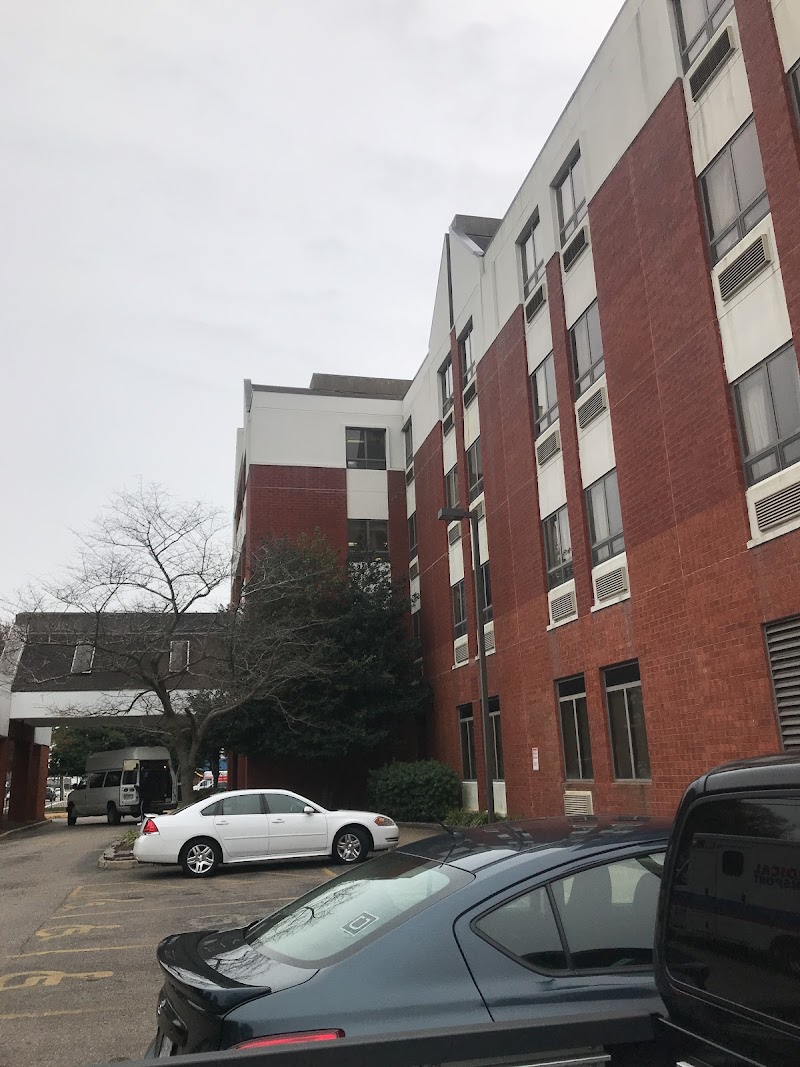
Who Owns and Operates Norfolk Center?

NORFOLK HEALTH AND REHABILITATION CENTER is owned by a for-profit company. For-profit facilities operate as businesses with obligations to shareholders or private owners. The facility is operated by LIFEWORKS REHAB, a chain that manages multiple nursing homes. With 180 certified beds and approximately 168 residents (about 93% occupancy), it is a mid-sized facility located in NORFOLK, Virginia.

How Does Norfolk Center Compare to Other Virginia Nursing Homes?

Compared to the 100 nursing homes in Virginia, NORFOLK HEALTH AND REHABILITATION CENTER's overall rating (1 stars) is below the state average of 3.0, staff turnover (63%) is significantly higher than the state average of 46%, and health inspection rating (2 stars) is below the national benchmark.

What Should Families Ask When Visiting Norfolk Center?

Based on this facility's data, families visiting should ask: "How do you ensure continuity of care given staff turnover, and what is your staff retention strategy?" "Can you walk me through typical staffing levels on day, evening, and night shifts?" "Can I visit during a mealtime to observe dining assistance and food quality?" "How do you handle medical emergencies, and what is your hospital transfer rate?" These questions are particularly relevant given the facility's high staff turnover rate and the below-average staffing rating.

Is Norfolk Center Safe?

Based on CMS inspection data, NORFOLK HEALTH AND REHABILITATION CENTER has a clean safety record: no substantiated abuse findings (meaning no confirmed cases of resident harm), no Immediate Jeopardy citations (the most serious violation level indicating risk of serious injury or death), and is not on the Special Focus Facility watch list (a federal program monitoring the lowest-performing 1% of nursing homes). The facility has a 1-star overall rating and ranks #100 of 100 nursing homes in Virginia. While no facility is perfect, families should still ask about staff-to-resident ratios and recent inspection results during their visit.

Do Nurses at Norfolk Center Stick Around?

Staff turnover at NORFOLK HEALTH AND REHABILITATION CENTER is high. At 63%, the facility is 17 percentage points above the Virginia average of 46%. Registered Nurse turnover is particularly concerning at 59%. RNs handle complex medical decisions and coordinate care — frequent RN changes can directly impact care quality. High turnover means new staff may not know residents' individual needs, medications, or preferences. It can also be disorienting for residents, especially those with dementia who rely on familiar faces. Families should ask: What is causing the turnover? What retention programs are in place? How do you ensure care continuity during staff transitions?

Was Norfolk Center Ever Fined?

NORFOLK HEALTH AND REHABILITATION CENTER has been fined $21,060 across 1 penalty action. This is below the Virginia average of $33,289. While any fine indicates a compliance issue, fines under $50,000 are relatively common and typically reflect isolated problems that were subsequently corrected. Families should ask what specific issues led to these fines and confirm they've been resolved.

Is Norfolk Center on Any Federal Watch List?

NORFOLK HEALTH AND REHABILITATION CENTER is not on any federal watch list. The most significant is the Special Focus Facility (SFF) program, which identifies the bottom 1% of nursing homes nationally based on persistent, serious quality problems. Not being on this list means the facility has avoided the pattern of deficiencies that triggers enhanced federal oversight. This is a positive indicator, though families should still review the facility's inspection history directly.