NORVIEW HEIGHTS REHABILITATION AND NURSING
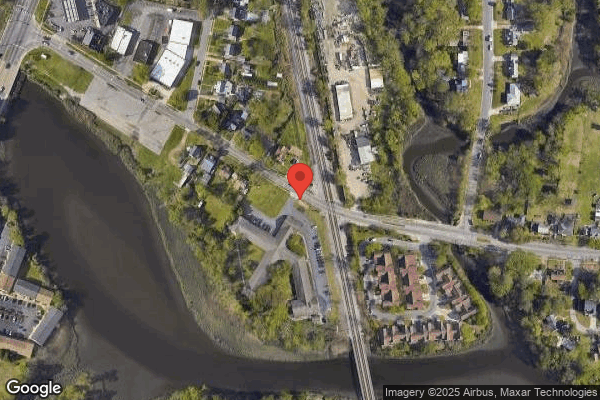
827 NORVIEW AVENUE, NORFOLK, VA 23509 (757) 853-6281
For profit - Corporation 60 Beds EASTERN HEALTHCARE GROUP Data: November 2025
Trust Grade
40/100
#207 of 285 in VA
Last Inspection: October 2021

Over 2 years since last inspection. Current conditions may differ from available data.

Overview

Norview Heights Rehabilitation and Nursing has a Trust Grade of D, which means it is below average and has some concerning issues. It ranks #207 out of 285 nursing homes in Virginia, placing it in the bottom half of facilities statewide, and #5 out of 8 in Norfolk City County, indicating limited better local options. The facility is showing improvement, with issues decreasing from four in 2023 to just one in 2024. However, staffing is notably poor, rated at 1 out of 5 stars with a turnover rate of 66%, significantly higher than the state average of 48%. While there have been no fines, which is a positive aspect, there are concerns about RN coverage, which is less than 90% of Virginia facilities, potentially leaving residents at risk for unnoticed health issues. Specific incidents of concern include a failure to ensure a resident received the necessary assistance for transfers, which resulted in a fall and injury, and the administration of expired insulin to another resident without informing them or their family. Additionally, the facility has been noted for not keeping the garbage containers closed, which could pose health risks. Overall, while there are some strengths, such as the lack of fines, the high turnover and specific care issues raise significant concerns for families considering this facility for their loved ones.

Trust Score
D
40/100
In Virginia
#207/285
Bottom 28%
Safety Record
Moderate
Needs review
Inspections
Getting Better
4 → 1 violations
Staff Stability
⚠ Watch
66% turnover. Above average. Higher turnover means staff may not know residents' routines.
Penalties
✓ Good
No fines on record. Clean compliance history, better than most Virginia facilities.
Skilled Nurses
⚠ Watch
Each resident gets only 18 minutes of Registered Nurse (RN) attention daily — below average for Virginia. Fewer RN minutes means fewer trained eyes watching for problems.
Violations
⚠ Watch
46 deficiencies on record. Higher than average. Multiple issues found across inspections.
★★☆☆☆
2.0
Overall Rating
★☆☆☆☆
1.0
Staff Levels
★★★☆☆
3.0
Care Quality
★★★☆☆
3.0
Inspection Score
Stable
2023: 4 issues
2024: 1 issues

The Good

  • Full Sprinkler Coverage · Fire safety systems throughout facility
  • No fines on record

Facility shows strength in fire safety.

The Bad

2-Star Overall Rating

Below Virginia average (3.0)

Below average - review inspection findings carefully

Staff Turnover: 66%

20pts above Virginia avg (46%)

Frequent staff changes - ask about care continuity

Chain: EASTERN HEALTHCARE GROUP

Part of a multi-facility chain

Ask about local staffing decisions and management

Staff turnover is elevated (66%)

18 points above Virginia average of 48%

The Ugly 46 deficiencies on record

1 actual harm
Jul 2024 1 deficiency
CONCERN (D) 📢 Someone Reported This

A family member, employee, or ombudsman was alarmed enough to file a formal complaint

Potential for Harm - no one hurt, but risky conditions existed

Resident Rights (Tag F0550)

Could have caused harm · This affected 1 resident

**NOTE- TERMS IN BRACKETS HAVE BEEN EDITED TO PROTECT CONFIDENTIALITY** Based on resident interview, staff interviews, clinical record review, and review of facility documents, the facility staff fail...

Read full inspector narrative →
**NOTE- TERMS IN BRACKETS HAVE BEEN EDITED TO PROTECT CONFIDENTIALITY** Based on resident interview, staff interviews, clinical record review, and review of facility documents, the facility staff failed to ensure a resident was free from staff coercion and harassment for 1 of 2 residents (Resident #1), in the survey sample. The findings included: Resident #1 was originally admitted to the facility 6/22/23 and had not been discharged from the facility. The resident's diagnoses included Major depressive disorder, recurrent, mild, generalized anxiety disorder, borderline personality disorder, PTSD and stroke with right hemiplegia. The annual Minimum Data Set (MDS) assessment with an assessment reference date (ARD) of 5/3/24 coded the resident as completing the Brief Interview for Mental Status (BIMS) and scoring 15 out of a possible 15. This indicated Resident #1's cognitive abilities for daily decision making were intact. The active care plan had a problem dated 8/2/23 which stated the resident has an ADL self-care performance deficit related to CVA. The goal stated the resident will improve his current level of function in activities of daily living (ADL) through the review date, 8/6/24. The interventions included the resident is totally dependent on staff to provide bath/shower as necessary. The resident requires contact guard assist by staff to turn and reposition in bed as necessary. The resident is totally dependent on staff for dressing. The resident requires extensive assist to maximize independence with personal hygiene and oral care. The resident is totally dependent on staff for toilet use and the resident requires contact guard assist by staff for transferring. On 7/15/24 at approximately 6:27 PM an interview was conducted with Resident #1 upon the resident's request. The resident was observed to be extremely restless, shifting his body greatly, speaking rapidly and forcefully as he described his experiences regarding harassment by the some of the facility's staff. The resident stated Licensed Practical Nurse (LPN) #1 belittled him (talked about his inability to provide specific services for himself as a negative deficit) in the corridor where other residents and visitors could hear her. The resident stated the administrative staff separated LPN #1 from employment within the facility. Resident #1 stated LPN #1 currently had a daughter (Certified Nursing Assistant (CNA) #2 who is employed in the facility and the daughter continuously does things to coerce him to react. Resident #1 stated CNA #2 is not assigned to provide care to him anyone because he made a [NAME] not to have her assigned to him and it was honored. Resident #1 stated CNA #2 made remarks about him such as he was having frequent incontinence episodes so staff would have to provide incontinence care for him because he enjoys it sexually, he had threatened her, he had a gun in the facility, and she filed a criminal complaint against him. Resident #1 also stated that on 6/11/24 the Administrator had his room deep cleaned, which included removing all his personal effects from the room for cleaning and then called the facility staff had the police to take him from the facility to the hospital for a mental evaluation. The resident stated the hospital transfer made it impossible for him to secure his personal effects so others could not take them. The resident also stated he was discharged back to the facility at approximately 10:00 PM with no identified findings concerning his mental health and no new medications. The resident stated after an inventory many of his personal items were identified as missing and the facility's staff failed to take responsibility for them. Resident #1 stated that the Administrator had consistently made attempts to discharge him from the facility first for non-payment and once his spouse obtained the Medicaid benefits, the Administrator issued another discharge to him dated 6/14/24 to a local hotel for which the facility was to pay for two days. The 6/14/24 discharge notice stated the reason for the discharge was to maintain safety for other residents in the facility. Resident #1 stated the Administrator did not expound on how he was endangering other individuals in the facility. An interview was conducted with CNA #1 on 7/16/24 at 1:16 PM. CNA #1 stated she had not observed Resident #1 with alcohol, marijuana, or a gun in the facility but, she had overheard other staff talking about the resident having a gun in his room. An interview was conducted with CNA #2 on 7/16/24 at 1:29 PM. CNA #2 began crying when asked if she felt safe while working in the facility. CNA #2 stated she did not feel safe because Resident #1 harasses her every day by makes dog sounds when he sees her, talks about gang members, puts his middle finger up when he sees her coming in to work, and talks about suiting her. CNA #2 stated she obtained a restraining order against the resident because she fears he may stand and grab her and break her neck or his spouse may have a gun in the large bags she brings into the facility. CNA #2 concluded with she felt Resident #1 had a personal vendetta against her. A review of CNA #2's educational records revealed that she had not been educated on dealing with residents with disruptive or challenging behaviors. An interview was conducted with the Staff Development Coordinator who stated CNA #2 had not received the in-service on working with residents with disruptive or challenging behaviors because it had not been offered since she was hired but it is due to be offered soon. An interview was conducted with CNA #3 on 7/16/24 at 1:44 PM. CNA #3 stated Resident #1 became angry because an LPN talked about his disability in the presence of others. CNA #3 stated she had recognized a change in the resident's behavior since the incident, approximately June 2024. CNA #3 stated going outside to smoke calms the resident down. CNA #3 stated if there was a gun in the resident's room they would have seen it by now as often as the staff goes in and out of his personal belongings. An interview was conducted with Licensed Practical Nurse (LPN) #2 on 7/16/24 at approximately 2:16 PM. LPN #2 stated Resident #1 stated he was going to purchase a gun and send it to his wife and some staff felt it was possible she would bring it to the resident. LPN #2 stated that LPN #1 and Resident #1 were cordial at first for she had been his nurse for a while, and she believes the resident felt disrespected by LPN #1 and ever since the event occurred Resident #1 had displayed an increase in negative behaviors. LPN #2 stated she had not observed a gun in the resident's room. On 7/17/24 a final interview was conducted with the Administrator, Director of Nursing (DON), Staff Development Coordinator, Unit Manager, and Regional Director of Nursing. The Administrator stated she asked CNA #2 on 7/16/24 not to obtain another restraining order against Resident #1 and she felt going forward they would be capable of developing strategies for working with the resident to achieve his goals.
Oct 2023 4 deficiencies
CONCERN (D) 📢 Someone Reported This

A family member, employee, or ombudsman was alarmed enough to file a formal complaint

Potential for Harm - no one hurt, but risky conditions existed

Deficiency F0760 (Tag F0760)

Could have caused harm · This affected 1 resident

**NOTE- TERMS IN BRACKETS HAVE BEEN EDITED TO PROTECT CONFIDENTIALITY** Based on resident interview, staff interviews, clinical record review, and facility document review, the facility staff failed t...

Read full inspector narrative →
**NOTE- TERMS IN BRACKETS HAVE BEEN EDITED TO PROTECT CONFIDENTIALITY** Based on resident interview, staff interviews, clinical record review, and facility document review, the facility staff failed to ensure a Resident was administered the correct insulin for 1 of 3 residents (Resident #1) in the survey sample. The findings included: Resident #1 was originally admitted to the nursing facility on 07/10/21. Diagnoses for Resident #1 included but not limited to Quadriplegia and Type II Diabetes. For Resident #1, the facility staff failed to ensure he received the correct insulin. Resident #1 was originally admitted to the nursing facility on 07/10/21. Diagnosis for Resident #1 included but was not limited to Quadriplegia and Type II Diabetes. The Minimum Data Set (MDS - an assessment protocol) a quarterly assessment with an Assessment Reference Date (ARD) of 07/18/23 coded Resident #1 with a 15 out of a possible score of 15 on the Brief Interview for Mental Status (BIMS), indicating no cognitive impairment. The MDS coded Resident #1 total dependence of two with bathing and toilet use, total dependence of one with personal hygiene, extensive assistance of two with bed mobility and transfer, extensive assistance of one with dressing and supervision with eating for Activities of Daily Living (ADL) care. Resident #1's person-centered care plan revised on 10/10/2023 identified the resident as having Diabetes Mellitus. The goal set for the resident by the staff was that the resident would have no complications. One of the interventions included giving diabetic medication as ordered by the physician. Monitor and document for side effects and effectiveness. According to the April 2023 Physicians Order Summary (POS), Resident #1 was ordered to be administered 10 units of Humalog/Lispro (short-acting) insulin before each meal. A review of the April 2023 Medication Administration Record (MAR) indicated that Resident #1 was ordered and used Humalog/Lispro 10 units subcutaneously (subq) before meals at 6:30 AM, 11:30 AM, and 4:30 p.m. Resident #1 was also on a sliding scale of Humalog/Lispro per the sliding scale with an order date of 3/24/23 which indicated the following: 0 - 149 = 0 units; 150 - 200 = 6 units; 201 - 250 = 8 units; 251 - 300 = 10 units; 301 - 350 = 12 units; 351 - 400 = 14 units; 401 - 450 = 16 units call Physician if blood glucose level above 401 subq before meals and at bedtime. Also, according to the April 2023 POS Resident #1 was ordered to be administered Lantus (long-acting) insulin 45 units once daily at 9:00 AM. A review of the April 2023 MAR indicated that Resident #1 was ordered and used Lantus Insulin 45 units subq once a day at 9:00 a.m. and 10 units of Lantus insulin subq at 9:00 p.m. On 4/10/2023, Resident #1 should have received 45 units of Lantus Insulin at 9:00 AM, but instead was injected with 45 units of Humalog/Lispro insulin. A review of the MAR/Medication Administration Record showed the following Blood Sugar readings on 4/10/23: 10:15 AM, BS (Blood Sugar)=285, 10:30 AM=285, 10:45 AM=169, 11:00 AM=172, 11:30 AM=124, 12:00 PM=171, 12:30 PM=207, 1:00 PM=191. The BS reading ranged from 124-285 throughout the day. An interview was conducted with Resident #1 on 10/11/23 at 12:30 p.m. He said that he was given incorrect medication by a nurse. He said that LPN #1 came back to him saying she had injected him with 45 units of Humalog (Short-acting Insulin) instead of 45 units of Lantus (Long-acting Insulin). He said if he had not eaten a high-carbohydrate (carb) meal last night he might have gotten worse. On 10/10/23 at approximately 1:30 PM., an interview was conducted with Licensed Practical Nurse (LPN) #1 concerning insulin. The LPN said that she gave Resident #1 Humalog (Short Acting Insulin) instead of Lantus (Long-Acting Insulin). The LPN also said that she immediately contacted the NP (Nurse Practitioner) and was given orders to give resident OJ (Orange Juice) multiple times at the bedside and frequent blood sugar checks. LPN #1 said the order received from the NP was 15 minutes for an hour twice for 30 minutes then every hour. Resident #1's BS/Blood Sugar did not drop below 100. A nurse's note dated 4/10/23 at 1:12 PM read the following: Upon coming back to the medication cart, I noticed only short-acting insulin was put away, I then realized the patient had received short-acting insulin 45 units. I went to the Director of Nursing (DON) looking for the Nurse Practitioner (NP). When I found the NP, I told her that the resident received 45 units of short-acting insulin instead of long-acting insulin. I received a verbal order to check the pt (patient) every 15 mins for 1 hour and to educate pt on hypoglycemia and if any changes and if pt isn't feeling well to let the nurse know. I informed the resident while at bedside I would be checking him for 1 hour every 15 min, then every 30 for the next 4 hours. Noted BS (Blood Sugar) 285 skin warm to the touch and dry. A nurse's note dated 4/10/23 at 1:00 PM, read the following: He is seen today after nursing reported giving patient the wrong dose of Humalog. Pt was given 45 units of short-acting Humalog by mistake. This is his normal Lantus dose. Pt has an implanted blood sugar monitoring device. Check and document blood sugar Q15 x4 and then Q30 x4 Give patient a snack. A review of the incident report dated 4/10/23 at 10:00 AM., showed that Resident #1 was alert, oriented to place, time, person, and situation, and was not taken to the hospital after receiving the wrong insulin, Humalog short-acting 45 units at 9:00 a.m. On 10/11/23 at approximately 10:55 AM., an interview was conducted with the DON concerning Resident #1. The DON said, I was at the facility working when the LPN came to me and said that she made a mistake. The Nurse Practitioner (NP) was already in the building at the time. The NP gave guidance to monitor the resident's cognitive status, blood sugars, give orange juice, and record the blood sugar readings as ordered. I was not aware of the resident's blood sugar levels dropping below 200 points in three hours. The DON further stated, This incident happened in April of 2023. He wears a glucose device and uses a Dexacom to provide blood sugar readings. The resident would not allow the LPN to administer medications to him after the insulin mix-up incident. We would have to get a nurse from another team to administer the insulin. If the other nurse is busy, I would administer the Resident's medications. During the survey from 10/10/23-10/12/23 several additional residents including Resident #1 were observed administering insulin by the licensed nurses. No errors were observed. On 10/12/23 at approximately 4:15 p.m., the above findings were shared with the Administrator, Director of Nursing and Corporate Consultant. An opportunity was offered to the facility's staff to present additional information but no additional information was provided. Humalog® ([NAME]-ma-log) and Insulin Lispro Injection are fast-acting insulins used to control high blood sugar in adults and children with diabetesv ( https://www.humalog.com/). Prescription LANTUS is a long-acting man-made-insulin used to control high blood sugar in adults and children with diabetes mellitus. LANTUS is not for use to treat diabetic ketoacidosis ( https://www.lantus.com/).
CONCERN (D) 📢 Someone Reported This

A family member, employee, or ombudsman was alarmed enough to file a formal complaint

Potential for Harm - no one hurt, but risky conditions existed

Deficiency F0761 (Tag F0761)

Could have caused harm · This affected 1 resident

**NOTE- TERMS IN BRACKETS HAVE BEEN EDITED TO PROTECT CONFIDENTIALITY** Based on the facility's medication storage review of 1 medication cart and 1 medication room; the facility staff failed to ensur...

Read full inspector narrative →
**NOTE- TERMS IN BRACKETS HAVE BEEN EDITED TO PROTECT CONFIDENTIALITY** Based on the facility's medication storage review of 1 medication cart and 1 medication room; the facility staff failed to ensure expired insulin was discarded after the use by date (28 days) and that they predated 2 vials of insulin before use. The findings included; On [DATE] at approximately 3:35 PM a medication cart audit was conducted with Registered Nurse (RN) #4 on the Skilled unit. Stored inside of the medication cart were two unopened bottles of predated Lantus Insulin, one predated unopened Lantus Insulin Pen and one opened bottle of expired, beyond the 28-day usage insulin that had been administered to a resident. RN #4 said that she would usually date the insulin as they are delivered by pharmacy to the unit. The Unit Manager (UM) Registered Nurse (RN) #1 was observing RN #4 said that the insulin should not be predated until it's opened and the expired insulin should be off the cart and a new bottle ordered. [DATE] at approximately 4:15 PM., the above findings were shared with the Administrator, the Director of Nursing (DON) and Corporate Consultant. The DON said that insulin vials and pens should not be predated before initial use and expired insulin removed off the cart and discarded.
CONCERN (E) 📢 Someone Reported This

A family member, employee, or ombudsman was alarmed enough to file a formal complaint

Potential for Harm - no one hurt, but risky conditions existed

Notification of Changes (Tag F0580)

Could have caused harm · This affected multiple residents

**NOTE- TERMS IN BRACKETS HAVE BEEN EDITED TO PROTECT CONFIDENTIALITY** Based on observation, staff interview, facility documentation review, the facility staff failed to inform the Resident and the r...

Read full inspector narrative →
**NOTE- TERMS IN BRACKETS HAVE BEEN EDITED TO PROTECT CONFIDENTIALITY** Based on observation, staff interview, facility documentation review, the facility staff failed to inform the Resident and the resident's representative of the administration of expired insulin for 1 of 3 residents (Resident #2) in the survey sample. The findings include: The facility staff notify Resident #2 and her family that she was administered expired Insulin Lispro. Resident #2 was originally admitted to the facility [DATE] and readmitted [DATE] after an acute care hospital stay. The current diagnoses included Type 2 Diabetes Mellitus. The quarterly, Minimum Data Set (MDS) assessment with an assessment reference date (ARD) of [DATE] coded the resident as completing the Brief Interview for Mental Status (BIMS) and scoring 9 out of a possible 15. This indicated Resident #2 cognitive abilities for daily decision making were moderately impaired. In sectionG(Physical functioning) the resident was coded as requiring extensive assistance of one person with bed mobility, transfers, locomotion, dressing, eating, toileting, personal hygiene, requires physical assistance of one person with bathing, supervision after set-up help with eating. Resident #2's person-centered care plan revised on [DATE] identified the resident as having Diabetes Mellitus. The goal for resident was that he would have no complications related to diabetes through the review date. An intervention that the staff used to accomplish this goal was to administer Diabetes medication as ordered by the doctor, monitor, document for side effects and effectiveness. The current Physician Order Sheet (POS) for [DATE] read: HumaLOG Injection Solution 100 UNIT/ML (Insulin Lispro) inject as per sliding scale: if 150 - 199 = 2 UNITS; 200 - 249 = 4 UNITS; 250 - 299 = 6 UNITS. Inject 1-6 units beneath the skin 4 times a day subcutaneously before meals and at bedtime for diabetes 11:30 AM., 4:30 PM., 10:00 PM -Start Date [DATE], 4:30 PM. The August, September and [DATE] MAR/Medication Administration Record reflected the current POS orders for HumaLOG Injection Solution 100 UNIT/ML (Insulin Lispro) and that all doses of Insulin Lispro/HumaLOG were administered. On [DATE] at approximately 3:35 PM.,a cart audit was conducted with RN/Registered Nurse #4 on the skilled unit. An opened bottle of Lispro Insulin was observed with an opened date of [DATE] with an expiration date of [DATE], which was beyond the 28-day of usage. She said that Resident #2 was still receiving the insulin. The Unit Manager (UM) Registered Nurse (RN) #1 who was observing RN #4 said that the insulin the resident was receiving should be off the cart and a new bottle ordered. A review of the MAR for September and [DATE] show that Resident #2 was receiving the expired Lispro 100 units/ml., which should have been discarded by [DATE] but was continued to be administered until [DATE]. On [DATE] at approximately 12:45 PM., an interview was conducted with Resident #2. She said, No one mentioned anything to me about receiving expired insulin yesterday or today. On [DATE] at approximately 12:55 PM., a phone call was made to Resident #2's daughter/Emergency contact #1 concerning notification of expired Lispro insulin. She stated she had not received any phone calls from the facility regarding her loved one receiving expired insulin but wanted me to contact Resident's other daughter. On [DATE] at approximately 2:15 PM., a phone call was made to Resident #2's daughter/Emergency contact #2. She stated that she just received a phone call around 2:00 PM on [DATE] from a nurse explaining that her loved one received expired insulin. On [DATE] at approximately 3:00 PM while waiting for Registered Nurse (RN) #4 to be interviewed concerning expired insulin, the DON said that the RN was not feeling well. On [DATE] at approximately 4:15 PM., the above findings were shared with the Administrator, the Director of Nursing (DON) and Corporate Consultant. The DON said that she should have written an incident report, notified the family, and discarded the expired insulin. An opportunity was offered to present additional information but no additional information was provided. Insulin Lispro injection products are used to treat type 2 diabetes (condition in which the body does not produce insulin and therefore cannot control the amount of sugar in the blood). Opened insulin Lispro solution (Admelog, Humalog) cartridges and pens may be stored at room temperature for up to 28 days; do not refrigerate them. Opened pens containing Humalog 50/50 or Humalog 75/25 may be stored at room temperature for up to 10 days; do not refrigerate them. Opened insulin Lispro solution pens can be stored at room temperature for up to 28 days (https://medlineplus.gov/druginfo/meds/a697021.html).
CONCERN (E) 📢 Someone Reported This

A family member, employee, or ombudsman was alarmed enough to file a formal complaint

Potential for Harm - no one hurt, but risky conditions existed

Quality of Care (Tag F0684)

Could have caused harm · This affected multiple residents

Based on resident interview, staff interviews, clinical record review, and facility document review, the facility staff failed to provide routine wound care treatments for 1 of 3 residents (Resident #...

Read full inspector narrative →
Based on resident interview, staff interviews, clinical record review, and facility document review, the facility staff failed to provide routine wound care treatments for 1 of 3 residents (Resident #1) in the survey sample. The findings included: Resident #1 was originally admitted to the nursing facility on 07/10/21. Diagnosis for Resident #1 included but not limited to Quadriplegia, Type II Diabetes, Transmetatarsal Amputation (TMA - removal of toes) to the left and right foot, and morbid obesity. The Minimum Data Set (MDS - an assessment protocol) a quarterly assessment with an Assessment Reference Date (ARD) of 07/18/23 coded Resident #1 with a 15 out of a possible score of 15 on the Brief Interview for Mental Status (BIMS), indicating no cognitive impairment. The MDS coded Resident #1 total dependence of two with bathing and toilet use, total dependence of one with personal hygiene, extensive assistance of two with bed mobility and transfer, extensive assistance of one with dressing and supervision with eating for Activities of Daily Living (ADL) care. Resident #1's person-centered care plan revised on 10/10/2023 identified the resident has actual impairment to left medial TMA and right plantar foot. The goal set for the resident by the staff was that the resident would have no complications related to (r/t) surgical vascular wound of the right foot. Some of the interventions/approaches the staff would use to accomplish this goal was to follow facility protocols for treatment of injury, goes out to doctor for lower leg wounds, encourage good nutrition and hydration to promote healthier skin and weekly treatment documentation to include measurement of each area of skin breakdown's width, length, depth, type of tissue and exudate and any other notable changes or observations. An interview was conducted with Resident #1 on 10/11/23 at 10:00 a.m. He stated he did not receive wound care treatment to his feet from 07/05/23 until he was seen at the wound clinic on 07/11/23. On 10/11/23 at approximately 12:46 p.m., an interview was conducted with the Nurse Practitioner (NP). She stated she assessed Resident #1's vascular wound to his feet on 06/21/23. She stated the Resident #1's were being followed by the wound clinic. Resident #1 had agreed to allow the facility to take over wound care services to his feet on a 30-day trial basis. The NP stated she spoke with Resident #1 on 07/05/23 and was informed by the resident he no longer wanted the facility to care for the wound to his feet and would be going back to (name of wound clinic). She stated she signed off on the same day, rendering services back to the wound clinic. She stated Resident #1 did not allow her to assess his wounds to his feet on that day (07/05/23). She stated she never gave orders to discontinue wound care treatment. A review of Resident #1's Treatment Administration Record (TAR) for June 2023 revealed the following orders to be started on 06/21/23. -Left plantar 5th toe - apply collagen AG and foam dressing every night shift for wound healing. -Right plantar foot - apply carboxymethylecellulose (CMC) fiber, cover with ABD pad and wrap with kling every night shift. -Left dorsal foot - apply skin prep two times a day for wound healing. The June 2023 Treatment Administration Record (TAR) revealed the above wound care orders were implemented from 6/21/23 to 7/4/23, and discontinued on 07/05/23. Further review of the TAR revealed there were no additional orders put in place until 07/11/23. Based on the TAR, Resident #1 went six (6) days without having wound care treatments to his left plantar 5th toe, right plantar foot and left dorsal foot. An interview was conducted with Registered Nurse (RN) #1 on 10/11/23 at 2:08 p.m. She stated she discontinued wound care orders to Resident #1's feet on 07/05/23, but only after the NP had informed her that she would no longer be following the wounds to Resident #1's feet. She stated she thought Resident #1 still had active wound care orders that were previously ordered by the wound clinic. She stated she did not realize Resident #1 did not have an active wound care order from 07/05/23 to 07/11/23 until she reviewed Resident #1's TAR on 10/11/23. She stated according to the July 2023 TAR, Resident #1 missed receiving wound care treatment to his feet for six (6) days. A review of Resident #1's clinical record revealed a progress note written by (name of wound clinic) on 10/21/22 where the note indicated a skin graft had been done on the left dorsal foot. The documentation did not give a description of the wound prior to or after the wound graft was performed. Further review of the clinical indicated a skin graft had been to the same area (left dorsal foot) on 07/11/23. A final meeting was held with the Administrator, Director of Nursing (DON), and Regional Director of Clinical Services on 07/21/23. The DON stated Resident #1 should have had wound care treatments to the feet in place from 07/05/23-07/11/23. The facility policy titled Wound Treatment Management revised on 12/01/22. It is the facility's policy to promote wound healing of various types of wounds, it is the policy of this facility to provide evidence-based treatments in accordance with current standards of practice and physician orders. Policy Explanation and Compliance Guidelines: 1. Wounds treatments will be provided in accordance with physician orders, including the cleansing method, type of dressing, and frequency of dressing change. 2. In the absence of treatments orders, the license will notify physician to obtain treatment orders. This may be the treatment nurse, or the assigned licensed nurse in the absence of the treatment nurse.
Oct 2021 11 deficiencies
CONCERN (D)

Potential for Harm - no one hurt, but risky conditions existed

Deficiency F0552 (Tag F0552)

Could have caused harm · This affected 1 resident

**NOTE- TERMS IN BRACKETS HAVE BEEN EDITED TO PROTECT CONFIDENTIALITY** The facility staff failed to ensure one resident (Resident #6) in the survey sample of twenty four residents was allowed the opp...

Read full inspector narrative →
**NOTE- TERMS IN BRACKETS HAVE BEEN EDITED TO PROTECT CONFIDENTIALITY** The facility staff failed to ensure one resident (Resident #6) in the survey sample of twenty four residents was allowed the opportunity to formulate an Advance Directive. The Findings included: Resident #6 was admitted to the facility on [DATE] with diagnoses which included diabetes, end stage renal disease, failure to thrive, chronic kidney disease, congestive heart failure, hypertension, and a history of sepsis. The facility staff failed to assist Resident #6 with formulating an Advance Directive. A Quarterly Minimum Data Set (MDS) dated [DATE] assessed this resident in the area of Cognitive Patterns (Brief Interview for Mental Status) BIMS as a 9. A Care Plan dated 10/26/21 indicated that this resident received dialysis services. A facility form dated 09/03/2021 indicated: Advance Care Planning Tracking Form - residents/patients and or their responsible health care decision makers should be provided the opportunity to discuss advance care planning with appropriate staff members and medical providers within the first few days of admission to the facility, at the times of change in condition, and periodically for routine updating of care plans. During an interview on 10/30/21 at 2:30 P.M. with the facility Social Worker, she was asked if Resident #6 had formulated an Advance Directive. The social worker stated no, and presented the Advance Care Planning Tracking form dated 09/03/2021. When asked for evidence that Resident #6 was provided the opportunity to formulate an Advance Directive, the social worker stated she did not have any other proof. A facility policy dated December 2016 indicated: Advance Directives- Policy Statement Advance directives will be respected in accordance with state law and facility policy. Policy Interpretation and Implementation 1. Upon admission, the resident will be provided with written information concerning the right to refuse or accept medical or surgical treatment and to formulate an advance directive if he or she chooses to do so.
CONCERN (D)

Potential for Harm - no one hurt, but risky conditions existed

Deficiency F0582 (Tag F0582)

Could have caused harm · This affected 1 resident

**NOTE- TERMS IN BRACKETS HAVE BEEN EDITED TO PROTECT CONFIDENTIALITY** Based on a medical record review, facility document review and staff interviews the facility staff failed to ensure a Notice of ...

Read full inspector narrative →
**NOTE- TERMS IN BRACKETS HAVE BEEN EDITED TO PROTECT CONFIDENTIALITY** Based on a medical record review, facility document review and staff interviews the facility staff failed to ensure a Notice of Medicare Non-Coverage was given timely prior to the last covered skilled day of 1/14/21 for one of 24 residents in the survey sample, Resident #20. The findings included: Resident #20 was admitted to the facility on [DATE] and readmitted on [DATE] with diagnoses to include but not limited to; Viral Hepatitis and Epilepsy unspecified. Resident #20's Notice of Medicare Non-Coverage (NOMNC) document with Skilled Nursing Services ending on 1/14/21 was reviewed and is documented as follows: I have been notified that coverage of my services will end on the effective date indicated on this notice and that I may appeal this decision by contacting my QIO (Quality Improvement Organization). The SNF (Skilled Nursing Facility) ABN (Advanced Beneficiary Notice) form CMS-10055 was not provided to the resident due to an oversight. Written on the signature line for patient or representative was the following: POA notified of OT (occupational Therapy) ending. Dated: 1/12/21. On 10/27/21 at approximately 3:10 PM an interview was conducted with the Facility's Social Worker. She stated. The ABN should have been done because Resident #20 was in long term care. On 10/28/21 at approximately 4:25 p.m., the above findings were shared with the Administrator and Corporate Consultant. An opportunity was offered to the facility's staff to present additional information but no additional information was provided.
CONCERN (D)

Potential for Harm - no one hurt, but risky conditions existed

Deficiency F0625 (Tag F0625)

Could have caused harm · This affected 1 resident

**NOTE- TERMS IN BRACKETS HAVE BEEN EDITED TO PROTECT CONFIDENTIALITY** The facility staff failed to provide one resident (Resident #22) in the survey sample of twenty four residents with a Bed Hold P...

Read full inspector narrative →
**NOTE- TERMS IN BRACKETS HAVE BEEN EDITED TO PROTECT CONFIDENTIALITY** The facility staff failed to provide one resident (Resident #22) in the survey sample of twenty four residents with a Bed Hold Policy upon discharge to the hospital. The findings included: Resident #22 was admitted to the facility on [DATE] with diagnoses which included type II diabetes, angina, hypertension, deep vein thrombosis, and cocaine/alcohol dependence. Resident #22 was discharged to the hospital on [DATE]. He was not provided with a bed hold policy. A nursing note dated 09/29/21 indicated: Resident had a fall oob (out of bed) and evaluation of right groin surgical incision - due to increased swelling with purulent drainage. Resident sent to the hospital. A review of the clinical records did not indicate a Bed Hold Policy was provided upon discharge. During an interview on 10/29/21 at 11:15 A.M. with the Social Worker she was asked if Resident #22 received a bed hold policy/notice upon discharge to the hospital. The social worker stated, no. A Bed Hold Policy was requested during the survey but no policy was provided.
CONCERN (D)

Potential for Harm - no one hurt, but risky conditions existed

Quality of Care (Tag F0684)

Could have caused harm · This affected 1 resident

**NOTE- TERMS IN BRACKETS HAVE BEEN EDITED TO PROTECT CONFIDENTIALITY** Based on observation, resident interview, staff interview, clinical record review, and review of facility documents, the facilit...

Read full inspector narrative →
**NOTE- TERMS IN BRACKETS HAVE BEEN EDITED TO PROTECT CONFIDENTIALITY** Based on observation, resident interview, staff interview, clinical record review, and review of facility documents, the facility's staff failed to monitor daily weights and Blood Sugar checks per physician's orders for 1 of 24 residents (Resident #15), in the survey sample. The findings included: Resident #15 was originally admitted to the facility on [DATE] and readmitted on [DATE] after an acute care hospital stay. The current diagnoses included; Type 2 Diabetes Mellitus without Complications, Moderate Protein Calorie Malnutrition and Dysphagia, Oropharyngeal Phase. The Quarterly, Minimum Data Set (MDS) assessment with an assessment reference date (ARD) of 10/05/2021 coded the resident as completing the Brief Interview for Mental Status (BIMS) and scoring 15 out of a possible 15. This indicated Resident #15 cognitive abilities for daily decision making were intact. In section G(Physical functioning) the resident was coded as requiring limited assistance of two persons for bed mobility, transfers and dressing. Requiring extensive assistance with eating and toileting. Requires supervision with personal hygiene. The Care plan dated 7/28/21 reads: Resident has a history of Diabetes Mellitus. Goal: Resident will have no complication through the review date. Interventions: Fasting serum blood sugar as ordered by the doctor. The Care plan dated 10/21/21 reads: Resident #15 requires tube feedings r/t (relating/to) Dysphagia and chewing problems. Goals: Resident will be free of aspiration through the review date. Interventions: Discuss with resident/family /caregivers any concerns about tube feeding. The Care plan dated 9/28/21 reads: Resident #15 has a swallowing problem r/t swallowing assessment results. Goal: The resident will maintain weight and nutritional balance through the review date. Interventions: Refer to Speech Therapist for swallowing evaluation. The October 2021 MAR (Medication Administration Record) Reads: Weekly weights every Wednesday Day shift. Start date 9/15/21 at 7:00 AM. A review of Resident's weight summary in the clinical record show that Resident #15 was weighed only on Wednesday 9/15/21. A review of the September 2021 MAR reveal on 9/22/21 that resident was weighed (111.6 lbs). No additional recorded after 9/22/21. The MAR for September was initialed by staff on 9/22/21 and 9/29/21 but no weight recordings were found in the clinical record. A review of the October 2021 MAR reveal that Resident was only weighed on 10/13/21 (118.6 lbs.) The staff initialed the MAR on 10/06/21, 10/20/21 and 10/27/21 but no weight recordings were found in the clinical record. The October 2021 POS (Physician Order Summary) reads: Weekly weighs on Wednesdays every day shift every Wednesday. Dated 9/10/21. Start date: 9/15/21. The October 2021 POS (Physician Order Summary) reads: Check BS (Blood Sugar) before meals. Dated 7/03/21. A review of the September 2021 MAR reveal that Resident #15 did not receive any Blood Sugar Checks on the following dates at 6:30 AM: 9/04/21, 9/09/21 and 9/10/21. At 11:30 AM and at 4:30 PM. No Blood Sugar Checks were conducted on 9/06/21. On 10/26/21 at approximately 12:12 PM. Resident was seen resting in bed. He stated that he receives tube feedings sometimes but is allowed to eat pureed foods. On 10/27/21 at approximately 4:10 PM an interview was conducted with Resident #15 concerning his weight. He stated. If I eat more than 50% of my meals I don't get any tube feedings. They check my weight sometimes. My appetite is pretty good. On 10/28/21 at approximately 2:25 PM an interview was conducted with RN (Registered Nurse) #1. Concerning Resident #15 weights and Blood Sugar checks. She stated. We have issues with our scales. He should have receive weekly weights. The resident was here so he should have received blood sugar checks. On 10/28/21 at approximately 4:25 p.m., the above findings were shared with the Administrator and Corporate Consultant. An opportunity was offered to the facility's staff to present additional information but no additional information was provided.
CONCERN (D)

Potential for Harm - no one hurt, but risky conditions existed

Accident Prevention (Tag F0689)

Could have caused harm · This affected 1 resident

**NOTE- TERMS IN BRACKETS HAVE BEEN EDITED TO PROTECT CONFIDENTIALITY** Based on observation, resident interview, staff interview, clinical record review, and review of facility documents, the facilit...

Read full inspector narrative →
**NOTE- TERMS IN BRACKETS HAVE BEEN EDITED TO PROTECT CONFIDENTIALITY** Based on observation, resident interview, staff interview, clinical record review, and review of facility documents, the facility's staff failed to monitor one resident after sustaining an injury after falling by obtaining neurological checks. For 1 of 24 residents (Resident #16), in the survey sample. The findings included: Resident #16 was originally admitted to the facility on [DATE] after an acute care hospital stay. The resident has never been discharged from the facility. The current diagnoses included; Cerebral Infarction Unspecified and Muscle weakness. The admissions Minimum Data Set (MDS) assessment with an assessment reference date (ARD) of 10/13/2021 coded the resident as completing the Brief Interview for Mental Status (BIMS) and scoring 13 out of a possible 15. This indicated Resident #16 cognitive abilities for daily decision making were intact. In section G(Physical functioning) the resident was coded as requiring extensive assistance of one person for bed mobility, transfers, dressing, eating and personal hygiene. Requiring total assistance with toileting. The care plan dated 10/27/21 reads: Resident #16 is at risk for falls r/t (related/to) Incontinence, Hemiplegia, Seizure, Medications and history of CVA (Cerebral Vascular Accident). Goal: The resident will not sustain serious injury through the review date (12/27/21). Interventions: Every 1 hour checks, Follow facility fall protocol (10/27/21). During the initial tour on 10/26/21 at approximately 11:55 AM., Resident #16 stated that he fell recently injuring his right inner eye and had another fall scratching his left elbow. (An area on Resident's left elbow was observed by the said surveyor. Appears to be healed). A review of the progress notes dated 10/15/21 at 11:07 PM., Reads: Resident found on floor in room. Patient was face up and had skin tear to right elbow. Vital signs were taken. Small reddened area noted under the right eye. Arm was cleaned and bandage applied. MD was notified and wife was called and a message was left. On 10/28/21 at approximately 2:10 PM RN (Registered Nurse/Unit Manager) #1 was asked to provide neuro checks (Neurological Checks) documentation for Resident #16. On 10/28/21 at approximately 2:15 Pm., an interview was conducted with RN #1 concerning Resident #16 neuro checks documentation concerning fall with an injury sustained on 10/15/21. She stated. No neuro checks were not done. He should have had them done. Neuro checks are done initially then every 15 minutes x 4, then every 30 minutes x 2. Then hourly for 4 hours then every 4 hours x 6 then every shift. We have a check list for neuro checks. Residents should have a full set of vital signs done after falling to make sure they don't have brain injury of have suffered any kind of injury after a fall. His falls occurred while he was on the quarantine unit. We have measures in place on this unit. Fall mats, frequent rounding, resident is placed next to the nurses station. On 10/2821 at approximately, 2:55 PM., RN #1 presented surveyor with The Facility's Fall Expectations Document. The document reads: Date of Incident, Time of Incident, Name of resident. Initial Risk management, Change of Condition, MD (Medical Doctor) notification, RP (Responsible Party) notification, Care Plan Update, Fall assessment, Pain assessment, Initiate neuro checks, Any Injuries, Treatment Orders if applicable. If head injury or major injury notify Unit Manager ASAP if no injury can notify in the morning. On 10/28/21 at approximately 4:25 p.m., the above findings were shared with the Administrator and Corporate Consultant. An opportunity was offered to the facility's staff to present additional information but no additional information was provided.
CONCERN (D)

Potential for Harm - no one hurt, but risky conditions existed

Incontinence Care (Tag F0690)

Could have caused harm · This affected 1 resident

Based on observation, staff interview, and clinical record review, the facility's staff failed to ensure appropriate care and services were provided to prevent/reduce trauma to the urethra and bladder...

Read full inspector narrative →
Based on observation, staff interview, and clinical record review, the facility's staff failed to ensure appropriate care and services were provided to prevent/reduce trauma to the urethra and bladder, and other complications such as pressure ulcer development while utilizing an indwelling catheter for 1 of 32 residents (Resident #8), in the survey sample. The findings included: Resident #8 was originally admitted to the facility 8/29/20 and had never been discharged from the facility. The current diagnoses included; a neurogenic bladder, urinary retention with voiding trial failures. The quarterly Minimum Data Set (MDS) assessment with an assessment reference date (ARD) of 10/11/21 coded the resident as completing the Brief Interview for Mental Status (BIMS) and scoring 15 out of a possible 15. This indicated Resident #8's cognitive abilities for daily decision making were intact. In section H0100 the resident was coded for having an indwelling catheter. Resident #8 had a physician's order for an indwelling urinary Foley catheter to straight drainage 16 French with a 10 milliliter balloon secondary to a diagnosis of urinary retention Resident #8 also had a physician order dated 10/21/2021 to check placement of the indwelling catheter strap every shift. The current care plan had a problem dated 6/15/21 read; (name of the resident) has Indwelling Foley Catheter: failed voiding trials after catheter removal, diagnosis urinary retention. The goal read; (name of the resident) will not develop any complications associated with catheter use through next review, 12/19/2021. The interventions included; Position catheter bag and tubing below the level of the bladder and away from entrance room door. Change catheter and bag as per policy. Observe/record/report to MD for signs/symptoms of a UTI: pain, burning, blood tinged urine, cloudiness, no output, deepening of urine color, increased pulse, increased temp, Urinary frequency, foul smelling urine, fever, chills, altered mental status, change in behavior, change in eating patterns. On 10/26/21 at approximately 3:50 p.m., a bedside drainage bag was observed attached to the bed frame. The resident state she was unable to pass her water without the catheter and she was told approximately five days ago the catheter tubing had cause another open area to the groin. The resident further stated she wasn't aware of it because she can't feel the tubing when it rolls in to the groin area. The resident further stated it had happened before and healed but Resident #8 stated take a look yourself as she pushed the bed linens back. The catheter tubing was not anchored and it was lodged between the folds of skin under her stomach and right thigh. An interview was conducted with Registered Nurse (RN) #1 on 10/27/21 at approximately 11:50 a.m. RN #1 stated the resident's catheter should be anchored because she had developed a pressure wound when it's wasn't. After observation of the resident's catheter and tubing; RN #1 stated the resident's catheter tubing wasn't anchored and she would be back to secure the catheter as ordered as well as assess the open area to the resident's right inner leg. Taping the catheter is a frequent method used for stabilization. The drainage tube attached to the catheter is taped to the person's thigh or abdomen. The area of the thigh is the best site for taping with women. Men to secure the catheter use the site of the thigh or lower abdomen. (http://www.public.asu.edu/) On 10/28/21, at approximately 5:00 p.m., the above information was shared with the Administrator, Director of Nursing and two corporate consultants. The Director of Nursing stated the resident's indwelling catheter should have been secured and it had since been secured.
CONCERN (D)

Potential for Harm - no one hurt, but risky conditions existed

Deficiency F0698 (Tag F0698)

Could have caused harm · This affected 1 resident

**NOTE- TERMS IN BRACKETS HAVE BEEN EDITED TO PROTECT CONFIDENTIALITY** The facility staff failed to ensure ongoing communication and collaboration with the dialysis facility for one resident (Residen...

Read full inspector narrative →
**NOTE- TERMS IN BRACKETS HAVE BEEN EDITED TO PROTECT CONFIDENTIALITY** The facility staff failed to ensure ongoing communication and collaboration with the dialysis facility for one resident (Resident #6) in the survey sample of twenty four residents. The findings included: Resident #6 was admitted to the facility on [DATE] with diagnoses which included diabetes, end stage renal disease, failure to thrive, chronic kidney disease, congestive heart failure, hypertension, and a history of sepsis. The facility staff failed to ensure Resident #6 daily dialysis communication book was available. A Quarterly Minimum Data Set (MDS) dated [DATE] assessed this resident in the area of Cognitive Patterns (Brief Interview for Mental Status) BIMS as a 9. A Care Plan dated 10/26/21 indicated that this resident received dialysis services. Dialysis - AV fistula shunt- palpate gently over area with fingertips or palm of hand. Check complete dialysis communication log record on return from dialysis appointments for any reports. Collaborate with RD at dialysis center about weights, outcomes of biochemical tests, nutrition education and nutrition counseling. A Physician order dated 10/28/21 indicated: Hemodialysis (T) Tuesday, (Th) Thursday, and (Sat) Saturday. On 10/27/21 at 3:45 P.M. during an interview with the Unit Manager, she was asked for Resident #6's dialysis communication book. The Unit Manager stated, the communication book was not returned from dialysis following his Tuesday appointment. A request was made to the Unit Manager and the Administrator for a Dialysis communication policy. No policy was provided during the survey.
CONCERN (D)

Potential for Harm - no one hurt, but risky conditions existed

Deficiency F0761 (Tag F0761)

Could have caused harm · This affected 1 resident

Based on the facility's medication storage review of 1 medication cart and 1 medication room; the facility staff failed to ensure two opened containers of eye drops included the opened date. The find...

Read full inspector narrative →
Based on the facility's medication storage review of 1 medication cart and 1 medication room; the facility staff failed to ensure two opened containers of eye drops included the opened date. The findings included; On 10/26/21 at approximately 1:15 PM a medication cart audit was conducted with LPN (Licensed Practical Nurse) #1. Stored inside of the medication cart were two opened bottles of eye drops without open dates written on the bottles. (Latanoprost 0.095% expires 7/20/22 and Opthalmic Ultra eye drops expire 7/20/22). LPN #1 stated. They should put a date on them. On 10/26/21 at approximately 2:00 PM an interview was conducted with RN (Registered Nurse/Unit Manager) #1 concerning the above eye drops. She stated. When they open a bottle they should put a date on them. If no date they should discard and reorder the medications. On 10/28/21 at approximately 4:25 p.m., the above findings were shared with the Administrator and Corporate Consultant. An opportunity was offered to the facility's staff to present additional information but no additional information was provided.
CONCERN (D)

Potential for Harm - no one hurt, but risky conditions existed

Safe Environment (Tag F0921)

Could have caused harm · This affected 1 resident

**NOTE- TERMS IN BRACKETS HAVE BEEN EDITED TO PROTECT CONFIDENTIALITY** Based on observation, staff interview and facility documentation review the facility staff failed to provide a safe, functional...

Read full inspector narrative →
**NOTE- TERMS IN BRACKETS HAVE BEEN EDITED TO PROTECT CONFIDENTIALITY** Based on observation, staff interview and facility documentation review the facility staff failed to provide a safe, functional, sanitary, and comfortable environment for residents by not removing debris from two storage shed fires. The findings included; On 10/26/21 at approximately 1:15 PM an observation of the facility's dumpster area was conducted with the Food Service Director (FSD). Located near the dumpsters were the charred remains from two storage sheds. The first storage shed was completely burned to the ground and the second storage shed was partially burned. Located on the grounds were charred medical equipment, binders, scattered papers, Wheel chairs, several gallon jugs of water. An existing tree was located near the charred remains of the first shed with charred marks about 100 feet high upon it. There were two separate piles of wooden pallets near the charred remains. Some of the Charred debris was scattered beyond the parameters of the storage sheds near the sidewalk and building. The Food Service Director stated that the first shed was burned completely down on one day and that the second shed was partially burned on the next day. She stated that she found out about the fires when she returned to work. On 10/26/21 at approximately 3:30 PM a second observation of the grounds near the storage sheds were made. The area remains unchanged. Debris still scattered on the grounds. Debris located inside or near the storage sheds. On 10/26/21 at approximately 3:40 PM an interview was conducted with the Administrator concerning the two storage sheds. She stated, We're doing surveillance for four weeks. We asked for increased surveillance after the fires. We're trying to get a security system for the front and back of facility for additional lighting. A Pad lock was placed on the kitchen door. We have not gotten the police report but have secured the gate. The investigation is ongoing. It May be an arsonist in the area. One suspect is in custody. I have the name of the fire investigator. The fire department inspector is conducting the investigation. They wouldn't give me anything. They were old sheds that haven't been used for years. We didn't use them actively now. Water bottles, some debris, wheel chairs, files remnants of papers. I don't know of patient or employee information. Corporate reported it to the insurance. We are going to have it cleaned up. I think the insurance adjuster came out but I don't have anything to do with it. I will certainly ask Regional to give you the information. On 10/27/21 at approximately 9:13 AM., a telephone interview was conducted with the [NAME] Fire Inspector. He was asked about the fire reports for two fire incidents. He stated, The first fire incident occurred on 9/24/21 around 3:00 A.M. The second fire incident occurred on 9/25/21 around 10:00 P.M. The Fire Inspector stated a report could be issued to the facility if they requested one. The Fire Inspector stated the facility had a private insurance investigator looking into the matter but had since stopped all pursuit due to the deductible of the insurance policy. The Fire Inspector stated there is an ongoing investigation of arson for both incidents. The Fire Inspector stated the fire scene has been released back to the facility. All evidence regarding the arson suspicion has been collected. The scene was released over to the facility several weeks ago. No specific time frame was given. On 10/27/21 at approximately, 3:45 PM a third observation of the grounds near the storage sheds were made. The area remains unchanged. (Still with debris scattered throughout the grounds). On 10/28/21 at approximately 10:50 AM an interview was conducted with the maintenance Director concerning the sheds. He stated, I came in 2 weeks ago (Started Employment). I went out to see what was going on. I tried to figure out how I could clean it up. The administration said the fire department will come out. Wait until the investigation is over before you clean up. There's pallets, different papers are burnt up. On 10/28/21 at approximately 12:30 PM an interview was conducted with the Acting Director of Nursing (ADON) concerning the incident involving the sheds. She stated, On 9/24/2, I received a phone call from the staff saying there was a fire. I asked them if they had called the Fire Department (FD). They had called 911. I arrived fifteen minutes later. The back shed was being put out by the FD. The FD interviewed me. I made sure the residents were ok. They evacuated two patients on the green Hall (Near the kitchen). They were brought to the main nurses' station. Fire safety precautions were followed by the staff. The FD stated there was an arsonist in the area. A gentleman came to the door and said your building is on fire. I got my phone call at 2 am. The first shed had items like bedside tables, storage containers. There wasn't anything of value. I tried to do an incident report but couldn't put them in PCC (Point Click Care). The fire re-ignited. I called the FD back and they put out the fire. On the next night (9/25/21) I got a call about 10:00 PM., from the nurse saying the second shed is burning but contained by the FD. I didn't come out this time. The second shed contained old furniture. The papers on the ground may be old maintenance receipts, buckets. Those pallets are there because of a shipment of beds that came in. This was after the fire. On 10/28/21 at approximately 1:15 PM a phone call was made to Certified Nursing Assistant (CNA) #1. A message was left for staff to return call. On 10/28/21 at approximately, 1:20 PM an interview was conducted with CNA #2 concerning the incident involving the two sheds. He stated, I was working the 7:00 PM to 7:00 AM shift. When a man was at the front door, ringing the door bell, yelling, Fire. We got the patients safe and secure. I didn't see but smelled the smoke at first because I was busy getting the patients. I saw the flames from the unit closest to the kitchen. This was the first fire on September 24th. On 10/28/21 at approximately 1:25 PM a telephone interview was conducted with CNA #3. Concerning the shed incidents. She stated, I was rounding. We got a knock at the front door from policemen and the FD were here. They said they had an arson in the area. The residents were safe. The residents were located in the front. I saw some wheel chairs and other personal items outside on the ground. On 10/28/21 at approximately 2:00 PM a returned phone call was received from CNA #1 concerning the storage shed incidents. She stated, On the first night (9/24/21), we were at the nurses' station when someone rang the bell and stated there's a fire out back. I called 911. I went to the recreation room to get help. I saw the fire. I called code red. You could see it through the window. We closed the doors. I grabbed the fire extinguisher. On 10/28/21 at approximately 4:25 p.m., the above findings were shared with the Administrator and Corporate Consultant. The administrator stated, We will have the outside cleaned up, storage barn demolished and tree limbs removed.
CONCERN (E)

Potential for Harm - no one hurt, but risky conditions existed

Deficiency F0658 (Tag F0658)

Could have caused harm · This affected multiple residents

Based on information gleamed during a complaint investigation, resident interview, staff interviews, and clinical record review, the facility staff failed to ensure clinical information and physician ...

Read full inspector narrative →
Based on information gleamed during a complaint investigation, resident interview, staff interviews, and clinical record review, the facility staff failed to ensure clinical information and physician orders from specialty provider visits were incorporated to achieve continuity of care for 1 of 23 residents (Resident #9), in the survey sample. The findings included: Resident #9 was originally admitted to the facility 7/12/20, and was discharged from the facility 12/23/20, return not anticipated returning to the facility 9/22/20. Resident #9 diagnoses included; an open wound to the right foot, osteomyelitis of the right foot, amputation of the right fourth toe, spinal cord injury with right side weakness, a-fib and diabetes. The admission Minimum Data Set (MDS) assessment with an assessment reference date (ARD) of 7/17/21 coded the resident as completing the Brief Interview for Mental Status (BIMS) and scoring 15 out of a possible 15. This indicated Resident #9's cognitive abilities for daily decision making were intact. In section G (Physical functioning) the resident was coded as requiring total care of one person with transfers and bathing, extensive assistance of one person with bed mobility and toileting, limited assistance with personal hygiene, supervision of one person with locomotion and dressing and supervision after set-up with eating. During an interview with Resident #9 on 10/27/21 at approximately 10:30 a.m., the complainant elaborated on the care he had received at the facility since his admission which he felt was neglectful. The resident stated he transferred to the facility because he required intravenous antibiotic therapy and wound care utilizing a wound vacuum to his right plantar foot. Resident #9 stated he wasn't satisfied with application of the wound vacuum (vac) and the number of times it had be removed because he felt the nursing staff weren't competent in use of the wound vac. The resident also stated on 10/5/21 a nurse completed the right foot wound care by spraying it first with peri-fresh. He also reported on 10/7/21 another nurse attempted to remove the old dressing from his right foot but it had adhered to the wound, the nurse applied saline soaked gauze to loosen the dressing but it continued to adhere therefore the nurse pulled the dressing off and removed about 80% of the skin graft. Review of the clinical record revealed no progress notes or orders from the foot and wound specialist provider therefore Registered Nurse (RN) #1 was interviewed for clarification. On 10/27/21, the facility staff received all of the resident's progress notes from the foot and ankle specialty group the resident had seen multiple times since admission to the facility. This was their first time the facility staff had contacted the provider's office and received the progress notes from visits. August 9, 2021 was the resident's first visit to the foot and ankle providers since admission to the nursing facility. It also was the resident's post-operative visit after the fourth toe amputation, surgical debridement of the right plantar foot wound and diagnosis of osteomyelitis with septic joint of the fourth toe. Review of the recently acquired foot and ankle specialty provider progress notes revealed the wound care orders were not consistent with what was ordered by the provider and they were changed more frequently without the specialty practice notification. An interview was conducted with Registered Nurse (RN) #1 on 10/27/21 at approximately 2:50 p.m. RN #1 stated Resident #9 preferred to arrange his appointments and transportation to all offsite physician appointments and he did. RN #1 further stated the resident faxes information to the staff regarding all appointments after he makes them to ensure they are aware and he attends appointments and returns to the facility. RN #1 stated they had never received any documents from the providers regarding the resident's appointments and they didn't telephone the providers for information they simply relied on details from the resident. RN #1 stated the orders were clearly documented in the progress notes from the specialty provider but because the resident never provided them with documents they managed the wound in-house using what information the resident provided. RN #1 stated she knew now that wasn't what they should have done but as a result the resident didn't suffer any deterioration in the right plantar foot wound. An interview was conducted with the Director of Nursing on 10/28/21 at approximately 1:40 p.m. The Director of Nursing stated she was aware the resident made his own appointments ad arranged transportation and that he never provided them with documentation of the visit but going forth they would ensure they communicated with the resident and the provider to ensure they had up to date information for their expectation is coordination of care. The Director of Nursing stated they determined continuity of care wasn't established for Resident #9 because he received treatment and orders for the right plantar foot wound from an outside provider and no written information from the provider was given to the facility's staff by the resident or the provider and the facility nurses were not communicating with the outside provider. This allegation was addressed with the Administrator, Director of Nursing and two corporate consultants on 10/28/219 at approximately 5:00 p.m. The Administrator stated she hadn't received any grievances on the resident's behalf but; she would work towards establishing effective communication with the resident and the facility staff. The Administrator also stated it was the expectation of the Licensed Nursing staff to obtain all consultation reports and orders related to the resident visits from the outside provider especially since they knew when each appointment took place and explain to the resident their need to obtain the reports for continuity of care. COMPLAINT RELATED DEFICIENCY
CONCERN (E)

Potential for Harm - no one hurt, but risky conditions existed

Pressure Ulcer Prevention (Tag F0686)

Could have caused harm · This affected multiple residents

**NOTE- TERMS IN BRACKETS HAVE BEEN EDITED TO PROTECT CONFIDENTIALITY** Based on observations, resident interview, staff interviews and clinical record review, the facility staff failed to provide nec...

Read full inspector narrative →
**NOTE- TERMS IN BRACKETS HAVE BEEN EDITED TO PROTECT CONFIDENTIALITY** Based on observations, resident interview, staff interviews and clinical record review, the facility staff failed to provide necessary care and services to prevent development of pressure injuries for 2 of 23 residents (Resident #8), in the survey sample. The findings included: 1. Resident #8 was originally admitted to the facility 8/29/20 and had never been discharged from the facility. The current diagnoses included; a neurogenic bladder, urinary retention with voiding trial failures, renal failure and morbid obesity. The quarterly Minimum Data Set (MDS) assessment with an assessment reference date (ARD) of 10/11/21 coded the resident as completing the Brief Interview for Mental Status (BIMS) and scoring 15 out of a possible 15. This indicated Resident #8's cognitive abilities for daily decision making were intact. In section H0100 the resident was coded for having an indwelling catheter. In section M0100 was coded resident had no pressure ulcer/injury, a scar over bony prominence, or a non-removable dressing/device. The last Braden Scale completed on behalf of the resident was dated 5/11/21 and it indicated she had a moderate risk for a pressure injury. The weekly skin assessment were very inconsistent and there was no weekly documentation. The 8/6/21, skin assessment indicated the resident had open areas to the right hip and groin; 9/16/21 open areas to the right hip and groin; 9/23/21 right thigh opening; 10/14/21, skin intact; 10/21/21, peripheral intravenous to left forearm; 10/28/21, skin intact. Review of the clinical record revealed a progress note dated 9/2/2021 which read; No dressing to the right inner thigh applied, area resolved. Area cleaned and dried. Review of the clinical notes revealed a noted dated 10/18/21 at 19:02 which read; New area noted by Certified Nursing Assistant to resident's right inner leg, physician on call notified no feedback or new treatment ordered as yet. Physician notified and Power Of Attorney notified. A physician's ordered dated 10/18/21 at 17:13 read; Clean the right inner leg wound with dermal wound cleanser, pat dry, apply Medi-honey and cover with a dry dressing, as needed every day shift. Review of the treatment administration record revealed the treatment had not been signed off as completed since the order was obtained. Another physician's order dated 10/21/21 read; Check placement of catheter strap every shift. A 10/26/21 care plan problem read; (name of resident) has a Pressure Ulcer. The goal read; Pressure Ulcer will decrease in size by the next review date 12/19/2021. The interventions included; Followed by wound NP. Assess for signs and symptoms of worsening, of infection or complications daily. Treatment as ordered by physician to the wound care area. An interview was conducted with Registered Nurse (RN) #1 on 10/27/21 at approximately 11:50 a.m. RN #1 stated the resident's catheter should be anchored because she had developed a pressure injury before because of positioning problems with the catheter tubing. After observation of the resident's catheter and tubing; RN #1 stated the resident's catheter tubing wasn't anchored and she would be back to secure the catheter as ordered, as well as assess the open area to the resident's right inner leg. RN #1 stated Resident #8 had previously had an open area to the right inner leg which had been assessed by the wound care Nurse Practitioner as a stage three pressure injury for it was caused by pressure from the catheter tubing. RN #1 further stated the right inner leg pressure injury had healed approximately two months ago. RN #1 also stated the wound care Nurse Practitioner was scheduled to see the newly opened area to the resident's right inner leg today but she learned she wasn't coming to the facility today therefore she would make the assessment. An interview was conducted with An interview was conducted with Licensed Practical Nurse (LPN) #1 on 10/28/21 at approximately 3:45 p.m. LPN #1 stated a Certified Nursing Assistant notified her at the end of her shift that Resident #8 had an open area to her right inner leg and she made an observation, contacted the on call physician and treated the open area as well as documented it for that was her responsibility. LPN #1 further stated the facility doesn't allow LPN's to assess and stage open areas therefore when the next RN was on duty the wound was to be assessed, measured and thoroughly documented on. On 10/28/21, at approximately 5:00 p.m., the above information was shared with the Administrator, Director of Nursing and two corporate consultants. The Director of Nursing stated the assessment of Resident #8's open area to the right inner leg should have been conducted prior to today and the indwelling catheter should have been secured at all times to prevent further opportunities for skin breakdown. 2. Resident #10 was originally admitted to the facility 10/11/2017 and readmitted [DATE] after an acute care hospital stay. The resident's current diagnoses included; cerebral palsy, chronic pain, adult failure to thrive, severely contractured upper and lower extremities and pressure injuries. The significant change Minimum Data Set (MDS) assessment with an assessment reference date (ARD) of 9/30/21 coded the resident as not having the ability to complete the Brief Interview for Mental Status (BIMS). The staff interview was coded for long and short term memory problems as well as severely impaired daily decision making abilities. In section G (Physical functioning) the resident was coded as requiring total care of two people with bed mobility and transfers, total care of one person with locomotion, dressing, eating, toileting, personal hygiene and bathing. In section M the resident was coded for having one stage 3 pressure injury and one stage 4 pressure injury. During the initial tour on 10/26/21 at approximately 2:00 p.m., Resident #8 was identified as a vulnerable resident; unable to express herself verbally or non-verbally and ill-positioned in bed. No Braden scales could be located in the clinical record as completed for the resident. The clinical record revealed the following note; Resident seen by wound nurse 4/13/21;Unstageable wound to right lower buttocks noted to be resolved as of 4/13/21; no skin issues currently noted. A weekly skin assessed completed 7/23/21 read; 0.5 x 0.5 area to the buttock reopened. The 7/30/21, weekly skin assessment indicated all skin was intact; the 8/16/21, weekly skin assessment indicated all skin was intact; 8/23/21, weekly skin assessment indicated all skin was intact; 8/30/21, weekly skin assessment indicated all skin was intact; on 9/6/21, the weekly skin assessment indicated all skin was intact. On 9/13/21, the weekly skin assessment revealed a open area to the right gluteal fold with a treatment in place; on 9/20/21, the weekly skin assessment revealed a opening to the right buttock and a skin tear (site not identified); the weekly skin assessment dated [DATE] a stage 2 to the right buttock and a progression of the right heel pressure injury from a stage 1 to a stage 2, with an update to the treatment orders. The next weekly skin assessment was dated 10/13/21, indicated the resident had pre existing wounds to the right buttock and right heel, and treatments were in place for both and they were showing signs improvement; the 10/20/21, weekly skin assessment indicated the resident had pre existing wounds to the right buttock and right heel, and the 10/27/21, weekly skin assessment indicated the resident had open areas to the right gluteal fold and the left heel and to continue treatment as ordered; the current dressing was clean, dry and intact. Further review of the resident's clinical record revealed the resident was identified on 7/23/2021, with a 0.5 x .05 centimeter opening of the right buttocks. The area was cleansed with normal saline, medihoney was applied and a border dressing. Notation was made for the Nurse Practitioner (NP) to follow-up. On 7/28/21 the NP assessed the right buttock pressure injury as a stage 3 which had reopened. Recommendations included pressure reduction and turning precautions and use of heel protection and pressure reduction to bony prominence's. The clinical record further revealed on 9/15/2021 and a right posterior ankle, stage I pressure injury. Another clinical record note dated 9/26/2021 at 17:36 read; during wound care, this nurse noted that the stage I pressure injury on right heel has progressed to a stage II with slight necrosis. No drainage, no odor. The treatment order was changed to clean with dermal wound cleanser (DWC), apply Santyl and cover daily. A new order was also written to ensure the resident always had a protective barrier between contracted points, and cushioning/repositioning to prevent breakdown of bony prominence's. A message was left with on the on call physician, and notification was put in the in physician's communication book for follow-up with the NP on Monday. The resident's sister was notified. On 9/29/21 the right heel pressure injury was assessed by Registered Nurse #1. The Weekly Pressure Wound Observation Tool revealed the resident had a stage 3 pressure injury to the right heel measuring 1.09 by 1.17 by 0.2 centimeters. A new order was obtained as follows; cleanse with normal saline, apply Iodosorb to wound bed followed by a dry dressing daily. A care plan problem dated 9/21/2021 read; (name of resident) has actual skin impairment to her right buttocks. The goal read; will have intact skin, free of redness, blisters or discoloration by/through review date, 12/19/2021. The interventions included; administer treatments as ordered and monitor for effectiveness. Educate the resident/family/caregivers as to causes of skin breakdown; including: transfer/positioning requirements; importance of taking care during ambulating/mobility, good nutrition and frequent repositioning. A care plan problem dated 10/7/21 read; (name of resident) has a stage 3 pressure ulcer to the right heel related to contractures. The goal read; Pressure injury will show signs of healing and remain free from infection by/through review date, 12/19/2021. The interventions included; reposition at least every 2 hours, more often as needed or requested. Resident has bolster to be used while in bed to prevent heel from applying pressure to her buttocks. An interview was conducted with Registered Nurse (RN) #1 on 10/28/21 at approximately 1:20 p.m. RN #1 also stated had she was aware of the inconsistencies in weekly skin reviews, assessment of new areas identified and institution of treatments. RN #1 further stated the process is for LPN's not to make wound care assessments but to complete a change in condition form indicating the location, appearance, drainage if any and size of the identified area and put a referral in to have her and the NP assessment the area further. RN #1 stated the wound care NP didn't assess the Resident #8's pressure injury until 9/29/21, fourteen days after the initial observation of skin changes identified by the LPN and during the NP assessment the wound was determined to be a stage 3 pressure injury not a stage I. RN #1 stated they instituted use of a pillow between the resident's right heel and right buttock to reduce the pressure from the right leg contracture to reduce the opportunity for increased skin breakdown but it was ineffective therefore; therapy was asked to evaluate and develop a plan for pressure relief. They instituted use of a wedge designed for Resident #8. On 10/28/21, at approximately 5:00 p.m., the above information was shared with the Administrator, Director of Nursing and two corporate consultants. The Director of Nursing stated the plan was to have more education on pressure ulcer prevention, treatment and promotion of healing.
Aug 2019 18 deficiencies
CONCERN (D)

Potential for Harm - no one hurt, but risky conditions existed

Safe Environment (Tag F0584)

Could have caused harm · This affected 1 resident

**NOTE- TERMS IN BRACKETS HAVE BEEN EDITED TO PROTECT CONFIDENTIALITY** 2. Facility staff failed to ensure that Resident #11's bedroom/cubicle curtain, remained free of excessive soiling. Resident #11...

Read full inspector narrative →
**NOTE- TERMS IN BRACKETS HAVE BEEN EDITED TO PROTECT CONFIDENTIALITY** 2. Facility staff failed to ensure that Resident #11's bedroom/cubicle curtain, remained free of excessive soiling. Resident #11 was admitted to the facility on [DATE]. The latest diagnoses included, but not limited to, peripheral vascular disease, (unspecified), gastro-esophageal reflux disease without esophagitis, acquired absence of left leg above knee, acquired absence of right leg below knee type 2 diabetes mellitus with diabetic chronic kidney disease, peripheral vascular disease, Alzheimer's disease, major depressive disorder, recurrent. Resident #11's most recent MDS (minimum data set) assessment was a quarterly review assessment with an ARD (assessment reference date) of 5/28/2019. Resident #11 was coded as being intact in cognitive function scoring 10 out of possible 15 on the BIMS (brief interview for mental status) exam. A resident room initial screening activity on 8/20/2019 at approximately 12:27 p.m. yielded observations that the privacy curtain around the bed of resident #11 as heavily soiled with brown spots and splotching throughout the bed curtain. On 8/21/2019 at approximately 11:30 a.m., an interview was conducted with Resident #11. When asked about the condition of his bed curtain, he responded, it bothers me. During an interview conducted on August 22, 2019 at approximately 11:02 a.m. with Other Administrative Staff #7, Housekeeping Director, when asked about facility policy regarding maintaining cleanliness of bed curtains, his response was, Conduct daily checks, utilize replacement curtains and document daily. Facility policy regarding Cleaning Cubicle Curtains included: 1. Housekeeping surfaces (e.g., floors, tabletops) will be cleaned on a regular basis, when spills occur, and wen these surfaces are visibly soiled. 2. Environmental surfaces will be disinfected (or cleaned) on a regular basis (e.g., daily, three times per week) and when surfaces are visibly soiled. 11. Clean curtains, window blinds, and walls when they are visibly soiled or dusty. Facility Housekeeping policy included: Examine curtains while doing QCI or at discharge. If curtain is stained, remove immediately, If Curtain is torn-replace If curtains are off hooks, repair . Wash cubicle curtains annually. The facility Executive Director was made aware of the soiled bed curtain observation during a briefing conducted on 8/22/2010 at approximately 2:05 p.m. No further information was provided. Based on observation, staff interview, clinical record review and facility document review, it was determined that facility staff failed to ensure a clean, comfortable and homelike environment for two of 38 residents in the survey sample, Resident #5 and #11. The findings included: 1. Facility staff failed to ensure Resident #5's reclining chair was free from a large rip located directly where his head rests, prior to placing him in the chair. Resident #5 was admitted to the facility on [DATE] and readmitted on [DATE] with diagnoses that included but were not limited to cerebral palsy, severe intellectual disability, and high blood pressure. Resident #5's most recent MDS (minimum data set) assessment was quarterly assessment with an ARD (assessment reference date) of 8/7/19. Resident #5 was coded as being severely impaired in cognitive function on the Staff Assessment for Mental Status exam. On 8/20/19 at 11:16 a.m., Resident #5's reclining chair was out in the hallway with his name on the chair. The middle of the chair, just below the head rest had a large rip in it exposing the white cushion underneath. At 11:35 a.m., Resident #5's assigned nursing aide was observed pulling the chair into Resident #5's room. The nursing aide shut the door to his room. On 8/20/19 at 11:52 a.m., Resident #5 was observed sitting up in the ripped chair. Resident #5 head was sitting right in the center of the large tear. Resident #5's nursing aide then proceeded to push the Resident down the hallway in the chair. On 8/20/19 at approximately 2:30 p.m., Resident #5 was observed in the same ripped reclining chair. On 8/21/19 at 11:15 a.m., Resident #5 was observed to have a new reclining chair. Review of the facility's maintenance logs failed to evidence a work order request for an new reclining chair. On 8/21/19 at 4:42 p.m., an interview was conducted with CNA (certified nursing assistant) #2. When asked the process if he were to see large rips in a resident's reclining chair, CNA #2 stated that he would let maintenance know about the chair and request a new one. CNA #2 stated that the nursing aides are responsible for cleaning the chairs and that a ripped up chair would be hard to clean. CNA #2 stated that a ripped up chair was not clean or homelike. CNA #2 stated that he did not work with Resident #5 on a regular basis. CNA #2 stated that he had never seen Resident #5's chair but that he overheard staff talking about his chair last Saturday (8/17/19). On 8/21/19 at 4:52 p.m., an interview was conducted with OSM (other staff member) #4, the Director of Maintenance. OSM #4 stated that he is usually made aware by floor staff if a new reclining chair is needed for a resident. OSM #4 stated that a work order is usually submitted. OSM #4 stated that he was not made aware that Resident #5 needed a new reclining chair until that morning of 8/21/19. OSM #4 stated that he took care of the problem right away and replaced his chair. OSM #4 stated that the scheduler (OSM #5) made him aware that Resident #5 needed a new chair. On 8/21/19 at 4:57 p.m., an interview was conducted with OSM #5, the facility scheduler. OSM #5 stated that she had noticed the large tear in Resident #5's recliner and then she made the administrator aware that morning. When asked if a rip of that size was something that could have just happened over night, OSM #5 stated, It could have just happened over night. When asked if it was clean, comfortable or homelike for the resident's head to be lying directly on the large tear, OSM #5 stated, No. That is why I didn't like that. On 8/22/19 at 4:52 p.m., ASM (administrative staff member) #1, the Executive Director, ASM #2, the Director of Clinical Services and ASM #5, the regional nurse, were made aware of the above concerns. No further information was presented prior to exit.
CONCERN (D)

Potential for Harm - no one hurt, but risky conditions existed

Deficiency F0638 (Tag F0638)

Could have caused harm · This affected 1 resident

Based on clinical record review and staff interviews the facility staff failed to encode a quarterly Minimum Data Set (MDS) assessment prior to 92 days after the previous Omnibus Budget Reconciliation...

Read full inspector narrative →
Based on clinical record review and staff interviews the facility staff failed to encode a quarterly Minimum Data Set (MDS) assessment prior to 92 days after the previous Omnibus Budget Reconciliation Act (OBRA) MDS assessment for 1 of 38 residents (Resident #25), in the survey sample. The findings included: Resident #25 was originally admitted to the facility 4/4/19 and he had never been discharged from the facility. The current diagnoses included; Huntington's disease, a seizure disorder and dysphagia. The admission Minimum Data Set (MDS) assessment with an assessment reference date (ARD) of 4/11/19 coded the resident as not having the ability to complete the Brief Interview for Mental Status (BIMS). The staff interview was coded for long and short term memory problems as well as moderately impaired abilities for daily decision making. In section G (Physical functioning) the resident was coded as requiring extensive assistance of two with bed mobility, transfers and eating, total care of one with locomotion, dressing, toileting, personal hygiene and bathing. On 8/21/19 a review of Resident #25's MDS assessment revealed only the 4/11/19 OBRA admission assessment. There were also multiple Prospective Payment System (PPS) assessments but no OBRA quarterly assessment which was due to be conductive on or before 7/12/19. A quarterly non-comprehensive MDS assessment is due as follows; ARD of previous OBRA assessment of any type + 92 calendar days. (CMS RAI Manual October 2018; page 2-17). An interview was conducted with the MDS Coordinator on 8/22/19, at approximately 4:30 p.m. The MDS Coordinator stated she thought the 90 day PPS assessment met the requirements for the quarterly OBRA assessment but she had learned an OBRA assessment must be completed for it drives resident care. On 8/22/19, at approximately 5:00 p.m., the above findings were shared with the Administrator, the Director of Nursing and the Corporate consultant. The Corporate consultant stated a quarterly MDS assessment should have been completed on or before the 92nd day after the previous OBRA MDS assessment.
CONCERN (D)

Potential for Harm - no one hurt, but risky conditions existed

Deficiency F0655 (Tag F0655)

Could have caused harm · This affected 1 resident

**NOTE- TERMS IN BRACKETS HAVE BEEN EDITED TO PROTECT CONFIDENTIALITY** Based on clinical record review, resident interview, and staff interviews, the facility staff failed to ensure the baseline care...

Read full inspector narrative →
**NOTE- TERMS IN BRACKETS HAVE BEEN EDITED TO PROTECT CONFIDENTIALITY** Based on clinical record review, resident interview, and staff interviews, the facility staff failed to ensure the baseline care plan included preferences for activities of daily living which included showers and shampoos for 1 of 38 residents in the survey sample, Resident #149. The findings included: Resident #149 was originally admitted to the facility 8/16/19 and had never been discharged from the facility. The current diagnoses included; transient ischemia attack, generalized weakness, underweight and history of falling. The admission Minimum Data Set (MDS) assessment had not been completed therefore information was obtained from the nursing admission assessment dated [DATE]. The assessment stated the resident was alert and oriented to three spheres, she could understand written and spoken information and make her needs known. It also revealed the resident required assistance with activities of daily living and she was incontinent of bowel and bladder. An interview was conducted with the resident on 8/21/19, at approximately 3:15 p.m. The resident stated before admission to the facility she lived in a private home with her husband who was her primary caregiver. Resident #149 also stated her husband provided all care including transfers, bathing, dressing, toileting and meal preparation and he did a fine job. The resident further stated she had been at the facility since Friday 8/16/19, and she had not had a shower and her hair especially needed washing. Resident #149 then stated my husband who has dementia does a much better job that the facility's staff. Observation of the resident on 8/21/19 at approximately 3:15 p.m., revealed stringy and greasy hair, very dry skin and the resident wearing the same clothing she wore the previous day. An interview was conducted with Licensed Practical Nurse (LPN) #2 on 8/22/19 at approximately 2:10 p.m. LPN #2 stated Resident #149 room is scheduled for showers on the 3 p.m.-11:00 p.m. shift on Wednesdays and Saturdays but there was no documentation she received them or refused them. LPN #2 also stated a staff member had interviewed the resident regarding shower preferences that afternoon and the resident stated her preference was showers in the morning therefore she will begin receiving a shower 8/23/19, on the 7 a.m.-3:00 p.m. shift. On 8/22/19, at approximately 5:00 p.m., the above findings were shared with the Administrator, Director of Nursing and Corporate consultant. The Corporate consultant stated on the day of admissions the interview should have been conducted regarding activities of daily living preferences and the resident should have had showers and shampoos scheduled and provided based on the information received. The Corporate Consultant also stated the information should have been added to the baseline care plan.
CONCERN (D)

Potential for Harm - no one hurt, but risky conditions existed

Comprehensive Care Plan (Tag F0656)

Could have caused harm · This affected 1 resident

**NOTE- TERMS IN BRACKETS HAVE BEEN EDITED TO PROTECT CONFIDENTIALITY** Based on staff interview, facility document review, and clinical record review, it was determined that facility staff failed to ...

Read full inspector narrative →
**NOTE- TERMS IN BRACKETS HAVE BEEN EDITED TO PROTECT CONFIDENTIALITY** Based on staff interview, facility document review, and clinical record review, it was determined that facility staff failed to follow the comprehensive care plan for one of 38 residents in the survey sample, and improperly transferred Resident #12, which resulted in a fall with no injury. The findings included: Resident #12 was admitted to the facility on [DATE] and readmitted on [DATE] with diagnoses that included but were not limited to heart failure, high blood pressure, and dementia. Resident #12's most recent MDS (minimum data set assessment) was a quarterly assessment with an ARD (assessment reference date) of 8/12/19. Resident #12 was coded as being severely impaired in cognitive function scoring 99 out of a possible 15 on the BIMS (Brief Interview for Mental Status) exam. Review of Resident #12's nursing notes revealed that Resident #12 had fallen on 5/11/19. The following was documented: Called to resident's room and noted resident sitting on floor beside bed. CNA (certified nursing assistant) stated she was transferring resident from wheel chair to bed when resident's legs gave way and CNA lowered him to the floor. no (sic) redness, bruising or abrasions noted via body audit. resident (sic) denies any pain. Name of NP (Nurse practitioner) and (Name of RP (responsible party) notified . Review of the facility incident report dated 5/11/19 documented the following: called to resident's room. noted (sic) resident sitting on floor beside bed. cna (certified nursing assistant) reported during transfer resident's legs gave way and she lowered him to the floor. no injuries noted. resident denies pain. Review of Resident #12's quarterly MDS (minimum data set) assessment dated [DATE] (prior to fall) coded Resident #12 in Section G (Functional Status), as requiring 2 plus persons for all transfers. Review of Resident #12's comprehensive care plan for ADLs (activities of daily living) documented the following intervention dated 1/3/19: I depend on 2 staff to use the mechanical lift to move me from bed to chair and back. This intervention was still current as of 8/20/19. The nurse who was working on 5/11/19 at the time of the fall is no longer employed with the facility and could not be reached for an interview. On 8/21/19 at 10:51 a.m., an interview was conducted with RN (Registered Nurse) #1. When asked the purpose of the care plan, RN #1 stated that the purpose of the care plan was for staff to get a decent picture of the residents needs and how to properly care for the residents. When asked it was important for the care plan to be accurate for each resident, RN #1 stated that it was. When asked who had access to the care plan, RN #1 stated that all nurses had access. When asked if nursing aides (CNA's) had access to the care plans, RN #1 stated that she believed nursing aides had their own [NAME] in the computer. RN #1 stated that she would have to verify that. When asked if the [NAME] has information on how the resident is transferred, RN #1 stated that she would have to ask because she only works as needed. RN #1 was not sure who updated the [NAME] for the nursing aides. RN #1 stated that she had not worked with Resident #12 in awhile or in May of 2019. Review of Resident #12's nursing [NAME] failed to evidence any information on how to properly transfer the resident in and out of bed to his wheelchair. On 8/21/19 at 4:42 p.m., an interview was conducted with CNA #2. When asked how he was made aware on a resident's transfer status; CNA #2 stated that he looked at a [NAME] on the computer for each resident. CNA #2 stated that he could also look in the resident's chart or ask someone on the floor who is familiar with the resident. When asked if he had ever worked with Resident #12, CNA #2 stated that he had. When asked how many assist Resident #12 required for transfers, CNA #2 stated that Resident #12 required a hoyer lift. On 8/21/19 at approximately 5 p.m., administration was asked to find out who the nursing aide was working with Resident #12 at the time of the fall on 5/11/19. On 8/22/19 at approximately 8:30 a.m., OSM (other staff member) #5, the scheduler stated she was still trying to figure out the nursing aide working that day and shift (3 PM-11 PM). On 8/22/19 at 10:53 a.m., an interview was conducted with CNA #1, a nursing assistant who worked 5/11/19 7 AM-3 PM shift. CNA #1 stated that nursing aides can use a chart ([NAME]) or look at the resident's care plan to determine the transfer status of a resident. When asked how many staff was required to transfer Resident #12, CNA #1 stated that Resident #12 was a hoyer lift with two staff members. CNA #1 stated that she was not present during his fall on 5/11/19, but stated that he was a hoyer lift back in May as well. CNA #1 stated that Resident #12 was too heavy to be transferring without a lift. On 8/22/19 at 3:13 p.m., an interview was conducted with CNA #7, the aide assigned to Resident #12 on 5/11/19 (3-11 shift). CNA #7 stated that she was assigned to Resident #12 when he had fallen, but that she was not the aide in the room at the time of the fall. CNA #7 stated that she could not recall the nursing aide that was helping her that day. When asked how she would know the transfer status of a resident, CNA #7 stated, We should have a care plan or access to the chart, but we were never given a care plan to look at. When asked about the [NAME], CNA #7 stated, What is that? When asked how many staff members was required to transfer Resident #12, CNA #7 stated, We lift him personally. When asked if Resident #12 required a lift, CNA #7 stated that she wasn't aware he required a hoyer lift, that she just did what she saw other aides doing. CNA #7 stated that she started working at the facility in January of 2019 and would always transfer the resident by herself or with another aide. Review of Resident #12's May 2019 ADL transfer log revealed that there were several times in May where staff documented 4/2 for transfers; indicating Resident #12 was totally dependent on one staff member for transfers. This log did not indicate if a mechanical lift was used. Nothing was documented for 3-11 shift on 5/11/19. On 8/22/19 at 4:52 p.m., ASM (administrative staff member) #1, the Executive Director, ASM #2, the Director of Clinical Services and ASM #5, the regional nurse, were made aware of the above concerns. A policy could not be provided regarding the above concerns. When asked if the care plan was followed for Resident #12, ASM #3 stated that at the time of the fall and on the several occasions in May of 2019, it was clear that staff were not following the care plan for transfers. Facility policy titled, Care Plan-Comprehensive, documents in part, the following: An individualized comprehensive care plan that includes measurable objectives and timetables to meet the needs of the resident's medical, nursing, mental, and psychological needs is developed for each resident .Each resident's comprehensive care plan is designed to .aid in preventing or reducing declines in the resident's functional status and or functional levels. This policy did not address following the care plan. No further information was presented prior to exit.
CONCERN (D)

Potential for Harm - no one hurt, but risky conditions existed

Deficiency F0657 (Tag F0657)

Could have caused harm · This affected 1 resident

**NOTE- TERMS IN BRACKETS HAVE BEEN EDITED TO PROTECT CONFIDENTIALITY** Based on observation, staff interview, facility document review and clinical record review, it was determined that facility staf...

Read full inspector narrative →
**NOTE- TERMS IN BRACKETS HAVE BEEN EDITED TO PROTECT CONFIDENTIALITY** Based on observation, staff interview, facility document review and clinical record review, it was determined that facility staff failed to review and revise the care plan for 3 of 38 residents in the survey sample, Residents #12, #39 & #22. The findings include: 1. For Resident #12, facility staff failed to revise the comprehensive care plan to reflect his use for prn (as needed) oxygen. Resident #12 was admitted to the facility on [DATE] and readmitted on [DATE] with diagnoses that included but were not limited to heart failure, high blood pressure, and dementia. Resident #12's most recent MDS (minimum data set assessment) was a quarterly assessment with an ARD (assessment reference date) of 8/12/19. Resident #12 was coded as being severely impaired in cognitive function scoring 99 out of a possible 15 on the BIMS (Brief Interview for Mental Status) exam. Review of Resident #12's nursing notes revealed that Resident #12 had been sent out to the hospital on 8/2/19. The following note was documented in part, .Resident was admitted to (Name of hospital) r/t (related) CHF (congestive heart failure) and pneumonia. The next nursing note dated 8/6/19 documented the following: Resident returned for hospital at 2345 (11:45) pm. orders verified with NP (nurse practitioner). resident was on ABT (antibiotics) at the hospital and will remain for 5 days on ABT for pneumonia. resident is on oxygen 2L (liters) PRN (as needed). 02 (oxygen) 97% no shortness of breath. skin intact. call bell within reach. will continue to monitor. Review of Resident #12's August 2019 POS (physician order summary) revealed the following active order: Respiratory: Oxygen as needed. Further review of Resident #12's clinical record revealed that his pneumonia had resolved on 8/12/19. Resident #12's respiratory care plan was resolved on 8/12/19. His comprehensive care plan did not reflect his current order for prn (as needed) oxygen. On 8/20/19 at 12:21 p.m., an observation was made of Resident #12. He was sleeping in his bed with his nasal cannula in place. The oxygen concentrator was set to 2 liters. The end of his oxygen tubing was not hooked up to the concentrator. The end of oxygen tubing was on the floor. A nursing aide in the room at this time (CNA #3) stated that Resident #12 wore his oxygen as needed and usually at night. On 8/21/19 at 10:51 a.m., an interview was conducted with RN (Registered Nurse) #1. When asked the purpose of the care plan, RN #1 stated that the purpose of the care plan was for staff to get a decent picture of the residents' needs and how to properly care for the residents. When asked it was important for the care plan to be accurate for each resident, RN #1 stated that it was. On 8/22/19 at 10:09 a.m., an interview was conducted with OSM (other staff member) #6, the MDS nurse. OSM #6 stated that MDS revised care plans and not the floor nurses. When asked if a resident was receiving oxygen if it should be reflected on the care plan, OSM #6 stated if a resident was receiving oxygen continuously that it would be on the care plan. When asked if a resident had a prn (as needed) order for oxygen if that would be on the care plan, OSM #6 stated that it would not be on the care plan because prn oxygen was a standing order for every resident. OSM #6 then stated that his prn oxygen used to be on his care plan when he had pneumonia. OSM #6 stated that his pneumonia had resolved on 8/12/19 so she resolved the care plan. OSM #6 again stated that because the order is prn, it does not have to be on the care plan. OSM #6 stated that if the resident actually used the oxygen, she would then add it to the care plan. This writer made OSM #6 aware of the above observations and the aide saying he wore it at night. OSM #6 stated that she was not aware the resident was actually using his oxygen. On 8/22/19 at 4:52 p.m., ASM (administrative staff member) #1, the Executive Director, ASM #2, the Director of Clinical Services and ASM #5, the regional nurse, were made aware of the above concerns. ASM #3 stated that an order for prn (as needed) oxygen should be on the care plan. 2. The facility staff failed to revise the Comprehensive Resident-Centered Plan of Care for Resident #39 for the implementation of bilateral half side rails. Resident #39 was admitted to the facility on [DATE] and a re-admission on [DATE] with diagnoses to include but not limited to, legal blindness, Alzheimer's disease and unsteadiness on feet. The current MDS (Minimum Data Set) a quarterly with an Assessment Reference Date of 7/22/19 coded the resident as having long and short term memory deficits with severely impaired daily decision making skills. The resident required extensive assistance of one person for bed mobility and transfers, the resident was wheelchair bound. During each of the survey days on 8/20/19, 8/21/19 and 8/22/19 the resident was observed in bed with half-side rails attached to both sides of the head of the bed. Record review revealed on 11/5/18 the facility had obtained signed consent from Resident #39's Representative Party for the use of the bed rails. The form titled Bed Rail Usage Consent read, in part: Efforts to Promote Bed Safety-In an effort to promote a safe environment and deter falls and related injuries for (Resident #39's name) while resting in bed, the interdisciplinary team has trialed and/ or offered the use of the following strategies: bed in lowest position/mattress on the floor, table and toiletries in reach, rehabilitation session, minimized room clutter, individual bed side activities, adaptive equipment, complementary snacks and hydration. Regrettably, these efforts were unsuccessful in assisting or declined by (Resident#39's name) with optimum bed safety. The interdisciplinary team has conducted a safety/bed rail assessment with (Resident #39's name) (resident/representative) to further explore additional strategies for bed safety including the use of bed rails. The Comprehensive Resident-Centered Plan of Care dated 4/1/18 identified the resident had the potential for falls related to decline in cognition, poor safety awareness and blindness. The goal was that the resident would not experience fall related injury and to keep safe from fall injuries through the next review target date 10/22/19. The care plan was not revised to include the use of the bilateral side rails to promote bed safety and deter falls. The above findings was shared during the pre-exit meeting with the Administrator, the Director of Nursing and the Regional Nurse. They were asked if the care plan should have been revised to include the bed rails for safety. The Regional Nurse stated, Yes. When asked who was responsible for revising care plans, the Regional Nurse stated, The MDS nurse. No additional information was provided prior to exit. 3. The facility staff failed to revise the Comprehensive Resident-Centered Plan of Care for Resident #22 for the implementation of bilateral half side rails. Resident #22 was admitted to the facility on [DATE] and a re-admission on [DATE] with diagnoses to include but not limited to, dementia with behavioral disturbances, generalized muscle weakness, unsteadiness on feet and repeated falls. The current MDS (Minimum Data Set) a significant change with an Assessment Reference Date of 7/2/19 coded the resident as having long and short term memory deficits with moderately impaired daily decision making skills. The resident required extensive assistance of one person for bed mobility and extensive assistance of two staff for transfers, the resident utilized a Geri-chair recliner when out of bed. During each of the survey days on 8/20/19, 8/21/19 and 8/22/19 the resident was observed in bed with one half-side rail attached to right side of the head of the bed. The resident's bed was placed against the wall. Record review revealed on 12/1/18 the facility had obtained a telephone consent from Resident #22's Representative Party for the use of the bed rails. The form titled Bed Rail Usage Consent read, in part: Efforts to Promote Bed Safety-In an effort to promote a safe environment and deter falls and related injuries for (Resident #22's name) while resting in bed, the interdisciplinary team has trialed and/or offered the use of the following strategies: bed in lowest position/mattress on the floor, table and toiletries in reach, rehabilitation session, minimized room clutter, minimized noise distraction, use of TV or videos, complementary snacks and hydration. Regrettably, these efforts were unsuccessful in assisting or declined by (Resident#22's name) with optimum bed safety. The interdisciplinary team has conducted a safety/bed rail assessment with (Resident #22's name) (resident/representative) to further explore additional strategies for bed safety including the use of bed rails. The Comprehensive Resident-Centered Plan of Care dated 5/16/18 identified the resident was at risk secondary to short term memory loss and history of falls and psychotropic drug use. The focus listed approximately 36 dates of actual falls from 5/16/18 through 8/18/19. The goal was to keep the resident safe from fall related injuries and help reduce falls through the next review target date 9/1/19. The care plan was not revised to include the use of the bilateral side rails to promote bed safety and deter falls. The above findings was shared during the pre-exit meeting with the Administrator, the Director of Nursing and the Regional Nurse. They were asked if the care plan should have been revised to include the bed rails for safety. The Regional Nurse stated, Yes. When asked who was responsible for revising care plans, the Regional Nurse stated, The MDS nurse. No additional information was provided prior to exit. The facility policy titled Care Plans-Comprehensive with a revision date of 2017 read, in part: Policy Statement-An individualized comprehensive care plan that includes measurable objectives and timetables to meet the resident's medical, nursing, mental and psychological needs is developed for each resident. Policy Interpretation and Implementation: 9. Assessments of residents are ongoing and care plans are revised as information about the resident and the resident's condition change.
CONCERN (D)

Potential for Harm - no one hurt, but risky conditions existed

Deficiency F0660 (Tag F0660)

Could have caused harm · This affected 1 resident

**NOTE- TERMS IN BRACKETS HAVE BEEN EDITED TO PROTECT CONFIDENTIALITY** Based on a complaint investigation, staff interview, facility documentation review, and clinical record review, the facility sta...

Read full inspector narrative →
**NOTE- TERMS IN BRACKETS HAVE BEEN EDITED TO PROTECT CONFIDENTIALITY** Based on a complaint investigation, staff interview, facility documentation review, and clinical record review, the facility staff failed adequately develop and implement a discharge plan for 1 of 38 residents (Resident #202) in the survey sample. The findings included: The facility staff failed assist Resident #202's Responsible Party with a requested discharge plan to home with home health care services. Resident #202 was originally admitted to the facility on [DATE] and discharged to the hospital on 3/21/19. Diagnoses for Resident #202 include but not limited to Disruption of wound, Vascular dementia without behavioral disturbance and Cerebrovascular Disease (stroke.) Resident #202's Minimum Data Set (MDS-an assessment protocol), a quarterly assessment with an Assessment Reference Date (ARD) of 01/30/19 coded Resident #202's Brief Interview for Mental Status (BIMS) a 99 indicating short and long-term memory problems and cognitive skills severely impaired-never/rarely made decisions. In addition, the MDS coded Resident #202 with total dependence of one with bathing, personal hygiene and dressing, extensive assistance of two with bed mobility, extensive assistance of one with eating and toilet use for activities of daily living care. Review of Resident #202's clinical record revealed the following documentation entered by the Social Worker (SW) dated 02/20/19 at 4:26 p.m., Resident's daughter spoke with the SW regarding a family request discharge. The resident's daughter felt that she and her family, along with home health would be able to provide the needed care for Resident #202. The resident's daughter was provided a list of home health agency/options and she settled on one of the local home health agencies. SW will initiate contact the home health agency and begin the discharge process, per family's request. On 8/21/19 at approximately 8:52 a.m., an interview was conducted with the SW. She said Resident #202's Responsible Party (RP) spoke to her about taking her mother home with home health care. The SW said she called the local home health agency that was requested by the resident's RP. She said the home health agency only needed a Uniform Assessment Instrument (UAI) to get the process started. She said the UAI was faxed on 02/22/19 but no one from the home health agency every emailed or called her back. The surveyor asked, Did you call the home health agency, she replied, Yes but I never could reach anyone. The surveyor asked, Did you document anywhere in the resident's medical record that you reached out to the home health agency to see if the UAI was every received. The SW reviewed Resident #202's medical record the stated, I do not see documentation of my attempts to reach the home health agency. The SW said she informed Resident #202's RP that the home health agency of her choice had not responded back to her. She said the opportunity was given to the RP to choose another agency but the resident's RP chose to stay with the first agency of choice. The surveyor asked, what is the process for discharging a resident home with home health care per the family's request; she stated the following: -A UAI is faxed to the agency then they will send someone out to do an assessment. -The Physician/Nurse Practitioner (NP) is made aware of the request for discharge to home. -The Physician/NP will do a discharge assessment. -The Physician/NP will write a script for medications, medical equipment to include a hospital bed and what every equipment that may be needed. -The Physician/NP will write a script for home health therapy to include, PT/PT, ST and nursing. The SW presented a cover sheet that was faxed to the local home health agency (of choice) on 02/22/19 at approximately 10:17 a.m. The paperwork attached to the cover sheet was a completed UAI. A phone interview was conducted with Staffing Coordinator at the home health agency of choice on 08/22/19 at approximately 10:00 a.m. She said, no one has ever contacted her related to Resident #202 receiving home health services. She said I am the only one here that receives and takes calls. She stated I'm on call even after hours so I would have received any message that was left on the answering machine or faxes that would have come through; I check the fax machine every couple of hours throughout the day. She said a UAI would have been needed before we could start the process but one was never received. The surveyor reviewed the confirmation cover fax sheet which revealed a completed UAI that was faxed to the local home health agency (of choice) on 02/22/19 at approximately 10:17 a.m. The staffing coordinator stated, That is the correct fax number but I never received a UAI. An interview was conducted with the Regional Nurse on 08/22/19 at approximately 10:35 a.m. The surveyor asked, Who should have followed up with the home health agency to ensure the UAI was received? She said the SW should have called a couple of times if the home health agency did not respond that the UAI was ever received. The Regional Nurse said the SW should have continued to contact the home health agency; if no response from the agency then the SW should have alerted the company. The Regional Nurse said the Medial Director and the Interdisciplinary (IDT) team should have been notified as well maintaining on going communication with the RP. The Regional Nurse said all communication should have documented in the resident's clinical record. On the same day approximately 3:00 p.m., an interview was conducted with the SW with the Regional Nurse and Director of Nursing (DON) present. The SW stated, I should have made several attempts to contact to the home health agency and documented the follow up in the resident's clinical record. An interview was conducted with the Nurse Practitioner on 08/22/19 at approximately 5:03 p.m. She stated, I do remember something about a possible discharge but I was never contacted by the SW or nursing to do a discharge assessment on Resident #202. Complaint deficiency.
CONCERN (D)

Potential for Harm - no one hurt, but risky conditions existed

Deficiency F0687 (Tag F0687)

Could have caused harm · This affected 1 resident

**NOTE- TERMS IN BRACKETS HAVE BEEN EDITED TO PROTECT CONFIDENTIALITY** Based on observation, staff interviews and clinical record review the facility staff failed to ensure 1 of 38 residents (Residen...

Read full inspector narrative →
**NOTE- TERMS IN BRACKETS HAVE BEEN EDITED TO PROTECT CONFIDENTIALITY** Based on observation, staff interviews and clinical record review the facility staff failed to ensure 1 of 38 residents (Resident #7) in the survey sample who were unable to carry out activities of daily living, received the necessary services to maintain toenail care. The findings included: The facility staff failed to ensure that podiatry services was provided to Resident #7. Resident #7 was admitted to the facility on [DATE]. Diagnoses for Resident #7 included but not limited to Type II Diabetes Mellitus. The most recent Minimum Data Set (MDS) was an admission assessment (14-day) with an Assessment Reference Date (ARD) of 05/31/19. The MDS coded the resident on the Brief Interview for Mental Status (BIMS) with a score of 15 out of a possible score of 15, which indicated no cognitive impairment for daily decision-making. Resident #7 was coded extensive assistance of one with bed mobility, toilet use, transfer, dressing, personal hygiene and bathing for Activities of Daily Living (ADL). Resident #7's person-centered comprehensive care plan with a revision date of 05/25/19 documented Resident #7 with the need for assistance with ADL's. The goal: my abilities will be maximized will remain clean and free of body odor, well groomed and well nourished with your assistance through the next review (09/11/19). One of the intervention/approaches to manage goal include to please assist me with grooming myself; I need 1 staff to assist me. During the initial tour on 08/20/19 at approximately 11:33 a.m., an interview was conducted with Resident #7. The resident said her toenails were long, thick and her shoes hurt whenever she put her shoes on. She stated, I had asked several times to get my toenails cut and trimmed but it never happen. She said The nurses kept saying they were going to put me on the list to see the foot doctor, but apparently they never did because my toenails was never cut. The resident removed her slipper. The surveyor observed Resident #7 toenails on both feet. On the left foot, the 2nd, 3rd and 4th digits were long, thick and had curved over the toe making direct contact with the resident's skin. On the right foot, the 2nd, 3rd and 4th digits were long, thick and had curved over the toe coming in direct contact with the resident's skin. The resident stated, I only have one pair of slippers and shoes that I can wear. She said When I put my shoes on, my toes go to the top of the shoe and because my toenails are so long, my toes hurt. On the same day at approximately 4:15 p.m., the resident stated her toenails still have not been cut. On 08/21/19 at approximately 9:53 a.m., the resident's toenails remained unchanged. On the same day at 10:00 a.m., Registered Nurse (RN) #1 and this surveyor went to inspect Resident #7's toenails. After the RN inspected her toenails she replied, They need to be cut. The surveyor asked if Resident #7 had ever requested to be put on the list to be seen by the podiatrist. The RN said she does remember Resident #7 requesting to be seen by the podiatry and thought that she was placed on the list to be seen. The surveyor and RN reviewed the podiatry list since May 2019 and Resident #7's name was not listed. The RN added Resident #7's name to the August 2019 podiatry list. An interview was conducted with the Director of Nursing (DON) on 08/22/19 at approximately 9:55 a.m., who stated, Resident's toenails should be assessed on admission, daily during ADL care and will doing the skin assessment. She said the Certified Nursing Assistants (CNA) are to report to the nurses and the nurses are to give the names to me and I will put them on the list to be seen by the podiatrist. Review of the resident's medical record on 8/22/19 revealed the following note written by RN #1 on 08/21/19 at approximately 12:00 p.m. Podiatry called regarding resident's request for toenails to be cut. Podiatry aware of request awaiting arrival. The Administrator, Regional Nurse and Director of Nursing was informed of the finding during a briefing on 08/22/19 at approximately 5:00 p.m. The facility staff did not present any further information about the findings. The facility's policy titled Care of Fingernails/Toenails-MED-PASS, (Revision date: 2017). -Purpose: The purposes of this procedure are to clean the nail bed, to keep nails trimmed, and to prevent infections. General Guidelines: -Nail care includes daily cleaning and regular trimming. -Proper nail care can aid in the prevention of skin problems around the nail bed. -Trimmed and smooth nails prevent the resident from accidentally scratching and injuring his or her skin. -Watch for and report any changes in the color of the skin round the nail bed, blueness of the nails, and signs of poor circulation, cracking of the skin between the toes, any swelling, bleeding, etc. -Stop and report to the nurse supervisor if there is evidence of ingrown nails infections, pain, or if nails are too hard or thick to cut with ease. Consultant Podiatrist -The facility may elect to engage the services of a Podiatrist to assist in the management of resident foot and toenail care. -Should a Podiatrist be contracted to provide services, the facility will schedule a routine visit schedule by the Podiatrist. -The facility shall maintain a podiatry list for those resident's who foot/toenail care is non urgent.
CONCERN (D)

Potential for Harm - no one hurt, but risky conditions existed

Accident Prevention (Tag F0689)

Could have caused harm · This affected 1 resident

**NOTE- TERMS IN BRACKETS HAVE BEEN EDITED TO PROTECT CONFIDENTIALITY** Based on observation, staff interview, facility document review, and clinical record review, it was determined that facility sta...

Read full inspector narrative →
**NOTE- TERMS IN BRACKETS HAVE BEEN EDITED TO PROTECT CONFIDENTIALITY** Based on observation, staff interview, facility document review, and clinical record review, it was determined that facility staff failed to ensure an environment free from accidents and/or hazards for two of 38 residents in the survey sample, Resident #12 and #39. For Resident #12, facility staff conducted an improper transfer resulting in a fall with no injury and the facility staff failed to ensure the call light was in reach to promote safety and prevent avoidable accidents for Resident #39. The findings included: 1. Resident #12 was admitted to the facility on [DATE] and readmitted on [DATE] with diagnoses that included but were not limited to heart failure, high blood pressure, and dementia. Resident #12's most recent MDS (minimum data set assessment) was a quarterly assessment with an ARD (assessment reference date) of 8/12/19. Resident #12 was coded as being severely impaired in cognitive function scoring 99 out of a possible 15 on the BIMS (Brief Interview for Mental Status) exam. Review of Resident #12's nursing notes revealed that Resident #12 had fallen on 5/11/19. The following was documented: Called to resident's room and noted resident sitting on floor beside bed. CNA (certified nursing assistant) stated she was transferring resident from wheel chair to bed when resident's legs gave way and CNA lowered him to the floor. no redness, bruising or abrasions noted via body audit. resident denies any pain. Name of NP (Nurse Practitioner) and (Name of RP (responsible party) notified . Review of the facility incident report dated 5/11/19 documented the following: called to resident's room. noted resident sitting on floor beside bed. cna (certified nursing assistant) reported during transfer resident's legs gave way and she lowered him to the floor. no injuries noted. resident denies pain. Review of Resident #12's quarterly MDS (minimum data set) assessment dated [DATE] (prior to fall) coded Resident #12 in Section G (Functional Status), as requiring 2 plus persons for all transfers. Review of Resident #12's comprehensive care plan for ADLs (activities of daily living) documented the following intervention dated 1/3/19: I depend on 2 staff to use the mechanical lift to move me from bed to chair and back. This intervention was still current as of 8/20/19. The nurse who was working on 5/11/19 at the time of the fall is no longer employed with the facility and could not be reached for an interview. On 8/21/19 at 10:51 a.m., an interview was conducted with RN (Registered Nurse) #1. When asked the purpose of the care plan, RN #1 stated that the purpose of the care plan was for staff to get a decent picture of the residents' needs and how to properly care for the residents. When asked it was important for the care plan to be accurate for each resident, RN #1 stated that it was. When asked who had access to the care plan, RN #1 stated that all nurses had access. When asked if nursing aides had access to the care plans, RN #1 stated that she believed nursing aides had their own [NAME] in the computer. RN #1 stated that she would have to verify that. When asked if the [NAME] has information on how the resident is transferred, RN #1 stated that she would have to ask because she only works as needed. RN #1 was not sure who updated the [NAME] for the nursing aides. RN #1 stated that she had not worked with Resident #12 in a while or in May of 2019. Review of Resident #12's nursing [NAME] failed to evidence any information on how to properly transfer the resident in and out of bed to his wheelchair. On 8/21/19 at 4:42 p.m., an interview was conducted with CNA #2. When asked how he was made aware of a resident's transfer status, CNA #2 stated that he looked at a [NAME] on the computer for each resident. CNA #2 stated that he could also look in the resident's chart or ask someone on the floor who is familiar with the resident. When asked if he had ever worked with Resident #12, CNA #2 stated that he had. When asked how many assist Resident #12 required for transfers, CNA #2 stated that Resident #12 required a hoyer lift. On 8/21/19 at approximately 5 p.m., it was requested by administration to find out who the nursing aide was working with Resident #12 at the time of the fall on 5/11/19. On 8/22/19 at approximately 8:30 a.m., OSM (other staff member) #5, the scheduler stated she was still trying to figure out the nursing aide working that day and shift (3 PM-11 PM). On 8/22/19 at 10:53 a.m., an interview was conducted with CNA #1, a nursing aide who worked 5/11/19 7 AM-3 PM shift. CNA #1 stated that nursing aides can use a chart ([NAME]) or look at the resident's care plan to determine the transfer status of a resident. When asked how many staff was required to transfer Resident #12, CNA #1 stated that Resident #12 was a hoyer lift with two staff members. CNA #1 stated that she was not present during his fall on 5/11/19, but stated that he was a hoyer lift back in May as well. CNA #1 stated that Resident #12 was too heavy to be transferring without a lift. On 8/22/19 at 3:13 p.m., an interview was conducted with CNA #7, the aide assigned to Resident #12 on 5/11/19 (3-11 shift). CNA #7 stated that she was assigned to Resident #12 when he had fallen, but that she was not the aide in the room at the time of the fall. CNA #7 stated that she could not recall the nursing aide that was helping her that day. When asked how she would know the transfer status of a resident, CNA #7 stated, We should have a care plan or access to the chart, but we were never given a care plan to look at. When asked about the [NAME], CNA #7 stated, What is that? When asked how many staff members was required to transfer Resident #12, CNA #7 stated, We lift him personally. When asked if Resident #12 required a lift, CNA #7 stated that she wasn't aware he required a hoyer lift, that she just did what she saw other aides doing. CNA #7 stated that she started working at the facility in January of 2019 and would always transfer the resident by herself or with another aide. Review of Resident #12's May 2019 ADL transfer log revealed that there were several times in May where staff documented 4/2 for transfers; indicating Resident #12 was totally dependent on one staff member for transfers. This log did not indicate if a mechanical lift was used. Nothing was documented for 3-11 shift on 5/11/19. On 8/22/19 at 4:52 p.m., ASM (administrative staff member) #1, the Executive Director, ASM #2, the Director of Clinical Services and ASM #5, the regional nurse, were made aware of the above concerns. A policy could not be provided regarding the above concerns. No further information was presented prior to exit. 2. The facility staff failed to ensure the call light was in reach to promote safety and prevent avoidable accidents for Resident #39. Resident #39 was admitted to the facility on [DATE] with a re-admission on [DATE]. Diagnoses to include but not limited to, legal blindness, Alzheimer's disease and unsteadiness on feet. The current MDS (Minimum Data Set) a quarterly with an Assessment Reference Date of 7/22/19 coded the resident as having long and short term memory deficits with severely impaired daily decision making skills. The resident required extensive assistance of one person for bed mobility and transfers, the resident was wheelchair bound. On 8/20/19 at 1:37 p.m., during the initial tour the resident was observed sitting by the window in a wheelchair, near the foot of the bed on the left side. The call bell was observed on the opposite side of the bed and not within reach. At 1:41 p.m., the resident was observed in bed, eyes closed, the call light was observed dangling on the right side of the bed making contact with the floor. On 8/21/19 at 11:06 a.m., observed the resident in bed, the call light was laying underneath the bed. The Comprehensive Resident-Centered Plan of Care dated 4/1/18 identified the resident had the potential for falls related to decline in cognition, poor safety awareness and blindness. The goal was that the resident would not experience fall related injury and to keep safe from fall injuries through the next review target date 10/22/19. Interventions listed to maintain the goal included: Please encourage me to use the call light or ask for assistance, keep my call light close to me because I am blind. On 8/22/19 at 10:34 a.m., the Certified Nursing Assistant (CNA #6) who was assigned to care for Resident #39 was interviewed. She stated she had been assigned to care for the resident for the last two days. When asked about the resident's safety needs, the CNA stated the resident was blind, they assist her up to sit in the wheel chair three times a week and the resident prefers to stay in bed, as the bed is a comfort for her. When asked about fall risk she stated, Yes, because she is blind, the side rails are for falls, she can use the call bell, we usually put it in her hands. The CNA was asked to escort this surveyor to the resident's room. The resident was asleep in bed, the call light cord was wrapped around the right side rail, the call light was behind the residents head wedged between the rails. When asked if the resident would be able to reach the call light, the CNA stated, No and proceeded to unwrap the call light cord and placed the call light in the resident's hands. The above findings was shared during the pre-exit meeting with the Administrator, the Director of Nursing and the Regional Nurse. No additional information was provided prior to exit.
CONCERN (D)

Potential for Harm - no one hurt, but risky conditions existed

Deficiency F0691 (Tag F0691)

Could have caused harm · This affected 1 resident

**NOTE- TERMS IN BRACKETS HAVE BEEN EDITED TO PROTECT CONFIDENTIALITY** Based on resident interview, staff interviews, and clinical record review the facility staff failed to investigate the cause and...

Read full inspector narrative →
**NOTE- TERMS IN BRACKETS HAVE BEEN EDITED TO PROTECT CONFIDENTIALITY** Based on resident interview, staff interviews, and clinical record review the facility staff failed to investigate the cause and implement interventions to prevent dislodgement of a nephrostomy tube for of 1 of 38 residents in the survey sample (Resident #33). A nephrostomy tube is a catheter that's inserted through your skin and into your kidney. The tube helps to drain urine from your body. The drained urine is collected in a small bag located outside of your body (www.healthline.com) The findings included: Resident #33 was originally admitted to the facility 8/26/16 and readmitted [DATE] after an acute care hospital stay. The current diagnoses included; Obesity, Parkinson's disease and use of a nephrostomy tube. The quarterly Minimum Data Set (MDS) assessment with an assessment reference date (ARD) of 2/15/19 coded the resident as completing the Brief Interview for Mental Status (BIMS) and scoring 15 out of a possible 15. This indicated Resident #33's cognitive abilities for daily decision making were intact. In section G (Physical functioning) the resident was coded as requiring extensive assistance of 2 people with transfers, extensive assistance of 1 person with bed mobility, locomotion, dressing, toileting, and personal hygiene and he required total care with bathing. In section H0100 the resident was coded for use of a nephrostomy tube. An interview was conducted with Resident #33 on 8/21/19 at approximately 12:40 p.m. Resident #33 stated he had been to the hospital at least twice in recent months for his nephrostomy tube coming out during care. He further stated he felt the certified nursing assistants (CNA) needed help when giving him care but most of the time they work alone and often the nephrostomy tubing is pulled tugged on. Review of the clinical record revealed a nurse's note dated 4/18/19, which read: this nurse was called into the resident's room and by the CNA due to the left side nephrostomy tube coming out during care. The Nurse Practitioner (NP) was in the building assessed the resident. She gave an order to transport the resident non-emergent to a local hospital. The clinical record also revealed a nurse's note dated 7/2/19, which included the resident being sent to the emergency room non-emergent transport for a displaced nephrostomy tube. An interview was conducted with on 8/22/19, with Licensed Practical Nurse (LPN) #1. LPN #1 stated she makes sure the nephrostomy tube dressing is in place. The active care plan dated 12/17/18, had a problem which read; I have bilateral nephrostomy tubes in place. The goal read; I will not present with complications from my nephrostomy tubes thru the next review 10/7/19. The interventions included; Please cover my nephrostomy tubes. Please empty my tubes each shift. Please irrigate my nephrostomy tubes for decreased drainage/blockage. Please keep my nephrostomy tubes close to me. There was no identification of why the nephrostomy tube was being dislodged during care, no interventions added after the 4/18/19 or 7/2/19 dislodgements which resulted in hospital transfers, and no education of staff. On 8/22/19, the above findings were shared with the Administrator, Director of Nursing and Corporate consultant. An opportunity was given for the facility to present additional information but none was provided.
CONCERN (D)

Potential for Harm - no one hurt, but risky conditions existed

Respiratory Care (Tag F0695)

Could have caused harm · This affected 1 resident

**NOTE- TERMS IN BRACKETS HAVE BEEN EDITED TO PROTECT CONFIDENTIALITY** Based on observation, staff interview, facility document review and clinical record review it was determined that facility staff...

Read full inspector narrative →
**NOTE- TERMS IN BRACKETS HAVE BEEN EDITED TO PROTECT CONFIDENTIALITY** Based on observation, staff interview, facility document review and clinical record review it was determined that facility staff failed to transcribe a complete order for oxygen for one of 38 residents in the survey sample, Resident #12. The findings included: Resident #12 was admitted to the facility on [DATE] and readmitted on [DATE] with diagnoses that included but were not limited to heart failure, high blood pressure, and dementia. Resident #12's most recent MDS (Minimum Data Set) was a quarterly assessment with an ARD (assessment reference date) of 8/12/19. Resident #12 was coded as being severely impaired in cognitive function scoring 99 out of a possible 15 on the BIMS (Brief Interview for Mental Status) exam. Review of Resident #12's nursing notes revealed that Resident #12 had been sent out to the hospital on 8/2/19 and returned to the facility on 8/6/19 with a diagnosis of pneumonia. The following nursing note was documented: Resident returned for hospital at 2345 (11:45) pm. orders verified with NP (nurse practitioner). resident was on ABT (antibiotics) at the hospital and will remain for 5 days on ABT for pneumonia. resident is on oxygen 2L (liters) PRN (as needed). 02 (oxygen) 97% no shortness of breath. skin intact. call bell within reach. will continue to monitor. Review of Resident #12's August 2019 POS (physician order summary) revealed the following active order: Respiratory: Oxygen as needed. There were no liters per minute or other directives included in oxygen order. A current care plan could not be found regarding the use of Resident #12's prn (as needed) oxygen. On 8/20/19 at 12:21 p.m., an observation was made of Resident #12. He was sleeping in his bed with his nasal cannula in place. The oxygen concentrator was set to 2 liters, however the end of his tubing was not hooked up to the concentrator and it was observed on the floor. On 8/22/19 at 9:54 a.m., an interview was conducted with LPN (Licensed Practical Nurse) #3, Resident #12's nurse. When asked how many liters of oxygen Resident #12 was supposed to be receiving, LPN #3 went to the orders in Resident #12's chart and stated his oxygen was prn but that the liter amount was not attached to the order. LPN #3 stated that the order needed to be clarified. LPN #3 stated that Resident #12 was probably on 2 liters of oxygen because the physician had standing orders for oxygen at 2 liters. LPN #3 showed this writer the list of standing orders for Resident #12's physician. Oxygen at 2 liters prn was a standing order. When asked if this order should have been transcribed completely on the physician order sheet, LPN #2 stated that it should have. On 8/22/19 at 4:52 p.m., ASM (administrative staff member) #1, the Executive Director, ASM #2, the Director of Clinical Services and ASM #5, the regional nurse, were made aware of the above concerns. Facility policy titled, Oxygen Therapy, did not address the above concerns.
CONCERN (D)

Potential for Harm - no one hurt, but risky conditions existed

Pharmacy Services (Tag F0755)

Could have caused harm · This affected 1 resident

**NOTE- TERMS IN BRACKETS HAVE BEEN EDITED TO PROTECT CONFIDENTIALITY** Based on observation, staff interview and clinical record review the facility staff failed to provide pharmaceutical services to...

Read full inspector narrative →
**NOTE- TERMS IN BRACKETS HAVE BEEN EDITED TO PROTECT CONFIDENTIALITY** Based on observation, staff interview and clinical record review the facility staff failed to provide pharmaceutical services to ensure insulin was available to meet the diabetic needs of 1 of 38 residents in the survey sample, Resident #24. The findings included: Resident #24 was admitted to the facility on [DATE] with diagnoses to include, but not limited to, type 2 diabetes. The current MDS a quarterly coded the resident as scoring a 15 out of a possible 15, indicating the resident's cognition was intact. The resident was coded as having received an insulin injection for 7 days of the 7 day look back assessment window. The Comprehensive Person-Centered Plan of Care dated 3/28/19 identified the resident was a diabetic. The goal was that the resident would maintain with adequate glucose levels and experience no signs and symptoms of low or high blood sugars through the next review date of 9/25/19. Two of the interventions listed to achieve the goals were to do finger sticks to check blood glucose levels, and administer medications as ordered. Review of the physician orders dated 3/27/19 was to administer sliding scale insulin subcutaneous before meals and at bedtime with Lispro (a short acting insulin) as follows: if 201-250=1 unit; 251-300=2 units; 301-350=3 units; 351-400=4 units; 401-450=5 units; 451-500= 6 units; blood sugar over 500 call the physician and an order for Lispro (Novolog) administer 6 units subcutaneous before meals also dated 3/27/19. Per the pharmacist telephone interview on 8/21/19 at 3:49 p.m., a therapeutic interchange request was made on 7/3/19 due to the insurance company's request. The interchange was to change the Lispro (Novolog) to Humalog. A vial labeled Novolog administer 6 units before meals was sent to the facility on 8/1/19. The order for the 6 units of Lispro (Novolog) was discontinued on 8/13/19. This vial was never removed from the medication cart. A medication administration pass observation was conducted with Licensed Practical Nurse #5 on 8/21/19 at 4:30 p.m., the nurse obtained the resident's blood sugar. The blood sugar was 240 and required 1 unit of sliding scale insulin. The nurse found only the insulin vial that read 6 units Novolog before meals. The sliding scale insulin was not available and therefore the nurse did not administer the 1 unit. LPN #5 called the pharmacy who requested a new prescription for the Humalog. A call was placed to the on-call practitioner. LPN #5 stated the pharmacy will be sending out the Humalog and should be expected on the next run. The medication cart was checked on 8/21/19 at 9:32 a.m.,. A vial of Humalog with the label that read to be administered subcutaneously per sliding scale before meals and at bedtime dated 8/21/9 was found and was delivered after midnight on 8/21/19. The above findings was shared during the pre-exit meeting with the Administrator, the Director of Nursing and the Regional Nurse. No additional information was provided prior to exit.
CONCERN (D)

Potential for Harm - no one hurt, but risky conditions existed

Medication Errors (Tag F0758)

Could have caused harm · This affected 1 resident

**NOTE- TERMS IN BRACKETS HAVE BEEN EDITED TO PROTECT CONFIDENTIALITY** Based on clinical record review and staff interviews the facility staff failed to ensure that Resident #6 did not receive as nee...

Read full inspector narrative →
**NOTE- TERMS IN BRACKETS HAVE BEEN EDITED TO PROTECT CONFIDENTIALITY** Based on clinical record review and staff interviews the facility staff failed to ensure that Resident #6 did not receive as needed Xanax for greater than 14 days without the physician and/or prescribing practitioner evaluating the resident for the appropriateness of continuous as needed use for 1 of 38 residents in the survey sample. The findings included: Resident #6 was originally admitted to the facility 1/23/14 and readmitted [DATE] after an acute care hospital stay. The current diagnoses included bipolar disorder, dissociative identity disorder, a major depressive disorder and an anxiety disorder. The quarterly, Minimum Data Set (MDS) assessment with an assessment reference date (ARD) of 5/30/19 coded the resident as completing the Brief Interview for Mental Status (BIMS) and scoring 14 out of a possible 15. This indicated Resident #6's cognitive abilities for daily decision making were intact. The MDS assessment also revealed Resident #6 was without mood or behavior problems, required limited assistance of 1 person with bed mobility and was independent with all other activities of daily living. Review of the clinical record revealed from 6/14/19 through 7/15/19, Resident #6 was receiving Xanax 0.5 mg (milligrams) every eight hours. A physician's order dated 7/11/19, read: Xanax 0.5 milligram (mg) tablet. One tablet by mouth every 24 hours as needed for anxiety related to a generalized anxiety disorder. There was no stop date for the medication. Xanax is an antianxiety medication, use to slow down the central nervous system. (https://www.ncbi.nlm.nih.gov/pubmedhealth/PMHT0008896/?report=details) A psychiatric assessment dated [DATE], under History of Presenting Illness read: mostly stable in the same personae at time of this interview. Reports anxiety lessened and occurs every other day. Under Review of History the document read; charted history of major childhood abuse, long term treatment for bipolar disorder depressive. Claims no recent anxiety or use of Xanax. The psychiatric assessment did not include a rationale for continuing the use of the as needed Xanax. The Xanax 0.5 mg tablet, controlled medication utilization record revealed the medication Xanax was administered 8/13/19 and 8/14/19. Resident #6's active care plan dated 5/14/19, problem read I may experience anxiety related my diagnosis of anxiety. The goal read; I will demonstrate reduced anxiety as evidenced by response to proper medications through the next review date 10/6/19. The interventions read; please document my behaviors on the behavior sheets any anxiety related behaviors I have experienced. Please medicate me as ordered. I am on Xanax. Please provide me psych services as needed. On 8/22/19, at approximately 5:00 p.m., the above findings were shared with the Administrator, the Director of Nursing and the Corporate consultant. The Corporate consultant stated the medication should have been reassessed for appropriateness within 14 days.
CONCERN (D)

Potential for Harm - no one hurt, but risky conditions existed

Food Safety (Tag F0812)

Could have caused harm · This affected 1 resident

Based on observation, staff interview, and facility documentation review, the facility staff failed to store and prepare foods in a sanitary manner. The findings included: The initial tour of the Kitc...

Read full inspector narrative →
Based on observation, staff interview, and facility documentation review, the facility staff failed to store and prepare foods in a sanitary manner. The findings included: The initial tour of the Kitchen was conducted on 08/20/19 at approximately 10:43 a.m. with Other Staff #10 (Dietary Director) and with Other Staff #13. The following was observed: 1. Dialysis lunch bag was unlabeled (no date, not labeled). Food service staff, Other Staff #13 stated that she made the extra Dialysis lunch bag this morning. 2. Thick N Easy Dairy Beverage with a use by date of 08/19/19. 3. Coleslaw 10 lb container about 1/2 full, with a prepare date 8/15/19 use by date 8/22/19 however the date printed on container was use by 8/02/19. 4. 3 packs of hamburger buns (12 buns in each bag) exp. 8/01/19 was observed located in the dry storage area. On 08/22/19 at approximately, 10:00 AM an Interview was conducted with Other Staff #10, concerning the above expired and unlabeled food observed on the initial tour. He was asked what should have been done concerning the issues? He stated that the Dialysis meal should have been dated. and the expired food should have been Checked and discarded. Review of the Facility's Policy titled Food Receiving and Storage. Policy Statement: Foods shall be received and stored in a manner that complies with safe food handling practices. (7). All foods stored in the refrigerator and freezer will be covered, labeled and dated (use by date). On 08/22/19 at approximately 4:50 PM a Pre-Exit interview was conducted with the Administrator, Director of Nursing and The Director of Clinical Services they were informed of the above findings. The Director of Clinical Services asked for and was given the expiration dates of the expired foods.
CONCERN (E)

Potential for Harm - no one hurt, but risky conditions existed

Notification of Changes (Tag F0580)

Could have caused harm · This affected multiple residents

**NOTE- TERMS IN BRACKETS HAVE BEEN EDITED TO PROTECT CONFIDENTIALITY** Based on a complaint investigation, staff interview, facility documentation review, and clinical record review, the facility sta...

Read full inspector narrative →
**NOTE- TERMS IN BRACKETS HAVE BEEN EDITED TO PROTECT CONFIDENTIALITY** Based on a complaint investigation, staff interview, facility documentation review, and clinical record review, the facility staff failed notify 1 of 38 residents in the survey sample, Resident #202, Responsible Party of changes in condition. The findings included: The facility staff failed to notify Resident #202's Responsible Party (RP) of facility acquired pressure ulcers. Resident #202 was originally admitted to the facility on [DATE]. Resident #202 was discharged to the hospital on [DATE]. Diagnoses for Resident #202 include but not limited to Disruption of wound and Vascular dementia without behavioral disturbance. Resident #202's Minimum Data Set (MDS-an assessment protocol) a quarterly assessment with an Assessment Reference Date (ARD) of 01/30/19 coded Resident #202's Brief Interview for Mental Status (BIMS) a 99 indicating short and long-term memory problems and cognitive skills severely impaired-never/rarely made decisions. In addition, the MDS coded Resident #202 total dependence of one with bathing, personal hygiene and dressing, extensive assistance of two with bed mobility, extensive assistance of one with eating and toilet use for Activities of Daily Living care. The MDS was also coded under section M-skin condition for having one (1) stage two (2) pressure ulcer. The MDS also included the use of a pressure-reducing device of bed and pressure ulcer treatment care. Resident #202's person-center comprehensive care plan with a revision date of 02/14/19 documented the resident with actual alternation in skin integrity, pressure ulcer stage II to left buttocks (proximal) and left buttocks stage II (distal). The goal: pressure ulcer will show signs of improvement by the next review (03/03/19). Some of the intervention/approaches to manage goal included: please do all my treatments the way my MD/NP has ordered on the TAR (treatment administration record), please help me avoid positions that places pressure on existing ulcers as much as possible and please check my dressings and if soiled or falling off-replace as needed. Review of Resident #202's Treatment Administration Record (TAR) for March 2019 included the following order: -01/02/18 - Check and Ensure Functioning of low air loss pressure relieving specialty mattress every shift. Review of the clinical record revealed the following pressure ulcers: -Weekly Skin Integrity Review Form dated 01/29/19 indicated the following: Left buttock pressure ulcer (distal) measuring 1 cm x 3 cm x 0.1 cm - stage II. -Clinical note dated: 02/06/19 - during care noted a 4 cm x 2 cm open area to upper left buttock (proximal), treatment done as per standing order: cleaned with soap and water, rinsed and dried, applied Z-Guard paste and dry dressing - area with no infection or drainage noted from area; on call physician notified. -Clinical note dated 02/07/19: measurements for left buttocks (proximal) measuring 3 cm x 2.2 cm, wound bed beefy red with peri-area white, non-painful when doing treatment. Physician notified with new order: clean with dermal wound cleanser (DWC), pat dry, apply calcium alginate to wound bed and cover with dry dressing every shift. Review of the clinical record revealed the following pressure ulcers: -Weekly Skin Integrity Review Form dated 02/12/19 indicated the following: sacrum pressure ulcer measuring 3 cm x 2 cm x 0.1 cm - stage II. Review of Resident #202's clinical note dated 03/01/19 at approximately 10:36 p.m., revealed the following documentation. A pressure ulcer noted to back of upper left shoulder measuring 1 cm x 2 cm open area and a 1 cm x 2 cm open area to the top of the left shoulder, areas cleaned with wound cleanser, covered with dressing; areas with no s/s of infection to either area. Review of Resident #202's clinical note dated 03/12/19 at approximately 10:20 p.m., revealed the following documentation. The left shoulder open areas are healed; will continue treatment x 3 days to assure areas stay closed. During the review of Resident #202's clinical record did not show evidence that Resident #202's Responsible Party (RP) was notified of the following pressure ulcers: left buttocks (distal and proximal), sacrum and upper shoulder and the upper back of the left shoulder. The Administrator, Regional Nurse and Director of Nursing was informed of the finding during a briefing on 08/22/19 at approximately 5:00 p.m. The facility staff did not present any further information about the findings. The facility's policy titled Change in a Resident's Condition or Status (Revision date 2015. [NAME] Health and Rehab 2017). -Policy statement: Our facility shall promptly notify the resident, his or her Attending Physician, and representative (spouse) of changes in the resident's medical/mental condition and/or status (e.g. changes in level of care, billing/payments, resident rights, etc.). 4. Unless otherwise instructed by the resident, the Nurse Supervisor/Charge Nurse will notify the resident's family or representative (sponsor) when: -The resident is involved in any accident or incident that results in an injury including injuries of an unknown source. -There is a significant change in the resident's physical, mental, or psychosocial status. 5. Except in medical emergencies, notifications will be made within twenty-four (24) hours of a change occurring in the resident's medical/condition or status. The facility staff also failed to notify Resident # 202's RP of significant weight loss. Resident #202's comprehensive person centered care plan revised on 01/3/19 documented Resident #202 with significant weight loss due to imbalanced nutrition related to disease process/dementia as evidence by cognitive loss. The goal: supplements as ordered, weight per protocol, Registered Dietitian (RD) to evaluate and make diet change recommendations as needed, provide diet at ordered (pureed/regular), provide food in bowls per order, monitor intake-record meal percentage, monitor and report to physician-significant weight changes and assist with feeding as needed. Review of the clinical record revealed the following dietary note dated: 1/31/19-Late entry note: January weight triggered for significant loss of 8.51% in one month and 13.42% in 6 months. She receives 120 ml by mouth three times daily (TID) for nutritional support. She needs to be fed by staff. Multivitamin with minerals in place. Recommend Prostat 30 ml by mouth TID to aid in healing and provide additional calories/protein. Review of Resident #202's Physician Order Sheet (POS) for August 2019 included but not limited to the following: -Dietary diet - Fortified foods -pureed texture, thin liquids consistency -starting on 06/22/18. -Dietary supplements - MedPass - three times a day for supplement 120 ml - starting on 10/08/18. -Push fluids - 240 cc every 4 hours for hydration starting on 04/14/18. -Prostat 30 ml by mouth three times daily for supplement starting on 02/01/19. -Weekly weights every day shift related to feeding difficulties starting on 02/01/19. Review of the Nutrition Evaluation Initial and Annual Assessment was completed on 02/22/19 revealed the following information: -Current weight @ 118.2. -Medications: Multivitamin with minerals, Metoprolol, Iron, Vitamin C. -Diet Order: Puree/regular -Usual intake - 50% -Eats in restorative. -At risk for: nutritional decline r/t dementia and advance age (98). Summary: [AGE] year old female, significant change. February weight triggered for significant weight loss of 11.53% in 3 months, and 15.69% in 6 months. She has needed fluids due to abnormal labs. She was started on prostate due to wound. She receives MedPass for nutrition support. Current diet, pureed regular. Oral intake has been poor and need to be fed by staff. Oral intake and weight loss may be unavoidable due to dementia and disease trajectory. Review of the physician progress note dated 03/14/19 included the following documentation: dietitian consult for poor oral intake. Patient does have current noted weight loss, patient weight on 02/20/19 @118.2 and weight on 03/08/19 @ 118. The staff to feed Resident #202, resident has poor intake of fluids as well as nutrition. The patient's dementia has continued to advance of which it is expected to do so as the patient advances in age. Review of the physician progress note dated 03/19/19 included the following documentation: the patient is currently refusing fluids as well as meals, the resident responsible party made aware of patients change in condition. The review of Resident #202's clinical record revealed that the Responsible Party (RP) was not notified of the resident significant weight loss that initially started on 12/17/18. Her weight on 12/17/18 was 127.2 lbs., and her weight on 3/20/19 was @ 102 lbs., that indicated: -10% change (comparison weight) 09/28/18, 133.6 lbs., 23.7%, -31.6 lbs. -7.5% change (comparison weight) 12/20/18, 124.8 lbs., 18.3%, -22.8 lbs. An interview was conducted with the DON and Regional Nurse on 08/22/19 at approximately 10:35 a.m. The surveyor asked if Resident #202's RP was made of aware of Resident #202's significant weight loss that was first identified on 12/17/18 and continued to lose weight until discharged to the hospital on [DATE]. The Regional Nurse replied, I am unable to provide written documentation/evidence that the RP was made aware of Resident #202's weight loss. Complaint deficiency.
CONCERN (E)

Potential for Harm - no one hurt, but risky conditions existed

Transfer Requirements (Tag F0622)

Could have caused harm · This affected multiple residents

**NOTE- TERMS IN BRACKETS HAVE BEEN EDITED TO PROTECT CONFIDENTIALITY** 7. Resident #11 was admitted to the facility on [DATE]. The latest diagnoses included, but not limited to, peripheral vascular d...

Read full inspector narrative →
**NOTE- TERMS IN BRACKETS HAVE BEEN EDITED TO PROTECT CONFIDENTIALITY** 7. Resident #11 was admitted to the facility on [DATE]. The latest diagnoses included, but not limited to, peripheral vascular disease, (unspecified), gastro-esophageal reflux disease without esophagitis, acquired absence of left leg above knee, acquired absence of right leg below knee type 2 diabetes mellitus with diabetic chronic kidney disease, peripheral vascular disease, Alzheimer's disease, major depressive disorder, recurrent. Resident #11's most recent MDS (Minimum Data Set) assessment was a quarterly review assessment with an ARD (assessment reference date) of 5/28/2019. Resident #11 was coded as being moderately impaired in cognitive function scoring 10 out of possible 15 on the BIMS (brief interview for mental status) exam. Review of Resident #11's clinical record revealed that he was transferred to the hospital on 8/17/19. The following nursing note was documented: Received care of the client, called to the resident. Resident left eye is swollen, observed and appear with hemorrhage noted, blurred vision and some pain noted. Further review of the clinical record revealed Resident #11 was sent back to the facility on the same day (8/17/19) with a diagnosis of an eye infection. There was no evidence that the required documentation; physician contact information, responsible party contact information, advanced directives and, any special instructions for ongoing care were sent with the resident at the time of transfer on 8/17/2019. On 8/21/19 at 10:51 a.m., an interview was conducted with RN (Registered Nurse) #1. When asked what documents were sent with residents when they are transferred to the emergency room, RN #1 stated that nurses will send the resident's face sheet, transfer summary sheet, a list of current medications, bed hold notice, and any pertinent tests, orders. When asked if care plan goals or the care plan was sent with residents upon transfer to the hospital, RN #1 stated that she would have to get back to this writer on that one. When asked if she (RN #1) has ever sent care plan goals with a resident upon transfer to the hospital, RN #1 stated, I have not done that. Facility policy regarding Transfer or Discharge Emergency states: 1. Should it become necessary to make an emergency transfer or discharge to a hospital or other related institution, our facility will implement the following procedures: a. Notify the resident's Attending Physician; b. Notify the receiving facility that the transfer is being made; c. Prepare the resident for transfer d. Prepare a transfer form to send with the resident; e. Notify the representative (sponsor) or other family member; f. Assist in obtaining transportation; and g. Others as appropriate or as necessary 5. Resident #34 was admitted to the facility on [DATE] and readmitted to the facility on [DATE]. Diagnoses for Resident #34 included but not limited to Major Depressive Disorder and Muscle Weakness. The current Minimum Data Set (MDS), a discharge assessment with an Assessment Reference Date (ARD) of 07/12/19 coded the resident with a 11 out of a possible score of 15 on the Brief Interview for Mental Status (BIMS) indicating no cognitive impairment. The Discharge MDS assessments was dated for 07/02/19-discharge return anticipated; re-admitted to the facility on [DATE]. A review of the progress notes showed no documentation that the care plan goals were sent with the resident to the hospital. On 08/22/19, at approximately 1:31 PM an interview was conducted with Other Staff #6 concerning the above. She stated that care plan goals were not sent. 6. Resident #200 was admitted to the facility on [DATE] and readmitted to the facility on [DATE]. Diagnoses for Resident #200 included but not limited to Major Depressive Disorder and Muscle Weakness. The current Minimum Data Set (MDS), a discharged assessment with an Assessment Reference Date (ARD) of 05/11/19 coded the resident with 99 out of a possible score of 15 on the Brief Interview for Mental Status (BIMS) indicating cognitive impairment. The Discharge MDS assessment was dated for 05/11/19-discharge return anticipated; re-admitted to the facility on [DATE]. A review of the progress notes showed no documentation that care plan goals were sent with the resident to the hospital. On 08/22/19 at approximately 4:50 PM a pre-exit interview was conducted with the Administrator, Director of Nursing and The Director of Clinical Services they were informed of the above findings; no comments were made. 4. Resident #40 was originally admitted to the facility on [DATE] and was re-admitted to the facility on [DATE]. Diagnoses for Resident #40 included but not limited to Chronic Respiratory Failure. Resident #40's Minimum Data Set (MDS-an assessment protocol), a quarterly with an Assessment Reference Date of 07/22/19 coded the resident with short and long-term memory problems and cognitive skills severely impaired-never/rarely made decisions. The Discharge MDS assessments was dated for 04/02/19-discharge return anticipated. On 04/02/19 at approximately 1:35 a.m., according to the facility's documentation, Resident #40's bilateral lung fields with inspiratory and expiratory rhonchi throughout and the on-call doctor's office was notified and gave new orders to send out to local Hospital (ER). On 08/22/19 at approximately 4:23 p.m., an interview was conducted with the MDS Coordinator. The surveyor asked if Resident #40's care plan to included his goals were sent to the hospital when Resident #40 was discharged to the hospital on [DATE]. She stated, This has never been implemented here, the care plan is not being sent with the resident's upon discharged to the hospital. The Administrator, Regional Nurse and Director of Nursing was informed of the finding during a briefing on 08/22/19 at approximately 5:00 p.m. The facility staff did not present any further information about the findings. Facility staff failed to ensure the required documentation was sent upon transfer to the hospital for seven of 38 residents in the survey sample, Resident #12, #20, #48, #40, #34, #200 & #11. The findings included: 1. Resident #12 was admitted to the facility on [DATE] and readmitted on [DATE] with diagnoses that included but were not limited to heart failure, high blood pressure, and dementia. Resident #12's most recent MDS (minimum data set assessment) was a quarterly assessment with an ARD (assessment reference date) of 8/12/19. Resident #12 was coded as being severely impaired in cognitive function scoring 99 out of a possible 15 on the BIMS (Brief Interview for Mental Status) exam. Review of Resident #12's nursing notes revealed that Resident #12 had been sent out to the hospital on 8/2/19. The following note in part was documented, .Resident exited facility apprx (approximately) 830am. Son, (Name of son) contacted and aware of patient change of condition. Resident was admitted to (Name of hospital) r/t (related) CHF (congestive heart failure) and pneumonia. Further review of Resident #12's clinical record revealed that he returned to the facility on 8/6/19. There was no evidence in the clinical record that Resident #12's care plan or care plan goals were sent with Resident #12 at the time of transfer to the hospital. On 8/21/19 at 10:51 a.m., an interview was conducted with RN (Registered Nurse) #1. When asked what documents were sent with residents when they are transferred to the emergency room, RN #1 stated that nurses will send the resident's face sheet, transfer summary sheet, a list of current medications, bed hold notice, and any pertinent tests, orders. When asked if care plan goals or the care plan was sent with residents upon transfer to the hospital, RN #1 stated that she would have to get back to this writer on that one. When asked if she (RN #1) has ever sent care plan goals with a resident upon transfer to the hospital, RN #1 stated, I have not done that. On 8/21/19 at 2:24 p.m., an interview was conducted with OSM (other staff member) #6, the MDS nurse. OSM #6 stated that she could not find evidence that care plan goals were sent for Resident #12 at the time of transfer. OSM #6 stated, We have not been implementing that. On 8/22/19 at 4:52 p.m., ASM (administrative staff member) #1, the Executive Director, ASM #2, the Director of Clinical Services and ASM #5, the regional nurse, were made aware of the above concerns. No further information was presented prior to exit. 2. Resident #20 was re-admitted to the facility on [DATE] with diagnoses that included but were not limited to Alzheimer's disease, fractured femur, and muscle weakness. Resident #20's most recent MDS (minimum data set assessment) was a significant change assessment with an ARD (assessment reference date) of 7/4/19. Resident #20 was coded as being severely impaired in cognitive function scoring 05 out of a possible 15 on the BIMS (Brief Interview for Mental Status) exam. Review of Resident #20's clinical record revealed that she had gone out to the hospital on 6/25/19. The following note in part was documented, .Resident sent out to ER (emergency room), RP (responsible party) made aware. Resident admitted .with dx (diagnosis) of fracture right hip. There was no evidence in the clinical record that Resident #20's care plan or care plan goals were sent with Resident #20 at the time of transfer to the hospital. There was also no evidence that a transfer summary sheet or face sheet that contains all other required information (Contact information of the practitioner responsible for the care of the resident, Resident representative information including contact information, Advance Directive information, All special instructions or precautions for ongoing care, as appropriate) was sent with the resident at the time of transfer. On 8/21/19 at 10:51 a.m., an interview was conducted with RN (Registered Nurse) #1. When asked what documents were sent with residents when they are transferred to the emergency room, RN #1 stated that nurses will send the resident's face sheet, transfer summary sheet, a list of current medications, bed hold notice, and any pertinent tests, orders. When asked if care plan goals or the care plan was sent with residents upon transfer to the hospital, RN #1 stated that she would have to get back to this writer on that one. When asked if she (RN #1) has ever sent care plan goals with a resident upon transfer to the hospital, RN #1 stated, I have not done that. On 8/21/19 at 2:24 p.m., an interview was conducted with OSM (other staff member) #6, the MDS nurse. OSM #6 stated that she could not find evidence that care plan goals were sent for Resident #12 at the time of transfer. OSM #6 stated, We have not been implementing that. On 8/22/19 at 1:38 p.m., an interview was conducted with LPN (Licensed Practical Nurse) #2. When asked how it would be determined that a transfer summary sheet or face sheet was sent with a resident at the time of a transfer to the hospital, LPN #2 stated that nurses should document in a nursing note that all the proper paper work was given to the EMT (emergency medical technician). On 8/22/19 at 4:52 p.m., ASM (administrative staff member) #1, the Executive Director, ASM #2, the Director of Clinical Services and ASM #5, the regional nurse, were made aware of the above concerns. No further information was presented prior to exit. 3. Resident #48 was admitted to the facility on [DATE] and readmitted on [DATE] with diagnoses that included but were not limited to pneumonia, Alzheimer's disease, high blood pressure and atrial fibrillation. Resident #48's most recent MDS (minimum data set assessment) was a 14 day scheduled assessment with an ARD (assessment reference date) of 8/8/19. Resident #48 was coded as being moderately impaired in cognitive function scoring 10 out of a possible 15 on the BIMS (Brief Interview for Mental Status) exam. Review of Resident #48's clinical record revealed that he had gone out to the hospital on 7/22/19. The following note in part, was documented: .Spoke with NP (nurse practitioner) (Name of NP) was told to send out resident Resident sent out via 911 family was at residents bedside when transported to hospital. Further Review of Resident #48's clinical record revealed that he had returned on 7/25/19 with a diagnosis of pneumonia. There was no evidence in the clinical record that Resident #48's care plan or care plan goals were sent with the Resident at the time of transfer to the hospital. There was also no evidence that a transfer summary sheet or face sheet that contains all other required information (Contact information of the practitioner responsible for the care of the resident, Resident representative information including contact information, Advance Directive information, All special instructions or precautions for ongoing care, as appropriate) was sent with the resident at the time of transfer. On 8/21/19 at 10:51 a.m., an interview was conducted with RN (Registered Nurse) #1. When asked what documents were sent with residents when they are transferred to the emergency room, RN #1 stated that nurses will send the resident's face sheet, transfer summary sheet, a list of current medications, bed hold notice, and any pertinent tests, orders. When asked if care plan goals or the care plan was sent with residents upon transfer to the hospital, RN #1 stated that she would have to get back to this writer on that one. When asked if she (RN #1) has ever sent care plan goals with a resident upon transfer to the hospital, RN #1 stated, I have not done that. On 8/21/19 at 2:24 p.m., an interview was conducted with OSM (other staff member) #6, the MDS nurse. The MDS nurse was assisting with making copies for this writer. OSM #6 stated that she could not find evidence that care plan goals were sent for Resident #12 at the time of transfer. OSM #6 stated, We have not been implementing that. On 8/22/19 at 1:38 p.m., an interview was conducted with LPN (Licensed Practical Nurse) #2. When asked how it would be determined that a transfer summary sheet or face sheet was sent with a resident at the time of a transfer to the hospital, LPN #2 stated that nurses should document in a nursing note that all the proper paper work was given to the EMT (emergency medical technician). On 8/22/19 at 4:52 p.m., ASM (administrative staff member) #1, the Executive Director, ASM #2, the Director of Clinical Services and ASM #5, the regional nurse, were made aware of the above concerns. No further information was presented prior to exit.
CONCERN (E)

Potential for Harm - no one hurt, but risky conditions existed

ADL Care (Tag F0677)

Could have caused harm · This affected multiple residents

**NOTE- TERMS IN BRACKETS HAVE BEEN EDITED TO PROTECT CONFIDENTIALITY** 2. The facility staff failed to provide fingernail care for Resident #44. Resident #44 was admitted to the facility on [DATE]. ...

Read full inspector narrative →
**NOTE- TERMS IN BRACKETS HAVE BEEN EDITED TO PROTECT CONFIDENTIALITY** 2. The facility staff failed to provide fingernail care for Resident #44. Resident #44 was admitted to the facility on [DATE]. Diagnoses for Resident #44 included but not limited to Alzheimer's disease. The recent Minimum Data Set (MDS), a significant change with an Assessment Reference Date (ARD) of 07/28/19 coded the resident on the Brief Interview for Mental Status (BIMS) with a score of 10 out of a possible score of 15, which indicated moderate cognitive impairment for daily decision-making. The resident was not coded for rejection of care to include Activities of Daily Living (ADL). Resident #44 was coded to require extensive assistance of one with bathing and toilet use and limited assistance of one with personal hygiene. Resident #44's person centered care plan with a revision date 07/17/19 had a problem which read: I am at risk for ADL decline related to the need for assistance at times. The goal: any decline in my ability to do my ADL's will quickly be noted. My abilities will be maximized. I will keep myself clean and free of body odor. I will be well groomed and well nourished through the next review (10/15/19). The interventions include but not limited to: please monitor me for the need for assistance. I am independent with grooming myself at times. During the initial tour on 08/20/19 at approximately 11:22 a.m., Resident #44 was lying in bed on his back, with his hands placed on his stomach. The resident's fingernails were long, curved with jagged edges and a brown substance under his nails. Resident #44 said he would really like to have his fingernails cut; they are really too long. The resident said look at this, he used his fingernails to remove the brown substance from underneath his fingernails. On the same day at approximately 4:05 p.m., Resident #44's fingernails were observed and remained unchanged. On 08/21/19 at approximately 9:30 a.m., the resident's fingernails remained unchanged. On the same day at 9:35 a.m., Registered Nurse (RN) #1 and this surveyor went to inspect the fingernails of Resident #44. After the RN inspected his fingernails she replied, They need to be cut and trimmed. The RN asked Resident #44 if he would like to have his fingernails cut and trimmed, he replied Yes. The surveyor asked, Who cuts and trims the resident fingernails, she replied, We all do, but Resident #44's fingernails should have been checked daily with care; cleaned and trimmed as needed. She told Resident #44, I will come back to trim and cut your fingernails and get rid of the jagged ends. An interview was conducted with Director of Nursing (DON) on 08/22/19 at approximately 11:03 a.m., who stated, The Certified Nursing Assistant (CNA) should be observing for nail care on a daily basis doing ADL care. The fingernails should be cut and trimmed as needed. On 08/22/19 at approximately 2:40 p.m., Resident #44's fingernails were cut and trimmed The Administrator, Regional Nurse and Director of Nursing was informed of the finding during a briefing on 08/22/19 at approximately 5:00 p.m. The facility staff did not present any further information about the findings. The facility's policy titled Care of Fingernails/Toenails - MED-PASS, (Revision date: 2017). -Purpose: The purposes of this procedure are to clean the nail bed, to keep nails trimmed, and to prevent infections. -General Guidelines includes but not limited to: -Nail care includes daily cleaning and regular trimming. -Proper nail care can aid in the prevention of skin problems around the nail bed. -Trimmed and smooth nails prevent the resident from accidentally scratching and injuring his or her skin. 3. The facility staff failed to provide fingernail care for Resident #5. Resident #5 was admitted to the facility on [DATE] and readmitted on [DATE] with diagnoses that included but were not limited to cerebral palsy, severe intellectual disability, and high blood pressure. Resident #5's most recent MDS (minimum data set) assessment was quarterly assessment with an ARD (assessment reference date) of 8/7/19. Resident #5 was coded as being severely impaired in cognitive function on the Staff Assessment for Mental Status exam. On 8/20/19 at 11:35 a.m., an observation was made of Resident #5. His bilateral hands were contracted outward. All of his finger nails were also observed to be about 1/2 inch long. On 8/21/19 at 9:11 a.m., an observation was made of Resident #5. His fingernails were still observed to be about 1/2 inch long. Review of Resident #5's comprehensive care plan dated 3/11/19 documents in part, the following: I am dependent of staff to provide my ADLs (activities of daily living) r/t (related to) CP (cerebral palsy), and intellectual disabilities. I am unable to perform my own ADLs .I am dependent on 1 staff to provide me with grooming. Date initiated: 3/11/19 On 8/21/19 at 10:51 a.m., an interview was conducted with RN (Registered Nurse) #1. When asked when finger nails were checked for cleanliness and length, RN #1 stated that during morning care, nails should be checked by the nursing aides and cleaned. When asked who was responsible for cutting fingernails, RN #1 stated that the nurses can cut finger nails. RN #1 followed this writer to Resident #5. RN #1 agreed that his nails were very long. RN #1 could not say when his nails were cut last. When asked if Resident #5 was able to cut his nails himself, RN #1 stated that he was not. On 8/21/19 at 11:53 a.m., an interview was conducted with LPN (Licensed Practical Nurse) #2. LPN #2 stated that both nurses and CNAs (certified nursing assistants) should be checking the residents nails when they first see the resident or when they first go into their rooms. LPN #2 stated that CNAs will often report to the nurses when a resident's fingernails need to be trimmed. LPN #2 stated that the nurses then cut the resident's fingernails. On 8/22/19 at 4:52 p.m., ASM (administrative staff member) #1, the Executive Director, ASM #2, the Director of Clinical Services and ASM #5, the regional nurse, were made aware of the above concerns. No further information was presented prior to exit. 4. The facility staff failed to provide fingernail care for Resident #48. Resident #48 was admitted to the facility on [DATE] and readmitted on [DATE] with diagnoses that included but were not limited to pneumonia, Alzheimer's disease, high blood pressure and atrial fibrillation. Resident #48's most recent MDS (minimum data set assessment) was a 14 day scheduled assessment with an ARD (assessment reference date) of 8/8/19. Resident #48 was coded as being moderately impaired in cognitive function scoring 10 out of a possible 15 on the BIMS (Brief Interview for Mental Status) exam. On 8/20/19 at 11:30 a.m., an interview was conducted with Resident #48. During the interview it was observed that his finger nails were about 2-3 centimeters long and some were jagged. When asked the last time his nails were cut, Resident #48 stated that he was not sure how long ago but that it had been awhile. Resident #48 stated that he would like his nails cut. When asked if he had ever asked the staff to cut his nails, Resident #48 stated that he was not sure if they knew or not. Review of Resident #48's comprehensive care plan dated 11/14/18 documented in part, the following: I need assistance with my ADL's (activities of daily living) due to right sided hemiparesis (paralysis) and secondary to my decreased cognition .I need you to assist me with grooming. On 8/21/19 at 10:51 a.m., an interview was conducted with RN (Registered Nurse) #1. When asked when finger nails were checked for cleanliness and length, RN #1 stated that during morning care, nails should be checked by the nursing aides and cleaned. When asked who was responsible for cutting fingernails, RN #1 stated that the nurses can cut finger nails. On 8/21/19 at 11:53 a.m., an interview was conducted with LPN (Licensed Practical Nurse) #2. LPN #2 stated that both nurses and CNAs (certified nursing assistants) should be checking the residents nails when they first see the resident or when they first go into their rooms. LPN #2 stated that CNAs will often report to the nurses when a resident's fingernails need to be trimmed. LPN #2 stated that the nurses then cut the resident's fingernails. When told about the observation of Resident #48's nails and how he'd like them cut the nurse stated Oh he will let us do it now? When asked if the resident had refused for his nails to be cut recently, LPN #2 stated that he had. When asked if this was documented anywhere of the nursing staff's recent attempt to cut his nails and his refusal, LPN #2 stated that she was not sure. LPN #2 stated that she had already seen Resident #48 that day but that she did not look at his nails. Further review of Resident #48's clinical record failed to evidence any occasion where he had recently refused finger nail care. On 8/21/19 at 12:58 p.m. LPN #2 confirmed that she had made an observation of Resident #48 and that some of his nails needed to be cut. LPN #2 stated that she had cut Resident #48's nails after he had given permission. On 8/22/19 at 4:52 p.m., ASM (administrative staff member) #1, the Executive Director, ASM #2, the Director of Clinical Services and ASM #5, the regional nurse, were made aware of the above concerns. Facility policy titled, Nail Care, documents in part, the following: Nail care included daily cleaning and regular trimming. 2. Proper nail care and aid in the prevention of skin problems around the nail bed .Documentation: The following information should be recorded in the resident's medical record: 1. The date and time that nail care was given. 2. The name of the individuals who administered nail care. 3. The condition of the resident's nails and nail bed .If the resident refused the treatment, the reason(s) why and the interventions taken. No further information was presented prior to exit. Based on observation, resident interview, staff interviews, clinical record review, and review of the facility's policy the facility staff failed to ensure residents received necessary activities of daily care to include; showers, shampoos, and finger nail care for 4 of 38 residents (Resident #149, #44, #5 and #48), in the survey sample. The findings included: 1. The facility's staff failed to ensure Resident #149 preferences for showers and shampoos were performed. Resident #149 was originally admitted to the facility 8/16/19 and had never been discharged from the facility. The current diagnoses included transient ischemia attack, generalized weakness, underweight and history of falling. The admission Minimum Data Set (MDS) assessment had not been completed therefore information was obtained from the nursing admission assessment dated [DATE]. The assessment stated the resident was alert and oriented to three spheres, she could understand written and spoken information and make her needs known. It also revealed the resident required assistance with activities of daily living and she was incontinent of bowels and bladder. An interview was conducted with the resident on 8/21/19, at approximately 3:15 p.m. The resident stated before admission to the facility she lived in a private home with her husband who was her primary caregiver. Resident #149 also stated her husband provided all care including transfers, bathing, dressing, toileting and meal preparation and he did a fine job. The resident further stated she had been at the facility since Friday 8/16/19, and she had not had a shower and her hair especially needed washing. Resident #149 then stated my husband who has dementia does a much better job that the facility's staff. Observation of the resident on 8/21/19 at approximately 3:15 p.m., revealed stringy and greasy hair, very dry skin and the resident wearing the same clothing she wore the previous day. An interview was conducted with Licensed Practical Nurse (LPN) #2 on 8/22/19 at approximately 2:10 p.m. LPN #2 stated Resident #149 room is scheduled for showers on the 3 p.m.-11:00 p.m. shift on Wednesdays and Saturdays but there was no documentation she received them or refused them. LPN #2 also stated a staff member had interviewed the resident regarding shower preferences that afternoon and the resident stated her preference was showers in the morning therefore she will begin receiving showers 8/23/19, on the 7 a.m.-3:00 p.m. shift. On 8/22/19, at approximately 5:00 p.m., the above findings were shared with the Administrator, Director of Nursing and Corporate consultant. The Corporate consultant stated on the day of admissions the interview should have been conducted regarding activities of daily living preferences and the resident should have had showers and shampoos scheduled and provided based on the information received.
CONCERN (E)

Potential for Harm - no one hurt, but risky conditions existed

Deficiency F0761 (Tag F0761)

Could have caused harm · This affected multiple residents

Based on observations, staff interviews and facility document review the facility staff failed to ensure drugs were dated when opened in accordance with currently accepted professional principles on 2...

Read full inspector narrative →
Based on observations, staff interviews and facility document review the facility staff failed to ensure drugs were dated when opened in accordance with currently accepted professional principles on 2 out of 4 medication carts; and failed to remove 2 boxes of expired Influenza Vaccine from the refrigerator in the Medication Storage Room. The findings included: On 08/20/2019 at 11:00 a.m., the Blue medication cart on the 100 Hall was inspected with Licensed Practical Nurse (LPN) #5. Dorzolamide 2% eye drops was observed opened and did not have an open date on the product. LPN #5 was asked, Should the eye drops have been dated when they were opened? LPN #5 stated, Yes. LPN #5 was asked, Are the eye drops dated indicating when they were opened? LPN #5 stated, No. LPN #5 was asked, How long are the eye drops good for after opening? LPN #5 stated, 28 days. LPN #5 stated, I will get rid of them. The Surveyor inspected the Immunization refrigerator in the Medication Storage Room with LPN #5 and observed the following: a vial of Aplisol 50 5T Solution, marked House Stock, that had been opened and did not have an open date. 2 boxes of pre-filled Influenza Vaccine syringes (one box of 10 syringes and one box of 9 syringes) with an expiration date of June 21, 2019 on each box was also observed. LPN #5 was asked, Are these vaccines expired? LPN #5 stated, Yes. LPN #5 was asked, Should expired medications be in the refrigerator? LPN #5 stated, No. LPN #5 stated, I will get rid of these also. LPN #5 was asked, What is the facility process for checking for expired medications? LPN #5 stated, I'm not sure. On 08/20/2019 at 1:00 p.m., the Back of Pink Hall medication cart on the 200 Hall was inspected with LPN #3 and one Basagler KwikPen U-100 that had been opened did not have an open date. The KwikPen had a label that said, Discard 28 days after opening. The Surveyor noted one (1) Lantus Solostar Insulin Pen 100/Unit that was opened and did not have an open date and it had a label that said, Discard 28 days after opening. LPN #3 was asked, When were these Insulin pens opened? LPN #3 stated, I don't know. The nurse was suppose to date them. The Surveyor also observed a vial of Novolog Insulin on the medication cart that had been opened and did not have an open date. The Administrator, Director of Nursing (DON) and Senior Director of Nursing was made aware of the findings during a briefing on 08/20/2019 at 4:10 p.m. The Senior DON and DON was asked what their expectations were of the licensed nurses when they opened drugs and biologicals such as the eye drops, insulin pens, multi-dose vials of insulin or Purified Protein Derivative (PPD) solution? The Senior DON stated, I expect the nurse to date them when they are opened. The Senior DON stated, This afternoon we will review dating medications with the nurses and go through the medication carts and look for any more expired drugs. The facility did not present any further information about the findings. The facility policy titled - Storage of Medications. Policy Statement: The facility shall store all drugs and biologicals in a safe, secure, and orderly manner. Policy Interpretation and Implementation: The facility shall not use discontinued, outdated, or deteriorated drugs or biologicals. All such drugs shall be returned to the dispensing pharmacy or destroyed. Definitions: * Dorzolamide 2% Eye Drops Solution - Dorzolamide eye drops are used to control increased pressure within your eye (glaucoma). Storing Dorzolamide - Bottles of eye drops only keep for four weeks once the bottle has been opened, so do not use the drops if the bottle has been open for longer than this. This will help to prevent the risk of eye infections. (https://patient.info/medicine/dorzolamide-eye-drops-for-glaucoma-trusopt) * Aplisol 50 5T - Aplisol (tuberculin PPD (Purified Protein Derivative), diluted) is a sterile aqueous solution of a purified protein fraction for intradermal administration as an aid in the diagnosis of tuberculosis. Storage - Vials in use more than 30 days should be discarded due to possible oxidation and degradation which may affect potency. (https://www.fda.gov>media>download) * Basagler KwikPen - Used to lower blood sugar in patients with high blood sugar (diabetes). Storing Basaglar KwikPen: Store unopened containers in a refrigerator. Store opened cartridges and pens at room temperature. Throw away any part not used after 28 days. (https://www.drugs.com/cdi/basaglar-kwikpen.html) * Lantus Solostar Insulin Pen 100/Unit - Lantus (insulin glargine) is a man-made form of a hormone (insulin) that is produced in the body. Insulin is a hormone that works by lowering levels of glucose (sugar) in the blood. Insulin glargine is a long-acting insulin that starts to work several hours after injection and keeps working evenly for 24 hours. Storing unopened (not in use) Lantus: Refrigerate and use until expiration date: or Store at room temperature and use within 28 days. Storing opened (in use) Lantus: Store the injection pen at room temperature and use within 28 days. (https://www.drugs.com/lantus.html) * Novolog - Novolog (insulin aspart) is a fast-acting insulin that starts to work about 15 minutes after injection, peaks in about 1 hour, and keeps working for 2 to 4 hours. Insulin is a hormone that works by lowering levels of glucose (sugar) in the blood. Storing unopened (not in use) Novolog: Refrigerate and use until expiration date: or Store at room temperature and use within 28 days. Storing opened (in use) Novolog: Store the vial in a refrigerator or at room temperature and use within 28 days. (https://www.drugs.com/novolog.html)
CONCERN (E)

Potential for Harm - no one hurt, but risky conditions existed

Infection Control (Tag F0880)

Could have caused harm · This affected multiple residents

**NOTE- TERMS IN BRACKETS HAVE BEEN EDITED TO PROTECT CONFIDENTIALITY** 3. The facility staff failed to ensure that 1 of 4 medication carts was maintained in a clean and sanitary manner. On 08/20/2019...

Read full inspector narrative →
**NOTE- TERMS IN BRACKETS HAVE BEEN EDITED TO PROTECT CONFIDENTIALITY** 3. The facility staff failed to ensure that 1 of 4 medication carts was maintained in a clean and sanitary manner. On 08/20/2019 at 11:00 a.m., this Surveyor inspected the Blue medication cart on the 100 Hall with Licensed Practical Nurse (LPN) #5 and observed a dried liquid substance in the bottom of the bulk medication drawer. The substance was stuck to the bottom of medication bottles. LPN #5 was asked, Does this cart need to be cleaned? LPN #5 stated, Yes. LPN #5 was asked, How often are the medication carts cleaned? LPN #5 stated, I'm not sure. The Administrator, Director of Nursing and Senior Director of Nursing was made aware of the finding during a briefing on 08/20/2019 at 4:10 p.m. The Senior Director of Nursing stated that she expected the nurses to check and clean the medication carts weekly. No further information was presented about the finding. The facility policy titled - Storage of Medications. Policy Interpretation and Implementations: The nursing staff shall be responsible for maintaining medication storage AND preparation areas in a clean, safe, and sanitary manner. Based on observation, staff interview, facility document review, and clinical record review, it was determined that facility staff failed to maintain an effective infection control practices for one of 38 residents, Resident #12 and two of four medication carts. The findings included: 1. Facility staff failed to store respiratory equipment in a sanitary manner for Resident #12. Resident #12 was admitted to the facility on [DATE] and readmitted on [DATE] with diagnoses that included but were not limited to heart failure, high blood pressure, and dementia. Resident #12's most recent MDS (minimum data set assessment) was a quarterly assessment with an ARD (assessment reference date) of 8/12/19. Resident #12 was coded as being severely impaired in cognitive function scoring 99 out of a possible 15 on the BIMS (Brief Interview for Mental Status) exam. On 8/20/19 at 11:10 a.m., an observation was made of Resident #12. He was sleeping in his bed with his nasal cannula in place. The oxygen concentrator was set to 2 liters. The end of his oxygen tubing was not hooked up to the concentrator. The end of oxygen tubing was on the floor. On 8/20/19 at 11:57 a.m., Resident #12 was observed up in his wheel chair in the hallway with no oxygen in place. At 11:58 a.m. an observation was made of his room. His entire oxygen tubing was on the floor including the end of the tubing and nasal cannula. The date documented on the oxygen tubing was eligible. [NAME] debris was noted inside the nasal cannula. At this time Resident #12's certified nursing assistant (CNA) #3 put the oxygen tubing back on Resident #12's bed and stated, I need to get a bag for it. On 8/20/19 at 12:01 p.m., the entire oxygen tubing was back on the floor. On 8/20/19 at 2:26 p.m., and 8/21/19 at 9:08 a.m., observations were made of Resident #12's oxygen. The same tubing that had been on the floor, was observed to be in a plastic bag available for use. [NAME] debris was still observed in the nasal cannula part of the oxygen tubing. On 8/21/19 at 10:51 a.m., an interview was conducted with RN (Registered Nurse) #1. When asked if oxygen tubing is stored in a bag on the resident's concentrator if it is available to be used, RN #1 stated that it was. When asked if it was ever okay to put tubing that had fallen on the floor back in the plastic bag to be used, RN #1 stated that dirty or contaminated tubing should be thrown away. On 8/21/19 at 4:42 p.m., an interview was conducted with CNA #2. When asked if it was ever okay to place contaminated oxygen tubing that had touched the floor into the plastic bag for future use, CNA #2 stated, That's germs and it could go up into the tubing and the resident breaths that it. I would ask for new tubing. CNA #3 could not be reached for further interview. On 8/22/19 at 4:52 p.m., ASM (administrative staff member) #1, the Executive Director, ASM #2, the Director of Clinical Services and ASM #5, the regional nurse, were made aware of the above concerns. Facility policy titled, Oxygen therapy, documents in part, the following: Discard masks, cannulas, and tubing, of disposable, between residents, or whenever it has become soiled. No further information was presented prior to exit. 2. The facility failed to implement appropriate infection control practices after utilizing a shared blood glucose meter. Blood glucose meters are devices that measure blood glucose levels. A medication administration pass observation was conducted with Licensed Practical Nurse (LPN) #5 on 8/20/19 at 4:30 p.m. The nurse obtained Resident #24's blood glucose using a shared glucometer. After obtaining the reading the nurse put the glucometer back into the medication cart without cleaning or sanitizing it first. After the medication pass the observation was shared with the nurse. LPN #5 stated, We do know to clean it after use. LPN #5 was not observed removing the glucometer to clean it after the issue was identified. The glucometer was not observed being used on another resident. Resident #24 was admitted to the facility on [DATE] with diagnoses to include, but not limited to, type 2 diabetes. The manufacturer's instructions for the blood glucose meter indicated the glucometer should be disinfected with approved agents and the cleaning procedure is needed to clean dirt as well as blood and other body fluids on the exterior of the meter after use. The facility policy titled Cleaning and Disinfection of Resident-Care Items and Equipment, revised 2014 read, in part: 4. Reusable resident care equipment will be decontaminated and /or sterilized between resident's according to manufacturer's instructions. The above findings was shared during the pre-exit meeting with the Administrator, the Director of Nursing and the Regional Nurse. No additional information was provided prior to exit. *Whenever possible, blood glucose meters should be assigned to an individual person and not be shared. *If blood glucose meters must be shared, the device should be cleaned and disinfected after every use, per manufacturer's instructions, to prevent carry-over of blood and infectious agents. If the manufacturer does not specify how the device should be cleaned and disinfected then it should not be shared. Referenced from https://www.cdc.gov/injectionsafety/blood-glucose-monitoring.html
May 2018 12 deficiencies 1 Harm
SERIOUS (G)

Actual Harm - a resident was hurt due to facility failures

Accident Prevention (Tag F0689)

A resident was harmed · This affected 1 resident

**NOTE- TERMS IN BRACKETS HAVE BEEN EDITED TO PROTECT CONFIDENTIALITY** Based on observation, resident interview, staff interview, facility documentation review, clinical record review, the facility s...

Read full inspector narrative →
**NOTE- TERMS IN BRACKETS HAVE BEEN EDITED TO PROTECT CONFIDENTIALITY** Based on observation, resident interview, staff interview, facility documentation review, clinical record review, the facility staff failed to ensure one resident (Resident #36), of 18 residents in the survey sample, remained free of accident hazard that resulted in a fall with fracture that resulted in harm of past non compliance. The findings included: Resident #36 was admitted to the facility on [DATE]. Diagnoses for Resident #36 included but were not limited to Alzheimer's disease and Cervical Fracture. Resident #36's admission Minimum Data Set (an assessment protocol) with an Assessment Reference Date of 11/4/16 coded Resident #36 with a BIMS (Brief Interview for Mental Status) score of 8 out of a possible 15 indicating a moderate cognitive impairment. Resident #36 required extensive assistance with 2 staff member assist for bed mobility and transfers as documented on the admission Minimum Data Set with an Assessment Reference Date of 11/4/16. Resident #36 was hospitalized on [DATE] after being found lying on the floor, on the right side of her bed by a CNA, the bed was in a high position per a 3/16/18 Late Entry 16:03 (4:03 PM) (nursing note). An emergency room note dated 3/15/18 documented the following discharge diagnosis: 1. Nondisplaced fracture of second cervical vertebra, unspecified, fracture 2. Closed fracture of transverse process of cervical vertebra Fall Resident was released back to the facility on 3/15/18 with discharge education/instructions for a Broken Neck and a cervical collar. A facility Event Occurrence Report dated 3/15/18 documented the following: After event: Date of Event: 3/15/18 Time of event: 14:15 (2:15 PM) Type of event: fall Cognitive Status: Alert, Able to understand others ADL (Activity Daily Living): Transfer Mood: Apathetic Details of Incident: found lying on floor next to bed per CNA. Reported to nurse. Lying on floor on right side of her bed. RN assessed the patient and asked me to call 911 to send to hospital. Resident was complaining of neck pain. The bed was in high position. The CNA was doing ADLs and walked away. The fall occurred Type of Injury: Discomfort/pain Identify the location of known injury or pain: Left side of neck MD notified 3/15/18 14:15 (2:15 PM) RP notified: 3/15/18 14:20 (2:20 PM) A 3/15/18 Nursing note Late Entry Created 3/16/18 16:03 (4:03 PM), for effective date 3/15/18 14:41 (2:41 PM) documented the following: Resident was found lying on the floor, on the right side of her bed by CNA, the bed was in a high position. She was assessed, complained of neck pain, I was instructed to call 911, and send to hospital, the paramedic arrived and assessed the resident and transported to (hospital) she was alert and responsive, to all verbal command. Resident #36's Fall Risk assessment dated [DATE] documented a score of 15 indicating a high fall risk. A review done on 5/17/18 at approximately 3:35 PM, of an Event Occurrence Report dated 3/15/15 Resident #36, documented a fall on 3/15/15. Resident #36's person centered care plan dated 10/28/17 with a revision on 12/28/18 documented the Focus area: Focus Area: has the potential for fall related injury related to history of falls, incontinence, Alzheimer's Goal: Will not injure themselves in a fall through next review Interventions: Anticipate and meet Resident's needs Be sure Resident call light is within reach and encourage resident to use it for assistance as needed Focus Area; has an injury related to fall with major injury Goal: Resident will show sign symptoms of healing by next review date Interventions: 911 called for ER 3/15/18 Be sure call light is within reach and encourage Resident to use it for assistance as needed bi lat floor mats follow MD orders for injury Keep C collar on all the time A letter from the Facility's Administrator included with the Facility Reported Incident, dated 3/20/18 sent to the Office of Long Term Care and received 3/21/18 documented: .The CNA stepped out of room to get a fitted sheet for 10-15 seconds and in that time, (Resident #36) rolled off the bed onto the floor mat which was in place on her floor. To deter reoccurrence of fall during ADL care, Staff have been re-educated on bed position and ADL safety during care. Redirect patient as needed. The Facility Policy titled, Accidents/Incidents - Medical Director Review of, with a revision date of 2008 documented the following: As part of the QA process, the Medical Director will work with the Director of Nursing Services, Administrator, and other departments to evaluate trends, patterns, and interventions: for example, reduction of medications that may increase fall risks and ways to improve evaluation of individual's safety risk factors. The Director of Clinical Services presented a Corrective Action Plan dated 3/16/18. The Action plan documented the following: Bed in Highest position Variance: All residents have the potential to be affected. a. Resident's beds have been observed to be left elevated. b. Resident's have been left in elevated bed alone c. Resident rolled out of bed while CNA left her in an elevated bed position Corrective Action Plan: documented the following 1. 1 Resident had an event that resulted in a fracture. 2. Resident's beds need to be lowered prior to the staff member leaving the room 3. All nursing staff to be re-educated on Policy and Procedure of Resident safety 4. Charge nurse on duty to be responsible for ensuring beds are in lowest position. 5. Nursing Administration to audit rooms each shift daily for 4 weeks, then daily for 4 weeks then monthly thereafter. On 5/27/18 at approximately 4:15 PM, the education log from the Corrective Action Plan was reviewed. The education was titled, Bed In Lowest Position, and was conducted on 3/16/18. Review of the Facility's fall book documented 1 fall resulting in a fractured nose on 3/30/18, however no deficient practice was identified. On 5/17/18, the Director of Clinical Services stated that she knew the Resident's fracture was because she was left in a high position when the aide left out of the room for a few seconds to get a fitted sheet. The DCS stated, It's on us. The Facility Policy titled, Accidents and Incidents - Investigating and Reporting with a revision date of 2014 documented: All accidents or incidents involving residents occurring on our premises shall be investigated and reported to the administrator. The Facility Policy titled, Preventing Resident Abuse, with a revision date of 8/2011 documented the following: Identifying areas with the facility that may make abuse and or neglect more likely to occur and monitoring these areas regularly. The facility administration was informed of the findings during a pre-exit-briefing on 5/17/18 at approximately 5:45 PM. The facility did not present any further information about the findings. Past non-compliance: The fall from a high bed position resulted in a neck fracture that constituted harm of past non compliance for Resident #36.
CONCERN (D)

Potential for Harm - no one hurt, but risky conditions existed

Assessment Accuracy (Tag F0641)

Could have caused harm · This affected 1 resident

Based on clinical record review, staff interview and facility documentation the facility staff failed to ensure that 1 of 18 residents (Resident #16) in the survey sample received a complete and accur...

Read full inspector narrative →
Based on clinical record review, staff interview and facility documentation the facility staff failed to ensure that 1 of 18 residents (Resident #16) in the survey sample received a complete and accurate assessment. The findings include: Resident #16 was admitted to the facility 10/18/17. Diagnosis for Resident #16 included but not limited to *Anxiety disorder. *Anxiety disorder is a mental condition in which you are frequently worried or anxious about many things. Even when there is no clear cause, you are still not able to control your anxiety (https://medlineplus.gov/ency/patientinstructions/000685.htm). Resident #16's MDS with an Assessment Reference Date (ARD) of 02/26/18 coded resident with a BIMS score of 15 out of a possible 15 indicating no cognitive impairment. Review of Resident #16's quarterly MDS with an ARD of 02/26/18 was coded 0 for receiving *antianxiety medications. The section N on the MDS under medications received read as follows: Indicate the number of DAYS the resident receiving the medication during the last 7 days, enter 0 if medication was not received by the resident during the last 7 days. Resident #16's comprehensive care plan documented resident with use of Anti-anxiety medications used for the diagnosis of anxiety. The goal: will have no issues related to anxiety medications. Some of the intervention to manage goal included medication as ordered and evaluate medication use. The physician order reads: Starting on 11/30/17 - Clonazepam 1 mg tablet -give 1 tablet by mouth twice daily. *Clonazepam is an anxiety medication (https://www.medicinenet.com/clonazepam/article.htm). Review of Resident #16's February 2018 Medication Administration Record (MAR) revealed the medication Clonazepam was administered twice daily for the entire month. An interview was conducted with MDS Coordinator on 5/17/18 at approximately 11:42 a.m., who stated, Yes, the medication *Clonazepam is an antianxiety medication and you were right, it should have been coded a 7 for the days received on the 2/26/18 MDS. The facility administration was informed of the finding during a briefing on 05/17/18. The facility did not present any further information about the findings. CMS's RAI Version 3.0 Manual (Chapter 1: Resident assessment Instrument (RAI) 1). 1.3 Completion of the RAI (1) the assessment accurately reflects the resident's status. Goals: The goal of the MDS 3.0 revision are to introduce advances in assessment measures, increase the clinical relevance of items, improve the accuracy and validity of the tool, increase the resident's voice by introducing more resident interview items. Providers, consumers, and other technical experts in the nursing home care requested that MDS 3.0 revision focus on improving the tool's clinical utility, clarity, and accuracy.
CONCERN (D)

Potential for Harm - no one hurt, but risky conditions existed

Deficiency F0687 (Tag F0687)

Could have caused harm · This affected 1 resident

**NOTE- TERMS IN BRACKETS HAVE BEEN EDITED TO PROTECT CONFIDENTIALITY** Based on observation, staff interviews and clinical record review the facility staff failed to ensure 1 of 18 residents (Residen...

Read full inspector narrative →
**NOTE- TERMS IN BRACKETS HAVE BEEN EDITED TO PROTECT CONFIDENTIALITY** Based on observation, staff interviews and clinical record review the facility staff failed to ensure 1 of 18 residents (Resident #31) in the survey sample who were unable to carry out activities of daily living receives the necessary services to maintain toenail care. The facility staff failed to ensure that podiatry services was provided to Resident #31. The findings include: Resident #31 was originally admitted to the facility on [DATE]. Diagnosis for Resident #31 included but not limited to *Parkinson. *Parkinson is a progressive disease of the nervous system marked by tremor, muscular rigidity, and slow, imprecise movement, chiefly affecting middle-aged and elderly people (https://www.webmd.com). The most recent Minimum Data Set (MDS) was a quarterly assessment with an Assessment Reference Date (ARD) of 04/02/18 coded the resident on the Brief Interview for Mental Status (BIMS) with a score of 15 out of a possible score of 15, which indicated no cognitive impairment for daily decision-making. The resident was not coded for rejection of care to include Activities of Daily Living (ADL). Resident #31 was coded to require extensive assistance of one staff for personal hygiene. Resident #31's comprehensive care plan indicated actual ADL self-care performance deficit r/t Parkinson's and needs assistance with ADL's. On 5/16/18 at approximately 8:24 a.m., an interview was conducted with Resident #31 who stated my toenails are never cut and they hurt sometimes. On 5/16/18 at approximately 8:45 a.m., License Practical Nurse (LPN) #16 and this surveyor assessed resident's toenails. On the left foot 2nd digit the nail was long, curved under the toe and came in direct contact with Resident #31's skin, the 4th digit was red in color, the LPN palpated the digit and asked if it hurt; the resident replied, Yes. The LPN stated, The podiatrist need to come see this guy, he needs to come now. This surveyor and LPN #16 reviewed the podiatry list located at the nurse's station in the podiatry book; Resident #31's name was not on podiatry list; the LPN added Resident #31 to the podiatry list. An interview was conducted wit Director of Nursing (DON) on 5/17/18 at approximately 9:55 a.m., who stated, Whoever finds that a resident need podiatry services, I expect for the staff member to notify nursing or myself so that podiatry services can be done. The DON proceed to say the Certified Nursing Assistant (CNA's) should be looking at toenails and fingernail when doing ADL care. The DON also said the podiatrist saw Resident #31 today. Review of the resident's medical record on 5/17/18 revealed that the podiatrist came in on 5/17/18 and provided toenail care to Resident #31. On the same day, this surveyor observed Resident #31's toenails were cut and trimmed. The facility administration was informed of the finding during a briefing on 5/17/18. No additional information was provided. The facility's policy titled (Care of Fingernails/Toenails). Purpose: The purpose of this procedure are to clean the nail bed, to keep nails trimmed, and to prevent infections. General Guidelines: -Nail care includes daily cleaning and regular trimming. -Proper nail care can aid in the prevention of skin problems around the nail bed. -Trimmed and smooth nails prevent the resident from accidentally scratching and injuring his or her skin. -Watch for and report any changes in the color of the skin round the nail bed, blueness of the nails, and signs of poor circulation, cracking of the skin between the toes, any swelling, bleeding, etc. -Stop and report to the nurse supervisor if there is evidence of ingrown nails infections, pain, or if nails are too hard or thick to cut with ease.
CONCERN (D)

Potential for Harm - no one hurt, but risky conditions existed

Respiratory Care (Tag F0695)

Could have caused harm · This affected 1 resident

Based on observation, resident interview, staff interview, facility documentation review, and clinical record review, the facility staff failed to ensure an oxygen concentrator filter was free of dust...

Read full inspector narrative →
Based on observation, resident interview, staff interview, facility documentation review, and clinical record review, the facility staff failed to ensure an oxygen concentrator filter was free of dust and debris for 1 resident of 18 in the survey sample (Resident #20) The following observations were made of the Resident in her room while oxygen was in use by nasal cannula at 2 liters per minute. 5/15/18 at approximately 12:10 PM during intial tour: oxygen concentrator filter dusty; 5/16/18 at approximately 3:30 PM observed oxygen concentrator filter dusty; 5/17/18 Observation at approximately 2:08 PM oxygen filter dusty. Interview with Unit Manager (UM) LPN #12 was conducted on 5/17/18 at approximately 2:10 PM. LPN #12 was asked to come look at filter in the Resident's room, with surveyor. After she observed the oxygen filter the surveyor asked her what she saw. The LPN #12 stated, It's full of dust. It's my 1st week- day 4 for me. The UM stated that she was uncertain whose responsibility it was to ensure the filters were cleaned. The DCS (Director of Clinical Services) stated on 5/17/18 that a company comes in to clean the oxygen concentrators. The DCS was asked how often the company comes to do clean filters, was the filter was noted to be dirty, and who would clean the filters. The DCS never answered the surveyor's question as to frequency of visits by the company. The Administrator on 5/17/18 at approximately 5:55 PM stated that the company does not come regularly to clean the oxygen concentrator filters and that from now on nurses will be responsible to clean and check the oxygen concentrator filters. The Facility Policy, titled Departmental (Respiratory Therapy) - Prevention of Infection with a Revision date of 2011, documented the following: Infection Control Considerations Related to Oxygen Administration 9. Wash filters from oxygen concentrators every seven days with soap and water. Rinse and squeeze dry The facility administration was informed of the findings during a pre-exit-briefing on 5/17/18 at approximately 5:45 PM. The facility did not present any further information about the findings.
CONCERN (D)

Potential for Harm - no one hurt, but risky conditions existed

Deficiency F0698 (Tag F0698)

Could have caused harm · This affected 1 resident

**NOTE- TERMS IN BRACKETS HAVE BEEN EDITED TO PROTECT CONFIDENTIALITY** Based on resident interview, staff interviews, clinical record review and facility documentation review the facility staff faile...

Read full inspector narrative →
**NOTE- TERMS IN BRACKETS HAVE BEEN EDITED TO PROTECT CONFIDENTIALITY** Based on resident interview, staff interviews, clinical record review and facility documentation review the facility staff failed to communicate an ongoing assessment for one of 18 residents (Resident #33) for monitoring of complications before and after dialysis treatment. The facility staff failed to communicate an ongoing assessment with the dialysis center who attended an outpatient dialysis three days per week every Tuesday, Thursday and Saturday. The findings included: Resident #33 was originally admitted to the facility on [DATE]. Diagnosis included but not limited to *End Stage Renal Disease (ESRD) (Chronic irreversible kidney failure). The resident was receiving *hemodialysis treatments three times a week on Tuesdays, Thursdays and Fridays. *ESRD is the last stage of chronic kidney disease. When your kidneys fail, it means they have stopped working well enough for you to survive without dialysis or a kidney transplant (www.kidneyfund.org/kidney-disease/kidney-failure). *Hemodialysis-cleans blood by removing it from the body and passing it through a dialyzer, or artificial kidney. The process of removing blood from the body, filtering it and returning it takes time. Hemodialysis treatment usually takes three to five hours and is repeated three times a week. *For dialysis, a catheter is inserted into a large vein in either the neck or chest. A catheter is usually a short-term option; however, in some cases a catheter is used as a permanent access. With most dialysis catheters, a cuff is placed under the skin to help hold the catheter in place. The blood flow rate from the catheter to the dialyzer may not be as fast as for an AV graft or AV fistula; therefore, the blood may not be cleaned as thoroughly as with an arteriovenous access (https://www.davita.com/kidney-disease/dialysis/treatment/arteriovenous-av-fistula-%2597-the-gold-standard-hemodialysis-access/e/1301). The current Minimum Data Set (MDS) a quarterly assessment with an Assessment Reference Date (ARD) of 04/03/18 coded the resident with a 14 out of a possible score of 15 on the Brief Interview for Mental Status (BIMS), indicating no cognitive impairment. The MDS coded Resident #33 requiring extensive assistance of one with bathing, limited assistance of one with bed mobility, transfer, dressing, toilet use and personal hygiene. In addition, under section (O) for Special Treatments, Procedures and Programs was coded for dialysis. Resident #33's comprehensive care plan indicated resident requires dialysis. The goals the facility staff set for the resident is to attend hemodialysis treatment as scheduled. Some of the interventions included but not limited to resident will attend hemodialysis treatments as scheduled, monitor labs and report to doctor as needed and weights per protocol. Resident #33's physician orders contained the following order: May attend outside dialysis on Tues, Thurs and Saturday. An interview was conducted with Registered Nurse (RN) #7 on 5/15/18 at approximately 3:45 p.m., who stated, Resident #33 doesn't normally take a communication book with him to dialysis but I will double check to make sure. The surveyor requested Resident #33's dialysis communication book, the RN stated, I don't see it but let me double check. An interview was conducted with License Practical Nurse (LPN) #15 on 5/15/18 at approximately 3:50 p.m., who stated, We usually send a communication book to dialysis with a Dialysis Communication Record Form to be completed but it usually returns with not completed. The surveyor asked if she received any information on Resident #33 today since today was his dialysis days she replied, They did not send anything back today but can't really say we sent his communication book with him today. The LPN proceeded to say; we do not get anything back from the dialysis center on a regular basis. An interview was conducted with the Director of Nursing (DON) on 5/17/18 at approximately 10 a.m., who stated, We were unable to locate Resident #33's dialysis communication book. We called the dialysis center and the transportation company; they do not have it. The DON said, We have been having issues communicating with dialysis center and we always have to call to get information on how his dialysis went but normally if is there is a problem at dialysis, they will call. The surveyor asked, What is your expectation from your nurses when a resident goes out to the dialysis center and returns without the Dialysis Communication Record not being completed, she replied, The nurses should make sure the information returns to the facility completed. The facility's policy titled End Stage Renal Disease, Care of a Resident with (Revision 2017). -Policy statement: Residents with ESRD will be cared for according to currently recognized standards of care. -Policy Interpretation and Implementation include but not limited to: 4. Agreements between this facility and the contracted ESRD facility include all aspects of how the resident's care will be managed, including: a. How the care plan will be developed and implement; b. How the information will be exchanged between the facilities;
CONCERN (D)

Potential for Harm - no one hurt, but risky conditions existed

Deficiency F0761 (Tag F0761)

Could have caused harm · This affected 1 resident

Based on general observation of the nursing facility, staff interviews, the facility failed to ensure medications were labeled in accordance with currently accepted professional principles in 1 out of...

Read full inspector narrative →
Based on general observation of the nursing facility, staff interviews, the facility failed to ensure medications were labeled in accordance with currently accepted professional principles in 1 out of 3 facility medication carts. The facility staff failed to ensure two *Lantus (insulin) pens were dated when open and one unopened Lantus pen was dated when placed on the medication cart. *Lantus (insulin glargine) is a man-made form of a hormone that is produced in the body. Insulin is a hormone that works by lowering levels of glucose (sugar) in the blood. Insulin glargine is long-acting insulin that starts to work several hours after injection and keeps working evenly for 24 hours. Storing opened (in use) Lantus: Store the injection pen at room temperature (do not refrigerate) and use within 28 days (www.drugs.com/lantus.html). The finding include: On 5/16/18 at approximately 11:20 a.m., this surveyor inspected the split hall medication cart with License Practical Nurse (LPN) #16. Doing the inspection of the Lantus pens located inside the medication cart; two (2) Lantus pens where open with no open date and one Lantus pen was on the medication cart unopened with no date when the medication was stored on the cart. The two (2) Lantus pens were in use with a label that read, discard in 28 days after opening and the unopened Lantus pen had a sticker that read to discard after 28 days after opening. The surveyor asked LPN #16, When was the in use Lantus pens opened, she replied I don't know, the surveyor then asked When was the unopened Lantus pen placed on the medication cart, she replied I don't know; I have no way of knowing. The Director of Nursing (DON) gave this surveyor a pamphlet on Lantus titled Lantus (Insulin Glargine injection) solution for subcutaneous injection prescribing information to read in part: -16.2 (Storage - Not in-in use (unopened) room temperature is good for 28 days and in use (opened) 28 days refrigerated or room temperature (http://products.sanofius/lantus/lantus.html). An interview was conducted with DON on 5/17/18 at approximately 3:20 p.m. who stated, All insulin's should be dated when opened and Lantus pens should be stored in the refrigerator until open. The facility administration was informed of the finding during a briefing on 5/17/18. The facility did not present any further information about the findings The facility's policy titled Insulin Storage -Policy Statement: The facility shall store insulin in accordance with pharmaceutical standards. Policy Interpretation and Implementation (General Rules) -To ensure that your insulin remains effective, stable and undamaged you should discard your 'in use' insulin after 28 days, whether in a vial or cartridge. -Insulin that is not in use should be stored in the refrigerator. If refrigeration is not possible, it can be kept at room temperature (15-25 degrees Celsius) for 28 days. The facility's policy title Storage of Mediations (Revision 2017). -Policy statement: The facility shall store all drugs and biologicals in a safe secure, and orderly manner. Policy Interpretation and Implementation include but not limited to- -Medications requiring refrigeration must be stored in a refrigerator located in the drug room at the nurses' station or other secured location. Medications must be stored separately from food and be labeled accordingly.
CONCERN (D)

Potential for Harm - no one hurt, but risky conditions existed

Medical Records (Tag F0842)

Could have caused harm · This affected 1 resident

**NOTE- TERMS IN BRACKETS HAVE BEEN EDITED TO PROTECT CONFIDENTIALITY** Based on observation, resident interview, staff interview, facility documentation review, clinical record review, the facility s...

Read full inspector narrative →
**NOTE- TERMS IN BRACKETS HAVE BEEN EDITED TO PROTECT CONFIDENTIALITY** Based on observation, resident interview, staff interview, facility documentation review, clinical record review, the facility staff failed to ensure accurate medical records for 1 Resident of 18 in the survey sample. (Resident #36). The Facility Staff Failed to ensure Resident #36's April and May 2018 Treatment Administration Record was complete and accurate. The findings included: Resident #36 was admitted to the facility on [DATE]. Diagnoses for Resident #36 included but are not limited to Alzheimer's disease and Cervical Fracture. Resident #36's admission Minimum Data Set (an assessment protocol) with an Assessment Reference Date of 11/4/16 coded Resident #36 with a BIMS (Brief Interview for Mental Status) score of 8 out of a possible 15 indicating a moderate cognitive impairment. On 5/16/18 at approximately 2 PM, a Review of Resident #36's Treatment Administrator Record (TAR) for April and May 2018 showed the following omissions for signatures of the nurse. April 2018 TAR Check C-Collar for Protective foam Padding and Positioning every shift for wound healing and skin protection: Nurse initial omissions were noted for the following dates: 4/18/18 Day shift May 2019 TAR Check C-Collar for Protective foam Padding and Positioning every shift for wound healing and skin protection: Nurse omissions were noted for the following dates: 5/3/18 Evening Shift 5/5/18 Evening Shift Apply zinc protestant to buttock sacrum and groin area every shift after each incontinent episode and prn every shift Nurse omissions were noted for the following dates: 5/3/18 Evening shift 5/3/18 Evening Shift An interview with the Director of Clinical Services (DCS) on 3/17/18 at approximately 2:30 PM was conducted. The DCS stated that it was her expectation for nurses to complete documentation after it is completed. The facility administration was informed of the findings during a pre-exit-briefing on 5/17/18 at approximately 5:45 PM. The facility did not present any further information about the findings.
CONCERN (D)

Potential for Harm - no one hurt, but risky conditions existed

Infection Control (Tag F0880)

Could have caused harm · This affected 1 resident

**NOTE- TERMS IN BRACKETS HAVE BEEN EDITED TO PROTECT CONFIDENTIALITY** Based on observation, resident interview, staff interview, facility documentation review, clinical record review, the facility ...

Read full inspector narrative →
**NOTE- TERMS IN BRACKETS HAVE BEEN EDITED TO PROTECT CONFIDENTIALITY** Based on observation, resident interview, staff interview, facility documentation review, clinical record review, the facility failed to ensure infection control measures for sanitizing the glucometer prior and after use to prevent the potential transmission of infection for 1 Resident of 18 (Resident #4) was performed. The findings included: Resident #4 was admitted to the facility on [DATE]. Diagnosis for Resident #4 include but are not limited to Diabetes Mellitus. Resident #4's admission Assessment with an Assessment Reference Date of 10/30/17 coded Resident #4 with a BIMS (Brief Interview for Mental Status) of 15 out of 15 indication no cognition impairment. Resident #4 required extensive assistance with Dressing, Bed Mobility, Transfers, Toilet Use, and Personal Hygiene. Resident #4's Physician Orders documented the following: 10/23/17 Humalog Solution 100 Unit/Milliliter Inject as per sliding scale: subcutaneously three times a day for blood sugar if 201-250 = 2 units 251-300 = 4 units 301-350 = 6 units 351- 400 = 8 units 401-450 = 10 units Resident #4's Current 5-2018 Person Centered Care Plan documented the following focus area: Focus Area: Alteration in blood Glucoses Goal: Resident's blood glucoses will be within normal limits Interventions: Blood glucose monitoring per MD order prior to sliding scale On 5/15/18 at approximately 12:35 PM, during the medication task, Licensed Practical Nurse (LPN) #11 was observed obtaining Resident #4's blood glucose reading. LPN #11 stated she cleaned the glucometer with an alcohol wipe prior to testing Resident #4's glucose. LPN #11 did the glucometer test and returned the glucometer to the medication drawer. LPN #11 was observed to not sanitize the glucometer prior to or after performing the test. LPN #11, did not place Resident #4's glucometer in a bag to be used for her only until after the surveyor asked if she would normally place the glucometer in a bag. LPN #11 stated that she did not have any type of bag. LPN #11 was observed later with a Blood Pressure bag walking to the medication cart and she stated that she had obtained a bag for the glucometer. The Director of Clinical Services (DCS) on 5/17/18 at approximately 4:00 PM stated that it would be her expectation for a nurse to sanitize the glucometer before and after use. The EvenCare G3 Blood Glucose Monitoring system User Guide pages 46 through 47 documented the following: The EvenCare G3 Meter should be cleaned and disinfected between each patient. The following products have been approved for cleaning and disinfecting the EvenCare G3 Meter: Dispatch Hospital Cleaner Disinfectant Towels with Bleach Medline Micro Kill Disinfecting deodorizing, Cleaning wipes with alcohol Clorox Healthcare Bleach Germicidal and Disinfectant Wipes Medline Micro Kill Bleach Germicidal Bleach wipes Other EPA registered wipes may be used for disinfecting the EvenCare G3 system however; these wipes have not been validated and could affect the performance of your meter Resident #4 has a glucometer designated for her; however, Resident #4 requires the nurses to perform the test. Resident #4 is dependent on the nurses to adhere to standard infection control practices. The Facility Policy with a revision date of 2014, titled, Cleaning and Disinfection of Resident-Care Items and Equipment, documented the following: The following categories are used to distinguish the levels of sterilization/disinfection necessary for items used in resident care: a. Critical Items: consist of items that carry a high risk of infection if contaminated with any microorganism. Objects that enter sterile tissue or the vascular system are considered critical items and must be sterile. d. Reusable items are cleaned and disinfected or sterilized between residents (durable medical equipment) The Center for Disease Control web site (https://www.cdc.gov/injectionsafety/blood-glucose-monitoring.html) documents the following: Monitoring of blood glucose levels is frequently performed to guide therapy for persons with diabetes. Blood glucose monitoring and insulin administration can be accomplished in two ways: self-monitoring of blood glucose and insulin administration, where the individual performs all steps of the testing and insulin administration themselves, and assisted monitoring of blood glucose and insulin administration, where another person assists with or performs testing and insulin administration for an individual. Unsafe Practices during Blood Glucose Monitoring and Insulin Administration An under appreciated risk of blood glucose testing is the opportunity for exposure to bloodborne viruses (HBV, hepatitis C virus, and HIV) through contaminated equipment and supplies if devices used for testing and/or insulin administration (e.g., blood glucose meters, finger stick devices, insulin pens) are shared. Outbreaks of hepatitis B virus (HBV) infection associated with blood glucose monitoring have been identified with increasing regularity, particularly in long-term care settings, such as nursing homes and assisted living facilities, where residents often require assistance with monitoring of blood glucose levels and/or insulin administration. In the last 10 years, alone, there have been at least 15 outbreaks of HBV infection associated with providers failing to follow basic principles of infection control when assisting with blood glucose monitoring. Due to under-reporting and under recognition of acute infection, the number of outbreaks due to unsafe diabetes care practices identified to date are likely an underestimate. Although the majority of these outbreaks have been reported in long-term care settings, the risk of infection is present in any setting where blood glucose monitoring equipment is shared or those assisting with blood glucose monitoring and/or insulin administration fail to follow basic principles of infection control. For example, at a health fair in New Mexico in 2010, dozens of attendees were potentially exposed to bloodborne viruses when finger stick devices were inappropriately reused for multiple persons to conduct diabetes screening. Additionally, at a hospital in Texas in 2009, more than 2,000 persons were notified and recommended to undergo testing for bloodborne viruses after individual insulin pens were used for multiple persons. Unsafe practices during assisted monitoring of blood glucose and insulin administration that have contributed to transmission of HBV or have put persons at risk for infection include: · Using finger stick devices for more than one person · Using a blood glucose meter for more than one person without cleaning and disinfecting it in between uses · Using insulin pens for more than one person · Failing to change gloves and perform hand hygiene between fingerstick procedures The facility administration was informed of the findings during a pre-exit-briefing on 5/17/18 at approximately 5:45 PM. The facility did not present any further information about the findings.
CONCERN (E)

Potential for Harm - no one hurt, but risky conditions existed

Transfer Notice (Tag F0623)

Could have caused harm · This affected multiple residents

**NOTE- TERMS IN BRACKETS HAVE BEEN EDITED TO PROTECT CONFIDENTIALITY** 4. Resident #31 was originally admitted to the facility on [DATE]. Diagnosis for Resident #31 included but not limited to *Hydro...

Read full inspector narrative →
**NOTE- TERMS IN BRACKETS HAVE BEEN EDITED TO PROTECT CONFIDENTIALITY** 4. Resident #31 was originally admitted to the facility on [DATE]. Diagnosis for Resident #31 included but not limited to *Hydronephrosis with renal and ureteral calculous obstruction. *Hydronephrosis is distension of the pelvic and calyces of the kidney by urine that cannot flow past an obstruction in a ureter. The current Minimum Data Set (MDS), a quarterly assessment with an Assessment Reference Date (ARD) of 4/2/18 coded the resident with a 15 out of a possible score of 15 on the Brief Interview for Mental Status (BIMS) indicating no cognitive impairment. The Discharge MDS assessments was dated for 3/13/18 - discharge return anticipated and 1/29/18 - discharge return anticipated. On 3/13/18, according to the facility's documentation, Resident #31 was found alert with left nephrostomy tube dislodge. Resident #31 was transport to the local ER via Emergency Medical Services (EMS). Resident returned to the facility on 3/20/18. On 1/29/18, according to the facility's documentation, 911 was called and resident was transferred to local ER due to pain right side abdomen that was being relieved with pain medication. Resident's vital signs were; BP (124/82), P (102), R (30), T (99.5), Resident #31 was started on 02 at 2 L/min. Resident returned to the facility on 2/13/18. An interview was conducted with the Social Worker (SW) and Business of Manager (BOM) on 5/16/18 at approximately 10:15 a.m. The BOM stated, They were not sending notification of discharges to the local Ombudsman office; we didn't know we had too. The SW stated, We really weren't aware that we needed to notify the Ombudsman each time a resident was discharged out to the hospital. The facility administration was informed of the findings during a briefing on 05/17/18. The facility did not present any further information about the findings. 5. Resident #33 was originally admitted to the facility on [DATE]. Diagnosis for Resident #33 included but not limited to *End Stage Renal Disease (ESRD). *ESRD is the last stage of chronic kidney disease. When your kidneys fail, it means they have stopped working well enough for you to survive without dialysis or a kidney transplant (www.kidneyfund.org/kidney-disease/kidney-failure). The current Minimum Data Set (MDS), a quarterly assessment with an Assessment Reference Date (ARD) of 4/3/18 coded the resident with a 14 out of a possible score of 15 on the Brief Interview for Mental Status (BIMS) indicating no cognitive impairment. The Discharge MDS assessments was dated for 3/15/18 - discharge return anticipated and 2/10/18 - discharge return anticipated. On 3/15/18, according to the facility's documentation, Resident #33 was noted without bruit and thrill to right arm AV Fistual site. AV Fistual site was noted to be without sutures and no dehiscence of incision margins observed. Site noted with moderate amount of serosanquinous exudate. The Nurse Practitioner (NP) was made aware with new order to send to local ER with medical transport services for evaluation. The resident returned to the facility on 3/20/18. On 2/10/18, according to the facility's documentation, Resident #33 returned from dialysis; refused oral medications but denies pain or discomfort. Resident #33 later called 911 with complaints that his left forearm AV Fistual site was protruded but was without edema. The MD was notified with new orders to send to local ER for evaluation. The resident returned to the facility on 2/15/18. An interview was conducted with the Social Worker (SW) and Business of Manager (BOM) on 5/16/18 at approximately 10:15 a.m. The BOM stated, They were not sending notification of discharges to the local Ombudsman office; we didn't know we had too. The SW stated, We really weren't aware that we needed to notify the Ombudsman each time a resident was discharged out to the hospital. The facility administration was informed of the findings during a briefing on 05/17/18. The facility did not present any further information about the findings. The facility's policy titled Transfer or Discharge Notice (Revision 2017). -Notice of Transfer or Discharge or Discharge and Ombudsman Notification - For facility-initiated transfer or discharge of a resident, the facility must notify the resident and the resident's representative(s) (RR) of the transfer or discharge and the reasons for the move in writing and in a language and manner, they must understand. Additionally, the facility must send a copy of the notice of transfer or discharge to the representative of the Office of the State Long-Term Care (LTC) Ombudsman. -Emergency Transfer- When a resident is temporarily transferred on an emergency basis to an acute care facility, this type of transfer is considered to be a facility-initiated transfer and a notice of transfer must be provided to the resident and RR as soon as practicable, according to 42 CRF 483.15 (c) (4) (ii) (D). Copies of notices for emergency transfers must also be sent to the ombudsman, but they may be sent when practicable, such as in a list of residents on a monthly basis. Based on observation, resident interview, staff interview, facility documentation review, clinical record review, the facility failed to notify the State Long Term Care Ombudsman of transfers to the hospital for 5 of 18 Residents in the survey sample (Resident #36, #30, #8, #31, and #33). The findings included: 1. Resident #36 was admitted to the facility on [DATE]. Diagnoses for Resident #36 included but are not limited to Alzheimer's Disease. Resident #36's admission Minimum Data Set (an assessment protocol) with an Assessment Reference Date of 11/4/16 coded Resident #36 with a BIMS (Brief Interview for Mental Status) score of 8 out of a possible 15 indicating a moderate cognitive impairment. Resident #36 was hospitalized on [DATE] after being found lying on the floor, on the right side of her bed by a CNA, the bed was in a high position per a 3/16/18 Late Entry 16:03 (4:03 PM) (nursing note). Review of Resident #36's clinical record revealed an emergency room note dated 3/15/18 that documented the following discharge diagnosis: non-displaced fracture of second cervical vertebra, unspecified, fracture Closed fracture of transverse process of cervical vertebra Fall Resident was released back to the facility on 3/15/18 with discharge education/instructions for a Broken Neck. The State Long Term Care Ombudsman was not informed of Resident #36's transfer to the hospital Emergency Department. Notification of Transfer: An interview was conducted with the Social Worker (SW) and Business of Manager (BOM) on 5/16/18 at approximately 10:15 a.m. The BOM stated, They had not been sending notification of discharges to the local Ombudsman office; we didn't know we had too. The SW stated, We really weren't aware that we needed to notify the Ombudsman each time a resident was discharged out to the hospital. An interview was conducted with the Social Worker (SW) and Business of Manager (BOM) on 5/16/18 at approximately 10:15 a.m. The BOM stated, They were not aware that the resident or their representative should have been given a copy of the bed hold policy each time they were discharged out to the hospital. The BOM stated, We would have been giving the bed hold policy to resident or their representative; if we had known but we were not aware. The BOM stated, We would notify the resident or their representative of the bed hold policy if there was change and it was a possibility of filling their bed. She proceeded to say, the resident was given the opportunity to hold their bed and if they want to pay we would give them a form to sign. The facility administration was informed of the findings during a pre-exit-briefing on 5/17/18 at approximately 5:45 PM. The facility did not present any further information about the findings. 2. Resident #30 was admitted into the facility on 6/6/14. Diagnosis for Resident #30 include but are not limited to Dementia. Resident #30's Annual MDS (Minimum Data Set) (an assessment protocol) with an Assessment Reference Date of 12/21/16 coded Resident #36 with a BIMS (Brief Interview for Mental Status) score of 12 out of a possible 15 indicating a moderate cognitive impairment. Review of Resident #30's clinical record revealed Resident #30 went to hospital on [DATE] and 2/13/18. The State Long Term Care Ombudsman was not informed of Resident #30 transfer to the hospital Emergency Department. Notification of Transfer: An interview was conducted with the Social Worker (SW) and Business of Manager (BOM) on 5/16/18 at approximately 10:15 a.m. The BOM stated, They had not been sending notification of discharges to the local Ombudsman office; we didn't know we had too. The SW stated, We really weren't aware that we needed to notify the Ombudsman each time a resident was discharged out to the hospital. An interview was conducted with the Social Worker (SW) and Business of Manager (BOM) on 5/16/18 at approximately 10:15 a.m. The BOM stated, They were not aware that the resident or their representative should have been given a copy of the bed hold policy each time they were discharged out to the hospital. The BOM stated, We would have been giving the bed hold policy to resident or their representative; if we had known but we were not aware. The BOM stated, We would notify the resident or their representative of the bed hold policy if there was change and it was a possibility of filling their bed. She proceeded to say, the resident was given the opportunity to hold their bed and if they want to pay we would give them a form to sign. The facility administration was informed of the findings during a pre-exit-briefing on 5/17/18 at approximately 5:45 PM. The facility did not present any further information about the findings. 3. The facility staff failed to notify the Ombudsman of a discharge to the hospital for Resident #8. Resident # 8 was re-admitted to the facility on [DATE] with diagnoses of seizures, cerebral palsy, chronic contractures, hypertension, severe intellectual disabilities and comfort measures. Resident #8 was sent out to the hospital emergency room on 1/16/18. The facility staff failed to notify the Ombudsman of his discharge. A Quarterly Minimum Data Set (MDS) dated [DATE] assessed this resident in the area of Cognitive Pattern as having memory problems. In the area of Cognitive Skills for daily decision making as severely impaired. A revised Care Plan dated 12/6/17 indicated: Focus: Resident #8 has impaired cognition communication and/or impaired thought processes. Intervention- Introduce self frequently, add validation, visual cues, and gestures. Speak slowly and distinctly, maintain calm relaxed manner, observe body language for communicating needs. A nursing note dated 1/16/18 included: 'Resident #8 had a temperature of 102 degrees. Resident #8 was sent to Emergency Room. During an interview on 5/16/18 at 10:15 A.M. with the Social Worker (SW) and the Business Manager (BOM), the BOM stated, They had not been sending notification of discharges to the Ombudsman office. We didn't know we had too. The SW stated, We really weren't aware that we needed to notify the Ombudsman each time a resident was discharged out to the hospital.were not aware that the resident or their representative should have been given a copy of the bed hold policy each time they were discharged out to the hospital. The facility staff failed to notify the Ombudsman of a discharge out to the hospital.
CONCERN (E)

Potential for Harm - no one hurt, but risky conditions existed

Deficiency F0625 (Tag F0625)

Could have caused harm · This affected multiple residents

**NOTE- TERMS IN BRACKETS HAVE BEEN EDITED TO PROTECT CONFIDENTIALITY** 4. Resident #31 was originally admitted to the facility on [DATE]. Diagnosis for Resident #31 included but not limited to *Hydro...

Read full inspector narrative →
**NOTE- TERMS IN BRACKETS HAVE BEEN EDITED TO PROTECT CONFIDENTIALITY** 4. Resident #31 was originally admitted to the facility on [DATE]. Diagnosis for Resident #31 included but not limited to *Hydronephrosis with renal and ureteral calculous obstruction. *Hydronephrosis is distension of the pelvic and calyces of the kidney by urine that cannot flow past an obstruction in a ureter. The current Minimum Data Set (MDS), a quarterly assessment with an Assessment Reference Date (ARD) of 4/2/18 coded the resident with a 15 out of a possible score of 15 on the Brief Interview for Mental Status (BIMS) indicating no cognitive impairment. The Discharge MDS assessments was dated for 3/13/18 - discharge return anticipated and 1/29/18 - discharge return anticipated. On 3/13/18, according to the facility's documentation, Resident #31 was found alert with left nephrostomy tube dislodge. Resident #31 was transport to the local ER via Emergency Medical Services (EMS). Resident returned to the facility on 3/20/18. On 1/29/18, according to the facility's documentation, 911 was called and resident was transferred to local ER due to pain right side abdomen that was being relieved with pain medication. Resident's vital signs were; BP (124/82), P (102), R (30), T (99.5), Resident #31 was started on 02 at 2 L/min. Resident returned to the facility on 2/13/18. An interview was conducted with the Social Worker (SW) and Business of Manager (BOM) on 5/16/18 at approximately 10:15 a.m. The BOM stated, They were not aware that the resident or their representative should have been given a copy of the bed hold policy each time they were discharged out to the hospital. The BOM stated, We would have been giving the bed hold policy to resident or their representative; if we had known but we were not aware. The BOM stated, We would notify the resident or their representative of the bed hold policy if there was change and it was a possibility of filling their bed. She proceeded to say, the resident was given the opportunity to hold their bed and if they want to pay we would give them a form to sign. The facility administration was informed of the findings during a briefing on 05/17/18. The facility did not present any further information about the findings. 5. Resident #33 was originally admitted to the facility on [DATE]. Diagnosis for Resident #33 included but not limited to *End Stage Renal Disease (ESRD). *ESRD is the last stage of chronic kidney disease. When your kidneys fail, it means they have stopped working well enough for you to survive without dialysis or a kidney transplant (www.kidneyfund.org/kidney-disease/kidney-failure). The current Minimum Data Set (MDS), a quarterly assessment with an Assessment Reference Date (ARD) of 4/3/18 coded the resident with a 14 out of a possible score of 15 on the Brief Interview for Mental Status (BIMS) indicating no cognitive impairment. The Discharge MDS assessments was dated for 3/15/18 - discharge return anticipated and 2/10/18 - discharge return anticipated. On 3/15/18, according to the facility's documentation, Resident #33 was noted without bruit and thrill to right arm AV Fistual site. AV Fistula site was noted to be without sutures and no dehiscence of incision margins observed. Site noted with moderate amount of serosanquinous exudate. The Nurse Practitioner (NP) was made aware with new order to send to local ER with medical transport services for evaluation. The resident returned to the facility on 3/20/18. On 2/10/18, according to the facility's documentation, Resident #33 returned from dialysis; refused oral medications but denies pain or discomfort. Resident #33 later called 911 with complaints that his left forearm AV Fistual site was protruded but was without edema. The MD was notified with new orders to send to local ER for evaluation. The resident returned to the facility on 2/15/18. An interview was conducted with the Social Worker (SW) and Business of Manager (BOM) on 5/16/18 at approximately 10:15 a.m. The BOM stated, They were not aware that the resident or their representative should have been given a copy of the bed hold policy each time they were discharged out to the hospital. The BOM stated, We would have been giving the bed hold policy to resident or their representative; if we had known but we were not aware. The BOM stated, We would notify the resident or their representative of the bed hold policy if there was change and it was a possibility of filling their bed. She proceeded to say, the resident was given the opportunity to hold their bed and if they want to pay we would give them a form to sign. The facility administration was informed of the findings during a briefing on 05/17/18. The facility did not present any further information about the findings. The facility's policy titled Bed Hold and readmission Process (Revision 2017). -Should the resident required a transfer from the facility, for any reason, the facility will include but not limited to: -Complete the facility Bed Hold Notice which is attached to the Transfer Form. This Bed Hold Notice shall have the resident name, the facility name, and the date of transfer entered onto the notice. Upon completion of this form, the facility shall provide the resident or the transportation entities with this form for delivery to the receiving entity. -The copy of the resident specific and dated bed hold notice is copied and forwarded to the Business Office for mailing. -Within twenty-four (24) hours of the resident transfer, the resident specific copy of the bed hold notice is copied and mailed to the resident's known agent/RP/guardian via return receipt, certified mail. -One carbon copy of the resident specific bed hold notice shall be maintained in the resident's administrative file with the mailing receipt affixed. -Upon receipt of the received confirmation card confirming receipt by the agent, the US postal confirmation card is affixed to the existing bed hold notice in the resident's administration file and maintained there for safe keeping. -Also within twenty-four (24) hours of the resident's transfer (as applicable) the Business Office Manager/designee will telephone the resident's known agent/RP/guardian notifying them of the bed hold option. This call is not in place of the mailing noted above. However, this telephone call is document and date specific. Based on observation, resident interview, staff interview, facility documentation review, clinical record review, the facility failed to ensure 5 of 18 Residents in the survey sample (Resident #36, #30, #8, #31, and #33) received information on the facility bed hold policy prior to transfer to hospital. The findings included: 1. Resident #36 was admitted to the facility on [DATE]. Diagnoses for Resident #36 included but are not limited to Alzheimer's Disease. Resident #36's admission Minimum Data Set (an assessment protocol) with an Assessment Reference Date of 11/4/16 coded Resident #36 with a BIMS (Brief Interview for Mental Status) score of 8 out of a possible 15 indicating a moderate cognitive impairment. Review of Resident #36's clinical record revealed Resident #36 was hospitalized on [DATE] after being found lying on the floor, on the right side of her bed by a CNA, the bed was in a high position per a 3/16/18 Late Entry 16:03 (4:03 PM) (nursing note). Resident was released back to the facility on 3/15/18 with discharge education/instructions for a Broken Neck. An interview was conducted with the Social Worker (SW) and Business of Manager (BOM) on 5/16/18 at approximately 10:15 a.m. The BOM stated, They were not aware that the resident or their representative should have been given a copy of the bed hold policy each time they were discharged out to the hospital. The BOM stated, We would have been giving the bed hold policy to resident or their representative; if we had known but we were not aware. The BOM stated, We would notify the resident or their representative of the bed hold policy if there was change and it was a possibility of filling their bed. She proceeded to say, the resident was given the opportunity to hold their bed and if they want to pay we would give them a form to sign. The facility administration was informed of the findings during a pre-exit-briefing on 5/17/18 at approximately 5:45 PM. The facility did not present any further information about the findings. 2. Resident #30 was admitted into the facility on 6/6/14. Diagnosis for Resident #30 include but are not limited to Dementia. Resident #30's Annual MDS (Minimum Data Set) (an assessment protocol) with an Assessment Reference Date of 12/21/16 coded Resident #36 with a BIMS (Brief Interview for Mental Status) score of 12 out of a possible 15 indicating a moderate cognitive impairment. Resident #30 went to hospital on [DATE] and 2/13/18. An interview was conducted with the Social Worker (SW) and Business of Manager (BOM) on 5/16/18 at approximately 10:15 a.m. The BOM stated, They were not aware that the resident or their representative should have been given a copy of the bed hold policy each time they were discharged out to the hospital. The BOM stated, We would have been giving the bed hold policy to resident or their representative; if we had known but we were not aware. The BOM stated, We would notify the resident or their representative of the bed hold policy if there was change and it was a possibility of filling their bed. She proceeded to say, the resident was given the opportunity to hold their bed and if they want to pay we would give them a form to sign. The facility administration was informed of the findings during a pre-exit-briefing on 5/17/18 at approximately 5:45 PM. The facility did not present any further information about the findings. 3. The facility staff failed to notify Resident #8 or his representative of the facilities bed hold policy when the resident was discharged to the hospital. Resident # 8 was re- admitted to the facility on [DATE] with diagnoses of seizures, cerebral palsy, chronic contractures, hypertension, severe intellectual disabilities and comfort measures. Resident #8 was sent out to the hospital emergency room on 1/16/18. A Quarterly Minimum Data Set (MDS) dated [DATE] assessed this resident in the area of Cognitive Pattern as having memory problems. In the area of Cognitive Skills for daily decision making as severely impaired. A revised Care Plan dated 12/6/17 indicated: Focus: Resident #8 has impaired cognition communication and/or impaired thought processes. Intervention- Introduce self frequently, add validation, visual cues, and gestures. Speak slowly and distinctly, maintain calm relaxed manner, observe body language for communicating needs. A nursing note dated 1/16/18 indicated: 'Resident #8 had a temperature of 102 degrees. Resident #8 was sent to Emergency Room. During an interview on 5/16/18 at 10:15 A.M. with the Social Worker (SW) and the Business Manager (BOM), the BOM stated, They were not aware that the resident or their representative should have been given a copy of the bed hold policy each time they were discharged out to the hospital. The BOM stated, We would have been giving the bed hold policy to residents or their representative if we had none. The BOM stated, We would notify the resident or their representative of the bed hold policy if there was change and it was a possibility of filling their bed. The BOM proceeded to say, The resident was given the opportunity to hold their bed and if they want to pay we would give them a form to sign. The facility staff failed to notify residents or their representative of the facility's bed hold policy.
CONCERN (E)

Potential for Harm - no one hurt, but risky conditions existed

Deficiency F0757 (Tag F0757)

Could have caused harm · This affected multiple residents

**NOTE- TERMS IN BRACKETS HAVE BEEN EDITED TO PROTECT CONFIDENTIALITY** Based on observation, staff interview and facility, documentation review, clinical recorded review, the facility staff failed fo...

Read full inspector narrative →
**NOTE- TERMS IN BRACKETS HAVE BEEN EDITED TO PROTECT CONFIDENTIALITY** Based on observation, staff interview and facility, documentation review, clinical recorded review, the facility staff failed for one (Resident #33) of 18 residents in the survey sample, to ensure non-pharmacological interventions were attempted prior to administering a psychoactive medication. For Resident #33, the facility staff failed to ensure non-pharmacological interventions were attempted prior to the administration of a as needed psychoactive medication (*Xanax). *Xanax is used to treat anxiety and panic disorders (https://www.drugs.com). The findings included: The finding include: Resident #33 was originally admitted to the facility on [DATE]. Diagnosis included but not limited to *Anxiety Disorder. *Anxiety disorder is a mental condition in which you are frequently worried or anxious about many things. Even when there is no clear cause, you are still not able to control your anxiety (https://medlineplus.gov/ency/patientinstructions/000685.htm). The current Minimum Data Set (MDS) a quarterly assessment with an Assessment Reference Date (ARD) of 04/03/18 coded the resident with a 14 out of a possible score of 15 on the Brief Interview for Mental Status (BIMS), indicating no cognitive impairment. The MDS coded Resident #33 requiring extensive assistance of one with bathing, limited assistance of one with bed mobility, transfer, dressing, toilet use and personal hygiene. In addition, the MDS was not coded for behaviors symptoms, rejection of care or wandering. Resident #33's comprehensive care plan indicated resident uses anti-anxiety medications r/t Anxiety disorder. The goals the facility staff set for the resident is to show decreased episodes of signs and symptoms of anxiety. Some of the interventions included but not limited to: non-drug interventions-enjoys watching TV, movies, keeping up with the news, talking on the phone and napping, monitor/record occurrence of for target behavior symptoms (pacing, wandering, disrobing, inappropriate response to verbal communication, violence/aggression towards staff/others. etc) and document per facility protocol. Review of Resident #33's Physician orders indicated the following medication order was written on 3/26/18: Xanax tablet 0.5 mg - give 1 tablet by mouth every 8 hours (PRN) (as needed) for anxiety. During the review of Resident #33's Medication Administration Record (MAR) revealed the as needed Xanax was administered on the following days without non-pharmacological attempts made prior the administration of the anxiety medication. 1. Xanax was document as being administered without non-pharmacological interventions in March 2018 on the following days: 3/26/18, 3/27/18, 3/29/18 and 3/31/18. 2. Xanax was document as being administered without non-pharmacological interventions in April 2018 on the following days: 4/1- 4/5, 4/7, 4/9-18 and 4/20-4/30/18. 3. Xanax was document as being administered without non-pharmacological interventions in May 2018 on the following days: 5/1-5/16/18. On 5/17/18 at approximately 9:45 a.m., this surveyor requested the anxiety behavioral monitoring documentation for March, April and May for the use of Xanax from the Director of Nursing (DON). On the same day at approximately 10:55 a.m., the DON stated, There are no behavioral monitoring documentation for Resident #33, I looked but was unable to locate any behavioral monitoring tracking documentation. The facility administration was informed of the findings during a briefing on 05/17/18. The surveyor asked the DON, What should your nurses do before administering a prn anxiety medications the DON stated, I expect for the nurses to attempt non-pharmacological interventions prior to administering the medication and to document the results in their medical record. The facility's policy titled Psychoactive Medication Administration (inclusive of non-pharmacological interventions) (Revision 2017). -Policy: PRN psychoactive medications will be given as ordered by the MD with very few exceptions, the PRN (as needed) psychoactive medication be given only after individualized non-pharmacological interventions have been attempted. Anytime a resident has a PRN psychoactive medication as ordered, the staff will identify how the resident manifests the behavior or symptoms for which the psychoactive medication is ordered. The staff will develop individualized non-pharmacological interventions designed to assist the resident in returning to a state of emotional well-being without the use of PRN psychoactive medications.
CONCERN (F)

Potential for Harm - no one hurt, but risky conditions existed

Garbage Disposal (Tag F0814)

Could have caused harm · This affected most or all residents

Based on observation, staff interview, and facility documentation review, the facility staff failed to ensure the facility garbage/refuse container door remained closed when not in use. The Facility S...

Read full inspector narrative →
Based on observation, staff interview, and facility documentation review, the facility staff failed to ensure the facility garbage/refuse container door remained closed when not in use. The Facility Staff Failed to ensure the outside facility garbage/refuse container door was closed when it was not in use. The findings included: On 05/15/18 at approximately 11:18 AM, during the initial Kitchen tour, it was observed that the outside garbage/refuse container had one door open upon inspection with the Dietary Manager. On 5/15/18 at approximately 11:18 AM, the dietary Manager stated that he had just completed checking the garbage container doors. The Dietary Manager stated that in addition to Kitchen staff who dump garbage 3 times a day, the Housekeeping unit also empties garbage into the dumpster. In addition, the Dietary Manager stated that the facility policy is to keep the doors to the garbage can closed. The Facility Policy titled, Dispose of Garbage and Refuse with a date of 8/2017 documented the following: All garbage and refuse will be collected and disposed of in a safe and efficient manner. The Dining Services Director will ensure that: Appropriate lids are provided for all containers. The facility administration was informed of the findings during a pre-exit-briefing on 5/17/18 at approximately 5:45 PM. The facility did not present any further information about the findings.
Understanding Severity Codes (click to expand)
Life-Threatening (Immediate Jeopardy)
J - Isolated K - Pattern L - Widespread
Actual Harm
G - Isolated H - Pattern I - Widespread
Potential for Harm
D - Isolated E - Pattern F - Widespread
No Harm (Minor)
A - Isolated B - Pattern C - Widespread

Questions to Ask on Your Visit

  • "Why is there high staff turnover? How do you retain staff?"
  • "Can I speak with families of current residents?"
  • "What's your RN coverage like on weekends and overnight?"

Our Honest Assessment

Strengths
  • • No fines on record. Clean compliance history, better than most Virginia facilities.
Concerns
  • • 46 deficiencies on record, including 1 serious (caused harm) violation. Ask about corrective actions taken.
  • • Grade D (40/100). Below average facility with significant concerns.
  • • 66% turnover. Above average. Higher turnover means staff may not know residents' routines.
Bottom line: Trust Score of 40/100 indicates significant concerns. Thoroughly evaluate alternatives.

About This Facility

What is Norview Heights Rehabilitation And Nursing's CMS Rating?

CMS assigns NORVIEW HEIGHTS REHABILITATION AND NURSING an overall rating of 2 out of 5 stars, which is considered below average nationally. Within Virginia, this rating places the facility higher than 0% of the state's 100 nursing homes. A rating at this level reflects concerns identified through health inspections, staffing assessments, or quality measures that families should carefully consider.
How is Norview Heights Rehabilitation And Nursing Staffed?

CMS rates NORVIEW HEIGHTS REHABILITATION AND NURSING's staffing level at 1 out of 5 stars, which is much below average compared to other nursing homes. Staff turnover is 66%, which is 20 percentage points above the Virginia average of 46%. High turnover can affect care consistency as new staff learn residents' individual needs. RN turnover specifically is 83%, which is notably high. RNs provide skilled clinical oversight, so turnover in this role can affect medical care quality.

What Have Inspectors Found at Norview Heights Rehabilitation And Nursing?

State health inspectors documented 46 deficiencies at NORVIEW HEIGHTS REHABILITATION AND NURSING during 2018 to 2024. These included: 1 that caused actual resident harm and 45 with potential for harm. Deficiencies causing actual harm indicate documented cases where residents experienced negative health consequences.
Who Owns and Operates Norview Heights Rehabilitation And Nursing?

NORVIEW HEIGHTS REHABILITATION AND NURSING is owned by a for-profit company. For-profit facilities operate as businesses with obligations to shareholders or private owners. The facility is operated by EASTERN HEALTHCARE GROUP, a chain that manages multiple nursing homes. With 60 certified beds and approximately 50 residents (about 83% occupancy), it is a smaller facility located in NORFOLK, Virginia.
How Does Norview Heights Rehabilitation And Nursing Compare to Other Virginia Nursing Homes?

Compared to the 100 nursing homes in Virginia, NORVIEW HEIGHTS REHABILITATION AND NURSING's overall rating (2 stars) is below the state average of 3.0, staff turnover (66%) is significantly higher than the state average of 46%, and health inspection rating (3 stars) is at the national benchmark.

What Should Families Ask When Visiting Norview Heights Rehabilitation And Nursing?

Based on this facility's data, families visiting should ask: "How do you ensure continuity of care given staff turnover, and what is your staff retention strategy?" "Can you walk me through typical staffing levels on day, evening, and night shifts?" "Can I visit during a mealtime to observe dining assistance and food quality?" "How do you handle medical emergencies, and what is your hospital transfer rate?" These questions are particularly relevant given the facility's high staff turnover rate and the below-average staffing rating.

Is Norview Heights Rehabilitation And Nursing Safe?

Based on CMS inspection data, NORVIEW HEIGHTS REHABILITATION AND NURSING has a clean safety record: no substantiated abuse findings (meaning no confirmed cases of resident harm), no Immediate Jeopardy citations (the most serious violation level indicating risk of serious injury or death), and is not on the Special Focus Facility watch list (a federal program monitoring the lowest-performing 1% of nursing homes). The facility has a 2-star overall rating and ranks #100 of 100 nursing homes in Virginia. While no facility is perfect, families should still ask about staff-to-resident ratios and recent inspection results during their visit.

Do Nurses at Norview Heights Rehabilitation And Nursing Stick Around?

Staff turnover at NORVIEW HEIGHTS REHABILITATION AND NURSING is high. At 66%, the facility is 20 percentage points above the Virginia average of 46%. Registered Nurse turnover is particularly concerning at 83%. RNs handle complex medical decisions and coordinate care — frequent RN changes can directly impact care quality. High turnover means new staff may not know residents' individual needs, medications, or preferences. It can also be disorienting for residents, especially those with dementia who rely on familiar faces. Families should ask: What is causing the turnover? What retention programs are in place? How do you ensure care continuity during staff transitions?

Was Norview Heights Rehabilitation And Nursing Ever Fined?

NORVIEW HEIGHTS REHABILITATION AND NURSING has no federal fines on record. CMS issues fines when nursing homes fail to meet care standards or don't correct problems found during inspections. The absence of fines suggests the facility has either maintained compliance or corrected any issues before penalties were assessed. This is a positive indicator, though families should still review recent inspection reports for the full picture.

Is Norview Heights Rehabilitation And Nursing on Any Federal Watch List?

NORVIEW HEIGHTS REHABILITATION AND NURSING is not on any federal watch list. The most significant is the Special Focus Facility (SFF) program, which identifies the bottom 1% of nursing homes nationally based on persistent, serious quality problems. Not being on this list means the facility has avoided the pattern of deficiencies that triggers enhanced federal oversight. This is a positive indicator, though families should still review the facility's inspection history directly.