SHORE HEALTH & REHAB CENTER

26181 PARKSLEY ROAD, PARKSLEY, VA 23421 (757) 665-5133
For profit - Limited Liability company 136 Beds SABER HEALTHCARE GROUP Data: November 2025
Trust Grade
73/100
#104 of 285 in VA
Last Inspection: July 2024

Within standard 12-15 month inspection cycle. Federal law requires annual inspections.

Overview

Shore Health & Rehab Center has a Trust Grade of B, indicating it is a good choice for families looking for care, as it is solidly above average. It ranks #104 out of 285 nursing homes in Virginia, placing it in the top half of facilities in the state, and is the only option in Accomack County. However, the facility's performance is worsening, as the number of health and safety issues has increased from 6 in 2021 to 11 in 2024. Staffing is relatively stable with a turnover rate of 29%, significantly lower than the state average, although the RN coverage is only average. While there have been no fines reported, there are concerns, such as a failure to maintain effective pest control, leading to flies present in various areas, and instances of inadequate medication administration for residents, highlighting some areas that could be improved.

Trust Score
B
73/100
In Virginia
#104/285
Top 36%
Safety Record
Low Risk
No red flags
Inspections
Getting Worse
6 → 11 violations
Staff Stability
✓ Good
29% annual turnover. Excellent stability, 19 points below Virginia's 48% average. Staff who stay learn residents' needs.
Penalties
✓ Good
No fines on record. Clean compliance history, better than most Virginia facilities.
Skilled Nurses
⚠ Watch
Each resident gets only 26 minutes of Registered Nurse (RN) attention daily — below average for Virginia. Fewer RN minutes means fewer trained eyes watching for problems.
Violations
⚠ Watch
34 deficiencies on record. Higher than average. Multiple issues found across inspections.
★★★★☆
4.0
Overall Rating
★★★☆☆
3.0
Staff Levels
★★★★★
5.0
Care Quality
★★★☆☆
3.0
Inspection Score
Stable
2021: 6 issues
2024: 11 issues

The Good

  • 5-Star Quality Measures · Strong clinical quality outcomes
  • Low Staff Turnover (29%) · Staff stability means consistent care
  • Full Sprinkler Coverage · Fire safety systems throughout facility
  • No fines on record
  • Staff turnover is low (29%)

    19 points below Virginia average of 48%

Facility shows strength in quality measures, staff retention, fire safety.

The Bad

Chain: SABER HEALTHCARE GROUP

Part of a multi-facility chain

Ask about local staffing decisions and management

The Ugly 34 deficiencies on record

Jul 2024 11 deficiencies
CONCERN (D)

Potential for Harm - no one hurt, but risky conditions existed

Deficiency F0557 (Tag F0557)

Could have caused harm · This affected 1 resident

Based on a resident interview, staff interview, and clinical record review the facility staff failed to treat residents with respect and dignity for 1 out of 49 residents (Resident #84) in the survey ...

Read full inspector narrative →
Based on a resident interview, staff interview, and clinical record review the facility staff failed to treat residents with respect and dignity for 1 out of 49 residents (Resident #84) in the survey summary. The findings included: The facility staff failed to notify the resident that her ice cream was mishandled resulting in a non-consumable thawed state. Resident #84 was originally admitted to the facility 03/14/2023. The current diagnoses included intellectual disability, paraplegia secondary to a spinal mass and glaucoma. The quarterly Minimum Data Set (MDS) assessment with an assessment reference date (ARD) of 06/01/2024 coded the resident as completing the Brief Interview for Mental Status (BIMS) and scoring 13 out of a possible 15. This indicated Resident #84's cognitive abilities for daily decision making were intact. An interview was conducted with Resident #84 on 7/24/24 at 5:37 PM. Resident #84 stated on 7/1/24 her sister brought in ice cream for her and her sister asked the facility's staff to label and store it until it was consumed by the resident. Resident #84 stated the staff accepted the ice cream from her sister. The resident stated later that day when she requested the some of the ice cream and she was told that she did not have ice cream in the freezer. Resident #84 further stated she asked the certified nursing assistant (CNA) to please look again because she knew her sister had left the ice cream with the staff. Resident #84 stated the CNA returned and informed her that the ice cream was not put in the freezer at the time it was received from her sister and the ice cream was observed on top of the freezer, thawed and not consumable. Resident #84 stated the information was very upsetting and she felt that the staff should have notified her that the ice cream had not been handled properly. Resident #84 stated she had prepared herself to enjoy eating the ice cream but learned it was not consumable. On 7/26/24 at 3:40 PM an interview was conducted with the Director of Nursing (DON). The DON stated that the staff who accepted the ice cream from the Resident's sister did not report that they failed to properly store the ice cream and neither did the staff who identified the melted ice cream report the event. The DON also stated that the resident did not voice her concern about the ice cream until 7/23/24 to LPN #3 and on she 7/24/24 took action and replaced the ice cream. The resident did not state during our interview on 7/24/24 at 5:37 PM that the facility staff apologized for the mishandling of her ice cream or replaced her ice cream on 7/24/24. The documentation in the resident record related to the mishandled ice cream and communication with the resident was dated 7/25/24. On 7/26/24 at approximately 4:45 PM, a final interview was conducted with the Administrator, Director of Nursing, the Regional Nurse Consultants and the [NAME] President of Operations. The DON voiced the resident should have reported the mishandling of her ice cream sooner. There were no further comments or voiced concerns regarding the above information deficient practice.
CONCERN (D)

Potential for Harm - no one hurt, but risky conditions existed

Deficiency F0558 (Tag F0558)

Could have caused harm · This affected 1 resident

Based on observations, staff interview, resident interview and clinical record review, the facility staff failed to ensure reasonable accommodation of needs for two alert Residents (Resident # 63 and ...

Read full inspector narrative →
Based on observations, staff interview, resident interview and clinical record review, the facility staff failed to ensure reasonable accommodation of needs for two alert Residents (Resident # 63 and # 64) in a survey sample of 49 residents. 1. For Resident # 63, the facility staff failed to ensure the large clock on the bedroom wall was working. The room was shared with a roommate (Resident # 64) who also was alert and oriented. Resident # 63 was admitted to the facility with the diagnoses of, but not limited to, Cerebral Vascular Infarction and Aphasia. The most recent Minimum Data Set (MDS) was a Quarterly Assessment with an Assessment Reference Date (ARD) of 4/26/2024. Resident # 63's BIMS (Brief Interview for Mental Status) Score was a 15 out of 15, indicating no cognitive impairment. Review of the clinical record was conducted on 7/232024-7/26/2024. During the initial tour on 7/23/2024 at 1:15 p.m., the clock on the wall near the dresser in Resident # 63's room was observed to have the time of 5:57. Resident # 63 was in the room, lying in the bed and watching television. Resident # 63 was alert, oriented and able to converse with the surveyor. The room was shared with a roommate (Resident # 64). On 7/23/2024 at 2:10 p.m., the clock had the time of 5:57. On 7/23/2024 at 2:40 p.m., the clock had the time of 5:57. The second hand was not moving. Resident # 63 was observed sitting in his wheelchair and propelling himself in the hallway. He stated he was going back to his room after participating in an activity. On 7/23/2024 at 3:00 p.m., the clock had the time of 5:57. Resident # 63 was lying on his bed watching TV. On 7/23/2024 at 4:40 p.m., the clock had the time of 5:57. Resident # 63 was lying in bed. On 7/24/2024 at 9:45 a.m., the clock had the time of 5:57. Resident # 63 was lying in bed listening to music. On 7/24/2024 at 1:30 p.m., the clock had the time of 5:57. Resident # 63 was not in the room. On 7/24/2024 at 1:50 p.m., the clock had the time of 5:57. Resident # 63 was not in the room. On 7/24/2024 at 4:40 p.m., the clock had the time of 5:57. Resident # 63 was lying in bed watching television. On 7/25/2024 at 8:30 a.m., the clock had the time of 5:57. Resident # 63 was lying in bed watching television. During the interview, Resident # 63 stated he looks at the clock but it is wrong. Stated he would use the clock if it was correct. Resident stated he had to use his cell phone or the clock at the nurses station to get the correct time. Staff persons were observed in the room picking up food trays, delivering ice and water and providing care to Resident # 63 during the survey. No staff person addressed the issue of the clock having the wrong time. On 7/25/2024 at 2:05 p.m., an interview was conducted with the Unit Manager who stated Resident # 63 was alert and oriented. The Unit Manager went to the room with the surveyor, looked at the clock and stated the time showed 5:57. The Unit Manager stated the clock in the room should have had the correct time because it was important for the orientation of the residents. The Unit Manager was informed that the time on the clock showed the time of 5:57 during each observation of the survey. The Unit Manager stated staff members should have observed the clock was wrong. During the end of day debriefing on 7/25/2024, the Facility Administrator , the Regional [NAME] President of Operations, and Director of Nursing were informed of the issue. They all stated the clocks in residents' rooms should be accurate. The Director of Nursing, she stated it was important for clocks to be accurate because they would help with orientation of the residents. The Director of Nursing stated the staff members should have observed that the clock was not working. No further information was provided. 2. For Resident # 64, the facility staff failed to ensure the clock in the bedroom was working. The room was shared with a roommate (Resident # 63) who also was alert and oriented. Resident # 64 was admitted to the facility with the diagnoses of, but not limited to Hypertension. The most recent Minimum Data Set (MDS) was an Annual Assessment with an Assessment Reference Date (ARD) of 6/13/2024. The MDS for Resident # 64 was coded with a BIMS (Brief Interview for Mental Status) Score of 15 out of 15 indicating no cognitive impairment. Review of the clinical record was conducted on 7/23/2024-7/26/2024. During the initial tour on 7/23/2024 at 1:15 p.m., the clock on the wall near the dresser in Resident # 64's room was observed to have the time of 5:57. Resident # 64 was in the room, sitting in his wheelchair and watching television. Resident # 64 was alert and able to converse with the surveyor. The room was shared with a roommate (Resident # 63) who also was alert and oriented. On 7/23/2024 at 2:40 p.m., the clock had the time of 5:57. The second hand was not moving. Resident # 64 was observed propelling himself in his wheelchair the hallway. He stated he was going back to his room after participating in an activity. On 7/23/2024 at 4:40 p.m., the clock had the time of 5:57. Resident # 64 was sitting in his wheelchair watching television. On 7/24/2024 at 9:45 a.m., the clock had the time of 5:57. Resident # 64 was sitting in his wheelchair in the room. On 7/24/2024 at 1:30 p.m., the clock had the time of 5:57. Resident # 64 was not in the room. On 7/24/2024 at 1:50 p.m., the clock had the time of 5:57. Resident # 64 was sitting in the wheelchair in the room. When asked if he could tell time, he replied yes. Resident # 64 looked over at the clock when asked what time the next Activity was scheduled. Resident # 64 looked and the clock and stated the clock was wrong. He stated he had to look at his cell phone to get the time. Resident # 64 began looking for his cell phone. Resident # 64 located the cell phone and stated the correct time. Resident # 64 stated the Activities personnel would let him know when it is time to go to Activities. On 7/24/2024 at 4:40 p.m., the clock had the time of 5:57. Resident # 64 was sitting in his wheelchair in his room and watching television. On 7/25/2024 at 8:35 a.m., the clock had the time of 5:57. Resident # 64 was sitting in his wheelchair watching television. Staff persons were observed in the room delivering and picking up food trays, delivering ice and water and providing assistance to Resident # 64 during the survey. No staff person addressed the issue of the clock having the wrong time. On 7/25/2024 at 2:05 p.m., an interview was conducted with the Unit Manager who stated Resident # 64 was alert and oriented. The Unit Manager went to the room with the surveyor, looked at the clock and stated the time showed 5:57. The Unit Manager stated the clock in the room should have had the correct time because it was important for the orientation of the residents. The Unit Manager was informed that the time on the clock showed the time of 5:57 during each observation of the survey. The Unit Manager stated staff members should have observed the clock was wrong. During the end of day debriefing on 7/25/2024, the Facility Administrator, the Regional [NAME] President of Operations, and the Director of Nursing were informed of the issue. They all stated the clocks in residents' rooms should be accurate. The Director of Nursing, she stated it was important for clocks to be accurate because they would help with the orientation of the residents. The Director of Nursing stated the staff members should have observed that the clock was not working. No further information was provided.
CONCERN (D)

Potential for Harm - no one hurt, but risky conditions existed

Deficiency F0657 (Tag F0657)

Could have caused harm · This affected 1 resident

Based on resident interviews, staff interviews, and clinical record review, the facility staff failed to schedule and invite the residents and their representatives to participate in care planning for...

Read full inspector narrative →
Based on resident interviews, staff interviews, and clinical record review, the facility staff failed to schedule and invite the residents and their representatives to participate in care planning for 2 of 49 residents (Resident #10 and #7), in the survey sample. The findings included: 1. The facility staff failed to schedule and invite Resident #10 to participate in her care plan conference after completion of her 6/29/24 significant change Minimum Data Set (MDS) assessment. Resident #10 was originally admitted to the facility 11/2/21. The current diagnoses included a heart attack, a seizure disorder and a meningioma. The significant change MDS assessment with an assessment reference date (ARD) of 6/29/24 coded the resident as completing the Brief Interview for Mental Status (BIMS) and scoring 14 out of a possible 15. This indicated Resident #10's cognitive abilities for daily decision making were intact. On 07/24/24 at 11:02 AM, an interview was conducted with Resident #10. The resident stated she had not been invited to participate in her care plan conference recently and she did not believe the facility's staff had held her care plan conference because her spouse had not mentioned that he had been invited to participate. An interview was conducted with the Social Services Director (SSD) on 7/26/24 at approximately 1:35 PM. The SSD provided documentation that Resident #10's last care plan conference was last held on 4/18/24 and the resident participated but seven days after completion of the significant change assessment the facility staff failed to schedule and conduct a care plan conference. At the time of the survey's team exit on 7/26/24 the care plan meeting associated with the 6/29/24 MDS assessment had not been scheduled. The facility's 3/2/21 revised policy titled Comprehensive Care Planning at at section F, stated that the comprehensive care plan is reviewed and updated at least every 90 days by the interdisciplinary team. At section G the policy read, In cases of a significant change the resident's condition, the care plan must be updated within seven days of the new full MDS. At section H the policy read A facility Resident Care Plan coordinator (must be a nurse appointed and supervised by the Director of Nursing) is responsible for the Resident assessment, the Resident care plan and the Resident care plan conference. On 7/26/24 at approximately 4:45 PM, a final interview was conducted with the Administrator, Director of Nursing (DON), the Regional Nurse Consultants and the [NAME] President of Operations. The DON stated that Resident #10 had a brain tumor and she was certain that what she stated was not correct. The DON investigated the above information and return later confirming Resident #10 was accurate and she had not had a care plan conference since 4/18/24. The Facility staff had no additional comments and voiced no further concerns regarding the above information deficient practice. 2. The facility staff failed to schedule and invite Resident #7 to participate in her care plan conference after completion of her 6/30/24 quarterly Minimum Data Set (MDS) assessment. Resident #7 was originally admitted to the facility 3/22/24. The The current diagnoses included multiple sclerosis. The quarterly Minimum Data Set (MDS) assessment with an assessment reference date (ARD) of coded the resident as completing the Brief Interview for Mental Status (BIMS) and scoring 13 out of a possible 15. This indicated Resident #7's cognitive abilities for daily decision making were intact. On 07/24/24 at 12:11 PM, an interview was conducted with Resident #7. The resident stated it had been a long time since she had been invited to attended a care plan conference and she was sure her son had not participated in a care plan conference without her. An interview was conducted with the Social Services Director (SSD) on 7/26/24 at approximately 1:35 PM. The SSD provided documentation that Resident #7's last care plan conference was last held on 3/28/24 and the resident participated but seven days after completion of the 6/30/24 quarterly assessment the facility staff failed to schedule and conduct a care plan conference. At the time of the survey's team's exit on 7/26/24 the care plan meeting associated with the 6/30/24 MDS assessment had not been scheduled, therefore the resident and her representative still had not been invited to participate. The facility's 3/2/21 revised policy titled Comprehensive Care Planning at at section F, stated that the comprehensive care plan is reviewed and updated at least every 90 days by the interdisciplinary team. At section G the policy read, In cases of a significant change the resident's condition, the care plan must be updated within seven days of the new full MDS. At section H the policy read A facility Resident Care Plan coordinator (must be a nurse appointed and supervised by the Director of Nursing) is responsible for the Resident assessment, the Resident care plan and the Resident care plan conference. On 7/26/24 at approximately 4:45 PM, a final interview was conducted with the Administrator, Director of Nursing (DON), the Regional Nurse Consultants and the [NAME] President of Operations. The Facility staff had no additional comments and voiced no concerns regarding the above information deficient practice.
CONCERN (D)

Potential for Harm - no one hurt, but risky conditions existed

Deficiency F0685 (Tag F0685)

Could have caused harm · This affected 1 resident

Based on a resident interview, staff interview, and clinical record review the facility staff failed to assist a resident to schedule an appointment and arrange transportation to and from the vision c...

Read full inspector narrative →
Based on a resident interview, staff interview, and clinical record review the facility staff failed to assist a resident to schedule an appointment and arrange transportation to and from the vision care center for 1 of 49 residents (Resident #84), in the survey sample. The findings included: Resident #84 was originally admitted to the facility 03/14/2023. The current diagnoses included intellectual disability, paraplegia secondary to a spinal mass and glaucoma. The quarterly Minimum Data Set (MDS) assessment with an assessment reference date (ARD) of 06/01/2024 coded the resident as completing the Brief Interview for Mental Status (BIMS) and scoring 13 out of a possible 15. This indicated Resident #84's cognitive abilities for daily decision making were intact. An interview was conducted with Resident #84 on 7/24/24 at 5:37 PM. Resident #84 stated she was so excited because she finally had insurance which afforded her the opportunity to choose a pair of glasses she really wanted, not the refurbished eye glasses. The resident stated she had became super excited after she was notified the that her eye glasses were paid for and ready at the vision care center. The resident stated that on 7/19/22 that she informed the nursing staff that her eyeglasses were ready for picked at the vision care center and she asked the nurse to schedule an appointment on the first available Tuesday or Thursday because the vision care center wanted her to try the glasses on so they could be adjusted if needed prior to delivery. Resident #84 stated as of 7/24/24 the facility's staff had not communicated with her the date and time the appointment would take place. Resident #84 further stated that she was upset to the point that she did not care any longer if she obtained the eyeglasses. On 7/26/24 at 3:40 PM an interview was conducted with the Director of Nursing (DON). The DON stated the resident did not inform the facility staff that the eyeglasses were ready to be picked up until 7/19/24 and the staff made two attempts to schedule an appointment with no success therfore there was no information to relay to the resident. A review of the nurse's notes failed to validated the actions of the facility's staff attempting to make an appointment on behalf of the resident. A text message was provided to the survey team on 7/26/24 at 4:00 PM from Licensed Practical Nurse (LPN) #8 to the Assistant Director of Nursing. The text message stated LPN #8 was informed by Resident #84 that the vision care center had called the facility to convey that Resident #84's glasses were ready for pickup but no one at the facility answered the phone therefore Resident #84's family member was notified. In the text message LPN #8 stated she called the vision care center to confirm the information but she could not reach the vision care staff. Again there was no documentation for other staff members to continue calling the vision care center because LPN #8 failed to document the information. The DON stated that today (7/26/24) they had obtained an appointment for Resident #84 to visit the vision care center on 7/30/24. On 7/26/24 at approximately 4:45 PM, a final interview was conducted with the Administrator, Director of Nursing, the Regional Nurse Consultants and the [NAME] President of Operations. They had no comments and voiced no concerns regarding the above information deficient practice.
CONCERN (D)

Potential for Harm - no one hurt, but risky conditions existed

Respiratory Care (Tag F0695)

Could have caused harm · This affected 1 resident

Based on observation, interview, clinical record review and facility documentation the facility staff failed to provide respiratory care consistent with professional standards of practice for 1 Reside...

Read full inspector narrative →
Based on observation, interview, clinical record review and facility documentation the facility staff failed to provide respiratory care consistent with professional standards of practice for 1 Resident (#94) in a survey sample of 49 Residents. The findings included: For Resident #94 the facility staff failed to ensure oxygen and nebulizer tubing were changed according to physician order. On 07/23/24 at 02:15 PM observation was made of Resident # 94's oxygen and nebulizer tubing dated 7/14/24, the humidification bottle attached to the oxygen concentrator was not dated. A review of the clinical record revealed that the orders for nebulizer and oxygen read: Clean oxygen concentrator and filter, change tubing weekly (Q 7 days). The MAR (Medication Administration Record) was signed off as being done on 7/14/24 and 7/21/24. On the morning of 7/24/24 an interview was conducted with LPN #3 who was asked when the oxygen tubing gets changed, she stated that it is done on night shift once a week on Sunday. When asked about the tubing on Resident #94's oxygen and nebulizer she stated that it must have gotten missed. On 7/26/24 an interview with the DON was conducted and she was asked the expectation of nurse changing oxygen and nebulizer tubing, she stated that it was her expectation that it be changed according to policy which is weekly. When asked if that was done in this case, she stated that it was not. On 7/26/24 during the end of day meeting the Administrator was made aware of the findings and no further information was provided.
CONCERN (D)

Potential for Harm - no one hurt, but risky conditions existed

Deficiency F0700 (Tag F0700)

Could have caused harm · This affected 1 resident

Based on observations, staff interview, and clinical record review, the facility staff failed to demonstrate alternatives were attempted prior to installing side rails to the bed of 1 of 49 residents ...

Read full inspector narrative →
Based on observations, staff interview, and clinical record review, the facility staff failed to demonstrate alternatives were attempted prior to installing side rails to the bed of 1 of 49 residents (Resident #76), in the survey sample. The findings included: Resident #76 was originally admitted to the facility 1/16/23 and readmitted to the facility acute care hospital stay on 6/10/24. The current diagnoses included a stroke, malnutrition, depression, and multiple sclerosis. The quarterly Minimum Data Set (MDS) assessment with an assessment reference date (ARD) of 6/15/24 coded the resident as completing the Brief Interview for Mental Status (BIMS) and scoring 15 out of a possible 15. This indicated Resident #76's cognitive abilities for daily decision making were intact. In section GG0115 A/B Functional Limitation in Range of Motion; the resident was coded to have no impairment of bilateral upper extremities (shoulder, elbow, wrist, hand) and bilateral lower extremities (hip, knee, ankle, foot). At section G0170A, the ability to roll from lying on her back to the left and right side, and return to lying on back on the bed was coded as requiring partial/moderate assistance. On 7/23/24 during the initial tour at approximately 2:55 PM, Resident #76 was observed in bed with positioned on her back watching television. Bilateral quarter (1/4) side rails were observed in the up position to the bed. Again on 7/26/24 at approximately 2:25 PM the resident was observed to have bilateral quarter side rails to the bed. Resident #76 stated she is assisted by the nurses to turn change positions in bed. The Physician's Order Summary (POS) revealed an order dated 2/23/24 for 1/4 bed rails for bed mobility. The resident's care plan had a problem dated 5/24/24 which read; activities of daily living (ADLs) Functional Status/Rehabilitation Potential. (name of the resident) has self-care deficit and requires assistance with ADLs related to a diagnosis of multiple sclerosis and decreased mobility. The goal read; Resident needs will be met. The interventions included 1/4 bed rails to promote mobility. The resident's clinical record contained a Bed Rail assessment completed on 01/19/24 which stated, the resident had a medical need for the side rail being considered. The medical need was identified as resident mobility and the resident benefits from use of the side rail was documented as resident mobility. On 7/26/24 at 3:40 PM an interview was conducted with the Director of Nursing (DON). The DON stated the resident had 1/4 rails to her bed for bed mobility and she had consented to them, but the DON documentation failed to reveal the resident's signature for consent of the side rails Also the DON failed to provide evidence that alternatives were attempted prior to use of side rails, or that a review of risks including entrapment was discussed with resident prior to installation of the side rails. On 7/26/24 at approximately 4:45 PM, a final interview was conducted with the Administrator, Director of Nursing, the Regional Nurse Consultants and the [NAME] President of Operations. They had no comments and voiced no concerns regarding the above information deficient practice.
CONCERN (D)

Potential for Harm - no one hurt, but risky conditions existed

Food Safety (Tag F0812)

Could have caused harm · This affected 1 resident

Based on observation and staff interview the facility staff failed to properly thaw and store chicken and the facility staff failed to appropriately label and date refrigerated and un-refrigerated foo...

Read full inspector narrative →
Based on observation and staff interview the facility staff failed to properly thaw and store chicken and the facility staff failed to appropriately label and date refrigerated and un-refrigerated food items. The findings include: On 7/23/24 at approximately 12:30 PM observations were made of: loaves of bread with no expiration dates on the bread rack, opened milk with no used by date in the walk-in refrigerator and open slice cheddar cheese in a plastic bag with no label or date. On 7/24/24 at approximately 12:30 PM an observation was made of the chicken legs that were thawed to be used by 7/23/24, were refrozen in the facility's freezer in clear plastic bags dated 8/31/24. An interview was conducted with Others #8 (dietary staff) on 7/24/2024 at approximately 2:30 PM. Others #8 shared that everything gets dated on the day of delivery with the delivery date. She shared when an item is opened and not completely used, the open and discard date should be written on the item. Others #8 indicated that once chicken is thawed and stored in the walk-in refrigerator, it should not be refrozen. An interview was conducted with Others #9 (dietary staff) on 7/24/2024 at approximately 3:10 PM. Others #9 shared that when a product in the kitchen is opened, staff should put a open and discard date on the product. An interview was conducted with the Dietary Manager on 7/25/2024 at approximately 1:00 PM. The Dietary Manager shared that the stock staff put a delivery date on everything as it is put away. He shared that staff should put a open and discard date on all items opened and not completely used. The Dietary Manager acknowledged the thawed chicken from 7/23/2024 should not have been refrozen and that he was not aware. Review of the facility's policy Food Preparation and Handling with a revision date of 1/5/2023, indicated foods would be appropriately labeled and dated. The above findings were shared with the Administrator, the Director of Nursing, Corporate Nurse ,Vice President of Operations, and Ombudsman on 7/26/2024 at approximately 5:15 PM. No further information was provided prior to the conclusion of the survey.
CONCERN (E)

Potential for Harm - no one hurt, but risky conditions existed

Comprehensive Care Plan (Tag F0656)

Could have caused harm · This affected multiple residents

Based on staff interview and clinical record review, the facility staff failed to develop a person-centered comprehensive care plan for 1 of 49 residents (Resident #76), in the survey sample. The fin...

Read full inspector narrative →
Based on staff interview and clinical record review, the facility staff failed to develop a person-centered comprehensive care plan for 1 of 49 residents (Resident #76), in the survey sample. The findings included: Resident #76 was originally admitted to the facility 1/16/23 and readmitted to the facility acute care hospital stay on 6/10/24. The current diagnoses included a neurogenic bladder secondary to multiple sclerosis. A neurogenic bladder is an interruption of communication between the brain and the nerves in the spinal cord that the control bladder. People with multiple sclerosis or spina bifida might have similar problems. (https://www.mayoclinic.org/tests-procedures/neurogenic-bladder-bowel-management/about/pac-20394763) The quarterly Minimum Data Set (MDS) assessment with an assessment reference date (ARD) of 6/15/24 coded the resident as completing the Brief Interview for Mental Status (BIMS) and scoring 15 out of a possible 15. This indicated Resident #76's cognitive abilities for daily decision making were intact. In section GG0115 A/B Functional Limitation in Range of Motion; the resident was coded to have no impairment of bilateral upper extremities (shoulder, elbow, wrist, hand) and bilateral lower extremities (hip, knee, ankle, foot). At section G0170A, the ability to roll from lying on her back to the left and right side and return to lying on back on the bed was coded as requiring partial/moderate assistance. At section H0100A the resident was coded as utilizing an indwelling catheter. A review of the physician's Order Summary (POS) revealed the following order dated 2/23/24 Foley Catheter, size (16F) and balloon size (5ml) for neurogenic bladder. Another order dated 2/23/24, read change and date the Foley drainage bag on the 15th of every month and as needed. On 7/23/24 during the initial tour at approximately 2:55 PM, Resident #76 was observed in bed with positioned on her back watching television. A bedside drainage bag was observed attached to the bedframe. Again on 7/23/24 at approximately 11:15 AM the resident was in bed. The resident removed the bed linens to allow the surveyor to observe the upper tubing to the catheter. It was identified as an indwelling catheter. Review of the person-centered comprehensive care plan failed to address the resident's need to have a indwelling catheter due to a neurogenic bladder secondary to multiple sclerosis even though it was identified on the resident's comprehensive assessment. The Facility policy titled, Comprehensive Care Planning, documented in part, the following: C) A comprehensive care plan must be developed by the interdisciplinary care planning team with in seven days after completion of the comprehensive MDS. The services provided or arranged by the facility, as outlined by the comprehensive care plan must be provided by qualified persons in accordance with each resident's written plan of care. Be culturally competent and trauma-informed, as indicated. On 7/26/24 at approximately 4:45 PM, a final interview was conducted with the Administrator, Director of Nursing, the Regional Nurse Consultants and the [NAME] President of Operations. They had no comments and voiced no concerns regarding the above information deficient practice.
CONCERN (E) 📢 Someone Reported This

A family member, employee, or ombudsman was alarmed enough to file a formal complaint

Potential for Harm - no one hurt, but risky conditions existed

Deficiency F0658 (Tag F0658)

Could have caused harm · This affected multiple residents

**NOTE- TERMS IN BRACKETS HAVE BEEN EDITED TO PROTECT CONFIDENTIALITY** 2.The facility staff failed to administer Doxepin HCL 150 mg capsule to Resident #125 for (3) three nights, according to physici...

Read full inspector narrative →
**NOTE- TERMS IN BRACKETS HAVE BEEN EDITED TO PROTECT CONFIDENTIALITY** 2.The facility staff failed to administer Doxepin HCL 150 mg capsule to Resident #125 for (3) three nights, according to physicians order. Doxepin is used to treat anxiety or depression. It is also used to treat insomnia (trouble with sleeping). Doxepin is a tricyclic antidepressant (TCA). It works on the central nervous system (CNS) to increase levels of certain chemicals in the brain. This medicine is available only with your doctor's prescription. This product is available in the following dosage forms: Tablet, Capsule, Solution. https://www.mayoclinic.org/drugs-supplements/doxepin-oral-route/side-effects/drg-20072083?p=1 Resident #125 was originally admitted to the facility 1/18/23 after an acute care hospital stay. The resident has never been discharged from the facility. The current diagnoses included; Paranoid Personality Disorder and Bi-Polar Disorder The quarterly, Minimum Data Set (MDS) assessment with an assessment reference date (ARD) of 1/18/23 coded the resident as completing the Brief Interview for Mental Status (BIMS) and scoring 15 out of a possible 15. This indicated Resident #125 cognitive abilities for daily decision making were intact. The Care Plan dated 1/02/23 read that Resident #125 has a psychiatric disorder r/t bipolar disorder. The focus was resident will have no behavior/maintain behavioral manifestation to a minimum. The intervention for Resident #125 was to refer resident to psychiatric services per physician orders. The Physician's Order Summary (POS) for January read Doxepin HCl Capsule 150 mg Give 2 capsule by mouth at bedtime related to bipolar disorder. Start dated was 1/09/2023. A review of the Medication Administration Record (MAR) revealed that Resident #125 missed 3 days of receiving Doxepin HCI Capsule 150 mg, 2 capsules by mouth at bedtime on the following dates: January 22-January 24-2023. A review of the medical record revealed on 1/22/23 at 9:40 PM., Doxepin HCl Capsule 150 mg on order not in from pharmacy not available in pixis. A review of the medical record revealed on 1/23/23 at 8:53 PM., Doxepin HCl Capsule 150 mg not available. A review of the medical record revealed on 1/24/23 at 10:14 PM., Doxepin HCl Capsule 150 mg Awaiting refill from pharmacy. According to the MAR and Medical Records, Resident #125 did not receive their prescribed Doxepin HCI 150 mg Capsules, for three nights. On 7/24/24 at approximately 7:35 PM., a telephone interview was conducted with Family Member (FM) #3, concerning Resident #125. FM #3 said that she was informed by the resident that she was not administered Doxepin for three nights while residing at the facility. On 07/26/24 at approximately 11:38 AM., an interview was conducted with the Director of Nursing (DON). The DON said that the medication was available. The staff should have administered the Doxepin. On 7/26/24 at approximately 2:10 PM., a final interview was conducted with the Administrator, Director of Nursing (DON), Regional Nurse Consultants and the [NAME] President of Operations. The local state Ombudsman was also present. The facility staff had no additional comments and voiced no concerns regarding the above information deficient practice. Based on staff interview and clinical record review, the facility staff failed to provide care and services in accordance with professional standards for 2 of 49 residents (Resident #76 and #125), in the survey sample. The findings included: 1. The facility staff failed to transcribe a physician's order as written, resulting in Resident #76 receiving food prior to administration of the Omeprazole. Omeprazole is used to treat certain conditions where there is too much acid in the stomach. It is used to treat gastric and duodenal ulcers, erosive esophagitis, and gastroesophageal reflux disease. (https://www.mayoclinic.org/drugs-supplements/omeprazole-oral-route/description/drg-20066836) Resident #76 was originally admitted to the facility 1/16/23 and readmitted to the facility acute care hospital stay on 6/10/24. The current diagnoses included an upper gastrointestinal bleed/esophageal bleed. The quarterly Minimum Data Set (MDS) assessment with an assessment reference date (ARD) of 6/15/24 coded the resident as completing the Brief Interview for Mental Status (BIMS) and scoring 15 out of a possible 15. This indicated Resident #76's cognitive abilities for daily decision making were intact. In section GG0115 A/B Functional Limitation in Range of Motion; the resident was coded to have no impairment of bilateral upper extremities (shoulder, elbow, wrist, hand) and bilateral lower extremities (hip, knee, ankle, foot). At section G0170A, the ability to roll from lying on her back to the left and right side and return to lying on back on the bed was coded as requiring partial/moderate assistance. A review of the resident's monthly medication review revealed on 6/26/24 a progress note from the Pharmacist to the facility's staff to see the consultant pharmacist report for noted irregularities and/or recommendations. The Pharmacist recommendation stated the resident receives the Proton Pump Inhibitor (PPI) Pantoprazole Sodium 40 milligrams (mg) twice daily. In the absence of an indication requiring twice daily PPI therapy (nocturnal symptoms, [NAME]-[NAME] syndrome), please change to Omeprazole 20 mg once daily, thirty minutes before food. The Pharmacist rationale for the change read, dosing for PPI more frequently than once daily may increase the risk of adverse effects such as osteoporotic fracture and C. difficile infection. A review of the physician's Order Summary (POS) revealed the following order dated 7/3/24 for Omeprazole capsule, delayed release 20 mg, one capsule orally once a day between 7:00 AM and 10:00 AM. The Omeprazole order failed to include the specified thirty minutes before food and review of administration of the Omeprazole 20 mg from 7/3/24 through 7/26/24 revealed on four days the medication was not administered until 10:52 AM on 7/15/24, 10:57 AM on 7/16/24, 12:14 PM on 7/20/24 and 10:46 AM on 7/21/24. During the survey 7/23/24 through 7/26/24 Resident #76 was observed having the breakfast meal tray removed from her room before 10:00 AM, indicating she received and consumed some of the meal prior to administration of the Omeprazole. On 7/26/24 at approximately 4:45 PM, a final interview was conducted with the Administrator, Director of Nursing (DON), Regional Nurse Consultants and the [NAME] President of Operations. The DON stated the timing of administration of the Omperazole would be adjusted so it will be administered thirty minutes prior to food. The facility staff had no additional comments and voiced no concerns regarding the above information deficient practice.
CONCERN (E)

Potential for Harm - no one hurt, but risky conditions existed

Incontinence Care (Tag F0690)

Could have caused harm · This affected multiple residents

Based on observations, staff interview and clinical record review, the facility staff failed to ensure a resident with an indwelling catheter received the appropriate care and services to prevent repe...

Read full inspector narrative →
Based on observations, staff interview and clinical record review, the facility staff failed to ensure a resident with an indwelling catheter received the appropriate care and services to prevent repetitive urinary tract infections (UTIs) for 1 of 49 residents (Resident #76), in the survey sample. The findings included: Resident #76 was originally admitted to the facility 1/16/23 and readmitted to the facility acute care hospital stay on 6/10/24. The current diagnoses included a neurogenic bladder secondary to multiple sclerosis. A neurogenic bladder is an interruption of communication between the brain and the nerves in the spinal cord that the control bladder. People with multiple sclerosis or spina bifida might have similar problems. (https://www.mayoclinic.org/tests-procedures/neurogenic-bladder-bowel-management/about/pac-20394763) The quarterly Minimum Data Set (MDS) assessment with an assessment reference date (ARD) of 6/15/24 coded the resident as completing the Brief Interview for Mental Status (BIMS) and scoring 15 out of a possible 15. This indicated Resident #76's cognitive abilities for daily decision making were intact. In section GG0115 A/B Functional Limitation in Range of Motion; the resident was coded to have no impairment of bilateral upper extremities (shoulder, elbow, wrist, hand) and bilateral lower extremities (hip, knee, ankle, foot). At section G0170A, the ability to roll from lying on her back to the left and right side and return to lying on back on the bed was coded as requiring partial/moderate assistance. At section H0100A the resident was coded as utilizing an indwelling catheter. A review of the physician's Order Summary (POS) revealed the following order dated 2/23/24 Foley Catheter, size (16F) and balloon size (5ml) for neurogenic bladder. Another order dated 2/23/24, read change and date the Foley drainage bag on the 15th of every month and as needed. On 7/23/24 during the initial tour at approximately 2:55 PM, Resident #76 was observed in bed with positioned on her back watching television. A bedside drainage bag was observed attached to the bedframe. Again on 7/23/24 at approximately 11:15 AM the resident was in bed. The resident removed the bed linens to allow the surveyor to observe the upper tubing to the catheter. It was identified as an indwelling catheter. During the Infection Control task, Resident #76 was identified to have recurrent UTIs. They included, on 3/6/24 the resident presented with greater than 100,000 colonies of E. coli bacteria, on 4/30/24 she had greater than 100,000 colonies of pseudomonas bacteria, and on 6/7/24 the resident was admitted to the hospital for severe sepsis secondary to a multi-drug resistant E. coli bacteria UTI. Review of the person-centered comprehensive care plan failed to address the resident's need to have a indwelling catheter due to a neurogenic bladder secondary to multiple sclerosis even though it was identified on the resident's comprehensive assessment. Also the person-centered comprehensive care plan failed to provide guidance to the direct care caregivers to decrease opportunities for UTIs by recognizing, reporting and addressing changes. The person-centered comprehensive care plan further failed to prompt the direct care staff to keeping the catheter anchored to prevent excessive tension, securing the catheter to facilitate flow of urine, preventing kinking of the tubing and positioning the tubing/bag below the level of the bladder, keeping the resident and catheter clean of feces to minimize bacterial migration, and adhering to infection control practices when managing the catheter. On 7/25/24 2:10 PM the Infection Preventionist stated she had been conducting ongoing in-services with the staff regarding handwashing but she did not state when E. coli bacterias were identified in urine that she instructed the staff on proper toileting hygiene after having bowel movements. On 7/26/24 at approximately 4:45 PM, a final interview was conducted with the Administrator, Director of Nursing, the Regional Nurse Consultants and the [NAME] President of Operations. They had no comments and voiced no concerns regarding the above information deficient practice.
CONCERN (E) 📢 Someone Reported This

A family member, employee, or ombudsman was alarmed enough to file a formal complaint

Potential for Harm - no one hurt, but risky conditions existed

Deficiency F0760 (Tag F0760)

Could have caused harm · This affected multiple residents

Based on observations, resident interview, staff interview, clinical record review, the facility's staff failed to ensure significant medication was administered for 1 of 49 residents in the survey sa...

Read full inspector narrative →
Based on observations, resident interview, staff interview, clinical record review, the facility's staff failed to ensure significant medication was administered for 1 of 49 residents in the survey sample, Resident #125 The findings included: Resident #125 was originally admitted to the facility 1/18/23 after an acute care hospital stay. The resident has never been discharged from the facility. The current diagnoses included; Paranoid Personality Disorder and Bi-Polar Disorder. The quarterly, Minimum Data Set (MDS) assessment with an assessment reference date (ARD) of 1/18/23 coded the resident as completing the Brief Interview for Mental Status (BIMS) and scoring 15 out of a possible 15. This indicated Resident #125 cognitive abilities for daily decision making were intact. The Care Plan dated 1/02/23 read that Resident #125 has a psychiatric disorder r/t bipolar disorder. The focus was resident will have no behavior/maintain behavioral manifestation to a minimum. The intervention for Resident #125 was to refer resident to psychiatric services per physician orders. The Physician's Order Summary (POS) for January read Doxepin HCl Capsule 150 mg Give 2 capsule by mouth at bedtime related to bipolar disorder. Start dated was 1/09/2023. A review of the Medication Administration Record (MAR) revealed that Resident #125 missed 3 days of receiving Doxepin HCI Capsule 150 mg, 2 capsules by mouth at bedtime on the following dates: January 22-January 24-2023. A review of the medical record revealed on 1/22/23 at 9:40 PM., Doxepin HCl Capsule 150 mg on order not in from pharmacy not available in pixis. A review of the medical record revealed on 1/23/23 at 8:53 PM., Doxepin HCl Capsule 150 mg not available. A review of the medical record revealed on 1/24/23 at 10:14 PM., Doxepin HCl Capsule 150 mg Awaiting refill from pharmacy. According to the MAR, Resident #125 did not receive their prescribed Doxepin HCI 150 mg Capsules, for three nights. On 7/24/24 at approximately 7:35 PM., a telephone interview was conducted with Family Member (FM) #3, concerning Resident #125. FM #3 said that she was informed by the resident that she was not administered Doxepin for three nights while residing at the facility. On 07/26/24 at approximately 11:38 AM., an interview was conducted with the Director of Nursing (DON). The DON said that the medication was available. The staff should have administered the Doxepin. On 7/26/24 at approximately 2:10 PM., a final interview was conducted with the Administrator, Director of Nursing (DON), Regional Nurse Consultants and the [NAME] President of Operations. The local state Ombudsman was also present. The facility staff had no additional comments and voiced no concerns regarding the above information.
Mar 2021 6 deficiencies
CONCERN (D)

Potential for Harm - no one hurt, but risky conditions existed

Pressure Ulcer Prevention (Tag F0686)

Could have caused harm · This affected 1 resident

**NOTE- TERMS IN BRACKETS HAVE BEEN EDITED TO PROTECT CONFIDENTIALITY** Based on a complaint investigation, observations, staff and resident interviews and facility documentation, the facility staff f...

Read full inspector narrative →
**NOTE- TERMS IN BRACKETS HAVE BEEN EDITED TO PROTECT CONFIDENTIALITY** Based on a complaint investigation, observations, staff and resident interviews and facility documentation, the facility staff failed to accurately assess and provide effective pressure relief while in sitting in a wheelchair to prevent pressure ulcers for 1 of 41 residents (Resident #64) in the survey sample. The findings include: Resident #64 was admitted to the facility on [DATE] with diagnoses that included stroke with right sided weakness, tremors and swallowing problems, Bell's Palsy, lymphedema, high blood pressure and type 2 diabetes and neuropathy. The most recent Minimum Data Set (MDS) assessment was an Annual dated 1/25/21 and coded Resident #64 with a 15 out of a possible score of 15 which indicated the resident was intact with the skills needed for daily decision making. The MDS assessed the resident to not reject care. The resident was assessed totally dependent on one staff for dressing, personal hygiene and bathing. Resident #64 required extensive assistance of one staff for bed mobility, transfer, eating and toilet use. The resident was coded not steady and only able to stabilize herself with staff assistance for moving from seated position, moving off the toilet and surface to surface transfer. The resident was assessed impaired on both sides of upper extremity in range of motion. The resident was assessed to use a wheelchair. Resident #64 was assessed frequently incontinent of bowel and bladder. The resident was coded with weight loss of 5% or more in the last month or loss of 10% or more in the last 6 months and was on a therapeutic, mechanically altered diet. The resident's height and weight was recorded as 5 ft. 3 in and 105 lbs. Based on the Braden Scale formal assessment instrument and clinical assessment, Resident #64 did not have any current pressure ulcers/injuries, but was coded at risk for them. The assessment indicated the resident had pressure reducing devices for the chair and bed, nutrition or hydration interventions and applications of ointments and medications other than feet for skin and ulcer/injury treatments. The care plan dated 8/23/19 to current identified that the resident was at risk for impaired skin integrity related to decreased mobility, incontinence, diabetes and cognition. The goal the staff set for the resident was that the area would show improvement and be free of signs and symptoms of infection. Some of the approaches the staff would take to accomplish this goal included elevate heels, monitor and report to physician redness, swelling, local warmth, tenderness, discharge and elevated temperature, nutritional status, skin prep per orders, turn and reposition as indicated and wheelchair cushion. Resident #64 was care planned for COVID-19 virus on 12/15/20 and droplet precautions/isolation ordered. On 3/10/21 at 12:15 p.m., Resident #64 was observed in her wheelchair, sitting on a black cushion. She possessed a constant tremor of both arms, hands, as well as facial twitches of eyes and lips. The condition of the cushion was not visible during this observation. The resident stated she had been up in the chair since around 9:30 a.m. The resident stated she got up in the morning and usually laid down and was changed before dinner. She stated the nursing staff did not routinely lift, stand or reposition her while she was in the chair. Certified Nursing Assistant (CNA) #8 placed the resident in bed at 4:00 p.m. for a rest before dinner. The cushion had a plastic cover and observed creased and dipped in the center with an obvious warped bubbled appearance rips along the edges. Sacral wound pressure ulcer observation: On 3/11/21 at 12:32 p.m., Licensed Practical Nurse (LPN) #8 (wound care nurse) accompanied by LPN #7 transferred Resident #64 to bed to provide treatment to a sacral pressure ulcer. The area was described by LPN 8 as a *Stage III with slough (slough is soft necrotic/dead tissue), .9 cm (centimeters) length by (x) .5 cm width. The wound was cleansed with normal saline followed by Santyl (topical debridement) and covered with a boarded dressing. LPN #8 stated she was the nurse to stage wounds due to her training and LPN #7 covered in her absence. LPN #8 also stated she performed wound care treatments on Wednesdays and Thursdays with the licensed nurse's to provide treatments the remaining days. LPN #8 said the physician took her description of wounds and recommendation for treatment, but if wounds require the physician to observe, she will either take a picture and send it to the physician or if necessary, he or she will come in. LPN #8 stated the sacral pressure ulcer was facility acquired and when asked about the etiology of the wound she responded, She got this pressure area from sitting up in her wheelchair too long, but she has a cushion. The resident spoke up and said, I thought I was going to get a new cushion, this one bends in the middle. The cushion was the same one as observed the previous day in the wheelchair. LPN #7, stated the resident's wheelchair cushion was called a non-specific cushion which indicated it was a basic wheelchair cushion. Review of physician's orders dated 8/17/20 verified that a non-specific cushion to wheelchair. *Stage III involves the full thickness of the skin and may extend into the subcutaneous tissue layer; granulation tissue and epibole (rolled wound edges) are often present. At this stage, there may be undermining and/or tunneling that makes the wound much larger than it may seem on the surface (Information retrieved on 3/15/21 from document Prevention and Treatment of Pressure Ulcers/Injuries, third edition, European Pressure Ulcer Advisory Panel, National Pressure Ulcer Advisory Panel and Pan Pacific Pressure Injury Alliance third edition, p. 40, 2019). Right foot wound observation: The LPN #8, wound care nurse, and LPN #7 prepared to perform wound care to the right heel. LPN #7 proceeded to pull up Resident #64's right pant leg when she observed significantly greater swelling of the right leg/foot than the left, pitting edema. LPN 7 stated, (Resident #64's name) we have to take these socks off and find something looser. When the existing dressing was removed, an inflamed reddened area was observed on the resident's medial heel with an open area. The resident said she did not feel anything was there. LPN #8 did not hesitate to state the right heel was a diabetic ulcer and appeared to be a divit on the sole of the resident's foot the previous day (3/10/21). She said a divit was like an open dent and it was first identified on 3/4/21, but today I may be leaning more towards a *Stage II because it is more towards the bony prominence? It could still be a diabetic ulcer. She stated they needed to keep pressure off the area and would have the resident leave her shoes off for a few days. They stated, Her diabetic shoes have been ordered which will give her more room and avoid any pressure to her heels. LPN#8 was asked to provide professional documentation to support that this area on the resident's bony prominence of the medial heel was a diabetic ulcer and not the result of edema and pressure from a malfitting tight shoe. The documentation was not provided prior to survey exit. *A Stage II is a Partial thickness loss of dermis presenting as a shallow open ulcer with a red, pink wound bed without slough. May also present as an intact or open/ruptured serum-filled blister (information retrieved on 3/15/21 from document Prevention and Treatment of Pressure Ulcers/Injuries, third edition, European Pressure Ulcer Advisory Panel, National Pressure Ulcer Advisory Panel and Pan Pacific Pressure Injury Alliance third edition, p. 39, 2019). The resident was observed back up in her wheelchair on 3/11/21 at 1:15 p.m. for the lunch meal. The shoes remained off. On 3/11/21 at 2:38 p.m., Resident #64 stated she thought she got a new cushion, but the one she had was dipped in the center and it was not what I thought I was going to get. She said she was not able to push up on the arms of the wheelchair to reposition her lower body and buttocks without help, but the staff did not reposition her while in the wheelchair and that was why she wanted a more comfortable cushion. The resident was observed in the wheelchair at 4:05 p.m. The first documentation by the Unit Manager (UM) LPN #6 of the sacral wound was dated 2/27/21 as 1 cm (length) by 1 cm (width) and 0.1 cm depth, no drainage, pink wound bed, no odor, pink periwound and in house acquired. The physician was notified and treatment included hydrocolloid dressing every three days and that the resident was made aware of small open area on bony area of coccyx. On 3/10/21 at 2:40 p.m., the UMLPN #6 stated she and other nurses can describe wounds and get an order for treatment, but unless it was a Registered Nurse (RN) only the wound care nurse (LPN#8) staged wounds and Resident #64's sacral area was staged the next time LPN #8 worked four days later on 3/3/21 with the same measurements, but the woundbed had deteriorated with 100% slough (unstageable due to inability to visualize woundbed to Stage the wound) with a concave base. Physician order changed to treat the wound with Santyl after cleansing with normal saline once a day. The first documentation of the right heel was dated 3/4/21 as 1.0 cm x 1.4 cm and 0.1 depth with no drainage and periwound appearance pink. Treatment was to cleanse diabetic ulcer to right heel with normal saline, apply wound gel and cover with a dry dressing. On 3/10/21 at 2:40 p.m., UMLPN #6 stated the right heel did not look like it did on 3/11/21, but I am thinking now this maybe a Stage II. She documented the following: Assessed resident's right heel and performed dressing change to heel. Since assessment one day prior, diabetic ulceration is larger by 0.3 (in length) towards bony prominence, with heel red and soft, indicating pressure involvement. Bilateral legs with noted pitting edema above sock line that also wasn't present with previous assessment. Larger socks applied after dressing change. MD was notified and treatment to continue as ordered .Area remains a diabetic ulceration, but is exacerbated by pressure indicated by the heel being soft and red .Resident was asked to keep shoes off for a couple of days. Resident agreed. On 3/12/21 at 10:20 a.m., an interview was conducted with the Administrator and the Director of Nursing (DON). They stated the resident requested a new cushion for her wheelchair and they were sure she received one recently from the Occupational Therapist (OT). They also stated that the resident preferred to stay up in her wheelchair, but thought she was able to reposition herself, which was the opposite of the MDS assessment, care plan and the resident's statements. Additionally, the resident stated she was unable to reposition herself in the wheelchair without staff assistance. The DON stated UMLPN#6 said the appearance of the right heel on 3/11/21 changed from its appearance on 3/10/21 and that she was considering wound to be a Stage II at the recommendation of the surveyor. It was shared with the Administrator and the DON that no recommendations were given to the nursing staff and that UMLPN#6 and LPN#8 were vacillating back and forth as to whether to continue to assess the right heel ulcer origination as diabetic or pressure from the resident's shoes, exacerbated by edema. The DON stated she did not know what LPN#8 was referring to using the word divit to describe the heel wound. On 3/12/21 at 12:05 p.m., this surveyor and the Administrator went to the resident's room to check out the wheelchair cushion. The Administrator examined the condition of the cushion and stated, This cannot be the new cushion, torn and worn on the edges. Maybe the CNA placed the new one in another resident's chair. Without any prompting, Resident #64 voluntarily stated, I thought I was getting a new cushion. This one dips so much in center. The Administrator also recognized the resident's right leg edema. The resident stated she kept her shoes off because of the swelling unless she had to go out of her room. On 3/12/21 at approximately 2:50 p.m., the Administrator, DON and OT stated there was nothing wrong with the original cushion, but it was replaced because the resident felt it was worn out. The OT stated she examined the resident's cushion and said, I looked at the cushion that you all saw and it did not look like that when I gave it to her on 3/1/21. It was falling apart, so I took that one off and gave her another one. Maybe because the resident is incontinent, it bubbled and started to shred like that from urine. Also, these cushions are used and are kept outside in our storage unit, which makes them exposed to different temperature and atmospheric conditions. The OT stated there was nothing wrong with the resident's original cushion. OT presented the resident's original *Vive cushion, opened it and stated that it was 1-1/2 inch foam around to equal 3 inches, 16 x 18 cushion with gel. The cushion dipped in the middle and the gel was no longer expanded, but flattened. She stated subsequent cushions for the resident were similar with same type gel insert. *The following information was accessed on 3/15/21 from the Vive website (dated 2021) https://www.vivehealth.com/products/wheelchair-cushions-gel Effective Support: With a gel core, premium foam layer, a waterproof seal and topped off with a luxuriously soft cover, the 3 thick cushion will relieve back and tailbone pain from sciatica and other conditions. Distribute pressure evenly: The liquid gel core redistributes your weight away from high pressure areas like the tailbone and the coccyx where painful sores could develop. Supportive height quality foam: The premium foam layer will not flatten under your weight so that you will sit comfortably day after day. On 3/12/21 at 3:30 p.m., Resident #64 was observed in bed and a smaller cushion, with gaps on each side, was in the seat of the wheelchair that did not conform to the wheelchair and was sunken in the middle. The resident stated she just laid down and I have not had a chance to see if this one is better. On 3/12/21 at approximately 3:40 p.m., during debriefing with the Administrator, DON and Regional Corporate Nurse they stated the resident preferred to sit up in the wheelchair instead of getting back into the bed despite encouragement by the staff in case her husband visits or calls. They said an air mattress overlay was placed on the bed 3/9/21 and an air mattress replacement ordered. They reiterated that the initial wheelchair cushion 8/17/20 was traded out for another cushion at resident's request for more comfortable cushion on 3/1/21, and replaced again on 3/12/21 due to the recently issued cushion falling apart, however, all cushions were used cushions. They also restated they thought the resident was able to reposition herself, but would encourage more off-loading to bed. Select a seat and seating support surface that meets the individual's need for pressure redistribution with consideration to body size and configuration, effects of posture and deformity on pressure distribution, mobility and lifestyle needs (information retrieved on 3/15/21 from document Prevention and Treatment of Pressure Ulcers/Injuries, third edition, European Pressure Ulcer Advisory Panel, National Pressure Ulcer Advisory Panel and Pan Pacific Pressure Injury Alliance third edition, p. 24, 2019). The following information was obtained on 3/15/21 from an article dated 2014 https://www.ncbi.nlm.nih.gov/books/NBK333136/ Heel pressure ulcers are localized injury to the heel as result of pressure sometimes in association with other factors. The heel is at the back of the foot, extending from the Achilles tendon around the plantar surface, it covers the apex of the calcaneum bone. It is a common site for pressure ulcer development. The lower limb can be subject to disease processes such as ischemia, edema, structural changes (due to fractures or bone disorders) and neuropathy, all of which affect the development and healing of heel pressure ulcers. Prevention is key, but once a heel pressure ulcer has developed, pressure must be relieved from the heels to prevent further damage.
CONCERN (D)

Potential for Harm - no one hurt, but risky conditions existed

Deficiency F0761 (Tag F0761)

Could have caused harm · This affected 1 resident

**NOTE- TERMS IN BRACKETS HAVE BEEN EDITED TO PROTECT CONFIDENTIALITY** Based on observations, staff interviews and facility documentation review the facility staff failed to remove expired medication...

Read full inspector narrative →
**NOTE- TERMS IN BRACKETS HAVE BEEN EDITED TO PROTECT CONFIDENTIALITY** Based on observations, staff interviews and facility documentation review the facility staff failed to remove expired medication from 1 of 6 medication carts (A-Wing). The findings included: On [DATE] at 9:02 a.m., during a medication pass observation outside of room [ROOM NUMBER]-B on A Wing, Licensed Practical Nurse (LPN) #1 was observed pouring 2 tablets in medication cup from a bottle labeled Sodium Bicarbonate 5 gr (Grain) - 325 mg. (Milligram). Per inspection of the bottle it was observed that 03/22 was written in black ink on the bottle cap. When asked what 03/22 indicated, LPN #1 stated, This is when we opened it. Per further inspection of bottle an expiration date of 06/20 and Lot number 182027 was observed. When asked what do you check for when preparing to give medications, LPN #1 stated, Check the name, correct dose and expiration date. When asked what is the expiration date on the bottle, LPN #1 stated, 06/20. When asked if the medication was expired, LPN #1 stated, Yes. LPN #1 removed the Sodium Bicarbonate tablets from the medication cup. LPN #1 stated, I'm not going to give the Sodium Bicarbonate to the resident. When asked should you give expired medication to a resident, LPN #1 stated, No ma ' am. When asked what is the process when a medication is expired and you do not administer, LPN #1 stated, I will check to see if there is some more in the store room and give. On [DATE] at approximately 12:30 p.m., a copy of the Administration of Medication Policy and Procedure was requested. On [DATE] at approximately 2:00 p.m., a copy of the facility policy, Disposal/Destruction of Expired or Discontinued Medication, was received. The Director of Nursing was made aware of the finding during a briefing on [DATE] at approximately 3:00 p.m. When asked what are your expectations of nurses when administering medications, Director of Nursing stated, To check the expiration date. No further information was provided. The facility policy titled - Disposal/Destruction of Expired or Discontinue Medication Applicability: This policy 8.2 sets forth procedures relating to medication disposal and destruction. Procedure: 4. Facility should place all discontinued or out-dated medications in a designated, secure location which is solely for discontinued medications or marked to identify the medications are discontinued and subject to destruction.
CONCERN (D)

Potential for Harm - no one hurt, but risky conditions existed

Dental Services (Tag F0791)

Could have caused harm · This affected 1 resident

Based on resident interview, family interview, staff interviews, and clinical record review, the facility's staff failed to act on replacing missing dentures after they were know not to be in the resi...

Read full inspector narrative →
Based on resident interview, family interview, staff interviews, and clinical record review, the facility's staff failed to act on replacing missing dentures after they were know not to be in the resident's possession for 1 of 41 residents (Resident 4), in the survey sample. The findings included: Resident #4 was originally admitted to the facility 11/5/2017 and had never been discharged . The resident has never been discharged from the facility. The current diagnoses included; dementia, a-fib, and breast cancer. The annual Minimum Data Set (MDS) assessment with an assessment reference date (ARD) of 12/10/20 coded the resident as not having the ability to complete the Brief Interview for Mental Status (BIMS). The staff interview was coded for long and short term memory problems as well as moderately impaired for daily decision making. In section G (Physical functioning) the resident was coded as requiring extensive assistance of one person with bathing and dressing, limited assistance of one person, with bed mobility, transfers, and personal hygiene, supervision with one person assistance with walking in room, supervision after set-up with eating. Section L Oral/Dental was coded for no dental concerns. On 3/10/20, at approximately 2:10 p.m., an interview was conducted with Resident #4. Resident #4 stated I have one concern, my weight loss; My daughter stated she doesn't want me to loose anymore weight. The resident further stated I try to eat and I eat what I want but I'm still losing weight. Resident #4 denied swallowing or chewing problems but she had no teeth and or dentures (upper or lowers) currently in use. The resident stated she had dentures but they were lost a while ago. The resident also stated she would like to have replacement dentures but she didn't know how to get them. On 3/10/20, at approximately 8:10 p.m., an interview was conducted with Resident #4's daughter. The daughter stated her mother's lower denture plate had been missing since shortly after receiving a replacement set of dentures and staff was aware of it because an attempt was made to modify the consistency of her foods to accommodate for the loss of the lower dentures. Resident #4 further stated the chopped food diet was not well received by the resident and she began to eat less therefore; the staff changed the diet back to regular texture but still no arrangements were made to replace the second case of missing dentures. During the midday meal on 3/11/20, the resident consumed only a magic cup and a chocolate ice cream sundae. The soup, sliced beef with gravy, mashed potatoes and vegetable were not touched. An interview was conducted with Licensed Practical Nurse (LPN) #3 on 3/11/21 at approximately 12:10 p.m. LPN #3 stated some residents has an order on the Medication/Treatment record to apply and remove appendages such as dentures, hearing aids, eyeglasses but Resident #4 wasn't one of those residents. LPN #3 further stated Resident #4 managed her own and was known to leave her dentures on the meal tray or hide them from herself but she would have the assigned Certified Nursing Assistant (CNA) assist the resident to locate the missing teeth. An interview was conducted with the Social Worker on 3/11/2021, at approximately 1:25 p.m. The Social Worker stated she had not been alerted that Resident #4's dentures were missing but she would follow-up on the concern. After speaking to the resident's daughter and staff the Social Worker reported she arranged for a dental consult and notified the staff to arrange transportation for replacement dentures. The Social Worker stated the resident's daughter stated the dentist the resident saw previously is no longer in practice in the area and she had no preference or recommendation of which dentist to use, asking that the facility set up an appointment with whoever other residents in the facility typically sees. The above information was shared with the Administrator and Director of Nursing on 3/12/21 at approximately 1:45 p.m. The Director of Nursing stated she had recently spoken with Resident #4's daughter and she didn't mention the resident's dentures were missing.
CONCERN (D)

Potential for Harm - no one hurt, but risky conditions existed

Infection Control (Tag F0880)

Could have caused harm · This affected 1 resident

Based on observation, staff interview, and facility document review, it was determined that facility staff failed to follow infection control practices while picking up meal trays from quarantine room...

Read full inspector narrative →
Based on observation, staff interview, and facility document review, it was determined that facility staff failed to follow infection control practices while picking up meal trays from quarantine rooms on the C-Wing. The findings included: On 3/10/21 at 1:45 p.m., observations were made of CNA (Certified Nursing Assistant) #1 collecting meal trays from C-Wing, hallway (C-17 through C-22); the quarantine unit. All rooms on the quarantine unit had signage in front of each room documenting the following: Droplet-Contact Precautions Perform hand hygiene, Wear mask before entering the room, Gown before entering the room, Gloves before entering the room, eye protection before entering the room. At 1:50 p.m., CNA #1 was observed entering room C-20 wearing an N95 mask and face shield. CNA #1 failed to don a gown and gloves prior to entering the room. At 1:51 p.m., CNA #1 left room C-20, placed the meal tray on the cart and entered room C-22 without sanitizing her hands. CNA #1 also failed to don a gown and gloves prior to entering room C-22. CNA #1 was then observed leaving room C-22 without sanitizing her hands. CNA #1 placed the meal tray on the cart and entered room C-21 without sanitizing hands. CNA #1 also failed to don a gown and gloves prior to entering C-21. At 1:54 p.m., CNA #1 was observed leaving room C-21 without sanitizing her hands. CNA #1 then placed the meal tray on the cart, went directly to the clean linen cart and grabbed a wash cloth. CNA #1 did not sanitize her hands prior to touching the clean linen cart. CNA #1 was then observed going back into room C-21 without a gown and gloves in place. At 1:55 p.m., CNA #1 was observed leaving room C-21 and then sanitized her hands. On 3/12/21 at 10:00 a.m., an interview was attempted with CNA #1. She could not be reached. On 3/12/21 at 10:03 a.m., an interview was conducted with CNA #2, another nursing aide on the quarantine unit. When asked the process of picking up meal trays for residents on quarantine (Droplet) precautions; CNA #2 stated that when picking up meal trays she is supposed to put on a gown, gloves, and have her N95 mask and shield already in place. CNA #2 stated that she will grab the meal tray and then set the tray on the sink so she can doff her gown and gloves prior to exiting the room. CNA #2 stated that she will then either wash or sanitize her hands and then leave the room. CNA #2 stated that hands must be sanitized prior to picking up another meal tray. This writer made her aware of some staff not donning gowns and gloves prior to entering the quarantine rooms when picking up meal trays on Wednesday during lunch. CNA #2 stated that sometimes, Not going to lie, sometimes I forget because we are not providing care; just grabbing the tray real quick. Also made aware of staff not sanitizing or washing hands prior to leaving room and before picking up another tray. CNA stated that staff were supposed to sanitize hands in between each room. On 3/12/21 at 12:52 ASM #1 was made aware of above concerns. When asked if she expected staff to don gown and gloves when picking up meal trays for residents on the quarantine unit, ASM #1 stated that she did. When asked if she expected staff to sanitize hands between each room, ASM #1 stated that she did or after the meal trays were dropped off on the meal cart. Policy titled, Handwashing in the Kitchen, documents in part, the following: When to wash hands .Before distributing trays/meals to resident. Policy titled, Droplet Precautions,- intended to prevent transmission of pathogens spread through close respiratory or mucous contact with respiratory secretions .c. Gloves, gown, eye protection are worn adhering to Standard Precautions guidelines .F) Handle resident-care equipment and instructions /devices, laundry, dishware, or eating utensils and environment cleaning with Standard Precautions unless more stringent disinfection is indicated .
CONCERN (E)

Potential for Harm - no one hurt, but risky conditions existed

ADL Care (Tag F0677)

Could have caused harm · This affected multiple residents

**NOTE- TERMS IN BRACKETS HAVE BEEN EDITED TO PROTECT CONFIDENTIALITY** 3. Resident #19 was not receiving personal hygiene to include showers since 2/18/21. Resident #19 was admitted to the facility ...

Read full inspector narrative →
**NOTE- TERMS IN BRACKETS HAVE BEEN EDITED TO PROTECT CONFIDENTIALITY** 3. Resident #19 was not receiving personal hygiene to include showers since 2/18/21. Resident #19 was admitted to the facility on [DATE]. Diagnoses included but were not limited to, Muscle Weakness, Pain in joints and Pain in hands. Resident #19's Minimum Data Set (an annual assessment) with an Assessment Reference Date of 11/07/20 coded Resident #19 with a BIMS (Brief Interview for Mental Status) score of 13 indicating no cognitive impairment. In addition, the Minimum Data Set coded Resident #19 as requiring supervision of 1 person for bed mobility, and eating. Limited assistance of 1 person with dressing. Extensive assistance of 1 for personal hygiene. 1 person physical assistance with bathing. Independence with transfers. Careplan: The careplan reads that Resident #19 has a Self care deficit. -refuses teds at times, refuses showers. Goals: Residents needs will be met with regard to adl's through next review. Interventions: Break tasks down so that adl's are easier for resident to perform and encourage resident participation while performing adl's. During the tour on 03/11/21 9:39 AM Resident #19 was observed lying in bed. She was asked if she was taking baths and what days were her showers scheduled. She stated, They don't give me any showers. I want to start taking showers. CNA (Certified Nurse's Aide) #3 walked in. Resident #19 stated I feel like I have sand in my socks. CNA #3 replied, I'm getting ready to give you care now. What do you want a bath or shower. Resident #19 replied. A shower. A review of the B-Wing shower book on 3/11/21 showed Resident #19, should receive showers on Monday and Thursdays during the 7A-3P Shower List. The shower list reads: Every resident is to be offered a shower, if they refuse, put refused. This is completed daily. The shower list shows that Resident #19 did not receive any showers for the months of February and March. Resident should have received showers on the following days during 7A-3P shift. The January shower list is not available per LPN #2. The list for February was only available from 2/18/21 - 2/27/21. Scheduled days were Mondays and Thursdays 7 AM-3 PM no showers were given on the following scheduled dates: 2/18, 2/22 and 2/25, 3/01, 3/04 and 3/08/21. On 3/11/21 at 9:53 AM an interview was conducted with LPN (Licensed Practical Nurse) #2 concerning Resident not receiving any showers. She stated, The DON (Director of Nursing) said everyone that has been vaccinated on this unit can receive a shower. On 03/11/21 at 10:23 AM CNA #3 was seen transporting resident #19 via wheel chair to the shower room. On 3/12/21 at 10:15 am an interview was conducted with Resident #19 concerning her getting her scheduled shower today. She was asked how did taking the shower make her feel. She stated, Wonderful. I haven't had a shower in a while. I get a bed bath everyday. My feet are feeling better today. No sand but sore today. 4. Resident #53 was not receiving personal hygiene to include showers and hair shampoos since 2/20/21. Resident #53 was admitted to the facility on [DATE]. Diagnoses included but were not limited to, Chronic Kidney Disease Stage 4 and Muscle Weakness. Resident #53's Minimum Data Set (an admission assessment) with an Assessment Reference Date of 1/17/21 coded Resident #53 with a BIMS (Brief Interview for Mental Status) score of 3 indicating severe cognitive impairment. In addition, the Minimum Data Set coded Resident #53 as requiring extensive assistance of 1 person with dressing, and personal hygiene. Requires extensive assistance of 2 persons for bed mobility. Requires 1 person physical assistance with eating. Requires total dependence with bathing. On 03/11/21 at 10:12 AM Resident #53 was seen ambulating in the hallway with OSM #2 (Physical Therapist) her hair appeared matted and uncombed. A review of the B-Wing shower book shows Resident #53, should receive showers on Wednesdays during the 7A-3P Shower List. The shower list reads: Every resident is to be offered a shower, if they refuse, put refused. This is completed daily. The shower list shows that Resident #53 did not receive any showers for the months of February and March. Resident should have received showers on the following days during 7A-3P shift on Wednesday and Saturdays. The January shower list is not available per LPN #2. The list for February was only available from 2/18/21 - 2/27/21. Scheduled shower days were Wednesdays and Saturdays 7 AM-3 PM no showers were given on the following dates: 2/20, 2/24, 2/27, 3/03, 3/06, 3/10/21. Careplan: Reads that Resident #53 has a self-care deficit relating to disease processes and needs assistance with ADLs (Activity of Daily Living). Goal: Resident needs will be met. Interventions: Assist with activities of daily living, dressing, grooming, toileting, feeding, oral care. On 03/12/21 at 9:49 AM an interview was conducted with LPN #2 concerning Resident #53 receiving showers on Wednesday and Saturdays. She stated, It should be initialed in the book when completed. Lately they haven't been documenting on the ADL sheets. On 03/12/21 at 9:55 AM an interview was conducted with CNA #6 concerning Resident #53. She stated, I don't have her most of the time. She's not my normal. Showers are given on 3 different shifts. If a resident refuses showers we tell the nurse and she documents in the chart and we put an R (for Refusal) and initial in the book. On 3/12/21 at 9:59 AM an interview was conducted with LPN #3 concerning Residents not receiving showers. She stated, No one told me they refused showers. When they were on isolation they weren't allowed to leave their rooms. Resident #53 was on isolation on the C unit for 3 weeks. She was admitted on [DATE] to 1/26/21 and came to this unit on 1-26-21. On 3/12/21 at 10:12 AM an interview was conducted with Resident #53 concerning her receiving showers. She stated, I don't think I can get showers because of this thing (pointing to peg tube). My hair itches. Can you say something to them? It (her hair) hasn't been washed since Christmas. On 03/11/21 at 12:34 PM the DON was interviewed concerning Residents not receiving their showers. She stated, Unless the person is on isolation people should be getting showers. On 3/11/21 at 3:00 PM a phone call was made to Resident's daughter to request a resident representative interview. She stated that her sister was the RP (Responsible Party) for her mom but they both were concerned that their mother was not receiving showers or getting her hair washed. The daughter was reassured by surveyor that the issue would be investigated. On 3/12/21 at 12:30 PM an interview was conducted with CNA #3 concerning resident receiving showers. She stated, We had COVID-19 and they (Residents) were on isolation. Most of the time they do get a shower if they want it. We have shampoo bags. We wash their hair as often as needed. I will ask if you want your shower I ask them if they want their hair washed. I will use the shower cap. Policy: Resident Bath/Showering/Scheduling Policy. Effective: 1/01/2008. Last Revision Date: 02/01/2021. Reads: Residents will be bathed or showered according to their preferences in order to maintain healthy hygiene and skin condition. (A). Each Resident will be asked about his/her bathing preference upon admission (type of bath, preferred days and times). (B). Each resident will be scheduled to receive bathing a minimum of two times per week unless they prefer less frequent baths or state regulation requires more frequent bathing. (C). The facility will develop and maintain a bathing/shower schedule for each unit. (D). At the beginning of the shift the Charge Nurse will review the bathing schedule for that day and shift with the nursing assistants. (E). When the bath or shower is complete the nursing assistant will document the activity on the shower sheet or in point of care section of the electronic record. (G). A shower sheet will be completed for each bath/shower given. (H). If the bath/shower cannot be given or the resident refuses, the nursing assistant will promptly report this to the Charge Nurse. Policy: Morning Care/AM Care. Effective: January 2011. Last Revision Date: 6/15/2020. Morning Care will be offered each day to promote resident comfort, cleanliness, grooming and general wellbeing. Residents who are capable of performing their own personal care are encouraged to do so but will be provided with setup assistance if needed. Showers and baths are scheduled three times weekly or more or less often according to resident preference. Procedure: Assemble supplies: Basin, soap/shampoo, comb/brush, lotion, oral care supplies, nail care supplies, linen, garments, incontinent supplies if needed. #5. Provide bath/shower as indicated. #13. Brush/comb hair. On 03/12/21 at 1:22 PM an interview was conducted with the DON and the Administrator concerning the above Residents not receiving their showers. No comments were made. Based on observations, clinical record review, staff and resident interviews, the facility staff failed to provide personal hygiene to include full body showers and or whirlpools with hair washing for 4 of 41 residents (#64, #52, #19 and #53) in the survey sample. The findings include: 1. Resident #64 was not receiving personal hygiene to include showers and hair shampoos since 12/25/20. Resident #64 was admitted to the facility on [DATE] with diagnoses that included stroke with right sided weakness, tremors and swallowing problems, Bell's Palsy, lymphedema, high blood pressure and type 2 diabetes and neuropathy. The most recent Minimum Data Set (MDS) assessment was an Annual dated 1/25/21 and coded Resident #64 with a 15 out of a possible score of 15 which indicated the resident was intact with the skills needed for daily decision making. The MDS assessed the resident to not reject care. The resident was assessed totally dependent on one staff for dressing, personal hygiene and bathing. Resident #64 required extensive assistance of one staff for bed mobility, transfer, eating and toilet use. The resident was coded not steady and only able to stabilize herself with staff assistance for moving from seated position, moving off the toilet and surface to surface transfer. The resident was assessed impaired on both sides of upper extremity in range of motion. The resident was assessed to use a wheelchair. Resident #64 was assessed frequently incontinent of bowel and bladder. The care plan dated 8/23/19 identified self-care deficit and that Resident #64 required assistance with Activities of Daily Living (ADL). The goal set by the staff was that the resident's ADL needs would be met. Some of the approaches the staff would implement to accomplish this goal included assist with ADLs, dressing, grooming, toileting, feeding and oral care. On 3/10/21 at 12:15 p.m., Resident #64 was observed in her wheelchair in her room. She stated she could not remember the last time she had a shower and her hair washed, It has been months. I only get hand baths. She stated even though she wore a wig, she still would love to have her hair washed and it had been months. Strands of her natural hair was observed at the nape of her neck from under her wig. There was no record of showers or documentation that the resident's hair had been washed since 12/25/20 when droplet precautions for COVID-19 were discontinued. On 3/12/21 at 10:20 a.m., the Director of Nursing (DON) presented the aforementioned documentation that indicated the resident was off transmission based precautions on 12/25/20, thus the aides could have restarted showers for Resident #64. On 3/12/21 at 12:05 p.m., this surveyor and the Administrator went to the resident's room at which time, without any prompting, Resident #64 asked the Administrator if she could make sure her hair was washed and showers resumed. The Administrator stated as long as a resident was not on transmission based precautions, they could be given a shower and their hair shampooed. She reassured the resident her showers and shampoos would resume. On 3/12/21 at 3:40 p.m., during the debriefing with the Administrator, Director of Nursing (DON) and the Regional Corporate Nurse, no further information was provided prior to survey exit. 2. Resident #52 was not receiving personal hygiene to include showers and hair shampoos since 12/22/20. Resident #52 was originally admitted to the nursing facility on 10/2/19 with diagnoses that included chronic obstructive pulmonary disease (COPD), muscle weakness, difficulty walking and type 2 diabetes mellitus. The most recent Minimum Data Set (MDS) assessment was dated 1/12/21 and coded Resident #52 with a 15 out of a possible score of 15 which indicated the resident was intact with the skills needed for daily decision making. The MDS assessed the resident to not reject care. The resident was assessed to need supervision and support from one staff for bathing and personal hygiene. She was coded occasionally incontinent of urine and frequently incontinent of bowel. The care plan dated 1/27/21 identified the resident with ADL self care performance deficit related to limited mobility and required assistance with ADLs. The goal set by the staff for the resident included the resident would maintain her current level of function and resident needs would be met. Some of the approaches the staff would implement to accomplish this goal included assist with ADLs, dressing, grooming, toileting, feeding and oral care. On 3/10/21 at 12:15 p.m., Resident #52 was observed in her wheelchair in her room. She stated she was told because of the Pandemic only wash-ups could be done and once she was set up, she washed herself, but would love to restart her whirlpool and have her hair washed. She stated, I would feel so much better if I could get my whirlpools back and I would love my head washed. Even though I am bald on top, my head is a part of my body and it should be washed too. She wore a wig and gray hair was visible around the edges of the wig. There was no record of showers or documentation that the resident's hair had been washed since 12/22/20 when transmission based precautions were discontinued. On 3/12/21 at 10:20 a.m., the Director of Nursing (DON) presented the aforementioned documentation that indicated the resident was off transmission based precautions on 12/22/20, thus the aides could have restarted whirlpools for Resident #52. On 3/12/21 at 12:05 p.m., this surveyor and the Administrator went to the resident's room at which time, without any prompting, Resident #52 asked the Administrator if she could make sure her hair was washed and whirlpools resumed. The Administrator stated as long as a resident was not on transmission based precautions, they could be given a shower/whirlpool and their hair shampooed. Resident #52 asked the Administrator if she was sure she could have her whirlpools and her hair washed. The resident wanted to know if she needed to provide the hair shampoo. The Administrator reassured the resident that the facility would provide shampoo and her whirlpools would resume. On 3/12/21 at 3:40 p.m., during the debriefing with the Administrator, Director of Nursing (DON) and the Regional Corporate Nurse, no further information was provided prior to survey exit.
MINOR (C)

Minor Issue - procedural, no safety impact

Deficiency F0574 (Tag F0574)

Minor procedural issue · This affected most or all residents

**NOTE- TERMS IN BRACKETS HAVE BEEN EDITED TO PROTECT CONFIDENTIALITY** 574-C The facility staff failed to ensure postings of State Agencies were in large enough font, positioned well and accessible t...

Read full inspector narrative →
**NOTE- TERMS IN BRACKETS HAVE BEEN EDITED TO PROTECT CONFIDENTIALITY** 574-C The facility staff failed to ensure postings of State Agencies were in large enough font, positioned well and accessible to facility residents. FACILITY Resident Council 03/11/21 11:39 AM Resident council was at 10:30 am and voiced concerns about missing clothing, snacks at night are not substantive even for the diabetic-I went to the A Wing refrigerator and found crackers and nabs- and [NAME] WARD, LPN stated that snacks are given with their meals at 5:00 p.m., but she works 7:00 am to 7:00 p.m I will tell [NAME] and see if she can check the kitchen. The diabetic in the group (Vera [NAME] on B wing said she gets crackers and has awaken sweating due to low blood sugar. The President stated crackers with no drink-would like fruit, yogurt, or something else. They do not offer?? Been having Council meetings even during the Pandemic. No aware of survey results-where located, not aware on Ombudsman or our office if need to contact. The Administrator does not comeback to tell you about missing items investigation, it is the employee from the laundry that says, We could not find it. The facility staff failed to ensure State office numbers to include Office of Licensure and Certification (OLC) were posted in a conspicuous area, appropriately positioned and with a font that is large enough to be read by residents.
Oct 2019 17 deficiencies
CONCERN (D)

Potential for Harm - no one hurt, but risky conditions existed

Transfer Requirements (Tag F0622)

Could have caused harm · This affected 1 resident

**NOTE- TERMS IN BRACKETS HAVE BEEN EDITED TO PROTECT CONFIDENTIALITY** Based on staff interviews, clinical record review and facility documentation review the facility staff failed to send a copy of ...

Read full inspector narrative →
**NOTE- TERMS IN BRACKETS HAVE BEEN EDITED TO PROTECT CONFIDENTIALITY** Based on staff interviews, clinical record review and facility documentation review the facility staff failed to send a copy of the Resident's Care Plans to include their goals for 3 of 47 residents in the survey sample (Residents #10, #47 and #93) after being transferred and admitted to the hospital. The findings included: 1. The facility staff failed to ensure that Resident #10's Plan of Care Summary to include his care plan goals was sent upon transfer/discharge to the hospital on [DATE]. Resident #10 was originally admitted to the facility on [DATE]. Diagnosis for Resident #10 included but not limited to Ileus. The current Minimum Data Set (MDS), a quarterly assessment with an Assessment Reference Date (ARD) of 07/09/19 coded the resident with a 15 out of a possible score of 15 on the Brief Interview for Mental Status (BIMS) indicating no cognitive impairment. The Discharge MDS assessments was dated for 06/10/19 - discharged with return anticipated. On 06/10/19, according to the facility's documentation, Resident departed facility with local transport to the local hospital. An interview was conducted with the Director of Nursing (DON) on 10/18/19 at approximately 2:00 p.m. The DON stated, I was not aware we needed to send the resident's care plan if a resident was sent from the doctors, dialysis or even for a planned admission to the hospital. A briefing was held with the Administrator, Director of Nursing and Cooperate on 10/18/19 at approximately 4:10 p.m. The facility did not present any further information about the findings. The facility's policy: Discharge/Transfer Letter Policy (Revised on 10/05/17). -Policy: The facility will complete discharge letters appropriately and according to all federal, state, and local regulations. 2. The facility staff failed to ensure that Resident #47's Plan of Care Summary to include her care plan goals was sent upon transfer/discharge to the hospital on [DATE]. Resident #47 was originally admitted to the facility on [DATE]. Diagnosis for Resident #47 included but not limited to End Stage Renal Disease. The current Minimum Data Set (MDS), an assessment with an Assessment Reference Date (ARD) of 08/15/19 coded the resident with a 14 out of a possible score of 15 on the Brief Interview for Mental Status (BIMS) indicating no cognitive impairment. The Discharge MDS assessment was dated for 09/10/19 - discharged with return anticipated. On 09/10/19, according to the facility's documentation, Resident #47 was sent to the local emergency room (ER) for evaluation from dialysis after being evaluated by their Nurse Practitioner (NP) due to fever and not feeling well. An interview was conducted with the Director of Nursing (DON) on 10/18/19 at approximately 2:00 p.m. The DON stated, I was not aware we needed to send the resident's care plan if a resident was sent from the doctors, dialysis or even for a planned admission to the hospital. A briefing was held with the Administrator, Director of Nursing and Cooperate on 10/18/19 at approximately 4:10 p.m. The facility did not present any further information about the findings. 3. Resident #93 was originally admitted to the facility 6/21/19. The current diagnoses included: dementia, malnutrition and peripheral vascular disease. The quarterly Minimum Data Set (MDS) assessment with an assessment reference date (ARD) of 9/21/19, coded the resident as not having the ability to complete the Brief Interview for Mental Status (BIMS). The staff interview was coded for long and short term memory problems as well as moderately impaired for daily decision making. In section G (Physical functioning) the resident was coded as requiring supervision after set-up with eating, extensive assistance of one with bed mobility, transfers, dressing and toileting, and total care of one with personal hygiene and bathing. Review of the discharge MDS assessment dated [DATE], revealed Resident #93 was discharged - return not anticipated. Review of the clinical record revealed a nurse's note dated 7/11/19, at 2:56 p.m., which stated a report was received from (name) of vascular surgery office that Resident #93 was admitted to the hospital in regards to the left above the knee amputation. No documentation was observed which stated the facility staff conveyed to the receiving providers the resident's summary of the comprehensive care plan goals at as soon as possible to the actual time of transfer after notification of the hospitalization. The above findings were shared with the Administrator, Director of Nursing and the Corporate Consultant on 10/18/19 at approximately 4:10 p.m. The Director of Nursing stated We didn't do it, I wasn't aware of the requirement.
CONCERN (D)

Potential for Harm - no one hurt, but risky conditions existed

Transfer Notice (Tag F0623)

Could have caused harm · This affected 1 resident

**NOTE- TERMS IN BRACKETS HAVE BEEN EDITED TO PROTECT CONFIDENTIALITY** Based on resident record review, staff interviews and facility document review, the facility failed to notify the Office of the ...

Read full inspector narrative →
**NOTE- TERMS IN BRACKETS HAVE BEEN EDITED TO PROTECT CONFIDENTIALITY** Based on resident record review, staff interviews and facility document review, the facility failed to notify the Office of the State Long-Term Care Ombudsman in writing of hospital discharges for 2 of 47 residents (Resident #10 and #93) in the survey sample. The findings included: 1. The facility staff failed to notify the Office of the State Long-Term Care Ombudsman of Resident #10's transfer and admission to the hospital on 6/10/19. Resident #10 was originally admitted to the facility on [DATE]. Diagnosis for Resident #10 included but not limited to Ileus. The current Minimum Data Set (MDS), a quarterly assessment with an Assessment Reference Date (ARD) of 07/09/19 coded the resident with a 15 out of a possible score of 15 on the Brief Interview for Mental Status (BIMS) indicating no cognitive impairment. The Discharge MDS assessments was dated for 06/10/19 - discharged with return anticipated. According to the facility's documentation, on 06/10/19 Resident #10 departed facility with local transport to the local hospital. On 10/18/19 at approximately 12:00 p.m., an interview was conducted with the Social Worker. She stated, I was not aware that the Ombudsman required notification of a planned discharge to the hospital. On the same day at approximately 12:05 p.m., an interview was conducted with the Director of Nursing (DON) who stated, I was not aware the Ombudsman needed to be notified of a planned hospitalization. A briefing was held with the Administrator, Director of Nursing and Cooperate on 10/18/19 at approximately 4:10 p.m. The facility did not present any further information about the findings. The facility's policy: Discharge/Transfer Letter Policy (Revised on 10/05/17). -Policy: The facility will complete discharge letters appropriately and according to all federal, state, and local regulations. -Procedure include but not limited to: E. Social Services or designee will assure the original discharge/transfer letter is given to the resident or guardian/sponsor, if applicable. -Copies will be sent to Department of Health, Ombudsman Office and filed in the business file and/or scanned into Point Click Care (PCC) documents tab with administrator/designee signature, with the certified receipt if applicable. -For emergency transfers, one list can be sent to the Ombudsman at the end of the month. 2. Resident #93 was originally admitted to the facility 6/21/19. The current diagnoses included; dementia, malnutrition and peripheral vascular disease. The quarterly Minimum Data Set (MDS) assessment with an assessment reference date (ARD) of 9/21/19, coded the resident as not having the ability to complete the Brief Interview for Mental Status (BIMS). The staff interview was coded for long and short term memory problems as well as moderately impaired for daily decision making. In section G (Physical functioning) the resident was coded as requiring supervision after set-up with eating, extensive assistance of one with bed mobility, transfers, dressing and toileting, and total care of one with personal hygiene and bathing. Review of the discharge MDS assessment dated [DATE], revealed Resident #93 was discharged - return not anticipated. Review of the clinical record revealed a nurse's note dated 7/11/19, at 2:56 p.m., which stated report was received from (name) of vascular surgery office that Resident #93 was admitted to the hospital in regards to the left above the knee amputation. No documentation was observed which stated the facility staff notified the the Office of the State Long-Term Care Ombudsman of Resident #93's transfer to the hospital 7/11/19. An interview was conducted with the Director of Nursing 10/17/19, at approximately 3:50 p.m. The Director of Nursing stated the facility's staff hadn't notified the the Office of the State Long-Term Care Ombudsman of Resident #93's discharge to the hospital because he wasn't discharged from the facility. The Director of Nursing further stated the resident was admitted from the (name) of the vascular surgeons office while at an appointment. The above findings were shared with the Administrator, Director of Nursing and the Corporate Consultant on 10/18/19 at approximately 4:10 p.m. The Director of Nursing stated We didn't do it, I wasn't aware of the requirement.
CONCERN (D)

Potential for Harm - no one hurt, but risky conditions existed

Assessment Accuracy (Tag F0641)

Could have caused harm · This affected 1 resident

**NOTE- TERMS IN BRACKETS HAVE BEEN EDITED TO PROTECT CONFIDENTIALITY** Based on staff interviews and clinical record review, the facility staff failed to ensure accurate assessments for 2 of 47 resid...

Read full inspector narrative →
**NOTE- TERMS IN BRACKETS HAVE BEEN EDITED TO PROTECT CONFIDENTIALITY** Based on staff interviews and clinical record review, the facility staff failed to ensure accurate assessments for 2 of 47 resident's in the survey sample, (Resident's #9 and #88). The findings included: 1. Resident #9 was admitted to the facility on [DATE], discharged to the hospital on [DATE], readmitted to the facility from the hospital on [DATE], discharged to the hospital on [DATE] and readmitted to the facility from the hospital on [DATE]. Diagnoses included but were not limited to, Diabetes Mellitus and Hypertension. Resident #9's Minimum Data Set (MDS-an assessment protocol) with an Assessment Reference Date of 07/16/2019, coded Resident #9 with a BIMS (Brief Interview for Mental Status) score of 07 indicating severe cognitive impairment. In addition, the Minimum Data Set coded Resident #9 as requiring extensive assistance of 2 with bed mobility and dressing, total dependence with assistance of 1 with personal hygiene and bathing and total dependence with assistance of 2 for toilet use. On 10/17/2019 at approximately 5:50 p.m., review of Resident #9's clinical record revealed the following: Review of Resident #9's Entry Assessment Tracking form dated 05/25/2018, Section A 1600, revealed that Resident #9 was initially admitted to the facility on [DATE]. Review of Section A 1700 coded Type of Entry as -Admission, and review of Section A 1800 of the assessment revealed that Resident #9 entered from an Acute Hospital. Review of Resident #9's Discharge Assessment Tracking form dated 06/22/2018, Section A 2100, revealed that Resident #9 was discharged to an Acute Hospital and coded as return anticipated. Review of Resident #9's Entry Assessment Tracking form with an Entry date of 06/26/2018 coded Section A 1700 - Type of Entry as an admission and Section A 1800 was coded - entered from the Community. Review of Resident #9's Discharge Assessment Tracking form dated 10/10/2018, Section A 2100, revealed that Resident #9 was discharged to an Acute Hospital and coded as return anticipated. Review of Resident #9's Entry Assessment Tracking form with an Entry date of 10/12/2018 coded Section A 1700 - Type of Entry as a Re-entry, Section A 1800 was coded - entered from an Acute Hospital, Section A 1900 admission Date was coded as 06/26/2018. Review of Resident #9's Quarterly Review Assessment with an Assessment Reference Date of 07/16/2019 revealed Section A 1900 admission Date was coded as 06/26/2018. On 10/17/2019 at 6:10 p.m., an interview was conducted with the MDS Coordinator and she was asked, When was Resident #9 initially admitted to the facility? MDS Coordinator stated, On 05/25/2018. The MDS Coordinator was asked, Were any of Resident #9's discharges coded as return not anticipated? The MDS Coordinator stated, No. The MDS Coordinator was asked, Can you explain why Resident #9's Quarterly Review assessment dated [DATE] coded the admission Date as 06/26/2018? The MDS Coordinator stated, The resident's assessment dated [DATE] was incorrectly coded as an admission from the community. The assessment should have been coded as a reentry from the hospital. The Surveyor asked the MDS Coordinator, Is this an inaccurate assessment? The MDS Coordinator stated, Yes it is. The MDS Coordinator stated, I will do a modification of the assessment dated [DATE]. On 10/17/2019 at approximately 6:30 p.m., the MDS Coordinator provided the Surveyor a copy of the modified assessment with validation that the assessment had been sent to CMS (Centers for Medicare & Medicaid Services). The Administrator and Director of Nursing was informed of the finding at the pre-exit meeting on 10/18/2019 at approximately 4:15 p.m. The facility did not present any further information about the finding. 2. The facility staff failed to ensure Resident #88's, MDS with an Assessment Reference Date (ARD) of 06/15/19 was coded correctly under Section N (Medications) for the use of insulin and injections. Resident #88 was admitted to the facility on [DATE]. Diagnosis for Resident #88 included but not limited to Type II Diabetes Mellitus. The current Minimum Data Set (MDS), a quarterly assessment with an Assessment Reference Date (ARD) of 06/15/19 coded the Resident #88 with a 12 out of a possible score of 15 on the Brief Interview for Mental Status (BIMS) indicating moderate cognitive impairment. Further review of Resident #88's quarterly MDS with an ARD of 06/15/19 was coded 0 for receiving injections and insulin. The section N on the MDS under medications received read as follows: Indicate the number of DAYS the resident receiving the medication during the last 7 days, enter 0 if medication was not received by the resident during the last 7 days. Resident #88's comprehensive care plan with a revision date of 06/28/19 documented resident at risk for hypo/hyperglycemia episode related to Diabetes Mellitus. The goal: reduce risk of complications through next review period 12/14/19. Some of the intervention to manage goal included blood sugars per order, follow facility routine for hypo/hyperglycemia and administer medication as ordered. The physician order read: Treslba solution (insulin) inject 65 units subcutaneous in the morning for diabetes starting on 01/25/19 and Victoza solution (insulin) - inject 1.2 mg subcutaneous every morning for diabetes starting on 12/10/18. Review of Resident #88's June 2019 Medication Administration Record (MAR) revealed the medication Treslba and was Victoza were administered daily for the look back period of 7 days for the MDS with an ARD date of 06/15/19. An interview was conducted with MDS Coordinator on 10/17/19 at approximately 12:00 p.m. She reviewed the MDS dated [DATE] then reviewed the MAR for June 2019. The MDS Coordinator stated, Yes, the 06/15/19, MDS should have been coded for injection and receiving insulin for the whole 7 day look back period. A briefing was held with the Administrator, Director of Nursing and Cooperate on 10/18/19 at approximately 4:10 p.m. The facility did not present any further information about the findings. CMS's RAI Version 3.0 Manual (Chapter 1: Resident assessment Instrument (RAI) 1). 1.3 Completion of the RAI (1) the assessment accurately reflects the resident's status. Goals: The goal of the MDS 3.0 revision are to introduce advances in assessment measures, increase the clinical relevance of items, improve the accuracy and validity of the tool, increase the resident's voice by introducing more resident interview items. Providers, consumers, and other technical experts in the nursing home care requested that MDS 3.0 revision focus on improving the tool's clinical utility, clarity, and accuracy. Definitions: Diabetes Mellitus Type II is a lifelong (chronic) disease in which there is a high level of sugar (glucose) in the blood (https://medlineplus.gov/ency/article/007365.htm).
CONCERN (D)

Potential for Harm - no one hurt, but risky conditions existed

PASARR Coordination (Tag F0644)

Could have caused harm · This affected 1 resident

**NOTE- TERMS IN BRACKETS HAVE BEEN EDITED TO PROTECT CONFIDENTIALITY** Based on resident interview, staff interviews, and clinical record review, the facility staff failed to coordinate a recommendat...

Read full inspector narrative →
**NOTE- TERMS IN BRACKETS HAVE BEEN EDITED TO PROTECT CONFIDENTIALITY** Based on resident interview, staff interviews, and clinical record review, the facility staff failed to coordinate a recommendation dated 2/8/2018, for a Pre-admission Screening and Resident Review (PASARR) level II determination for 1 of 47 residents (Resident #26), in the survey sample. The findings included: Resident #26 was originally admitted to the facility 2/8/18 and readmitted [DATE] after an acute care hospital stay. The current diagnoses included paranoia schizophrenia. The significant change Minimum Data Set (MDS) assessment with an assessment reference date (ARD) of 7/16/19, coded the resident as completing the Brief Interview for Mental Status (BIMS) and scoring 15 out of a possible 15. This indicated Resident #26's cognitive abilities for daily decision making are intact. In sectionD (Mood) the resident was coded as having a little energy 2-6 days per week and in section E (Behaviors) no behaviors were coded. Review the current physician orders for Resident #26 revealed an order dated 8/21/19, for Seroquel (an antipsychotic) 200 milligrams. Give one tablet by mouth two times daily for paranoia schizophrenia as evidenced by hallucinations/cursing and slamming doors. Another order was dated 3/28/19, for Haloperidol (an antipsychotic) 5 milligrams. Give one tablet by mouth in the morning for schizophrenia-worsening, hallucinations/delusions. Hold if somnolent. There was also an order for Depakote sprinkles (an anticonvulsive sometimes used for mania)125 milligrams. Give four capsules by mouth two times a day. An interview was conducted with Resident #26 in his room [ROOM NUMBER]/16/19 at approximately 3:30 p.m. The resident stated a bad man was in the room and he wanted him to leave. No one was present except the resident and the surveyor. Review of the residents Pre-admission Screening and Resident Review assessment completed 2/8/18 revealed the resident had a current serious mental illness and a recommendation was made for a secondary assessment; Level II. The Level II assessment wasn't in the resident's clinical record therefore additional information was requested. As a result of the request an interview was conducted with the Social Worker on 10/17/19 at approximately 1:15 p.m. The Social Worker stated during a chart audit 10/2/19, she identified Resident #26's Level II had not been completed therefore the agency who completes the assessments was contacted. The Social Worker also stated the agency that performs the Level II assessment stated they had not received requested documents when the initial request was made so they had not scheduled a date to complete the assessment however now a Uniform Assessment Instrument was necessary along with the referral. The Social Worker stated she had been reaching out to various agencies but she had not identified anyone who would complete the Uniform Assessment Instrument. The above findings were shared with the Administrator, Director of Nursing and the Corporate Consultant on 10/18/19 at approximately 4:10 p.m., the Director of Nursing stated they identified Resident #26's Level II assessment recommended 2/8/18, had not been completed prior to the survey team's arrival and they were working on obtaining the necessary documents to forward to the screening agency. The Corporate Consultant stated she knew an individual who would come in to complete the Uniform Assessment Instrument to fulfill the assessment agency's request.
CONCERN (D)

Potential for Harm - no one hurt, but risky conditions existed

Deficiency F0655 (Tag F0655)

Could have caused harm · This affected 1 resident

Based on observations, clinical record review and staff interviews, the facility's staff failed to develop a baseline care plan within 48 hours to include use of heels float boots for 1 of 47 resident...

Read full inspector narrative →
Based on observations, clinical record review and staff interviews, the facility's staff failed to develop a baseline care plan within 48 hours to include use of heels float boots for 1 of 47 residents in the survey sample (Resident #207). The findings included: Resident #207 was originally admitted to the facility 9/30/19 and had never been discharged from the facility. The current diagnoses include chronic ulcers of the foot and lower leg, protein-calorie malnutrition, severe anemia and paranoid schizophrenia. The admission Minimum Data Set (MDS) assessment with an assessment reference date (ARD) of 9/30/19 coded the resident as completing the Brief Interview for Mental Status (BIMS) and scoring 10 out of a possible 15. This indicates Resident #207's cognitive abilities for daily decision making were moderately impaired. In sectionG(Physical functioning) the resident was coded as requiring supervision after set-up with eating, extensive assistance of 1 person with bed mobility, toileting, and personal hygiene, total care of 1 with bathing and total care of 2 with transfers. SectionMrevealed the resident had a stage 2 pressure ulcer and an unstageable deep tissue injury Resident #207 was observed in bed 10/16/19, at approximately 1:20 p.m., wearing a specialty boot which enclosed her foot except the toes and stopped just below her knees. Resident #207 was observed again on 10/17/19, at approximately 10:40 a.m., in bed wearing a specialty boot. Review of Resident #207's clinical record revealed a note dated 10/3/19, at 7:41 p.m., which read; wound type is pressure, suspected deep tissue injury to the left inner heel. The area is community acquired. Treatment, apply skin preparation every shift. The skin is intact and lavender color. Heel float boots provided for the resident. Review of the physician order summary on 10/18/19 at 11:00 a.m., didn't reveal an order for heel float boots. Review of the baseline care plan dated 9/30/19, also didn't reveal an intervention dated 10/3/19, or thereafter for heel float boots. An interview was conducted with Licensed Practical Nurse (LPN) #4 on 10/18/19, at approximately 11:35 p.m., she stated Resident #207 does wear heelboots and the wearing schedule was whenever in bed. LPN #4 reviewed the physician's orders for the order but didn't see an order for heel boots. LPN #4 returned at approximately 12:10 p.m., with a new order dated 10/18/19 at 11:56 a.m., which read Heelboots on while in bed at bedtime for preventative. The above findings were shared with the Administrator, Director of Nursing and the Corporate Consultant on 10/18/19 at approximately 4:10 p.m., the Director of Nursing stated the baseline care plan should be developed and implemented within 48 hours of a resident's admission and the above times exceeded the time requirements.
CONCERN (D)

Potential for Harm - no one hurt, but risky conditions existed

Deficiency F0658 (Tag F0658)

Could have caused harm · This affected 1 resident

**NOTE- TERMS IN BRACKETS HAVE BEEN EDITED TO PROTECT CONFIDENTIALITY** Based on observations, resident interview, staff interview, and clinical record review the facility's staff failed to obtain phy...

Read full inspector narrative →
**NOTE- TERMS IN BRACKETS HAVE BEEN EDITED TO PROTECT CONFIDENTIALITY** Based on observations, resident interview, staff interview, and clinical record review the facility's staff failed to obtain physician's orders for 2 of 47 residents in the survey sample, Resident #206 and #207. The findings included: 1. The facility staff failed to obtain a physician's order for the use of a *C-PAP (Continuous Positive Airway Pressure) machine for Resident #206. Resident #206 was originally admitted to the facility 10/9/19 and had never been discharged from the facility. The current diagnoses include pacemaker insertion, pneumonia and sleep apnea. The admission Minimum Data Set (MDS) assessment had not been completed therefore information was gleamed from the Nurse's admission assessment dated [DATE]. The assessment was coded for intact memory. An interview was conducted with Resident #206 on 10/16/19, at approximately 12:40 p.m. Resident #206 stated his family brought the C-PAP machine from home to the facility for his use and he was applying the mask nightly at bedtime. Review of Resident #206's physician order summary didn't reveal an order for use of a C-PAP but review of a the baseline care plan reveal a problem dated 10/9/19, which read: Resident has altered pulmonary status. The goal read: Resident will remain free from complications related to altered pulmonary status. The interventions included: 10/9/19, administer pharmacological interventions as directed by the physician. 10/10/19, C-PAP per orders as tolerated. An interview was conducted with Licensed Practical Nurse (LPN) #4 on 10/18/19, at approximately 11:35 a.m., she stated Resident #207 didn't utilize the C-PAP during her shift (7:00 a.m.-7:00 p.m.) She stated she would contact the 7:00 p.m.-7:00 a.m., nurse to find out what time the C-PAP is applied and she would review the orders for the wearing schedule. LPN #4 returned approximately 12:10 p.m., and stated the resident didn't have an order for use of the C-PAP but an order had been obtained and the resident had requested to continue to apply and remove the C-PAP. LPN #4 presented a document for self-administration of medication signed by the resident 10/18/19 and an order was included for C-PAP at bedtime at resident's request to be put on by the resident for sleep apnea dated 10/18/19, and C-PAP to be taken off by resident upon awaking in the morning dated 10/18 19. There was no order defining a cleaning schedule for the C-PAP machine, mask and hose, or if use of distilled water was necessary for humidification or not. **CPAP is an airway treatment that applies a constant pressure of forced air to keep the airway open. https://medlineplus.gov/ency/imagepages/9685.htm 2. The facility staff failed to obtain a physician's order for the use of heel float boots for Resident #207. Resident #207 was originally admitted to the facility 9/30/19 and had never been discharged from the facility. The current diagnoses include chronic ulcers of the foot and lower leg, protein-calorie malnutrition, severe anemia and paranoid schizophrenia. The admission Minimum Data Set (MDS) assessment with an assessment reference date (ARD) of 9/30/18 coded the resident as completing the Brief Interview for Mental Status (BIMS) and scoring 10 out of a possible 15. This indicates Resident #207's cognitive abilities for daily decision making were moderately impaired. In sectionG(Physical functioning) the resident was coded as requiring supervision after set-up with eating, extensive assistance of 1 person with bed mobility, toileting, and personal hygiene, total care of 1 with bathing and total care of 2 with transfers. SectionMrevealed the resident had a stage 2 pressure ulcer and an unstageable deep tissue injury Resident #207 was observed in bed 10/16/19, at approximately 1:20 p.m., wearing a specialty boot which enclosed her foot except the toes and stopped just below her knees. Resident #207 was observed again on 10/17/19, at approximately 10:40 a.m., in bed wearing a specialty boot. Review of Resident #207's clinical record revealed a note dated 10/3/19, at 7:41 p.m., which read: wound type is pressure, suspected deep tissue injury to the left inner heel. The area is community acquired. Treatment, apply skin preparation every shift. The skin is intact and lavender color. Heel float boots provided for the resident. Review of the physician order summary on 10/18/19 at 11:00 a.m., didn't reveal an order for heel float boots. An interview was conducted with Licensed Practical Nurse (LPN) #4 on 10/18/19, at approximately 11:35 a.m., she stated Resident #207 does wear heelboots and the wearing schedule was whenever in bed. LPN #4 reviewed the physician's orders for the order but didn't see an order for heel boots. LPN #4 returned at approximately 12:10 p.m., with a new order dated 10/18/19 at 11:56 a.m., which read Heelboots on while in bed at bedtime for preventative. The above findings were shared with the Administrator, Director of Nursing and the Corporate Consultant on 10/18/19 at approximately 4:10 p.m. An opportunity was offered for the facility's staff to provide additional information but none was provided.
CONCERN (D)

Potential for Harm - no one hurt, but risky conditions existed

ADL Care (Tag F0677)

Could have caused harm · This affected 1 resident

**NOTE- TERMS IN BRACKETS HAVE BEEN EDITED TO PROTECT CONFIDENTIALITY** Based on observations, staff interviews, resident interview and clinical record review the facility staff failed to ensure 1 of ...

Read full inspector narrative →
**NOTE- TERMS IN BRACKETS HAVE BEEN EDITED TO PROTECT CONFIDENTIALITY** Based on observations, staff interviews, resident interview and clinical record review the facility staff failed to ensure 1 of 47 residents in the survey sample, Resident #86, was provided ADL (Activities of Daily Living) care to include removal of facial hair. The findings included: Resident #86 was admitted to the facility on [DATE]. Diagnoses included but were not limited to, Vascular Dementia without Behavioral Disturbance and Hemiplegia and Hemiparesis following Cerebral Infarction affecting Right Dominant Side. Resident #86's Minimum Data Set (an assessment protocol) with an Assessment Reference Date of 09/12/2019 coded Resident #86 with a BIMS (Brief Interview for Mental Status) score of 08 indicating moderate cognitive impairment. In addition, the Minimum Data Set coded Resident #86 as requiring extensive assistance of 1 for bed mobility and dressing, total dependence with assistance of 1 for personal hygiene, bathing and toilet use and total dependence with assistance of 2 for transfer. During the tour on 10/16/2019 at 12:37 p.m., Resident #86 was observed lying in his bed with unkempt facial hair. Resident #86 was asked, Do you like having facial hair? Resident #86 stated, No. Resident #86 was asked, Do you want to be shaved? Resident #86 stated, Yes. On 10/17/2019 at 10:00 a.m., Resident #86 was observed lying in bed with facial hair remaining. On 10/18/2019 at 8:20 a.m., Resident #86 was observed lying in bed and he remained unshaven. On 10/18/2019 at 8:30 a.m., Certified Nursing Assistant (CNA) #3 was asked to accompany the Surveyor to Resident #86's bedside. CNA #3 was asked, What do you see when you look at (Resident Name)? CNA #3 stated, He needs a shave. I will shave him today. On 10/18/2019 at approximately 8:40 a.m., the Surveyor asked Registered Nurse #3 to look at Resident #86's face. RN #3 was asked, What do you see when you look at (Resident's Name) face? RN #3 stated, He needs a shave. RN #3 continued and stated, We were out of razors and we just got some yesterday. A copy of Resident #86's comprehensive care plan was requested on 10/18/2019 and it was received. Review of comprehensive care plan revealed the following: Focus - (Resident Name) has self care deficit and requires assistance with multiple ADL's r/t (Related To) mobility status, hx (history) of CVA (Cerebrovascular Accident), DM (Diabetes Mellitus), dysphagia, vascular dementia. Interventions - Assist with activities of daily living, dressing, grooming, toileting, feeding, oral care. An interview was conducted with the Director of Nursing on 10/18/2019 at approximately 3:00 p.m., the Surveyor discussed observing Resident #86 being unshaved during the period of 10/16/2019 - 10/18/2019. The Director of Nursing was asked, What are your expectations of staff for providing shaving, grooming for residents who are dependent upon staff for their care? The Director of Nursing stated, I expect the residents to be shaved unless they don't want to be shaved. The Administrator and Director of Nursing were informed of the finding at the pre-exit meeting on 10/18/2019 at approximately 4:15 p.m. The facility did not present any further information about the finding.
CONCERN (D)

Potential for Harm - no one hurt, but risky conditions existed

Respiratory Care (Tag F0695)

Could have caused harm · This affected 1 resident

**NOTE- TERMS IN BRACKETS HAVE BEEN EDITED TO PROTECT CONFIDENTIALITY** Based on observations, resident interview, staff interview, and clinical record review the facility staff failed to provide nece...

Read full inspector narrative →
**NOTE- TERMS IN BRACKETS HAVE BEEN EDITED TO PROTECT CONFIDENTIALITY** Based on observations, resident interview, staff interview, and clinical record review the facility staff failed to provide necessary respiratory care and services for 1 of 47 residents (Resident #206), in the survey sample for *Continuous Positive Airway Pressure (C-PAP). The findings included: Resident #206 was originally admitted to the facility 10/9/19 and had never been discharged from the facility. The current diagnoses include pacemaker insertion, pneumonia and sleep apnea. The admission Minimum Data Set (MDS) assessment had not been completed therefore information was obtained from the Nurse's admission assessment dated [DATE]. The assessment was coded for intact memory. An interview was conducted with Resident #206 on 10/16/19, at approximately 12:40 p.m. Resident #206 stated his family brought the C-PAP machine from home to the facility for his use and he was applying the mask nightly at bedtime. Review of Resident #206's physician order summary did not reveal an order for use of a C-PAP. Review of the baseline care plan revealed a problem dated 10/9/19, which read: Resident has altered pulmonary status. The goal read: Resident will remain free from complications related to altered pulmonary status. The interventions included: 10/9/19, administer pharmacological interventions as directed by the physician. 10/10/19, C-PAP per orders as tolerated. An interview was conducted with Licensed Practical Nurse (LPN) #4 on 10/18/19, at approximately 11:35 a.m., she stated Resident #206 didn't utilize the C-PAP during her shift (7:00 a.m.-7:00 p.m.) She stated she would contact the 7:00 p.m.-7:00 a.m., nurse to find out what time the C-PAP is applied and she would review the orders for the wearing schedule. LPN #4 returned approximately 12:10 p.m., and stated the resident didn't have an order for use of the C-PAP but an order had been obtained and the resident had requested to continue to apply and remove the C-PAP. LPN #4 presented a document for self-administration of medication signed by the resident 10/18/19 and an order was included for C-PAP at bedtime at resident's request to be put on by the resident for sleep apnea dated 10/18/19, and C-PAP to be taken off by resident upon awaking in the morning dated 10/18 19. There was no order defining a cleaning schedule for the C-PAP machine, mask and hose, or if use of distilled water was necessary for humidification or not. The above findings were shared with the Administrator, Director of Nursing and the Corporate Consultant on 10/18/19 at approximately 4:10 p.m., the Director of Nursing stated she had identified that Resident #206 didn't have an order for the C-PAP when she completed the chart audit and she had instructed an individual to obtain an order and the individual was working on the order when she left. The Director of Nursing further stated I'll have to look into this further. *CPAP is an airway treatment that applies a constant pressure of forced air to keep the airway open. https://medlineplus.gov/ency/imagepages/9685.htm
CONCERN (D)

Potential for Harm - no one hurt, but risky conditions existed

Deficiency F0727 (Tag F0727)

Could have caused harm · This affected 1 resident

Based on information obtained during the Sufficient and Competent Nurse Staffing task, the facility staff failed to staff a Registered Nurse (RN) for at least 8 consecutive hours a day, 7 days a week ...

Read full inspector narrative →
Based on information obtained during the Sufficient and Competent Nurse Staffing task, the facility staff failed to staff a Registered Nurse (RN) for at least 8 consecutive hours a day, 7 days a week which could potentially affect all residents. The facility staff failed to staff a RN for at least 8 consecutive hours a day on 12/23/18 and 1/1/19. The findings included: During the nursing staff review for December 3, 2018 through October 13, 2019 the facility staff was unable to verify RN presence in the facility for at least 8 consecutive hours on 12/23/18 and 1/1/19. On 1/9/19 at approximately 5:00 p.m., the Corporate Consultant stated they were unable to present any information verifying a RN was present in the facility for 8 consecutive hours. The above findings were shared with the Administrator, Director of Nursing and the Corporate Consultant on 10/18/19 at approximately 4:10 p.m., the Director of Nursing stated the RN called out and she wasn't notified, for if she had known she would have come in.
CONCERN (D)

Potential for Harm - no one hurt, but risky conditions existed

Pharmacy Services (Tag F0755)

Could have caused harm · This affected 1 resident

**NOTE- TERMS IN BRACKETS HAVE BEEN EDITED TO PROTECT CONFIDENTIALITY** Based on observation, and staff interview, the facility staff failed to dispose of medications in a timely manner. The findings ...

Read full inspector narrative →
**NOTE- TERMS IN BRACKETS HAVE BEEN EDITED TO PROTECT CONFIDENTIALITY** Based on observation, and staff interview, the facility staff failed to dispose of medications in a timely manner. The findings included: On [DATE] at approximately 1:00 PM an inspection was conducted in the medication room located on the A wing, cart #1. An expired, opened bottle of Humalog Insulin with an opened date of [DATE] written was observed. Licensed Practical Nurse #2 was asked how many days is the insulin good for after it's opened? She stated, It's good for thirty days. The resident is no longer receiving this. On [DATE] at approximately, 5:24 PM an interview was conducted with Registered Nurse (RN) #3 On the A-unit. She was asked how many days is a bottle of Humalog Insulin good for once it's opened? She stated, I'm gonna contact pharmacy. RN #3 stated that the pharmacist said it's good for 28 days. She was asked if you see insulin beyond 28 days what should you do? She stated, I would discard it and re-order. On [DATE] at approximately, 3:00 PM a pre-exit interview was conducted with the Director of Nursing (DON) and the facility Administrator. No further information was presented by the facility staff.
CONCERN (D)

Potential for Harm - no one hurt, but risky conditions existed

Deficiency F0761 (Tag F0761)

Could have caused harm · This affected 1 resident

**NOTE- TERMS IN BRACKETS HAVE BEEN EDITED TO PROTECT CONFIDENTIALITY** Based on observations, staff interviews and facility documentation review the facility staff failed to ensure house stock Artifi...

Read full inspector narrative →
**NOTE- TERMS IN BRACKETS HAVE BEEN EDITED TO PROTECT CONFIDENTIALITY** Based on observations, staff interviews and facility documentation review the facility staff failed to ensure house stock Artificial Tears eye drops was labeled to identify the specific resident for whom it was prescribed for 1 of 47 resident's in the survey sample (Resident #158); and failed to remove expired biological's from the Storage Room on B-Unit. The findings included: 1. On [DATE] at approximately 5:00 p.m., the First Hall medication cart on B-Unit was inspected with Licensed Practical Nurse (LPN) # 6. An opened box of Artificial Tears eye drops was observed in the medication cart and it was marked with the date [DATE]. LPN #6 was asked, What does the date [DATE] indicate? LPN #6 stated, That's the date it was opened. The Surveyor observed the (initials) had been written on the box with a black ink marker. The Surveyor asked LPN #6, Whose eye drops are those? LPN #6 stated that they were Resident #158's eye drops. The Surveyor asked LPN #6, The initials on the box are (Initials), the initials of the resident you named are (different Initials) LPN #6 stated, Oh, everyone calls him (Initials). The Surveyor asked LPN #6 , Why doesn't the box have a label with Resident #158's name on it? LPN #6 stated, This box of Artificial Tears are house stock and they don't come with a label. The Surveyor asked LPN #6, How should this box of Artificial Tears be labeled to ensure that all nurses know that they belong specifically to Resident #158? LPN #6 stated, It should be labeled with the resident's full name and date of birth . The Surveyor asked LPN #6, Should these eye drops be labeled with administration directions? LPN #6 stated, No, none of our other house stock medications have administration directions on them. On [DATE] at approximately 6:00 p.m., an interview was conducted with the Director of Nursing (DON) and she was made aware of the above observation. The DON stated, The eye drops are house stock. (Resident's Name) was just admitted to the facility this week. The Surveyor discussed observing the (Initials) written on the eye drop box with a black marker and that LPN #6 had stated that the drops belonged to Resident #158 whose initials are (Initials). The DON stated, Everyone calls the resident (Initials). The Surveyor asked the DON, Should the eye drop container have been labeled with the resident's name? The DON stated, The container should have been labeled with his first and last name and his date of birth . The Administrator and Director of Nursing were informed of the finding at the pre-exit meeting on [DATE] at approximately 4:15 p.m. The facility did not present any further information about the finding. 2. On [DATE] at approximately 5:00 p.m., Storage Room on B-Unit was inspected with Licensed Practical Nurse (LPN) #6 and observed BBL-CultureSwab-Collection and Transport System with a expiration date of [DATE]. LPN #6 was asked to look at the BBL CultureSwab package and she was asked, What do you see on the package? LPN #6 stated, It is expired. The Surveyor asked LPN #6, How many BBL CultureSwabs are expired? LPN #6 stated, There are 4 expired swabs. LPN #6 was asked, Should these expired CultureSwabs be accessible? LPN #6 stated, No, they should be discarded. LPN #6 stated that she would check to ensure their weren't any other expired CultureSwabs and would remove them from the storage room. On [DATE] at approximately 6:00 p.m., an interview was conducted with the Director of Nursing (DON) and she was made aware of the observation. The DON was asked, What are your expectations of nurses and the monitoring of biological's? The DON stated, CultureSwabs should be within date and the nurses should double check the expiration date before using. The Administrator and Director of Nursing were informed of the finding at the pre-exit meeting on [DATE] at approximately 4:15 p.m. The facility did not present any further information about the finding.
CONCERN (D)

Potential for Harm - no one hurt, but risky conditions existed

Laboratory Services (Tag F0770)

Could have caused harm · This affected 1 resident

Based on staff interview and clinical record review, the facility staff failed to follow physician orders to obtain a *Hemoglobin A1C once every three months for 1 of 47 residents in the survey sample...

Read full inspector narrative →
Based on staff interview and clinical record review, the facility staff failed to follow physician orders to obtain a *Hemoglobin A1C once every three months for 1 of 47 residents in the survey sample, Resident #27. The findings included: Resident #27 was admitted to the nursing facility on 10/09/2018. Diagnosis included but not limited to Diabetes Mellitus without complications and Chronic Kidney Disease. The current Minimum Data Set (MDS) a quarterly revision MDS with an Assessment Reference Date (ARD) of 07/17/19 coded the resident with a 15 of a total possible score of 15 on the Brief Interview for Mental Status (BIMS). This indicated Resident #27's cognitive abilities for daily decision making were intact. Section I, Metabolic, 12900 of the MDS indicates that Resident has Diabetes Mellitus. On 10/16/19 at approximately, 2:40 PM during the initial tour, Resident #27 stated, I'm supposed to get my A1C checked every month but haven't had it done since February. Review of the clinical record included the Physicians order summary which read: A1C in the morning every three months starting on the 21st for one day for monitoring. The order was dated 01/14/19. A review of lab reports revealed that a Hemoglobin A1C was drawn on the following dates: 11/06/18, 02/21/19 and 06/15/19. There were no records of labs being drawn in May 2019 or September 2019. On 10/18/19 at approximately, 12:43 PM a brief interview was conducted with LPN (Licensed Practical Nurse) #3. She was asked how often does Resident #27 receives labs to check his Hemoglobin A1C? She stated, The lab comes every Monday and Thursday. The order states in the morning every 12 months. LPN #3 stated That order for the Hemoglobin A1C isn't correct, it should be once every three months. She stated I will correct the order. On 10/18/19 at approximately, 2:33 PM a brief interview was conducted with the DON (Director of Nursing) concerning the above orders. She stated, The doctor realized the issue on yesterday. The last A1C was done in June. The next lab day is for Monday. On 10/18/19 at approximately, 3:00 PM a pre-exit interview was conducted with the Director of Nursing (DON) and the facility Administrator concerning the above issues. No further comments were made. *A hemoglobin A1c (HbA1c) test measures the amount of blood sugar (glucose) attached to hemoglobin. Hemoglobin is the part of your red blood cells that carries oxygen from your lungs to the rest of your body. An HbA1c test shows what the average amount of glucose attached to hemoglobin has been over the past three months. It's a three-month average because that's typically how long a red blood cell lives. https://medlineplus.gov/lab-tests/hemoglobin-a1c-hba1c-test/
CONCERN (D)

Potential for Harm - no one hurt, but risky conditions existed

Infection Control (Tag F0880)

Could have caused harm · This affected 1 resident

**NOTE- TERMS IN BRACKETS HAVE BEEN EDITED TO PROTECT CONFIDENTIALITY** Based on observations, staff interviews and clinical record review the facility staff failed to ensure infection control practic...

Read full inspector narrative →
**NOTE- TERMS IN BRACKETS HAVE BEEN EDITED TO PROTECT CONFIDENTIALITY** Based on observations, staff interviews and clinical record review the facility staff failed to ensure infection control practices were followed during wound care for 1 of 47 resident's in the survey sample, Resident #87. The findings included: Resident #87 was admitted to the facility on [DATE]. Diagnoses included but were not limited to, Endocarditis, Valve unspecified and Venous Insufficiency. Resident #87's Quarterly Minimum Data Set (MDS an assessment protocol) with an Assessment Reference Date of 09/14/2019 was coded with a BIMS (Brief Interview for Mental Status) score of 15 indicating no cognitive impairment. In addition, the Minimum Data Set coded Resident #87 as requiring extensive assistance of 1 for bed mobility, dressing, toilet use, personal hygiene and total dependence of 1 with transfer and bathing. On 10/17/2019 at 11:20 a.m., the Surveyor was at Resident #87's bedside to observe Registered Nurse (RN) #1 provide wound care. Resident #87 has pressure ulcers on her left and right buttocks. Resident #87 was on Isolation Precautions for C-Diff (Clostridium Difficile). The Surveyor observed RN #1 perform hand hygiene and then obtain needed wound care supplies and dressings from the treatment cart. RN #1 applied hand sanitizer, applied clean gloves and donned an isolation gown. RN #1 cleaned the overbed table with sani wipes, removed her dirty gloves and washed her hands with soap and water. RN #1 applied clean gloves and placed barrier drape on table top. RN #1 stated, Resident #87 has two wounds on her buttocks. I brought in enough supplies and dressings to do both treatments. RN #1 explained procedure to Resident #87 and assisted resident to position on her left side. RN #1 removed her dirty gloves, washed her hands with soap and water, applied clean gloves, removed the dirty dressing from the wound on the right buttocks then removed her dirty gloves. RN #1 washed her hands with soap and water, applied clean gloves, cleaned the wound with Normal Saline, patted the wound dry, applied Merifil Collagen Particles, covered the wound with a dry dressing, removed her dirty gloves and washed her hands with soap and water. RN #1 stated, I think I contaminated my field. RN #1 removed all supplies and barrier from table top and disposed of them in a red plastic bag. RN #1 removed her dirty gloves. RN #1 went to the treatment cart but did not perform hand hygiene after removing her dirty gloves-and opened the treatment cart and removed sani wipes. RN #1 applied clean gloves and cleaned the overbed table. RN #1 then went back and opened the treatment cart with the dirty gloves on and obtained a barrier drape and placed it on the table top. RN #1 removed the dirty gloves and washed her hands. The Surveyor observed RN #1 provide wound care to the left buttocks wound without further incident. On 10/17/2019 the Surveyor was unable to review the observation of Resident #87's wound care with RN #1 due to other facility events. On 10/17/2019 the Surveyor requested a copy of the facility policy and procedure on wound care. The facility provided 1 of 7 pages of the facility policy titled - Skin and Wound Care Guidelines. On 10/18/2019 at approximately 9:00 a.m., the Surveyor asked the Corporate Nurse, Do you have the remaining pages of the facility policy on Skin and Wound Care Guidelines? The Corporate Nurse said that she had tried to reprint the policy and was unable to obtain any additional pages. On 10/18/2019 at approximately 10:30 a.m., the Surveyor spoke to the Director of Nursing and requested to meet with RN #1. The Director of Nursing stated that RN #1 was out of the facility. On 10/18/2019 at approximately 11:15 a.m., an interview was conducted with RN #1 over the telephone and discussed observations during Resident #87's wound care on 10/18/2019. RN #1 was asked, Should you have performed hand hygiene after removing your dirty gloves? RN #1 stated, Absolutely. RN #1 was asked, Should you have opened the treatment cart with dirty gloves? RN #1 stated, No. RN #1 stated, I got myself worked up with her having two wounds. I should have asked to take a break. It was simply a mistake. On 10/18/2019 at approximately 1:45 p.m., an interview was conducted with the Director of Nursing and the Administrator and the observations were discussed. The Director of Nursing and Administrator stated, The nurse will be provided re-education. The Administrator and Director of Nursing was informed of the finding at the pre-exit meeting on 10/18/2019 at approximately 4:15 p.m. The facility did not present any further information about the finding.
CONCERN (E)

Potential for Harm - no one hurt, but risky conditions existed

Deficiency F0574 (Tag F0574)

Could have caused harm · This affected multiple residents

Based on information obtained during the Resident Council Meeting, observations and interviews, the facility staff failed to display advocacy agencies addresses, and telephone numbers in a manner the ...

Read full inspector narrative →
Based on information obtained during the Resident Council Meeting, observations and interviews, the facility staff failed to display advocacy agencies addresses, and telephone numbers in a manner the residents could utilize which could potentially affect resident's who utilize wheelchairs. The findings included: A resident council meeting was held in the resident dining hall on 10/17/2019 at approximately, 11:00 AM. Seven residents attended the meeting. The residents were not aware of how to obtain or utilize the Long-Term Care Ombudsman's contact information or other advocacy agencies. They also had trouble reading the signage on the wall in the hallway. On 10/17/19 at approximately 4:30 PM an interview was conducted with the Activity Director regarding the residents in the Resident Council Meeting stating they didn't know where to find the Ombudsman contact information. The Activity Director stated that she had previously educated the residents to the facility posting and the Ombudsman information. On 10/17/19 at approximately, 4:34 PM the Activity Director was asked if she could get a resident to read the advocacy sign. The first resident asked to read the sign was sitting in a wheel chair. She stated that the sign was up too high to read the print. The Activity Director lowered the signage to approximately, six inches above the chair railing. The resident stated that she couldn't read it. The second resident, wore glasses, and stood up from her wheel chair but was not able to read the sign. On 10/17/19 at approximately 5:00 PM another Resident was asked to read and to locate the LTC Ombudsman phone number. It was read by the resident without difficulty. On 10/18/19 at approximately, 11:10 AM an interview was conducted with the Activity Director. She was asked what should have been done concerning the above issues? She stated, Residents should have been educated on where to find the ombudsman phone number on the wall. They were not told it was actually listed on the wall. The above findings were shared with the Administrator and Director of Nursing on 10/18/2019 at approximately 3:00 PM during the pre-exit interview. No further comments were made.
CONCERN (E)

Potential for Harm - no one hurt, but risky conditions existed

Deficiency F0625 (Tag F0625)

Could have caused harm · This affected multiple residents

**NOTE- TERMS IN BRACKETS HAVE BEEN EDITED TO PROTECT CONFIDENTIALITY** 3. The facility staff failed to ensure that Resident #59 received a written notice of the facility Bed-Hold policy upon transfer...

Read full inspector narrative →
**NOTE- TERMS IN BRACKETS HAVE BEEN EDITED TO PROTECT CONFIDENTIALITY** 3. The facility staff failed to ensure that Resident #59 received a written notice of the facility Bed-Hold policy upon transfer to the hospital on [DATE]. Resident #59 was admitted to the facility 08/23/19 and re-admitted to the facility on [DATE] from an acute care facility with diagnoses that included but not limited to, Type 2 Diabetes Mellitus and Chronic Kidney Disease. The Admissions Minimum Data Set (MDS) assessment with an assessment reference date (ARD) of 08/23/19 coded the resident with a 7 of a total possible score of 15 on the Brief Interview for Mental Status (BIMS), indicating cognitive skills for decision making shows resident as being severely impaired never/rarely making decisions. A review of progress notes revealed the following: Resident found unresponsive on 10/06/19 and went to the hospital. The Resident returned from the Hospital 10/07/19. When asked, the facility staff stated that they were not able to provide evidence that a bed hold was issued to Resident #59. On 10/18/19 at approximately, 3:00 PM a pre-exit interview was conducted with the Director of Nursing and facility Administrator concerning the above issues. No further comments were made. Based on staff interviews, facility documentation review and clinical record review the facility staff failed send a copy of the Bed-Hold Policy upon discharge/transfer for 4 of 47 resident's (Resident #10, #47, #59 and #93) after being transferred to the local hospital. The findings included: 1. The facility staff failed to ensure that Resident #10 was provided a written copy of the facility's bed-hold and reserve bed payment policy upon transfer/discharge to the hospital on [DATE]. Resident #10 was originally admitted to the facility on [DATE]. Diagnosis for Resident #10 included but not limited to, Ileus. The current Minimum Data Set (MDS), a quarterly assessment with an Assessment Reference Date (ARD) of 07/09/19 coded the resident with a 15 out of a possible score of 15 on the Brief Interview for Mental Status (BIMS) indicating no cognitive impairment. The Discharge MDS assessments was dated for 06/10/19 - discharged with return anticipated. According to the facility's documentation on 06/10/19, Resident #10 departed facility with local transport to the local hospital. An interview was conducted with the Director of Nursing (DON) on 10/18/19 at approximately 2:00 p.m. The DON stated, I was not aware we needed to send the bed hold policy if a resident was sent from the doctor's office, dialysis or even for a planned admission to the hospital. A briefing was held with the Administrator, Director of Nursing and Cooperate on 10/18/19 at approximately 4:10 p.m. The facility did not present any further information about the findings. 2. The facility staff failed to ensure that Resident #47 was provided a written copy of the facility's bed-hold and reserve bed payment policy upon transfer/discharge to the hospital on [DATE]. Resident #47 was originally admitted to the facility on [DATE]. Diagnosis for Resident #47 included but not limited to End Stage Renal Disease. The current Minimum Data Set (MDS), an assessment with an Assessment Reference Date (ARD) of 08/15/19 coded the resident with a 14 out of a possible score of 15 on the Brief Interview for Mental Status (BIMS) indicating no cognitive impairment. The Discharge MDS assessments was dated for 09/10/19 - discharged with return anticipated. On 09/10/19, according to the facility's documentation, Resident #47 was sent to the local emergency room (ER) for evaluation from dialysis after being evaluated by their Nurse Practitioner (NP) due to fever and not feeling well. An interview was conducted with the Director of Nursing (DON) on 10/18/19 at approximately 2:00 p.m. The DON stated, I was not aware we needed to send the bed hold policy if a resident was sent from the doctor's office, dialysis or even for a planned admission to the hospital. A briefing was held with the Administrator, Director of Nursing and Cooperate on 10/18/19 at approximately 4:10 p.m. The facility did not present any further information about the findings. The facility's policy: Discharge/Transfer Letter Policy (Revised on 10/05/17). -Policy: The facility will complete discharge letters appropriately and according to all federal, state, and local regulations. -Procedure include but not limited to: -G) The resident or responsible party will receive a bed hold notice along with the discharge/transfer letter, when applicable. 4. Resident #93 was originally admitted to the facility 6/21/19. The current diagnoses included: dementia, malnutrition and peripheral vascular disease. The quarterly Minimum Data Set (MDS) assessment with an assessment reference date (ARD) of 9/21/19, coded the resident as not having the ability to complete the Brief Interview for Mental Status (BIMS). The staff interview was coded for long and short term memory problems as well as moderately impaired for daily decision making. Review of the discharge MDS assessment dated [DATE], revealed Resident #93 was discharged - return not anticipated. Review of the clinical record revealed a nurse's note dated 7/11/19, at 2:56 p.m., which stated report was received from (name) of vascular surgery office that Resident #93 was admitted to the hospital in regards to the left above the knee amputation. No documentation was observed which stated the facility staff provided written information about the bed hold notice and return to the resident and/or the resident representative prior to and upon transfer or in cases of emergency transfer, within 24 hours. The above findings were shared with the Administrator, Director of Nursing and the Corporate Consultant on 10/18/19 at approximately 4:10 p.m. The Director of Nursing stated We didn't do it, I wasn't aware of the requirement.
CONCERN (E)

Potential for Harm - no one hurt, but risky conditions existed

Food Safety (Tag F0812)

Could have caused harm · This affected multiple residents

Based on observations and staff interview, the facility staff failed to ensure a two compartment deep fryer was clean and properly sanitized potentially affecting residents in the survey sample. The ...

Read full inspector narrative →
Based on observations and staff interview, the facility staff failed to ensure a two compartment deep fryer was clean and properly sanitized potentially affecting residents in the survey sample. The findings included: During the kitchen inspection on 10/17/19 at 11:20 AM, an inspection of the two compartment deep fryer revealed a heavy concentration of burnt food build up. The build-up had a two inch circumference around the deep fryer tray. The cooking oil in the deep fryer was noted to be of a dark brown color. During an interview with the Food Service Manager on 10/17/19 at 12:10 AM she stated, The deep fryer is cleaned two times a week. When asked how the build up of burnt food occurred, she stated, She did not know. A review of the Facility policy for cleaning kitchen equipment indicated: Kitchen equipment should be cleaned weekly and as needed.
CONCERN (F)

Potential for Harm - no one hurt, but risky conditions existed

Deficiency F0925 (Tag F0925)

Could have caused harm · This affected most or all residents

Based on observations and staff interview, it was determined that the facility staff failed to maintain an effective pest control system potentially affecting all residents in the facility. The findin...

Read full inspector narrative →
Based on observations and staff interview, it was determined that the facility staff failed to maintain an effective pest control system potentially affecting all residents in the facility. The findings included: During the Kitchen Inspection on 10/16/19 at 11:45 AM house flies were observed in the kitchen area. Drain flies were observed in the mop room and dishwasher room. Fruit flies and house flies were observed in the conference room. House flies were observed in the dining room area. Flies were observed on all units. During an interview on 10/16/19 at 2:50 PM with the Maintenance Director he stated, the drain flies, fruit flies and house flies have been a concern and there is a need for pest control. The Maintenance Director stated The Pest Control company comes out to service the facility. The Maintenance Director stated the flies will be in the building like this until it turns cold out side. A review of the Pest Management policy indicated: Mission-We shall first seek to understand the unique needs of each customer, formulate effective solutions, and implement the actions in a timely professional manner. No further information was provided by the facility staff.
Understanding Severity Codes (click to expand)
Life-Threatening (Immediate Jeopardy)
J - Isolated K - Pattern L - Widespread
Actual Harm
G - Isolated H - Pattern I - Widespread
Potential for Harm
D - Isolated E - Pattern F - Widespread
No Harm (Minor)
A - Isolated B - Pattern C - Widespread

Questions to Ask on Your Visit

  • "Can I speak with families of current residents?"
  • "What's your RN coverage like on weekends and overnight?"

Our Honest Assessment

Strengths
  • • No major safety red flags. No abuse findings, life-threatening violations, or SFF status.
  • • No fines on record. Clean compliance history, better than most Virginia facilities.
  • • 29% annual turnover. Excellent stability, 19 points below Virginia's 48% average. Staff who stay learn residents' needs.
Concerns
  • • 34 deficiencies on record. Higher than average. Multiple issues found across inspections.
Bottom line: Mixed indicators with Trust Score of 73/100. Visit in person and ask pointed questions.

About This Facility

What is Shore Health & Rehab Center's CMS Rating?

CMS assigns SHORE HEALTH & REHAB CENTER an overall rating of 4 out of 5 stars, which is considered above average nationally. Within Virginia, this rating places the facility higher than 99% of the state's 100 nursing homes. This rating reflects solid performance across the metrics CMS uses to evaluate nursing home quality.
How is Shore Health & Rehab Center Staffed?

CMS rates SHORE HEALTH & REHAB CENTER's staffing level at 3 out of 5 stars, which is average compared to other nursing homes. Staff turnover is 29%, compared to the Virginia average of 46%. This relatively stable workforce can support continuity of care.

What Have Inspectors Found at Shore Health & Rehab Center?

State health inspectors documented 34 deficiencies at SHORE HEALTH & REHAB CENTER during 2019 to 2024. These included: 33 with potential for harm and 1 minor or isolated issues.
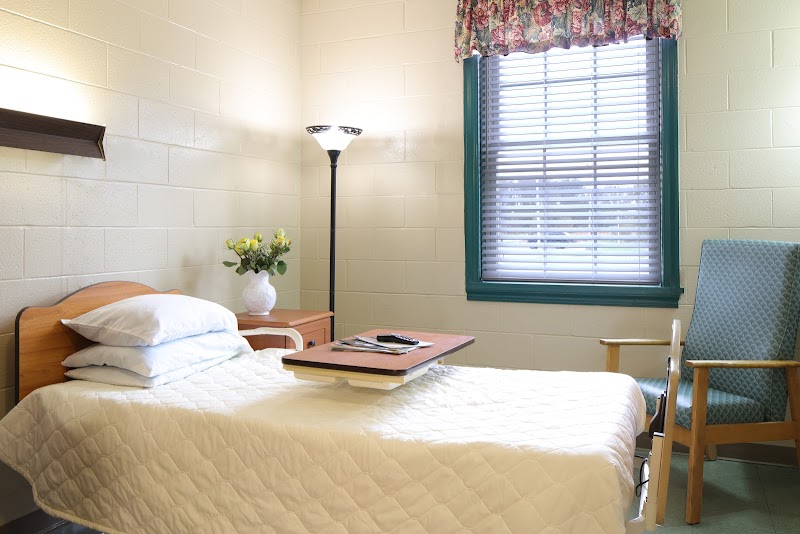
Who Owns and Operates Shore Health & Rehab Center?

SHORE HEALTH & REHAB CENTER is owned by a for-profit company. For-profit facilities operate as businesses with obligations to shareholders or private owners. The facility is operated by SABER HEALTHCARE GROUP, a chain that manages multiple nursing homes. With 136 certified beds and approximately 109 residents (about 80% occupancy), it is a mid-sized facility located in PARKSLEY, Virginia.
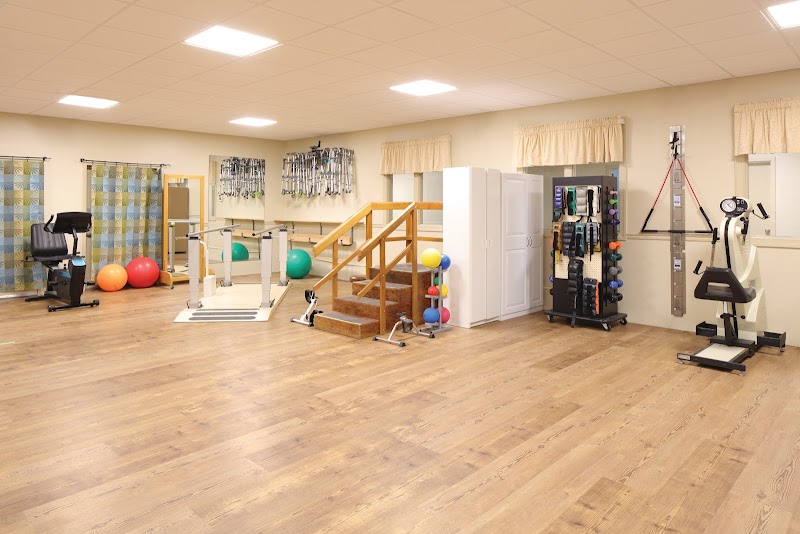
How Does Shore Health & Rehab Center Compare to Other Virginia Nursing Homes?

Compared to the 100 nursing homes in Virginia, SHORE HEALTH & REHAB CENTER's overall rating (4 stars) is above the state average of 3.0, staff turnover (29%) is significantly lower than the state average of 46%, and health inspection rating (3 stars) is at the national benchmark.

What Should Families Ask When Visiting Shore Health & Rehab Center?

Based on this facility's data, families visiting should ask: "Can I visit during a mealtime to observe dining assistance and food quality?" "How do you handle medical emergencies, and what is your hospital transfer rate?" "Can I speak with family members of current residents about their experience?"

Is Shore Health & Rehab Center Safe?

Based on CMS inspection data, SHORE HEALTH & REHAB CENTER has a clean safety record: no substantiated abuse findings (meaning no confirmed cases of resident harm), no Immediate Jeopardy citations (the most serious violation level indicating risk of serious injury or death), and is not on the Special Focus Facility watch list (a federal program monitoring the lowest-performing 1% of nursing homes). The facility has a 4-star overall rating and ranks #1 of 100 nursing homes in Virginia. While no facility is perfect, families should still ask about staff-to-resident ratios and recent inspection results during their visit.

Do Nurses at Shore Health & Rehab Center Stick Around?

Staff at SHORE HEALTH & REHAB CENTER tend to stick around. With a turnover rate of 29%, the facility is 17 percentage points below the Virginia average of 46%. Low turnover is a positive sign. It means caregivers have time to learn each resident's needs, medications, and personal preferences. Consistent staff also notice subtle changes in a resident's condition more quickly. Registered Nurse turnover is also low at 18%, meaning experienced RNs are available to handle complex medical needs.

Was Shore Health & Rehab Center Ever Fined?

SHORE HEALTH & REHAB CENTER has no federal fines on record. CMS issues fines when nursing homes fail to meet care standards or don't correct problems found during inspections. The absence of fines suggests the facility has either maintained compliance or corrected any issues before penalties were assessed. This is a positive indicator, though families should still review recent inspection reports for the full picture.

Is Shore Health & Rehab Center on Any Federal Watch List?

SHORE HEALTH & REHAB CENTER is not on any federal watch list. The most significant is the Special Focus Facility (SFF) program, which identifies the bottom 1% of nursing homes nationally based on persistent, serious quality problems. Not being on this list means the facility has avoided the pattern of deficiencies that triggers enhanced federal oversight. This is a positive indicator, though families should still review the facility's inspection history directly.